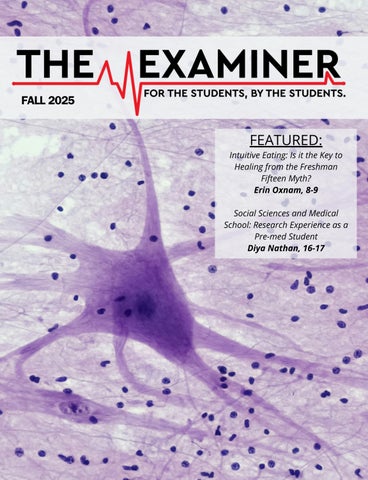
FEATURED:
Intuitive Eating: Is it the Key to Healing from the Freshman Fifteen Myth?
Erin Oxnam, 8-9
Social Sciences and Medical School: Research Experience as a Pre-med Student Diya Nathan, 16-17
Intuitive Eating: Is it the Key to Healing from the Freshman Fifteen Myth?
Erin Oxnam, 8-9
Social Sciences and Medical School: Research Experience as a Pre-med Student Diya Nathan, 16-17

Dear Reader,
Welcome to the Fall 2025 edition of The Examiner! This issue features the work of new and returning journalists who have dedicated their time to curating relevant articles on topics they are passionate about. This semester, we explored a wide range of ideas, including effective note-taking techniques, Alzheimer's disease treatment, a tooth-growing drug, and mental health.
Over the past semester, our team has participated in numerous events, beginning with the involvement fair, which attracted many new journalists to the club. We went on to host the highly anticipated alumni panel, featuring medical students, gap-year students, and those currently working and conducting research. Hosting this event provided many of our pre-health and research students with a place to ask questions and gain insight from previous members. Our team and journalists have remained dedicated to participating in these events while committing to producing this fantastic issue.
Our dedicated team of managing editors, layout editors, and the executive board played a crucial role in ensuring the club's smooth operation. I could not have asked for a better team as I wrap up my first semester as President and Editor-in-Chief. We hope The Examiner serves as one of the resources that bridges the Rutgers audience with recent happenings in healthcare, creating a better-informed community.
Enjoy the Fall 2025 issue!
Sincerely,
Siddhi Patel Editor-in-Chief



Brieanna Lomelo
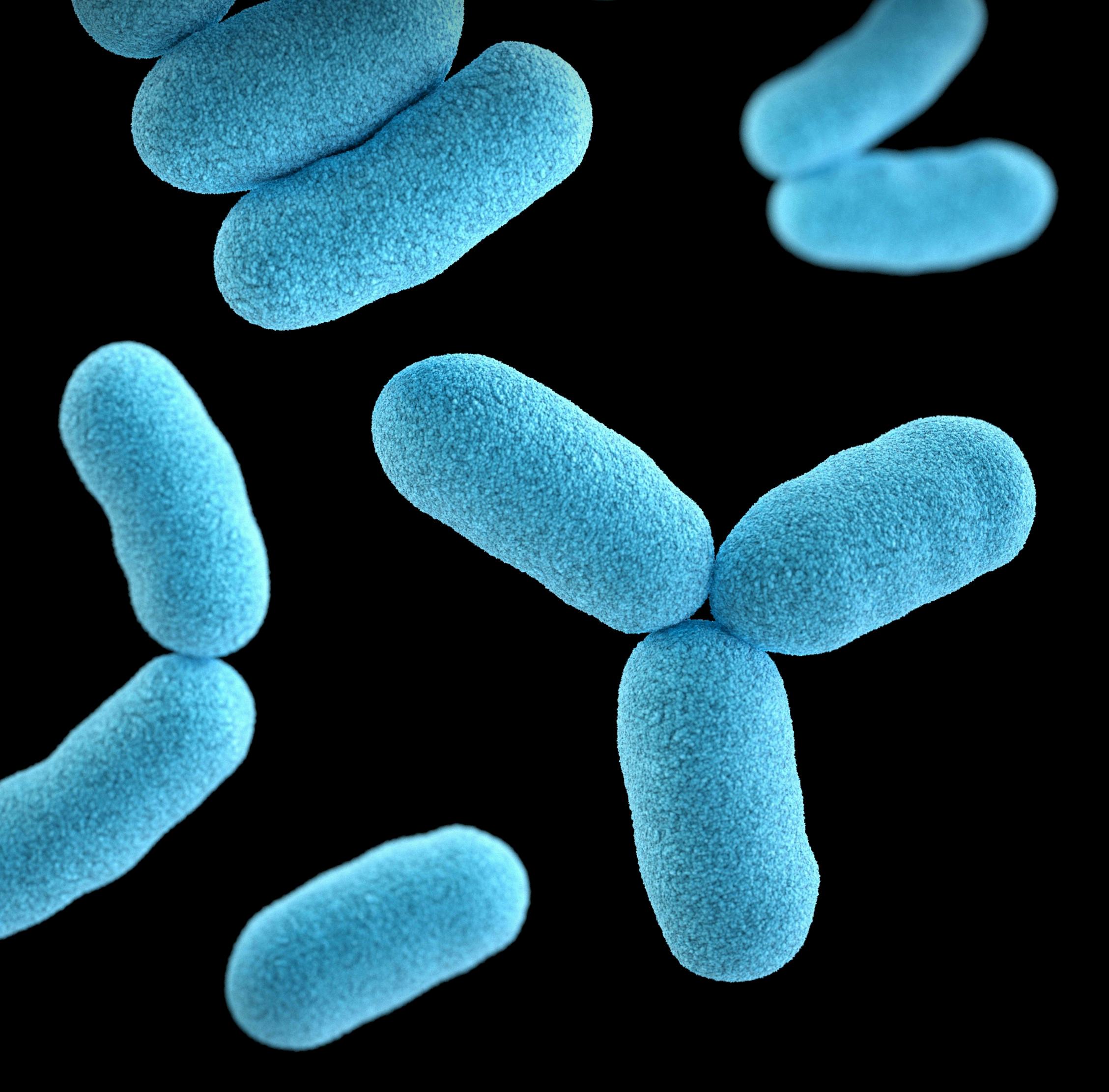
A person’s gut health is often directly related to many health conditions A “gut” consists of the gastrointestinal tract (G.I. tract) and gut microbiome, which is composed of different types of bacteria living inside the G.I tract.¹ The G I tract has receptors to regulate hormones within the body When left dysregulated and unbalanced, hormones can affect many bodily functions.² When the gut is in poor health, its effects cascade throughout the body resulting in poor health overall.
When there is a lack of healthy gut bacteria, estrogen and progesterone receptors in the gut can not properly function, causing estrogen and progesterone to become unbalanced, creating a ripple effect in the rest of the body.² When estrogen levels drop, androgen production is affected, causing skin inflammation such as acne, predominately in women.³ Androgen is a hormone that correlates with the endocrine and reproductive systems, hence why its regulation is essential to remain healthy
Certain foods harm our gut hormone regulation, which also results in skin inflammation. For example, consuming high amounts of refined sugars increases blood sugar levels, causing the body to release a hormone called insulin. When the body constantly produces high levels of insulin, androgen rises in the body, producing sebum in the skin, clogging pores, and creating acne One way to prevent unnecessary insulin production is to include an abundance of probiotics and prebiotics within nutritional choices, for example, kombucha, kefir, garlic, and onions, to maintain healthy gut microbiota. Thankfully, Rutgers Dining Services is dedicated to providing nutritious food options for students through Menus of Change, a program that incorporates healthier, more balanced foods into students' diets.
Unfortunately, many common medications college students take affect gut health as well Antidepressants can increase the amount of eubacterium ramulus, a bacteria associated with irritable bowel syndrome. Other common medications that college students often take are antibiotics Although they kill harmful bacteria, they also get rid of healthy gut microbiota, negatively affecting the digestive tract for up to a year after one cycle is completed.
At Rutgers University, Professor Liping Zhao is conducting research regarding the gut microbiome and how it affects our overall health by modeling the microbiome to identify which bacteria are affecting our gut health It has also been concluded that there has been improvement in overall health after introducing flourishing gut bacteria through fecal transplants of patients with healthy gut microbiomes to patients with unhealthy gut microbiomes From this research, it can be ascertained which bacterial microbes are responsible for maintaining overall health, bringing us one step closer to understanding the relationship between gut health and the rest of the body.
Every college student can implement healthy habits to improve gut health and overall bodily function, by simply increasing the amounts of probiotics and prebiotics in their diet, to stabilize healthy gut bacteria Additionally, they can avoid using antibiotics or other medications that disrupt hormone and gut function unless necessary. It is important that students understand the importance of different lifestyle, hormonal, and food functions that directly affect their gut microbiome

Students strive to succeed in college, utilizing note-taking as a key tool for studying But which form of note-taking is most beneficial? In recent years, tablet and computer notes have become most popular for students’ convenience. Although digital note-taking strategies have many benefits, it is proven that handwritten notes are a better way to stimulate learning
Information is processed and then stored in the brain as memory, where it resides until future use. Sensory memory is the storage of information found from the 5 senses For students, the memory-making process begins during lectures as students take notes. Then, sensory information is encoded into short-term memory. The memories that enter short-term memory are explicit and can be broken into episodic (events that happened to individuals) and semantic (general information) memories
Semantic memories in short-term memory are transferred to long-term memory, where they are stored for later access Learning is the process of effectively creating memories that can be recalled later. These memories/knowledge are used during exams for many application-based questions To use memories, we need “long-term potentiation(LTP) ” In other words, it is the process of taking information out of the long-term memory and into the short-term memory to be used
How does learning adhere to note-taking specifically? Note-taking takes in sensory information to create semantic memories, which convert to long-term memory that can be recalled when the encoded knowledge needs to be applied.
There are three main types of note-taking among students: computer notes, tablet notes, and handwritten notes. Computer notes are efficient for recording lecture content, organization, and seamless transfer of information between devices Despite the accessibility and ease of computer notes, they do not encode memory as efficiently as tablet or handwritten notes A study from Princeton University has shown that handwritten notes are better than computer notes because they more effectively activate the reticular activating system, the part of the brain involved in attention
Tablet notes are another convenient digital alternative to handwritten notes for their portability, organization, and compact design. Although both types of note-taking encourage students to process lecture content through the physical act of writing, tablet notes still have flaws According to studies by the University of Tokyo, students who wrote by hand retrieved the lecture information from their long-term memory 25% more quickly than those who had written notes on iPads, possibly due to the cognitive strain due to blue light from screens Despite tablets being lightweight and convenient, handwritten notes prompt students to encode information into the human brain more efficiently than tablet notes
At Rutgers University, Professor Michael W Cole’s lab researches the effects of task-evoked activity on neural connections in the human brain. The lab studies task-intensive or manual activities, for example, handwriting notes, and their impact on the formation of memories The results from Dr Cole’s research suggest but do not confirm, that stronger stimuli can lead to more neural connections in the human brain. In other words, handwritten notes may encode memory more efficiently than computer or tablet notes
Many students aim to succeed in college through notetaking with either computer, tablet, or handwritten notes Although colleges shouldn’t prohibit computer or tablet note-taking, they should encourage the implementation of handwritten notes and educate their students on its benefits. While computer and tablet notes are extremely efficient and well-organized, handwritten notes are better suited for learning, which is ultimately the goal of every student
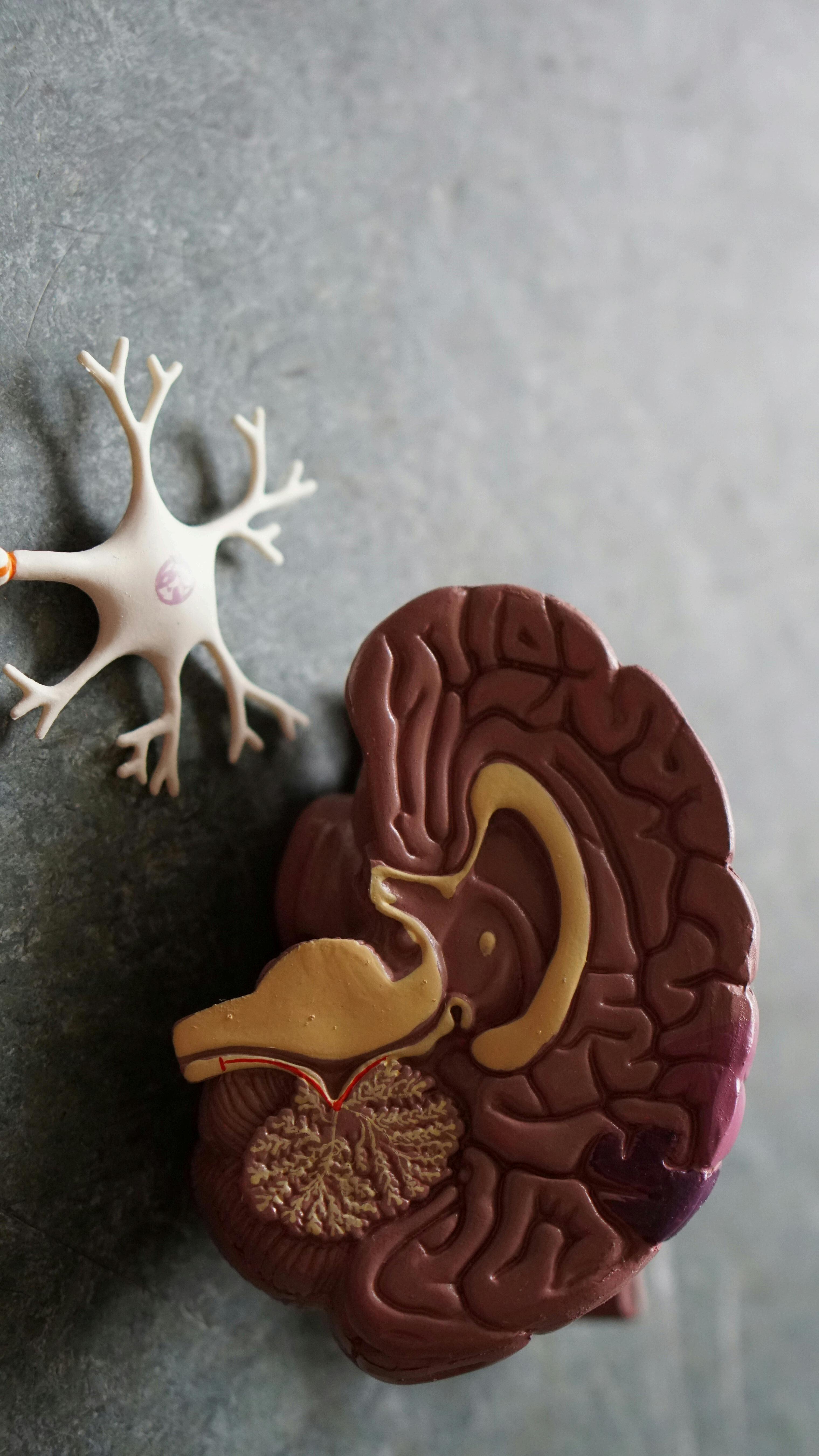
Have you ever noticed the elderly forgetting recent events or the names of people? If aging progresses healthily, the brain will lose neurons in small numbers However, when many neurons stop functioning, lose connections with other neurons and the damage is widespread, one is diagnosed with Alzheimer’s disease. Symptoms can include severe disorientation, behavior changes, memory loss and perhaps even difficulty speaking As Alzheimer’s Disease usually affects people aged 65 or older, their life spans can reduce to 4 to 8 years after diagnosis
Although there is no cure for Alzheimer’s disease, there are medications that reduce cognitive and functional decline. However, elderly patients, who often take these medications, forget to take their pills multiple times a day or have difficulty swallowing the pills It is also estimated that 40% of elderly people experience age-related digestive issues. As a result, elderly patients have inconsistent absorption of the medicine due to digestive issues, which further reduces the efficacy of the medications. On the bright side, there is a method through which drugs can be more effectively delivered. Transdermal drug delivery is the delivery of drugs through the skin, often in the form of a patch that penetrates the skin to administer the drug. For neurodegenerative diseases, such as Alzheimer's, some of the advantages include decreased toxicity and the avoidance of metabolism and gastrointestinal side effects. With the ease of application and reduced side effects, it is easier for the patient to manage their treatment as there is less interference with everyday life
At Rutgers University, the Michniak Laboratory for Drug Delivery conducted research to “develop transdermal patches for delivery of drugs for some neurodegenerative diseases such as Alzheimer’s disease”. Their focus was to formulate patches with drugs widely available as oral tablets Firstly, acrylate polymer matrices, the flexible material that is used to build the adhesive patches, were carefully combined with different penetration enhancers Then, “experiments were done using vertical Franz diffusion cell mounted with human cadaver skin” to test the effect of various concentrations of the active pharmaceutical ingredient (API)- the oral drug A Franz cell is a device used to measure the amount of drug released from transdermal drug delivery methods such as creams, ointments, and patches The human cadaver skin further simulated how the medication could be administered. This device has two chambers: the product is applied to the top chamber, and the bottom chamber allows fluid samples to be collected at regular intervals This method allowed researchers to determine if the drug has penetrated through the membrane Through this method, the Michniak Laboratory was able to contribute to the development of patches to apply daily and “deliver the drug…with minimum irritation ” Although there is still extensive research being conducted, there are currently two transdermal patches that are FDA-approved for managing Alzheimer’s disease The first one is Rivastigmine (commonly known as the brand name Exelon), which can be taken as a capsule or by applying a patch on the skin. Rivastigmine improves the symptoms of dementia by allowing the nerve cells to communicate by increasing the levels of a brain chemical called Acetylcholine. The second transdermal drug is Donepezil which works quite similarly to Rivastigmine While Rivastigmine increases the amount of Acetylcholine, Donepezil works by slowing the breakdown of Acetylcholine. It is especially important to note that these medications do not cure Alzheimer’s Disease but help manage the symptoms, assist with daily life, and can be bought with a prescription only The research and development done in transdermal patches for Alzheimer’s disease can, in some ways, improve the quality of life of Alzheimer’s disease patients
Andrew Kuzinski
One of the biggest problems facing the country today is the increasing prevalence of mental illness. According to the National Alliance on Mental Illness, 2 8% of people suffer from bipolar disorder and 19 1% of people suffer from generalized anxiety disorder. One of the most affected groups in the population is college students. According to Acad Psychiatry, from 2009 to 2014 there was a 88% increase in “severe” psychological problems found in college students. A past Rutgers graduate student, Jaleesa Stringfellow-James, researched mental illnesses at Rutgers In her study, she found that 18 07% of adults suffer from any kind of mental illness The problem worsens with every generation, as 12 63% of youth (children aged 12 to 17) reported having one or more depressive episodes per year This increasing figure is alarming, but why is this change happening? Both social and physical reasons could be the cause With this, an important question can be asked: How solid is the connection between genetics and mental illnesses such as anxiety, depression, and bipolar disorder?
The first way to understand how genetics can influence rates of mental illness is by looking at physical differences in brain structure For example, brain scans performed by the Stanford School of Medicine show that those who suffer from generalized anxiety disorder often have a larger-than-average amygdala. The amygdala regulates one’s emotions, mainly feelings of worry, fear, and anger An amygdala that is too large or too small could lead to misregulation or overexpression of these emotions These same studies also show that those with generalized anxiety disorder have more blockages in neuron connections. This blockage is also very present in those with depression According to the West China Hospital of Sichuan University, those with depression have a smaller prefrontal cortex. The prefrontal cortex helps regulate emotion, so a decreased size may lead to an inability to deal with negative emotions healthily Along with this, the anterior cingulate cortex, which also deals with emotional regulation, is smaller and less effective. The study by Jaleesa StringfellowJames also showed that those with depression have less gray matter in their brains compared to those medicated or without depression. This lack of gray matter could lead to cognitive inhibition and less ability to function Those with bipolar disorder also have this deficit in their brains However, along with this, the blood flow in the brain is changed This increase or decrease in brain flow can affect emotion and cause the typical manic and depressive episodes related to bipolar disorder.
There are also numerical ways to show physical differences in the brains of those with mental illnesses. One way is through calcium levels and pathing in the brain According to the Medical University in Poland, those who have bipolar disorder also have a greater level of Calcium ions in their brain. The size of calcium pathways is also important, as larger pathways allow for more calcium to enter the brain Calcium is important for emotion regulation, and the size of calcium pathways along with the presence of calcium is hereditary. According to Mission Harbor Behavioral Health, bipolar disorder has the highest connection to genetics However, disorders like anxiety and depression are less linked to genetics and more related to circumstances and events that may happen to someone.
It is hard to tell what truly causes mental illness. Often, stressful situations are correlated to higher rates of anxiety, depression, and bipolar disorder However, this higher correlation does not mean it is the cause Genetics, however, vary in importance between different disorders. Bipolar disorder is much more impacted by genetics as opposed to anxiety and depression disorders This does not mean that they are not relevant for those two, though. As a rule of thumb, those who have a family member with any kind of mental illness are more likely to develop a mental disorder themselves The cause of this, however, varies Every person is complex and different, so there is no one true cause of why anyone may have a mental illness

Intuitive
it the
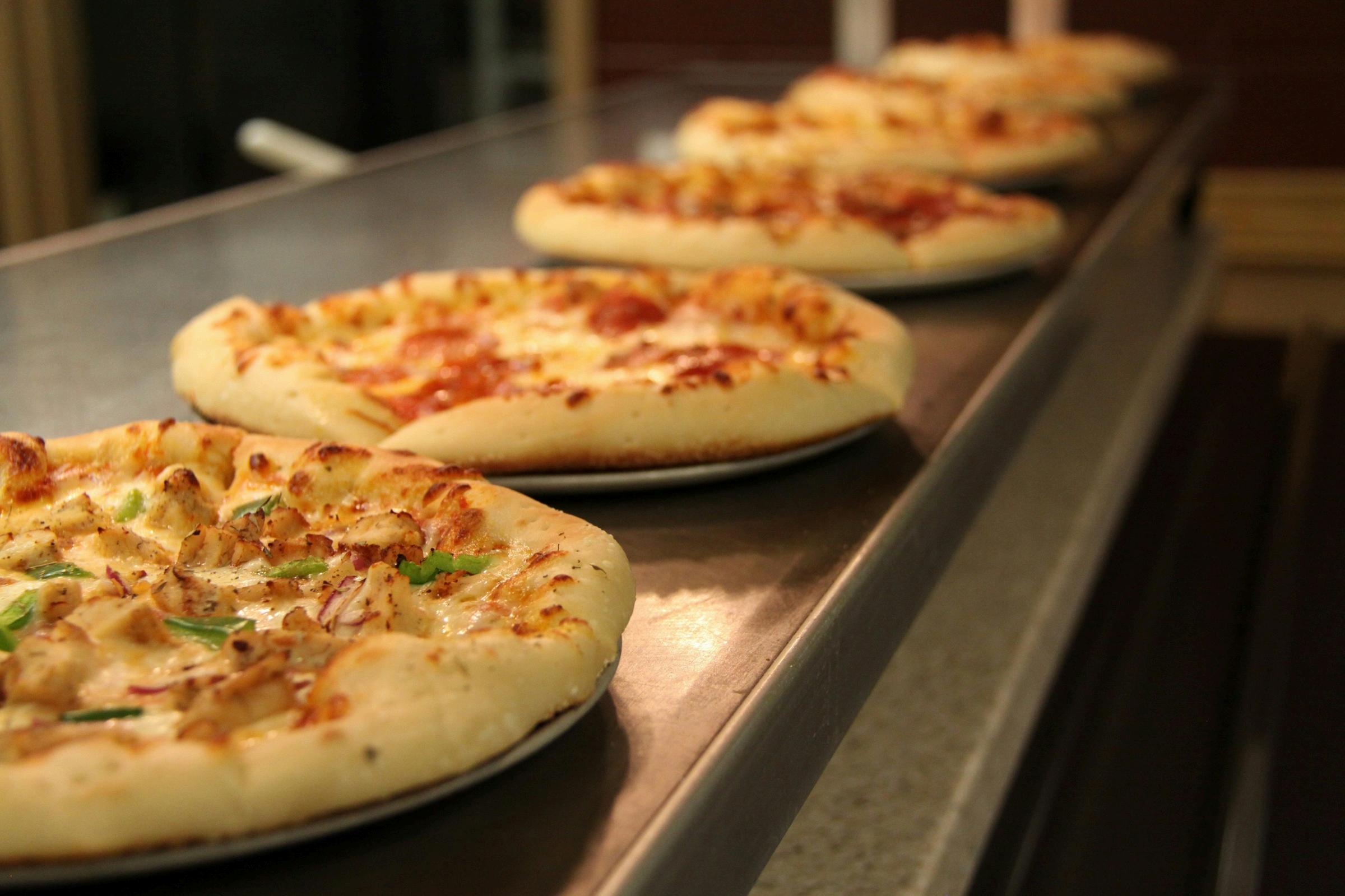
Every year, millions of people start their freshman year of college, and for many, along with this comes a fear imposed by diet culture: the freshman fifteen This idea essentially states that during one’s freshman year of college, they will lose control over their diet due to the freedom of a buffet-style dining hall and lack of parental supervision, then subsequently gain fifteen pounds. In actuality, research has shown that the freshman fifteen is nothing more than a myth, and in fact, buffet-style dining halls may be a way to encourage even healthier eating habits.
The rhetoric surrounding the freshman fifteen can also be extremely harmful The idea of gaining weight is often anxiety-inducing and can lead to psychological distress; such internal and external body-related stressors have been linked to episodes of binge eating, restrictive eating, and developing an eating disorder. In a college setting, undernourishment that may come about due to stresses about gaining weight will decrease cognitive function and could likely result in students doing worse in school.
Several factors, however, support the idea that the freshman fifteen is just a myth. While weight gain is common in the first few years of college, it has less to do with dining halls, and more to do with growing into adulthood, stopping sports or other physical activity, potentially increased alcohol intake, and even skipping meals. Additionally, the weight gain that does often occur is usually significantly less than fifteen pounds In fact, a study of Rutgers University freshmen by Daniel Hoffman found that, of the students who did gain weight, roughly 75% gained an average of 6 82 pounds over the span of a five-month period The weight gain also likely has almost nothing to do with going to college itself; people who do not attend college after high school usually experience a similar weight gain, only a halfpound difference.
The college environment may actually have unique health benefits, and this is because it supports the idea of intuitive eating. Intuitive eating is a dietician-backed idea of listening to one’s hunger and fullness cues to indicate when to eat, what to eat, and when to stop This style of eating is exactly what buffet-style dining halls support: easy-to-access food, with no limit on how much or little to take The intuitive eating approach supports the idea that a person of any size or body type can be healthy; it rejects the idea that thinness equals health But intuitive eating is much more than just a concept; it has an entire Intuitive Eating Scale with markers such as “I trust my body to tell me how much to eat,” and “I stop eating when I feel full ” When put into practice, intuitive eating has been shown to improve psychological and behavioral health and decrease disordered eating behaviors, especially binge eating. However, without the eating support that students may be used to at home with their parents, students may develop eating habits that eliminate certain food groups while overdoing others, allowing for improper nutrition, which is why on-campus dietary support is a crucial component of ensuring healthy eating habits for students
Unfortunately, the dining hall system also allows students who may be struggling with eating disorders to restrict an unhealthy amount They may even have no way of knowing how much food is appropriate due to the lack of portion sizes at dining halls. This is why options such as Woody’s, The Atrium, and Cafe West at Rutgers are good to use in moderation so students can gauge an appropriate portion. However, if a student is struggling with an eating disorder, they must seek help from mental health services
Overall, the college dining environment is not the hotbed for weight gain that some may claim it to be, and the idea of the freshman fifteen often supports disordered eating rather than helping students make healthy choices The more transparent schools and media can be about the truths behind the freshman fifteen and dining halls, students can be healthier and overall be more successful in their college experience.

Take a moment and consider your average school day at Rutgers. You go to class, take down some notes, grab lunch and make your way home for a study session. You may not notice throughout this routine, but a subtle yet powerful influence tugs at you throughout the day–the colors around you Our colors daily play a psychological role in how we feel, think, and act, from the striking hues of marketing campaigns to the calmer ones in a kindergarten napping room Inspired by synesthesia–the experience of a non-colored stimulus triggering a color perception–this article explores how the colors, both consciously and subconsciously affect our mental health and motivation–even at Rutgers.
Color psychology is the study of colors impact behavior, perceptions, and emotion–but we can examine the concept on a targeted scale. When light rays hit an object, the item absorbs the wavelengths, perfectly matching its atomic structure to reflect colors to us As light hits the retina in our eyes, it is converted into electrical impulses transmitted to our hypothalamus–influencing our physiological and emotional responses to the colors around us. If asked to think of something relaxing, you might imagine blues and greens; Maybe red for something exciting or alarming? Whether through clothing or landscapes, colors can change our mood from sad to happy and even extend itrs role in alternate settings.
1 2 3
Maier and Elliot conducted a study observing the effects of color perception on psychological functioning. They referenced the scholarly works of German polymath Johann Wolfgang von Goethe. In his, “Theory of Colors”, Goethe categorized it as “plus colors or minus colors Plus colors, namely, yellow, red-yellow, and yellow-red, were thought to induce positive feelings such as lively, aspiring, and warm, whereas minus colors, namely blue, red-blue, and blue-red, were said to induce negative feelings such as restless, anxious, and cold ” This connection has practical implications in our everyday life, but also in academic settings where the strategic use of plus or minus colors can foster environments that enhance focus, reduce stress, and promote productivity among students. Red, for example, has been associated with failure and danger, pushing people to avoid motivation with the color in context Another color experimental study indicated that individuals “who viewed red before or during anagram, analogy, and math tasks performed worse than those who viewed green or achromatic control colors ” This highlights color's nuanced role in shaping our cognitive performance and motivation as much as our mood
Professor Brynildesn, from the Department of Psychology at Rutgers University, shared some interesting insights about the psychological impact of color. She noted, “I have a vague familiarity with the color of walls having an impact on people’s moods and the color of placebo pills having an impact on how effective the pills are in making a change It wouldn’t surprise me at all if colors in one ' s environment affect their outcome” Her perspective reinforces the idea that color can be more than an aesthetic; these findings offer insight into our classrooms, labs, and study spaces that can either enhance or detract from our learning outcomes Color is more than just the backdrop of our lives; it is the orchestrator that shapes how we feel, think, and perform By fully absorbing the psychology of color, we can give ourselves the extended power to design our environments to fuel our productivity and push us to achieve our dreams at the fullest potential
A few years ago, an article was published discussing a murder that was heavily inspired from a Hindi film, Darr, a story about a man who had an obsession for one of his classmates who was already engaged to another man, to the point that he wanted to (spoilers!) kill the fiance for her. Such occurrences have happened with many other films as well, like The Exorcist, where a mother killed her daughter because of her assumption that her daughter was possessed Lately, criticisms have emerged regarding American and foreign cinema and its use of excessive violence and aggression to extract more extreme emotions and monetarily profit from it, which raises an important question about violence in films and our present society –does violence in cinema make people more violent and aggressive, even if they initially were not? Is the banning of violent cinema necessary for societal betterment?
Rowell Huesmann, a psychologist from the University of Michigan, has conducted a study on the impact of electronic media violence and has gathered two main reasons why people are inspired by media which also pertains to cinema: misattribution of certain ideas and desensitization by media
Misattribution of ideas refers to assumptions regarding situations that can lead to violent behavior without understanding the reasoning as to why that violent incident has occurred. For example, the film Darr could have impacted the killer’s psychological behavioral perspective, where he thought that the stalker’s intentions were not wrong as it was just to be with the “love of his life,” when in reality stalking is a punishable offense that can scar the victim for a long time. By indirectly glamorizing the consequences of such actions, violence in cinema can blur the lines between right and wrong, creating a dangerous disconnect between fiction and reallife.
Secondly, desensitization by cinema, or the consistent showcasing of violence in films and other forms of entertainment, has made audiences increasingly insensitive to acts of violence. Such scenes have become a staple in modern storytelling, to the point that filmmakers are trying to come up with more and more violent and desensitized scenes to hook the audience The repetition of violent imagery can normalize aggression, making it appear as if there is nothing wrong about showing aggression, regardless of the physical or emotional pain it can cause to the other party.
Zaara Shaik

This normalization of violence has led some to argue for stricter regulation or even banning of violent films Some explain that “there are thousands of real people watching, who may feel all too intimately the loss of life depicted in such sequences.” They believe that violence in cinema will lead to a numb, unempathetic society, and that banning or heavily regulating violent films is a necessary step to mitigate the potential psychological and societal harm they may cause.
However, Dr. Keiko Brynildsen, a social psychologist and psychology professor at Rutgers University, discussed the idea of media violence’s influence on people committing crimes She explained that many old studies have shown that children who are already aggressive become even more aggressive upon watching violent movies, and children who are already calm are usually unaffected upon watching a violent movie This idea is valid for adults as well, and when asked about whether violent films and media really causes violence, she explained, “I do believe that the perpetrator’s mental health should be checked and worked on, but violent media should not be blamed for a crime that a person committed”, and for this reason, the banning of violent cinema may not be as efficient as many may think.
Cinema is not only about the positive side of society, but it also provides an accurate reality of life as well, and banning violence in it will steer people away from understanding the other side of the world However, considering the harm cinema has been doing, there should be limits set on how violence is presented. A balanced approach that considers both the positive and negative aspects of cinema is essential for fostering a well-informed and empathetic society.
Ishita Sharma
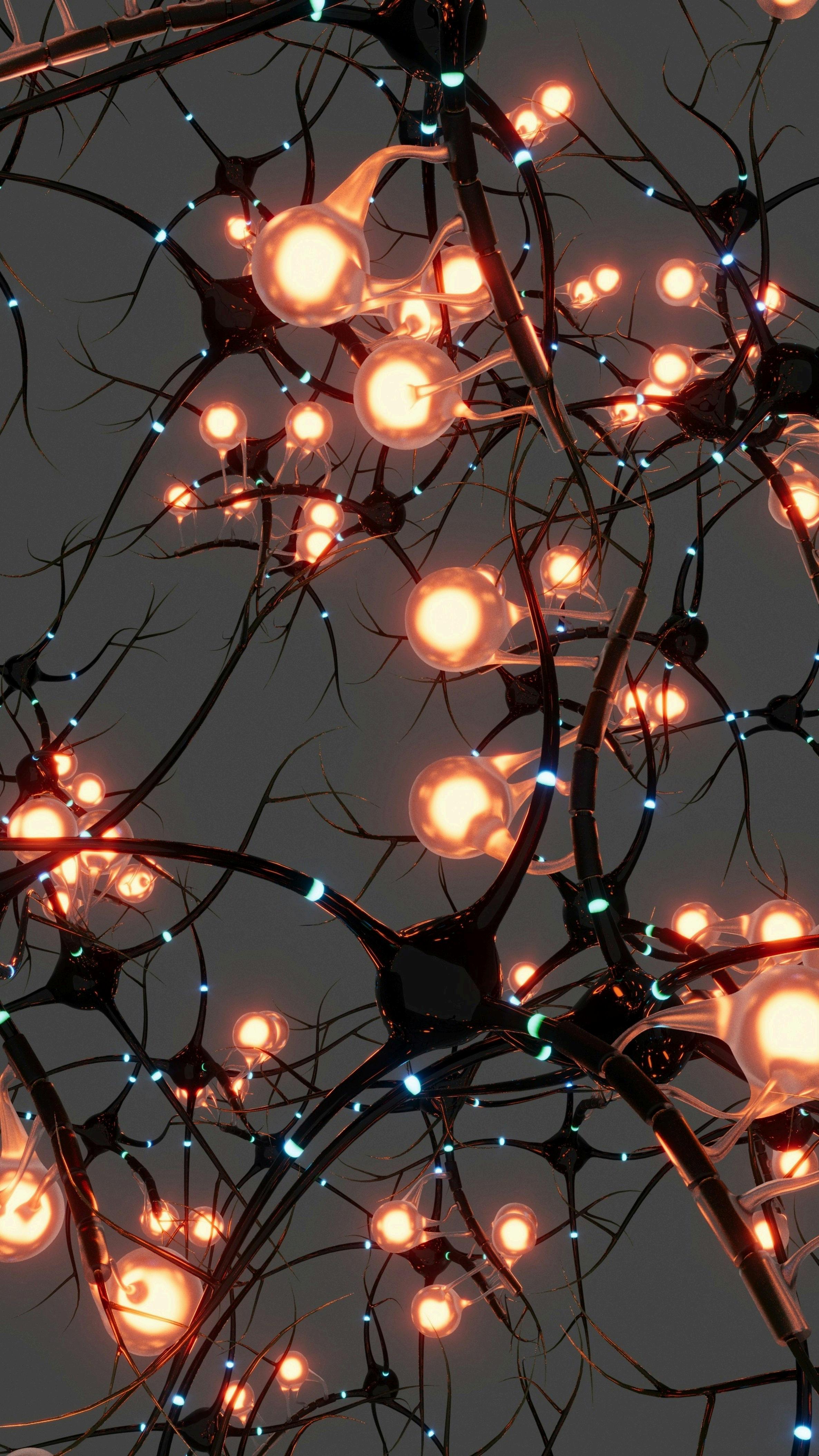
It is common knowledge that the older we get, the worse our ability to move and gauge balance becomes This is significantly impacted by deterioration in our so-called sixth-sense: proprioception Broadly, the body determines its position in the world through “vision, vestibular sense, and proprioception,” where proprioception deals with the body’s awareness of its movements at a given time This awareness is seen through joint position sense (JPS) and kinesthesia, the body’s movement.
Proprioception, like any sense, is perceived through the nervous system The nervous system has two major sections: the central nervous system (CNS), comprising our brain and spinal cord, and the peripheral nervous system (PNS), comprising all neurons outside of the CNS Proprioception starts at the PNS, where specialized nerve endings receive JPS and kinesthesia information from our muscles through muscle spindles. Muscle spindles are embedded inside our muscles and are able to detect when our muscles stretch or contract, which provides the basis for JPS and kinesthesia They then connect with CNS neurons, which relay this proprioceptive information to the brain for interpretation
The prominent joint that is tested for JPS and kinesthesia is the ankle joint This joint, along with others, is able to detect body movements while standing to ensure one remains steady In a study presented to the American Physical Therapy Association, a device (see image) is used to track the participant’s ability to accurately point to a given angle in trials where they are able to see their foot and trials where they are not. Through such experiments, it has been determined that as we age, our proprioception begins to deteriorate.
As proprioceptive sensitivity decreases, so does the body’s ability to maintain upright standing through age-related decline in both the PNS and CNS In the PNS, muscle spindles undergo structural modifications that disrupt their ability to detect when our muscles stretch or contract. In the CNS, aging causes overall loss in neurons and receptors, thus causing a decrease in interpreting and sensing proprioceptive information.
To prevent this decline, there is one studied way: exercise. While the exact mechanism is not yet understood, it has been seen that proprioception can be trained that is, regular exercise of “proprioceptive nature” may help “retain or regain our balance ” This is because exercise physically and metabolically changes our muscle spindles so that the stretch reflex is strengthened Additionally, since exercise causes repetitive movements of muscles, this in turn creates repeated input to the brain, ultimately training our brain to become more sensitized to proprioceptive stimuli
To further this exact goal of improving this all-important sense, Dr Toosizadeh and his team at Rutgers’ Department of Rehabilitation and Movement Sciences have thus created a device incorporating motion sensors and specialized software to assess proprioception in the ankle joint Patients equip the device and follow a marker with their foot, which the software then analyzes to test for accuracy by using a specialized numerical index This index is able to help diagnose proprioceptive deficits and assess fall risk, both factors that are of significance in a clinical setting
Proprioception decline is unavoidable However, it is still possible to prevent how quickly it occurs. Exercise trains our brain to remain sensitized to proprioceptive information, so with individual efforts to exercise and with inventions that can assist in identifying issues, retaining this sense in our old age is certainly attainable
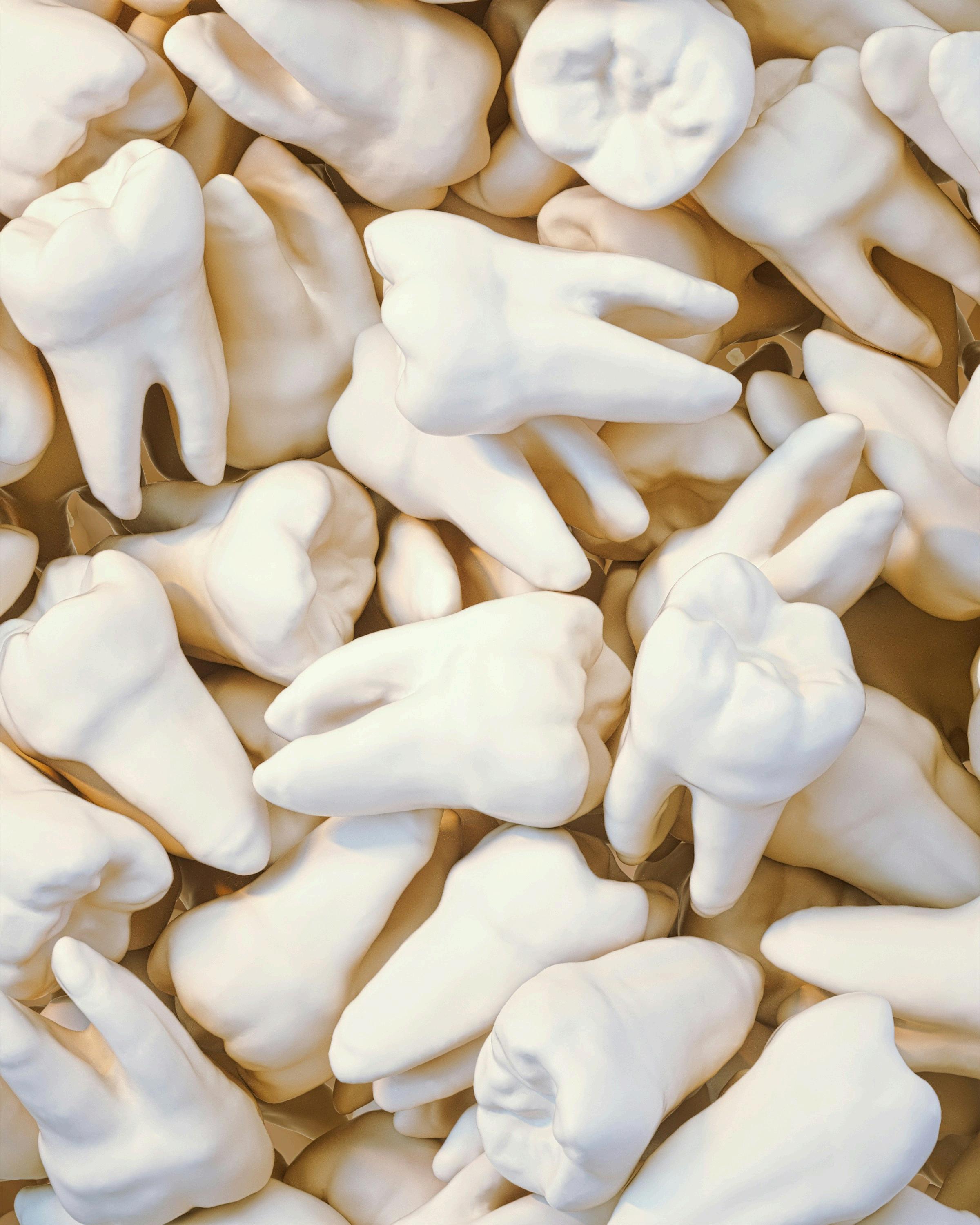
Teeth are one of the most important parts of our human body because they help us to break down the food we digest mechanically However, as we age teeth fall out and we cannot regrow them, so patients usually go to the dentist to get tooth implants, dental bridges, and more To address this issue, a pharmaceutical startup in Japan named Toregem Biopharma recently developed an injectable medication that can regenerate teeth The injectable drug is still unnamed, but it is referred to as the Tooth-Growing Drug.
The Tooth-Growing Drug was founded in May 2020 by Dr. Katsu Takahashi, a professor of Oral and Maxillofacial Surgery at Kyoto University. This was officially announced to the public in July 2023 This innovation evolved at a small pharmaceutical company with only five employees The pharmaceutical company primarily aims to treat patients who cannot grow teeth due to genetic issues, cavities, and other dental problems. With this goal, the company conducted multiple research and clinical trials to invent the Tooth-Growing Drug. The Tooth-Growing Drug can regenerate teeth that have been lost because the drug inhibits the protein USAG-1, which is a protein that suppresses tooth growth in the human body and animals To elaborate, it is a protein that inhibits bone growth However, when the drug is injected, it helps deactivate the protein USAG-1, allowing the potential for teeth to grow This was clinically tested on mice, dogs, and ferrets. There were no significant side effects when tested, and the test animal’s teeth were generated successfully. After the success in animal testing, Dr. Katsu Takahashi has decided to begin human testing at Kyoto University in September 2024, which will be done for children aged two to seven with four or more missing teeth At the end of 2030, it will be clinically used in hospitals and local clinics after human trials.
Though this innovation has great potential for positive change, there are ethical issues regarding the Tooth-Growing Drug. The cost of the Tooth-Growing Drug is currently expected to be a price of 1 5 million yen, which is approximately $98,000 for one injection. This is a much higher cost than an artificial tooth implant that dentists use for patients since they are usually in the price range of $1,500 to $2,000 Although the reliability and the success rate are high, the expensive cost of the drug means there will only be a few people who can afford this drug
Oral Health has health implications beyond just the mouth. Bad oral health in humans can lead to obesity, a chronic disease. The Rutgers School of Dental Medicine has researched the relationship between bad oral health due to tooth loss and obesity. Research conducted by a senior public relations specialist, Andrew Smith, found a 2% increase in obesity due to missing a tooth For missing molars, there was a 7% increase in the risk of obesity. Furthermore, it was concluded that poor dental health will increase risks of oral cancer, diabetes, cardiovascular disease (CVD), and more cancers With the findings of this research by Andrew Smith, the Tooth-Growing Drug could be a potential solution to decreasing the risk of obesity in patients with missing teeth or bad oral health. The Rutgers School of Dental Medicine could approach a solution using the Tooth-Growing Drug for patients
With the power of science, the Tooth-Growing Drug will allow patients to regrow their teeth with no pain since no surgical processes will have to be done on the patient’s gum like the artificial tooth implants. As the Tooth-Growing Drug starts to be used by doctors in clinics and hospitals clinically, patients will be able to reclaim their smiles.
Computational protein design (CPD) is a profound intersection of biology, chemistry, and computer science, allowing for a more refined understanding of the molecular machinery that governs cellular processes Proteins, often referred to as the “tiny machines of life,” are essential for nearly all biological functions. Composed of chains of amino acids, the specific order of these amino acids determines each protein’s shape and function, which in turn affects its biological role. This knowledge has paved the way for one of the most exciting advancements in modern science: the ability to predict, design, and create new proteins using computational tools The revolutionary aspect of CPD lies in using computers to predict how changing certain amino acids will affect a protein’s behavior
A cornerstone of CPD is the Protein Data Bank (PDB), a repository established in 1971 that has now become indispensable for both basic and applied biological research. By spring 2024, the PDB housed over 225,000 experimentally determined, atomic-level 3D structures of biological macromolecules, including proteins, DNA, and RNA. This allows researchers to visualize the structures of proteins and understand their interactions with ligands, which has far-reaching implications in drug design.
The potential of CPD was further highlighted when the 2024 Nobel Prize in Chemistry was awarded to David Baker, Demis Hassabis, and John M. Jumper for their exemplary work in protein structure prediction Baker’s Rosetta Fold and Google DeepMind’s AlphaFold use vast amounts of data from the PDB to predict protein structures with remarkable accuracy AlphaFold, in particular, has made headlines for predicting over 200 million protein structures with nearperfect accuracy. The ability to predict how proteins fold and bind with other molecules holds immense promise for designing novel therapies.
At the forefront of these advancements is Dr. Sagar Khare, a professor in the Department of Chemistry and Chemical Biology at Rutgers University. Dr. Khare’s work builds on his postdoctoral research in David Baker’s lab, where he contributed to the development of de novo protein design tools One of the promising applications of CPD in medicine is the development of Computationally Designed Affinity Clamps (CODACs) These custom-designed proteins are engineered to bind to specific C-terminal peptides of target proteins with high affinity and specificity “to enhance protein-protein and protein-drug interactions”. CODACs offer the potential for precise targeting, which could improve the treatment of diseases caused by malfunctioning proteins. Khare’s lab uses a combination of AI-based tools, such as RFDiffusion and MPNN, alongside biophysical simulations “These computational approaches allow for the precise tuning of protein interactions, enhancing our understanding of molecular-level interactions ” By targeting specific proteins inside cells, CODACs and similar innovations could pave the way for novel therapies that selectively inhibit disease-causing proteins, making treatment options more effective and reducing unwanted side effects. With the help of these tools, the future of medicine looks increasingly precise and personalized.

Hassan Ali
Parkinson’s disease (PD) is a progressive neurodegenerative disorder that affects millions worldwide, causing debilitating motor symptoms such as tremors, rigidity, and slowness of movement. It is marked by the loss of dopamine-producing neurons in the substantia nigra, a critical brain region involved in movement regulation¹ The most common treatment for PD is levodopa; a dopaminergic medication which has influence on dopamine signaling due to its molecular resemblance to dopamine. Although levodopa and other treatments offer temporary symptom relief by improving motor coordination, it does little to halt the neurodegenerative nature of PD of dopaminergic neuronal loss Levodopa serves as a short-term treatment before patients develop resistance within an average of three and a half years’ time.²
This is where the Sonic Hedgehog (Shh) signaling pathway could serve as a promising avenue in treating PD. The Shh pathway plays an essential role in maintaining adult neural stem cells, which reside in regions of the brain capable of neurogenesis, such as the subventricular zone. These stem cells can differentiate into neurons and glial cells, offering potential for brain repair Research suggests that upregulating the Shh pathway in PD models enhances the survival of dopamine-producing neurons and promotes the recruitment of neural stem cells to damaged areas
4
In a 2024 study published in Frontiers in Cellular Neuroscience, scientists demonstrated that Shh signaling protects dopamine neurons from oxidative stress, which is a significant driver of neuronal inhibition and death in PD⁵ . By augmenting Shh activity, researchers observed reduced neurodegeneration and improved motor function in rodent models of PD. There was also a record of axonal regeneration and synaptic repair, which are critical for restoring functional connectivity in the damaged Parkinsonian brain Shh’s ability to modulate the brain’s innate repair mechanisms makes it a key candidate for regenerative medicine in neurodegenerative diseases. These findings suggest that therapies designed to boost Shh signaling could have both neuroprotective and neuroregenerative effects
The Matise Lab at Rutgers Robert Wood Johnson Medical School primarily studies the role of Shh in regulation of the blood brain barrier, CNS homeostasis, and reactive gliosis Postdoctoral associate, Dr Hui Wang, is an expert on Shh’s role in spinal cord and traumatic brain injury. “The Sonic Hedgehog Pathway offers promising results in closed head and traumatic brain injury models In addition to the notable proliferation of glial cells after Shh gene upregulation in these models, Shh’s potential can be extended outwards to unlock treatment for many other CNS injuries and neurodegenerative pathologies,” says Dr Wang ³
Despite these promising avenues, significant challenges remain, according to Dr Wang Overactivation of the Shh pathway carries mutational risks, particularly the potential for tumorigenesis due to its role in cell proliferation He establishes that “the Sonic Hedgehog pathway offers incredible promise for such pathologies, but we must tread carefully. Harnessing its regenerative potential while minimizing over-proliferative risks will require innovative delivery methods and precise control of signaling that requires further study. We have seen both promising, but also volatile effects. The key would be to harness and strictly control the upregulation ”³
It is clear that targeting a pathway that plays such a critical role in development requires careful modulation to avoid unintended consequences. Balancing therapeutic efficacy with safety will also be crucial as researchers advance these approaches into clinical trials Shh-based therapies, however, could redefine the landscape of PD treatment by addressing not just the symptoms but the underlying neurodegeneration itself These approaches may pave the way for a future where the neurodegenerative aspect of the Parkinsonian brain can be extensively battled.
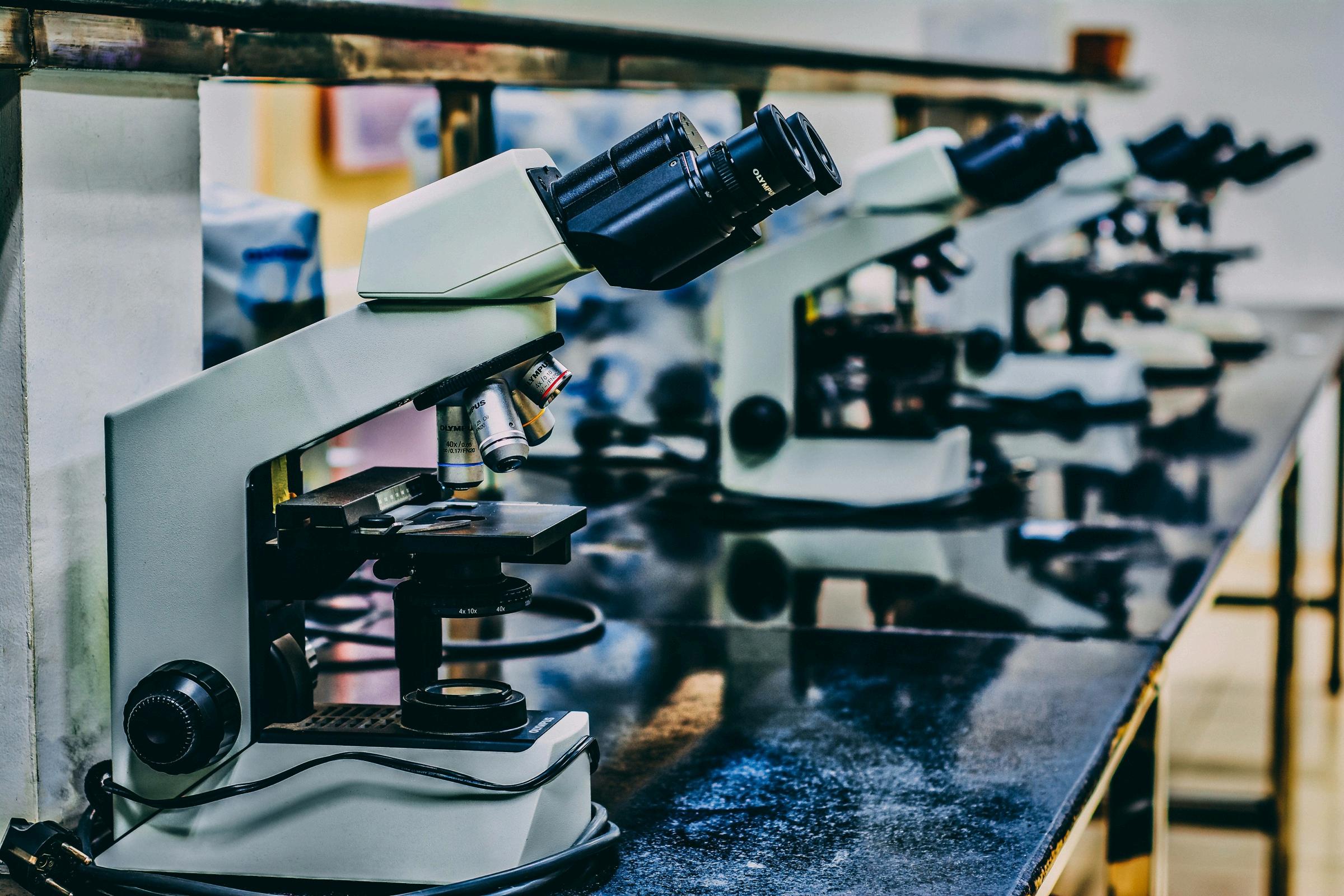
“Are you involved in any research?” If you are a student aiming to attend medical school one day, chances are you’ve probably been asked this question more than once Academic research is undoubtedly regarded as an important part of the pre-med experience as a way to contribute to ongoing discoveries in the medical or other adjacent fields, and also an outlet to apply concepts learned in class to real life Naturally, research is something many pre-med students pursue, but they often limit their search within certain bounds
Generally, when pre-med students search for research, they look for basic science research, otherwise known as bench research. The correlation is understandable: many are majoring in the natural sciences and these are subjects directly connected to the theoretical side of medicine. However, the idea that bench research must be pursued for medical school is a misconception Overall, a 2019 study of medical school admissions faculty conducted by the Association of American Medical Colleges (AAMC) found that research itself is of medium importance relative to other admission factors, but moreover, schools were more likely to admit students who were actively engaging in research that they genuinely cared about.¹ Dr. John Schriner, the Associate Dean for Admissions and Student Affairs At Ohio University Heritage College of Osteopathic Medicine delves into what this means. In his own words, Schriner asks, “Are they really contributing to that? Are they having a meaningful experience where they try to get a full spectrum of what research is all about?” Any research that pre-meds pursue should hold genuine significance to them, and limiting the search can make it hard to find this connection, raising the question of what other types of research can be pursued Well, the answer may be found in the social sciences.
Social sciences focus on the intersection of human behavior and social institutions, largely exploring how people interact with one another This field can be broken down into certain disciplines: anthropology, economics, political science, sociology, and psychology ² Not only do these topics appear on the Medical College Admission Test (MCAT) exam, but they are also considered an important part of medical education Dr Catherine Lucey, the vice dean at the University of California (UCSF), describes how the social sciences help individuals understand the nuances of human behavior and actively bridge cultural differences.³ Essentially, exploring the social sciences prepares medical students for the practical side of medicine, by broadening their worldview and providing the knowledge to approach a dynamic range of patients from different backgrounds, cultures, and lifestyles This ideology is also reflected in the life sciences division at Rutgers, who want to foster spaces in medical education that will “create environments for wide ranging research and education that eliminates practices that marginalize” by focusing on diversity and equity
Moreover, research is currently being conducted in these disciplines regarding medicine For example, Social Science & Medicine is an interdisciplinary forum for social science research on health that publishes both empirical and theoretical research articles, commentaries, and reviews connected to any of the social sciences. Rutgers has plenty of medicine related social science research For example, the sociology department offers internships at Robert Wood Johnson medical school to engage in research advancing women’s health and at the Rutgers department of Family and Community Health Services to conduct surveys and interviews to support the Healthy Corner initiative. Similarly the Institute for Health, Health Care Policy and Aging Research runs numerous projects focused on social determinants of health These are both just few of many opportunities offered at Rutgers, so if you are a pre-med student looking for research, do not limit your search and give the social sciences a try You may find professors working on work which is deeply meaningful to you.
The microbiome, the diverse community of microorganisms residing in and on the human body, is among the most significant factors influencing health throughout life, particularly in adolescents and pre-teens The early establishment of the microbial community, particularly during birth, lays the foundation for long-term health. Vaginally delivered infants are exposed to maternal microbes during delivery, a process that facilitates the development of their gut In contrast, cesarean section (commonly known as C-section) deliveries bypass this natural transfer which leaves newborns without the crucial exposure to maternal vaginal microbes Moreover, infants delivered through C-section miss out on essential maternal microbes that are typically transferred during vaginal birth which plays a crucial role in establishing a healthy gut microbiome. As a result, these infants are at higher risk of early microbial infections such as obesity and asthma
Dr. María Gloria Domínguez-Bello, a distinguished professor at Rutgers University and principal investigator of the Dominguez-Bello lab, is spearheading research in microbiology in reproductive health In particular, her research in microbiomes is reshaping our understanding of how birth practices impact newborn health. Her work centers on the medical implications of microbial exposure between babies delivered vaginally and those born via cesarean section, particularly when antibiotics are involved.
Dr. Dominguez’s team explored a novel solution vaginal microbial transfer which seeks to mitigate the effects of microbial exposure In this procedure, a gauze swab soaked in the mother’s vaginal fluids is used to inoculate the skin, mouth, and eyes of C-section-born infants immediately after delivery in order to mimic the natural microbial exposure that occurs during vaginal birth. The objective of these experiments is to show through experimentation that vaginal microbial transfer can at least partially restore the microbial composition of C-section born infants to resemble that of vaginally delivered infants
The research done by the Dominguez-Bello Lab also sheds light on the unintended consequences of antibiotic use during childbirth and has opened up new avenues for research. While antibiotics can be used to defend against infections, they can also disrupt the natural transfer of necessary nutrients and bacteria with long-term impacts on the infant’s immune and metabolic health. Furthermore, studies from the Dominguez-Bello lab aim to demonstrate that antibiotics, particularly those given during when mothers are going through labor, can significantly influence the microbiome composition of both the mother and the infant
The research conducted by the Dominguez-Bello Lab has sparked a broader recognition of the microbiome’s role in human health and emphasizes the need for interventions that safeguard its establishment during birth. A healthy gut and immune system particularly in newborns and children, who are especially vulnerable to all kinds of viruses and diseases during development, is particularly a contemporary issue as pandemics such as COVID-19 continue to persist. As the field advances it is clear that such innovations will definitely redefine how we approach maternal and infant health, ensuring healthier futures for generations to come
Debora Oladeji

In 2025, over 300,000 women will be diagnosed with breast cancer in the US. Breast cancer occurs when cells in the breast grow uncontrollably, often due to genetic mutations like BRCA1 and BRCA2 The common signs of breast cancer include lumps, “breast shrinkage, hardening, pain, and poor wound healing”. These changes can impact the mental health of patients, who may feel sadness, anxiety, and reduced interactions with people due to the apprehension of having cancer. It’s one of the most common cancers worldwide and affects people of all racial and ethnic backgrounds; thus, early detection, effective treatment, and prevention are critical Preventive measures like regular screenings and genetic testing can help catch the cancer in its early stages and provide the patient with treatments such as “breast conserving surgery and [supplementary] radiotherapy”. Since radiation is the most invasive, often causing the patient mental distress, researchers are exploring less aggressive options, like Targeted Intraoperative Radiotherapy (TARGIT-IORT), which delivers a single-dose radiation treatment during surgery.
Recently, TARGIT-IORT has been effective at reducing cancer recurrence and improving survival rates, especially among minority women, who are more likely to carry high-risk genes, such as BRCA2 and PALB2 The treatment directly targets the tumor site and reduces the requirement for weeks of external radiation with uncomfortable side effects Clinical trials show that TARGIT-IORT therapy works just as well as traditional radiation in preventing cancer from coming back while also reducing side effects Though rare, men can also develop breast cancer and may benefit from this treatment. The treatment can last from 20 to 50 minutes, resulting in “lower toxicity, better cosmetic outcome, [and] better quality of life” especially for African American women, who can have higher remission rates provided equitable solutions. Specifically, a 5-year clinical trial using TARGIT-TORT therapy revealed its effectiveness in reducing the in-breast tumor recurrence for older women This fact shows that wholebreast radiation, with multiple doses, can be decreased to very short, convenient schedules of single-dose treatments that can still target the cancerous growth without causing extensive muscle pain to individuals with breast cancer
Community efforts, like those led by Rutgers University, focus on ensuring patients receive better care worldwide While TARGIT-IORT has been widely adopted in Europe, the U.S. is still working on integrating this treatment. Dr. Deborah Toppmeyer, Chief Medical Officer at Rutgers Cancer Institute, is a leading expert in breast cancer treatment. In a virtual interview, she states, “ we need better treatment options for every woman, so I hope TARGITIORT can be implemented after further research” She expresses, “TARGIT-IORT can treat breast cancer effectively and gently, meaning walking out of surgery that there is hope and healing.” It is inspirational to understand Dr. Toppmeyer’s ongoing work in comprehensive care, from medical treatments to emotional support, to improve survival rates as she supports breast cancer patients at Robert Wood Johnson Hospital
Addressing disparities in access, particularly for minority communities, is crucial in ensuring equal access for all patients. Breast cancer research not only provides patients with various treatment options but also helps patients cope with the emotional and physical challenges of the disease The future of breast cancer treatment is looking more hopeful, with new advancements in radiotherapy providing less invasive, personalized, and more effective options As research continues, treatments like TARGIT-IORT could transform how we fight breast cancer, improving outcomes for millions of people worldwide.

Editor-in-Chief
Vice President
Treasurer
Senior Managing Editor
Managing Editors
Chief of Layout
Layout Editors
Public Relations Officer
Siddhi Patel
Erin Oxnam
Prahalad Rana
Afia Lateef
Deborah Oladeji
Ishita Sharma
Andrew Kuzinski
Ria Hirawat
Tyler Tran
Yashmita Logaraj
Laine Ansari
Vivian Glenn
Laamima Faisal
Zara Faizi
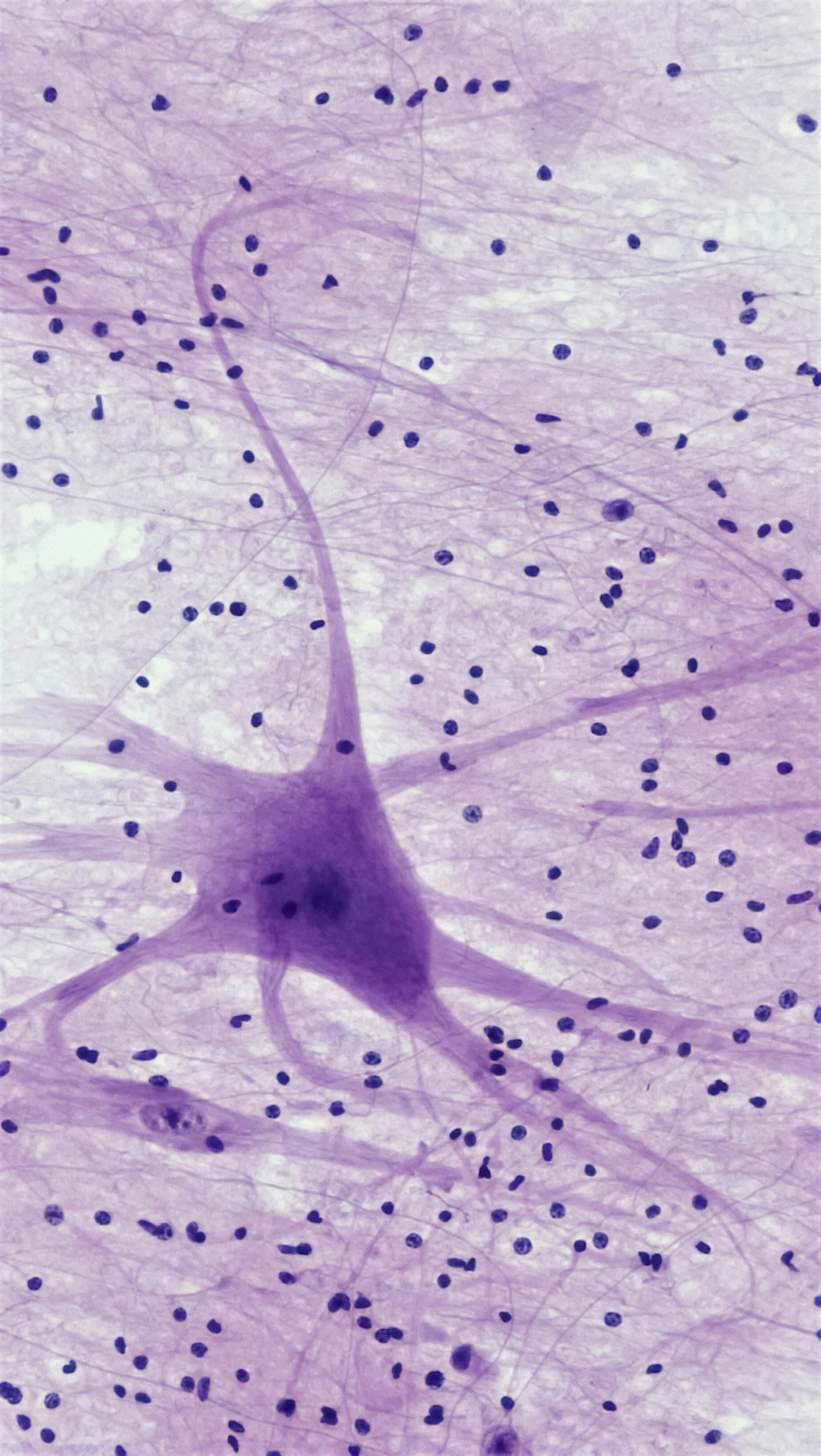
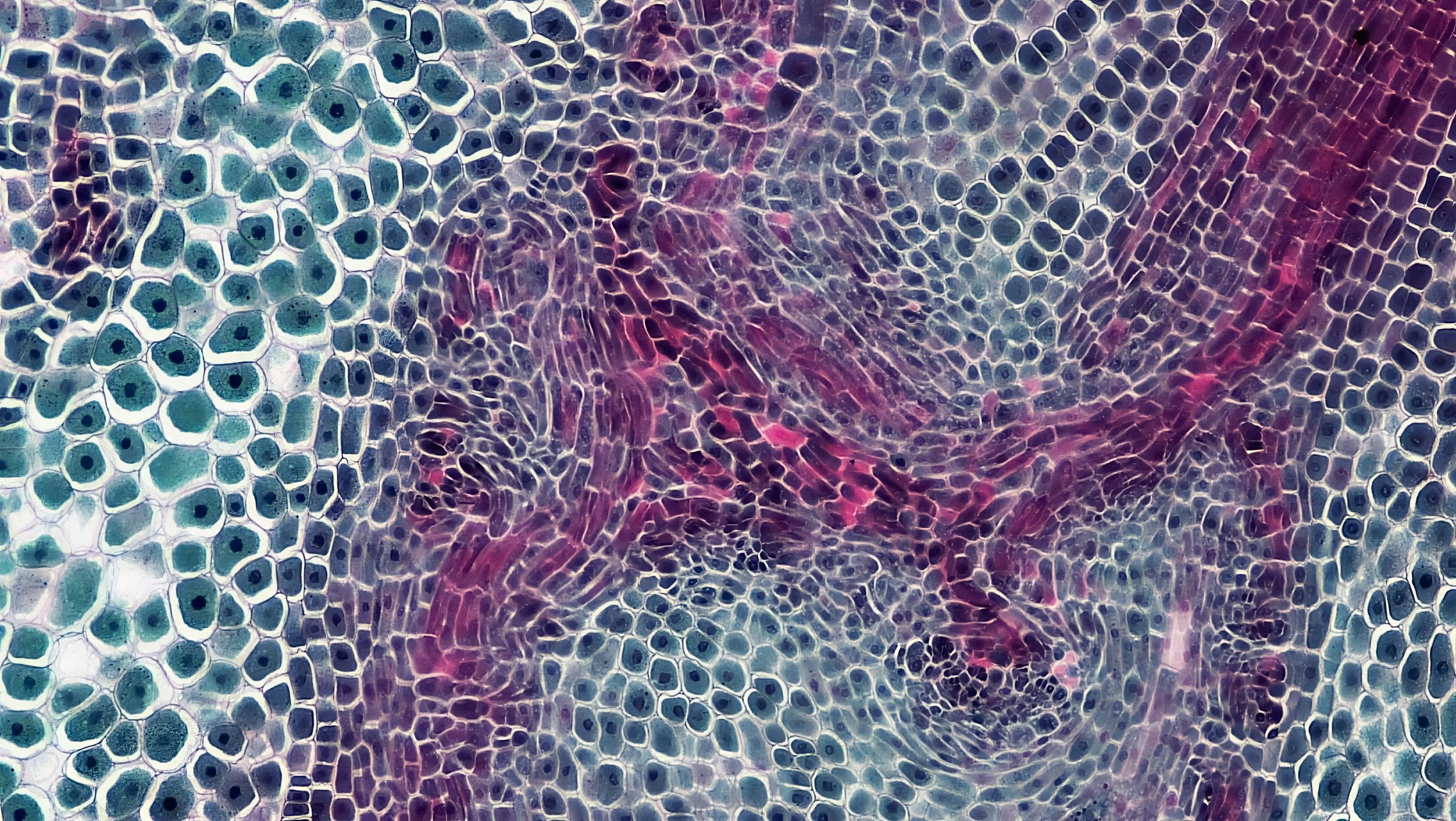
Cover Photo: Bioscience Image Library by Fayette Reynolds / unsplash.com
Letter From The Editor Photo: Roman Grachev / unsplash.com
Table of Contents Photo: Pietro De Grandi / unsplash.com
How Gut Health Affects Overall Health
1 Professional, C C medical (2024, September 19) What is your gut microbiome? Cleveland Clinic https://my clevelandclinic org/health/body/25201-gut-microbiome
2 Pratt, E (2024, September 17) Hormones and gastrointestinal problems: Link & symptoms
Verywell Health https://www verywellhealth com/hormones-and-gastrointestinal-problems-52164
3 Editors (2023, January 25) 6 ways estrogen levels affect your skin and what to do about it Women’s Health https://www womenshealthmag com/beauty/a42533498/6-ways-estrogen-levelsaffect-your-skinand-what-to-do-about-it/
4 Julson, E (2023, March 13) Top 6 foods that can cause acne Healthline https://www healthline com/nutrition/foods-that-cause-acne#TOC TITLE HDR 2
5 Menus of change Rutgers University-New Brunswick https://food rutgers.edu/nutrition/menuschange
6 Cohut Ph D , M (2019, October 23) Common drugs may alter gut bacteria and increase health risks Medical News Today https://www medicalnewstoday com/articles/326766#18-common-drugsimpact-the-gut
7 Office of Public Outreach and Communication (2024, October 7). Rutgers Researchers Help Redefine Core Microbiome, Opening New Chapter in Precision Health Rutgers Newsroom https://sebsnjaesnews rutgers edu/2024/10/rutgers-researchers-help-redefine-core-microbiomeopening-new-chapter-in-precision-health/ Photo: CDC
What is the best way to take notes?
1 Cardinale, Daniel-Stern (2024, November 11th) Personal Correspondence [Lecture]
2 Where are memories stored within the brain? Queensland Brain Institute qbi uq edu au/memory/where-are-memories-stored
3 Campos, Julie (2022, January 13) Typing vs Writing Notes: What the Research Says MedCerts medcerts com/blog/typing-vs-writing-notes-what-the-research-says
4 Mueller, Pam A , Oppenheimer, Daniel M (2014) The Pen Is Mightier than the Keyboard: Advantages of Longhand over Laptop Note Taking Sage Journals https://doi org/10 1177/0956797614524581
5 (2021, March 21) Study shows stronger brain activity after writing on paper than on tablet or smartphone UTokyo www u-tokyo ac jp/focus/en/press/z0508 00168 html
6 Ito, Takuya (2020, August 3) Task-Evoked Activity Quenches Neural Correlations and Variability across Cortical Areas Pubmed https://pubmed ncbi nlm nih gov/32745096/ Photo: Sixteen Miles Out Medicinal Patches for Alzheimer’s Disease
1 National Institute on Aging (2024, January 19) What Happens to the Brain in Alzheimer’s Disease? National Institute on Aging https://www nia nih gov/health/alzheimers-causes-and-riskfactors/what-happens-brain-alzheimers-disease
2 Alzheimer's Association (n d ) What Is Alzheimer’s Disease? Alzheimer’s Disease and Dementia; Alzheimer’s Association https://www alz org/alzheimers-dementia/what-is-alzheimers
3 Bowel Habits & Aging (2020) Muschealth org https://muschealth.org/medical-services/geriatricsand-aging/healthy-aging/bowel-habits
4 Farlow, M R , & Somogyi, M (2011) Transdermal Patches for the Treatment of Neurologic Conditions in Elderly Patients The Primary Care Companion for CNS Disorders https://doi org/10 4088/pcc 11r01149
5 Alzheimers Disease – Michniak Laboratory for Drug Delivery (2023) Rutgers edu https://sites rutgers edu/michniak-lab/alzheimers-disease/
6 Kumar, M , Sharma, A , Mahmood, S , et al (2023) Franz diffusion cell and its implication in skin permeation studies Journal of Dispersion Science and Technology, 1–14 https://doi org/10 1080/01932691 2023 2188923
7 Birks, J S , Chong, L Y , & Grimley Evans, J (2015) Rivastigmine for Alzheimer’s disease Cochrane Database of Systematic Reviews, 9(9) https://doi.org/10.1002/14651858 cd001191 pub4
8 Common questions about donepezil (2023, March 17) Nhs uk https://www nhs uk/medicines/donepezil/common-questions-about-donepezil/ Photo: Robina Weermeijer
Intuitive Eating: Is it the Key to Healing from the Freshman Fifteen Myth?
1 Yamamoto, R , Tomi, R , Shinzawa, M , Yoshimura, R., Ozaki, S., Nakanishi, K , Ide, S., Nagatomo, I , Nishida, M , Yamauchi-Takihara, K , Kudo, T , & Moriyama, T (2021) Associations of Skipping Breakfast, Lunch, and Dinner with Weight Gain and Overweight/Obesity in University Students: A Retrospective Cohort Study Nutrients, 13(1), 271 https://doi.org/10.3390/nu13010271
2 Hoffman, D J , Policastro, P , Quick, V , & Lee, S K. (2006) Changes in body weight and fat mass of men and women in the first year of college: A study of the "freshman 15" Journal of American college health : J of ACH, 55(1), 41–45 https://doi.org/10.3200/JACH.55.1.41-46
3 Zagorsky, J L , & Smith, P K (2011) The Freshman 15: A critical time for obesity intervention or media myth? Social Science Quarterly, 92(5), 1389–1407. https://doi org/10.1111/j 15406237 2011 00823
4 Obeid, N , Flament, M F , Buchholz, A , Henderson, K A., Schubert, N., Tasca, G., Thai, H., & Goldfield, G (2022) Examining Shared Pathways for Eating Disorders and Obesity in a Community Sample of Adolescents: The REAL Study Frontiers in psychology, 13, 805596 https://doi org/10 3389/fpsyg 2022 805596
5 Scholey, A , Harper, S , & Kennedy, D O (2001) Cognitive demand and blood glucose Physiology & Behavior, 73(4), 585–592 https://doi org/10.1016/s0031-9384(01)00476-0
6 Tylka, T L (2006) Development and psychometric evaluation of a measure of intuitive eating Journal of Counseling Psychology, 53(2), 226–240 https://doi.org/10 1037/0022-0167 53.2.226
7 Hazzard, V M , Telke, S E , Simone, M , Anderson, L M , Larson, N I , & Neumark-Sztainer, D (2021) Intuitive eating longitudinally predicts better psychological health and lower use of disordered eating behaviors: findings from EAT 2010-2018 Eating and weight disorders : EWD, 26(1), 287–294 https://doi org/10 1007/s40519-020-00852-4
Photo: Nahima Aparicio, Meg Boulden
Are Mental Illnesses Hereditary?
1 Pedrelli, P , Nyer, M , Yeung, A , Zulauf, C , & Wilens, T (2015) College Students: Mental Health Problems and Treatment Considerations Academic Psychiatry, 39(5), 503–511
https://doi org/10 1007/s40596-014-0205-9
2 Stringfellow-James, J (2019) What is a Mood? A Genetic, Neuroendocrinology & Neurobiological Approach to Mood Disorders
https://static1 squarespace com/static/5d9a5fddafdce45beb7423fa/t/5d9a6e4dc3c82c39bb9d4338/1570401871 552/whatisamoodpdf pdf
3 Pappas, S (2009) Brain scans show distinctive patterns in people with generalized anxiety disorder in Stanford study News Center https://med stanford edu/news/all-news/2009/12/brain-scans-show-distinctivepatterns-in-people-with-generalized-anxiety-disorder-in-stanford-study.html
4 Zhang, F -F , Peng, W , Sweeney, J A , Jia, Z -Y , & Gong, Q.-Y (2018) Brain structure alterations in depression: Psychoradiological evidence CNS Neuroscience & Therapeutics, 24(11), 994–1003 https://doi org/10 1111/cns 12835
5 Lisek, M , Boczek, T , & Zylinska, L (2018) Calcium as a Trojan horse in mental diseases The role of PMCA and PMCA-interacting proteins in bipolar disorder and schizophrenia Neuroscience Letters, 663(1), 48–54 https://doi org/10 1016/j neulet 2017 08 005
Photo: Buddhi Kumar Shrestha
Color In Our Lives
Photo: Sean Sinclair
Violence in Cinema: Is It Really That Deep?
1 Correspondent, D (2019, March 23) Inspired by SRK’s movie Darr, delhi man tries to kill husband of woman he stalked Deccan Chronicle https://www deccanchronicle com/nation/crime/130517/inspired-bysrks-movie-darr-delhi-man-tries-to-kill-husband-of-woman-he-stalked html
2 UPI (1981, June 2) A psychologist says the televised version of “the exorcist” - UPI archives UPI https://www upi com/Archives/1981/06/02/A-psychologist-says-the-televised-version-of-TheExorcist/6511360302400/
3 Huesmann L R (2007) The impact of electronic media violence: scientific theory and research The Journal of adolescent health : official publication of the Society for Adolescent Medicine, 41(6 Suppl 1), S6–S13 https://doi org/10 1016/j jadohealth 2007 09 005
4 J M , McDermott, J , 02, M D -L , 02, G O , 02, P , & 02, L. F (2016, August 4). “it’s just a movie”? looking at the ethics of violence in Cinema Today America Magazine
https://www americamagazine org/content/dispatches/its-just-movie-when-action-too-much
5 Brynildsen, K (2024, December 4) Personal Correspondence [Interview]
Photo: Merch HÜSEY
How Our Sixth-Sense Declines as We Age
1 Ribeiro, F , & Oliveira, J (2007) Aging effects on joint proprioception: The role of physical activity in proprioception preservation European Review of Aging and Physical Activity, 4(2), 71–76 https://doi org/10 1007/s11556-007-0026-x
2 Henry, M , & Baudry, S (2019) Age-related changes in leg proprioception: Implications for postural control Journal of Neurophysiology, 122(2), 525–538 https://doi.org/10 1152/jn 00067 2019
3 Wingert, J R , Welder, C , & Foo, P (2014) Age-related hip proprioception declines: Effects on postural sway and Dynamic Balance Archives of Physical Medicine and Rehabilitation, 95(2), 253–261 https://doi org/10 1016/j apmr 2013 08 012
4 Wingert , J R , Welder, C , & Foo, P (2014) A custom-built device allowed for rotation around the axis of a semi-goniometer to measure JPS and kinesthesia in the transverse plane at the hip joint while the participant was sitting with the knee extended Retrieved December 2, 2024
5 Toosizadeh, N (n d ) Sensor‐based real‐time tracking‐game for ankle proprioception Rutgers University Office of Research logo https://techfinder rutgers edu/tech?
title=Sensor%E2%80%90based Real%E2%80%90time Tracking%E2%80%90game for Ankle Propriocepti on Photo: Bhautik Patel
Tooth-Growing Drug
1 Toregem Biopharma – (2020) Toregem.co jp https://toregem co jp/en/home en
2 O’Bier, T (2023, September 27) Researchers move to clinical trials for drug that can regrow teeth KSBY News
https://www ksby com/researchers-move-to-clinical-trials-for-drug-that-can-regrow-teeth
3 Takahashi, K , Kiso, H , Mihara, E , Takagi, J , Tokita, Y , & Murashima-Suginami, A (2024)
Development of a new antibody drug to treat congenital tooth agenesis Journal of oral biosciences, S1349-0079(24)00204-4 Advance online publication
https://doi org/10 1016/j job 2024 10 002
4 Thomas, R (2024, June 4) Tooth regrowth medicine successful in animal trialsDentistry Dentistry co uk; Dentistry Online https://dentistry.co uk/2024/06/04/tooth-regrowth-medicinesuccessful-in-animal-trials/
5 World-first tooth-regrowing drug will be given to humans in September. (2024, May 29) New Atlas https://newatlas com/medical/tooth-regrowing-human-trial/
6 Rutgers Health Researchers Link Tooth Loss to Increased Obesity Risk. (2024) Rutgershealth org https://rutgershealth org/news/rutgers-health-researchers-link-tooth-loss-increased-obesityrisk
Photo: Colourblind Kevin
Social Sciences and Medical School: Research Experience as a Pre-med Student
1 10, M , & Murphy, B (2024, May 10) How research experience can strengthen your medical school
application American Medical Association
https://www ama-assn org/medical-students/preparing-medical-school/how-research-experience-canstrengthen-your-medical
2 Liberto, D (2024, May 15) Social science: What it is and the 5 major branches Investopedia https://www investopedia com/terms/s/social-science.asp
3 Warshaw, R (2017, January 30) Raising the profile of Social Science in Medical Education. AAMC https://www aamc org/news/raising-profile-social-science-medical-education
4 Life Sciences Diversity (n d -b) https://diversity sas rutgers edu/divisions/life-sciences
5 Social Science & Medicine Social Science & Medicine | Journal | ScienceDirect.com by Elsevier (n d ) https://www sciencedirect com/journal/social-science-and-medicine
6 Konczal, E F (n d ) Sociology internship program Department of Sociology | School of Arts and Sciences https://sociology rutgers edu/academics/undergraduate/internships
7 Konczal, E F (n d -a) Health, population, and Biomedicine Department of Sociology | School of Arts and Sciences
Photo: Ousa Chea
Sonic Hedgehog Pathway in Parkinson’s Disease: A Beacon of Hope?
1 Stoker TB, Greenland JC, editors Parkinson’s Disease: Pathogenesis and Clinical Aspects [Internet] Brisbane (AU): Codon Publications; 2018 Dec 21 PMID: 30702835 https://www ncbi nlm nih gov/books/NBK536721/
2 Salat D, Tolosa E Levodopa in the treatment of Parkinson's disease: current status and new developments
J Parkinsons Dis 2013 Jan 1;3(3):255-69 doi: 10 3233/JPD-130186. PMID: 23948989
https://pubmed ncbi nlm nih gov/23948989/
3 Wang, H Author Page - Wang H PubMed Retrieved December 2, 2024
4 Matise MP, Wang H Sonic hedgehog signaling in the developing CNS where it has been and where it is going Curr Top Dev Biol 2011;97:75-117 doi: 10 1016/B978-0-12-385975-4.00010-3 PMID: 22074603 https://pubmed ncbi nlm nih gov/22074603/
5 Dhekne, H S , Ignatenko, I , Marchetti, G , Wang, C , Turcato, F., & Tian, T (2024) Primary cilia in Parkinson’s disease: summative roles in signaling pathways, genes, defective mitochondrial function, and substantia nigra dopaminergic neurons Frontiers in Aging Neuroscience, 16(1451655) https://www frontiersin org/journals/aging-neuroscience/articles/10.3389/fnagi.2024 1451655/full
Photo: Yuhan Chang
How Computational Protein Design is Revolutionizing Medicine: From Rutgers to Nobel Discoveries
1 Gainza-Cirauqui P, Correia BE Computational protein design-the next generation tool to expand synthetic biology applications Curr Opin Biotechnol 2018 Aug;52:145-152 doi: 10.1016/j.copbio 2018 04 001. Epub 2018 May 2 PMID: 29729544 https://pubmed ncbi nlm nih gov/29729544/
2 Alberts B, Johnson A, Lewis J, et al Molecular Biology of the Cell. 4th edition. New York: Garland Science; 2002 The Shape and Structure of Proteins Available from: https://www ncbi nlm nih gov/books/NBK26830/
3 Alvizo O, Mayo SL Evaluating and optimizing computational protein design force fields using fixed composition-based negative design Proc Natl Acad Sci U S A 2008 Aug 26;105(34):12242-7. doi: 10 1073/pnas 0805858105 Epub 2008 Aug 15 PMID: 18708527; PMCID: PMC2516967 https://pubmed ncbi nlm nih gov/18708527/
4 Burley SK, Berman HM, Kleywegt GJ, Markley JL, Nakamura H, Velankar S. Protein Data Bank (PDB): The Single Global Macromolecular Structure Archive Methods Mol Biol 2017;1607:627-641 doi: 10 1007/978-1-4939-7000-1 26 PMID: 28573592; PMCID: PMC5823500 https://pubmed ncbi nlm nih gov/28573592/
5 Rutgers University-New Brunswick 2024 Nobel Prize in Chemistry: Protein Data Bank at Rutgers Central to Nobel Discoveries Newswise 2024 Oct 9 https://www newswise.com/articles/2024-nobel-prize-inchemistry-rutgers-university-experts-available-to-comment-on-protein-design
6 Sacha T Imatinib in chronic myeloid leukemia: an overview Mediterr J Hematol Infect Dis 2014 Jan 2;6(1):e2014007 doi: 10 4084/MJHID 2014 007 PMID: 24455116; PMCID: PMC3894842 https://pmc ncbi nlm nih gov/articles/PMC3894842/
7 DeepMind AlphaFold: Accelerating breakthroughs in biology with AI DeepMind Technologies https://deepmind google/technologies/alphafold/#:~:text=AlphaFold%27s%20impact,million%20users%20in %20190%20countries
8 Khare, S D , et al (2023) Computational design of proteins: A new frontier in biomedicine. Annual Review of Biophysics, 52(1), 45-67
Photo: Sufyan Tackling Infant Health Disparities Through the World of Microbiomes
1 Segre, J (2023) Microbiome Genome gov; National Human Genome Research Institute https://www genome gov/genetics-glossary/Microbiome
2 Hourigan, S K , Dominguez-Bello, M G , & Mueller, N. T (2022) Can maternal-child microbial seeding interventions improve the health of infants delivered by Cesarean section? Cell Host & Microbe, 30(5), 607–611 https://doi org/10 1016/j chom 2022 02 014
3 Gauglitz, J M , West, K A , Bittremieux, W , Williams, C L., Weldon, K C , Panitchpakdi, M., Di Ottavio, F , Aceves, C M , Brown, E , Sikora, N C , Jarmusch, A. K , Martino, C., Tripathi, A., Meehan, M J , Dorrestein, K , Shaffer, J P , Coras, R , Vargas, F., Goldasich, L. D , & Schwartz, T (2022) Enhancing untargeted metabolomics using metadata-based source annotation. Nature Biotechnology, 40(12), 1774–1779 https://doi org/10 1038/s41587-022-01368-1
4 Blaser, M J , Strom, B L , & Bello, M G D (2020) Prophylactic antibiotics after operative vaginal delivery The Lancet, 395(10219), 188 https://doi org/10.1016/s0140-6736(19)32470-5
5 van Best, N , Dominguez-Bello, M G , Hornef, M W., Jašarević, E , Korpela, K., & Lawley, T D (2022) Should we modulate the neonatal microbiome and what should be the goal? Microbiome, 10(1) https://doi org/10 1186/s40168-022-01281-4
Photo: Berkshire Community College Bioscience Image Library
One Shot, Infinite Strength: Empowering Breast Cancer Survivors
1 Menon, G , Alkabban, F M , & Ferguson, T (2024, February 25) Breast Cancer Nih gov; StatPearls Publishing https://www ncbi nlm nih gov/books/NBK482286/
2 Vaidya, J S , Bulsara, M , Baum, M , Wenz, F , Massarut, S , Pigorsch, S , Alvarado, M , Douek, M , Saunders, C , Flyger, H L , Eiermann, W., Brew-Graves, C , Williams, N R , Potyka, I , Roberts, N , Bernstein, M , Brown, D , Sperk, E , Laws, S., Tobias, J S. (2020) Long-term survival and local control outcomes from single-dose targeted intraoperative radiotherapy during lumpectomy (TARGITIORT) for early breast cancer: TARGIT-A randomized clinical trial BMJ (Online), 370, m2836https://doi org/10 1136/bmj m2836
3 Domchek, S M , Yao, S , Chen, F , Hu, C , Hart, S N., Goldgar, D E., Nathanson, K. L , Ambrosone, C B , Haiman, C A , Couch, F J , Polley, E C., & Palmer, J. R. (2021) Comparison of the Prevalence of Pathogenic Variants in Cancer Susceptibility Genes in Black Women and Non-Hispanic White Women With Breast Cancer in the United States JAMA Oncology, 7(7), 1045
https://doi org/10 1001/jamaoncol 2021 1492
4 Łukasiewicz, S , Czeczelewski, M , Forma, A , Baj, J , Sitarz, R., & Stanisławek, A. (2021) Breast Cancer Epidemiology, Risk Factors, Classification, Prognostic Markers, and Current Treatment Strategies An Updated Review Cancers, 13(17), 4287 https://doi org/10 3390/cancers13174287
5 Smith, B D , & Kuerer, H M (2021) Same-Day Breast Cancer Surgery and TARGIT-IORT: Better than Selective Omission of Radiotherapy? Annals of Surgical Oncology, 28(5), 2419–2420
https://doi org/10 1245/s10434-021-09588-6
Photo: Estúdio Bloom