From Start to Finish: Adventures, Experiences, and Opportunities Leading to Student Success
3
COVER STORY
The Division of Student Academic Success supports faculty development through the First-Generation Faculty Fellows Program
17
DATA DEEP DIVE
Considerations for addressing CSI results
19
DIVISION HIGHLIGHTS
Ensuring student engagement: Promoting success throughout and beyond our beloved campus community
42
RAPTOR RECOGNITION
Interviews with our student success champions
48 STAY TUNED Upcoming events and initiatives
The Student Success Insider e-magazine is produced by the Division of Student Academic Success
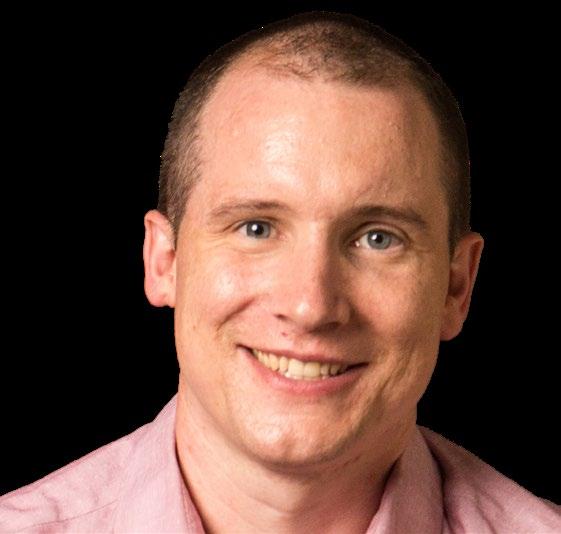
SPONSOR Dr. Marsha L. Lowery
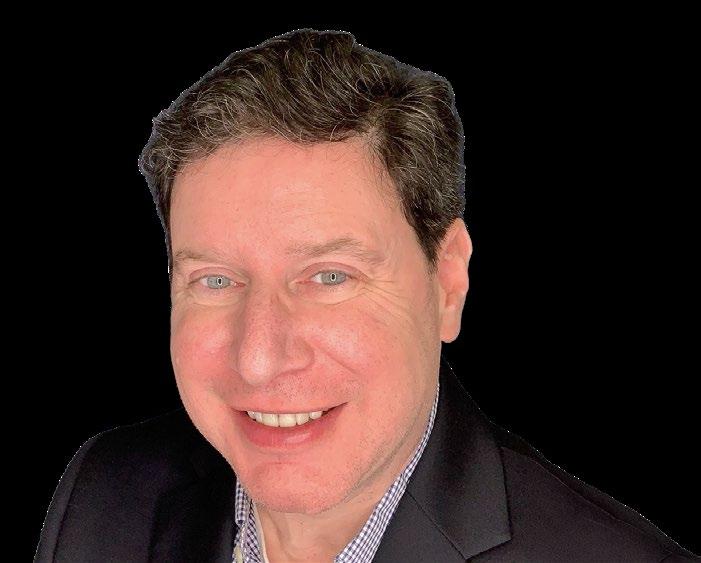
EDITOR-IN-CHIEF Dr. Jason L. James, Jr.
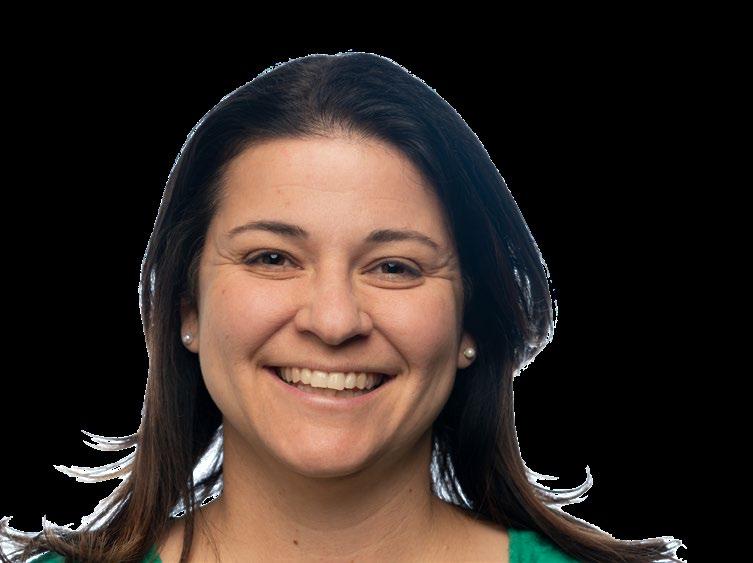
ASSOCIATE EDITOR Jordan Staub
CONTRIBUTORS Lindsay Peck, Alexys Anderson, Dr. Randi Mayers, Angela DeRocini, Caroline Waters, LaToya Gibbons, Brandon Quiles, Laura Collins, Madeline Levy, Erica Reeves-Mukherjee, Christian Grimando, Ashanti Azodo, and Kimberley Bowser
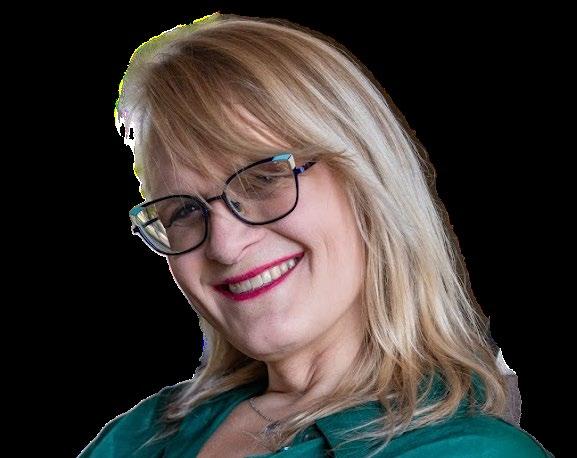
ART DIRECTOR Jamie Victor
SAS employees are committed to student academic success, and the work of the members of the SAS Division aligns with our mission, vision, pillars, and values.
Together, these support the efforts towards fulfilling our strategic plan.
The SAS Strategic Plan can be found by clicking here.
SAS MISSION
The Division of Student Academic Success leads persistence efforts that result in improved educational equity, retention, and timely graduation from Rutgers University–Camden. Our team empowers students to develop identity consciousness, sense of belonging, self-efficacy, and academic responsibility to become the best versions of themselves in and out of the classroom. Through personalized and holistic supports, we provide students with resources, tools, and opportunities to define success for themselves.
The Rutgers University–Camden Strategic Plan can be found by clicking here.
SAS VISION
Student Academic Success will be a national leader in utilizing student-centered approaches to improve success outcomes. Our team fosters student academic success by using data to identify and nimbly address student needs to eliminate any gaps in graduation rates. Through our work, our students will build on their existing strengths and demonstrate their development in pursuit of their goals in college and beyond.
SAS VALUES
Identity Consciousness
Contributing to a person’s understanding of their values, goals, attitudes, and beliefs.
SAS honors the multiple identities that our students bring to Rutgers–Camden. We contribute to students’ identity development by offering experiences that encourage them to build cultural capital, attain mastery of self, and grow their academic identity.
SAS PILLARS
Sense of Belonging
Fostering a level of respect, value, acceptance, care, inclusion, and mattering.
SAS empowers our students to participate fully in their collegiate pursuits. We contribute to students’ sense of belonging by providing opportunities for them to develop meaningful relationships with the Rutgers–Camden community.
Self-Efficacy
Developing a person’s belief in their capacity to execute behaviors necessary to produce specific performance attainments.
SAS believes students can fulfill their full potential. We contribute to students’ self-efficacy by encouraging them to think critically, take risks, and advocate for themselves to build the skills necessary to positively contribute to their community.
Academic Responsibility
Instilling a person’s sense of duty to their academic progress; to become accountable for their own journey.
SAS welcomes students from a variety of academic backgrounds and knowledge levels. We contribute to students’ academic responsibility by helping them set and adjust goals, build positive habits, and participate in experiential learning.
PILLAR 1
Data-Driven Decision Making
Data-informed practice is at the core of all SAS efforts. To effectively advance the achievement of our students and the campus overall, we must regularly seek out empirical evidence and use it responsibly to meet our students’ needs. We accomplish this by contextualizing our decisions using data and theory.
PILLAR 4
PILLAR 2
Proactive Approaches to Cohort Engagement and Transition Programs
SAS is committed to developing a sense of belonging amongst those we servce, with holistic services to onboard first year and transfer students to the University. We foster affinity-based communities to help students realize their intersectional identities.
Cross-campus collaboration and mastery of essential skills are key to fulfilling our mission. To nurture continued excellence and maximize campus community engagement, we must invest time into building trusting and reliable relationships with partners and resources into developing new talent. Efforts to do so include nomalizing transparency and dta sharing, collectively addressing student challenges, serving as subject matter experts and thought partners, and exposing staff and students to skill-building opportunities.
PILLAR 5
PILLAR 3
Centering Students in Operational Procedures
SAS is dedicated to enhancing student experiences through process improvement, efficiency, and consistency. We aim to do so by identifying and addressing problematic procedures and holding ourselves accountable for eliminating known barriers.
Intentional and Differentiated Supports for Diverse Populations
As our campus becomes increasingly diverse, it is our responsibility to ensure that we meet the unique needs of all our students and that we honor their intersecting identities. Thus, expanding support offerings, exploring additional funding opportunities, and celebrating student success remain priorities for our future.
The Division of Student Academic Success Supports Faculty Development through the First-Generation Faculty Fellows Program
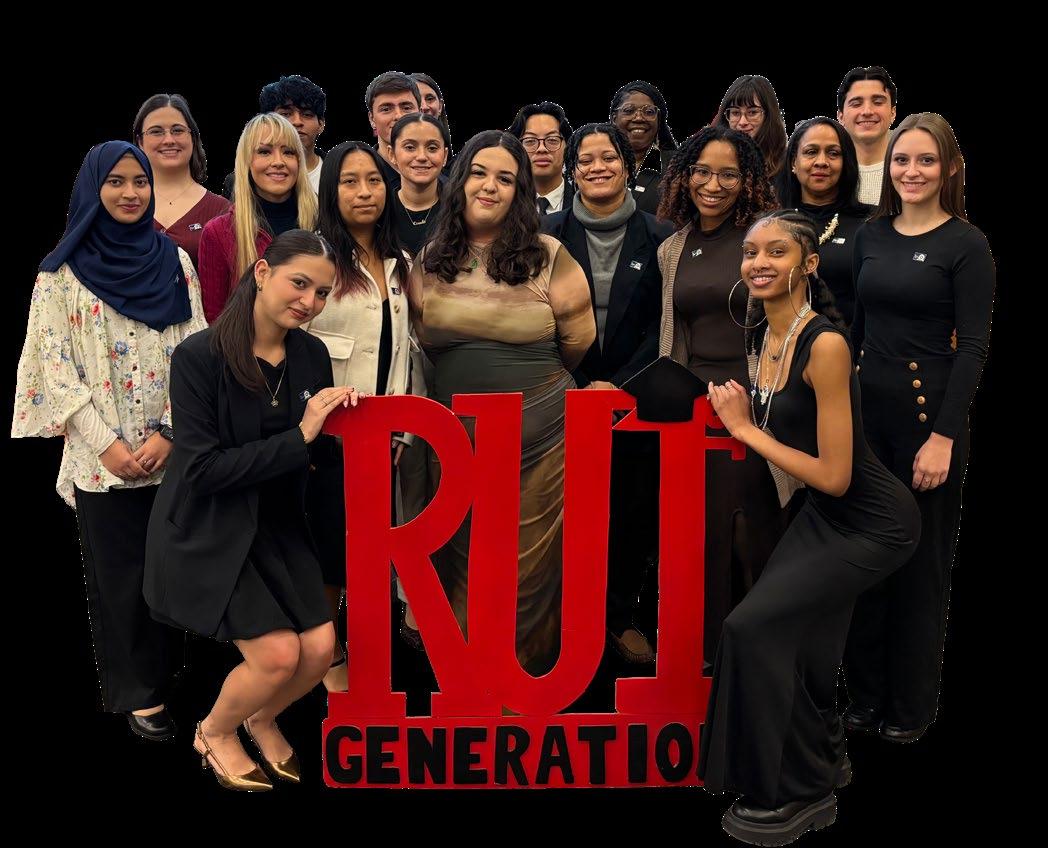
First-generation students comprise 52% of our undergraduate population at Rutgers UniversityCamden, which is significant. Most of our students’ time spent in college occurs in the classroom, and their experiences in these academic spaces can have a significant impact on persistence, retention, and completion. Currently, our campus does not have a formal onboarding or training program for faculty on student success practices in supporting underrepresented populations, such as first-generation students. To address this need, in Fall 2025, the Division of Student Academic Success submitted and won an innovation grant from the Rutgers-University Educational Equity Excellence (E3C) collaborative to create the Student Academic Success Faculty Fellows Program. Directed by Dr. Randi Mayers and Dr. Jason James Jr., the purpose of the Faculty Fellows program is to develop and refine faculty knowledge and skills about supporting the academic success of first-
generation students and provide opportunities for them to implement or enhance teaching and learning practices that will support first-generation students’ engagement throughout their academic journeys.
A cohort of 15 outstanding RU-C faculty were selected and participated in the year-long SAS First-Generation Faculty Fellows Program. This year’s fellows are:
Dr. Kendra Boyd
Dr. Selim Cakmakli
Dr. Maureen Donaghy
Dr. Jamie Dunaev
Marcus Kissoon
Tom McAllister
Chuck McLeester
Dr. Kimberlee Moran
Dr. Laura Napolitano
Dr. Jeffrey Podoshen
Dr. Tyshaneka Saffold
Dr. Shauna Shames
Dr. Claire Strickland
Dr. Catherine Stubin
Dr. Nathan Fried
COVER STORY
Throughout the program, faculty had regular development opportunities to learn about the firstgeneration student experience and best practices to support their success in college. This included reviewing first-generation student data and outcomes through our Retention Office to understand their engagement, persistence and retention trends. Learning about Rutgers University wide FirstGen student success initiatives through the E3C collaborative as well as opportunities to partner and further their work with the DICE division. Additionally, participants had the opportunity to share their work at the E3C Innovators Exchange in New Brunswick, at the DICE/SAS Faculty Fellows Brunch and Panel during SPARK Week, and with each other in a semester-ending presentation and celebration lunch.
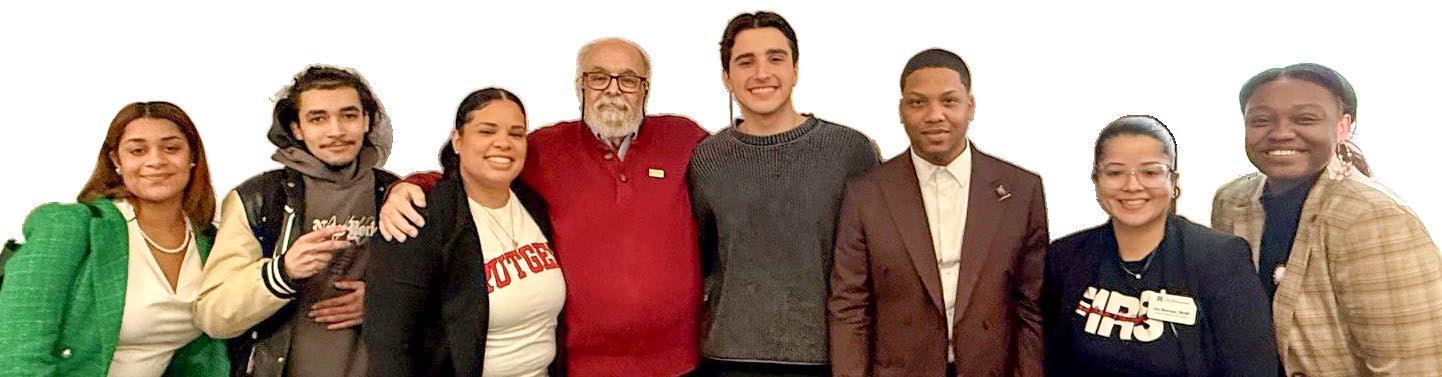
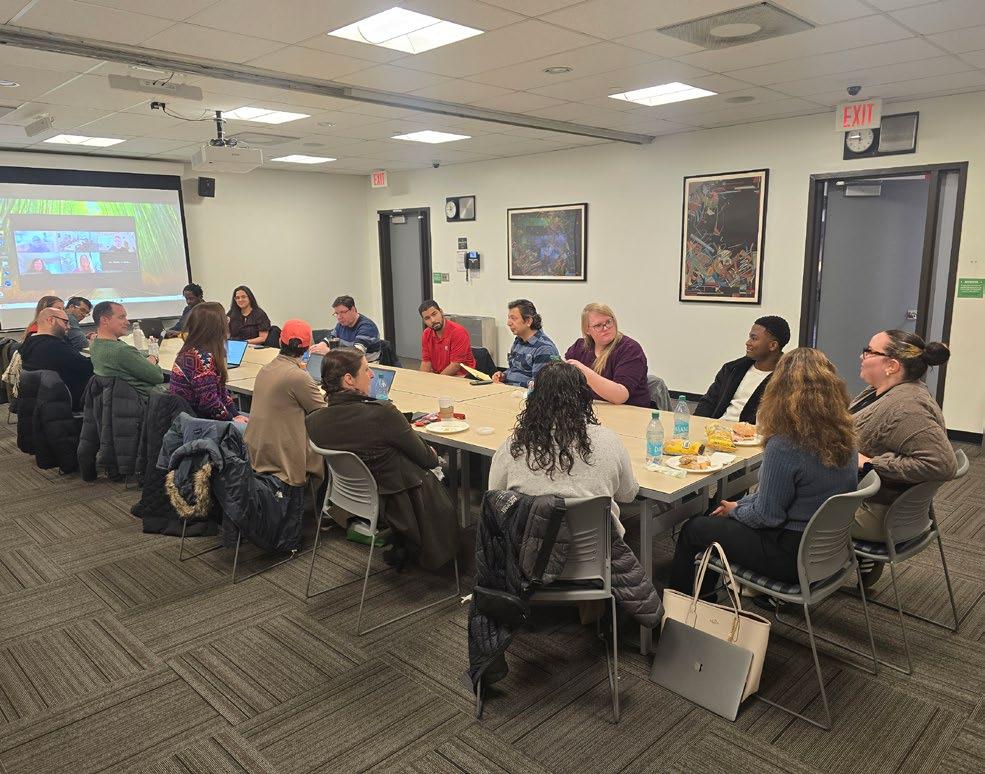
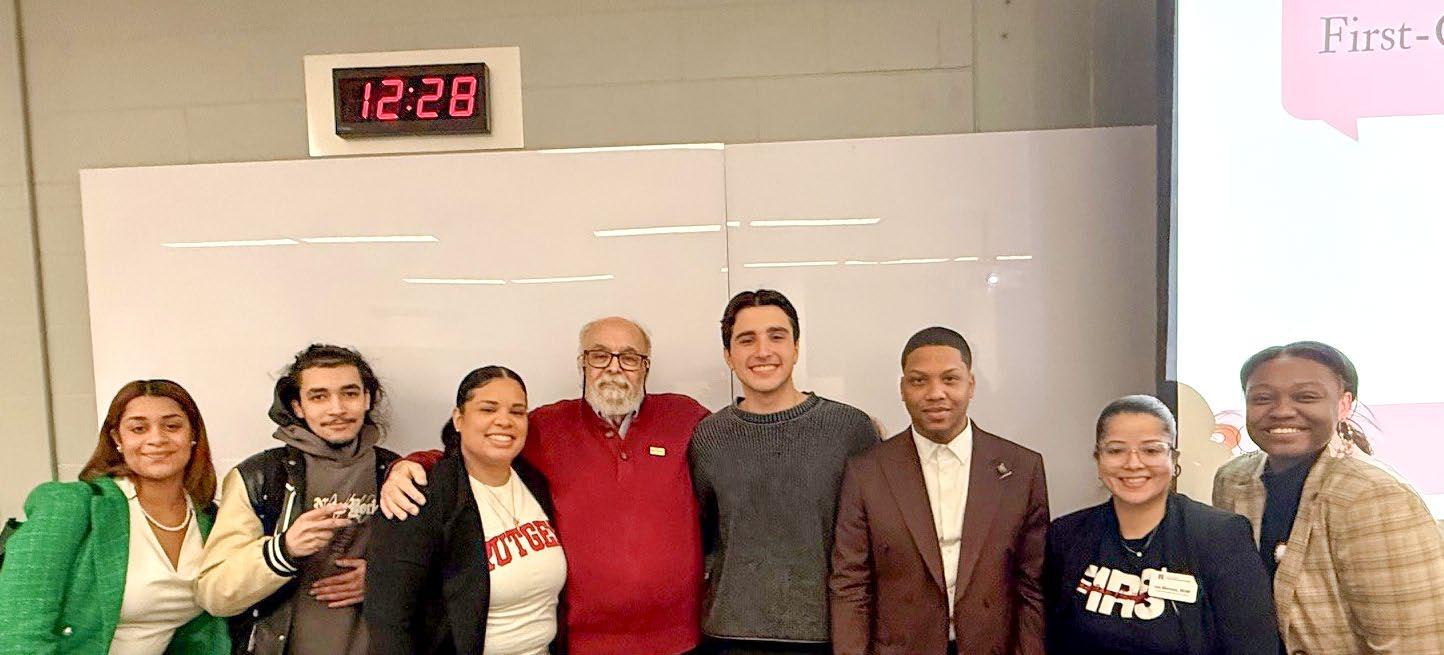
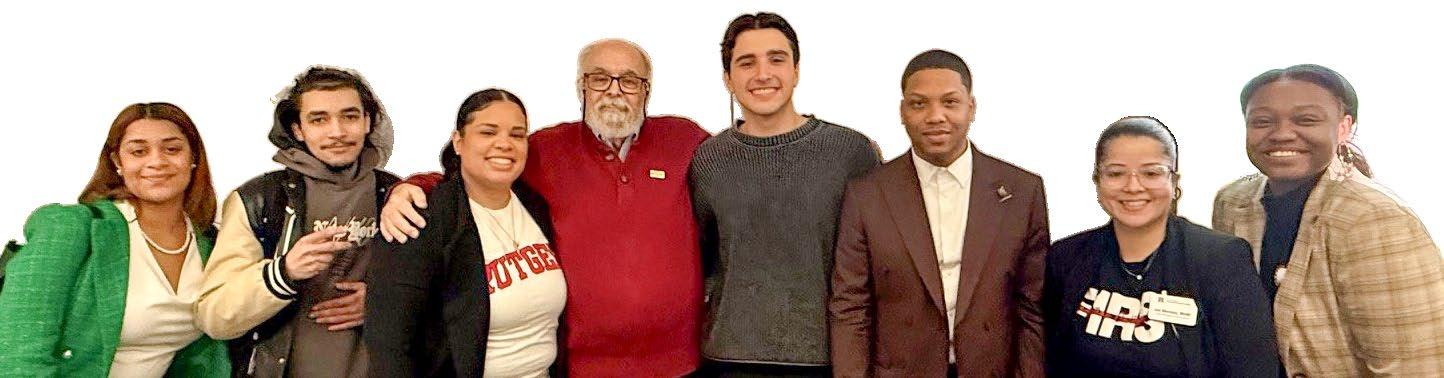
A highlight from the program was the First-Generation Faculty Fellows Luncheon at the mid-point of the program in January. Five RU-C First-Generation College Students joined the faculty fellows for a lunch where they shared their experiences transitioning into and navigating college as a first-generation student. Students discussed the challenges of balancing family obligations and their student responsibilities, lack of familiarity and comfortability utilizing resources on campus, and the importance of finding support of staff and fellow peers through student groups and programs like TRiO SSS. Additionally, students offered faculty words of advice on how to best support firstgeneration students’ success, including mandating office hours and providing extra credit for students to attend events on campus.
The Division of Student Academic Success Supports Faculty Development through the First-Generation Faculty Fellows Program
Faculty Fellows Project Highlights
K imberlee Moran
Associate Teaching Professor Sociology, Anthropology, Criminal Justice
Project Title: Online Learning Experiences of First-Generation Students
School: Camden College of Arts and Sciences
Email Address: k.moran@camden.rutgers.edu
Project Description: First-generation college students are a significant population at Rutgers University–Camden. While prior research has documented the academic, social, and financial challenges faced by first-generation students in higher education, far less is known about how these students experience online learning environments, particularly at regional public universities with strong access-oriented missions. This research project examines the online learning experiences of first-generation undergraduate students at Rutgers–Camden, with the goal of identifying structural, pedagogical, and psychosocial factors that shape engagement, persistence, and academic success in synchronous and asynchronous online courses.
Catherine Stubin
Assistant Professor Nursing
Project Title: Peer Mentorship as a Strategy to Enhance Resilience and Well-Being in First Generation Nursing Students
School: Rutgers University School of Nursing Camden
Email Address: catherine.stubin@rutgers.edu
Project Description: This study examines the effects of a multi-component peer mentoring program designed to enhance mental health wellness and resilience among undergraduate nursing students, with particular relevance for firstgeneration learners. Guided by evidence supporting peer mentoring, resilience training, and faculty engagement, the program aims to reduce stress, anxiety, and depression; strengthen resilience; and foster a psychologically safe and supportive learning environment that may ease the transition to nursing practice. The study aims to demonstrate that structured peer mentoring improves first generation nursing students’ mental health wellness and resilience through enhanced belonging, confidence, and support. Findings may inform scalable, equityfocused interventions, curriculum integration of resilience training, and faculty development strategies. Edited for space.
FACULTY FELLOWS PROJECT HIGHLIGHTS
Nathan Fried
Associate Teaching Professor
Biology
Project Title: Designing a National Model for First-Generation
Pre-Med Support at Rutgers–Camden
School: Camden College of Arts and Sciences
Email Address: nathan.fried@rutgers.edu
Project Description: This proposal seeks to lay the foundation for a first-in-the-nation First-Generation Pre-Med Office at Rutgers–Camden by building coordinated, equitable infrastructure to support firstgeneration and low-income students pursuing medical careers. While Rutgers–Camden has made nationally recognized progress in preparing first-generation students for Ph.D. pathways through programs such as NIH-funded U-RISE and MARC, no comparable institutional structure exists to support pre-medical students. As a result, many talented students navigate the medical school pipeline without clear guidance, consistent mentorship, or access to essential resources, often missing opportunities before ever reaching the application stage.
Jeffrey Podoshen Lecturer
Marketing
Project Title: Reimagining Mentorship at Rutgers: A Blueprint for First-Generation Student Success School: Rutgers University School of Business Camden
Email Address: jpodoshe@camden.rutgers.edu
Project Description: This project proposes a comprehensive investigation into the design, implementation, and sustainability of mentorship programming at Rutgers University, with a focused emphasis on first-generation (First-Gen) students. Mentorship initiatives have been attempted across campus in various forms over the years, yet these efforts have yielded only limited and inconsistent success. This study seeks to systematically evaluate what has been tried, identify the elements that have and have not worked, and develop an evidencebased blueprint for a more effective and sustainable mentorship model tailored specifically to the needs of First Gen students.
The Division of Student Academic Success Supports Faculty Development through the First-Generation Faculty Fellows Program
Tom McAllister
Associate Teaching Professor
English & Communication
Project Title: First-Generation Student Narratives: Promoting a Sense of Belonging and Overcoming Adversity
School: Camden College of Arts and Sciences
Email Address: wtm40@camden.rutgers.edu
Project Description: By working with a broad range of First-Generation students to develop multimedia narratives, I will develop a library of resources to be shared with current and incoming students. These narratives will be produced as 300-500 word essays, completed with instructor guidance, as well as audio and video interviews. Interview subjects will include a diverse and representative sample of current students, including non-traditional students, as well as alumni and even faculty. The goal is to first empower the speakers who share their stories, while also offering messages of belonging, encouragement, and practical advice to their fellow First-Generation students. This project will be continually updated to develop a significant archive of resources, and to remain relevant to a constantly evolving student body. Edited for space.
Laura Napolitano
Assistant
Professor Nursing
Project Title: Supporting Students with Parental and Familial Experiences of Incarceration on Campus
School: Camden College of Arts and Sciences
Email Address: laura.napolitano@rutgers.edu
Project Description: This project will develop a peer network of first-generation college students with parental and/or familial incarceration experience on campus. Students in this group will engage in peer support meetings and mentoring and also work directly with the National Resource Center on Children and Families of the Incarcerated on campus. The goal of this group is to develop a sustainable community of students who can support each other in multiple ways, e.g. networking and peer mentoring.
FACULTY FELLOWS PROJECT HIGHLIGHTS
Claire Stricklin
Associate Teaching Professor
English & Communication
Project Title: Gamifying the First-Generation College Student Experience
School: Camden College of Arts and Sciences
Email Address: cs1871@camden.rutgers.edu
Kendra Boyd
Assistant Professor History
Project Title: Gamifying the First-Generation College Student Experience
School: Camden College of Arts and Sciences
Email Address: kendra.boyd@rutgers.edu
Project Description: Claire and Kendra are collaborating on this project together. First-generation students often face significant hurdles not because of a lack of academic ability, but because they are navigating an environment where they do not know the unwritten rules, or the “hidden curriculum.” Traditional methods of teaching these skills — such as lectures or standard HR-style training videos — often do not actively engage participants. This project involves creating a solo journaling role-playing game (RPG) for undergraduate students that highlights the challenges that a first-gen student might encounter and the tools and skills that will foster their success. By gamifying the “outsider” experience through a metaphorical fantasy setting, we aim to teach critical navigation skills and resource utilization without the mundaneness of traditional orientation seminars and online trainings. “Athenæum — A solo journaling game for intrepid bibliophiles,” provides a reflective experience where the student acts as player, writer, and storyteller on their journey navigating an unfamiliar terrain.
The Division of Student Academic Success Supports Faculty Development through the First-Generation Faculty
Fellows Program
Jamie Dunaev
Associate Teaching Professor
Health Sciences and Psychology
Project Title: Understanding the Experiences of First-Generation Health Sciences Students
School: Camden College of Arts and Sciences
Email Address: jlprice@camden.rutgers.edu
Project Description: This project will use a sequential mixed-methods design to examine how undergraduate health sciences curricula support the success and graduate school preparation of first-generation students as well as all health sciences students more generally. In early fall, undergraduate research assistants will help conduct semi-structured interviews and focus groups with first-generation health sciences majors to explore their experiences navigating key curricular elements, including careers courses, applied experience requirements, and research capstone opportunities. Ultimately, this project aims to generate program-level insights that strengthen curricular design, support equitable student outcomes, and enhance faculty capacity to effectively mentor firstgeneration students in the health sciences. Edited for space.
Faculty will continue to work on these projects throughout the 2026-2027 academic year. This faculty and staff partnership will increase and enhance curricular and co-curricular student support for all students and will provide an increased sense of belonging and academic responsibility among firstgeneration students from start to finish. We look forward to a continued faculty development partnership.
We appreciate the sponsorship and support for this project from Dr. Marsha Lowery, Vice Chancellor of Student Academic Success, as well as the Office of the Provost and the leadership of Dr. Sandra B. Richtermeyer and Dr. Naomi Marmorstein.
DATA DEEP DIVE
Telling The
Retention Story:
Building Brand Awareness
The Office of Retention has a unique position within the university. Although we may not be student facing, we have a hand in a lot of behind the scenes work and experiences students encounter including:
• Setting up and executing the progress report process for students to receive feedback from their professors
• Serving as a connection point to campus resources — whether through email, text, or a follow up to a Hand Raise in Navigate
• Using data in the decision-making process (such as determining the cohort of students to be honored during the Raptor Rising Ceremony or determining students to participate in a FYE course)
Our work is far reaching. Reflecting on the “Retention Story” and our involvement throughout the student lifecycle, we captured both highlights and threads to explore further on how the work that we do can continue to move the needle on student success.
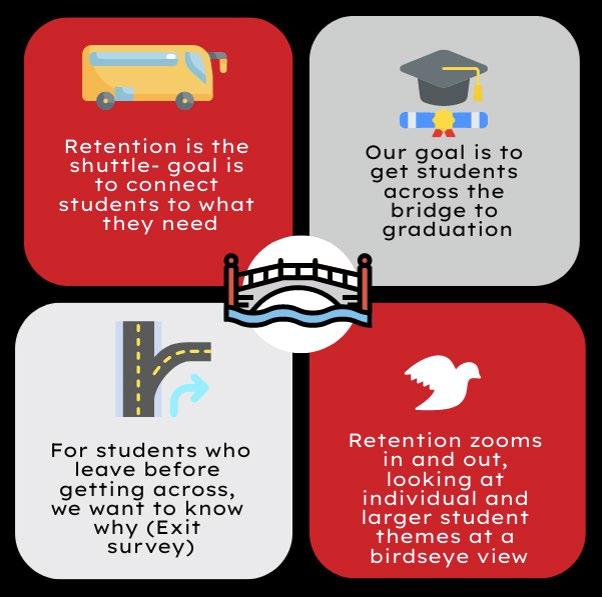
Retention: The Shuttle and the Bridge
If we think about the student journey at Rutgers–Camden as a bridge — getting them from one side (matriculation) to the other (graduation) — then the Retention team sees itself as a shuttle. We want to make sure all students progress on their college journey, get connected to the right resources, and ultimately persist through any barriers they might encounter. Our work requires us to zoom both in and out, as we examine student themes both on an individual level and in the aggregate. We then use the data from these themes to provide support and make improvements, strengthening the institution as the bridge.
This year we also strengthened our partnership with Academic Advising, continuing to learn about each other’s work, where we intersect, and how we can collaborate to best support our students. A benefit of our work with
both faculty and academic advisors is getting to hear about the themes and student behaviors that they notice through their work. This semester, some themes that came up included a lack of student understanding about the impact of course withdrawals on financial aid, as well as the progress and performance comparisons of students who enroll in courses earlier versus later.
Continuing to Build
There are many opportunities that exist for us as we continue to build connections with students, staff, and faculty. Although not an exhaustive list, some threads to explore include:
• Continuing to explore student barriers to help us think about how to further develop and refine our support systems
• Bringing the student voice into the work we are doing and continuing to capture their experiences
• Continuing to collaborate across campus, learning more about what student-facing folks are seeing
• Thinking about the “connected” student. What does a disconnected vs connected student look like, and how can we move all students towards the connected bucket?
Exploring these questions and considerations will allow us to elevate both our strategy and impact as we continue our work to promote student success.
DIVISION HIGHLIGHTS
How SAS is doing its part to support our students
TRANSFER STUDENT SERVICES (TSS)
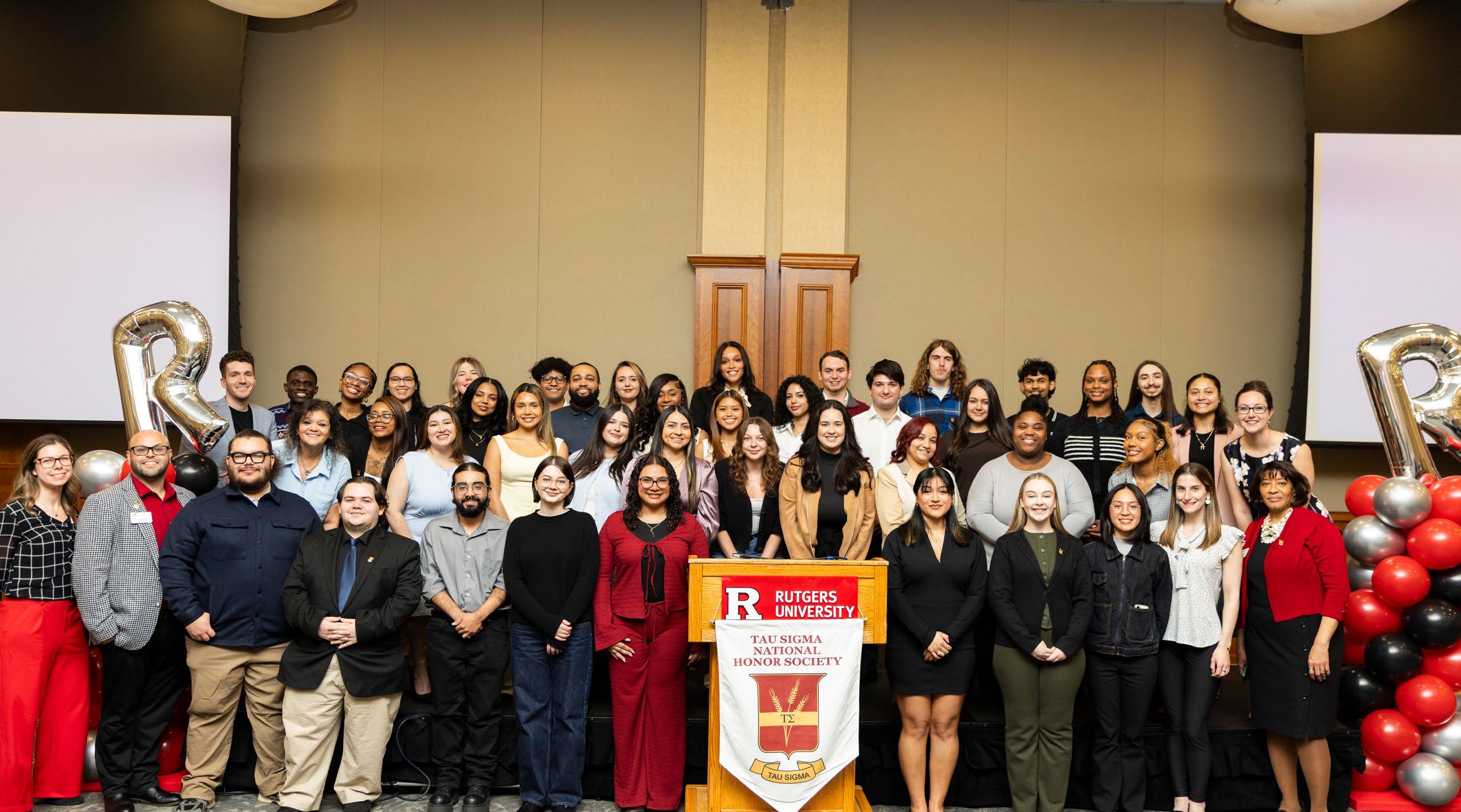
RU-C Inducts Inaugural Class into Tau Sigma National Honor Society
At Rutgers University–Camden, transfer students are a vital part of the campus community, comprising more than 40% of the student population. This diverse group includes both traditional-aged students and adult learners returning to complete their degrees. Despite their varied backgrounds and prior college experience, transfer students often face a significant transition as they navigate Rutgers–Camden, which can differ substantially from their previous institutions in terms of technology, resources, academic expectations, and rigor. To support their successful adjustment, the Transfer Student Services office in SAS provides dedicated coaching, targeted programming, and engagement opportunities that connect transfer students with the campus community and available resources as they adapt to a new academic environment.
Recognizing Resilience: Tau Sigma Honor Society
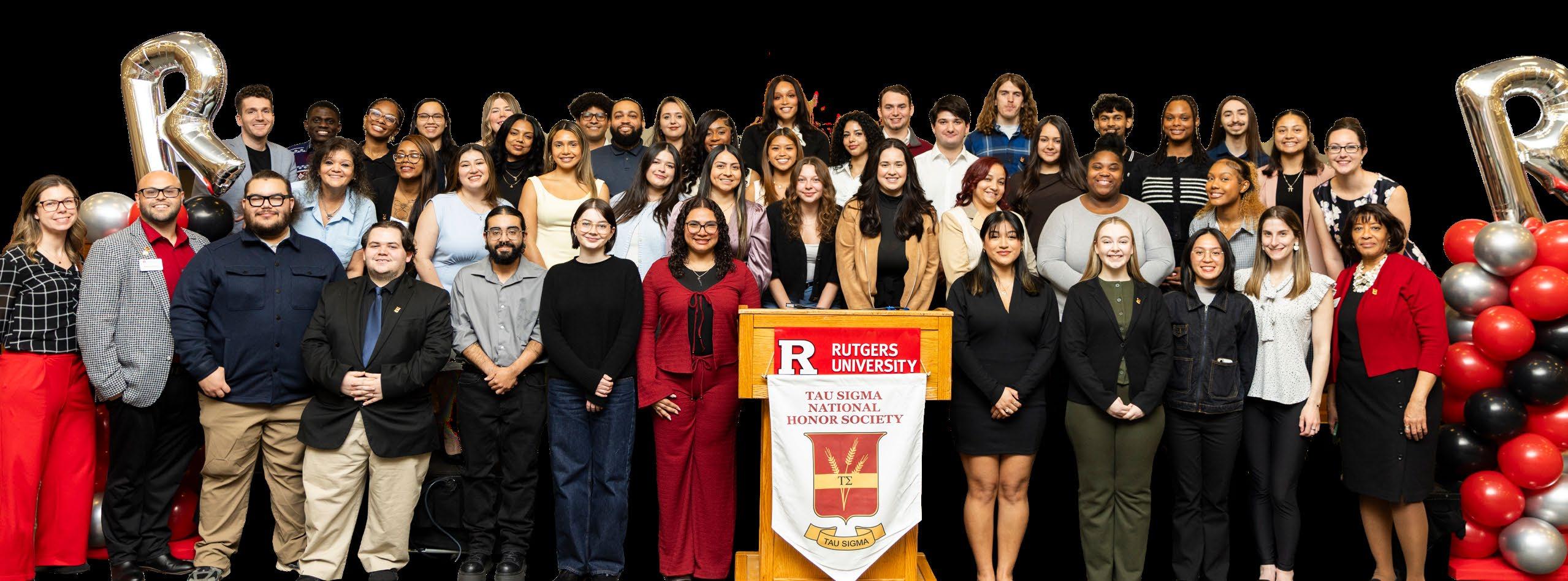
In Spring 2026, in partnership with Brandon Quiles, Assistant Director for Student Support Services, the Transfer Student Services office chartered a chapter of Tau Sigma National Transfer Honor Society at Rutgers Camden. Tau Sigma is a national honor society exclusively for transfer students, recognizing academic excellence and promoting involvement in university life. Membership requires a year’s worth of academic credits and a 3.5+ GPA (or top 20%) during the first term. Benefits include access to scholarships, leadership roles, and networking opportunities. It is a lifetime membership.
Our transfer students at Rutgers–Camden do not just “fit-in”; they excel, despite the obstacles they face in their transition. Tau Sigma was introduced in recognition of the need to celebrate the adaptability and resilience of our scholar achievements and provide opportunities to bring our transfer students together in community.
A Night of Celebration
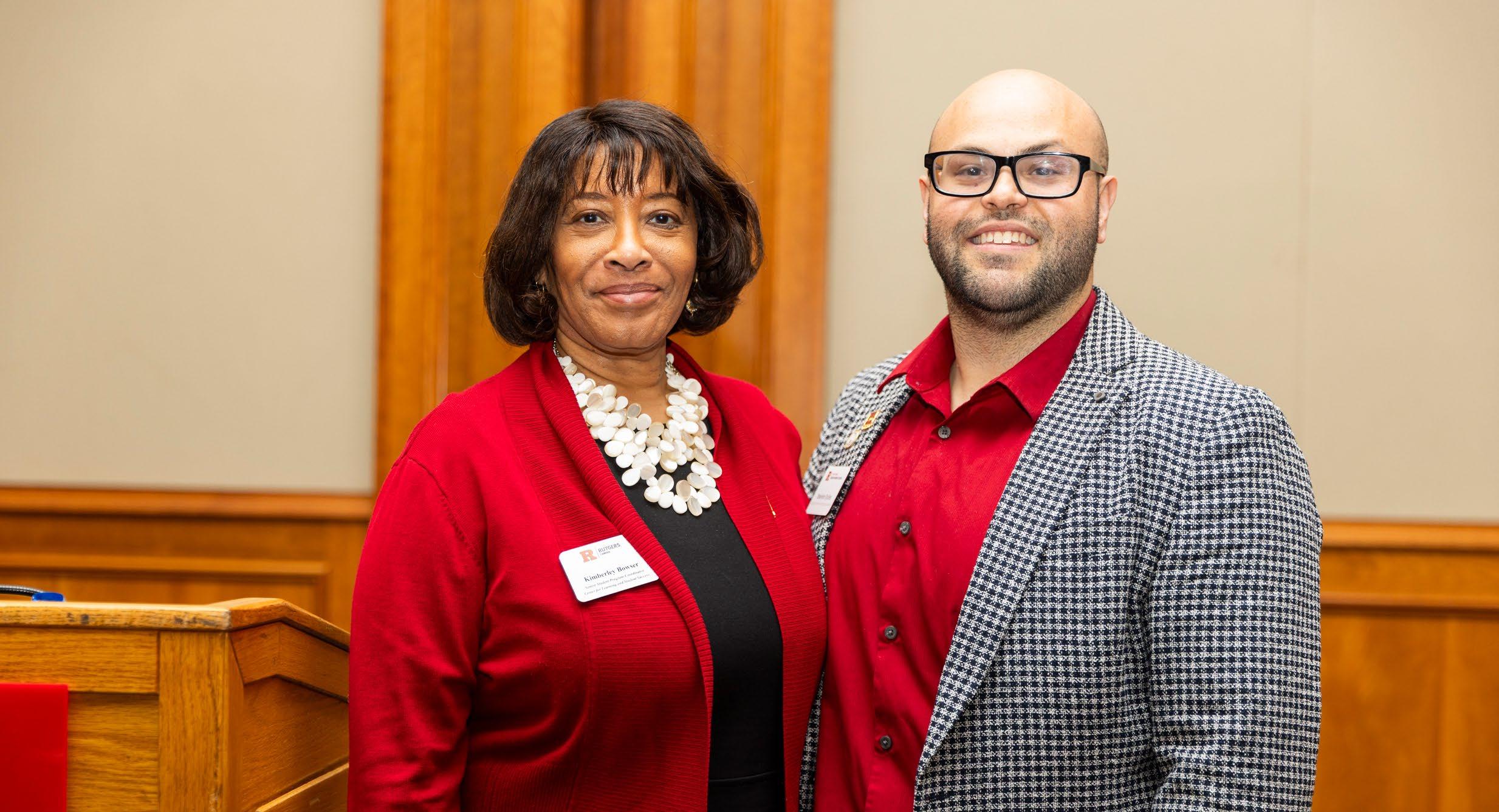
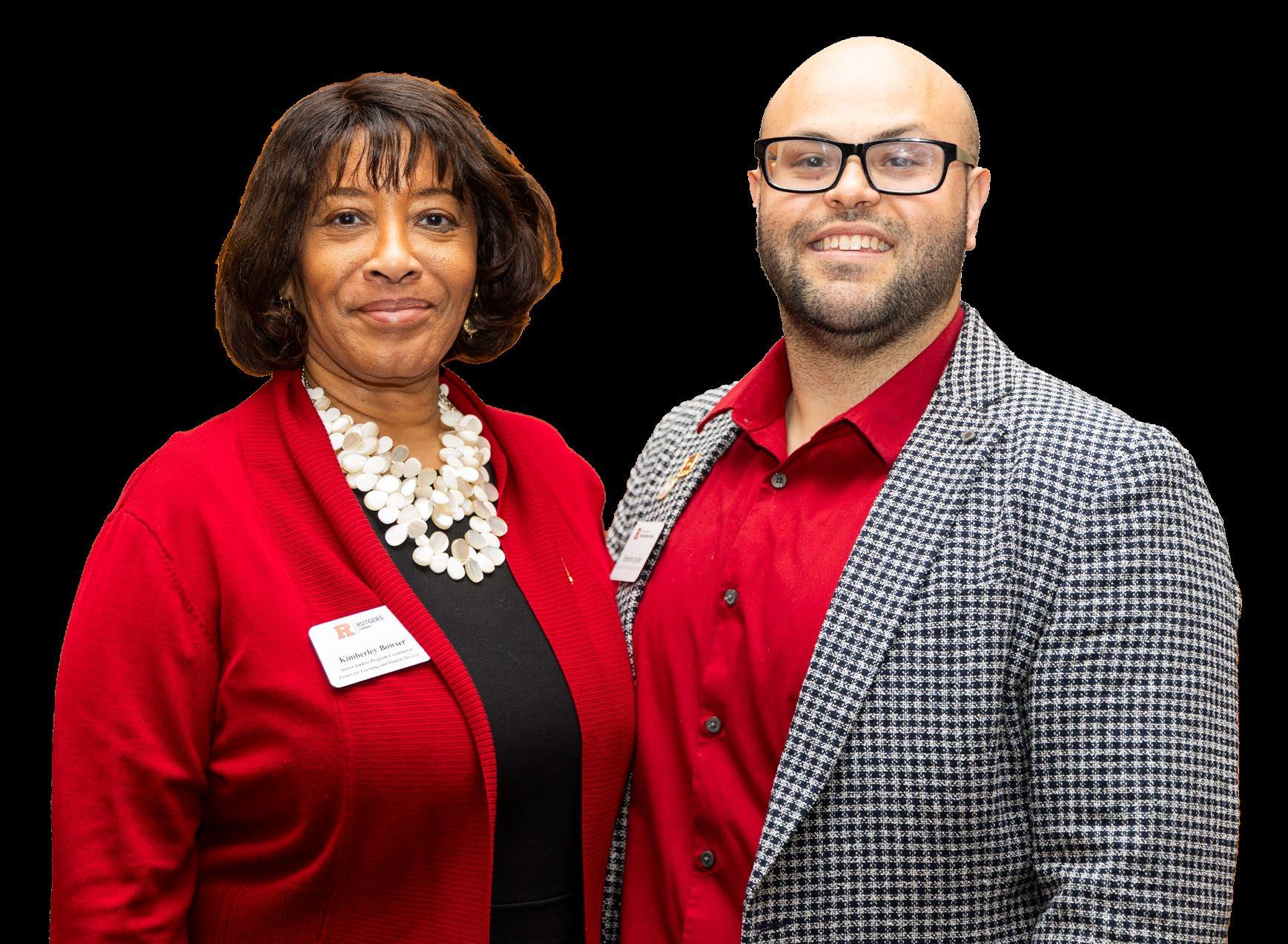
On March 30, 2026, we hosted our inaugural induction ceremony for 55 transfer students into the Tau Sigma Honor Society, celebrating the occasion alongside students’ families and guests. Attendees heard words of congratulations and encouragement from CoAdvisors Brandon Quiles and Kimberley Bowser, as well as Dr. Randi Mayers, Executive Director for Student Academic Success. Inductees received commemorative pins and certificates marking their achievement and enjoyed refreshments while connecting and taking photos with one another.
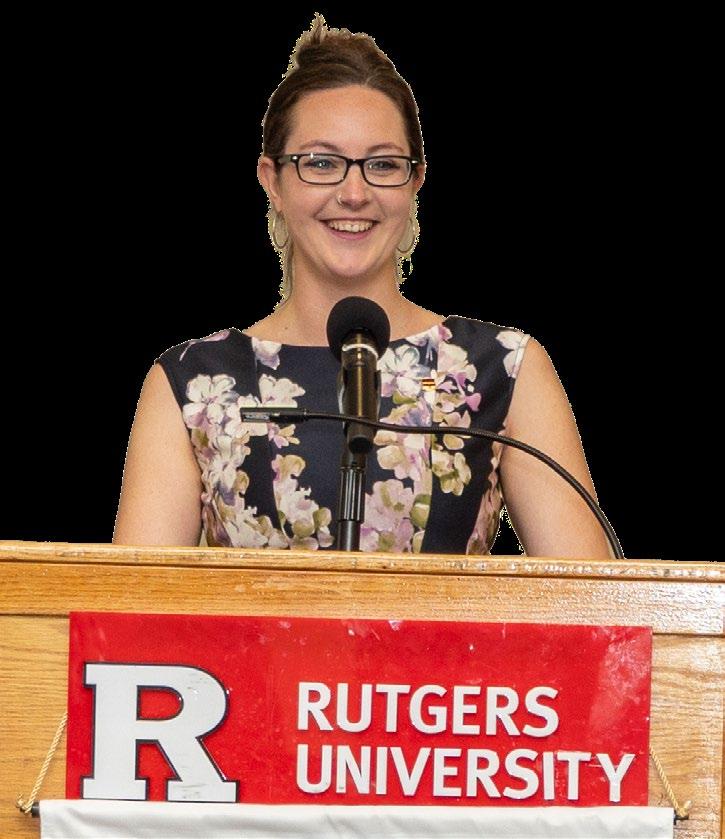
Student speaker Babetta Pluguez delivered a powerful keynote address that reflected the often-unseen experiences of transfer students balancing life responsibilities while navigating college. As Babetta shared, “Success is not a position. It is not a title. It is not even a GPA. Success is the obstacle you climbed yesterday. It is the obstacle you will climb tomorrow. And it is the quiet, stubborn refusal to stop climbing.” Overall, the evening was a spectacular celebration of the hard work, perseverance, and academic excellence of our transfer scholars.
On Friday, January 16th, from 11:00 a.m. to 12:00 p.m., the Division of Student Academic Success marked a significant milestone by hosting Rutgers–Camden’s inaugural fall induction ceremony for Alpha Alpha Alpha (Tri-Alpha), the national honor society recognizing academic achievement among firstgeneration college students.
Held on the eve of Tri-Alpha’s five-year anniversary at Rutgers–Camden, this ceremony represented multiple firsts: the first fall induction, the first graduate student cohort from The Graduate School, and the first expansion beyond the traditional spring undergraduate-only model. The event reflects the institution’s continued commitment to strengthening recognition structures for first-generation scholars at every academic level.
Alpha Alpha Alpha — commonly known as Tri-Alpha — honors students whose parents and/or guardians did not complete a four-year bachelor’s degree prior to the student earning their own. Membership signifies both academic excellence and leadership within the firstgeneration community.
This fall, over 66 eligible students were welcomed into society, with over 20 inductees participating in the ceremony. To qualify for membership:
Undergraduate students must be first-generation, have completed at least 30 credits (for transfer students, one semester must be completed at Rutgers–Camden), and earned at least a 3.2 cumulative GPA.
Graduate students must be first-generation, have completed at least 9 credits, and earned at least a 3.75 cumulative GPA.
For a $25 lifetime membership fee, eligible scholars join a growing network of high-achieving firstgeneration students committed to academic distinction, mentorship, and community building.
The expansion of induction into the fall semester and inclusion of graduate students from The Graduate School underscores a broader institutional recognition: first-generation identity does not end at the bachelor’s degree. As Tri-Alpha cycles through its fifth year at Rutgers–Camden, the society continues to evolve as both a recognition platform and a community of belonging.
To learn more about Tri-Alpha membership or explore opportunities for collaboration, please contact Tri-Alpha Co-Advisor, Erica ReevesMukherjee at er957@camden.rutgers.edu
FIRST-YEAR EXPERIENCE AND STUDENT SUCCESS COACH OFFICE (SSCO)
Taking Academic Success on The Road: SSCO’s
Trip to Washington D.C.
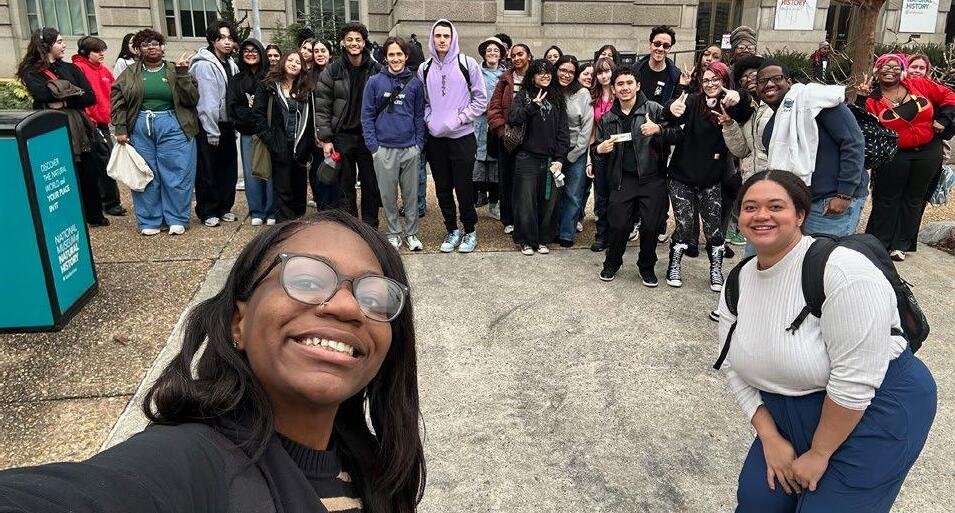
The Student Success Coach Office recently hosted a captivating learning experience taking students to the Smithsonian Museums in Washington D.C. Success Coaches Ashanti Azodo and Heather Dalton escorted 47 firstyear coaching students to the Natural History Museum in Washington, D.C. During the visit, students participated in an engaging scavenger hunt designed to encourage exploration of key exhibits while reinforcing concepts connected to their coursework. As they navigated the museum, students were challenged to think critically, make observations, and draw connections between scientific theories learned in the classroom and their realworld applications.
This trip provided first-year students of various majors with a meaningful opportunity to see how their academic studies translate into future career pathways, from research and healthcare to environmental science and innovation. In addition to academic enrichment, the experience fostered community-building as students paired up throughout the day to complete their scavenger hunt. This shared experience not only deepened their understanding of scientific concepts but also highlighted the value of collaboration and curiosity in their academic journeys.
Evan Sze, a first-year Nursing student in Coach Ashanti’s cohort, shared the following reflection of the event:
“Overall, the trip was a positive and educational experience. It gave students the chance to learn outside of the classroom, engage with scientific topics, and experience a new environment with classmates. Experiences like this are helpful for freshmen who are still developing their academic interests. I am also writing this because I do plan to attend more trips provided by the school in the future. Opportunities like this are meaningful and encourage students to stay involved and engaged.”
This trip experience strongly aligns with Student Academic Success’ values of Identity Consciousness and Sense of Belonging for our students. By engaging students in a space that celebrates scientific discovery and diverse contributions to the academic field, this trip encouraged them to reflect upon their own identities as scholars and future professionals. Through this experience, students were not only able to envision their place within their academic disciplines but also feel more connected to their peers and supported by the Success Coaches during their college journey.
More Than a Degree: TRiO
Building the Scaffolding of Success
Walking across Rutgers–Camden’s campus, the brick and mortar, the distinct school buildings, and our crowded campus center immediately stand out. Yet for our first-generation and low-income scholars, the experience reaches beyond the physical landscape, touching on the hidden curriculum – a set of rules, unspoken and often unknown, that create barriers and anxieties no syllabi can break down.
TRiO Week takes a chance to help break down those barriers, to make the hidden curriculum visible. More than just the events we hosted, the lasting impact comes from the community we continue to build: one where scholars can view their lived experiences reflected through the words of another scholar, breaking obstacles
The Power of the Shared Story
Our week began as it has the past few years – with the raw, transformative authority of the spoken word at our First Gen Monologues. Student scholars, faculty, staff, and alumni addressed concepts like imposter syndrome and vulnerability with care and ferocity. Stories were traded between those who have already crossed the stage on graduation day, those who are in the middle of coursework and personal responsibility, and those whose dreams have come true. Each story brought a clear message with it: each path is unique, but none are walking alone.
Our scholars continued to break the barriers of vulnerability with our Disability Advocacy Movie Night. Screening The Perks of Being a Wallflower, everyone had a chance to lean into the complex world of mental health — PTSD, depression, anxieties. Creating a centered experience of scholars navigating higher education with disabilities reinforces a core aspect of our mission: care is not an extracurricular activity; it lays the groundwork to a successful academic career.
Connections and Community
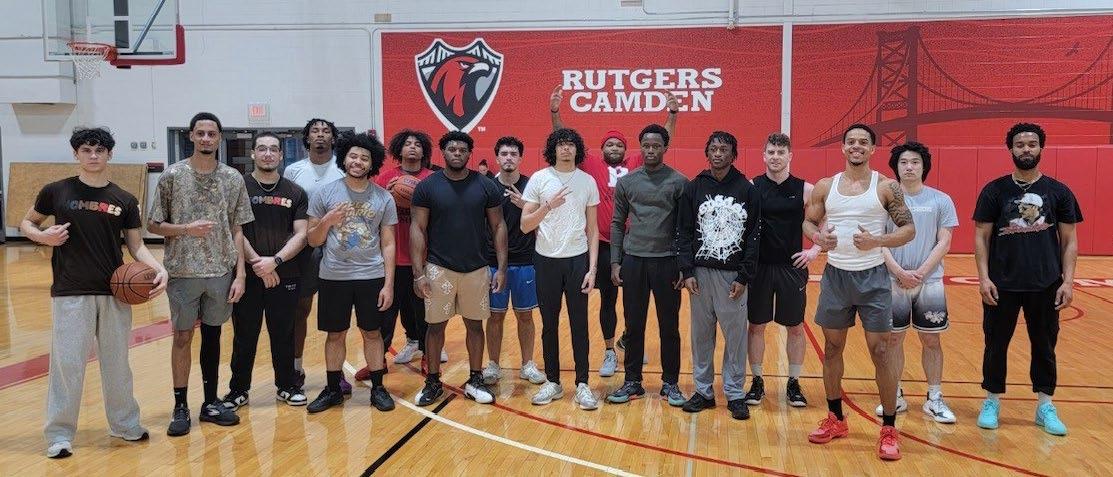
Staff can create inclusive, welcoming environments that encourage interaction and lower anxiety for students. Encouraging healthy habits, such as suggesting brief, active breaks, encouraging exercise to improve mental focus, and fostering a culture of self-care are important for student success, especially among our male students. In collaboration with HombRes student organization, TRiO hosted our annual Student vs. Staff Basketball Game where we prioritized the intersection of connection and wellness.
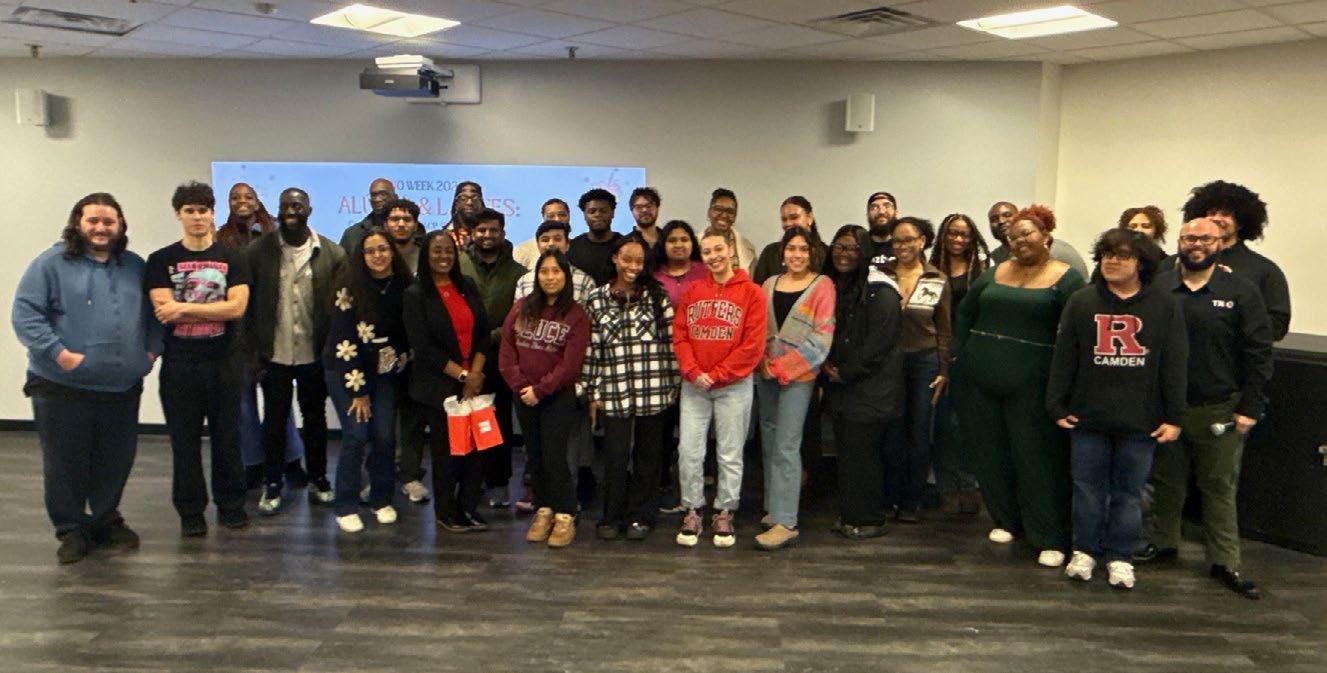
Our scholars also had an opportunity to network with alumni during our Alumni and Lattes event. This program allowed our first-generation and lower income scholars to gain professional advice and hear practical wisdom from alumni connected with our Rutgers University–Camden Alumni Association (RUCAA). Our alumni shared their successes, challenges, and advice on how our scholars can make the most out of their college education, boosting morale and motivation.
DIVISION HIGHLIGHTS
Tools for the Long Game
While our community provides the spirit scholars take with them, practical literacy provides the power to transform their future. We took the many hidden curriculums of finance head on during our financial literacy program CreditWise, Debt-Smart. Workshops like these take the complex realities of financial systems and break them down into digestible, manageable strategies scholars can take with them throughout and beyond their academic careers. For students from low-income backgrounds, financial literacy doesn’t just serve as a skill – it becomes a tool for liberation, a means to break cycles that hinder progress and create opportunity.
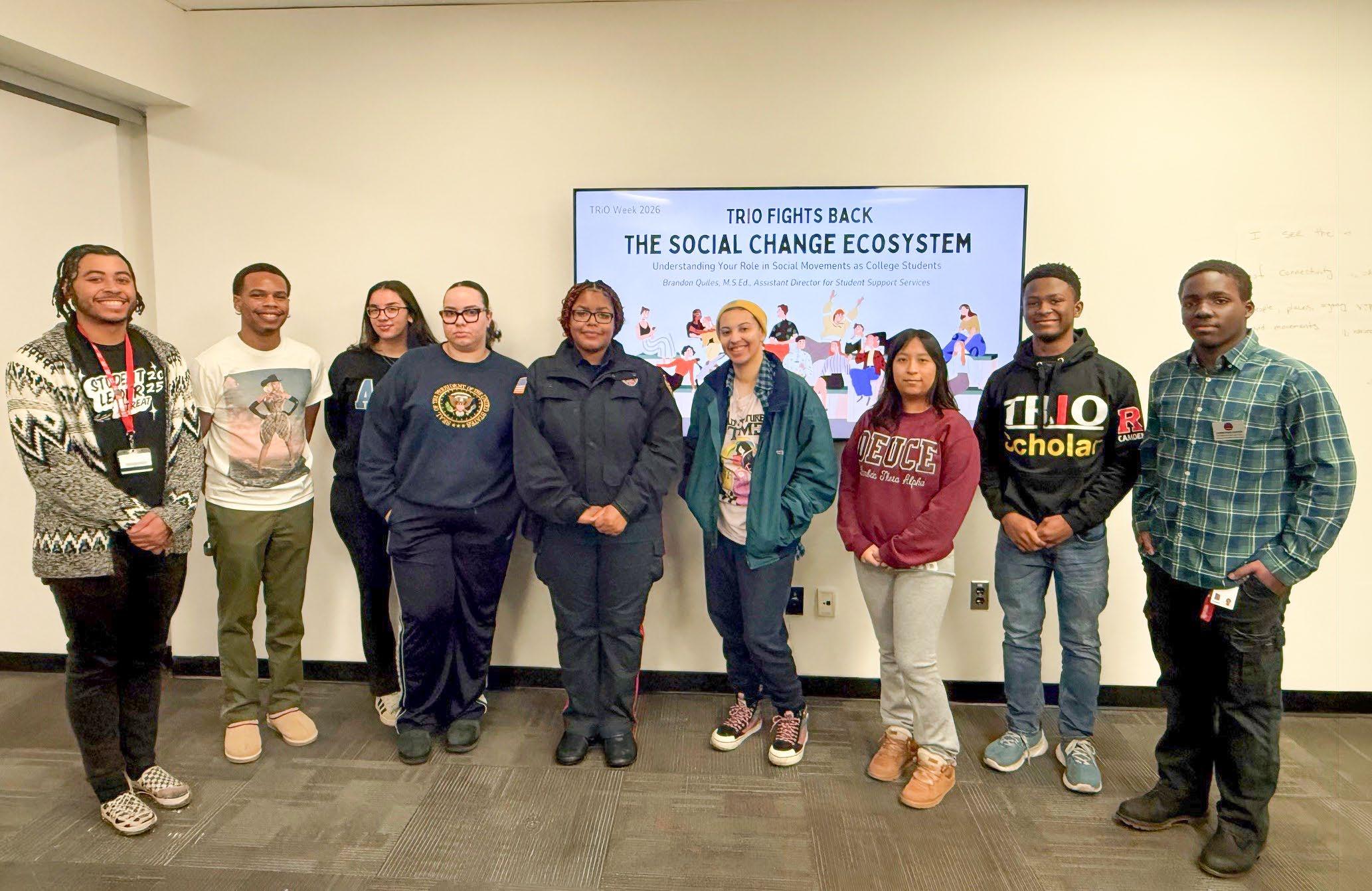
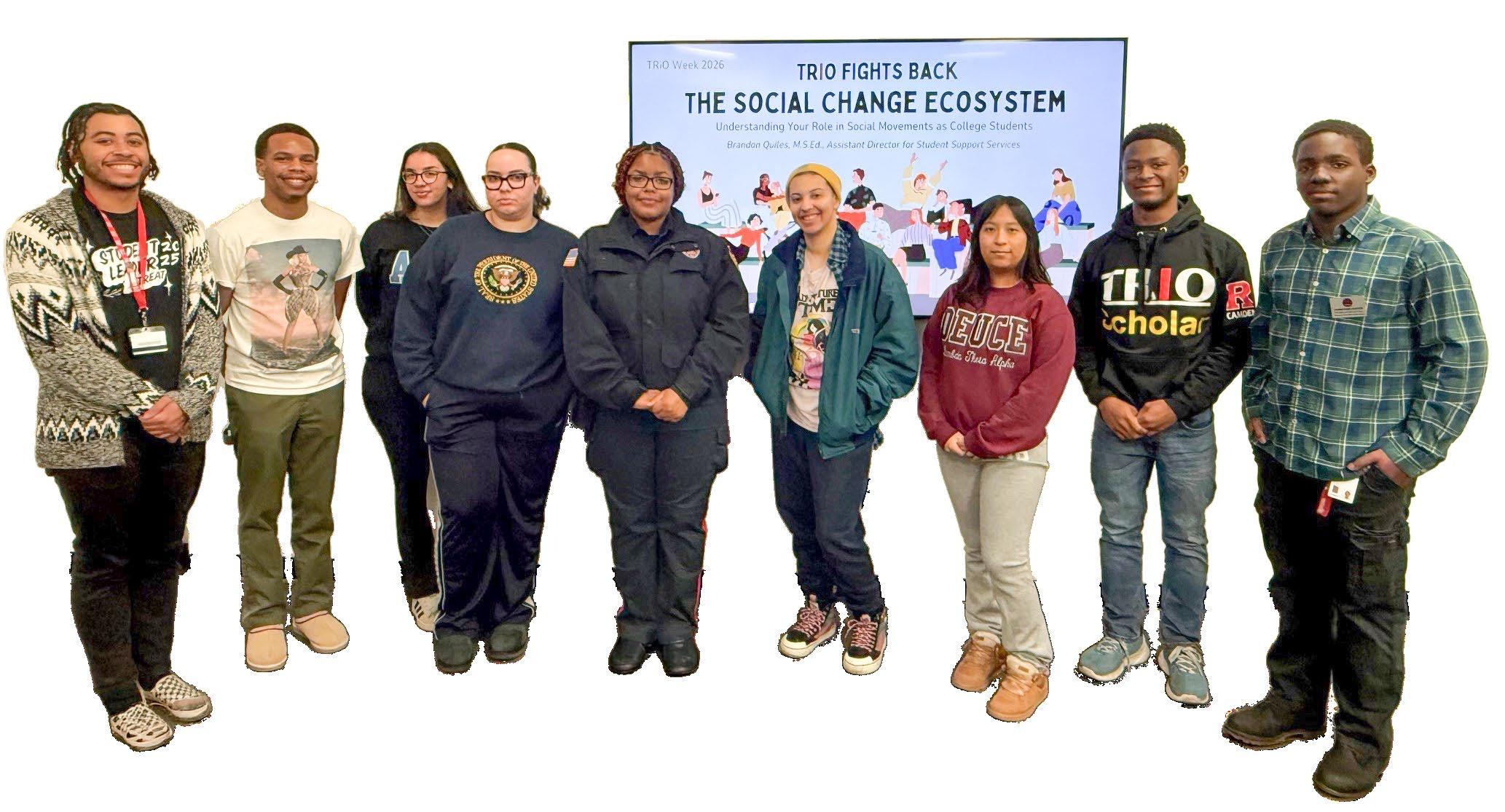
Our week closed by looking beyond the walls of Rutgers University. Brandon Quiles led TRiO Fights Back!, guiding students through the system of social change. Not just an exercise in the theory of social capital, but taking pen to paper, writing political leaders and representatives across various industries, informing them and creating change for the causes that are dear to so many.
The Result
When we look back at our week, we don’t just see events on the calendar. We see the faces of our scholars across an array of opportunities having the realization that belonging is real. We see our scholars seeking the opportunity to become change-makers. We see a community that prioritizes community, engagement, and care. This is the work we accomplish every day; building the roadblocks to a transformative and inclusive college experience.
EDUCATIONAL OPPORTUNITY FUND (EOF)
The EOF Excellence Report: Cultivating Leadership, Resilience, and Community
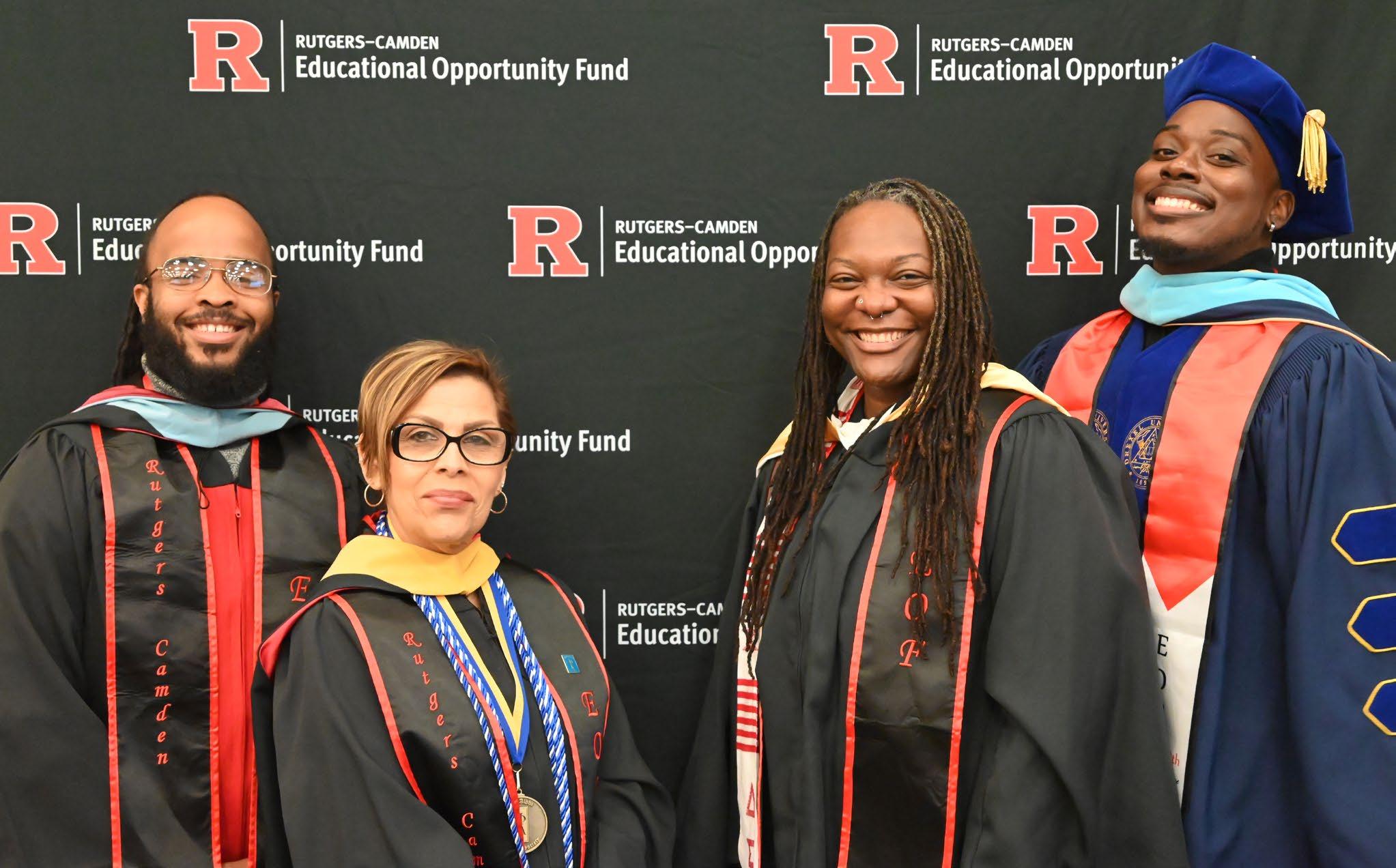
The Educational Opportunity Fund (EOF) program continues to serve as a vital engine for student success, fostering a culture of academic rigor and mutual support. This semester, we are proud to highlight the remarkable achievements of our scholars as they prepare to transition from undergraduate life to impactful careers and advanced studies.
Celebrating Statewide Excellence
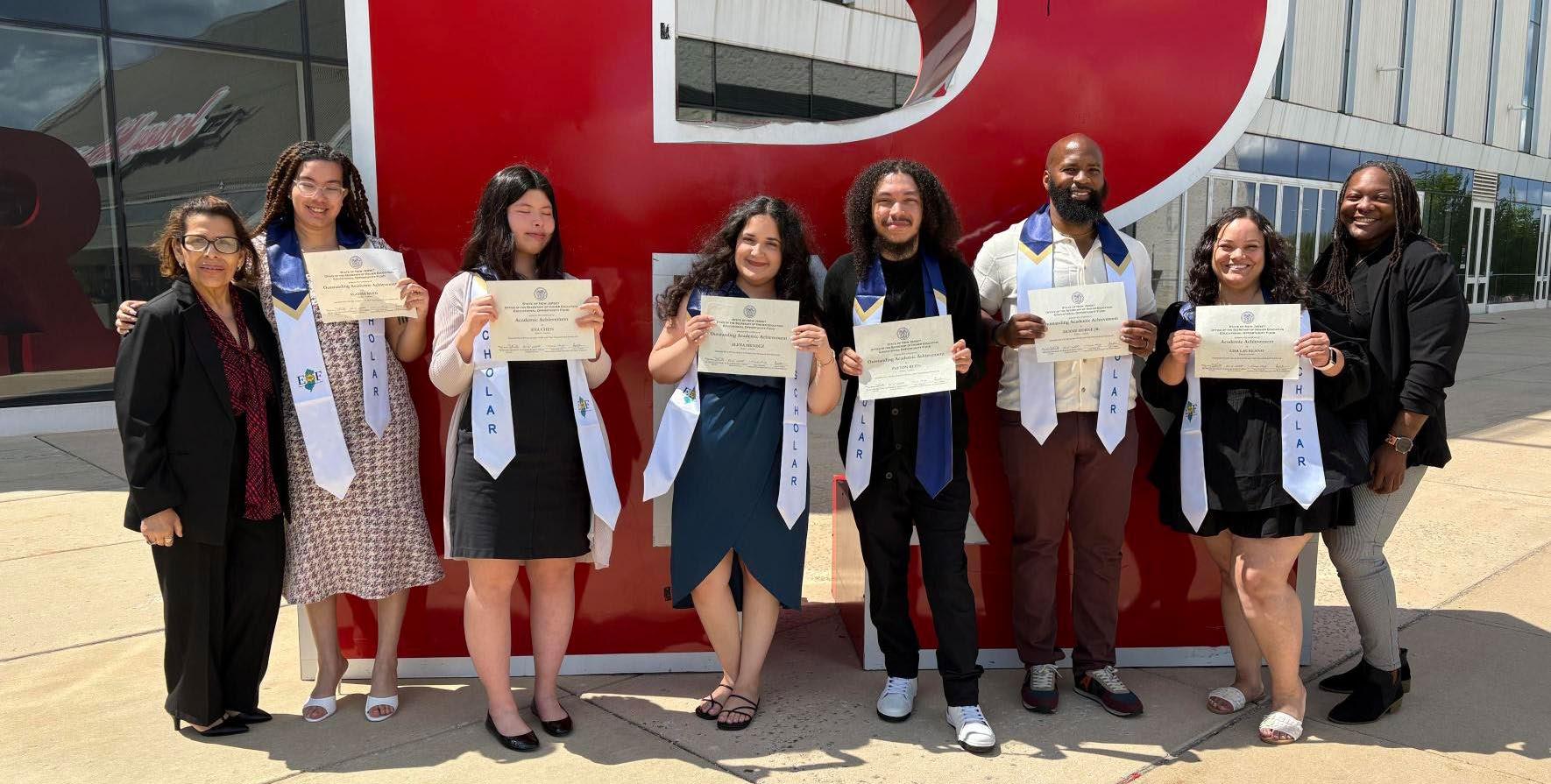
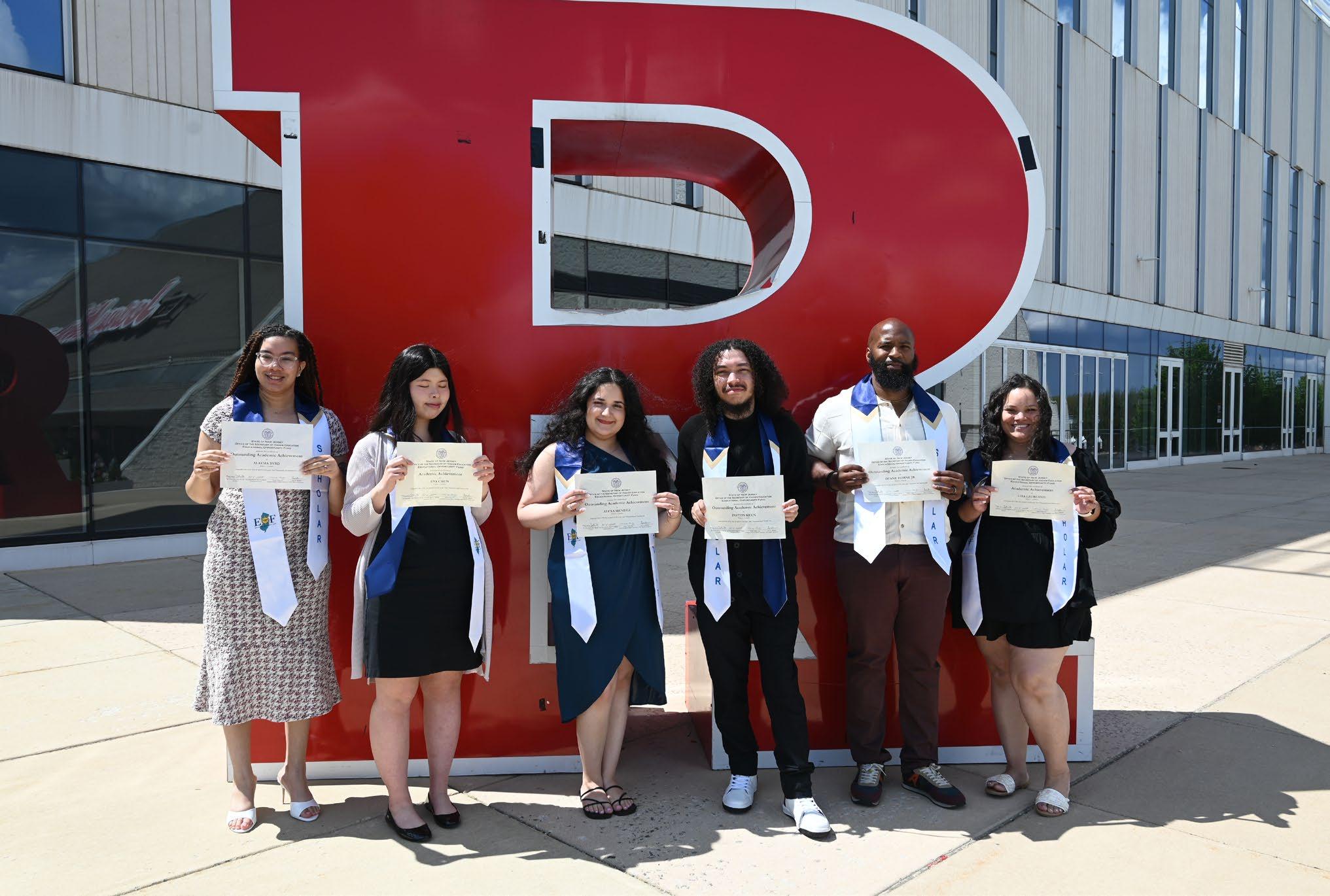
On April 17, 2026, our graduating seniors traveled to the Jersey Mike’s Arena at Rutgers University–New Brunswick for the annual Office of the Secretary of Higher Education (OSHE) EOF Graduate Achievement Awards Ceremony. This statewide event brought together nearly 1,500 EOF students to celebrate the dedication required to overcome obstacles and reach the finish line of a college degree.
Our students were recognized in four prestigious categories based on their cumulative grade point averages:
Distinguished Scholar Award: Reserved for those maintaining a perfect 4.0 GPA.
Outstanding Academic Achievement Award: Recognizing students with a GPA between 3.5 and 3.99.
Academic Achievement Award: Honoring students with a GPA between 3.2 and 3.49.
Graduating Scholar Award: Celebrating the successful completion of their degree with a GPA up to 3.19.
DIVISION HIGHLIGHTS
EDUCATIONAL OPPORTUNITY FUND (EOF)
Spotlight on Our 2026 Graduating Scholars
The EOF program takes immense pride in the academic excellence demonstrated by this year’s graduating class. We are honored to recognize the following distinctions, which reflected the rigorous standards our scholars have surpassed:
Our scholars are excelling across every corner of the Rutgers–Camden campus. This year’s top-tier academic performance was led by:
Human Services & Justice: A dominant force this year, with Social Work producing 11 awardees (including two Distinguished Scholars) and Criminal Justice contributing 4 high-achieving graduates.
Healthcare & Science: Nursing continued its tradition of excellence with 10 awardeligible graduates, joined by leaders in Biology, Health Sciences, and Computer Science.
Business & Strategy: Our future industry leaders included 11 scholars across Business Administration, Finance, Accounting, and Marketing.
Liberal Arts & Global Studies: Excellence is reflected in diverse fields like Africana Studies, Global Studies, Political Science, and Psychology.
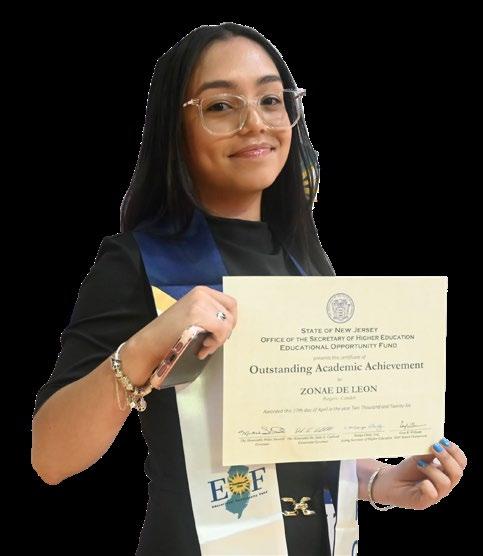
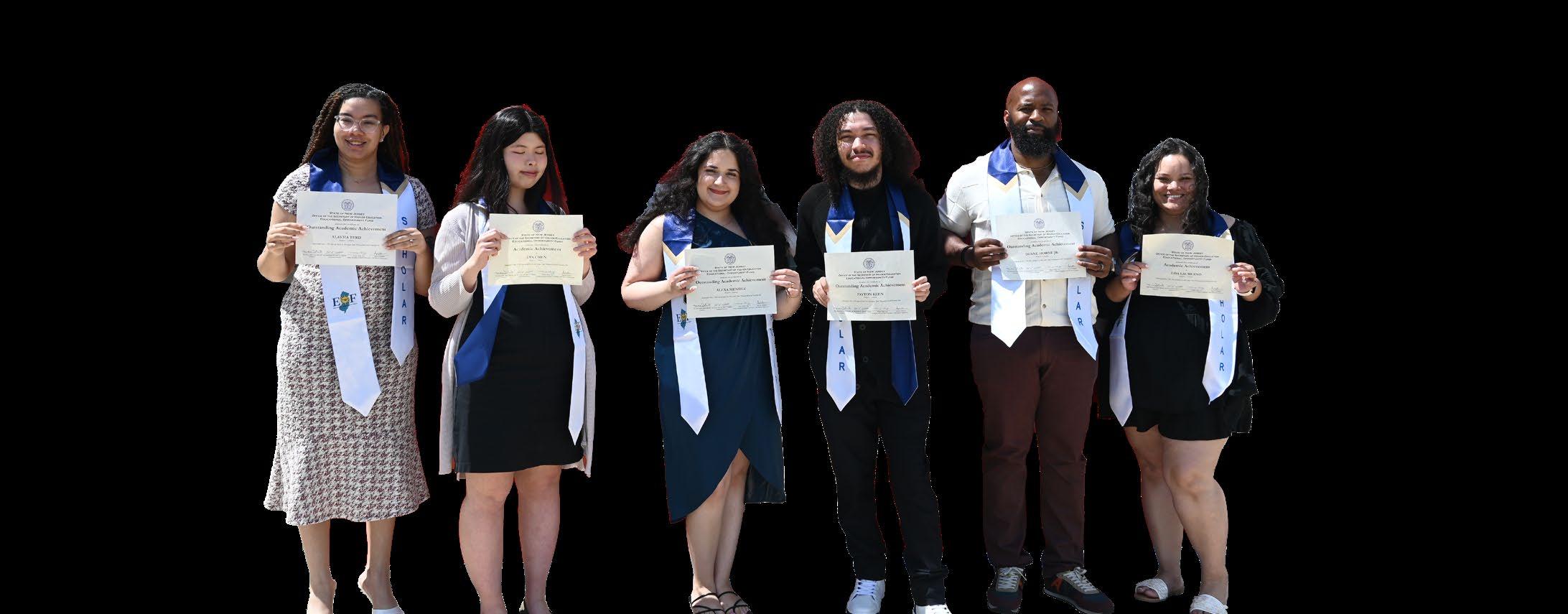
Zonae De Leon
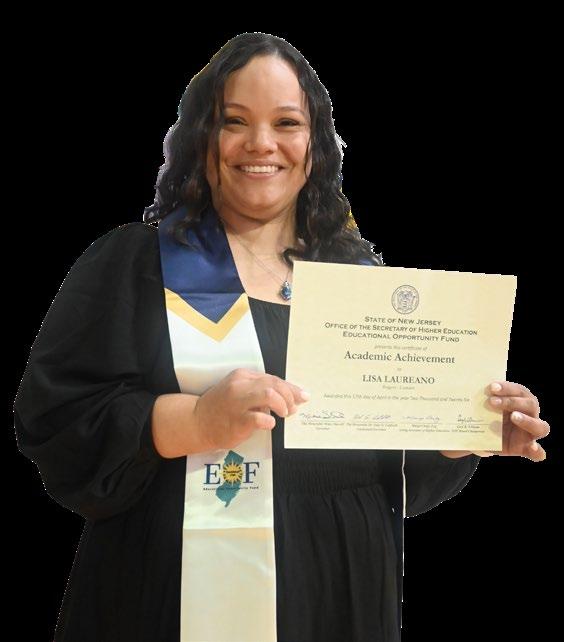
Lisa Laureano
An Evening of Community: Our Local Celebration
While the state ceremony highlighted academic statistics, our local EOF Graduation Celebration on the evening of May 1, 2026, is about the people behind the numbers. We invited our graduates and their families to the Multipurpose Room at Rutgers–Camden for an evening dedicated to the support systems — parents, siblings, and mentors — who made this journey possible.
This was not just a ceremony; it was a homecoming for the families and staff who have walked alongside our scholars. By celebrating within our own campus walls, we honored the unique “Spirit of EOF” and the community of excellence we have built together. It was a time for our staff and students to celebrate not just as an institution, but as a family, honoring the collective resilience that defined the Rutgers–Camden EOF experience.
Congratulations to the Class of 2026! Your resilience is our greatest inspiration.
DIVISION HIGHLIGHTS
OFFICE OF SCHOLAR DEVELOPMENT AND FELLOWSHIP ADVISING (OSDFA)
Annual Reflection & Awards Updates
As we close out AY 25-26, OSDFA is reflecting on four years within SAS. In that time, we have seen tremendous growth among students who are interested in, applying to and earning recognition in national awards. Since our establishment as a full-time office in 2022, 185 individuals have submitted applications to national awards, each year a marked increase over the last. We are so energized as we look forward to next year and to continuing to support our students in pursuing opportunities that support their goals.
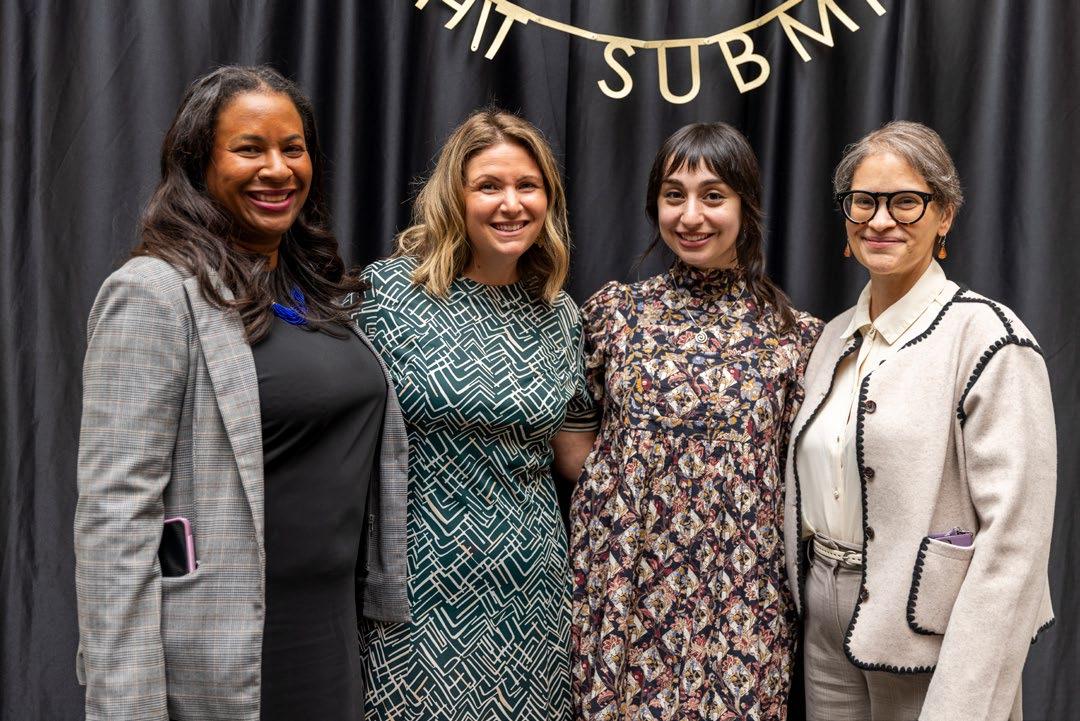
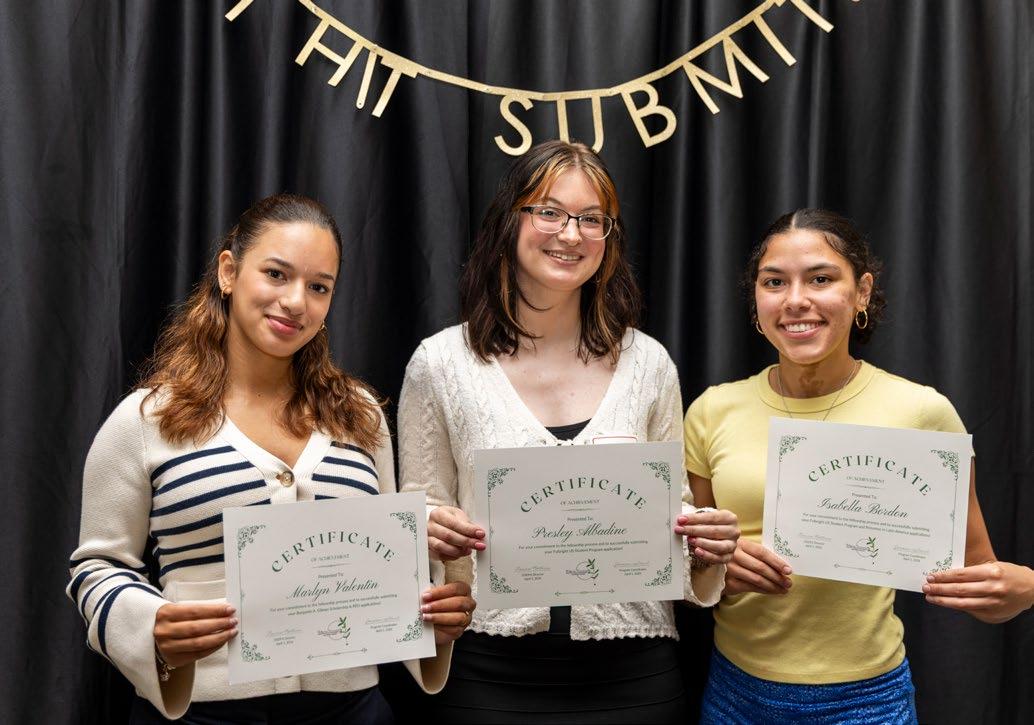
As we do each spring, OSDFA hosted its fourth annual “You Hit Submit” celebration on Wednesday, April 1. This event has become a signature campus event, with applicants, campus leaders, faculty supporters and families invited to come together and celebrate the students and alumni who bravely pursue national award opportunities. In 2025-2026, 78 students and alumni successfully submitted applications for national awards, an increase of nearly 10% in individual applicants from last year. Applicants were recognized for their pursuit of awards including the Fulbright US Student Program, Goldwater Scholarship, Gilman Scholarship and more. This year’s celebration included opening remarks from Vice Chancellor Marsha Lowery, as well as comments from graduating senior Presley Albadine who has recently been awarded a Fulbright US Student grant to Paraguay. The event acknowledges ALL of our applicants, regardless of award outcome, and celebrates the vulnerability and determination demonstrated by these applicants and this event recognizes our support for their decision to believe in themselves — as we do — and “hit submit” on their applications!
While our You Hit
and
Submit celebration acknowledges all of our applicants,
their persistence through the application process, we do want to take a moment to recognize some of the achievements earned this year:
Fulbright Semi-Finalists
Earlier this year, we shared our excitement after supporting our largest cohort of applicants for the Fulbright US Student Program. In January, we learned that 7 of those applicants were named Semi-Finalists. They are:
Aliyah Miles, Graduate Study in Taiwan
Sarah DeGeorgis, Research in Germany
Max Adarve, Research in Colombia
Thomas Hughes, Research in South Africa
Jenna Ahmed, English Teaching Assistant in Bahrain
Doris Zheku, English Teaching Assistant in Albania
Presley Albadine, English Teaching Assistant in Paraguay
Several of these applicants are still under review with each of their proposed host countries. We wish them the best and will offer additional updates soon.
The 2027-2028 Fulbright US Student Application is now available and OSDFA will be supporting applicants throughout the summer ahead of the October 6 national deadline. Students who will have a bachelor’s degree by 2027 and alumni are eligible. Interested candidates are encouraged to submit our interest form by June 15th.
Goldwater Scholars
In January 2026, on behalf of Rutgers University–Camden, OSDFA nominated 2 outstanding undergraduate researcher students for the Barry Goldwater Scholarship. Nominees were Amisha Rastogi, a sophomore Biology major who conducts research with Drs. Nate Walker (AI Ethics Lab) and Brian Corbett (Stress Neuroscience) and Jacob Oblander, a junior Biology major who is a researcher in the Weiner lab at University of Pennsylvania.
In March 2026, we received the exciting news that BOTH Amisha and Jacob were named Goldwater Scholars. Chosen from an applicant pool of 1,485, Amisha and Jacob are among the 454 students to be named Goldwater Scholars this year. This is the second year Rutgers–Camden has had two students, a sophomore and a junior, earn this prestigious recognition.
The Goldwater Scholarship provides financial support for U.S. students who demonstrate potential in the realms of mathematics, the natural sciences, and engineering. Applications open annually in September and are due the last Friday in January, with a campus deadline in early December.
Amisha Rastogi Jacob Oblander
DIVISION HIGHLIGHTS
OFFICE OF SCHOLAR DEVELOPMENT AND FELLOWSHIP ADVISING (OSDFA)
Gilman Scholars
In March 2026, 20 students “hit submit” on their applications to the Benjamin A. Gilman Scholarship, an award that funds international experiences for US undergraduate Pell-recipients. Just this month, we learned that two of our students were named Gilman Scholars. Congratulations to Oscar Rios Barragan, a junior in the School of Business, who was funded for his upcoming study abroad to Mexico and to Lucas Liona, a senior in Computer Science & Mathematics who will travel to Czechia this summer with additional support from the STEM supplemental award. These students join a group of 30 previous Rutgers–Camden Gilman Scholars and alumni.
Students who are interested in learning more about these and other opportunities are encouraged to meet with the Office of Scholar Development and Fellowship Advising to find your fit!
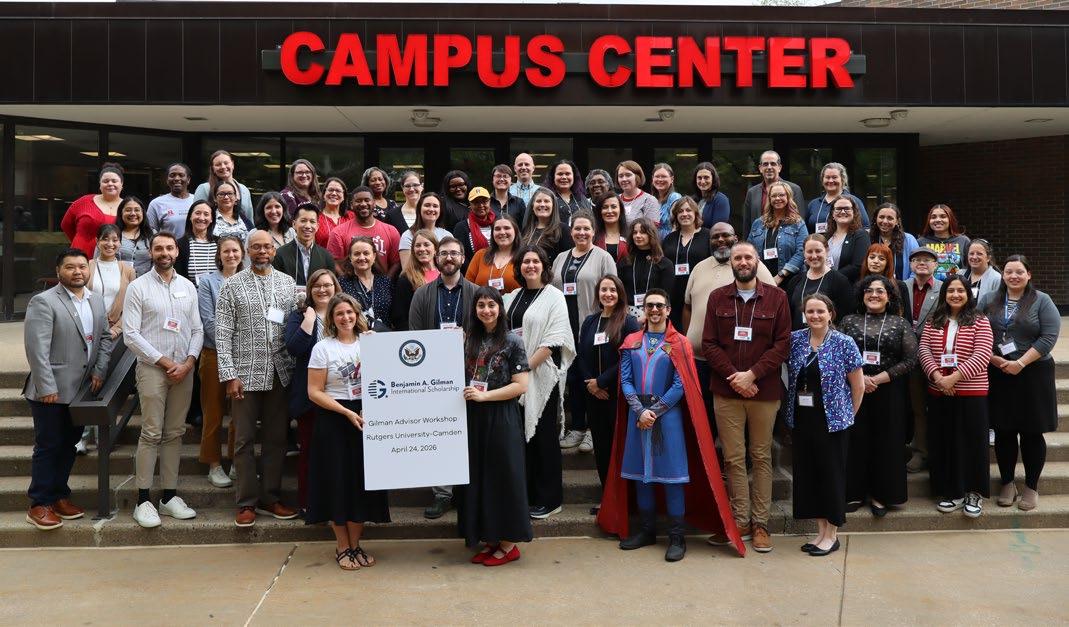
Gilman Advisor Workshop
4/24/26
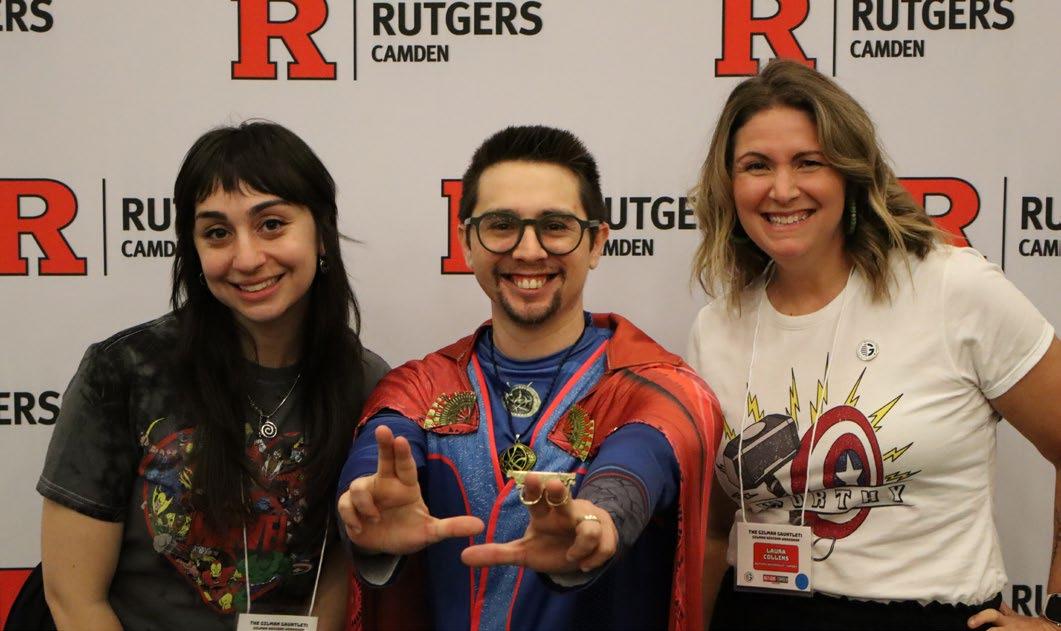
In December 2024, OSDFA was awarded a grant from the Institute for International Education (IIE) to host a Gilman Advisors Workshop, a by-application event for 50 advisors from across the country to learn best practices for advising students applying for the Gilman Scholarship. We centered our workshop around the theme of Marvel’s Avengers with the belief that while we are all superheroes, we are stronger and more powerful together as colleagues across our campuses and as a network of national advisors. The result was Rutgers–Camden’s Gilman Gauntlet, hosted on Friday April 24, 2026.
Session Details
After welcoming remarks were offered by Chancellor Antonio D. Tillis, we launched into a day full of engaging, interactive sessions.
We began with Superhero Strengths Scale, a session where advisors were asked to consider a series of statements in relation to their top 5 CliftonStrengths and moved throughout the room in accordance with their responses. Statements included: “I value loyalty and trust over speed” and “I get more satisfaction from improving something than starting from scratch.” Advisors especially enjoyed reflecting on how their strengths show up for them in personal and professional situations.
After a brief program overview, presented by our partners from IIE, participants then had a chance to connect with campus partners, including Financial Aid, Rutgers Global, Student Academic Success, among others, during Advisors, Assemble. As campus partners shared the ways they support OSDFA in making the Gilman Scholarship more accessible to our students, advisors earned an “infinity stone” sticker for their individual gauntlet, a fun keepsake to remember their conversations.
Lucas Liona
Oscar Rios Barragan
Lindsay Peck, Director of Retention and Student Success Initiatives, then hosted Data and Assessment: Endgame with strategies on how and why data can be used to storytell. This session included two engaging activities, including a MadLibs prompt that not only got advisors thinking about how to effectively share their office work through data and storytelling, but generated a lot of laughs from participants.
Over lunch, we enjoyed hearing from a panel of Rutgers–Camden and Gilman Scholarship alumni about the ways their Gilman award has supported them beyond Rutgers -Camden. Graduates Sharellis Sepulveda (CCAS ‘24) Orgelys Vasquez Home (CCAS ‘24), and Bielka Gonzalez (RSBC ‘20) answered questions moderated by current student and Gilman Scholar, Shaion Brown (CCAS ‘26) and offered advice to advisors supporting future applicants.
After lunch, we transitioned to Gilman: Far From HomeManaging Culture Shock and Expectations Abroad. This session featured scenarios, written by our faculty who have taken students abroad, and asked advisors to think about how they would advise students preparing to go abroad, including trying new, unfamiliar foods, accidentally wearing culturally unaccepted clothing or handling mental health challenges while abroad. Faculty course leaders helped facilitate discussions at tables and shared guidance with our larger audience based on their experiences.
In our final session, From the Lens of a Reviewer: An Infinity War of Perspectives, advisors were challenged to put on their reviewer hat to read and provide feedback on each of the four essays in the Gilman Scholarship, considering different student perspectives for each. As tables, groups worked together with a staff facilitator to consider which elements make a strong essay and how they can use these takeaways with their own students. Staff members from Rutgers–Camden who have recently served as Gilman reviewers also offered their advice to advisors.
Hosting a national workshop marks a milestone achievement for the staff of OSDFA. This office, established in 2022, has been growing its impact beyond our campus community and this national event signals the impressive work being done at Rutgers–Camden. The success of this event reiterated our intention in hosting the Gilman Gauntlet, that when we learn together and work together, we leverage our individual superpowers into something unstoppable!
CENTER FOR LEARNING AND STUDENT SUCCESS (CLASS)
Where R They Now? Life After Graduation: Insights from CLASS Alumni
The Center for Learning and Student Success (CLASS), along with the Career Advancement Center, and Rutgers–Camden Alumni Association, hosted an inspiring event, “Where R They Now? Life After Graduation.” This panel discussion brought together a diverse group of former peer tutors who candidly shared their journeys of transitioning from campus life to the professional world. The event aimed to provide current students with relatable insights, actionable advice, and meaningful connections to help prepare them for life after graduation.
Held on Tuesday, April 7, 2026, this event offered alumni and former CLASS peer tutors a unique platform to reflect on their experiences and inspire the next generation of Rutgers–Camden students. Through their stories, the panelists demonstrated the value of peer tutoring, not just for the tutees but also for the tutors themselves and provided students with advice for navigating the challenges of post-graduation life.
A Panel of Diverse Perspectives
The panel featured six accomplished alumni, each with a unique story of growth and success. These individuals, who were once deeply involved in campus life at Rutgers–Camden, now represent a wide range of industries and career paths. From marketing and business analytics to molecular biology and dentistry, their experiences highlighted the versatility of skills gained through peer tutoring and campus involvement. The panelists included:
Pariti Sutaria
A Program Content Manager with expertise in program design and community strategy
School of Business–Camden
Bachelor of Science, Management - Class of 2023
Master of Business Administration - Class of 2024
Dillon Dixon
A Marketing & Communications Specialist and creative artist
School of Business–Camden
Bachelor of Science, Marketing - Class of 2023
Abigail Murtaugh
A Dental Assistant with aspirations for dental school
Camden College of Arts and Sciences
Bachelor of Science, Biology - Class of 2024, Cum Laude
Hagar Ezzo
A Professional Math Tutor and digital marketing expert School of Business–Camden
Bachelor of Science, Marketing - Class of 2025
Master of Science, Business Analytics - Class of 2026, Magna Cum Laude
Larry Livshits
A Senior Project Manager at Amtrak and MBA student School of Business–Camden
Bachelor of Science, Finance - Class of 2022, Summa Cum Laude
Aiman Nadeem
A PhD student in Molecular Biology with a passion for research
Bachelor of Science, Biology - Class of 2024, Summa Cum Laude
The Impact of Peer Tutoring: Growth for Tutees and Tutors
Peer tutoring is often framed as a resource that supports students’ academic success, but, as the panelists shared, it’s also an experience that profoundly shapes tutors. The role of a peer tutor fosters personal growth, professional readiness, and a lifelong commitment to helping others. Collectively, the CLASS peer tutor alums successfully led more than 2,500 tutoring appointments for over 500 students in subjects such as Algebra, Calculus, Physics, Anatomy & Physiology, Finance, Accounting, Statistics, and Biology. Peer tutors play a crucial role in helping students overcome academic challenges, build confidence, and develop study strategies that lead to long-term success. By offering relatable guidance, tutors create an environment of trust and relatability, helping their peers feel comfortable asking questions, exploring difficult concepts, and finding their place within the university.
For the tutors, the experience is equally transformative. Many panelists shared how their time as peer tutors equipped them with essential skills such as communication, leadership, problem-solving, and adaptability. Hagar Ezzo, a professional math tutor and marketing manager, credited tutoring with sharpening her ability to simplify complex ideas, a skill she now applies to her work in digital marketing and data analytics at Church & Dwight. Similarly, Larry Livshits, now a Senior Project Manager at Amtrak, reflected on how tutoring taught him the importance of empathy and collaboration, qualities he now uses to manage large-scale projects.
Tutoring also serves as a launchpad for professional confidence, personal growth, a sense of purpose, and community. Dillon Dixon, who graduated Magna Cum Laude with a degree in Marketing, highlighted how his role as CLASS Marketing Coordinator and founder of “The CLASS Room,” a weekly radio show, helped him develop critical marketing and communication
strategies. This experience laid the groundwork for his current role as a Marketing & Communications Specialist at Affiliated Distributors, where he leads marketing initiatives for their eCommerce Solutions program. Aiman Nadeem, now pursuing a PhD in Molecular Biology at Drexel University, shared how tutoring reinforced her passion for mentorship and academic success. She noted that the relationships she built as a tutor extended beyond the classroom. During her time at Rutgers–Camden, Aiman founded the STEM Olympiads and held numerous advisory roles, all of which continue to inspire her work in molecular biology research.
Another alumna, Pariti Sutaria, reflected on how tutoring and campus involvement gave her the confidence to blend creativity with strong operational execution in her career. Now a Program Content Manager with over seven years of experience in corporate and nonprofit environments, Pariti has designed and managed large-scale conferences and led impactful programs that empower communities. She emphasized that her time as a CLASS peer tutor shaped her ability to bring structure to creative ideas and build systems that help others succeed. With their combined efforts, the CLASS peer tutor alums not only supported the academic growth of hundreds of students but also cultivated skills and values that continue to shape their professional and personal lives.
DIVISION HIGHLIGHTS
CENTER FOR LEARNING AND STUDENT SUCCESS (CLASS)
Lessons for Life After Graduation
The “Where R They Now?” event also addressed the challenges students face as they transition from the structured environment of college to the uncertainties of professional life. Alumni panelists shared candid reflections on navigating job searches, adapting to workplace cultures, and managing personal growth. Larry Livshits emphasized adaptability, noting that his openness to change enabled him to gain experience across several industries, ultimately securing his role at Amtrak. Pariti Sutaria encouraged students to build a personal brand, highlighting how keeping a positive mindset has shaped her success in program design and content strategy. Dillon Dixon, who balances his marketing career with his passion for music, spoke about the importance of building genuine relationships, staying true to personal values, and leveraging those connections to open doors to fulfilling opportunities. “Make sure the people in your network know that you’re looking for a job and ask them to keep you in mind for potential opportunities.”
The panelists also highlighted transferable skills gained through tutoring and using campus resources, such as career counseling and success coaching. These experiences provided them with time management, leadership, and communication skills that remain central to their professional lives. Abigail Murtaugh, a Rutgers–Camden alumna who recently earned her Master of Public Health, shared that tutoring strengthened her time management and problemsolving skills, which she now applies as a dental assistant while pursuing her dream of attending dental school. Hagar Ezzo noted that tutoring sharpened her analytical mindset, which she now uses to drive success in digital marketing and e-commerce.
Recognizing Rutgers–Camden’s diverse student body, the panelists also addressed the unique challenges faced by first-generation, underrepresented, and non-traditional students. Aiman Nadeem shared her journey of overcoming barriers in academia, urging students to embrace their unique perspectives as strengths. “I took advantage of all the available resources to help me get ahead.” Her story resonated deeply with students, offering hope and encouragement to persevere.
“Where R They Now?” was more than just a panel discussion; it was a celebration of the Rutgers–Camden community and the transformative power of education, mentorship, and shared experiences. The event highlighted how CLASS peer tutor alumni continue to make meaningful contributions across various industries while remaining connected to their roots. For current students, it served as a reminder that the skills and relationships they build on campus can serve as a foundation for lifelong success.
The Center for Learning and Student Success plans to continue hosting events like this to inspire and empower students. By bridging the gap between alumni and current students, CLASS is fostering a culture of mentorship, collaboration, and lifelong learning. As Aiman Nadeem eloquently stated during the event, “If your dreams don’t scare you, they aren’t big enough.” This sentiment captured the spirit of the evening — encouraging students to dream boldly, work hard, and embrace the journey ahead.
Through their advice, stories, and encouragement, the panelists passed the torch to the next generation of Rutgers–Camden graduates. Students left the event feeling inspired, prepared, and equipped with the tools to succeed in their professional and personal lives, making “Where R They Now?” a truly impactful celebration of growth, resilience, and community.
CAREER ADVANCEMENT CENTER
Career Advancement Center Launches “Walk-In
Wednesdays” to Expand Student
Access
This spring, the Career Advancement Center (CAC) introduced an exciting new pilot initiative designed to meet students where they are — no appointment required. Walk-In Wednesdays, launched in January, offers weekly drop-in hours every Wednesday from 10:00 AM to 2:00 PM, creating a flexible, accessible space for students to receive career support on their own schedules.
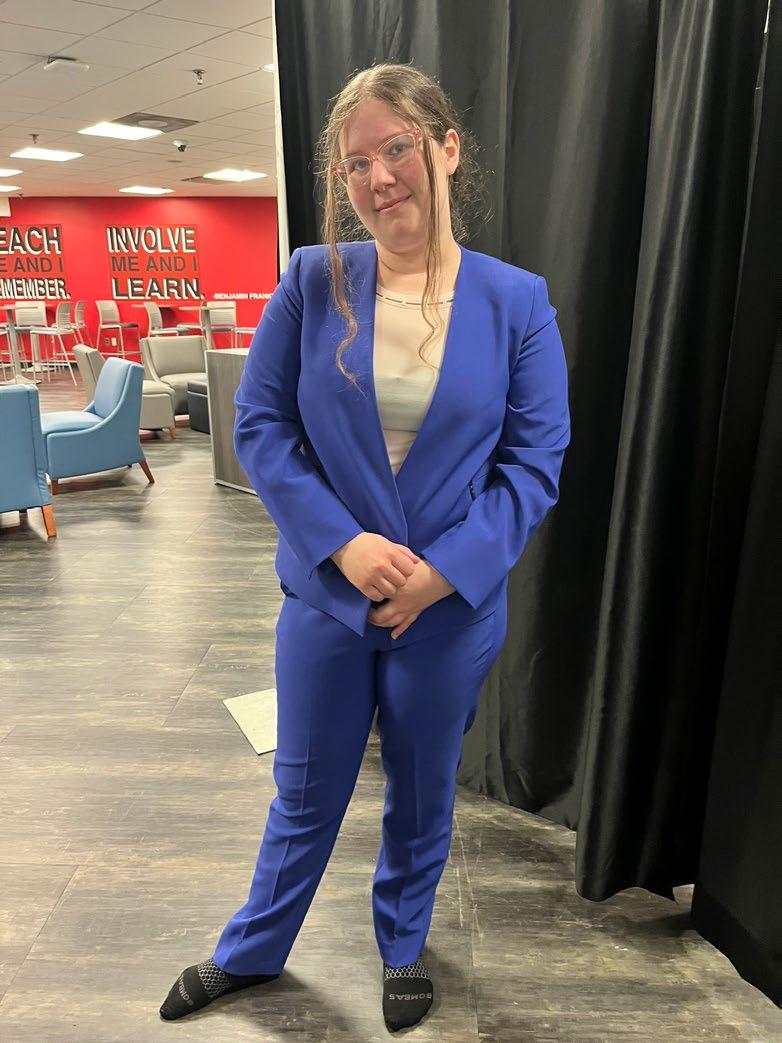
The goal of Walk-In Wednesdays is simple: remove barriers and make career development resources more approachable. Whether students need quick feedback on a resume, professional attire for an interview, or a polished headshot, they can stop by and receive immediate, personalized assistance.
Strong Early Engagement
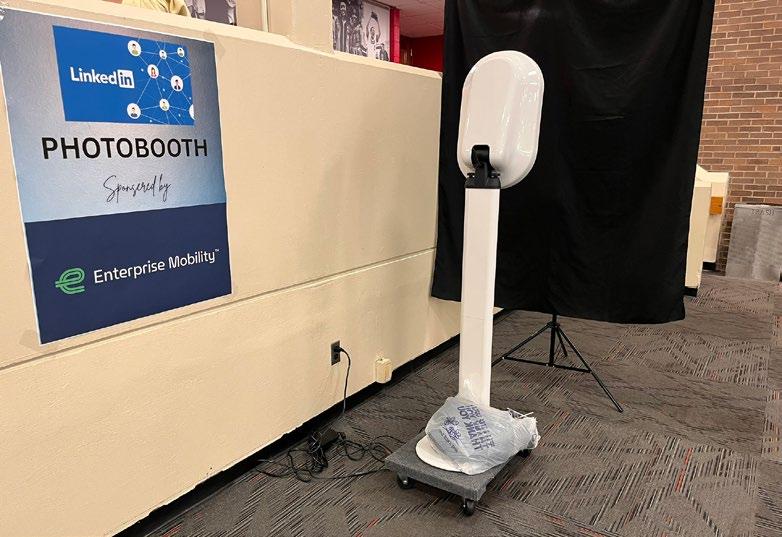
Since its launch, the initiative has already served 45 students, demonstrating strong interest in convenient, on-demand career services. The most popular offering has been the CAC’s photobooth, with 17 students taking advantage of the opportunity to obtain professional headshots — an essential tool for LinkedIn profiles and job applications.
Resume support is another high-demand area, with 8 students seeking guidance on resume development and additional students combining resume help with job search or internship questions. The Career Closet has also been a valuable resource, supporting students with access to professional attire, often paired with broader career conversations or LinkedIn reviews.
Other areas of support included:
• Interview preparation and mock interviews
• Cover and personal letter assistance
• General career advising and job search strategies
• Scheduling follow-up one-on-one appointments for deeper engagement
DIVISION HIGHLIGHTS
CAREER ADVANCEMENT CENTER
Meeting Students in the Moment
What makes Walk-In Wednesdays especially impactful is its immediacy. Students don’t have to wait days or weeks for an appointment — they can receive timely support exactly when they need it, whether they’re preparing for an upcoming interview or refining application materials before a deadline.
Looking Ahead
As the CAC continues to evaluate the pilot, early data suggests that Walk-In Wednesdays is successfully increasing student engagement and awareness of career services. The variety of needs addressed — from quick questions to more in-depth advising referrals — highlights the importance of flexible, student-centered programming.
Walk-In Wednesdays will continue throughout the semester, and all students are encouraged to stop by, explore available resources, and take a step forward in their career journey — no appointment necessary.
RAPTOR RECOGNITION
Scarlet Raptors Grow, Rise, and Fly to New Heights of Success
STUDENT RECOGNITION
We are pleased to congratulate several Scarlet Raptors
Those recognized have demonstrated outstanding and extraordinary academic effort throughout the 2025-2026 academic year.
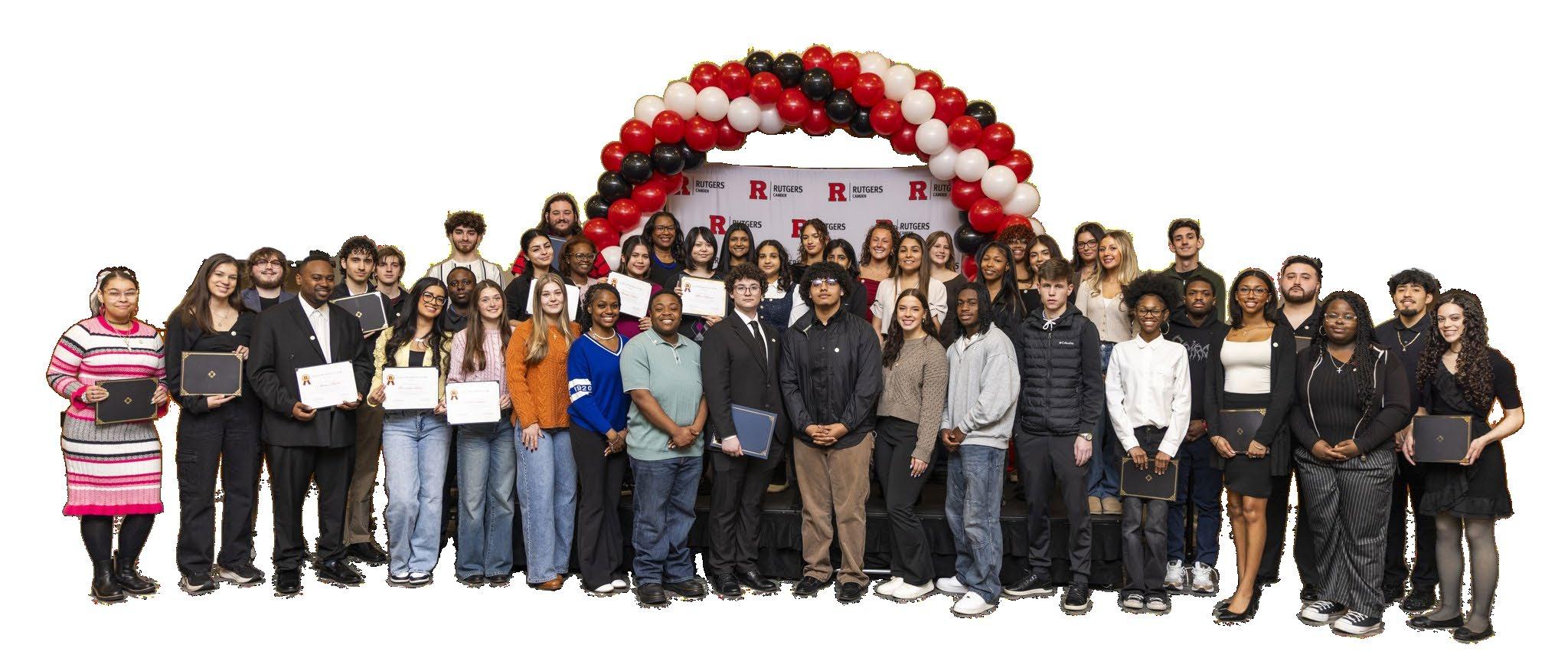
The 4th Raptor Rising Star Awards was held Wednesday, March 25th at the Campus Center in the MPR. Awardees and guests were greeted with smiling faces by the Student Academic Success division’s staff on what was a joyous and bright spring morning.
The 2025-2026 Raptor Rising Star Awardees are listed in alphabetical order on the following page(s).
Be sure to check out a few highlights from the ceremony here
The 2025-2026 Raptor Rising Star Awardees
Sara Abouharb
Reuben Abraham
Addy Adebo
Osa Agbonifo
Jack Alexander
Jude Amankwah
Ricardo Arvizu
Aarianna Aughtry
Simon Becerra
Eric Benjamin
Jamillah Bennett
Layla Biskup
Pierce Blankenbaker
Katelyn Blose
Ken Brown
Marc Brown
George Byard
Brendan Cafaro
Carmen Castillo
Genevieve Centeno
Muhammad Chaudhry
Meili Chong-Matmusaeva
Anayeli Reyes Cifuentes
King Cohen
Ariana Collado
Zachary Consiglio
Chris Cosky
Alanis Crespo
Gavin Cunard
Lexina Dalton
Uzziah Davis
Savannah Declet
Brianna Delgado
Carina Dell’angelo
Mikayla Dent
Catherine De Rose
Batuhan Dogan
Maya Driessen
Joshua Ejiofor
Kaylee Estrada
Elvin Facenda
Adrianna Fareri
Catalina Amestica Farias
Marielvis Fernandez
Ethan Figueiredo
Lynette Flores
Tyler Ford
Robert Forte
Sianni Frazier
Henry Gabriel
Alana Gannon
Michael George
Julia Ginesi
Leah Glozshteyn
Parthib Goswami
Zhonee Grant
Kaliyah Harris
Jay He
Harrison Hebert
Brandon Hoang
Jay Horner
Donald Hoyos
Arpita Isaac
Syed Isman
Cheyenne Jacques
Aditya Jain
Danielle Jepsen
Lanyia Johnson
Sierra Johnson
Anthony Jones
Jae Jung
Wendy Kare
Jasleen Kaur
Kiranjit Kaur
Andrew Keating
Joshua Keller
Soraphy Khop
Skylar Kipp
Nicholas Knauss
Danielle Koebert
Katrina Koury
Melanie Lantigua Leonor
Briseyda Lopez
Angela Lorenz
Adrian Lucero
Lexy Lund
Danh Ly
Dominique Lynard
Zoie Mantzell
Jacara Martin
Chiamaka Mbachu
Arezo Memet
Paulina Mikulska
Rebecca Miller
Lhya Minier
Manuel Morales
Sophia Morelli
Mia Morris
Max Nguyen
Tommy Nguyen
Tiana Nicholson-Caldwell
Tslima Nisa
Shanice Orozco
Junior Ovando
Demetrios Papaioannou
Connor Paris
Shrey Patel
Kevin Pellot
Walter Pierce
Isaiah Pinkney
Patrick Quaye
Abdullah Rashid
Mya Reddick
Isabella Riccardi
Aracelis Rivera
Nicole Robin
John Robinson
William Robinson
Logan Rodriguez
Ulises Rodriguez
Helena Roesing
Moksh Ishwar Rohra
Lisseth Rosario
Charkeiah Ross Ross
Christopher Rossiter
Evan Samalonis
Emma Sanchez
Anthony Savage
Paige Saxon
Zan Sheikh
Shreny Shrestha
Ahzaria Silas
Rachel Singer
Namrat Singh
Alison Smith
Michael Sorensen
Niklas Standifer
Ava Stowell
Masemetta Swaray
Eric Swen
Millene Teixeira
Alexis Terry
Timothy Tham
Jamilex Tineo
Dwan Tokley
Anh Tran
Eric Tran
Dwana Tribbett
Joshua Trinity
Bentley Try
Jordyn Turner Turner
Marlyn Valentin
Ireland Vasquez
Johandy Balbuena Ventura
Steven Vitale
Michael Voitle
Weiqing Wen
Mckenna Williams
Deontae Wilson
Elijah Young
We are pleased to congratulate two outstanding RU-C faculty members with Raptor Recognition
Those recognized have demonstrated effort that contributes to student success. Check out their thoughts and ideas about student success.
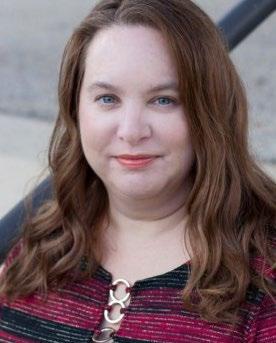
Dr. Rachel Derr
Title: Associate Dean and Clinical Associate Professor Academic School: Camden School of Nursing
What does a successful student look like to you? What are the qualities and behaviors students can demonstrate that promote their college success?
To me, a successful student is someone who shows up, both physically and mentally, and stays engaged in their learning. They ask questions, try their best, and recognize when they need support, seeking help early rather than waiting until things feel overwhelming. Successful students attend class, use office hours, build relationships with their advisor, and understand that asking for help is not a sign of weakness or special treatment. It’s a strength, and
support is available for both academic and life challenges at Rutgers–Camden.
In what ways have you been effective in utilizing students’ unique and personal experiences to help support their success?
I start by listening. Every student brings a unique set of experiences, strengths, and challenges, and taking the time hear them is important so that I can understand. I involve students in decisionmaking and problemsolving, encouraging them to reflect on their progress and identify what is working well for them. By asking questions like “What are your strengths?” and “How can we build on those?” students feel seen, empowered, and more invested in their own success.
How can faculty foster a great sense of belonging for students who may feel isolated, detached, or excluded from academic spaces?
Faculty can foster belonging by intentionally humanizing the classroom and creating spaces where students feel seen as whole people. For example, I like to start the semester by asking students to share a photo of themselves doing something
they love, and I always include my own photo as well to show that I am part of the learning community. I turn these into a slideshow that we view on the first day and again before exams, which helps students connect with one another, find common ground, and feel a stronger sense of belonging.
What opportunities for collaboration, education, and training may be useful for faculty who are looking for better ways to support marginalized and underrepresented students? Faculty can strengthen their ability to support marginalized and underrepresented students by participating in professional development opportunities offered through Rutgers. I was fortunate to participate in the Racial Healing Allies program and microcredentials focused on inclusive and equitable teaching, all of which I found to be incredibly meaningful. I found out about most programs through my Rutgers email. Take advantage of the opportunities when they pop up! It is also important for faculty to be familiar with
student support services on campus like SAS, CLASS, ODS, EOF, Student Success Coaches, TRiO, and the Wellness Center, so students can be connected directly to the resources designed to support them. Also, when faculty are unsure how to navigate a student situation, they should seek guidance from advisors, program directors, associate deans, or the Dean of Students office to ensure students receive the right support and no one is navigating challenges alone.
What else would you like us to know about how you promote student success?
A current focus of mine is examining how policies may unintentionally create barriers or marginalize students, and approaching that work with an open and reflective mindset. I try to ask questions like, “What is the intent of this policy?” and “Is it truly meeting that intent, or is there a better way?” At the heart of it all, I believe student success is our success, and I am continually humbled by the impact we can make, both individually and collectively, on students’ lives.
The SAS student workers come to us from all kinds of backgrounds and experiences, and they have several varied experiences with us during their time at RU-C.
Ja’Nieya Bayard
Academic Year & School: Freshman, Camden College of Arts and Sciences
Academic Major: Pre-Nursing
Haely Cookhorn
Academic Year & School: Freshman, Camden College of Arts and Sciences
Academic Major: Biochemistry
What are your hobbies and interests?
I enjoy coloring and watching movies.
What’s best about your student worker job?
I appreciate that I get to meet new people.
What kind of student worker are you?
I am a Front Desk Associate in the Career Advancement Center.
Where were you born?
I was born in Pennsauken, New Jersey.
What are your hobbies and interests?
I enjoy running track and cooking.
What’s best about your student worker job?
I appreciate meeting new people and having Gretchen by my side.
In what campus activities/ clubs are you involved?
I am involved in track and field.
What kind of student worker are you?
I am a Front Desk Associate in the Center for Learning and Student Success and Career Advancement Center.
What skills have you developed because of your student worker job?
I have developed my communication skills.
What challenges have you overcome because of your student worker job?
In my role, there have been times where I haven’t known how to help someone, and instead of feeling embarrassed, I asked for help.
How have you changed because of being a student worker?
I’ve learned how to effectively manage money and professionally answer phone calls.
What impact has being a student worker had on your college experience?
Being a student worker has made me more comfortable with being on campus.
Where were you born?
I was born in Jersey City, New Jersey.
What skills have you developed because of your student worker job?
One important skill I learned as a front desk assistant is effective communication.
What challenges have you overcome because of your student worker job?
Some challenges I overcame include learning how to set appointments, staying organized, and multitasking.
How have you changed because of being a student worker?
Being a student worker has made me more confident and responsible.
What impact has being a student worker had on your college experience?
As a result of being a student worker, I feel more connected to my campus community.
Monet Louis
Academic Year & School:
Sophomore, School of Nursing
Academic Major: Nursing
What are your hobbies and interests?
I enjoy art and music.
What’s best about your student worker job?
I appreciate that I am able to build my professional skills and have a flexible schedule.
In what campus activities/ clubs are you involved?
I am involved in the Haitian Student Union and Student Nurses’ Association.
What kind of student worker are you?
I am a Front Desk Associate in the Center for Learning and Student Success and the Career Advancement Center.
Where were you born?
I was born in Newark, New Jersey.
What skills have you developed because of your student worker job?
I have developed my time management skills.
What challenges have you overcome because of your student worker job?
I have been able to overcome my shyness by feeling confident in my tasks and helping individuals to the best of my ability.
How have you changed because of being a student worker?
As a result of being a student worker, I became more open, organized with my schedule, improved my time management skills, and developed my confidence.
What impact has being a student worker had on your college experience?
I am able to balance my work and school lives and feel a sense of professionalism as a result of this job.
“YOU ROCK!”
Remembering Dr. Craig Westman, a Friend to Student Academic Success
The staff of the Division of Student Academic Success would like to recognize Dr. Craig Westman for his legacy of commitment and service to Rutgers–Camden and his passion and resolve for ensuring students, once enrolled, had the support they needed to succeed.
Dr. Westman was a tireless champion for increasing access to higher education through the Bridging the Gap initiative. He shared a special connection with much of the student population and several staff and faculty at RU-C who were and are first-generation college students because Dr. Westman was also a first-generation college
student. He consistently supported students through identifying aid to assist them through enrollment, retention, and completion. He was also supportive of and championed programs from our division for which we are continuously grateful. His legacy will live on in the students and colleagues he touched.
Dr. Westman will be fondly remembered, and his contributions will continue to be deeply appreciated. You can listen to or read more about Dr. Craig Westman here.
STAY TUNED
There is always something interesting happening on campus. Keep up to date with us!
Rutgers–Camden Summer Session 2026 has so much to offer! Check out the courses here.
Frequently check out the Academic Calendar for important dates here.
Events on and around campus are constantly updated. Check them out here.