the Desk of the Vice Chancellor
Departmental
Departmental
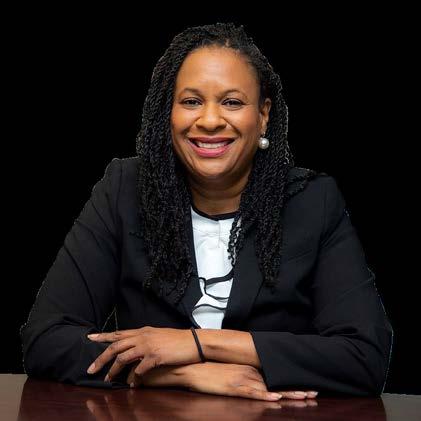

To the Rutgers-Camden Students, Faculty, Staff, and Community:
I am thrilled to share our Impact Report for the 2023-2024 academic year.
Our staff have been working tirelessly to develop infrastructure that will focus us for the years ahead – scaffolding that includes updating our Student Academic Success (SAS) mission, vision, and framework to anchor our work, developing a division-level strategic plan to complement the campus-wide version released in December 2023, and kicking off a multi-year commitment to internal program reviews of our units. With these artifacts in place, we define the goal posts and guardrails that allow us to align our initiatives more intentionally to positive student outcomes.
If you had the chance to peruse our report from academic year 2023-2024, you may have noticed that we changed the name this year from annual report to impact report, to reflect a shift that better reflects the culmination of our work. It’s easy to tally the outputs that quantify how much work SAS staff put into the system, like the number of emails, workshops, and other touch points. More difficult but far more valuable are the ways our efforts impact student growth, academic outcomes, and personal goal achievement. Academic achievements must be characterized, in part, by the extent to which the Division of Student Academic Success can affect academic outcomes. Additionally, definitions of success must be adapted to the purpose and core services of each of our departments. You will find both contexts laid out in this report.
The highlights in this document are only a fraction of our work, and I invite you to reference the Student Success Insider issues — our magazine-format newsletter — released this past year in October and April that provide in-depth coverage of key accomplishments and how they came to be.
I hope you will share in the pride and warmth that I and my team echo for our students and their successes. Please read through the SAS Impact Report with the positive intent we invoke for ourselves, our colleagues, and Rutgers-Camden as a whole — seeking transparency, quality, and continual improvement to best serve our students.
With Gratitude,
Dr. Marsha Lowery, Vice Chancellor,
The Division of Student Academic Success (SAS) leads persistence efforts that result in improved educational equity, retention, and timely graduation from Rutgers University–Camden. Our team empowers students to develop identity consciousness, sense of belonging, self-efficacy, and academic responsibility in order to become the best versions of themselves both in and out of the classroom. Through personalized and holistic supports, we provide students with the resources, tools, and opportunities to define success for themselves.
SAS will be a national leader in utilizing student-centered approaches to improve success outcomes. Our team fosters student academic success by using data to identify and nimbly address student needs to eliminate gaps in graduation rates. Through our work, our students will build on their existing strengths and demonstrate their development in pursuit of their goals in college and beyond.
At the start of the fall 2023 semester, SAS leaders worked to develop a framework through which divisional staff can make sense of our work, supporting students to achieve success during their time at Rutgers-Camden. By promoting four key core values — identity consciousness, sense of belonging, self-efficacy, and academic responsibility — we hope to improve student outcomes and to better educate the campus community about the specific ways in which we empower students to develop these values and become the best versions of themselves, both in and out of the classroom.
Contributing to a person’s understanding of their values, goals, attitudes, and beliefs.
SAS honors the multiple identities that our students bring to Rutgers–Camden. We contribute to students’ identity development by offering experiences that encourage them to build cultural capital, attain mastery of self, and grow their academic identity.
Fostering a level of respect, value, acceptance, care, inclusion, and mattering.
SAS empowers our students to participate fully in their collegiate pursuits. We contribute to students’ sense of belonging by providing opportunities for them to develop meaningful relationships with the Rutgers–Camden community.
Developing a person’s belief in their capacity to execute behaviors necessary to produce specific performance attainments.
SAS believes students can fulfill their full potential. We contribute to students’ self-efficacy by encouraging them to think critically, take risks, and advocate for themselves to build the skills necessary to positively contribute to their community.
SAS announced intentions to roll out a divisional strategic plan that focused on improving first-year student retention rates and six-year graduation rates. The April 2024 e-Mag featured an article on the construction process, and the final Strategic Plan includes the following value propositions (pillars) that will guide division priorities over the next five years. Annually, each will be reviewed to gauge progress in terms of meeting benchmarks, goals, and objectives. As strategic plans are fluid documents, adjustments may be made based on shifts in strategic priorities of SAS, RU-C or Rutgers University at-large over time. The SAS Strategic Plan is available here and can be found on the SAS website: success.camden.rutgers.edu.
Data-informed practice is at the core of all SAS efforts. To effectively advance the achievement of our students and the campus overall, we must regularly seek out empirical evidence and use it responsibly to meet our students’ needs. We accomplish this by contextualizing our decisions using data and theory.
SAS is committed to developing a sense of belonging amongst those we serve, with holistic services to onboard first-year and transfer students to the University. We foster affinity-based communities to help students realize their intersectional identities.
PILLAR#3:CenteringStudentsinOperationalProcedures
SAS is dedicated to enhancing student experiences through process improvement, efficiency, and consistency. We aim to do so by identifying and addressing problematic procedures and holding ourselves accountable for eliminating known barriers.
Instilling a person’s sense of duty to their academic progress; to become accountable for their own journey.
SAS welcomes students from a variety of academic backgrounds and knowledge levels. We contribute to students’ academic responsibility by helping them set and adjust goals, build positive habits, and participate in experiential learning.
Cross-campus collaboration and mastery of essential skills are key to fulfilling our mission. To nurture continued excellence and maximize campus community engagement, we must invest time into building trusting and reliable relationships with partners and resources into developing new talent. Efforts to do so include normalizing transparency and data sharing, collectively addressing student challenges, serving as subject matter experts and thought partners, and exposing staff and students to skill-building opportunities.
As our campus becomes increasingly diverse, it is our responsibility to ensure that we meet the unique needs of all our students and that we honor their intersecting identities. Thus, expanding support offerings, exploring additional funding opportunities, and celebrating student success remain priorities for our future.
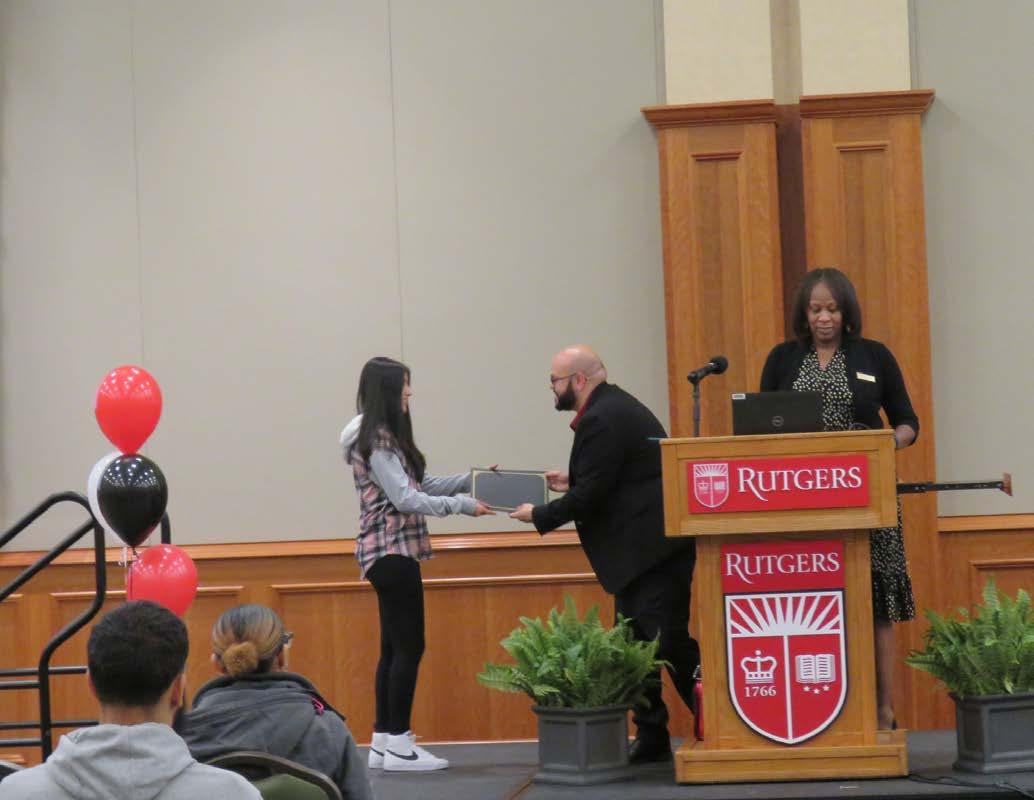
For the second year, the Division of SAS highlighted some of our most unsuspecting students by acknowledging them as our Raptor Rising Stars. Those not typically recognized for their “academic excellence” were celebrated by Chancellor Tillis, faculty, staff, and fellow students for their demonstration of determination, perseverance, and resilience during their college career. Based on a review of various academic progress measures by the awards committee and numerous submissions from campus support staff, over 60 students were awarded for the significant strides they made in improving or maintaining their academic standing in the face of personal challenges during the ’22-’23 school year.
SAS is excited to announce our recent publication in the Journal of Student Affairs Research and Practice: Student Success Coaching is Best Delivered Early and Often. Authored by Tom Dahan, Kendall Barton, and Marsha Lowery, the research investigated the effects of success coaching by examining the timing of the first appointment and frequency of additional coaching. Results showed each coaching session yielded about 0.2–0.3 grade points and about 0.8 additional credits earned for participating students. The article contributes to the understanding of the timing and frequency effects for success coaching and supports the recommendation that programs should strive to have their first interactions with students before the sixth week of class and aim to offer four to six appointments per semester for maximum impact. We hope that other student support staff working in similar capacities can utilize this information to inform their own practices to better enhance our students’ success.
As a formally recognized Asian American (AA), Native American (NA), and Pacific Islander (PI)-Serving Institution (AANAPISI), with about 12.9 percent of its students identifying as AA or NAPI, RU-C has been awarded a grant totaling almost $2 million from the U.S. Department of Education to support the academic success of this growing population on campus. Spread across five years, the grant dollars will be put toward the unique needs and challenges of this student demographic. To better support the retention, credit accumulation, and completion rates for these students, SAS will oversee several components of the grant, including the development of a dedicated multicultural center, providing academic and success coaching, financial aid literacy activities, a stop-out prevention campaign, and career and graduate school readiness programs.
We are excited to announce that SAS was represented in three different presentations at the Rutgers Summit on Student Success, hosted by the Educational Equity and Excellence Collaborative (E3C) in New Brunswick. The conference focuses on supporting firstgeneration college students, students who are members of historically underrepresented groups, and students from economically less advantaged communities. Educators, researchers, practitioners, and advocates came together to share innovative ideas and best practices for empowering and learning from these extraordinary students. SAS sessions included:
• Coaching and mentoring for Success: Best Practices for holistically supporting students from enrollment to graduation and beyond (Dr. Kendall Barton)
• Nurturing Belonging: Empowering students through effective psychological strategies and the Be Well Program at Rutgers-Camden (Craig Roscoe)
• Leveraging Data Tools to Improve Student Experiences on campus and in the classroom (Dr. Randi Mayers & Angela DeRocini)
(continued)
In October 2023, all student facing SAS team members participated in a three-day foundational training hosted by InsideTrack — one of the leading nonprofits in learner success, responsible for educating higher ed professionals on the evidence-based methodology used to support college students at every stage of their journey. Via their coaching practices, designed to prevent students from dropping out of school, outcomes include students who were 5% more likely to remain enrolled six months after coaching, and 12% more likely to remain enrolled in the year after the end of coaching (Bettinger & Baker, 2014). This professional development opportunity has provided staff with new tools, while reinforcing current skills, to promote efficient student interactions with a consistent shared language across all counselors and coaches.
The launch of our newest publication, the Student Success Insider, was well received by faculty and staff who were interested in learning more about the role SAS plays in promoting student achievement and how they can improve their practices to do the same. Disbursed on a quarterly basis beginning last October, each issue featured stories on the latest news and trends in higher education, data analysis and success initiatives pertaining to RU-C, and best practice recommendations for students, faculty, and administrators. Since transitioning to the e-magazine format, total readership and engagement has increased by nearly 15%. There are now three issues available for the campus community to review here.
Members of Student Academic Success were tapped as content experts in the redesign of Student Orientation and Academic Registration (SOAR). Incoming students received broad exposure to campus resources, reducing the stigma in asking for help, onboarding with campus technologies, and developing skills beyond the classroom. Specific sessions for students’ families were also offered to better understand opportunities for support. Based on feedback received in 2023 about different outcomes between first year, transfer, and supporters, further tailoring led to differentiating first year and transfer orientations in 2024, with transfer sessions happening virtually. Additional assessment from students will help us better understand the impact of their experience and will lead to adjustments for 2025.
Our Student Academic Success (SAS) division leveraged the Clifton Strengths assessment to help both staff and students thrive. Six Gallup-Certified Strength Coaches within SAS facilitated training sessions for a total of 29 participants. Clifton Strengths is an online tool that uncovers an individual’s natural talents, identifying 34 themes categorized into how we naturally think, feel, and behave. Strength Coaches, along with key student-facing roles such as the Career Center and CLASS, will be utilizing Clifton Strengths with students for them to gain valuable insight into their greatest strengths.
SAS uses a handful of data-heavy projects to shed the brightest light on patterns of thought and behavior for students. These projects provide primary sources of information that infuse and inform our priorities. We talk frequently as a division about defining the “need” for our work – how do we know that the services we offer and initiatives we plan are the things that our students need? The following initiatives help guide the way:
After years with the Navigate app helping faculty and administrators be more effective and efficient in their work, a student version was finally made available in Summer 2023 – in app form. Since kicking off with the incoming undergraduates, 3,226 unique students have accessed the app. New features enabled by the student version of Navigate allow users to schedule appointments, receive reminders of important to-dos, and access resources, support services, and account holds. In AY24, students scheduled more than 14,000 appointments for academic advising, tutoring, counseling, and coaching through the online student scheduling tool. Four hundred twenty seven students signed up to form study groups outside of class. Lastly, 19,315 students responded to intake poll questions — which trigger differentiated messaging to students with information regarding RU-C programs and services. Based on poll responses, students’ biggest concerns include time management and study skills, paying for college, math and science courses, and adjusting to college or making friends.
Now in its second year of implementation, the College Student Inventory (CSI) has provided us with invaluable data from which we can begin to compare results and strategically plan meaningful interventions. Based on the data gathered from the incoming class of 2022 and 2023, here are the results that we’ve gained thus far:
Approximately onefifth of the incoming class is considered “at risk” in some way, pointing to concerns with factors such as academic difficulty, non-academic stress points that may contribute to academic struggles, and resistance to getting help. These results climbed from 17% in 2022 to 20% in 2023.
In the last two years, about two-thirds of incoming students noted their intention to work 20 or more hours per week.
Student responses from 2022 and 2023 demonstrated that half of the top ten priority areas for requested assistance were related to career exploration and development. Similarly, over 60% of students noted plans to pursue a degree beyond their Bachelors.
Results were consistent between 2022-2023, showing significant differences in financial security between African American and Hispanic students (with African American students having greater financial security) and between Asian and Hispanic students (with Asian students noting greater financial security).
SAS will revise the AY25 CSI survey cycle to include:
• Curating specific questions that will help us track data that is not otherwise available, such as interests in research or civic engagement, and personal perceptions of growth and success
• Modifying orientation practices and early engagement opportunities to include activities that speak directly to academic program and career exploration
One gap in knowledge that SAS identified in AY24 was understanding students’ academic behaviors after receiving a Progress Report. With half of students who get a Progress Report of concern finishing out the semester with a grade of C or better in the class, SAS wanted to know the most common approaches that students took to improve. From this, we would be better able to generate “programmatic need” – allowing us to develop and tweak resources to align with the skills and habits that students were already employing to be successful.
To collect data, undergraduate students received text messages if they received at least one Progress Report in SP24 (92% of undergraduates). Students received one of four question options, spanning from multiple choice to open text methods of responding. We received 342 responses – a 10% response rate from just one text! The top advice mentioned by students to improve/maintain their grades included:
Commit more time to schoolwork / Balance competing priorities
Talk to your professor
Keep track of assignments weekly (update a planner or phone, or check Canvas or syllabus)
Limit procrastination
Start on assignments early
Attend class
Turn in work on time
Review course materials regularly (including notes, textbook, professor handouts, prior tests/ quizzes/assignments)
Each department within Student Academic Success brings its own iterations of students served, services offered, and goals they help students achieve. Together, they create a mosaic of support that students rely on. Their unique contributions to the overarching outcomes of SAS are examples that remind us: sometimes, success is greater than the sum of all its parts.
Who we serve: Camden Fellows serves full-time undergraduate students, aged 18-24 years old, who have current or previous experience in the foster care system, experience in child welfare and/or at high risk for homelessness (meaning would otherwise be homeless if not living on campus, in an independent living program, or group home).
What we do: The Camden Fellows Program paves the path toward a brighter future for these remarkable young people. Managed through the Institute for Families at the School of Social Work, the program is committed to helping these students complete undergraduate degrees at Rutgers, while preparing them for success in adulthood.
Services: Camden Fellows offers individualized academic and personal coaching, including a peer-to-peer learning environment shared with peers who have similar life histories, financial support, and post-graduation resources.
Recruitment
What changed? 18 students in AY24 were selected to be supported by the Camden Fellows program and these students participated in 144 appointments throughout the academic year. With the invitation to the program, Fellows receive access to campus housing during holiday breaks, additional help finding grants and scholarships, as well as options for textbooks, living expense, and emergency assistance funding.
What did we do? Camden Fellow students participate in highly specialized workshops that are designed to increase financial literacy, job readiness, emotional resiliency, and related life skills. Additional professional development opportunities involve leadership activities, internships, community service, and community events. Camden Fellows assists students in navigating specific campus connections, including tutoring, food assistance, disability and health services, and transitional planning (e.g. career planning, graduate school, and independent living beyond college).

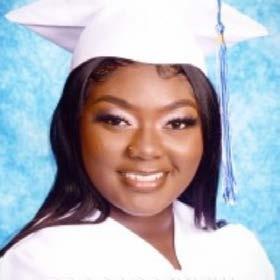
Brianna Green Freshman, Psychology
”
Camden Fellows has played a pivotal role in my time at Rutgers by providing invaluable academic support and fostering sense of community in my life. I found peace as a Camden Fellow student. Through the workshops, mentorship, and networking opportunities, the program has enhanced me as a person and allowed a sense of safety in which I haven’t had in a long time. The camaraderie and shared experiences with fellow scholars have significantly enhanced my university experience.
Camden Fellows has been a big part of my journey when I started at Rutgers. They were able to guide me through my academic and personal life. Without a support system outside of school, I often felt uncertain. However, the Camden Fellows Program welcomed me with open arms, giving me a sense of belonging and community that I needed. The program’s accepting environment and the genuine support from both, Melissa, and Railyn, as well as my peers have made a significant impact on my confidence and academic success. Through meetings, social events, and one-on-one guidance, Camden Fellows has not only helped me navigate the challenges of college life, but also empowered me to thrive. Their support has given me a place where I feel valued and understood, transforming my Rutgers experience into one of growth and connection.
Who we serve: CLASS offers academic support services to all Rutgers-Camden undergraduate students.
What we do: CLASS assists students achieve their educational goals while becoming independent and confident learners.
Services: Services are designed to help students achieve their academic goals and include one-on-one and group tutoring, support for students on academic warning and probation, academic coaching, peer coaching, writing support, and supplemental instruction.
What changed? Fall 2023 saw a 45% increase in students receiving a C+ or better in Essentials of Anatomy & Physiology. The overall D/F rate also dropped by 50%.
What did we do? We provided enhanced support for first-year students. In addition to a weekly review session, students received a weekly suggested study plan that identified specific learning objective(s) and an appropriate study technique to help achieve the learning outcome for the week.
What changed? In AY24, peer tutors completed Level II International Tutor Training Program Certification – an expansion from the previous standard of Level I. After participating in this training, peer tutors are more capable of supporting students who benefit through effective learning strategies, communication skills, and a structured tutoring experience.
What did we do? To strengthen the connection between undergraduate curriculum and academic support provided by peer tutors, CRLA guidelines encourage compliance with internationally recognized best practices in higher education tutorial services and strongly supports a learning culture for tutors.
What changed? A new feature in Navigate, 427 students participated in online study groups 1,123 times for more than 300 courses.
What did we do? Enabled a feature within Navigate Student Mobile App that allows students to connect with other students in their class sections who are interested in studying together outside of class. This feature helps facilitate creating study groups for classes for which students are actively enrolled.
What changed? A deep dive into tutoring practices uncovered a wealth of knowledge about students’ perceptions and behaviors around tutoring that had not previously been examined. In fall 2023, 11% of undergraduate students sought tutoring at least once, with 50% of appointments representing students with 22 or fewer earned credits. Students with at least one tutoring appointment that fall persisted at a higher rate (89%) than students who did not seek tutoring (86%).
What did we do? In addition to examining the setup and structure of tutoring and supplemental instruction, the team completed a 360-feedback review – including representation from tutors, faculty, staff, management, tutees, as well as students who had never received tutoring. Tutor training rose to the top of successful practices after review, and relationships continue to be developed between faculty and CLASS.
I am writing to share my appreciation for Shaan’s exemplary tutoring support. His guidance has been invaluable to me in understanding challenging chemistry concepts, and I have witnessed his dedication firsthand as he extended his assistance to my physics studies as well. Especially after yesterday’s group study session, Shaan has fostered a collaborative learning environment that significantly enhances our academic progress.
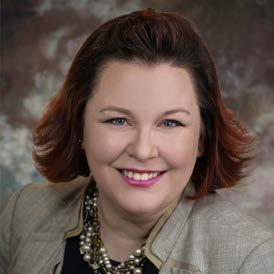
Mary Roffers Graduate, Liberal Studies
As my regalia has been hanging in my office for the last few weeks, it’s been hard to believe that my time at Rutgers is up. Part of me wishes that I would have slowed down just a bit in order to spend more time with the wonderful students that I have had the opportunity to work with. Working with CLASS has just been the highlight of my time at RutgersCamden, and I’m so appreciative of the work you and everyone on the ground in Camden do to help ensure the students are successful.
Who we serve: The office of learning development focuses on providing targeted learning support to undergraduate students, especially those who may be at risk of dismissal or on academic notice.
What we do: Ensure every learner has the tools, resources, and individualized assistance they need to thrive in academic spaces. From tailored coaching sessions to accessible materials and innovative study strategies and techniques, we are here to help break down barriers to learning and unlock potential.
Services: The office of learning development offers individual and group peer and professional coaching, study skills workshops, test preparation, online learning support, and academic success workshops.
for Students on Academic Warning Offers a Way to Bounce Back
What changed? Students on academic warning have cumulative GPAs between 2.00-2.30 were encouraged to participate in the Bounce Back program which launched in fall 2023. Participating students earned a cum GPA 0.31 points higher (at a 2.42 average) than their non-participant peers on academic warning (with an average 2.04) during the spring semester. Participants were able to improve their term GPA from fall 2023 to spring 2024 by 0.36 points on average, compared to the 0.08 point change on average from non-participant peers.
What did we do? Recognizing the importance of resilience and determination in the face of academic challenges, we provide comprehensive assistance to students on academic warning status. Through personalized guidance, goal setting, and skill-building workshops, we empower students to overcome obstacles, regain academic standing, and thrive in their educational journey. With our supportive community and expert resources, we turn academic warning into a steppingstone towards achievement.
Academic Recovery Program (HARP) Shows Gains for Students on Academic Probation (students with cumulative GPA’s under 2.0 for one semester)
What changed? In fall 2023, 82% of HARP participants improved their term GPA. At the end of the semester, participating students achieved an average GPA of a 2.61, notably higher than the 1.69 GPA observed among non-participating students in the same term. This is a significant improvement when compared to average GPA attainment from the spring 2023 HARP cohort which was 1.93. GPA improvements for participants were also seen in Spring 2024, made more compelling after a 262% increase in the number of participants.
More specifically, attention was paid in fall 2023 to Black and Latinx male participants as having slighter gains than their peers. After adjustments to the program, in spring 2024 this
sub-group displayed the biggest term GPA gains, with an improvement of nearly a full GPA point (0.96). Additionally, 86% achieved their semester GPA requirement, to be removed from academic probation, the highest among all demographic groups.
70% of participating students acknowledged making tangible adjustments to their academic habits and routines as a direct consequence of their involvement in HARP, and 83% of participating students found the completion of an Individualized Student Success Plan to be instrumental in their journey towards achieving their academic goals. The impact of the student success plan highlights the perceived value and utility of personalized success plans in guiding students towards their goals, indicating a positive correlation between structured planning and student success outcomes.
What did we do? Designed to empower students facing academic challenges, the HARP program offered tailored support, personalized guidance, and a nurturing environment to reignite student’s academic passion and achieve their fullest potential. Whether overcoming setbacks, redefining goals, or enhancing study skills, our dedicated team is committed to student success every step of the way. Of respondents surveyed after participating in HARP, one said “I think it should be something freshmen have at the beginning of the college journey to build great academic habits, so they don’t fall into the hole I dug myself in.”
What changed? With PAC help, student satisfaction survey completion increased, along with the number of opportunities to connect with peers through group workshops. From the launch term in fall 2023 to spring 2024, PACs saw a staggering 525% increase in student interactions. The PACs saw their own academic improvement as a result of mentorship, feedback, and support from professional staff members in the office — earning an average GPA of 3.13.
What did we do? Peer coaches provide mentoring and support to their peers to help foster collaboration, boost confidence, and enhance their learning outcomes. Student pairings intentionally considered factors such as subject expertise, learning style compatibility, and personality traits, tailored to each student’s individual need. These revisions reflect our commitment to continuously improving our services and ensuring that more students have access to the valuable guidance and support offered by our dedicated peer academic coaches.
What changed? Between fall 2023 and spring 2024, there was an impressive 191% increase in student attendance at academic achievement workshops. This notable increase can be attributed to the expansion of our office, which enabled us to enhance our capacity and deploy a larger team of staff members dedicated to offering enriching programming.
What did we do? With more resources and personnel at our disposal, we extended our reach and provided valuable support to more students, thereby fostering a culture of academic growth and success.
Participating in the HARP program was a transformative experience for me. As a student on academic probation, I initially felt overwhelmed and unsure of how to turn things around. Through HARP, I developed better study skills, learned effective time management, and gained confidence in self-advocacy. Regular meetings with Jonice Schley kept me accountable and on track with my goals. Inspired by the support I received, I decided to become a Peer Academic Coach (PAC) to help other students in the program. Being a PAC has further enriched my academic journey by deepening my understanding of these skills and allowing me to contribute to the success of my peers.
Parris Correa Junior, Pre-Nursing
Kayla Howard Senior, Sociology
As a Rutgers student, there were many obstacles I faced, such as letting my personal life interfere and discourage me from my academics. Coming from a student with a 1.6 GPA, college genuinely took a toll on my mental health, including my personal life. However, I continued to push through because I knew I had come too far to quit, but this journey was not easy. I initially wanted to drop out due to a lack of motivation, depression, and guidance. However after joining the HARP program, not only did I have the proper guidance, but she also provided mental health support, which I believe is extremely important. I truly enjoyed our meetings, where I would be held accountable, and she would help me organize my personal life as well as my courses to succeed.
Who we serve: EOF serves undergraduate students who meet program eligibility requirements.
What we do: EOF provides 1:1 and group coaching, leadership development activities, workshops and events designed to enhance the undergraduate experience and increase retention and graduation rates.
Services: EOF students receive support in the areas of financial aid, academic support, personal development, and professional development from the moment they are admitted into the program until they graduate. At no cost to the student, we offer a comprehensive pre-freshman summer program, informative workshops, and individual and group counseling sessions.
What changed? The implementation of Town Hall meetings and restructuring of “drop-in” appointments significantly increased student engagement. Engagement rates rose from 77% in Spring 2023 to 89% by the end of Spring 2024. Overall, 271 EOF students took advantage of services in AY24, and averaged an 85% engagement rate for the year – a rate higher than the previous year.
What did we do? EOF introduced Monthly Town Hall meetings, held twice a month (one in-person and one virtually) to provide updates on EOF-related matters. Topics included academic procedures like add/drop/withdrawal, registration, and progress reports; financial information like bills, holds, and aid applications; and skill development like goal setting, time and stress management, prioritization, and summer planning. This new strategy allowed students to connect with the entire EOF staff, fostering a stronger affinity to the program, rather than just through individual counselors.
What changed? During COVID-19 summer institute transitioned to a virtual model; summer 2023 marked a hybrid approach that accommodated both commuting and residential students.
What did we do? Students who commuted in the fall could now commute during the fiveweek Summer Institute, while those living on campus in the fall or interested in housing had the option to live on campus. This hybrid approach marked the first full-length program since the COVID-19 shutdown, transitioning from a previously mandatory residential model to a more flexible one. Student feedback directly informed the decision to keep hybrid aspects for 2024 and 2025, with next steps exploring the aspects of remote-based components that may lend themselves best to a hybrid model.
[My experiences with EOF] led me to know who I was and why I was at Rutgers as a student. For example, in the Summer Institute, I was very nervous and was somewhat shy… but eventually, I met many new friends in the dorms and outside of them as well and realized I belong here for what it offers and what it holds for my future ideas, plans, and goals. When my freshman year started, EOF would always send important emails and news about the following weeks in the month…. [but] the most important one was my monthly counselor meeting with my counselor because every time we would meet together we would talk about what’s next for me and what I should be doing in the upcoming years or months in my future career of becoming a dentist.
The EOF program has been very important to my success over the past two years that I’ve been at Rutgers. My counselor’s support provided both academic guidance and personal encouragement, helping me tackle various challenges throughout the year and someone I can always talk to if I have any questions or concerns regarding anything. The numerous workshops offered practical skills and knowledge, improving my academic performance and preparing me for future opportunities. Additionally, the supportive community and network of peers within EOF created an environment where I could thrive and get out of my comfort zone which I struggled at first. EOF’s support system has been the key to my achievements, helping me to reach my full potential.
Who we serve: Mountainview Community serves justice-impacted students that have completed their AA and want to continue on to earn a BA, or advanced degree. What we do: Mountainview Community is a holistic campus-based student support program of NJ-STEP that provides access to higher education for justice impacted students. We provide wrap-around transition services to students admitted to Rutgers UniversityCamden that focus on the student’s re-entry success, campus inclusivity, and degree completion.
Services: Admissions support, academic advising, orientation to campus offices and resources, financial literacy and financial aid application assistance, personal and social support, career support and resume development, graduate/professional school coaching, and housing referrals.
What changed? For the first time in spring 2024, Rutgers-Camden hosted the Mountainview Graduation Celebration – an annual celebration to recognize graduates from all Rutgers campuses. Ten graduates and over 120 guests came to celebrate our scholars. What did we do? The Graduation Celebration was a culmination of the years of support provided by the Mountainview program, often collaborating with campus and community partners like career services, ombudspersons, and even alumni of the program. In AY24, 17 scholars participated from Rutgers-Camden.
The Mountainview Community has truly been pivotal in my journey to success. Without Mountainview, my educational journey would have remained anchored in the harbor of unfulfilled dreams. Rooted in a culture of excellence and resilience, the comprehensive support from both administrative members and fellow community members has inspired me to become the best version of myself. I am forever thankful for the investment this community has made in me, and I am eager to pay it forward whenever the opportunity arises.
Alexander Ray 2025, Business Management
The Mountainview Program has helped me break the chains of insecurity and opened a world of possibilities I could not imagine. The resources Mountainview provides have benefited my academic and professional growth immensely. Above all, Mountainview has given me a sense of community and belonging, and I don’t know where I would be without this program.
”

Who we serve: Undergraduate and graduate students seeking accommodations for disabilities. What we do: ODS provides reasonable accommodations for students with disabilities, which can include academic, housing, dining, or any Rutgers-sponsored program/event in order to provide equal access. ODS determines reasonable accommodations in compliance with the Americans with Disabilities Act, Amendments Act, 2008 and Section 504 of the Rehabilitation Act of 1973. Services: ODS works closely with each student individually to develop an effective and comprehensive plan for appropriate services and reasonable accommodation(s). ODS provides information and resources necessary to allow students to pursue their academic, personal, and professional goals while at Rutgers. It is the goal of ODS to aid in the development of our students through providing essential tools and support allowing students to become responsible decision-makers and self-advocates who are in charge of their own future.
Note-Taking
Alternate
# Prescreen for the Student Learning Evaluation*
ADD/ADHD
Speech Impaired
Hearing
Learning Disability
Physical Disability
Neurological Condition (including ASD)
Psych Condition
Temporary
Vision
Undisclosed
ODS Testing Center Accommodates the Influx of Students Needing a Proctored Environment
What changed? In Fall 2023, ODS launched a new testing center to accommodate the sustained growth of students seeking support through our office.
What did we do? The ODS Testing Center can host up to twenty students at once and employs fifteen proctors to ensure accessibility and exam integrity. Additionally, whenever feasible and at the request of instructors, ODS staff have been able to proctor exams for students not registered with ODS.
What changed? In AY24, a question was added to the end-of-semester survey asking law students if they would be interested in information sessions related to the bar exam accommodation process.
What did we do? From the information gained in the survey, ODS has better guidance as to the interest and method of delivery for future info sessions. Students chose multiple modes for this information including: in-person group workshops, zoom group workshops, a Canvas course, and recorded presentation, Utilizing this information, info sessions will be held during AY25.
What changed? A new common read from the National Endowment for the Arts gave access to books for students featuring a disability perspective. Camden Arts Council came together with Rutgers-Camden offices to distribute, interact, and reflect.
What did we do? ODS partnered with the Rutgers–Camden Center for the Arts to co-host the “NEA Big Read” of Sitting Pretty: The View from My Ordinary Resilient Disabled Body by Rebekah Taussig. Copies of the book were distributed to attendees, and an installation piece designed by RCCA (Rutgers Camden Center for the Arts) prompted individual discussions with the audience to engage with their responses.
Everyone has been so helpful. I feel heard and respected with every interaction I’ve had with ODS.
Services: OSDFA is committed to:
•Assisting students in identifying & refining goals
•Increasing awareness of high-impact experiences that match students’ interests
•Strengthening students’ self-efficacy and preparedness for engaged, global citizenship
•Providing guidance on the MANY funded, experiential learning opportunities available
•Assisting with identifying the right fit for you / your goals
•Supporting individuals through the application process from start to finish
•Encouraging critical thinking, risk taking and self-advocacy
Saturday Scholars: First-year Interest Group promoting student success in STEM
The team at Rutgers-Camden ODS were enthusiastic and engaged with my research and the research of a fellow researcher in the Digital Studies department. This support went above and beyond the call of duty for their jobs and meant the absolute world to both of us.
Student 1 Student 2
The accommodations process was very straight forward and responsive to each student’s needs. I cannot imagine my law school experience without it.
Law Student
Who we serve: OSDFA serves all Rutgers-Camden undergraduate students (all schools, all majors, all class years), current Rutgers- Camden graduate students (all schools) and RutgersCamden alumni. We are especially interested in engaging our students from underrepresented backgrounds, including first-generation or those with financial barriers, as they explore funded opportunities that support their goals.
What we do: OSDFA is dedicated to helping students achieve their full potential as they explore their personal, academic, and professional identities. We do this by helping students set and adjust goals and identify accessible, externally funded opportunities to explore those interests.
What changed? What started as a support strategy for incoming pre-med students turned into a year-long proof of concept for career development and goal setting. When polled about their experience, 97% of students said that their participation helped them believe in their abilities to achieve their goals.
What did we do? This early college program recruited first-year, primarily first-generation students interested in pursuing careers in medicine and health professions. Through eight monthly, half-day sessions on Saturdays, this group of approximately 20 students honed personal and professional skills that will aid them as undergraduates, and beyond. Our curriculum included guest presenters, field trips to medical schools, and experiences to reflect, interact, and volunteer among the community.
What changed? Among our newest assessments is the post-meeting survey, where we assess our impact on meeting students’ goals for connecting with OSDFA and the overall meeting experience. 84% of respondents report feeling listened to / valued during their meeting, 95% report learning new information, and 74% would recommend OSDFA to a friend.
What did we do? Each meeting with a student includes an approach that opens students’ minds to try new things and offers a safety net that mitigates the fear and stress that come along with risk in expanding knowledge, skills, and ideas.
What changed? In 2023-2024, 42 students and alumni successfully submitted applications for national awards, a 69% increase in applicants from last year. As evidenced by existing research (Salanova et al. 2003, 2005; Schaufeli et al. 2002a, b) students’ engagement can positively predict their levels of performance and commitment, helping them to persist and feel more involved in their activities and obtain better academic outcomes.
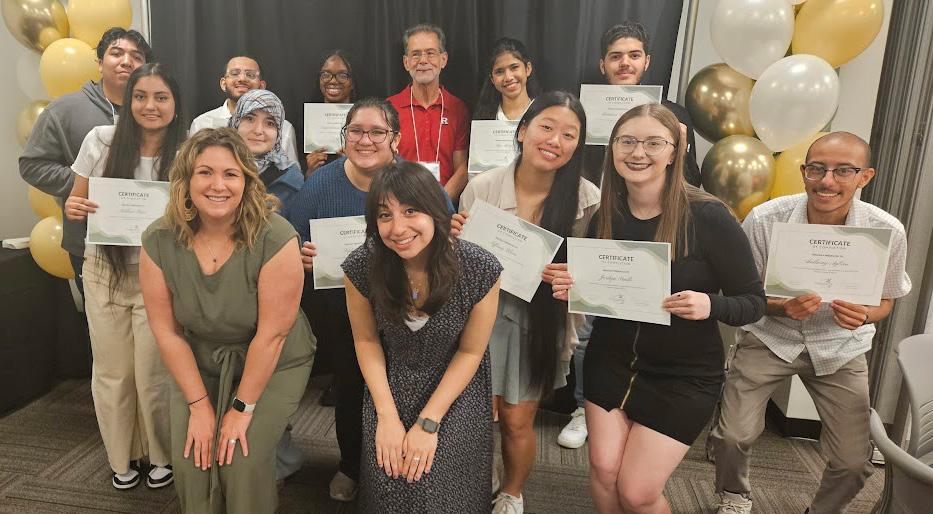
What did we do? On Thursday March 21, OSDFA hosted its second annual “You Hit Submit” celebration. This event is an opportunity for members of the campus to come together and visibly demonstrate our support for those students who bravely seek to expand their horizons and connect with the many experiential learning opportunities available to them at Rutgers–Camden.
Association of Fellowship Advisors (NAFA) Regional Meeting Fulfills a Need to Bring Community Together
What changed? In April 2024, Rutgers-Camden hosted a free regional gathering of fellowship advisors. Not only was this the first NAFA event that Rutgers–Camden was able to host, but it was also the first instance of NAFA offering a regional meeting for local partners. Feedback from the event overwhelmingly indicated that attendees left with new knowledge, found value in connecting with fellow fellowship advisors, and are interested in similar opportunities in the future. The collegial setting generates new ideas and better supports for students via building competencies, expanding networks, and learning new practices.
What did we do? The conference featured panel discussions on student development, maximizing resources, and leveraging data, presented by a diverse group of college and university representatives from more than 20 colleges and universities as well as foundation representatives from Truman, Boren, and Schwarzman. The day’s final session was a panel on competitive scholarships and the weight an institutional endorsement carries in the overall application process.
What changed? Offering working groups for the first time in AY24, we established practices to support students applying for a common award and/or post-graduate goal. When asked about the importance of working in community, students shared that they provide a space where you can bounce ideas off others. These communities have proven successful in giving our applicants a stronger sense of belonging within the institution and promoting their self-efficacy and academic responsibility.
What did we do? Community gathering efforts resulted from presentations during our annual NAFA meeting and best practices in our profession. To execute, we invite students with similar goals to collaborate in a facilitated/structured working environment, with staff support to guide them through exercises to advance their materials.
Jenna Brodnyan Junior, Biology
The most beneficial aspect of working with OSDFA was getting the chance to articulate who I am as a person and aspiring professional onto paper. I really appreciated talking about my goals and the advisors being able to help me form a story that I didn’t even realize was there.
”
Applying for awards have not only helped me grow professionally, but also personally. These processes have been the hardest and most rewarding thing I have done.
”
Who we serve: All enrolled (and previously stopped-out) undergraduate students. What we do: The retention office leads various success programs and initiatives that promote retention, persistence, and timely graduation for undergraduate students. The retention office also provided data-driven programmatic guidance and consultation, data analysis, and Navigate support to the faculty and staff who support undergraduate students at RU-C.
Services: Services include simplifying processes and policies that impact retention, identifying and tracking student cohorts to monitor and support retention based upon known attrition risk factors, coordinating student-centered events to promote retention, developing communication and marketing campaigns, producing data and analysis for impact monitoring and program evaluation, and managing the progress reporting process.
What changed? SAS moved to a formalized communication dashboard that details annual outreach efforts to students, automating reminders and to-do’s for staff members. The SmartSheet system stored email scripts, timing for outreach, and student lists for targeted messaging. Effectiveness analyses of our communication efforts revealed that:
• Early nudges to students with little or no activity on Canvas in the first 2 weeks of classes were 70% (FA23) and 94% (SP24) effective in getting students to either log into the platform or drop the course before the add/drop deadline
• Following up with students about registration holds (particularly, financial holds) were up to 86% effective in getting students to resolve their hold before registration opened, allowing students an on-time selection of classes
• Weekly reminders to non-registered students in FA23 were up to 94% effective in getting students to register for Spring courses on time
Rates improved specifically when using coaches and counselors to send messages to the students they had connections to rather than messages coming from the generic SAS account to all students — proving that the relationships students have with staff members matters when asking students to complete tasks.
What did we do? With the management of a new dashboard, SAS has been able to reduce duplicated communications across the division and better determine the impact of our outreach. The analysis has allowed us to identify which communications nudge students to act the most and provide staff with guidance about how to maximize our efforts. For example, communication topics that have proven effective will be infused into the Navigate student mobile app to broaden the reach and impact.
What changed? With a newly dedicated focus on retention data, SAS took a proactive approach in AY24 to understanding student attrition. Rather than waiting to interview students until after they leave or have been gone for some time, the retention office asked about intentions and behaviors while students were still enrolled — both to prevent attrition, as well as to gain insights into why students leave. Results from one component, the exit survey, have shown the following:
a. 37% of students state their main reason for leaving was personal reasons (We define personal reasons to include mental/physical health, needing to care for others, transportation issues, isolation on campus, and those who needed a break from college in general)
i. Only 22% of students chose Financial Reasons as their main rationale for departing the University before receiving their degree
b. 29% of students said they would be working full time while they were away from school — the highest of all responses, followed by 23% transferring to another school, 20% caring for their own health, and 19% “Other”
c. Over 50% of students responding to the exit survey said they first considered leaving RutgersCamden by the end of their first semester
What did we do? The ongoing initiative comes with three components: 1) An alert mechanism through the Navigate platform; 2) data gathering to gain the student’s perspective and provide intervention if possible; and then 3) data aggregation/analysis. The retention office utilized the Navigate platform to create an ‘potentially leaving’ alert that members of the campus community can issue as soon as they become aware that a student is thinking about leaving. Additionally, other “clues” that point to a potential departure — like concerning progress reports and attempts to drop all courses—are monitored and trigger outreach to the student. Regardless of what stage in the attrition process a student may be — contemplation, planning, or no longer enrolled- students are prompted to complete a brief survey to provide more details.
What changed? A deeper dive into progress reports (PR) allowed SAS to study three different questions: (a) What are professors most concerned about for students? (b) What omissions had the largest impact on students? and (c) What was the final course grade and did that align with what the progress report noted? With this informal information, we set up targeted research questions for more sophisticated statistical analysis in partnership with the Office of Data Analysis & Campus Planning.
a. 50% of students receiving a PR of concern were able to bring their grade up to an A, B, or C level
b. Between fall 2023 and spring 2024, the fail rate decreased from 35% to 28%
c. Poor quiz and test scores remain the toughest PR category to improve from and may require additional support
What did we do? Progress reports were open for three weeks in both fall and spring terms, allowing faculty members to submit mid-term grade feedback for students so they know their standing in class and can adjust prior to the end of the term. AY24 saw a 78% response rate for faculty members, and over 90% of the undergraduate body had at least one report submitted.
What changed? One goal for AY24 related to increasing faculty engagement with progress reports. A small but mighty crew of approximately 15 faculty members attended a lunchtime convening — spanning Deans to Program Directors to Adjuncts to the Provost. In AY23, 22% of D, F, and W grades had no associated progress report. As a result of the additional engagement, SP24 saw a two-percentage point increase in submissions.
What did we do? Utilizing data, SAS demonstrated how important mid-term grades are as a guidepost for students who might need to alter course before the end of the term. In addition to the convening where progress reports were discussed as a tool to change student behaviors, SAS also sent individual emails to every faculty member with their individualized link so as to make it as easy as possible to find the right place to submit information.
Who we serve: SSCO offers coaching support to first-year students who are not participating in a cohort program (e.g. EOF, TRiO SSS, or Honors College) and provides student success programs to all undergraduate students.
What we do: Provides first-year students with targeted support to reduce attrition, promote academic success, and develop their academic identity.
Services: SSCO offers incoming student transition programming, 1:1 and small group holistic coaching, student success workshops, goal planning, community building, and resource referrals.
What changed? Students are now able to meet their coach and develop their success skills as early as the summer before they attend.
What did we do? SSCO offered webinars over the summer to frontload success skills proactively before the semester starts.
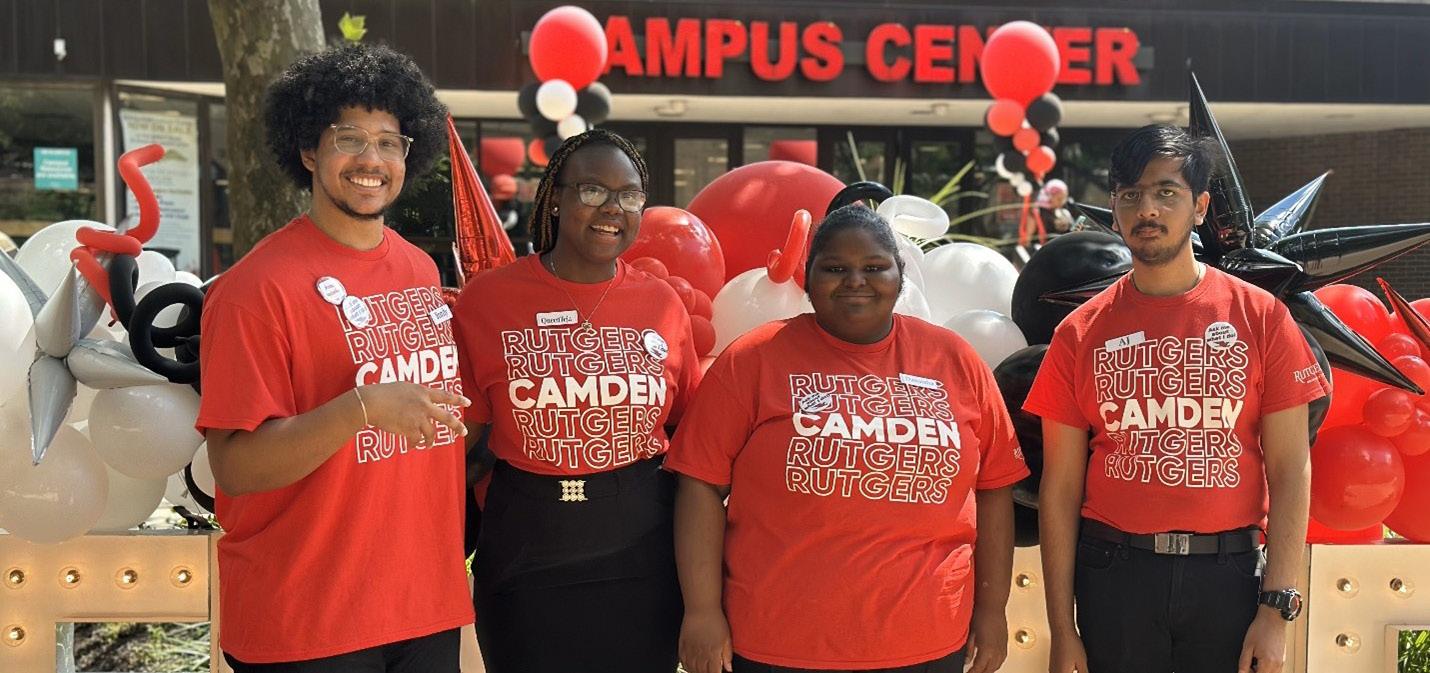
Measuring Impact
What changed? A new workshop giving students additional insights about how best to prepare for academic advising appointments led to an increase in the topic being brought up and utilized during Success Coach meetings, as evidenced by coach notes up to 86% effective in getting students to resolve their hold before registration opened, allowing students an on-time selection of classes.
What did we do? How to prep for Advising: Hosted with advising offices to share relevant information about how to prepare for academic advising meetings. The workshop focused on the differences between the two offices and how to utilize both for long-term benefits. The workshop also provided students with advice on how to use success coaching when preparing for an advising meeting.
What changed? Outside of visiting individual academic units, there has been no centralized opportunity for undecided students to engage with the vast academic programs at RU-C since the pandemic. There is also limited exposure to “discovery” majors and minors for all students, particularly first year students who are newer to the institution. To help smaller academic programs and address the needs of first year students, a fair was held to educate scholars on our institution’s academic offerings.
What did we do? In collaboration with faculty from CCAS, School of business, and graduate programs on campus, SSCO hosted the Major/Minor Fair to educate RU-C students of the different majors and minors offered that they may not have known about when applying. We had 52 participants. The goal of this event was to allow students to connect with faculty on campus and support services such as the Success Coaching Office, Experiential Learning Fund, Career Center, and Office of Scholar Development and Fellowship Advising meant to help advance their learning both inside and outside of the classroom.
Success Coaching helped me a lot throughout my freshman year. I came in very confused about if I wanted to stay or transfer and that did not stop Coach Ashanti from giving me her all to help me in whatever way she can. I was given plenty of support and help when it came to things like schoolwork and financial aid but also an outlet to just talk to someone if I was feeling overwhelmed.
What changed? Recognizing the diverse needs within our community, SSS staff conducted a survey to gain insights about student needs to implement an effective model of group coaching as an additional support mechanism. SSS utilized the data to ensure sessions were meaningful and relevant; students expressed higher interest in discussing time management and study habits, as well as financial literacy and budgeting, which directly influenced the design and implementation of these coaching sessions. While attendance fluctuated, those who participated reported feeling more confident about discussed topics post-session, indicating a positive impact on their sense of academic success and support within the TRiO community.

” ”
I really enjoyed having someone to talk things through with on campus. Making appointments was very easy and Coach Chris supported me in any way he could to make my transition to college easier. I would’ve been a lot more stressed and confused without Success Coaching.
SSS has been really helpful to me this year because I wouldn’t have gotten to know about many of the resources that I can utilize on campus if it wasn’t for them being there. There were lots of events and workshops that were planned throughout the year to help me get more involved and out of my comfort zone. With the support of my counselor, I was able to push through all my courses as a freshman nursing student because of the motivation that he gave me. Not a lot of people can say they got a B or better in Anatomy, so I’m proud of that! I’m happy to have also explored new places like Washington, DC and New York City with SSS.
Who we serve: SSS is a federally funded grant program that serves 160 undergraduate students who demonstrate a need for academic support and identity as low-income, firstgeneration, and/or have a documented disability.
What we do: Provide support and community for students to improve college retention and graduation rates and assist with transitioning from one level of higher education to the next.
Services: SSS offers 1:1 holistic coaching, financial literacy workshops, grant aid scholarships, cultural excursions, and career and graduate school preparation.

The past 4 ½ years at RUC has given me some lifelong memories I’ll never forget. SSS became my foundation being a first-generation student and having no idea on how to approach this college journey. The staff and members in SSS have guided me through my ups and downs to giving me the opportunity to travel abroad for the first time. The program really helped me grow into the person I am today.
In addition to the everyday work that the SAS units conduct, collaborative cross-departmental initiatives support and further the goals and values of SAS. These efforts focus on special populations, emerging priorities, and at times, simply offer a place for a multi-division project to live — all centering the need to eliminate equity gaps for historically excluded students at Rutgers–Camden.
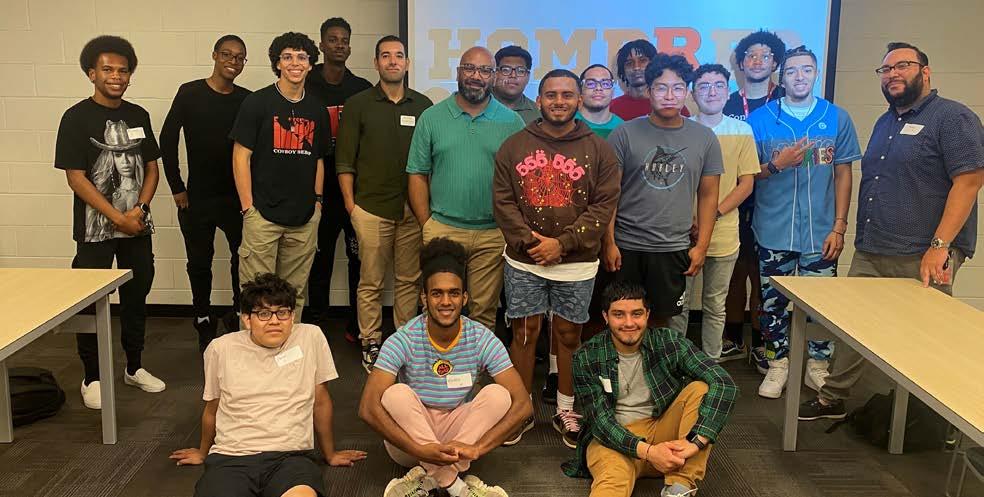
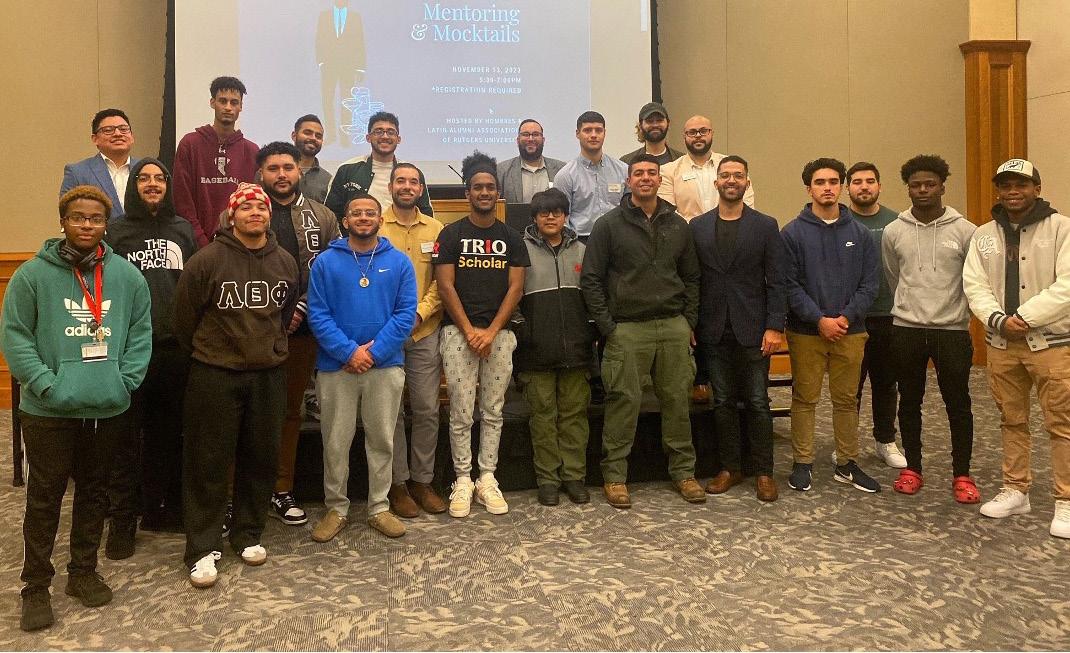
HombRes is a Latin male empowerment initiative focused on creating a community of support and accountability, ensuring academic success, and uplifting our community through service. HombRes was established to combat the challenges specific to Latin male retention and persistence, including balancing familial responsibilities, managing finances, developing mentorship, navigating campus resources, and garnering a sense of belonging and inclusion on campus alongside peers. This initiative had positive impacts on the students’ sense of belonging. Evidence of this was an increase in help-seeking behavior, relationship development, and stronger achievement inside and outside of the classroom.
What changed? The new initiative welcomed 18 consistent undergraduate Latino members, and because the majority of our events were open to the public, it allowed for engagement for additional underrepresented students (particularly Black Males and Latin Women).
Students gained access to mentors who touched base with them about problematic progress reports, ensured that 100% were either registered for the next term or graduated, and achieved 100% FAFSA completion for the year ahead. Of one program where alumni joined students, a first-year nursing student, Albert, said: “I was very inspired by an alum because he told me to stay real with myself wherever I go, and I think that’ll stick with me forever. We come from the same spot [hometown] and meeting someone like him was unexpected because there aren’t a lot of us in STEM.”
What did we do? An advisory board was established with representatives from the Division of Student Academic Success (Brandon Quiles), the School of Business (Mathew Vazquez), Graduate School of Arts and Sciences (Chris Kubik Cedeño), and Honors College (Gabriel Molina). The board planned a series of 16 programs in AY24 that intentionally developed students’ awareness, knowledge, and skills in goal setting, identity development, graduate school awareness, community service, and peer mentorship. Members of the Latin Alumni Association of Rutgers University and Latinx alumni participated in targeted initiatives, as well as other Rutgers Camden alumni.
What changed? Four first-year students took on leadership roles to establish HombRes into a registered student organization on campus, moving from a staff-led initiative to a studentled group. Several additional participants are taking on executive leadership positions on other identity-based student organizations for the first time, such as Latin American Student Organization (LASO) and Bridging 1st Generation Students (B1GS).
What did we do? With one aim to develop leadership capacities among Latino participants, programs were tailored to encourage students to see themselves as leaders. Five participants attended the Latinx Leads Conference where they were able to facilitate a presentation to an audience of higher education practitioners for the first time.
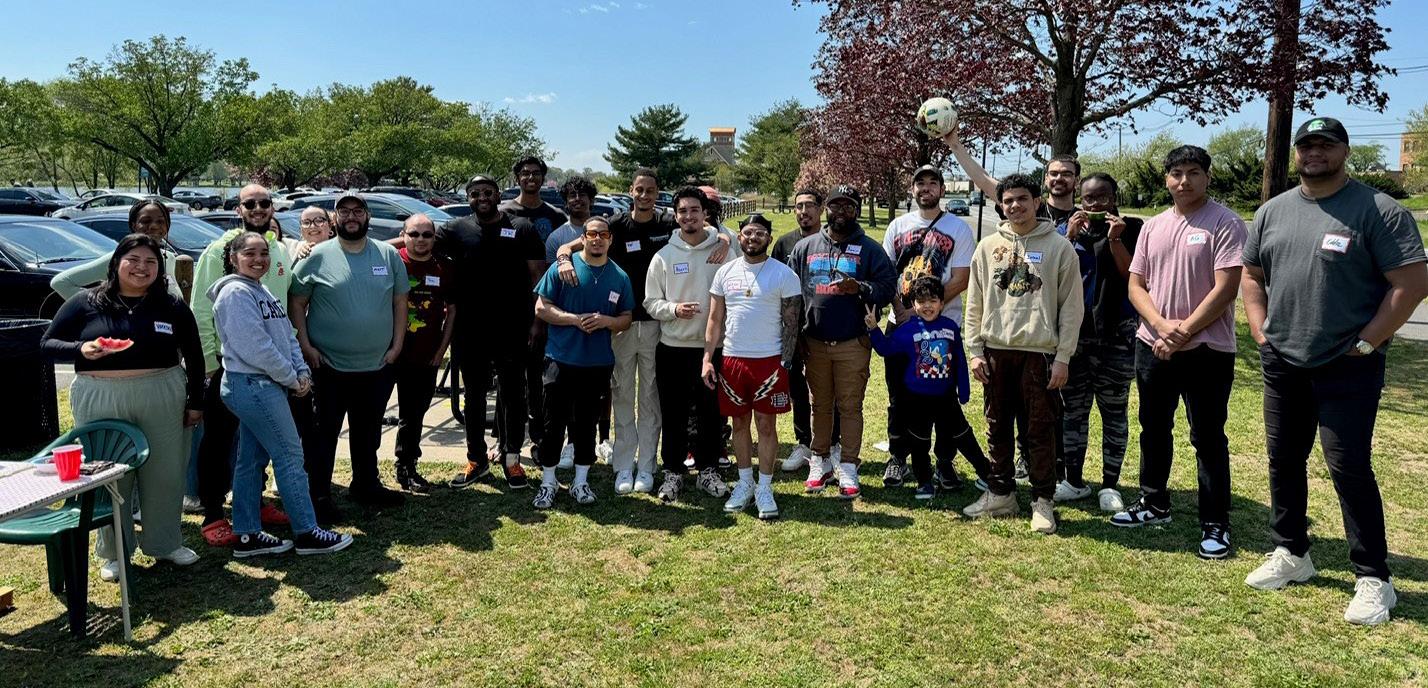
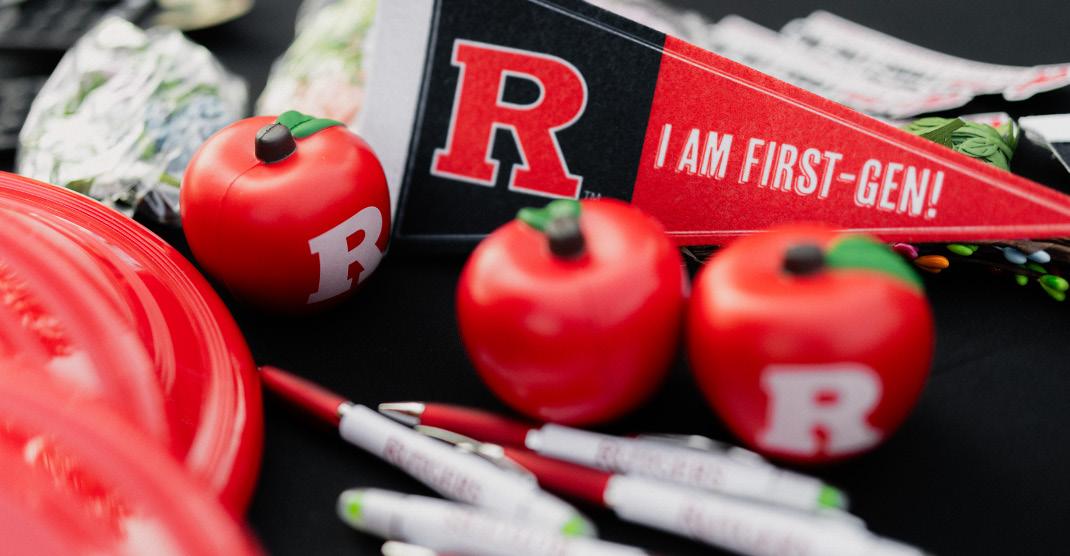
With over 50% of undergraduate students identifying as the first in their families to earn a bachelor’s degree, a concerted effort is made by SAS to support the transition, development, and success of this population. Staff-led initiatives, student groups, and honor societies are just a few of the ways that the first-generation identity is celebrated and cultivated.
Measuring Impact
Alpha Alpha Alpha (Tri-Alpha) Honor Society Induction Recognizes Achievements of First-Gen
What changed? Held at our prestigious Walter K. Gordon Theatre, the ceremony was a testament to the hard work, dedication, and continued perseverance of our inductees. Each of the honorees help to represent the diverse and vibrant spirit of Rutgers Camden. From the inspiring speeches to the distinguished guests, the atmosphere was filled with pride and joy as families, faculty, and friends gathered to celebrate students’ academic achievements and beyond.
What did we do? Rutgers Camden Division of Student Academic Success proudly hosted the Tri-Alpha Honor Society induction ceremony, celebrating the remarkable achievements of 50 of our first-generation students and colleagues. This event underscores our ongoing commitment to fostering academic excellence and supporting the unique journeys of Rutgers Camden’s first-generation scholars.
Bridging 1st Generation Students (B1GS) Renews Focus on Community and Belonging
What changed? After being a dormant student organization for one year, B1GS reestablished itself as a recognized student group in AY24, coming to life as a vehicle to build community and a sense of belonging for first generation students.
What did we do? B1GS is a dynamic student-led organization that has risen as a cornerstone in its’ ability to foster community and a sense of belonging amongst RutgersCamden students. B1GS is driven by an undeniable mission: to create an environment that supports not only academic success, but also nurtures personal growth and well-being. One of the many new key initiatives was the establishment of study groups, where students have the space to come together in a collaborative environment to share knowledge and support one another. Beyond academics, B1GS has made its presence known through its strong emphasis on social events designed to deepen the sense of community on the Rutgers–Camden campus.
What changed? SAS’s ability to identify the largest student barriers was informed by a dynamic focus group in the form of a Leadership Retreat, dialoguing into the unique challenges and opportunities of the first-gen experience.
What did we do? SAS coordinated a variety of impactful programs, with student-led groups and multiple offices in mind. Some of those programs include our First Gen Leadership retreat, our Graduate School Bootcamp, and our First Gen Career Mixer.
Part of SAS’s commitment to students includes preparing them for life after they graduate. Pursuing a graduate degree and fostering the academic success necessary to be competitive, may be daunting for students who must revisit standardized tests as a factor for admission. In AY24, Rutgers-Camden offered participation in preparatory coursework for LSAT (Law School entrance exam), MCAT (Medical School entrance exam), and GRE (generalized Graduate School entrance exam).
Free access to LSAT and GRE Prep Courses
What changed? SAS funded 30 students to complete rigorous LSAT and GRE preparatory courses, facilitated by Princeton Review. Although students could time their official test at their own pace, these dedicated individuals have shown remarkable commitment and perseverance, mastering challenging concepts and honing their test-taking skills. In-class test scores helped students gauge their progress and identified content areas of strength and of focus. What did we do? The ability to utilize a national leader in test prep appealed to students encouraging their enrollment and completion of the course.
Course Re-Imagined for MCAT Prep
What changed? Although Rutgers-Camden supported students taking MCAT prep courses through Princeton Review in past years (much like the LSAT and GRE prep courses), in AY24 SAS partnered with CCAS and UWorld to revamp the course. Student grades reflected progress metrics based on metacognitive growth, test-taking skill development, and knowledge about the medical field more generally, rather than practice test scores.
What did we do? The new version of the course in AY24 was designed served a more inclusive population and to more generally act as a broader pre-med workshop — teaching students not only how to approach the content of the examination, but including presentations from alumni in the profession, local partners and national organizations.