A Guide to Designing Your Personalized House Sign
Designing a house sign is more than just choosing a name or number to display at your entrance it’s about creating a lasting first impression Your home’s exterior is the first thing visitors notice, and a beautifully designed sign helps communicate your personality, style, and attention to detail Whether you want something modern, rustic, traditional, or artistic, a personalized house sign gives you the freedom to shape your own signature look This guide covers everything you
Understanding the Purpose of Your House Sign
Before you begin designing, it’s essential to think about the purpose behind your personalized house sign. Some homeowners want simple clarity: a clean display of the house number for easy identification. Others want a decorative piece that adds visual value to the property. There are also
practical reasons delivery drivers, emergency services, friends, and guests can locate your home more easily when signage is clear and visible
House signs also add character. Your choice of font, finish, layout, and material can turn a simple identifier into a conversational element A sign made from solid oak may project warmth and tradition, while a slate or acrylic design can look sleek and contemporary. Establishing your goal helps narrow down your design options and ensures the final piece complements your home’s architecture
Choosing the Right Material for Your Sign
The material you choose is one of the biggest decisions in the design process. Different materials provide different levels of durability, aesthetic appeal, and maintenance needs:
Wood
Wooden signs, especially those made from oak or cedar, offer a natural and timeless appearance. They are ideal for homes with rustic, countryside, or cottage-style themes Wood can be smooth or live-edge, depending on whether you want something refined or organic.
Metal
Aluminium, brass, and steel signs offer durability and a modern look. Metal can be cut, engraved, or powder-coated to suit various styles These signs work well for sleek, minimalist homes
Stone
Slate, granite, and marble provide a sense of luxury and longevity. These signs withstand harsh weather and maintain their elegance for years, making them popular for traditional or high-end properties
Acrylic
For those who prefer contemporary designs, acrylic signs are versatile, lightweight, and costeffective. They can be transparent, frosted, coloured, or layered to create a stylish finish.
Each material has its own charm, so choose one that suits both your home’s style and your practical needs.
Deciding on Fonts, Layout, and Design Style
The typography on your house sign says a lot about your style. Serif fonts often feel classic and formal, while sans-serif fonts look modern and clean Script fonts bring an artistic or elegant touch but must be legible from a distance.
Layout matters too You should plan how the number, name, or both will appear:
Will the number be big and bold?
Will the name be displayed underneath?
Do you want symbols like bees, trees, or decorative motifs?
Ensuring good spacing and readability is essential Consider where the sign will be placed on a wall, gate, porch, or post so you can adjust size and formatting accordingly.
Adding Engravings, Symbols, and Unique Touches
Customization is where your creativity shines. Decorative icons such as floral patterns, animals, bees, or family symbols can make the sign feel truly personal. Engraving techniques vary depending on material CNC engraving, hand-carving, laser etching, and infill painting are all options.
This is also the stage where you might choose special finishes For wooden signs, an oil or varnish finish enhances grain patterns while protecting from weather. For metal signs, a matte or gloss coating adds resilience and style. For acrylic or slate, polished edges give a professional touch.
Placing Your Sign for Maximum Impact and Visibility
Placement plays a huge role in both aesthetic value and practicality Ideally, your sign should be visible from the street but low enough to read clearly. Popular placement ideas include:
Beside the front door
On the exterior wall near the gate
Mounted on a post at the driveway
Attached to a garden fence
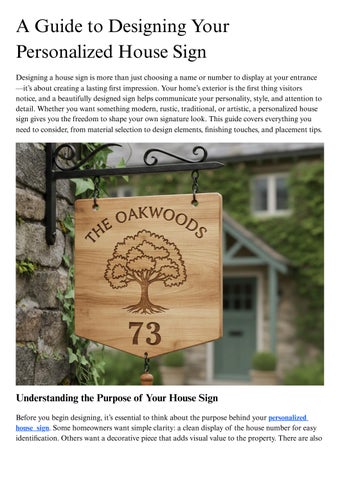
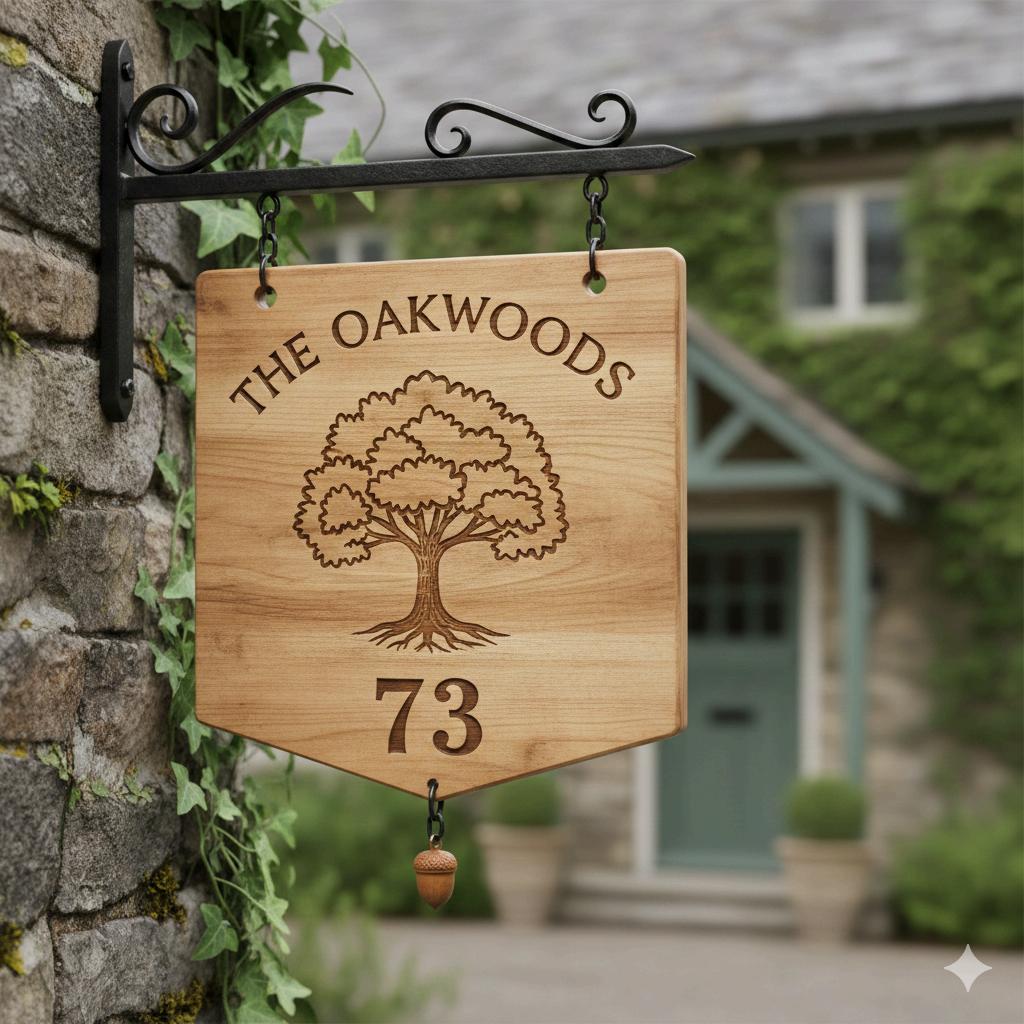
Suspended from a bracket for a traditional look
Consider lighting as well A subtle LED light above or below the sign improves nighttime visibility and adds sophistication to the display.
Why a Personalized Sign Is the Best Choice
In the middle of your decision-making journey, it becomes clear why many homeowners opt for a personalized house sign rather than a generic one from a hardware store Custom signs allow you to showcase your identity and preferences through a one-of-a-kind design. They also allow you to choose exact measurements, fonts, styles, and colours ensuring the sign harmonises with your home rather than sticking out awkwardly
Coordinating Your Sign With Your Outdoor Décor
A well-designed sign doesn’t stand alone; it blends seamlessly with the rest of your outdoor décor Think about your front door colour, outdoor furniture, wall texture, and landscaping. If you have
a timber porch or rustic décor, a wooden sign fits perfectly. If your home features modern cladding or glass elements, acrylic or metal may look more cohesive
At this stage, many homeowners also explore other decorative possibilities, such as pairing the sign with planters, lighting, or matching letterboxes In high-end home décor and artisan spaces, it’s common to see crossover inspiration from handmade furniture manchester collections, where craftsmanship, texture, and precision strongly influence exterior styling decisions.
Maintenance and Longevity
Different materials require different levels of care. Wood needs periodic oiling, metal may need occasional cleaning to prevent oxidation, and acrylic simply needs wiping to keep it clear. Slate and stone are generally low maintenance but should be kept clean to maintain their polished appearance.
Choosing durable materials and applying proper finishing extends the life of your sign significantly.
Final Thoughts
Designing your house sign is an exciting creative process that blends function with style By choosing the right materials, fonts, symbols, and placement, you can craft a sign that enhances your home’s entrance and expresses your personality. Whether you prefer rustic textures, modern lines, or heritage-inspired details, a custom-designed sign adds charm and value to your property for many years.