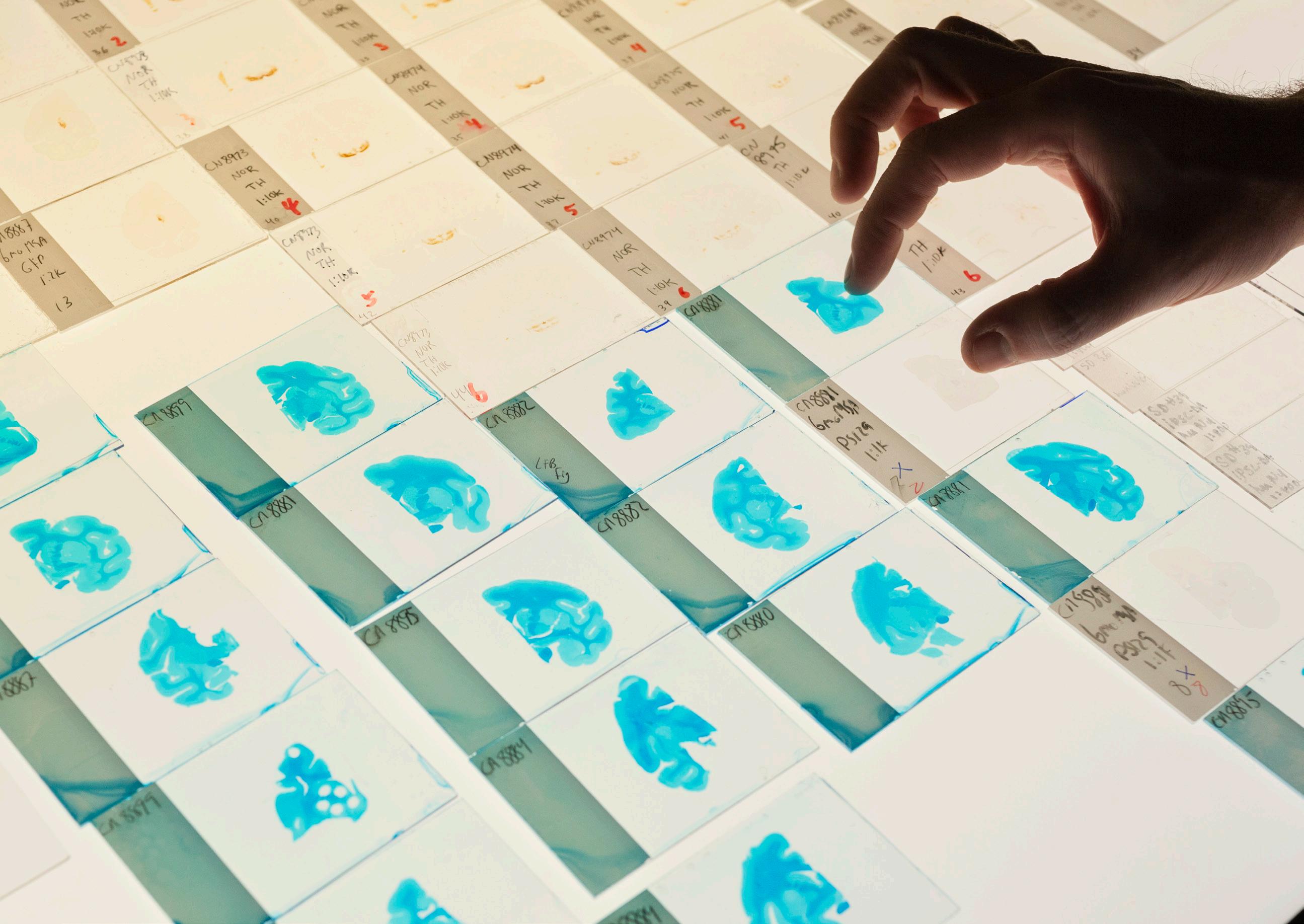
Donor Impact Report
Donor Impact Report
Your Impact on the Rush Parkinson’s Disease and Movement Disorders Program in 2025
At the Rush Parkinson’s Disease and Movement Disorders Program, we are pushing the boundaries of care. The advancements we make are possible because of your support.
Our patients make a profound difference in our program. They shape it. As scientists and clinicians, we center our patients in everything we do. Our work with them is truly a partnership, and one for which we are deeply grateful.
When patients choose to support this work philanthropically, that partnership deepens. We share a common goal: to cure movement disorders.
As you’ll read in the following pages, we are making meaningful strides toward that goal. It guides the questions we ask, the research we pursue and the care we provide every day.
Throughout my career, it has been exceptionally rewarding to form meaningful relationships with our patients and philanthropic partners and learn about what motivates them. Your belief in this work fuels our progress.
This commitment to our patients reverberates throughout our department, our research and the training we provide to the students, residents and fellows who will carry this work forward.
In September 2025, we received the national Parkinson’s Foundation Patient Engagement All-Star Award — a testament to what each of our team members does every day to put patients first in all we do.
Thank you for helping us break new ground this year. Your partnership makes what comes next possible.
Sincerely,
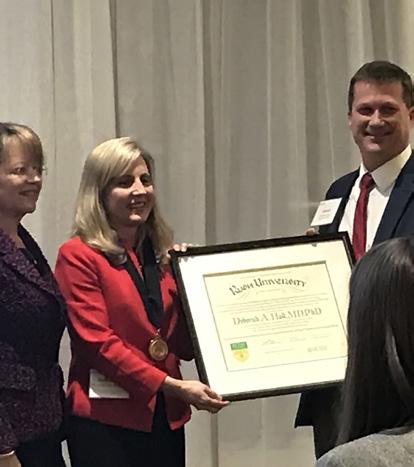
Deborah A. Hall, MD, PhD Director of the Rush Parkinson’s Disease and Movement Disorders Program The Parkinson’s Foundation Chair of Neurological Sciences
10,529 patients treated in fiscal year 2025
50 active research projects in the Parkinson’s Disease and Movement Disorders Program
5 fellows and visiting scholars in fiscal year 2025
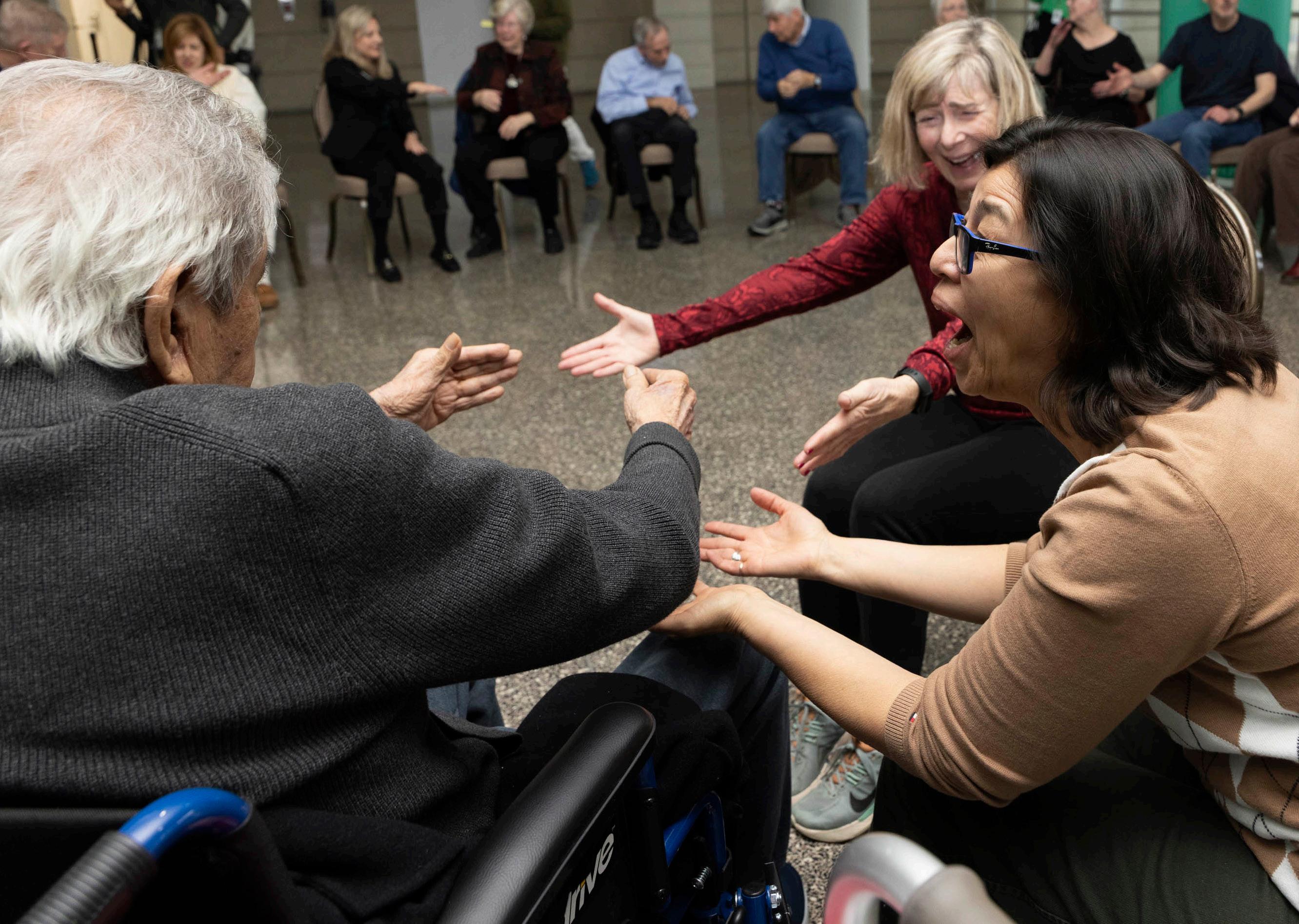
Participants move and laugh together at a dance workshop organized for patients with Parkinson’s disease featuring cast members of “A Beautiful Noise: The Neil Diamond Musical.” The workshop was held in November 2025 at Rush University Medical Center.
65+ research articles published by faculty in 2025
33 posters and presentations by Rush faculty and trainees at the 2025 International Congress of Parkinson’s Disease and Movement Disorders
63 team members
Advancements in technology are transforming the way we diagnose, treat, research and prevent diseases across health care. AI, in particular, can offload administrative tasks, streamline workflows and improve patient care when used ethically and safely by trained health care professionals.
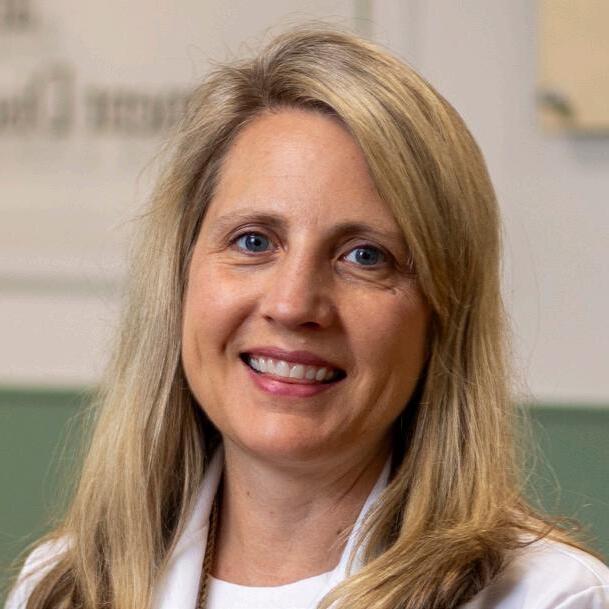
In the Rush Parkinson’s Disease and Movement Disorders Program, Michelle Tosin, PhD, MSN, (pictured below) is a nurse-scientist who is using AI to improve the assessment of movement disorders over time. At the heart of her work, she strives to design tools that benefit both patients and clinicians.
Dr. Tosin focuses on ensuring patients’ experiences are accurately reflected in the measurement tools used in care and research. For example, digital assessments can help physicians monitor patients’ day-to-day symptoms without requiring patients to leave the comfort of their homes between clinic visits, thereby increasing access to care and research. When measurement tools are improved, so too are clinical decisions, clinical trial design and the equity of care.
Dr. Tosin strives to ensure that the tools she creates, refines and implements work across cultures and care settings and are rigorously validated.
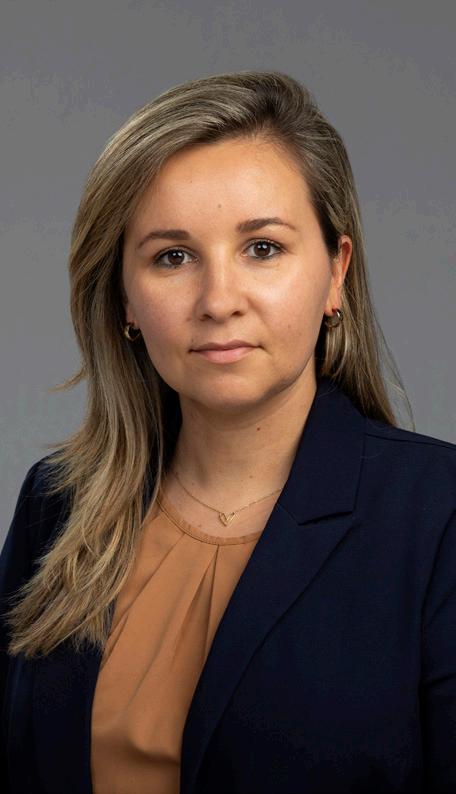
“I come from outcomes and measurement science, so I treat any AI-enabled assessment like any other clinical tool,” she said. “It needs transparent assumptions, strong data stewardship and evidence that it measures what it claims to measure.”
AI and digital tools can help evaluate patients’ symptoms remotely, capture real-world symptom fluctuations and monitor medication adherence using patient-centered digital diaries and objective signals, such as eye movements, that correlate with disease progression.
Under Dr. Tosin’s leadership, Rush is involved in the international, multicenter PALOMA trial, which explores how patients’ eye movements, tracked through oculometric software, relate to clinical assessments and cognition. Rush is also involved in the research and development of the MDS PD e-Diary, a patientreported outcome tool for people with Parkinson’s disease.
In parallel, Dr. Tosin measures medication adherence in Parkinson’s patients and researches the patient and care-partner drivers of medication adherence. She aims to translate this work into effective care interventions.
“Medication adherence in Parkinson’s is hard because treatment is time-sensitive and lives inside real life,” she said. “Symptoms, cognition, mood, daily routines and care-partner support all intersect. My current research tackles this in two ways. First, we study what patients and care partners identify as the key drivers of adherence. Second, we develop PDspecific tools to measure adherence with more precision, such as my work on the Parkinson’s Disease Medication Adherence Scale, or PD-MAS.
“Technology only helps adherence when we can measure it accurately and understand why it breaks down for a given patient. I envision adding AI tools to improve measurement accuracy, which will help us design and test medication-adherence interventions that address each person’s real barriers. This is precision medicine.”
Philanthropic support advances the work of Dr. Tosin and her colleagues by supporting pilot tests of digital and remote outcome assessments, multilingual validation to ensure tools work across communities, engagement with patients and care partners to ensure tools are used in real life, and data infrastructure for multicenter studies. It speeds results, generating the preliminary evidence that makes larger grant funding possible.
Accurate diagnosis is essential to living well and getting the right care at the right time. At Rush, we believe everyone should experience clarity and confidence in their health journey, yet similar symptoms across conditions can make that hard to achieve. This challenge is especially true for conditions that affect movement and the nervous system. A misdiagnosis can mean years of unnecessary worry, ineffective treatments and delayed care.
Take tremors, for example. They are one of the hallmark symptoms of Parkinson’s disease, but they also appear in other movement disorders such as essential tremor and dystonia, which causes uncontrolled muscle contractions. These similarities can lead to misdiagnoses of Parkinson’s. In fact, roughly 13% of Parkinson’s diagnoses are revised within two years.
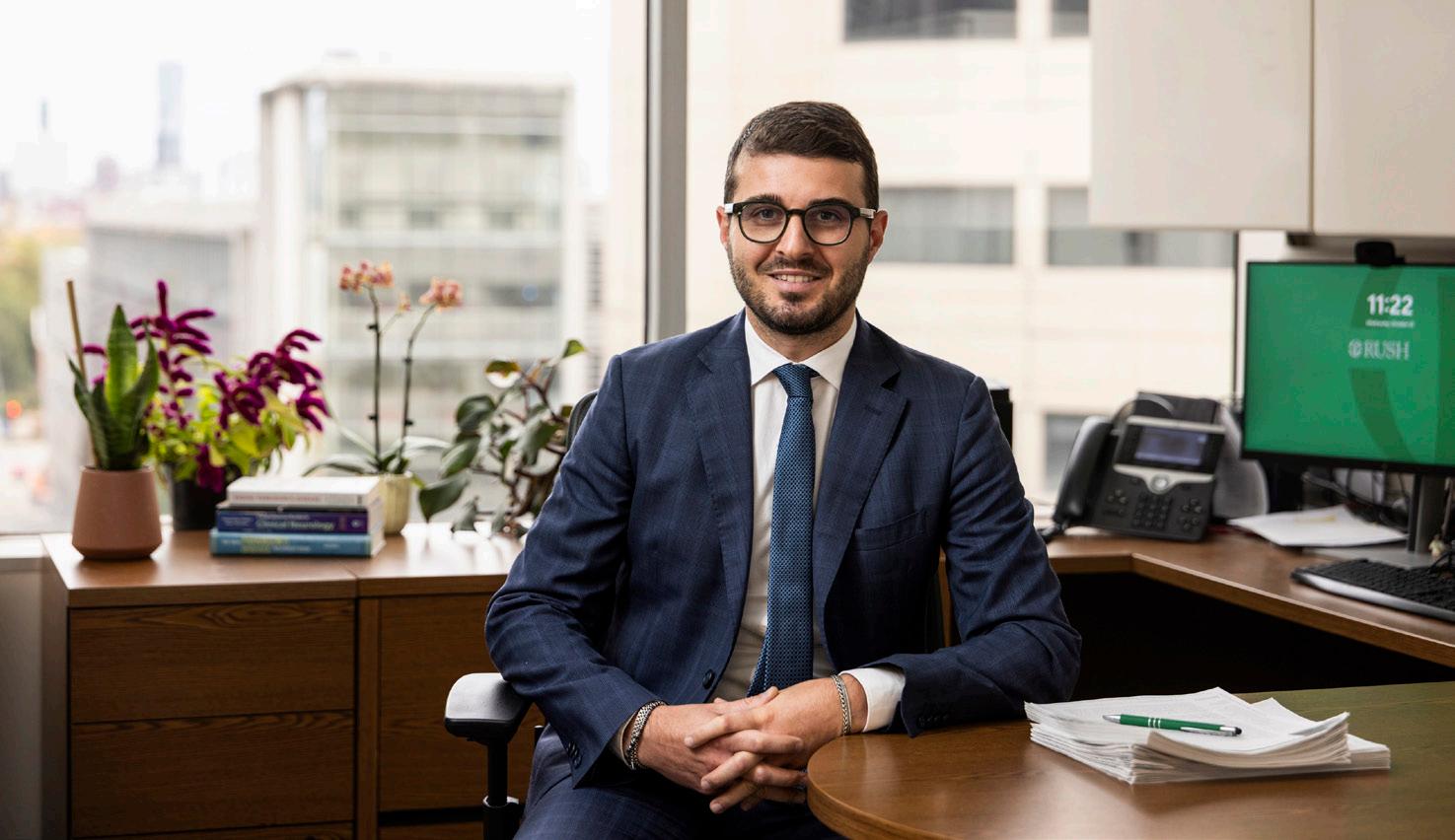
the electrical current coming from the muscles affected by a tremor and record the electrophysiological characteristics to help differentiate their causes. Analyzing these differences helps neurologists make a more precise diagnosis.
It doesn’t have to be this way. Rush experts are bringing precision and peace of mind to patients by using advanced tools like surface electromyography, or EMG, shifting the paradigm in how we diagnose movement disorders in the process.
Rush is one of a few academic medical centers in the U.S. with surface EMG technology and the resources to analyze and interpret the data it produces. Only a handful of movement disorder specialists in the country have the skills to perform such studies on a regular basis because few academic institutions offer training in surface EMG. Pierpaolo Turcano, MD, assistant professor of neurology, (pictured above) is one of these skilled specialists.
“Surface EMG is a relatively inexpensive, objective, noninvasive and reproducible technique,” he explained. “Since Parkinson’s is still predominately diagnosed through observation, EMG has the potential to support more accurate diagnoses because it produces objective data and is less influenced by physicians’ biases.”
A diagnostic tool, surface EMG allows neurologists to conduct detailed analyses of patients’ tremors. The electrodes analyze
EMG technology is at the center of Rush’s newly designed Movement Laboratory, which will serve as a hub for both patient care and research activities. On the clinical side, the lab can support a Parkinson’s diagnosis or suggest alternative causes for tremors. Patients undergoing evaluation for surgical therapies for Parkinson’s can also benefit from it. EMG tests can help identify which patients are likely to benefit more from a procedure.
As Dr. Turcano and his colleagues build a robust repository of clinical data, they can launch research studies that investigate specific tremor types and whether they are associated with a more benign disease course and different response to medications.
“Specific causes of tremor have different diagnostic implications and require different therapeutic approaches,” Dr. Turcano said. “Through detailed evaluations of patients’ clinical presentations and EMG data, we hope to advance the field’s understanding of functional changes caused by Parkinson’s disease. With this new knowledge about tremor, we can provide care that reflects each person’s needs and supports their ability to lead healthy lives.”
Dr. Hall shares reflections on research, education and her efforts to help as many patients as possible through science
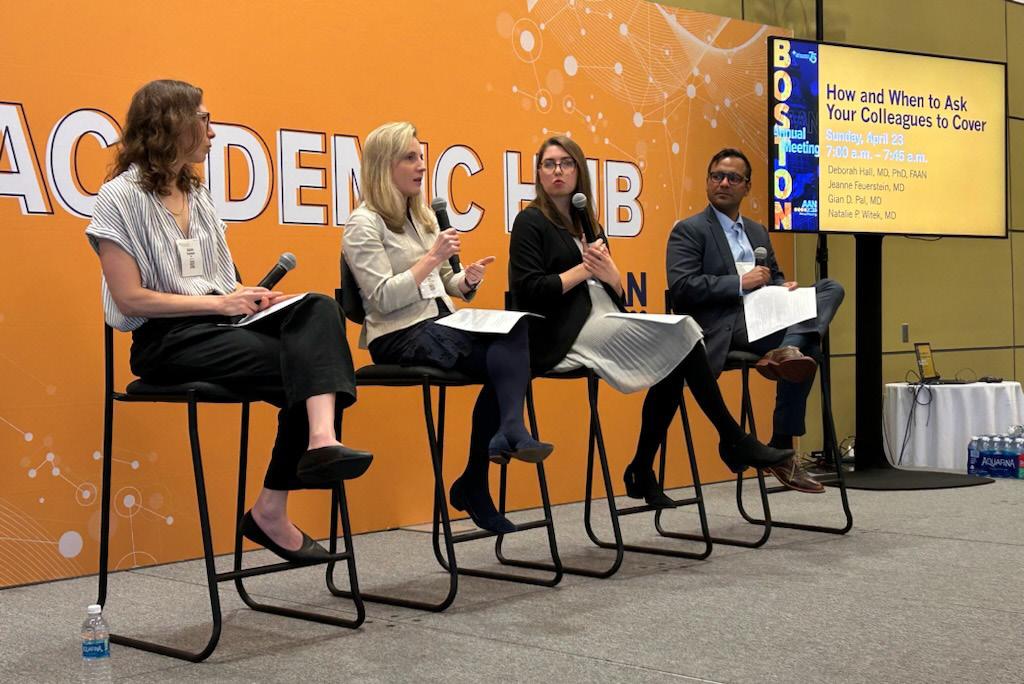
Staying curious is key to the scientific method. It comes naturally to Deborah Hall, MD, PhD, the Parkinson’s Foundation Chair of Neurological Sciences and director of the Rush Parkinson’s Disease and Movement Disorders Program.
Chief among her curiosities is one prevailing question: Can we find a cure?
From her high school years, Dr. Hall was interested in using science to help others. Alzheimer’s disease runs in her family, and as she witnessed family members get diagnosed, she became interested in the brain and the biology of disease. She double majored in biology and chemistry at Indiana University and went on to pursue and obtain her medical degree from IU.
“I was pretty excited about anything science-related,” she said. “I applied early decision to medical school and was accepted before I began my senior year of undergrad.”
While the decision to study medicine was
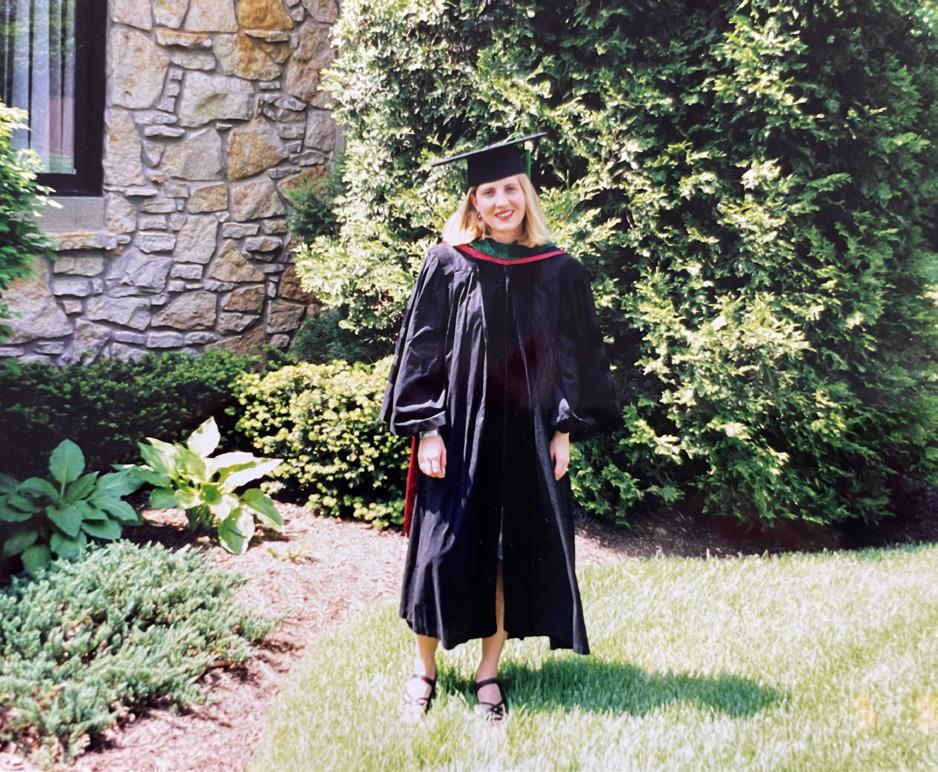
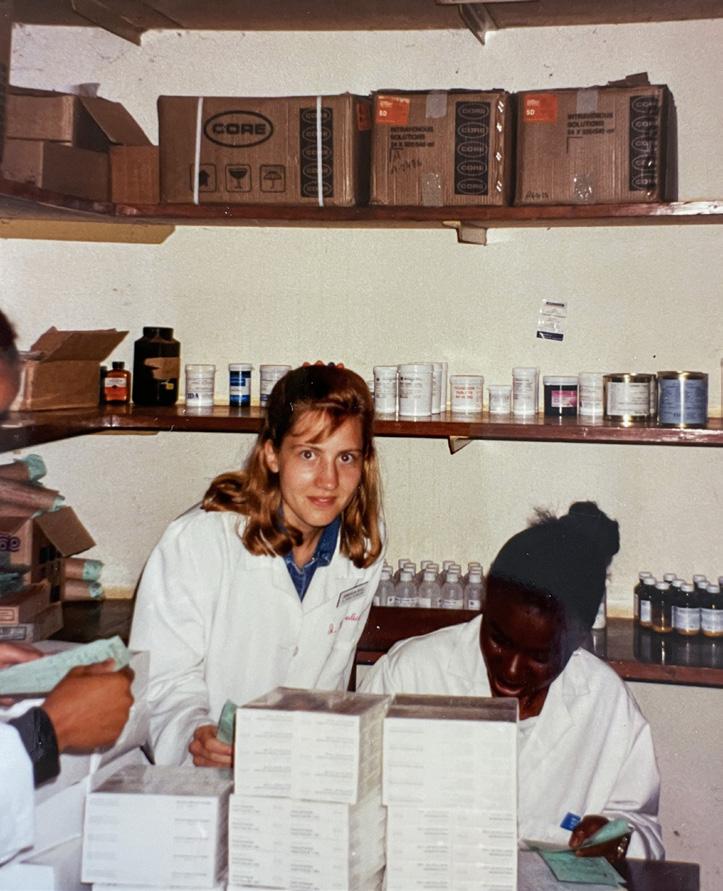
easy, choosing a specialty took some trial and error. No stranger to the scientific process, Dr. Hall learned something about herself each step of the way. She explored interests in family medicine and parasitology and eventually found the right fit during her neurology rotation in her third year of medical school.
“It was at an outpatient clinic in movement disorders,” she said. “I walked into the waiting room, and I knew this was what I was going to
do. I never wavered after that.”
Toward the end of Dr. Hall’s residency at the University of Colorado Health Sciences Center, a mentor was involved in the discovery of Fragile X-associated tremor/ataxia syndrome, or FXTAS, and asked her to work on a project related to it.
“I just fell in love with research,” Dr. Hall said. “I love that you would ask a question, do a project and then get the answer. I enjoyed the beginning, middle and end.”
Soon after, Dr. Hall’s mentor encouraged her to apply for a research fellowship. She wrote 10 applications, and one was accepted by the American Academy of Neurology. In tandem, she pursued a PhD in clinical investigation with help from one of the National Institutes of Health’s, or NIH’s, Loan Repayment Programs, which aim to recruit professionals into biomedical or biobehavioral research careers by repaying educational debt in exchange for engagement in NIH research.
Dr. Hall balanced her research and educational work with her time as an
attending physician, being on call for two weeks at a time. The hard work paid off when she applied for and received a highly competitive K23 Mentored Patient-Oriented Research Career Development Award from the NIH.
“The K23 award really jump-started my career,” she said. “It kind of feels like you’re winning the lottery. No one is going to just hand it to you. You have to go out and get it.”
Over Dr. Hall’s career, she has focused on defining the clinical features of Fragile X-associated disorders and how those features are measured.
“I was there when the disease was discovered, and now we may be getting ready for gene therapy,” she said. “I’ve been able to watch this whole trajectory. The most recent NIH grants I’ve gotten are to examine: Now that we know what the disease is, how do we fix it? These grants are preparing us for clinical trials.”
Dr. Hall is also known for her research in Huntington’s disease. She began working with patients diagnosed with the disease about 20 years ago, when there was little research available about it.
Hall said. “And wouldn’t it be great if we could treat people who are genepositive but have no symptoms yet? Can we actually prevent the disease?”
While there are many growth paths in academic medicine, Dr. Hall’s passion lies in curing disease. This impetus fuels her approach to her patient care and the questions she asks.
“It is really important to me to be in the clinic and develop relationships with people that I continue over time,” she said. “I learn from them what we need to try to fix in the lab. It’s motivating to have a patient say, ‘You need to go figure this out.’”
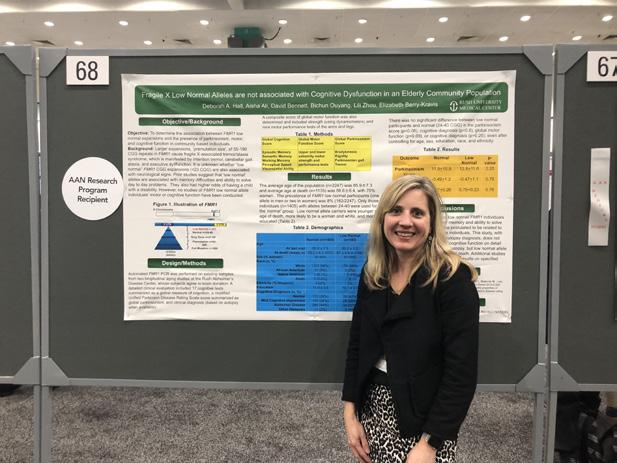
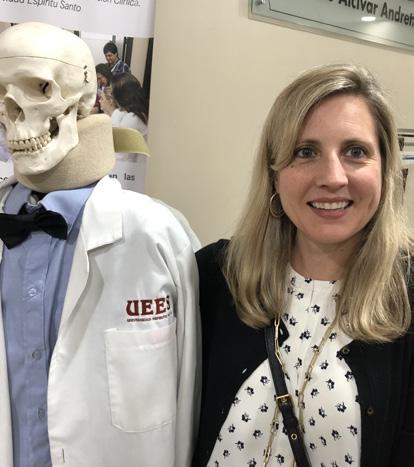
“You would diagnose the patient and prepare the family,” Dr. Hall said. “It’s a fatal neurodegenerative disease.”
But the advancement of gene therapies resulted in a major breakthrough. In September 2025, the results of a clinical trial of the AMT-130 infusion showed that the therapy proved to significantly slow the progression of Huntington’s disease. This is the first discovery of its kind in a movement disorder, and Rush is one of 12 U.S. sites for this clinical trial.
“We can thank our colleagues in the labs, developing the technology, that we may be looking at slowing down the progression of the disease,” Dr.
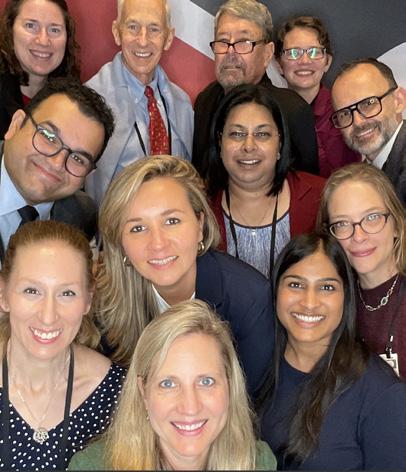
answers to advance the care she provides. This is bench-to-bedside research — a hallmark of Rush and what drew Dr. Hall here in 2009.
As director of Rush’s Parkinson’s Disease and Movement Disorders Program, Dr. Hall is laser-focused on impact. She prioritizes helping as many people as possible by focusing on conducting research that can scale and providing mentorship to the faculty around her.
“I recruited Dr. Hall because I saw her early success and her potential for scientific and administrative leadership,” said Christopher G. Goetz, MD, past director of the Rush Parkinson’s Disease and Movement Disorders Program. “Passing the baton of leadership to her has been one of the great privileges of my career.”
That exact scenario opened Dr. Hall’s eyes to racial disparities in movement disorders. A patient asked what, specifically, she and the field were doing to help Black patients. That was the catalyst for a large, multisite, NIH-funded project to define Parkinson’s disease characteristics and genetic risk factors in patients from the Black community. It is the largest Parkinson’s study to be conducted in this patient population.
Dr. Hall takes the ideas she gathers from treating patients in the clinic and shares them with her colleagues in the laboratory. She then uses the
Over her career, Dr. Hall has served as a mentor, coach and advocate for hundreds of her colleagues. Her experience applying for grants and reviewing research projects on the Rush Institutional Review Board and study sections for the NIH and Department of Defense has positioned her well to help others. She runs K Club in the Department of Neurological Sciences — a group of faculty peers who give each other feedback on research applications before submission to the NIH and other public and private sources. Many successfully funded Rush movement disorders researchers, like Alana Kirby, MD, PhD; Jori Fleisher, MD, MSCE, FAAN; and Joan O’Keefe, PT, PhD, went through K Club.
“I have learned a lot about the nuts and bolts of academic neurology from my conversations with Dr. Hall,” Dr. Kirby said. “She has helped me to determine my strategic priorities as I build my career, introduced me to senior research and clinical leaders and recommended me for valuable career-building opportunities.
Beyond her impact on me, I see her consistently showing up to mentor and advise junior scientists. She excels at practical support, and I am incredibly fortunate to have her as my division chief.”
Looking ahead, Dr. Hall aims to build on the momentum of scientific advancements in gene therapy, microRNA technology and stem cell technology to advance the department’s gene therapy research and expertise in personalized genetic medicine.
Longer term, Dr. Hall hopes she and her team can answer that guiding question: Can we find a cure?
“And wouldn’t it be great if it was for Parkinson’s?” she said. “But I would take any of the movement disorders we treat because I think if we can fix one of them, we can learn for the rest of them.
“Even if I gave just a little piece of the puzzle to get it fixed, I would be happy with that. If I can help people who are suffering, that would be a good career to me.”
Uncertainty in federal funding for biomedical research is creating real challenges across academic medicine, including at Rush. Without sustained support, promising scientific ideas stall before they can be tested. And without funding, early-career faculty may struggle to begin careers in research.
“This is the most critical time I’ve ever seen for philanthropy,” Dr. Hall said. “There’s never been a time when we needed to rely as much on our philanthropic partners. We want to get to a cure, and we can’t lose the faculty who have the new and big ideas that move the field forward.”
Dr. Hall’s own research career was launched with an NIH Career Development Award. Faculty who receive these awards are more likely to secure additional public and private funding, helping them build impactful research
programs. When opportunities for these awards dwindle, academic medicine becomes a less viable path, especially for investigators pursuing high-risk, highreward ideas that traditionally have relied on NIH support.
“I may not be a researcher if I hadn’t gotten one of those awards because I wouldn’t have had protected time for it,” Dr. Hall said. “You just cannot be a researcher while seeing patients 100 percent of the time. It’s not possible.”
Philanthropic support for early-career investigators and high-risk, high-reward research helps protect that critical time, ensuring our experts can continue asking — and answering — the field’s most urgent questions.
Thank you for your steadfast support of our researchers and their innovative ideas. They persist in their work because of you.
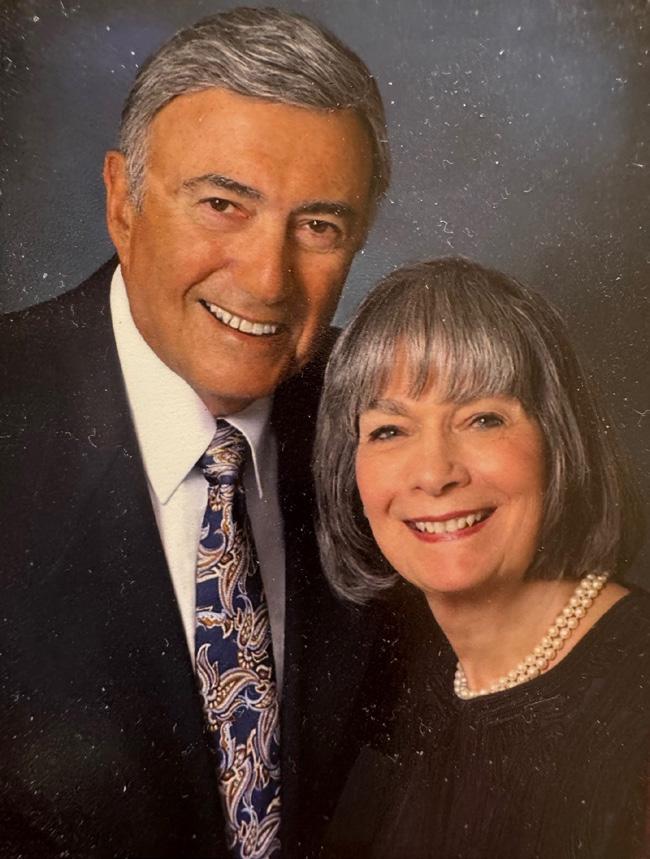
Renée Field’s care at Rush helped her live fully with Parkinson’s disease, inspired her family’s lasting commitment to research and hope
When Renée Field was diagnosed with Parkinson’s disease, she was determined not to let it define her. Instead, her resilience — and the unwavering care and devotion of those who refused to see her as anything less than whole — carried her through.
A former schoolteacher with a deep love for children, music and learning, Renée was diagnosed with Parkinson’s at age 70 and lived with the disease for 18 years. For her husband of nearly 64 years, Burt Field, and their three children, the news marked the beginning of a long, uncertain journey. The care they received at Rush University
Medical Center inspired a legacy of philanthropy that continues today.
“She was surprised and obviously concerned when she was first diagnosed in 2007,” Burt said. “At that time, we really didn’t know very much about Parkinson’s. Nobody could tell you exactly what was going to happen or how it would progress. You just knew that it was serious.”
Like many families searching for answers, the Fields turned to research, recommendations and lived experience. An online search and guidance from loved ones led them to Rush, where Renée became a patient of two neurologists who were then with Rush: Kathleen Shannon, MD, and Christopher Goetz, MD. The family found not only clinical expertise but also a sense of trust that endured for years.
From the outset, Renée’s care at Rush was defined by consistency and compassion. Her care team focused on managing symptoms carefully and adjusting treatment as the disease evolved, helping Renée maintain independence for as long as possible.
“They were always trying to do the right thing for her,” Burt said. “They took the time to explain what was happening and what the options were. Renée trusted them, and when you’re dealing with something like Parkinson’s, that trust is everything.”
For the first decade after her diagnosis, the care Renée received allowed her to continue living the life she loved. Medication helped with early symptoms, allowing her to travel with her husband extensively — sometimes with a walker, but always with determination and optimism.
“Those were good years,” Burt said. “We were very lucky to have that time together, and we didn’t take that for granted.”
As Parkinson’s progressed, so did the challenges, with a separate spinal condition compounding Renée’s physical limitations. She eventually gave up driving, then walking independently, and later relied on a wheelchair. In the final years, Parkinson’s affected her voice, making communication increasingly difficult.
“That was probably the hardest part for me,” Burt said. “Because I have hearing difficulties myself, it became extremely hard for us to communicate. I never expected that part, and it was very frustrating and very painful.”
Through it all, though, Renée moved forward with grace.
“She was really a trouper,” Burt said. “The disease never affected her mind or her attitude. She accepted what was happening and kept going.”
Renée’s daughter, Gail Smoler, remembers a mother whose illness never diminished her kindness or her commitment to family. Even late in her illness, Renée found joy in nurturing her family and other relationships.
“She was a wonderful mother, a wonderful wife, a wonderful grandmother and a wonderful friend,” Gail said. “She took pride in keeping the family connected. That was really important to her, and it made a profound impact on who we are as a family today.”
For the Field family, the care Renée received at Rush went beyond medicine; it honored her humanity.
“The staff were always very nice and very accommodating,” Burt said. “They genuinely cared about her and about us. You could feel that they were doing everything they possibly could to help. If anybody is going to find solutions to this horrible disease, I believe it will be Rush.”
That feeling has fueled more than a decade of giving. Since 2008, the Field
family has supported the Rush Parkinson’s Disease and Movement Disorders Program, directing gifts toward innovative research aimed at improving quality of life and, ultimately, finding a cure.
Their generosity inspired others to do the same. Following Renée’s passing in April 2025, more than 50 memorial gifts were made in her honor to support Parkinson’s research and care at Rush.
“She would have wanted to personally thank every single person who made a gift,” Gail said. “She would have been incredibly appreciative to know how much support there was and how much she was loved.”
Today, the Field family views their philanthropy as a continuation of Renée’s spirit. In October, they established two philanthropic funds to honor her memory: one supporting the most promising Parkinson’s disease research and an endowment to support research in perpetuity.
“We hope this is a lasting legacy,” Burt said. “That the funds raised will help other families in similar situations and, someday, help bring about a cure.”
For families facing Parkinson’s, the Fields hope their story underscores the importance of staying connected and hopeful.
“Patience and kindness are so important,” Gail said. “This disease changes every day, and every family member experiences it differently. You have to be compassionate with each other.”
As Rush researchers pursue innovative approaches to Parkinson’s care and research, the Field family remains focused on one goal:
“Find a cure,” Burt said. “That’s what this is all about.”
Progress in Parkinson’s disease and movement disorders care and research requires multiple approaches and perspectives. Philanthropic support fuels the multidimensional progress taking place in our clinics and labs. The following updates are just a few of our department’s recent advancements.
The introduction of dopamine-based therapies more than 50 years ago transformed Parkinson’s care, improving mobility and restoring independence for people living with relentless and debilitating symptoms. Today, drug therapies remain a promising focus of research. Refinement of dopamine-based medications and investigation of other druggable targets offer hope for a treatment that not only manages symptoms but also disrupts — or even prevents — disease progression. Unfortunately, the pace of discovery has been constrained due to the complexity of the disease’s pathological processes and limitations in research tools.
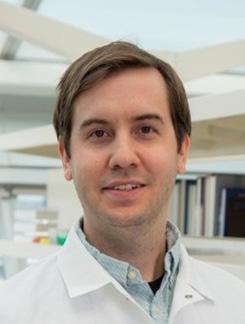
At Rush, discoveries made in the lab of Bryan Killinger, PhD, challenge widely held theories about the pathological processes of Parkinson’s and other synucleinopathies, a group of neurodegenerative conditions characterized by a buildup of the protein alpha-synuclein in the brain. For example, our findings suggest aggregation disrupts and distorts alpha-synuclein’s normal interaction network and is not driven by separate mechanisms, such as mitochondrial damage. While these findings are incremental, they fill a critical gap in knowledge about alpha-synuclein’s role in both the healthy and diseased human brain.
Much of what we know about the disease processes of synucleinopathies is derived from animal models, which were instrumental in the development of dopamine-based therapies. But animal models cannot accurately replicate human disease in all its complexity, and their usefulness has been limited in the development of breakthrough disease-modifying therapies.
Dr. Killinger, co-director of the Rush Movement Disorders Brain Bank and assistant professor in the Department of Neurological Sciences, and his team changed the paradigm by pioneering the use of an innovative lab technique known as in situ proximity proteomics in human brain tissue samples. This approach enables scientists to observe and map protein
interactions, reducing errors caused by speculation and revealing previously unknown relationships. With your support, we utilized this technique to build an interactome map of the human synucleinopathy brain. Our findings now serve as a roadmap to accelerate the search for the next breakthrough drug therapies.
We all need a strong support system. For people diagnosed with neurodegenerative movement disorders, caregivers help prolong independence and extend life by coordinating medical care, monitoring patients’ health conditions, ensuring medications are taken as prescribed and fostering social connections. To achieve this, caregivers also need support. Our dedicated physicians aim to expand caregiver support by advancing the following two studies:
• A computerized social cognition training program has been shown to boost individuals’ ability to recognize facial emotions, a social skill that can improve interpersonal interactions. With philanthropic support, Samantha Patel, MD, assistant professor, and a talented research team have embarked on a pilot study examining whether this program can support people with Huntington’s disease and their caregivers. Huntington’s disease causes challenges far beyond motor symptoms. Cognitive and behavioral changes in patients can result in heavy practical and emotional burdens for their caregivers. By introducing computerized training to patients, Dr. Patel hopes to enhance their ability to interact positively and productively with the people surrounding them.
• One of the field’s most passionate advocates for people with Parkinson’s disease and their caregivers, Jori Fleisher, MD, MSCE, FAAN, associate professor, has received positive feedback from participants in a study examining the
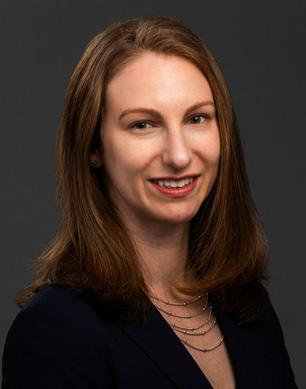
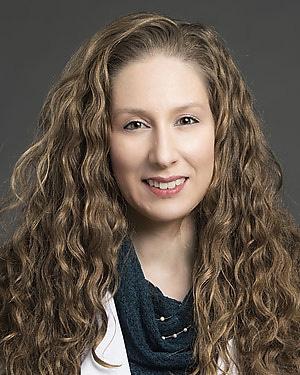
impact of peer mentorship on caregivers for people with Lewy body dementia, or LBD. The PERSEVERE study builds on Dr. Fleisher’s previous donor-funded work to help people living with advanced Parkinson’s disease and LBD and their caregivers manage the significant burdens they face. While the study is funded by a prestigious Research Project Grant, or R01, from the National Institutes of Health, additional resources and funding for Dr. Fleisher’s work are supported by philanthropy.
Examples of the feedback she has received include:
“I just want to say how grateful I am that I participated in this study, mainly because it gave me the gift of a relationship with my mentor. Being able to share my feelings and the realities of dealing with LBD is wonderful for my mental health and wellbeing.” — Mentee in the PERSEVERE study
“I appreciated the mutual support we gave each other. My sense was that my mentee sounds much more calm than when we started. This experience empowers us with knowledge, and it’s certainly more comforting knowing you’re not alone in what can be a daunting responsibility.” — Mentor in the PERSEVERE study
“The tenor of science is a disciplined march. Ideas are pushed forward every day by people doing dogged work — thinking, talking, arguing. We work because we’re discovering. Week after week. And then you look back one week, and you’ve taken a step closer. That’s the love of science.” Larry J. Goodman, MD, former CEO of Rush University System for Health and former president of Rush University
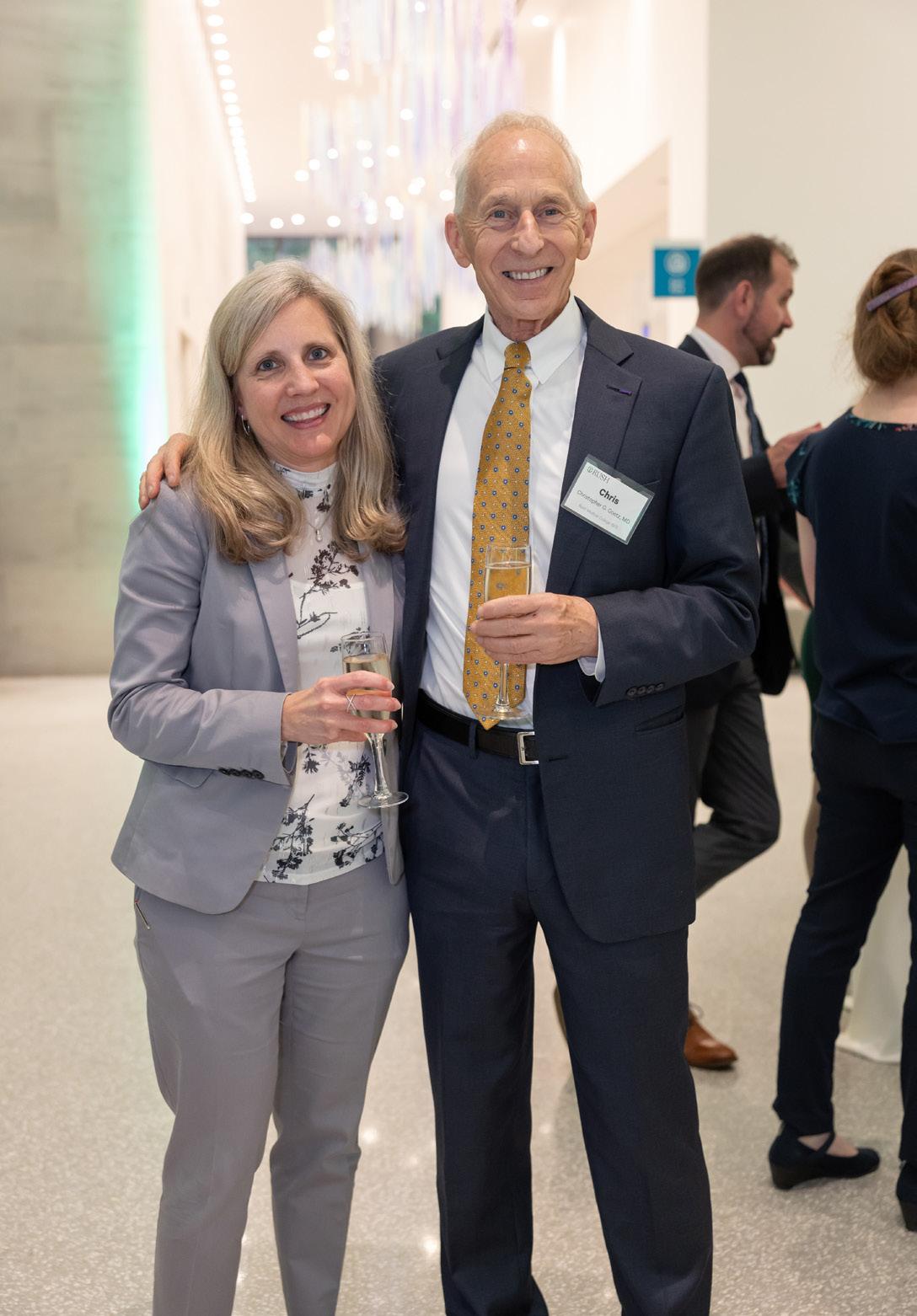
Christopher G. Goetz, MD, embodied the disciplined march of science during his more than 50 years at Rush, Dr. Goodman told colleagues, patients and philanthropic partners who gathered in June 2025 to celebrate Dr. Goetz’s retirement. A member of the inaugural Rush Medical College Class of 1971, Dr. Goetz stepped down to enjoy a well-deserved retirement after more than 30 years at the helm of the Rush Parkinson’s Disease and Movement Disorders Program.
The march of science will continue thanks, in part, to philanthropic gifts to expendable and endowed funds honoring Dr. Goetz’s career. In total, 141 individuals from 105 households made gifts in Dr. Goetz’s honor. The funds will support the Dr. Goetz Award Program and the Dr. Goetz Lecture Series.
Rush will welcome Andrew D. Siderowf, MD, MS, professor of neurology and division chief of movement disorders at the Perelman School of Medicine at the University of Pennsylvania, as the first guest lecturer. Dr. Siderowf’s research centers on clinical trial design and execution, with a particular focus on the use of biomarkers as outcome measures. His presentation will give early- and mid-career Rush researchers the opportunity to network and brainstorm with him about future endeavors.
Bryan Killinger, PhD, assistant professor of neurological sciences and co-director of the Rush Movement Disorders Brain Bank, and Alana Kirby, MD, PhD, assistant professor of neurological sciences, were awarded the first two Dr. Goetz Awards. Dr. Killinger plans to search for direct evidence of a widely held hypothesis about alpha-synuclein’s spreading mechanism using a newly developed lab technique called in situ seed amplification assay. Dr. Kirby and senior researcher Raquel Romay-Tallon, PhD, aim to implement and optimize imaging methodologies to detect micro- and nanoplastics in human brain tissue samples.
Your support ignites the breakthroughs that improve people’s lives. Every day, we strive to provide the best possible care for people with movement disorders, seek answers to the questions that may get us closer to cures and train the next generation of experts to follow in our footsteps. Your philanthropic support makes this work possible, and it has never been more important.
To support the Parkinson’s Disease and Movement Disorders Program at Rush or learn how you can continue your legacy of support through an estate gift, scan the QR code, visit rushgiving.com/pdimpact or contact:
Brigid Mullen
Associate Vice President of Major and Planned Giving
(312) 942-4460
brigid_t_mullen@rush.edu