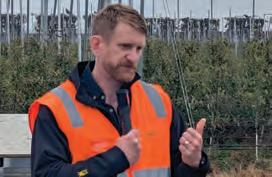

RAPID GROWTH in dairy farm worker pay in recent years means more money in the pockets of New Zealanders, says Federated Farmers dairy chair Karl Dean.
He says migrant still makes up only a small percentage of the farming workforce
He was commenting on the findings of a new report that shows farm worker
pay growth has levelled off after a postpandemic period of rapid growth.
The 2026 Federated FarmersRabobank Farm Remuneration Report shows the average salary for a farm worker increased by $1,367 to $72,778, or a weighted average rise of 3% across 13 job positions.
However, that is well down from the average annual salary rise of 13%, and a weighted average rise of 17% for sheep and beef farm roles, between
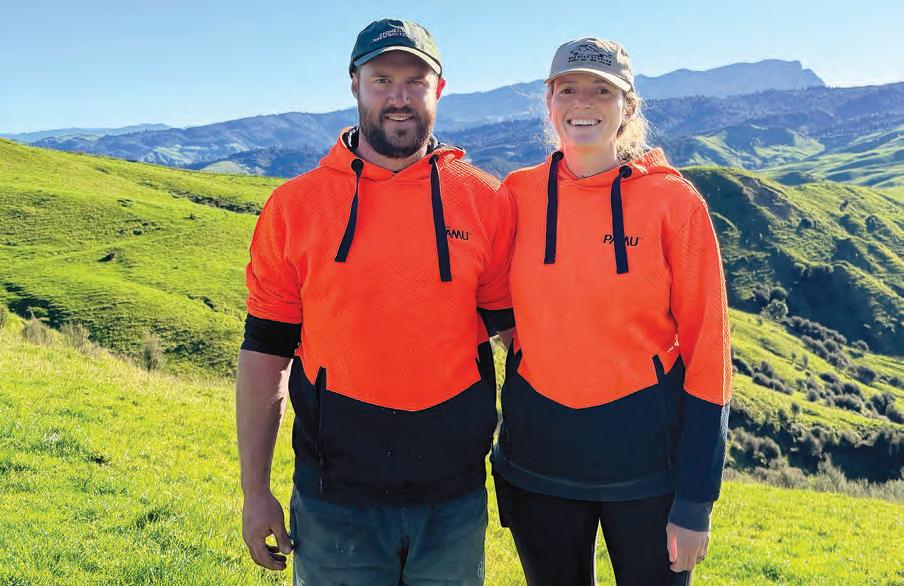
WAIROA FARMERS Cameron Hassall and Alice Wilson are one step closer to their dream of owning a farm. State farmer Pamu selected them as new equity partners for Mahiwi Farm, marking the next step in its livestock equity partnership model which creates practical pathways to farm ownership for skilled operators. Mahiwi Farm is a 1,755ha sheep, beef and forestry property west of Wairoa. Cameron and Alice say they want to grow their stake in Mahiwi, improve the farm’s performance, and show that this model works, not just for them, but for other young farmers looking for a way into ownership. Story p4
2022 and 2024.
The report says the slowing in pay rises in the last two years is consistent with broader labour market trends, with wage growth across the economy typically 2-2.4% annually.
Dean, who is also Feds’ employment spokesman, says increases have been higher for some roles.
“For example, the average salary for a dairy farm assistant rose to $63,359 this year, a rise of 5%.
“Wages for an arable farm machinery operator jumped a massive 30% to $82,651.”
The report collated results from a survey of 427 farm employers covering nearly 1,500 employees.
Dean told Rural News that about 75% of dairy farm assistants are New Zealanders and only about 16% are on a visa - and about half of those are on working holiday visas and essentially only here for here for the spring rush.
In the more senior dairying roles such as herd manager and assistant manager, Dean said migrants make up a higher percentage, probably because Kiwis have greater opportunities to progress into ownership roles.
“If you are on a work visa, you cannot own a business in New Zealand. That means that in the dairy sector, you can’t go into contract milking or variable order share milking, until you’ve become a permanent resident, which generally takes five or six years.”
Bruce Weir, Rabobank general manager for country banking, says despite a relatively modest lift over the last two years, the sector’s recent strong performance makes it an attractive option for young Kiwis.
“The agri sector has performed really strongly over the last 18 months and has been the shining light of the New Zealand economy,” he says.
“The sector’s long-term outlook remains positive, and the strong investment we’re currently seeing should flow through to new job opportunities in the years ahead.”
However, Weir says ongoing salary growth is also essential to ensure the sector continues to entice the next generation into agri careers.
“Remuneration matters to young people, and attracting strong talent will depend on on-farm salaries keeping up with - or surpassing - the wider employment market.”
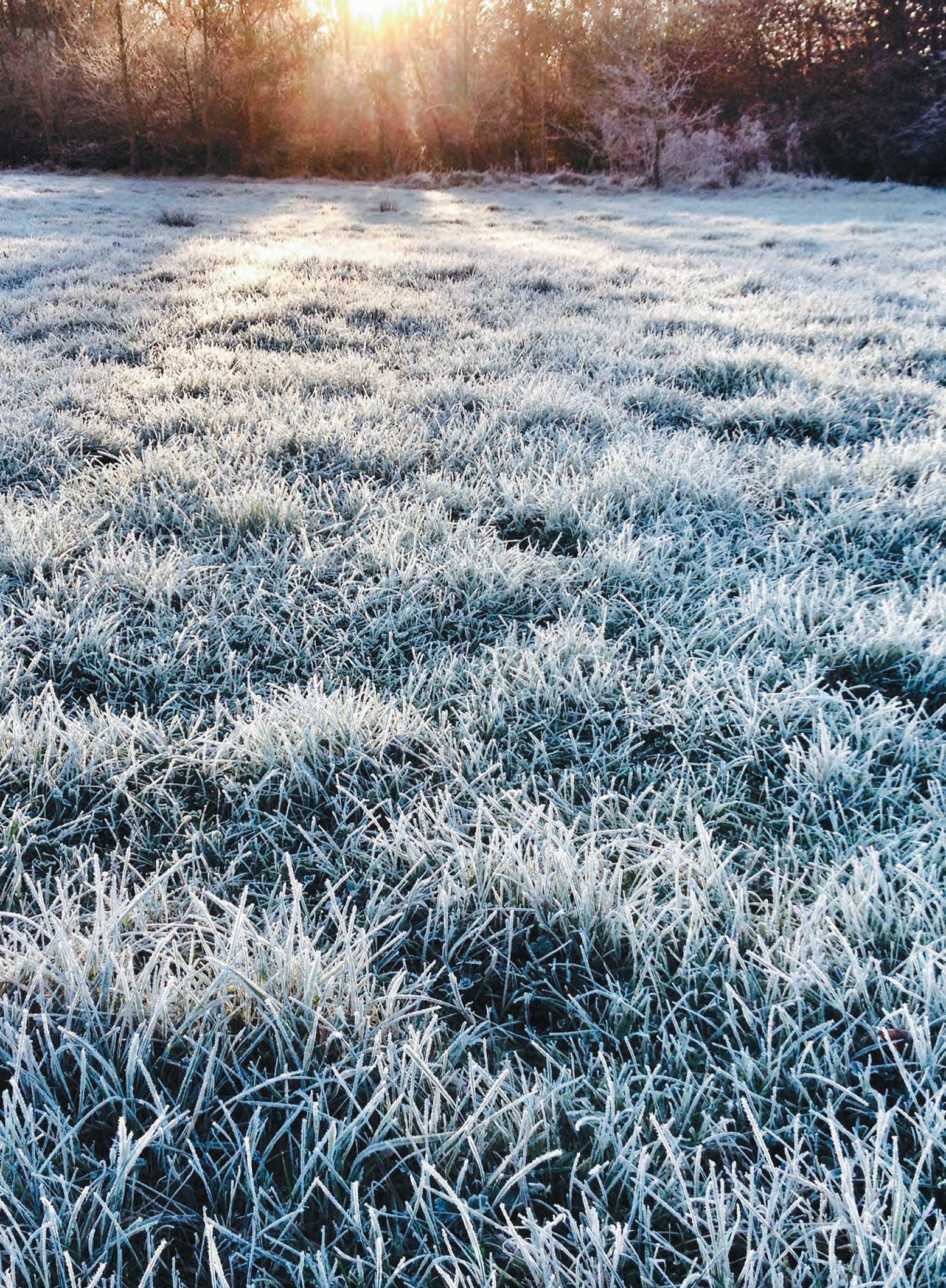


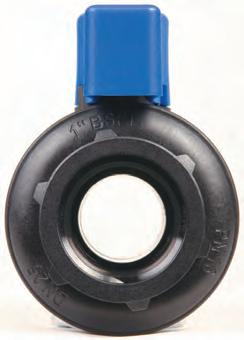
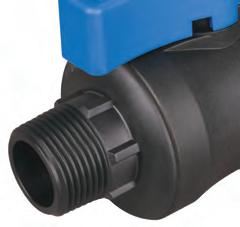
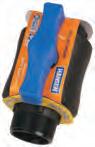
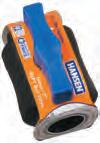
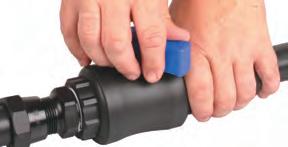
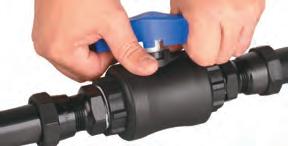
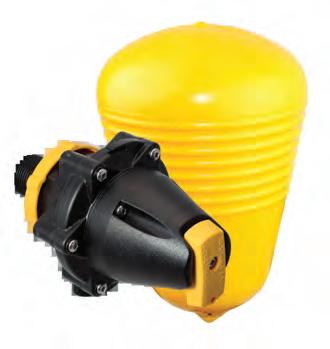
The Hansen Full Flow Ball Valve’s reputation for holding up in frosty weather is quite simply unsurpassed! The extraordinarily high quality design coupled with a host of practical features makes it the ultimate user experience. What’s more it’s the only NZ made Ball Valve with a 100% replacement warranty.



Subscriptions: subsrndn@ruralnews.co.nz
1-9
10-11
13-14
15
PETER BURKE
peterb@ruralnews.co.nz
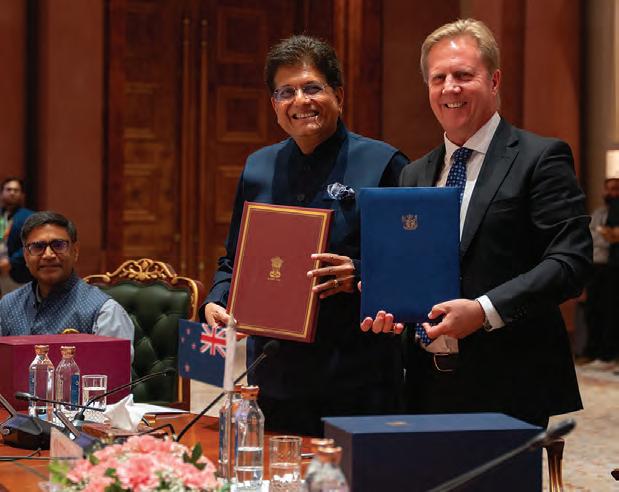
A LAVISH signing ceremony in Delhi has cemented in place a deal that will have massive economic benefits for some of NZ key primary exports – notably forestry, horticulture, sheepmeat and wool.
Trade Minister, Todd McClay and the Indian Minister for Commerce and Industry, Piyush Goyal signed the historic FTA between the two countries in front of a large group of NZ and Indian businesspeople.
Among those present was Labour’s spokesperson on Trade, Damien O’Connor. The signing formalises the agreement the two countries reached just before last Christmas.
Now that the deal has been signed, it will need to be ratified by Parliament, and while the public will have the opportunity to comment on the deal via the select committee process, its passage through parliament is assured now that Labour has said it will support the deal.
McClay says the deal will deliver thousands of jobs and billions of dollars in additional exports. He says it will
create opportunities for our businesses to diversify and create strong trading relationships that provide economic security for New Zealanders.
“That is crucial in these times of global unrest,” he says.
The FTA eliminates or reduces tariffs on 95% of NZ exports to India and almost 57% of our exports will be duty-free from day one including lamb, wool, coal, leather, most forestry and industrial products.
The signing was welcomed by New Zealand’s red meat sector.
Meat Industry Association (MIA) independent chair Nathan Guy says that once ratified, the FTA will expand New Zealand red meat exporters’ trade options in a challenging global environment.
“Exporters are operating in a world of rising protectionism and ongoing volatility. Having a broader mix of markets and expanding our reach will help spread risk and provide more stability for farmers and exporters.
“India is a market with significant long-term potential. While we won’t see immediate gains, this FTA charts a path to improve market access and create new opportunities for the red sector.”
Beef + Lamb New Zealand chair Kate Acland says the agreement positions New Zealand in a market with strong promise.
“India is now the world’s most populous country and is expected to become the third-largest economy within the next five years. As incomes rise in India, so will demand for highquality natural protein.
“Access has been constrained due to a 30% tariff on New Zealand sheepmeat. This FTA will start the process of addressing those barriers and puts us in a stronger position as the market develops.
“The FTA can help build the red meat sector’s resilience and enable us to keep delivering for the New Zealand economy,” Acland says.
LIVESTOCK IMPROVEMENT
Corporation (LIC) and the Ag Emissions Centre have completed the latest phase of a multi-year methane research programme, providing important insight into the role genetics may play in reducing gross emissions.
The programme, initiated in 2021 and supported by CRV, set out to identify low-emitting bulls. The hypothesis was that these bulls would
Detach to Clean
pass the trait on to their milking daughters. Because a relatively small number of bulls sire the next generation of dairy cows, this approach offers a cost-effective and innovative way to introduce low methane emissions into the national herd.
Early findings were encouraging, with lower methane emission traits identified in young bulls, and clear evidence these traits were passed on to their growing daughters.
However, the final phase of the research, which measured methane emissions in those daughters once they were lactating, found that this trait does not seem to be expressed during this stage.
Executive director Ag Emissions Centre, Naomi Parker says while the outcome is disappointing, the findings are still valuable, and the job now is to shape the direction for future research.
“Genetics still can have a meaningful role in reducing gross methane emissions. For beef and sheep, we are still confident in the approach, and we will be feeding the insights from this trial into work underway in these areas. For dairy we will consider taking a different approach that will likely focus on measuring lactating cows for methane production to generate a DNA based selection criteria.”
• For Water Storage Tanks
• Adjustable levels from 50mm-2.5m
• Minimises pump operation
•Available in 20/25/32/50mm
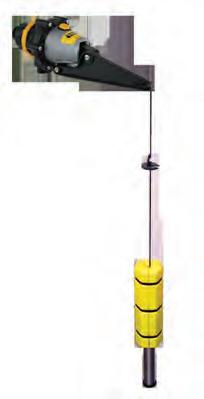
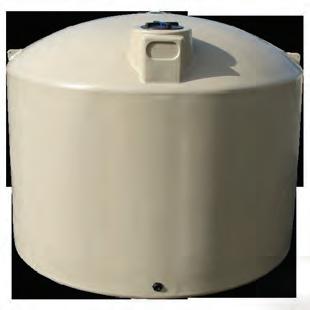

• Stainless steel bracket and Shaft
• Fits plastic and concrete tanks
• Rugged and long lasting

SUDESH KISSUN
CENTRAL OTAGO
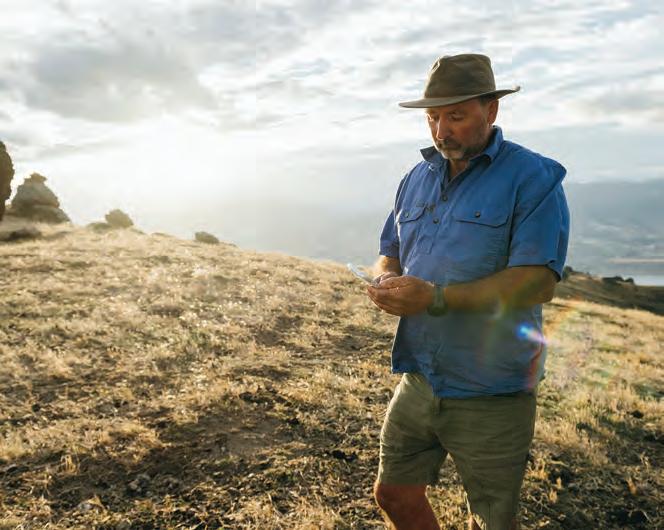
farmer Bevan McKnight no longer worries about leaving a few Angus cattle behind while mustering on the 13000ha station he leases.
With the Halter collars on his 200 Angus cattle now linked to satellite technology, he knows exactly where to look for them at Northburn Station in the Dunstan Mountains.
“We know exactly where to walk to and where to find them,” he told Rural News
“Previously, we always left a few behind and had to go back to look for them.”
McKnight was one of a handful of farmers
who trialled the directto-satellite technology for beef cattle smart collars, a world-first solution driven by Starlink and One NZ.
He says the collars were linked to the satellite on February 26.
The results are a game changer, he says.
McKnight says directto-satellite will also unlock unconstrained grazing.
“Virtually fencing our extensive station using Halter will be a game-changer for land utilisation.
“For the first time, we’ll be able to graze large blocks of land that have never been touched by our cattle, because we had no way of managing them there.”
McKnight says to
have Halter collars on cattle before this satellite solution would have required 25 towers.
“So, this new practical option makes Halter a no-brainer for us.”
The station also has fragile areas that are environmentally sensitive and the technology has also enabled him to keep the cattle out of those places, he said.
Internal modelling estimates direct-tosatellite capability will expand access to Halter for New Zealand beef farms by at least 20%.
Direct-to-satellite also positions Halter for expansion into more remote markets globally, such as South America and parts of Africa.
Halter also announced a suite of new tools for
reproduction, animal behaviour, and precision pasture management, significantly expanding what is possible for cattle management.
Until now, the solarpowered, GPS-enabled collars system depended on Halter’s proprietary LoRa (long-range) radio towers on farms. With the Starlink connection, the collars can communicate directly to satellites, eliminating the need for ground infrastructure entirely.
In New Zealand, Halter will become the largest provider of nonmobile devices connected to Starlink, with hundreds of thousands of the new collar version to go live upon launch, globally.
“Connectivity for virtual fencing was
the blocker for the most remote or large operations and direct-tosatellite solves this,” says Craig Piggott, CEO and founder of Halter.
“With One NZ and Starlink, we’ve removed that barrier. Farmers managing animals on remote, rugged terrain can now access the same tools as operations with full cellular coverage. Combined with our new suite of product features, these farms can be even more productive.”
STATE FARMER Pamu says a programme it’s running to help skilled operators into farm ownership is paying dividends.
Last week, the state-owned enterprise announced new equity partners for its Mahiwi Farm in Wairoa, the first livestock property offered under its livestock equity partnership model.
The new equity partners are Cameron Hassall and Alice Wilson, experienced sheep and beef farmers with deep roots in the Wairoa district.
The couple bring a strong track record in livestock performance, farm systems, and community leadership, and see the Mahiwi partnership as a pathway to build equity while staying connected to their local community, Pamu says.
Mahiwi Farm is a 1,755ha sheep, beef, and forestry property west of Wairoa. A new entity co-owned by Pamu and Cameron will lease 708 effective hectares used for sheep and beef farming with Pamu retaining control of the remainder of the land (forestry and QEII covenants).
Pamu chief operations officer Will Burrett said the appointment shows the model moving from concept to delivery.
“This is about backing ambitious, capable people into farm ownership,” Burrett says.
“Mahiwi is a strong example of how we can support operators to lift farm performance, grow equity, and strengthen business capability while retaining Crown ownership of the land.”
The livestock equity partnership
builds on Pamu introducing dairy sharemilking arrangements (including contract milking, variable order, and herd-owning) in 2024.
Cameron Hassall says the Mahiwi equity partnership offered something rare in the sheep and beef sector: a genuine opportunity to grow equity directly on farm. Combined with Mahiwi’s proximity to their families, it was a straightforward decision.
“For us, this is about building something real,” Alice says.
“We want to grow our stake
in Mahiwi, improve the farm’s performance, and show that this model works, not just for us, but for other young farmers looking for a way into ownership.”
The couple see themselves as committed guardians of the land, with strong values around animal welfare, environmental care, and community involvement. Between them, they volunteer regularly at local galas, sports events, fundraisers, and the Wairoa A&P Show, where Alice also serves as event manager.

NZ FTA.
NOW IT’S signed, make it work.
That’s the message from the chair of the Federation of Māori Authorities, (FOMA) Traci Houpapa. She was commenting on the recent signing of the NZ/India free trade agreement (FTA).
FOMA members represent assets with diversified interests across mixed livestock, dairy, horticulture, property, retirement villages, seafood and other investments.
FOMA members are the largest network of Māori freehold landowners in the country. The organisation has been working behind the scenes providing input to MFAT and MPI who’ve been responsible for negotiating the India/
Houpapa says overall FOMA is in favour of the FTA being ratified, but in saying this, they have reservations. She says the FTA represents a significant shift in NZ’s trade diversification and it’s well known that India is one of the world’s fastest growing economies and Māori, as intergenerational asset holders Māori, know all about that.
The problem with the FTA for Māori, says Houpapa, is that the benefits are sector specific. She says it’s especially great for horticulture, which is big for Māori, but also sheep, forestry, manuka honey and seafood.
“We knew from the start that dairy was always going to be sidestepped in the negotiations, however Māori have significate
WET AUTUMN weather is posing challenges for aerial topdressing operators and farmers are being urged not to put pressure on pilots to fly in borderline conditions where safety could be at risk.
The executive officer of NZ Agricultural Aviation Assn (NZAAA), Tony Michelle, says operators across the country are facing multiple bad weather events, and narrow windows in which to operate mean it’s simply not possible to get everyone’s fertiliser on when they ideally want it.
“Infrastructure and airstrip conditions are compounding the problem,” Michelle told Rural News
“Soft-surface airstrips that cut up and sites that trucks cannot access when wet all contribute to delays, creating knock-on effects for other farmers. Truck operators usually have the capacity to move product, but they are dealing with the same access problems to airstrips and bins as the pilots are,” he says.
Michelle says uncovered fertiliser bins are also a problem and can cause delays, which in turn affects other clients waiting for the aircraft to arrive. He says a client’s expectations can put pressure on pilots and that can lead to pilots pushing out the safety envelope.
“And we certainly don’t want that to happen,” he says.
Michelle says while an airstrip may only be used a few times a year, it is still important for farmers to keep them up to a high standard. He says aircraft and loading equipment is very expensive and their people need good facilities if they are

exposure with assets in the dairy sector with big trusts such as Wairarapa Moana in the central North Island and Parininihi ki Waitōtara in Taranaki,” she told Rural News
“We are big players in this sector so the exclusion of dairy limits the upside for some of us. While the gains are real, they are sector specific and we need to be quite
to deliver safely, efficiently and on time.
“These issues are not new. If we can work together on facilities, timing and preparation, we can make better use of suitable weather envelopes, optimise industry’s resources and ensure fertiliser is applied when it will do the most for pasture and production,” he says.
As an aside, Michelle says despite the global crisis, fertiliser activity has stayed constant. He puts this down to the fact that, apart from nitrogen, there hasn’t been a significant increase in the cost of other fertilisers. He says any increase appears to be offset by the good returns that farmers are currently receiving.
But Michelle says things may change in spring if the cost of
and fuel goes up.
clear about what we are signing up to,” she says. Houpapa says FOMA is in favour of the FTA being ratified, but does so with its eyes wide open
around what it is. She says it isn’t a silver bullet and with India being a tough negotiator, you could argue that there’s more upside for India in this FTA than NZ.
“But we are not making a call on that. We are pragmatists and so we are saying sign up and get on with the job,” she says.
TRACI HOUPAPA says one of the upsides of the FTA is that India is projected to be a multi-trillion-dollar economy, but she says at the same time, NZ also needs to look at the likes of Indonesia, Malaysia and the Philippines.
She says one issue that the FTA may offer Māori is investment partnerships with India. She points out that Māori can offer value in renewable energy, agritech and food innovation, while India could bring scale and technology and therefore potentially position Māori as the preferred indigenous partner, which she says makes sense to FOMA.
“But without coordination, we risk being passive recipients instead of active partners, and that requires an intentional strategy, not only on the Māori side but also on the government side,” she says.
It should be noted that the India/NZ FTA, like other recent FTAs, includes a Treaty of Waitangi clause which allows NZ to meet its treaty obligations. This was a bottom line in the negotiations for Māori.
Another issue is immigration and Houpapa says there is a need to be mindful of what this might mean for Māori. She says there are pros and cons. She says realising the growth opportunities for Māori will require deliberate leadership on the part of government, Māori and industry. She adds that, at the moment, she can’t see that happening.
“To sum up, the NZ/India FTA for Māori is neither a clear win or loss – it’s a platform we can build on and it’s better we are around the table than not at the table,” she says.
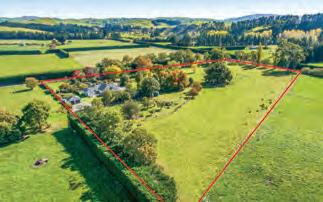

A Home fit for a Prime Minister
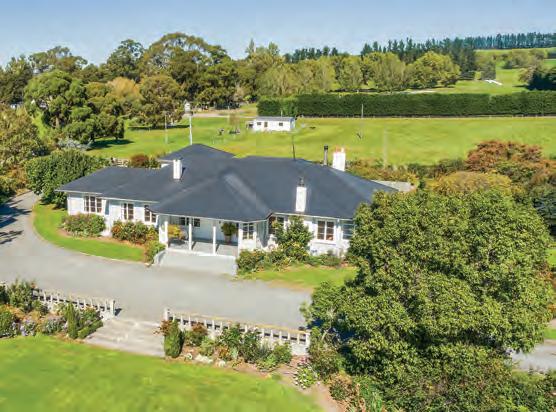
Set on 2.956ha (more or less) this exceptional lifestyle homestead, built for the New Zealand Prime Minister, George Forbes in 1934, exemplifies practicality, quality, charm and character.
Farmhouse kitchen/diner
• 1hr 20
from Christchurch (subject to traffic)


THE COUNTRY’S largest A&P Show –Canterbury - will be “back where it belongs” this year, running from the Wednesday through Friday of Christchurch’s
iconic Cup Week, after a two-year experiment of running Thursday to Saturday instead.
The Board and General Committee of the Canterbury Agricultural and Pastoral Association (CAPA) have
announced that the Show will return to its original Wednesday–Thursday–Friday format, running from November 11 to 13.
CAPA says the decision restores a format that served the show for more than
160 years, and reflects direct feedback from the farming community, rural exhibitors, and agricultural businesses who are the backbone of the Canterbury A&P Show.
“This is a return to
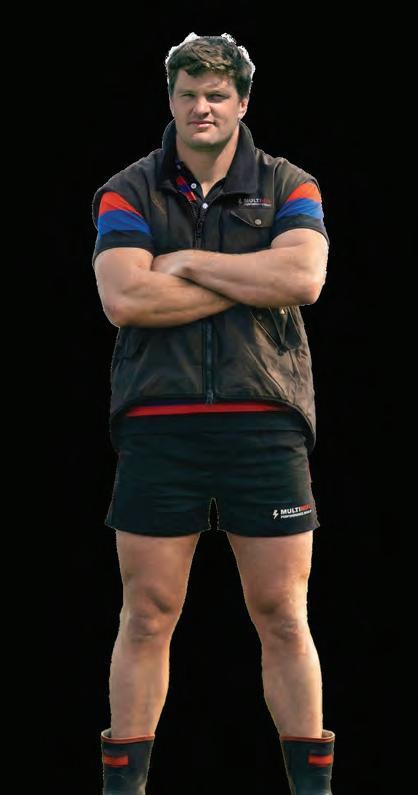
WHEN PERFORMANCE MATTERS: MULTIMIN.
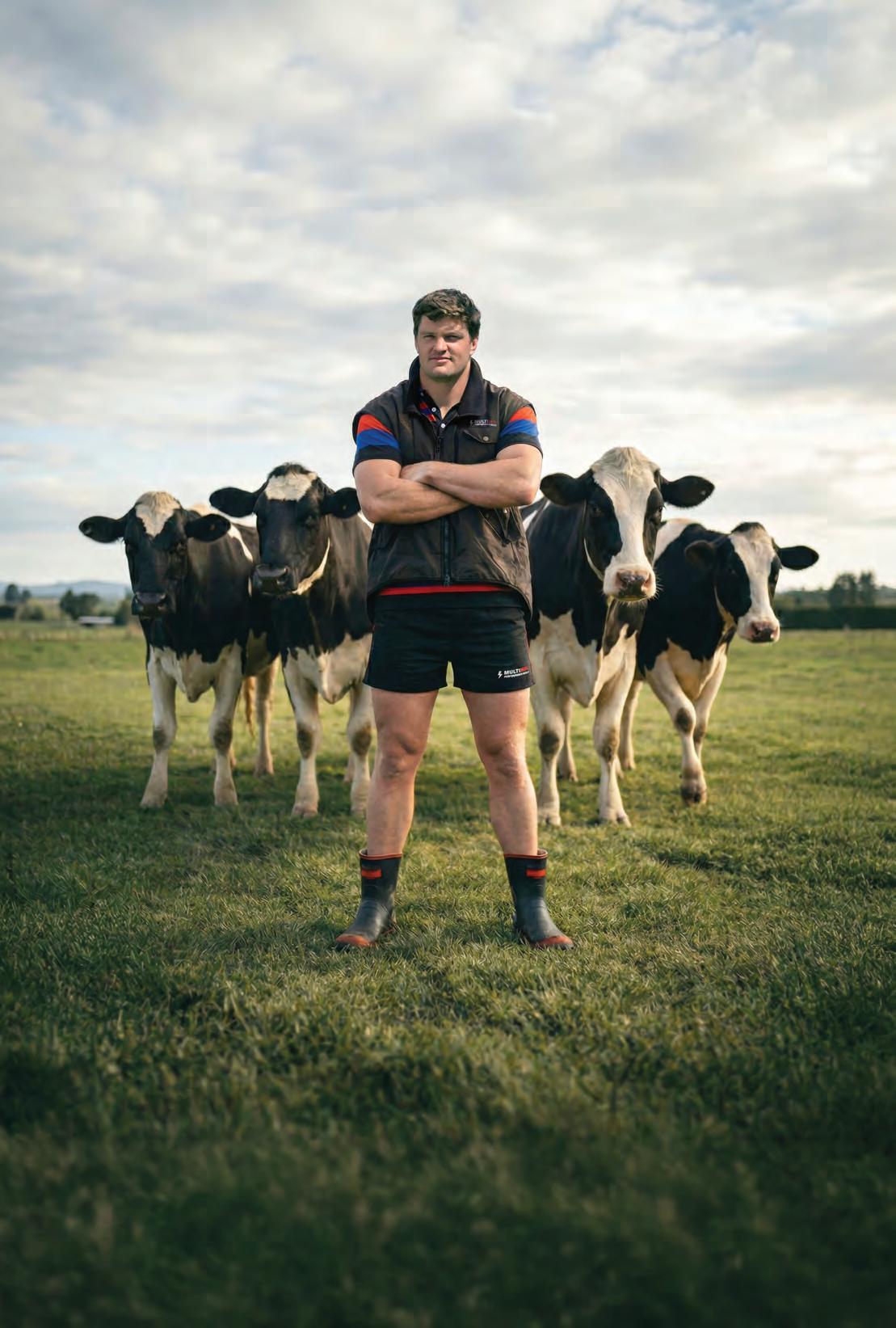
When your herd is approaching the big moments, prepare their biology to win. MULTIMIN® is a precision-timed, injectable trace element that helps align mineral availability with periods of increased biological demand – supporting metabolic function, immunity and productivity when it counts.
That’s animal performance science.


our roots,” said board Chairman Sir David Carter.
“Wednesday–Friday is the format that works for farmers, for competitors, and for the rural community that built this show,” he told Rural News
“We listened to our exhibitors and our members, and we are acting on what they told us. That is what good governance looks like.”
The change also reverses a scheduling conflict with the New Zealand Cup race day at Riccarton on the Saturday.
The Association said the show and the cup were two complementary pillars of Canterbury’s Show Week calendar that should not be rivals for the same audience.
The development ends the upheaval that began in 2024 when the then-board announced that because of financial constraints there would be no public show that year - although the
competition classes would continue without a public audience. Dissatisfaction from the association rank and file then led to a change in board membership including Carter as chair, and the acceptance of an offer from Events company Event Hire to run a public show at much less cost than the old board had thought necessary.
As part of that offer, Event Hire believed that the Thursday to Saturday format would get more of the non-farming public through the gates. It ran both the revived 2024 show and the 2025 show to the same schedule.
However, Carter said Event Hire’s aspirations weren’t quite the same as CAPA’s.
“Their aspiration was more a carnival type show than what we think is an agricultural and pastoral show connecting town and country,” says Carter.
@rural_news
facebook.com/ruralnews
NICK ANDERSON, one of Event Hire’s two owner/operator brothers, confirmed that the parting of the ways was amicable but he still did not agree with the return to the old dates.
Anderson said it was hard to compete with the specialist agricultural shows such as the South Island Agricultural Field Days at Kirwee.
“Things have changed and I think the agricultural side isn’t as prominent as it used to be. It’s bloody hard to get them in.
“That’s the reason why we changed the date to a Saturday because it became a numbers through the gate scenario.”
The change also marks the return of former show manager Geoff Bone, who last managed the Canterbury Show in 2019, the year before the Covid cancellation of 2020.
Back as Event Director, Bone told Rural News he was inspired to return by Sir David and the Board.
“There’s a whole culture there that’s worth preserving.
“When we build this Show around rural exhibitors and competitors, the urban audience gets something no other event can offer — a genuinely authentic rural experience to share with their kids. That’s what they come for. That’s what we have to protect,” he says.
“We’re still doing some of the things we did way back then,” he adds.
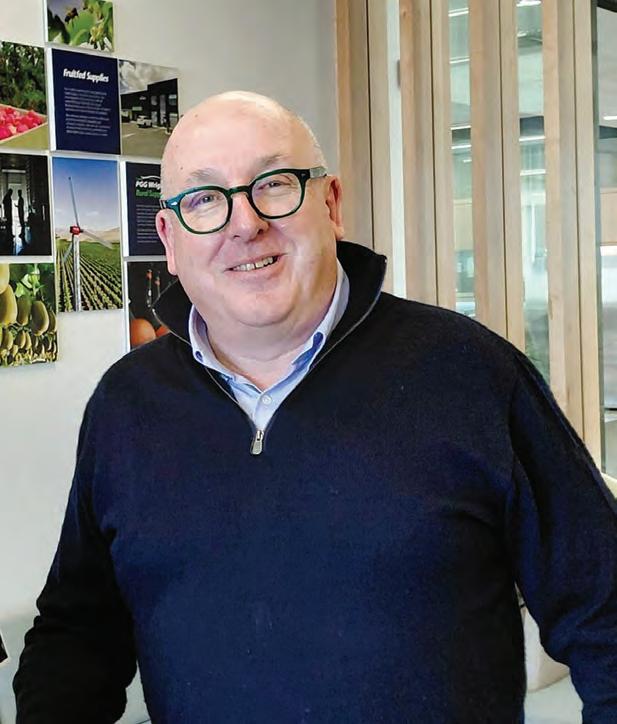
A FIRM belief in the agricultural sector has kept the PGG Wrightson business going for 175 years, says chief executive Stephen Guerin.
The rural trader, which marked the milestone birthday last week, is the result of a 2005 merger between Pyne Gould Guinness Ltd and Wrightson Ltd, which were both amalgamations of numerous companies.
The first of those companies was Levin & Co, founded in Wellington in 1841.
Guerin says the anniversary is an opportunity to acknowledge and commemorate the efforts of its predecessor companies.
“When the company first established, no matter which strand of the organisation you think about when you look back at the history, it was very much a regional business,” Guerin told Rural News.
He says the country’s transportation network was largely built on coastal and regional shipping.
“But we do things differently than the way we did back then.”
Guerin points to the company’s online trading platforms, and the advice it gives to farmers and growers, saying those have changed since the company’s forebears were established.
He says it’s relationships between farmers and PGG Wrightson staff that have carried the business through the past 175 years.
During that time, the company has witnessed the rise in corporate and iwi farming enterprises.
“It does come down to the key relationships our staff hold,” Guerin says.
Guerin says the company reflects social change that has occurred within New Zealand.
“It took 100 odd years for us to employ our first female staff member. Now, why did that happen? There was social change that took place around World War II when more women entered the workforce. Now we’ve got a large number of women in our team.”
Guerin says that over the time the organization has been in business, many lessons have been learned.
“Farmers take a longer-term view, so trust is really important.
“Being reliable in what you say and how you deliver to that is really, really important.”
He says the company has had periods within its history where they haven’t delivered on that, but they’ve subsequently learned that lesson.
“I reflect back to a short period just after the merger where we brought three businesses together in a very quick space of time and we lost our way a wee bit there for a year or two. We’ve learned from that and re-established who we are.”
So, why has PGG Wrightson stood the test of time? Guerin says it’s the company’s staff and the relationships they have with their customers.
“Being responsive to the needs of our clients, through those droughts, weather, storm, commodity cycles, and being consistent about that and being supportive of our rural communities is why we’ve survived.”
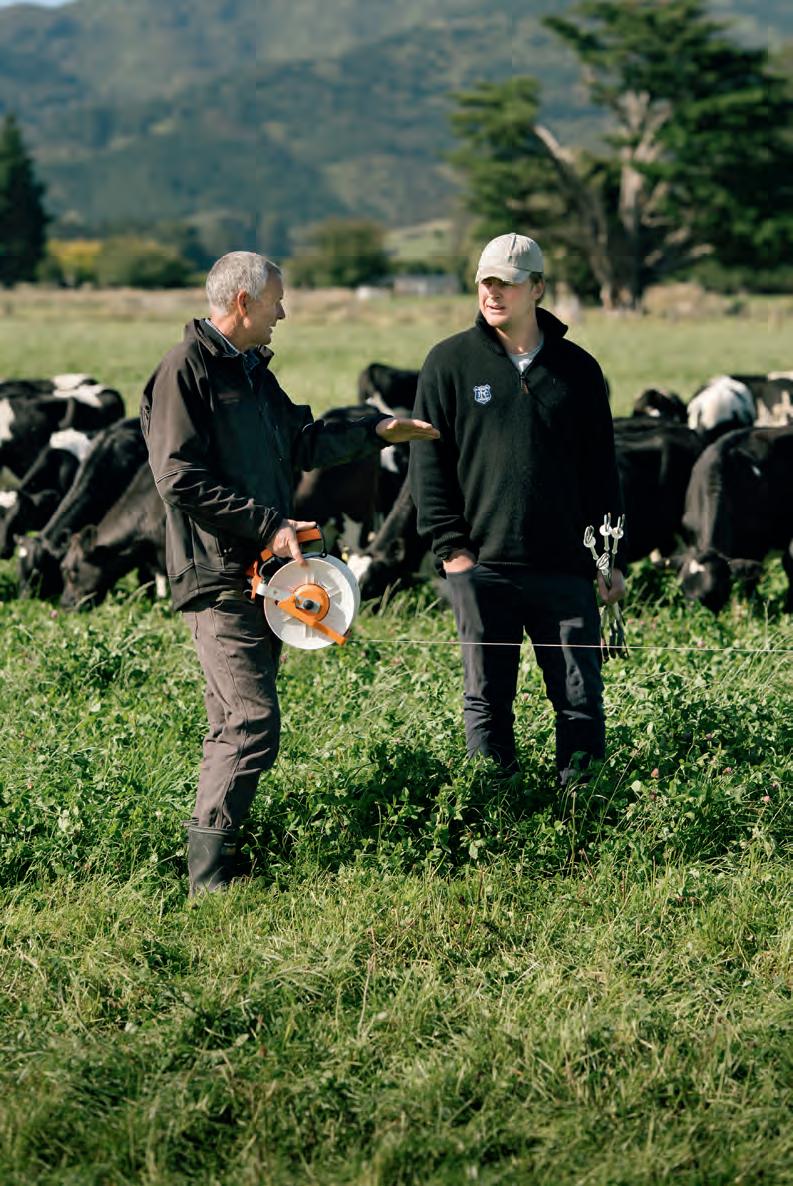
“My father mentored me. Now I’m rapt to be able to do that for someone else.”
Bassett –


BNZ’s First Farm Package is about helping farmers succeed in the long term. It connects eligible first dairy farm or herd buyers with a local mentor who’s keen to pass on their wisdom. Wairarapa dairy farmer Rob has seen enough seasons to know some opportunities don’t come twice. And when they feel right, you take them. With reduced deposit requirements, flexible funding options, and support from an Agribusiness Partner, BNZ’s First Farm Package gives you the support to move when the opportunity feels right.
NIGEL MALTHUS
modern orchard development in coastal Mid-Canterbury is expected to eventually produce 116 million apples a year from 900,000 trees while also becoming a significant employer for the region.
The Tōrea Orchard is fully New Zealand owned through the NZ Superannuation Fund, and managed by the New Zealand owned company FarmRight, which manages NZSF’s horticulture and dairy assets.
In a reversal of the trend towards further dairy conversions in Canterbury, the orchard is being established on what was a 1200-cow dairy farm at Pendarves, south of Rakaia. It was featured at Dairy NZ’s recent South Island Dairy Event (SIDE), with a field
trip visit to the site.
Within a total area of 460ha, 125ha is initially being planted in Rockit apples and 125ha in Joli, both licenced varieties with strong export appeal and both judged as suitable for the climate and latitude of mid-Canterbury. The first commercial crop is expected in 2028.
The general manager of FarmRight’s Super Fund rural portfolio, Ed Tapp, said it handles roughly a billion dollars’ worth of Super Fund assets spread from Tauranga to Southland, about half dairy and half horticulture – apples, kiwifruit, grapes and hops.
When Tōrea is completed, they will have 530ha in apples, the rest mostly in Nelson and Hawkes Bay.
Tapp said they came to Canterbury about two and a half years ago
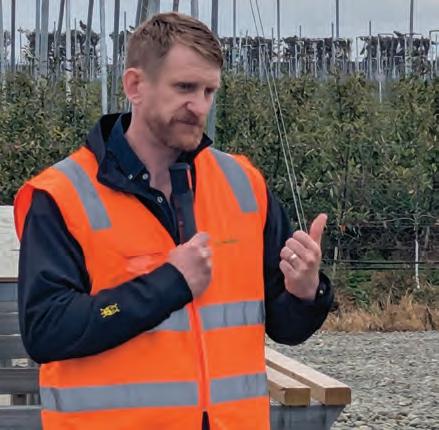
looking to diversify in both variety and location, and selected Rockit and Joli for their suitability for Canterbury.
“We ended up with this property, not because we wanted to go out and convert a dairy farm, but we wanted the best land to convert into an orchard.”
The property has good growing degree days, a lower frost risk due to its
proximity to the sea less than a kilometre away, reliable groundwater, and quality soil.
“There is the advantage of being a dairy farm that we’ve been able to run it as a dairy farm over the time that we’ve owned it, which is coming up to two years.”
Including worker accommodation, the conversion cost is about $120 million.



A portion on the coastal side will be retained as a 600 cow dairy farm, which Tapp said will still be an economic unit.
Tapp said they were aiming to be in the top 5% of the country’s apple growers, by setting it up from the start with high value varieties, efficient infrastructure and other innovations.
Tapp said the big things for anyone wanting to set up are capital and access to varieties.
Rockit apples are licenced by Rockit Apple
Ltd and Joli by T&G Global.
He revealed that the Rockit license was $100,000 a hectare, but said that the licensing capital was what allowed the Rockit company to go build and maintain the market.
“There’s no guarantee around price. The big thing that we need to do is produce the quality fruit that they can then sell.”
Minimising variability of production was important and Tōrea orchard’s hail canopy
ORCHARD MANAGER Matt Bentley said they chose a Vee trellis rather than the more common single vertical axis because it gives more linear metres per hectare.
With 18 fruiting wires in the row it could crop 100 tonnes per hectare at 2 kgs per linear metre. The Vee system was repeatable, scalable, easier to mechanize and simpler for training up staff.
Offering some “fun facts” around the sheer scale of the project, Bentley said there were 27,000 of the galvanised steel Vee assemblies installed in just the first 150 ha, and the wires will span 15 times the length of the South Island once they are in place across all 250 ha.
The lower trunk of each tree is painted white so the hares don’t eat them, said Bentley.
“And that’s equivalent of 3000 litres of paint, which is 8500 Mona Lisas.”
Bentley said the biggest risk to the orchard management was staff recruitment, with close to 200 people needed at last year’s peak.
“So it’s a big push for us, having to exhaust the local labour and then get help when we can.”
and the irrigation system would be major factors in achieving that.
Tapp said FarmRight grows only high value varieties in its orchards, with high expectations around colour, size and disease control.
“Disease control is a big thing for market access. We need to give them the best fruit for them to them to then sell, but then the pricing structure is we get a premium for that. So that’s where the growing structure comes in.”
and they were looking to put another 100 beds in either Rakaia or Ashburton.
Bentley said hail was another risk but 5.5m high wires will be fitted with bungee-loaded “catch and release” hail nets designed to collect hailstones then release them safely between the rows when the weight gets up.
“It also helps with retaining more moisture. And stops a bit of sunburn damage and stuff in the peak of summer. So there’s quite a few other benefits to it.”
Irrigation will be from twin drip lines, harvesting from mobile platforms –avoiding ladders for safety – and spraying from a machine that drives under the hail canopy with a boom that extends across three rows at a time in the interests of fuel efficiency.
The trees are supplied by Waimea Nurseries and grown on a dwarfing rootstock. Kept healthy, a tree could last decades but if a fruiting variety goes out of vogue it can be cut off and another variety grafted on.
A 100 bed RSC accommodation building is under construction on site
The conversion is also expected to cut the farm’s environmental impact, with modelled reductions of 81 percent in Carbon emissions, 82 percent in Nitrogen losses and 40 percent in irrigation water use.



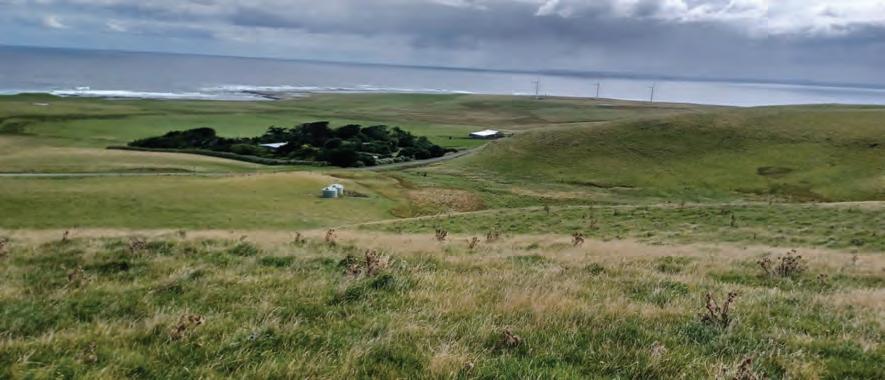
There's optimism emerging among farmers on the Chatham Islands after years of an irregular and poor shipping service. Now with the news that a purpose-built ship is being constructed to replace the present Southern Taire, there is sense that at last there is positive future. Editor-at-large PETER BURKE reports.
GARY CAMERON has been farming on the Chatham’s for 50 years and has personally experienced the many
challenges that farmers on this isolated island have to face daily.
He runs 1600 breeding ewes and 100
GETTING THE shipping service right is number one, then developing an overarching Chatham Islands farm strategy is next on the agenda, says James Parsons, AgFirst.
He says that while isolation is perceived as a disadvantage it has the potential to be a strength. He says being small and isolated means people have to work together and the synergies associated with that can propel them forward.
“If people don’t collaborate, they will be noticed and peer pressure may come into play to get everyone working together. The prize is big. If the Chatham Islands’ farmers could achieve an average farm production of 80kg cw/ha, just 60% of similar mainland farms, this would more than double farm incomes from the islands to a combined $10.37 million per annum. When including the downstream economic activity, that adds an additional $16.2 million to the NZ economy,” he says.
The AgFirst report comes up with a series of recommendations. Including the need for a new ship and a farm strategy, there’s a need to get accurate data on stock numbers farmed on the islands, and get more accurate, up-to-date data from the shipping company, including stock weights shipped to track the islands’ production.
Parsons sees a need for a farm extension programme and recommends a shift to improved rotational grazing methods to increase pasture production, as opposed to the predominant set-stocking practiced.
Increasing the cattle ratio will make rotational grazing easier and help to mitigate the emergence of sheep parasite drench resistance. Exploring the use of virtual fencing is also an option to reduce the reliance on physical fences that degrade with the salt air and are very expensive to build due to high freight costs for materials.
Other recommendations include benchmarking, safeguarding sensitive environmental areas, communicating the opportunity to funders to invest in the islands and finally setting up an awards program to celebrate successful farmers.
“All this is going to require some paradigm shifts and that will take time. What I do know is that a lot of farmers are open to change, but they need to be confident that the change is in the right direction, and maybe a starting point is setting up a demonstration farm on the islands,” he says.
Farmer Gary Cameron says the prospect of a new ship that will serve the islands properly is starting to make people think about what the future might look like. He says what’s happened over the past six years is that everyone has gone inside their gates and into survival mode.
“We are now reactivating group activities such as Federated Farmers and have set up a catchment group supported by MPI and the Enterprise Trust looking at projects, so that when the ship comes on-line, we are ready to go. People are looking more positive and believe there’s a sound future here,” he says.
breeding cows on his 450ha property and is generally regarded as one of the better farmers on the islands.
But the biggest single impediment to all farmers, he says, is the lack of a quality, reliable shipping service. Cameron says while a huge effort has been made to keep the 40-year-old Southern Taire going, this is compounded by the fact that there has been no reliable backup ship.
“On occasions, the Southern Taire has been out of action for four months being repaired and, in some cases, almost capital maintenance has had to be done, and that was a problem for everyone, especially farmers who couldn’t get stock off the islands to market,” he told Rural News
The result has been that farmers have had to euthanise some stock and reduce their stocking rates, all of which has contributed to a downturn in farming on the Chathams.
Camerson says it can be slightly easier to get sheep off the island, but cattle can be a different story because of space issues.
He says in general, getting items from the mainland to the Chathams is easier than trying to send anything back to mainland NZ.
Cameron says this is because livestock are competing with general freight going out and might involve people returning machinery or sending frozen fish to market, creating competition for space on the boat.
“We are essentially a Pacific island because everything we need or send out relies on a ship and aircraft, and this is a huge challenge at this
time,” he says.
In essence, Chatham Islands farming has been stymied for years by a poor shipping service, but this is all set to change with the new ship set to come into service at the end of 2027. This long-awaited move has started to spark some confidence in the farming community, with for example the formation of a Chatham Islands Farmers Association.
Also, AgFirst has been commissioned to put together a report on the present state of farming there. The report titled ‘Chatham’s Agriculture Transformed’
provides a series of recommendations on ways to improve farming outcomes and how that benefits not only the wider Chathams economy, but also significantly benefits the wider NZ economy.
AGFIRST’S JAMES Parsons who authored the report says the Chatham Islands’ farming sector is under extreme pressure, resulting in significantly lower productivity compared to mainland NZ farmers.
He notes that, on average, farms on the Chathams produce just 37.3kg of carcass weight per ha from the islands’ 18,000ha (eff.). This compares with an average of 134kg of cw/ha on similar farm classes on mainland NZ, measured by the B+LNZ Economic Service.
“The major issue to date is farmers have no certainty when they can get stock off the islands and that affects
their confidence. Low confidence in any business makes it incredibly hard to plan and also significantly undermines the investment appetite. For farmers on the Chatham Islands, if they lack confidence in the future, why should they invest? The lack of a reliable shipping service is the number one constraint,” he says. Parsons says while the average carcass weight production per hectare is low, not all farms are performing poorly, with several operating quite respectably. This proves good production levels are possible, reinforcing the opportunity to boost profits for Chatham farmers and boost economic growth.




AFTER MUCH wrangling, the Free Trade Agreement (FTA) between New Zealand and India is a step closer to fruition.
The recent signing at a lavish ceremony in India means NZ primary sector exporters can breathe a sigh of relief.
Kudos also to National and Trade Minister Todd McClay for delivering the trade deal just as promised during the 2023 election campaign.
For the red meat sector, the FTA will expand New Zealand red meat exporters’ trade options in a challenging global environment.
Exporters are operating in a world of rising protectionism and ongoing volatility. Having a broader mix of markets and expanding reach will help spread risk and provide more stability for farmers and exporters.
India remains a market with significant long-term potential and with strong promise.
Now the world’s most populous country and is expected to become the third-largest economy within the next five years. As incomes rise in India, so will demand for high-quality natural protein.
NZ sheepmeat exports to India currently face 30% tariff and these will come down progressively. The FTA also delivers better market access for apples, kiwifruit, wool, forestry products, and honey.
But the signing of the FTA is just a start.
The full benefits of the agreement will require ongoing commitment from both government and industry.
India remains a complex and highly competitive market, and success for New Zealand lies in sustained commitment, local partnerships and a long-term approach. Trade agreements only work when they’re underpinned by trusted businessto-business relationships.
Minister McClay and his team have done the hard yards. Now, it’s time for everyone else to put their shoulders to the wheel.
While two-way India-New Zealand trade sits at just NZ$3.7 billion a year, India is on track to become the third largest economy in the world in coming years. The scale of the opportunity for New Zealand businesses is huge.
HEAD OFFICE POSTAL ADDRESS: PO Box 331100, Takapuna, Auckland 0740
Phone 09-307 0399
PUBLISHER: Brian Hight .......................................... Ph 09 307 0399
GENERAL MANAGER: Adam Fricker ....................................... Ph 021-842 226
EDITOR: Sudesh Kissun ......................................Ph 021-963 177 sudeshk@ruralnews.co.nz
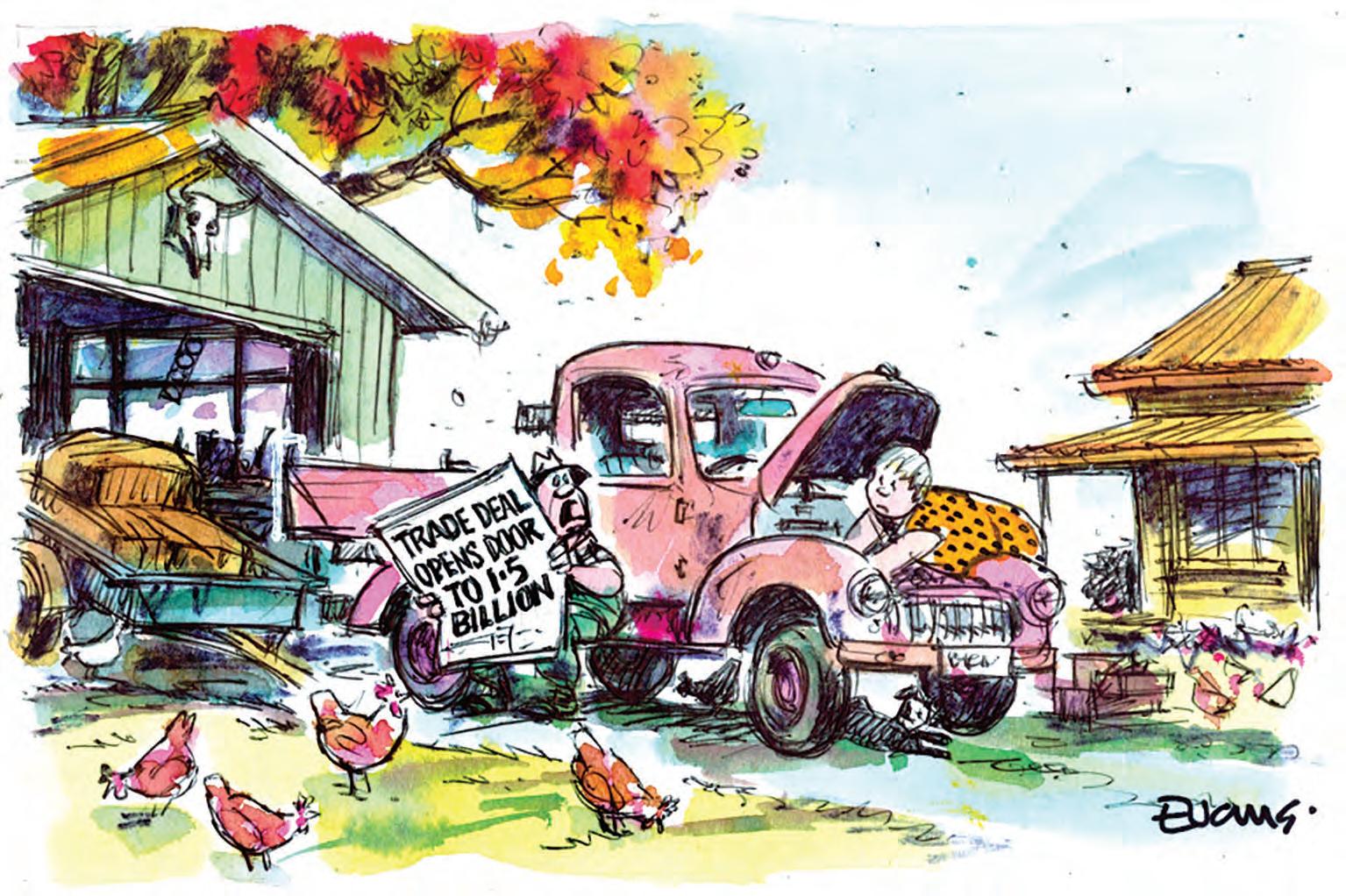
WELL, THAT was the worst coup in the history of botched takeovers!
The now ousted ‘famous five’ – some of whom have denied involvement - allegedly spent months leaking to the press, undermining their leader and PM Christopher Luxon, but when push came to shove, they had no alternative candidate, no numbers in caucus and, as it turns out, no spine. The main beneficiary, Winnie Peters, is grinning like a Cheshire cat, and the hapless Chris Hipkins might feel a bit optimistic for the first time in three years. As a mate of yours truly said, we’ve seen this movie before, albeit with a different ending. In May 2020, National rolled Simon Bridges for Todd Muller. He lasted 53 days. Judith Collins took over and led the party to its second-worst result in history. It appears National’s caucus may have learned a lesson from that.

“So Shane Jones was right!”
NEW ZEALAND’S press gallery has been trying to convince us that Christopher Luxon is on notice with his own caucus for 18 months or longer. They have been wrong every time. A mate of the Hound reckons the public is right to simply stop believing them, particularly One News. If the media was wrong in November 2024, July 2025, September 2025, November 2025 and April 2026, why would we believe them the next time? What passes for political journalism in this country runs on anonymous sources, often laundered by political lobbyists manipulating a shallow press pack. Said mate opines, “When the press gallery declares a crisis every three months and nothing happens, it should be more embarrassing to the journalists involved than it is”.
EDITOR-AT-LARGE: Peter Burke ...........................Ph 021 224 2184 peterb@ruralnews.co.nz
REPORTERS: Nigel Malthus ........................Ph 021-164 4258 Leo Argent
MACHINERY EDITOR: Mark Daniel ..............................Ph 021 906 723 markd@ruralnews.co.nz
PRODUCTION MANAGER: Becky Williams ......................Ph 021 100 4381 beckyw@ruralnews.co.nz
IF YOU ever wondered where all the agricultural science funding has gone the Taxpayers Union reports that Auckland University was funded $300,000 for ‘Art in Schools for Forest Health’, described as “Children’s art to explore and communicate forest health issues”. Your old mate is not against kids learning about nature or how to be creative, but the country is too broke for obscenely expensive art projects with a budget well beyond the crayon drawings your old mate did back in the day! Personnel costs: $187,765; Subcontract - Ruru media: $75,000; Travel for field work and engagement: $22,000; Project costs and consumables: $15,235. This mutt reckons the coalition has dropped the ball on its promise to stamp out wasteful use of the public purse and needs to do better here.
Want to share your opinion or gossip with the Hound? Send your emails to: hound@ruralnews.co.nz
‘You had one job’
IF CHRIS Bishop had one job in the Beehive, it wasn’t chasing the party leadership, it was fixing the RMA. When he announced the big picture plan last year, it was rightly applauded, but since then the smiles have faded, replaced with widespread disappointment about how the actual legislative changes have been written. Your old mate hears that, while the buck stops with Bishop, the real villains here are the Wellington bureaucratic elite who draft these Bills – an unelected cohort who see their role as preserving the “correct” agenda, often against the wishes of the electorate and those they elect. This mutt hears growing concern in the regions that the laudable aim to put property rights at the heart of the RMA has been watered down, with mana whenua given much control over how local authorities execute the legislation.
AUCKLAND SALES CONTACT: Stephen Pollard .........................Ph 021 963 166 stephenp@ruralnews.co.nz
WAIKATO & WELLINGTON SALES
CONTACT: Lisa Wise .................................. Ph 027 369 9218 lisaw@ruralnews.co.nz
SOUTH ISLAND SALES CONTACT: Kaye Sutherland .......................Ph 021 221 1994 kayes@ruralnews.co.nz
DIGITAL STRATEGIST: Jessica Marshall ..............Ph 021 0232 6446
the
we use are from forests that will be around for generations to come.
IS NEW Zealand
‘Godzown’ or the ‘Last bus stop on the planet’?
Godzown (or Godzone, short for God’s Own Country) was the term used by Richard John Seddon, New Zealand’s longest serving prime minister, over a century ago. Godzown is the kiwi homeland.
In contrast is the description of New Zealand as ‘the last bus stop’.
In a keynote address to the Royal Society Academy Conference in 1999, Minster Upton stated that as the last bus stop on the planet we should not be comparing ourselves to Finland or Ireland. “Both sit on the edge of a continent which is home to 300 million of the richest people on the face of the earth.”
In 2022 the last
Jacqueline Rowarth
bus stop description was used in a Treasury paper prepared for the Productivity Commission by Dr David Skilling, Landfall Strategy Group.
Dr Skilling warned that “New Zealand’s economic geography and institutional context means that New Zealand has one of the most exposed supply chain positions across advanced economies”.
The issues are playing
out through the Straits of Hormuz.
New Zealand relies heavily on “imports across a range of categories (machinery, vehicles, and energy) and multiple areas of specific import reliance,” wrote Dr Skilling. He also pointed to a lengthening of New Zealand’s supply chains in recent times and consequent geopolitical risk.
These exposures were evident through the pandemic, with delays and higher costs.
They are now being exposed through the Hormuz battle.
Dr Skilling did highlight that supply chain resilience was supported by New Zealand’s welldeveloped network of FTAs and other international agreements, its flexible economy, and
its ability to respond quickly to shocks.
He didn’t, however, mention the role of co-operatives in enabling the 5.3 million people living on the last bus stop to have a voice in world trade.
It is the co-operatives that have been keeping the supply chains functioning in this era of international trade becoming both more expensive and important. They do this through the relationships they hold with companies overseas.
Certainly, FTAs send good signals and indicate government agreements, but it is the personal interactions that make the difference, with guarantees of product on both sides.
Co-operatives allow farmers to work together and compete
in world markets. The co-operatives have built up assets and services in a manner that has not generally been copied by non-co-operative companies. Whether selling or buying, size leads to economies of scale and reliability, and makes the difference.
Co-operatives can find a better price than an individual farmer can achieve. MPI’s 2021 report calculated that “farmers now retain about 26% more of the international price for milk than what would be expected based on the previous (prior to Fonterra) historical relationships between the New Zealand farmgate price and farmgate prices in other countries”.
Research overseas has similar conclusions: dairy prices in the EU were higher in the
regions where co-ops had significant market share. Further, where co-ops protected farm-gate prices, farmers benefitted across the sectors and regions concerned, not just the co-op members.
New Zealand has approximately 330 co-operatives. Almost three-quarters are in the primary sector and most farmers are associated with more than one. In contrast, only half of all farmers belong to a co-operative in the UK. They justify the decision not to join on the belief that they can achieve lower prices from independents and entrepreneurs.
Co-ops have also been more resilient through economic recessions. And war.
As the disruption of the supply chains

starts affecting the smaller players it is the strength of the co-operatives and the farmers that belong, that will keep the economy humming. Members of a co-operative do together what no person can do alone. It is the co-operatives that have underpinned the ‘last bus stop on the planet’ allowing it to maintain its description of Godzown.
• Dr Jacqueline Rowarth, Adjunct Professor Lincoln University, is a farmer-elected director on Ravensdown and DairyNZ and a member of the Scientific Council of the World Farmers’ Organisation. The farms in which she has invested are shareholders in 6 co-operatives, pay levies to four levy bodies and membership to Federated Farmers of NZ.






MARK DANIEL markd@ruralnews.co.nz
RABOBANK
LAUNCHED its Good Deeds Competition back in 2017 with the aim of supporting and celebrating the incredible efforts of rural communities in enhancing their local areas. It offers a chance to win a day’s labour support and $5,000 in funding for their nominated community project.
Recent competition winners include the Te Mata Tennis Club (2024), Beaconsfield School in South Canterbury (2023), and the Te Ranga School
Bush Classroom in the Bay of Plenty (2022).
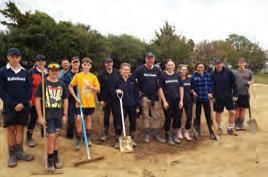
The 2025 winner, Colyton School, northeast of Feilding, were selected for the studentled idea to create a project focused on revamping the school’s bike track. Previously demolished to make way for a remodelling of the school grounds, the track was missed by the students, so an entry was put together for the Rabobank Competition.
The last day of the holidays saw 25 Rabobank staff turning up on the day, including staff from the Manawatu, Taranaki, Hawke’s Bay, Wairarapa, Wellington & the Waikato regions,
alongside local community and school families, local MP, Suze Redmayne and Hamish McKay from The Country radio show.
Working with a blustery and showery day, meaning there was a bit of mud stuck to boots, the assembled team put in a long day, making use of donated plants, materials, and earthmoving equipment to create a new sandpit, reinstate the bike track and landscape both areas.
With a rollcall of 153 students, senior members also put in a day’s work, working towards their Haututanga Leadership Awards, that requires service in
the local community.
Principal Janine Satchwell reports that most of the roll appeared to have brought their bikes to school on the first day of term to try out the track, burning off some energy in the breaks between lessons.
Rabobank general manager for country banking Bruce Weir says the bank is thrilled to continue its support for rural communities through the Good Deeds Competition.
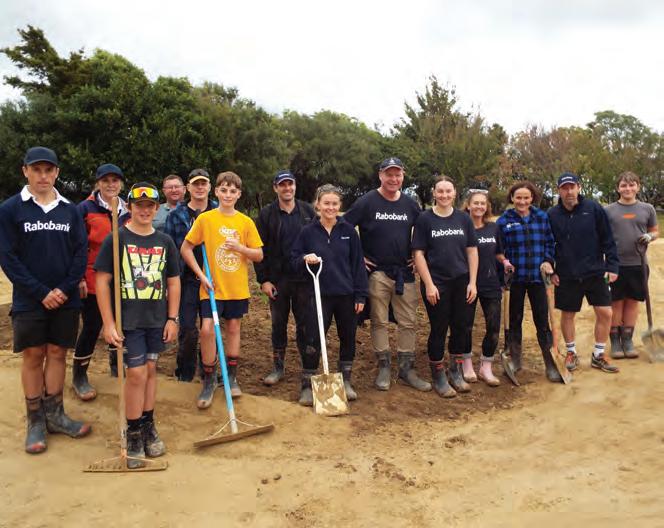
“Rural community projects play a vital role in strengthening rural areas, and we always look forward to seeing the innovative and impactful initiatives coming to fruition. “I’ve been lucky enough to attend several of these labour days since the inception of the competition, and the local teams always roll up their sleeves and really get stuck in.”

THE ELIMINATING Facial Eczema Impacts programme recently hosted a webinar about the progress the sheep poo study has made in helping understand facial eczema (FE).
The Poo‑Dunnit of FE webinar was well attended, with farmers and rural professionals tuning in to hear what the latest season of sampling is showing.
“Spores are widespread… right from Northland all the way down to Southland, and there is a lot of variability between farms and regions.”
The webinar was presented by Sonya Shaw, B+LNZ’s senior advisor for facial eczema research and a former vet, and Dr Cara Brosnahan, principal scientist animal health research, who co lead the sheep poo and nested studies. Together, they shared what the data is showing and what it means on farm.
Shaw began by reminding farmers how much FE has shifted over time. Spores now appear well beyond the traditional hotspots, and each season behaves differently. As
she explained, “Spores are widespread… right from Northland all the way down to Southland, and there is a lot of variability between farms and regions.” That variation is exactly why nearly 300 farmers have been collecting samples every two weeks.
From their efforts, several clear patterns have emerged:
• Most spores sit in the bottom 5cm of the pasture, so short covers increase the chance of animals grazing into the risky layer.
• Most spores occur below 200 metres altitude, though they can still appear higher up.
• Two fungal species look identical under a microscope, but only one produces the toxin that damages the liver. Farmers still need to assume all spores are toxic, but this discovery will help refine risk assessment in the future.
Brosnahan then stepped through what the nested study is showing. By combining faecal samples, pasture samples, blood tests and liveweights, the team can see how spore ingestion links to liver damage and growth. Brosnahan explained that faecal spore counts are especially useful because they show what animals are eating
BEEF + LAMB NZ’s advice to farmers is simple.
Once regional pasture counts rise above 20,000 spores per gram, it’s time to start checking your own farm and planning ahead.
Farmers involved in the study have already used the information to make earlier decisions about zinc protection, adjust grazing, and understand their own farm’s pattern rather than relying on regional averages. Some farms peak earlier, some later, and some show risk even when neighbours don’t. The new territorial authority maps and individual farm graphs have helped farmers see exactly when their own danger period begins.
The final season of sampling runs until May. Once all the data is combined - including weather, pasture, altitude and animal health information - it will feed into a predictive model designed to give farmers earlier and more accurate warnings in future seasons. Thanks to the farmers who have stuck with the sampling every fortnight, the clues behind FE are clearer than ever.
right now. “Faecal spore counts help confirm what the animal is actually ingesting… they are giving you the current risk,” she said.
Blood testing also confirmed how common liver damage is for hidden (subclinical) FE. Many animals show liver damage without visible signs, and
Brosnahan noted that “Subclinical FE reduced growth without obvious clinical signs… and those animals may have up to 25 percent lost production over their lifetime.”
The Q&A highlighted the practical challenges farmers face each season. Many wanted clarity on when to act.
• Article- Beef + Lamb NZ


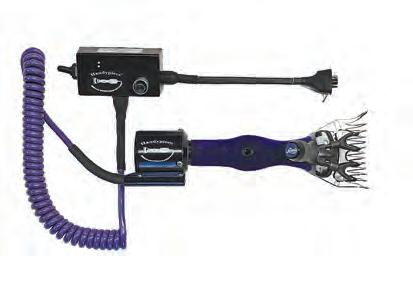
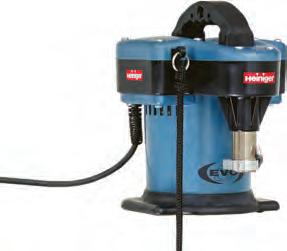
■ Ideal for shearing sheep, alpacas, goats and cow tail.
■ Variable speed from 2600-3500rpm.
■ Latest brushless motor technology means minimal heat build up
■ 1400gms means 100-200gms lighter than standard handpiece
■ At 2800rpm the 12v lithium battery will trim up to 400-500 cows tails or crutch 300-400 sheep
■ We customise cables for lifestyle shearers. GET YOUR REPAIRS & SERVICE DONE ASAP! View in action go to www.handypiece.co.nz Freephone 0800 474 327








ADAM FRICKER
THE SITUATION in the Middle East has been a major influence on markets over recent months and the market for key farm inputs continues to move at pace, with pricing and availability shifting quickly across several key products, according to a major stockfood seller.
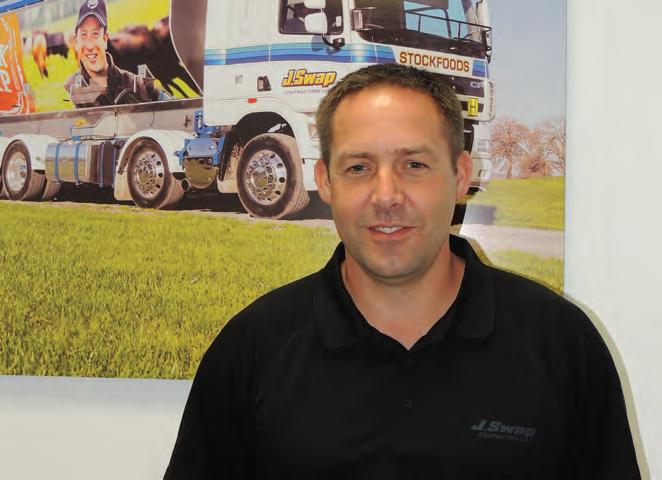
“One of the most notable trends we are seeing right now is the level of uncertainty in forward ordering, and how differently customers are responding to it,” says Joe Hardman, stockfood sales manager
for J Swap Stockfoods.
The Iran-US situation remains volatile, with sentiment shifting quickly with each new headline. Hardman says this constant flow of news is making it difficult for markets to find any real footing. He says the unpredictability around what comes next, more than the events themselves, is driving behaviour, and many farmers are acting now to secure supply and manage price risk.
“A significant portion of our market has already taken a position,” he says.
“Many customers have chosen to secure tonnage well in advance, locking
in supply to manage the risk of further price increases and potential availability constraints. This early commitment reflects a growing awareness that waiting for certainty in this environment can come at a cost.”
A key factor underpinning the current market is the ongoing reluctance from shippers to lock in forward freight rates. Hardman says, with volatility still present across global shipping lanes, many carriers are hesitant to commit to fixed pricing too far out, preferring to “keep optionality rather than risk being caught on the
wrong side of further market movement”.
“This hesitation is flowing directly into forward product pricing,” he says. “Without firm freight locked in, our suppliers are having to price in a level of risk, which is keeping forward values elevated.”
In simple terms, until shipping costs become more predictable and shippers are willing to commit, it’s unlikely we’ll see any meaningful softening in forward pricing, he says.
“Our approach remains focused on transparency and communication. We will continue to provide
up to date insights as the market evolves, along with clear pricing signals where we have them. For customers still considering their
position, the key is balancing risk, weighing the cost of committing now against the potential exposure of waiting.
“There is no one-size
fits all answer in this market, but doing nothing is increasingly becoming a decision in itself.”
HERD IMPROVEMENT company LIC has entered the Indonesian market.
The farmer-owned co-operative has confirmed a distributor in Indonesia and secured its first genetics sale.
The agreement comes as Indonesia looks to increase domestic milk production, supported by a government-backed programme to provide nutritious meals, including milk, to school children.
LIC’s general manager of international, Paul Dunbar, says the distributorship reflects growing demand to support Indonesia’s dairy industry through improved herd performance.
“Indonesia has clear ambitions for its dairy sector, and LIC genetics provide a proven pathway to help lift
productivity.”
Dunbar says expanding into international markets allows LIC to stay close to emerging global trends while also delivering value back to New Zealand farmers.
“Our focus is on producing the best pasture-based genetics in the world. Where there’s a clear fit, we can deliver value for farmers offshore while continuing to support our farmer shareholders at home.”
Indonesia is the fourth most populous country in the world with more than 287 million people, and a dairy industry on the rise. Milk production exceeded 550 million litres in 2025, with further growth expected in 2026.
and beef farmers could improve both profitability and emissions efficiency by increasing lamb weaning weights, with only marginal changes in total greenhouse gas emissions.
Joseph Adjabui at Massey University, examined how higher lamb weaning weights affect productivity, profitability and predicted enteric methane emissions (methane produced during digestion). While previous studies have focused on the production and financial benefits, this research also considers greenhouse gas outcomes, an increasingly important factor in farm systems decision-making.
bioeconomic model, the study analysed a North Island hill country sheep and beef farm under three scenarios: a base system, a 10% increase in weaning weight and a 20% increase.
supply, reflecting typical New Zealand pasture-based systems with limited supplementary feeding.
improvements in farm performance


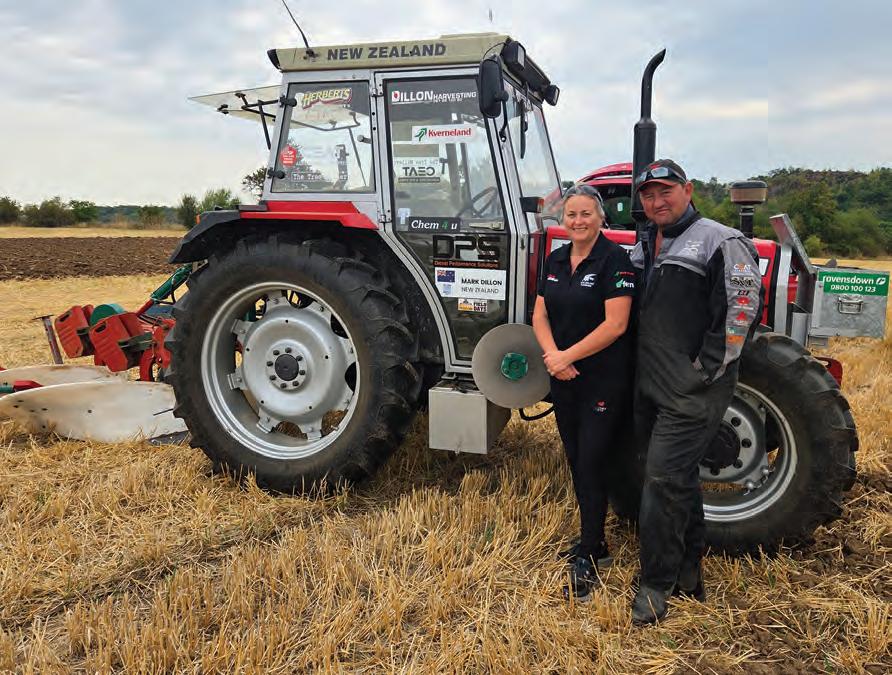
HAVING REPRESENTED
New Zealand at the 2024 and 2005 World Ploughing Championships, in Estonia and The Czech Republic respectively, Southland contractor
Mark Dillon was at Methven last month for the NZ Ploughing Champs.
Taking out the Conventional Ploughing category with a clear lead of 90 points, Dillon took the title for the fifth time, the result qualifying him as the NZ representative for the World Event in Kenya in 2027.
Dillon also confirmed that he will be heading back to Europe in August for the World Ploughing 2026, being held in Croatia in September, after taking out the NZ National Champs in 2025.
Last month’s win at Methven was also a key measure of his ability to plan.
“Due to the huge costs in moving my tractora Massey Ferguson 362and Kverneland match plough between New Zealand and the northern hemisphere, we took the decision to leave it there for the last two years, before bringing it back to NZ in the New Year for a little TLC,” Dillon told Rural News.”
Now getting the plough ready for the next World Championships campaign, Dillon will head north around four weeks ahead of the event to practice in local conditions, leaving trusted staff to look after his busy business.
“Attending the world champs is a very expensive commitment, so we are helped with a grant from NZPA for some freight costs and accommodation, alongside additional support from a broad group of local businesses.”
In the North Island, well-known ploughing
identity Malcolm Taylor is also planning a trip to Kenya in 2027, after taking out the reversible class at Methven. He is also going to Croatia for the 2026 World Champs.
Originally a native of Gloucestershire in the UK, Taylor is now a dairy farmer in the Waikato. His interest in the ancient process of ploughing has seen him take out 10 NZ National titles, leading to appearances in 10 World events, with his best result so far being a 3rd place finish in Sweden in 2011.
Commenting on last month’s event at Methven, Taylor noted that “it was quite tricky ground, that turned over a little lumpy and cracked before the furrow was set back in place. It was also a reminder of how cold and windy the South Island can be.”
Taylor was pleased with the win, saying, “I haven’t done a lot of ploughing recently because of a dodgy hip
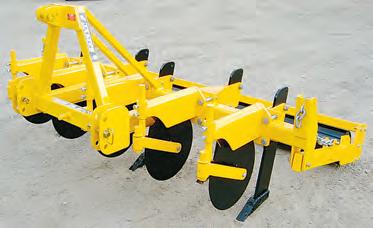
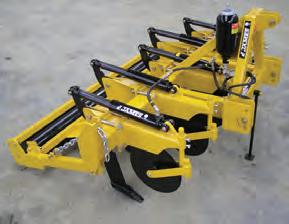
Don’t put good fertiliser on compacted soil which can’t absorb it. If your soil can’t support 15cm root growth and good worm population check for compaction. You could need aeration. In dollar terms, what would 20% production increase mean to your yearly turnover?
YOUR GREATEST ASSET IS THE SOIL YOU FARM. DON’T DESTROY IT!

and ploughing, like any skill, is honed by practice, practice and a bit more practice!”
Now with the hip sorted and with a capable sharemilker at home, he expects to get back into the ploughing frame of mind before he heads north.
This has started off with giving his faithful McCormick CX95 tractor and KV plough, the latter fitted with his own specially designed and manufactured mouldboards, a little TLC.
Horsch
Taylor explains, “it’s been about 10 years since we’ve given the plough a going over, besides routine tweaks.” That meant it was time for a rebuild to remove a decade of wear and tear.
“We found that some items had 8mm of
play, which we’ve now reduced to 0.5mm. You can imagine how 8mm of ‘movement’ turns into over the length of the plough.”
Taylor also notes that the next few months will include some tweaking of his plastic mouldboards
to try to address the changing preferences of the World Ploughing judges, who seem to be looking for more definition in the finished product.
www.nzplough.co.nz
Employing about 3500 people worldwide, the company has backed itself with more than €150 million invested in expansion, modernisation and infrastructure over the last five years. Horsch continues to achieve market penetration in North America and Brazil, while closer to home, the German and French markets have proved to be extremely resilient over the last year. Elsewhere in Europe, results achieved in Romania, Poland, Ukraine and the Baltic states have also seen significant improvement.
Rubber track offer
RECOGNISING A growing demand for tracks on prime movers and harvesters, Mitas, part of Yokohama TWS, has joined the agricultural rubber track market with its Mitrak range.
Currently aimed at the spare parts and replacement sector business, belts are offered in a range of sizes from 457 to 914mm (18-36”) to fit most brands of tracked tractors. Available in Standard (SD) and Heavy Duty (HD) versions, the stronger internal structure and reinforced construction of the HD is designed for higher horse-powered machines, heavier loads, and more demanding conditions.
A reinforced track body is constructed using three auxiliary wire layers placed at different angles above the steel cables to improve stability. Meanwhile, brasscoated galvanized steel cables provide uniform strength along the track, and an extra wire layer protects the cables from drive-wheel abrasion. The tread pattern is said to offer good wear and cut resistance, alongside ensuring long-lasting performance in tough conditions.
MARK DANIEL markd@ruralnews.co.nz
WHILE APRIL 23 was just another day for many manufacturers across the globe, it marked Reman Day, a timely reminder for farmers of the operational and cost-effective benefits re-manufactured parts can offer to their ongoing machinery maintenance, while also minimising environmental impact.
Recognised globally, Reman Day is led by
the Remanufacturing Industrial Council (RIC) and highlights the value of restoring used components to perform like new, extending the product’s life, while reducing waste and the reliance on new raw materials.
Heath Joiner, Head of Parts & Service, for CNH Australia and New Zealand, comments “currently farmers continue to face increasing external financial pressures,
MARK DANIEL markd@ruralnews.co.nz
FOR THE first three months of 2026, new tractor deliveries saw an increase over the previous two months, resulting in year-to-date deliveries climbing to 649 units - around 5% ahead of the same period in 2025.
In what The Tractor and Machinery Association (TAMA) describes as currently being a tough and unpredictable market, March deliveries at 318 units were 37% ahead of last year’s 232-unit result.
TAMA notes that despite the continued positive primary sector outlook, it seems this is not translating into consistency of orders and deliveries for new tractors or machinery, with many cheque books seemingly consigned to the bottom drawer, following a positive end to 2025. This variability makes it challenging for TAMA members to manage stock holdings and forward order projections.
The March result saw solid sales in the 100-150HP and 150-200HP categories, both ending the month ahead of last year by 47.4% and 145.8%, respectively. First quarter Year-to-Date numbers were a tale of two Islands, with the North Island 4.7% down on the same period in 2025, with the “Mainland” a healthy 23.7% ahead. In the case of the latter, sales of 62 units in the 150-200HP category provided the greatest gains, being 93.8% ahead of 2025.
In the northern hemisphere, approx. 125,100 new tractors were registered in mainland Europe in 2025 calendar year, down nearly 4.0% on 2024.
France remains the largest market at 27,916 tractors registered, but16% lower than the 33,225 units recorded in 2024. The same trend was also recorded in the second largest market, with Germany down 12.3% to 25,719, from 29,315 units in 2024.
The Bronze result (3rd) fell to Italy, who bucked the trend with registrations up 13.7% from 15,450 in 2024 to 17,573 in 2025, while the Spanish market grew by 6.4% from 10,342 units in 2024 to just over 11,000 last year and to fourth position in Europe.
Polish registrations increased 25% to 10,717 (8,573 in 2024), giving it fifth place in the overall standings, with a further five spots filled by Portugal (6th/4,845), Serbia (7th/3,865), Austria (8th/3,558), Czech Republic (2,332/9th) and the Netherlands (2,205/10th).
Looking at the overall picture, France accounted for 21% of all tractors registered in mainland Europe last year, Germany (19%), Italy (13%), Spain (8%) and Poland (8%), collectively making up 69% of the total market.
www.tama.org.nz
including fuel, freight and input costs and when farm machinery parts require replacement, this can add costs further in time, money and productivity.
“Remanufacturing is a smart way to help lower costs for farmers, avoid complicated and often expensive rebuilds, and importantly maintain machinery uptime. It not only supports farmers’ bottom lines, but for our industry, while also playing a critical role in reducing waste and conserving natural resources. It really is a win-win for both the agricultural sector and the environment,“ said Heath.
In 2024, CNH Reman globally reduced raw material consumption by approximately 5,200 tonnes by refurbishing used components, noting
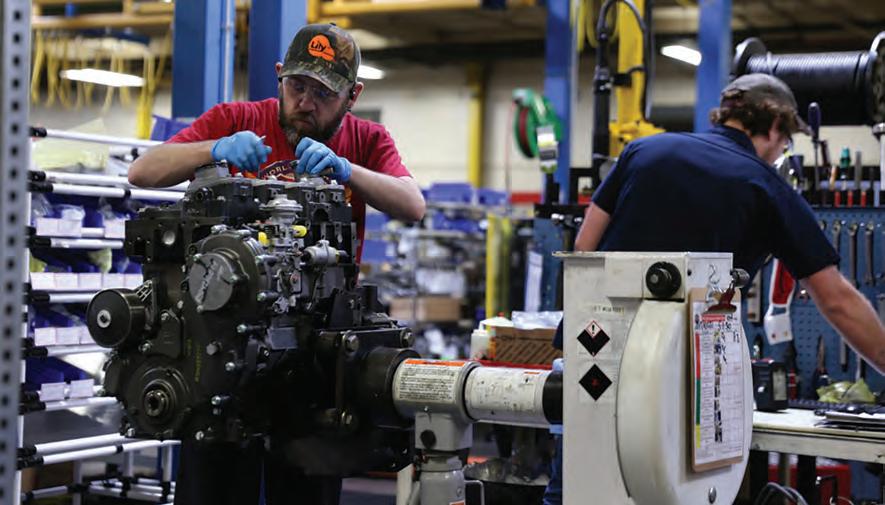
that up to 85% of an engine can be salvaged and remanufactured multiple times, significantly extending its lifecycle value. Also delivering substantial environmental benefits, remanufactured parts can require up to 85%

less energy to produce compared to new components, reducing emissions across manufacturing, energy consumption and the broader supply chain. CNH is globally targeting 90% recyclability across new products by 2030.
Offering a budgetfriendly option for Case IH, New Holland and CASE Construction machinery owners, thousands of parts are available across more than 20,000 applications, including transmissions, drivelines, engines, electrical components, harvest parts and hydraulics. Remanufactured parts are OEM-backed and offered with a two-year warranty, giving customers a greater peace of mind. www.cnhindustrial. com



HANDLING experts
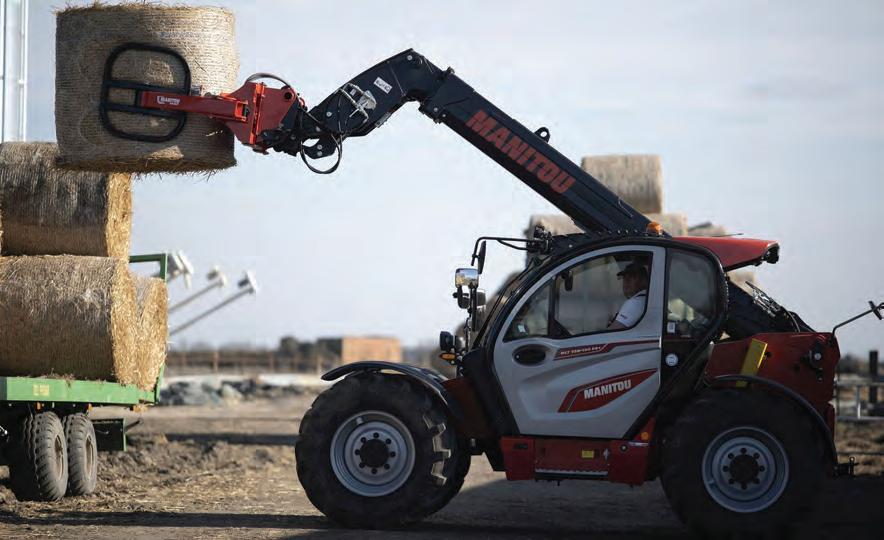
Manitou Group has announced the launch of the new MLT-X 738 telehandler, which it claims combines enhanced performance, superior comfort, and increased profitability for farmers and agricultural contractors across New Zealand.
Said to represent a significant evolution in the successful MLT NewAg product line, the new MLT-X 738 boasts a maximum lift height of 6.91 metres, with a 100kg increase of the maximum lift capacity to 3,800 kg.
“As the main
component of our telehandlers, the design of our boom has been re-engineered to deliver even greater performance,” explains Camille Rouvrais, global product manager.
“The MLT-X 738 features a robust Atlastype octagonal boom where all sensitive components, including hoses and cylinders, are securely protected inside the structure, ensuring a limited risk of damage and downtime.”
Additionally, a standard compensation cylinder insulation system reduces unnecessary pressure and effort on the boom and chassis, further extending the machine’s lifespan.
Recognising the long hours operators often spend in the cab, particularly in hot and dusty environments, Manitou has heavily prioritised operator comfort and ergonomics, with a new and improved automatic air conditioning system with a 12-speed fan, delivering an airflow capacity of 500m³/h, compared to the previous 200m³/h. Additionally, a new, removable filter framework provides better cooling performance, superior protection, and easier cleaning in very dusty environments.
Operators will also benefit from a standard floating armrest that
follows seat movements and incorporates the JSM (Joystick Switch and Move). Four cabmounted LED work lights, fitted as standard, provide exceptional illumination while consuming less energy, while for road travel, complete road lights and an LED rotating beacon ensure the machine can safely move around while being seen.
A new integrated 7-inch digital screen offers a Smart Counting System, allowing the operator to manually or automatically count the number of filled or emptied buckets.
Operators can pre-set a target and receive an on-screen alert when achieved, making for an invaluable, time-saving tool for measuring feed mixer or trailer loading.
To tackle rougher terrain, the MLT-X 738 is equipped with four larger, longer, dynamic mudguards that offer adjustable lateral positioning, helping to protect the machine against flying sludge and debris. Maintenance is also simplified with a lightweight, easily removable rear hood that requires no tools, perfect for regularly cleaning out
WHILE YET to be confirmed, Caterpillar

dust and straw.
To help reduce the cost of ownership, the MLT-X 738 is equipped with a new Stop & Start system that automatically shuts off the engine and associated hour counter when the machine is idling, configurable via a timer from 1 to 30 minutes.
When the operator interacts with the joystick or accelerator pedal, the engine automatically restarts without needing to turn the key. This system is said to significantly reduce daily fuel consumption, decrease preventive maintenance,
limit air pollution, and increase the residual value of the machine.
A parking brake with both automatic and manual modes is also included as a simple and safe standard solution. For customers who already utilize mixed fleets, the machine can optionally be fitted with a carriage for JCB attachments.
Manitou is distributed by Giltrap Agrizone in the upper North Island and Carrfields across the lower North Island and South Islands. Visit www.gaz.co.nz or www.carrfields machinery.co.nz
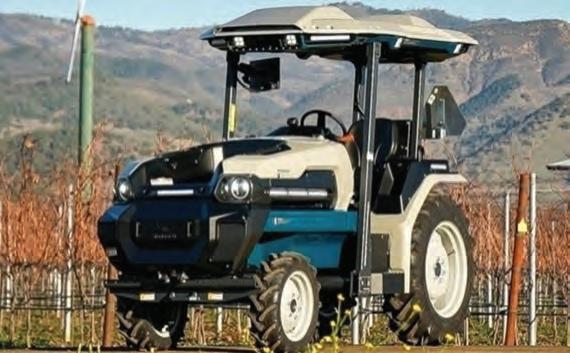
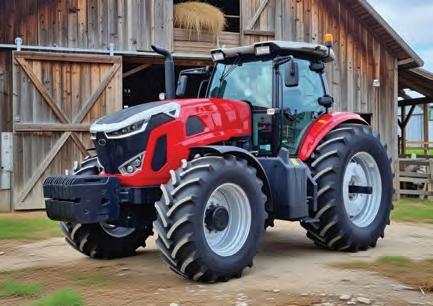
A WALK around any agricultural field day or a dealership yard will find several potential customers moaning that tractors are getting too expensive, too complicated and carrying too much electronic componentry - leading to more specialised and expensive servicing.
Indeed, in North America, the use of proprietary software
has seen at least one manufacturer involved in an extended legal battle over the “right to repair.”
Canadian company Ursa Ag hopes to address those concerns with its new range of Cumminspowered tractors that any mechanic can work on –and at a very competitive purchase price.
Their “back-tobasics” tractors are offered in150 and 180 HP outputs featuring remanufactured 5.9litre, 12-valve, Cummins
engines, while the larger 260 HP model features an 8.3-litre unit from the same brand, typically found in large tractors and combines from the 1990s. Importantly, the manufacturer stresses that they all feature mechanical fuel injection, rather than complex electronic injection systems.
While many components are built in-house, externally sourced items like the cab carry on with the

mechanical theme. They are said to be about as simple as the engine, with little more than an air-ride seat, and featuring mechanically connected controls throughout. There are also no touchscreens, emissions computers and dealer-locked software.
Owner Doug Wilson’s idea with Ursa Ag is to sell equipment that’s affordable and serviceable by thirdparty shops. As the Cummins engines have




powered everything from farm machinery to pickup trucks for many years, practically anyone with basic mechanical knowledge should find them easy to work, while parts are easy to source, so downtime is kept to a minimum.
Currently only available in Canada and the United States, the tractors are priced at the equivalent of NZ$ 160,000, 185,000 and 249,000, respectively for the 150, 180 and 260
versions, clearly significantly less that comparative models from the mainstream players.
Alberta.








PERFECT PARTNER