
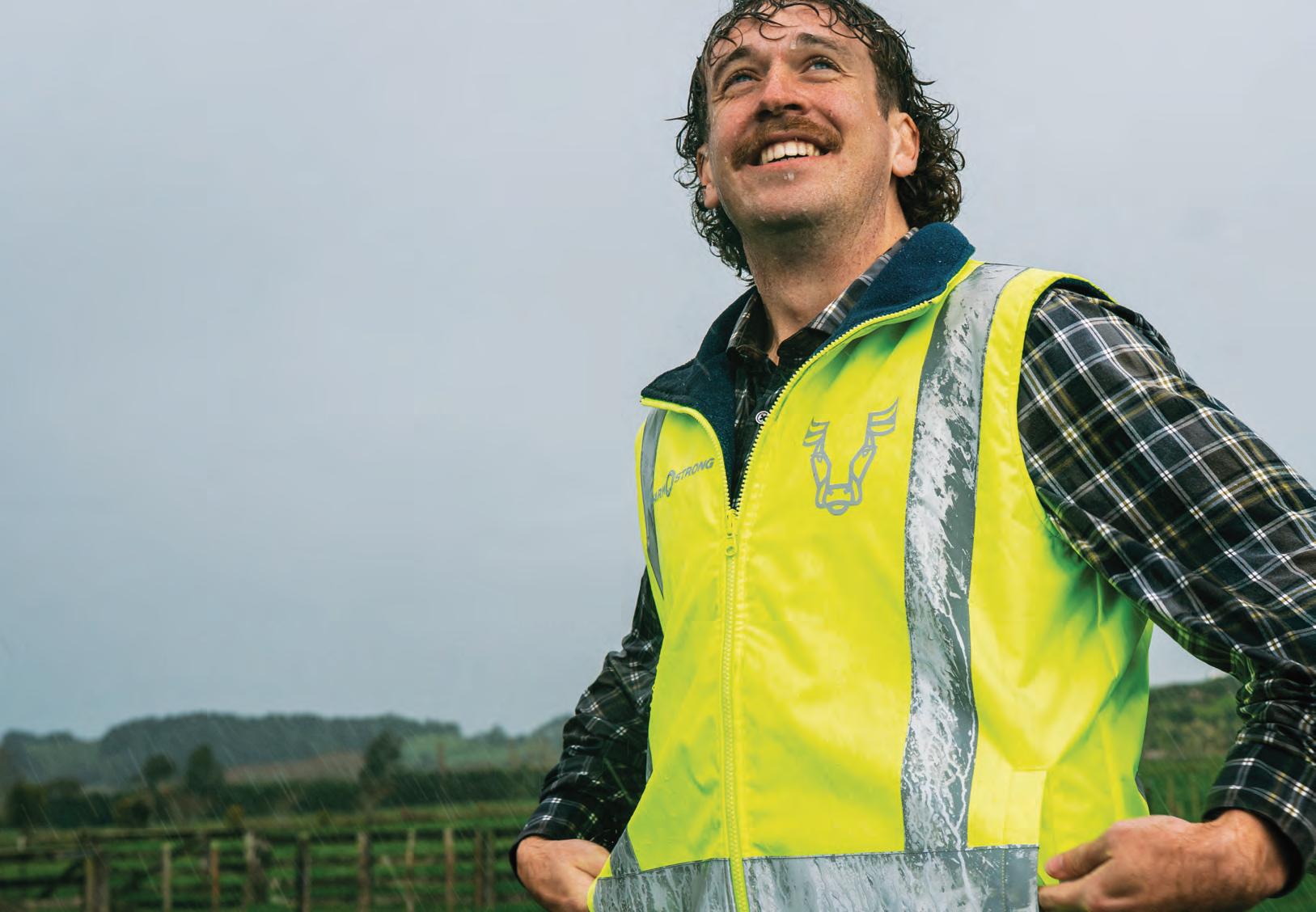
RECENT STORM damage to roading infrastructure around New Zealand has prompted a call for the Government to
change the settings for funding rural roads – with the aim of providing more money to make them more resilient to adverse events.
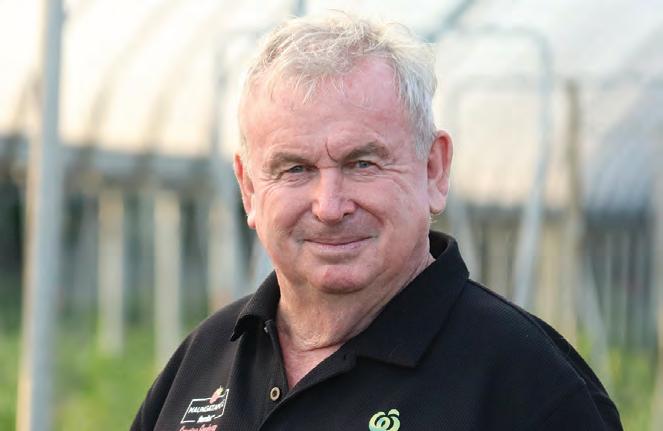
A leading Gisborne businessman, Richard Burke, who once headed up
a large vegetable growing operation in Tairawhiti, had to deal with the difficulties of getting product to market because of countless road closures.
He says today the roads around Tairawhiti are in fact worse than they


were fifty years ago.
Burke says the present settings for funding roads are based around use – in other words, the number of vehicles using them – rather than the opportunities they offer and particular needs of the primary sector.
“The consequence of the present settings is that regions like Tairawhiti, Northland, the West Coast and Taranaki miss out on the big funding because they don’t have the high vehicle use,” Burke told Rural News
“The present settings don’t make sense to me because high export earners such as the primary sector and tourism miss out,” he says.
Burke says, aside of the settings, the other problem with infrastructure is having a long-term plan and taking this out of the political arena.
He says under the present system, infrastructure bounces around due to political influence – the Cook Strait ferries issue being case in point.
“If we had, say, a 100-year plan, that would make a huge difference. In that scenario, the politicians would still control the purse strings, but there would be… a long-term plan,” he says.
According to Burke, “commercial settings” should be applied to infrastructure – roads, water etc. He says knee-jerk reactions are common with what infrastructure is needed and how to deal with adverse weather events.
For example, he says that the pine trees in Tairawhiti are not necessarily in themselves the issue and legislating against them may not be the answer. Rather, better settings or rules could manage the problem and ensure that the environment is not damaged.
“We need to accurately measure potential environmental impacts and not second guess what these may be, because in some cases we overdo stuff in areas and underdo it others,” he says.
Burke says in Gisborne there is talk about the need for better water infrastructure. He says this in itself won’t attract investment to the region. He maintains that roading is still the big issue and roads need to be able to cope with bigger trucks. He points to what Northland has done to improve its roads and the benefits that have flowed from this.
“Look at Northland and you see how much quicker they will recover from an event than what we will do down here. Most of that is because the infrastructure that they have built up gives them the ability to bounce back.
“We keep asking for more money, but there is a question about whether we are spending it in ways that resolve the problems in the long term.”
Finally, Burke says there a big focus on increasing production to drive export returns, but there is a need to invest in both the market and in the infrastructure to match this.



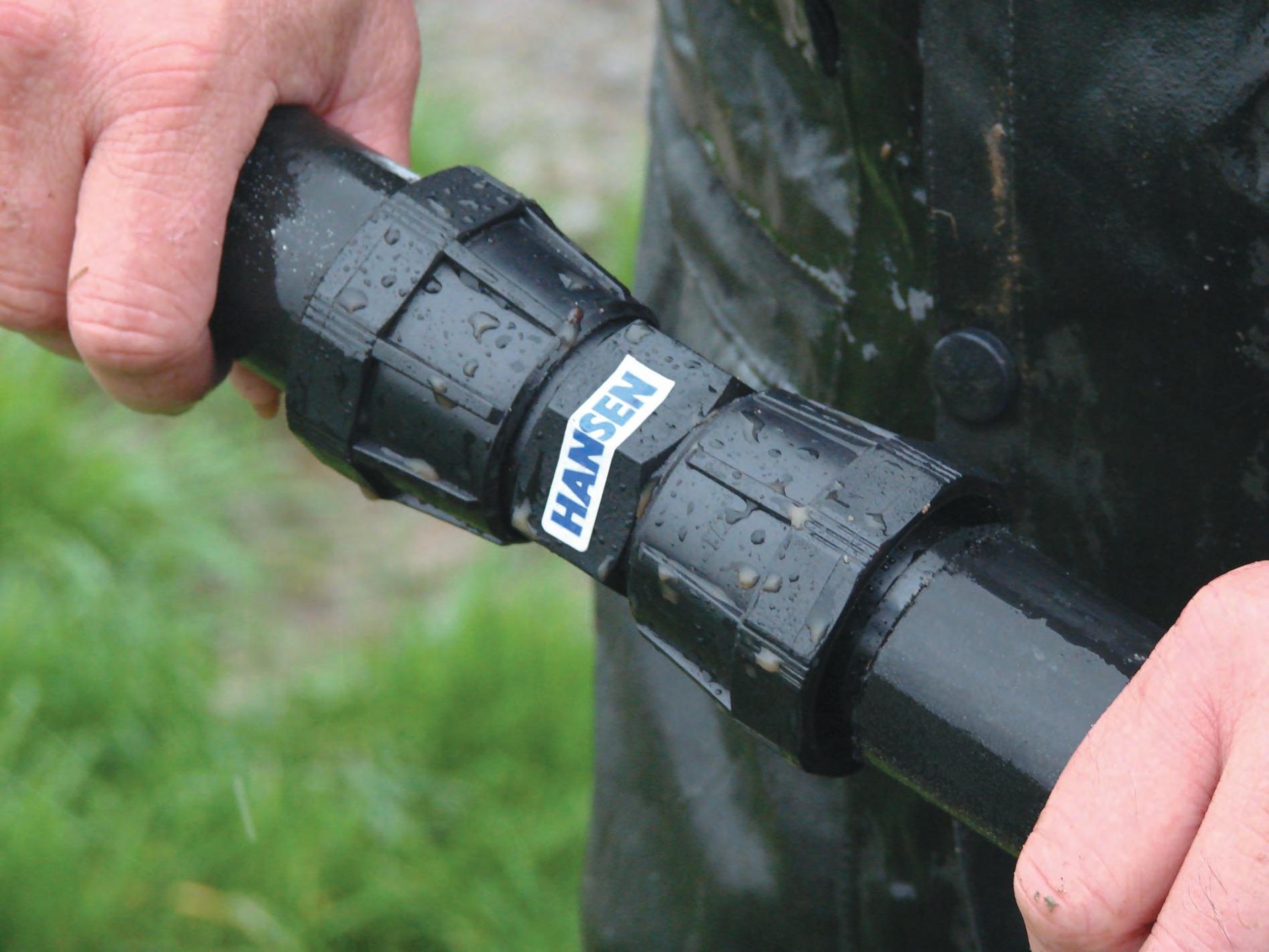
“When kiwi Bert Hansen decided to invent a pipe fitting for farmers to join alkathene poly pipe together, his main focus was to keep it simple and make it last!
50 years on, and with over 100 million fittings in the ground, Bert’s pipe fittings are still simple to use, unquestionably time tested, but most importantly trusted by kiwi farmers”
Don’t just ask for a pipe fitting, ask for a Hansen fitting! www.hansenproducts.co.nz

12-14
15
NEWS 16-22
HEALTH 23
24-27
27
PETER BURKE
peterb@ruralnews.co.nz
CHANGES TO an act of parliament seen as critical to speeding up access to overseas products to control pests and invasive species in NZ is unlikely to get passed before the November election.
The Hazardous Substances and New Organisms Amendment Bill, also known as the HSNO Act, has fallen victim to a huge raft of other legislation that the Government wants passed ahead of the bill in the current parliamentary term.
The amendments to the HSNO Act are seen as a major priority by the primary sector, frustrated by red tape, long timeframes, complexity of the process, costs and overall uncertainty about when products are finally approved by the regulator, the Environmental Protection Agency (EPA).
Phone: 09-307 0399
Fax: 09-307 0122
POSTAL ADDRESS PO Box 331100, Takapuna, Auckland 0740 Published by: Rural News Group
Editorial: editor@ruralnews.co.nz
Advertising material: beckyw@ruralnews.co.nz
Rural News online: www.ruralnews.co.nz
Subscriptions: subsrndn@ruralnews.co.nz
The changes to bill came out of a review by the new Ministry of Regulation which made sixteen recommendations to streamline the approval process. It’s been before the Primary Production Select committee that has been hearing
submissions on it.
One of the proposals in the amended bill would allow for a product that has been approved by a credible overseas regulator to be used in NZ until it gets final approval from the EPA.
The Minister for the Environment, Nicola Grigg, told Rural News that the Government has reached out to end users in the primary sector and is aware of their frustration about the present act and the blockages that it is causing. She says the new EPA board and chief executive are much more commercially driven and connected with farmers and growers.
Grigg says the intent of the changes is to give NZ farmers and growers easier access to products that are available overseas to control pests and invasive species, and for crop protection.
“We still must be risk averse in the sense that you can’t unleash any old thing out into the environment. We must be acutely aware of our markets and end users and our own environmental limitations. But also, we also must be at the vanguard of innovation and being able to try and test and keep on innovating,” she says.
The progress of the HSNO Bill was
front and center of topics discussed at the recent Animal Plant and Health (APHANZ) conference in Wellington. Here, representatives from MPI, the EPA and the former MFE gave presentations and answered questions about the HSNO Bill as well as changes to the RMA and ACVM bills; the latter two are likely to be passed by parliament this year.
The CEO of APHANZ, Dr Liz
Shackleton, says a big concern for her members was the timeframes within the HSNO Act. She says when you are in business, time is money and uncertainty costs. She says while they would like to get the HSNO Bill through parliament, she recognises the huge legislative backlog.
Shackleton says her members want to see new and novel products get approved faster.
WITH ENTRIES now open for the Ballance Farm Environment Awards, organisers have launched a campaign to bust some of the biggest myths they think might be preventing farmers and growers from putting themselves forward.
New Zealand Farm Environment Trust (NZFET) general manager Sarah Harris says the campaign was inspired by conversations with previous
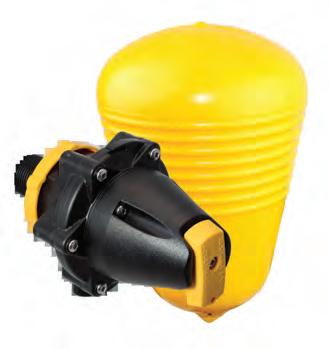
High Flow
Compact/Robust
New Pilot Flow Filter
entrants, which revealed a number of common myths about the awards.
“We know there are exceptional farmers and growers across New Zealand who would make fantastic entrants, but misconceptions about the awards often stop them from putting their names forward,” says Harris.
“Attracting a strong field of entrants is essential. The integrity and reputation of the awards relies
on recognising high-performing businesses that are willing to share their journey and inspire others.”
One of the most common myths is that entrants must be Ballance AgriNutrients customers.
“While Ballance is our principal sponsor, the awards are owned and delivered by the New Zealand Farm Environment Trust, an independent charitable trust supported by a wide
range of industry partners. You certainly don’t need to be a Ballance customer to enter,” Harris says.
Another common excuse Harris said her regional committees hear is: ‘I’m not ready’.
“The reality is that very few people ever feel ready. The awards aren’t about perfection - they’re about the journey and peoples’ willingness to keep improving.”
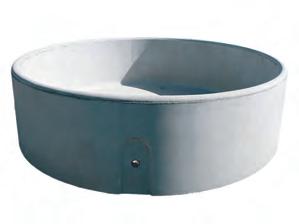
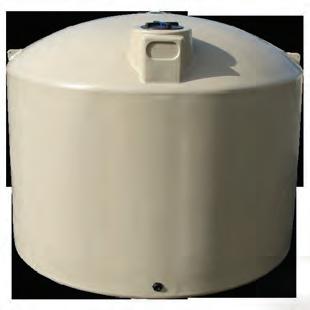
• For Water Storage Tanks
• Adjustable levels from 50mm-2.5m
• Minimises pump operation
•Available in 20/25/32/50mm
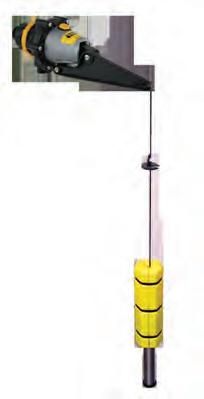

Side/Bottom Mount • Detach to Clean • Stainless steel bracket and Shaft
• Fits plastic and concrete tanks • Rugged and long lasting

THERE’S STRONG support from the horticulture sector for the Government’s plans to overhaul and streamline the Recognised Seasonal Employer (RSE) scheme.
The scheme allows orchardists and growers to bring workers from the Pacific Islands to work on their properties for a limited period each year.
Immigration Minister Erica Stanford announced this at the HortNZ conference last year, saying that over the 20 years the scheme has been running, it has become more complicated and burdensome than it needs to be.
She says the changes that will be implemented over the next two years will provide greater clarity and flexibility to both employers and workers. It will also strengthen protection for workers.
“This move is in response to sector which for a long time has been calling for change,” she says.
All told, 17,000 RSE workers come to NZ each year working for more than 200 recognised employers.
In essence, the revamped RSE scheme
will reward employers with good track records and put the heat on those who haven’t lived up to the spirit of the scheme.
“Bad actors will face consequences,” she says.
Stanford says the one-size-fits-all approach when employers are applying to recruit workers is no longer appropriate and, in this regard, established employers with a strong track record will be given special consideration and pathways.
Other key changes include introducing a fixed list of exactly what costs employers can pass on to workers – an area where there has been a lack of clarity, confusion and angst in the past.
The intention is that workers should be aware of this before they arrive in NZ.
There will also be a provision that allows workers the flexibility to do other tasks on a property outside the normal planting, maintaining, harvesting and packing of produce. Under this provision they may be able to, say, drive a forklift.
Workers may also be able to work for another accredited RSE employer if work runs out on their property and is available elsewhere.
Stanford says
accommodation standards are a major concern and remain a priority for both industry and Pacific partners.
“This move is in response to sector which for a long time has been calling for change.”
“We need to get this right,” she says.
Stanford says consultation on options for change is currently underway with Pacific partners and employers, and she expects to take
decisions by the end of September.
“We are also supporting industry-led initiatives that promote best-practice pastoral care. Providing access to the internet will also be added to the prescribed standards, ensuring workers can stay connected with their families back home. There will also be new provisions for sick leave,” she says.
Stanford says the changes recognise the important role the RSE scheme plays in assisting the NZ hort sector. The changes will be phased in over the next two years.

HORTNZ CHIEF executive Kate Scott says her organisation is hugely grateful for the changes. She says the decision to modernise the RSE scheme is a positive and practical step that will benefit growers, workers and Pacific communities.
“From our perspective the changes are sensible and will enable the scheme to operate more effectively and efficiently,” she told Rural News.
“Little things like aligning sick leave right through to enabling RSE workers to also do some of those
other tasks that sometime arise on the orchard like driving the forklift are important,” she says.
Scott says the changes will reduce unnecessary compliance for trusted employers.
A graduated accreditation model, clearer expectations and a more transparent cap process will give growers greater certainty to plan, invest and grow. She says the changes will also put worker wellbeing at the centre of the scheme’s future.
“HortNZ has consistently called for settings that are fair,
future-proofed and sustainable for employers and workers. This reform reflects that approach,” she says.
Colin Bond, the CEO of NZKGI, which represents kiwifruit growers, says his organisation is pleased with the announcement. He says anything that simplifies something that has become a complex scheme will be well received by the industry and getting clarity around what costs can be passed onto workers and moves to improve accommodation for RSE workers is good news and beneficial to
all parties.
“This is a fantastic scheme that’s been running for twenty years. But over time we have been adding more things to it to make the scheme better, however, we seem to have inadvertently made it more complex,” he says.
Bond says NZKGI appreciates the hard work that MBIE staff, the Pacific people and many others have put into creating the new reforms. He says it is important that through the implementation stage everyone works together to achieve the desired outcomes.

controlled and commercialscale methane reduction trials internationally.
A
NEW company set up to cultivate and supply seaweed for animal methane mitigation studies believes it could be a game changer for the dairy industry.
Asparagopsis Technologies Limited (ASTEC) is supplying research-grade asparagopsis armata for animal methane mitigation studies, ensuring continued access to one of the world’s largest land-based cultivation facilities dedicated to this emerging field of research.
Following CH4 Global’s decision to focus on its Australian operations, former leaders from the business partnered with Ocean Beach Aquaculture Park to retain the specialised infrastructure and cultivation expertise developed in Bluff.
The new company will supply high-quality asparagopsis biomass to research institutions undertaking
ASTEC executive director Nigel Little says the company supplies asparagopsis biomass to Australia, USA, Japan and Europe – especially Scandinavia, Netherlands and Ireland for research.
“These are the countries where a number of universities and research institutes have already been studying asparagopsis and where we believe there is demand for larger scale follow-on trials,” Little told Rural News
Asparagopsis-based feed additives are being offered for sale in Australia and Europe today where they are already approved for sale as a natural feed supplement.
CH4 Global is the leading commercial supplier with their Methane Tamer product, which is formulated with 100% asparagopsis. However, in New Zealand, all
methane inhibitors regardless of type - from natural plants being used as herbal medicines like asparagopsisthrough to synthetic chemicals, like novel ingredients, have been arbitrarily classified as Vet Medicines under the NZ legislation.
Little says only one product (using a synthetic chemical) has been submitted for approval to date, and no products have yet been approved.
He believes asparagopsis would be an excellent solution as a natural, safe and affordable inhibitor for high value dairy applications in New Zealand, such as organics, A2 and infant formula. It could be easily added - less than 50 grams per milking - to existing feed supplements given while milking.
“But a lot more investment will be required to prove the exact benefits of asparagopsis in NZ’s farming systems and to collect the data necessary to make a Vet Medicine application, and there doesn’t seem to be any interest in the research sector in NZ to do this work.”
Interest in asparagopsis continues to grow as research demonstrates its potential to significantly reduce enteric methane emissions in ruminants.
However, access to consistent, research-grade material has remained a constraint for many institutions, with much of the global supply directed into proprietary commercial programmes. ASTEC has been established to address this gap by providing researchers with reliable access to high-quality cultivated biomass for independent trials across diverse production systems, cattle breeds and feeding regimes.
The Ocean Beach Aquaculture Park is among the world’s largest land-based asparagopsis cultivation facilities, with existing production capacity of approximately 20,000 daily doses per month and significant scope for future expansion as international research demand grows. The facility leverages naturally cold Southern Ocean water and purpose-built bioreactor infrastructure, drawing on cultivation

expertise developed over several years.
FutureFeed holds and licenses global IP for the use of asparagopsis seaweed as a livestock feed ingredient, shown to lower ruminant methane emissions by 80% or more.
FutureFeed chief executive Alex Baker says methane from cattle and sheep dominates New Zealand’s carbon footprint.
“The rising sustainability expectations and competition in global export markets mean this has to change. Accelerating seaweed supply is critical to bring about change, and we are excited to see Asparagopsis Technologies’ actions towards that goal.”


A matter of hours
after Indian Prime
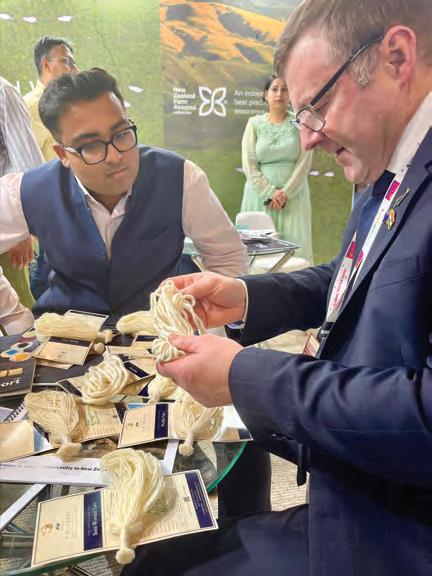
Minister Narendra Modi’s historic trip to NZ, the political doors in India swung wide open for Associate Minister of Agriculture, Mark Patterson, who was there to help promote our highquality coarse wool. He was attending the mega Bharat Textile
Expo in New Delhi, which has 3500 stands and attracts more than a million visitors over four days, supporting a NZ delegation to promote our quality coarse wool.
India is the second
largest importer of our wool – last year it took 17,000 tonnes worth more than $79 million. China is the largest importer of our wool. Patterson says, since the Wool Board disbanded many years ago, what
little engagement there’s been with India has been mainly broker driven and transactional. He says when a NZ wool delegation attended the Bharat Textile Expo last year, they were pleasantly
surprised.


“It turns out NZ wool is held in very high regard and there is a real interest in what we are doing in terms of our accreditation systems and the ethical way that we farm our sheep. This is because India manufacturers wool carpets for the very high end markets in the USA and Europe and want the highest quality wool for their products,” he says.
A feature of their manufacturing process is that it is primarily hand knotted by some 30,000 specialist craftspeople. This he says is in contrast to China where the manufacturing process is highly industrialised and mechanised.
He says the positive thing for NZ is that Prime Minister Modi is personally leading and promoting a programme that would see the country tripling the size of its textile industry by the end of the decade. This is called the five F strategy - farm, fibre, factory,
fashion and foreign exchange.
“That’s the driver and I am absolutely confident that there are real opportunities for our farmers to sell more very high-quality wool to India,” he says.
Patterson says a few months ago a delegation from all the major wool manufacturers in India came down to NZ and were blown away by our farming systems, and the way we handle wool in the shed and scour the product.
“A lot of these companies are family owned, multigenerational businesses and they have got a real affinity with fibre in the same way our multigenerational farmers do. There is a sort of combined respect for the fibre and a meeting of minds in many ways and they are keen to partner with us more,” he says.
Patterson says another visit to NZ by Indian wool manufacturers is planned to take place soon.
MARK PATTERSON says during his visit, which was just after the Prime Minister Modi visit to our country, NZ was in the spotlight in India.
He says there is no doubt that this helped get access to some of that country’s top politicians and businesspeople. This included having a special bilateral roundtable session, co-chaired by him and his Indian counterpart, Minister for State of Textiles, Pabitra Margherita. Patterson says he also had the opportunity to meet with the Minister of Textiles, Giriraj Sing, carpet manufacturer Obeetee, the International Wool Textile Organisation, the Wool Research Association, and others, to discuss ways that we can work better together.
“One of the highlights was to see the NZ woollen carpet in their Parliament debating chamber and to meet the Speaker of Parliament, Om Birla, the third highest ranked politician who gave the backstory of the significance of this carpet,” he says.
THE NEW Zealand ploughing team to the world championship in Croatia next month will be banking on borrowed equipment as they seek glory.
This follows a shipping mix-up that saw the team’s bespoke tractors and ploughs end up in Wellington two weeks ago, instead of landing in Europe.
Mark Dillon, Southland, and Malcolm Taylor, Waikato, have made the difficult decision to leave the equipment at home and rely on borrowed equipment.
In the last issue of Rural News we reported on the frustrations of the NZ Ploughing team in trying to ship their bespoke tractors and ploughs to the World Ploughing event to be held in Osijek, Croatia in early September.
Dillon and Taylor are scheduled to represent NZ in the conventional and
reversible classes respectively and, being old hands at the game, knew that getting their equipment to Croatia early would allow time for cleaning, inspection and local practice, before heading into the actual event.
Their forward planning, preparation and loading in early May meant an original arrival date of their container in Europe of July 18. Delayed departure had pushed this arrival date to July 24. On June 16, inquiries to shipping specialists Oceanbridge advised that the container was still in Wellington, who surprisingly stated that expected delivery was still around July 25.
On July 5, Dillon’s wife Sonia used an app to track progress, to find that the boat was off the coast of Tasmania, then sought an updated ETA, to be told that the boat was actually en-route back to Wellington, with a revised arrival in Europe of around August 24 – just 12 days before the event commenced.
Earlier in July, there was a heated discussion with Oceanbridge, who suggested reloading the container onto an alternative boat that should be able to get to Western Europe earlier, but added the complication of getting the container and its contents to Croatia by road.
Unfortunately, further discussions suggested that the revised solution would mean an expected arrival of 28th August, with any weather related or political delays meaning the risk of the date pushing out further.
This has resulted in the duo making the difficult decision to leave the equipment at home and rely on borrowed equipment.
Sonia Dillon says there were just too many variables to ensure that the container would arrive on time.
“The boys decided to head up to Croatia and take up the offer of loan tractors and ploughs from friends and acquaintances from the World
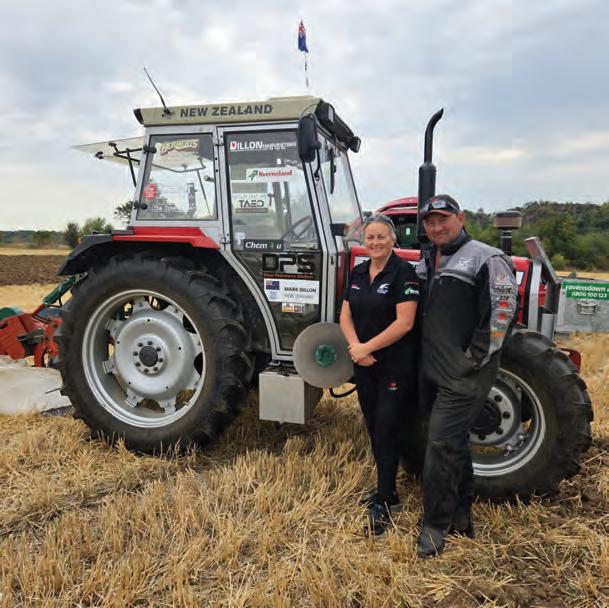
Ploughing community.
“It won’t be the same as using their own gear, but I’m sure they will give it their best try. There was never any suggesting of not going, as we have already committed a lot of money to travel and accommodation costs, so we’ll enjoy the event for what it is.”
Meanwhile, Oceanbridge has suggested that they are hopeful of getting a refund from the global
shipping company MSC.
remains sceptical about the suggestion, noting at this stage there has been no apology or explanation about how the massive faux pas occurred.
Rural News suggests that Oceanbridge and MSC should get their heads together and commit to getting the duo’s container to the 2027 World Ploughing Event to be held in Kenyaon time and at no cost!

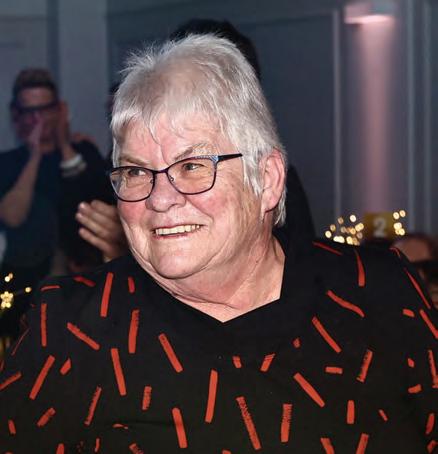
FOR 50 years, Tasman’s Mel Ewers has been helping the apple sector navigate through compliance issues and training.
For a career where she has built a reputation as a trusted advisor and mentor, Ewers picked up the New Zealand Apples & Pears (NZAPI) Outstanding Contribution Award in Queenstown last month.
Ewers was one of the 260 people at the NZAPI dinner, unaware that she was picking up the prestigious award.
Horticulture
consultant Andrew Kininmonth, who was sitting next to Ewers, had the task of introducing the awardee.
“It was very unsuspecting and it wasn’t until Andrew repeated something I just told him 10 minutes ago and the colour rose,” she told Rural News
“I’m humbled and overwhelmed: I give out awards, but I’m not great in accepting awards.”
Ewers had always eyed the job of a customs officer. After working in orchards and packhouses in the South Island, she got a break. With too many packhouses, MAF
decided to handover fruit inspection to the Apple and Pear Marketing Board.
Ewers was offered to join the board’s inspection team.
“They presented me with a four-car garage sitting on stilts with a hole cut in each end, and I walked inside and there was nothing there.
“And, they said this is your inspection depot: you set it up and run it, and that’s how it started.
“So, my customs officer plan didn’t originate, but my compliance did and I still do compliance today.”
Ewers is the
compliance and logistics manager at Hoddy’s Fruit Company in Nelson.
She also helps New Zealand Apples and Pears and exporters especially around training young staff.
NZAPI board chair Andrew Gibbs said Ewers’ contribution to the industry extended far beyond her formal roles.
“Mel is one of those rare people whose influence can be felt right across our industry. For decades she has quietly supported growers, businesses and industry initiatives, sharing her knowledge

freely and helping others achieve high standards.
“She has never sought recognition or the spotlight, but her integrity, leadership and willingness to help others have earned her enormous respect and multiple nominations for this award. The New Zealand apple and pear industry is stronger because of Mel’s contribution, and we are delighted to recognise her contribution.”
He says that throughout her career, Ewers has built a reputation as a trusted advisor and mentor, generously sharing her knowledge without
hesitation and helping others in the sector navigate increasingly complex industry requirements.
Colleagues describe her as practical, authentic, and deeply committed to helping others succeed.
Save time and save money with Bionic® Plus - the 100 Day* controlled release combination anthelmintic with minerals capsule for sheep. Worm control with Bionic® Plus can reduce drench inputs1, aid in control of dags and associated flystrike2, and slow the development of resistance.
Farmers and veterinarians can be confident when they choose Bionic® Plus.

NEW ZEALAND needs to make sure that it continues to focus on its own food security, according to HortNZ board member and blueberry grower Dermott Malley.
He says NZ cannot just rely on international freight delivering canned food from other countries to us and says the importance of our vegetable sector cannot be over estimated.
His comments come as concerns grow about highly productive land going into housing and vegetable processing plants facing closure, as well as trees replacing sheep on our hill country.
Malley told Rural News that it’s costly to
produce food in NZ and there is an ongoing need to increase crop yields by introducing new and better plant varieties to counter this. Also, New Zealand needs to look at the distribution of value along the food chain to make sure growers remain financial sustainable.
He says there are also other issues in Northland where his orchard is based.
“One of the issues is making sure we have enough water, and the other one is releasing some of the Māori land so that it can be more productive.
“To do that there needs to be an appropriate investment structure, because that land is currently not in a high production and to change that will require
capital investment and require the development of new infrastructure,” he says.
With Māori land, says Dermott, there is a need to understand that they will not sell their whenua and new economic structures need to be created so that new capital can be injected without that being linked to debt on their land.
Rural News is aware that this has already
happened in Māoridom with iwi joining forces, especially in the kiwifruit sector, to create larger and profitable entities.
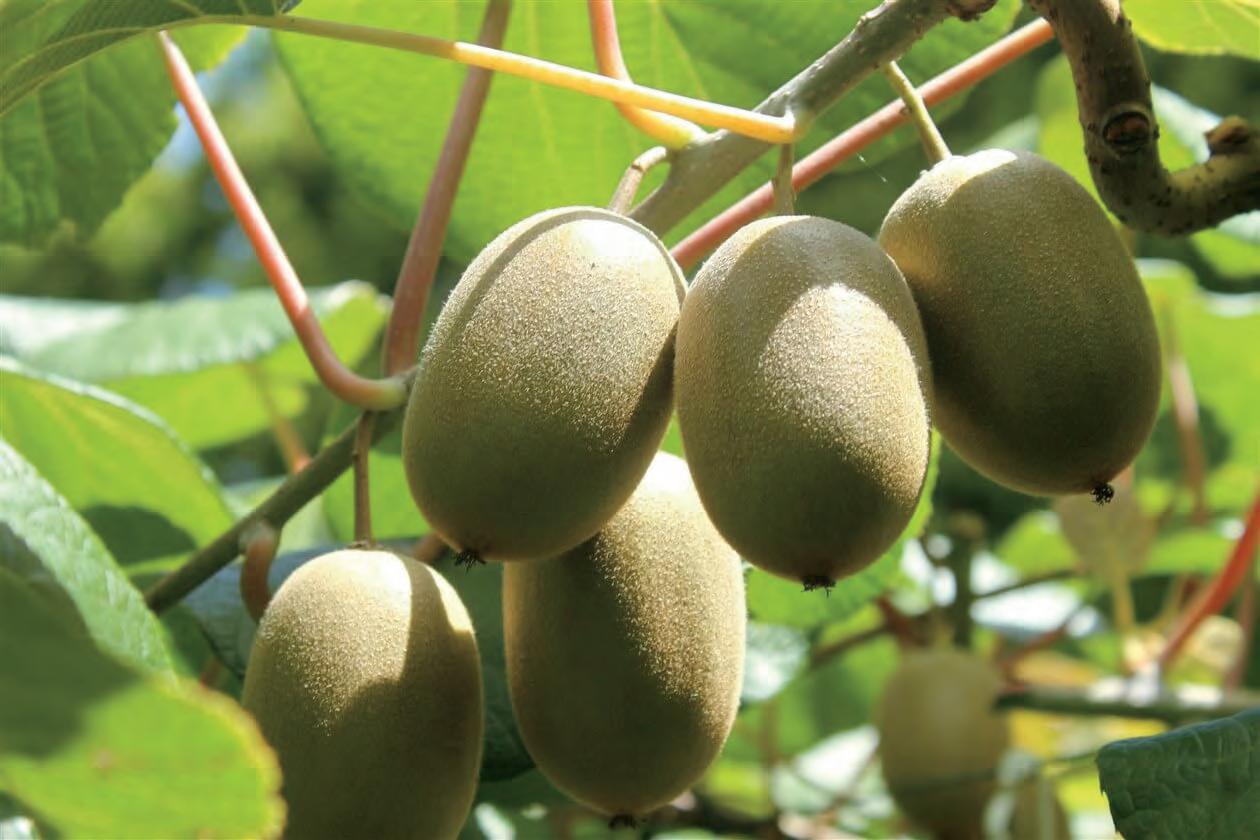
In terms of blueberries, Malley says his company already has a high tech packhouse which is quite capable of handling all the expansion. He says they also see the potential for growing kiwiberries.
DERMOTT MALLEY says if NZ is to increase its horticultural exports it must have the same access to new plant varieties as our competitors. He says he fully accepts the need for a quality biosecurity regime and the need to manage risk and not bring anything into NZ that would destroy the hort sector.
The Anderson family have been farming in Otorohanga since 1969. Today, second-generation farmer Alby Anderson and his wife Mary run their 160 hectare dairy farm in a split calving operation, with 300 cows calving in the spring and 200 in the autumn.
With no access to irrigation, the farm is reliant on the weather, and the famously dry Waikato autumn presents the biggest challenge for Alby.
“We grow fodderbeet to mitigate the autumn dry, we start feeding it from the end of March and we winter our cows on it as well. It’s a high yielding crop that enables us to extend the lactation for the spring calving cows. They transition onto fodderbeet at the end of March or early April, and they milk through on it until we dry off.”
Record breaking yields.
Growing the CONVISO® SMART fodderbeet has been a game-changer for the Andersons. It’s beaten
He says this is also linked to an expectation of our customers that we are moving to a softer approach to deal with managing diseases. In the past, much greater use has been made of ‘hard’ chemicals. Malley says this means that if we bring in overseas material, we need to be sure that it will fit within our system of managing diseases and pests.
the weeds, has been a lot easier and has delivered unbelievably impressive yields of 35 tonnes of dry matter a hectare.
The variety behind the crop’s success is the SMART JOSINA and it has outperformed anything Alby has grown in the past:
“SMART JOSINA has performed outstandingly well this season. Our yields have probably been 30% at least above what we’ve grown in the past for fodderbeet.”
The final surprise for the Andersons was just how well the CONVISO SMART crop fared in the summer dry.
“We’d had no substantial rainfall since December, so this crop went three months without significant rain. It was still growing and still green, so it’s quite amazing how it weathered the drought,” concludes Alby.
“We need to look at perhaps shifting our focus as a country to getting a guarantee those pests are better managed offshore, rather than just presuming that they are. That means we need to insist that those people overseas show us that they have done the right thing, in terms of what we do, like monitoring our crops every week,” he says.
SCAN TO LEARN MORE ABOUT ALBY ANDERSON

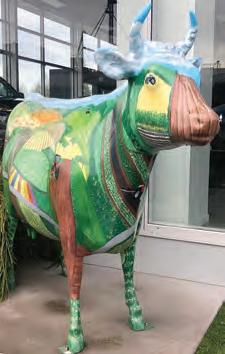
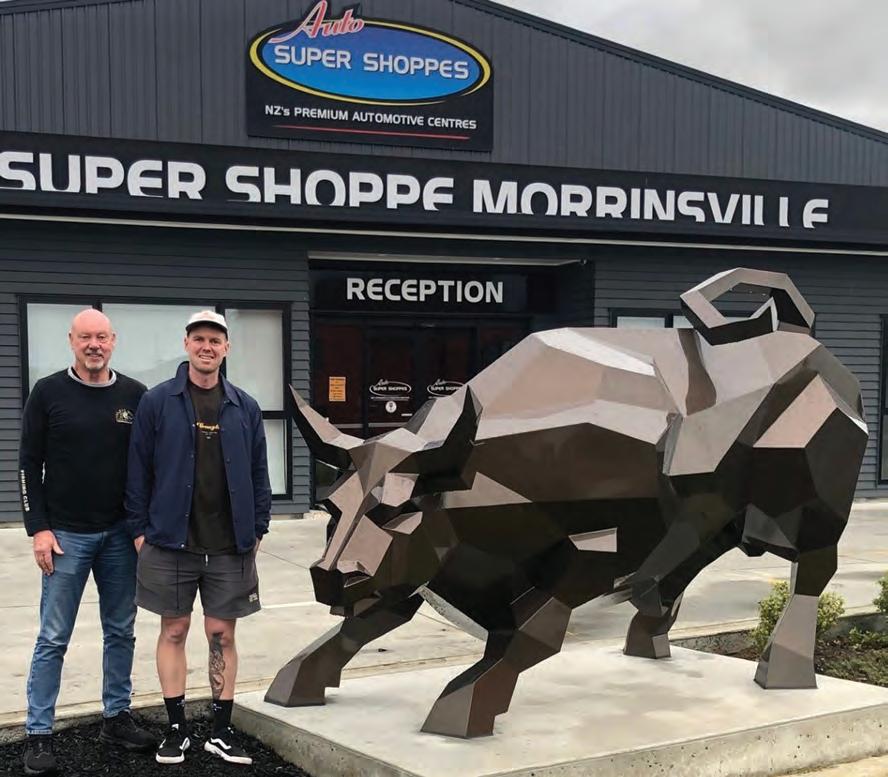
A MORRINSVILLE business, celebrating its 30th birthday, has shaken up the street scene in the Waikato township.
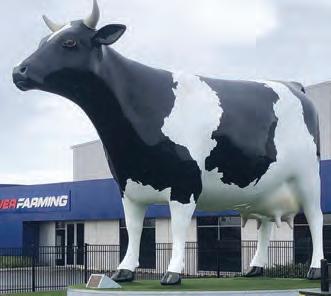
A bull has taken up residence outside the business in a town where streets are dotted with cows made from fibreglass. Morrinsville Auto Super Shoppe owner Allan Clark is celebrating thirty years of business in Morrinsville.
His son Jacob, who now works in the business, constructed the bull from sheet metal, cutting the shapes, then bending and welding to create the form. After 200 hours, the unnamed sculpture, which Rural News has named ‘Incredibull’, has a stance not unlike the bronze Bull of Wall Street.
Finishing with metallic bronze paint shows a multitude of colours in different light, giving life and attitude to the Bull of Super Shoppe Morrinsville for another thirty years.
The bull proudly joins a collection of life-size cow sculptures throughout the town showcasing the dairy history and heritage of Morrinsville.
Next time you’re in Morrinsville, don’t miss the Incredibull display!
and now


Heiniger capital equipment, is trusted by New Zealand farmers, contractors and shearers to get the job done safely and efficiently.
Because we care about your safetywhile working.
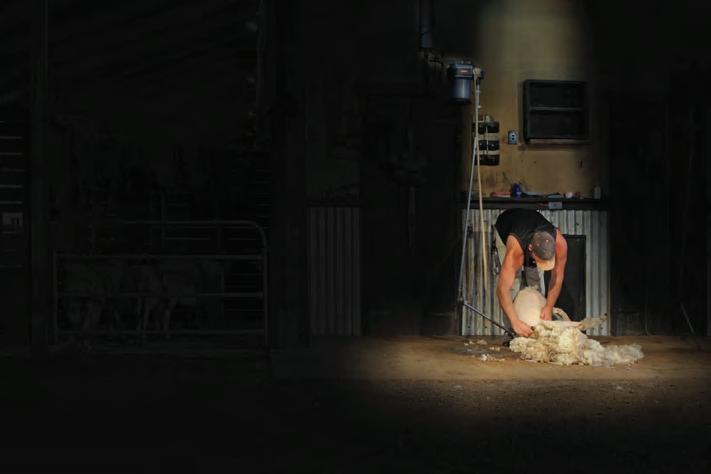
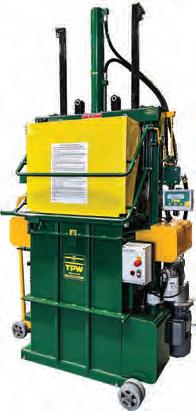
TPW Xpress Woolpress
With industry leading safety features, the #1 selling and most trusted woolpress helps to keep you and your workers safe in the shed. The TPW Xpress now comes with the new indicator with audible and visible alarms that let you know when you’re approaching the target weight.

Watch our equipment in action!


THE PARLIAMENTARY Commissioner for the Environment, Simon Upton, wants environmental information to be treated as critical national infrastructure.
quality environmental information is fundamental to good decisionmaking, effective environmental management, public accountability and investment decisions.
present a significant opportunity to improve how environmental information is collected and used.

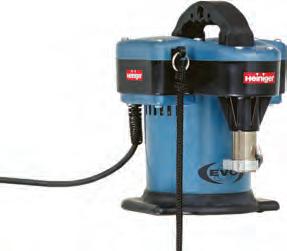


The world’s leading shearers trust the #1 selling shearing plant in the world, winner of multiple WorkSafe awards. The Evo delivers industry leading safety features, impressive performance and superb reliability.
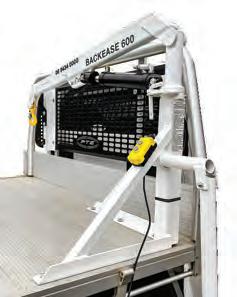
TPW Backease Hoist
Industry professionals trust the versatile, compact and cost effective TPW Backease Hoist to safely lift loads of up to 600kg with extendable 1.2 - 1.8m boom. At only 78kg, it’s easy to install with no loss of load space and features hydraulic
Upton says New Zealand has good environmental information but the problem is that the system used to collect, manage and share it lacks coordination, leadership and long-term stewardship.
A report released last week by Upton noted that New Zealand is undertaking major reforms across resource management, science, water services, local government and environmental reporting.
This presents a rare opportunity to place environmental information at the centre of environmental management.
The report - Unlocking New Zealand’s Environmental Information - finds that while vast amounts of environmental data are collected across government, councils, research organisations, iwi, industry and community groups, much of it remains difficult to find, access and use.
The report argues that high-
“Whether we’re managing water, planning infrastructure, responding to climate risks or protecting biodiversity, good decisions depend on good information,” says Upton.
“The problem is not that we lack environmental information – the problem is that the system used to collect, manage and share it lacks coordination, leadership and long-term stewardship.”
The report identifies fundamental weaknesses in New Zealand’s current environmental information system, including fragmentation, duplication, data gaps, inconsistent standards, and barriers to accessing and reusing information.
Rapid advances in technologies, such as remote sensing, automated sensors, environmental DNA (eDNA) and artificial intelligence, as well as digital infrastructure and communications technologies,
“Innovative technologies can help us better understand what is happening in our environment, often more quickly, comprehensively and costeffectively than before.
“But technology alone will not solve the problem. To realise these benefits, we need stronger leadership, common data standards and a system designed to make information accessible and useful.”
The report notes that recent investments in environmental data and digital infrastructure through Budget 2026 are a positive first step but says broader system-wide reform is required.
“If we can afford to fast-track ports, mines and motorways, we can afford to fast-track the upgrading of our environmental management system.
“Better information will not make difficult decisions for us. But without it, we are making those decisions in the dark.”
went unclaimed simply because the process felt too complex to pursue.
TOO
MANY farmers put reclaiming excise duty on petrol into the “toohard” basket, says farm accounting software provider, Farm Focus.
A little over six months ago, the company launched a partnership
And at the current rate of 78 cents a litre, it stacks up. Farmers used a lot of petrol-powered vehicles across their paddocks, she said.
“Even just in some of the smaller machinery, if you think about it, if
customers throughout New Zealand and in Australia.
It says one of their clients, Canterbury dairy, beef and cropping farmer Mike Smith, recovered around $12,000 from a single year’s petrol use through the PR Claims partnership.
“It’s all set up digitally
something back.” Andrews said the partnership reduced the administrative burden on busy farming businesses. She said PR Claims managed the claim process end to end, and refund statements could be imported directly into Farm Focus, keeping records tidy without extra
than half a million dollars in refunds shows the scale of the opportunity.”
PR Claims head of partnerships, Kevin Breen, believed that about 80% of farmers – or “more than would admit to it” – were not bothering to claim refunds of excise duty because it was a











A SIMPLER, clearer, more effective Recognised Seasonal Employer (RSE) scheme.
That’s what the Government is promising the horticulture sector.
This policy review is timely for a scheme that has delivered enduring benefits for growers, workers and Pacific communities for almost two decades. Practical changes are needed to keep it fit for the future.
For many Pacific Islanders, the RSE scheme has allowed them to build homes and raise the standard of living for them and their extended families.
The RSE scheme cap is set at 20,750 places, with roughly 17,000 workers arriving annually to work for about 207 approved employers, drawing workers mainly from Samoa, Tonga, Fiji and Vanuatu.
The RSE scheme fills genuine seasonal gaps when enough local workers are not available, helping growers harvest crops on time while continuing to recruit, train and employ New Zealanders.
Key changes include a graduated accreditation system that recognises employers with a strong track record and gives more flexibility for workers to move between RSE employers in appropriate circumstances, with additional safeguard for workers.
The changes will also introduce clearer rules on the genuine costs employers can recover from workers (such as transport, insurance and accommodation), giving workers and employers greater certainly about what costs can be recovered and how.
It also reduces unnecessary compliance for trusted employers. A graduated accreditation model, clearer expectations and a more transparent cap process will give growers greater certainty to plan, invest and grow.
Horticulture is one of New Zealand’s fastestgrowing and most valuable sectors, making a dependable seasonal workforce increasingly important.
The Ministry for Primary Industries’ latest Situation and Outlook for Primary Industries report, released in June, forecasts that horticulture export revenue will rise 7% to $9.5 billion in the year ending 30 June 2026, and to more than $9.7 billion in the year ending 30 June 2027.
A more effective RSE scheme will play its part in helping the sector achieve greater success.
HEAD OFFICE POSTAL ADDRESS: PO Box 331100, Takapuna, Auckland 0740 Phone 09-307 0399
PUBLISHER: Brian Hight .......................................... Ph 09 307 0399
GENERAL MANAGER: Adam Fricker ....................................... Ph 021-842 226
EDITOR: Sudesh Kissun ......................................Ph 021-963 177 sudeshk@ruralnews.co.nz
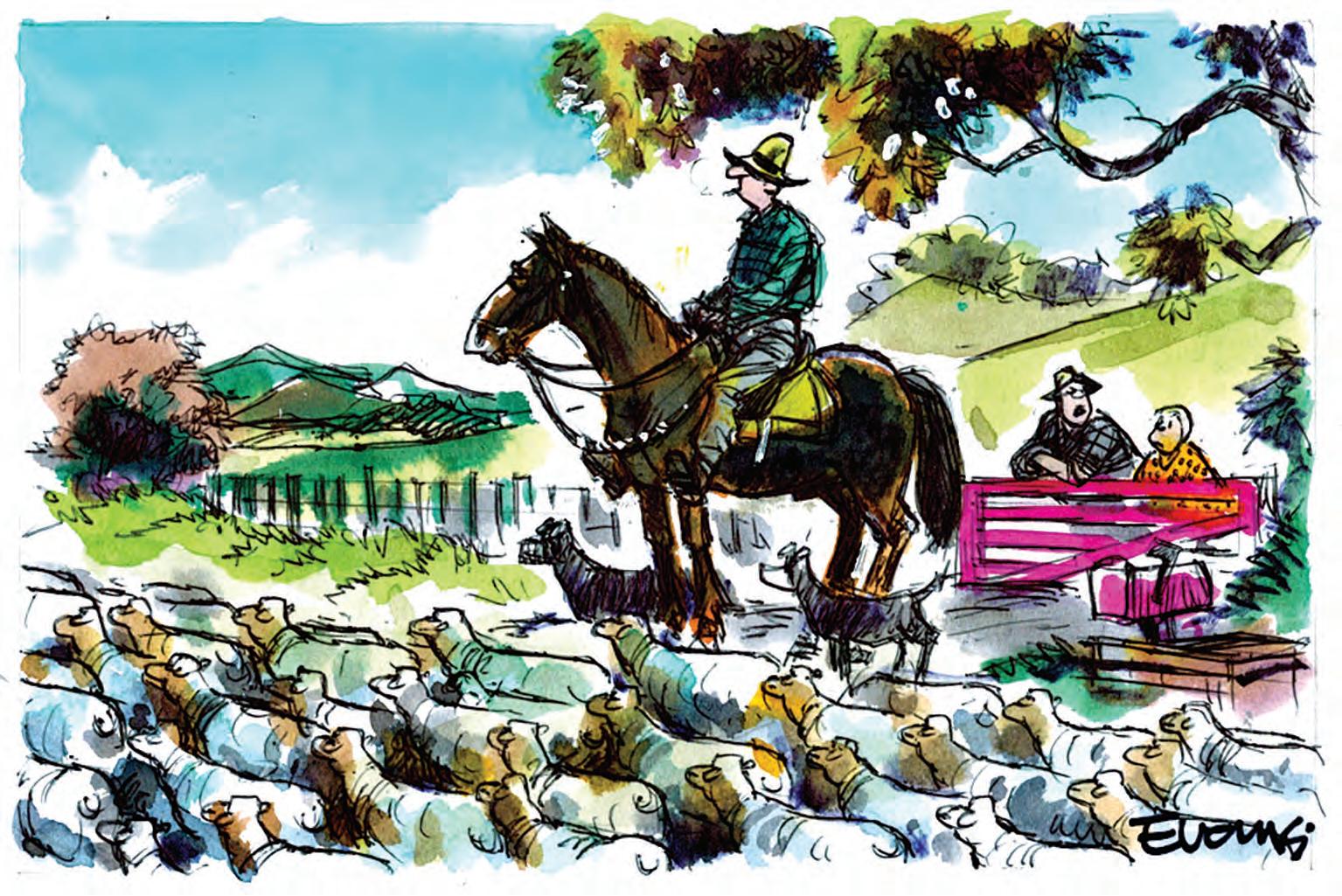
“He wants to get into politics, so he took up droving to get some experience.”
MIKE CHAPMAN, former chief executive of levy-funded Hort NZ, has thrown out a challenge to farmers and growers to put their levy-funded industry organisations under the same scrutiny as fertiliser, electricity, labour and freight. “A levy is still a cost of production,” he says. The Hound reckons Chapman is on the money here: scrutiny of the levy spend isn’t what it used to be, especially with one rural publisher now in bed with DairyNZ, Beef+Lamb NZ and the Feds. Chapman notes, we cannot move New Zealand closer to markets, create the scale of larger countries or match developing-country wage rates. We can, however, influence the cost of our levy-funded industry organisations. “That requires scrutiny of governance, overhead, duplicated services, separate offices, research, conferences and promotion,” he says.

PROPONENTS OF regenerative agriculture tend to be naturally aligned with a ‘green mindset’, so they will be nonplussed with their new mates in the US of A. The MAGA movement, via the Trump administration, has become an unexpected champion, making greener members of the ‘regen’ movement twitchy as hell. When regen arrived, the ag science community raised their collective bushy eyebrows at the lack of scientific data behind what was being pushed as the ‘new way’ forward for farming. The biggest fans of regen were from the same school of thought that demanded we “follow the science” on climate change policy yet backed a movement with little to no hard data because it had greenish “vibe”. With MAGA now in their corner, will the credibility of regen be enhanced or degraded? And do MAGA caps come in green as well as red?
EDITOR-AT-LARGE: Peter Burke ...........................Ph 021 224 2184 peterb@ruralnews.co.nz
REPORTERS: Nigel Malthus ........................Ph 021-164 4258
MACHINERY EDITOR: Mark Daniel ..............................Ph 021 906 723 markd@ruralnews.co.nz
PRODUCTION MANAGER: Becky Williams ......................Ph 021 100 4381 beckyw@ruralnews.co.nz
YOUR OLD mate reckons the atrocious way farmers in the UK are treated by their lords and masters in Westminster is a salient warning for us. Most politicians are untrustworthy bastards, but some are downright dangerous.
Imagine being a British pig farmer. You are rightly held to some of the strictest welfare and environmental standards in the world. Then you walk into a supermarket full of imported pork, reared to standards that you’d be arrested for, at a price that undercuts you by 35%. That has already happened here.
In the UK, it’s not just pigs, it’s everything they produce. As one astute Pommy prognosticator says, “It’s a massively hypocritical accountancy trick that outsources environmental and ethical impacts abroad while punishing farmers and claiming moral victory at home”. Couldn’t happen here? It already has.
AUCKLAND SALES CONTACT: Stephen Pollard .........................Ph 021 963 166 stephenp@ruralnews.co.nz
WAIKATO & WELLINGTON SALES
CONTACT: Lisa Wise .................................. Ph 027 369 9218 lisaw@ruralnews.co.nz
Want to share your opinion or gossip with the Hound?
Send your emails to: hound@ruralnews.co.nz
THE SAME mainstream media muppets that brought you Jacindamania in 2017 have been flat out pimping for the Opportunities Party, labelled by some as the ‘LinkedIn Greens’ for their corporate spin on Greenesque ‘tax the rich’ policies. Said media mavens have reacted grumpily to the politically savvy move by National to rule out working with their favoured horse. Your old mate reckons if they fall short in the election, they can take their ill-conceived land value tax with them. The Feds understated it when describing this tax as “really bad” and saying it could cost some farmers five times more than Labour’s proposed methane tax. TOP seem oblivious to the fact that imposing another tax on farmers would only put more pressure on family farms and make food production more expensive.
SOUTH ISLAND SALES CONTACT: Kaye Sutherland .......................Ph 021 221 1994 kayes@ruralnews.co.nz DIGITAL STRATEGIST: Jessica Marshall ..............Ph 021 0232 6446
Paper used in this publication is from
managed in line with the
SINCE WHEN did one and one make three? Who didn’t smell an elephantsized rat when our leaders decided to give $60 million to save the cement factory in Northland?
Apparently, cement is so vital it must be manufactured here. Relying on foreigners is far too risky. Bingo: Fletcher Challenge wins lotto without even buying a ticket. But just down the road, the refinery shutters are up with the for-sale sign on the front lawn.
Relying on imported fuel is not risky. So, we don’t need a refinery.
We can do without local fuel, but we must have local concrete. Even if that was true, which it obviously isn’t (unless you believe that one and one make eleven), the money should be a loan.
Over the years, successive governments have bailed out Air New Zealand to the tune of $1.3 billion, but they swapped cash for equity. So, now we taxpayers own most of a high-risk airline that goes broke on a regular basis and is a major contributor to catastrophic climate change. Lucky us. Owning a cement factory is slightly
smarter than owning an airline, but why are we giving a free lunch to a company that has a track record as impressive as a three-legged racehorse?
Investing in the wool industry would be smart, producing useful climatefriendly goods that replace harmful plastics and employ thousands. But no, like NZ Steel, Fletcher Challenge gets free carbon credits to the tune of millions of dollars a year and a $60 million gift as well.
In Taranaki they’re planning a $1 billion gas import terminal. The gas is coming from foreigners no different from the ones we don’t trust to supply us with cement. We’re paying the bill, so we’re owed an explanation. Gas and petrol are sourced from unstable tyrannical regimes who go to war with one another on a regular basis. Cement can be purchased from peaceful democracies.
So, shouldn’t we import cement and manufacture our own energy?
Even the Green Party agrees.
The Greens have long believed one and one makes seventeen, but they do suggest the billion dollars would be better spent making energy onshore out of on water wind and sunshine.
But then who’s talking fair-play level playing fields and logic in an election year? Ninety per cent of voters live in the cities, so we country folk are electorally irrelevant, ignored and marginalised accordingly.
The reason the Government is giving money to cement rather than, for example, rescuing the besieged fruit and vegetable growers of Hawke’s Bay, is politics and the coming election.
Northland is NZ First territory and National need NZ First to form the next government, assuming they get enough support to be in the running.
Keeping the north happy and safe for the coalition is important, while Hawke’s Bay is allocated grumpy agriculturists and no subsidies. Once again, a clear demonstration of politicians prioritising short-term power grabs over the longterm health of the nation.
The question is, will it ever change or will we go sliding down the tables of wellbeing, wealth and happiness as we have done for the last few decades?
Current performances from Chris, Chris, Winston, Dave and Chloe say ‘don’t hold your breath’.
Perhaps there is some reason behind these dodgy deals. There are two sides
to every argument.
Years after the event, our community still argues over whether our local policeman was smart or silly when he raided the Pub during the days of six o’clock closing.
Two of the locals dived out the back window and hid in the chook house. Mr Plod tapped on the chook house door with his baton.
“Anyone in there?” he asked.
“Only us chooks,” came the reply. “Very good,” said the Constable, and he went home.
I’m on his side. My view is that he wouldn’t have handed over sixpence as a gift to Cement Co shareholders. He may not have been good at identifying poultry but he knew very well that one and one don’t make three.
• Tim Gilberston is a community leader in Hawke’s Bay.



















Load your strip of tags in
• Easy to grip and use, even for extended periods, without causing
• Useleft or right handed.
• 10 tags per cartridge.
• Comes with 5 reusable empty cartridges.


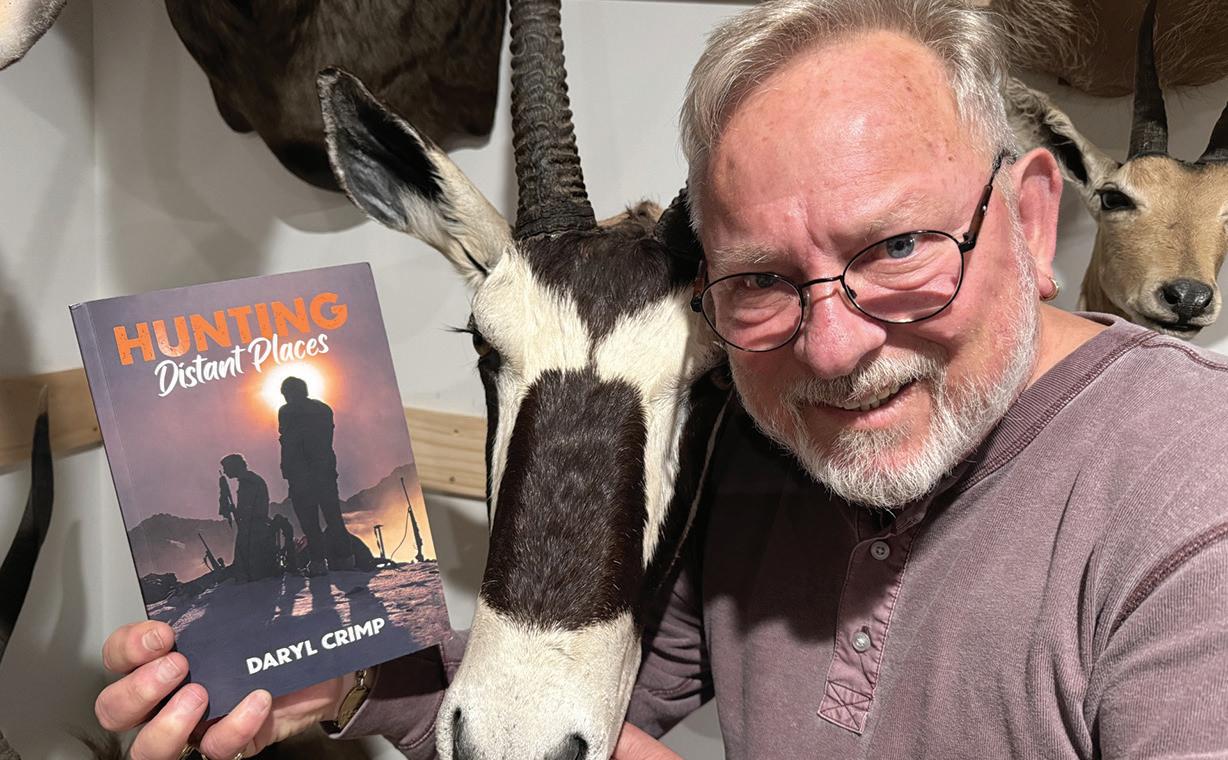
HUNTERS SHARE a common affliction, filtered through the generations from our ancestors: an overwhelming urge to see what lies around the river’s bend, over the next ridge or beyond the faraway mountains. To some, it’s a drug — and it’s addictive. Daryl Crimp (known to most as Crimpy) has it bad. His latest book, Hunting Distant Places, recounts his lifelong passion for hunting. He has spent over 50 years in pursuit of game, leaving his footprints in remote mountain valleys and alpine meadows as he stalks pigs, goats, red deer, fallow, sika, whitetail, tahr and chamois. But New Zealand can’t contain him — other far flung destinations beckon: Australia, Pitt Island, New Caledonia, Austria, Sweden, England, Africa and Lithuania. And the diverse species stalked include wild sheep, chital deer, rusa, African plains game, European moose and roebuck. Full of humour, suspense, triumphs and trials and more twists than a bag of pretzels, Hunting Distant Places is more than just a collection of hunting yarns — it’s about the pull of wild places that never let go. To go in the draw to win a copy from Rural News, email your details to editor@ruralnews.co.nz. Autographed copies are also available to buy direct from the author: darylcrimp@gmail.com
(SSPs). The key scenarios include SSP1-2.6, SSP2-4.5 and SSP5-8.5.
BACK IN April, the Intergovernmental Panel on Climate Change delivered an update that should have triggered an 8.5 magnitude earthquake in the world of climate change policy.
Instead, New Zealand received only a modest tremor: a letter from Climate Change Minister Simon Watts to regional and district councils. It politely draws attention to the issue and “expects” councils to review their climate assumptions. This low-key response falls short of what is needed.
The background matters. In 2014 the IPCC developed four Representative Concentration Pathways (RCPs): RCP2.6, RCP4.5, RCP6.0 and RCP8.5. In its Sixth Assessment Report (AR6, 2021), it updated these into Shared Socioeconomic Pathways
The low-numbered pathway assumes strong global action and attaining net zero. The highnumbered one projects explosive emissions growth, including burning more coal than known reserves. The world’s actual trajectory sits closer to the lowerto-intermediate range — nowhere near the extremes of the 8.5 pathways.
Crucially, the 8.5 scenarios were never intended as likely futures or “business as usual.” They were designed as high-end stress tests. Yet they have repeatedly been treated as the default in modelling. This shows up across New Zealand: in Kapiti Coast planning, where thousands of properties face exaggerated sea-level rise risks; in projections of the sea lapping at Parliament’s
World’s most powerful variable speed clipper is here!

Methane Science Accord says a country grappling with economic pressures cannot afford policies that deliver no measurable global benefit.
steps by 2100; and in agricultural policy. The New Zealand Agricultural Greenhouse Gas Research Centre and programmes like AgriZero rely on RCP8.5 assumptions to justify major methane reduction targets and spending.

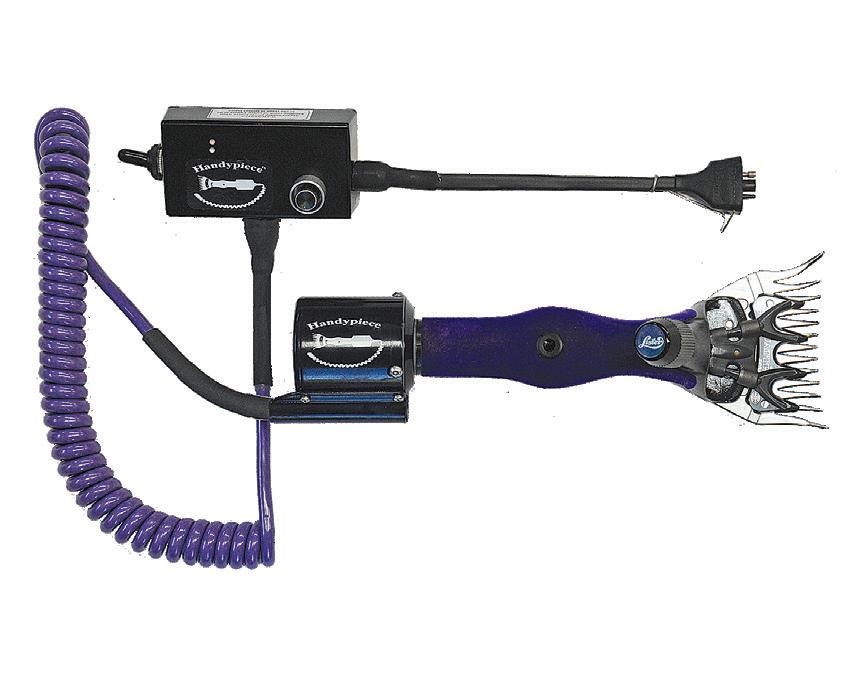
■ Ideal for shearing sheep, alpacas, goats and cow tails.
■ Variable speed from 2600-3500 rpm.
■ Latest brushless motor technology means minimal heat build up
■ 1400gms means 100-200gms lighter than standard handpiece.
■ At 2800 rpm the 12-volt lithium battery will crutch 300-400 sheep or trim up to 400-500 cow’s tails.
■ We customise cables for lifestyle shearing. HELP US TO HELP YOU FOR


This pattern repeats in councils and government agencies nationwide. When extreme scenarios drive policy, the result is often over-regulation, inflated infrastructure costs, and misallocated resources.
Contrast this with Minister Erica Stanford’s decisive action on an MBIE project plagued by cost overruns and zero results. She pulled the plug. Minister Watts and the government should show similar resolve. Rather than layering on new spending — such as the $51 million Early Adoption Accelerator for methane vaccines and boluses — they should direct a full reset: redraw all climate policies and planning using realistic, evidence-based scenarios grounded in measurable data and current trajectories.
New Zealand has faced severe weather events in recent years. Yet the IPCC itself notes limited
evidence for detecting and attributing a clear human influence on many of these specific events in our region. Despite this, public discourse often defaults to alarm, amplified by models built on discredited highend assumptions. It is no wonder many Kiwis believe cattle burps and V8 engines are the primary culprits.
A country grappling with economic pressures cannot afford billions on policies anchored in implausible scenarios that deliver no measurable global benefit. The responsible path forward is clear: prioritise robust adaptation to the climate variability we have always faced, informed by the best available science and probable futures — not worst-case fantasies. This approach has sustained humanity for millennia and remains far more costeffective than chasing symbolic reductions with negligible real-world impact.
New Zealand’s policies must reflect reality, not outdated modelling. The data demands it. Our economy and communities deserve no less.
• Neil Henderson is a sheep and beef farmer in Gisborne and a founding member of
AS
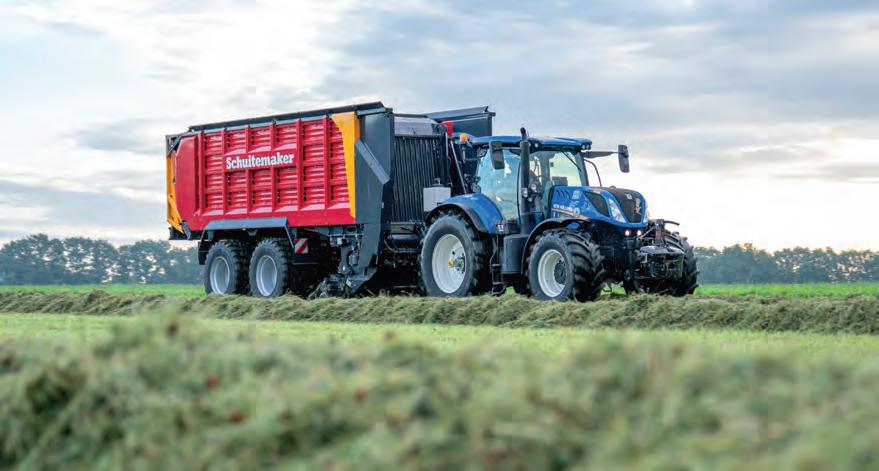
A country that prides itself on being a trading nation, New Zealand’s transport infrastructure has a critical role to play in supporting future growth and resilience.
The conversation about our economy often focuses on increasing productivity, along with food and fibre export growth, to compete in increasingly demanding global markets. Yet to achieve that growth, we must also ensure the roads, rail lines, ports and freight connections that underpin our economy are able to keep up.
Food and fibre exports are forecast to earn close to $60 billion this year. Those earnings don’t happen by accident. They depend on products moving efficiently from farms and orchards to processors, ports and on to international markets.
Transport infrastructure is a core economic enabler and the foundation upon which productivity, export performance and economic competitiveness are built. As a country, we have an opportunity to keep strengthening that foundation through longterm planning, targeted investment and close partnership between government, industry and communities.
At Ballance, we rely heavily on an integrated network of ports and internal transport options to distribute nutrients throughout the country. Fertiliser may be manufactured, imported, processed, stored and moved through multiple locations before it reaches a farm.
When a rail line closes, roads are damaged or port capacity is constrained, the effects have an immediate
effect on our supply chain. The consequences aren’t always visible to consumers, but farmers feel them quickly.
Farmers don’t need reminding that a missed fertiliser application impacts pasture growth and delayed nutrient delivery affects crop establishment.
Disruptions create uncertainty at exactly the time farmers are trying to make the best decisions for their businesses.
The same applies when it comes time to move food and fibre products out of New Zealand.
Around 99% of our international trade by volume moves through ports, and we are more dependent on maritime freight than almost any developed economy.
That reliance creates an opportunity to take a more coordinated, long-term view of port capacity, investment
TWENTY FIVE secondary school students from around New Zealand recently completed a three day residential programme designed to explore career opportunities across the food and fibre production supply chain.
Held last month, the Farm2Future educational camp, funded by Rabobank and run by Lincoln University, brought together Year 12 students from 20 schools nationwide. During the
programme, participants visited a range of agribusinesses throughout Canterbury, including Rakaia Island Dairy Farm, Oakley’s Premium Fresh Vegetables, PGG Wrightson, Original Foods, Zentera Wool Company and Foodstuffs.
Students also attended a presentation by Sudeley Angus and Sheep Stud, heard from a panel of young agribusiness professionals about their roles and career pathways, and toured Lincoln
priorities and freight planning.
Constraints make it harder to efficiently use shipping capacity across multiple ports, reducing the resilience and flexibility of the wider freight network. A network approach that utilises both large and regional ports is likely to serve New Zealand better.
Rail presents similar opportunities. This is not simply about competition between modes; New Zealand’s supply chain works best when they operate together.
Road transport will always remain essential, particularly for first and last mile freight movements. But rail can provide capacity, efficiency and resilience for moving large freight volumes over longer distances. Every tonne moved efficiently by rail helps strengthen the overall freight system and
University to gain further insight into agricultural education.
Rabobank Upper South Island client council chair and Oakley’s founder Robin Oakley said Farm2Future was originally developed by Rabobank and Lincoln University in response to a need to raise awareness of the diverse career opportunities available within New Zealand’s food and fibre sector among secondary school students.

removes strain on our roading network.
For many years, infrastructure planning has had to respond to immediate pressures as well as longer-term needs. The opportunity now is to build on the work already underway and ensure decisions are increasingly strategic, evidence-based and focused on the future freight network New Zealand will need.
We welcome the Government’s response and bipartisan support for the National Infrastructure Plan, particularly a commitment to action on improving longterm planning, asset management and investment decisionmaking.
For agriculture, this focus is important. Having reliable roads, rail, ports and freight connections help ensure inputs can reach farms efficiently and means New Zealand’s food and fibre exports can continue to reach global markets with confidence.

Stronger transport connections would improve productivity, strengthen supply chain resilience, reduce costs and support regional economic growth. Most importantly, it would help ensure New Zealand can continue to compete in global markets.
The food and fibre sector continues to make a significant contribution to the New Zealand economy. Farmers, growers and exporters are working hard to deliver for the country while adapting to changing market conditions, cost
• DairyNZ Board of
pressures and regulatory expectations.
There is a clear opportunity to support that contribution by ensuring the transport infrastructure the sector relies on is resilient, efficient and fit for the future. If we are serious about growing exports, lifting productivity and creating prosperity for future generations, infrastructure needs to remain a shared national priority.
• David Healy is Ballance Agri-Nutrients general manager operations, sourcing and supply

• DairyNZ Directors’ Remuneration Committee
Invitation for 2026 candidate nominations – three positions available
• One farmer director for the Board of DairyNZ Incorporated.
• Two members for the DairyNZ Directors’ Remuneration Committee.
Current levy-paying dairy farmers who are also members* of DairyNZ Inc are now invited to nominate candidates to fill these three positions.
All farmers paying a levy on milksolids to DairyNZ and who are members of DairyNZ Inc are eligible to stand for election. An information pack outlining desired criteria and nomination requirements for the positions can be obtained from the Returning Officer. Nominations must be received by the Returning Officer by 12 noon on Friday, 21 August 2026.
Elections
If more than the required nominations are received, a voting process will be carried out by postal voting using the STV (single transferable vote) voting method. Votes will be weighted by annual milksolids based on 2025/26 dairy season ended 31 May 2026. Voting credentials will be posted to all members on 1 October, with voting closing at noon on Thursday, 29 October 2026.
Election results will be announced on 30 October 2026. The DairyNZ Annual Meeting will be held on Wednesday, 4 November 2026.
For further details contact the Returning Officer below.
Anthony Morton Returning Officer – DairyNZ Incorporated 0800 666 935 vote@electionz.com

Rebecca, Malley is still involved in the business.
BLUEBERRIES HAVE the potential to become a major horticultural export earning up to $150 million within the next three to five years.
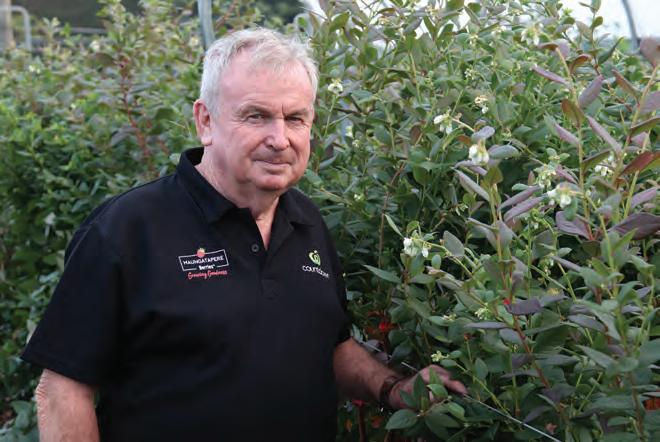
That’s the view of Dermott Malley, who along with his family have been growing berryfruit and kiwifruit near the Northland township of Maungatapere, just west of Whangarei, for over ten years. Malley is also a member of the HortNZ board.
While he has stepped down from the day to day running of Maungatapere Berries, now run by his son Patrick and wife
Right up until 2019 the focus of Maungatapere Berries was on brambles or soft berries – six hectares were in raspberries and blackberries and four hectares in blueberries. They did and still have some green and gold kiwifruit as part of their overall business and are looking at some of the new Zespri varieties which grow well in the warmer climate of Northland.
When Patrick, as part of a succession plan, took over the business, they shifted the focus to blueberries, and away from the brambles, continuing to growing
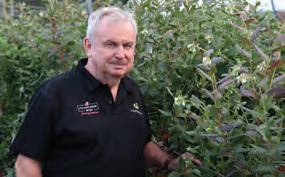
Dermott Malley believes blueberries have the potential to become a major export, earning up to $150 million within the next three to five years.
these hydroponically and under cover.
Doing this has several advantages. One of these he says is speed, because with hydroponics undercover they can get a new variety of blueberry
into production within a year as opposed to three to five years in the field, depending on the variety. He says it also means they can produce berries right through the year and are not confined by the limited outdoor growing envelope.
HAVING BLUEBERRIES undercover has allowed the Malleys to grow this amazing fruit all the year round.
It has also enabled them to grow some varieties which cannot be grown easily outdoors.
November, so that gives us access to the domestic market and also interestingly to the markets in Southeast Asia,” says Dermott Malley.
incidentally they do not face any tariffs.
“The second reason is the varietal range becomes quite different. Several of the more modern varieties, particularly Southern
Highbush which have nice sized beautiful tasting fruit, are quite susceptible to some of the pests and diseases if you grew them outside.
“So, growing them undercover means we can manage the crop better, improve its consistency, size and amount of fruit produced. We can also improve the taste of the fruit, have less wastage and ensure the best product is available to go onto the supermarket shelves,” he says.
A key driver in changing to growing blueberries hydroponically and undercover at Maungatapere Berries has been a focus on future profitability and looking
“Blueberries are recognised the world over as a superfood. It’s good for the liver, helps with cancer and Alzheimers and is extremely beneficial to the human digestive system. We hardly need to Peter Burke
“To the best of my knowledge, blueberries now grow 12 months of the year and we will put them through our own packhouse. With our new varieties, we will harvest all the way through until


A large part of their crop is sold in NZ, while 90% of all New Zealand blueberries exported go to Australia. But by being able to produce their fruit 12 months of the year, the Malleys are looking to export to Southeast Asia, including Japan, Vietnam, South Korea and Taiwan – where
With profitability front and centre of their operations, the next innovation is likely to be mechanical harvesting. Already the Malleys are preparing for this by spacing trees in such a way that a mechanical harvester can be deployed. At the same time, they are looking at new and better varieties of blueberries that can be
mechanical harvesting, according to Malley.
“It costs somewhere between $6.50 and $8.50 to hand harvest but just 80c/ kg to mechanically harvest. But in doing this, special equipment has to be used to prevent any damage to the fruit,” he says.
With the strides he and his family
for new overseas markets. Increasing the amount of fruit each plant produces is an important part of this equation. Pruning is the main way of doing this by getting each plant to grow more stems and thus more flowers that produce the fruit. This incidentally is the same in the kiwifruit industry.
It’s a simple piece of maths, says Malley.
“The more flowers we have, the more fruit we have, and with that is higher productivity per hectare. However, Patrick has a unique focus on productivity, which is per metre, because we hand pick and the less distance you have to walk to fill a tote of fruit makes you more efficient,” he says.
New Zealand blueberry exports bring in less than $45 million annually, but he is confident that within three to five years this could be around $150 million.



HAVELOCK NORTH Event
Centre was a full house for the Metris annual weather outlook grower breakfast this month. The question on most minds was ‘what sort of El Nino should we expect?’
This growing season is shaping up to be one where preparation will matter just as much as the weather itself. While climate models indicate a strong El Niño pattern, this is unlikely to be a repeat of the classic dry El Niño 1980s and 1990s events of the past. Instead, record global ocean temperatures are adding a new layer of complexity, increasing the amount of moisture available in the
atmosphere and creating the potential for heavier rainfall events when weather systems arrive. There is good news to begin the season. After a slow and warm start to winter, recent high-pressure systems have delivered the cold nights needed to rapidly accumulate chill units. The country has effectively caught up, providing confidence that most orchards will enter spring with favourable dormancy conditions.
Orchard conditions are excellent for winter work across all growing regions. Recent soil moisture and clear days of highpressure are ideal for mulching activities before spring growth accelerates.
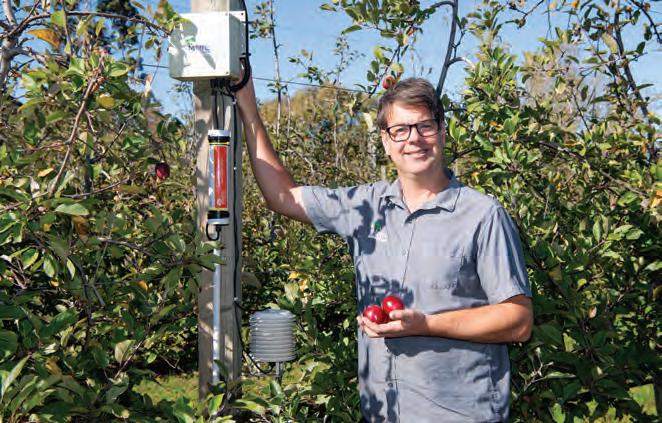
Investing time now lowers disease risk and improves soil organic matter supporting soils later in the season when water demand increases.
Looking ahead, expect a predominantly dry season across New
Zealand’s fruit-growing regions. The outlook favours persistent highpressure systems to the west of the country, resulting in frequent westerly airflow, fewer prolonged rain events and tropical systems
and higher ET through spring and summer. It will come as no surprise that irrigation management is one of the defining challenges of the season.
The important difference this year is that “dry” does not necessarily
mean “uneventful”. Record sea surface temperatures mean the atmosphere is carrying considerably more moisture than during previous El Niño events. While long dry spells are still expected, stronger westerly systems may occasionally tap into this additional moisture and produce intense downpours or thunderstorms as they cross the country.
Growers should be prepared for periods of both water deficit and sudden heavy rainfall rather than assuming a consistently dry season.
Metris recommends setting irrigation triggers, prioritising orchard blocks, budgeting heat protection requirements (as sunburn

is a risk) and closely monitor soil moisture and irrigation system performance throughout the season.
The 2026/27 season is unlikely to follow the textbook definition of El Niño. It will reward growers who combine careful monitoring with proactive planning, remain flexible as weather patterns evolve, and make early decisions around irrigation priorities. For a full weather outlook for your region, real-time soil moisture monitoring or water consent telemetry contact hello@metris.co.nz
• Justin Courtney – head of strategy Metris.co.nz –Horticultural Forecasting Specialists






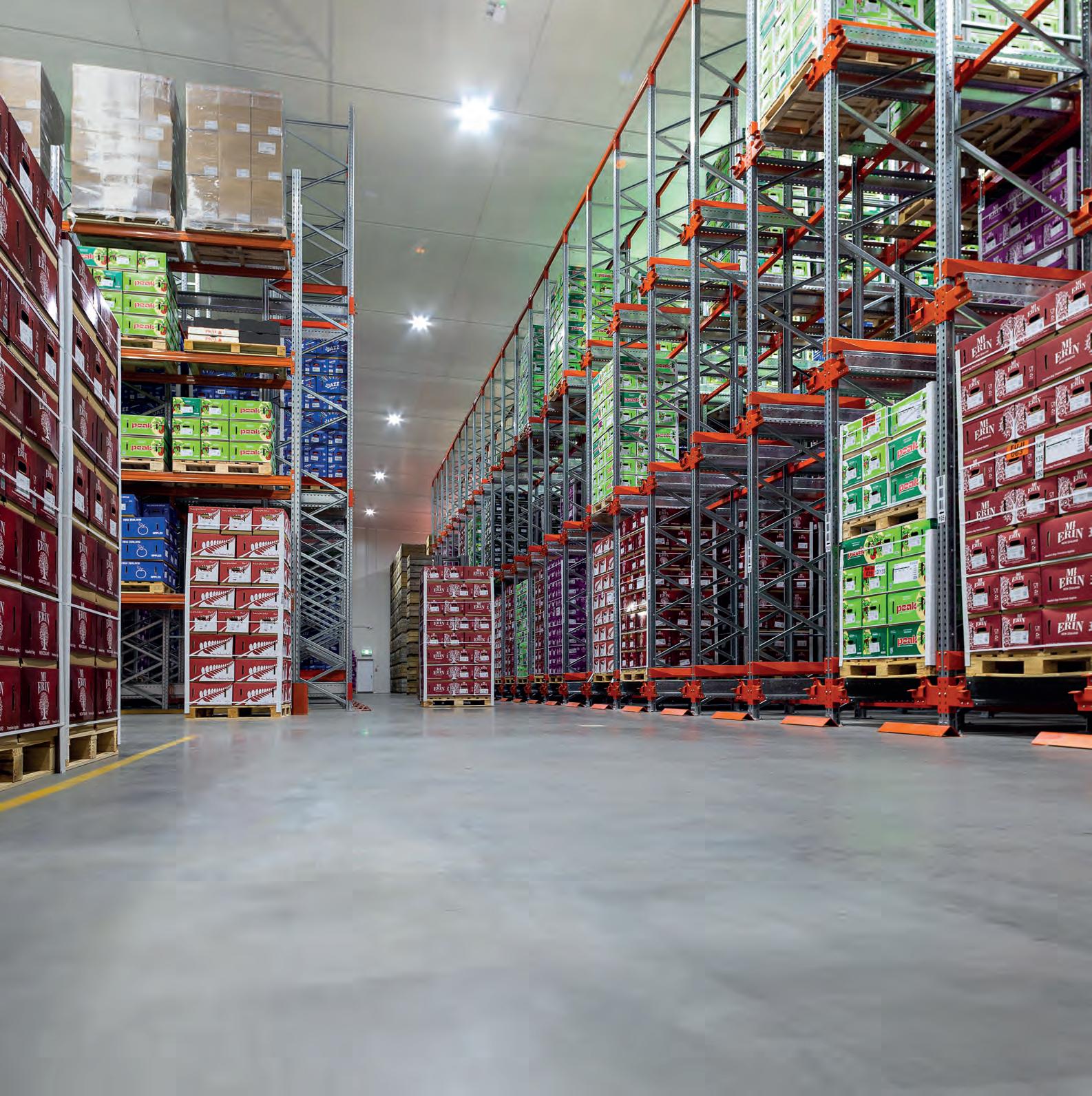
Optimised design | Operations integrated programmes | Long-term site planning

Temperature controlled facilities demand specialist expertise.
At Tuatara Structures, we deliver cold and coolstore solutions that perform for the long term.
Matt Jackson



Principal | Client Partnerships
Mobile: 022 674 0136
matt.jackson@tuatarastructures.com




Every facility is designed around the business operations within, then delivered to meet critical harvest or production deadlines with confidence. For practical advice on your next temperature controlled facility, talk to the team today.














NEW ZEALAND growers have always adapted to changing conditions, but one challenge is steadily gaining ground across the horticulture sector: resistance.
When pests, diseases or weeds become less sensitive to agrichemicals, products that once delivered reliable control can lose their effectiveness, leaving growers with fewer tools available to manage production risks.
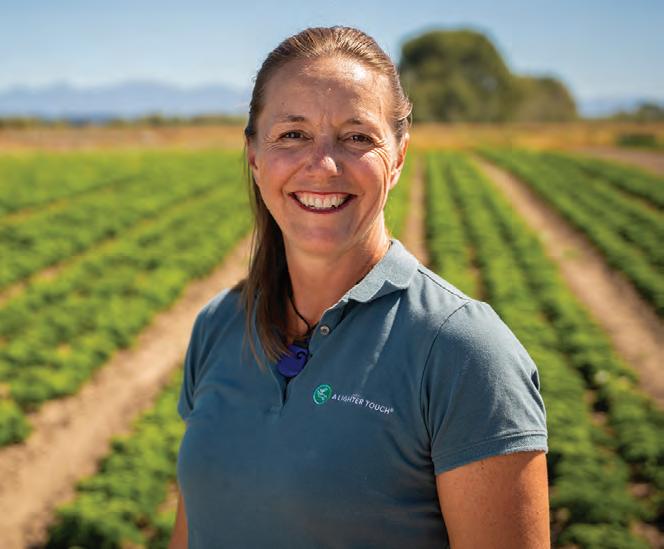
This is the focus of Keep What Works Working, a new industry-good resistance management campaign led by A Lighter Touch (ALT) with widespread industry support. The campaign encourages growers to have an earlyseason conversation with their crop protection adviser about resistance risks and the practical steps they can take to protect the effectiveness of the agrichemicals they rely on.
A Lighter Touch programme director Livia Esterhazy says the campaign has been developed in response to the increasing threat of resistance across a range of production systems. While resistance management can sometimes be viewed as a technical issue, the reality is that it directly affects a grower’s business resilience, productivity and longterm profitability.
“We don’t want resistance management to be something growers think about only after a product starts failing,”
she says.
“The biggest opportunity is to act early. Having a conversation with an adviser before spray programmes are finalised can help growers make decisions that protect the performance of important crop protection tools for the future.”
The economic case for action is compelling.
Analysis by the New Zealand Institute of Economic Research (NZIER) found that reduced resistance management could impose significant costs on New Zealand’s production systems over time. Scenario modelling over a 10-year period estimated potential losses ranging from $74 million under moderate impact scenarios to more than $1.26 billion in severe scenarios where resistance problems become widespread.
Fortunately, horticulture already provides strong examples of how industries can respond. As part of the campaign A Lighter Touch has produced 14 sector-specific case resistance management case studies for horticulture, arable and viticulture.
In the onion sector, Stemphylium leaf blight (SLB) has become one of the industry’s most significant diseases since major outbreaks occurred during the 2017-18 season. Research commissioned by Onions New Zealand confirmed that the pathogen had developed resistance to
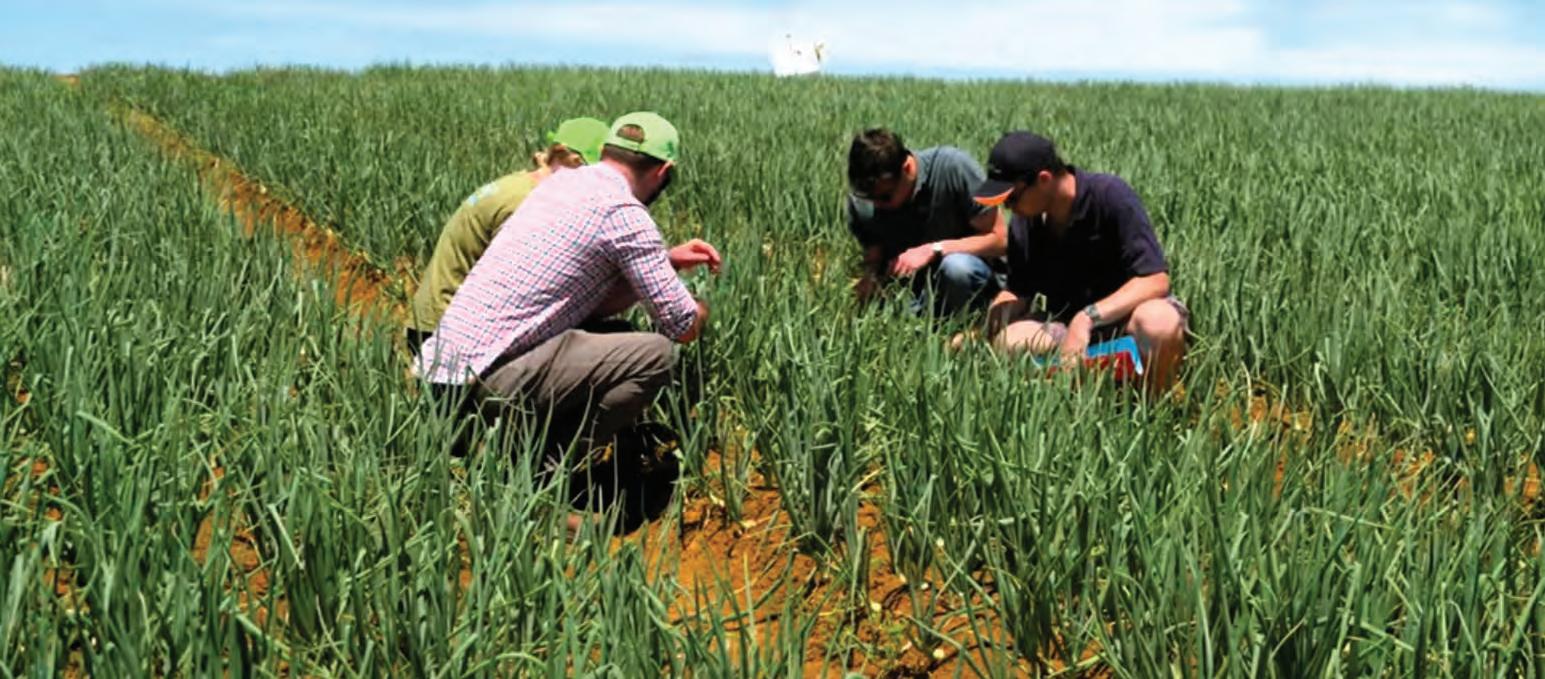
three key fungicide modeof-action groups that had previously been relied upon for disease control.
In response, growers, researchers, agrichemical companies and advisers worked together to develop resistance management guidelines and integrated disease management strategies.
These include careful fungicide selection and rotation, disease monitoring, crop hygiene, irrigation management and optimising plant nutrition. The resulting guidelines were validated in field trials and delivered better disease control than growerstandard programmes.
The kiwifruit industry provides another example. Armoured scale insects remain a key phytosanitary pest, but the sector has successfully reduced reliance on calendarbased spraying through the nationally adopted KiwiGreen integrated pest management programme.
Monitoring, economic
thresholds, biological control and carefully timed interventions have significantly reduced insecticide use while helping to manage resistance risk. However, the industry continues to recognise the importance of avoiding over-reliance on any single mode of action and is actively exploring alternative tools and approaches.
Summerfruit growers have also experienced the consequences of resistance. Monitoring programmes identified reduced sensitivity to several fungicide groups used to control brown rot, one of the sector’s most damaging diseases. The findings prompted the development of resistance management guidelines that promote fungicide rotation, mixing high-risk fungicides with an effective protectant fungicide, limiting applications of at-risk chemistries, and strengthening broader disease management practices such as orchard
hygiene, monitoring and spray optimisation.
These examples and others detailed in the case studies highlight an important lesson: resistance management is not just about choosing a different product. It is about protecting the effectiveness of valuable crop protection tools through a combination of monitoring, integrated
management practices, informed product selection and industrywide stewardship.
Resistance develops gradually, often without obvious warning signs, but once tools are lost they can be difficult, costly, or impossible to replace.
“By planning ahead and incorporating resistance management
into seasonal decisionmaking, growers can help protect the effectiveness of important tools in their crop protection toolbox and safeguard their businesses for the future,” Esterhazy says.
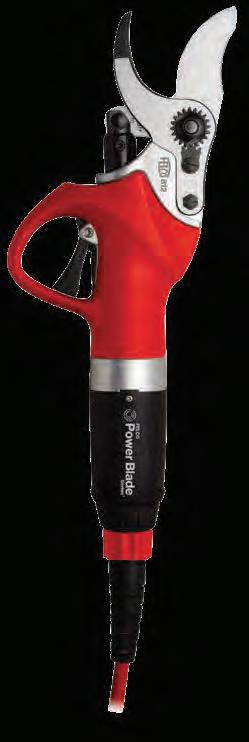
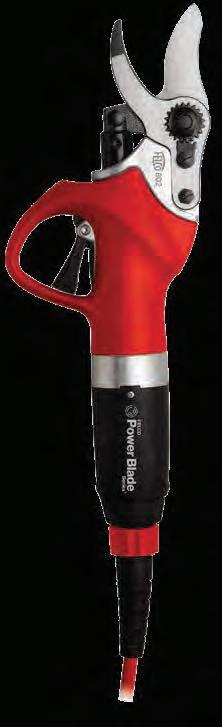
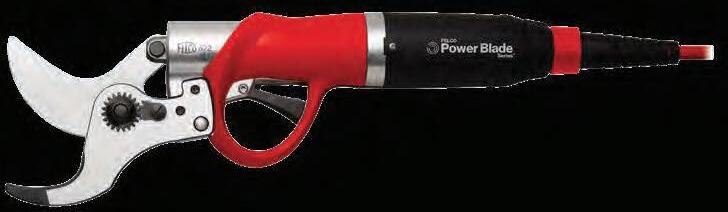
(FTA) is a positive longterm opportunity for the industry.
THE AVOCADO sector
is entering the new season with a larger crop and positive market opportunities.
That’s according to NZ Avocado chief executive Brad Siebert who says close to eight million trays are expected this season, with strong export demand from Australia and across an increasingly diverse range of markets.
“The sector is taking a targeted approach to building a more diverse range of export markets across Australia, Asia and North America,” Siebert told Rural News He says this includes market insights, targeted promotional programmes in priority markets and raising the profile of New Zealand Avocados at international trade shows.
“Alongside the commercial activity of our exporters, this is helping build awareness of New Zealand as a premium avocado origin, strengthen customer relationships and create more options for our growing export crop,” he says.
Siebert says the recently-signed NZ-India free trade agreement
“While the logistics of accessing this market currently constrain volumes, the phased removal of tariffs will improve the competitiveness of New Zealand avocados and provide a platform to develop a market where consumption is currently relatively small but has significant growth potential,” he says.
Meanwhile, RaboResearch has released its Global Avocado Update 2026, suggesting a drop in avocados exported in the 2025/26 season.
Report co-author and RaboResearch senior analyst, Jen Corkran says Australia remained New Zealand’s largest export market, at 750,000 trays or 22% market share.
However, she says volumes declined meaning New Zealand’s avocado sector is less reliant on its TransTasman counterparts than five years ago.
“To offset weaker Australian demand, the sector continues to diversify, with strong growth across Asia,” Corkran says.
She says that exports to South Korea surged 70% year-on-year to

For orchards and vineyards, with models for 1.6–5.0m rows and multiple head options.
625,000 trays in the 25/26 season. At the same time, shipments to China, Hong Kong, and India almost doubled and exports to Taiwan increased by 50%.
“Global exports have risen dramatically, from 0.73 million metric tons in 2010/11 to more than 3.3 million tons in 2025/26, with Mexico and Peru as the dominant contributors alongside growing volumes from others like Kenya, Spain, Colombia and South Africa,” she adds.
“Rather than a broad supply squeeze, El Niño will likely increase variability of yields and fruit sizes across regions, thereby amplifying seasonal imbalances and market volatility,” Corkran says.
On the demand side, the report says some established markets are showing signs of maturity while new players continue to increase demand.
“Global avocado demand continues to display a dual-speed dynamic, with mature markets approaching saturation, while emerging consumption regions sustain structurally higher growth,” she says.
“Mexico and Chile

remain clear outliers in per capita/ per annum availability (standard measure used to estimate average perperson consumption) at approximately 14kg and 9kg respectively, suggesting limited headroom relative to emerging consumption regions.
“In contrast, steady expansion across large population markets like the EU, which reached 2.24kg per capita in 2025, indicates significant growth potential.
“Countries such as Italy, Germany and Turkey are also exhibiting rapid relative growth, pointing to broad-based adoption rather than niche consumption.”
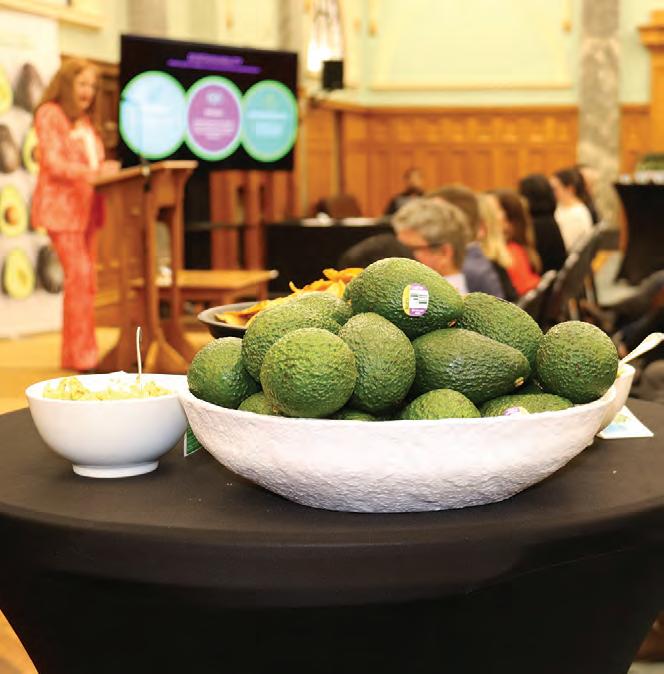
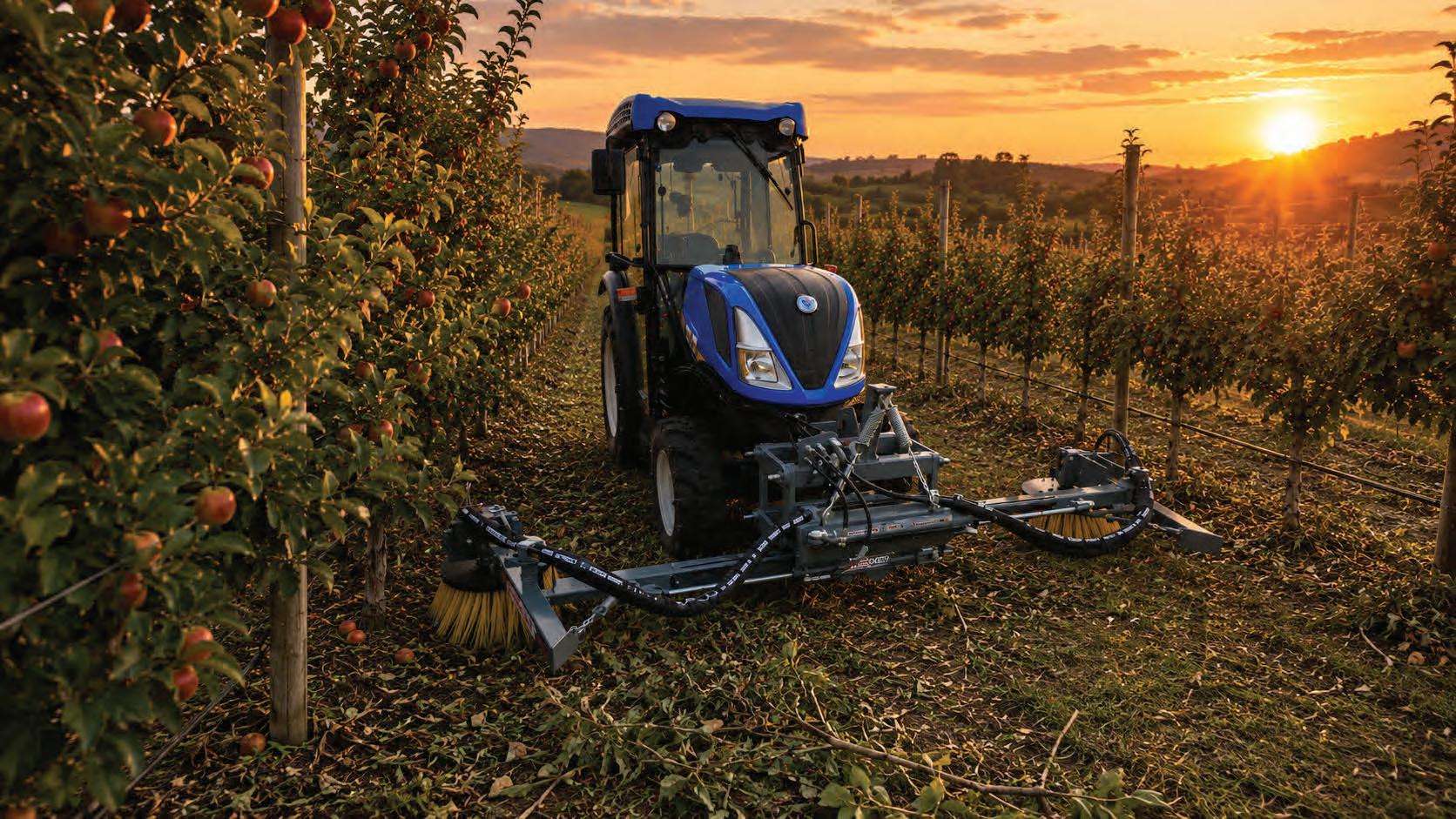





EQUIPMENT, in partnership with Yamaha Agriculture, has released a new herbicide spray attachment designed for seamless integration with Prospr, Yamaha Agriculture’s autonomous vehicle platform, to further the progress of automation in horticultural weed control.
The attachment builds on Yamaha’s established Prospr autonomous vehicle platform, enabling growers to further enhance automation and improve operational efficiency and
reduce manual inputs.
For local growers, the Croplands–Yamaha Agriculture partnership continues to strengthen both companies’ capabilities in rapidly emerging technology, with Croplands manufacturing the Q-Series fungicide sprayer attachment for global markets, while also holding exclusive distribution of Prospr and related attachments throughout Australia and New Zealand.
Croplands general manager Brendan Deck said the herbicide attachment reflects growing demand from horticulturalists for practical, scalable
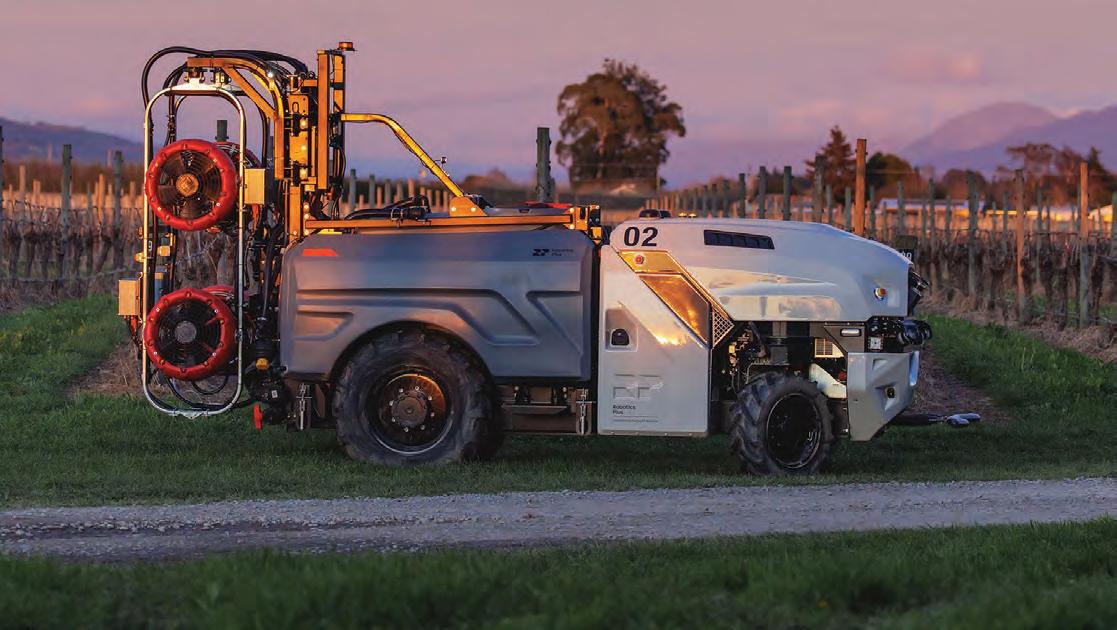
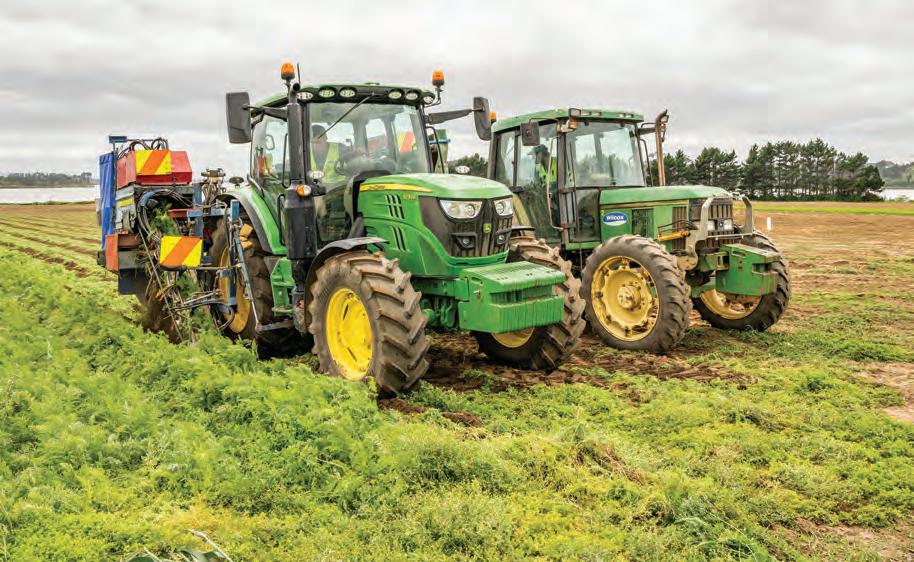
automation solutions that deliver measurable benefits on farm.
“Prospr has already proven itself as a reliable autonomous platform in vineyards and orchards, and this upcoming herbicide attachment is a natural next step,” Deck said. “Growers are telling us they want automation that fits seamlessly into existing programs, particularly around weed control where labour and timing are critical. This attachment extends the capability of Prospr while keeping operation straightforward and efficient.”
Deck goes on to explain the partnership with Yamaha Agriculture
provided confidence for growers who were considering investing in autonomous technology.
“Yamaha Agriculture brings global engineering capability and autonomous solutions, while Croplands boasts over 50 years as sprayer specialists backed by service and support on the ground,” he said.
Yamaha Agriculture president and CEO, Nolan Paul, said the herbicide attachment demonstrates Yamaha Agriculture’s ongoing focus on developing flexible automation solutions for speciality crops. Releasing the herbicide attachment is the next step in developing a suite
of products growers can rely on for various tasks in their orchards and vineyards.
“Yamaha Agriculture works to help specialty crop growers be more sustainable, profitable and resilient,” Paul says. “We build precision ag automation and intelligent systems that help growers plan, act and adapt with confidence – having multiple attachments, delivered via expert partners is a key pillar of our strategy to deliver automation globally, at scale.”
Visit www.yamahaagriculture.com or www.croplands. com/nz
Croplands’ new herbicide spray attachment helps growers improve operational efficiency and reduce manual inputs.

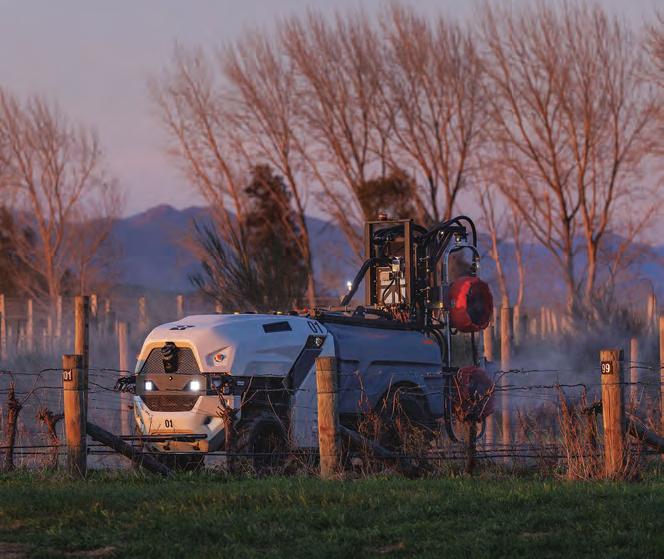
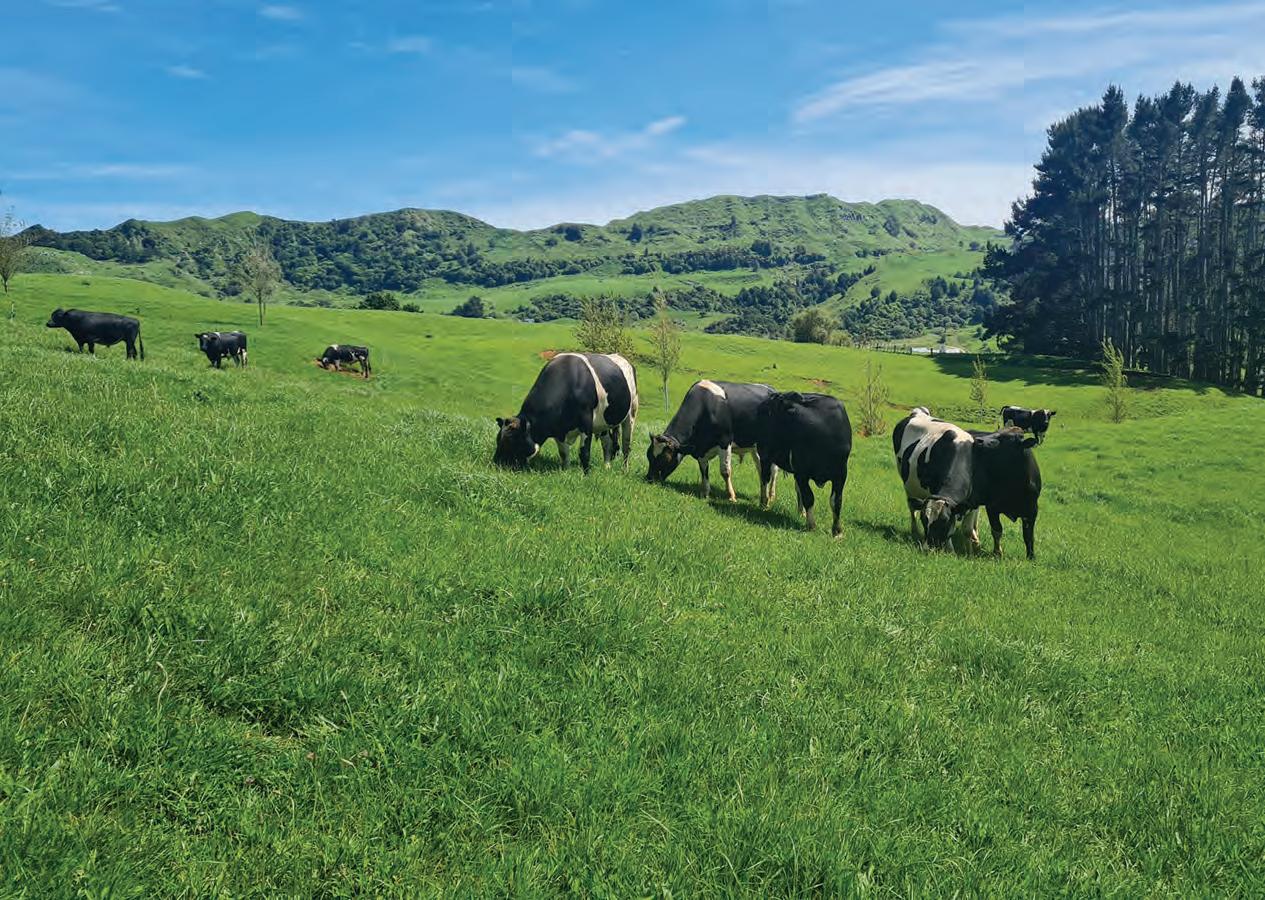
I’VE WRITTEN a series of articles for Rural News, starting with ‘The Basics of Grazing’, then ‘Stock Handling’, followed up by ‘Evaluating Stock Condition’.
I’m often asked what my next is going to be about. My response is that people are probably bored with reading “obvious” stuff. Mind you, if farmers are questioned about these topics, it turns out that some don’t always have a good understanding.
So, for those who might be unaware, I’m now going to discuss the intricacies of livestock breeding where certain aspects are described as “phenomena”.
One that is commonly known about concerns hybrid vigour, which involves the “effect” of crossbreeding animals, resulting in offspring that outperform the parent breeds.
Another enigma concerns a sire’s prepotency. Meaning his capacity to transmit superior genetic traits.
This is a quick way of improving the entire flock or herd. But not all sires are prepotent, so it is necessary to progeny test the offspring from his first mating, to be sure they have inherited his good dominant points.
An alternate method of influencing breeding outcome involves “close” breeding (linebreeding), which can cause genetic characteristics to be firmly “fixed” (homogeny) and become ingrained.
The thing to understand is that linebreeding describes the process of breeding among animals that are related. Whereas “inbreeding” is a more extreme version –to the point of close relatives such as father to daughter or brother to sister. Nature will allow only so much of that before birth deformities, health problems and a reduction in fertility sets in.
Whilst linebreeding can produce remarkable results as far as inherited ancestral genetics go, you
need to be aware that this applies to good and bad – so it’s important that standards are set.
Something else intriguing as regards farming cattle is “compensatory growth”. This is the ability to gain weight faster than usual in the spring, to make up for lack of weight gain over winter. Even to the extent of catching up with animals which were well fed all winter.
But that doesn’t mean you can get away with starving cattle. They always require an adequate maintenance diet. The thing is, if cattle are not unsettled by a feeding out routine, and not run in big mobs, they survive quite well by nibbling on short grass all day.
Anyway, we used to buy steers in the autumn, to winter before finishing in the spring. And to get them through, we had 15,000 bales of hay stored in barns –which meant spending all spring making hay, then all winter feeding it out. And on top of that, we’d grow crops

If you can get to them, you can save them. A NZ$6.00 investment in a Woolover Cover can return you NZ$180! The covered lamb will enjoy the warmth and also have increased growth rates over the first three weeks. Enjoy the satisfaction of saving at risk lambs and be well rewarded in doing so.
Raising calves is not for the faint hearted. Ensuring the calf is warm and dry in a draft free environment, is the ideal situation.

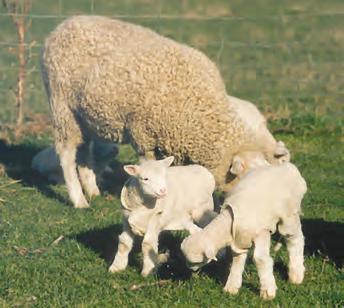
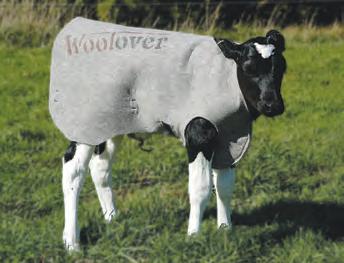
QUESTION; What was the air temperature at 4:30am this morning in your calf rearing facility? If the air temperature was below +10C, the calf is now cold. Drop that air temperature to +4C then calf is shivering and cold. The 'shot of milk' at 7:30am on a cold calf is now being absorbed to regain body heat rather than being used to actually grow the calf.
THE ANSWER IS; By fitting a Woolover Calf Cover to those new born calves, the wool is now ensuring the calf is warm and able to absorb that milk into growth rather than trying to maintain body temperature. All calf rearers should be ensuring their calves reach target weights earlier, be it your replacement heifers or your dairy / beef contract calves. Simple really! Just use the Woolover Calf Covers to ensure this next crop of new borns reach their true genetic potential.
of chowmollier. As well as having big stacks of silage.
But with all that work and expense, I soon twigged that it would make more sense to carry less over winter, with no supplementary feeding – and rely on compensatory growth in the spring.
And then money saved in expenses would go towards buying extra cattle in early spring. Cattle in hard condition off hill country. In other words, I’d let some other fool struggle through the winter with them.
So those, along with the ones I’d carried through, would be lightly set-stocked among the ewes as soon as they’d dropped their lambs. Then after weaning, the cattle would have the good flat paddocks to themselves, in order for compensatory weight gain to do its thing.
Note: this will only work satisfactorily using quality bred cattle with potential to perform.
• Kerry Butler farms in Waipawa, Central Hawke’s Bay
As above with the Regular Calf Cover, wool providing the warmth plus total water shedding ability, to ensure those calves in the harshest climatic conditions, survive and grow to reach their true potential.
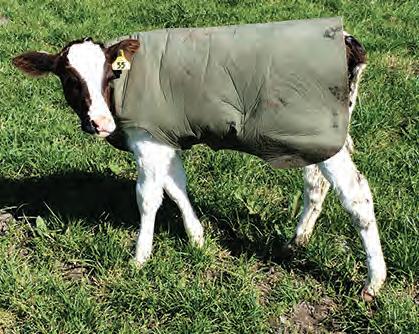
Especially designed for those kid goats, or finn lambs or triplet lambs, these covers will ensure and assist those smaller animals survive and reward the effort to cover them.
Wool Working 24/7
The Woolover Fit n Forget Beef Calf Cover
Designed especially for those USA / Montana blizzards, the cover is designed to simply 'fall off the beef calf after 4 weeks' and simply biodegrade on the ground where ever it falls. No rodeo nor catching the calf to remove the cover. Perhaps you have a mob of dairy cows calving early on a paddock of swedes, less that ideal weather, simply fit the Woolover Fit n Forget Beef Calf Cover, knowing full well the calf should survive that hostile environment, and capture some additional growth rate.
MARK DANIEL markd@ruralnews.co.nz
SCHEDULED TO replace its Axion 800 series, Claas has released details of the new, three model, Axion 8 CMATIC range.
Featuring a 6.7 litre, six-cylinder FPT engine with Dynamic Power, the 8.240, 8.270 and 8.290 models offer rated outputs of 240, 270 and 290hp, boosting to maximums of 264, 291 and 313hp with Dynamic Power and torque ratings of 1132, 1215 and 1283Nm respectively.
Scheduled oil changes are extended from 600 to 750 hours, filter replacement is also extended from 150 to 300 operating hours and a new five year or 5000hour component warranty
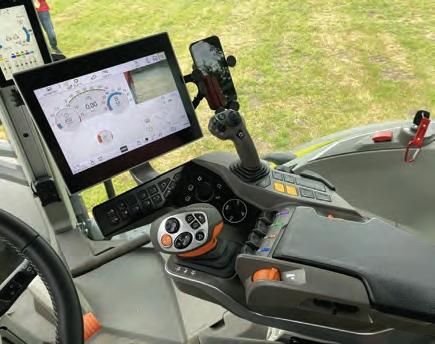
covers key items.
A new frontal design, with an optional backlit Claas logo between the headlights, takes its lead from the Axion 9 CMATIC, with the option of a backlit Claas logo, while the new, fully suspended cabin - again from the Axion 9 - is said

to have reduced noise levels to a maximum of 67dB(A).
Looking at the CVT, the system is said to rely on existing hardware, while the electronic drivetrain management system has been redeveloped. Like the larger Axion 9 series, operators can use a drive controller to switch between driving directions, alongside choosing between pedal, joystick and PTO modes without any changes in engine or vehicle speed.
Meanwhile, the Auto Load Anticipation function, awarded a silver medal at Agritechnica 2025, continuously and
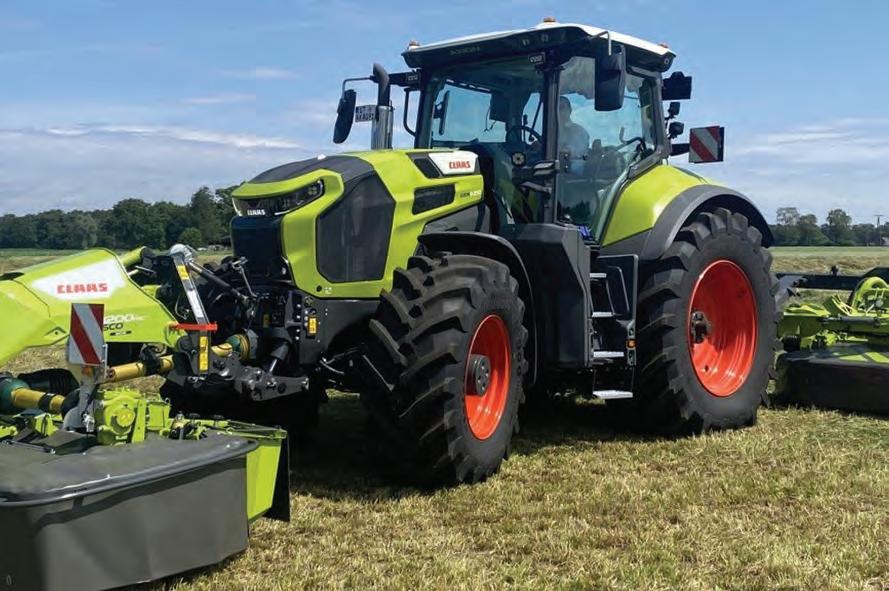
proactively optimises engine speed and gear shifting based on a selflearning algorithm and multiple efficiency maps for the engine, transmission, hydraulics and auxiliary units.
The system detects potential load spikes in advance, such as when lowering an implement into the ground, in advance, proactively increasing engine speed or adjusting gear shifts before the spike occurs.
Cabin size is around three cubic metres, with the seat swivelling system offering up to 50 degrees of movement, while operational monitoring uses three high-resolution digital cameras, with the ability to zoom in and out or pan the camera, with a swipe of the finger.
A camera between the front headlights ensures greater safety when exiting blind access roads or entering junctions, along with
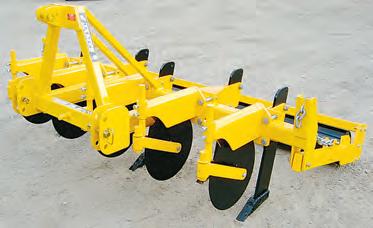


Don’t put good fertiliser on compacted soil which can’t absorb it. If your soil can’t support 15cm root growth and good worm population check for compaction. You could need aeration. In dollar terms,

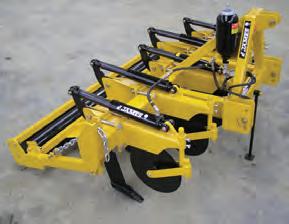
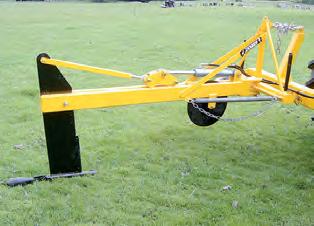
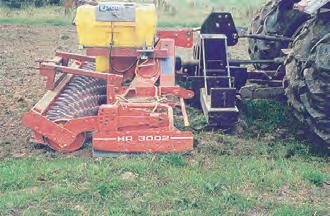
making it easier also makes it easier to attach front implements or front weight blocks.
New premium seats with massage function, seat ventilation and seat heater are available as options, alongside the new 360-degree lighting
concept that provides up to 22 LEDs, offering a maximum of 56,000 lumens. Maximum rear lift capacity is rated at 9.7 tonnes (8.240) or 10.2 tonnes (8.270 and 8.290).
www. claasharvestcentre. com
AS WE move into the second half of 2026, the Tractor and Machinery Association (TAMA) reports that Year-to-Date figures ending June 30 saw new tractor deliveries hitting 1386 units or 10.7% ahead of the same period in 2025.
The second quarter has been one of building momentum over each month, likely driven by the increased confidence in all sectors, with substantial price gains across the board.
June tractor deliveries of 274 units saw an 18.6% increase ahead of last year’s 231 tractors, with distributors reporting a consistency of orders and deliveries in new tractors and machinery, with some leads resulting in discussions over an extended timescale.
The second quarter result was reported as solid across both Islands, with the North Island 7.5% ahead and the South Island a strong 16.6% ahead of last year.
Interestingly, in the North Island, tractor sales were dominated by the 100-150hp and 150-200hp categories, each up by at 33.8% and 60% over 2025, while in the South Island, the 40-100hp category climbed by 250% and 100-150hp sector rose by 35.9% ahead of last year. A rolling 12-month report sees total deliveries sitting at 3222 vs 2928 units over the same period in 2025.
TAMA represents New Zealand’s commercial tractor and machinery industry, reporting retail delivery statistics from around 97% of the tractor market and 80% of the machinery sector, supplied by data from its members. Visit www.tama.org.nz
contractors continue to address soaring costs and a challenging labour market, attention to detail remains paramount, with any errors directly affecting gross margins.
While traditional GPS guidance systems ensure machinery stays straight in the paddock, follow up after any job is completed leaves operators and their customers reliant on separate applications or systems to monitor the whole operation.
To bridge this gap, Tabula (formerly TracMap) has released its new agricultural contractor service offering designed to support endto-end operations.
The platform is focused on connecting field operations seamlessly to the back office, so moving beyond GPS guidance to integrate entire operations, from the office to the cab and the team on foot, into one unified system.
This single source of data is said to remove the friction of administrative double-handling and app-switching, giving contractors the operational clarity needed to drive efficiency, protect their teams, and secure their profitability.
Tabula’s latest release introduces new innovations that map directly to a contractor’s daily schedule, including an operational checklist for every job to ensure
safety, risk assessment, and asset checks directly to the Field Support App, while capturing operator responses on the go.
Tabula Navigate, said to be an industry first, gets operators from job to job by providing routes including custom hazard data, automatically re-routing where necessary to keep teams moving. A new Field Support App extends the tools beyond the cab and allows workers on foot to keep in touch with job progress and the wider team, greatly increasing connectivity, while Task Management enables users to track tasks beyond the vehicle via Tabula Online or the Field Support App.
Other new features include Tabula Messaging that allows workers to communicate, share images and updates directly referencing the work, keeping teams aligned without switching apps.
Meanwhile, Timesheets connect fields to offices, with employees logging work hours and breaks in the Field Support App, allowing managers to review, approve and export for payroll. In addition, Field Data Capture keeps records up to date, creating data collection points for fuel tanks, materials and locations for live management of inventories without logbooks, in one place.
By capturing data endto-end as it happens in the field, the system is said to ensure reporting of accurate job and


timesheet records to flow seamlessly into trusted partner ecosystems like Xero.
Visit www.tabula.live/ ag-contracting-newtools-landing
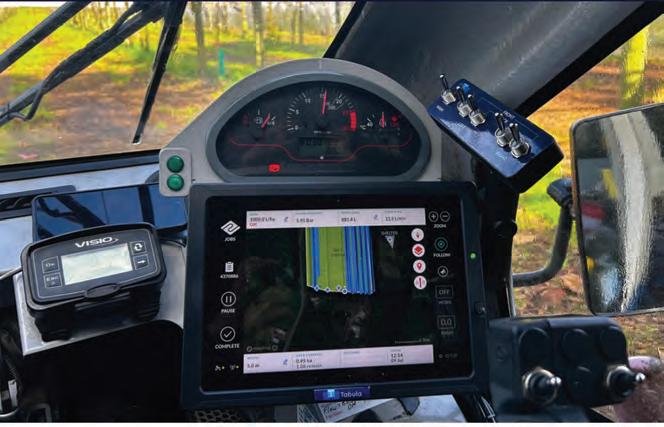
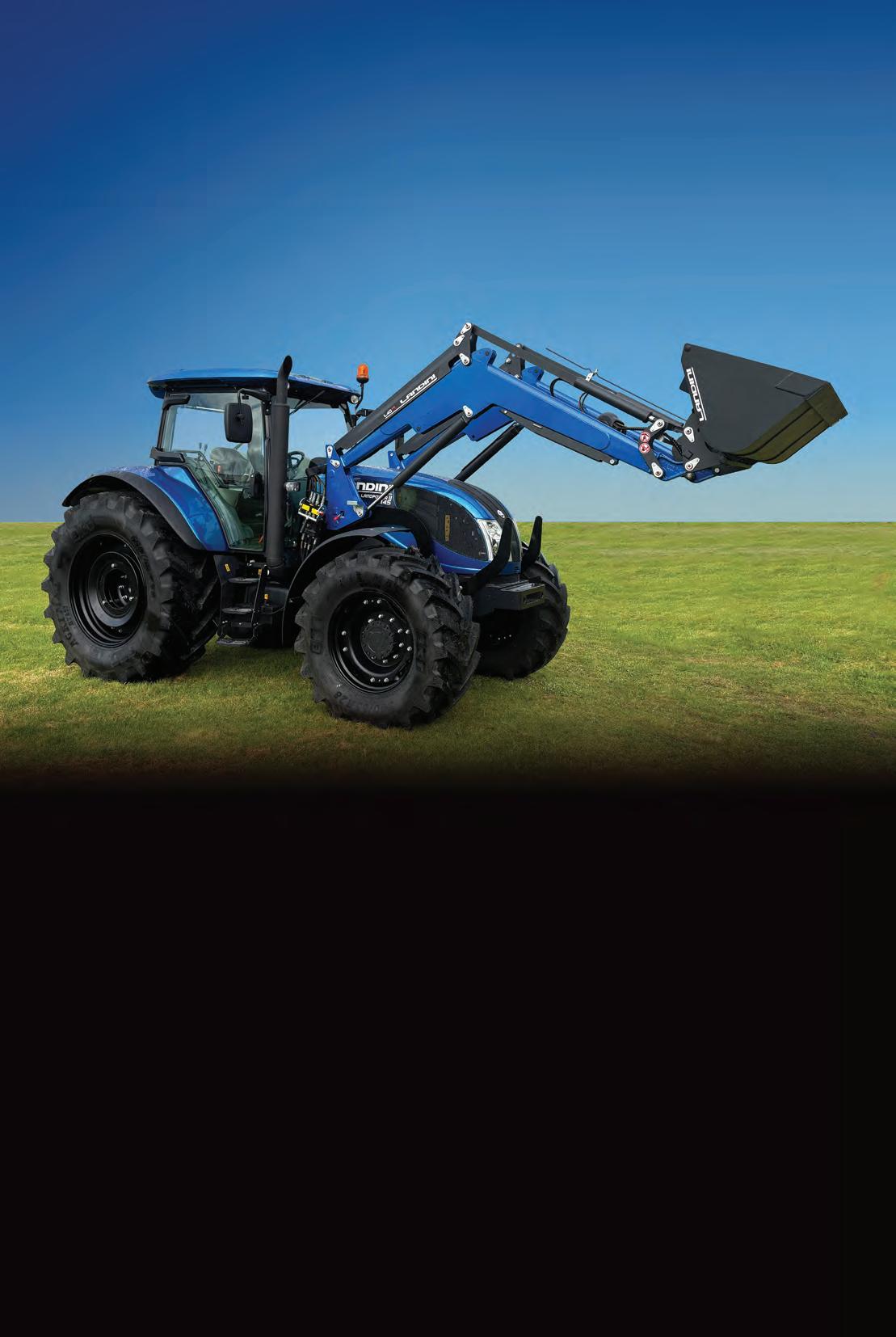
MARK DANIEL markd@ruralnews.co.nz
IN
A move that will ask the question about the viability of manufacturing tractors in high-cost economies, Czechiabased manufacturer Zetor is to stop making tractors at its Brno factory and relocate production to India and China.
The Czech manufacturer has a history dating back 80 years, with its first tractors built in 1946, driven by a philosophy of robust, simple to operate and practical tractors, with attractive pricing, leading to familiar models such as Crystal, Proxima and Forterra.
They also lay claim to being one of the first tractor manufacturers to fit what we know as
safety frames.
Róbert Harman, CEO of Zetor Tractors comments in a recent press release, “Manufacturing small and medium-sized tractors up to 130hp in Europe no longer makes economic sense under the current conditions”.
He says, due to high energy prices, labour costs and, above all, material costs, they are no longer as competitive as they need to be, so must change the way they operate.
“Zetor cannot subsidise production in Europe. We must manufacture where we can generate profits and invest in further development.”
Brno will continue to serve as the company’s headquarters, continuing to develop
its engineering, sales and service operations, including the sales, assembly and logistics of spare parts for tractors previously sold to customers. R&D will also remain in Brno and continue to design, develop and expand its range in response to demand for new models.
The company says it will continue to offer tractors for the European market, currently developing two tractor ranges that will be manufactured by Zetor India under a joint venture with VST, the first to be launched in Europe in 2027. Zetor is also seeking a manufacturing partner in China and preparing its own production plant in Asia to ensure greater independence in manufacturing.
The company notes that it will continue to retain key components from proven suppliers, including front axles from Carraro, Carraro and ZF transmissions, Mita hydraulics, Fritzmeier cabs, and Deutz and Cummins engines, specifically for the European market.
Many of these key components are already being manufactured in Asia with lower material costs, so relocating the entire tractor production closer to these key suppliers will enable the company to remain competitive in European markets, achieve greater profitability and generate resources for the further development of the brand.
“Our goal is to export approximately 5000 tractors from both India
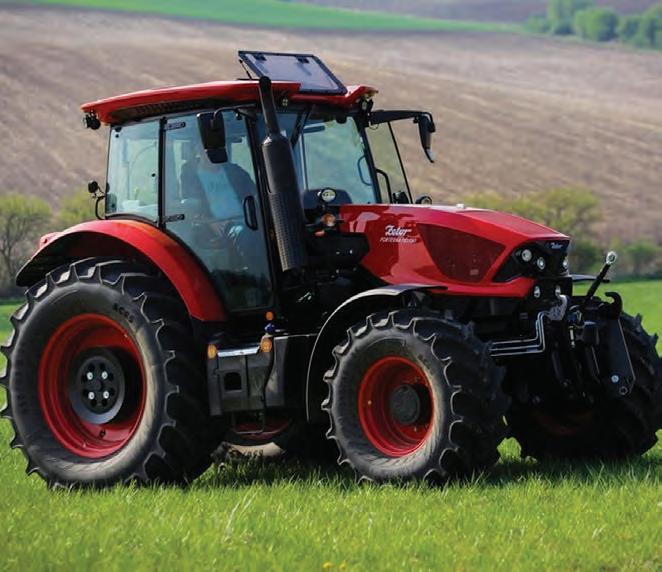
by Motor Holdings at their Takanini facility, with the first 1000 sold over seven years and a further 1000 units over the next
IN AN era where data offers key information for effective farm management, Pottinger’s Harvest Assist App is a valuable tool for punctual, successful grassland management to support farm operations during harvesting and beyond.
The latest 4.0 version is said to make work significantly easier, provide efficient management and extensive logistics support, and contribute to consistently high feed quality, displaying locations of fields and clamps, organising process sequences, alongside tracking and guiding machines, all in real time with a clear and intuitive user interface. Delivered in real time, the subscription-free system utilises

Pottinger Connect telemetry units installed on each machine, in ISOBUS or non-ISOBUS equipped tractors,
to turn mowers, rakes, balers and loader wagons into smart machines that communicate with the Harvest Assist App. Machine data is continuously made available in real time to everyone in the harvesting group, giving all group participants insight into key harvest data such as transport and working times, the process status of each field, and the amount of crop that has been harvested.
Regardless of the business, everyone can see what each machine is doing at any given moment, in addition, the nutrient requirement of each field can be calculated by comparing the annual forage growth.
Drilling down even deeper, the app displays the location, position and
www.zetor.com
status of each swath in an intuitive map that is always up-to-date. High density points in the swath are also clearly marked, so the driver can adjust forward speed to avoid blockages.
When used with a baler, the bale map provides the exact location of every bale, alongside the key metrics of weight and moisture content. This is said to be useful for deciding the sequence in which the bales are collected and stored. For contractors, the app displays the exact baling time per bale, loading time per load, as well as performance data such as output per hectare, plus the working time and transport time of other machines such as mowers and rakes.
www.originag.co.nz
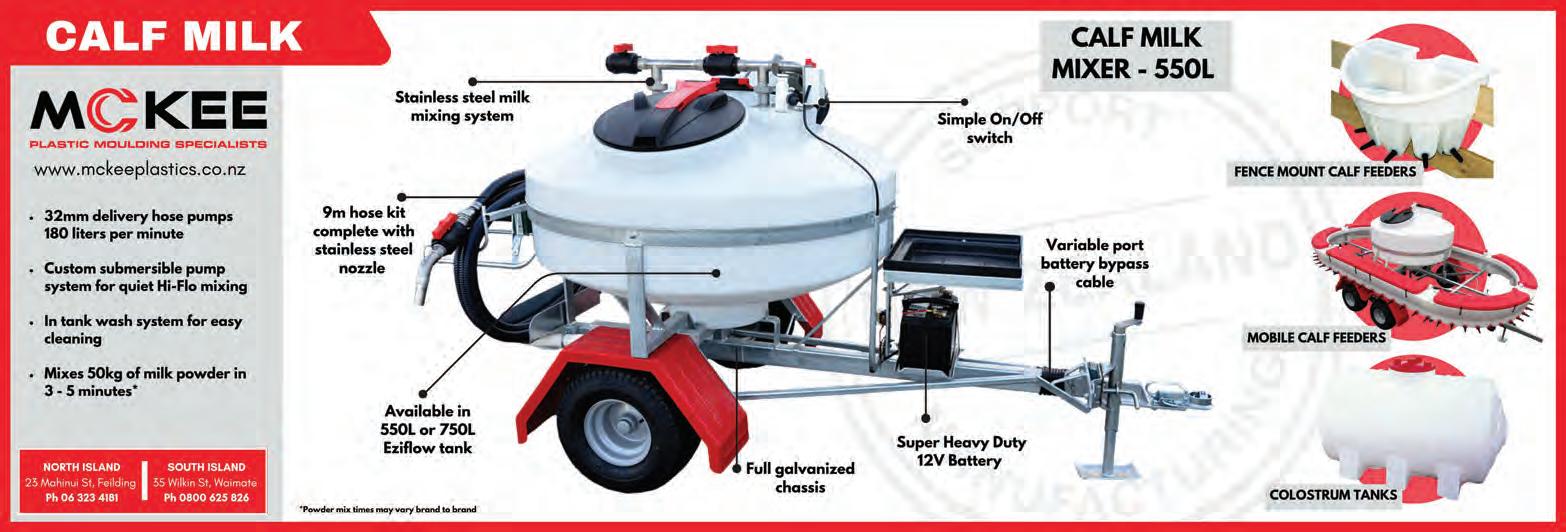
POWER FARMING has launched a joint venture in Southland.
It has announced Southland dealer principal Heath Kendall as a 50% JV partner in Power Farming Southland.
It marks a new chapter for PF Southland and reflects the company’s long-standing philosophy of combining strong local leadership and ownership with the scale, expertise and support of the wider Power Farming Group.
Heath joins a growing group of JV partners across the Power Farming network, creating a model where local owners are directly invested in the customers, teams and communities they serve.
The company says since he joined, Heath has built a strong reputation for his commitment to customers, leadership



and development of highperforming teams across the Southland region.
Under his leadership, it says the Invercargill and Gore operations have continued to build strong relationships with farmers, contractors and rural businesses throughout the region, backed by leading agricultural machinery brands and strong local parts and service support.
Power Farming chief executive Tom Ruddenklau said Heath’s appointment reflects the company’s belief that investing in great people is fundamental to building strong, sustainable businesses.
“One of the things that makes Power Farming unique is our commitment to creating genuine pathways to business ownership for outstanding leaders,” Ruddenklau said.
“Heath has consistently demonstrated exceptional leadership, strong commercial capability and an unwavering commitment to his customers, his team and the Southland community.
“Having local owners who are deeply invested in the success of their region creates stronger businesses, better outcomes for our customers and long-term stability.”

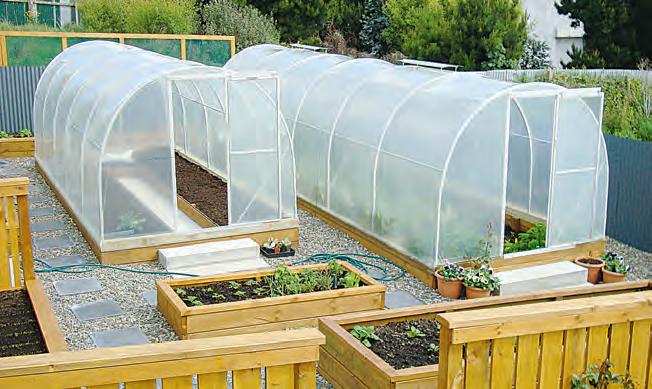


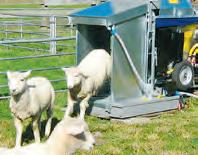
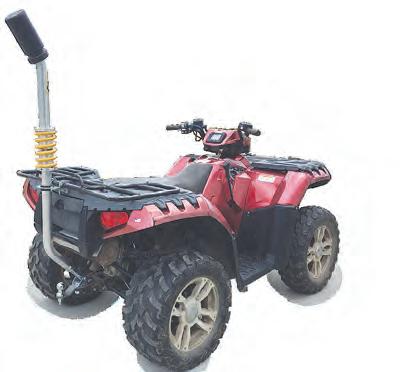








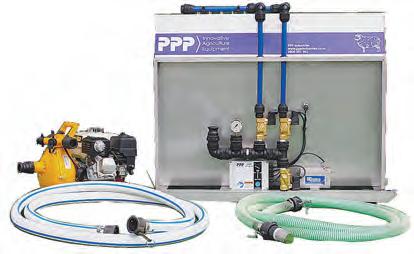

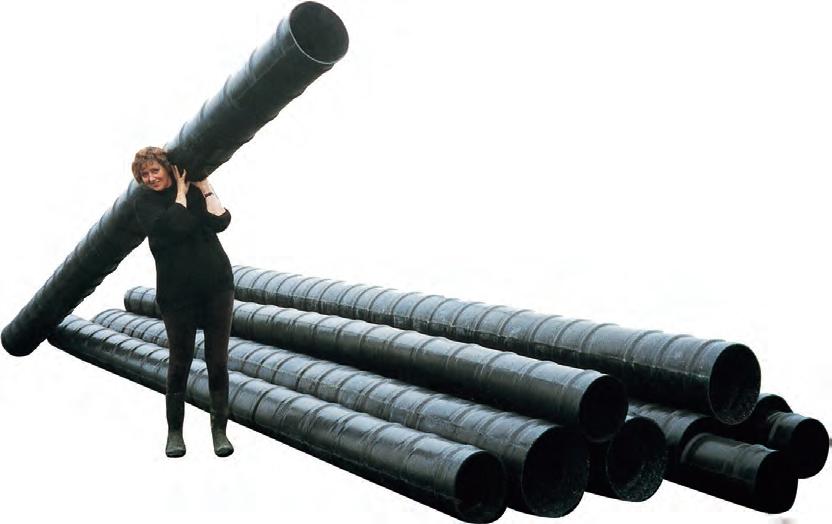

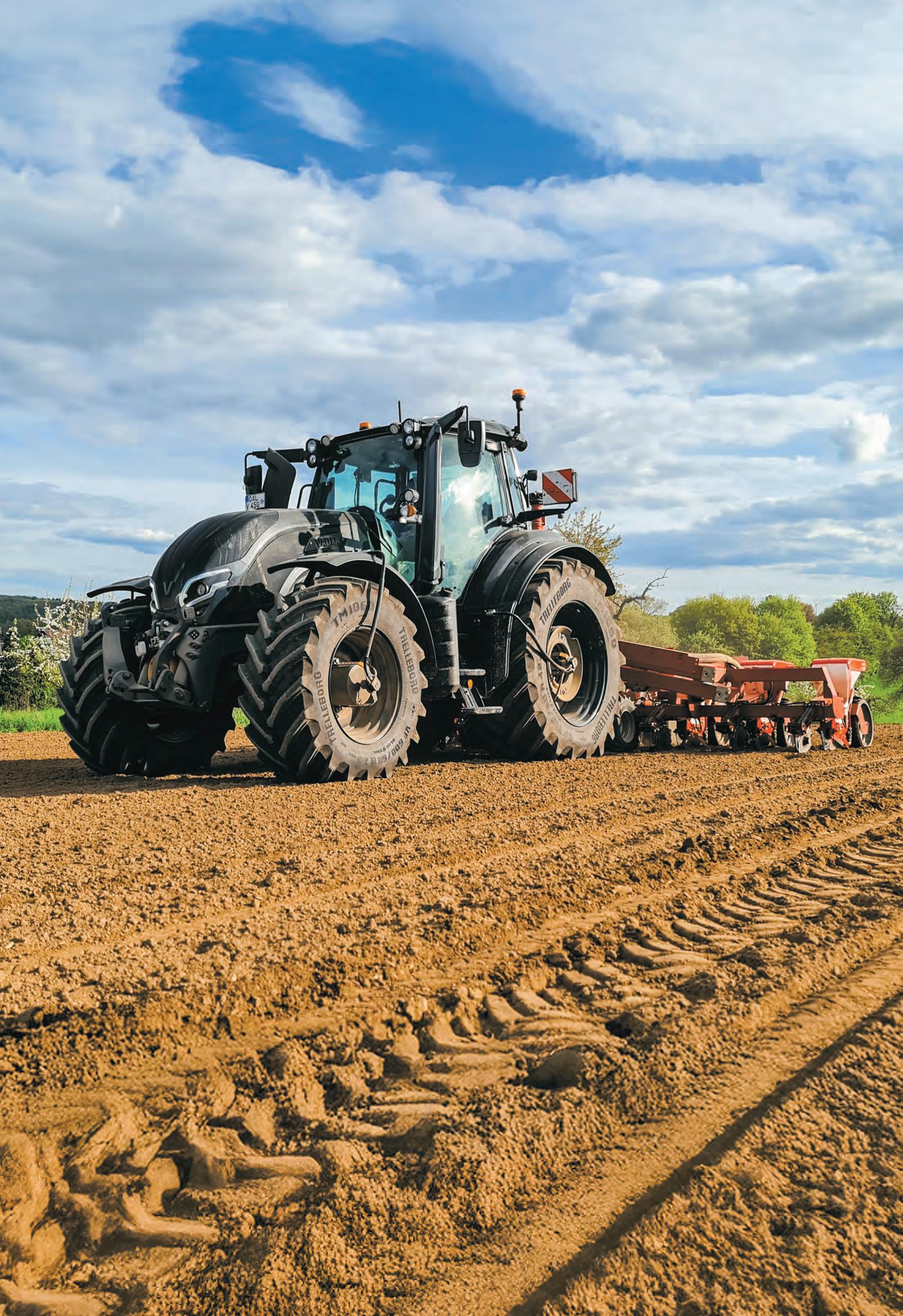
MONTHS