








SUDESH KISSUN
CENTRE RIGHT parties are backing policy positions pushed by three farmer lobby groups ahead of the general election.
The three farmer groups –Groundswell, NZ Farming and Methane
BIOSECURITY MINISTER
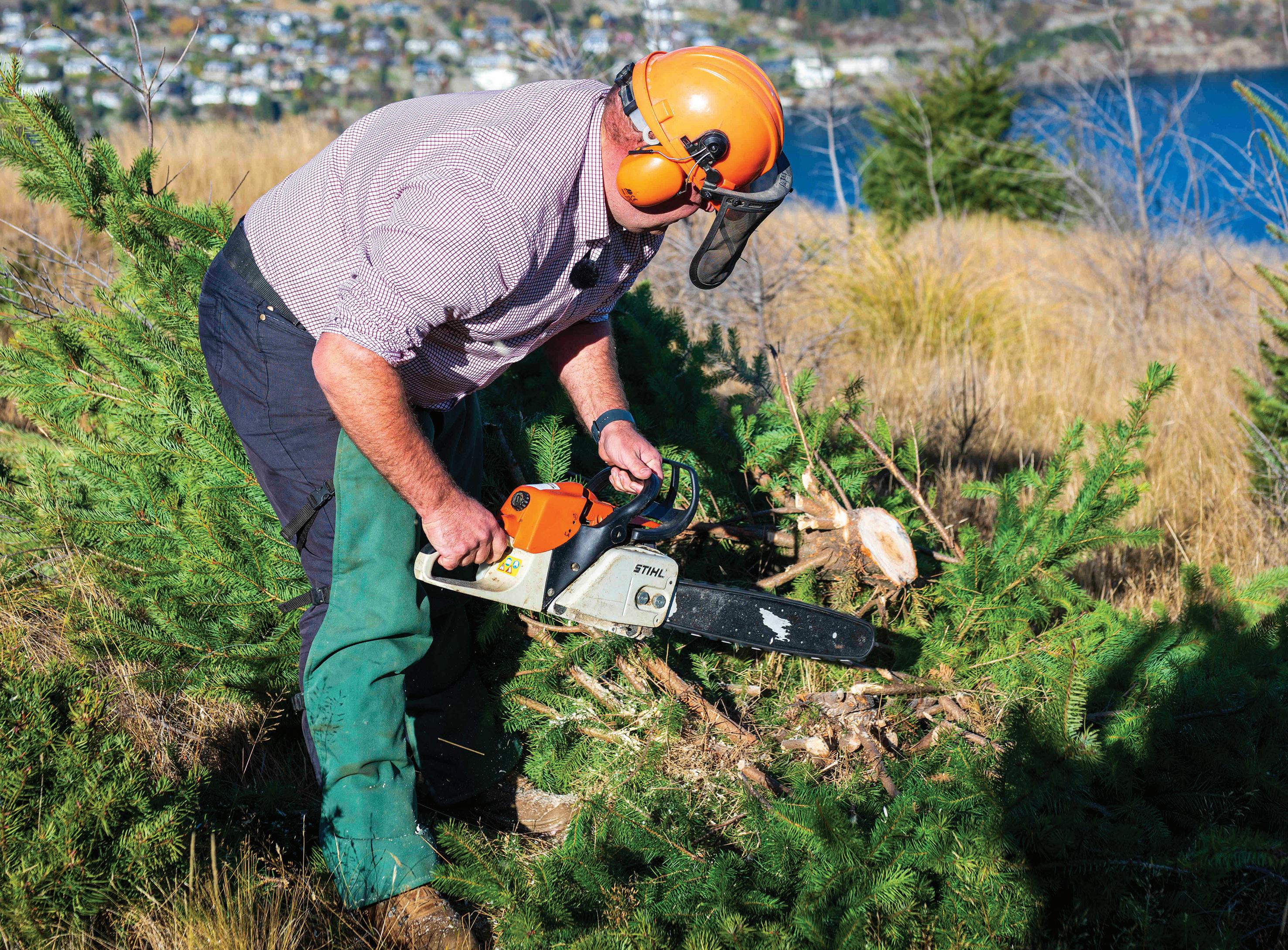
Andrew Hoggard chainsaws a pine above Queenstown during a recent pre-Budget announcement around extra funding for wilding pine control efforts. The government has pledged an extra $79 million for the National Wilding Conifer Control Programme over the next three years, taking its total spend over that time to $109 million. Wilding pines threaten productive farmland, water supplies in sensitive catchments, and native biodiversity - and they significantly increase the impact of wildfires, says Hoggard. Story p5
Science Accord – wrote to political parties two months ago seeking their positions on issues such as the Paris Agreement, the Zero Carbon Act, the Emissions Trading Scheme (ETS), and agricultural emissions pricing.
Most centre-right and smaller rural-focused parties expressed strong criticism of the policies.
ACT expressed greater support for
biotechnology and regulatory reform, while NZ First, the Conservative Party, and NZ Outdoors & Freedom all voiced strong caution or opposition toward GMO liberalisation.
Three political parties, National, the Māori Party and the Green Party, didn’t respond.
A spokesperson for the three farming lobby groups, Helen Mandeno,
told Rural News that National’s lack of engagement “speaks volumes”.
There was also broad scepticism among the centre-right parties about taxpayer-funded methane mitigation research and the expansion of gene technology without stronger safeguards or public consent.
By contrast, Mandeno says Labour provided a more cautious and
procedural response, saying many positions “remain under development” ahead of the election and referring largely to existing parliamentary material rather than making firm commitments.
A key difference between parties emerged around the degree of climate policy opposition, and attitudes toward gene technology.
Mandeno says their intention has never been to tell New Zealanders how to vote.
“Rather, we wanted to put direct and specific questions to political parties on issues we believe are fundamentally important to rural New Zealanders and grassroots farmers.
“We deliberately framed our questions to encourage clear and definitive answers. However, as readers will note, some parties still attempted to sidestep direct responses.
“Despite this, we believe voters will still gain valuable insight into how the various political parties view these important issues.”
Mandeno says voters can see there is a range of political views on the different rural issues.
“We understand that rural voters prioritise different issues. However, we hope this exercise provides clearer insight into where political parties stand on matters affecting rural New Zealand and the future of farming.”
The three farming groups boast their own set of supporters - Groundswell with 90,000 supporters on their email list, NZ Farming 275,000 followers on their Facebook page and MSA 3100 followers on their Facebook page.


INNOVATION, SCIENCE and tools to boost productivity and resilience will be at the heart of the Ministry for Primary Industries’ presence at Fieldays this year.
MPI staff, including DirectorGeneral Ray Smith, will be on site to meet farmers, growers and the general public, to share information and raise awareness about our work in agriculture, biosecurity, forestry, food safety, primary industries careers, and helping the sector reach global markets.
MPI’s Fieldays presence will reflect a sector working collectively toward a productive, innovative and sustainable future - grounded on the farm and focused on seizing opportunities and tackling challenges.
The main MPI site will focus on our mission to grow the value of New Zealand’s food and fibre sector, under the theme ‘From the Farm to the Future’. MPI will demonstrate the support offered to sectors to achieve growth while simultaneously ensuring that New Zealand’s products are trusted domestically and globally.
The site will have three focus areas - horticulture, wool, and innovative products.
Central to the site will be an interactive showcase describing how New Zealand’s high-quality fresh produce sector is driven by premium, safe, and sustainable fruit and vegetable production.
wood processing
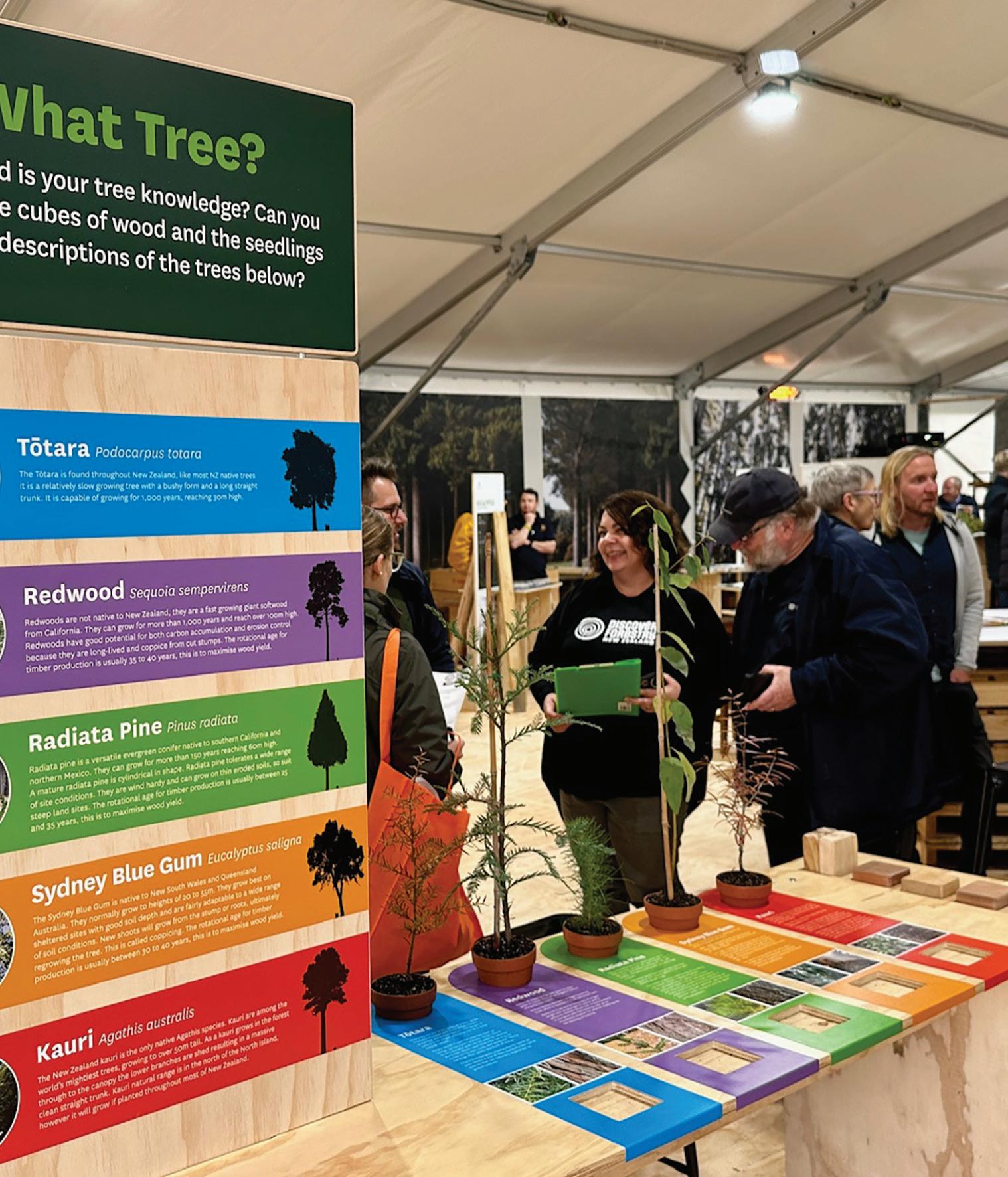
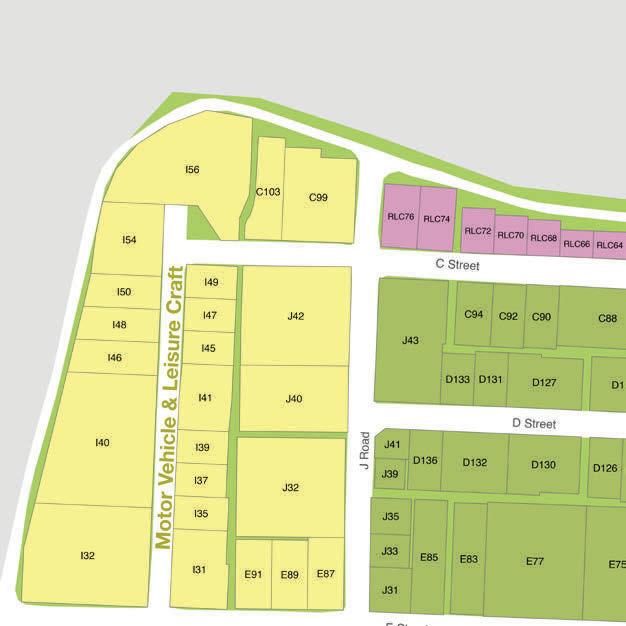
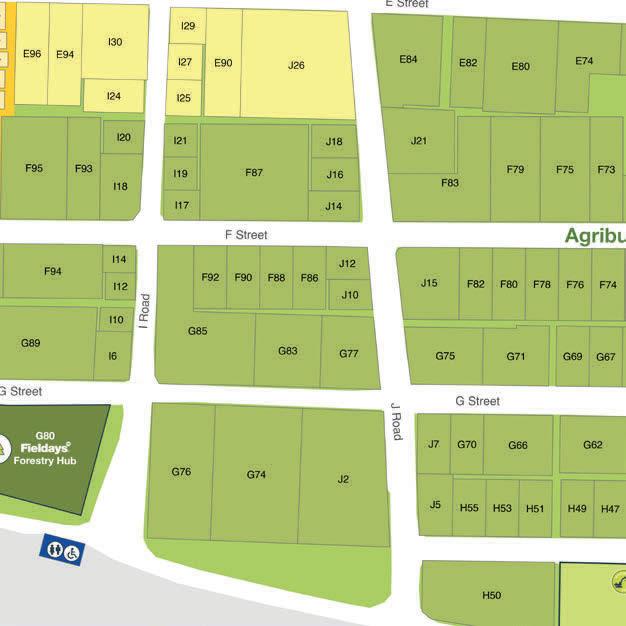
Marking its fifth time at Fieldays, the Forestry Hub brings together Te Uru Rākau – New Zealand Forest Service and organisations from across the forestry supply chain to showcase the important and innovative work being done in the forestry and wood processing sector.
The hub will demonstrate the benefits of building with timber, highlight the sector’s benefits to New Zealand’s people, products, economy and environment, and tell the story ‘from seedling to harvest’ through interactive displays and activities hosted by sector representatives.
It will also feature talks, panel discussions and presentations, as well as the 2026 Growing Native Forest Champions awards ceremony that celebrates leadership and innovation within the native forestry sector. WHERE: G80
We will demonstrate how MPI is working with the sector to increase value further through tech innovation and improvements to production processes, to benefit domestic and global consumers.
At least eight projects will have products on display, some with sampling. The products – their development part-funded by the Ministry for Primary Industries – include full-cream sheep milk powder, protein products, a plantbased coffee alternative, meat, and pet food.
A wool section will feature pigment powder, toys, carpets, insulation, furniture and nextgeneration wool applications. WHERE: Main Agriculture Pavilion, site PD44.
This year’s Science for Farmers site will focus on practical tools, technology and farm systems that support farmers and growers to reduce greenhouse gas emissions while maintaining or improving profitability and business resilience.
Four interactive sections will cover future genetics, climate resilient pastures, data driven farm management, water and nutrient management, and the future of agricultural extension.
• Section one will focus on genetic technologies to improve on-farm efficiency while also boosting future research, investment and innovation - led by AgriZeroNZ, DairyNZ, Pāmu, Ag Emissions Centre, LIC and the New Zealand Institute for Bioeconomy Science.
• Section two will focus on management for future climate and diverse pastures – led by DairyNZ, Pāmu, Massey University, LIC and the New Zealand Institute for Bioeconomy Science.

•Section three focuses on practical tools available to improve on-farm performance through data, decision and the future of agricultural extension - led by On Farm Support, Pāmu and DairyNZ.
• Section four focuses on mitigations for water, reducing contaminant loads and management of nutrient flows, while also showcasing environmental performance improvements, including the implementation of wetlands, and riparian zones – led by Massey University, DairyNZ and On Farm Support.
These innovations are designed to help farmers and growers boost profitability and business resilience, as well as environmental stewardship.
The Science for Farmers site will also host a series of free presentations from industry experts, aiming to bridge the gap between cutting-edge scientific research and practical on-farm applications.
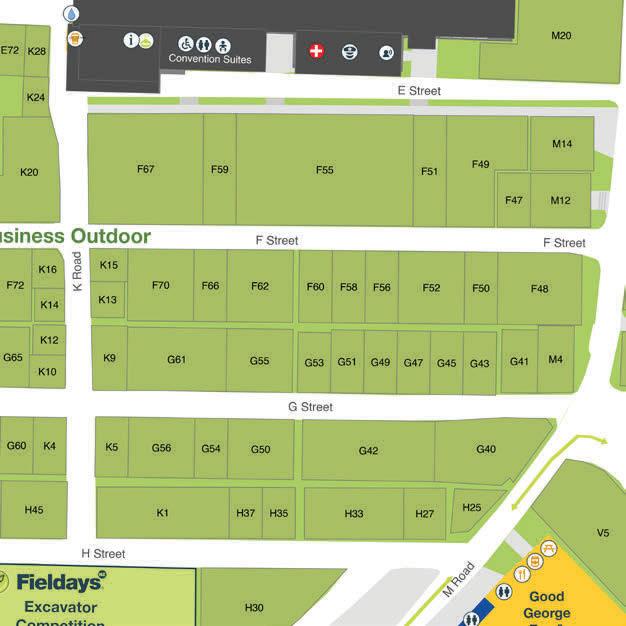
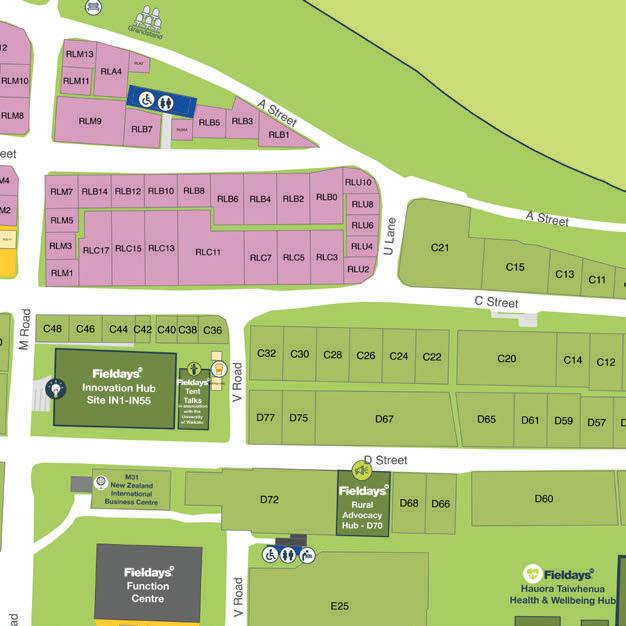
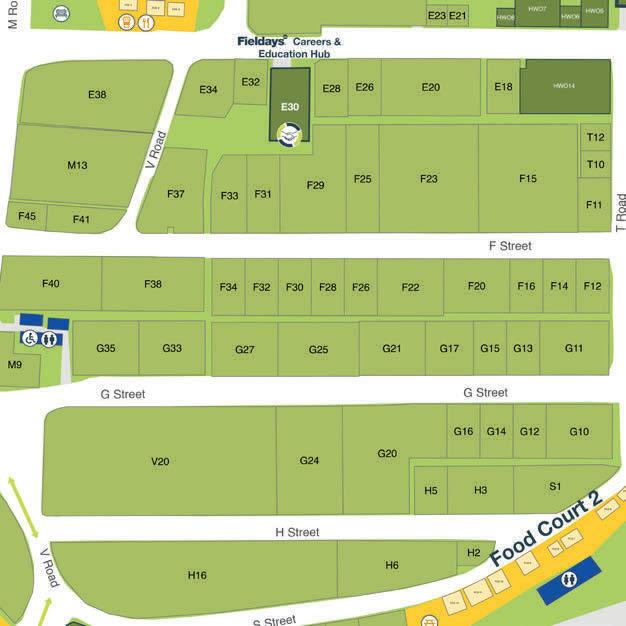
WHERE: Site E38, on the corner of E Street and M Road.
This year, New Zealand Trade and Enterprise (NZTE) will join forces with MPI’s Exporter Help team to provide practical advice and support to small- and medium-sized food and fibre businesses looking to export their products.
WHERE: Main Agriculture Pavillon, site PC47
The Fieldays Careers Hub connects people throughout New Zealand with rewarding jobs, training and careers in our food and fibre sector, and gives people considering working in the sector a taste of the range of roles available.
Our presence in the hub will focus on frontline roles at MPI, such as veterinarians, scientists, quarantine officers and fisheries officers.
WHERE: Site E30.
NEWS 1-13
HOUND, EDNA 14
CONTACTS 14
OPINION 14-15
AGRIBUSINESS 16
NATIONAL FIELDAYS 17-25
HORT NEWS 26-27
MANAGEMENT 28-29
ANIMAL HEALTH 30-31
MACHINERY AND PRODUCTS 32-35
RURAL TRADER 35
PETER BURKE peterb@ruralnews.co.nz
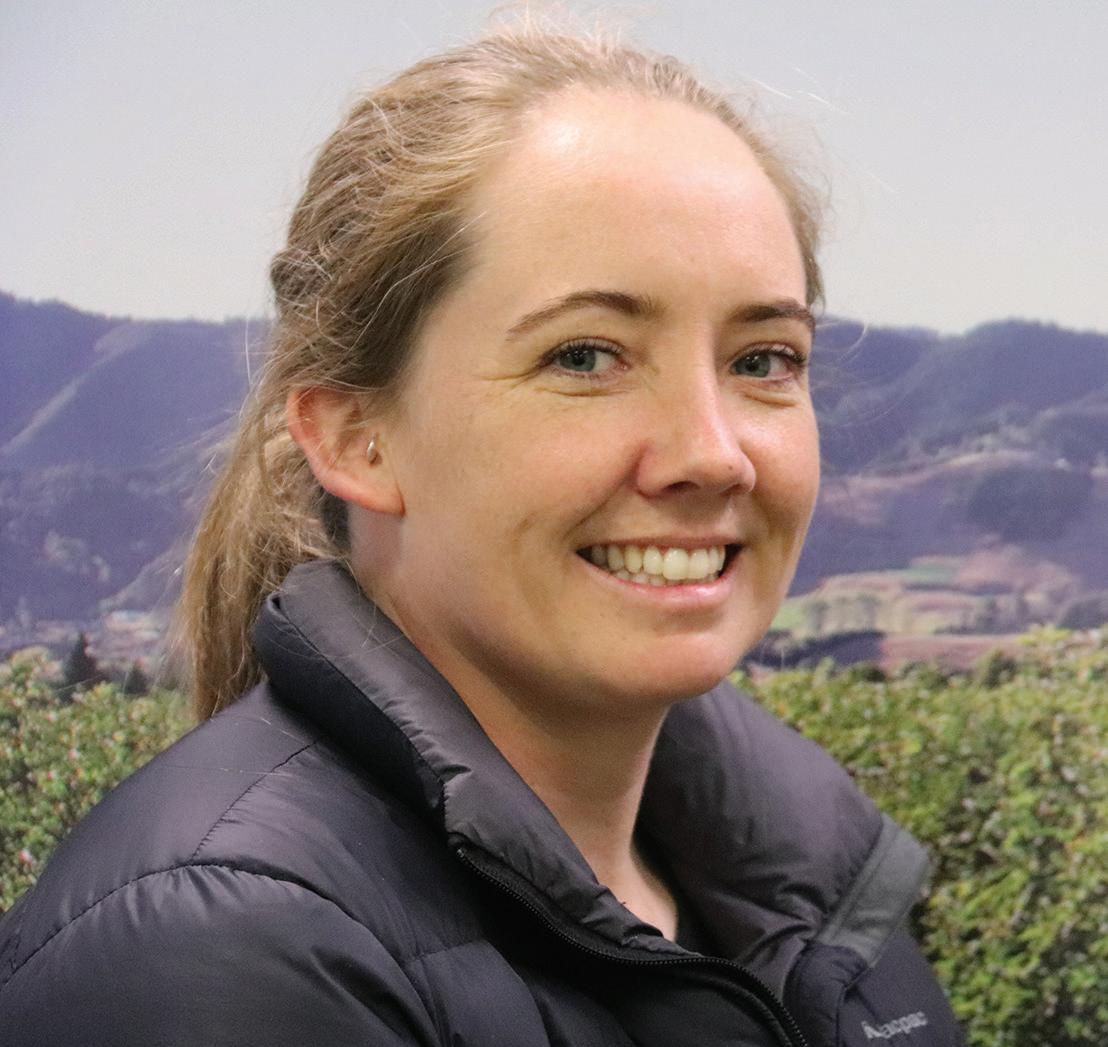
THE CHIEF executive of Apples and Pears New Zealand, Danielle Adsett, says fruit quality this year is phenomenal and the sector is hitting crop estimates, which is great for growers.
She says having two good seasons in a row is welcome news, especially for those in Hawke’s Bay where many orchards were severely damaged by Cyclone Gabrielle.
She says Hawke’s Bay is bouncing back and crops are getting back up, along with productivity. But she says there are still pockets where orchards are suffering lingering effects from the cyclone, but adds that overall the district is feeling quite positive.
HEAD OFFICE
Lower Ground Floor, 29 Northcroft Street, Takapuna, Auckland 0622
Phone: 09-307 0399
Fax: 09-307 0122
POSTAL ADDRESS
PO Box 331100, Takapuna, Auckland 0740
Published by: Rural News Group
Printed by: Inkwise NZ Ltd CONTACTS
Editorial: editor@ruralnews.co.nz
Advertising material: beckyw@ruralnews.co.nz
Rural News online: www.ruralnews.co.nz
Subscriptions: subsrndn@ruralnews.co.nz
Adsett attributes the return of big and better crops to several factors. She says the weather has been kinder and
labour has not been the big issue it was in the past.
“We are seeing more modern orchards coming on stream or being planned like we did before covid,” she told Rural News
“These new orchards will allow new and different technologies to be deployed, but this is long journey and something that doesn’t happen overnight. We have got 11,000ha of apples and probably 40% to 50% are still in older tree systems, so that will take a while to upgrade,” she says.
Adsett says that growers will always question which are the best varieties to plant. At present, new varieties are appearing but there is still support for existing varieties with strong brands
“There’s a focus on good colour, good eating quality and good brand management to get the best price for those apples,” she says.
FOR THE third season in a row, Fonterra farmers are in for a farmgate milk price near $10/kgMS.
Last week, the co-operative announced an opening 2026/27 season forecast farmgate milk price of $9.75/ kgMS - within a range of $8 to $11/kgMS.
The co-op also retained a midpoint price of $9.70/kgMS for the season which ended Sunday, May 31.
The forecast milk price for the season just ended remains at $9.70/ kgMS. In the previous season, Fonterra farmers received a record $10.16/kgMS.
New chief executive Richard Allen says milk production is up considerably, and despite disruption in global supply
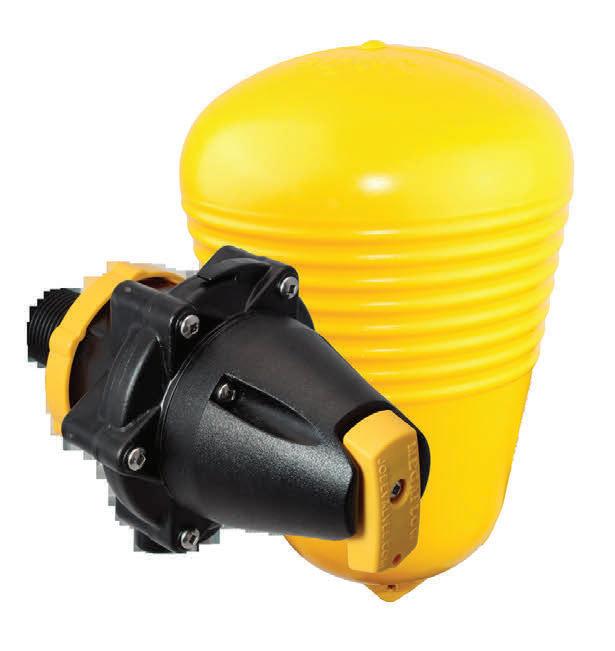
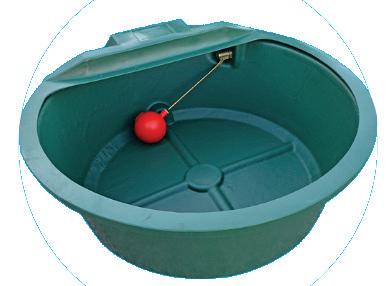
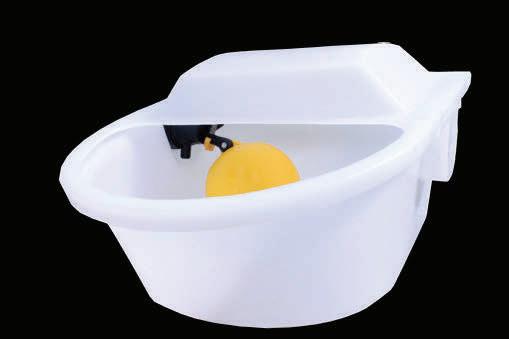
•Ideal for Cattle Troughs
•High Flow
•Side/Bottom Mount
•Detach to Clean
•Compact/Robust
chains, its sales book is well contracted, and shipping volumes are strong, with the highest third quarter shipment volumes in a decade.
“As we look ahead to next season, we expect milk collections to remain high, in line with this season.
“Our in-market sales teams are anticipating solid demand from across the regions despite potential volatility, and this is reflected in our opening forecast range.”
Waikato Federated Farmers dairy chair Matthew Zodnerop says the opening forecast is fantastic news for farmers.
However, he adds that inflation on
farm remains a concern.
“Fuel and fertiliser will be the ones to watch as those are the ones we can do without,” he told Rural News
He notes that average farm working expenses is around $8.50/kgMS and if costs continue to rise, margins will diminish.
“Here’s hoping that supply and demand remains and we hit the 10.75/ kgMS ceiling.”
RaboResearch senior analyst Emma Higgins warns that the inflationary impacts of geopolitical disruption are likely to squeeze farmer margins in the new season, making disciplined cost control and scenario planning essential.

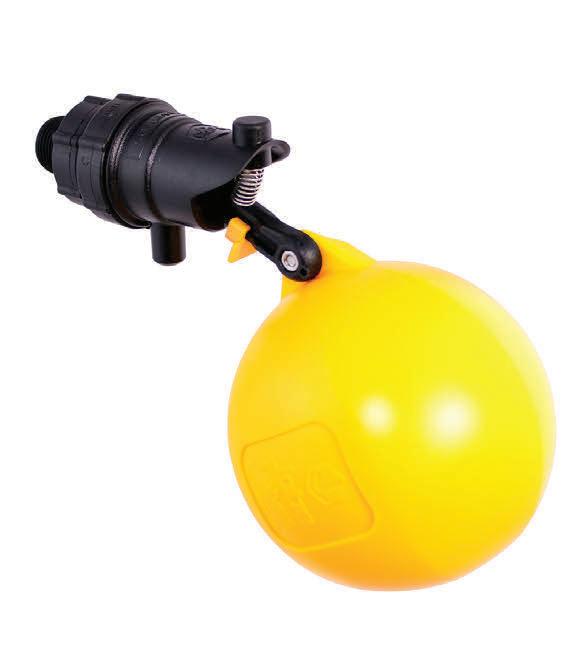
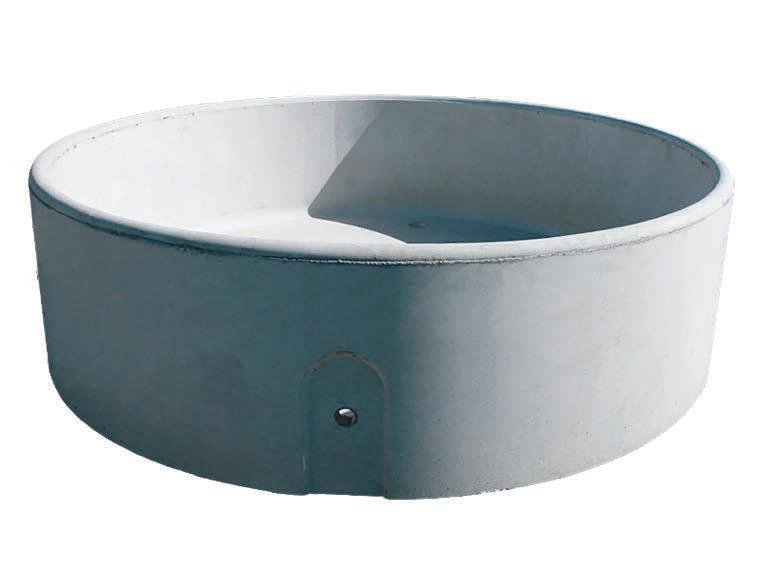
•Ideal for Small/Low Demand Troughs
“While the 2026/27 dairy season is expected to be another profitable one,” Higgins says.
“New Zealand dairy farmers will start the new season on 1 June facing a marked squeeze on margins, driven by persistent and broad-based cost inflation.
“The ongoing closure of the Strait of Hormuz - now approaching its fourth month - is creating conditions reminiscent of past stagflationary shocks. Initial impacts, particularly higher energy prices, are now flowing through into key upstream dairy inputs, including diesel, fertiliser, and industrial goods.”

in Check-Valve •Ideal for Compartment Troughs/Tanks
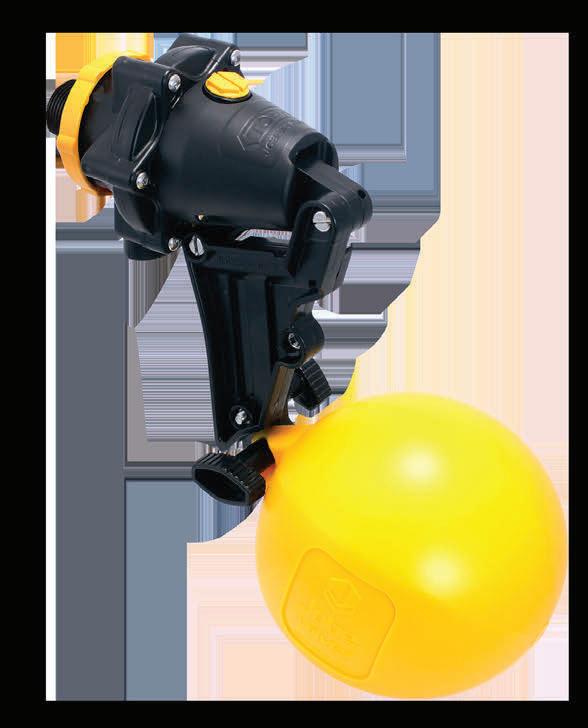
Mount
to Clean


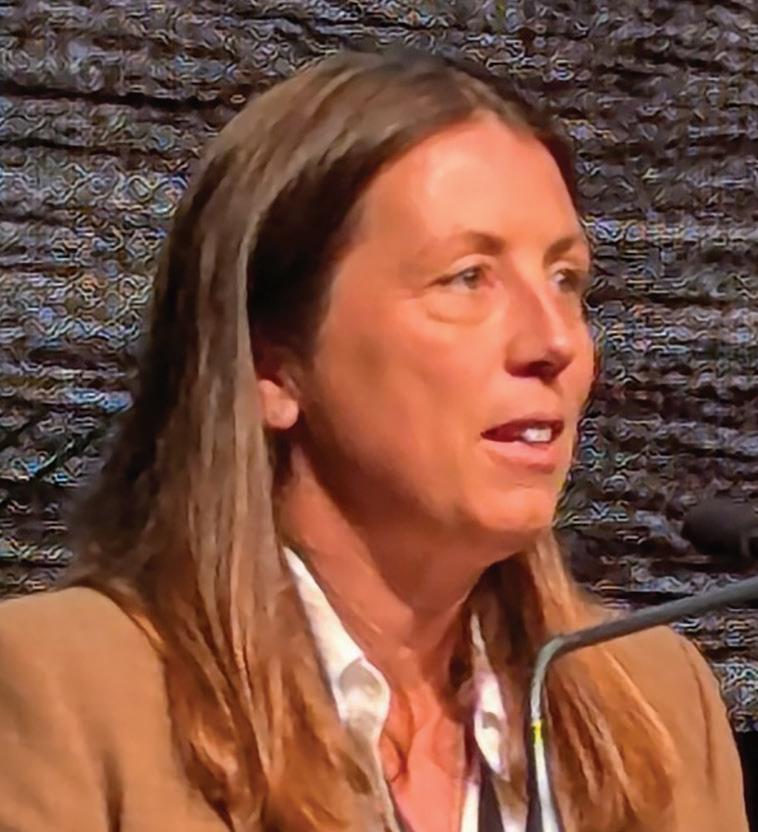
THE FUNDAMENTALS of the beef and lamb sector are sound, despite some challenges on the horizon, says Beef+Lamb NZ chair Kate Acland.
Speaking at B+LNZ’s recent Out the Gate 2026 conference in Christchurch, Acland said global demand was strong and supplies were down with decreasing stock numbers in many parts of the world.
“This is a great time to be a sheep and beef farmer. After a couple of really challenging years, we are experiencing an exceptional run in terms
of pricing and most of the country has had a great growing season too.”
Acland said she had just returned from the US, where she was struck by the insatiable demand for protein driven by weight loss drugs and a food system that’s been turned on its head.
“US consumers are being told to prioritise red meat and this looks set to remain, because we know that where the US goes, the rest of the world tends to follow.”
She said that between 12% and 20% of the American population are on the new weight loss
drugs.
“Although they’re eating less in terms of quantity, they need a really high quality protein, which is something that we are so well placed to meet as a country.”
Acland said preferential trade agreements had been incredibly important over the last five years as markets had changed quickly and global uncertainty has become the new norm. The recently-signed India free trade agreement opened up another “enormous” potential market for sheep meat that had been
largely closed due to a 53% tariff.
Beef+Lamb NZ would soon be releasing an independent report on the economic and social contribution of the red meat sector, which Acland said will reinforce its significant impact on the New Zealand economy.
“Without giving everything away now, I will tell you this, and it will be no surprise: Pastoral farming is the lifeblood of New Zealand’s economy. When farming does well, the rest of New Zealand does well.
“Farmers are major
employers and spenders and in the 25/26 season, our economic service estimates that sheep and beef farmers generated $8 billion of value on farm, which is nearly $2 billion up on the previous year.
“We know that sheep and beef farmers spend about 90% of what they earn in local communities, and that’s an average of 16 million dollars a day on goods and services, mostly in regional centres which flows through to wider New Zealand.”
However, Beef+Lamb continued to advocate for “balance” in governmental policy
settings to allow the sector to continue to play its role in driving New Zealand’s economy.
Coinciding with the conference, B+LNZ released a report comparing New Zealand’s climate change policies for agriculture with the rest of the world.
“What it shows is that New Zealand’s current approach - not intending to price farmers for
emissions or to put agriculture in the ETSis very much in line with other countries.
“But nearly every other country that is considering emissions from agriculture is either subsidising the use of new technologies or providing incentives such as access to carbon credits, which puts New Zealand at a disadvantage.”
jessica@ruralnews.co.nz
ACCORDING TO new research, industry leaders have ranked world-class biodiversity as the number one priority for the 16th year in a row.
The KPMG Agribusiness Agenda, released last week, is the annual report assessing the state of the country’s food and fibre sector.
Once again, ‘worldclass biosecurity’ topped the list of priorities for
the year, with an average priority score of 9.40 –the highest reported for any priority since 2018.
According to KPMG, contributors recognised that the range of potential incursion threats is increasing as global connectivity grows and the climate changes.
“As a result, focus is on ensuring threat identification and management mechanisms are aligned with the risks faced today rather than
the issues we have encountered in the past,” the report states.
According to the report, contributors expressed concern around over confidence in New Zealand’s ability to respond to a biosecurity incursion.
“It was highlighted that many of our most important export sectors are built on monocultures, making biosecurity a more significant risk to economic resilience than is often acknowledged.”
“Leaders noted that threat profiles are evolving, partly due to climate change, yet our approach to identification and response remains largely based on historic successes.”
Contributors said there was a need to ensure the industry is actively preparing for the next threat, rather than continuing to defend against past incursions.
The report says the use of data and analytics tools enabled
better assessment of the true risk at each entry point and the ability to direct resources, new technology and intensive surveillance as appropriate.
“Contributors also highlighted the sector’s biosecurity incursion crisis response capabilities as a (thankfully) underutilised resource.
“With the increasing incidence of extreme weather events requiring emergency response, recognising
and resourcing this capability could support faster and more targeted delivery of critical support into regional communities during future disruptions.”
Meanwhile, signing high quality trade agreements came in second, retaining its place in the top three priorities for the eighth year in a row.
“In a volatile global environment, it is no surprise that industry leaders continue to seek maximum market access,
enabling them to pivot when the unexpected happens,” the report says. It claims that contributors acknowledge the progress the Government has made on this issue in the past year, a period which saw the Comprehensive Economic Partnership with the United Arab Emirates (UAE) come into effect and progress made towards a free trade agreement with India.

PETER BURKE
WILDING PINES are the wrong tree in the wrong place, and they need to go, says Biosecurity Minister, Andrew Hoggard.
He made the comment when announcing that the Government will spend $109 million, of which $79m is new money, over the next three years, to tackle the wilding pine problem. He says that $30 million of the funding will come from the international visitor levy.
Wilding pines affect about two million hectares of land; 85% of that is on Crown land and in particular the Department of Conservation (DoC) estate and it’s the pine seeds from this land
that grow on farmable pasture.
Hoggard says the seeds can blow up to 30km away, so there are wilding pines popping here, there and everywhere. (Wilding pines are self-seeded trees from various species of exotic conifer and continue to grow where they are not wanted).
Beside invading pastures and destroying NZ’s unique landscapes, these unwanted Christmas trees have other insidious effects, says Hoggard.
“Probably the biggest problem is that the pines suck up huge amounts of water in the back country – water that’s fed into our hydro dams and the big water systems,” he told Rural News
“If wilding pines
THE OVERALL task of controlling wilding pines is in the hands of a national working group responsible for the overall strategy. At a local level there are groups, similar to catchment groups, which include farmers and regional council, who determine what’s to be done in their area and they get their funds from the national organisation. Most of the actual work is contracted out.
This programme is not just
are not controlled, it’s estimated that over time it will cost $2 billion or more to irrigated land to grow high value crops and open up more intensive farming systems. At the same the water lost to wilding pines will mean less water in the hydro dams and that could lead to higher electricity costs,” he says.
Hoggard says if unchecked, wilding pines will have a significant economic effect on the country.
Hoggard admits, the task of dealing to the wilding pines is not easy.
In his words, it’s not like hitching up the boom sprayer on the back of the tractor and spraying out the cali’ thistles on a flat paddock. The terrain where the pines are growing is steep,
about clearing wilding pines from farmland, says Andrew Hoggard. Much of the work will focus on Crown land where the pines grow and from where the seeds spread to nearby farms. He points to one area that will get special attention: Branch Leatham in northern Marlborough.
This is a former sheep station, long gone, and now in Crown ownership and covered in the pesky pines which seed and infect the nearby
often inaccessible and the nature of the infestations can vary.
“If it’s a thick infestation where you can barely walk through these pines, you’ll get in a helicopter with a boom spray, or if they are scattered all over the show and its pretty rough terrain, you might get in a helicopter with a device that can cut them down.
“Drones could be used for spraying and in reasonable terrain where there are small seedlings, a chainsaw or loppers could be used. Finally, you might just clear a path around the edge of the trees and put a match to it,” he says.
Hoggard says it’s a mix of what is the most appropriate tool to use to deal with the wilding pines.
iconic Molesworth station.
This latest plan, says Hoggard, mirrors that of the TB eradication programme which saw the number of TB infected herds drop from 1700 to about 15 following a concerted and well-funded programme to deal with the problem.
“This new programme with the promise of long-term funding will go a long way to dealing with the problem. In the past this hasn’t happened,” he says.
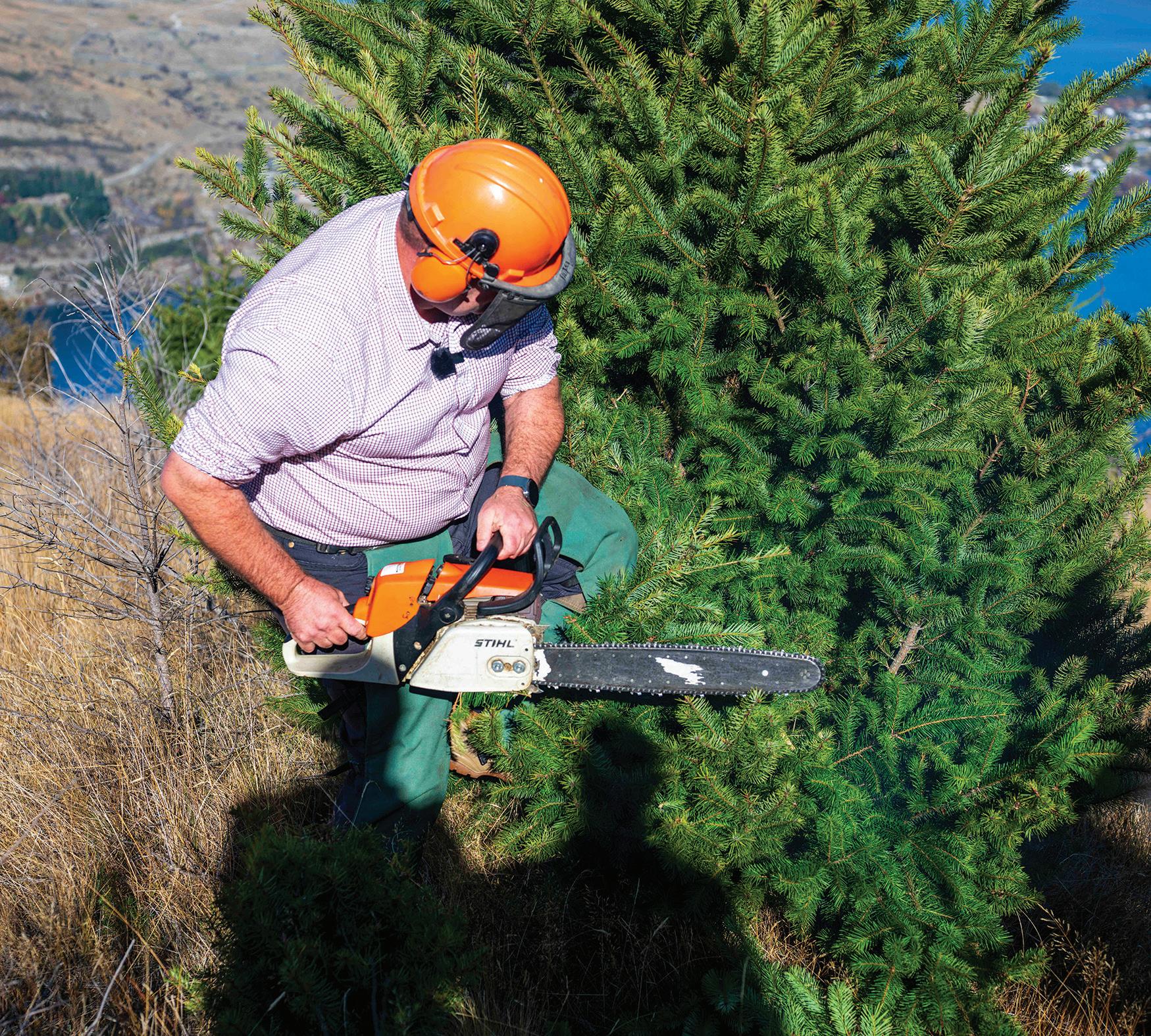
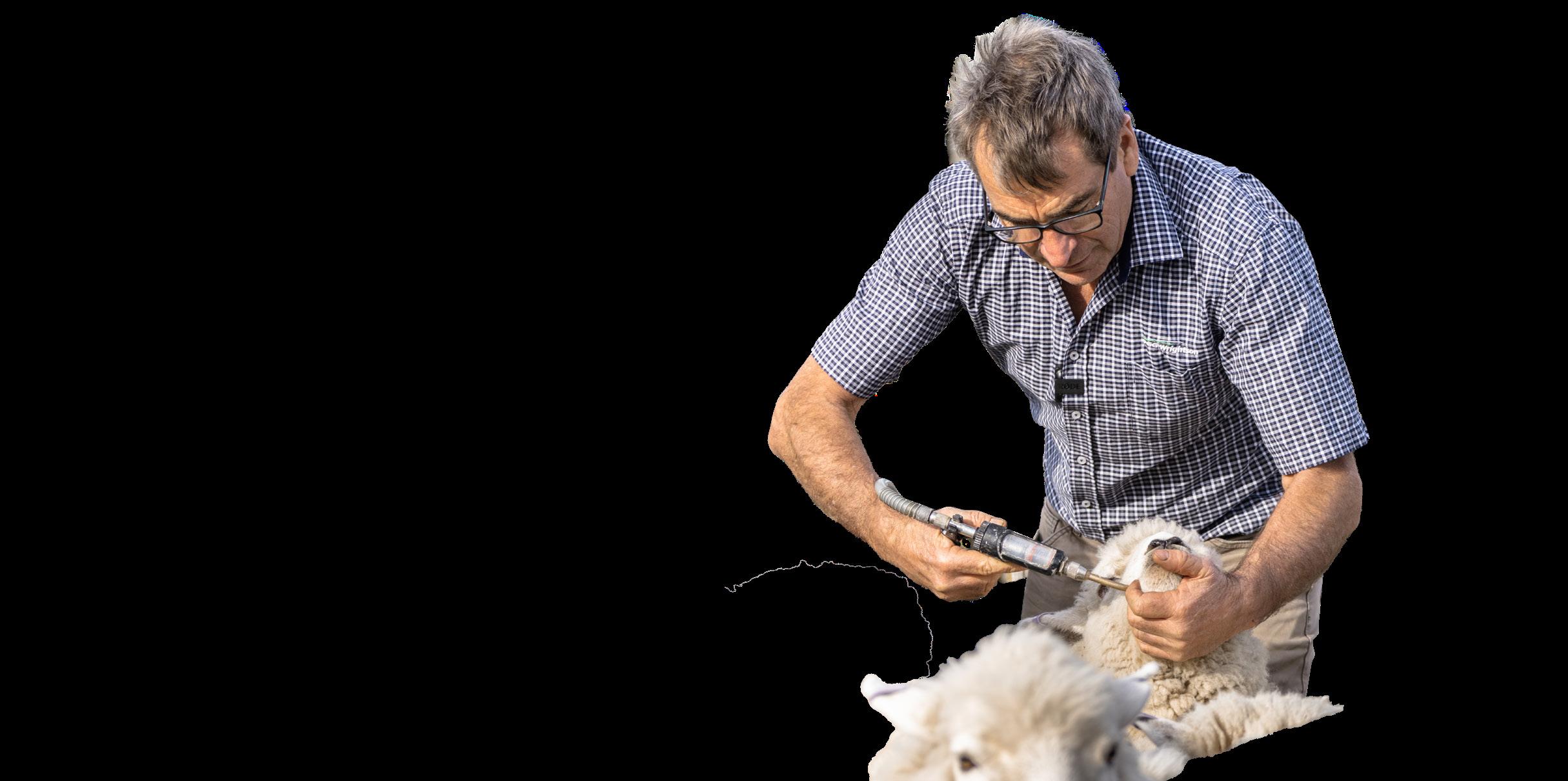
Biosecurity Minister Andrew Hoggard takes the chainsaw to wilding pines
FEDERATED FARMERS describe the new initiative as a breakthrough and says the programme for the eradication of wilding pines has been severely underfunded. They add that it is an intergenerational issue.
While pleased with the new programme, president Wayne Langford says he believes that $50 million a year is needed over the next decade to halt the spread of the pines.
Langford says now that government has stepped up, it will be a case of action from landowners and land managers.
“We already have many farmers doing a lot of work out there, but now
we need other landowners, councils, and the private sector to do the same so we can maximise the impact of this funding,” he says.
Feds pest spokesperson Richard Dawkins says the investment is a huge win, not just for farmers, but for all New Zealanders. He says wilding pines are an ecological disaster threatening farms, exports, biodiversity, tourism and water resources across NZ.
“Most Kiwis don’t see the problem day-to-day, but these invasive trees are spreading across some of our most iconic landscapes at an alarming rate. This funding boost will make a real difference,” he says.
We’re proud to back the people and rural communities who keep New Zealand growing.
Swing by our new ANZ site and put your cricket skills to the test to score a BLACKCAPS and WHITE FERNS giveaway.
Our Agri team will be on hand for a chat – whether you want to talk farming, finance or bowl your best delivery.
Come visit us at Fieldays®, Site F52, 10-13 June 2026, Mystery Creek, Hamilton.
SUDESH KISSUN
A BOOMING agriculture sector and sold-out exhibition sites are pointing to a bumper 2026 National Fieldays at Mystery Creek, Hamilton.
The four-day event starts next week with 1330 sites and over 1100 exhibitors.
New Zealand National Fieldays Society chief executive Richard Lindroos told Rural News that the sold-out sites and strong farm returns signify the strong agribusiness sector in the country.
“This has happened for the first time in recent history and at times like these, we’ve got to leverage that.
“To have every available exhibitor site
sold underscores that the industry sees Fieldays not only as an essential agricultural event but signals strong confidence from the agricultural sector.”
Lindroos says the Fieldays allows the agribusiness sector to have a platform.
“We have global geopolitical tensions, and the world is changing, but agribusiness will be funding our country’s future.”
Lindroos says the site is ready to welcome visitors from Wednesday, June 10. Good weather helped the ‘packing in’ of the site.
Lindroos adds that Fieldays isn’t just an event, it’s a national strategic asset that brings together the best of NZ’s primary industries in one
place.
“If you want to see what drives New Zealand, Fieldays is where it happens.”
The 2026 Fieldays will also attract a record international delegation.
Europe, Latin America, the United Kingdom, India, China, and other key markets will be present.
“Fieldays is where connections turn into real outcomes,” says Lindroos.
“We’re seeing increasing engagement across international trade, as well as the government-togovernment diplomatic relationships, reinforcing the event’s role as a key meeting point for global agriculture.”
This year’s strong global presence is reflected in significant
year-on-year growth. Fieldays will host 73 international exhibitors, up from 66 last year, representing a diverse mix of markets including Australia, Belgium, China, Germany, Greece, Ireland, India, the Netherlands, the Republic of Korea, Sweden, the United Kingdom and the United States.
Interest in building global partnerships continues to climb, with 254 exhibitors opting in to connect with international opportunities during the event.
Lindroos thanked New Zealand Trade and Enterprise (NZTE), the Ministry of Foreign Affairs and Trade (MFAT), and the Waikato Chamber of Commerce for their contributions.
He says this highlights the growing appetite among New Zealand businesses to expand beyond domestic markets and leverage Fieldays as a launchpad for export success.
“Further reinforcing this international momentum, 1102 visa support letters have been processed to date, up from 1054 last year,” says Lindroos.
“Embassy and trade delegation registrations are strong, and are still being finalised, with numbers expected to grow further in the lead-up to the event.”
Among the booked delegations are attendees from Brazil and Chile, as a direct result of Fieldays’ recent visit to those countries.

NEW ZEALAND
needs to have “a really mature conversation” around modern gene editing technologies and synthetic biology, says the Prime Minister’s Chief Science Advisor, Dr John Roche.
Roche says that public resistance to advanced technologies is one the challenges New Zealand agriculture faces as it tries to meet the nutrition needs of a rising world population.
He says science gathers knowledge, and innovation makes change, faster than society is comfortable with – but he believes we have reached a pivotal point in history with the convergence of artificial intelligence with genetic modification technologies.
“We are now at a point where we’ve got analytical tools, and we’re very close to the computer processing power, to be able to interrogate a genome with the phenotype databases that we have, to understand the finest details of those genomes and where differences would have differences in their traits, and we’ve got the editing power to be able to do that with high precision.
“It is an exciting time, but it is a frightening time for a lot of people.”
Roche said that New Zealand’s primary sector needs the technology because of the limitations of traditional breeding.
New Zealand’s primary sector was largely based on two species of plant, perennial ryegrass and white clover. But research
by AgResearch’s Dr Jim Crush showed only
modest improvements from 30 years of traditional ryegrass and clover breeding, despite our plant breeders being among the best in the world.
Productivity was improving but not fast enough, while our competitors were using
modern developing technologies to get ahead.
“The vast majority of the developed world’s dairy industries, for example, use genetically modified corn, genetically modified lucerne, genetically modified soybeans, genetically modified canola.
“They are using these technologies to get out
forward.”
Roche was addressing the E Tipu Future Food and Fibre Summit in Christchurch, which aimed to bring together leading thinkers and innovators to share insights into the future of the sector.
doctor, or a policeman only once in your life “but every day, three times a day, you need a farmer”.
couple that are wanting to get ahead.”
ahead of us and our regulations are not letting us to do that.
“We need to have a really mature conversation about this and we need regulations that will enable us to at least try these technologies to see if they will deliver the traits that we need that will help to drive our economy
In a speech also delivered to the Beef+Lamb NZ conference earlier in the day, Roche said New Zealand was unique among developed countries in the proportion of its earnings coming from the primary sector. The sector had a really bright future, although its future shape was up for debate.
Referring to an old saying that there are ‘only nine meals between humankind and anarchy’, Roche noted that you might need a lawyer, a
Pointing out that humans’ average heights have been increasing as a result of increased dietary protein, Roche said the world is no longer seeking calories.
“It’s seeking protein and it’s seeking high quality protein - again, a huge opportunity for New Zealand, which is amongst the best in the world at producing high quality proteins.” Roche said that in 1973 only a very few countries – New Zealand, Australia and a few others – were eating what was considered enough protein but now, much more of the world is.



PETER BURKE peterb@ruralnews.co.nz
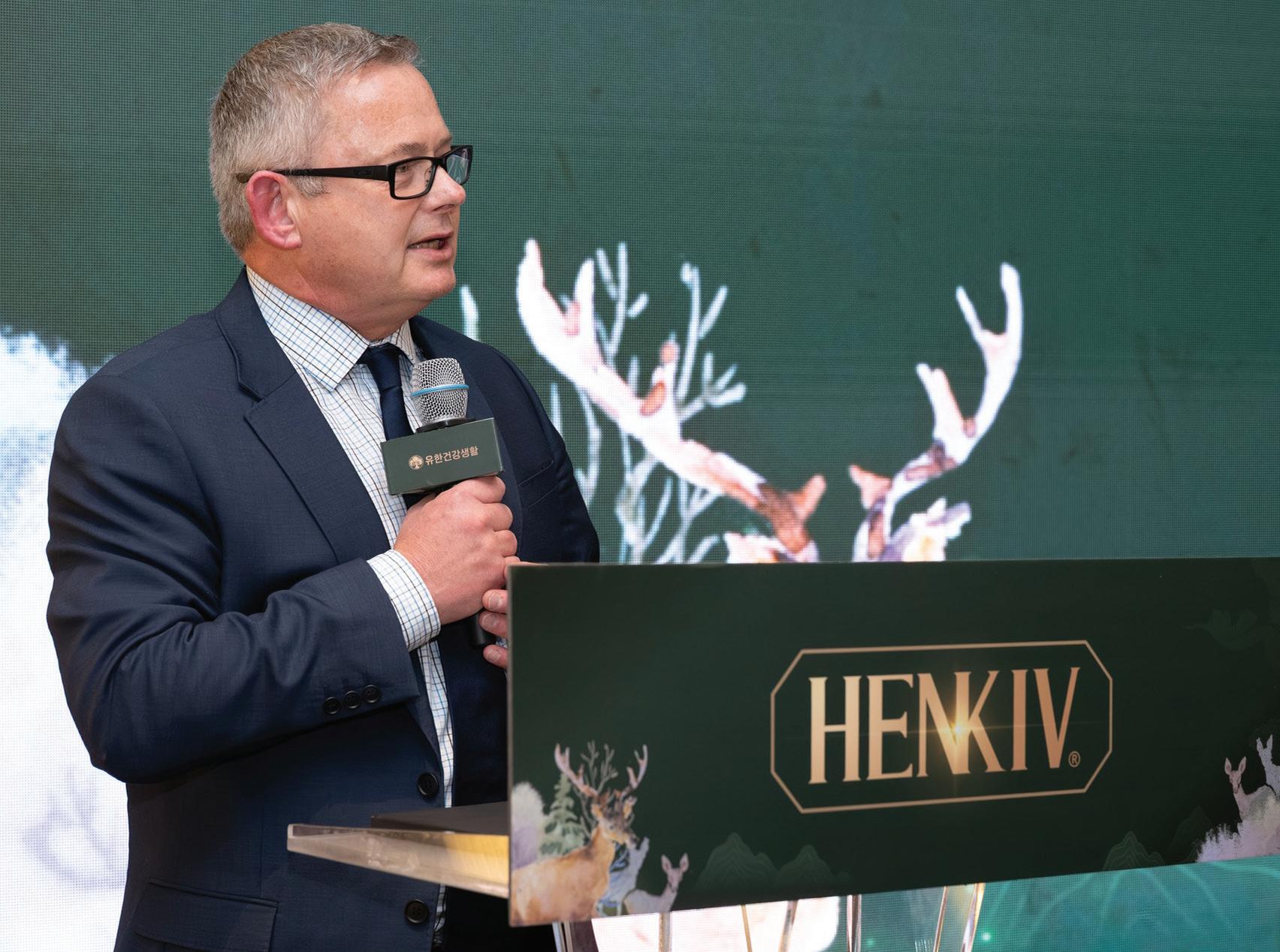
IT’S OUR time to shine, says Deer Industry NZ chief executive Rhys Griffiths.
He says this year’s conference in Palmerston North, attended by more than 170 delegates, was focused on the future and what the sector needs to do to build its markets.
His comments come after some hard and challenging times for the industry which has seen a drop in velvet prices that prior to 2023 were good.
But Griffiths says in 2024 there was a major issue in the velvet market and it was only the intervention of the Ministry for Primary Industries (MPI) and government that got things back on track.
BACK ON
is also an
as other
meat farming systems look to expand, putting pressure on venison.
He says in the past 10 years deer numbers have dropped from a high of 900,000 to the present 706,000. But now hind numbers are
SFF seeks director
A lot of velvet goes into China before going back to markets in South Korea and too much was going into the commodity trade, depressing prices.
“As a result of all this, the production of NZ velvet has fallen from a high of 1200 tonnes a year down to 1000 tonnes and that is due to an increase of older velveting stags going
increasing as deer farmers seek to rebuild their herds, and this means that in the short term there may be a slight drop in the supply of venison.
Griffiths says it’s important to keep supplying key markets so that NZ can take advantage of the good times ahead.
“We see venison as a healthy food – the best protein – and we are seeing people looking for more red meat. We think of the dense protein that venison has to offer and [it] is ideally placed to meet the needs of
APPLICATIONS FOR Silver Fern Farms Co-operative’s next boardappointed farmer director are open.
SFF chair Anna Nelson says the new role opens up a directorship opportunity on the board which assists in ensuring a sound succession plan for its governors.
“The appointed director role supports the co-operative’s succession plan and ensures active farmer directors are well equipped to gain governance experience ahead of standing for election in the future.”
To be eligible for this role, candidates must be a current shareholder of the co-operative and have supplied a minimum of 400 stock units to Silver Fern Farms for each of the two years ended 31 December 2024 and 31 December 2025.
Eligibility also includes those that have a legal or beneficial interest in a shareholder supplier e.g. a shareholder of a company, partner in a partnership or a named beneficiary of a trust. Applications close at 12noon Friday 12th June 2026.
through the works,” he told Rural News.
Griffiths says that consequently there will be a reduction in the amount of velvet produced in the coming season. At the same time there is a move by industry to start moving away from the traditional medical use of velvet to functional foods where it is used as an ingredient
the modern consumer,” he says.
“It should also be noted that most deer farms operate as mixed farms with 77% running some cattle and sheep. Those producing velvet on the other hand tend to produce that product alone.”
Griffiths says NZ can be very proud of its deer industry. He says we farm more deer than any other country and we have got lots of options for the future and that he and the industry are excited about that.
New MIA CEO
in new and higher value products.
When Covid struck, it hit the venison hard as much of the product was destined for the food service sector; with people not eating out, that market virtually collapsed.
Griffiths says the answer has been to revive that market and also put
THE MEAT Industry Association (MIA) has appointed Nick Beeby as chief executive.
MIA independent chair Nathan Guy said Beeby brings significant sector expertise and leadership to the role.
“His existing chief executive experience in the red meat sector makes this appointment a positive step up.
“The role attracted strong interest, with a high-calibre field of applicants. Nick stood out for his experience in strategy, market development, quota administration and industry assurance.
“He understands the challenges and opportunities facing processors and exporters and will provide clear leadership for the association and its members.”
Beeby is currently chief executive of the New Zealand Meat Board, a role he was appointed to in January 2025. He previously served as general manager, market development at Beef+Lamb New Zealand.
more emphasis on the retail market. He says exporters are doing a good job in this regard.
The US is still the largest market for our venison, followed by the EU and then a range of other markets many in the Asian region.
“The opportunities down the track will see us reconnect with some
of those higher paying markets, such as the US and the EU, which are going well, and we also want to look to Asia –in particular China,” he says.
“What we learned from Covid is not to rely on a single channel and so have a mix of food service and retail,” he says.
SAFER FARMS ambassador Lindy Nelson’s dedication to “rethinking how the primary sector works together to reduce harm on farm” has been recognised with a finalist place in the New Zealand Workplace Health and Safety Awards for 2026.
Safer Farms chair Murray Donald says the Safer Farms team was delighted to see Nelson named as a finalist in the Leadership category.
“Her leadership in this field is effective because, as a farmer herself, she is passionate about creating safer and stronger rural communities.”
Wairarapa farmer Nelson chaired Safer Farms from 2020 to January 2026 and was instrumental in the formation of the first-ever sectorwide plan Farm without Harm - designed with farmers and industry. She also helped develop a partnership with ACC.
They are organised by Safeguard with the support of WorkSafe New Zealand and ACC. The 2026 winners will be announced at a gala dinner at the Viaduct Events Centre in Auckland on 23 June.




CAMBRIDGE AND surrounding communities are benefiting from a new emergency ambulance, thanks to joint funding from longstanding supporters, Grassroots Trust Limited and Greenlea Foundation Trust.
The Generation 4 emergency ambulance was blessed during a special ceremony at Hato Hone St John’s Te Awamutu ambulance station last month attended by Grassroots Trust and Greenlea Foundation Trust representatives, St John Order members, ambulance staff, and fundraising team members.
The new vehicle is fitted with modern equipment including a powerload electric stretcher and stair carry chair, which will help make it easier and safer for ambulance staff to move patients in and out of the vehicle.
St John has been serving New Zealand communities for over 140 years and South Waikato area operations manager Craig Scott says the team is elated with the continued
generosity of Grassroots Trust and Greenlea Foundation Trust.
“We couldn’t be more grateful to Grassroots Trust and Greenlea Foundation Trust. Our ambulance staff receive excellent training, but having a state-of-the-art ambulance with modern equipment is what enables them to provide the best care they can for our patients.”
Grassroots Trust has been a valued supporter of St John for many years and since 2022 they have funded more than $4.5 million for vehicles and equipment. Their generosity has contributed towards 28 vehicles across the North Island including Generation 4 ambulances, Major Incident Support Team (MIST) vehicles, Patient Transfer Service (PTS) vehicles, Complex Patient Ambulances, and lifesaving equipment including defibrillators.
Martin Bradley, executive chairman of Grassroots Trust Limited, says the organisation is proud of its long
running and significant contribution to Hato Hone St John.
“We recognise the vital lifesaving working that ambulance officers carry out in our communities every day and we want to make a tangible and meaningful difference that honours their work while benefiting as many people as we can.”
Greg Clark, livestock manager Greenlea Premier Meats, handed over the keys to the new Generation 4 ambulance, alongside Kevin Burgess, MNZM,
director Grassroots trust LTD.
The Greenlea Foundation Trust is an ongoing advocate of Hato Hone St John, having provided funding for new ambulances, a health shuttle and emergency ambulance equipment.
“The Greenlea Foundation Trust is honoured to partner with Grassroots Trust to provide an ambulance for the Cambridge community,” says Aaron Craig, general manager of Greenlea Premier Meats.
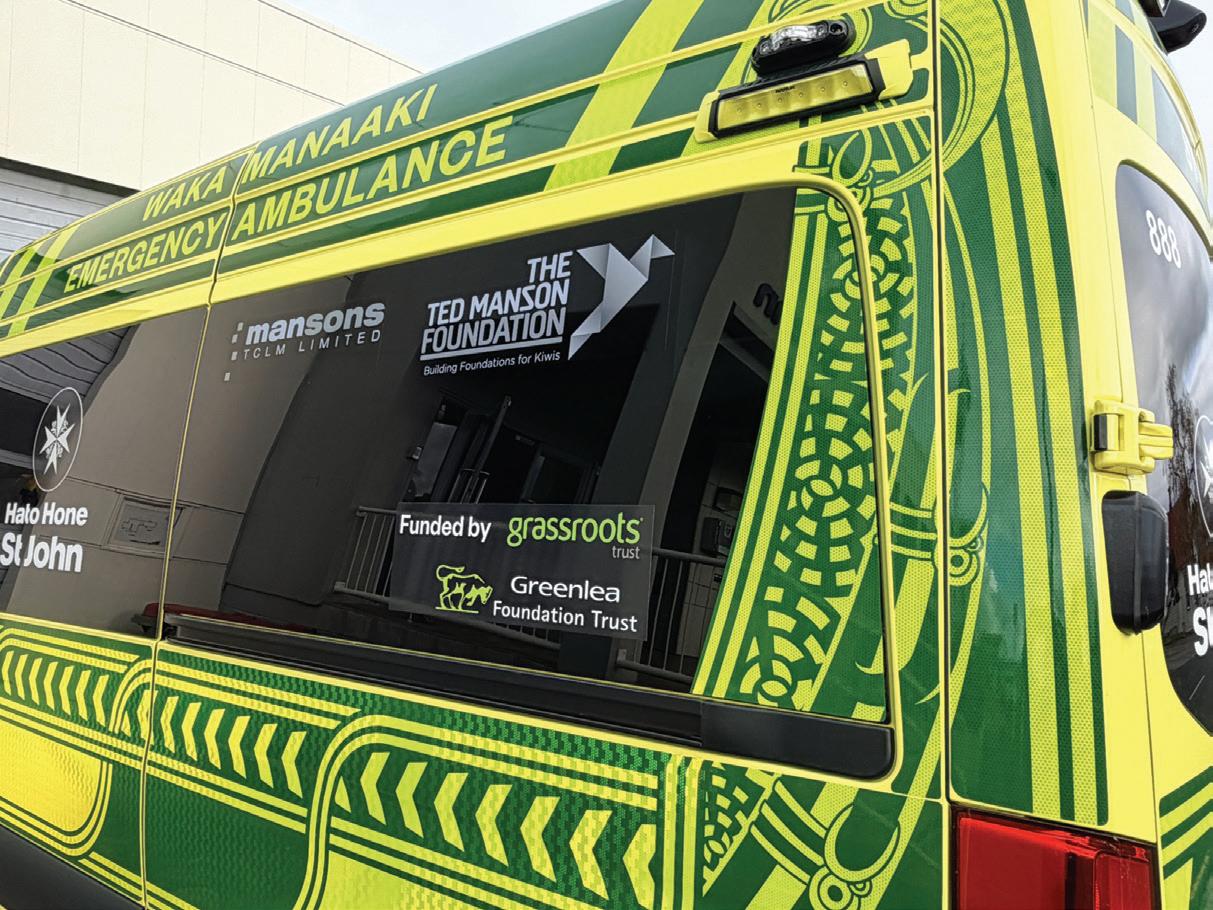
“Greenlea established the Foundation in 2011 to support the range of charitable initiatives across the communities that have been the cornerstone of Greenlea’s business for the past thirty-plus years.”
Workload in the Waikato region has been rising year on year, with more 50,900 emergency ambulance callouts across the region last year. In the lifetime of the new ambulance, it is expected to travel half a million kilometres and respond to over 30,000 incidents.

FAMILIES FARMING
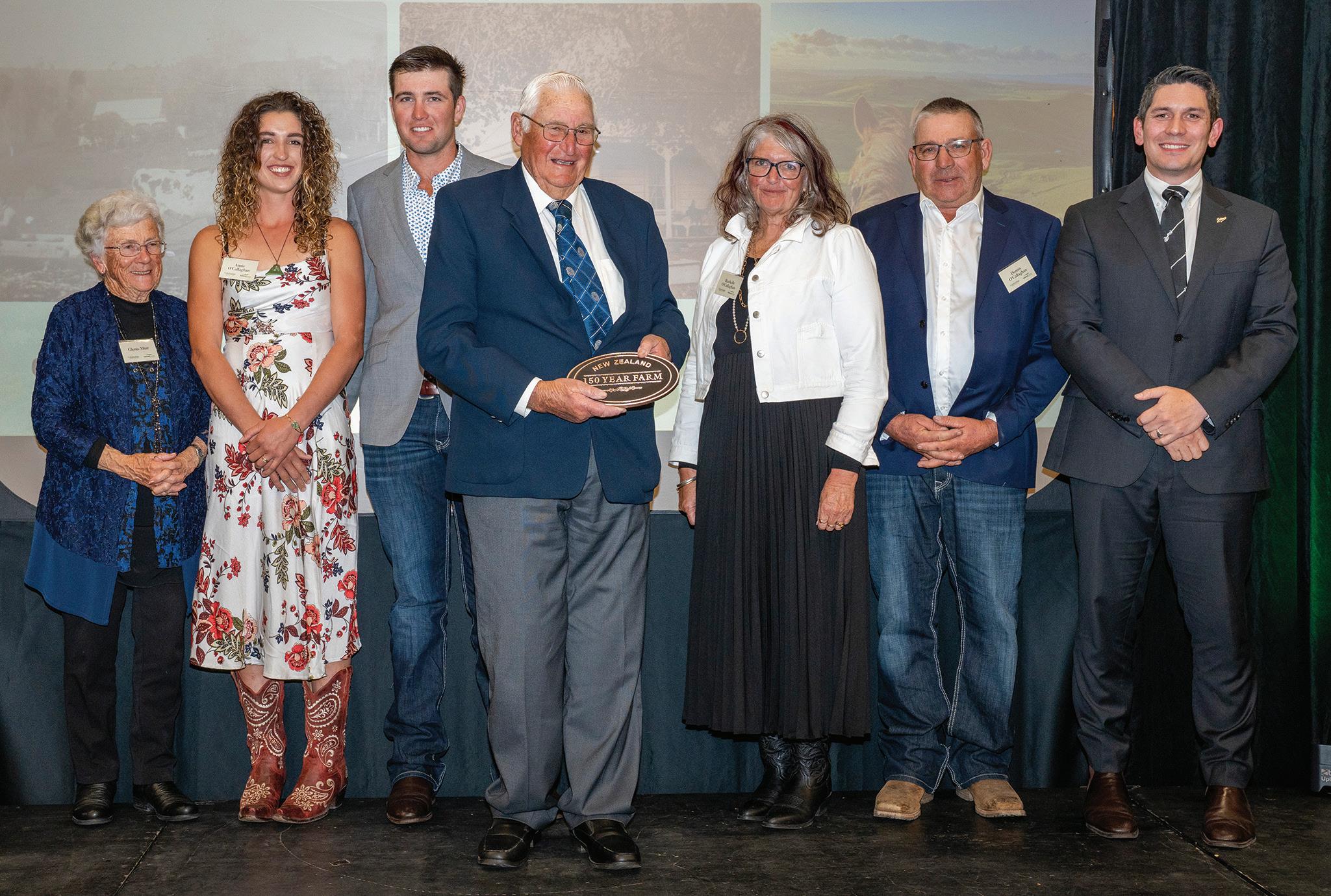
the same land for generations, including one spanning 187 years, were recognised at the 2026 Century Farms and Station Awards held in Lawrence, Otago recently.
The awards celebrated 36 farming families from across regions, all with more than a century on the same land, including 12 marking 150 years or more, the highest proportion since the awards began in 2005.
Among the longeststanding families was the Matthews-O’Callaghan farm at Aurere in Northland, with their connection to the land dating back to 1839.
The farm traces its origins to Reverend Joseph Matthews, who arrived in New Zealand in 1832 and later purchased land at Aurere, establishing one of the country’s longestrunning family farming enterprises.
Over time, successive generations adapted the property, reshaping ownership, stock systems and commercial activity to meet changing conditions.
By the 1950s, the business had been formalised as Matthews Farms (Aurere) Ltd, and at its peak in the early 1980s carried more
than 2600 acres before being divided among descendants.
Rachelle and Dennis O’Callaghan purchased their share of the original property in 1992, renaming it Temataa Station, which today operates as an intensive bull-beef system across 1855 acres.
Speaking after receiving the award, Rachelle acknowledged the role of earlier generations in building the farm’s legacy.
“We would like to acknowledge the previous generations who have come before and the sacrifices they have made to enable us to be here,” she said.
“There have been some tough times through the generations and we appreciate their perseverance and adaptability.”
O’Callaghan said the moment was particularly significant as multiple generations of the family gathered to mark the milestone.
“We are also grateful that Winston (my dad) is here with us to celebrate this award, he has lived on the farm all of his life and it is very special that three generations are here in Lawrence celebrating this award.”
She said the recognition reflected a

legacy still being carried forward.
“Winston is also grateful that the younger generation is carrying on the legacy.”
Century Farms chair Edward Fitzgerald said the awards recognised both longevity and the ability of farming families to navigate change over time.
“Farming, whether agricultural, viticultural or horticultural, has been the backbone and
prosperity of our country and continues to be so today,” Fitzgerald said.
“Through wars, depressions, pandemics, droughts and floods, financial crises and government policies these families have survived and built an amazing legacy.
“These are stories worth telling, not just from a farming perspective but a cultural and social perspective as well.
“The New Zealand Century Farm and Station committee held their first awards ceremony in 2005, and we are now celebrating our 20th year (missing one due to Covid), with 699 families celebrated in total – 20 of these have also come back to celebrate their sesquicentennial anniversaries over the years.
remarkable families each year.”
ANZ, which has supported the awards for about 15 years, and banks nearly half of this year’s recipients, said the milestone reflected longmore than just strong business performance.
“For a family to farm on the same land for more than a century, you don’t just need a good
“These families have worked through market changes, weather challenges, recessions, and generational transitions to build something special that lasts.
“It’s a fantastic achievement, and we congratulate all of the families recognised this


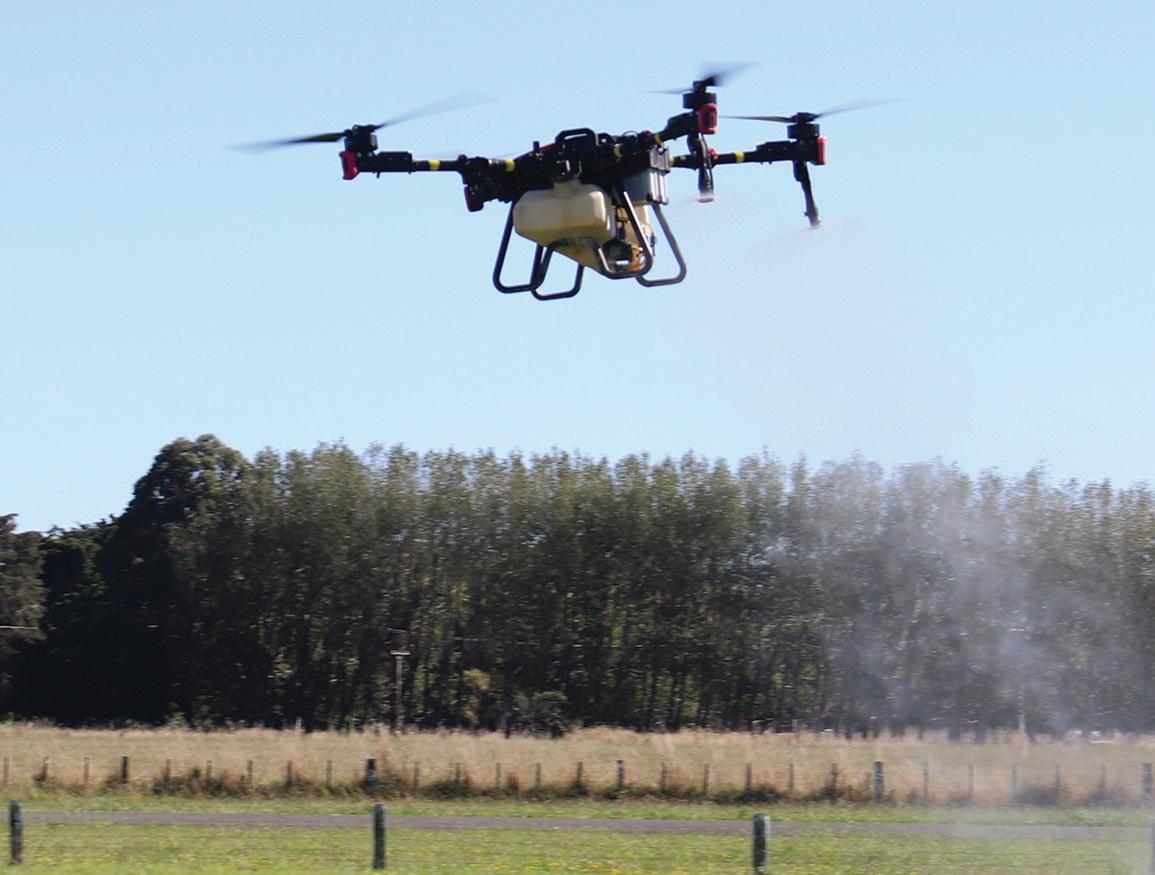
to reduce the regulations relating to drones that farmers use on their own properties has drawn a mixed reaction from commercial drone operators.
The Aviation Industry Association (AIANZ), through its various subsidiary organisations, represents those who use drones commercially.
AIANZ vice president Dr Isaac Henderson says his organisation is not against modernising the rules and making it easier for individual farmers to operate drones on their own properties.
But he says that before “cutting any rules willy nilly”, there needs a careful assessment of what risks this may pose to the farmer and nearby landowners.
Henderson says the use of small drones for such things as mapping and mustering are genuinely low risk, however, he points out that when it comes to using larger drones for spraying, there needs to be rules to protect the safety of people and rights of neighbours who could be affected by spray drift.
“We are concerned about a narrative that is being circulated that says that using large
agricultural spray drones is a ‘low risk’ activity. That is wrong,” he told Rural News
Henderson says some of the rules relating to a farmer spraying only on their property is overkill, but once they undertake the same work for a third party, such as neighbours, it becomes a different story.
He says, however, even when just spraying on their own property, an individual must have the proper training to fly a large drone and have knowledge of the various regulation that cover the use of sprays.
“For example, if the individual flying the drone wasn’t aware of,
say, an inversion layer, the spray could end up 5km down the road on someone’s orchard,” he says.
Henderson says commercial operators of drones that spray agricultural chemicals have to be certified and pass a whole range of tests to show they are competent to carry out their operations. He says this is similar to pilots of rotary and fixed wing aircraft involved in commercial spraying operations. The rules are managed by a multiplicity of agencies such as the Civil Aviation Authority (CAA), the Ministry for Transport (MoT), MPI and the Environmental
Protection Agency.
While the Government has signalled that deregulation is the pathway to make it easier for farmers to use drones more freely on their own properties, the AIANZ says a better option is a licensing and rating system which they have been pressing the CAA and the MoT to do for the last seven years, without success.
Henderson says this would reduce a lot of the unnecessary paperwork and time that farmers wanting to do their own spraying are complaining about, and better define risk and still set consistent standards.
“I am glad the Ministry of Regulation is taking up this work and we as an industry would be keen to positively engage with them.

However, I don’t think there will be any quick wins in this,” he says. The end game he says is having rules and regulations that better reflect the nature of the risk while giving farmers a greater level of freedom, while retaining standards that protect people and property.






THE RURAL Support Trust is hosting a series of community wellbeing events featuring former NZSAS soldier and Victoria Cross recipient Willie Apiata.
The RST hopes the events will create open conversations around resilience, mental wellbeing, leadership and life after adversity.
The events, supported by a national group of rural industry partners, will be held across New Zealand and are expected to bring together
farmers, growers, rural professionals and wider rural communities in a relaxed and supportive environment.
Apiata is one of New Zealand’s most respected servicemen and was awarded the Victoria Cross for bravery under fire during service in Afghanistan.
The events will be structured as interviewstyle conversations, allowing attendees to hear Willie speak candidly about his experiences, the challenges he has faced,
and the tools he uses to look after his own wellbeing.
Community connector Mike Green says there’s a real authenticity and humbleness to Apiata.
“He doesn’t stand on stage pretending to have all the answers. He shares his experiences in a very genuine way, and that’s what people connect with.
“He has a lot of mana, and you can see the impact that has on people in the room. The first events, held
in Timaru, Ashburton and Dunsandel, have already been incredibly successful.”
National Rural Support chairperson Michelle Ruddell said the events were about connection and creating space for honest conversations within rural communities.
“Rural people are incredibly resilient, but that doesn’t mean they should have to carry everything on their own. These events are about bringing people together and reminding people
that support exists.
“I am proud of the number of organisations getting behind our wellbeing event series. Strengthening our rural communities by supporting their wellbeing is something that belongs to all of us, and that’s why it is so pleasing to see the collaboration for these events.”
National event partners supporting the initiative include BDO, Craigs Investment Partners, Fonterra, Greenlea, Pioneer,

Power Farming, Property Brokers, Farmlands, Ravensdown and Rural Industry Leaders.
Community partners include New Zealand Young Farmers and Farmstrong.
The free events are recommended for attendees aged 16 years and over and will include opportunities for
informal conversation before and after the keynote session. Further regional event details and ticketing information will be released separately by individual Rural Support Trust regions. For more information on upcoming events, visit the Rural Support Trust website.
FROM LAST week, the Industrial Hemp Regulations 2006 have been revoked. This means with the removal of the “industrial hemp” category, cultivation of the crop, will be all encompassing and fall under remit of The Misuse of Drugs Regulations 1977.
The result is any person can grow hemp, at any location, with growers needing to notify the Police on an annual basis. They are also required to notify The Ministry for Primary Industries (MPI) before cultivation, grow crops of hemp with THC levels of up to 1%, with leaf and flower (biomass) able to be used by the medicinal cannabis industry.
The NZHIA, NZMCC, and AHA (the coalition) all have a future desire to work with the Government through the Hemp Industry Liaison Group (HILG) forum to facilitate positive outcomes for the hemp industry. As a follow-up to the August 2022 HILG meeting, these parties collated a set of five key objectives for the wider industry that require
regulatory intervention to be achieved.
The coalition’s strategic proposal was sent to the Government in September 2023, but it was shelved during a change of government, until the coalition brought it up again in October 2024. NZHIA made a presentation to PPSC in November 2024 and had various meetings with MPs and Ministries
during the latter part of the year. During February 2025, the Ministry for Regulation announced the review and the NZHIA and its sponsors arranged a factory and field visit for MPs’ and officials. The announcement of the regulatory reform was made in December 2025 and the deregulated industry for growing hemp will be enacted on 28 May 2026.
While the hemp industry associations celebrate the great news for the growers of hemp, they are cautious, suggesting that there are serious implications. They point out biosecurity risks, noting any importation of hemp seeds, needs to comply with the Import Health Standards, alongside the risks of pollen drift, likely to cause cross-
contamination from wind-blown pollen.
The industry also raises the question of what compliance/ notification looks like post 28 May, noting that Agricultural Compounds and Veterinary Medicines (ACVM) regulations must abide by the MPI ban on hemp for use with production or companion animals, alongside food safety issues.
CAMPBELL PARKER
NEW ZEALAND’S dairy sector has been a mainstay of this country’s prosperity for generations. It remains our largest goods export sector, supporting regional communities, jobs and stable economic activity across the country.
At the same time, it’s an incredibly fastmoving sector to be part of. The market conditions farmers operate in are changing rapidly – led by consumer expectations that continue to grow and evolve.
Technology is moving quickly and is closing the gap between consumers and where their food comes from.
Our generally ageing and more discerning consumers are seeking
out nutritionally dense foods that support their changing life stages. They’re also asking more questions about how food is produced.
At the same time, within the communities where we farm, freshwater expectations are evolving. Climate pressures are increasing.
New Zealand dairy is one of nature’s superfoods and is incredibly well placed to take advantage of these trends. Demand for premium dairy products continues to grow across almost every key market, while New Zealand’s reputation for quality, safety and pasturebased farming gives us a significant competitive edge.
The opportunity is there for us – if we choose to take it.
But standing still is not an option. Our competitors see the same opportunity as we do. They are innovating and adapting at an incredible rate and by comparison, we may not have challenged ourselves as hard as we could have as a sector - enjoying both a brief respite in regulatory burden and the limelight that comes from propping up the national economy.
The reality is that future value growth will look different to the past.
There will be an abundance of opportunities for dairy systems that are supported by modern infrastructure, better environmental management, improved genetics and emerging technologies.
Innovation and
practical solutions
New Zealand has an opportunity to lead globally in demonstrating what highly productive, lower-impact pastoral farming systems can look like.
That means continued investment in science, innovation and practical on-farm solutions. It also means closer collaboration between sector, government, researchers, technology providers and farmers themselves, alongside a willingness to put the consumer at the heart of our sector and constantly adapt.
Encouragingly, many of the tools needed are already emerging:
• Precision farming technologies are enabling more targeted nutrient use.
• Advances in genetics
are improving animal efficiency.
• Methane reduction technologies continue to progress.
• Nature-based solutions such as wetlands and riparian planting are increasingly being integrated into productive farm systems.
• Better data and environmental modelling are improving understanding of catchmentlevel impacts and opportunities. All of these tools protect value by helping us to maintain our emissions and compete on sustainability. Most also improve resilience, productivity and longterm farm performance.
As a sector the next decade will also
provide an abundance of opportunities to show customers, and our country, the difference these tools are already making.
New Zealand dairy has spent decades adapting to changing markets, regulations and expectations. Farmers have consistently shown they are capable of innovation and improvement when given practical tools, clear direction and the right incentives.
The next phase of that evolution is already underway.
The challenge now is ensuring New Zealand moves quickly enough, collaboratively enough and strategically enough to remain globally competitive while continuing to improve our environment.
That is not just a challenge for farmers. It is a national challenge and a NZ Inc opportunity.
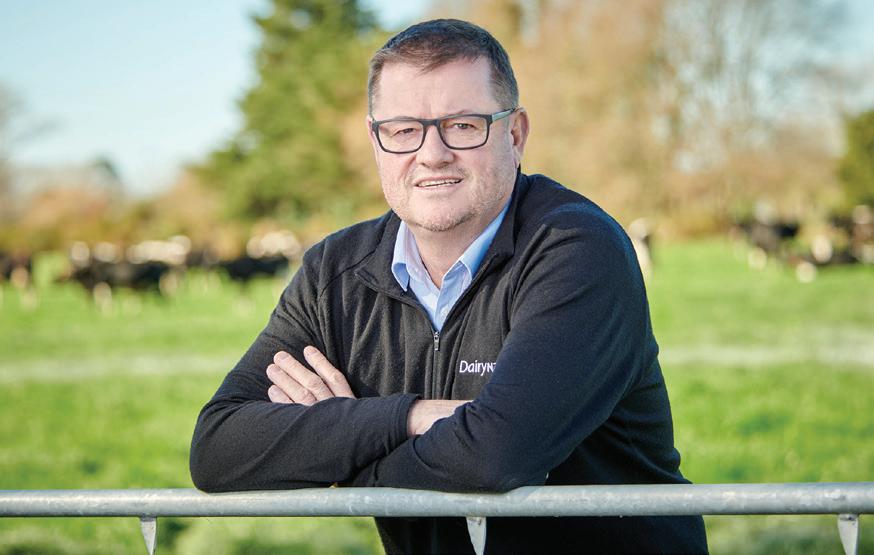
• Campbell Parker is DairyNZ chief executive.

THE COALITION Government’s plan to make about 9000 public servants redundant looms as a major election issue.
Under Labour the public service grew like topsy to meet their agenda. Not only were lots of jobs created, but salaries were also high, especially for staff in the environment space.
Under National this carnival is over and that is their right in tough economic times to reduce costs. However, it seems that while there is an obsession by the coalition to put the blowtorch on the public service, there hasn’t been the slightest whisper about Parliament looking in the mirror and cutting its own costs.
For example, people are rightly questioning why there are so many list MPs who are also a burden on the taxpayers, and can someone please tell us what value they add to the economy?
Most are the obedient servants of their party – human voting machines –unaccountable really to no one in any electorate. They were not chosen by electors; they were arbitrarily selected by small committees from their own party. So, let’s have a restructure of Parliament and the electoral system and make some serious savings. Maybe pigs will fly over the Beehive first.
And when central government restructures local government, is there any chance they will have the internal fortitude to put an end to the excessively high salaries of local government officials who are a burden on ratepayers?
A recent advertisement in The Post newspaper has drawn gasps of disbelief in the capital about the money some senior staff are earning. How about central government setting a salary cap on local government salaries – why not?
Getting back to restructuring, wouldn’t it be better if job cuts were done by attrition or just cutting the physical salaries of all staff – like some organisations did during covid. People would still have jobs and pay tax and there would be no redundancy payments and loss of productivity during any restructure – and there would be real savings.
But in case you’ve forgotten, common sense has long been dead, buried and cremated.
– Peter Burke
HEAD OFFICE POSTAL ADDRESS: PO Box 331100, Takapuna, Auckland 0740
Phone 09-307 0399
PUBLISHER: Brian Hight Ph 09 307 0399
GENERAL MANAGER: Adam Fricker Ph 021-842 226
EDITOR: Sudesh Kissun Ph 021-963 177 sudeshk@ruralnews.co.nz
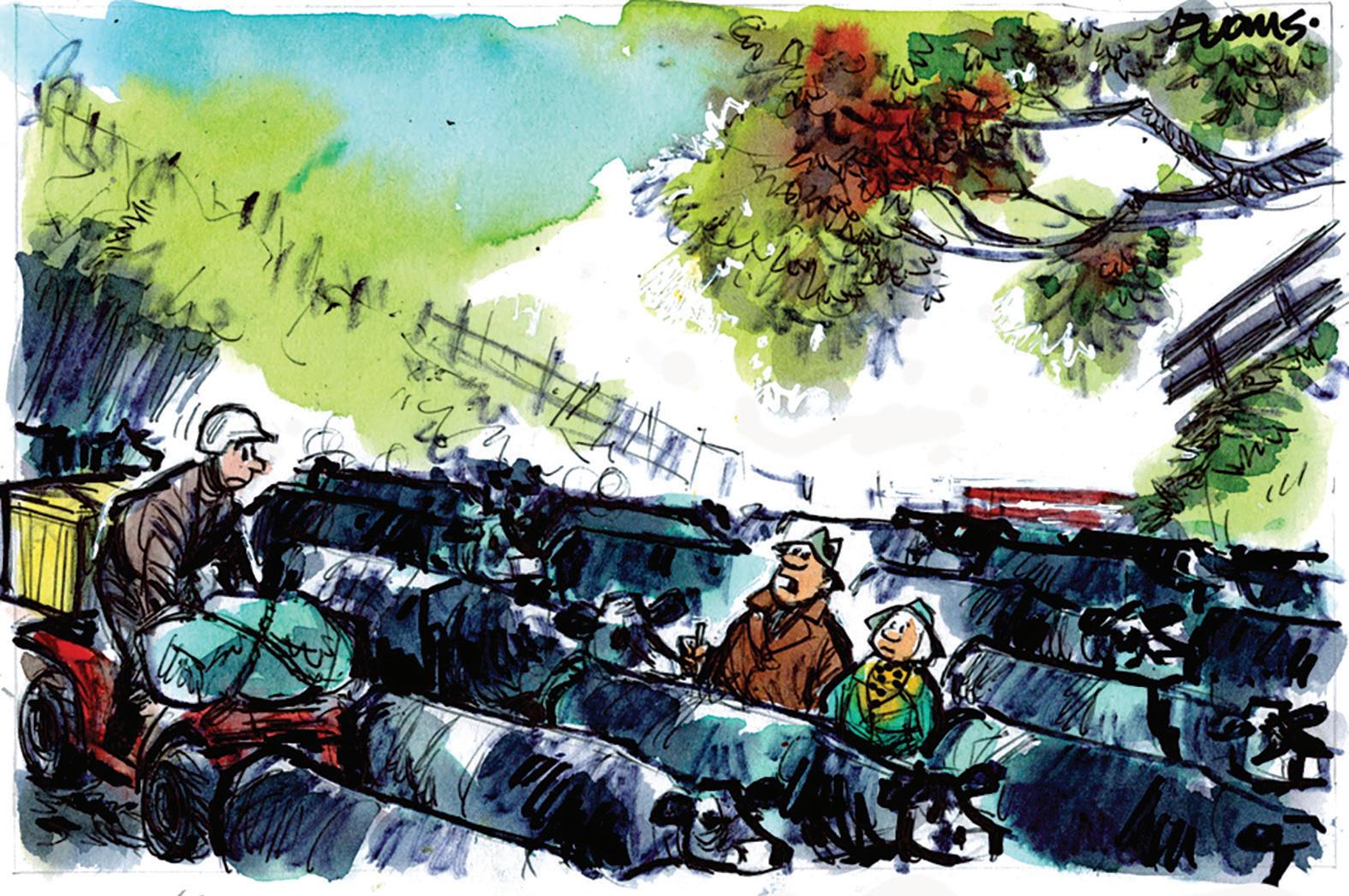
“We’re practicing to survive the

ON THE same day that pigs were reportedly seen airborne over the capital, a political journalist gave the PSA union a chip for being biased towards Labour – not the revelation of the year if you ask the Canine Crusader, but very rare to hear coming from a member of the press gallery. Herald reporter Audrey Young noted that the PSA’s response to Nicola Willis calling for $2.4b in cuts to public service spending was a tad negative: “This is an act of wilful destruction of the public service!” said the PSA. Yet when in August 2023 Labour similarly called for $4b in savings, the PSA said, “Public service workers must help identify savings in government cost cutting drive!” The erstwhile Herald hack concluded her observation by saying that perhaps the PSA should just drop the pretence and affiliate to the Labour Party!
NZ FIRST knows its market and feeds it a constant diet of how ‘good’ the good old days were, promising to resurrect policies and icons of a bygone era. And yet this old mutt wonders if Winnie overreached with his call to “buy back the BNZ” – a folly that even Peters’ most ardent admirers can see for the political marketing ploy it is. BNZ is not for sale and, even if it was, we couldn’t afford it. Also, why would we? We’ve already got Kiwibank – trouble is, hardly any Kiwis use it. If Winston wants to take us back to ‘the good ol’ days’, why not promise to re-bundle Spark and Chorus and rebrand it Telecom, buy the remainder of the loss-making Air NZ and rename it NAC, then go for broke, literally, and reform the Union Steam Ship Company of New Zealand Limited!
EDITOR-AT-LARGE: Peter Burke Ph 021 224 2184 peterb@ruralnews.co.nz
REPORTERS: Nigel Malthus Ph 021-164 4258
Leo Argent
MACHINERY EDITOR: Mark Daniel Ph 021 906 723 markd@ruralnews.co.nz
PRODUCTION MANAGER: Becky Williams Ph 021 100 4381 beckyw@ruralnews.co.nz
of townies that turn up at Fieldays!”
Want to share your opinion or gossip with the Hound? Send your emails to: hound@ruralnews.co.nz
TO A chorus of crying greenies, and not a minute too soon, the Government has moved to put the courts back in their place through proposed amendments to the Climate Change Response Act 2002, intending to limit climate litigation claims such as Smith v Fonterra, in the interests of providing greater certainty for vital industry. Parliament is entitled to amend the law and clarify the limits of liability if it considers that appropriate. Climate law affects investment in industry and therefore impacts the national interest. Your old mate reckons these things should not be shaped in court by judicial activists or agitators like Mike Smith, whose main claim to fame was not having the chain sharpened on his orange Husqvarna in 1994 and failing to knock down an average sized pine tree.
WHILE WE’RE on the topic of lumberjacks, Biosecurity Minister Andrew Hoggard has no doubt used a chainsaw hundreds of times, but your old mate reckons he would’ve still been sweating on getting it right when cutting down a pine in front of the cameras, as he did above Queenstown during a recent pre-Budget announcement around extra funding for wilding pine control efforts. The Government has pledged an extra $79 million for the National Wilding Conifer Control Programme over the next three years, taking its total spend over that time to $109 million, which is a great boost, but probably still not enough. The Feds reckon $50m a year over the next decade is needed to halt the march of the dreaded pines.
AUCKLAND SALES CONTACT: Stephen Pollard Ph 021 963 166 stephenp@ruralnews.co.nz
WAIKATO & WELLINGTON SALES
CONTACT: Lisa Wise Ph 027 369 9218 lisaw@ruralnews.co.nz
SOUTH ISLAND SALES CONTACT: Kaye Sutherland Ph 021 221 1994 kayes@ruralnews.co.nz
DIGITAL STRATEGIST: Jessica Marshall Ph 021 0232 6446
HUMANS ARE resilient.
We are part of nature and have evolved for survival.
Increasingly over the millennia we have managed and modified our surroundings to suit our perceived needs. Land management often aims to prevent degradation by keeping ecosystems in their desired state, especially when managing for climate change. Some modifications are made to provide resistance and protection (sea walls, flood banks).
Management is under debate because of different perspectives about what is desired. Modifications are under debate because sometimes they fail. What happens then depends on the resilience of what remains.
Annual plants (maize, for instance) might never recover; perennial plants (orchards and pastures)
Jacqueline Rowarth
will probably recover, depending on the severity of the disruption.
Biologically, resilience is the ability to recover and reorganise after experiencing losses from a disturbance, whereas resistance is the capacity of an ecosystem to withstand a disturbance without changing.
Resilience is ‘getting back to normal’.
Resistance is staying normal for as long as you can.
In both concepts,
if a disturbance is too strong, it can exceed an ecosystem’s resistance and resilience, pushing it over a threshold and into a new, totally different state.
Each time there is a crisis, whether earthquake, flood or fire, we hear that the community is resilient. And it is generally true. Being resilient does, however, take energy – energy to recover, adapt and get on with an improved future. Some people have more energy than others, and some communities are more resilient than others. At some point, we might have to think that rebuilding is not the sensible route –a threshold has been exceeded and adapting to the new reality means considering a different future.
Farmers and growers
do this all the time. A changing climate changes what is appropriate management for the land and they consider the options (market demand, labour, infrastructure), plus the requirements embodied in change. These include not just the physical and mental energy, but also the financial support.
Psychology assists with understanding what is involved.
Commitment, Control and Challenge form the framework for psychological resilience - staying dedicated to goals, focusing on influencing outcomes, and viewing difficulties as opportunities for growth rather than threats.
This mindset helps turn setbacks into learning experiences, fostering endurance and adaptability. Anybody

who heard the interview with a primary school student after Cyclone Gabrielle will remember the interviewer asking, “was it very frightening?” and the child responding, “No, Mum said it was an adventure”.
Well done to the mother. That child has a good chance of becoming a resilient adult. It will be a leader in times of crisis because it will have the opportunity mentality.
Crises aren’t going to go away, and we aren’t good at anticipating the real ones – that is part of the definition of a crisis. They are ‘unexpected, unstable, or dangerous situations requiring immediate action. They often involve intense difficulty or danger in personal, economic, or political contexts’.
Covid, Cyclones Hale and Gabrielle, and the
closure of the Straits of Hormuz close were all unexpected.
Given the unknown, it is important to consider whether some things are a crisis, or whether the threshold has been reached, tipping us into a new normal.
The cost of living could be one such example.
We might also consider how much some of the crisis concern is due to advertising (media) hype or reality. Wages have been increasing more than the cost of food (in most years), but not as much as the cost of housing. Recently hikes in power and rates have been causing stress. But overall, wages have continued to increase… the minimum wage increases are designed to cover inflation and while some families are certainly struggling, calling the cost of living
‘a crisis’ detracts from the reality of a real crisis where resilience and recovery are needed.
The ecosystem context of resilience is appropriate given that humans are part of nature and that farmers and growers are working with it. In addition, many of the disturbances are ‘natural’. But maybe the term for humans in the future is fortitude – the strength of mind that enables us to encounter danger or to bear pain or adversity with courage. Grit might also be appropriate.
• Dr Jacqueline Rowarth, Adjunct Professor Lincoln University, is a farmer-elected director on Ravensdown and DairyNZ and a member of the Scientific Council of the World Farmers’ Organisation. This column is in response to a request from a farmer reader.
Save time and save money with Bionic® Plus - the 100 Day* controlled release combination anthelmintic with minerals capsule for sheep. Worm control with Bionic® Plus can reduce drench inputs1, aid in control of dags and associated flystrike2, and slow the development of resistance. Farmers and veterinarians can be confident when they choose Bionic® Plus.

FONTERRA IS strengthening its foodservice presence in China with the launch of a new cream for professional bakeries at Bakery China 2026 in Shanghai.
The launch supports the co-operative’s strategy to deliver endto-end value for farmer owners and builds on Fonterra’s broader portfolio of high-quality dairy solutions, giving customers flexibility to choose what works best for their specific applications.
The new product, Anchor Essence Cream, was developed to meet fast-growing demand in the region and expands Fonterra’s offering with a new option for professional bakers.
Fonterra’s president of global foodservice, Teh-han Chow, says the launch reflects how quickly customer needs are evolving in the market.
“The launch of Anchor Essence Cream is an example of how we’re
high-performing solutions to market that meet customer needs and support higher-value demand for New Zealand milk,” he says.
Designed specifically for professional use, the cream delivers a light, smooth texture and reliable performance. It is well suited to cake fillings and soft bakery products, while also supporting whipping, piping and detailed decoration.
Anchor Essence Cream carries the FernMark Grass-Fed logo, highlighting its New Zealand origin – making it the first dairy product in market to do so. The FernMark Grass-Fed is a trusted, government-backed logo that signals authentic New Zealand origin and reinforces the product’s premium provenance and pasturebased farming.
The New Zealand Grass-Fed Standard, which was announced by the New Zealand Government’s
June 2025, states dairy animals must on average have a diet of at least 90% of qualifying grass-fed feed types and must on average graze pasture or forage crops for at least 340 days per year for at least 8 hours per day.
“New Zealand provenance and grass-fed production really matter in this market,” says Chow.
“Trusted origin and consistent performance help our customers create higher-quality products that meet changing consumer expectations.”
This demand comes alongside broader growth in cream consumption across the region. Demand for cream in China has accelerated, with usage expanding well beyond traditional birthday cakes. Cream is now used across a much wider range of occasions, including beverages, dining and bakery.
Growth is also being driven by shifts in consumer preferences, with






































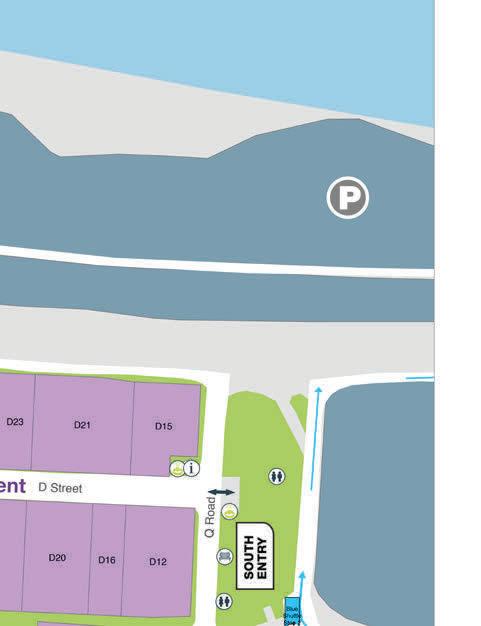
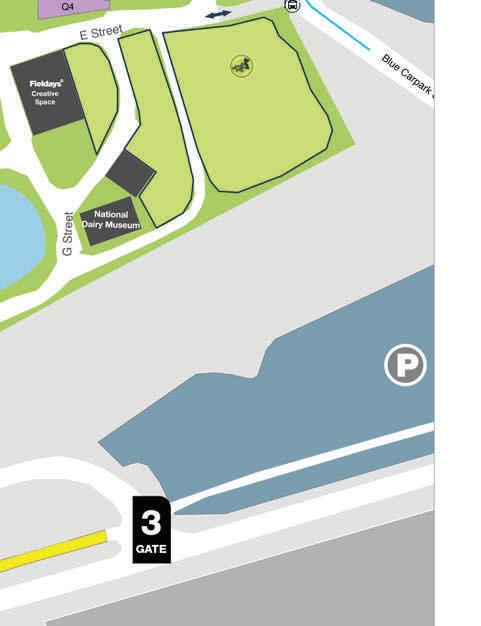

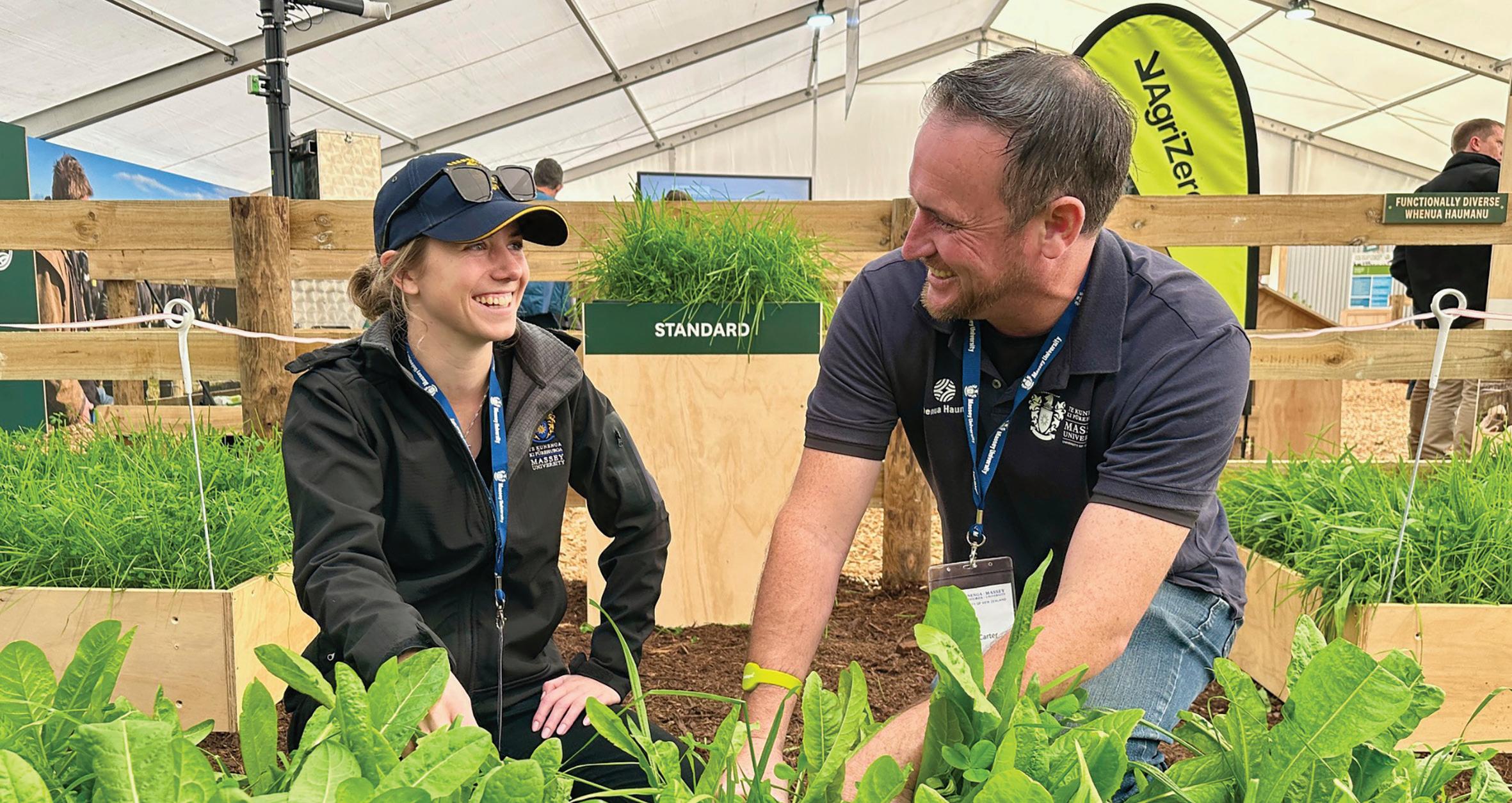
MASSEY UNIVERSITY says its stand at the Fieldays will showcase regenerative science and “circular bioeconomy innovation supporting more sustainable and resilient farming systems”.
The Massey stand (site PE51) and at the Ministry for Primary Industries (MPI) Science for Farmers site will allow visitors to explore how science innovation is shaping the future of the food and fibre sector in Aotearoa New Zealand.
With a focus on sustainable systems, Massey is highlighting the vital role invertebrates play in improving soil health, managing organic waste and supporting resilient farming systems.
Around 30% of food is lost or wasted across the agrifood chain, from farms and orchards to supermarkets and homes, representing a significant untapped resource. Massey researchers are exploring how this waste can be repurposed using an unexpected ally – Black Soldier Fly larvae.
Associate Professor in Ecology and Zoology Dr Maria Minor specialises in the ecology of soil invertebrates. She says circular approaches treat waste as a resource, using processes like composting and bio-conversion to reduce landfill pressure and close nutrient loops.
“They’re capable of consuming up to twice their body weight daily. In roughly 15 days, they can convert organic waste into, on average, two to three kilograms of nutrient-rich frass (fertiliser) for every one kilogram of larvae, while reducing waste volume by up to 80 per cent. They are one of very few animals able to convert organic waste into usable protein,” Dr Minor explains.
Visitors to the stand can see the larvae, provided by the Bioeconomy Science Institute, breaking down compostable food scraps in real time and demonstrating how these natural recyclers convert waste into
valuable nutrients.
Massey researchers will also be demonstrating cutting-edge greenhouse gas monitoring technology at Fieldays.
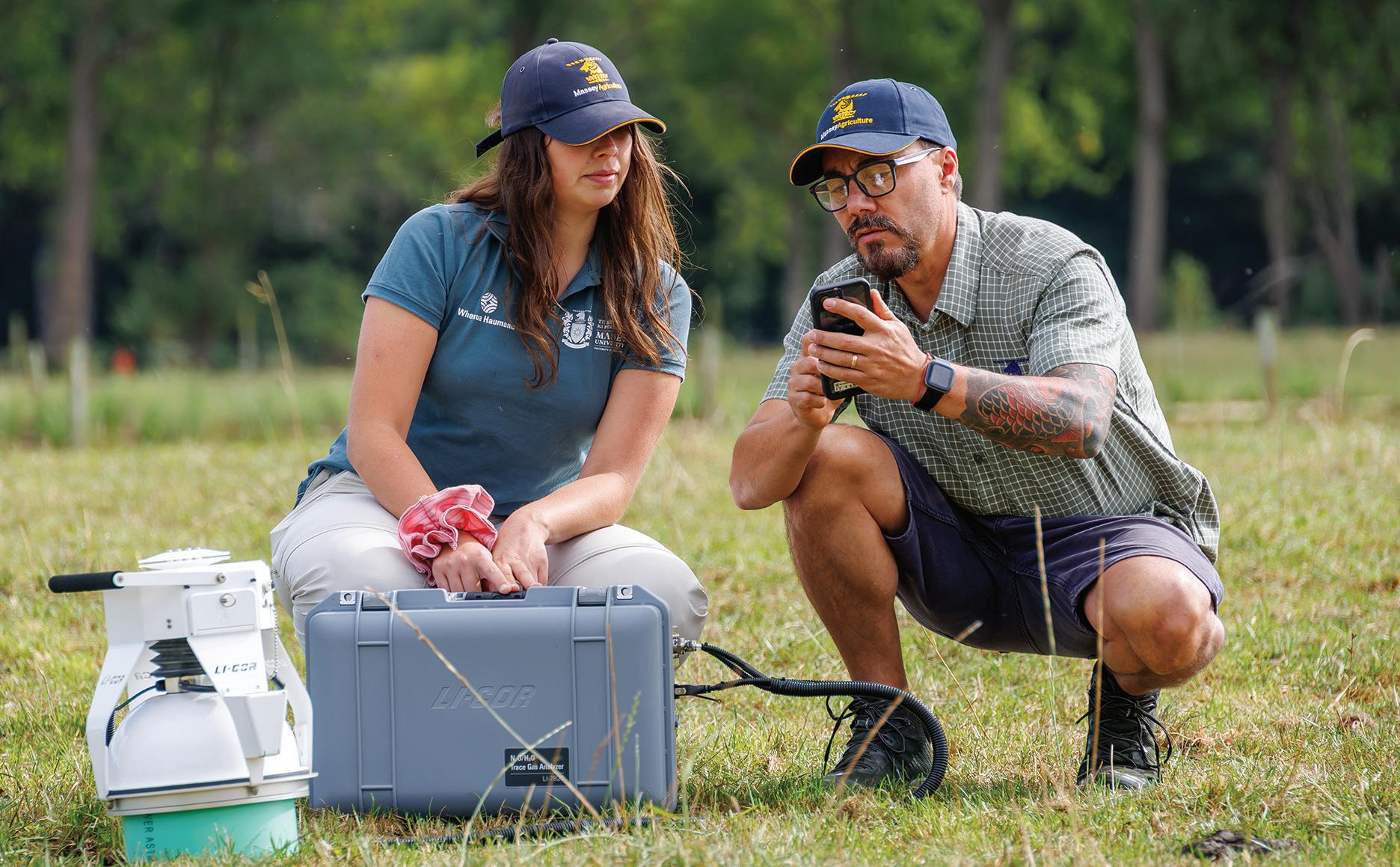
Following the recent acquisition of portable trace gas analysers, the team will showcase the LI-7820, which enables real-time measurement of nitrous oxide emissions from land.
Senior technical officer Eduardo Sandoval and his team will provide live demonstrations showing how the technology captures rapid changes in emissions across different paddock types, times of day and seasons. These insights help researchers understand how various crops and farming practices influence emissions, supporting the development of more effective mitigation strategies.
Sandoval says the technology is particularly valuable given our country’s unique soil types, management and farming systems.
“Building a deeper understanding of our own environment is essential to ensuring future farming practices and mitigation approaches are wellinformed and genuinely suited to New Zealand conditions.”
The LI-COR technology plays a
key role in the Whenua Haumanu programme, New Zealand’s most comprehensive regenerative and pastoral agriculture research partnership.
The seven-year programme, in partnership with MPI, focuses on understanding how farming practices

MASSEY UNIVERSITY is also highlighting innovation in sustainable materials through Te Aho Tapu Hou, a NZ-first project transforming harakeke (flax) muka fibre into high-value textiles.
By combining traditional Māori knowledge with modern fibre science, the project is developing new processes to produce industrial yarn, unlocking opportunities for sustainable, Māori-led enterprise while supporting environmental restoration.
Visitors can see this innovation
brought to life through woven textiles on display at Massey’s stand, showcasing the beauty and versatility of this natural fibre and the connection between art, culture and sustainability.
The project was made possible thanks to partners Muka Textile Ltd, Bioeconomy Science Institute Maiangi Taiao, Te Whānau Harakeke, and funder Ministry for Business, Innovation and Employment: Vision Mātauranga Capability Fund.
Academic and Future Student
impact the environment, with research spanning soil health, biodiversity and wider ecosystem outcomes, while maintaining productive and resilient farms.
Now halfway through the programme, the Whenua Haumanu team will be at the MPI Science for Farmers site, sharing research progress and connecting with farmers, communities and industry.
Advisors will be available throughout Fieldays to discuss study options, career pathways and student life at Massey. With more than 150 qualifications on offer, our advisors can set you on the right course for success.
Visitors can also try ‘edible worms’ – chocolate-flavoured, worm-shaped puff crisps made at Massey’s FoodPilot, enter to win prizes by scanning their Fieldays Smart Band, and keep an eye out for everyone’s favourite mascot Fergus, popping by throughout the event.
Visitors can also hear Massey researchers and staff sharing their expertise during several MPI Science for Farmers panels. Professor Danny Donaghy will speak on resilient pastures and climate modelling for the future at 12pm on Friday 12 June, while Professor Lucy Burkitt will present on freshwater and catchment solutions at 1pm the same day.
Nutrition lab manager Kelly Coxhead will speak on the Wāhine toa o te Whenua panel on Thursday 11 June at 1pm, where she will join other emerging female leaders to share insights into their experiences and the diverse career opportunities within the food and fibre sector. Massey’s Nutrition Lab provides accredited testing and consultancy for food, pet food and agricultural products, supporting clients worldwide with services including food safety, labelling, product formulation and shelf life.
THIS MONTH’S National Fieldays will again display a strong international flavour, with more exhibitors and overseas delegations in attendance.
Fieldays will host 73 international exhibitors, up from 66 last year, representing a diverse mix of markets including Australia, Belgium, China, Germany, Greece, Ireland, India, the Netherlands, the Republic of Korea, Sweden, the United Kingdom and the United States.
Interest in building global partnerships continues to climb, with 254 exhibitors opting in to connect with international opportunities through New Zealand Trade and Enterprise (NZTE), the Ministry of Foreign Affairs and Trade (MFAT), and the Waikato Chamber of Commerce, an increase from 224 in 2025. This highlights the growing appetite
among New Zealand businesses to expand beyond domestic markets and leverage Fieldays as a launchpad for export success.
Further reinforcing this international momentum, 1102 visa support letters have been processed to date, up from 1054 last year. Embassy and trade delegation registrations are strong, and are still being finalised, with numbers expected to grow further in the lead-up to the event.
Among the booked delegations are attendees from Brazil and Chile, as a direct result of Fieldays’ recent visit to those countries.
Marcelo Menoita, chief executive of the New Zealand Brazil Business Chamber, says Fieldays represents far more than an agricultural event.
“It is a global platform for innovation, collaboration, and real
commercial outcomes.
For our São Paulo delegation, Fieldays offers direct exposure to world-leading agritech, practical solutions, and international partnerships that are highly relevant to Brazil’s rapidly evolving agribusiness sector.
“São Paulo is a global hub for innovation and agriculture, and engaging with Fieldays allows us to connect our people, businesses, and ideas with New Zealand and the wider world in a very tangible way.”
Fieldays’ program manager Steve Chappell agrees.
“When you combine New Zealand’s innovation and ag-tech, the expanding schedule of direct flights, and New Zealand’s reputation as a bucket-list destination, it makes for a highly compelling proposition,” Chappell says.
“Fieldays provides a unique opportunity to experience that firsthand,


while building meaningful global connections.”
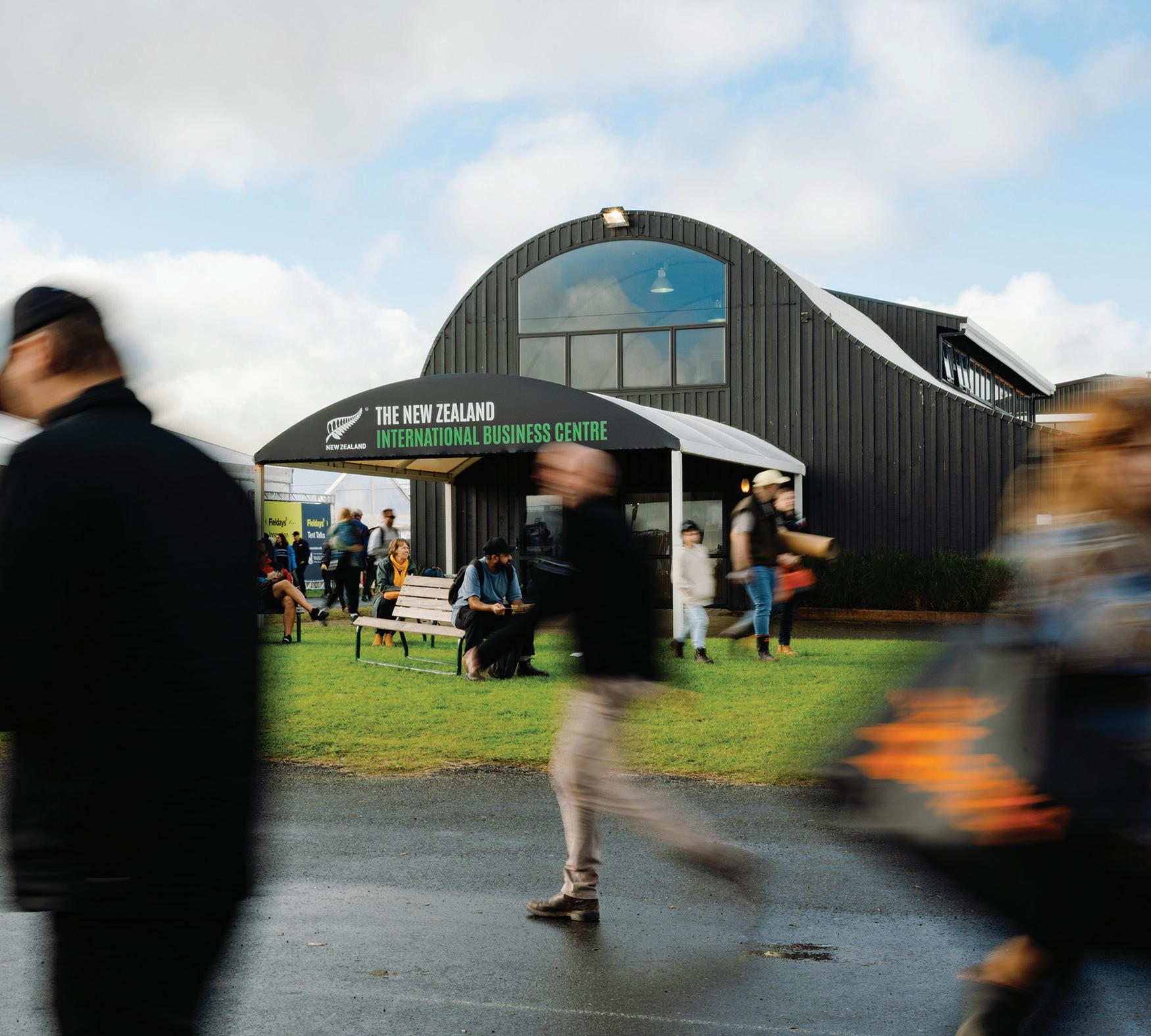
NZTE and Fieldays collaborative space, the New Zealand International Business Centre (NZIBC), returns, offering delegates direct, face-to-face access to NZTE, MFAT, and other key government agencies.
The centre provides guidance on regulations, incentives, and support available to international businesses looking to trade with New Zealand, as well as supporting New Zealand companies seeking to expand offshore.
NZTE will also host guided Innovation Walking Tours, alongside a programme of seminars exploring key trade and industry topics. Sessions will include topical and informative sessions, including one hosted by MFAT focused on the NZ-India Free Trade Agreement. Full details and registration links are available on the Fieldays

website.
New Zealand National Fieldays Society chief executive Richard Lindroos says Fieldays is where connections turn
into real outcomes.
“We’re seeing increasing engagement across international trade, as well as the government-to-
government diplomatic relationships, reinforcing the event’s role as a key meeting point for global agriculture,” says Lindroos.

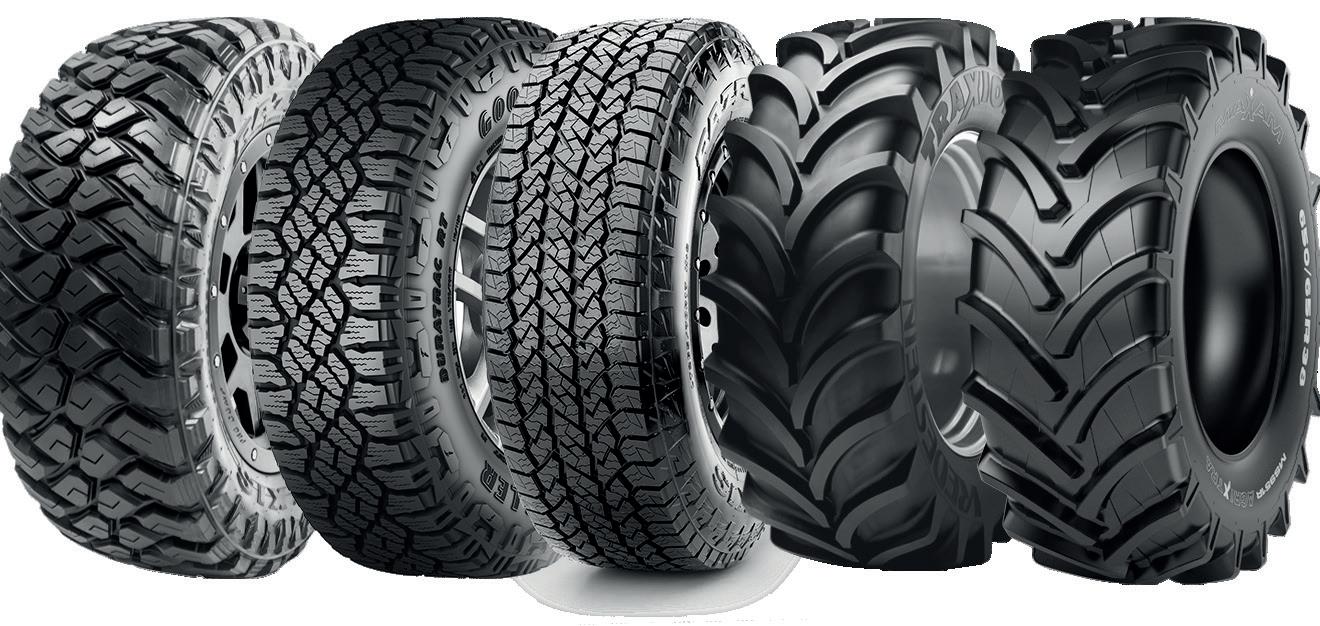
TWO MILKING
technology providers are joining forces to enhance performance in the dairy shed.
GEA Farm Technologies and SenseHub Dairy, powered by MSD Animal Health, are working together to deliver smarter, more
systems and automation with SenseHub Dairy’s advanced animal monitoring and milk sensor technology.
By aligning their capabilities, the two companies are providing farmers with comprehensive on-farm solutions to support
milk sensors, and somatic cell count technology integrate seamlessly into existing or new milking systems.
This enables farmers to access reliable daily data, allowing for earlier detection of issues and more proactive herd management.
GEA and SenseHub Dairy technologies, ensuring farmers receive consistent, high-quality service alongside innovative solutions.
“By combining proven technologies and practical expertise, GEA and SenseHub Dairy are helping farmers build

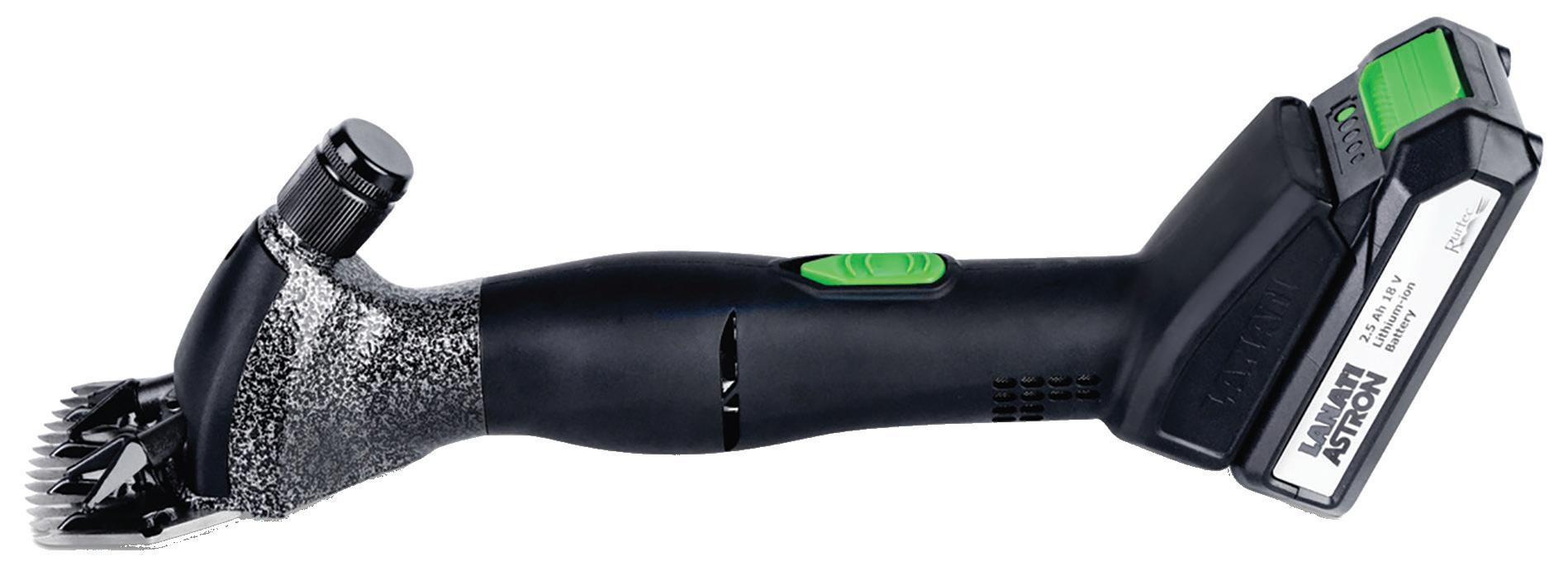
Joint Waikato service partner, Landmore Agri, will also be showcasing the collaboration at site
GEA Farm Technologies is part of the GEA Group, one of the world’s largest system suppliers for the food and beverage industry.
In New Zealand, their national dealer network provides farmers with a full portfolio of solutions and services that improve milking efficiencies, milk quality, cow health and performance. Their range offers industry leading solutions including robotic and conventional milking systems, dairy automation, effluent solutions and FIL hygiene and animal health.

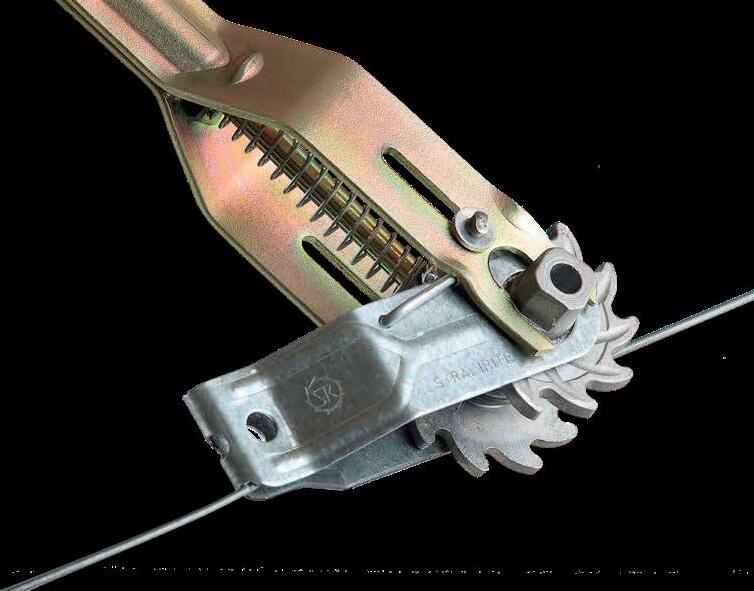
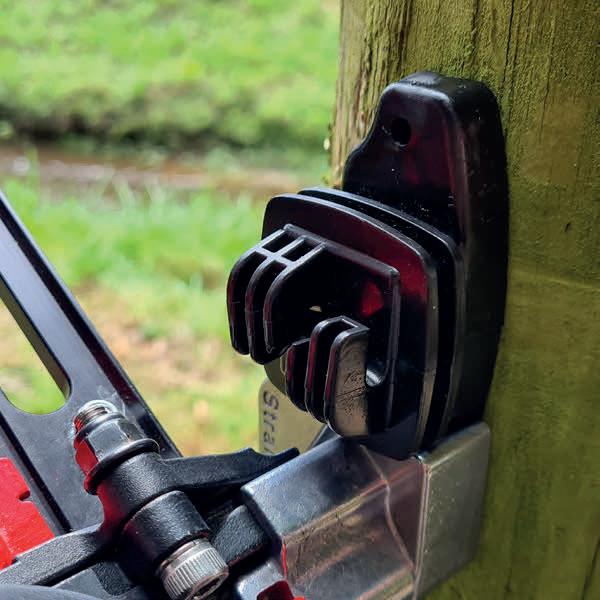
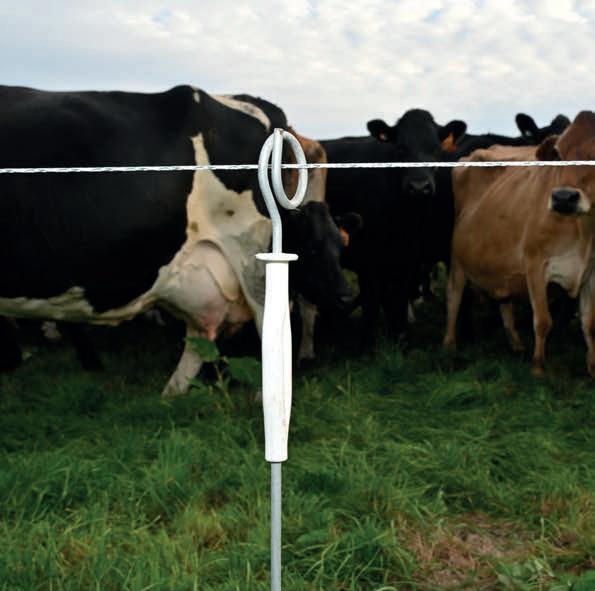
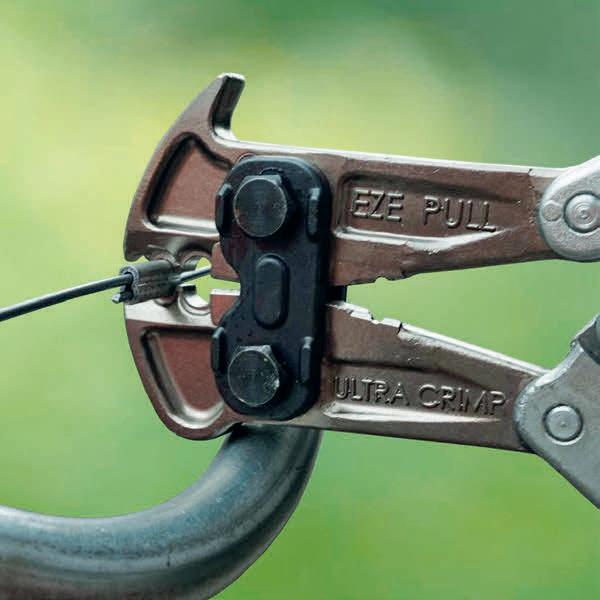
SenseHub Dairy is an evolving ecosystem that brings together animal behaviour monitoring, milk monitoring, and drafting gates on one easy-to-use, cloud-based platform.
By capturing valuable insights every day, SenseHub Dairy helps farmers monitor and identify animals around the clock, supporting informed decisions that protect herd health and performance long term. SenseHub Dairy offers the following solutions for the farm:
• On-farm individual cow health and heat monitoring
• Drafting gates
• Youngstock monitoring tags
• Adult cattle monitoring tags
• MilkPlus sensors
• SCC sensors

MARK DANIEL markd@ruralnews.co.nz
WITH A history of more than 100 years, Schuitemaker has built a reputation for high quality manufacturing, durability and excellent in-field performance for its self-loading wagons.
Replacing the wellknown Rapide 1000 series, the latest 6,7, 8 and 9 Series models are available in Pro, Performance, Performance XC and Ultimate configurations, offering capacities from 35 to 55 cubic metres, with chopping systems of 50 or 80 knives, carried on tandem or tridem axle configurations.
The first of the new machines to arrive in New Zealand and on display at Fieldays is the Rapide 7 Ultimate, offering 45 cu metre capacity, 50 blades to achieve a theoretical chop length of 40mm, a tandem axle layout, alongside a long list of cleverly designed features.
Up front, a K80 ball couple ensures that dynamic loads created by the wagon are safely handled by the prime mover, while a hydraulically adjustable and automated drawbar ensures optimal loading and transport geometry. Power delivery is via a wide-angle 1000rpm
heavy-duty PTO connection.
The loading element takes the form of a 2.4 metre wide, hydraulically driven pick-up unit, equipped with six banks of tines and taking the form of the traditional Schuitemaker trailing layout, meaning the pick is pulled rather than pushed, delivering optimal 3-D ground following, for a clean crop pick up and minimal contamination. This is achieved with twin, pivoting support wheels at the front of the unit and four additional support wheels to the rear.
Crop is passed via a hydraulically driven feed rotor to a 2.1 metre wide, 700mm diameter chopping rotor, that incorporates eight rows of feeder tines that transport the crop over fifty reversible chopping blades to achieve a consistent 400mm chop length. The driveline to the feed and chopping rotor assembly incorporates a highpower carbon belt, driven by a planetary gearbox within the main rotor.
The wagon body offers a durable cage-type construction, featuring galvanized and powdercoated panels, with the headboard able to be moved hydraulically to increase compaction, but also allowing an
■ Ideal for shearing sheep, alpacas, goats and cow tails.
■ Variable speed from 2600-3500 rpm.
■ Latest brushless motor technology means minimal heat build up
■ 1400gms means 100200gms lighter than standard handpiece.
■ At 2800 rpm the 12-volt lithium battery will crutch 300-400 sheep or trim 400-500 cow tails.
■ We customise cables for lifestyle shearers
additional 4 cubic metre capacity, to the base capacity, when in the forward position.
Chopped crop is moved rearwards in the wagon, using doublesided, hydraulically driven floor chains, with twin operating speeds, for steady loading or rapid discharge, with a safety sensor on the rear tailgate to prevent overloading and consequential damage. Overall control falls to an optional package for automated loading and discharge.
The heavy-duty chassis incorporates hydraulic suspension, with the load being carried on 10-tonne rated axles, shod with wide, 800-45R26.5 tyres to minimise sward damage during harvest and provide smooth travels between the paddock and the clamp. In addition, the Smart Steer electronic steering system allows excellent tracking behind the towing tractor and improved manoeuvrability in tight situations.
Safety is addressed with an automatic brake force regulator and parking brake, while heavy-duty mudguards with mudflaps keep debris under control, with a fully compliant side and rear LED light package. Ease of
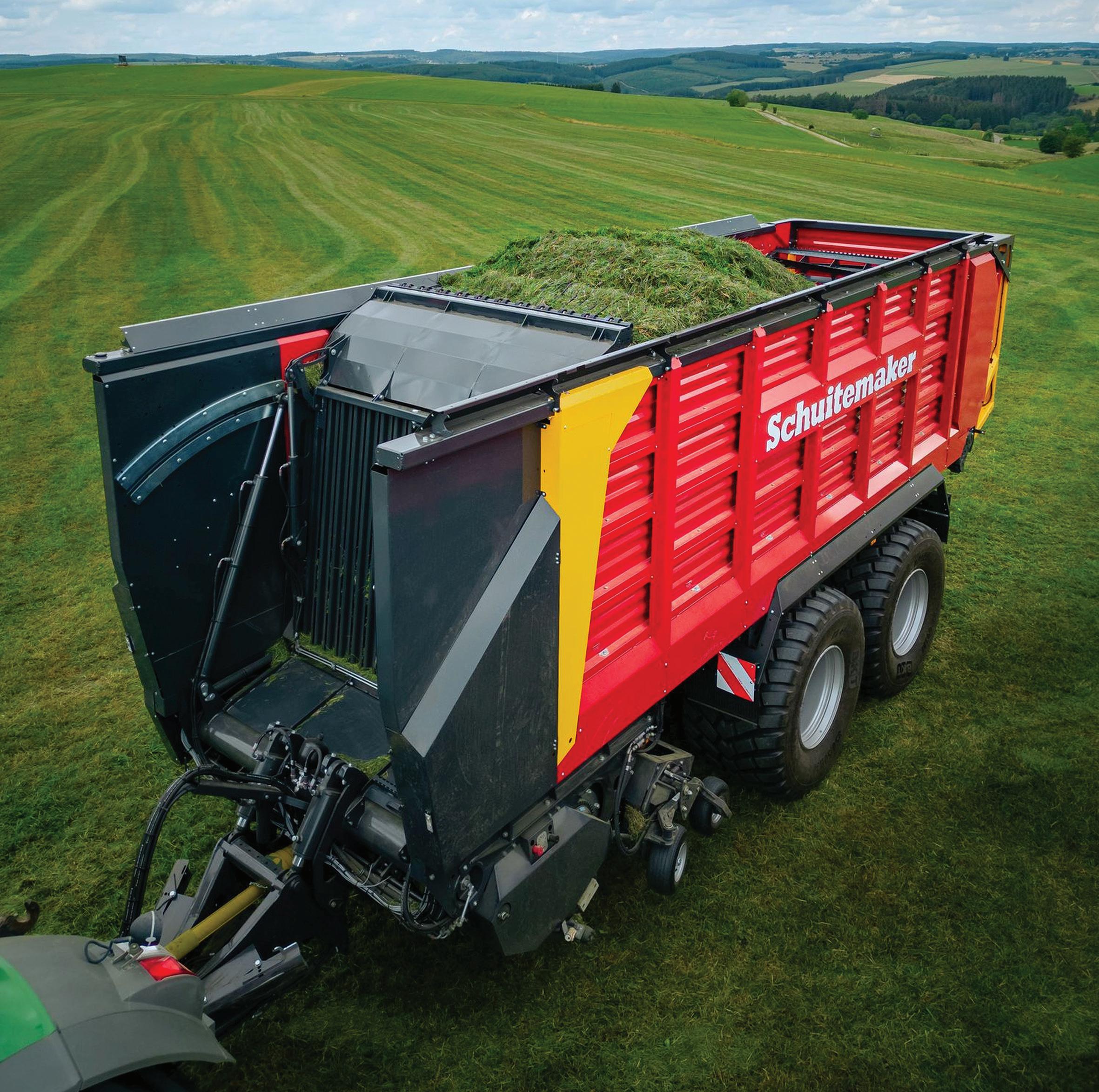
operation is helped with option LED spotlights on each side at the front of the machine, with an additional four LED light inside the trailer body.
Machine control falls to the Schuitemaker
Double Touch control system, featuring a full colour7-inch touchscreen layout, with key controls falling to two joysticks for all main functions.

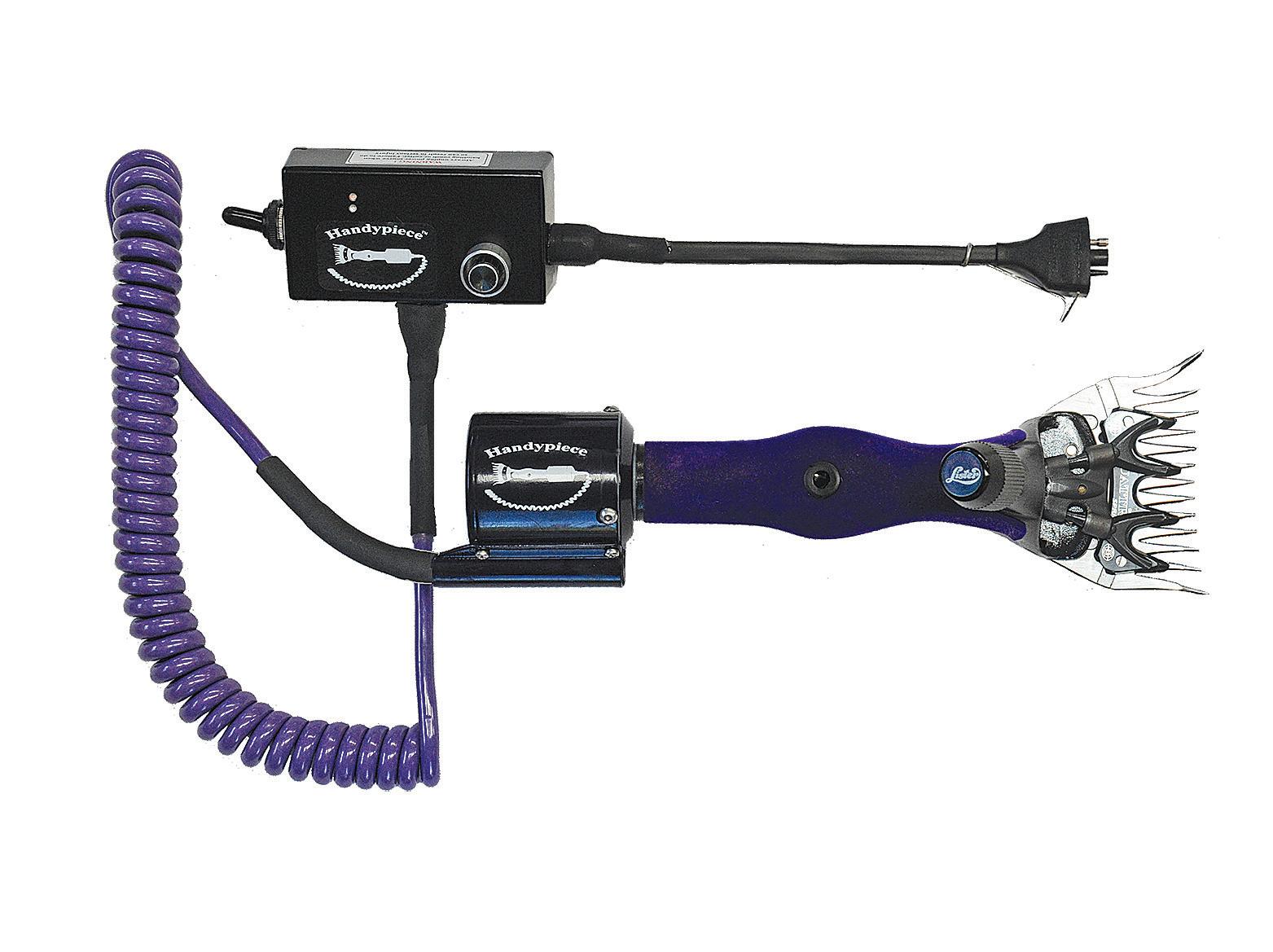
View in action go to www.handypiece.co.nz

In addition, routine maintenance is taken care of with the optional Control+ function at the front of the machine, while a dedicated power supply for additive application systems,

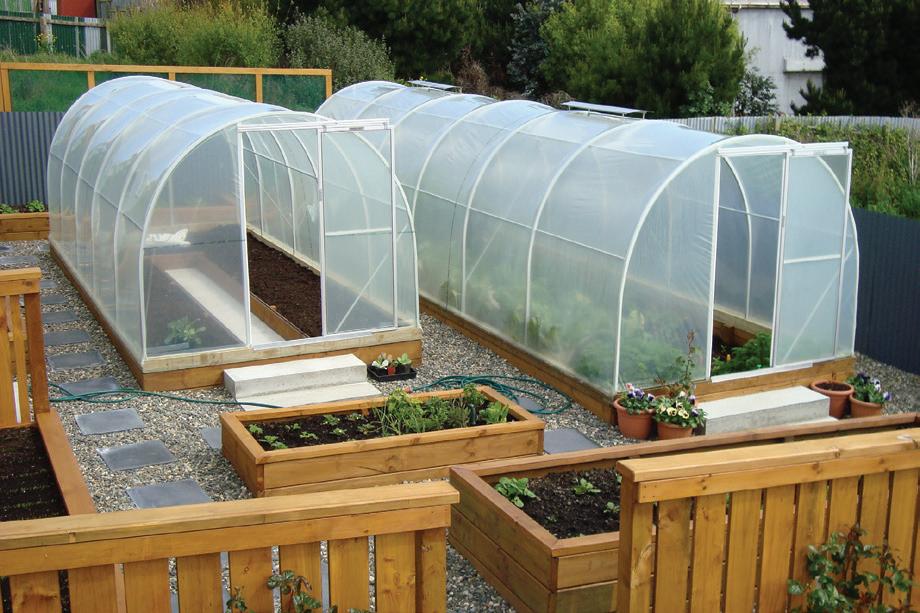
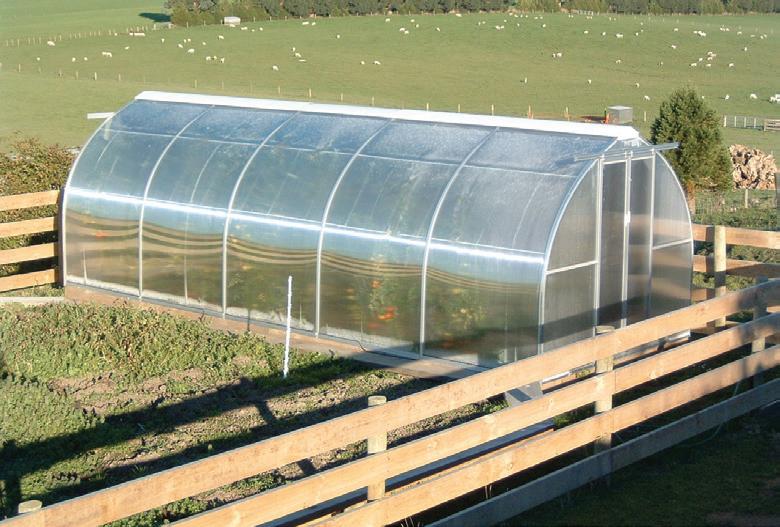

MARK DANIEL
IRISH COMPANY Micron Agritech will be bringing their animal health diagnostic technology to National Fieldays, with The Micron Kit, a rapid Faecal Egg Count (FEC) testing system for gastro-intestinal worms and liver and rumen fluke in cattle, sheep, horses, goats and llamas.
This AI-powered platform delivers lab-quality test results and analytics in just 10 minutes, helping to speed up diagnosis and providing practitioners with the information needed to make treatment decisions protocols, or indeed, whether medicinal intervention is necessary.
The kit was initially developed as a university project by
co-founders Sean Smith, Daniel Izquierdo, Tara McElligott and Jose Lopez in 2019, in response to new European legislation. This banned the use of antibiotics being given to healthy animals as a preventative measure, which was prompted by concerns over a rise in bacterial resistance, due to the prolonged overuse of certain medications.
The ‘Micron Kit’ enables vets, farmers, and animal-health professionals to run rapid on-site parasite testing for grazing animals, using a faecal sample with a simple sample preparation method, a smartphone app, and the Micron reader. Users receive FEC results within minutes, identify animals needing treatment, reduce unnecessary dosing, slow drug resistance, and generate shareable
diagnostic reports.
The Micron Kit is being used extensively by leading veterinary practices in Europe, with the Micron Agritech team planning to bring the system to New Zealand to support farmers, veterinarians and animal health professionals to identify and treat livestock for parasites like Barber’s pole worm/haemonchus contortus. By providing access to rapid diagnostics, which enables more effective and sustainable treatment/no treatment decisions.
On display at this year’s Fieldays Innovation Awards in the Growth & Scale Award category, with a complementary display at the Enterprise Ireland site (D67).
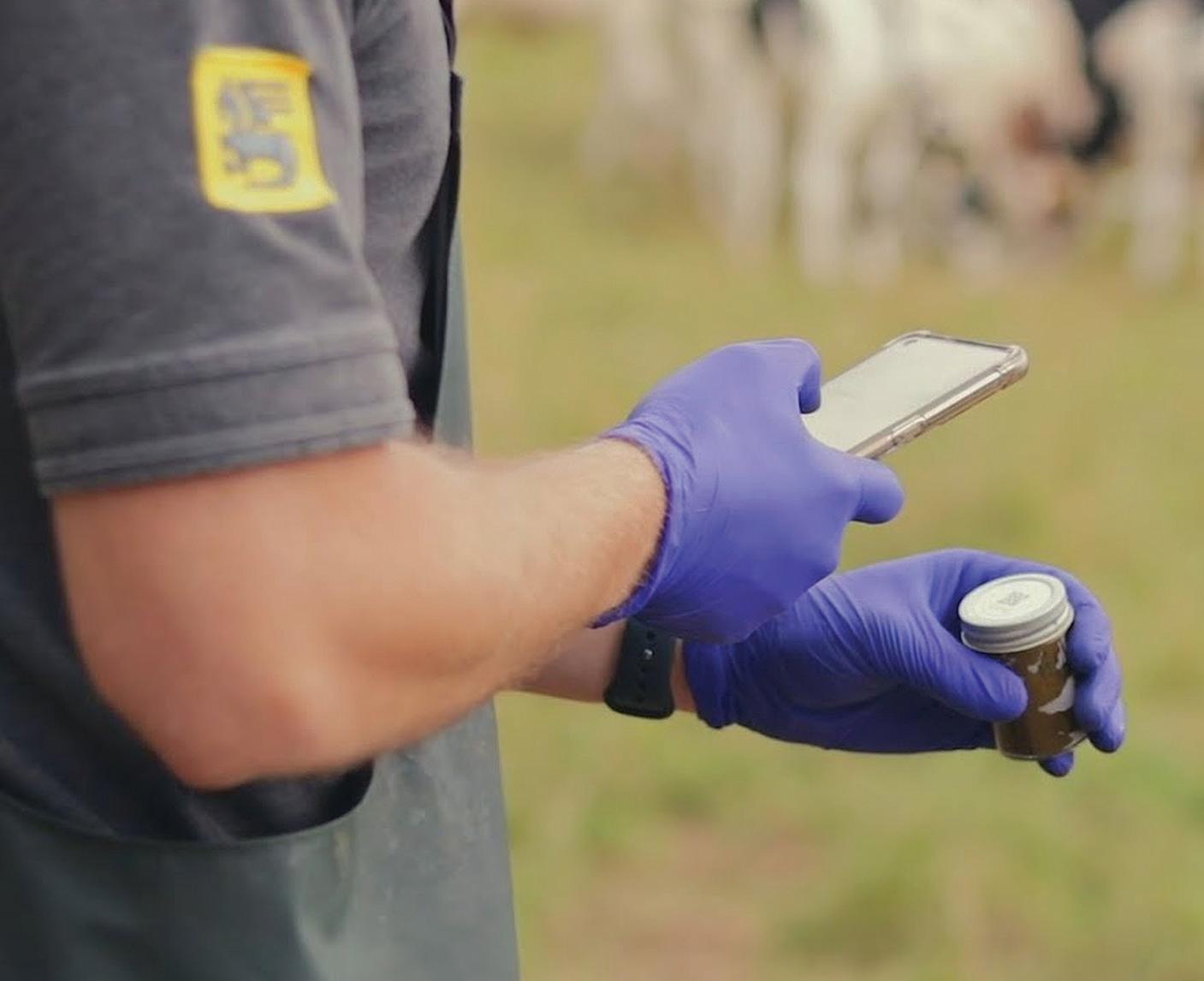
A RARE piece of New Zealand adventure history will be on display at this year’s Fieldays, with a pair of socks worn by the late Sir Edmund Hillary to take pride of place at the Norsewear site this June.
The socks, a modified version of Norsewear’s iconic Farm Flecks, were worn by Sir Ed during a number of his expeditions and have graced posters and magazine covers. Since the death of Sir Edmund in 2008, the socks have
remained in the Hillary family’s private collection of expedition equipment.
The treasured socks will be safely displayed in a custom case throughout Fieldays, giving visitors a chance to see an extraordinary piece of climbing history up close.
Sir Ed’s grandson, Alex Hillary, says the socks were uncovered amongst expedition gear stored in traditional climbing barrels.
“My family has a collection of expedition
barrels - big blue barrels that are often strapped onto the backs of yaks - and these are filled with old expedition equipment,” he says.
“There’s all sorts in there from Ed and my father Peter’s expeditions.”
Alex Hillary says Sir Ed understood the importance of dependable equipment in extreme conditions and Norsewear – who manufactures socks, glove and beanies in southern Hawke’s Bay, using New Zealand wool
– fit the bill.
“From his baffled down jackets and Rolex watch to his modified tractors and high-altitude oxygen systems, he knew he needed good gear that he could rely on.”
Alex says there is a natural alignment between the Hillary legacy and Norsewear’s longstanding commitment to durable, practical New Zealand-made gear. “I am delighted to see a New Zealand company prioritising
quality, valuing its people and drawing on legacy to create a great product, and one that is sustainable and natural.”
Alex notes that while the socks themselves are a fascinating piece of history, they have been in storage for a while. “I hope they are not too smelly!” he says.
The socks will be safely returned to the Hillary family following Fieldays - although another pair of Sir Ed’s climbing socks is already held by Auckland War
Memorial Museum.
“We’ll hang on to this pair for the meantime.”
Tim Deane, Norsewear’s owner and managing director, says it is a tremendous privilege for Norsewear to temporarily care for and display the socks at Fieldays.
“To have a genuine pair of Sir Edmund Hillary’s expedition socks entrusted to us, even briefly, is incredibly special,” says Deane.
“Sir Ed embodied resilience and
determination, and knew the value of good, durable, Kiwi-made gear – gear we’re still manufacturing right here in New Zealand to this day.
“So we’re very proud of our association. And we’re keen for visitors to Fieldays to see these original climbing socks made with the same Farm Fleck yarn on the same machines as we make socks today, and have their photo taken with an authentic piece of climbing history.”
FIFTY-EIGHT selected individuals, companies, and start-ups will exhibit their ideas and cuttingedge solutions at the 2026 Fieldays Innovation Awards, with Amazon Web Services (AWS), who joins the programme in 2026 as overall sponsor.
This year’s selected innovators feature a wide mix of ideas, from AI and automation to safety, monitoring, and diagnostics, and plenty of ‘why didn’t I think of that’ inventions designed to offer smart solutions and make life on the farm, orchard, or rural block easier and more efficient.
The programme connects participants to the innovation ecosystem in New Zealand, where they can engage with a panel of expert judges and tap into a wider network of mentors and partners to help refine, fund and amplify their innovation, alongside serving as a direct line to engage with farmers to validate their concepts and gain honest, invaluable feedback.
“Fieldays is where start-ups can move from a viable concept to international impact,” says Steve Chappell, programme manager, New Zealand National Fieldays Society.
“It’s nice to see
entrants working their way through the categories again this year and being inspired by the success stories of previous awards entrants.”
Award participants are divided into the three main stages of development: 27 in the Prototype category,18 in the Early-Stage category and 13 in the Growth & Scale category. Five participants are also in the running for the Young Innovator of the Year award for participants aged 19 and under.
Participants are hoping to win a share in a total prize package of cash, services, and products worth more than $75,000
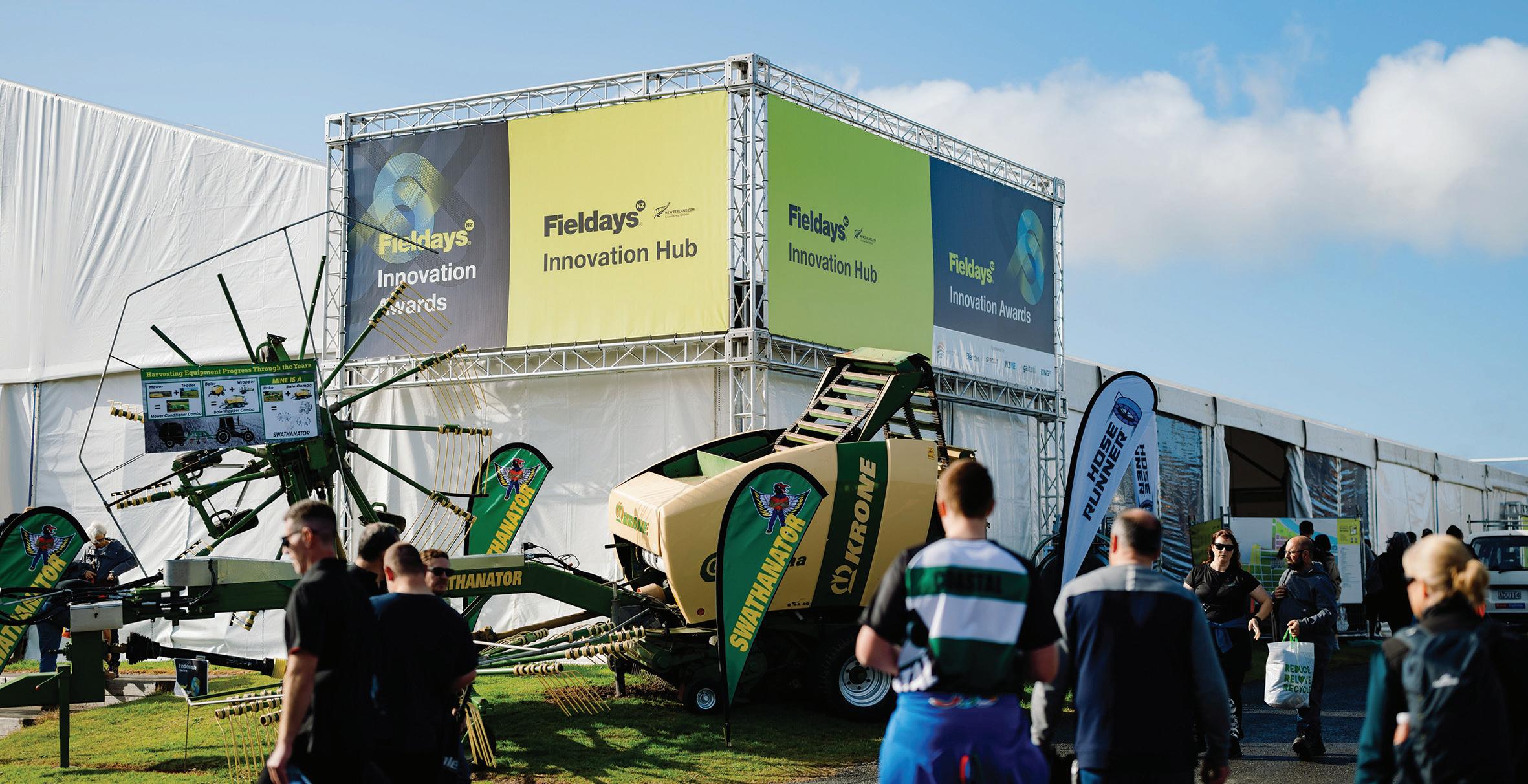
to help get their ideas off the ground or accelerate their path to market.
The People’s Choice Award also returns in 2026, giving visitors the

Carboland will be showcasing TEHNOS machinery at Fieldays 2026 in Mystery Creek, Hamilton, NZ
Dates: 10–13 June 2026
We would be delighted to see you at our side during this event.
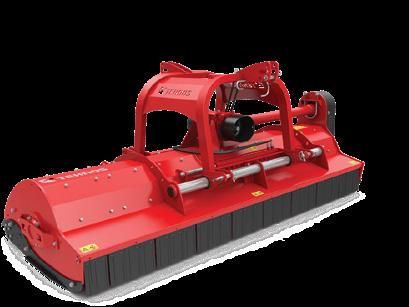
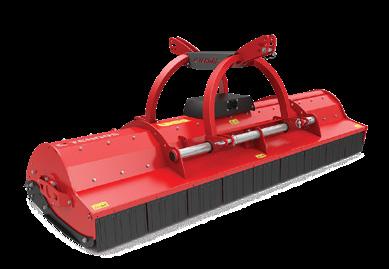
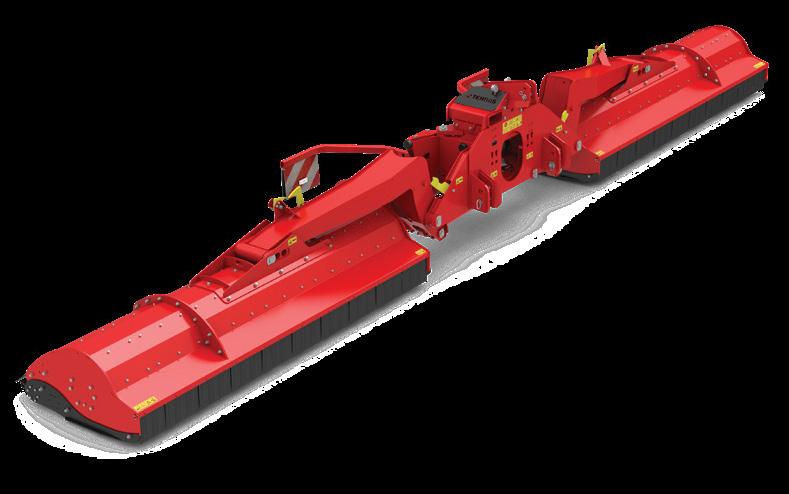
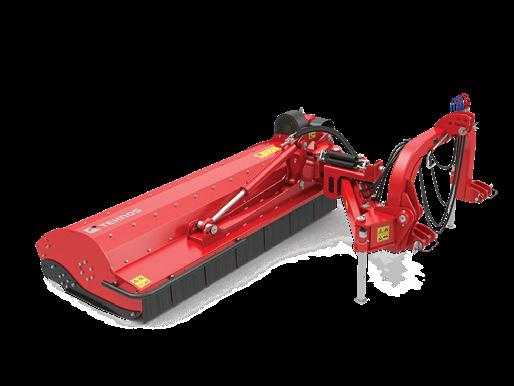
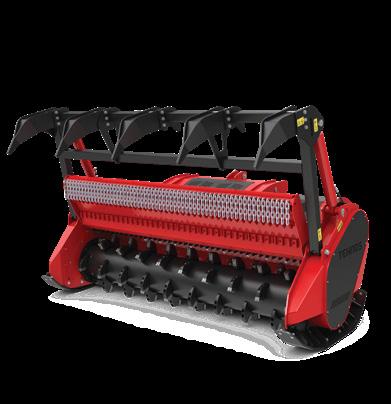
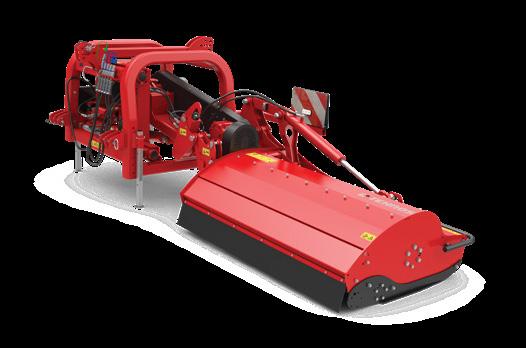
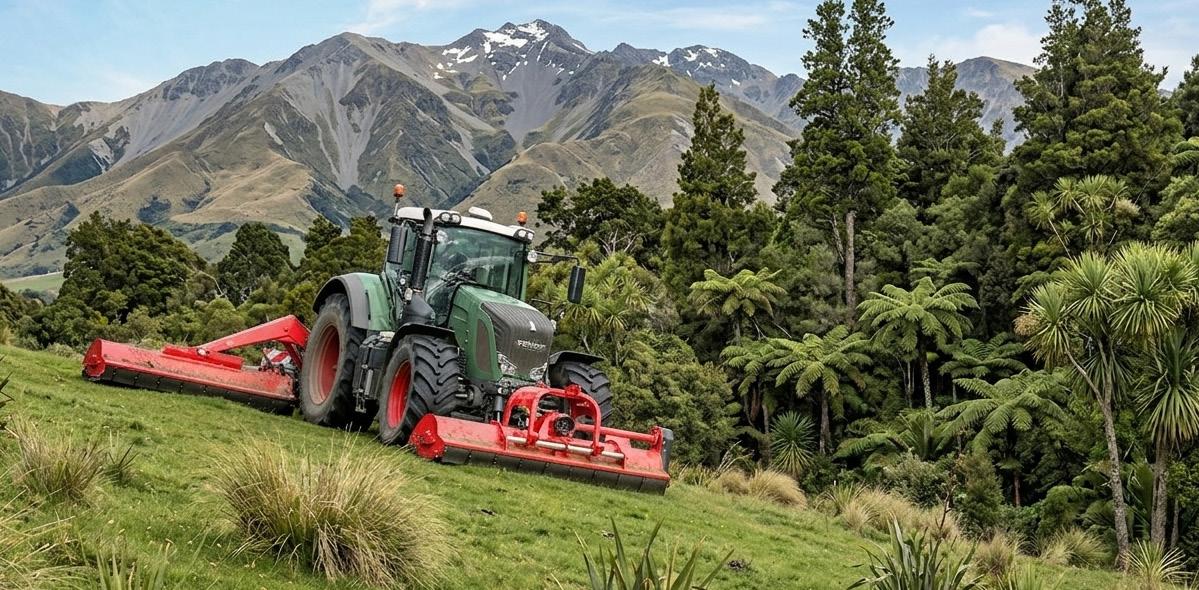
chance to have their say by voting for their favourite innovation, with the top-voted innovator receiving a $2,000 cash prize, while one
participating voter will win a $500 voucher.
Award participants can be visited around the Fieldays event and in the Fieldays Innovation
Hub, with the Innovation Awards ceremony streamed live on the Fieldays’ Facebook and YouTube channels on 11 June at 5:30pm.
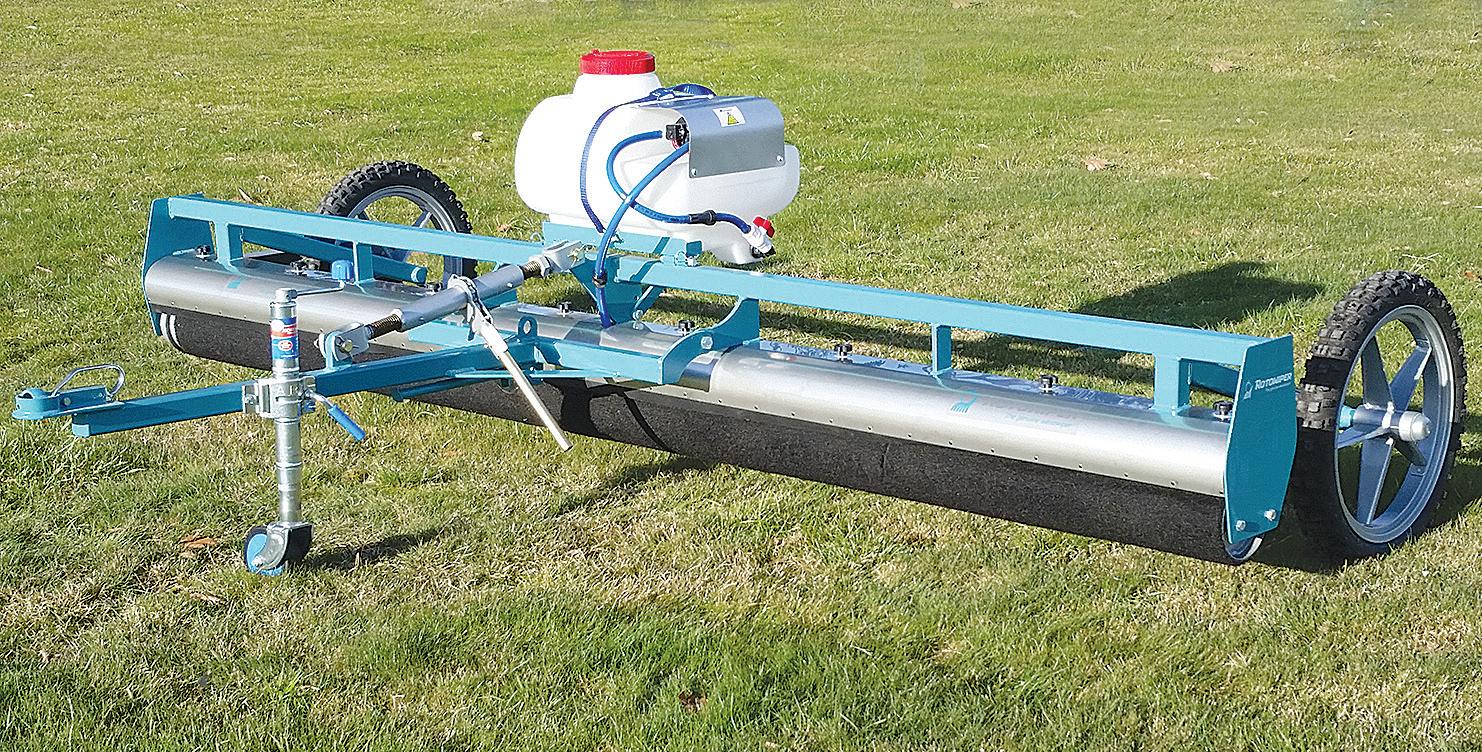


JAMES BLAIR, an agronomist for AS Wilcox, has won the 2026 Pukekohe Young Grower regional title.
Blair pitched his skills against six fellow contestants to take the title on May 15. He also won the best speech and best theory categories.
He’s one of the seven finalists for Horticulture New Zealand’s national Young Grower of the Year competition in Cromwell on August 27-28.
Blair, aged 28, grew up on a dairy farm in the UK before gaining a degree in agricultural crop science.
After working for two years as an agronomist in the UK, he and his
partner went travelling, working in Australia for a year before heading to New Zealand where he joined AS Wilcox as a technical crop supervisor for potatoes and discovered a passion for horticulture.
He is now technical support for four regions, covering from Pukunui in the Far North to Ohakune, as well overseeing the seed programme for the South Island.
“I enjoy that it is always busy with a good mixture of admin and practicality,” he says.
“There is a bit of office work, but crop walking is still the best part for me
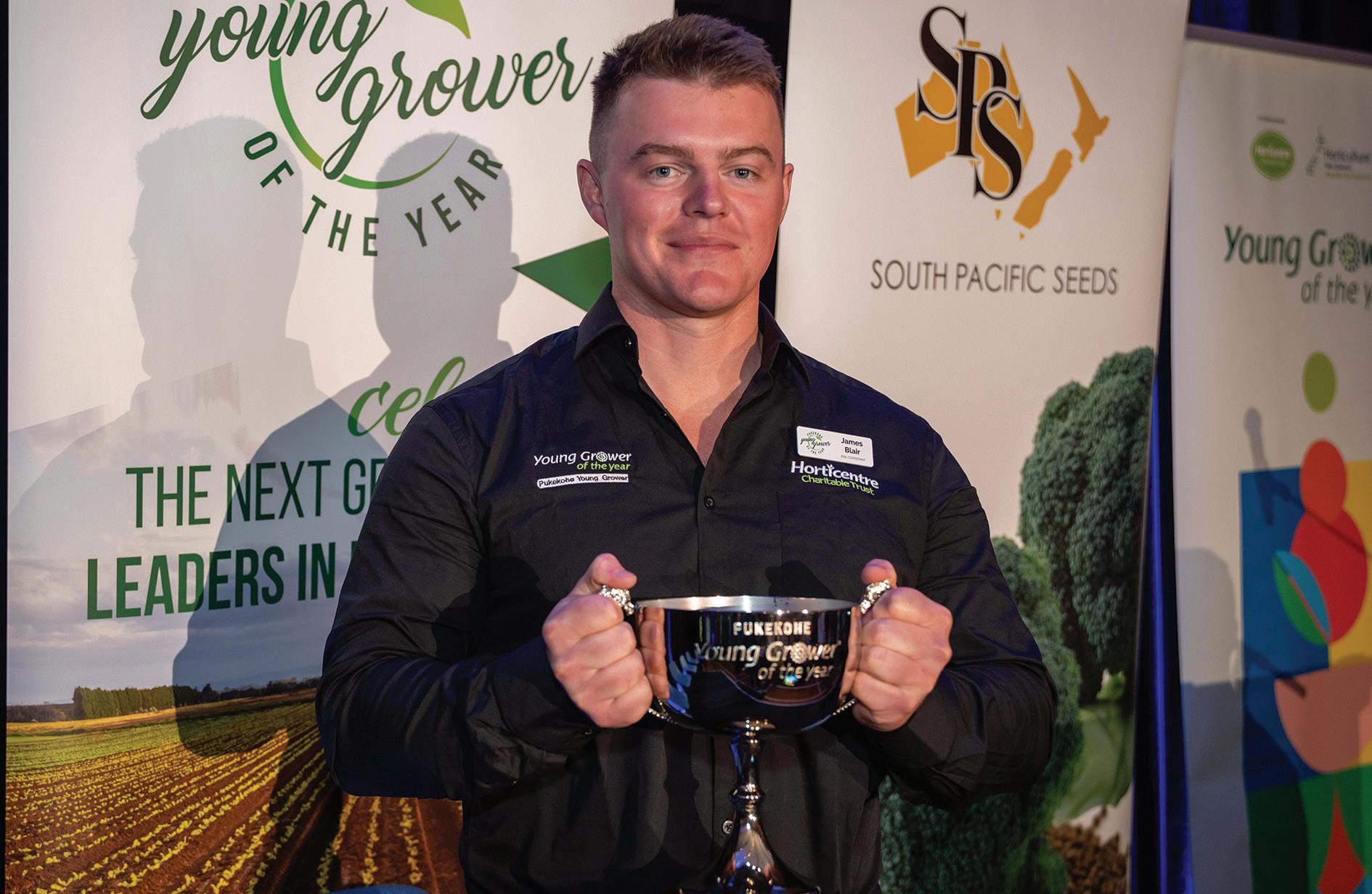
and going to the different regions and meeting different growers.
“All the regions have their own challenges, and you have to
approach each one differently. There is also a lot of opportunity for innovation, and the company puts a lot of trust in you to try new things.”
Prior to going to university Blair wasn’t aware of the of the range of jobs available in agriculture (he didn’t
see himself going into a practical farming role). He came across agronomy and the jobs associated with it; this led him to studying Agricultural Crop Science.
While at university, he arranged to spend time with Agrovista, an agronomy company, to see if this was the pathway he wanted to take.
“I enjoyed it so much that I continued to help with the company whenever I had the chance and joined them once I finished my degree. I also went on to gain my BASIS diploma which is required to be
an agronomist in the UK.
“This was the first time I had entered the Young Grower competition, and it was a fantastic experience. The contestants came from a real mix of horticulture backgrounds, from kiwifruit to glasshouses and large vegetable growers, but the competition was designed to suit everyone.
“It’s an important event because it is a chance to test your skills against your peers but also to raise awareness among young people of the opportunities in the industry, because there are so many.”
TRAINEE ORCHARD manager Luke
St John has won the Central Otago region 2026 Young Grower regional title.
St John, who works for Fortune Fruit in Cromwell, pitched his skills against three fellow finalists to take the title at the event at Otago Polytechnic on 22 May. He also won the speech competition. He will now go on to compete against six other regional winners in Horticulture New Zealand’s
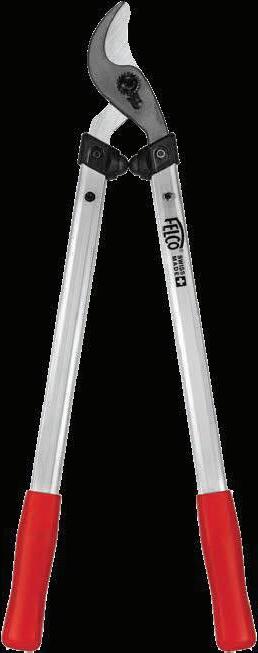
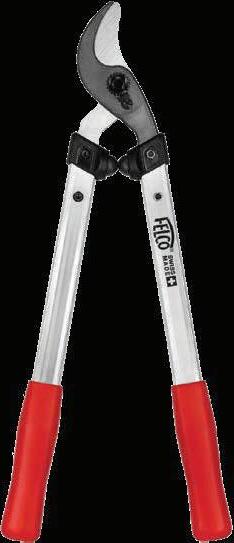
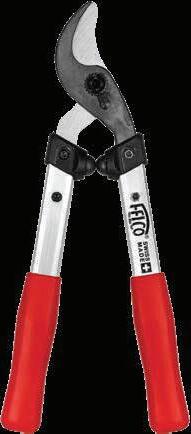
national Young Grower of the Year competition in Cromwell on August 27–28.
Aged 24, St John is originally from Dunedin. He started working in the packhouse for Fortune Fruit in the 2019-2020 season while studying for a degree in botany and ecology at the University of Otago.
“I did that for three years and joined Fortune Fruits full time as soon as I finished my degree,” he says.
“There has been a lot of on-the-
job learning and I am also now studying for the Level 4 New Zealand Certificate in Horticulture Production.
“It’s a fun career to be in. I really enjoy the variety of work. It’s constantly changing over the growing seasons and then, at harvest, we get an influx of people from all over the world. You get to meet such interesting people and learn so much from them.”
This was the second time St John
has won the Central Otago Young Grower title – he was also the winner in 2024 – but he says he was still a bit nervous going into the day.
“But it was good. The modules were good and the people organising them were great and happy to answer any questions we had afterwards. Alongside the horticulture modules, the hortisports was a lot of fun and a good chance to mingle with the other contestants, who were a great group of people.”
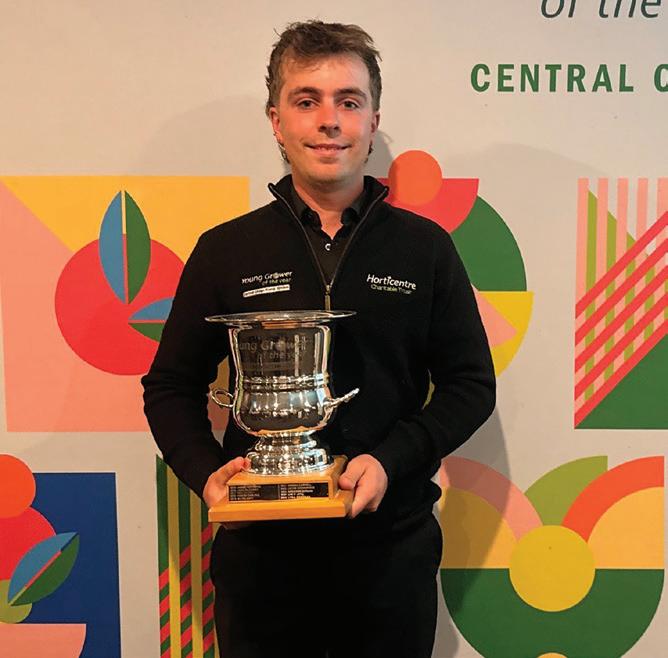
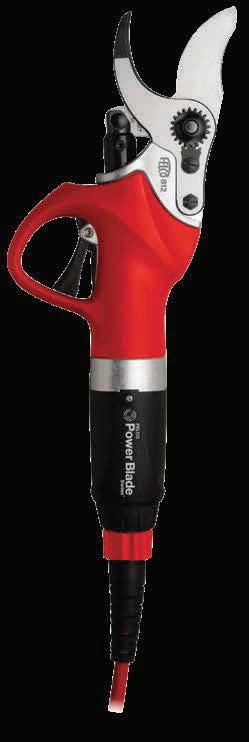
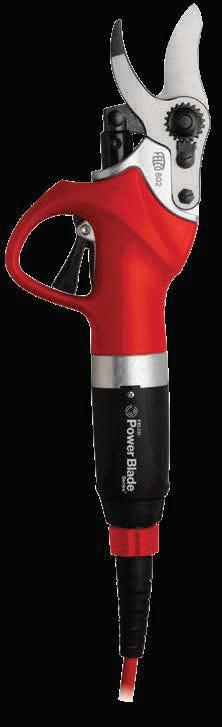
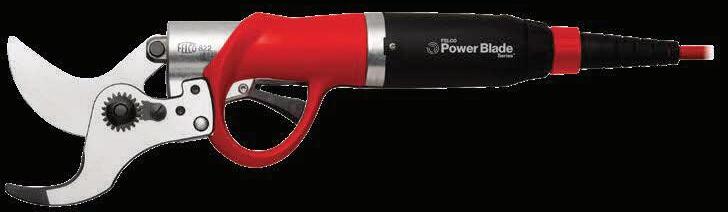
Peter Burke peterb@ruralnews.co.nz
ZESPRI’S SALES of kiwifruit for the 2025 season have broken all past records.
The organisation says total global fruit sales revenue reached a record $5.9 billion from sales of 248.1 million trays – that’s up nearly a billion dollars on the previous year. This total includes kiwifruit produced in other parts of the world.
Direct returns from NZ orchards reached a record
$3.56 billion – up from $3.04 billion in 2024.
Zespri chief executive Jason Te Brake says the 2025 season results signal the industry’s momentum. He says these results are something the industry can be proud of, particularly given they delivered a record crop in a much more
challenging and complex environment.
“While we experienced pressure in certain markets, this was offset by our strong performance in key regions such as Europe and North America,” he says.
Te Brake says Zespri’s global supply remains a critical part of the organisation’s strategy. He says increased volumes from their Northern Hemisphere supply are helping build the brand, hold shelf space in an increasingly competitive market and maintain commercial partnerships that support strong returns to growers.
“The 2025 season marked an important step forward with the industry looking ahead to the next decade.
“We’ve launched our 2035 strategy which is
focused on building on our momentum, ensuring we continue to invest in quality, capability and market development so we can consistently deliver strong returns for growers and sustained value for shareholders over the long term,” he says.
Te Brake says by focusing on three drivers – building brand-led demand, transforming global supply and creating the product portfolio of the future – they’ll be in a strong position to realise their ambition of “becoming the world’s healthiest fruit brand by 2035 and deliver strong value to the industry”.
For growers, the news is good. For example, the final price per tray for Zespri Green growers is $10.28 – up 28 cents on the last forecast. For SunGold it’s $11.90 – up
CROPLANDS EQUIPMENT, in partnership with Yamaha Agriculture, has released a new herbicide spray attachment designed for seamless integration with Prospr, Yamaha Agriculture’s autonomous vehicle platform, marking the next phase of automation in horticultural weed control.
The herbicide attachment builds on the established Prospr autonomous vehicle platform, enabling growers to further enhance automation across weed control applications, improve operational efficiency and reduce manual inputs.
Following the establishment of Yamaha Agriculture, Yamaha’s capabilities and partnership-driven approach are delivering operational, financial and social value across the industry. For local growers, the Croplands–Yamaha Agriculture partnership continues to strengthen, with Croplands manufacturing the Q-Series fungicide sprayer attachment for global markets and holding exclusive distribution of Prospr and related attachments throughout Australia and New Zealand.
Croplands general manager Brendan Deck says the herbicide attachment reflects growing demand from horticulture growers for practical, scalable automation solutions that deliver measurable benefits on farm.
“Prospr has already proven itself as a reliable autonomous platform in vineyards and orchards, and this upcoming herbicide
20 cents, and RubyRed $16.01 - up 85 cents. The per tray price for organic fruit is also up.
Te Brake says the record per-hectare returns and improved per tray
attachment is a natural next step,” Deck says.
“Growers are telling us they want automation that fits seamlessly into existing programs, particularly around weed control where labour and timing are critical. This attachment has been developed to do exactly that – extend the capability of Prospr while keeping operation straightforward and efficient.”
Deck says the continued partnership with Yamaha Agriculture provided confidence for growers investing in autonomous technology.
“Yamaha Agriculture brings global engineering capability and autonomous solutions, while Croplands boasts over 50 years as sprayer specialists backed by service and support on the ground,” he said.
“That combination hasn’t changed, and it’s a big part of why Prospr is gaining momentum across Australia and New Zealand.”
Yamaha Agriculture president and CEO, Nolan Paul, says the herbicide attachment demonstrates Yamaha Agriculture’s ongoing focus on developing flexible automation solutions for speciality crops.
Releasing the herbicide attachment is the next step in developing a suite of products growers can rely on for various tasks in their orchards and vineyards, Paul says.
returns reflect improved yields and their ability to secure strong value for growers, shareholders and communities through the strength of their brand and supply chain.
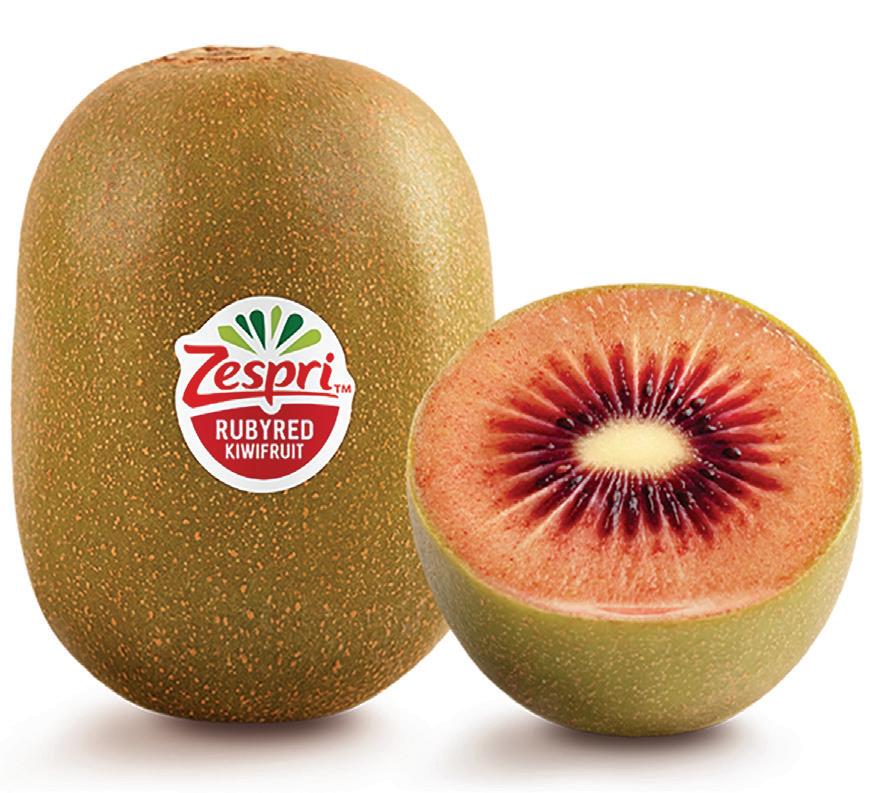
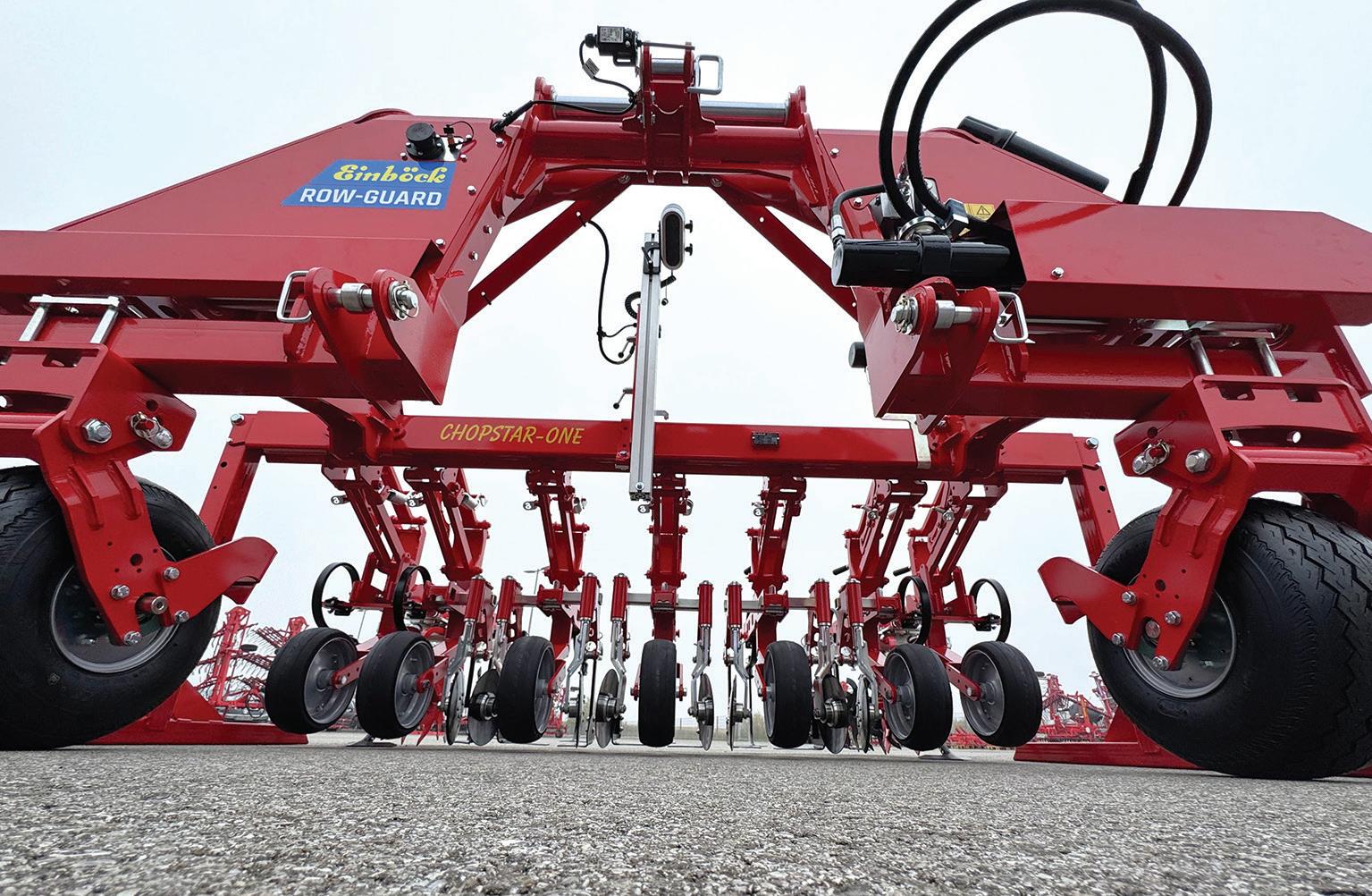
Row-Guard 380 is a compact and lighter linear camera steering system for professional mechanical weed control in vegetable farming operations.
Mark Daniel markd@ruralnews.co.nz
AUSTRIAN INTER-ROW cultivation specialist Einbock has introduced Row-Guard 380, a compact and lighter linear camera steering system for professional mechanical weed control in vegetable farming operations.
A sophisticated new design ensures maximum precision, easy handling, and perfect adaptation to rigid row-crop cultivators, offering a practical, efficient, and future-oriented solution for
professional vegetable growers. The machines design incorporates an “integrated viewing window” with the cantered camera always having the best view of the crop rows. This ensures exact row guidance and facilitates accurate hoeing, particularly in narrow rows or demanding conditions.
Designed with overall weight in mind, the new Row-Guard 380 offers significant weight reduction and a shorter overall length, compared to previous solutions. This ensures greater
manoeuvrability, lower lifting power requirements, and lower ground pressure, all advantages that play a decisive role in vegetable farming.
Offering a total side-shift of 380mm / 15” is said to guarantee maximum precision, while the new side-shift frame is optionally available with a 3-point hookup or implement triangle. This allows adaption to existing machines or quick changes between several row-crop cultivators.
Visit www.farmchief.co.nz
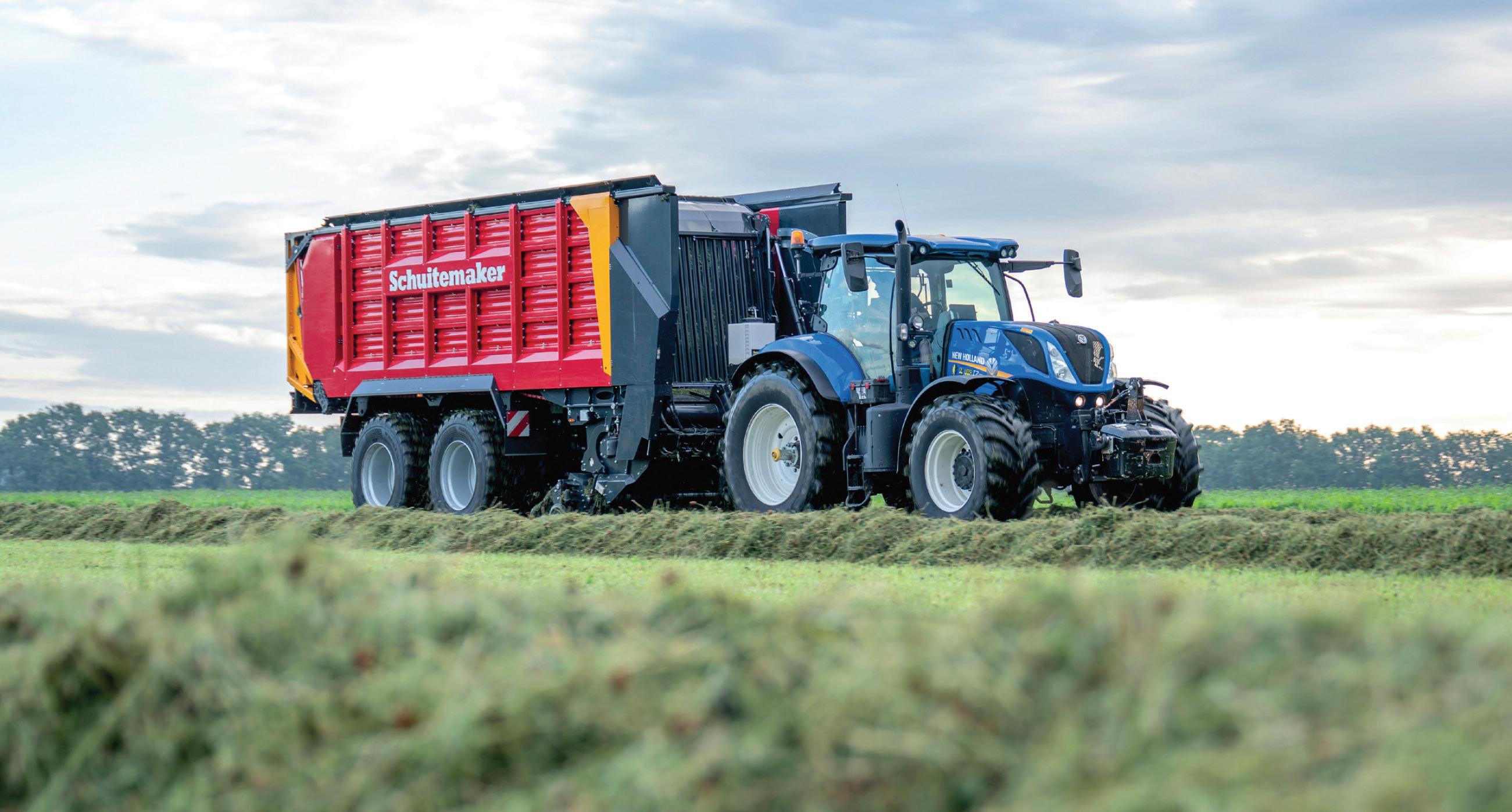
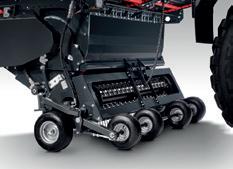
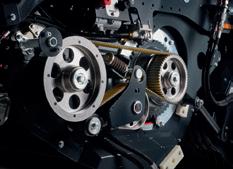
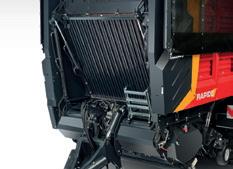
MARK DANIEL
CLASSIFIED AS an unwanted organism under the Biosecurity Act, the invasive weed velvetleaf can be resistant to many herbicides, making it difficult to control, while statistics note it has the potential to reduce yields by up to 70%.
This 2025-26 season looks to have been a good one in regard to its management, with most properties with incursions in the North Island maintaining good control.
As has been reported earlier, while there has only been one new
find of velvetleaf this season, it is a cautionary reminder that while velvetleaf incursions are being well managed, there is always a risk of a new incursion for anybody on any property.
It appears that the new incursion in the Auckland region has come from feed bought in from a property with a known incursion in the Waikato.
Sally Linton, North Island velvetleaf coordinator, says the message for everyone from this case is knowing where purchased feed is coming from and pre inspecting crops.
“Even if due diligence on crop purchase has
been done, there is a need to remain vigilant for any unknown or unusual weeds where feed is stored and fed out.”
On a positive front, the owner of the Auckland property knew what velvetleaf was and called it in as soon as it was found.
As a result, with good ongoing management, it is likely they will be able to prevent the incursion becoming established on the property.
Linton points out that the “off” season for velvetleaf is a good time to review the biosecurity practices and procedures of your business, alongside that of your
farmers and clients. Good biosecurity is about managing risk and requires everyone to do their bit by having good biosecurity practice, not only to protect your business and property but the agricultural sector as a whole.
After 8 years in the role, Sally Linton has decided to step away from the role, with the news that the position will continue, no doubt driven by a new recruit who is passionate about working with farmers and stakeholders to ensure good biosecurity outcomes in the management of velvetleaf in the North Island.
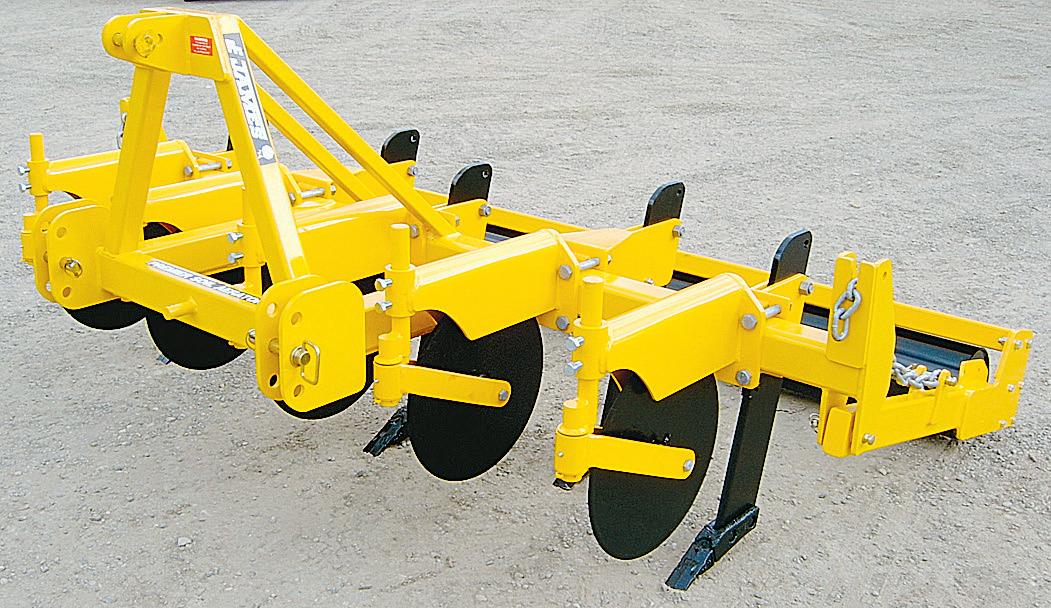
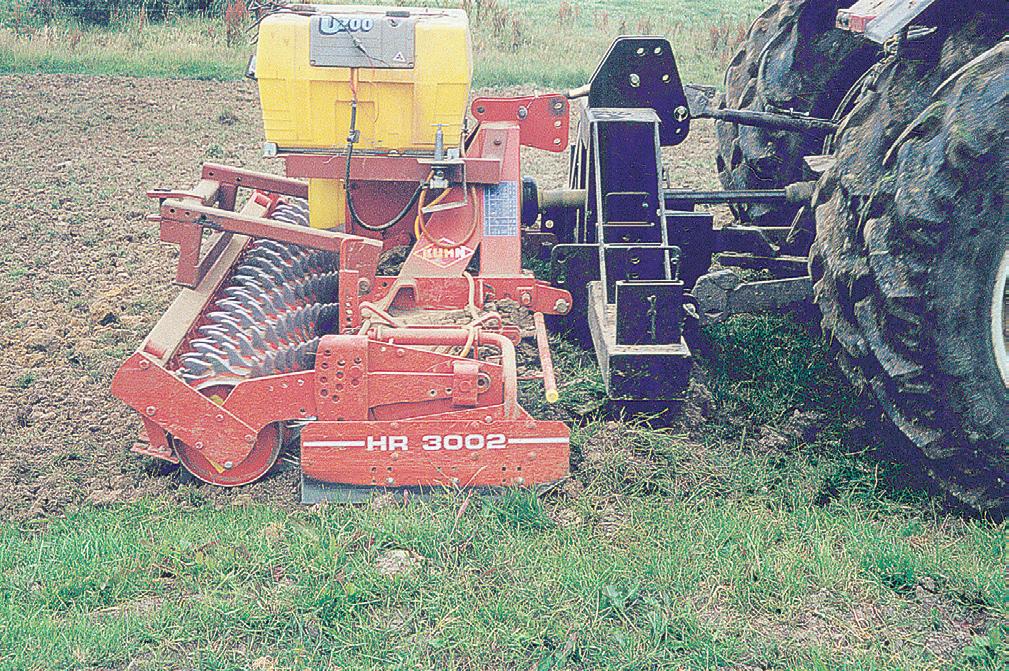
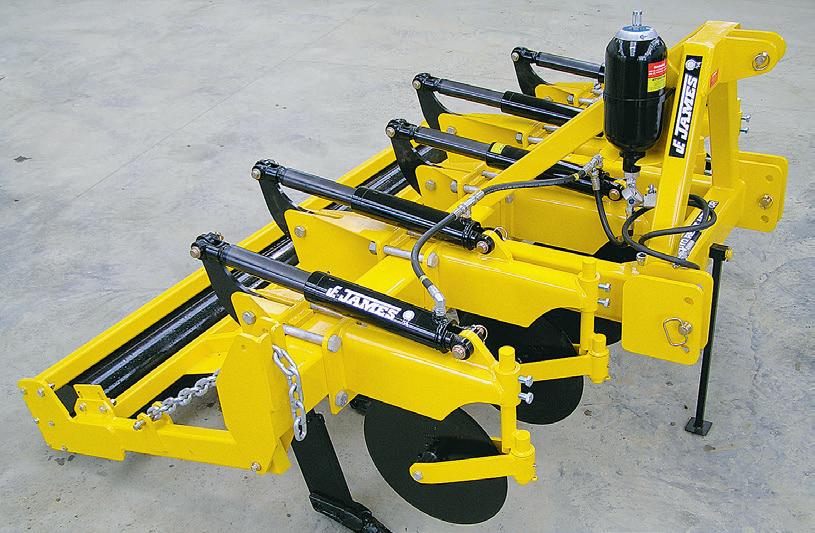
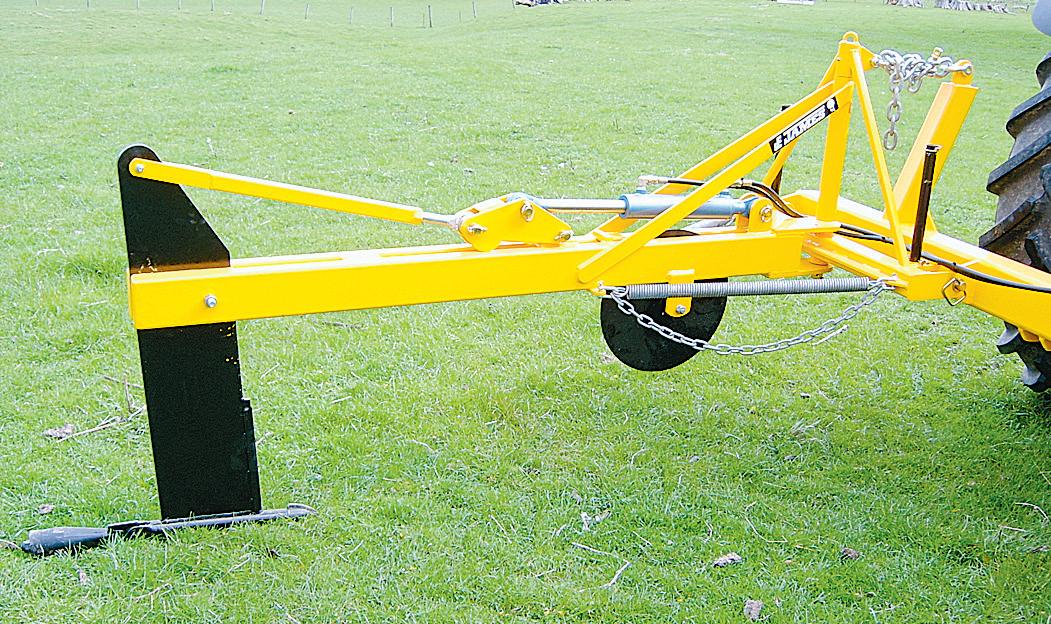
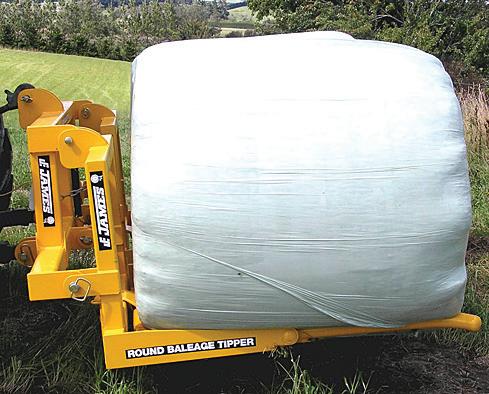

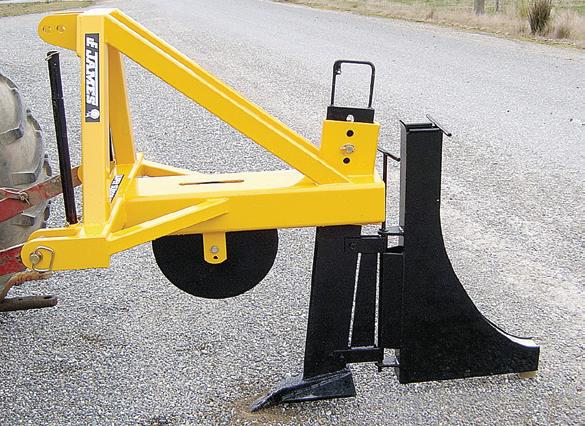
“This has been an incredibly rewarding job and have thoroughly enjoyed working with farmers, landowners, and stakeholders in the agricultural sector.”
Individuals interested in the role need to be based in Auckland or the Waikato and should contact Darion Embling at Waikato Regional Council (Darion. embling@waikatoregion. govt.nz).
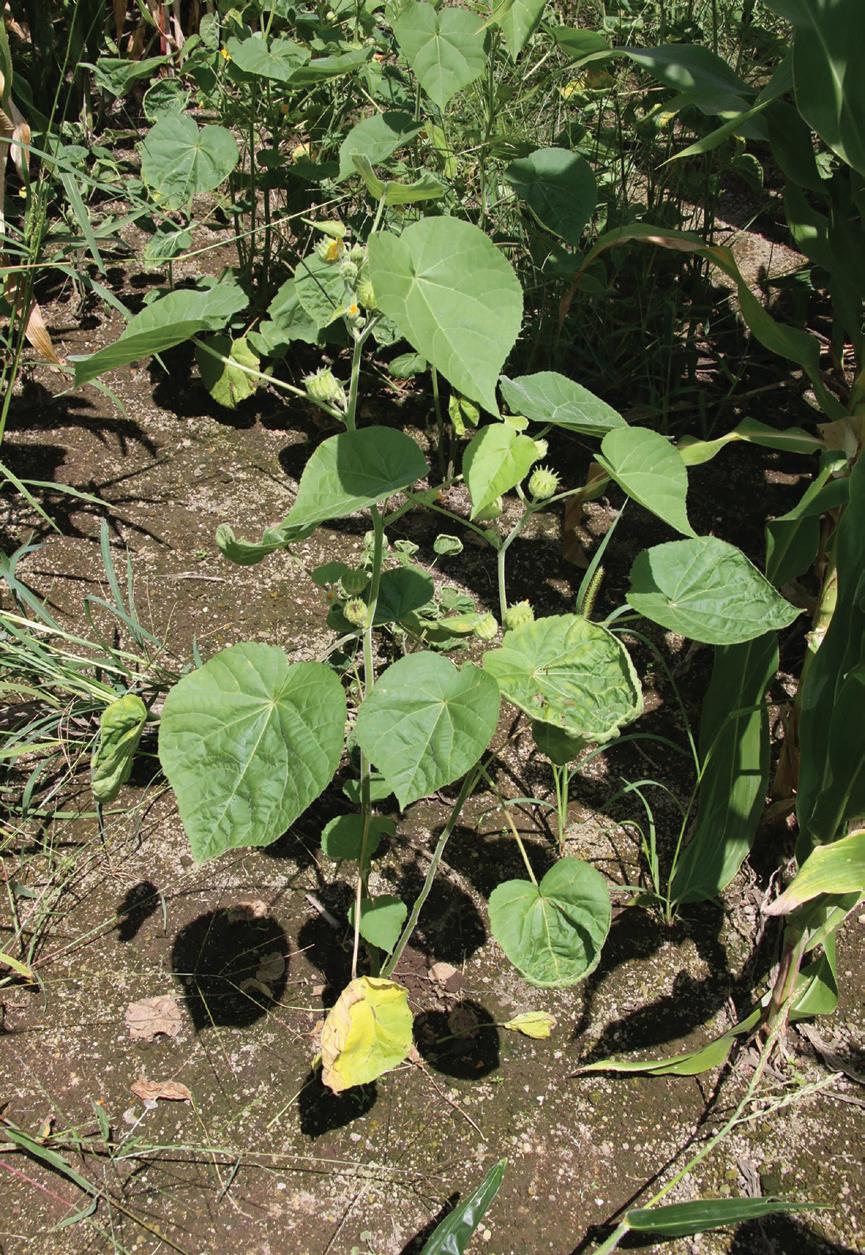
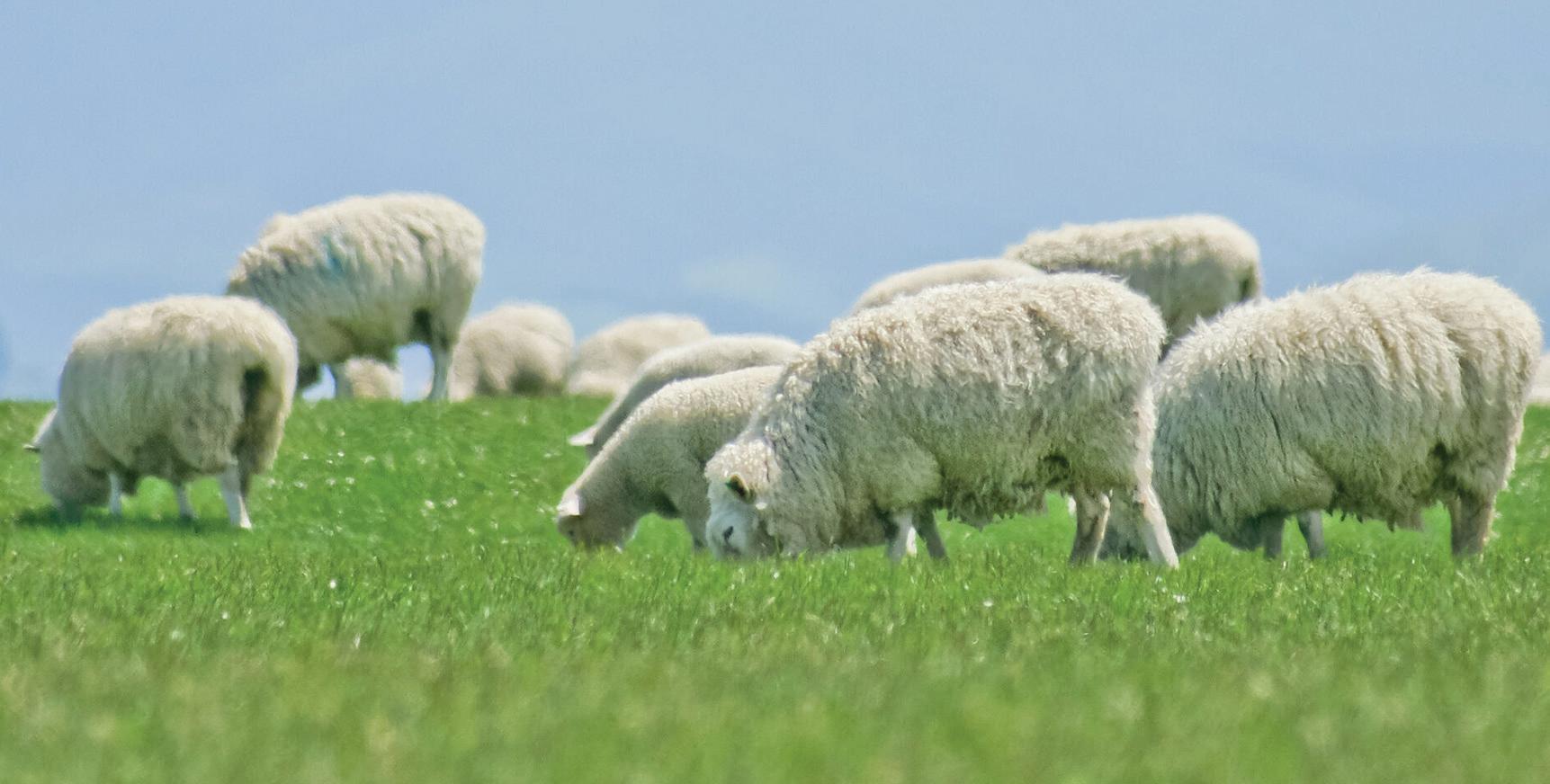
BEEF + LAMB New Zealand (B+LNZ) has unveiled a new tool to help sheep farmers better understand the genetics in their flock and make more informed decisions.
nProve Tracker gives farmers a clearer picture of where their flock sits, where there is room to improve and how ram buying decisions can influence performance over time.
The tool was developed through the joint B+LNZ-Ministry for Primary Industries’ Cool Sheep Programme and unveiled at B+LNZ’s Sheep Breeder Forum last month.
“The nProve Tracker tool has been developed to make flock genetics easier to see and use on commercial sheep farms,” says Dr Jason Archer, head of genetics at B+LNZ.
“It will help farmers understand the value genetics can bring to productivity, efficiency and profitability.
“Using ram purchase and mating information, it builds a reliable picture of the average genetic merit of a flock. Over time, farmers can see where their flock sits overall, giving them a benchmark to compare genetic potential with what they are seeing on farm.
“That will help farmers focus on the right next step by showing where the biggest opportunity is, whether that’s in
management decisions, genetics, or both.
“We know farmers are already investing in good rams, and this tool will help show what that investment is building in the flock over time. It will give them something practical they can use to back up decisions and spot where the next gains might come from.”
Archer says the tool could also help farmers better show the value in their flock over time.
“A clearer picture of flock genetics will help recognise the investment made in quality rams and provide useful information when selling surplus stock or making longer-term business decisions, says Archer.”
B+LNZ chair Kate Acland says nProve Tracker is part of a broader suite of practical tools B+LNZ is developing for farmers.
“It’s a practical example of how B+LNZ is using farmer levies to deliver value back to the sector, giving sheep farmers useful tools to make genetics part of everyday farm decisions.”
Farmers can visit www.nprovetracker. nz to find out more information about the tool.
The ‘Cool Sheep Programme’, is supported by the Ministry for Primary Industries and a range of organisations including B+LNZ.
underpinning New Zealand’s dairy, beef and sheep grazing systems was largely established from the 1950s onward, but new analysis shows that the climate those systems were built for has shifted significantly.
Pastoral farms are currently under growing pressure as winters warm and summers become longer and drier.
A research team led by PhD candidate Eru Tait-Jamieson, Ngāti Tukorehe, from Te Kunenga ki Pūrehuroa Massey University’s School of Agriculture and Environment analysed daily climate records from 1940 to 2024. The analysis confirms a clear warming trend across the North Island, with important implications for how pastures grow and are managed.
Average annual temperatures have risen by 1.1°C in Palmerston North and 1.7°C in Hamilton, the two key historical pasture
research centres, while the number of frost days in Hamilton has effectively halved since the mid-20th century. For rotational grazing systems, that shift is already reshaping annual pasture growth.
“These changes align closely with what many farmers are observing on the ground. The climate our grazing systems were built around no longer exists,” Tait-Jamieson says.
The study found pastures are now reaching key temperature thresholds for growth at least two weeks earlier between July and October compared with historical norms. As a result, perennial ryegrass is recovering faster through winter, opening the door to shorter grazing rotations and improved pasture recovery during the cooler months.
“Managed well, the warmer winter growing conditions could strengthen root systems and sward resilience
before summer stress begins, turning winter into a critical window for building pasture resilience rather than simply holding on until spring arrives,” TaitJamieson explains.
While warmer winters may offer new opportunities, the research shows the other end of the season is becoming increasingly challenging. Although rainfall patterns have not shifted dramatically, rising temperatures are increasing both water loss and demand, drying soils faster and for longer.
Using the Standardised Precipitation Evapotranspiration Index (SPEI), the study found summer soil moisture deficits are becoming more severe and lingering well into autumn. In the most recent decade, moisture deficits have regularly extended until mid- to late May.
Tait-Jamieson says these climate pressures may also help explain a puzzling trend recorded
in the dairy industry. Despite improvements in pasture genetics and increased fertiliser use, significant productivity gains have remained elusive.
“This highlights a growing tension between production pressure and climate limits. While climate change has been gradual, it’s interacting with modern farming realities including higher stocking rates and increased financial pressure, making droughts feel more intense and harder to recover from.”
He says the findings suggest pasture management strategies developed decades ago may now need to evolve to match changing seasonal patterns.
“The opportunity for increased cool-season growth is there, but only if pasture systems are resilient enough to withstand the longer, thirstier summers that follow.”
The research
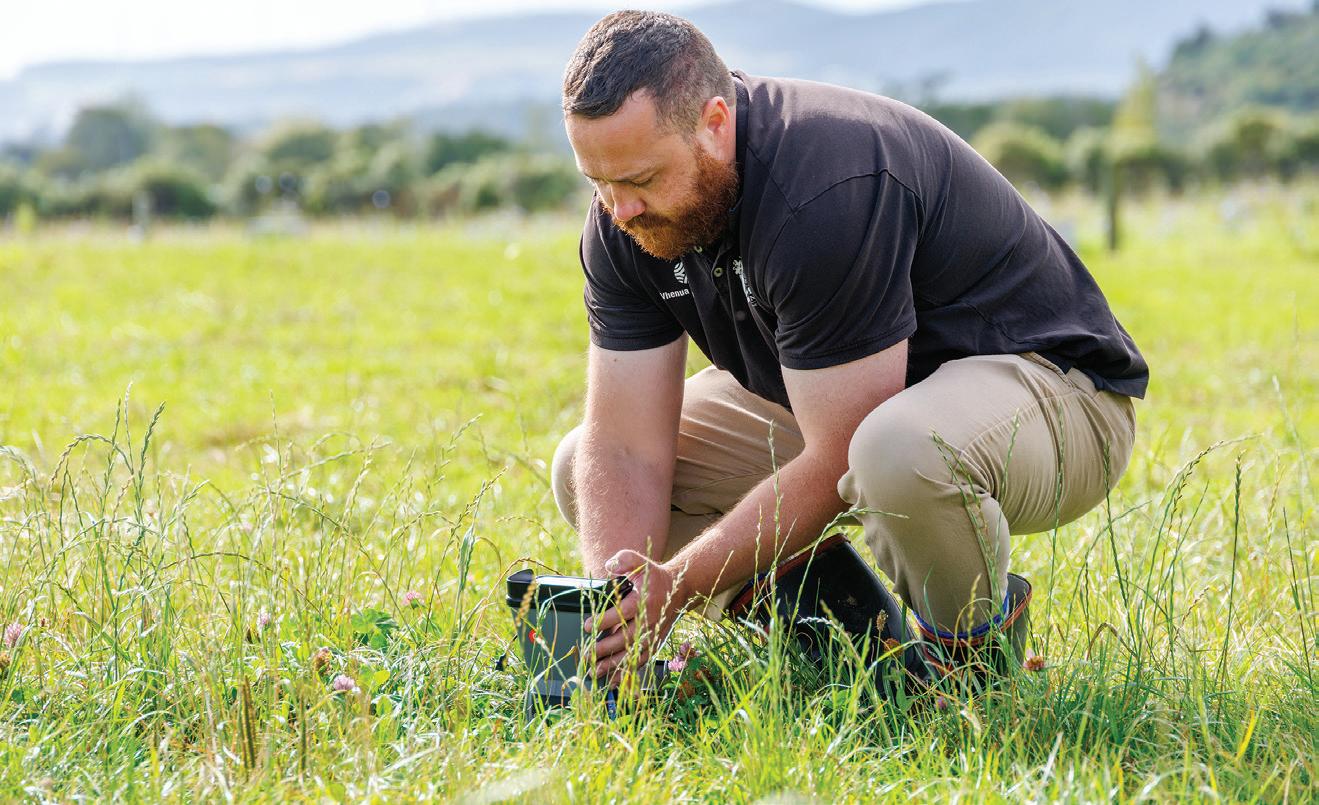
encourages scientists, advisors and policymakers to revisit whether existing pasture management guidelines remain fit for a changing climate.
“Farmers are constantly adapting how they manage their systems in real time out of necessity. The challenge now is making sure that the advice, tools and guidelines they’re working with are keeping pace with these shifting seasonal patterns.”
Read the paper published in the




MyVitality supplements are formulated, tested, and bottled right here in New Zealand.
For over 6 years, Kiwis have trusted us to support healthy ageing – with proven ingredients, science-backed quality, and products that help you stay active on the land and at home.



GENETICS PLAYS a central role in helping farmers lift per-cow productivity over time.
National cow numbers peaked around 2014 and have since flattened or declined, driven by tighter environmental regulations, economic pressures and land-use change. As a result, much of the growth in milksolids production is increasingly coming from lifting performance per cow rather than running more cows.
It’s all about efficiency rather than scale, says NZ Animal Evaluation geneticist Becky Curry. That means cows that produce more within the same system and environmental limits.
“New Zealand cows are already producing more milksolids than they were in 2005,” she says.
“That lift has come from two main areas: changes in farm management – including feeding, animal health and milking practices – and steady
genetic improvement by selecting each new generation of cows with higher production potential than the last.”
Around two-thirds of the increase in per cow actual milksolids produced can be traced back to changes in the national herd’s genetics. It shows the central role genetics plays in helping farmers and the wider sector lift productivity and efficiency over time.
Fast-tracking genetic gain through genomics
Traditionally, it takes around five years for a bull to receive proven breeding indexes through daughterproving schemes. But with genomics, bulls can be identified earlier and become widely available within two to three years. This allows high BW bulls to be used earlier, shortening the time between generations and accelerating genetic gain.
“A higher rate of genetic gain means more offspring with the traits farmers
are selecting for, in a shorter period,” Becky says. “That supports higher productivity, improved efficiency and better long-term sustainability.”
Genomics also gives farmers greater agility.
“It allows faster responses to market demands, climate pressures and economic conditions, and makes it easier to pivot breeding decisions if farm goals change.”
The Industry Working Group (IWG) report, published in mid2024, found that New Zealand was lagging behind other international dairy nations in the use of genomics and, therefore, in our rate of genetic gain. This was largely due to lower confidence in genomically evaluated young sires.
Confidence is expected to improve as tools and systems continue to develop, including the OneBW project. Currently, the presence of multiple
BW calculations in the marketplace can create confusion for farmers comparing bulls across providers. OneBW brings genomic and nongenomic evaluations together into a single BW index, independently verified (by DairyNZ) for accuracy and published consistently by all parties.
BEEF + LAMB NEW Zealand is reminding farmers with lucerne stands to graze them hard over the next few weeks in preparation for a winter weed control programme.
A weed control programme will help optimise yields in spring, which might be important this coming spring, with El Niño weather conditions predicted. This weather pattern means lower than average rainfall on the East Coast
on both Islands.
A hard graze carried out over May and early June should remove all old stems from earlier rotations and any new regrowth from autumn - without damaging the short basal buds.
The aim is to remove the older stems and get some weeds eaten without eating any newly developing buds.
If there are no new buds (these will be hugging the crown) then removing the canopy of
old leaves will stimulate them to be produced. It is those new shoots, produced in May/June, that will elongate rapidly and provide the earliest feed in spring.
The crown of the lucerne plant should never be grazed - ever.
Rainfall after grazing is ideal as it removes the dirt, which can deactivate the agrichemicals, from the surface area of the lucerne plant and weeds prior to spraying.
When selecting the
agrichemicals to use, factors such as the age of the stand, the weed profile and grazing pressure all need to be taken into account and B+LNZ recommend talking to an agronomist about the best chemicals to use.
Consideration should also be given to grazing withholding periods and applications should be timed so the stand is ready to be grazed in spring.
COMMON CONTROL
OPTIONS:
• Paraquat
This is a fastacting herbicide which desiccates all plant tissue. It is deactivated when it comes into contact with soil.
Paraquat is the backbone of all winter spray programmes over established lucerne although it is often combined with a suitable triazine.
Paraquat is a knockdown herbicide, but it is not effective enough
The project sits within the Future Focused Animal Evaluation (FFAE) programme, where DairyNZ, NZ Animal Evaluation, LIC and CRV are working together to address the challenges identified in the IWG report.
• Article- DairyNZ
on its own for weeds with a taproot or rhizomes.
• Atrazine
Atrazine has a large weed spectrum of broadleaf weeds and easy to control grasses. It is a good knockdown chemical with moderate residual activity as it has a soil half-life of 35-50 days.
• Simazine
Simazine has a soil half-life of 27-102 days but isn’t effective as a knock-down herbicide. It is suitable where there is not a lot of weed cover
on lighter soils.
• Terbuthylazine
Terbuthylazine is taken up by both the roots and leaves and has a residual soil halflife of 30-60 days. This chemical has a fourweek withholding period for grazing. While it is the best triazine to use on catsear, dandelion, storksbill, cocksfoot and grasses, it can affect lucerne so should be applied as early as possible in winter.
• Article- B+LNZ


Beef + Lamb New Zealand's Wormwise programme manager Ginny Dodunski outlines when, why and how to treat cattle for liver fluke this winter.
HOW DO I know if I need to treat my cattle for liver fluke this winter?
‘Because I’m in Kaitaia’ or ‘because I’m in Greymouth’ are quite reasonable answers to this question! That said, it is worth noting that liver fluke does not affect every animal, or every farm, the same, even in high-risk areas.
New Zealand research has highlighted that there is high variation between farms, and variation between individual cattle on a farm (and even within a mob) for levels of fluke infection. It would be neat if there was a really accurate and cost-effective test that could detect which those animals are, but unfortunately, we don’t currently have that capability.
So, we rely on district history, farm history, and what we know about each mob of cattle, alongside some imperfect diagnostic tests, to make decisions.
But first, a bit about fluke.
How does fluke affect cattle?
Immature flukes spend about eight weeks grazing their way through the
liver, causing damage and bleeding, before arriving in the main bile ducts. Here they settle as adults. ‘More than a few’ adult fluke can cause thickening of the bile ducts and ongoing disturbance to liver function.
Liver fluke can be a cause of poor weight gain, and in severe cases, even illness and death
of individual cattle.
Pregnant cows do not do well if made to share their livers with high numbers of fluke.
‘Failure to thrive’ and anaemia (pale membranes of eyes, gums, vulva, and in advanced cases, fluid swelling under the lower jaw) are common signs. But these are also signs of other diseases and
IF YOU have confirmed fluke is present at a level that requires treatment, timing in winter depends on where you farm: In areas with cold winters - fluke activity tends to stop over winter. A single treatment in early winter may be all that’s needed, as no further infection is typically picked up from pasture until the following season. By winter, any existing fluke infection will mostly be mature - and mature flukes are generally easier to treat, with a wider range of effective products available.
In areas with warm winters - the fluke life cycle may continue through winter, so an additional late-winter or spring treatment may be required to clear infection accumulated over winter. There are four anthelmintics currently registered in New Zealand for treating liver fluke in cattle.
• Triclabendazole (oral, pour-on) – Kills fluke all stages, including immature
‘DISTRICT’ AND ‘farm history’ are important risk factors, with the Far North, East Coast, Northern Hawkes Bay, and the South Island’s West Coast historically being the bigger fluke risk areas.
That said, not all farms in these areas may be equally affected, with access to waterways, presence or absence of a reticulated water system, and general level of feeding being key factors.
A large slaughter study of Scottish cattle highlighted that while livers from some farms had high levels of fluke scarring, days
from birth to slaughter on these farms could be shorter than on farms where livers had less fluke scarring, meaning that nutrition and management probably have a key role to play in animals’ ability to tolerate fluke infection.
Data is always good for making decisions, and here are the diagnostic options for liver fluke:
Post-mortem examination: On mixed farms, autopsies of tail-end ewes in early winter is a very practical option. If these ewes are not infected with fluke, it’s highly unlikely cattle on the same property will be affected.
are not specific to fluke. Farmers sometimes report cattle showing signs of abdominal pain and salivation – this may be caused by the immature fluke moving across the wall of the intestine on the way to the liver, or when they are roaming around in the liver tissue (ouch).
Young cattle are more susceptible to
• Nitroxynil (injection)- kills fluke from 2 weeks of age
• Clorsulon (injection) – kills fluke from 8 weeks of age
• Albendazole (oral) – kills fluke from 12 weeks of ages
Treating calves requires special consideration. Most of the drugs above are included in a combination product with another active to give ‘roundworm control’ as well as fluke treatment. However, none of them contain levamisole, which is important for treating Cooperia on most cattle properties. If calves have been under regular or semi-regular treatment with a product containing albendazole, they may not need a specific fluke treatment. It is wisest to consider fluke treatment and worm treatment separately in calves, ensuring that the ‘most effective’ oral product is used for both.
Autopsies of tail-end cattle can be useful on cattle-only properties.
Fluke blood test: Can indicate an antibody reaction to fluke – although these antibodies can remain raised in blood for 2-3 months after fluke have been kicked out by the immune system.
Fluke egg count: Looks for fluke eggs in dung samples – a bit ‘hit and miss’ as fluke don’t consistently pass eggs every day.
Faecal antigen ELISA test: A newer option that can detect fluke in the bile ducts even when eggs are not present in the faecal sample.
fluke infection than adult cattle. As cattle mature, they develop some resistance to fluke. A scarring reaction in the liver reduces new fluke establishment and shortens the lifespan of existing fluke. So, fluke scarring on kill sheets at slaughter doesn’t necessarily mean live fluke are present.
If you are a finisher, it’s possible that ‘fluke’ on kills sheets originated from a previous property.
Cattle that are underfed, or under pressure from other disease challenges, have less ability to mount an effective immune
response to liver fluke. As with all internal parasites, good nutrition and management is extremely helpful.
How do cattle pick up liver fluke?
The life cycle of liver fluke in New Zealand involves a freshwater snail. However, it’s not the snail itself that causes fluke disease. The infective stage is a cyst that forms on grass blades after a mobile stage of the life cycle that has wriggled out of the snail’s body (ugh!) to settle on the grass blades. These cysts can last for many months on pasture but are susceptible to
freezing and drying.
So, your cattle must graze grass near or within waterways, to become infected. They don’t pick up fluke directly from drinking water, or from consuming snails.
After a well-fed summer with good pasture cover, cattle are more likely to have grazed away from those wet margins, meaning fluke exposure is likely to be lower than in a dry year. The opposite can be true in flat areas in wet summers where snails may have spread further across pasture in freelying water - especially if pasture cover is short.


Heiniger capital equipment, is trusted by New Zealand farmers, contractors and shearers to get the job done safely and efficiently.
Because we care about your safetywhile working.
With industry leading safety features, the #1 selling and most trusted woolpress helps to keep you and your workers safe in the shed. The TPW Xpress now comes with the new indicator with audible and visible alarms that let you know when you’re approaching the target weight.

Watch our equipment in action! We are in the Pavillion Site PE33


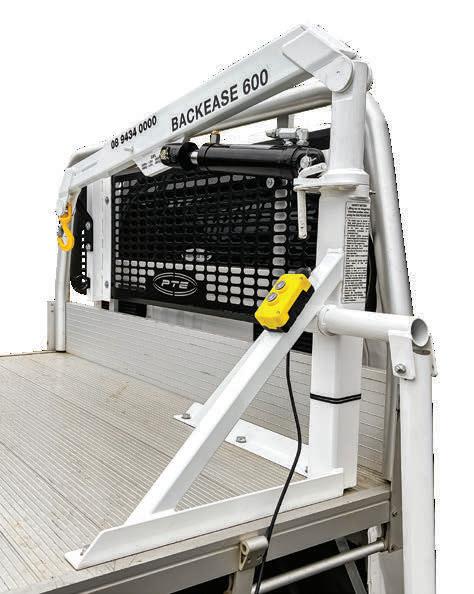




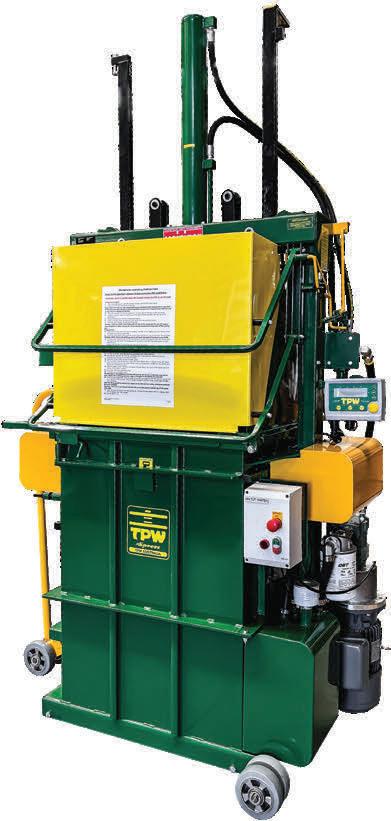
The world’s leading shearers trust the #1 selling shearing plant in the world, winner of multiple WorkSafe awards. The Evo delivers industry leading safety features, impressive performance and superb reliability.
TPW Backease Hoist
Industry professionals trust the versatile, compact and cost effective TPW Backease Hoist to safely lift loads of up to 600kg with extendable 1.2 - 1.8m boom. At only 78kg, it’s easy to install with no loss of load space and features hydraulic lift and pressure regulated downwards movement.
MARK DANIEL
SINCE ARRIVING on New Zealand’s shores in 1976, the Hilux has been seen of farms, building sites and back roads, becoming a familiar part of how rural and more recently, Kiwis work and live.
As Toyota New Zealand marks 50 years of Hilux in 2026, NZTA records show more than 135,000 Hilux are on NZ roads today, many of them still in service after 15 years or more.
From the original petrol twoseater 2WD in 1976 to the current 9th generation model, to the recently launched Hilux BEV, Toyota has been clever at reading the market, steering away from putting all its eggs in one basket, by delivering a wide choice of powertrain options; currently including diesel, mild hybrid and battery electric, with a hydrogen fuel cell derivative scheduled for release in a couple of years’ time.
An overview of the range sees a choice of models in SR, SR5, SR5 Limited and Adventure grades. These can be drilled down to a single 2WD option, 11 four-wheel drives and 3
AWD options, mated to 3 manual, 9 automatic and 3 e-Axle transmissions. Powerplants centre around the 4-cylinder, 2.8 litre,1GD-FTD turbo diesel, offering 150kW and 500Nm (6 models), six with 48v mild hybrid systems and three new BEVs with dual electric motors.
The SR grades are the entry point and workhorses of the Hilux offering, available in the widest range of configurations, with a choice of 2WD or 4WD, across single, extra and double cabs with wellside and cab-chassis options, equipped with manual or automatic transmissions.
Standard features include a locking rear differential, electric power steering, LED headlights, a 12.3-inch display and sat-nav. Extra cab and higher grades get tyre pressure monitoring, while 4WD versions are equipped with multiterrain select and a down-hill assist function.
Moving up a grade to the SR5, the format is focused on more comfort, with a revised rear suspension layout, with highlights being a larger front and rear ventilated brake package, with electronic park brake and brake
hold, alongside auto-levelling LED headlights. Operators are looked after with heated front seats and steering wheel, dual zone climate control and heated, auto-fold exterior mirrors.
SR5 Limited builds on SR5 with enhanced interior and audio. Available in 4WD Double Cab, automatic transmissions feature with the 48V hybrid powertrain. In the cabin, black leather seats are power adjustable, with driver-side lumbar support and a premium JRL 9-speaker audio system.
The single-model Adventure option is available in Double Cab, automatic transmission with the mild hybrid engine. Exclusive features include a unique front bumper design, 18-inch matte black alloys, leather accentuated interior and black tailgate detailing.
At a recent lower North Island launch, Toyota unveiled the latest Hilux option in the shape of the new BEV. Featuring the body on frame like the rest of the product range, the BEV is being signalled not as a replacement for diesel, but as an alternative, where it makes sense. Offering a 2000kg towing capacity, compared to the 3500kg of the rest of the range, the BEV might be

suited to operators travelling less than 250km each day, with frequent stop/ starts, long idle trips or repeated routes.
Offering zero tailpipe emissions, quiet operation and lower running costs, the Hilux BEV looks to be a great fit for orchards, vineyards and vegetable enterprises, but might also suit wider agriculture such as dairying or undulating livestock enterprises, with a reduced towing capacity.
Currently available in AWD Double Cab chassis or Double Cab Ute layouts, with pricing from $79,990 to $85,990, total system output is 144kW, delivered from a 59.2kWh lithium-ion battery pack, that with a DC fast charger, can
“refuel” from 10 to 80% in around 30 minutes. With drive and terrain modes like its contemporaries, the battery is mounted low in between the chassis rails but still maintains a 700mm wading depth.
First impressions on the road is a vehicle that is more planted than its ICE cousins, no doubt created by a lower centre of gravity. Likewise, hard cornering sees body roll kept to a minimum, while off-road the smooth power delivery between each powered axle means tackling difficult terrain, including climbing over ridges, is undertaken without fuss.
Visit www.toyota,co.nz
GREG HAMILL
ADOPTION on New Zealand dairy farms has accelerated rapidly over the past decade.
What was once considered ‘nice to have’ is increasingly becoming essential as farmers navigate labour shortages, tighter margins, environmental pressure and the need to improve efficiency without sacrificing animal performance or staff wellbeing.
Cow monitoring technology sits right at the centre of that shift. From heat detection and health monitoring through to automation and virtual fencing, farmers now have more options available than ever before. That is a positive thing for the industry. Farmers should have choice and innovation is continuing to push providers forward.
But with so much attention around technology, there is an important question worth asking. Are farmers choosing systems based on the actual challenges they need to solve on their farms, systems that will integrate with current systems or future technology?
Or are some decisions being influenced more by momentum, perception or the appeal of additional features?
The farms seeing the strongest return from technology investment are usually the ones that clearly understand what they are trying to improve before they start evaluating products.
For some, that may be reproductive performance and reducing missed heats. For others, labour efficiency, animal health visibility, pasture management or staff workload may sit higher on the priority list. The important point is that not every farm needs every feature, and more technology does not automatically mean better outcomes, or increased efficiencies or profitability.
As systems become broader in functionality, farmers should look
beyond individual features and evaluate the overall ecosystem surrounding the technology.
For some farms, a fully connected platform integrating monitoring, drafting, milk data, animal health insights and future automation capability may create significant value. For others, a simpler system focused on a smaller number of priorities may be the better fit.
What matters most is how effectively the technology integrates into the day-to-day operation of the farm and whether it genuinely solves the problems the business is trying to address.
Longevity and durability should also form part of the evaluation. Cow monitoring systems operate in tough farm environments year after year, so farmers should consider the expected lifespan of hardware, the durability of wearables and the provider’s track record for long-term reliability and support.
Support and service also play a major role in long-term success.
Farmers should also think beyond what they need today. Technology decisions made now may remain on farm for many years, making it important to consider whether a provider has a demonstrated track record of continued innovation and ecosystem development. As automation and herd management systems become increasingly connected, the longterm value of technology will depend not only on current functionality, but on how well systems can evolve alongside the farm business.
Strong payout periods can also accelerate technology investment decisions, making careful evaluation and longterm thinking even more important.
Cost structure is another factor increasingly entering the conversation.
As monitoring and automation technology continues to evolve, the industry is entering a more mature phase where
farmers are becoming more strategic, more informed and more outcome-focused in their decision making. That shift is healthy for the industry as a whole.
As farmers evaluate technology options over the coming months, events such as Fieldays provide a
valuable opportunity to properly assess what is right for their farm business. Ask hard questions. Understand what functionality will genuinely be used on farm, how easily systems integrate together and what long-term outcomes the technology is expected to deliver.
Ultimately, the value of technology on farm is not determined by how many features it offers, it is determined by how effectively it helps farmers achieve the goals that matter most to their business.
• Greg Hamill is general manager Oceania for Nedap
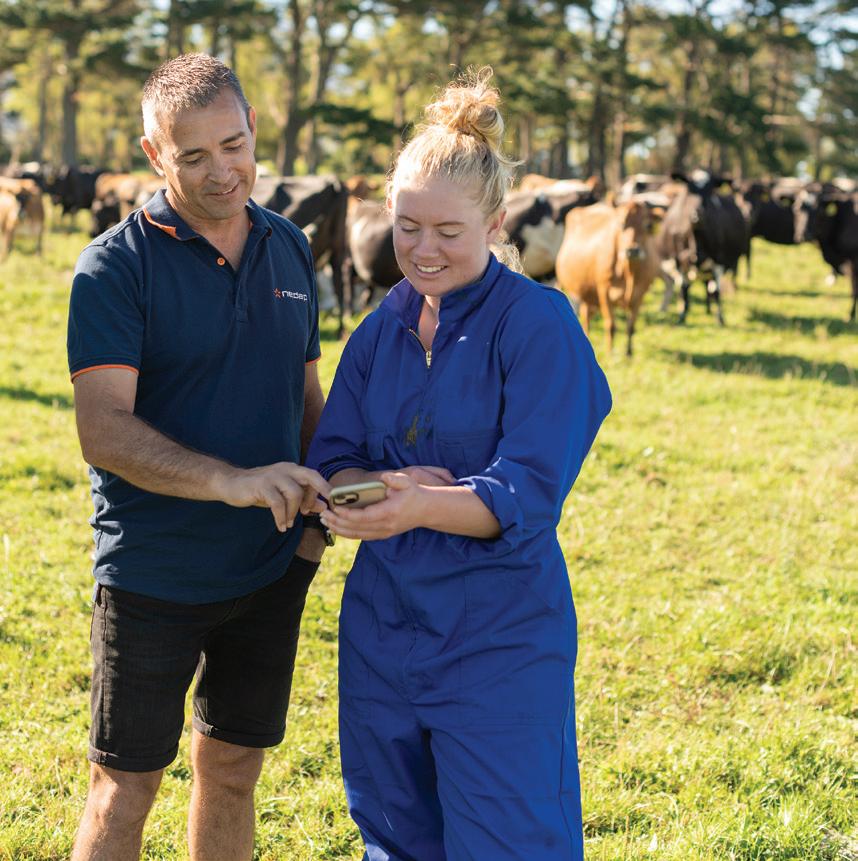
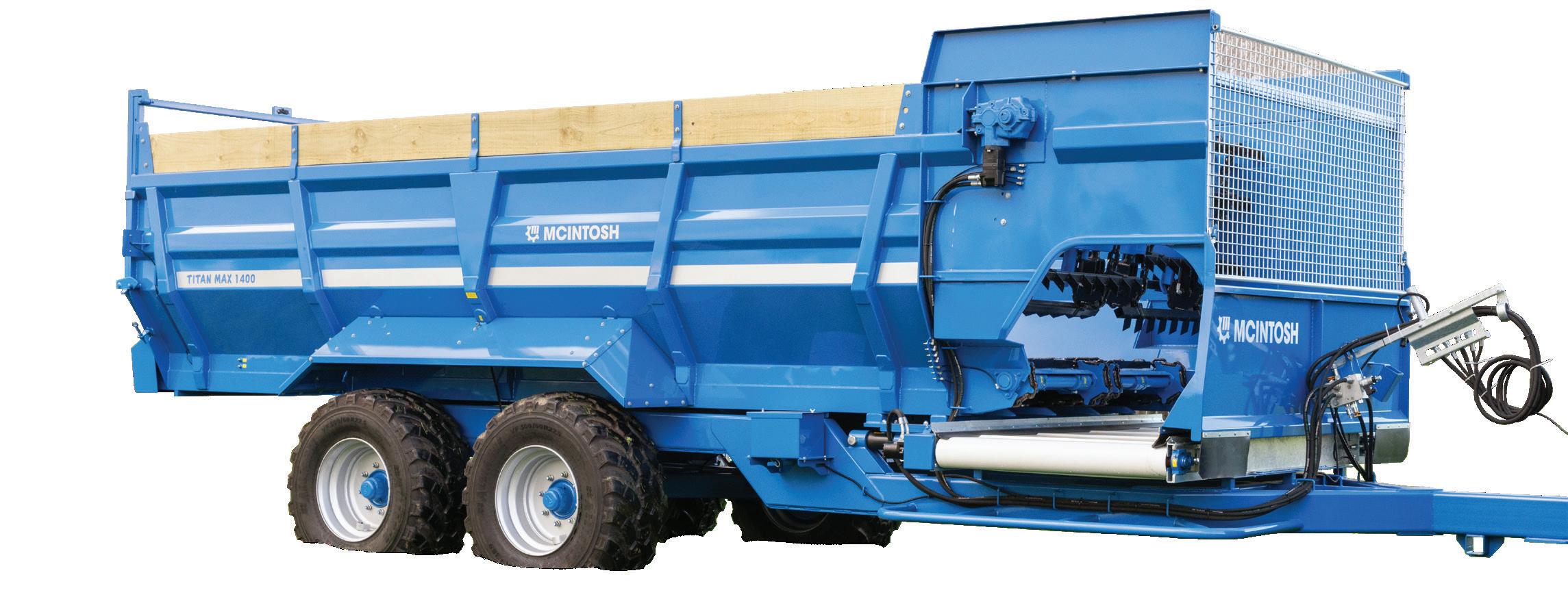
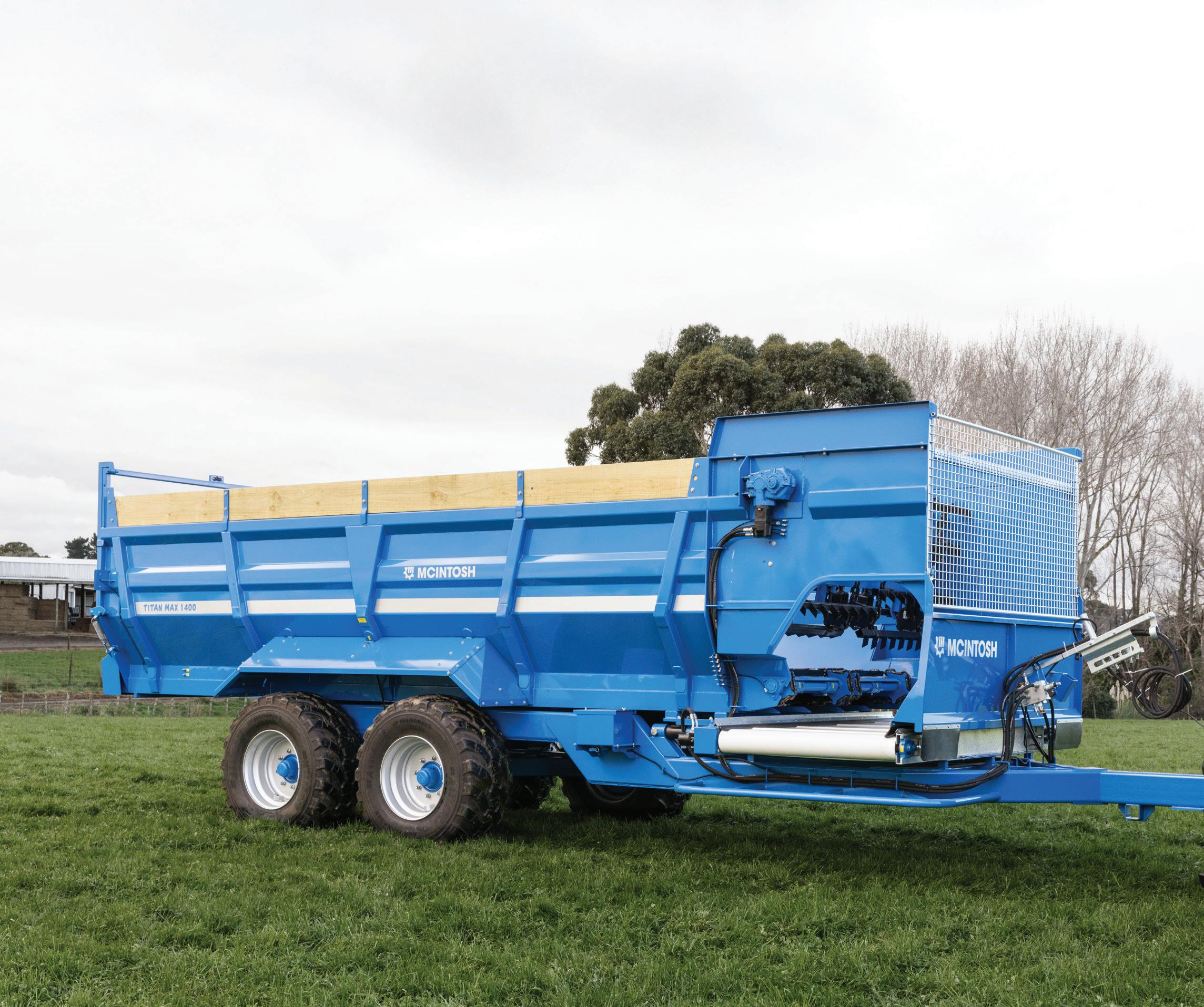
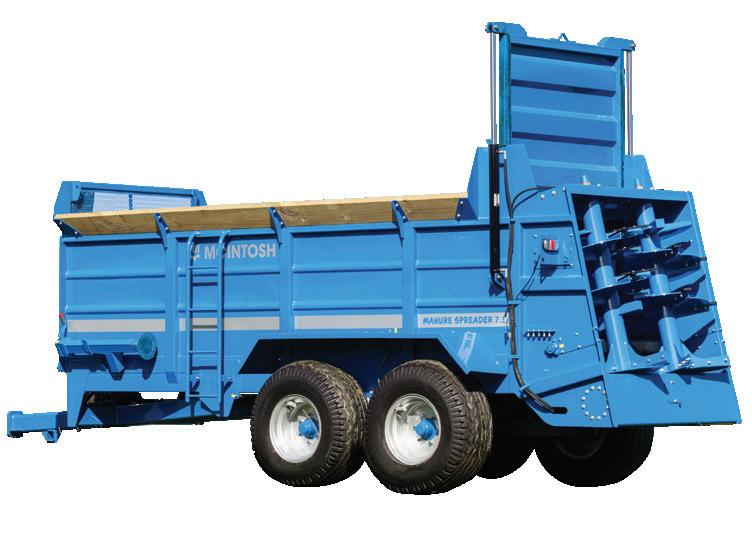
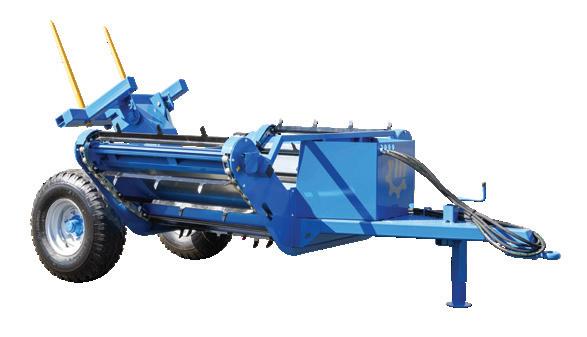
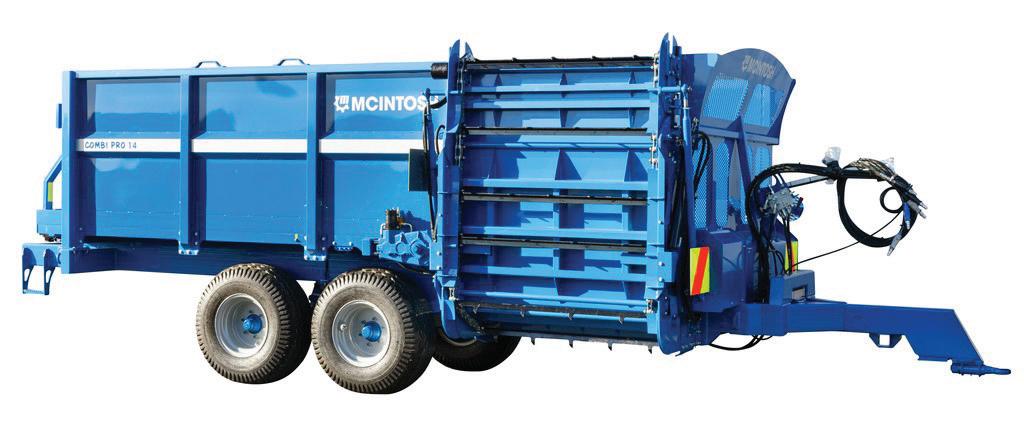
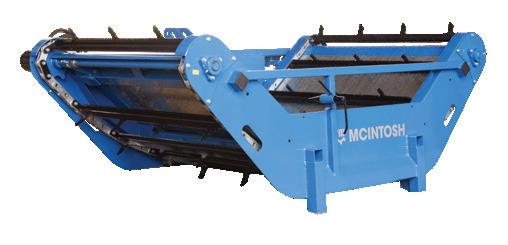
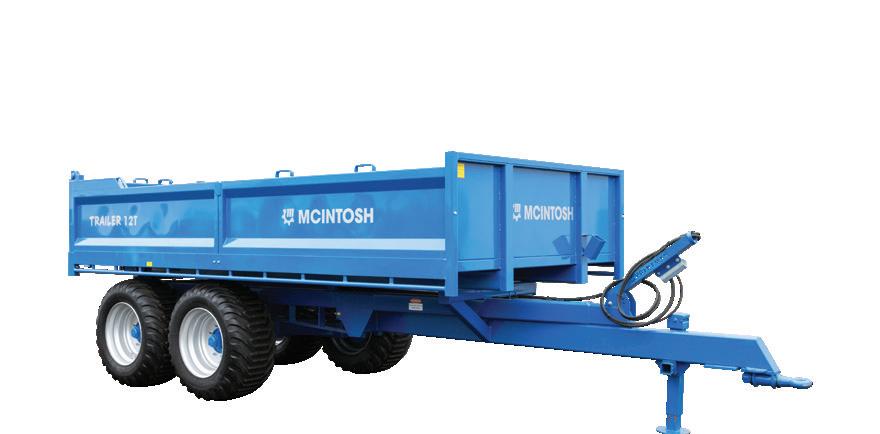
MARK DANIEL
WHILE IT took some time for Wakanui farmer Eric Watson to get the tracks dirty on his new Case IH AF10 combine, he says it was worth the wait, with the challenging conditions really putting the new machine through its paces.
Watson’s 490ha farm is just east of Ashburton on the fertile Canterbury Plains. Like many other parts of the country, it was a wet summer in the region, taking a toll on the annual crop harvest.
Watson, who runs Rangitata Holdings Ltd with his wife Maxine, grew up on a mixed farming property in the area, but bought his own farm, a 490ha cropping unit just east of Ashburton, almost 35 years ago.
The move proved to be a good one, with Eric earning a global reputation for exceptional crop management after breaking the Guinness World Record for highest wheat yield, not once but twice. Achieving 17.398 tonnes/ha in 2020, he broke his own previous 2017 record of 16.791 tonnes/ha, both driven by irrigation and high-intensity management.
As well as wheat, the Watsons grow barley, ryecorn, haricot beans, grass for seed, and some vegetable seed crops such as hybrid radish and spinach.
The new Case IH AF10 replaced a Case IH Axial-Flow 9250 combine, with Eric deciding to invest in the latest harvester technology to increase harvest capacity after challenging harvests in the previous three years.
“The implication of a late harvest has repercussions for next year’s crop yields, with late sowing affecting plant development, resulting in poorer returns. The increased capacity of the AF series really makes a difference when you’re up against the clock and
trying to get it done faster and more efficiently,” Eric said.
Indeed, constant rain in the region made for another challenging harvest this year, with the Watsons farm receiving 260mm from the beginning of January to the end of February, compared against their average annual rainfall of about 600mm. This resulted in delays getting into the paddocks, but when he could, the AF10, equipped with a MacDon 35ft header, impressed with its capabilities.
“With the ryecorn, which grows taller than wheat, I was surprised how well it handled the green straw, especially in the ryecorn as well as in the wheat.
“One of our ryegrass paddocks was swathed straight after about 40mm of rain, so the row was quite wet underneath when we harvested it. It never really dried in the swath, so I was surprised how well the combine handled it.”
Given the significant investment made in the AF10, Watson knew it had to justify the expense, but the amount of crop he was able to get through the combine, confirmed over snatched opportunities, shows he made the right call.
“A couple of times during harvest I was asked how much I’d got done over maybe a weekend, leaving the questioner really impressed with just how much we’d got off, and the speed with which we’d been able to do it,” he said.
775 horsepower on tap makes the AF10 Case IH’s highest horsepower and biggest capacity combine to date.
The AFXL rotor of the AF10 is longer than the previous series, delivering 50% more separation output to process high-yielding crops, while the grainhandling capacity has been enhanced with an industry-leading 20,000L grain tank.
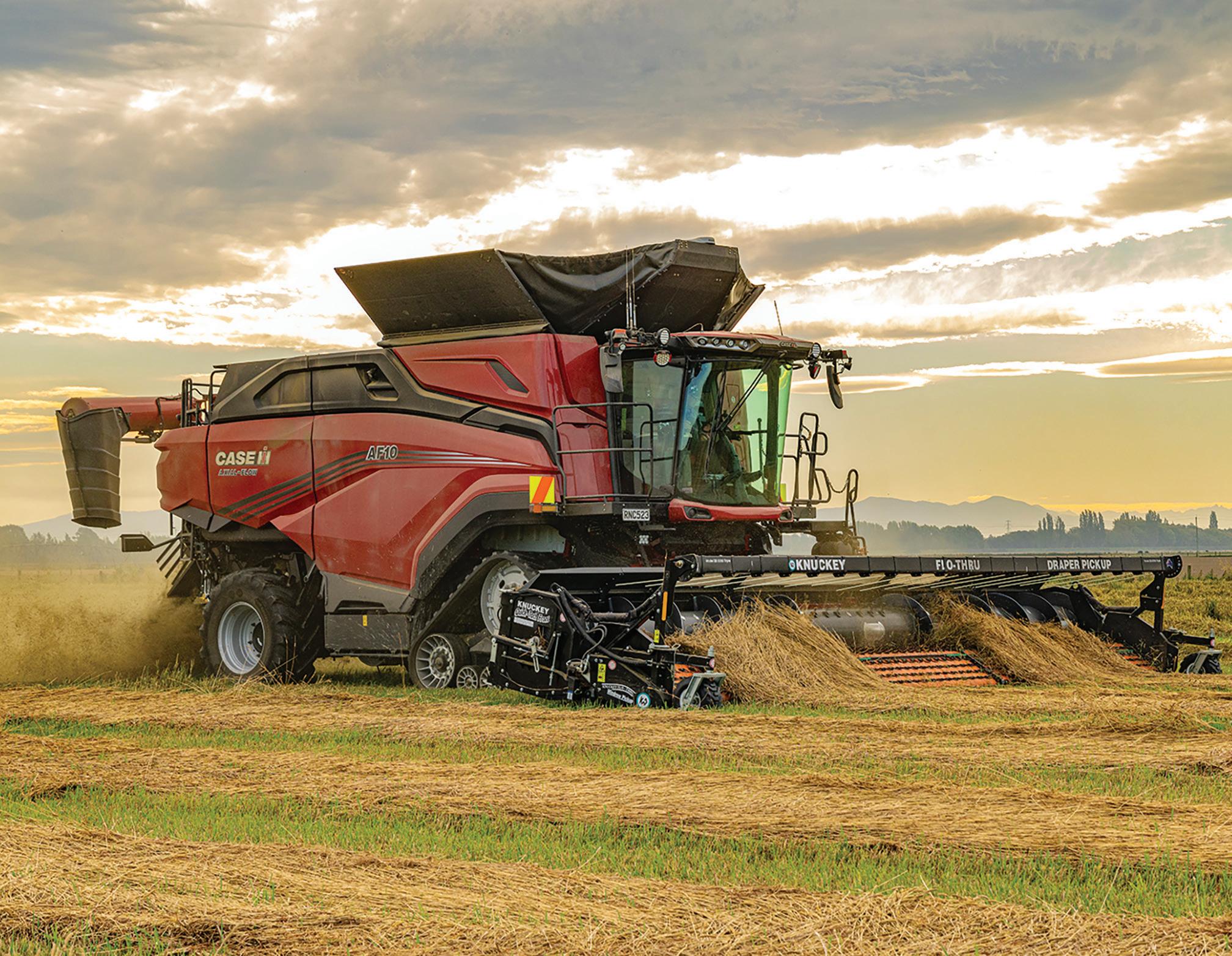
GREATER CONTROL and consistency during harvesting are achieved through tailored visibility in the dual Pro 1200 displays as well as real-time machine monitoring, remote view of in-cab displays and visualisation of agronomic data layers through FieldOps.
Optimisation is also evident in the Harvest Command system, monitoring the likes of ground speed, engine load, feed rate control and sieve settings, based on the data received from the loss sensors, a
grain camera and sieve pressure sensors.
Eric Watson confirmed that losses during harvest were lower and the AF10 was reasonably user-friendly when it came to learning how to get the best out of the machine. He also appreciated the advantages of the new, larger Pro 1200 screen, alongside the advancement in the automation features, allowing allowed him to monitor in real time the machine’s performance and progress. He noted that the increased
rainfall and lack of sunshine during critical growing periods meant below average yields for the year, but on a positive note, the AF10 had helped his current cultivation and planting schedule.
“The AF10 has been a great investment for us, handling a variety of crops in some atrocious conditions. It performed beyond expectations, so in a year when yields were impacted, we needed every advantage we could get to maximise returns. It’s ticked every box.”
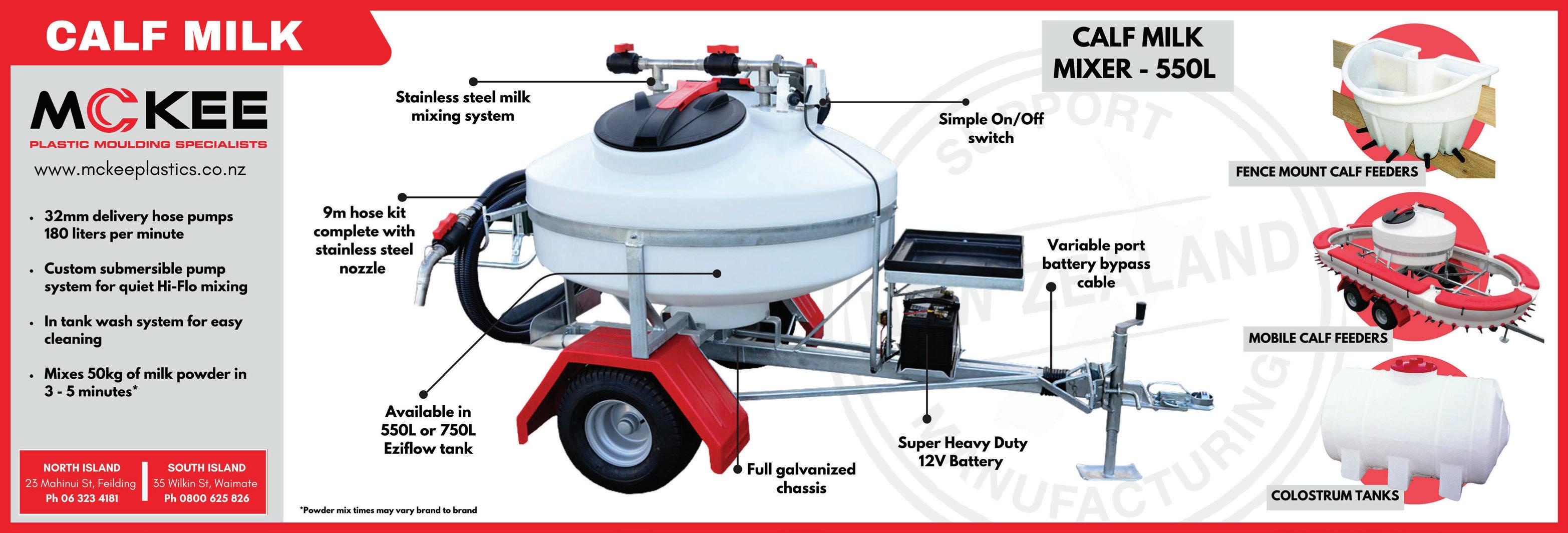
MARK DANIEL markd@ruralnews.co.nz
THE 2025-26 summer harvest delivered record results for the Carmody family in the GoldfieldsEsperance region of Western Australia, with one of their strongest seasons since taking ownership of the property in 2012.
Farming at Clare Downs, Cascade - 100km northwest of Esperance - brothers George, Tom and Jack Carmody and their families farm 5000 hectares, where the harvest averaged 4.1 tonnes per hectare for 2110ha of wheat, 2.2 t/ha over 2021ha of canola, 5.2 t/ha from 75ha of barley, and 6t/ha from a 140ha oats crop.
The 2025-2026 bumper season also provided the opportunity to test their new John Deere X9 1000 harvester, fitted with an HD40R front and full Harvest Automation technology, working alongside their existing 2015 John

Deere S690.
George Carmody, who operated the harvester for most of the season, says “it’s a good feeling when you buy a machine and it does what you want it to do without too much intervention”.
“The season before, we demonstrated the X9 1000 machine on the farm and the hinged draper front really sold us on it. We estimated we needed three S Seriesworth of harvesting capacity, so we decided to give the larger X9 a go, alongside our S690. With just the two machines on the go, we harvested our biggest ever crop in very good time.”
The business opted for the John Deere Harvest Automation Ultimate package, featuring Predictive Ground Speed Automation, Harvest Settings Automation, a John Deere HarvestLab™ 3000 grain analyser and advanced camera technology, to manage speed and grain quality.
The HarvestLab™
analyser is a near-infrared sensor technology that provides real-time, on-the-go measurement of moisture and constituent levels in grain like protein and oil in canola, enabling farmers to make immediate, sitespecific harvesting and marketing decisions based on exact quality data. The fully integrated Harvest Automation technology worked to optimise performance by automatically responding and adjusting to crop conditions.
Predictive Ground Speed used forwardfacing cameras and satellite-derived, preharvest biomass maps to automatically adjust the combine speed before entering varying crop conditions.
George found it to be ‘exceptional’, and when combined with the efficiency and consistency of the hinged draper front, he said it helped the combine to ‘really shine’. Operator fatigue was also
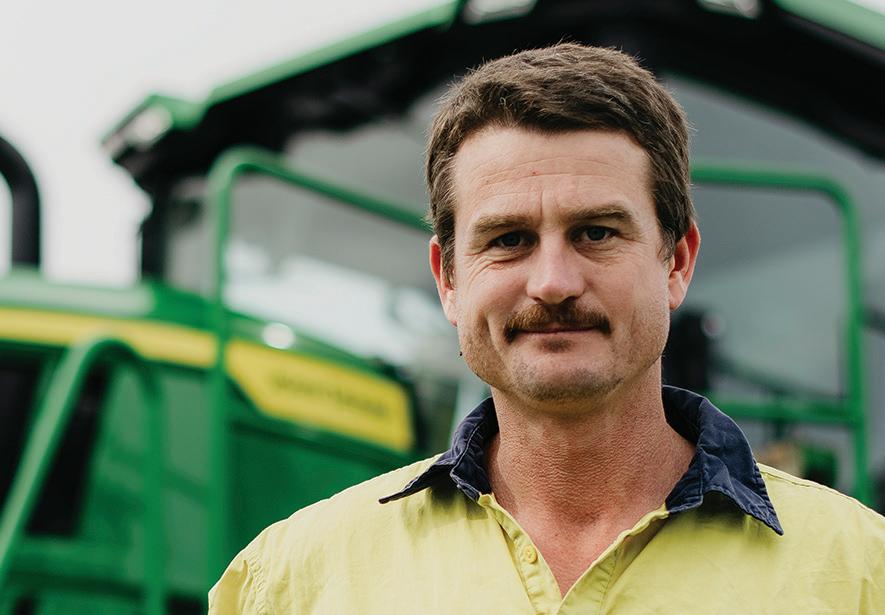
reduced by removing the need for constant manual assessment and adjustment.
“I’ve been driving headers for 20 years, so the Predictive Ground Speed took a bit of

getting used to, but once it’s set, it really feels as if the link between your brain and your arm has been replaced by the John Deere system, doing what you think should be done,” says George.