TO ALL FARMERS, FOR ALL FARMERS NEWS
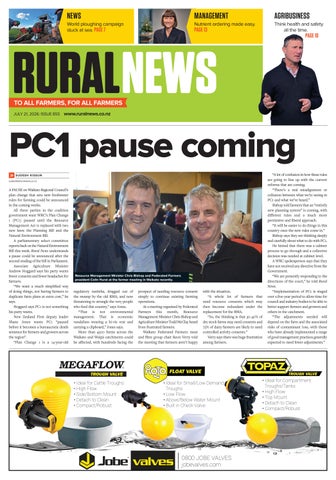
A PAUSE on Waikato Regional Council’s plan change that sets new freshwater rules for farming could be announced in the coming weeks.
All three parties in the coalition government want WRC’s Plan Change 1 (PC1) paused until the Resource Management Act is replaced with two new laws: the Planning Bill and the Natural Environment Bill.
A parliamentary select committee reports back on the Natural Environment Bill this week. Rural News understands a pause could be announced after the second reading of the bill in Parliament.
Associate Agriculture Minister Andrew Hoggard says his party wants fewer consents and fewer headaches for farmers.
“We want a much simplified way of doing things, not having farmers to duplicate farm plans at extra cost,” he says.
Hoggard says PC1 is not something his party wants.
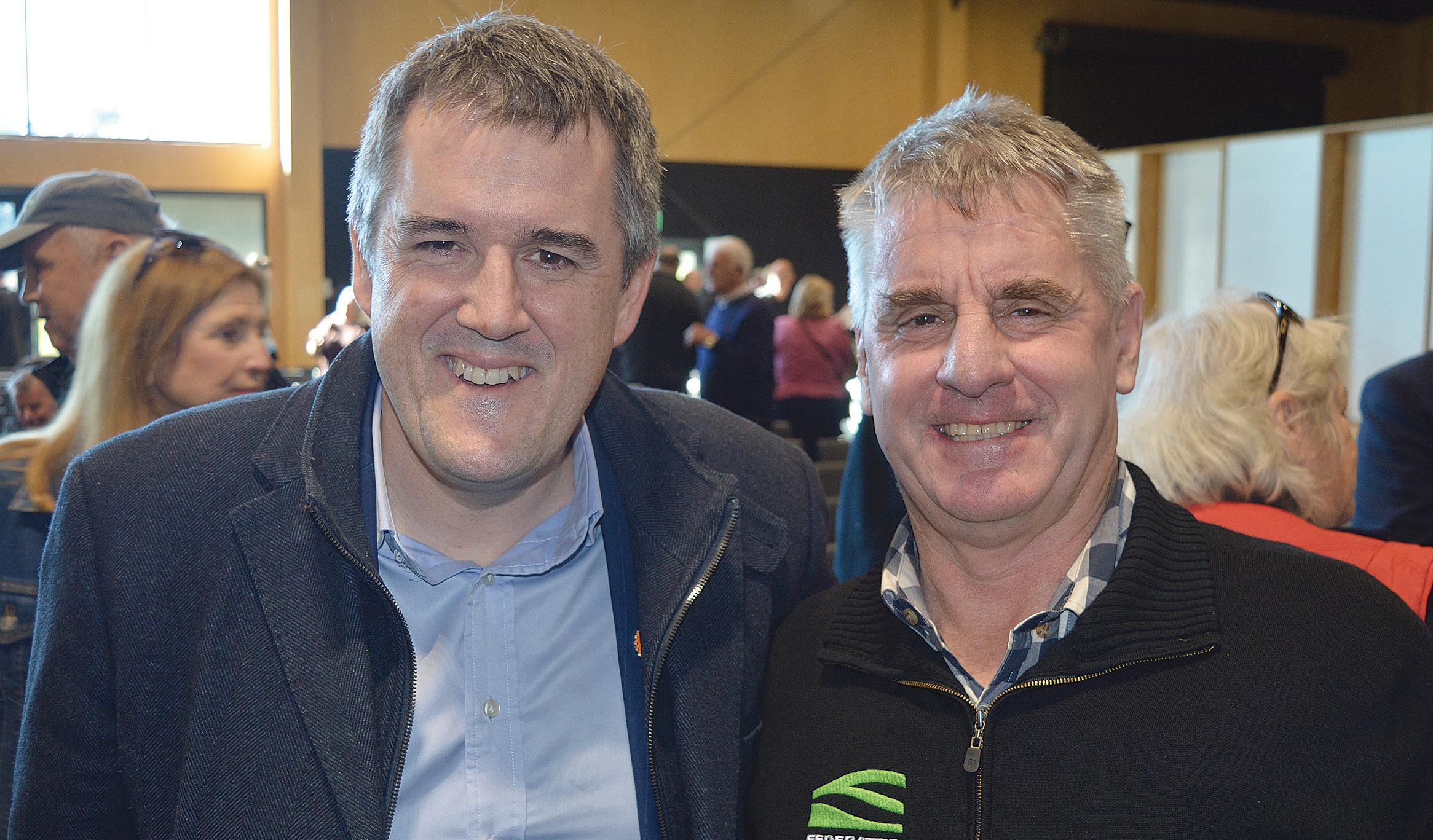
New Zealand First deputy leader Shane Jones wants PC1 “paused before it becomes a bureaucratic death sentence for farmers and growers across the region”.
“Plan Change 1 is a 14-year-old
regulatory taniwha, dragged out of the swamp by the old RMA, and now threatening to strangle the very people who feed this country,” says Jones.
“That is not environmental management. That is economic vandalism wearing a hi-vis vest and carrying a clipboard,” Jones says.
More than 4500 farms across the Waikato and Waipā catchments could be affected, with hundreds facing the
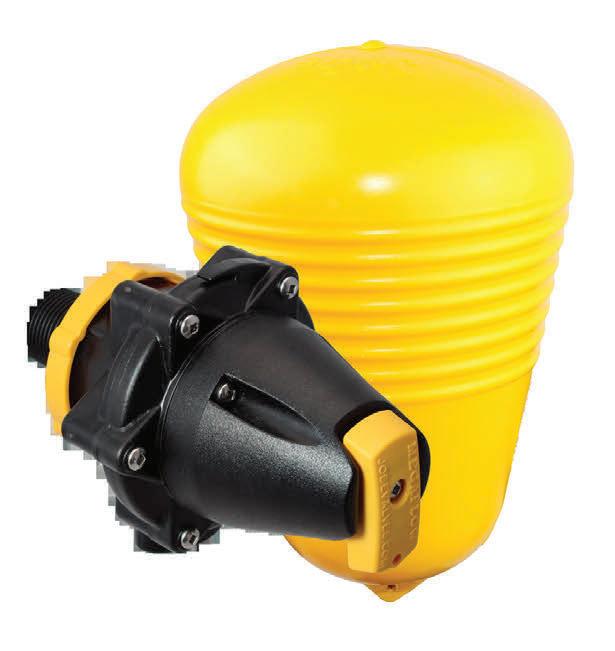
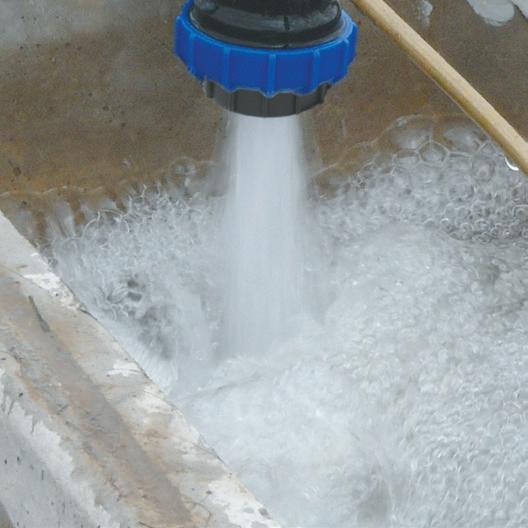
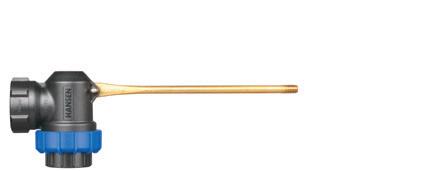
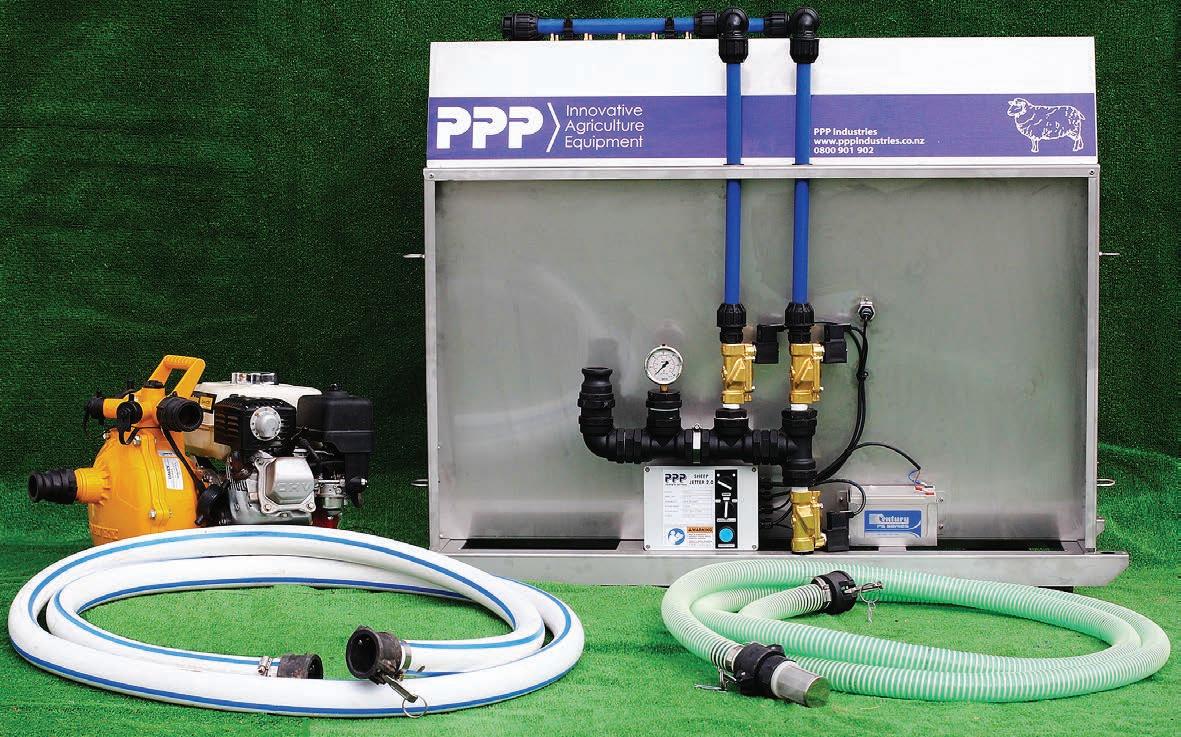
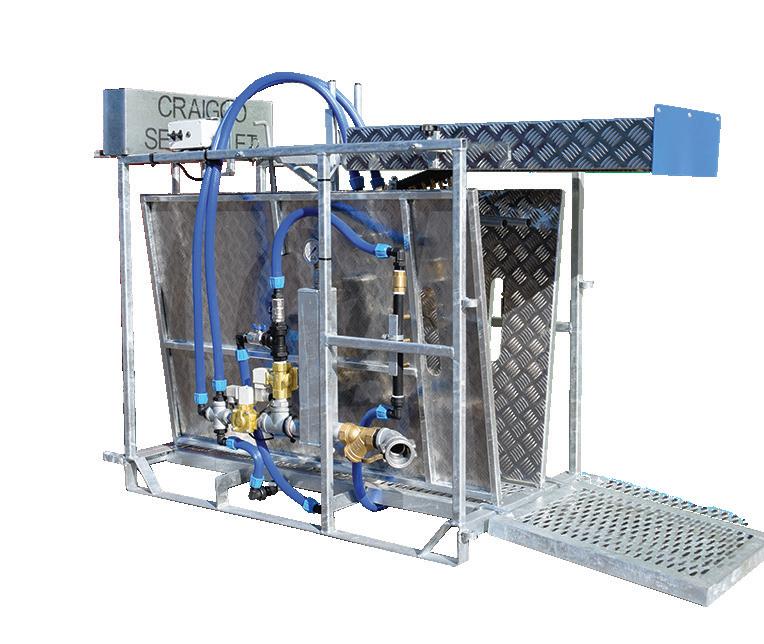
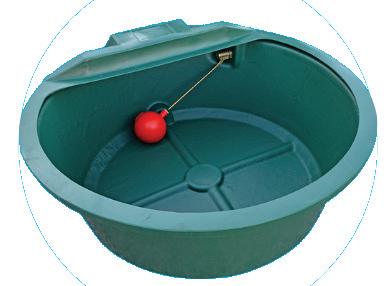
•Ideal for Cattle Troughs
•High Flow
•Side/Bottom Mount
•Detach to Clean
•Compact/Robust
prospect of needing resource consent simply to continue existing farming operations.
At a meeting organised by Federated Farmers this month, Resource Management Minister Chris Bishop and Agriculture Minister Todd McClay heard from frustrated farmers.
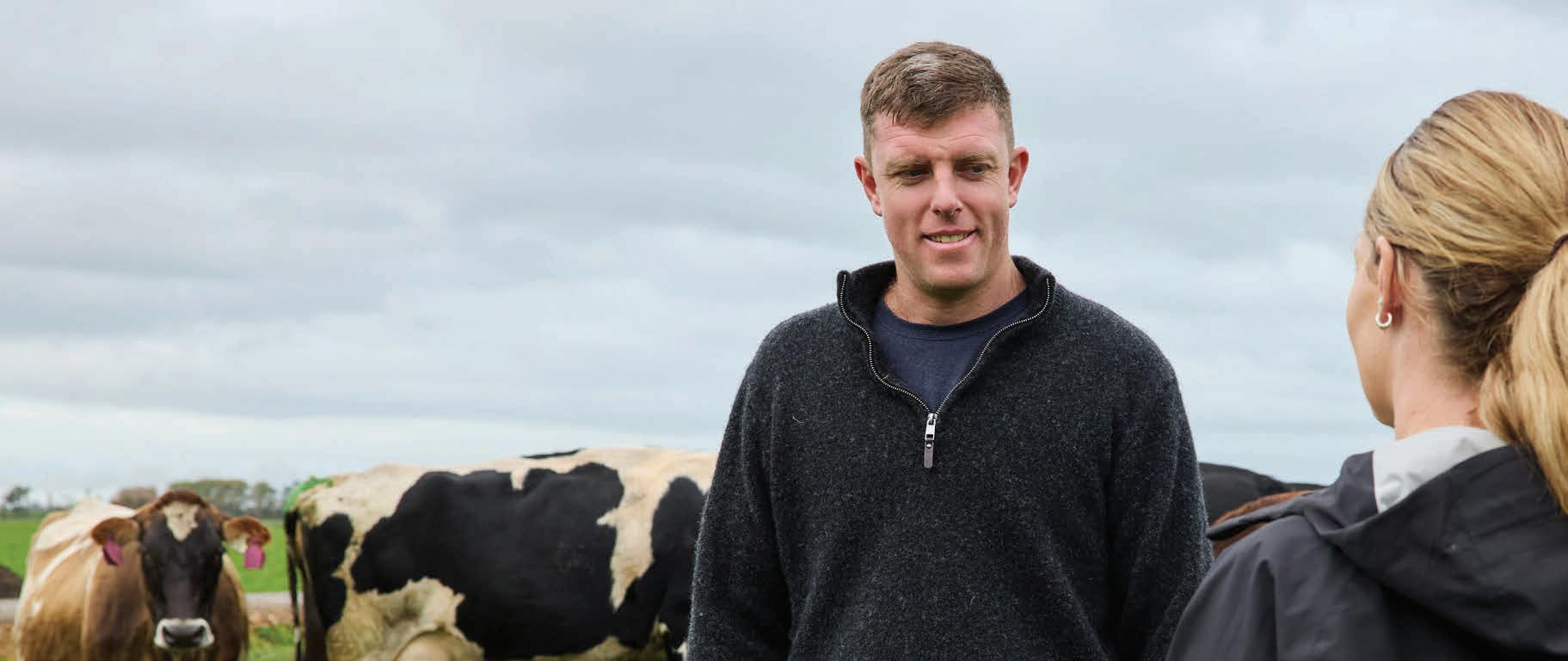
Waikato Federated Farmers meat and fibre group chair Reon Verry told the meeting that farmers aren’t happy
with the situation.
“A whole lot of farmers that need resource consents which may then become redundant under the replacement for the RMA.
“So, the thinking is that 30-40% of dry stock farms may need consents and 75% of dairy farmers are likely to need controlled activity consents.”
Verry says there was huge frustration among farmers.

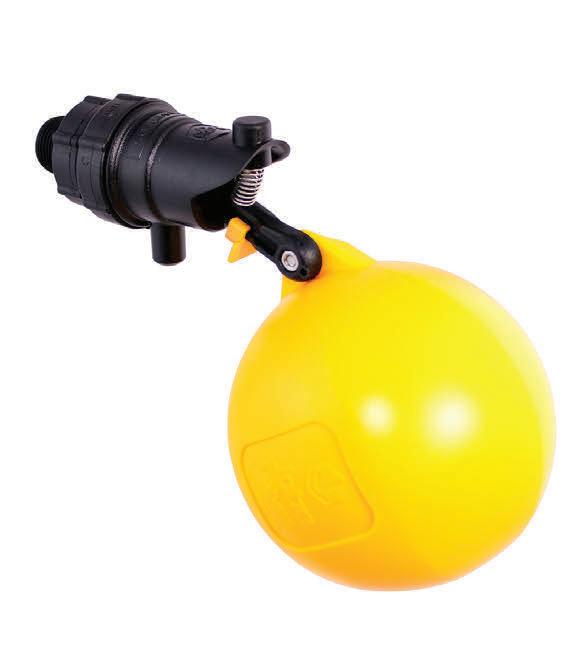
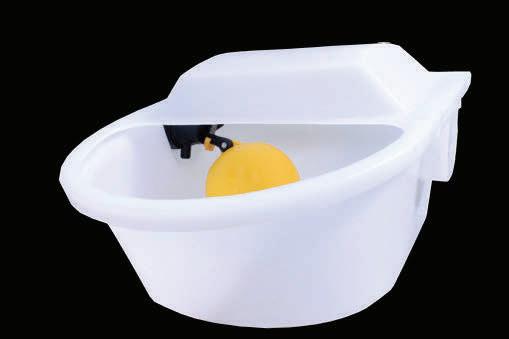
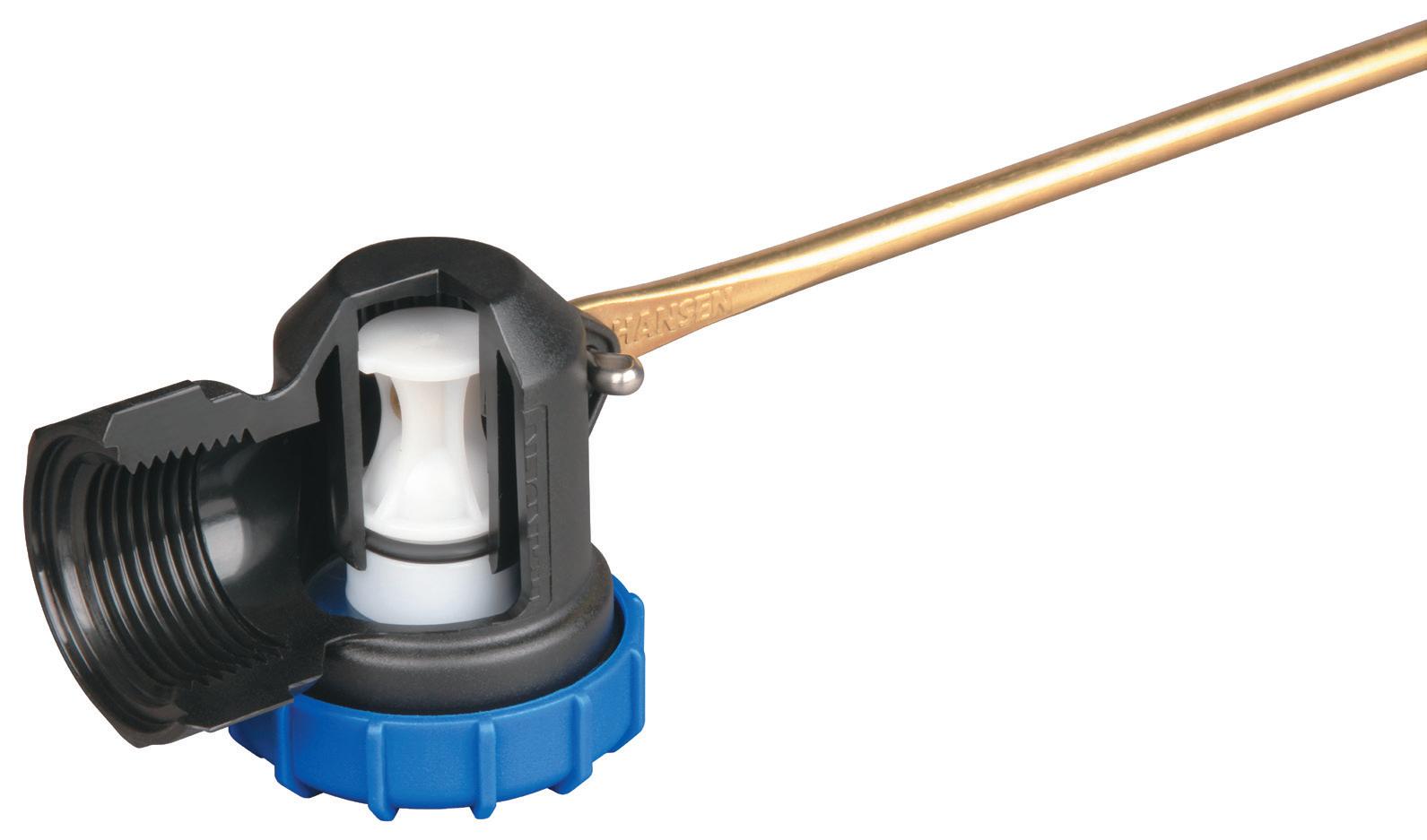
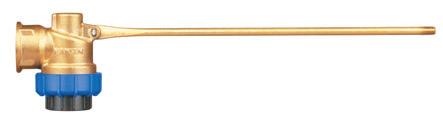
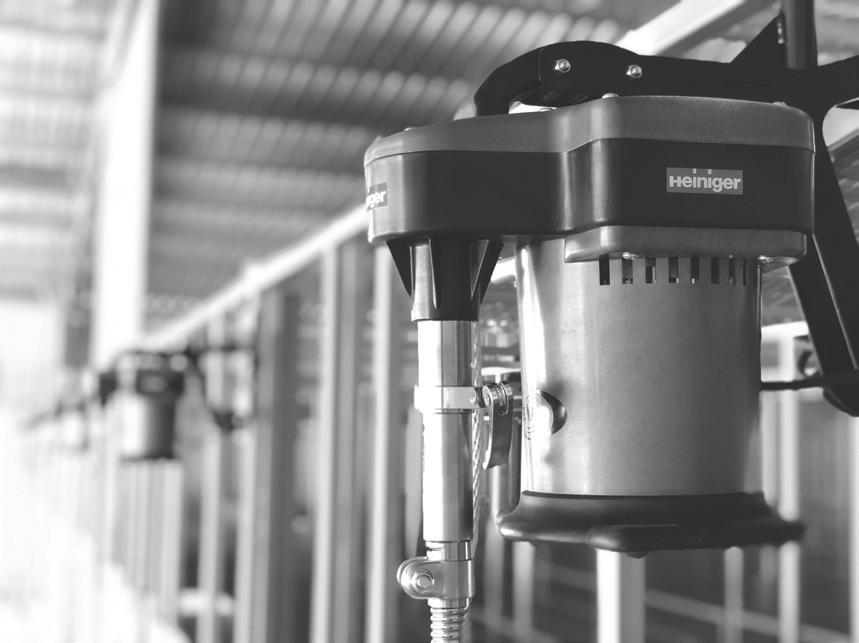
•Ideal for Small/Low Demand Troughs
•Low Flow
ve/Below Water Mount
•Built in Check-Valve
“A lot of confusion in how these rules are going to line up with the current reforms that are coming.
“There’s a real misalignment or collusion between what we’re seeing in PC1 and what we’ve heard.”
Bishop told farmers that an “entirely new planning system” is coming, with different rules and a much more permissive and liberal approach.
“It will be easier to do things in this country once the new rules come in.”
Bishop says they are thinking deeply and carefully about what to do with PC1.
He hinted that there was a cabinet process to go through and a collective decision was needed at cabinet level.
A WRC spokesperson says that they have not received any directive from the Government.
“We are presently responding to the directions of the court,” he told Rural News.
“Implementation of PC1 is staged over a five-year period to allow time for council and industry bodies to be able to better support farmers and growers and others in the catchment.
“The adjustments needed will depend on the farm and the associated risks of contaminant loss, with those who have already implemented a range of good management practices generally expected to need fewer adjustments.”

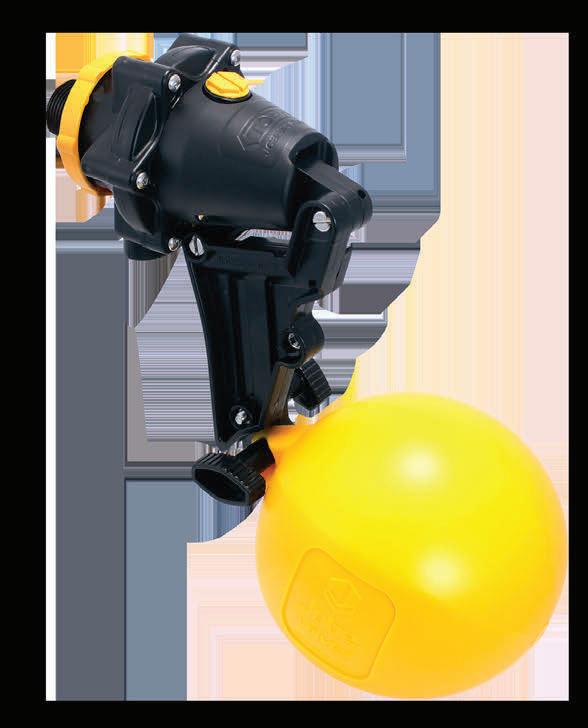
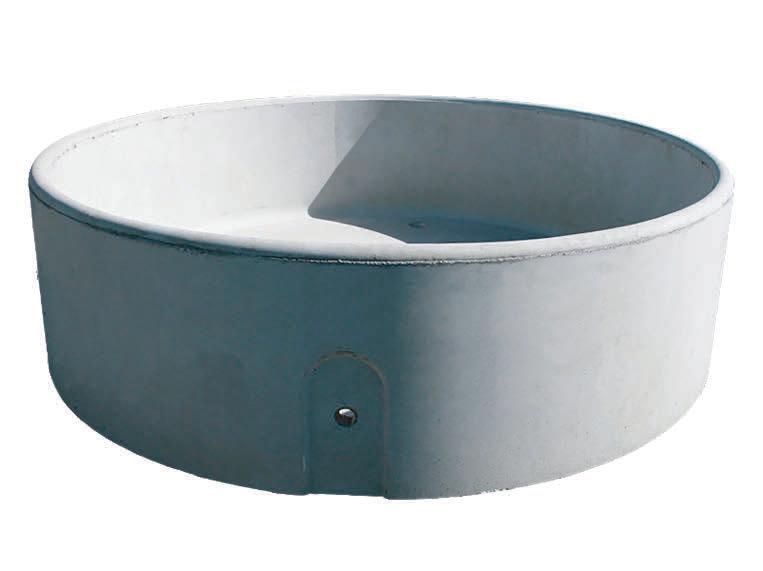
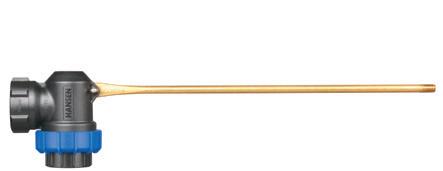
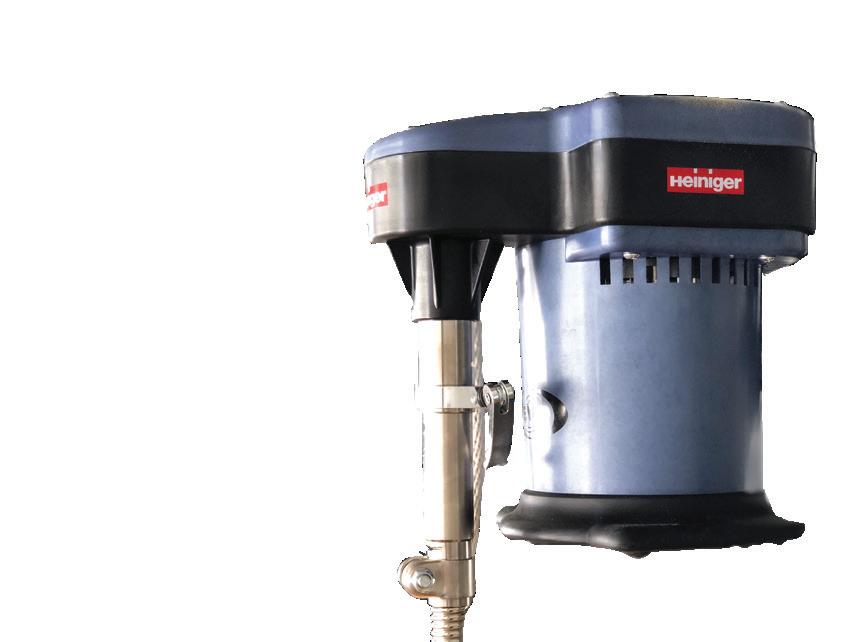
•Ideal for Compartment Troughs/Tanks
•High Flow
•Top Mount
•Detach to Clean
•Compact/Robust


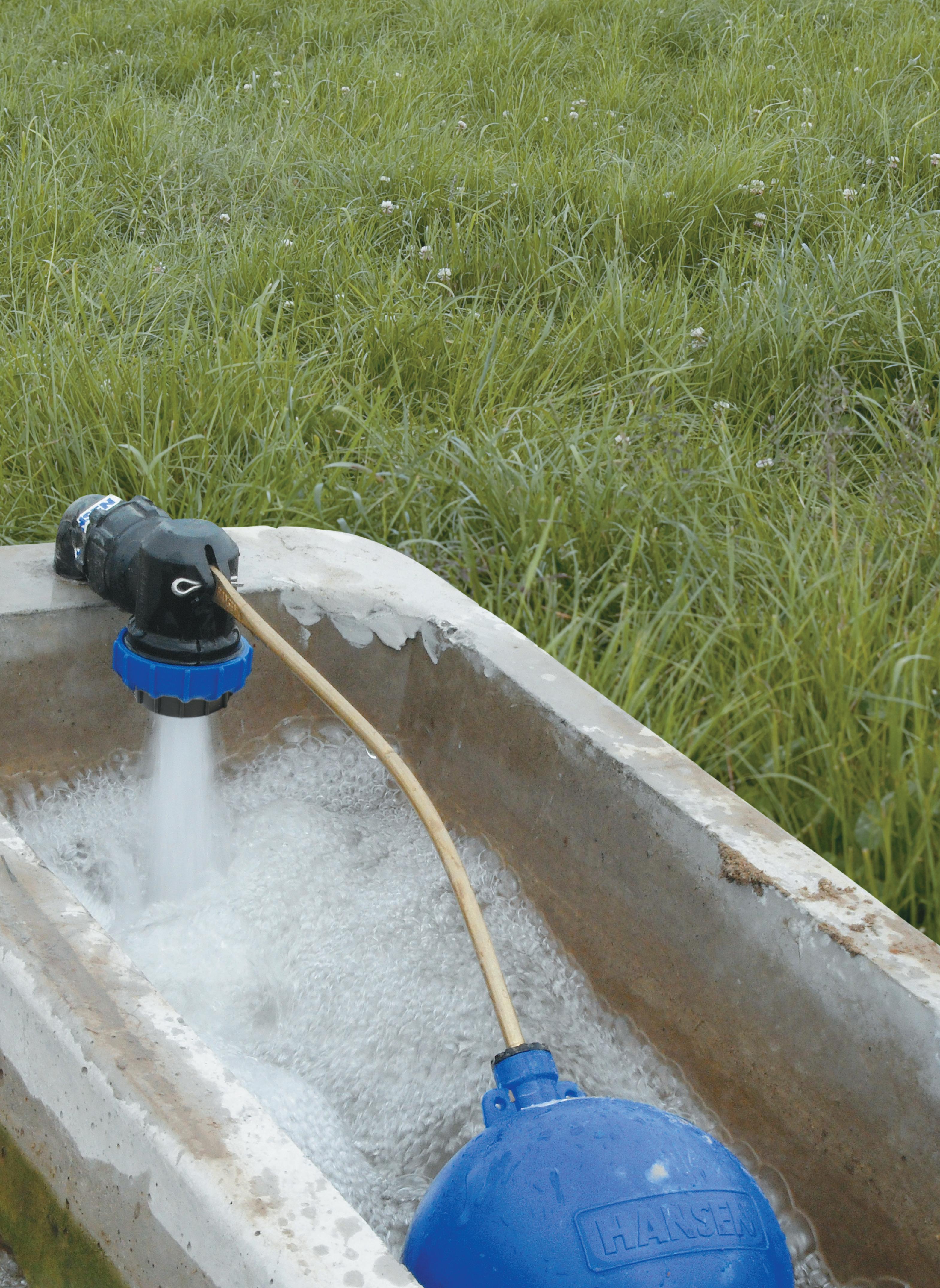
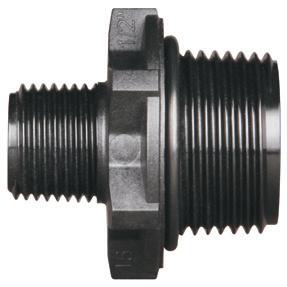
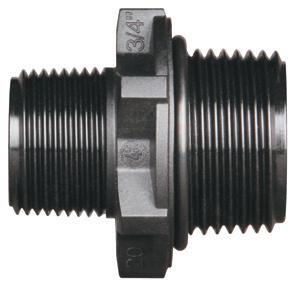
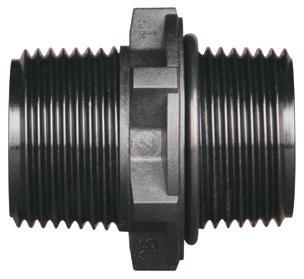
Now includes 15, 20 & 25mm Adaptors in Superflo Standard Adaptor Pack
The Hansen Superflo Valve has been design and built from the ground up to produce a High Performance Super Low Maintenance Valve. With it’s proven success it’s not difficult to see why so many farmers have embraced it. High Performance 188 L/min @
Slipper Fit Piston Helps Eliminate Stuck Valves
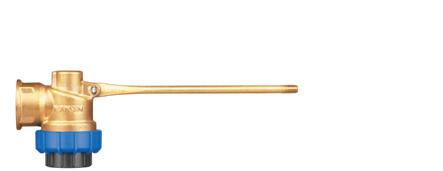
Multiple Size Options
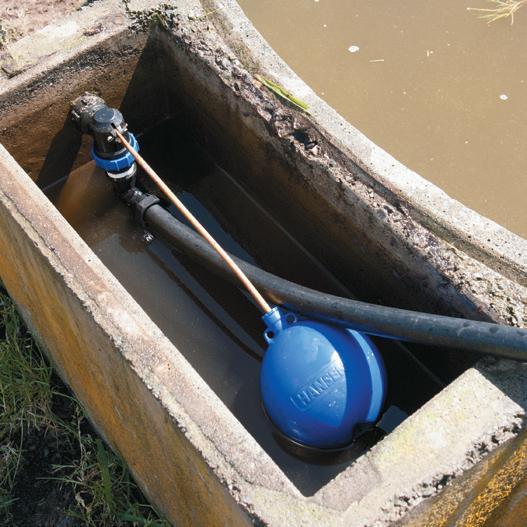
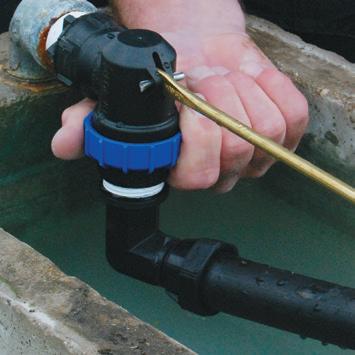
Threaded Outlet for Portables, Washdown, Tanks, Irrigation HAND TESTED

beckyw@ruralnews.co.nz
KISSUN
SUDESH
sudeshk@ruralnews.co.nz
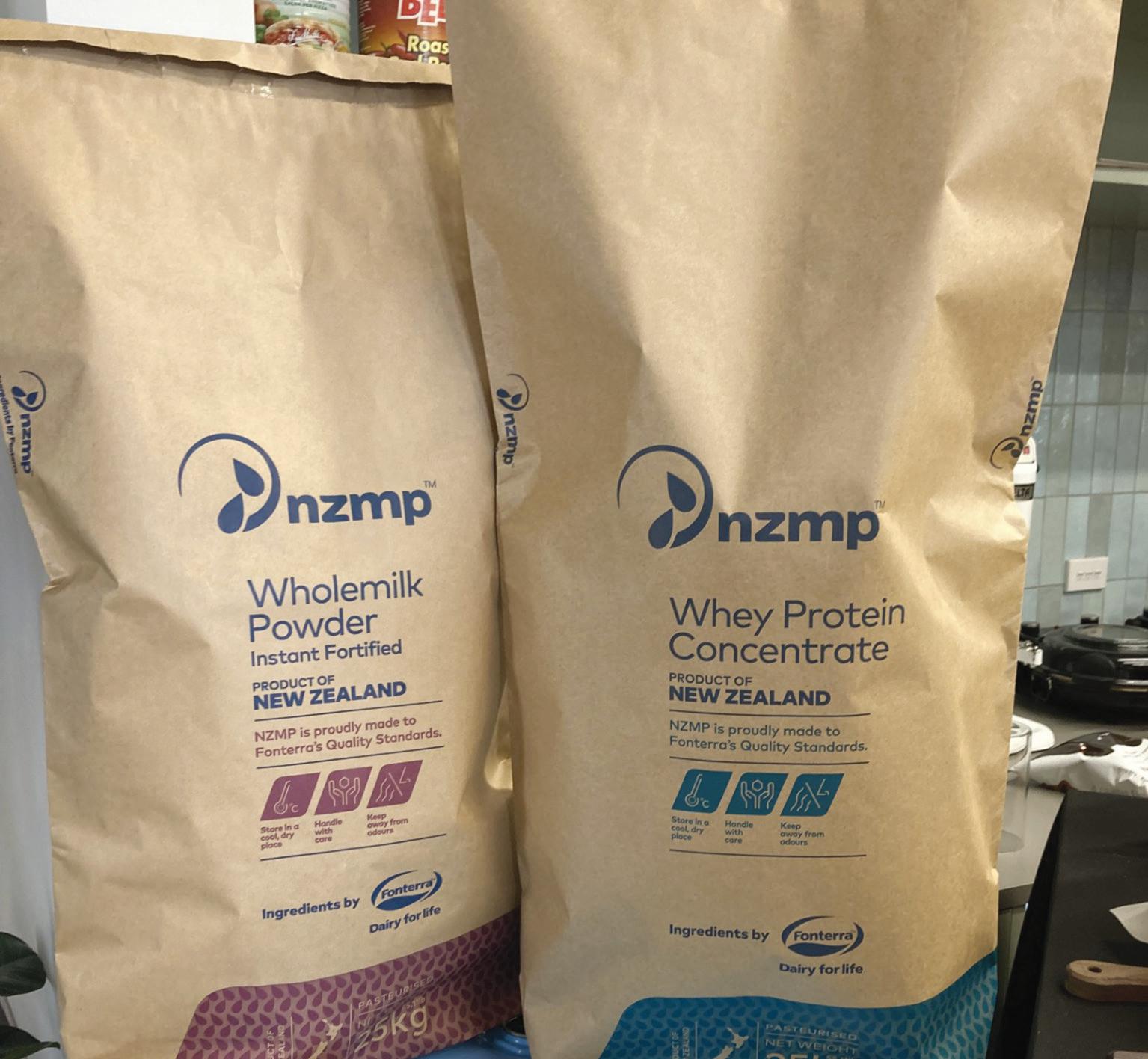
A MILK glut around the world shows no sign of easing, putting downward pressure on farmgate milk prices for the next few months.
Since May, Global Dairy Trade (GDT) prices have fallen 11% across the reference products that inform Fonterra’s farmgate milk price.
This prompted the co-operative to lower its forecast farmgate milk price by 50c to $$9.2/kgMS, with a new range of $8-$10.50/kgMS.
ANZ agricultural economist Matt Dilly isn’t surprised by Fonterra’s revised milk price forecast at $9.25/ kgMS.
Dilly told Rural News that this change brings Fonterra’s forecast into alignment with ANZ’s forecast of $9.20/ kgMS.
“There is indeed a lot of milk being produced in the key exporting countries, and this has been a factor since early 2025.
“We haven’t yet seen much evidence of supply contraction in response to lower prices. Milk prices haven’t yet been low enough for long enough for farmers to hit the brakes.
“One exception is Europe, where milk prices have been weaker and the hot summer has caused production to slow somewhat.”
Dilly expects prices to remain weak for the next few months, in line with a typical seasonal pattern, before recovering later in the season.
Fonterra chief executive Richard Allen says the change to the 2026-27 forecast reflects softer-than-expected demand at a time of strong global supply.
Allen expects a strong start to the season in New Zealand, noting the potential for the El Niño weather pattern to impact global supply as the season progresses.
“It’s very early days in terms of the proportion of our FY27 sales book that has been contracted, so we face significant exposure to changes in
AS EXPECTED, the US has launched a safeguard investigation into lamb imports, a move that could impact New Zealand sheepmeat returns.
The US Trade Representative has formally requested the International Trade Commission launch a safeguard investigation into US lamb imports.
This investigation is not specifically directed at New Zealand and will be carried out by the US International Trade Commission, an independent, non-partisan, quasi-judicial federal agency. The investigation is expected
to take 4-6 months.
New Zealand lamb earns an average of $21.99 per kilogram in the US, compared to New Zealand’s global average of $14/kg. Any restrictions on sheepmeat exports would lead to displacement of product to lower value markets.
“While the move is disappointing, the sector had been anticipating some form of action and preparing for this possibility,” says Kate Acland, chair of Beef+Lamb New Zealand.
Acland says the sector will be
working hard to ensure New Zealand’s position is clearly understood.
“We are working closely with our Government and officials, maintaining regular contact with New Zealand’s US partners and have engaged legal representation in Washington D.C. to support New Zealand’s involvement in the investigation.
“New Zealand has a stable and balanced trading relationship that began 100 years ago.”
Nathan Guy, independent chair of the Meat Industry Association, said
the sector remained confident in its position that New Zealand’s exports have not caused damage, nor pose any threat to the US sheep industry.
“Our sector produces a high-quality product that is trusted by customers around the world, including the US.
“New Zealand lamb complements US production rather than competes with it, filling supply gaps and occupying a distinct place in the market. We maintain that any action targeting New Zealand lamb is unjustified.”
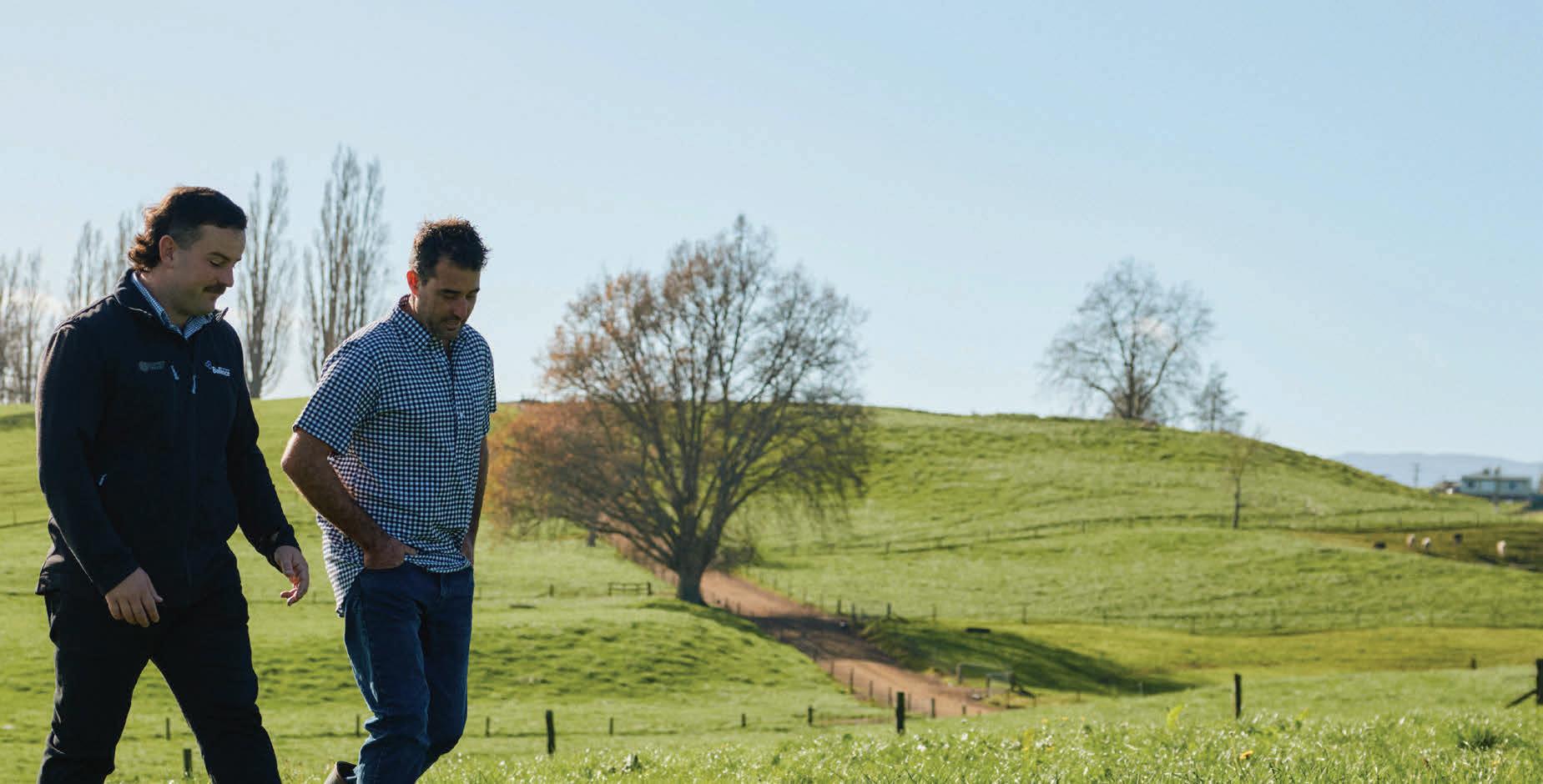
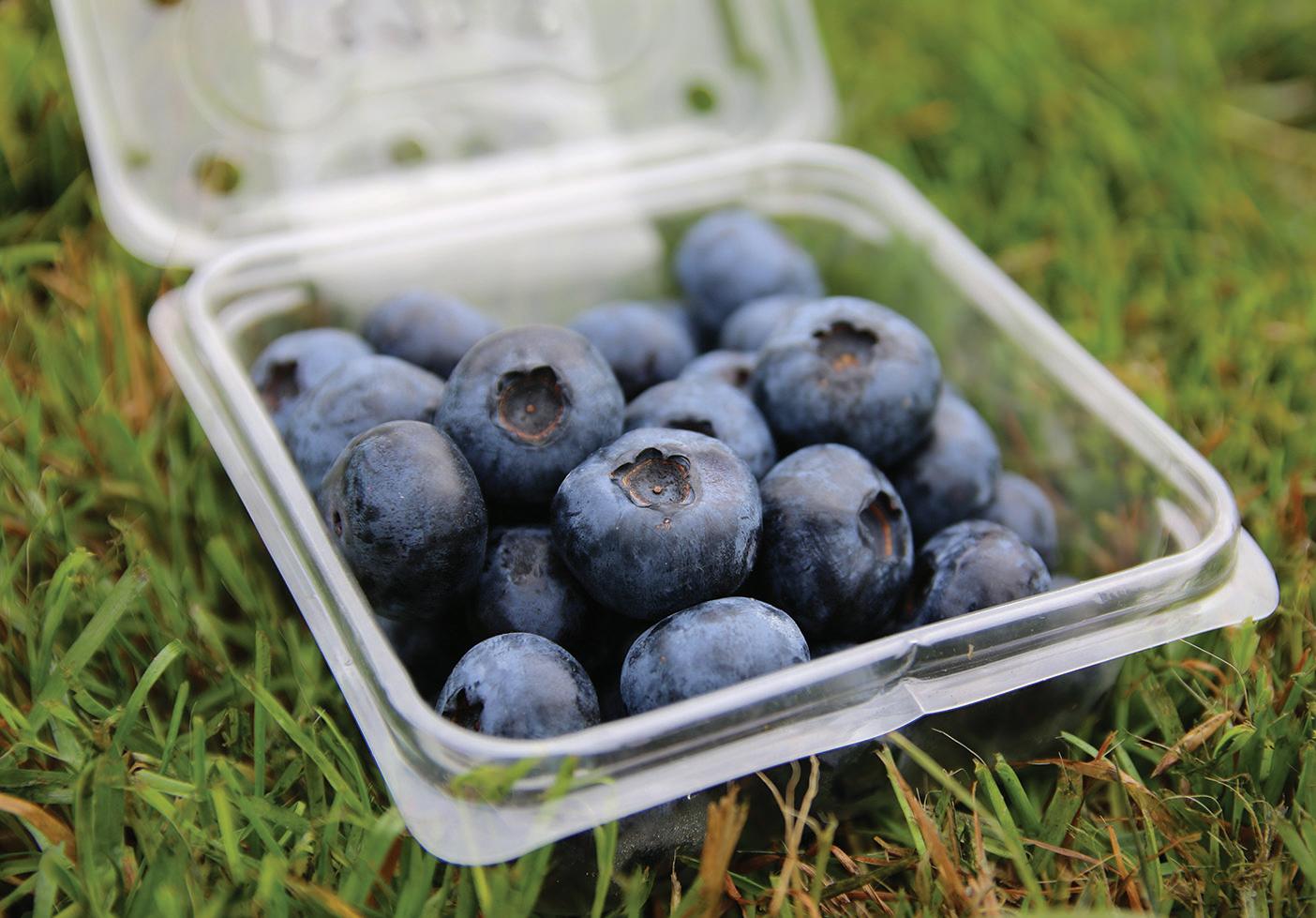
BLUEBERRY GROWERS
are warning that fresh imports could pose a huge biosecurity risk for NZ’s horticulture sector.
Michaela Frost, Mamaku Blue Blueberry in Rotorua, says growers are baffled by Ministry for Primary Industries (MPI) plans to allow fresh blueberry imports from five countriesMexico, Peru, Chile, US and Morocco.
Consultation has recently closed for Biosecurity New Zealand’s proposed import requirements for fresh blueberries.
But industry group
Blueberries New Zealand says it’s worried about increased biosecurity risks - for example, bringing in the Spotted Wing Drosophila fruit fly or the bacterial plant
disease Xylella fastidiosa.
Frost questions why New Zealand would want to open its multi-billion-dollar horticulture sector to pests and diseases from these five countries.
She says NZ blueberry growers are worried about pests like fruit fly arriving on blueberries from these countries.
“And the risk isn’t contained to the blueberry industry, since a fruit fly incursion will affect kiwifruit and apple growers too.
“So, there’s a lot of concern among NZ growers but so far MPI doesn’t seem to be listening to our concerns.”
New Zealand enjoys its own supply of fresh
LISA WINTHROP, Biosecurity New Zealand director, biosecurity import & export standards, says Biosecurity New Zealand has engaged ‘extensively’ with the blueberry industry throughout the development of the proposed import standards.
“Since 2021, there have been
blueberries all year around. NZ blueberries are also exported to Australia and South Korea.
According to Frost, the five countries don’t have stringent laws around blueberry exports that NZ have.
“These five countries don’t have those standards that NZ growers to have here for their export.
“For us to be able to export to Australia, growers need to do a lot of work.
“And even to Korea, because now the fresh blueberries have been accepted to Korea - it’s a lot of work.
“You can’t have even a little tiny egg on the NZ blueberry. If that’s detected, everything’s compromised.”
Blueberries New Zealand chair Trudy O’Halloran has described the standards as “really unfair”. She says that if a new pest or disease were to enter the country, it would likely have a significant impact on the wider horticulture sector and that could cost both growers and taxpayers millions.
multiple meetings with industry representatives – meetings that have included presentations, workshops, and provision of technical information that supported our IHA proposals,” Winthrop says.
“We have provided responses to their questions throughout this period and also
provided additional materials that industry representatives requested during the consultation period,” she adds.
Winthrop states that the proposed standards would, if finalised, set biosecurity requirements that must be met for fresh blueberries to be safely imported into New Zealand.
“It does not determine whether imports occur but establishes the conditions under which trade can take place.”
She says Biosecurity New Zealand is “extremely thorough” in its assessment of pest and disease risks and has set a high level of pest and disease protection for imported produce.
BUILDING A strong team is one of the biggest drivers of a successful sheep and beef business, but it can also be one of the tougher parts to get right.
That’s according to Olivia Weatherburn, B+LNZ’s national extension programme manager.
“Farmers today are wearing a lot of hats. Alongside running the farm, they’re also managing people, systems
and more.
“We heard clearly that farmers want more support to get the most from their people, and that’s where the Employment Hub comes in.
“It pulls together practical, easy-touse resources to help farmers through each step, whether it’s hiring someone for the first time or managing a more established team.”
B+LNZ has updated its
Employment Hub, bringing together practical tools and resources to help farm employers build and support a strong team
The update was shaped by extensive farmer input, with support from the former Workforce Development Council for the food and fibre sector, team helping identify gaps and improve how the Hub is structured.
The focus is on what farmers need most – simple, step-by-step resources that are easy to find and easy to use.
The refreshed B+LNZ Employment Hub has already seen strong uptake, with more than 560 views since launching in March.
Weatherburn says the early usage reflects the demand for simple, practical support farmers can apply straight away.
“We just want MPI to sit down… and work through the standards with us,” she told Rural News.
Currently, New Zealand’s blueberry industry is valued at approximately $150 million, with aims to double that. It hires close to 4000 seasonal workers.
The refreshed B+LNZ Employment Hub has reportedly already seen steady use from farmers looking for straightforward, practical advice across the full employment journey.
“So far, we’re seeing the most interest in understanding roles on farm and career pathways, recruitment and selection, and staff management, especially building strong working relationships,” says Weatherburn.

need to feel connected to our society and supported like those of us who live close to towns,” she says.
FEDERATED FARMERS
new vice president
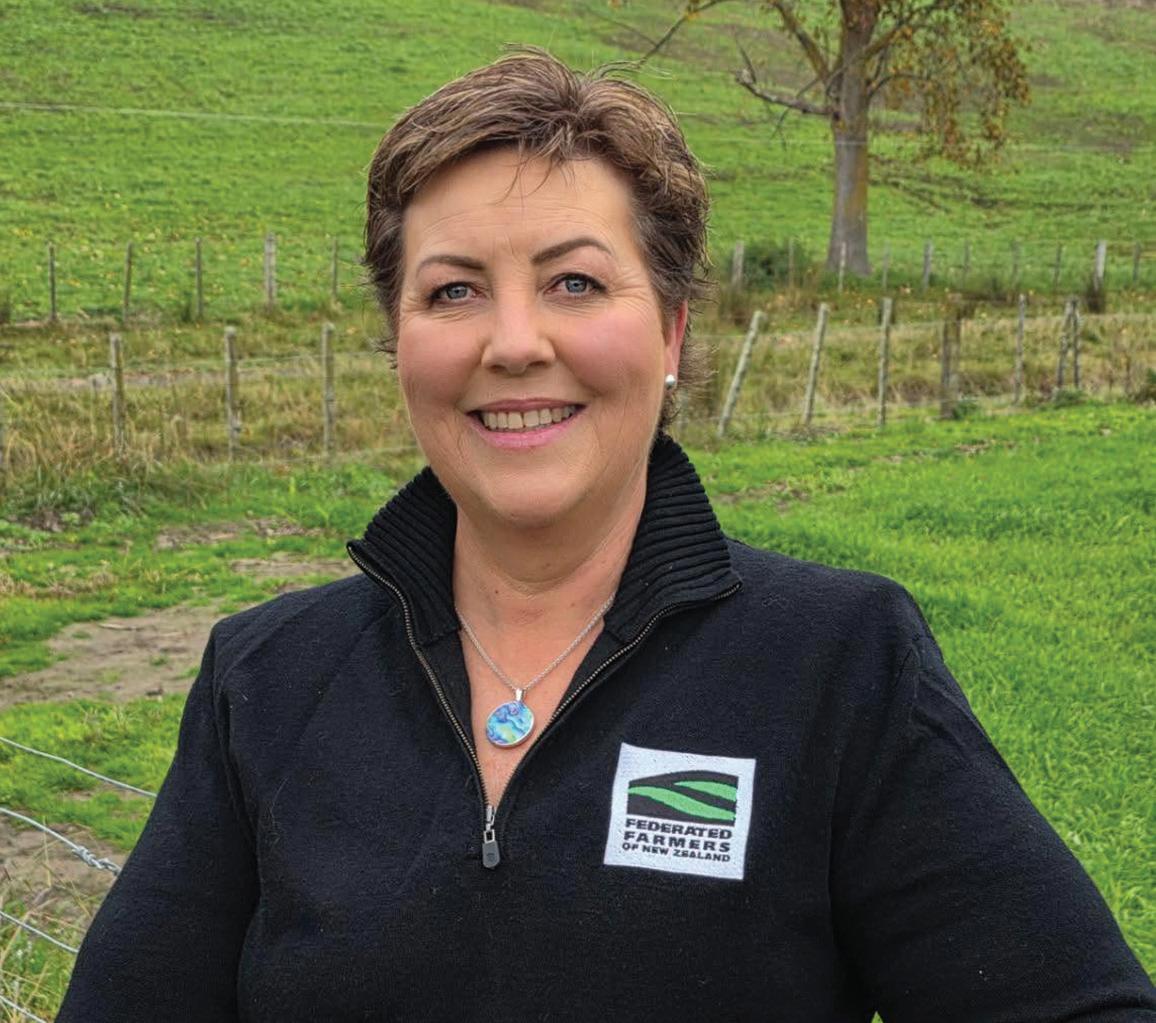
Sandra Faulkner says the issue of adverse events emergency management and infrastructure needs to be taken out of the three-year political cycle.
She says there needs to be cross party support that stretches out over thirty years to get an idea of the spend and bring some certainty.
“Hopefully the emergency management legislation which is now before parliament will not suffer from political interference,” she told Rural News.
“Those rural people who live at the end of the shingle road, across a bridge or up in the ranges
Faulkner says while there is fierce competition for road funding and other forms of infrastructure such as telecommunications, she believes that decision makers should think about where the export dollars come from –namely the folks that live in rural communities.
“In terms of connectivity, farmers run multimillion dollar businesses up in these areas and are required to do much of the so called ‘paperwork’ electronically. For example, animal declarations, traceability for our animals and most of our accounting systems are cloud based,”
she says.
But Faulkner says most important of all is having reliable connectivity when there is an adverse weather event such as recent floods in Wairarapa. She says it’s most important that families are able to reach out at critical times to those individuals or organisations that can
SANDRA FAULKNER says certainty and a clear understanding of the particular needs of rural communities is a critical outcome in the series of government reforms that are taking place at present. She says the massive reforms now going through parliament will see the abolition of regional councils, RMA reform and changes to the rules around fresh water. She says Federated Farmers is working through the implications of the local government changes to ensure that rural issues such as pest management and flood
offer assistance.
“That human connection is something that I cannot emphasise enough. You will see from Fed Farmers a real focus on making sure that those channels of communication are operating well and they cope with whatever mother nature throws them,” she says.
control are properly met in the changes.
“These are generational legislative changes and will determine how our children and grandchildren farm in the future. I cannot overstate how important it is to get this right now,” she says.
PETER BURKE peterb@ruralnews.co.nz
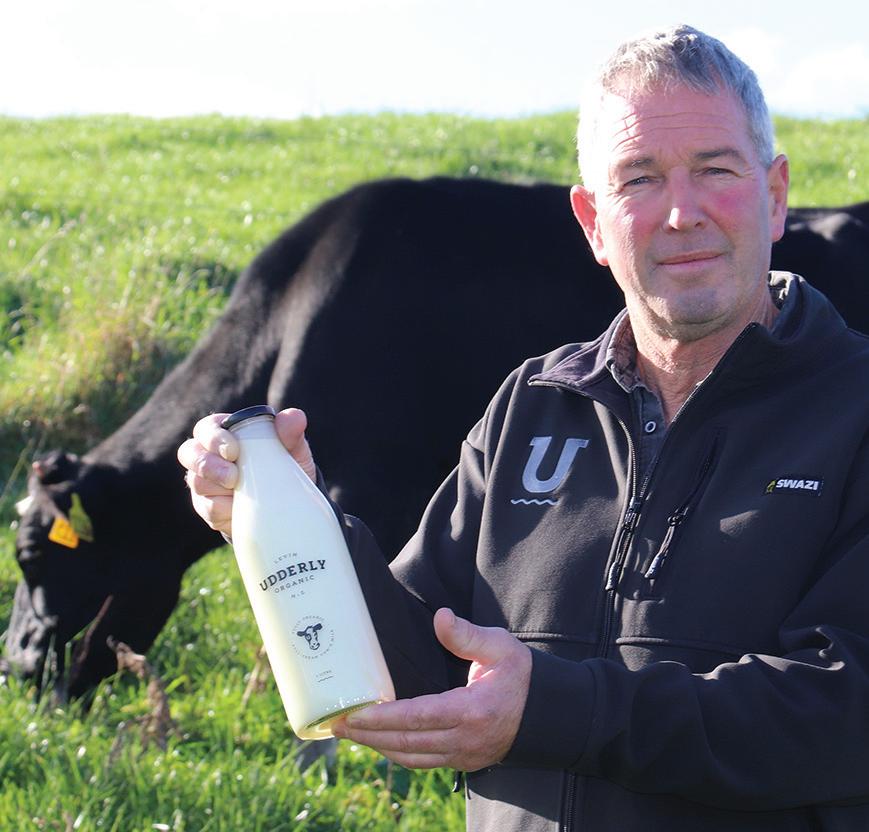
HOROWHENUA ORGANIC dairy farmers Ange and Wayne Moxham have taken their business to a new level.
They have just been named as Fonterra’s top organic performer for milksolids and that coincides with them developing a new exciting product from their milk – namely gelato to complement their organic milk sales.
The Moxhams say they are delighted and greatly encouraged to receive the award and say it’s also testament to their staff on their two farms they in Koputaroa, a small rural community about 8km north of Levin. The larger of the two farms runs 500 cows on 240 hectares, and the smaller 70ha one runs 120 Friesian cows that produce 45,000kgMS. This is the farm that won the award.
The Moxham family have been dairy farming in the area for more than 50 years, but it wasn’t until 2010 that Ange and Wayne became officially certified as organic farmers. Wayne says his father used to farm conventionally, putting on superphosphate and nitrogen.
“But dad saw the farm start to decline under this regime and wondered if there was a better way, and suddenly switched to just applying lime and things started to come right.
A few years on, a friend suggested that they were close to becoming organic and that’s what we did, and at the same time Fonterra was paying a premium for organic milk,” he says.
After nine years of producing organic milk, the couple made a bold
move and built a creamery.
Finally in September 2023, after months of trials and testing, the first glass bottles of organic milk from Udderly Organic began appearing in outlets throughout the lower half of the North Island. Wayne says sales built up quickly as word got around they were selling organic milk. Today they deliver milk daily to more than 100 outlets, ranging from Palmerston North and Whanganui in the north to the Wairarapa and down to Wellington.
“We employ staff to do this, but from time-to-time Wayne quite likes to hop in the van and do a delivery because he likes getting out and meeting the customers,” says Ange.
And it’s that special relationship with customers that has led to a new and exciting product being produced by Udderly Organic – gelato.
What they do to make it more attractive to the people who stock their milk is at the end of the week they take back any that is unsold and don’t charge them for it. That equates to about 5% of the total milk sold.
“But that product is still perfectly good, so we freeze it and are now using it to make our gelato,” he says.

line,” Clayton told Rural News
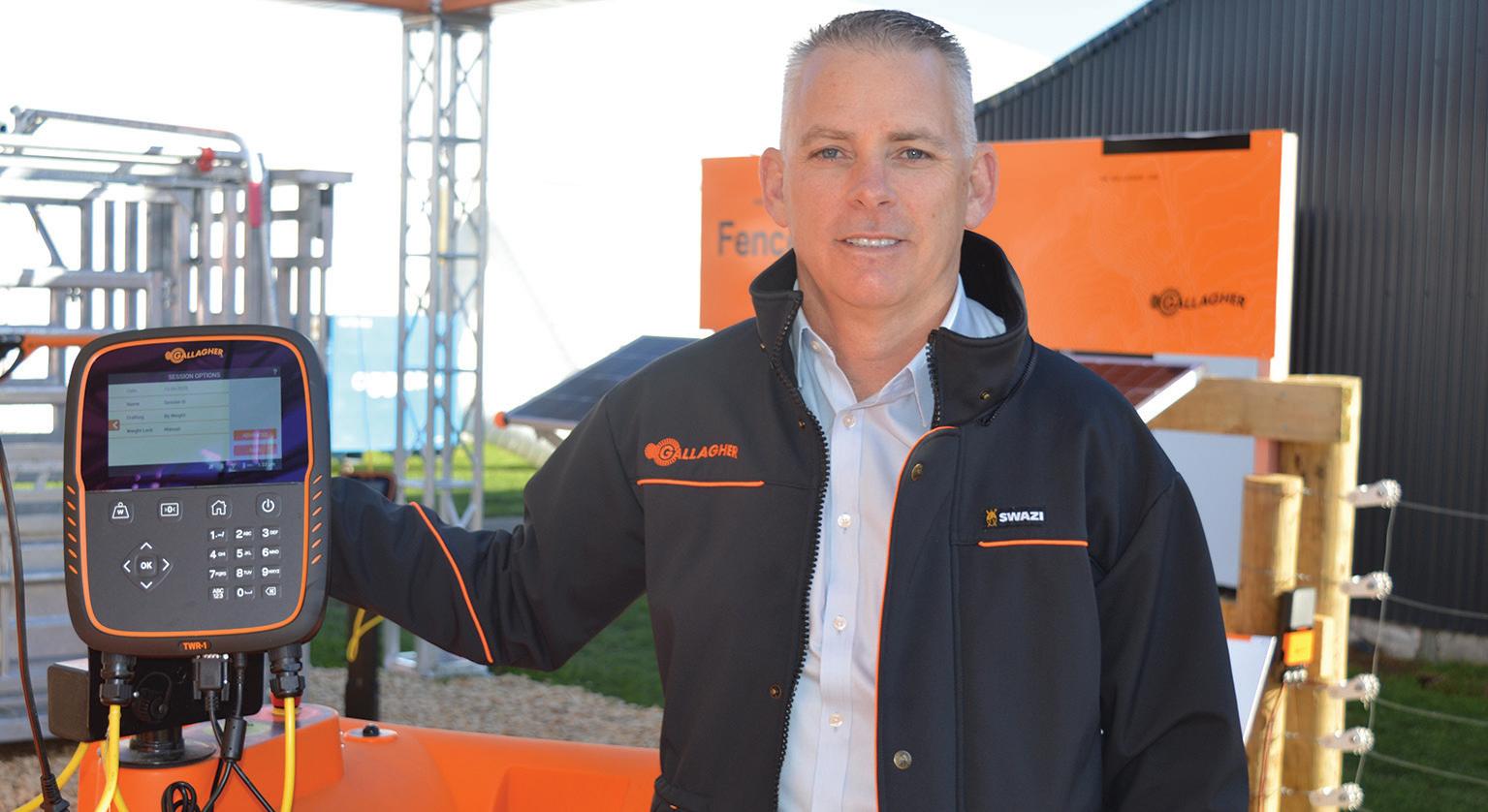
THE MAN appointed to lead Gallagher’s global Animal Management business through the next stage of growth believes the wearables boom is here.
Rob Clayton says a second production line for its eShepherd virtual fencing is now up and running at its Hamilton site, as the company strives to meet growing global demand for remote farm management technology.
A third production line is also being proposed.
“The boom’s already happening and we’ve just built another production
“We could not keep up with demand; we couldn’t build them as fast as people want to buy them.”
eShepherd virtual fencing puts beef farmers in control of their cattle, without lifting a post or rolling out a wire.
Using solar-powered, GPS-enabled livestock neckbands and a simple app, farmers can fence, track, and move cattle with ease, saving hours of mustering and fence work every week.
As chief executive of Gallagher’s global Animal Management business, Clayton is eyeing growth across key markets.
Demand for eShepherd has been strong in the US, Australia, Canada and Europe. In fact, so strong that Gallagher had to fly the neckbands to farmers in these countries instead of waiting for ships to deliver them.
Clayton says he expects the strong demand to continue as more farmers accept that wearables are the way to go.
Over the past year, Gallagher’s Animal Management business has enjoyed 47% growth and eShepherd revenue has trebled. The business has also expanded its agritech capability, made acquisitions in Europe
and South Africa, and established Gallagher in Brazil.
Across Gallagher Group, the business is also on track to reach annual revenue of $1 billion over the coming years. Gallagher Group has two main business units – Security and Animal Management. Both are contributing around 50% of the $600m in total revenues right now.
Clayton expects total revenues to reach $700m this year and a billion dollars in the next few years.
He agrees that competition among manufacturers of wearable technology

is growing. He says Gallagher is not resting on its laurels.
“We are not sitting here saying that no one else has got a good product.
“There are other good products out there as well.
“I think the job that we have, along with the rest of the industry, is to educate how and where these collars, these wearables, actually work for growers.”
Clayton believes more farmers are now willing
to try out wearables.
“We are starting to get enough critical mass that growers are like, you know what? It’s like an auto steer on a tractor. No one had them. Now everyone’s got them.
“We’re seeing this hockey stick effect as the early adopters tell all the other guys, like why aren’t you doing this?”
Clayton believes successful agritech starts with real problems farmers are trying to solve, including how they make better use of one of
their most valuable assets - their time.
“There is a lot of cool technology out there looking for a problem to solve,” he says. “The technology that gets adopted quickly is technology that genuinely makes life easier, improves efficiency, saves time or helps farmers make better decisions.

“Agriculture is a game of inches. You have to find the advantages where you can. That’s what drew me to Gallagher.”


DANIEL markd@ruralnews.co.nz
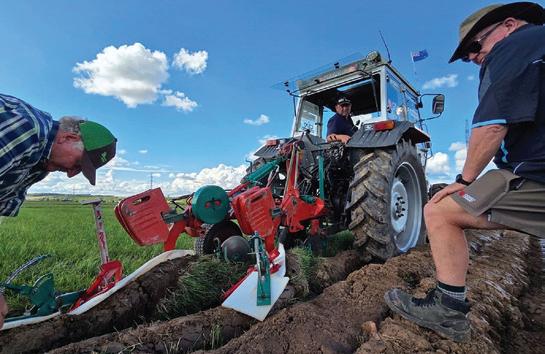
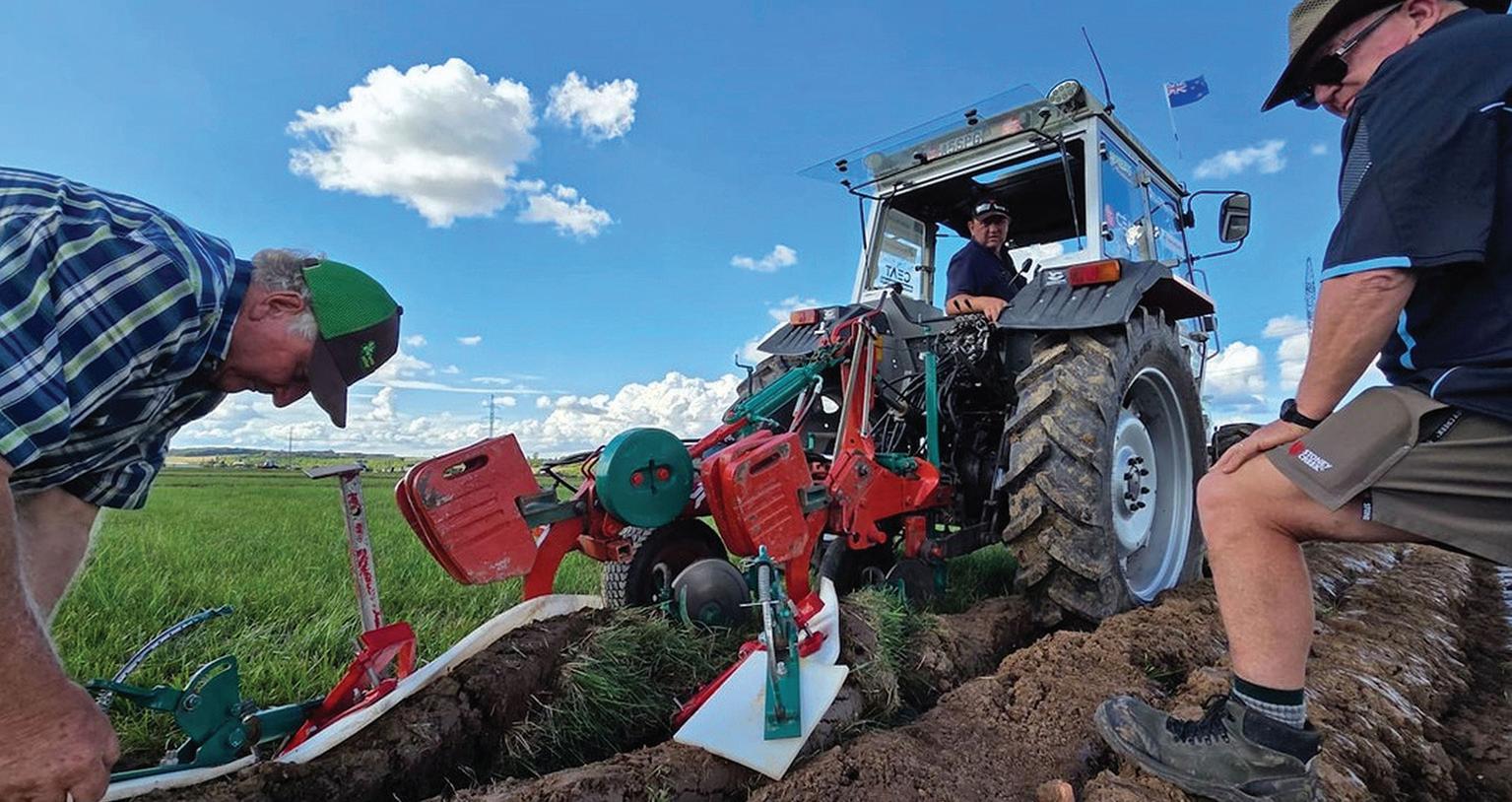
Mark Dillon and Malcolm Taylor earned the right to represent the country at the World Ploughing Championships in Osijek, Croatia, on 5 and 6 September, after winning their titles at the New Zealand Ploughing Championships in Middlemarch in 2025.
With ploughing being a dark art, the duo has spent many years tweaking their tractors, ploughs and accessories to help gain those extra few points and achieve a win.
To give themselves the best chance of success, a plan made, shipping in April, contracting freight specialists Oceanbridge, who would use MSC Shipping to move the team’s container to Rijeka, Croatia. Packed and loaded in May, with an initial arrival date in Europe of 18 July, the early arrival was deliberately planned to allow time for customs clearance cleaning, preparation, practice and any unexpected hiccups.
Despite that focus on logistics, the shipping has turned into a shambles, firstly with a delayed departure, causing the arrival date in Europe to push out to 24 July. On 16 June, Mark Dillon’s
wife, Sonia, asked for a shipping update, only to be told the container was still in Wellington, but Oceanbridge continued to advise that expected delivery was still around 25 July.
On 5 July, Sonia used an app to check the ship’s location herself and was surprised to find it off Tasmania, sought an updated ETA and was told the container was now on a vessel heading back to New Zealand, with a revised arrival date to Croatia of around 24 August.
For a world championship ploughing team, it means two tractors, two ploughs, tools, parts and uniforms in the wrong ocean at the wrong time, given that the team had planned to arrive in Croatia in early August to unload, clean and prepare the gear, begin practice and understand local conditions, including topography and soils.
Competition requirements create additional pressure, with equipment needing to be scrutineered and used during official practice ahead of the main event. While the duo has been offered loan equipment to allow them to compete, without their own gear, the team risks being unable to prepare properly, or indeed, compete at all.
The team is now scrambling
to salvage what it can, including Oceanbridge looking at whether the container can be unloaded when the boat returns to NZ, so uniforms, parts and tools can be shipped separately to Europe to be used on borrowed equipment. However, there is a concern that MSC may decline to unload the container until it reaches Panama.
The issue also shines a light on the logistics that need to be in place for overseas competitors who will
be heading to the World Ploughing Championships in Southland, New Zealand in 2029, with 24 predominantly European countries spending tens of thousands of dollars heading south.
As Rural News went to press, the team was exploring an alternative shipper who can get the container to the Western Mediterranean and a committment to getting the container to Croatia by road. Sonia Dillon says, “Oceanbridge have worked hard to find

For over 15 years, our kiwi-owned business has thrived through innovation and the continued support of farmers like you.
BOSS® Triple Mineralised Drench is a result of this innovation. Delivering the power of three individual drenches, in one convenient dose. A true triple
a solution, with the latest plan being to load the container onto a chilled ship that takes NZ fruit straight to Europe. This should see all the gear arriving on the day the event starts, so we have fingers, toes and everything else crossed.” She goes on to explain, that Mark and Malcolm will borrow tractors and ploughs for initial practice, then if all the ducks align, switch to their own equipment for the official practice sessions and the actual competition.
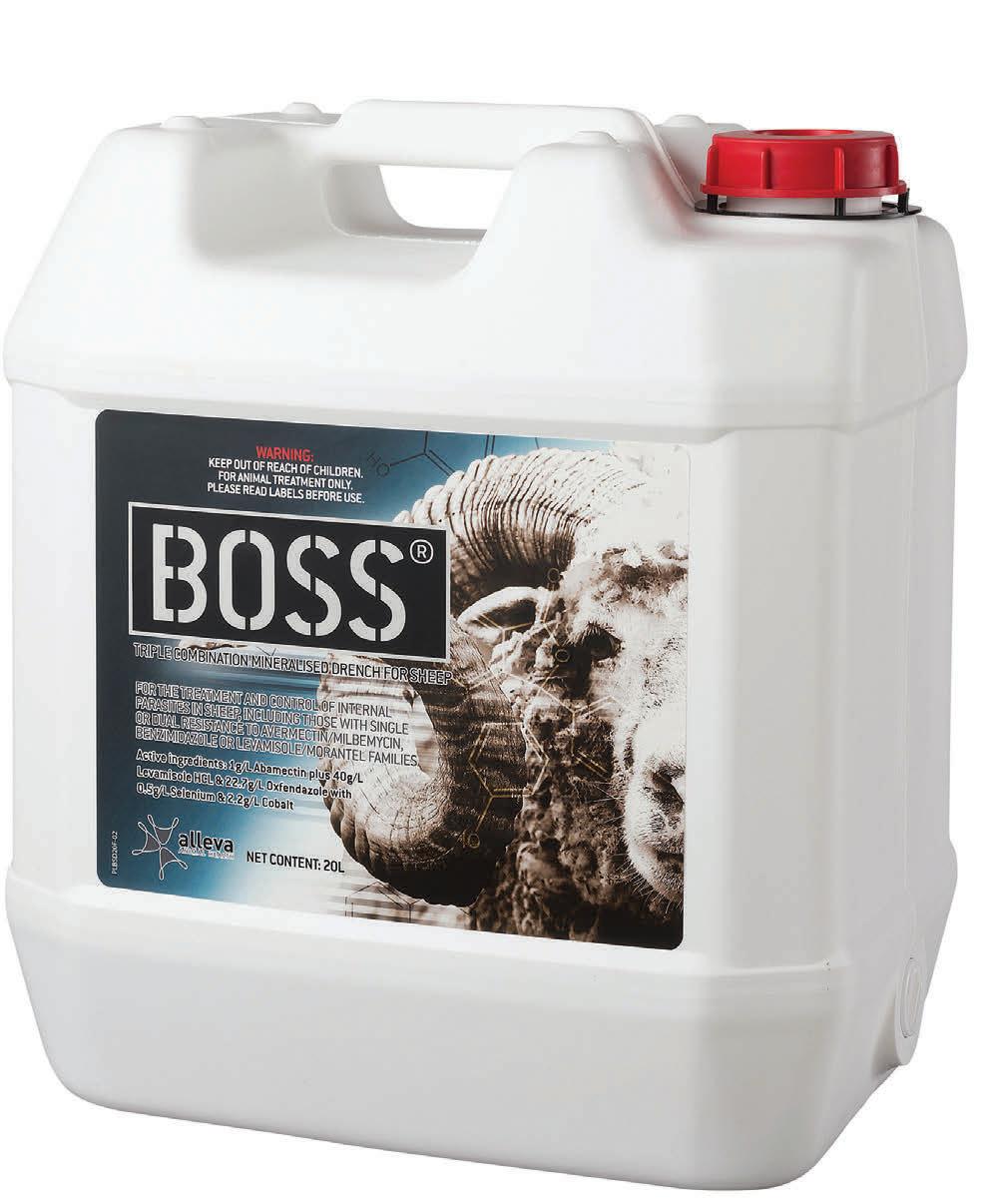
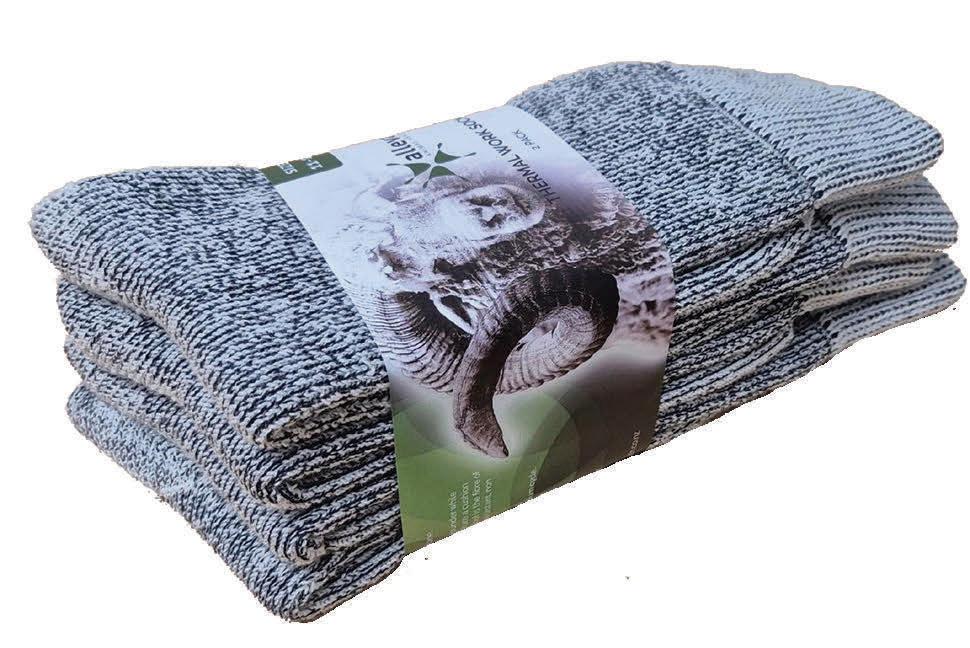
PURCHASE 20L of BOSS® Triple Mineralised Drench & receive a FREE double pack of NZ Merino blend socks*. Kiwi’s supporting kiwi’s.
ALISTAIR CARMICHAEL raises some interesting questions about striking a balance between profitability in farming and preserving the character of rural communities.
NZ is lauded by many other nations for maximising profitability and efficiency in the primary sector and this philosophy has served us well. We don’t subsidise our farmers like many countries in the Northern Hemisphere and in other parts of the world and that is reflected in the export dollar the primary sector brings to the benefit of all Kiwis.
This mantra works well for us and is a good selling point. At the same time, our scientists and engineers have contributed greatly on the efficiency and sustainability front. Like many other agricultural countries, NZ is still working through the issues of reducing greenhouse gases from animals and reducing pollution in waterways.
We have seen amazing progress on the horticultural front and that sector continues to boom, for the betterment of NZ
But what is seldom talked about in our world is the quality of rural communities and the impacts of progress. The English countryside is stunningly beautiful and the small villages with their pubs and other amenities are delightful and inviting.
Conversely, over the years, the NZ countryside has become somewhat barren. Shelterbelts have been cut down to make way for large irrigators, boring pine trees have replaced on some good hill country where sheep once roamed and it’s cows and not sheep that dominate our landscape. With progress and efficiency, small towns and communities have died, rural schools and small general stores have closed, adding to the desolation and lack of character of some areas. The other concern is the definition of what is highly productive land and the fact that, snear some rural towns, houses are replacing field of vegetables.
Carmichael, while admiring the NZ way, sees the preservation of rural communities and landscapes as important and something that needs to be preserved. The question can be asked of NZ: have we sacrificed our way of life for the almighty dollar and how will history judge us? – Peter Burke
HEAD OFFICE POSTAL ADDRESS:
PO Box 331100, Takapuna, Auckland 0740
Phone 09-307 0399
PUBLISHER: Brian Hight Ph 09 307 0399
GENERAL MANAGER: Adam Fricker Ph 021-842 226
EDITOR: Sudesh Kissun Ph 021-963 177 sudeshk@ruralnews.co.nz
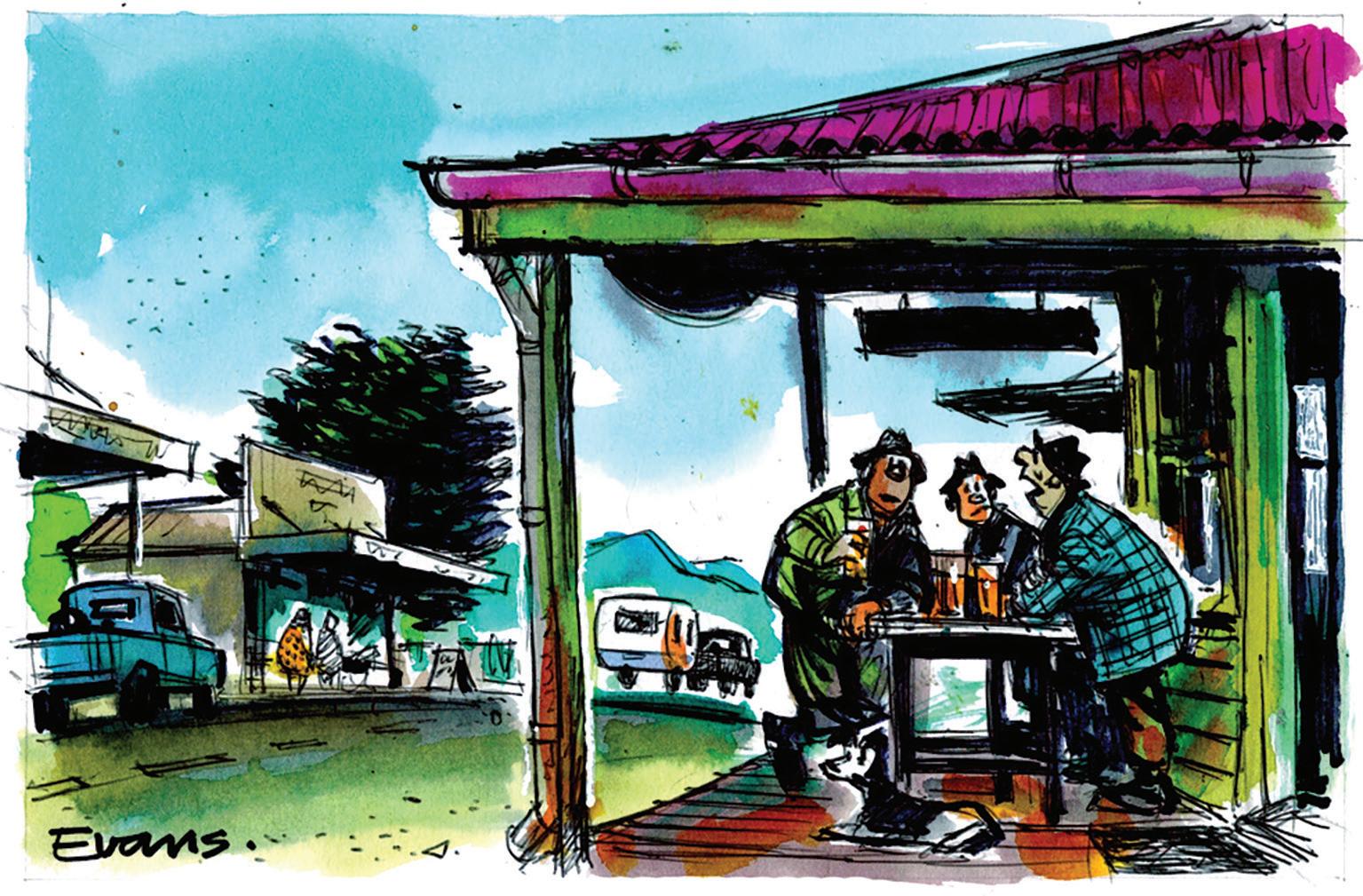
“I have never known a storm like it – we thought we’d have to move out – then the school holidays ended and the chaos went home.”
AFTER ALL the criticism that Winston Peters leveled at the India/ NZ FTA, it seemed just a trifle ironic to the Hound that the first NZ politician to visit India after Prime Minister Modi’s visit was a member of the Ewe Zealand First party. Mark Patterson, farmer and well-known champion of NZ wool, was right in going to India to promote our wool.
The slight downside has been the new pun word it has created, such as – was this a ewe turn? Did Winston have the wool pulled over his eyes? Is Winston now feeling a bit sheepish and will this ewe stance be reflected in the polls?
The big question for Winston is, ‘when did ewe know that Mark was going to India on woolly business?’

IT REALLY is getting harder to lampoon government bureaucrats when they do such a good job of it themselves. Anyone in the primary sector will know about the clowns covering the countryside in the red tape we all have to wade through. Spare a thought then for media outfit Stuff who were threatened with fines up to $200,000 by a snivelling civil servant from the MoH for illustrating a quiz question with a photo of part of the cover of a 45-year-old copy Playboy. As Stuff notes, “It wasn’t the Playboy cover which caused offence. No, it was the back page which… featured an advert for a cigarette brand”. As Regulations Minister David Seymour notes, “The real scandal here is, well, no wonder we’ve got problems in healthcare when they’re doing the Stuff quiz during work time.”
EDITOR-AT-LARGE: Peter Burke Ph 021 224 2184 peterb@ruralnews.co.nz
REPORTERS: Nigel Malthus Ph 021-164 4258
MACHINERY EDITOR: Mark Daniel Ph 021 906 723 markd@ruralnews.co.nz
PRODUCTION MANAGER: Becky Williams Ph 021 100 4381 beckyw@ruralnews.co.nz
THE CANINE crusader always has his nose in the air for more media maleficence, so was pointing as soon as he saw the Stuff headline: ‘Wellington residents respond to PM saying he doesn’t need his job!’. A case of intrepid reporters recording the news as neutral bystanders? Yeah, right!
Yet another case of woke media luvvies trying to screw the scrum in election year and acting as the unofficial morality police. The story kicked off with a little lecture, scolding the PM Chris Luxon for being rich and bragging about it, while “hundreds of [public service] workers could lose their jobs”. Then the bold admission: “So Stuff went out in Wellington to gather reaction”, which included selfconfessed lefties and various civil servants who probably frequent the same Aro Valley organic café as the ‘staff reporters’ responsible for this hatchet job!
AUCKLAND SALES CONTACT: Stephen Pollard Ph 021 963 166 stephenp@ruralnews.co.nz
WAIKATO & WELLINGTON SALES
CONTACT: Lisa Wise Ph 027 369 9218 lisaw@ruralnews.co.nz
Want to share your opinion or gossip with the Hound? Send your emails to: hound@ruralnews.co.nz
A FAIR question has been raised about how member-funded organisations should conduct themselves when taking a public position on any given issue. The commonsense view, this mutt reckons, is that the organisation, its board and executive branch ultimately exist to serve its membership and represent their views. Yet, time and again, these organisations seem to act unilaterally without consulting the guys and gals that pay the directors’ fees and management salaries. The latest example raising hackles was Rural Women NZ lodging a submission opposing the Definition of a Man and Woman Bill. There’s no evidence they went to the membership on this one, choosing a “board-led process” instead. Some members have publicly said they are upset with the decision. We’ll never know if they are in the minority or the majority because the board never asked.
SOUTH ISLAND SALES CONTACT: Kaye Sutherland Ph 021 221 1994 kayes@ruralnews.co.nz
DIGITAL STRATEGIST: Jessica Marshall Ph 021 0232 6446
papers we use are from forests that will be around for generations to come.
YEP, THE stories just keep on coming. I haven’t noted any sign of them drying up yet, no let-up seems to be in sight! And with the rapid advances in AI, maybe the worst is still to come.
November 17, 2025, the Ministry of Business, Innovation and Employment informed us that scammers had defrauded New Zealanders out of $265 million over the last 12 months. That’s right. And the payments for $126 million of that total was authorised by the very account holders themselves.
The suggestion was made that the actual total was probably even higher than the
$126m because many would have been too embarrassed to report on their own foolishness and financial loss.
When it comes to this whole area, I think the centuries-old adage “It’s too good to be true” shouts out much wisdom to those who bother to listen. I recall having heard it put this way: “If it is too good to be true
When it comes to leadership, the greatest thing any follower can ever give to their leader, is their trust.
then it probably is.”
I still have the article filed from years ago, where one of the now common romance scams turned to custard. A guy fell in love with a young woman’s profile page. He flew her internationally to visit him in his country. And yep, he presented her with a US$20,000 diamond rock to confirm his love. She left soon after for home… with the rock of course!
On trying to claim
insurance for his financial loss, he was politely informed by his insurance company that his policy had no cover for stupidity!
Up in the islands, many years ago, some locals informed me of a scam that many folks had got burnt with. It was a ‘double your money in a few short weeks’ thing. So, quite a few put a small amount of money in. You know, just to see if it worked! Sure enough, on
expiry they doubled their money. Wow! Truly amazing!
Now for round two they excitedly put even more in. And, as you may have guessed, when the second payout was collected, the news spread like wildfire. It works!
Well boys and girls, for round three, some serious coin came in. And guess what, that was it! There was no double your money payout this time. The scammers just disappeared with the lot. Hmmmm, if it’s too good to be true then it probably is. Think I’ve heard that before somewhere!
Surely this stuff raises the millennia old
question; just who can I trust?
Well, survey after survey has informed us with regular monotony that it most definitely is not the political class amongst us. They continue to battle it out for the bottom spot –or the least trusted. So, little point in looking there, I guess.
Now, here’s some truths about trust. It truly is one of the most essential qualities to have and hold dear in all meaningful relationships. And yet it is so exceedingly fragile.
Filmmaker Dhar
Mann gets the credit for this great quote: “Trust takes years to build, seconds to break, and
forever to repair.”
Yes, trust is never an instant, it always takes time to get to the real thing. And trust can never be legislated, it can only ever be earned.
Now, when it comes to leadership, the greatest thing any follower can ever give to their leader, is their trust. Truly great leaders are also widely trusted leaders.
With the future so unpredictable, it is never foolishness to trust those who have never let you down in the past. And yes, I trust Him totally. God bless.
• To contact Colin Miller, email thefarmerschaplain@ gmail.com.

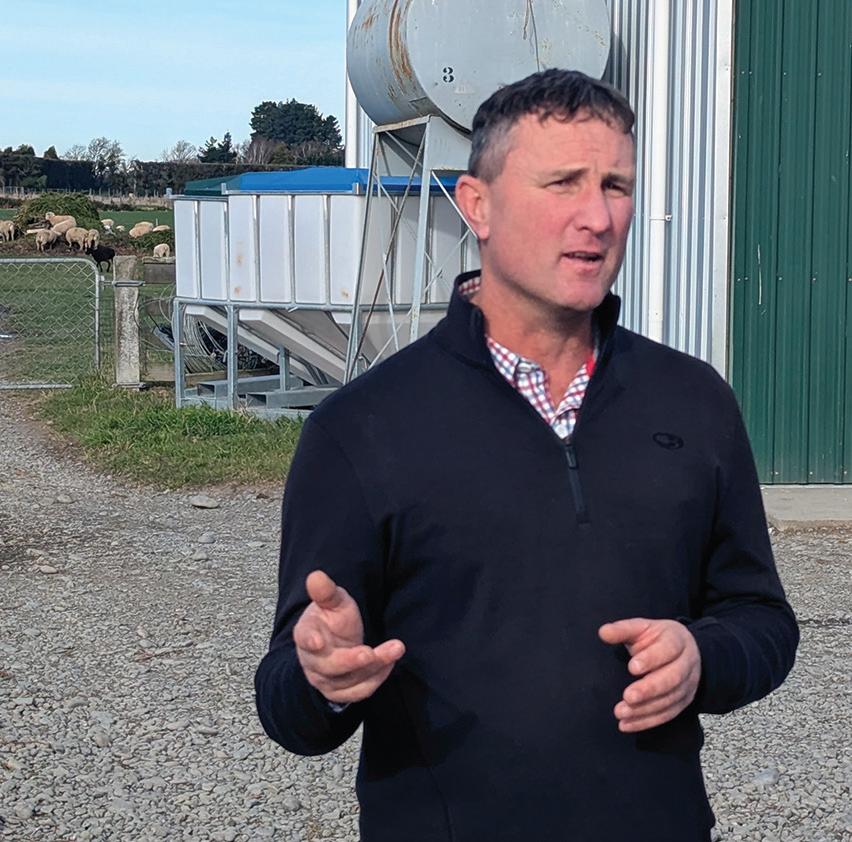
IMPROVING HEALTH and safety is about incremental gain rather than a sudden decision, says Leeston farmer and Federated Farmers health and safety spokesman David Birkett.
The former arable section chair recently hosted an event on his farm, which was
organised by the Safer Farms advocacy group and celebrated a big reduction in ACC claims from on-farm accidents over the last five years.
Claims are down from about 25,000 in 2020 to 16,666 last year.
Offering some practical tips on improving farm safety, Birkett told the gathering that farmers should look at health and safety
angles whenever faced with capital expenditure or replacement.
“At the moment we’re seeing dairy and the red meat sector going well, and I think it’s a real opportunity for us to drive health and safety around those capital decisions and getting people to really focus on, ‘well, if I’m going to replace that piece of machinery or equipment,
what are the safety features that I need on it?’”
Primarily an arable farmer, Birkett also runs some winter livestock grazing. He said he replaced his stock yards a couple of years ago, but only after looking at the design to make it safer for both the workers and the stock.
All his lambs are crutched before going to
the works or to market, and previously that was done in the race.
“Now we do it all through a crush – far easier on the body. You know, when you’re crutching in the races, the next day you’d always have a sore back and you notice it.
“We can do 500 lambs through here in the crate with electric shears and the next day you don’t have that issue anymore.”
Birkett had also made incremental gains over the years as he has upgraded his grain silos.
He said all his silos now have lids that can be opened from the ground without the need to climb up, the newer silos have safety cages around
the ladders, and the newest are a lot steeper, so there is no need to get into them to clean them out.
“Now we can pretty much give them a bang with a rubber hammer –clean enough for if we’re going to put the same crop back – and we don’t need to get in the silos to clean them at all.”
Augers were another high-risk item and Birkett said they had decided to change the auger that they mainly use for unloading to hydraulic operation instead of power take off.
“When you’re unloading a silo, you are walking around the auger quite a bit, so that alone is quite a cheap thing to

do. In fact, there was very little difference in price of a PTO driven versus hydraulically driven.
“So, it’s just those little decisions that you make along the way that add up to accumulate to a lot safer work environment for us.”
The gathering was attended by Safer Farms ambassador (and former chair) Lindy Nelson, ACC associate minister Nicola Grigg, and industry leaders including Dairy Holdings ex-CEO Colin Glass, PGG Wrightson CEO Stephen Guerin –both Safer Farms board members – and Federated Farmers president Colin Hurst.


a culture of adaptation.
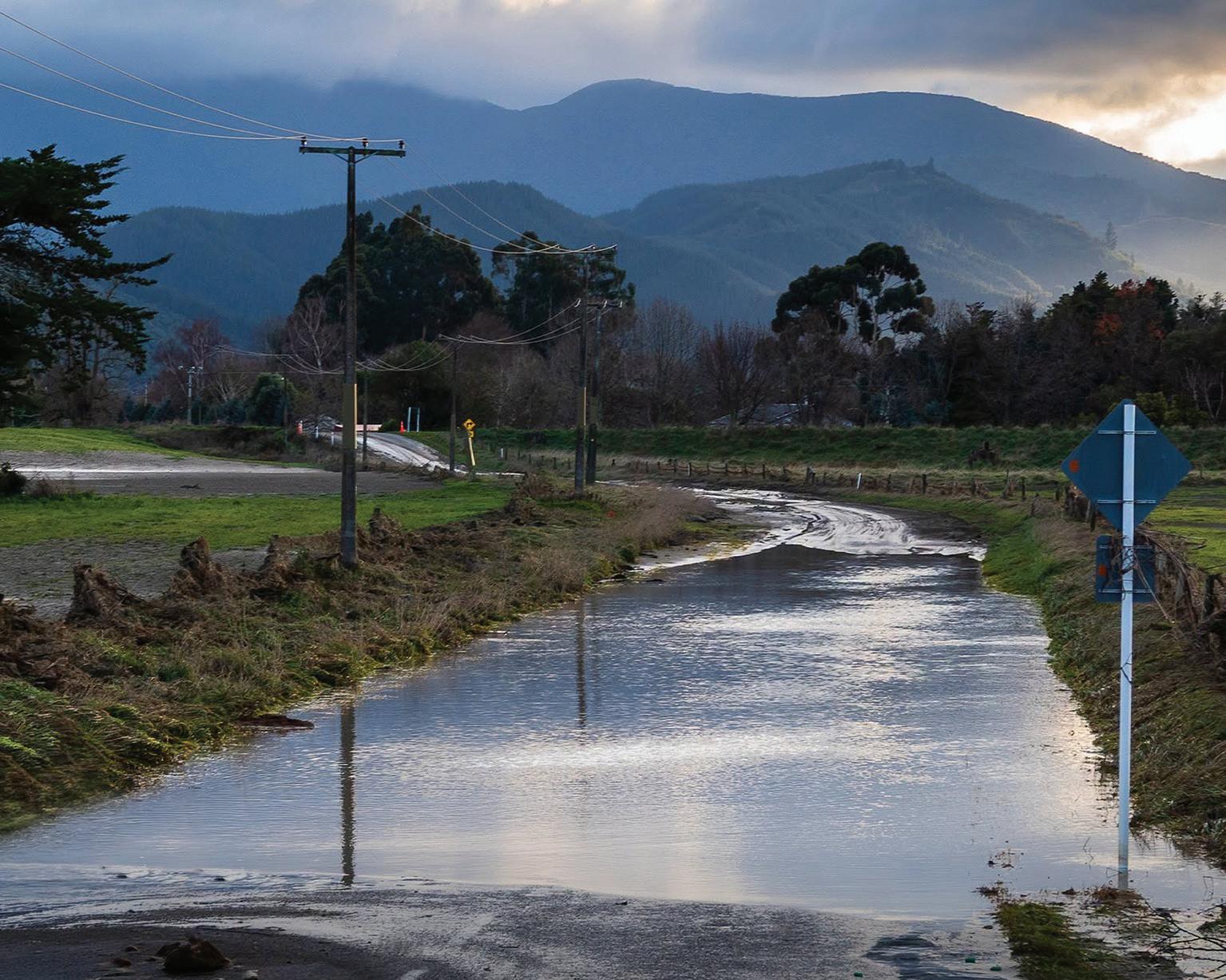
AT FIELDAYS this year, one theme kept surfacing across the sector: global shocks are no longer something that happens “over there”. They are now translating quickly into local, farmlevel impacts through increasingly complex and connected channels.
New Zealand’s agribusiness sector has long been defined by its ability to adapt. Droughts, floods, biosecurity events and global market cycles have made resilience a core part of how the sector operates. That resilience is not accidental. It is the product of decades of structural change and
What has emerged is a sector that is marketdriven, diversified and deeply integrated into the global economy.
But what is changing now is not the existence of shocks. It is their nature, and the speed at which they are felt.
Recent disruption affecting global energy and fertiliser markets is a clear example. Events in one part of the world are quickly influencing input costs, supply chains and planning decisions for New Zealand agribusiness. For exporters and producers alike, this creates a more uncertain operating environment, with cost pressures and market
dynamics shifting at pace.
Fertiliser and fuel are among the most visible pressure points. When global supply chains tighten, costs can rise quickly. For farmers operating in globally priced commodity markets, those increases are often absorbed rather than passed on.
But the picture is not all negative. Agriculture continues to operate in an environment where headwinds are offset by tailwinds, including relatively supportive commodity prices at times and ongoing global demand for high-quality food and fibre. The sector is constantly balancing these competing forces.
The next phase of risk
is different again – it is no longer about market or price shocks in isolation, but about risks interacting. Supply chain disruption, energy volatility, climate events and geopolitical uncertainty are increasingly interconnected, amplifying each other rather than occurring separately.
This is where the conversation is shifting. For many agribusinesses, the focus is now on understanding how risks combine and how they can be managed more holistically. That starts with identifying and quantifying exposure, and then determining which risks can be transferred, which can be mitigated, and where new
approaches are needed to build resilience.
Risk management is therefore becoming more forward-looking and more embedded in strategic decision-making.
What is also clear is that resilience is not about eliminating volatility – it’s about being able to operate effectively within it.
Across the sector,
there is little sense of surprise when shocks occur. Instead, there is recognition that disruption is now a permanent feature of the operating environment.
The question is no longer whether volatility will occur, but how quickly organisations can interpret it, adapt to it and recover from it.
New Zealand
agribusiness has evolved under pressure before. The challenge now is ensuring that evolution continues at the pace of a world where global shocks are increasingly immediate, interconnected and complex.
• Stephen Price is national practice leader – food, agribusiness & beverage, New Zealand, Aon









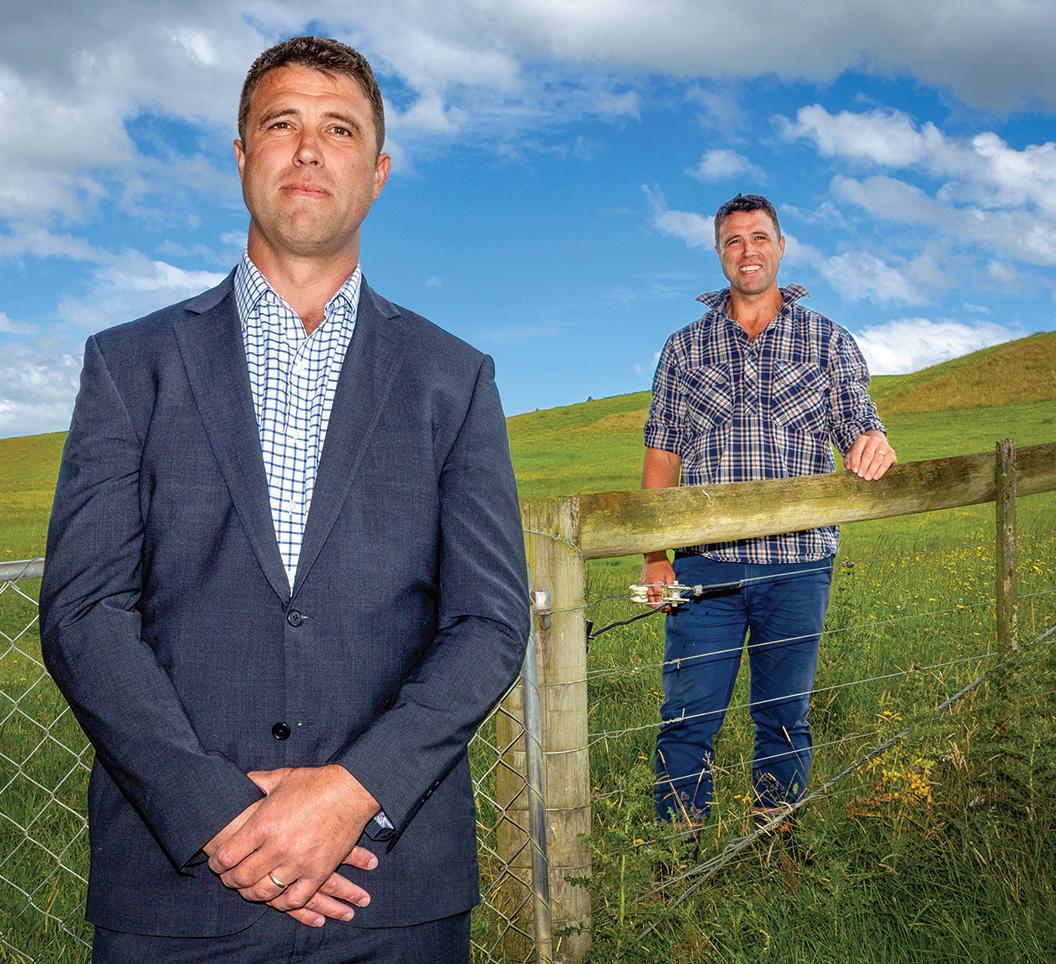
CAMERON REED lives between two worlds.
One day he might be in a boardroom, making calls on the agri strategy for New Zealand’s largest bank across the lower half of the South Island.
The next, he’s back on the family farm in Darfield, putting up a break fence while reflecting on the same pressures his customers are facing.
Reed is ANZ’s provincial southern head of business and agri, overseeing the bank’s business and farm lending across the lower South Island, while also carrying responsibility for helping to shape ANZ’s agri strategy and
direction.
His family has been farming in Darfield for more than 125 years.
Today, the operation is in the middle of converting from a dairy‑support & arable operation to dairy, a process that brings opportunity, cost, risk and no shortage of uncertainty.
Having ownership in the farm means every decision affects him personally.
Growing up in the 1980s and early 1990s, Reed saw first hand how brutal things could become when the economy turned against farmers.
“When the bank
manager used to ring, it felt like an anxious time for the family, and I could see that from quite a young age,” Reed said.
Those memories stuck, shaping how Reed approaches banking today.
“There’s nothing like a few sleepless nights of your own when you’re under pressure, be it financial, land use change, or succession, to put into perspective what some customers might be feeling,” he says.
After finishing school, Reed studied Finance and Economics at Lincoln University before spending time working and playing rugby overseas.
He knew he was good with numbers but had no clear plan for where that would take him.
“I didn’t have a clue what I wanted to do,” he says. “I had no idea I’d end up in banking.”
In hindsight, banking proved a natural fit, especially once he stepped into ownership of the family farming business.
Living and breathing farming alongside his banking career, Reed believes, has fundamentally changed how he does his job.
“It’s made me a better banker,” he says.
“I put myself in the customer’s shoes and think, if I was in this
The clostridial vaccine proven on-farm in New Zealand to reduce lamb losses.
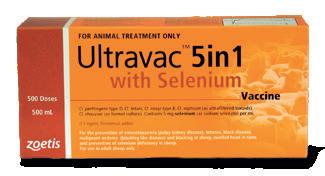
Protect ewes and lambs against key clostridial diseases with a vaccine proven over decades in New Zealand farming systems. Ultravac® 5in1 has been trusted for over 45 years and is backed by local on-farm trial research. These trials showed vaccinating with Ultravac® 5in1 reduced lamb deaths by 23.6% from tailing to pre-lamb compared to unvaccinated lambs,¹ helping more lambs survive when it counts. Choose Ultravac®, the proven performer in the paddock.
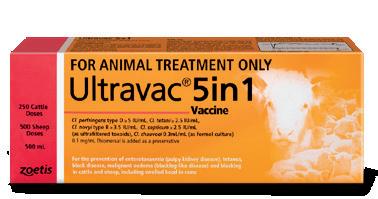
Talk to your vet about Ultravac® or visit sheepsolutions.co.nz to learn more. 1.


situation, how would I want to be treated or spoken to?”
For Reed, farming is deeply intertwined with family, and identity.
“You’re dealing with people. You’re dealing with homes. You are often dealing with a huge amount of history things that can be deeply emotional,” he says.
“At times there’s a perception that banks are only there in the good times, and yes, it’s easy to be supportive when commodity prices are strong.
“But the farming sector feels volatility more acutely than most. You can see milk, beef or sheep prices drop by 20
or 30 per cent within a year. You also can have a huge degree of variability in feed or crop yields based on what weather is served up in a season.
“What customers really want is a banker who understands what they’re going through someone who can be there for them through a tough period, take a longer term view, and help them come out the other side.”
That understanding, Reed believes, is what separates good banking from average banking.
“Without really understanding the customers and the industry well, it can be hard to see past the
numbers on a page,” he says. With farm costs top of mind for many businesses, he says some of the most rewarding work since he joined the bank in 2024 has involved finding solutions for farmers wanting to make their operations more resilient.
“When prices are good, the best operators use that window to strengthen their balance sheets, diversify, and invest in things that add value long term,” he says.
“They think about succession, 10 or 20 years out, and focus on the things they can control rather than the things they can’t.”
LOOKING AHEAD, Cameron Reed says change remains the only constant for New Zealand farmers, but he’s confident the sector is well placed to adapt.
“I think we’ve got some of the most progressive farming mindsets in the world,” he says.
“New Zealand farmers are very good at adapting and adopting new technology.”
He points to growing interest in on-farm renewable energy, particularly solar, as one way farmers can build resilience against rising costs and supply shocks.
Succession, too, remains front of mind
for many farming families.
Back on the farm, Reed tries not to lose sight of that long-term perspective.
“I had an old colleague who, whenever I asked how he was, would always say, ‘well, it’s another day above ground isn’t it?’,” he says.
“At first I laughed, but over time I realised there was a lot of wisdom in that.
“Even when things are hard, it’s about remembering what’s important, and appreciating the opportunity we’ve been given.”
For a banker who’s also a farmer, it’s a mindset that carries weight on both sides of the fence.
A NEW digital assistant is now helping Ballance Agri-Nutrients farmers speed up nutrient information and ordering.
The new digital assistant in the MyBallance app helps users quickly access key information about their nutrient recommendations, product and pricing information and place fertiliser orders directly from their phone.
Ballance Assistant was developed using AI technology alongside direct input from farmers.
Ballance AgriNutrients digital transformation lead
Danusia Bathgate says farmers have made it clear they don’t want to be in their office or on their computer working with complex technology and are seeking to have admin sorted quickly so they can get on with their day.
“We know that around 20% of our customers are using highly sophisticated digital tools in their farming businesses,” she says.
“They’re often large-scale operations managing significant volumes of data. For the vast majority, the biggest opportunity with tech is to make the benefits easy to access which in turn means the admin work
gets done more quickly.”
Farmers talk or type into the assistant to undertake tasks that would traditionally require navigating multiple pages on a website or contacting customer support.
Bathgate says the starting point for the assistant was understanding the most sought-after information farmers were seeking and then getting their input to design a tool that was simple, practical and built around how farmers work.
“When a farmer thinks of ordering nutrients, we want them to have a number of options to get that job
done, without needing to wait for business hours, or needing to remember to do the job later on,” she says.
“The process has been developed to mimic the simplicity of asking Siri a question but applied to the fertiliser ordering journey instead.”
The tool was developed over 12 months with input from more than 50 farmers representing different farm sizes, regions and production systems.
Bathgate says following successful trials, the pilot has expanded to more than 200 farmers and growers across New Zealand, with the technology officially
launched at this year’s National Fieldays at Mystery Creek.
“Feedback from farmers and growers has been overwhelmingly positive, enabling them
to work through ordering fertiliser in a step-by-step way at a time that suits them, and helps them feel confident they’ve done the right thing,” she says.
GROWERS AND farmers are being encouraged to have an important conversation before the coming season starts: how to prolong the effectiveness of the crop protection tools they rely on.
Keep What Works Working is an industry-wide campaign led by the A Lighter Touch programme. It aims to raise awareness of resistance management and encourage growers to discuss their plans with crop protection advisers before spray programmes are finalised. The message is simple — prioritising resistance management can have a significant impact on how long valuable agrichemical tools remain effective.
Growers are already experiencing the impact of resistance through the loss of valuable crop protection products. In recent years, however, the
increasing pace at which resistance is developing has heightened concerns that the problem will only worsen, underscoring the need for the industry to act collectively.
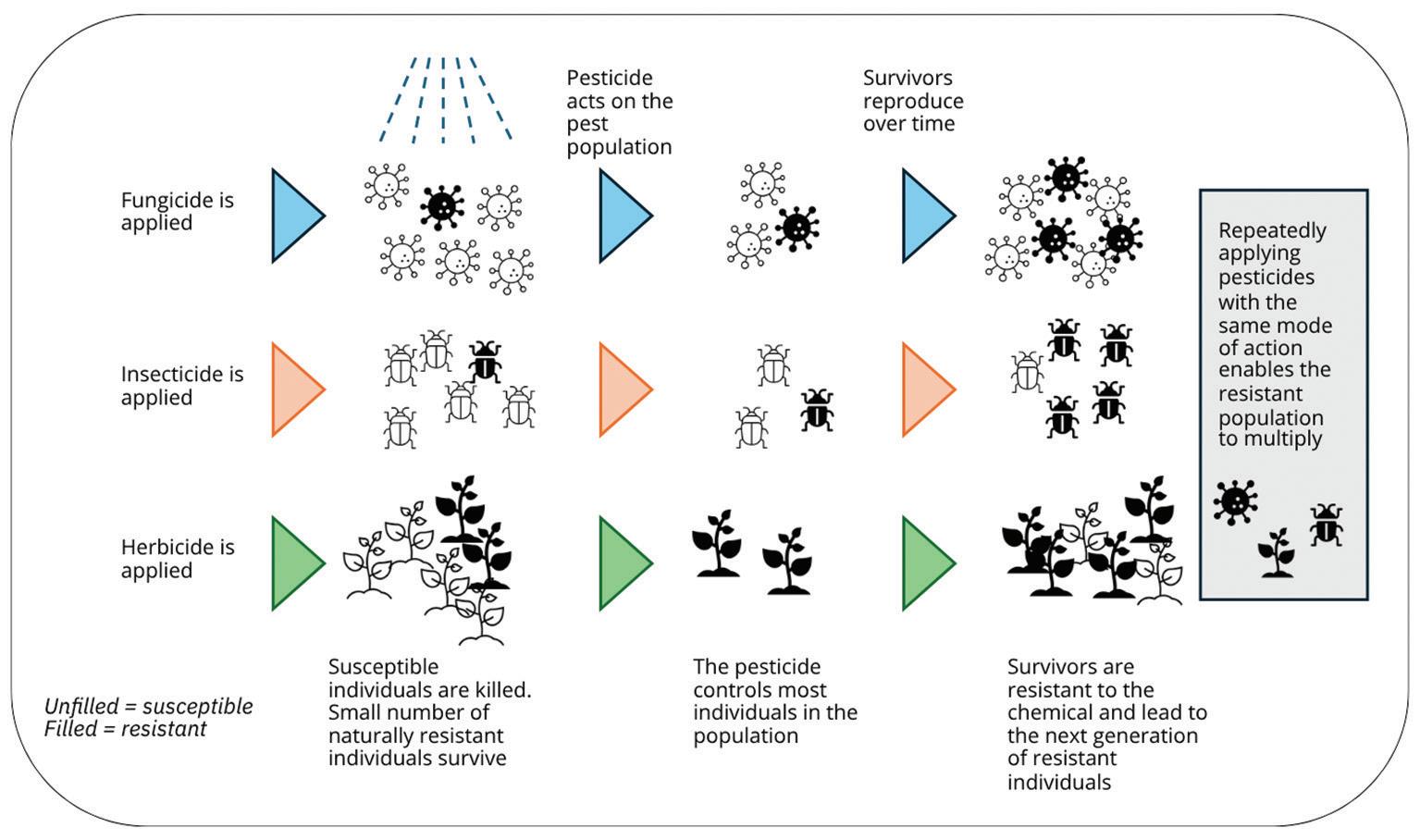
Resistance occurs when pests, diseases or weeds become less sensitive to pesticides, reducing the effectiveness of products that once provided reliable control. Over time, repeated use of products with the same mode of action can increase the likelihood of resistance developing, leaving growers with fewer options to manage production risks.
A Lighter Touch Programme director Livia Esterhazy says resistance management should be viewed as an investment in the future resilience of farming and growing businesses.
“Growers rely on a relatively limited number of crop protection
tools to manage pests, diseases and weeds. Once resistance develops, those tools become progressively less effective and, in some cases, can eventually fail altogether,” Esterhazy says.
“The good news is there are actions growers can take that can make a difference. By having a conversation with their adviser before the season starts, they can take practical steps that help protect the tools they depend on today, while preserving options for the future.”
The campaign spans the horticulture, viticulture and arable sectors, although its message is equally relevant to pastoral farming systems where agrichemicals are also used. It has been developed in consultation with industry to address the ever-growing threat of developing resistance.
The economic case for action is also becoming increasingly clear. Analysis undertaken by the New Zealand Institute of Economic Research (NZIER) found that reduced resistance management could impose significant costs on New Zealand’s production systems over time.
Scenario modelling over a 10-year horizon estimated potential losses ranging from $74 million under moderate impact scenarios through to more than $1.26 billion in severe scenarios where resistance problems become widespread.

Although preventable, lamb loss from clostridial diseases during the first year of life on New Zealand hill country farms continues to be an issue. A field trial, where lambs were vaccinated at docking and weaning, demonstrated that vaccination was highly effective, lowering clostridial deaths by 23%. Zoetis veterinarian Dr Victoria Chapman unpacks the importance of robust animal health programmes, vaccination timing and the potential harmful consequences for stock when vaccination isn't given.
What are the main clostridial diseases in New Zealand?
The clostridial diseases that are most likely to affect stock under New Zealand farming conditions include tetanus (often contracted at tailing), pulpy kidney (enterotoxaemia), black disease (triggered by migrating liver fluke), blackleg (caused by
bruising) and malignant oedema (resulting from fighting).
Sometimes, especially in lambs grazing specialty finishing crops, Sudden Death Syndrome can cause death. Even more rarely, a number of other clostridial bacteria can also cause disease and death and these are covered with a 10-in-1 vaccine. Prior to the use of multivalent vaccines,
clostridial death was common and often killed large numbers of stock. The recent trial highlights that clostridia are still around, still cause disease and can be controlled with vaccination. How are clostridial diseases spread on farms?
Clostridial bacteria naturally exist in the environment and multiply in low-oxygen
conditions, such as those caused by bruising. They are ingested with soil or plant matter and often lie dormant in muscle or the gut, awaiting suitable conditions.
How often should you vaccinate for clostridial diseases?
Ewes and cows require annual boosters to protect them and to bolster maternal antibodies which are
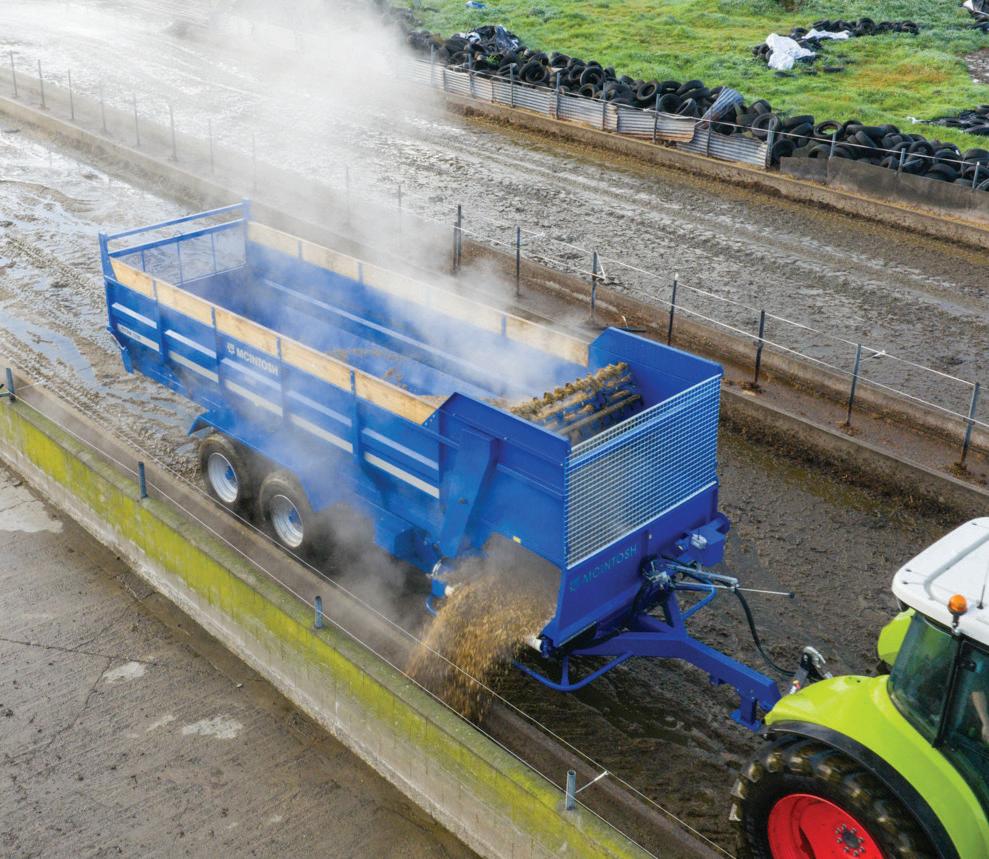
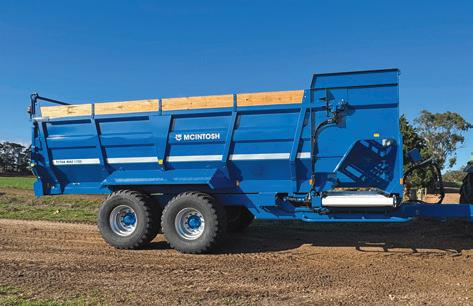
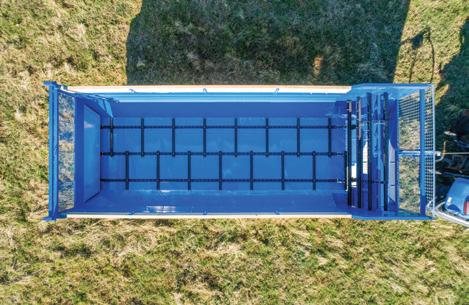
Fully welded and seriously tough, our Silage Wagons keep feeding without missing a beat. You hook it up, and it works. That’s all there is to it.
passed to their lambs and calves respectively, through colostrum.
Young animals need a primer followed by a booster 4-6 weeks later. If they are to graze crops, ensure a booster is given within 3 months of going onto the crop. Rams should also be vaccinated, at least 8 weeks prior to their risk period, which is tupping (because of bruising due to fighting). What are the early signs of clostridial diseases?
Typically, no early signs are evident, just sudden death. However, with tetanus, lambs may be found lying in a stiff sawhorse position and spasm when touched. What are the benefits of vaccinating pregnant ewes?
Annual vaccination protects ewes during lambing. She isn’t giving birth in a clean hygienic environment, so the vaccine boosts her immunity to protect her
during this stressful time.
It also provides shortterm protection via colostrum for their lambs. Are there on-farm practices that can help reduce the incidence of clostridial disease?
Prevention is key, including minimising bruising during yarding and handling.
Maintaining hygiene with clean, sharp needles and clean docking equipment reduces infection risk, and the gradual introduction of lambs to crops helps prevent digestive imbalances.
Vaccination with clostridial antigens (5in1 vaccine) stimulates the immune system against these diseases.
How do you create a vaccination plan with an unknown flock history?
Assume the flock is unvaccinated and administer two vaccinations 4-6 weeks
apart, followed by annual boosters as usual. Is vaccination costly? Compared to stock losses, a vaccination program for clostridial disease is far less expensive.
A recent field trial with Ultravac 5-in-1 in New Zealand showed that vaccination of lambs at docking and pre-weaning prevented 23% of the total lamb deaths and returned a gross income more than 3 times the vaccine cost.
For farm specific clostridial disease programs or to learn more about the importance of robust animal health programmes, vaccination timing and the potential harmful consequences for stock when vaccination isn’t given, get in touch with your local vet.
• Article provided by Zoetis


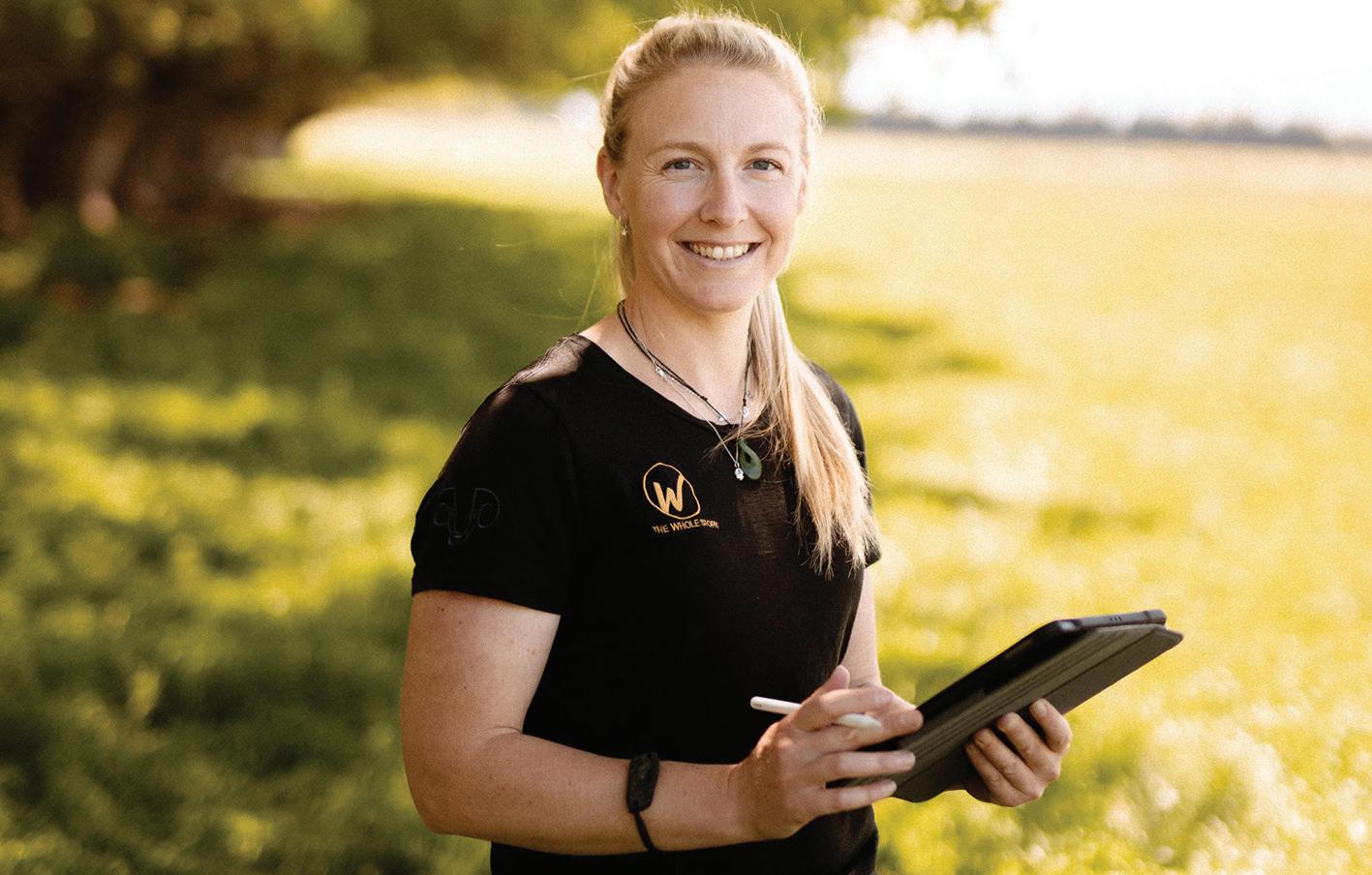
A NEW app designed in New Zealand aims to help sheep, beef and deer farmers capture, analyse and use body condition score data more effectively.
StockScore, developed by Central Otago veterinarian, farmer and agri-entrepreneur Becks Smith, is designed specifically for use in the yards. Built for onehanded use and capable of working offline, the app allows farmers to record body condition scores as they work, removing the reliance on notebooks, memory or paper records that are often lost once the job is done.
“Body condition scoring has been part of good livestock management for decades, but the weakest link has often been capturing the information in a way that’s still useful weeks or months later,” says Smith.
StockScore was officially launched at the New Zealand Veterinary Association Conference in Auckland, where Smith presented the platform to sheep, beef and deer veterinarians.
“Farmers already understand the value of body condition scoring. StockScore isn’t trying to change the way they score animals - it’s simply making it easier to capture that information in the moment, keep it all in one place and use it to support better management decisions
over time,” she says.
“Our goal isn’t simply to digitise body condition scoring. It’s to help make one of the livestock industry’s most valuable management tools easier to adopt, easier to record and more useful over time.”
The designer says the app supports sheep, beef cattle and deer, allowing producers to manage body condition records across all livestock enterprises from a single platform. It provides instant mob summaries, body condition score distributions and trend analysis, giving farmers a clearer picture of how mobs are tracking over time.
The app also provides direct access to industry-recognised body condition scoring guidance, supporting more consistent scoring across farms and making it easier for users to refresh their knowledge whenever required.
Smith says StockScore has also been designed to strengthen collaboration between farmers and their trusted advisors.
In addition to farmer subscriptions, the platform already includes an advisor tier that enables veterinarians, consultants and other rural professionals to view body condition score data with their clients’ permission. Future development will focus on deeper integration with existing
farm management software and other rural technologies, ensuring body condition data
becomes an increasingly valuable part of everyday farm decision-making. www.stockscore.co.nz
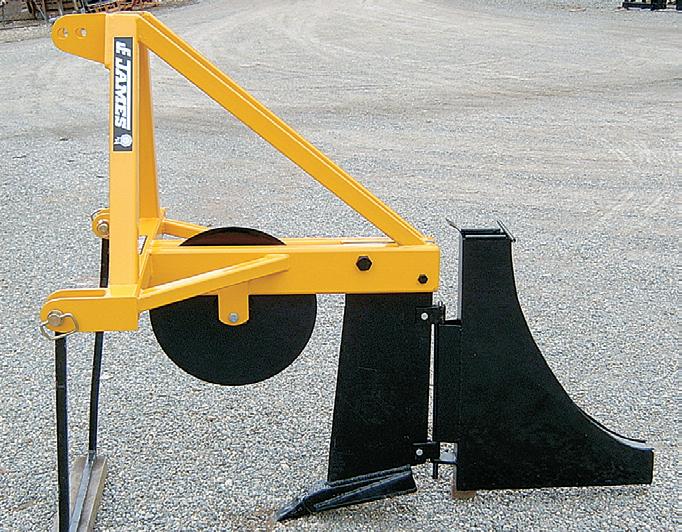
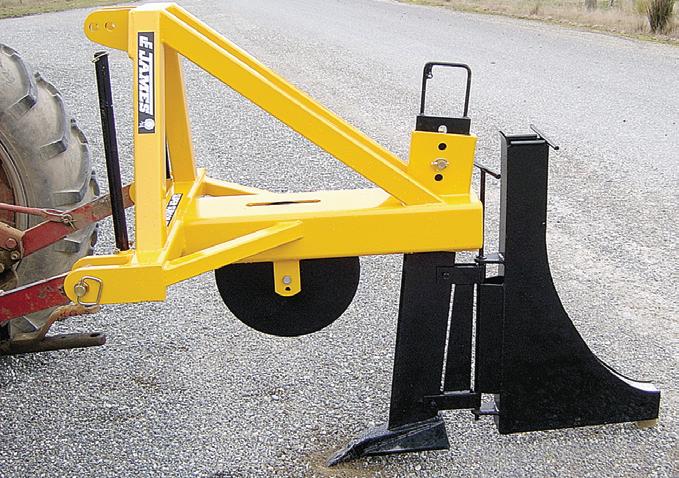
Shatter pan layers allowing surface water down through the profile Avoiding ponding & retaining moisture for use in dry periods
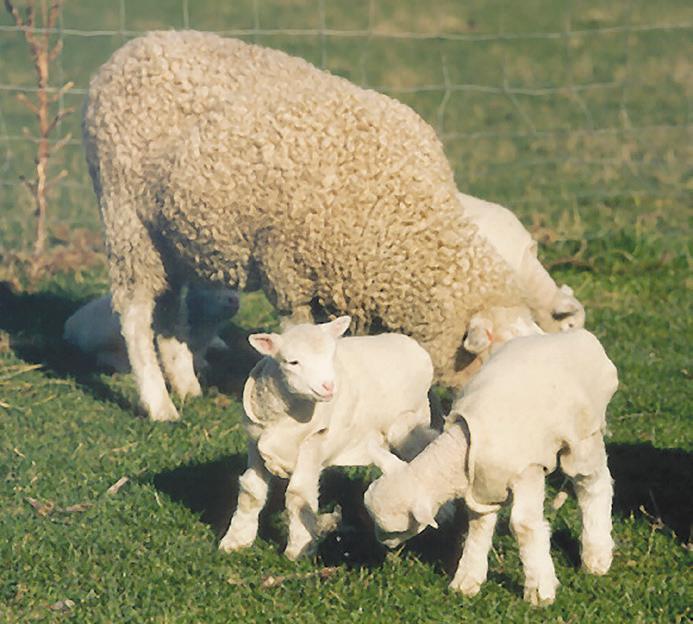
If you can get to them, you can save them. A NZ$6.00 investment in a Woolover Cover can return you NZ$180! The covered lamb will enjoy the warmth and also have increased growth rates over the first three weeks. Enjoy the satisfaction of saving at risk lambs and be well rewarded in doing so.
Raising calves is not for the faint hearted. Ensuring the calf is warm and dry in a draft free environment, is the ideal situation.
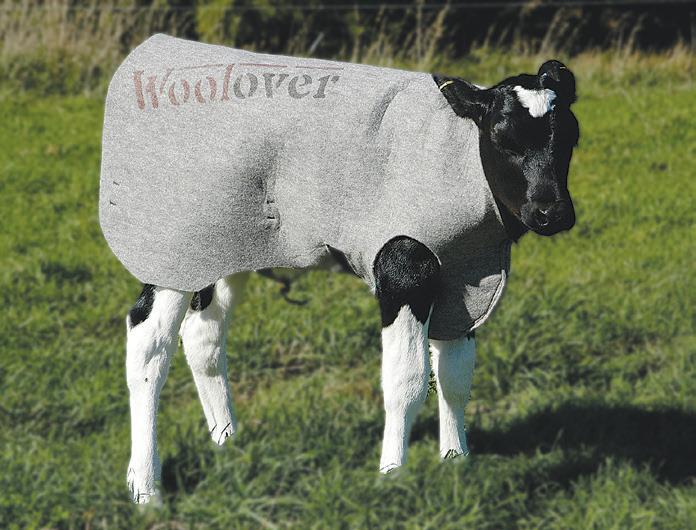
QUESTION; What was the air temperature at 4:30am this morning in your calf rearing facility? If the air temperature was below +10C, the calf is now cold. Drop that air temperature to +4C then calf is shivering and cold. The 'shot of milk' at 7:30am on a cold calf is now being absorbed to regain body heat rather than being used to actually grow the calf.
THE ANSWER IS; By fitting a Woolover Calf Cover to those new born calves, the wool is now ensuring the calf is warm and able to absorb that milk into growth rather than trying to maintain body temperature. All calf rearers should be ensuring their calves reach target weights earlier, be it your replacement heifers or your dairy / beef contract calves. Simple really! Just use the Woolover Calf Covers to ensure this next crop of new borns reach their true genetic potential.
Woolover Ultra Calf Cover
As above with the Regular Calf Cover, wool providing the warmth plus total water shedding ability, to ensure those calves in the harshest climatic conditions, survive and grow to reach their true potential.
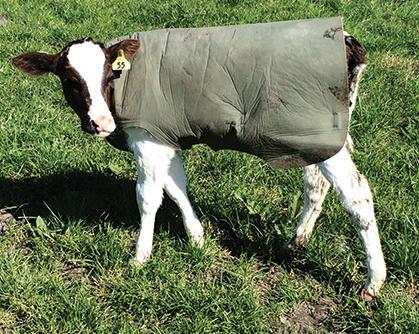
Especially designed for those kid goats, or finn lambs or triplet lambs, these covers will ensure and assist those smaller animals survive and reward the effort to cover them.
Wool Working 24/7
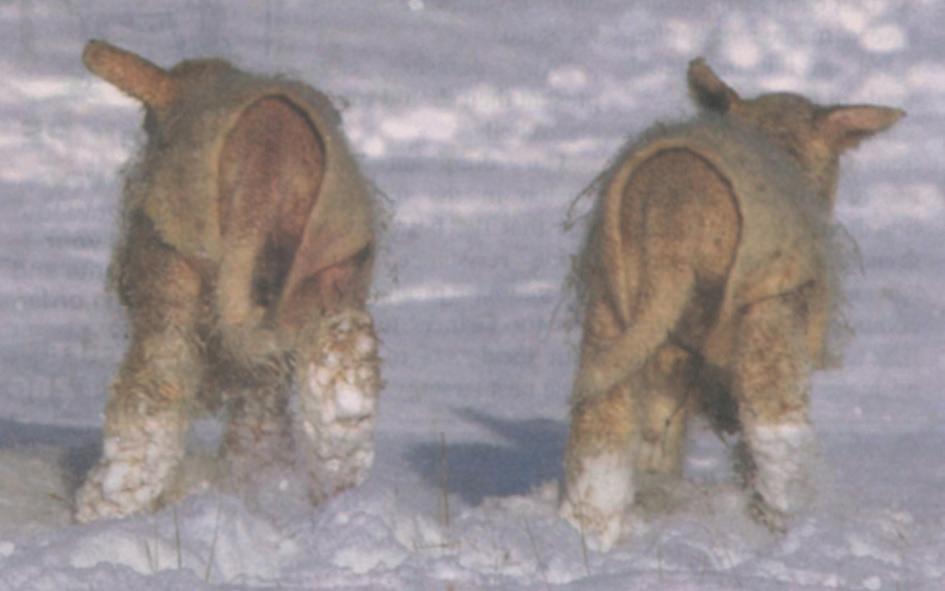
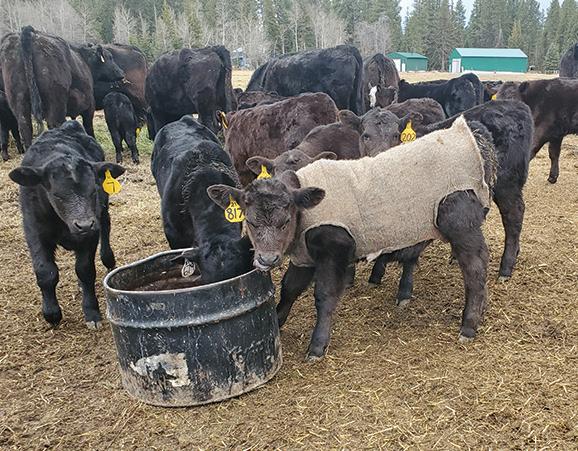
Designed especially for those USA / Montana blizzards, the cover is designed to simply 'fall off the beef calf after 4 weeks' and simply biodegrade on the ground where ever it falls. No rodeo nor catching the calf to remove the cover. Perhaps you have a mob of dairy cows calving early on a paddock of swedes, less that ideal weather, simply fit the Woolover Fit n Forget Beef Calf Cover, knowing full well the calf should survive that hostile environment, and capture some additional growth rate. The Woolover Fit n Forget Beef Calf Cover

MARK DANIEL markd@ruralnews.co.nz
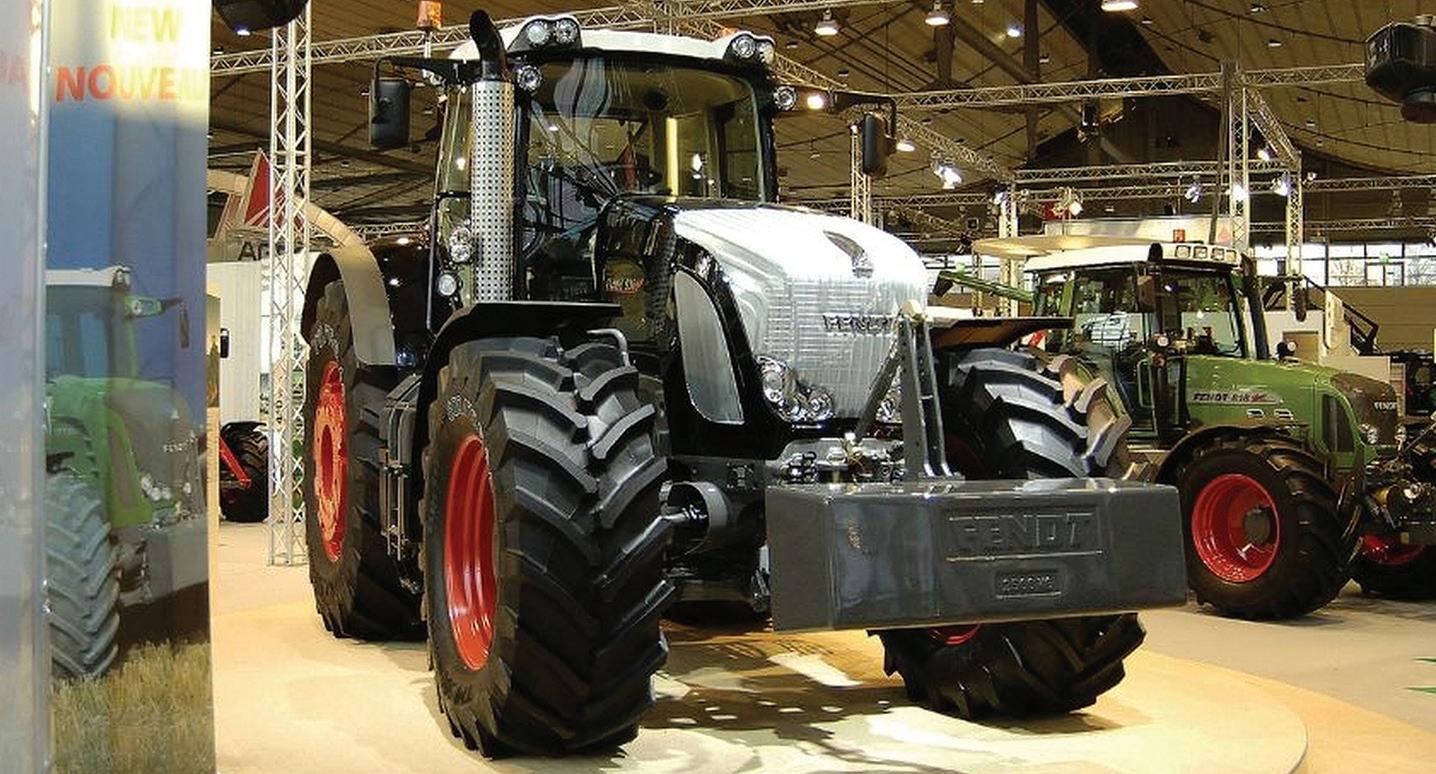
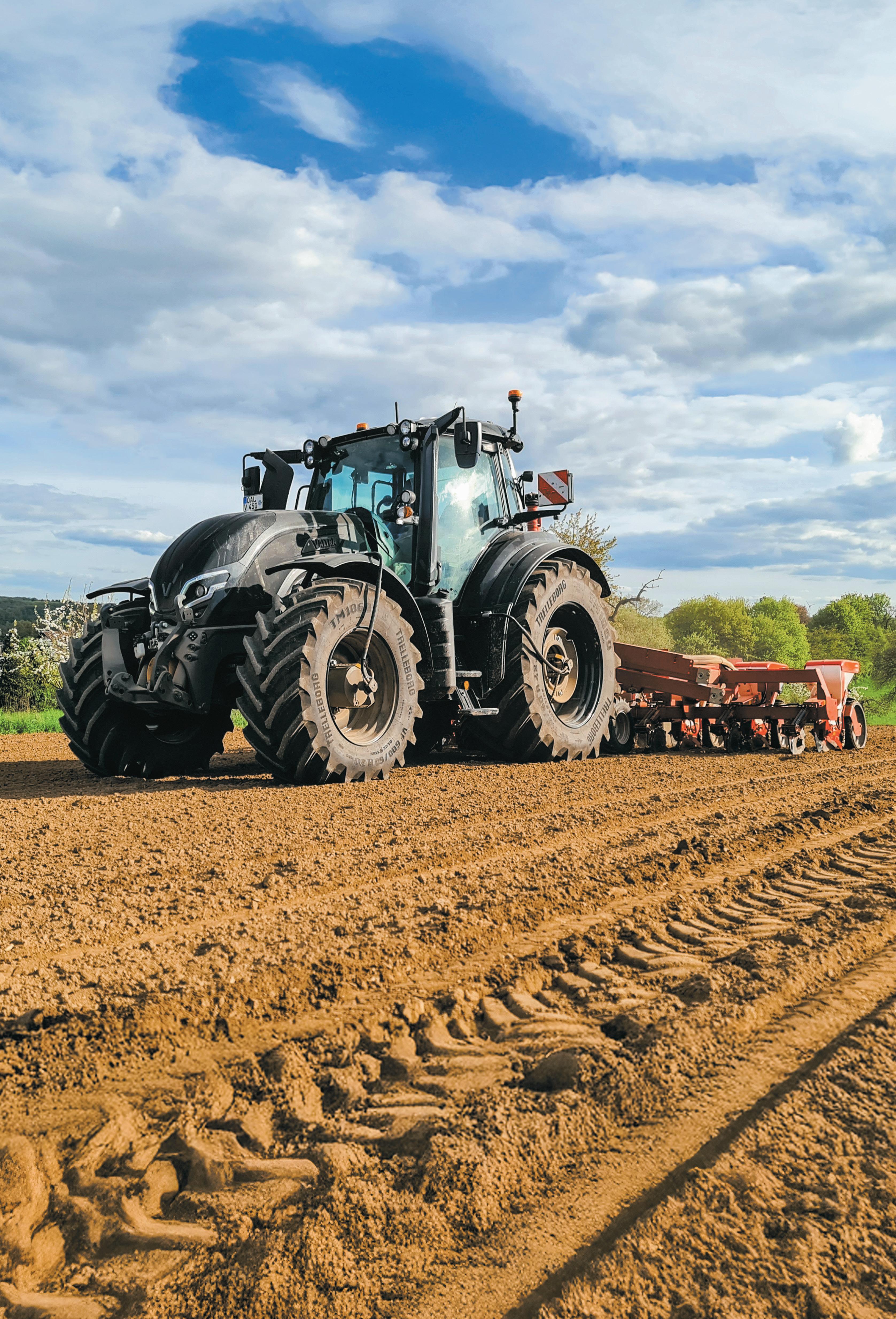
FENDT’S 900 Vario was unveiled at Agritechnica 1995 and has since gone on to become a popular choice for farmers and contractors worldwide.
Having ticked over 50,000 examples over the last 30 years, a production run of just 300 limited edition series of tractors feature an engraved ‘50,000’ door sill, embroidered floor mats with an anniversary logo, super-comfort seats trimmed in titanium leather, and an anniversary badge on the chromed bonnet.
The anniversary model reflects on some of the past models, with four colour options, including the trademark black of the 2005 model, alongside steel blue, black/red, and nature green.
Described as a ‘tractor of firsts’,
ADVERTORIAL
the 900 Series was the first to feature the electronically controlled fuel injection system and the first to feature Fendt’s Vario Terminal.
The 2003 model was the first Fendt to feature the new Tractor Management System (TMS), which electronically linked the engine and transmission and automatically adjusted the revs to match the power requirement.
In 2005 the 936 Vario launched with a Deutz 360hp engine, independent wheel suspension, a new cab, and a class-leading 60 kph top speed. The fourth generation followed in 2010 taking power to 390hp, from a 7.8-litre Deutz engine, alongside the VarioGrip system, to adjust tyre pressures from the cab.
By 2013, the fifth generation 900 series was fitted with a new Deutz engine, incorporating steel pistons and twin, unequal size turbochargers and a new intercooler. For many,
the new reversible fan was a game changer because it helped the engine breathe more easily in dusty environments, which significantly
reduced downtime.
The current sixth generation, on which the special edition is based, was released in 2019, incorporating
the single-mode VarioDrive system from the larger 1000 series, with the range-topping 942 delivering 415 hp provided by a 9.0-liter MAN engine.
Since 1989, the New Zealand Dairy Industry Awards (NZDIA) has recognised excellence across the dairy industry, celebrating innovation, achievement and leadership while showcasing the very best of New Zealand dairying.
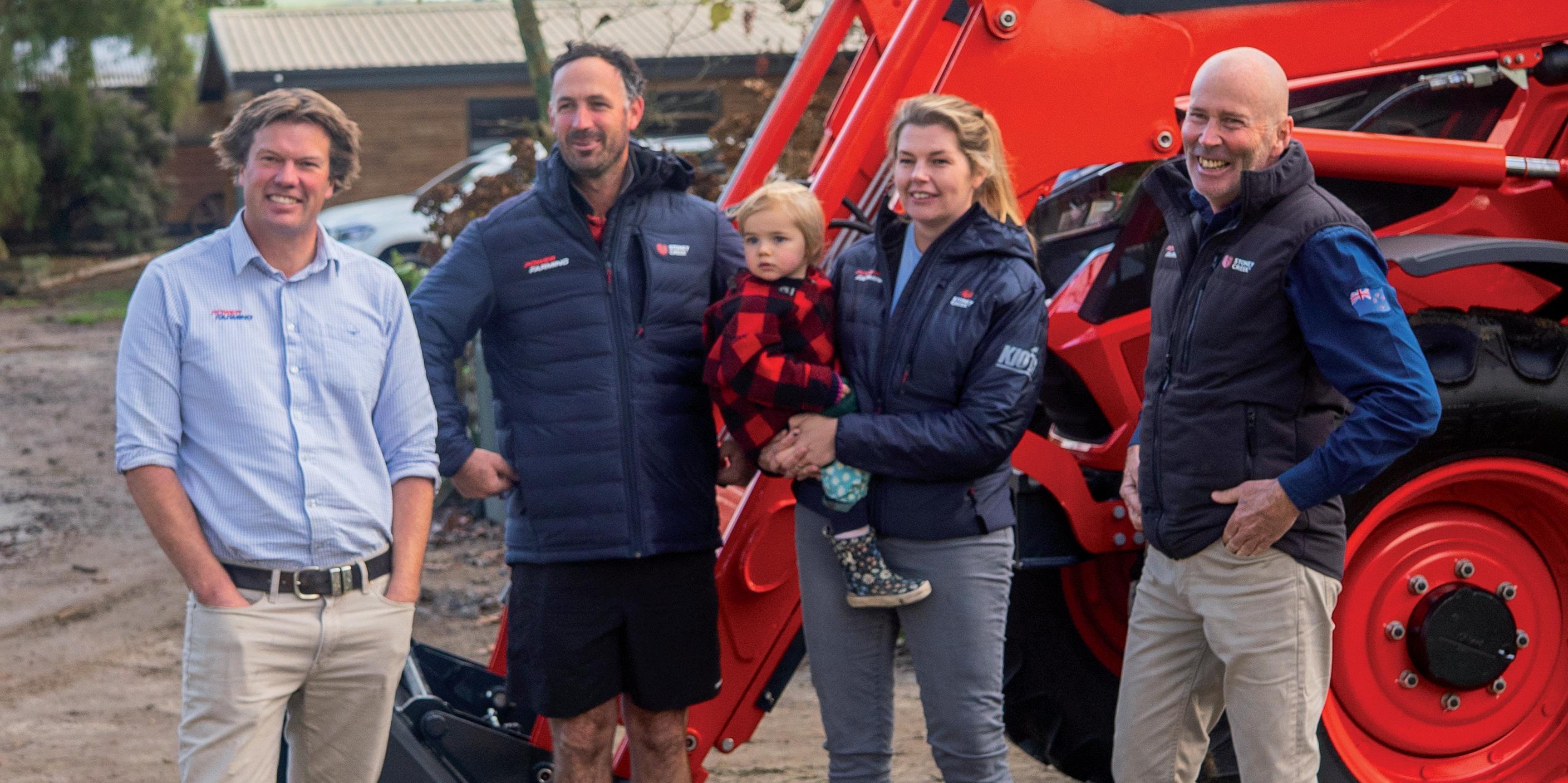
Glenn and Georgie van Heuven from Waikato, took home more than $15,000 in prizes, including the ASB Business Performance Award and the use of a Kioti HX140 tractor and loader package for 12 months.
Since the Awards, Glenn and Georgie have purchased a new farm and are excited about the opportunities ahead. “We are so incredibly grateful to Power Farming for supporting the New Zealand Dairy Industry Awards,” said Glenn and Georgie. “As we enter our next chapter in farm ownership, this tractor will absolutely be put to use. We can’t wait to get it on the farm and get to work. Thank you to the Power Farming team, it’s an amazing prize.”
Often described as a “bloody good tractor”, the Kioti HX140 is an ideal tractor for dairy farming, offering the versatility, power and manoeuvrability needed for everyday farm tasks. It is powered by Kioti’s 3.8-litre, fourcylinder engine, paired with a Power Shuttle/ Power Shift transmission delivering 32 forward and 32 reverse speeds. Hydraulically engaged

four-wheel drive, a rear mechanical differential lock and limited-slip front differential provide excellent traction in demanding conditions.
The seven-tonne HX140 combines a 2.6-metre wheelbase with a tight 4.2-metre turning radius, making it equally capable around the farmyard and in the paddock. It also features 540, 750 and 1,000 rpm PTO speeds, a five-tonne rear linkage lift capacity, and a closed-centre load-sensing hydraulic system delivering up to 118 litres per minute through four rear remote valves.
A multifunction joystick with third service comes standard, while the spacious five-post cab provides excellent visibility and operator comfort.
Power Farming Director Brett Maber said supporting the NZDIA is a natural fit. “We’re incredibly pleased to deliver one of our cuttingedge Kioti HX tractor and loader packages, as we support excellence in an industry that is the key driver of the NZ economy.”
MARK DANIEL markd@ruralnews.co.nz
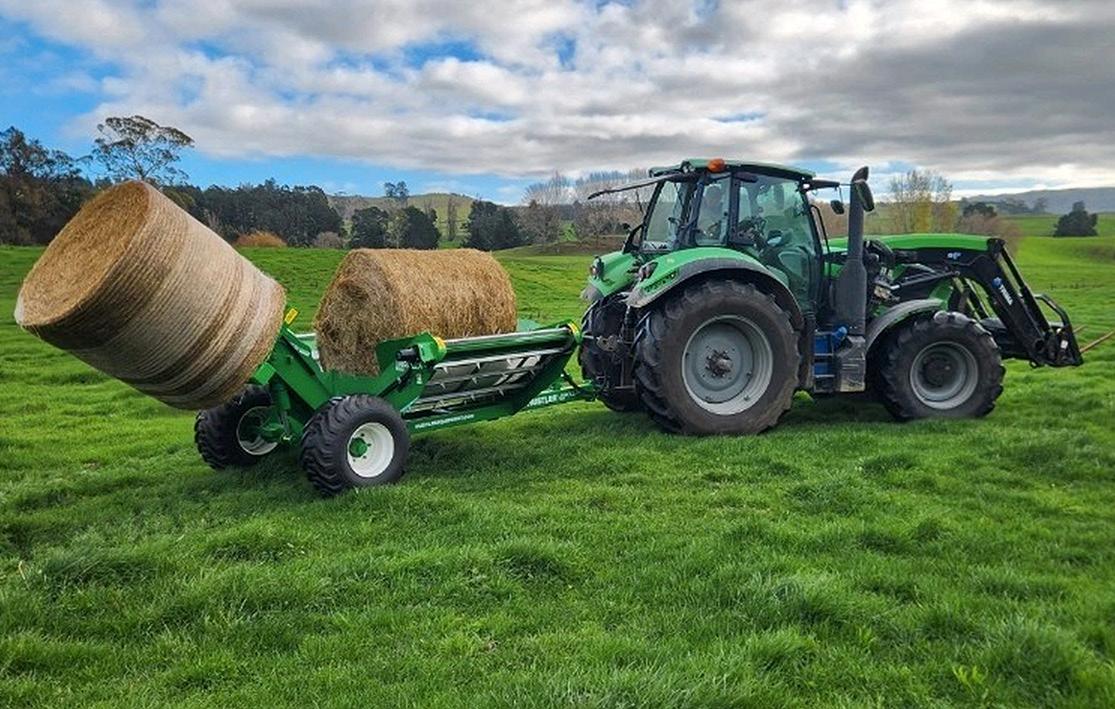
WELL KNOWN for its extensive range of feeding solutions, Hustler has introduced its thirdgeneration Unrolla TX 235, two-bale, self-loading bale feeder.
Design and engineered around getting feed to animals where they can eat it, and where wheels don’t run over it, the result is cleaner feed lines, resulting in less wastage and better utilisation of each bale.
Said to offer the widest wheel track, that in turn helps lower the machine’s centre of gravity, offering improved stability, meaning TX 235 users can travel safely, even when delivering and feeding increasingly heavier bales in difficult terrain.
A wider side discharge system places feed further away from the machine and the wheel track, while an improved heavy-duty bale loading system can be configured with up to five bale spears, resulting in better bale retention, easier handling of fine chopped bales and the ability to lift bales of up to 1.5 tonnes.
A unique chassis design, with a fully welded construction, sees the main rails being the lowest point of the machine, acting as a skid plate if the machine bottoms out in poor ground conditions. In turn this ensures the drive components, particularly the floor chains, are kept away from the ground, so

reducing wear, improving durability and ensuring day to day reliability.
Focused design details see the use of zincplated chains rated to 12,000 pounds each, Bisalloy drive sprockets for extended working life and double-sealed, heavyduty, four-bolt bearing assemblies with trash shields.
A fully enclosed, extruded polyethylene floor assembly helps eliminate waste, while also being corrosionfree for a longer working life. In operation, its use reduces ‘bale drag’ by up to 30% compared to steel, meaning sticky or very wet bales are fed more easily. Square-section feeder bars are said to be up to five times stronger than typical angle iron assemblies, while the option of blank bars or bars with more aggressive teeth are available and can simply be bolted on in a matter of minutes.
A single-post drawbar set low to the frame allows easier access to either side of the machine, while a 60mm square section axle equipped with 6-stud hubs offers strength and adjustability for varying terrain or bale weights. Tipping the scales at 1165kg, the machine requires two, double-acting valves for operation, while options include narrow tyre equipment, mudguards and side roller bars. The TX235 is backed by a comprehensive five-year warranty. www.hustlerequipment.com
MARK DANIEL
WHILE HYBRIDS and PHEVs have not usually been the focus of farmers and rural dwellers, the current Iranian-driven fuel crisis has pushed up fuel costs and created a new interest in the genres.
The Toyota RAV4 is already well known and seen on many rural driveways, being New Zealand’s most popular vehicle. Kiwi drivers will now have a practical, no-compromise choice of electrification with the addition of the firstever Toyota RAV4 Plug-in Hybrid (PHEV).
Said to blend electric driving for everyday use with the flexibility and confidence of Toyota’s proven hybrid technology, the company
suggests you can plug it in and do most of your weekly driving on electric power, but when you need to go on a long journey it still works like a highly efficient hybrid.
The RAV4 PHEV front wheel drive has an NEDC-tested driving range of 154km and the all-wheel drive variants have an NEDC tested driving range of 144km – enough for many drivers to complete their weekday commuting on battery power alone. Its larger battery can be charged at home, typically at a cost of around $9 per charge.
Built on Toyota’s sixth-generation plug-in hybrid system, the RAV4 PHEV pairs a 2.5litre petrol engine with electric motors. This delivers a total system output of 201kW in the
GXL front-wheel drive grade, while the allwheel drive XSE and GR SPORT grades produce 227kW, making them among the most powerful vehicles in their class.
Drivers can also tailor the vehicle’s behaviour through three drive modes. Auto mode selects the most efficient combination of petrol and electric power for everyday driving, HEV mode prioritises hybrid operation to preserve battery charge, and EV mode enables fully electric driving for shorter urban trips.
All-wheel drive variants offer 1500kg braked towing capacity, while the front-wheel drive GXL offers 800kg braked towing. All RAV4 PHEV grade are also equipped with a 1500W/220V AC inverter,
allowing the vehicle to power small appliances directly on a worksite or out on the farm.
Offered in GXL, XSE and GR SPORT grades, the GXL front-wheel drive grade offers 201kW of output, three driving modes, an 11kW onboard charger and 50kW fast charging capability, along with practical interior features such as heated front seats and a durable fabric interior.
The XSE all-wheel drive grade builds on the GXL spec with 227kW and Toyota’s E-Four all-wheel drive system, providing improved traction, additional drive modes for trail and snow, along with downhill assist control, further enhance its versatility. Inside, the XSE introduces premium features such as a larger

Toyota has unveiled its first-ever RAV4 Plug-in Hybrid (PHEV).
12.9-inch multimedia display, panoramic view monitor, synthetic leather and a moonroof.
The top of the range, the GR Sport features all-wheel drive, the same 227kW output and a series of engineering enhancements inspired by Gazoo Racing. These include retuned suspension, performance dampers, a wider track and upgraded steering calibration to deliver sharper handling.
Unique exterior and interior elements include lightweight 20” alloy wheels, GR styling details and a performanceoriented cabin.
The RAV4 Plug-in Hybrid arrives in Toyota New Zealand from June 2026.
Visit www.toyota.co.nz
Toyota Safety Sense is standard across all RAV4 PHEV grades, providing a comprehensive suite of active safety technologies. This includes an enhanced pre-collision system with improved detection capability, driver monitor camera, proactive driving assist, front cross-traffic alert and lane trace assist. Additional features such as blind spot monitoring with safe exit assist, parking support brake, tyre pressure monitoring and smart key entry contribute to a safer and more convenient driving experience.

OAMARU BASED livestock handling
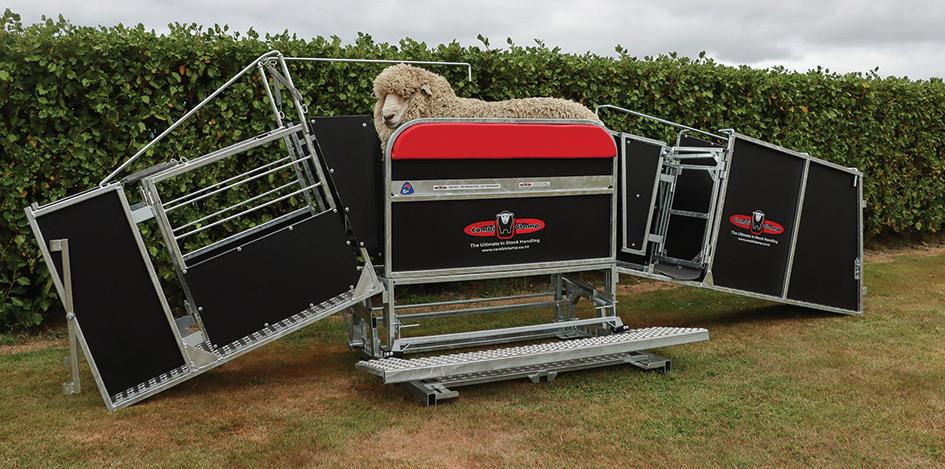
specialist Te Pari has bought Combi Clamp, the New Zealand manufacturer of Combi Clamp manual sheep handlers.
Launched in 2002, Combi Clamp has earned a strong reputation across NZ and Australia for producing reliable manual sheep handling equipment to help farmers work more efficiently, while improving animal welfare. The addition of the brand will expand Te Pari’s sheep handling offering and complement its existing range of Racewell Sheep solutions.
The product will be rebranded as the Te Pari Combi Clamp and integrated into an established sales and support network, so customers continue to have access to the trusted handler they know, backed by global reach and customer support.
Jeremy Blampied, global sales manager at Te Pari, says Combi Clamp is a respected brand with a loyal customer base and a proven product that has helped sheep farmers for many years.


Wayne Coffey from Combi-Clamp said he and wife Lynley are especially happy that it’s staying with a New Zealand company that “will take Combi-Clamp forward and help even more farmers around the world”.
Te Pari says the Combi Clamp will form an important part of the company’s future sheep handling offering. www.tepari.com
“Bringing Combi Clamp into the Te Pari family strengthens our sheep handling range and allows us to offer farmers an even broader selection of solutions to suit their operation. It’s a natural fit with our vision of delivering safe, efficient and seamless livestock handling systems to farmers around the world.”












Terms and conditions apply: *Finance disclaimer: Fixed rate of 0% p.a. on a loan term of 24 months on Yamaha Motor Finance New Zealand Ltd (YMFNZ) Consumer contract standard terms and conditions to approved applicants. The offer is available for private and commercial buyers on the 2023/2024 Wolverine X4 XT-R; 2023 Wolverine RMAX4 1000 XT-R Compact; 2024 Wolverine RMAX2 1000 Sport; and the 2024 Wolverine RMAX2 XT-R between 01/05/2026 and 31/08/2026 and settled on or before 30/09/2026. Credit criteria, fees, charges, terms and conditions apply including an application fee of $325, $8.05 PPSR fee, and a Dealer Administration Fee may apply. Finance is provided by YMFNZ NZBN 9429036270798, FSP 9622. ^All savings stated are GST exclusive on the manufacturer’s Recommended Retail Price (RRP) and are available to private and commercial buyers. Savings are not redeemable for cash or other products. Offer available between 01/05/2026 and 31/08/2026 while stocks last through participating authorised Yamaha Motorcycle dealers. $8,250 off the RRP of $34,249 for 2023 and 2024 Wolverine X4 XT-R equates to $25,999; $7,900 off the RRP of $39,899 for 2023 Wolverine RMAX4 1000 XT-R Compact equates to $31,999; $2,650 off the RRP of $29,149 for 2024 Wolverine RMAX2 1000 Sport equates to $26,499; and $5,250 off the RRP of $33,749 for 2024 Wolverine RMAX2 XT-R equates to $28,499. Yamaha Motor New Zealand Ltd. NZBN: On select MY23/24 ROV models. P.A. Fixed Interest rate Finance* over a 24 month term.