WinePro Future focus
Dom Maxwell Forager Wine
Philip Gregan Lifetime Achievement
WinePro Future focus
Dom Maxwell Forager Wine
Philip Gregan Lifetime Achievement
A beautiful vintage in challenging times
3 DAYS TRADE ONLY
See the latest innovations in viticulture & winemaking, in Marlborough, the heart of New Zealand’s wine country. Be inspired by industry experts, fast tracking your knowledge to grow your business at this hands-on, face-to-face industry leading event.
⦁ New Technology
⦁ New Product Launches
⦁ Expert Floor Talks
⦁ Exhibitor Demonstrations
Secure a Stand
Limited opportunities available to exhibit. winepronz@expertiseevents.co.nz
REGISTER FOR FREE ENTRY
winepro.co.nz
Includes all access pass to expert floor talks and exhibitor demonstrations

JUNE 23 - 25, 2026
Marlborough Lines Stadium 2000, Blenheim, New Zealand

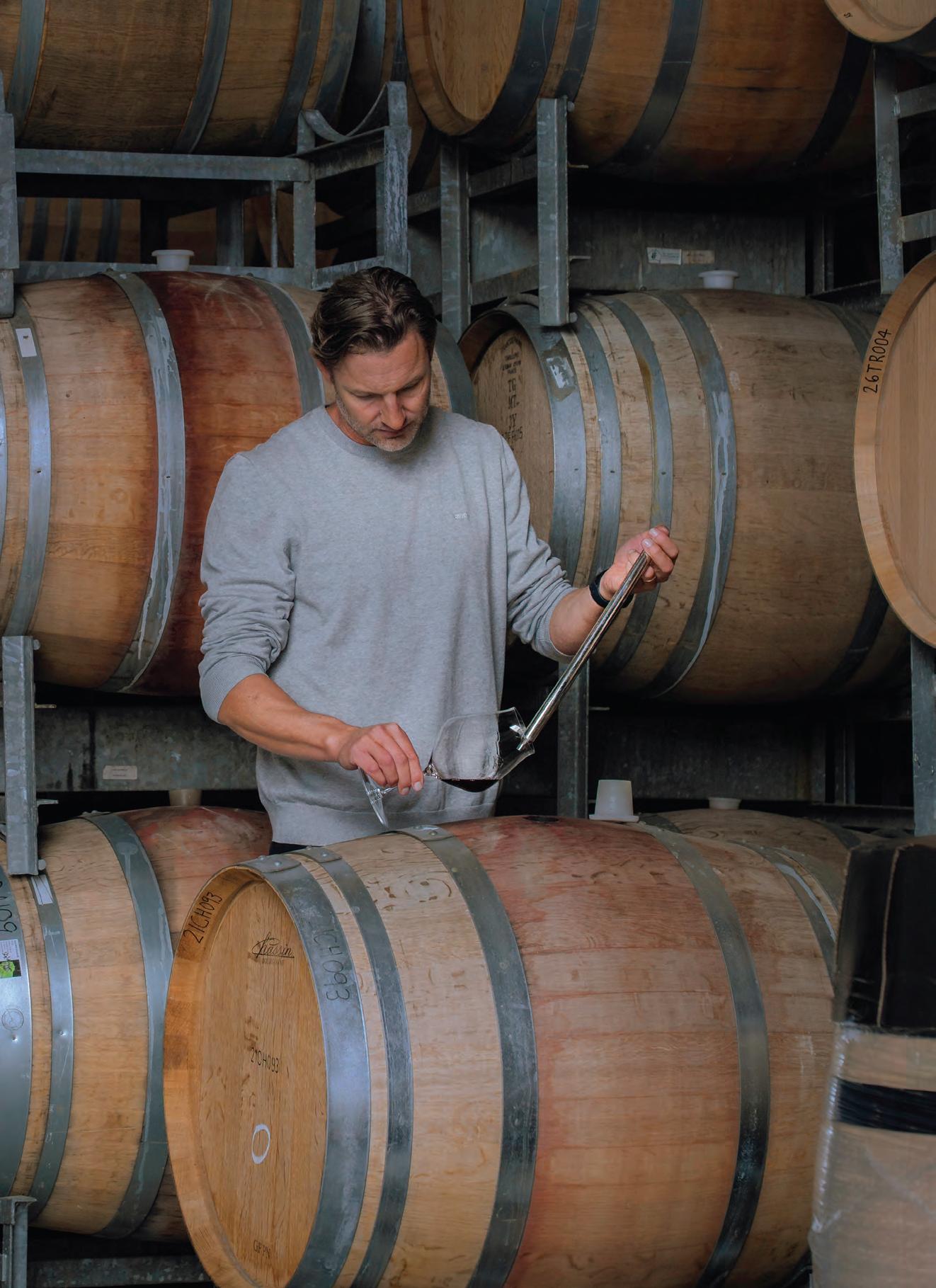
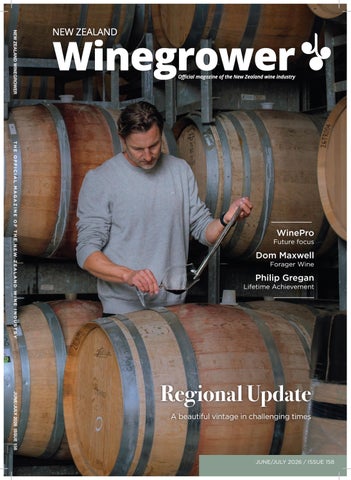
COVER PHOTO

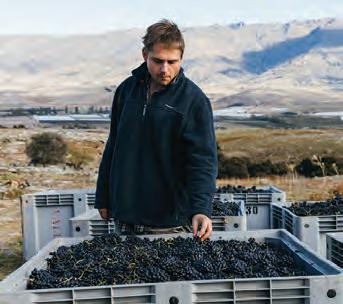
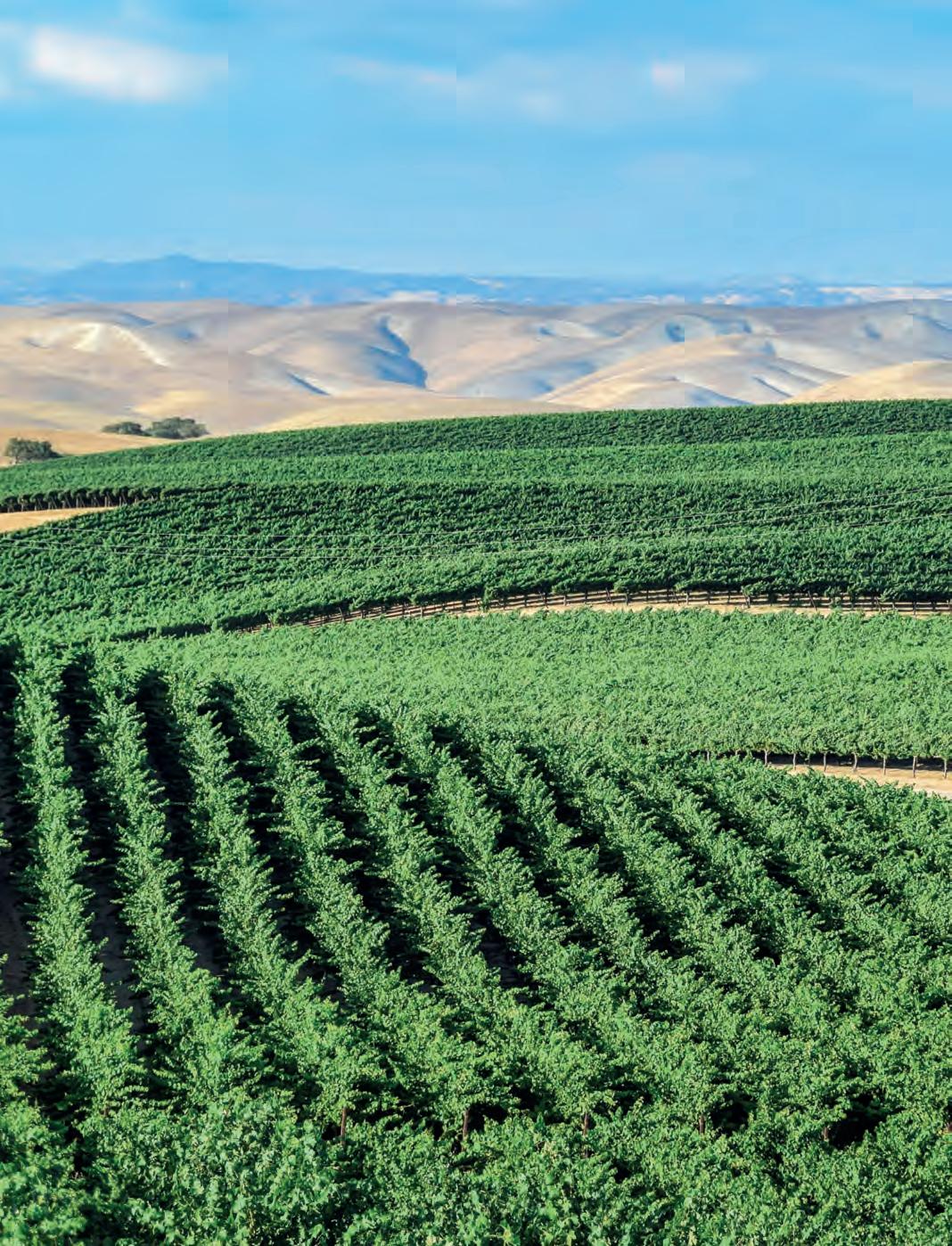
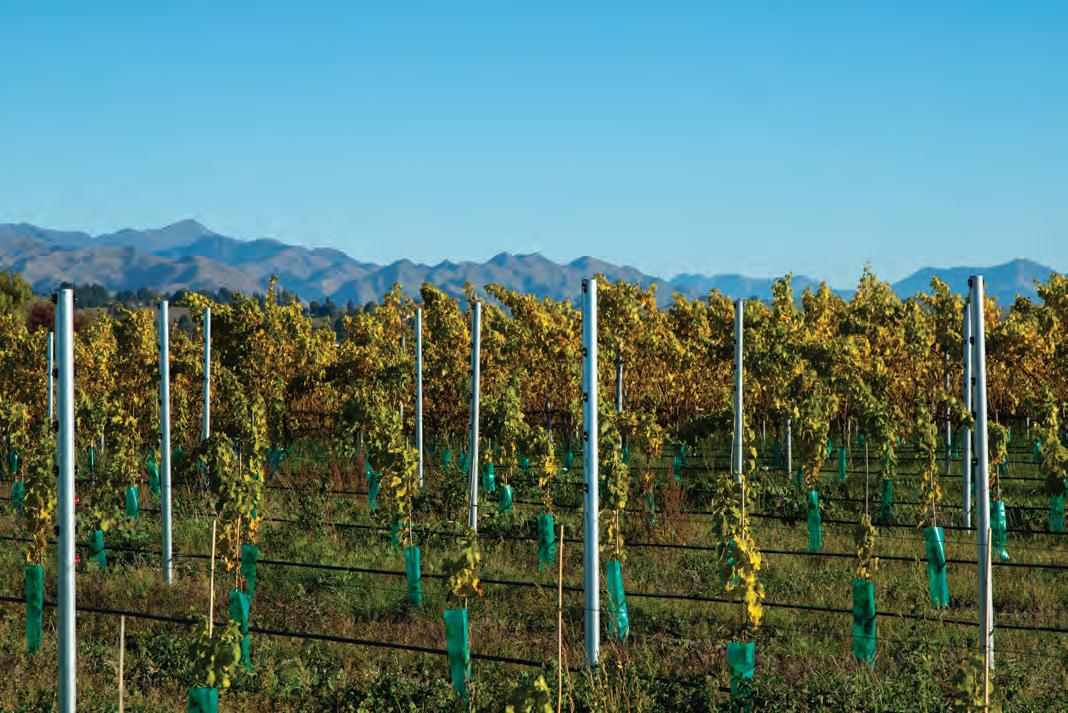
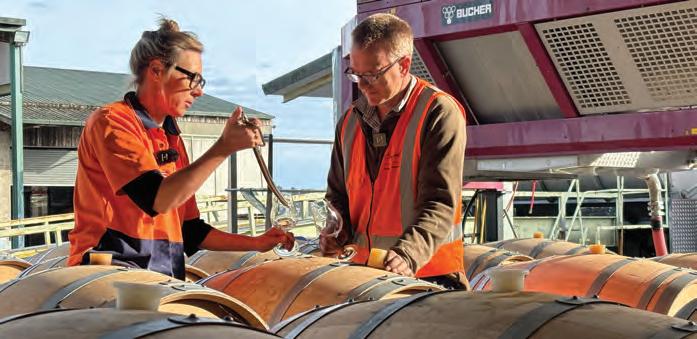
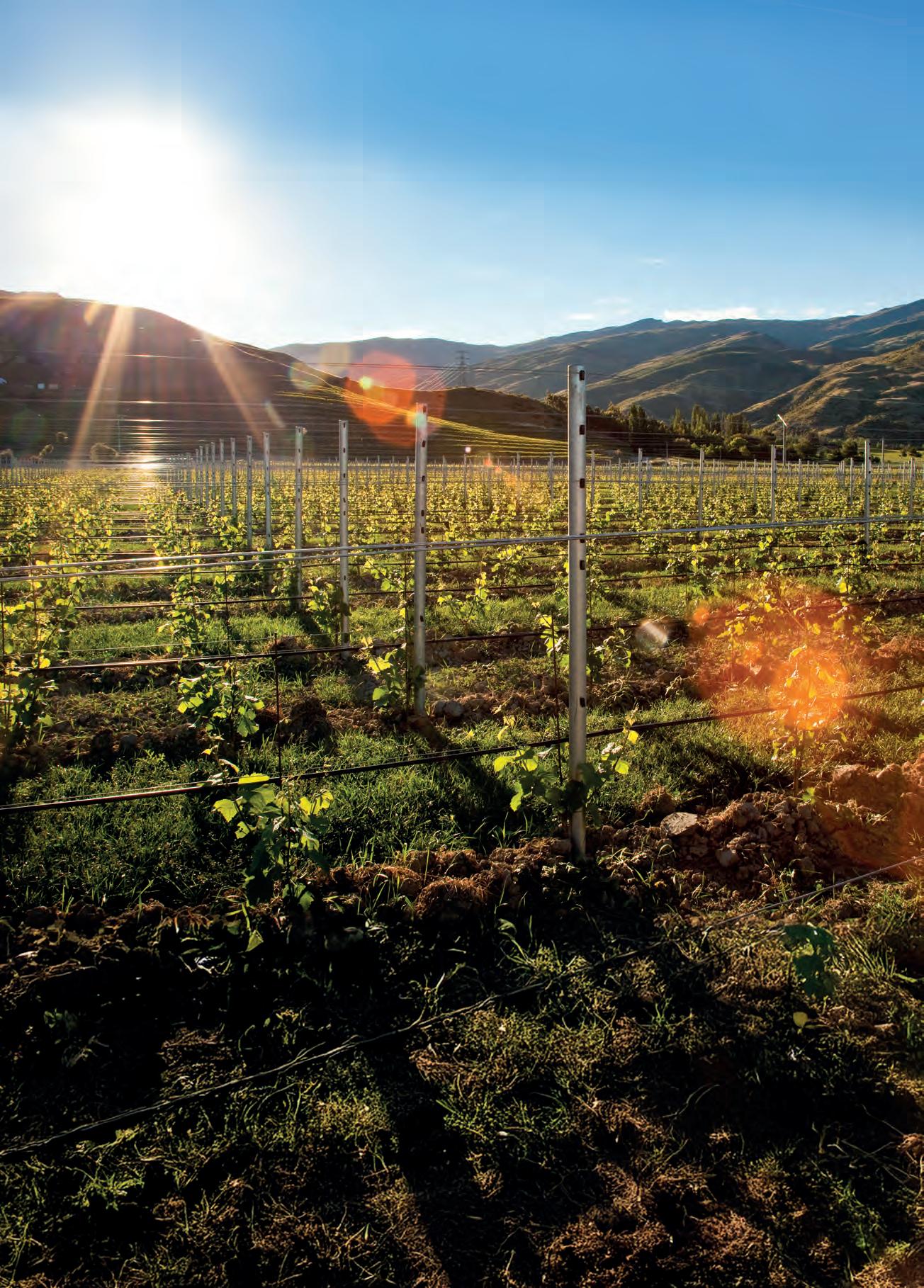
Amisfield Chief Winemaker Sam Davies is “thrilled with what’s in the shed”, despite Central Otago’s cool and late season. It was “a challenging and unique vintage for sure,” he says. “But hopefully one we will look back on fondly.” Cover photo (and top photo this page) by Anda Bulgakova for COWA. Go to page 17.
Editorial Sophie Preece
From the CEO
Philip Gregan
BRI Update Governance change
The Profile Dom Maxwell
Women in Wine Virginie Le Brun
MW Musings
Emma Jenkins MW
Growing Legacy
David Babich
Wine Weather James Morrison
Regional Update
Vintage 2026 yielded excellent fruit for many New Zealand wine regions. But tough times in wine are taking their toll, with lost contracts, unharvested blocks and a reduction in vineyard land.
Grape Days
Attendees at this month’s Grape Days events will explore current practice and use cases for Generative AI, including a new report about how it’s helping dairy farmers make better decisions.
Power to the People Pillar
With ethical employment practices a “hot topic” in key markets, Sustainable Winegrowing New Zealand is strengthening its People Pillar.
EDITOR Sophie Preece
sophie@sophiepreece.co.nz
CORRESPONDENTS
North Island
Joelle Thomson
Emma Jenkins MW
South Island
Claire Finlayson
Stephanie McIntyre
Joanna Grigg
ADVERTISING
Upper North Island: Stephen Pollard
stephenp@ruralnews.co.nz
Ph: 021 963 166
Central & Lower North Island: Lisa Wise
lisaw@ruralnews.co.nz
Ph: 027 369 9218
South Island:
Kaye Sutherland
kayes@ruralnews.co.nz
Ph: 021 221 1994
CIRCULATION & SUBSCRIPTIONS
Sarah Adams saraha@nzwine.com 09 306 5644
New Zealand Winegrowers
PO Box 90 276, Auckland Mail Centre, New Zealand
PUBLISHING & PRE-PRESS
Rural News Group
PO Box 331100, Takapuna, Auckland 0740
Ph: 09 307 0399
Location: Bottom Floor, 29 Northcroft Street, Takapuna, Auckland 0622
Publisher: Brian Hight
Managing Editor: Adam Fricker
Production: Rebecca Williams
Published by Rural News Group Ltd under authority of New Zealand Winegrowers Inc. Unless directly attributed, opinions expressed in the magazine are not necessarily those of Rural News Group and/or its directors or management, New Zealand Winegrowers Inc. or its constituent organisations. Published every second month. One free copy is mailed to every member of New Zealand Winegrowers Inc, New Zealand Society of Viticulture & Oenology and the New Zealand Vine Improvement Group, and to such other persons or organisations as directed by the owners, with provision for additional copies and other recipients to be on a subscription.
ISSN 1174-5223




Growing great grapes takes hard work and heavy investment, with a post-harvest marathon of pruning and maintenance, frost defence and yield management, and the relentless spraying, mowing and trimming of the growing season, before vintage lands again. When the going is good that harvest buzz, so short in the scheme of the winegrowing cycle, must be incredibly satisfying – not to mention the chance to open a bottle of wine and know you’ve had a hand in it.
But for the past few years there have been growers throughout New Zealand with no home for their grapes come harvest, and a year’s worth of work left hanging, or dropped to the vineyard floor. Some growers are mothballing vineyards as they wait for things to improve, or have taken the opportunity to redevelop, while others are pulling vines out to look at another option for their land. Even growers with contracts might struggle to come out even after a year’s work, given caps and pricing. One grower told me that with any farm debt and no offvineyard job, the result would be untenable.
There’s talk of green shoots in the industry, especially for wine companies working hard in the market, but for growers – including mum and dad operations – it might be far too long before those shoots yield fruit. It’s farming of course, with all its boom times and gloom times, and many will be tightening belts, talking to banks, and making plans to get through. But as winter arrives, and the next costly season swings into gear, those doing it tough need to keep an eye on their wellbeing, and the wellbeing of those around them. New Zealand Winegrowers has resources on its site, including numbers of people to talk to at Rural Support Trust and Farmstrong. Go to nzwine.com/en/initiativesevents/health-and-wellbeing to learn more.
In this month’s Musings Emma Jenkins MW urges the industry to remember the importance of community. “People are resilient, but only to a point,” she says. “When pressure is sustained – as it is now – having a genuine community to draw upon is vital. People who share knowledge freely, who support rather than undercut, who hold the collective story together even while under strain, these are the things that make a material difference to how an industry weathers difficulty, and whether it emerges out the other side stronger.”
Sophie Preece EDITOR

Philip Gregan
In his last ‘From the CEO’ piece, New Zealand Winegrowers Chief Executive Philip Gregan reflects on three constants over 43 years in the wine industry: tax; supply and demand; and the Sale and Supply of Alcohol Act.
Go to page 6

Wine writer Joelle Thomson talks to Virginie Le Brun about engaging Gen Z with authenticity. Virginie moved to Marlborough with her parents as a baby, and has been part of her family’s sparkling wine story ever since.
Go to page 42

Emma Jenkins MW
“Community sits at the core of what is most important in wine,” writes Emma Jenkins MW in this month’s MW Musings column. “When pressure is sustained – as it now – having a genuine community to draw upon is vital.”
Go to page 43
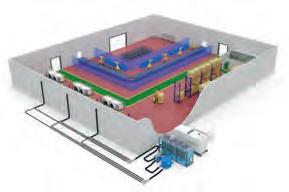
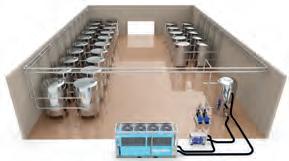
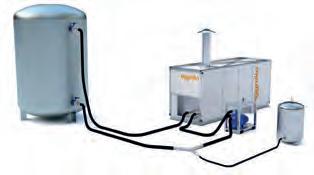
With over 20 years’ experience working with the wine industry throughout the New Zealand Pacific region, we understand what it takes to enhance productivity and decrease costs for your winery. We can help you make your vintage a success by:
• Controlling fermentation
• Providing temporary cooling for cellars or other critical functions
• Providing additional power when needed
We are on call 24 hours a day, seven days a week to serve you.

PHILIP GREGAN
This is my last article as Chief Executive, so I thought I’d take the opportunity to talk about three recurring issues which I have seen over the years, and which are almost certain to be issues in the future. First though, a very big thank you to all the industry members who have been so supportive and giving of their time and advice over the years. From the very first day I entered the industry it has been a huge pleasure to engage with the array of enormously talented people who work in our sector. A heartfelt thank you to each and every one of you.
Tax!
When I joined the industry, sales tax was an issue and when I leave it, excise is still a problem – in fact a $160 million problem, given that is how much excise New Zealand wine will pay in the next 12 months. Governments always want more tax, and the industry doesn’t. As we pointed out in a recent letter to Ministers: ‘ … the current excise rate for table wine ($3.78 per litre) equates to $2,700 per tonne of grapes harvested – the average grape price in 2025 was $1,851 per tonne. Excise is now a substantially greater cost than the grapes which go into making the wine sold in the domestic market. This is not sustainable.’
The only real advantage of the current system is predictability – we know each year the tax will lift in line with CPI, and no more. The advantage of predictability should not be understated, given the previous system (in the 1980s) was entirely unpredictable and at the whim of the finance minister of the day.
However, when inflation lifts, any benefit of predictability gets easily outweighed by the simple cost of the increase. A better system needs to found; perhaps as suggested in our letter, it should
be based on the Canadian model: ‘… of an annual indexation rate of two percent or the CPI rate, whichever is the lesser.’
If we adopted that approach the Treasury would not benefit simply because inflation gets out of control, and wine would not have to suffer because of that.
A recurring theme for 40 years has been the industry’s struggle to match supply and demand. In 1986 the government intervened and 25% of the vineyard area was extracted. Since then, despite sales growing seven or eight-fold, we have seen occasional surpluses. In 2008 we had our largest ever vintage (at that time) and a major surplus. Now we are back in surplus again.
On the other side of the coin, adverse weather has led to shortages numerous times, with 2021 being the recent low point. Shortages, of course, can and do lead to more vine planting, which then in turn fuels the seeds of future potential surpluses. In agriculture, with production heavily impacted by weather, getting balance is very difficult. Even so, it’s a good question to ask whether there is a better way to manage the supply demand balance. Given that many countries are struggling with the issue at the moment, each with their own and different regulatory systems, it seems unlikely that the answer lies in the regulatory system.
There is very likely no silver bullet to managing the future supply demand balance, but that does not mean we should not try. Ultimately if there is one, it is probably around each business (whether winery or grower) staying close to their market and not getting too far ahead of it. That doesn’t sound very satisfactory in many ways, but it is how the market works.
Finally, there are the laws governing the sale of wine in New Zealand – currently regulated by the Sale and Supply of Alcohol Act (SSAA). In 1989 we saw major reform, with the sale of wine permitted in supermarkets, while the 1999 law updated Sunday sales in off-premises and lowered the age of purchase.
There have been a few minor changes since then, but at best they are tinkering around the edges of the law. From a practical industry perspective, the SSAA adds cost and a lot of frustration to winery businesses. Our focus in recent years has been to lower those costs and frustrations, while supporting the principle of responsible consumption; hence our support for charging for tastings at cellar doors etc.
There will always be specific rules regarding the sale of products containing alcohol, and so there should be. But as with a lot of legislation, it is important to ask from time to time – ‘What public good is being achieved by this regulation, and at what cost?’ Ask what public good was achieved by having a ban on charging for tastings, and it is very difficult to come up with any argument that is even vaguely coherent. There never was a good rationale, is the simple answer, so why was the rule there in the first place, and why did it take so long for the law to change?
So, when law changes come along in the future, remember to ask that question. And remember also that in any assessment of costs, benefits need to be considered as well.
Very best wishes for the future –I am enormously confident we continue to produce the wines the world loves to enjoy!





Anishka Jelicich
Anishka Jelicich will become New Zealand Winegrowers chief executive at the end of July. “Anishka was a stand-out candidate for us with her deep understanding of the New Zealand wine industry, combined with extensive global knowledge and experience,” says NZW board chair Fabian Yukich, noting that the board sought a leader who understood the wine industry, and could offer a global perspective, strong stakeholder capability and strategic clarity to the role.
Anishka, who brings more than two decades of leadership experience across New Zealand, the United Kingdom and Europe, will leave a Paris-based role as Pernod Ricard Global Director Responsible for Marketing & Sales, to return home to New Zealand, where she will be based at the NZW head office in Auckland. “I am looking forward to serving and supporting the interests of our members and working closely with the Board and the NZW team to support the industry through its current challenges, opportunities, and positioning it strongly for the future,” she says.
The board also acknowledged the “outstanding” contribution of departing Chief Executive Philip Gregan, who will retire at the end of June, after 43 years of service to the organisation. “Philip’s leadership has been instrumental in shaping the modern New Zealand wine industry, while establishing NZW as one of the most respected wine industry organisations in the world,” Fabian says.
The Fuel Facts
Bragato Research Institute is developing practical resources to help vineyards manage rising fuel costs. Using data from the BRI Carbon Calculator project, the latest factsheet outlines current fuel usage in vineyards and provides possible reduction strategies through prioritisation. Find it on page 58.

Whitehaven Wine Company has become naming rights sponsor of what is now Whitehaven Theatre Marlborough. “As a Marlborough born business, supporting our community is at the heart of who we are,” says company co-founder Sue White. “For 10 years, we’ve stood alongside the Marlborough Civic Theatre Trust, celebrating the performing arts and the people who bring them to life. Stepping into the role of full theatre sponsor is an honour. Our region thrives when arts and culture thrive, and we’re committed to helping create a space where creativity, expression, and community connection continue to flourish.”
NZW Chief Executive Officer Philip Gregan has been awarded a prestigious Lifetime Achievement Award by leading international publication The Drinks Business, recognising his significant contribution to the global wine industry. The award acknowledges Philip’s leadership and influence over more than four decades, during which New Zealand has earned a global reputation for distinctive, premium and sustainable wines. Philip, who leaves NZW at the end of June, says the recognition is deeply meaningful, particularly given the role the United Kingdom has played throughout his career. “The UK has been an incredibly important part of my own wine journey. It’s a market that has backed New Zealand from early on and has helped shape how we present ourselves to the world.”

The award reflects the collective efforts of the wider New Zealand wine community, he says. “This recognition belongs just as much to the people I’ve worked alongside over the past 30 to 40 years. This includes our NZW team, grape growers and wineries, as well as the importers, distributors, on premise, retailers and media in the UK who have championed New Zealand wine.” The Lifetime Achievement Award recognises individuals who have made an enduring impact on the international wine and spirits sector. “While it’s an honour to be recognised personally, this really reflects what we’ve achieved together as an industry,” Philip says. “New Zealand wine has always been a team effort.” Read more about Philip’s time with New Zealand’s wine industry on page 40.
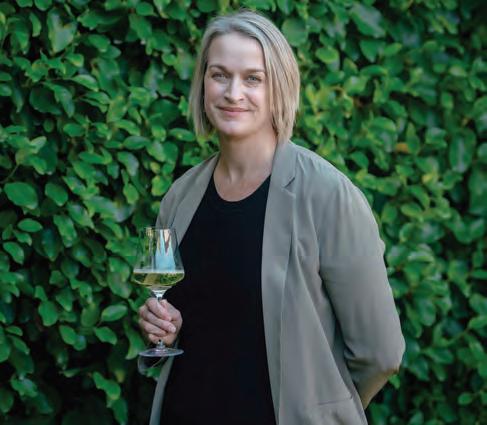
Appellation Marlborough Wine has appointed Stephanie McIntyre as its new Chief Executive. “Stephanie brings outstanding strategic marketing credentials, deep industry experience and a genuine connection to Marlborough,” says AMW Chair Sophie Parker-Thomson. After more than 20 years working in Marlborough’s wine industry, Stephanie says the new role aligns closely with her professional experience, personal values and admiration for the region. “Marlborough is a truly unique place to grow wine, and like all precious things it needs to be protected. We make something special here, and I am proud to be joining an organisation that’s devoted to celebrating extraordinary wine and safeguarding the integrity of our region.” Sophie says the appointment comes at a critical time for the global wine industry. “At a time of real noise and uncertainty, AMW is the only organisation singularly focused on championing quality and authenticity for Marlborough. The Trust Mark gives consumers confidence that what they are purchasing is a genuine expression of place, backed by rigorous quality standards, while delivering meaningful value for producers.”
Spy Valley Wines has won Winery of the Year New Zealand at the London Wine Competition, in which more than 50 Masters of Wine, Master Sommeliers and industry gatekeepers judge over 1,300 wines from around the world. “To be recognised on this stage is incredible,” says owner and Managing Director Amanda Johnson. “We’ve always believed that if you stay true to your land and your standards, the results will follow. This is a proud moment for our entire team and reflects our disciplined focus on quality.” There are headwinds being faced by the wine industry, but it’s vital not to compromise on quality, and to get out there and be seen, Amanda says. “We are appreciative that global competitions like the London Wine Competition are still out there being champions for our industry, and it means a lot for all of us making wine on this island, far away from the rest of the world.”
Read about Spy’s 2026 vintage on page 20.
BRI has launched a new initiative that places growers and viticulturists at the centre of the research process. Grower Trials will support grape growers and viticulturists in testing new ideas or addressing practical challenges on their own vineyards. BRI provides funding and support to ensure the trials will yield results that can be shared with the wider industry. Four trials were underway this season, in Hawke’s Bay, Marlborough and Central Otago. BRI is inviting growers interested in participating in future trials to get in touch. Read more on page 56.
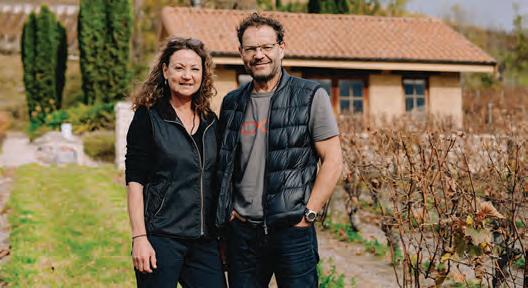
North Canterbury’s Bell Hill has been named The Real Review Winery of the Year New Zealand 2026, with Felton Road, Prophets Rock, Bilancia and Quartz Reef in the top five. “The Real Review Top Wineries of New Zealand celebrates the standout wine producers across the motu,” says Stephen Wong MW, who worked with Jane Skilton MW to make the selection. “This year’s selection continues to evolve, spanning both long-established favourites and exciting new entrants. The release of the stellar 2024 vintage across most regions heralds an exciting time for great quality in Aotearoa.” Bell Hill, which jumped from number 12 in 2025, “has firmly established itself at the forefront of New Zealand winemaking,” says Jane. “Drawing on North Canterbury’s exceptional limestone soils, their wines show remarkable depth, structure and finesse. The consistency and calibre across the range this year made them a clear standout.” Rudi Bauer of Quartz Reef in Central Otago took out Vigneron of the Year, recognising excellence in viticulture, with Clos Henri’s Damien Yvon and Kumeu River’s Michael Brajkovich MW runners up in the category.
To have events added to our calendar contact sophie@sophiepreece.co.nz
Grape Days 2026 16-22 June
nzw.com/grape-days
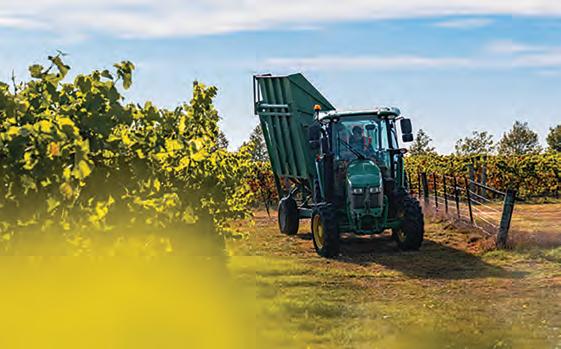
The Grape Days events, on in Central Otago on 16 June, Hawke’s Bay on 18 June, and Marlborough on 22 June, include sessions on growing productivity and informed decision making in vineyards, an update on the Next Generation Viticulture Programme and powdery mildew fungicide resistance, as well as a session on whether the big crops of 2025 caused a “yield hangover”. The 2026 Grape Days events also include a segment on the use of Generative AI as a vineyard tool, including insights from DairyNZ (see page 30). Braden Crosby, Bragato Research Institute Knowledge Transfer and Engagement Lead, says a wine industry panel will also explore current practice and use cases for GenAI in vineyards. “We are looking to learn from other primary industries to understand the opportunities that may be created by implementing differing practices into your business model.”
WinePro 23-25 June
winepro.co.nz
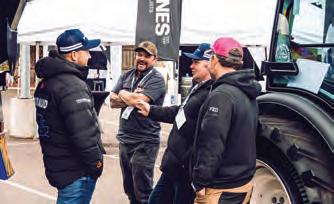
WinePro blends a vibrant tradeshow with a carefully curated conference programme covering themes of The Producer, The Innovator, The Seller, and The Drinker. Gary Fitz-Roy, Managing Director of event organiser Expertise Events, says the focus is on “delivering a world-class national and international event that supports the New Zealand wine sector and reflects both the resilience and ambition of the industry”. Read more on page 25.
The National Wine Awards 2026
29 June
nationalwineawards.co.nz
Entries open for New Zealand’s only national wine awards on 29 June and close on 21 August, with judging from 22-24 September. Jane Cooper returns as Chair
of Judges, tasked with identifying and celebrating the very best wines in the country.
21 July - 4 August
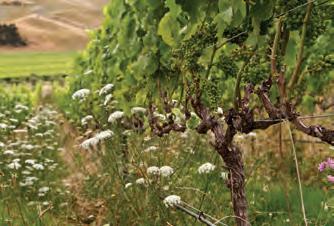
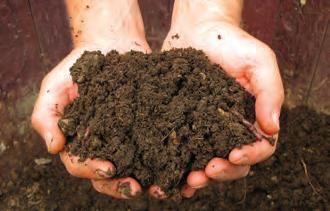
organicwinenz.com/ecovineyards-tour Dr Mary Retallack will visit Hawke’s Bay on 21 July, Marlborough on 28 July, and Central Otago on 4 August for the Organic Winegrowers New Zealand EcoVineyards tour, intended to help grape growers track and improve biodiversity, vine and soil health within their own vineyards.
Tonnellerie de Mercurey Young Winemaker of the Year
25 August
nzwine.com/en/initiativesevents
The regional finals for the 2026 Tonnellerie de Mercurey Young Winemaker of the Year will be held in Central Otago on 30 June and Marlborough on 15 July, with the North Island regional competition on 23 July. The finalists will go to the national competition in Wairarapa on 25 August, with the winner announced on 27 August. Entry forms available at nzwine.com/en/initiativesevents.
Viticulturist of the Year
26 August
nzwine.com/en/initiativesevents
Finalists from five regional Young Viticulturist of the Year competitions will go through to the 2026 Ormond Nurseries Young Viticulturist of the Year National Final in Wairarapa on 26 August, with the winner announced on 27 August. The Marlborough regional competition was on 28 May, to be followed by the North Island regional event on 4 June, Hawke’s Bay on 11 June, the South Island regional on 18 June, and Central Otago on 2 July.

NZW 2026 Wine Business Forum
27 August
nzwine.com/en/initiativesevents/ nzw26/wbf26/
The NZW 2026 Wine Business Forum, Winning in Changing Markets, will focus on where the next phase of growth will come from for New Zealand wine. The line up of international and local speakers include India’s only Master of Wine, Sonal Holland; Wine Business Monthly Managing Editor, Erin Kirschenmann, from the United States; Treasury Wine Estates VP Digital Experience Justin Noland; and Brodie Reid, Tourism New Zealand General Manager Marketing.
This year’s programme will centre on understanding the wine industry’s continually changing operating environment, where growth opportunities lie in emerging markets, the potential of digital, data and AI, and how wine tourism can play a valuable role in driving industry growth. The event, to be held at Te Papa in Wellington, is a key gathering for industry decision makers and will deliver practical, commercial insights, along with valuable peer to peer connection.
NZW 2026 Celebration Dinner
27 August
nzwine.com/en/initiativesevents/ nzw26
Celebrate the people who make New Zealand’s wine industry great, by raising a glass to your industry peers, the NZW Fellows 2026, and the winners of the 2026 Ormond Nurseries Young Viticulturist of the Year and the 2026 Tonnellerie de Mercurey Young Winemaker of the Year Competitions. This year’s Celebration Dinner will be held at Takina Wellington Convention and Exhibition Centre, after the NZW 2026 Wine Business Forum.
17-18 September hawkesbaywine.co.nz
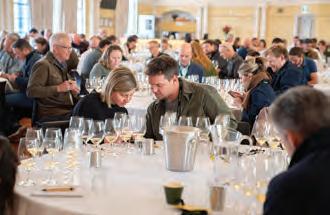
The theme of the 2026 symposium is quality, focusing on the unique features that define New Zealand’s whenua, climate, and philosophy, and how these elements come together to enable the production of premium Chardonnay. Read more on page 14.
21-27 September 2026
organicwinenz.com/organicwineweek
Organic Wine Week is the perfect time to swirl, smell and sip the stunning array of organic wine from Aotearoa. Featuring pop-
up tastings, wine list takeovers, winemaker dinners, retail promotions and more, the week opens a window into the vibrant world of organic wine.
21 November harvesthawkesbay.com
Find a selection of Hawke’s Bay’s wineries and eateries at a spectacular riverside setting on Tuki Tuki Rd, with some of the region’s finest wines matched with food created by award-winning local chefs.
the iconic global reputation of New Zealand Sauvignon Blanc. “It’s going to be epic,” says committee Member Murray Cook on page 15, talking of the chance to see “wonderful communicators, writers, sommeliers, buyers and wine lovers back in one magic location, to mingle and enjoy three packed days of deep diving into Sauvignon, eating great food and having fun”.
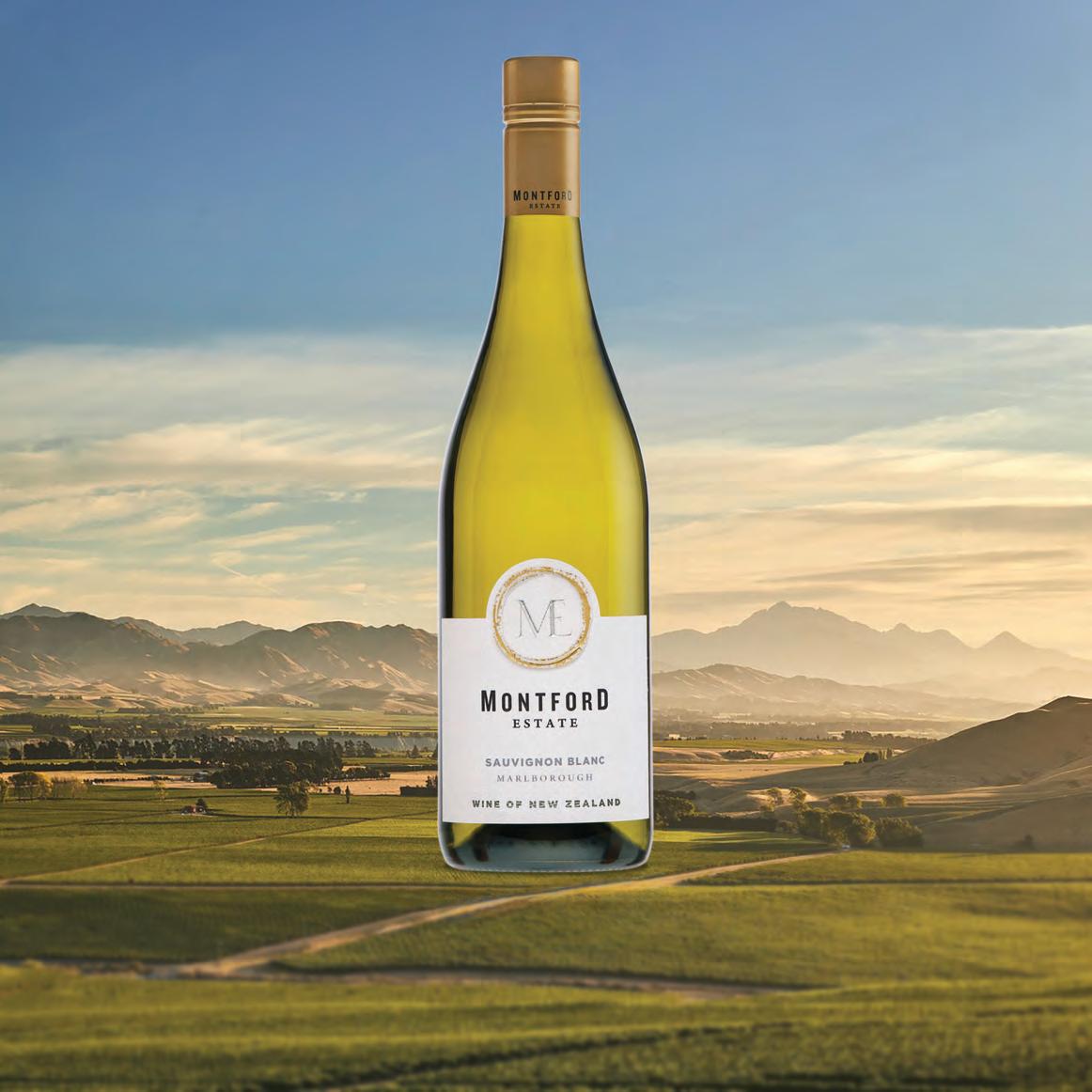
Known for producing elegant Marlborough wines, Montford Estate’s Sauvignon Blanc makes an immediate impression with a label that reflects its premium quality. Gold and gunmetal foils create striking contrast, while sculptured embossing — with a raised roof and rounded elements — adds depth and tactile sophistication. A high-build gloss over the logo delivers a polished finish, enhancing durability and strong shelf presence.
Talk to MCC New Zealand where every product is labelled with care.
Producer: Montford Estate Wines
Designer: sartoria_creative
Charlotte Read NZW General Manager, Brand

We’re in build-up mode for many amazing events across the New Zealand wine sector, and tickets are now on sale for our annual Wine Business Forum on 27 August at Te Papa in Wellington. Entitled ‘Winning in Changing Markets’, a great speaker line up will delve into the opportunities ahead in the realm of AI, emerging markets and wine tourism, plus much more. The day provides an excellent opportunity to connect with peers, share knowledge and take away something actionable for your business. Planning for Sauvignon Blanc New Zealand 2027 is also in full swing, offering an incredible opportunity to showcase Marlborough, and also for leading voices from around the wine world to explore our diverse wine regions and varietals, then share their learnings with their audiences (and hopefully be able to insert a white wine emoji when they do).
In a world where red wine, beer and even cocktails all have their own emoji, one thing is conspicuously missing: white wine. First raised by New Zealand Winegrowers in 2022, the idea was reignited this year with renewed energy – and an invitation for wine lovers everywhere to join the cause. The simple provocation resonated. If emojis reflect everyday culture, why doesn’t white wine have one? What started as a playful observation quickly gained momentum, evolving into a genuine advocacy movement supported by consumers, industry figures and wine lovers across the globe. To date, more than 1,470 people from 45 countries have signed the White Wine Emoji petition. The campaign has also delivered strong cut-through beyond the trade, generating 45 media articles and radio interviews, and reaching an estimated 17.6 million people, with an editorial advertising value of $4.8m. Coverage across wine, rural, lifestyle and mainstream media has helped place New Zealand white wine at the centre of a broader cultural conversation. While the long-term goal remains a formal submission to the Unicode Consortium, the campaign has already achieved something equally valuable: reinforcing New Zealand’s reputation as a creative, confident global advocate for white wine. All it took was a missing emoji, a little persistence and a willingness to raise a glass.

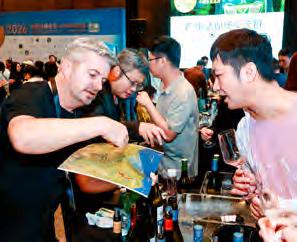
In March, NZW opened the 2026 season with an “Exhibition + Forum + Experience” showcase at the Chengdu Wine Fair, joined by 26 premium wineries. This forum revealed strong 2025 data: exports to China grew 58.5% in volume and 31.5% in value, making New Zealand the fifth largest imported wine source, with white wine now over 88% of our exports to China – driven by the “everyday Sauvignon Blanc” trend. Speakers from instant retail, e-commerce, F&B and content platforms agreed that Marlborough Sauvignon Blanc is winning young Chinese consumers, becoming a daily staple for self reward, food pairing and light buzz moments. The momentum continued in April, with the annual NZW roadshow in Beijing, Wuhan and Guangzhou bringing together 70 premium brands and more than 300 wines, attracting over 1,700 trade professionals. Masterclasses led by leading China wine voices Yang Lu MS, Leon Liang and Julien Boulard MW were fully booked, with strong support from New Zealand Trade and Enterprise, Ministry for Foreign Affairs and Trade, and embassy representatives.
Juliana Foster is NZW Global PR Manager
Senior LCBO staff visited New Zealand in February 2025, for a structured programme of winery visits, tastings, and participation in Pinot Noir New Zealand 2025, building direct producer relationships and identifying opportunities in premium wines, varietal diversity and innovation. These insights translated into tangible outcomes, including new listings,
NZW participated in the 47th annual Vancouver International Wine Festival, pouring 12 wines that highlighted the strength and diversity of the country’s key varietals, including Sauvignon Blanc, Chardonnay, Rosé, Pinot Grigio and Pinot Noir. The activation provided both trade and consumers with guided tastings that showcased a range of styles and price points, generating strong interest from top-tier trade and highly engaged consumers alike. This approach reinforced New Zealand’s reputation for quality and versatility, while deepening understanding of the region’s flagship categories in a highly influential market.
upcoming product development, and integrated promotional planning with NZW Canada. This momentum carried into market through key activations, including New Zealand’s sponsorship at the LCBO Discover Vintages event, a consumer event for 400 people, and a strong presence at ‘SIP: The Ultimate Tasting Experience’,
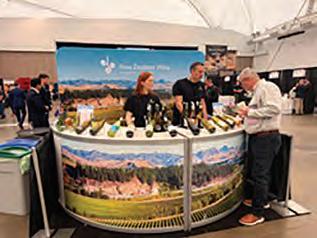
where wines from the Vintages “A” release, featuring New Zealand wine, were available in the onsite retail store. Together, these user pays activities connected inmarket learnings with trade engagement and consumer exposure, supporting new listings, driving awareness, and strengthening the overall positioning of New Zealand wines within the LCBO.
RICHARD LEE & CATHERINE WANSINK
In early May, New Zealand Winegrowers delivered a webinar for members, providing a commercial view of New Zealand wine in the Australian market, and where the risks and opportunities lie. We reviewed the market through a consumer lens, using the latest IWSR update on the brand health of New Zealand wine, along with the retail view.
The situation – our fortress remains strong New Zealand wine is outperforming a stagnant wine market, delivering value and volume growth, and continues to dominate the premium Sauvignon Blanc category, with healthy conversion rates and consumer image attributes.
The complication – the demographic cliff Our profitable core buyer is aging (55+) while overall wine volumes are shrinking as younger consumers moderate consumption drinking across categories and shifting toward refreshing RTDs and Seltzers.
The resolution – the refreshment pivot To capture the 1.8 million ‘Potential Buyers’
that skew younger we must maintain our premium quality bedrock while pivoting our marketing to uniquely position New Zealand wine as the category’s most “Naturally Refreshing” option.
Conversion rate
With a conversion rate of 58%, we possess an unshakeable lead over international competitors in converting awareness into active consumption. We do not have an awareness problem. Once an Australian consumer is aware of our wine, we convert them at a rate second only to domestic Australian producers. Our mid-funnel efficiency is unmatched by competitors.
Our bedrock – taste, quality and trust These metrics are stable and robust. They over-index heavily compared to Chile, Argentina, and South Africa. This premium reputation is what allows New Zealand to weather the current economic headwinds. We do not need to ‘fix’ our top three brand perceptions – aligned with key category sales drivers.
The ‘refreshing’ edge – our fastest growing image asset
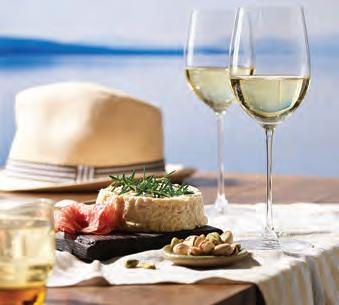
More naturally refreshing wines was the only imagery attribute to show a statistically significant increase in the latest tracking. Historically, wine has not been viewed as a refreshing drink in Australia (unlike beer or RTDs). New Zealand wine is uniquely breaking this barrier aligning perfectly with the macro trend toward lighter, easy-drinking styles, and more casual occasions.
The full presentation is available in the members section of nzwine.com



Aotearoa New Zealand
Chardonnay Symposium
EMMA JENKINS MW
The third Aotearoa New Zealand Chardonnay Symposium will be underway in Hastings, Hawke’s Bay, on 17-18 September. The event will draw together industry attendees from across New Zealand and further afield to hear a stimulating collection of speakers on a wide array of topics, taste local and international Chardonnays, and enjoy Te Mata-au-Maui’s hospitality.
This year’s keynote speaker is Julia Harding MW, an astute and always-curious wine thinker, whose name will be familiar to most not only via her role as senior editor at jancisrobinson.com, but also her co-authorship and editorship of several landmark books, including Wine Grapes and The Oxford Companion to Wine. Julia began her career as an editor and publisher before wine captured her attention.
She has a particular passion for Greek wines, though her formidable knowledge and attention to detail span the full breadth of the wine world, attributes that will undoubtedly make her two sessions at the symposium, including one on the topic of quality, rigorous and thought provoking.
“I have always rated New Zealand
Chardonnay highly.”
Julia Harding MW
Julia has visited New Zealand a number of times since her first trip in 1992, with her most recent visit in 2018. She once cycled from Picton to Nelson, which says something about her dedicated approach to life. “I have always rated New Zealand Chardonnay highly and thought it was a shame that for so long Sauvignon Blanc gets all the glory and all the attention – for many obvious reasons,” Julia says. “However, it does seem to be coming out of the shadows and now is a great time to discover more.”
She’s looking forward to the Symposium,

where she hopes to gain a better understanding of New Zealand Chardonnay’s regional and subregional differences, and to meet the winegrowers behind them. “Based on wines I have tasted so far, there’s clearly a range of styles, often marked by winemaking choices, but the best – those that are not overworked in the cellar – seem to combine the freshness and clarity of fruit that is all about the New Zealand climate.”
Sauvignon Blanc New Zealand 2027 will offer something for everyone, says committee member Murray Cook. The event, to be held at Wairau Marlborough from 2-4 February 2027, is going to be “epic”, says the winemaker at Dog Point Vineyard.
We need to celebrate Sauvignon Blanc because… it holds a special place in the world of wine, with wine lovers the world over enamoured by its refreshing characters, generosity of flavour and approachability. And what better place to celebrate it than in its modern home of Wairau, Aotearoa.
An exciting change I am seeing is… as with most wine regions around the world, the constant flux and shift. With new faces emerging, new vines being planted (and old ones being championed), and new labels being introduced, there’s always something new happening. Seeing the diversity of wines flourishing in the country is something exciting to see. It shows nobody is resting on laurels, and growers and producers are pushing forward and challenging the norms.
SBNZ27 is important because… we need a reason to celebrate all the goodness that growers and producers from around New Zealand work so hard to bring to the table. It’s easy to be put off by the pessimism in the media about the world of wine right now, but for me it’s the people that bind that world together and provide the network of connections that enable the message to shine through. There are a lot of great stories here that just need an opportunity to be shared, and that’s why SBNZ27 is so important.
The three days will include… great people chatting, discussing and tasting their way through some of the country’s finest wines. We’ll look beyond our shores as well, to give the global perspective on our wines, and to look at where we sit at the table.
One thing I’m really excited by is… the chance to see wonderful communicators, writers, sommeliers, buyers and wine lovers back in one magic location, to mingle and enjoy three packed days of deep diving into Sauvignon, eating great food and having fun. It’s going to be epic!
I’m passing the Q&A baton to fellow committee member… Rich Ellis, because I’m pretty sure he’s not buried in grapes and juice still, having come up for air after harvest 2026.
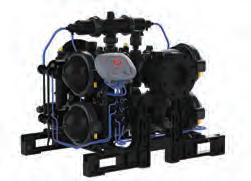
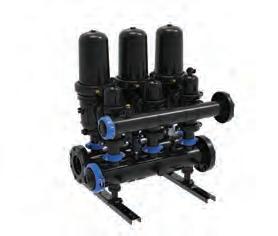
Spin Klin Nova Modular
Flow rates
10m3/hr - 60m3/h
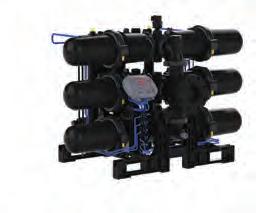
Spin Klin Nova Plus Modular
Flow rates
20m3/hr - 192m3/hr
Spin Klin 80mm Nova Plus Manifold
Flow rates
10m3/hr - 180m3/hr
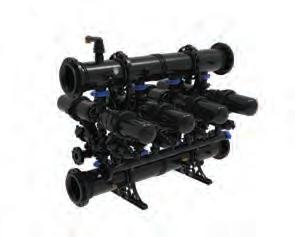
Spin Klin 100mm Nova Plus Manifold
Flow rates
50m3/hr - 880m3/hr
To find your local dealer contact Water Supply Products: Auckland: 09-916 0094 Christchurch: 03-348 1293 wsp@watersupply.co.nz www.watersupply.co.nz
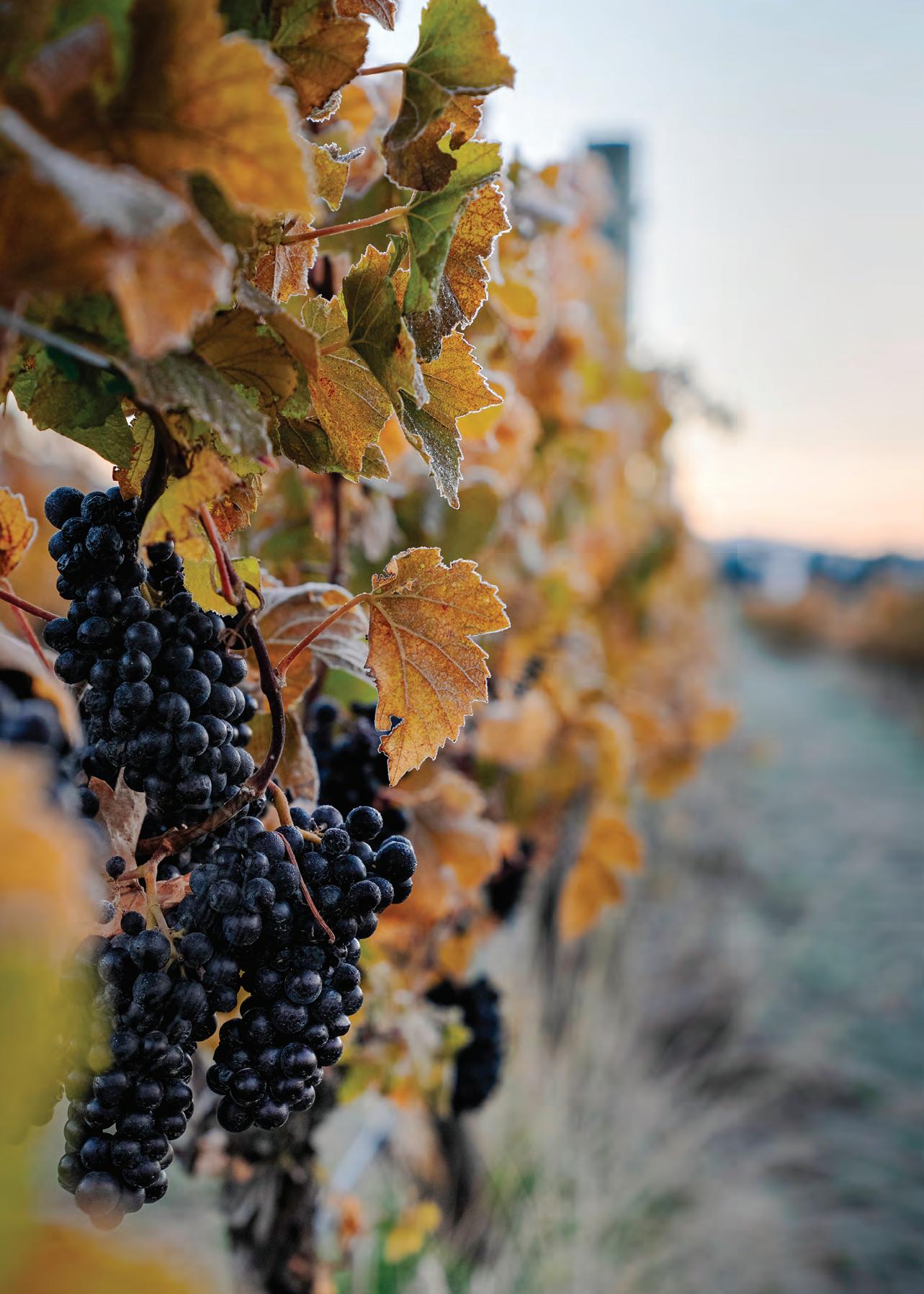
Vintage 2026 yielded excellent fruit for most New Zealand wine regions. But tough times in wine are taking their toll, with lost contracts, unharvested blocks and a reduction in vineyard land. SOPHIE PREECE looks at harvest and beyond.
Central Otago
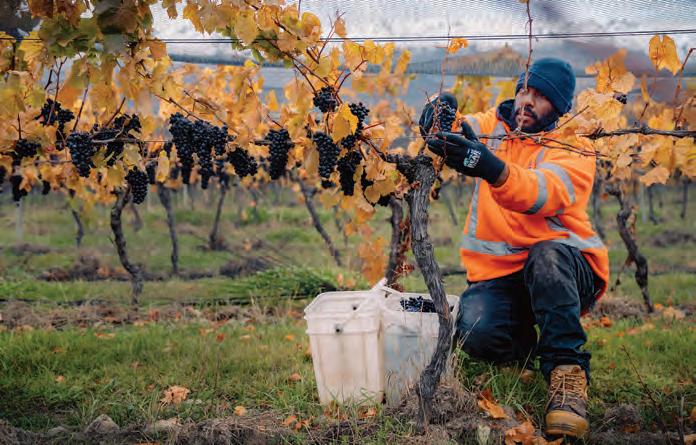
Viticulturist James Dicey could not wait to see the back of the “brutal” 2026 harvest. While most New Zealand wine regions enjoyed a “blinder of a vintage”, Central faced “very challenging” conditions, a “very abnormal ripening phasing”, and vinedropping frosts in the midst of harvest, including a -6C morning in Bannockburn on 23 April.
Those are “Elvis has left the building” conditions, with frost machines unable to save the vines from shutting down, says James, who runs Grape Vision. “Thankfully, the fruit was ripe… we got through it and the fruit was looking good. But man, it’s been a difficult delivery this year.”
“Longer hang time resulted in good depth of flavour and savoury elegance in our Pinot.”
Sam Davies
Speaking on 12 May, with a handful of later harvest blocks still to come in, he says the unusually cold and dry year has potential to create more interesting wines, thanks to slower sugar accumulation. “You tend to get earlier flavour development at low sugars, which is where we start talking about that beautiful combination of low sugar, high flavour and really interesting, tight, acidic wines. Whether we achieve that this year, the proof is in the tank.”
After five relatively easy years, the vintage was “a nice reminder of what Central Otago can bring, in terms of Mother Nature”, says Donald van der Westhuizen, Chair of the Central Otago Winegrowers Association. That included gale-force winds in spring, inconsistent flowering in some areas, then a persistently cool growing season that saw harvest dates pushed out by two weeks, or more.
According to VineFacts, there were 90 fewer growing degree days (GDDs) in Central Otago than the 1,068 GDD long term average for the period from 1 September to 30 April, and 170 fewer than the 2024/2025 season. “Summer never really showed up”, Donald says, noting that very few days reached 30C. “Normally we have a lot more than that during the early January, February period.” Donald, who has his own Bendigo vineyard and wine label, Moko Hills, and works as a viticulturist
at Grape Vision, says the cooler vintages typically yield more interesting wines, referencing Central Otago’s 2020 and 2017 harvests, which produced “very intriguing” and textural wines. “I would imagine 26 will be very similar.”
Amisfield Chief Winemaker Sam Davies says March and April weren’t hot, but they were consistent and even, proving a saving grace as flavours developed. “Longer hang time resulted in good depth of flavour and savoury elegance in our Pinot – somewhat akin to the cooler 2017 vintage which is a fav.” A hard frost towards the end of April “put a full stop on the season”, but those
who were able to manage yield and disease pressure will be rewarded with their wines, he says.
Donald says morale is relatively good. “I know everyone’s well aware of the challenging times within the wine industry, but I don’t think that’s necessarily holding anyone back. I think there’s probably more motivation, from my perspective, to just work harder and push harder.” Meanwhile Central is fortunate in terms of positioning, price point and volume, and still has “plenty of potential”, he says. It isn’t an easy industry right now, “but hard work does pay off”.
With vintage 2026 in the tank, New Zealand’s wine industry is looking at the blocks left unharvested, mothballed, redeveloped or repurposed, as tough times continue to bite. Gisborne’s industry could be facing the loss of half its vineyard land (page 21) as growers lose contracts, while 400 hectares of North Canterbury’s 1,500ha vineyard holding was left unharvested this year, with more than 200ha of that now sold for farmland.
Marlborough is heading towards the 2027 vintage without knowing how many blocks are uncontracted, nor the capacity of wine companies going forward, says viticulturist Stuart Dudley, of End Point Viticulture. Add to that a “moving target” of mothballed, sold or redeveloped vineyards, and the region’s potential crop is an unknown. “Everything is so fluid,” he says on page 19. In Hawke’s Bay, Ollie Powrie (page 20) reflects on a beautiful harvest, alongside the “distress” of seeing so many vineyards not in production and fruit not being harvested, “especially for those affected”.
It’s a grim picture, but New Zealand Winegrowers Chief Executive Philip Gregan says he expects to see increased production of New Zealand wine in the longer term, “because there is demand for our wine in key markets ”.
That’s not to “underestimate the current pain, because that’s very, very significant overall”, Philip says on page 40. “But if you look at the wine styles that they’re producing, what people want to drink, in terms of wine, we’re in the right spot. We’re in the right place, and that’s a very good position, ultimately, for the industry to grow and prosper over the medium to long term.”
Waitaki Valley
The Waitaki Valley had GDDs similar to 2025, and a harvest coinciding with Central Otago’s delayed season, resulting in labour supply challenges, says Te Kano Winemaker Dave Sutton. There were a couple of “scary” frost and snow events early in the season, “but the majority of growers emerged unscathed”, says the chair of Waitaki Valley Winegrowers. Summer was generally cloudy, with regular rainfall boosting botrytis infections, and a number of growers picked earlier to dodge the weather. “Clean and green was the approach for many.” Tonnages for Pinot Noir and Chardonnay were slightly down, “and the wines will be light, fresh and delicate, with some focused acidity in the Chardonnay,” Dave says.
There is some land loss – “with dairy prices so strong it’s hard to hold out when your neighbours come knocking” – but positives in the region as well, including The Lindis group investing in luxury vineyard accommodation. “I think it’s just hard for everyone right now,” Dave says. “We all just need to focus on doing more of the things that are working and less of the things that aren’t. And get out on the streets and sell wine!”
North Canterbury
North Canterbury had a challenging season, with the switch to late summer sunshine coming a little too late, says Matt Barbour, who expects to see more lower alcohol wines from 2026. That’s a direction many in the region have been taking in recent years, “but this year it was forced on us a little bit”.
Matt, who is North Canterbury Winegrowers Association Chair, says the region had a “cracking start”, without any significant frost events. “So all the buds that
were on the wire managed to push through for the first time in quite a few years.”
Flowering occurred in late November and early December, with good fruit set in the lead up to Christmas, “and what we had on the vine was looking really, really good”.
Grey, cold and wet weather descended from Christmas and stuck through January, requiring vigilance in vineyards, with spray rounds after each wet period, while opening up canopy to mitigate disease pressure. The weather improved in February, but the reprieve was largely too late for the cooler North Canterbury region, requiring a lot of people to either leave fruit hanging, and hope that it would hold on under the nets to get to the target sugar level, or pick a little earlier for lower alcohol wines, Matt says.
Meanwhile, the region’s winegrowers are pondering a major shift in landholdings, with 400 hectares of vineyard, over four sites, unharvested or harvested to ground this vintage, Matt says. Two of the vineyards have been sold for farmland, while two others are currently leased. With just under 1,500 producing hectares in North Canterbury, “if you stop producing 400 hectares it’s quite significant”, he says.
Nelson’s 2026 vintage was “very high” quality, says Nelson Winegrowers Association Chair Blair Gibbs, reflecting on a series of harvesthelping events. The region had a wet spring, with fairly typical temperatures, and flowering was quick, resulting in even bunch set. There was then a good, fine spell from Christmas on, avoiding the dreary weather faced by many regions.
Many growers had dropped to two or three canes over winter to manage yields, so vines were balanced heading towards vintage. As harvest approached, the region enjoyed a good diurnal temperature range, not typical for the region, with slightly cooler nights a boon for fruit and flavour development, he adds. “Everything was clean and ripened well.” The harvest was largely in by the time Cyclone Vaianu brought rain to the top of the south, with some later red varieties still on the vine. In another positive, the region had a “very, very good” summer tourism season, lifting the fortunes of hospitality. However, market challenges are definitely causing pain for the wine industry, with exporters dealing with delayed orders, as the market absorbs extra production, and the domestic market “price challenged”, with “good volume moving at discount rates”.
Marlborough
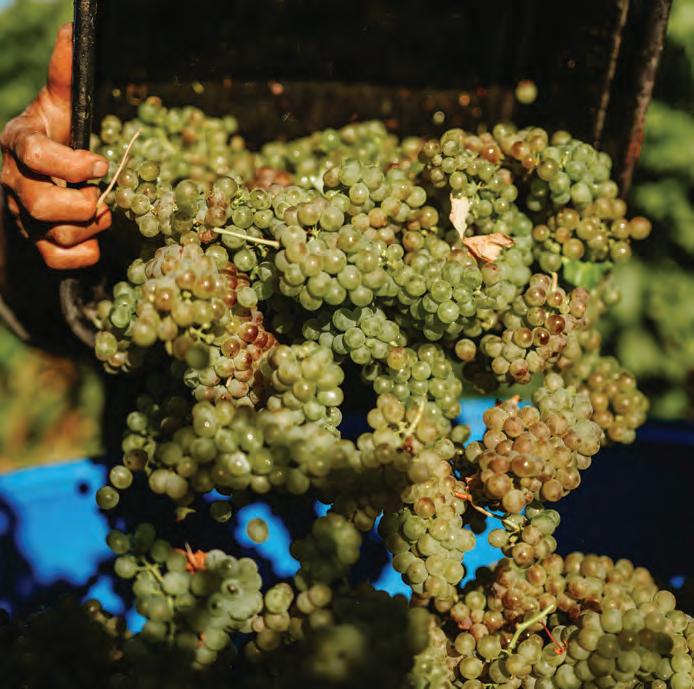
“The winemaker in me is absolutely thrilled with the harvest,” says Hunter’s Winemaker James Macdonald. “Particularly given where we were at early February, when we thought it was going to be extremely challenging because of all the rain that we had had during the growing season.”
All was forgiven when the sunshine strolled in in February, heralding a stretch of blue-skied days and chilled nights through to the end of March, in classic cool-climate conditions. “We were reminded once again, why we live and work in Marlborough, James says. “Because the sun came out and we had the most amazing harvest ever.”
According to Victoria Raw from the Bioeconomy Science Institute, Marlborough had 108mm of rain in January. But great weather in spring and early autumn made up for that dreary period, with 1,492 GDDs between 1 September and 30 April which is nearly 195 GDDs more than the long term average. The result was high quality wines across all varieties, along with good (but not too good) volumes, says James, who is also
Marlborough is heading towards the 2027 vintage without knowing how many blocks are uncontracted, nor the capacity of wine companies going forward, says viticulturist Stuart Dudley, of End Point Viticulture. Add to that a “moving target” of mothballed, sold or redeveloped vineyards, and the region’s potential crop is an unknown. “Everything is so fluid,” he says. What is clear from his conversations with clients is that the number of people off contract seems to be growing, and may continue to do so.
“It can be quite hard to bring a vineyard back into production if you’ve simply walked away from it for a year or two.”
Everybody’s situation is different, depending on the age and quality of the vineyard, Stuart says. For those on blocks that are 25 years or older, the decision to pull vines out may be an easier one, perhaps to redevelop or look at a change
in land use. “Some people might choose not to replant and wait to see what happens in the market.” Others without contract might be fallowing vineyards, with minimal inputs, waiting out the downturn. Mothballing reduces cost, “but it’s definitely not a zero cost option”, Stuart adds, explaining that growers will need to maintain minimal pruning and spraying. “Because it can be quite hard to bring a vineyard back into production if you’ve simply walked away from it for a time.”
Those growers who have retained contracts need to focus on quality, “and work really closely with your winery to make sure you’re delivering and maintaining that relationship”, he says. “It’s so competitive out there.”
Wine Marlborough General Manager Marcus Pickens says understanding the region’s capacity for 2027 will be difficult, “because there’s just so much noise in any data at the moment”. The Vineyard Register is unlikely to capture true production hectares, given the rate of change. “It’s hard for industry bodies to model up these numbers and it’s also difficult for growers to give accurate information, because their intentions
could rapidly change, or they could be holding on in the hope something happens differently.”
Meanwhile, there are plenty of vineyards on the market. Bayleys Marlborough Salesperson Tarin Mason says some vineyards without contracts, or with older vines, are possibly sitting closer to land value, and sales are taking more time to complete, particularly for smaller “lifestyle” blocks that don’t offer a high return on investment. “We are still seeing vineyards transact, albeit at a lower price point than five years ago, when quality properties might have been $400,000 or more per hectare”. He says there is always high demand for Marlborough lifestyle, and the current climate presents opportunity for those owners who have seen their vineyard through a full lifecycle to remove the vines, returning their properties to a lifestyle proposition before going to the market. “Others are sitting tight, with the intent to see out the downturn”.
Stuart Dudley is one of the presenters at the WinePro conference, running from 2325 June. winepro.co.nz/winepronz-2026conference-schedule
chair of the Marlborough Winegrowers Association. “It’ll definitely put a spring in our step, as we head into market with really great 2026 wines.”
Times are tough in the industry, but Marlborough can benefit from the trend of people drinking less, but drinking better, James says. “We’re lucky enough to fit into that category. So we’re optimistic there’s still business to be done.” And while there’s undoubtedly pain, “I think people can find some comfort in the fact that when you go to Blenheim airport, what we find is winemakers off overseas to work their markets,” he says. “There’s a lot of work happening at the moment to turn the ship around.”
“The sun came out and we had the most amazing harvest ever.”
James Macdonald
Marlborough Sauvignon Blanc is a shining light in globally tough times, James adds. “We still make a wine that people want to buy and want to drink, which is very fortunate.” With that in mind, he’s a strong advocate for Wine Marlborough’s work to grow industry pride in Sauvignon Blanc. “We really challenge everyone to get behind Sauvignon Blanc because it’s such an important variety for Marlborough and an important wine for New Zealand. Be proud of it.”
James says a recovery will also require the winegrowing model to change, particularly around price fluctuations for grapes and bulk wine. “It’s become clear how fragile the whole industry was in terms of really erratic pricing year to year,” he says. The industry needs to “rethink” how that works, “and give our buyers more confidence that Marlborough is a stable grape growing region”. There’s a place for bulk wine, which creates availability and helps people understand what Marlborough is, “and then the high end lines benefit from that”, James says. But the industry “reset” will require a longer term view to protect its success.
Spy Valley began its harvest with Pinot Noir for table wine on 24 February, followed by lower alcohol Sauvignon a few days later, with the main harvest between 12 March and 28 March. Adam McCone, Head of Viticulture & Winemaking, says fruit flavours hit the mark across all varieties, with the standout Sauvignon
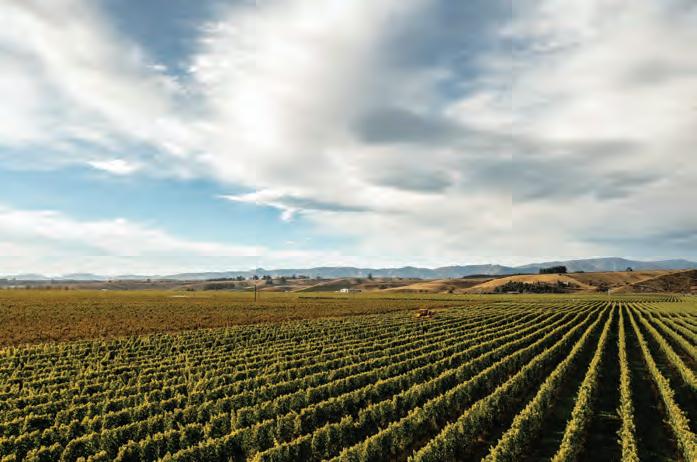
Blanc, which makes up 80% of their portfolio, while Pinot Noir offered more “fruit forward flavours”. The company is finding sales volumes rebounding, with “green shoots” likely boosted by winning a bevy of gold medals and Winery of the Year New Zealand at the recent London Wine Competition.
Wairarapa
Ata Rangi Winemaker Helen Masters says the Wairarapa season started warm then slowed right down, with a cool January and February, and “slightly wetter conditions than we’d love”. But a “beautiful” eight weeks in late summer and autumn redeemed the season, with long slow ripening and “very good” fruit. There was a bit more sorting required in some vineyards, “but on the whole the quality is really good”, Helen says. “For me there is more clarity, more precision than 2025 even.” Quantity was not high, but nor was it really low, like 2021
and 2024, she adds. “We’re pretty happy with what we’ve got in the tank and wines have lots of energy and brightness, and have great varietal clarity to them.”
As wine regions grapple with challenges, Wairarapa has a resilience born of longstanding tight times. As a low yielding region, there’s never been large growth, so nor is there large retraction now, Helen says, noting that most who have been operating there for a long time “are very realistic”.
Having Wellington “on our corner” remains a boon for companies, many of which rely heavily on cellar door and direct sales, rather than exports. Amid the cost of living crisis a trip to Martinborough is still very reachable for those in the capital, she adds. “It’s easy to get yourself around, you can walk around or you can hire a bike, and that doesn’t cost you a lot. It’s still achievable to take your family over and go out for lunch.”
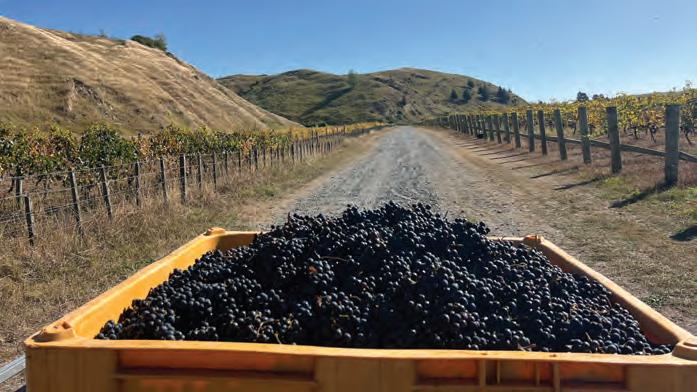
Despite benign weather and good-quality fruit in Vintage 2026, Gisborne’s wine industry is facing a grim outlook, with indications that at least half the region’s vineyard area will be removed. Hamish Jackson, General Manager of GisVin Winery and GroCo, says the region is “really hurting”, with untenable price pressure on wine, plummeting demand for grapes, and an inevitable decline in vineyard land use. “There are some small positives, but the growers are not feeling it yet.”
In May this year, Indevin Group made the “difficult decision” to exit grape supply from Gisborne ahead of the 2027 harvest. Chief Executive Simon Limmer says the company, like much of the New Zealand wine industry, is navigating challenging market conditions. “This decision reflects declining demand for Gisborne fruit and the need to align our supply base with confirmed customer demand and long-term portfolio priorities.” The future role of Indevin’s Gisborne winery is also “under review”, Simon says. “As New Zealand’s largest wine company, we recognise our responsibility to help lead the industry through these conditions, and we remain focused on the long-term sustainability of our business and the New Zealand wine industry.”
Meanwhile, GroCo recently told its growers it is looking at offering no initial payment for next year’s crop. Instead, growers will receive payment once the wine has sold and winemaking costs have been recovered from those sales. “We just can’t keep selling wine for less than it costs us to produce,” Hamish says. GroCo, which operates under a winegrowers’ cooperative model, was established in 2009 during another period of oversupply.
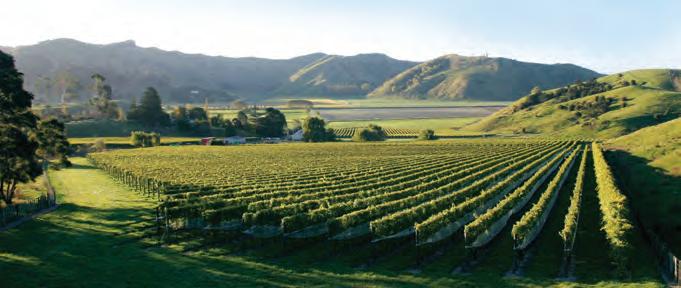
and declining demand saw GroCo more than halve its per-tonne payments this season, alongside stricter production caps. In a strong year, those payments would normally be supplemented by a share of profits, but after several years of significant losses, with wine sold below the cost of production, the organisation is facing difficult decisions.
GroCo has a grower base covering 346 hectares and Hamish understands 35ha have already been removed, with approximately 117ha likely to be pulled out before the next harvest. Others are expected to put vineyards “to sleep” until conditions improve. Hamish, who is on the board of Gisborne Winegrowers, has been canvassing on behalf of that organisation. As of 12 May, he had heard that around 50% of the region’s 1,265ha of vines could be removed. He plans to follow up with a discussion paper for industry members outlining the potential financial implications for the region, including likely income losses for growers, wineries and support services. Those findings will then be shared with central and local government, as well as New Zealand Winegrowers.
Hamish says there are some small green shoots for the cooperative, particularly
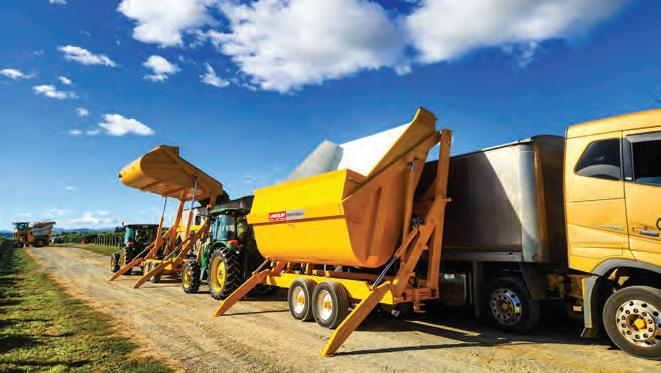
wine rather than relying on client wine production and bulk supermarket sales. However, that is unlikely to stem the flow of vineyard land being redeveloped for alternative uses, including maize, apples and kiwifruit. There are limitations to those alternatives, including the fact that dry-farmed vineyards would require irrigation for many other crops, along with the substantial licensing costs associated with kiwifruit. “It’s not necessarily a goer,” Hamish says. Despite the extraordinary headwinds, he ends on a positive note. “The district has been through this before and come out the other side, so fingers crossed we can do that again.”
Matawhero Wines owner Kirsten Searle, who also sits on the board of Gisborne Winegrowers, says it’s been “disheartening” to see the recent announcements in the region, and the impact on many long standing growers in Gisborne. “Our thoughts are with those affected. At the same time, demand for premium Gisborne wines continues to grow, with markets valuing

Hawke’s Bay
Hawke’s Bay had one of the warmest and earliest seasons ever, says Hawke’s Bay Wine Deputy Chair Peter Hurlstone. “A lot of people finished before the end of April, which is extremely early”. Quality is “very good” across the board, he adds, “which you’d expect given the season that we had”. Crop levels were “solid”, but Hawke’s Bay is not isolated from the challenges facing the industry currently, and not all fruit was harvested. “For some members, and in particular some growers, it’s a very challenging time,” Peter says. However, New Zealand remains a strong category, and so does Hawke’s Bay, he adds, referencing the diversity within the region, and relevance of high-end wines. This is a tough period, but people remain optimistic that the region has a good base from which to grow, Peter says.
Ollie Powrie, of Chateau Garage, says Hawke’s Bay had an incredible season overall, ending with “amazingly ripe and delicious” red grapes. “I just kept going back to vineyards in the Gimblett Gravels to re-experience the joy of the Cabernet Sauvignon, Merlot and Cabernet Franc,” he says. “It was one of few years that I can remember where the tannins were so ripe and evolved that it was spellbinding,
especially in combination with the intense flavours.” The result is that Chateau Garage has had a record vintage of red winemaking, he says in mid-May, having finished pressing to barrel.
On the flipside of that harvest joy was the distress of seeing so many vineyards not in production and fruit not being harvested, “especially for those affected”, he says. Ollie notes that the season revealed a move away from barrel pruning vineyards across the board as a mothballing technique. “There were some disappointing results the previous year, and vine structure and hygiene seem to be compromised.” This season he saw more “judicious” approaches, including pruning back to spurs in the head of the vine. “Particularly in the lighter soils and Gimblett Gravels this appears to have been very successful,” he says. “With minimal spraying these low cropping vineyards remained clean and in some cases the fruit quality was mind blowing.” He sees potential for the approach to evolve into a pragmatic “hybrid” for lower production vineyards looking for reduced vineyard production and lower overheads. “Certainly wine quality seemed to be the winner from what I experienced.”
Hawke’s Bay Wine Chief Executive Brent
Linn says change of land use in Hawke’s Bay is a “continuing evolution”, but “there’s no immediate substantial land change in the prime viticultural areas”. Areas with lifestyle and residential attraction have lost some (mostly smaller) vineyards, while the “evolution” has already occurred on the heavier soils of the plains, with a shift to apple production over the past decade. The withdrawal of the McCain vegetable processing plant from the region means cropping is a less likely land use change now. Instead, grape growers looking to reduce costs and “wait for a clearer picture” are mothballing their vineyards, with fewer cost inputs, he says. “I guess those operators are looking for signals from market to make decisions about what they may do.”
The 2025/2026 growing season kicked off like a “pretty typical vintage” for Kumeu, says Soljans Estate Winery Vineyard Manager Tai Nelson. “Temperatures were perhaps slightly lower than normal, and there was a bit more rain during flowering than we wanted, but crop levels were up and bunches were looking healthy in December.” Then they were hit by a “huge dump of rain in the middle of January”, with 180mm in a single
New Zealand Winegrower magazine goes to every levy-paying vineyard and winery in the country, with 2,500 magazines sent out every two months, sharing stories that reflect and inform New Zealand’s wine industry.
To get your business in front of the people who research, grow, make, market and sell New Zealand wine, email our advertising team at salesteam@ruralnews.co.nz
Read it online at nzwine/en/media/nzwm
week almost doubling the total rainfall in December, resulted in some split berries, he says. “Consistent light rain in February meant nothing really dried out, and the decision was made to harvest the Chardonnay a week early to preserve quality.”
Tai notes that it was “incredibly sad” to see growers leave fruit on the vine, or abandon blocks altogether, due to the oversupply. “It’s reinforced the need to focus on quality over quantity for a producer like New Zealand, especially for independent growers like us.”
Northland’s grape crop was down on the previous year, thanks to a wet and humid growing season exacerbated by wind, which hindered spraying, says Northland Winegrowers Association Chair Kim Gilkison. However, the weather can be quite localised in the north, and some growers came through the season with fewer challenges, she says, noting that Kerikeri vineyards have a different climate to the ones further north. Harvest started “very early”, in mid-January, which meant most of the white wines were in before a major rainfall event on 17-18 January. “The fruit that was harvested has been pretty good,”
she says noting good brix in whites and reds. “All in all vintage was down, but what was harvested has probably come through quite well.”
Many Northland winegrowers rely on tourism for wine sales, so that rain event, as well as a red warning storm in late March and Cyclone Vaianu in early April put the brakes on some tourism activity. “We get
Weight
Stable
Forklift
a lot of people coming up from Auckland, and if the roads are looking like they’re going to be closed or problematic, then they just don’t come,” Kim says. The boutique wine industry of the north is less impacted by current oversupply issues and is instead reliant on the local market and on tourism, she adds. “A good tourist season means everything.”

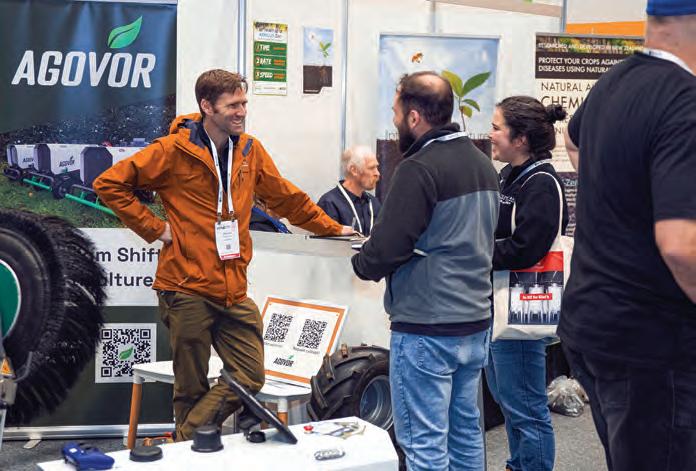
WinePro is one of the few moments in the year where the whole industry stops and looks forward, says Agovor co-founder Richard Beaumont. “If something is changing in your business – rising fuel costs, labour pressure, new pest risks, or simply the push to do more with less – this is where you go to see what’s actually out there to help.”
The trade show and conference, on in Blenheim from 23-25 June, will showcase wine-related products, from vineyard robots to eDNA worm counts, molecular filtration to harvest technology, and science providers to sustainable irrigation, along with a timely and extensive education segment.
The conference sessions add a critical component to the event, says Wine Marlborough General Manager Marcus Pickens, who worked with his team and industry to design three days of seminars
with relevance from soil to sales. “This is a challenging time for our industry, and many of these sessions will step up to those challenges, with updates and insights from people at the coalface of vineyard redevelopment and sales, growing efficiencies in vineyards and wineries, and ensuring we’re in tune with what consumers want.”
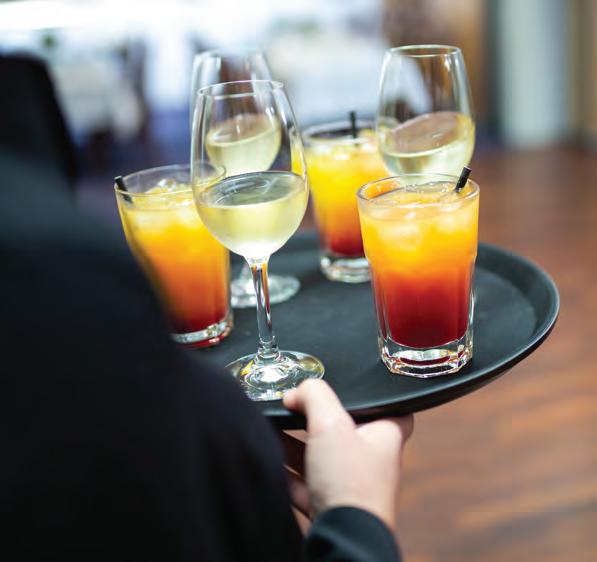


A session entitled ‘Dealing with the Now’ will focus on the immediate, practical decisions facing growers and vineyard businesses, from planting decisions to regulatory realities, to exit or “reconfiguration” strategies. They’re upfront conversations to give attendees more understanding of their options, Marcus says.
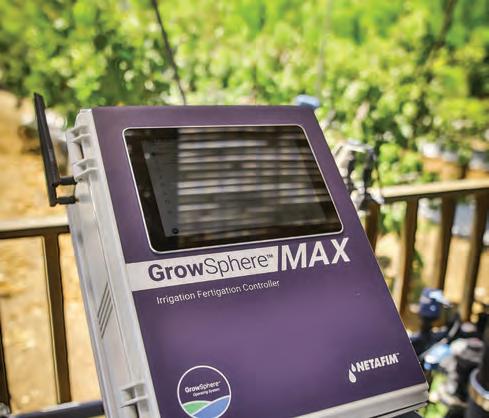



The conference includes insights from other industries, including Dr Peter Bircham, Head of Research and Development at Garage Project, exploring “New Product and Taste Development in Beer, Wine and Adjacent Products”, speaking alongside sensory testing expert Dr Amanda Dupas de Matos.
“We see this as the time when industry events deliver their greatest value, facilitating business growth, strengthening relationships and creating opportunities for collaboration and knowledge-sharing.”
Gary Fitz-Roy
Zespri Chief Digital Officer Dave Scullin will also share insights into what’s worked in that organisation, and outline the direction of Zespri’s 2035 strategy, including how its structure and operating model continue to support global market performance.
Many winegrowers around the country will be preparing for seasonal nematode assessments this winter, including those that use eDNA to catch their “worm-count”.
Hill Labs Blenheim Site Manager Vanessa Burrows says traditional methods for the count are labour-intensive, requiring growers to take a spade-square of soil to the depth of the spade, then break it up and manually count the earthworm population.
The Earthworm eDNA test instead uses molecular technology to identify the presence of A. calignosa – New Zealand’s most prominent earthworm species –and “contributes to building a holistic understanding of soil health”, Vanessa says. “Winegrowers have been particularly interested in this test, using it as another tool in the toolbox to understand their soil health.” eDNA testing can complement or enhance traditional monitoring methods, she adds. “Earthworms are
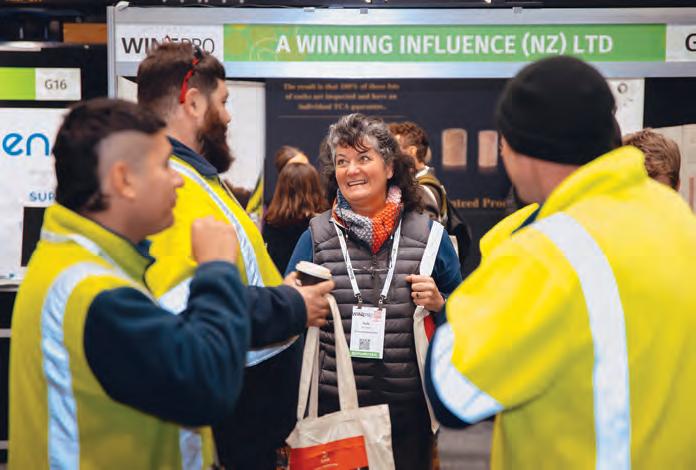
McAuley, from Tradecraft, will discuss the changing customer profile for wine companies and ask whether digital strategies are ready, in a “wake up call for anyone serious about growth”. In other wake up calls, a session on shifting climates will explore the science designed to help growers face climate risks. The programme includes an electrification session, led by wine companies leading that charge, along with a session on powering a smarter vineyard in the face of rising fuel costs, labour shortages,
sustainability pressures, and tighter spray windows.
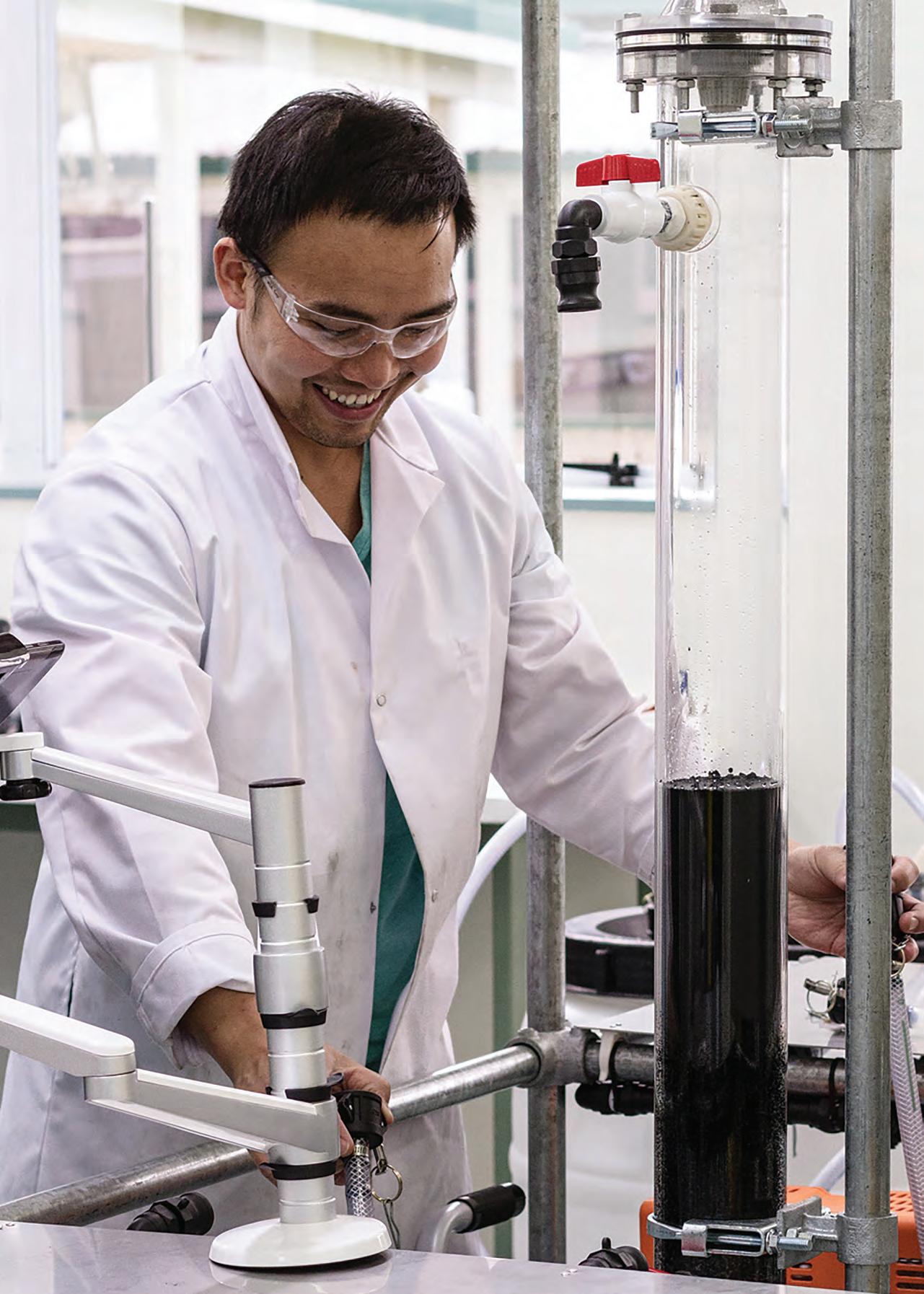
Molecular filtration company amaea showcased its reusable molecularly imprinted polymer technology at the 2024 WinePro, on the trade floor and as part of the education programme, and will return to both forums this year. Chief Technical Officer Dr Aaron Low (page 28) says such events are “incredibly important” because they bring the whole industry together in one place. “For us, it’s not just about showcasing technology, it’s about
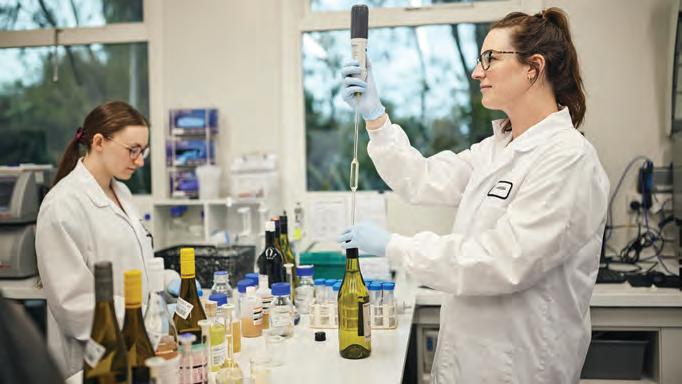
a crucial component of soil biology… and abundant earthworm populations are widely recognised as an indicator of healthy soil.”
The eDNA is one of the services, “from vine to vintage”, that Hills Labs will be showcasing at WinePro, with opportunity to explain the science, build trust, and
gather direct feedback from the industry on how the services are performing, “including any needs for new testing or changes to food limits and standards”. New products and technologies, such as eDNA testing, can be easier to understand when customers can discuss real-world applications in person, Vanessa says.
having conversations with winemakers, industry leaders, partners and customers. Understanding their challenges, sharing experiences and insights, and discussing where new technologies can genuinely make a difference.”
It’s also an opportunity to demonstrate how their technologies are already being used in-market, he says. “That practical, peer-to-peer exchange is often what gives winemakers the confidence to explore something new.” Aaron says the tough times in the industry mean there’s “naturally” more scrutiny on any new investment. “But at the same time, there’s a stronger focus on efficiency, cost control, and getting the most value out of every litre of wine… That’s where technologies that deliver clear, measurable outcomes tend to gain traction. If you can reduce inputs, lower energy use, and improve wine quality at the same time, it becomes a much easier decision.”
Hill Labs Blenheim Site Manager Vanessa Burrows (page 26) says trade shows provide a valuable opportunity to connect directly with growers, vineyard managers and winemakers in one place, and to showcase new products and
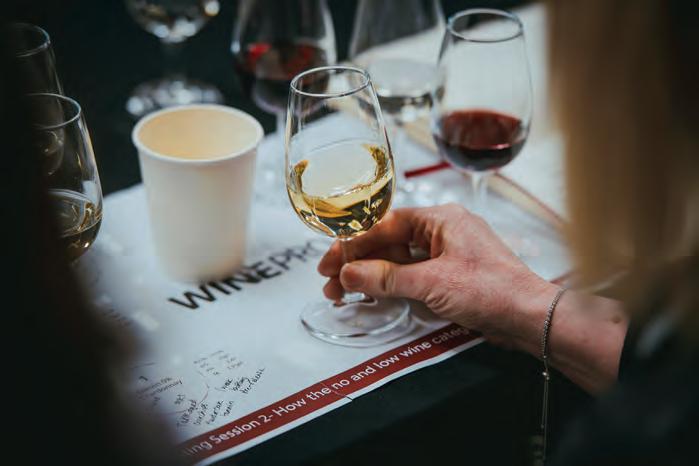
technology. “Face-to-face conversations are especially important, as they allow people to ask detailed questions, get to know us at Hill Labs, and understand how our services can fit into their own vineyard or winery programmes.”
Expertise Events managing director Gary Fitz-Roy, who oversees Australia’s WineTech as well as WinePro, says in
challenging market conditions, visibility and industry connection become more important than ever. “During previous periods of industry pressure, WineTech experienced attendance growth of 34%, demonstrating that well-timed, highquality trade events continue to attract strong engagement, even in difficult conditions,” he says. “Across our recent

LIGHTWEIGHT BY NATURE. DISTINCTIVE BY CHOICE
A variation on a classic and highly distinguished crafted model (the Bordelaise Apparat), the shape of the Bordelaise CAUDALIE ECO totally rejuvenates the style through lightweighting (500 g) and a reduced body diameter. The singularity of the shoulder form is thus shown off to full advantage, as is the neck with its generous diameter and its square finish. As a result of its reduction in weight, the CAUDALIE ECO has an attractive price positioning which makes it good value for money.
events held in three Australian states, attendance has increased by an average of 16%, reinforcing the ongoing value the industry places on face-to-face connection and business development.”
WinePro has already sold more than 80% of its indoor exhibition space, with more than 40% of exhibitors new to the event, something Gary says reflects strong momentum within the sector. “It’s incredibly encouraging to see such strong exhibitor demand, particularly from new businesses bringing fresh ideas, products and innovation to the show floor.”
Gary says trade events such as WinePro provide a highly efficient environment for exhibitors and attendees alike, enabling direct access to qualified buyers, decision-makers and industry peers in one place. “Rather than viewing current conditions as a limitation, we see this as the time when industry events
The New Zealand wine industry is highly engaged when it comes to innovation, but it’s also pragmatic, says Dr Aaron Low, who will lead a panel at the WinePro conference on real-world applications of molecular filtration. “Winemakers want to see proven results before adopting something new, and that’s been our experience both locally and globally,” says amaea’s Chief Technical Officer. “What we’ve found is that once winemakers see the impact in their own wines, adoption follows.”
Molecular filtration gives winemakers a high level of precision and control in managing pyrazines, phenolics, and certain off-aromas, “enabling them to target specific compounds while preserving desirable characters”, says Aaron, who will be joined at the WinePro session by winemakers Dean Boyce from Indevin and Jane de Witt from LION, along with Christian Kuun, South Island manager at Vintech Pacific.
Aaron, a chemical and materials engineer, says technology will play a critical role in helping New Zealand wine maintain its global position, particularly as producers face increasing cost pressures, additive regulations and sustainability expectations. “The
deliver their greatest value, facilitating business growth, strengthening relationships and creating opportunities for collaboration and knowledge-sharing that help move the sector forward.”
“For us, it’s not just about showcasing technology, it’s about having conversations with winemakers, industry leaders, partners and customers.”
Dr Aaron Low
He adds that Wine Marlborough is delivering an “outstanding” conference programme, supported by a diverse and rapidly growing exhibitor line-up
showcasing the latest products, services and innovations. “Our focus remains on delivering a world-class national and international event that supports the New Zealand wine sector and reflects both the resilience and ambition of the industry.”
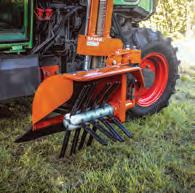
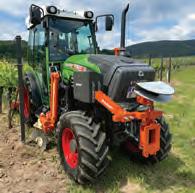
Richard Beaumont says new technology like Agovor’s autonomous e-tractors (page 31) can be hard to evaluate from a distance. “At WinePro, you can stand in front of it, ask the hard questions, and see how it stacks up for your operation.” Just as valuable is the conversation around it, he says. “You’re not just talking to suppliers – you’re hearing how other growers are thinking, what they’re trying, and what’s working. If there’s a smarter way to run part of your vineyard, you’ll find it here. And if there isn’t yet, you’ll leave knowing what’s coming next.”
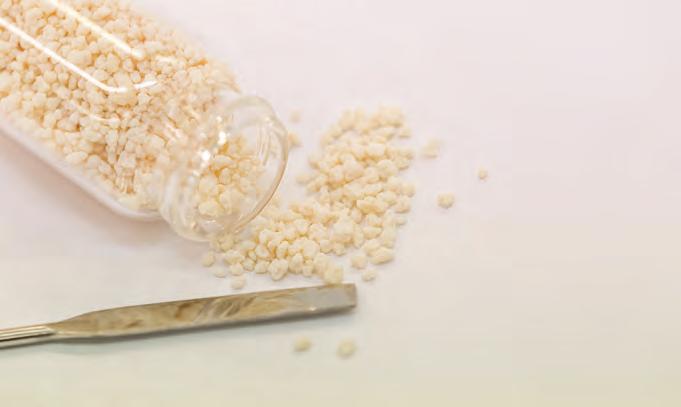
amaea’s molecularly imprinted polymers are imprinted with billions of binding sites to target capture unwanted molecules in wine
opportunity isn’t about changing how wine is made at its core, but about giving winemakers better tools to produce higher-quality wine, more efficiently and sustainably, especially in more challenging vintages.”
As well as molecular filtration, he will use WinePro to introduce amaea’s new continuous cold stabilisation technology. “Traditionally, cold stabilisation can take seven to 14 days. CSx reduces that to as little as five minutes, while also significantly lowering energy use and emissions,” he says. “Molecular filtration removes the need for seeding with cream of tartare
to achieve cold stability, reducing both chemical costs and waste for wineries.”
Aaron says introducing innovative technology to an ancient industry is one of the most interesting aspects of his work. “Winemaking has always been a balance of tradition, science and artistry, all coming together to create a sensory product. While the fundamentals haven’t changed for centuries, the tools winemakers use have continually evolved to improve quality, yields, and efficiency. Molecularly imprinted polymers are simply one of the next steps in that evolution.”
SOPHIE PREECE
Generative artificial intelligence is helping New Zealand dairy farmers make better decisions, cut repetitive tasks, and improve communication, according to a new report. And while some farmers have yet to dip their toes into the technology, which includes ChatGPT, Claude, CoPilot and Gemini, others are in boots and all, with cases of bespoke chatbots and a dairy farm digital twin powered by a large language model.
“Don’t take what it says to do at face value, especially if it’s quite a critical decision.”
Dr Callum Eastwood
Attendees at this month’s Grape Days events around the country will hear from DairyNZ about its work to better understand GenAI use among its farmers, including recent co-design workshops and plans to form an industry group to build capability. Braden Crosby, Bragato Research Institute Knowledge Transfer and Engagement Lead, says the Grape Days session, which includes a wine industry panel, will explore current practice and use cases for GenAI in vineyards. “We are looking to learn from other primary industries to understand the opportunities that may be created by implementing differing practices into your business model.”
DairyNZ has been delving into onfarm GenAI utilisation for the past year, starting with the report from Rachel Durie at Perrin Ag Consultants – The Opportunities of Artificial Intelligence for New Zealand Dairy Farmers – published in December 2025. That shows that many farmers are unaware of how GenAI can be used “or the benefits it can provide”, but that others are using the technology “to make better, more informed and faster decisions, reduce time spent on repetitive tasks, empower team knowledge and improve communication”.

The report says that decision support, such as access to knowledge or contextual analysis, is “by far” the most common application. “While most farmers acknowledged that GenAI responses are not always fully accurate, they valued the speed at which GenAI can provide information which in turn accelerates their decision-making efficiency.” Meanwhile, some farmers are delving deeper, with farm-tailored chatbots, farm digital twins, and customised GenAIdriven breeding tools.
DairyNZ Senior Scientist Dr Callum Eastwood says the industry body has also run co-design workshops with farmers and other stakeholders, and will soon embark on a two-year capability building project working with a core group of farmers to better understand the use of GenAI on farms, the benefits they see, and the issues they come across, “and then using that to raise the profile of effective and safe use for all farmers”.
The group will work peer to peer, then stay connected through the season, while DairyNZ will also bring in external experts to help them develop skills “effectively and safely”. The organisation may also prototype ideas developed within the group, he says. “So if they say, ‘oh, wouldn’t it be great to be able to do this?’ … we’ll go away, we’ll try it, and then we’ll come back and show them what is possible.”
GenAI is free or low cost, and easy to access, so there’s no financial barrier for farmers, Callum says. And anyone on -farm can use it, from a farm assistant working out how to do a job, to a share milker seeking insights into running their business, to a multi-farm business navigating data from multiple sites, he

says. Those opportunities come with some red flags, with potential for out of context responses, misleading information and AI ‘hallucinations’. “Don’t take what it says to do at face value, especially if it’s quite a critical decision,” Callum says. “Be very careful that you double check.”
DairyNZ also has an AI-enabled assistant, DAiSY, which uses the wealth of trusted research and resources on the site.
“The benefit for farmers is that you can go in and ask questions, just like you would to another farmer or to an advisor,” Callum says. They also supply guidance around using AI, including “prompt engineering” to help ensure farmers get accurate and relevant responses. “The more specific you are, the better results you will get.”
Callum says one key crossover from dairy to other primary sectors is using AI tools to aggregate data, feeding it the likes of production data and invoices, then asking questions about your business. There’s work to be done to make that process “really robust” but they’ve seen enough to know it’s a “great opportunity”.
nzwine.com/en/initiativesevents/research/ grape-days-2026
Elmo the eTractor is a “genuinely useful bit of kit”, says Wither Hills’ Assistant Vineyard Manager Mike Western, who is waiting on the arrival of another little helper – Kermit.
The electric, autonomous eTractors are made by Agovor, a New Zealand horticultural robotics company that was founded to solve a problem at Ardmore Nurseries in Clevedon. “We had the same problems as everyone else,” says nursery owner and Agovor co-founder Richard Beaumont. “Hard to find and retain good labour, always trying to reduce costs, and the new solutions we did look at had too many barriers to overcome for us to use.”
They built a small, lightweight electric tractor capable of working a 10-hour shift while towing interchangeable attachments, starting with a mowers and sprayers. “It had to be electric, and it had to be simple to operate,” Richard says. “It’s been encouraging to see our first customers across New Zealand and Australia finding the same value, whether they’re working in berry tunnel houses, orchards or vineyards.”
Elmo currently mows and sprays one of Wither Hills’ Rapaura blocks, stopping only when its sensors detect something in its path. When this happens, Mike is alerted
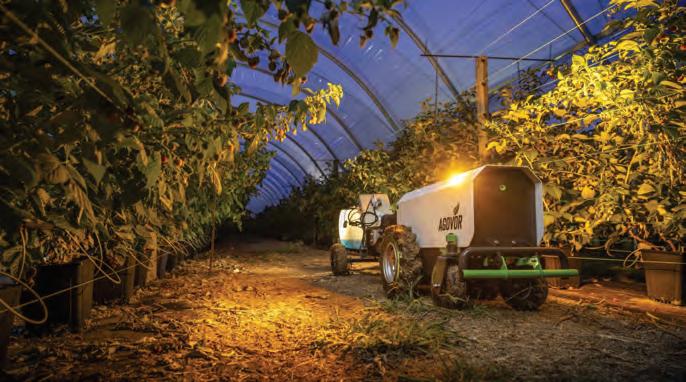
and checks the footage on his phone before setting the tractor back to work again. When Elmo’s work is done, it navigates back to Mike’s shed to be plugged in and charged up overnight, ready for the next day. When Kermit arrives, the two eTractors will work on the same farm, splitting the work between them, Mike says.
Elmo was originally purchased to replace tractors on a wet block, which has since been repurposed into a wastewater lot. For some growers the lack of compaction is key. Ella Julian, grower at Berry D’vine in Whakatāne, says they have seen visible change in the soil in just one season.
“Izzy, our eTractor, is substantially lighter than our old tractor and has given the soil a chance to recover.”
Agovor will be at WinePro in Blenheim from 23-25 June, and is also doing a South Island tour from 21-27 June. “Photos and videos are useful, but they only go so far,” says Richard. “Seeing an eTractor quietly working its way down your rows, handling real conditions, is what makes it click.” The vineyard demo sessions work two ways, he says. “Growers see what autonomous, electric machinery can actually do on their blocks, and we learn what matters most on the ground.”
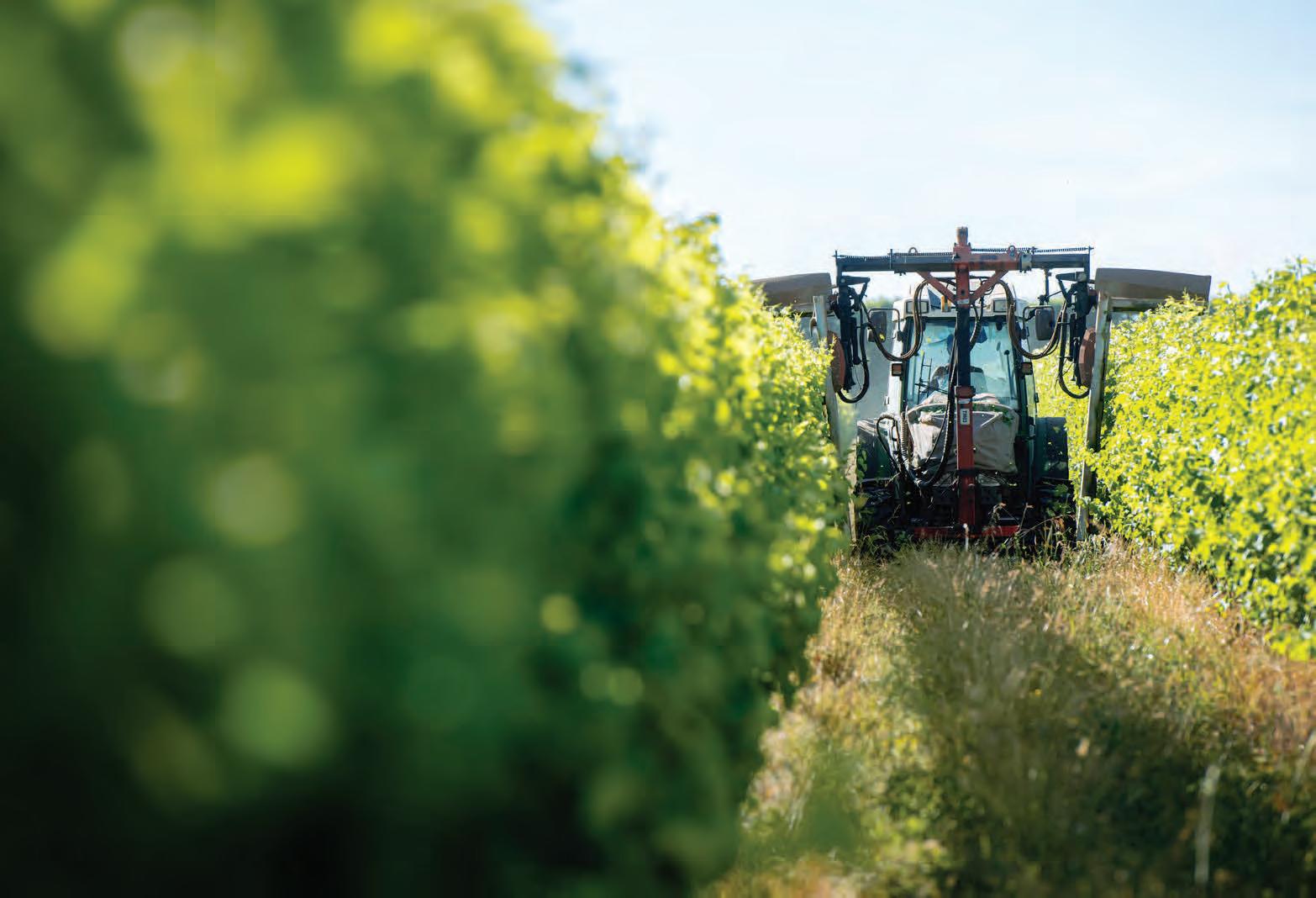
SOPHIE PREECE
Bragato Research Institute occupies “a unique space in the wine research ecosphere”, says outgoing board member James Dicey.
BRI governance will be absorbed by the same directors as the New Zealand Winegrowers board as of 1 July, but the institute, a wholly owned subsidiary of NZW, will remain a separate organisation, led by Chief Executive Dr Juliet Ansell, delivering research and innovation for the wine industry.
BRI was founded in 2017 with funding from the Ministry of Business, Innovation and Employment (MBIE) Regional Research Institute (RRI) fund, with the proviso that the institute have its own board, which is no longer a requirement.
NZW board Chair Fabian Yukich says the industry owes gratitude to the outgoing board, which set up the research organisation “from scratch”, building both
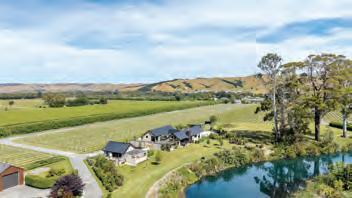
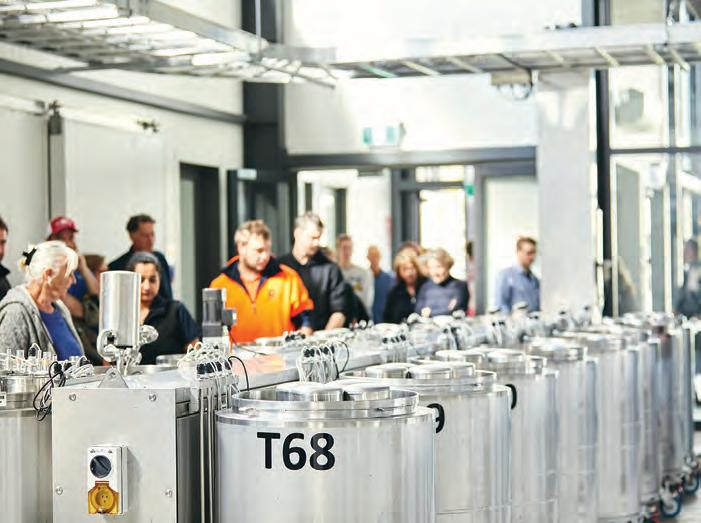
a physical asset and, more importantly, a cohort of people doing research targeted for the New Zealand industry.
Mark Gilbert, who has chaired the BRI board since it began, says it has been a lot of work from governance and staff to stand up a research institute “from zero”, but the organisation now has 25 people doing “fantastic work” as well as an “exceptional leader” in Juliet. “The dividend of that is that the industry has now got a really well set up and well led industry body to do science.”
The institute, which is the only RRI
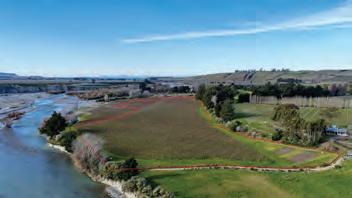

recipient to survive, had the support of MBIE from the beginning, and every milestone review was “quite outstanding”, Mark says. That was thanks to “the quality of the people and the work that was being done”, as well as the BRI strategy and support that the NZW board gave the organisation in its formative years. Eight years on, BRI has gone from being 100% levy funded, to using levies for a third of its income, supported by government and grantor investment. There’s still some misunderstanding as to what science can do, with people looking for a “quick fix”, but “science is a long term play”, Mark says.
James Dicey was a foundation BRI board member, working with fellow NZW board members Dominic Pecchenino and Peter Holley to appoint Mark as chair, along with the first chief executive MJ Loza. When James left the NZW board in 2019, he decided he had “unfinished business” with the BRI, and was appointed as an independent director in 2023, along with Greg Mann. In the years since, they have appointed the “phenomenal” new chief executive, and delivered a refreshed research strategy, James says. “The changes
that Juliet has been able to make on the back of that, and the reconnection back to the industry, means the organisation is in really good shape.”
“The levy commitment from NZW, along with support from industry and government, has been a critical component for the ongoing sustainability of BRI.”
James Dicey
He says the levy commitment from NZW, along with support from industry and government, has been a critical component for the ongoing sustainability of BRI. The result is “exciting and necessary” research, including work on new clonal material through the Sauvignon Blanc 2.0 programme, vine physiology projects, and the Research Winery, opened in 2020. Those projects wouldn’t have happened under the model
used by NZW before the BRI, or via other science providers, he says.
James and another outgoing BRI board member, Dr Bruce Campbell, have been asked to help navigate the transition between the assumption of governance until the upcoming election and appointment of a new NZW board.
Bruce, who was Chief Operating Officer at Plant & Food Research and is currently a Director of the Bioeconomy Science Institute, joined the BRI board in 2019. He says the institute represents “a really positive evolution and maturing of the industry to increasingly take responsibility for its own innovation path”. He applauds NZW for making the investment through the RRI and taking it forward as industryowned research and development. Its success has brought new innovations forward for the industry, which is vital in times like these, when tough times result in change, and rebalancing of supply with demand. “It’s really important that the industry is charting an innovation future that can catch the upswing coming from new technologies and changing opportunities with consumers, so we continue to grow on the global stage.”
Carbon amendments & vineyard soils
NIKLAS LEHTO & OLAF SCHELEZKI
New Zealand’s wine industry produces around 100,000 tonnes of grape marc waste annually, while the forestry sector generates over five million tonnes of wood residue. These waste streams have no established high-value end use, they are expensive to manage, but they are also rich in carbon. Valorising these waste streams by turning them into biochar and compost for amending vineyard soils is emerging as a credible way to introduce much-needed circularity to the system. Our research at Lincoln University is building the locally grounded evidence growers need to act on this opportunity with confidence.
Soils, nutrients, and the irrigation question
Our research team has been testing biochar and compost derived from grape marc, vineyard prunings and forestry waste on contrasting Marlborough soils to assess how
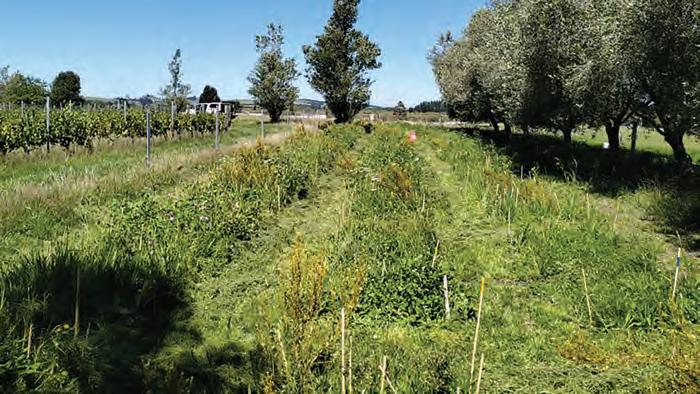
they change soil characteristics. The results are promising. We found that overall fertility and soil carbon content were enhanced, especially in the more coarsely textured soil. Biochar was particularly effective at enhancing aggregate stability and water holding capacity, which is likely to improve water storage, aeration, and natural nutrient cycling in the soil.
Grapevines grown in a greenhouse trial responded well to biochar amendment under both well-irrigated and water-deficit conditions: we saw significantly improved uptake of nitrogen, phosphorus and
potassium (important for canopy health and berry development) across both irrigation regimes. For growers on free-draining soils, this could translate into reduced irrigation demand, improved nutrient use efficiency and lower fertiliser costs. Unlike compost, which cycles back into the atmosphere within seasons, biochar-bound carbon is naturally stable and can persist for decades, if not centuries. It is looking like a genuine long-term investment in both soil health and climate mitigation.
However, growers should treat biochar as a targeted amendment. The upfront cost





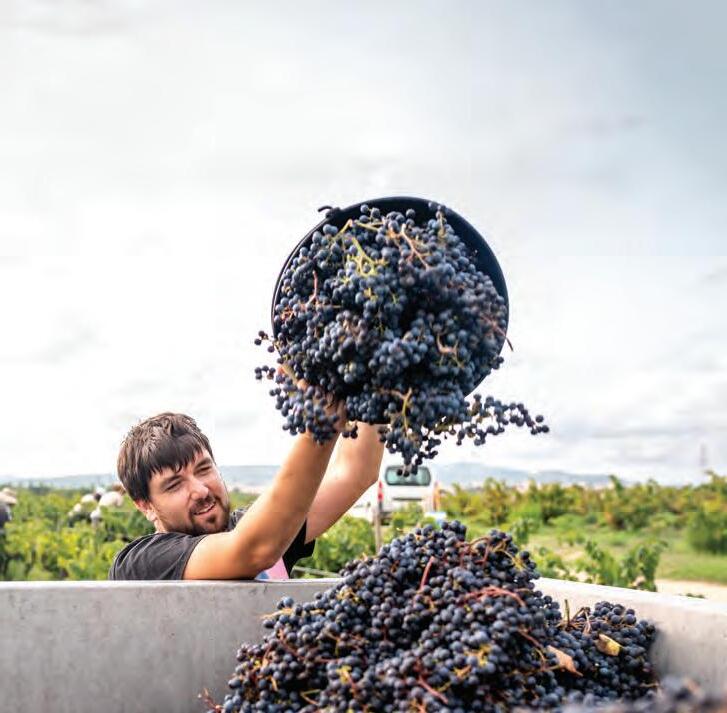

of using it needs to be balanced against the long term benefits it can provide. Biochar’s strong retention capacity helps soils absorb nutrients and immobilise heavy metals, but its alkalinity can induce micronutrient deficiencies in certain soils. Baseline soil testing is therefore essential before any amendment programme begins, and rates should be targeted to specific agronomic/ environmental objectives, soil type and existing fertility status.
Growing native: the Waipara field trial
One of our most recent research directions sits beyond the vine row. Our ongoing field trial at Harris Estate in Waipara is testing the use of biochar and compost amendments to support the establishment of native New Zealand plants on vineyard margins. Species like Tōtara, Korokio and Mingimingi carry deep cultural significance but can be difficult to establish in the low-carbon, infertile soils that are often found on vineyard margins. The same trial is also looking at how common pasture species benefit from the amendments. We have already seen significant improvements in soil carbon concentrations with biochar in our trial. Next, we will compare which of those species benefits most from the amendments.
If biochar’s demonstrated improvements to aggregate stability, moisture retention, and microbial activity translate into higher plant survival rates, the implications extend well beyond individual properties. Healthy native margins contribute to pollinator habitats, riparian buffering, and carbon sequestration, while pasture species growing between rows help to reduce erosion losses. These ecosystem services meet the demands of regenerative viticulture and are increasingly recognised by Sustainable Winegrowing New Zealand.
Waste in, value out
For an industry with a zero-waste-to-landfill target for 2050, and a consumer base that is increasingly tuning in to environmental credentials, the direction of travel is already clear. Poorly managed piles of grape marc can be a significant amenity and compliance burden. Converting that liability sequesters carbon, reduces fertiliser dependency, and closes a loop that currently costs the industry money. Pine wood biochar broadens this logic beyond the winery gate, offering a complementary feedstock. Blending biochar types, each with unique characteristics, with and without composts, can deliver a wide range of benefits. Our ongoing research is
testing different combinations to enable targeted solutions in the future.
Putting it into practice
For growers considering these amendments, replanting and new block establishment remain the most practical entry points for biochar incorporation. Research to date has tested application rates up to 40 t/ha, but the right rate depends on soil type, pH, organic matter content, and the grower’s specific aims.
Our research has been supported by the Bioresource Processing Alliance and the Brian Mason Trust, in collaboration with Green Circle NZ, Seaview Estate, Harris Estate, the University of Canterbury and Bragato Research Institute. Long-term field validation remains the critical next step. But the current work already demonstrates that the materials are available, the science is building, and the incentives, environmental and economic, are real.
Associate Professor Niklas Lehto and Dr Olaf Schelezki lead the Waste Carbon to Soil Programme in the Faculty of Agriculture and Life Sciences at Lincoln University. They work closely with Mary Dang, Phuc Nguyen, Brett Robinson, Seth Laurenson and Chamindu Deepagoda.
Specialising in all aspects of vineyard and winery valuation, including specialist plant and machinery. Experienced in all South Island wine growing regions.
Lex
Tel: 03 578 9776
Hadley
Email: valuations@alexhayward.co.nz
Level 1/20 Market St, Blenheim, Marlborough


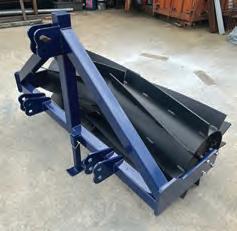
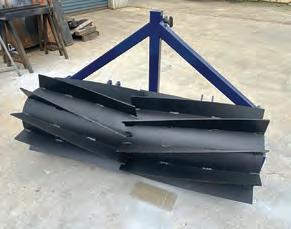
• Smoothly rolls cover crop grown between the rows with ease.
• Rollers are custom made to suit any width with minimal overhang at the edges.
• Drum can be filled with water for extra weight.

Ph 03-434 2669
Mobile: 021-213 7152
www.oamaruengineering.co.nz
Structural, Mechanical & General Engineering
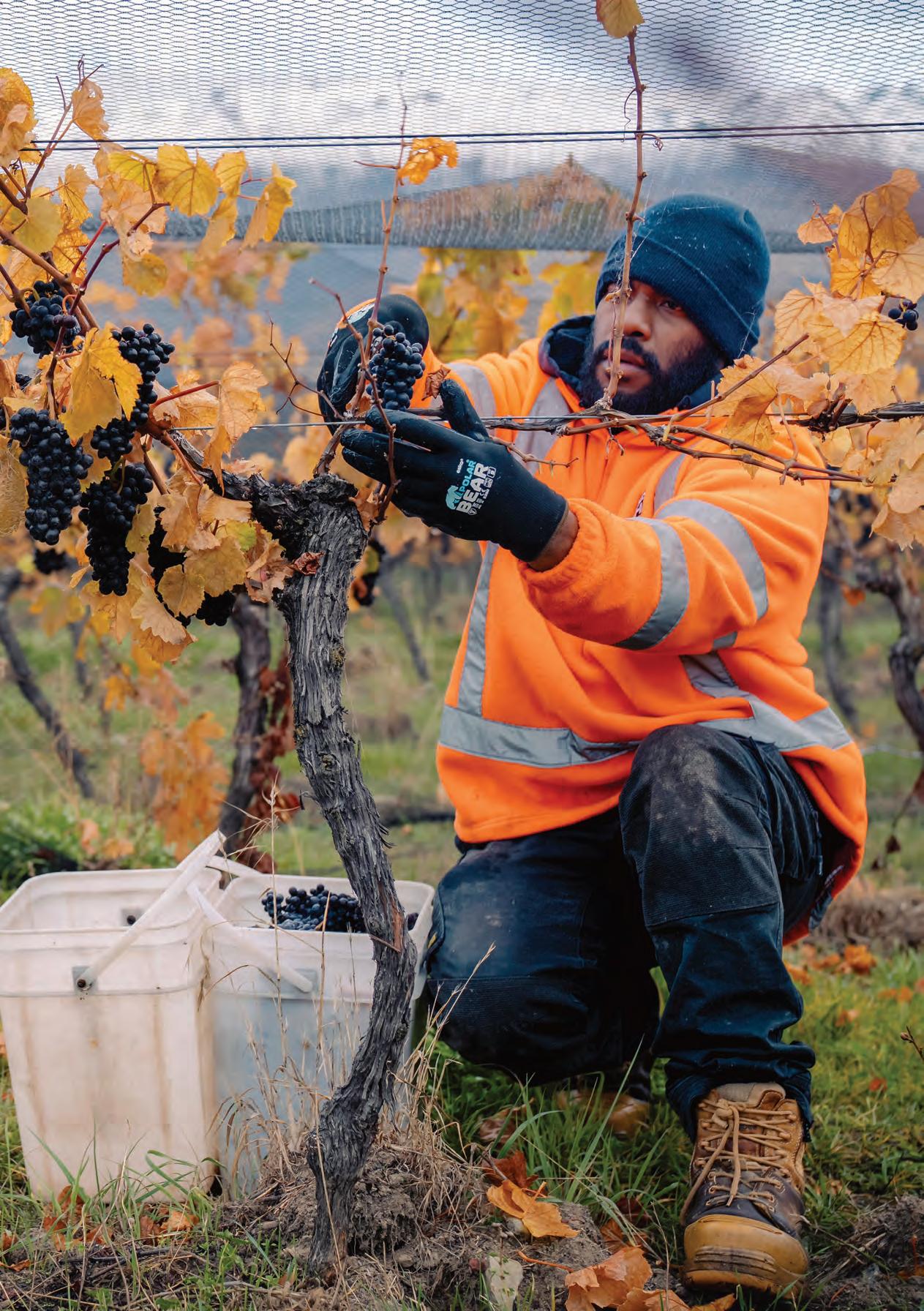
SOPHIE PREECE
With ethical employment practices a “hot topic” in key markets, Sustainable Winegrowing New Zealand is strengthening its People Pillar. SWNZ members will soon face new requirements around employment policies and employee rights, to ensure they are in line with market expectations, says Programme Manager Meagan Littlejohn. She notes that historically the SWNZ programme has been focused on its environmental pillars, and “it’s time to bring the social sustainability piece up to the same level”.
“We might be doing all these really good things, but we have to be able to prove it to someone else.”
Jim White
Having good employment policies in place, treating workers fairly, and being able to prove that in market is increasingly important, with many markets following the strong lead of Nordic countries in demanding verifiable social sustainability measures, alongside environmental, Meagan says. “The Nordic countries are going way above and beyond any other market gatekeepers right now in terms of how closely they’re looking at sustainability credentials and using it in their tender processes.” Other gatekeepers are likely to adopt similar requirements, so the SWNZ People Pillar is being strengthened to meet the requirements of the Nordic framework, she adds. “These improvements will also give SWNZ-certified wines preferential market access in Sweden.”
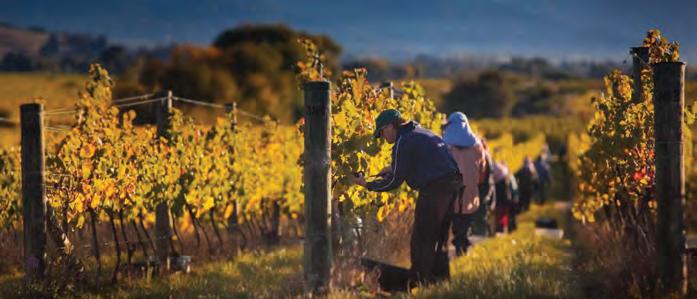
New Zealand has strong employment law, and many in the wine industry have deemed that sufficient. But increasingly markets are not taking laws as evidence that you’re doing the right thing, Meagan says. “You actually need to make sure you’re formalising and documenting what you do and having that verified.”
The review took place over a year and was signed off by the New Zealand Winegrowers board in February. It will result in a few additional questions in the People section of the SWNZ questionnaires, which reflect new requirements around having robust employment policies in place “and evidence that you’re implementing them”.
Later this winter members will start getting communications around the changes, and will have access to templates and resources online, as well as webinars and workshops, Meagan says. “So that when everyone completes their next season questionnaire, which is due June 30, 2027, they’ll have all the knowledge and the tools to help them answer those questions and implement those new requirements with confidence.”
Cloudy Bay Technical Director Jim White, who is also on the NZW board and the Environment Committee that signed off the SWNZ changes, says there’s growing international pressure for rigorous labour
standards in the wine industry. He sees that through the work of Cloudy Bay parent company LVMH, and also through growing interest in forums like the Sustainable Wine Roundtable, of which Cloudy Bay is a member.
Jim says New Zealand companies already operate at a high level, given employment laws and the regulations governing the Recognised Seasonal Employer scheme. Most vineyard RSE labour suppliers are members of New Zealand Ethical Employers, which provides additional confidence that high standards are being met, Jim says. “We think we’re in a relatively good position anyway, but what we lack is the capabilities to demonstrate that to the market. And really, that’s what the People section needs to do. Because we might be doing all these really good things, but we have to be able to prove it to someone else.”
Jim notes that many larger wine companies will already have rigorous policies in place, but smaller companies don’t always have the resources to stay abreast of social sustainability measures. “What SWNZ is able to do under the People standard is to provide a lot of templates so people can adopt those policies for themselves. Ultimately, we want that to deliver better outcomes for New Zealand employees.”

EMMA JENKINS MW
There’s a particular type of winemaker who likes to do things quietly, letting quality do the talking, waiting for the right people to find their wines. Dom Maxwell is one of them.
Watchful, thoughtful, intuitive and seemingly all-round chill, after two decades as Head Winemaker at Greystone Wines in North Canterbury, and latterly General Manager, he has recently stepped away to pursue his own label full time. Forager has existed since 2012, quietly accumulating a following among sommeliers and wine lovers, and Dom says the timing felt right for this carefully tended side project to become his main focus
“There’s a mineral quality that drives length in quite a remarkable way.” Dom Maxwell
The Greystone chapter was formative and genuinely rewarding. “I loved and relished my time at Greystone,” Dom says. “Especially the excitement and aspiration of the ‘building’ phase. We built good working relationships and strong bonds.” The GM role that came later was enjoyable, while intense, he says. “I felt the time had come for a change in generation, to let new ideas and different perspectives flourish.”
Focusing on Forager has allowed him to carve out more time with family, have flexibility around his wife’s work, and enjoy the mental clarity and time efficiencies that come with being one’s own boss.
The heart of Forager is Isolation Hill vineyard, whose name does not flatter to deceive. Situated at Waiau, inland North Canterbury, near the Amuri Limeworks, the vineyard sits atop a limestone seam at roughly 210 metres of elevation, and around 40 kilometres from the nearest other producing vineyards – Bell Hill and Pyramid Valley. The site was spotted by Pyramid Valley co-founder, the late Mike Weersing, who approached farmers Andy and Jill Black about planting it. Pinot Noir
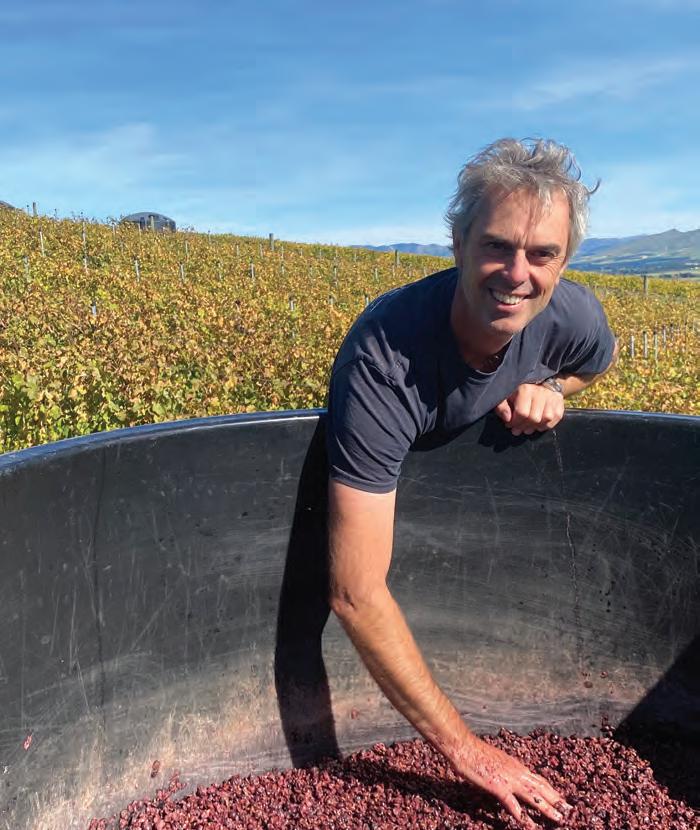
went in around 2000, with the Blacks supplying fruit to Pyramid Valley and a few other wineries. That arrangement, while functional, left the fruit somewhat anonymous, disappearing into larger blends. When Dom came across the vineyard – tipped off at a wine dinner – the fit was immediate.
Andy Black is, by Dom’s description, one of the most infectiously positive people you’ll meet; an old-school farmer with a genuine love of wine, who lights up around winery talk. Dom wanted only a small amount of fruit and the Blacks wanted a closer relationship with whomever was making wine from their hillside, plus a few barrels of their own wine. Nearly a decade in, the deal still runs on a handshake.
The vineyard is high-density, predominantly Abel and 667 clones. The Blacks manage the viticultural work throughout the year, while Dom heads to the site closer to harvest to assess fruit and canopy. The elevated site ensures cool nights, which Dom credits for preserving intensity, freshness and vitality in the fruit,
and despite its inland location, harvests are typically not particularly different from the wider North Canterbury norm.
What drew Dom to the site is the sheer chalkiness of the soil. He believes you can taste it directly in the wines. “There’s a mineral quality that drives length in quite a remarkable way,” he says. Limestone’s capacity to draw up moisture also brings its own challenges – vigour can be surprisingly high for a hillside site – but Dom says the character it imparts in the fruit justifies any logistical complications of operating so far from neighbouring vineyards and wineries. Those complications are real, not least the need to own all your own gear when there are no neighbours to borrow stuff from, or with whom to share knowledge. Dom comments that there are likely many promising sites along the limestone seams of inland Canterbury, whose potential will likely go unexplored because the numbers don’t stack up, “maybe until the next planting boom, whenever that may be”.
Forager’s Pinot Noir has always been vineyard fermented, making it one of the
earliest adopters of what has since become a more discussed, if still rare, practice in New Zealand. “The original thinking came partly from research emerging from Lincoln University and from Michael Brajkovich’s work on native yeasts,” Dom says. His nagging question with pied de cuvée – that even if you inoculated with vineyard-captured yeasts, wouldn’t ambient winery yeasts simply take over once the ferment got going in the winery – meant the logical extension was to leave the full ferment in the vineyard. Dom was discussing this idea at Greystone too, and he and Greystone’s then-viticulturist, Nick Gill, ran their first concurrent vineyard ferments together in 2012, one for Forager and one as a Greystone experiment. Greystone’s first commercial vineyard ferment release came in 2016; for Forager, it has been the only method from the start.
The process is exactly what it sounds like – the fruit is crushed at the vineyard and the open fermenter sits out on the hillside for roughly a month. Whole bunch inclusion varies between zero and 40%, depending on the season, skewing more toward the latter. Andy Black wanders over most days to wet the cap, and Dom gets there once a week. When fermentation is done, the fermenter goes onto a trailer and makes the journey back to Greystone winery for pressing.
What Dom didn’t anticipate fully was how much that process would teach him about extraction. The revelation wasn’t just about yeast populations – it also was about temperature. Vineyard ferments run cooler and more erratically than their winery counterparts, spiking and dipping in response to ambient conditions rather than following a smooth bell curve. The lower fermentation temperatures and different extraction dynamics produce “tannins that are really beautiful, and integrated very early on in the wine’s life”. This discovery has progressively reshaped how he now works: no pre-ferment SO2, minimal cap work, almost no plunging beyond keeping the cap moist.
Dom says the vineyard ferment opened the door to “a fundamentally different way for me thinking about winemaking, and the wines”. Contrary to his early concerns about whether such easy finesse could sustain ageing, he says early vintages have demonstrated that structural gentleness and longevity are not mutually exclusive. He also observes that temperature dynamics of fermenting outdoors are categorically different from anything achievable in a winery. Forager’s production currently sits around 300 cases of Pinot Noir, which Dom expects will grow to around 500 cases. Little Forager – a “village-style, savoury wine designed for glass pour price points” – is a similar volume and Dom will soon release Forager’s first Chardonnay. The vines were planted six years ago on the same hillside at Isolation Hill, with three barrels made last year, and around three tonnes anticipated this vintage. Dom would love to have planted Riesling too, but acknowledges the commercial reality of trying to sell it at the price that site demands; for now, he plans to add 200 cases of Riesling sourced elsewhere.
The ambition is to keep Forager small and built around interesting sites, whatever the variety. Export markets in Taiwan, Singapore and Shanghai have responded well, and a domestic distributor handles restaurants and retailers in New Zealand. Dom is happy to let others manage it – he’s got a hillside to check on, and a ferment to leave largely to its own devices.
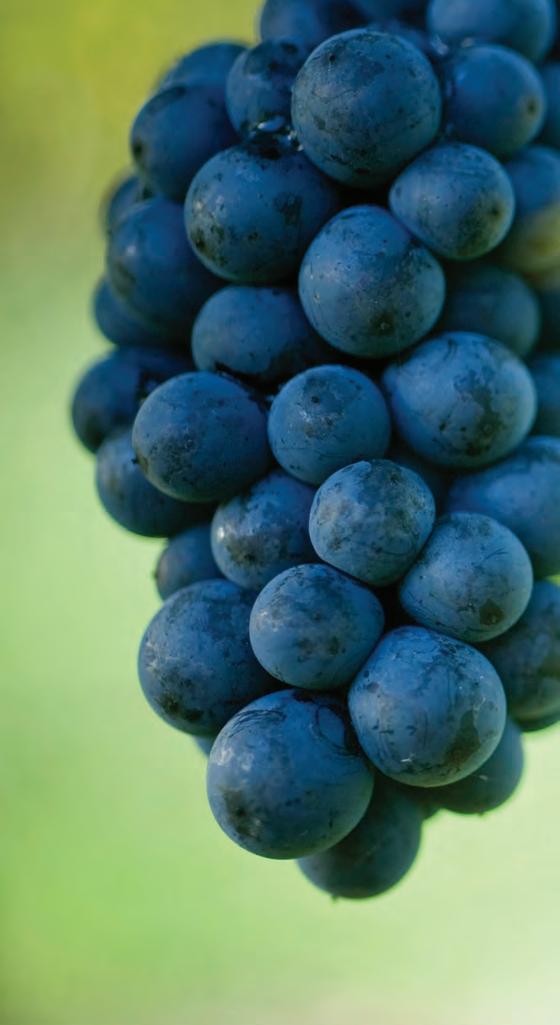




SOPHIE PREECE
When Philip Gregan joined New Zealand’s wine industry in July 1983, he was wondering what he’d like to do for a career. He was still pondering that 20 years later, when a colleague suggested that this might be it. “I thought, ‘oh yeah, I suppose it is.”
“From the very north of the country down to the deep south, and everywhere in between, there are fabulous people, working hard, creating fantastic wine, doing great things for the industry and the country.”
Philip Gregan
Forty three years after he became Research Officer at the Wine Institute of New Zealand, 36 years after he rose to Chief Executive, and 24 years after the formation of New Zealand Winegrowers saw him take the helm of a grower and wine company organisation, Philip will retire from NZW on 30 June. He says his unexpected career has been a joy, thanks to great people and a great product. “From the very north of the country down to the deep south, and everywhere in between, there are fabulous people, working hard, creating fantastic wine, doing great things for the industry and the country. It’s pretty compelling.”
Compelling, perhaps, in the way that a gut wrenching rollercoaster is compelling, because the past four decades have been characterised by dramatic changes and constant challenges, from oversupply to undersupply, vintage vagaries to organisational upheavals, and trade deals to taxes and tariffs, not to mention earthquakes, cyclones, pandemics and climate change.
The past six years in particular have been “compelling” indeed, starting with the harvest-threatening restrictions of Covid-19 in early 2020, rapid work to secure and

maintain essential service status, and the subsequent shipping holdups, supply shortages, destocking and oversupply, now with fuel insecurity thrown in for good measure. “I think we’ve faced things in the past six years, certainly with Covid, that nobody would have ever thought we would face,” he says. “It’s been one thing after another.” Each of these have required Philip to work closely with growers and wine companies, with government ministers, agencies and select committees, and with his board and NZW staff.
It’s work that was celebrated last month, when Philip was given a Lifetime Achievement Award by London-based publication The Drinks Business, recognising his contribution to the wine industry. Former NZW board chair Clive Jones says much of Philip’s work is behind the scenes, in his relationship with government, and work with regulatory authorities, “which is often not that visible”, he says. “The more I got to know Philip, the more I appreciated his depth of knowledge, and understood his significant commitment to the wine industry.”
In 1983, New Zealand had 92 wineries and 6,000 hectares, awash with the MüllerThurgau saturating the domestic market. The industry wasn’t entirely new to Philip, who grew up not far from vineyards in West Auckland, before studying for his masters’ degree in geography, so he put his hat in the ring for a job with the Wine Institute, working with Terry Dunleavy. Three years later a quarter of the country’s vineyard was pulled out in the government-funded vine pull, and the industry got a new lease of life. By the 1990s it was clear that the future
of New Zealand’s wine industry was on an international stage, and Philip’s job was to work out how big the potential was. In the decades since, producing vineyard has grown to more than 42,000ha and the export market to $2.1 billion at the end of last year.
NZW Board Chair Fabian Yukich says that extraordinary transformation came with burgeoning compliance, sustainability and trade relationships, all managed by NZW, and “that’s an impressive achievement”. Philip brought in the right people and skills, while developing an excellent culture, Fabian adds. Members trust the organisation to get things right, “and Philip is responsible for that”. He’s worked “incredibly hard”, while bringing “unwavering integrity” to his role, Fabian says. “Why does he have such good relationships with various government ministers and people in the industry over a long period of time? Why does he have those relationships in our export markets? I think it’s the values that Philip brings to the role, and his integrity and honesty... People trust him.”
That’s not easy, given the different perspectives in every corner of every wine region. Philip frequently reflects that “if you’ve got 10 winemakers in the room, you’re going to have at least 11 different opinions”. That’s led to some good discussions with people over the years, “but I don’t make these decisions about what to do by myself,” he says. “That’s what the board does.” There are as many opinions around the board table as there are in the industry, “and so there’s always good discussion on things that are important”. He notes that there’s a “huge variety” of business models in the industry, “and
I think at times, we spend a little bit too much time thinking about what separates those business models. What unites all those business models is really what we’re all about.” NZW is there for the membership as a whole, he adds, “and what that means is it’s always a challenge”.
When asked about highlights of the past 43 years, Philip lands on the passing of the Wine Act in 2003, including his role as Special Advisor to the select committee. “That was a really positive experience, with the Wine Act something we had advocated for, and persuaded the government of the day to progress. And it’s served the industry pretty well for the past few decades.” The other was in 2008, in the midst of the global financial crisis and a New Zealand wine glut, fronting up to 500 growers and winery members in Marlborough about the challenges facing the industry. “I think that meeting really validated the benefit of having a joint industry organisation; a united one that could speak to both growers and wineries,” Philip says. “That’s what we did that day. And we had a huge turnout.”
“Why are people buying New Zealand wine in New York or Shanghai? They’re buying it not because it looks like anybody else’s, but because it’s different and special.”
Philip Gregan
Fast forward to 2026, and there’s another challenge, with a global decline in wine sales, an oversupply of New Zealand wine, and vineyards around the country being mothballed, redeveloped or repurposed. But Philip remains buoyant. “I think ultimately we’ll see increased production of New Zealand wine, because there is demand for our wine in key markets.” That’s not to “underestimate the current pain, because that’s very, very significant overall”, Philip says. “But if you look at what people want to drink, in terms of wine, we’re in the right place. And that’s a very good position, ultimately, for the industry to grow and prosper over the medium to long term.”
NZW’s role is to enable that. “Why are people buying New Zealand wine in New York or Shanghai? They’re buying it not because it looks like anybody else’s, but because it’s different and special,” he says. “Our job is helping our industry to continue to have the freedom to produce wine, and helping them to have the freedom to continue to access markets. Those things haven’t changed, and I don’t think they ever will.”
After 43 years on his toes, dealing with growers, wineries, NZW staff, government agencies and whatever crisis or opportunity is on the horizon, Philip isn’t slowing down as he approaches the finish line. The last week of June includes Grape Days Marlborough on the Monday, a briefing for government officials on Wednesday, and a Primary Production Select Committee appearance and board meeting on the Thursday, along with the day-to-day business that floods Philip’s diary, from member calls to fuel concerns to fair trade deals.
From there his plans are as undefined as they were back in 1983. “I have no idea,” he says with a laugh. “That’s a deep concern to my wife.”
New Katana® takes out weeds including resistant ryegrass for longer
Glyphosate resistant ryegrass has met its match. Katana, the new residual herbicide, provides weed control for up to 5 months. With Katana you’re sorted.


Virginie le Brun’s sparkling life JOELLE THOMSON
Virginie Le Brun says home base is the greatest strength of her family’s winery, particularly in tough times. No. 1 Family Estate, a méthode traditionnelle specialist established by her parents Daniel and Adele Le Brun 28 years ago, sells 98% of its wines in New Zealand. “We’re always at the mercy of the market, wherever we are,” says the company’s sales director. “But when it’s the market we live in, we can help our reps and customers because we’re here at the heart of it.” Export plays a supporting role, “but for us, this market is quite specific to our size and to our focus”.
“We need to be relevant in a world of information overload.”
Virginie was four months old when her parents moved to Marlborough in 1980, bringing their Champagne heritage to a nascent wine industry. She grew up with an entrepreneurial streak, including selling green pinecones to Japanese tourists visiting her parents’ winery in buses. “Why on earth they would want to buy them is beyond me now, but they did and I couldn’t help myself from wanting to engage with visitors.” As a teenager, she worked at the winery, and later moved to Auckland to be a television presenter, before heading to London in 2013, where she was a parttime brand
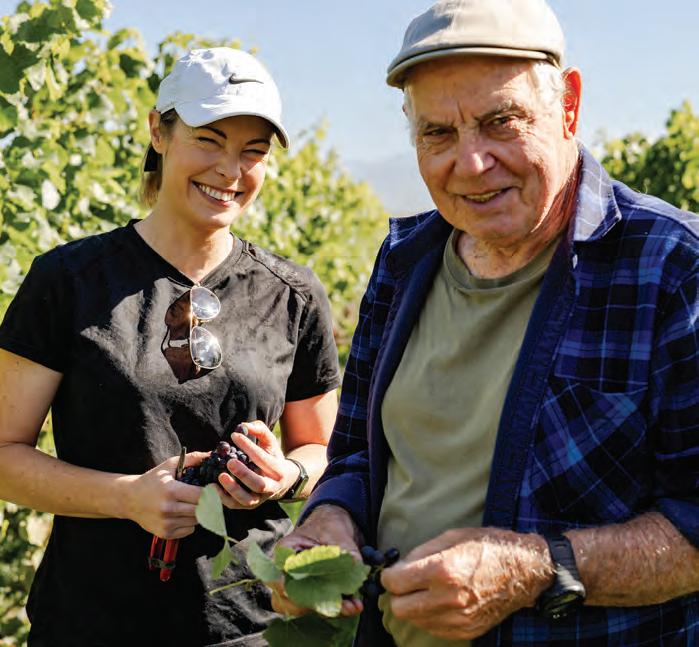
ambassador for No.1, while also working for a company that’s now their distributor in the United Kingdom. “I went from the pushy little kid selling the pinecones to working for a company that I managed to persuade to become our distributor. I learnt so much from them.”
On her return to New Zealand in 2017, Virginie worked full time selling No. 1 wines in Auckland, “very lucky” not to be juggling multiple brands, “because it enabled me to focus on my customers and sales happened around it”.
In the current challenging environment, sales may be slow, but sparkling wine benefits from longer lees ageing. “It’s one of the advantages of specialising in a style
that rewards time. We are lucky that we’re not trying to sell multiple brands and high volumes. We’ve got a market and while the middle is thinning, we’re conscious of retaining high quality and calibrating product to demand.”
Not that it’s all sparkling wine and roses. Virginie says the tough conditions of global wine sales, shaped post-Covid, are exacerbated by rising living costs and younger generations exploring alternatives to wine. The challenge, she believes, is engaging Gen Z with authenticity. “Rather than telling them wine is intimidating and trying to simplify it, we need to be relevant in a world of information overload. That’s where authentic engagement matters.”
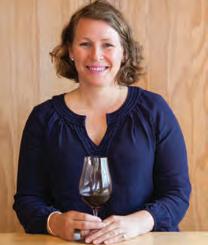
EMMA JENKINS MW
People often want to know what the best part of undertaking my Master of Wine was. Unlike that other perennial question – the completely unanswerable ‘what’s your favourite wine?’ – this one is easy. It was the community of fellow wine lovers I encountered along the way. But ‘community’ is a word worth contemplating. We use it readily – in trade conversations, at tastings, in the pages of magazines like this one – and perhaps precisely because it feels so familiar, we seldom examine what it actually means or what it truly requires. At a time when the industry is facing increasing headwinds, it seems reasonable to look a little more closely.
Wine has community in many forms, amongst collectors, the wider trade, and enthusiasts new and old. But arguably, the foundational one is producer-to-producer. For a small industry at the bottom of the world, community is not merely a nice idea, it’s a practical necessity. Perhaps more than most industries, wine depends on shared identities and collective reputations. No single producer builds their region’s reputation alone – it is patient, cumulative work over decades.
Knowledge passes informally between
winegrowers and winemakers, sometimes across boundaries that might otherwise be perceived as competitive. Establishing a consistent and coherent regional story opens doors that individual producers couldn’t hope to unlock by themselves.
“Community matters most when times are hard.”
Emma Jenkins MW
The regions that have understood this, operating on ‘co-opetition’ rather than pure competition, have often fared better, as it carries tangible commercial currency. None of this happens in a vacuum of course. Regional bodies, industry organisations and the informal networks people build over years of shared experience provide the scaffolding, but these only work if people maintain them.
Yes, this takes work, and honesty requires acknowledging the tensions that come with it. Producers are ultimately competitors. Interests and winegrowing philosophies diverge. Community doesn’t
Our readers are your customers
New Zealand Winegrower magazine goes to every levy-paying vineyard and winery in the country, with 2,500 magazines sent out every two months, sharing stories that reflect and inform New Zealand’s wine industry.
To get your business in front of the people who research, grow, make, market and sell New Zealand wine, email our advertising team at salesteam@ruralnews.co.nz
Read it online at nzwine/en/media/nzwm
automatically happen, or sustain itself – it always requires something from people. It can be all too easy to draw from the communal asset without contributing much to it, or even inadvertently undermining it. And things can erode startlingly quickly, and more quietly, than we ever expect. The wine industry has seen examples of that, some uncomfortably close to home.
Community matters most when times are hard. People are resilient, but only to a point. When pressure is sustained – as it is now – having a genuine community to draw upon is vital. People who share knowledge freely, who support rather than undercut, who hold the collective story together even while under strain, these are the things that make a material difference to how an industry weathers difficulty, and whether it emerges out the other side stronger. Community sits at the core of what is most important in wine. I know I remain consistently humbled by and grateful for the time, energy, knowledge, shared wines and kindred spirits of the generous, passionate people who populate every corner of this industry. It remains one of the great privileges of working in wine.
Josip Babich made his first barrel of wine in Northland in 1916, aged 20, having immigrated to New Zealand to join his brothers in the gum fields. His grandson DAVID BABICH, Chief Executive of Babich Wines, looks back at one of New Zealand’s oldest wine stories.
My grandfather Josip (Joe) was born in 1895 in what is now modern-day Croatia. Up until the end of WW1 it was part of the Austro Hungarian Empire. He was one of eight brothers born to my great grandparents, who were subsistent farmers, barely eking out a living on the tough, stony hill country of Dalmatia.
“My own recollections of the winery started around the early 1970’s, when I was aged around four years old.”
David Babich
Understanding that there was no future for their kids in this economic, political and physical environment, my great grandparents made the difficult decision to send their sons to New Zealand, a country they knew little about, but which was described to them as offering good opportunity to those willing to work. From 1904 to 1910 they sent five of their sons here, borrowing money off the church to pay for the boat tickets. My grandfather, aged 14, was among the last two to go, and would never to see his parents again.
Joe and his brother Stipan (Steve) arrived in Auckland in April 1910 and made their way north to join their three older brothers in the gum fields. Prospecting for kauri gum gave the brothers enough cash to get by, while learning to speak English and to understand what opportunities existed in their new situation. In 1911, the brothers purchased a 30-hectare parcel of land in Henderson, West Auckland, which remains the headquarters of Babich Wines.
The brothers needed to continue earning money in the gum fields, as they knew breaking in the newly acquired
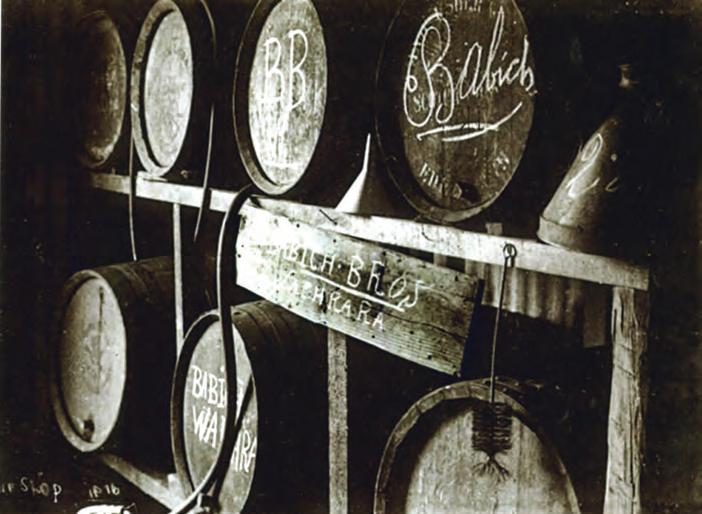
farm would be financially taxing. It was during this time, in 1912, that Joe planted a vineyard on some government lease land at Waiharara, near the southern end of 90 Mile Beach. A few years later, when the (mainly) Isobella grapes were cropping, he gained his winemaker’s licence and began selling wine mainly to other Croatian gum diggers in the area.
From around 1919 the brothers began making trips south to Henderson to begin breaking in the farm. Thomas Henderson, namesake of Henderson township, had milled the property some 70 years earlier, and it was covered in regenerating bush. Joe described the 25 years from 1919 as remarkably difficult, as the farm teetered constantly on the edge of bankruptcy. He noted that over this period they were unable to reduce the principal owed on the farm by even one pound, and on several occasions he had to ask the private mortgage holder if he could add the interest owed to the principal.
This cashflow crisis continued until around 1943. At that time, United States soldiers fighting in the Pacific were on recuperation leave in New Zealand and one of the camps was nearby Redwood Park Golf Club. Amongst the soldiers were Mediterraneans – Italians, Greeks and I suppose some Croatians – and these soldiers wanted red table wine while on leave. So, to the winery they would head in their Willys Jeeps, purchasing wine and paying in US dollars. Joe said this ironic positive outcome of the war (ironic as wars deliver mostly negative outcomes) allowed some alleviation of debt on the farm and set
the winery on a course of trending positive for cashflow.
Of the brothers, Jakov returned to Croatia in 1914, got caught up in WW1, survived it, though was badly injured, and died in 1919 of Spanish flu. He is buried in Runovic, the village the family is from. Mate stayed up north on the farm. Ivan was working on the Henderson property but died of pneumonia in 1922 and Stipan planted an orchard, while Joe stayed with the grapes.
The next generation
In the late 1920’s Joe met Mara Grgic, recently from Croatia, and in 1929 they were married, going on to have two sons, Peter and Joe (jnr), and three daughters, Ivy, Shirley and Maureen. My father, Peter, was 16 when he joined the business in 1948, which I suspect was a real boost for my grandfather. Business was still very difficult, but dad was confident that they could make it work. At that time tractors were still uncommon and dad became competent running a two horse team (Bob and Trigger) to do vineyard operations such as discing or spraying. And indeed, times were changing, with an upswing in demand for wine from the late1940s onwards.
Joe, the youngest of the siblings, joined dad in 1958 and soon after took over the winemaking duties, going on to do more than 35 vintages as head winemaker and 35 years of national wine judging, including six years as chief judge in the national wine competition. Joe, along with Bruce Collard, was instrumental in setting up
the export certification process that the industry required to protect our budding international reputation, which was vulnerable, especially in the early years.
My own recollections of the winery started around the early 1970’s, when I was aged around four years old. At that time, all of our grapes were grown on the Henderson vineyard. Grapes were hand harvested into wooden boxes, which made their way to the winery by tractor to be tipped by hand into a crusher/destemmer. I suspect a normal vintage would have been 60 to 80 tonnes, and it required a lot of manual work to process that volume.
In 1980, a German visitor turned up at the winery, tasted the wines, and asked if he could make arrangements to export our wine to Europe. He paid upfront, a 20 foot container was loaded, and Babich Wines was in the export business. Dad and Joe put a lot of effort into growing exports from 1980 onwards, but it still took until 1997 before exports exceeded domestic sales.
Dad invested a lot of time into assisting with industry growth and industry issues, having served decades on the Viticultural Association and then the Wine Institute
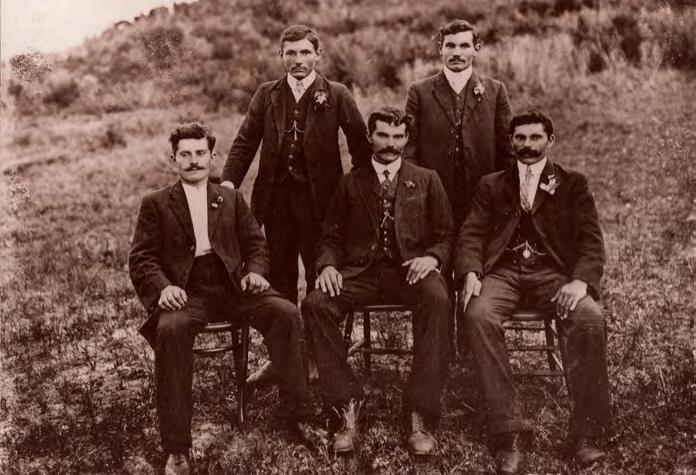
(the pre-cursor to New Zealand Winegrowers). A famous photo, taken at our Orewa beach house in 1991, captures the Institute planning meeting where the target of $100 million of export receipts by the end of the decade was set. The target was achieved and by the turn of the decade (and century) export sales were at $125m for the industry.
Expanding to Marlborough Dad and Joe knew the business needed to keep changing to stay relevant. In the late 1980s the international interest in Marlborough Sauvignon Blanc became too loud to ignore. Our first experience with Marlborough was to purchase some Sauvignon Blanc juice as it seemed impossible to acquire the same as grapes.
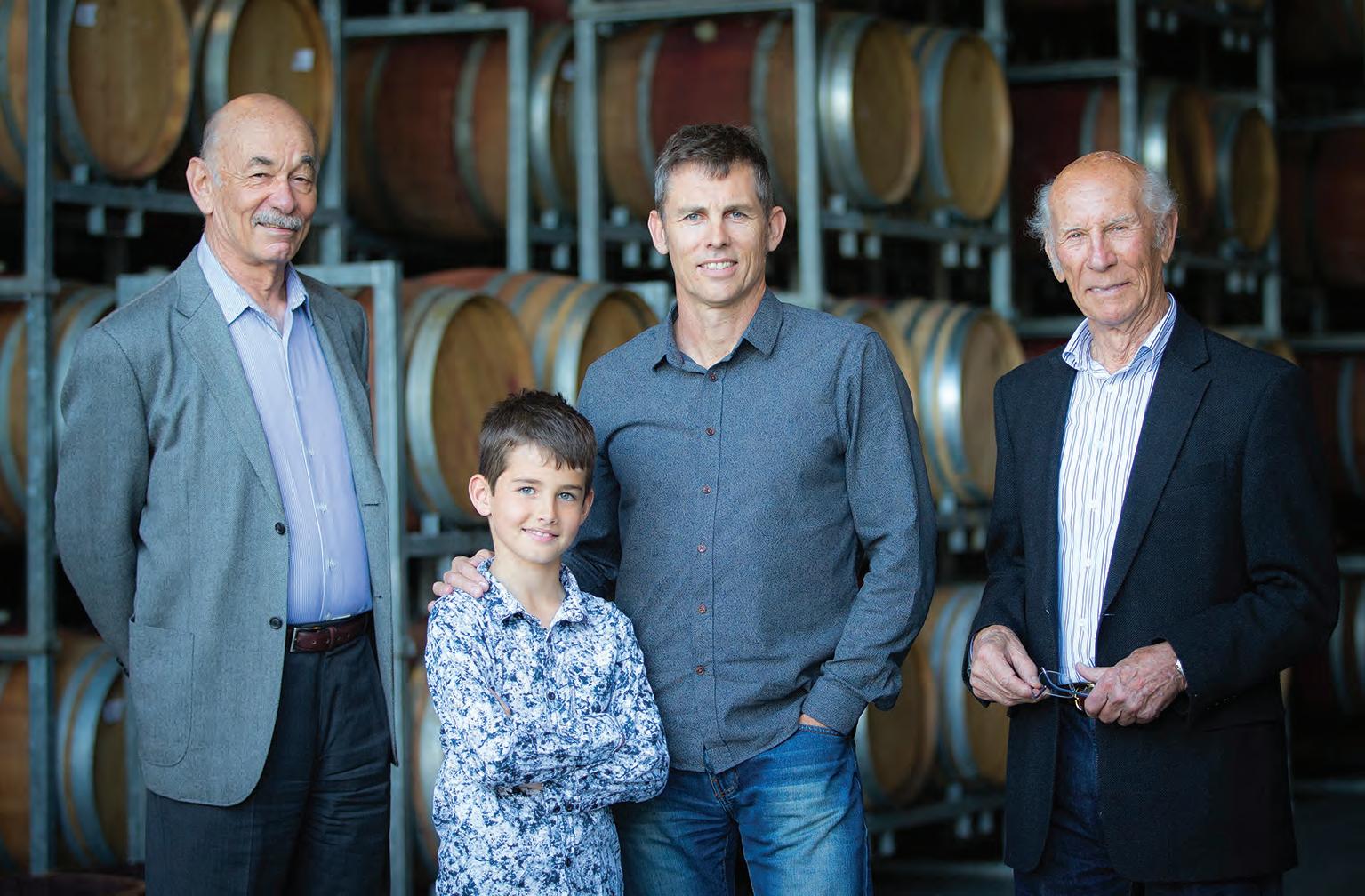
The resultant wine won a few international awards and our distributors wanted ten times what we could supply. Dad started cold calling farmers-turned-grape growers in Marlborough and managed to convince a young Murray Gane to grow some grapes for us; his neighbour David Pigou was close behind. Peter Rose and (the late) Jim Rose joined this small group of growers a few years later.
Through the 1990s it was a common thread of discussion to consider whether the music would stop on Marlborough Sauvignon Blanc. We know now that
it didn’t, but that wasn’t at all clear at the time. Demand from distributors continued to grow and like many we struggled to supply. We purchased our first Marlborough vineyard, Wakefield Downs in the Awatere Valley, in 1997, and kept up a steady stream of vineyard acquisitions and developments over the following 25 years. We also invested in winery infrastructure to process the grapes and make the wine, before sending it north to Henderson for bottling.
The impact of Marlborough Sauvignon Blanc on our industry and on our own
business has been nothing short of remarkable. My grandfather Joe died in 1984, and I often reflect on how he missed seeing “what happened next”.
Like my brothers and cousin André, I grew up on Babich Road, and the winery and vineyard were the playground. I was interested in winemaking, so once I completed high school, I headed off to Australia to do the Roseworthy College Bachelor of Applied Science in Oenology. This was in 1987, before a winemaking qualification was available in New Zealand, so it was where all the budding
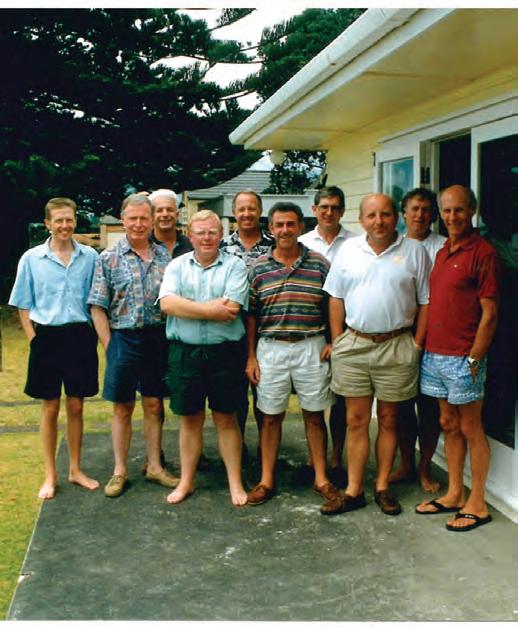
Kiwi winemakers went. I survived (it was reasonably wild in the late ‘80s) and came home to commence work in the winery, which I did mainly dragging hoses around for a couple of years. I determined that I should go back to university (Auckland) to study commerce and eventually re-enter the company, but on the business side. This took a while, as following completion of the degree I landed a job in pharmaceuticals. Seven years later, with considerably more experience, I rejoined the business and started to learn how this place ticked.
Working with Dad and Joe was great. There was none of the succession angst that can occur in a business undergoing generational transition. They were constantly handing responsibility over but were always there for guidance. The transition from them running the business to me running it was so smooth that I hardly noticed, but by 2010 it became apparent (to me) that I was in charge.
There has been a remarkable amount of change over the past 25 years; of course, the scale of business has changed and the number of markets we sell to has grown. In 2018, my cousin André (Joe’s son) stepped away from a couple of decades of investment banking to join us in the business. Briefly there were four Babich family members involved and we had a broad cross section of skills and experience. This came to an end with Joe losing a battle with cancer in 2022 and Dad ultimately succumbing to a head injury following a fall, passing away in 2025. Collectively, they had actively served the business for 135 years and were in the front row to see the transition of our industry from the old industry to the modern one.
In spite of a lot of current headwinds, we remain positive about our fortunes and those of our industry, and we look forward to continuing growth. There are early signs of additional family involvement as well, with my son Peter recently completing a second winemaking vintage in Marlborough as he studies towards a Bachelor of Commerce.

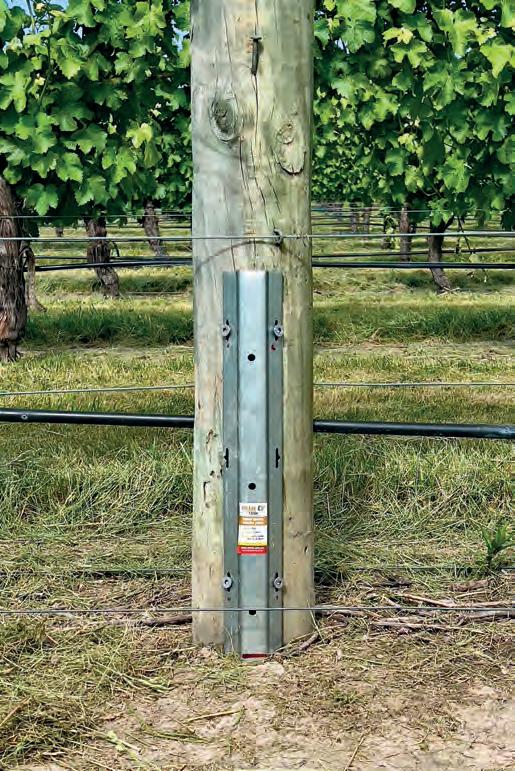

Ocloc V is an inexpensive fix for broken wooden posts
Keeps existing posts in the ground acting as a secure repair
Single pass repair, no wire removal required
The departing La Niña provided several rain-related headaches to parts of New Zealand during April, with the upper North Island and Wellington regions receiving the brunt of late season storms. Hawke’s Bay and Marlborough received quite moderate rainfall through April, with 109mm at Fairhall (Marlborough) and 117mm at Maraekakaho (Hawke’s Bay). By contrast, the rain struggled to move into the central South Island, and North Canterbury only received 47mm of rain during April. Severe late season frosts affected Central Otago, with temperatures dipping close to -3C at Gibbston Valley and -4C in Bendigo on 23 April. The wild weather that punctuated the rainfall and temperature stats through April has departed as high pressure moved in late in the month and has continued through much of May.
El Niño appears to be in quite a hurry to arrive. The early predictions of a
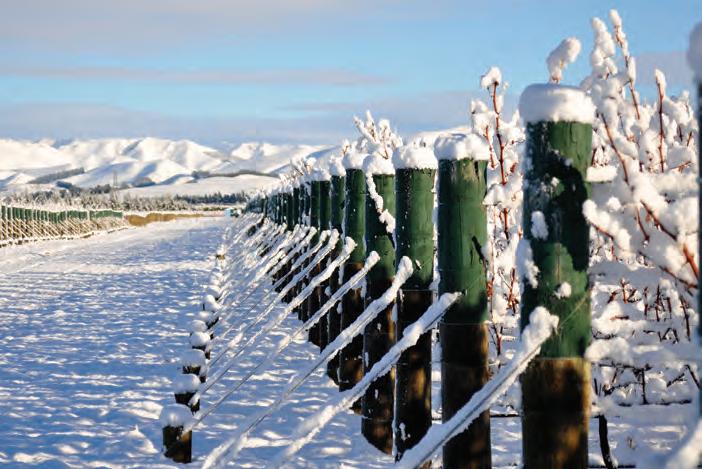
“Super” El Niño are still on the table as climate scientists highlight the severity of previous early arrivals (1877, 1982, 1997). El Niño usually arrives in late spring or early summer and was given its name by Peruvian sailors who had first observed the phenomenon during the 16th century, most prevalent during the Christmas period. The remarkable departure of La Niña and the
fast warming sea temperatures along the Pacific Coast of South America are pointing to a much earlier and potentially stronger than usual arrival of El Niño.
Another climate driver that has quite an influence during El Niño is the Southern Annular Mode (SAM). When SAM is considered to be in a negative phase the belt of westerlies that circle Antarctica push
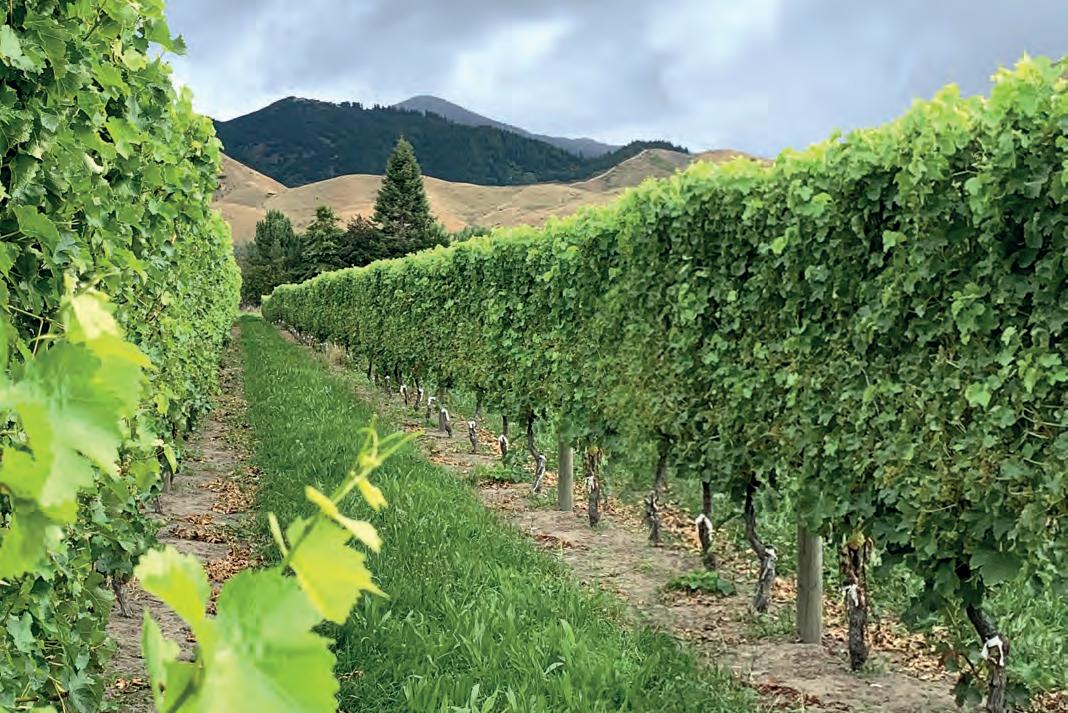
Mycorrcin – to boost soil microbes that increase root growth and nutrient uptake

further north and intrude into the latitudes where New Zealand is located. This often exacerbates strong westerlies and dry spells in eastern parts of the country. A positive SAM has the opposite effect and the westerlies contract further south towards Antarctica. Since mid-January the SAM has been generally in a positive phase, but there has been a trend back to a more neutral position through late April. The Madden-Julian Oscillation is likely to bring low pressure north of New Zealand during the first half of June and could make for some unsettled weather at the onset of winter.
The early arrivals of El Niño:
1877-78: This event is widely regarded as one of the strongest events since reliable measurements began and is accepted as being responsible for widespread drought and famine across much of India and China. New Zealand was affected by strong southwest winds and drought in the east.
1982-83: This was a significant event for New Zealand and Australia, with both countries suffering from drought and wildfires. New Zealand experienced a very windy summer with the temperature in Wellington only reaching 25C. Hawke’s Bay river flows were significantly reduced as drought affected much of the east coast of the North Island. Temperatures over the lower South Island were well below average at times, especially in Southland.
1997-98: This event once again led to drought east of the main divide, especially again about Hawke’s Bay. Temperatures were milder than the 1982-83 event but a rare Föhn over Hawke’s Bay on the night of 2 July 1998 led to the temperature rising to over 21C at Napier Airport at midnight!
Outlook for June and July:
Gisborne/Hawke’s Bay
Temperatures should remain near average through early winter and conditions are likely to be generally sunnier and drier. The positioning of high pressure through June may have some influence on a weak southeast flow that could bring cooler and cloudier conditions at times, and there is an increased risk of unsettled conditions during the first half of June.
Wairarapa
Mean temperatures remain close to average but may dip below average during July with cooler nighttime minimums. Westerly winds may increase in frequency during the second half of July. Rainfall totals are near or below average from mid-June onwards.
Nelson
Temperatures are likely to run close to or below average, mainly due to anticyclonic conditions which will support colder nights and more frost from mid-June onwards. Rainfall totals are likely to run below average but any systems that emerge from the west could bring some rainfall to the upper South Island.
Marlborough/North Canterbury
Mean temperatures remain close to or below average. Again it is likely that overnight temperatures will run below normal with a higher than usual frequency of frost. Rainfall totals are likely to run below average, especially later in June and through July. Sunshine totals are likely to run above average.
Central Otago
Mean temperatures are likely to run below average and there is an increased frequency of frost. Rainfall totals are likely to be mainly below average but could increase in the far west later in July if the westerly flow starts to become prevalent.
James Morrison runs Weatherstation Frost Forecasting: weatherstation.net.nz
Grapeworks NZ is the proud distributor of Scharfenberger Europress & crushpad equipment, along with the Alfatek bottling range, providing customised solutions for the wine and food industries.
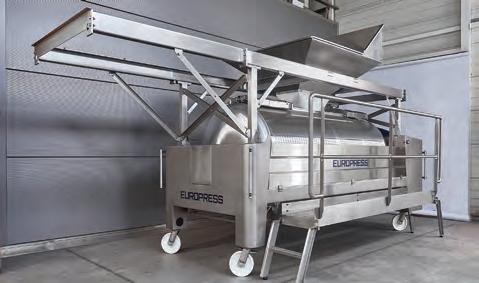
Choose from the Europress open, closed or vertical basket press models, ranging from 1hL to 320hL.
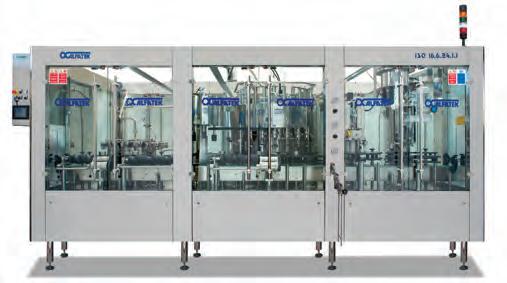
The Alfatek range offers premium customised bottling lines with capacities from 800 - 18,000 bottles per hour.
Contact Dean to discuss the range and solution to suit your production requirements. 04 390 3577 info@grapeworks.co.nz Grapeworks.co.nz
Taking NZ wine to the world: Bringing the world to NZ wine
Advocacy on matters of vital importance to the industry

Advocating for winegrowers on the international stage
On behalf of New Zealand Winegrowers, Sarah Wilson, General Manager Advocacy and General Counsel, attends different international bodies related to wine. These organisations play an important part in engaging on and understanding global regulatory requirements that affect grape growing and winemaking.
I recently returned from attending meetings of three different international organisations that are important for our sector. Having NZW’s voice heard in these international bodies is important in multiple ways – it allows us to advocate for our members, allows us to understand what is happening around the world, and to keep our members informed (including by helping us to prepare our guidance documents like our labelling and winemaking practices guides). In April, I attended meetings of each of the following organisations:
Organisation of Vine and Wine
The OIV is an intergovernmental organisation with 51 member countries, including New Zealand. It is a scientific and technical body focused on grapes and wine. The OIV’s work is particularly significant because its resolutions may be picked up by regulators and implemented in domestic legislation. For example, certain resolutions regarding winemaking practices are adopted by the European Union. The organisation operates
based on consensus, which means it moves slowly, and projects may take years to pass through the system.
I attend the meetings twice yearly. I also sit as the Vice President of the Commission on Law and Economy, and as a member of the Scientific and Technical Committee.
The Ministry for Primary Industries and Ministry of Foreign Affairs and Trade also attend the meetings to help represent New Zealand’s interests. Current OIV topics are wide ranging, but include health information on labelling, sustainability, no and low alcohol wines, limits on the use of dimethyl dicarbonate, and classification of tannins.
The WWTG is a group of nine member countries, who agree to accept each other’s winemaking practices. This means that a wine made in New Zealand can be exported to any other OIV member country – including some of our largest export markets like the United States, Canada and Australia. The group includes both government and industry representatives, and also provides a helpful channel for discussion on other topics related to wine trade in other markets.
I co-chair a Sustainability Working Group, which is considering the interaction between sustainability and trade, and monitors different sustainability regulations globally.
A representative from the EU attended the most recent meetings in Brussels, to provide an update on EU wine trade and answer questions.
New Zealand Winegrower magazine goes to every levy-paying vineyard and winery in the country, with 2,500 magazines sent out every two months, sharing stories that reflect and inform New Zealand’s wine industry.
To get your business in front of the people who research, grow, make, market and sell New Zealand wine, email our advertising team at salesteam@ruralnews.co.nz Read it online at nzwine/en/media/nzwm
The International Wine Federation FIVS is an international industry association for wine. Its membership includes trade associations and companies from the global wine industry, which discuss trade and regulatory matters impacting the sector. FIVS also has observer status as an OIV and at Codex Alimentarius, so it can attend meetings on behalf of other international organisations and present the global industry’s position. I also sit as a Vice President of FIVS. FIVS recently attended Codex meetings related to wine additives and alcohol labelling.
Other international bodies
There are other international bodies which are not wine-specific, but can impact on wine. We monitor and engage with these organisations in a variety of ways (eg public consultations, by providing information to the New Zealand Government, or through FIVS).
Into the future
International engagement plays an important role in understanding and influencing global standards that will directly and indirectly impact New Zealand. Whether you grow grapes, make wine or both, produce for the domestic market, the international market or both, these organisations can impact on the requirements that apply to you. If you have questions about the work any of these organisations is doing, please get in touch:
sarah.wilson@nzwine.com

Following the New Zealand Winegrower Rule changes in 2025, this year all NZW members get to vote on the election of:
• Three Member Class directors; and
• Three Levy Class directors to the NZW Board.
The Board’s role is to govern and provide strategic direction to NZW, as your national industry body. As part of this, it directs the spending of your levy money – so it is important that you get involved. NZW members can stand for the Board and vote on who makes it onto the Board – both are very important.
What is this year’s NZW election for?
Last year, members voted to change the Rules following the review of Governance, Representation and Levies. Previously the Board had 10 elected members; however, moving forward, the Board will have six elected members:
• Three directors elected by members on the basis of one vote per member (“Member Class” directors). For this first election only, Member Class directors appointed at the 2026 election will hold office until 2028, to align the Board with the previous election cycle (in the future, they will serve a four year term).
• Three directors elected by members on the basis of one vote for each dollar of levy paid by that member (“Levy Class” directors). Levy Class directors will hold office until 2030. Under the new Rules, the Board will also appoint three independent directors. To aid a smooth transition into the new Board structure, the current Board appointed directors will remain on the Board until 31 December 2026.
Who may stand as a candidate?
To be nominated as a candidate, a person must be appointed by any NZW Member to exercise its voting rights (ie a Member Representative). In addition, they must not be prevented from being a director under any applicable law or rules. Though this is a dual class election, you may only run in one
election category (ie. Member Class or Levy Class – you cannot run for both).
All eligible Members can stand for election. However, given the complexity of the role, Members with governance experience and/or who are prepared to develop their governance skills, are encouraged to stand for election. Members who bring strong financial analysis skills and the ability to think long term and strategically are also encouraged to stand.
Nominations will be open from 8 July to 14 August. More information, including how to nominate a candidate, is still to come, but now is the time to start thinking and talking to your colleagues:
• Who do you want to represent your industry’s interests?
• Who is good at seeing the bigger industry picture, and asking perceptive questions?
• How can we ensure the Board reflects the diversity of our membership?
• Who do you know that you might want to nominate?
• Are you interested in standing yourself? If so, will you stand as Member Class or Levy Class?
What is the commitment required to be on the Board?
The Board meets six times a year for around a day. Each director is also expected to serve on Board Committees. The most important requirements of candidates are that they care about the future of the industry and are prepared to contribute their skills, experience and perspectives. Directors are expected to work in an open-minded way with other directors

for the benefit of the industry, not their particular interests.
What are the next steps?
There is lots of time until the election, with voting to take place from 14 to 25 September. It will be run by electionz.com, an independent election management services company who have run many of NZW’s previous elections.
NZW will be publishing further information to keep you updated, but it’s never too early to begin thinking about the election, and who you want to govern your national body. Get involved!
If you would like further information, please contact the NZW Advocacy Team at advocacy@nzwine.com. The ‘Dual Class Directors Election 2026’ will also be regularly updated – find this on the NZW members website under ‘Governance’ (a subsection of ‘About Us’).
2026 Dual Class Election Key Dates
Nominations open
Nominations close
Wednesday 8 July, 10am
Friday 14 August, 12pm
Members advised of candidates Thursday 27 August
Voting opens
Voting closes (with results announced promptly after)
Monday 14 September, 10am
Friday 25 September, 12pm
Tim Towers
Responding to the yellow legged hornet incursion in Auckland
In March 2026, the Ministry for Primary Industries, with the help of the Government Industry Agreement partners, issued a time-sensitive request, seeking staff who could assist with the ongoing yellowlegged hornet (Vespa velutina) response. I volunteered, spending eight days assisting on the ground, as part of a team of more than 30 contractors and volunteers across the greater Auckland region. University students, industry volunteers, local and national staff members and retired enthusiasts came together and were trained and supported by a pavilion of MPI staff and existing personnel. Our task: to deploy Vespex baiting technology, as part of efforts to detect and suppress yellow legged hornet activity in Auckland’s North Shore. What follows is my perspective on being part of that response and its broader significance within New Zealand’s biosecurity system.
A moment that demands focus
Biosecurity responses rarely arrive with fanfare. In the case of the yellow-legged hornet, the initial notification was precise, and technical, while still relaying a sense of urgency. The request for extra assistance highlighted that the yellow legged hornet is not just another intercepted insect, but recognised as having a substantial impact on biodiversity, apiculture and public safety. From the outset, the response was framed around two equally important priorities: moving quickly to assess and contain new queens and nests; and ensuring the actions taken were deliberate, evidence based and proportionate. Acting too slowly risked the possibility of drawing out the response. Acting without care could undermine public trust.
Working within a coordinated response
My role sat within a wider, coordinated response that involved different stakeholders, technical specialists, and operational teams. Every role was fundamental to that of someone else’s. Responses such as this require integration between field surveillance, diagnostics, communications and decision makers.
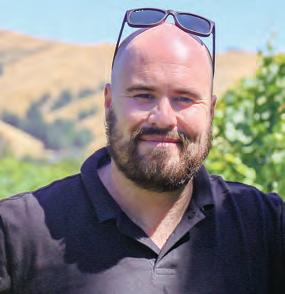
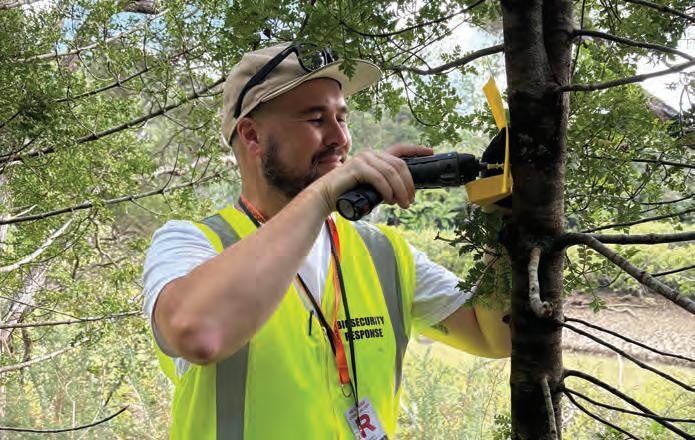
Morning discussions were practical and focused. Up-to-date information was shared, team morale was lifted and maintained, health and safety highlighted, and the goal of the response was understood. If there were gaps that existed in knowledge, equipment or technology, leadership confidently and calmly placed the emphasis on understanding them rather than rushing to conclusions. I was struck by how quickly teams mobilised and how clearly everyone understood their responsibilities. That clarity doesn’t happen by accident – it reflects a certain degree of planning, training, and previous experience responding to other biosecurity threats.
Any response involving a potential public safety risk also has a strong community dimension. Aucklanders were not just observers; they were part of the system. Reports from the public, access to sites, and cooperation with surveillance activities were essential components of the response. Balancing transparency with caution was critical. People deserve clear, accurate information – especially when an insect can generate understandable concern. The role we undertook was to present clear and precise information while in a public facing response – showing respect and professionalism.
Events like the Auckland hornet response are a reminder that biosecurity is not abstract. It is practical, place-based about protecting ecosystems, industries, and communities – not just now, but into the future. For those of us working in biosecurity related roles, this work can be intense and, at times, invisible. But it matters. I valued being able to see stakeholders like MPI, industry and the community working together. Rather than a slideshow and an email, it brought tangible and daily appreciation to my role and that of the other people on the ground.
As the Auckland response continues to progress, it is important to recognise that biosecurity is a long game. Immediate actions are only one part of a broader effort that includes learning, adaptation, and continuous improvement. For me, being involved in this response reinforced why preparedness, trust and collaboration are essential. No response is perfect, and no situation is ever completely predictable –but professionalism, respect, and shared purpose make a long-lasting difference. I am proud to have contributed in my own way and equally mindful that the work is ongoing.
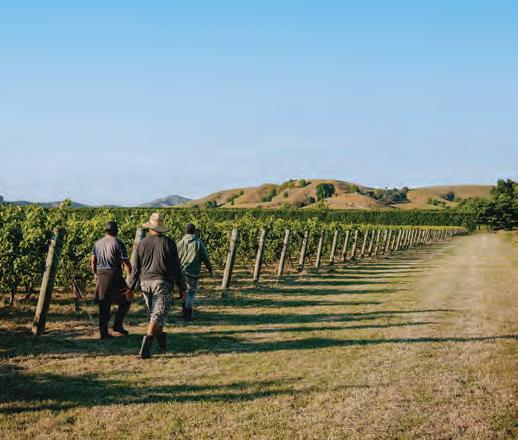
Bragato Research Institute leads quality research and innovation that enables the New Zealand wine industry to thrive. This regular feature informs and updates the wine industry on research projects being undertaken for its benefit. When completed, each project report will be shared in full detail in the Research Library on nzwine.com.
BRI conducts research in-house and collaborates with other research organisations. The main research provider for each project is listed below. Updates are provided on the highlighted projects in this supplement.
Vineyard innovation
Next Generation Viticulture Programme
Bragato Research Institute
Evaluation of the short-term impact of remedial surgery on grapevine trunk disease and vineyard sustainability
Linnaeus, SARDI, Sutton McCarthy
Rapid early detection of powdery mildew using VOCs to enable better control solutions
Scentian Bio
Elemental sulphur persistence on grapes and mitigation strategies
Lincoln University
Increasing financial sustainability of Chardonnay in Hawke’s Bay through long spur pruning
Eastern Institute of Technology
Long spur pruning as an alternative for Marlborough Sauvignon Blanc
Bragato Research Institute
Grapevine improvement
Sauvignon Blanc Grapevine Improvement Programme
Bragato Research Institute,
Bioeconomy Science Institute, Lincoln University
Graft-derived drought tolerance: identifying and functionally characterising graft-transmitted elements
Bragato Research Institute
RNAi Virus Relief
Bragato Research Institute
Incorporating genetics and epigenetics into the Central Otago Pinot Noir trial
Bragato Research Institute
Winemaking innovation
Exploring reductive aromas in Pinot Noir
University of Auckland
Single Vine Wine
Bioeconomy Science Institute
Innovation in bulk wine shipping
Bragato Research Institute
Assessing the effectiveness of winemaking ingredients for the production of no and low alcohol wines
Bragato Research Institute
Sustainable winegrowing
Carbon Calculator
Bragato Research Institute
Evaluating water use efficiency and drought tolerance of various rootstocks grafted to Sauvignon Blanc
Bragato Research Institute
Insect frass in viticulture – Assessing the potential of a circular solution
Bioeconomy Science Institute
Engineered containment solutions for safe temporary storage of grape marc
Bragato Research Institute
Waste to treasure: using novel chemistry to valorise residual plant material
University of Auckland

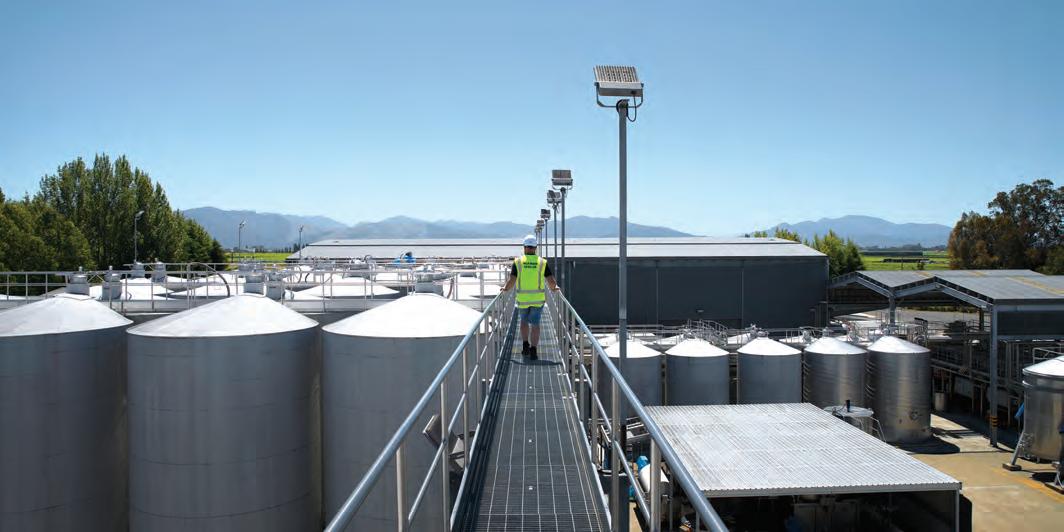
New Zealand Sauvignon Blanc is an export success story, with the wine style loved around the world. Due to our distance from our export markets at the bottom of the Pacific, shipping unpackaged wine and bottling in the destination market has become mainstream in little more than a decade. Recent industry data shows that since 2024, a greater volume of New Zealand wine has been exported in bulk format than bottled at source. However, New Zealand aromatic wines such as Sauvignon Blanc rely on fragile volatile compounds that are highly sensitive to oxygen exposure and temperature variation. As bulk shipping volumes continue to increase, the industry’s challenge is not whether bulk shipping can work, but how it can be managed consistently and predictably so that wines land in the market in the same condition they left the winery.
Bragato Research Institute has recently undertaken a literature review to consolidate current knowledge on the preservation of quality and style when shipping unpackaged wines in bulk, provide recommendations for
best practices where appropriate, and identify knowledge gaps for further research. This article summarises the findings.
What is bulk shipping?
Bulk shipping is the physical movement of unbottled wine between origin and destination using specialised containers designed for liquid cargo transport. The defining feature is that the wine is shipped in large liquid volumes rather than consumer-ready units, such as bottles. Two container types dominate bulk wine transport: ISO tanks and flexitanks. ISO tanks are reusable stainless steel vessels offering excellent inertness and very low oxygen transmission, but they require cleaning and repositioning, which can limit availability and increase cost. Flexitanks are single use polymer bladders fitted inside standard shipping containers and are now the most common option for wine. Modern flexitanks incorporating EVOH (Ethylene-vinyl alcohol copolymer) barrier layers have dramatically improved oxygen performance compared with earlier designs and
have become a viable option even for sensitive white wines, provided specifications are understood and respected.
Who uses bulk shipping?
The New Zealand wine industry comprises a wide range of producers, from large corporate organisations to smaller boutique producers, with varying approaches to export logistics and bulk shipping adoption. Preference for bottled versus bulk shipping is not consistently correlated with the size of the producer and is more likely to be informed by their preference for maintaining control over the wine being transported under their brand name.
Once wine leaves the winery in a tank or flexitank, responsibility for its handling and final presentation is shared with logistics providers and bottlers overseas. For many producers, particularly smaller wineries, the perceived loss of oversight can feel uncomfortable. At the same time, other exporting countries such as Australia and South Africa have successfully implemented large-
scale bulk shipping programmes, demonstrating the commercial viability of the model and creating competitive pressure for New Zealand producers.
The benefits: emissions reductions and flexibility
Packaging is the most significant contributor to winery greenhouse gas emissions. Shipping wine in bulk can significantly reduce the carbon footprint per litre by eliminating glass weight and associated transport, as well as reducing costs. However, Flexitanks and ISO tanks each carry their own sustainability considerations, from recyclability to repositioning requirements. Expanding system boundaries to capture emissions beyond the winery gate will be essential if the industry is to make informed comparisons between shipping options.
“A coordinated research effort tracking wines shipped in bulk and bottle side by side, across different routes and seasons, would provide invaluable insights to New Zealand producers.”
Shipping bulk volume instead of finished product also separates production decisions from final market packaging. This flexibility is increasingly valuable in volatile markets where products may need to be redirected, blended, or bottled under different labels depending on demand. Export markets such as the United States and the United Kingdom now have sophisticated bulk receiving and bottling infrastructure, making in market bottling an established part of the supply chain rather than a risk laden experiment.
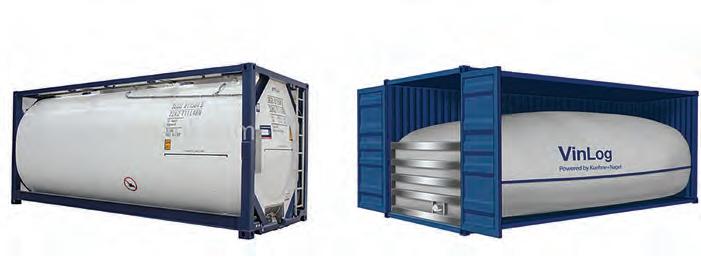
The risks: oxidation and temperature
Oxidation remains the single greatest technical risk identified across the literature. Oxygen exposure during filling, through headspace, or via slow ingress over time consumes free sulphur dioxide and drives colour changes, aroma loss and premature ageing. Best practice in bulk shipping mirrors best practice at bottling: wines should be microbiologically stable, transferred with minimal turbulence, filled at moderate temperatures and handled under inert gas wherever possible. Measuring and managing dissolved oxygen close to the date of dispatch is critical, not only to minimise risk but to provide data that can be reviewed against arrival analyses in the market.
The concept of total package oxygen, well established in bottled wine, is increasingly useful for bulk shipments. By considering both dissolved oxygen at loading and the oxygen transmission rate of the chosen vessel, winemakers can make informed decisions about protective additions and anticipate changes during transit. While there is no single predictive model suitable for all wines, understanding oxygen exposure in quantitative terms is far more effective than relying on generic sulphur dioxide targets.
Temperature is the second major risk factor. Extended exposure to temperatures above 25C, or short spikes above 40C, is known to accelerate chemical reactions that damage wine quality and reduce the effectiveness of antioxidants. Bulk shipments benefit from greater thermal inertia than bottled
wine, which helps buffer short term fluctuations, but they are not immune to heat stress. Shipping routes from New Zealand typically cross the equator and often involve port stops or trans shipping hubs where containers can be exposed to significant ambient heat.
Options for temperature management range from refrigerated containers to insulated liners and strategic routing choices. While full refrigeration adds cost and emissions, insulating liners and careful booking practices can offer meaningful protection at a more moderate price point. Research also shows that most extreme temperature fluctuations occur during land transport rather than at sea, highlighting the importance of end to end logistics planning rather than focusing solely on the ocean leg.
Other considerations for wineries using bulk shipping
Sulphur dioxide management during bulk transport requires particular attention. Free SO2 levels consistently decline during shipping as oxygen is absorbed and bound. The rate of this decline varies widely depending on wine chemistry, vessel choice, temperature and duration of transit. There is currently no New Zealand specific model to predict sulphur dioxide loss in bulk shipments, reinforcing the importance of conservative setpoints at dispatch and follow up analysis on arrival. The aim is not to maximise additions, but to ensure that wines arrive with sufficient protective capacity to be safely handled and bottled.
Other additives may have a role under specific circumstances. Ascorbic acid can provide additional oxidative protection for white wines when oxygen exposure is very low, but it must be used cautiously and always in conjunction with adequate sulphur dioxide. Dimethyl dicarbonate is widely used as a microbial control aid for bulk shipments, particularly for wines containing residual sugar, while potassium sorbate may be appropriate for certain styles if microbial risks are well understood and managed. Across all cases, prevention of instability before shipping is more reliable than correction after arrival.
Residual sugar, filtration status and redox balance all interact during bulk transport. Wines with elevated residual sugar carry a higher risk of refermentation and microbial spoilage, particularly if temperature control is inadequate. For this reason, sterile filtration at loading is widely regarded as standard risk management practice for bulk wines, even if it would not otherwise be applied to the same
wine bottled at source. Shipping unfiltered wine in bulk remains poorly documented and is generally regarded as high risk.
One of the most prominent findings is how uneven the evidence base remains. Much of what we know about temperature effects, oxidation and closure performance comes from studies on bottled wine rather than bulk vessels. Research directly examining New Zealand wines shipped in modern flexitanks or ISO tanks is limited, particularly for Sauvignon Blanc. Emerging topics such as microplastic contamination, redox evolution in bulk formats and comparative performance between flexitank suppliers are also under researched.
For winemakers navigating today’s export landscape, bulk shipping can preserve wine quality very effectively, even for aromatic styles, when oxygen, temperature, microbiology and logistics are managed with intent.
Bragato Research Institute has launched a new Grower Trials initiative that places growers and viticulturists at the centre of the research process, focusing on answering real-world, applied research problems.
The initiative supports grape growers and viticulturists in testing new ideas or addressing practical challenges on their own vineyards. BRI provides funding and support to ensure the trials will yield results that can be shared with the wider industry.
Grower Trials are developed collaboratively between growers and researchers to ensure that trial designs are both scientifically robust and operationally realistic. BRI and other industry partners will support
participants throughout the project, for example with planning, trial design, data collection, and communication.
The trials should produce results that can be shared with the wider winegrowing community either regionally or nationally. Each trial will contribute to BRI’s knowledge transfer programme, with findings shared through relevant field days, workshops, presentations and written updates. The emphasis is on results that are accessible, practical and directly relevant to growers and winemakers.
Grower Trials complement the longerterm applied and blue-sky research funded through BRI’s contestable funding round each year.
The knowledge gaps lie not in basic understanding, but in the lack of New Zealand specific, real world data that would allow producers to move from risk management to prediction. A coordinated research effort tracking wines shipped in bulk and bottle side by side, across different routes and seasons, would provide invaluable insights to New Zealand producers. Until then, the best outcomes will continue to come from disciplined process control, close collaboration with logistics and bottling partners, and a willingness to treat bulk shipping as an extension of the winery, not a separate or lesser step in the supply chain.
This project was funded by the New Zealand Winegrowers levy and led by BRI. It reviewed and consolidated existing literature and resources on bulk wine shipping to identify knowledge gaps and potential directions for further research.
Several trials are already underway In Hawke’s Bay, work is focused on Chardonnay, with two trials in collaboration with the HBVine group and led by Chandre Honeth at Eastern Institute of Technology.
One trial is investigating the effect of harvest date on wine quality and style of Chardonnay, in light of increasing pressure from late-season weather events. By comparing wines made from early, mid and late harvest dates, this research aims to provide growers and winemakers with clearer guidance on balancing climate risk, fruit integrity and stylistic goals, helping the industry make more informed decisions for future vintages. A second Hawke’s Bay trial is exploring the relationship between yield and wine quality in
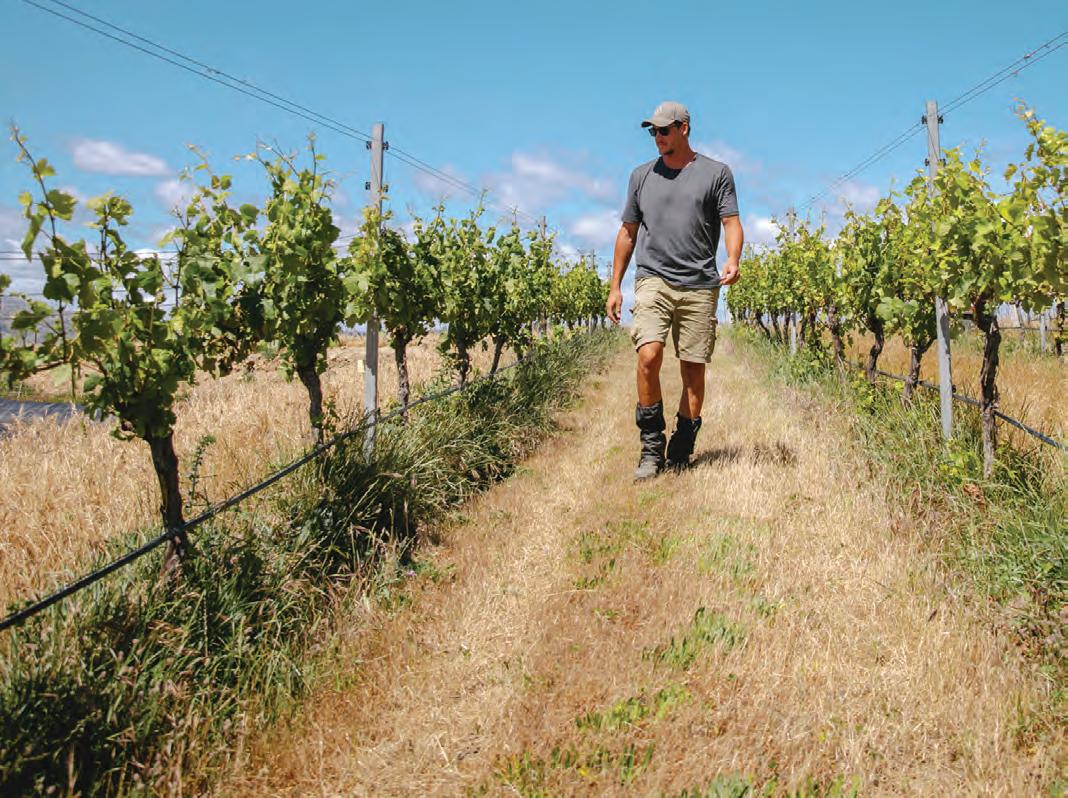
Chardonnay, challenging perceptions that higher yields are incompatible with super premium wine styles. This trial is testing this theory by manipulating vineyard yield and undertaking vinification, qualitative and sensory assessments of wines to better understand how yield decisions influence both profitability and quality. Both Chardonnay trial results will be shared at the Chardonnay Symposium on 17-18 September 2026.
In Marlborough, a grower led trial is examining the influence of root carbohydrate reserves on Sauvignon Blanc productivity. Concern about the effect of high crop levels in the 2025 vintage sparked the idea for this trial, run in collaboration with Marlborough Grape Growers Co-op and Stewart
Field at Nelson Marlborough Institute of Technology. The trial utilises agritech for high-throughput data capture, alongside traditional vine chemical analysis to match biological response to in-field measurements. It aims to inform growers on the impact of yield on the following season, and may highlight the influence of retained yield of vines in a low-input, mothballed or unharvested position.
Central Otago growers and winemakers are running a practical trial defining subregional expression in Pinot Noir. Led by COWA Enrich, fruit from two clones in each of the key subregions will be made into wine using a consistent protocol to ensure comparability. The wines will be bottled and assessed through structured tastings in Central Otago.
The work will provide a snapshot of how the subregion influences wine composition and style, supporting growers and winemakers with insights for blending, fruit sourcing, and regional storytelling.
BRI looks forward to sharing the results of these trials as they conclude later this year, increasing peer-to-peer learning and building a network of engaged viticulturists, growers, and partners. Further Grower Trials that align with BRI’s Research Strategy outcomes will be established in the coming seasons. If you are interested in hosting or contributing to future trials, please read more on bri. co.nz or contact info@bri.co.nz to discuss your idea.
The Government has recently released the National Fuel Plan 2026 to address fuel supply uncertainty arising from the conflict in the Middle East. In response, New Zealand Winegrowers (NZW) and the Bragato Research Institute (BRI) are developing practical resources to support growers in managing rising fuel costs affecting vineyards. This document outlines current fuel usage in vineyards1 and provides possible reduction strategies. Growers may want to reduce low priority activities immediately to reduce costs and consider reducing moderate priorities if fuel restrictions are introduced in future.
Using data from the BRI Carbon Calculator project, the fuel used to undertake various vineyard activities was collected across several sites and aggregated based on the frequency at which tasks are carried out (see Standard model vineyard below)2 Generally, fuel consumption is highest for those activities that require low operating speed and high PTO and/or hydraulic oil flow requirements, such as inter-row and under-vine cultivation. However, fuel consumption on a per hectare basis is more influenced by row spacings, single or multi-row equipment setups, and the frequency at which an activity is carried out. Over a season, the greatest fuel use is for canopy spraying (44%), mechanised canopy management (24%) and floor management (19%).
Prioritising activities can help growers achieve fuel reductions of 10, 20 and 30%. The balance between reduced fuel use and the risk to vine health and business viability will shift with the increased fuel reduction target, and so individual vineyards should consider their own context.
An example of priority activities and management techniques is listed in Table 1 below, and uses a prioritisation approach. Hi gh-priority activities include harvesting, protecting the crop from frost or disease throughout the growing season, and ma intaining the vineyard infrastructure. Low-priority activities are those that could be successfully reduced or delayed, such as mow ing n on-productive ar eas ar ound
ineyard.


Frost protection is a high-priority activity that uses a relatively large amount of fuel (approximately 25 litres per hour per fan). Nonetheless, not all frost protection is of equal importance, and there are some potential savings to be made depending on the risk appetite of the individual vineyard owner.
In autumn once harvest is completed, frost protection to keep the leaves on longer is unnecessary and should be treated as low priority. There is no tangible evidence that post-harvest canopy is required to ensure next season’s production.
Fuel efficiency depends on ensuring the correct setting of switch-on temperatures. Many frost machines have quick conservative (warm) switch-on temperatures. Damage typically doesn’t occur above -0.5 degrees C, yet most machines are set above +0.5 degrees. As an example, a 1° difference can be 3-4 hours of operation, using 25L per hour. If diesel supply is limited, this is an area where savings can be made.
A reduction in diesel by 10, 20 and 30% can be achieved using the framework above and defining priority activities and subsequently changing the frequency of tasks accordingly. Most passes are likely to occur during the growing season (SeptemberApril), except for mechanical pruning and mulching, which usually occur during winter, and maintenance, which is year-round.
Table 2. Modelled vineyard activities and fuel reduction s t rategie s – example activities.
*National Plant Protection Report 2024 (New Zealand Winegrowers)
This approach, where frequency of task is estimated based on typical practices, demonstrates that the choices made day to day in the vineyard can play an important role in conserving fuel. Meaningful reductions in vineyard fuel use are achievable through informed prioritisation of machinery operations and careful balancing of operational risk. By understanding where fuel is consumed, growers can target low- and moderate-priority activities for reduction without compromising crop health or business viability. While some high-priority activities remain essential, this guidance shows opportunities where fuel can be safely reduced while still keeping vines healthy and productive.
•This document was created from project BRI25-006 – Carbon Calculator, funded by the NZ Wine levy. More information on this project can be found here
• Vineyard benchmarking personalised reports on fuel use can be found here: Personalised Reports - New Zealand Winegrowers
•Information on the Fuel Response Plan 2026 can be found here