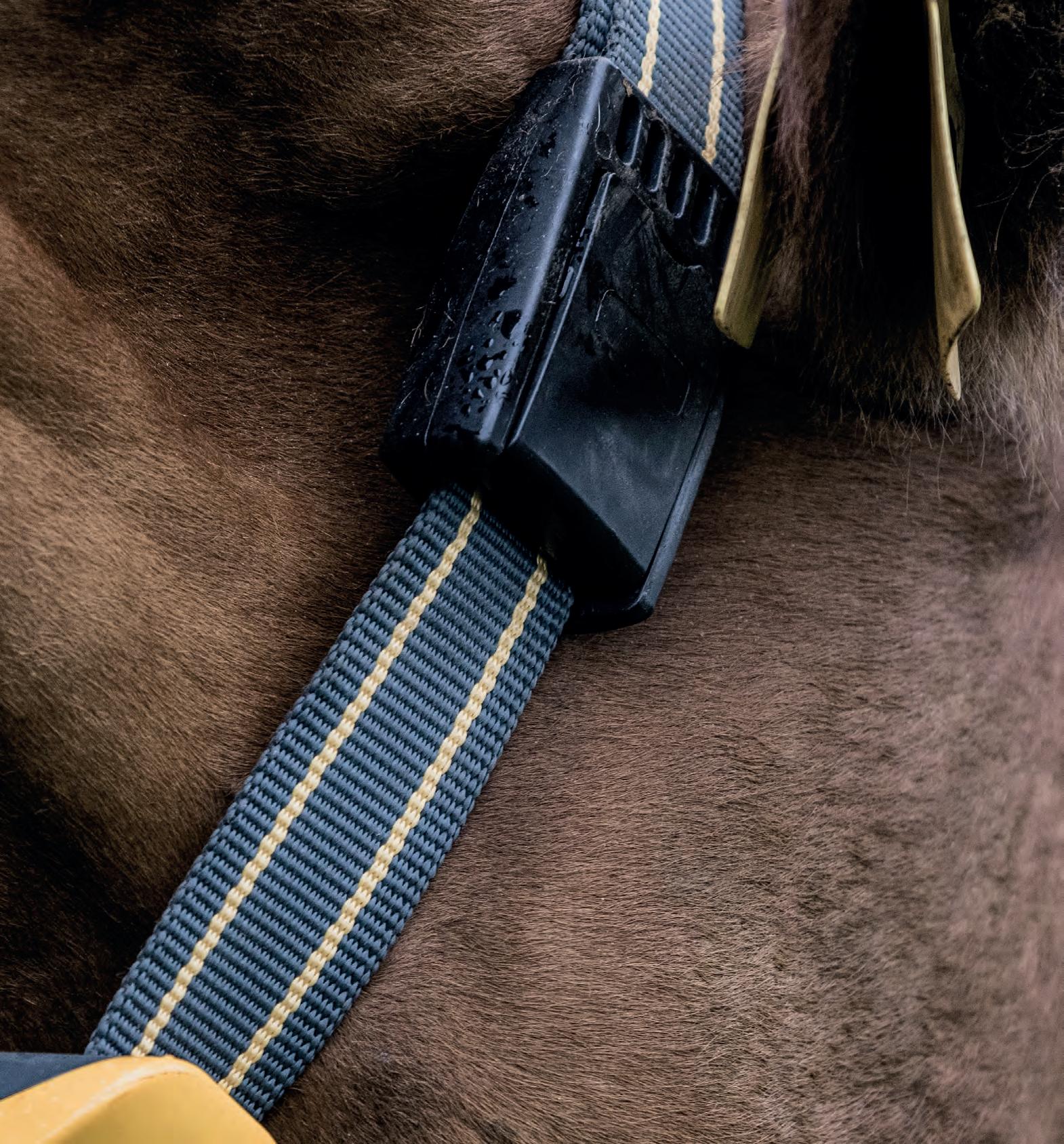
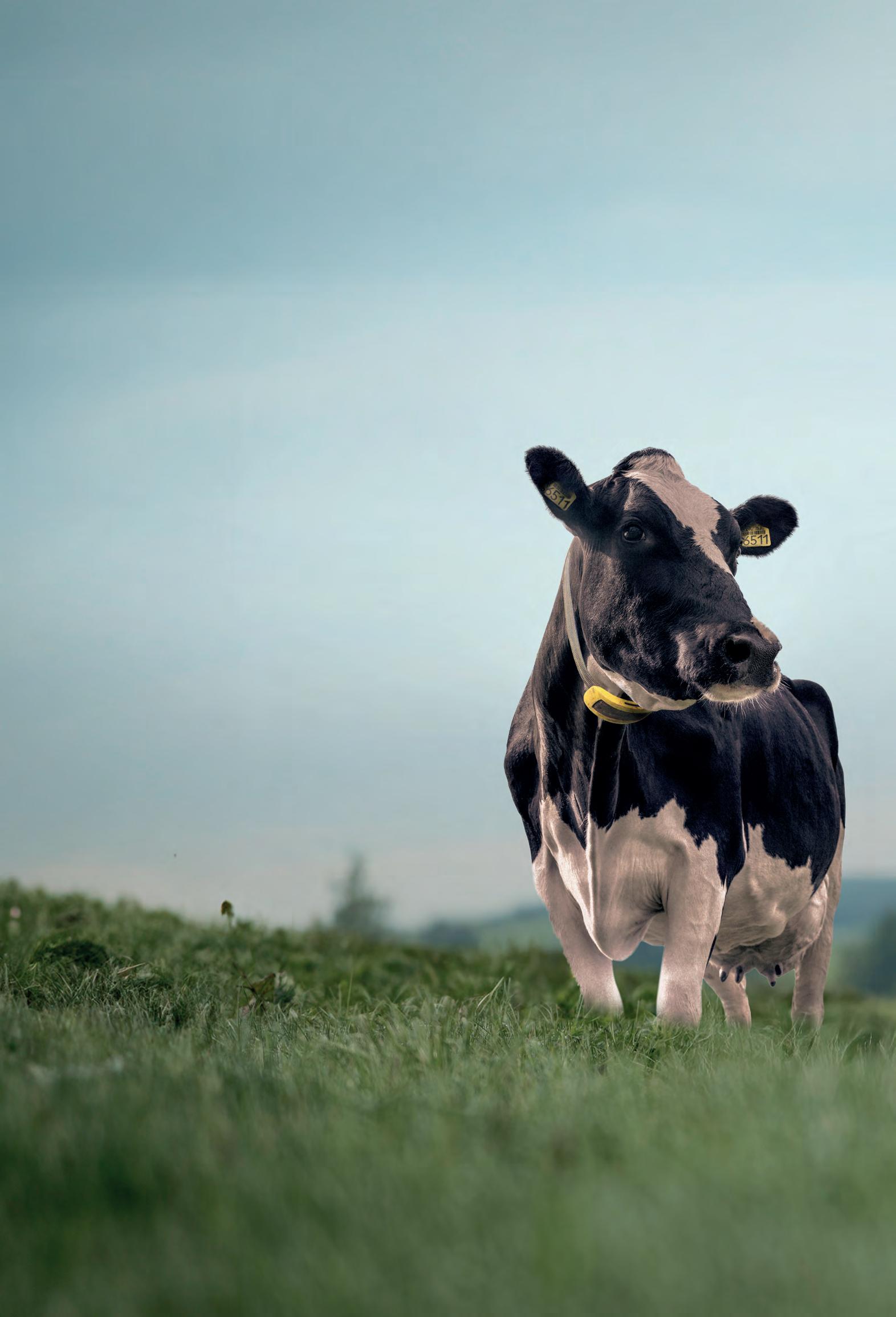
Don’t invest in cow collars until you’ve turned the page.
Will your choice of collar work for your farm, or just be an expensive necklace?
Choose the world-leading cow monitoring platform, built for dairy.
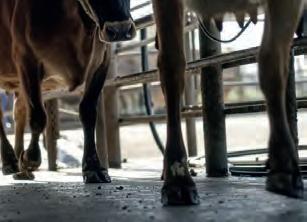
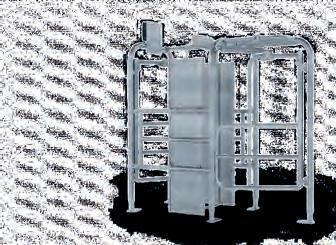
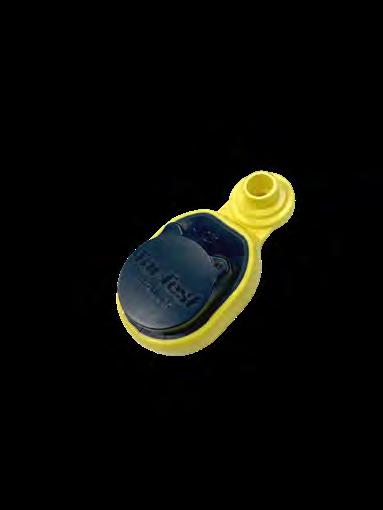
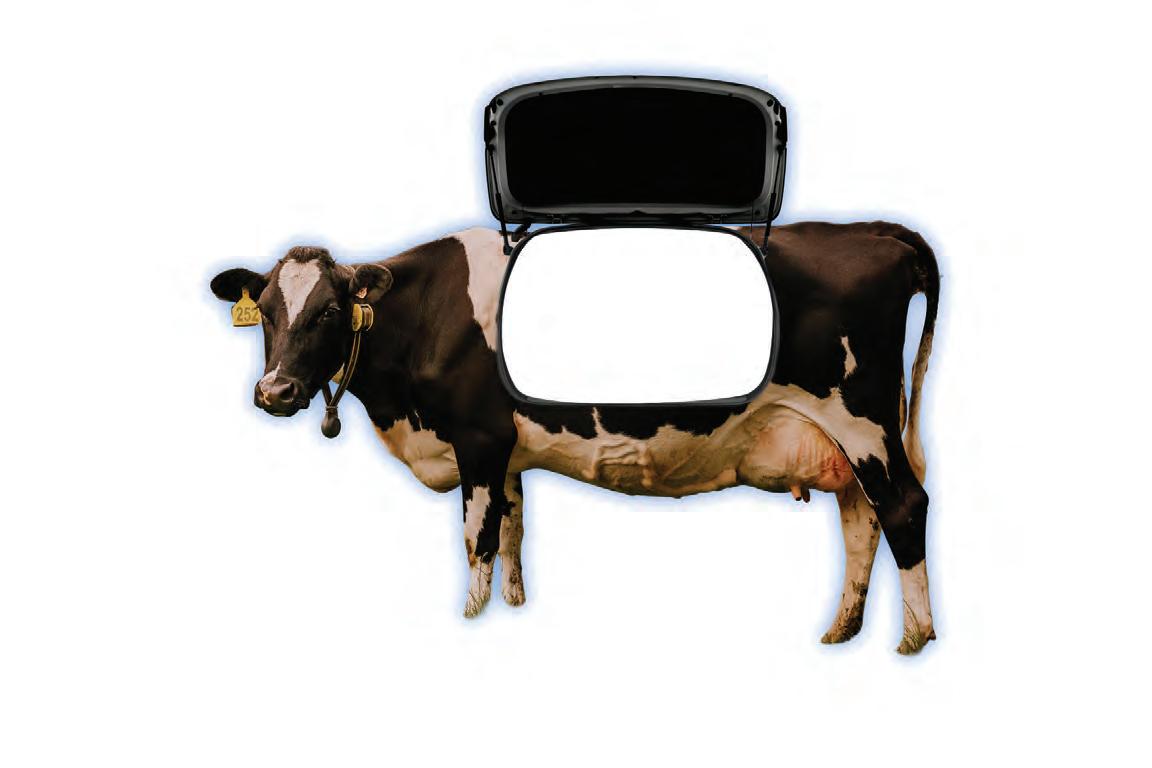
Adapting your farm around the technology, instead of the technology supporting your farm, is the challenge many dairy operations are facing. The world-leading Nedap cow monitoring platform is built differently: one integrated system combining behaviour monitoring collars with advanced vision and milk meter technology to track locomotion and production.
Every part is designed to work seamlessly together, delivering unrivalled accuracy and ensuring the system truly meets the needs of your operation. That’s why tens of thousands of farmers worldwide trust Nedap to monitor more than 8 million cows.
Start today. Grow tomorrow.
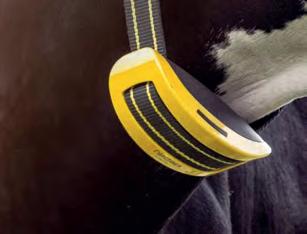
Start with the world’s lightest and most animal-friendly collars, with the longest battery life available. Then build from there. No switching providers, no starting over, just more capability built on the same foundation.
To learn more about Nedap’s cow monitoring platform, scan the QR code or search Nedap NZ
when a cow is on heat, off her feed or starting to go lame, with unrivalled accuracy.
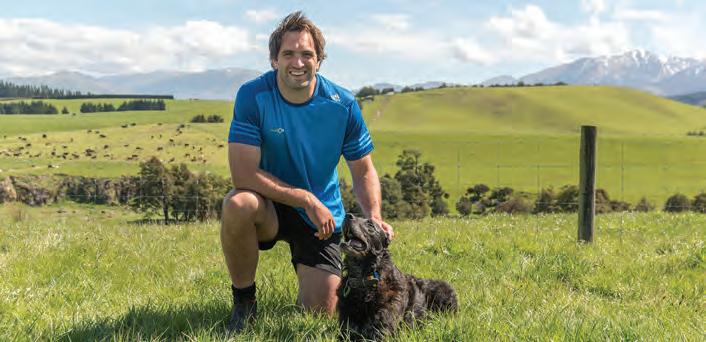
FARMSTRONG AMBASSADOR
Meet Sam at Fieldays. Page 14
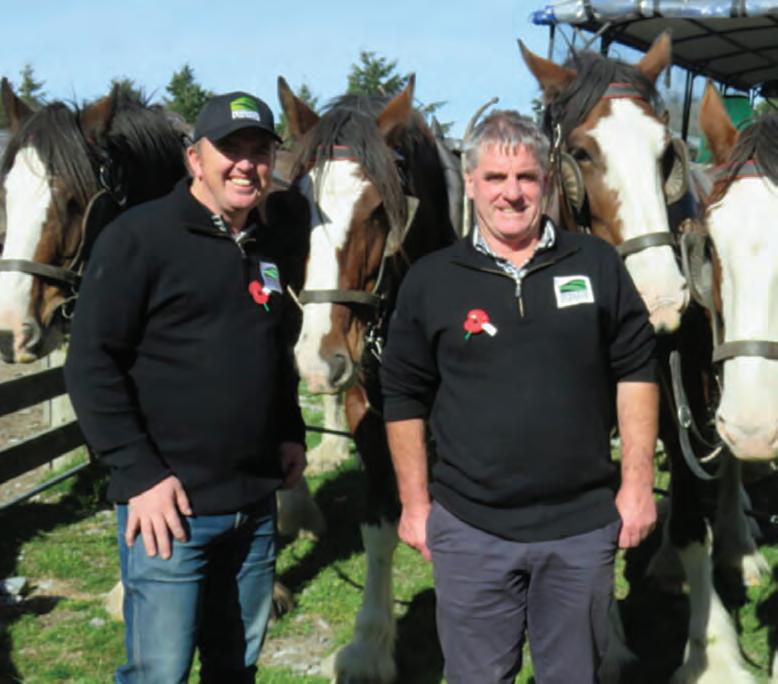
Farmgate milk price ‘could go either way’. PAGE 4 Federated Farmers president Wayne Langford and vice-president
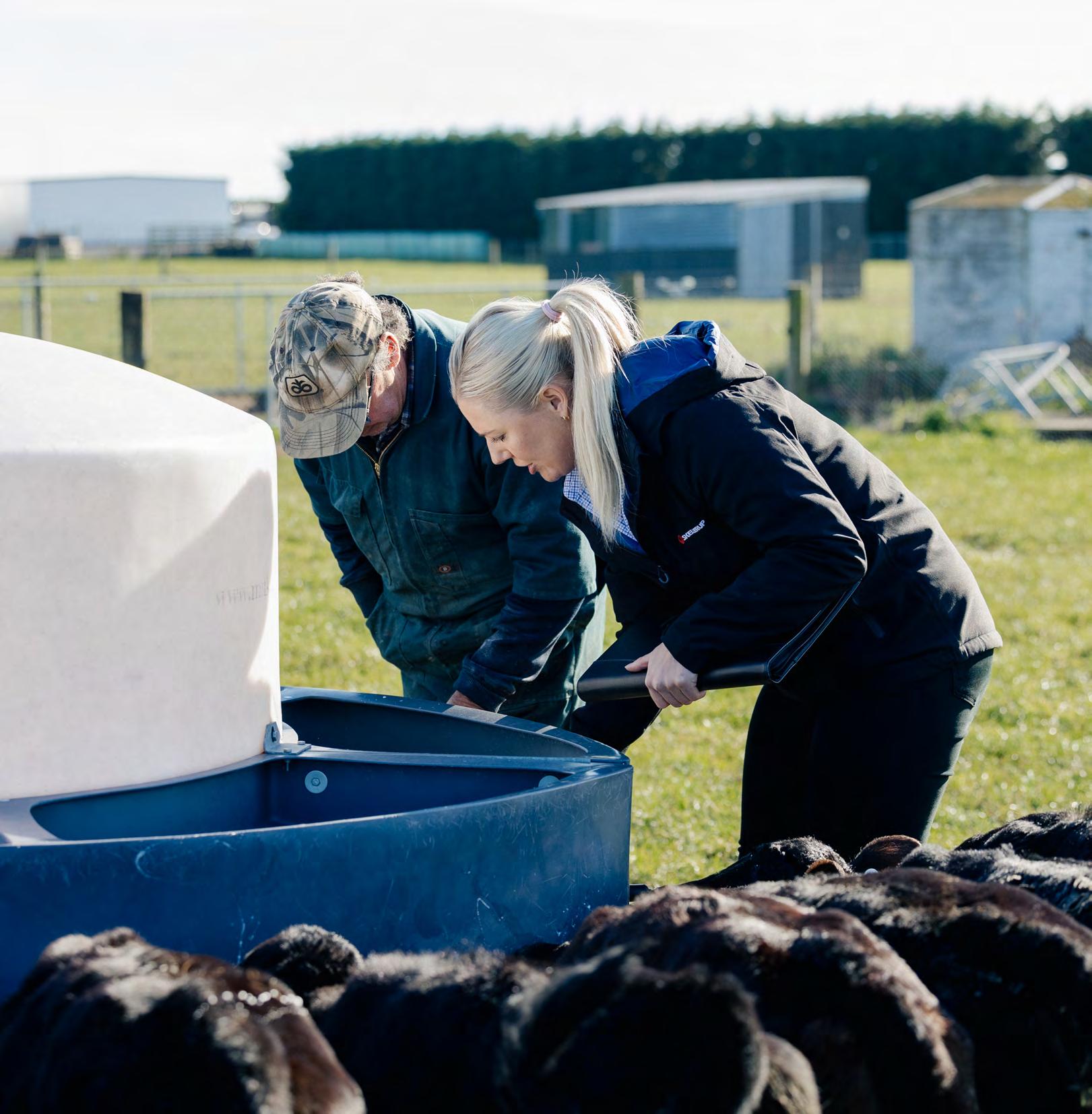
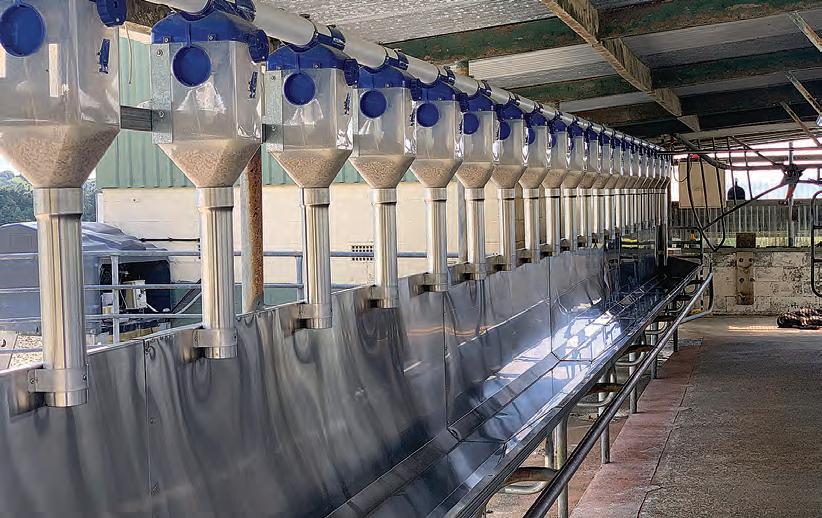
We’ve worked closely with calf rearers to understand what matters for them, then refined our Thriver Calf Teats through testing in our local conditions - adjusting, validating, and proving every change along the way.
Available in Screw-In and Pull-Through, get yours from your local rural retailer today.
Potential showdown over Feds’ presidency
PETER BURKE
peterb@ruralnews co nz
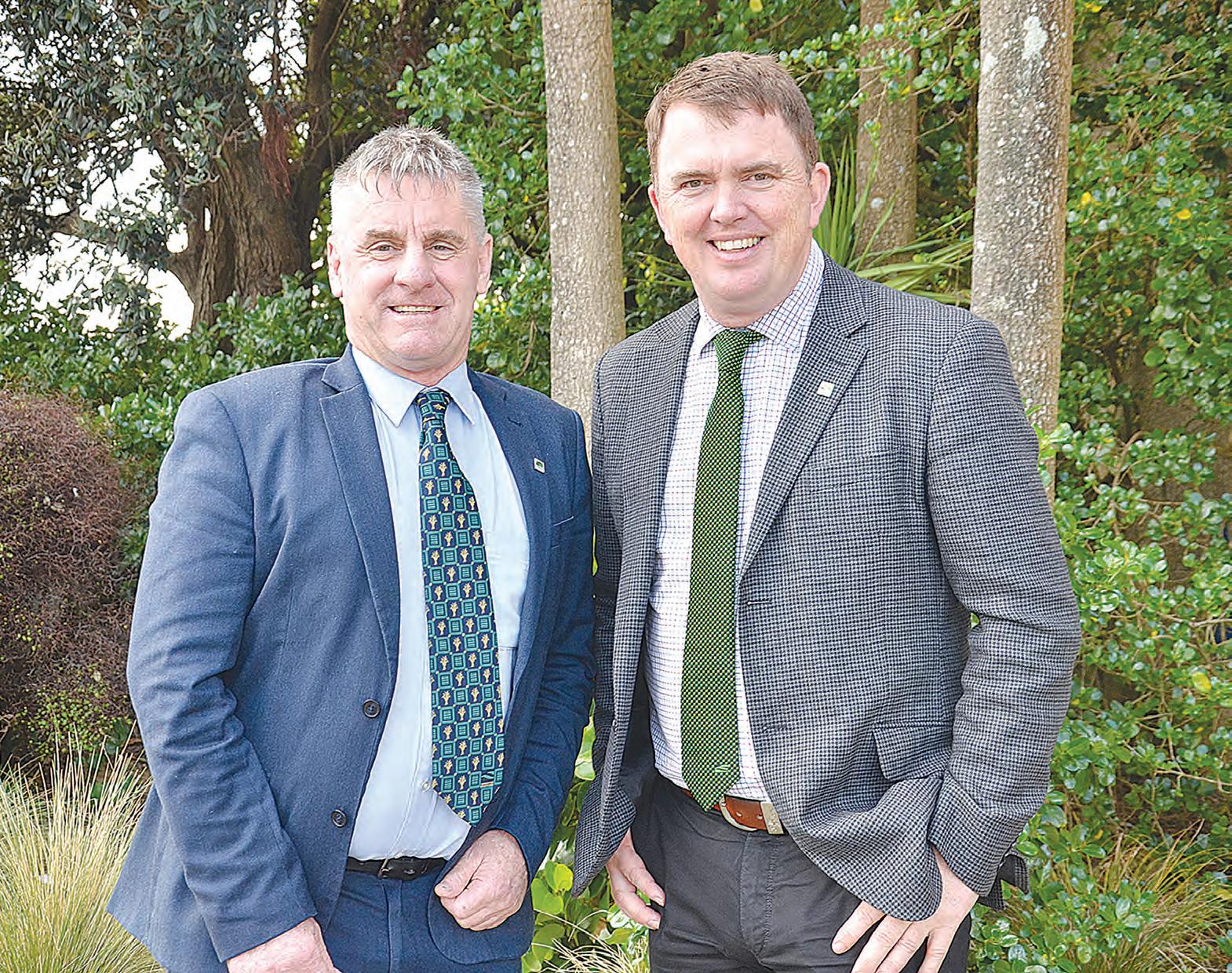
A POTENTIAL showdown between the top two Federated Farmers leaders looms at the farmer lobby’s annual meeting later this month.
Current president and Golden Bay dairy farmer Wayne Landford is eyeing an unprecedented fourth year in the top job. This sets up a potential leadership race with vicepresident Colin Hurst who says he’s standing.
Behind the scenes, Langford’s desire to do another year is raising more than a few eyebrows among many past and present members of the organisation. Some are perplexed, while others are said to be deeply unhappy and concerned about the move, saying it has the potential to cause something of a split at the Feds’ AGM in Auckland.
For most of the Federation’s 82 years, the term of all key officers, including that of president, has been set at three years. In its early days it was four years, but this quickly changed and has remained three years ever since.
Dairy News understands that this is the first time a sitting president has openly indicated a desire to stand for an extra year. Langford told Dairy News, “that if there was support from members, I am keen to stand”.
This all began at the Federation’s National Council meeting, held last November in Wellington. The council consists of the national board, the provincial presidents and the chairs of the industry groups such as dairy, meat and fibre and arable. It’s understood that at that meeting, a motion from the floor was passed indicating that if a sitting president or vice president sought an extra year, this would be possible under the constitution. However, in recent months, the legality of such a motion has
been called into question with suggestions that advance notice had to be given for any change.
With the AGM just a few weeks away, it’s uncertain what might transpire. The only certainty is Feds current vice president, Colin Hurst, an arable farmer from South Canterbury, has already lodged his nomination for the presidency. In theory, he as national vice president is the natural successor to Langford.
Still unclear is Langford’s motives for seeking an extra year. Dairy News is only aware of one instance in the past when this happened and it was apparently because no one was interested in the role. What is also unclear is what support
Langford may have if an election was held. For the most part, Feds AGMs have been passive set piece events. Only in 2011 at Rotorua was there a challenge in which Bruce Wills beat three other challengers for the top job. Langford has been a high-profile president of the Federation and whether the grassroots members want another year of his style of leadership is up for debate. The alternative is the status quo – the three- year term and a new person in the top job.
Whatever the outcome, Langford’s apparent bid for an extra year, may yet define his legacy as president of the organisation.
Gong
A two-horse race? Feds president Wayne Langford and vice-president Colin Hurst are tipped to battle for the top job later this month.
Farmgate milk price ‘could go either way’
SUDESH KISSUN sudeshk@ruralnews.co.nz
THE NEW dairy season is kicking off with plenty of risks to the forecast farmgate price, both upside and downside, says ANZ agricultural economist Matt Dilly.
While Fonterra’s forecast mid-point of $9.75/kgMS signals a strong start, ANZ is forecasting $9.20/kgMS.
Dilly says they expect downward pressure on dairy prices and upward pressure on the NZ dollar as the season progresses.
Downside risks include a global economic downturn, which would decrease dairy demand.
Dilly says that if the Middle East conflict gets resolved, lower oil prices may put downward pressure on dairy and many other commodities as oil and gas exports return to normal.
“It would also likely push the NZ dollar higher, hurting farmgate returns denominated in NZ dollar.”
There are also upside risks include an emerging El Nino, which usually leads to poor milk production in the Southern Hemisphere.
The ongoing Middle East conflict also has the potential to lead all
commodity prices sharply higher, including dairy.
Dilly says dairy prices are often correlated with crude oil and other commodities.
“In addition, food producers globally are facing higher fertiliser prices, which in the end will be passed onto consumers.”
Dilly believes the cost of production for many farms this season will be different.
“The conflict in the Middle East has lifted costs for diesel, fertiliser, and most other
petrochemical-derived farm inputs.
“While some prices have drifted lower since peaking at the height of the conflict, diesel retail prices are currently up 70% in New Zealand relative to pre-conflict levels.
“In addition, interest rates are higher as financial markets adjust to the prospect of higher inflation and wider risks to the global economy.”
DairyNZ recently updated their breakeven milk price for 2026/27, revising it up from $8.36/
kgMS to $8.79. Dilly says that while their forecast is higher at $9.20/kgMS, this will still be uncomfortably close to breakeven for some farms.
“There is a wide range of uncertainty around any milk price forecast at this point in the calendar, and a wide range of cost structures across farms, so a milk price below breakeven for some is very possible.
“At any rate, narrower margins will put cost management into focus this season.”
INLFATION LOOMING LARGE
RABORESEARCH SENIOR analyst Emma Higgins expects the 2026/27 dairy season to be another profitable one.
But she notes that New Zealand farmers start the season with a marked squeeze on margins, driven by persistent and broad-based cost inflation.
“The ongoing closure of the Strait of Hormuz – now approaching its fourth month – is creating conditions reminiscent of past stagflationary shocks,” she says.
“Initial impacts, particularly higher energy prices, are now flowing through into key upstream dairy inputs, including diesel, fertiliser, and industrial goods. Second-round effects are also
emerging, with elevated energy costs feeding into broader inflation expectations.
“From here, the outlook becomes significantly more uncertain, warranting scenariobased planning.
“The key variable is the duration of disruption: the longer the closure persists, the slower and more uneven the normalisation of energy and input markets is likely to be.”
Higgins says while their base case scenario does not currently assume a prolonged closure of the Strait of Hormuz, the risk of a more extended disruption – beyond what markets are currently pricing – cannot be ignored.
“Inflationary pressures and weakening consumer sentiment are already testing demand resilience in dairy markets, and we expect this to continue over the months ahead.”
However, she says it’s also possible that, in a prolonged disruption scenario, global food import demand could rise sharply in a bid for food security, as energy-importing nations move to secure supply amid deteriorating terms of trade.
“This would likely support dairy commodity prices, with milk powder potentially returning to prior cycle highs and lifting New Zealand farmgate milk prices in the near term.
“The volatile operating
and revenues,
Emma Higgins, RaboResearch.
ANZ agricultural economist Matt Dilly says there are both upside and downside risks to the farmgate milk price.
Higher milk price but costs adding pressure
Mark Storey, DairyNZ’s head of economics, says this is largely due to the crisis in the Strait of Hormuz.
FARMERS SHOULD be cautiously optimistic as the 2026/27 season kicks off, says DairyNZ.
It follows the release of the industry body’s quarterly update, which forecasts a breakeven price of $8.79/kgMS.
DairyNZ also forecasts that farm working expenses will likely hit $6.19/kgMS, up from a forecast $5.84/kgMS this time last year, while operating profit will drop to $3.88/kgMS.
He says that the crisis has caused increases in prices for fuel, feed, and fertiliser, but also indirect price increases.
“For the first time in doing this forecast, we’ve presented our analysis as a package of scenarios,”
Storey told Dairy News
One scenario, the faster recovery scenario, would see the Strait reopen in July 2026 and export restrictions on energy and fertiliser lifted by December 2026.
The expected scenario sees the Strait reopen in August 2026, with restrictions lifted by May 2027.
Meanwhile, the prolonged disruption scenario has the Strait reopening in September and restrictions lifting by December 2027.
Storey says that scenario would also likely see interest rates rise as well.
“The prolonged disruption scenarios aren’t unrealistic,” he says.
“The consequence of that scenario is that it would take longer for
things to come back to normal,” he adds. “In fact, some of these price increases may become sort of a new normal.”
“The longer the disruption takes matters because what might become a short… shock effectively isn’t only embedded in the prices this season but would come into the 2027/28 season as well.”
He says that, typically, after a shock – for example, the RussiaUkraine conflict or the Covid-19 supply chain disruptions – prices don’t return to the baseline that existed prior to the
shock.
“You’re getting this upward stickiness and that’s what concerns us with this current crisis… it takes a long time before these prices come back to their pre-shock baseline, if at all,” Storey says.
He says that, while it’s not always the case, the risks around those price shocks tend to concentrate around springtime.
“We are strongly recommending that farmers look at different scenarios in their cash flow forecasts, that they don’t plan for the best case, that they actually have some more pessimistic scenarios in place that they’ve identified and they be very selective with their nitrogen fertiliser use.”
He says farmers also need to plan for higher fertiliser and feed
prices to persist into the 2027/28 season.
The good news, Storey says, is that farmers are coming into the 2026/27 season off the back of a good production year which had a good milk price, meaning they are in relatively good cash positions.
“It’s all about using that buffer they’ve built well in a season where the margins may become much more constrained.”
JESSICA MARSHALL jessica@ruralnews.co.nz
Mark Storey, DairyNZ
Slim pickings for the rural sector
peterb@ruralnews.co.nz
IN ADVANCE of the Budget, Finance Minister Nicola Willis put a clear damper on expectations and delivered accordingly.
Budget days used to be exciting events – mainly with people trying to guess whether the price of alcohol or tobacco would rise in price –but for many years, this one included, it was a boring affair. Most of the main announcements were made in advance, leaving the Minister to read her speech and the Opposition parties to pick holes in it.
For the rural sector, the news of more money to deal with wilding pines came before the Budget. Agriculture Minister Todd McClay
was left to announce that $437 million will be spent over four years to accelerate the development, availability, and use of new tools and technologies to reduce on-farm agricultural emissions. Also, $266 million over four years is allocated for the primary sector growth fund, and $40.5 million – again over four years – for farmerled catchment groups.
McClay says the Budget confirms $4.77 billion in baseline funding over the next four years year for the Ministry for Primary Industries (MPI) to support the primary sector and protect the frontline.
“We are working hard alongside farmers and growers to achieve more with less. Alongside investing in innovative technologies and land management initiatives,
we’re supporting farmers and growers to boost productivity and their long-term resilience,” he says.
The other item of interest to the rural community was the setting aside of $400 million to provide resilience to keep critical routes open during and after adverse weather events.
Some of the projects singled out for funding include SH2 Waioweka Gorge between Gisborne and Opotiki and the Awakino Gorge on SH2. north of New Plymouth. Closure of these roads due to adverse weather has put a huge strain and cost on local people and businesses.
In the South Island, work to be carried out on SH60 the Takaka Hill road will also come as a relief to locals.
Infrastructure Minister Chris Bishop says this investment allows for the strengthening of many of the weak points in the roading network, aiming to do this before they fail again, reducing the cost of rebuilding them afterwards.
“These are roads that communities, freight operators and tourists rely on every day. When they close, the impacts are felt far beyond the immediate area,” he says.
SOUND THINKING – FEDS
FEDERATED FARMERS has come out in support of the roading initiative, saying for some time they have been calling for more funding for rural roads and key regional freight and access routes.
Feds spokesperson on infrastructure Mark Hooper says the move is “sound thinking”.
He says this is in line with the truism that ‘a stitch in time, saves nine’ and building better resilience ahead of the next flood or storm makes sense. Hooper says the cost of repeated highway and rural road patch-ups quickly mount.
“We can’t continue to see communities like the East Coast or
A MISERABLE BUDGET – O’CONNOR
A MISERABLE budget that didn’t deliver much for anyone
That’s how Labour’s former agriculture minister Damien O’Connor described the recent Budget. He says there was very little in the Budget for any sector and says
that the main gain was the news of investing $79 million in new money to tackle the wilding pine problem. But he adds that this money is coming out of the existing budgets of MPI and the Department of Conservation.
“This is a significant amount of money that is coming out of the already squeezed budgets of these departments,” he told Dairy News
O’Connor says the Minister of Finance seems determined to squeeze
out what money she can from departments to pay for the tax cuts and tax breaks that were given earlier in the year. He says there appeared to be some good education initiatives, but there didn’t appear to be anything for health that specifically targeted the additional challenges of rural health, in particular the distances that people in isolated communities have to travel for such services.
O’Connor says a recent report
shows that quality rural infrastructure is a key component to grow our industries. He says while there is money, a large chunk of it is being directed at one project – the Waikato expressway.
“The roading network is critical to all our sectors but it’s under severe stress and degradation and increasing pressure from heavier trucks that the roads were never built for. The problem is compounded by an increasing number of climate events that under-
Golden Bay cut off every time a major rain event occurs. Ultimately, however, if experience shows a route or piece of public infrastructure continues to be highly vulnerable to weather events, investigation and funding of alternatives is needed,” he says.
mines the integrity of the system,” he says.
According to O’Connor, some of the roads are still basically horse and cart tracks that were built more than 100 years ago.
“As I see it, most people in rural NZ would take a hard look at this Budget and consider it miserable at a time when we need investment, particularly in science research and development,” he says.
Finance Minister Nicola Willis put a clear damper on budget expectations and delivered accordingly.
PETER BURKE
Vet with a passion
SUDESH KISSUN
WAIKATO VET Katrina Roberts came from Australia in 2002 as a veterinary student and never left.
A practical placement with a local Waikato Vet Club - then Animal Health Centre, Morrinsville - under the tutorship of Scott McDougall led to a job offer.
“I was offered a job and have never looked back as I am still working within this organisation, now Anexa Vets,” she told Dairy News
This month Roberts was one of several rural professionals honoured in the King’s Birthday
Honours list. Roberts became a Member of the New Zealand Order of Merit (MNZM) for her services to the dairy industry and community. She says she feels extremely humbled and overwhelmed.
During her career as a vet at Anexa, Roberts has been involved with many dairy industry projects.
These include working through DairyNZ programme like Feedright, Healthy Hoof and the redevelopment of the national herd fertility resource the InCalf programme.
She has worked in both the research (Cognsoco) and veterinary divisions of Anexa. For the past 15
years she has also been a farm advisor through both Anexa and Headlands (Intelact group).
In 2024, Roberts was named the Fonterra Dairy Woman of the Year for her service to the farming sector.
Roberts says she grew up on beef and pig farms in Australia
and has always loved working alongside farmers.
“I am passionate about the contribution that vets can have, not just at the cow and herd level but also with the farm team.”
Roberts believes it’s a great time to be involved in agriculture in New Zealand.
“Working alongside farmers, I get to see firsthand every day how much they care for the land, their cows and the people that work with them.
“However, that doesn’t mean that there isn’t always room for improvement, as we are always learning and growing,” she adds.
RETIRED AGRIBUSINESS professor and commentator Keith Woodford says it’s a great honour to receive the Officer of the New Zealand Order of Merit title in the King’s Birthday Honours List.
Woodford told Dairy News that it was also a privilege to stand alongside others from agriculture and agribusiness who have previously received the award.
“I have also been humbled by all the nice comments I have been receiving since the Honours List was announced.
“I am also aware that there are a lot of other people who equally deserve to be recognised.”
Woodford was Professor of Farm Management and Agribusiness at Lincoln University for 15 years through to 2015. He is now principal consultant at Agrifood Systems Ltd.
He’s a regular media commentator on the agribusiness sector.
Woodford says the current state of New Zealand agriculture and agribusiness is that the sector is overall in good stead.
“The major players are more efficient and in much better stead than ten years ago.
“However, there is a need for everyone in the sector to use the current record prices within animal-based industries to build financial resilience.”
Woodford says we “are very much in a changing world” and we too will need to change.
“In less than 20 years, all our major markets will be exhibiting major population declines. China, Japan, Korea, Taiwan and Thailand are already exhibiting population declines.
“Other countries will soon follow, with all major markets already exhibiting birth numbers below replacement level of 2.1 children per woman. In that emerging world, our agribusiness industries will have to look very different than now.”
Tried, trusted & protected.
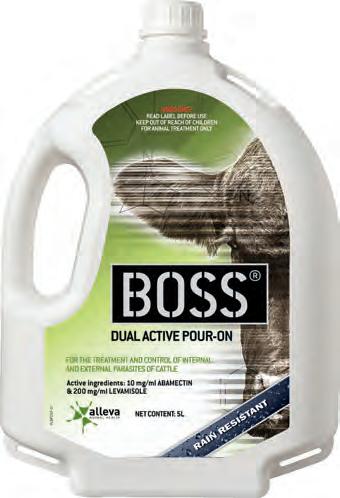
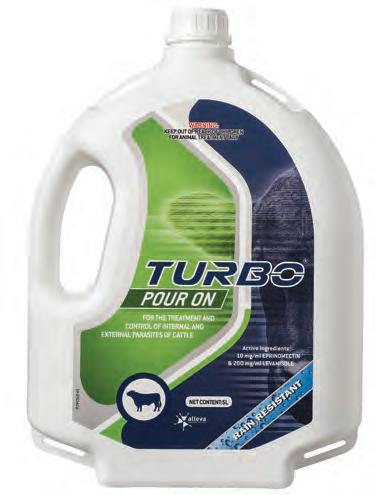
Season after season, BOSS® and TURBO® dual action pour-ons keep delivering effective parasite control, no matter what the weather. And now when you purchase a 5L pack of either product you‘ll receive a waterproof, breathable and ultra-quiet Huntech Wet Weather Jacket*.
Rain resistant for peace of mind when treating in variable conditions.
Formulated using Alleva’s DMI-Sorb® formulation system to prevent run-off as well as enhance active-ingredient delivery and absorption.
Waikato vet, Katrina Roberts
King’s Honours gong for machinery mogul
scale could become far bigger than a local dealership business.
MORRINSVILLE BASED agribusiness leader
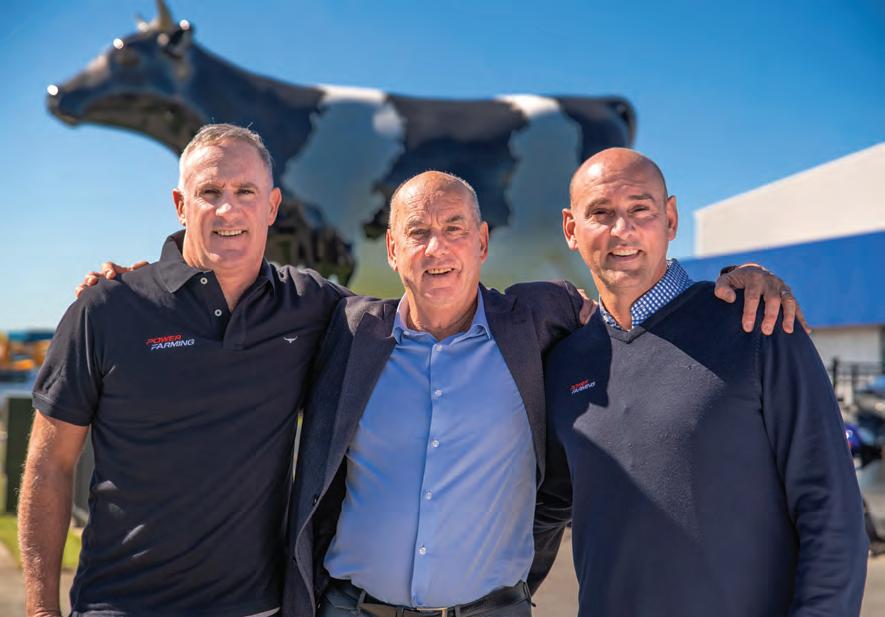
Geoff Maber has been appointed an Officer of the New Zealand Order of Merit (ONZM) in the King’s Birthday Honours, recognising a lifetime of service to agribusiness, the rural sector and the wider community.
Widely respected across New Zealand’s rural industries, Maber is well known for transforming his family’s modest retail machinery business in the heart of dairy country, Maber Motors, to establish the Power Farming Group — one of New Zealand’s largest privately owned, tractor and farm machinery importers and retailers.
After joining Maber Motors soon after leaving school in the 1960s, Maber helped steer the company through growth, innovation and expansion, with a turning point in the 1970s when he recognised that farm
Today, Power Farming has grown to become a major multi-national operation across NZ, Australia and the USA, built on strong partnerships, with local joint-venture ownership models, long-term supplier relationships and an unwavering focus on people.
In New Zealand, Power Farming operates across 20 outlets, employing around 350 people and approaching $300 million in annual turnover. Despite challenging market conditions, the business has experienced strong
growth over recent years, driven by its joint venture partners, longstanding relationships, customer support and investment in local teams.
Maber says he is proud of the people behind the group’s businesses and the partnerships that have driven Power Farming’s success.
“Our business has always been about people, partnerships and backing local communities. We’ve built a model that empowers local people to invest in the business, grow alongside us and genuinely share in the success. If our joint
A FAMILY BUSINESS
FAMILY ALSo remains at the heart of the business, with Geoff’s sons Craig and Brett Maber both holding leadership roles within the company. Geoff says seeing the business continue into a third generation is one of his proudest achievements.
“It’s incredibly rewarding to have Craig and Brett involved in the business and helping lead the next chapter of Power Farming,” say Geoff.
He also acknowledges the
perspective and strength to a life heavily centred around business and agriculture.
Reflecting on the journey, Geoff paid tribute to his father Laurie Maber, describing him as a great teacher, mentor and role model whose values continue to shape the business today.
“This all started with my father Laurie. He was a self-made man, a great teacher and someone who instilled strong values, hard work and integrity into the business. Those values are still deeply embedded in Power Farming today.”
His recognition in the King’s
Honours reflects not only the remarkable growth of Power Farming, but also the lasting impact he has had on New Zealand’s rural economy and agricultural sector over more than six decades. Maber is still very actively involved in all areas of the family business with no plans to retire soon and says his more than 60-year journey in the industry has been both humbling and immensely rewarding.
“If there’s one thing I’ve learnt in business, it’s that you have to have the energy to win.”
Geoff Maber (centre) with sons Craig (left) and Brett.
venture partners are not succeeding, then we are not succeeding either.”
The Australian business, established from the ground up more than 25 years ago, has grown into a business of similar scale to New Zealand and today supports more than 200 independent dealers through a nationwide distribution network.
Power Farming entered the US market in 2018 with the world renowned Deutz-Fahr tractors and recently celebrated achieving
the milestone of 5000 tractor sales, with the current focus of hitting 10,000 sales by 2030.
Maber credits much of the company’s success to the strength of the people around him, commenting: “I’ve fortunate to have been supported by our outstanding board members, three worldclass CEOs across our operations, alongside incredible staff and some of the very best people in the industry.”
Agribusiness leader Geoff Maber (centre) with sons Craig (left) and Brett.
Are you milking canola meal for all it’s worth?
Canola meal is a premium protein source for dairy cows, supporting milk solids production through:
Improved metabolizable protein efficiency
Higher and more persistent milk yield
Increased dry matter intake and maintenance of cow condition
Canola meal is a valuable source of rumen undegradable (bypass) protein, supplying highly digestible essential amino acids to the small intestine. Its amino acid profile is well aligned with milk protein requirements, with comparatively high concentrations of methionine, a key limiting amino acid in high‑producing dairy cows. Diets containing canola meal have been consistently associated with improved efficiency of metabolizable protein supply, increased dry matter intake and enhanced milk yield.
Cargill’s canola meal is available through your local feed supplier, with non‑GMO options and sustainability credentials available where required.
For more information about canola meal visit www.cargill.co.nz.
Feeding maize silage in winter
THE TRANSITION period (typically defined as the three weeks prior to and the three weeks immediately after calving) sets the biological and productive trajectory for the entire lactation by determining how well the cow adapts from pregnancy to peak milk production.
Get this period right and cows will milk better, get back in calf easier, and have fewer health issues. Get it wrong and you can be chasing problems all year.
Good transition feeding is all about keeping cows eating well, keeping the rumen working, and getting them ready for the sudden energy demand associated with calving and colostrum production. That’s where maize silage fits in really well, especially through winter.
One of the big advantages of maize silage is its mineral profile. Compared to pasture, it’s low in potassium and sodium. That’s important because it helps lower the dietary cation-anion-difference of the diet.
DCAD might sound technical, but the idea is simple. It’s just
positively and negatively charged minerals in the feed. High potassium pasture (which is common in winter, especially where effluent has been applied) pushes DCAD up. That increases the risk of milk fever at calving.
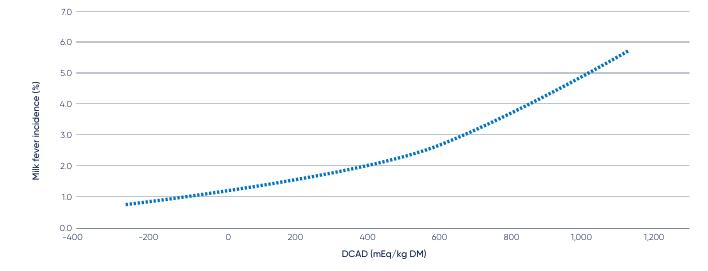
Feeding a lower DCAD diet before calving helps the cow switch on her calcium system. It basically gets her body ready to pull calcium out of her bones and absorb more from the gut when she starts milking. That reduces the chance of milk fever (Figure 1) and helps cows get through calving in better shape.
Maize silage helps because it gives you a low-DCAD base to build the diet on.
Maize silage also helps keep calcium levels in the pre-calving diet under control. You actually don’t want too much calcium before calving.
low helps “train” the cow to mobilise calcium properly once lactation starts.
To fully unlock these benefits, it’s important to test feed components and complement the diet with appropriate anionic mineral supplements. Your vet or nutritionist can help set appropriate DCAD targets and ensure overall diet balance during this crucial phase.
The other big win with maize silage in winter is intake.
Getting enough dry matter into cows is one of the biggest challenges, especially when pastures are wet and low in dry matter. Maize silage typically sits at around 30–35% dry matter, so cows don’t have to eat as much bulk to get what they need.
For example, to get 5kg of dry matter, a cow only needs to eat about 15kg of maize silage. To
get the same dry matter intake from wet winter pasture (10–12% dry matter) she would need to eat over 40kg fresh weight. That’s a big ask.
Grazing wet pasture takes time and energy. Cows walk more, graze longer, and burn energy just trying to fill up. When you put maize silage in front of them on a feedpad, they can eat more in less time, and they use less energy doing it.
While pasture quality can vary between paddocks and from day to day, maize silage quality remains stable provided feed-out management is good. That consistency helps keep the rumen stable, which is also important especially in the lead-up to and immediately post calving.
There are also some practical farm system benefits. Feeding maize
silage takes pressure off paddocks when it’s wet, which helps protect soil structure and reduces pasture pugging and the associated loss in drymatter production. It also gives you more flexibility with feed budgeting. You’re not completely at the mercy of pasture growth, and you can hold covers where you need them.
Maize silage also helps keep calcium levels in the pre-calving diet under control. You actually don’t want too much calcium before calving. Keeping it moderate to low helps “train” the cow to mobilise calcium properly once lactation starts.
In my view, the farmers who get the best return from their maize silage are the ones that have developed a feed budget which shows when they will feed it. At the end of the day, maize silage isn’t just there to fill a gap, it’s a useful tool and when used properly it can help:
■ Increase dry cow condition (see last
■ Maintain cow intakes through winter
■ Reduce milk fever risk through better DCAD control
■ Smooth the transition into lactation
■ Take pressure off pasture and paddocks If you need a hand with feed planning or getting your transition diet right, it’s worth sitting down with your vet, nutritionist, or Pioneer Farm Systems Specialist.
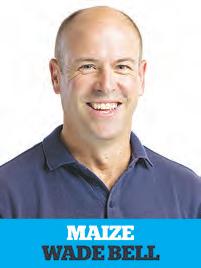
• Wade Bell is Genetic Technologies farm systems manager. Contact him
“We
To fully unlock these benefits, it’s important to test feed components and complement the diet with appropriate anionic mineral supplements. Your vet or nutritionist can help set appropriate DCAD targets and ensure overall diet balance during this crucial phase.
The other big win with maize silage in winter is intake.
Grant & Catherine Came Fonterra Farmers
Getting enough dry matter into cows is one of the biggest challenges, especially when pastures are wet and low in dry matter. Maize silage typically sits at around 30–35% dry matter, so cows don’t have to eat as much bulk to get what they need.
For example, to get 5 kg of dry matter, a cow only needs to eat about 15 kg of maize silage. To get the same dry matter intake from wet winter pasture (10–12% dry matter) she would need to eat over 40 kg fresh weight. That’s a big ask.
Figure 1: Relationship between DCAD and milk fever risk1
Figure 1: Relationship between DCAD and milk fever risk
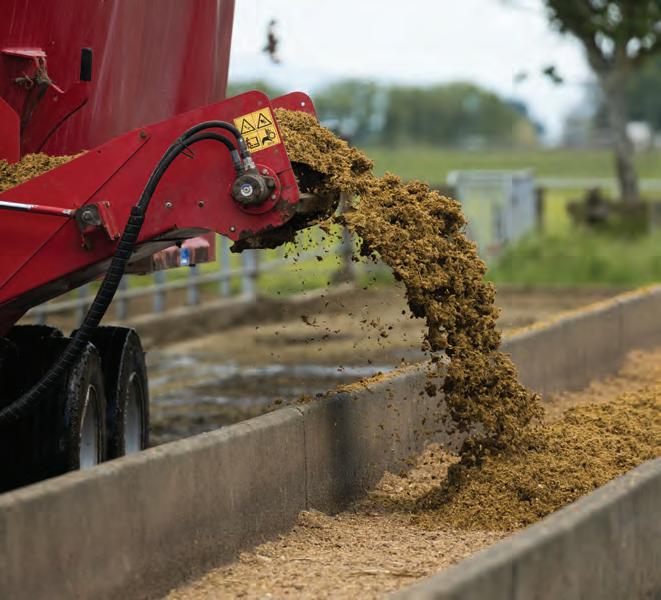
Maize silage being fed out into a feedpad.
METACAM ® Less pain all gain.
METACAM® is highly effective in relieving the inflammation and pain associated with inflammatory conditions such as mastitis.
The long-acting effects of a single shot of METACAM 1 optimise mastitis treatment outcomes and support a faster, more comfortable journey to recovery. Studies show this can lead to production benefits including significant long-term reproductive and longevity outcomes 2,3 compared to antibiotic treatment alone.
Try our NEW cost benefit calculator to see how much better off you could be by using METACAM. Scan the QR code or visit: futureproducers.co.nz
Farmers seeking election priorities
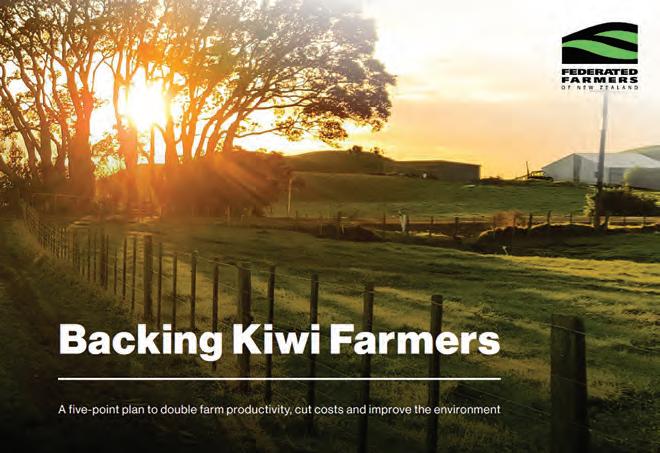
WITH THE general election just months away, farmers have launched a five-point plan for the next government.
Federated Farmers says its election platform, Backing Kiwi Farmers, is a practical blueprint for whichever parties form the next government.
President Wayne Langford says this isn’t just another wish list or a collection of vague ideas.
“It’s a clear roadmap built by farmers to double farm productivity, cut costs, and improve environmental outcomes.”
The wish-list was launched to coincide with National Fieldays, which gets underway in Hamilton on Wednesday.
The five-point plan focuses on: cutting the cost of farming, enabling technology and infrastructure, empowering community conservation, supporting young farmers and fixing local government.
To cut costs, farmers want ten new permitted activity standards for farming and incoming government to guarantee flexible land use in every region, to stop incentivising whole-farm conversions to permanent carbon forestry, use farm plans to replace resource consents and introduce no new taxes for farmers
“These priorities are all about making sure farmers have the right rules and government backing to improve profitability and grow the economy,” says Langford.
Each of those high-level themes has very specific and practical requests for whoever forms the next government.
“We’ve made our asks extremely clear, so politicians have absolutely no doubt what farmers are actually looking for this election,” he says.
Federated Farmers released a similar list of election priorities in 2023, which it says were geared towards restoring rural confidence.
Langford claims they got all 12 of those priorities across the line over the past three years.
“As a result, while costs are still high and some regulations are still a niggle, rural communities are feeling a lot more positive about the future.
“That’s why we’ve shifted focus, launching 2026 election priorities designed to continue that momentum and unlock the full potential of rural New Zealand.”
Federated Farmers wants political parties to engage with its proposals over the coming months.
“This election platform is ultimately about backing the people who produce the food, fibre and products that keep this country moving,” Langford says.
“Farmers are problem-solvers by nature. Give us the tools, get out of the way, and we will deliver a stronger, more productive New Zealand for future generations.”
Success based on teamwork
SUDESH KISSUN
WESTMORLAND ESTATE Ltd, a Waikato company running three dairy farms, runs on the philosophy that ‘you are only good as your team’.
The company, owned by David and Sue Fish, employs 12 staff drawn from all over the world and looking after them is the owners’ top priority.
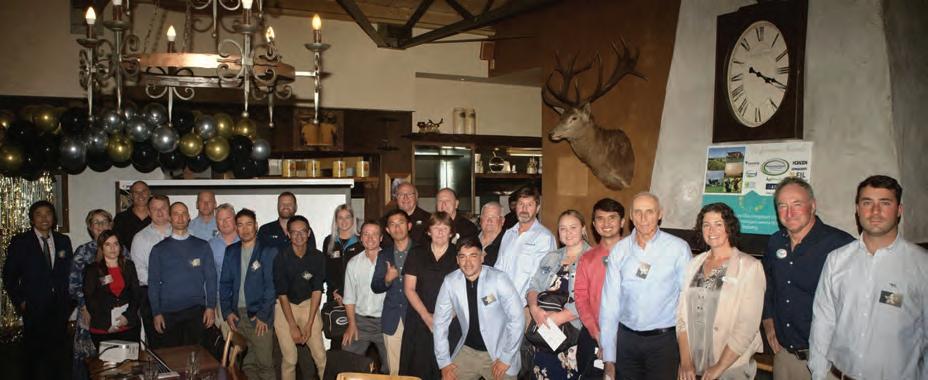
Last month, David and Sue Fish, their staff and group of sponsors gathered for their annual awards luncheon to honour each member for another year of achievements, dedication and teamwork.
Prizes were awarded for farms that produced the top performing cows, top quality milk and reared the best calves.
Westmorland operations manager Dries Verrycken says the 2025-26 season was a standout one for the company.
He told Dairy News that the Westmorland business built on teamwork, humility, and a deep passion for the dairy industry.
“What began as a small, determined team has grown into a multicultural powerhouse—people who show up each day with pride, professionalism, and genuine care for the land, the animals, and each other.
“A defining part of Westmorland Estate Ltd’s culture is its commitment to work–life balance. The business proudly operates on a 5x2 roster, with controlled hours to ensure every team member gets home on time.
“Westmorland Estate Ltd believes that great results come from people who are rested, supported, and able to enjoy life outside the farm.
“This philosophy has strengthened morale, improved performance, and created a workplace where people genuinely thrive.”
This year the Westmorland team – comprising Dries Verrycken, Paola Verrycken, Daniel Bautista, Jezer Ragasajo, Emilio Ayerdi, Barbara Hinton – took out the top prize for best cows and lowest somatic cell count and the farm pride award.
The Sandhurst team – comprising Dries Verrycken, Paola Verrycken, Daniel Bautista, Jezer Ragasajo, Emilio
sponsors.
The Somerset team – made up of Aubrey Fish, Jose Urbina and Steven Munro – scooped the lowest empty rate award.
Prizes were provided by Rabobank, Fonterra, Baker Tilly, GEA, FIL, LIC, DairyNZ, Agrihealth. Donaghys, Horwen, PGG Wrightson and Vet Clinic Morrinsville.
Verrycken says Westmorland Estate has spent years building strong, meaningful relationships with
“This relationship is grounded in trust, respect, and shared passion for dairy farming. These sponsors are more than supporters; they are part of the Westmorland Estate Ltd team.”
The annual awards luncheon is organised by human resources manager Paola Verrycken.
Sue Fish says the annual awards celebration has become a defining moment for the estate.
She says Paola Verrycken’s commitment to people, culture, and
strong relationships ensures the event continues to evolve.
Fish says Westmorland Estate Ltd enters the future with confidence and gratitude.
“The achievements of 2026 are not just award – they are the result of people working together, supporting each other, and taking pride in the dairy industry they love.
“Our philosophy remains simple and powerful: strong relationships, strong teamwork, and strong values create strong results,” she says.
Ayerdi, Barbara Hinton – won the best calves award.
Westmorland Estate Ltd team members and sponsors at their awards luncheon.
Innovative Animal Health Solutions.
Use Fieldays to prioritise wellbeing
ACC SAYS that this week’s Fieldays is a great chance for farmers to pause and reflect on their processes and ensure that their life is in balance.
ACC injury prevention leader James Whitaker says it is also an important time to reflect on injury prevention and encourage farmers to look after themselves and their team.
“Fieldays is an awesome event and one that our rural communities look forward to every year,” says Whitaker.
Hawke’s Bay (1518) and Southland (1507).
The age group with highest number of work-related agricultural claims in 2025 was the 30- 34 years olds (1933 claims) ahead of the 35- 39 age group (1851).
“We are encouraging farmers to take a moment during the week – where they have some time and space off farm – to reflect on their processes and ensure they are prioritising wellbeing.
“We know that farming is an allconsuming role and that is easier said than done during the busy seasons, but the most valuable asset on the farm is the people and we need to make sure our farmers are going home safe and healthy every day.”
In 2025 ACC accepted 17,057 workrelated agricultural claims which came at a cost of $119 million to help people recover.
These injuries resulted in almost 210,000 days of weekly compensation for New Zealanders which came at a cost of $29.8 million.
“We know that when a person sustains an injury, it has a flow on effect to their family, their friends and their workmates so it is always better to prevent the injury happening in the first place,” says Whitaker.
“Our research shows that most injuries are predictable and therefore preventable and the farming environment is no different.”
The leading regions for work-related agricultural claims in 2025 were Waikato (2715 claims), Canterbury (2490),
A total of 64% of injuries were softtissue injuries and the part of the body most impacted were the lower back / spine, finger/ thumb or shoulder.
“New Zealand farmers are some of the best in the world at what they do –they spend their lives growing our food and milk and helping our economy. But they’re not so great at looking after themselves,” says Whitaker.
“Farmers can get better at putting in systems to look after the most important asset on the farm, themselves and those who work in the business.”
ACC partners with Farmstrong to help prevent injuries in the agricultural sector and the wellbeing organisation will have a stall at Fieldays.
Whitaker encourages all farmers to take the time to engage and think about how they can apply some of the principles from Farmstrong into their operation.
Farmstrong is a nationwide wellbeing programme for the rural community. Their aim is to help New Zealanders to live well to farm well.
Former All Black Sam Whitelock is a Farmstrong ambassador, and he will be at Fieldays.
“To farm well, you need to live well. And that’s where the five ways to wellbeing comes in. I’ve made them part of my life and I encourage you to do the same,” says Whitelock.
www.farmstrong.co.nz
@rural_news
facebook.com/ruralnews
Former All Black Sam Whitelock, a Farmstrong ambassador, will be at Fieldays.
Scour prevention in calves
HEALTHY, WELL-GROWN calves are the building blocks of any future dairy herd. Giving them the best start to life is crucial, and the primary strategy to reduce the burden of disease caused by rotavirus infection is vaccination.
Rotavirus is a costly disease that causes the majority of diarrhoea or scours in newborn calves.
In a Zoetis New Zealand rotavirus webinar update, Massey University’s School of Veterinary Science Doctor Laryssa Howe provided an update on findings from the 2025 Rotavirus Surveillance Study on calf faecal samples submitted by veterinary clinics across the country.
The study showed that while the G6 strain of rotavirus is the most prevalent, 10% of farms had a G10 strain component present, highlighting the risk of cross infection.
Research shows rotavirus is present in 70% of New Zealand farms and is responsible for up to 62.5% of scours cases in calves. The disease can result in high death rates, reduced weight gain and long-term productivity loss, and increased veterinary treatment
costs, not to mention the emotional toll on those caring for them.
Newborn calves are not able to mount their own immune response to rotavirus, which is why protection passed on from their mothers is so crucial. Vaccination of the cow is a key tool in the proactive management of rotavirus in vulnerable youngstock.
Zoetis veterinary technical advisor, Karley DeFrees, explains that the Zoetis ScourGuard 4K vaccine is the only vaccine on the market in New Zealand that contains both the G6 and G10 rotavirus strains.
“ScourGuard 4K is a proven, tissue-friendly vaccine that offers the broadest spectrum protection as it covers calves for G6 rotavirus, G10 rotavirus, Coronavirus and E. coli.”
Cows are vaccinated two to 12 weeks before calving to give them time to mount an immune response, she says. Vaccination results in an increased antibody pool in the dam, which is passed on to her offspring through the all-important colostrum.
Howe emphasises the dynamic nature of rotavirus, and its vaccines.
Rotavirus has the ability to be variable, re-assort and make changes to its genetic material.
Aside from vaccination, control and prevention of rotavirus rests on three main factors: environmental, pathogen and calf.
“Vaccines are a tool and need to be used in context of the broader picture of how to control the environment and do the best by the calves,” she explains.
“We are not preventing infection; we are minimising disease. It’s about how the immune system is managing it, so calves do not become sick.”
Environmental factors include stocking density, hygiene and temperature/humidity. Pathogen factors are virulence, survival time in the environment and treatment. Calf factors include the quality and quantity of colostrum received, vaccination and nutrition intake.
DeFrees says that while vaccination is important, other factors outlined by Howe must be addressed as well. “Calves need antibodies and the first 24 hours is crucial. Even if vaccine has been used, farmers still need to ensure
a calf has had enough colostrum. If it is in a cold, damp environment, rotavirus could also show up more severely, for example.”
Vaccine choice
Howe outlines three factors to consider when assessing vaccine suitability:
■ Does it elicit the correct type of immune response – are we getting a response that’s going to work?
■ Does it reduce shedding/ environmental contamination?
■ Does it provide cross protection if needed?
“Studies show the use of a vaccine decreases the amount of rotavirus being shed. Although there is a reduction, it’s not zero and these viruses are incredibly effective at getting in. Vaccination does not mean that the environmental control tools are not useful or needed. We need to do other things, as well as vaccinate, to help protect our calves and manage the disease.”
DeFrees sees vaccination as a key tool in proactive best practice animal health on dairy farms. “Healthy calves are the building blocks of your future
dairy herd. Everything we can do to set calves up to gain weight and get in calf early, is all related to what ends up in the vat. Prevention is about being proactive.”
Vaccination offers a form of ‘insurance policy’ by raising the levels of antibodies needed to protect calves and build an immune system to give them the best start to life, which will later be repaid in the form of milk production.
• Article provided by Zoetis
Laryssa Howe, Massey University
Green envy
THE GREENS are silent on the Government’s latest $30 million in funding for solar panels, batteries and energy management systems for schools.
The funding package will boost solar uptake and help schools reduce and manage their energy costs now and into the future.
Solar on schools will provide up to 500 schools across the country with a combination of solar panels and batteries, and up to 150 of these schools with energy management systems.
The Greens, who historically championed the installation of solar panels on schools as a flagship educational and climate policy, can at least praise a policy delivered by this Government that aligns with its position.
Don’t write him off DON’T WRITE him off yet.
A One News item on the suspicious fire at PM Christopher Luxon’s Botany office mistakenly referred to Winston Peters as ‘former minister’.
While the mistake was corrected on air a few minutes later, Milking It reckons it wouldn’t have pleased Winnie, who has a love-hate relationship with the media.
With the general election around the corner and NZ First set to play a bigger role in any future National-led government, we haven’t heard and seen the last of Winne yet.
Well done!
HATS OFF to the hard-working dairy farmers, sharemilkers and their staff.
The 2025–26 season that just finished is on track for a series of records.
Based on DairyNZ’s production data, national milksolids are set to reach around 2.02 billion kgMS, the first time New Zealand has passed the two-billion mark, and about 4.5% above last season’s 1.94 billion.
Many farms enter winter with their strongest balance sheet in recent years with strong production and solid payout.
The strong returns have helped farmers reduce their debt.
Despite the avalanche of regulations and public pressure, the dairy sector is delivering for everyone – the economy and rural communities and businesses.
Battery cows
THERE HAS been a huge rise in factory-style dairy farming of ‘battery cows’ in the UK as farmers struggle with increasing costs and face selling milk at a loss.
A report in The Guardian says the number of intensive dairy farms that permanently confine some of their cattle indoors has more than doubled in the past 10 years, an investigation by the Bureau of Investigative Journalism (BIJ) has found. Data suggests there are now at least 180 dairy farms where cows have no access to the outdoors, up from about 70 in 2015.
In the same period, there has also been a doubling in the number of ‘mega dairies’, which house more than 700 cows.
There are 40 such farms, the largest of which contain 2600 cows.
EDITORIAL
Dairy power
DAIRYNZ’S 20th annual survey results released last week shows that dairy remains New Zealand’s economic powerhouse.
The last two dairy seasons confirm this. The 2024–25 season was a bumper year for the sector. A higher payout was the main driver, but farmers also lifted milksolids production per cow and per hectare, which supported stronger returns.
DairyNZ also points out that one significant positive trend, sometimes overlooked, was the reduction in dairy farmer debt in the 2024-25 season.
While the final numbers are still being forecast, the recently concluded 2025–26 season is shaping up to be another strong one for dairy farmers, with production reaching record levels and the milk price staying above $9/kgMS for the second season in a row.
The 2025–26 season finished on a series of records. Based on DairyNZ’s production data, national milksolids are set to reach around 2.02 billion kgMS, the first time New Zealand has passed the two-billion mark, and about 4.5% above the previous season’s 1.94 billion kgMS.
Many farms enter winter with their strongest balance sheet in recent years with strong production and a solid payout. However, there remains concerns around rising costs.
Farmers know that this reinforces the need to continue to shift focus on-farm from maximising production to maximising profitable production.
DairyNZ is advising cautious optimism going into the new season.
The sector is in a relatively good position; however, regional feedback suggests farmers are planning for elevated costs to persist beyond this season, particularly fertiliser and fuel.
Farmers know what to do: stress-test budgets, be selective with fertiliser use, build flexibility into spring and summer feed strategies and maintain a cash buffer where possible.
SOUTH ISLAND SALES REPRESENTATIVE: Kaye Sutherland .........................................Ph 021-221 1994 kayes@ruralnews.co.nz
Keeping the farmer voice strong inside the co-op
FARMER GOVERNANCE
can feel a bit distant until a decision made at board level lands right back at the farm gate.
That’s the reason I put my hand up for LIC’s Shareholder Representative Group (SRG) and why I think other farmer shareholders should too.
I farm across North Otago and South Canterbury. Like plenty of you, I’m busy but I’ve also always believed the strength of a farmerowned co-op doesn’t sit in an office somewhere. It sits with the people who use the tools and services every day, and who are prepared to ask questions about where we’re heading.
Many shareholders still aren’t entirely sure what the SRG actually does. Put simply SRG is the voice of LIC’s farmer shareholders, and we engage with the co-operatives board and management. Our role is to listen to shareholders, raise perspectives, ideas and issues from farmers, and help ensure LIC remains grounded in real on-farm experience as it makes decisions into the future.
I didn’t put my name forward because I thought I had all the answers. I put it forward because I wanted a genuine farmer voice in how LIC delivers to its members. I first
stood because the lower South Island needed representation grounded in what’s happening on-farm. After a few conversations with fellow shareholders, I went through the nomination process and was elected. Since then, I’ve also had the privilege of serving as chair, and I try to approach it with the same methodical mindset I bring to the farming business.
For me, chairing the SRG is about facilitating good conversation: making sure the right questions get asked, that farmer feedback reaches the right people, and that when LIC is making decisions whether that’s genetics strategy, technology investment, or service models, there are farmer voices in the room who can speak from experience.
Being involved has given me a front-row seat to how LIC operates at a strategic level, and how the co-op is navigating a changing industry.
Being chair of the SRG has taught me a lot about governance, how decisions are made and the importance of having farmers around the table. I’d like to see more farmers take an interest in how this process works and consider putting their own names forward. There are talented, knowledgeable farmers throughout the country who have a huge amount to contribute.
At the end of the day,
Even when times are
for free.
co-operatives only serve their members well when members are engaged. SRG elections are one of the few direct levers farmers have and they’re an open door that too few of us walk through. If you’ve got something to say about LIC’s future, I’d encourage you to consider standing. And if you don’t want to stand yourself, tap someone you trust on the shoulder and tell them you’ll
back them.
For more information on how to stand for the SRG, head to the LIC website.
• Ben Smith is chair – LIC Shareholder Reference Group.
BEN SMITH
Ben Smith, LIC Shareholder Reference Group chair
Strong transition, no matter your system
CHRIS BALEMI
THERE’S A common assumption that effective transition cow management is only practical for high-input farms, as controlled rations can make delivery simpler.
Yet the biological risks at calving do not change with the farm system. Low-input farms can still support springer cows well before calving when the plan is started early and matched to the system.
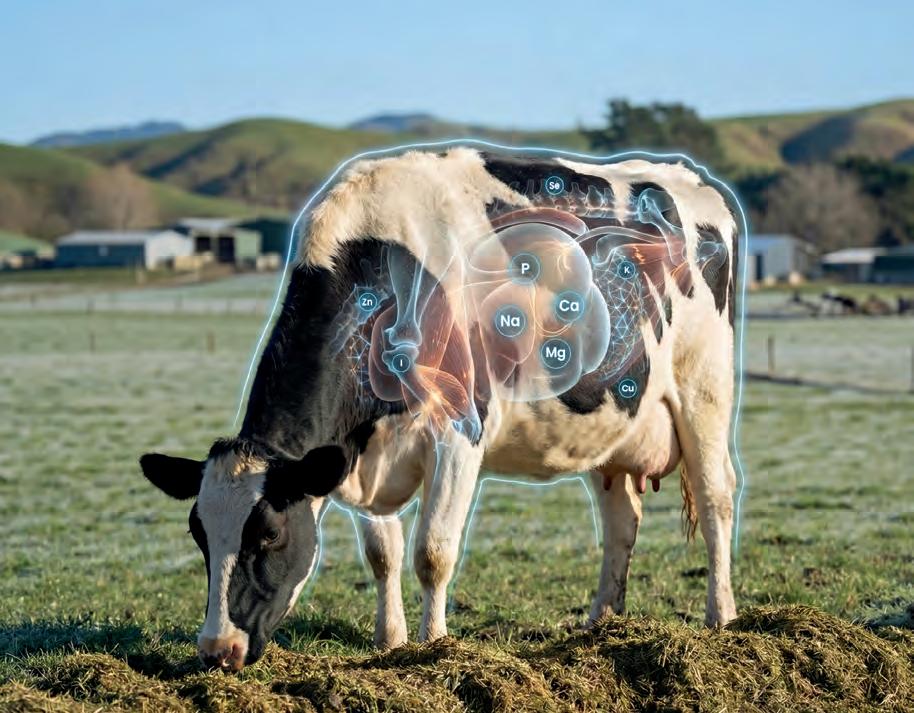
Pasture-based herds still face major transition pressure. Lower dry matter intake, rising calcium demand at calving, energy balance shifts and the onset of lactation can all affect cow health and production. Springing cows still need support for calcium metabolism, magnesium status, trace mineral coverage, appetite and steady diet changes. Get the basics right
The basics of transition management are straightforward. Start early, provide the minerals needed for the correct timing of calcium mobilisation, maintain trace mineral coverage, support appetite and avoid abrupt feed changes at calving. On
many farms, that means close-up management from about three weeks before expected calving and using feed and mineral delivery options that cows can reliably access.
Pros and cons
Each delivery option has trade-offs. On highinput farms, fortified close-up rations or mixerwagon blends make dose and intake easier to control. Feed pads and controlled groups also make small-group management and intake monitoring easier. While these systems improve control, they are not the only way to manage transition risk.
For low-input and pasture-based systems, practical options that work well when feeding supplement in the paddock include freechoice mineral licks, or minerals layered into feed out wagons, or blended into silage. Freechoice formulae can work well, but the limitations need to be understood.
Individual intake can vary, and dominant cows may push others out. The rule of thumb is to have one access point per 50 cows (per 100 cows at minimum) to increase even access to the supplement.
Mob management
The right option
depends on mob management. If springers are managed in a tight mob, targeted paddock placement or offering minerals at hay feed can work well. If younger and older springers remain mixed in larger mobs, then offering multiple mineral stations or combining free-choice minerals with short, supervised, controlled feeding periods can improve the chance that more cows get enough.
Intake variation needs to be managed. Freechoice systems can create wide intake ranges, with some cows consuming too much and others too little. Controlled feeding can help, but it needs infrastructure and labour. A practical approach is to start mineral support early, use free-choice minerals as a baseline and add short-term controlled feeding (e.g. feed pads or supplement troughs) for the last two weeks precalving if you can. Create a plan that works for you
Before calving, ask the following questions to shape a workable plan:
■ Can springers be separated or drafted into smaller mobs?
■ When are cows drafted into the springer mob relative to days precalving?
■ Where and how
will minerals or supplements be placed so all cows can access them?
■ How will you monitor intake and make adjustments (visual checks, monitoring mineral consumption, watching dominant cows)?
■ What does the farm’s recent milk fever or metabolic disease history show, and where are the highest risks?
The answers will help match the feeding method to paddock layout, labour and cow movement. The earlier this is planned, the easier it is to make the system work.
The main nutrition priorities are calcium
metabolism, magnesium status, trace mineral coverage and steady dry matter intake. Timing is important, so start mineral support several weeks before calving to give the cow’s physiology time to respond, even when delivery is less controlled.
Bottom line: Reliable nutritional support
A good transition
does not depend on the formulation alone.
It depends on good springer management, selecting cows at the right time in order to allow long enough to effectively prime the body for calving, and it also requires getting the mineral balance right.
High-input farms may have more control, but low-input farms can still reduce transition problems with a plan that fits their infrastructure, labour and mob management. The goal is the same on every farm – give springers reliable nutritional support before calving. Infrastructure always dictates how that support is delivered.
• Chris Balemi is Agvance Nutrition founder and managing director.
A passion project for the family
Environment Awards, aim to pass on to their three sons.
THE BUMPY road you travel on teachs you a lot, believes Don Watson. And that’s the message he and wife Kirsten, supreme winners of the Auckland Ballance Farm
“They were a big motivation as to why we went farming,” he told a field day at their South Head farm, Morelands Pastoral, in late May.
Both of them trained and worked as vets
before going sheep and beef farming then taking on two sharemilking positions. Kirsten admits they bought their 123ha (112ha effective) farm “on the hop” back in 2017.
“But we haven’t regretted it. It’s become a passion project for us.”
They also lease a
150ha runoff just over the road, which is cropped for maize silage and where they run their heifer replacements, all of which they breed themselves using LIC sexed semen, and some beef catle. There are no bobby calves with Rissington Profitmaker
G6 and G10 alert.
composite semen being used for easy-calving and low birthweight offspring. Target production for the split-calving Kiwicross herd this season is 135,000kg milksolids with around 400kg of palm kernel and one tonne of maize silage/cow fed annually.
Kikuyu-dominant pastures have been improved through mulching, trialling six different fescues, the best of which have delivered 2 t/ha more feed, and improving the soil structure. In their first year pasture harvest wasn’t 8 t/ha but that’s now up to 12-13 t/ha.
On 12ha of waterlogged flats they made a switch from 120 kg/ha nitrogen prills to first 70 kg/ha N foliar applications and now 40 kg/ha. There wasn’t enough fall for a floodgate but a novel solution was found through local Waimauku inventor, Tom Gardiner.
Recent calf scour research shows NZ cattle have exposure to both G6 and G10 rotavirus strains.
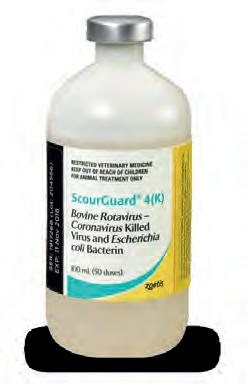
ScourGuard® 4(K) is the only broad-spectrum vaccine in New Zealand containing both G6 and G10 rotavirus along with coronavirus and E. Coli, supporting a strong, rapid and long-lasting antibody response.
He demonstrated his water siphon on the farm which creates a vacuum allowing water to be drained from higher to lower levels at the same time as going up and over obstacles eight metres high. While Don was dubious he now sees that the cost of around $45,000 with the top siphon unit leased from Tom, is highly efficient. Around 4-500 cubic metres/hour of water can be removed meaning after an overnight storm, water levels are back to normal in the morning. There’s been a 30% lift in pasture harvest.
Another innovation which has paid off handsomely is the use of Halter, where again he said he was initally a sceptic. But they calculate the technology saves 27
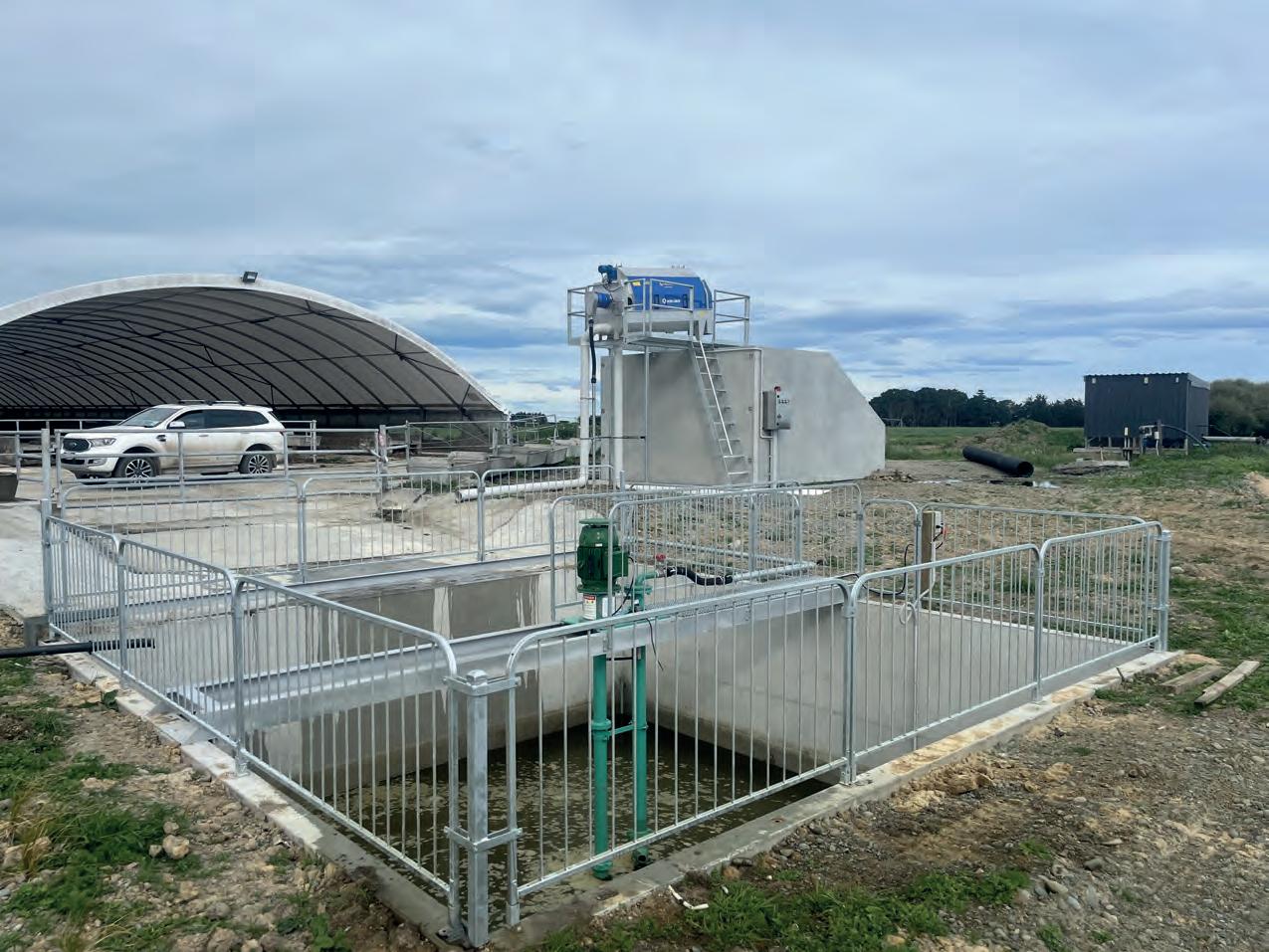
hours/week of his time and it’s made a huge difference when it comes to mating management and monitoring body condition score (BCS). They’ve also made environmental improvements through upgrading their effluent system. One third of the flats is irrigated by travelling cannon, while on the hills, stationery guns are automatically shifted every hour. The existing effluent pond had a stainless steel shield added to hold solids back, which can easily be scraped out and spread on the cropping land. Fallow deer that come out of the tidal mangroves are a problem, as is pampas, which Don said takes a lot of effort to target. With one small Queen Elizabeth II bush block on the farm, funding has been received from Kaipara Moana Remediation (KMR) to plant a steep face with kanuka, manuka, totara and cabbage trees. Wetlands are also in the process of being created as a suitable habitat for the endangered bittern, a regular visitor. The Watsons also took out the Ballance Agri-Nutrients Soil Management Award, the DairyNZ Sustainability and Stewardship Award, the Hill Labs Agri-Science Award, the Norwood Farming Efficiency Award and the Beef + Lamb New Zealand Livestock Farm Award.
GLENYS CHRISTIAN
South Head farmers Don and Kirsten Watson.
Dairy ‘should be high quality partners’ to the beef sector
NIGEL MALTHUS
DAIRY FARMERS
need to be high quality partners to the beef industry, says Prem Maan, the co-founder and executive chairman of the dairy corporate Southern Pastures.
Introducing himself as the “dairy guy” at Beef+Lamb NZ’s recent Out The Gate 2026 event, Maan said dairy farming produced a lot of bobby calves and that was no longer acceptable to its social license to operate. Southern Pastures recognised that early on and decided to develop a solution that integrated with beef industry needs, producing specialist beef calves.
Maan presented photos of some of the calves already being produced through the programme.
“As you can see, they look like magnificent beef animals. I’m sure you’ll agree that they don’t look like traditional dairy bobby calves.”
Maan said Southern Pastures partnered with Hawke’s Bay bull breeders Rissington Cattle, using their Angus-based Profit Maker genetics.
“The quality of what’s going out of our dairy
platforms today is streets ahead of where it was a few years ago and what people expect when they think of dairy beef,” said Maan.
Every dairy beef calf born on a Southern Pastures farm was now bred for a beef system.
“These are not accidents. They are not your traditional bobby calves,” he said.
They deliberately select for growth rates, temperament, and carcass quality - the things that matter to finishers.
He said feedback from finishers was that the calves were consistent, predictable and a tenable proposition for anyone running a beef finishing operation.
They have since also
joined forces with Taylor Preston and Wilson Hellaby as the Better Beef Collective, which invites dairy farmers, beef breeders, rearers and finishers to join in a data-driven collaborative effort to support scale, consistency, and better outcomes across the supply chain.
Maan said Southern Pastures was heading towards producing 6000 beef calves – numbers which none of the dairy farmers in the Better Beef Collective would have the carrying capacity for, or could manage, without knowing the destination of the calves well before they are born.
“This year, the collective has arranged a small deposit from
CARBON FOOTPRINT
EXPLAINING SOME of the finer points of the programme, Southern Pastures southern regional manager James Booker said their dairy herd would not change from its Jersey-cross focus.
Low calving weight was important and they were getting 32kg Angus composite calves, about 90% of them turning out black like the animals in the photos shown at the event.
Partnering with a range of calf rearers, Booker said Southern Pastures fully backs them on nutrition, and maintains ownership to 100kg.
On emissions policies, Prem Maan said customers care about climate change whether or not farmers believed in it. UK supermarkets would not buy unless they could prove their carbon footprint.
“On a per unit basis, New Zealand
against anyone in the world,” said Maan.
“When you add beef production from our dairy herds, the whole system efficiency improves even further. That allows New Zealand to maintain its advantage as one of the most emissionsefficient beef systems on the planet.”
Southern Pastures was committed to working with the beef industry “because in the end we believe we’re intertwined. At the end of the day, we are all grass farmers”.
He said that he was not there “to sell Halter” but technologies like Halter would soon allow beef and sheep farmers to start farming grass as intensely as dairy farmers now do.
“So, imagine the productivity gains we’re going to get out of our pastures. This is going to be quite immense for the country.”
finishers for their calves to be born for this coming season - finishers who intend building their own systems on the back of well-bred well-raised animals being delivered on time to specifications each year.
“They will then supply
finished calves back to the processors in the collective so we can all improve each year from the data generated along the whole supply chain.”
The traditional beef spot market does not support the same degree of information capture as
the Collective’s system, said Maan.
Maan said a key part of the trial process was to take their beef to some of the top restaurants in Auckland and ask them to test it on their customers.
“And the feedback we got was that they love
the product and they’re willing to buy at the top prices.
“That is quite important to us because there’s no point creating product the market is not going to buy.”
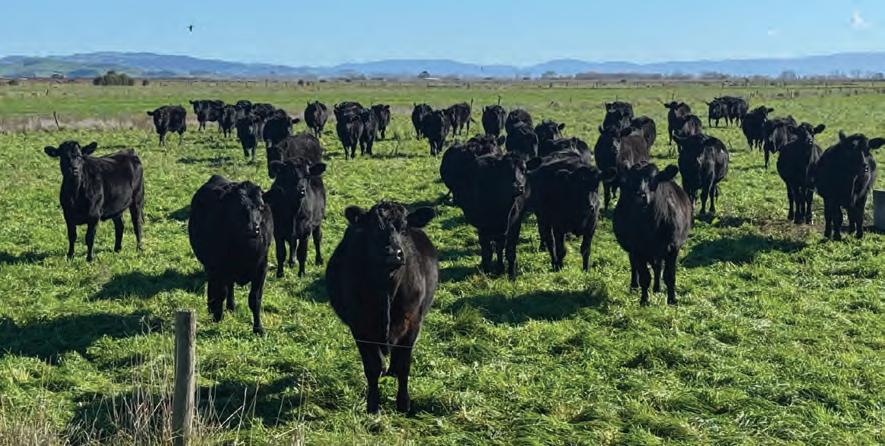
Not your traditional dairy bobby calves: Southern Pastures dairy beef animals pictured on a finishing farm.
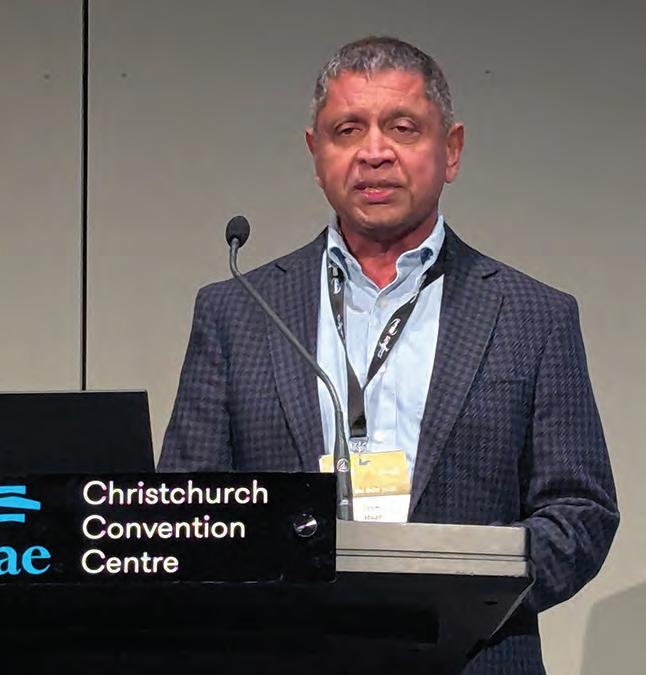
Southern Pastures executive chair Prem Maan at the recent Beef+Lamb Out The Gate 2026 event.
Positive results delivered by good farming practices
ANALYSIS OF decades of research has revealed the implementation of good farming practices plays a critical role in reducing nutrient losses to improve freshwater outcomes.
Researchers from DairyNZ, the Bioeconomy Science Institute (formerly AgResearch), and Lincoln University have explored two decades worth of data and used multiple data sources to assess the impact of good farming practice implementation on nutrient loss reductions.
The results show a clear link between the widespread implementation of good farming practices and lower contaminant losses from land to water on New Zealand dairy farms.
DairyNZ senior scientist Dr Katrina Macintosh says farmers should be confident that the actions they are taking on their farm are having an impact, without affecting productivity.
“Over the past 20 years dairy farmers have implemented a range of good farming practices, including better fertiliser use, effluent management, reduced soil cultivation
and improved irrigation scheduling.
Until recently, few studies assessed its impact, and when improvements in water quality might be detected,” she says.
“In recent years, we’ve been working with milk processors using the data they are collecting from their suppliers via their farm environmental plans to better understand environmental improvements.
“Working with Fonterra and Open Country Dairy, plus capturing information from DairyBase, we were able to analyse multiple anonymous datasets to determine the level of good farming practice implementation around the country and what that means for reducing nutrient losses and improving water quality.”
One of the studies looked at five dairy-dominated catchments ranging from 598 hectares to 2480 hectares between 2001 and 2020, a period where extension programmes began to be rolled out, and water quality and farm practices were being regularly monitored. The research found good
farming practices reduced phosphorus, E. coli and sediment concentrations.
Another study looked at uptake of good management practices across a 10-year period between 2013-2022 and the influence they had on nitrogen (N) and phosphorus (P) losses to water from dairy-farmed land. The study found that N management, and improved irrigation and cultivation practice contributed to lower N loss trends, while P fertiliser and effluent storage methods were the most influential parameters for reducing P loss.
Notably, the analysis found that while the adoption of good farming practices decreased N and P losses on farm, it did not impact negatively on milk solid production.
“Good farming practices are generally accessible and cost-effective for farmers to implement on farm to deliver improved water quality outcomes. Fresh water management is a long-term game and it’s great to be able to show farmers the impact of their efforts on farm over the past 20
years or so,” says Macintosh. The research is building a strong evidence base showing how farming practices
on New Zealand dairy farms
have changed over time in pastoral catchments to deliver environmental outcomes.
• Article - DairyNZ
Farmers should be confident that the actions they are taking on their farm are having an impact on water quality.
Good irrigation has wider benefits
INCREASED COMPETITION for water means the whole community is looking at how irrigators use water.
Good irrigation not only has benefits for the wider community, but for individual farms too.
This is because pastures grow better, providing more feed which is easier to manage, and fewer breakdowns occur and systems are simpler to operate.
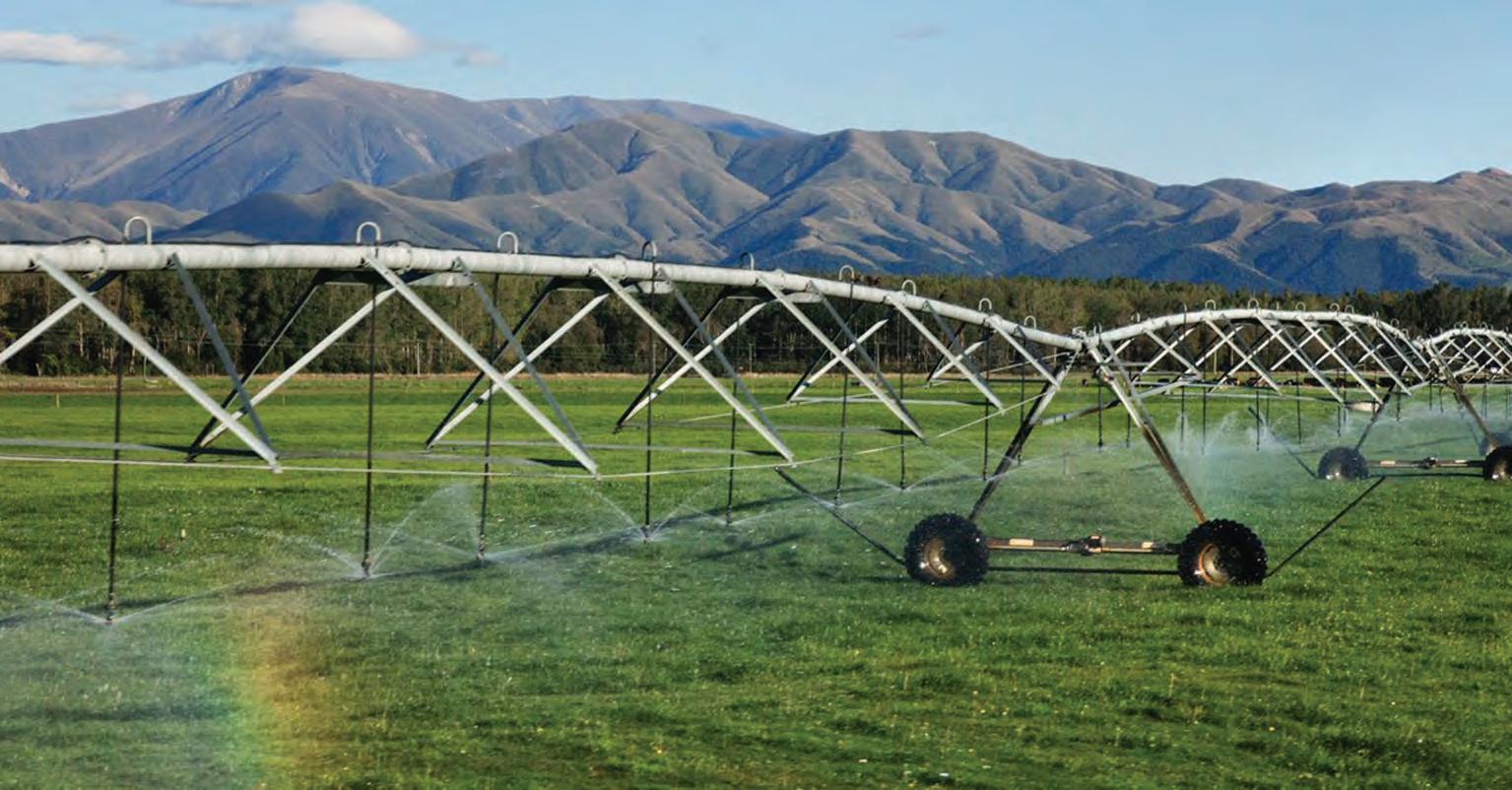
Running irrigation well comprises three main components –management, operation and maintenance.
To irrigate well, you must apply the right amount of water at the right time to get maximum growth from pasture.
Put on too much water and it drains away below the pasture and leaches out some of your expensive nutrients; leave it too late and the plants may stress, which reduces growth rates.
Maintain and manage the irrigation system to minimise wastage and leaks. There is little point in using expensive energy to pump water and then let it go to waste because of leaks in the system. Leaks may reduce the operating pressure so much that the system doesn’t apply water evenly, leading to patchy growth of pasture. Watering tracks and other non-productive areas wastes water.
Four factors influence irrigation needs: soil type, plant type, climate and irrigation system capability.
Soil type
Soil is a natural storage tank, holding water for pasture plants to absorb through their roots. Soils vary greatly in the amount of water they can hold onto.
Clay soils have smaller pores and can hold more water but hold onto the water tighter. Sandy soils have bigger pores and hold less water but make it easier for plant roots to extract the water.
The amount of water a soil can hold is expressed in millimetres of water per metre depth of soil (mm/m) and is called water holding capacity (WHC). It varies from 175-190 mm/m for clay loam to 45-55 mm/m for sand.
Plant type
Pastures receive the majority of the water they require through their roots. Therefore, the depth of the plant’s roots affects the amount of water a plant can uptake.
A shallow rooting plant will have less water available through its root system than a deep-rooted plant.
Annual and perennial pasture has a rooting depth between 0.3-0.8m, compared to lucerne’s 1.2-1.8m. The root zone will also be affected by the plant growth stage, so a seedling will have
a smaller root area than an established plant.
Climate Plants use most of the water they require to keep themselves cool, pumping water from the roots to be transpired by the leaves.
The rate at which they extract water from the soil is based on the evapotranspiration rate (ET). ET rates are
NOT ALL irrigation systems can apply the same amount of water. The amount of water that can be applied varies depending on the type of irrigation system (border dyke, centre pivot, rotary boom etc). Other influences include:
■ The amount of water available for use
■ How soon an irrigator can return to a paddock
■ How much water the irrigator can apply.
The overall capability of a system is referred to as system capacity and describes the maximum amount of water able to be applied in a given timeframe (e.g. mm/day, l/s/ha or mm/wk). Because the main aim of irrigation is to keep up with ET rates (plants demand for water), system
affected by climatic conditions such as temperature, wind, humidity and growth stage of the plant.
A hot windy day in the middle of summer
capacity should try to match ET levels.
As it can be impractical or uneconomic to have an irrigation system which is able to match ET rates at their peak, decisions have to be made on how to manage this limitation. During the season, options may include reducing the area of land irrigated, feeding supplements, or reducing stock numbers.
Long-term options include reviewing the irrigation system and making changes to improve the efficiency of the existing irrigation, increasing irrigators or installing more efficient irrigation types. To improve the reliability of water supply, development of seasonal storage or applying for additional water allocation may be required.
can focus on other important jobs
• Different models to suit various farms, small or large
• State of the art equipment for maximum efficiency
will have a high ET rate because the plant needs more water to keep cool.
In spring, soils are generally near field capacity (full of water) and temperatures are still low. There is good potential to save water by delaying the start of irrigation until it is actually needed, i.e. when a soil moisture deficit occurs and temperatures increase.
Saving water in the spring, when ET is low (risk to crops is minimal), also means there will be more water left for the peak season.
But care must be taken not to let the soil get too dry, as it may be hard to catch up, especially with irrigators that have a long return period (e.g. when it takes longer than 10 days to return back to a paddock).
Autumn ET rates can decrease rapidly in the autumn. This means irrigation water does not need to be applied as regularly.
Minimising unnecessary irrigation in the autumn also helps minimise cooling of the soil, helping to keep plants growing longer.
Rainfall is the best form of irrigation as it does not cost anything. Where possible, leave enough room in the soil to absorb any rain so it can be utilised to naturally increase soil moisture, saving on irrigation. If soil is fully saturated and it rains, the water has nowhere to go except run-off or drain out the bottom of the soil, so it is not utilised and may take important nutrients along with it.
• Article- DairyNZ
Running irrigation well comprises three main components –management, operation and maintenance.
Neighbouring on being the
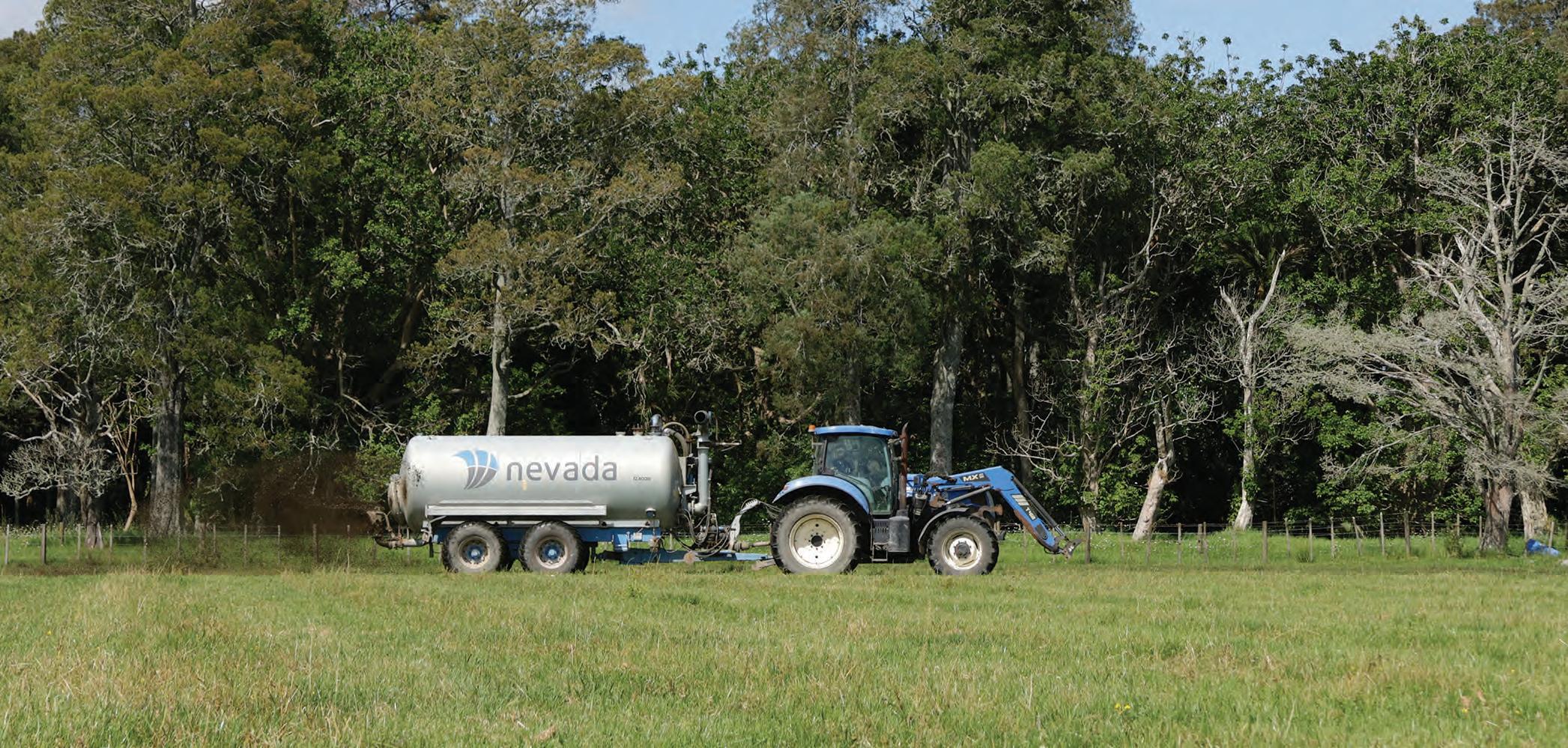
LOGAN HEWLETT was sceptical about using a slurry tanker; he had been using a travelling irrigator for 20 years.
He knew it well and was used to all the hassles that come with owning an irrigator, but those niggles were starting to add up.
His travelling irrigator pumped effluent directly to the paddocks but only covered about 35 hectares.
On top of that, he had the usual problems of blocked nozzles that needed to be cleared – it was just a time sink and an inefficient system. He’d drive out to the irrigator, find a blockage and then have to traipse all the way back, shut off the pump, drive back to
His neighbour said he could borrow his slurry tanker. In the first week, he had spread over a million litres of effluent. He was amazed by how fast he could move product.
the irrigator to unblock the nozzle and then return all the way back to the pump to switch it back on. As a result, he was only spreading about 60,000 litres a day.
Logan has a split herd of 500 cows that are milked twice a day, so there is a lot of effluent that needs to be cleared. He needed a better solution. His neighbour said he could borrow his slurry tanker. In the first week, he had spread over a million litres of
effluent. He was amazed by how fast he could move product and the amount of land he could cover. He was sold; he knew straight away that he needed to get a tanker for himself.
Logan went out and got a Nevada 12,800L tandem slurry tanker. He thought about getting the 10,000L model but now thinks he could go a bit bigger and cut down the trips. When he had the travelling irrigator, he was covering half
a paddock in a day –about 60,000 litres. He regularly spreads 250,000 litres a day and has seen a massive improvement in soil health, grass and crop production.
With his previous system, he could only cover 25% of the farm, now he is easily reaching 75%. Making the switch was easy. The 12,800L slurry tanker has a tandem axle with steering, so it is easy to manoeuvre around the farm, through gates and tight places. He controls everything from the interior of the cab; he just pulls up to the pond side easel and drops the Auto-Fill arm, which fills up the tank in about three minutes.
Logan is using System
Logan Hewlett is milking 500 cows, split into two herds on 405 hectares of land, up on a farm in Mata, fifteen minutes from Whangārei. His neighbour completely changed the way he manages his effluent.
Whangarei farmer Logan Hewlett
best purchase ever
5, so the quality of the effluent is high, meaning he does not need to use any other fertiliser, except some sulphur in the winter.
The quality of the effluent he is loading into the slurry tanker has a lot to do with the system he uses on his ponds. When he overhauled his effluent management, Logan made sure to install a Nevada Electric Stirrer and a submersible pump at his sump.
The main pond holds eleven million litres of effluent, which he uses for long-term storage over the winter months. For his day-to-
day effluent needs, he normally uses a 100,000L sump, which takes the wash off from the feed pad.
Before he got the electric stirrer, he had a pontoon stirrer installed in the sump. This set-up pushed the liquid downward from the pontoon but had trouble moving all the effluent in the sump. This caused a big problem in summer when the crust would grow so quickly that it would end up lifting the pontoon out of the liquid.
The day the electric stirrer arrived, Logan set it up, dug a hole in
the crust and dropped the stirrer in and went home to get some lunch. By the time he got back, the crust was gone, the centrifugal force had churned through the crust. He has never had a problem since then.
It is set on a timer and can run when he wants, usually just before he is about to start spreading.
It is a perfect companion to the tanker, keeping the effluent solids in suspension, so the effluent he spreads has a higher nutrient value. For Logan, it was a great investment.
“The stirrer is awesome – plug and
play. If you get anything wrapped around the prop shaft, you just winch it up, turn it to the side of the pond and unwrap it. Then poke it back in the slurry – really easy.”
Logan has got some great neighbours and lending him his first slurry tanker for one week could have been the best thing they’ve ever done.
He is spreading more effluent than ever before, which is saving him thousands in fertiliser costs and delivering fantastic growth in his paddocks. Both the soil and bank balance are in much better health.
The Nevada slurry tanker allows 75% coverage of the farm.
A CONTRACT milker and a dairy farm owner have been convicted and fined a combined $66,500 for the unlawful discharge of dairy shed effluent and stockfeed leachate into the environment.
The sentences were imposed in the Huntly District Court by Judge Melinda Dickey in two decisions released recently. The prosecution was taken under the Resource Management Act by Waikato Regional Council.
In June 2024, council officers
conducted two inspections at a Tuakau farm owned by Sunrise Dam Limited. On the first occasion they found a significant volume of dairy effluent had been unlawfully discharged onto land from a storm water diversion, on the instructions of the farm’s contract milker, Yubraj Subedi. They also found a leachate discharging from a stock feed bunker into a roadside drain.
During a second inspection later that month, council officers found the feed bunker
was still discharging leachate into the same drain, a drain with the potential to discharge into the Waikato River.
Subedi was convicted and fined $49,000 for his part in the offending, and Sunrise Dam Limited $17,500 in respect of the leachate.
“This case highlights the importance of clear responsibility for environmental compliance on dairy farms, particularly where farm operations are delegated to others,” said regional compliance manager Patrick Lynch.
LINER SYSTEMS FOR DAIRY
AND IRRIGATION PONDS
“While the court has recognised that Sunrise Dam Limited had finally upgraded infrastructure since the council intervened, the convictions and fine reinforce that both farm owners and those managing day-to day operations must ensure that systems are fit for purpose and appropriate management procedures are in place at all times to prevent harm to the environment.”
@rural_news facebook.com/ruralnews
• Cost competitive
• Utilise your existing site
• Control contamination and gas
• 20 year material warranty
• Reliable seam testing
• Proven performance
• Full QA report
FARMER PINGED FOR CARELESS
SOUTH WAIKATO farmer David Christensen was convicted and fined $56,000 for two unlawful discharges of dairy effluent following a prosecution taken by Waikato Regional Council. The fine was imposed by Judge Melinda Dickey from the Huntly District Court after Christensen plead guilty to two charges under the Resource Management Act.
In September 2024, council compliance officers inspected the defendant’s farm and found effluent had overflowed from the sump, causing extensive ponding onto pasture. Further ponding was found to have occurred from a travelling irrigator operating on already saturated paddocks. Both discharges posed a significant risk to contaminating groundwater.
Waikato Regional Council regional compliance manager Patrick Lynch emphasises the importance of proactive and vigilant effluent management.
“Dairy effluent systems need to be fit for purpose, robust and carefully managed at all times to avoid environmental harm.
“Discharges like this pose real risks to water quality, particularly in the wetter months where soils are already saturated and waterways are nearby,” Lynch said.
In sentencing, Judge Dickey described the offending as careless, noting that effluent management systems on the farm were vulnerable to failure and had not been adequately overseen. The court found that the effluent pond was full, creating pressure to irrigate at a time when paddocks were already saturated, and that a simple alarm system could have prevented a sump overflow.
Waikato Regional Council staff test leachate discharging from stock feed bunker.
Plenty to see at MF’s site at Fieldays
MARK DANIEL markd@ruralnews.co.nz
LONG TERM exhibitor at Fieldays, AGCO and its Massey Ferguson brand, have several new products on display.
The 5M Series, available between 95 and 145hp, with torque outputs from 405 to 560Nm, sees the 5M.95, 5M.105, 5M.115 and the 5M.125 available in platform or cabin layouts, while the 5M.135 and 5M.145 models are cabinspec only.
The entry level 5M.95 features a 12F/12R speed transmission, with models 5M.105 through 5M.135 available in 12F/12R or the Dyna-4 option, while the 5M.145 is Dyna-4 spec only. The first three models offer a 4300kg lift capacity, with the larger models rated to 5200kg.
Functionality of the 5M Series is increased by a brake to neutral function, allowing stopping and restarts by simply applying and releasing the brake pedal, lending the machines to exceptional performance in loader operations and stop/start field tasks like baling. An optional live, third function helps save time by boosting
loader efficiency by 20%.
For those looking to make the most of increasingly available technology, multiple options include auto-guidance ready, and ISOBUS Light, with features such as pre-planned way lines, section control, rate control and Task Doc Pro.
Fieldays will also mark the first New Zealand showing of the MF 8S Xtra, the evolution of the current 8S series, offering 205 to 305hp with maximum torque levels of up to 1280Nm.
The intuitive Protect-U design sees a 24cm gap between the rear of the engine housing and the operator cabin, delivering improved visibility, increased comfort and noise levels reduced to 68dB, while also enhanced further by an angled windscreen and narrow hood profile.
At the heart of the 8S-Xtra, a Stage V, 6-cylinder AGCO Power engine of 7.4 litres offers maximum power outputs of 205, 225, 245, 265, 285 and 305 hp from the 8S.205, 8S.225, 8S.245, 8S.265, 8S.285 and 8S.305 models respectively. In addition, an engine power management (EPM) system offers a useful ‘boost” of 20hp across the range, as engines come under load.
The first four models in the range
are available with the semi-powershift, Dyna-7 transmission offering 28F/28R speeds, from 1.8kph to the maximum speed. Alternatively, the Dyna-VT transmission-the stepless constant variable option is available across the whole ranges offering speeds from 0.1 to the maximum, 40 or 50kph speed.
Featuring a 3.05 metre wheelbase, 8S-Xtra tractors, with a GVM of 16,000kg, can be equipped with rear wheel/tyre equipment up to 2.05m diameter, to deliver maximum traction and reduced soil loading from the increased footprint. Up front, the Quad Link front axle suspension system offers safety at speed and increased comfort, while also delivering a tight, 5.7m turn radius.
At the business end of the tractor, hydraulic output, via a closed-centre, load sensing system is 150l/min for Dyna-7 spec tractors, rising to 205 litres/min for Dyna-VT variants, both available with up to five remote valves. Rear lift capacity of the Cat 3 threepoint linkage is rated at 10,000kg, while the front linkage offers 4800kg capacity, complemented by two remote valves.
Depending on overall configuration,
the 8S Xtra Series has an average weight of 10,000kg and a maximum operating weight of 13,700kg. Dyna-7 models offer a 4-speed PTO layout, with twin speeds available on the Dyna-VT.
In the cabin, Exclusive versions feature standard equipment including automatic climate control, an automatic, air-suspended swivel seat, that in turn is complemented by an active mechanical cab suspension system.
The Datatronic-5, nine-inch touchscreen terminal offers simple
and extensive control of all machine functions, with ISOBUS and multiple options such as radio and phone integration.
A multi-pad, fully configurable joystick, can be programmed for key, favourite or repeated actions, including forward or reverse direction selection, alongside speed or engine speed choices. Meanwhile, a secondary electronic joystick, to the right of the main unit, can be used for loader control, front linkage operation, or favourite remote valves.
updates wrapped bale moving range
ALREADY WELL
known as a leading manufacturer of frontend loaders and having developed the first quick detach loader nearly 60 years ago, Quicke also builds a wide range of implements, including a wrapped bale-handling range with new and recently updated options.
Engineered for modern farms and contractors, the new implements feature proven designs with targeted updates for greater productivity, safer handling of wrapped bales, and longer service life.
Quicke now offers everything farmers need for bale handling within one portfolio.
Offering a complete bale handling portfolio –
Unigrip S+, M+, L+, XL+, and Quadrogrip TS – the
unified range delivers a solution for every wrapped bale type and operational need.
Unigrip S+ & M+ offer a secure grip without damaging silage or wrap and excellent stacking ability, making them ideal for front loaders and lighter material handlers.
Enhanced kinematics and reinforcement in key stress points ensure precise, safe handling, while optional accessories include bale
support, relief valve, and load hold valve to suit a wide range of operations.
Unigrip L+ & XL+ are built for intensive use and high productivity, offering the ability to handle two bales simultaneously, with optional second bale support. Accessories include an equaliser bar, and load hold valve for demanding or poor ground conditions.
Quadrogrip TS is a solution for square
bales, featuring a telescopic design, makes it perfect in narrow or tight spaces. Features include robust engineering and easily adjustable wear pads keeping telescopic arms in position, a greasefree design, alongside
the optional 2nd bale support, and load hold valve.
Henrik Jönsson, Quicke product manager implements, says the launch of the new and updated wrapped bale handling portfolio
“means we can deliver a complete solution for customers from small farms to large contractors, while delivering performance, precision, and reliability for every wrapped bale”. Visit
•
MARK DANIEL markd@ruralnews.co.nz
Unigrip S+ & M+ offer a secure grip without damaging silage or wrap and excellent stacking ability.
Twenty foragers in one deal
THE OLD saying is ‘go big or go home’, which appears to be something that German contracting business Kohl Harvest of Saxony Anhalt in Bavaria has done with a record order for John Deere.
Believed to be the biggest single deal ever made at the Zweibrücken plant, the businesses shook hands on 20 John Deere F9 500 forage harvesters. While it is the entry point of the new F9 Series, the 500 still offers some impressive statistics with the wider 830mm crop channel, 18 litre JD engine, pushing out 700hp, boosting to 7865hp as it comes under load.
Featuring a 1500l fuel tank, a clever driveline ‘syphons’ off around 10% of gross engine power for ground propulsion, delivered by a two speed transmission, which offers 0 20kph in Field mode and 20kph and more in Road mode.
According to the John Deere online configurator, a harvester like the F9 500 starts at around €600,000, making the value of this deal around €12 million, before any headers or accessories are added and hopefully before any discounts are applied.
One hopes that if any discount is applied, the deal still includes a new pair of overalls and a baseball cap!
Interestingly, this isn’t the first big green fleet deal for Köhl Harvest,
AGCO’S VALTRA brand has announced a production milestone at its Suolahti, Finland, factory with the completion of the 1000th AGCO continuously variable transmission (CVT).
Commissioned in 2025 as part of Valtra’s €38 million high‑technology investment, the CVT expansion has quickly proven its capability for efficient, high‑quality series production. The investment is one of the most significant in the company’s history and further reinforces the location’s role as a modern, high technology centre for tractor manufacturing.
The CVT expansion at the Suolahti transmission plant supports Valtra’s and AGCO’s strategic ambitions to develop
and manufacture key powertrain components close to tractor production.
In addition to Valtra tractors, AGCO CVT transmissions produced in Suolahti are also used in select AGCO Fendt and Massey Ferguson tractors.
“Series production began approximately one year ago,” said Kullervo Mansikkala, transmission plant manager, Valtra.
“Reaching this 1000th CVT milestone shows that the new Suolahti expansion has achieved its intended performance quickly, with quality, delivery reliability and efficiency fully aligned.
We have created a solid foundation that allows us to scale up and further develop transmission production in close cooperation with AGCO’s global manufacturing network.”
Shared insights, stronger herds.
When farmers support farmers, we all move forward. Shared data, shared knowledge and generations of experience.