

Target gross cash return




Target gross cash return
KISSUN
SUDESH
sudeshk@ruralnews co nz
FONTERRA’S 460 milk suppliers in Australia, who will switch to Lactalis end of this month,
had factories in New Zealand and Australia, and it was doing what it needed to do in that network.
“But we’re hopeful that it can do a whole lot more and can bring investment to our region and a different market for our milk to go into.
“So, they’re all things that we see as

FONTERRA’S $4 2 billion sale of the Mainland Group to Lactalis is expected to clear final regulatory hurdles this month
This will see 4200 employees involved in the integrated foodservice and ingredients businesses in Oceania and Sri Lanka; and the Middle East and Africa foodservice business, move over to Mainland Dairy In Australia and New Zealand, the move will involve 2500 employees Fonterra Oceania managing
director David Breckenridge, who will head Mainland Dairy’s Oceania operations after the sale, says the leadership team, field staff and service offerings will remain the same
“The transition for our Australian business, if you take all the corporate ownership changes out, there really isn’t a lot of change other than changing the logos on shirts,” he told Dairy News
“We’re not breaking it up in any way: we’re simply changing the
brand on the shirts from Fonterra to Mainland Dairy
“So, everything from our factories, our brands, our team, other than the merchandise with Fonterra logo on it, remains the same ” Fonterra’s presence in Australia will be limited The co-op will retain access to a small number of customers Mainland Dairy will act as a distributor for Fonterra products into Australia

or N
($45.7million) before operating interest, taxes, depreciation, and amortisation (EBITDA) for six months ending December 31, 2025.
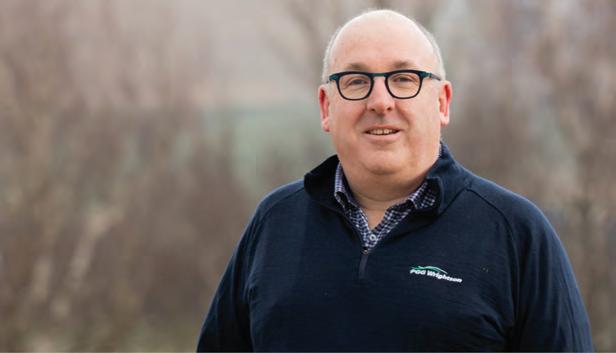
STRONG FARMGATE milk price is helping boost investment on farms, says PGG Wrightson chief executive Stephen Guerin.
And this is underpinning solid demand across PGW’s dairy‑related service and supply categories, Guerin told Dairy News
“Dairy pricing has remained supportive, providing confidence and cashflow stability for dairy farmers,” he says.
“While there has been a degree of volatility within global dairy markets, milk price expectations through the period supported continued on‑farm investment in feed, fertiliser, animal health, and productivity‑enhancing inputs.”
The boost in dairy spending helped PGW record a 11% rise in earnings
Operating revenue topped $619.4 million, up $49m or 9%. Net profit after tax is $17.3 million up $1.3 million or 8%. PGW declared an interim dividend of 4.5 cents per share.
Guerin says dairy farm upgrades led to good demand for its water business.
“Farmers are upgrading water tanks and investing in technology to determine how much water they use and when and at what location,” he says.
He notes that water circulation infrastructure need replacing every 15 years and some dairy farms were using the extra cash to do that.
New dairy farms coming up in the Canterbury Plains boosted demand for pivots, dairy herds and dairy replacements boosting PGW’s livestock business.

Guerin says PGW had also seen growing number of enquiries from farmers on calf supplement products as they prepare for the coming calving season.
He says PGW is proud of the result and thanked his staff for their efforts.
Guerin says the first half result was characterised by favourable commodity pricing across a number of key segments for PGW’s customers.
Commenting on the outlook, Guerin expects the operating environment to continue to be predominantly positive and present both opportunities and challenges for PGW and the wider sector.
“Overall conditions across agriculture remain favourable, with most parts of the sector performing well, supported by firm global demand
profitability and lower interest rates.
“Broader economic indicators are encouraging. A softer New Zealand dollar is benefitting exporters, although this is partially offset by higher imported input costs.
Guerin says PGW is well placed to support its farmer and grower customers and to capture opportunities arising from the forecast export demand. He says PGW remains on track to deliver its forecast 2026


SUDESH KISSUN sudeshk@ruralnews.co.nz
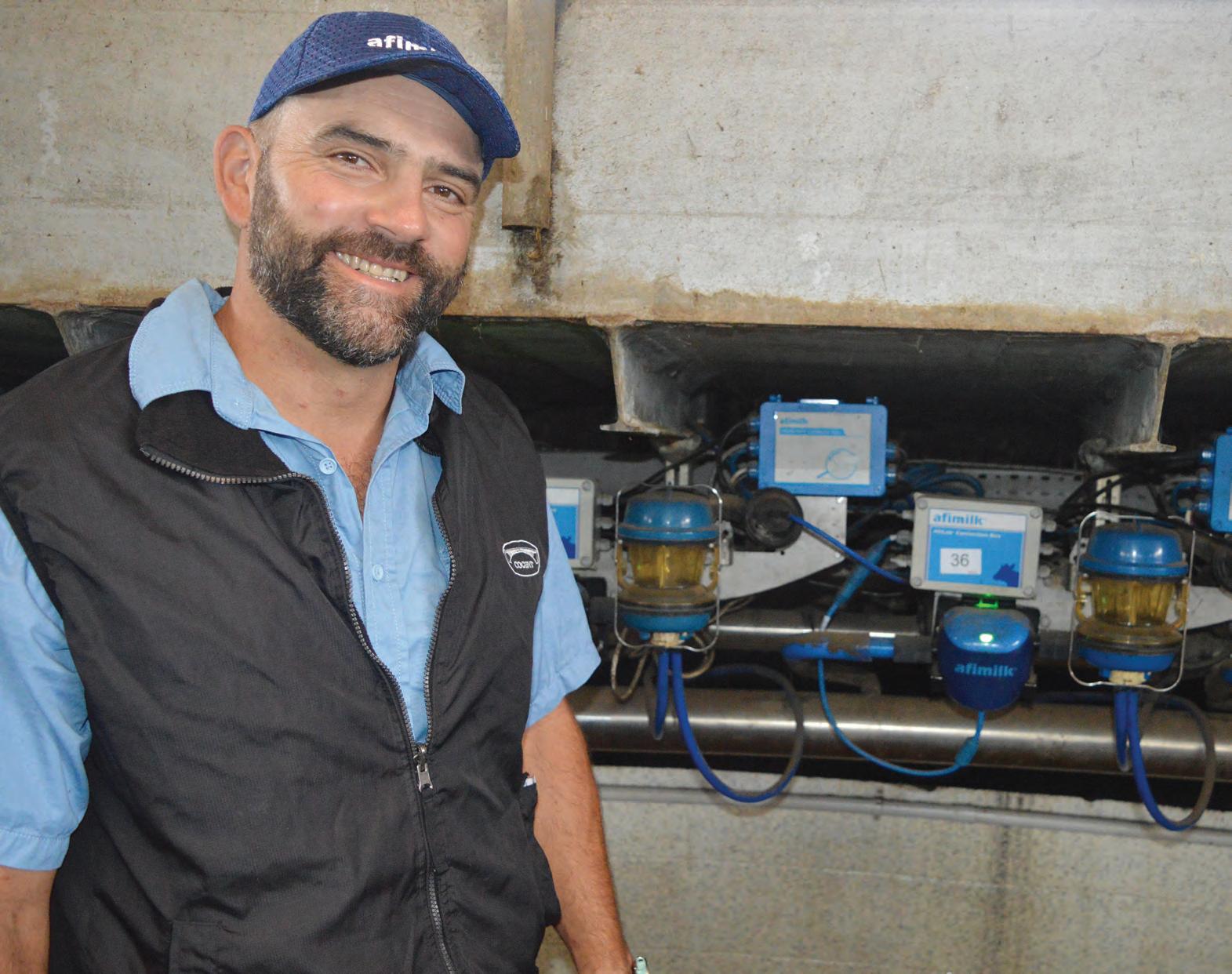
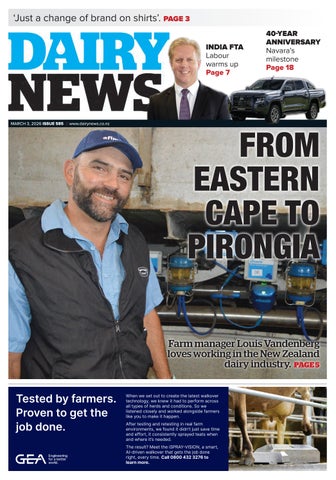
TWENTY YEARS ago, South African dairy farm manager Louis Vandenberg was sent to a farm in Waikato to provide training on Afimilk technology.
The 125ha (effective) farm at Pirongia, owned by Autaki Trust, had just embraced Afimilk technology - the first farm in the country to do so.
The farm owner Mark Brown was looking for a system that could identify individual cows and provide daily information for management decisions.
Vandenberg, from the Eastern Cape, did his practical course at university on Afimilk and started working on a dairy farm which was the first to embrace Afimilk technology in South Africa.
He recalls being tapped to come to Pirongia and help with calibrations and train Brown and his staff.
“I was here for about a month-and-half but had no idea that I would end up working here one day,” he told Dairy News
After returning home, Vandenberg maintained contact with farm owner Mark Brown.
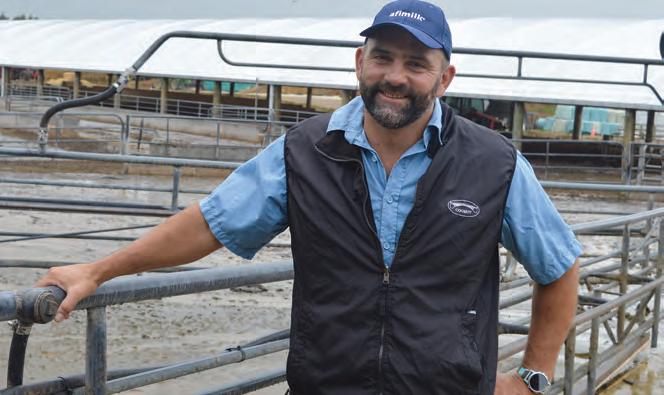
the NZ dairy industry.
“It’s almost like the same as home: the temperature, the climate are the same.
“The only difference is staff numbers; NZ farms employ lot of less staff.
“In South Africa, you’ve got four or five times more staff. On this farm we have only three full-time staff including me.
“A similar-sized farm in South Africa would have 25 to 30 workers: everyone had jobs.”
The Autaki Trust Farm started with Afimilk milk meters which gave the farm detailed data about each cow’s milk production to support
better decision-making on the farm.
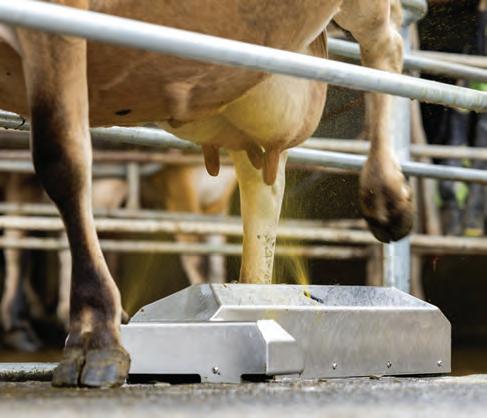
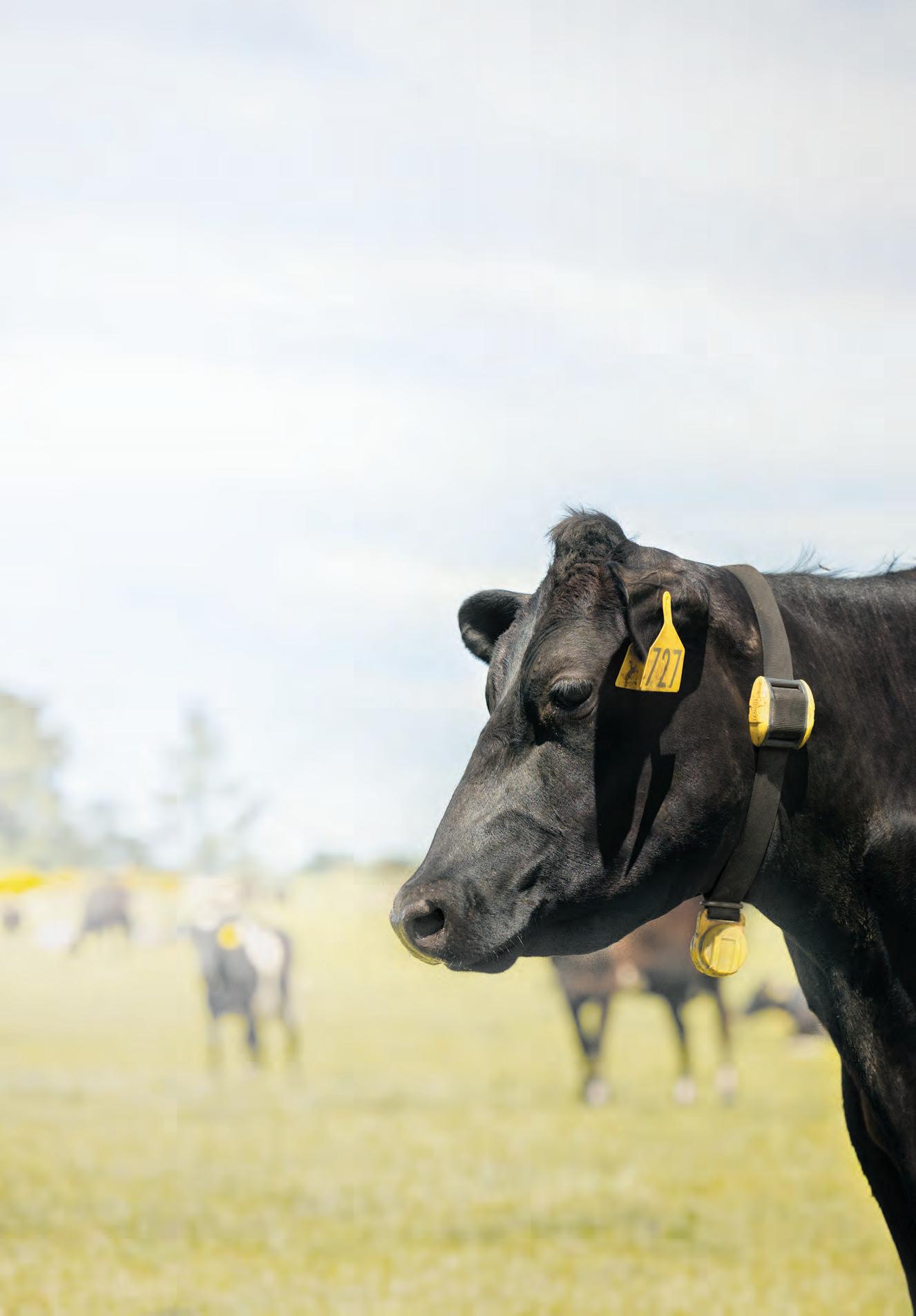
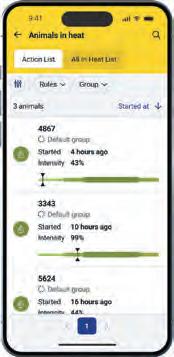
Over time, the farm added Afimilk pedometers, a sensor on the back leg of a cow. This identified the cow on the milking platform and provided weight and feed data. In 2023, the farm moved to AfiCollar, a neck collar providing real time date on accurate heat detection, accurate rumination and eating time, individual cow health alerts, group digestion alerts and 24/7 wireless detection and management.
Vandenberg says Afimlk collars have been a game changer.
“With the collars
MASTITIS IS also picked up early.
The farm’s somatic cell count (SCC) averages around 80,000 to 100,000 consistently throughout the season.
“Because we’re getting the mastitis earlier, we’re able to treat them quicker, get them back into the milking shed without any long-term effects on the cow,” says
we can catch cows earlier when they got sick, because stopped ruminating and there are more health alerts especially around calving.”
The farm also has AfiFarm, which provides easy farm management and mobile app access and Afi2Go Prime, which syncs with AfiFarm for real-time date.
Vandenberg describes the Afimilk system as “a user-friendly program” where everything’s integrated.
“So, there’s 10 different thing that the collars do, you can set up one sound cloud and involves just one software player.
“And, you don’t
Vandenberg.
The Afimilk system also means less use of labour - not having to go to the paddock to find the cows on heat and not having to use tail paint.
“Now that we’ve got a system that finds the cows for us, we can mate all season using artificial,” he says.
have to scratch around to find data. You can create your own reports and own data. You don’t have to wait for somebody to do it.”
The Afimilk system adds crucial senor points on the farm, Vandenberg says.
“You’ve got the collar, which is one sensor point, you’ve got the milk meter, which is another one for volume of milk.”
“You
“And normally you would have to get the vet out before she’s
and then it’s like, it’s too late now.
“Now
and don’t need to get a vet out for the extra costs.”

•Over







THE THIRD edition of the NZ Dairy Expo, held in mid-February in Matamata, has shown that the KISS principle (keep it simple stupid) was getting a positive response from exhibitors and visitors alike.
Focusing directly on the dairy sector, with an emphasis of ever-
evolving technology, dairy genetics and nutrition, about 180 exhibitors were welcoming the chance to talk with a targeted audience in an open and relaxed manner.
Co-ordinator Amanda Hodgson told Dairy News that the Expo is certainly gaining in popularity.
“This year we saw an increase of about 45 extra exhibitors over 2025, meaning we’ve doubled the number of exhibitors

over the three years of the event.”
Indeed, that increasing popularity, has resulted in several non-dairy related businesses being politely declined any site space when enquiring, with Hodgson commenting, “sorry but this isn’t the place for spa pools or flavoured, bottled waters”.
As part of the KISS philosophy, exhibitors are charged very low site
fees, with good access for set-up and take down, with no entry charges for visitors.
Hodgson explains, “we keep our own costs under control, with a tight team of three key peoplemyself included - that are on site pre-event marking out sites and overseeing logistics, ending up with a small surplus after all costs are taken into consideration.”
Over the two days, dairy farmers and their staff were circulating the sites in good numbers, with around 1200 already registered before the event. This would confirm that with the industry sector moving at such pace, particularly in wearables, that the chance to catch up for one-on-ones with product specialists was a chance
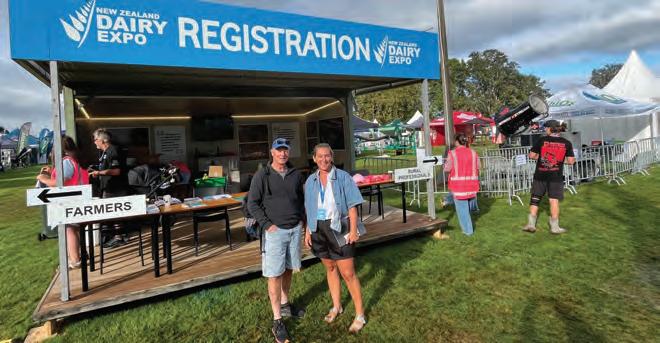
not to be missed.
Exhibitors appeared to be pleased with the format, with one manufacturer of rubber matting for cow comfort saying both days had been busy, with good enquiry and general positivity, that unlike the National Fieldays in June, was free of “tyre-kickers”, and had a more focused audience.
Lloyd Salt, regional
sales manager for machinery specialists
Brandt commented, “it’s a great event, easy to set up and take down and a great place to catch up with existing or potential customers”.
Looking overseas, where many countries are now organising industry-specific shows and events, such as the Grassland, Cereals and Effluent Events in the
UK, Agritechnica in Germany and the Salon de L’herbe in France, it appears that the NZ Dairy Expo makes a great deal of sense. Perhaps it’s time for the broad-based, more costly Fieldays format has run its course, with organisers needing to have a rethink about content and target audience?
DONALD TRUMP’S latest tariff tantrum has again thrown the world of trade into a new round of turmoil and uncertainty, and NZ is caught up in it.
Trump has imposed a worldwide 10% tariff and the word is he wants to up this to 15%. What is unclear is whether this is on top of the 15% rate imposed on NZ exports to the US, although that scenario seems highly unlikely.


As Dairy News went to press, Ministry of Foreign Affairs and Trade staff in Washington were desperately seeking clarification about the broad statement issued by Trump on social media. Dairy News understands the situation is very tricky and that


towards the end of last week, MFAT staff were unable to get any great clarity on how Trump’s latest move will affect our exporters to the US. For NZ, the devil will be in the detail.
Only days before the US president made his latest announcement, Trade Minister Todd McClay was waxing lyrical about the US Supreme Court declaring the ‘liberation day tariffs’ illegal and hoped that this may now open up new opportunities for NZ.
But just days later Trump found another way to apply tariffs, and so now NZ and the rest of the world is left wondering and waiting.
Earlier when the US lifted the 15% tariffs on beef, offal, kiwifruit
avocados and fresh fruit and berries there was hope that the situation might settle down. However, the unexpected is now the norm and volatility and uncertainty reign again. It may take some time for the final outcome to unravel and until then our exporters will be on tenterhooks, wondering what might happen next. For them it’s an unnecessary and unfair roller coaster ride.
One commentator suggested to Dairy News that the ongoing US tariff war highlights the value of the NZ/ India FTA which will hopefully be ratified soon by the NZ Parliament and bring some more stability to our primary export driven economy. – Peter Burke



Minister Todd McClay says he’s working constructively with the Labour Party in the hope they will endorse the free trade agreement (FTA) with India when the agreement comes before Parliament for ratification.
National needs the support of Labour because NZ First’s Winston Peters has made it clear he’ll oppose the deal, claiming it is not a good one for NZ. He has expressed concern about immigration provisions in the FTA as it stands.
McClay says he’s had
a number of constructive conversations and meetings with Labour’s trade spokesperson Damien O’Connor, who incidentally had a hand in the initial discussions with India when he was
trade minister.
McClay says government officials have been made available to Labour to help them work though the fine print of the deal.
“It’s not unreasonable
TODD MCCLAY says no time limit has been placed on Labour to come up with a response and says the quicker this comes, the better for NZ.
“But we must get it right and are working through that process,” he says.
There is however a reason for ratifying the deal as soon as possible. Under the agreement, if another country or jurisdiction gets a better deal on an NZ product then we have the opportunity to get the same deal. At the end of January, the EU
for Labour to want to have a better understanding of the detail of the FTA and we are working through that,” he told Dairy News
Labour leader Chris Hipkins wrote to
concluded an FTA with India and that agreement is now going through the political process towards ratification.
Wine is one area NZ could benefit from the EU/Indian FTA because if the EU gets a better deal, then NZ will be entitled to the same provision as the EU.
Meantime, it is a case of wait and see, with McClay once again extolling the benefits to NZ of this latest FTA, saying it will be transformational to our economy in the same way the
Christopher Luxon on the 13th of February saying his party had not received a formal request to support the FTA and requested access to the full unredacted text of the proposed agreement.
one with China is. He points out that the deal gives us access to 1.4 billion consumers.
In terms of the dairy industry, McClay says that sector would have liked to see more access and that it’s probably a missed opportunity for Indian consumers. But he points out that the newly minted US and EU deals didn’t get any better access than NZ. He says the door is still open and that we are still getting some product in there – namely, infant formula.

Hipkins told Luxon that Labour was prepared to act in the best interests of NZ to avoid damaging our business interests with India and was prepared to support the agreement, subject to clarification on certain matters, mainly about immigration.
He says they want protections against migrant exploitation and modern slavery strengthened, more compliance officers and action to decouple work visas from individual employers to reduce vulnerability to abuse.
Hipkins says they are also concerned about provisions allowing for increased flows of international students.
Having said that, Labour has made it clear they recognise the contribution that migrant workers make to NZ and has no objection to the 1,667 temporary employment visas proposed. It says it accepts migrants’ rights to bring partners and dependent children into NZ. Hipkins says this is in line with current immigration settings.
DAIRYNZ SAYS the Government’s proposed Resource Management Act reform needs further work to ensure it delivers on its intent.
In December 2025, the Government released two new bills –the Planning Bill and the Natural Environment Bill – to replace the
Resource Management Act.
DairyNZ Chair Tracy Brown said reform was needed, but it needed to be done right.
“We fully support the need for change, but it needs to be practical for farmers and beneficial for the environment,” she says.
“The current act is more than 30 years old, so any new legislation needs to reflect the realities of farming now and set both the sector and wider New Zealand economy up for success into the future.
“Reducing complexity, fewer consents, more consistency, and better
recognition of the nonregulatory work farmers are already doing, are things we strongly support.”
However, after reviewing the legislation and talking to farmers there are some significant concerns that need to be looked at.
The proposed
changes to permitted activities make things more onerous for farmers, says Brown.
“We need clear and practical permitted activity rules for low-impact farming activities like grazing, track maintenance, and stand-off pads.
“We also have

concerns about how environmental limits will be set. We want to ensure they are based on environmental outcomes such as ecosystem health which are achievable and effective in a real working catchment.
the views of the sector and already ruling out any sort of water tax.
“The proposed changes also mean Freshwater Farm Plans would duplicate consent requirements farmers already face. These plans
“Reducing complexity, fewer consents, more consistency, and better recognition of the non-regulatory work farmers are already doing, are
things we strongly support.”
“The legislation proposes market-based approaches to allocation and resource-use levies. These need to be deferred until there is clear evidence they are a suitable and effective approach.”
Brown says it’s encouraging to see the Government taking on

should be the main tool for managing waterway risks on-farm to avoid duplication and be better tailored to farms individual needs.
“We will continue working with the Government and our sector partners to ensure any reform is effective, workable and enduring.”

Trusted by farmers for effective worm control with NIL MILK withholding periods and improved R.O.I
Studies in NZ dairy cows have shown the potent effects of EPRINEX® on parasites resulted in more daily milk, more milk protein and more milk solids.1,2


THE UK dairy industry is celebrating a win after plantbased drink maker Oatly lost a long-running legal battle over its use of the word “milk” in its marketing.
The Swedish company tried to trademark the slogan “post-milk generation” in the UK in 2021 but Dairy UK, the representative body for British dairy farmers, objected.
After years of litigation in several courts, last month the UK Supreme Court said Oatly could neither trademark nor use the phrase “post-milk generation”.
UK farmers argued under trademark law, the term “milk” can only be used to refer to products that come from an animal.
The Supreme Court ruled the phrase “post-milk generation” could confuse people over whether Oatly’s products are completely milk-free or merely have a low milk content.
IS IT a case of over promising and under delivering? Farmers think so.
After promising an overhaul of the Resource Management Act (RMA), the Government’s proposal has farmer groups fuming.
Most farmer lobby groups claim the current plans to overhaul the RMA could make things “substantially worse”.
The Government has been harping on about their efforts to make regulations more farmer friendly.
But concerns right across the primary sector shows that some proposals to reform the RMA are anything but farmer friendly.
ONE OF the world’s largest ice cream makers, Nestlé, is going cold on the viability of making the dessert.
The conglomerate is in “advanced negotiations” to sell its remaining ice cream business to its joint venture partner, Froneri.
The division, which includes brands such as Häagen-Dazs and Drumstick, is valued at just shy of 1 billion Swiss francs (US$1.3 billion). Nestlé plans to sell the brands to UK-based Froneri over the next year but remain in the joint venture.
Froneri is the second largest manufacturer of ice cream in Europe and the third largest worldwide, producing Cadbury, Oreo, KitKat, Movenpick Toblerone, Smarties, Magnum and Milo ice creams.
Froneri also owns Tip Top Ice Cream, for which it paid Fonterra $380 million in 2019.
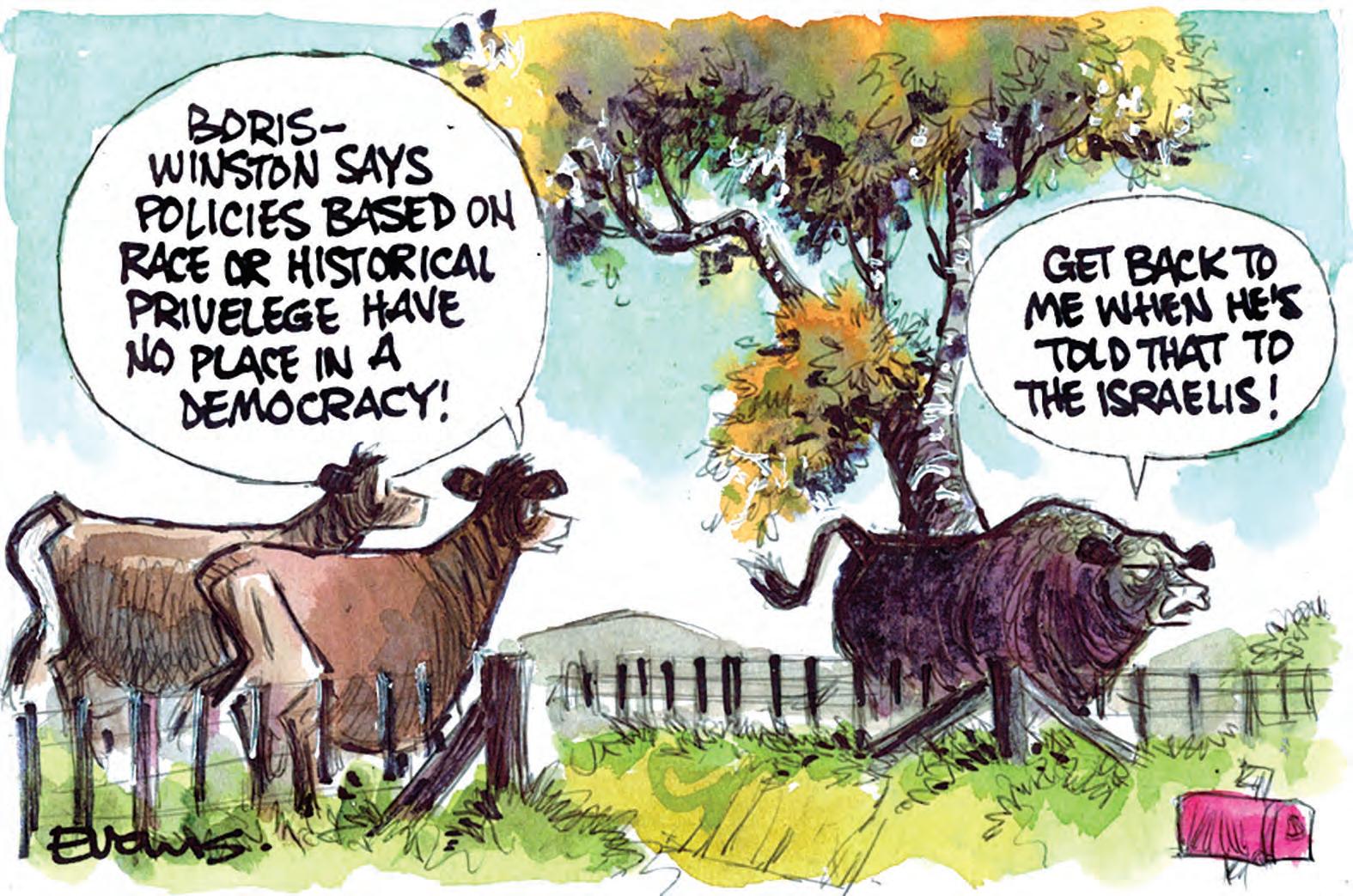
EXPECT THE Indian free trade deal to feature strongly in the election campaign.
Trade Minister Todd McClay says he’s working constructively with the Labour Party in the hope they will endorse the deal with India when the agreement comes before Parliament for ratification.
National needs the support of Labour because NZ First’s Winston Peters has made it clear he’ll oppose the deal, claiming it is not a good one for NZ. He has expressed concern about immigration provisions in the FTA as it stands.
Expect Peters and Shane Jones to up the rhetoric around an influx of Indian migrants because of the deal.
Jones recently delivered what could be the first salvo: “we are not going to be a dumping ground for people trying to come to New Zealand and set up New Delhi”.

Head Office: Lower Ground Floor, 29 Northcroft St, Takapuna, Auckland 0622
Phone 09-307 0399.
Postal Address: PO Box 331100, Takapuna, Auckland 0740
Published by: Rural News Group
Printed by: Inkwise NZ Ltd
Contacts: Editorial: sudeshk@ruralnews.co.nz
Advertising material: beckyw@ruralnews.co.nz
Rural News on-line: www.ruralnews.co.nz
Subscriptions: subsrndn@ruralnews.co.nz
Publisher: Brian Hight ......................Ph 09-307 0399
General Manager: Adam Fricker ...................Ph 021-842 226
Editor: Sudesh Kissun ................Ph 021-963 177
Machinery Editor: Mark Daniel......................Ph 021-906 723 markd@ruralnews.co.nz
Reporters: Peter Burke.....................Ph 021-224 2184 peterb@ruralnews.co.nz
Subscriptions: Julie Beech ....................Ph 021-190 3144
Production Manager: Becky Williams ..............Ph 021-100 4831
Digital Strategist: Jessica Marshall ..........Ph 021 0232 6446

“WE ARE back to where we were a year ago,” according to a leading banking analyst in the UK, referring to US president Donald Trump’s latest imposition of a global 10% tariff on all exports into the US.
The BBC quotes Carsten Brzeski, an analyst with investment bank ING, as saying there is now a higher risk that the US’ trading partners would retaliate and that there is a risk of a fully-fledged tariff war breaking out; views no doubt shared by many others around the world, including NZ.
While we may be a small country in population terms, we are a big exporter of primary products, and the return of the chaos and uncertainty must surely be testing the skill, resilience and agility of our trade officials and exporters.
Maybe by the time you read this newspaper there is some clarification of what level of tariff Trump will impose on us. Then again, maybe not, because NZ is hardly at the top of the list in the Trump administration.
NZ has been careful to appease Trump, and Prime Minister Christopher Luxon, Foreign Affairs Minister Winston Peters and Trade Minister Todd McClay have chosen their words carefully when responding to previous unpalatable pronouncements by the US leader. But one senses that other countries are starting to lose patience with Trump’s knee jerk and impetuous reactions and that ‘peace in our time’ may be replaced by a world trade war.
This would be disastrous for us because, even if we are not directly affected, we may get caught in the crossfire, which could be just as damaging. The saving grace for NZ is that it has worked hard and successfully to obtain free trade agreements with other major trading partners which offers exporters certainty.
What beggars belief at this time is why Winston is opposed to the India/NZ FTA which, even if it’s not in his eyes absolutely perfect, is surely a means of future proofing our primary export economy.
– Peter Burke
AUCKLAND SALES CONTACT: Stephen Pollard .............................................Ph 021-963 166 stephenp@ruralnews.co.nz
WAIKATO & WELLINGTON SALES CONTACT: Lisa Wise ........................................................Ph 027-369 9218 lisaw@ruralnews.co.nz
SOUTH ISLAND SALES REPRESENTATIVE: Kaye Sutherland .........................................Ph 021-221 1994 kayes@ruralnews.co.nz
GLOBAL DAIRY
prices have been on an impressive and somewhat unexpected run since mid-December.
The Global Dairy Trade (GDT) Price Index is up 19.3% despite the global supply and demand picture not really improving over that time. Buyers might have been pushed into action after spending months waiting patiently for prices to bottom out.
Geopolitical tensions and an infant formula recall affecting a few major suppliers may also be contributing factors, as well as a seasonal decline in New Zealand milk production.
There may also have been a spillover from price volatility in other commodities.
The most correct
answer may well be the simplest: prices fell too far in late 2025, and now they are back on the right track. Despite this surge over the past four auctions, the GDT Price Index remains 10.5% below the peak in May 2025.
Prices should be lower than 2024/25, given the surge in global milk production, but not as low as December’s pricing.
The market just decided to take the scenic route to get to where it is today, which
NEW ZEALAND milksolid production rose 2.9% y/y in January and is up 3.1% season-to-date.
Pasture conditions have been very good, and the wet weather in January sets up the tail end of the season nicely. There is also plenty of supplementary feed available, and the recovering farmgate price outlook adds an incentive to milk as long as possible. We now forecast milk production to hit 2 billion kgMS, a milestone that would have seemed implausible just two years ago.
looks like a sensible place.
Skim milk powder (SMP) was completely indifferent to the bull market in 2024/25, but so far in 2026 is a key contributor. Perhaps the infant formula recall led to a surge in demand in
This would be an increase of 3.2% y/y, up from the previous forecast of 2.3%.
The outlook for next season is positive as well.
Previously we had warned that lower prices would increase cow culling rates heading into New Zealand’s winter and reset the national herd’s age structure, but with prices rebounding so strongly over the past two months this is now less of a factor.
There are also around 30 dairy conversions planned or underway in
order to restock shelves. Looking ahead, the global supply and demand situation looks likely to push prices lower over the next several months. But some important context: demand remains steady, and dairying remains
South Canterbury. Some of them will be ready to hit the ground running in 2026/27, further boosting the milk production forecast. Feed supplies are likely to be good heading into winter, and the gains seen in recent years in mating and genetics are sustainable. Despite all that, our forecast for next season is ‘just’ 1.2% higher than this year. The sector is capable of higher growth, but it might be too much to expect great dairy weather for a third year in a row.
a profitable business everywhere in the world thanks to reasonably strong milk prices and very low input costs
At present, there is no indication that dairy farmers overseas are looking to reduce production in the first half of 2026. Feed costs are still under control, and the recent lift in dairy prices should take pressure off profit margins. Still, some dairy
farmers are lobbying the European Commission to fund a voluntary production reduction scheme similar to one implemented in 2016. They’re unlikely to succeed, but it illustrates that some pressures are mounting. The next key opportunity for destocking in the Northern Hemisphere would be in August/ September after the spring flush.

CHRIS BALEMI
MARCH OFTEN brings a useful mix of opportunity and risk on New Zealand dairy farms.
This year’s summer rains have kept pastures growing well in most regions, providing a better-than-average opportunity to hold milksolids at good levels into autumn. At the same time, many herds are about to transition onto crops or increase crop and supplement as farms head into the autumn.
Both situations put pressure on the rumen for the same reason.
The cow’s performance depends on fibre digestion. Optimum fibre digestion depends on a consistent diet, providing energy and fibre intake for good rumen microbe populations.
Fibre digestion matters
Fibre is not just ‘fill’. When rumen microbes break down pasture and conserved forages they produce volatile fatty acids that supply a large share of the cow’s energy. If fibre digestion slips, energy supply drops, even if the cow appears to be eating similar amounts. You may see milksolids flatten, patchy appetite, loose manure, or unsettled cows in
the shed.
Fibre digestion is sensitive to change.
Rumen microbes that digest fibre need time and stable conditions to attach to feed particles and do their work.
Microbes can slow or die back when rumen pH drops or feed type changes quickly, making the whole system less reliable.
Conditions that affect cows
Diets often become more variable from day to day in autumn.
If summer rain has driven strong grass growth, pasture can be highly fermentable. Lush pasture can move through the rumen quickly and ferment fast, which can lower rumen pH, particularly when cows eat large meals after long gaps.
Even with good grass, the rumen still needs enough effective fibre and consistent intake patterns in order to maintain rumen stability.
At the same time, many farms begin increasing supplements or preparing for crop feeding. That can include maize silage, grains, palm kernel, fodder beet, kale, or other brassicas, depending on region and system. These feeds can be valuable, but they
change the balance of sugars, starch, and fibre, and they can change rumination patterns.
Those shifts can increase the risk of a drop in rumen pH and reduce fibre digestion if the transition is rushed.
What is live yeast?
Live yeast supplements contain living yeast cells.
Yeasts are key to feeding the rumen environment, breaking down cellulose, maintaining a healthy anaerobic environment, and balancing the pH of the rumen. Live yeast cells support rumen conditions and microbial activity, increasing fibre digestion and smoothing out dietary changes.
How live yeast supports fibre digestion Research points to a few
consistent mechanisms.
■ A steadier rumen environment: Fibredigesting microbes do not cope well with sharp pH drops. Studies suggest live yeast can support rumen stability by influencing fermentation patterns and supporting microbial pathways that reduce the chance of lactic acid build-up. This can help pH stay in a range that suits fibre digestion, especially when the ration includes more rapidly fermentable feed.
■ Faster colonisation of fibre: For fibre to be digested well, microbes must attach to plant particles quickly after eating. Research in dairy
If you want to protect fibre digestion through early autumn, focus on consistency.
■ Step cows onto crops and higher-starch supplements gradually.
■ Keep feeding times predictable. Long gaps tend to create large meals and bigger pH swings.
■ Maintain effective fibre in the diet. Watch silage chop length, pasture residuals, and whether cows are actually spending time ruminating.
■ Monitor manure and rumination across the mob, not just a few cows. Unevenness often appears before a
has shown live yeast can increase colonisation of plant material by fibredigesting bacteria and fungi. Better colonisation is linked with improved fibre breakdown, which supports rumen function and energy supply.
clear production drop.
■ If summer rain has kept grass growth strong, take advantage of it, but do not assume good pasture automatically means a stable rumen. Highly fermentable pasture can cause notable rumen pH swings if fibre digestion is not adequate.
Early March is often the bridge between sustained late-summer production and the next feed phase. Keeping fibre digestion stable helps cows use that grass well and transition onto crops with fewer setbacks.
■ More consistency through change: On farm, the most noticeable value often comes during transition periods rather than on a perfectly stable ration. When cows move from pasturedominant diets onto higher levels of crop or supplement, rumen conditions can swing. Supporting microbial stability can help reduce the size of those swings, though responses vary between farms.
■ Moving onto crops? Crop transitions are a common point where rumen function can become less stable. Speed of change matters, as does how the new ration affects rumen pH and
rumination patterns.
Fodder beet, brassicas, maize silage, and grainbased feeds can alter fermentation rate and the balance of fibre and starch. If cows step up too quickly, they may experience lower rumen pH, reduced rumination, and poorer fibre digestion. That can show up as loose manure, reduced appetite, uneven intakes across the mob, and a drop in milk solids. Live yeast can fit into a transition plan when it sits alongside gradual feed changes, consistent feeding times, and enough effective fibre. It should not be treated as a fix for a ration that is pushing cows into subacute ruminal acidosis risk.
• Chris Balemi is Agvance Nutrition founder and managing director.




















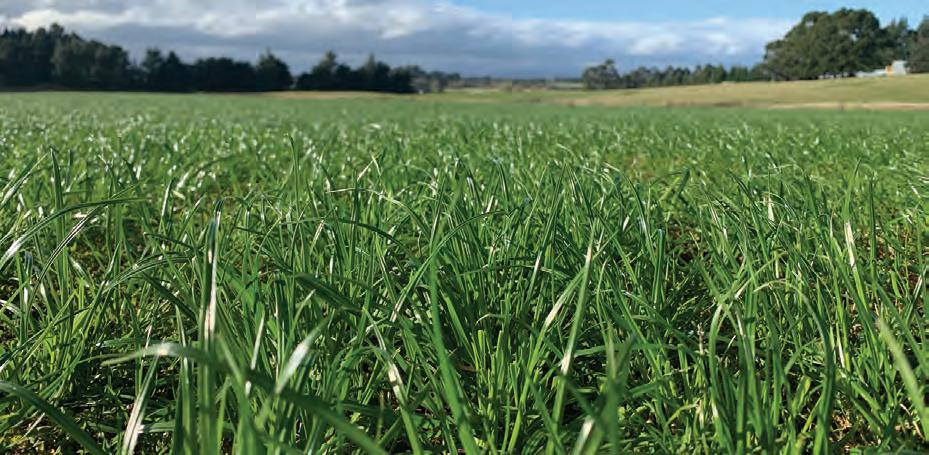
PASTURE SPECIALIST Graham Kerr
claims that one hybrid ryegrass in New Zealand continues to dominate industry yield trials, as it has done every year since it was launched in 2021.
Latest National Forage Variety Trials again show Forge NEA ahead of its nearest competitor, especially in winter and spring, he adds.
With the median calving date for NZ seasonal dairy herds now two to three weeks earlier than it was 20 years ago, this pattern of seasonal growth is only going to become more valuable.
Kerr has spent 40 years in the industry with Barenbrug, the company behind Forge NEA.
“Cool season home grown feed is immensely profitable in today’s dairy systems, not to mention highly emissions-efficient,” he says.
“Through the North Island and upper South summers are more erratic; late autumn, winter and spring are the most reliable seasons for farmers. These are the time when you pay the bills, and I can’t see that changing.
“Anything that performs as consistently as Forge in the cooler months of the year offers farmers a practical, cost-effective adaptation to emerging climatic trends.”
Utilising more pasture, of higher quality, at home is good for both the bottom line and the environment, because it reduces emissions intensity, Graham says.
“If a three-to-five-year hybrid fits your system, why would you opt for something less than the best?”
Forge NEA’s yield advantage comes from a step-change in ryegrass genetic gain that has yet to be beaten.
In the five years since it debuted in the NFVT, two old hybrid ryegrass
cultivars have left the market, and three new ones have been released.
Runner-up in the latest NFVT results is Forge’s cousin Shogun NEA12, which offers high yield and quality for



those wanting a shorter-term hybrid, and for summer dry areas is a great 1-2 year pasture fit.
“We’re very proud of both of them,” Kerr says.
“But the biggest endorsement comes from the farmers who have captured the significant benefits of their cool season growth, and continue to sow them.”
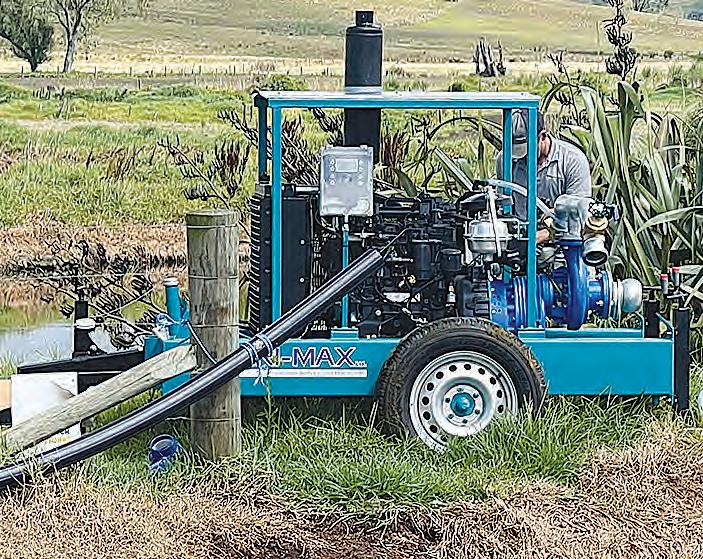



NEW DAIRYNZ research will help farmers mitigate the impacts of heat stress on herds in high-risk regions of the country.
DairyNZ scientists are in the final stages of an on-farm trial at DairyNZ’s Scott Farm in the Waikato to test common mitigation measures and assess their return on investment.
According to DairyNZ senior science manager Kirsty Verhoek, heat stress is an increasing challenge for pasturebased dairy systems, particularly in regions experiencing more frequent hot, radiant, and still conditions.
“Through previous research and farmer engagement, we have heard clearly that farmers want practical, evidencebased solutions to help protect cow welfare, maintain milk production, and support long-term farm resilience,” she says.
“However, many heat stress mitigation measures require investment and farmers have told us they need confidence that tools will work under New Zealand’s grazing conditions and deliver value on farm. This research programme has therefore been shaped alongside farmers, focusing on understanding where and when heat stress occurs, how cows respond,
and which mitigation measures are both effective and practical within real farm systems.”
It is the latest piece of animal care research in DairyNZ’s ‘Comfortable Cows Outdoors’ project.
To date, the three-year programme has mapped regions that are at higher risk of high temperatures, solar radiation, and wind; analysed datasets linking weather and milk yield; assessed how cows use shade; and completed a comprehensive survey of 350+ farmers in Waikato, Bay of Plenty, Canterbury and North Otago understanding awareness, attitudes and practices related to heat stress in dairy cows (recently published in the New Zealand Journal of Agricultural Research).
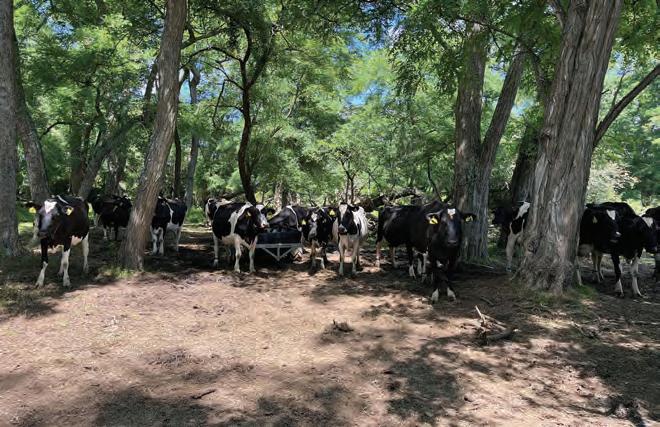
Scott Farm is in the final stages of a heat stress trial where five mobs of cows have been fitted with rumen temperature boluses, pedometers, and wearable technology all providing real-time data, to test the impact of various mitigation measures.
“We have a mob that’s gone once-a-day through the summer to avoid the afternoon walk to the milking shed, a second mob spending their daytime in a shaded area, a third mob that goes under misters in the yard cooling the environment around the
A GROUP of Waikato farmers recently got to see the trial in action during a workshop at Scott Farm.
Many of the farmers who attended have been actively involved in DairyNZ’s heat stress research to date and were able to share valuable feedback on the practicality and fit of different mitigations on farm.
“The workshop also provided an opportunity for farmers to see how their input has directly helped shape the research questions, trial design, and future direction of the programme, while getting an update on current progress. Our goal with testing this range of options is not to say, ‘this is what you should put in place’, but to provide information around a range of different strategies – a toolbox of options,” says Charlotte Reed.
“A goal of the project is to better define how cows respond to heat load. With the volatile weather experienced this summer, we’ve ended up with a comprehensive dataset that spans from cooler, wet days all the way to hot sunny days, which is very valuable.”
cows while waiting for milking, a fourth mob that while waiting in the milking yard goes under a sprinkler where droplets saturate the coat
(evaporative cooling); and a fifth (control) mob with no mitigations at all,” says DairyNZ scientist Charlotte Reed.

DECISIONS YOU make
in an instant on the farm can be the difference between life and death.
When someone dies from a farm accident there’s almost always a farm vehicle involved. But there are some simple things you can do to help you go home safely at the end of the day.
Choose the right vehicle for the job
The right vehicle is the safest one, it may not be the one that’s most convenient.
To choose the safest vehicle you need to think about:
■ whether you plan to take people with you
■ whether you need to carry a load
■ what the terrain on the farm is like and what the weather is doing
■ whether you need to tow something
■ what other jobs might come up.
Remember, the right vehicle yesterday might not be the right one today.
Make sure it’s up to the job
Your vehicle supplier and the owner’s manual will tell you what needs

to be maintained and when.
Before starting a task with a vehicle that you haven’t used in a while, or has been used by someone else, you should check it to make sure:
■ it has fuel, oil and coolant
■ the tyres are the correct pressure and have enough tread
■ wheel nuts are firmly secured
■ the brakes work
■ any active safety system, such as traction control, is operational
■ there’s no rust that affects the safety of

the vehicle
■ the engine is clean
■ the lights work and are clean
■ the steering isn’t loose.
Make sure the driver is up to the job
Don’t use a farm vehicle if you:
■ are not familiar with the vehicle or have not been trained to use it
■ don’t think the vehicle is the best for the task
■ have been drinking, taking drugs or are on medication that makes you sleepy are fatigued.
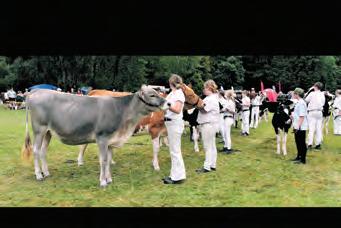
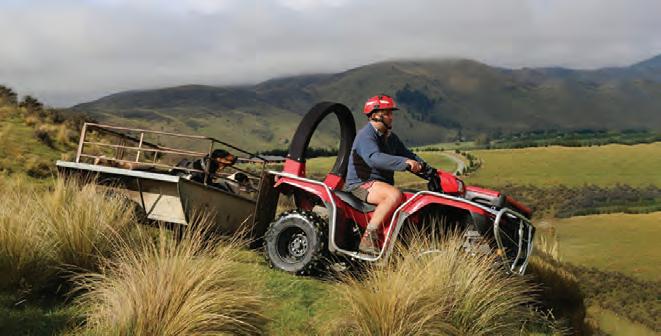
There are farm vehicle training courses run by providers in most parts of New Zealand. Formal training courses are the best option to learn techniques to safely operate a farm vehicle. Get training and have regular refresher training to avoid developing bad habits. You also need to get to know how the vehicle performs, especially before using it in a challenging situation.
• Article - WorkSafe





MARK DANIEL markd@ruralnews.co.nz
NISSAN HAS announced details of the new fifth generation Navara.
The new arrival marks Navara’s 40th anniversary, having first been delivered locally in December 1986, going on to deliver over 70,000 units to New Zealand.
It will be available in four grades, comprising SL, ST, ST-X and PRO-4X versions, all available exclusively as dual cab 4x4 pick-ups with automatic transmissions.
All grades of the new Navara are powered by a 2.4-litre bi-turbo diesel engine delivering 150kW of power and 470Nm of torque, matched to a wide-ratio six-speed automatic transmission. This proven powertrain provides the grunt required for serious work applications, with 3500kg braked towing capacity. Combined-cycle fuel consumption is just 7.7L/100km.
The entry-level Navara SL offers extensive standard features, including an electronic locking rear differential, LED headlamps and LED tail lamps,
a 7-inch instrument cluster display, a 9-inch touchscreen infotainment system with DAB+ digital radio and wired Android Auto and wireless Apple CarPlay connectivity.
It rides on 265/65R17 All-terrain tyres and has an ‘Easy Select’ 4WD system with dual-range transfer case, allowing drivers to select between 2H, 4H, and 4L modes to suit conditions.
Comprehensive safety features achieve ANCAP 5-star credentials underpinned by eight airbags and an impressive suite of advanced driver assistance systems, including autonomous emergency braking, lane departure warning with emergency lane assist, blind spot warning, intelligent around view monitor with moving object detection and front and rear cross traffic alert.
The Navara ST builds on the SL specification with additional comfort and convenience features including LED front fog lamps, alloy wheels in silver finish, standard Premcar tuned suspension, carpet floor covering, USB charging and privacy glass.
The Navara ST-X is a step-up to premium specification. The drivetrain has ‘Super 4WD’, featuring a Torsen

limited-slip centre differential and seven selectable terrain modes (Normal, Eco, Gravel, Snow, Mud, Sand, and Rock). Hill descent control provides confident progress on steep descents.
Exterior styling sees 18-inch gunmetal grey alloy wheels with bodycolour front bumper lower lip, silver-
painted grille inserts and side steps.
In the ST-X cabin, leather-accented seats offer power adjustment for the driver, heated front seats, dualzone climate control, push-button engine start with intelligent key, and a wireless smartphone charger.
The range-topping Nissan Navara PRO-4X includes a unique front grille
surround with ‘lava red’ orange insert, 17-inch matt black alloy wheels fitted with 265/65R17 all-terrain tyres, wheel arch moulding with lava red orange accents and black roof rails.
The new Navara is backed up to 5 years or 150,000km warranty coverage and up to 5 years of 24-hour roadside assistance.
happy returns
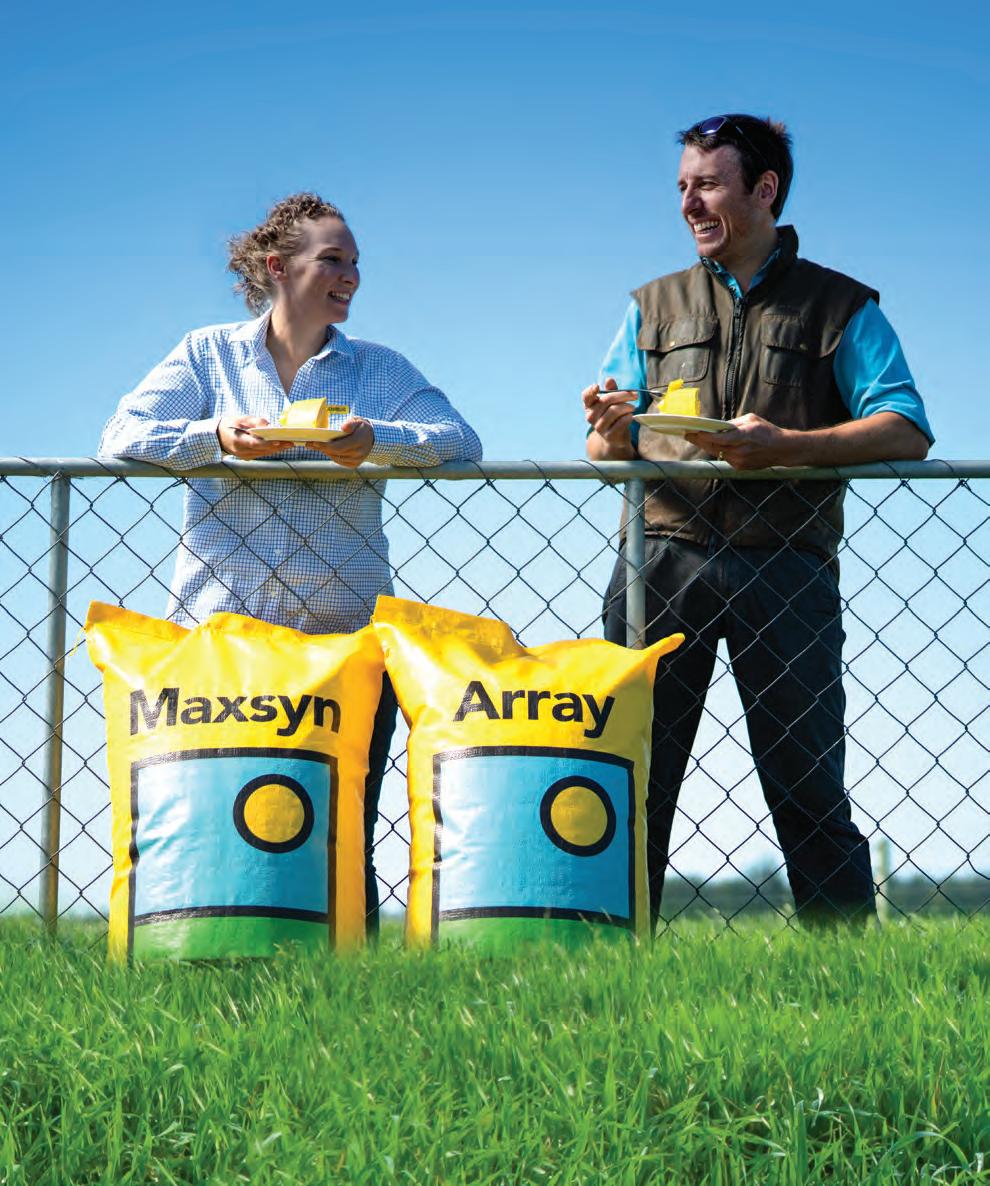
When you invest in pasture, you’re investing in your future. Nothing delivers returns like proven, persistent Maxsyn and Array.
Maxsyn, New Zealand’s top-selling perennial ryegrass, just got even better – now supercharged with NEA12 endophyte for increased resilience and productivity.
Don’t forget Array, the environmental all-rounder delivering high yield plus nitrogen efficiency. It’s the complete package!
Ask your Reseller, or learn more at barenbrug.co.nz
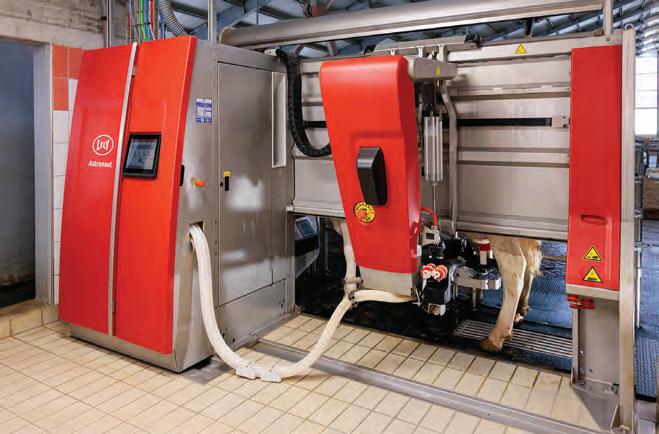
we are proud of hitting one billion sales,” says Andre van Troost, CEO of Lely.
SINCE ITS decision to concentrate on milk harvesting and animal husbandry, resulting in the selling of its agricultural machinery brands and factories, Lely’s focus seems to be paying off with a growing business.
Despite broader agricultural machinery sales showing a downward trend, Lely closed out 2025 with an 18% increase in revenue, for the first time topping €1 billion, compared to the €857 result in 2024, said to be driven by higher milk prices.
Higher global milk prices have led to a financially healthy year for dairy farmers in general, giving them the confidence to invest in robotics and data.
“The 2025 result is better than expected and
During the 2025 year, the company invested 8% of turnover in R&D, while also launching four new products, including Vector Next, Astronaut A5 Next, Astronaut Max and Hub.
While the company has begun 2026 with a healthy order book, the Lely CEO added that 2026 could be more challenging, partly due to the significant over supply, resulting in a lower milk price, ongoing geopolitical tension and increasing uncertainties over silicon chip deliveries.
“The latter might not impact our business in the first half of this year; however, we cannot foresee what will happen towards the second half of the year,” adds van Troost.
Looking ahead, Lely
ASHBURTON BASED Carrfields has announced that, from the New Year, it is officially authorised to sell Krone Forager Harvesters and Kubota Tractors across the Southland and Otago regions it represents.
The company will also sell and support Krone Forager Harvesters across the greater Canterbury region.
The appointment further strengthens Carrfields’ agricultural machinery portfolio across the lower South Island, following its recent expansion through the acquisition of Agricentre South’s Kubota dealerships in Invercargill, Gore, and Cromwell, together with the retail distribution of Krone products in Southland, Otago and Canterbury.
With all approvals now in place, Carrfields is fully equipped to support customers with sales, service, and parts for two of the world’s leading agricultural machinery brands.
Carrfields group managing director Craig Carr says the New Year commencement date marks an important step in delivering a complete machinery offering and building on the company’s long-term growth strategy.
“Being able to officially sell Krone Forager Harvesters and Kubota Tractors is a significant milestone for Carrfields.
“These are premium global brands that strongly align with our focus on performance, reliability, and customer support. We’re excited to offer farmers and contractors even greater choice, backed by local expertise and dependable service.”
notes that farmers continue to face stricter laws and regulations, a growing demand for transparency, and an increased focus on sustainability. They suggest that innovation, robotisation and digitalisation, will be increasingly adopted by farmers to be able to produce sustainable and nutritious dairy products.
@rural_news facebook.com/ruralnews
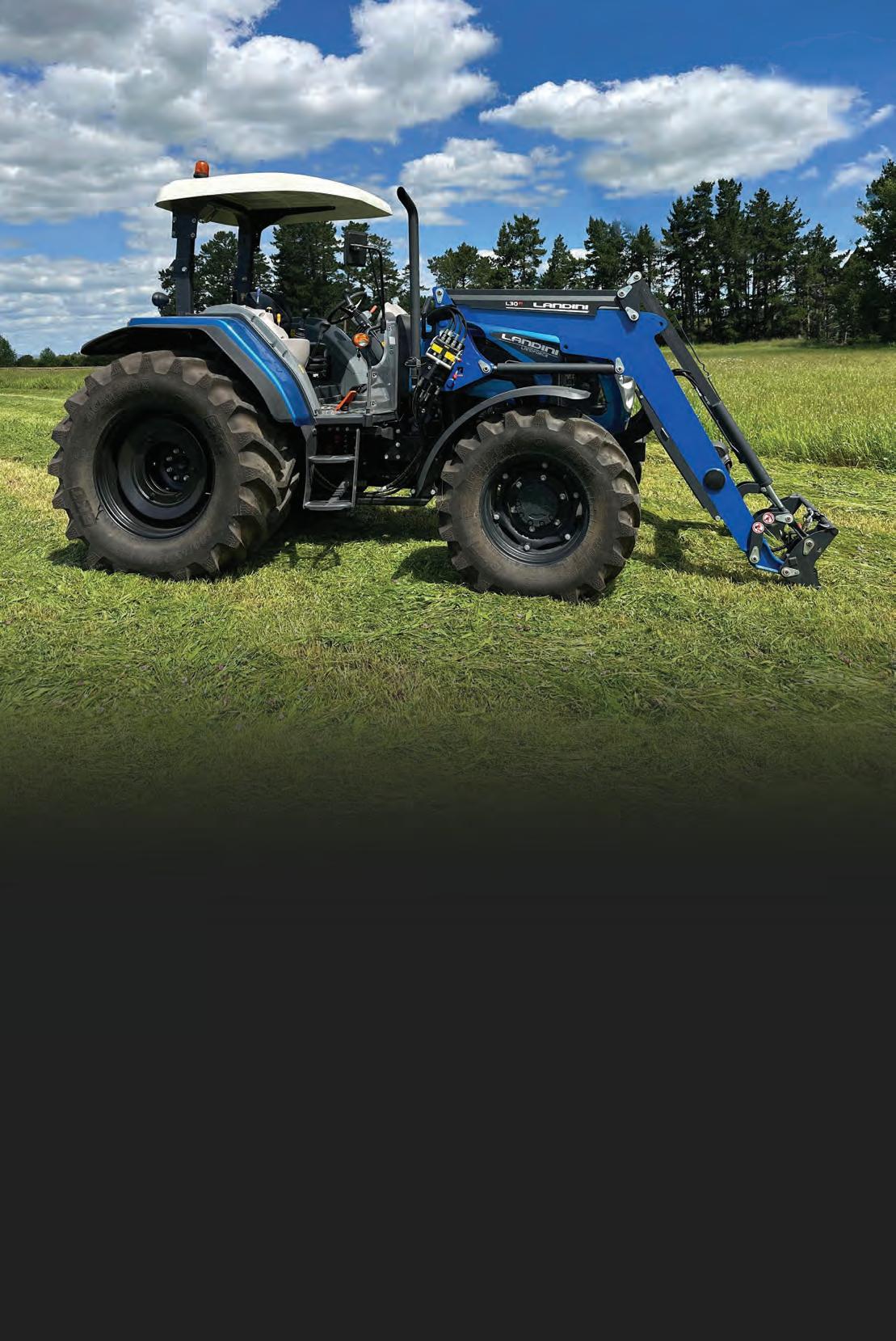
reliability needed for loader work, feed handling, fencing, transport, and anything you want to throw at it!
To find out more - talk to your local Norwood dealer today!
0800 66 79 663