
chair’ PAGE 3
HEAT DETECTION
No complications Page 26

AWDT TO GO Programs to continue
chair’ PAGE 3
HEAT DETECTION
No complications Page 26
AWDT TO GO Programs to continue
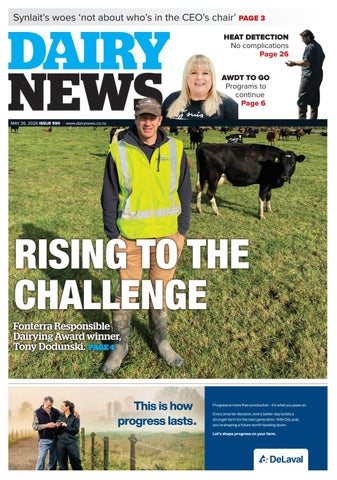
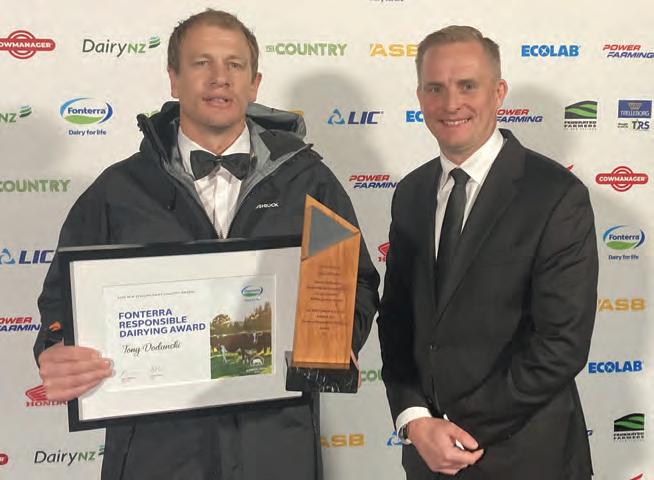
Fonterra Responsible Dairying Award winner, Tony Dodunski. PAGE 4
Progress is more than production - it’s what you pass on. Every smarter decision, every better day builds a stronger farm for the next generation. With DeLaval, you’re shaping a future worth handing down. Let’s shape progress on your farm.
Canola meal is a premium protein source for dairy cows, supporting milk solids production through:
Improved metabolizable protein efficiency
Higher and more persistent milk yield
Increased dry matter intake and maintenance of cow condition
Canola meal is a valuable source of rumen undegradable (bypass) protein, supplying highly digestible essential amino acids to the small intestine. Its amino acid profile is well aligned with milk protein requirements, with comparatively high concentrations of methionine, a key limiting amino acid in high‑producing dairy cows. Diets containing canola meal have been consistently associated with improved efficiency of metabolizable protein supply, increased dry matter intake and enhanced milk yield.
Cargill’s canola meal is available through your local feed supplier, with non‑GMO options and sustainability credentials available where required.
For more information about canola meal visit www.cargill.co.nz.


SUDESH KISSUN sudeshk@ruralnews.co.nz
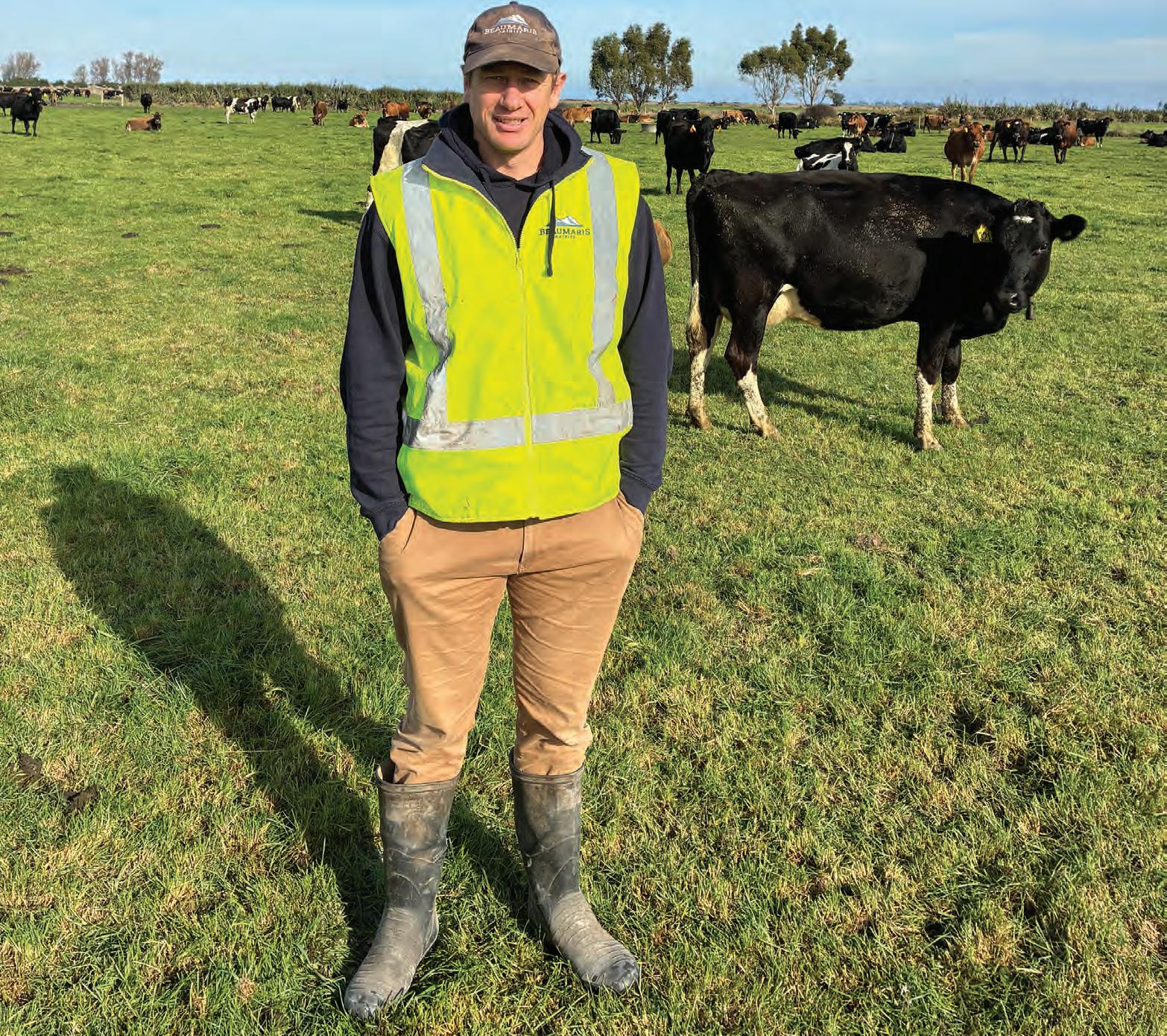
MILKING COWS in the environmentally sensitive Lake Ellesmere/Te Waihora catchment in Canterbury has kept Tony Dodunski on his toes.
And his outstanding leadership in delivering responsible dairying outcomes on the farm earned him the Fonterra Responsible Dairying Award at the recent NZ Dairy Industry Awards.
Beaumaris Dairies has been owned by the Dodunski Family since 2017.
Tony Dodunski, who manages the farm, told Dairy News that when the family first looked at buying the property, they understood the environmental constraints it has.
The farm has heavy soils and low-lying areas where overland flow of nutrients, sediment and phosphorus is the biggest environmental risk.
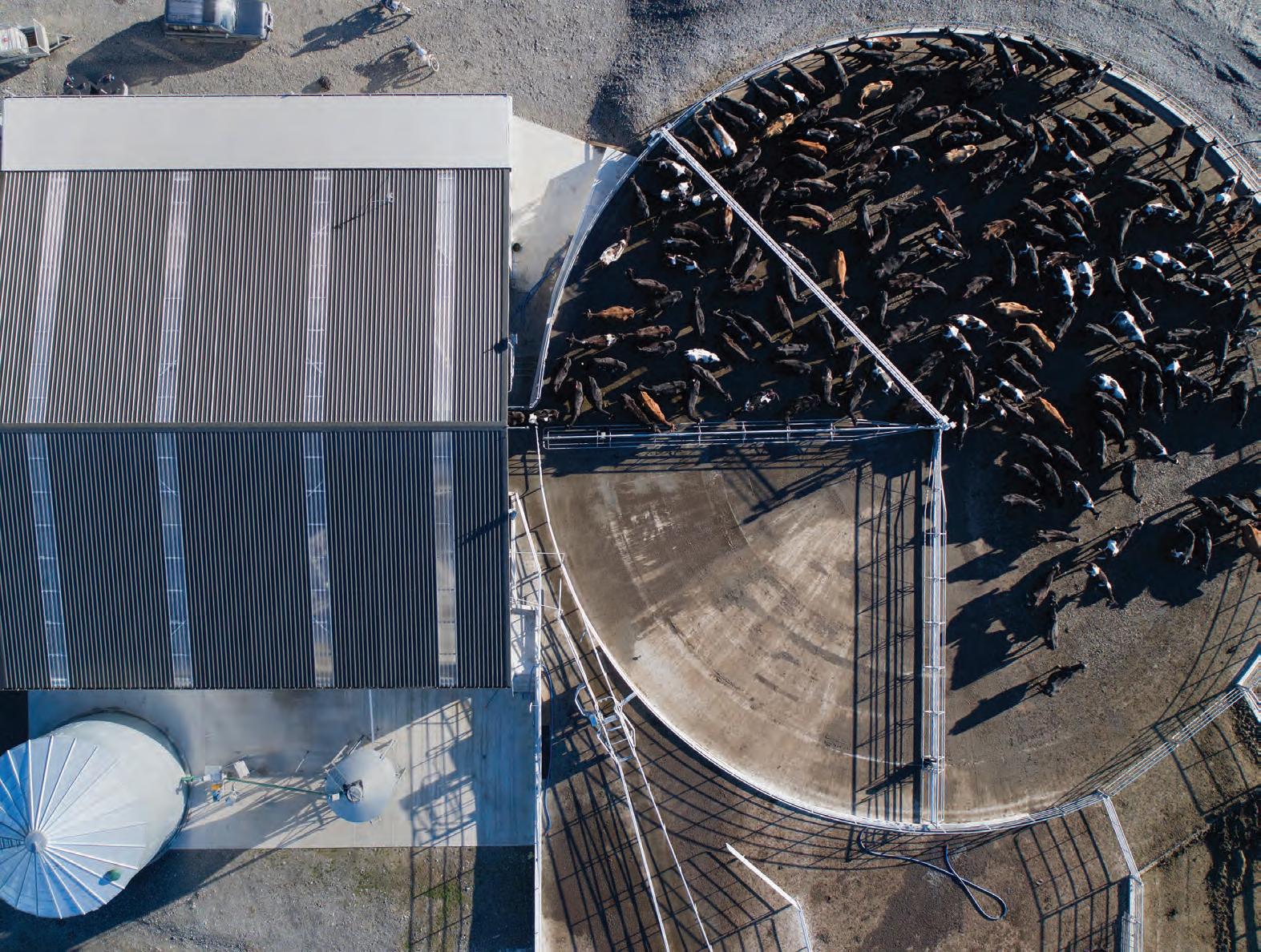
Dodunski says they identified that early and built a concrete feed pad to stand cows off and capture effluent during high rainfall events.
“We’ve also implemented a number of
other initiatives including sediment traps, riparian planting, a low application rate effluent system, grid and all paddock soil testing with targeted fertiliser application, breeding smaller cows, focusing heavily on pasture utilisation, and installing solar to help power the cowshed.”
Dodunski says he has come to acknowledge the
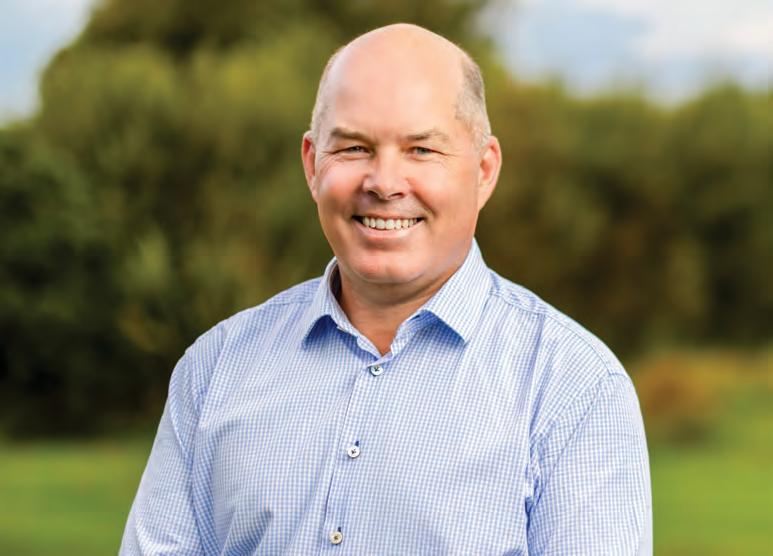
TONY DODUNSKI says the Fonterra Responsible Dairying Award means heaps to him, his family, and the people who have been part of the journey.
“My name might be on the award, but there are so many people who have contributed to it over the years, so it’s just as much a reflection of their contribution as it is mine. I’m very proud and grateful.”
New Zealand Dairy Industry Award
FORMER HEAD of New Zealand Trade and Enterprise Peter Chrisp is the new DirectorGeneral of Conservation.
Welcoming his appointment, Environmental Defence Society (EDS) chief executive Gary Taylor says Chrisp understands the importance of the conservation estate, and the natural environment more generally, to New Zealand’s economic welfare.
“He will be well placed to argue for adequate resourcing for the department which manages one-third of our country.
farm for what it is.
“It’s not an A-class Canterbury dairy farm, so rather than pushing the system too hard, we’re comfortable farming at a slightly lower intensity to create something that is environmentally, financially and operationally sustainable long term.”
Dodunski’s message to dairy farmers is to focus
says Dodunski has demonstrated that high environmental performance can be achieved through deliberate system design, evidence-based decisionmaking, and long-term commitment.
“His work exemplifies responsible dairying in action: delivering verified environmental outcomes, building capable and motivated people, and strengthening the long-term sustainability of the dairy sector.”
“There are clearly big challenges ahead for DoC with yesterday’s announcement of further public service cuts.” Chrisp also has direct experience of conservation challenges on the ground through his work as chair of Predator Free Wellington.
“EDS looks forward to working constructively with the new DirectorGeneral when he takes office at the end of June. We share common ground in wanting positive conservation outcomes for Aotearoa,” says Taylor.
on building profitable and resilient farm systems first, because profitability gives a farmer the ability to invest in sustainability long term.
“I also think sustainability is broader than just environmental outcomes. It’s about
RURAL WOMEN New Zealand this month submitted on the Draft Mental Health and Wellbeing Strategy 2026-2036, because a person’s postcode should not determine the quality of their mental health support.
people, energy, financial resilience, community, and the long-term sustainability of the wider dairy industry as well.
“The good thing about New Zealand dairy farming is that many of the practices that improve environmental outcomes also improve operational performance and resilience.
The strategy sets out how New Zealand will create a system that promotes mental health and wellbeing for all, and provides mental health and addiction support and services that meet people’s needs.
Rural Women New Zealand (RWNZ) welcomes the strategy’s direction, and has used its submission to bring the lived reality of rural
“Sustainability doesn’t have to be about big statements, often it’s the accumulation of lots of practical decisions and continuous improvement over time.”
communities to the Ministry of Health’s attention.
“Anyone who has lived rurally knows that getting help is rarely simple,” says Bronwyn Main, Health Policy Action Advisory group convenor.
“You might be hours from the nearest service, juggling the farm, the kids, the animals and still trying to find the courage to ask for help in a small community,” she says.
The submission draws on the experiences of RWNZ members to show how distance, cost, stigma, and workforce shortages combine to push rural people to crisis point before they can access support.

SUDESH KISSUN sudeshk@ruralnews.co.nz
staring down a May deadline to submit freshwater farm plans under current regional plan rules have been given an 18-month reprieve by the Government.
The Southland Water and Land Plan (Regional Plan) currently requires farmers to prepare and submit a farm plan by 27 May 2026 before improvements to the national freshwater farm plan system are finalised.
However, last week Cabinet decided that Southland farmers and growers will now have until the end of November 2027 to submit their farm plan and benefit from the
updated system.
The extension makes sure Southland farmers remain compliant with the regulations.
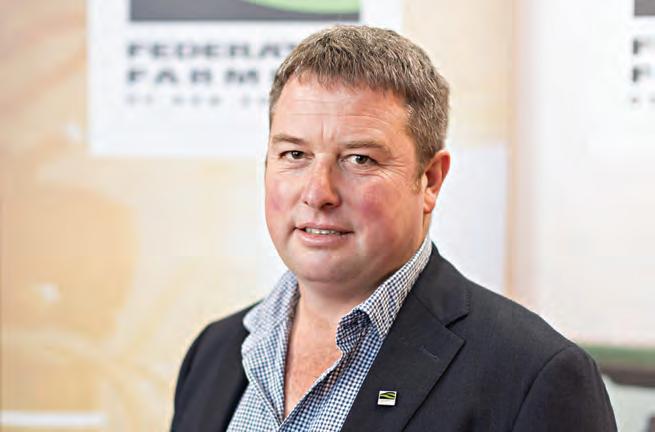
Southland Federated Farmers president Chris Dillon told Dairy News that the government announcement is “a big relief” for the regions 3400 farmers.
“The extra time will mean national and regional farm planning systems are well aligned to avoid duplication and unnecessary costs to farmers,” Dillon says.
Associate Agriculture Minister Andrew Hoggard says the announcement gives farmers the clarity they deserve.
“Southland farmers were staring down a May 2026 deadline to submit farm plans under the current regional system,”
says Hoggard.
“That would have meant wasting time and money on a whole lot of complex paperwork that simply won’t be needed under our updated national rules. That is the definition of pointless bureaucracy.”
Hoggard says farmers’ efforts wouldn’t go to waste.
“We are bringing in a new, improved national system. This extension ensures farmers won’t spend time and money complying with old rules when better ones are on the way.”
The Government is introducing a slimmeddown system that strips back the most frustrating parts, like overly bureaucratic land blocking and mapping, according to Hoggard.
He says the new
legislation will deliver clear expectations.
“We are clarifying exactly what farming activities need a certified plan, cutting out the fluff.
“Farmers should be out on the land producing world-class food and fibre, not stuck at the kitchen table trying to decipher red tape. We’re getting the rules sorted and getting Wellington out of the way.”
Environment Southland chair Jeremy McPhail says the extension gives farmers and growers more time to finalise strong farm plans and make good use of the support available as the updated national settings are finalised.
“Farm plans remain an important part of improving freshwater outcomes, and this
extension gives farmers extra time to continue developing plans that are practical, well-informed and tailored to their property and catchment.
“Farm plans are here to stay, and most farm operations in Southland will still need one.”
McPhail says Environment Southland
had long supported the need for farm plans for a long time as a way for farmers to demonstrate environmental responsibility and increase the uptake of mitigations.
“These are one of the key tools in Southland for improving water quality across our
catchments.”
He said farm plans remain an important tool for identifying practical actions on-farm, reducing environmental risk, and driving yearon-year environmental improvements.
50 HEAD OR 1,000 HEAD, WE’LL HELP YOU STAY AHEAD.
Running a dairy farm means navigating risk every day - from the milking shed to machinery, livestock to logistics. That’s why FMG are here to help you stay ahead of potential loss with practical advice and resources tailored to the realities of dairy farming.
We’re not just about insurance - we’re about helping you safeguard what matters most before things go wrong. Because when you’re better prepared, you’re better protected.
To find out more, ask around about us. Better still, give us a call on 0800 366 466 or visit fmg.co.nz
We’re here for the good of the country.

JESSICA MARSHALL
AS THE Agri Women’s Development Trust (AWDT) begins the
process of winding down, the organisation’s general manager Julia Jones says there’s still a place for its programmes within the industry.
Earlier this month, AWDT announced it would be phasing out over the course of the next 12 months.
AWDT was founded
16 years ago by Lindy Nelson with the aim of understanding the needs or rural women, removing barriers to leadership, and creating
pathways for their growth.
Since then, the organisation has supported thousands of women through its
OSPRI’s support centre is a busy place around Moving Day.
To avoid waiting on the phone try out our website.
There’s so much there to help you update NAIT, including:
• handy checklists and decision trees
• how-to-videos, including recording animal movements
• NAIT user guides.
Just visit ospri.co.nz to make your move easier.
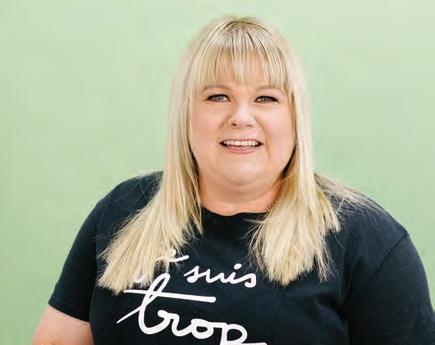
Escalator, Understanding Your Farming Business, Wāhine o te Whenua, It’s All About You, and Next Level programmes.
Jones says that in the past 16 years there has been significant change for women in the sector.
“When AWDT began, there were fewer visible pathways, networks, and leadership opportunities for women in agriculture,” she says.
“Today, we see more women leading farming businesses, stepping into governance roles, influencing industry conversations, and supporting each other through strong networks and communities.”
She says AWDT has been proud to play a role in that shift alongside others in the sector.
The announcement of the winddown comes after a period of declining enrolments over the past 12 to 18 months.
Jones says those declining enrolments have been accompanied by increasing economic pressures on rural communities which have impacted the ability for women and farming businesses to commit to the trust’s programmes.
“After careful consideration, we reached the view that continuing in the current form was no longer sustainable,”
Jones told Dairy News
She says the decision is reflective of the current environment, not the historical value or impact of AWDT’s work.
As the organisation winds down its work, it will continue to provide its currently scheduled and committed programmes into 2027.
Jones says the wind down of AWDT will be phased over the next 12 months.
“As part of that process, we will explore whether there is an appropriate home for AWDT programmes within existing organisations,” she says.
“We are not in a rush to make those decisions. Any process will be fair, transparent and considered.”
However, despite the current economic climate, Jones says there is still a place for the leadership programmes for women in agriculture.
“The need for leadership development, confidence building, connection, and capability support for women in agriculture remains important,” she says.
“What has changed is the environment people are operating in. Economic pressure and competing priorities are making it harder for many women to step away from businesses, farms, and families to participate in programmes in the same way they may have previously.”
She says that there are other organisations, networks and industry groups available to support women across the rural sector.
“While AWDT has had its own unique approach and community, we hope women will continue to access learning, support and connection through existing organisations, and that this may include some form of AWDT programmes finding appropriate homes within that wider ecosystem.”
GLENYS CHRISTIAN
FEDERATED FARMERS has been urged to consider establishing a policy on artificial intelligence (AI).
During a discussion at Auckland Federated Farmers Conference recently, Environmental consultant, Richard Gardner, who was formerly a policy analyst with the lobby group, said he was recently watching via the internet members of the Environment Select Committee of Parliament hearing submissions on the Natural Environment and Planning Act.
“I just had a feeling that AI had been used by some Members of Parliament to ask some of their questions,” he said.
“That made me worried as AI has its limitations. Does the federation have a strategy
to deal with its use?”
Chief executive Mike Siermans, who attended the meeting, said the lobby group didn’t at present.
“We probably need one.”
Mark Hooper, the federation’s board member with responsibility for the Resource Management Act (RMA), part of which will be replaced by the
Natural Environment and Planning Act, who was also at the meeting said AI was useful to some extent in summarising submissions but not in formulating policy.
While the federation was very supportive of the Government’s intent in reforming the RMA, it felt the draft policy produced didn’t align with that.
“We hope we can get some issues resolved, but
FEDERATED FARMERS national board
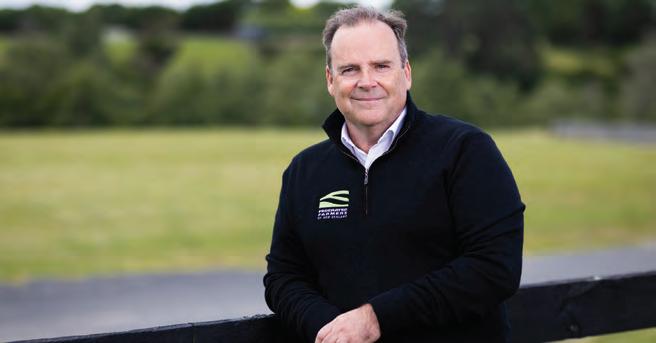
member Mark Hooper says the use of AI in advocacy is already here.
Hooper says this technology is a useful tool that’s being used successfully by a lot of organisations to increase productivity and efficiency in the workplace.
“There are some very useful applications when it comes to analysing complex data, brainstorming, research, or
it’s a big ask,” he said.
“We’re holding our breath and waiting to see.”
The major concern centred around the setting of environmental limits on farms as the natural inclination was to try to make improvements to current levels.
“But that can become a hard limit, and farmers could be worse off than they are at present,”
automating simple and mundane tasks,” he told Dairy News.
“As a sector, we can’t shy away from these kinds of technological advances – it’s no different to when the computer or the internet first arrived. This is just the next wave.”
Hooper believes in time AI will be like a computer or internet is today –used by everyone in some way.
However, he wants AI to be viewed as a ‘tool’, not a replacement for
he said.
human input or thought.
“The technology is very impressive, but it also has its limitations.
“We do still need that human input, critical analysis and thought, but I think the two can work together well in a complementary way.
“It’s by no means a replacement for our expert policy advisor, lawyers and communicators – but it can help them do their jobs faster or more efficiently.”
After the meeting, where Gardner was made a life member of Auckland Federated Farmers, he said around 10,000 submissions had been made on The Natural Environment and Planning Act.
“But when I watched on the internet I wondered what was happening at the select committee,” he said.
“If that’s the case what else could be done with AI? Is there any point in having politicians and making submissions?
“It does worry me. Things should be done in a different way. The federation needs to know what’s happening and have a policy to address that.”
“I had the distinct feeling that in some cases the submissions had been summarized and AI had been used when it came to what questions should be asked.”

DAIRYNZ CHIEF
executive Campbell Parker says the winners of this year’s New Zealand Dairy Industry Awards are leading the way in productivity, sustainability and profitability.
“Our dairy farmers are some of the best in the world and these awards are a chance for us to highlight the innovation of our sector and show other farmers what’s possible on farm,” says Campbell.
“It was also great to see such a strong focus on people and team culture.”
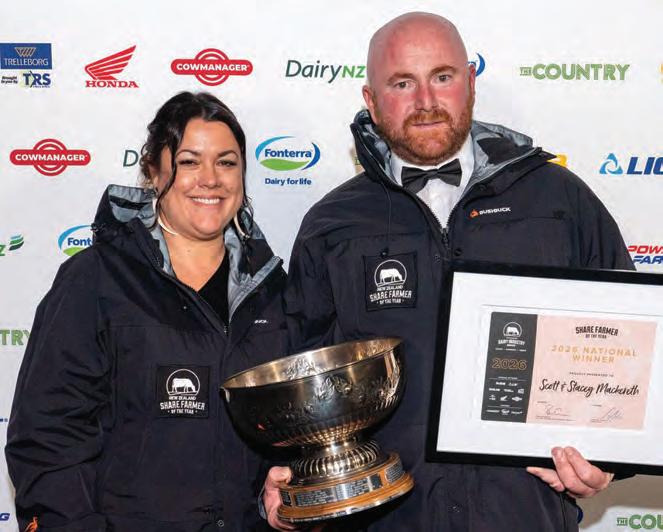
The 2026 Share Farmers of the Year Award went to Scott and Stacey Mackereth who are contract milking for Fortuna Group at Edendale. The judges were impressed with their support for staff including implementing the Te Whare Tapa Whā holistic Māori health model.
The couple also won DairyNZ People & Culture Award, the Trelleborg Sustainable Pasture Award, and
Federated Farmers Leadership Award.
Dairy Manager of the Year was Lauren McConnachie, farm manager for Theland Farm Group at Purata, milking 2170 cows on 563ha.
The judges said Lauren had extremely strong theoretical knowledge, was very organised and brought a structured approach to her planning and farm management.
The DairyNZ People & Leadership Award in the Dairy Manager category
was awarded to Annie Gill.
The Dairy Trainee of the Year was Mark Ready from Maruia who was praised by the judges for his planning and progress. The farm manager has managed to save and buy his first line of cows, which will enter the herd this year, and has set himself a timeline to achieve herd ownership.
The DairyNZ Practical Skills Award in the Trainee category was won by Jack Foster.
Tony Dodunski won
the Fonterra Responsible Dairying Award for his work in the Lake Ellesmere/Te Waihora catchment while Alvaro Luzardo and Ximena Puig from Eketāhuna took out the ASB Alumni of the Year Award.
The Fonterra and ASB First Farm Award was won by Johno and Tania Burrows, Jonathon and Stacey Hoets – both from
Canterbury/North Otago – and Marc and Nia Jones from Waikato.
Former DairyNZ chair Jim van der Poel was also celebrated with a special award for outstanding service to the dairy industry.
Dairy Industry Awards Trust chair Paulette Johns said van der Poel was recognised for his commitment to the dairy
sector, including his longstanding governance roles with Fonterra and DairyNZ.
“Jim is recognised as a distinguished leader across the dairy sector, having made a sustained and influential contribution over more than four decades of farming, governance and national industry leadership,” Johns says.
PETER BURKE peterb@ruralnews.co.nz
DEVELOPING PASTURE
species that enable farm animals to produce less biogenic methane and nitrous oxide is a critical tool in NZ’s quest to reduce its greenhouse gas emissions (GHG).
John Caradus who is chief technology officer for Grasslanz Technology and someone who has spent a lifetime in plant breeding says the best starting point to reduce GHG emissions in New Zealand is at the pasture level and looking at what the animals eat.
Much research is already underway in this area at Grasslanz, which is now part of the Bioeconomy Science Institute, in collaboration with other organisations both in NZ and offshore.
He says the two predominant pasture species grown on NZ farms are perennial ryegrass and white clover, but notes that there are other species that could be used such as tall, meadow fescue, cocksfoot and number of minor legumes.
“But one of the problems with some of the other pasture legumes
is that they don’t compete well in our grazed swards. So, if we could find a way of getting a legume such as Lotus corniculatus, also known as birds-foot trefoil, into our grazed pastures that would make a difference,” he says.
Caradus says birdsfoot trefoil can produce condensed tannin of the appropriate type and amount in its leaves. He adds that if we could integrate these types of species into our perennial ryegrass sward it would aid in reducing methane production and probably nitrous oxide too.
The idea of mixed species is one that is being closely researched and trialled at present.
For example, Massey University and others are looking at what difference plantain, chicory and white clover can have on reducing GHG emissions. There is also work going on in the field of genetics to produce animals with low methane emitting traits.
While new research is taking place, much of this can be traced back to work done by agricultural scientists in the 1970s. John believes this was due to the funding regime at the time when scientists had more control over
WHILE SCIENTISTS can develop new grass species that reduce methane and nitrous emissions in animals, success at a farm level depends on how the pasture is managed, says John Caradus.
He says high stocking rates – particularly on dairy farms – is not conducive to pasture persistence and therefore the gains available in grasses cannot be realised.
“Pasture persistence is a real issue. This is because of the impact of droughts and insect pests. Even with fungal endophytes in ryegrass which protect the plant from insects, it’s that combination plus overgrazing that can drive down the persistence of our ryegrass pastures,” he says.
Caradus says it’s a matter of getting farmers to back off a little on grazing pressure.
Developing new methane reducing legumes is not easy he says because our major species of ryegrass and tall fescue grass don’t have the secondary metabolites that will reduce GHG emissions. One option for this he says might be to use gene editing or genetic modification.
For Caradus and the teams of scientists working to develop new grass species it is encouraging that in general New Zealand farmers are willing to try new opportunities and can be regarded as early adopters. He says this became evident when a new endophyte strain of ryegrass – AR1 which protects the plant from Argentine stem level and reduces ryegrass staggers – was introduced in the early 2000s.
their research than now, whereby the funder – by default the Government – sets very tight limits on what research can be done. However, under the new funding system that is about to get underway, there is hope that science funding will be better
aligned with farmers’ needs.
“However, the reality is that today, in terms of pasture development and management, we are still relying heavily on the work done by the scientists in the 1970s,” says Caradus.
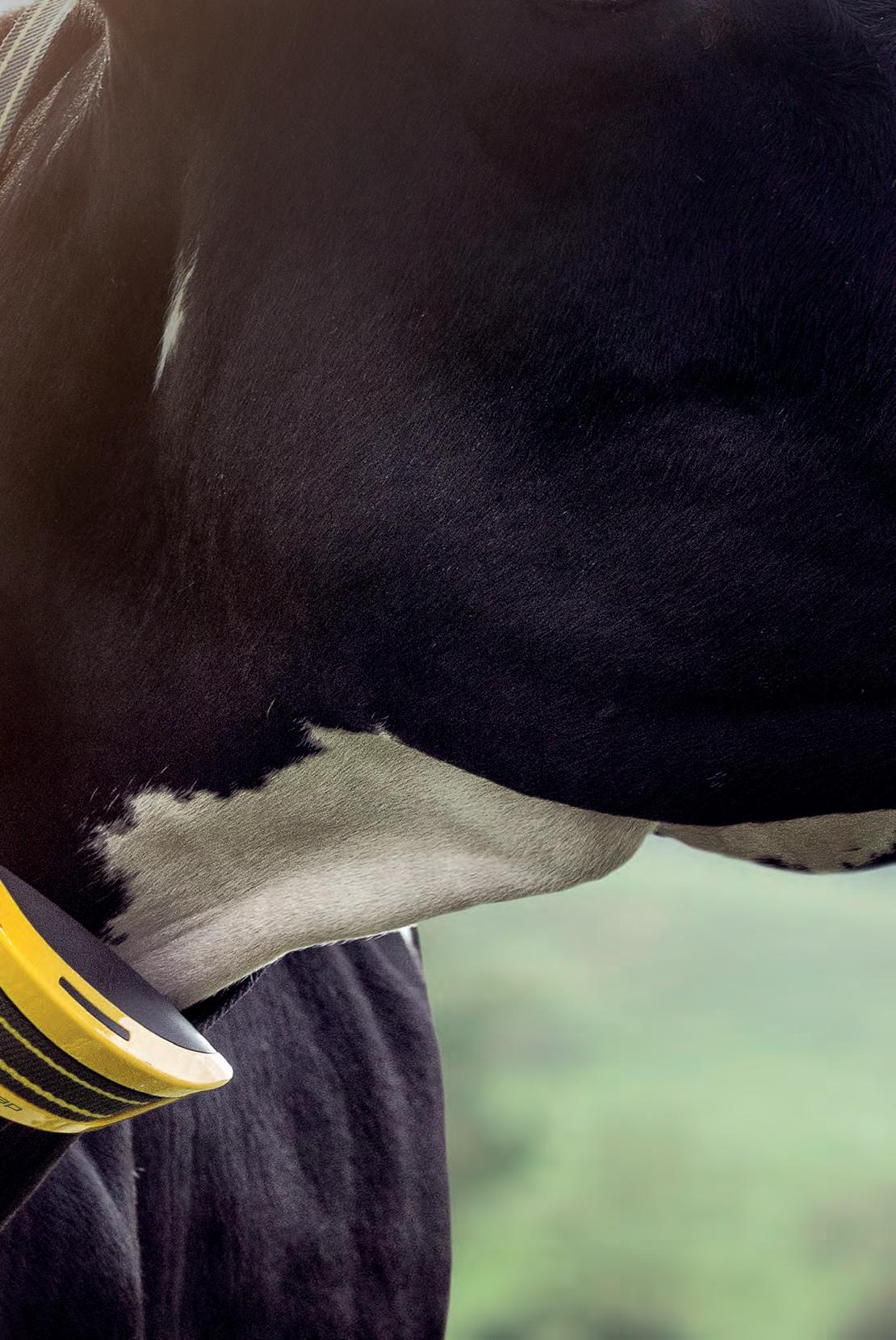



When performance matters, choose experience that’s already stood the test of time. With Nedap, you’re choosing the global leader in cow monitoring, bringing unseen reliability, longevity and deep insights to your farm, refined over decades on commercial dairy farms worldwide.
GLENYS CHRISTIAN
ANIMAL WELFARE
improvements as well as reduced costs for dairy farmers are at the heart of a new move which could help cut back on the waste of unused vet drugs.
Rosemarie Costar, the newly elected Auckland Federated Farmers president, told its recent conference that waste was something all farmers hated to see.
But last April after Fonterra shed inspections were carried out, new rules came into place meaning farmers had to write on drug containers
when they were first opened and discard any contents that were left over according to the instructions and the date on the packaging.
When she became aware of this as Auckland
and the
and
Dairy chair she started talking to food quality auditors, QCONZ, Franklin Vets and the co-op to see if there was a solution to the problem.
An example of the waste which could occur was the anti-inflammatory Metacam 40 which is commonly used during calving. It costs $450 for a 100ml bottle which needs to be discarded 28 days after opening even if only one 7ml dose had been used. A similar product costing $430 for a 250ml container needs to be discarded 90 days after opening. This is because of the risk of needles, particularly those which have been used, going back into the bottle which could cause contamination. This could also come about if the bottle cap wasn’t kept clean.
Initially it was an animal welfare concern as farmers were saying that they would no longer use such expensive products if they would quickly have to throw away the unused contents, as there was no way they would go through a whole bottle in as little as 28 days, she said.
“The missing piece of the puzzle was finding the ability to keep using the drugs within the rules.”
Discussions between representatives of the four groups revealed that under Ministry for Primary Industries (MPI) regulations vets
could provide alternative instructions for drug use by writing it on the farmer’s RVM script. This could be by specifying that a dispensing gun needed to be used so that when it clicked into place the drug bottle was only broached once and there was no ongoing contamination risk.
“Then farmers would be compliant against the regulations and wouldn’t have to discard unused drugs,” she said.
The vet would have to provide their recommended timeframe for using the drugs and the actual expiry date on the bottle would still have to be adhered to by farmers. As giving different instructions to those on the drug container would be considered off label use specific advice would need to be given by vets at their discretion to each individual farmer client.
“Franklin Vets did quite a lot of homework on this and QCONZ and Fonterra were extremely helpful in finding a solution, but it took us a year for us all to be comfortable,” Costar said.
“It’s a win in reducing wastage and maintaining our very high levels of animal welfare.”
The task now was to get the message out to farmers so they could speak to their vet about what approach would best suit their farming needs.
She
JESSICA MARSHALL
property market due to consistent inflation concerns.
Data released last month by REINZ suggests the market is shaped by increased
positivity and confidence, reflecting the combination of strong commodity prices, improved balance sheets, accessible credit, and a marked shift in public
perception of the sector.
REINZ rural spokesperson Shane O’Brien says concerns remain regarding cost inflation for the rural sector, with tight
on-farm operating costs.
“These pressures continue to weigh on overall sector confidence, prompting businesses across the rural economy to reassess budgets,
adapt operating models and look for greater efficiency as they navigate a persistently challenging cost environment, in many sectors,” O’Brien says.
The dairy sector has proven to be the standout performer with dairy sales increasing by 38.2% in the 12 months to March 2026.
Key regions, including Northland, Otago and Southland, were especially active with dairy confidence flowing through into broader provincial economies.
“Performance has been supported by strong farmgate returns, with demand clearly concentrated in tier-one properties,” O’Brien says.
He says that activity is driven primarily by largescale family businesses and farmer-to-farmer transactions.
According to REINZ’s report, while overall rural confidence has been at its highest since the 2008 Global Financial Crisis, dairy has proven to be the primary engine of that confidence.


“Buyers have re-engaged with the market following a more stable outlook from processors and improved liquidity from recent seasons – specifically in South Otago where market activity reached levels not seen in the last 7-8 years,” the report states.
The first quarter of 2026 recorded an increase of transactions, supported by strong underlying demand.
According to the REINZ analysis, in the 12 months to March 2026, there were more dairy farm sales exceeding $10 million than in any equivalent 12-month
period since records began in 1997.
“Buyers across New Zealand tend to prioritise farms that deliver consistent performance, with proven production, established infrastructure, and being environmentally compliant while most farming sectors have displayed varied activity this quarter,” O’Brien says.
The report says that seasonal conditions have generally been helpful to the dairy sector across New Zealand, supporting pasture growth and production, reducing pressure on supplementary feed and helping farms maintain output.
However, the report states the main area of concern for the sector is cost inflation.
“Diesel prices initially raised concerns due to their immediate impact on production costs, but the flow-on impact, notably fertiliser prices, will continue to contribute to rising farm input costs,” the report states.
“Dairy support farms benefited from the strength of the broader dairy outlook, including recent Fonterra payouts and dairy expansion generally, all of which have translated into demand for support land in dairy-intensive regions.”
Looking ahead, the REINZ report says it will be interesting to see what impact the Fonterra capital payments have on the market.
“In the meantime, buyers remain very disciplined and focused on quality assets.”
PETER BURKE peterb@ruralnews.co.nz
NEW ZEALAND and the European Union are closer than ever.
That’s the word from the EU’s Ambassador to NZ, Lawrence Meredith, referring to a comprehensive nationwide perceptions study done by the EU of relations between the two jurisdictions. The report is timely in that it coincides with the second anniversary of the FTA between NZ and the bloc. Meredith says the survey shows that there’s strong support among New Zealanders for deeper engagement with Europe across trade, innovation, security and shared values –reflecting the growing momentum of the EU–NZ partnership.
“The EU–NZ relationship as one built on shared values, trust, and a long-standing partnership between likeminded partners,” he told Dairy News
The key findings in the survey show that 93% of NZ respondents view the EU as an important trading partner and that trade was identified
as the most important aspect of the relationship, followed closely by innovation and science, security cooperation, and people-to-people links.
The report also noted respondents associated Europe strongly with culture, sustainability, quality of life and innovation.
The report also
TRADE AND Investment Minister Todd McClay says the New Zealand-European Union Free Trade Agreement (FTA) is delivering a major boost to the economy and supporting jobs nationwide,
“Because the FTA entered into force early, our exporters got an immediate head start with tariff cuts and better access into what is now our fastest-growing major market,” McClay says.
Exports to the EU hit $8.8 billion in the year to December 2025 – up 29% or nearly $1.9 billion. Two years ago, exports were
highlighted the fact that the EU ranked second only to the US as a perceived leader in international politics.
The findings come as cooperation between the EU and NZ continues to expand across multiple sectors. Meredith says since the EU–NZ FTA came into effect NZ exports to the EU have
$5.7 billion.
“On the agreement’s second anniversary, Kiwi exporters have now chalked up an extra $3 billion in sales. This growth has significantly exceeded forecasts and expectations and shows what’s possible when we back our exporters and open new doors.
“It means the world is choosing more of the high-quality food, fibre and products our farmers, growers and businesses are known for.” Some of the standout gains in the last year include butter exports up 121% and meat up 38%.

increased by more than NZ$3 billion, making it one of our fastest-growing export destinations.
He says research and innovation cooperation is also accelerating through Horizon Europe, the EU’s flagship research and innovation programme with NZ becoming its first global partner.
While trade with the
EU surges on, perhaps a little surprising is that the just over a third of those surveyed were not actually aware of the FTA between the two jurisdictions. That aside, it is clear that the overall political and trade relationships between the EU and NZ are stronger than ever and according to Meredith will continue to grow.
“At a time when countries are looking for trusted and reliable partners, the EU and New Zealand are building a modern partnership that delivers practical benefits across trade, research, innovation, climate action, security and people-to-people connections,” he says.

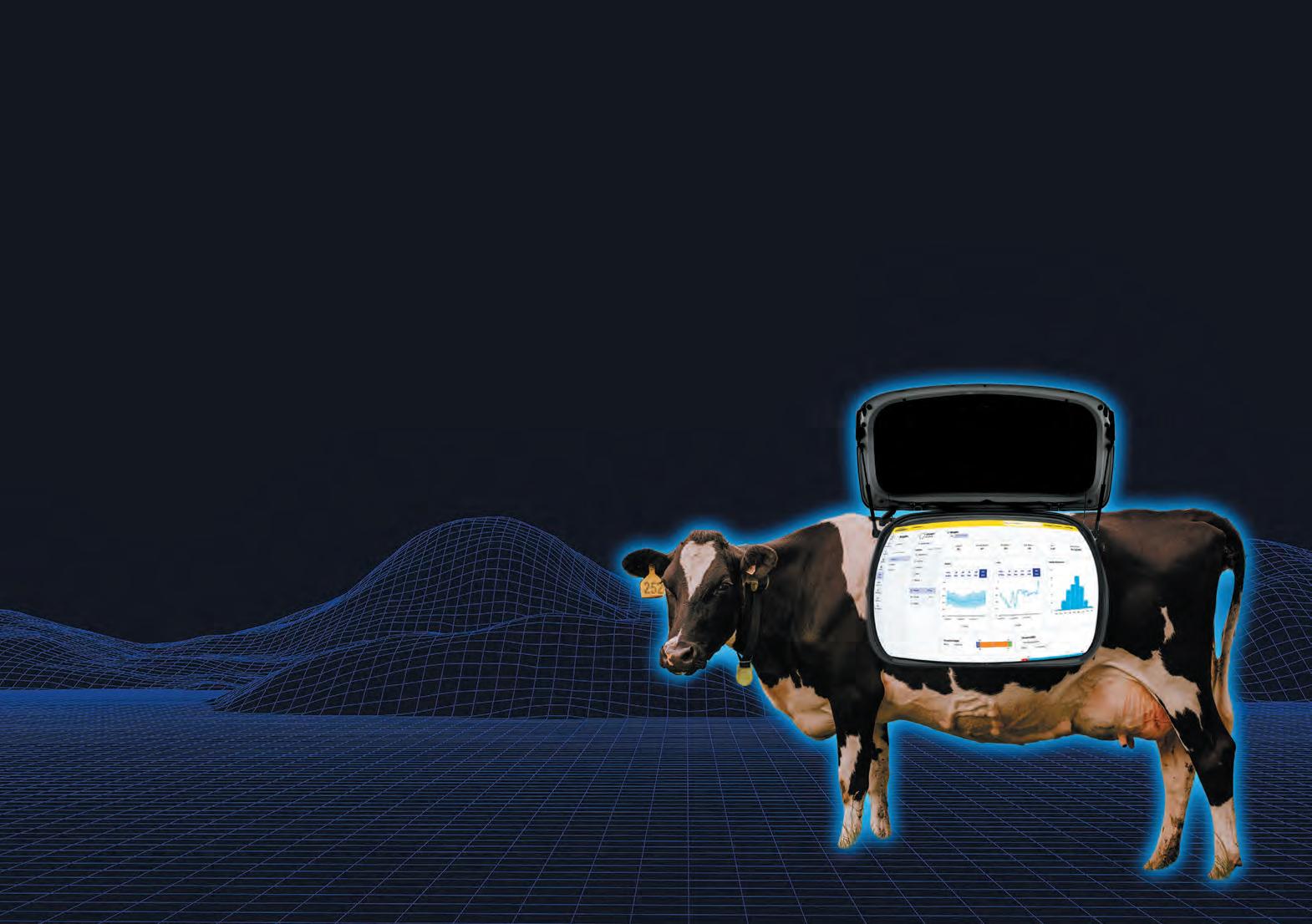
real- time group insights for transition, reproduction, rumination and more
• Essential health alerts
No subscriptions and no data fees, payment terms available
• Collar or Ear Tag options
THE STARK realities of the world trade that New Zealand is having to face have been revealed by Trade Minister Todd McClay.
Speaking to the NZ Institute of International Affairs, he pointed out that the world we now trade in is harder and much more uncertain than it was just five years ago. He says trade rules are more contested, relationships more complex, disruptions more frequent and what’s more, he doesn’t expect that to change anytime soon.
“The major economies are really playing outside the rules with very sharp elbows. These shifts are the clearest signal yet of a broader global trend: we are moving from a world governed by shared
rules to one increasingly shaped by power. For a small trading nation, that shift matters more than it does for many other countries,” he says.
McClay says events in the past year have increased the pressure on NZ – in particular, the war in the Middle East and the closure of the Straits of Hormuz, which has made getting exports to that region harder and more expensive.
Disruption to the supply of oil to NZ has driven up costs right though the supply chain.
He says the situation remains fragile, and exporters are navigating challenges with sourcing key inputs, maintaining competitiveness in the face of rising production and distribution costs, and finding reliable routes to market.
“Even before that conflict, our exporters were already navigating
a fundamentally changed approach to tariff policy from the United States. And the US is not the only one. Just ask our dairy exporters to Canada,” he says.
McClay says for a small nation like NZ, rules based trade has always mattered more to us than the larger economies who have far more leverage
internationally. He says kiwis believe in fairness and the rules deliver that.
“It is worth remembering that despite everything, 72% of world trade still takes place under WTO rules. The system is battered, but it is not broken, and NZ has a clear national interest in saving as much of the multilateral furniture as possible,” he says.
TODD MCCLAY admits that progress at a multilateral level is too slow for our exporters, which is why he says FTAs are vital and why the Government has invested heavily in these.
He says in 2025, 71% of NZ’s exports were covered by 17 high quality FTAs and results from these are tangible.
“Since our EU FTA came into force two years ago, our exports there have grown by NZ$3 billion. And in the 18 months since our FTA with the UK took effect, our exports there grew by 13%,” he says.
McClay adds that NZ exports to the UAE have seen record growth of 33% following that
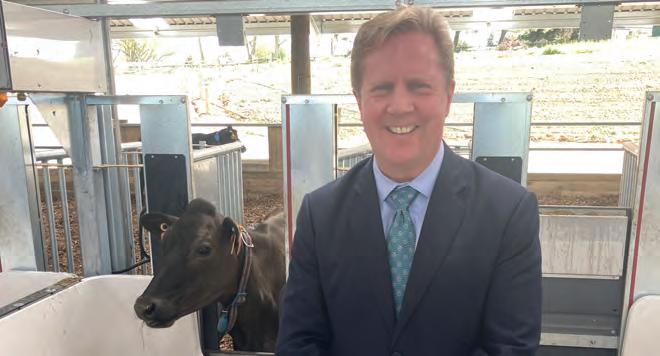
Trade Minister Todd McClay says global trade rules are more contested, and he doesn’t expect that to change anytime soon.
agreement’s entry into effect and says the new FTA with India will produce further export growth and stability to our primary exports.
While there has been a strong focus on securing FTAs, McClay says NZ has been making progress on a number of other key initiatives. These include the CPTTP, the Digital Economy Partnership Agreement, a Green Economy Partnership and RCEP.
But one of the biggest and most insidious issues facing NZ trade is the raft of non-tariff trade barriers (NTBs) which currently affect $9 billion worth of our exports. These are rules randomly applied by importing countries which impede the
flow of our exports to a country and reduce the return to NZ producers.
“Last year alone we resolved some of these to the tune of $600 million dollars, but there is clearly plenty more work to be done,” he says.
Looking to the future, McClay says the present challenges that NZ faces are not new and the hard work of the past must continue to be more creative, persistent, constructive and bring more energy and urgency to the task. He says it’s important for NZ to make itself known to the world, hence the emphasis on trade missions and an investment agency which establish strong political and business relationships.



Farming isn’t always straightforward, but payday can be. PaySauce is designed to give you peace of mind and make payroll the least of your problems.
Simply visit paysauce.com to get started.
robotic REDUCING THE size of the public service will please some, but none of those who will lose their jobs.
Nicola Willis waxed lyrical about the need for the cuts, saying she wants more technology to be used in the public service, for example AI (no, dairy farmers, not artificial insemination), which sounds good, except that we all know you still need humans to correct the mistakes made by AI.
But maybe slasher Willis could take this a stage further and using technology – namely robotics – kiss the majority of the 51 list MPs goodbye and replace them with robots.
Let’s face it, most list MPs are robots anyway – many are nameless, aimless and just ask the odd patsy question and vote the way their whips or shepherds tell them. The antics of the robots would make parliament much more fun and would be akin to the puppets that adorn the famous Back Bencher pub. Go Nicola!
WHILE THE focus remains on the general election later in the year, next month Federated Farmers hold their annual general meeting and elections.
Traditionally, after serving a three-year term as Feds president, Wayne Langford would step aside. However, Milking It has been informed that Langford may stay on for another year. This hasn’t gone down well with all Feds leaders, we believe.
The AGM takes place in Auckland late June. Last year’s AGM produced one surprise - Toby Williams was voted out as meat and fibre group chair. There’s nothing to suggest this could happen to Langford, but in politics they say the only person you can trust is the one who says that he or she didn’t vote for you!
STAYING ON Federated Farmers, the number of leaders from the farmer lobby stepping into politics is rising.
The current list of MPs with ties to Feds include Associate Ag ministers, Andrew Hoggard and Mike Butterick, Grant McCullum and Miles Anderson.
For this year’s general election, a few big names have been confirmed: former Feds president Katie Milne, standing for National and former Southland Feds chair, Jason Herrick, standing for NZ First.
This shows the value of the farming vote to the main parties. After all, who ends up in Government may just hinge on the rural votes they are able to garner.
A RECENT Curia poll shows farmers and the wider public generally agree that imported animal products should be required to meet New Zealand’s welfare standards, six months out from the election.
Nearly 80% of Kiwi farmers also want political parties to commit to making it happen. Just 10% disagree.
The finding puts farmers squarely in line with the broader public, where Horizon Research polling has consistently shown over 80% support for the same principle.
This is about fairness. Our farmers are being asked to meet some of the highest animal welfare standards in the world and are proud to do it. But they should not be undercut by imports produced to lower standards. Now it’s up to political parties to listen and commit to a level playing field.

Head Office: Lower Ground Floor, 29 Northcroft St, Takapuna, Auckland 0622
Phone 09-307 0399.
Postal Address: PO Box 331100, Takapuna, Auckland 0740
Published by: Rural News Group
Printed by: Inkwise NZ Ltd Contacts: Editorial: sudeshk@ruralnews.co.nz
Advertising material: beckyw@ruralnews.co.nz Rural News on-line: www.ruralnews.co.nz
Subscriptions: subsrndn@ruralnews.co.nz
Publisher: Brian Hight Ph 09-307 0399
General Manager: Adam Fricker Ph 021-842 226 Editor: Sudesh Kissun Ph 021-963 177
Machinery Editor: Mark Daniel Ph 021-906 723
markd@ruralnews.co.nz
Reporters: Peter Burke Ph 021-224 2184 peterb@ruralnews.co.nz
Subscriptions: Julie Beech Ph 021-190 3144
Production Manager: Becky Williams Ph 021-100 4831
Digital Strategist: Jessica Marshall Ph 021 0232 6446

FOR THOUSANDS of Southland farmers, this week would have tipped them into the non-compliant category when it comes to following regional freshwater plan rules.
But the Government has stepped in to give them the clarity they deserve.
The Southland Water and Land Plan (Regional Plan) currently requires farmers to prepare and submit a farm plan by 27 May 2026, before improvements to the national freshwater farm plan system are finalised.
Cabinet has agreed Southland farmers and growers will now have until the end of November 2027 to submit their farm plan and benefit from the updated system.
Associate Agriculture Minister Andrew Hoggard points out that Southland farmers were staring down a May 2026 deadline to submit farm plans under the current regional system.
That would have meant wasting time and money on a whole lot of complex paperwork that simply won’t be needed under our updated national rules.
Hoggard defines this as pointless bureaucracy. But the Government announcement means farmers won’t spend time and money complying with old rules when better ones are on the way.
As part of its review of freshwater rules and their impact on farming, the Government is introducing a slimmed-down system that strips back the most frustrating parts, like overly bureaucratic land blocking and mapping.
The Government must be commended for extending the timeframe for Southland farmers to submit freshwater farm plans.
This sensible decision will ensure what Southlanders need to do is aligned with the requirements for farmers in other regions as the new system comes into effect – giving them confidence to continue to produce highquality food and fibre.
Burdensome regulations should not be holding back our farmers and growers.
AUCKLAND SALES CONTACT: Stephen Pollard Ph 021-963 166 stephenp@ruralnews.co.nz
WAIKATO & WELLINGTON SALES CONTACT: Lisa Wise Ph 027-369 9218 lisaw@ruralnews.co.nz
SOUTH ISLAND SALES REPRESENTATIVE: Kaye Sutherland Ph 021-221 1994 kayes@ruralnews.co.nz
DAVID CHIN
WHILE SOME international systems reward milk volume and encourage breeding for larger-framed, highoutput cows, New Zealand farmers operate under a very different set of incentives.
Here, it’s kilograms of milksolids that matter most, from cows that graze pasture and that shifts the focus from size to efficiency.
A well-balanced, moderate-framed cow that converts feed into fat and protein, calves consistently, has a solid udder overall and maintains body condition often outperforms a bigger cow when you
look at the whole system. Success isn’t about producing the most litres, it’s about producing the right litres.
For example, a larger cow producing 7500 litres at 4.5% fat and 3.5% protein delivers around 600kg of milksolids. A moderately sized cow producing 6500 litres at 5.2% fat and 4.1% protein delivers slightly more, at around 605kg of milksolids. Despite producing less volume, the more efficient cow is delivering more value back to the farm.
But production is only part of the equation. In a pasture-based system a cow will be required to eat around 100-150kg of fresh grass to gets its daily energy requirements (this varies depending on
the moisture content of the grass – spring grass with a higher moisture content will require the cow to eat up to 150kg of fresh grass). That’s a lot of grass! Which is why we breed cows with good capacity. In more intensive systems that feed grain and concentrates, that same energy requirement could be achieved from significantly less bulk (around 20kg depending on the feed) which is why cows bred from those systems have less capacity – they don’t need it because they are not consuming the bulk.
The point here is that over time breeding companies have refined the physical characteristics of the cow to be optimal for
a particular production system. It’s not that one breeding philosophy is better or worse than another – it’s about breeding programs responding to the constraints and incentives of the system they are breeding for. Pasture-based dairy farming requires cows with high capacity. They also require cows that can handle a walk of 1-2km a day, twice a day – so a moderately sized cow is better suited to this than a heavier cow. And a block calving system places different fertility demands on a cow than an all-yearround calving system.
Some genetics can deliver strong production and look attractive on paper, particularly when you’re
Prime Minister Christopher Luxon recently addressed the New Zealand Institute of International Affairs. He spoke about what this week’s Budget will look like. Here’s some of the key points.
IN THIS year’s Budget we will prioritise maintaining that credibility.
Budget 2026 is about securing New Zealand’s future. Fiscal repair balanced with careful capital investment features heavily in that story.
The good news is that with the Budget now officially signed off, I can confirm a few details.
First, the Government’s fiscal strategy underpinning that approach – and our commitment to achieving it – remains unchanged.
The Government remains committed to putting debt on a downward path towards 40% of GDP, and to returning the books to surplus
by 2028/29.
Achieving that will be a tall order and will require careful choices in the years to come.
But responding to the current fuel crisis – a crisis of national resilience and economic security – through more spending would risk leaving New Zealand even more exposed.
So, in that spirit, I can confirm that the Minister of Finance will once again keep new spending in the Budget below the operating allowance previously set in the Budget Policy Statement.
At the same time, while we
it works
0800 765 587
comparing individual animal performance. But if that production comes at the cost of fertility or longevity, it changes the profitability equation in a pasture-based system.
That’s why breeding decisions need to be made with the whole system in mind, not just a single trait.
At LIC, we’ve spent decades selecting cows that suit New Zealand conditions - balancing production with fertility, efficiency, udder overall, longevity and more. Because long-term profit doesn’t come from pushing one trait to the extreme, it comes from getting that balance right.
There’s no one ‘right’ cow. But there is a right cow for your system. And the better you
understand the trade-offs, the better the decisions you’ll make for your herd
continue to prioritise a return to surplus, the recent crisis has acted as a timely reminder that significant levels of capital investment will be required in the coming years.
To build modern and resilient infrastructure able to withstand an increasingly volatile world.
And to invest in the schools and hospitals New Zealanders rely on to receive modern, responsive public services.
So this year’s capital package will be larger than originally planned, at a net $5.7 billion.
That doesn’t reflect a permanently higher rate of borrowing – we’ll need
to get the balance right in the years ahead, as we rebuild our fiscal buffers.
Promoting financial security isn’t just about the Government’s financial position.
The truth is that as a country we don’t save nearly enough, and rely too much on money borrowed from overseas to support our lifestyles.
That must change.
Government’s role must shift from simply meeting the rapidly growing cost of New Zealand Superannuation, to which we remain committed, to a stewardship role for New Zealanders’ financial security, supporting greater levels of private savings and
investment.
In last year’s Budget we agreed to lift KiwiSaver contributions from 3% to 4%. If National is re-elected, we intend to lift contributions further to 6% each for employers and employees. We have what the world wants. We are a reliable partner. We have values worth defending and a future worth building.
But none of that is guaranteed. It must be chosen, and it must be worked for.
The world is at an inflection point. The question is not whether New Zealand is affected – it is. The question is whether New Zealand is ready.
NEW ZEALAND farmers have been told they all have amazing people on their farms and have been urged to be “that one person” that can make a huge difference to those going through tough times.
Armstrong’s message to farmers was that they might get young people on farm who are “a little bit naughty” but could be an unpolished gem whose lives can be changed with time and guidance and being there for them.
From being a young West Auckland tearaway on the wrong side of the law, Zion Armstrong turned his life around, competed as a hurdler for New Zealand then went on to lead Adidas North America to recordbreaking commercial success. He was a keynote speaker at Dairy NZ’s recent South Island Dairy Event (SIDE) at Lincoln University. Introducing himself at SIDE, Armstrong said that at the age of 14,
he was chased on foot by police through West Auckland after dumping a stolen motorbike, and managed to outrun them, although finally caught by police dogs while hiding under a house – and still has “quite a few scars” to remind him.
Then a few weeks later an unmarked police car pulled up to the family house and West Auckland District Commander Ross Dallow stepped out and knocked on the door.
Armstrong said that despite there being nine other kids in the house to choose from, “Mum looked straight at me and said, ‘What have you done now?’”
“And [Dallow] says, ‘It’s not what he’s done. It’s what we think he can do. I’m the local track and field coach. And the guys he ran away from that night, one of them was the fastest man in the country’.
“So, he bundled me into his car, and I went down to the local track and field club, and that was the start of, not only a friendship, but him becoming my father and of course, correcting my life.”
Armstrong’s message to farmers was that they might get young people on farm who are “a little bit naughty” but could be an unpolished gem whose lives can be changed with time and guidance and being there for them.
“All of a sudden I had this person who put their arms around me and

showed me the right way, and I’m sure you’ll have some of those kids on your farm at some stage.”
Under Dallow’s guidance, Armstrong went on to became a champion hurdler, represented New Zealand at the 1998
Commonwealth Games, and only narrowly missed selection for the 2000 Olympics. With a Fijian father, he was invited to run for Fiji but declined because he had been so set on wearing the New Zealand black singlet.
“Don’t decline
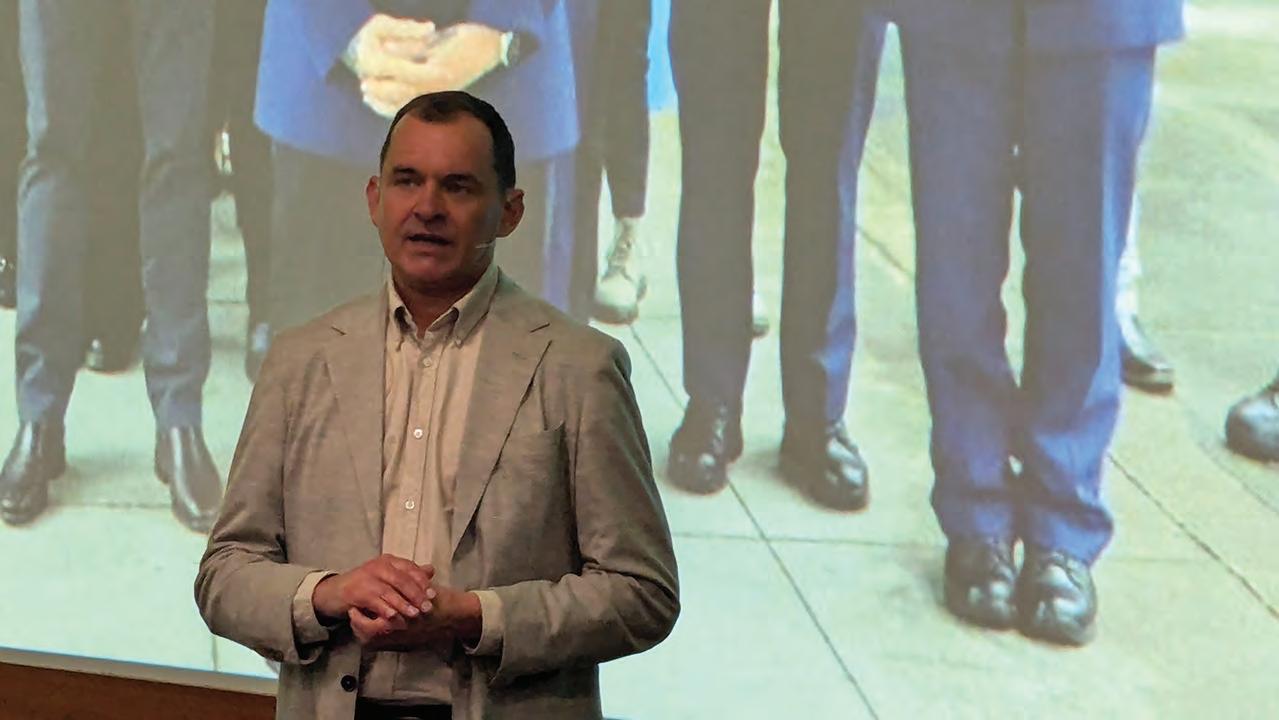
ZION ARMSTRONG outlined his time as the head of Adidas North America, emphasising a philosophy of doing what’s right and putting people first.
The German head office had never been able to align its European values with American sports culture until he persuaded them to send half the product development team to the American base in
opportunities to run in the Olympics. I wish I was standing up here today saying ‘bula vinaka’. My pride got in the way.”
After that he hung up his spikes. Meanwhile, however, he had been working for Adidas since he was 16, initially just
packing and unpacking shoes, and had worked his way up to the New Zealand leadership team.
Then came what he called another “sliding door” moment, when he was invited to the Adidas headquarters in Germany to interview for a job running a business unit. What followed was a career heading various business units, before eventually becoming president of Adidas North America and leading it to overtake arch-rival Nike while posting record profitability.
sponsor Caribbean-born Montreal hockey player PK Subban not because he was a champion athlete but because he had donated his entire $10 million annual salary to a children’s hospital.
Then, discovering that Adidas was paying athlete Lindsey Horan a $15,000 bonus for being named national women’s soccer league player of the year while the equivalent male athlete would get $150,000, he tore up her contract on stage in front of 3000 people at a conference and said she would get the same.
He said he did not realise he was setting a

legal precedent “but it was the right thing to do”.
Armstrong was also proud of the way he handled the Covid pandemic, closing the retail stores to protect staff, even though head office initially said not to.
However, the travel and quarantine restrictions of Covid took a toll, with Armstrong still in the US and family still in New Zealand. Shortly afterwards, he resigned from Adidas and returned to New Zealand. He is now CEO of the Jamie Kay kids’ clothing group was recently named as a wing patron of the New Zealand police.


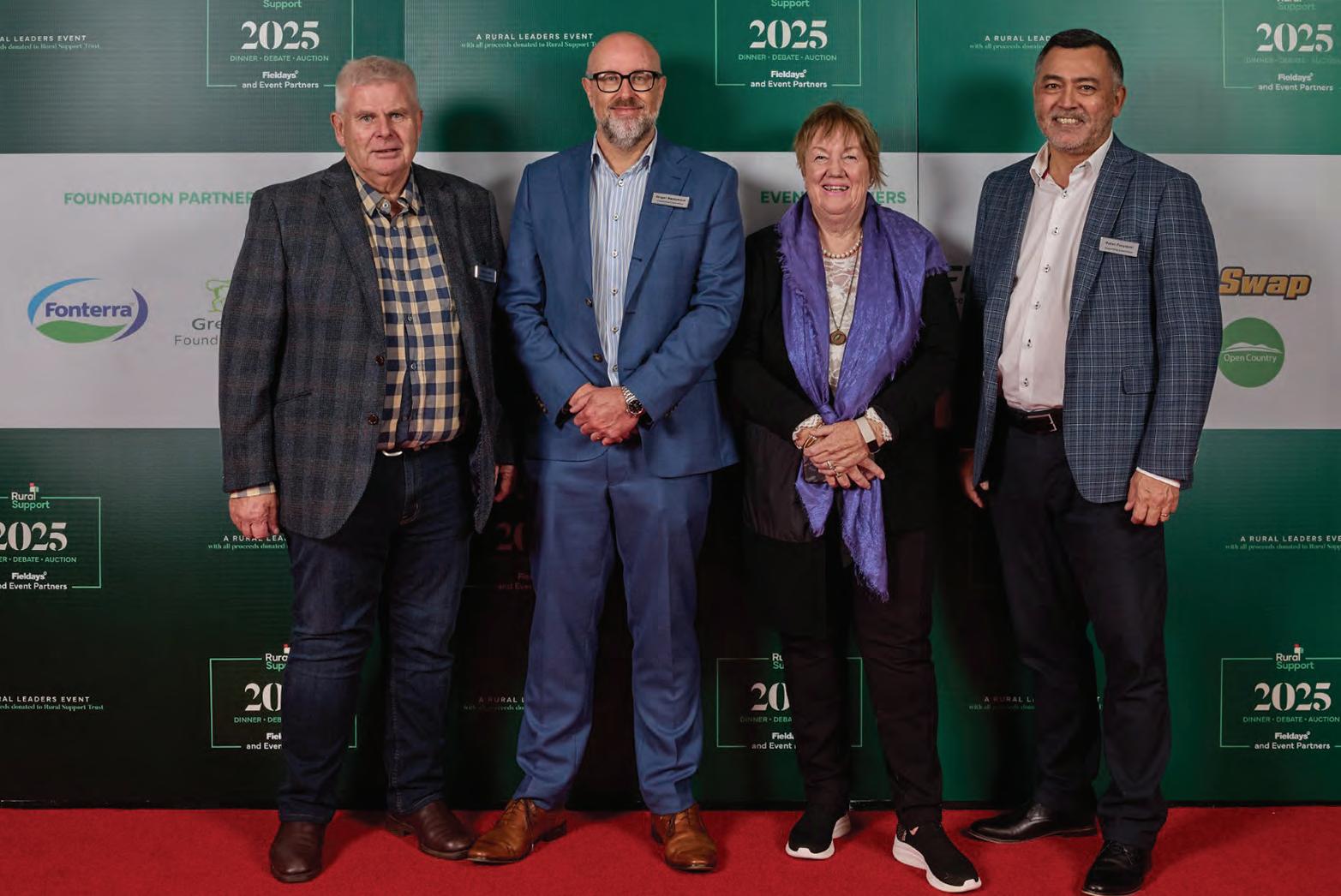
A DINNER, debate and auction event with a difference held for the first time in 2025 is back by popular demand to celebrate the start of Fieldays 2026.
The inaugural Rural Industry Leaders fundraiser, the brainchild of Taranaki’s Mike Green and Marton’s Sue Foley and ably supported by Roger Beaumont and Peter Parussini, both from Auckland, was reportedly a roaring success, raising over $300,000 for the benefit of Rural Support Trust.
“We were blown away by the response last year with a remarkable turn-out of leading rural companies and business leaders coming together for the benefit of Rural Support Trust’s important work,” says Mike Green.
“Thanks to the outstanding efforts of the rural industry the Rural Support Trust was able to bolster its great work helping country communities in their
times of need.”
This year a total of 32 notable rural sector companies have taken the opportunity to come onboard with another 30 providing sponsorship and online and live auction contributions for the June 10 event.
A highlight of last year’s dinner event was a battle of wits with a light-hearted debate bringing the house down with clever banter and verbal jousting delighting the packed venue of 540 guests.
“The debate was a huge hit so we’re excited to have Hon Shane Jones, Hon Kieran McAnulty, Suze Redmayne MP, Te Radar and Jessica Mutch Mckay joining us on 10 June, all under the watchful eye of adjudicator Dr Jacqueline Rowarth,” says Green.
“We’re also thrilled to be going live with an online auction which runs through to Sunday 14 June. Here you’ll find up to 60 valuable items
generously donated by a wide range of sponsors including water troughs, grass seed, fence posts, a motorbike, generator and cattle stop – to name but a few.”
This will be complimented by a live auction at the evening event with outstanding experiences from Blue Duck Station, VIP tickets to the NZ Golf
Open, Afimilk collars and stunning sculptures from up-and-coming talents Jamie Thomas and Blake Harnett.
The original team who enabled last

year’s dinner, debate and auction event has cemented itself through the formation of the Rural Industry Leaders entity with its focus on supporting wellness and growing opportunities. More information can be found at www. ruralindustryleaders.nz

@rural_news facebook.com/ruralnews











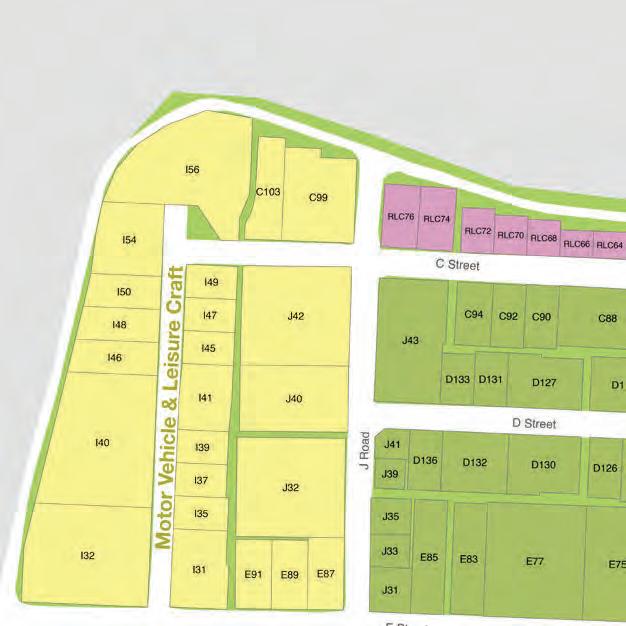

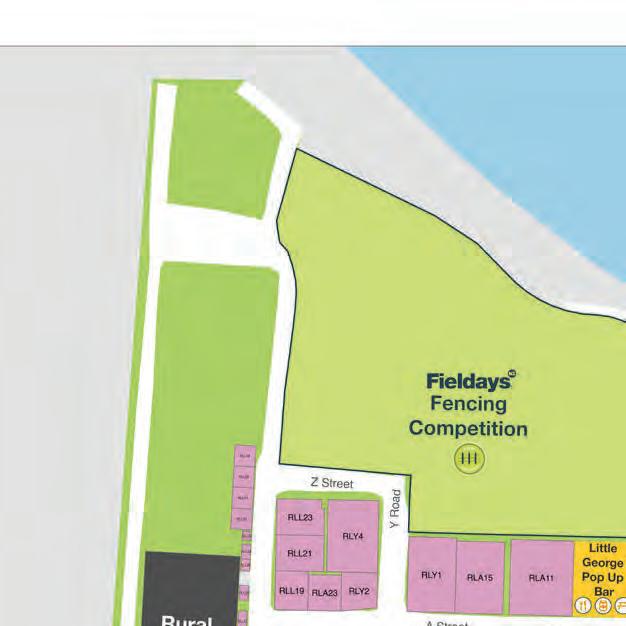

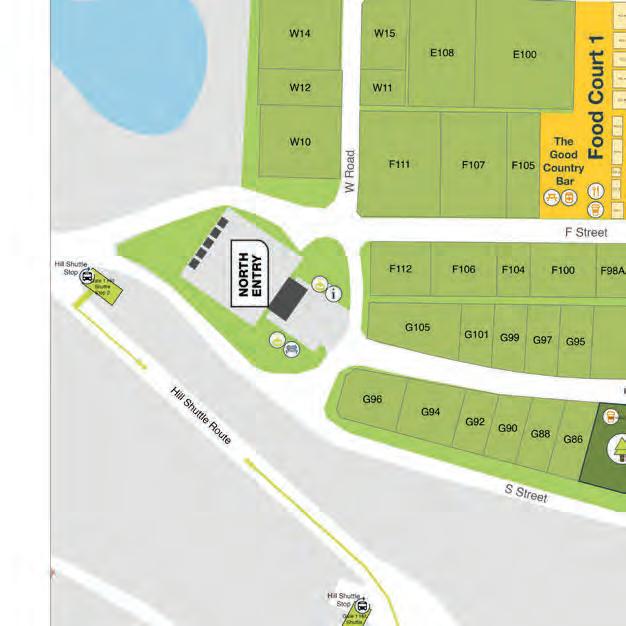
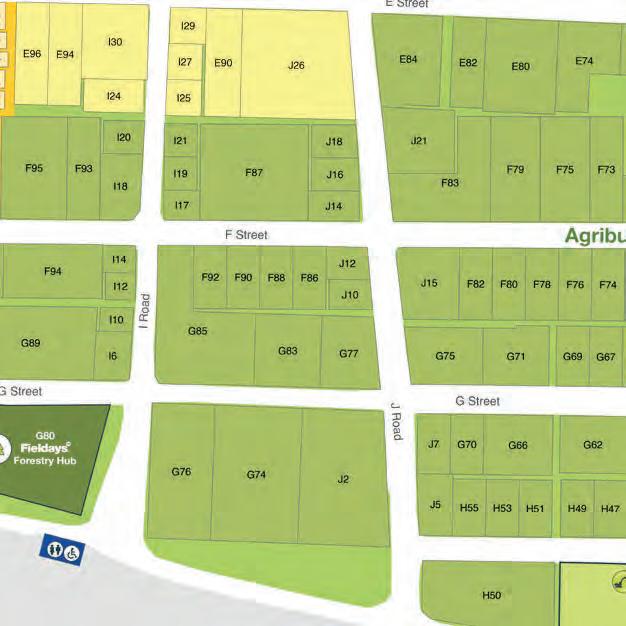
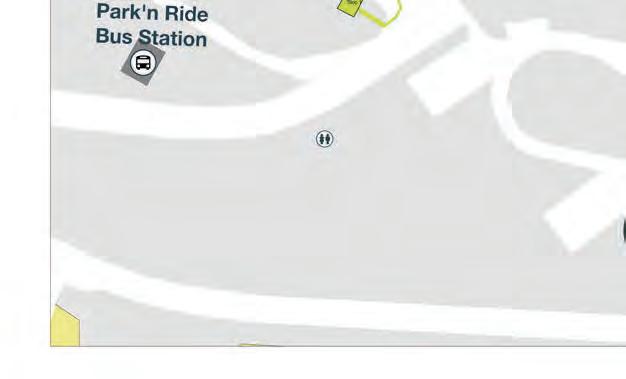
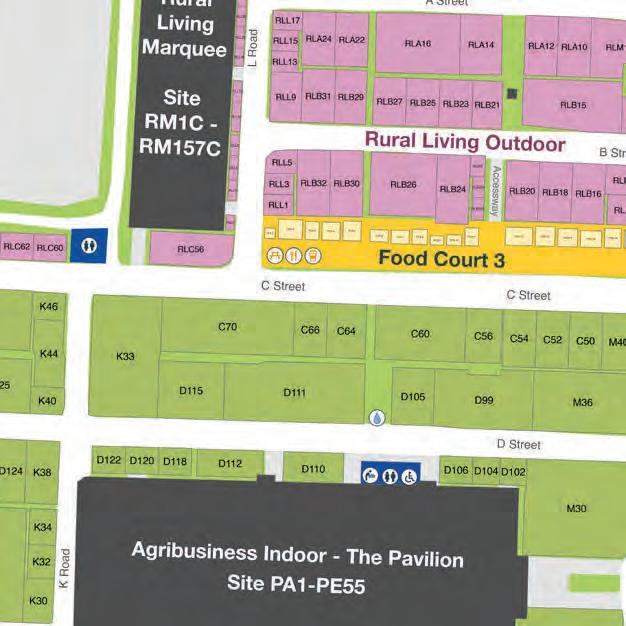
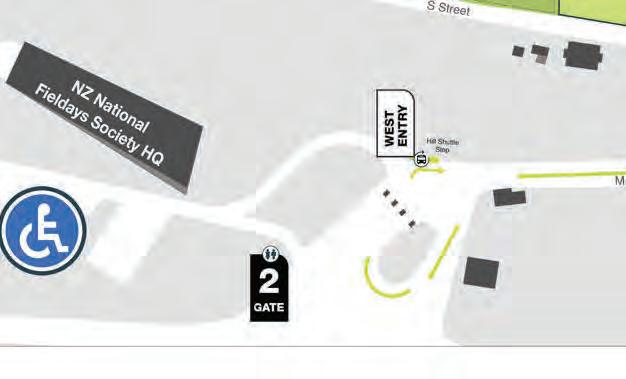

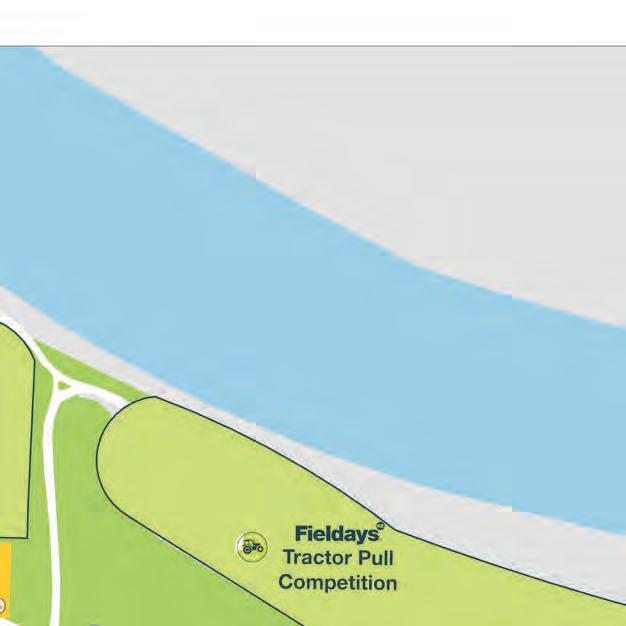

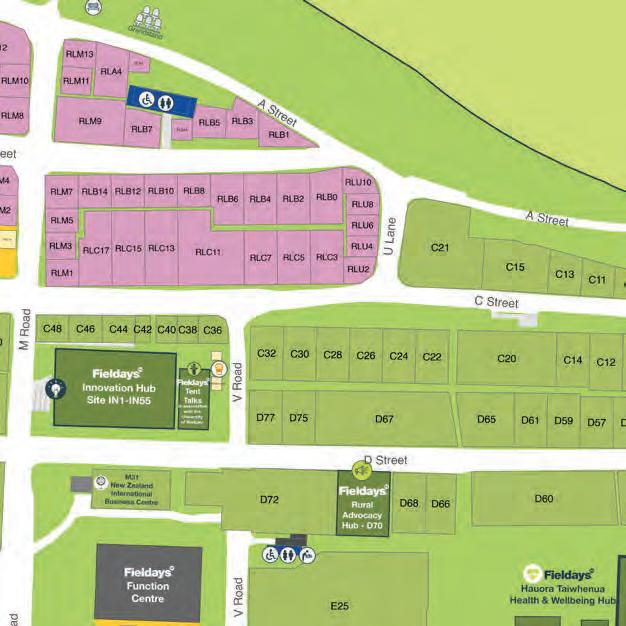
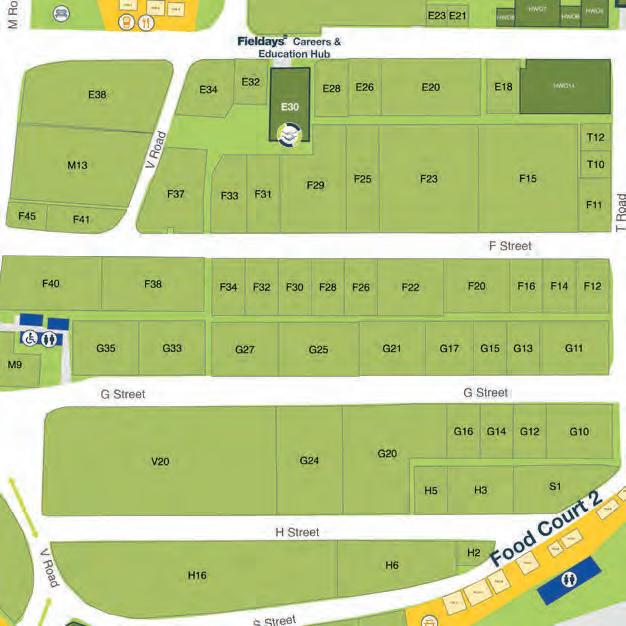

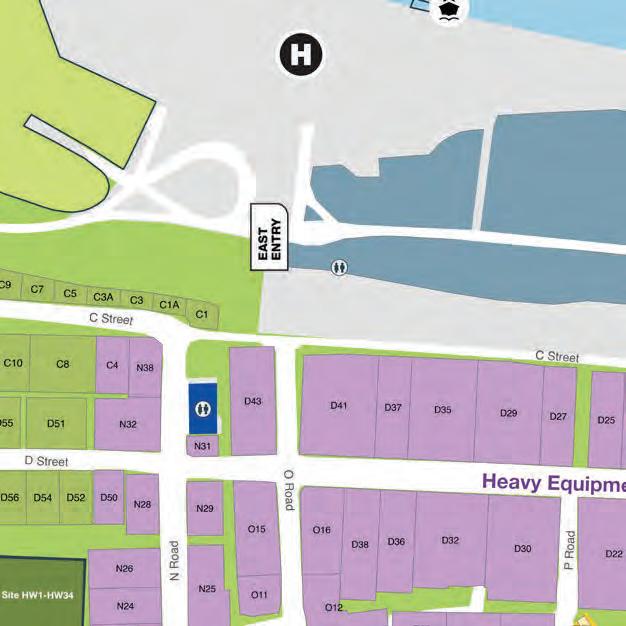
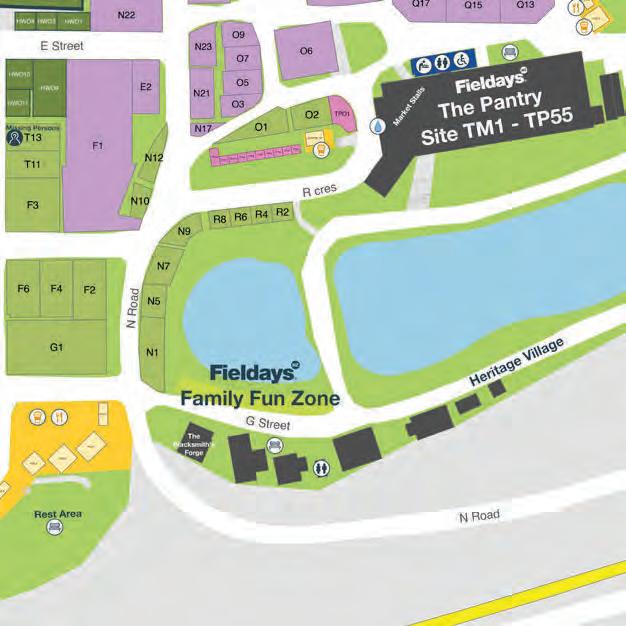
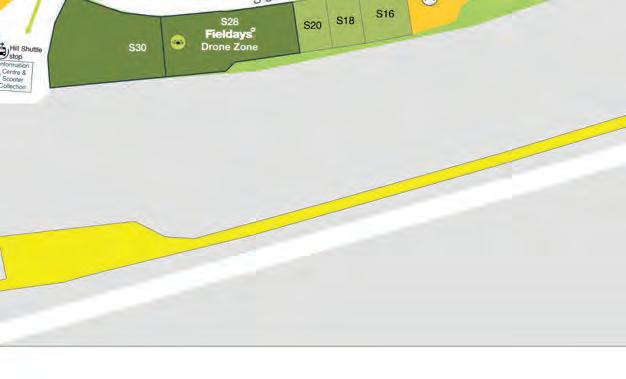
10 - 13 June 2026


return.
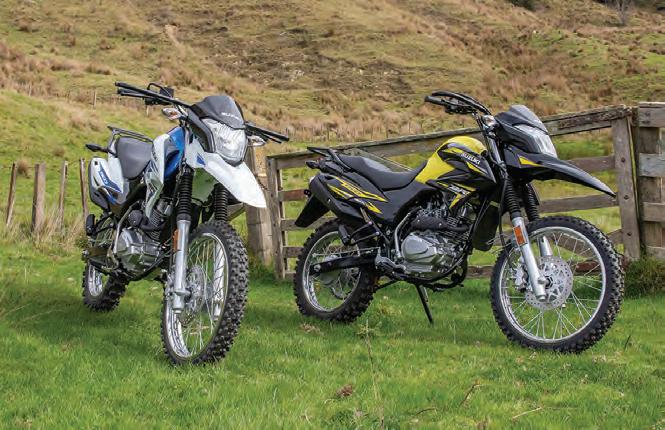
WHILE QUADS and LUVs are a major part of the rural landscape, on many New Zealand dairy farms 2-wheelers continue to be an important part of the logistics puzzle.
Of course, it needs to start when it’s told, handle rough ground without complaint, and get through the day without asking much in
Suzuki’s recently announced, allnew DR150 has been developed with exactly that purpose in mind.
Designed to be a lightweight, no-nonsense off-road motorcycle, the DR150 is aimed at farmers and rural staff who want dependable transport around the property, for jobs such as stock checks, shifting quickly between paddocks, or heading
down the race after morning milking.
Power is delivered by a 149cc air cooled, single cylinder fourstroke engine, offering around 12hp at 8000 rpm, complemented by 11.6Nm torque at 6000 rpm. Suzuki points out the more relevant point is how that power is delivered, with an emphasis on usable low to mid-range torque, making the bike wellsuited to slow, controlled
riding rather than open road speed.
Staying true to a philosophy many farmers value, a five-speed transmission keeps things simple and predictable. Having both electric and kick start systems provides reassurance when working well away from sheds or power. Likewise, the air-cooled motor avoids the added complexity of liquid cooling, which can be a practical advantage
in rural conditions, with maintenance and servicing straightforward.
The DR150’s steel frame is built for durability, with overall weight remaining manageable at around 139kg wet, a balance that makes it easier to handle through gateways, along races, or across paddocks, even for less experienced riders or staff. A ground clearance of 244mm helps the bike cope with ruts and uneven terrain, and
the 839mm seat height will suit a wide range of riders.
Fuel capacity is a practical 12.5 litres, while the 19-inch front tyre at the front and 17-inch rear are appropriate for mixed farm conditions, including grass, dirt tracks, and gravel lanes.
Braking is handled by a front disc and rear drum, prioritising durability and ease of upkeep over high spec components. Modern
MARK DANIEL
markd@ruralnews.co.nz
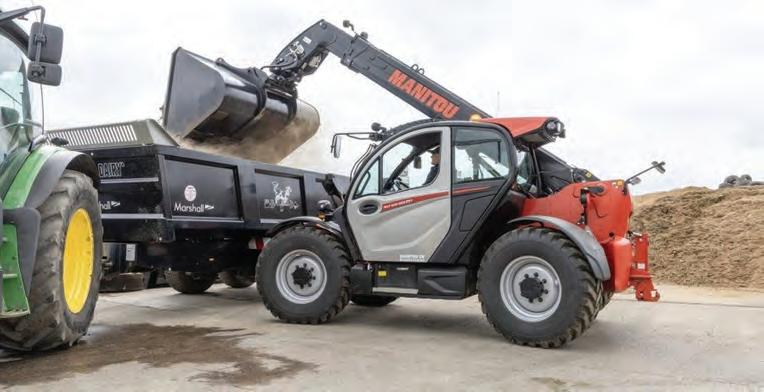
MANITOU’S LARGER MLT 841 and 1041 telehandler models can now be optioned with the in-house developed, Smart Weigh System (SWS).
The technology utilises six pressure sensors, with two each mounted in the main lift ram, compensation ram and headstock ram, offering the capability to carry out static and dynamic weighing, with a claimed accuracy of +/- 2%.
By monitoring the boom angle, overall reach and carriage angle, this process constantly
updates payload weight, without needing to stop and let the system settle. The payload is shown as an in-cab display, with a tare function enabling operators to zero the SWS as implements or attachments are changed.
Overall versatility is achieved with basic, cumulative and target weighing functions, while for those using the handlers in livestock operations for feed loading, the SWS software allows a ration formulation capability by being able store up to 44 ingredients in 13 rations. In addition to the factory-fitted option, SWS can be retro-fitted, with the manufacturer advising that SWS is likely to be rolled-out across the rest of its telehandler range later in the year. Visit www.gaz.co.nz or www.carrfields.co.nz
touches, include a clear digital display and robust lighting for early starts and late finishes, but by design, the overall package remains intentionally uncomplicated.
As a main farm bike, a second machine for staff, or a replacement for an ageing workhorse, the DR150 fits neatly into the practical realities of dairy farming, in white/blue or black/yellow options.
Visit www.suzuki.co.nz
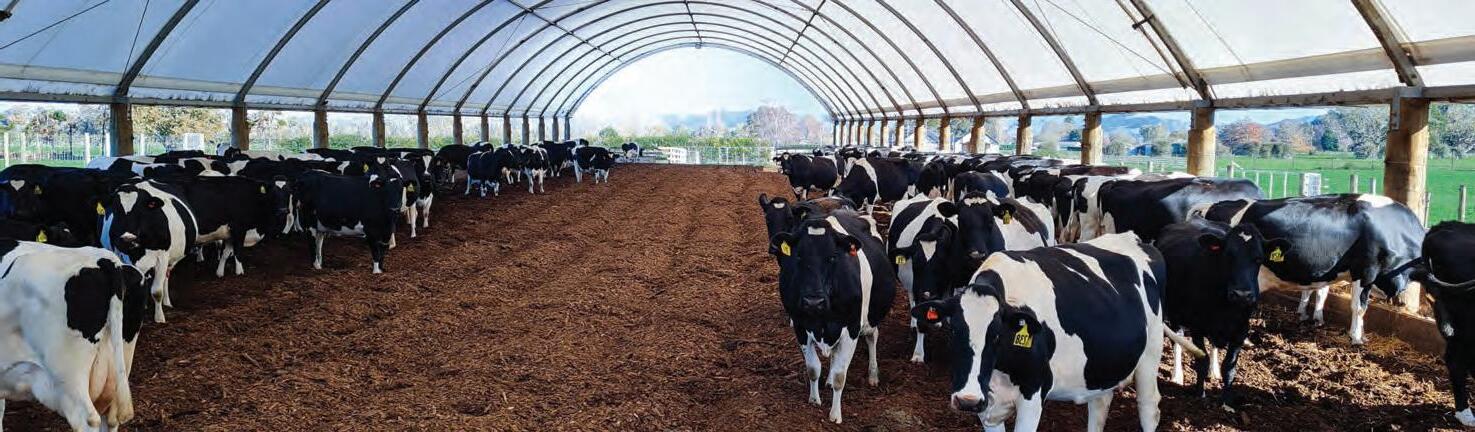



MARK DANIEL markd@ruralnews.co.nz
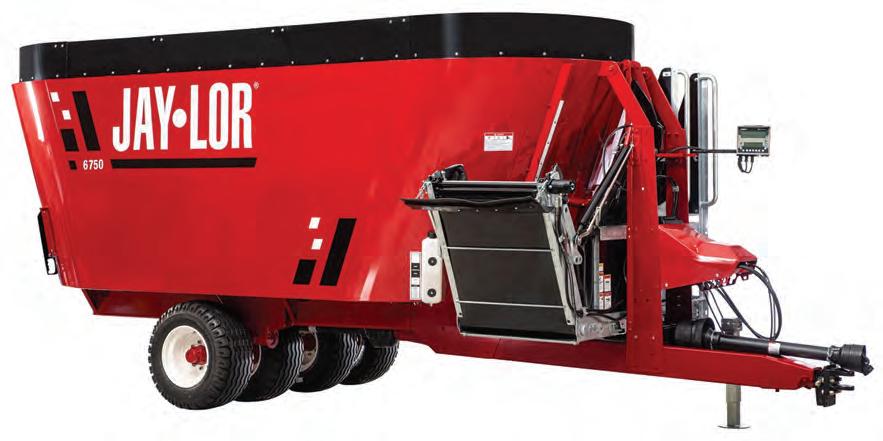
BUILDING ON its reputation for rugged vertical mixer design, Jaylor’s new 6000 Series focuses on improved feed flow, faster mixing, more efficient performance with lower horsepower requirements, alongside enhanced operator visibility, and practical durability upgrades.
It retains the unique square cut auger design that is still the key driving force behind performance and central to the company’s 30-year success story.
A patented upper face prevents bridging of round bales, allowing rapid cutting apart and an increased mixing action. The unique slide plate gently gathers feed into the auger, lifting it vertically to decrease friction, and in turn lowering horsepower requirements by 20%, compared to machines with traditional round
section augers.
New innovations for the new 6000 Series include a new conveyor design featuring galvanised steel and rust resistant materials, delivering smoother and faster unloading. Hydraulic lift cylinders mounted above the new conveyor offer a wider working range, while also providing greater clearance under the conveyor during discharge, particularly into troughs.
In addition, self-adjusting sprung shields along the conveyor edges eliminate feed loss and promote even unloading, while cleaning wipers fitted to the chain ensure all feed is cleared away from the conveyor system.
Improved visibility allows the operator to see directly into the new Seal Lock Door system, redesigned to provide a tighter, more consistent seal, reducing feed loss and improving control during unloading. By maintaining a cleaner discharge area and more predictable feed flow,
operators can deliver rations with greater accuracy whilst minimising waste.
Reduced friction, imparted by the square cut auger design, also creates low sidewall pressure, reducing wear on the mixer walls.

There is a viewing window in the side of the tub, in the case of the new 6000 Series, increased by 50.0%, providing operators a better view of the mix from the ground level, without having to climb a ladder.
For operations over varied ground
conditions, the new 6000 series is also available as an all-terrain variant, featuring large flotation tires, complemented by a new axle configuration offering additional ground clearance and improved stability. www.powerfarming.co.nz














MARK DANIEL markd@ruralnews.co.nz
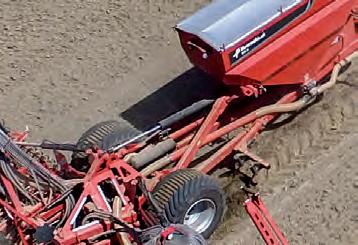
WELL KNOWN for its innovative seeding solutions, Pöttinger’s new Aerosem M implement-mounted pneumatic seed drill offers a precision metering and rugged coulter system for exact seed placement and prompt and uniform emergence.
The latest generation of the proven Aerosem seed drill offers a choice of the standard hopper, with or without Precision Combi Seeding (PCS), or a double hopper with a pressurised system.
Regardless of hopper choice, the heart of the Aerosem M is the Intelligent Distribution System (IDS), which controls each outlet via the bus system. This feature is available as an option and offers a wide range of possibilities for controlling the coulter pipes and tramlines.
The standard hopper offers 1250 litres seed capacity, which can be expanded by a further 600 litres. The combined effect of the precision metering system, the large, versatile
distribution head, and the coulter rail with Dual Disc coulter system sees the Aerosem M achieve very accurate seed placement for high yields and increased bottom-line results.
Looking at the PCS version, precision metering separator elements are added to the seed drill hopper to enable cost-effective precision sowing of maize seed, with a hopper capacity of 450 litres for maize (2 x 225 litres) and 800 litres for fertiliser. The optional hopper extension increases the capacity to 650 litres of maize (2 x 325 l) and 1200 litres of fertiliser.
For sowing using the singleshoot method, the double hopper is partitioned 60:40 and has a separate metering unit for each hopper. This allows different components to be optimally blended, then placed together in the same seed slot. Drilling seeds of different sizes, depositing fertiliser granules, and sowing a companion crop, the double hopper with pressurised hopper system offers a wide range of possibilities, including new agronomic strategies.
With a capacity of 2000 litres, the high-volume double hopper can handle application rates of up to 520 kg/ha.
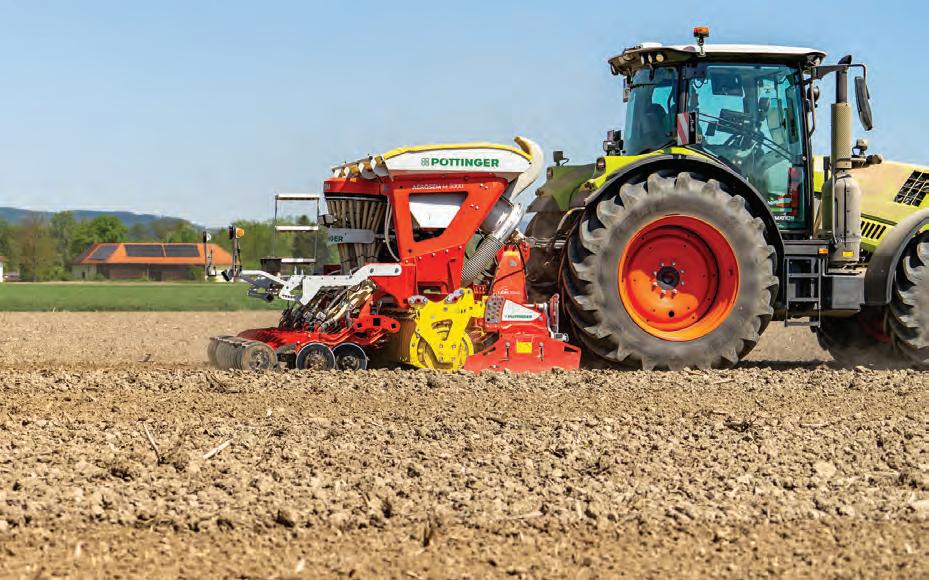
The double-disc coulters are said to be easy to adjust and achieve a downward pressure of up to 60kg. For sowing maize, the manufacturer has modified the Dual Disc coulters, so that in precision planting mode, each maize seed is optimally embedded in the seed slot. When the seed exits the coulter pipe it is carefully pressed down by the firming roller, with optional harrow tines available to cover the seed post placement. Whether deployed together with a power harrow or compact combination,
the Pöttinger Aerosem M offers a compact, flexible, implement-mounted seed drill that achieves impressive seed placement consistency, optimised weight distribution, and high sowing accuracy.
www.originag.co.nz
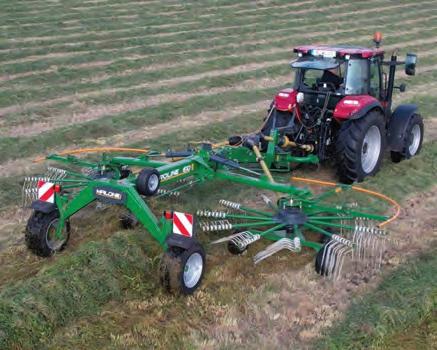
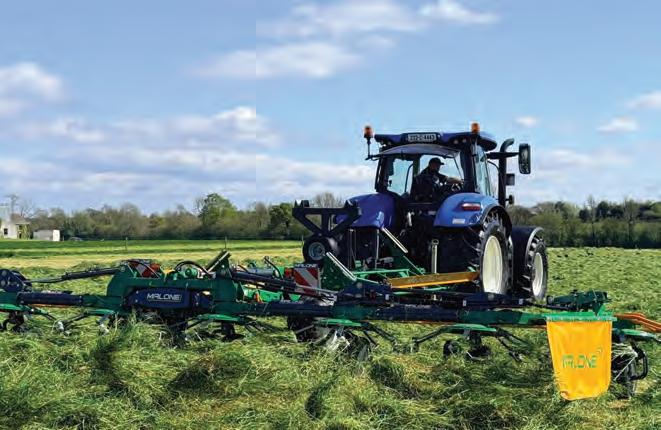
BUILDING ON an increasing reputation for robust, productive machinery for grassland conservation, Malone has a duo of machines on display at Mystery Creek that should be ideal for the New Zealand market.
Based in County Mayo in the west of Ireland, Malone Farm Machinery started out in 1999, initially building simple pieces of farm machinery before moving into the grassland arena with mowers, tedders and swathers. The business now exports to many markets around the globe.
Used to dealing with heavy, damp crops in the home market, the Tedd-Air 1120-T is a robust unit with standout features such as hydraulic accumulators for machine stabilisation, alongside maintenance-free, liquid grease filled gearboxes.
Based around a heavyduty main frame – with twin rear wheels and a swivelling lower link connection – the lateral frames fold forwards to keep transport width at 3 metres. Eight heavy-duty rotors are supported on individual wheels/tyres.
Offering 3-position height adjustment to ensure the crop is lifted without soil ingress, extensive ground adaption across the full 11.2 metre (37 feet) working width allows good output, with the hydraulic accumulators making sure the machine tracks properly behind the tractor.
Each 1.6m diameter
rotor is equipped with seven tines, incorporating a hooked end design to lift wet, heavy grass and invert the crop to bring wetter material to the surface for prompt drying. The rotors are angled forwards to help lift the crop and spread material evenly across the full working width in a lump-free carpet.
Standard equipment includes a foldable headland curtain to separate tedded and untedded grass and to keep crop away from the boundary fence line. In addition, a positive locking system offers safe road transport between sites, complemented by a lighting kit and a spare wheel for unexpected problems.
Once crops have been tedded and lost sufficient moisture, a swather or rake is required to set up a swath for the following operation, such as forage harvesting or baling.
The Proline 610, twinrotor swather is again built around a heavysection, central spine, connected to the tractor by a lower link, swivelhitch, with a steered rear axle equipped with flotation tyres, ensuring the machine tracks the prime mover and is able to make tight headland turns.
Each 2.8m diameter rotor carries 11-tine arms, each fitted with 4-double tines that gently lift the crop to form a centrally delivered, flat-topped, box-profiled swath, adjustable between 1.3 and 1.7 metres to suit height adjustment to avoid soil contamination, carried on 4-wheel under-carriages, while








FOR TARANAKI
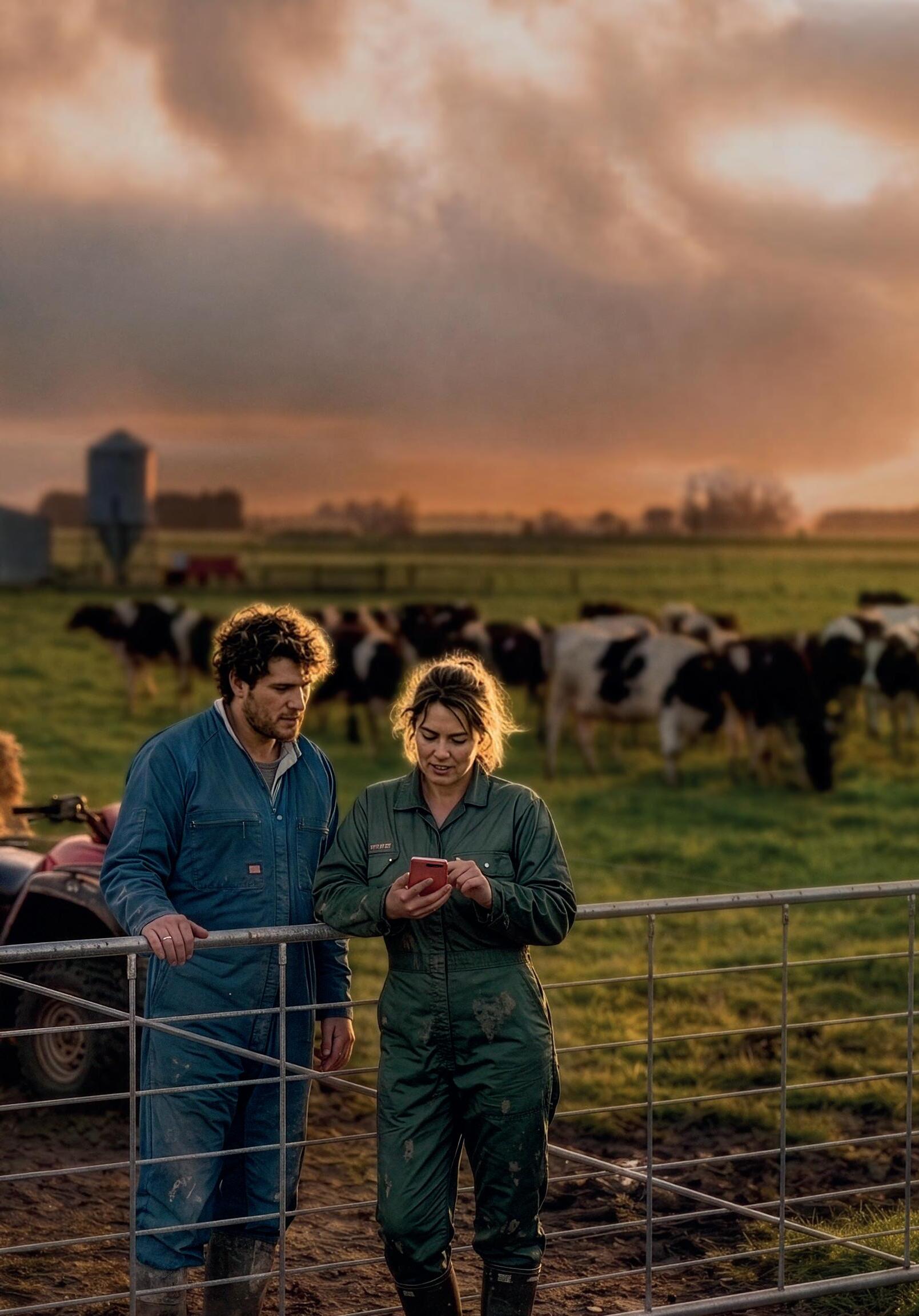
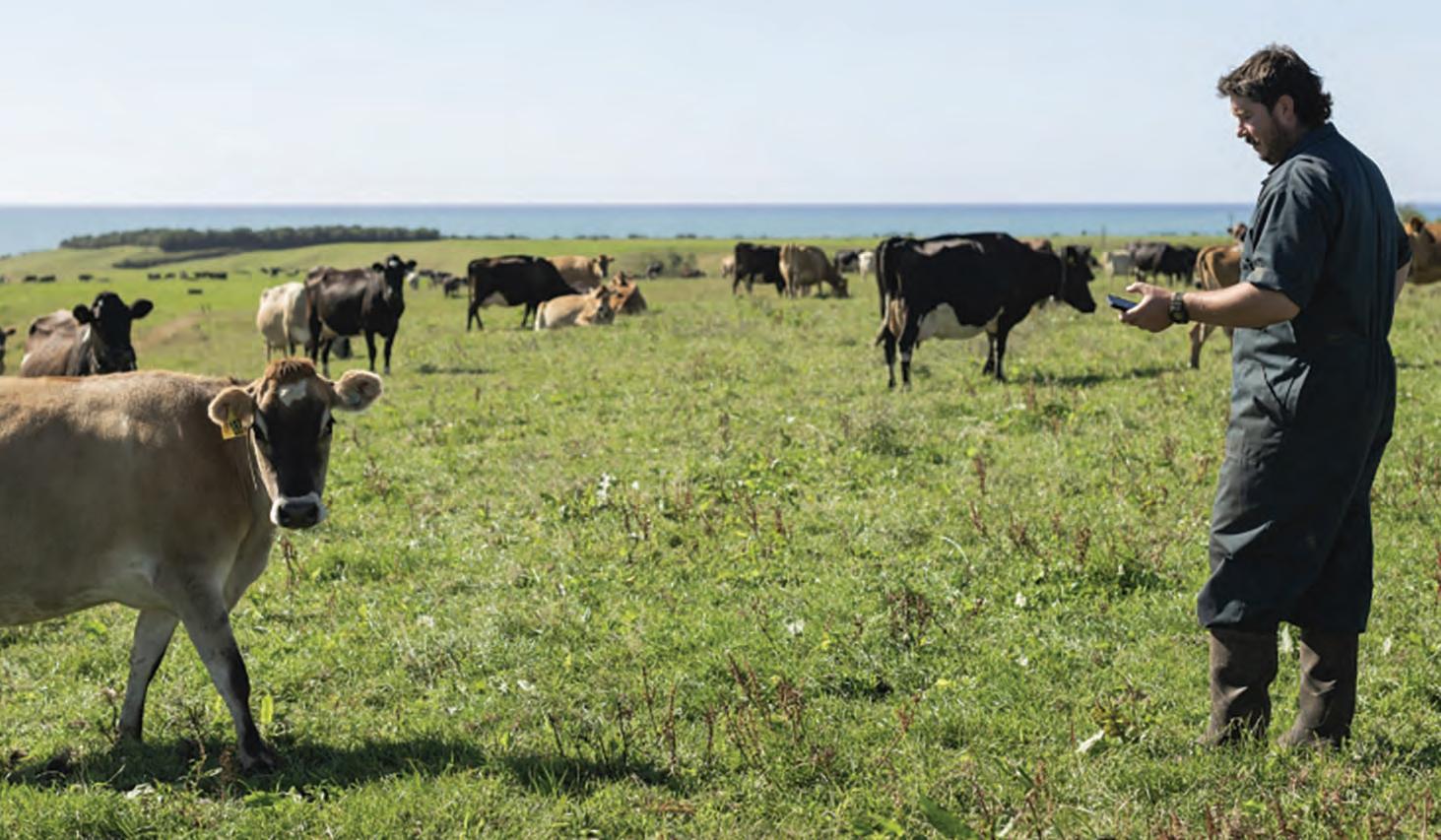
sharemilkers Elly and Kale Grahame, technology hasn’t been about overcomplicating their system. It’s been about making the high-pressure parts of farming simpler, more manageable and easier to stay on top of.
Running 200 cows, the pair have introduced Nedap collars as their primary heat detection tool. The impact has been immediate, particularly during mating, a time that, in previous seasons, brought a significant amount of stress.
Like many farmers, Elly and Kale relied on traditional methods such as tail painting, constant observation
and managing bulls. It was a hands-on approach that demanded time, attention and often added pressure during an already busy period. The shift to Nedap collars has changed that.
Now, instead of relying on visual cues alone, heat detection is handled automatically.
Each morning, Elly has a clear list of cows ready to be inseminated, delivered straight to her phone.
“It’s a dream,” she says. “Milking in the morning is so much easier, without having to constantly watch for cows that might be on heat.”
That visibility has allowed them to step away from bulls altogether and move to a
fully AI-based system. In doing so, they’ve reduced risk, simplified their mating process and freed up valuable time across the day.
For Elly, the biggest difference is not having to second-guess what she might be missing.
Rather than watching and waiting, the system provides clear, timely signals. It removes the pressure of constant observation and replaces it with confidence in the data.
Beyond mating, the collars are also providing a continuous picture of what’s happening across the herd. With 24/7 monitoring, Elly and Kale can see exactly how their cows are performing, from eating patterns through to rumination.
It’s clear the true value of that level of insight is directly tied to production. The more their cows are eating and ruminating, the more milk they

produce. Being able to track those behaviours in real time gives them an early indication if something isn’t quite right allowing them to respond sooner.
The system itself has also proven straightforward to implement. Without needing on-boarding support, Elly and Kale set everything up themselves, installing the aerial, having internet connected to the shed, and getting the collars up and running.
From there, day-today use has been simple.
Nedap’s app allows them to track progress against their goals, while reporting and filtering tools make it easy to focus on the information that matters most.
Whether it’s by individual cow, performance traits, or specific timeframes, the data is easy to access and continually updating.
Flexibility has also been an important
factor. As sharemilkers, the ability to move systems between farms is a practical consideration. With Nedap, they know the entire setup can be packed down and taken with them when needed.
Financially, the option to purchase the collars rather than lease them has also worked in their favour. After reviewing the numbers, it provided a better long-term outcome for their business.
Looking ahead, Elly and Kale are now exploring how Nedap’s SmartSort drafting gate could further streamline their system, building on the efficiencies they’re already seeing.
For them, the shift has been clear. By removing the pressure points and making better use of data, they’ve been able to create a system that works with them, not against them, every day on farm.
knives deliver efficient processing of the varying feed types.
will be showcasing its latest diet feeder and slurry management solutions designed to support efficient, highperformance farming systems in New Zealand.
Nutrition management and consistent, balanced feeding play a critical role in maintaining animal health, supporting milk production, improving feed efficiency, and reducing costly digestive stress for the herd.
With feed representing up to 60% of dairy production costs on many farms, achieving accurate and consistent feed delivery is essential. Total Mixed Ration (TMR) systems help ensure every mouthful contains the correct balance of nutrients, minerals, and fibre. However, successful TMR feeding depends not only on ration formulation, but also on the quality and consistency of the mixing and feed-out process.
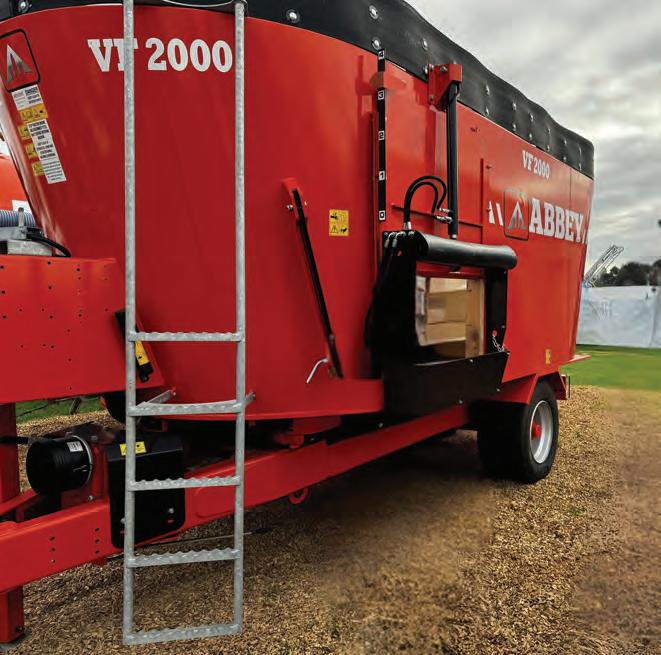
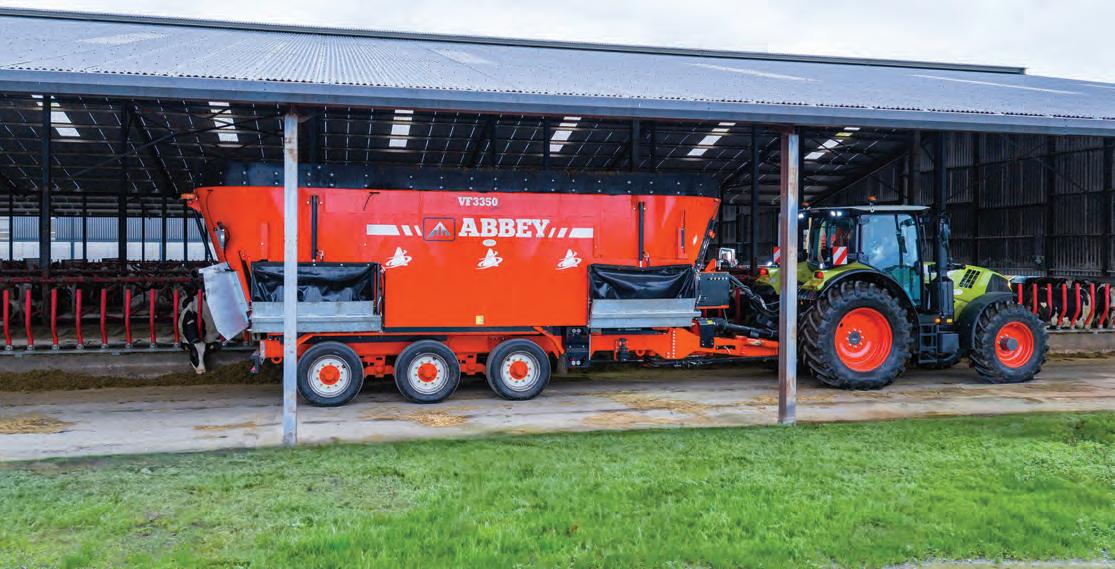
Abbey Machinery’s premium twin and triauger diet feeders are engineered to support these principles through thorough mixing, accurate weighing, efficient feedout, and flexible machine configurations suited to modern dairy operations.
Many key features include a rolled tub design for fast, complete and efficient mixing, complemented by precision auger systems for even ingredient distribution and reduced feed sorting by the animals. In addition, an optimised auger and wall design helps reduce overall power demands.
Offering the capability to handle grass silage, maize silage, straw, whole crop, grain, vegetables and blended rations, adjustable knives and extended counter
Flexible feed-out and discharge configurations, combined with accurate weighing systems ensure consistent ration delivery and presentation to the animals.
Morrinsville dairy farmer Zeb Wills uses an Abbey mixer wagon as part of his 580-cow operation and says the machine has helped improve feed consistency while reducing waste.
“The full mix means the cows are getting all the crucial minerals and nutrients in each mouthful,” says Wills. “Every cow gets the same balance of feed, keeping them healthy and reducing waste significantly. The Abbey machine has really helped support our high-input system and maximise milk production.”
Likewise, South Auckland farmer Jim Foote, who milks 550 cows in Karaka, says the Abbey feeder has improved both feed consistency and operational efficiency on farm.
“The quality of the mix and feed-out has helped reduce wastage, while the speed of mixing and chopping has saved significant time,” says Foote. “The machine handles a wide range of ingredients in one load, including grass silage, maize, grain and vegetables, which has really helped drive production during the winter months.”
With an extensive a range of models from 15 cube to 40 cube; the most popular being the 20, 25 and 30 cubic metre capacities in the New Zealand market. New additions to the range for 2026 include the VF1700, VF1900 and VF4000, offering increased flexibility and capacity for growing dairy operations.
extras include the Combi front-mounted fixed PVC conveyor with side discharge elevator and the 3200mm PVC belt discharge elevator, helping tailor machines to individual farm layouts and feeding systems. Alongside its feeding equipment, Abbey
Machinery will also showcase its slurry and manure management solutions, developed to support efficient nutrient application and sustainable farming practices. Visitors the Enterprise Ireland site at D67 or visit www.farmgard.co.nz
With feed representing up to 60% of dairy production costs on many farms, achieving accurate and consistent feed delivery is

NO TWO systems are the same. All wearables have their place on a modern dairy operation, and each tells you something different about what is happening with your animals.
CowManager was built specifically for animal health and fertility monitoring - and it measures two things simultaneously from a single ear-mounted sensor: micro-movements and ear temperature.
That combination matters. Ear temperature reflects blood flow through highly vascular
tissue and correlates with immune activation and metabolic change before those changes alter how a cow moves or eats. Micro-movement detection goes beyond gross activity - it reads the precise patterns of rumination, eating, and restlessness that indicate how an animal is truly functioning.
Run those two signals together through algorithms trained across millions of sensor-hours from calf to cow, and the result is alerts that reach you before the problem is visible from the race.
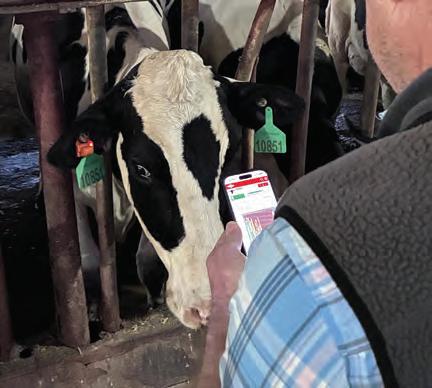
A lifetime of data. One system.
From the moment a calf is tagged,
CowManager starts
building her individual baseline. Every alert she generates, every transition she goes through, every mating
cycle - it’s all part of the same continuous record. By the time she’s a mature cow, the system knows what normal looks like for her specifically, not just for the average of the herd.
No other system on the NZ market builds that picture from day one of life through to her final season – and now we will also monitor her from paddock through the shed!
The shed has always been the gap Everything we monitor happens between milkings, out in the
paddock. But twice a day, every cow passes through the shed, up until now that part of her day had been invisible.
At Fieldays, that changes.
CowManager is bringing monitoring into the milking shed
for the first time. Every cow, every quarter, every milking - milk quality indicators and animal health signals, per milking, available to your team in the same system you already use to manage the herd.
• Article: CowManager
❱❱ Come see what the Milk Sensor can do at Site PE10 and the innovation hub. Register your interest online – cowmanager.co.nz ❱❱ View Fieldays deals on offer. ❱❱ Bring your numbers so we can run your return on investment (ROI).
MARK
DANIEL markd@ruralnews.co.nz
CONTINUED FLUCTUATIONS in fuel costs are putting pressure on many businesses, driving a significant spike in interest for electrified options like hybrids and alternative power sources.
Renewable diesel, typically more commonly known as HVO or HydroTreated Vegetable Oil has been around for many years in Europe. It has been part of several trials in New Zealand and can be produced from multiple sources.
Indeed, enabling renewable and alternative fuels is listed as a key action in the ‘infrastructure pillar’ of the Government’s Going for Growth plan, with proposals to remove regulatory barriers to the importation
and production of renewable diesel.
While not readily available at the local fuel pumps yet, HVO is moving to the forefront of the sustainability conversations, as it can reduce CO₂ emissions, improve engine performance and offers a low-carbon alternative to conventional diesel in an increasingly volatile global landscape.
HVO is a second-generation renewable diesel, or hydro-biodiesel, made from waste products like used cooking oils, animal fats, and agricultural waste. Unlike traditional fossil diesel, it is a paraffinic synthetic fuel that offers a much cleaner burn. It can be used as a standalone product or blended with conventional diesel without engine modifications, allowing for the direct substitution of fossil diesel, while reducing CO₂ emissions significantly.
Just like the conversation going

on about alternative electrical solutions, there is often confusion between renewable diesel (HVO) and biodiesel (FAME), so it is important to know they are not the same. Traditional first-gen biodiesel has strict blend limits (usually capped at 20%) and can sometimes require engine modifications. HVO, however, is a pure hydrocarbon that meets the EN15940 standard. It’s more stable, lasts longer, and is a superior product in terms of engine health and storage for modern diesel engines.
Ford has recently announced that most of its iconic workhorses are fully compatible with HVO, or renewable diesel, includes the Next-Gen Ranger and Everest, from model year 2022, alongside the recently showcased Ranger Super Duty.
One organisation that has made the change is Melbourne Airport, who run

a large fleet of more than 50 Rangers, Everests and Transits, which have completely transitioned to HVO. They noted that although they explored the transition to EV, to electrify the whole fleet would have required a massive investment in charging infrastructure, noting that even eight superchargers for 50 units wouldn’t be enough based on usage patterns.
Of particular interest, one of the biggest advantages was in the
management of industrial equipment, which in some cases saw vehicles sitting unused for months. In these situations, conventional diesel can degrade or corrode tanks, while HVO has a shelf life of up to 10 years. They also noted that conventional diesel fuelled vehicles running in a semi-enclosed space are smelly, but with HVO it just smells a bit like a fish and chip shop.
Visit www.ford.co.nz
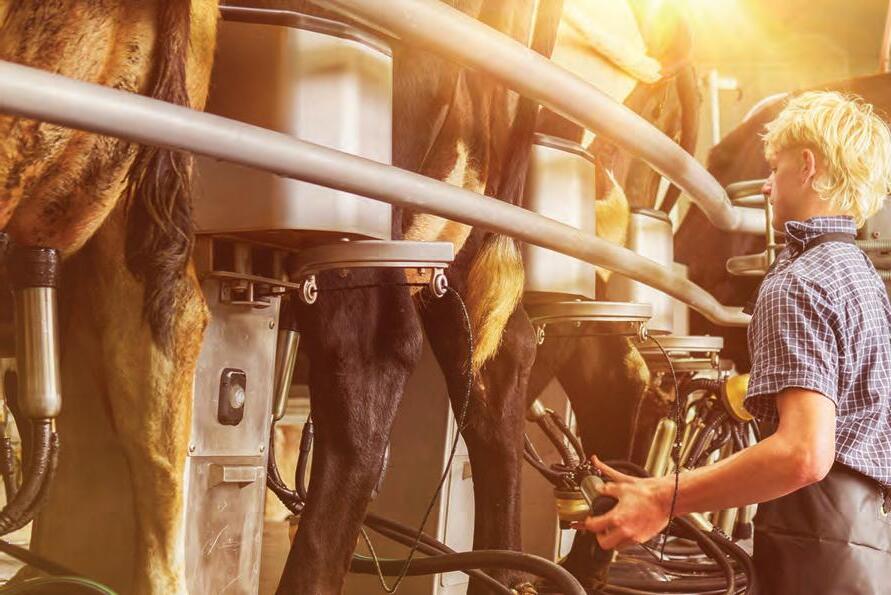

ADAM FRICKER adamf@ruralnews.co.nz
THE STOCKFOOD storage capacity of J Swap Stockfoods continues to grow in the South Island with the opening of a new store that boosts its capacity in Christchurch and work starting on another store in Southland.
In fact, no sooner had construction company Calder Stewart handed over the keys to the new Christchurch building, J Swaps were breaking ground for a new store in Southland.
The store in Christchurch is adjacent to J Swap’s existing store in Templeton, increasing their floorspace by over 50% to 20,000 square metres. Big as it is, the
store only occupies half the site, leaving plenty of room for future expansion.
The new ‘shed’ will mean a wider range of feed products on hand, and increased holdings of all the ingredients used in the custom blends dairy farmers increasingly demand, says Dean Weastell, sales consultant for J Swap Stockfoods.
Weastell says the added capacity will mean better service for farmers, as well as more room for the team in the store to mix blends for delivery to farms.
“It enhances the fully integrated service we already offer, having our own trucks,” he says.
“Customers often tell me how good it is just being able to make one phone call to get
it sorted.”
J Swap director
Stephen Swap says the company has operated in the South Island for about 20 years now, investing in land and buildings over that time. He says they are committed to the South Island market and will keep investing in the infrastructure needed to service farmers there.
With work now underway on the new store in Southland, between Bluff and Invercargill, expect to see more J Swap bulk, blower and auger trucks delivering to farms in the deep south over the coming months and years.
J Swap Stockfoods is back at National Fieldays.
See them at site F60.
@rural_news facebook.com/ruralnews
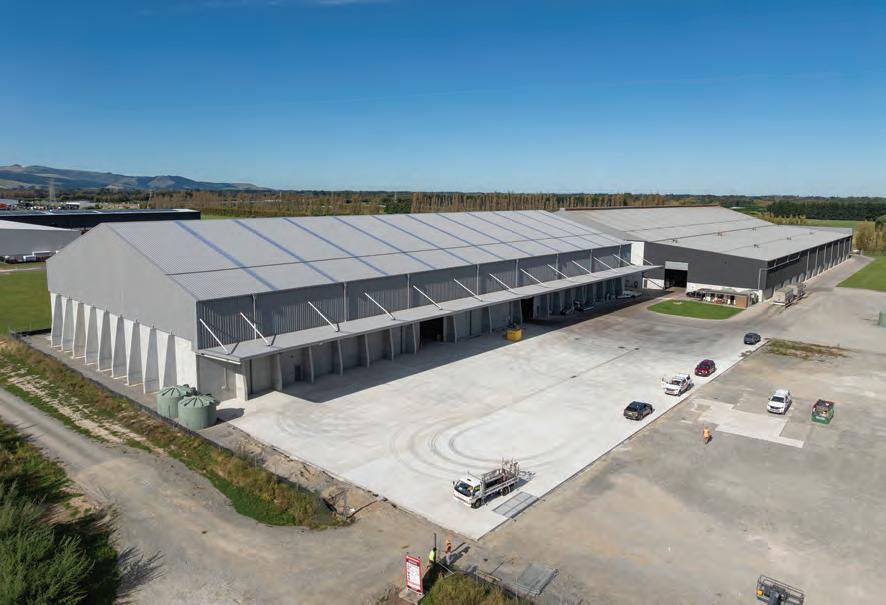

■ Ideal for shearing sheep, alpacas, goats and cow tails.
■ Variable speed from 2600-3500 rpm.
■ Latest brushless motor technology means minimal heat build up
■ 1400gms means 100200gms lighter than standard handpiece.
■ At 2800 rpm the 12-volt lithium battery will crutch 300-400 sheep or trim 400-500 cow tails.
■ We customise cables for lifestyle shearers
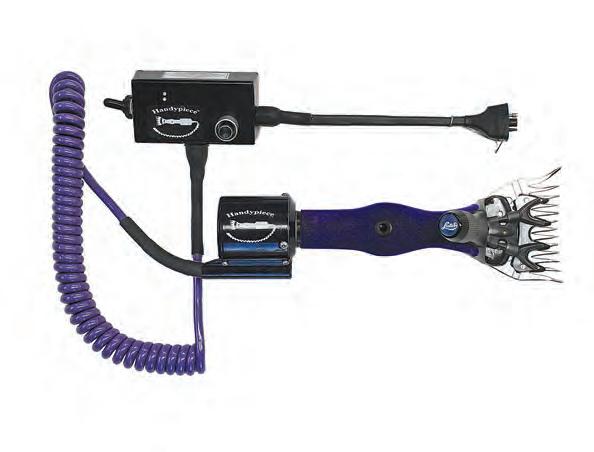


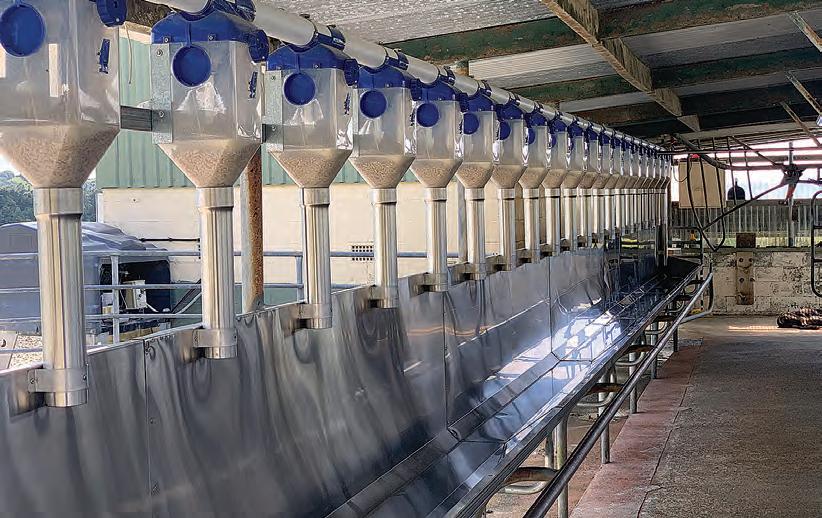
MARK
BUILDING ON its increasing recognition in the New Zealand market, ATV and sideby-side manufacturer CF Moto is moving to a more prominent site at National Fieldays, while also introducing a brace of new ATVs to the market.
Based on what we have seen from CF MOTO in recent years, backed by reports of market leading positions in several European countries including France and the UK,
rider comfort, enhanced suspension performance, and refined handling characteristics aimed at reducing rider fatigue over long days on the farm or trail. CFMOTO has also focused heavily on practicality, with improved storage solutions, greater carrying capability, and a more intuitive rider interface designed to make everyday operation simpler and more efficient.
Taking a closer look at the CFORCE C4, an all-new 408.8cc engine platform delivering 33HP is said to offer smoother power delivery, lower vibration, and improved
travel and a slimmer engine width, with improved responsiveness and fuel efficiency, while at the same time offering excellent utility capability with steel cargo racks, 612kg towing capacity, and a standard 2500lb winch.
Upgrades also include a more ergonomic layout with improved seat cushioning and intuitive controls, while a full LED lighting package includes integrated indicators and reverse light for improved visibility and safety.
The CFORCE C5 features a more powerful 498.6cc engine platform producing up to 39hp
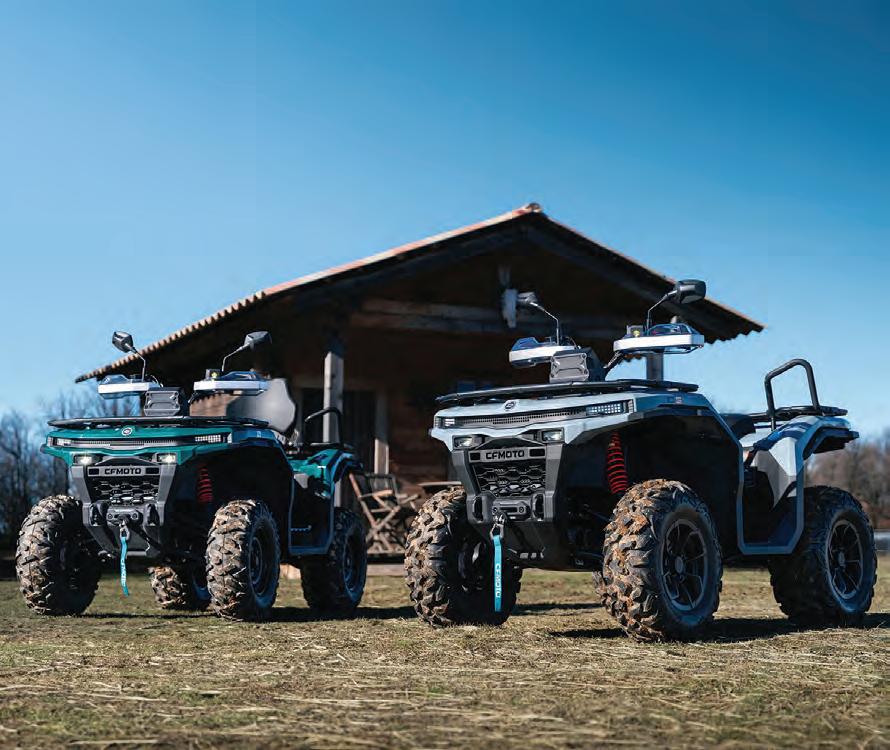







steel racks and multiple tie-down points, the C5 has a 612kg towing capacity and a standard
the C5 a true workhorse. For the operator, rider comfort is achieved with improved suspension




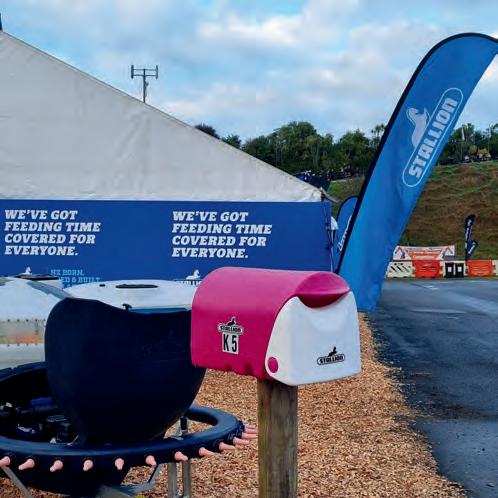


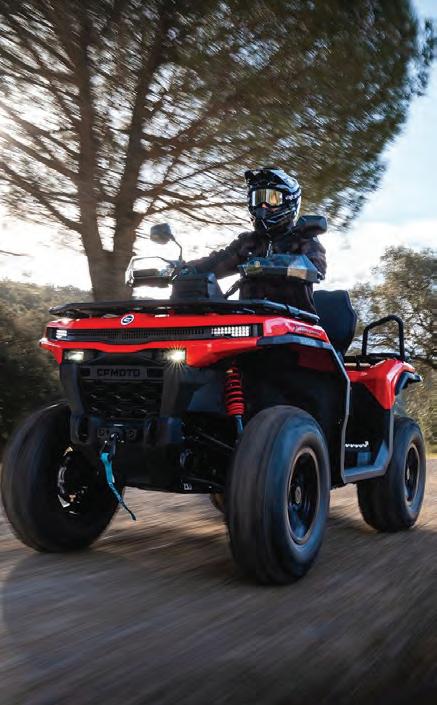
vibration, ergonomic riding posture, a 5.9” LCD display, and USB charging ports.
Meanwhile, the modern Gen4 styling is paired with a full LED lighting and distinctive dot matrix light signature, offering improved visibility for early mornings of late evenings. Both series are designed for expandability, with CF-Connect accessory compatibility, Molle mounting points, and plug-and-play accessory connectors.
THE FIELDAYS Forestry Hub returns to Fieldays in 2026 for the fifth consecutive year, highlighting the important role forestry and wood processing play in supporting New Zealand’s economy, environment, and regional communities.
Each year, forest growers and sector organisations come together at Fieldays to connect with the public, share knowledge, and tell the story of modern forestry. In 2026, the Hub will highlight the role forestry and wood processing play in New Zealand’s economy, alongside the sector’s ongoing focus on innovation, workforce development, and environmental management.
“The Fieldays Forestry Hub is an important part of Fieldays, reflecting our role in showcasing the full depth of New Zealand’s primary industries. It highlights how forestry and wood processing sit alongside agriculture as a vital contributor to the country’s economy, innovation and sustainable land use”, says Fieldays programme manager Steve Chappell.
Visitors to the Forestry Hub can expect a dynamic mix of educational sessions and interactive exhibits. These
will cover key topics including forest growing, climate change, innovative wood products, engineered timber solutions for mid-rise construction, emerging bioenergy opportunities, biosecurity, and biodiversity.
The Hub will also provide insights into the wide range of career pathways across the forestry and wood processing sectors, highlighting future workforce opportunities.
A popular feature returning this year is the virtual reality forestry simulator, offering participants the chance to step into the operator’s seat of modern forestry machinery.
Designed with job seekers and students in mind, the immersive experience provides practical insight into today’s forestry operations and the advanced technology driving the sector.
Families and young people will find plenty to explore, with hands-on activities such as tree identification challenges, trying on personal protective equipment, and displays showcasing innovative uses of wood — including surfboards made from timber. These interactive experiences aim to help people build an understanding of forestry practices
while reinforcing the importance of safety and wellbeing.
Throughout the event, a wide range of sector representatives will be on hand to share their expertise and answer questions. This includes forest growers, wood processors, scientists, business leaders, volunteer organisations, membership and research bodies, and government agencies working across the forestry and wood processing landscape.
MPI director forestry engagement and advice Ray Hook says the annual event highlights the skill, pride, and professionalism of the people within the sector.
“Fieldays offers us the chance to make the sector more visible, approachable and human, and to answer the public’s questions about forestry and wood processing,” he says.
“The Forestry Hub showcases the quality and innovation of New Zealand timber, from forest to finished product. It helps people understand how wood supports low-carbon construction, high-value manufacturing and sustainable land use, while creating regional jobs and supporting thriving communities.”
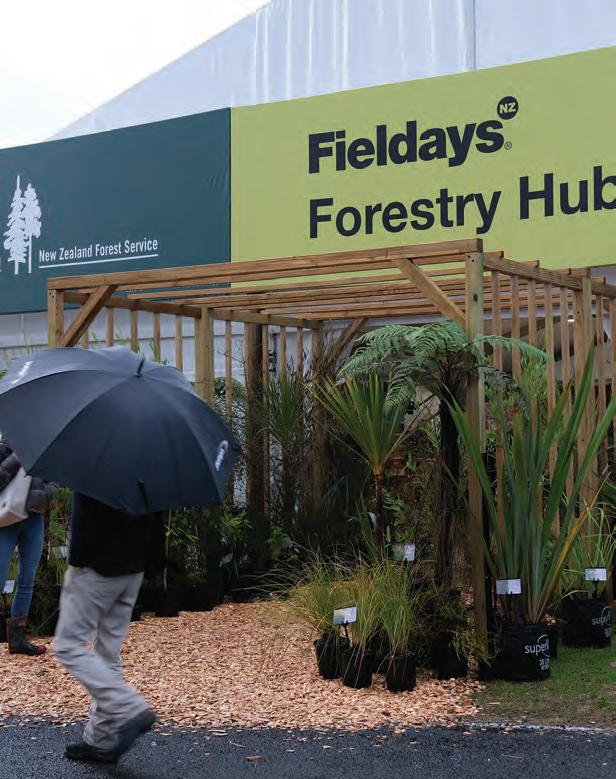
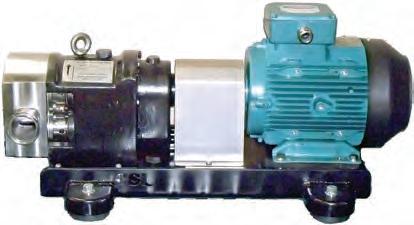
Combined with the CSL Milkflow Controller, the CSL Lobe Pump accommodates the large wash volumes required in today’s dairy sheds without compromising milk quality.


Separate
Proven
Easily


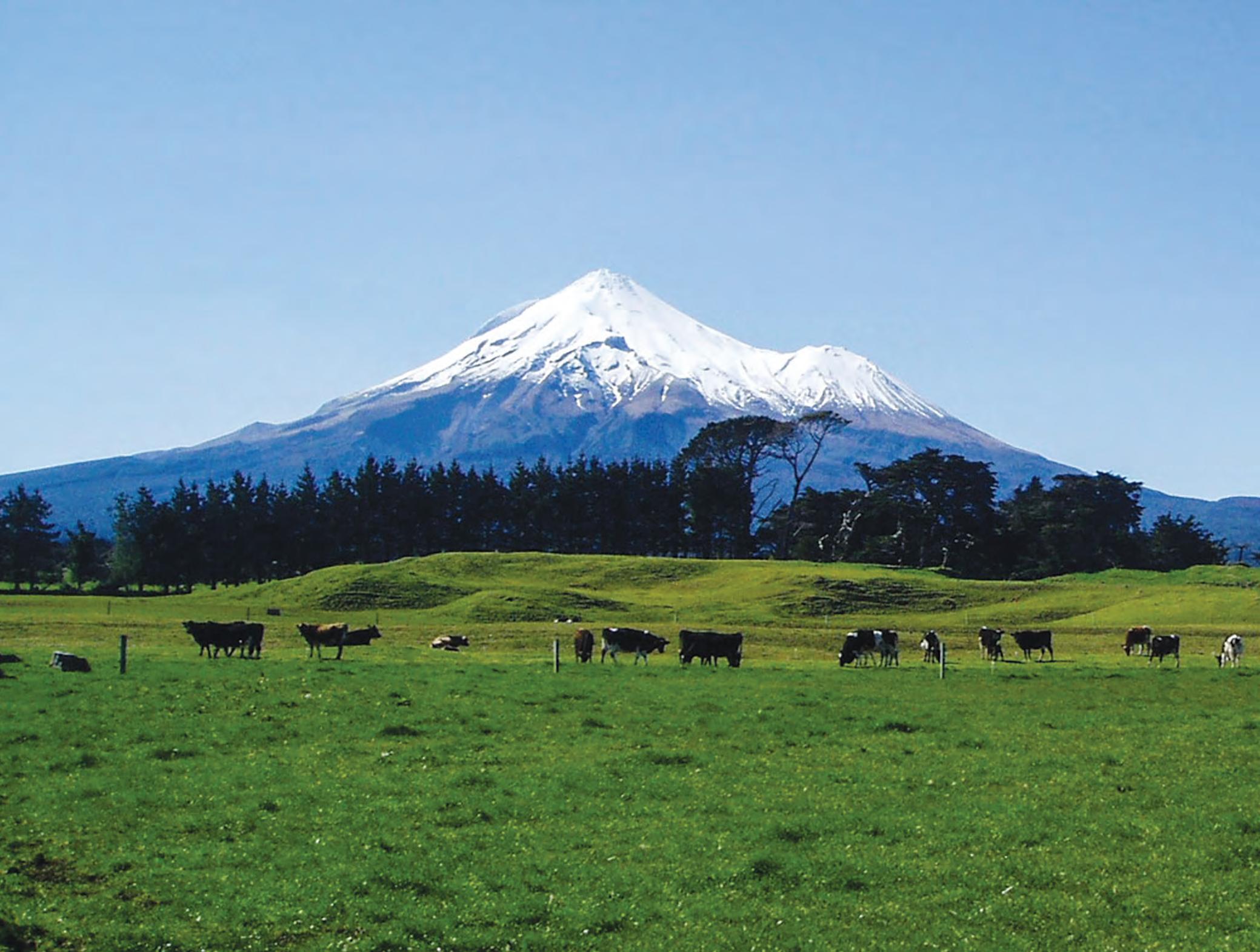


VISITORS TO the LIC stand at this year’s Fieldays can expect practical farm conversations, specialist drop-in sessions and exclusive shareholder events.
As part of the programme, former Kiwi rugby league captain and Waikato farmer Tawera Nikau will host a special session.
Based at Site E80, LIC’s programme will cover genetics, animal health, and herd improvement, giving farmers the chance to speak directly with specialists and discuss what’s happening in their own system.
MINDA sessions will focus on helping farmers get more value from their data through better integration with on-farm tools and reducing double-handling of information.
As part of the programme, former
Kiwi rugby league captain and Waikato farmer Tawera Nikau will host a special session on resilience, leadership and mental wellbeing, drawing on his experiences in elite sport, farming and life after the motorcycle accident that resulted in the loss of his right leg.
Numbers for the event will be limited, with registrations available through the LIC website.
LIC will also be part of the Science for Farmers hub at Site E38, showcasing work underway in areas such as thermal tolerance and how technology is helping accelerate genetic gain.
Farmers visiting the site can bring along their participant code, grab a coffee and something to eat, and make use of the kids’ area while they’re there. Visitors can also have a go at the LIC dartboard for the chance to win merch and credit on their LIC account.
Session timings, including Tawera Nikau’s event, will be available on the LIC website and across LIC social media channels.
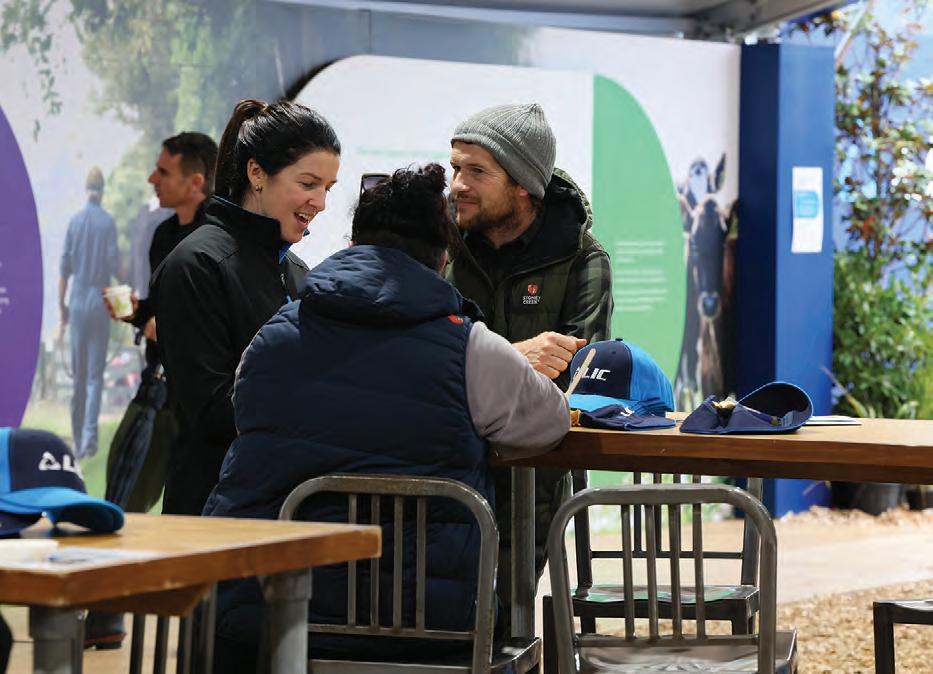
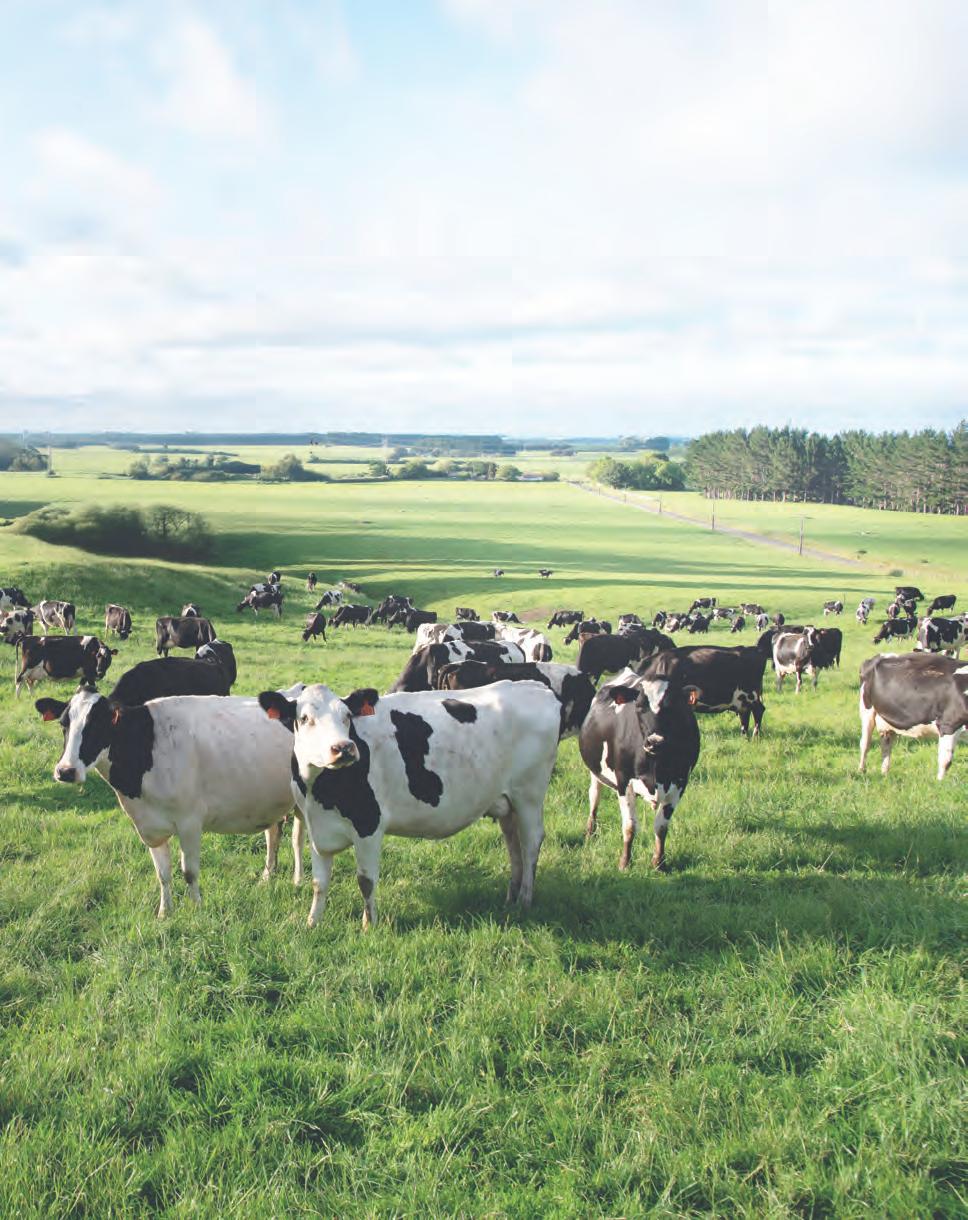
GETTING CALVES away to a strong start means attention to detail from day one, so the Lely Calm, an automatic drinking system for calves, prepares and feeds rations at the right temperature and is designed to ensure calves receive smaller, more frequent portions throughout the day.
This supports healthy digestion and steady daily growth, with the additional benefits of improved hygiene and reduced labour for farmers.
On a nutritional front, the system ensures optimal utilisation of all nutrients and more daily weight gain, using
the automatic feeder - available in different models to suit different situations - using a drinking box equipped with a teat unit and an identification unit. A range of options includes a weigh system and smart sensors.
Optimal hygiene is achieved as the Calm system cleans itself automatically and its drinking hoses after every calf visit, thereby reducing any bacterial growth as the machine is cleaned and rinsed with effective detergents several times each day. This helps maintain better milk quality and consequently improves calf health.
Labour saving benefits remove the need for several repetitive tasks such as filling, mixing and
carrying heavy buckets of milk and feeding the calves manually, releasing time for better observation of the animals for improved husbandry.
The recently introduced full integration of the Calm system into Lely Horizon for new Calm customers brings cows and calves together in one central platform, resulting in stronger farm management and continuous data across the entire herd.
With Calm in Horizon, farmers monitor every calf in a single interface, allowing the review of clear insights to help spot health deviations early, then intervene in a timely manner.
From a practical point of view, there is no need
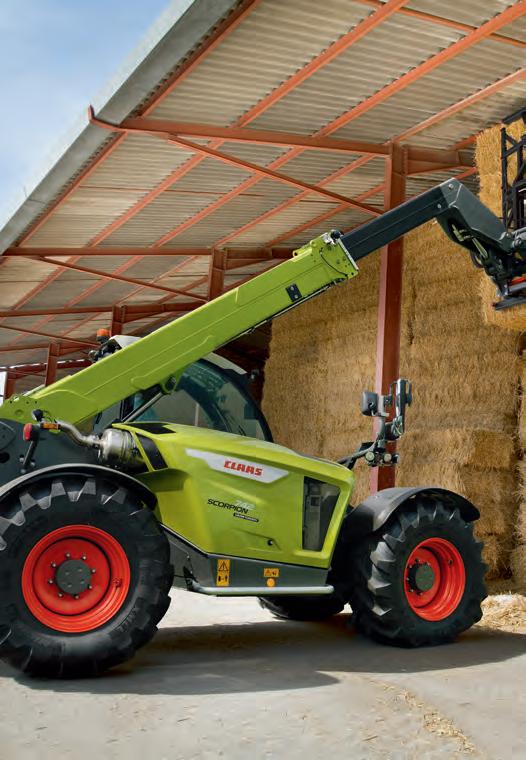
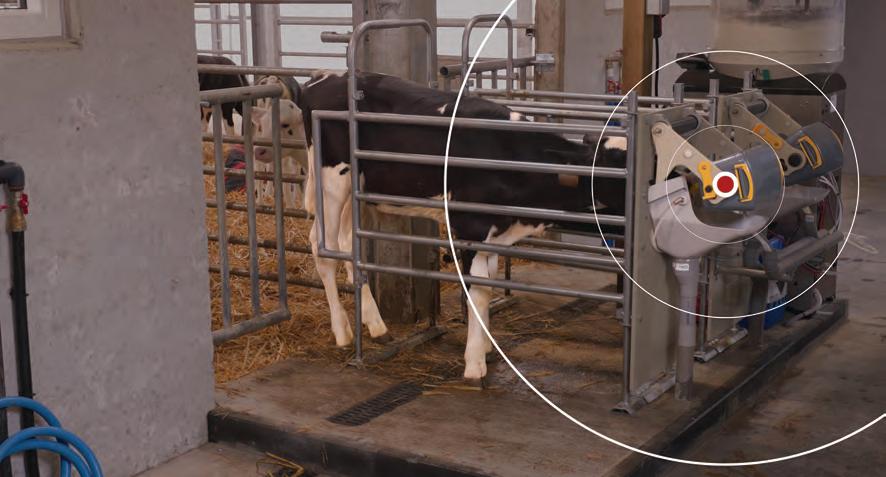
to switch between apps, so performance data follows seamlessly from calf to cow. Advisors can also use Calm data to further improve rearing strategies and service quality, resulting in healthier calves and, in
the end, more productive dairy cows.
Lely Calm is integrated into Lely Horizon via a subscription model, billed monthly through the existing Horizon subscription, for each
Calf feeder, offering simplicity, transparency and scalability.
Subscriptions are available in Basic, Control and Advance, packages, with Control and Advance giving full access to all Calm-in-Horizon
features, including Health Task, reports and a cow card integration. The Basic tier you get access to all features apart from the “Sick Chance” column in Health Task. Visit www.lely.com/nz/ solutions/feeding/calm
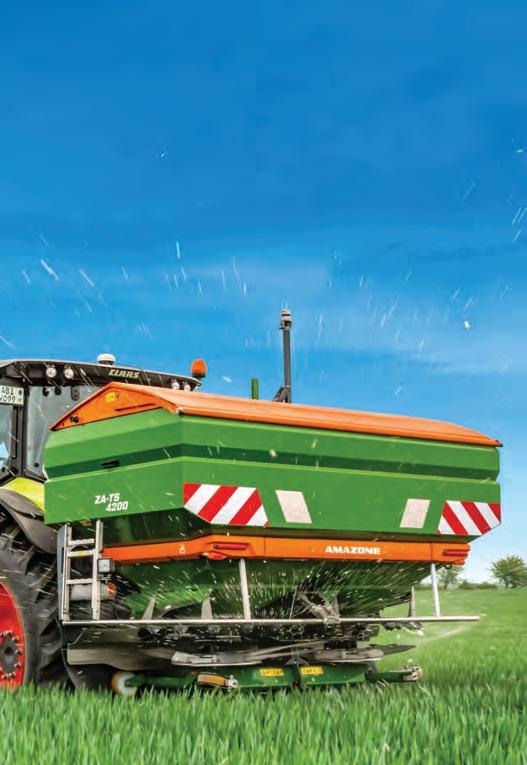



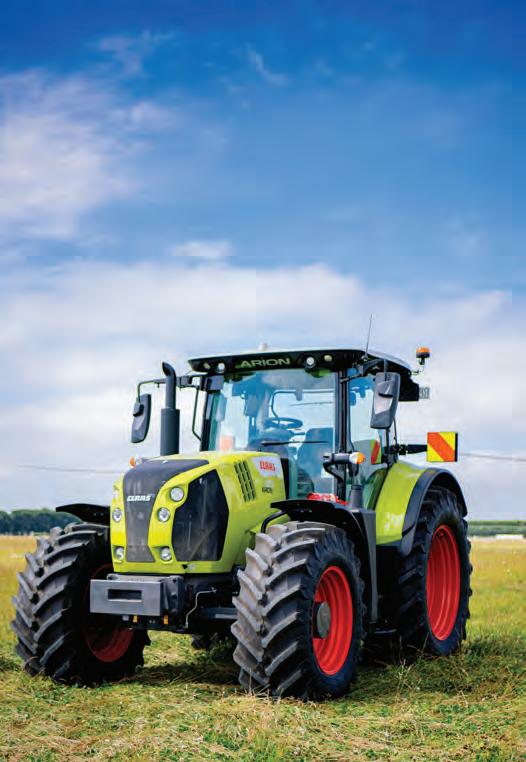
NIGEL MALTHUS
A YOUNG man just five years out of his Lincoln University degree already has his foot in the door of farm ownership, as equity manager of a large new dairy conversion now taking shape in MidCanterbury.
Peter O’Connor, from a prominent West Coast farming family, has partnered with MidCanterbury dairy farmers Will and Kim Grayling, and former DairyNZ chair Jim van der Poel and his wife Sue, in the Ashmount Farm conversion near Chertsey. Formerly cropping land, the farm is 426 ha with consent to milk 1700 cows. The original plan was for O’Connor to run it with a 2IC, three herd managers with responsibilities for their own discrete herds and areas, two farm assistants, and casuals as required.
They have recently taken the opportunity to buy an adjacent 202 ha block, and consenting is underway to add that to the new conversion. That would bring the area to 628 ha and total cow numbers to around 2500, probably split across four herds. The conversion
featured at the recent South Island Dairy Event (SIDE) with a field trip to the farm, where DairyNZ’s Virginia Serra described O’Connor’s path as “quite an amazing progression.”
Describing himself as a naturally competitive person, O’Connor said he was lucky enough to have “a bit of success” in the Dairy Industry awards and Young Farmers.
The former DairyNZ scholar was the NZDIA Dairy Trainee of the Year in 2022 and runner-up to the New Zealand Young Farmer of the Year in 2023.
O’Connor said the key was building relationships and keeping in touch with people.
An example was volunteering, in his last year at Lincoln, to take the minutes for a farmer discussion group, and he said he built a lot of great contacts out of that.
“Connections are important. I can’t stress that enough.”
The partnership came about after O’Connor needed a job after returning from a year overseas. Eyeing options such as farm manager or contract milking, he took a position as farm manager for the Graylings in May last
year. The Ashmount farm conversion plan was then formulated over several months of sitdown discussions with the Graylings, during which they found that their values aligned, said O’Connor.
“The more I look back and think about it, the less appeal contract milking has for me.
The good thing about this option is, you don’t just build a pile of cash. You’ve got debt that we’re servicing that we can leverage off.
“I’m pretty happy that this is how it’s ended up.”
With his fiancée Lydia, O’Connor is now fulltime at Ashmount overseeing the conversion.
The priority with the conversion was first getting pasture
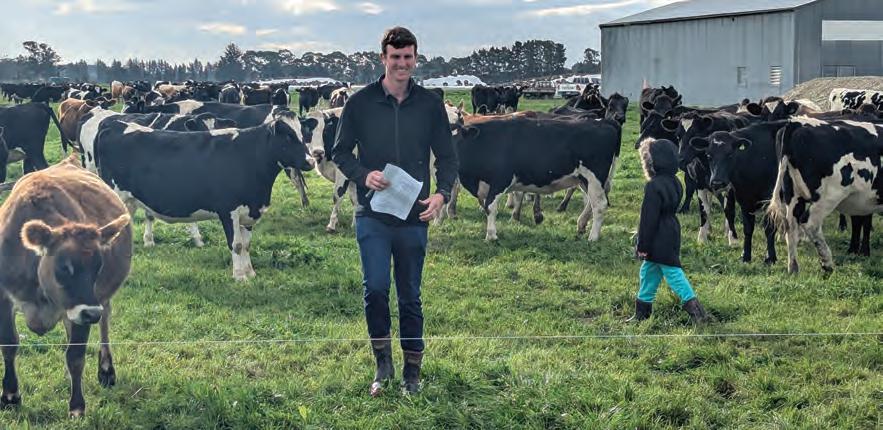
established, then stock water, fencing and irrigation. Staff accommodation and a modern rotary shed are now under construction and the first herd of in-calf heifers are on the land.
O’Connor said the
ASKED HOW the farm will provide him with equity growth, Peter O’Connor explained that he has bought into not just parts of the operation but “a portion of everything.”
“So, if the farm does well, we do well.”
He said that once the debt level gets to a point where the shareholders feel it is time to re-leverage, he could use his dividend to buy a greater share, if that is what he wants and the other shareholders agree.
“That’s the long-term plan. We’ll just have to make some milk and make it work.”
farm’s biggest asset was heavy soils that retain nitrogen, which with good irrigation will help meet environmental targets. The consent stipulates putting effluent across 300 ha, which means that it will be able to be injected into all
Co-owner Will Grayling says: “The long-term goal or vision is that this will be Peter and Lydia’s farm. We’re not coming down here to live, and neither is Jim and Sue van der Poel.
“It’ll take him more than five years to achieve that, so we’ll get to be along for the ride for a bit.”
He added that the equity manager on another farm which the Graylings part-own under a similar equity structure has recently been able to increase his share after just three years.
the pivots.
The farm will use proven technologies without going too cuttingedge.
O’Connor said the 80-bail shed will milk 500 cows an hour in the morning and 600 an hour in the afternoon, probably staffed in two shifts with two workers each.
It will feature slide pulsators, ProTrack automation, in-shed feeding, and cup removers, but no “extra technology” like milk meters.
Cow Manager wearables will handle heat detection.
“But apart from that it’s probably not too much else.”
O’Connor said that with the scale of the farm, it was important
to put good people in place from the start, invest in them and give them responsibilities so they know they’re “getting somewhere” too. He emphasised the “massive” importance of communication with his herd managers.
“I’ll be putting a bit of responsibility on them but we’ll also have to be there to give them guidance and help them get those decisions right. We can’t expect them to get it right straight off the bat every day.
“From the get-go, creating good systems will help us to get efficiency and mean I’ll have time to be able to go and check on things and talk to people and make sure we’re getting those decisions right.”


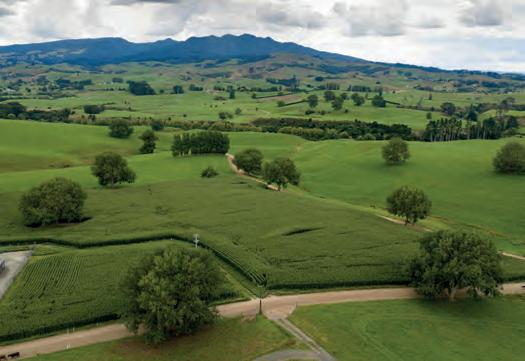
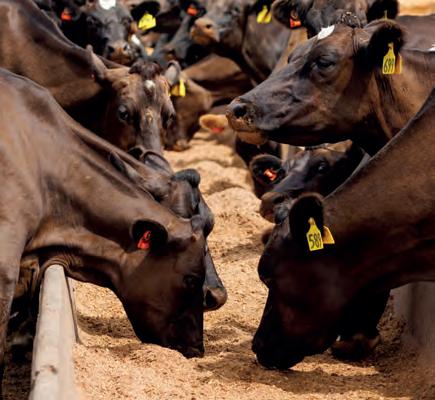


MOVING DAY (June 1) is just around the corner and farmers who are moving farms with the herd are being urged by Ospri to start preparations now.
“With so much to organise it’s easy to forget about NAIT, however if you’re not updating your account the industry’s traceability system is weakened, and we run the risk of reacting too slowly to fast moving diseases,” says Ospri.
“The good news is most things you can do yourself from the kitchen table, and this article points you to resources that will make your move, easier.”
Farmers leaving a farm, with the herd, within a pre-movement control area, will need to book TB testing now.
Ideally, Ospri needs at least 14 days’ notice to arrange a pre-movement test for TB.
It wants to farmers to use Ospri’s booking form and let the organisation know of any helpful information concerning farm access, or site risks, ahead of their visit
After pre-movement testing, make
sure animals move within 60 days. Those moving farms with herds must ensure their NAIT account accurately shows the livestock on the farm.
“For the farm you’re going to, create a new NAIT location and also register the locations of any grazing blocks. You can do this ahead of the move,” says Ospri.
“Then simply log in to NAIT, check your details are correct, and opt in your information provider if using another organisation’s herd management software (like LIC, CRV and FarmIQ) – and please give them your new NAIT location number.
“Record and confirm all animal movements to new NAIT location/s – within 48 hours.”
Farmers should deactivate old NAIT location numbers, but only once there are no animals registered there.
Ahead of the move to your next farm, either register the new location in your PICA account or, if you’re taking over an existing NAIT number, contact Ospri to initiate a PICA change request.
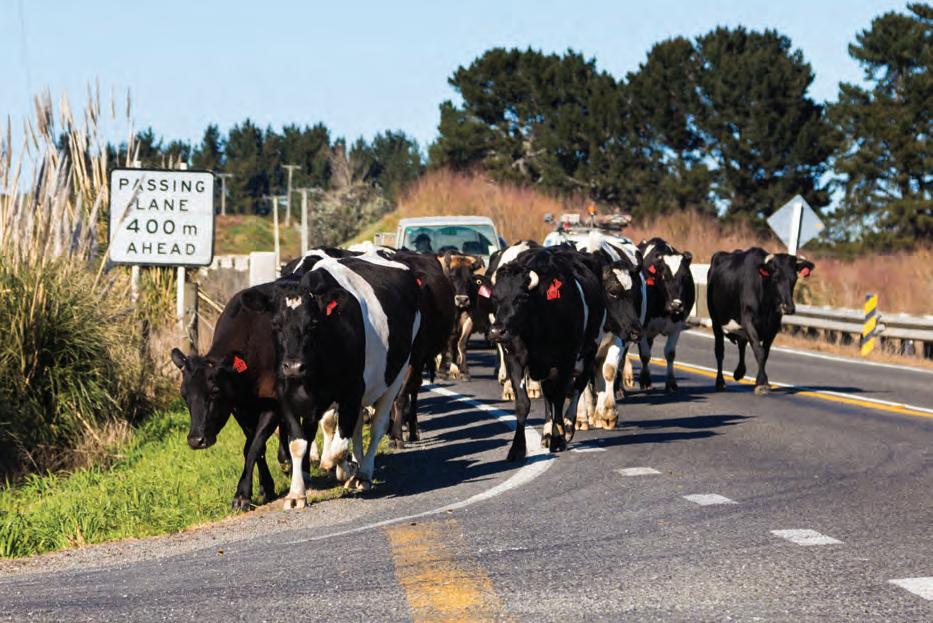
If you’re taking over an existing herd, make sure you’re registered as the manager against its number, otherwise register a new herd.
Once you’re registered, simply log in to NAIT, check your details are correct, and opt in your information provider if using another organisation’s herd management software (like LIC, CRV and FarmIQ) – and don’t forget to give them your new NAIT location number.
GIVING CALVES the best possible start to life has been shown to boost growth and resilience.
There’s also emerging evidence that access to more milk from the very start can improve first-lactation performance. Scientists are still exploring exactly why this happens, but it’s thought that early nutrition helps calves’ mammary development and sets up their metabolism for stronger growth later.
Farmers tend to adapt calf-rearing practices to what best suits their operation, but there are some fundamentals many prioritise to establish the foundations of healthy, productive animals, DairyNZ’s senior animal care specialist Penny Timmer-Arends explains.
“We know farmers take great pride in their livestock and strive to do the right thing,” says Timmer-Arends.
“Every farm will do things slightly differently to rear good calves depending on their people, shed set-up and equipment, and every calf-rearer has some key things that are really important to them.
“Doing the fundamentals well sets the animals up for good future productivity.”
Some principles haven’t changed, like having draught-free sheds and dry bedding to keep calves warm. Others have come to light more recently, including the importance of good colostrum management.
“Early colostrum is so important for calves to get the passive transfer of antibodies, which helps them respond to disease challenges until their own
immune system is up and running,” she says.
“The cow’s very first milk is rich in antibodies, and it’s so important to get it into the calf within about 12 hours to get the passive transfer of immunity.”
Gold (1st milking) colostrum
THIS IS the highest quality colostrum and should be fed to newborns, but quality can vary. Brix refractometers can be used to measure the antibody level in colostrum.
Gold colostrum that measures 22% or more is considered high quality. For the best results, the highest quality colostrum you have available should be fed to newborns.
Science shows that giving calves more milk early boosts growth and resilience, with benefits that can carry through to later performance.
“There’s emerging evidence that by feeding more frequently, it’s better for the wellbeing of calves and can impact future productivity over an animal’s lifetime.”
The link between higher weight gain before weaning and more milk in the first lactation is well proven in overseas systems. There’s been less research in New Zealand, but a seven-year trial led by the Bioeconomy Science Institute (formerly AgResearch) has found similar results. Scientists are still working to fully understand why, but early nutrition is thought to switch on mammary development and body tissue metabolism, leading to greater milk production in heifers.
FOR DECADES, successful calving has centred on correct mineral supplementation to prevent milk fever, along with teat sealants to minimise calving mastitis. According to Chris Collier of Probiotic Revolution, significant additional benefits can also be achieved by introducing probiotics before calving.
“With Superstart Lead Feed you are setting cows up exceptionally well for calving,” says Collier.
“It complements the traditional steps farmers already take, and much of the benefit comes from reducing the effects of sub-clinical ketosis.”
Reducing the effects of sub-clinical ketosis
The impact of ketosis is obvious in a downer cow. The animal needs feed, but low blood glucose suppresses appetite. One treatment option is intravenous dextrose administered through the jugular vein. However, most ketosis cases are sub-clinical, where the effects are less visible but still damaging.
When milkfat demand suddenly increases around calving, body fat is mobilised into the bloodstream as ketones. If ketone levels rise too high, the liver cannot convert them efficiently into fatty acids for milk production, resulting
in ketosis. Alongside pre-calving mineral supplementation, probiotics appear to provide a dual benefit — supporting immunity when cows are most vulnerable and increasing blood glucose levels approaching calving.
With an intentional restriction of pasture intake to avoid a high potassium intake, cows rely more heavily on high-fibre feeds such as hay, silage, or straw. Improved fibre digestion from probiotics helps lift blood glucose levels. With more available glucose, cows maintain appetite in the critical days before calving, giving them greater energy for calving and reducing retained membranes.
Farmers are seeing fewer difficult calvings as a result. Some have commented on how easily cows calve despite large calves or other complications. One Jersey farmer reported that after introducing Superstart Lead Feed, he has not needed a hospital mob for seven years.
Further health gains are also being observed through reductions in calving mastitis, foot issues, and metritis linked to lower levels of subclinical ketosis.
Improved mating performance
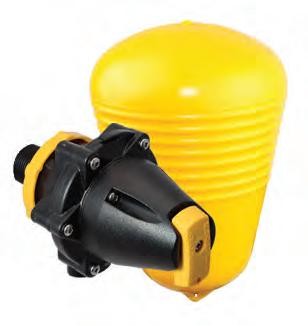
Collier has also seen cows return to cycling significantly earlier after calving, particularly where Superstart Lead Feed is followed by ongoing probiotic supplementation in the milking herd.
“If cows are not receiving a continued daily supply of beneficial bugs to support digestion, the effect fades quickly,” he says. “But when the programme continues after calving, increased feed intake and improved digestion help avoid the lingering effects of subclinical ketosis. Cows then cycle earlier and show stronger heats.”
One of the earliest examples came from a Taranaki farm where Superstart Lead Feed was delivered to springers through the water trough.
Tail painting later showed that 95% of cows had cycled before the planned mating start date. When the vet checked the herd a week later, only 2.5% of cows required CIDRs.
Although conception and empty rates are influenced by multiple factors, earlier first heats mean more cows are submitted on their second or third cycle, improving conception outcomes overall.
A remarkable 24-day interval to first heats
Milton dairy farmer Chris Wills first introduced probiotics after calving in spring 2023 to address elevated somatic cell counts associated with dietary changes when cows left the wintering barn in late September. That season
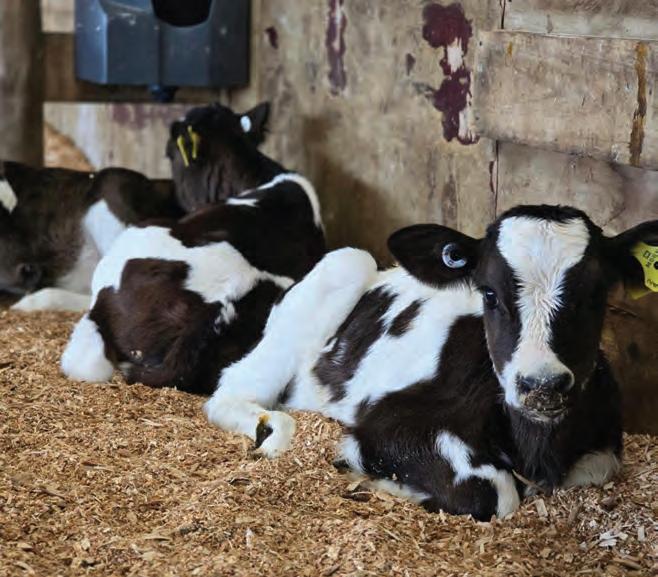
Additional benefits can be achieved by introducing probiotics before calving.
no CIDRs were required, and the herd’s three-week submission rate improved by 5%.
The following spring,
Although the most consistent intake of Superstart Lead Feed occurs when it is included in a transition diet on a feed pad, many farmers successfully administer it through springers’ water troughs, typically split into two or three doses daily.
Organic dairy farmers have shown strong interest because they cannot use teat sealants to control calving mastitis. Around 6000 organic cows are expected to receive Superstart Lead Feed via water troughs this year. After four years transitioning to organic production, Wharepapa South
• Ideal for Cattle Troughs
• High Flow
• Side/Bottom Mount
• Detach to Clean
dairy farmer Fraser Higham says a comprehensive probiotic programme — including Superstart Lead Feed for springers — has significantly reduced calving mastitis.
During the first two organic seasons, Higham was still able to use Teatseal. But in 2024, without it, the farm experienced 40 winter mastitis cases and 19 calving mastitis cases. In 2025, the 40 highest-SCC cows received a stronger probiotic at dryingoff, resulting in a 75% reduction in winter mastitis. Following the introduction of Superstart Lead Feed, calving
Superstart Lead Feed was added to springers.
Halter data later showed cows cycling on average just 24 days after
mastitis cases then fell by a further 50%.
Halfway through calving, the herd’s 10-day average SCC sat at 156,000, down from 260,000 the previous season.
For organic farmers, probiotics are proving a valuable alternative to conventional mastitis-control methods. But with additional benefits in reducing the impact of sub-clinical ketosis, probiotics are increasingly finding a place in mainstream dairy systems as well, with uptake of Superstart Lead Feed continuing to grow each year.
calving, compared with the national average of around 42 days.
Collier believes the difference is too large to be explained by normal variation alone and instead reflects improved nutrition and metabolic health that support both milk production and early cycling. He has also observed situations where farmers stopped using Superstart Lead Feed on later-calving cows due to workload pressures. Early calvers cycled within 30 days, while later calvers extended beyond 30 days and experienced more calving and mastitis problems.
• Article supplied by Probiotic Revolution


• Compact/Robust
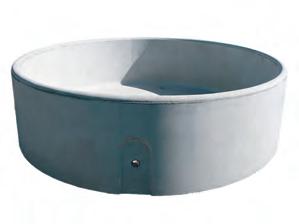
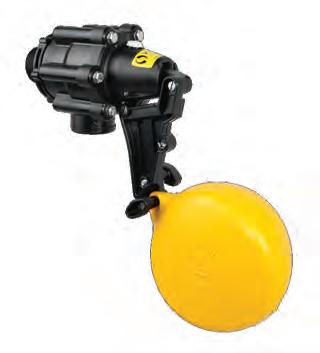
• Up to 50mm Inlet
• Flows up to 600L/min
• For Storage Tanks
• Easy Access to Valve
• Inlets Upto 50mm
• Avoids Starting & Stopping of Pump When Tank is Filling

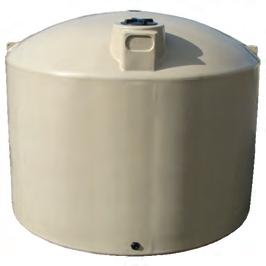
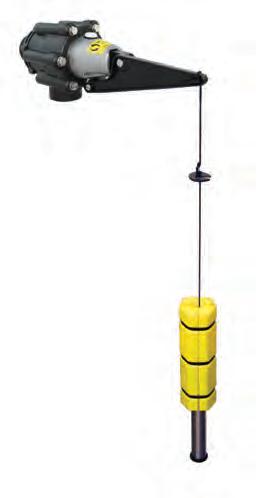
MARK DANIEL markd@ruralnews.co.nz
THE RECENTLY published State of the Industry -Tractors and Machinery 2025 from the Australian Tractor and Machinery Association (TMA), the equivalent of New Zealand’s TAMA, gives an interesting perspective of the industry.
Executive director of TMA, Gary Nortover, painted a picture of a landscape defined by sharp contrasts. The headlines showed that for the first time, Australian farm production hit AU$100 billion, but Northover noted that macro successes often masked micro realities on the ground.
Northover suggested that while the national success was a cause for celebration, 2025 brought difficult trading conditions, particularly in the southern states which suffered again with persistent droughts.
Despite the high volumes of agricultural outputs, the tractor and machinery industry he represented wrestled with significant challenges, particularly around machine pricing.
This was driven by global supply chain logistics, fluctuating input costs and shifting interest rate environments.
Looking at the overall market, which collectively saw sales push AU$4.6 billion, tractors made up AU$1.7b, combines AU$816m, balers and hay tools AU$224m and selfpropelled sprayers achieved AU$426m.
Numbers for sectors such as tillage and seeding tools and other machinery have, as usual, been hard to collate, but best estimates suggest AU$467m for the former and AU$977m for the latter.
Reported new tractor sales sat at a level not seen since before 2020, with a decline compared to 2024 of 7%, which was already 23% down against 2023, which in turn saw a decrease of 25% on 2022.
By the numbers, tractor sales topped out at 9521 units, which represented a drop of 29.9% against the 5-year average. For combine harvesters, a slight fall of 0.4% was recorded against 2024, but a much greater fall of 25% against the 5-year average.
Looking at the regions in more detail, Queensland at 2499 units was down by 2.5% on 2024, New South Wales ended at 2591 units (-7.7%) and
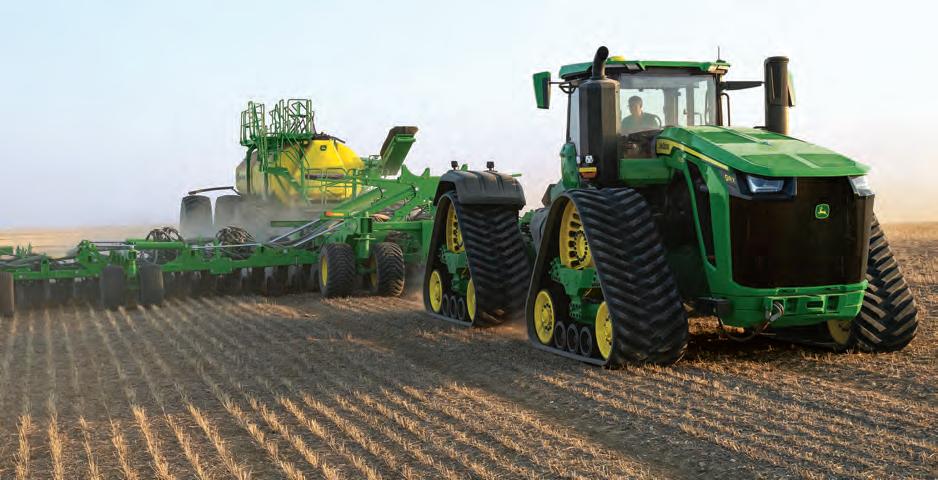
Victoria finished at 2055 units (-16%).
Tasmania recorded 328 units (-1%), South Australia fell 9% to 686 units, Western Australia bucked the trends by climbing 1.6% to 1256 units and the Northern Territory fared the best with a 9.3% climb to 106 units.
Back to 2026, April sales racked up 700 units, down 10% year on year with 2025, resulting in a year-to-date number sitting 8.5% below 2025.
Horsepower groupings for the month saw the under 40hp sector falling 21% YTD, 40-100hp dropping by 7% YTD, the 100-200hp market dropping by 6%, while the 200hp+ group bucking the trend by climbing 2.6% YTD.
On a wider front, mainstream Australian media is continuing to report ongoing concerns about fuel and fertiliser shortages that in turn appear to be leading to reduced plantings, with
some reports suggesting that farmers are struggling to undertake day-to-day operations.
The TMA suggests that demand for new tractors and machinery is likely to remain subdued for some time to come. In the meantime, reports of increasingly dry conditions in some areas of New South Wales are likely to compound the negative sentiment. www.tsa.asn.au
WORD OF mouth recommendations among farmers are contributing to strong growth for farm management software company Resolution, with thousands of users across the country and off-shore expansion on the cards.
Resolution is the brainchild of Te Anau basin farmer Paul Ruddenklau, now the company’s general manager, who joined forces with four other founders to launch it to market in 2019 after more than a decade of development.
It’s now used throughout New Zealand across sheep, beef, dairy, and arable farms, with a significant portion of that growth coming from farmer-to-farmer recommendations, Paul said.
Co-founder/finance manager Henry Douglas agreed, giving an example of a surge of inquiries during duck shooting season.
“We had all these inquiries come through, and we thought, ‘what’s been going on here?’” he said.
“They were obviously having a quiet time duck shooting, and they were all out sitting in the maimai having a beer with their mates and showing them what they were doing on Resolution - next week, the guys were contacting us.”
The software is used to record, store and share farm information digitally - data like photos, documents and day to day events can be entered on a mobile device or desktop, and are organised through a central timeline and an interactive farm map.
Paul said Resolution grew out of a challenge he faced on the farms he was working onpaperwork.
He needed to keep careful records of his operations and have an efficient way of sharing that information with the right people - but because they were typically done
on paper, it was easier said than done.
“I was hand-writing several thousand records a year,” he said. “We had information everywhere, but we didn’t have it in one place.”
Paul searched for a digital solution, but after trying several offerings, he found they didn’t provide the flexibility and simplicity he wanted – so he set about making his own.
He approached Matt Gilbert - now also a co-founder and the company’s senior developer - requesting “a three year old’s computer game, where I can click on a paddock and it gives me all the data,” Paul said.
A prototype was developed, and Paul brought in his neighbour Henry, who was “using it every day”, as well as Resolution’s now-chief technology officer, James Mackintosh, to continue working on it.
By the time Resolution launched commercially in 2019, there were five co-founders in total, with the addition of marketing and sales associate Robbie Hill, who farms in Hawke’s Bay.
The company now has 40 employees, including eight full-time developers.
“We’re extremely proud to be a tech company that makes software that works every time, is fit for purpose and is farmer-led,” Paul said.
ANZ, the company’s bank, said it is looking forward to supporting Resolution’s future growth.
“Its sheer practicality really stands out - it addresses an on-farm challenge with a scalable, farmer-first solution that helps manage the record keeping, planning and compliance work required on working farms,” said Cameron Reed, ANZ’s business & agri regional manager for the Provincial Southern region.
“We love backing
businesses that innovate to solve realworld problems - and Resolution does exactly that.”
Looking to the future,
Resolution is now eyeing further domestic and overseas expansion, with a number of users already signed up in Australia and the UK.
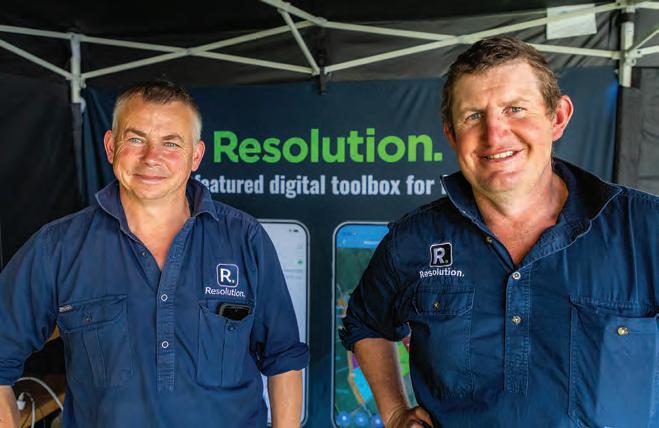

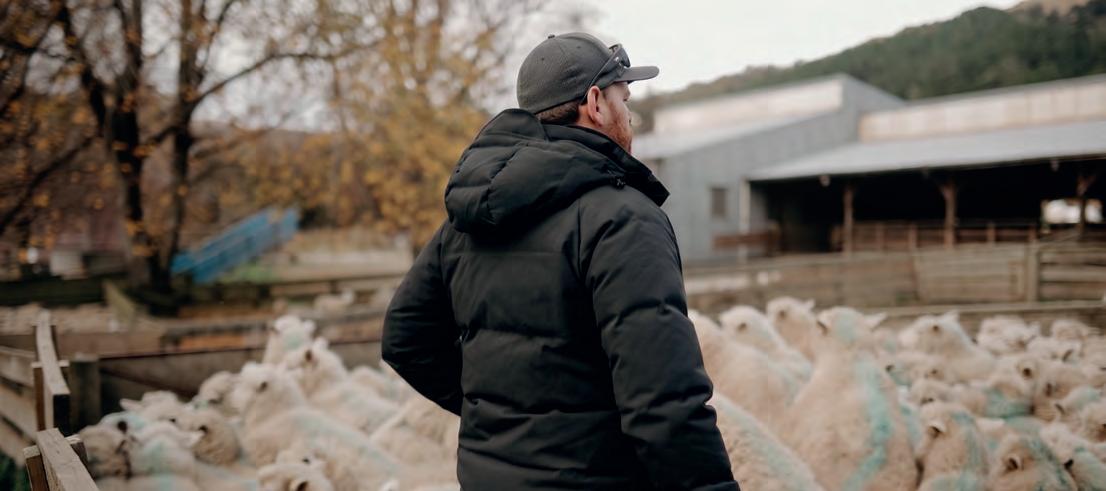
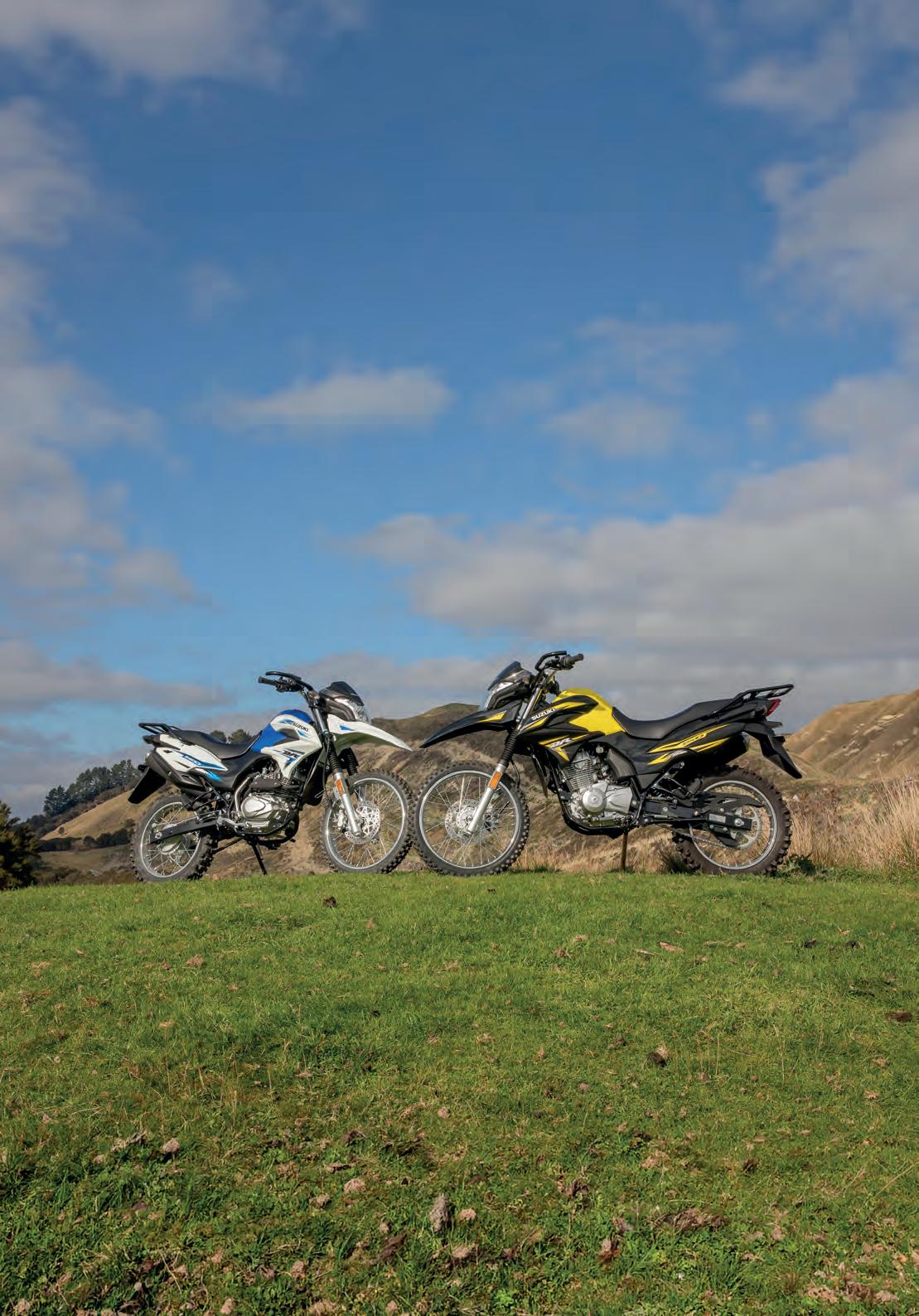
Premier Sires® teams are built on strict thresholds across every key trait. Not on averages. Every bull earns its place, so you can breed with confidence.