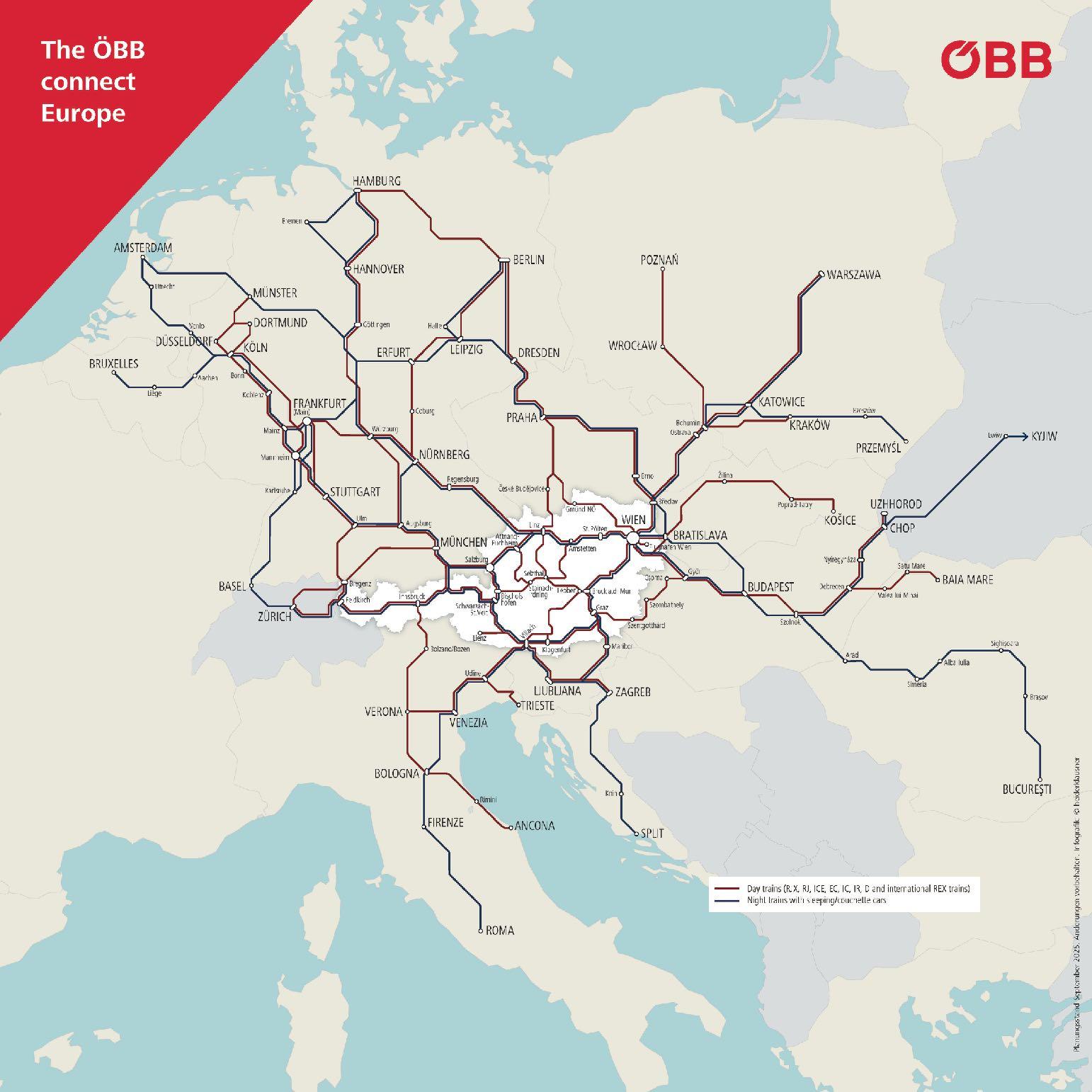

ÖBB connects numerous European cities with modern day and night services.
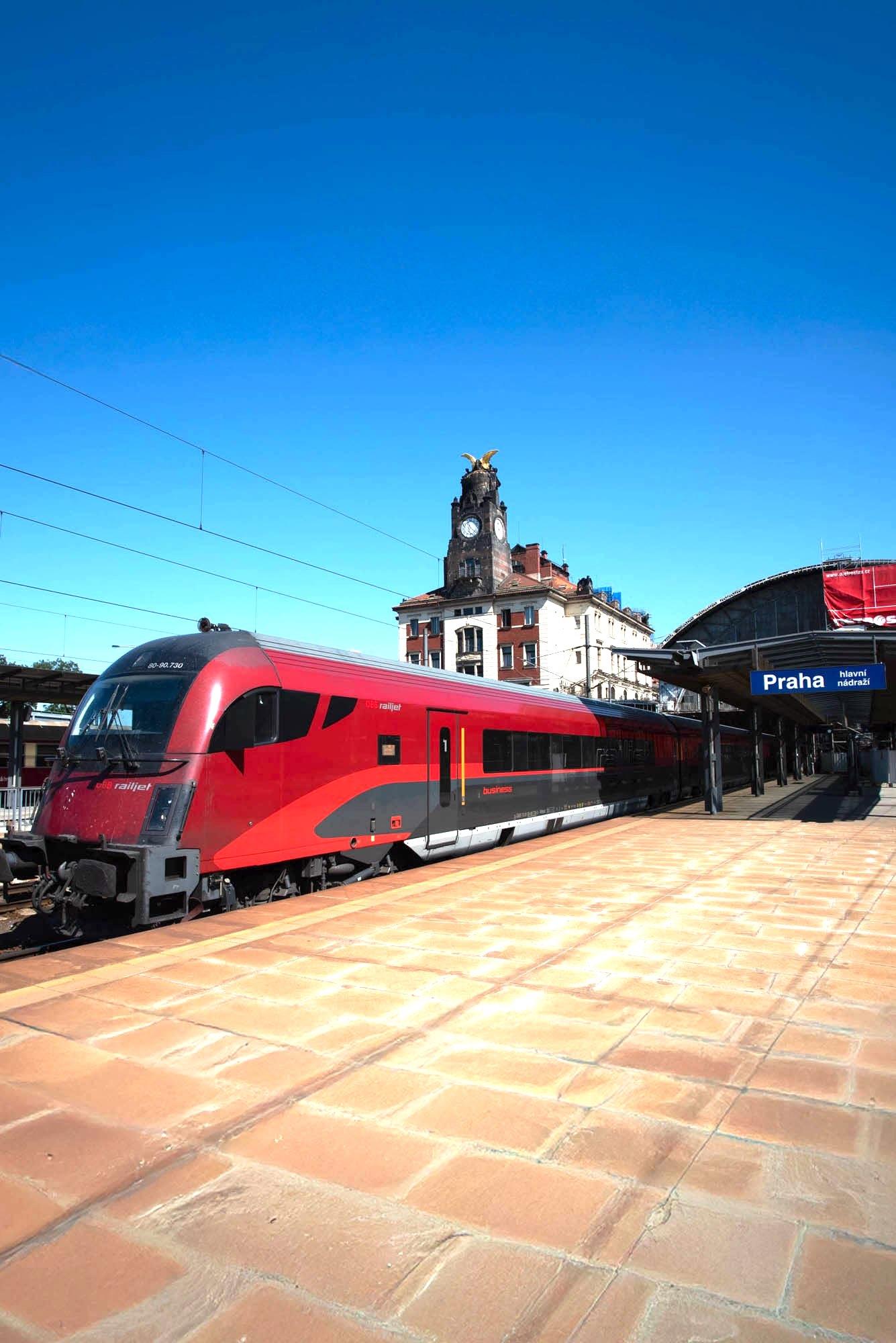
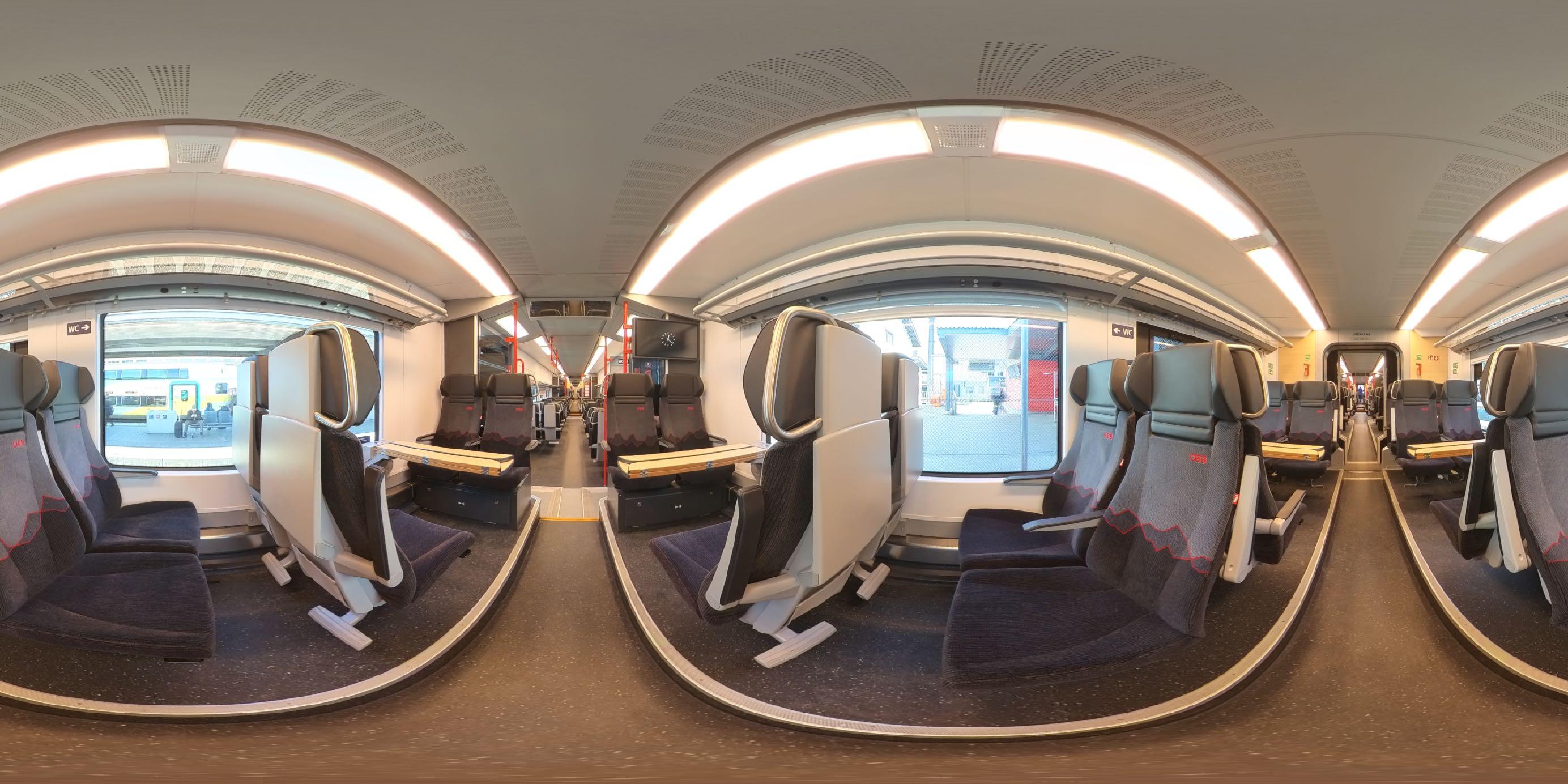
During the day, ÖBB Railjets offer fast and comfortable long-distance travel in Economy, First, and Business classes.
At night, the ÖBB Nightjet provides a relaxing and environmentally friendly journey across Europe. Whether
you prefer a seat, new Mini Cabins, or couchette and sleeper cars – every travel preference is catered for.
Within Austria, ÖBB Cityjets guarantee punctual and comfortable local and long-distance transport.
Further information and booking options can be found via the info button, which leads directly to the ÖBB booking page.



Ahoj Prague

Prague Old Town

Prague Lesser Town
Churches


Art venues

Worth seeing
Kampa Island

Green Prague

Food & Drink

Shopping
Public transport


Imprint




convenient overnight connections from Berlin, Graz, and Zurich, so you can maximise your journey time in comfort.
with the ÖBB to Prague
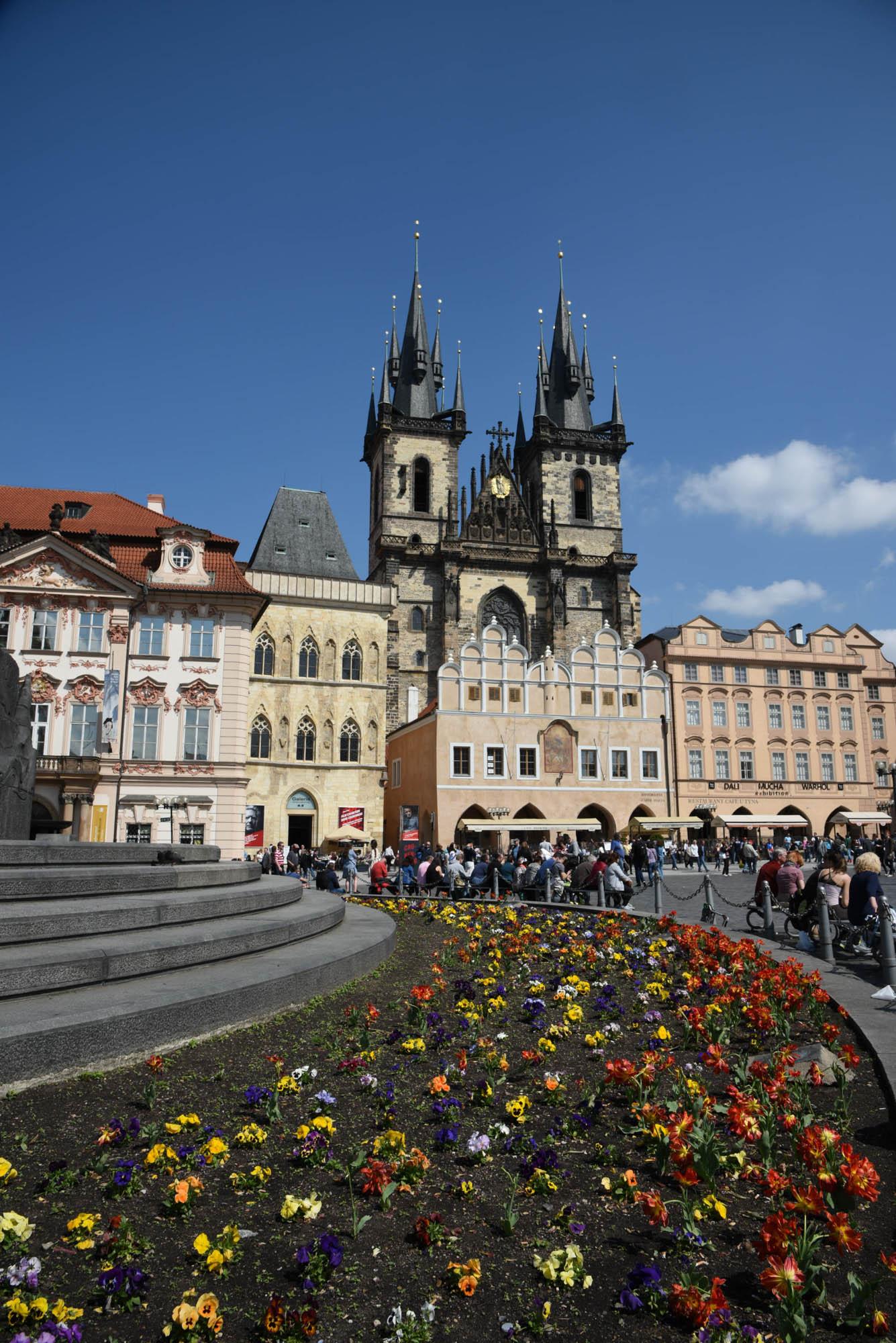


Prague’s Old Town (Staré Město) stands as the very heart of the Czech capital, boasting one of Europe’s most exquisitely preserved medieval cityscapes.
At its core lies the enchanting Old Town Square (Staroměstské náměstí), home to the world-renowned Astronomical Clock (Orloj), which has mesmerised onlookers with its hourly procession of mechanical figures since 1410. The square is embraced by a vibrant tapestry of colourful townhouses, the striking Gothic spires of the Church of Our Lady before Týn, the elegant Baroque St. Nicholas Church, and the commanding Old Town Hall. Meandering narrow streets lead you towards the
iconic Charles Bridge, weaving past splendid Renaissance and Baroque façades, historic Jewish synagogues in the old Josefov Quarter, and secluded courtyards. Every corner whispers tales from over a millennium of history, spanning Romanesque, Gothic, Renaissance, and Art Nouveau eras.
Despite welcoming throngs of visitors, the Old Town retains an enchanting, almost storybook charm - particularly in the soft light of early morning or the golden glow of evening, when ancient walls seem to shimmer with warmth. It is a place seemingly untouched by time, yet vibrantly alive. with the ÖBB to Prague
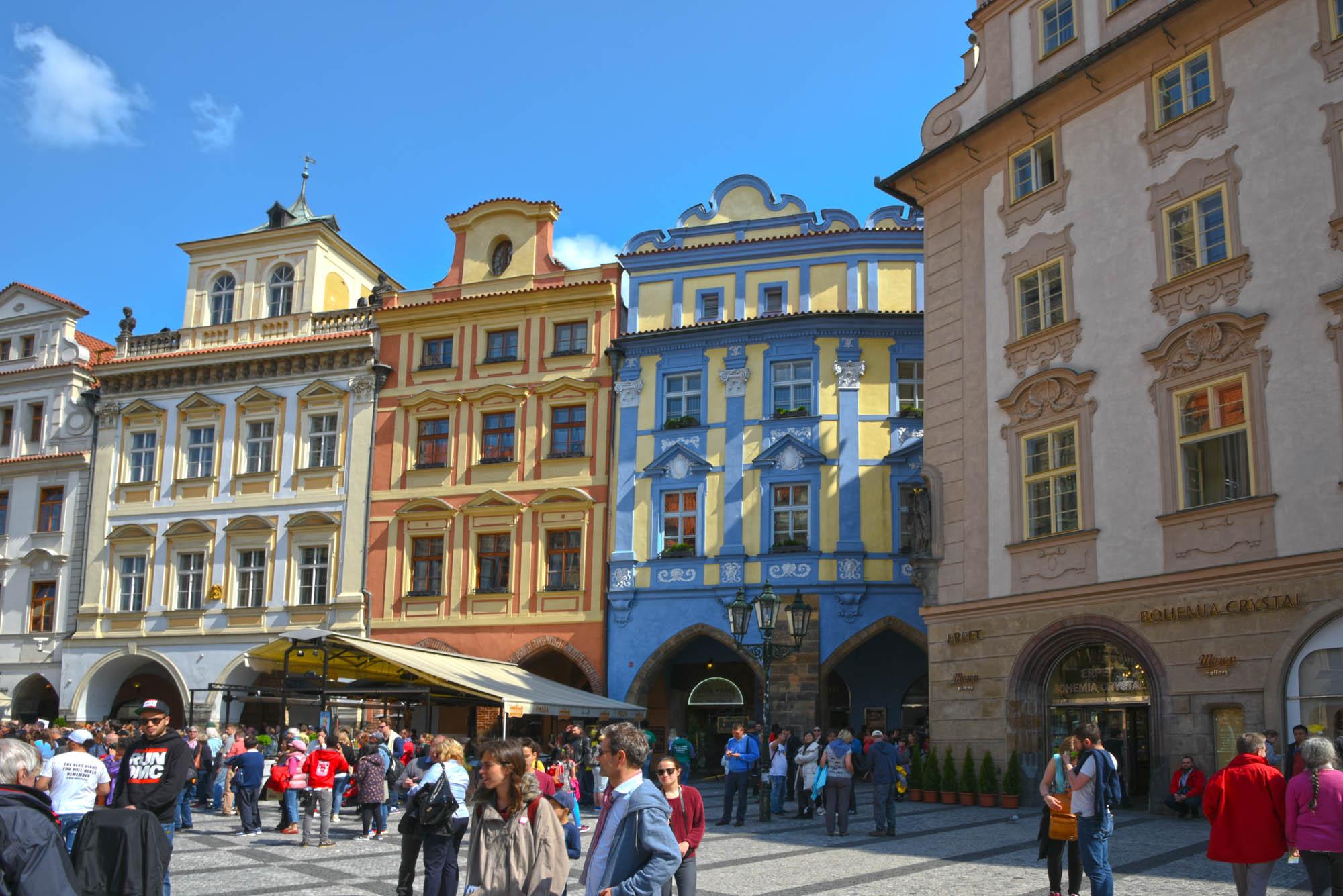
Old Town Square stands as the vibrant historic heart of Prague. Surrounded by colourful townhouses and grand Gothic and Baroque churches, the square radiates a truly unique medieval charm. The Astronomical Clock (Orloj) on the Old Town Hall is especially renowned. Serving as a bustling hub for various markets - most famously the Christmas and Easter markets - Old Town
Square warmly encourages visitors to stay awhile. A host of cafes, restaurants, and street performers contribute to a welcoming ambience perfect for savouring and discovering. Narrow, winding streets encircle the square, guiding visitors towards other notable sights such as Charles Bridge and the Powder Tower.
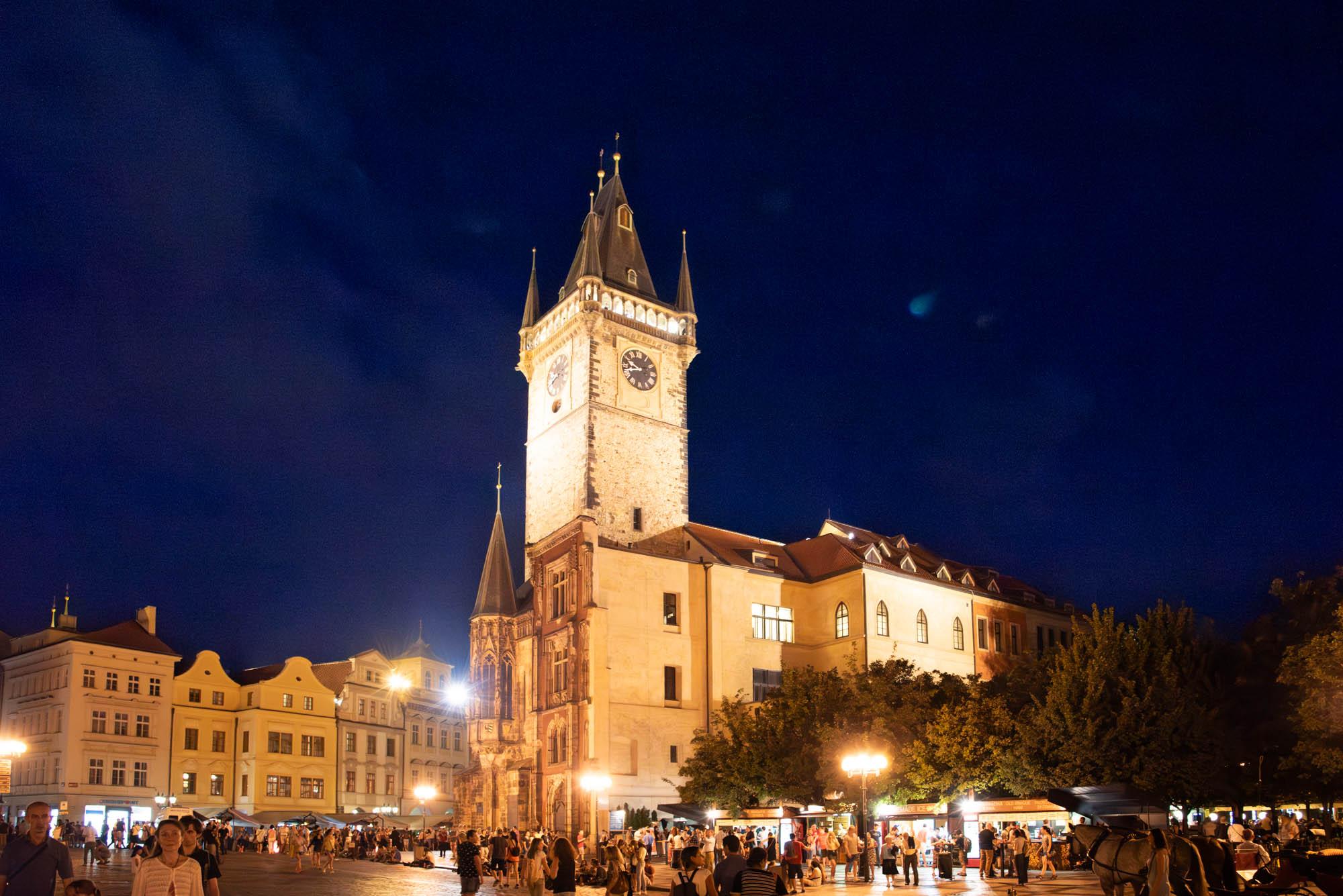
Prague’s Old Town Hall, situated in the heart of the Old Town Square, stands as a remarkable relic of history, with its origins tracing back to 1338. It beautifully melds Gothic and Renaissance architectural styles, creating a striking visual harmony. The building’s crowning jewel is undoubtedly the world-renowned astronomical clock, the Orloj, which dates from 1410. This captivating mechanical marvel draws crowds every hour,
enchanting onlookers with its intricate display. From the Town Hall tower, visitors are treated to a stunning panoramic vista of the entire Old Town. To ease the climb up the approximately 70-metre-high tower, a modern lift has been thoughtfully installed. Since 1945, the city’s administration has operated from the New Town Hall.
with the ÖBB to Prague
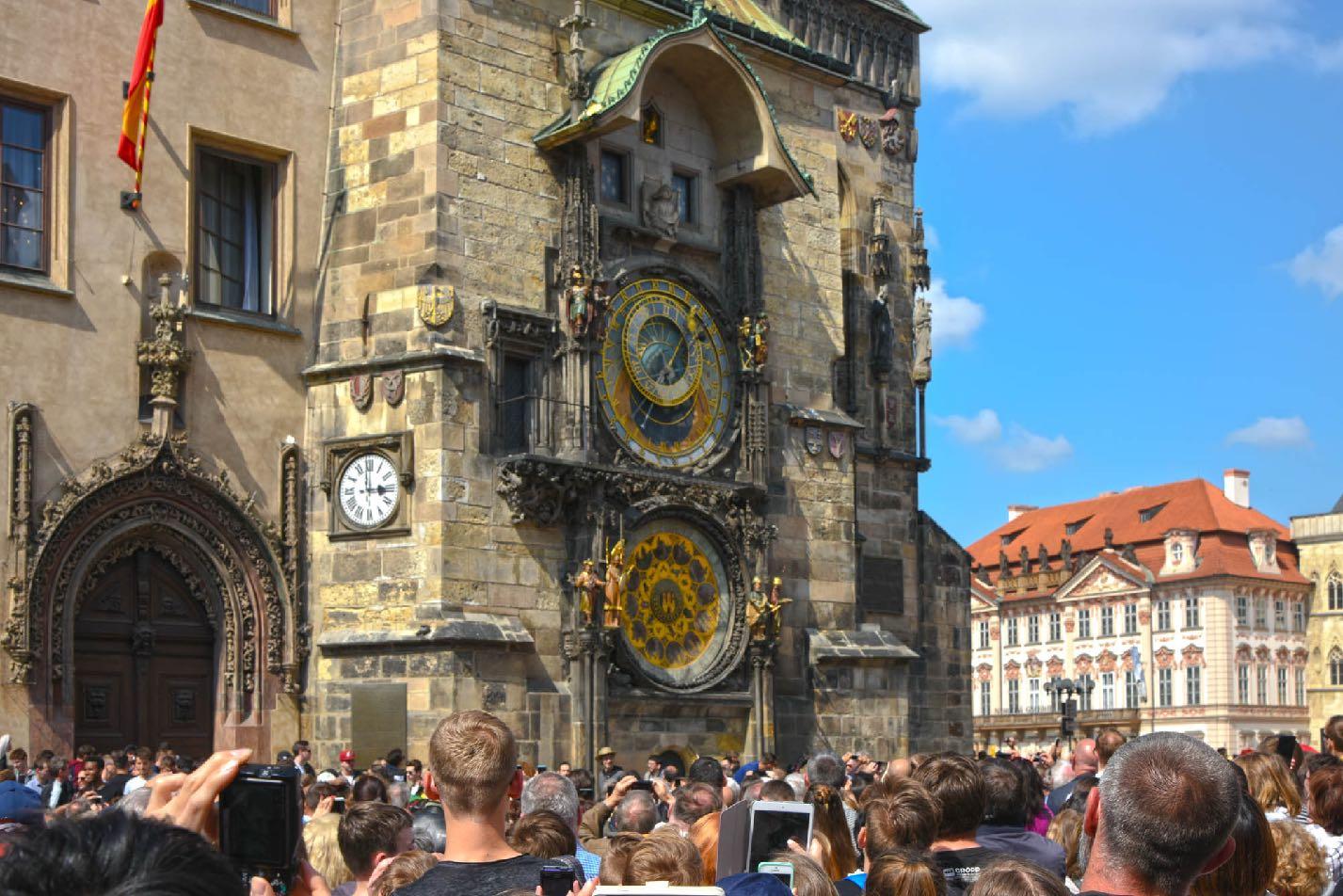

The Prague Astronomical Clock, known as the Orloj, proudly adorns the Old Town Hall, standing as a remarkable example of medieval ingenuity. Constructed in 1410, it ranks among the world’s oldest functioning clocks. This exceptional timepiece not only tells the current time but also reveals a range of astronomical details, including the moon’s phases and the sun’s position. Its dial is exquisitely crafted, featuring an astrolabe alongside a calendar. As the hour strikes, the clock springs into motion: a mechanical procession unfolds, with apostles appearing in small windows and a skeleton - emblematic of death - ringing a bell. Each hour draws sizeable crowds to the Old Town Hall, eager to witness and capture this captivating spectacle.


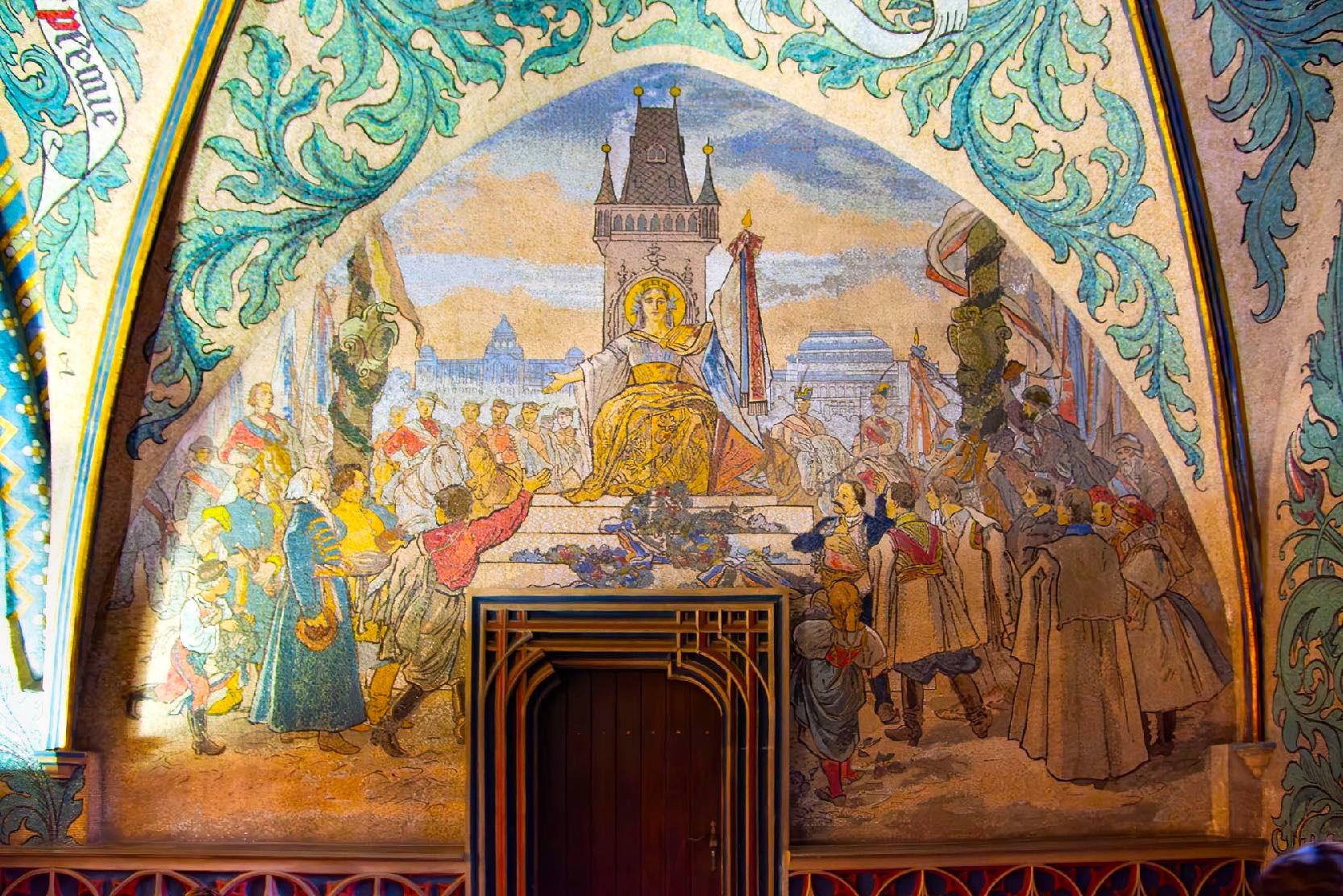
The frescoes within Prague's Old Town Hall chiefly embellish the interior and hail from various eras, notably the Gothic and Renaissance periods. They portray religious themes, historical scenes, and decorative motifs, all of which strikingly underscore the building's rich and eventful past.

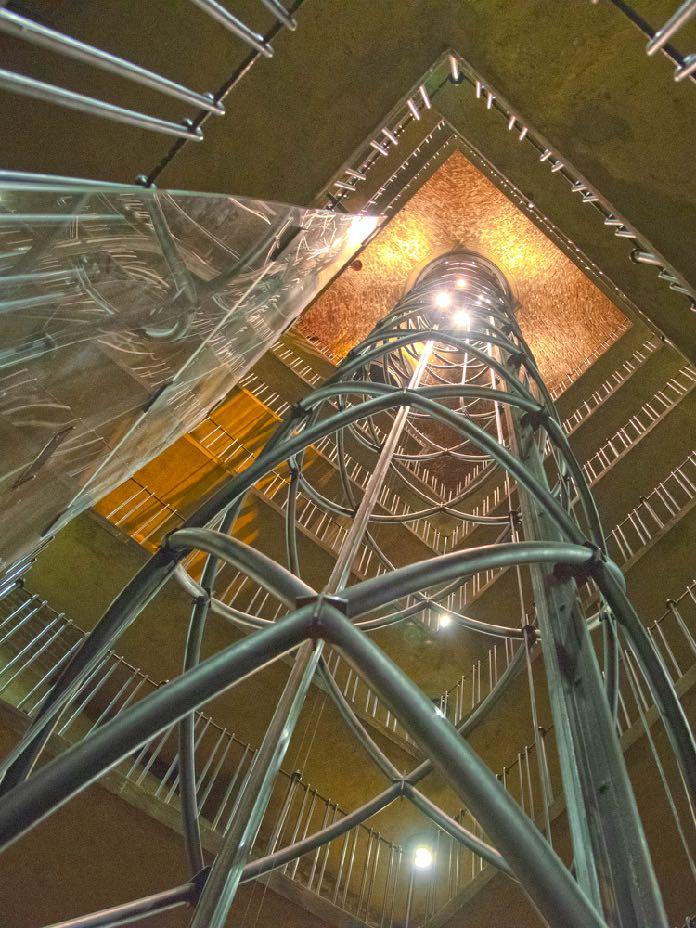
Nestled within the formidable Gothic tower of Prague’s Old Town Hall lies a modern elevator, discreetly installed during 20th-century renovations. Thoughtfully designed for full accessibility, it offers visitors a comfortable ascent to the observation deck, sparing them the effort of climbing the steep, narrow stairs.
Perched some 70 metres above Old Town Square, the observation deck commands breathtaking panoramic views of Prague’s historic heart. From this vantage point, the iconic spires of the Church of Our Lady before Týn come into clear view, alongside the grand Prague Castle and the world-renowned Charles Bridge. On days of good visibility, the gaze stretches even further, embracing the rolling hills beyond.
The covered, secure platform grants an impressive 360-degree outlook, casting a truly enchanting atmosphere - particularly as the sun sets. This vantage point is a haven for photographers and an essential experience for anyone visiting Prague.
Given its popularity, it is highly advisable to secure tickets in advance. Booking a skip-the-line ticket is recommended to avoid lengthy queues and make the most of your visit.
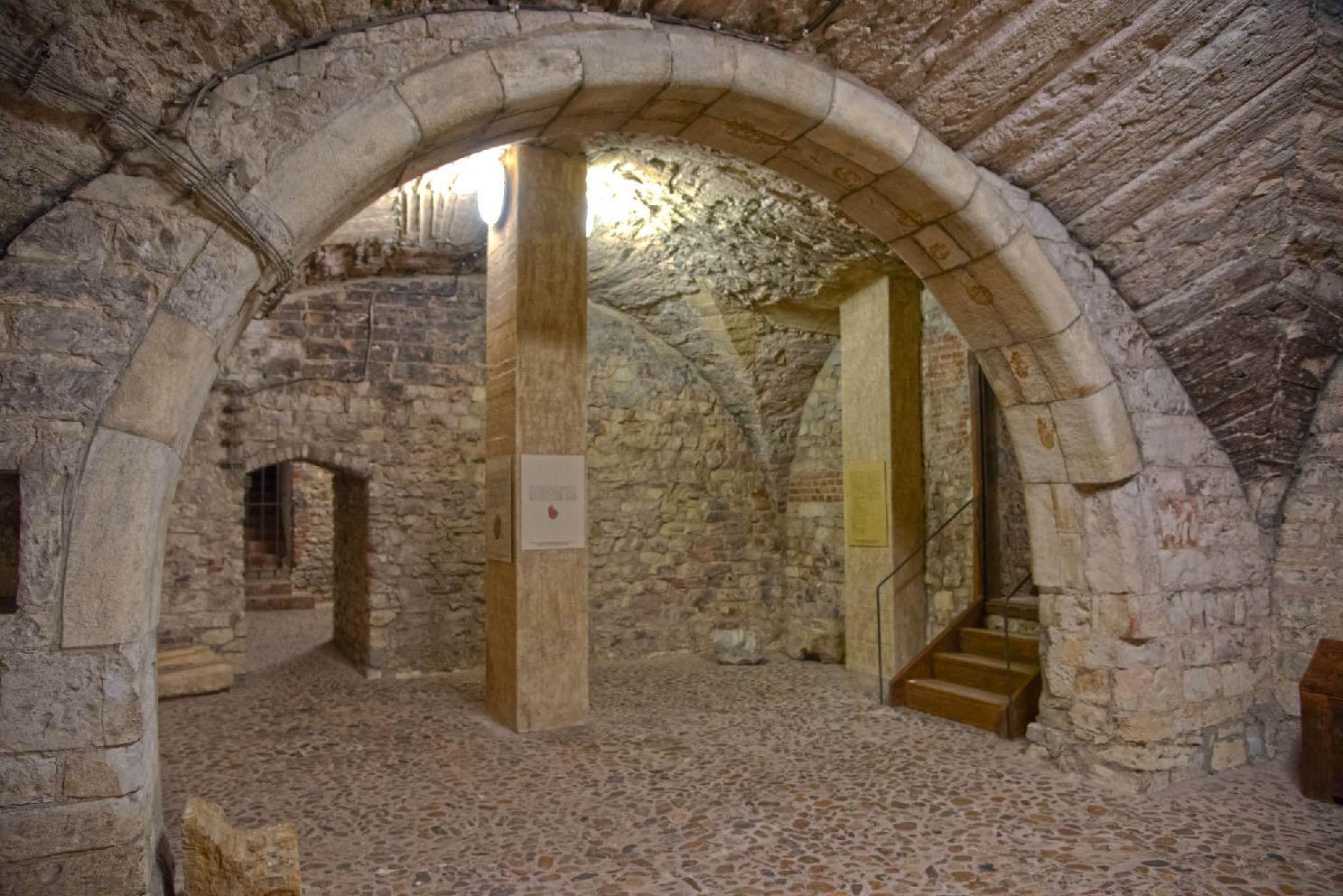
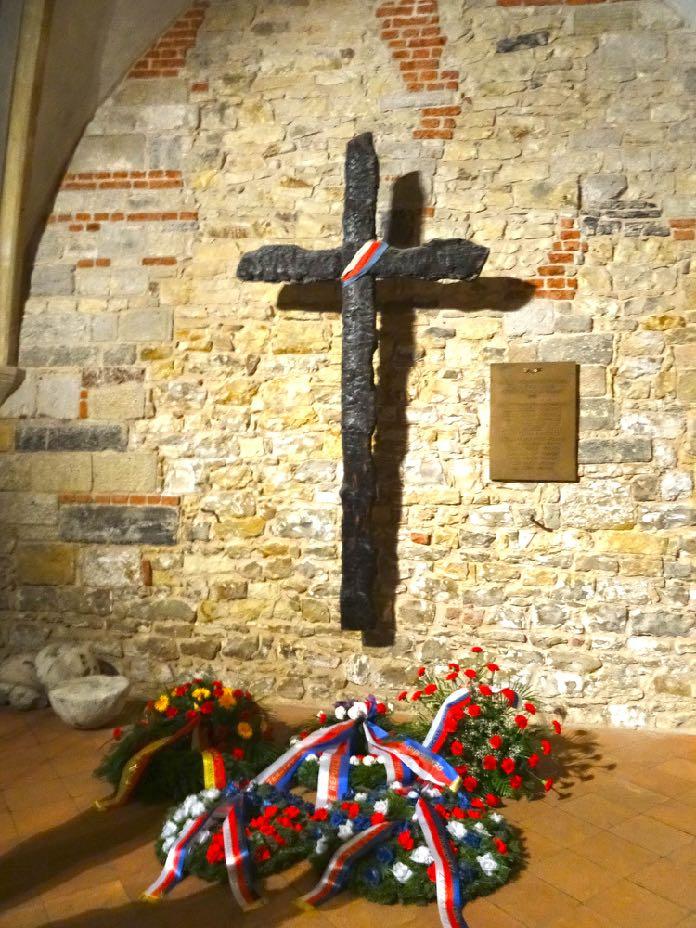
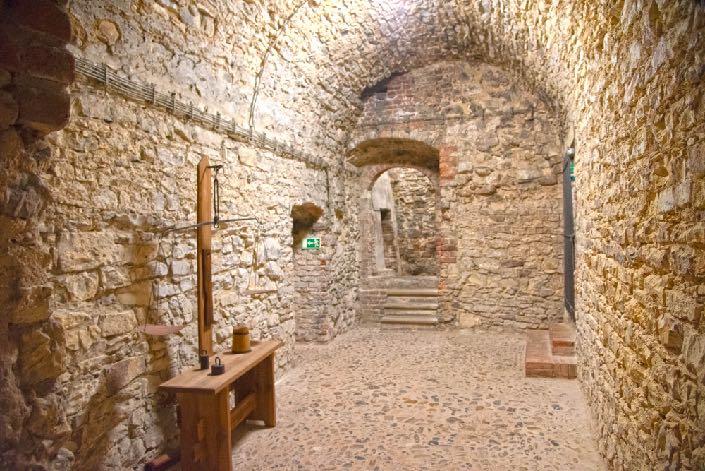
The cellar beneath Prague’s Old Town Hall offers a captivating glimpse into the medieval era. Constructed in the 14th century as a fundamental part of the original building, it boasts striking brick vaults and distinctive Gothic arches. Historically, these chambers functioned as storage spaces, prison cells, and trading cellars. To this day, visitors can admire sections of the original stone walls. The cool, damp atmosphere typical of medieval cellars adds to the site’s authentic ambiance. Guided tours allow guests to explore this remarkable historic location, where archaeological discoveries, including ceramics, testify to its rich and eventful past. Access is granted via narrow staircases, enhancing the sense of stepping back in time.

The Dům U Minuty, or House of the Minute, is a striking example of late Gothic architecture from the early 15th century, later transformed in the Renaissance style after 1564. Its facade is renowned for its intricate sgraffito decorations, featuring biblical, mythological, and allegorical scenes dating from the late 16th to early 17th centuries.
Notably, Franz Kafka resided here with his family between 1889 and 1896. The name "U Minuty" originates from a former tobacconist’s shop that specialised in finely cut, or “minute,” tobacco. Today, the building forms part of the Old Town Hall complex, though it remains closed to the public.
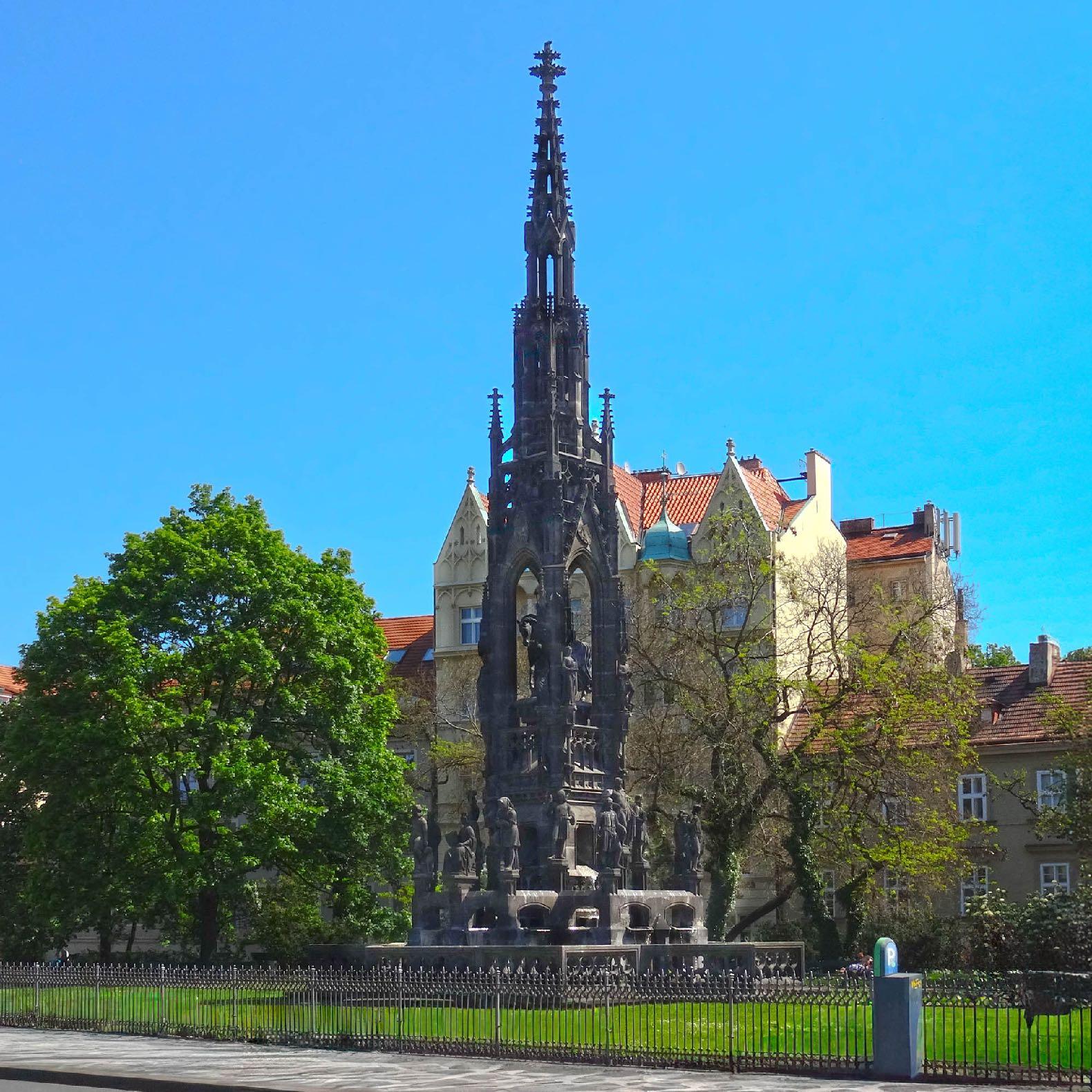
Kranner's Fountain (Krannerova kašna) is a striking neoGothic masterpiece gracing the banks of the Vltava River. Conceived in 1845 by the esteemed architect Josef Kranner as a homage to Emperor Franz I of Austria, it stands as one of the city’s oldest operational fountains. At its heart rises an obelisk, encircled by allegorical figures embodying the virtues of the Czech
lands, alongside imposing lion statues that signify strength and authority. Between 2000 and 2002, the fountain underwent meticulous restoration, restoring its original splendour. Today, it remains a favourite spot for photography enthusiasts and a distinguished landmark for leisurely walks by the Vltava.

The Václav Havel Bench (Lavice Václava Havla) stands as a poignant tribute in Prague, honouring Václav Havel, the esteemed former president of Czechoslovakia and the Czech Republic. Created in 2014 by the renowned designer Bořek Šípek, it is situated within the tranquil garden of the Franz Kafka Museum in Prague’s Old Town. The installation features two garden chairs arranged around a circular table, crowned by a linden
tree at its heart – a powerful emblem of Havel’s enduring commitment to dialogue and democracy. This thoughtful arrangement invites visitors to pause and contemplate Havel’s remarkable legacy as a writer, dissident, and humanist. It remains a treasured spot where both locals and tourists alike gather to honour Havel’s profound impact on freedom and democratic values.
with the ÖBB to Prague

The New Town Hall (Nová radnice) in Prague stands as the centre of the city’s administration, situated just a short stroll from the Old Town Square. Constructed between 1908 and 1912 under the guidance of architect Osvald Polívka, the building artfully blends Art Nouveau and Neo-Renaissance styles, distinguished by its impressive façade and soaring tower. This hall took
over from the Old Town Hall, which remains in use for official ceremonies. Within its walls, visitors can admire grand halls, including the plenary chamber, alongside artworks by celebrated Czech artists such as Alfons Mucha. The New Town Hall is accessible to the public on occasion, especially during cultural events or guided tours.
with the ÖBB to Prague

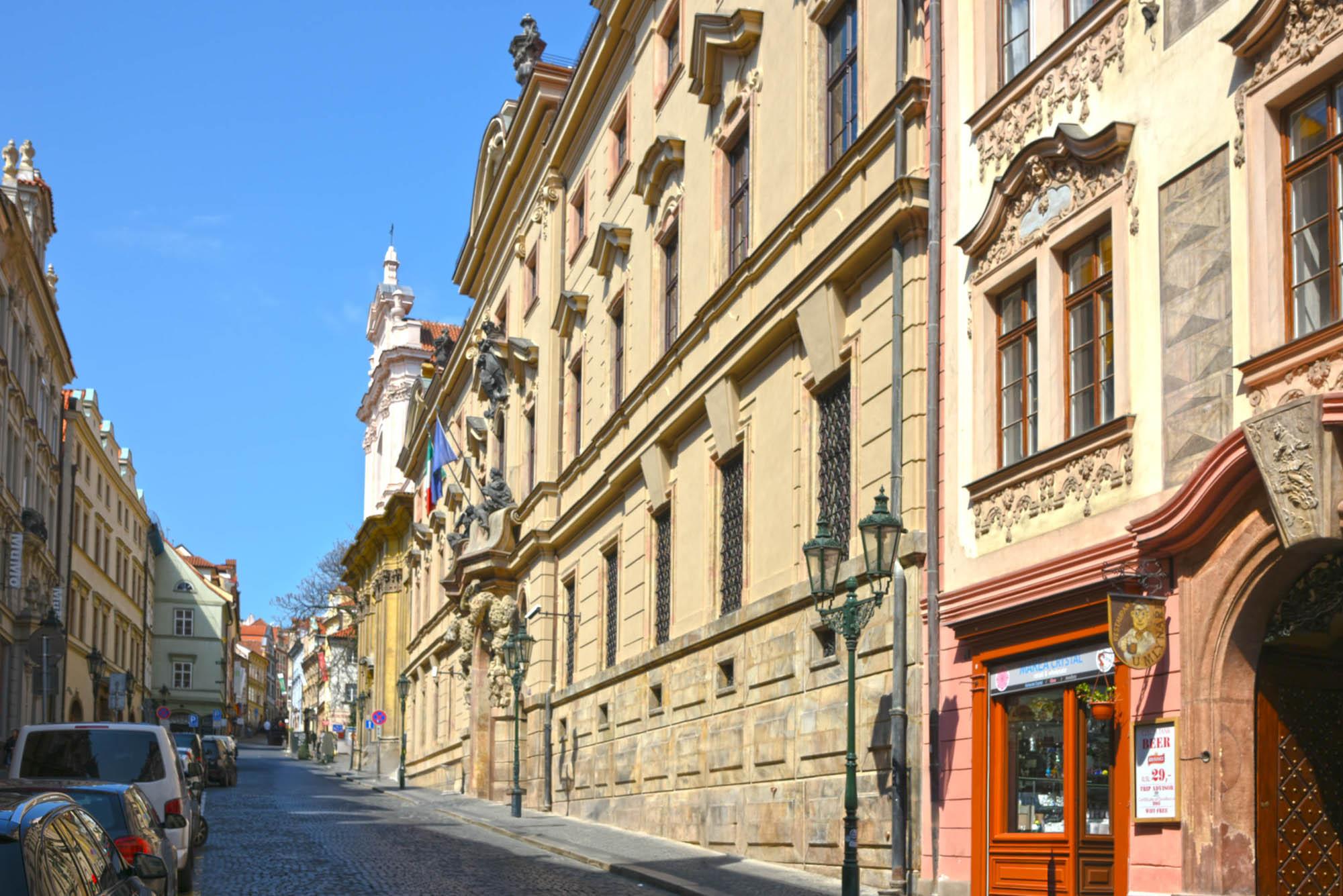
Prague’s Lesser Town, known as Malá Strana, rests like a baroque treasure at the castle’s feet, cradled between the gentle flow of the Vltava River and the lush greenery of Petřín Hill. Winding narrow streets, adorned with vibrant townhouses, shimmering golden signs, and quaint little shops, meander up the hillside, passing the splendid Church of St. Nicholas, whose dome hovers like a delicate emerald bubble above the rooftops. Hidden throughout are small palaces, silent keepers of aristocratic tales, and romantic courtyards with softly babbling fountains, their gentle whispers louder than the city’s distant hum.
Nerudova Street unfolds like a crimson carpet towards the castle, flanked by cosy cafés where time seems to slow to a leisurely pace. Below, the Vltava sparkles, while the Charles Bridge links Malá Strana to its grander sibling, the Old Town –yet here, everything feels more intimate, almost village-like, as though Prague has preserved a fragment of its very soul.
As evening falls and lanterns cast their warm glow, the tempting scent of chimney cake (trdelník) drifts through the narrow streets. In Malá Strana, time appears to pause, inviting you to linger a little longer.
with the ÖBB to Prague


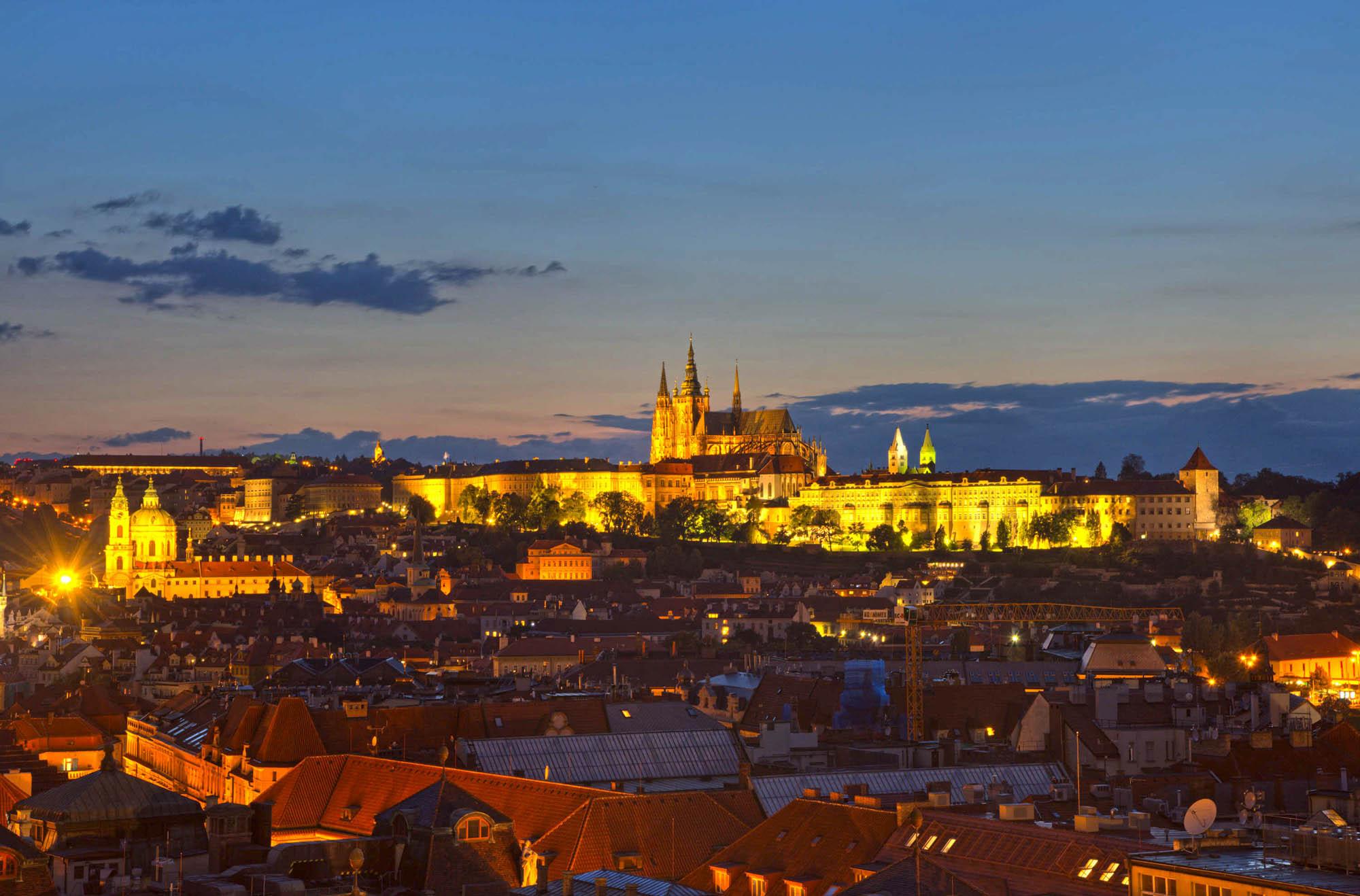
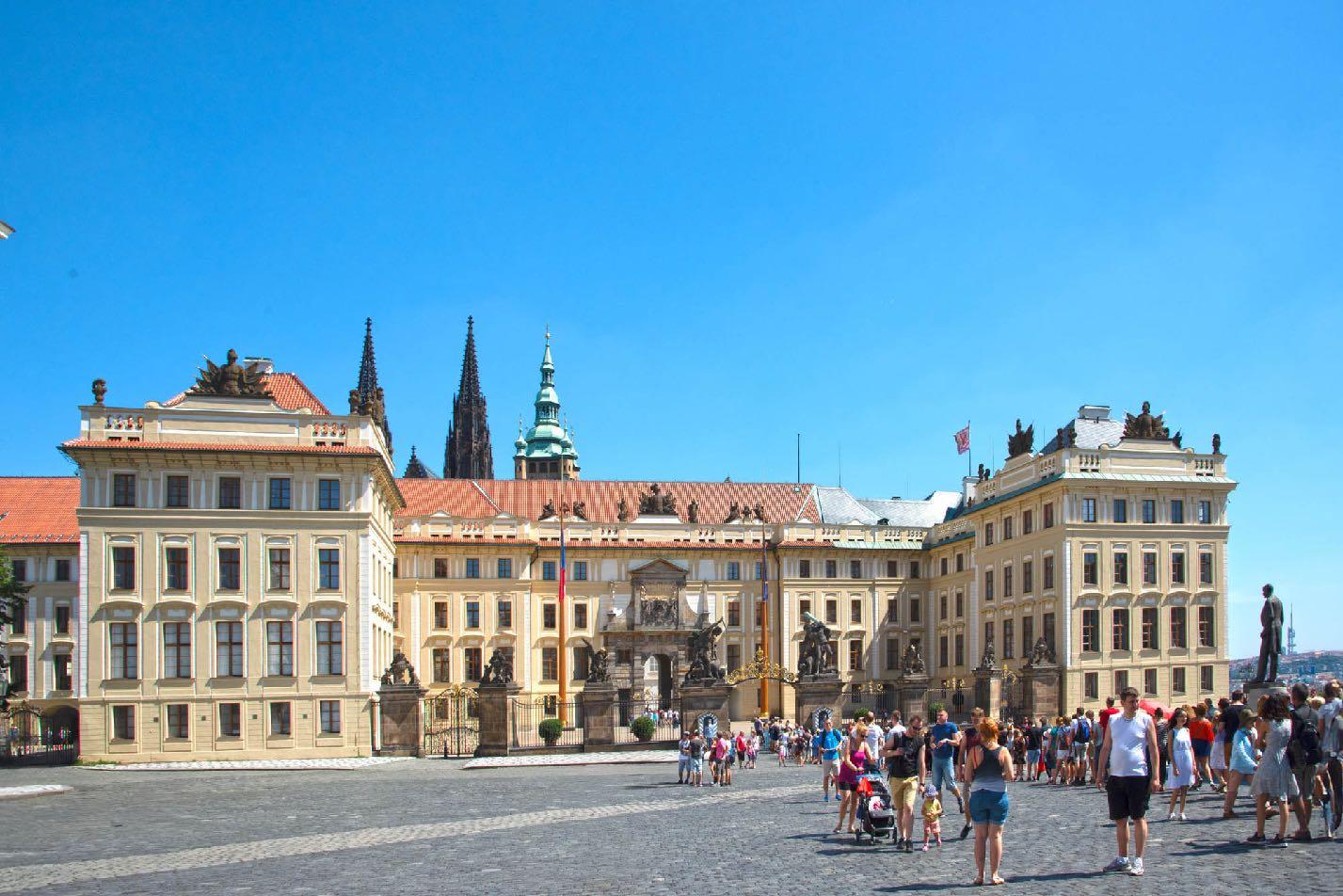
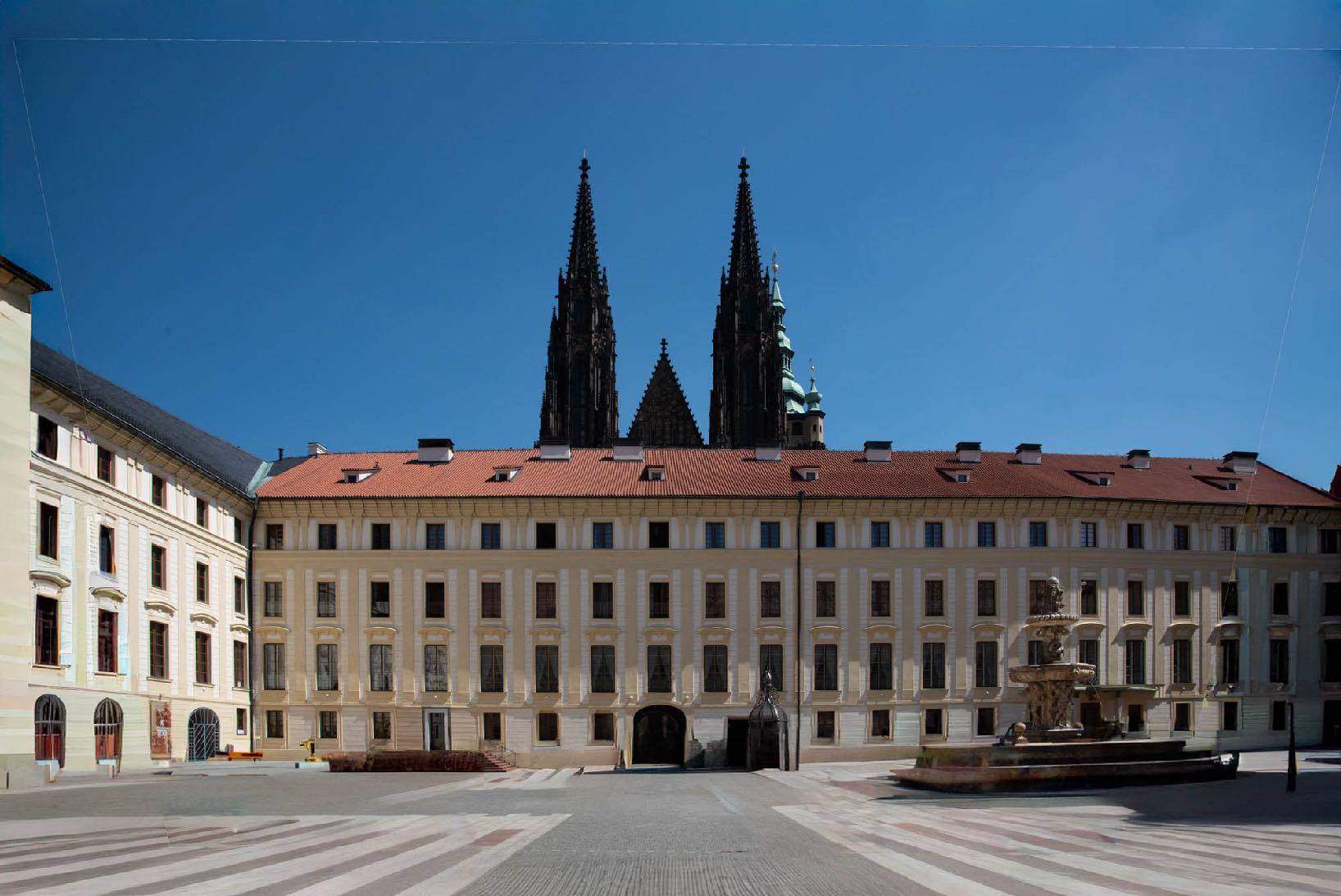
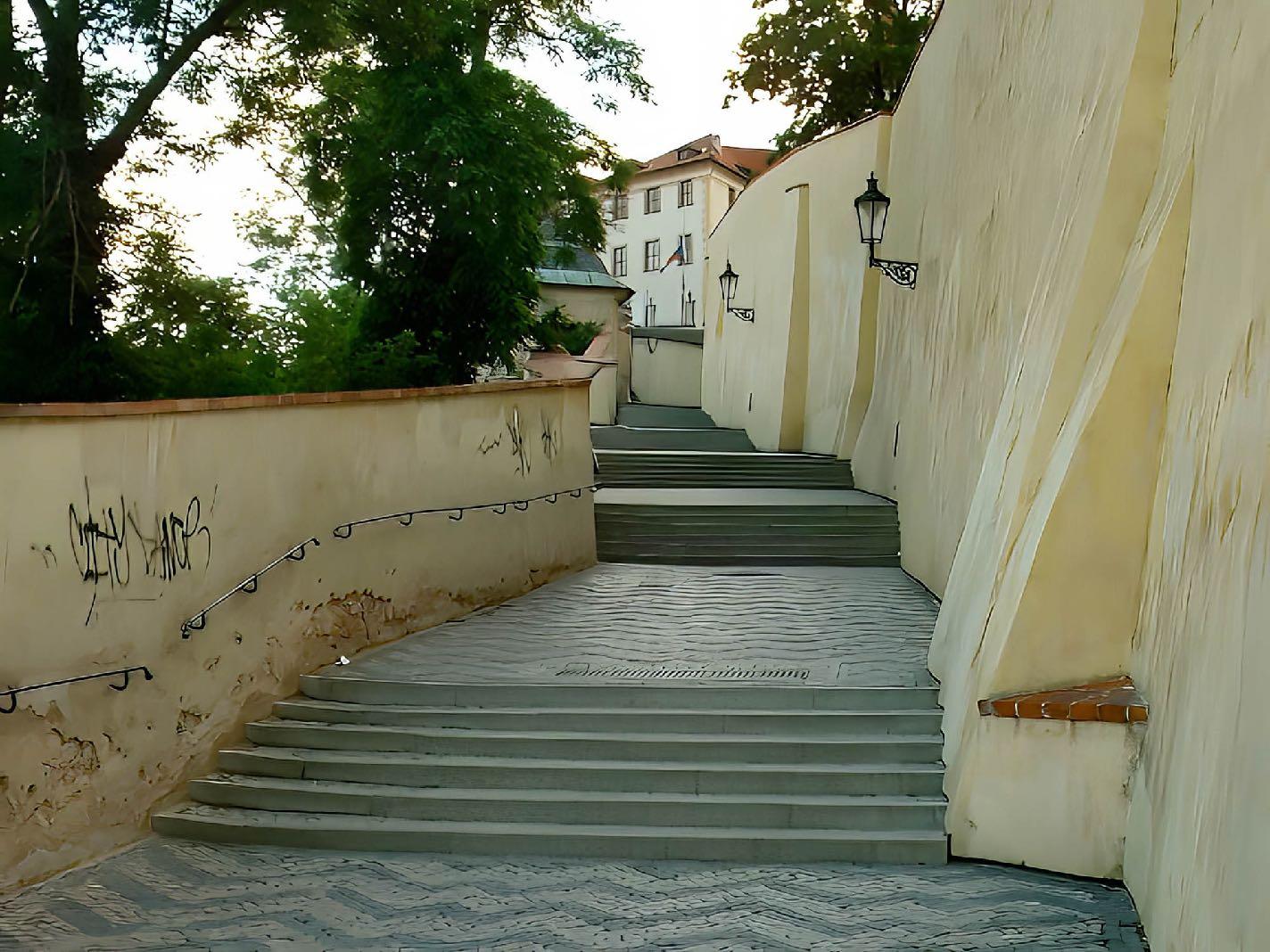
Prague Castle, once the grand residence of the Bohemian kings, captivates visitors with the majestic St. Vitus Cathedral, which soars above the third courtyard of the sprawling complex. Spanning nearly seven hectares, it stands as the largest enclosed castle complex in the world. Since its origins in the 9th century, the castle has witnessed countless transformations throughout its rich and eventful past. It has housed not only the Bohemian monarchs but also two Holy Roman Emperors and the President of Czechoslovakia. Today, it serves as the official residence of the Czech President. There are several ways to reach this iconic landmark. The most straightforward approach is via the Old Castle Staircase, ascending from Pod Bruskou


Prague Castle welcomes approximately 6,000 visitors each day, ranking it among the world’s most frequented castles. To steer clear of lengthy queues, it is advisable to buy tickets online beforehand.
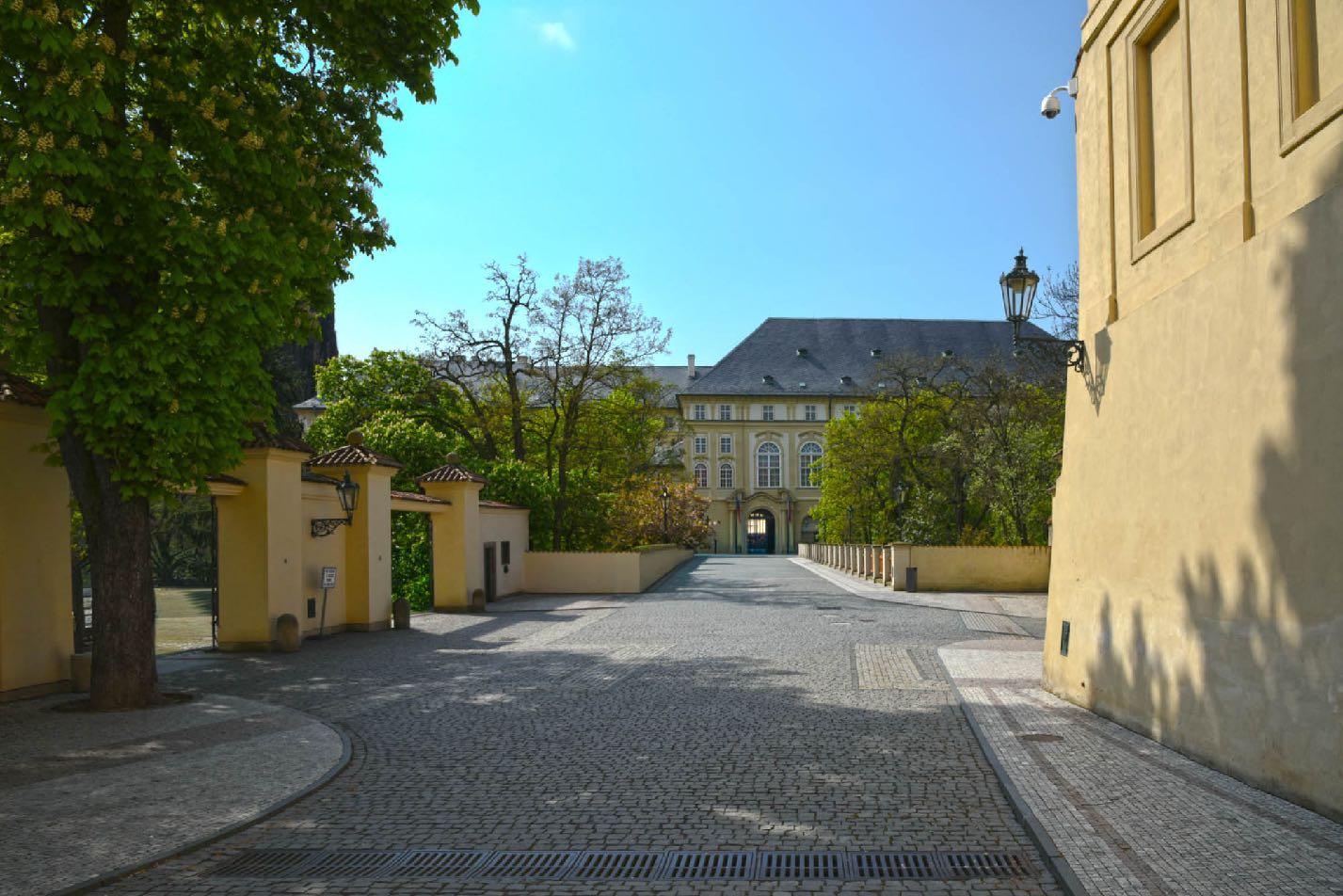
Street to the eastern entrance by the Black Tower. This route is most easily accessed by taking Metro line A to Malostranská station. Alternatively, tram lines 22 or 23 offer a convenient journey to the Pražský hrad stop, from where visitors can enter the castle through the Riding Hall and across the Powder Bridge. Another favourite path follows the Deer Moat alongside the Brusnice stream up to the castle. Those arriving on foot via Charles Bridge will naturally find themselves on Nerudova Street, a charming thoroughfare lined with historic buildings and inviting restaurants, gently leading straight up to Prague Castle.
with the ÖBB to Prague
Second castle courtyard with cabbage fountain
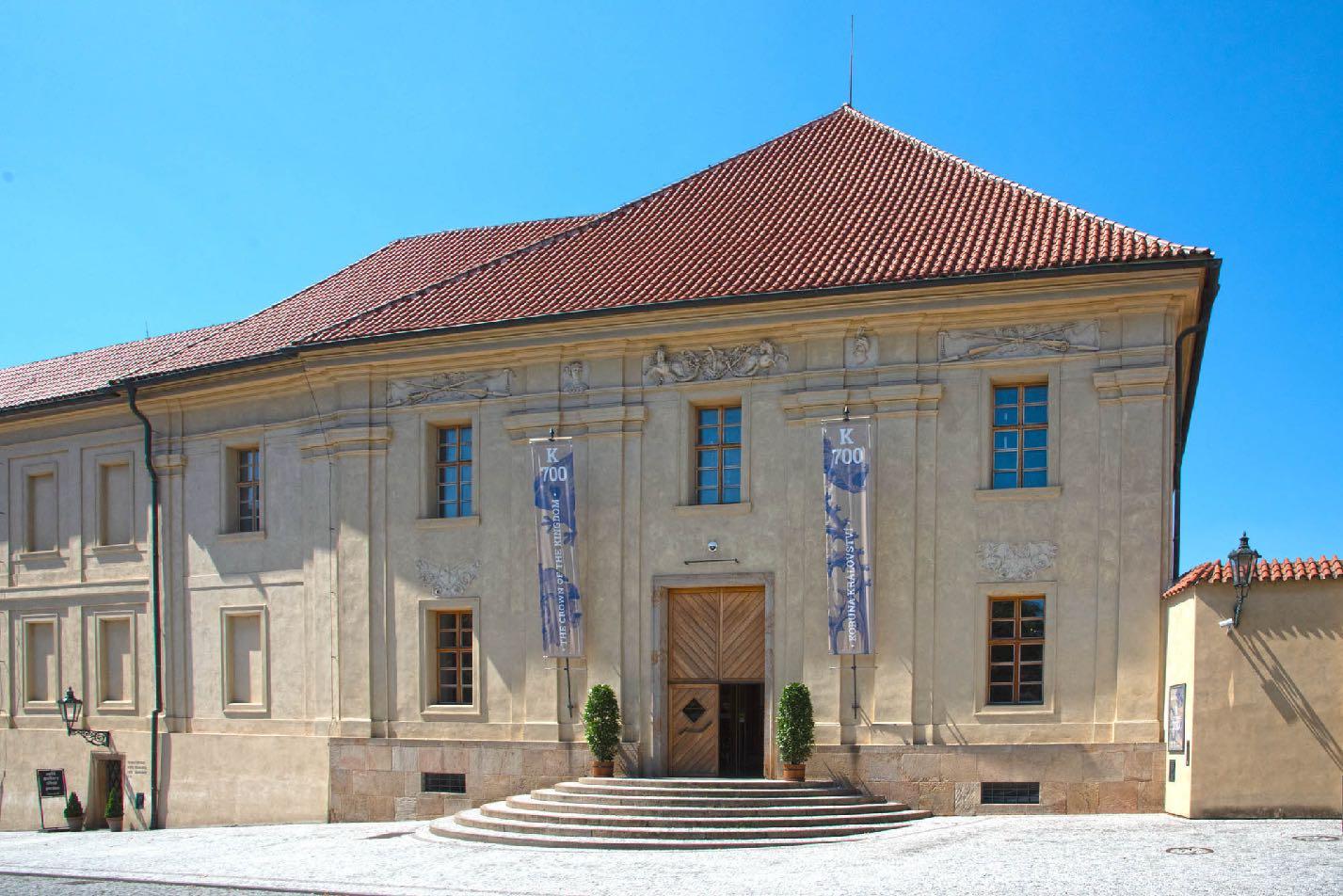

Entrance via the Prašný Most (Powder Bridge)


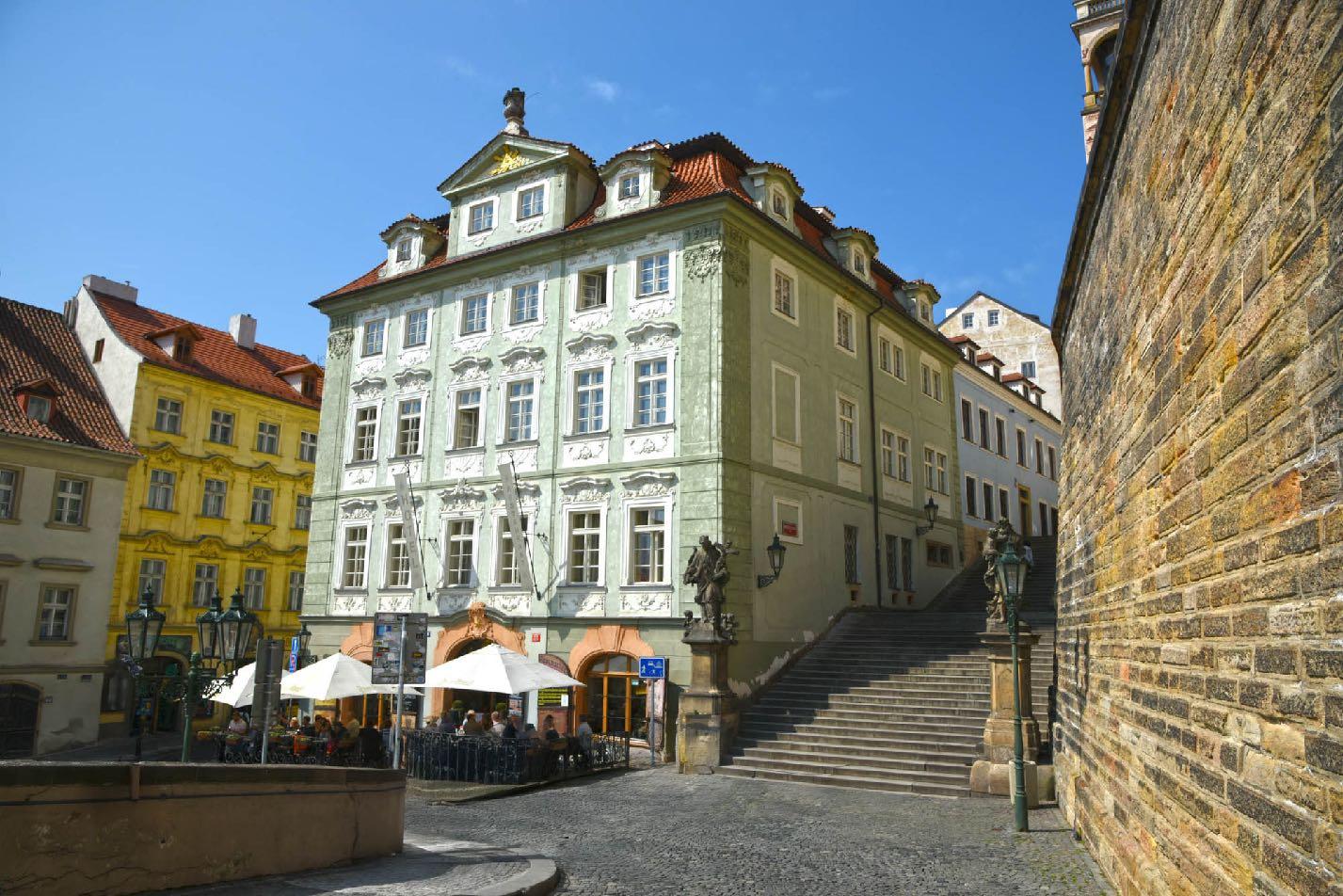

Jánský vršek

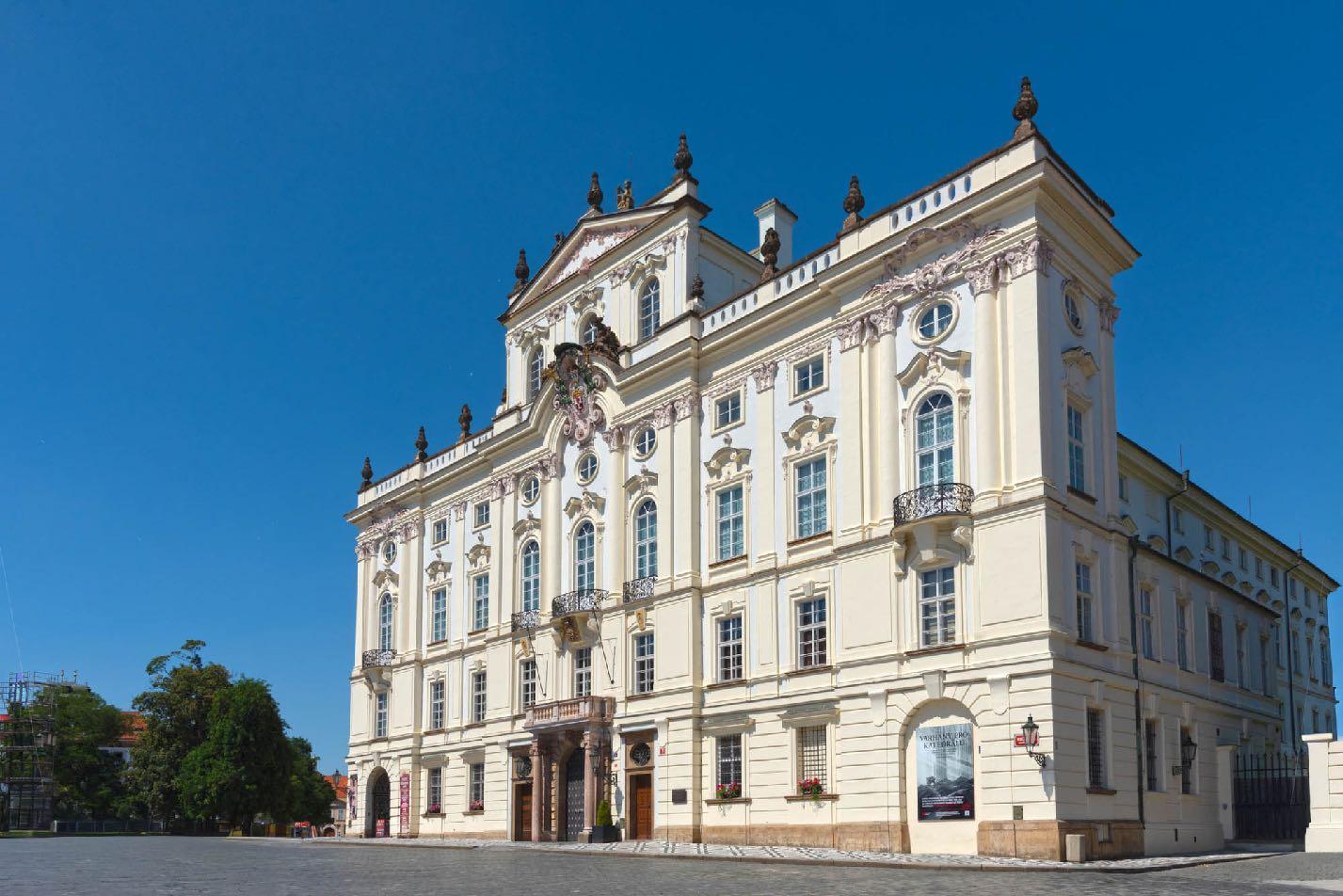
seat of power. Today, it remains the official residence of the Czech President. Spanning roughly 10,000 square metres, Hradčany Square is encircled by a wealth of splendid palaces showcasing Baroque and Renaissance architecture.
holds immense historical significance as the gateway to the castle, a site for royal ceremonies and contemporary state receptions, and stands as a powerful symbol of the Czech Republic’s cultural and political heritage.
with the ÖBB to Prague





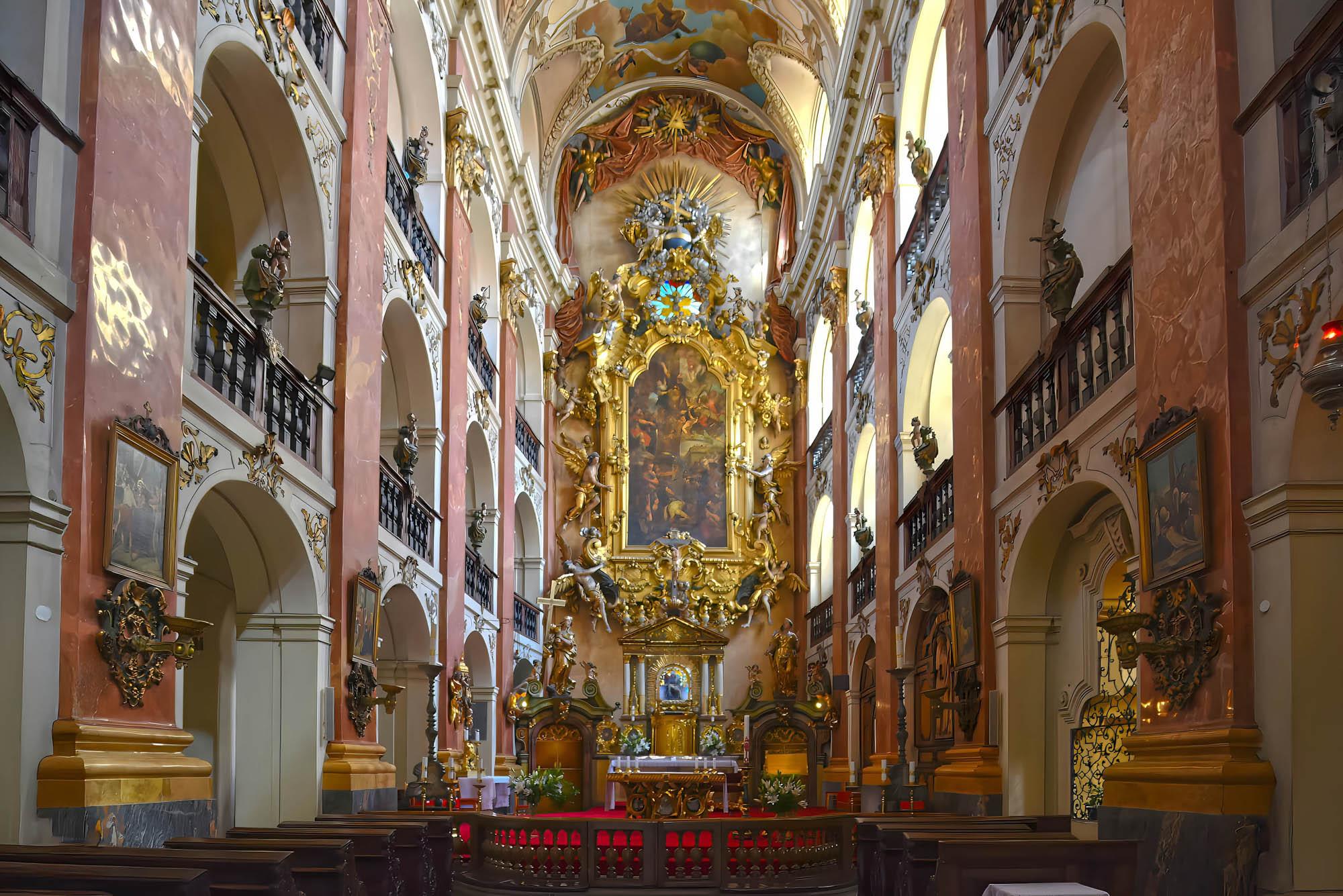
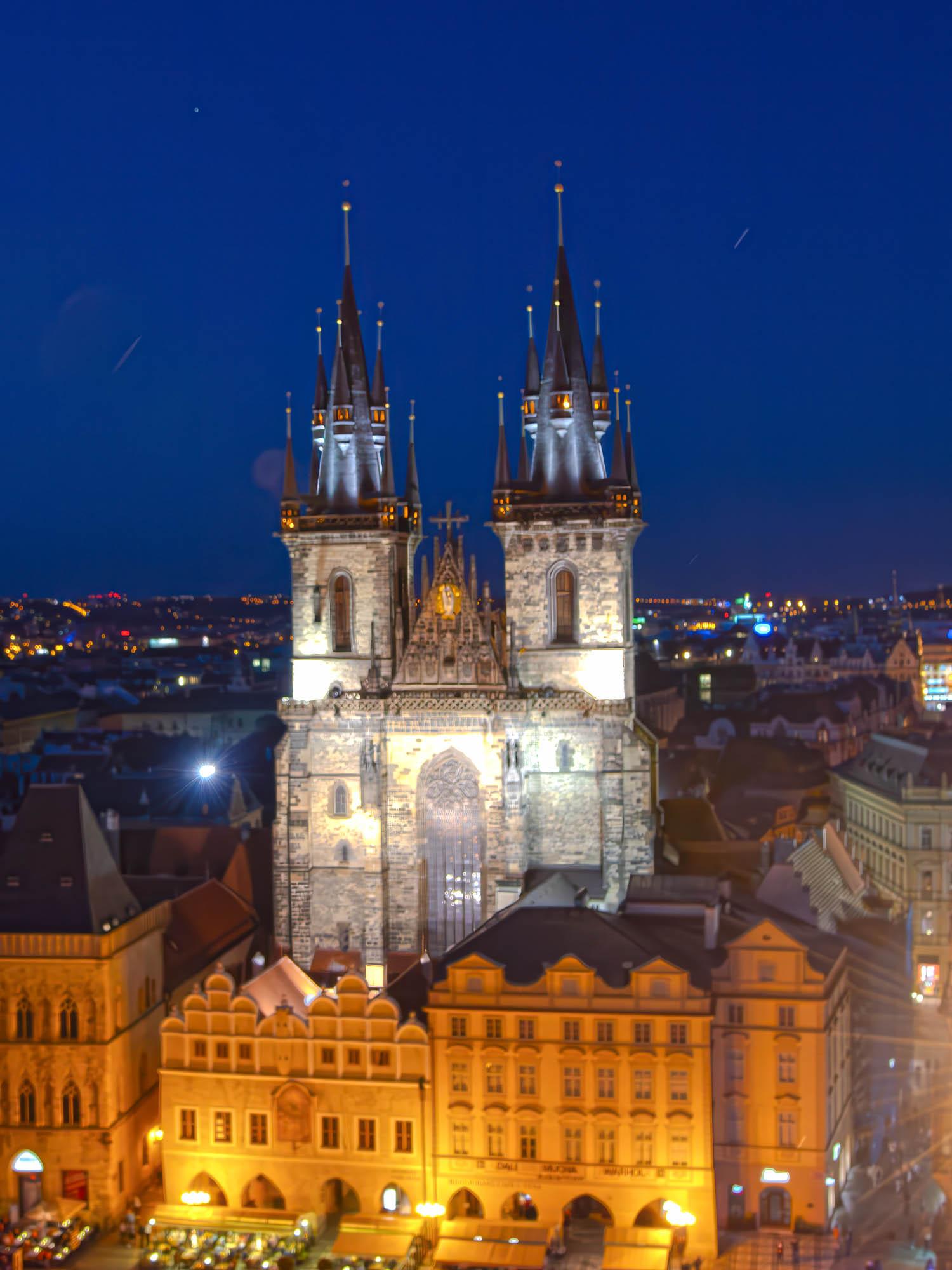
The Church of Our Lady before Týn (Chrám Matky Boží před Týnem) stands proudly in Prague’s Old Town Square, a striking symbol of the city’s rich history. Erected in the 14th century, its twin towers soar to an impressive height of 80 metres, commanding the skyline with undeniable presence. The façade, adorned with elaborate stone carvings, exemplifies the finest Gothic craftsmanship. Within, the lofty vaulted ceilings inspire a
profound sense of wonder. The Baroque altar, crafted by Karel Škréta, adds a touch of opulent grandeur. Notably, the church houses the tomb of the famed astronomer Tycho Brahe. Once a pivotal site for the Hussite movement, today it continues to serve as a place of worship and a venue for concerts, celebrated for its remarkable acoustics.
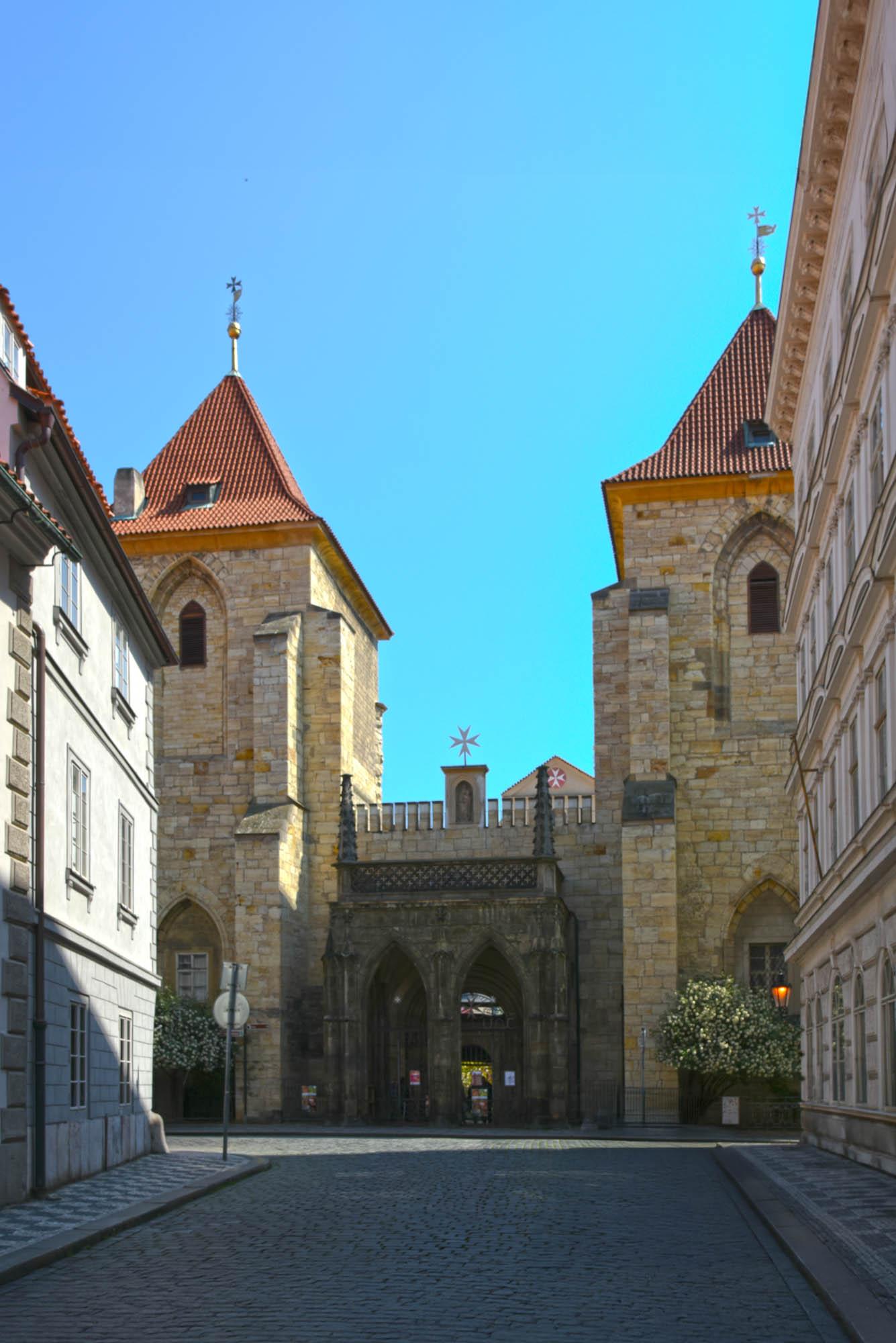
The Church of Our Lady under the Chain (Kostel Panny Marie pod řetězem) is steeped in history, its origins tracing back to the 12th century. Its name harkens to a chain that once guarded the crossing over the Vltava River. Initially constructed in the Romanesque style, the church was transformed in the 14th century with Gothic architecture and later adorned with Baroque details. The
two Gothic towers gracing the façade are particularly notable. Within, one is greeted by exquisite frescoes and a splendid Baroque altar. The church is maintained by the Order of Malta and functions both as a place of worship and a venue for cultural events.
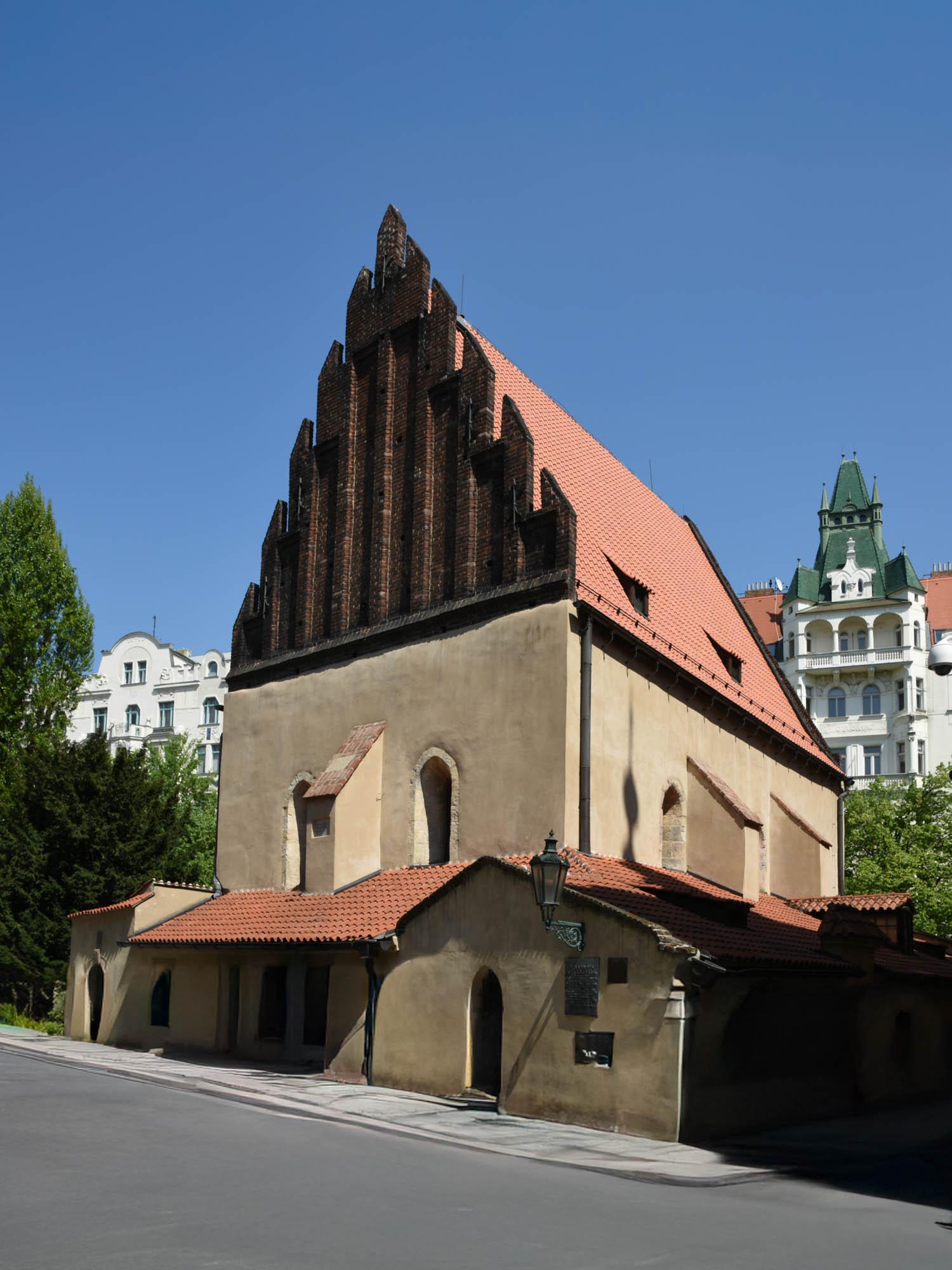
The Staronová Synagogue, also known as the Old-New Synagogue, stands as a remarkable historical landmark. Constructed around 1270, it holds the distinction of being the oldest synagogue still standing in Europe. Its striking Gothic architecture is one of its most notable features. The name "Old-New" reflects the fact that, despite its great age, the building underwent substantial
renovations at a later date. During the Middle Ages, it was the spiritual and cultural heart of Prague’s Jewish community. Remarkably, it endured numerous fires, pogroms, and wars. A major restoration took place in the 16th century. The synagogue is especially famed for its association with Rabbi Loew, linked to the enduring legend of the Golem.
with the ÖBB to Prague

The Pinkas Synagogue, situated in Prague’s Josefov district, stands as a significant historical monument. Originally constructed in 1535 in the Gothic style, it takes its name from the Pinkas family, who commissioned its building. During the 17th century, Renaissance features were incorporated into its design. Today, the synagogue functions as a poignant memorial
to the victims of the Holocaust, with the walls inscribed with the names of 77,297 Czechoslovak Jews. Its interior is modest yet deeply moving. A permanent exhibition showcases children’s drawings from the Terezín Ghetto, enveloping visitors in a profoundly emotional and reflective atmosphere.
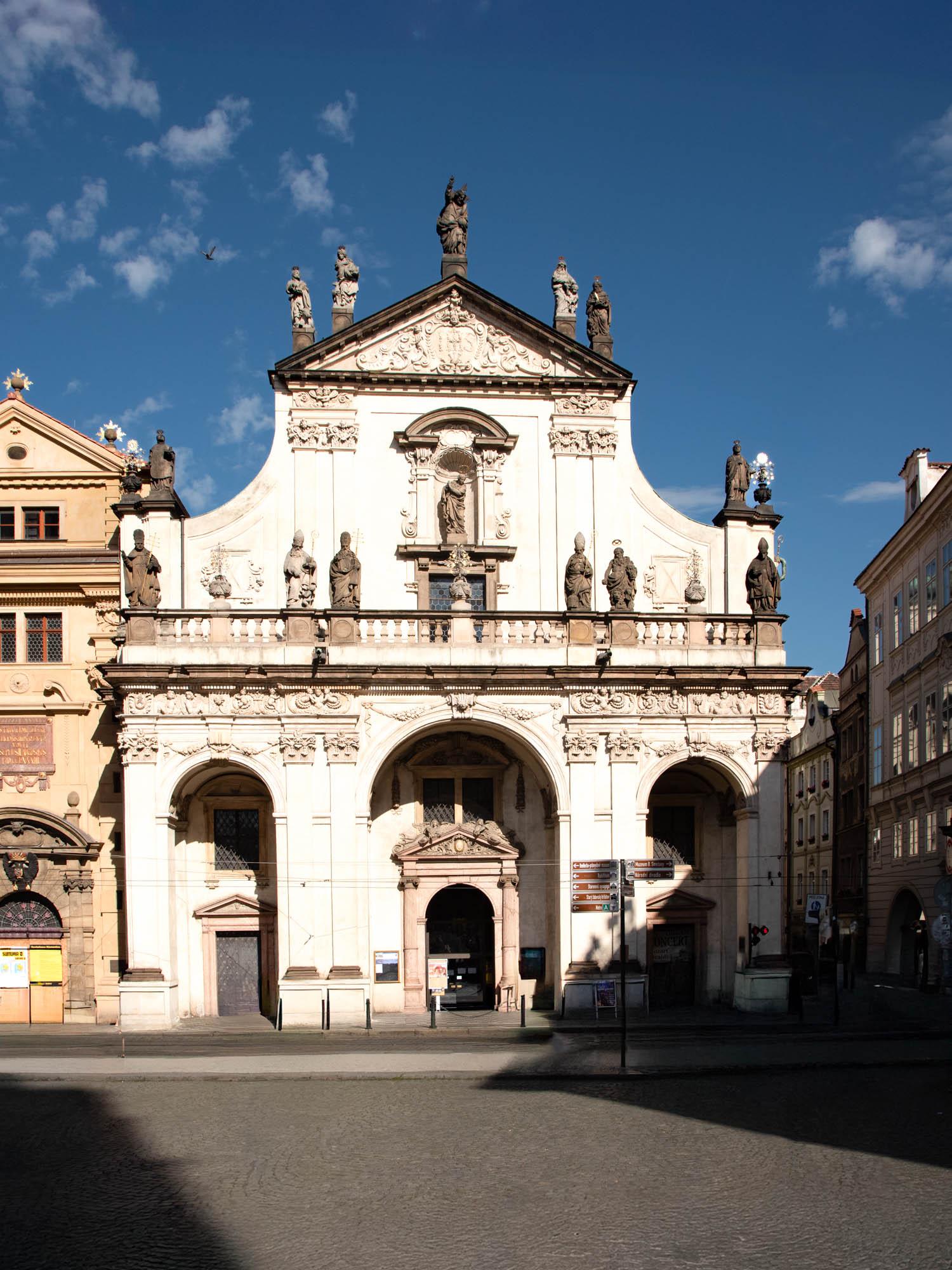
The Church of the Most Holy Savior (Kostel Nejsvětějšího Salvátora) stands as a splendid example of Baroque architecture, situated just a short distance from the renowned Charles Bridge. Established by the Jesuits in the 16th century, its construction commenced in 1578 and spanned several decades. The façade is adorned with intricate Baroque embellishments, while the interior enchants visitors with exquisite frescoes and
finely crafted stucco work. A particular marvel is the grand main altar, which draws the eye and admiration. As an integral part of the Clementinum complex, the church functions not only as a place of worship but also as a distinguished concert venue, celebrated for its superb acoustics. Those who visit are enveloped in a truly unique and contemplative atmosphere.
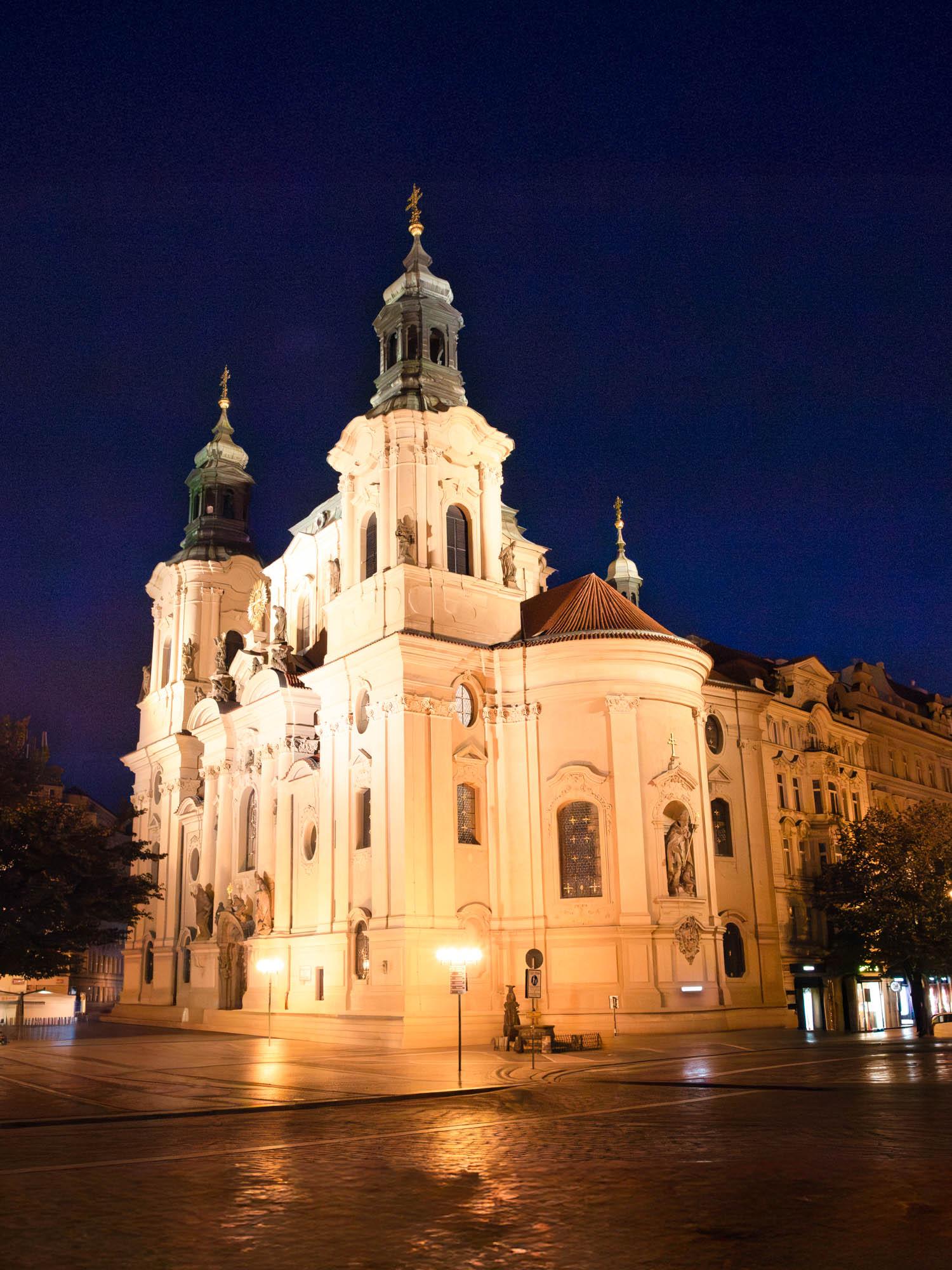
The Church of St. Nicholas (Kostel sv. Mikuláše) stands as a magnificent example of Baroque architecture, crafted between 1704 and 1755 by the distinguished architects Christoph and Kilian Ignaz Dientzenhofer. Its façade is adorned with exquisite statues, while the striking dome, soaring to 80 metres, commands the city’s skyline. Within, visitors are enchanted by vivid
frescoes, a finely detailed main altar, and a remarkable pulpit. The interior’s crystal chandeliers and intricate stucco work imbue the space with an air of refined elegance. Celebrated for its superb acoustics, the church frequently hosts organ concerts that draw many admirers. Once the principal church of the Jesuits, it now serves the Czechoslovak Hussite Church.

under the guidance of Crown Prince Charles - later Emperor Charles IV - is inspired by the splendid French royal cathedrals. Serving as the coronation church for the Bohemian monarchs, this cathedral holds a place of great prominence and forms an integral part of the UNESCO World Heritage Site encompassing the Historic Centre of Prague. Within its walls are preserved numerous precious relics: since 1355, the head of St. Vitus has been enshrined here. Among other treasures are the dogs of St. Albert, the dogs of St. Wenceslas, the sword of St. Stephen, a fragment of the True Cross, the staff of Moses, a robe of the
glimpse into the cathedral’s rich collection of sacred relics. The sheer scale of the largest cathedral in the Czech Republic is truly remarkable: it stretches 124 metres in length and 60 metres across, with an interior height of 33 metres, while the main tower soars majestically into the sky. Within, the cathedral captivates visitors with its exquisite fittings. Of particular note is the St. Wenceslas Chapel in the south aisle, lavishly adorned with semi-precious stones and gilded stucco, exemplifying the artistic splendour found throughout the building.
with the ÖBB to Prague

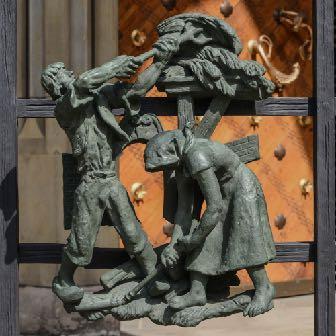
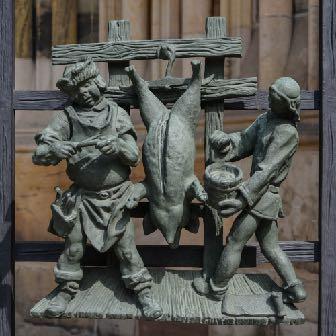
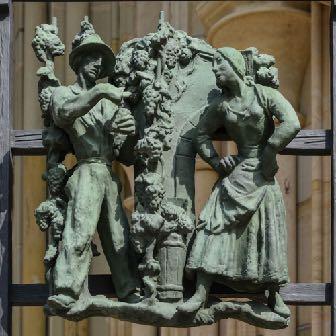
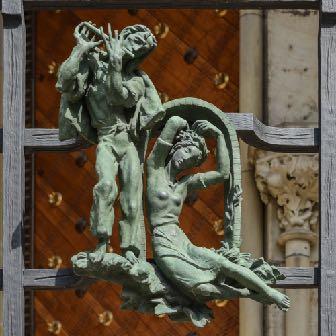
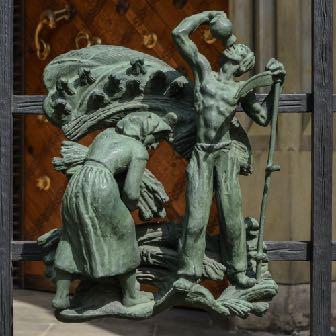

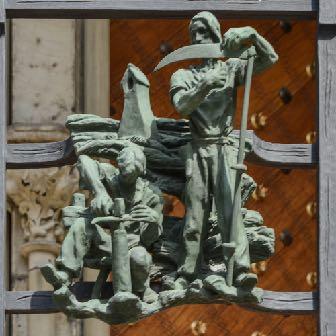
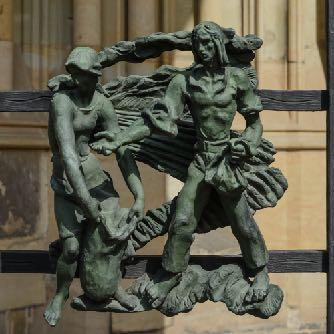
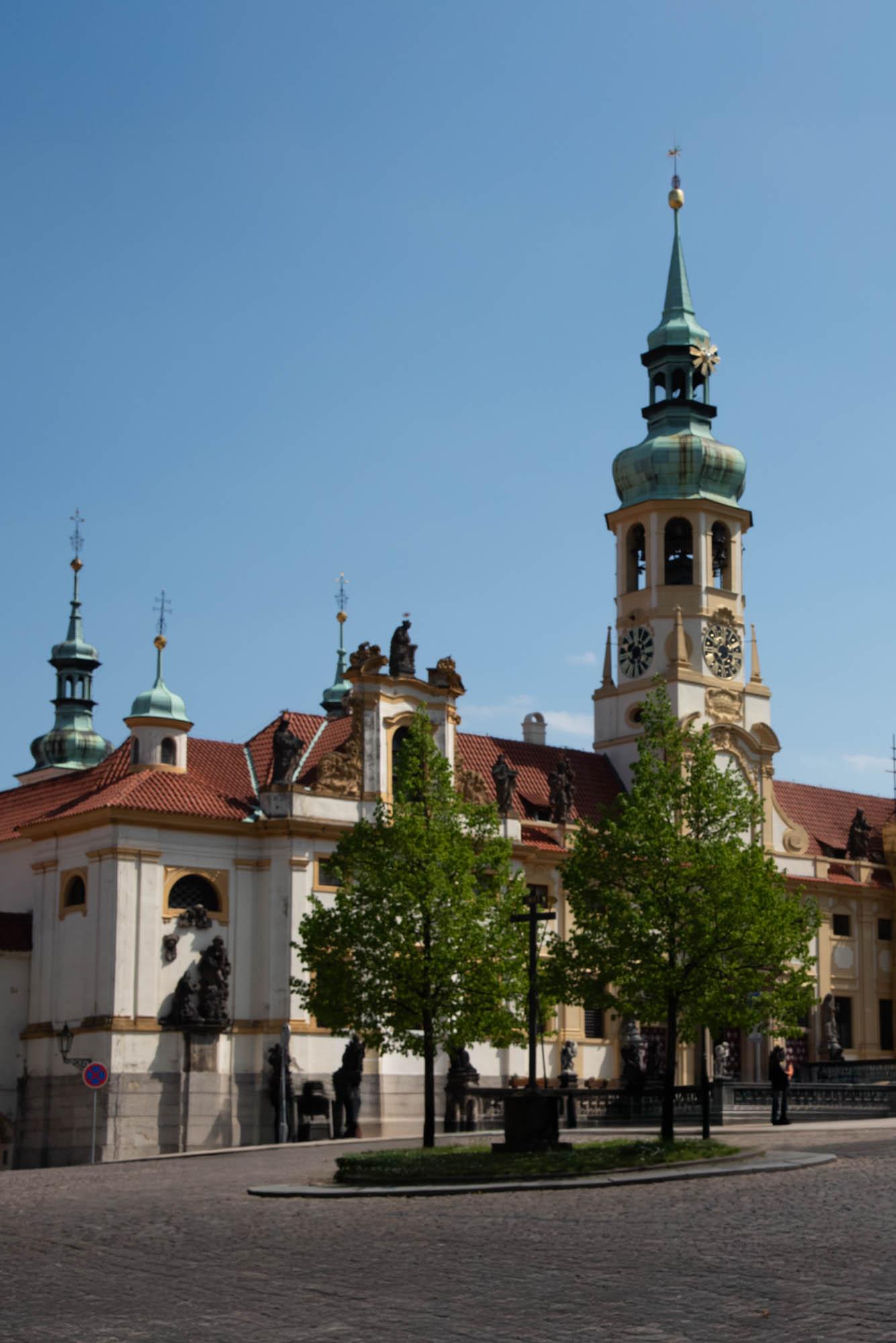
The Loreta in Prague, a splendid Baroque pilgrimage site nestled in the Hradčany district, was established in the 17th century, tracing its origins back to Katharina von Lobkowicz’s foundation in 1626. The complex is inspired by the Holy House of Loreto in Italy, with the Santa Casa - a meticulously crafted replica of the Virgin Mary’s House - serving as its focal point. Encircling this
is a cloister adorned with several chapels. Of particular note is the bell tower, which boasts a carillon of 30 bells that ring out melodious tunes every hour. Within the Loreta Treasury lie exquisite liturgical treasures, including the renowned "Prague Sun," a monstrance encrusted with diamonds.
with the ÖBB to Prague
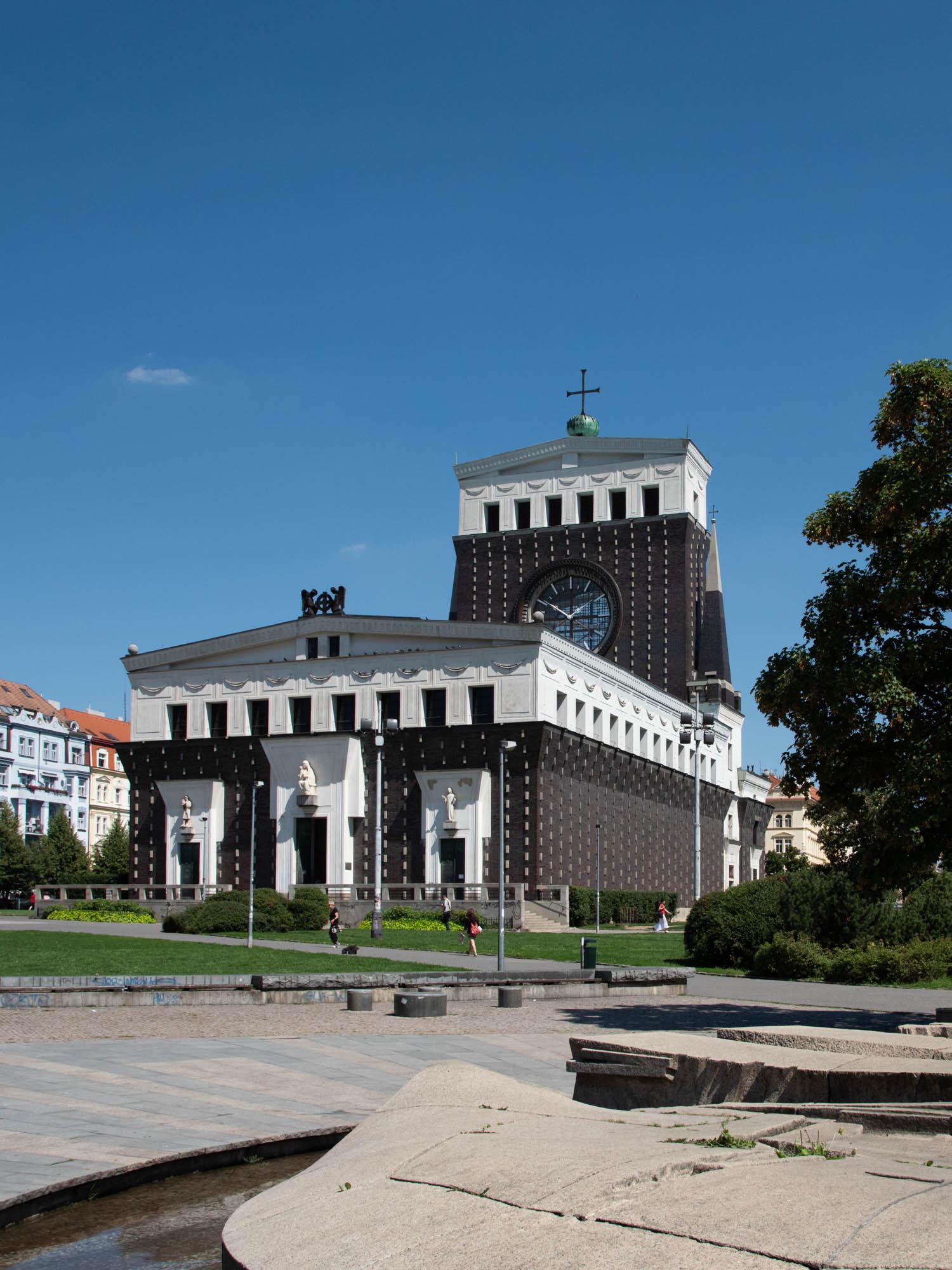
The Church of the Sacred Heart of Jesus stands as a remarkable example of modern sacred architecture, constructed between 1929 and 1932. Designed by the Slovenian architect Jože Plečnik, it skilfully merges practical function with deep religious symbolism. Its commanding 42-metre-high tower, crowned with a prominent clock, dominates the façade and immediately
captures attention. The bold, clear design in concrete and glass presents a timeless elegance. Within, the spacious interior with lofty ceilings fosters a serene and uplifting spiritual atmosphere. This church ranks among Ple č nik’s most important works and holds the distinction of being a national cultural monument.

The Church of Our Lady of the Snows (Kostel Panny Marie Sněžné) stands proudly in Prague’s Nové Město district. Founded in 1347 by Emperor Charles IV, its origins are steeped in legend, inspired by a miraculous snowfall in Rome during the height of summer. Conceived as a coronation church, it was originally intended to surpass even St. Vitus Cathedral in
grandeur, though construction was never fully completed. Today, the nave reaches an impressive height of around 33 metres, with soaring Gothic arches that leave a memorable impression. Within, visitors are drawn to a beautifully ornate 17th-century altar, surrounded by delicate frescoes and statues, creating an atmosphere both captivating and unique.

of St. George, erected in 921, stands as one of the oldest churches in Bohemia and ranks as the third oldest of its kind. This site also marks the foundation of the country’s first monastery in 976.
Throughout the centuries, the Monastery of St. George has played a pivotal role in the religious and cultural life of Bohemia. Its remarkable collection of medieval artworks and manuscripts, now among the most treasured possessions of Prague Castle, is especially notable. Visitors have the
window into the spiritual world of past ages.
The monastery has seen numerous renovations over time. The Baroque modifications of the 17th and 18th centuries, in particular, have greatly influenced the complex’s present-day appearance. Today, the historic walls regularly serve as a venue for cultural events, ensuring that the rich heritage remains vibrant and accessible to all who visit.
Both the basilica and the monastery are open to the public.

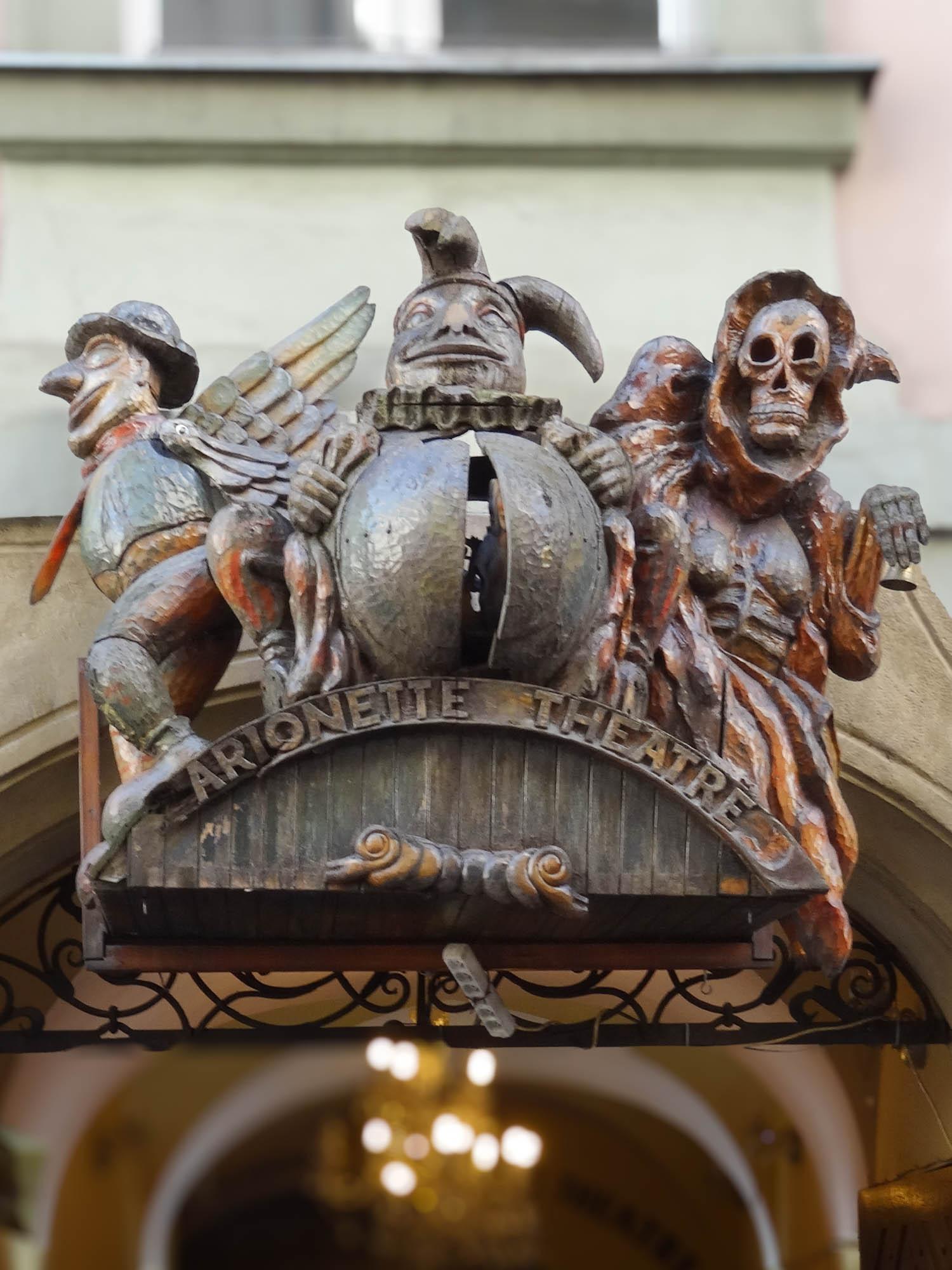

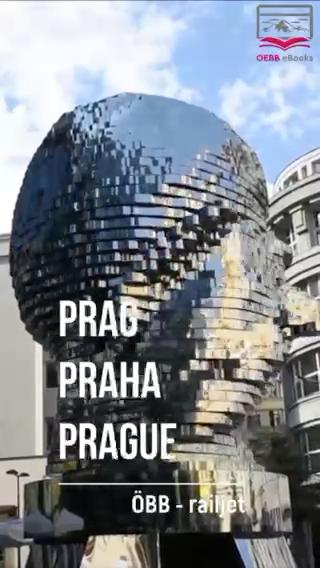
The rotating statue of Franz Kafka, known as the "Kafka Head," is a striking kinetic artwork by artist David Černý, situated within Prague’s Quadrio shopping centre. Towering at 11 metres, it is composed of 42 independently rotating mirrored stainless steel plates, which cause the head to shift between a complete form and a fragmented visage. These fluid movements echo
key Kafka themes such as identity and alienation, drawing inspiration from works like "The Metamorphosis." Since its debut in 2014, this computer-controlled installation has mesmerised visitors from across the globe.

The bronze statue of Franz Kafka, located in Prague’s Josefov district near the Spanish Synagogue, is a remarkable piece by sculptor Jaroslav Róna, unveiled in 2003. It portrays a surreal image of Kafka perched atop the shoulders of a colossal suit, which notably lacks a head and arms. Standing at 3.75 metres tall, the sculpture draws inspiration from Kafka’s story
"Description of a Struggle" and captures the profound inner conflict and sense of alienation that permeate his work. Its placement within the Jewish Quarter poignantly reflects Kafka’s Jewish heritage. Today, the statue remains a popular attraction, inviting visitors to contemplate the enduring themes of Kafka’s writing.
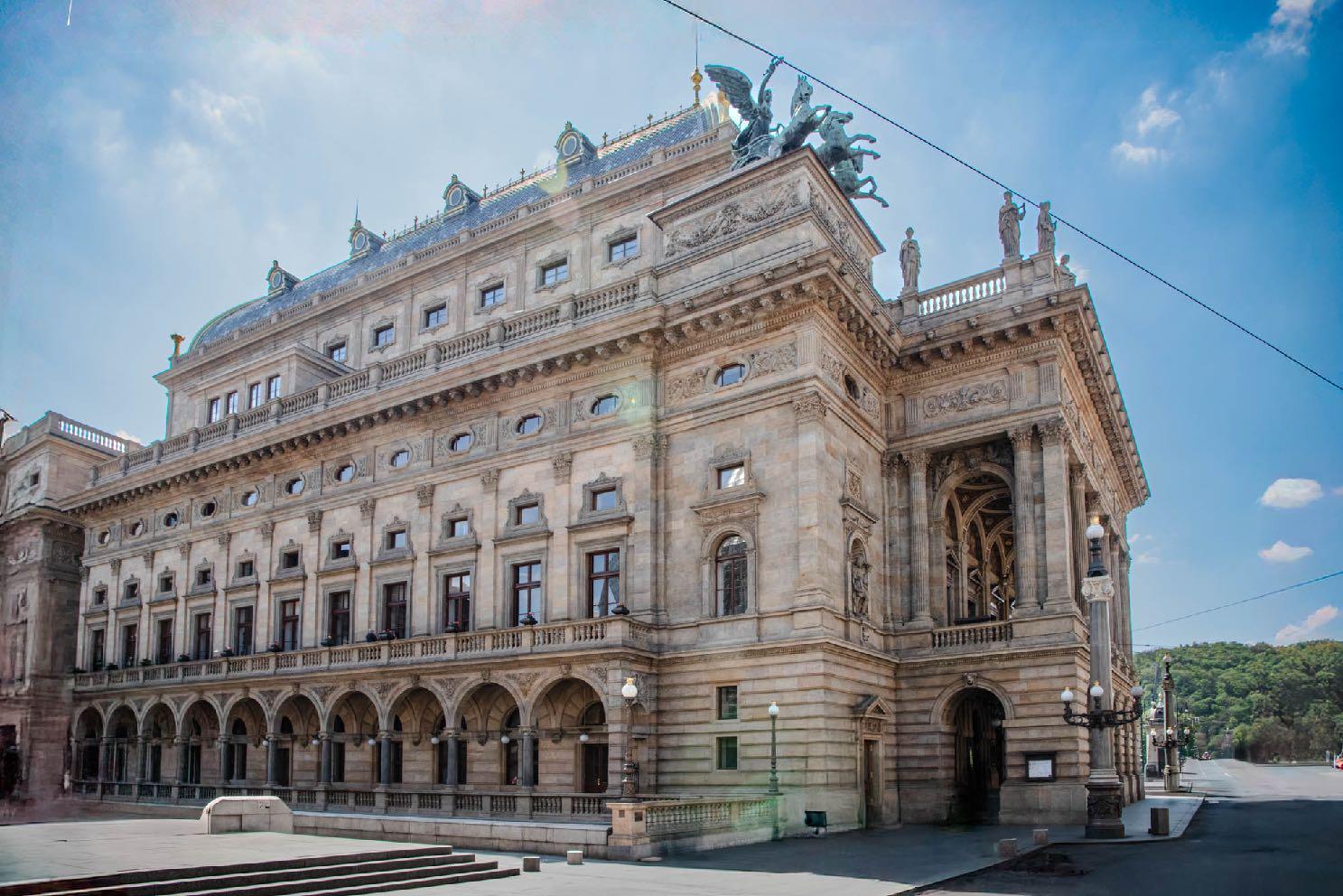
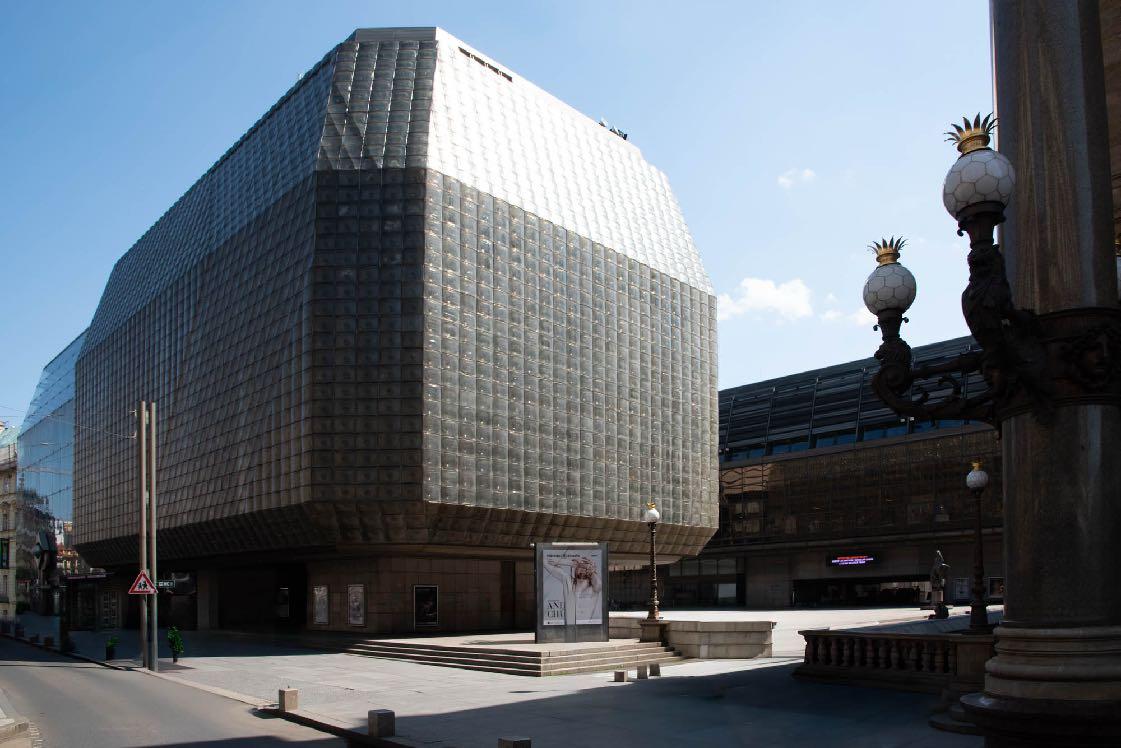
Národní divadlo and Nová scéna
The National Theatre (Národní divadlo) stands as the foremost theatre in the Czech Republic, charmingly positioned on the banks of the Vltava River within the Nové Město district. Constructed between 1868 and 1881, it is a fine example of Neo-Renaissance architecture, crafted by the architect Josef Zítek. Following a devastating fire in 1881, the theatre was meticulously restored and reopened in 1883. Its façade is lavishly adorned with statues and gilded decorations, while the interior impresses with magnificent frescoes and dazzling crystal chandeliers. The main auditorium accommodates
Adjacent to the National Theatre is the Nová scéna (New Stage), a contemporary addition to the complex. Completed in 1983, it showcases avant-garde design by architect Karel Prager. The building’s glass cubes, tinted with a subtle green hue, lend a futuristic contrast to the historic surroundings of the old town. Seating roughly 400 spectators, this venue is dedicated to experimental theatre, modern operas, and innovative dance performances.
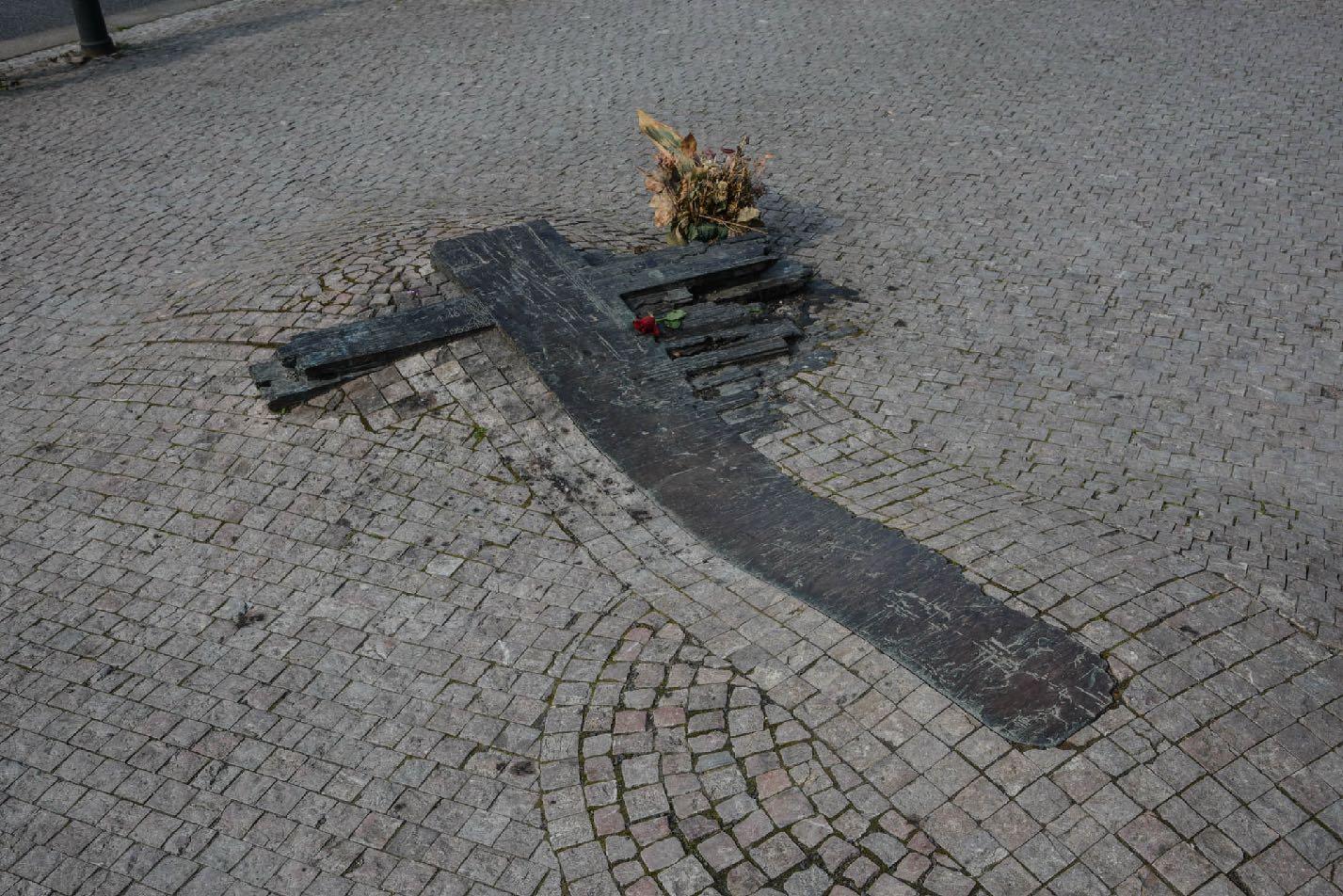
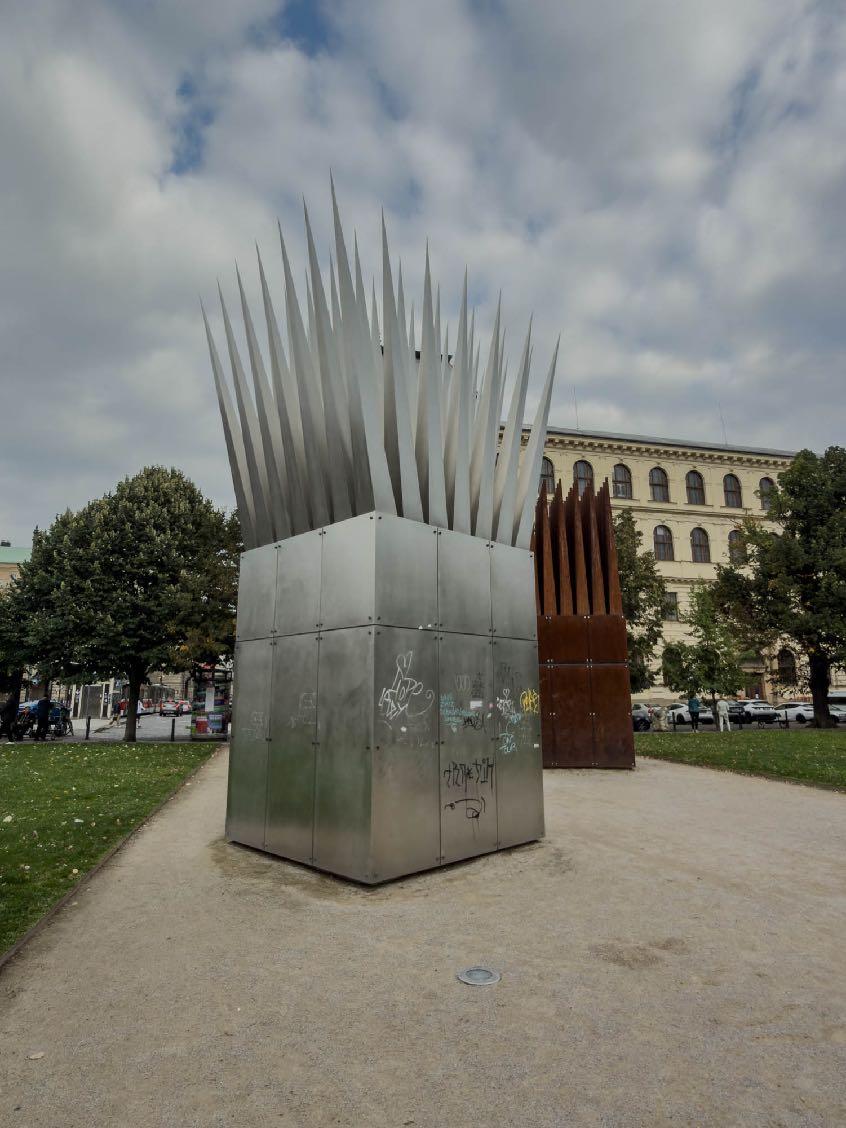
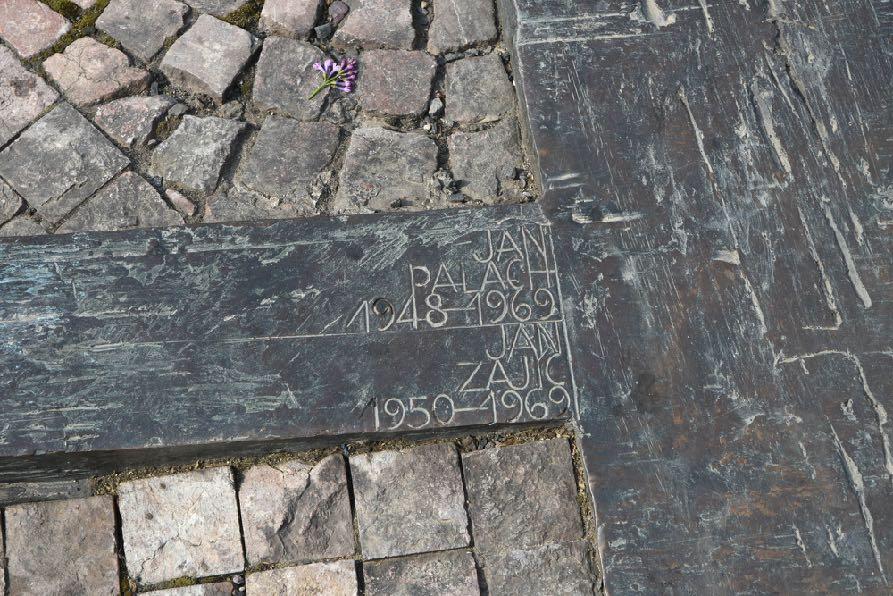
The monuments dedicated to Jan Palach and Jan Zajíc in Prague honour two brave students who set themselves on fire in 1969 as a protest against the Soviet-led suppression of the Prague Spring. A simple bronze cross stands solemnly before the National Museum, marking the very place where these tragic events unfolded.
The Jan Palach Memorial – Son's House and Mother's House is a poignant artistic tribute situated in Prague.
This compelling work by Czech artist Barbora Veselá can be found

On platform 1A at Prague’s main train station stands a statue honouring Sir Nicholas Winton (1909–2015). A British humanitarian, Winton earned the moniker “the British Schindler” through his brave efforts just before the outbreak of World War II. In 1939, he orchestrated the rescue of 669 mostly Jewish children from Czechoslovakia, securing their safe passage to Great Britain. His remarkable act of kindness remained
unknown until 1988, when his wife stumbled upon the relevant documents by chance. From that moment, Winton was celebrated globally as a hero. In recognition of his extraordinary service, Václav Havel awarded him the Order of the Masaryk in 1998, Queen Elizabeth II knighted him in 2003, and in 2014 he received the Order of the White Lion from the Czech Republic.
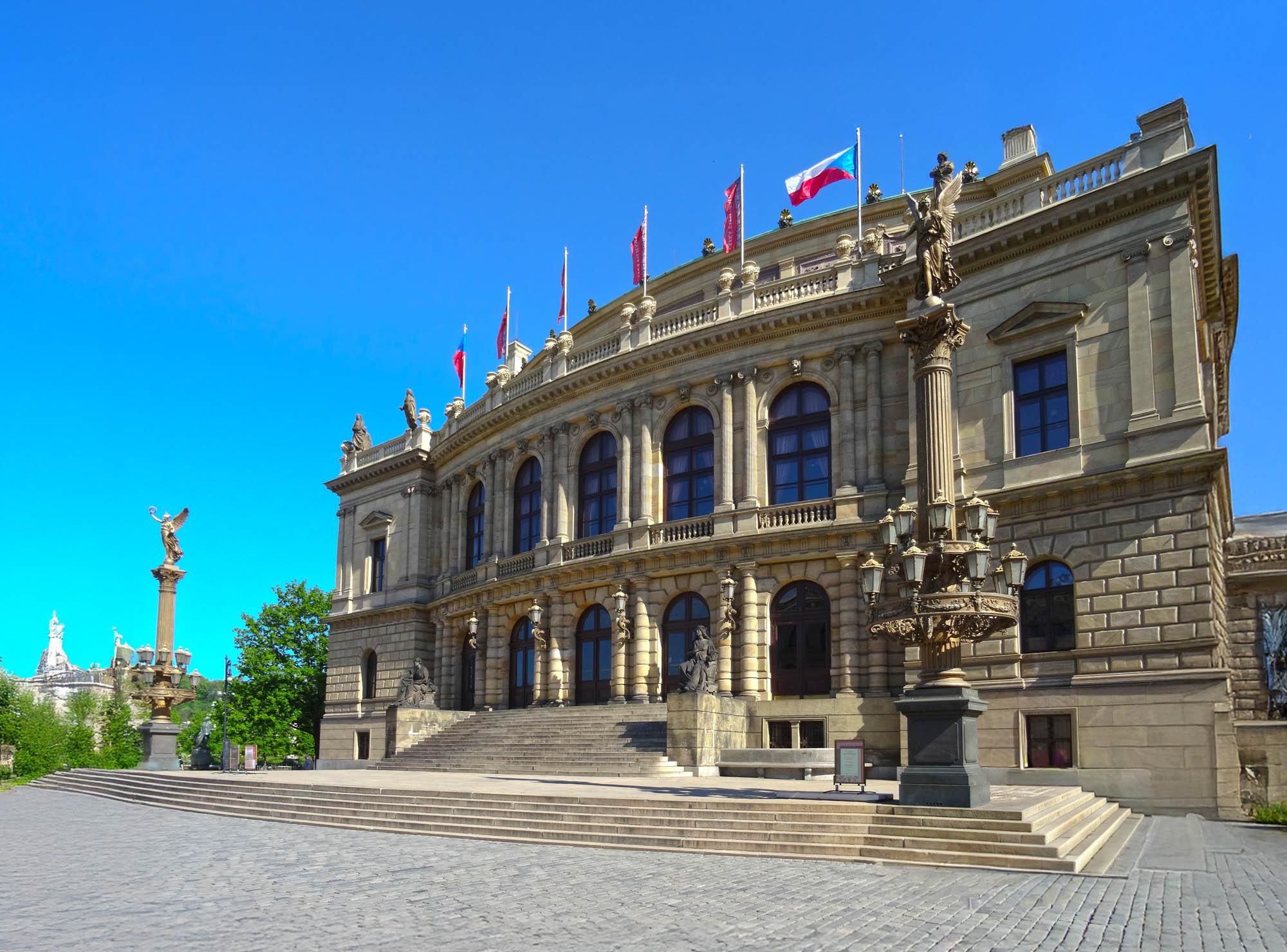
The Rudolfinum stands proudly on Jan Palach Square, gracing the banks of the Vltava River with its stately presence. Constructed between 1876 and 1884, this magnificent building showcases the Neo-Renaissance style, masterfully crafted by the esteemed architects Josef Zítek and Josef Schulz. Bearing the name of Crown Prince Rudolf of Habsburg, it is renowned for housing the illustrious Dvořák Hall. With seating for 1,100 and
exceptional acoustics, this hall serves as the principal stage of the Czech Philharmonic. Regular performances by international orchestras have earned the venue worldwide recognition. Beyond its concert offerings, the Rudolfinum Gallery features an impressive collection of modern and contemporary art. Additionally, the Rudolfinum proudly hosts the prestigious Prague Spring Festival.

The Prague State Opera stands as one of the Czech Republic’s foremost opera venues. This magnificent edifice, which first opened its doors in 1888 under the name "New German Theatre," is a fine example of neoRenaissance architecture. Its façade is lavishly adorned with statues and intricate decorative details. Upon entering, visitors are welcomed by a beautifully
appointed auditorium, where gilded boxes and a dazzling crystal chandelier contribute to an atmosphere of refined elegance. The stage boasts cutting-edge technology, allowing for the staging of elaborate and sophisticated productions. The repertoire is varied, encompassing operas, ballets, and concerts, with works by Verdi, Puccini, and Dvořák featuring prominently.
with the ÖBB to Prague

The Estates Theatre (Stavovské divadlo) stands as one of Prague’s most venerable and signi fi cant cultural landmarks. Nestled close to the Old Town Square, this Neoclassical gem was constructed between 1781 and 1783, thanks to the patronage of Count František Antonín Nostic-Rieneck. Its façade proudly displays the inscription "Patriae et Musis" – a tribute to the Fatherland and the Muses. Step inside, and visitors are
greeted by exquisite frescoes and an opulently adorned auditorium, capable of seating around 650 guests. The theatre earned enduring renown as the venue for the world premieres of Mozart’s "Don Giovanni" in 1787 and "La Clemenza di Tito." Today, it continues to enchant audiences with a diverse repertoire of operas, ballets, and dramas, blending timeless classics with contemporary works.
with the ÖBB to Prague

The Lucerna Cinema stands as one of the most venerable cinemas in the Czech Republic. Since its inauguration in 1909, it has been situated within the splendid Art Nouveau Lucerna Palace, constructed by the grandfather of former President Václav Havel. The cinema’s refined architecture, distinguished by marble surfaces, glittering chandeliers, and intricate
ornamentation, enchants all who visit. Its varied programme encompasses everything from timeless film classics to contemporary arthouse offerings. Additionally, the Lucerna Cinema is renowned for the striking sculpture by artist David Černý: the hanging statue of Saint Wenceslas’s horse, suspended upside down.
with the ÖBB to Prague
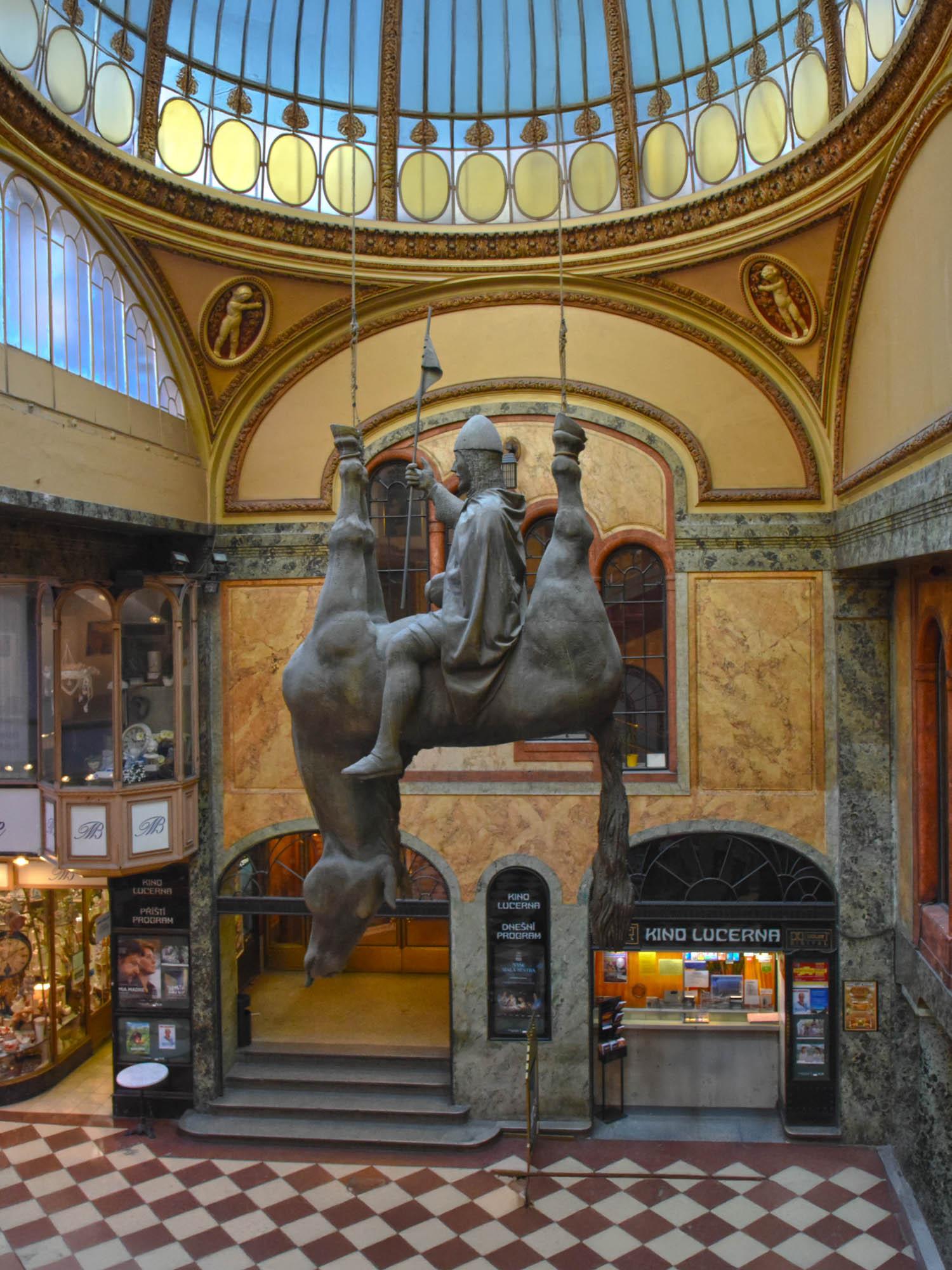
The “Zavěšená socha obráceného koně sv. Václava” –the hanging statue of Saint Wenceslas’s upside-down horse – is a striking and provocative work by artist David Černý, situated within the Lucerna Cinema arcade in Prague. Since its unveiling in 1999, it has presented the Czech patron saint, Saint Wenceslas, mounted on a lifeless horse suspended upside down from the ceiling –a satirical and deliberate inversion of the famous statue
of Saint Wenceslas in Wenceslas Square. Set against the backdrop of the arcade’s Baroque architecture, this sculpture offers an ironic critique of national myths and the veneration of historical symbols. It draws a steady stream of visitors who value Č ern ý ’s subversive approach and his conscious challenge to traditional Czech iconography.
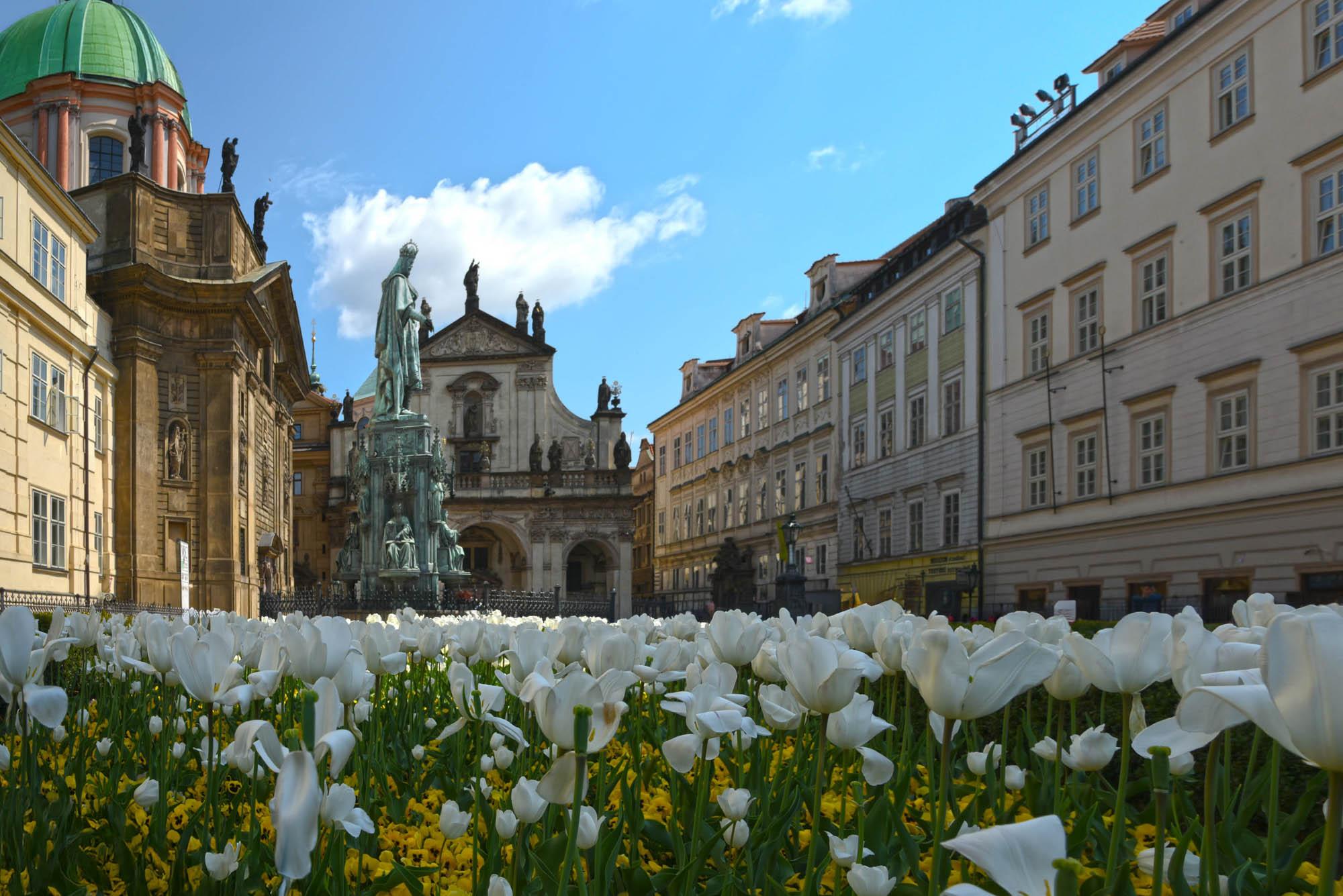


Bellevue Palace (Palác Bellevue), gracefully perched on the banks of the Vltava River, weaves a captivating tale. Erected in the latter half of the 18th century, it masterfully marries Baroque and Rococo styles into a seamless masterpiece. Originally the stately home of the Pachta von Rájov family, the palace still radiates its timeless allure.
Today, Bellevue Palace is home to an exclusive restaurant and serves as a refined setting for weddings, receptions, and cultural gatherings. From its upper floors, one is treated to stunning vistas of Charles Bridge and Prague Castle.
with the ÖBB to Prague
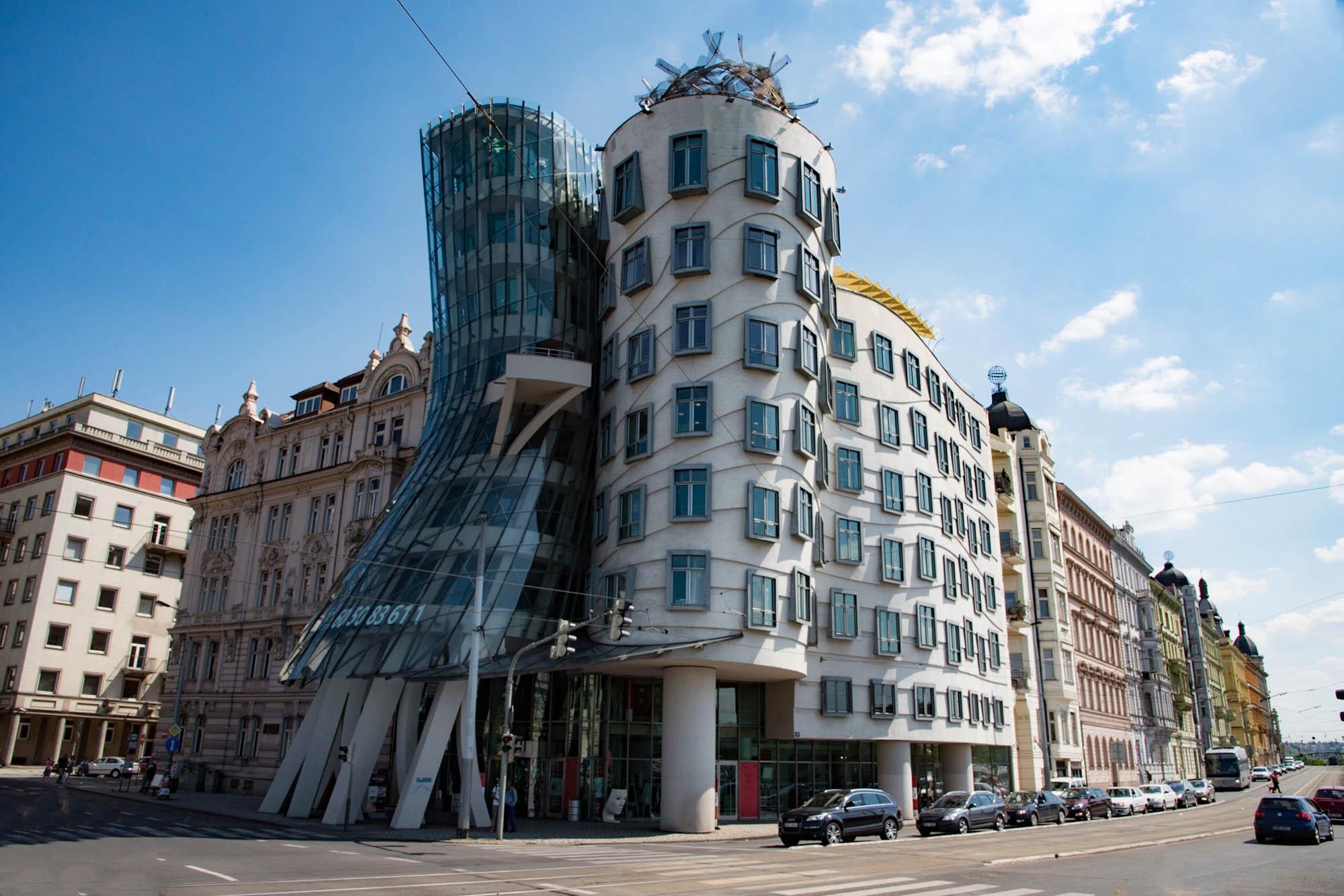
The Tančící dům, or Dancing House, stands as a stunning exemplar of deconstructivist architecture. Conceived by the visionary architects Frank Gehry and Vlado Miluni ć , this extraordinary structure was completed in 1996. Its fluid, dynamic shapes evoke the image of a dancing couple, offering a bold and captivating contrast to the historic cityscape. The building’s distinctive silhouette, reminiscent of a dancer
clad in a shimmering glass gown gracefully embracing her partner, has earned it the affectionate nickname "Ginger and Fred," in tribute to the iconic dance duo Ginger Rogers and Fred Astaire. Within, visitors can enjoy contemporary of fi ce spaces, an elegant restaurant, a sophisticated bar, and a panoramic terrace with breathtaking views.
with the ÖBB to Prague
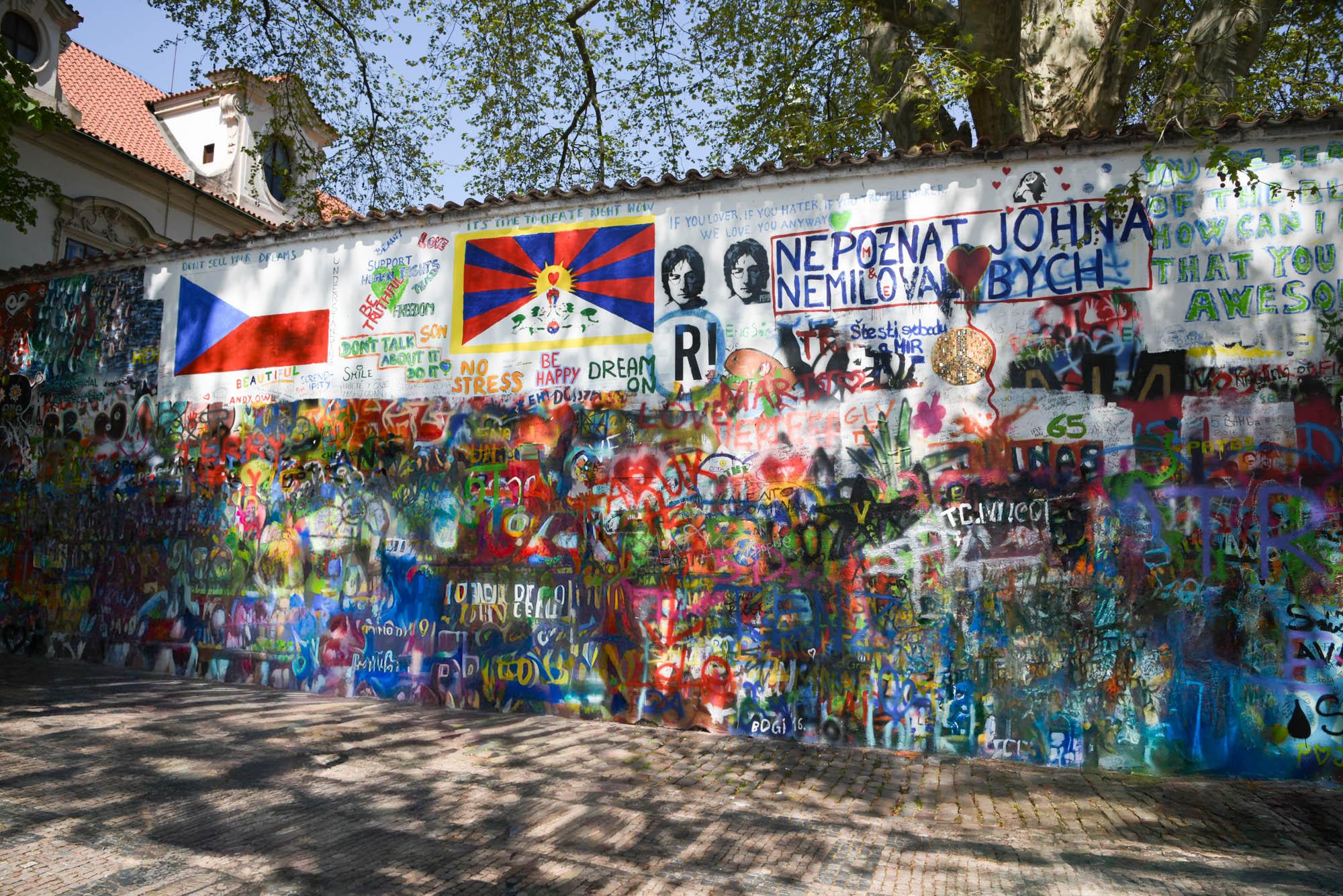
Nestled in the charming Malá Strana district of Prague, the John Lennon Wall is a vibrant tapestry of colourful graffiti and heartfelt messages. Since the 1980s, it has stood as a poignant emblem of peace and liberty. Initially, the wall featured a portrait of John Lennon alongside Beatles lyrics. Following Lennon’s death in 1980, it transformed into a quiet act of defiance against
the communist regime. Today, it serves as a lively gathering spot for both tourists and artists who continue to adorn it with expressions of love, freedom, and creativity, perpetuating the living legacy of this extraordinary landmark.

The GHMP Zámek Troja, a splendid Baroque palace nestled in Prague’s Troja district, was constructed between 1679 and 1691 for the esteemed Sternberg family and now forms part of the Prague City Gallery (GHMP).
Serving as a distinguished venue for exhibitions showcasing artworks from the 19th to the 21st
centuries, it captivates visitors with its exquisite frescoes, intricate stucco details, and re fi ned architectural elegance. The surrounding gardens, featuring meticulously arranged fl owerbeds and graceful fountains, provide a tranquil setting for leisurely strolls, while offering charming vistas of the nearby vineyards and the Prague Zoo.
with the ÖBB to Prague

Rising to an impressive height of 216 metres, the Prague Television Tower stands as the tallest structure in the Czech Republic. Constructed between 1985 and 1992, based on the visionary designs of architect Václav Aulický, it captivates with its futuristic yet divisive architectural style. At 93 metres above ground, a viewing platform offers visitors breathtaking panoramic vistas of the city of Prague, while a restaurant located at
66 metres warmly welcomes guests. The tower also houses a bar, a bistro, and the exclusive Sky Suite Hotel. One of its most striking features are the ten oversized baby sculptures by artist David Černý, which adorn the tower and add a unique artistic flair. Renowned for its extraordinary design and spectacular views, the Prague Television Tower remains a favourite destination for travellers from across the globe.
with the ÖBB to Prague
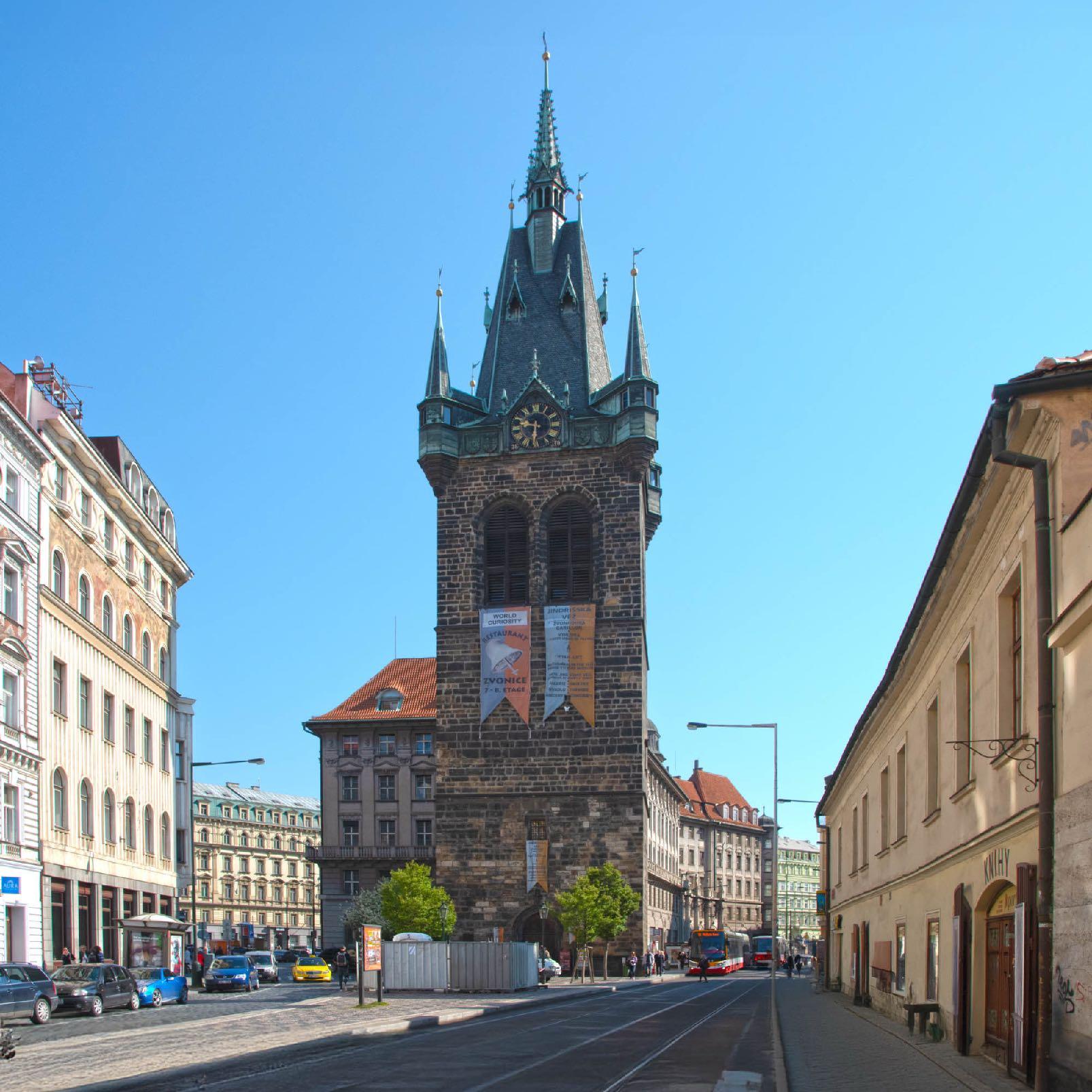
The Jindřišská Tower, also known as Henry's Tower, stands as a striking example of Gothic architecture in the very heart of Prague’s New Town. Situated close to Wenceslas Square, this 15th-century bell tower was originally part of St. Henry’s Church and, at 65.7 metres tall, remains the tallest freestanding bell tower in the city. Inside, visitors will find a museum, a restaurant, a
whisky bar, and an observation deck perched at 60 metres, providing spectacular panoramic views over Prague. The tower is especially renowned for its carillon comprising ten bells, alongside a historic bell dating back to 1577, which is regularly played during concerts. Henry’s Tower welcomes guests every day.
with the ÖBB to Prague

The Powder Tower (Prašná brána) stands as a striking example of Gothic architecture in Prague’s Old Town, dating back to 1475 and marking the start of the Royal Route. Originally, this 65-metre-high tower formed part of the city’s fortifications and was used to store gunpowder. Today, it remains one of Prague’s most iconic landmarks. Its richly decorated façade features
sculptures and reliefs celebrating Bohemian kings. Visitors are invited to ascend the 186 steps to the viewing platform, where they can enjoy stunning panoramic views of the Old Town. The tower also hosts a small exhibition detailing Prague’s history and welcomes tourists daily.
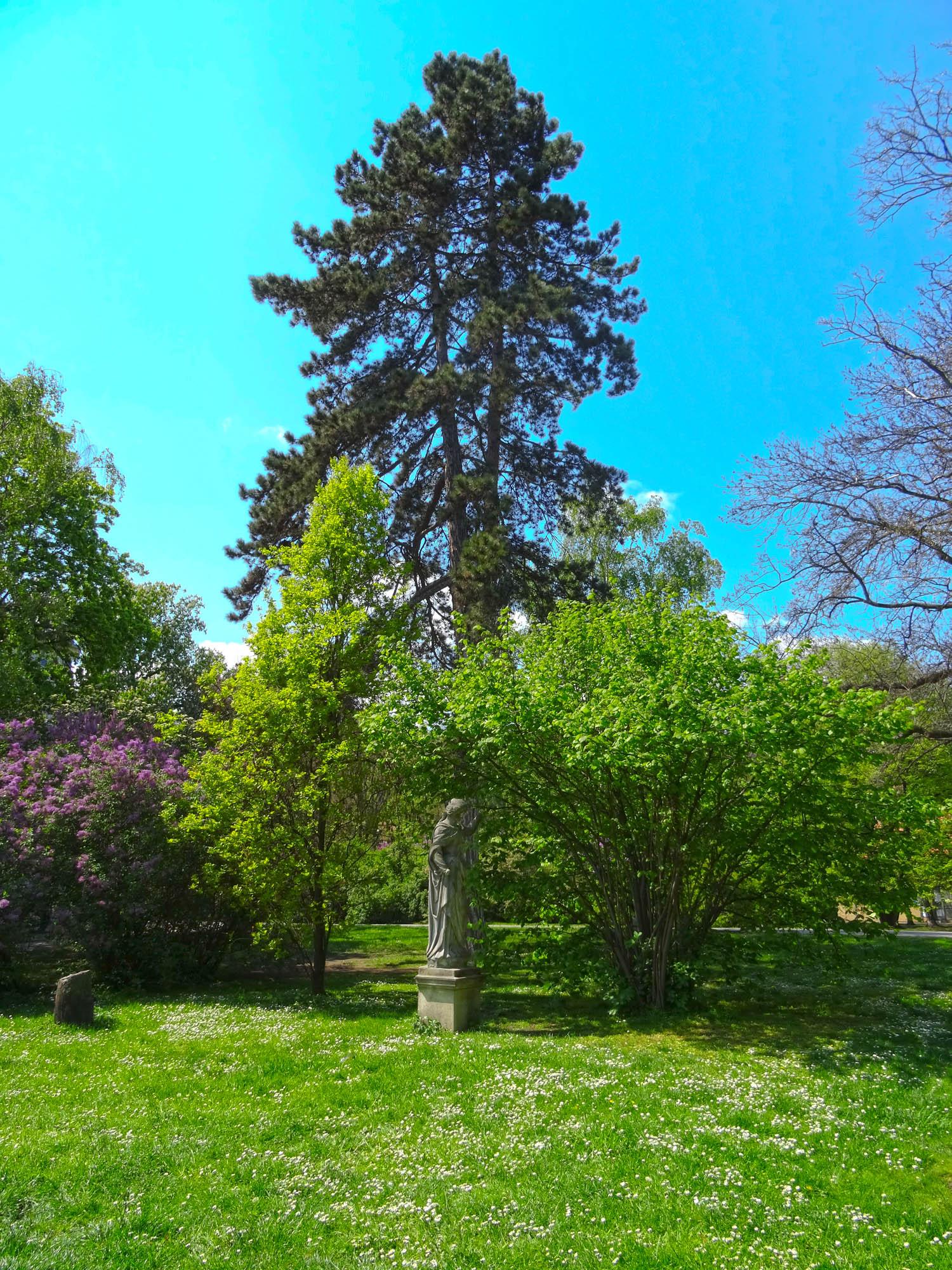

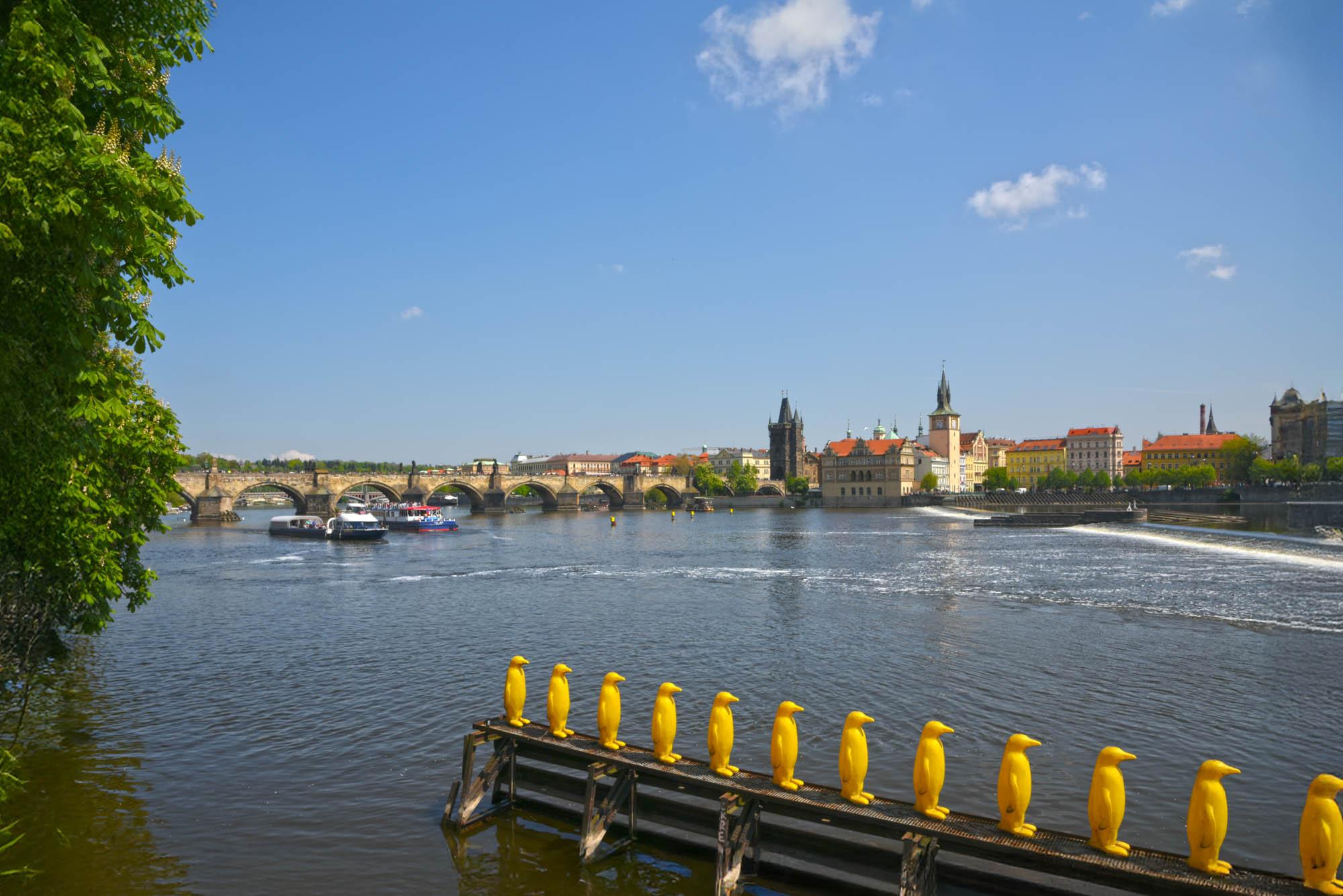
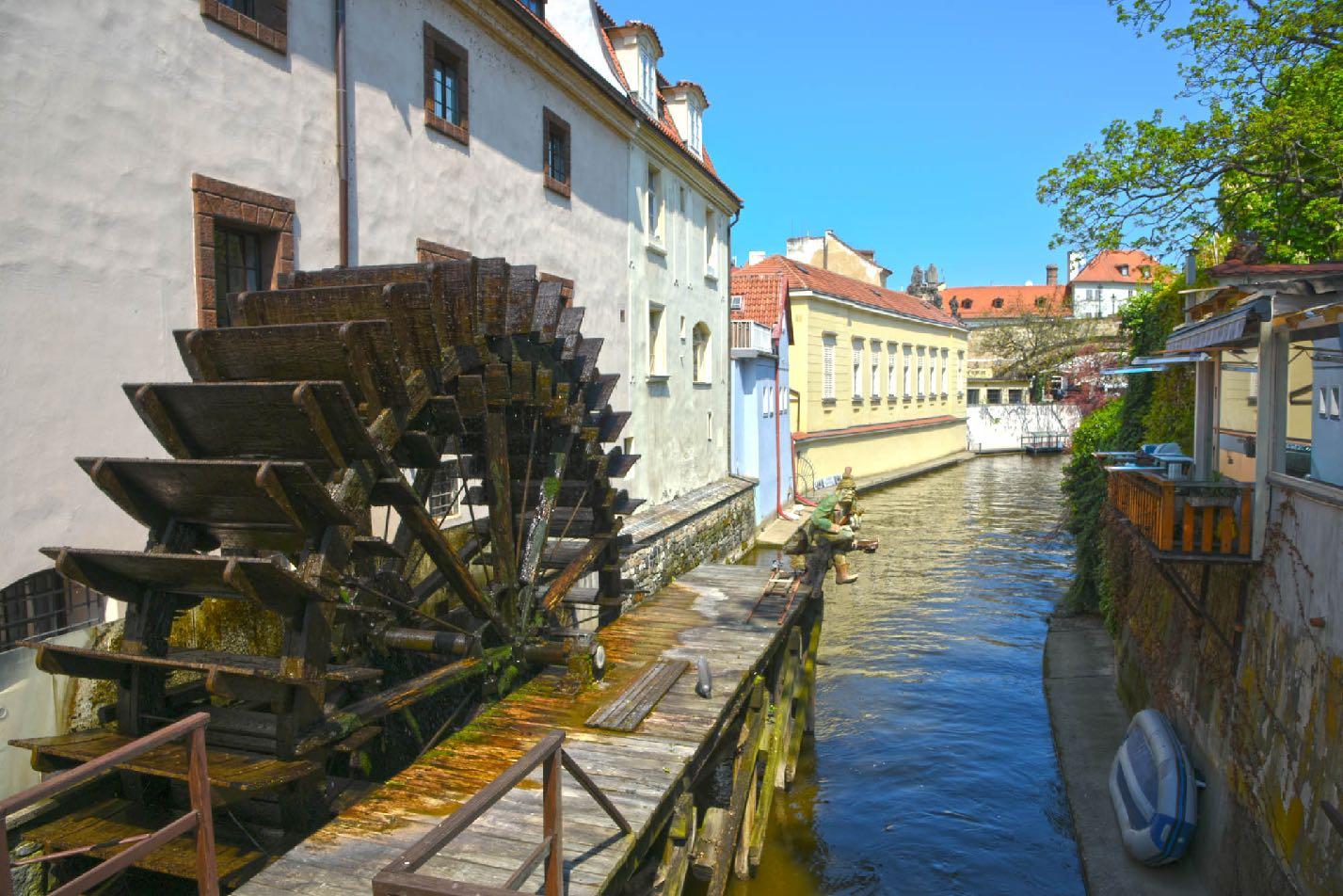
Kampa, a charming island nestled in the very heart of Malá Strana, Prague, rests gracefully between the gentle flow of the Vltava River and the tranquil Čertovka Canal. Born from a blend of natural sedimentation and human endeavour during the Middle Ages, it radiates an utterly romantic charm. Quaint, winding streets, historic architecture, and lush green parks beckon visitors to
pause and savour the moment. The island proudly hosts the esteemed Kampa Museum of modern art, alongside the whimsical, bright yellow penguin sculptures crafted by the Cracking Art collective. Guests delight particularly in the old watermills and the breathtaking vistas of the Charles Bridge. Kampa remains a beloved retreat for both locals and visitors alike.
with the ÖBB to Prague
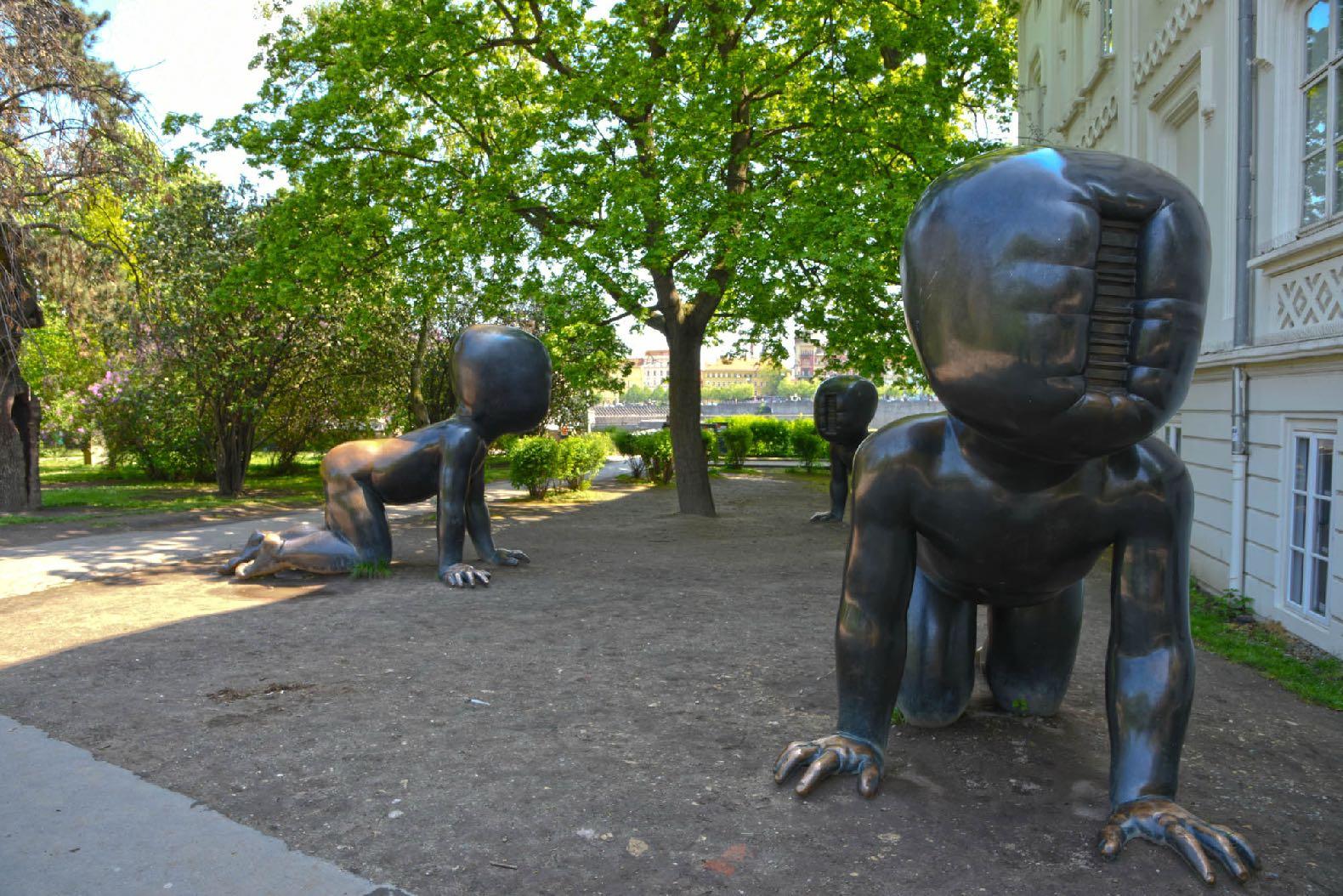
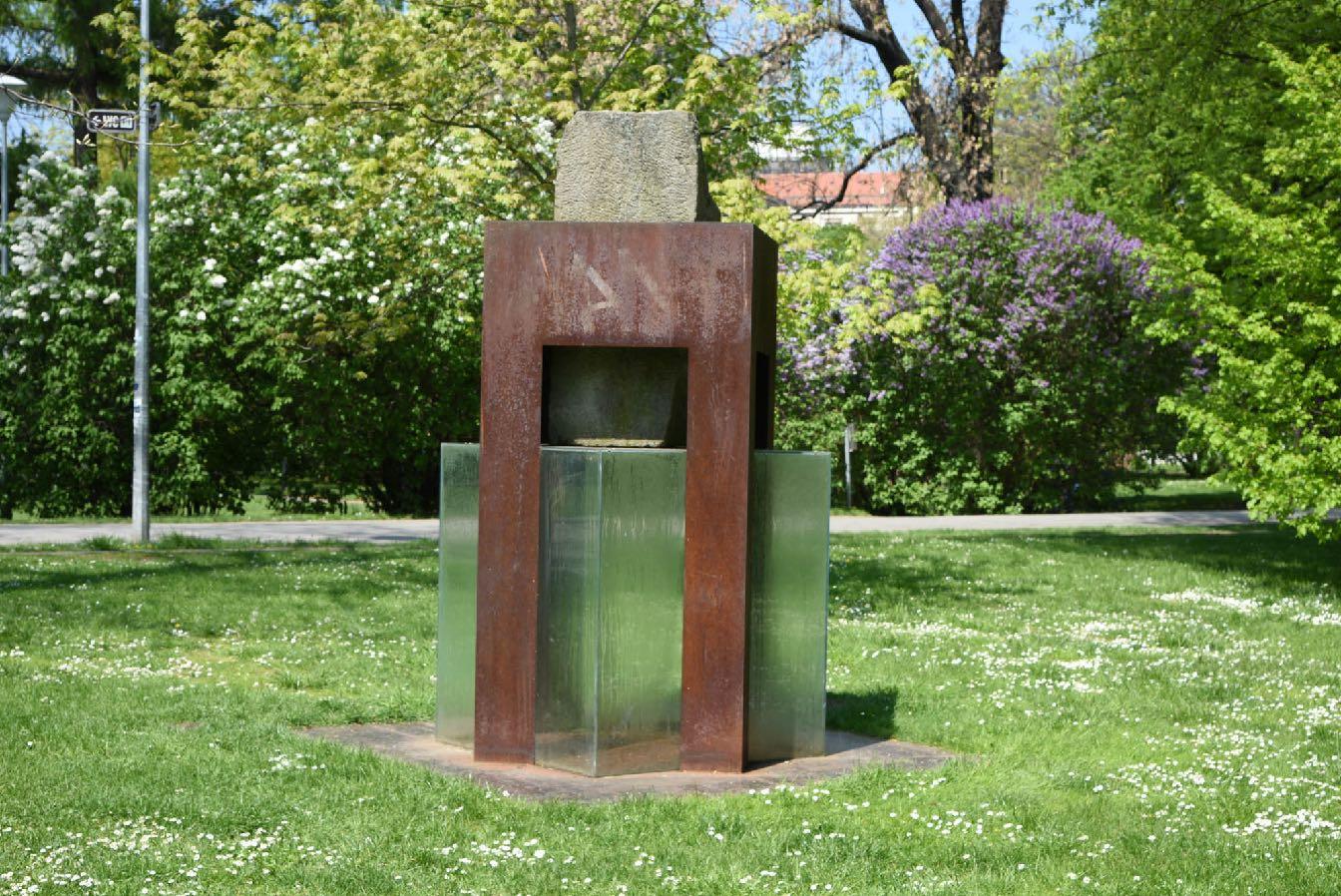
The public art scattered across Prague’s Kampa Island breathes a vibrant, contemporary spirit into the area.
David Černý’s “Miminka” (Babies) are imposing, black sculptures of infants that appear to crawl and explore their environment. Their faces, etched with barcode-like patterns, lend them a surreal and somewhat provocative character, perfectly capturing Č ern ý ’s unique artistic flair.
Close by, the historic Owls' Mills complex stands proudly, home to both the Kampa Gallery and the Kampa Museum. Along the banks of the Vltava River, you can also spot the charming yellow penguin sculptures.
These striking artworks create a compelling contrast with the island’s traditional architecture, drawing the attention of tourists and art enthusiasts alike. Together, they spark a dynamic conversation between history and modernity.
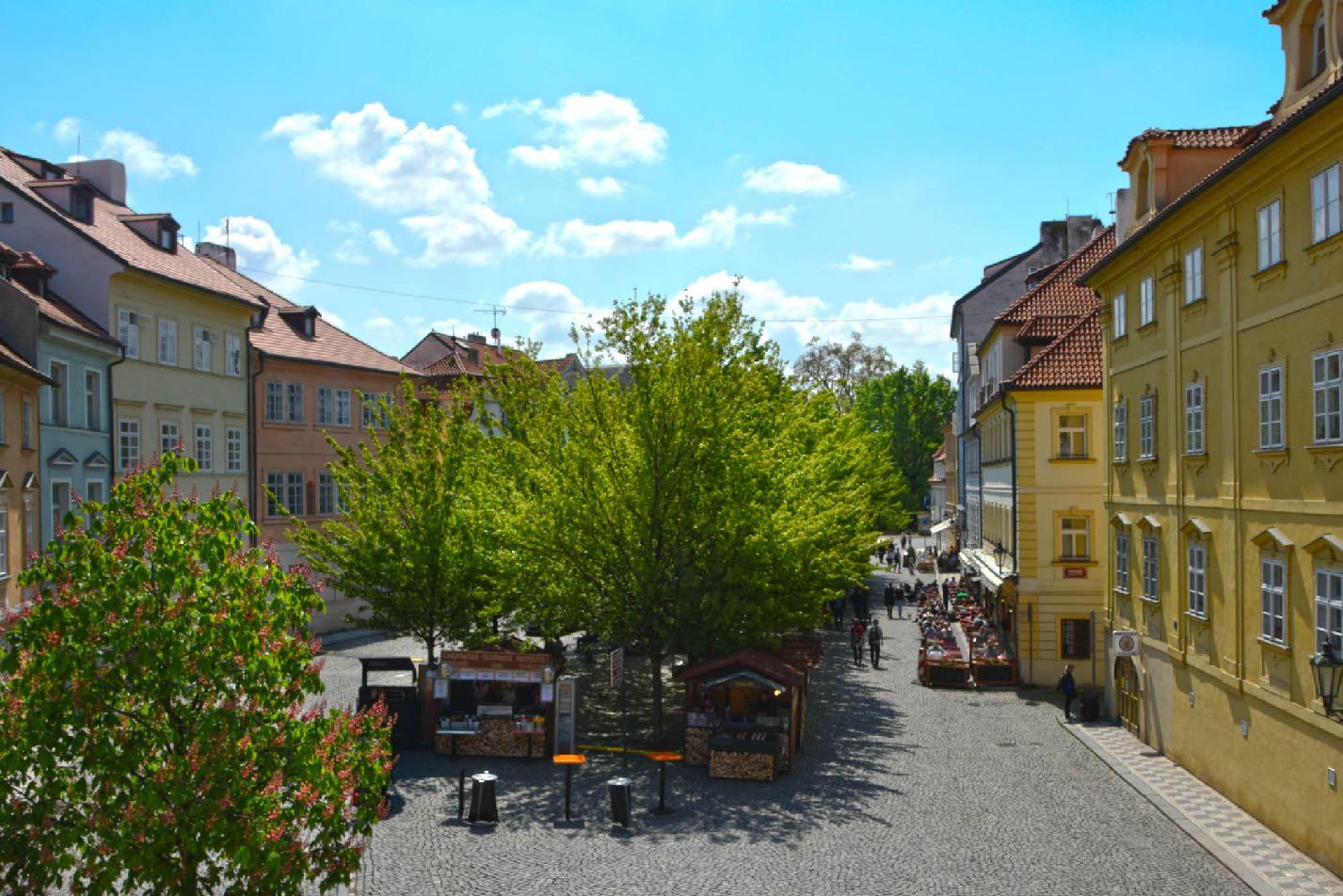
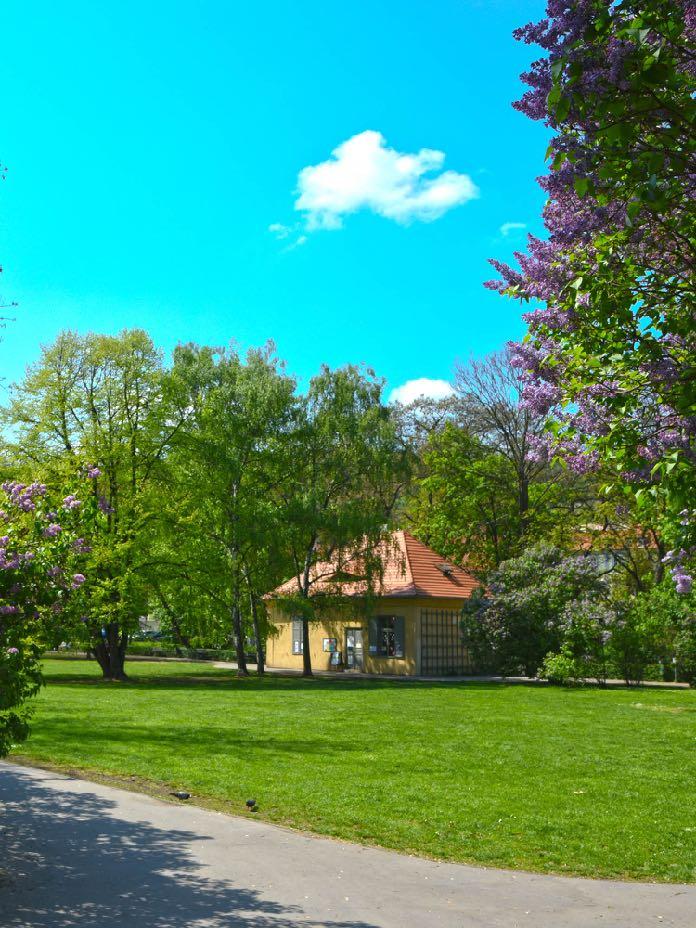
Kampa Island beckons visitors with an array of culinary delights. A wealth of restaurants and cafés, many perched alongside the charming Čertovka Canal, offer a tempting invitation to indulge. Here, traditional Czech dishes such as goulash and svíčková sit comfortably alongside a selection of international favourites.
During the summer months, beer gardens spring to life, serving up local brews to thirsty guests. Street vendors add to the allure with the sweet, flaky trdelník pastry. The atmosphere on Kampa is both romantic and leisurely, with numerous establishments featuring terraces that overlook the water.
Kampa provides the perfect sanctuary from the city’s hustle and bustle, a place to relax and recharge. The spacious Kampa Park, with its lush green lawns, encourages visitors to linger and unwind. Scenic walking routes along the Vltava River showcase stunning views of Prague Castle. This peaceful, tranquil environment makes the island a truly ideal retreat.
Less crowded than Prague’s Old Town, Kampa enchants visitors with its calm and serene charm.
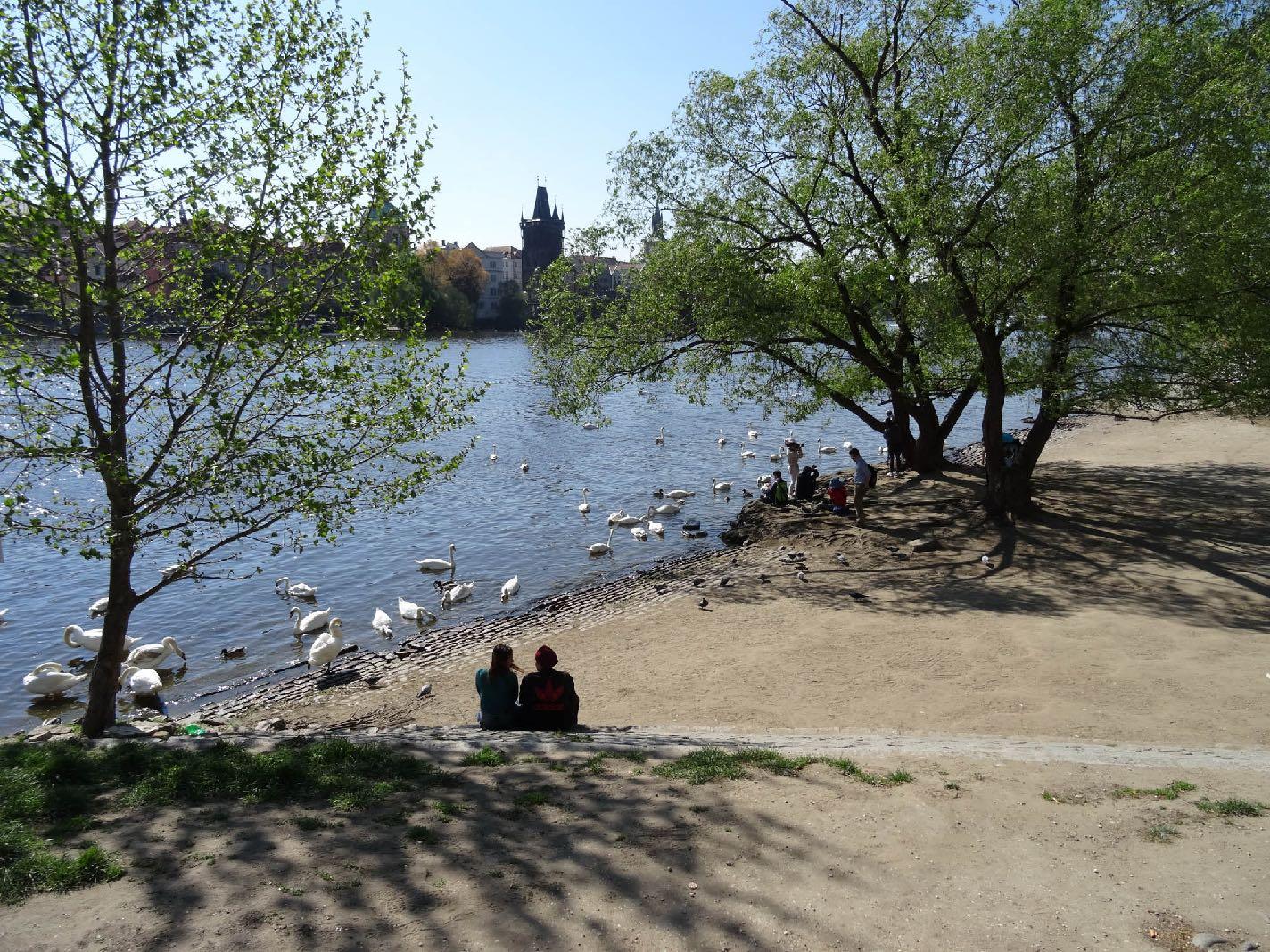


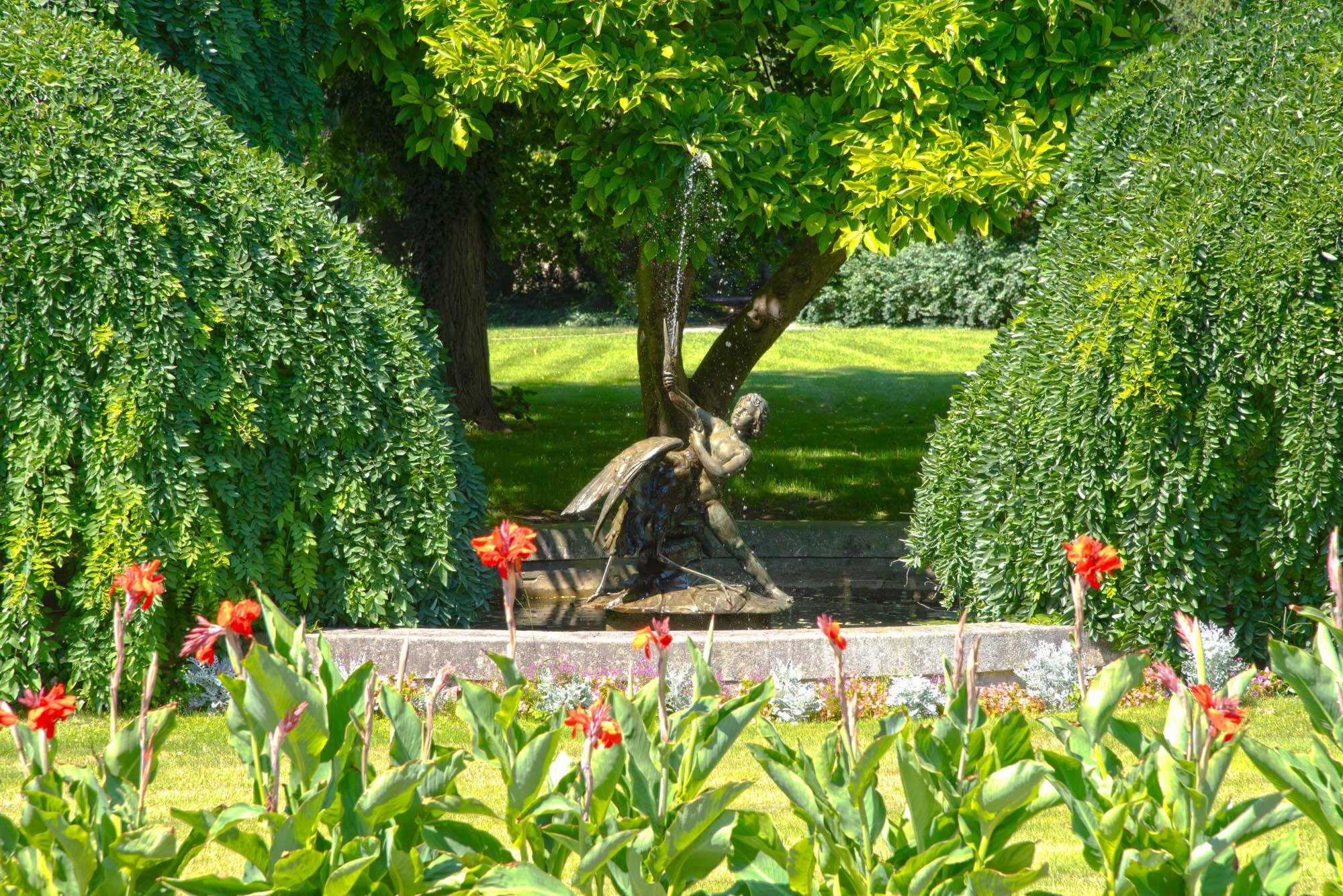
Prague stands proudly among the greenest cities worldwide. Within its carefully nurtured gardens and vast parks, time appears to slow to a gentle pace. The calming serenity, the captivating vistas, the exquisitely crafted fountains and sculptures, alongside the chance to unwind with friends on a picnic blanket, offer a welcome escape from the city's relentless buzz.
Come spring and summer, the city truly awakens as blossoms burst into colour and warm sunshine casts a golden glow upon the pathways. Leisurely walks along
the Vltava River or cycling through shaded avenues provide not only a soothing retreat for body and soul but also countless opportunities to explore the rich natural beauty nestled in the city's heart. Prague warmly invites you to set aside the everyday and immerse yourself fully in the present moment. Some parks are featured in the guidebook; for a comprehensive list, please click the information button.
with the ÖBB to Prague

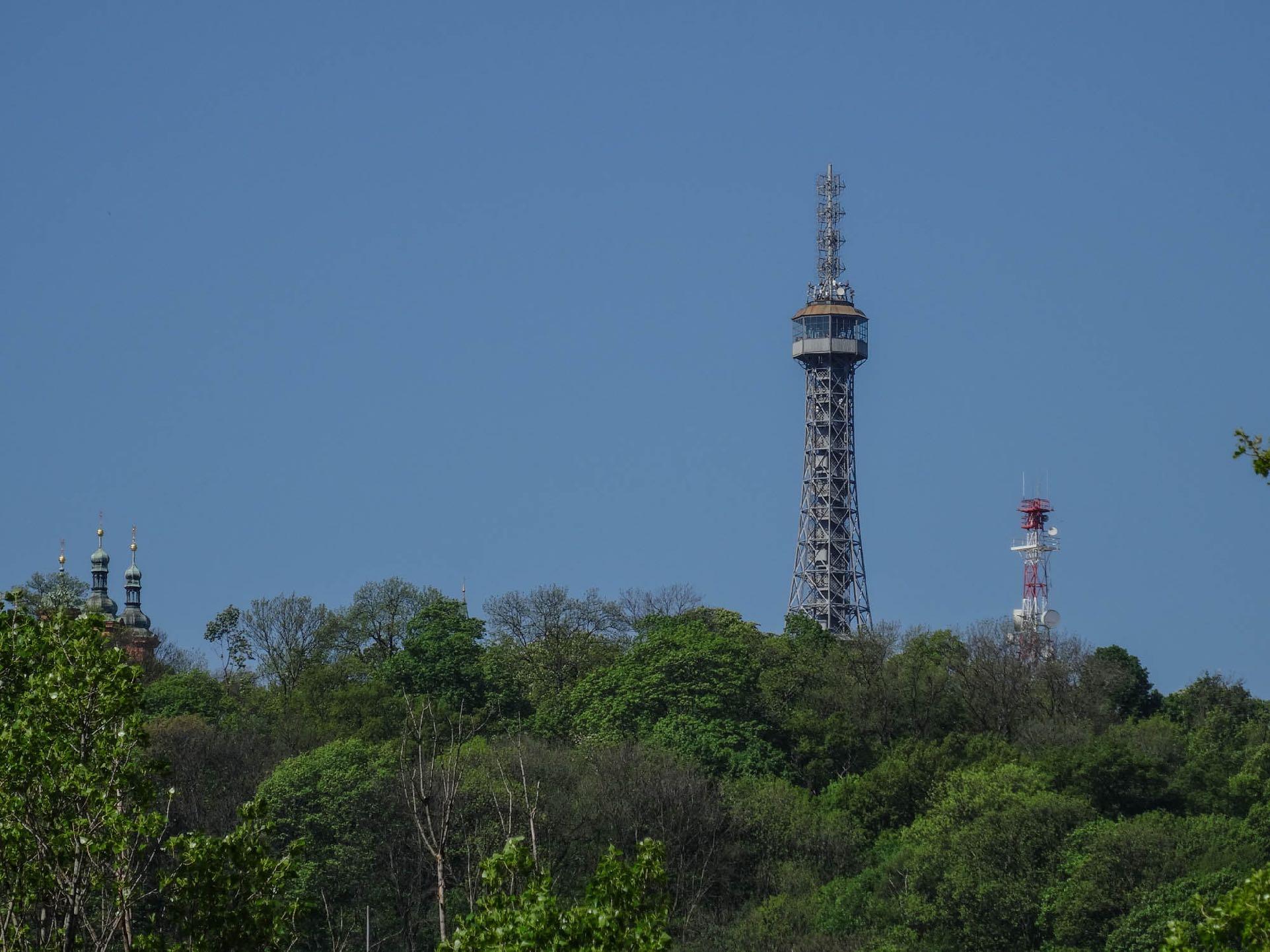
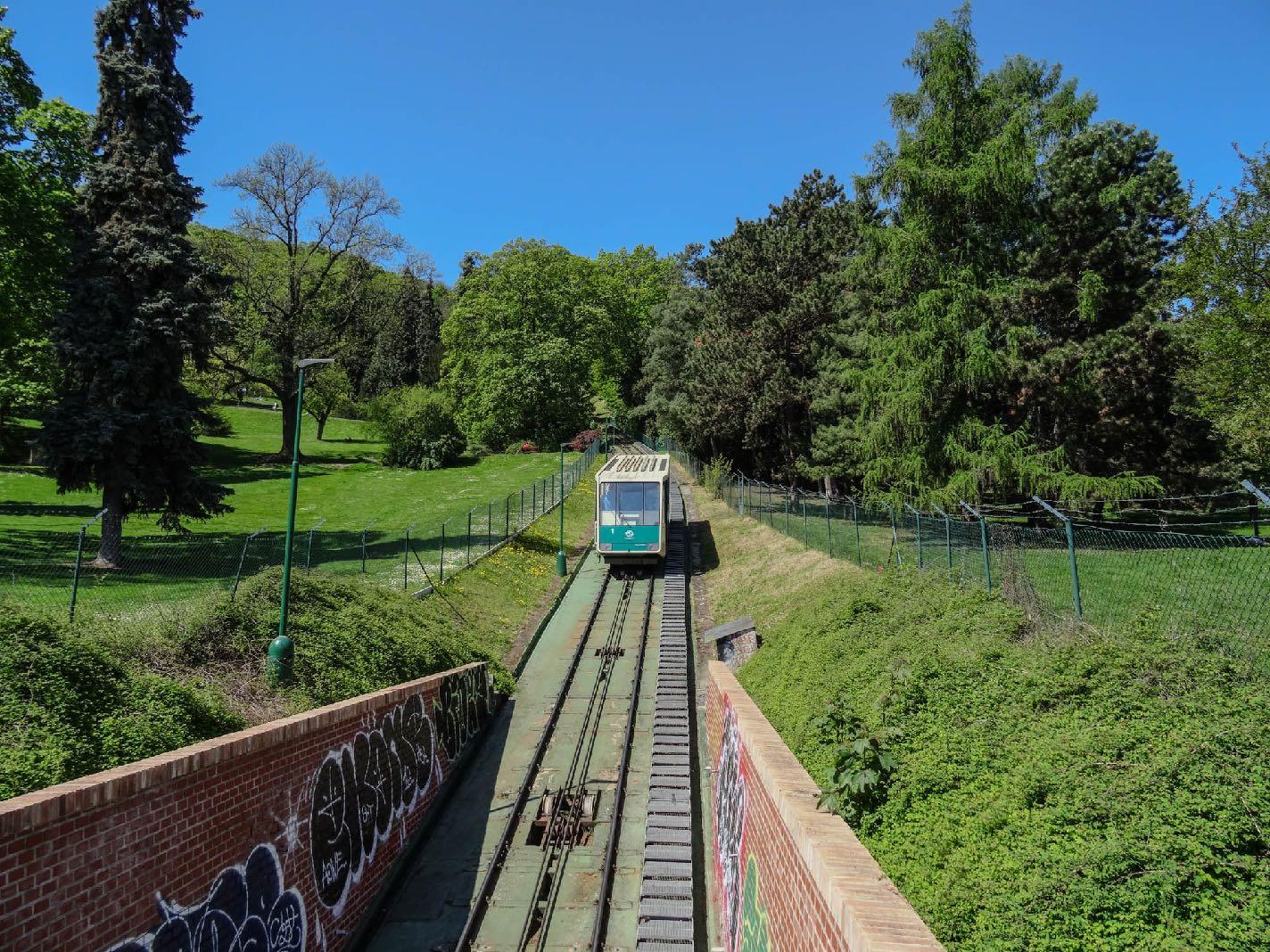
Petřín Park, known locally as Petřínské sady, stretches gracefully over the hill that shares its name in Prague. This verdant retreat offers a harmonious blend of carefully tended gardens, fruit orchards, and historic attractions, including the iconic Petřín Lookout Tower and the enchanting Mirror Maze. Whether meandering along its charming pathways or opting for the funicular railway to reach the summit with ease, visitors flock hereparticularly in spring and summer - to unwind and immerse themselves in nature’s embrace.
The Petřín Lookout Tower, soaring 63.5 metres high, was erected in 1891 for the Jubilee Exhibition and serves as a diminutive homage to Paris’s famed Eiffel Tower. Crafted by architects František Prášil and Julius Souček, the tower invites those who ascend its 299 steps - or take the lift - to a viewing platform that unveils a stunning panorama of Prague Castle, Charles Bridge, and the Old Town in all their historic grandeur.
Linking the Újezd district at Petřín Hill’s base with the park above, the Petřín-Újezd Funicular is a venerable railway dating back to 1891. Covering a 510-metre track and climbing approximately 130 metres in around four minutes, it has long provided a convenient and scenic ascent. Currently, the funicular is undergoing comprehensive refurbishment, with plans to welcome passengers once again in the summer of 2026.
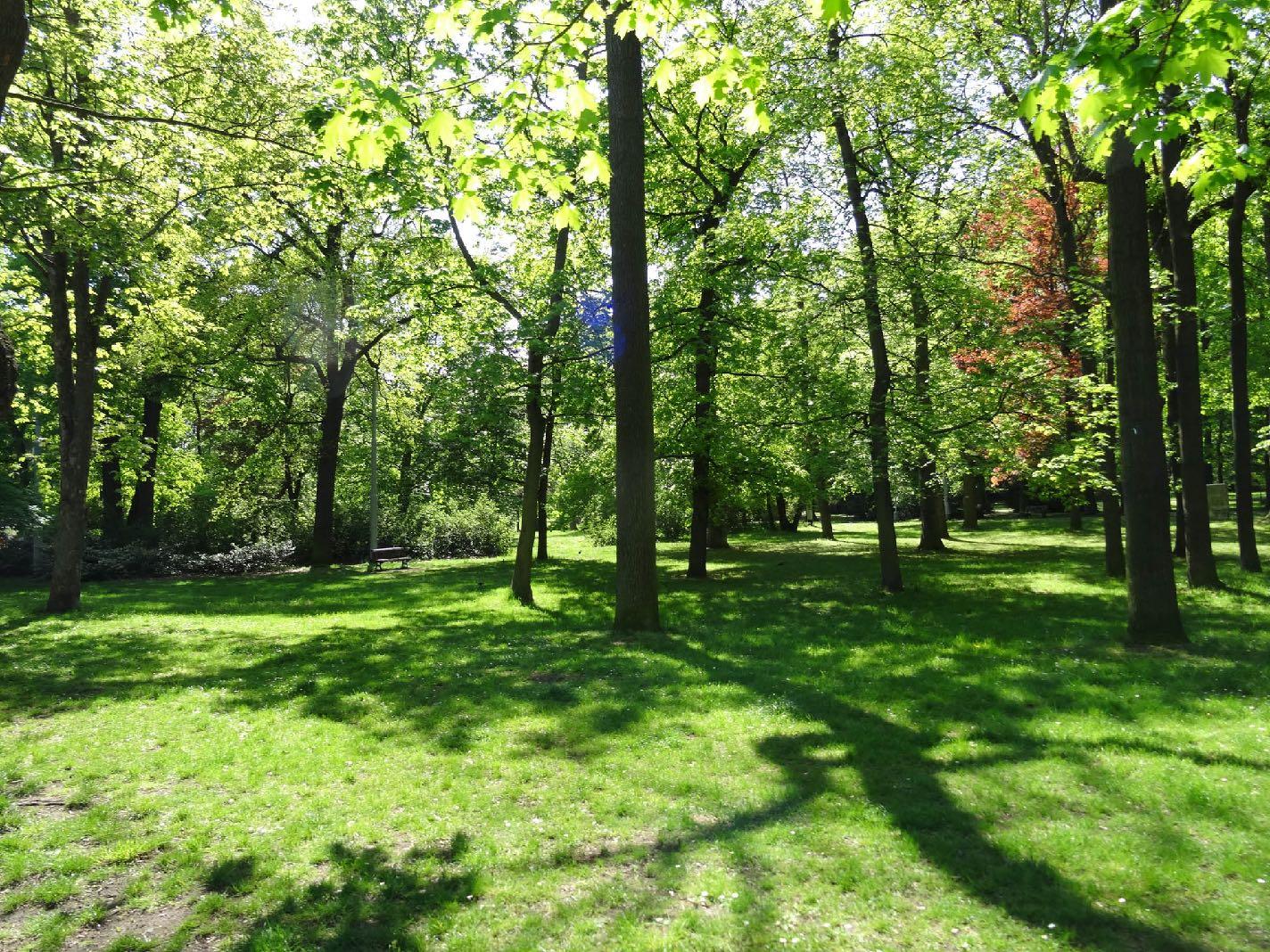
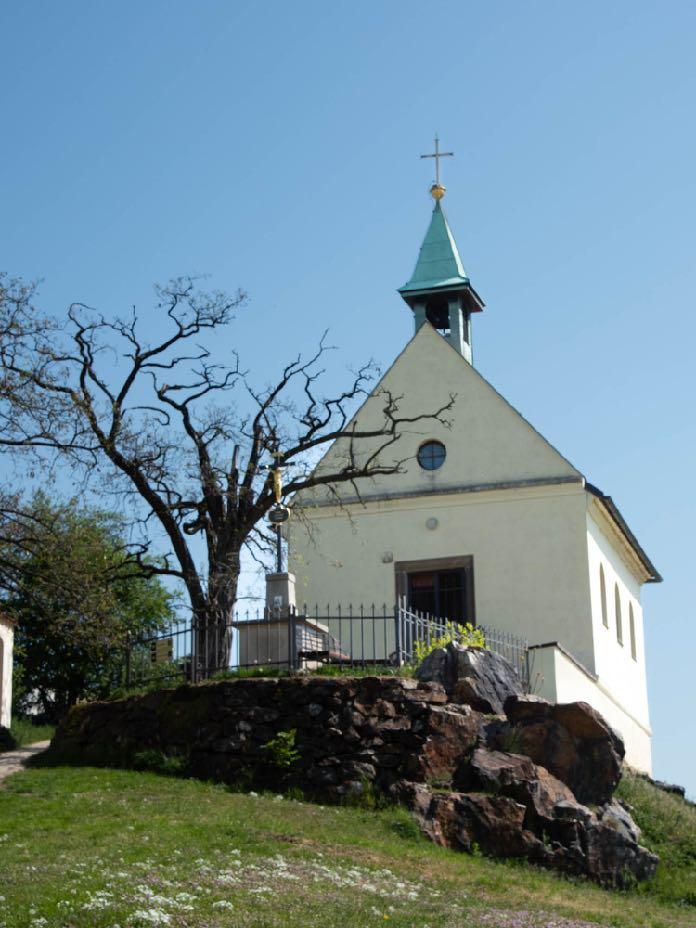
The Královská obora Stromovka, commonly referred to simply as Stromovka, stands as Prague’s largest park, sprawling over some 95 hectares within the Bubeneč district. Originally established in the 13th century as a royal hunting preserve, the grounds were later transformed in the 16th century into a scenic landscape park under the reign of Emperor Rudolf II. Today, the park features wide-open meadows, ancient trees, tranquil ponds, meandering pathways, and historic structures such as the governor’s summer residence and the former pleasure palace. Stromovka is a favourite destination for strolling, jogging, cycling, and relaxed picnics. It also lies adjacent to other notable attractions, including the Prague Zoo and the Exhibition Palace.

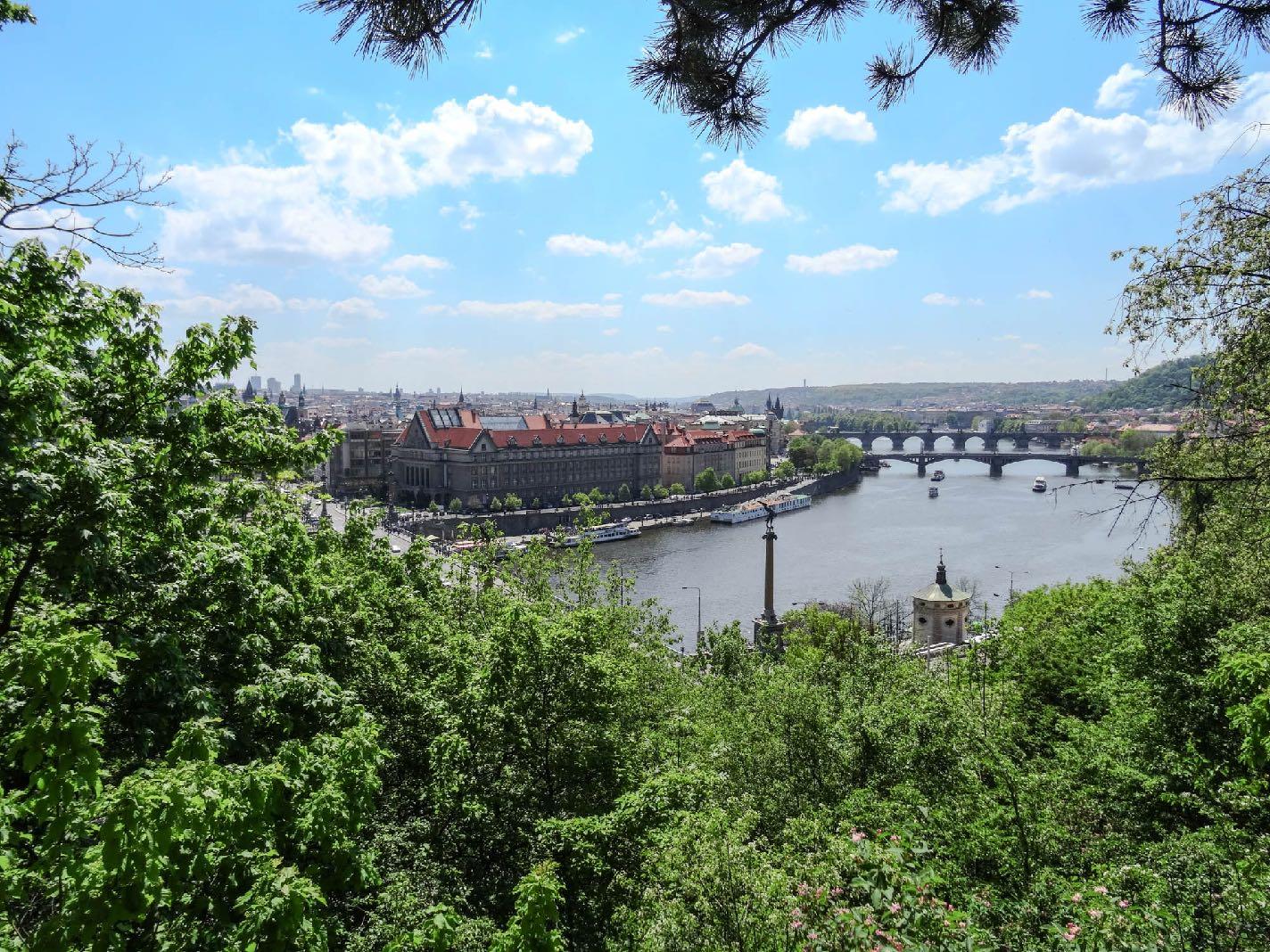
Letná Park, often referred to as Letná Gardens, stretches invitingly over some 52 hectares atop Letná Hill. From this elevated perch, visitors are treated to stunning panoramic vistas of the Vltava River, the Old Town, and the majestic Prague Castle - one of the key reasons this park remains a favourite among both locals and tourists alike. The meticulously cared-for lawns and shaded walkways are perfectly complemented by historic landmarks such as the Hanavský Pavilion and Letná Castle.
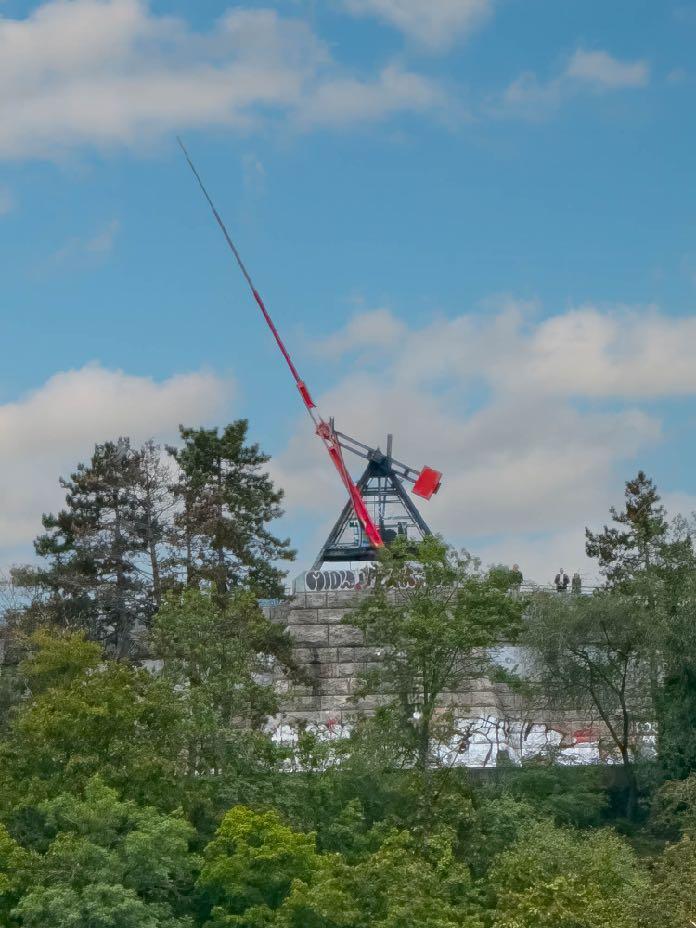
A notable feature of the park is the Metronome, a striking 15metre-tall sculpture crafted in 1991 by artist Vratislav Novák. It now occupies the very site where the enormous Stalin Monument
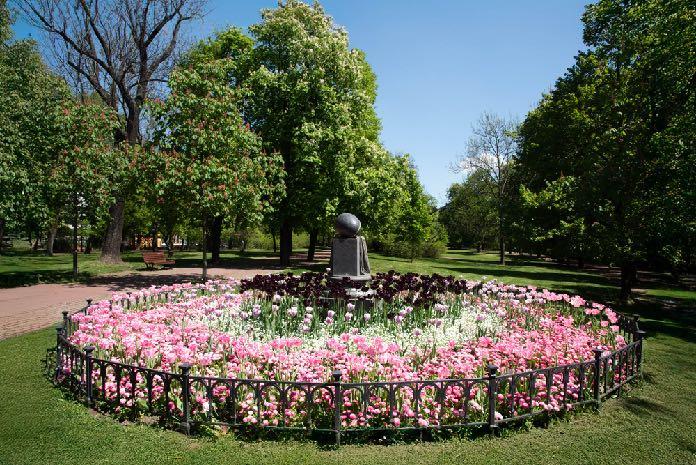
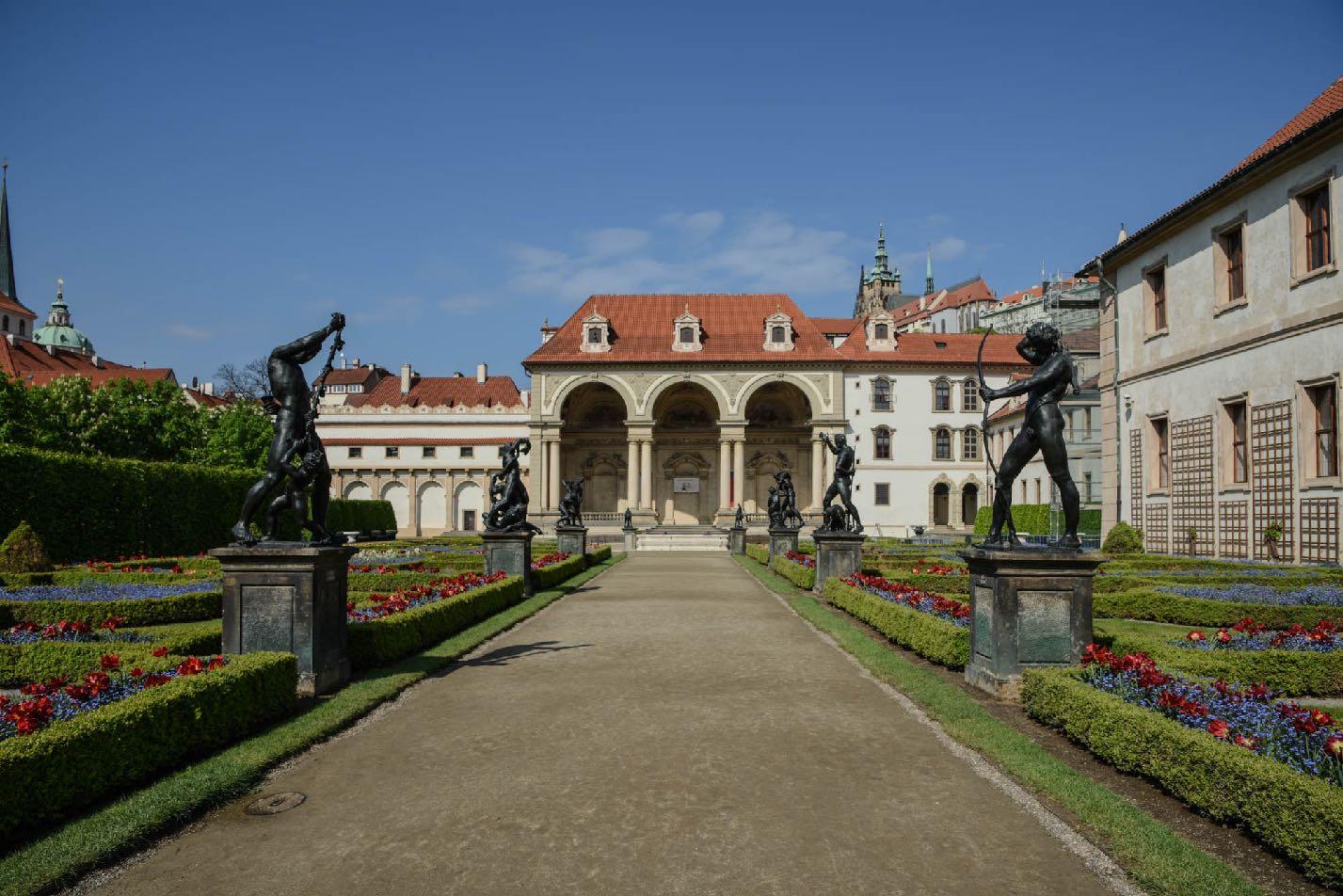
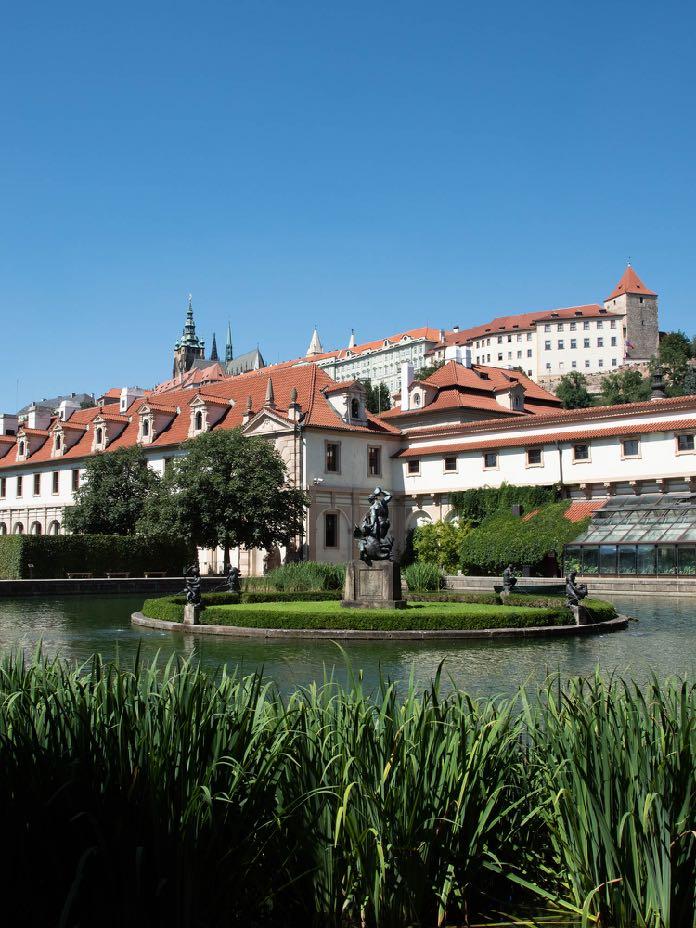
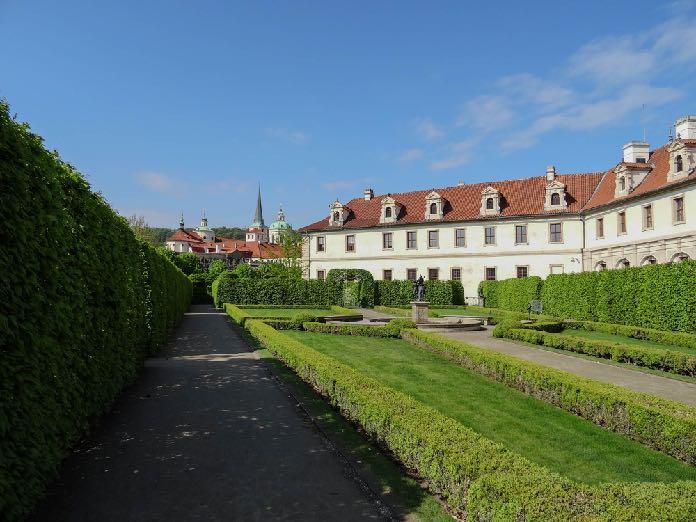
The Valdštejnská zahrada, or Wallenstein Garden, is a splendid example of Baroque landscaping nestled in the charming Malá Strana district of Prague. Situated right beside the Valdštejnský palác, home to the Czech Senate, this garden was originally created in the 1620s for Albrecht von Wallenstein. Its strikingly precise geometric layout, meticulously sculpted hedges, elegant fountains, and the grand Sala Terrena - now a popular concert venue - are particularly noteworthy. Visitors can delight in an exquisite grotto adorned with stalactites, a pond teeming with vibrant koi carp, and an aviary housing splendid peacocks. The garden’s many statues depicting mythological figures contribute to its unique historical charm. Open to the public free of charge from April through October, this serene haven warmly welcomes guests

Chotkovy sady

Královská zahrada



Máj - House of Fun Prague is a dynamic leisure haven right in the heart of the city. Spanning nine impressive floors and over 17,000 m², it presents an exciting variety of activities that delight visitors of all ages. On the third and fourth floors, known as LEVELS, guests can dive into over 200 arcade games, enjoy mini-golf, billiards, darts, and cutting-edge racing simulators.
Five distinctive bars provide perfect spots to relax and socialise. Meanwhile, the Fly Vista restaurant treats diners to stunning panoramic views of Prague Castle. Up on the sixth floor, the interactive exhibition "Back in Time" offers a captivating journey through 1,200 years of Prague’s history, brought to life in an immersive 5D cinema experience.

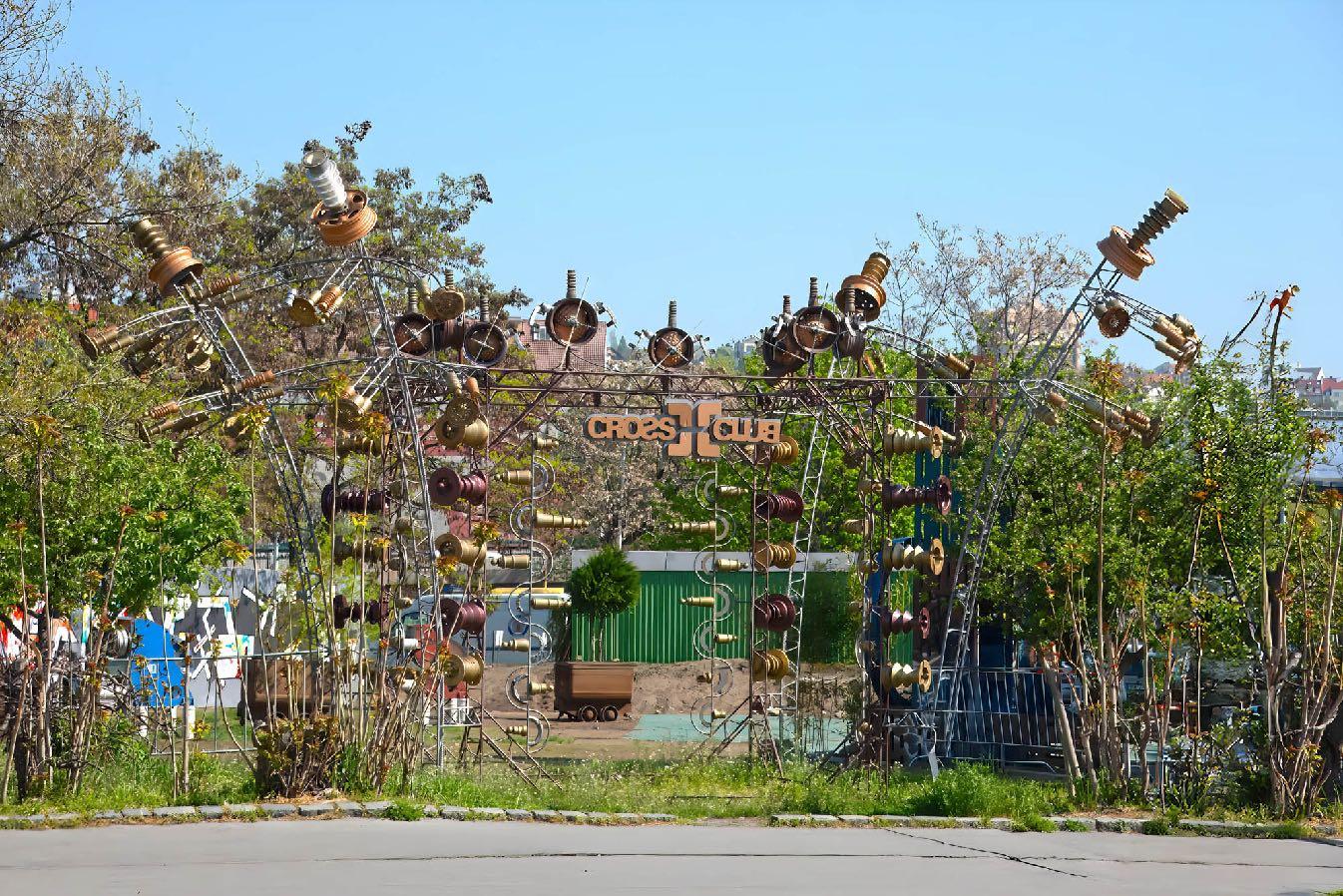
The Cross Club, nestled in Prague’s Holešovice district, is a truly unique and alternative nightclub that enchants visitors with its striking industrial steampunk vibe, featuring remarkable metal sculptures and cutting-edge installations. The music spans from techno to reggae, and the prices remain reasonable.
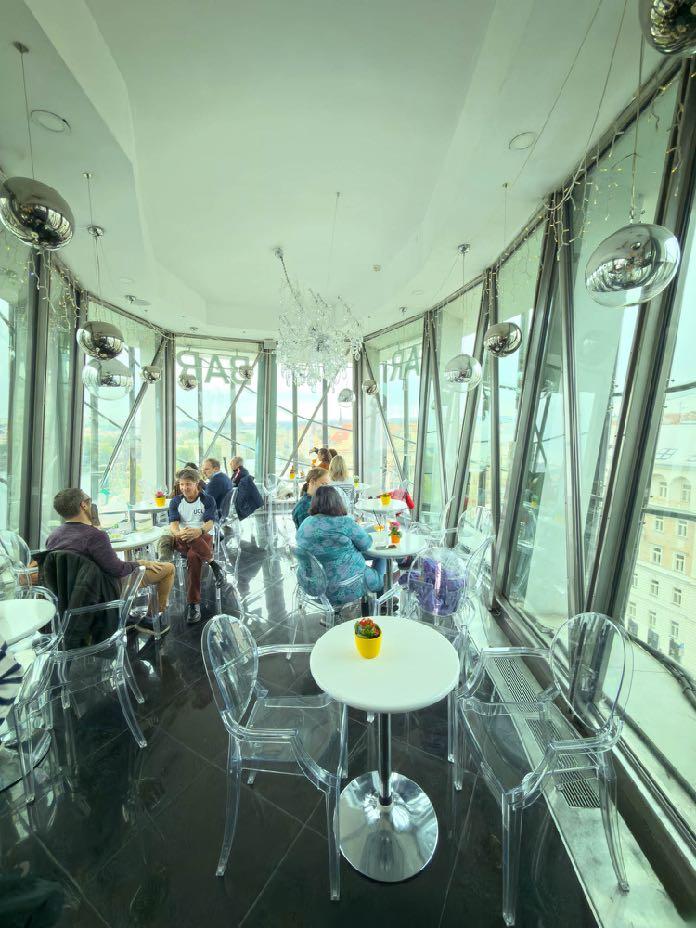
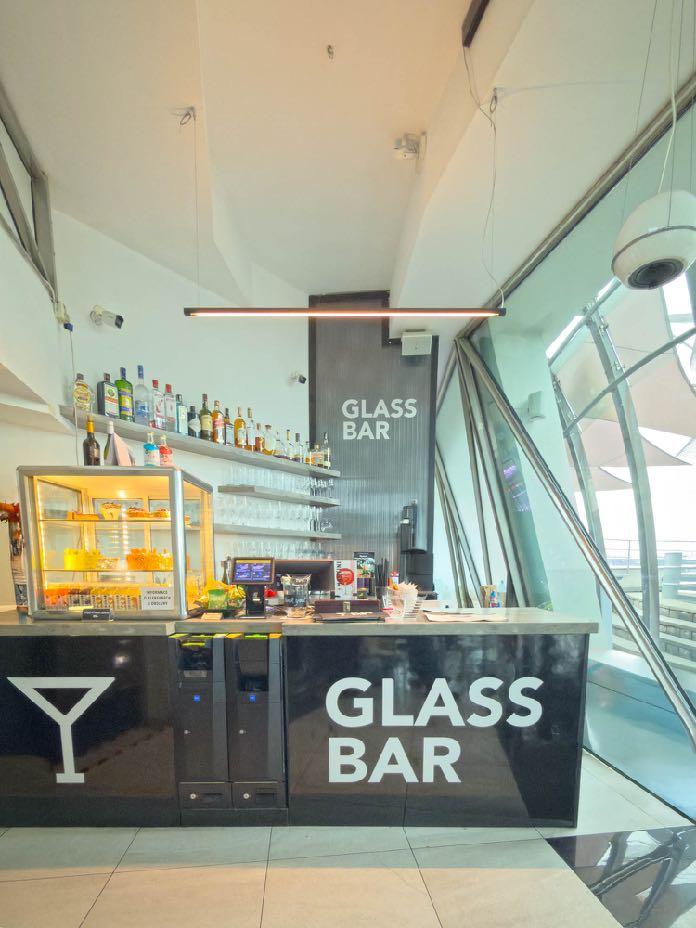
Perched atop the iconic Dancing House in Prague, The Glass Bar captivates with its refined atmosphere and breathtaking vistas of Prague Castle, the National Theatre, and the Vltava River. Offering reasonable prices and a laid-back vibe, it’s the perfect spot to savour a cocktail or a coffee in equal measure.


The Nightmare Prague Horror Bar, nestled in the heart of Malá Strana, enchants visitors with its chilling and sinister ambiance, a true delight for aficionados of the macabre. Expertly crafted cocktails add an exquisite touch to the experience. Patrons will find a wide-ranging drinks selection, all offered at reasonable prices.
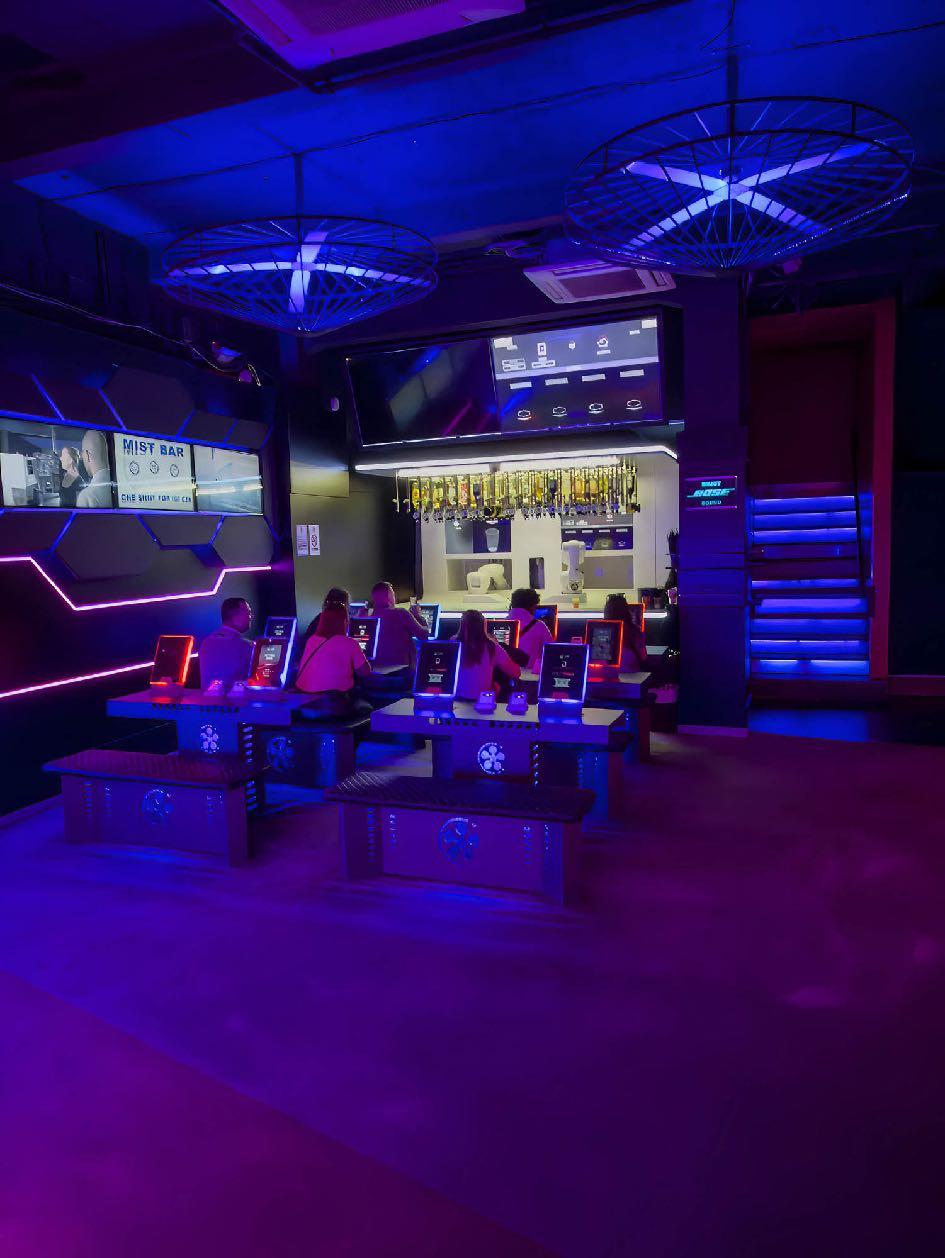
The Robotic Bar at Karlovy Lázně, nestled in the vibrant heart of Prague’s Old Town, offers a cutting-edge cocktail experience like no other. Two robotic arms expertly craft drinks from a selection of over 100 bottles in under 90 seconds. Guests place their orders effortlessly using user-friendly tablets and can enjoy watching the robots’ precise movements as they prepare both classic favourites and inventive cocktails, all displayed live on a large screen.


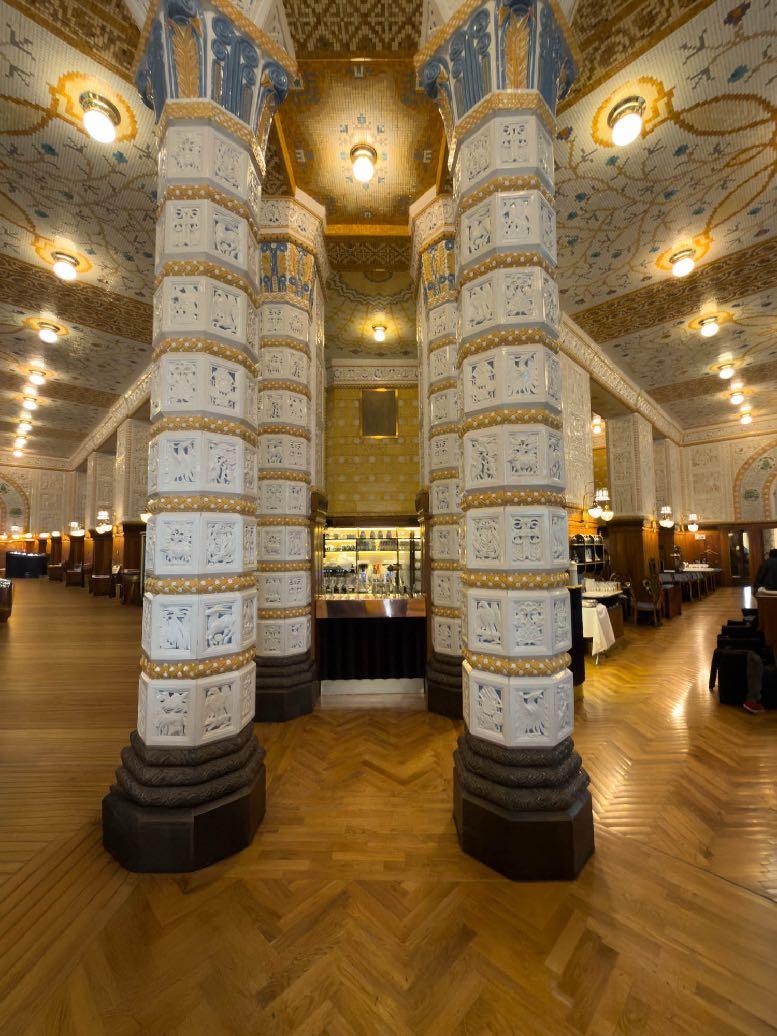
The Café Imperial, a splendid example of Art Deco elegance, nestles in the bustling centre of Prague’s New Town. Renowned for its stunning interior adorned with detailed ceramic mosaics, it stands as a testament to a proud culinary heritage. Visitors may indulge in a wide array of traditional Czech dishes, delightful cakes, and refined beverages.
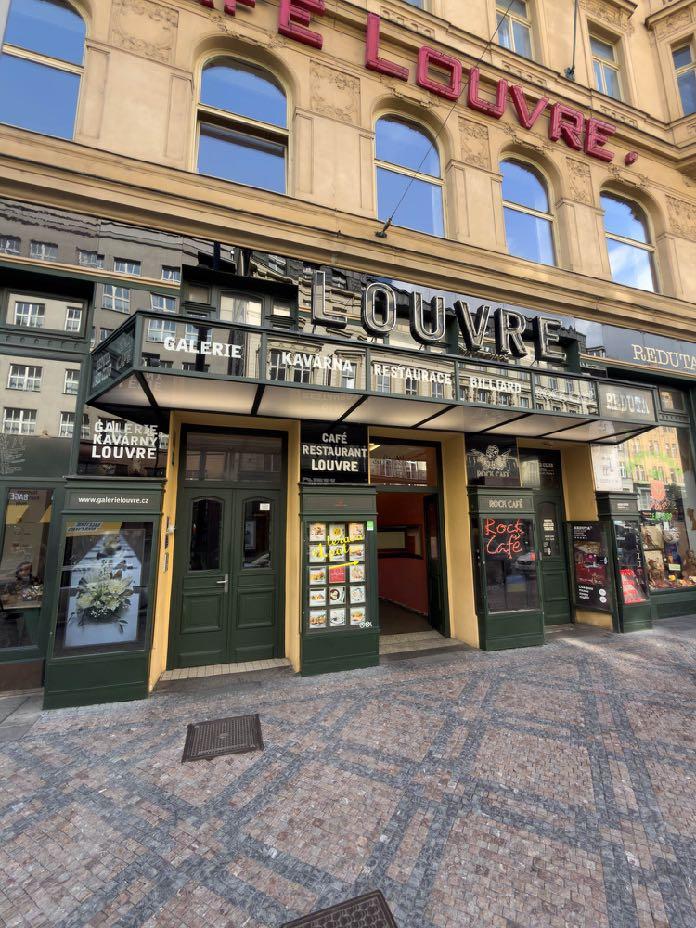
Situated in the vibrant heart of Prague’s new district, Café Louvre enchants guests with its refined Belle Époque charm and storied patrons like Franz Kafka and Albert Einstein. Delight in a carefully curated range of coffees, cakes, and traditional Czech delicacies –all offered at reasonable prices.
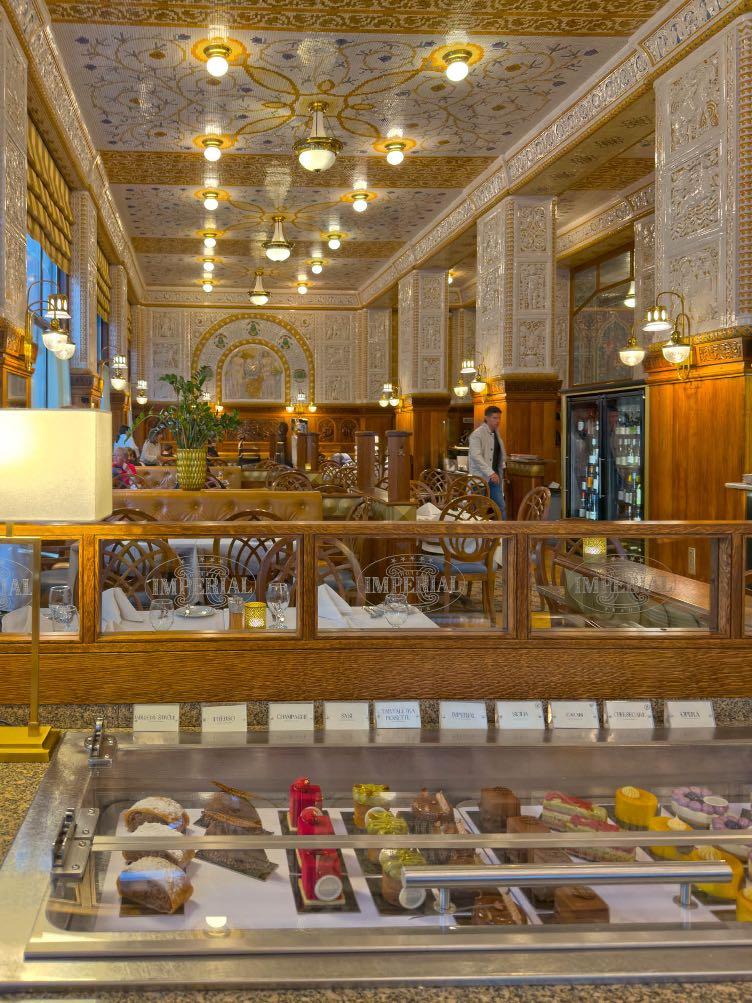
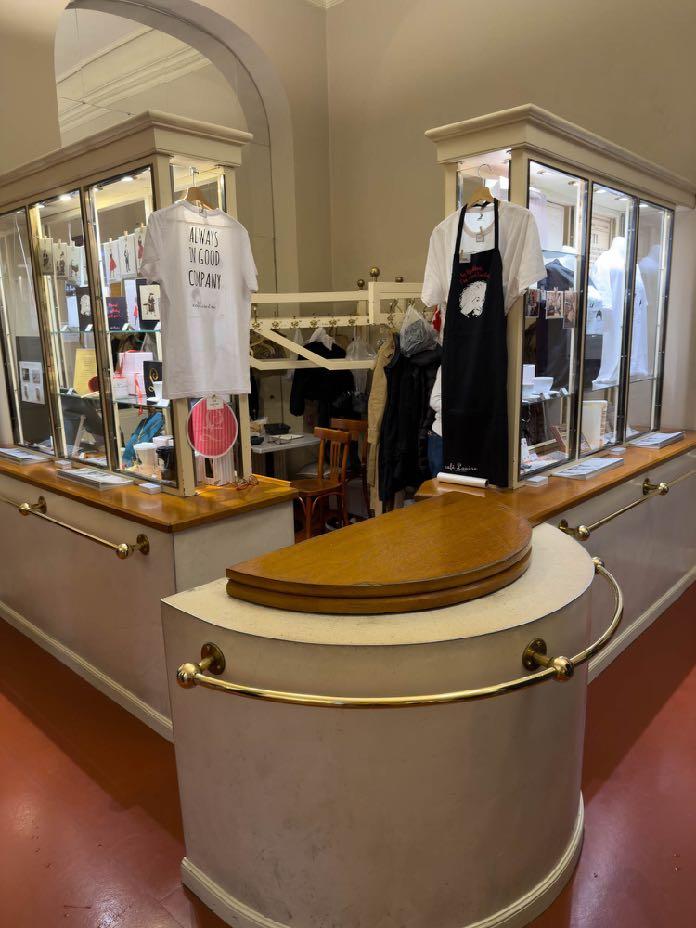

Café Obecní dům is a striking establishment nestled within an Art Nouveau municipal building at the very heart of Prague’s Old Town. Renowned for its stunning interior, it boasts glittering crystal chandeliers and intricate ceiling frescoes. Within this refined and historic ambiance, patrons can indulge in exceptional coffee creations, delightful cakes, and light refreshments, all offered at a premium.
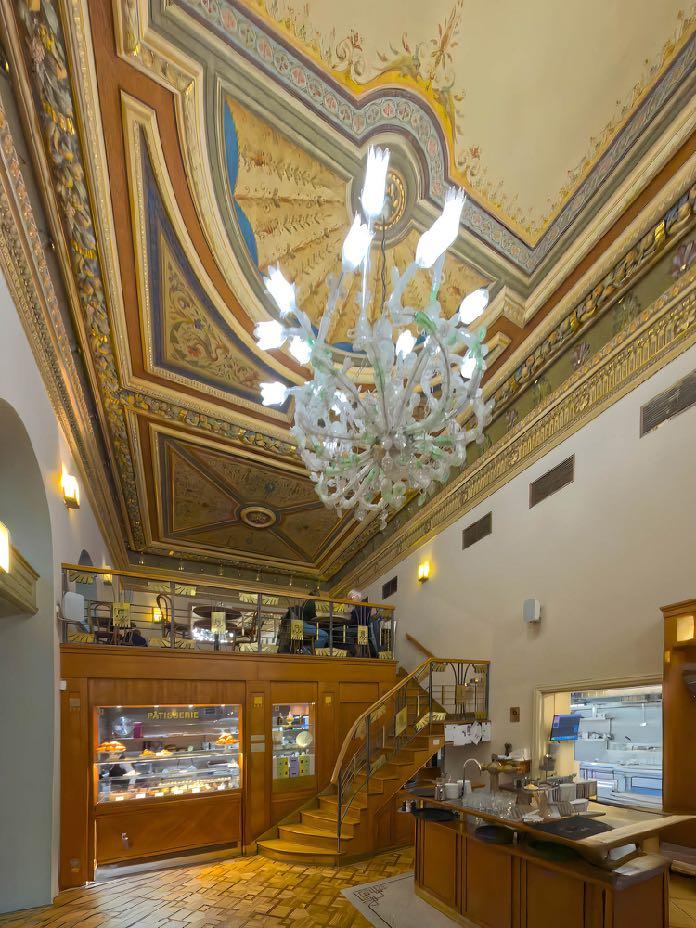
Café Savoy, a distinguished and timeless treasure nestled in Prague’s charming Malá Strana district, captivates visitors with its splendid neo-Renaissance décor, boasting soaring ceilings and dazzling crystal chandeliers. Within this graceful ambience, guests may savour a superb array of traditional Czech delicacies, exceptional coffees, and lovingly crafted cakes – all embraced by an air of understated elegance and refined sophistication.


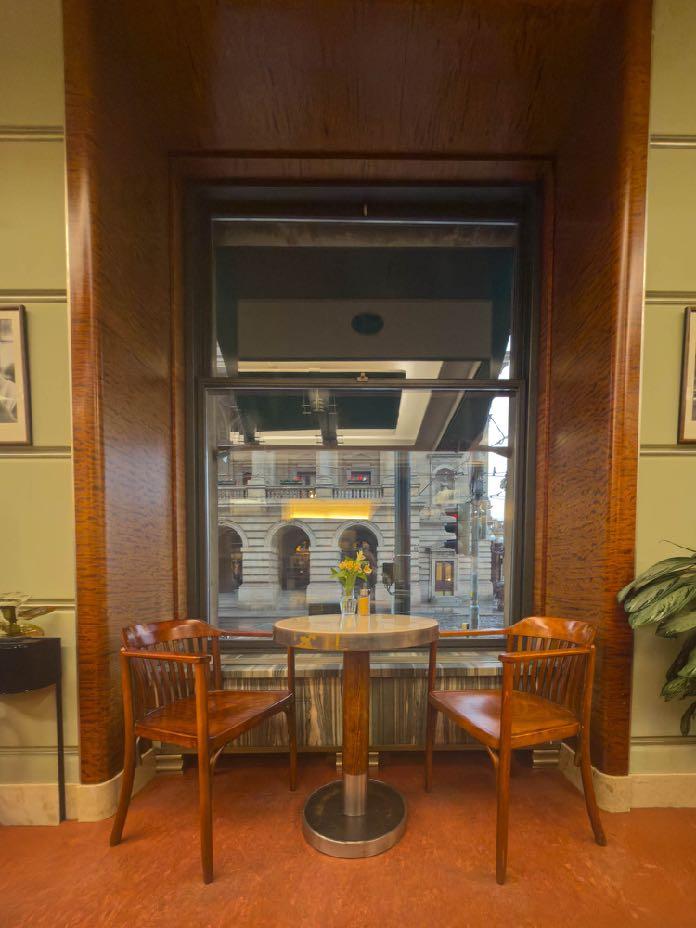
Café Slavia, nestled in the heart of Prague’s Old Town, stands as a cherished institution renowned for its splendid Art Nouveau charm and storied past as a gathering spot for artists and intellectuals such as Václav Havel. Here, one can savour an excellent array of coffees, cakes, and traditional Czech delicacies, all reasonably priced – accompanied by breathtaking views of the Vltava River and Prague Castle.
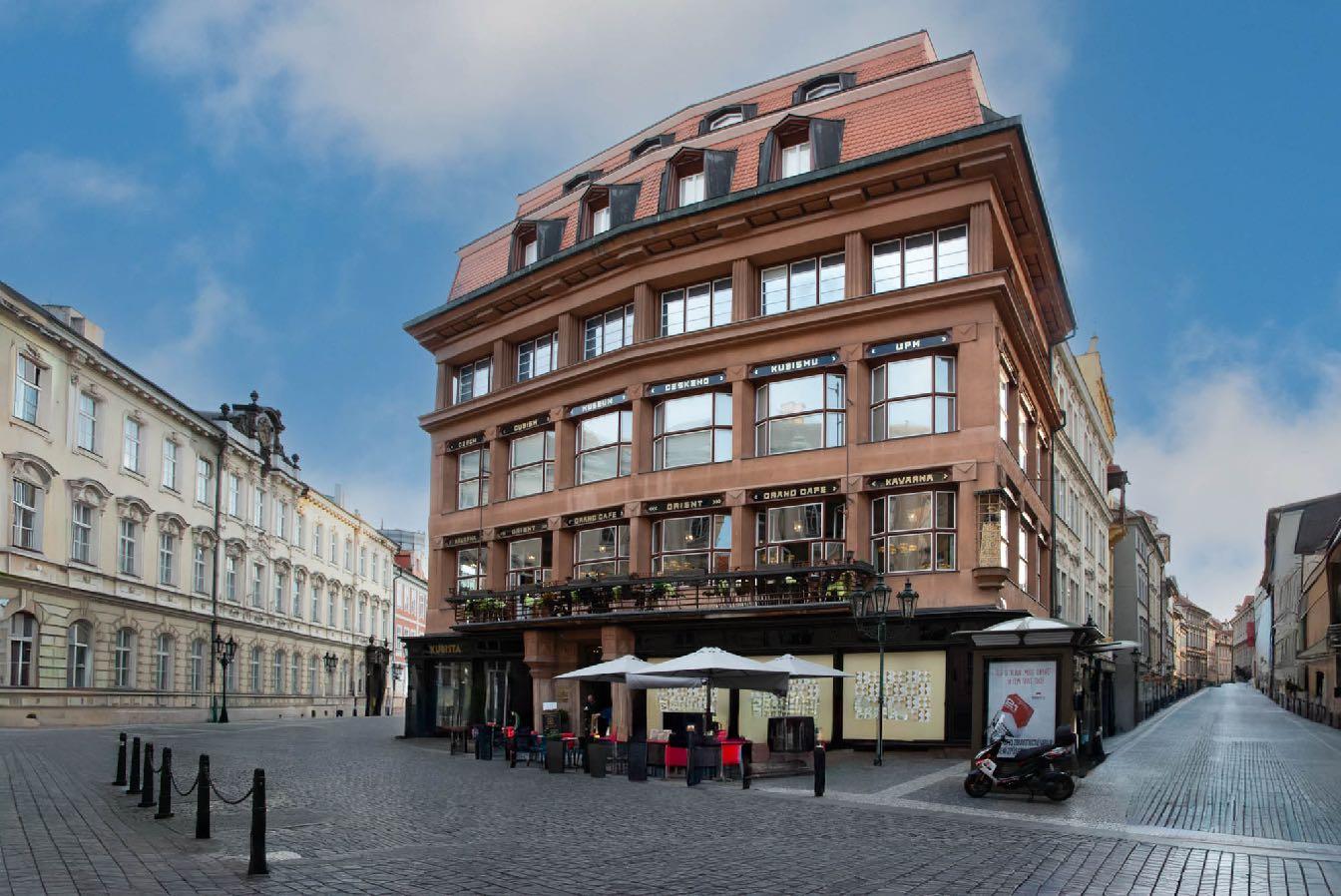
Grand Café Orient is nestled within the remarkable cubist masterpiece of the Black Madonna building, right in the very centre of Prague’s Old Town. Celebrated for its outstanding architecture and exquisitely crafted cubist interior, it offers a charming retreat. Visitors are welcomed to savour a carefully curated range of coffees, cakes, and light dishes, all reasonably priced and served amidst an atmosphere brimming with creative inspiration.
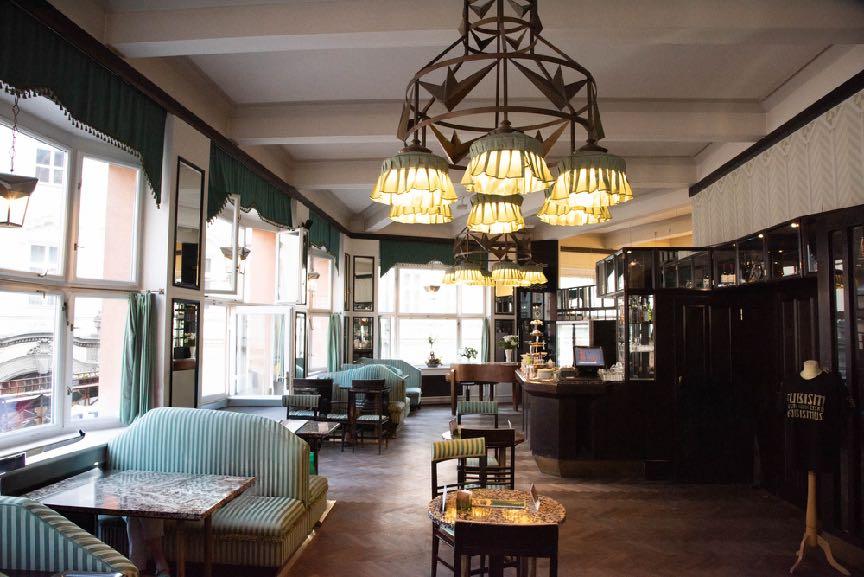
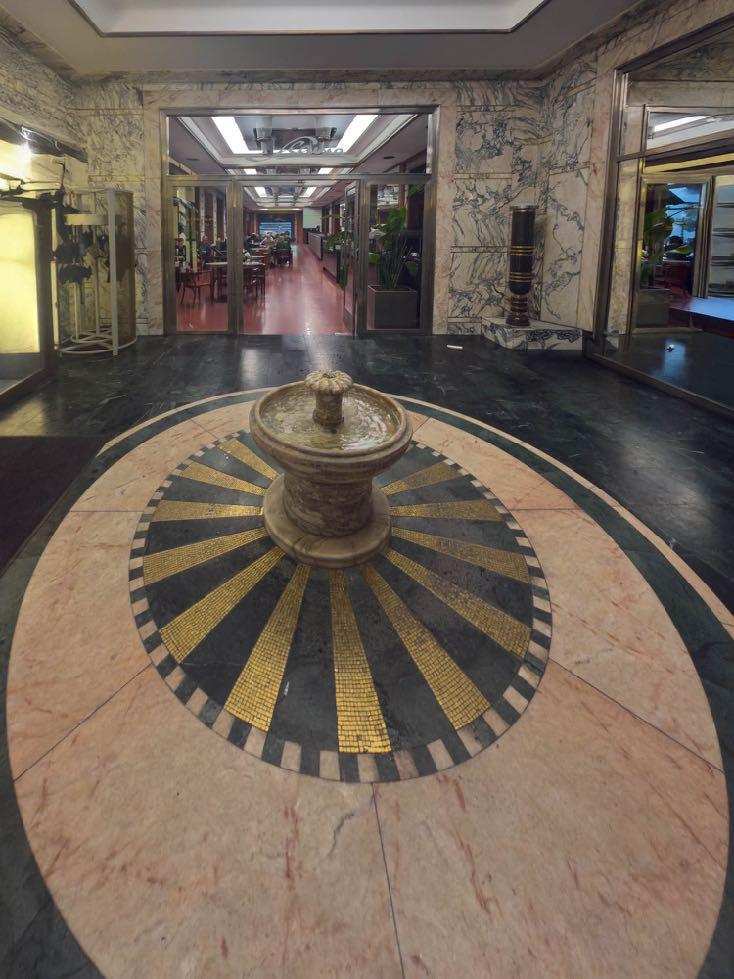

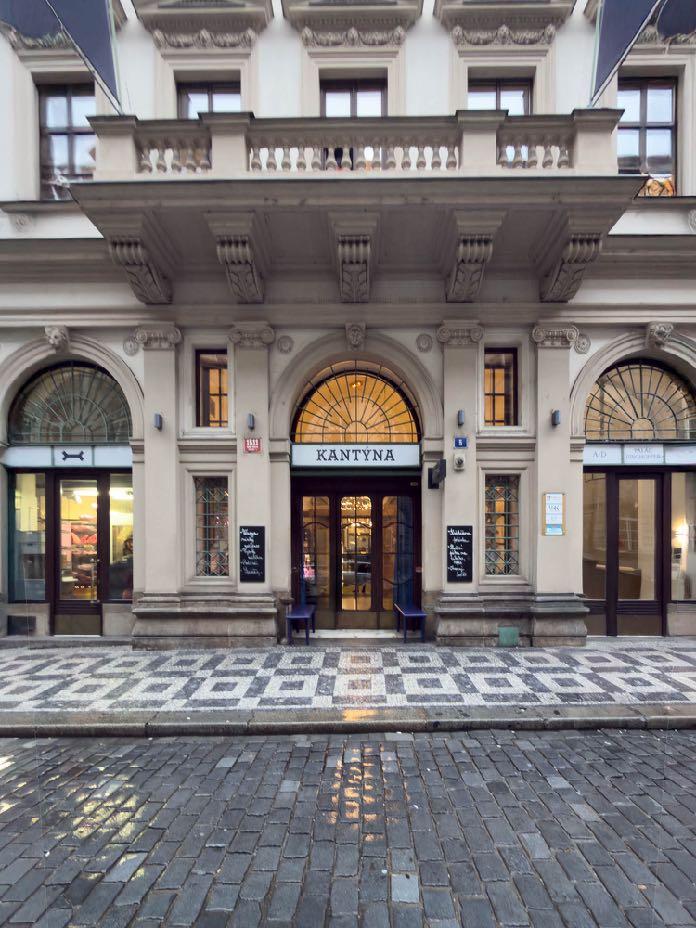
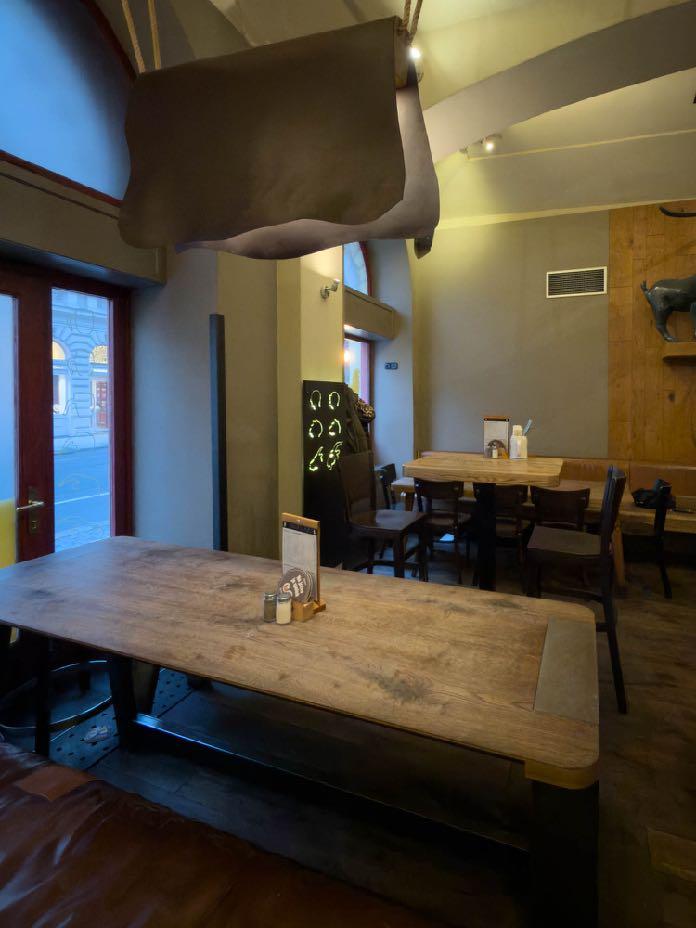
Kantyna, nestled in the charming Staré Město district, stands as Prague’s premier destination for meat enthusiasts. This is the place where top-quality steaks and classic Czech meat specialties are crafted fresh in an open kitchen. The setting blends rustic charm with sleek industrial design, offering a truly distinctive atmosphere. A carefully curated range of local beers is on hand to enhance your meal. Expect prices to be on the higher side.
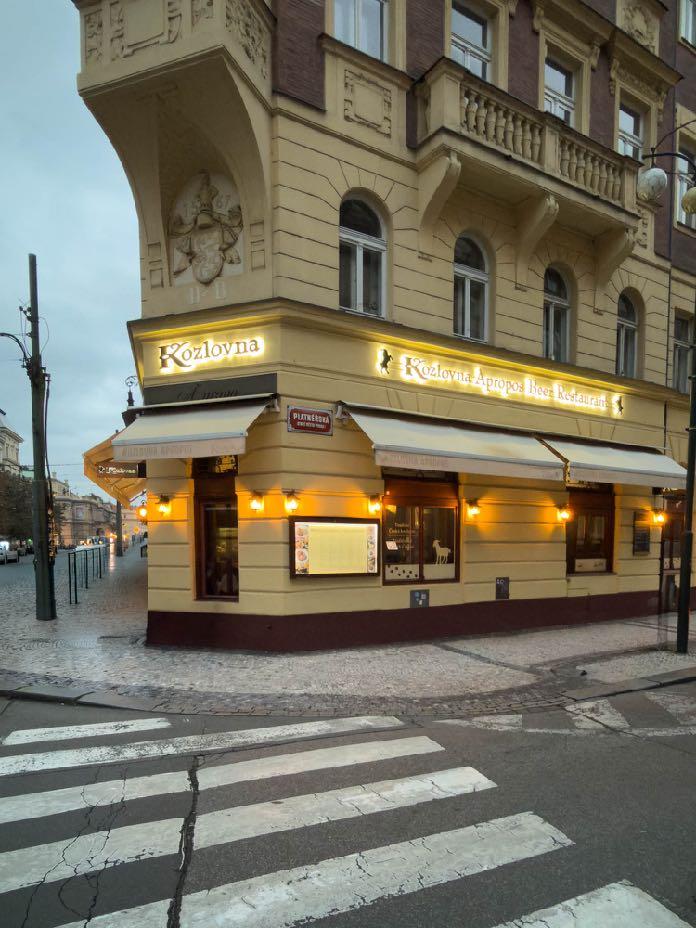
The Kozlovna Apropos, nestled in the heart of Prague’s Old Town, offers a delightful Czech tavern experience. Guests are treated to traditional favourites like goulash and svíčková, lovingly prepared from fresh, top-quality ingredients. The cosy, rustic setting, featuring wooden furnishings and exposed brick walls, invites you to relax and stay awhile. To top it all off, a freshly poured Kozel beer at a reasonable price perfectly rounds off the visit.

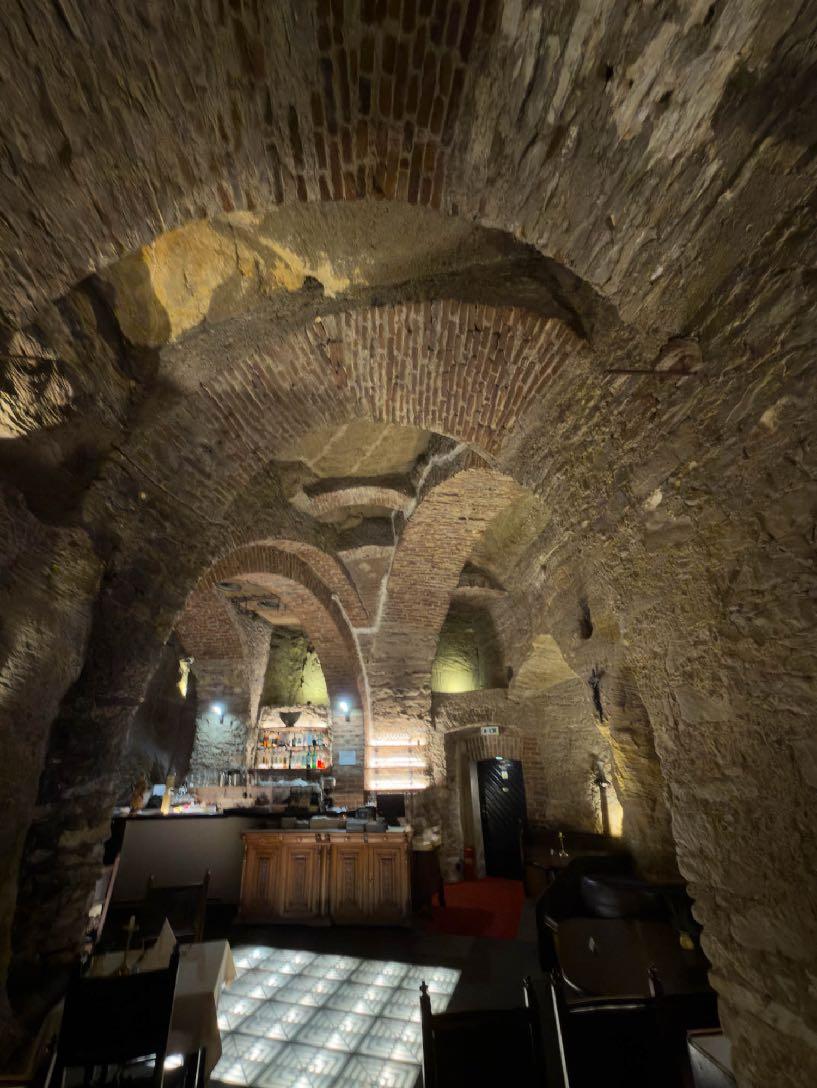
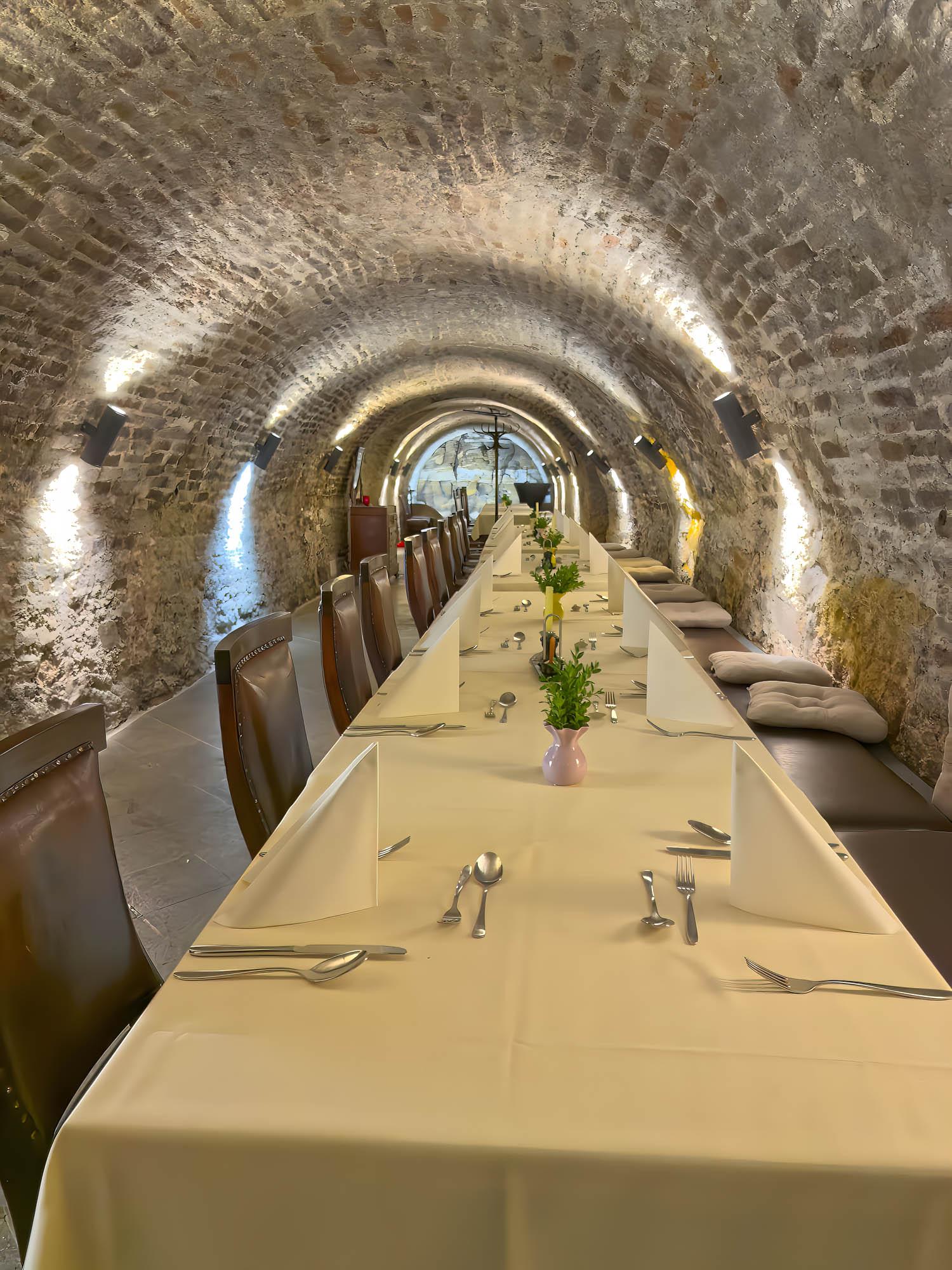
The Na Pekle restaurant offers a genuine Czech tavern experience with a distinctive charm. Nestled in a vaulted cellar close to Strahov Monastery, visitors can savour robust dishes like pork knuckle and goulash. The warm, rustic setting creates a welcoming atmosphere, perfect for enjoying a varied range of local beers at reasonable prices.
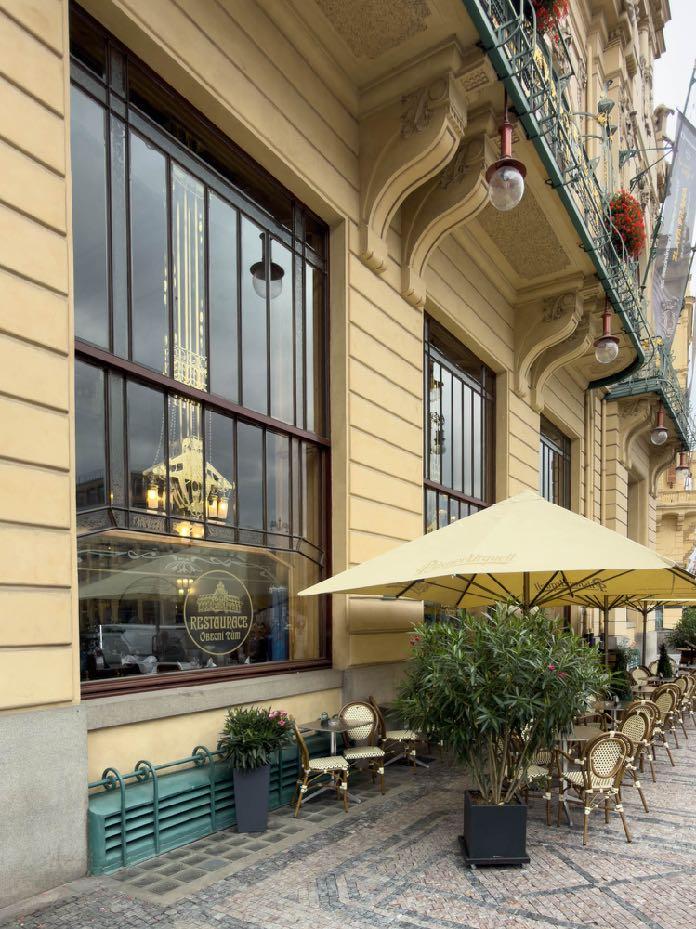
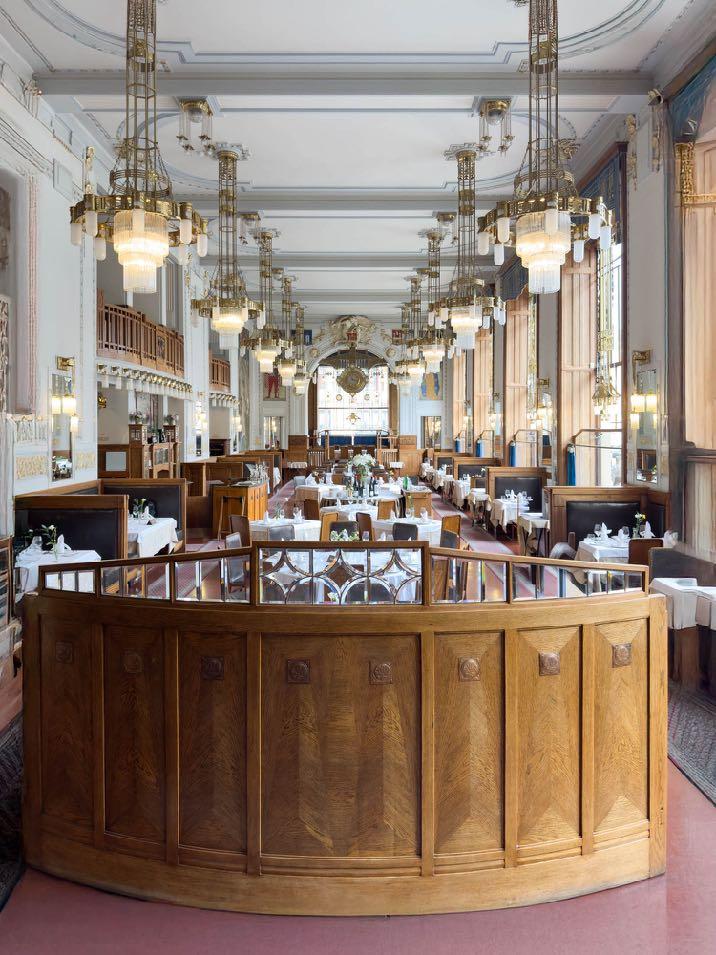
The Obecní dům restaurant, nestled in the very heart of Prague’s Old Town, captivates visitors with its splendid Art Nouveau architecture and exquisite interior adorned with artistic mosaics and intricate stucco detailing. Guests are invited to savour contemporary Czech dishes alongside a selection of refined international cuisine, all served within an exceptional atmosphere often enriched by live jazz or piano performances.
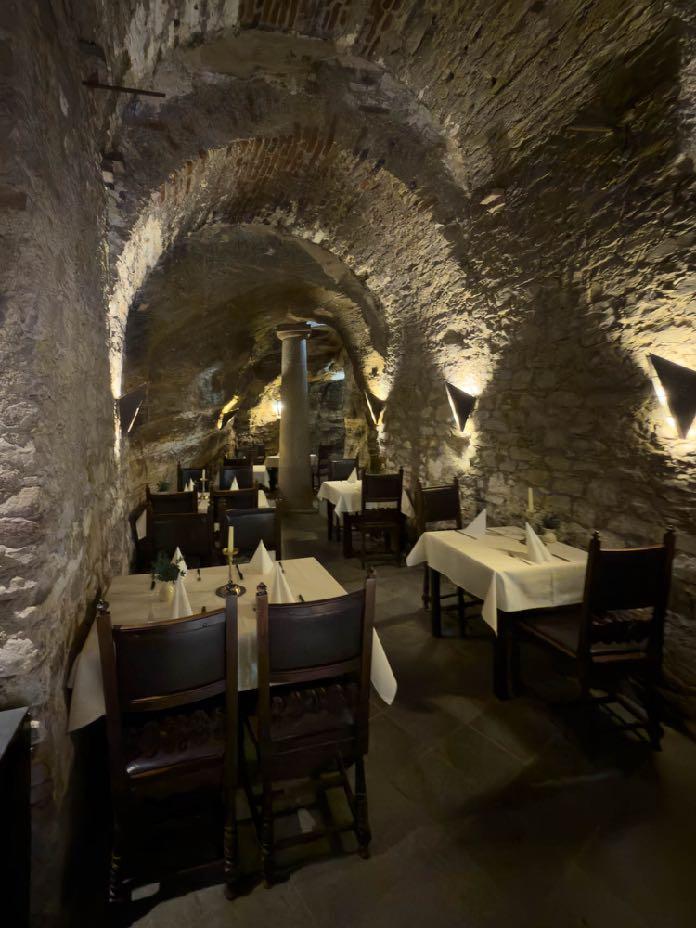
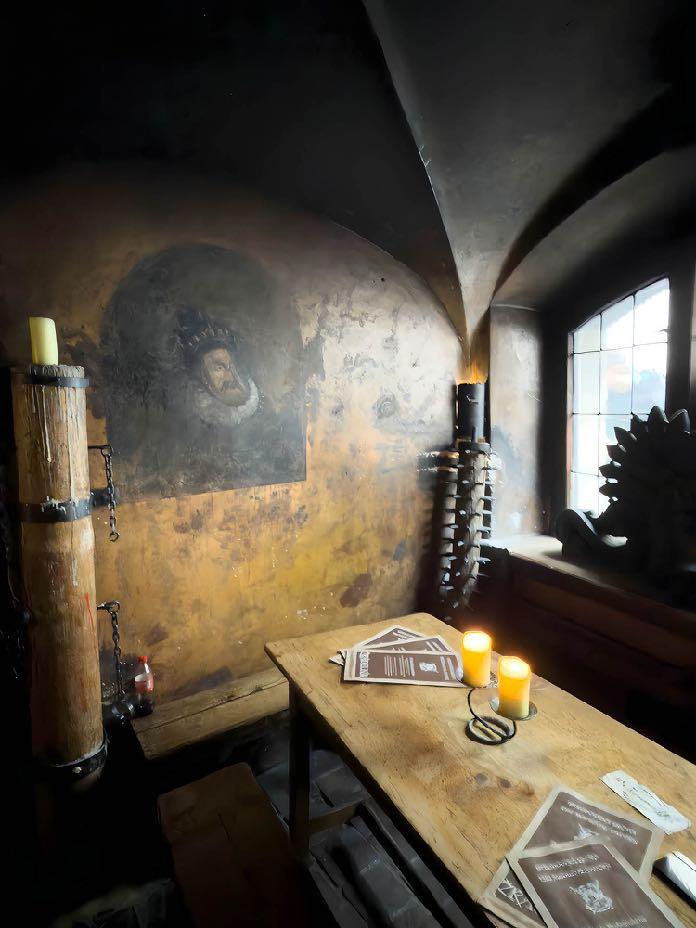
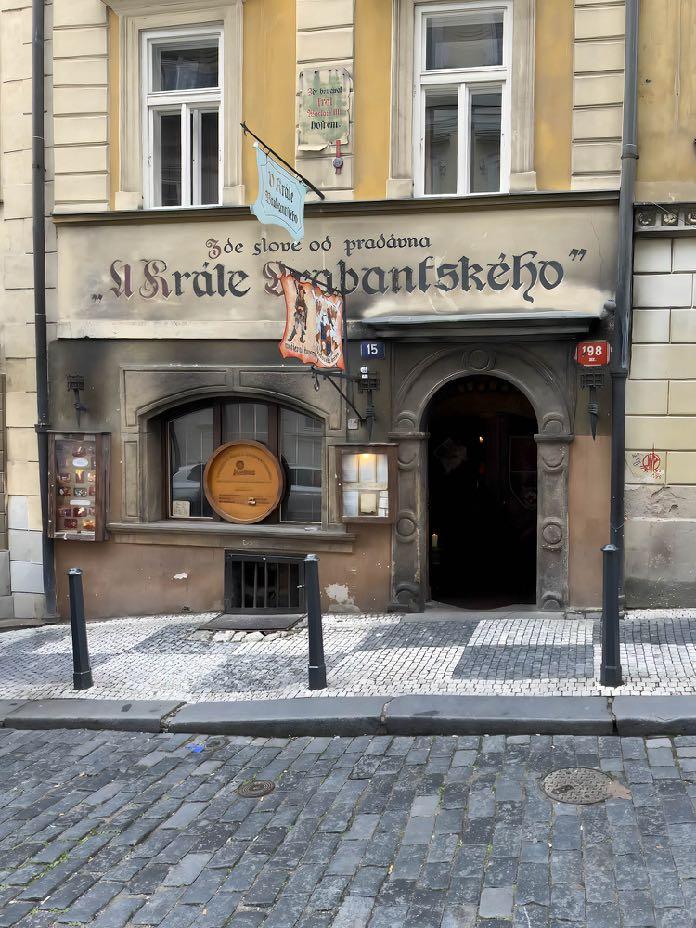
The Krčma U krále Brabantského inn proudly traces its origins back to 1375. It enchants guests with an authentic medieval ambiance, featuring flickering candlelight, sturdy wooden furnishings, and classic Czech dishes like wild boar and goulash. Visitors are treated to a unique atmosphere, heightened by live music and lively performances, all accompanied by a fine range of local beers offered at reasonable prices.
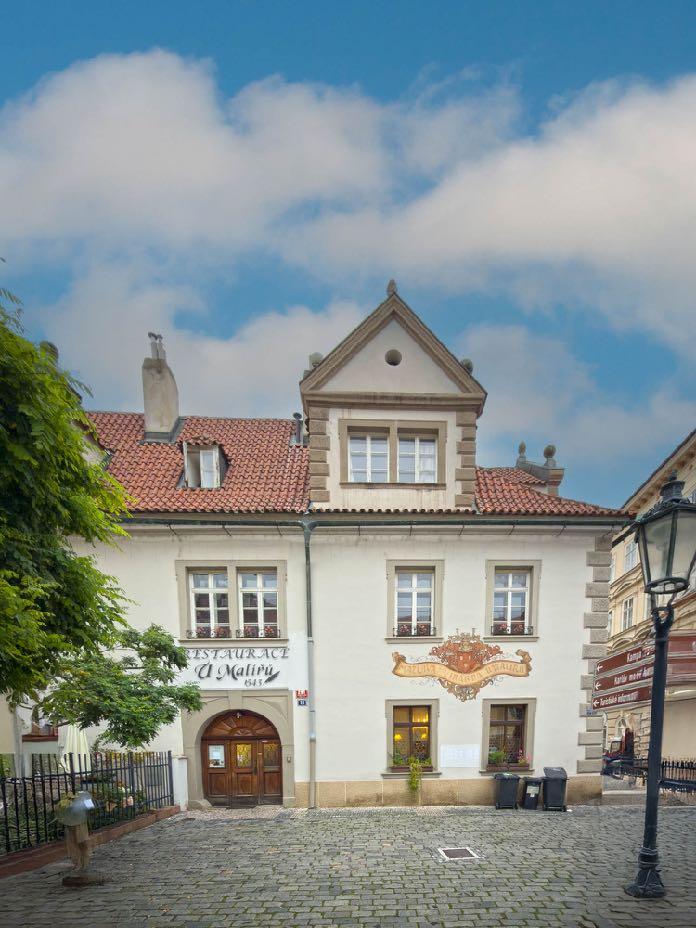
The U Malířů 1543 restaurant, nestled in the very heart of Prague’s Old Town, enchants visitors with its elegant and historic charm. Guests are invited to savour a distinguished array of Czech and international dishes, presented within a beautifully curated interior. The refined ambiance is enhanced by period furnishings and an expertly chosen wine list – a destination for the discerning epicurean, truly deserving of its premium reputation.

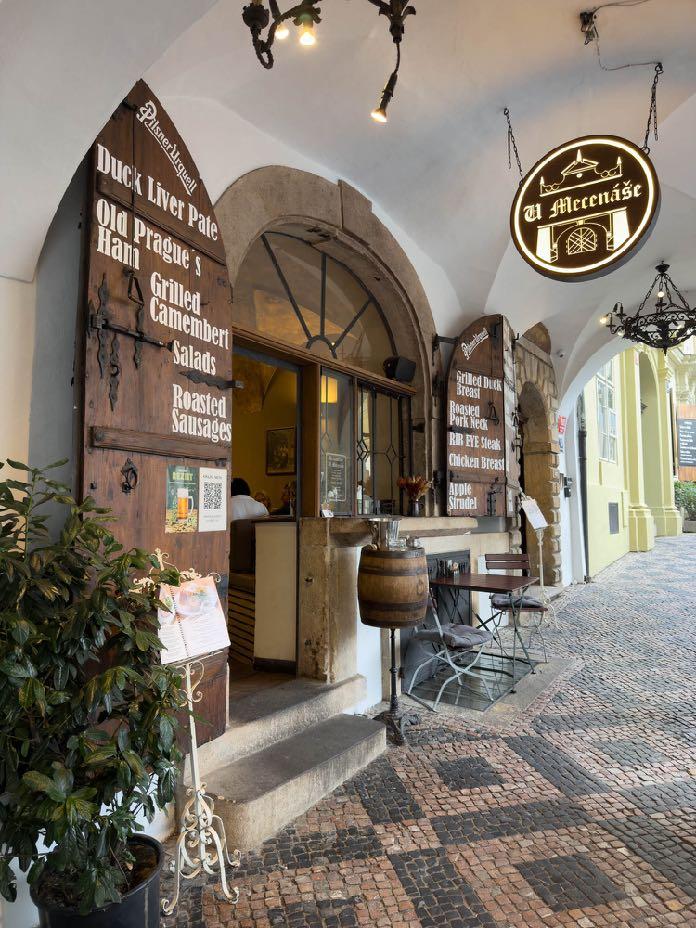
Nestled in the charming Malá Strana district of Prague, the U Mecenáše restaurant offers a truly romantic experience within a historic edifice. Celebrated for its refined Czech fare, the menu places special emphasis on game and classic local delicacies. The cosy ambiance is beautifully complemented by antique décor, soft candlelight, and an expertly selected wine list, though diners should expect prices to reflect its upscale nature.
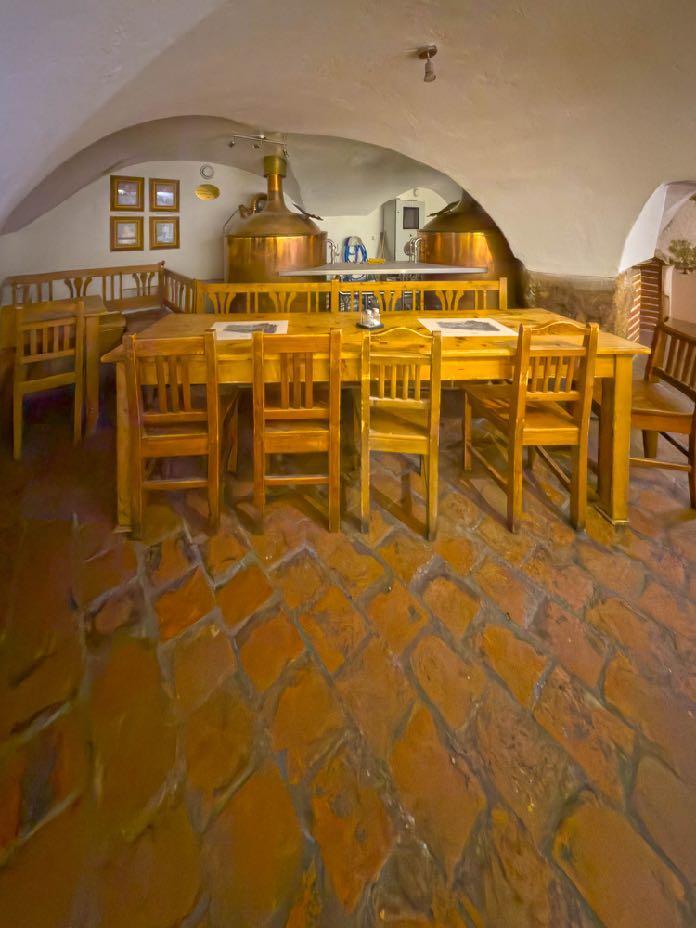
Situated in the very centre of Prague’s Old Town, the U Medvídků restaurant is a classic Czech venue celebrated for its robust traditional dishes. Renowned for its own beer, brewed continuously since 1466, it offers a truly authentic taste. The cosy, rustic setting and welcoming beer hall provide a genuine experience – all at reasonable prices. The brewery hotel of the same name can also be found on the same site.


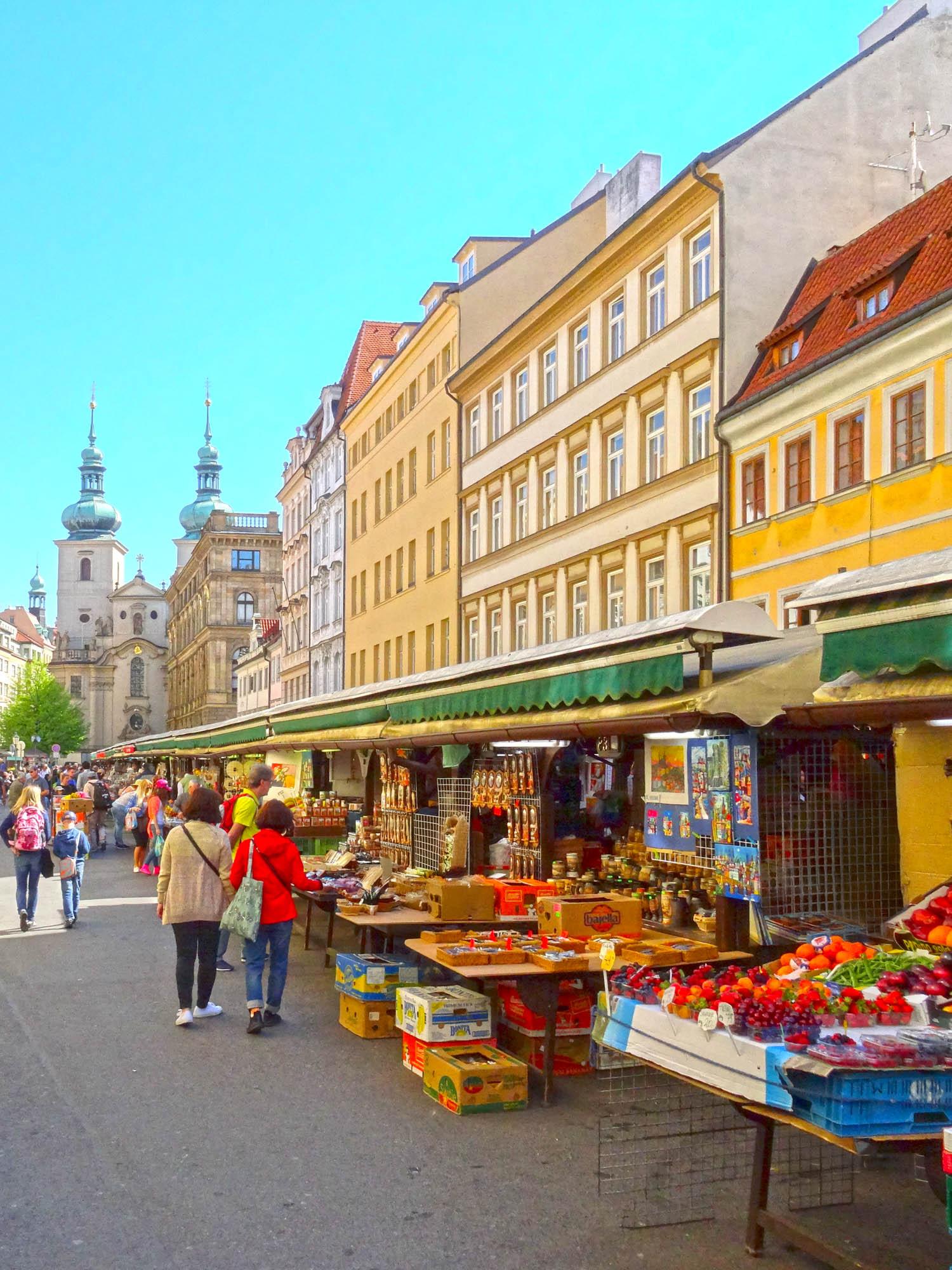

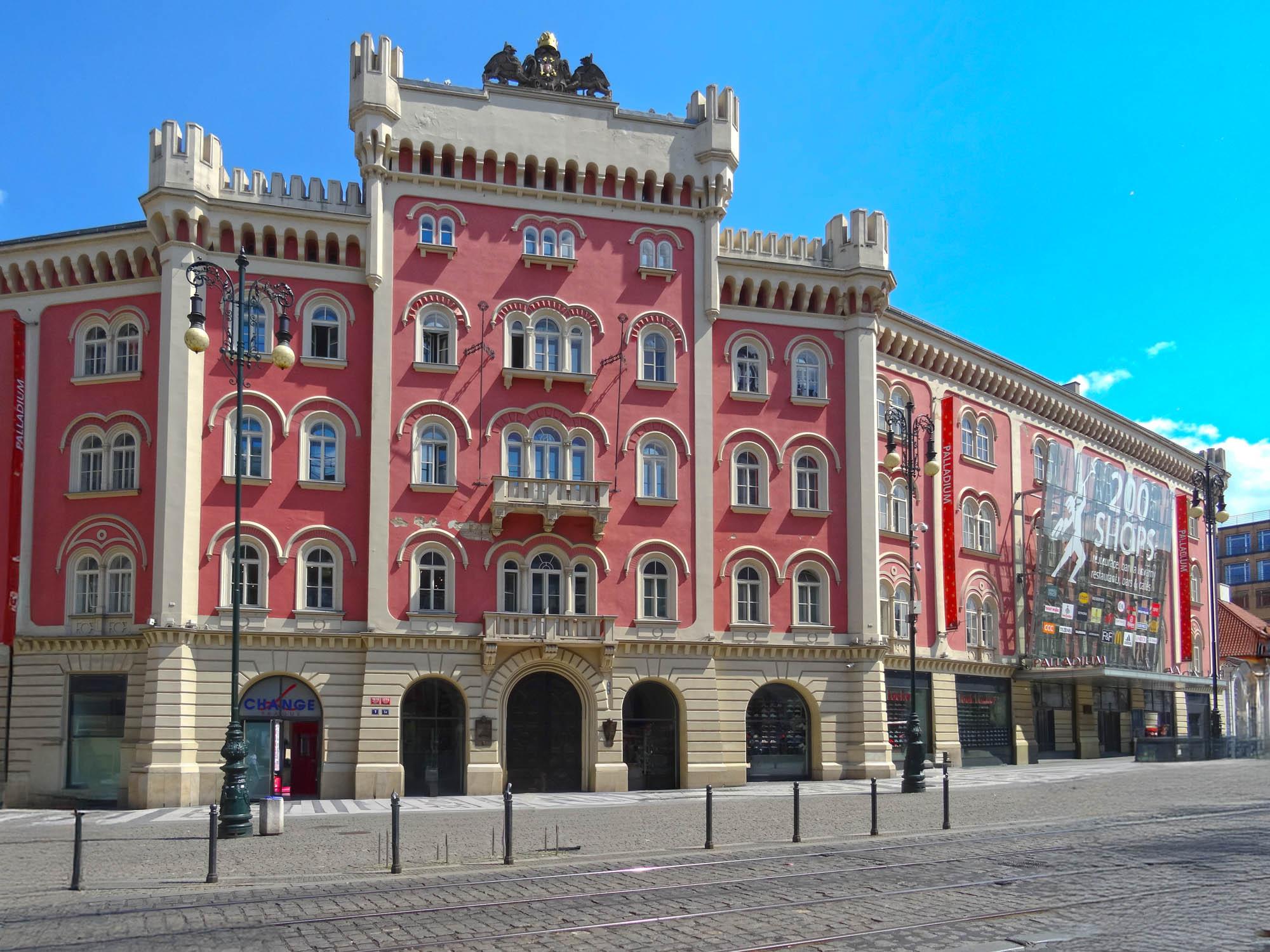
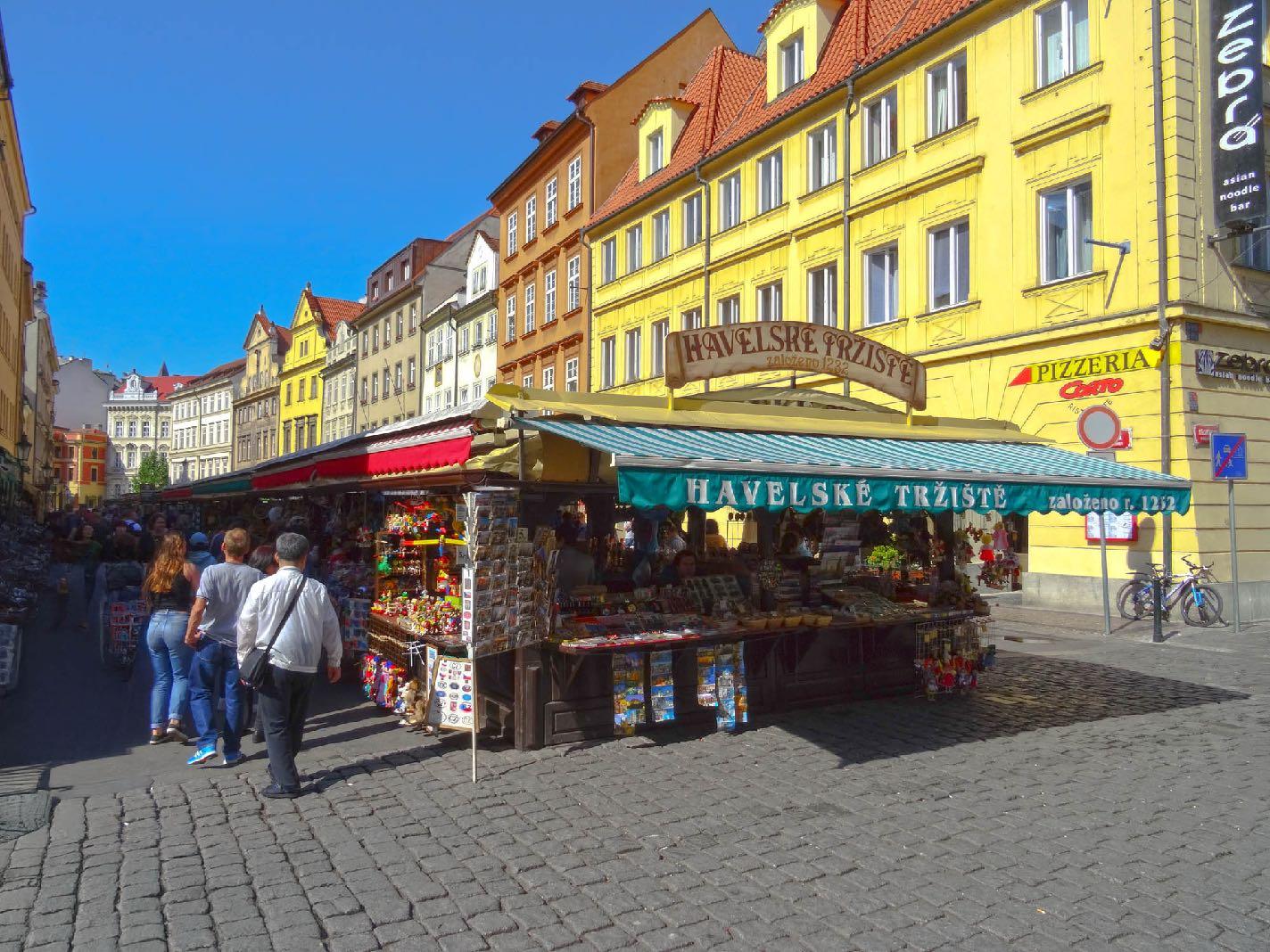
Many visitors to Prague love to round off their trip with a spot of shopping. The city’s shopping streets can easily hold their own against those in any major international city, inviting a leisurely wander while admiring the variety on offer. Numerous shopping centres provide the perfect refuge for bargain hunters, come rain or shine. Street markets boast a rich,
centuries-old tradition in Prague: from farmers’ markets showcasing local produce to the city’s largest flea market, U Elektry, sprawling across 50,000 square metres and brimming with treasures. Prague Tourism offers a detailed guide to the best markets, shopping centres, and shopping streets. Simply click the info button for more details.
with the ÖBB to Prague


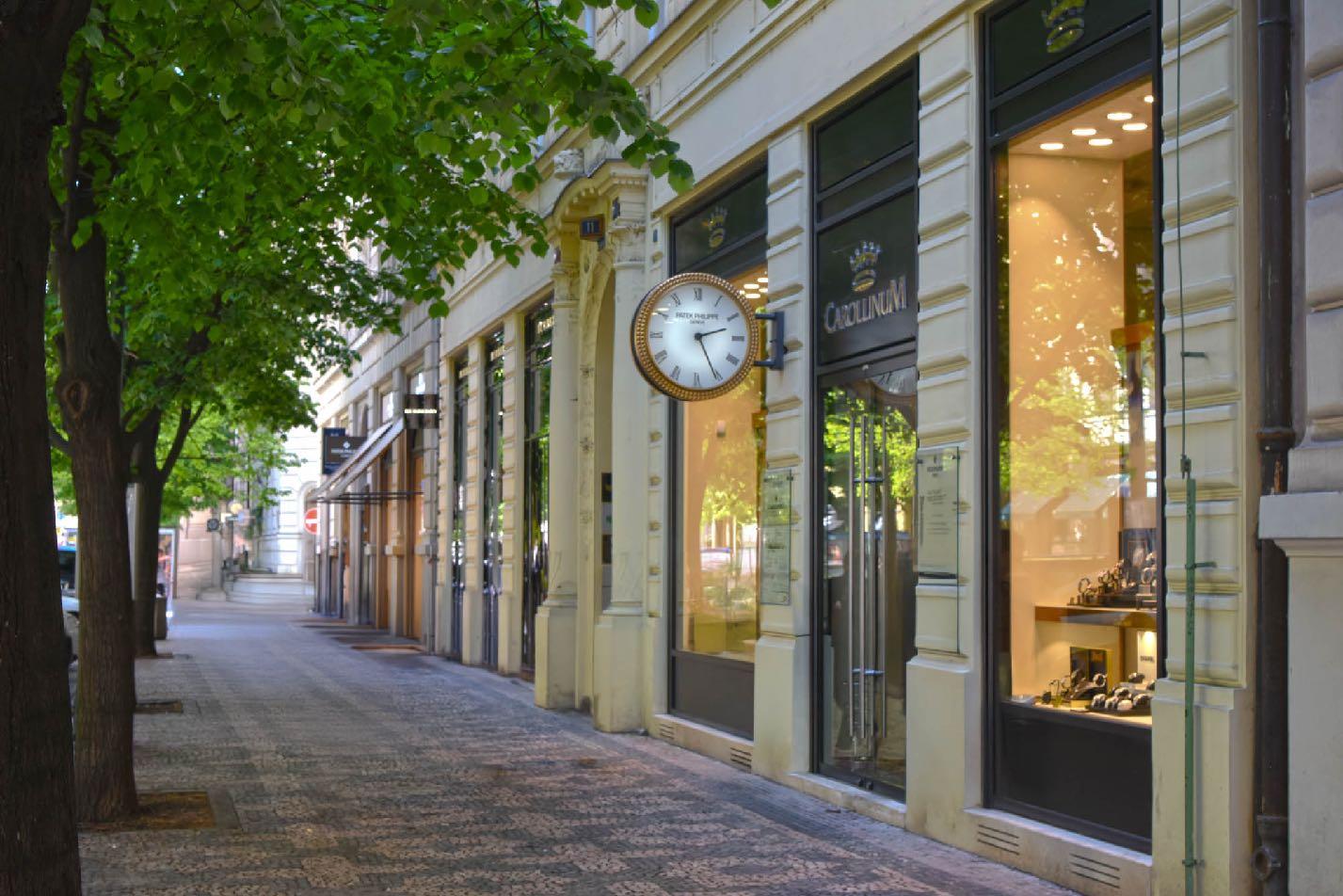


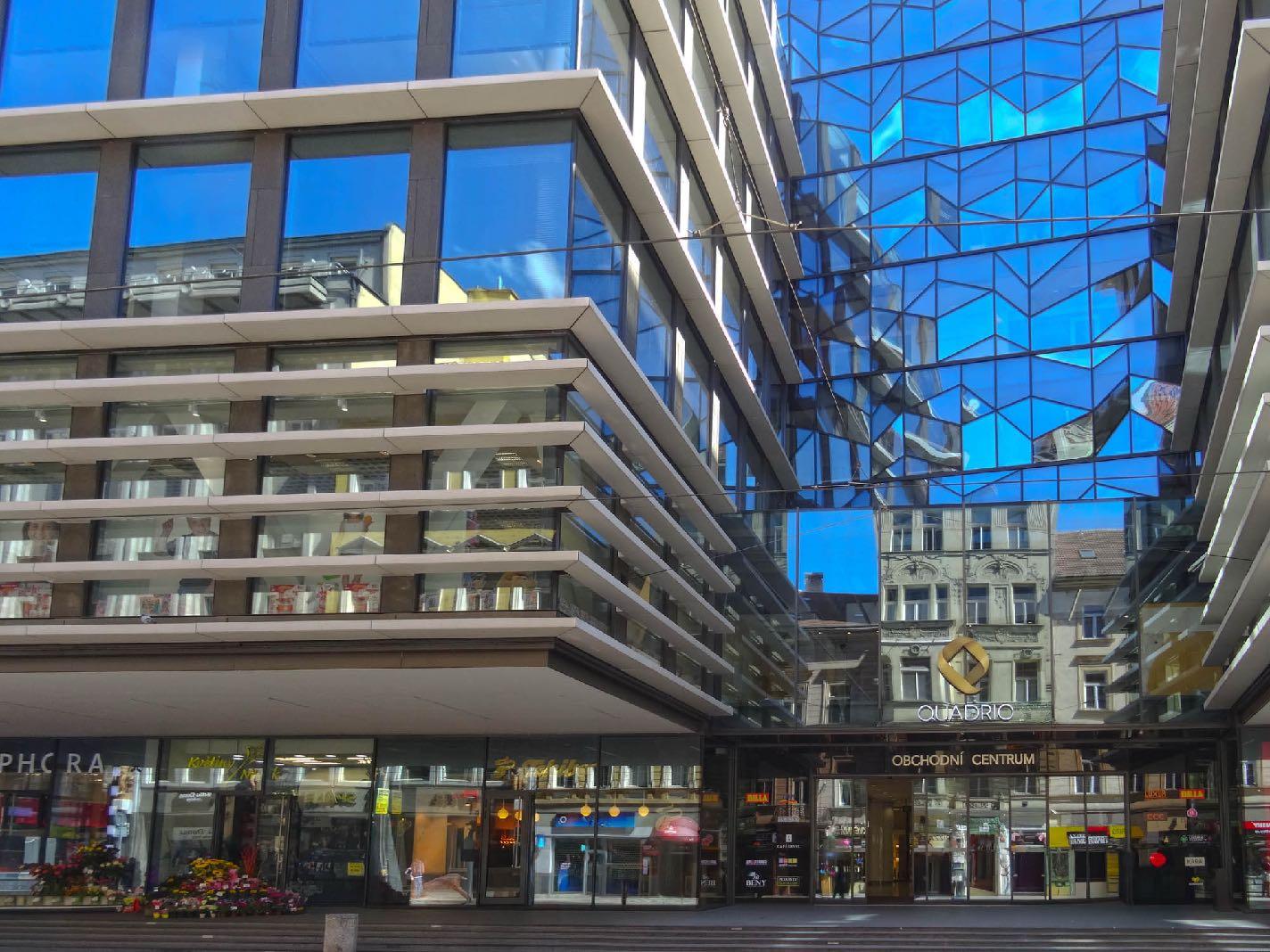
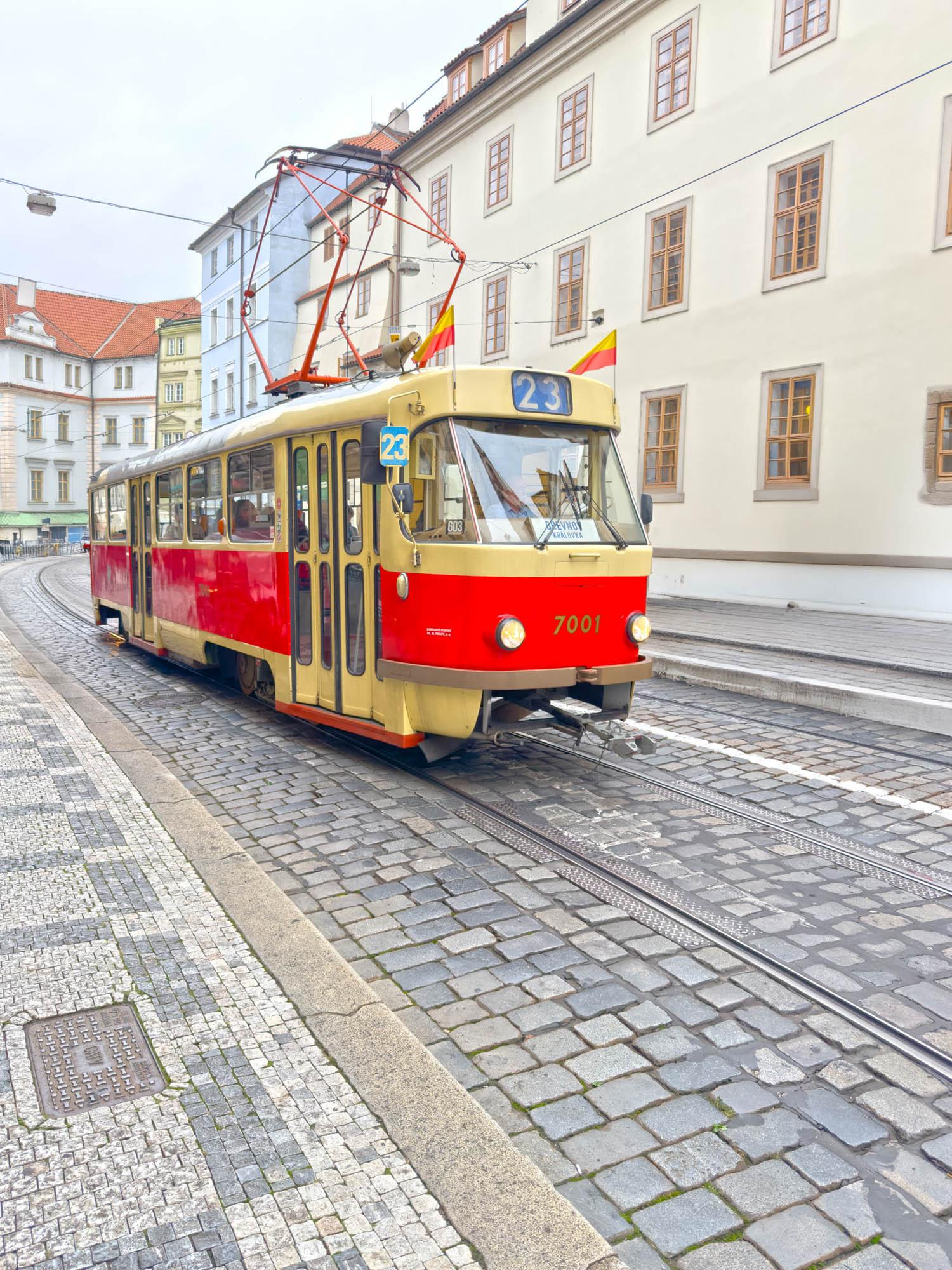


Prague features an outstanding public transport system, widely regarded as one of the most dependable and efficient across Europe. Even the city’s most outlying districts are swiftly and easily reachable via public transport.
Ticket machines can be found on every tram and bus, as well as at all metro station entrances, ensuring hassle-free purchase of single and short-term tickets.
Seniors aged between 60 and 65 benefit from half-price fares. Meanwhile, children under 15 and individuals over 65 travel free of charge, provided they present a valid EU national identity card or passport.
Additionally, numerous bike rental stations offer a green and convenient way to discover the city. For those who prefer walking, well-marked routes and clear city maps - available at many central points - make navigation straightforward. Special day and multiday tickets tailored for tourists are also offered, often combining public transport access with discounts on museums and local attractions.

Trams always take precedence over pedestrians at zebra crossings!
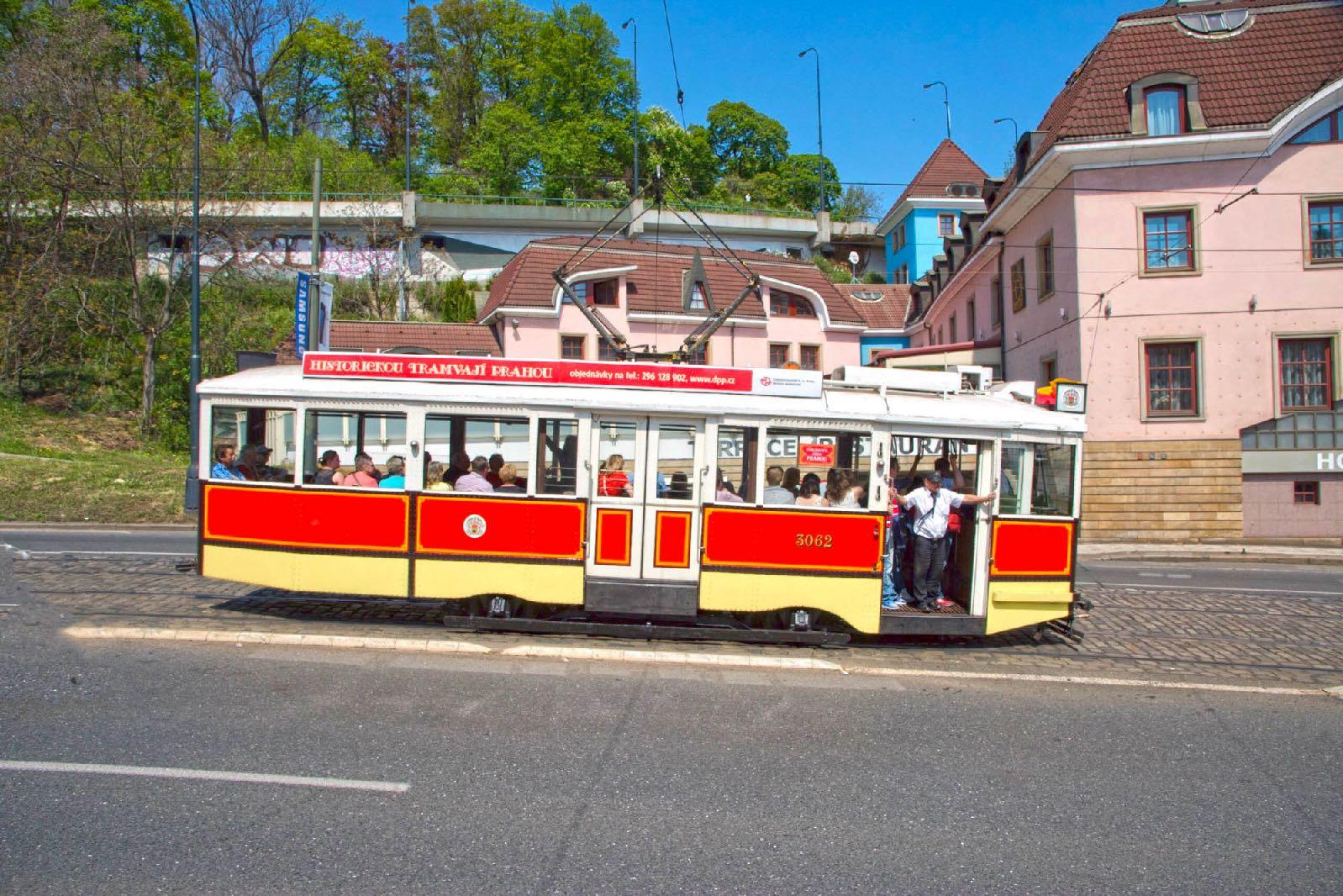
A journey aboard a historic tram line offers a truly memorable experience. The route has been carefully planned to provide easy access to a variety of key attractions. With our hop-on, hop-off tickets, valid for 24 hours, you’re free to board and disembark whenever
you like – tickets can be purchased directly on the tram. Please be aware that standard tickets are not accepted on the historic lines. Seasonal variations apply to the different routes in operation.

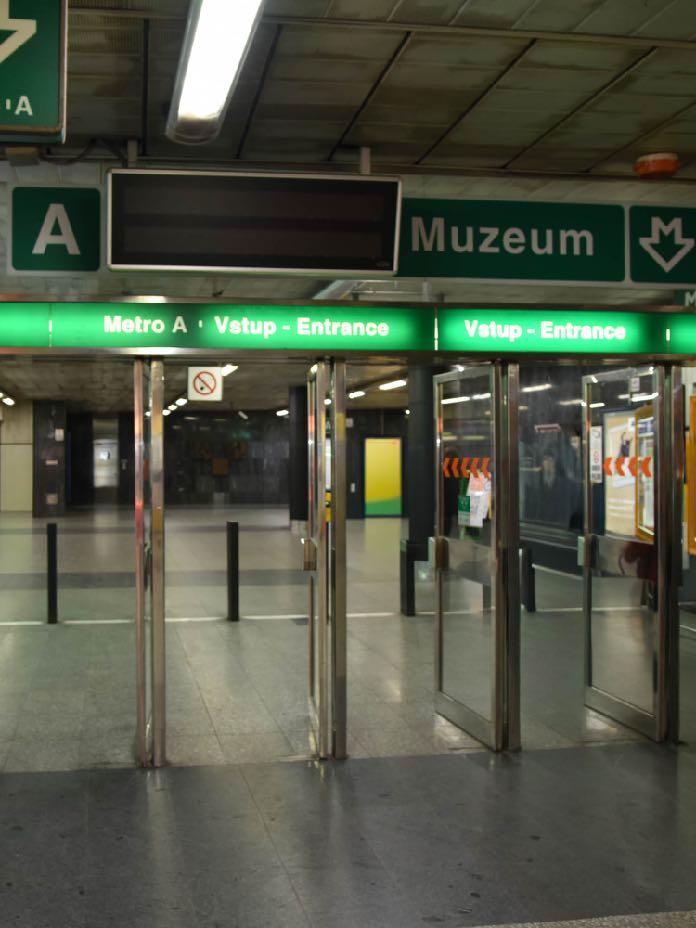
The Prague Metro consists of three lines linking the city centre with the outer districts. Covering a total of 65 kilometres, the network serves 61 stations.
On weekdays, trains arrive every 2 to 4 minutes. The metro is especially renowned for its cleanliness and dependability. Services start daily at 5:00 AM and run until midnight.
During Friday and Saturday nights, trains operate every 20 minutes. Many stations showcase either historic or contemporary designs.
Line A (green): Depo Hostivař — Nemocnice Motol
Line B (yellow): Černý Most — Zličín
Line C (red): Letňany — Háje
At the interchange stations Můstek (Lines A and B), Muzeum (Lines A and C), and Florenc (Lines B and C), two lines intersect. As the entrances can be somewhat confusing, especially for tourists, careful orientation is recommended.
The station at the main railway hub, Praha Hlavní Nádraží, is served by the red Line C.
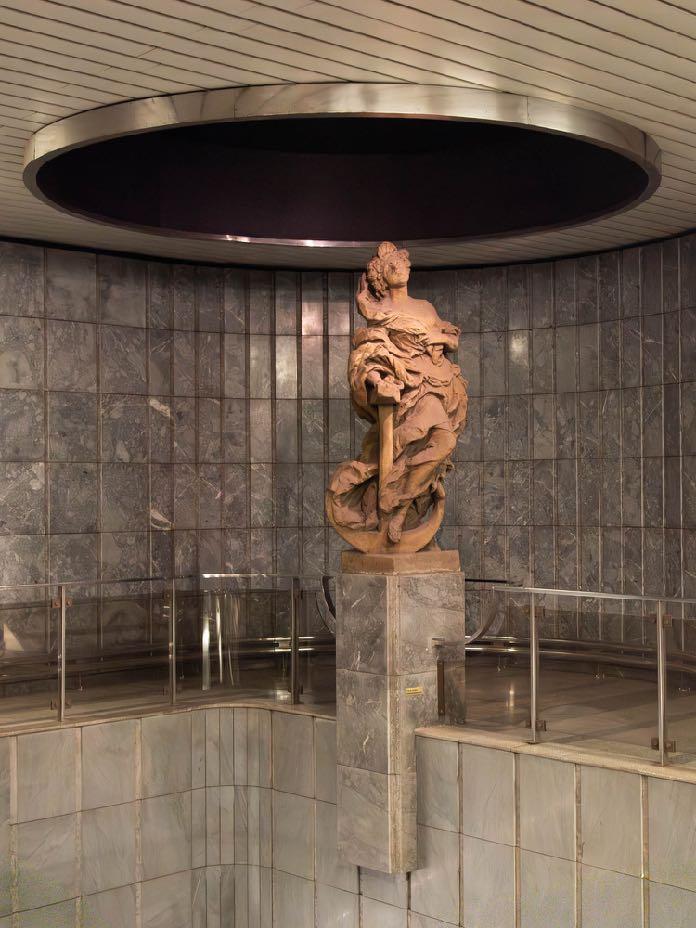
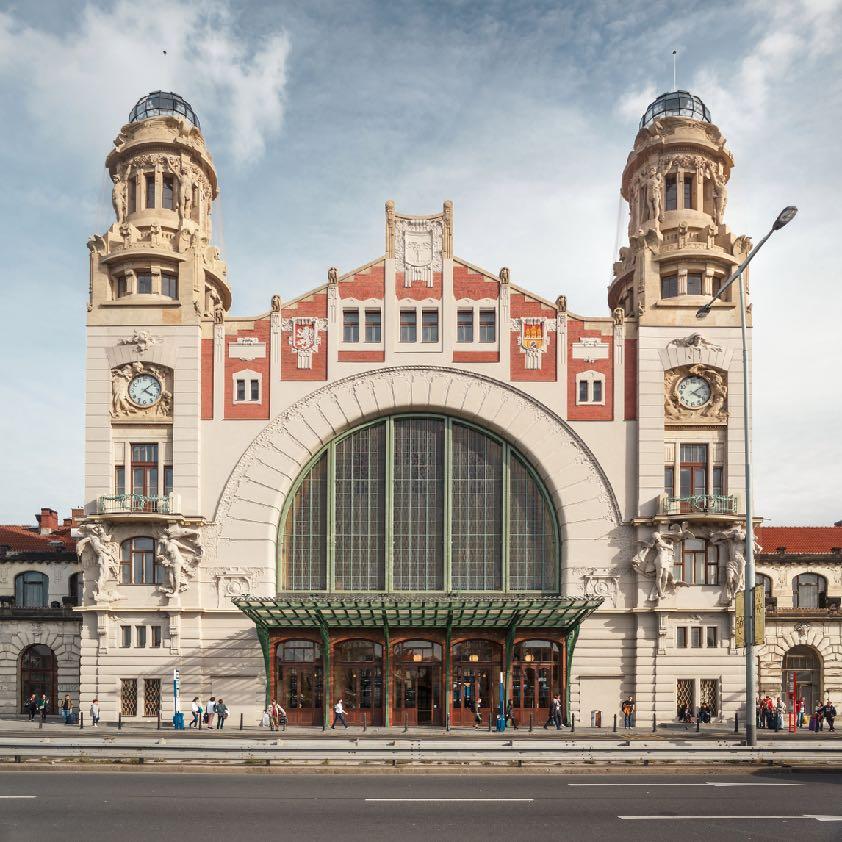
The story of Praha hlavní nádraží, commonly known as Praha hl.n. or Prague Main Station, begins in 1871. Initially, it served as the terminus for the Imperial and Royal private Emperor Franz Joseph Railway (KFJB).

Step into the captivating world of a historic train journey where timeless tradition meets contemporary flair. Be charmed by Prague’s splendid main station, whose stunning Art Nouveau design offers a warm embrace to visitors from across the globe. This train journey transcends mere travel – it’s a feast for the senses, inviting you to savour every moment.
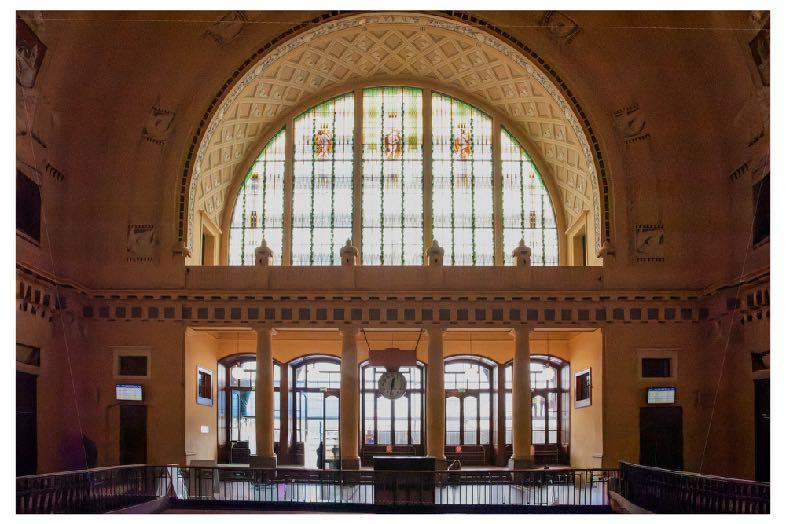
The striking Art Nouveau station building, reimagined by Josef Fanta in 1909, remains in operation to this day. The historic ticket hall of this bustling station is regarded as a genuine treasure, bestowing a unique charm upon Prague’s main railway station.

OBB Nightjet and OBB Nightjet Partner







This e-book was made possible through the kind support of the regional tourist offices and the OBB. German proofreading and editorial: Martin Andergassen.
References
Text, videos and photos by Rudolf J. Strutz unless otherwise stated. Timetables and travel information: OBB
Assistance from AI
Artificial intelligence applications are occasionally employed for image editing, including the elimination of undesirable components. Additionally, AI tools can enhance the clarity of images and diminish background noise.
The travel guides are also available free of charge on the OBB online entertainment and internet portal railnet, which is installed on all railjets, nightjets (NG) and cityjets



Copyright
This book was licensed under the Creative Commons License. Conditions of use: attribution, non-commercial, no editing and distribution under the same conditions only as a complete work! The use of individual photos and text is not permitted. This eBook is available free of charge.
All links provided are current at the time of publication of this ebook. Links to tickets usually lead directly to the exhibition location. For tickets and timetables, local public transportation services are linked.
All logos and company names are used for information purposes only; any use outside of this e-book must be approved by the copyright holders.


SCOTTY mobile shows the timetables for all public transport and helps you plan your travel route.