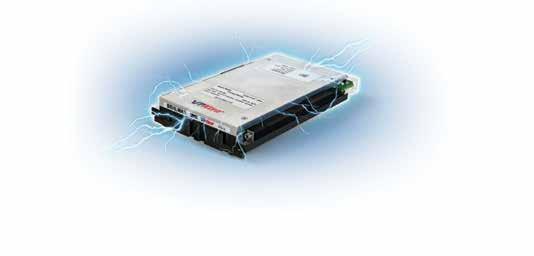


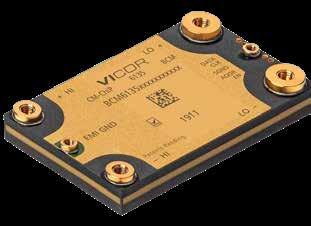
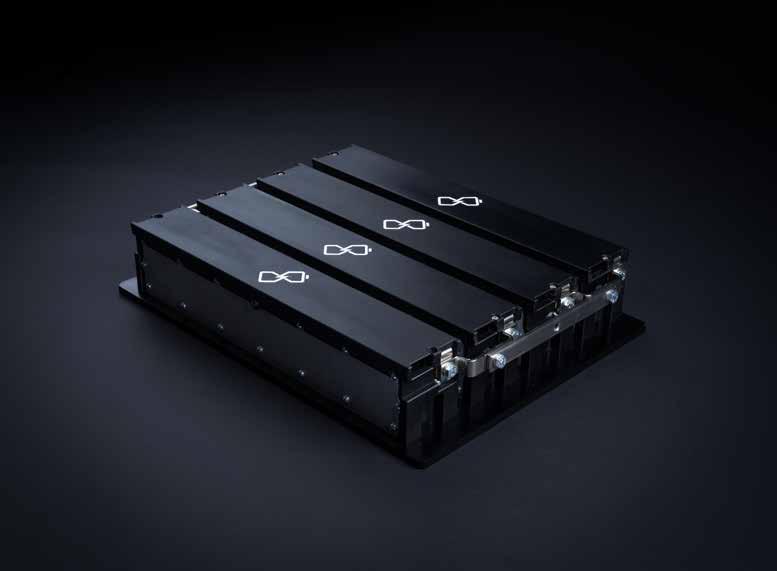
Behlman introduces the first test-proven VPX power supplies developed in alignment with the SOSA Technical Standard. Like all Behlman VPXtra® power supplies, these 3U and 6U COTS DC-to-DC high-power dual output units feature Xtra-reliable design and Xtra-rugged construction to stand up to the rigors of all mission-critical airborne, shipboard, ground and mobile applications.
> 6U power module developed in alignment with the SOSA Technical Standard
> Delivers 1050W DC power via two outputs
> VITA 46.11 IPMC for integration with system management
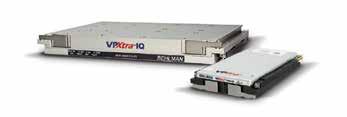
> 3U power module developed in alignment with the SOSA Technical Standard
> Delivers 800W DC power via two outputs
> VITA 46.11 IPMC for integration with system management
COTS (kots), n. 1. Commercial off-the-shelf. Terminology popularized in 1994 within U.S. DoD by SECDEF Wm. Perry’s “Perry Memo” that changed military industry purchasing and design guidelines, making Mil-Specs acceptable only by waiver. COTS is generally defined for technology, goods and services as: a) using commercial business practices and specifications, b) not developed under government funding, c) offered for sale to the general market, d) still must meet the program ORD. 2. Commercial business practices include the accepted practice of customer-paid minor modification to standard COTS products to meet the customer’s unique requirements
—Ant. When applied to the procurement of electronics for the U.S. Military, COTS is a procurement philosophy and does not imply commercial. Office environment or any other durability grade. E.g., rad-hard components designed and offered for sale to the general market are COTS if they were developed by the company and not under government funding.
By Patrick Rieti, Media Relations Specialist
on behalf of
Johanson Dielectrics

sling-load infantry squad vehicles to a CH-47 Chinook during Exercise Salaknib at Fort Magsaysay, Philippines, May 10, 2026. Salaknib integrates U.S., Philippine and partner forces in realistic scenarios to enhance interoperability in the Indo-Pacific.

EDITORIAL
EDITORIAL SUBMISSION AND RELEASES
johnr@rtc-media.com
PUBLISHER/CEO
John Reardon • johnr@rtc-media.com
CONTRIBUTING EDITORS
John Reardon, Odile Ronat
ART AND PRODUCTION
CREATIVE DIRECTOR
Shae Mirizzi • shaezrear@gmail.com
DIGITAL MARKETING MANAGER
Scott Blair • scott@blair-media.com
AD TRAFFIC
Vaughn Orchard • vaughno@rtc-media. com
FINANCE AND ACCOUNTING
Paige Reardon • paiger@rtc-media.com ADMINISTRATION/CIRCULATION
Dawn Dunaway • dawnr@rtc-media.com
ACCOUNT MANAGER
SALES MANAGER
Vaughn Orchard • vaughno@rtc-media. com
CUSTOM AND CONTRACT SERVICES
John Reardon • johnr@rtc-media.com
COTS Journal
CORPORATE OFFICE
RTC Media
110 S Rancho Santa Fe, Virgin UT 84779 PO 790039
Phone: (949) 226-2023
Fax: (949) 226-2050
www.rtc-media.com
PUBLISHED BY RTC MEDIA
Copyright 2025, RTC Media. Printed in the United States. All rights reserved. All related graphics are trademarks of The RTC Group. All other brand and product names are the property of their holders.

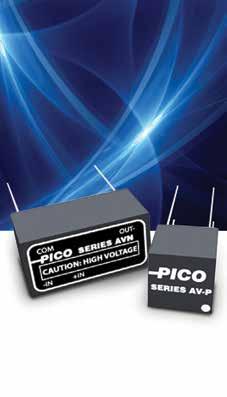

• 1.25 watt output power, -25 to +70C operating temperature standard, no de rating
• 5-12-15-24 and 28 VDC inputs standard
• Military Upgrades Available Expanded operating temperature, -55 to + 85C availableSelected MIL-STD-883 screening available
• Free review of any additional requirements and specifications you may have to comply with
• Fully encapsulated for use in harsh environmental conditions



























































By John Reardon, Publisher & CEO of COTS Journal
The relentless pursuit of packaging density and computational power continues to push heat dissipation to the absolute breaking point at the tactical edge. For modern defense systems, this thermal complexity challenges designers to ensure that advanced cooling does not introduce new points of failure. In military operations, thermal management must maintain an ironclad fault tolerance, delivering 5 nines (99.999%) or better in reliable heat dissipation.
To achieve this, the defense sector is pivoting toward two-phase dielectric fluid cooling, as pioneered by innovators like ZutaCore. By utilizing a pooling configuration directly on the chip, these systems enable unprecedented levels of real-time system optimization. When paired with real-time telemetry analytics, processors can be dynamically clocked or de-clocked. This mitigates excessive localized heat buildup, drastically reducing early CPU and GPU failures while extending system longevity in austere environments. Two-phase systems hold significant structural advantages over traditional air-cooled and single-phase liquid systems. They require far less fluid circulation to dissipate identical thermal loads, and they funnel heat dissipation directly at the silicon source. While companies like Liqid and ZutaCore have perfected these architectures for massive data centers and enterprise racks, edge deployment has historically lagged due to high initial integration costs. However, as next-generation PCIe buses and ultra-high-TDP discrete GPGPUs march onto the battlefield, two-phase cooling must rapidly scale down to the rugged chassis level. The demands of the cloud are officially driving the needs of the edge, forcing a new era of ruggedized thermal monitoring and deployment.
Modern Command, Control, Computers, Communications, Cyber, Intelligence, Surveillance, and Reconnaissance (C4ISR) systems are undergoing a massive architectural shift. To process sensor-heavy workloads—such as real-time synthetic aperture radar (SAR), autonomous drone swarm coordination, and localized electronic warfare (EW) analytics—defense platforms must deploy
server-class AI processing directly to mobile assets.
Deploying these high-performance compute clusters inside armored vehicles, aircraft, and forward operating bases eliminates the latency of backhauling data to distant cloud centers. However, it also introduces a massive physical bottleneck: thermal saturation. Next-generation GPGPUs and neural processing units operate at thermal design powers (TDP) exceeding 400W to 700W per chip. In sealed, conduction-cooled military enclosures, traditional air cooling is completely non-viable, and single-phase liquid cooling is rapidly approaching its physical limits.
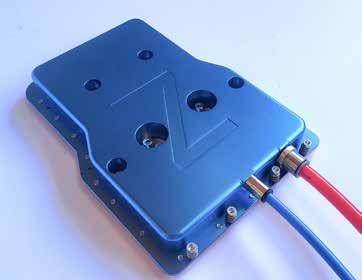
The waterless, direct-to-chip HyperCool® liquid cooling system from ZutaCore®. Purpose-built for AI factories and high-density computing, HyperCool eliminates the risks and inefficiencies of water-based systems.
To combat this, a group of thermal engineering firms are pioneering two-phase liquid cooling solutions, adapted from hyper-scale data centers to meet the demands of the rugged edge.
• ZutaCore: Famous for its HyperCool direct-to-chip solution. ZutaCore utilizes a closed-loop, waterless, two-phase direct-to-chip system. By placing a specialized evaporative cooling plate directly on top of the processor, it handles massive thermal spikes locally before heat can bleed into neighboring components.
• Accelsius: Spun out of Nokia Bell Labs, Accelsius produces the NeuCool platform. Their direct-to-chip two-phase system pairs a specialized dielectric fluid with macro-microchannel cold plates to dissipate massive heat loads with zero water consumption.
• LiquidStack: Originally born from high-density crypto-mining and data center applications, LiquidStack is a pioneer in both full-chassis immersion and direct-to-chip two-phase cooling. They collaborate heavily with server manufacturers like GIGABYTE to deliver tightly sealed, fluid-submerged hardware packages.
• Ruggedized COTS Integrators: Companies like Curtiss-Wright, Mercury Systems, and Abaco Systems are working to transition these enterprise concepts into standardized VITA form factors (like 3U and 6U OpenVPX), ruggedizing the pumps, quick-disconnect valves, and cold plates for high-vibration defense environments.
Unlike single-phase liquid cooling—which relies on a sensible heat exchange where the fluid stays liquid and simply gets hotter— two-phase cooling relies on latent heat of vaporization.
1. The Boiling Phase: Low-temperature, liquid dielectric fluid is pumped into a specialized, micro-channel cold plate mounted directly to the CPU or GPGPU. As the chip heats up, the fluid reaches its boiling point and changes state into a vapor.
2. The Vapor Capture: This phase change absorbs massive amounts of thermal energy without raising the temperature of the fluid itself. The vapor naturally rises and is routed away from the processor to a condenser.
3. The Re-condensation Phase: The condenser rejects the heat into a secondary loop or ambient air, cooling the vapor back into a liquid state, which is then pumped back to the chip.
Because vapor transport requires significantly less mechanical energy than moving high volumes of heavy liquid, two-phase systems utilize ultra-low-power, highly reliable micro-pumps. This minimizes the physical footprint and power draw of the cooling loop.
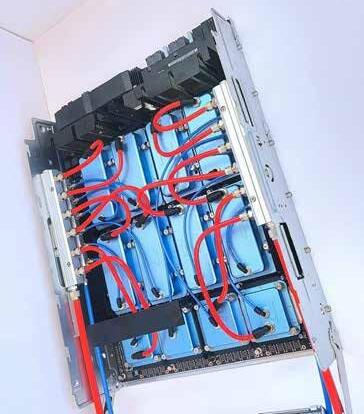
In C4ISR applications, a thermal failure can result in a loss of situational awareness or defensive capability. Therefore, cooling loops must achieve high reliability (99.999% uptime). Two-phase cooling achieves this through structural simplicity and advanced telemetry.
Dielectric fluids are chemically inert and electrically non-conductive. If a leak occurs due to combat damage, the fluid will not short out the electronics or corrode the chassis; it simply evaporates harmlessly.
Furthermore, integrating real-time analytics into the cooling control loop transforms thermal management from a reactive safety measure into a proactive optimization tool. Embedded sensors monitor vapor pressure, flow rates, and localized silicon temperatures. If the system detects a rapid spike in ambient thermal load or a compromised cooling line, the system’s management software can communicate directly with the C4ISR framework.
Processors can be intelligently de-clocked or throttled in microsecond increments. This reduces instantaneous heat dissipation and preserves silicon longevity, ensuring that critical mission computing remains online, albeit at reduced speeds, rather than suffering a catastrophic thermal shutdown.
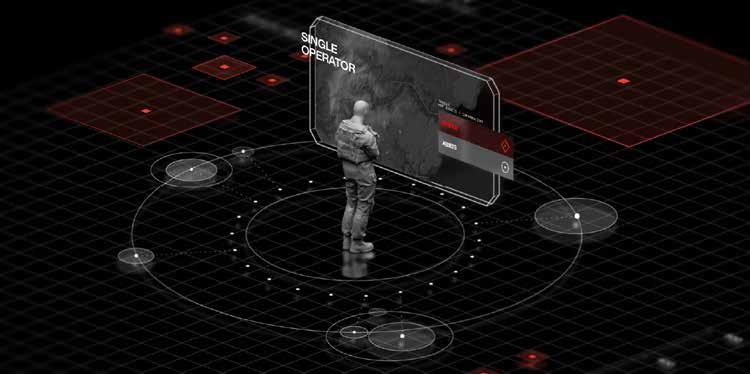
Missile defense in the Western Pacific provides strategic value through early deterrence and regional deterrence, enabling joint U.S. operations and supporting allies in the Indo-Pacific. As threats of regional conflict intensify, our capacity to deter conflict depends on our readiness and ability to protect the U.S. territory from growing missile threats. While Island chains are protected by persistent defense assets that are ready 24/7, effective defense requires the fastest possible responses to the threat of a complex, layered attack. This requires a command-and-control capability that stitches together all defensive assets at a speed only software can deliver.
To address this need, Anduril has been awarded a contract by the U.S. Army to develop a Battle Manager prototype, an integrated command-and-control platform designed to defend against a variety of air and missile threats.
Through Anduril’s Lattice software platform, the Army will be able to integrate
information from existing joint missile defense systems, turning large volumes of data into a single, coherent operating picture for comprehensive battle management. The modular, open systems architecture fuses data across disconnected sensors and effectors into a joint track picture. In the Western Pacific, Lattice will integrate data from systems across multiple domains under one platform.
As warfare becomes increasingly data-driven and multi-domain, the number of systems our armed forces rely on will grow exponentially. This is an especially important dynamic in the defense of the Western Pacific — its extant missile defense systems are composed of a layered mix of systems from across multiple services and domains. This forces a swivel chair approach: command centers and human operators must manually bridge multiple systems to gather information, make decisions, and execute actions. By contrast, Anduril's Lattice software adds a decisive speed advantage by integrating the volume of data produced from these distributed systems into a single networking layer, from sensor to shooter.
Lattice dynamically tasks sensors so commanders can understand when, where,
and how to engage systems against inbound missile threats. This real-time, autonomous optimization creates a forward-looking task schedule based on each system's capacity to perform a particular action, continuously updating plans as the threat picture evolves. Modeling and simulation technologies further enhance this capability by providing mission-realistic models that enable testing, validation, and optimization in a high-fidelity environment. Together, these capabilities power a centralized, software-based battle manager for the most complex kill chains.
Lattice is a proven command-and-control solution across services and domains, delivering an information advantage for the most complex mission sets from C-UAS fire control to real-time battlespace awareness at the edge. Strengthening the Western Pacific's missile defenses is no different, and failing to fortify our deterrence capabilities leaves our freedom and capacity to operate in the region under threat. Anduril's centralized battle management solution in the Western Pacific equips our joint forces with the technology needed to deter and defend effectively in an increasingly dynamic threat environment.
UNIVITY Raises €27 Million to
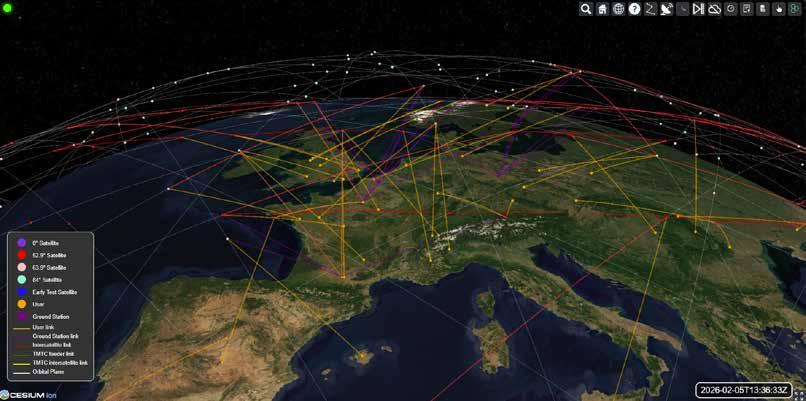
UNIVITY, the global operator of spacebased connectivity services, announces the closing of a €27 million funding round with Blast, Expansion, and the Deeptech 2030 fund managed on behalf of the French State by Bpifrance as part of France 2030, alongside two family offices. This funding will enable the company to:
Complete execution of its uniShape VLEO 5G demonstration program, which aims to demonstrate the performance of its high-speed, low-latency VLEO connectiv ity service, based on breakthrough innova tions across multiple domains
At a time when sovereignty challenges have never been more critical, UNIVITY offers telecom operators a unique alternative, enabling them to retain strategic control over their space-based connectivity services. As terrestrial and space networks converge, a global market expected to reach several tens of billions of euros by 2030 is emerging, with telecom operators seeking to preserve their central role against vertically integrated models from new entrants.
today with terrestrial networks.
A Distinctive Technological Signature
UNIVITY’s strategy is built on two core technological pillars. First, its positioning in Very Low Earth Orbit (VLEO), enabling significantly lower latency, improved performance—including smartphones and connected vehicles—and rapid natural atmospheric disintegration at the end of satellites' lifespans, contributing to orbital sustainability. Second, the use of telecom operators' 5G spectrum, ensuring native integration with existing mobile networks and enabling seamless 5G NTN service continuity, without relying on frequency bands already saturated or pre-empted by new entrants.
Together, these choices position UNIVITY as a key player in the convergence of terrestrial and space networks, rather than just another satellite operator.
Charles Delfieux, Founder and CEO of UNIVITY, states: “We are building the reference space infrastructure designed for telecom operators, covering the full range of connectivity needs — from ultra-high-speed broadband to direct-to-smartphone connectivity. The convergence between terrestrial and space networks is inevitable. Our ambition is to enable operators to leverage space as a natural extension of their terrestrial 5G networks, combining performance, competitiveness, and sovereignty.”
This Series A will support the execution of the uniShape program, the first VLEObased 5G NTN demonstrator, developed with CNES support. Two VLEO 5G satellites will be assembled, integrated, tested, and operated in orbit to validate an end-toend high-throughput 5G NTN service, as well as Direct-to-Cell smartphone connectivity —from ground gateways to end-user devices.
This demonstrator will represent a world first and a key milestone toward the deployment of the commercial uniSky constellation. It will demonstrate full interoperability between terrestrial and space networks within a controlled convergence framework.
Charles Beigbeder, Co-founder of Expansion, states: UNIVITY represents an exceptional opportunity to support a breakthrough innovation that is rethinking space connectivity infrastructure. With this Series A, we are strengthening our commitment to enabling telecom operators to capture this strategic market while addressing the challenges of sustainable space usage."
Stéphane Lefevre-Sauli, Senior Investment Director at Bpifrance, adds: “We are delighted to continue supporting UNIVITY, whose globally impactful innovations in VLEO and 5G NTN spectrum are critical to enabling telecom operators to remain competitive and independent in the space connectivity market. This investment fully addresses national and European sovereignty challenges in connectivity, which are at the core of our investment thesis.”
A Sovereign Industrial Ambition
Furthermore, through this funding round and with the support of CNES, UNIVITY is accelerating the development of a competitive space infrastructure designed to complement fiber and cellular networks, extend connectivity to rural and remote areas, strengthen the resilience of critical networks, and restore operators’ control over their space-based expansion.
INKAS® Introduces the M1 MRAP, a First-of-Its-Kind CanadianFrench NATO-Aligned Armored Platform
INKAS® has introduced the INKAS® M1 MRAP, a next-generation mine-resistant armored vehicle developed through a strategic Canadian–French defense collaboration with Texelis. Integrating a proven French mobility architecture with Canadian armored vehicle engineering and systems integration, the M1 represents a first-of-its-kind NATO-aligned MRAP platform designed to strengthen interoperability across allied forces.
Purpose-built for high-threat conditions, the M1 provides comprehensive 360-degree ballistic and blast protection in accordance with NATO STANAG standards, while maintaining the high mobility required for operations across complex terrain. The vehicle balances survivability, maneuverability, and mission adaptability, enabling forces to operate with confidence in contested environments.
Designed as a modular multi-role platform, the M1 can be configured for a range of mission profiles, including troop transport, command and control, reconnaissance, medical evacuation, and specialized opera-
The company opened a new facility in Tuscaloosa, Ala., to increase production and reduce lead times.
A hydrogen maser is an atomic clock that uses properties of hydrogen atoms to emit precise microwave radiation for highly stable timekeeping. Hydrogen masers are deployed globally and actively contribute to Coordinated Universal Time (UTC), the global standard for the time of day, synchronizing critical applications such as power grids, cell phone networks, and satellite communications. The demand for hydrogen masers is on the rise as nations rely on independent timescale systems to protect their infrastructure from disruptions and outages. To meet

tional support. This adaptability enables defense forces to deploy a single platform that supports evolving operational requirements across multiple mission sets.
“The M1 reflects how allied partners can combine their industrial expertise to deliver meaningful operational capability,” said David Khazanski, CEO of INKAS®. “By integrating Canadian armored vehicle engineering with a proven French mobility system, we have developed a platform designed for full NATO compatibility while strengthening defense cooperation between our countries.”
The introduction of the M1 also reflects
the growing demand for hydrogen masers, Microchip Technology (Nasdaq: MCHP) today announced it has opened a new facility in Tuscaloosa, Ala., that will focus on manufacturing its MHM-2020 Active Hydrogen Maser to increase production and reduce lead times.
Microchip's MHM-2020 Active Hydrogen Maser is designed for applications requiring extreme frequency stability and low phase noise. These applications include scientific research, national timekeeping services, radio astronomy, deep-space tracking networks, and GNSS/GPS ground stations. The MHM2020 Active Hydrogen Maser is engineered to provide 1-picosecond synchronization for precise GNSS calibration, with a demonstrated lifetime of more than 20 years of continuous operation and minimal maintenance.
The new Tuscaloosa facility expands manufacturing of Microchip's time and synchro-
INKAS®’s growing role as a systems integrator within the allied defense ecosystem, bringing together international engineering expertise, NATO-aligned components, and mission-driven design into a deployable armored Platform.
As NATO partners continue to modernize their land forces, the INKAS® M1 MRAP offers a new, interoperable solution, developed through trusted allied collaboration and engineered to meet the operational demands of modern defense forces.
nization portfolio, including the MHM-2020 Active Hydrogen Maser, Auxiliary Output Generator™ (AOG-110), and ultra-high-performance 1000C-OCXO crystal oscillator.
The AOG-110 provides supplementary functionality for stable frequency standards, while the 1000C-OCXO provides exceptional phase noise for metrology and laboratory applications.
Microchip's presence in Alabama stems from a series of acquisitions dating back to its 1996 acquisition of Frequency Time Systems. Since then, the company has operated a facility in Tuscaloosa County. The new facility is approximately 15,000 square feet, with temperature-stability testing areas and a state-of-the-art research and development laboratory. Within miles of the University of Alabama (UA) campus, the company formed a strategic collaboration with UA, including leveraging equipment, training students, and
engaging in advisory board participation.
The Quantime Lab at the University of Ala bama focuses on investigating basic quantum physics principles and on developing timing, frequency, and navigation tools. For the past three years, we have worked closely with Microchip on its hydrogen maser program," said Dr. Thejesh Bandi, the principal investi gator of the University of Alabama Quantime Laboratory and technical director of the ACCEPT program.
manufacturing demonstrates our shared commit ment to advancing timing and frequency solutions.”
“This facility in Tuscaloosa was a priority for Microchip, both to meet the growing customer demand for our hydrogen masers and to strengthen our collaboration with the University of Alabama’s Precision Navigation and Time Laboratory,” Randy Brudzinski, corporate vice president of Microchip’s frequency and time systems business unit.
capacity to deliver the advanced timing technologies our customers rely on.”

Teledyne FLIR Defense Grows Third-Party Payload Integration Program, Adds Emesent Hovermap LiDAR for Unmanned Air, Ground, and Detection Platforms
Newly certified payload works across drones, robots, and radiation detection systems to speed deployment of GPS-denied mapping and fused CBRN visualizations
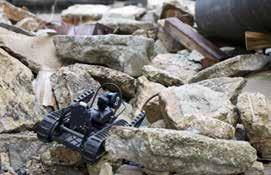
Unveiled at Modern Day Marine 2026, Teledyne FLIR Defense announced the expansion of its Third-Party Payload Integration Program with the certification of Emesent’s Hovermap LiDAR Payload. The agreement will deliver Emesent’s GPS-denied 3D-mapping capabilities across Teledyne FLIR’s unmanned aerial systems (UAS), ground robots, and radiation detection platforms.
The Emesent–Teledyne FLIR combination addresses a GPS-denial gap in air and ground domains where unmanned systems can lose GPS connectivity in common operating areas, such as tunnels, urban structures,
and CBRN-contaminated spaces. Using LiDAR-based Simultaneous Localization and Mapping (SLAM), Emesent’s Hovermap payload generates accurate 3D maps without GPS or external infrastructure.
On Teledyne FLIR’s SkyRanger® R70 and R80D SkyRaider® UAS platforms, Hovermap enables mapping even in GPS-denied environments. Mounted on the company’s SUGV™ 325 ground robot, Hovermap provides users with persistent, real-time 3D awareness of complex, enclosed environments. And integrated with Teledyne FLIR's MUVE™ R430 radiation detection payload on the SUGV, Hovermap allows operators to see not just where a robot has been, but where radiation levels are elevated, giving CBRN teams an immediate, geo-referenced picture of the threat environment.
“Knowing the shape of a space is powerful. Knowing where the radiation is within that space, in real time, without putting a person in harm’s way, is an operational game-changer,” said Stefan Hrabar, co-founder and chief strategy officer at Emesent. “Our partnership with Teledyne FLIR Defense brings together GPS-denied mapping and radiation detection in a way that directly addresses what CBRN operators need in the field.”
“Teledyne FLIR builds platforms trusted for the most
demanding CBRN missions in the world,” said Tung Ng, vice president of Unmanned Systems North America for Teledyne FLIR Defense. “Working with Emesent, we’ll be able to give operators a fused, spatial picture of the threat environment they simply haven’t had access to before."
“This is the direction the whole field is heading in, and we’re delivering it now through certified third-party payloads like Hovermap,” Ng added.
Emesent’s Hovermap represents the firm’s success in utilizing Teledyne FLIR Defense’s open-architecture, partner-enabled development ecosystem. Certified payloads are assessed for mechanical fit, electrical interface, software compatibility, and flight performance, giving customers confidence in mission-tailored capabilities from a growing partner ecosystem.
Cubic Digital Intelligence Unveils Tethys Data Management Platform
Cubic Digital Intelligence (CDI), a leader in mission-ready software solutions for defense and intelligence, announced the launch of Tethys. This powerful data management platform delivers AI/ML-driven intelligence across complex, dynamic operational environments.
As the pace and complexity of mission demands grow, operators and analysts are inundated with volumes of unstructured data. Tethys simplifies and accelerates the data-to-decision timeline by intelligently ingesting, processing,
and distributing information, empowering mission-critical decisions at scale.
"Tethys answers the evolving challenge of turning raw data into mission-ready intelligence," said Paul Sartorius, VP and General Manager of CDI. "It streamlines complex workflows, automates processing, and ensures data gets where and when it's needed most."
AI-Driven. Scalable. Mission-Ready.
Kubernetes-based, Tethys is engineered for high scalability, fault tolerance, and intelligent resource orchestration. Defense and intelligence teams can seamlessly deploy and monitor AI/ ML models, automate data workflows, and securely manage data movement across classified and unclassified domains.

and Telespazio France Sign Strategic Agreement to Distribute Multi-Orbit, Low-Power, and Sovereign Satcom Terminals in Europe
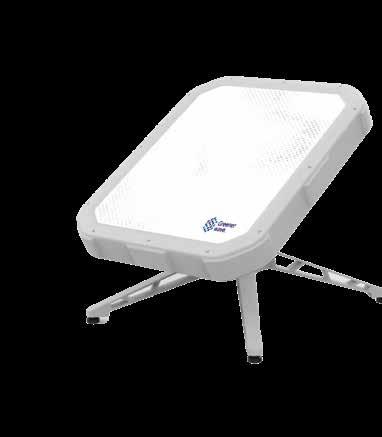
Greenerwave and Telespazio France, a Leonardo group company, announce the signing of a strategic agreement to deploy and distribute Greenerwave’s multi-orbit, energy-efficient, and sovereign SATCOM terminals across the European defense and government markets.
A Partnership to Accelerate the Deploy-
This agreement marks an important milestone in the adoption of innovative European technologies. It aims to strengthen access to sovereign, resilient, and secure satellite communications solutions by leveraging the complementary expertise of both companies.
Under this agreement, Telespazio France, a leading European provider of high-value satellite services and applications, will distribute Greenerwave’s low-power, multi-orbit (GEO/LEO) SATCOM terminals to priority government, defense, and security sectors in France, across Europe, and in the United Kingdom.
Key platform capabilities include:
AI/ML Model Management: Centrally deploy, track, and refine models in a single, intuitive interface.
Flexible Data Movement: Ingest and distribute heterogeneous data inputs—such as ELINT, SIGINT, and OSINT—and real-time routing to mission systems or storage layers.
Federated Data Access & Integration: Virtualize access to distributed data sources, enabling cross-domain insights without requiring data migration or schema standardization.
Three-Click Access: Streamlined UX enables users to locate/process/retrieve high-priority data assets in 3 interactions.
Whether cloud, on-premises, or disconnected edge environments, Tethys provides unmatched flexibility and performance, maintaining operational advantage regardless of infrastructure or connectivity constraints.
Built for the Modern Mission Landscape Tethys is platform-agnostic and topology-neutral, accommodating a wide range of data sources, models, and mission needs. Its intuitive UI offers complete pipeline observability, and zero-downtime updates ensure continuous operations during critical missions.
From special operations to enterprise-level intelligence environments, Tethys empowers users:
• Faster insight generation
• Reduced cognitive load
• Improved mission planning/execution
• Stronger integration across allied forces and systems
This collaboration reflects a shared commitment to technological innovation, joint growth, and secure large-scale deployments for institutional users.
"Partnering with Greenerwave enables us to integrate cutting-edge antenna technology into our SATCOM offering and expand the range of European-made solutions we deliver to our customers. This collaboration strengthens our ability to deliver flexible, high-performance connectivity tailored to complex, demanding environments. It also reinforces our role as a trusted operator for critical communications, leveraging multi-orbit capabilities to ensure SATCOM service continuity for end-users engaged in critical missions," said Pierre Glatt, Sales Director at Telespazio France.
An Alliance Supporting the Sovereignty and
By combining their expertise, Greenerwave and Telespazio France aim to accelerate the deployment of a new generation of agile and resilient satellite communication solutions capable of meeting the demanding requirements of critical operations and government missions.
“This partnership with Telespazio France represents a key milestone for Greenerwave as we scale the deployment of our next-generation SATCOM terminals across Europe. By combining our breakthrough technology with Telespazio's strong presence in government and defense mar-
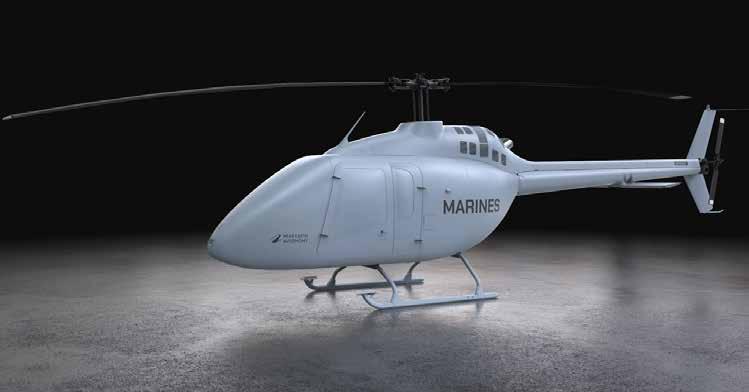
Bell to work with Near Earth Autonomy to develop an uncrewed aerial logistics aircraft with the Bell 505 platform to support the U.S. Marine Corps' autonomous aerial operations.
Bell Textron Inc announced that it was selected by Near Earth Autonomy (Near Earth) as a partner on the prototyping of an autonomous Bell 505 for the U.S. Marine Corps’ Aerial Resupply Vehicle - Expedi tionary Logistics (MARV-EL) Increment
kets, we aim to provide sovereign, energy-efficient, and resilient connectivity solutions that meet the growing operational needs of institutional users. Strengthening Europe's technological autonomy in satellite communications is at the core of our mission," said Geoffroy Lerosey, CEO and co-founder of Greenerwave.
Both companies share the ambition to strengthen Europe's strategic autonomy in satellite communications, at a time when operational continuity and the protection of critical infrastructure have never been more essential.
2 program. The goal of the program is to prototype an uncrewed logistics aircraft ready for tactical-edge resupply in contested environments and serve as a middle-weight uncrewed logistics asset.
"This platform will be a step forward in transforming the U.S. Marine Corps' autonomous operations and how our warfighters navigate on the battlefield," said Jason Hurst, Bell SVP, Engineering. "We're leveraging our decades of experience with the U.S. Armed Forces and innovative product development, applying it to the versatile Bell 505 for this program."
The awarded contract will deliver an autonomous aerial logistics capability that exceeds MARV-EL performance threshold
the Near Earth team on modifications to the Bell 505 for autonomy integration and enhanced cargo handling.
“Bell looks forward to continuing to build upon our relationship and prior autonomy development with Near Earth in support of the MARV-EL program,” added Hurst.
In 2024, Bell revealed its Aircraft Laboratory for Future Autonomy (ALFA) platform – a step forward in its autonomous flight efforts. Bell and Near Earth collaborated to integrate an advanced perception system for flight demonstrations on the ALFA aircraft, working towards fully autonomous flight
48-volt pulsed power defrosts automobile glass in 60 seconds
Cold-weather climates face the challenge of quickly and efficiently defrosting automobile windshields. The legacy approach of channeling the wasted heat from internal combustion engines (ICEs) to the windshield is slow and inefficient. The windshield defrosts in a non-uniform pattern, wasting energy by melting the entire ice layer.
“The traditional way that automobiles defrost glass is just flooding the surface with heat,” said Betterfrost Technologies CEO Derrick Redding of this industry’s legacy methods of dealing with icy windshields. EVs introduce a new defrost challenge.
In cold weather, EVs and PHEVs do not produce any waste heat to be recovered, a major difference from ICE systems. That
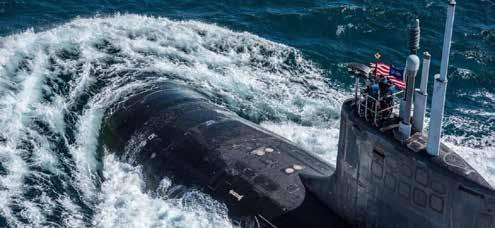
Martin has been selected as the preferred combat system integrator for Australia's future Virginia Class Submarine fleet. In collaboration with industry partners, the company will provide technology integration, training, and sustainment to deliver effective undersea capabilities to Australia.
A joint development program under the AUKUS trilateral security partnership, Australia's sovereign Virginia Submarines
leaves the vehicle to draw energy from the main battery – the same power source that provides propulsion. This drains the battery and reduces range, a noted consumer concern with EVs.
Betterfrost Technologies (Betterfrost) has unveiled its rapid-ice-melting technology that leverages 48V and a proprietary algorithm. Their breakthrough premise is that ice does not need to be melted completely to be removed from the windshield. It's enough to weaken the bond between ice and glass at the "interfacial layer." This allows ice to slide off the window rather than melting it all easily.
By sending short, controlled pulses of power through the glass surface, Betterfrost creates a thin, quasi-liquid layer beneath the ice, releasing it instantly from the windshield without wasting energy by heating the entire surface. Pulsed pow-
will help ensure a stable, open Indo-Pacific while strengthening the combined industrial capacity and supply chain resilience among Australia, the United Kingdom, and the United States.
Lockheed Martin will grow and train a local Australian workforce capable of sustaining and upgrading Australia’s Virginia fleet’s combat systems. Through strategic partnerships and the transfer of best practices, Australia will develop a sovereign capability that is fully interoperable with U.S. Navy systems, ensuring seamless support for visiting submarines and future Australian-operated vessels.
In partnership with the Australian Submarine Agency and Australian Submarine Cor-
er interacts with the windshield's fully coated, low-emissivity (low-E) glass layer. Low-E conductive coatings, such as silver or indium tin oxide, serve as the electrical pathway for uniform heat distribution through Betterfrost's proprietary power control algorithms. Betterfrost controls energy and melts a very thin ice layer in less than a minute (its record is 42 seconds), using 20X less energy than it takes nearly 25 minutes for traditional HVAC systems.
"The key insight was getting the ice to release off a surface,” said Redding. “The most efficient way is to pulse power so the heat only reaches the interfacial layer – maybe a tenth of a millimeter – so the ice just slides right off. And it doesn’t matter how thick the ice is. Our method uses the same amount of energy and time to remove it."
poration, Lockheed Martin will take a phasedwork approach to support forward-deployed submarines, ensuring readiness for Submarine Rotational Force-West ahead of the arrival of Australia’s first Virginia-class submarines in the 2030s.
“We are committed to delivering this vital capability in partnership with the Australian Defense Force and Australian industry," said Stephanie C. Hill, President of Rotary and Mission Systems at Lockheed Martin.
“Drawing on more than 60 years of experience as the U.S. Navy's submarine combat system integrator, we're confident that our expertise will enable seamless interoperability between the Australian and U.S. navies, ensuring the SSN fleet is equipped to meet the evolving needs of the Indo-Pacific region."
Devon Rodgers, Vice President of Undersea Mission Systems at Lockheed Martin, added, “Our team is proud to stand alongside Australia in creating a locally-developed capability to operate and maintain its nuclear-powered submarines. The training we deliver will empower the domestic workforce to keep their fleet mission-ready and future-proof.”
Lockheed Martin maintains a 140-person Australian workforce supporting the Royal Australian Navy's Hobart-class destroyer fleet and the future Hunter-class frigate program. He is extending that capability to Australia's nuclear-powered submarines.
Team LionStrike adds the Chevrolet Silverado HD to its UK defense offerings.
Team LionStrike—the strategic collaboration between GM Defence, BAE Systems, and NP Aerospace formed to strengthen the operational readiness of the British Armed Forces with safer, more capable, and cost-effective light utility and tactical vehicles—announced today that its proposal to the UK Ministry of Defence for the Land Mobility Programme will now include the Chevrolet Silverado HD – one of the most high-performing vehicles ever built by General Motors. The Silverado
the Silverado HD is built for serious work, in the 2500HD version, which translates to up to 9,997 kg of towing and 1,860 kg of payload. At the same time, the 3500HD (single rear wheel variant) pushes capability even further with almost 10,000 kg of towing and over 2 metric tonnes of payload.
Critically, the spacious internal capacity provides sufficient room to transport and concurrently operate the kit and equipment required by modern-day warfighters. The logistic load space is also significant (up to 2.1m x 1.9m), enabling NATO pallet transportation.
Team LionStrike’s proposal also includes:

Blighter has partnered with JoongAng Advanced Materials to grow its business in the Republic of Korea (RoK) and across East Asia.
Blighter has signed an exclusive Value-Added Reseller (VAR) agreement with JoongAng Advanced Materials to support and maintain its existing military radar installations on the peninsula, including more than one hundred Blighter radars deployed by the Korean Army along the 240km Demilitarized Zone (DMZ).
The two companies see strong potential for further sales of Blighter's ultra-reliable, low-power, micro-Doppler radars. With increasing geopolitical tensions, demand is growing for counter-drone (CUAS) solutions, enhanced radar surveillance to protect
borders, and the large number of coastal solar and wind farms in the region, as well as for the security of ports and critical national infrastructure sites.
According to JoongAng Advanced Materials, the partnership also provides an opportunity to integrate its AI analytics expertise, established in the railway safety systems market, to enhance further target classification and radar automation within the Blighter ecosystem.

teams rapid mobility across complex terrain. The ISV has been selected by the armed forces of Canada and the United States as they modernize their equipment.
• The Chevrolet Silverado LD pickup is equipped with the 3.0-liter Duramax turbodiesel for strong low-end torque with proven capability. It delivers 671 Nm of torque, up to 6804 kg of towing capacity, and 1000 kg of payload for demanding work over long distances.
“Team LionStrike’s approach — leveraging the depth, experience, and highly-skilled U.K.-based workforce of BAE Systems and NP Aerospace to modify, integrate, homologate, and support vehicles built in North America by GM — is the fastest, lowest-cost path to put modern vehicles into the hands of British soldiers," said Gilbert Nelson, Vice President, International Sales and Marketing, GM Defense.
The success of the Chevrolet Silverado family, together with its sister brand GMC, has made General Motors’ full-size pickups the U.S. industry leader, with more than 5 million trucks delivered over the last five years.
The Silverados and ISVs will not be the first GM trucks to support British troops. For more than a century, the designers, engineers, and manufacturing team at General Motors have delivered vehicles that have proven their quality, durability, and capability in military theatres all over the world.
Blighter solid-state radars already use advanced AI-driven processing to detect, classify, and track people, vehicles, and vessels, as well as near-ground airborne threats, at ranges of up to 32 km. JoongAng Advanced Materials' AI agent will plug directly into the BlighterNexus processing hub.
James Long, CEO of Blighter, said: "We believe that this partnership with JoongAng Advanced Materials will enable us to consolidate our operations in South Korea and provide a platform for further sales of radars across this strategic region."
Ryan Jung, director, JoongAng Advanced Materials, said: "Through this partnership, we will increase our presence in the defense and security sector in South Korea and beyond. We will achieve this by combining our AI capabilities with Blighter's market-leading radars to enhance target classification for our local environment and further automate surveillance system functionality."
Leveraging
Is An Impenetrable “AI Wall” Plausible?
By Dr. John N. Carbone, Senior Technical Director and Chief Solutions Architect with Everfox, based in Herndon, Virginia.
The exponential growth of Artificial Intelligence (AI) in America’s national defense is undeniable. Most visibly, Operation “Epic Fury” has been characterized as “America’s first AI-fueled war," in which AI is significantly accelerating analysis and qualitative decision-making across the complex, asynchronous battlefield.
AI will also be essential to programs such as the Golden Dome missile defense system, which analyzes vast volumes of sensor data and intelligence to instantly classify threats, correlate tracks, and recommend optimal fire-control options.
AI can revolutionize how America conducts military operations and protects the homeland. While its use in
recent conflicts and high-profile programs may grab headlines, AI is blazing a path to making a significant contribution to America’s national defense in cybersecurity.
Though it sounds like science fiction, it is conceivable that AI could advance to the point of forming an "AI Wall" that protects the entirety of America’s national security networks from adversarial cyber threats. But before that can (or should) happen, critical considerations must be thoroughly addressed.
America’s national security organizations are increasingly under cyber threat. According to a recent report compiling survey results from U.S. gov-
ernment security and IT leaders, federal defense agencies experienced a 25% year-over-year surge in cyberattacks in 2025.
Given the rapidly evolving cybersecurity landscape, the Trump administration’s recent “Cyber Strategy for America” wisely acknowledged the need for a new, critical approach to cybersecurity. Rather than simply detecting and responding to cyber threats after the fact, this new approach seeks to deny cyber adversaries access to critical networks and data in the first place.
America's national security apparatus is confronting a rapidly expanding, increasingly sophisticated cyber threat landscape. The U.S. must move decisively, acting faster and far more proac-

tively to monitor its most sensitive defense and intelligence networks, detect anomalies in real time, and safeguard the critical information and operations that underpin national security.
AI can discover cyber threats at runtime and respond to them faster than ever before. Anthropic's Claude code security tool has only been available since February, but it has found over 500 high-severity vulnerabilities in opensource code that survived decades of expert review and millions of hours of human analysis. A future in which intelligent systems provide national-scale cyber defenses by anticipating, monitoring, and reacting to cyber threats in real time is not improbable. In part, it’s already here.
In the near future, AI will likely be propelled by rapidly evolving quantum computing capabilities. While quantum computing is most often discussed in the context of the threat to encryption, it will, conversely, exponentially increase the speed of computation gen-
erally and, for AI-based cyber protection specifically, because of its inherent quantum-parallelized properties. Google's D-Wave 2X 1000-qubit quantum processor achieved 100 million times the compute speed of a classical computer, and Quantinuum's 56-qubit processor showed 30,000 times lower energy use than supercomputers.
This coming quantum age of computing will enable AI to process data and execute threat mitigation near-instantaneously and continuously. As these capabilities mature, they can advance AI and cyber protection as a mature, self-evolving capability; essentially providing a proverbial “AI Wall” with the scale to serve as a notional, impenetrable barrier against cyber threats from our adversaries.
But there are risks. AI is not a panacea. The Google DeepMind team recently cataloged concerns with Agentic AI targeting different parts of an agent's operational architecture: perception, reasoning, memory, action, multiagent dynamics, and even the human overseer. Certain considerations should
be well understood before AI is used in many critical domains, particularly for applications at the national scale.
First, ensuring data integrity is essential. AI only remembers data; it does not learn from it. This is by far the most prevalent fallacy across the AI revolution. AI software executes commands assigned to it by humans, based on data and predetermined criteria it remembers. Therefore, it is critical that humans fully appreciate the context and pedigree of the datasets used to train AI factories.
All too often, humans take for granted that someone else has properly curated training data and ensured that well-known AI systems are trained on the highest-quality, fully cited, and adjudicated data. Even seasoned experts and academics can fall into this data quality trap. Every data parcel used to train an AI factory should be qualitatively curated, and its dependencies well-known to ensure relevance to a specific task. The consequences of us-
ing bad data can cascade dangerously, especially in AI processing at quantum compute speeds and scale.
Next, a key approach to stave off critical failures is to measure “trust” during the design of any new AI-based system. Trust, in this sense, is humans' confidence in a machine performing an automated task for them. This trust can be measured by evaluating it across an Autonomic Information Continuum, which reveals how higher levels of design automation increase complexity and ambiguity while reducing trust.
Assume, for example, an engineer desires AI to automate the process of an unmanned aerial vehicle (UAV) taxiing from its hangar to a runway for takeoff. Every step, from powering up the vehicle to arriving at a designated location, requires a certain level of trust that the UAV can autonomously and as expected execute each step. Similarly, ensuring the trustworthiness of AI au-
tomation within a national-scale cybersecurity system is essential and should always be regarded as a critical requirement for deployment.
Finally, it is imperative to remember that AI is simply software code. It suffers from the same versioning and potential malware issues as other software, and the more complex the AI and its data dependencies are, the more ambiguous and vulnerable it becomes to manipulation. This is the ultimate irony in consideration of using AI to provide a comprehensive cybersecurity “Wall” for all-inclusive national security. Because vulnerabilities can be injected into an AI factory, either accidentally or maliciously, it is preferable to ensure the constitution of AI factories with watchful data integrity applied at each accessible policy enforcement point, sphere of activity, or network boundary before deployment.
Enforcement policies should auto-
mate what data moves where, in which direction, and under what conditions, while redacting what is not approved. This can be achieved through controlled, embedded, hardware-enforced boundary-isolation interfaces known as Hardsec, designed to provide comprehensive byte-by-byte data integrity and guard against adversarial inputs.
Advances in computing have the potential to dramatically transform how America achieves national security and secures our vast defense industrial base, data, and networks against ever-evolving and escalating cyber threats. But rushing headstrong into such a capability has its risks. Philosophers, authors, and educators have emphasized, “Just because we can, doesn't mean we should," at least not without first pursuing important safeguards.


By Patrick Rieti, Media Relations Specialist on behalf of Johanson Dielectrics
The energy storage problem at the heart of military electrification is not simply about capacity. It is about power and the ability to absorb and deliver energy in seconds, not hours, without degrading under repeated punishment. This distinction matters enormously when the platform in question is an armored hybrid fighting vehicle drawing burst power for active protection systems, or a tactical drone that needs to recharge as fast as possible between sorties at a forward operating base to decrease critical downtime.
Most lithium-ion battery technologies today are optimized for energy density, which translates to range, rather than power density. These technologies have low input and output power, and therefore discharge slowly and can recover only a small amount of energy. A lower power output (low C-rate) also means that a heavy vehicle cannot be moved quickly under electric power, or that a drone accelerates more slowly than desired.
In both heavy-duty vehicles and drones, space and weight are significant, and it is therefore crucial to use a battery technology that delivers strong results in both respects.
For some applications, a long service life or cycle stability is important to minimize the risk of failure. With
most battery technologies, this cycle stability decreases as fast charging and discharging capabilities increase.
Nyobolt was founded in 2019 by Professor Dame Clare Grey and CEO Dr. Sai Shivareddy, drawing on more than a decade of electrochemical research conducted at the University of Cambridge. The company's core insight was specific: that Niobium Tungsten Oxide (NWO), when used as an anode material, enables fundamentally different battery behavior, faster and symmetrical charge/discharge acceptance, lower internal resistance, and dramatically extended cycle life. In 2025, its high-power cells entered serial production for integration into various customer applications across several industries, both inside and outside the defense arena.
The performance figures are not incremental. Nyobolt's cells charge from 0 to 100% in under 6 minutes and achieve charge and discharge rates of 6C to 30C, with a rated cycle life of up to 25,000 cycles. This figure dwarfs conventional lithium-ion technology and carries direct implications for platform availability and total cost of ownership. A 2024 public demonstration of a 35kWh EV concept validated this performance in a real-world vehicle context, showing the battery
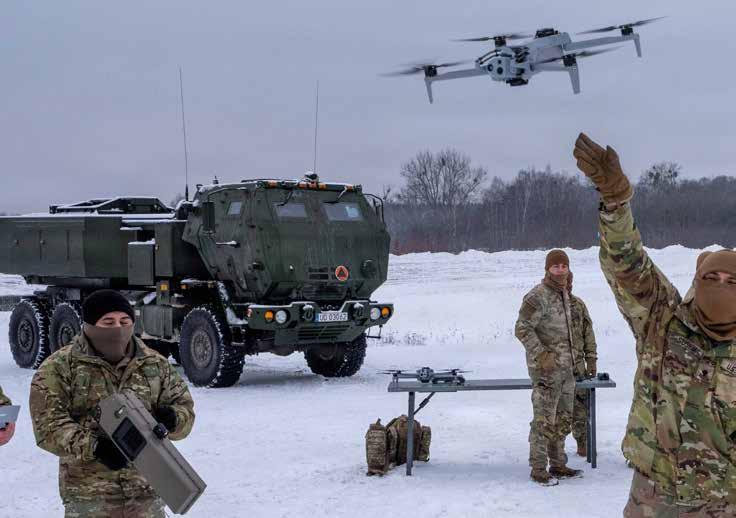
charging in less than 5 minutes. That demonstration also highlighted a secondary advantage: the ability to use a smaller, lighter battery pack without sacrificing usability, a design principle with obvious resonance for weight-constrained military platforms.
Next-generation military vehicles, whether directed energy weapons, light tactical platforms, infantry fighting vehicles, or logistics variants, are increasingly expected to carry significant electrical loads. Electrification or hybridisation is one logical response, but its value is only as good as the energy buffer it provides.
A hybrid military vehicle needs a battery system that can rapidly absorb regenerative energy during braking, deliver sustained burst power to high-draw systems without voltage sag, and do both repeatedly throughout a mission cycle without requiring a maintenance window. Current batteries often prioritize energy density over power density and therefore can't deliver the charge and discharge power needed in hybrid military vehicles without oversizing the battery. If space for an additional battery is limited, for example, due to a retrofit strategy, a high-power technology, such as Nyo-
bolt’s ULTRA module, is required. It supports voltage configurations from 48V to 1000V through series and parallel connection, offering integration flexibility across diverse military platform architectures. A continuous 10C charge and discharge rate and a 30C peak provide the power headroom that high-draw military electronics and powertrains demand. The module is liquid-cooled and compatible with Nyobolt's battery management system, which carries ISO 26262 ASIL-C functional safety certification.
The chemistry also operates down to -30°C, a specification that matters for platforms deployed in northern European and Arctic environments, where conventional lithium-ion cells suffer significant performance degradation at low temperature.
The proliferation of unmanned aerial systems across every domain of modern conflict is driving an increasing demand for suitable battery systems. A drone that takes hours to recharge between sorties is not operationally equivalent to one that takes under ten minutes. At forward operating bases with limited power generation, recharge time becomes a mission rate constraint,
a ceiling on how much persistent ISR, strike, or logistics support can be maintained.
For fully electric tactical drones, battery chemistry determines this ceiling almost entirely, as slow recharge rates create mission-critical downtime. Nyobolt cells capable of accepting high charge rates compress the downtime to minutes, enabling higher sortie rates and more flexible deployment of smaller drone packages without expanding the logistical footprint. Combined with operation across a -30°C to high-temperature range, Nyobolt's chemistry is compatible with the environmental envelope of tactical UAV operations across demanding theatres.
Hybrid drone architectures that use combustion engines for sustained endurance but rely on battery buffers for burst performance during take-off, payload activation, or evasive maneuvers present a related but distinct requirement. The buffer needs to be small, light, and capable of delivering high peak power reliably across thousands of cycles. This is precisely the performance profile where Nyobolt batteries have a structural advantage over alternatives.
Nyobolt is not a defense company by heritage. Its initial commercial focus has been on high-performance electric vehicles, autonomous mobile robots, and industrial fast-charge applications, markets that have validated the core technology under demanding conditions and driven the qualification milestones that also matter to defense integrators. Thanks to a diverse supply chain both within and outside China, it is possible to meet a wide range of market requirements, which opens the door to battery projects in the defense arena.
The question for defense platform designers is concrete: if the energy storage constraints on your next hybrid vehicle or UAV program could be reimagined to enable faster recharge, higher burst power, and 25,000-cycle durability, what would you build differently? Nyobolt's answer to that question is no longer theoretical. The cells exist, they are certified, and they are in commercial production. Give us a call, and we will show you how our performance batteries can eliminate all energy storage constraints on your platforms.
Ddquantum Systems Is Connecting Reconnaissance Data And Strike Systems To Enable Faster, Better-Coordinated Operations For European And Allied Forces
Destinus and Quantum Systems have entered into a strategic partnership to integrate reconnaissance, engagement coordination, and strike systems within a unified operational framework. The partnership brings together Quantum Systems' reconnaissance systems and MOSAIC UXS software suite
with Destinus' scalable strike systems. The resulting architecture is European-led, vendor-neutral, and open, designed to connect reconnaissance assets, data exchange, and scalable strike systems for coordinated unmanned reconnaissance-strike operations.
As part of the partnership, Quantum Systems’ MOSAIC UXS software suite and reconnaissance systems will be integrated with Destinus' platforms into a single shared workflow. By linking real-time operational data with Destinus' strike systems, the companies aim to enable faster cueing and engagement processes in complex environments.
Data collected by reconnaissance plat-
forms is processed and distributed through MOSAIC UXS, making it available to Destinus’ strike systems. The architecture is compatible with existing national and NATO command systems. All engagement decisions remain under human command authority.
The partnership is built on an open, vendor-neutral approach that enables systems from different providers to work together in a single environment. This gives defense organizations the flexibility to combine the technologies that best fit their needs.
The collaboration responds to Europe’s growing need for faster and more reliable coordination between reconnaissance and strike systems.

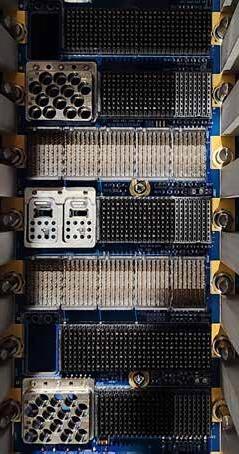
Pixus Technologies has announced a new line of VITA 91-compliant backplanes. The specification uses high-density OpenVPX connectors that double the backplane data rate.
The VITA 91 3U OpenVPX backplanes from Pixus feature a mix of OpenVPX and double-density slots. They can potentially support speeds up to 56Gbps across the backplane.
“The VITA 91 backplanes are a stepping stone to
next-generation specifications such as VITA 100, leveraging high-density interconnects,” said Eran Weragama, Solution Architect at Pixus Technologies. "Experience in higher density and faster signal speed interfaces is critical for mastering advanced backplane technologies."
Pixus provides backplanes, enclosure systems, and chassis managers for OpenVPX and other VITA-based designs. The company provides ruggedized enclosure solutions in conduction-cooled, air-cooled, Air Flow Through (AFT), and Liquid Flow Through (LFT) formats.
“Together, we are addressing a critical capability said Martin Karkour, Chief Revenue Officer of Quantum Systems. “By combining our solutions with Destinus’ strike capabilities through MOSAIC UXS, we enable the connection of sensors and effectors even over long
“Europe needs a sensor-to-effect architecture that can be industrialized and scaled at pace,” said Wouter Van Beek, Chief Commercial Offi“This alliance connects reconnaissance data with strike systems while keeping decision authority where it belongs, within exist ing command frameworks.”
SBC Features Intel Tiger Lake-H Xeon-W CPU and 100-Gigabit Ethernet.
Acromag’s newest VPX processor board follows the SOSA I/O-intensive profile to provide high-performance computing and a broad range of I/O interfaces for rugged em-
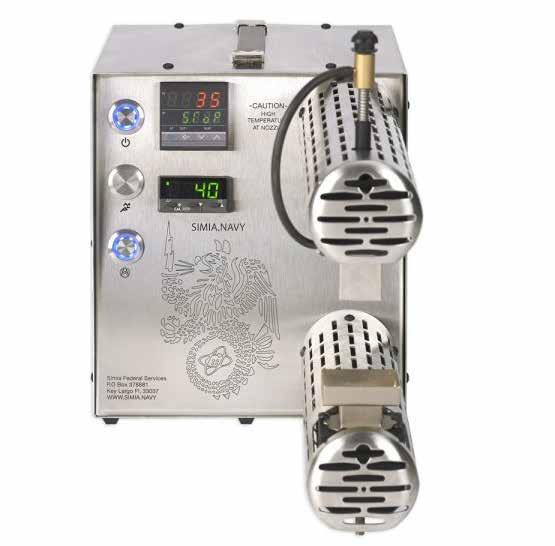
Rework and repair of electronic assemblies can be necessary at all times, in peace or in war, on land or at sea. Automated Production Equipment's benchtop Trident SMT Repair System is designed to be a seagoing electronics PCB repair depot, at home on a Navy ship as in a shoreside repair facility. It's easy to use, precise, and repeatable, with a single-push-button operation.
The self-contained Trident is designed to enable any user to remove and replace SMT components using a precisely controlled Ramp/Soak oven profile and an upper- and lower-heating configuration. Ruggedly manufactured to Military specifications, its chassis is
bedded systems.
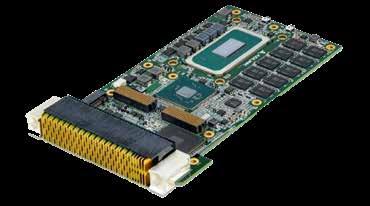
The new VPX7600 3U OpenVPX SBC is powered by Intel's 11th Generation Tiger Lake-H Xeon W-11000E processor and aligns with the SOSA I/O-intensive profile.
An XMC mezzanine site and a wide variety of I/O peripherals offer great flexibility. Intel’s E810 Ethernet controller supports 100GbE on the data plane and 10GbE on the control plane.
An NVMe SSD provides up to 1TB of M.2
made of marine-grade stainless steel and is 20G impact-rated.
The Trident Benchtop SMT Rework and Repair Station is a Military Marine Grade Self-Contained Rework Platform and, in addition to reworking legacy MIL components, is built to rework and repair all SMT components, including RoHS (lead-free).
data storage. Backplane I/O includes 2.5 GbE, DisplayPort, USB 3.2, SATA III, RS232/RS422, and GPIO. Conduction-cooled and air-cooled with front I/O versions are available.
"This processor board packs a high-performance workstation-class CPU, 100GbE, and other high-speed I/O interfaces on a 3U VPX card to support defense, aerospace, and scientific applications," suggests Robert Greenfield, Acromag’s Director of Business Development.
Plus, its state-of-the-art design incorporates an all-stainless-steel chassis to ensure years of worry-free rework, especially in a marine environment. The unit package includes a freestanding PCB holder, nozzles, flux, and other supplies, and is protected by warranty. The Trident is Model: 115VAC, Part Number: APE-3500-1500.
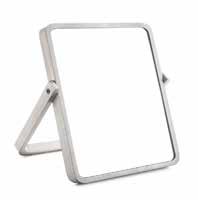
Pixus can make your ruggedization aspirations come to life. This includes outdoor IP67 styles that are fanless, full MIL rugged, or versions with superior forced air cooling. Whether it’s an NI/ Ettus SDR or your customized SFF solution, Pixus has a solution for you.



Sealevel Systems Announces the Relio R1 Edge, Extending Range and Capabilities of the Industry-Leading Product Line
Sealevel Systems announces the release of the Relio R1 Edge, the latest addition to the industry-leading Relio embedded computer line. The R1 Edge incorporates the newest generation of industrial processors and a modernized video interface. With versatile communication options like 2.5 Gigabit Ethernet ports, Cellular 4G LTE, Wi-Fi 6E, and RS-232/422/485, the R1 Edge features a USB-C port, locking USB 3.1 ports, locking USB 2.0 ports, DisplayPorts, Audio Line-In/ Out 3.5mm ports, and a wide operating temperature range of up to -40°C to +71°C.
"The Relio R1 Edge represents Sealevel’s commitment to providing powerful computing solutions that are rugged enough to meet the demands at the edge," said Jeff Baldwin, Director of Engineering at Sealevel. "With its powerful Intel Core processors, robust and diverse connectivity options, and ruggedized design, the R1 Edge is built to handle the complex challenges of today's and tomorrow's industrial, military, and aerospace applications, enabling our customers to connect faster,
Mikroe's
MIKROE, the embedded solutions company that dramatically cuts development time by providing innovative hardware and software products based on proven standards, has announced that the latest version of its mikroSDK software development kit now supports the Renesas RA2E1 family of low-power, Arm® Cortex®-M23 MCUs that operate at up to 48 MHz with up to 128 KB code flash, 16 KB SRAM, and 4 KB data flash. mikroSDK 2.17.12 continues the multiyear MCU development tool support agreement between MIKROE and Renesas, signed in January 2026, which commits MIKROE to providing development tools for 500 of Renesas' most popular MCUs, plus upcoming new releases. Renesas is also establishing, for the first time, a 'Planet
compute smarter, and scale at the edge."
The R1 Edge features an extremely rugged, anodized aluminum enclosure and intentional thermal management for unmitigated performance under environmental extremes. The fanless, solid-state design, combined with locking SeaLATCH USB connectors, ensures shock- and vibration-tolerance as well as long-term reliability.
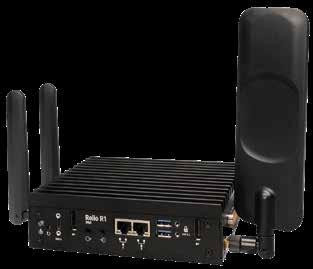
line to advance applications and industries operating in particularly extreme environments, including energy, defense, transportation, aerospace, and other critical sectors. With the increased capabilities offered by the R1 Edge, we're looking forward to extending the edge for our customers as they upgrade remote systems and create new, more mobile, and portable solutions," said Earle Foster, Sr. VP of Sales for Sealevel.
Versatile communication comes standard with the R1 Edge, including options like Cellular 4G LTE, Wi-Fi 6E, RS-232/422/485, and 2.5 Gigabit Ethernet. With a robust, flexible I/O mix, this rugged industrial computer can manage a variety of data inputs to interface with legacy systems and the most advanced peripherals, all from the edge. The embedded computer's COM Express architecture enables easy migration and upgrades of CPU functionality without a complete system redesign or replacement.
“The new R1 Edge capitalizes on the success of our existing Relio rugged industrial computers, while providing the future-looking processing power and diverse I/O that customers expect from Sealevel. We launched the Relio
Debug' remote board farm, enabling developers anywhere in the world to remotely debug code without investing in hardware.
mikroSDK makes application code portable and reusable across many platforms and architectures with virtually no code changes. It is a collection of open-source software libraries, a unified API, and software development tools. Everything you need to start developing and prototyping cross-platform embedded applications, including Click board™ applications and GUIs for embedded devices.
Inside the R1 Edge, an M.2 SATA III SSD slot provides solid-state storage ranging from 128GB to 1TB. The R1 Edge is compatible with Windows 10 IoT Enterprise, Windows 11 Pro, Linux RHEL 8 (or later), and Linux Ubuntu 21 (or later). The system is also Windows 11 IoTready, providing maximum flexibility for customer-specific software applications. Sealevel’s SeaCOM hardware driver is included to provide system I/O. Serial application code samples support custom application development, and comprehensive support documentation expedites configuration.
Comments Nebojsa Matic, CEO of MIKROE: “mikroSDK is open-source, and it’s natively supported in our NECTO Studio IDE. It is also available on GitHub. The approach is: ‘Learn Once, Code Anywhere’. Use it with our mikroC compiler or any other C compiler. Thanks to its modular structure, mikroSDK drivers are possible to integrate with other SDKs (including Azure Sphere and GCC).”
The new version of mikroSDK 2.17.12 also includes AGT PWM mode support for Renesas devices and a Cortex-M23 interrupt-priority fix that resolves UART receive issues on RA2 devices. Support for 270 more MCUs and 12 new

iDirect Government Releases 450 Rackmount Software-Defined Modem for Enhanced Satellite Communications
iDirect Government announced the release of the 450 Rackmount (RM) software-defined modem (SDM), which delivers resilient and secure connectivity across theatres, airspace, and all mission phases.
The 450RM operates on iDirectGov’s Evolution Defense, Viasat GX, SES Flex, and DVBS2X networks, as well as the military-standard
Simera Sense launches SSA Scape100 Full Motion camera to address
Endura Super-TCXO Delivers Superior HoldovSimera Sense has launched SSA Scape100 Full Motion, a next-generation imaging system designed to enable real-time space situational awareness and in-orbit security operations.
Designed and manufactured in Toulouse, SSA Scape100 Full Motion builds on Simera Sense's space-proven flagship product xScape100 optical camera. This new product is equipped with a steerable mechanism that allows full-motion
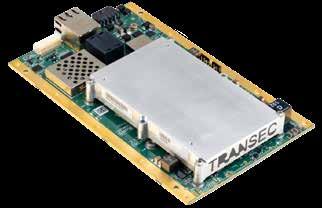
188/165B Enhanced Bandwidth Efficient Modem (EBEM). It supports operations across geostationary (GEO), highly elliptical (HEO), medium Earth orbit (MEO), and low Earth orbit (LEO) constellations, while maintaining the highest security standards.
Designed for space-constricted environments, the half-rack unit allows two 450RMs to be mounted side-by-side in the rack, minimizing rack space requirements while providing a protected, durable form factor.
"The 450RM is resilient, secure, and flexible to suit our troops' satellite communications at the tactical edge," said Tim Winter, iDirectGov president. “Its multi-technology architecture delivers optimized perfor-
al-time calculations for SSA.
Simera Sense has signed over 200 contracts with more than 50 customers, of which 82 percent are NATO members. The launch comes as governments and operators are placing ever-greater emphasis on protecting satellites, understanding orbital activity, and improving resilience in an increasingly congested and contested space environment.
The SSA Scape100 Full Motion is built on the proven xScape100 camera platform, which has established space heritage through more than 35 payloads currently in orbit, with its electronics accumulating over 840,000 operational hours in space. This new product has been engineered for low size, weight, and power (SWaP) requirements and low data rates.
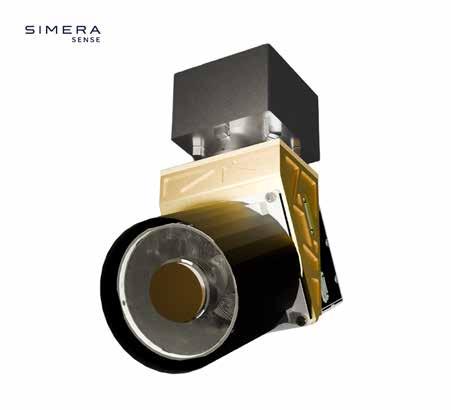
The product is a cost-efficient, mission-ready solution designed for low-risk integration into existing and next-generation satellite platforms, ideally suited for hosted payload missions across proliferated constellations.
The system offers a unique balance of high sensitivity and high spatial resolution. Thanks to its wide 95mm aperture, with sensitivity down to 10-12.5 visual magnitudes, the camera is optimized for detecting and tracking faint objects in challenging orbital environments.
Its 2-arcsecond instantaneous field of view (IFoV) and ability to resolve objects to 10 cm at 10 km distance support detailed space object characterization during close-proximity encounters, including threat assessment related cooperative or hostile Rendezvous and Proximity Operations (RPO).
Thanks to the camera's steerable character-
mance and efficient operations.”
The 450RM is powered by the 4-Series SDM architecture, which integrates iDirectGov’s Communication Signal Interference Removal™ (CSIR™) technology and a Federal Information Processing Standards (FIPS)-140-3 Level 3 approved Advanced Encryption Standard (AES) Cryptographic engine for secure, resilient communications. This architecture enables a TRANSEC-compliant network design that exceeds U.S. government standards and delivers high-quality voice, video, and data across contested environments.
istic, which provides a 360° field of regard, the platform's primary mission is to detect, track, and catalog Resident Space Objects (RSOs), contributing directly to the safety and security of space operations. From single-payload to constellation-wide coordinated operations, the SSA Scape100 Full Motion offers high revisit rates over the global RSO population or persistent tracking of specific assets of interest.
Beyond routine monitoring, the system provides high-resolution imaging capabilities that support critical space asset protection and anomaly assessment. These capabilities leverage Simera Sense’s extensive Earth Observation optical heritage, ensuring a mission-ready, trusted solution for next-generation Space-based SSA needs.
Kammy Brun, Managing Director, Simera Sense France, said: "We all know that NATO and Europe are calling for resilience and autonomy in space infrastructure. Across Europe, demand is growing for SSA; however, there is still a gap in operational spacebased SSA solutions, and SSA Scape100 Full Motion is a response to that. Space operators need responsive, reliable systems that can help them understand what is happening in orbit and act with confidence. That's what we're delivering."
One year after establishing its presence in Toulouse, Belgium-headquartered Simera Sense continues to expand its European footprint, with France playing a central role in its growth strategy. The company is advancing from design and R&D into full-scale manufacturing, marking a significant step in its industrialization roadmap scheduled for 2027-2028.
North Atlantic Industries Introduces VPX68S 600W DC/DC Power Supply for SOSA™-Aligned VPX Systems.
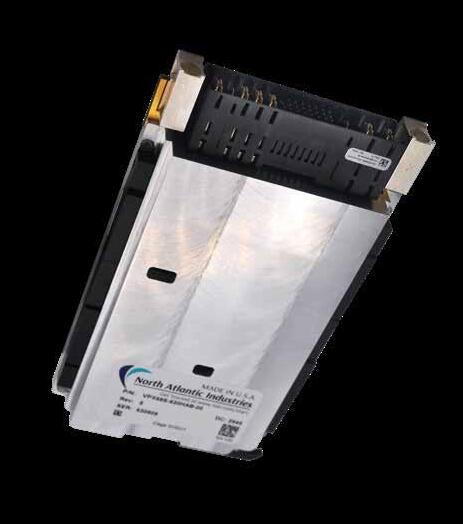
North Atlantic Industries announces the release of its VPX68S 600-Watt DC/DC Converter, a high-efficiency, SOSA™-aligned power supply designed for mission-critical platforms in aerospace, defense, and industrial applications. Built in a 3U VPX form factor, the VPX68S accepts a +28 VDC input and integrates seamlessly into conduction-cooled VPX systems as an off-theshelf power solution.
Engineered to support modern open-architecture systems, the VPX68S delivers up to 600 Watts of power through two SOSA™-aligned outputs with associated I/O. Optional integrated holdup time and current-share capabilities enhance system-level resilience and scalability, while standard VPX-compatible connectors simplify integration into new or existing VPX backplanes.
"Reliable power is foundational to every mission-critical system," said Lino Massafra, VP of Sales and
21.5”
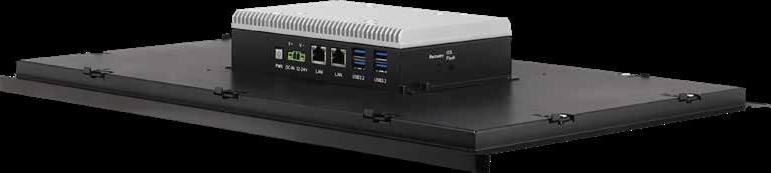
AAEON announced the release of the second addition to its AI Panel PC series, the NIKY2215-NX. AAEON first introduced its AI Panel PC product line in November 2025, with the series' value proposition being that it combines an NVIDIA Jetson module, full-function industrial I/O, and a high-definition display in a single device.
Marketing at NAI. cy, ruggedization, and standards alignment our custom ers require, while offering an optional holdup time of up to 400 Watts to support graceful operation during power interruptions. Combined with intelligent mon itoring and protection features, it provides a robust solution for SOSA™-aligned VPX platforms."
For advanced system monitoring and control, the VPX68S includes comprehensive protection against input transients, overvolt age, overcurrent, and short-circuit conditions. It meets stringent environmental and electro magnetic compatibility requirements, includ ing input transient protection per MIL-STD704F and MIL-STD-1275E, integrated EMI filtering per MIL-STD-461F, and environmen tal compliance per MIL-STD-810 and VITA 47. The unit operates across a wide temperature range of -40°C to +85°C, ensuring reliable per formance in demanding deployed conditions.
The VPX68S provides a rugged, stan dards-aligned VPX power solution that simpli fies integration, enhances system resilience, and delivers dependable power for mission-critical electronics. It is available as part of NAI’s SOSA™aligned VPX power solutions portfolio, support
The NIKY-2215-NX is available in SKUs with either an 8GB or 16GB NVIDIA Jetson Orin NX module, offering up to 100 TOPS of AI performance. Meanwhile, the system includes a 21.5-inch TFT-LCD projected-capacitive multitouch screen, underscoring its suitability for applications such as AI-driven production line inspection systems and industrial monitoring dashboards.
The device offers four USB 3.2 Gen 2 Type-A ports and two Gigabit Ethernet LAN ports on its bottom panel. Meanwhile, the right-side panel I/O hosts a DB-15 port for DIO 8-bit and two DB-9 ports for CANBus and RS-232/422/485.
several rugged characteristics. These include a broad operating temperature range of -5°C to 55°C, a 12V to 24V power input range, and both VESA and panel mounting options. Moreover, the system's display offers wide 160-degree horizontal and vertical viewing angles, as well as impressive vibration and shock tolerance.
Owl Cyber Defense Unveils XD Tyton™, the First Secure Gateway for iPhone & iPad in Classified Networks.
XD Tyton™ helps agencies unlock the power of iOS and iPadOS inside classified networks — securely and compliantly.
Owl Cyber Defense announced the launch of XD Tyton™, a breakthrough solution that provides, for the first time, an approved secure gateway for iOS and iPadOS into airgapped networks. XD Tyton helps agencies leverage the full performance and productivity of iPhone and iPad devices in critical enclave networks, redefining what is possible for secure mobility.
Built to work within iOS and iPadOS's secure update architecture, XD Tyton resolves

one of the most persistent challenges in secure closed-network mobility: enabling iOS and iPadOS devices to update securely within air-gapped environments. XD Tyton enables secure over-the-air (OTA) updates without compromising operational security, keeping iPhones and iPads protected, compliant, and mission-ready.
"XD Tyton is more than technology. It's a decisive evolution in classified mobility. It enables our warfighters and government employees to leverage the intuitiveness and productivity of Apple devices at work that they rely on in their personal lives," said Scott Orton, CEO of Owl Cyber Defense. "We're empowering agencies to harness the full power of iOS and iPadOS, the most advanced, secure, and user-friendly mobile operating systems available, inside classified environments. From secure field communications and real-me mission intelligence to advanced data analysis and situational awareness, this is mobility without barriers: faster,
more intuitive, and more capable than anything that's come before."
When deployed alongside a compliant commercial High Threat Network (HTN) Cross Domain Solutions (CDS), the integrated architecture meets the U.S. Government's Raise the Bar (RTB) and Commercial Solutions for Classified (CSfC) program requirements. XD Tyton can also integrate with Mobile Device Management (MDM) solutions for centralized device provisioning, policy enforcement, and streamlined management. XD Tyton enables agencies to capitalize on the unmatched stability, security, and user experience of iOS and iPadOS within air-gapped domains. Users can now use iPhones and iPads in the mission for secure data exchange, situational awareness, custom applications, and accelerated decision cycles to redefine mission mobility.

Silvus Technologies Introduces the FASST™ 6000 Spectrum Sensor Delivering Powerful RF Spectrum Intelligence and Geolocation to
New low-SWaP spectrum sensor delivers industry-leading 144.5 THz/s spectrum scanning, redefining the benchmark for mobile SIGINT, EW, and distributed RF sensing operations.
Silvus Technologies, a Motorola Solutions company and a global leader in advanced tactical wireless communications, today announced the launch of the FASST™ 6000 Spectrum Sensor. FASST 6000 represents Silvus’ expansion beyond MANET radio communications and mesh networking into advanced RF sensing and spectrum awareness technologies.
Designed for the tactical edge, this handheld radio signal detection system packs the perfor-
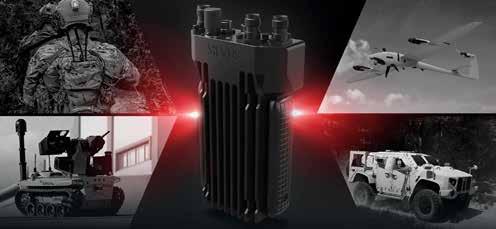
mance of a much larger device into an ultra-low size, weight, and power (SWaP) form factor. It's purposefully designed for on-the-move signals intelligence operations and rapidly deployable RF sensing networks, providing warfighters and unmanned systems operators with critical situational awareness in contested environments.
At the heart of the system is Silvus' proprietary signal processing technique, Filtering by Aliasing Spectrum Sensing Technology (FASST), which delivers extremely fast scanning speeds of up to 144.5 terahertz per second. By eliminating the lag of conventional sensors, this technology enables near-instantaneous measurements across a frequency range from 1 MHz to 6 GHz. Using a synchronized antenna array, FASST enables operators to detect and locate elusive short-duration, low-power, or low-duty-cycle transmissions that are frequently missed by traditional sensors.
With scanning speeds that outperform competing systems in its size class by more than 100 times, the FASST 6000 offers a smaller, lighter, and more cost-effective solution for mobile platforms and dismounted forces. Its integrated IP networking and USB interfaces, combined with embedded processing and low power consumption (17 watts), allow for rapid deployment as either a standalone asset or a component of a larger distributed sensing architecture.
"The launch of the FASST 6000 represents a pivotal shift for Silvus as we bring our expertise in tactical communications to the vital field of RF sensing," said Mansour Rachid, vice president of research and development, Silvus Technologies.
The FASST 6000 supports high-speed, high-probability signal detection, recording, and direction finding of RF emitters. When integrated into a StreamCaster® MANET mesh network of three or more sensors, the system enables real-time triangulation and precise geolocation of RF sources, providing awareness of both friendly forces and adversaries throughout the battlespace. These capabilities support a wide range of missions, from localized electronic intelligence to wide-area distributed RF monitoring and detection.
Annapolis Micro Systems.
Behlman Electronics.
PICO Electronics, Inc.
.www.annapmicro.com
www.behlman.com
.www.dolphinics.com/COTS
www.nVent.com/schroff/varistar-cp-mil
www.odu-aerospace.com
.www.picoelectronics.com
.www.tekdense.com
COTS Journal (ISSN#1526-4653) is published monthly at; 110 S Rancho Santa Fe, Virgin UT 84779. Periodicals Class postage paid at San Clemente and additional mailing offices.
POSTMASTER: Send address changes to COTS Journal, 110 S Rancho Santa Fe PO 790039, Virgin UT 84779.
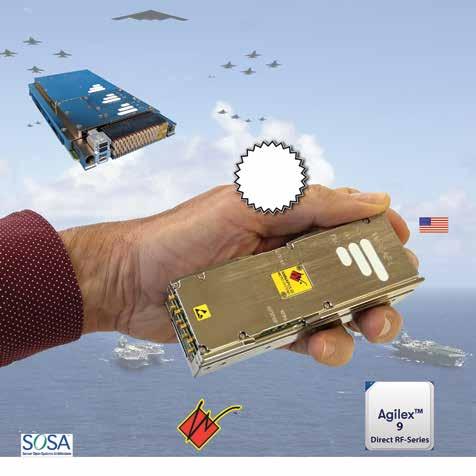


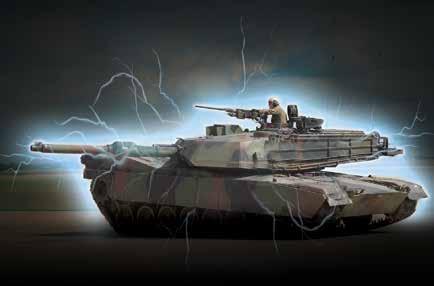
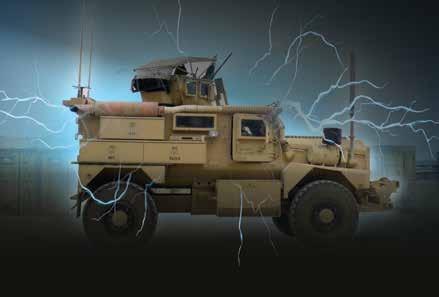
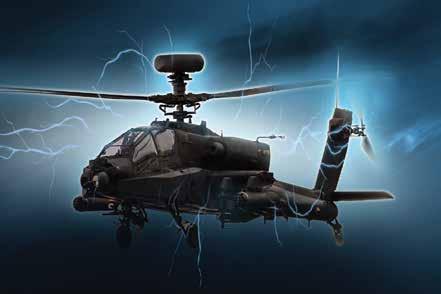

Introducing the VPXtra® 500DW-IQI, Behlman’s latest power supply with a wide range DC input that is fully compliant for all platforms in the Army CMFF program. This rugged, highly reliable switch mode 3U VPX unit meets a new standard of adaptability, and is backed by unmatched integration support from the Behlman team.
> Developed in alignment with the SOSA™ Technical Standard and VITA 62.0
> Delivers over 482 watts of DC power via two outputs
> 90% typical efficiency
> Features cutting-edge Tier 3 software
> System management integration via VITA 46.11 compatible IPMC