Fine Autographs and Artifacts | March 18, 2026
ATTENTION:
Please mail all payment checks to:
R & R Auction Company of Massachusetts, LLC
1 State Route 101A, Suite 3
Amherst, New Hampshire, 03031
Fine Autographs and Artifacts | March 18, 2026
ATTENTION:
Please mail all payment checks to:
R & R Auction Company of Massachusetts, LLC
1 State Route 101A, Suite 3
Amherst, New Hampshire, 03031
Remarkable Rarities
March 26, 2026
Space Exploration April 23, 2026
Fine Autographs & Artifacts
Now accepting consignments
Marvels of Modern Music
Now accepting consignment
Spirit of ’76: America’s 250th Anniversary Auction
Now accepting consignment
Steve Jobs and the Apple Revolution
Now accepting consignment
March 18, 2026
At 6 p.m. on Wed. March 18th t he one-hour extended bidding period begins followed immediately by the 30 Minute Rule. All times in RR Auction guidelines and instructions are stated according to the Eastern (U.S.) time zone.
Bob Eaton CEO, Acquisitions bob.eaton@rrauction.com
Carla Eaton Owner, Auctioneer carla.eaton@rrauction.com
Bobby Livingston Executive Vice President, Public Relations bobby.livingston@rrauction.com
Bobby Eaton VP, Business Development Auctioneer, MA/Lic. #3214 bobby.eaton@rrauction.com
Sue Recks Customer Service Manager Accounts Receivable sue.recks@rrauction.com
Melissa Adams Accounting Executive melissa.adams@rrauction.com
Amey Fuller Staff Accountant amey.fuller@rrauction.com
Elizebeth Otto Consignment Director elizebeth.otto@rrauction.com
Jeff Cafferelli Consignment Director jeff.cafferelli@rrauction.com
Fiona Lenaire Consignor Customer Service Manager fiona.lenaire@rrauction.com
Cecily Gruce Inventory Manager Customer Service cecily.gruce@rrauction.com
Grace Maggio Executive Assistant grace.maggio@rrauction.com
Kevin Lessard Shipping Manager kevin.lessard@rrauction.com
Matt Klein Filemaker Developer and IT Administrator matt.klein@rrauction.com
Bill White Lead Autograph Appraiser bill.white@rrauction.com
Dan McCarthy Writer, Researcher dan.mccarthy@rrauction.com
Evan Mugford Writer, Researcher evan.mugford@rrauction.com
Sarina Carlo Head of Production sarina.carlo@rrauction.com
Nikki Brickett Photographer nikki.brickett@rrauction.com
Joe Boucher Production Assistant joe.boucher@rrauction.com
Suzy Torres Photographer suzy.torres@rrauction.com
Robert S. Eaton Sr. 1940–2001
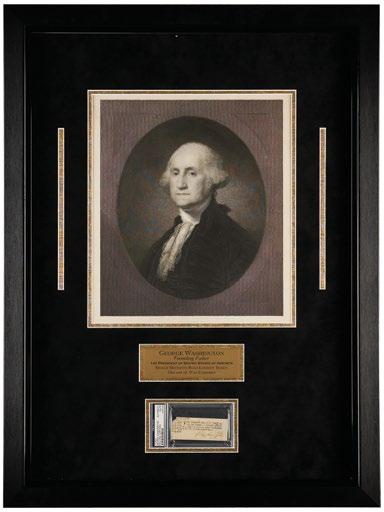
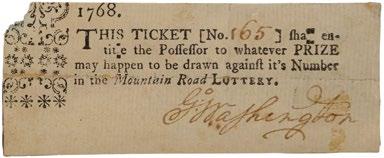
1. George Washington Signed 1768 Mountain Road Lottery Ticket. Historic lottery ticket neatly signed at the conclusion in ink, “G:o Washington,” one page, 3.25 x 1.25, for the “Mountain Road Lottery” held in 1768. In full: “This ticket [No. 165] shall entitle the Possessor to whatever Prize may happen to be drawn against it’s Number in the Mountain Road Lottery.” These lottery tickets were printed several at a time on larger sheets before being cut. Encapsulated in a PSA/DNA authentication holder and archivally doublematted and framed under Tru Vue Museum Glass with a fabulous engraved portrait (by William E. Marshall, after the painting by Gilbert Stuart) and plaque to an overall size of 22.75 x 31. In fine condition, with minor loss to the upper left corner tip.
With Captain Thomas Bullitt and others, Washington conceived a lottery as a way to raise funds to build a road through the Allegheny Mountains in Virginia and to construct a resort in the area now known as The Homestead, Hot Springs, Virginia. Owing to competition from other lotteries, the Mountain Road Lottery failed, and King George III then banned all lotteries in 1769. Although 6,000 of these lottery tickets were originally slated to be sold, only about 25 are known to exist today. A scarce and highly sought-after format for George Washington’s autograph, impressively displayed. Starting Bid $1000
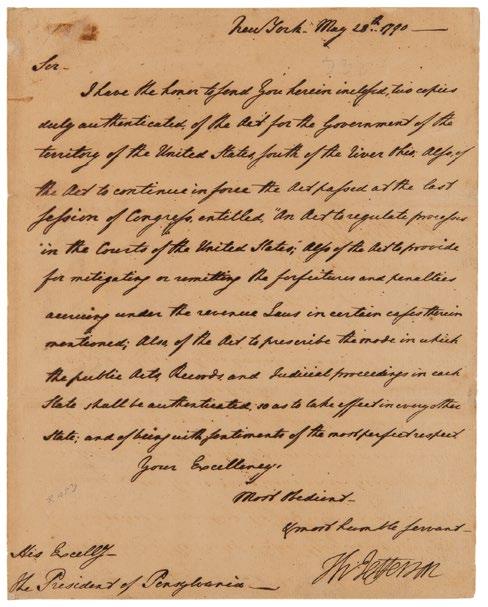
Mifflin in May 1790, forwarding legislation on the Southwest Ordinance, an act that affected the statehood of Tennessee and granted the continuation of slavery in the territory
2. Thomas Jefferson Letter
Signed as Secretary of State, Forwarding Thomas Mifflin Legislation Allowing Slavery in Tennessee Territory. LS as secretary of state, signed “Th: Jefferson,” one page, 8 x 10, May 28, 1790. Addressed from New York, a letter to Thomas Mifflin, “The President of Pennsylvania,” in full: “I have the honor to send you herein inclosed, two copies duly authenticated of the Act for the Government of the territory of the United States south of the River Ohio; also of the Act to continue in force the Act passed at the last session of Congress entitled ‘An Act to Regulate Processes in the Courts of the United States;’ Also of the act to provide for mitigating or remitting the forfeitures and penalties accruing under the revenue Laws in certain cases therein mentioned; also of the Act to prescribe the mode in which the public Acts, Records, and Judicial proceedings in each state shall be authenticated, so as to take effect in every other state; and of being with sentiments of the most perfect respect.” In fine condition, with a few small expert professional repairs.
A historically fascinating letter from Jefferson two months into his role as the nation’s original secretary of state. Sent from New York City, then the U.S. capital, the letter forwards four pieces of legislation, the first of which mentions “Territory of the United States South of the Ohio River,” a region that would ultimately become the state of Tennessee (1796). Passed by Congress two days earlier on May 26, 1790, the Southwest Ordinance provided a government framework for the territory south of the Ohio River, which included present-day Tennessee. Similar to that of the Northwest Ordinance of 1787, the act created a territorial governor, a secretary, and three judges to administer the territory, and it laid out a process for the eventual admission of new states from the territory. Unlike the Northwest Ordinance, the Southwest Ordinance allowed slavery to continue in the territory. Starting Bid $2500
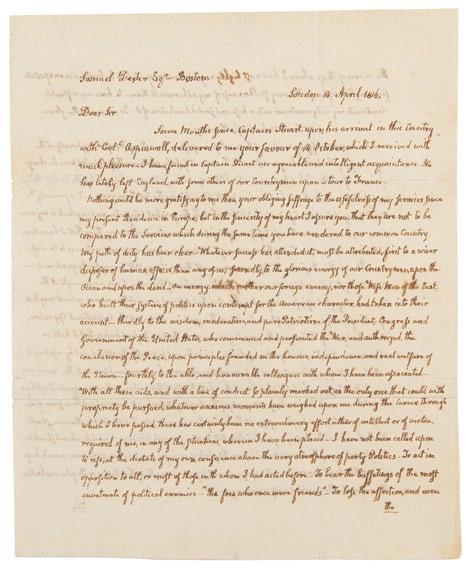
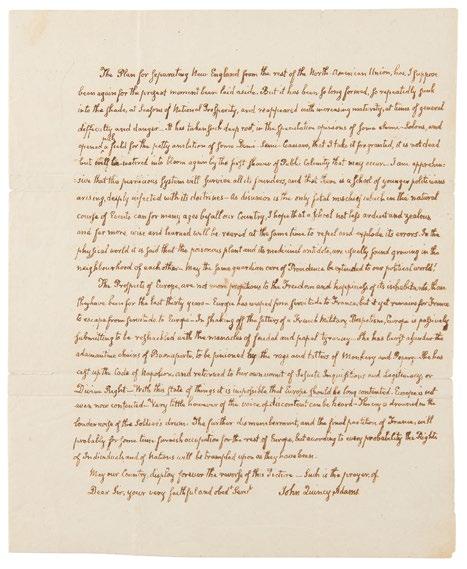
John Quincy Adams weighs on on the prospects of Europe after the War of 1812:
“Europe is passively submitting to be reshackled with the manacles of feudal and papal tyranny—she has burst asunder the adamantine chains of Buonaparte, to be pinioned by the rags and tatters of Monkery and Popery”
3. John Quincy Adams Autograph Letter Signed on Europe and the War of 1812: “She has burst asunder the adamantine chains of Buonaparte, to be pinioned by the rags and tatters of Monkery and Popery”. ALS, three pages on two adjoining sheets, 8 x 9.75, April 14, 1816. Lengthy handwritten letter to Samuel Dexter, who had been Secretary of War and Secretary of the Treasury during the administration of John Quincy Adams’ father, John Adams. In this intimate and personal letter, Adams offers his view on the War of 1812, its effects on American and European character, opposition to the war efforts, his negotiations to end the war, and the future of Europe. During this period, Adams was serving as United States Minister to the United Kingdom, and had been a part of the American delegation that negotiated the end to the War of 1812.
In part: “Nothing could be more gratifying to me than your obliging suffrage to the usefulness of my services since my present residence in Europe…My path of duty has been clear. Whatever success has attended it must be attributed, first to a wiser disposer of human affairs, than any of us; secondly, to the glorious energy of our countrymen, upon the ocean and upon the Land—An energy, which neither our foreign enemy, nor those ‘Wise Men of the East,’ who built their system of
politics upon contempt for the American character, had taken into their account—thirdly to the wisdom, moderation, and pure patriotism of the President, Congress and Government of the United States, who commenced and prosecuted the War, and authorized, the conclusion of the Peace, upon principles founded in the honour, independence, and real welfare of the Union...
The Prospects of Europe, are not more propitious to the Freedom and happiness of its inhabitants, than they have been for the past thirty years—Europe has escaped from servitude to France, but it yet remains for France to escape from servitude to Europe. In shaking off the fetters of a French Military Despotism, Europe is passively submitting to be reshackled with the manacles of feudal and papal tyranny—she has burst asunder the adamantine chains of Buonaparte, to be pinioned by the rags and tatters of Monkery and Popery. She has cast up the Coda of Napoleon, and returned to her own vomit of Jesuits, Inquisitions, and Legitimacy, or Divine Right. With this state of things it is impossible that Europe should be long contented.” In fine condition. A long and important handwritten letter by John Quincy Adams, who would return to the United States one year later to assume the role of Secretary of State in Madison’s administration. Starting Bid $500
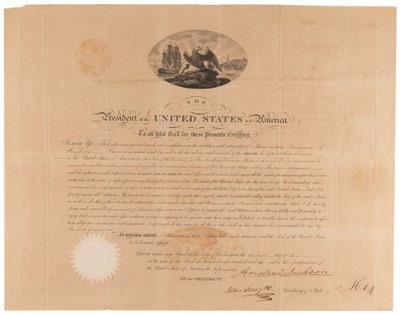
4. Andrew Jackson Document Signed as President - 1834 Consulary Appointment. Partly-printed DS as president, one page, 23 x 18, June 30, 1834. President Jackson appoints Marmaduke Burrough of New Jersey as “Consul of the United States of America, for the Port of Vera Cruz, in the United Mexican States, and such other parts as shall be nearer thereto than to the residence of any other Consul or Vice-Consul of the United States within the same allegiance.” Prominently signed at the conclusion in ink by President Andrew Jackson and countersigned by Secretary of State John Forsyth. The crisply embossed white paper seal affixed at the lower left remains intact. In very good to fine condition, with splitting to the intersecting folds, reinforced with tape on the reverse. The appointee, Marmaduke Burrough (1798–1844), a Philadelphia physician and diplomat, had the distinction of acquiring America’s first rhinoceros during his time as consul in Calcutta. Starting Bid $200
President Tyler attempts to bolster his cabinet:
“I have upon a full view of all circumstances concluded to nominate Mr. Cushing for the Treasury”
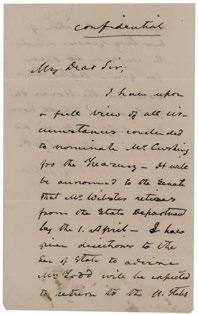
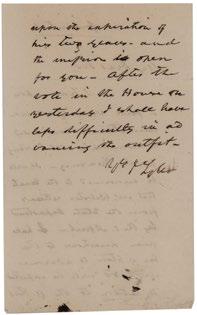
5. John Tyler Autograph Letter Signed as President on His Nominee for Secretary of the Treasury. ALS as president, signed “J. Tyler,” one page both sides, 4.25 x 7, no date but circa 1843. Handwritten letter marked “Confidential,” in part: “I have upon a full view of all circumstances concluded to nominate Mr. Cushing for the Treasury—it will be announced to the Senate that Mr. Webster retires from the State Department by the 1. April—I have given directions to the Sec. of State to advise Mr. Todd will be expected to return to the U. States upon the expiration of his two years…After the vote in the House on yesterday I shall have less difficulty in advancing the outfit.” In fine condition.
President John Tyler nominated Caleb Cushing for Secretary of the Treasury in March 1843, but the Senate rejected the nomination three times due to Tyler’s ongoing conflicts with Congress, making Cushing one of several unsuccessful cabinet nominees during Tyler’s contentious presidency. Starting Bid $200
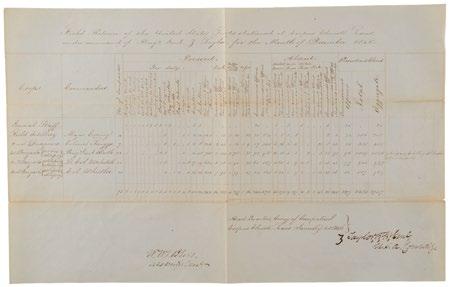
6. Zachary Taylor Document Signed, Enumerating the Strength of His ‘Army of Occupation’ at the Outset of the Mexican-American War. Manuscript DS, signed “Z. Taylor Bt. Br. Genl., U.S.A. Comdg.,” one page, 15.5 x 9.75, January 1, 1846. Document headed “Field Return of the United States Troops stationed at Corpus Christi, Texas, under command of Brigr. Genl. Z. Taylor, for the Month of December 1845,” enumerating the “General Staff,” “Field Artillery,” “2nd Dragoons,” “1st Brigade—Artillery, 8th Infantry,” “2nd Brigade—5th Infantry, 7th Infantry,” and “3rd Brigade—3rd Infantry, 4th Infantry.” Boldly signed at the conclusion in ink by Zachary Taylor as commander of the “Army of Occupation,” which amounted to some 327 officers and 3,420 men. In fine condition, with light toning along the folds. Read more online at www.RRAuction.com. Starting Bid $200
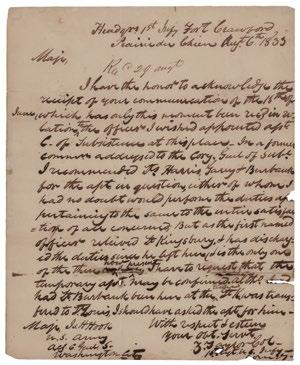
7. Zachary Taylor Autograph Letter Signed from Fort Crawford. ALS signed “Z. Taylor,” one page, 8 x 9.5, August 6, 1833. Addressed from Fort Crawford, a handwritten letter from Colonel Taylor to Major James J. Hook, in part: “I have the honor to acknowledge the receipt of your communication of the 18th of June which has only this moment been rec’d, in relation to this officer I wished appointed Ass’t C of Subsistence at this place. In a former commu’n addressed to the Comg. Genl of Sub’t I recommended Lts. Harris, Garey & Burbank for the apt. in question, either of whom I had no doubt would perform the duties appertaining to the same to the entire satisfaction of all concerned. But as the first named officer relieved Lt. Kingsbury & has discharged the duties since he left here (& is the only one of the three now present) I have to request that the temporary apt. may be confirmed. Althou…had Lt. Burbank been here at this time Lt. K. was transferred to St. Louis, I should have asked the apt. for him.” In very good to fine condition, with a few edge chips, and ink erosion affecting a few words of text. Read more online at www.RRAuction.com Starting Bid $200
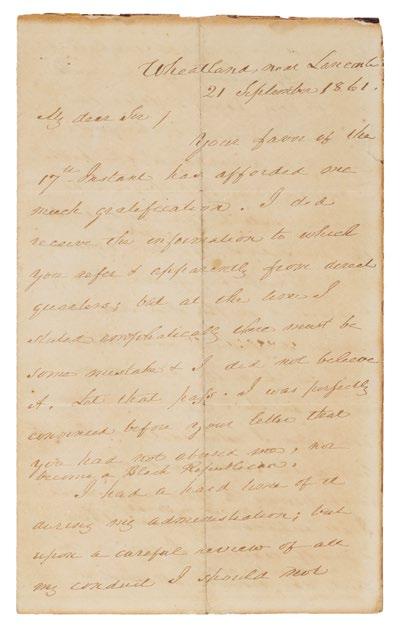
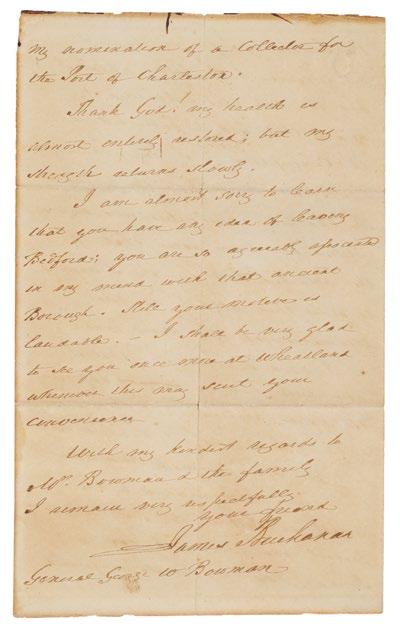
“The Charleston authorities were directly notified over & over again that if they attacked Fort Sumter I should consider this attack as the commencement of a civil war”
8. James Buchanan Autograph Letter Signed, Defending His Presidency: “The Charleston authorities were directly notified over & over again that if they attacked Fort Sumter I should consider this attack as the commencement of a civil war”. Civil War–dated ALS, four pages on two adjoining sheets, 4.5 x 7.25, September 21, 1861. Handwritten letter to George W. Bowman, who had served as Superintendent of Public Printing during his administration, carrying commentary in support of the Union amidst the Civil War and justifying his own conduct in office during the secession crisis. In part: “I did receive the information to which you refer & apparently from direct quarters; but at the time I stated emphatically there must be some mistake & I did not believe it. Let that pass. I was perfectly convinced before your letter that you had not abused me, nor become a Black Republican. I had a hard time of it during my administration; but upon a careful review of all my conduct I should not change it in a single important measure if this were now in my power. When the official documents & the facts come to be presented to the public, I entertain no apprehension as to what will be their verdict.
On the one side I had been violently opposed by the Republicans from the beginning & on the other side the leading Secessionists were estranged from me from the date of my message on the 3 December & soon after when I returned the insolent letter of the South Carolina Commissioners to them unanswered all intercourse political or social between them & myself ceased. I was on the next day, or a day or two after, violently attacked in the Senate by Jefferson Davis & his followers & the letter which I had returned was submitted by him to that Body & published in the Congressional Globe. I pursued my own steady course from the beginning. The Charleston authorities were directly notified over & over again that if they attacked Fort Sumter I should consider this attack as the commencement of a civil war.
I need scarcely say that I agree with you in approving ‘the active prosecution of the war by the Government.’ I have never held any other language since the Confederates commenced it by the attack on Fort Sumter. It would probably have commenced early in January had the Senate confirmed my nomination of a Collector for the Port of Charleston. Thank God! My health is almost entirely restored; but my strength returns slowly. I am almost sorry to learn that you have any idea of leaving Bedford; you are so agreeably associated in my mind with that ancient Borough. Still your motive is laudable. I shall be very glad to see you once more at Wheatland whenever this may suit your convenience.” In very good to fine condition, with light toning to the first and last pages, small splits to the central vertical fold, and splitting to the hinge.
Written from his home at Wheatland on September 21, 1861, just months after Confederate forces fired on Fort Sumter, Buchanan justifies his presidential conduct in the face of fierce criticism from both Republicans and Southern secessionists. He asserts that he acted consistently and conscientiously throughout the crisis, maintaining that official documents would ultimately vindicate him, and recounts how his stance estranged him from extremists on both sides.
The letter is also notable for the light it sheds on Buchanan’s perspective in the early months of the war. He explicitly supports the Union’s “active prosecution of the war,” a striking affirmation given his long-standing struggles to formulate an effective policy toward secession while in office. At a time when many in the North and South continued to debate culpability for the conflict’s outbreak, this personal correspondence reveals how Buchanan sought to shape his legacy and defend his reputation. Starting Bid $1000
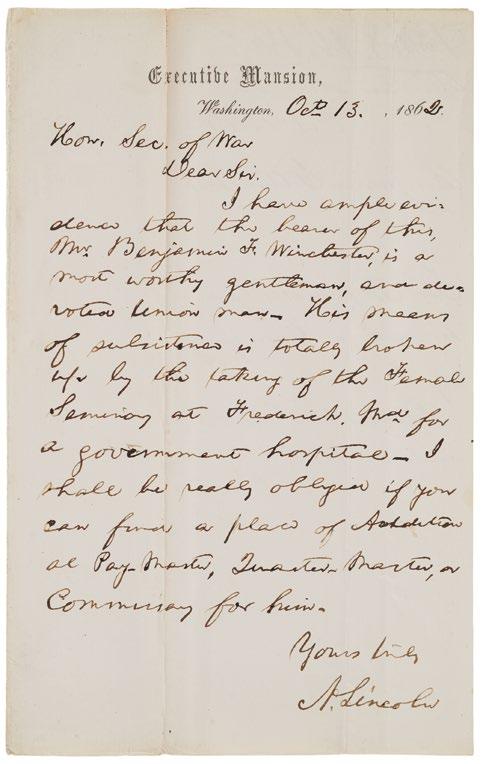
President Lincoln intercedes on behalf of a
“devoted Union man,” displaced by the Army’s takeover of the Frederick Female Seminary for use as a military hospital
9. Abraham Lincoln Civil War-Dated Autograph Letter Signed as President to Secretary of War Edwin M. Stanton, Interceding for a “devoted Union man”. Civil War-dated ALS as president, signed “A. Lincoln,” one page, 4.75 x 7.5, Executive Mansion letterhead, October 13, 1862. Handwritten letter to Secretary of War Edwin M. Stanton, in full: “I have ample evidence that the bearer of this, Mr. Benjamin F. Winchester, is a most worthy gentleman, and devoted Union man. His means of subsistence is totally broken up by the taking of the Female Seminary at Frederick, Md., for a government hospital. I shall be really obliged if you can find a place of Additional Pay-Master, Quarter-Master, or Commissary for him.” In fine condition, with very faint toning along one of the vertical folds.
The Frederick Female Seminary, a preparatory school for girls chartered in 1840, became one of nineteen private buildings converted to hospitals to house the massive number of Union and Confederate soldiers wounded in nearby battles. This was necessitated especially by the Battle of Antietam, fought three weeks earlier on September 17, 1862—a day that remains
the bloodiest in American history, with a tally of 22,727 dead, wounded, or missing on both sides.
President Abraham Lincoln visited the wounded in Frederick on October 4th, after his conferences with McClellan. Met by an enthusiastic crowd outside, Lincoln declined, as usual, to speak at length but offered a few words: ‘I might perhaps talk nonsense to you for half an hour and it wouldn’t hurt anybody,’ he joked. He proceeded to give ‘thanks to our good soldiers for the services they have rendered, the energy they have shown, the hardships they have endured, and the blood they have shed for this Union of ours’ (see: History of Frederick County, Maryland, by Williams and McKinsey, p. 381).
Published in The Collected Words of Abraham Lincoln (Supplement, 1832–1865), edited by Roy P. Basler (p. 157), which notes that Lincoln’s request was granted; Winchester was appointed commissary of subsistence on November 26, 1862.
Provenance: Fine Printed Books & Manuscripts, Christie’s, October 16, 2020. Starting Bid $2500
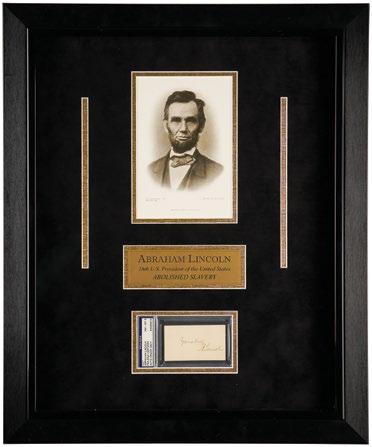
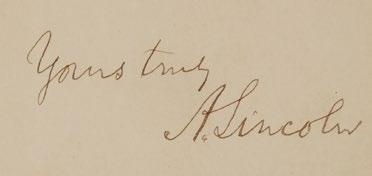
10. Abraham Lincoln Signature - PSA NM-MT 8. Crisp, neat ink signature, “Yours truly, A. Lincoln,” on an off-white 3 x 2 card, encapsulated and graded by PSA/DNA as “NM-MT 8.” Beautifully archivally double-matted and framed under Tru Vue Museum Glass with a lithograph portrait and plaque to an overall size of 19 x 23. In very fine condition. A choice autograph of the celebrated American president, who abolished slavery and sought to preserve the Union in the Civil War. Starting Bid $1000
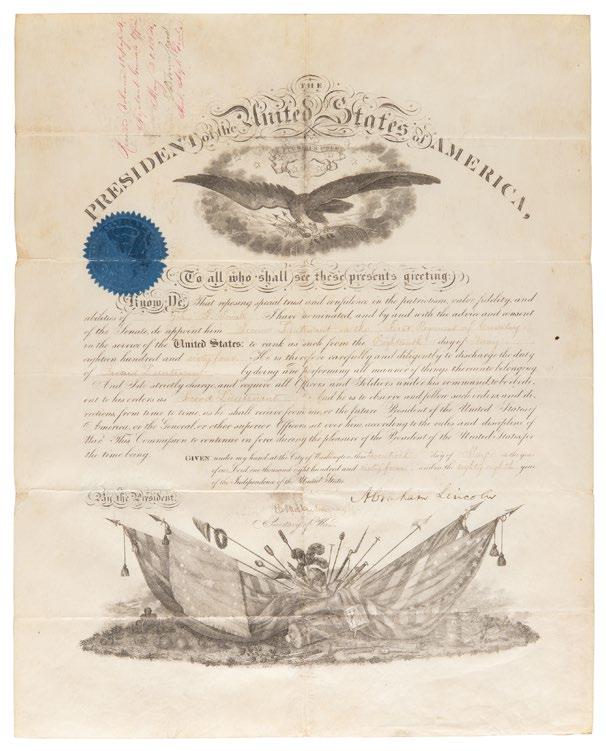
11. Abraham Lincoln Document Signed as President, Appointing a First Cavalry Officer as Second Lieutenant. Partly-printed vellum DS as president, one page, 15.75 x 19.5, May 20, 1864. President Lincoln appoints John F. Small as “Second Lieutenant in the First Regiment of Cavalry, in the service of the United States.” Boldly signed at the conclusion in ink by President Abraham Lincoln and countersigned by Secretary of War Edwin M. Stanton. The blue seal affixed to the upper left is creased but intact. In fine condition. A desirable Civil War military commission boldly signed by President Lincoln. Starting Bid $500
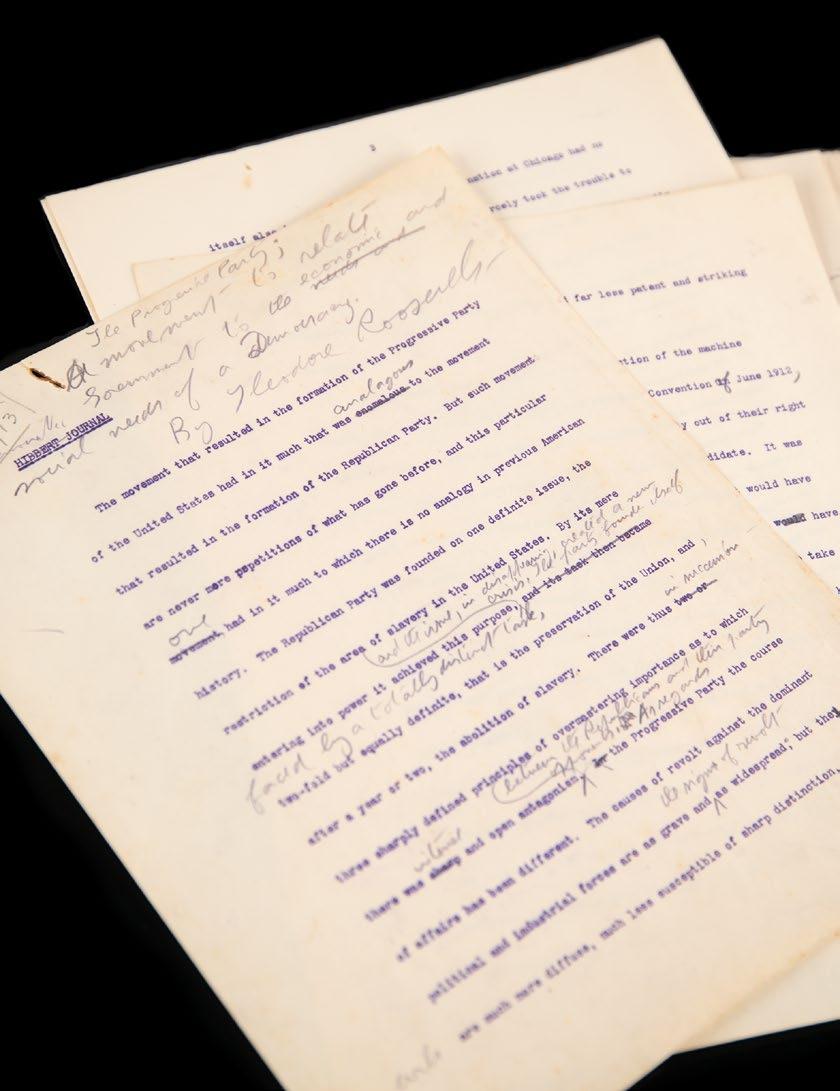
Extensively hand-corrected article by Theodore Roosevelt on the history of the Progressive Party, containing a profound pronouncement of his ideals and values:
“The principles laid downwere really merely the principles of Abraham Lincoln applied to present day needs”
13. Theodore Roosevelt Signed and Hand-Edited Manuscript: “The Progressive Party; A movement to relate Democratic Government to the economic and social needs of a Democracy,” Referencing Lincoln and the Abolition of Slavery. Exceptional typed manuscript draft for an article by Theodore Roosevelt, titled and signed at the head in pencil, “The Progressive Party; A movement to relate Democratic Government to the economic and social needs of a Democracy, By Theodore Roosevelt,” 25 pages, 8.5 x 10.5, no date but circa 1913. A forceful article attacking the Republican Party and the decisions made at the 1912 Republican National Convention, also outlining the history, purpose, and ideals of his newly formed Progressive Party—popularly nicknamed the ‘Bull Moose Party.’ Roosevelt makes extensive corrections to the text in pencil, adding and deleting words, phrases, and complete sentences; only one page remains unamended. The article was ultimately published in London’s The Hibbert Journal (Vol. XII, No. 1).
In small part: “The movement that resulted in the formation of the Progressive Party of the United States had in it much that was analogous to the movement that resulted in the formation of the Republican Party. But such movements are never mere repetitions of what has gone before, and this particular one had in it much to which there is no analogy in previous American history. The Republican Party was founded on one definite issue—the restriction of the area of slavery in the United States. By its mere entering into power it achieved this purpose, and the issue, in disappearing, created a new crisis. The party found itself faced by a totally distinct task, two-fold but equally definite, that is the preservation of the Union, and, after a year or two, the abolition of slavery. There were thus in succession three sharply defined principles of overmastering importance as to which there was intense and open antagonism between the Republicans and their party opponents. As regards the Progressive Party the course of affairs has been different. The causes of revolt against the dominant political and industrial forces are as grave and the signs of revolt as widespread; but the evils are much more diffuse, much less susceptible of
sharp distinction, and the remedies demanded are far more numerous and far less patent and striking in character. The immediate cause of the break was the action of the machine bosses, and their masters, allies and tools at the Republican National Convention of June 1912, in swindling the rank and file of the Republican Party out of their right to choose their own platform and nominate their own candidate. It was such barefaced and insolent wrongdoing that in any event it would have forced a party bolt, and would not merely have justified but have rendered imperatively necessary the refusal of honorable men to take further part in or with the Republican Party until the dishonesty had been acknowledged and atoned for, and the dishonest agents expelled from the party leadership…
Among the delegates to the First National Convention of the Progressive Party were women as well as men, one of them, Jane Addams, one of the leading personages in the convention, seconded my nomination...The principles laid down were really merely the principles of Abraham Lincoln applied to present day needs...These principles in their essence are simple. First and foremost we believe in making the people really sovereign…The Progressive proposal is to restore the sovereign power to the people where it rightfully belongs…We hold that the Constitution belongs to the people. They made it, and they fought for it. They paid for it with their blood in time of war, they supported it by their money and their effort in times of peace. Theirs is the right after due deliberation ultimately to decide what it shall be held to mean in any given case where the legislature and the court conflict as to a law being constitutional…We simply desire to restore or re-assert the right of the people themselves ultimately to decide between the two governmental agencies, in the event that they differ as to their interpretation of what the people meant when they made the Constitution.” In fine condition. Accompanied by a photocopy of the article as published in The Hibbert Journal: A Quarterly Review of Religion, Theology, and Philosophy. A remarkable explication of Theodore Roosevelt’s progressive ideals and values, written with the power and ability for which he is known. Starting Bid $500
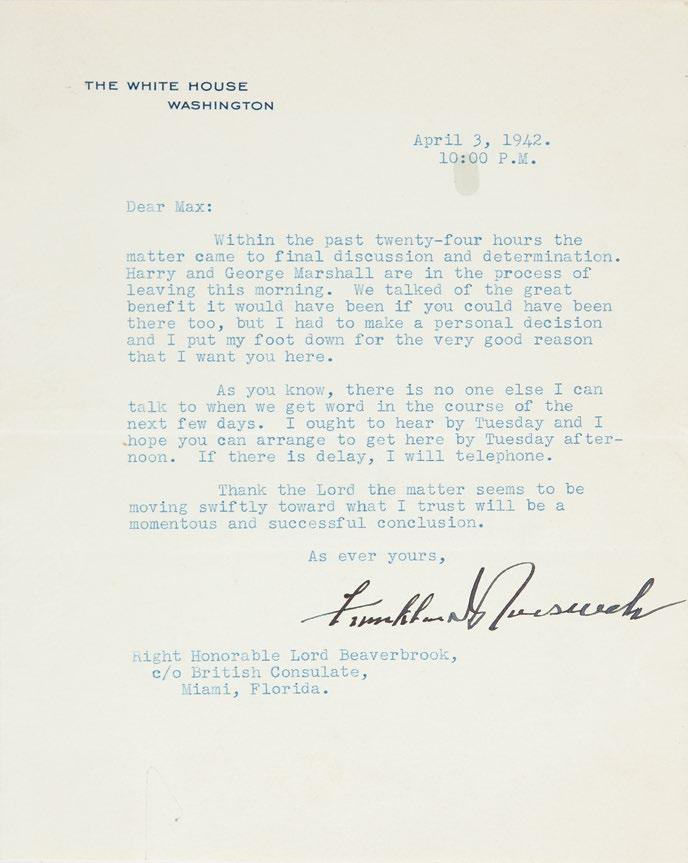
“Within the past twenty-four hours the matter came to final discussion and determination”—FDR commits to opening a second front against Nazi Germany, planning a cross-channel invasion of occupied France
14. Franklin D. Roosevelt World War II-Dated Typed Letter Signed to Lord Beaverbrook, Committing to Opening a Second Front Against Nazi Germany. World War II–dated TLS as president, one page, 7 x 8.75, White House letterhead, April 3, 1942. Letter to influential British newspaper publisher Max Aitken, Lord Beaverbrook, alluding to the Allied decision to open a second front against Germany during World War II. In full: “Within the past twenty-four hours the matter came to final discussion and determination. Harry and George Marshall are in the process of leaving this morning. We talked of the great benefit it would have been if you could have been there too, but I had to make a personal decision and I put my foot down for the very good reason that I want you here.
As you know, there is no one else I can talk to when we get word in the course of the next few days. I ought to hear by Tuesday and I hope you can arrange to get here by Tuesday afternoon. If there is delay, I will telephone. Thank the Lord the matter seems to be moving swiftly toward what I trust will be a momentous and successful conclusion.” In fine condition.
Beaverbrook played a major role during World War II as an intimate ally of Winston S. Churchill, mobilizing industrial resources as Minister of Aircraft Production and shaping public opinion through the Daily Express—then the newspaper with the largest circulation in the world. In March 1942, Churchill sent him to the United States to meet with President Roosevelt. Publicly, Beaverbrook was there to discuss supplies; privately, he pitched the Americans on the idea of opening a second front against Germany.
In the meantime, a little-known staff officer named Dwight D. Eisenhower had prepared a plan to launch a cross-channel as soon as possible, and had his conclusion endorsed by the Joint Chiefs. Their recommendation was on Roosevelt’s desk at the time of Beaverbrook’s visit. On April 1st, FDR accepted the plan and dispatched two key aides—Harry Hopkins and George C. Marshall—to England to present it to Churchill and his chiefs of staff.
Writing to Churchill on April 3rd, the same date as this letter, FDR explained: ‘What Harry and Geo. Marshall will tell you all about has my heart and mind in it. Your people and mine demand the establishment of a front to draw off pressure on
the Russians, and these peoples are wise enough to see that the Russians are today killing more Germans and destroying more equipment than you and I put together. Even if full success is not attained, the big objective will be.’
Some of these circumstances of are documented in The White House Papers of Harry L. Hopkins: An Intimate History, Volume II (pp. 523), which reports that on the next day April 4, 1942, ‘Hopkins and Marshall took off for London to propose the invasion of the Continent of Europe.’ They brought with them to two plans for the Allied invasion of Northern France: Operation Roundup, a massive cross-channel invasion to land on beachheads between the French ports of Boulogne and Le Havre; and Operation Sledgehammer, a limited operation to be executed more quickly, aiming to capture and hold the French seaports of either Brest or Cherbourg.
In spite of Churchill’s cordial and unhesitant acceptance of their ‘momentous proposal,’ his enthusiastic support was tempered by more immediate concerns in North Africa and the Far East, combined with shortages of supplies that had been earmarked for other operations. Either plan required a buildup of American forces and materiel in the United Kingdom—a time-consuming project known as Operation Bolero—and a large invasion looked to be at least a year away. Resistance in London led to a pivot toward the less ambitious ‘Operation Torch,’ an invasion of North Africa. Launched in November as the first major joint operation between American and British forces in WWII, the week-long assault was intended to draw Axis forces away from the Eastern Front—offering some relief to the Red Army—and establish a base of operations for the future invasion of Southern Europe.
The canceled plans for Operation Roundup laid the groundwork for what became Operation Overlord—an even more ambitious strategy that culminated in the D-Day landings on June 6, 1944. On that day, Allied forces launched the largest amphibious assault in history, storming the beaches of Normandy, France, to establish a vital foothold in Western Europe. The invasion involved over 150,000 troops from the United States, Britain, Canada, and other Allied nations, supported by thousands of ships and aircraft. D-Day marked a decisive turning point in World War II, opening a Western front against Nazi Germany and accelerating the liberation of occupied Europe. Starting Bid $1000
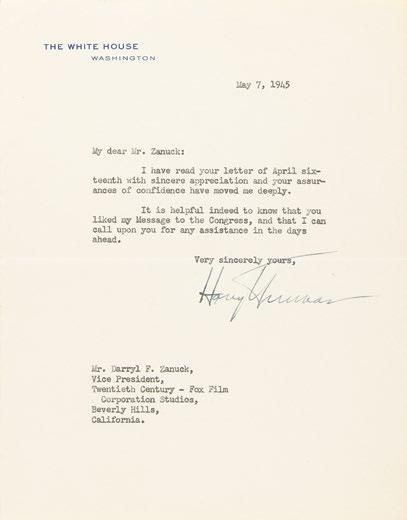
“It is helpful indeed to know that you liked my Message to the Congress, and that I can call upon you for any assistance in the days ahead”—President Truman writes to
studio boss Darryl Zanuck on the day of Nazi Germany’s unconditional surrender
15. Harry S. Truman Typed Letter Signed as President on Day of Germany’s Unconditional Surrender (May 7, 1945) - “It is helpful indeed to know that you liked my Message to the Congress”. World War II-dated TLS as president, one page, 7 x 9, White House letterhead, May 7, 1945. Letter to Oscar-winning film executive Darryl F. Zanuck of Twentieth Century-Fox Films, in full: “I have read your letter of April sixteenth with sincere appreciation and your assurances of confidence have moved me deeply. It is helpful indeed to know that you liked my Message to the Congress, and that I can call upon you for any assistance in the days ahead.” In very fine condition.
Truman’s referenced “Message to the Congress” pertains to his congressional speech given on April 16, 1945, four days after the death of President Franklin D. Roosevelt on April 12, 1945. His message served as both a solemn remembrance of FDR’s impact and memory and as a staunch reassurance to the American people that he would adhere to Roosevelt’s foreign and domestic policies while pledging victory in World War II.
The date of this letter coincides with the unconditional surrender of Nazi Germany to the Allied forces, which took place at the SHAEF (Supreme Headquarters Allied Expeditionary Force) headquarters in Reims, France, on May 7, 1945. The moment marked the collapse of the Third Reich and effectively ended the war in Europe.
A day later, President Truman, on his 61st birthday, gave his first major wartime speech to the American public when he announced the German surrender on May 8, 1945, V-E Day. Truman’s speech, which was coordinated with British Prime Minister Winston Churchill and Soviet Premier Joseph Stalin to synchronize public declarations, was delivered via radio at 9:00 a.m. (EWT) and heard by tens of millions of American citizens, making it one of the most widely heard presidential speeches of the war. A significant letter from America’s new commander-in-chief, dated less than a month after he became president and mere hours before Victory in Europe Day. Starting Bid $300
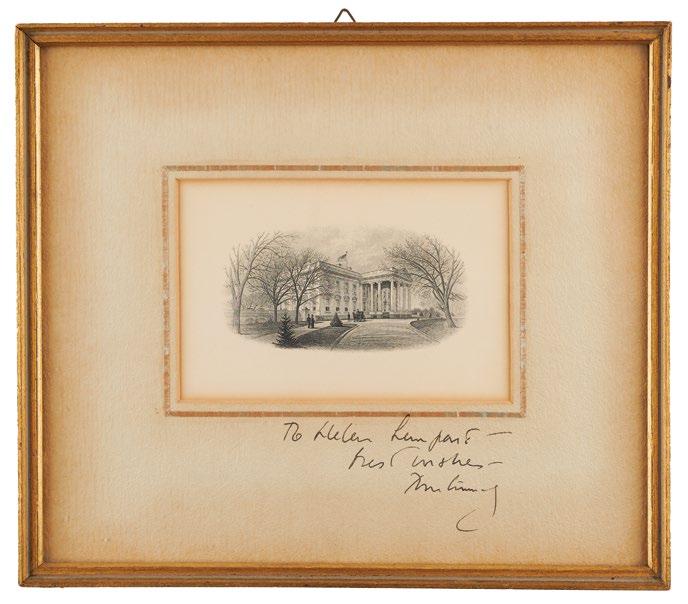
16. John F. Kennedy Signed Engraving - 1962 Christmas Gift to a White House Staffer. Handsome 6 x 4 engraving of the White House, matted to an overall size of 10.75 x 9.25, boldly signed and inscribed on the mat in fountain pen, “To Helen Lempart—Best wishes—John Kennedy.” Framed to an overall size of 11.5 x 10; the backing is annotated in blue ballpoint, “This was a gift from President Kennedy at Christmas, 1962. Helen Lempart.” In very good to fine condition, with somewhat irregular light toning to the mat.
In 1955, at the age of 23, Massachusetts native Helen Lempart moved to Washington, D.C., and joined Senator John F. Kennedy’s staff. As the 1960 presidential campaign began, Lempart assisted Kennedy advance man Jerry Bruno in Wisconsin and West Virginia transcribing speeches, developing local headquarters, and interacting with the press. During the Democratic National Convention in Los Angeles, Lempart worked 14-hour shifts and celebrated Kennedy’s nomination on the Sunset Strip. She went on to work with Ken O’Donnell scheduling campaign events and preparing speeches while traveling with Kennedy on his plane ‘Caroline’ as he delivered his vision for the future of the country. As Kennedy transitioned to the White House, Lempart transitioned to working in a space connected to the Oval Office. She served there until January 1963, taking a leave of absence to travel with the intent of returning for the 1964 campaign. Starting Bid $500
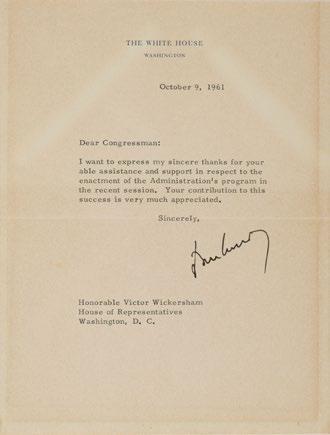
17. John F. Kennedy Typed Letter Signed as President. TLS as president signed “John Kennedy,” one page, 6.75 x 8.75, White House letterhead, October 9, 1961. Letter to Victor Wickersham, a congressman from Oklahoma, in full: “I want to express my sincere thanks for your able assistance and support in respect to the enactment of the Administration’s program in the recent session. Your contribution to this success is very much appreciated.” In very good to fine condition, with somewhat irregular toning, not affecting the choice signature.
A boldly signed letter from JFK, dated shortly after the close of the first session of the 87th Congress. At this early stage of his presidency, Kennedy was working to enact the core domestic and foreign policy goals of his ‘New Frontier’ program — a broad set of proposals aimed at stimulating economic growth, expanding social opportunity, and strengthening U.S. global leadership. During the first session of the 87th Congress (January–September 1961), a remarkable proportion of Kennedy’s legislative proposals were enacted into law, including major measures such as the Area Redevelopment Act, the Housing Act of 1961, and the Mutual Educational and Cultural Exchange Act, among others. Starting Bid $200
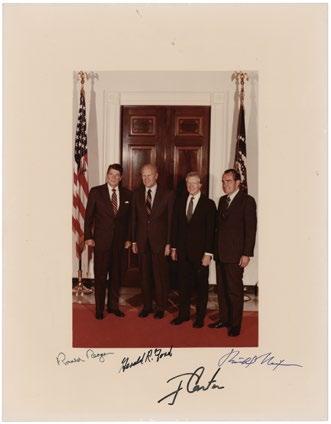
18. Four Presidents Oversized Signed PhotographReagan, Nixon, Carter, and Ford. Color satin-finish 11 x 14 photo of Presidents Nixon through Reagan gathered at the White House prior to departing for Anwar Sadat’s funeral in 1981, signed in felt tip by Ronald Reagan, Gerald Ford, Jimmy Carter, and Richard Nixon. Reverse is stamped “Official Photograph, The White House.” In very good to fine condition, with light toning, and scattered creasing, heaviest in the right border. Starting Bid $200
As Secretary of the Treasury, Alexander Hamilton addresses a question “relative to the claim of additional duties on Goods & the Ship Kitty from London”
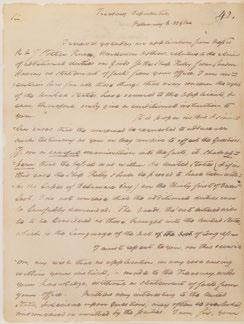
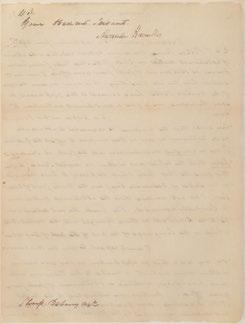
92. Alexander Hamilton Letter Signed as Treasury Secretary re: Duties on Goods Imported from London. LS as Secretary of the Treasury, signed ‘Alexander Hamilton,” one page both sides, 7.5 x 10, February 8, 1791. Treasury Department letter to Sharp Delany, collector of customs at Philadelphia, regarding duties owed by the ship Kitty. In part: “I received yesterday an application from Messrs. R. & J. Potter, Knox, Henderson & others, relative to the claim of additional duties on Goods & the Ship Kitty from London. Having no statement of facts from your office, I am uncertain how far all those things, that may concern the rights of the United States, have occurred to the Applicants, & can, therefore, only give a conditional instruction to you…If, on a careful examination into the facts, it shall appear that the vessel was within the United States (& if in this case the Ship Kitty shall be proved to have been within the Capes of Delaware bay) on the thirty first of Decem’r last, I do not conceive that the additional duties can be lawfully demanded. The Goods, tho’ not entered will be to be considered as those brought into the United States, which is the language of the Act of Congress.” Laminated in vintage heat setting acetate and in fine condition.
Additionally includes a clarifying letter to Sharp Delany by Tench Coxe, signed “Tench Coxe, Assist. Sec’y,” one page both sides, 7.75 x 10, February 14, 1791, in part: “The Secretary of the Treasury has received a certificate from the Bank of North America dated the 3d instant for fourteen thousand dollars received by them of you for the Treasurer of the United States… You will find by examining the letter of the 20th December from the Secretary of the Treasury that the question, answered by him in that letter has no relation to the case of Mess’rs Potters, Knox & Henderson. The practicability of a vessel in another district being entered in yours was the object of the first Question—the effect of the actual bringing in of goods before the 31st Decem’r 1790 was the subject of Mess’rs Potters & Co.’s letter.” Also laminated in vintage heat setting acetate and in very good to fine condition, with a stabilized tear to one edge. Starting Bid $1000
Authorized to disburse funds in advance of the ratification of the Louisiana Purchase, Monroe emphasizes the “fair intentions of our gov’t to execute the treaty with promptitude & fidelity”
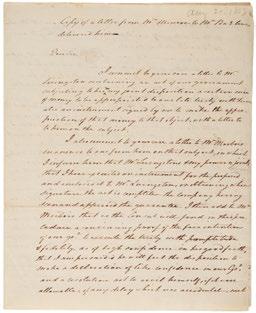
93. Louisiana Purchase: Contemporary Copy of James Monroe’s Letter Concerning a Pre-Ratification Advance of Funds to France. Contemporary copy of a letter sent by James Monroe regarding the Louisiana Purchase, headed “Copy of a letter from Mr. Monroe to Mr. Barlow,” four pages on two adjoining sheets, 8 x 10, August 21, 1803. During the uncertain months prior to the ratification of the Louisiana Purchase treaty, Monroe informs Joel Barlow of plans for a $2,000,000 advance payment—jointly controlled with Robert Livingston—to reassure the French government of America’s good faith and prevent Napoleon from repudiating the deal, which had been signed but not yet approved by Congress. Monroe instructs Barlow to deliver sensitive letters with utmost discretion to Livingston and French negotiator François Barbé-Marbois, emphasizing that the United States must not appear to be “trifling” with France.
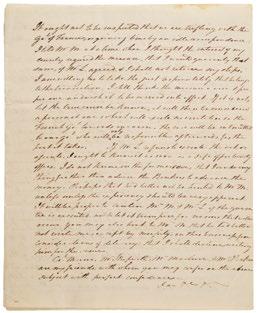
In part: “I commit to your care a letter to Mr. Livingston containing an act of our government subjecting to his & my joint disposition a certain sum of money to be appropriated to our late treaty with France: also an instrument signed by me to make the appropriation of that money to that object, with a letter to him on the subject. I also commit to your care a letter to Mr. Marbois… in which I inform him that Mr. Livingston’s & my power is joint; that I have executed an instrument for the proposed object & inclosed it to Mr. Livingston, on obtaining whose signature the act is complete…I then add to Mr. Marbois that…the consul will find in this procedure a convincing proof of the fair intentions of our gov’t to execute the treaty with promptitude & fidelity…that I am persuaded he will feel the disposition to make a declaration of like confidence in our government…I wish the letters to Mr. Marbois & Mr. Livingston to be delivered immediately…It ought not to be suspected that we are trifling with the Go’t of France, or gaining time by an idle correspondence.” In fine condition. Starting Bid $200
Penn writes to his deputy governor
America: “Stand to ye letter of ye powers of my Patent... without resolution, as well as meekness & Patience, there is no Governing”
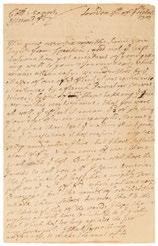
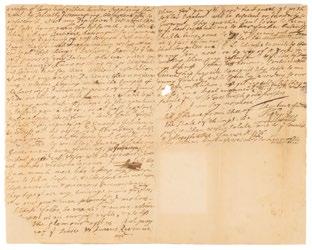
94. William Penn Autograph Letter Signed to His Deputy Governor in America: “Without resolution, as well as meekness & Patience, there is no Governing”. English-born Quaker (1644–1718) and founder of the colony that became the State of Pennsylvania. Significant ALS signed “Wm. Penn,” three pages on two adjoining sheets, 7.25 x 11.5, March 5, 1704. Handwritten letter to “Capt. [John] Evans my Depty. Gover. of the Pennsylvania Territory at Philadelphia,” sent from London. In part: “It is now six months since you Sayled from Spithead, and not ye least intimation yet arriv’d of your getting well to your Journey[s] end, which makes all uneasy. We understood by ye Master of ye Fleet, [that] was carried into Martineco [Martinique), by a French Privateer, & was deliver’d, by one of our Ship’s taking ye Privateer in his way to France, that you were all well, ye Fleet I mean, ye 2d of Xbe [October], being four days after our unexampled Storme [that] has more than taxd ye nation 4 [shillings] in ye pound. by ye devastations it has occasioned. My tax is 30lb and where I live, but I have sustain’d about fifty, & am come off, more than equall with ye best. But you will have the Prints to tell you all.
It seems America, the Continent at least, had a mighty Tempest on ye 7th of 8be [August] while you were upon ye voyage, but the winds of neither side made themselves known, that to this, or this to [you]r side of the world. I hope th[at] my Sons arrivall have contributed to ye quelling [of] that which has too long agitated the people of my Govermt. I shall say nothing… about [what] my Dep[u]t[y] Gover[nor] did about Capitall Cases, trying men for life by oath, and the Militia, wch our Bantifeux harrangu’d so clamorously about Regist[e] ring of vessels upon oath only; since thy arrivall & approbation will put an end to all those things.
Positively stand to ye letter of ye powers of my Patent [granted by Charles II in 1680] Without resolution, as well as meekness & Patience, there is no Governing. Wherefore keeping within the Compass of the Laws of ye Province, & Pow[e]rs of my Graunt, fear nothing, while I am here, & able to follow my own business; I hope by this opportunity, to send you a letter, or at least to get one sent, or a Coppy thereof, from ye Lords Com[mission]rs for Tr[a]d[e] & Plant[ation]s in reproof of’s Insolence, to address… Lord Cornberry, a Guest, in our own Towne & Governm[en]t…to write to ye Queen to take our Government away from us [i.e., to rescind Penn’s patent for Pennsylvania]; an Impudence [that] is without Precedent, & for wch he deserves ye severest rebukes & discountenance. I must tell thee I am much more like to keep my Governm[en]t than to sell or loose it. & therefore am not upon those uncertain & precarious Circumstances they hope y[e]t are my Endings, & our fr[ien]ds may fear. [May] our great men plainly see ye motives [of] those folks to vex us, & more resolve [to] suport us in our just rights…
Thy mother sent to day to see me & I have dispatcht one to her for her business, Puckle being gone today, & I goeing out of Town at 3 this afternoon C.L. thinks to write to thee & my Son, now, or by way of N. York…John, lett honour, conscience & old friendship prevaile to acquit thy selfe to me & my family. & the Country, according to our La[w]s & Constitution, not yet repeald…P.S. I can say no more till I heare from thee of the state of things. Be just & then wise. Salute me to ye Councill & Magestrates.” In very good to fine condition, with slightly irregular toning, and minor seal-related paper loss to the integral address leaf. Starting Bid $500
“The
son, in conjunction with
readies his troops for the defense of
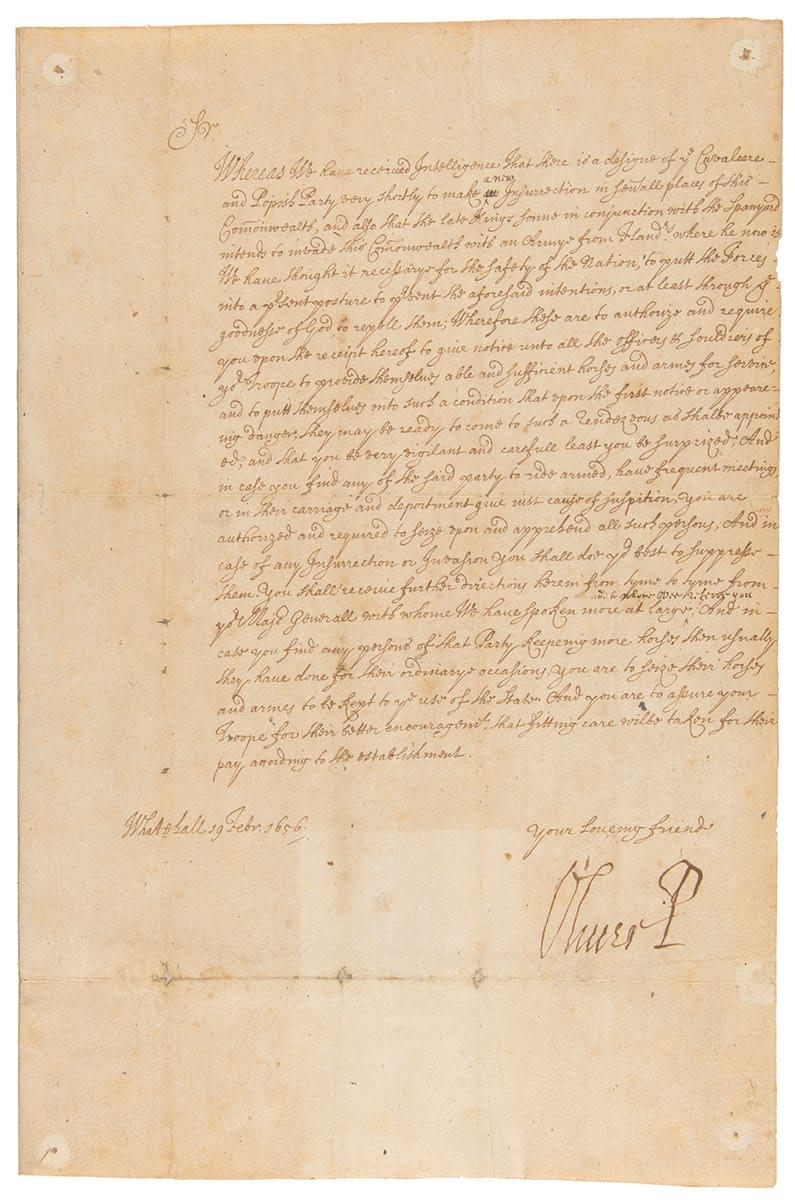
101. Oliver Cromwell Letter Signed as Lord Protector, Readying Troops for the Defense of England. English soldier and statesman (1599-1658) who led Parliamentary forces in the English Civil War, waged war against Scotland and Ireland and, in 1653, following the execution of Charles I, became Lord Protector of Great Britain, a position he held until his death in 1658. After a yearlong reign by his son, Richard, the British throne was restored (to Charles II) and Cromwell’s body was exhumed and posthumously ‘executed.’ LS signed “Oliver P,” one page, 9 x 13.75, February 19, 1656. Important military letter from Whitehall, signed by Oliver Cromwell as Lord Protector. In full: “Whereas we have received intelligence that there is a design by the Cavalier and Popish party very shortly to make a new insurrection in several places of this Commonwealth, and also that the late King’s son, in conjunction with the Spaniard, intends to invade this Commonwealth with an army from Flanders where he now is, We have thought it necessary for the safety of the nation to put the forces into a present posture to prevent the aforesaid intention, or at least through the Goodness of God, to repel them.
Wherefore these are to authorise and require you upon the receipt thereof, to give notice unto all the officers and soldiers of your troop to provide themselves able and sufficient horses and arms for service, and to put themselves into such a condition that upon the first notice or appearing danger, they may be ready to come to such rendezvous as shall be appointed; and that you be very vigilant and careful lest you be surprised. And in case you find any of the said party to ride armed, have frequent meeting, or in their carriage and deportment give just cause of suspicion, you are authorised and required to seize upon and apprehend all such persons. And in case of any insurrection or invasion, you shall do your best to suppress them; and you shall receive further directions therein from time to time from your Major-General with whom we have spoken more at large, and to whom we refer you.
And in case you find any person of that party keeping more horses than usually they have done for their ordinary occasions, you are to seize their horses and arms to be kept for the use of the State. And you are to assure your troop for their better encouragement, that fitting care will be taken for their pay, according to the establishment.” Professionally repaired and restored to near-fine condition, with silking on both sides, slightly irregular toning, tack holes to the corners, and heavy soiling to the integral address leaf.
Cromwell makes reference to the allegiance between “the late King’s son”—the future King Charles II—and the “Spaniard,” King Philip IV of Spain, and readies his troops for the defense of England. In 1656, Charles II and Philip IV concluded the Treaty of Brussels, in which Charles agreed to raise forces to fight for Spain in the ongoing Franco-Spanish War in exchange for future Spanish military support in his potential restoration. Cromwell would go on to align England with France, and would launch an incursion into Flanders in 1657, blockading Flemish ports and eventually capturing Dunkirk. Cromwell would die in 1658, and Charles would be restored to the English throne in 1660. Starting Bid $2500
Robespierre and the the Committee of Public Safety implement an act requiring all Frenchmen to serve in the armed forces
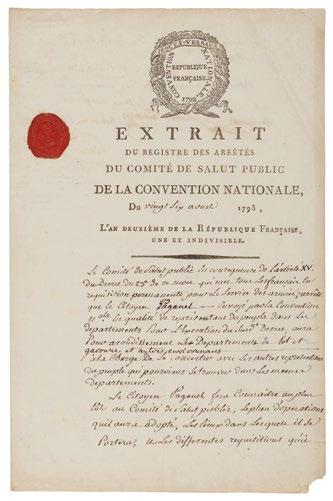
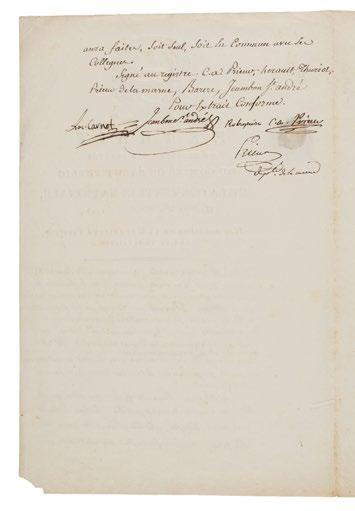
103. Maximilien Robespierre Document Signed. Fanatical idealist leader of the French Revolution (1758–1794) who was arrested and executed for the ‘Reign of Terror.’ Manuscript DS in French, signed “Robespierre,” one page both sides, 8 x 12.5, August 26, 1793. Document issued by the Committee of Public Safety, being a certified extract from the official registers of the instructions to Citizen Pagavel, representative of the people for the department of Lot-et-Garonne and neighboring areas, to implement the decree of 23 August 1793 requiring all Frenchmen to serve in the armed forces whenever required, and to report to the Committee on the ways in which he intends to carry out his task. Signed at the conclusion in ink by Maximilien Robespierre, Lazare Carnot, Jeanbon Saint-André, Claude Antoine, comte Prieur-Duvernois, and Pierre-Louis Prieur de la Marne. The red wax seal affixed at the upper left remains intact. In fine condition, with minor loss to the lower right corner tip. Starting Bid $500
“Schmidt, however, appears to me to be a real revolutionary”
Signed on Socialist Politics in Europe. TLS in German, signed “L. Trotsky,” one page, 8.75 x 11.25, November 24, 1935. Letter to “Comrade Schmidt,” in full (translated): “I am following with the greatest concern the action in Holland. The result appears to me to be completely satisfactory and very promising. The ones who were thrown out—or at least their leaders—will not be able to accomplish anything for they were good only to be thrown out. The most viable elements will still reconquer. It is, however, not a matter of these dozens and hundreds, but of the tens of thousands and hundreds of thousands. Only now the RSAP is getting the necessary elbow room. I am writing about it at some length to Sneevliet, for I can write neither English nor Dutch; Sneevliet will share my letter with you.
In Sneevliet’s letter I find the sentence: ‘The two speeches of Schmidt were excellent’ and am pleased about it. Permit me in this connection a little personal memory: after the visit of De Kadt and you with me in France, I told a few friends: De Kadt is only a self-satisfied Philistine. Schmidt, however, appears to me to be a real revolutionary. Also, I have shared with Sneevliet at the time this little impression and am pleased not to have been mistaken.
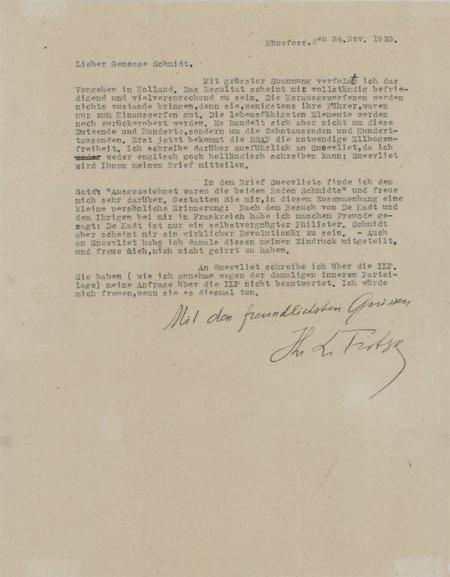
I will write to Sneevliet about the ILP. You have not answered my inquiry about the ILP, I suppose because of the inner party situation at that time. I would like for you to do it at this time.” In fine condition, with a few very short edge tears. Accompanied by the original mailing envelope.
This letter was written by Leon Trotsky in exile during the mid-1930s, when he was closely monitoring and advising revolutionary socialist movements in Europe after his expulsion from the Soviet Union and amid the consolidation of Stalinist power. It reflects factional struggles within the Dutch Revolutionary Socialist Workers’ Party (RSAP), led by Henk Sneevliet, and Trotsky’s belief that purges of ineffective leaders could strengthen revolutionary prospects as Europe moved toward intensified class conflict and fascist threat. From the personal collection of a lifelong collector, teacher, and traveler with a passion for world history. His collecting years ranged from the 1970s to the present day, meaning that several of the premier pieces have not been on the market in decades. Starting Bid $200
Catherine the Great congratulates King Ferdinand I on the “triple knot” union of his children with those of the Holy Roman Emperor
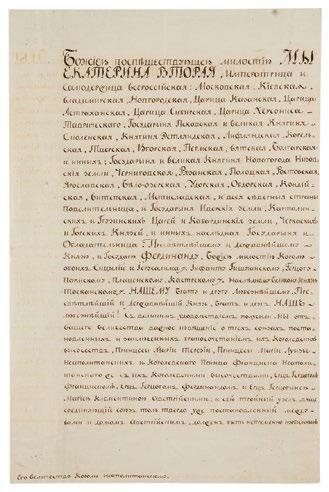
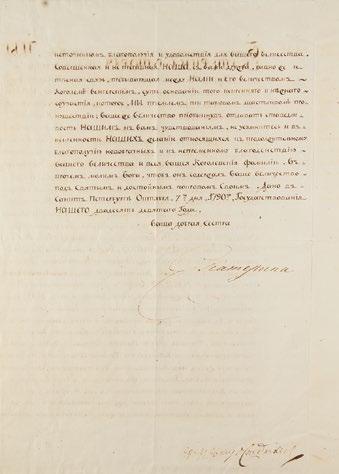
110. Catherine the Great Letter Signed to King Ferdinand I of Two Sicilies on the Marriage of His Children. The most renowned and the longest-ruling female leader of Russia, reigning from July 9, 1762 until her death in 1796 at the age of 67. LS in Cyrillic, signed “Ekaterina,” one page both sides, 10.25 x 15.75, October 7, 1790. Important letter of state in which Catherine the Great congratulates King Ferdinand I of the Two Sicilies on the marriage of his three children to the three children of Holy Roman Emperor Leopold II: Princess Maria Theresa of Naples married the future Emperor Francis II on September 15, 1790; Princess Luisa of Naples married Ferdinand III, Grand Duke of Tuscany, on August 15, 1790; and Francis I of the Two Sicilies married Archduchess Maria Clementina of Austria on September 19, 1790. In fine condition. This significant “triple knot” union all but ensured that one of King Ferdinand’s children would become emperor or empress. When Leopold II died in 1792, he was succeeded by Francis II; as his wife, Maria Theresa became the last Holy Roman Empress. A fantastic, interesting letter between European royals. Starting Bid $300
King George III aims to negotiate “the Termination of the war which has so long prevailed between our good Sister the Empress of Russia and the Ottoman Porte”
Twice-Signed Document with Instructions to Negotiate an End to the Russo-Turkish War. Manuscript DS, signed “George R” and “GR,” six pages adjoining sheets, 7.75 x 12, April 26, 1791. Document headed “Instructions for Our Trusty and welbeloved William Fawkener Esq’r whom we have appointed our Envoy Extraordinary and Minister Plenipotentiary to our good Sister the Empress of Russia.” In part: “In consequence of our earnest desire to contribute to the Termination of the war which has so long prevailed between out good Sister the Empress of Russia and the Ottoman Porte, We have thought fit to direct you to repair, in the first place to the Court of Berlin, and from thence to the Court of St. Petersburgh, and have already directed you to be furnished with such Papers and Information, as may be necessary, in order to enable you to fulfil our Intention…relative to the conclusion of a Peace between Russia and the Ottoman Porte.”
Fawkener is instructed to first visit the Court of Berlin to obtain information from Ewart, the minister in Prussia, “of the actual state of the negotiation with which he is charged” and upon hearing of the concurrence of the King of Prussia “in the principles on which you are instructed to act at the Court of St. Petersburg, you are to proceed thither without delay.” In Russia, he is to join with Charles Whitworth, the present minister to Russia, in entreating the Vice Chancellor to bring an end to the war. Signed at the head in ink by King George III, and signed at the conclusion with his initials. Bound with a pink ribbon and retains its affixed white paper seal. In fine condition.
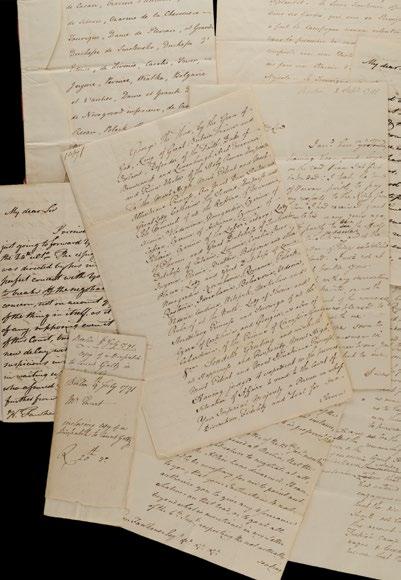
Accompanied by contemporary manuscript copies of Fawkener’s credentials to Catherine II; further instructions to Fawkener from Lord Grenville; dispatches from Joseph Ewart, British minister at the Court of Berlin; a draft of a letter from Fawkener to George III, detailing his arrival in Berlin; and a French translation of Catherine II’s letter to George III.
In 1791, Catherine II was grappling with the Ottoman Empire in her self-appointed role of Christian crusader; the second Russo-Turkish war was the result of Turkish intriguing with the Crimean Tartars and of Russian designs on Georgia. England, traditional ally of the Turks, hoped to persuade Frederick William II to pressure Austria to desist in its alliance with Russia. This was accomplished under the Treaty of Sistova in August, 1791. Russia, worried by Prussian activity in Poland and deserted by Austria, agreed to the Treaty of Jassy in January of the following year. Starting Bid $500
112. King James II Autograph Letter Signed, Preparing for Exile in France and Securing Safe Passage for “our dearest consort the Queene”. The last Catholic monarch (1633–1701) to reign over the Kingdoms of England, Scotland, and Ireland, crowned in 1685. ALS, signed “James R” and “JR,” one page, 7 x 8.75, December 9, 1688. Handwritten letter “for Cap. Randal Mackdonnel, Commander of our Ship the Assurance,” amidst the Glorious Revolution, carrying instructions to receive on board “our dearest consort the Queene, and, that wind and weather permitting, you make the best of your way to land her at such place on the French coast as she shall direct you.” The king’s red wax armorial seal affixed at the upper left remains intact. In fine condition.
In accordance with this letter, on the same night that it was written, Queen Mary of Modena left London in disguise with the infant Prince of Wales, and in the company of Victoria Davia-Montecuculi and Antonin Nompar de Caumont crossed over to France. After a stormy voyage, they arrived safely in Calais on December 11th—the day that James was formally deposed in England. They would be joined in France by James a few weeks later, beginning their exile under the auspices of his first cousin, King Louis XIV.
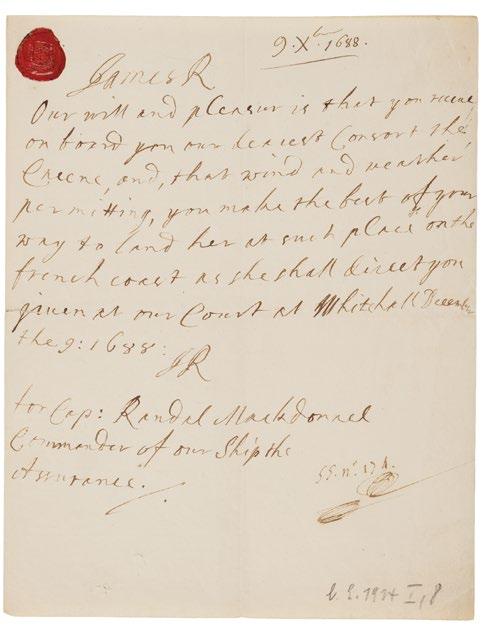
Mary quickly became a popular fixture at Louis XIV’s court at Versailles, where diarist Madame de Sévigné acclaimed her ‘distinguished bearing and her quick wit.’ James, on the other hand, was largely excluded from French court life, as his contemporaries found him boring; French courtiers frequently joked that ‘when one talks to him, one understands why he is here.’ Starting Bid $1000
“By divine mercy, in a considerable battle, we had the upper hand”—King James II erroneously announces victory in the Battle of the Boyne
113. King James II Letter Signed, Erroneously Announcing Victory in the Battle of the Boyne. The last Catholic monarch (1633–1701) to reign over the Kingdoms of England, Scotland, and Ireland, crowned in 1685. LS in French, signed “Votre affectoine cousin, Jacques R,” one page, 6.5 x 8.75, September 11, 1690. Letter to Cardinal Colredo, curiously and erroneously announcing victory in the Battle of the Boyne, sent from exile in France at the Château de Saint-Germain-en-Laye. In part (translated): “We thank you once more for your assurances of friendship, for we think that the letters we wrote you on this subject from Dublin did not reach you: by divine mercy, in a considerable battle [rencontre], we had the upper hand [nous y avons eu le dessus], and although we do not doubt that you have already received news of it from elsewhere, we cannot do less than to let you know of it, as we regard it [the victory] as an effect of your good prayers, we may well obtain continued success.” The king’s two red wax armorial seals affixed on the reverse remain intact. In fine condition.
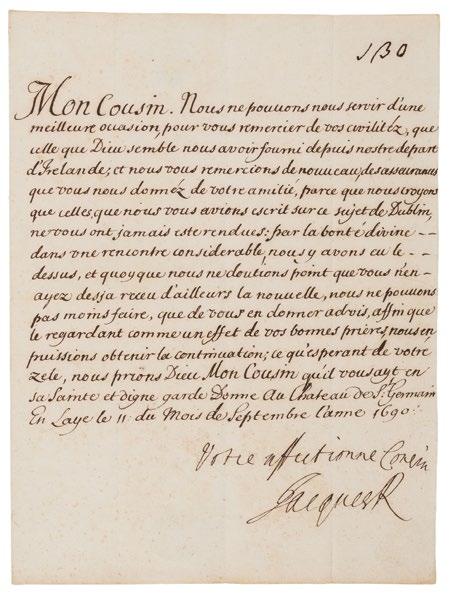
The Battle of the Boyne was a key 1690 conflict fought in July near the River Boyne in Ireland between the deposed Catholic King James II and the Protestant King William III (William of Orange), who had taken the English, Scottish, and Irish thrones in the Glorious Revolution. William’s larger and better-equipped army defeated James’s forces, forcing James to flee back to France and marking a turning point in his failed attempt to regain the crown. The Williamite victory helped secure Protestant political dominance in Ireland and had long-lasting religious and political ramifications across the British Isles.
Writing two months later, James’s assertion of military success was probably due less to a definite intention to mislead than to an extremely vague idea as to how the battle had actually gone. He still hoped to mount a successful invasion of England or Ireland with French help, and did not yet realize that his cause had suffered an insurmountable reverse. Starting Bid $300
114. King James VI Document Signed, Discharging Walter Raleigh from the Tower of London. Historic DS, signed “James R,” one page, 7.5 x 12, March 19, 1615. The King’s warrant addressed to Sir George More for the discharge of Sir Walter Raleigh from imprisonment in the Tower of London, thereby allowing him to prepare for his last voyage to the Americas. In part: “Whereas Sir Walter Ralegh knight hath been a most humble suitor unto us, that wee would give him leave to take a voyage by Sea, upon his own costs and charges, to whose request in that kind wee have been graciously pleased to condescend, These are therefore to will and require you forthwith to permitt him to goe abroad with such a Keeper as you shall apoynt to attend upon him either in London or elsewhere to the end that he may by that freedome the more conveniently furnish himself with shippinge and other necessary provisions for that voyage.” Signed at the head in ink by King James VI. The original white paper seal affixed to the lower left corner remains partially intact. In very good to fine condition, with scattered faint staining, and some damage to the wax-and-paper seal.
Sir Walter Raleigh was first imprisoned in the Tower of London in 1591, after his illicit secret marriage to one of Queen Elizabeth I’s ladies-in-waiting, Elizabeth (‘Bess’) Throckmorton, was found out. He was released after a few months, but banished from the royal court for five years. In the meantime, Raleigh heard of a ‘City of Gold’ in South America and sailed to find it in 1594. On his return to England, he published an exaggerated account of his experiences in Guiana in a book that contributed to the legend of El Dorado. Though he had managed to restore royal favor with Queen Elizabeth, she passed away in 1603 and he became embroiled in a plot to overthrow her successor, King James I. Arrested, tried, and convicted of treason, Raleigh was again sent to the Tower for what he expected would be life imprisonment.
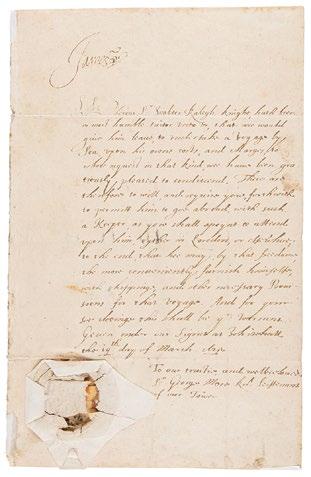
During his extended confinement, Raleigh hatched a scheme that would appeal to the king’s avarice and grant him freedom: a plan for another expedition to the Orinoco in Guiana, where he was convinced that he had ascertained the existence of a gold mine. He would finance the voyage himself, and provide King James with one-fifth of the profits. James assented to the plot, and signed the present warrant to allow Raleigh the freedom to begin his preparations for the expedition. He would soon commission the building of the Destiny—a 500-ton treasure-hunting ship bound of El Dorado.
Conceived with the highest and most enthusiastic hopes, the expedition set sail in June 1617 and ended disastrously: Raleigh himself was too ill to lead his force when they landed, and a detachment of men under his command attacked a Spanish outpost on the Orinoco river, violating existing peace treaties and Raleigh’s own orders. His son was shot and killed in the skirmish, and—to make matters worse—they found no treasure. On his return to England, Raleigh was arrested and accused of fabricating reports of South American gold mines in order to plunder the Spaniards. Under pressure from Spain’s ambassador, King James reinstated Raleigh’s death sentence and returned him to the Tower of London. On October 29, 1618, he was beheaded outside the Palace of Westminster. Past sales history: The Library of William Foyle, Christie’s, July 12, 2000. Starting Bid $5000
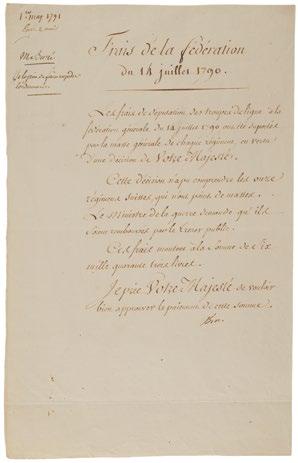
115. King Louis XVI Endorsed Document, Paying Expenses from the Fête de la Fédération, Commemorating the Fall of the Bastille. Manuscript document in French, endorsed by King Louis XVI, “Bon [Good],” one page, 8 x 12.5, May 1, 1791. Financial document for expenses related to the first Bastille Day celebration, in full (translated): “The expenses for the deputation of line infantry to the General Federation of July 14, 1790, have been borne by the general reserve fund of each regiment by virtue of a decision of Your Majesty. This decision could not have envisioned the eleven Swiss regiments which have no general reserve fund. The Secretary of War requests that they be reimbursed by the Public Treasury. These expenses come to a total of six thousand forty three pounds. I ask that Your Majesty kindly approve the payment of this sum.” Endorsed at the conclusion by King Louis XVI with his terse approval. In fine condition.Read more online at www.RRAuction.com. Starting Bid $300
Two future French kings approve a request for Louis XVI’s guards to wear the Croix de St. Louis, recognizing their services during the storming
116. King Louis XVIII and King Charles X Document Signed, Approving the King’s Guards to Wear the Croix de St. Louis for Services Rendered in the Storming of Versailles. Manuscript DS in French, signed by the future King Louis XVIII (“Louis Stanislas Xavier”) and his brother, the future King Charles X (“Charles Philippe”), one page, 8 x 13, June 12, 1792. The two future Kings of France give their approval to a request by the Duc de Guiche that six members of Louis XVI’s guards, injured on October 5 and 6, 1789, during the storming of Versailles by a Parisian mob, be granted permission to wear the Croix de St. Louis medals given them by the King. King Louis XVI, influenced by his younger brother, Charles Philippe, refused to believe in the increasingly radical trend of popular movements in Paris. His resistance to the popular demands was one of the causes of the forceable transfer of the Royal family from Versailles to Paris. In fine condition. Starting Bid $200
Document Signed in the Final Year of Her Reign (1504). Manuscript DS, in Spanish, signed “Yo La Reyna,” one page, 8.5 x 12.25, February 5, 1504. Order from Queen Isabela of Castile to her notaries to credit Sancho de Paredes, her Chamberlain, with 52,327 1⁄2 maravedis, which he gave her. The nature of the coins used in this payment to the Queen is then specified, as ducats, etc. The money, apparently, was given to the Queen in December of 1503. Issued from Medina del Campo, and signed below the first paragraph by the queen, and countersigned by her secretary, Gaspar de Trizio. The lower left bears an applied artistic rendering of Queen Isabela. Mounted and framed to an overall size of 15 x 18.5. In fine condition.
In early 1504, Queen Isabella entered the final year of her reign amid deep personal and dynastic uncertainty. Although Spain was emerging as a unified and expanding power, the question of succession grew increasingly fraught due to the deteriorating mental condition of her daughter and heir, Joanna of Castile (1479–1555), remembered by history as Juana la Loca (‘Joanna the Mad’).
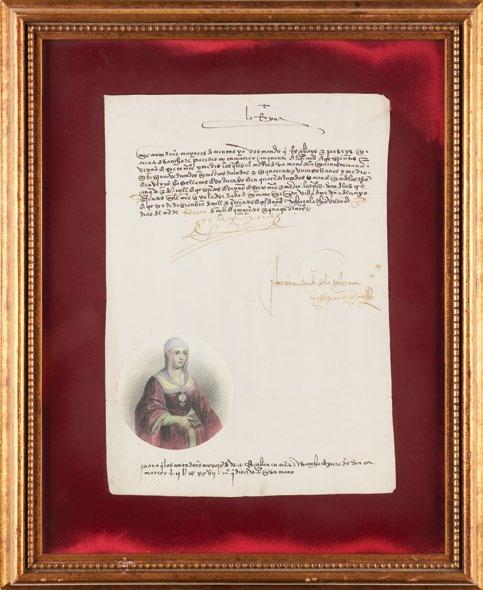
Isabella traveled from Segovia to Medina del Campo to attend to Joanna, who was being housed at the nearby Castle of La Mota during a period of severe mental agitation. Joanna’s distress was reportedly intensified by her enforced separation from her husband, Philip the Handsome of Burgundy, to whom she was passionately attached. Contemporary accounts describe episodes of emotional volatility and violent outbursts, alarming the Castilian court and casting serious doubt on her capacity to rule.
Spain at this time had no fixed capital, and the royal court moved frequently between cities; during this period, Medina del Campo became a temporary center of governance, with Isabella and her husband Ferdinand of Aragon residing at Las Casas Reales. By March 1504, Joanna was permitted to return to Flanders to rejoin Philip, after which Isabella relocated to Olmedo, already gravely ill with dropsy (edema). Her condition worsened over the ensuing months, and she returned to Medina del Campo, where she died on November 26, 1504, her death marking the close of one of the most consequential reigns in European history. From the collection of Mark S. Robbins. Starting Bid $300
Rare musical quotation from Hawaii’s last queen, the composer of ‘Aloha Oe’
118. Queen Liliuokalani Autograph
Musical Quotation Signed. Last reigning monarch of the Hawaiian islands (1838-1917) who actively pursued the preservation of the islands for their native residents; an accomplished author, songwriter, and musician, she wrote numerous songs and chants including ‘Aloha Oe.’ Exceedingly rare AMQS on an off-white 9.25 x 3, titled “Ah You Roguey” and signed below, “By Liliuokalani of Hawaii.”
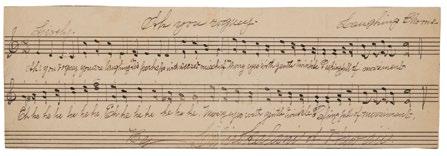
Queen Liliuokalani pens two lines of music and lyrics for the song, which is to be sung “Lively” and have a “Laughing Chorus.” In fine condition. Autographs of Liliuokalani are generally scarce, and musical pieces are extremely rare. Starting Bid $500
Scarce autographs of ‘Bloody Mary’ and her Latin scribe, Roger Ascham
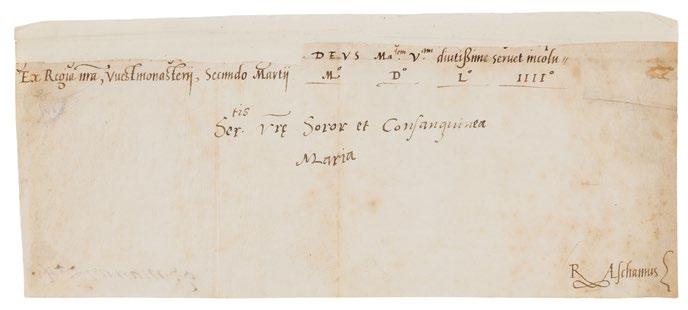
119. Queen Mary I Partial Letter Signed. Queen of England and Ireland from 1553 until her death, whose brutal persecution of Protestants earned her the nickname ‘Bloody Mary’ (1516–1558). Partial manuscript LS in Latin, signed “Maria,” one page, 10.25 x 4, March 2, 1554. Two concluding lines of a state letter, written in the hand of Mary’s Latin secretary Roger Ascham, signed below the closing sentiment in ink by Queen Mary I. Also signed in the lower right corner by Ascham, “R. Aschamus.” In fine condition, with a mounting trip to the top edge, and the reverse carrying a small, purple, circular stamp with an “M” surmounted by a crown. Roger Ascham (c. 1515–1568) was a celebrated English Renaissance scholar, educator, and didactic writer best known for championing humanist learning, his promotion of the vernacular, and his service as tutor in Greek and Latin to the young Princess Elizabeth before she became Queen Elizabeth I. He also held important scholarly and court positions under the Tudor monarchs Edward VI, Mary I, and Elizabeth I. Starting Bid $500
120. Queen Victoria Document Signed with Instructions to James Douglas, Governor of Vancouver Island and the ‘Father of British Columbia’. Historic manuscript DS, signed “Victoria R” and “VR,” 60 pages, 8 x 12.5, May 17, 1851. Lengthy document carrying formal instructions to James Douglas, the newly appointed Governor of Vancouver Island, proclaimed a colony only two years before. Headed, “Instructions to Our Trusty and Wellbeloved James Douglas Esquire, Our Governor and Commander in Chief in and over Our Island of Vancouver and of its Dependencies,” the manuscript contains highly specific instructions on the duties of his office, written in a large calligraphic hand. The instructions specify the oaths of allegiance to be taken by the Governor and his agents, the appointment of councillors, the making and enforcing of laws and ordinances, the appointment of judges and justices, the holding of Council meetings, the election of General Assemblies among the freeholders of the Island, and the enactment of laws and statutes. The Governor is required to transmit copies of each law or statute to the home government, and is enjoined from appointing any judge or justice not been confirmed by the Council of the Island. He is to deliver periodic reports “of the wants and defects of the Island…the chief products, what improvements have been lately made,” and is to “take especial care that Almighty God be devoutly and truly served throughout your Government.” Signed at the head in ink by Queen Victoria, “Victoria R,” and initialed at the conclusion, “VR.” In very good to fine condition, with some scattered creasing, and a bit of foxing and staining the to signed page.
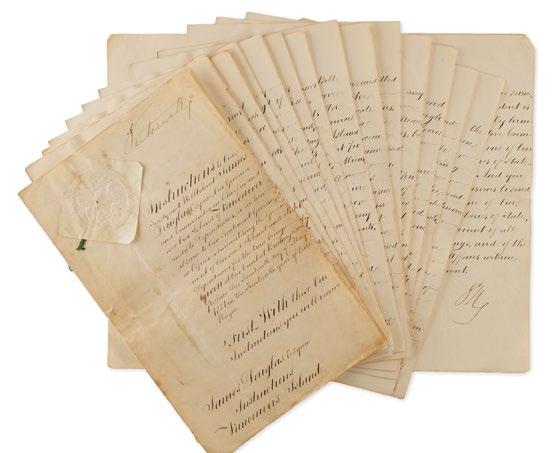
Sir James Douglas (1803–1877), often hailed as the ‘Father of British Columbia,’ was a pivotal figure in the colonial history of Canada’s West Coast. Douglas began his career in the fur trade with the North West Company and later the Hudson’s Bay Company, rising to the rank of Chief Factor before transitioning to colonial administration. In 1851 he was appointed Governor of the Colony of Vancouver Island, and in 1858, amid the tumult of the Fraser Canyon Gold Rush and rising American expansionist pressure, he became the first Governor of the newly established Colony of British Columbia, asserting British sovereignty and helping to shape the region’s early governance. Knighted by Queen Victoria in 1863 for his service, Douglas governed both colonies until his retirement in 1864, leaving a legacy as a foundational architect of British Columbia’s emergence as a Crown colony. Starting Bid $300
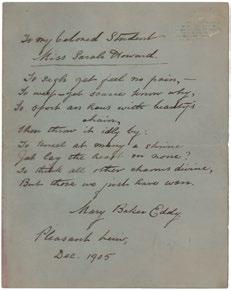
Mary Baker Eddy presents a poem to her student:
“To think all other charms divine, But those we just have won”
126. Mary Baker Eddy Autograph Poem Signed: “To kneel at many a shrine, / Yet lay the heart on none?”. American religious leader (1821-1910) who founded the Church of Christ, and scientist who authored the influential text outlining its doctrines, Science and Health with Key to the Scriptures. Autograph quotation from a poem by Thomas Moore, one page, 5.5 x 7, December 1905, signed and inscribed in ink, “To my beloved student Miss Sarah Howard, Mary Baker Eddy.” Eddy writes, in full: “To sigh, yet feel no pain,— / To weep—yet scarce know why / To sport an hour with beauty’s chain, / then throw it idly by: / To kneel at many a shrine, / Yet lay the heart on none? / To think all other charms divine, But those we just have won.” In fine condition, with subtle remnants of a removed clipping in the upper right corner. From the personal collection of a lifelong collector, teacher, and traveler with a passion for world history. His collecting years ranged from the 1970s to the present day, meaning that several of the premier pieces have not been on the market in decades. Starting Bid $200
LDS letter of recommendation from 1860, signed by three members of the First Presidency—Brigham Young, Heber C. Kimball, and Daniel H. Wells
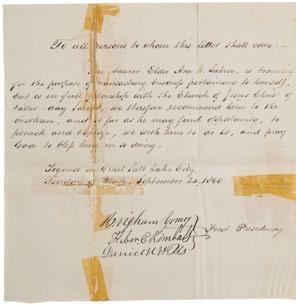
127. Brigham Young Letter Signed as President of the LDS Church - Co-Signed by First Presidency Members Heber C. Kimball and Daniel H. Wells. LS, one page, 8 x 8, September 24, 1860. Official letter of recommendation issued by the First Presidency, the presiding governing body of the Church of Jesus Christ of Latter-day Saints, which reads, in full: “To all persons to whom this letter shall come: The bearer, Elder Ara W. Sabin, is traveling for the purpose of transacting business pertaining to himself but is in full fellowship with the Church of Jesus Christ of Latter-day Saints, we therefore recommend him to the brethrem, and so far as he may find opportunity, to preach and baptzie, we wish him to do so, and pray God to bless him in so doing. Signed in Great Salt Lake City, Territory of Utah, September 24, 1860.” Signed crisply at the conclusion in ink by Brigham Young as president of the LDS Church, and countersigned by Heber C. Kimball and Daniel H. Wells, first and second counselors of the LDS First Presidency. In very good condition, with old tape stains to fold separations, affecting appearance but touching only the first letter of Young’s signature. Accompanied by a vintage matte-finish photo picturing several members of the Sabin family. Read more online at www.RRAuction.com. Starting Bid $300
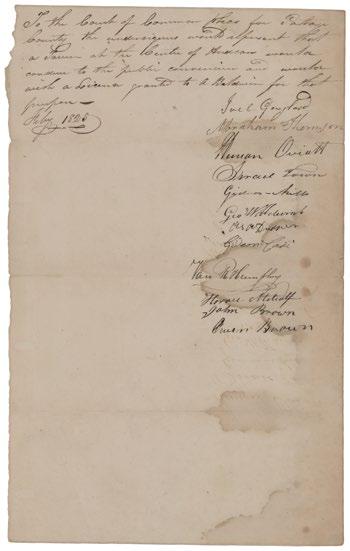
133. John Brown and Owen Brown Early Document Signed (1825), Requesting a Tavern in Hudson, Ohio. Radical abolitionist (1800–1859) famed for his raid and incitement of a slave rebellion at Harpers Ferry, Virginia, in 1859. Scarce, early manuscript DS, signed “John Brown” and “Owen Brown,” one page, 8 x 12.75, February 1825. Document from Hudson, Ohio, where the Brown operated a successful tannery. In full: “To the Court of Common pleas for Portage County, the undersigned would represent that a Tavern at the Center of Hudson would conduce to the public convenience and would wish a Licence granted to A. Baldwin for that purpose.” Signed at the conclusion in ink by twelve townsmen, including the 25-year-old John Brown and his father, Owen Brown. In very good to fine condition, with dampstaining to the right edge, and minor fold splitting.
Owen Brown (1771–1856) was an American tanner, farmer, and committed abolitionist, best known as the father of radical antislavery leader John Brown. A deeply religious man influenced by Calvinist beliefs, Owen instilled in his children a strong moral opposition to slavery and a sense of personal responsibility to act against injustice. Owen Brown’s principles and example had a profound influence on John Brown’s worldview and lifelong dedication to the abolitionist cause.
Later in 1825, shortly after signing this document, John Brown left Hudson, Ohio, moving with his family to Richmond Township in Crawford County, Pennsylvania. There, he established a tannery and farm and became increasingly involved in aiding freedom seekers on the Underground Railroad—during a decade-long span, he helped an estimated 2,500 enslaved people on their journey to Canada. These years were formative for Brown, strengthening his moral opposition to slavery and convincing him that it was a grave injustice. Over time, this conviction hardened into the belief that slavery could only be ended through decisive, militant action, a path that ultimately led to his raid on Harpers Ferry. From the personal collection of a lifelong collector, teacher, and traveler with a passion for world history. His collecting years ranged from the 1970s to the present day, meaning that several of the premier pieces have not been on the market in decades. Starting Bid $200
“It’s easy to see who has created hell for the black man. The devil has, the white man”—Malcolm X describes the white man in North America as “a liar, an exploiter, an oppressor, he’s a deceiver, a lyncher, a kidnaper, a slavemaker, a slavetrader”
134. Malcolm X Signed Page for Alex Haley’s Playboy Interview - “It’s easy to see who has created hell for the black man. The devil has, the white man” (PSA NM-MT 8). Page ‘MX Extra –16’ from the original typescript of Alex Haley’s 1963 interview of Malcolm X for Playboy magazine, one page, 8.5 x 11, signed “Malcolm X” in the bottom margin (with a marginal line indicating his approval of the contents). In full: [Malcolm X] “What was this word? The word was that heaven and hell are right here on this earth. Both are conditions. It’s easy to see who has created hell for the black man. The devil has, the white man. The white man is to the black man in North America a liar, an exploiter, an oppressor, he’s a deceiver, a lyncher, a kidnaper, a slavemaker, a slavetrader. In fact, he’s the black man’s slavemaster — the white man himself.
[Haley] Mr. Malcolm, have you ever been physically threatened? Or your leader, or any of the other Muslims to your knowledge?
[Malcolm X] The Honorable Elijah Muhammad and myself have received through the mail threatening letters.
[Haley] Mr. Malcolm, could we know a bit more about your extensive prison library reading. Were you a trusty, or did you have some other position that enabled you to read so much? And what are some of the books that made the greatest impression on you?
[Malcolm X] (Malcolm smiles.) When you’ve got seven years in prison, that’s your position. Well, I guess I was the most impressed by the dictionary. I used to sit reading it for hours and hours. You know the dictionary is like a condensed encyclopaedia? It’s an education in itself. And I remember ‘Days Of Our Years’ by Pierre van Passen — he described some atrocities committed by whites in Ethiopia that made the author admit he was ashamed of being a white man. It shows that the bombs that were dropped on the innocent Ethiopians.” Malcolm X has written “Satan” in the right margin and added “in prison” to the first line of the last paragraph. In very fine condition. Encapsulated and graded by PSA/DNA as “NM-MT 8.”
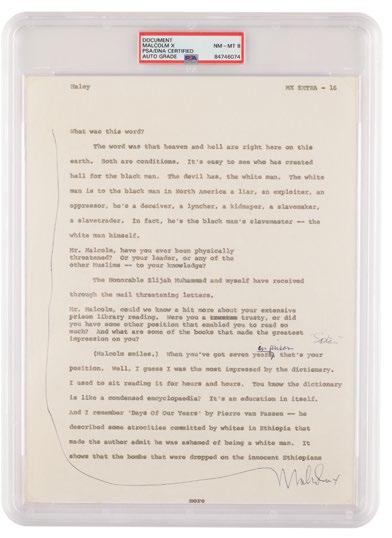
Playboy’s May 1963 interview with Malcolm X was one of the most famous of Haley’s career and gave most readers their first in-depth look at Malcolm X’s teachings and personality. Supporters and critics viewed the Muslim minister in very different terms. Admirers saw him as a courageous advocate for the rights of African-Americans and condemned crimes against black Americans; detractors accused him of preaching racism, black supremacy, and violence. Nevertheless, he has been described as one of the greatest and most influential African-American leaders in history. Within a year of granting this interview, with America still gripped by ever-growing racial tension, the once-combative black nationalist Malcolm X had repudiated almost every stance in the interview. He had broken with the Nation of Islam movement, fallen out with its leader, Elijah Muhammad, renounced black supremacy, and embraced racial equality and human rights. He was assassinated in Harlem in 1965. The Marc and Mary Perkins Collection. Starting Bid $500
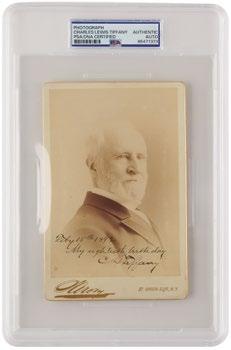
140. Charles L. Tiffany Signed Photograph. Founder of the great New York-based retail and design operation (1812-1902) that became legendary for its spectacular jewelry and decorative wares in metal, glass, and other materials. Scarce 4.25 x 6.5 cabinet bust portrait of Tiffany captioned within the image, “Feby 15th 1892, My eightieth birthday,” and nicely signed at the bottom of the image in ink, “C. L. Tiffany.” Published by Sarony of New York. In fine condition. Encapsulated in a PSA/DNA authentication holder. Starting Bid $200
The Nobel Prize-winning chemist writes to a future laureate
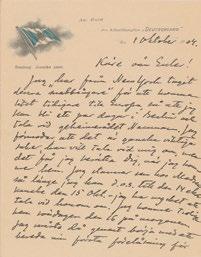
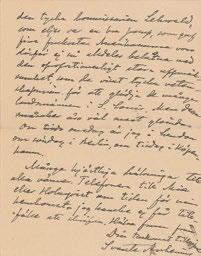
146. Svante Arrhenius Autograph Letter Signed to Nobel Prize-Winning Chemist Hans von Euler-Chelpin. Influential Swedish scientist (1859–1927) who received the Nobel Prize for Chemistry in 1903 in recognition of his theory of electrolytic dissociation. ALS in Swedish, four pages on two adjoining sheets, 5.5 x 7.25, Hamburg-America Line letterhead, October 1, 1904. Handwritten letter to his assistant Hans von Euler-Chelpin, who would go on to win the 1929 Nobel Prize in Chemistry. Arrhenius describes his experience at the International Congress of Arts and Science in St. Louis, and details his scientific plans as soon as he will return to Europe. In fine condition. From the personal collection of a lifelong collector, teacher, and traveler with a passion for world history. His collecting years ranged from the 1970s to the present day, meaning that several of the premier pieces have not been on the market in decades. Starting Bid $200
147. Giovanni Battista Morgagni Autograph Letter Signed. Italian anatomist (1682–1771) celebrated as the father of modern anatomical pathology. Rare ALS in Italian, three pages on two adjoining sheets, 5.5 x 8, June 16, 1735. Untranslated handwritten letter by Morgagni. In very good to fine condition, with overall light staining, and seal-related paper loss to the integral address leaf. From the personal collection of a lifelong collector, teacher, and traveler with a passion for world history. His collecting years ranged from the 1970s to the present day, meaning that several of the premier pieces have not been on the market in decades. Starting Bid $200
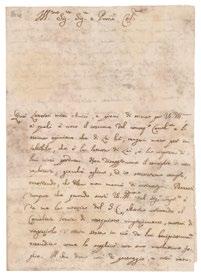
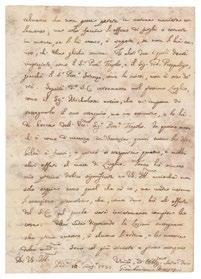
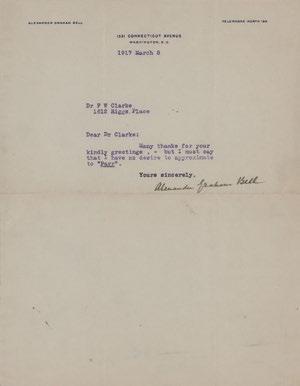
148. Alexander Graham Bell Typed Letter Signed. TLS, signed “Alexander Graham Bell,” one page, 8.5 x 11, personal letterhead, March 8, 1917. Letter to Dr. F. W. Clarke, in full: “Many thanks for your kindly greetings,—but I must say that I have no desire to approximate to ‘Parr.’” In fine condition. From the personal collection of a lifelong collector, teacher, and traveler with a passion for world history. His collecting years ranged from the 1970s to the present day, meaning that several of the premier pieces have not been on the market in decades. Starting Bid $200
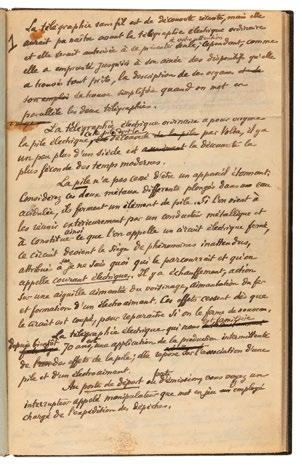
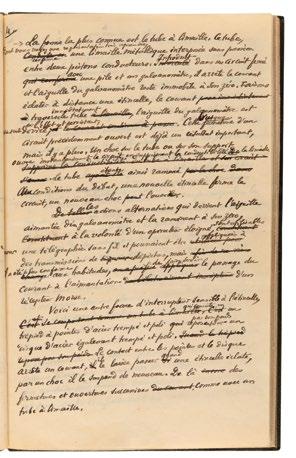
“The demonstration of its operation will make you grasp the mechanism of wireless telegraphy”—Branly’s communication to the Academy of Sciences, explaining the principles of his important invention
151. Edouard Branly Autograph Manuscript
Signed - Draft of His Communication to the Academy of Sciences Exposing the Principles of Wireless Telegraphy. French inventor (1844–1940) primarily known for his involvement in wireless telegraphy. Important AMS by Edouard Branly on wireless telegraphy, ten pages, 5.5 x 8.5, no date, signed and inscribed on the first page in bold ink, “A Madame Paganon, Hommage et souvenir de collaboration, E. Branly.” Handsomely custom-bound by R. Aussourd in olive morocco decorated on the covers with straight and curved gilt fillets, spine with decorated ribs, with the bookplate of Michel de Bry affixed to the front pastedown.
Branly’s draft of his communication to the Academy of Sciences exposing the principles of wireless telegraphy. A brilliant and relentless scientist, Edouard Branly conducted his research in a small, very modest physics laboratory set up at the Catholic Institute of Paris to which he was attached. On November 24, 1890, Edouard Branly presented to the Academy of Sciences his invention of a spark-sensitive switch, or “coherer,” the best-known form of which is the metal filing tube, which is the main organ of wireless telegraphy receiving devices.
The manuscript, written in the first person, contains numerous revisions, additions and corrections. After an introduction on electric telegraphy, Branly develops his invention (translated): “It was in 1890 that I discovered and studied in a complete way the switch sensitive to the spark…the demonstration of its operation will make you grasp the mechanism of wireless telegraphy.” This switch, with its metal filing tube, obeys the spark at a distance of a few meters but also allows transmissions of 500 kilometers. He continues his explanation: “The radiation of the spark makes the filing conductive, which gives the filing tube the name of radioconductor.”
Branly immediately thought of remote control and military applications and concluded that wireless telegraphy was superior, “which would be able to replace any other telegraphy.” Branly did not worry about finding an industrial or commercial application for his invention and others knew how to take advantage of it. His findings were subsequently improved and practically applied by Oliver Lodge and Guglielmo Marconi, which resulted ten years later in the first successful transatlantic communications. In fine condition, with worn joints to the binding. Starting Bid $5000
Bohr on the whereabouts of a future Nobel laureate:
“Professor G. von Hevesy stayed here a few weeks ago...he will be returning here after the New Year”
149. Niels Bohr Typed Letter Signed on Future Nobel Laureate
George de Hevesy. Danish physicist (1885–1962) who was awarded the 1922 Nobel Prize in Physics for his theory of atomic structure. TLS in German, signed “N. Bohr,” one page, 8.5 x 11.25, Institute of Theoretical Physics letterhead, November 25, 1920. Letter to J. P. Wibaut, in full (translated): “In reply to your question, I would like to inform you that Professor G. von Hevesy stayed here a few weeks ago, and that he will be returning here after the New Year and will be staying for an extended period. He is currently in Hungary, where his address is: Nador utza 15, Budapesty.” In very good to fine condition, with a block of light toning, and two file holes to the left edge. Accompanied by Wibaut’s retained copy of his letter to Bohr, requesting the address of George de Hevesy, who would later be awarded the Nobel Prize in Chemistry for his role in the development of radioactive tracers. From the personal collection of a lifelong collector, teacher, and traveler with a passion for world history. His collecting years ranged from the 1970s to the present day, meaning that several of the premier pieces have not been on the market in decades. Starting Bid $200
150. Niels Bohr Signed Booklet: ‘Life and Life’. Danish physicist (1885–1962) who was awarded the 1922 Nobel Prize in Physics for his theory of atomic structure. Danish offprint booklet of Bohr’s article entitled “Lys og Liv [Light and Life],” a lecture delivered at the opening meeting of the II International Congress of Light Therapy in Copenhagen, August 15, 1932, and published as ‘Saertryk af Naturens Verden [Special Features of the Natural World], 1933,’ 6.25 x 9.25, eleven pages, signed and inscribed on the detached front wrapper in fountain pen, “Fil William Scharff…from Niels Bohr.” In very good condition, with toning to the detached front cover. From the personal collection of a lifelong collector, teacher, and traveler with a passion for world history. His collecting years ranged from the 1970s to the present day, meaning that several of the premier pieces have not been on the market in decades. Starting Bid $200
152. Francis Crick Signed Book from His Personal Library - The Neural and Behavioural Organization of Goal-Directed Movements. Signed book from the personal library of Francis Crick: The Neural and Behavioural Organization of Goal-Directed Movements by Marc Jeannerod. First edition. Oxford: Clarendon Press (Oxford Science Publications), 1988. Clothbound hardcover with gilt stamping, 6.25 x 9.5, 283 pages. Signed by Crick on the first free end page in black ink above his ownership stamp, “Prof. F.H.C. Crick, The Salk Institute, P.O. Box 85800, San Diego, CA 92138.” In fine condition, with light sunning to the spine and covers. A notable association copy from the working library of one of the most significant scientists of the twentieth century. Starting Bid $200
153. Marie Curie Document Signed - Radioactivity
Results from Curie’s Lab. Partly-printed DS in French, signed “M. Curie,” one page, 8.25 x 12.25, January 12, 1922. Completed certificate (No. 1861) from Curie’s laboratory at the Institut du Radium, documenting the testing of a sample of radium by Y-ray radiation. The sample was analyzed for the emission of radium gamma radiation (“dosage du radium par le rayonnement ?”). The certificate documents the nature of the source as a solid radium salt apparatus and specifies the measurement conditions under which its gamma radiation was compared with the laboratory radium standard after the source had reached limiting (equilibrium) radiation. The resulting measurements indicate that the external gamma emission corresponds to 3.13 mg of elemental radium. After correction for absorption of radiation by the walls of the apparatus—estimated at 6% based on wall thickness and absorption coefficient—the quantity of radium contained in the apparatus was determined to be 3.13 mg of radium element, equivalent to 5.84 mg of hydrated radium bromide. The report states that the precision of the measurements is such that the error cannot exceed 1%, rendering the determination scientifically conclusive. Signed neatly at the conclusion by Marie Curie. In fine condition. From the personal collection of a lifelong collector, teacher, and traveler with a passion for world history. His collecting years ranged from the 1970s to the present day, meaning that several of the premier pieces have not been on the market in decades. Starting Bid $300
154. Pierre Curie Autograph Letter Signed on Microscopes. French physicist (1859–1906) best known for his pioneering investigation of radioactivity, who shared the 1903 Nobel Prize in Physics with his wife, Marie Curie. ALS in French, signed “P. Curie,” two pages, 8.25 x 10.5, Ecole Municipale de Physique et de Chimie Industrielles [Municipal School of Industrial Physics and Chemistry] letterhead, December 9, 1890. Untranslated handwritten letter to a colleague, in which Curie asserts that he has a relationship with M. Mirand, the Parisian microscope maker. He discusses the difficulty involved in constructing microscopes, noting that mastering their manufacture would require exclusive attention to the process. In fine condition, with some light toning, and tiny pin holes along the left edges. Accompanied by the original mailing envelope. An early letter from the pioneering scientist, written while he was already a respected faculty member at ESPCI Paris, where he would remain until earning his doctorate in 1895 before being appointed Professor of Physics at the Sorbonne. It was at the Sorbonne that Curie met his future wife, Marie Sk?odowska, and together—thirteen years after this letter was written—they became the first married couple to win a Nobel Prize for their groundbreaking work on radioactivity. From the personal collection of a lifelong collector, teacher, and traveler with a passion for world history. His collecting years ranged from the 1970s to the present day, meaning that several of the premier pieces have not been on the market in decades. Starting Bid $300
155. Charles Darwin Signed Check to His Son and Fellow Scientist, George H. Darwin. Union Bank of London check, 7.25 x 3, filled out and signed by Darwin, “Ch. Darwin,” payable to his son, “G. H. Darwin,” for £100, March 28, 1872; also endorsed on the reverse by the recipient, “G. H. Darwin.” Stamped “Paid” on April 2nd. In fine condition.
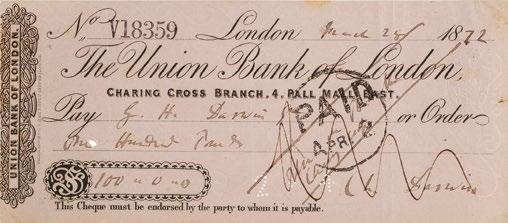
Just the third Darwin check we have offered, this piece holds significant scientific and familial associations. Charles Darwin’s son, George Howard Darwin (1845–1912), was himself a distinguished scientist. Working as a geologist and astronomer, he is best known for his harmonic analysis of the theory of tides, which significantly advanced understanding of tidal evolution and the Earth–Moon system. He later served as Plumian Professor of Astronomy and Experimental Philosophy at the University of Cambridge and was a Fellow of the Royal Society. Starting Bid $1000
Darwin supports an Irishman’s development of blight-resistant potatoes—a practical experiment in his principle of selection
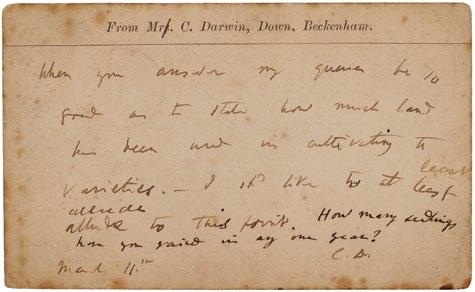
157. Charles Darwin Autograph Letter Signed, Inquiring on the Development of Blight-Resistant Potatoes: “How many seedlings have you raised in any one year?”. ALS signed “C. D.,” one page, 4.75 x 3, personal letterhead, March 11, [1880]. Handwritten letter to James Torbitt of Belfast, Ireland, in part: “When you answer my queries be so good as to state how much land has been used in cultivating the varieties…How many seedlings have you raised in any one year?” In very good to fine condition, with foxing and light soiling.
Torbitt was an enterprising Irish grocer and wine merchant who aimed to breed a variety of blight-resistant potatoes. Torbitt’s method—selecting the few plants that survived blight-infected fields and using them as parents for future seed—represented a direct, applied use of Darwin’s principle of selection, which Darwin repeatedly recognized and endorsed. Convinced of both its scientific soundness and humanitarian importance, Darwin cautiously lobbied senior government officials in London for public funding and supplemented these efforts with his own personal financial support for Torbitt’s project. Starting Bid $1000
“Dear Sir, Yours very faithfully, Ch. Darwin”—applied to the inside of a second
156. Charles Darwin Signature in On the Origin of Species (Second Edition, 1860). Crisp ink signature, “Dear Sir, Yours very faithfully, Ch. Darwin,” on an off-white 4 x 2 sheet affixed to the front pastedown of a second edition of Darwin’s monumental book, On the Origin of Species by means of Natural Selection, or the Preservation of Favoured Races in the Struggle for Life, published by John Murray of London in 1860, hardcover with blocked green cloth and gilt designs and titling to the spine, 5.25 x 8, 502 pages with 30 additional pages containing “Mr. Murray’s General List of Works.” Autographic condition: fine, with a central vertical fold. Book condition: G-/None, with cracked hinges, cloth split at front joint, fraying to cloth at the foot of the spine, heavy rubbing to boards, and an ownership inscription to the half-title page. Starting Bid $1000
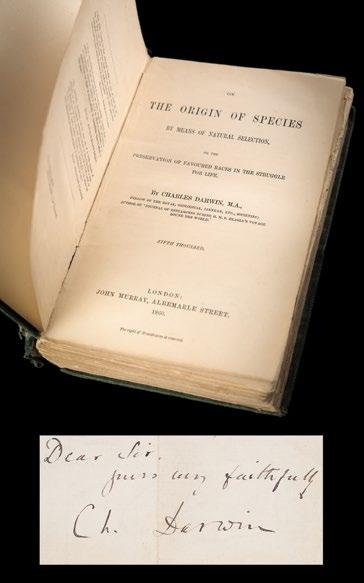
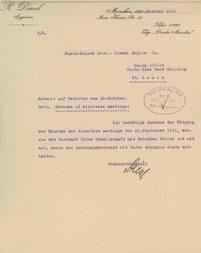
158. Rudolf Diesel Typed Letter Signed. German inventor and mechanical engineer (1858-1913) famous for the invention of the diesel engine. TLS in German, signed “Diesel,” one page, 8 x 11, personal letterhead, October 25, 1911. A reply to the “Minutes of directors meetings” between the Busch–Sulzer Bros. and Diesel Engine Co., in full (translated): “I gratefully confirm the receipt of the Minutes of the directors meeting of 25th Sept 11, which contains the contract between your company, Sulzer Brothers and myself, as well as the supplementary contract with Mr. Adolphus Busch.” An English translation is affixed along the top edge. In fine condition. From the personal collection of a lifelong collector, teacher, and traveler with a passion for world history. His collecting years ranged from the 1970s to the present day, meaning that several of the premier pieces have not been on the market in decades. Starting Bid $200
159. Thomas Edison Archive of (25) Documents SignedMeeting Minutes of Edison’s Phonograph Company. Comprehensive archive of 25 documents containing meeting minutes from “Edison Phonographs, Limited,” “Phonographs, Limited,” and the “Edison Phonograph Distributing Company,” all signed by Thomas Edison, “Thos. A. Edison,” totaling 62 pages, 8 x 11, dated from April 13, 1917, to March 9, 1926.
The documents pertain to general business matters, including the lease of office space, resignations and appointments of board members, the firm’s purchase of certain personal assets from Thomas Edison, accounting reports, an outline of the company’s by-laws, a record of the name change from “Phonographs, Limited” to “Edison Phonograph Distributing Company,” the issuance of shares in the organization, items pertaining to interstate commerce, and various similar matters.
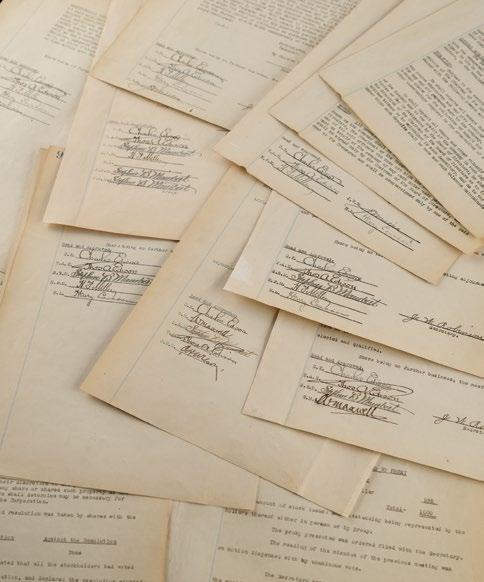
Other signers throughout the archive include his son, Charles Edison, and other company officers including Stephen B. Mambert, William Maxwell, Harry F. Miller, Henry Lanahan, J. W. Robinson, John V. Miller, and H. H. Eckert. In overall fine condition, with mounting remnants to the edges of some documents. In 1877, when Edison invented the phonograph, the first device for recording and playing back sound, he thought that its main use would be to record speech in business settings, which could then be played back and transcribed. Beginning to improve upon the phonograph and recording media in the 1880s, Edison pioneered the use of wax cylinders as a means of sound recording and reproduction. Edison’s phonograph would eventually be adopted primarily for entertainment purposes, bringing music into millions of American households.
A holder of over 1,000 patents, Edison considered the phonograph to be his favorite invention. This archive offers an exceptional, first-hand record of the corporate management and evolution of Edison’s phonograph enterprises during the final decade of his career, with each document bearing Edison’s signature in an official business capacity. Starting Bid $1000
physics:
“Some day somebody will get the right theory and open up a new conception of space, matter, motion and ourselves”
160. Thomas Edison Typed Letter Signed on Einstein’s New Physics: “Some day somebody will get the right theory and open up a new conception of space, matter, motion and ourselves”. TLS signed “Thos. A. Edison,” one page, 8.5 x 11, From the Laboratory of Thomas A. Edison letterhead, December 14, 1923. Letter to Charles Kassel, in part: “The article is very interesting. Some day somebody will get the right theory and open up a new conception of space, matter, motion and ourselves. For years I have read and collected everything I could find time to read relating to the ether of space as created by the mathematical mind to explain physics. The more I read the more I reject their conceptions and theories. I cannot think by the use of mathematics, hence am compelled to use other instrumentalities or capacities of the brain. The result is that I do not believe there is any ether with the extraordinary properties ascribed to it. To me it is entirely unnecessary to explain things generally, but it is absolutely necessary to explain the theories of the mathematical brain.” In fine condition, with a few small light stains.
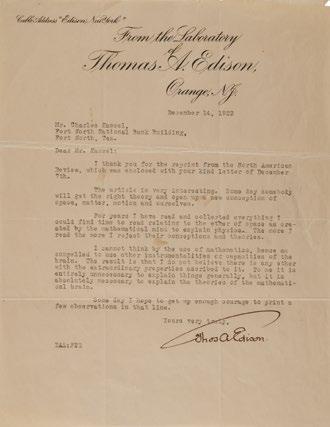
Written in December 1923, this letter places Thomas A. Edison squarely within one of the most profound scientific turning points of the modern era. Just a few years earlier, in 1919, experimental observations during a solar eclipse had famously confirmed Albert Einstein’s general theory of relativity, overturning the longdominant Newtonian framework and dealing a decisive blow to the classical concept of the luminiferous ether. Einstein’s work replaced the ether with a radically new understanding of space and time as a unified, malleable spacetime—an idea that was mathematically elegant but deeply counterintuitive, even to many leading scientists of the period.
Edison’s remarks reflect both the intellectual turbulence of this transitional moment and his own distinctive approach to science. Long skeptical of abstract, mathematically driven theorizing, Edison aligns himself here with the growing rejection of the ether, yet remains uneasy with the mathematical foundations of modern theoretical physics; his preferred methods relied on conception, experimentation, and engineering. His anticipation that “some day somebody will get the right theory and open up a new conception of space, matter, motion and ourselves” captures the sense, widespread in the early 1920s, that relativity—despite its experimental success—had not yet fully settled the philosophical implications of the new physics. The letter thus stands as a revealing document of scientific history: a response by one of America’s most famous experimental minds to the revolutionary, theory-driven transformation of physics in the wake of Einstein’s triumph. Starting Bid $200
161. Thomas Edison Autograph Letter Signed. ALS in pencil, signed “Million kisses, T.A.E.,” two pages, 5 x 8, no date. Handwritten letter to his wife, affectionately addressed to “Darling Billy,” in part: “Everything going along slowly but all right—today is very cold here there being a fog all morning this pm it has cleared a little & is somewhat warmer…My cold is about the same it doesn’t trouble me however—Don’t fail to send those cigars. I will try 417 times harder to think to bring those new stockings down with me Saturday. I have thought 40 times since Monday of you and children at the depot, you 3 are just the loveliest crowd of human mortals I ever saw and that Mommy I’m more in love with her every day. The mail is ready to close so I must stop.” In fine condition. Starting Bid $200
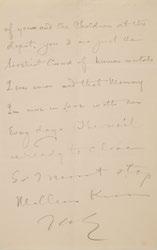
Edison pitches a business partnership for “the Electric Lighting of Country Estates lying beyond the lines of the Lighting Companies in towns and cities”
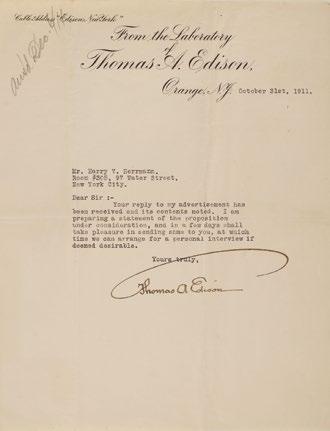
162. Thomas Edison Typed Letter Signed, Proposing a Partnership for “the Electric Lighting of Country Estates lying beyond the lines of the Lighting Companies in towns and cities”. TLS signed “Thomas A. Edison,” one page, 8.5 x 11, From the Laboratory of Thomas A. Edison letterhead, October 31, 1911. Letter to Harry V. Herrmann of New York City, in full: “Your reply to my advertisement has been received and its contents noted. I am preparing a statement of the proposition under consideration, and in a few days shall take pleasure in sending same to you, at which time we can arrange for a personal interview if deemed desirable.” In fine condition.
Accompanied by two secretarially-signed letters from Edison, plus one of Herrmann’s retained carbon copies. Edison notes that his goal was to “get in touch with a class of men with small capital, to whom I could offer opportunities for merchandising various articles which are constantly being brought out in our Laboratory and Works,” and was puzzled by the overwhelming response he received. In one of these pieces of secretarial correspondence, he explains that the introduction of electric lighting to rural areas presents a valuable business opportunity, focusing on “the Electric Lighting of Country Estates lying beyond the lines of the Lighting Companies in towns and cities.” Starting Bid $200
Construction for the Edison Chemical Works. ANS in pencil, signed “E,” one page, 8.5 x 11, Edison Chemical Works letterhead, July 28, 1913. Handwritten note at the head of a letter sent to him by J. V. Miller, raising a question about construction at their plant. Edison writes, in full: “Miller—I have sent for copy of law—for 8 ft up on both sides there is no corrugated iron, the wind blows clear thru the building.” Miller’s letter draws his attention to concerns about “the construction of the building in which the furnaces are to be located in the new plant,” in part: “The State Factory Inspector had made us a visit and questioned the matter of space in the new buildings around the furnaces. On looking at our present Iron Reduction plant, she said that the space was entirely too small, stating that there should be at least three times as much space around the furnaces as we have…The Inspector further stated that a new state law was put in force on July 4, 1913, regarding this matter of space in buildings, temperatures in which men have to work, etc.” In fine condition. From the personal collection of a lifelong collector, teacher, and traveler with a passion for world history. His collecting years ranged from the 1970s to the present day, meaning that several of the premier pieces have not been on the market in decades. Starting Bid $200
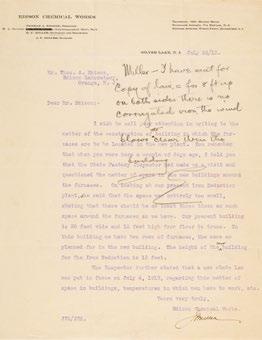
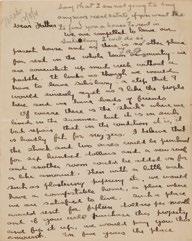
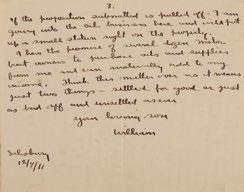
Thomas Edison Autograph
Note Signed to His Son William: “I am not going to buy any more real estate”. ANS in pencil, signed “T.A.E.,” three pages on two adjoining sheets, 5 x 6.5, December 8, 11. Handwritten note at the head of a letter sent to him by his son, Walter, in full: “Say that I am not going to buy any more real estate, if you want me to fund you a house to rent in Salisbury I will do so.” William writes, in part: “We are compelled to leave out present house and as there is no other place for rent in the whole town or county—we are somewhat up mud creek without a paddle. It looks as though we would have to leave Salisbury—a step that I would sincerely regret as I like the people here and we have loads of friends. Of course there is the ‘shack’ where we lived in the summer but it is in such bad repair that in the condition it is, it is hardly fit for [expletive]. I believe that the shack and two acres could be purchased for six hundred dollars and a new roof and another room could be added on for a like amount. Then with a little work such as plastering, papering, etc. we would have a comfortable home, a place where we are satisfied to live. Such a place would rent for fifteen dollars per month and if you will purchase this property and fix it up, we would pay you this amount. In five years the place would be worth double as several people in town would purchase lots and build near us, and of course this would start the ball rolling and more would come and property go up…
If the proposition submitted is pulled off—I am going into the oil business here and will put up a small station right on the property. I have the promise of several dozen motor boat owners to purchase oils and supplies from me and can naturally add to my income. Think this matter over as it means just two things—settled for good or just as bad off and unsettled as ever.” In fine condition. William Leslie Edison (1878–1937) had a strained relationship with his father, and they were often at odds over finances; Edison once said of such a request for help: ‘I see no reason whatever why I should support my son. He has done me no honor and has brought the blush of shame to my cheeks many times.’ William served in both the Spanish-American War and World War I, and later turned to chicken farming to support himself. Starting Bid $200
“Albert
1933”—quintessential signed portrait of Einstein at Caltech, pictured in the year he first met Robert Oppenheimer
165. Albert Einstein Signed Photograph (1933) - Pictured During His First Visit to the California Institute of Technology. Vintage glossy 7 x 9 silver gelatin photo of Albert Einstein in a handsome three-quarterlength pose, an image captured during his visit to the California Institute of Technology physics department in early 1931, signed neatly at a later date in black ink, “Albert Einstein, 1933.” Archivally doublematted and framed to an overall size of 13.5 x 15.25. In fine condition, with some light silvering to darker areas of the image.
Einstein served as a researcher and visiting professor at the California Institute of Technology for three winter terms in 1931, 1932, and 1933, the year the offered photograph is dated. This picture of Einstein, however, was taken during his first visit to Caltech in 1931, a trip marked by his formal introduction to a brilliant 27-yearold physicist named Robert Oppenheimer. Although pictured in 1931, it’s believed that Einstein signed this photograph in 1933 during his final visit to the campus. It was also in 1933 when Einstein decided to escape Europe and settle permanently in the United States, where he assumed a position at Princeton’s Institute for Advanced Study.
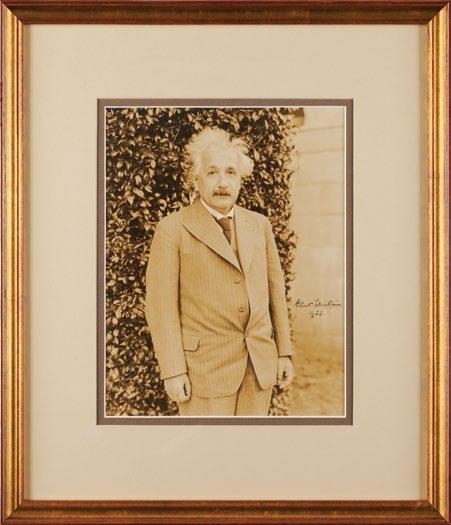
During his first visit, Caltech’s new Athenaeum was the setting for many dinners to honor the great theoretical physicist. The first, on January 15, 1931, included guests like physicist and Nobel Laureate A. A. Michelson as well as 200 members of the California Institute Associates. Weeks later, a second dinner was held and attended by all the astronomers from the Institute and the Mt. Wilson Observatory, a group that included Edwin Hubble and Charles E. St. John, who verified the third prediction of the theory of general relativity. Colleagues from Berkeley also showed, including physical chemist and physicist Richard Tolman’s close friend and co-author, G. N. Lewis, who wrote to say he was coming with a friend: ‘I have just accepted an invitation from Oppenheimer to drive me down. Do you think I should take out accident insurance?’
At a farewell luncheon held in his honor on February 24, 1931, Einstein humorously remarked: ‘I want to thank the extraordinary group of scholars in the fields of physics and astronomy who have afforded me glimpses of their work. They have conducted me not only into the world of atoms and crystals, but also to the surface of the sun and into the outermost depths of space. There I saw worlds which are flying away from us with incomprehensible rapidity, in spite of the fact that their inhabitants do not know us well enough to justify any such action.’ Starting Bid $1000
166. Albert Einstein Signed Photograph (1950) - Presented to Economist and Executor Otto Nathan. Vintage matte-finish 6.75 x 8.25 photo of Albert Einstein hard at work in his study, with bookshelves in the background and papers spread across his desk, signed and inscribed in the lower border in fountain pen, “Der lieben Otto Nathan [To dear Otto Nathan], A. Einstein, 50.” Archivally double-matted and framed to an overall size of 13.25 x 14.75. In very good to fine condition, with two faint vertical bends, a tiny corner crease, and a longer diagonal crease to the blank right side of the bottom border.
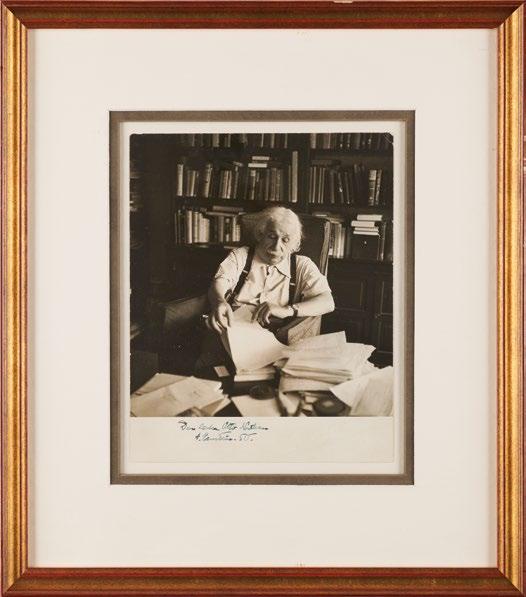
Like Einstein, economist Otto Nathan fled Nazi Germany and took a position on the faculty at Princeton University, where his friendship with the genius began. Nathan would serve as the sole executor of Einstein’s estate after the scientist’s death in April 1955, and was designated by Einstein as co-trustee of his literary estate (along with Einstein’s secretary Helen Dukas). After Einstein’s death, Nathan and Dukas spent 25 years organizing his papers and collecting supplementary material from around the world. They planned for all of Einstein’s papers—personal and scientific—to eventually be published, and in 1971 Princeton University Press undertook the massive publishing effort.
The photographer of this portrait was likely Hermann Landshoff, also a German-Jewish émigré who settled in the United States in the 1930s. He visited Einstein several times in the 1940s and early 1950s, capturing several images of the genius in quiet moments at his home or Princeton study.
Originally from the estate of Margaret Sanders Adams, the daughter of KFC founder Col. Harland Sanders; notably, she received several photographs from Einstein’s executor Otto Nathan to use as reference material for her creation of a bust of Einstein. Starting Bid $1000
citing “the assumption of the constancy of the speed of light”
167. Albert Einstein Autograph Letter Signed on the Special Theory of Relativity, Citing “the assumption of the constancy of the speed of light”. ALS in German, signed “E,” one page, 8.5 x 11.25, March 29, 1953. Handwritten explanation relative to the “constancy of the speed of light” and “rotation of the Earth” in experimental proofs of his Special Theory of Relativity, penned below an inquiry sent to him by George Aristotle Solounias. In concluding his letter, Solounias asks: “Dear Professor, Since Michelson-Morley experiment accepts—as I have proved—a newtonian explanation and consequently, it may be considered as proving directly the addition of the velocity of light to that of the source, and since Your Special Theory of Relativity is based essentially on this experiment, contrarily explained by You, the necessity of performing of a direct experiment is imperative. For this aim, I hope that my present proposition will probably help the solution of the problem.”
Below, Einstein writes (translated): “The experimental arrangement proposed here is not useful in that the light emitted from an extended light source in opposite directions cannot be brought to a state of interference due to the difference in light paths. Apart from that, the experiment agrees with that carried out by Sagnac, which allows the experimental result to be calculated correctly based on the assumption of the constancy of the speed of light (with reference to the inertial system) (see Laue’s book). Compare it also with the ingenious experiment of Michelson, which needs the rotation of the Earth.” He cites the referenced book below: “M. v. Laue, The Theory of Relativity, J. Friedr. Vieweg & Son, Brunswick, 1952.” In fine condition, with light intersecting folds. Accompanied by the original mailing envelope. In his letter to Einstein, Solounias evidently proposed an experiment to determine whether “the velocity of light is independent, or not, of the velocity of the source.” He mentions the ‘Michelson–Morley experiment,’ conducted in 1887, which was an attempt to measure the motion of the Earth relative to the ‘luminiferous aether,’ a permeating space then thought to carry light waves. The experiment found exactly nothing—the two light beams, as measured by a sensitive interferometer, took precisely the same time to arrive at their destination. This result was the first strong evidence against some aether theories, and initiated a line of research that eventually led to Einstein’s development of special relativity in 1905. He also references experiments performed by French physicist Georges Sagnac, who lent his name to the ‘Sagnac effect’ in 1913: a phenomenon that manifests itself when a beam of light is split and the two beams follow the same path in opposite directions, displaying interference when recombined. Sagnac concluded from his experiments that light propagates at a speed independent of the speed of the source, which is consistent with Einstein’s theory of relativity. German physicist Max von Laue, also referenced here by Einstein, had predicted the Sagnac effect theoretically in 1911. Starting Bid $1000
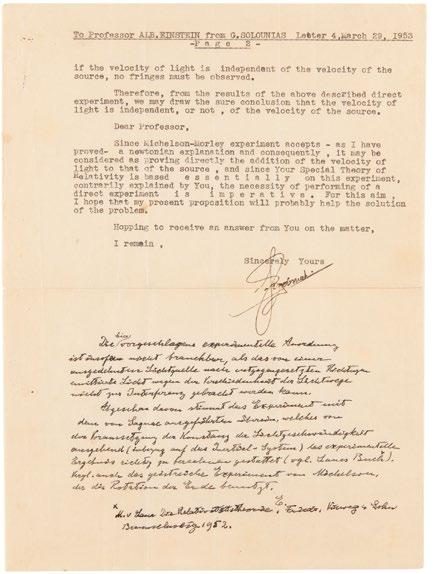
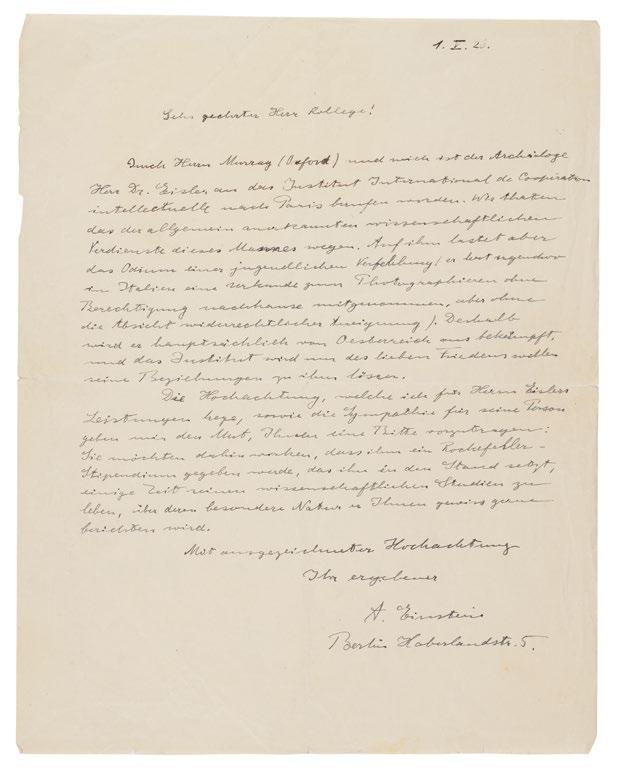
168. Albert Einstein Autograph Letter Signed, Recommending an Archaeologist for a Rockefeller Scholarship. ALS in German, signed “A. Einstein,” one page, 8.5 x 11, May 1, 1926. Untranslated handwritten letter by Albert Einstein, in which he recommends an archaeologist for a Rockefeller scholarship after the International Institute of Intellectual Cooperation in Paris was forced to sever relations with him due to a youthful transgression. In very good to fine condition, with light creasing, primarily in the margins. Starting Bid $1000
169. Albert
by Samuel Cahan (1935). Detailed 9.5 x 12.25 etching of Albert Einstein in a seated, three-quarter pose, signed toward the bottom of the image in fountain pen, “Albert Einstein,” and in the lower border in pencil by the artist, “Samuel Cahan.” The etching also carries Cahan’s facsimile signature inherent to the print: “Samuel Cahan, Fine Hall, Princeton, N.J.” Matted to an overall size of 15.75 x 19.75. In fine condition, with some fading to Einstein’s signature.
Samuel Cahan (1886–1974) was an American painter and illustrator, born in Kovno, who grew up as the child of Russian immigrants in modest circumstances in New York. Cahan studied at the Art Students League in New York, among others, with Charles William Frederick Mielatz and Robert Henri. His oeuvre predominantly consists of drawings and etchings. In addition to illustrations of street and courtroom scenes, Cahan created several portraits of famous personalities, including Presidents Roosevelt and Wilson.
In 1935, Einstein invited Cahan to Princeton to create his portrait. The physicist kept an office in Fine Hall, the home of Princeton’s Department of Mathematics, from 1933 to 1939, before the Institute for Advanced Study moved to its own dedicated buildings.
The encounter in Princeton is described by the painter’s son, William George Cahan, in his autobiography No Stranger to Tears. The invitation from Einstein was a great honor for Cahan. William Cahan reports that his father took a long time to find the right position and lighting conditions. Einstein reportedly offered to sit on the floor if necessary, which greatly impressed the painter.
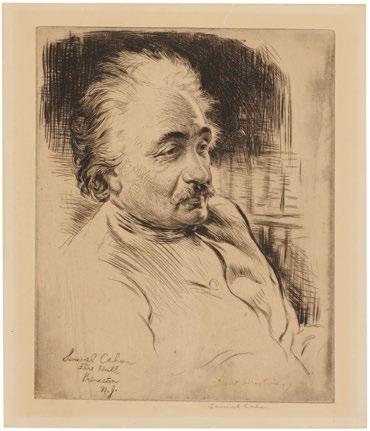
During the encounter, Cahan only made a drawing of Einstein. It shows Einstein in profile sitting in an armchair. In his right hand, the scientist holds a pen, while his left rests on the armrest. The sketch is signed by Einstein, as well as by Cahan, who further notes: ‘Fine Hall Princeton N. J.’
William Cahan remembers that the drawing and the letter from Einstein inviting him to the portrait session hung together in the library of his parents’ house. The current whereabouts of the study are unclear. It served as a template for some drypoint etchings, which were signed by Einstein.
The artist describes in an interview from 1967 how he proceeded. First, he enlarged the study he had made of Einstein. He also added some elements from his memory, such as the specific lighting situation on his face. He then transferred this first with charcoal and then with a fine needle onto the copper plate (reference: oral history interview with Samuel George Cahan, March 11 and July 12, 1967, Archives of American Art, Smithsonian Institution). Starting Bid $500
170. Richard Feynman Typed Letter Signed. American theoretical physicist (1918-1988) whose work in quantum electrodynamics earned him the Nobel Prize in Physics in 1965; he is often credited for introducing the concept of nanotechnology. TLS signed “R. P. Feynman,” one page, 6 x 8.5, California Institute of Technology [Norman Bridge Laboratory of Physics] letterhead, January 14, 1959. Letter to Gerard M. Wolten, chairman of the Colloquium Committee at Atomics International, a division of the North American Aviation company that engaged principally in the early development of nuclear technology and nuclear reactors for both commercial and government applications. In full: “Thank you very much for your invitation to speak at one of your colloquiums during the coming year. I regret that it is necessary to decline your offer but my commitments are such that I have no time available.” In fine condition, with a light paperclip impression, and two file holes. Read more online at www.RRAuction.com. From the personal collection of a lifelong collector, teacher, and traveler with a passion for world history. His collecting years ranged from the 1970s to the present day, meaning that several of the premier pieces have not been on the market in decades. Starting Bid $200
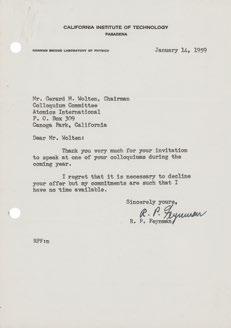
Over 20 words in the hand of theoretical physicist Richard Feynman, penned during his time on the Rogers Commission and the investigation of the
171. Richard Feynman Handwritten Notes from the Rogers Commission. Handwritten notes by theoretical physicist Richard Feynman from his time serving on the Rogers Commission, which investigated the Space Shuttle Challenger disaster in 1986. The unsigned notes, penned in black ballpoint by Feynman on an off-white 8.5 x 11 sheet of notebook paper, read, in full: “1/23 by new study, / (WPA project) / Trying to reconcile, 3 June 85, Kingsbury? / Sept brief Kingsbury [no pitch] etc that notes 10 -2 to 10 -3 / Crawford & Schultz.” In fine condition.
Feynman references James Kingsbury, engineering chief at NASA’s Marshall Space Flight Center during the time of the disaster. Kingsbury wasn’t involved in the decision on whether to launch and was subsequently tapped to lead the team to redesign the solid rocket motors. However, that team was shuffled after the Rogers Commission questioned the redesign effort, and Kingsbury retired later in 1986.
From the Richard Feynman estate. From the personal collection of a lifelong collector, teacher, and traveler with a passion for world history. His collecting years ranged from the 1970s to the present day, meaning that several of the premier pieces have not been on the market in decades. Starting Bid $200
Signed: “You seriously underestimate the number of autograph pests”. Scottish physician and microbiologist (1881–1955) known for his discovery of penicillin, for which he shared the 1945 Nobel Prize in Physiology or Medicine. ALS signed “Alexander Fleming,” on an 6 x 4.5 album page, November 9, 1946. Handwritten letter to “Miss Boxwell,” in part: “When you mention the firue 1001, you seriously underestimate the number of autograph pests.” In very fine condition. From the personal collection of a lifelong collector, teacher, and traveler with a passion for world history. His collecting years ranged from the 1970s to the present day, meaning that several of the premier pieces have not been on the market in decades. Starting Bid $200
173. Leon Foucault Autograph Letter SignedScarce Handwritten Letter from the Inventor of the Foucault Pendulum. French physicist (1819–1868) best known for the invention of the Foucault pendulum, a device demonstrating the effect of the Earth’s rotation; he also made an early measurement of the speed of light, discovered eddy currents, and is credited with naming the gyroscope. ALS in French, signed “L. Foucault,” one black-bordered page, 4.75 x 7.25, October 11, 1860. An untranslated handwritten letter addressed from Paris. In fine condition. From the personal collection of a lifelong collector, teacher, and traveler with a passion for world history. His collecting years ranged from the 1970s to the present day, meaning that several of the premier pieces have not been on the market in decades. Starting Bid $200
174. Carl Friedrich Gauss Autograph Letter Signed to Astronomer Wilhelm von Struve. German mathematician and physical scientist (1777-1855) who contributed significantly to many fields, including geometry and astronomy; he is often referred to as the ‘prince of mathematicians’ or ‘the greatest mathematician since antiquity.’ ALS in German, signed “C. F. Gauss,” one page, 8.25 x 10.5, August 12, 1840. Untranslated handwritten letter to astronomer Friedrich Georg Wilhelm von Struve, founder and director of the Pulkovo Observatory near St. Petersburg. In very good to fine condition, with scattered light staining and soiling. From the personal collection of a lifelong collector, teacher, and traveler with a passion for world history. His collecting years ranged from the 1970s to the present day, meaning that several of the premier pieces have not been on the market in decades. Starting Bid $200
175. Eduard Heine Hand-Addressed Mailing Panel. German mathematician (1821–1881) known for results on special functions and in real analysis, and for his introduction of the Mehler–Heine formula. Hand-addressed mailing cover accomplished by Eduard Heine, measuring 10.5 x 8.5 open, with a central panel of 5 x 3.75, addressed by Heine to his brother: “Monsieur Mr. Maximilien Heine, Docteur en Medecine, Saint-Petersbourg.” On the reverse is a handwritten note by Maximilian Heine, dated November 1865, identifying the handwriting as that of his brother. In fine condition, with tears and seal-related loss to the wide borders. Starting Bid $200
176. Werner Heisenberg Typed Letter Signed on a Translation of Max Born’s Obituary - Connecting the Pioneers of Quantum Mechanics. German theoretical physicist (1901-1976) awarded the 1932 Nobel Prize in physics for the creation of quantum mechanics. TLS in German, signed “W. Heisenberg,” one page, 8.25 x 11.75, Max Planck Institute letterhead, February 12, 1970. Letter to Professor Albert Theile, in full (translated): “I am completely satisfied with the translation of my obituary for Max Born into Spanish. However, I would like to request that you use the enclosed text, as the version in the FAZ contains a significant typographical error. I agree to the terms of your letter.” In fine condition.
Max Born was Heisenberg’s mentor at the University of Göttingen in the early 1920s, where their close collaboration led directly to the formulation of matrix mechanics, the first complete mathematical framework of quantum mechanics. Born immediately recognized the significance of Heisenberg’s breakthrough work and provided its rigorous statistical interpretation, introducing the probabilistic understanding of the wave function that became central to quantum theory. Their intellectual bond endured well beyond their formal collaboration, marked by deep mutual respect and lifelong correspondence. Heisenberg’s authorship of Born’s obituary is thus a particularly personal and historically resonant testament to their shared legacy. From the personal collection of a lifelong collector, teacher, and traveler with a passion for world history. His collecting years ranged from the 1970s to the present day, meaning that several of the premier pieces have not been on the market in decades. Starting Bid $200
177. John Hunter Third-Person Autograph Letter Signed. Distinguished Scottish surgeon (1728–1793) who was an early promoter of scientific methods in medicine. ALS, one page, 4.5 x 4.5, no date. Third-person handwritten letter, in full: “Mr. John Hunter’s comp’ts and will meet Sharp on Friday next the 30th at one o’clock precisely.” Affixed to a slightly larger card and in fine condition. “Sharp” may refer to the printmaker William Sharp, who was responsible for the dissemination of Joshua Reynolds’s celebrated portrait of Hunter. From the personal collection of a lifelong collector, teacher, and traveler with a passion for world history. His collecting years ranged from the 1970s to the present day, meaning that several of the premier pieces have not been on the market in decades. Starting Bid $200
the highest reputation”
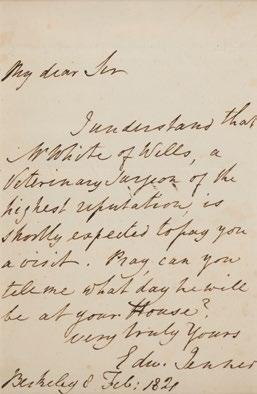
178. Edward Jenner Autograph Letter Signed, Regarding a “veterinary surgeon of the highest reputation”. English physician and scientist (1749–1823) often called the ‘father of immunology,’ who successfully tested his smallpox inoculation in 1796. ALS signed “Edw. Jenner,” one page, 4 x 6.5, February 1821. Handwritten letter to a gentleman, in full: “I understand that Mr. White of Wells, a veterinary surgeon of the highest reputation is shortly expected to pay you a visit. Pray, can you tell me what day he will be at your house?” Attractively double–suede-matted with an engraved portrait and biographical plaque, and framed to an overall size of 18.5 x 18. In fine condition.
When Edward Jenner tested the strength of his vaccine by injecting eight-year-old James Phipps with the smallpox virus to see whether or not his inoculated patient would resist the virus, as he expected, he put his medical reputation on the line. Jenner’s contribution was not simply in identifying secretions from cowpox blisters as an effective vaccine, but in staking his career on it; when Phipps showed no sign of infection—along with 23 other patients subjected to the same procedure—the medical community began to consider the cowpox inoculation as the solution, eventually accepting it in 1840. Written near the end of his life, the same year that he was appointed Physician Extraordinary to King George IV and made Mayor of Berkeley and Justice of the Peace, this is an exceptional letter from one of the most important figures in modern medicine. From the personal collection of a lifelong collector, teacher, and traveler with a passion for world history. His collecting years ranged from the 1970s to the present day, meaning that several of the premier pieces have not been on the market in decades. Starting Bid $200
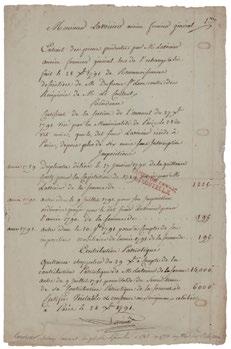
179. Antoine Lavoisier Document Signed. Extremely influential French chemist (1743–1794) noted for his discovery of the role oxygen plays in combustion; he was executed by guillotine during the French Revolution due to his involvement with the deeply unpopular Ferme Générale. Manuscript DS in French, signed “Lavoisier,” one page, 9 x 14, September 28, 1791. Financial document pertaining to poll and property taxes paid in Paris, signed at the conclusion in ink by Antoine Lavoisier. In fine condition, with a band of toning from a binder page on the right edge. From the personal collection of a lifelong collector, teacher, and traveler with a passion for world history. His collecting years ranged from the 1970s to the present day, meaning that several of the premier pieces have not been on the market in decades. Starting Bid $200
180. Pierre Louis Maupertuis
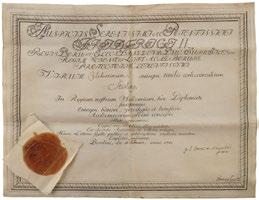
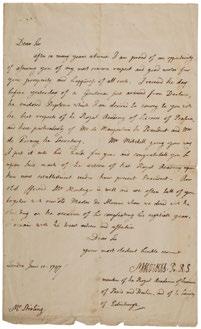
Signed ‘Royal Prussian Academy of Sciences’ Membership Diploma Presented to Scottish Mathematician James Stirling (1747). Partly-printed vellum DS in Latin, signed “P. L. Moreau de Maupertuis, pres’t,” one page, 14 x 10.75, issued from Berlin, Germany, on February 14, 1747. A membership diploma from the Royal Prussian Academy of Sciences presented to Scottish mathematician James Stirling, which reads (translated): “Under the auspices of the Most Serene and Most Powerful Frederick II, King of Prussia, Elector of Brandenburg, Duke of Silesia, etc., Most Clement Protector of the Royal Prussian Academy of Sciences and Letters, We receive, by this diploma, the most renowned man, Stirling, to be honored and adorned with his titles, into our Royal Academy; and we duly invest him with the honor, privileges, and benefits granted to the order of Academicians.” Signed at the conclusion by Maupertuis as the academy’s president, and by Johann Heinrich Samuel Formey as secretary. The original wax seal is detached but present. Included with the diploma is an LS from British polymath Martin Folkes, then serving as president of the Royal Society of London, forwarding the honor to “Mr. Stirling” on June 10, 1747. The letter, signed “M: Folkes, Pr., R.S.,” one page, 7.25 x 11.75, reads, in part: “After so many years absence I am proud of an opportunity of assuring you of my most sincere respect and good wishes for your prosperity and happiness of all sorts. I received the day before yesterday of a Gentleman just arrived from Berlin, the endorsed Diploma which I am desired to convey to you with the best respects of the Royal Academy of Sciences of Prussia, and those particularly of Mr. de Maupertuis the President and Mr. de Formey the Secretary.” In overall fine condition, with heavy intersecting folds to the document, and light edgewear and spotting to the letter.Read more at www.RRAuction.com. Starting Bid $200
“Would be much obliged if you can send Middlemarch to the station”
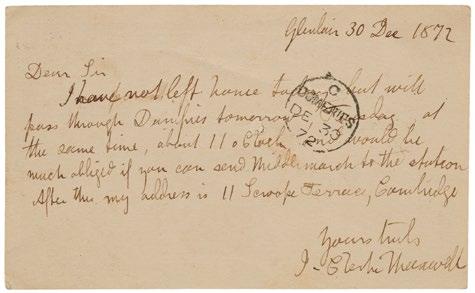
181. James Clerk Maxwell Autograph Letter Signed, Requesting a Copy of George Eliot’s Middlemarch on His Return to Cambridge. Scottish physicist and mathematician (1831-1879) who was responsible for the classical theory of electromagnetic radiation, which was the first theory to describe electricity, magnetism, and light as different manifestations of the same phenomenon. Maxwell’s equations for electromagnetism achieved the second great unification in physics, whereas the first had been realized by Isaac Newton. ALS signed “J. Clerk Maxwell,” one page, 4.75 x 3, postcard letterhead, December 30, 1872. Handwritten letter to bookseller Wellwood Anderson, in full: “I have not left home for long but will pass through Dumfries tomorrow, Tuesday, at the same time, about 11 o’clock, and would be much obliged if you can send Middlemarch to the station. After this my address is 11 Scroope Terrace, Cambridge.” Addressed on the reverse in Maxwell’s hand. In fine condition.
While fellow revolutionary minds Albert Einstein and Isaac Newton are scarce and desirable in their own right, autographic material from Maxwell remains virtually unobtainable. This example, just the second we have offered, is notable in that it references his address at Cambridge—where he served as the first Cavendish Professor of Experimental Physics from 1871—and reveals his literary preferences, asking for a
copy of Middlemarch, George Eliot’s enduringly popular and profoundly influential novel of English provincial life.
Maxwell’s discoveries helped usher in the era of modern physics, laying the foundation for special relativity and quantum mechanics. Many physicists regard Maxwell as the 19th-century scientist to have had the greatest influence on 20th-century physics, and his contributions to science are considered by many to be of the same magnitude as those of Newton and Einstein.
In 1922, when Einstein was told by his host at Cambridge University that he had achieved greatness because he stood on the shoulders of Newton, Einstein replied: ‘No I don’t. I stand on the shoulders of Maxwell.’ Maxwell was Einstein’s personal scientific hero and was said to have kept a portrait of him on his study wall alongside pictures of Michael Faraday and Isaac Newton. Maxwell’s work served as a direct inspiration to Einstein and his Theory of Relativity. From the personal collection of a lifelong collector, teacher, and traveler with a passion for world history. His collecting years ranged from the 1970s to the present day, meaning that several of the premier pieces have not been on the market in decades. Starting Bid $1000
Rare handwritten letter from Dmitri Mendeleev, appealing to the director of the Imperial Public Library to employ the “son of an artist at a porcelain factory”
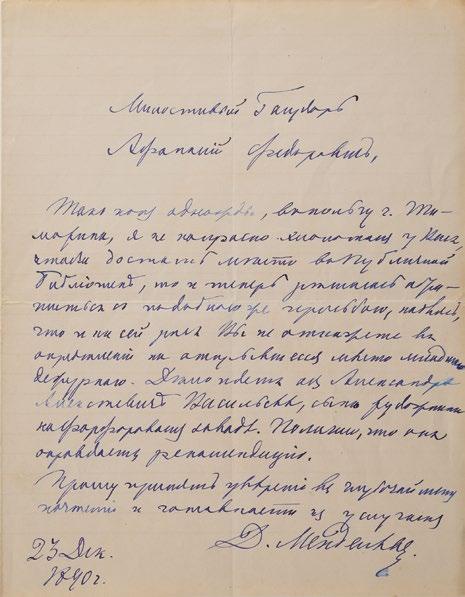
182. Dmitri Mendeleev Autograph Letter Signed - Coveted Handwritten Letter from the Russian Chemist and Inventor. Russian chemist and inventor (1834–1907) who formulated the Periodic Law and created a predictive version of the periodic table of elements. ALS in Russian, signed “D. Mendeleev,” one page, 8.25 x 10.5, December 23, 1890. Handwritten letter addressed to the director of the public library, Afanasy Fedorovich Bychkov (1818-1899), in full (translated): “Since I once, on behalf of Mr. Tamarin, not in vain bothered you to get a place in the Public Library, I have now decided to make a similar request. I hope that this time, too, you will not refuse to [appoint] Alexander Alekseevich Vasiliev, son of an artist at a porcelain factory, to the vacant position of junior duty officer. I believe that he will live up to the recommendations. Please accept the assurance of my deepest respect and readiness to serve.” In fine condition. Afanasy Fedorovich Bychkov (1818–1899) was a Russian historian, archaeographer, bibliographer, and paleographer. He was elected an academician of the St. Petersburg Academy of Sciences in 1869, served as director of the Imperial Public Library from 1882 to 1899, and became a member of the State Council in 1890. He held the rank of Actual Privy Councilor. Starting Bid $1000
183. William T. G. Morton Autograph Letter Signed - The Pioneer of Surgical Anesthesia. ALS signed “W. T. G. Morton,” two pages on two adjoining sheets, 5 x 7.75, June 18, 1855. Handwritten letter, in part: “You promised to come up and see me in May…but I will excuse you if you will come now. It has recently occurred to me how you could make a little money and I now remember you were quite right in saying that I told you so but the thought never came into my mind again until a day or two since.” In fine condition, with a short, unobtrusive tear to the bottom edge. Two years after starting his own dental practice, Morton famously demonstrated the usage of ether as a reliable painkilling chemical at Massachusetts General Hospital on October 16, 1846, when he successfully and painlessly extracted a tumor from the neck of Edward Abbott. Upon receiving a patent for his inhalant, Morton was confronted with claims that others had first discovered the surgical benefits of ether. To legitimize his findings and to seek a ‘national recompense’ of $100,000, he applied to Congress three different times. On Morton’s fourth attempt he hired attorney Horace Cornwall to expedite research, but due to travel costs and mounting legal bills, he was forced to pay Cornwall in modest installments. On April 19, 1854, Morton’s bill ‘to recompense the discoverer of practical anesthesia’ passed the Senate, but a rapid turnaround by the House caught Morton by surprise and unprepared, and resulted in the bill’s prompt dismissal. Morton never did receive full satisfaction for his claims, and he and his family spent many years in nearly destitute circumstances. From the personal collection of a lifelong collector, teacher, and traveler with a passion for world history. His collecting years ranged from the 1970s to the present day, meaning that several of the premier pieces have not been on the market in decades. Starting Bid $300
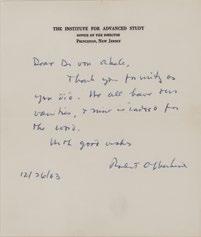
“We all have our vanities, & mine is indeed for the word”—
Oppenheimer writes to a Professor of English at American University
185. Robert Oppenheimer Autograph Letter Signed. ALS, one page, 5.5 x 6.5, The Institute for Advanced Study (Office of the Director) letterhead, December 26, 1963. Handwritten letter to Dr. Rudolph von Abele, Professor of English at American University, in full: “Thank you for writing as you did. We all have our vanities, & mine is indeed for the word.” In very fine condition. Accompanied by the original mailing envelope hand-addressed by Oppenheimer. From the personal collection of a lifelong collector, teacher, and traveler with a passion for world history. His collecting years ranged from the 1970s to the present day, meaning that several of the premier pieces have not been on the market in decades. Starting Bid $200
“Work hard and do not forget, in your leisure time, to read poetry, the inner source that can so easily fill lonely hours and bring consolation”
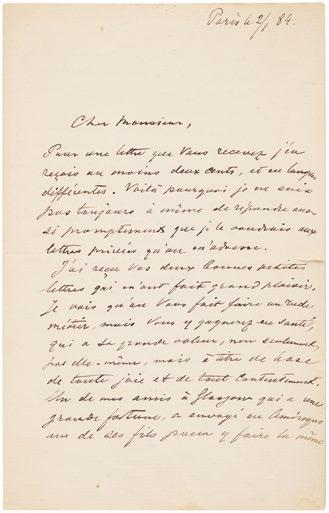
184. Alfred Nobel Autograph Letter Signed: “For each letter you get, I receive at least two hundred, and in different languages”. Swedish chemist, engineer, inventor, businessman, and philanthropist (1833–1896) known for inventing dynamite and for bequeathing his fortune for the establishment of the Nobel Prize. ALS in French, signed “A. Nobel,” one page both sides, 5.25 x 8.25, January 2, 1884. Handwritten letter to a gentleman, in full (translated): “For each letter you get, I receive at least two hundred, and in different languages. That is why I cannot answer as promptly as I would like to the personal letters I receive. I was very pleased to receive your two nice little letters. I can see that they have you doing a tough job, but it will be good for your health, which is very important not only in itself but as a prerequisite for all
joy and satisfaction. One of my Glasgow friends, a very rich man, sent one of his sons to America to do basically the same job you do and endue the same fatigues and privations as you do. It is hard for now but good for the future. We have just begun a new year and I use this occasion to wish you all that youth can desire and the will to make it come true. Work hard and do not forget, in your leisure time, to read poetry, the inner source that can so easily fill lonely hours and bring consolation.” In fine condition. From the personal collection of a lifelong collector, teacher, and traveler with a passion for world history. His collecting years ranged from the 1970s to the present day, meaning that several of the premier pieces have not been on the market in decades. Starting Bid $500
“Do dogs exist (as a race or individually) that are naturally immune to rabies?”—
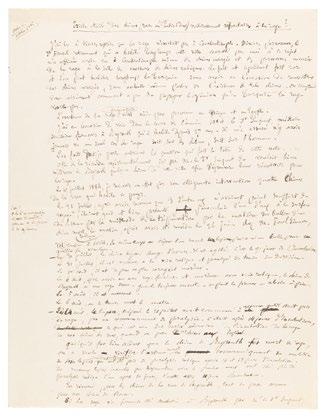
186. Louis Pasteur Handwritten Manuscript on Rabies Experiments: “Do dogs exist (as a race or individually) that are naturally immune to rabies?”. Significant handwritten manuscript in French by Louis Pasteur, unsigned, one page both sides, 6.25 x 8.25, Arbois, October 1884. Remarkable manuscript penned during his rabies research, dating to eight months before the first successful human vaccination. Headed, “Do dogs exist (as a race or individually) that are naturally immune to rabies?,” the manuscript reads, in part (translated): “I have often read that rabies does not exist in Constantinople. However, several people I have consulted, most notably Dr. Fauvel, who have lived there for a long time, confirmed to me that they have definitely seen rabid dogs and people with rabies who have been bitten by those dogs in Constantinople. Although it is very rare, you can live a long time in Turkey without ever having seen a rabid dog or even heard of its existence.
It is understandable how the rumor was spread that rabid dogs do not exist. Nobody denies the existence of rabies in either Africa or Egypt. In 1884, I had the opportunity to meet Dr. Sergent, a French public health doctor who has been living in Beirut for the past 27 years. He assured me that he had never seen a single case of rabies, either in dogs or in humans. These facts force me to ask the question which is the subject of this note. To resolve these queries experimentally, I asked Doctor Sergent to kindly send me some dogs from Beirut so that I could once and for all prove their immunity against rabies.” He goes on to discuss his experiment, in which the dogs from Beirut did indeed succumb to rabies. Pasteur concludes: “If rabies has never been observed in Beirut by Dr. Sergent, and if it does not seem to exist in Syria, it is because no one has ever brought it there. The dogs of these countries are ostensibly as susceptible as ours. So, our answer to the initial question we asked is NO. We have here a strong argument in favor of the opinion that rabies is never spontaneous.” In fine condition. Starting Bid $1000
A grateful Pasteur forwards “a copy of my work on the disease of the silkworm” —desirable signed book and handwritten letter combination from the groundbreaking scientist
187. Louis Pasteur (2) Signed Items - Autograph Letter and Book on Silkworm Disease. Two items signed by Louis Pasteur:
Signed book: Études sur la maladie des vers à soie, moyen pratique assuré de la combattre et d’en prévenir le retour [Studies on silkworm disease: a practical and reliable method to combat it and prevent its recurrence] by Louis Pasteur: Volumes I and II. Paris: Gauthier-Villars, Imprimeur-Libraire, 1870. Hardcover bound in quarter-leather with marbled boards and textblock, 6.25 x 9, 649 pages. Signed and inscribed on the half-title page in fountain pen, “A Madam Priestley, Hommage à la plus respectueuse sympathie, L. Pasteur, 7 aout, 1881.”
Affixed to an opening page of the offered book is an ALS signed “L. Pasteur,” one page, 5.25 x 8, August 19, 1881, sent from Paris and addressed to the book’s recipient, “Madam Priestley,” presumably Eliza Chambers Priestley, the wife of physician William Overend Priestley and the daughter of the noted publisher and geologist Robert Chambers. The handwritten letter, in part (loosely translated): “Yesterday I had posted to your London address a copy of my work on the disease of the silkworm. Please accept it as a small token of
gratitude in recognition of all the kindnesses that you and Mr. Priestley bestowed upon us during our stay in London, and of which my sons and I retain such a pleasant memory. As soon as I receive the photograph that I had taken in London, I shall hasten to send you a copy. The ones I presently have in Paris are not worthy of being offered to you.” The letter is in fine condition; the book signed page is very good to fine, with scattered foxing. Book condition:
In 1865, at the request of the French government, Louis Pasteur began investigating pébrine, a disease devastating silkworm farms in southern France. What was initially a practical effort to save the silk industry became a five-year endeavor (1865–1870) that transformed his scientific career. Entering a field entirely new to him, Pasteur developed an original and effective method to eliminate the pathogens infecting silkworm populations, while also establishing a more rigorous understanding of infection, contagion, and heredity. This work marked a decisive turning point, as Pasteur moved beyond his training as a chemist and laid conceptual foundations that would later extend to animal and human disease, effectively ushering him into biology. Starting Bid $200
Pavlov writes to a scientific colleague: “I would like to talk to you about work and dogs”
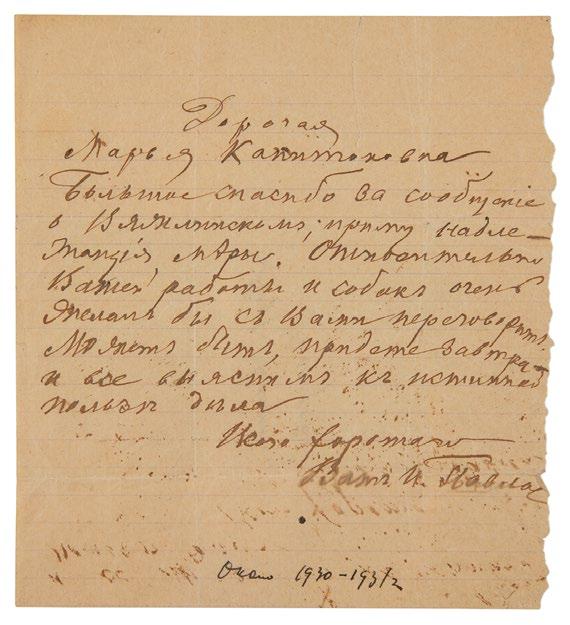
188. Ivan Pavlov Autograph Letter Signed: “I would like to talk to you about work and dogs”. Russian physiologist (1849–1936) best known for his investigation of conditioned reflex through the use of experiments involving salivating dogs. He was awarded the Nobel Prize in Medicine in 1904. ALS in Cyrillic, signed “Yours, I. Pavlov,” one page, 6.75 x 7.25, no date but annotated “1930–1931” in another hand. Handwritten letter by Pavlov to a colleague, in part (translated): “Dear Mariya Kapitonovna, Thank you very much for your message…I’ll take care of it. I would like to talk to you about work and dogs. Maybe you can come tomorrow and we’ll clarify all for the real benefit of the cause.” In very good to fine condition, with some offsetting to ink and a bit of blurring to the closing sentiment and signature.
Mariia Kapitonovna Petrova was a student and co-worker of Ivan Pavlov from 1910 to 1936, devoting her research to the physiology and pathology of higher nervous activity and the study of experimental neuroses caused by overstrain and by the interaction of excitation and inhibition in the cerebral cortex and the dependence of these processes on the animal’s type of nervous system. At the famed ‘Pavlovian session’ of 1950, she was praised as a follower of Pavlov’s legacy. A supremely desirable letter by the celebrated experimental researcher to one of his devotees, referring to his most famous scientific test subjects: dogs. Starting Bid $500
189. Ivan Pavlov Twice-Signed Autograph Letter as a Medical Student. Russian physiologist (1849–1936) best known for his investigation of conditioned reflex through the use of experiments involving salivating dogs. He was awarded the Nobel Prize in Medicine in 1904. ALS in Cyrillic, one page, 9 x 14, May 11, 1876. Pavlov writes to the “Director of the Imperial Medical Academy,” in full (translated): “From third year medical student Ivan Pavlov. Request to His Majesty to release the summer scholarship for June, July, and August.” The director has approved his request in the left margin in purple ink: “Ivan Pavlov passed the examination with satisfactory marks thus he will be granted the scholarship money.” In fine condition, with some trivial corner loss.
This letter dates from a formative period when Pavlov was still undertaking the scientific research which would later shape his extremely successful career. Pavlov’s undergraduate study had been rigorous: between 1870 and 1875, he studied natural science, math, and physics at the University of St. Petersburg. He then enrolled in the Imperial Medical & Surgical Academy where he completed his doctorate and postgraduate fellowship, graduating in 1879 with a gold medal award. Pavlov would later return to the Imperial Medical & Surgical Academy to chair its physiology department for three decades. From the personal collection of a lifelong collector, teacher, and traveler with a passion for world history. His collecting years ranged from the 1970s to the present day, meaning that several of the premier pieces have not been on the market in decades. Starting Bid $300
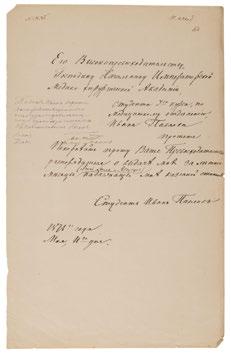
“I have many more theological affairs on the anvil. These are my favorite studies, but I cannot live by them”
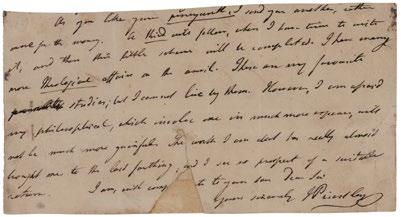
190. Joseph Priestley Partial Autograph Letter Signed - Scarce Letter from the Discoverer of Oxygen. English theologian, philosopher, and scientist who is credited with the discovery of oxygen (1733–1804). Partial ALS signed “J. Priestley,” one page, 7.75 x 4, no date. Closing portion of a handwritten letter to an unknown recipient, ostensibly British physicist John Canton, in part: “As you like your pennywork, I send you another, either more for the money. A third will follow, when I have time to write it, and then this little scheme will be completed. I have many more theological affairs on the anvil. These are my favorite studies, but I cannot live by them. However, I am afraid my philosophical…will not be much more gainful. The work…really almost brought me to the last farthing, and I see no prospect of a suitable return.” The reverse bears a florid salutation addressed to “Mr. J. Canton.” In very good to fine condition, with trimmed edges, and restored paper loss to the bottom edge, which affects several words of text. From the personal collection of a lifelong collector, teacher, and traveler with a passion for world history. His collecting years ranged from the 1970s to the present day, meaning that several of the premier pieces have not been on the market in decades. Starting Bid $200
191. Wilhelm Rontgen Autograph Letter Signed. Distinguished German physicist (1845-1923) who discovered X-rays in 1895, for which he was awarded the first Nobel Prize in Physics in 1901. ALS in German, signed “W. C. Rontgen,” one page, 4.5 x 7, August 24, 1920. Handwritten letter explaining that although he once had photographs “held by many friends to be lifelike,” he no longer has copies at his disposal and can therefore not fulfill his correspondent’s request. Handsomely mounted, matted, and framed with a portrait to an overall size of 21.75 x 18; on the reverse are the affixed certification and seal of famed autograph dealer Charles Hamilton. In fine condition, with two small file holes at the left edge. Starting Bid $200
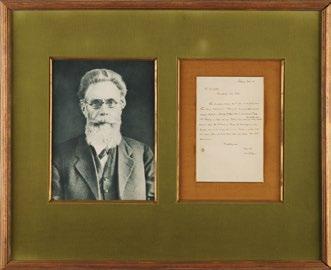
Rontgen writes in the year of his discovery of the X-ray
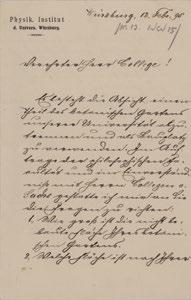
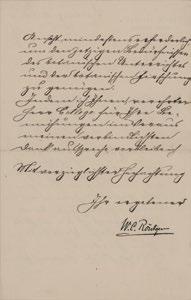
192. Wilhelm Rontgen Letter Signed from the Year of His X-ray Discovery, Preparing to Defend His University’s Botanical Garden. Distinguished German physicist (1845-1923) who discovered X-rays in 1895, for which he was awarded the first Nobel Prize in Physics in 1901. LS in German, signed “W. C. Rontgen,” one page both sides, 5 x 7.75, University of Würzburg Physics Institute letterhead, February 12, 1895. Letter to a colleague, in part (translated): “There is a plan to cut off part of the botanical garden of our university and to use it as a construction site. In the name of the Philosophy Department and with the agreement of my colleague Professor v. Sachs, I am taking the liberty to address two questions to you: 1. How large is the undeveloped area of your botanical garden? 2. What do you think is the minimum size area to satisfy the current requirements of teaching and researching biology? I thank you in advance for your effort.” In fine condition. Founded in 1696 as a medicinal garden for a hospital, the University of Würzburg’s botanical garden became part of the university in 1854 and was relocated near the Physics Institute in 1873. In 1895, a proposed building project threatened the garden’s existence, but it was successfully defended through the efforts of Röntgen, then university rector, and his colleagues. That same year, Röntgen made his groundbreaking discovery of X-rays, a contribution that quickly earned international recognition and culminated in the first Nobel Prize in Physics in 1901. Although the garden was nearly destroyed during World War II and later moved outside the city in 1960, its former site now commemorates Röntgen’s achievement with the X-ray Monument. Starting Bid $300
193. Nikola Tesla Autograph Letter Signed. Choice ALS signed “N. Tesla,” one page, 5.25 x 6.75, personal monogram letterhead, November 16, 1904. Handwritten letter to “Prof. Osborn,” in full: “Please accept and transmit to all of your family my warm felicitations. Looking to the pleasure of personal acquaintance.” In very fine condition.
In 1904, Nikola Tesla was working primarily in New York, focusing on ambitious but financially strained projects related to wireless transmission of energy and information. He was still promoting the ideas behind his Wardenclyffe Tower, aiming to transmit wireless communications and power across long distances, though funding—especially from J. P. Morgan—had largely dried up by this point. From the personal collection of a lifelong collector, teacher, and traveler with a passion for world history. His collecting years ranged from the 1970s to the present day, meaning that several of the premier pieces have not been on the market in decades. Starting Bid $500
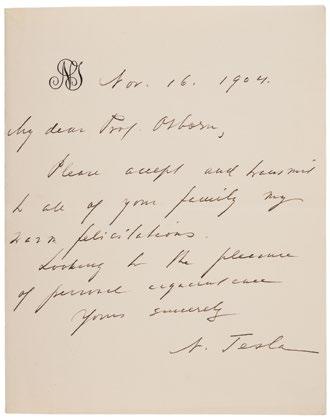
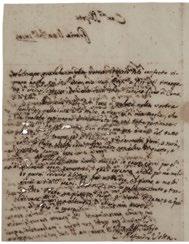
194. Alessandro Volta Autograph Letter
Signed. Italian physicist (1745–1827) best known for his epochal investigations into the nature and uses of electricity, leading him to invent the battery; the unit denoting the potential difference or electromotive force was named the volt in his honor. ALS in Italian, one page both sides, 7 x 9.5, February 20, 1818. Handwritten letter to his nephew, Alessandro Rejna, at Como, discussing the employment of another nephew, and the prospects among professors and their assistants. In part (translated): “I am not pleased that your brother the young Count has not been included…I have no doubt that it will deliver a good pension, in view of his long services; and of the motion there would not be probably agreed an employment for him outside his own country, without great increase. In this disaster of the jobs there are too many discontented people…but we need patience, to believe in some better luck in time. This sole comfort remains here in Pavia, where various Professors and Assistants remain either excluded or suspended.” Professionally silked and in very good to fine condition, with ink erosion to several areas of the page. Starting Bid $200
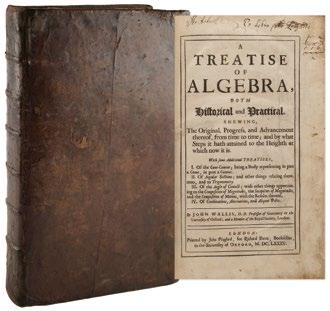
195. John Wallis: A Treatise of Algebra, Both Historical and Practical (1685). Significant mathematical book: A Treatise of Algebra, Both Historical and Practical, by John Wallis, Professor of Geometry in the University of Oxford. First edition. London: Printed by John Playford, for Richard Davis, Bookseller in the University of Oxford, 1685. Hardcover bound in contemporary dark brown calf, 8.25 x 13, with ten engraved folding plates. Book condition: G+/None, with wear and rubbing to boards, crease to edge of the frontispiece, ink inscriptions to title and first free end pages, and light soiling.
Described by Stedall as ‘the first substantial history of the subject,’ Wallis’s work combines a history of algebra with an exposition of its methods. Its final chapters treat exhaustion, indivisibles, infinite series, and other foundations of calculus, ensuring that Isaac Newton’s unpublished discoveries appeared in England before their dissemination elsewhere in Europe. A Puritan minister and Parliamentarian cryptographer, Wallis rose to Oxford’s chair of Geometry after the Royalist purge. He later declined Leibniz’s request to teach cryptography abroad and also published works in theology, logic, grammar, and philosophy. Starting Bid $200
“Here is my almost final version of Manners for Science — my life as a youth, scientist, and academic through June 1976, when my professorship at Harvard ended”
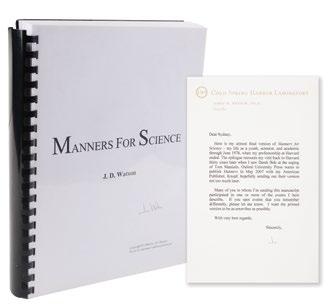
196. James D. Watson (2) Signed Items - Typed Letter and Draft of His Book Manners for Science (Avoid Boring People). Two items signed by legendary geneticist James Watson, both sent to Nobel Prize-winning South African biologist Sydney Brenner, and related to the release of his 2007 autobiography Avoid Boring People: Lessons from a Life in Science, which was originally titled Manners for Science. The first item is a TLS signed “Jim,” one page, 5.5 x 8.5, personal Cold Spring Harbor Laboratory letterhead, no date, in full: “Here is my almost final version of Manners for Science — my life as a youth, scientist, and academic through June 1976, when my professorship at Harvard ended. The epilogue recounts my visit back to Harvard thirty years later when I saw Derek Bok at the urging of Tom Maniatis. Oxford University Press wants to publish Manners in May 2007 with my American Publisher, Knopf, hopefully sending out their version not too much later. Many of you to whom I’m sending this manuscript participated in one or more of the events I here describe. If you spot events that you remember differently, please let me know. I want the printed version to be as error-free as possible.” The second item is the referenced spiral-bound “final version of Manners for Science,” 490 pages, 9 x 11, signed on the title page in black ballpoint, “Jim Watson.” In overall fine condition. Accompanied by a typed early review of Avoid Boring People that Brenner wrote on October 25, 2007, which bears a few handwritten corrections. Read more online at www.RRAuction.com. Starting Bid $200
197. James Watt Autograph Letter Signed. British engineer (1736-1819) who developed an efficient steam engine that served as a universal source of power and provided one of the most essential technological components of the early industrial revolution. The unit of power known as a ‘watt’ was named after him. ALS, one page, 4.75 x 5.75, July 5. Addressed from “3 Norfolk Street,” a handwritten letter to an unknown gentleman, in full: “I was very sorry for your disappointment on Friday, and I am also concerned that I cannot receive you tomorrow or Tuesday being engaged out of Town both days; but if convenient to you I shall be glad to see you here on Wednesday morning as soon after ten as may be convenient to you.” In fine condition. From the personal collection of a lifelong collector, teacher, and traveler with a passion for world history. His collecting years ranged from the 1970s to the present day, meaning that several of the premier pieces have not been on the market in decades. Starting Bid $200
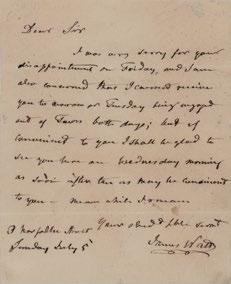
“People in this quarter are perfectly mad about Marino sheep...3500 Dollars may be obtained for your little flock within 60 days of this time”
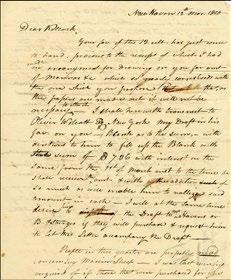
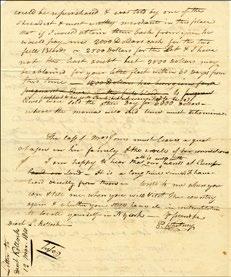
198. Eli Whitney Autograph Letter Signed on the Popularity of Merino Sheep: “3500 Dollars may be obtained for your little flock”. Important American inventor (1765–1825) remembered for developing the cotton gin, revolutionizing agriculture in the American South. ALS signed “E. Whitney,” one page both sides, 8 x 9.5, March 12, 1810. Handwritten letter to a business associate, in which Whitney discusses financial matters in his merchant trade. In small part: “I shall transmit to Oliver Wolcott Esq., New York. My draft in his favor on you. Blank or to the sum, with directions to him to fill up the blank with the sum $736 with interest on the same.” Whitney goes on to reveal: “People in this quarter are perfectly mad about Marino sheep—I was last evening enquired of if those that were purchased for you could be repurchased & was told by one of the shrewdest & most wealthy merchants in this place that if I would obtain them back from you he would pay me 2000 Dollars cash for the two full bloods or 2500 Dollars for the lot & I have not the least doubt but 3500 Dollars may be obtained for your little flock within 60 days of this time.” In fine condition. From the personal collection of a lifelong collector, teacher, and traveler with a passion for world history. His collecting years ranged from the 1970s to the present day, meaning that several of the premier pieces have not been on the market in decades. Starting Bid $200
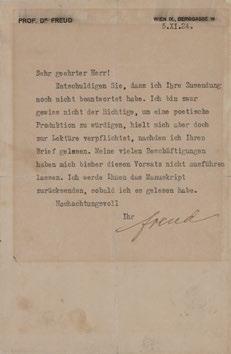
204. Sigmund Freud Typed Letter Signed: “I’ll return the manuscript to you after I’ve read it”. TLS in German, signed “Freud,” one page, 6 x 9, personal letterhead, November 5, 1924. Letter to a gentleman, in full (translated): “Forgive my not responding to your communication with enclosure before this. Although I am not the one competent to evaluate a poetic composition, I nevertheless feel obliged to give it a perusal after reading your cover letter. My many commitments have thus far prevented me from carrying out that resolve. I’ll return the manuscript to you after I’ve read it.” In very good to fine condition, with some faint stains, and toning from prior display. From the personal collection of a lifelong collector, teacher, and traveler with a passion for world history. His collecting years ranged from the 1970s to the present day, meaning that several of the premier pieces have not been on the market in decades. Starting Bid $200
205. Carl Jung Letter Signed, Sending Appreciation for a Lecture. Influential psychologist (1875–1961) recognized as the founder of analytical psychology. LS in German, signed “C. G. Jung,” two pages, 8.25 x 11, August 1934. Untranslated letter in pencil signed by several individuals, expressing gratitude and appreciation for a lecture. In fine condition. Starting Bid $200
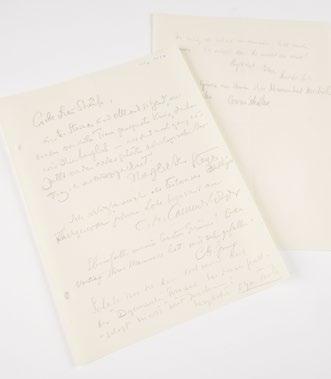
“Atropates gave Alexander a hundred women, whom he called Amazons, dressed in the habit of male riders, except that they carried axes instead of lances and elongated shields”
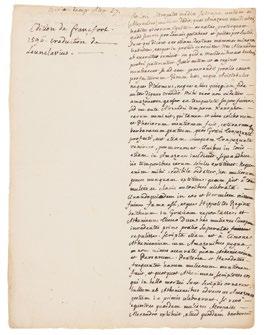
206. Jean-Jacques Rousseau Handwritten Manuscript on Alexander the Great and the Historical Existance of the Amazons. Important Swiss-French philosopher and writer (1712-1778) who held that the individual is essentially good but usually corrupted by society. Unsigned handwritten manuscript fragment in French by Jean-Jacques Rousseau, one page, 7.5 x 10, no date but circa 1746. A handwritten extract from the Latin translation of Arrian’s ‘Anabasis of Alexander,’ discussing the historical existence of the Amazons, stemming from his time as the private secretary to the famous salonnière Louise Marie Madeleine Fontaine, called Madame Dupin (1706–1799).
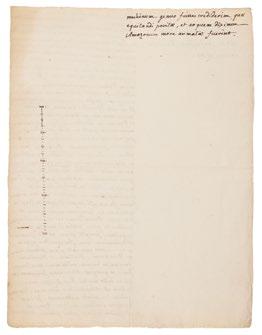
In part (translated): “Edition of Frankfurt. 1596. translation by Leunclavius. Atropates gave Alexander a hundred women, whom he called Amazons, dressed in the habit of male riders, except that they carried axes instead of lances and elongated shields. Some say that they also had smaller right breasts, and that they exercised them in battles. Alexander sent them away from the army, lest they should suffer any disgrace from the Macedonians. But he ordered them to announce to the queen that he would come to her for the sake of generating children. But neither Aristobulus nor Ptolemy, nor any other trustworthy author, has handed down this story. To me, indeed, it does not seem that a nation of Amazons existed at that time…The battle of the Athenians against the Amazons is also written about by Cimon, no less accurately than the wars of the Athenians and Persians. Moreover, Herodotus frequently mentioned these women, and all the Athenian writers celebrated the war waged by the Athenians against the Amazons as the first among those who died in the war.”
When Jean-Jacques Rousseau was introduced to Madame Dupin in 1743 he was immediately drawn to the salonnière who was famed for her beauty, wit, and intelligence. Although the infatuated Rousseau had to be discouraged from making unrequested advances to her, Madame Dupin employed the young philosopher as her private secretary and tutor for her son JacquesArmand in 1745. During his employment Rousseau was mainly occupied with research for Madame Dupin’s magisterial work ‘On the Equality of Men and Women’ and the transcription of her dictation. The excerpt at hand was part of Madame Dupin’s highly ambitious project. Starting Bid $300
that
has
Letter Signed. Highly influential AustrianBritish philosopher (1889–1951) whose greatest contributions were in the fields of logic, philosophy of mathematics, and language. ALS in German, signed “Ludwig Wittgenstein,” one page, 5 x 8, May 23, 1950. Handwritten letter to to Barbara Gaun, housekeeper to the Wittgenstein family from 1912 to 1951, in full (translated): “I only want to tell you that I am often thinking of the wonderful time we had in Vienna, particularly of the great kindness you extended towards my sisters Mining and Wicki. Personally I am doing well and I can assure you that I suffer of no other disease than plain laziness. Hoping you in Vienna are enjoying the same beautiful days as we are having right now. Summer is almost with us. Please extend our most cordial regards to everyone.” In very fine condition.
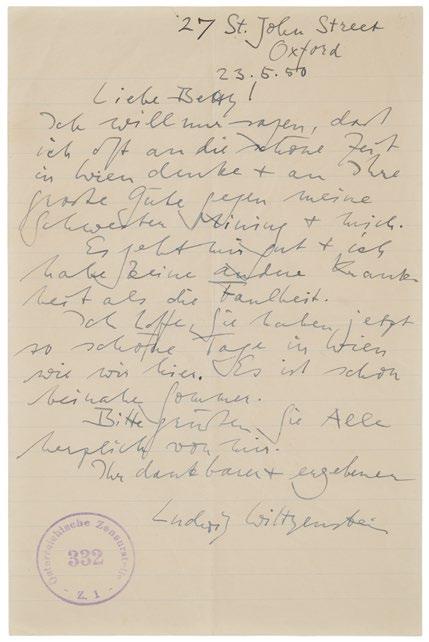
In 1950, three years after resigning his professorship at Cambridge to concentrate on his writing, Wittgenstein was diagnosed with incurable prostate cancer-a fact that he seemingly kept to himself when he returned to his family home to visit his dying sister Hermine at the start of the year. “I can assure you that I suffer of no other disease than plain laziness,” he writes to the family’s longtime housekeeper, thanking her for her kind treatment of his sisters and shrugging off his own troubles. Following Hermine’s death in February, he stayed with various friends—G.H. von Wright in Cambridge during April, then Rush Rhees in London, and finally Elizabeth Anscombe in Oxford, where he wrote this letter. He then returned to Cambridge, where he began work on his final manuscripts—posthumously published as Remarks on Colour and On Certainty—before passing away at the end of April in 1951. A charmingly cheerful letter from the influential philosopher, exuding the positivity that he found in his final days, which ended with the touching remarks, ‘Tell them I’ve had a wonderful life.’ From the personal collection of a lifelong collector, teacher, and traveler with a passion for world history. His collecting years ranged from the 1970s to the present day, meaning that several of the premier pieces have not been on the market in decades. Starting Bid $500
“The ‘Tutankhamun Curse’ was his invention”
—Howard Carter applauds the recent death of Arthur Weigall, “a menace to Archaeology”
213. Howard Carter
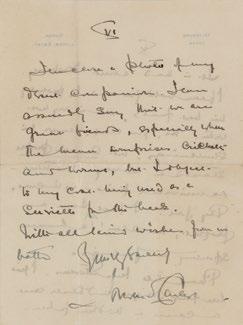
Autograph Letter Signed on “The ‘Tutankhamun Curse’”. British archaeologist and Egyptologist (1874-1939) whose discovery of the tomb of Tutankhamun in Egypt’s ‘Valley of the Kings’ proved to be one of the signal events in the history of archaeology. ALS, three pages both sides, 5.25 x 7, Curna, Luxor, Egypt letterhead, January 21, 1934. Handwritten letter to Helen Ionides, in part: “Thank you indeed for your two most interesting letters…I also must thank you for the newspaper cuttings. The death of the Duchess of Alba was very sad—the more so, poor woman, she had been for years gradually fading away. T. B. is an awful disease. I fear I must admit that I have not the same sentiments with regard to Weigall. In fact his death is a real blessing. For although he was a clever writer, he was cunning. His inventions had no basis and thus a menace to Archaeology. Those of them for temporary excitement and amusement at the expense of others. The ‘Tutankhamun Curse’ was his invention. Believed out of pique—a sort of vengeance—towards his loyal friend Lord Carnarvon who, because Weigall came out solely as correspondent of the Daily Mail, was obliged to treat him like the other newspaper correspondents. He was never at the opening of the discovery. He was the last of the correspondents to arrive, several minutes afterwards. But enough of this venom I must direct to a more pleasant subject.” Carter then moves on to discuss his colleague Newberry, his correspondent’s trip to Egypt, Ruth Draper (“a charming woman”) and other matters. In fine condition.
Lord Carnarvon, the financial backer for the search for and excavation of Tutankhamun’s tomb in the Valley of the Kings, had granted The Times exclusive access in exchange for £5000 plus 75% of profits generated from the King Tut story. Although this helped to finance the work, it created resentment both from other newspaper reporters—most notably Weigall, an Egyptologist covering the story for the Daily Mail—and from the Egyptian authorities, whose own press was also excluded. Weigall reportedly witnessed Lord Carnarvon joking as he prepared to enter the tomb, turned to a fellow reporter, and said: ‘If he goes down in that spirit, I give him six weeks to live.’ Carnarvon died after being bitten by a mosquito within the allotted time, and the ‘curse of the pharaohs’ was born. From the personal collection of a lifelong collector, teacher, and traveler with a passion for world history. His collecting years ranged from the 1970s to the present day, meaning that several of the premier pieces have not been on the market in decades. Starting Bid $1000
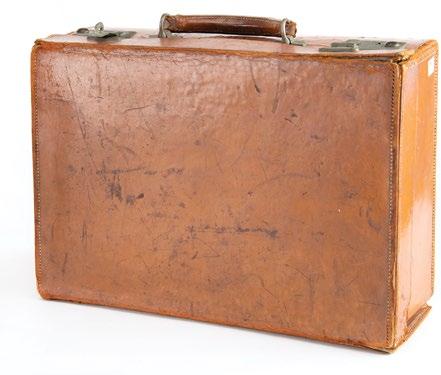
214. Howard Carter’s PersonallyOwned Monogrammed Briefcase. Howard Carter’s personally-owned brown leather briefcase by Drew & Sons Ltd of Piccadilly Circus, boasting his initials monogrammed on top, “ƆHC,” so as to be read in both directions. Carter’s briefcase measures 16˝ x 11˝ x 5.75˝, and has a built-in file folder system inside. In good to very good condition, with moderate to heavy wear to leather, and clean splits along the bottom panel such that the case is separated into two parts; the piece could likely be restored by an expert craftsman. A rather compelling object, likely to have accompanied the Egyptologist on some interesting journeys. Provenance: Estate of Howard Carter, Bonhams, June 12, 2012; accompanied by a letter of provenance signed by Carter’s great-great nephew, Jonathan Carter, certifying the briefcase as part of the Howard Carter archive that he inherited. From the personal collection of a lifelong collector, teacher, and traveler with a passion for world history. His collecting years ranged from the 1970s to the present day, meaning that several of the premier pieces have not been on the market in decades. Starting Bid $300
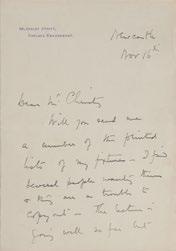
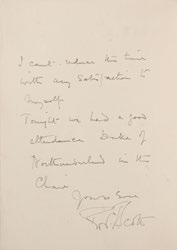
215. Robert
Signed. British naval officer and explorer (1868-1912) best known for the two expeditions he led to the Antarctic, the Discovery Expedition and the ill-fated Terra Nova Expedition. ALS signed “Robt. F. Scott,” one page both sides, 4.75 x 6.75, 56 Oakley Street letterhead, November 16, [1904]. Handwritten letter to noted English lecture agent Gerald Christy, in full: “Will you send me a number of the printed lists of my fixtures—I find several people wanting them & they are a trouble to copy out-The lecture is going well so far but I can’t reduce the time with any satisfaction to myself. Tonight we had good attendance Duke of Northumberland in the Chair.” In fine condition. Scott returned from his three-year Antarctic ‘Discovery’ Expedition a hero in September 1904, and remained occupied with speaking engagements and the publication of The Voyage of Discovery before resuming his full-time naval career in 1906. From the personal collection of a lifelong collector, teacher, and traveler with a passion for world history. His collecting years ranged from the 1970s to the present day, meaning that several of the premier pieces have not been on the market in decades. Starting Bid $200
222. William F. ‘Buffalo Bill’ Cody Signed Book - The Last of the Great Scouts. Signed book: The Last of the Great Scouts: The Life Story of Col. William F. Cody. Later printing. London: The Partington Advertising Company, 1903. Hardcover, 5.25 x 7.75, 296 pages. Signed and inscribed on the half-title page in fountain pen, “With the Compliments of the subject, W. F. Cody, ‘Buffalo Bill,’ To Mrs. Lilian White, Cardiff, July 6th, 1903.” Autographic condition: very good to fine, with foxing to the signed page affecting only appearance. Book condition: G+/None, with scattered scratches to boards, sunning and chipping to spine, and some dampstaining to rear endpapers. Consignor notes that the recipient was a performer with the Barnum & Bailey Circus; accompanied by a folding map of “The Barnum & Bailey Greatest Show on Earth Tour of the United Kingdom 1897–98,” bound in red hardcover boards. Starting Bid $200
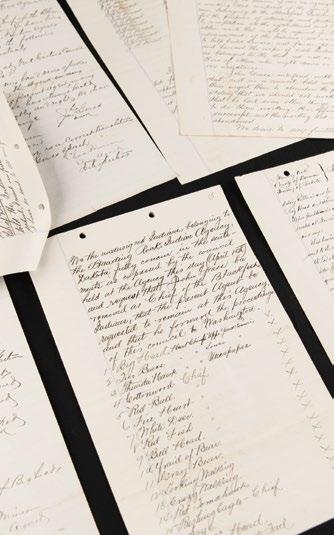
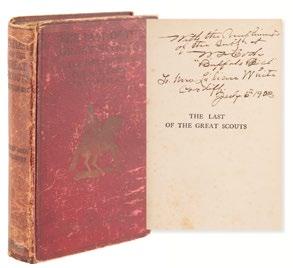
“John Grass wishes us to remain Indians, and advises the people not to listen to the Agent or the great father”
223. Sioux Indians Archive: Comprehensive Testimony Against Chief John Grass - “John Grass wishes us to remain Indians, and advises the people not to listen to the Agent or the great father”. Archive of documents regarding the Sioux Indians, mostly pertaining to issues with Chief John Grass at the Standing Rock reservation in 1881, plus one earlier report regarding rations provided to the Santee Sioux in 1868. This archive contains a series of manuscript documents detailing a leadership crisis at the Standing Rock Agency involving Chief John Grass of the Blackfoot Sioux. Accused by fellow chiefs, Indian policemen, and witnesses of conspiring with General W. P. Carlin to undermine Indian agent Father Joseph A. Stephan—known as the ‘fighting priest’—Grass is portrayed as obstructing farming efforts, resisting assimilation, and challenging agency authority. Testimony both supports and refutes the charges, with some affirming Grass’s loyalty and others accusing him of manipulation and dishonesty. The collection includes council proceedings, multiple depositions, and eyewitness accounts, offering a rare and detailed snapshot of tribal politics, federal authority, and internal conflict during a volatile period in U.S.–Native American relations. Starting Bid $500
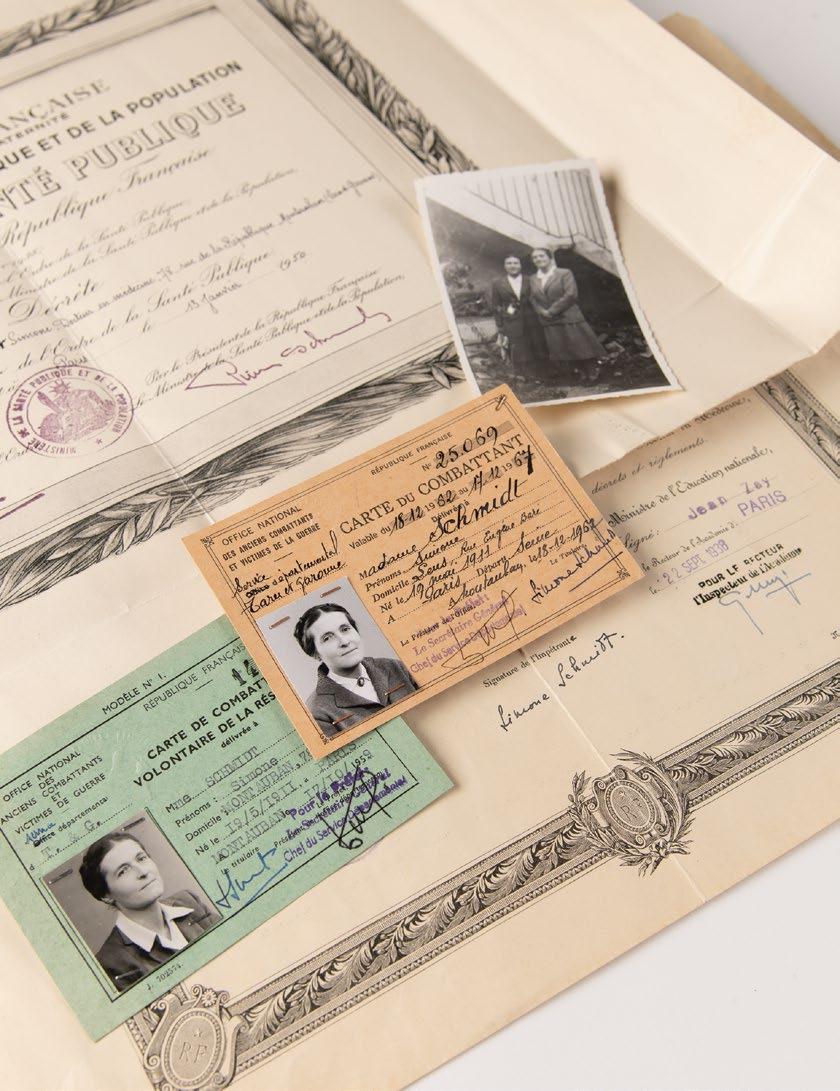
395. World War II: French Resistance - Archive of Dr. Simone Schmidt, Honored by Yad Vashem as Righteous Among the Nations. Dr. Simone Schmidt was a highly accomplished physician, a decorated public servant, and a courageous member of the French Resistance. Her story, as reflected through these documents, is one of professional excellence intertwined with extraordinary bravery during the darkest periods of the 20th century. Born on May 10, 1911, in Paris, she completed her medical training and earned her Doctor of Medicine degree on August 11, 1938, just before the outbreak of World War II. Her education not only enabled her to pursue a career in medicine but also became a critical tool for saving lives under the Nazi occupation. Included is her medical diploma, granted by the Faculty of Medicine in Paris and dated August 11, 1938, confirming that she completed her medical education and was authorized to practice medicine.
During the war, Dr. Schmidt was stationed at the Montauban Hospital in the Tarn-et-Garonne department, where she provided medical care to many in need. However, her role extended far beyond that of a typical physician. With the rise of German control and the collaborationist Vichy regime, Schmidt used her position to assist members of the Resistance and those persecuted by the Nazis. Her “Carte de Combattant Volontaire de la Résistance” documents her voluntary participation in the Resistance, a movement made up of individuals committed to undermining the German occupation. Through issuing false medical certificates and coordinating escapes, Schmidt risked everything to protect those in hiding, including Jews and Resistance fighters.
In the archive is Dr. Simone Schmidt’s “Carte de Combattant Volontaire de la Résistance,” acknowledging her voluntary participation in the French Resistance. It lists her residence in Montauban at 78 rue de la République. The card, issued on October 17, 1959, bears her photo and signatures, along with official stamps validating her involvement in the resistance movement during World War II. The designation on this card reflects her courageous efforts during the occupation.
One particularly significant act involved Mr. Goldstein, a Jewish refugee who had taken shelter near Montauban. When the militia closed in, Goldstein fled, only to be wounded and captured. Schmidt intervened by issuing a certificate stating that he was medically unfit to be transported, delaying his arrest and ultimately enabling his escape. This act
of defiance came at a great personal cost, as Schmidt was arrested for aiding his escape and issuing fraudulent medical documents. Rumors spread that she had been executed, but investigations after the war revealed that she had survived, a testament to her resilience.
Her actions did not go unrecognized. After the war, Simone Schmidt was officially honored for her contributions: she was promoted to Chevalier de l’Ordre de la Santé Publique on January 15, 1950, by the French Ministry of Public Health, acknowledging her commitment to public health and her vital work during and after the war. This honor reflects not only her competence as a physician but also the impact of her service on the broader community.
Then, in 1962, she received the “Carte du Combattant,” recognizing her as a veteran of the conflict. Issued by the Office National des Anciens Combattants et Victimes de la Guerre, the card recognizes Simone Schmidt as a combatant for her participation in war efforts. The card includes her name, address in the Seine department, and birth date of May 10, 1911, in Paris. It was issued on December 18, 1962, and was valid until December 17, 1967, indicating official recognition of her veteran status. The card is signed by both the Secretary General and the head of the departmental office.
Simone Schmidt’s most enduring recognition came from Yad Vashem in 1991, when she was named Righteous Among the Nations for her efforts to save Jews during the Holocaust. This honor is reserved for non-Jews who risked their lives to rescue Jews from persecution, and Schmidt’s name was engraved on the Wall of Honor at Yad Vashem in Jerusalem. This distinction serves as a lasting tribute to her humanity and courage. Included are photographs of Dr. Schmidt visiting Israel and her name on the Wall of Honor, as well as an earlier candid.
Finally, the lot is bolstered by dozens of pages of testimony regarding Dr. Simone Schmidt’s good works, including descriptions of her courageous acts. Together, these documents tell the extraordinary life story of Dr. Simone Schmidt—a woman who embodied both professional dedication and moral courage. As a physician, she saved lives; as a member of the Resistance, she risked her own. Her recognition as Righteous Among the Nations ensures that her name and actions will be remembered, standing as an enduring reminder of the power of compassion and bravery in the face of injustice. Starting Bid $200
“This picture which I have never before seen was taken on the beach at Gilla, Sicily... We were actually under fire”
394. George S. Patton Signed Photograph: The Only One Known of the General Actually Under Fire. Historic vintage matte-finish 8 x 10 photo of George S. Patton on the beach at Gela, Sicily, on July 12, 1943, signed and inscribed “To Ollie, from G. S. Patton, Jr.” Patton also captions the portrait on the reverse, misidentifying the date, writing: “Dear Ollie: This picture which I have never before seen was taken on the beach at Gilla, Sicily about 0800 on July 11, 1944. We were actually under fire and you can still see the wet marks on my breeches where I had just come ashore. The town of Gilla is in the background. George.” In very good condition, with rippling and paper loss from dampstaining, affecting the bottom edge and Patton’s handwriting on the back.
In July 1943, during the Allied invasion of Sicily, Lieutenant General George S. Patton commanded the U.S. Seventh Army in Operation Husky, tasked initially with protecting the British flank. Characteristically aggressive, Patton pushed beyond his orders, driving his forces rapidly across the island, capturing Palermo on July 22 and then racing Montgomery’s Eighth Army to Messina, which he seized on August 17—just ahead of the British. His bold maneuvers shortened the campaign and demonstrated his mastery of mobile warfare, but his time in Sicily was also marred by controversy, including two incidents in which he slapped hospitalized soldiers, leading to public censure and temporary damage to his reputation.
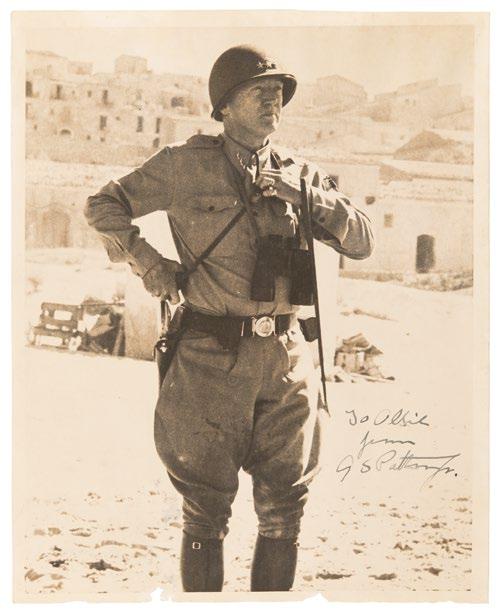
An accompanying photograph of an unidentified woman is curiously annotated on the reverse, “This photo was with the Patton SP. I presume that the lady is probably ‘Ollie’...No, it’s definitely not, Ollie was Elmer Oliphant.” Oliphant was a versatile athlete college football star at West Point from 1916–1917, succeeding Patton as one of the academy’s greatest athletes. While the two were not teammates, Patton’s status as a triple-sport letterman represented a precedent that Oliphant later exceeded. Oliphant’s four varsity letters forced West Point’s athletic council to design a special monogram which remains the only one of its kind. Correspondence between Patton and Oliphant resides in the George S. Patton Papers, held by the Library of Congress. Starting Bid $500
“Nelson of the Nile” takes his seat in the House of Lords
396. Horatio Nelson Autograph Letter Signed, Taking His Seat in the House of Lords as “Nelson of the Nile”. ALS signed “Nelson of the Nile,” one page, 7.25 x 9, postmarked November 17, 1800. Handwritten letter to Sir Isaac Heard, in full: “On Thursday next Lord Grenville is to attend me to the House in order to take my seat, therefore I place myself under your guidance.” Addressed on the integral leaf in Nelson’s own hand, adding his franking signature: “Nelson of the Nile.” In fine condition, with a thin mounting strip along the left edge.
After defeating the French at the Battle of the Nile in 1798, Horatio Nelson was raised to the Peerage of Great Britain on November 6, 1798 as Baron Nelson of the Nile, and his signature in that format is quite scarce. Starting Bid $300
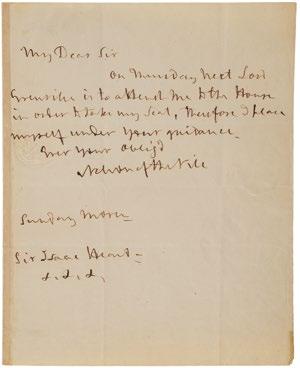
makes reference to his favorite ship,
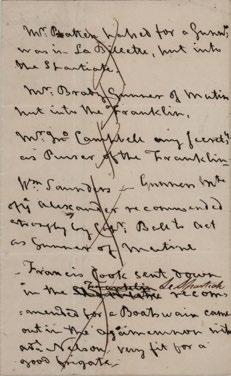
397. Horatio Nelson Autograph Document Signed, Referring to His ‘Favorite Ship,’ HMS Agamemnon. Third-person autograph document, signed within the text, “Ad’l Nelson,” one page, 4.75 x 7.75, no date. Handwritten list of recommendations for promotions by Horatio Nelson, likely written after the Battle of the Nile. In part: “Mr. Brady gunner of Mutine put into the Franklin, Mr. Jno. Campbell…as purser of the Franklin, Wm. Sanders, gunner…recommended strongly by Capt. Ball to act as gunner of Mutine, Francis Cook sent down in the Franklin, recommended for a Boatswain, came out in the Agamemnon with Ad’l Nelson, very fit for a good frigate.” In fine condition, with contemporary ink cancelations to the text.
Horatio Nelson’s association with HMS Agamemnon was one of the most formative periods of his naval career. Serving aboard the 64-gun ship from 1793 to 1796, Nelson gained a reputation for bold leadership and tactical skill during operations in the Mediterranean, particularly against French forces. He later referred to Agamemnon as his ‘favorite ship,’ crediting his time aboard her with shaping the aggressive, decisive command style that would define his later victories and secure his place as one of Britain’s greatest naval heroes. From the personal collection of a lifelong collector, teacher, and traveler with a passion for world history. His collecting years ranged from the 1970s to the present day, meaning that several of the premier pieces have not been on the market in decades. Starting Bid $200
423. Clement Ader Signed Book - L’Aviation militaire. French engineer (1841-1925) best known for his pioneering work in aviation. French-language signed book: L’Aviation militaire by Clement Ader. Paris/Nancy: Berger-Levrault, 1911. Softcover, 5.75 x 8.75, 355 pages. Signed and inscribed adjacent the title page in fountain pen, “A monsieur le Commandant Duperrier, Hommage et sympathie, C. Ader.” Autographic condition: fine. Book condition: Fair/None, with the front cover detached, rear cover partially split at spine, foxing and toning to wrappers, edgewear, and soiling. Starting Bid $200
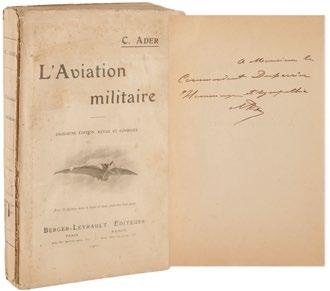
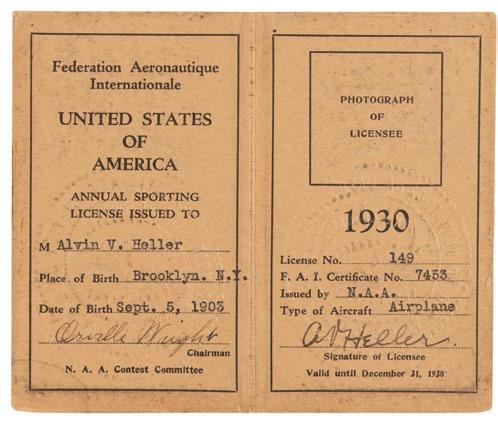
424. Orville Wright Signed Pilot’s Sporting License. United States of America “Annual Sporting License,” number 149, issued to Alvin V. Heller by the Federation Aeronautique Internationale for the year of 1930, two pages, measuring 4.75 x 4 open, signed at the bottom of the left side in ink by Orville Wright as the contest committee chairman. The license is filled out in type, authorizing Heller for “Type of Aircraft: Airplane.” In fine condition, with minor surface loss to the lower right corner of the front cover. According to his 1977 obituary in the Miami News, Heller ‘was a pioneer aviator’ who served as ‘a test pilot for Curtis Aircraft flying the first P-40 aircraft and flying for Eastern Airlines from 1945 until 1962 when he retired.’ Starting Bid $200
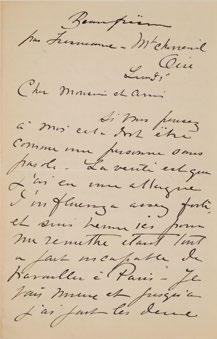
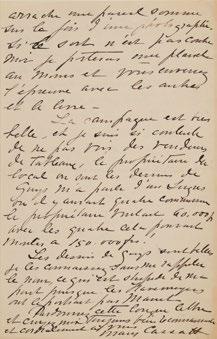
445. Mary Cassatt Autograph Letter Signed on Painting and Her Child Model. American-born painter and printmaker (1844-1926) who lived much of her adult life in France and became one of the leading figures of the Impressionist movement. Described by Gustave Geffroy as one of ‘les trois grandes dames’ (the three great ladies) of Impressionism, Cassatt often created images of the social and private lives of women, with particular emphasis on the intimate bonds between mothers and children. ALS in French, four pages on two adjoining sheets, 4.5 x 7, May 30, 1904. Handwritten letter to Roger Marx, explaining that a bout of influenza led her to go and work in the countryside. She has just finished two small plates for La Gazette, but the father of the little girl who serves as her model is only interested in extorting money from her, and she fears she will have to part with the child. In part (translated): “Truly, the people in the countryside lack gratitude; in America, they are more humane, at least I believe so.” She is, however, very happy to be in the countryside and not to see any art dealers. She mentions drawings by Guys which are very beautiful and a portrait by Manet that the Havemeyers own. In fine condition. Accompanied by the original mailing envelope, addressed in Cassatt’s own hand. Starting Bid $200
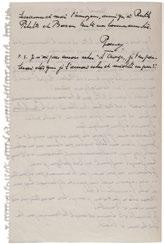
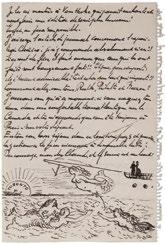
446. Paul Delvaux Autograph Letter Signed with Sketch. Belgian painter (1897-1994) associated with the Surrealist movement, best known for his female nudes. ALS in French, signed “Paul,” three pages on two adjoining sheets, 5.25 x 8.25, August 1, 1946. Handwritten letter to “Mon cher Claude,” in part (translated): “It seems that you are forgiven, work is the only thing to do and that will make us overcome our fate.” He explains that he draws a little but for the moment doesn’t paint, and is working on some designs that he hopes to complete by the end of August. He comments on Van Hecke and drawings for “The Storm,” and refers to an exhibition of Giorgio de Chirico’s works in Paris. At the bottom of one page, Delvaux draws a magnificent sketch of a ship sailing toward Toronto, with mermaids on the bowsprit and in the sea. In fine condition. Starting Bid $200
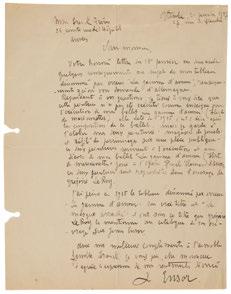
447. James Ensor Autograph Letter Signed on a Painting with a Mistaken Identity. Belgian painter and printmaker (1860-1949) who was an important influence on expressionism and surrealism. ALS in French, signed “J. Ensor,” one page, 8.25 x 10.75, January 21, 1927. Untranslated handwritten letter explaining that a painting referred to as “La gamme d’amour” was not executed as a decoration for his ballet of the same name, and that it was in fact painted in 1915 under the title “Le masque arraché.” In fine condition, with torn file holes to the left edge. Accompanied by a certificate of authenticity from University Archives. Starting Bid $300
448. Pablo Picasso Signed Photograph. Vintage glossy 6.5 x 9 close-up photo of Pablo Picasso lighting a cigarette, signed at the top in blue ballpoint, “Picasso.” Nicely cloth-matted and framed to an overall size of 14 x 16.5. In fine condition. Starting Bid $500
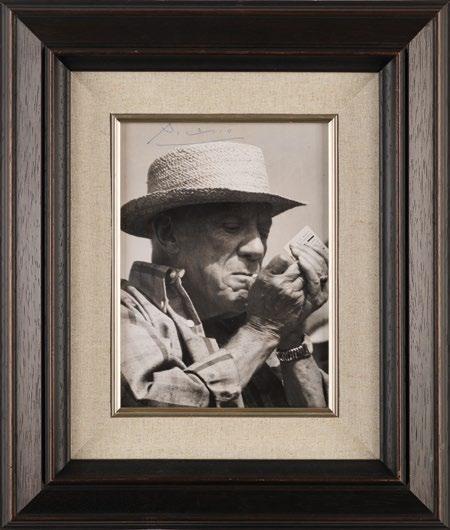
449. Pierre-Auguste Renoir Autograph Letter Signed. ALS in French, signed “Renoir,” one page both sides, 4.75 x 8, February 18, 1901. Untranslated handwritten letter to a lady, expressing concern for her health. Matted and framed with glass on both sides to an overall size of 14 x 11.5. In fine condition. Starting Bid $200
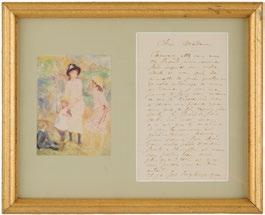
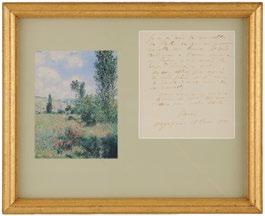
Tate Gallery exhibition poster signed by Andy Warhol, featuring his iconic Monroe silkscreen, ‘Shot Sage Blue Marilyn’
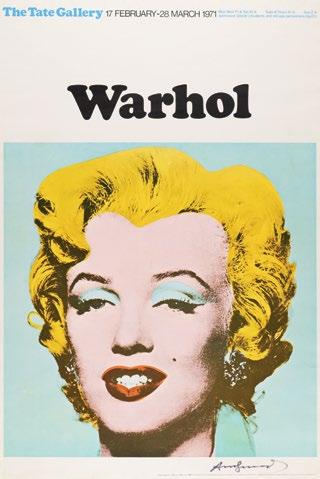
450. Andy Warhol Signed ‘Marilyn Monroe’ Exhibition Poster (Tate Gallery, 1971) - 19.75˝ x 29.75˝. Original color 19.75 x 29.75 promotional poster for an Andy Warhol exhibition held at London’s Tate Gallery from February 17 to March 28, 1971, featuring an iconic image of the artist’s silkscreened Marilyn Monroe, entitled ‘Shot Sage Blue Marilyn,’ signed in the lower border in black felt tip, “Andy Warhol.” Printed in London at The Curwen Press Limited. Rolled and in fine condition, with some light marks, and wear to the evenly trimmed edges, which includes light creases, and a short tape-repaired tear to the bottom edge.
The month of Monroe’s tragic death, Warhol, who had only just begun experimenting with the silkscreen process, decided to pay tribute to the late screen legend with a series of multicolored paintings. The basis of this image, and those that represent Warhol’s iconic ‘Marilyn Diptych,’ derives from a publicity shot by Gene Korman for the 1953 film Niagara. A superb display piece that finds Warhol signing one of his most identifiable and desirable subjects. The original silkscreen painting of ‘Shot Sage Blue Marilyn’ recently sold at auction for a record $195,000,000. Starting Bid $300
Beautiful full-figure production cel of the iconic title character of Alice in Wonderland, set against a production background from the same Disney film
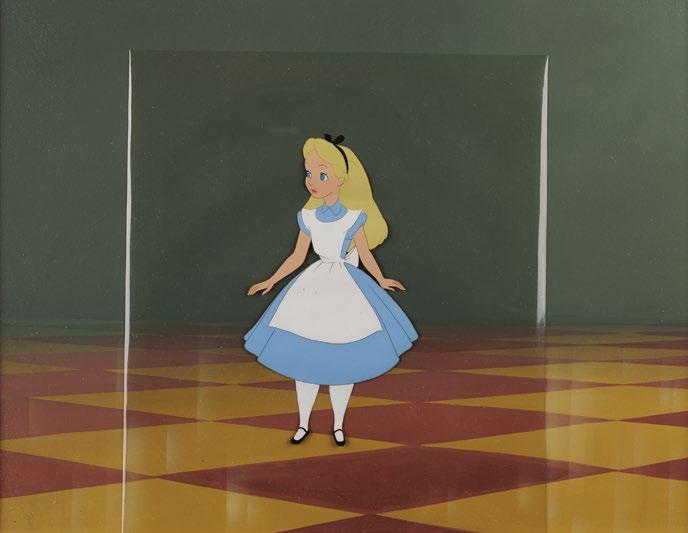
489. Alice production cel and background from Alice in Wonderland. (Walt Disney Studios, 1951) Original production cel and production background of Alice from Alice in Wonderland, showing the film’s curious title character in a marvelous full-figure pose, which boasts bright colors and her trademark surprised expression. The cel is placed on a hand-painted production background from the same film: a checkered floor of gold and crimson. The character image measures 3.5 x 6, with a mat opening of 13.5 x 10.5. Double-matted to an overall size of 20 x 16. In fine condition. Starting Bid $500
490. Mary Blair concept painting of Cinderella, Lady Tremaine, and Lucifer from Cinderella. (Walt Disney Studios, 1950) Original concept painting by Mary Blair for Cinderella, showing the film’s main antagonist, Lady Tremaine—Cinderella’s wicked stepmother—and her conniving black cat, Lucifer, seated in her bedroom and giving orders to her bedraggled scullion, Cinderella. The detailed artwork portrays an opulent room with pink walls and luxurious furniture and decor, including a massive gilt-framed mirror, gaudy high-backed chairs, a golden chandelier, and lavishly draped chairs for Tremaine and her feline pet. Accomplished in tempera on 8.5 x 8.75 artist’s board. In fine condition, with tack holes to borders. An elaborate, colorful, and meticulously conceived work from a Disney master.
Mary Blair was a concept artist for Disney during the 1940s and early 1950s, working on designs for such films as Peter Pan, Cinderella, and Alice in Wonderland. She also created designs for several Disney attractions (including It’s a Small World), and her largest work ever, the multi-story mosaic in Disney World’s Contemporary Hotel concourse. Starting Bid $500
491. Mary Blair concept painting of Cinderella’s midnight flight from Cinderella. (Walt Disney Studios, 1950) Exquisite original concept painting by Mary Blair for Cinderella, showing the title character fleeing from the castle in her white ball gown, leaving a single glass slipper glowing on the winding staircase. Rendered with great depth and detail, Blair’s work places the fleeing princess within the room’s myriad forms and figures: a railed spiral staircase, checkered floors, crisscrossed wallpaper of red and aqua, a side table with pink flowers, an ornate door with a well-dressed guard, and a grandfather clock striking midnight, set within a tall window casement with blue curtains and a clear view of the full moon outside. Accomplished in tempera on 9 x 9 artist’s board. In fine condition, with tack holes to borders.
Blair was a concept artist for Disney during the 1940s and early 1950s, working on designs for such films as Peter Pan, Cinderella, and Alice in Wonderland. She also created designs for several Disney attractions (including It’s a Small World), and her largest work, the multistory mosaic in Disney World’s Contemporary Hotel concourse. Starting Bid $500
492. Dumbo and Timothy Q. Mouse production cel from Dumbo. (Walt Disney Studios, 1941) Original production cel featuring Dumbo and Timothy Q. Mouse from Dumbo, which depicts the fearless mouse, dressed in his red band major outfit, leading his large elephant friend, Dumbo, who is gently holding his friend’s tail. The cel has been trimmed and applied to an airbrushed background of the inside of a hay-strewen circus tent, beautifully prepared for sale by the esteemed Courvoisier Galleries; the lower right of the background bears a “WDP” stamp. Total character image measures 6 x 3.75, with a mat opening of 9.5 x 7.5. Matted to an overall size of 15.5 x 13.5; reverse of mount bears a Walt Disney Productions copyright stamp. In fine condition. A desirable production cel and Courvoisier background set-up that offers a wonderful profile view of the unlikely friends. Starting Bid $300
493. Chernabog production drawing from Fantasia. (Walt Disney Studios, 1940) Original production drawing of the mighty Chernabog from Fantasia, showing the imposing demon with raised arms and spread wings during the terrifying ‘Night on Bald Mountain’ sequence. Accomplished in graphite and colored pencil on untrimmed 15.5 x 12.5 animation paper, marked “411” in the lower corner, with the image measuring 6.5 x 10. In fine condition, with light scattered creases. Starting Bid $200
494. Mickey Mouse concept painting from Fantasia. (Walt Disney Studios, 1940) Outstanding original concept painting featuring Mickey Mouse in the ‘Sorcerer’s Apprentice’ segment from Fantasia, showing him wearing the sorcerer’s hat while standing on the pinnacle of the mountain, commanding the stars of the universe to flash and sparkle during his great dream. Accomplished in gouache on a black 6 x 6 artist’s board. In fine condition, with small tack holes to corners. A quintessential pose and scene from one of Disney’s animated masterpieces. Starting Bid $500
495. Mickey Mouse concept painting from Fantasia. (Walt Disney Studios, 1940) Original concept painting featuring Mickey Mouse in the ‘Sorcerer’s Apprentice’ segment from Fantasia, which shows the young wizard-to-be during his magical dream sequence: wearing the mystical hat of the Sorcerer Yen Sid and commanding huge waves to rise and crash from atop his towering pinnacle. Accomplished in gouache on a black 5.75 x 6 artist’s board. In fine condition, with small tack holes to corners. A powerful and dramatic pose from one of Disney’s animated masterpieces. Starting Bid $500
496. Tod and Big Mama production cels and preliminary production background from The Fox and the Hound. (Walt Disney Studios, 1981) Original production cels and preliminary production background featuring from The Fox and the Hound, which depicts the young fox Tod and Big Mama, a motherly great horned owl, in wonderful full-figure poses. The cels, which are respectively marked “123” and “13,” are placed on an excellent hand-painted preliminary production background of the opening to a large underground burrow; the background is annotated as “Sc. 29, 9.1.” Total character image measures 9.5 x 4.5, with overall dimensions of 16 x 12.5. The top cel bears a silver Walt Disney Productions seal certifying this as an “Original Hand-Painted Movie Film Cel.” In fine condition. Starting Bid $200


497. Tod and Copper production cels and preliminary panorama background from The Fox and the Hound. (Walt Disney Studios, 1981) Original production cels and preliminary panorama background featuring Tod and Copper from The Fox and the Hound, which shows the film’s two title characters in full-figure poses as they explore a forest. The cels, which are respectively marked “R31” and RA31,” are placed on a wonderful hand-painted preliminary production background from the same film; the background, which is annotated, “39, 09.1,” depicts the trunk of a large, with rocks, waving grass, and a small animal burrow. Total character image measures 4.75 x 4, with overall dimensions of 22.25 x 12.5. The top cel bears a silver Walt Disney Productions seal certifying this as an “Original Hand-Painted Movie Film Cel.” In fine condition. Starting Bid $300
‘It’s a Small World,’ a vibrant masterpiece of diversity, inclusivity, and international peace
498. Mary Blair oversized concept painting of a hot air balloon for the It’s a Small World ride. (Walt Disney Studios, circa 1963) Large original concept painting by Mary Blair showing international children flying in a hot air balloon, created for the ‘It’s a Small World’ exhibit and attraction developed by WED Enterprises for the 1964 New York World’s Fair. The brightly colored work shows a large hot air balloon floating against a blue sky with white clouds. Inside the balloon’s basket are seven children, each with rosy cheeks and a wide smile, and representing a different country on Earth. Accomplished in tempera on 14 x 17 artist’s board. In fine condition, with tack holes to corners.

Mary Blair, who had been an art director on several Disney animated features, including Cinderella, Alice in Wonderland, and Peter Pan, developed the ‘It’s a Small World’ attraction’s whimsical design and color styling. Blair had formerly painted Native American villagers when she was designing her now iconic concept art for Neverland. A wonderful piece of concept art for a popular Disney attraction that epitomizes the inclusive spirit of the ‘It’s a Small World’ message—an uncommonly large Mary Blair original. Starting Bid $1000
“14 carrot ring”
gift from Chuck Jones and “Bugs Bunny (The Best Rabbit)”
499. Chuck Jones Original Sketch of Bugs Bunny - “The Best Rabbit”. Original sketch of Bugs Bunny by Chuck Jones, depicting the dapperly dressed rabbit wearing a tuxedo with top hat and holding a small case containing a shimmering carrot ring, accomplished in graphite on an off-white 8.5 x 11.5 sheet, which is signed and inscribed by Jones to a new couple, “Happy Marriage and a genuine 14 carrot ring to Amy and Pat from Bugs Bunny (The Best Rabbit), Dorothy + Chuck Jones – and Roger Davis, 1975.” Matted and framed to an overall size of 16.5 x 20.5. In fine condition. Starting Bid $200
The pinnacle of all the Disney limited edition cels—
‘Prelude to a Kiss,’ a gorgeous limited edition multicharacter panorama cel of the iconic ‘Bella Notte’ scene from Lady and the Tramp
500. Lady, Tramp, Tony, and Joe limited edition panoramic cel from Lady and the Tramp. (Walt Disney Studios, 1996) Amazing original limited edition cel from Lady and the Tramp entitled ‘Prelude to a Kiss,’ numbered 343/350, which depicts Lady, Tramp, Tony, and Joe during the film’s romantic ‘Bella Notte’ sequence. Sold exclusively at Disney Stores and Galleries, and sold out for over 30 years, this gorgeous limited edition panorama cel was meticulously hand-inked and hand-painted in Burbank by the famed Disney Ink and Paint Department. The cel is placed on a scene-matching panorama print background. Character image measure 6 x 9.25 (Joe), 2.75 x 5 (Tramp), 3.5 x 3.5 (Lady), and 10 x 7.75 (Tony), with a mat opening of 32.75 x 12.75. Handsomely cloth-matted and framed under Plexiglas to an overall size of 43.75 x 23.75. The piece has the golden Walt Disney Company seal to lower right. In fine condition. Accompanied by a certificate of authenticity from The Walt Disney Company and its original cardboard shipping box.
‘Oh, this is the night, it’s a beautiful night, and we call it Bella Notte,’ goes the sweetly familiar song that Tony and Joe sing during this celebrated scene, in which Tramp and Lady share not only a plate of spaghetti, but also a meaningful kiss—a moment widely considered one of the most romantic in film history. A stunning oversized portrayal of an iconic Disney moment, lauded by many as the pinnacle of all the Disney limited edition cels. Starting Bid $300
501. Sebastian, Flounder, and Flotsam and Jetsam production key master background set-up from The Little Mermaid. (Walt Disney Studios, 1989) Original production key master background set-up featuring Sebastian, Flounder, and Flotsam and Jetsam from The Little Mermaid, which shows Sebastian and Flounder in a bind, constrained by Ursula’s sinister henchmen in her underwater cave. The three large cels bear an overlay of bubble effects and are placed on a matching hand-painted production background from the exact scene of same film, which occurs when the two devious moray eels wrap up Sebastian and Flounder after Ariel’s friends attempt to warm her about Ursula’s evil scheme. The impressive four-character image measures 14.5 x 8.5, practically filling the entirety of the 14.5 x 10.25 mat opening. Matted and framed to an overall size of 23 x 18.75. In fine condition. Accompanied by a certificate of authenticity from The Walt Disney Company. Provenance: Sotheby’s, Lot 12, December 15, 1990. Starting Bid $200

502. Briar Rose production cel from Sleeping Beauty. (Walt Disney Studios, 1959) Original production cel of Briar Rose from Sleeping Beauty, which depicts the classic Disney princess in a large and beautiful full-figure pose with bare feet and a basket in one hand. The cel is placed on a color laser copy background of a lush forest with curious critters. Character image measures 3.25 x 6.25, with overall dimensions of 14.25 x 11. In fine condition. Starting Bid $200
503. Eyvind Earle panoramic concept painting of Briar Rose and Prince Phillip from Sleeping Beauty. (Walt Disney Studios, 1959) Masterful original mini panorama concept painting by Eyvind Earle for Sleeping Beauty, which depicts Briar Rose and Prince Phillip in a forest during the memorable ‘Once Upon a Dream’ musical sequence. Earle’s trademark plants and textured trees add an engrossing detail that succeed in pulling focus to the work’s central color and characters, Briar Rose and Prince Phillip, the former leaning against a tree with her berry basket and the latter shown walking away with a broad smile. In the film’s final product, Briar Rose, nonplussed by the sudden appearance of the prince, whisks behind a tree to steal a glance as Phillip continues his serenade. Accomplished in gouache on 17.25 x 6 artist’s board, signed in the lower right corner in light purple paint, “Eyvind Earle.” In fine condition, with tack holes to corners.
Legendary Disney artist Eyvind Earle was Sleeping Beauty’s production designer, and Disney gave him a significant amount of freedom in designing the settings and selecting colors for the film. Earle also painted the majority of the backgrounds himself, and his stylistic influence is readily apparent in the final product. Starting Bid $500
Daydreaming in the woods—Eyvind Earle captures a peaceful scene of
the forest, a gorgeous concept piece from
504. Eyvind Earle panoramic concept painting of Briar Rose from Sleeping Beauty. (Walt Disney Studios, 1959) Beautiful original mini panorama concept painting by Eyvind Earle for Sleeping Beauty, which depicts Briar Rose in a forest shortly before the arrival of Prince Phillip and the film’s memorable ‘Once Upon a Dream’ musical sequence. Earle masterfully fills the scene with contrasting elements of size and light—a great stand of trees tower above a small garden of ferns, and the dark woods and running shadows are cut with lines of sunlight that tunnel the viewer’s perspective to the scene’s lone character, Briar Rose, shown seated against a tree trunk, her demeanor expressing both a sense of loneliness and contentment. Accomplished in gouache on 15.25 x 6.25 artist’s board, signed in the lower right corner in light blue paint, “Eyvind Earle.” In fine condition, with tack holes to corners.
Legendary Disney artist Eyvind Earle was Sleeping Beauty’s production designer, and Disney gave him a significant amount of freedom in designing the settings and selecting colors for the film. Earle also painted the majority of the backgrounds himself, and his stylistic influence is readily apparent in the final product. Starting Bid $500
505. Bashful and Happy production cels from Snow White and the Seven Dwarfs. (Walt Disney Studios, 1937) Original production cels of Bashful and Happy from Snow White and the Seven Dwarfs, which depicts the two mining dwarfs in superb full-figure walking poses, both of them playfully peering up and whistling. The cels have been trimmed and applied to a beautiful hand-painted background of the interior of the dwarfs’ rustic first cottage, an expertly realized backdrop prepared for sale by the esteemed Courvoisier Galleries. Character images measure 2.5 x 5 (Bashful) and 3.25 x 5.25 (Happy), with overall dimensions of 13 x 9.5; reverse of background marked in pencil as “5B-18.” Double-matted to an overall size of 16.5 x 13.5. In fine condition. Starting Bid $500
506. Title card production background painting for the French release of Snow White and the Seven Dwarfs. (Walt Disney Studios, 1937) Exceedingly rare original production background painting of the title card book for the French release of Snow White and the Seven Dwarfs. The painting depicts an impressive tome, with ornate devices to the spine and front board, which also bears the title window with fleurde-lis designs. Accomplished in gouache on untrimmed 16 x 13 animation paper annotated in pencil and ballpoint along the bottom edge, “2001, (2801), Book cover - French - 6 Short Special, Title No. 4.” The reverse is numbered, “TM500D73.” In fine condition, with a couple of short tape-repaired edge tears. Starting Bid $200

507. Br’er Fox production key master background set-up from Song of the South. (Walt Disney Studios, 1946) Rare original production key master background set-up from Song of the South, which depicts Br’er Fox, the film’s main villain, emerging from the top of a hollow tree, the entrance to his den on Chick-A-Pin Hill, after hearing his the bell on his snare trap ring in the distance. The cel is placed on a brilliant hand-painted production background from the exact same scene of the film, with the Fox character image and mat opening measuring 1.5 x 2.5 and 13.25 x 10.25, respectively. Double-matted and framed to an overall size of 19.5 x 17. In fine condition. A super rare, strikingly rendered key master set-up from this controversial Disney film. Starting Bid $200

508. Susie production key master background set-up from Susie the Little Blue Coupe. (Walt Disney Studios, 1952) Original production key master background set-up from the animated short film Susie the Little Blue Coupe, which shows the little car freezing and parked outside on a cold winter’s night, her hood and roof covered with a blanket and scarf, her antenna drooping, and icicles hanging from her nose. The cel is placed on a hand-painted production background from the exact same scene of the film, which places Susie under a street lamp and next to a snowy curb and fire hydrant. The character image measures 7 x 5.25, with a mat opening of 11 x 8.5. Doublematted and framed to an overall size of 17.5 x 15. In fine condition, with a small area of lifted paint to the far right of her shadow. An impressive key master set-up from a low-point in Susie’s life and ownership. Starting Bid $300
509. Jessica Rabbit production cel from Who Framed Roger Rabbit. (Walt Disney Studios, 1988) Original production cel of Jessica Rabbit from Who Framed Roger Rabbit, which shows the voluptuous redhead in a half-length seated pose. The cel is placed on a matching color photographic background, which places Jessica Rabbit in Benny the Cab with detective Eddie Valiant; an overlay cel bears an affixed color print of Benny the Cab. Character image measures 4 x 5.25, with overall dimensions of 17 x 12.75. In fine condition. Starting Bid $200
Rare signed ‘New Collection’ copy of Hans Christian Andersen’s classic ‘Fairy Tales and Stories,’ home to classics like ‘The Little Mermaid,’ ‘The Ugly Duckling,’ and ‘The Snow Queen’
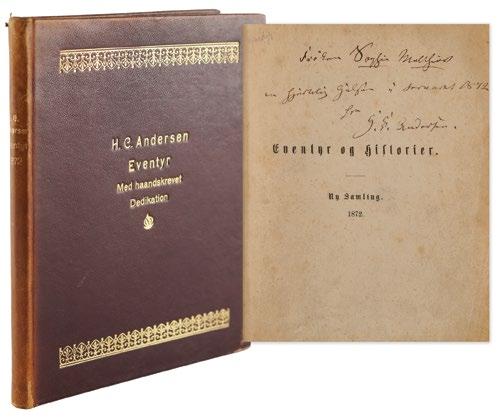
549. Hans Christian Andersen Signed BookEventyr og Historier [Fairy Tales and Stories]. Signed book: Eventyr og Historier [Fairy Tales and Stories] by Hans Christian Andersen. Later printing, ‘Ny Samling’ [New Collection]. Copenhagen: C. A. Reitzel’s Publishing House, 1872. Hardcover, handsomely rebound in 20th-century roan, with gilt titling and decorative devices to the boards and spine, with the publisher’s original pictorial rear wrapper bound-in, 5.25 x 6.5, 73 pages. Signed and inscribed in Danish on the halftitle page in ink, “Frøken Sophie Melchior, en hjertelig Hilsen i foraaret 1872, fra H. C. Andersen” [“Miss Sophie Melchior, a warm greeting in the spring of 1872, from H. C. Andersen”]. Autographic condition: fine, with light mottled foxing to the signed page. Book condition: VG/None, with sunning to the spine, light edgwear, and a bit of foxing to the textblock.
A marvelous signed copy of Andersen’s beloved collection of timeless fairy tales, which includes beloved stories like ‘The Little Mermaid,’ ‘The Ugly Duckling,’ and ‘The Snow Queen.’
Hans Christian Andersen’s friendship with the Melchior family developed later in life, and his correspondence with various members of the family is among his weightiest in the last decade or so of his life. According to Niels Oxenvad, who wrote the introduction for ‘H.C. Andersen’s correspondence with the Melchior family,’ the period between 1860 and 1875, only his letters to and from the Collin family reach a greater number than those sent to the Melchior family. His most frequent correspondent among the family was Dorothea Melchior, wife of Moritz Melchior. Andersen became one of the family’s closest friends, dining at their home every Thursday. In the summers, Andersen would stay at the Melchiors’ home, Rolinghed, where two rooms on the first floor were always at his disposal. Sophie Melchior was Moritz G. Melchior’s niece, and she also stayed at Rolighed in Osterbro every summer, typically while Andersen was also a guest there. Oxenvad describes Sophie as a member of the Melchior team whom Andersen liked very much. Starting Bid $300
“It pleases me to know you like my stories”— the Wizard of Oz creator writes to an admirer
550. L. Frank Baum Autograph Letter Signed on His Oz Books: “It pleases me to know you like my stories”. ALS signed “L.Frank Baum,” one page, 5.75 x 7, illustrated ‘Ozcot’ letterhead, January 10, 1916. Handwritten letter to Betty Hungerford, in full: “I meant to thank you for your nice letter and will bear in mind your suggestions about Mr. Yoop! It pleases me to know you like my stories.” In fine condition. Accompanied by the original mailing envelope, addressed in Baum’s own hand.
Baum introduced Mr. Yoop—a 21 ft. giant with a ravenous appetite for meat, people, and orange marmalade—in his 1913 book, The Patchwork Girl of Oz. The character is also referenced in The Tin Woodman of Oz, published in 1918. From the personal collection of a lifelong collector, teacher, and traveler with a passion for world history. His collecting years ranged from the 1970s to the present day, meaning that several of the premier pieces have not been on the market in decades. Starting Bid $200
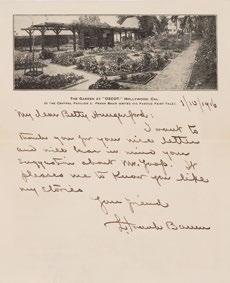
Dickens accepts a donation to “the Fund for the purchase of Shakespeare’s House”
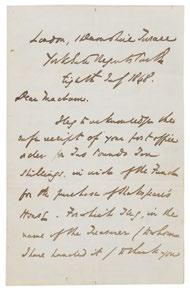
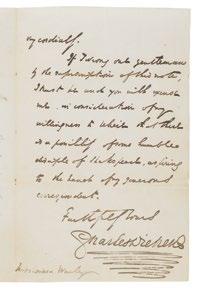
551. Charles Dickens Autograph Letter Signed, Accepting a Donation to “the Fund for the purchase of Shakespeare’s House”. ALS, two pages on two adjoining sheets, 4.5 x 7, July 8, 1848. Handwritten letter to a lady, in part: “I beg to acknowledge the safe receipt of your post office order for two pounds ten shillings, in aid of the Fund for the purchase of Shakespeare’s House. For which I beg, in the name of the Treasurer (to whom I have handed it) to thank you very cordially. If I wrong one gentleman by the superscription of this note, I trust he and you will excuse me in consideration of my willingness to which that there is a possibility of some humble disciple of Shakespeare.” In fine condition.
Charles Dickens was an enthusiastic supporter of efforts to preserve William Shakespeare’s birthplace in Stratford-upon-Avon, seeing the house as a tangible link to England’s greatest literary heritage. In the mid-19th century, when the property was at risk of private sale—with American showman P. T. Barnum a likely bidder—Dickens publicly endorsed the campaign to purchase and protect it for the nation. He lent his name, influence, and advocacy to fundraising efforts, believing that Shakespeare’s home should be safeguarded as a place of cultural memory and inspiration for future generations. Today, the property is preserved by the the Shakespeare Birthplace Trust. Starting Bid $200
552. Charles L. Dodgson Autograph Letter Signed. British author, mathematician, and photographer (1832–1898) who, under the pen name Lewis Carroll, published Alice’s Adventures in Wonderland and its sequel, Through the Looking-Glass, two of the most popular and durable classics in the canon of children’s literature. ALS signed “C. L. Dodgson,” one page, 3.75 x 5.75, December 20, 1873. Handwritten letter to “My dear Chapman,” likely the publisher Frederic Chapman. In full: “I have never heard from that remarkable young person, about whom you inquire, but I can give you her address—it is ‘34 Warrior Square, St. Leonard’s.’” Handsomely cloth-matted and framed with a portrait of the author to an overall size of 11 x 20.25. In fine condition, with slight fading to the handwriting. From the personal collection of a lifelong collector, teacher, and traveler with a passion for world history. His collecting years ranged from the 1970s to the present day, meaning that several of the premier pieces have not been on the market in decades. Starting Bid $200
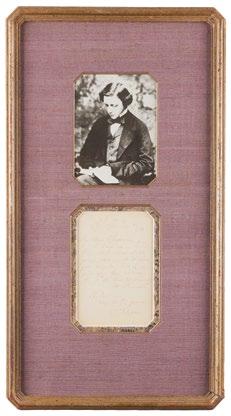
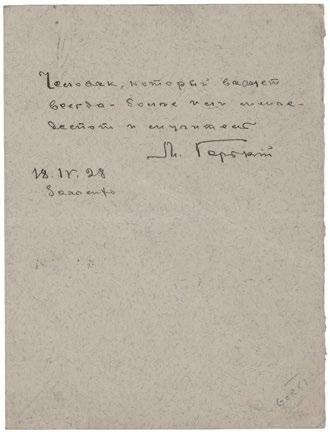
554. Maxim Gorky Autograph Quotation Signed. Important Russian writer (1868–1936) who was a founder of the socialist realism literary method. AQS in Russian, signed “M. Gorki,” one page, 6 x 8, Sorrento, April 18, 1928. An untranslated philosophical aphorism written by Gorky while living in exile in Sorrento, Italy. In fine condition, with a couple light creases. Starting Bid $200
553. Johann Wolfgang von Goethe
Letter Signed as Head of the Saxe-Weimar War Commission.
Celebrated German writer, scientist, and philosopher (1749-1832) who takes a place among the central intellectual and artistic figures of his day. His poetry and dramatic works provided source material for Beethoven, Schubert, and Berlioz, among others. Unusual LS in German, signed “Goethe,” one page, 8 x 13, June 5, 1782. Untranslated letter signed by Johann Wolfgang von Goethe in his capacity as head of the Saxe-Weimar War Commission, denying the transfer of an inheritance. In very good to fine condition, with small areas of edge loss, and moderately heavy toning from prior display. As head of the Saxe-Weimar War Commission, Goethe participated in the recruitment of mercenaries into the Prussian and British military during the American Revolution. Starting Bid $1000
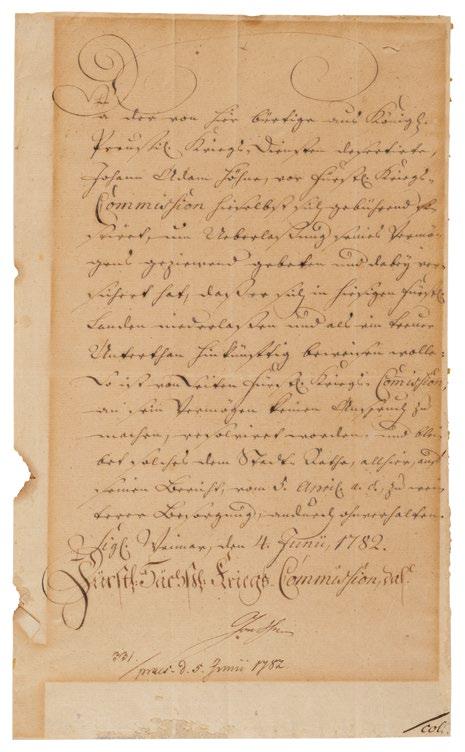
Signed early printing of the classic 1940 novel, For Whom the Bell Tolls, presented to the owner of the “Chatham” watering hole, “from his old bar customer, Ernest Hemingway”
555. Ernest Hemingway Signed Book - For Whom the Bell Tolls - “From his old bar customer, Ernest Hemingway”. Signed book: For Whom the Bell Tolls. Later printing. NY: Charles Scribner’s Sons, 1940. Hardcover bound in publisher’s buff cloth, stamped in black and red (sans dust jacket), 6 x 8.5, 471 pages. Signed and inscribed on an opening page in black ink, “To Viola, Jr., of the Chatham, from his old bar customer, Ernest Hemingway.” Autographic condition: fine. Book condition: G+/None, with dampstaining to boards and rubbing to the spine. Starting Bid $300
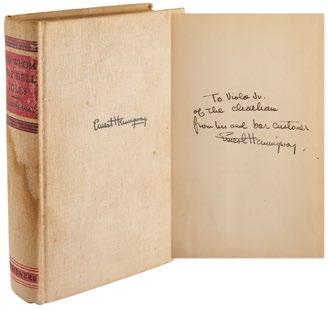
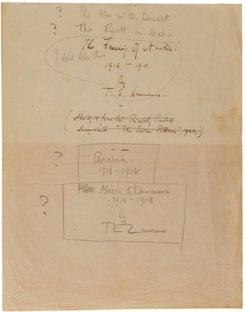
557. T. E. Lawrence Autograph Manuscript Signed - Working Draft of the Title Page for Revolt in the Desert. Working draft of the title page for an abridged version of T. E. Lawrence’s memoir Seven Pillars of Wisdom, one page, 7.75 x 9.75, no date but circa 1920s. An initial title has been proposed in another hand in ink, “The Freeing of Arabia, 1916–1918. by T. E. Lawrence. (Abridged from the privately printed narrative ‘The Seven Pillars,’ 1922).”
In pencil, Lawrence circles the title and strikes out the parenthetical, writing: “I don’t like this.” Above, he suggests the titles “The War in the Desert” and “The Revolt in Arabia” as possibilities, and below boxes in two other alternatives: “Arabia, 1916–1918” and “Mecca to Damascus, 1916–1918, by T. E. Lawrence.” Ultimately, Lawrence would combine two of these options, arriving at Revolt in the Desert as the final title for the work. In fine condition, with light toning over the lower half of the sheet. Read more online at www.RRAuction.com. Starting Bid $300
“It is not a small job!”
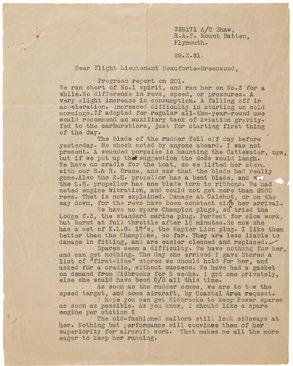
556. T. E. Lawrence Typed Letter Signed on Royal Air Force Matters and His Memoir, Seven Pillars of Wisdom. British archaeologist, soldier, adventurer, and writer (1888-1935) immortalized in the epic 1962 screen biography Lawrence of Arabia. He attained international renown for his role as British liaison in the Arab Revolt of 1916-1918, which he recounted in his best-selling memoir Seven Pillars of Wisdom. TLS signed “T. E. Shaw,” one page both sides, 7.5 x 9.5, October 29, 1931. A detailed technical report related to his service in the R.A.F., headed “Progress Report on 201,” to Flight Lieutenant Beauforte-Greenwood in London. In part: “We ran short of No. 1 spirit, and ran her on No. 3 for a while. No differences in revs, speed, or pressures. A very slight increase in consumption. A falling off in acceleration…. The blade of the rudder fell off day before yesterday. No shock noted by anyone aboard. I was not present. A wounded porpoise is haunting the Cattlewater, now, but if we put up that suggestion the Gods would laugh…. The R.H. propeller has a bent blade, and the L.H. propeller has one blade torn to ribbons…. As soon as the rudder comes, we are to tow the speed target, and some aircraft, by Coastal Area request….
The old-fashioned sailors still look sideways at her. Nothing but performance will convince them of her superiority for aircraft work. That makes me all the more eager to keep her run-
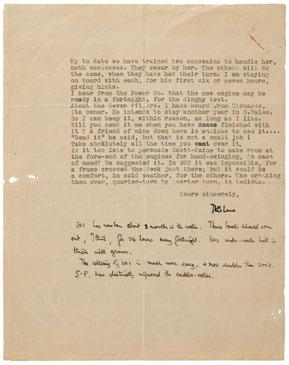
ning…. About the Seven Pillars. I have heard from Richards, its owner. He intends to stay another year in S. Wales. So I can keep it, within reason, as long as I like. Will you send it to me when you have finished with it? A friend of mine down here is anxious to see it. ‘Read it’ he said, but that is not a small job!”
He adds a handwritten postscript: “201 has now been about 3 months in the water. These boats should come out, I think for 24 hours every fortnight. Her under-water hull is thick with grass. The steering of 2012 is much more easy, & more sudden than 200’s. S-P had distinctly improved the rudder-action.” In very good to fine condition, with several small holes mostly contained to the margins. Accompanied by the original mailing envelope, addressed in Lawrence’s own hand.
Lawrence had attempted to join the R.A.F. under an assumed name in 1922, but his true identity was soon discovered, and was forced to resign. After a stint in the Royal Tank Corps under the name “Shaw,” he was finally allowed to rejoin the R.A.F. in 1925, and he served as a specialist in high-speed boats until 1935. From the personal collection of a lifelong collector, teacher, and traveler with a passion for world history. His collecting years ranged from the 1970s to the present day, meaning that several of the premier pieces have not been on the market in decades. Starting Bid $300
“I have just finished reading The Narnian, a biography of C.S. Lewis”
558. Harper Lee
Autograph Letter
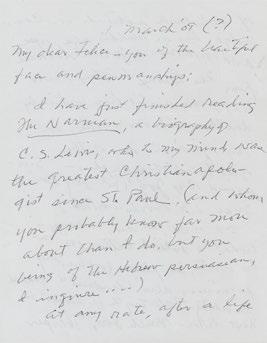
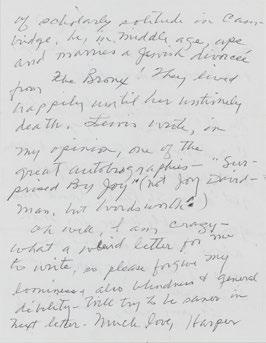
Signed: “I have just finished reading The Narnian, a biography of C.S. Lewis”. ALS signed “Much love, Harper,” one page both sides, 8.5 x 11, March 1, 2009. Handwritten letter to Felice Itzkoff, in part: “You of the beautiful face and penmanship: I have just finished reading The Narnian, a biography of C.S. Lewis, who to my mind was the greatest Christian apologist since St. Paul, (and whom you probably know far more about than I do, but you being of the Hebrew persuasion, I I inquire…) At any rate, after a life of scholarly solitude in Cambridge, he, in middle age, ups and marries a Jewish divorcée from the Bronx! They lived happily until her untimely death. Lewis wrote, in my opinion, one of the great autobiographies—’Surprised by Joy’ (not Joy Davidman, but Wordsworth?) Oh well, I am crazy—what a weird letter for me to write, so please forgive my looniness.” In fine condition. Accompanied by the original mailing envelope, addressed in Lee’s own hand and incorporating her surname in the return address area. Starting Bid $200
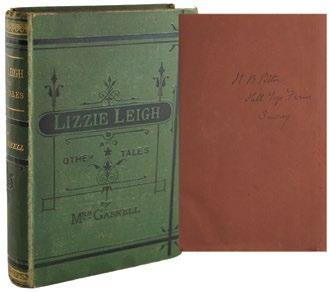
560. Beatrix Potter Signed Book from Her Personal Library - Lizzie Leigh and Other Tales by Elizabeth Gaskell. Signed book from the personal library of Beatrix Potter: Lizzie Leigh and Other Tales by Elizabeth Gaskell. Later printing (“A New Edition with Four Illustrations”). London: Smith, Elder, & Co., 1873. Hardcover, 5.5 x 7.75, 492 pages. Signed on the first free end page in black ink with her ownership signature, “H. B. Potter, Hill Top Farm, Sawrey.” Autographic condition: fine. Book condition: VG/None, with mottled foxing to textblock and minor repairs to the front hinge.Read more at www.RRAuction.com. Starting Bid $200
With the production of Gone With the Wind underway, Mitchell marvels over Selznick’s people
“telephoning from New York to discover how the madam of a Confederate bordello talked”
559. Margaret Mitchell Typed Letter Signed on the Gone With the Wind Movie: “I do not know what they decided to do about Belle’s accent”. TLS signed in pencil, “Margaret,” one page, 7 x 11, personal letterhead, November 12, 1937. Letter to Herschel Brickell, a noted book reviewer from Mississippi who served on the New York Herald Tribune book section and who, at the time of this correspondence, was a reviewer for the New York Evening Post. In part: “As it appears that today is going to be ‘one of those days’ when all hell busts loose, I do not know how long this letter will be. But I wanted to tell you that I am violently interested in the literary row about Hemingway. Of course I want the Saturday Review of Literature for I missed it. And I want your reply and anything else you may write on the subject. If convenient, I’d like anything interesting other columnists may have written, for I have not seen a New York newspaper in weeks…I have heard no more from Katharine Brown, and so, I do not know what they decided to do about Belle’s accent. My modest and old fashioned family have become accustomed to anything in the last year and a half and, like the Queen in ‘Alice in Wonderland,’ get up every morning ready to believe six impossible things before breakfast. Even Father was convulsed at the idea of someone telephoning from New York to discover how the madam of a Confederate bordello talked.” In fine condition. Accompanied by a full letter of authenticity from PSA/DNA. Read more online at www.RRAuction.com. Starting Bid $200
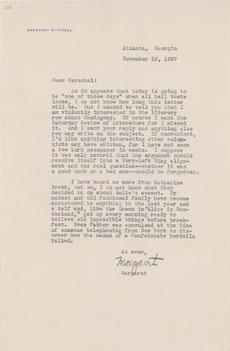
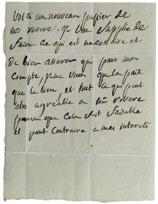
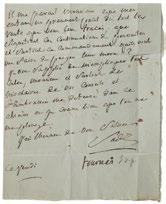
561. Marquis de Sade Autograph Letter Signed from the Charenton Insane Asylum. ALS in French, signed “Sade,” one page, 6 x 7.75, no date. Handwritten letter from the Marquis de Sade while he was incarcerated at Charenton, a lunatic asylum in Charenton-Saint-Maurice. Directed to Jean Lamaury, attorney of the courts in Paris, the untranslated letter pertains to Sade’s ongoing lawsuit with the mother of his children, family relations, and the rescue of Sade’s pledged library. The mailing panel on the reverse of the second integral is in the hand of Sade; the reverse of Sade’s letter, as well as the included mailing envelope, are in an unknown hand, presumably a Charenton representative. In fine condition.
The Marquis de Sade was sent to the Charenton asylum twice over the course of his turbulent life. His first stay came in July 1789, when he was transferred there from the Bastille amid the chaos of the French Revolution, though he was released in April the following year. More than a decade later, in 1801, Sade was confined at Charenton again, this time by order of the Napoleonic Consulate, which viewed his writings as dangerous to public morality. Unlike his earlier confinement, this second stay proved final. Sade spent the last thirteen years of his life at Charenton, where he continued to write, socialize, and even stage theatrical performances, remaining there until his death in 1814. Starting Bid $300
Salinger writes on Eastern philosophy, nutrition, legal actions, and contemporary politics:
“The No Nukes bunch. Quiche and Volvo liberals, right. Liberals all, shitheads mostly”
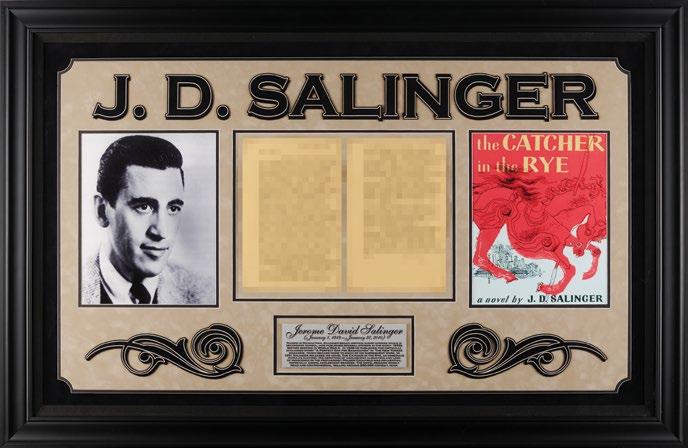
Image note: image intestinally blurred, not the actual letter itself.
562. J. D. Salinger Typed Letter Signed on Aging, Identity, and Politics: “The No Nukes bunch. Quiche and Volvo liberals, right. Liberals all, shitheads mostly”. TLS signed “Jerry,” two pages, 5.5 x 8.5, August 9, 1982. Salinger writes to Janet Eagleson, a friend and sometime houseguest at his New Hampshire home, opening with some comments on aging. In part: “The more I age, senesce, the more convinced I am that our chances of getting through to any intact sets of reasons for the way things go are nil...The only valid datum, anywhere, I suspect, is the one the few gnanis [practicioners of Gnani yoga, aka “yoga of wisdom”] adamantly put forward: that we’re not who or what we thing [sic] we are, not persons at all, but susceptible to myriad penalties for thinking we’re persons and minds.”
He offers some updates on his family and life in New Hampshire, and reflects caustically on politics and contemporary liberal culture: “I agree with you, of course, about the No Nukes bunch. Quiche and Volvo liberals, right. Liberals all, shitheads mostly, I agree absolutely.” He closes with a mention of “legal action,” stemming from a claim by journalist Stephen Kunes that he had conducted an interview with Salinger—which, naturally, never took place. Kunes attempted to peddle the fictional interview to People magazine, whereupon Salinger sued him for a variety of fraudulent activities. Though Salinger’s literary activities following his withdrawal from public life in the early 1960s remained shrouded in mystery, many of the interests he reveals in the letter-among them Eastern philosophy, nutrition, and film-have been well documented. Both pages are dramatically doublematted and framed (by removable corner tabs) with a portrait of Salinger and many artistic extras, a photo of the cover Catcher In The Rye, and a biographical plaque, to an overall size of 38.5 x 25. In very fine condition. Starting Bid $500
“I’m getting on slowly with my proof”— toiling away on The Years, Virginia Woolf writes to a beloved Hogarth Press secretary
563. Virginia Woolf (2) Autograph Letters Signed to a Hogarth Press Secretary, with (6) Letters Signed by Leonard Woolf. Archive of letters and photographs from the collection of Peggy Belsher, secretary and clerk at the Hogarth Press, highlighted by two ALSs by Virginia Woolf:
- ALS signed “Virginia Woolf,” one page on a 3.5 x 5.5 postcard, postmarked December 27, 1933, in full: “I am delighted with my calendar, & hope that it will keep me as punctual & neat as it looks during 1934. I have no excuse now for forgetting engagements!”
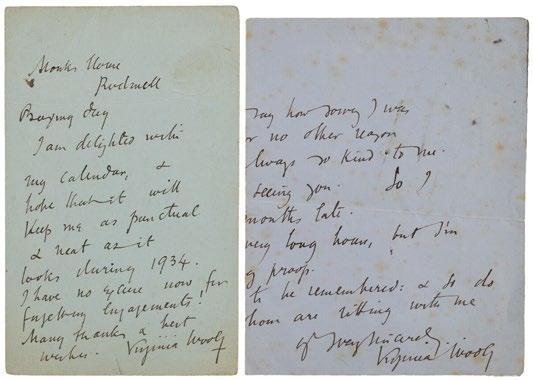
- ALS signed “Virginia Woolf,” one page both sides, 8 x 5.25, no date, in full: “Dear Miss Belsher, (I hope you don’t mind this name). I meant to write before, but I have been so lazy, to thank you for your card. Here we are beginning to pick apples, in the rain, & playing bowls, & getting mushrooms, also in the rain. I hope you are well, & that we shall see you when we go back. I always meant to say how sorry I was you were going—if for no other reason than you were always so kind to me But somehow I missed seeing you. So I write this at least 3 months late. I’m not able to work very long hours, but I’m getting on slowly with my proof.” During this period, Woolf was wrapping up her penultimate novel, The Years, which had begun years earlier as a ‘Novel-Essay.’
Additionally includes six letters signed by her husband, Leonard Woolf (five TLSs and one ALS), dated from 1928 to 1961. Two are on Hogarth Press letterhead—the first offers her “the post of Assistant Secretary here,” and the second is a letter of recommendation: “Miss P. Belsher (Mrs. Stangroom) has been employed in the Hogarth Press for over eight years and is leaving for domestic reasons. Her work has been in every way admirable.” Another significant letter, dated April 27, 1941, sends thanks for condolences after Virginia’s death: “I want to thank you for your letter & words of sympathy. Mrs. Woolf often spoke of you with affection. She had been fairly well until the end of last year. The symptoms of the old nervous trouble came back & she became very depressed & convinced that this time she would not recover.”
Also included in two snapshots of Belsher (one reportedly at the wheel of Leonard Woolf’s car) and an autobiographical note about her relationship with the Woolfs; two snapshots of the Woolf dogs, Sally and Mitzi; and two letters to her by Anne Olivier Bell, discussing her time at the Press. In overall fine condition, with foxing to one of Virginia’s letters. Starting Bid $500
Berlioz
fame in Germany, thanks to “the pianoforte arrangement of my Symphonie fantastique by Liszt”
593. Hector Berlioz Autograph
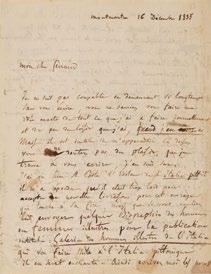
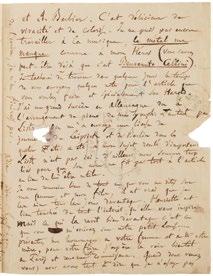
Letter Signed on Harold en Italie and “the pianoforte arrangement of my Symphonie fantastique by Liszt”. ALS in French, signed “H. Berlioz,” three pages on two adjoining sheets, 7.25 x 9.5, December 16, 1865. Handwritten letter to his lifelong friend Humbert Ferrand, in full (translated): “I am not to blame for having kept you waiting so long for a letter, you can have no idea of what I have to do day after day, and how very little leisure I have, even when I have any. But it is useless to expatiate on that subject, I am sure you do not doubt the pleasure I experience in writing to you. I met A. Coste, the publisher of Italie pittoresque, yesterday, he told me that it is too late to send in any article for that work, as it is approaching a conclusion, but that if you like to send him any biographies of illustrious men and women for his publication, Galerie des Hommes Illustres de l’ltalie, which is to come out as a continuation of Italie pittoresque, he will be delighted. Send him the names of the subjects you chose, so as to avoid any chance of their being done twice over, or given to somebody else. As nobody has paid any attention to the women, Coste would be glad if you would devote your self especially to them. Your articles will be paid for at the rate of from a hundred to a hundred and twenty-five francs; I will do my best to get the hundred and twenty-five for you. Thank you for your verses; if I can find time, I will try to hit upon a tune to match them.
I should very much like to send you the score of Harold, which is dedicated to you. It has been twice as successful this year as last, and it decidedly surpasses the Symphie fantastique. I am glad I offered you the dedication before I made you acquainted with the work; to introduce it to you will be a fresh delight Frankly, I have written nothing which will suit you better. An opera of mine has been accepted at the Opera; Duponchel is in a good humor, the libretto which, this time, will be a poem, is by Alfred de Vigny and August Barbier. It is deliciously vivacious, and full of color. I cannot set to work upon the music yet; metal fails me as it did my hero (you know, perhaps, that he is Benvenuto Cellini). In a day or two I will try to find time to send you a few notes for the article you want to write, and especially about Harold. I am most successful in Germany, thanks to the pianoforte arrangement of my Symphonie fantastique by Liszt I have received a bundle of newspapers from Leipzig and Berlin, in which Fetis shines brilliantly with light reflected from me. Liszt is not here. Besides, we are so intimately connected that his name would do the article more harm than good.
Thank you for all you say about my wife and my son; I love them more and more every day. Henrietta is deeply sensible of all the interest you take in her, but your allusions to our little Louis delight her most.” In a postscript, Berlioz adds: “The two extracts from Harold cannot be taken apart from the remainder without making nonsense of them. It would be just like sending you the second act of an opera.” In very good to fine condition, with scattered stains, and two small areas of paper loss to the last page, affecting a few words of text. This deeply personal letter offers a rare window into Berlioz’s inner circle and creative life, written to the confidant to whom he revealed himself most fully over more than four decades of correspondence. Particularly compelling is Berlioz’s affectionate discussion of Harold en Italie—a work born of his Italian travels and Paganini’s commission—and his evident pride in its growing success, which he here declares to surpass even the Symphonie fantastique. At once practical, tender, and artistically revealing, the letter stands as an exceptional autobiographical document from one of the great Romantic composers. Starting Bid $200
monumental collection of 44 photographs individually signed by a legend of classical music, an ensemble highlighted by Pyotr Ilyich Tchaikovsky, Richard Wagner, Giuseppe Verdi, and Giacomo Puccini
595. Composers (44) Signed
Photograph Collection Highlighted by Romantic-era Masters Pyotr Ilyich Tchaikovsky, Richard Wagner, Giuseppe Verdi, and Giacomo Puccini. Magnificent collection of 44 original photographs individually signed by a major composer of the 19th and 20th centuries, representing a sweeping chronicle of the art form’s evolution from Romantic grandeur to Modernist innovation. The photographs, which are presented in various finishes across pictorial formats typical of the period, range in size from 3.25 x 5 to 9.5 x 12.75, with all of the composers signing in ink or fountain pen. The majority write warm inscriptions, while a handful add short handwritten musical quotations. Anchoring the collection are four titans of the operatic and symphonic tradition: Russian master Pyotr Ilyich Tchaikovsky, German visionary Richard Wagner, and Italian maestros Giuseppe Verdi and Giacomo Puccini. Other highlights include eminent composers such as Maurice Ravel, Sergei Rachmaninoff, Igor Stravinsky, Béla Bartók, Benjamin Britten, Dmitri Shostakovich, Richard Strauss, and Johann Strauss II, who adds three bars of music from his beloved 1874 operetta ‘Die Fledermaus.’
The complete alphabetized list is as follows:
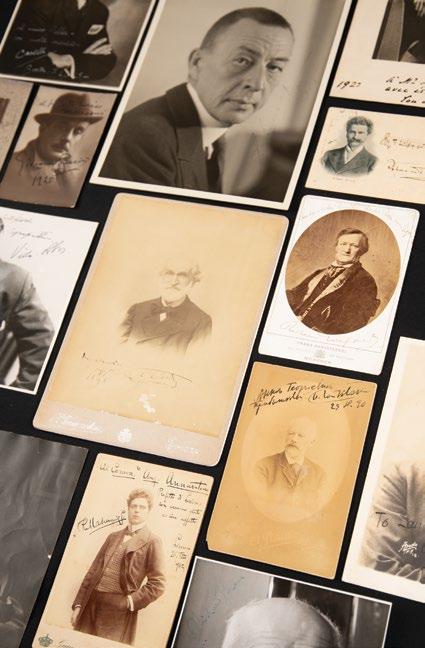
Béla Bartók, Ernest Bloch, Benjamin Britten, Max Bruch, Ferruccio Busoni, Alfredo Casella, Manuel de Falla, Vincent d’Indy, George Enescu, Gabriel Fauré, Alexander Glazunov, Percy Grainger, Hans Werner Henze, Paul Hindemith, Arthur Honegger, Jacques Ibert, Mikhail Ippolitov-Ivanov, Leoš Janáček, Aram Khachaturian, Zoltán Kodály, Witold Lutosławski, Frank Martin, Pietro Mascagni, Darius Milhaud, Michael Tippett, Giacomo Puccini, Francis Poulenc, Maurice Ravel, Sergei Rachmaninoff, Ottorino Respighi, Guy Ropartz, Anton Rubinstein, Camille Saint-Saëns, Florent Schmitt, Dmitri Shostakovich, Igor Stravinsky, Johann Strauss II, Richard Strauss, Pyotr Ilyich Tchaikovsky, Giuseppe Verdi, Heitor Villa-Lobos, William Walton, Richard Wagner, and Alexander von Zemlinsky. In overall fine condition. Starting Bid $5000 View more images online at www.RRAuction.com
orchestrates his ‘Symphony No. 3, Kaddish’: “I’ll be scoring mostly on tour, in a wild hurry, at airports & hotels, & whenever possible”
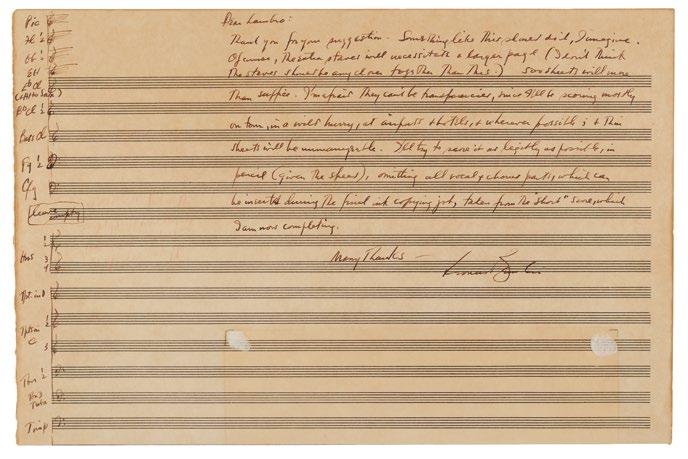
594. Leonard Bernstein Autograph Orchestration Page Signed for His Symphony No. 3, ‘Kaddish’. The original opening orchestration page for Bernstein’s ‘Symphony No. 3, Kaddish,’ written in his own hand, 13.5 x 18, no date but circa August 1963. Bernstein establishes his preferred layout for drafting the score, indicating which staves should be used for scoring various parts of his orchestra, including flute, piccolo, oboe, trumpets, percussion instruments, vibraphones, harp or piano, and so on, with vocal, speaker, and chorus parts separated by blank staves. In the upper right, he pens a detailed note to fellow composer Phillip Lambro, who was responsible for preparing printed sheets of orchestration paper using this handwritten example as a model. In full: “Dear Lambro: Thank you for your suggestion. Something like this should do it, I imagine. Of course, the extra staves will necessitate a larger page (I don’t think the staves should be any closer together than this). 500 sheets will more than suffice. I’m afraid they can’t be transparencies, since I’ll be scoring mostly on tour, in a wild hurry, at airports & hotels, & whenever possible; & those sheets will be unmanageable. I’ll try to score it as legibly as possible, in pencil (given the speed), omitting all vocal & chorus parts, which can be inserted during the final ink copying job, taken from the ‘short’ score, which I am now completing. Many thanks—Leonard Bernstein.”
At the bottom, he notes: “Leave a solid bottom margin! 1 1/2˝ or so.” In fine condition, with a block of light toning, and two small paper remnants, in the lower blank area. Leonard Bernstein’s Symphony No. 3, ‘Kaddish,’ is perhaps the work in which his Jewish spiritual heritage and his deep, lifelong concern for a troubled humanity most powerfully converge. Conceived as an intensely personal cri de cœur, the symphony wrestles openly with faith, doubt, and moral responsibility, framing the ancient Aramaic prayer within a modern, anguished dialogue with God. Bernstein dedicated the work to the memory of President John F. Kennedy, whose assassination occurred as the symphony was nearing completion, lending the music an added sense of poignancy. Starting Bid $500
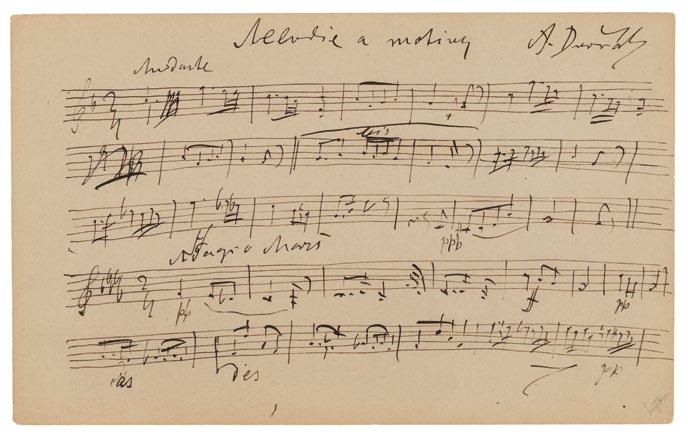
597. Antonin Dvorak Autograph Muscial Quotation Signed - “Melodie a motivy”. Esteemed Czech composer (1841–1904) of orchestral and chamber music, best known for his Symphony No. 9, ‘From the New World.’ AMQS on an off-white 8 x 5 sheet, titled and signed at the head in bold ink, “Melodie a motivy [Melodies and Motives], A. Dvorák.” Dvorak pens a single-staff musical quotation, approximately 34 measures in length and marked “Andante” (and later, “Adagio”), which includes a few suggestions for harmonies. In fine condition. We have unable to identify any works directly related to this musical sketch, which Dvorák evidently never developed. Accompanied by an original 1947 Parke-Bernet catalogue entry for the piece, wherein it is described as a “fine specimen.” Starting Bid $1000
596. Claude Debussy Autograph Letter Signed. Important French composer (1862-1918) whose colorful, evocative works, particularly those for keyboard and for orchestra, exemplified the ‘impressionist’ style, and whose innovative use of harmonic and instrumental resources was a seminal influence on the emerging language of twentieth-century music. ALS in French, two pages on two adjoining sheets, 5 x 5.75, January 16, 1904. Handwritten letter to Paul Aubry, in part (translated): “Because of one of those unexplainable particularities of the postal service, I receive your two letters at the same time. Do I need to explain to you how friendly I find your request?…At this precise moment I am overloaded with work nevertheless I will try to send you this in the next 15 days.” In fine condition. Accompanied by the original mailing envelope, addressed in Debussy’s own hand. Starting Bid $200
598. William S. Gilbert Handwritten Synopsis of ‘The Pirates of Penzance,’ with Extensive Lyrical Quotations. British dramatist and lyricist (1836–1911) best known for his 14 comic operas written in collaboration with composer Arthur Sullivan. Handwritten manuscript by W. S. Gilbert, ten pages, 8.5 x 10.5, no date but circa 1879–1880. Gilbert pens a synopsis of the classic Gilbert and Sullivan comic opera The Pirates of Penzance, intended for publication in conjunction with its premiere. The piece begins: “The Pirates of Penzance are a body of soft-hearted marauders whose head quarters are a cape on the coast of Cornwall. As the curtain rises, they are discovered in the act of celebrating the ‘coming of age’ of their only apprentice, young Frederic…He explains that having, that day, attained his majority, he is out of his indenture & he intends to avail himself of his liberty to quit their band for ever.”
He goes on to discuss the plot at length, incorporating quotations from several of the opera’s songs, beginning with one sung by Frederic: “Oh, is there not one maiden here / Who does not feel the moral beauty / Of making worldly interest / Subordinate to sense of duty? / Who would not give up, willingly / All matrimonial ambition, / To rescue such a one as I / From his unfortunate position?”
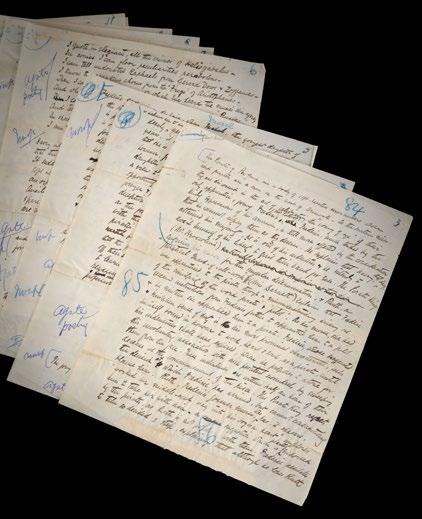
He also quotes from the Major-General’s humorous song: “I know our mythic history—King Arthur’s and Sir Caradoc’s,— / I answer hard acrostics—I’ve a pretty taste for paradox— / I quote in elegiacs, all the crimes of Heliogabalus— / In conics I can floor peculiarities parabolus— / I can tell undoubted Raphaels from Gerard Dows & Zoffanies, / I know the croaking chorus from The Frogs of Aristophanes.” Later on, he quotes from the policemen’s chorus: “When the foeman bares his steel, / Tarantara, tarantara! / We uncomfortable feel; / Tarantara! / And we find the wisest thing, / Tarantara, tarantara! / Is to slap our chests and sing, / Tarantara!”
In very good to fine condition, the pages having been cut up and taped back together as part of the publication process, and various pencil and ink editorial markings made throughout the text; a revised version of this piece was published in The Era on January 18, 1880. Accompanied by a blue silk program for opera’s American debut at the Fifth Ave. Theatre in New York City on December 31 1879.
‘The Pirates of Penzance’ was first produced before a private audience at the Little Bijou Theatre, Torquay, England, in order to protect the copyright in that country. Its first production on an adequate scale at the Fifth Avenue Theatre, New York, New Year’s Eve, 1879, with Sir Arthur Sullivan, the composer, conducting. ‘The Pirates’ immediately became the vogue in America, and proved equally, if not more popular than its predecessor, ‘H.M.S. Pinafore,’ and Sir Arthur pronounced his score of even greater beauty than that of the nautical opera. Starting Bid $2500
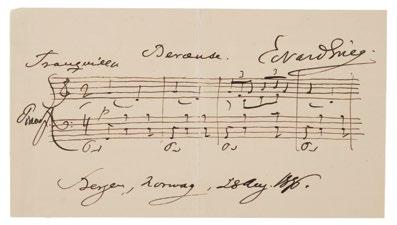
599. Edvard Grieg Autograph Musical Quotation Signed from a Lullaby. Important Norwegian composer and pianist (1843-1907) whose works, often with a strong nationalistic flavor, include such repertory staples as the ‘Piano Concerto in A minor,’ the incidental music to Peer Gynt, and the ‘Holberg Suite.’ AMQS on an off-white 7 x 4 sheet, titled and signed at the top in ink, “Berceuse [Lullaby], Edvard Grieg.” Grieg pens four bars of piano music in a two-stave system, marking the tempo as “Tranquille.” He adds the place and date at the bottom: “Bergen, Norway, 28 Aug. 1896.” In fine condition, with a light central vertical fold. Starting Bid $200
“I still have to spend part of the day in bed but you shall not perceive anything of it when I am playing your music”
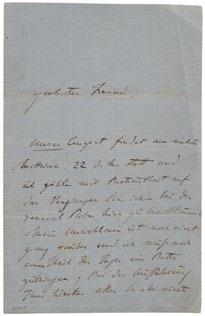
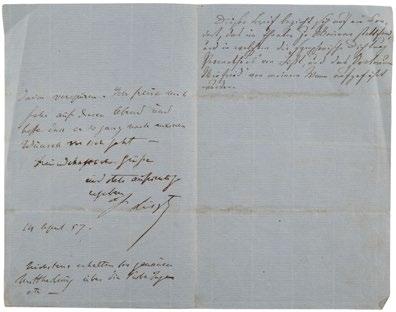
600. Franz Liszt Autograph Letter Signed: “Our concert is to take place next Wednesday”. ALS in German, signed “F. Liszt,” one page both sides, 5 x 8, April 14, 1857. Handwritten letter to a friend, in part (translated): “Our concert is to take place next Wednesday the 22nd. I reckon on having the pleasure of seeing you at the general rehearsal. My indisposition has not quite passed off & I still have to spend part of the day in bed but you shall not perceive anything of it when I am playing your music. I am looking forward to this evening with much pleasure & hope it will go off quite as I want it to do.” He adds a postscript: “You shall hear more definitely about the rehearsal shortly.” A note penned on the integral leaf in another hand reads, in full (translated): “This letter refers to a concert given in the theatre at Weimar & at which Liszt’s ‘Symphony Prometheus’ & my husband’s oratorio ‘Wiefried’ were performed.” In fine condition, with light edge creasing. Starting Bid $200
Impressive archive of musical sketches from Offenbach’s popular operas: ‘La Vie parisienne,’ ‘Orphée aux enfers,’ and ‘Les contes d’Hoffmann’
601. Jacques Offenbach Archive of Autograph Musical Sketches from ‘La Vie parisienne,’ ‘Orphée aux enfers,’ and ‘Les contes d’Hoffmann’. French composer (1819–1880) best known for his popular stage works, most notably Orpheus in the Underworld (including the famous ‘Can-Can’) and The Tales of Hoffmann. Outstanding archive of Jacque Offenbach’s autograph sketch-leaves for various operas, including the melody of the ‘Marche’ and ‘Entr’acte’ from ‘La Vie parisienne,’ a sketch for ‘Orphée aux enfers,’ and one leaf for ‘Les contes d’Hoffmann,’ with passages marked “Refrain,” “Air Basse,” “Chasse,” and “Barcarolle.” These musical sketches total 19 pages on 14 x 10.75 sheets, mostly singlesided and lined with twenty staves; they include the opening of a scene entitled “Pour la Sortie de Nathan (a voir dans ses couplets)” and settings various lyrics, such as “Parbleu ma gentille fauvette matin et soir me le redit.” The pages are apparently not continuous, but represent a selection of discarded early conceptual drafts and sketches which he revised and incorporated into the larger works.Additionally includes two ALSs by Offenbach—one proposing a “truly marvelous” role suited for a “splendid voice,” the other saying, “I am beginning to orchestrate Orpheus…The ‘Romance’ is finished…but not yet the words”—plus a manuscript contract for the operetta Le docteur Ox, based on a story by Jules Verne, with music to be provided by Offenbach, signed at the conclusion by the composer and three others. Also accompanied by manuscript scribal copies of pieces entitled “Polka,” “Tarentelle,” and “Mélodie,” totaling thirteen pages. In overall very good to fine condition, with an edge tear and loss to one of the musical manuscript pages. Starting Bid $1000
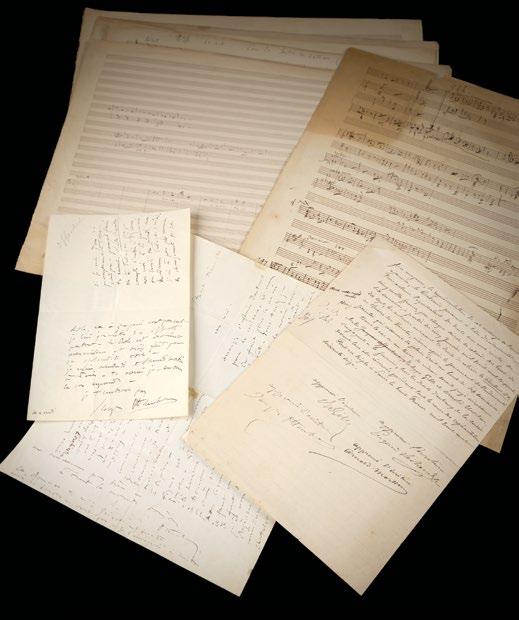
602. Giacomo Puccini Autograph Musical Manuscript from ‘La fanciulla del West’. Handwritten musical manuscript from Puccini’s draft of ‘La fanciulla del West [The Girl of the West],’ one page, 9.5 x 12, no date but circa 1908–1910. The page features numerous corrections, deletions, and additions, with twelve words written in Puccini’s hand. In very good to fine condition, with scattered small stains and light soiling, and several small pieces of old tape and short tears to the edges.
Based on David Belasco’s play ‘The Girl of the Golden West,’ Puccini’s ‘La Fanciulla del West’ premiered at the Metropolitan Opera House in New York on December 10, 1910, conducted by Arturo Toscanini and featuring Enrico Caruso in the lead role of Dick Johnson. The opera remained popular through its first season, and continued to enjoy moderate success with premiers throughout Europe, Australia, and Argentina. This significant musical manuscript demonstrates Puccini’s energetic process of composition, with quick scrawls and rapid deletions, in addition to carefully crafted passages. A marvelous piece of opera history. Starting Bid $500
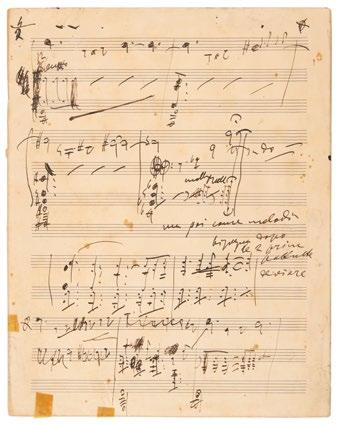
“It
first opera
603. Giacomo Puccini Autograph
Letter Signed on Madame Butterfly: “It is the first opera ever performed in Japanese costumes at the Opera Comique”. ALS in Italian, signed “G. Puccini,” one page both sides, 5 x 3.5, Hotel Westminster, Paris letterhead, September 13, 1906. Handwritten letter to Aldredo Vandini, in part (translated): “I have made definitive arrangements for Butterfly at the Opera Comique with Madame Carre and tenor Clement, under the baton of Maestro Luigini. The director of the Carre Company will stage it in a special and most original fashion. The opera will open at the end of October. It is the first opera ever performed in Japanese costumes at the Opera Comique.” In fine condition. Accompanied by the original mailing envelope, addressed in Puccini’s hand. Starting Bid $200
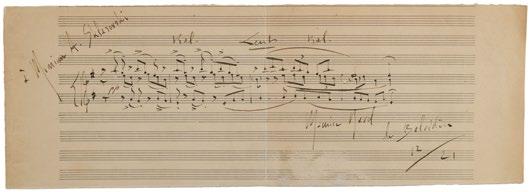
604. Maurice Ravel Autograph Musical Quotation Signed for ‘Ronsard à son âme’. AMQS on an off-white 10.5 x 3.75 sheet, signed and inscribed in ink, “A Monsieur A. Sklarevski, Maurice Ravel, Le Belvédère, 12/21.” Ravel pens several piano bars from his piano work ‘Le Tombeau de Couperin [The Tomb of Couperin],’ signing at the conclusion. In fine condition, with a central vertical fold, and old mounting remnants on the back.
Le Tombeau de Couperin is a suite for solo piano in six movements composed by Maurice Ravel between 1914 and 1917, modeled on the dances of a traditional Baroque suite. Each movement is dedicated to the memory of a friend of Ravel’s who died fighting in World War I, and the work as a whole pays homage to French Baroque music pioneered by François Couperin. Starting Bid $200
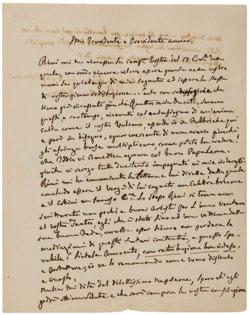
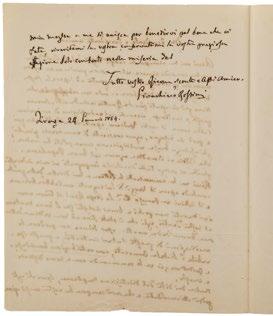
605. Gioachino Rossini Autograph Letter Signed. Important Italian composer (1792-1868) who became one of the seminal figures in the history of opera with such repertoire staples as The Barber of Seville and William Tell. ALS in Italian, signed “Gioachino Rossini,” one page both sides, 8.5 x 10.5, January 24, 1854. Untranslated handwritten letter to his attorney, Filippo Santocanale. In fine condition. Starting Bid $200
606. Johann Strauss II Handwritten Musical Manuscript from ‘Prinz Methusalem’. Eminent Viennese composer (1825–1899) known as the ‘Waltz King,’ who is remembered for such classics as ‘The Beautiful Blue Danube’ and the ‘Emperor Waltz,’ and for the operetta staple, ‘Die Fledermaus.’ Unsigned handwritten musical manuscript by Johan Strauss II, totaling 32 pages, 10.5 x 13.75 no date but circa 1876. Strauss drafts the duet “Zum ersten Mal mit dir allein” from Act I of Prinz Methusalem in full score, on up to twenty-four staves per page, with many autograph corrections, revisions, alterations, and deletions, with some notes scratched out by Strauss; pages 19–27, and page 32, are in another hand, though annotated by Strauss; page 28 has been left blank and struck through in indelible pencil. Bound in old paper wrappers, artistically titled on the front and annotated in pencil by a collector. In fine condition.
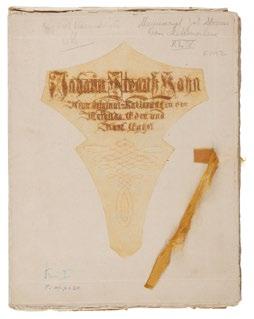
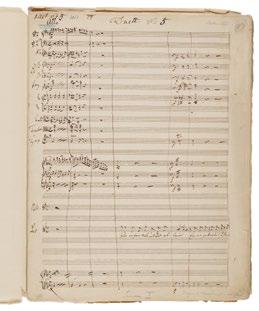
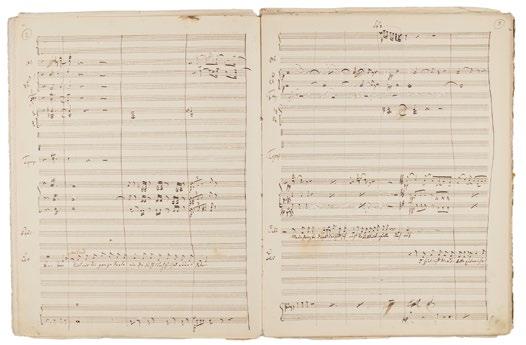
An operetta written by Johann Strauss II to a libretto by Karl Treumann, Prinz Methusalem premiered at Vienna’s Carltheater on January 3, 1877, at a moment when Strauss—already celebrated internationally as the ‘Waltz King’—was increasingly focused expanding his reputation into the operetta stage. While contemporary critics were divided, the work enjoyed considerable popular success, running for a respectable eighty performances. The Act I duet presented here, sung by Prinz Methusalem and Pulcinella, exemplifies Strauss’s melodic sophistication and instinct for theatrical dialogue, and was originally performed by Antonie Link and Caroline Finaly. Starting Bid $1000
607. Giuseppe Verdi Autograph Letter
Signed, Referring to His Opera Nabucco. Italian composer (1813-1901) who was one of the most influential figures in the history of opera. ALS in Italian, signed “G. Verdi,” one page both sides, 5.25 x 8, February 15, 1843. Untranslated handwritten letter by Giuseppe Verdi to his close friend, Giuseppe Demalde, with a reference to his opera Nabucco. Addressed on the integral leaf in Verdi’s own hand. In fine condition, with a small area of seal-related paper loss to the integral address leaf. Read more online at www.RRAuction.com. Starting Bid $200
Weber sends his music for publication, including “the Overture in D Minor, the Concertino and the Variations”
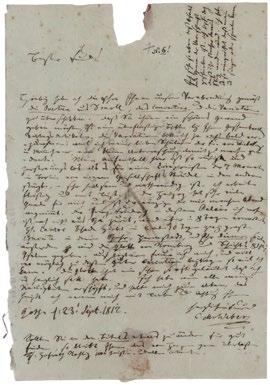
609. Carl Maria von Weber Autograph Letter Signed to His Music Publisher, Sending “the Overture in D Minor, the Concertino and the Variations”. German composer, conductor, pianist, guitarist, and critic, one of the first significant composers of the Romantic school (1786–1826). ALS in German, signed “C. M. v. Weber,” one page, 7.25 x 10.5, September 23, 1812. Handwritten letter to organist, violinist, and music publisher Ambrosius Kuehnel of Leipzig, written from Gotha. In part (translated): “My dearest Friend, I have the honor of sending you here, as agreed upon, the Overture in D Minor, the Concertino and the Variations. Asking you to dress them up nicely would be a superfluous request knowing how tasteful your publications are. I would like to ask you to tackle the Variations as soon as you can, as I intend to present them as a small surprise to my dear student Frau von Wiebeking in Munich. My stay here is so quiet and free of distraction, just as a composer needs it to be, to recover from stumbling from one social whirlwind into the next for seven months in Berlin. I am working hard and loving it. The Duke is very gracious toward me and he is the only person who, every now and then, takes an evening away from me. Prince Frederick, in whose palace I am staying, is not back from Spa yet, but he is expected to return in 8 days.
Your cantor Schade will be giving two big concerts in 8 or 10 days in which Spohr, Hermstedt and yours truly [will perform]. Romberg’s Glocke [‘Bell’] and Schicht’s 84th Psalm will also be performed later. I am looking forward to the latter and want to do my very best to contribute to its good execution. The Glocke has rung for me so often that I have quite enough of it.” He adds postscripts at the top and bottom: “If you see something in the titles you think should be changed, I happily leave it up to you. 1000 greetings to Councilor Rochlitz and all acquaintances,” and, “I just noticed that the notation of the theme of the Variations is poorly written. I hope your engraver can make sense of it. I arranged it so it can be either sung or played.” In very good to fine condition, with scattered light foxing, and seal-related paper loss to the top blank area, affecting no text. Read more online at www.RRAuction.com. Starting Bid $200
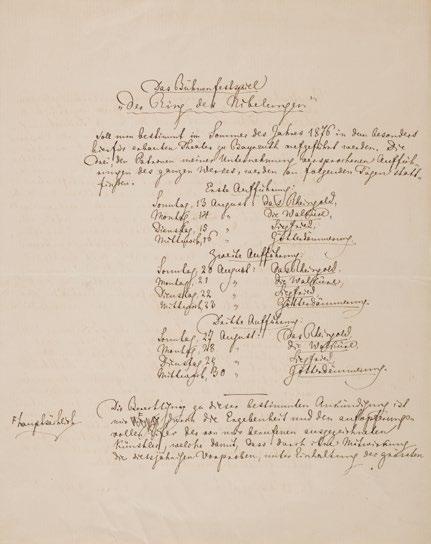
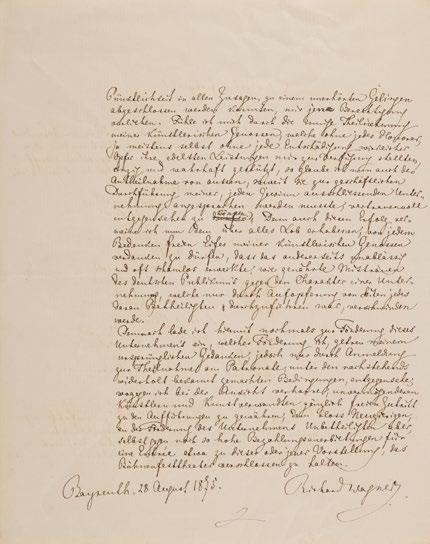
608. Richard Wagner Autograph Manuscript Signed, Announcing the Premiere of ‘Der Ring des Nibelungen’. AMS in German, signed “Richard Wagner,” one page both sides, 8.75 x 11, August 28, 1875. Wagner’s handwritten announcement of the inauguration of the Bayreuth Festival Theater, where, for the first time, his ‘Ring’ cycle was to be performed in its entirety. In part (translated): “’The Ring of the Nibelung’ is now to premiere in the summer of 1876 at the festival theater in Bayreuth, which was built especially for this production. The three performances of the complete work, which I have promised to my patrons, will take place on consecutive days.” Here, he writes the dates of the performances of “Das Rheingold [The Rhinegold],” “Die Walküre [The Valkyrie],” “Siegfried,” and “Götterdämmerung [Twilight of the Gods].”
He goes on to explain: “I have been fortunate enough to be able to make this announcement primarily due to the devotion and self-sacrificial assiduousness of those excellent artists who I myself hired, whose cooperation and whose painstaking diligence in all of their work has assisted in making this year’s rehearsals an unprecedented success. It is they who have enabled me to make this announcement. I feel uniquely and faithfully supported by the loyal assistance of my artistic associates, who have furnished me with their noblest efforts without receipt of any fee, indeed mostly without any recompense whatsoever for their sacrifice, and so I now faithfully believe that I can expect the sympathies of the wider world, insofar as the commercial performance of my production, which will not earn a profit, demands them.
Accordingly, I herewith invite you again to support this project, support which I only envisage as consisting in participation in its patronage, reflecting my original intentions and under the repeatedly publicized conditions, in this I remain steadfast in my desire to afford poorer artists and art-lovers wholly complimentary entry to the performances; to the purely curious, who have done nothing to support the project, however, I remain resolutely opposed to admitting to the festival theater, even a against the payment of such a high ticket fee.” In very good to fine condition, with light creasing in the margins.
Richard Wagner’s magnum opus, The Ring of the Nibelung, was first performed in its complete four-opera cycle at the 1876 Bayreuth Festival, on the dates here appointed. These operas, consisting of Das Rheingold (The Rhinegold), Die Walküre (The Valkyrie), Siegfried, and Götterdämmerung (Twilight of the Gods), remain some of Wagner’s most famous works. The Götterdämmerung (Twilight of the Gods) is the final opera in Wagner’s epic cycle and brings the monumental tale of gods, heroes, and the cursed ring to a dramatic conclusion. The opera follows the tragic downfall of Siegfried and Brünnhilde, culminating in the destruction of Valhalla and the end of the gods’ reign.
Wagner’s longtime patron, King Ludwig II of Bavaria, attended the third and final performance, August 27–30. He had previously followed the dress rehearsals (August 6-9, 1876), where Wagner met him for the first time, after eight years of dedicated patronage. The inauguration was a financial debacle, not until six years later could they afford to stage another opera—Parsifal, in 1882. Starting Bid $1000
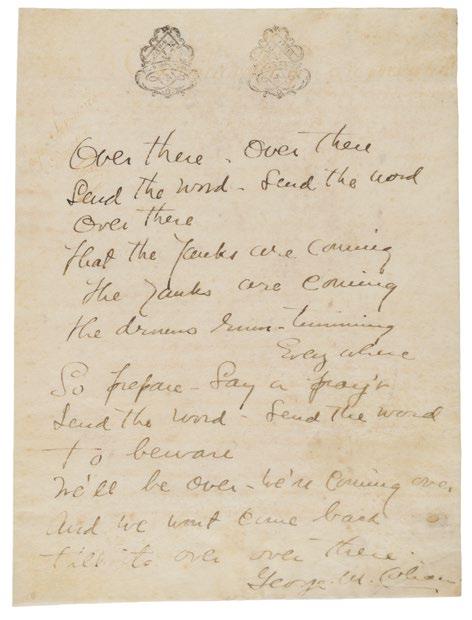
610. George M. Cohan Autograph Quotation Signed: “We won’t come back till it’s over, over there”. American playwright, songwriter, and actor (1878–1942), widely regarded as the father of American musical comedy, who takes a place among the most beloved entertainers of his era. Among his scores of hits are such standards as ‘You’re a Grand Old Flag,’ ‘Give My Regards to Broadway,’ and ‘Over There.’ Spectacular AQS on an off-white 8 x 10.75 sheet of vellum, signed at the bottom, “George M. Cohan.” Cohan writes out the chorus of his patriotic standard “Over There.” In full: “Over there, over there, Send the word, send the word over there. That the Yanks are coming, the Yanks are coming. The drum’s rum-tumming everywhere. So prepare, say a prayer, Send the word, send the word to beware, We’ll be over, we’re
coming over. And we won’t come back till it’s over, over there.” In fin condition, with overall wrinkling, and Cohan’s final line and signature a shade light due to reduced ink flow.
Written by Cohan in 1917, the rousing song offered a patriotic fervor to the young men headed off to fight in World War I.
A generation later, a new batch of soldiers and sailors were invigorated by the words and the positive message that “we won’t be back till it’s over over there.” Though the United States had gone from being a tolerant nation under the leadership of Woodrow Wilson to one thrust into the brutalities of war, Cohan’s lyrics gave the madness a sense of purpose. Starting Bid $500
611. George and Ira Gershwin Document Signed, Allocating Their Earnings from RKO Studios. DS, signed “George Gershwin” and “Ira Gershwin,” one page, 8.5 x 13, September 30, 1936. Affidavit submitted in compliance with the California Income Tax Act of 1935, certifying all compensation under their agreement with RKO Studios, Inc., “has been and will be divided and allocated between them in the ratio of sixty per cent (60%) to the said George Gershwin and forty per cent (40%) to the said Ira Gershwin.” Neatly signed at the conclusion in fountain pen by both George and Ira Gershwin, and countersigned by a notary. In fine condition, with minor loss to the lower right corner. Starting Bid $200
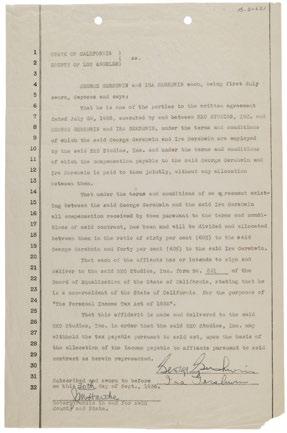
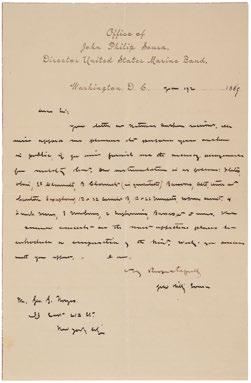
“Your letter and National Anthem received, it will afford me pleasure to perform your anthem in public, if you will furnish me the necessary arrangements for military band”
612. John Philip Sousa Autograph Letter Signed, Outlining the Instrumentation of the United States Marine Band. ALS, one page, 5.5 x 8.5, personal United States Marine Band letterhead, January 19, 1889. Handwritten letter to George Noyes, in part: “Your letter and National Anthem received, it will afford me pleasure to perform your anthem in public, if you will furnish me the necessary arrangements for military band. Our instrumentation is as follows: flutes, oboes, Eb clarinets, B clarinets (in quartette), Bassoons, alto, tenor and baritone saxophones, 1st & 2nd cornets, 1st & 2nd trumpets, soprano cornet, 4 French horns, 3 trombones, 2 euphonium…The summer concerts are the most opportune places to introduce a composition of this kind.” In fine condition. Accompanied by the original mailing envelope, addressed in Sousa’s own hand. Starting Bid $200
the band at the time of signing
613. Beatles Fully Signed ‘Star Pics’ Photograph - Obtained at Edinburgh’s ABC Cinema (April 29, 1964). Attractive vintage glossy 6 x 7.75 Star Pics merchandising photo of John Lennon posing outdoors and wearing a dark turtleneck, sports coat, and slacks, an image attributed to Dezo Hoffmann, signed and inscribed on the reverse in blue ballpoint, “To Carolyn, love, John Lennon, xxx,” “To Caroline, love from, George Harrison, xx,” “Ringo Starr, xx,” and “Paul McCartney, xxx.” In very good to fine condition, with tack holes to the corners, and light creasing (more visible on the image side). The consignor notes that the autographs were obtained backstage at the ABC Cinema in Edinburgh, Scotland, on April 29, 1964. Includes two modern photographs of the Beatles seated with the recipient, Carolyn Woodman, which were originally taken at the time of signing.
Accompanied by a certificate of authenticity from Tracks and a letter of provenance from Woodman, who writes: “I obtained the autographs of The Beatles on the reverse of a black and white photo of John Lennon, illustrated below, when I met them on the afternoon of April 29th 1964 prior to an evening concert by John, Paul, George and Ringo at the ABC Regal Cinema, Edinburgh.
I had queued overnight for tickets to the concert with my friends. Shortly after, I received a letter from the manager of the theatre, Mr. Lovell, asking me if I would like to meet The Beatles. Around 3 pm on the afternoon of the 29th April, Mr. Lovell introduced me to John, George, Ringo and Paul. John shook hands with me, and I asked him if I could kiss him – he bent forward – I kissed his cheek. John said, ‘My wife will kill me!’ I [also] chatted with other members of the group.” Starting Bid $1000
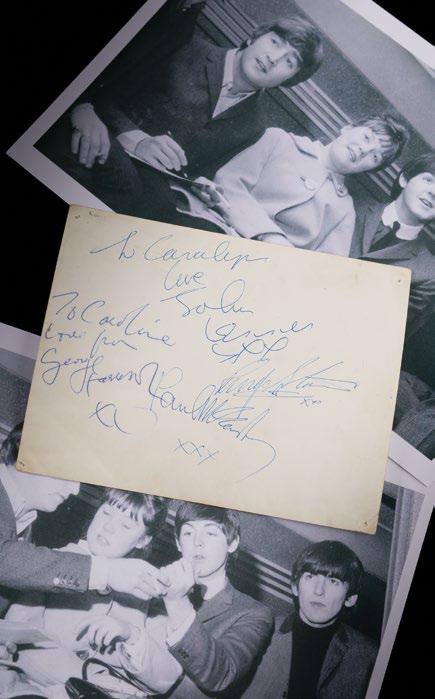
The Composers—incredibly rare dual-signed photograph of John Lennon and Paul McCartney, an image originally taken by their Beatles bandmate, Ringo Starr, in 1968— signed by the two songwriters in New York City in 1974
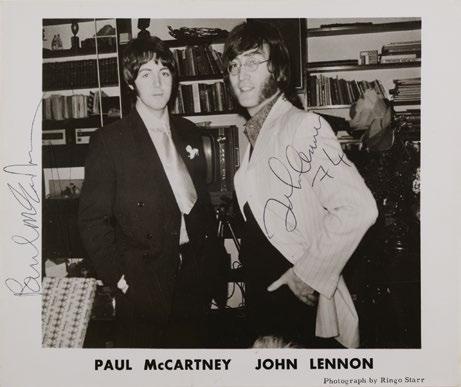
614. Beatles: John Lennon and Paul McCartney Rare DualSigned Photograph. Amazing vintage glossy 10 x 8 promotional photo of principal Beatles songwriters John Lennon and Paul McCartney posing inside Paul’s Cavendish Avenue home in London, an image originally taken by drummer Ringo Starr in February 1968, signed neatly in black ballpoint, “John Lennon, 74” and “Paul McCartney.” In fine condition. A spectacularly uncommon Beatles offering — photos signed by and depicting only Lennon and McCartney are virtually nonexistent. Adding to its significance, this image was originally taken by their former bandmate, Ringo Starr, who took this photo in 1968 to be used in the group’s only official biography, The Beatles: The Authorized Biography, which was written by author and journalist Hunter Davies and published in September 1968. This dual portrait of Lennon and McCartney was so special to the Beatles’ camp that it was enlarged, framed, and hung above the fireplace inside the Beatles’ Apple offices at 3 Savile Row in London. Such an item, signed by the Beatles’ illustrious two-man song-writing team, considered by many music critics and journalists to be the greatest partnership of the 20th century, is undeniably special and unlikely to ever reenter the open market. The consignor notes that the photo was signed by the two Beatles for well-known in-person autograph seeker Robert D. ‘Bob’ Socci, who obtained McCartney’s signature in New York City in late fall 1974, as McCartney and his wife, Linda, exited his chauffeured limo on Fifth Avenue outside of the Stanhope Hotel, where the couple was staying.
Lennon signed on Thanksgiving Day, November 28, 1974, as he sat in his limo outside the Sherry-Netherland Hotel on Fifth Avenue in midtown Manhattan, where his close friend and fellow musician Elton John was staying in advance of his Thanksgiving night concert at Madison Square Garden. A photo of Lennon in the car taken at the moment of Socci’s encounter is included. That very evening, John Lennon made his final concert appearance in front of a paying audience when he made an unannounced surprise appearance onstage at John’s show at the Garden. Lennon, who had not performed on a stage in two years, emerged to John’s introduction to a wildly appreciative – and shocked – audience. The historic performance was a three-song set: John’s latest number one single, ‘Whatever Gets You Thru the Night,’ as well as two Beatles classics, ‘Lucy in the Sky with Diamonds’ and ‘I Saw Her Standing There.’ (A DJM Records 7-inch vinyl pressing of the concert is included). That special night would mark Lennon’s last-ever live concert appearance.
Two months earlier, during the recording of ‘Whatever Gets You Thru the Night,’ which would appear on Lennon’s Walls and Bridges album, Elton John, who performed harmony vocals and piano on the recording, was confident the song would be a No. 1 hit. Lennon, however, was skeptical, which led to John betting him that if the tune topped the charts, Lennon would have to play with him at one of his shows. When the song peaked on the U.S. charts on November 16, 1974, Lennon made good on his bet just 12 days later with his Madison Square Garden appearance. ‘Whatever Gets You Thru the Night’ would go on to be Lennon’s only No. 1 hit as a solo act. The MSG show also marked a reunion backstage between Lennon and his estranged wife, Yoko Ono, leading to a reconciliation early in 1975 following Lennon’s ‘Lost Weekend’ period in Los Angeles. Starting Bid $1000
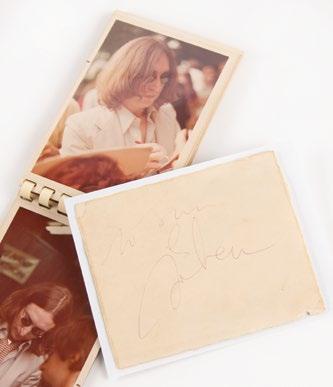
615. Beatles: John Lennon Signature with (19) Candid Photographs from the 1975 WFIL Helping Hand Marathon. Vintage 1975 ballpoint signature and inscription, “To Jim, John Lennon,” on an off-white 4.75 x 4 sheet, which is lightly affixed to a slightly larger card. Included with the signature is a period spiral-bound photo album, which contains 19 color semi-glossy 5 x 3.5 candid photographs from the WFIL Helping Hand Marathon, with eight photos picturing Lennon at the event. In very good to fine condition, with light creasing, and old mounting residue on the back.
From May 16 to 18, 1975, the Philadelphia rock station WFIL and the advocacy organization PARC cosponsored the Helping Hand Marathon, a weekend fundraiser to raise money for multiple sclerosis. Lennon spent the entire three days answering phones, taking pledges, and signing autographs for fans; he even stayed long enough to do the weather report for WPVI-TV. Starting Bid $500
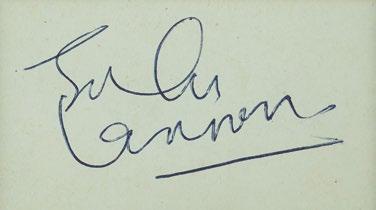
616. Beatles: John Lennon Signature. Choice ballpoint signature, “John Lennon,” on a light green album page. Matted and framed with a color limited edition 15 x 22 photographic print of Lennon flashing a peace sign in front of the Statue of Liberty in 1974, signed in black felt tip by the photographer Bob Gruen, to an overall size of 23.5 x 31.5. In very fine condition. Starting Bid $300
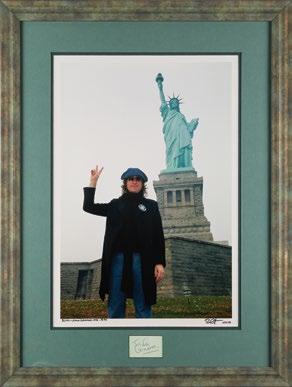
“Anyone with a discerning eye who has seen me in concert during the last five years will know that I am a Gianni Versace fanatic”— Eric Clapton’s handwritten statement on his own custom line of Versace stage costumes, printed inside the program for his massive 1990 Journeyman Tour
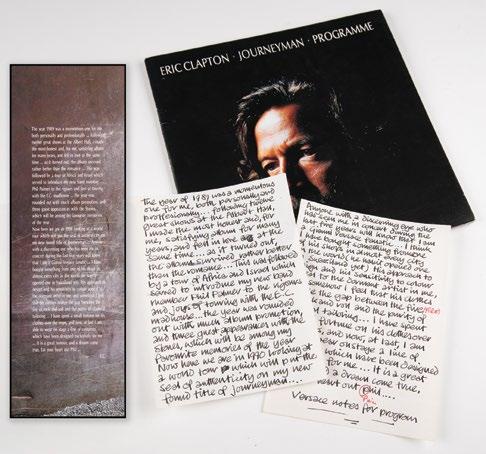
618. Eric Clapton Handwritten “Versace notes for program” Statement, Printed in the Journeyman 1990 Concert Tour Program - “I am a Gianni Versace fanatic”. Handwritten “Versace notes for program” statement by Eric Clapton, unsigned, which was printed in the program for his Journeyman concert tour of 1990. The manuscript, which is penned neatly in black ink by Clapton on two off-white 6 x 8 sheets, discusses the Journeyman tour up to that point and his privilege to wear custom Versace onstage: “The year of 1989 was a momentous one for me, both personally and professionally…following twelve great shows at the Albert Hall, I made the most honest and, for me, satisfying album for many years, and fell in love at the same time…as it turned out, the album survived rather better than the romance…This was followed by a tour of Africa and Israel which served to introduce my new band member Phil Palmer to the rigours and joys of touring with the E.C. madhouse…the year was rounded out with much album promotion, and three guest appearances with the Stones, which will be among my favourite memories of the year. Now here we are in 1990 looking at a world tour which will put the seal of authenticity on my new found title of Journeyman…
Anyone with a discerning eye who has seen me in concert during the last five years will know that I am a Gianni Versace fanatic…I think I have bought something from one of his shops in almost every city in the world (he hasn’t opened one in Swaziland yet). His approach to design and his sensitivity to colour appeal to the dormant artist in me, and somehow I feel that his clothes bridge the gap between the fire of rock and roll and the purity of classical tailoring…I have spent a small fortune on his clothes over the years, and now, at last, I am able to wear onstage a line of costumes which have been designed exclusively for me…It is a great honour, and dream come true, eat your heart out Phil…” Clapton adds at the end, “Versace notes for program. An unknown hand has made edits in red ink. Includes an original Journeyman program, which features the above statement printed on the front cover’s French-fold flap. In very fine condition. Accompanied by a certificate of authenticity from Tracks. Originates from the estate of graphic designer Bogdan Zarkowski, the designer of the program. Starting Bid $500
617. Blizzard of Ozz Signed Album with Ozzy Osbourne and Randy Rhoads. Blizzard of Ozz album by Ozzy Osbourne, signed and inscribed on the front cover in blue ballpoint, “To Chris – Ozzy Osbourne,” “Randy Rhoads,” “Lee Kerslake,” and “Bob Daisley.” In very good to fine condition, with edge wear, an old dealer’s sticker, and poor ink flow to Daisley’s and Kerslake’s first attempts at signing. The record is not included.
Blizzard of Ozz, Ozzy Osbourne’s debut solo album from 1980, represents a landmark in heavy metal history, featuring iconic tracks like ‘Crazy Train’ and ‘Mr. Crowley.’ The album features the legendary guitarist Randy Rhoads as part of Osbourne’s first solo band, bolstered by Lee Kerslake on drums and Bob Daisley on bass. Anything signed by Rhoads is extremely rare due to his untimely death at age 25. With its powerful riffs and dark themes, Blizzard of Ozz endures as one of heavy metal’s greatest albums. Starting Bid $200
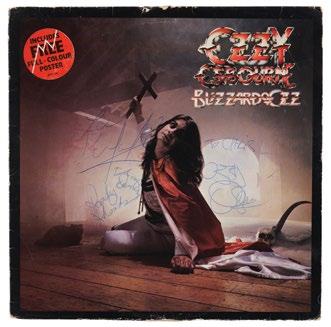
Uninscribed copy of Bob Dylan’s landmark
The Times They Are a-Changin’ album, signed in 2017 for the president of the Bob Dylan Music Company
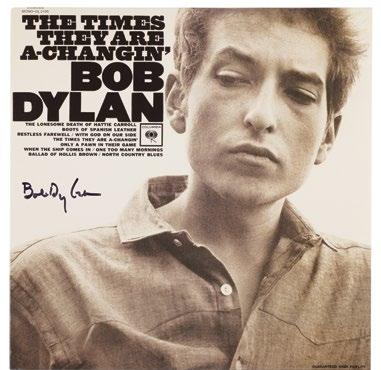
619. Bob Dylan Signed Album - The Times They Are a-Changin’. The Times They Are a-Changin’ album by Bob Dylan, who has signed neatly on the front cover in black felt tip. In very fine condition. The record is included. Accompanied by a certificate of authenticity from Tracks and by a letter of provenance from Jeff Rosen, the president of the Bob Dylan Music Company, which reads: “I represent Bob Dylan and have done so for many years. In 2017 he signed a number of individual albums on a rare and limited basis, including the album photographed here. I can say for certain that it is Bob Dylan’s signature. The chain of custody is directly from Bob Dylan to myself.” A superior example of one of Dylan’s greatest albums, signed in a controlled environment, for his trusted business manager of 30-plus years.
Dylan wrote the song ‘The Times They Are a-Changin’’ in the fall of 1963, shortly after Martin Luther King Jr.’s March on Washington, wanting to create an anthem for social justice. As he said, folk music and the Civil Rights movement were natural allies, and he felt he could contribute to the movement by writing a powerful, ‘hypnotic’ anthem. The title track of his third studio album, the song was one of his many timeless pieces that earned Dylan a Nobel Prize in Literature, recognized ‘for having created new poetic expressions within the great American song tradition.’ Starting Bid $500
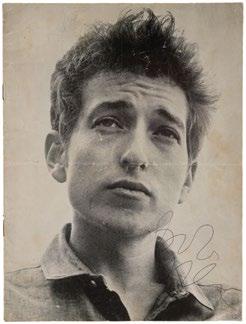
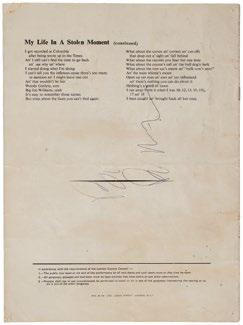
620. Bob Dylan TwiceSigned 1964 London Concert Program - His 1st UK Appearance. Original concert program for Bob Dylan at the Royal Festival Hall on May 17, 1964, “his first public London Concert,” four pages, 7.25 x 9.75, signed on the front cover in blue ballpoint, “Bob Dylan,” and also signed on the reverse, “Bob Dylan.” The interior features Dylan’s poem ‘My Life in a Stolen Moment,’ a reproduction of Ralph J. Gleason’s article ‘Bob Dylan, as seen by a Critic,’ and a large list of songs from which Dylan selected his set list, headed: “Bob Dylan will introduce his own programme and will select much of it from.” Dylan ended up playing 18 songs that night, including ‘The Times They Are A-Changin’,’ ‘Who Killed Davey Moore?,’ ‘Chimes of Freedom,’ ‘Mr. Tambourine Man,’ and ‘A Hard Rain’s A-Gonna Fall.’ In very good condition, with light staining, overall creasing, and a central horizontal fold. Starting Bid $300
621. Bob Dylan Signed Giclée Print - ‘Ranchers’ (Ltd. Ed. #86/295). Color limited edition 25.5 x 30 giclée print entitled ‘Ranchers,’ numbered 86/295, signed in the lower border in pencil by Bob Dylan. Rolled and in fine condition, with a mounting strip along the top edge and faint toning to the borders. Accompanied by its corresponding certificate of authenticity from Washington Green Fine Art.
Originating from Bob Dylan’s 2015 art portfolio ‘The Brazil Series,’ this expressive artwork—vividly rendered in tonal colors with impressionist strokes—depicts a group of ranch workers gathered around towering stacks of wooden barrels overflowing with red fruit. Dylan’s artwork represents a rare fusion of musical genius and painterly vision, offering a glimpse into the restless creativity that defines his work across all mediums. Starting Bid $300
Bob Dylan-signed ‘Train Tracks’ giclee print, released in 2008 as part of his limited edition ‘Drawn Blank’ series
622. Bob Dylan Signed ‘Train Tracks’ Giclee Print (Ltd. Ed. #155/295) - Released in the Original 2008 ‘Drawn Blank’ Series. Sought-after limited edition color 22 x 27.5 giclee print by Bob Dylan entitled ‘Train Tracks - Portfolio,’ released as part of his original 2008 ‘Drawn Blank’ series, numbered 155/295, signed in the lower border in pencil by Dylan. Housed in its original ‘Drawn Blank’ portfolio folder and includes a certificate of authenticity from Washington Green Fine Art. In very fine condition.
Dylan’s popular Drawn Blank art series—a visual autobiography capturing his life on the road—colorfully portrays the people and places he has encountered over the course of his ‘Never Ending Tour.’ This ‘Train Tracks’ print, which derives from the first artwork suite released in the series, represents Dylan’s most coveted subject, and one that he has returned to throughout the series. Starting Bid $300
623. Bob Dylan Signed ‘Truck Stop’ Giclee Print from the ‘Drawn Blank’ Series (Ltd. Ed. #99/295)22˝ x 27.5˝. Limited edition color 22 x 27.5 giclee print by Bob Dylan entitled ‘Truck Stop,’ released as part of his 2012 ‘Drawn Blank’ series, numbered 99/295, signed in the lower border in pencil by Dylan. With weary and welcoming hues of brown, blue, and light green, the artwork depicts two men seated in conversation at a truck stop’s diner counter. The scene reflects a recurring theme in Dylan’s art of American landscapes, specifically the transitory spaces encountered while on tour, each designed to evoke a nostalgic feel for American roadside traveling culture. Housed in its original ‘Drawn Blank’ portfolio folder and includes a certificate of authenticity from Washington Green Fine Art. In very fine condition. Dylan’s popular Drawn Blank art series—a visual autobiography capturing his life on the road—colorfully portrays the people and places he has encountered over the course of his ‘Never Ending Tour.’ Starting Bid $300
624. Bob Dylan Signed ‘Vista from Balcony’ Giclee Print from the ‘Drawn Blank’ Series (Ltd. Ed. #99/295) - 22˝ x 27.5˝. Limited edition color 22 x 27.5 giclee print by Bob Dylan entitled ‘Vista from Balcony,’ released as part of his 2012 ‘Drawn Blank’ series, numbered 99/295, signed in the lower border in pencil by Dylan. The scene depicts a moment of repose for Dylan, admiring from an elevated perspective the setting sun’s dusky glow of bold reds and pinks upon a waterway and its myriad sailboats and passing ferry. Housed in its original ‘Drawn Blank’ portfolio folder and includes a certificate of authenticity from Washington Green Fine Art. In very fine condition. Dylan’s popular Drawn Blank art series—a visual autobiography capturing his life on the road—colorfully portrays the people and places he has encountered over the course of his ‘Never Ending Tour.’ Starting Bid $300
625. Bob Dylan Signed ‘Vista from Balcony’ Giclee Print from the ‘Drawn Blank’ Series (Ltd. Ed. #37/295) - 27.75˝ x 35.75˝. Limited edition color 27.75 x 35.75 giclee print by Bob Dylan entitled ‘Vista from Balcony,’ released as part of his 2010 ‘Drawn Blank’ series, numbered 37/295, signed in the lower border in pencil by Dylan. The scene depicts a moment of repose for Dylan, admiring from an elevated perspective a busy waterway and its myriad sailboats and passing ferry. Matted to an overall size of 31 x 40.25. Includes a certificate of authenticity from Washington Green Fine Art. In very fine condition. Dylan’s popular Drawn Blank art series—a visual autobiography capturing his life on the road—colorfully portrays the people and places he has encountered over the course of his ‘Never Ending Tour.’ Starting Bid $300
626. Bob Dylan Signed ‘Bragg Apartment, New York City’ Giclee Print from the ‘Drawn Blank’ Series (Ltd. Ed. #37/295) - 27.75˝ x 35.75˝. Limited edition color 27.75 x 35.75 giclee print by Bob Dylan entitled ‘Bragg Apartment, New York City,’ released as part of his 2010 ‘Drawn Blank’ series, numbered 37/295, signed in the lower border in pencil by Dylan. The scene depicts the interior of a NYC apartment illuminated by a pair of lamps. Matted to an overall size of 31 x 40.25. Includes a certificate of authenticity from Washington Green Fine Art, which bears some creases. In very fine condition. Dylan’s popular Drawn Blank art series—a visual autobiography capturing his life on the road—colorfully portrays the people and places he has encountered over the course of his ‘Never Ending Tour.’ Starting Bid $300
627. Jimi Hendrix Experience Signatures and Concert Ticket Stub - Jahrhunderthalle in Frankfurt, Germany (January 17, 1969). Vintage circa early 1969 ballpoint signatures of the Jimi Hendrix Experience — “Jimi Hendrix,” “Mitch, x,” and “Noel Redding” — on trimmed 9.5 x 4.5 newspaper clipping of the band with the headline, “They’re a Real Experience.” Also included is an original 4.25 x 1.5 ticket stub for a Jimi Hendrix Experience concert at the Jahrhunderthalle in Frankfurt, Germany, on January 17, 1969, when the band played two performances, one at 7:00 PM and another at 9:45 PM, which included setlist highlights like ‘Foxy Lady,’ ‘The Wind Cries Mary,’ ‘Little Wing,’ ‘Sunshine of Your Love,’ ‘Hey Joe,’ ‘Purple Haze,’ and ‘Voodoo Child (Slight Return).’ Both are individually laminated and displayed with a large photo of the band to an overall size of 15.5 x 21. In very good to fine condition, with old tape stains touching parts of all three signatures. Starting Bid $300
629. Queen (3) Business Checks Signed by Each Band Member. Set of three 7.5 x 4 Coutts & Co. ‘Queen Productions Ltd.’ and ‘Raincloud Productions Ltd.’ business checks from 1980 and 1981, each filled out in another hand and signed in ballpoint or ink by two members of Queen, with John Deacon signing all three as “John R. Deacon.” The earliest check, November 19, 1980, payable to MCI Ltd., for £112.13, is co-signed by Freddie Mercury; the second, January 12, 1981, payable to American Express Company for £252.58, is co-signed by Brian May; and the third, July 2, 1981, payable to Edwin Shirley Trucking for £143.75, is co-signed by Roger Taylor. In overall fine condition. Accompanied by a certificate of authenticity from Tracks.
Edwin Shirley (1948–2013) was a British rock concert tour organizer, film studio manager, and impresario who co-founded Edwin Shirley Trucking in 1974, which became one of the largest music transport companies in Europe. Edwin Shirley Trucking became indelibly associated with live music tours. Brian May of Queen noted Shirley’s importance to their touring operation: ‘Edwin was at the head of Queen’s vehicle convoy for so many years I can’t begin to remember how many… He was a great pal of Gerry Stickells, our illustrious Tour Manager, and the two of them wrote the book on how to party on tour.’ Starting Bid $500
photographs from circa 1955-1956, dated to his tenure as an emerging artist on the Louisiana Hayride, supplemented by 20 candid behind-the-scenes photographs of the future King of Rock and Roll
628. Elvis Presley Collection of (5) Signed Photographs and (20) Candid Photographs - Dated to the King’s ‘Louisiana Hayride’ Days. Collection of five vintage photographs signed by Elvis Presley, all of which were obtained by fan Louise Sheppard (née Troha) when Presley toured through Texas circa 1955 and 1956 as a contract musician with the Louisiana Hayride country music program. The photographs, which range in size from 5.25 x 3.5 to 8 x 10, feature both candid and promotional prints of Presley as an emerging talent, all signed and inscribed in ink, as follows: “To Louise, love ya too, Elvis Presley,” “To Louise, yours til when? Elvis Presley,” “To Louise, Yours, ‘love ya,’ Elvis Presley,” “To Lover, love ya lots, Elvis Presley,” and “To Louise, Yours till? Elvis Presley,” the reverse of the latter also signed by Scotty Moore. Three of the photos are affixed to magnetic photo album pages. Included with the signed photos is a two-page ALS from Elvis’s mother, Gladys Love, signed “Mrs. V. Presley,” dated September 1, 1955, and addressed to Sheppard, in part (spelling and grammar corrected): “Louise, you asked me about the pictures. I am so sorry that I don’t have one at this time…I did not get to see the pictures that Elvis took but he told me about you all and I would love to meet all of you. I appreciate everything that you all are doing for Elvis, and he does, too.” Accompanied by the original mailing envelope.
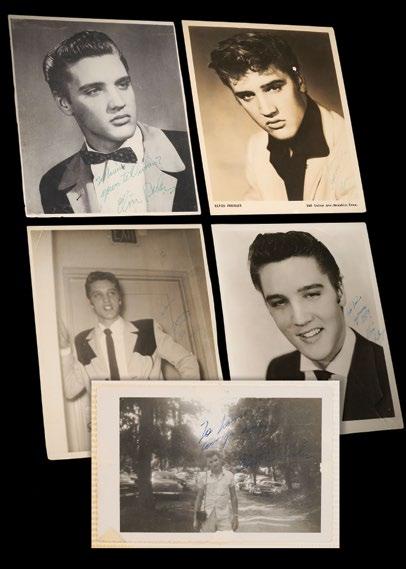
Also includes four additional magnetic photo album pages, which contain a total of 20 original candid photos of Presley and three ticket stubs, one of which is dated to Presley’s performance on the Louisiana Hayride Jamboree tour at the City Auditorium in Houston, Texas, on October 8, 1955. The other two are a bit more opaque: one stub, which mentions the Louisiana Hayride and the Galveston City Auditorium, may derive from an Elvis concert on January 16, 1956; and the third, which appears to read ‘Grand Ole Opry,’ lists a date set of April 27-29, 1954. The candid photos, which range in size from 3.5 x 2.5 to 5 x 3.5, picture Presley drinking, performing on stage, walking up stairs, posing with fans, and signing autographs, and are stamp-dated between May 1955 and January 1956. In overall very good condition, with overall creasing and a few edge tears to the signed photos; the candid photographs also bear scattered wear and tear. Starting Bid $1000
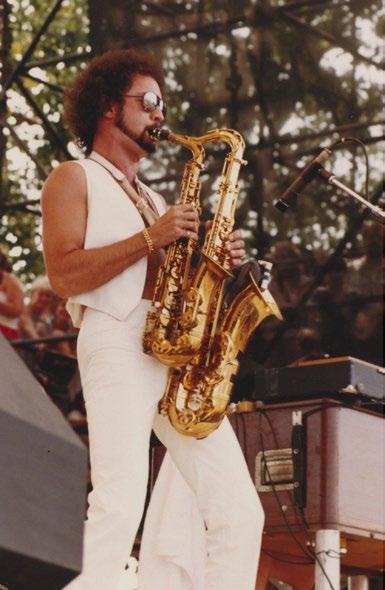
Alto Reed became a defining part of Bob Seger’s sound when he joined the band as saxophonist on the 1973 album Back in ’72. What followed was a 42-year run touring with the Silver Bullet Band, where Reed’s saxophone grew into a second voice within the music. His playing wasn’t ornamental; it carried emotion and meaning, most famously on ‘Turn the Page,’ where his restrained, mournful tone captured a sense of loneliness and resilience. That sound helped shape an era of American rock, quietly bridging Seger’s storytelling lyrics with melodic depth. Beyond his long partnership with Seger, Reed performed with a wide range of artists across rock and blues, including Foghat, Grand Funk Railroad, Little Feat, Otis Rush, George Thorogood, Robin Gibb, and many others.
Following Reed’s death in 2020, Seger said the following about his late friend: ‘I loved him like a brother. I may have been the leader, but he was our rock star. He was the audience favorite, hands down. He was bold and worldly. I learned so much from the guy. And he was a great ambassador to the fans. He took time for everybody, any picture, anywhere. I can’t say enough good things about him.’
the
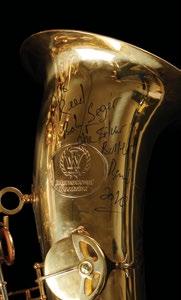
716. Bob Seger: Alto Reed’s StageUsed International Woodwind Baritone Saxophone - Played on Seger’s ‘Roll Me Away: The Final Tour’ (2018-19). Stunning stage-used International Woodwind baritone saxophone from the personal collection of Alto Reed, the longtime saxophonist for Bob Seger’s Silver Bullet Band, whose work on classic songs like ‘Turn the Page’ and ‘Old Time Rock & Roll’ helped define the sound of American heartland rock. Reed played this sax nightly during Seger’s last-ever large-scale tour, the 2018-2019 Roll Me Away: The Final Tour (originally called the Travelin’ Man Tour when first announced), which began at the Van Andel Arena in Grand Rapids, Michigan, on November 21, 2018, and concluded at the Wells Fargo Center in Philadelphia, Pennsylvania, on November 1, 2019. The gorgeous gold-lacquered saxophone is signed by Reed on the bell in black felt tip, “Alto Reed, Bob Seger, The Silver Bullet Band, 2020.” Includes its original carrying case. In fine condition, with a couple of detached key button inlays. From the collection of Alto Reed, accompanied by a letter of provenance from Victoria Reed. Starting Bid $500
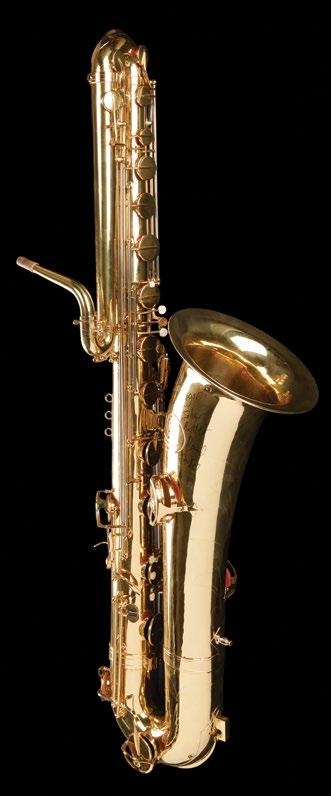
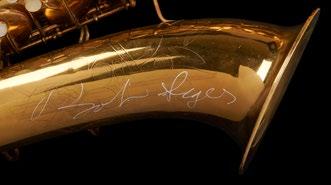
717. Bob Seger Signed C. G. Conn 10M ‘Naked Lady’ Tenor Saxophone - Studio-Used by Alto Reed on Night Moves and Against the Wind. Vintage studioused C. G. Conn 10M ‘Naked Lady’ tenor saxophone from the personal collection of Alto Reed, the longtime saxophonist for Bob Seger’s Silver Bullet Band, whose work on classic songs like ‘Turn the Page’ and ‘Old Time Rock & Roll’ helped define the sound of American heartland rock. The gold-lacquered saxophone, with serial number “271951,” is signed on the bell in silver ink by Bob Seger. Reed relied on this instrument heavily during his early years with the band, playing it alongside the Muscle Shoals Rhythm Section on classic Seger albums like Night Moves (1976) and Against the Wind (1980). Before embracing the Selmer brand, Reed employed older, more affordable saxes like this ‘Naked Lady,’ which is believed to have been one of Reed’s go-to saxophones during this period. In fine, well-used condition, with some welding to a lower key guard, and light overall wear and scuffing. Accompanied by its original Conn hardshell carrying case. From the collection of Alto Reed, accompanied by a letter of provenance from Victoria Reed. Starting Bid $500
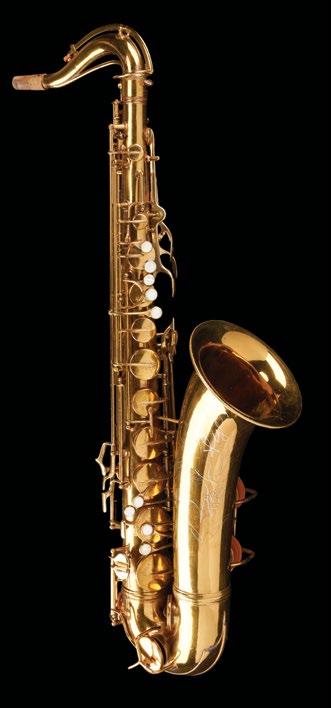
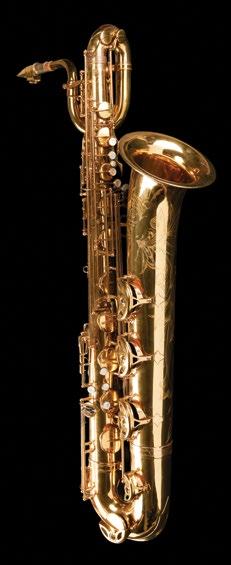
718. Bob Seger: Alto Reed’s Stage-Used Henri Selmer Tenor Saxophone - Played on KISS’s ‘The Destroyer’ Tour (1976). Beautiful stage-used Henri Selmer Mark VI tenor saxophone from the personal collection of Alto Reed, the longtime saxophonist for Bob Seger’s Silver Bullet Band, whose work on classic songs like ‘Turn the Page’ and ‘Old Time Rock & Roll’ helped define the sound of American heartland rock. Reed played this sax nightly when the band opened for KISS during the The Destroyer Tour, also known as The Spirit of ‘76 Tour. Seger and the Silver Bullet Band served as the tour’s opening act for an approximate total of 18 dates, starting at the Norfolk Scope in Norfolk, Virginia, on July 3, 1976, and ending at the Riverfront Coliseum in Cincinnati, Ohio, on September 10, 1976. The gorgeous gold-lacquered saxophone was made in France circa 1975 and bears the serial number, “248125.” No mouthpiece included. In fine condition, with some areas of scuffing, and sections of tape to the back. Accompanied by its original hardshell carrying case. From the collection of Alto Reed, accompanied by a letter of provenance from Victoria Reed. Starting Bid $1000
719. Bob Seger: Alto Reed’s Stage-Used Henri Selmer Mark VI Soprano Saxophone - Played During the Live Bullet Tour (1976). Attractive vintage Henri Selmer Mark VI soprano saxophone from the personal collection of Alto Reed, the longtime saxophonist for Bob Seger’s Silver Bullet Band, whose work on classic songs like ‘Turn the Page’ and ‘Old Time Rock & Roll’ helped define the sound of American heartland rock. Reed relied on this instrument heavily during his early touring years with Seger and company. He can be heard playing this Mark VI on the band’s landmark 1976 live album, Live Bullet, throughout the band’s 1976 Live Bullet Tour, specifically during renditions of ‘Mainstreet,’ and then in subsequent tours, most notably on fan favorite songs like ‘Old Time Rock & Roll.’ This beautiful gold-lacquered instrument bears a serial number of “247177,” which indicates a manufacturing date of circa 1975, and the body is etched, “C635 792 626 371.” In fine condition, with scattered light scuffs and marks, including a few scratches near the emblem. Accompanied by its original Selmer hardshell carrying case. From the collection of Alto Reed, accompanied by a letter of provenance from Victoria Reed. Starting Bid $300
720. Bob Seger: Alto Reed’s Stage-Used Henri Selmer Mark VI Tenor ‘Hot Air Balloon’ Saxophone. Gorgeous stage-used Henri Selmer Mark VI tenor ‘hot air balloon’ saxophone from the personal collection of Alto Reed, the longtime saxophonist for Bob Seger’s Silver Bullet Band, whose work on classic songs like ‘Turn the Page’ and ‘Old Time Rock & Roll’ helped define the sound of American heartland rock. The gold-lacquered sax, stamped with the serial number “160680” (indicating a 1969 date), was used extensively on tour by Reed, most famously from inside a hot air balloon that floated over the stage and stunned the audience at the 1977 Michigan Jam, which was held at the Martin Dragway on July 2, 1977. Reed played an elevated rendition of ‘Let It Rock,’ as well as the iconic intro to ‘Turn the Page.’ Reed, on occasion, would also wow the audience by playing two saxes at once: an alto and this tenor. The instrument plays easily, ‘like butter,’ and is in fine, wellused condition, with scuffs and scratches. Accompanied by a carrying case, which includes an extra Oleg neck.
Per Seger: ‘Alto has been a part of our musical family, on and off stage, for nearly 50 years. I first started playing with Alto in 1971. He was amazing. He could play just about anything…he was funky, could scat, and play tenor sax and alto sax at the same time. We worked with Alto often, and when we booked our first headline arena gigs at Cobo Hall, we asked him to be a part of those shows. No doubt his iconic performance on ‘Turn The Page’ helped lift us to another level.’ From the collection of Alto Reed, accompanied by a letter of provenance from Victoria Reed. Starting Bid $200
721. Bob Seger: Alto Reed’s Stage-Used Henri Selmer Mark VI Alto Saxophone - Played Extensively Over 40 Years Touring with the Silver Bullet Band. Classic tour-used Henri Selmer Mark VI alto saxophone from the personal collection of Alto Reed, the longtime saxophonist for Bob Seger’s Silver Bullet Band, whose work on classic songs like ‘Turn the Page’ and ‘Old Time Rock & Roll’ helped define the sound of American heartland rock. The gold-lacquered saxophone, with serial number “M55547” (indicating a manufacturing date of circa 1954), was played extensively by Reed throughout his 40 years touring with Seger, starting with the Back in ‘72 Tour of 1973, and concluding with the Roll Me Away: The Final Tour of 2018-19. Notably, Reed employed this easily maneuvered Mark VI on stage when he was famously harnessed and raised above audiences to perform, especially during renditions of ‘Let It Rock.’ The body features four strips of Velcro used to attach Reed’s wireless microphones, and a couple of side keys have been enhanced to fit Reed’s playing style; the horn plays smoothly and yields a sweet and mellow tone. In fine, well-used condition, with some light overall wear and scuffing. Accompanied by its original Selmer carrying case. From the collection of Alto Reed, accompanied by a letter of provenance from Victoria Reed. Starting Bid $500
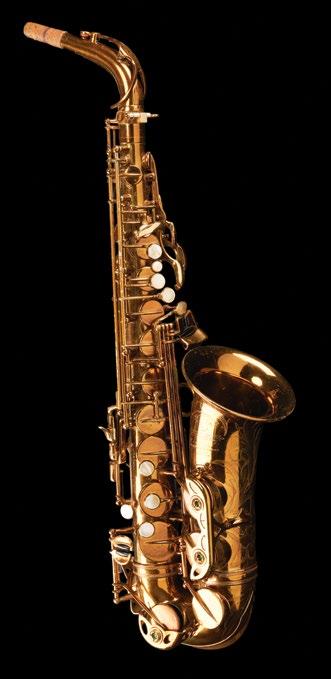
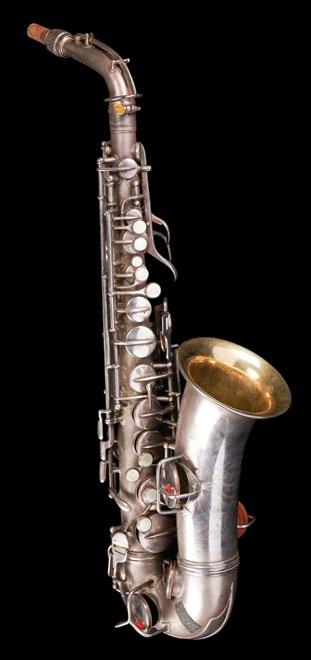
722. Bob Seger: Alto Reed’s C. G. Conn Alto Saxophone (1926). C. G. Conn alto saxophone from the personal collection of Alto Reed, the longtime saxophonist for Bob Seger’s Silver Bullet Band, whose work on classic songs like ‘Turn the Page’ and ‘Old Time Rock & Roll’ helped define the sound of American heartland rock. The body is engraved with a patent date of December 8, 1914, and the serial number “184439,” indicating the instrument was made in 1926. In very good to fine condition, with overall wear and fading to the lacquer finish. Includes a heavy-duty Oleg leather carrying bag. From the collection of Alto Reed, accompanied by a letter of provenance from Victoria Reed. Starting Bid $200
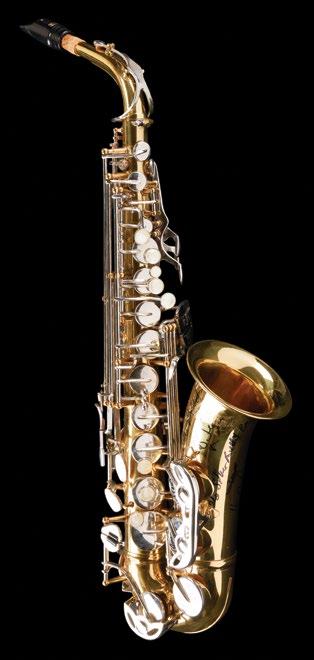
724. Bob Seger: Alto Reed’s Signed Armstrong Alto Saxophone. Armstrong alto saxophone from the personal collection of Alto Reed, the longtime saxophonist for Bob Seger’s Silver Bullet Band, whose work on classic songs like ‘Turn the Page’ and ‘Old Time Rock & Roll’ helped define the sound of American heartland rock. The gold-lacquered sax, stamped with the serial number “N270734” (indicating a 1979 date), is signed on the bell in black felt tip by Reed, “Alto Reed, Bob Seger & The Silver Bullet Band, 2004 HOF,” with Reed adding song names to keys, “Turn the Page” and “Main Street.” This horn plays all the way to the bottom smoothly and is in fine condition, with only trivial wear. Accompanied by its original hardshell carrying case. From the collection of Alto Reed, accompanied by a letter of provenance from Victoria Reed. Starting Bid $200
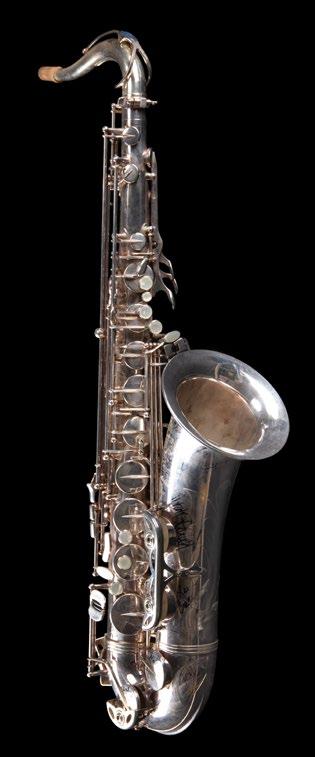
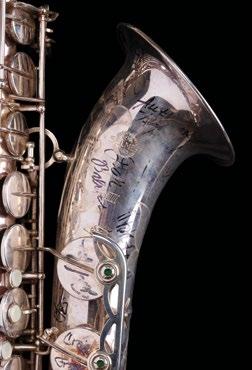
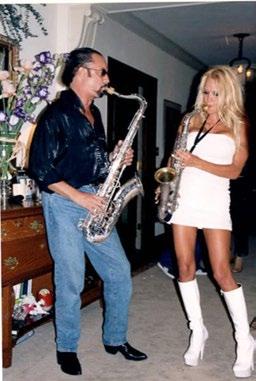
723. Bob Seger: Alto Reed’s Henri Selmer Serie III Tenor Saxophone Signed by the Silver Bullet Band . Henri Selmer Serie III tenor saxophone from the personal collection of Alto Reed, the longtime saxophonist for Bob Seger’s Silver Bullet Band, whose work on classic songs like ‘Turn the Page’ and ‘Old Time Rock & Roll’ helped define the sound of American heartland rock. The instrument, which bears the serial number, “641157,” dating the instrument to 2003, is signed in black felt tip by several members of the Silver Bullet Band, including: Keith Kaminski, Jim ‘Moose’ Brown, Don Brewer, Mark Chatfield, Craig Frost, Laura Creamer, Barbara Payton, and others. In fine condition, with some tarnishing, and a few signatures faded or rubbed away. Accompanied by a Pro Tect International carrying bag. From the collection of Alto Reed, accompanied by a letter of provenance from Victoria Reed. Starting Bid $500
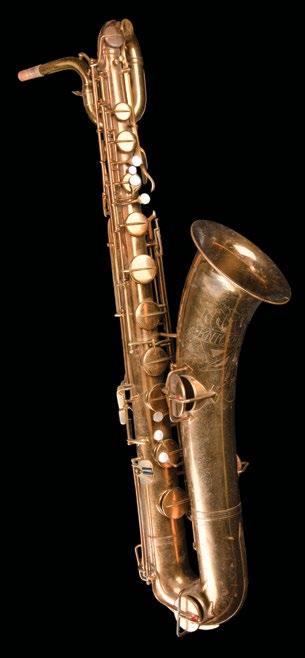
725. Bob Seger: Alto Reed’s Knickerbocker Baritone Saxophone. Vintage early 20th-century ‘Knickerbocker’ baritone saxophone (possibly Martin or Buescher) from the personal collection of Alto Reed, the longtime saxophonist for Bob Seger’s Silver Bullet Band, whose work on classic songs like ‘Turn the Page’ and ‘Old Time Rock & Roll’ helped define the sound of American heartland rock. The body is stamped with the serial number, “12116,” believed to date between 1908-1915, with etched number below: “C 636 792 626 377.” In very good to fine condition, with scattered wear, scuffs, and pitting; a few cork areas have been replaced with blue tape. Accompanied by a vintage hardshell carrying case. From the collection of Alto Reed, accompanied by a letter of provenance from Victoria Reed. Starting Bid $200

728. Bob Seger: Alto Reed’s Henri Selmer ‘Series 9’ Clarinet. Black Henri Selmer ‘Series 9’ clarinet from the personal collection of Alto Reed, the longtime saxophonist for Bob Seger’s Silver Bullet Band, whose work on classic songs like ‘Turn the Page’ and ‘Old Time Rock & Roll’ helped define the sound of American heartland rock. The clarinet, which includes its original fur-lined carrying case, is stamped with the model number “S1618,” indicating a manufacturing date of circa 1960. In fine condition. From the collection of Alto Reed, accompanied by a letter of provenance from Victoria Reed. Starting Bid $200
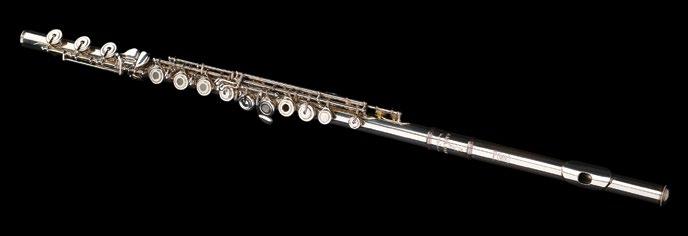
726. Bob Seger: Alto Reed’s Wm. S. Haynes Amadeus Flute. Classic Amadeus flute by Wm. S. Haynes Co. from the personal collection of Alto Reed, the longtime saxophonist for Bob Seger’s Silver Bullet Band, whose work on classic songs like ‘Turn the Page’ and ‘Old Time Rock & Roll’ helped define the sound of American heartland rock. The sterling silver flute is stamped with the serial (“13649”) and model (“AF900SE”) numbers. In very fine condition, with some light wear. Accompanied by its original Haynes hardshell case and carrying bag. From the collection of Alto Reed, accompanied by a letter of provenance from Victoria Reed. Starting Bid $200
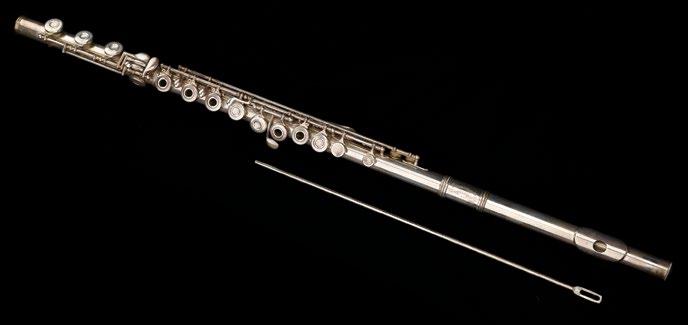
727. Bob Seger: Alto Reed’s Gemeinhardt 3SS Flute. Gemeinhardt 3SS flute from the personal collection of Alto Reed, the longtime saxophonist for Bob Seger’s Silver Bullet Band, whose work on classic songs like ‘Turn the Page’ and ‘Old Time Rock & Roll’ helped define the sound of American heartland rock. The sterling silver flute, which includes its original velvet-lined carrying case, is engraved with the serial number “34016,” indicating a manufacturing date of circa 1976-1980. In fine condition, with some overall wear. From the collection of Alto Reed, accompanied by a letter of provenance from Victoria Reed. Starting Bid $200
729. Bob Seger: Alto Reed’s StageUsed Takamine P7D Electric-Acoustic Guitar - Played on Seger’s Last-Ever Concert Performance of ‘Like a Rock’. Stage-used natural-finish Takamine P7D electric-acoustic guitar from the personal collection of Alto Reed, the longtime saxophonist for Bob Seger’s Silver Bullet Band, whose work on classic songs like ‘Turn the Page’ and ‘Old Time Rock & Roll’ helped define the sound of American heartland rock. This handsome guitar was played on stage by Reed throughout Seger’s final large-scale concert series, the 2018-2019 Roll Me Away Tour, which was originally called the Travelin’ Man Tour when first announced.
This guitar was used specifically by Reed when the band performed renditions of the popular Seger songs ‘You’ll Accomp’ny Me,’ ‘Like a Rock,’ and ‘Against the Wind.’ Most significantly, Reed played this dreadnought when Seger performed his last-ever full-band rendition of ‘Like a Rock’ at the Wells Fargo Center in Philadelphia, Pennsylvania, on November 1, 2019.
The headstock bears an affixed label identifying the tuning as E-flat (“Eb”), and the side of the upper bout bears four labels: “Accompany Me,” “Like a Rock,” “Against the Wind,” and “Alto Reed.” The guitar itself features a solid spruce top, solid rosewood back and sides, and a CTP-3 Cool Tube preamp system. Includes its original Takamine hardshell carrying case. In fine condition, with an affixed padding of tape on the back, and a small nick to the underside of the neck. From the collection of Alto Reed, accompanied by a letter of provenance from Victoria Reed. Starting Bid $300
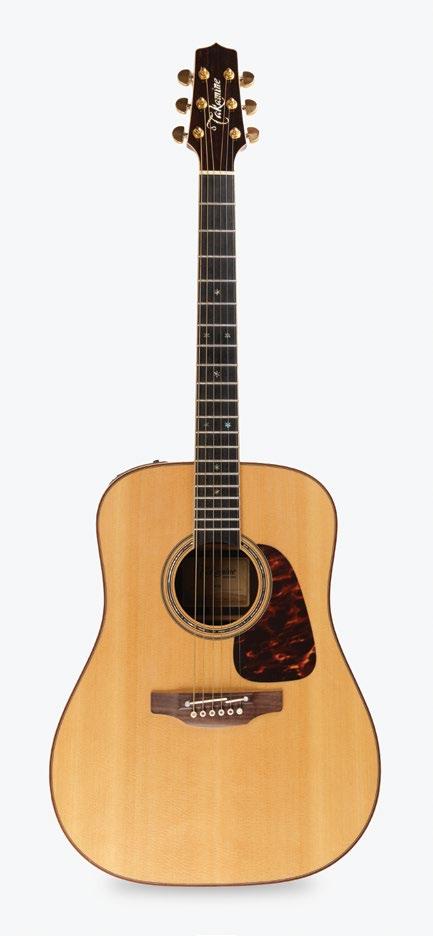
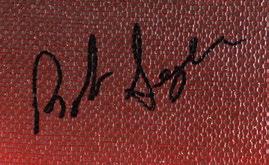
730. Bob Seger Signed and Tour-Used Ovation Adamas Electric-Acoustic Guitar - From the Collection of Saxophonist Alto Reed. Beautiful tour-used Ovation Adamas electric-acoustic guitar from the personal collection of Alto Reed, the longtime saxophonist for Bob Seger’s Silver Bullet Band, whose work on classic songs like ‘Turn the Page’ and ‘Old Time Rock & Roll’ helped define the sound of American heartland rock. This gorgeous guitar, which is signed on the body in black felt tip by Seger, served as the D-tuned Ovation backup guitar for the band’s tours of the 1970’s and 1980’s; it’s the same style guitar played by and endorsed by Seger and Alto on hit songs like ‘Against the Wind’ and ‘Still the Same.’ The Adamas features a carbon fiber top with a ‘Reverse Red Burst’ color option, with dual leaf-pattern soundhole epaulettes, maple fingerboard inlays, and a carved headstock, the reverse of which bears two labels, “Spare” and “D.” The interior label is numbered “1689-2, 85.” Includes its original Ovation hardshell carrying case, with attached luggage tag for “Alto Reed.” In fine condition, with a repaired crack to one of the epaulettes. From the collection of Alto Reed, accompanied by a letter of provenance from Victoria Reed. Starting Bid $500
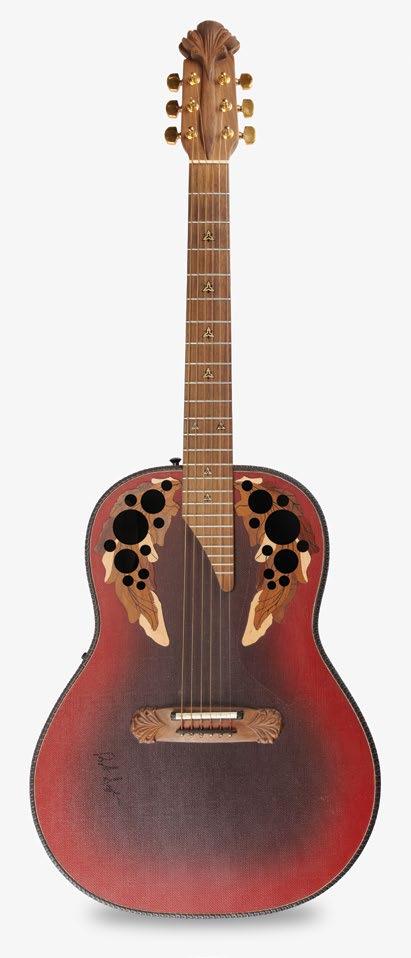
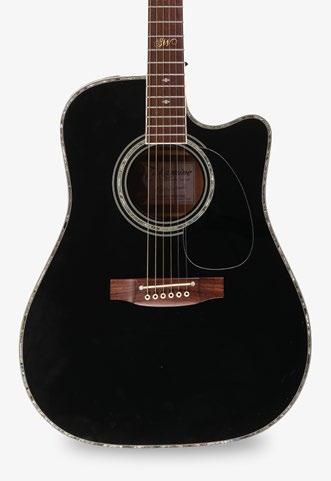
731. Bob Seger: Alto Reed’s Stage-Used Takamine Steve Wariner Signature Series Electric-Acoustic Guitar - Played on Seger’s ‘Roll Me Away: The Final Tour’ (2018-19). Stage-used glossy black Takamine Steve Wariner Signature Series electric-acoustic guitar from the personal collection of Alto Reed, the longtime saxophonist for Bob Seger’s Silver Bullet Band, whose work on classic songs like ‘Turn the Page’ and ‘Old Time Rock & Roll’ helped define the sound of American heartland rock. This handsome guitar, model number “SW341SC,” was played on stage by Reed throughout Seger’s last-ever large-scale concert series, the 2018-2019 Roll Me Away Tour (originally called the Travelin’ Man Tour when first announced), which began at the Van Andel Arena in Grand Rapids, Michigan, on November 21, 2018, and concluded at the Wells Fargo Center in Philadelphia, Pennsylvania, on November 1, 2019. This guitar was used specifically by Reed when the band performed renditions of the song ‘Beautiful Loser,’ and the Rodney Crowell song, ‘Shame on the Moon.’ The headstock bears an affixed label identifying the tuning as “E,” and the side of the upper bout bears three labels: “Shame on the Moon,” “Beautiful Loser,” and “Alto Reed.” Includes its original Takamine hardshell carrying case. In fine condition, with some light scattered marks, and an affixed padding of tape on the back. From the collection of Alto Reed, accompanied by a letter of provenance from Victoria Reed. Starting Bid $200
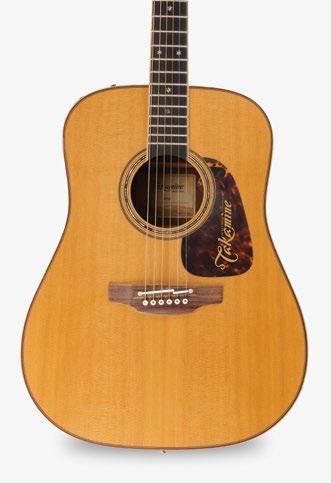
732. Bob Seger: Alto Reed’s Stage-Used Takamine P7D Electric-Acoustic Guitar - Played on Seger’s ‘Roll Me Away: The Final Tour’ (2018-19). Stage-used natural-finish Takamine P7D electric-acoustic guitar from the personal collection of Alto Reed, the longtime saxophonist for Bob Seger’s Silver Bullet Band, whose work on classic songs like ‘Turn the Page’ and ‘Old Time Rock & Roll’ helped define the sound of American heartland rock. This handsome guitar was played on stage by Reed throughout Seger’s last-ever large-scale concert series, the 2018-2019 Roll Me Away Tour (originally called the Travelin’ Man Tour when first announced), which began at the Van Andel Arena in Grand Rapids, Michigan, on November 21, 2018, and concluded at the Wells Fargo Center in Philadelphia, Pennsylvania, on November 1, 2019. The headstock bears an affixed label identifying the tuning as E-flat (“Eb”). The guitar itself features a solid spruce top, solid rosewood back and sides, and a CTP-3 Cool Tube preamp system. Includes its original Takamine hardshell carrying case. In fine condition. From the collection of Alto Reed, accompanied by a letter of provenance from Victoria Reed. Starting Bid $200
734. Bob Seger Signed Stage-Used Takamine Steve Wariner Signature Series Electric-Acoustic Guitar - From the Collection of Saxophonist Alto Reed. Stageused black Takamine Steve Wariner Signature Series electric-acoustic guitar from the personal collection of Alto Reed, the longtime saxophonist for Bob Seger’s Silver Bullet Band, whose work on classic songs like ‘Turn the Page’ and ‘Old Time Rock & Roll’ helped define the sound of American heartland rock. This handsome guitar, model number “SW341SC,” is signed on the body in silver ink by Seger, and was played on stage by Reed throughout Seger’s last-ever large-scale concert series, the 2018-2019 Roll Me Away Tour (originally called the Travelin’ Man Tour when first announced), which began at the Van Andel Arena in Grand Rapids, Michigan, on November 21, 2018, and concluded at the Wells Fargo Center in Philadelphia, Pennsylvania, on November 1, 2019. This guitar was used specifically by Reed when the band performed a rendition of the Steve Earle song ‘Devil’s Right Hand.’ The headstock bears an affixed label identifying the tuning as “D,” and the side of the upper bout bears three labels: “Capo 1,” “Devils Right Hand,” and “Alto Reed.” Includes its original Takamine hardshell carrying case. In fine condition, with some light scattered marks, and portions of the signature wiped away. From the collection of Alto Reed, accompanied by a letter of provenance from Victoria Reed. Starting Bid $200
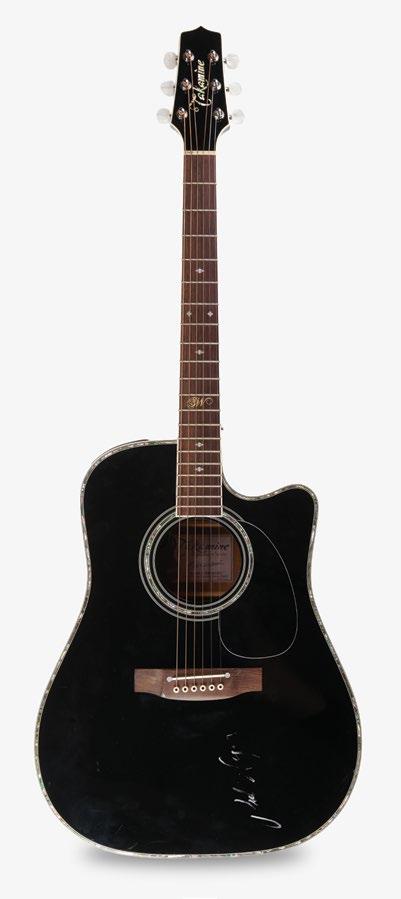
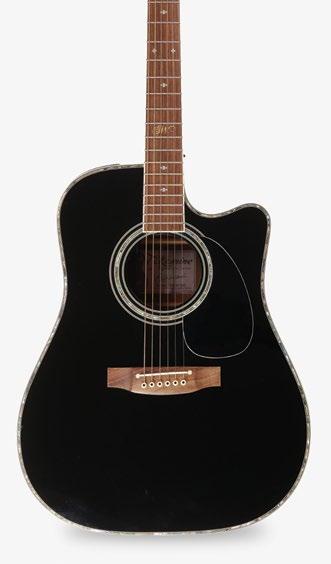
733. Bob Seger: Alto Reed’s Stage-Used Takamine Steve Wariner Signature Series Electric-Acoustic Guitar - Played on The Tonight Show with Jay Leno (September 14, 2006). Stage-used glossy black Takamine Steve Wariner Signature Series electric-acoustic guitar from the personal collection of Alto Reed, the longtime saxophonist for Bob Seger’s Silver Bullet Band, whose work on classic songs like ‘Turn the Page’ and ‘Old Time Rock & Roll’ helped define the sound of American heartland rock. This handsome guitar, model number “SW341SC,” was played by Reed on national television when he, Seger, and the Silver Bullet Band played the song ‘Wait for Me’ on The Tonight Show with Jay Leno on September 14, 2006. The headstock features an affixed label identifying the tuning as “E.” Includes its original Takamine hardshell carrying case. In fine condition, with some light scattered marks. From the collection of Alto Reed, accompanied by a letter of provenance from Victoria Reed. Starting Bid $200
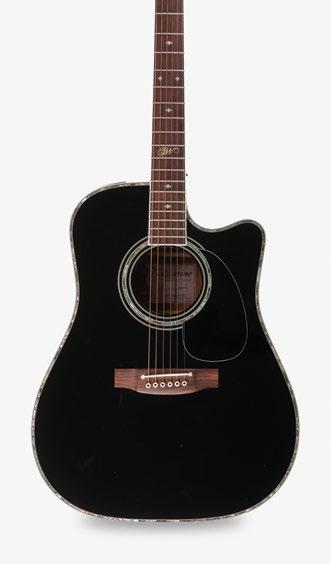
735. Bob Seger: Alto Reed’s Stage-Used Takamine Electric-Acoustic Guitar - Played on Seger’s ‘Roll Me Away: The Final Tour’ (2018-19). Stage-used black Takamine Steve Wariner Signature Series electric-acoustic guitar from the personal collection of Alto Reed, the longtime saxophonist for Bob Seger’s Silver Bullet Band, whose work on classic songs like ‘Turn the Page’ and ‘Old Time Rock & Roll’ helped define the sound of American heartland rock. This handsome guitar, model number “SW341SC,” was played on stage by Reed throughout Seger’s last-ever large-scale concert series, the 2018-2019 Roll Me Away: The Final Tour (originally called the Travelin’ Man Tour when first announced), which began at the Van Andel Arena in Grand Rapids, Michigan, on November 21, 2018, and concluded at the Wells Fargo Center in Philadelphia, Pennsylvania, on November 1, 2019. The headstock bears an affixed label identifying the tuning as “Eb” (E-flat), and the side of the upper bout bears an ownership label, “Alto Reed.” Includes its original Takamine hardshell carrying case. In fine condition, with some light scattered marks, and a tiny chip to the lower side. From the collection of Alto Reed, accompanied by a letter of provenance from Victoria Reed. Starting Bid $200
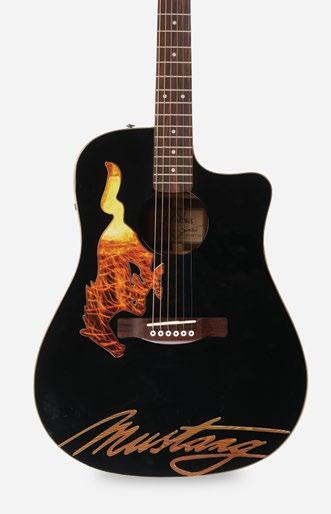
737. Bob Seger: Alto Reed’s Mitchell Custom Case Guitar Vault - Used for Seger’s ‘Roll Me Away: The Final Tour’ (2018-19). Tour-used Mitchell Custom Case guitar vault from the personal collection of Alto Reed, the longtime saxophonist for Bob Seger’s Silver Bullet Band, whose work on classic songs like ‘Turn the Page’ and ‘Old Time Rock & Roll’ helped define the sound of American heartland rock. This rolling guitar vault, 60˝ x 62.5˝ x 24˝, designed to house and transport eight guitars or bass guitars, was used by Reed throughout Seger’s last-ever large-scale concert series, the 2018-2019 Roll Me Away Tour (originally called the Travelin’ Man Tour when first announced), which began at the Van Andel Arena in Grand Rapids, Michigan, on November 21, 2018, and concluded at the Wells Fargo Center in Philadelphia, Pennsylvania, on November 1, 2019.
The front door features the logo for Bob Seger and Silver Bullet Band, as well as affixed sheets and labels marked “NO Beverages,” “Maplewood,” “Stage Left - Alto Horns, Guitars,” “The Golden Bar of Troy,” and “Row 3,” the latter of which is also on the right side; both sides of the vault bear labels marked “Offstage.” The interior includes its original straps and bungee cords. In fine, used condition. From the collection of Alto Reed, accompanied by a letter of provenance from Victoria Reed. Starting Bid $200
736. Bob Seger: Alto Reed’s Fender Sonoran 45th Anniversary Ford Mustang Electric-Acoustic Guitar. Black-bodied Fender Sonoran SCE 45th Anniversary Mustang electric-acoustic guitar from the personal collection of Alto Reed, the longtime saxophonist for Bob Seger’s Silver Bullet Band, whose work on classic songs like ‘Turn the Page’ and ‘Old Time Rock & Roll’ helped define the sound of American heartland rock. One of only 300 examples produced, this limited edition dreadnought was released in 2008-2009 to celebrate the Ford Mustang’s 45th anniversary. The guitar, with serial number “CSJ08007715,” features a solid spruce top, mahogany back and sides, onboard electronics, and special Mustang imagery to the body and headstock. In fine condition, with some adhesive remnants to the underside. Accompanied by a Kaces carrying bag. From the collection of Alto Reed, accompanied by a letter of provenance from Victoria Reed. Starting Bid $200
738. Bob Seger: Alto Reed’s (2) Stage-Used Ron Vaughn Double Row Tambourines - Played on Seger’s ‘Roll Me Away: The Final Tour’ (2018-19). Two Ron Vaughn 10-inch double row tambourines (RV3367.0002.Cng.) from the personal collection of Alto Reed, the longtime saxophonist for Bob Seger’s Silver Bullet Band, whose work on classic songs like ‘Turn the Page’ and ‘Old Time Rock & Roll’ helped define the sound of American heartland rock. These tambourines were played on stage by Reed throughout Seger’s last-ever large-scale concert series, the 2018-2019 Roll Me Away Tour (originally called the Travelin’ Man Tour when first announced), which began at the Van Andel Arena in Grand Rapids, Michigan, on November 21, 2018, and concluded at the Wells Fargo Center in Philadelphia, Pennsylvania, on November 1, 2019. Both tambourines are constructed from maple, feature brass jingles, and are signed twice in black felt tip by Reed (on the outer and inner rims). The inner rim of one is marked “2.” In overall fine condition, with various wear from use. From the collection of Alto Reed, accompanied by a letter of provenance from Victoria Reed. Starting Bid $200
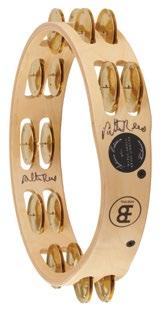
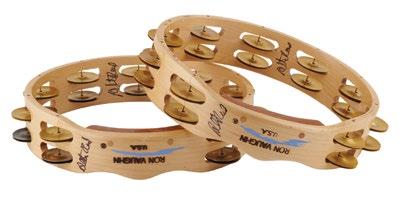
739. Bob Seger: Alto Reed’s Meinl 10-Inch ‘Artisan Edition Series’ Double Row Tambourine. Beautiful Meinl 10inch ‘Artisan Edition Series’ double row tambourine from the personal collection of Alto Reed, the longtime saxophonist for Bob Seger’s Silver Bullet Band, whose work on classic songs like ‘Turn the Page’ and ‘Old Time Rock & Roll’ helped define the sound of American heartland rock. The tambourine, which is constructed from 9-ply maple and features brass jingles, is signed in black felt tip on the outer rim by Reed, who has signed again on the inner rim. The outer rim bears an affixed label marked “#2.” In fine condition. From the collection of Alto Reed, accompanied by a letter of provenance from Victoria Reed. Starting Bid $200
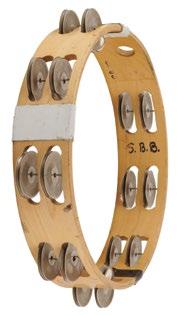
740. Bob Seger: Alto Reed’s Ludwig 10-Inch Double Row Tambourine. Ludwig 10-inch double row tambourine from the personal collection of Alto Reed, the longtime saxophonist for Bob Seger’s Silver Bullet Band, whose work on classic songs like ‘Turn the Page’ and ‘Old Time Rock & Roll’ helped define the sound of American heartland rock. The well-played tambourine is wrapped with three strips of tape, and the inner rim is marked in black felt tip, “S.B.B.” In fine condition, with scattered war from use, including dings and bends to the jingles. From the collection of Alto Reed, accompanied by a letter of provenance from Victoria Reed. Starting Bid $200
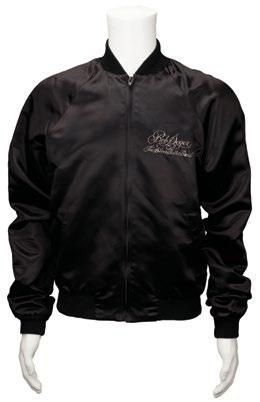
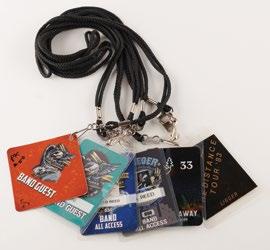
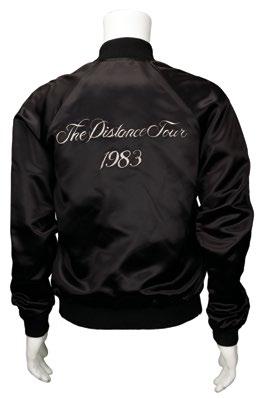
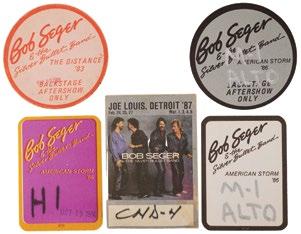
741. Bob Seger: Alto Reed’s 1983 Distance Tour Jacket and Group of (11) Backstage Passes. Vintage tour jacket and 11 backstage passes from the personal collection of Alto Reed, the longtime saxophonist for Bob Seger’s Silver Bullet Band, whose work on classic songs like ‘Turn the Page’ and ‘Old Time Rock & Roll’ helped define the sound of American heartland rock. The beautiful black satin jacket, size “4, 38 S,” features knit cuffs, collar, and waistband, with the left chest and back bearing sparkly silver stitching, “Bob Seger & The Silver Bullet Band” and “The Distance Tour, 1983.” The backstage passes include unused sticker passes for the 1983 Distance Tour and the 1986-87 American Storm Tour (4), and six laminated backstage passes with lanyards for the 1983 Distance Tour, the 2013 ‘Detroit’s Finest’ Tour, the 2014-15 Ride Out Tour, the 2017 Runaway Train Tour (2), and the 2019 Roll Me Away Tour, the majority issued to Alto Reed. In overall fine condition, with some marks to the jacket. From the collection of Alto Reed, accompanied by a letter of provenance from Victoria Reed. Starting Bid $200
“Sorry for the delay, but have been away in the desert. Believe it or not – game in Casablanca was this game”— Humphrey Bogart mails post-production chess moves to his famed move-by-mail opponent
Signed, Sending Chess Moves to His Brooklyn Opponent - “Believe it or not – game in Casablanca was this game”. World War II-dated ALS signed “Bogart,” penned on the back of a 3.25 x 5.5 government postcard, addressed by Humphrey Bogart to “Irving Kovner, 2863 W 27 St., Brooklyn, N.Y.,” postmarked from Balboa Island, California, on May 18, 1943. Handwritten letter to Kovner, Bogart’s famous chess opponent, with whom he shared a ‘move-by-mail’ chess match during production and post-production of the classic 1942 film Casablanca. The letter reads: “Sorry for the delay, but have been away in the desert. Believe it or not – game in Casablanca was this game.” Bogart then writes his subsequent moves: “18 – R. Q1 / 19 R. R3 – Q x K KT P / 20 ?” This remote chess game would have been played during the production of Casablanca, with Bogart himself asserting that the game was played on the actual chessboard from ‘Rick’s Café.’ Includes a glossy 8 x 10 publicity photo of Bogart and Peter Lorre sitting on-set in front of the chessboard. In very good to fine condition, with light soiling, and old masking tape to the edges of the address side.
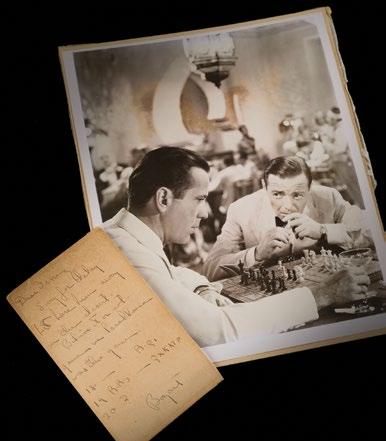
Humphrey Bogart’s love of chess was as real as the world-weary intelligence he brought to the screen. Long before he found success as an actor, Bogart honed his skills hustling chess for spare change in New York City parks and at Coney Island, taking on passersby for dimes and quarters. He played at a serious competitive level—roughly one division below master—and approached the game with the same cool discipline that later defined his film roles.
That authenticity carried directly onto the set of Casablanca. Bogart himself conceived the idea that Rick Blaine should be a chess player, using the game as a metaphor for his character’s detached, strategic way of navigating friends, enemies, and moral dilemmas. During filming, Bogart frequently played chess with cast and crew, most notably co-star Paul Henreid, who reportedly bested him more often than not.
He also played correspondence chess by mail, perhaps most famously against Irving Kovner, a brother of a Warner Bros. employee, with Bogart often relying on Rick’s café chessboard to make his next moves. The two men had started the chess game in January 1942, with Bogart eventually sending Kovner a total of 17 postcards and two letters. So convincing was the actor’s devotion that the FBI briefly intercepted his chess correspondence, mistaking algebraic notation for coded wartime messages. In the end, Rick’s chess wasn’t just a character detail—it was Bogart being himself, thinking quietly, carefully, and always a few moves ahead. Starting Bid $200
Lugosi signs a copy of Dracula to his friend, Dick Sheffield, the founder of the Bela Lugosi Fan Club and one of the actor’s greatest champions in his final years
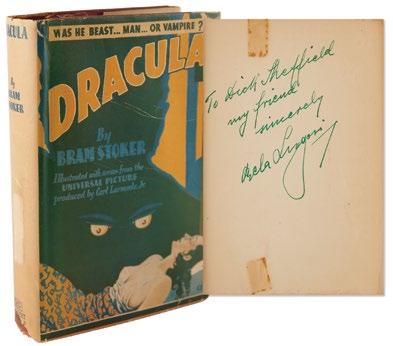
757. Bela Lugosi Signed Book - Dracula. Signed book: Dracula by Bram Stoker. First photoplay edition. NY: Grosset & Dunlap, [1931]. Hardcover bound in red cloth with dust jacket, 5.25 x 7.75, 354 pages. Signed and inscribed on the first free end page in green fountain pen, “To Dick Sheffield, my friend, sincerely, Bela Lugosi.” Autographic condition: very good to fine, with two old tape stains. Book condition: G-/G, with partial cracks to joints and hinges, scuffing to cloth, edgewear, and sunning and a small area of loss to the bottom of the jacket’s spine. The recipient, Dick Sheffield, first met Lugosi as a Los Angeles teenager in 1953, the same year he founded the Bela Lugosi Fan Club. Captivated by Lugosi’s enduring charisma, Sheffield became his devoted companion during the final three years of the actor’s life, witnessing his personal struggles and final screen work in Plan 9 from Outer Space. Sheffield was the last person to see Lugosi alive and later served as a pallbearer at his funeral in August 1956. Sheffield championed the legacy and career of Lugosi and other heroes of classic horror for the remainder of his life. Starting Bid $200
758. Steve McQueen Signed Photograph. Vintage glossy 8 x 10 photo of Steve McQueen smoking a cigarette, signed in blue felt tip. In fine condition. A great, close-up pose of the ever-cool action icon. Starting Bid $200
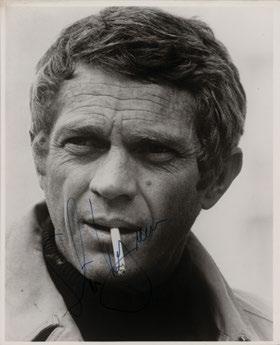
“Jack, It’s a pleasure to know you”
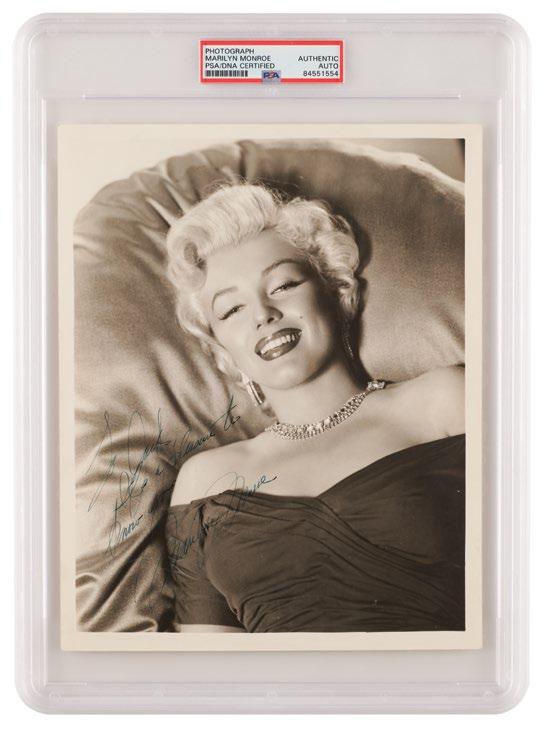
759. Marilyn Monroe Signed Photograph - “Jack, It’s a pleasure to know you”. Vintage matte-finish 8 x 10 portrait photo of Monroe reclining on a pillow and wearing a low-cut dress and diamond jewelry, a pose from circa 1953, signed and inscribed in fountain pen, “To Jack, It’s a pleasure to know you, Marilyn Monroe.” In very fine condition. A classic, virtually pristine portrait of the blonde bombshell flashing her radiant smile; the photo’s inscription can’t help but bring to mind Monroe’s most famous of paramours, President John F. Kennedy. Encapsulated in a PSA/DNA authentication holder. Accompanied by a full letter of authenticity from PSA/DNA. The Marc and Mary Perkins Collection. Starting Bid $1000
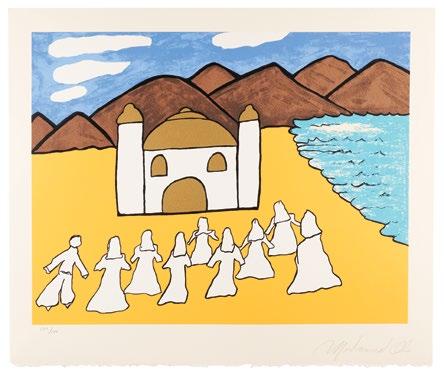
823. Muhammad Ali Signed ‘Mosque II’ Serigraph (Ltd. Ed. #120/500) - 26.25˝ x 22.5˝. Limited edition color 26.25 x 22.5 serigraph of artwork by boxing great Muhammad Ali, numbered 120/500, entitled ‘Mosque II,’ which depicts a group of eight figures outside a seaside mosque, with mountains and clouds pictured in the background, signed prominently in the lower corner in pencil by Ali. The reverse bears a “1979 Herbert Muhammad Enterprises” copyright stamp. In very fine condition. In 1979, towards the end of Ali’s professional boxing career, he produced a handful of silk screens depicting or interpreting a few of his various interests: boxing, social justice, and Islam, to name a few. Ali’s business manager, Jabir Herbert Muhammad, approached New York City’s Ro Gallery to exclusively sell these signed limited edition prints. Starting Bid $200
824. Muhammad Ali Signed ‘Under the Sun’ Serigraph (Ltd. Ed. #134/500) - 27˝ x 22˝. Limited edition color 27 x 22 serigraph of artwork by boxing great Muhammad Ali, numbered 134/500, entitled ‘Under the Sun,’ which depicts a jet aircraft soaring over a desert and below a bright sun, signed prominently in the lower corner in pencil by Ali. The reverse bears a “1979 Herbert Muhammad Enterprises” copyright stamp. In very fine condition. In 1979, towards the end of Ali’s professional boxing career, he produced a handful of silk screens depicting or interpreting a few of his various interests: boxing, social justice, and Islam, to name a few. Ali’s business manager, Jabir Herbert Muhammad, approached New York City’s Ro Gallery to exclusively sell these signed limited edition prints. Starting Bid $200
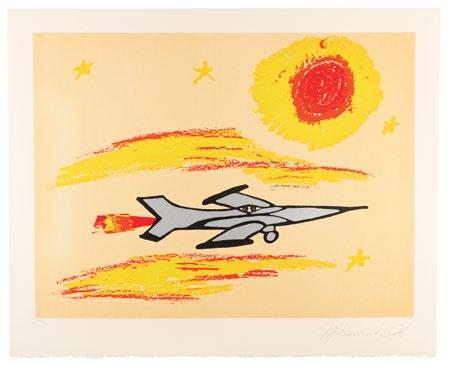
825. Muhammad Ali Signed ‘Float Like a Butterfly and Sting Like a Bee’ Serigraph (Ltd. Ed. #139/500) - 26˝ x 22.25˝. Limited edition color 26 x 22.25 serigraph of artwork by boxing great Muhammad Ali, numbered 139/500, entitled ‘Float Like a Butterfly and Sting Like a Bee,’ which depicts a victorious Ali standing over his down opponent, Sonny Liston, after their first title fight in 1964, signed prominently in the lower corner in pencil by Ali. The reverse bears a “1979 Herbert Muhammad Enterprises” copyright stamp. In very fine condition. In 1979, towards the end of Ali’s professional boxing career, he produced a handful of silk screens depicting or interpreting a few of his various interests: boxing, social justice, and Islam, to name a few. Ali’s business manager, Jabir Herbert Muhammad, approached New York City’s Ro Gallery to exclusively sell these signed limited edition prints. Starting Bid $200
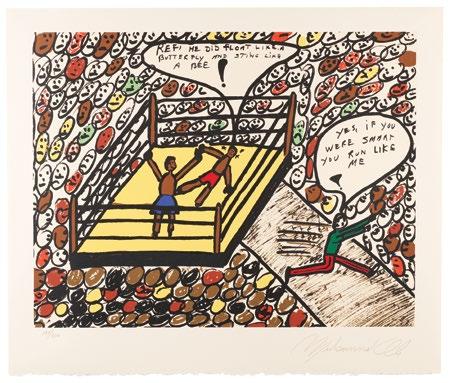
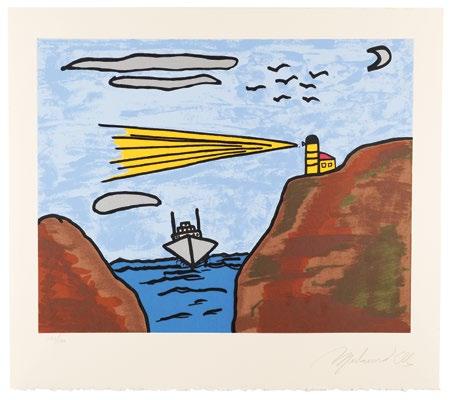
826. Muhammad Ali Signed ‘Guiding Light’ Serigraph (Ltd. Ed. #132/500) - 25˝ x 22.25˝. Limited edition color 25 x 22.25 serigraph of artwork by boxing great Muhammad Ali, numbered 132/500, entitled ‘Guiding Light,’ which depicts a cliff-perched lighthouse at night, shining its light over the ocean and a large inbound ship, signed prominently in the lower corner in pencil by Ali. The reverse bears a “1979 Herbert Muhammad Enterprises” copyright stamp. In very fine condition. In 1979, towards the end of Ali’s professional boxing career, he produced a handful of silk screens depicting or interpreting a few of his various interests: boxing, social justice, and Islam, to name a few. Ali’s business manager, Jabir Herbert Muhammad, approached New York City’s Ro Gallery to exclusively sell these signed limited edition prints. Starting Bid $200
rare survivor from professional baseball’s earliest years
827. Cincinnati Reds: J. M. Wayne Neff Autograph Letter Signed, Resigning from the National League (1879). ALS signed “J. M. W. Neff,” one page, 8 x 10.5, Cincinnati Base Ball Association letterhead, October 23, 1879. Handwritten letter to “W. A. Hulbert, Pres’t Nat. League Base Ball Clubs,” a founder of the National League and president of the Chicago White Stockings franchise who was induced into the Baseball Hall of Fame in 1995. Neff writes, in full: “The resignation of our Association as a member of the League is hereby tendered. Please notify me of the acceptance of same at your earliest convenience.” Below, Hulbert writes in pencil: “As Prs’t I have accepted above Oct. 24, you had better notify the rest, Also notify everybody we release Frank Hankinson—one of our reserves, WAH.” The reverse is docketed by pioneering baseball executive Nicholas Ephraim Young, “Resignation of the Cin. B.B. Ass’n, Rec’d Oct. 27, 1879.” In fine condition, with light toning to the central horizontal fold. Accompanied by full letters of authenticity from PSA/DNA and Beckett Authentication Services.
A charter member of the National League in its inaugural 1876 season, the Cincinnati Reds were present at the creation of major league baseball, though they struggled competitively and never emerged as contenders during their four-year NL tenure. Far more consequential was the club’s role in a defining clash between league authority and local economics. National League president William A. Hulbert’s rigid enforcement of morality policies—most notably prohibitions on Sunday games and the sale of beer—proved untenable in Cincinnati, where both were essential to financial survival. The conflict reached its conclusion following the 1879 season with the formal resignation of the Cincinnati Base Ball Association, as documented in this letter. Annotated by Hulbert and docketed by league secretary Nicholas E. Young, the document is an exceptionally early survivor from the National League’s earliest years, capturing one of the first major breaks between league authority and a member club. Starting Bid $1000
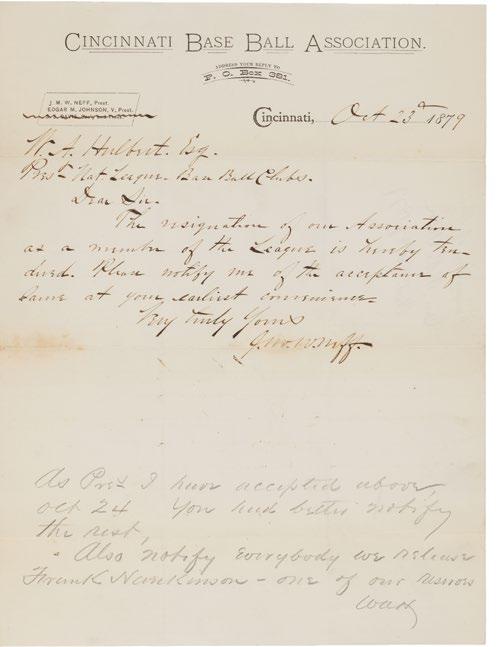
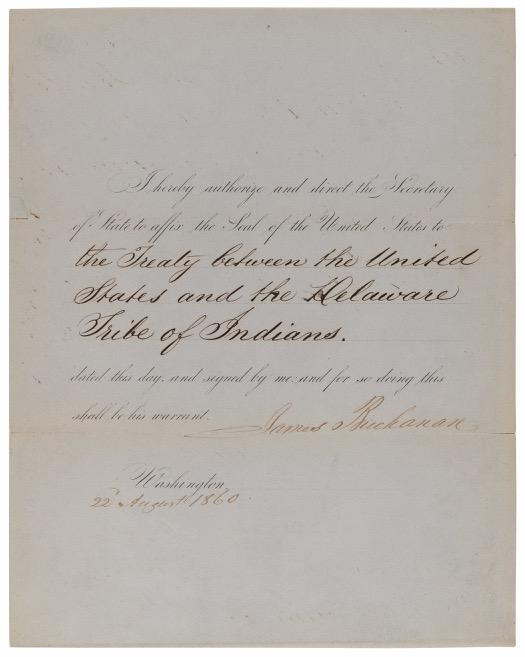
24. James Buchanan Document Signed as President for a Treaty with the... Starting Bid $200
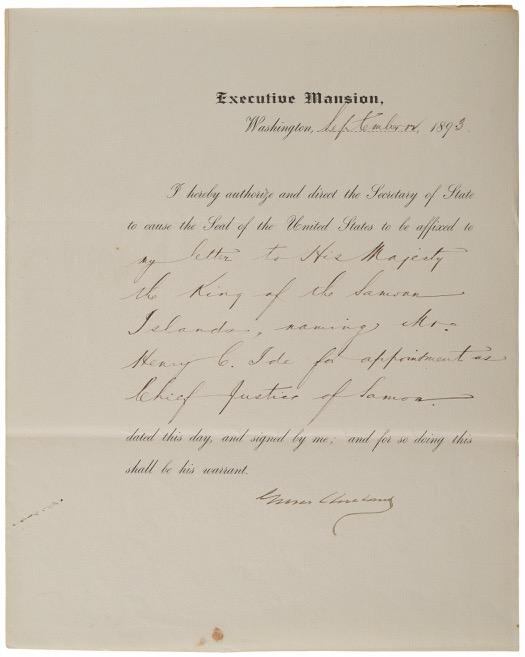
28. Grover Cleveland Document Signed as President, Appointing a Chief...
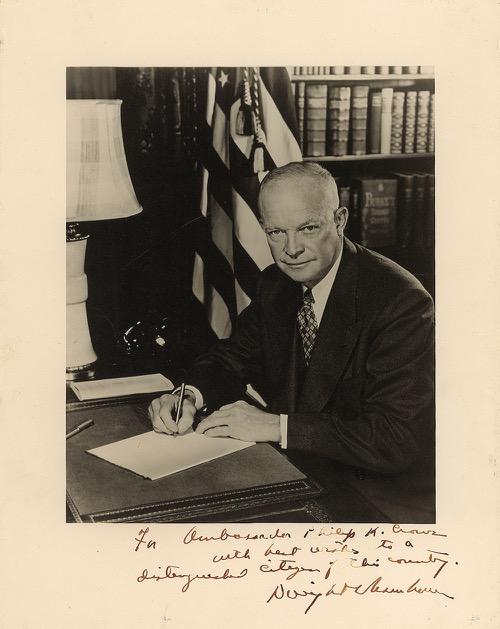
32. Dwight D. Eisenhower Oversized Signed Photograph, Presented to an... Starting Bid $200
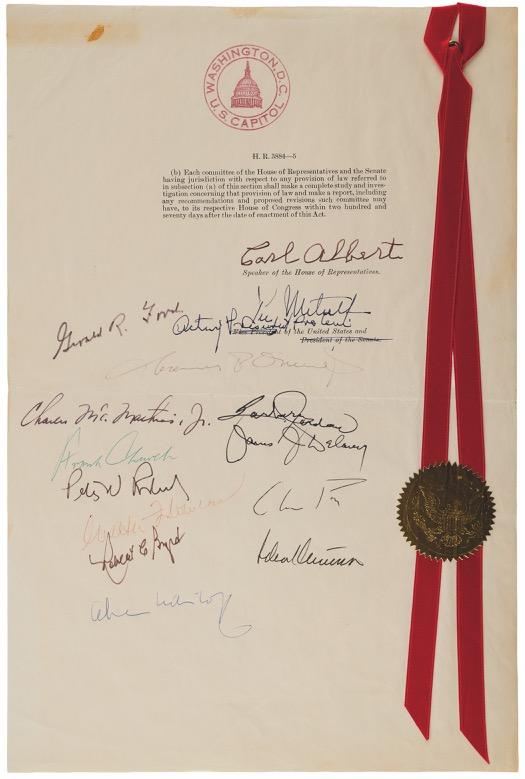
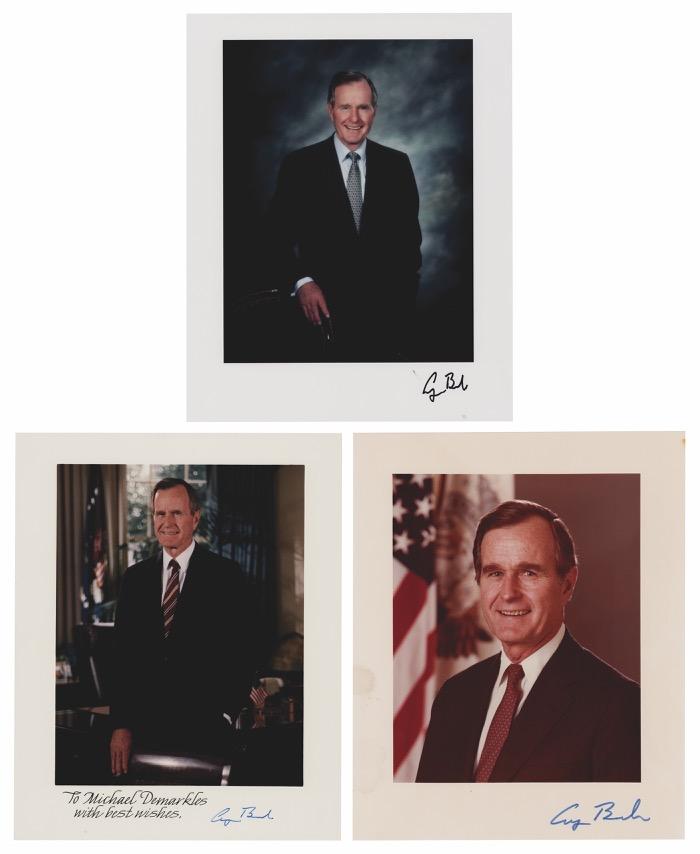
25. George Bush (3) Signed Photographs Starting Bid $200
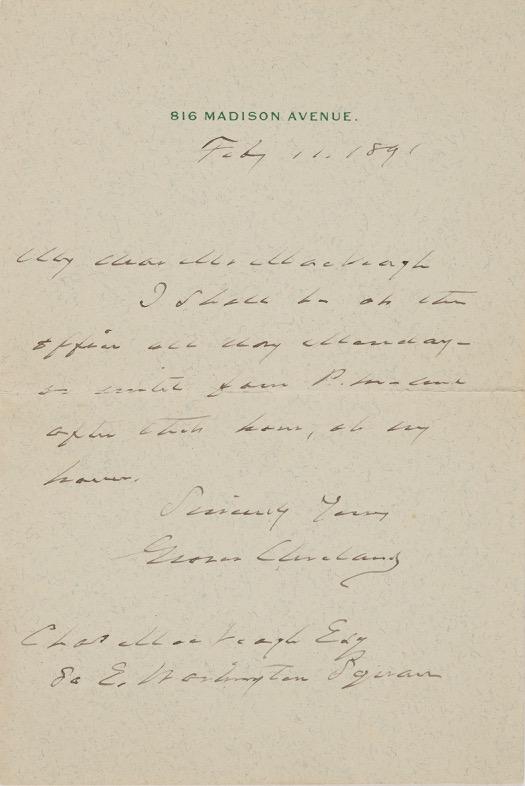
29. Grover Cleveland Autograph Letter Signed Starting Bid $200
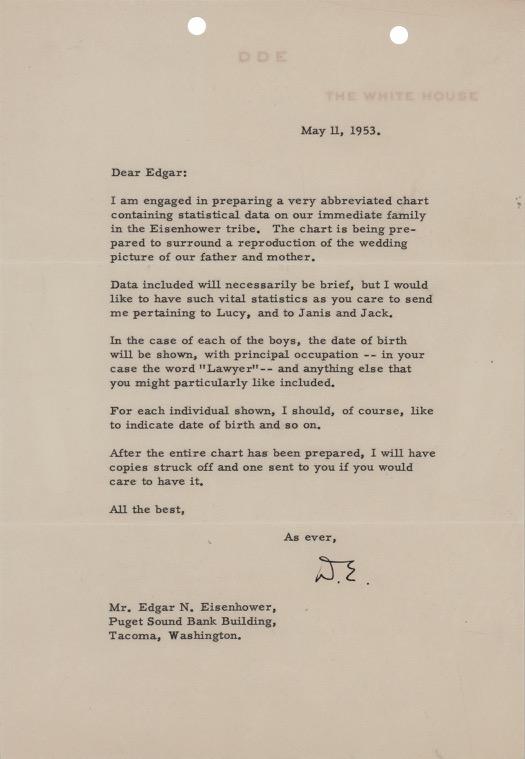
33. Dwight D. Eisenhower Typed Letter Signed as President, Requesting... Starting Bid $200
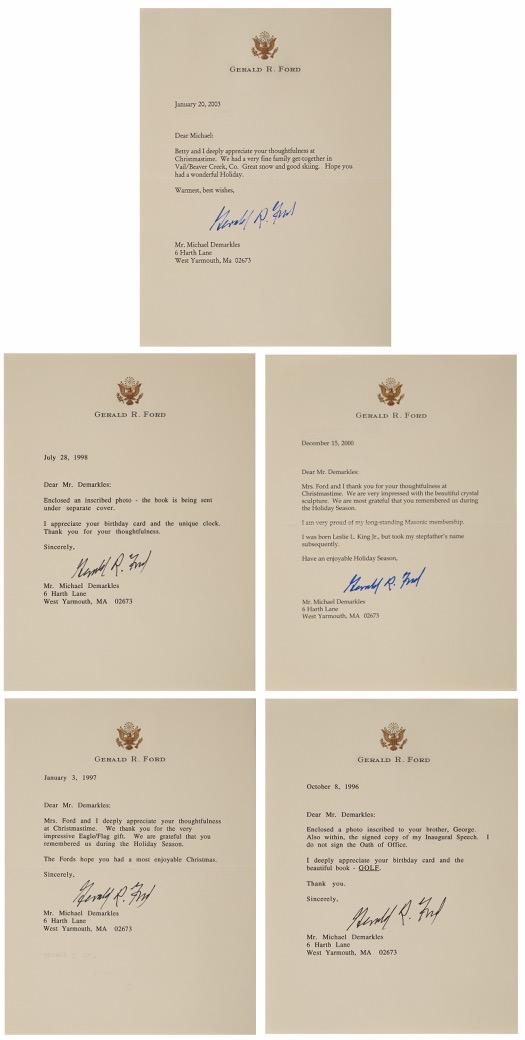
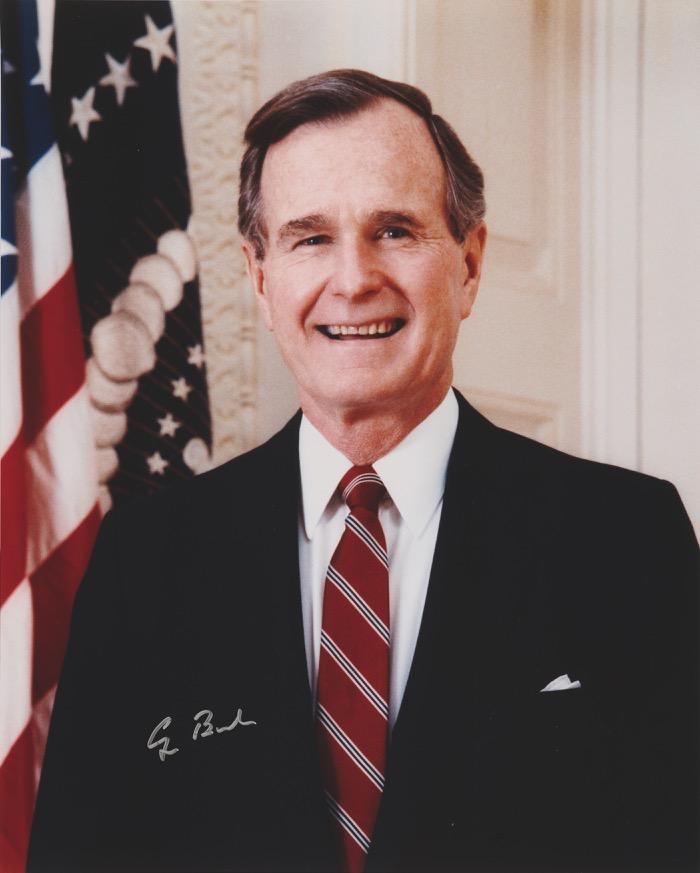
26. George Bush Oversized Signed Photograph Starting Bid $200
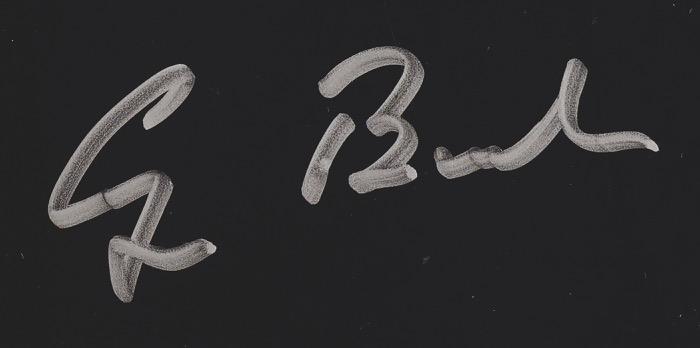
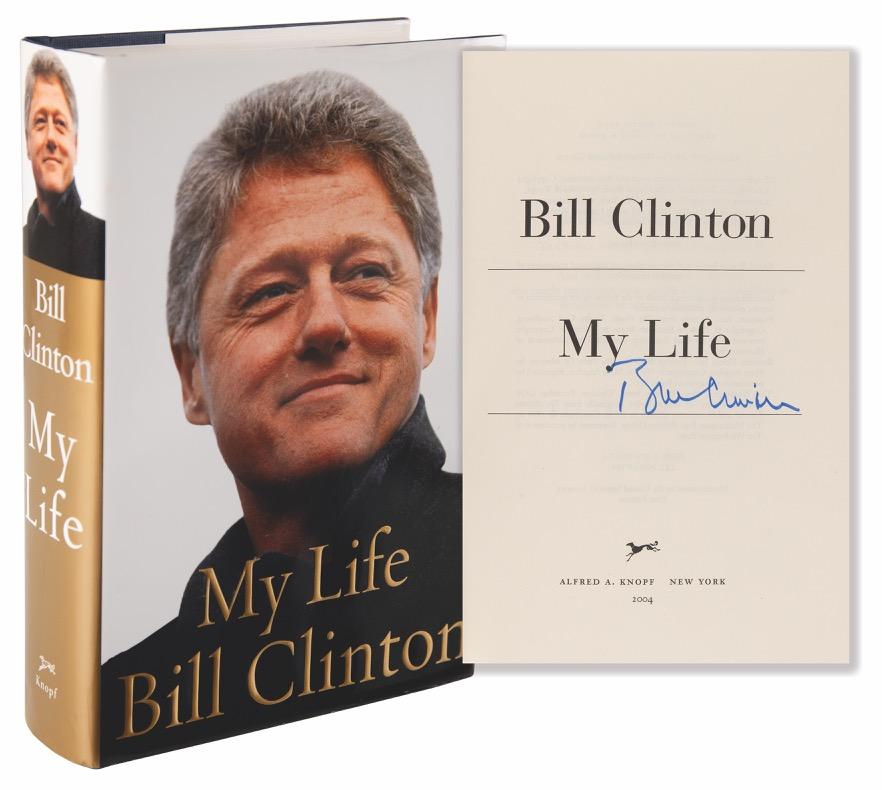
30. Bill Clinton Signed Book - My Life Starting Bid $200
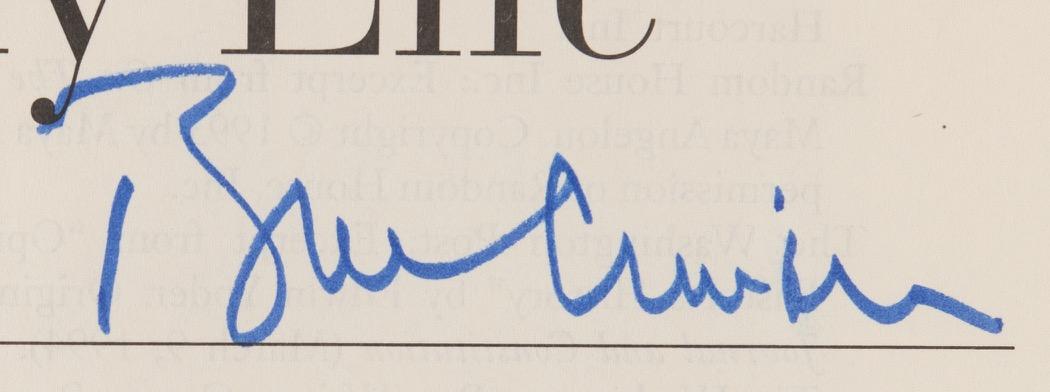
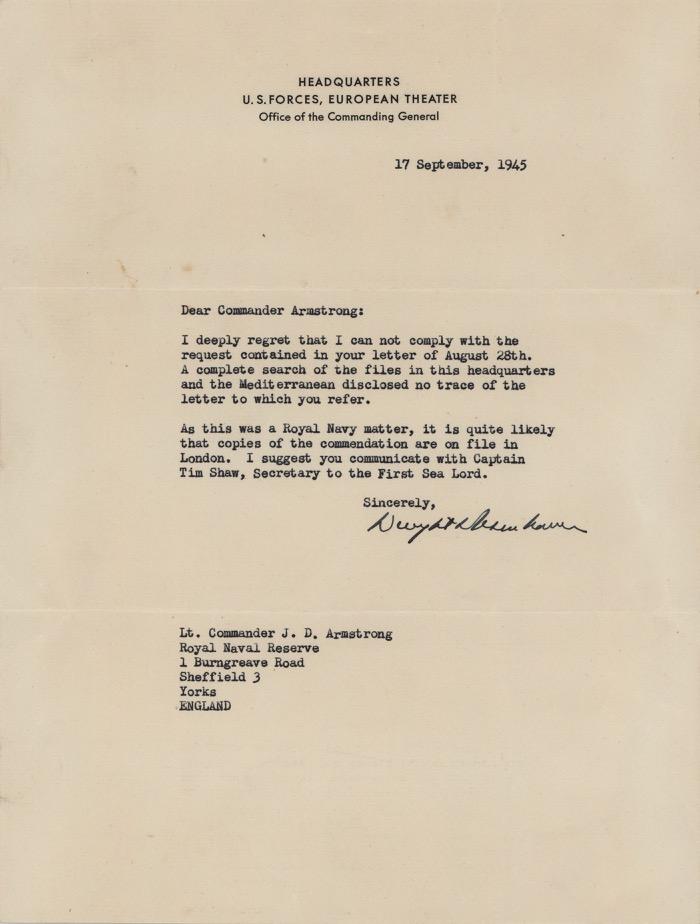
34. Dwight D. Eisenhower Typed Letter Signed - Two Weeks After the Su... Starting Bid $200
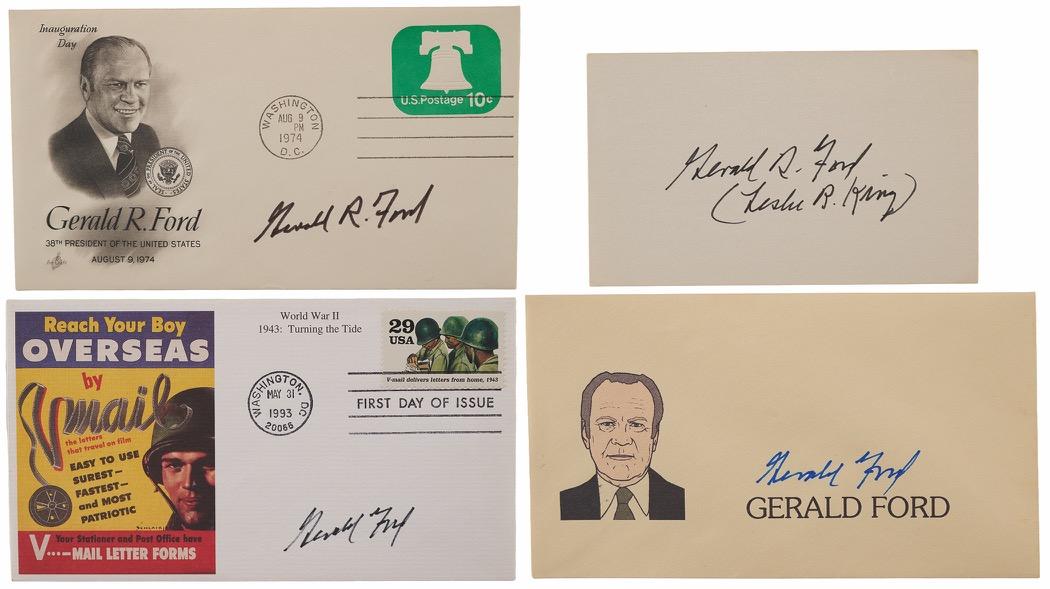
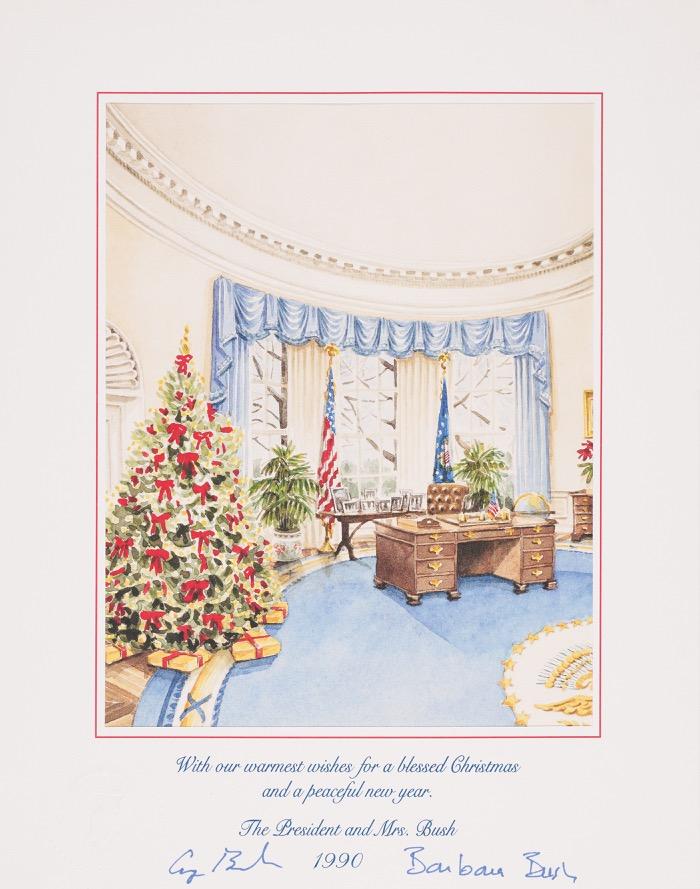
27. George and Barbara Bush Signed White House Christmas Card Print (... Starting Bid $200
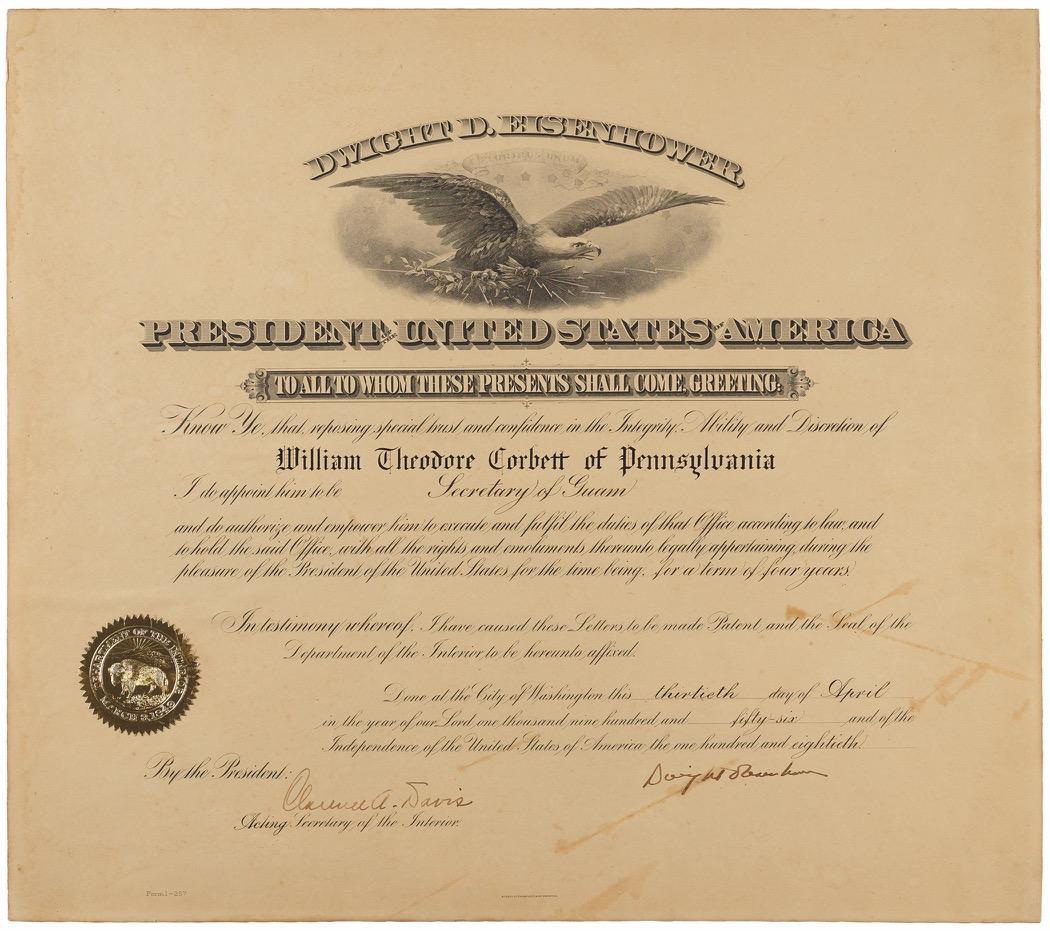
31. Dwight D. Eisenhower Document Signed as President Starting Bid $200
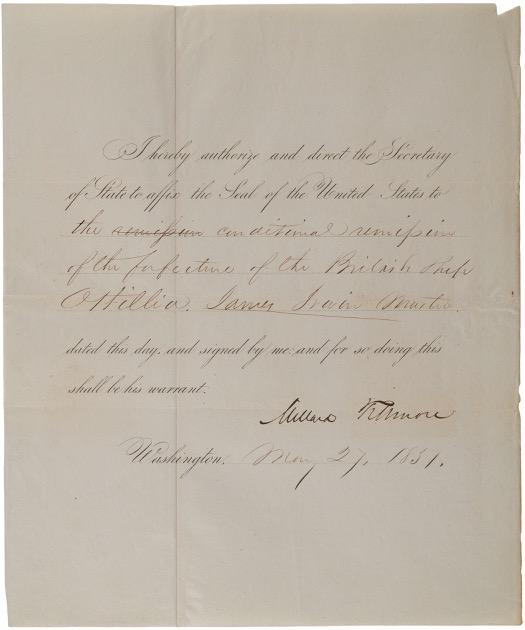
35. Millard Fillmore Document Signed as President - Releasing a Briti... Starting Bid $200
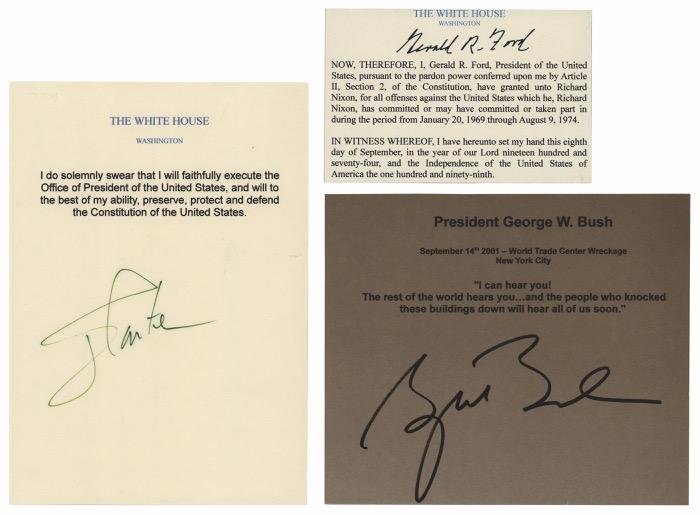
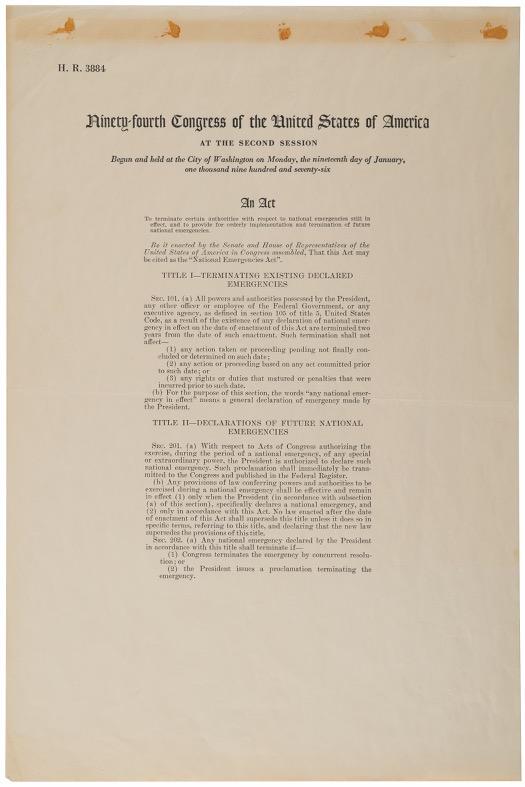
36. Gerald Ford and the 94th United States Congress Multi-Signed (13)...
37. Gerald Ford (5) Typed Letters Signed Starting Bid $200
38. Gerald Ford (4) Signed Items Starting Bid $200
39. Gerald Ford,
Typed Quotation... Starting Bid $200
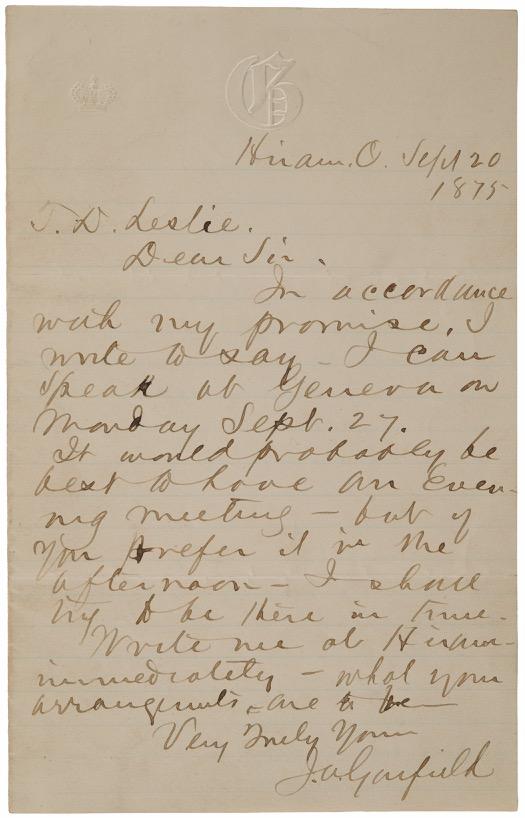
40. James A. Garfield Autograph Letter Signed as a Congressman Starting Bid $200
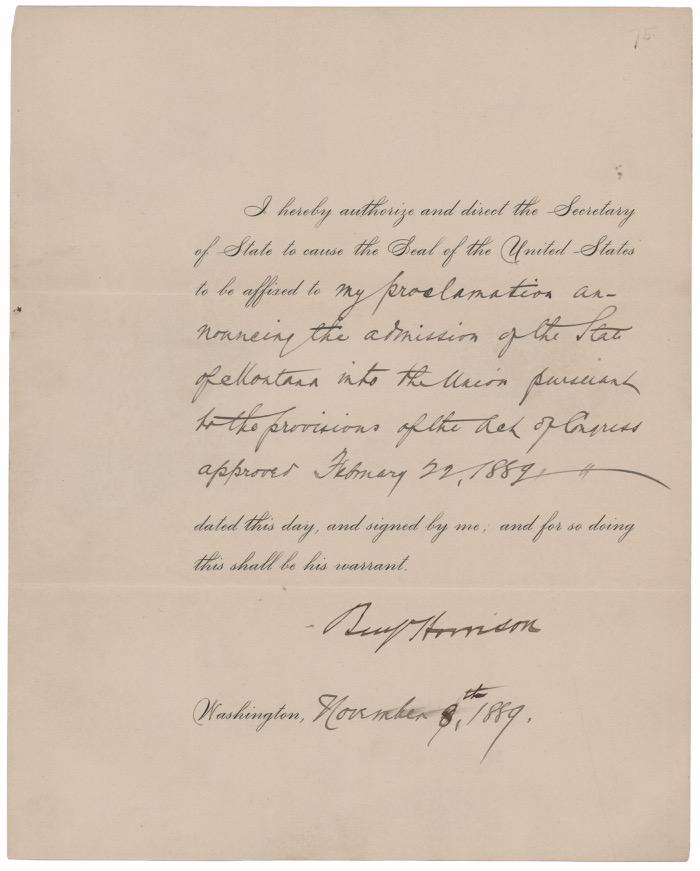
44. President Benjamin Harrison Approves Statehood for Montana in 188... Starting Bid $200
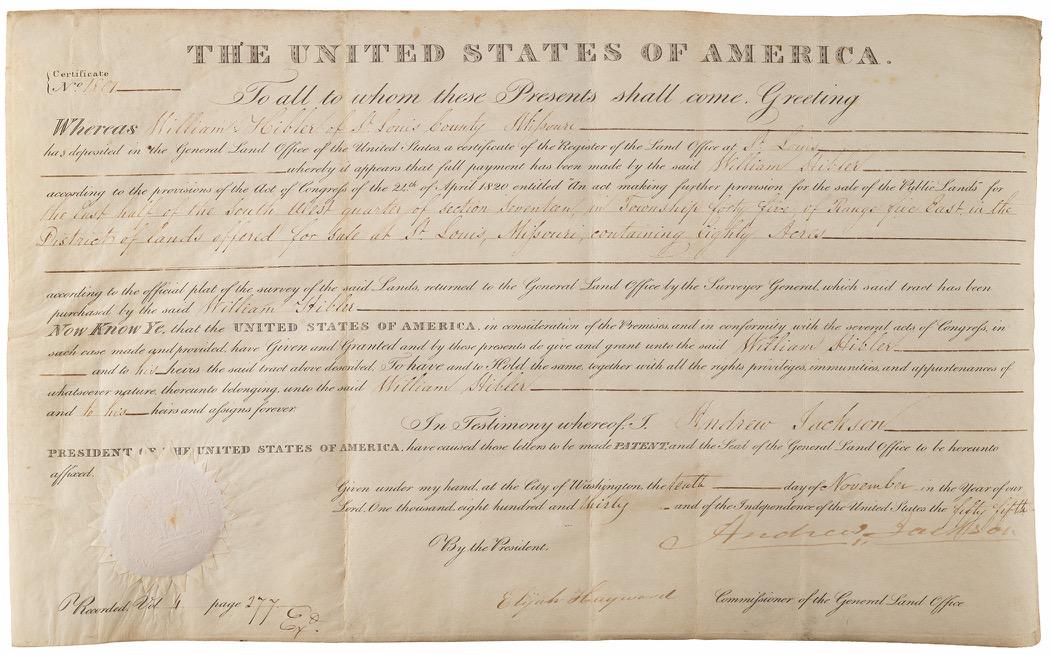
48. Andrew Jackson Document Signed as President Starting Bid $200
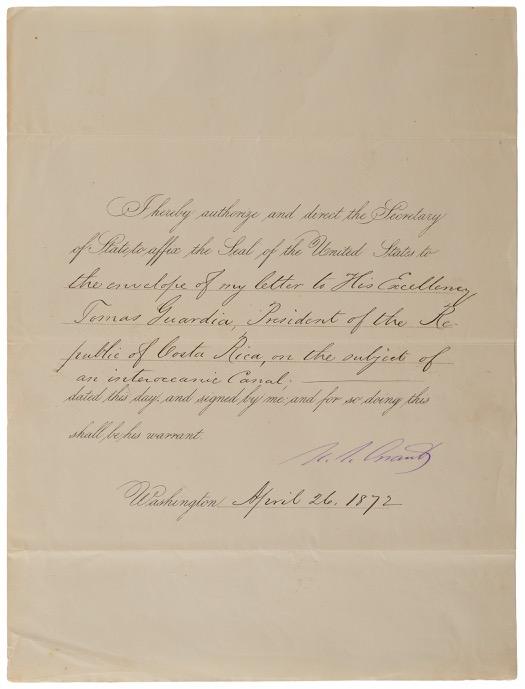
41. U. S. Grant Document Signed as President, Liaising with Costa Ric... Starting Bid $200
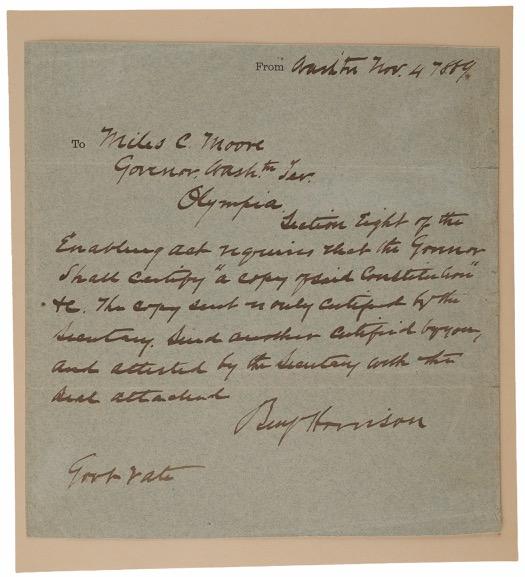
45. Benjamin Harrison Autograph Telegram Signed as President, Providi... Starting Bid $200
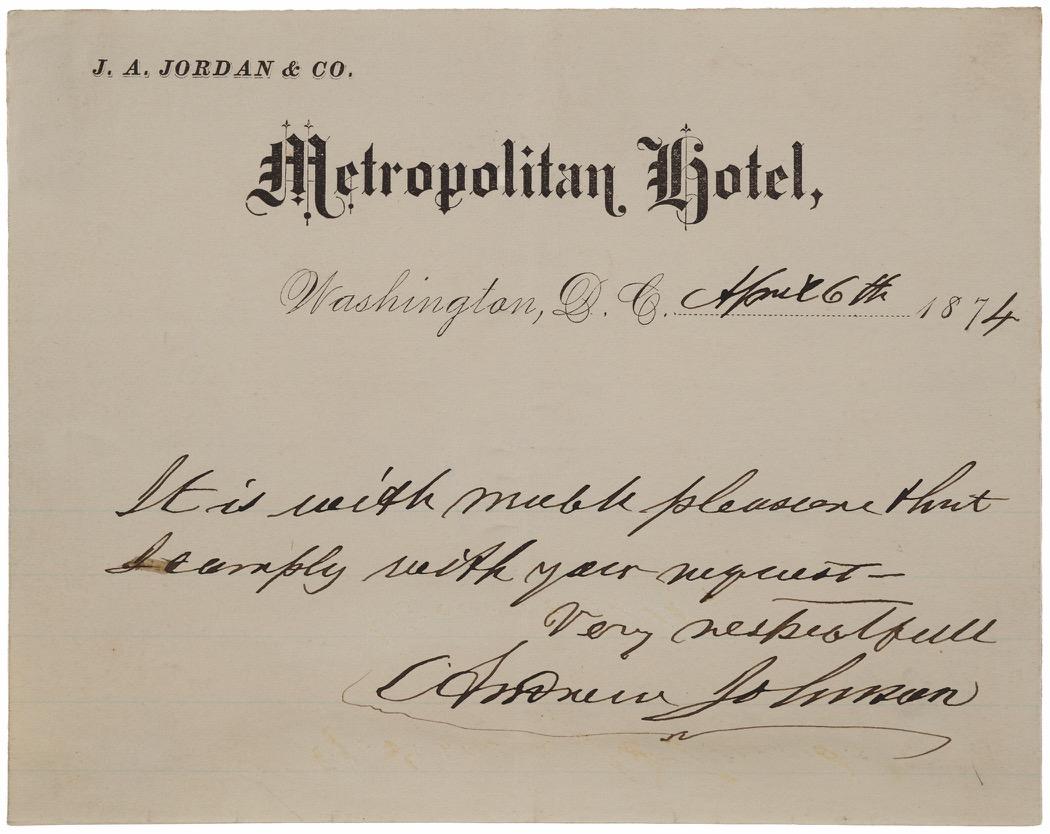
49. Andrew Johnson Autograph Note Signed Starting Bid $200
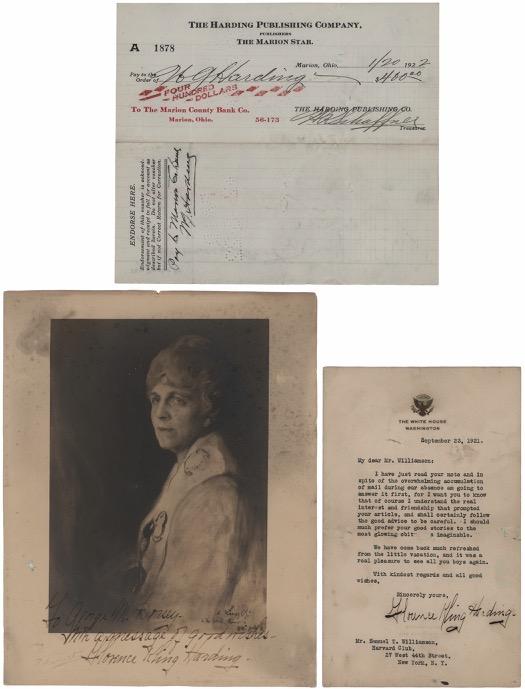
42. Warren and Florence Harding (3) Signed Items Starting Bid $200
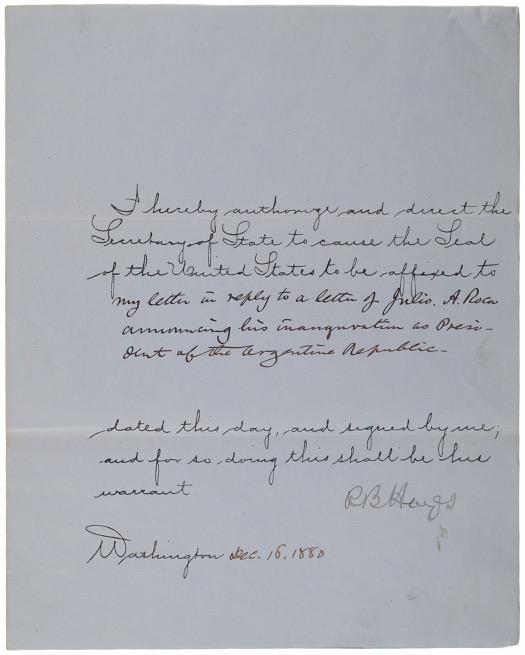
46. Rutherford B. Hayes Document Signed as PresidentAcknowledging ...
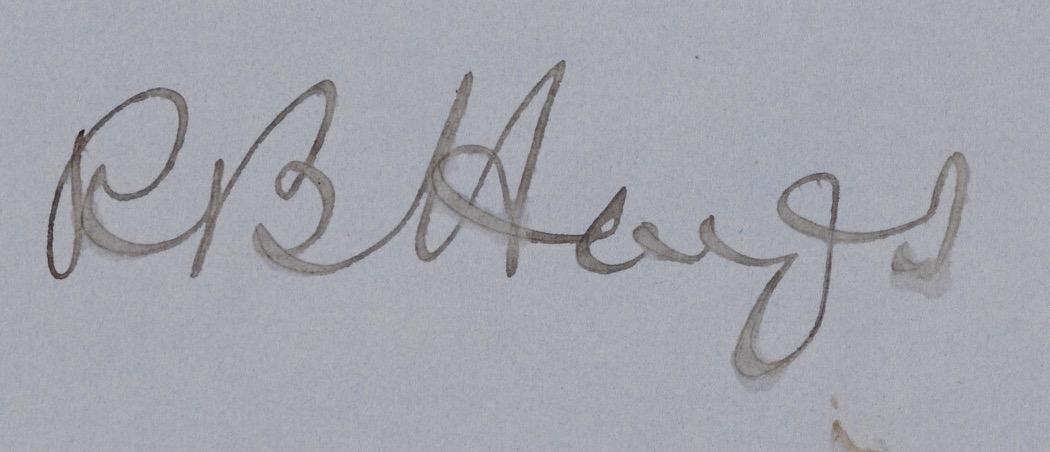
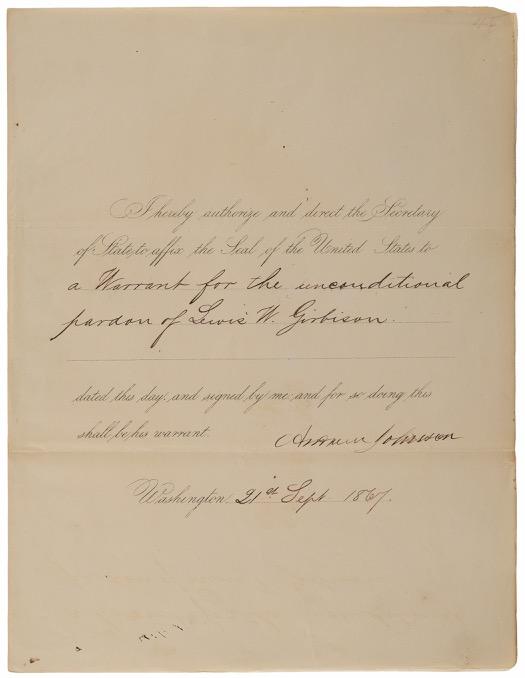
50. Andrew Johnson Document Signed as President, Pardoning a Counterf... Starting Bid $200
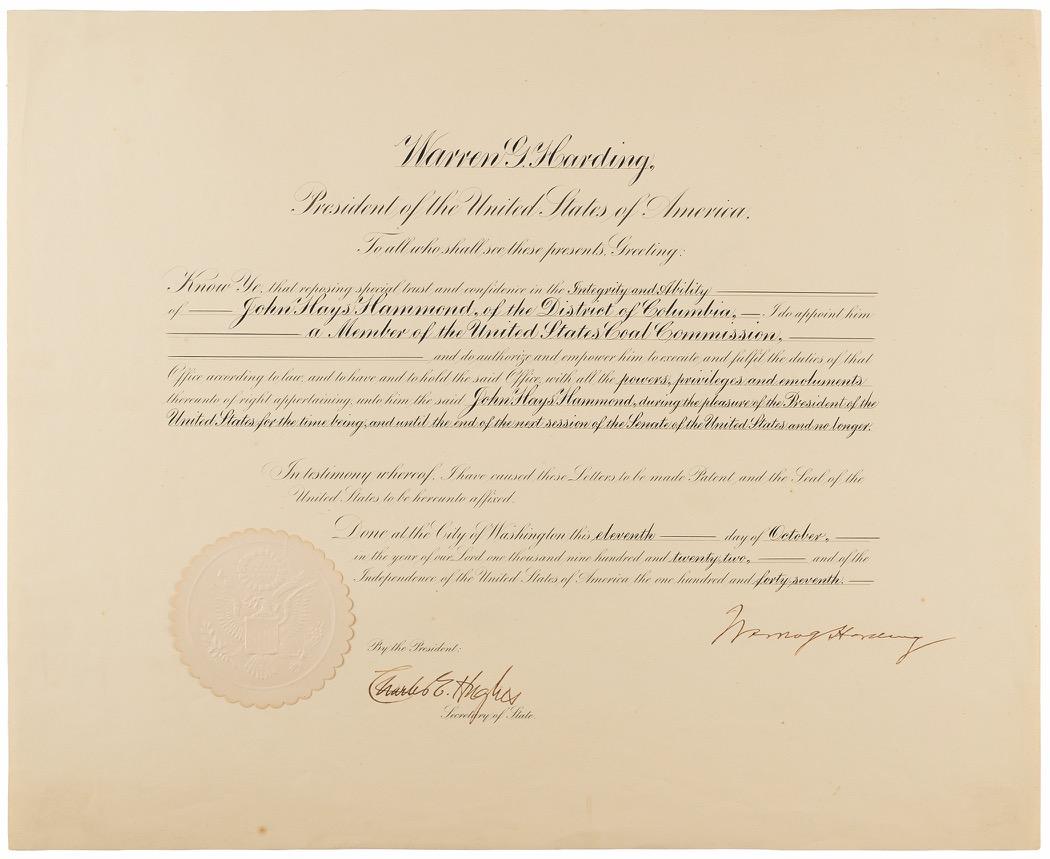
43. Warren G. Harding Document Signed as President - Appointing Minin... Starting Bid $200
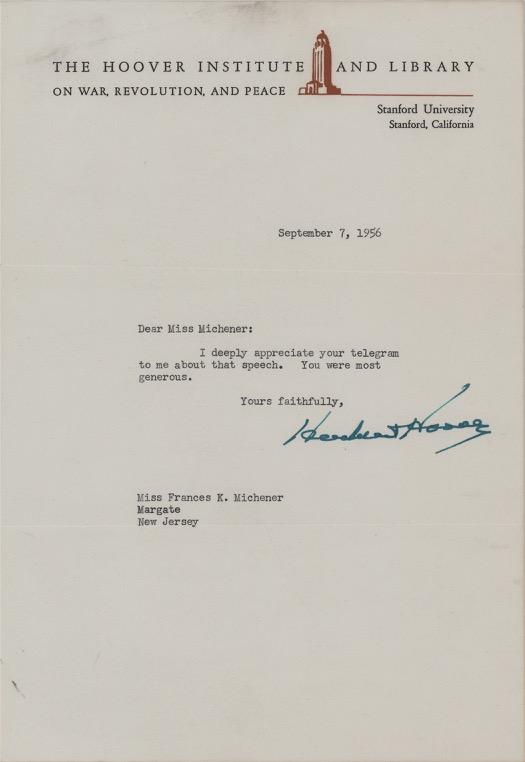
47. Herbert Hoover Typed Letter Signed Starting Bid $200
51. Jacqueline Kennedy Autograph Letter Signed to Her Favored Fabric ... Starting Bid $200

52. Jacqueline Kennedy Typed Letter Signed to Her Favored Fabric Desi... Starting Bid $200
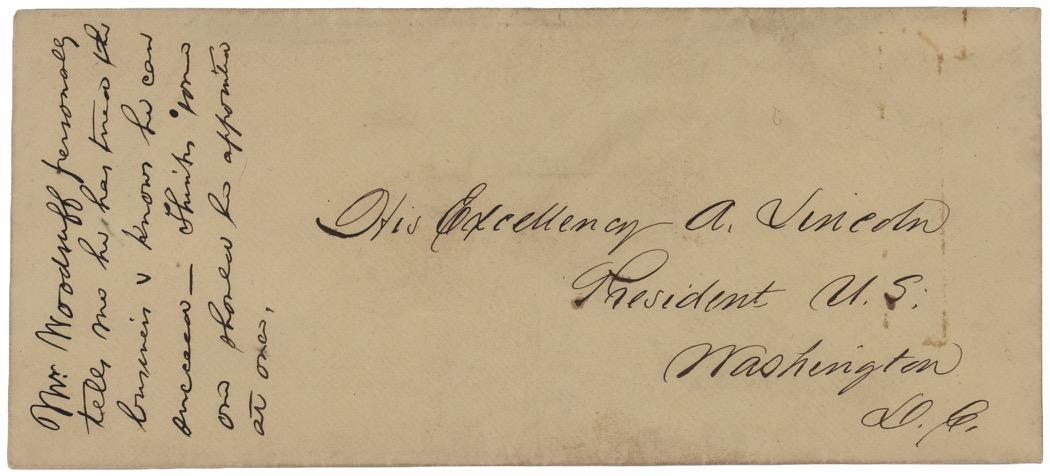
53. Abraham Lincoln HandAnnotated Envelope as President Starting Bid $200
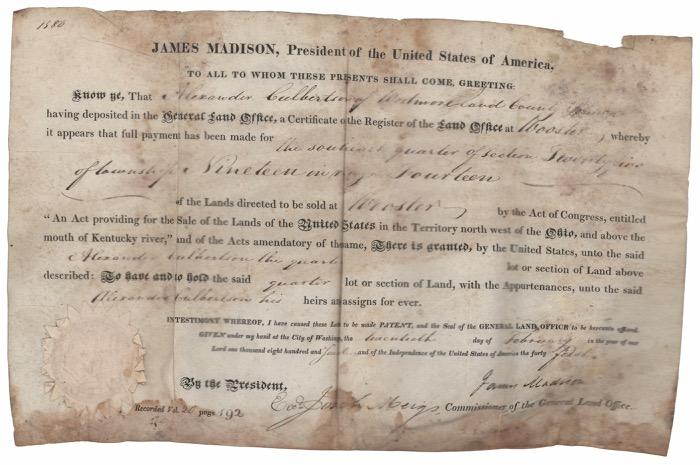
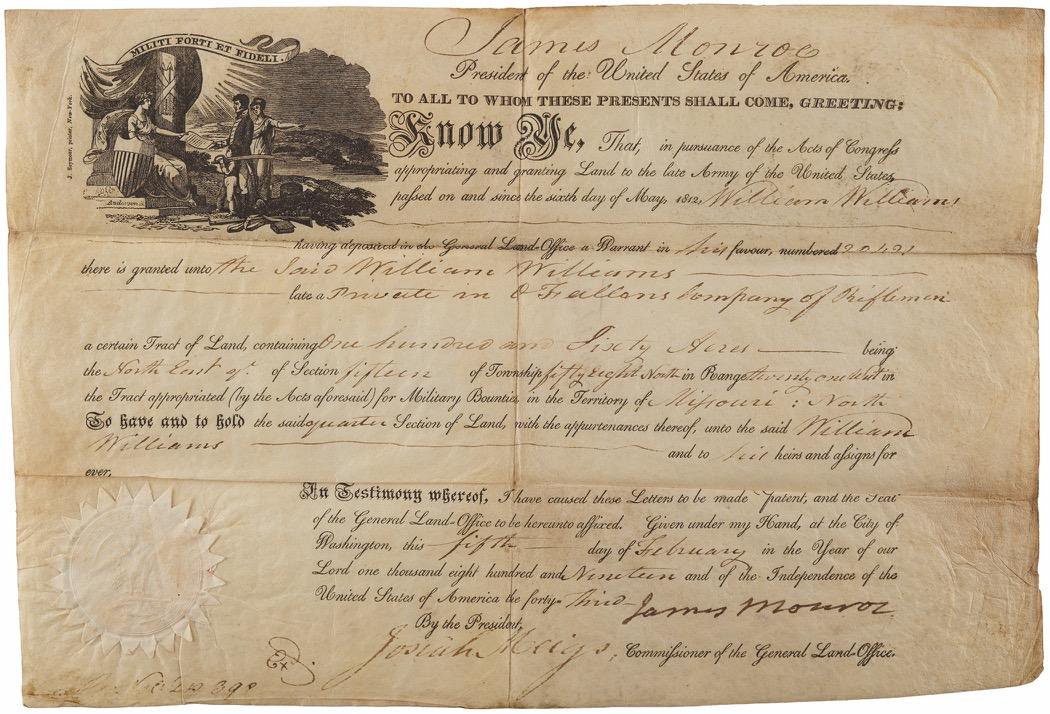
54. James Madison Document Signed as President Starting Bid $200
55. James Monroe Document Signed as President Starting Bid $200
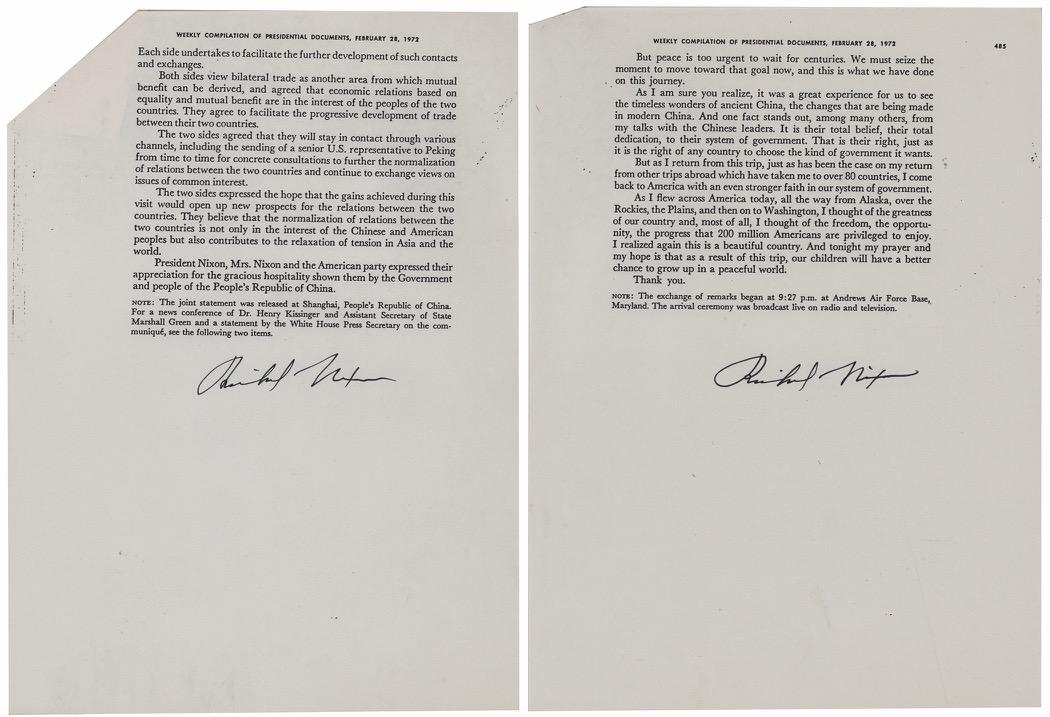
56. Richard Nixon (2) Signed Printed Transcripts on His
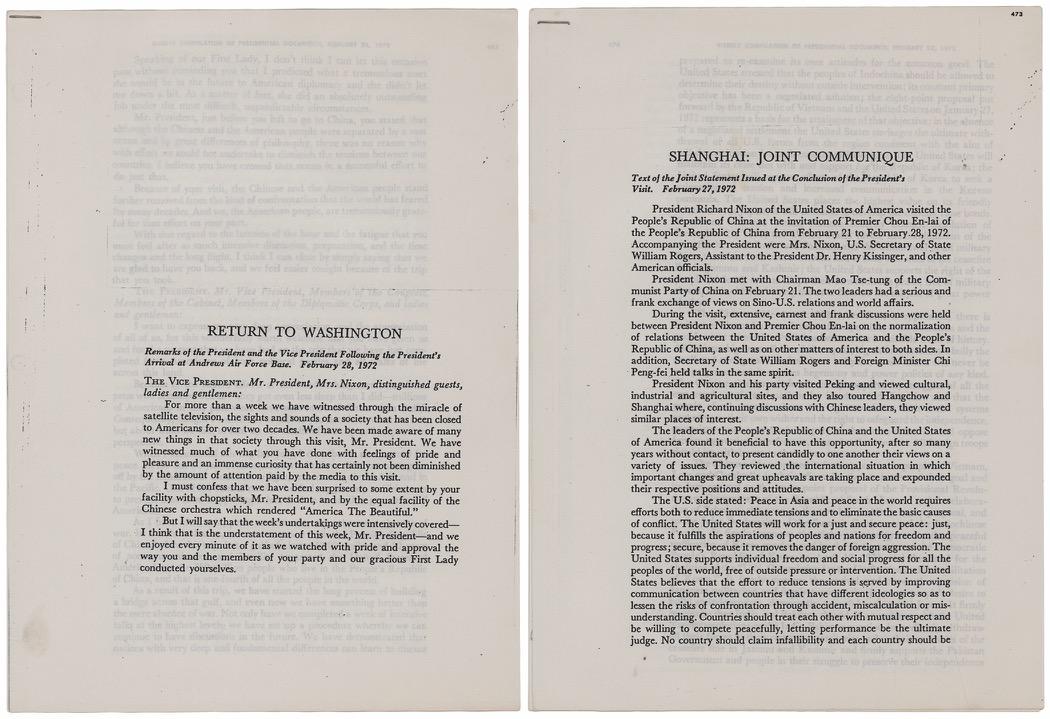
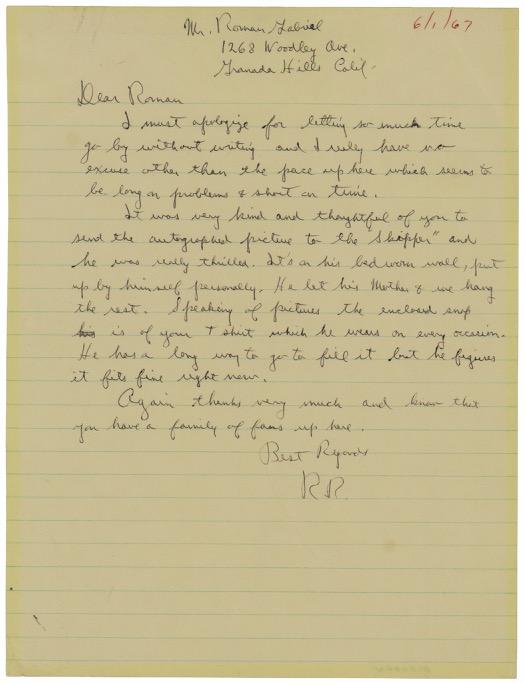
60. Ronald Reagan Autograph Letter Signed to LA Rams Quarterback Roma... Starting Bid $200
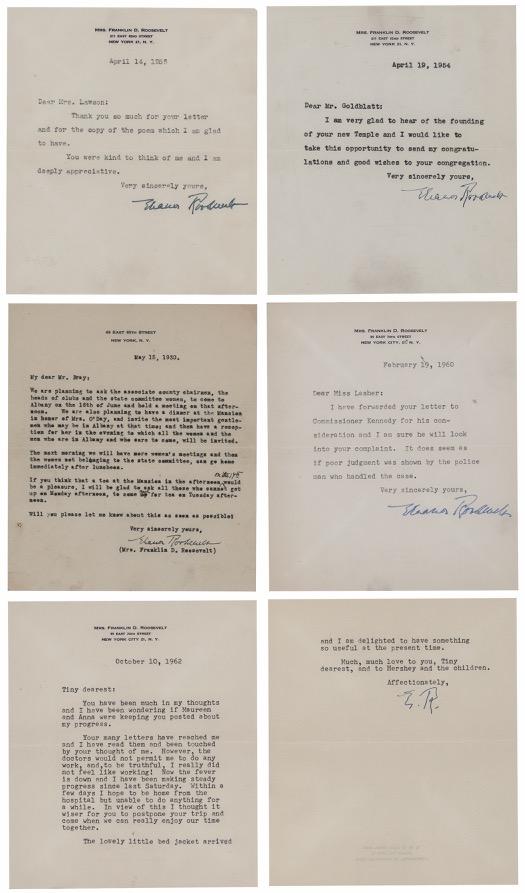
64. Eleanor Roosevelt (5) Typed Letters Signed Starting Bid $200
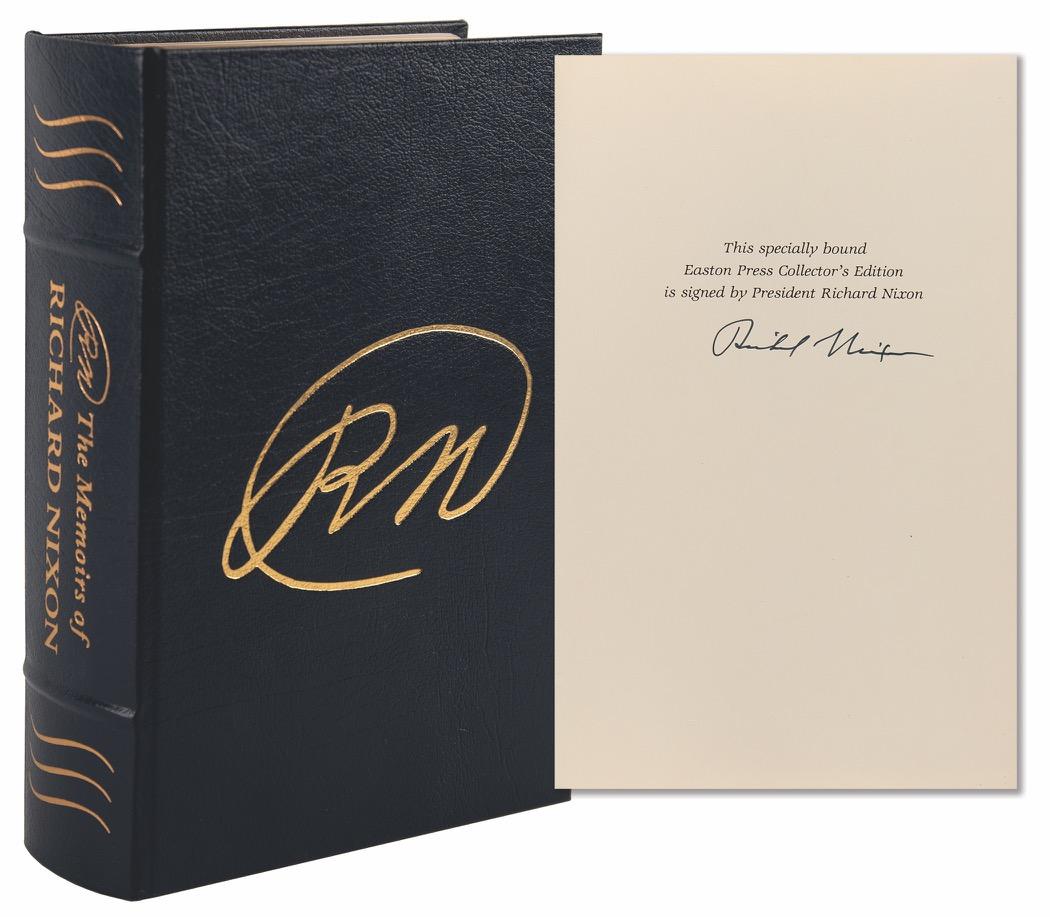
57. Richard Nixon Signed Book - The Memoirs of Richard Nixon Starting Bid $200
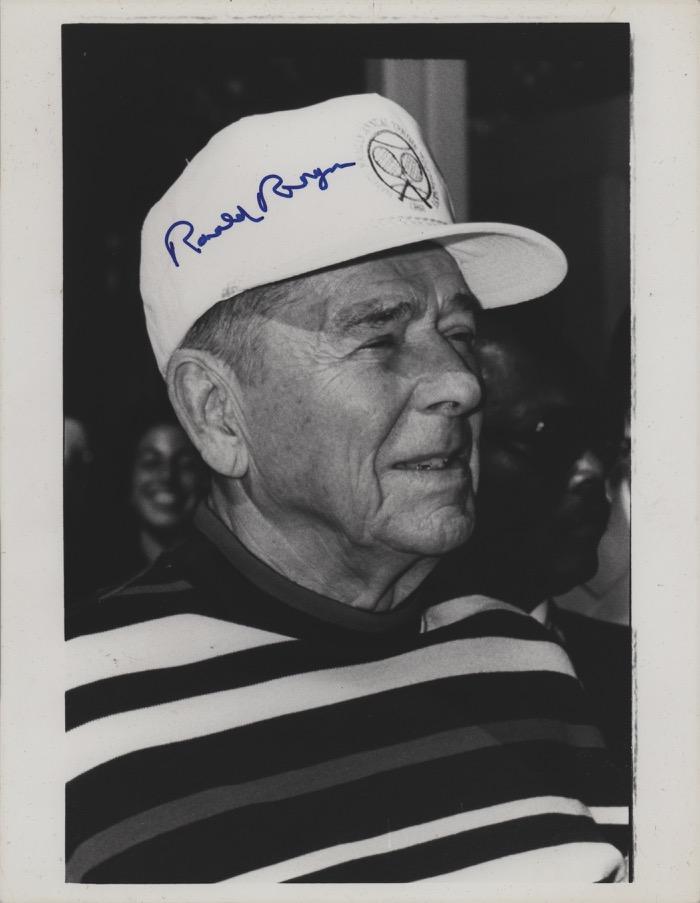
61. Ronald Reagan Signed Photograph Starting Bid $200
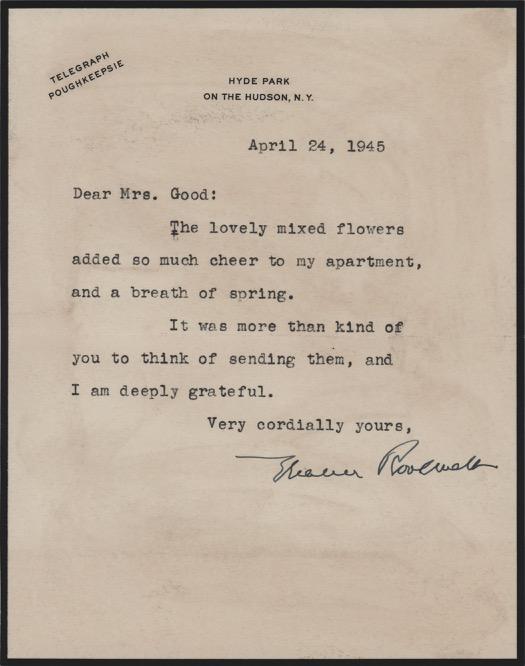
65. Eleanor Roosevelt Typed Letter SignedWritten 12 Days After FDR... Starting Bid $200
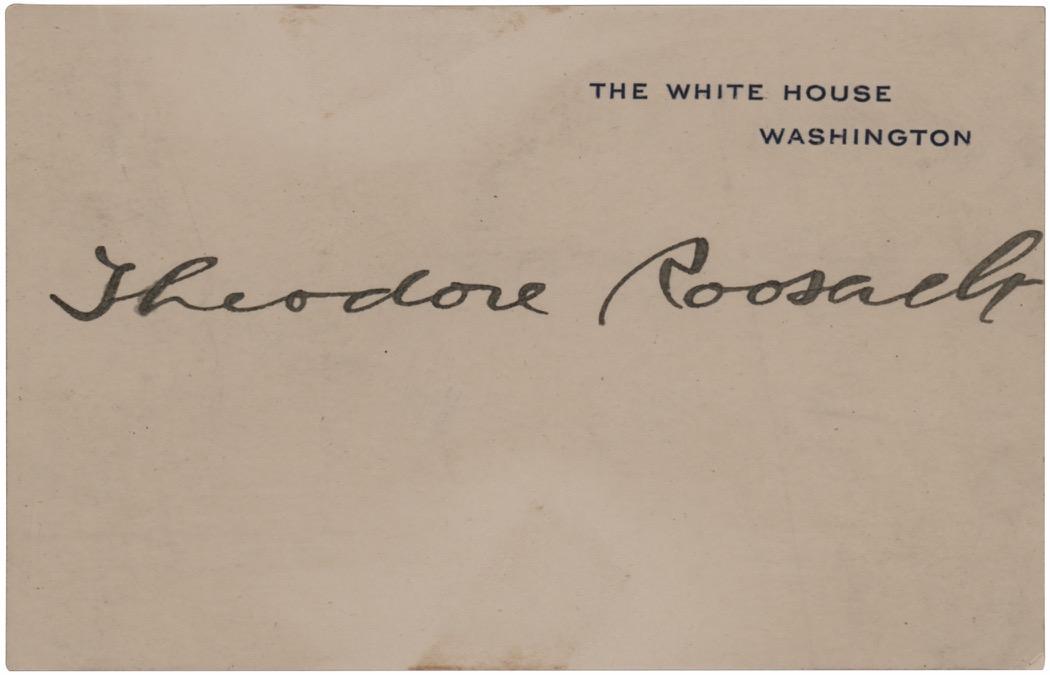
68. Theodore Roosevelt Signed White House Card Starting Bid $200
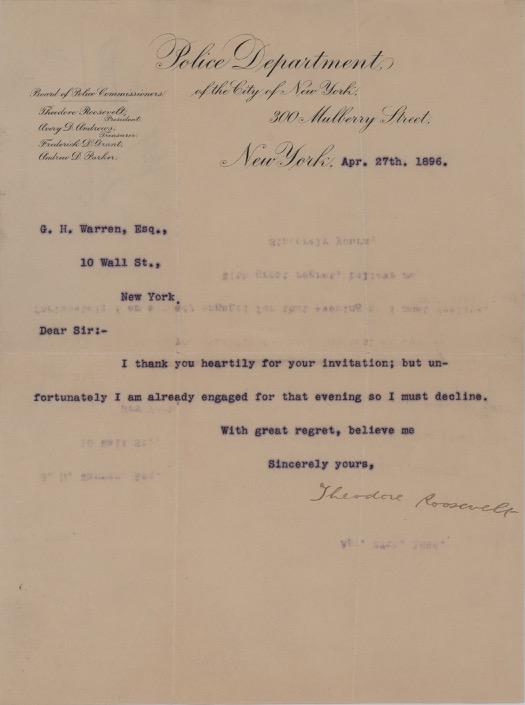
69. Theodore Roosevelt Typed Letter Signed as Police Commissioner of ... Starting Bid $200
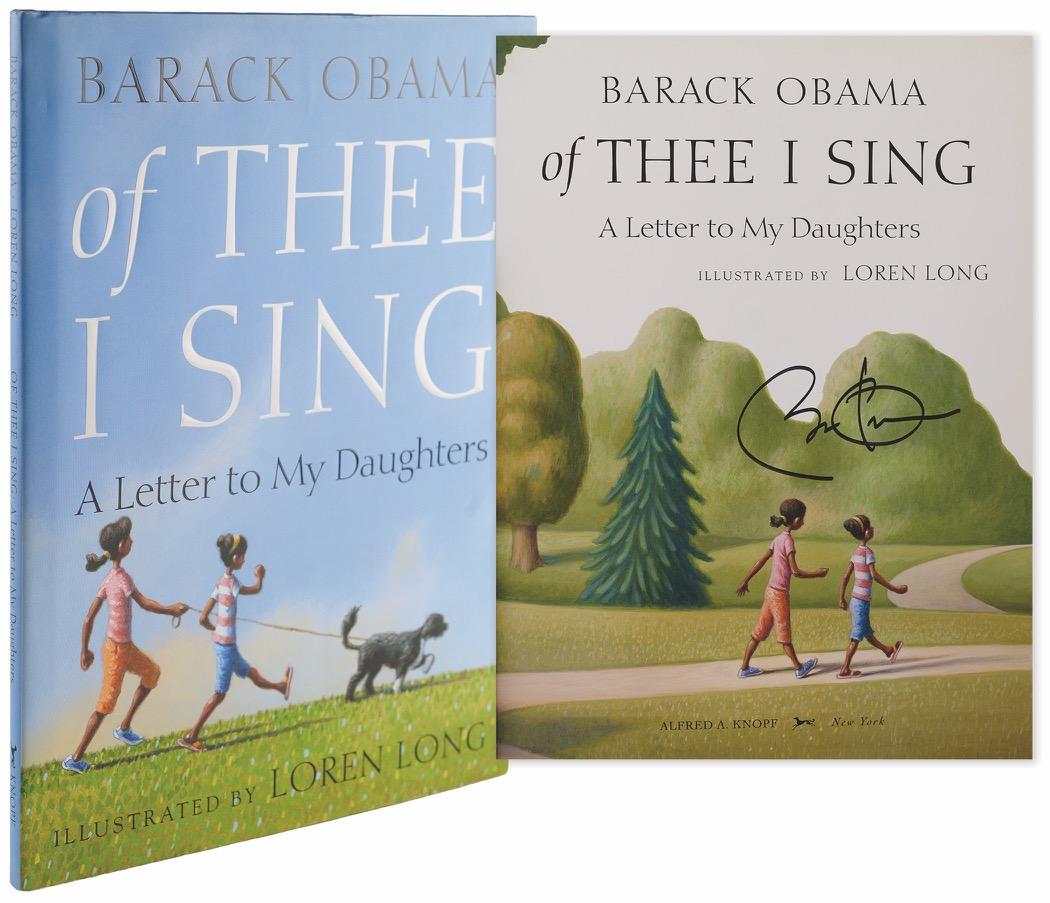
58. Barack Obama Signed Book - Of Thee I Sing Starting Bid $200
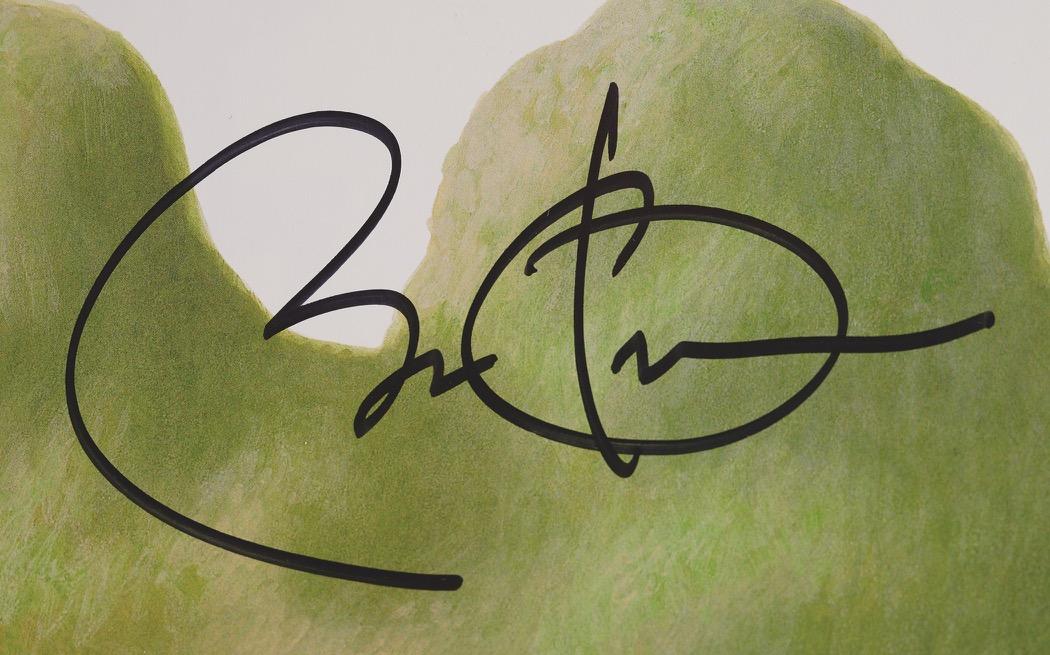
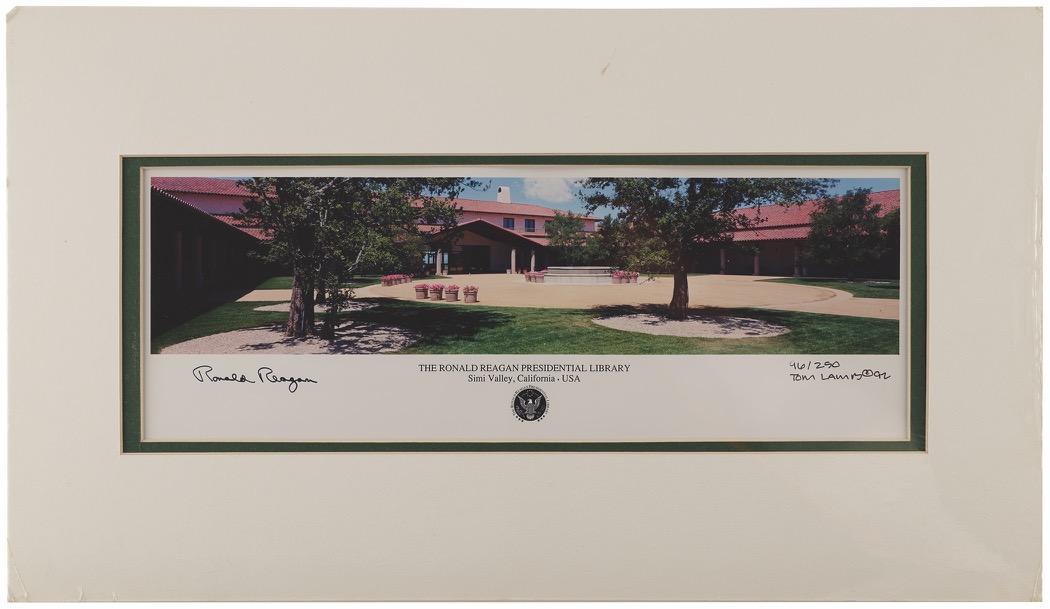
62. Ronald Reagan Signed Panoramic Photograph (Ltd. Ed. #96/250) Starting Bid $200
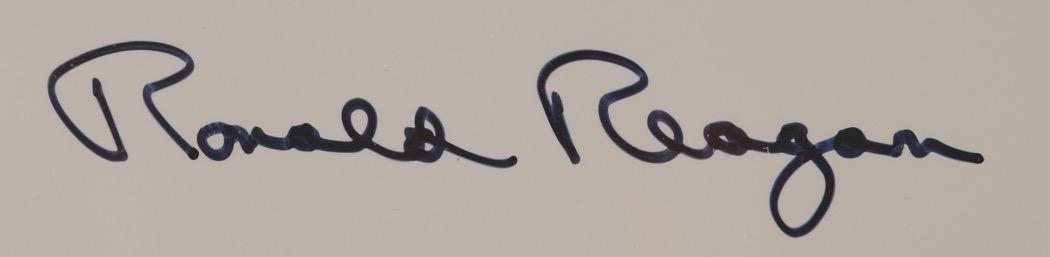
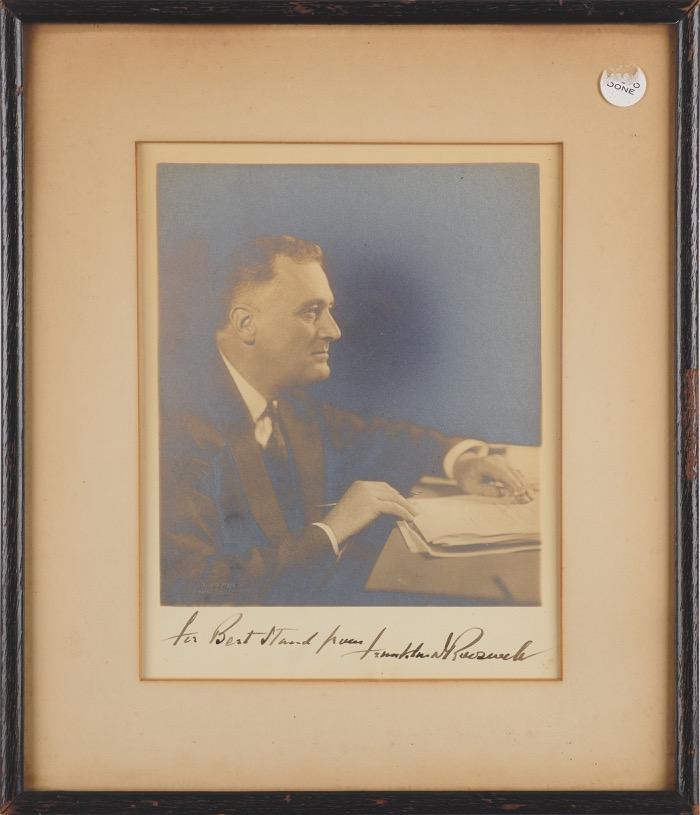
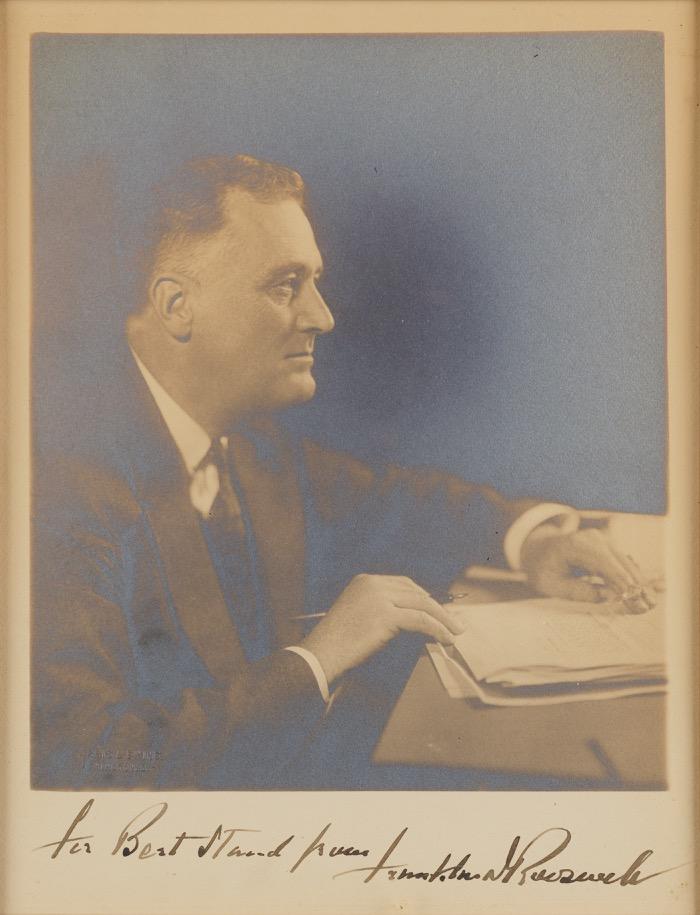
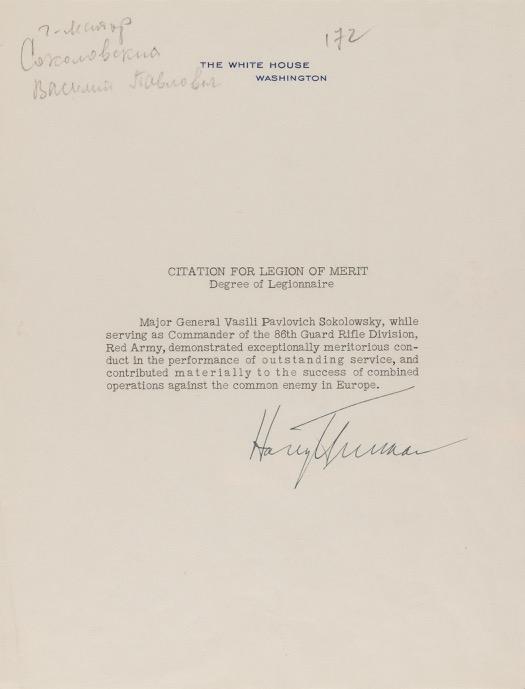
70. Harry S. Truman Document Signed as President - Citation for Legio... Starting Bid $200
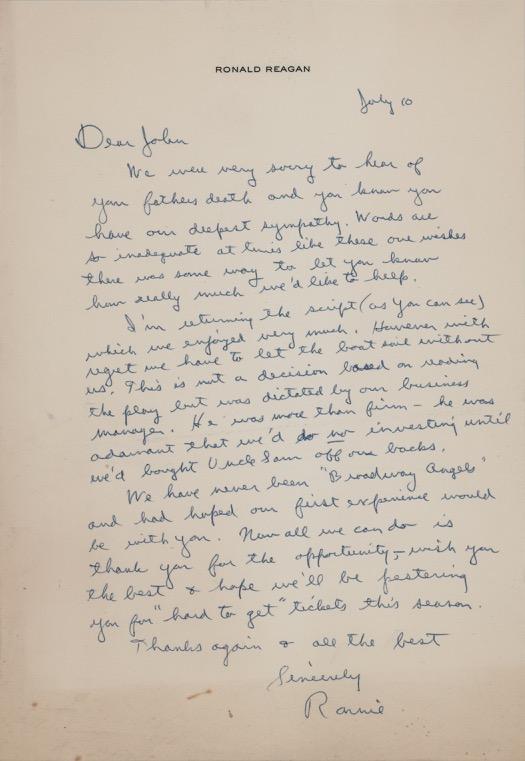
59. Ronald Reagan Autograph Letter Signed: "We'd do no investing unti... Starting Bid $200
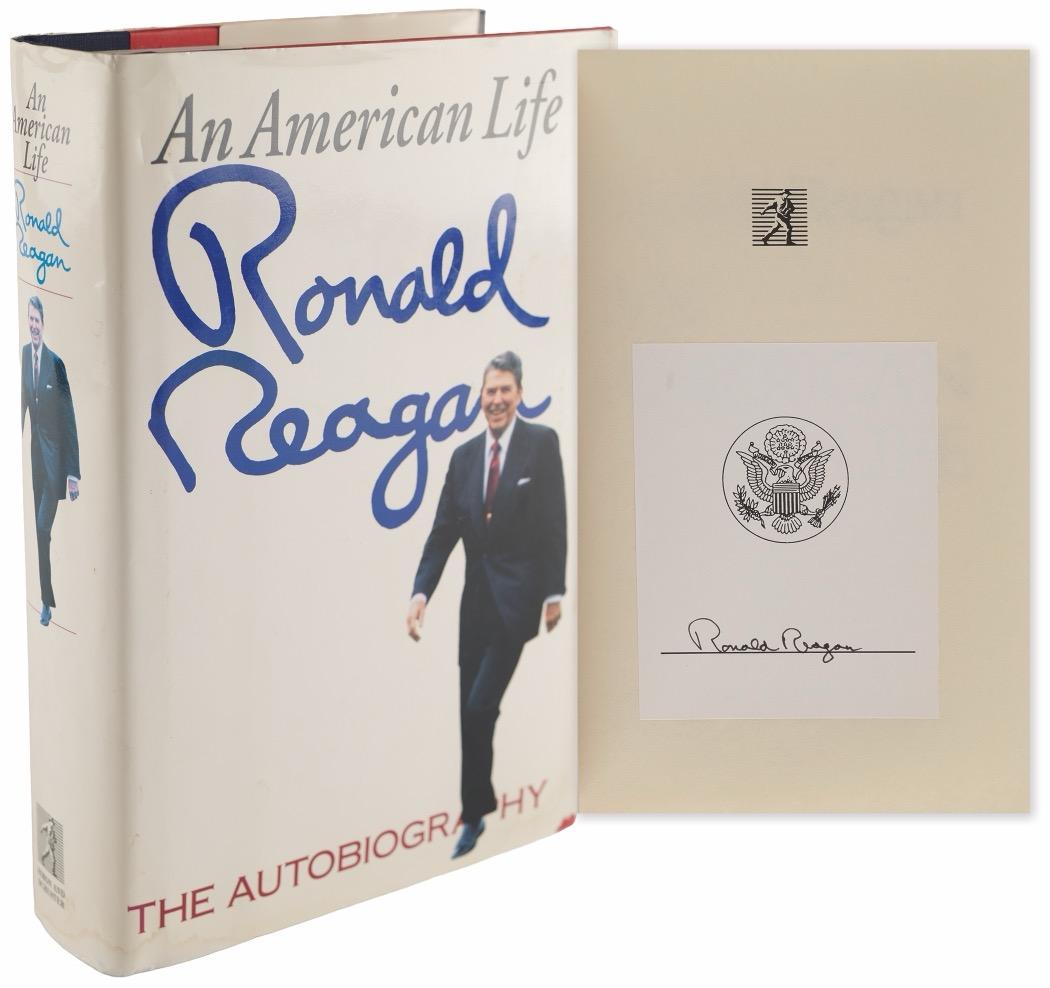
63. Ronald Reagan Signed Book - An American Life Starting Bid $200
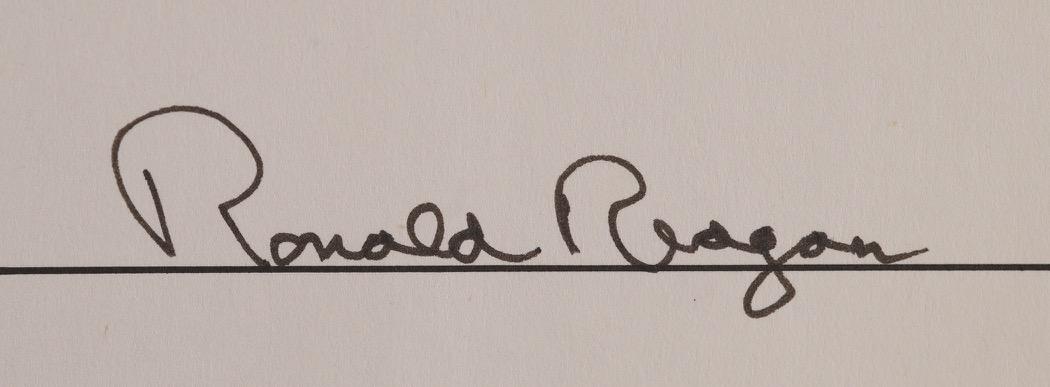
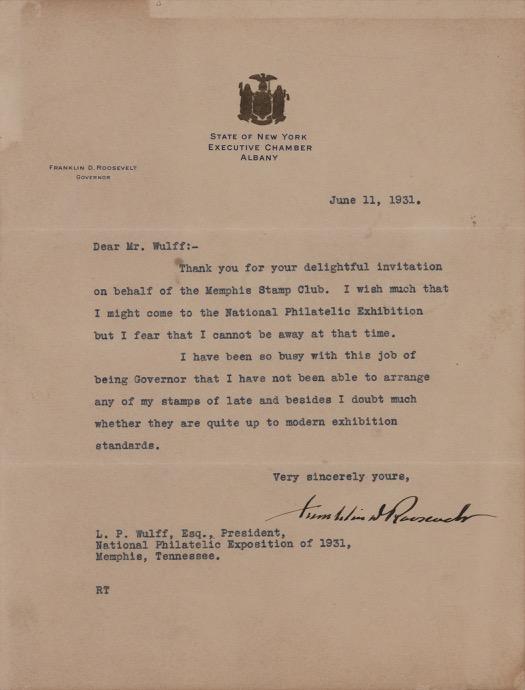
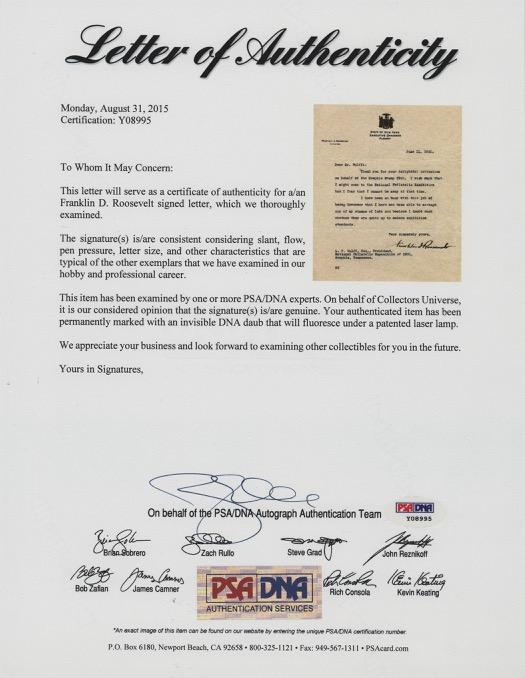
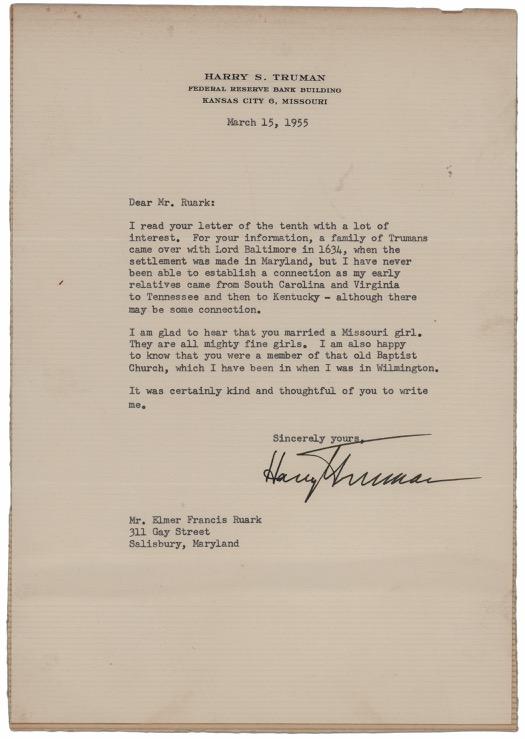
71. Harry S. Truman Typed Letter Signed on His Ancestry: "A family of... Starting Bid $200
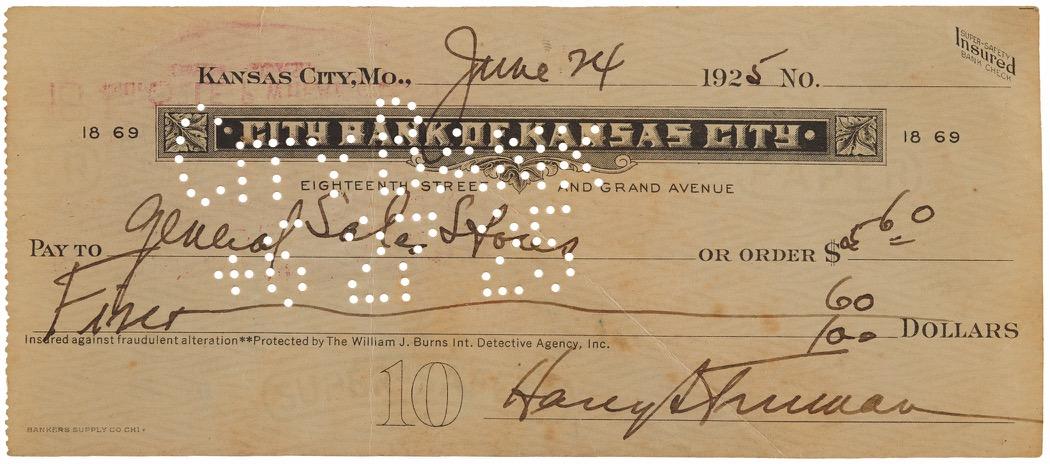
72.
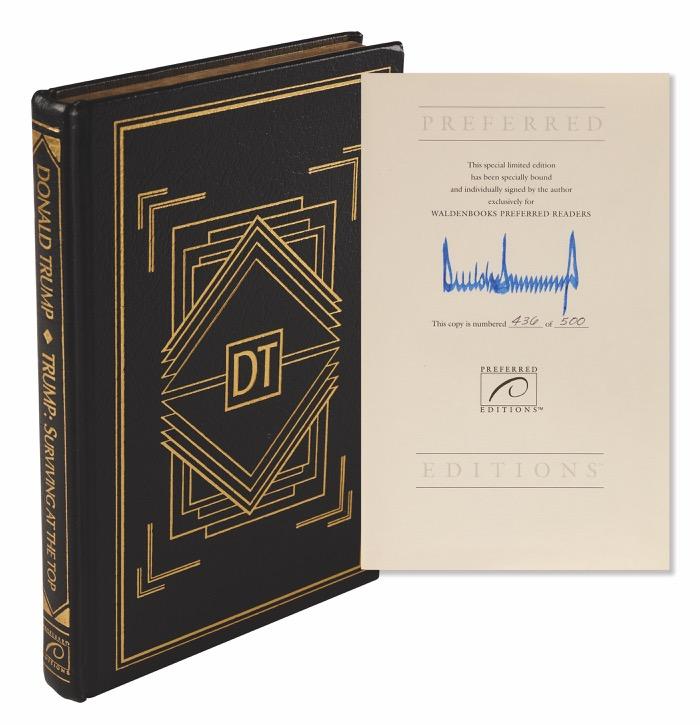
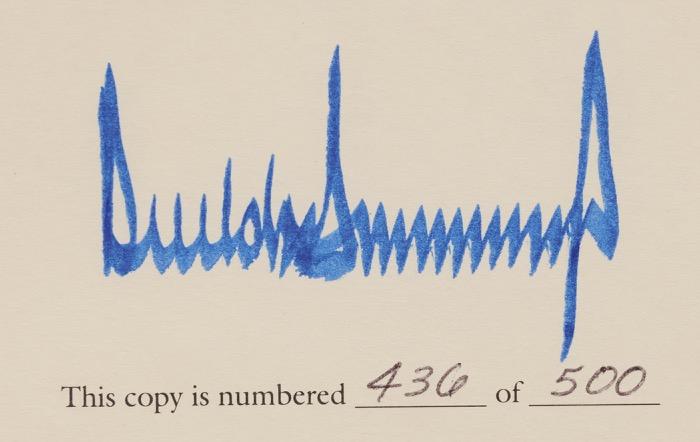
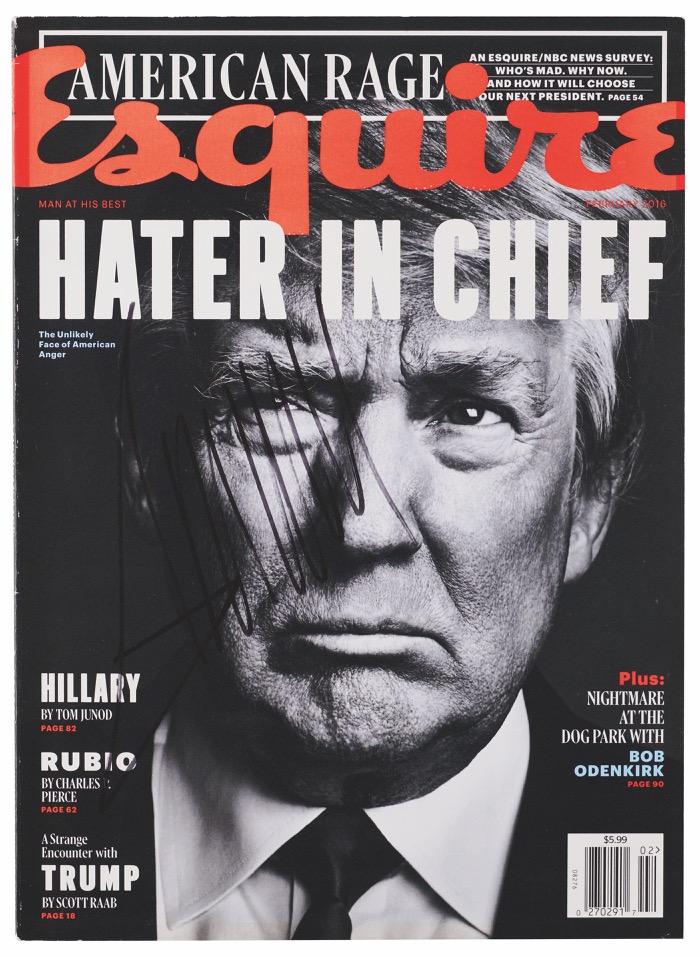
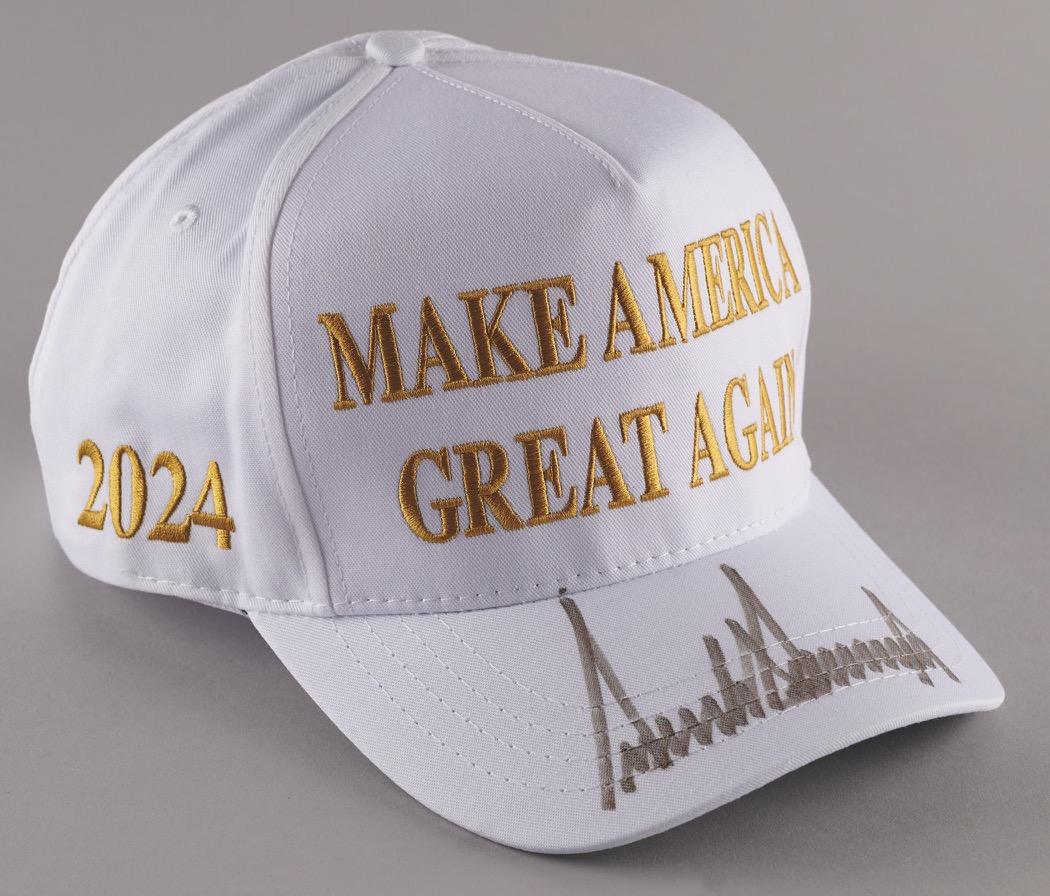
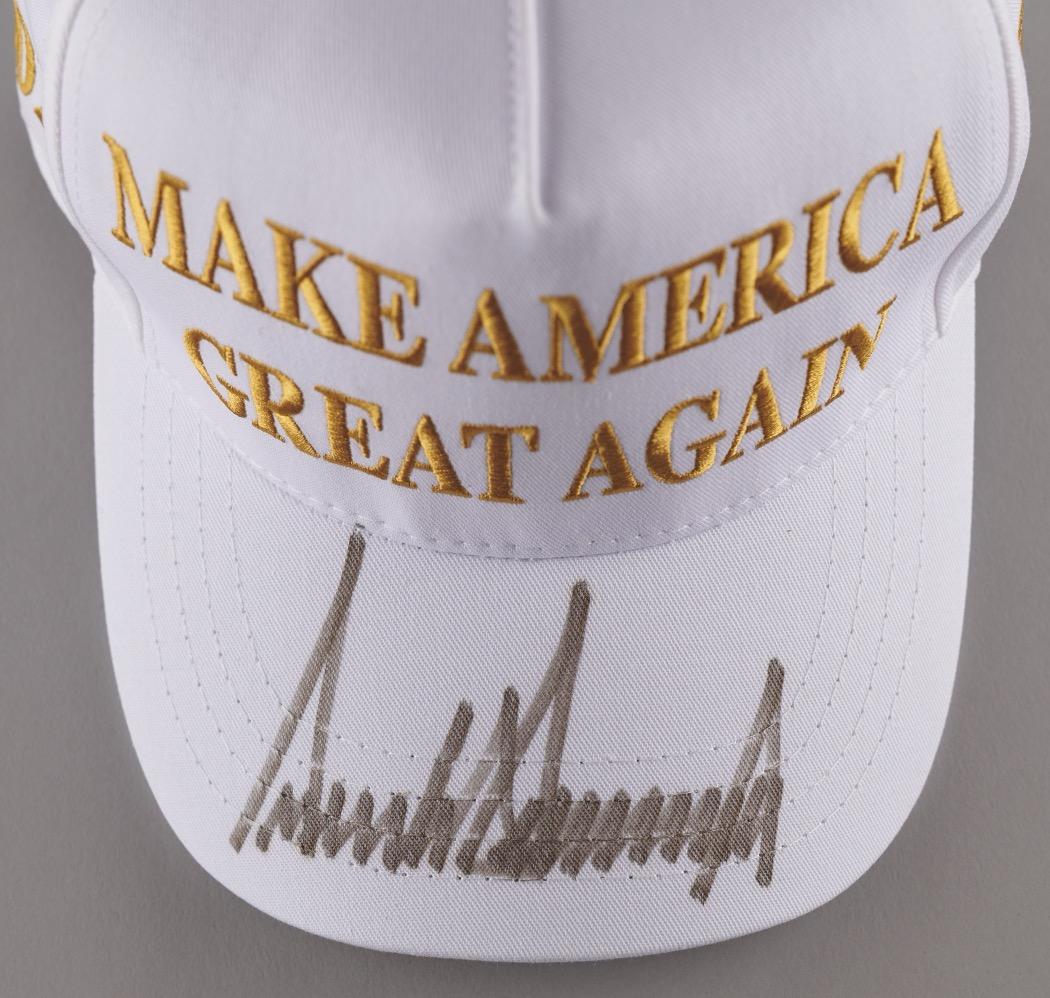
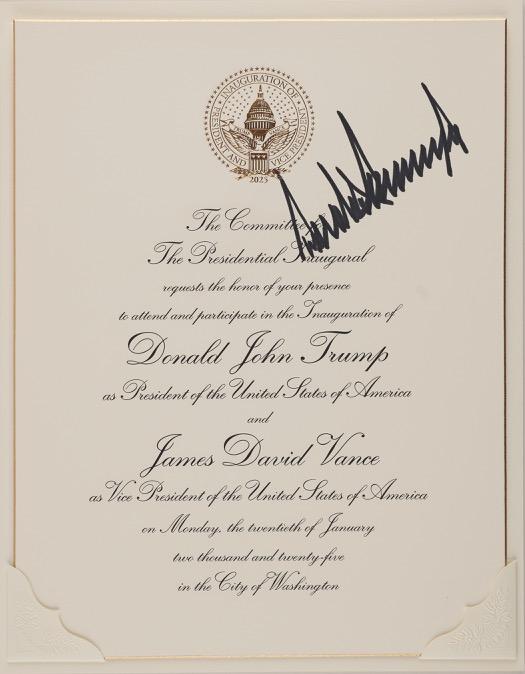
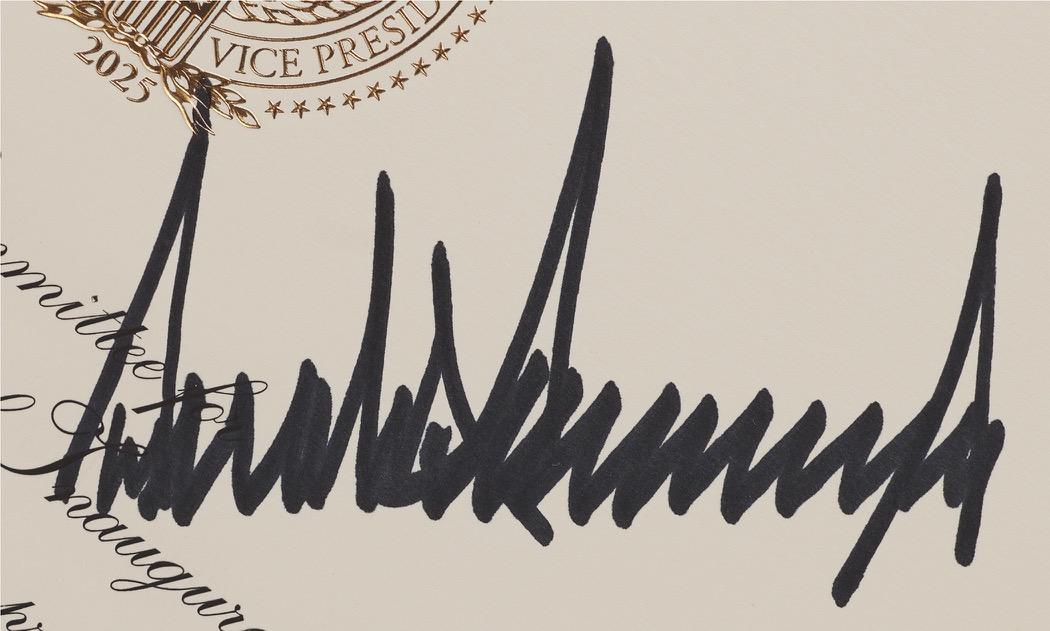
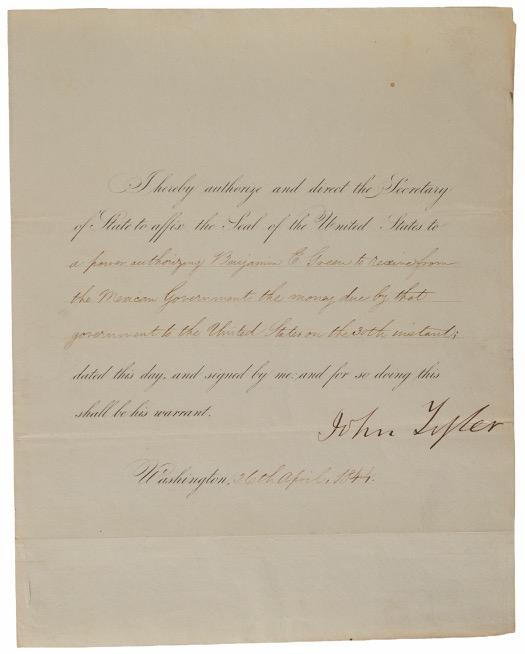
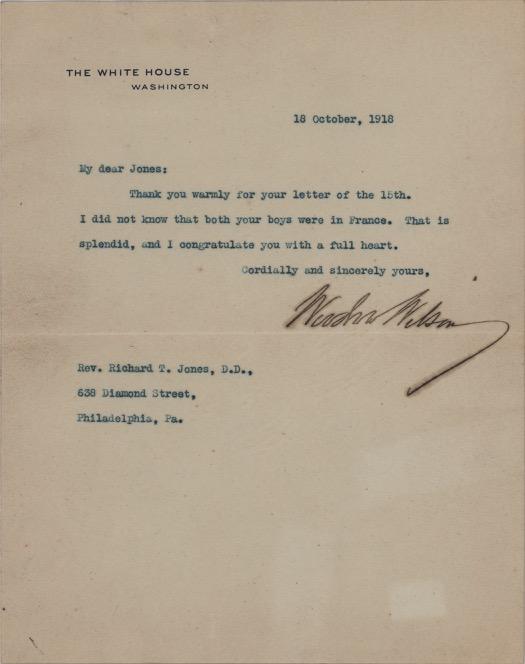
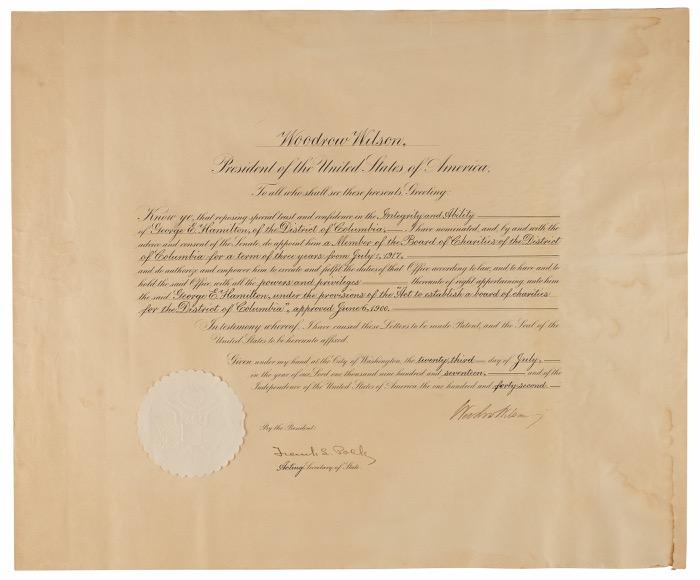
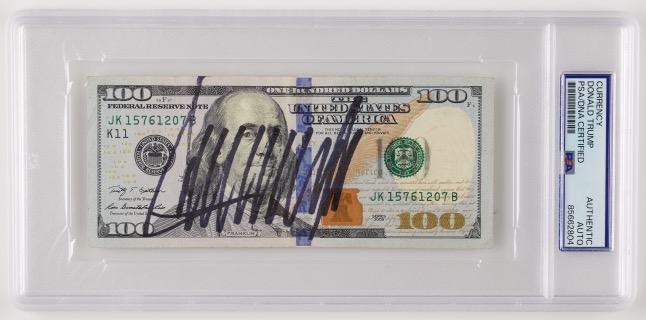
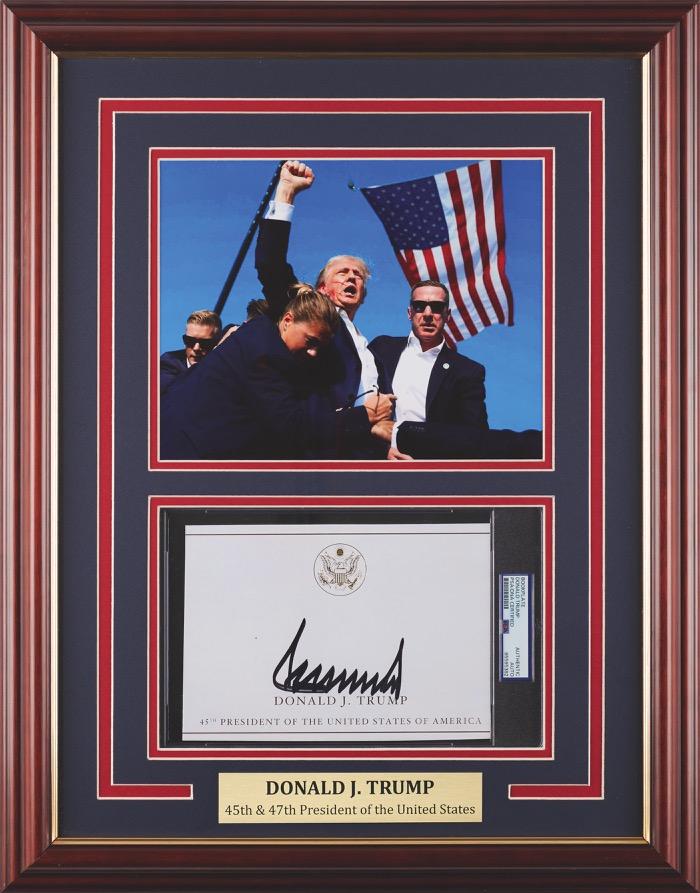
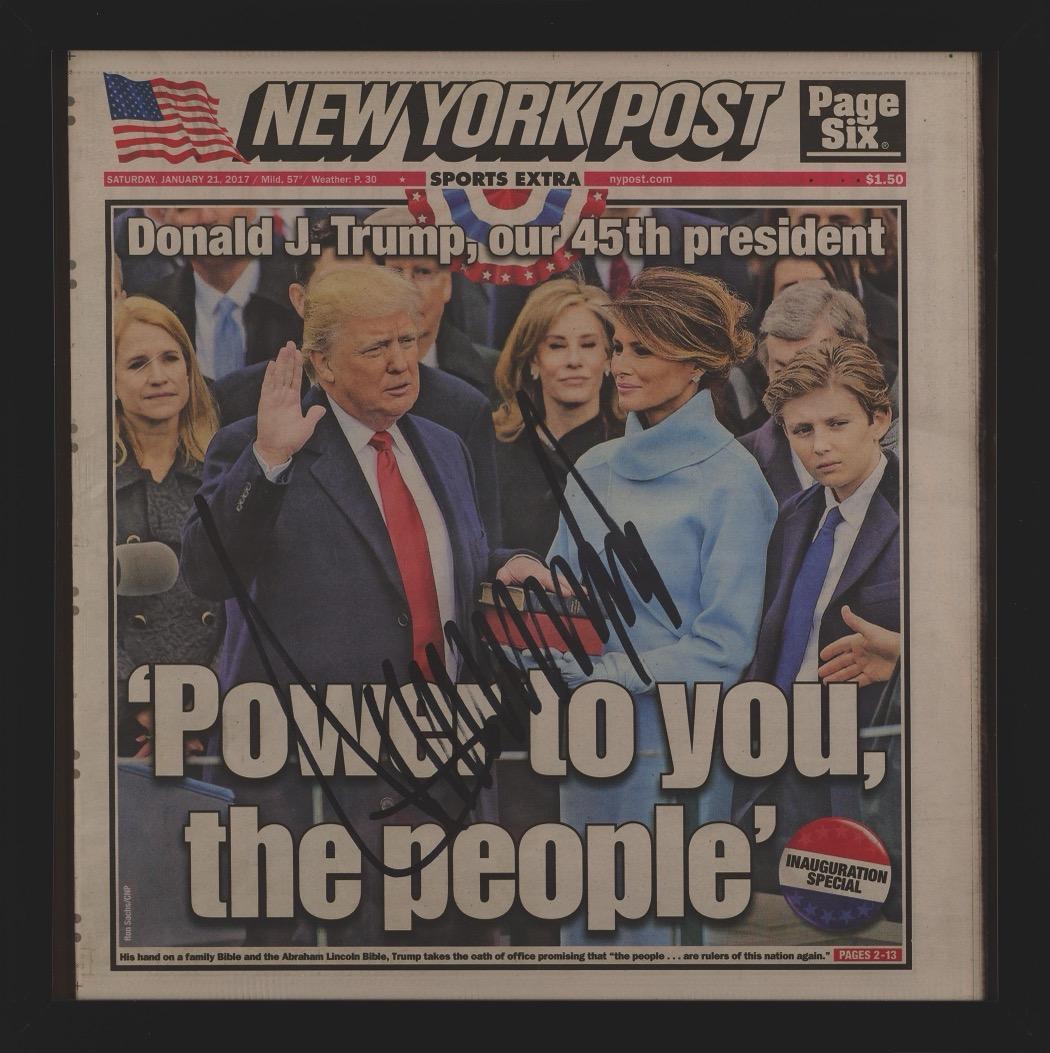
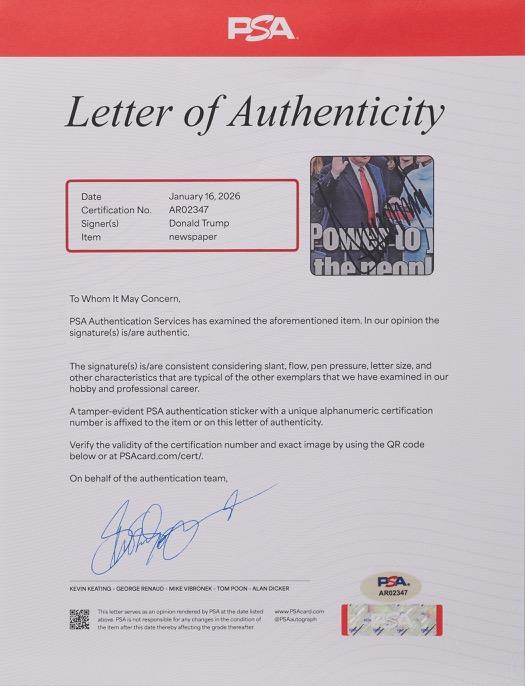
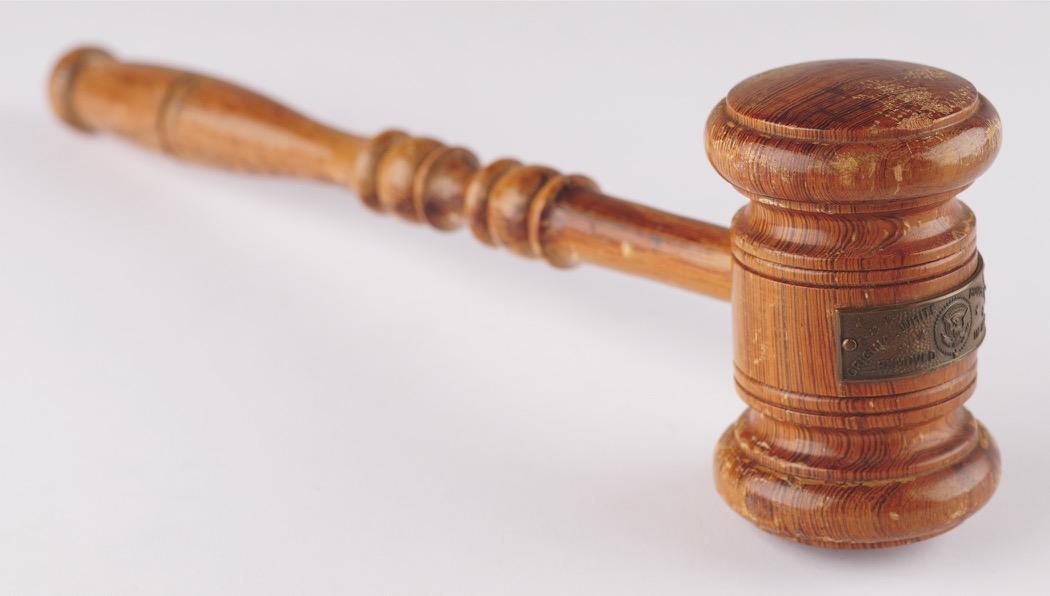
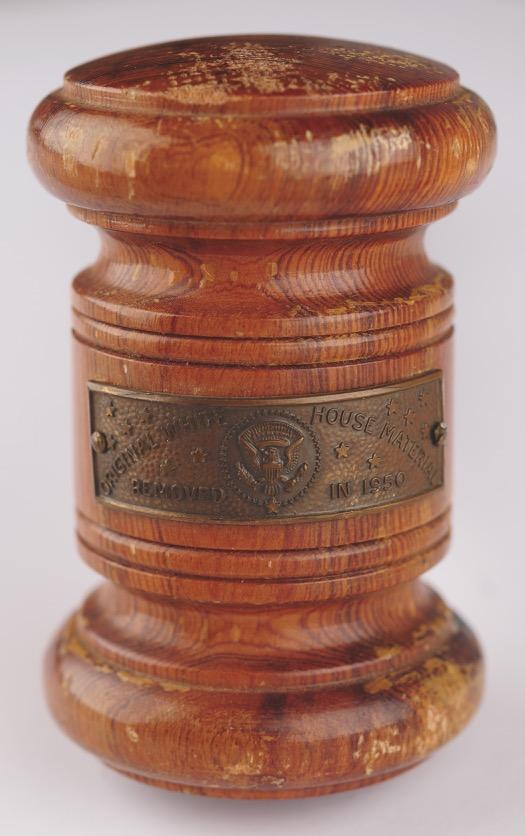
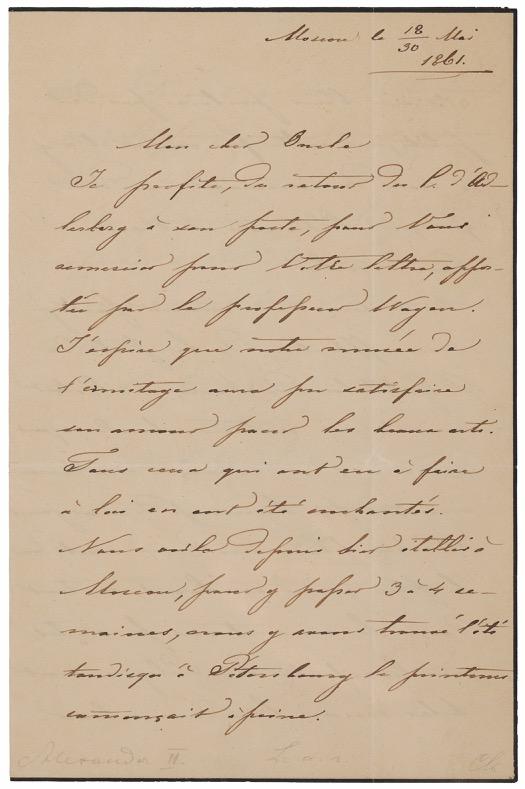
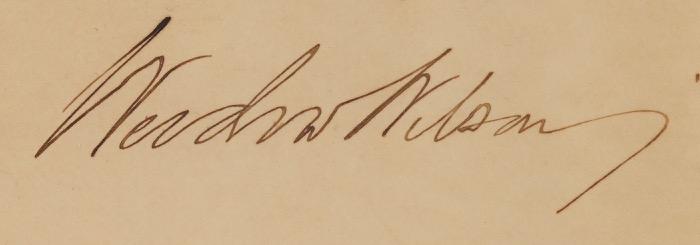
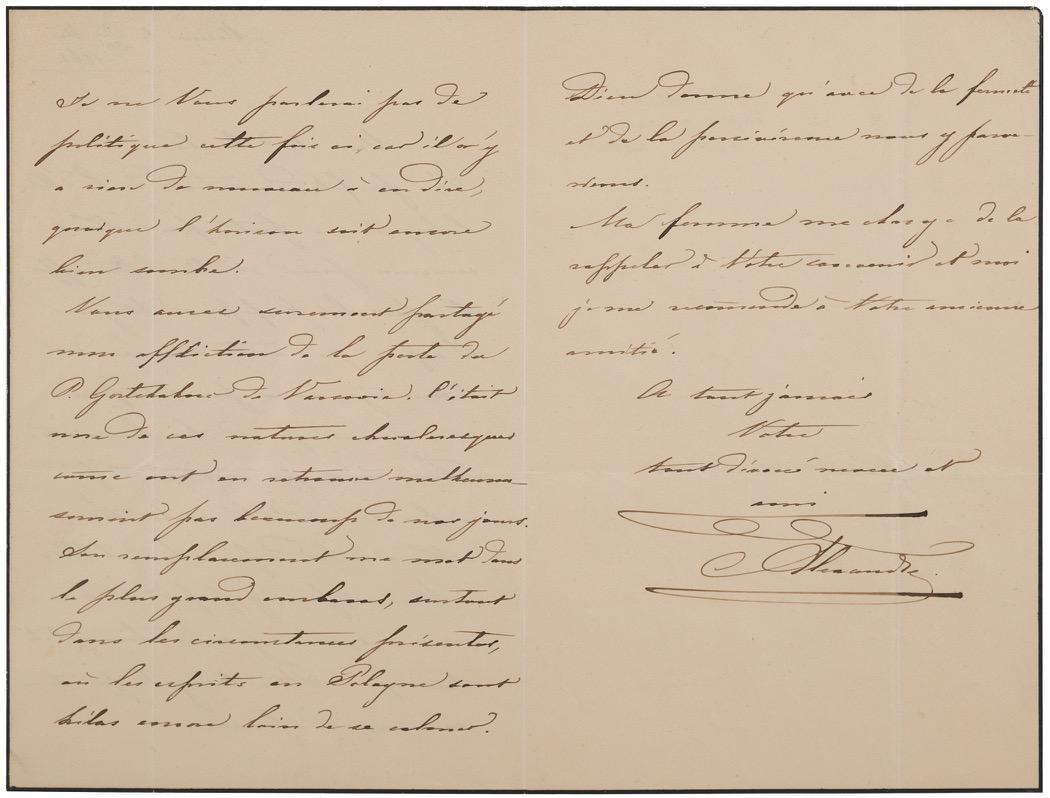
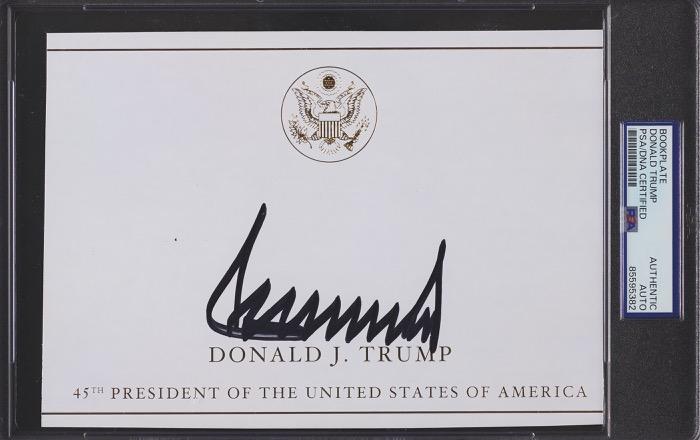
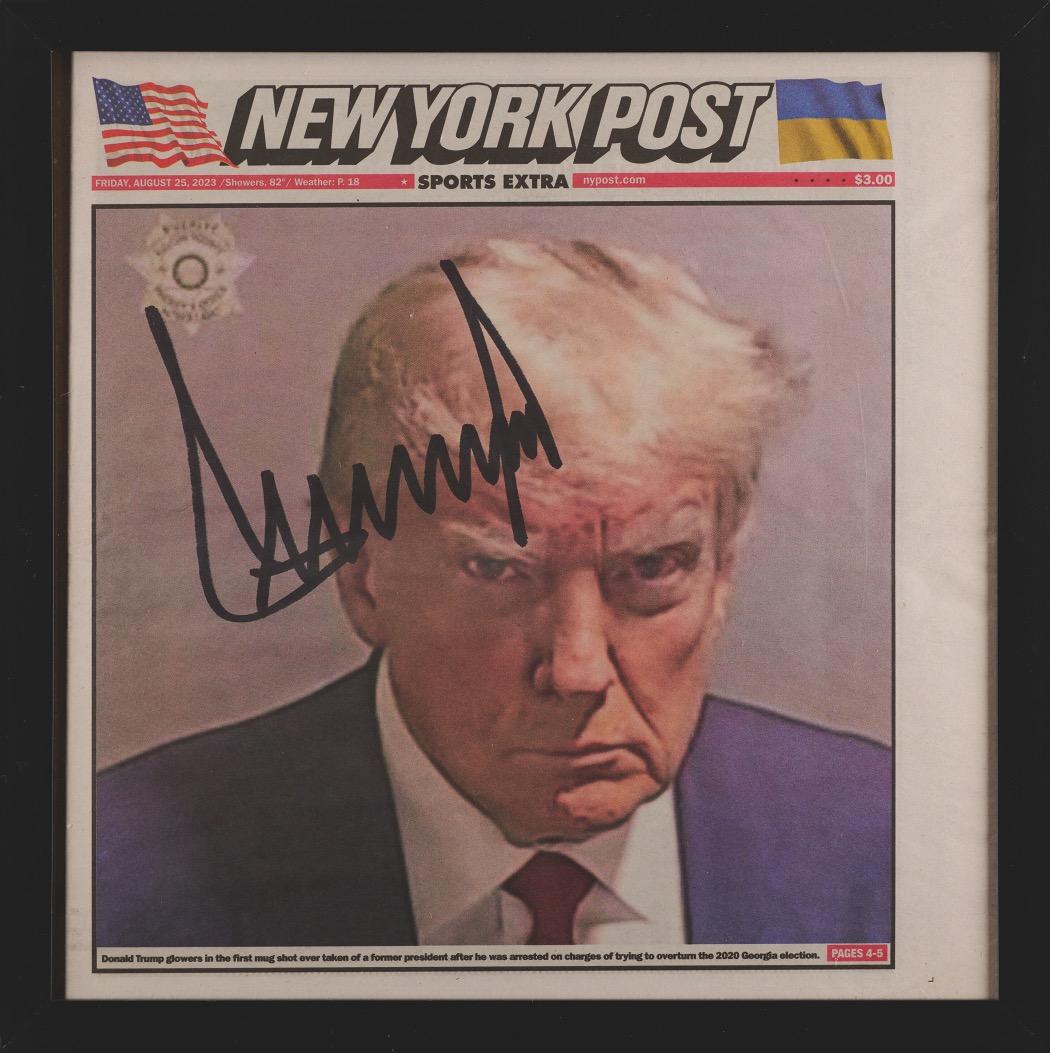
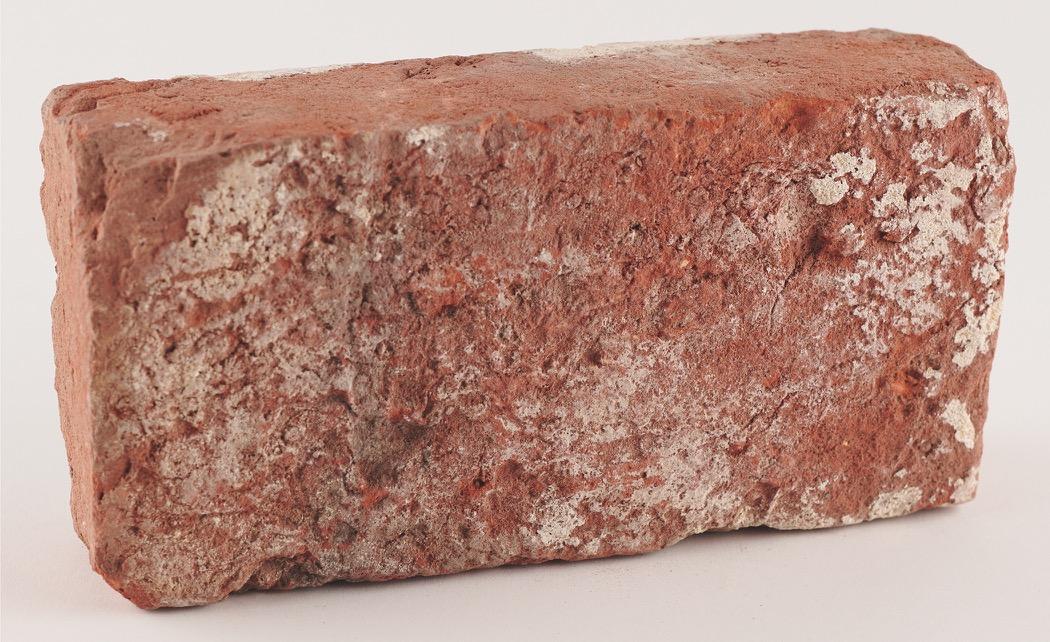
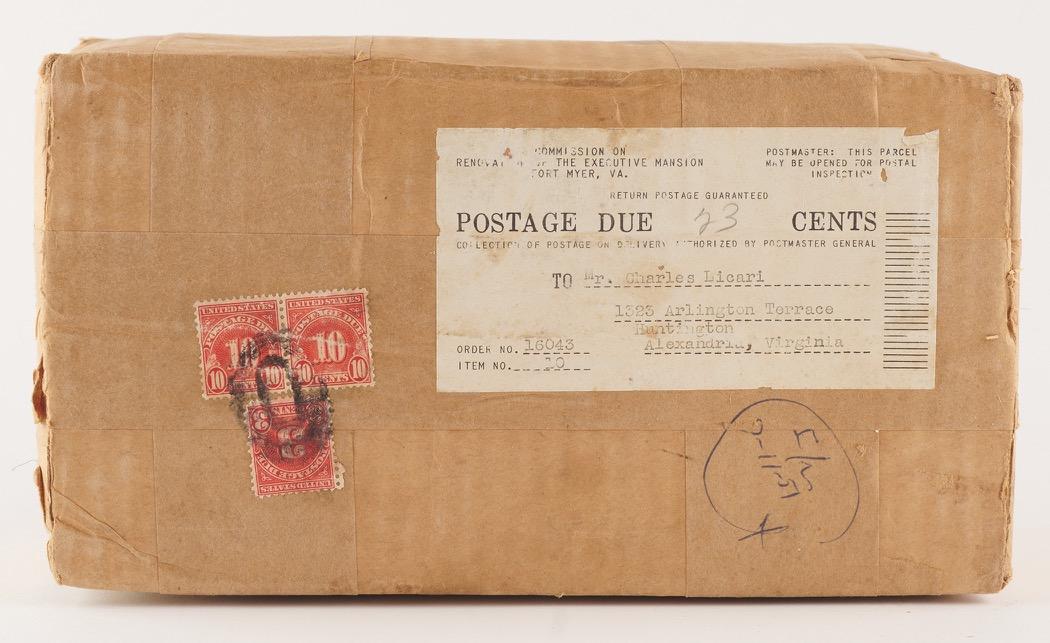
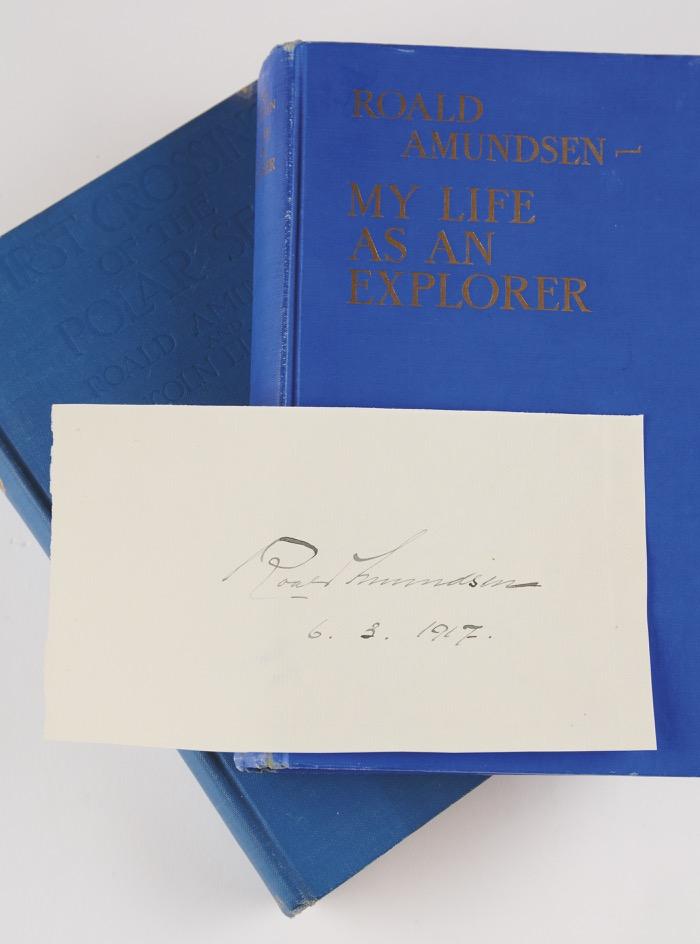
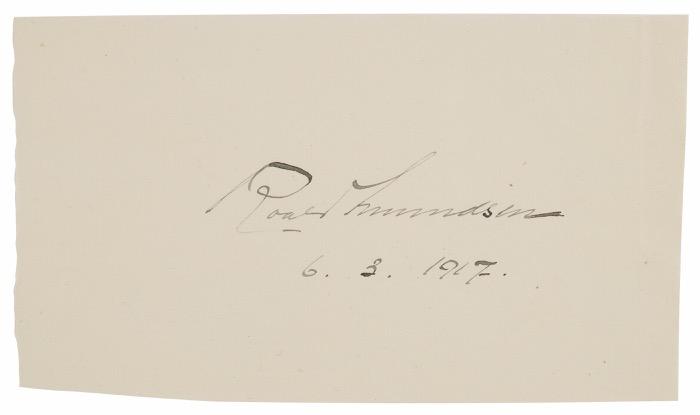
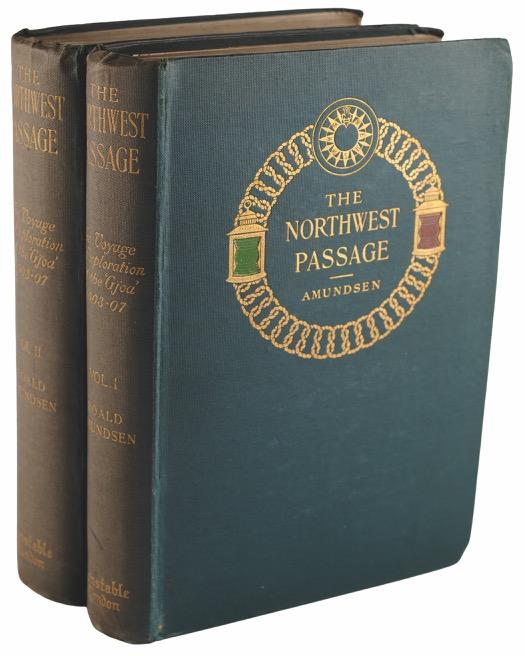
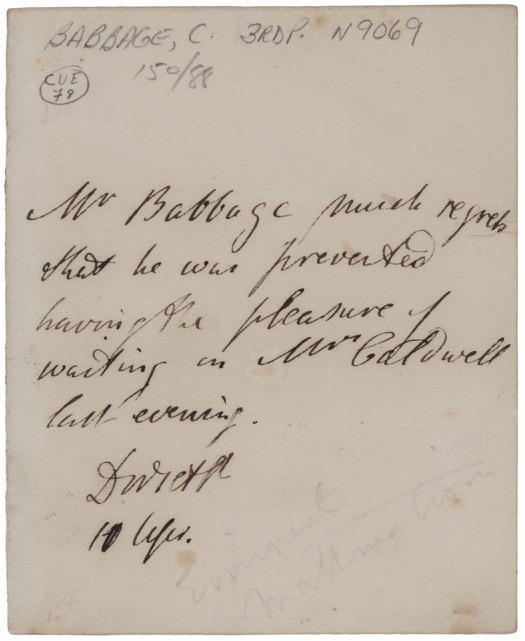
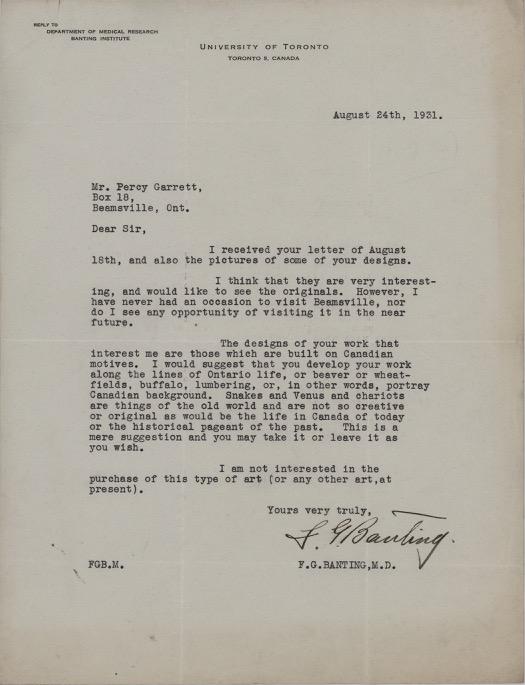
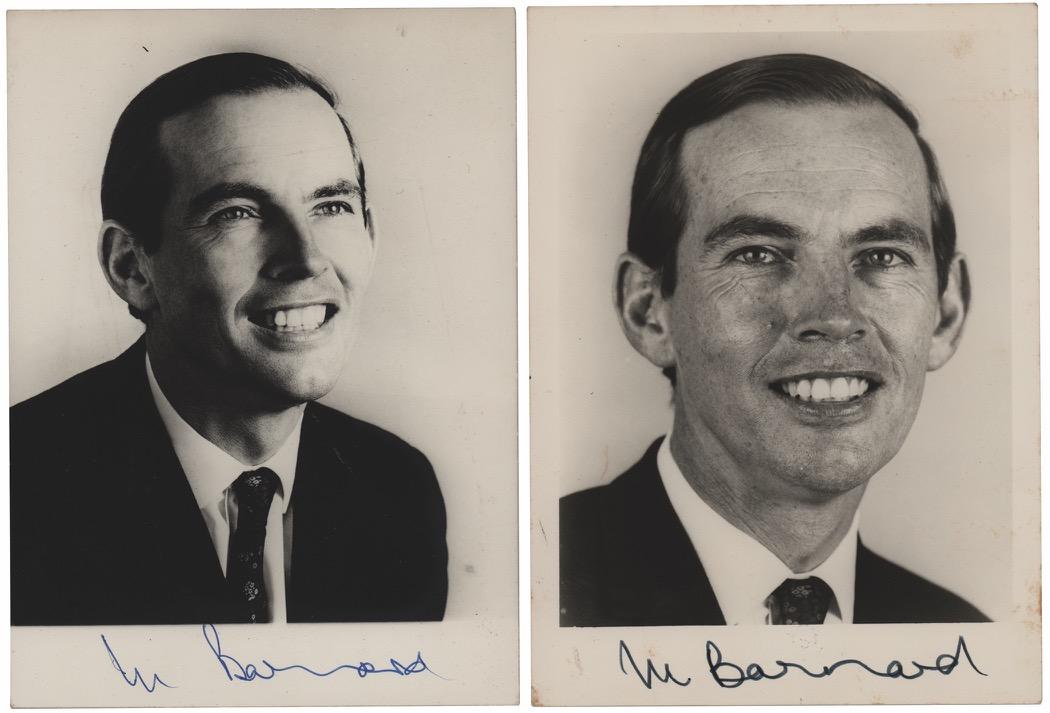
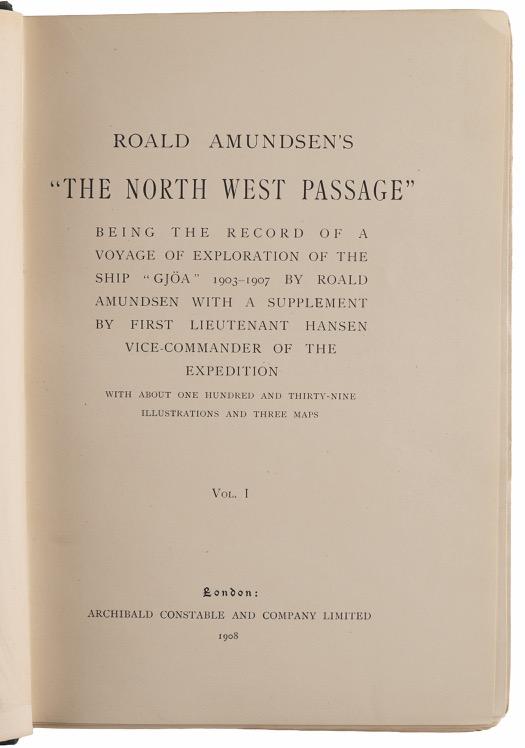
232. Roald Amundsen: The Northwest Passage (Two Volumes, First Edition...
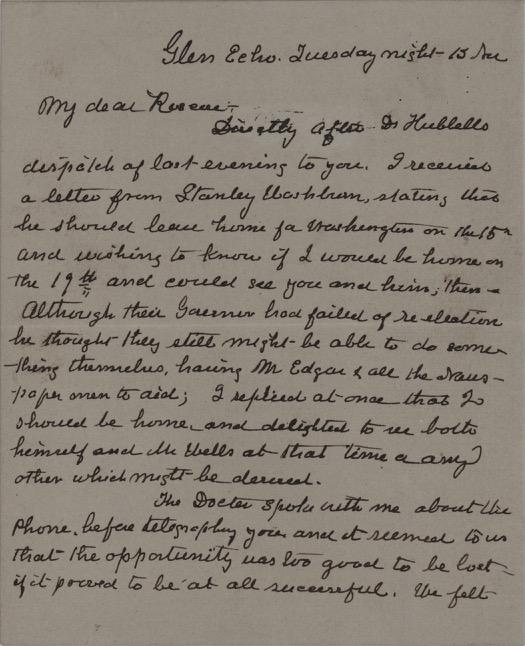
233. Charles Babbage ThirdPerson Autograph Noted Signed Starting Bid $200
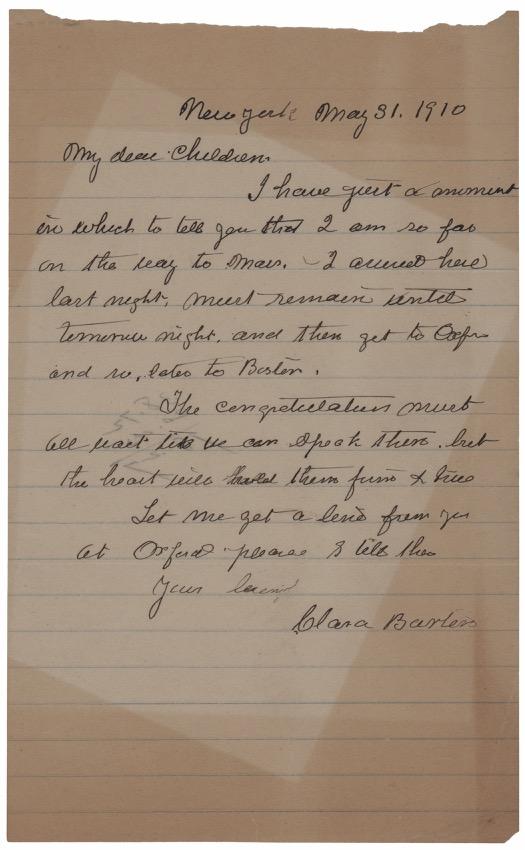
234. Frederick Banting Typed Letter Signed Starting Bid $200
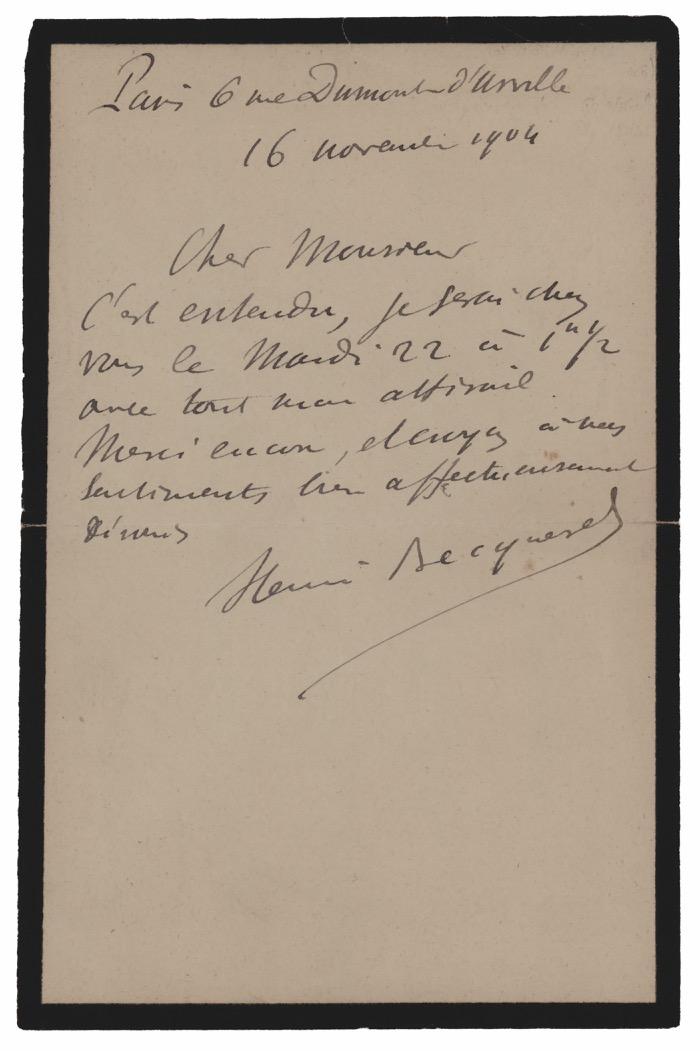
235. Christiaan Barnard (2) Signed Photographs Starting Bid $200
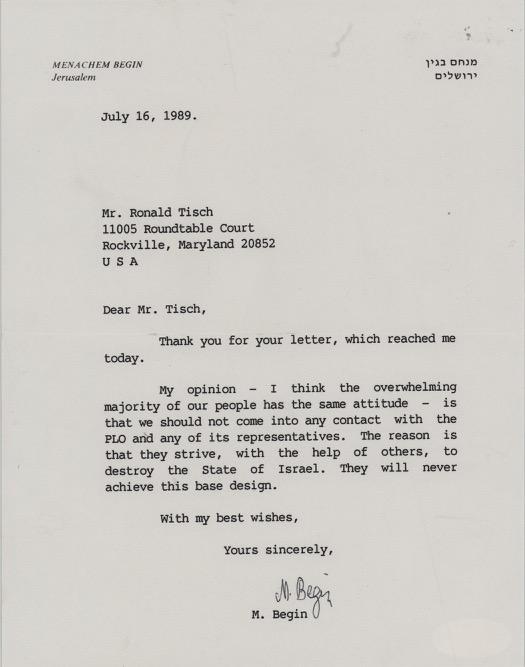
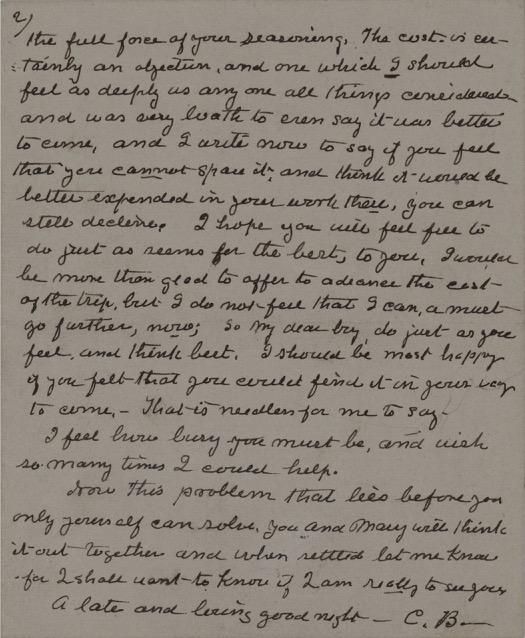
236. Clara Barton Autograph 237. Clara Barton Autograph Letter Signed Starting Bid $200
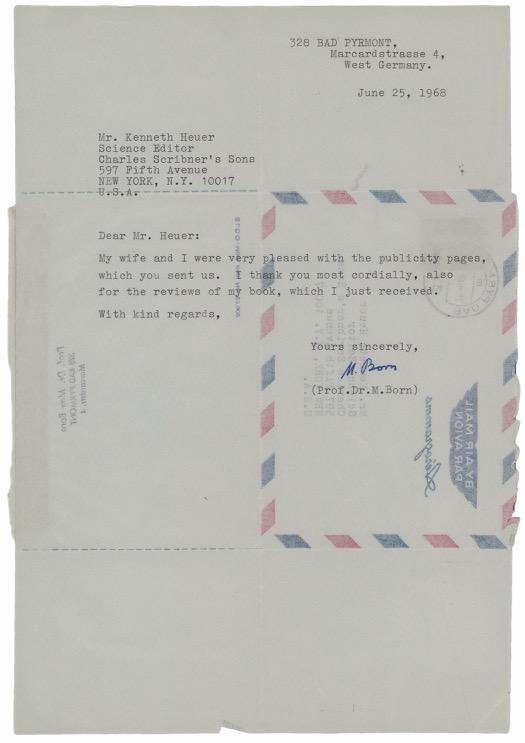
Max Born Typed Letter Signed Starting Bid $200
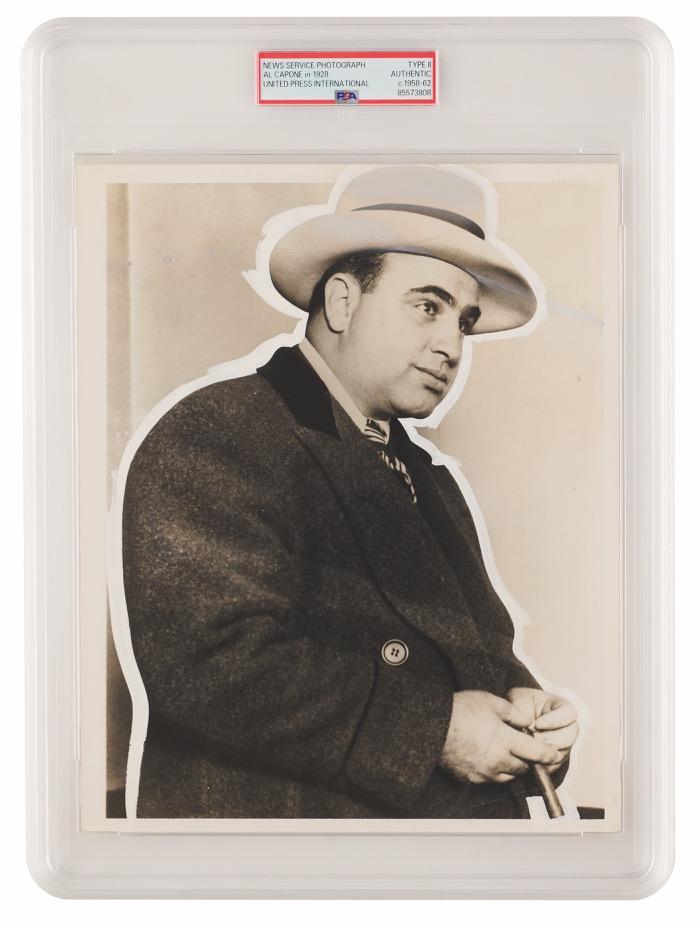
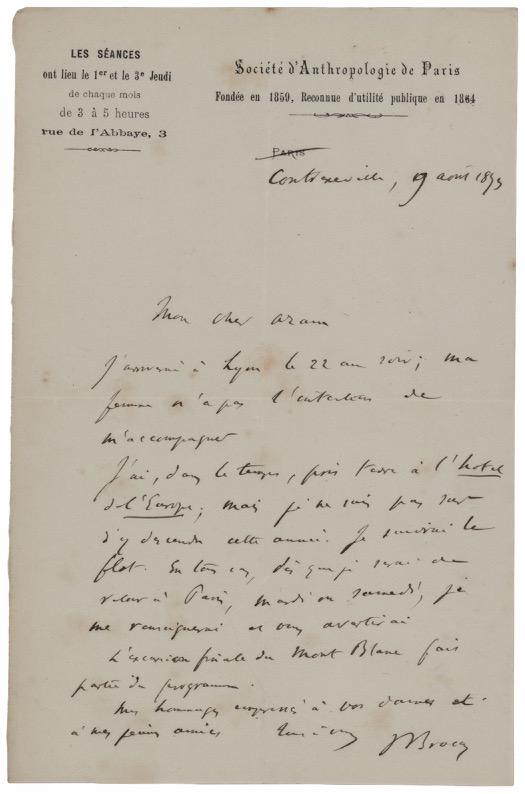
241. Paul Broca Autograph Letter Signed Starting Bid $200
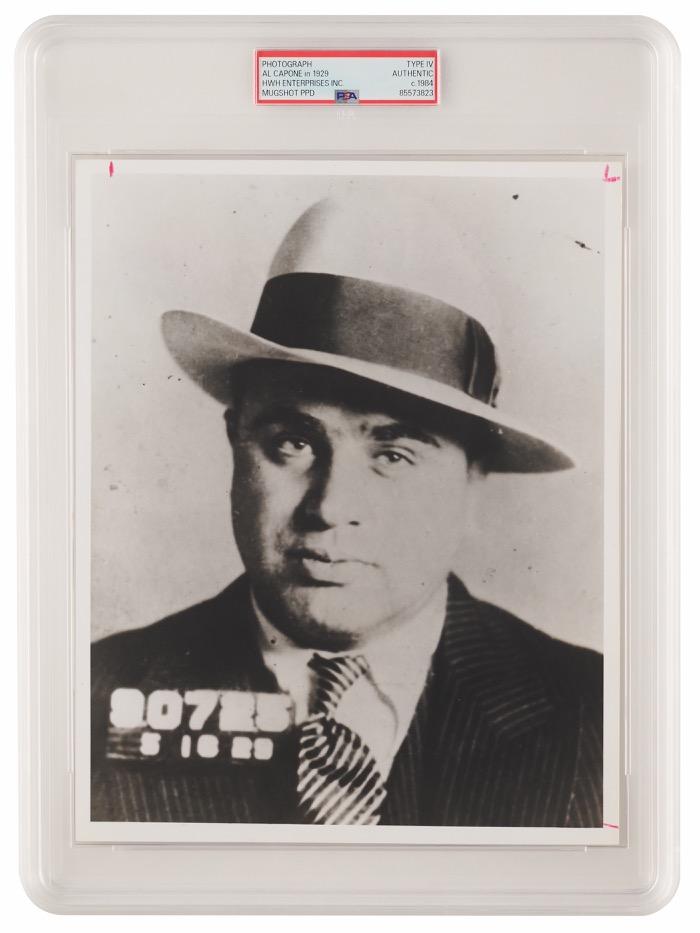
238. Henri Becquerel Autograph Letter Signed Starting Bid $200
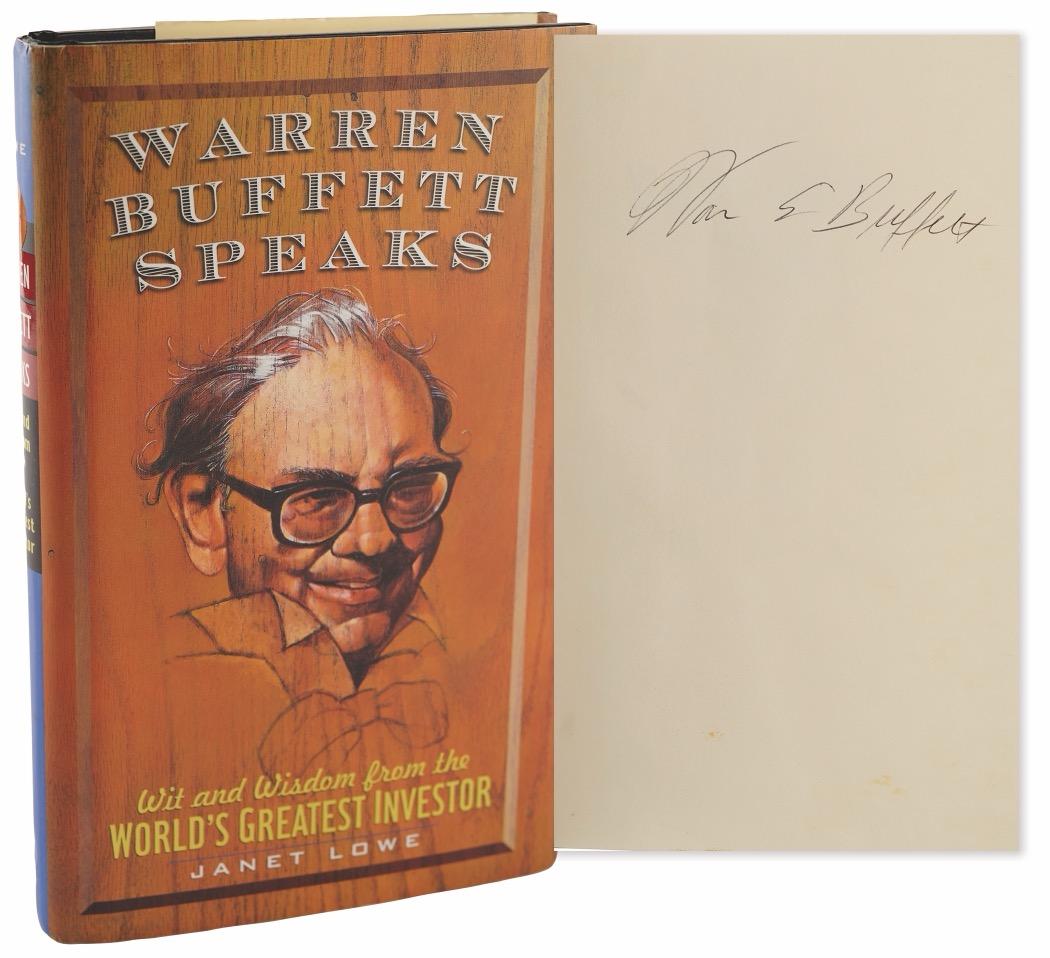
Starting Bid $200
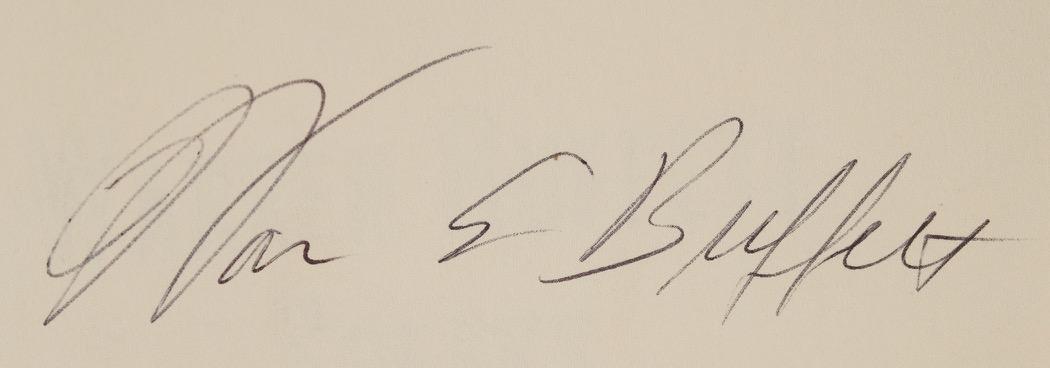
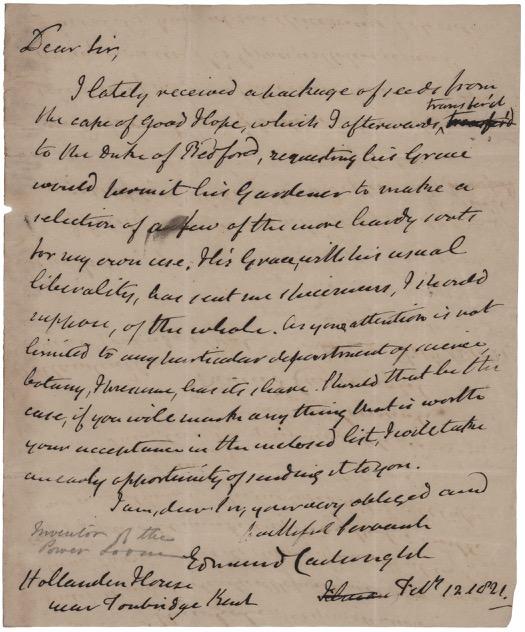
239. Menachem Begin Typed Letter Signed on the PLO - "They strive, wit... Starting Bid $200
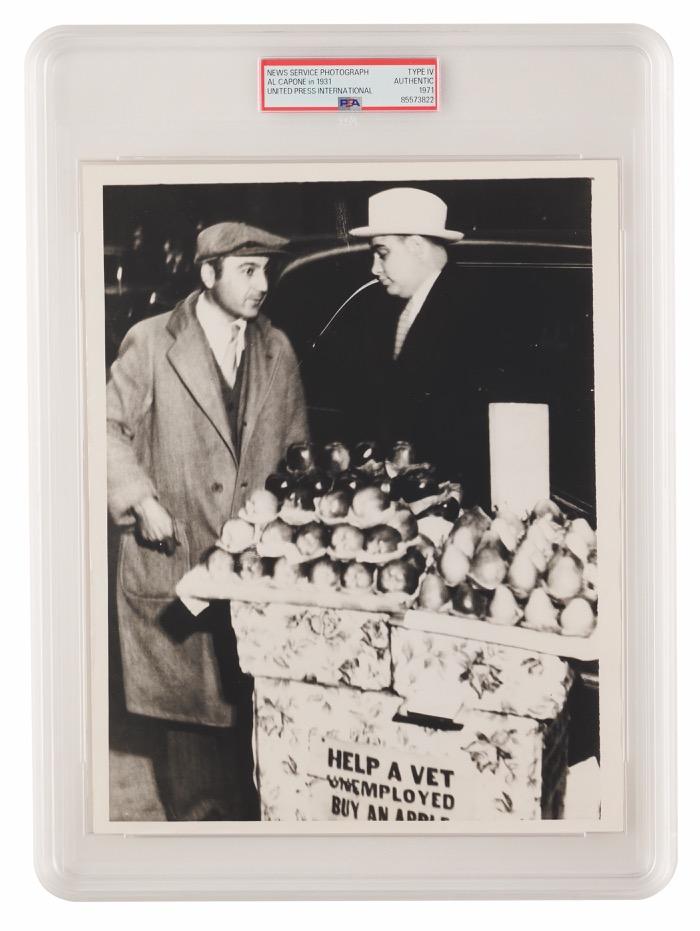
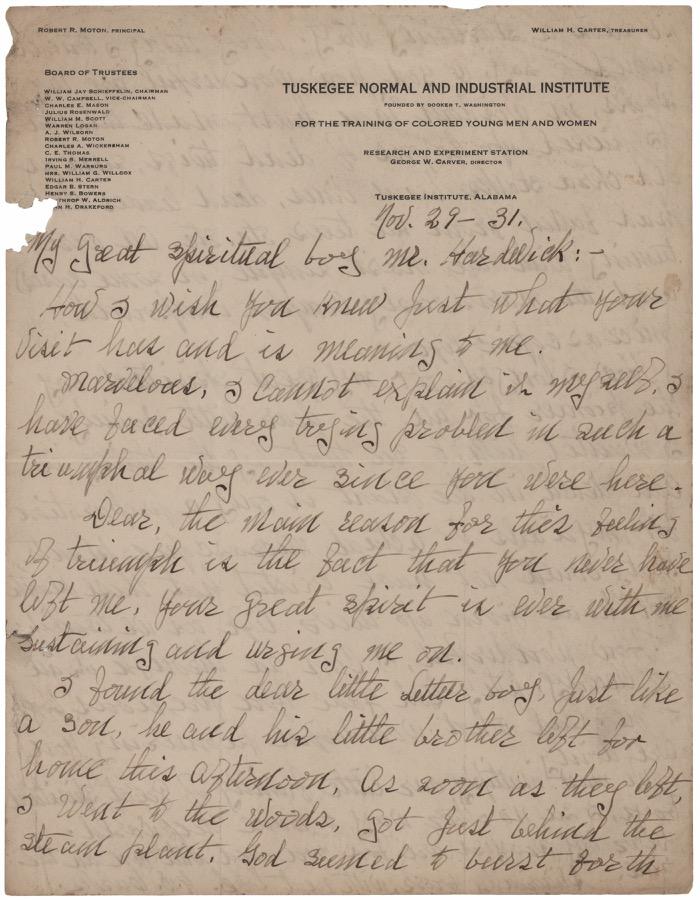
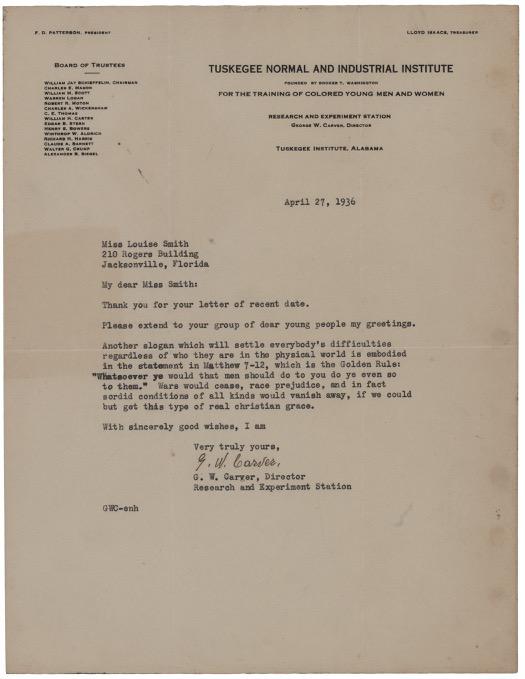
248. George Washington Carver Typed Letter Signed on the 'Golden Rule'... Starting Bid $200
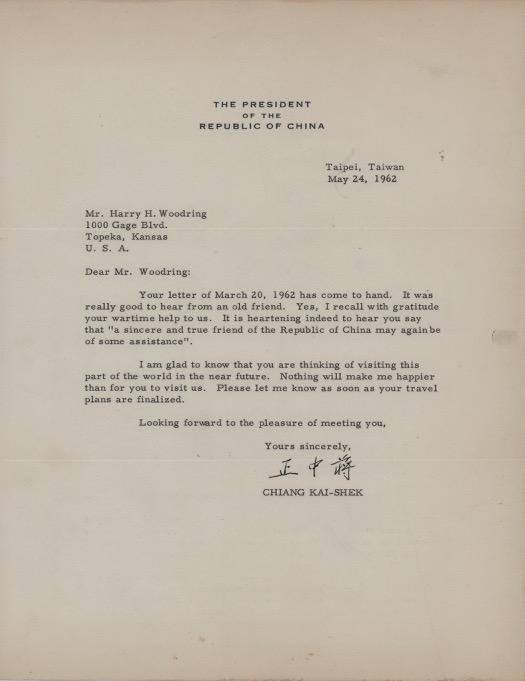
252. Chiang Kai-shek Typed Letter Signed to the Former Secretary of Wa...
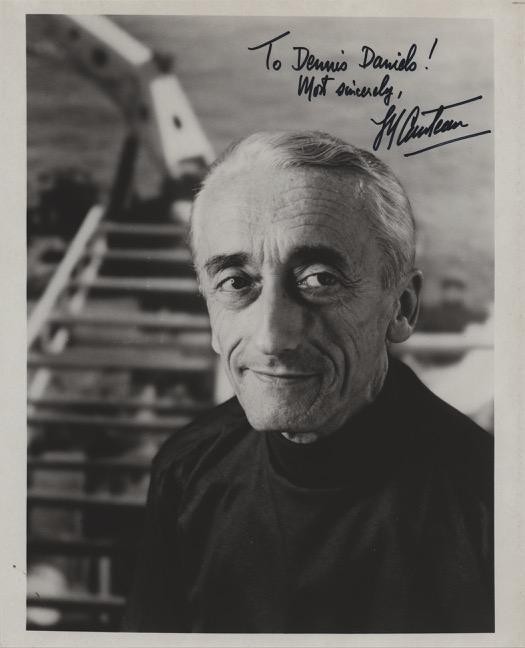
256. Jacques Cousteau Signed Photograph Starting Bid $200
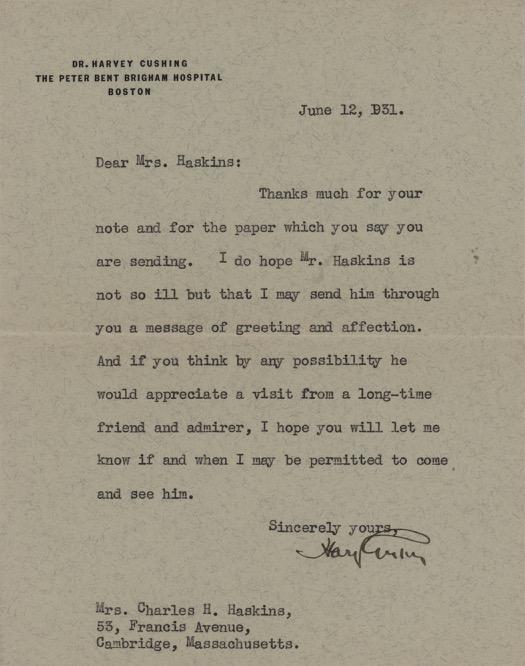
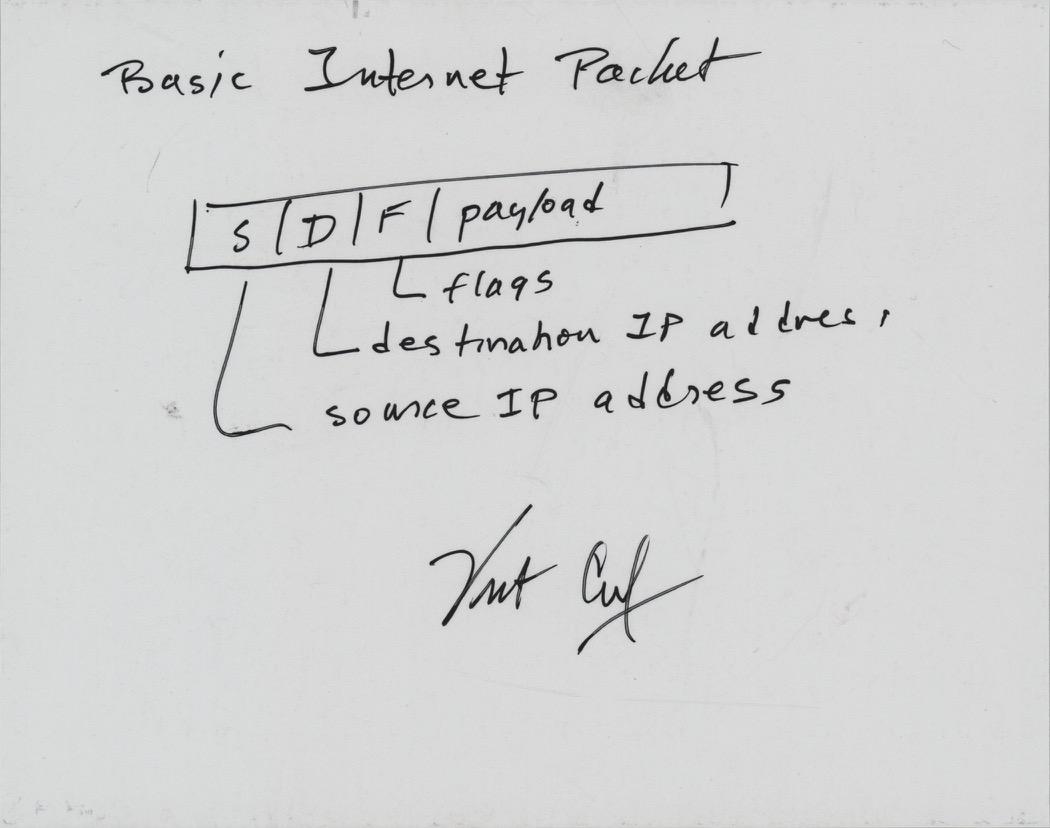
249. Vint Cerf Signed Sketch - "Basic Internet Packet" Starting Bid $200
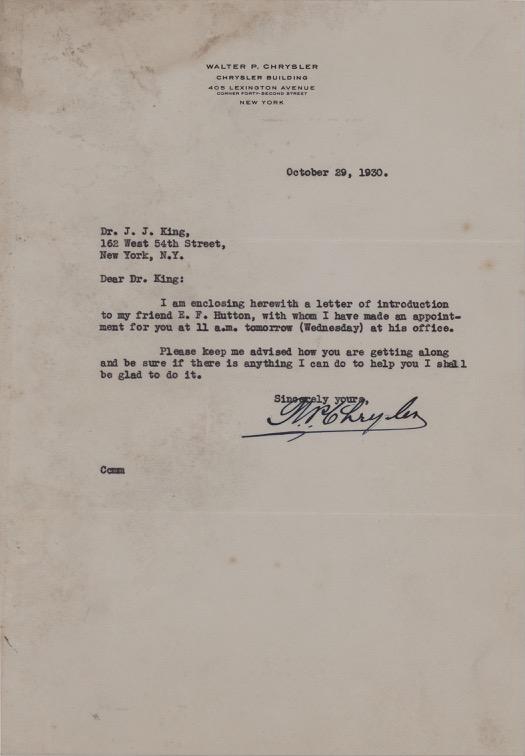
253. Walter Chrysler Typed Letter Signed Starting Bid $200
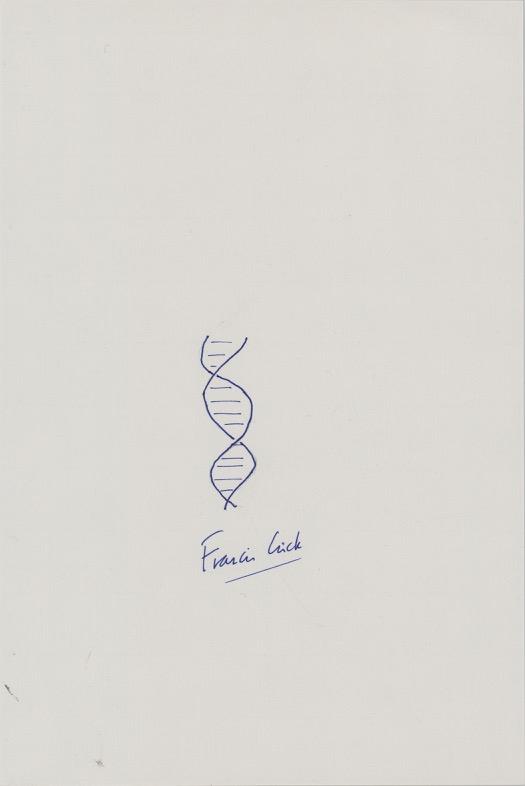
257. Francis Crick Original Sketch of a DNA Double Helix Starting Bid $200
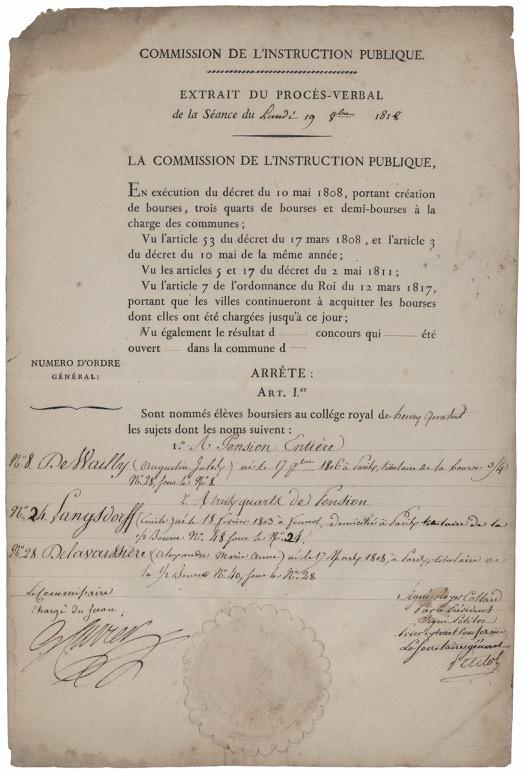
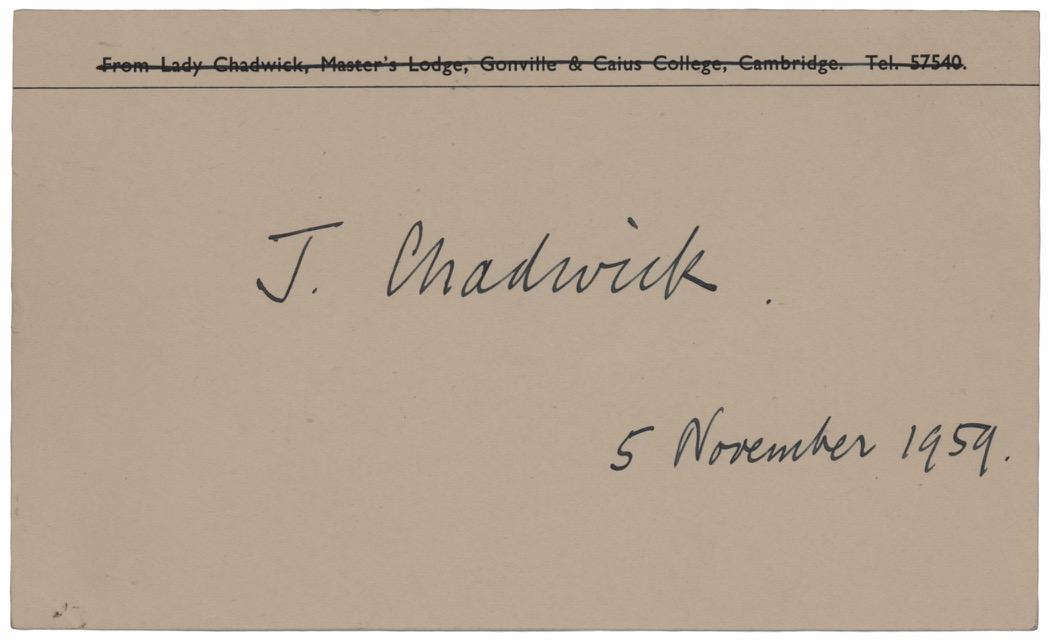
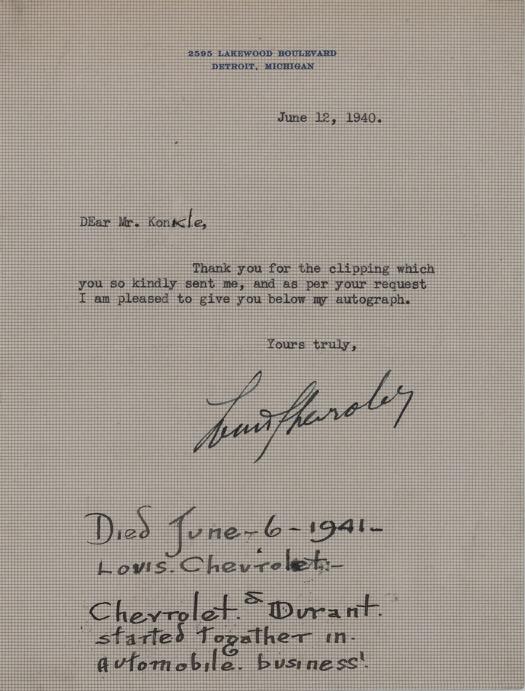
250. James Chadwick Signature - Discoverer of the Neutron Starting Bid $200
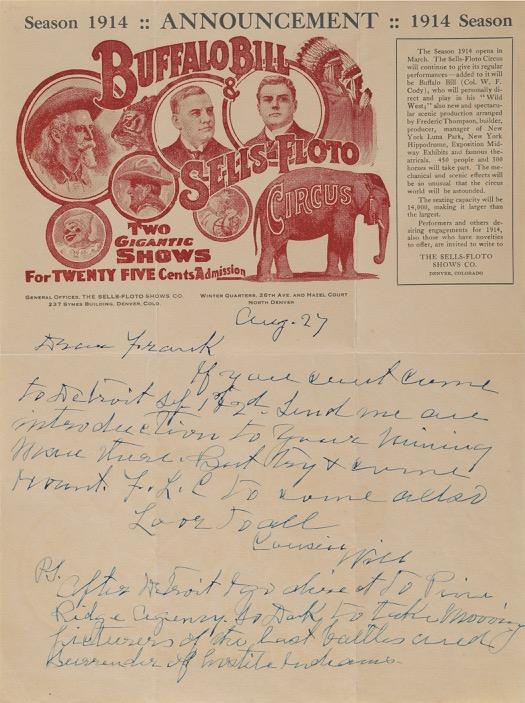
254. William F. 'Buffalo Bill' Cody Autograph Letter Signed, Planning ... Starting Bid $200
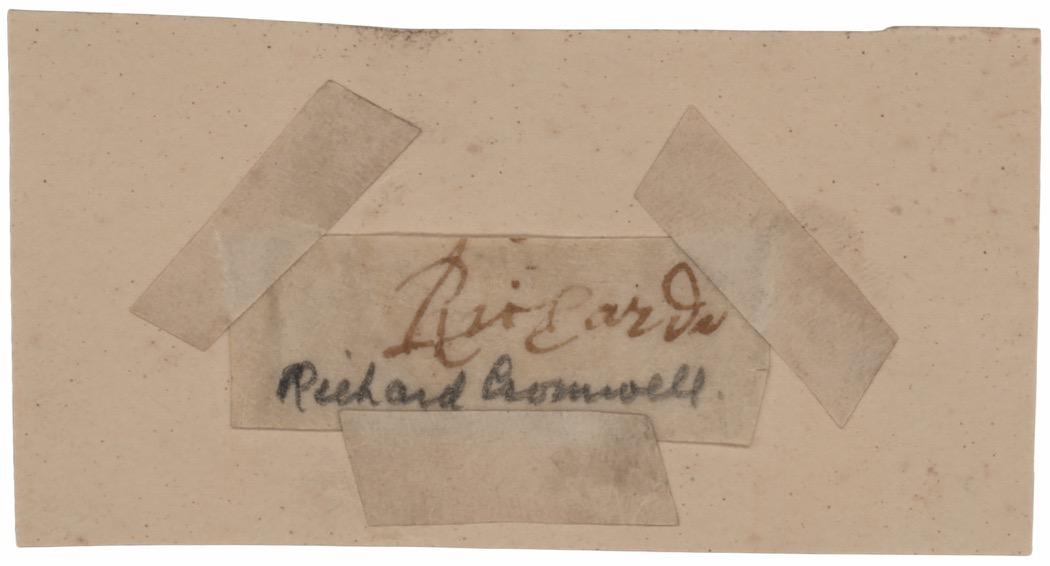
258. Richard Cromwell Signature Starting Bid $200
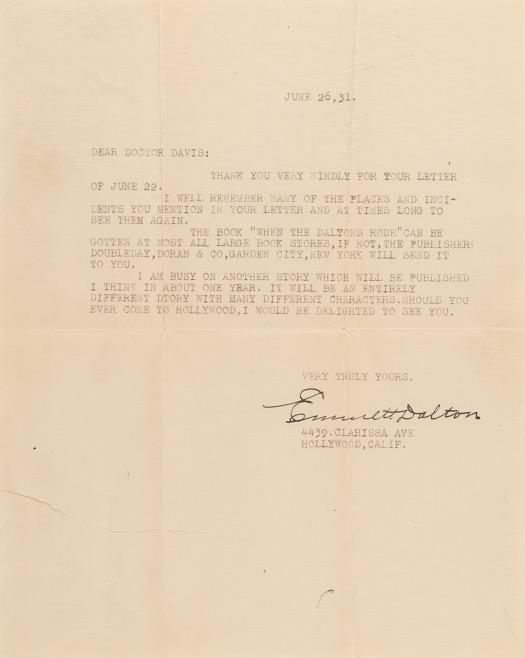
Starting Bid $200
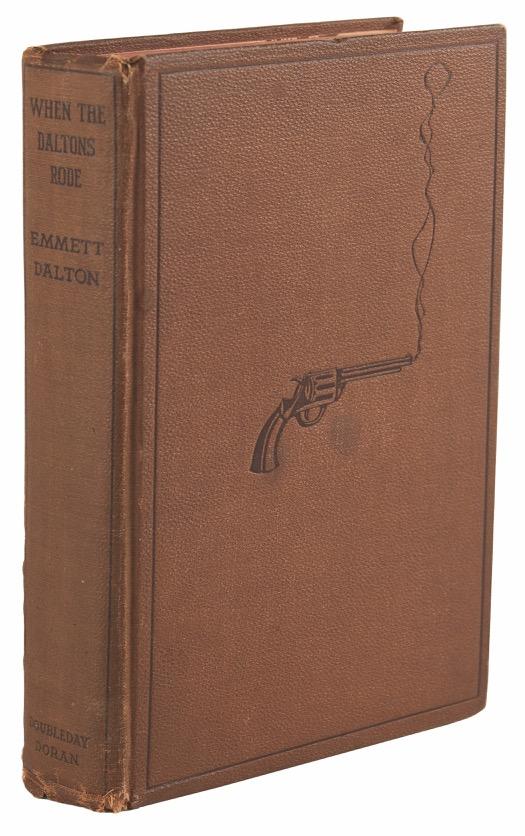
251.
Starting Bid $200
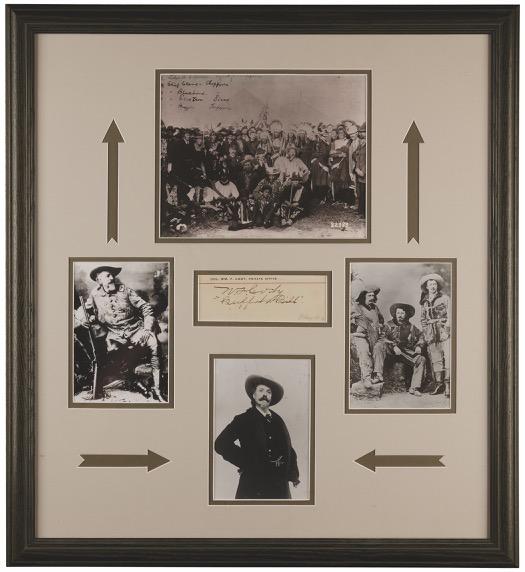
255.
Starting Bid $200
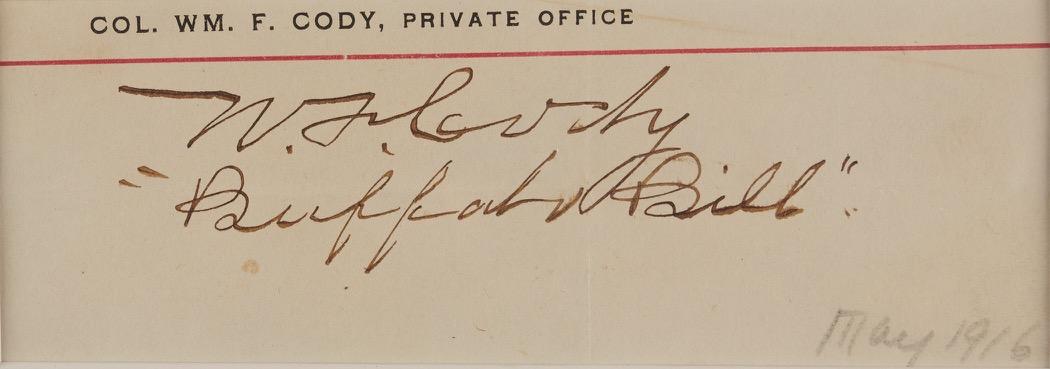
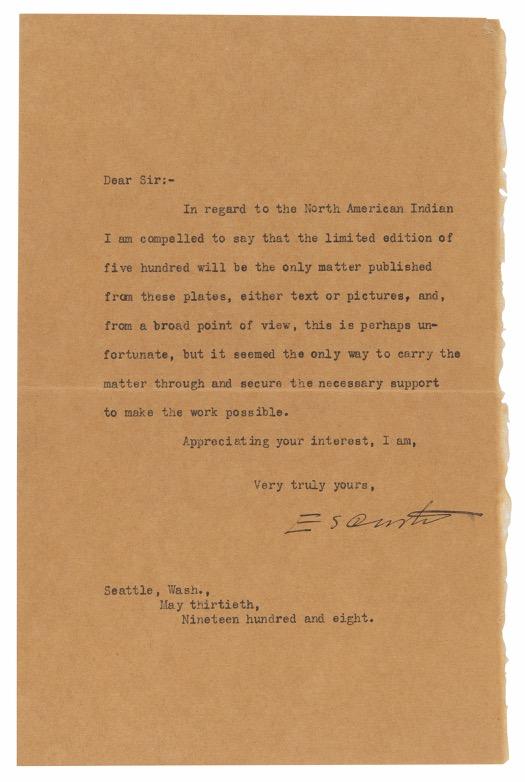
259.
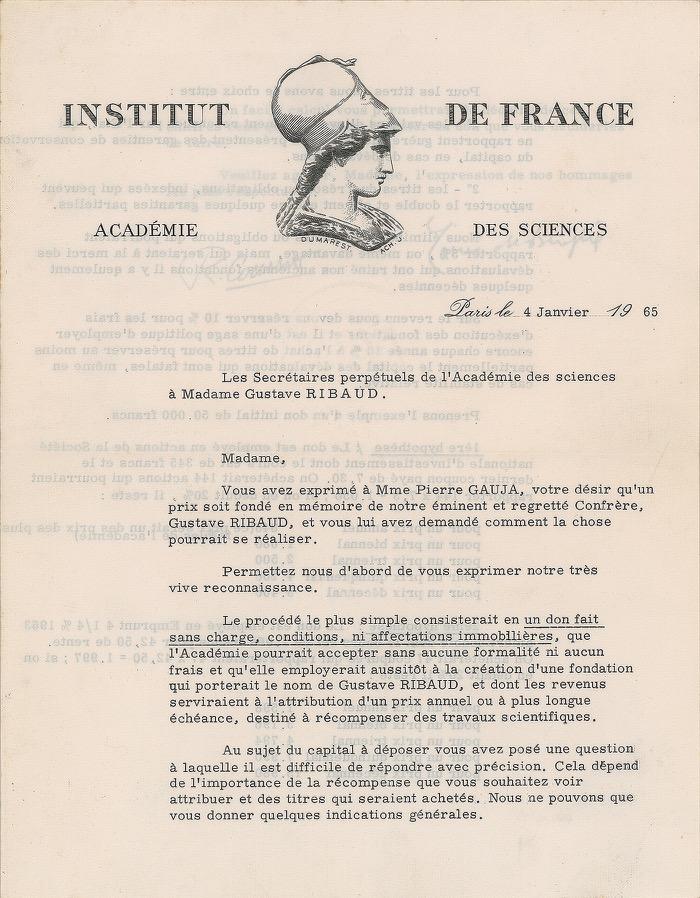
264. Louis de
Autograph Letter Signed, Referring to "the exper...
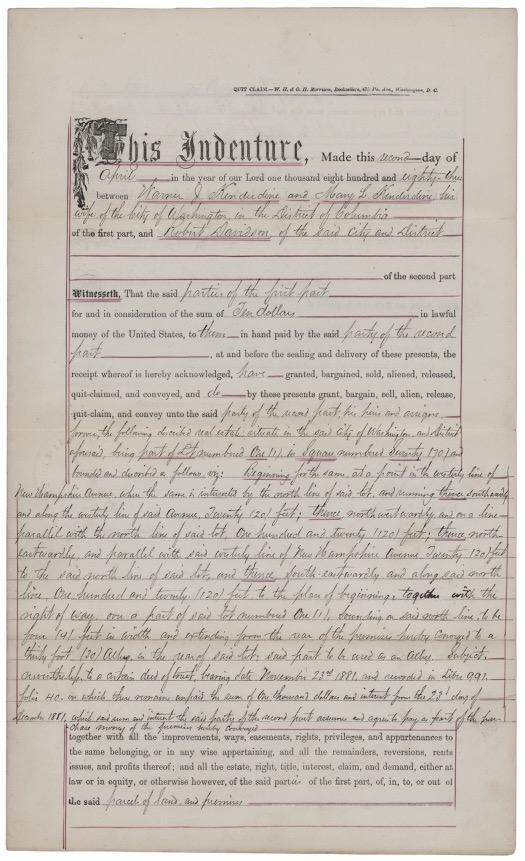
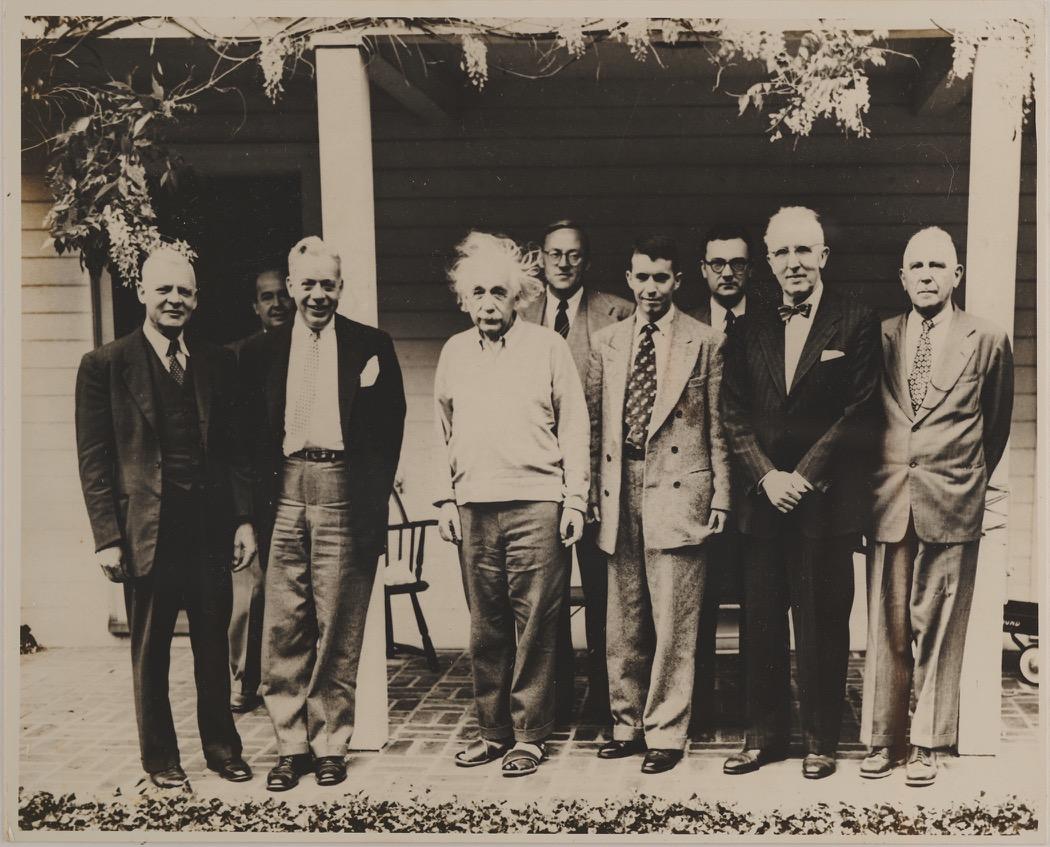
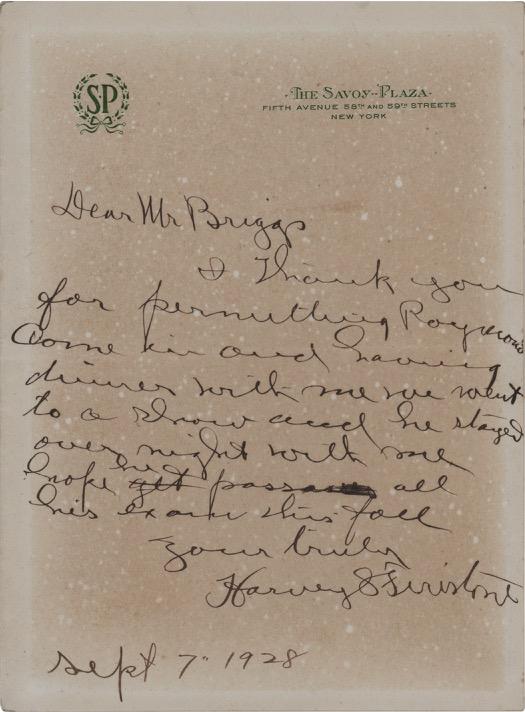
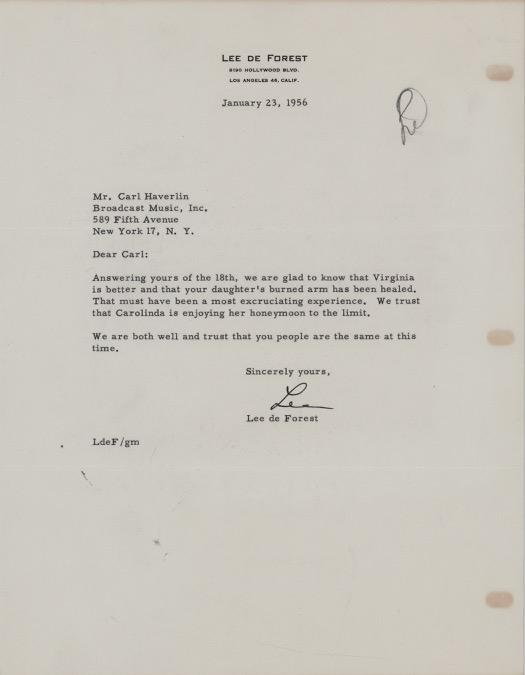
265.
Starting Bid
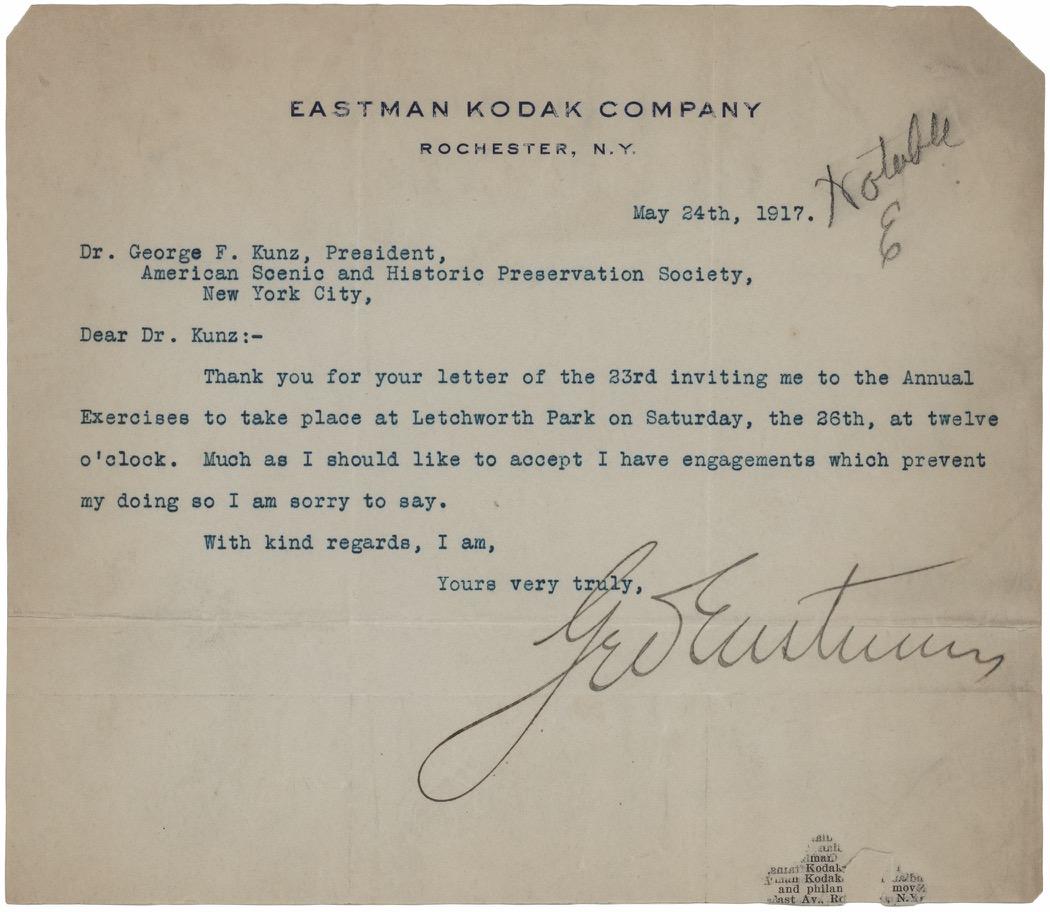
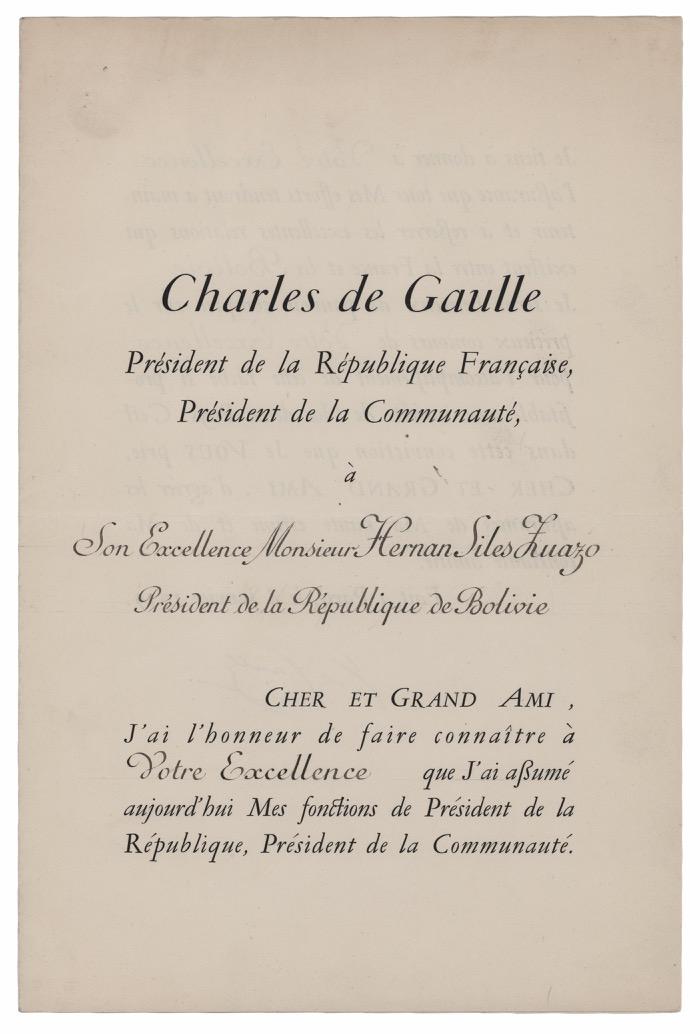
266.
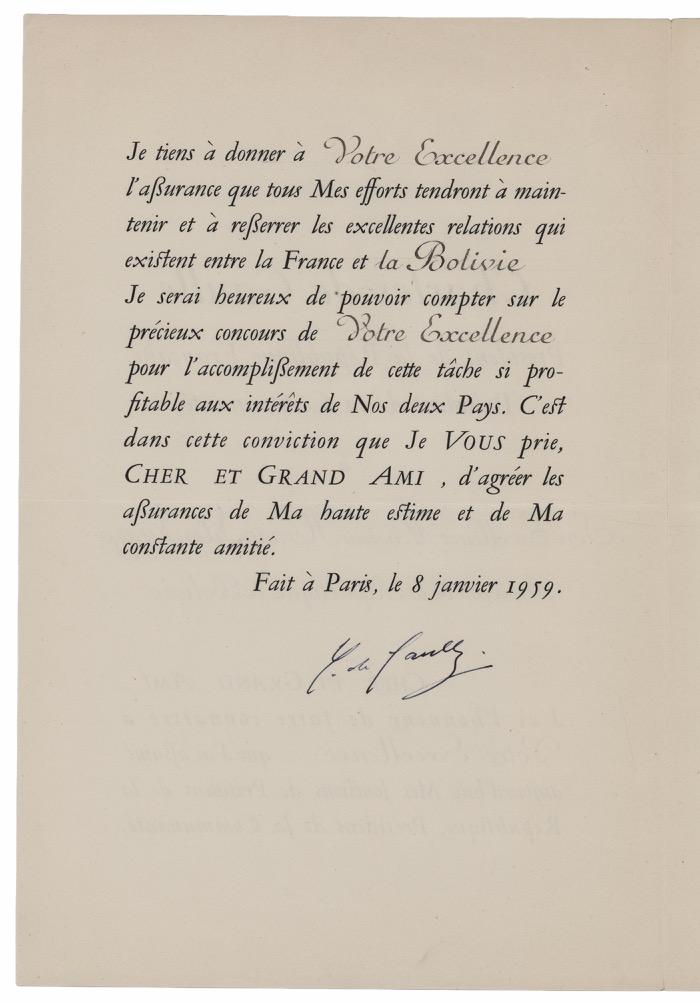
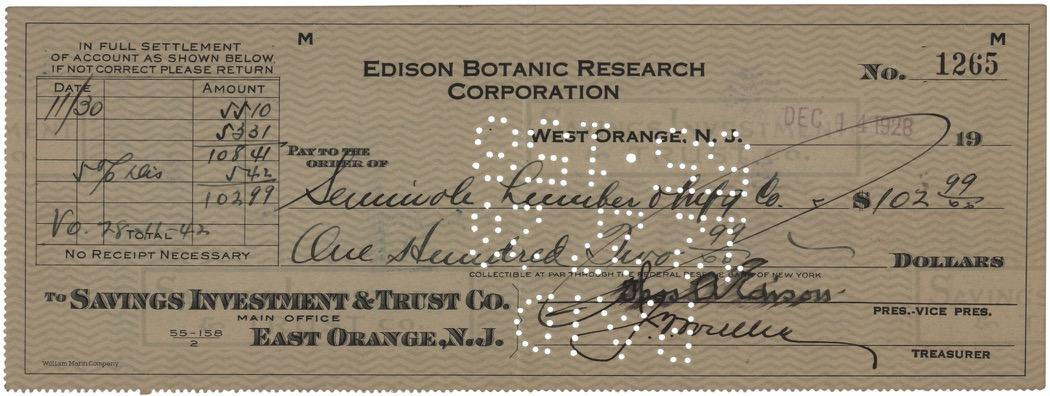
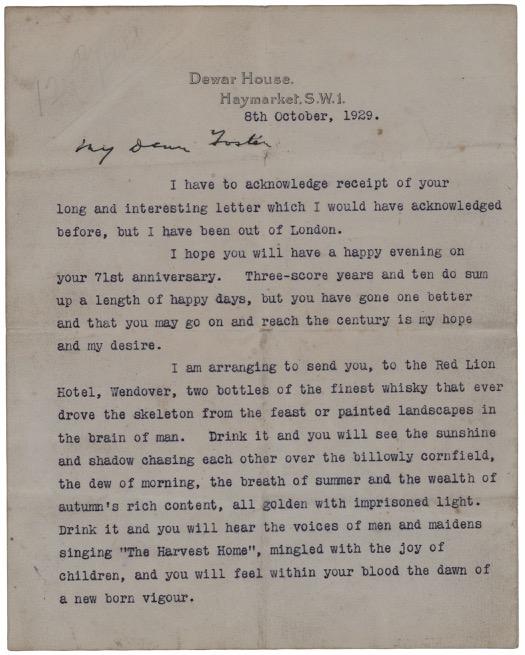
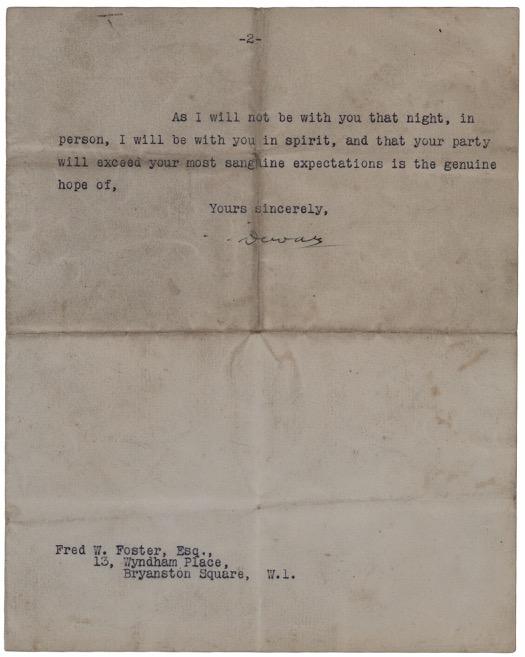
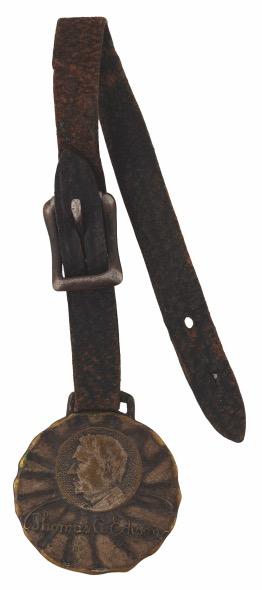
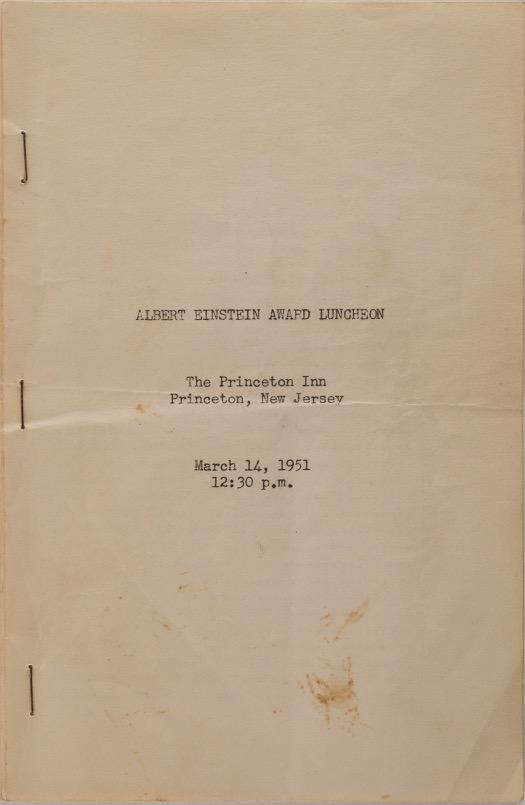
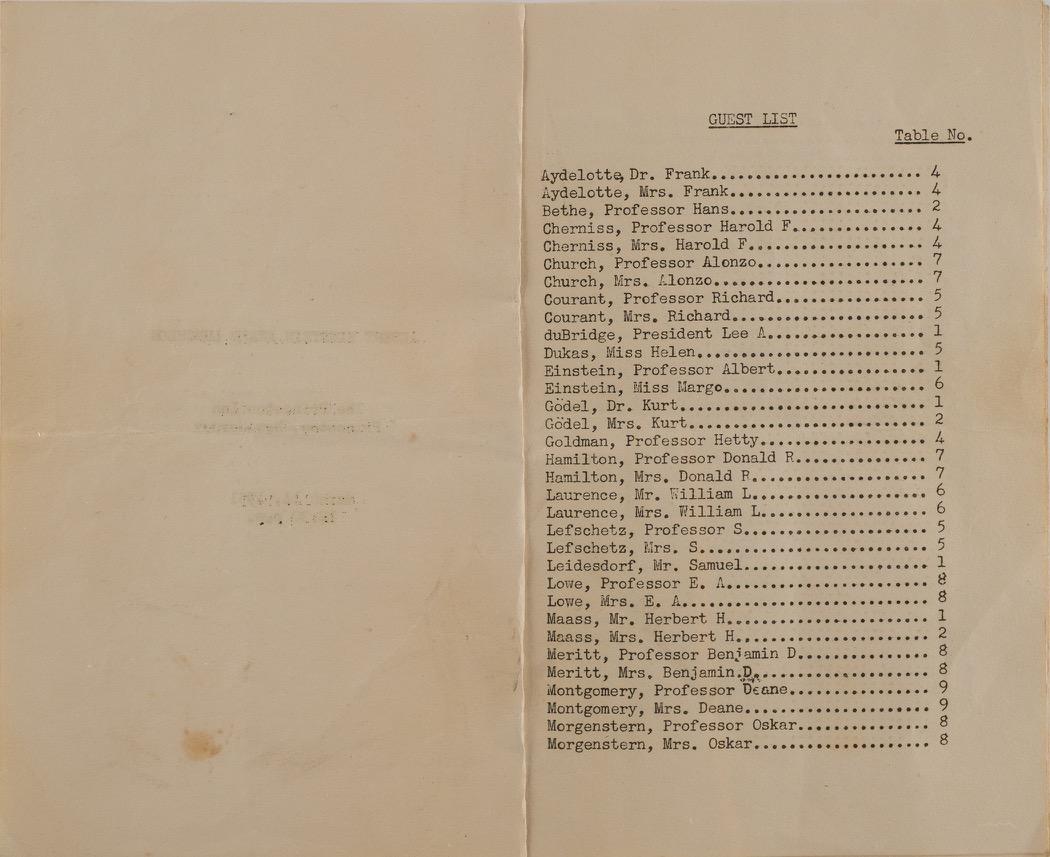
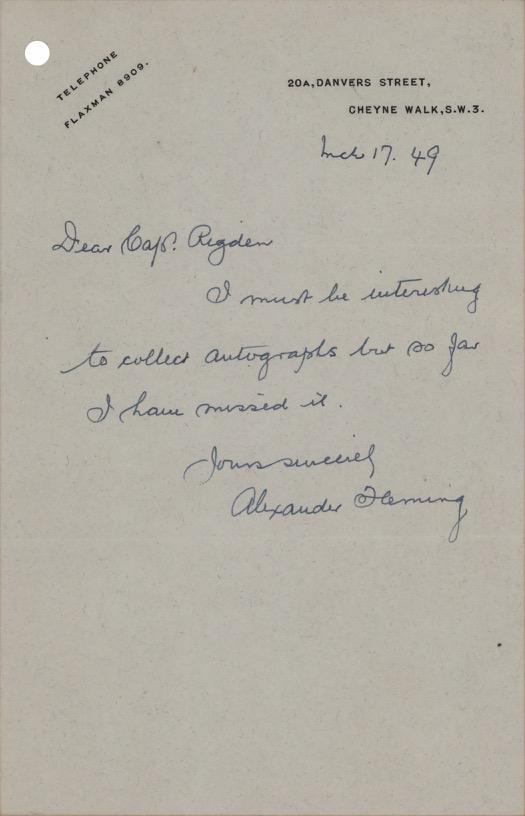
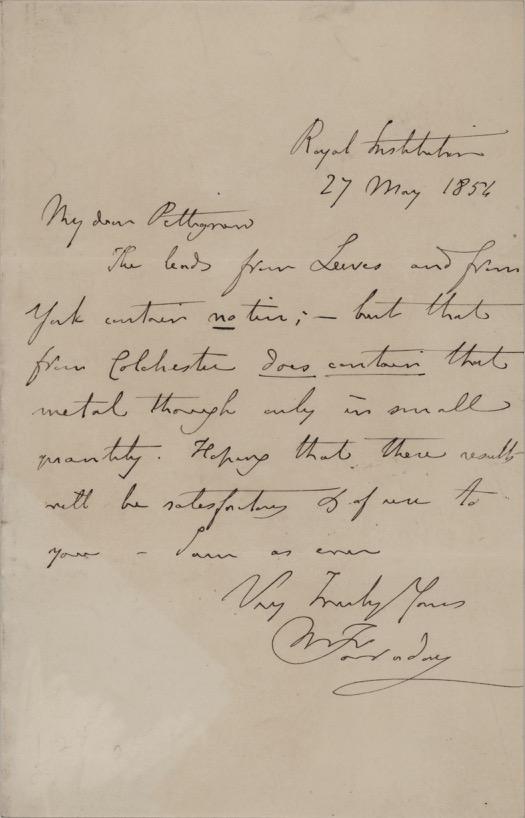
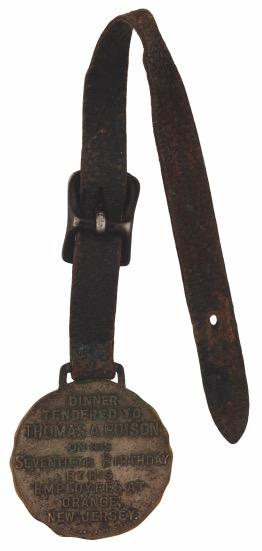
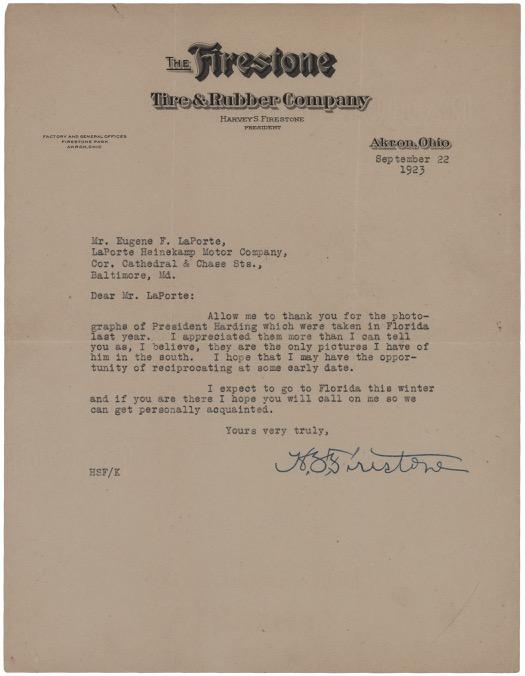
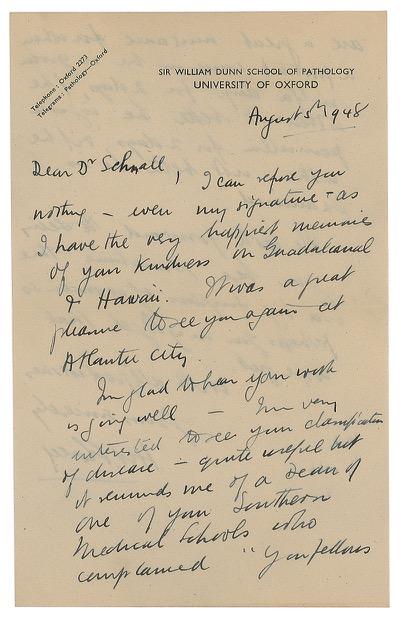
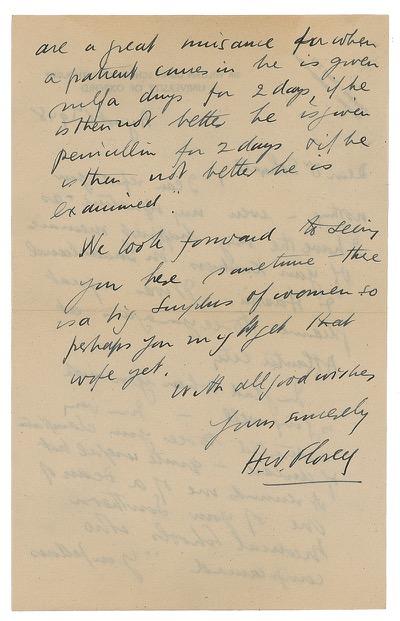
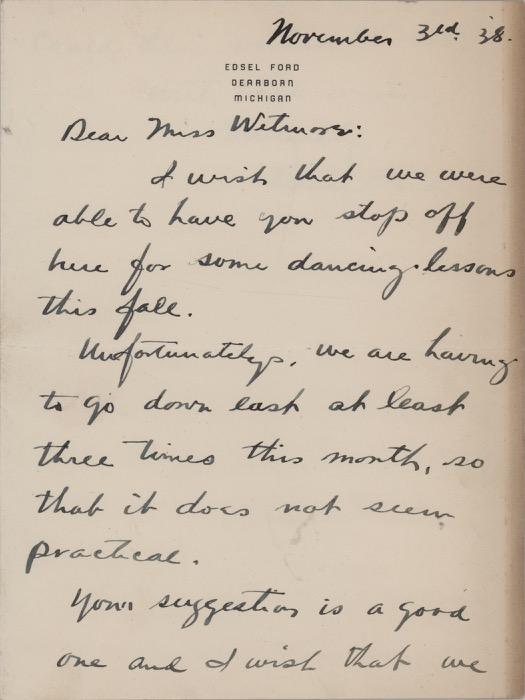
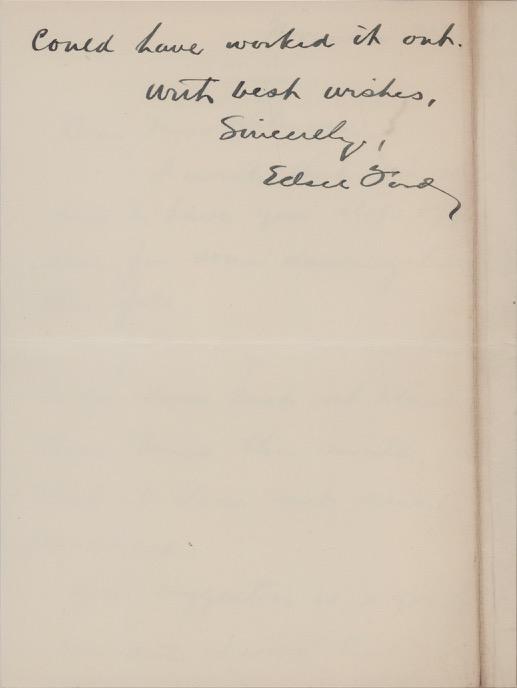
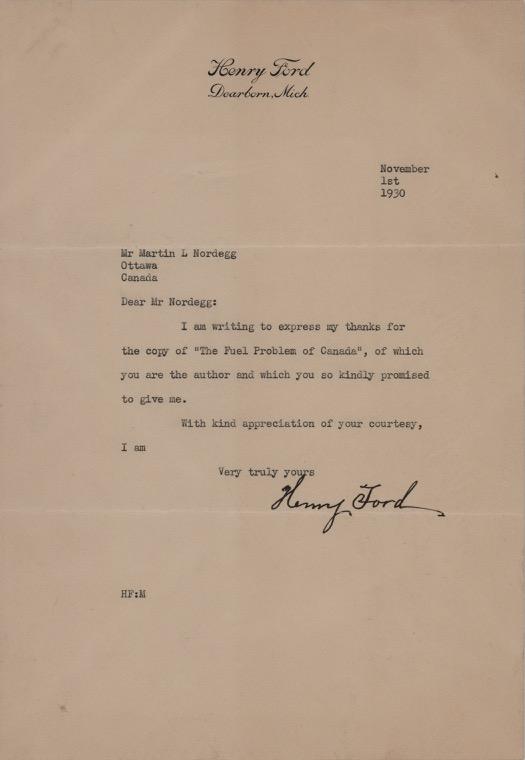
280. Henry Ford Typed Letter Signed on 'The Fuel Problem of Canada' Starting Bid $200
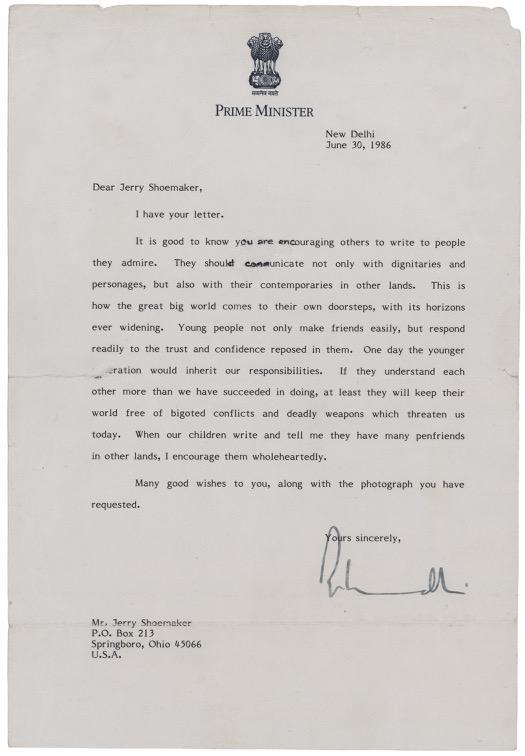
284. Rajiv Gandhi Typed Letter Signed on the Next Generation: "They wi... Starting Bid $200
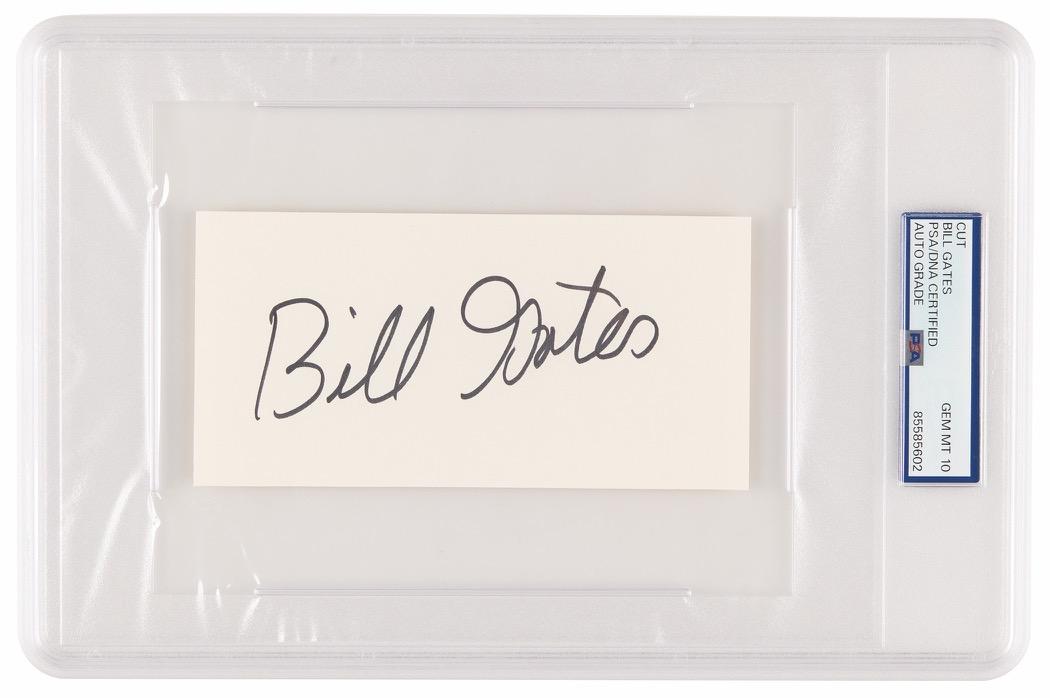
288. Bill Gates SignaturePSA GEM MINT 10 Starting Bid $200
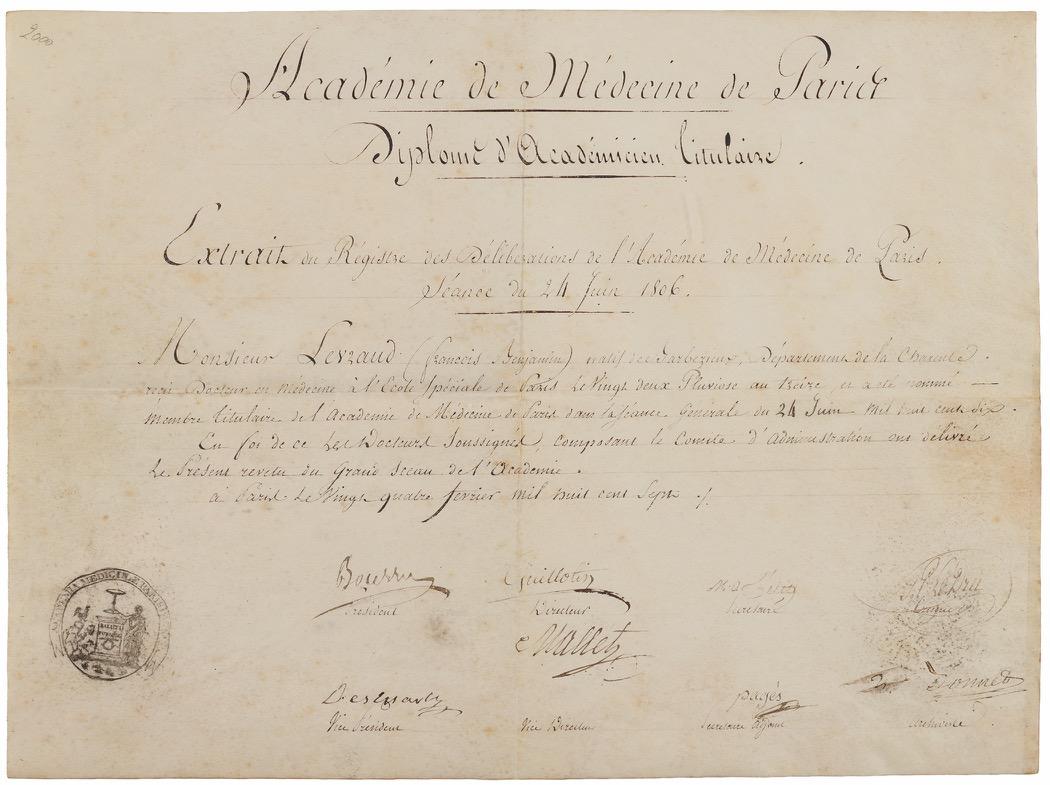
292. Joseph Guillotin Document Signed Starting Bid $200
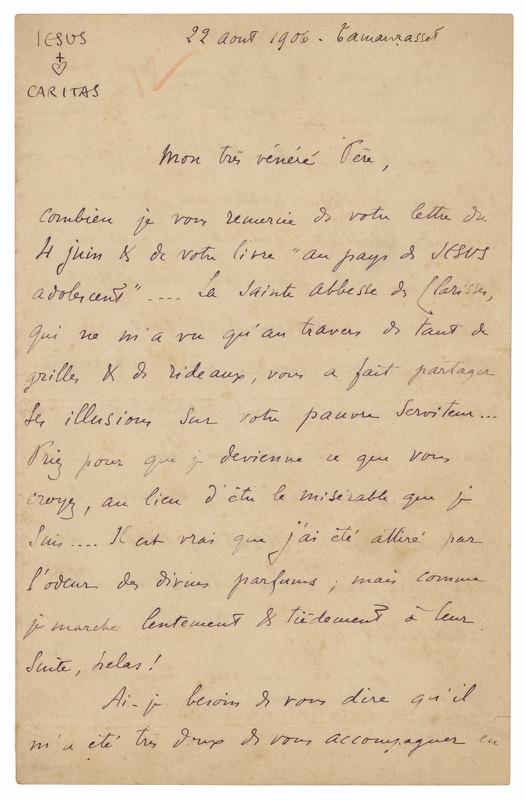
281. Charles de Foucauld
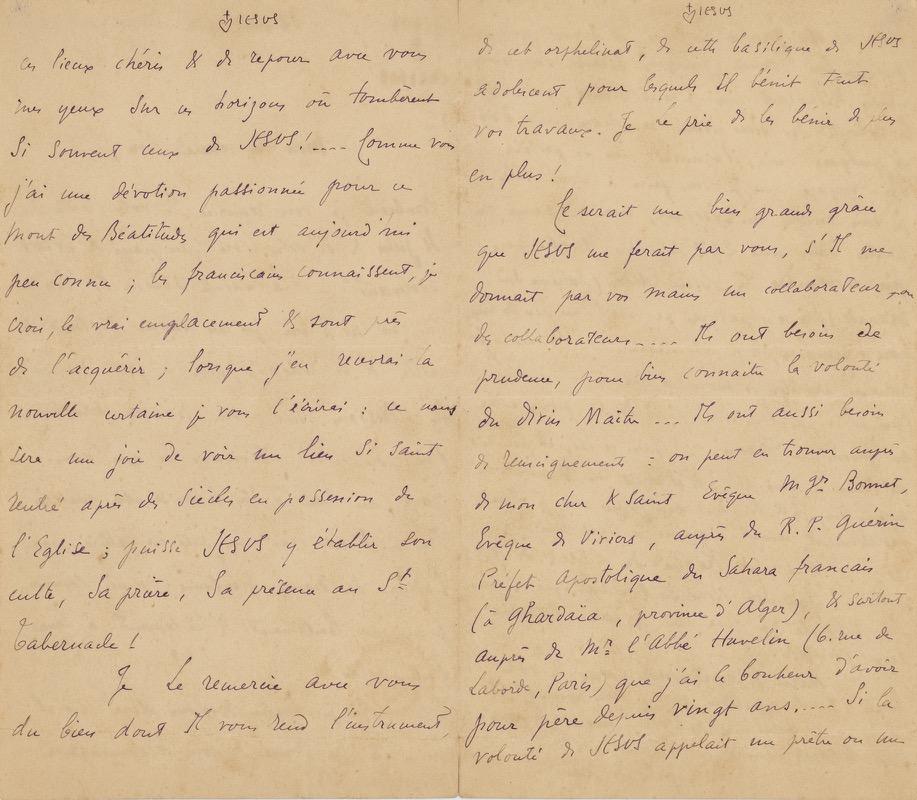
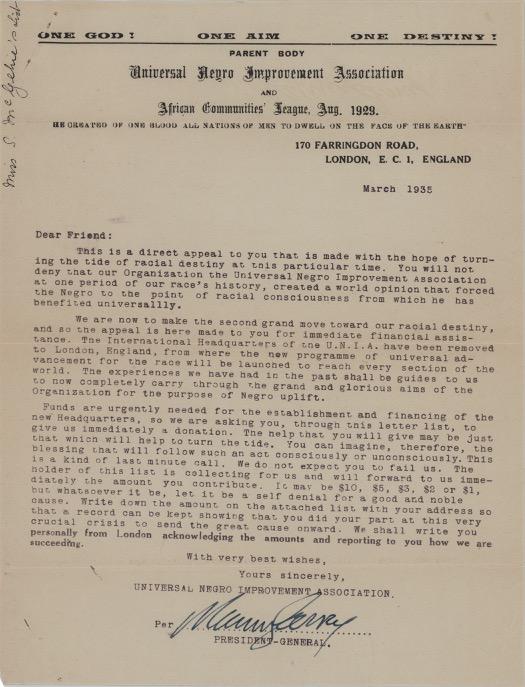
285. Marcus Garvey Typed Letter Signed: "This is a direct appeal to yo... Starting Bid $200
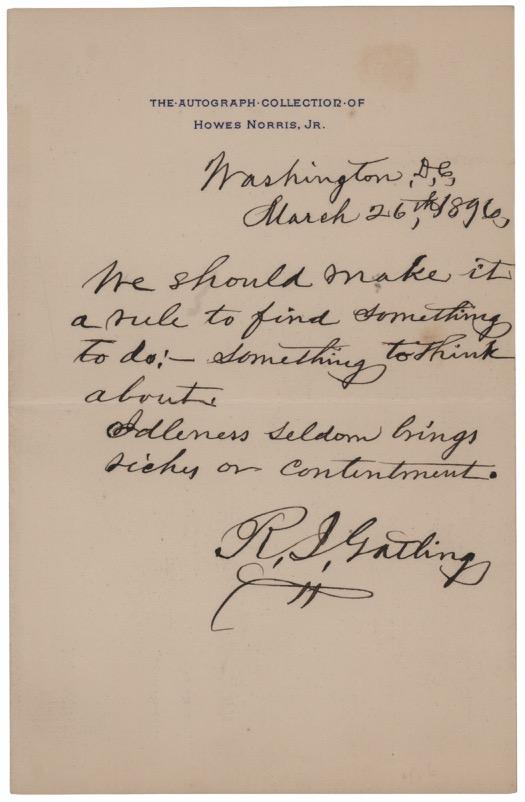
289. Richard Gatling Autograph Letter Signed Starting Bid $200
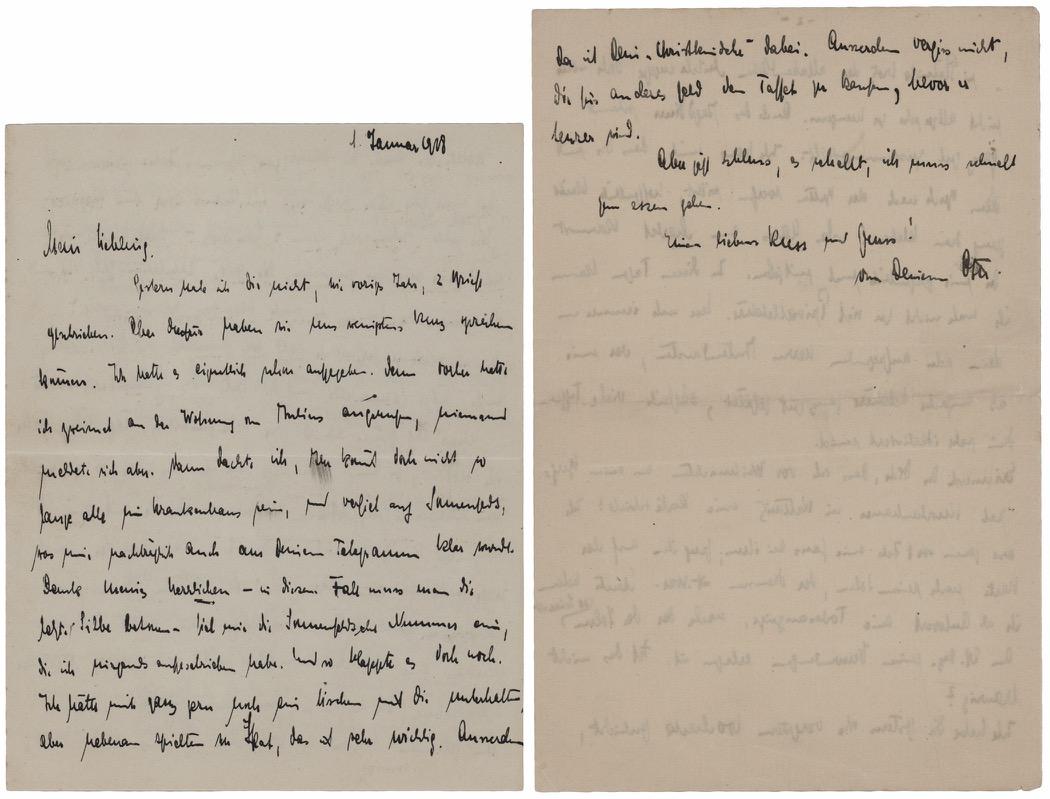
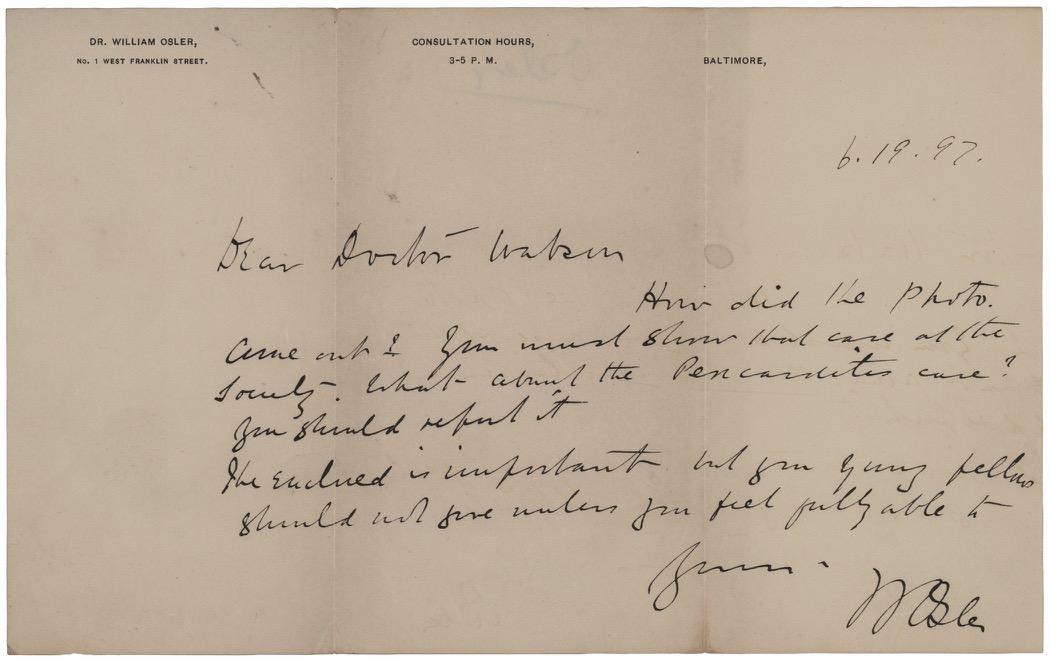
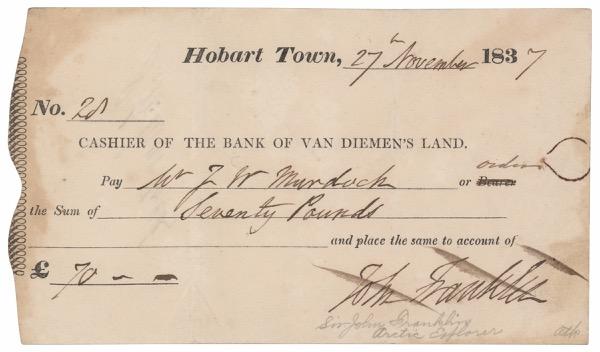
282. John Franklin Signed Check Starting Bid $200
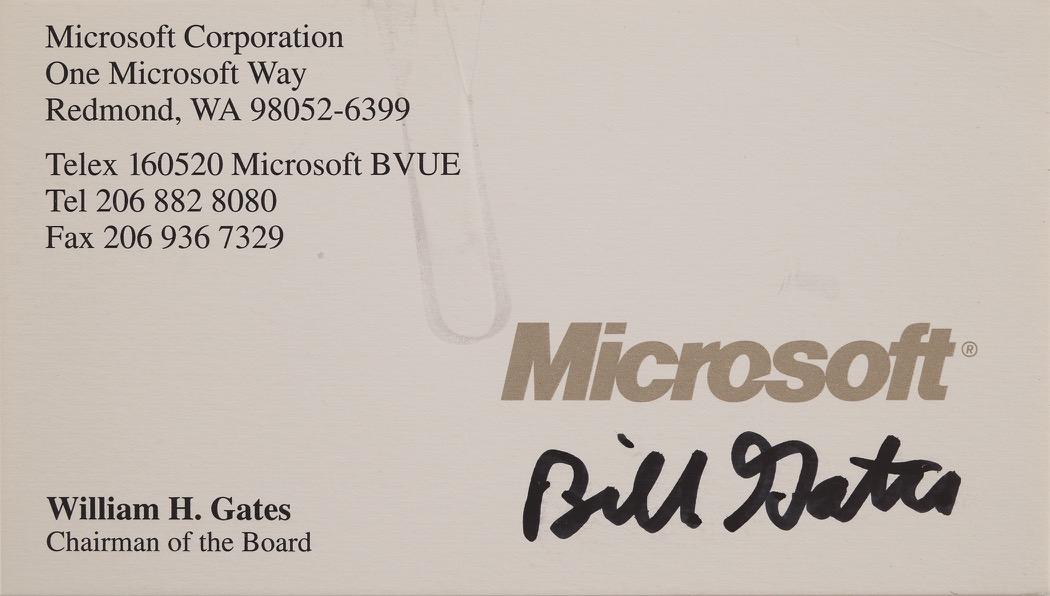
286. Bill Gates Signed Microsoft Business Card Starting Bid $200
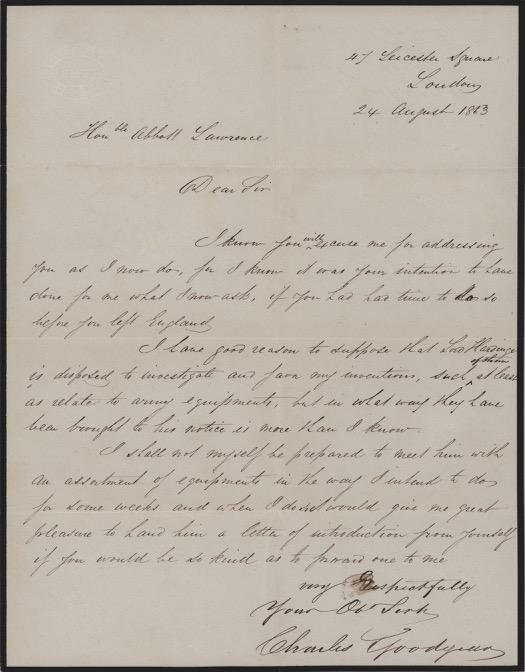
290. Charles Goodyear Autograph Letter Signed Starting Bid $200
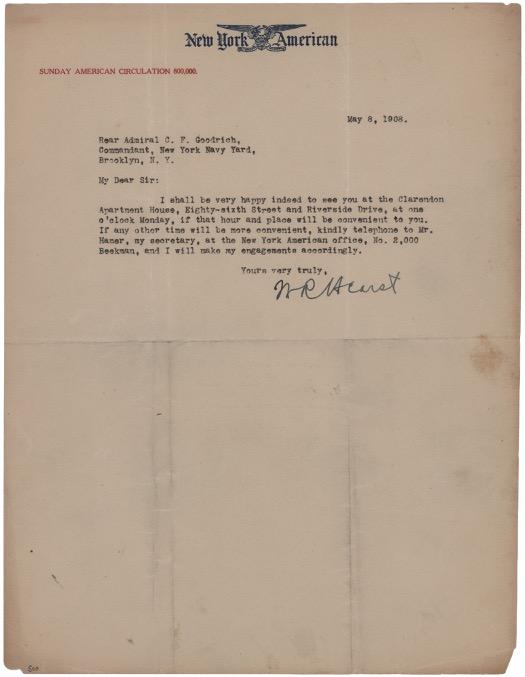
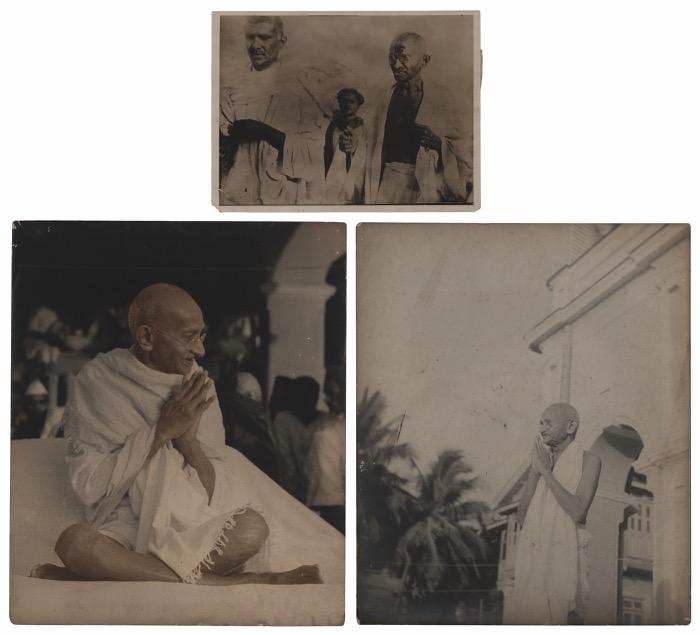
283. Mohandas Gandhi (3) Original Photographs Starting Bid $200
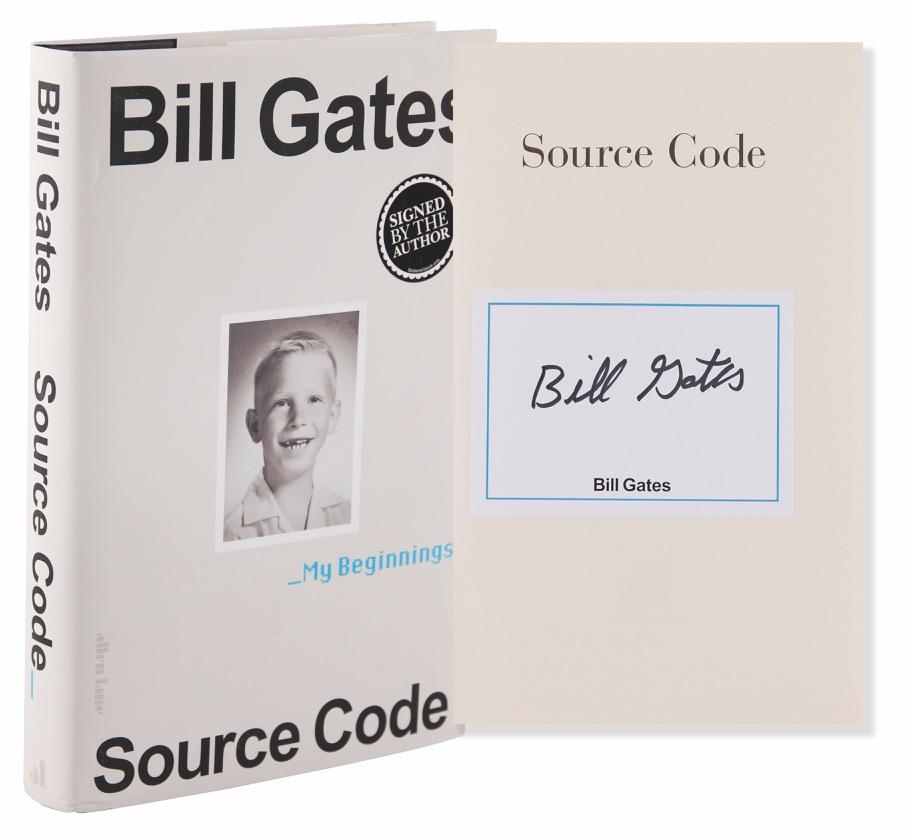
287. Bill Gates Signed Book - Source Code
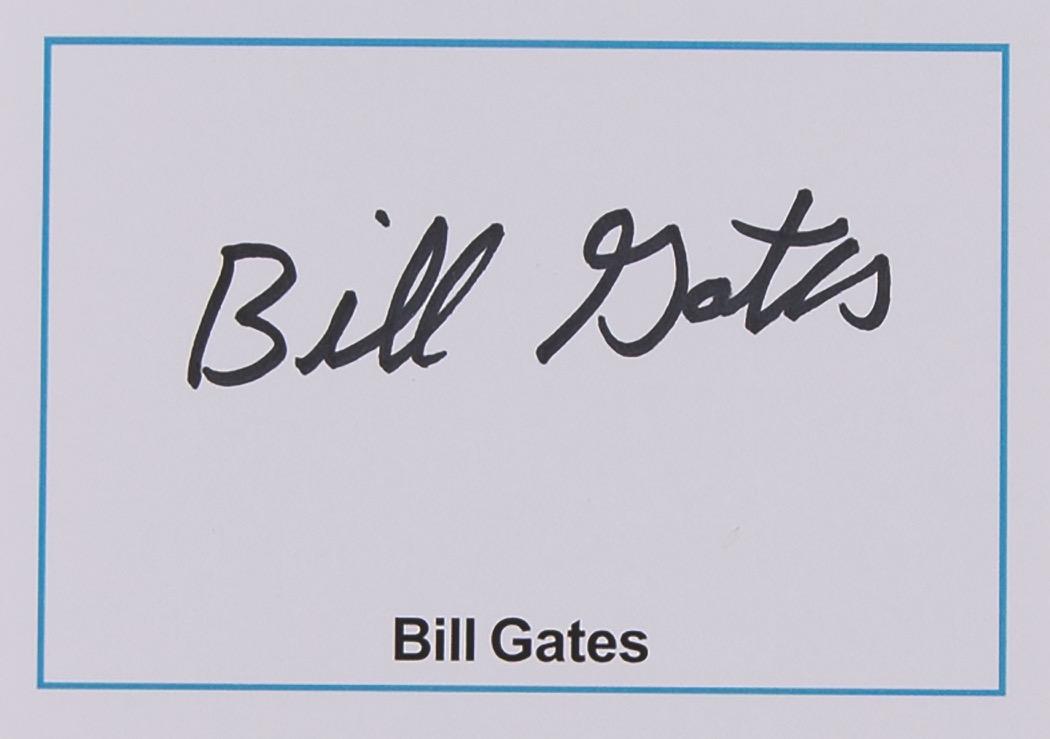
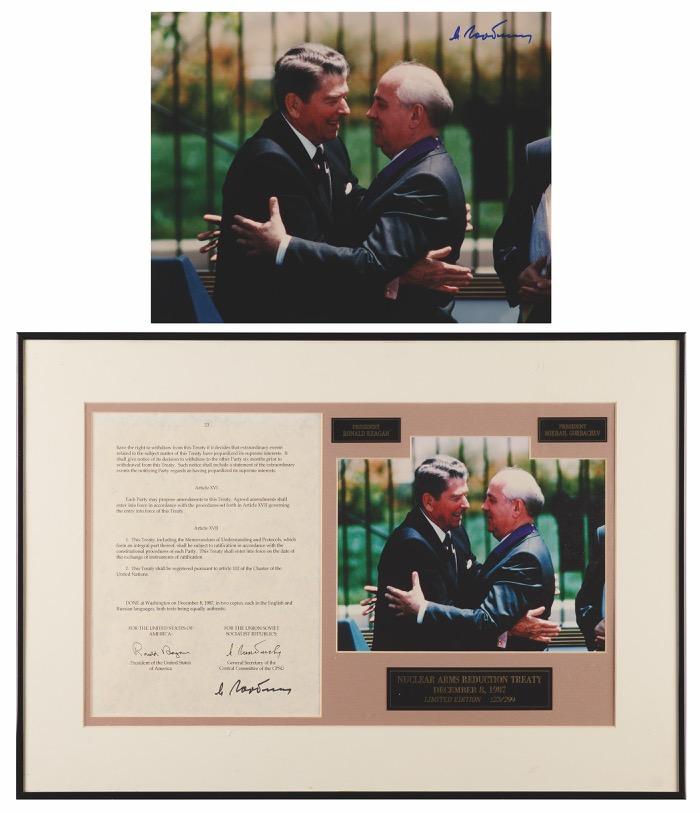
291. Mikhail Gorbachev (2) Signed Items - Photograph and Limited Editi... Starting Bid $200
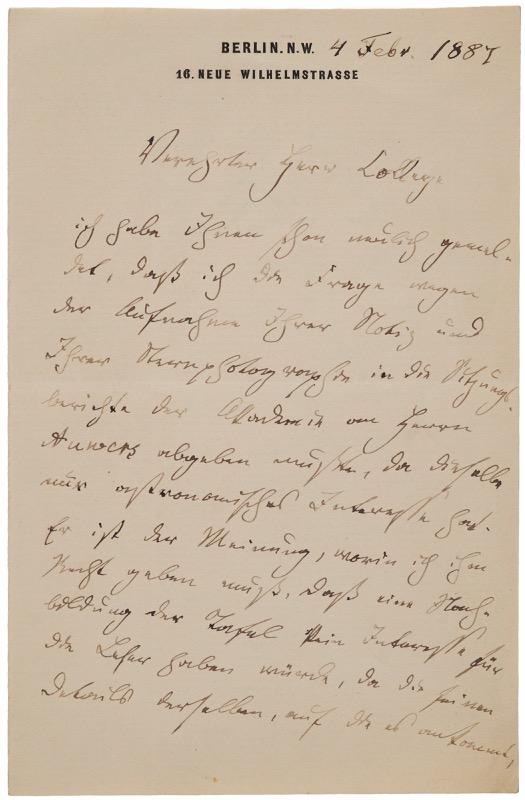
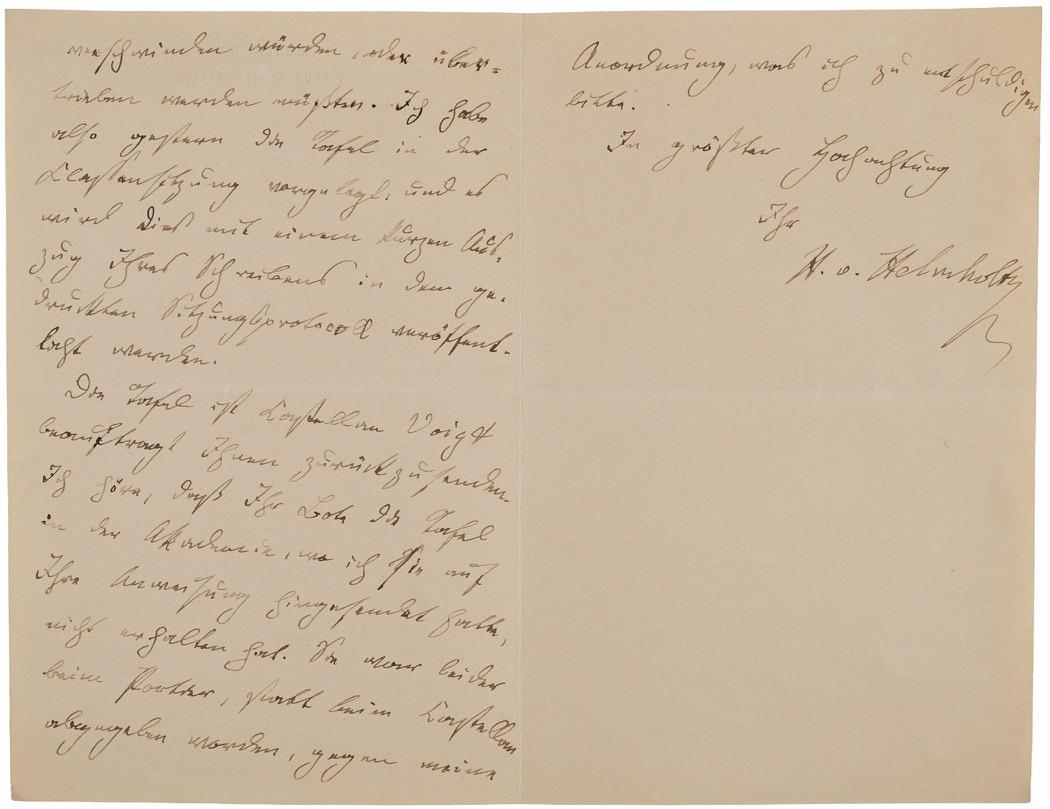
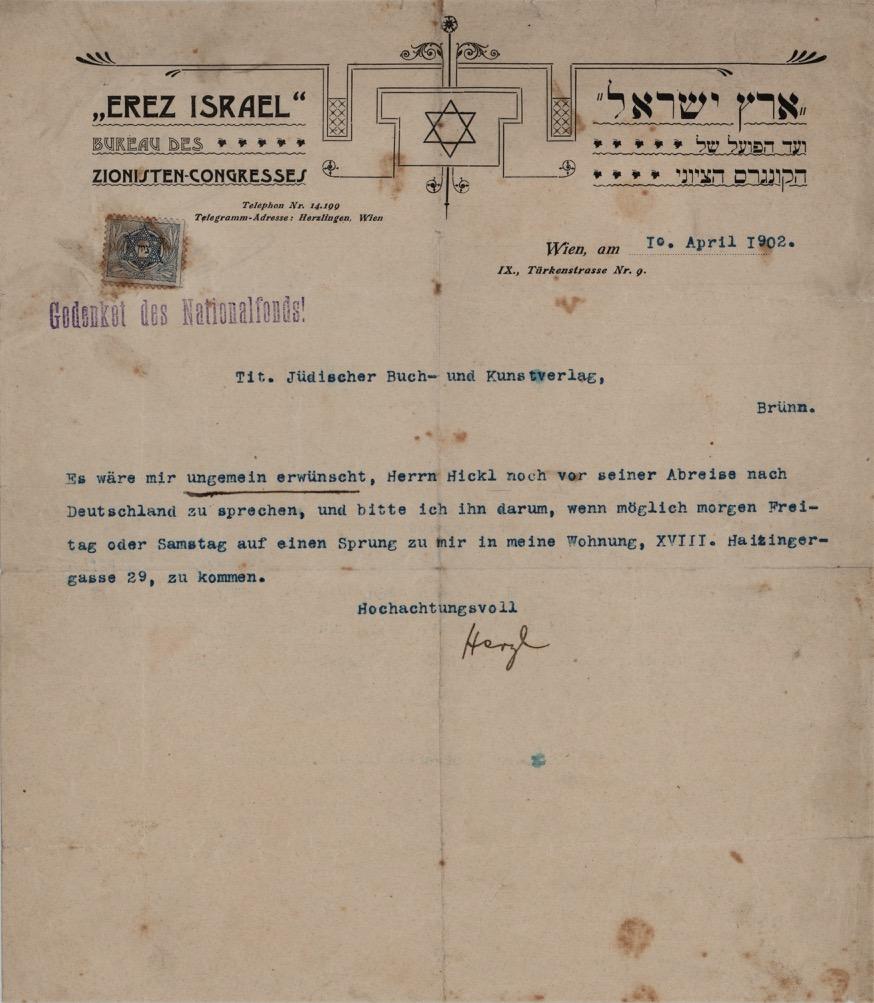
296.
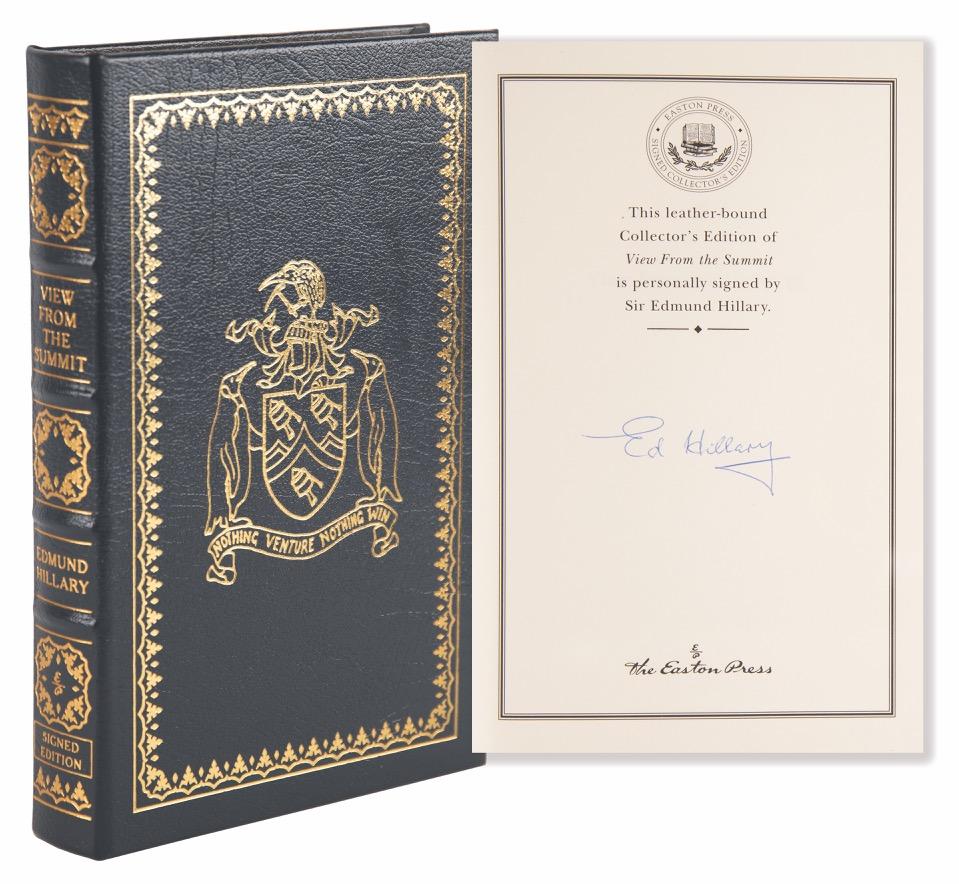
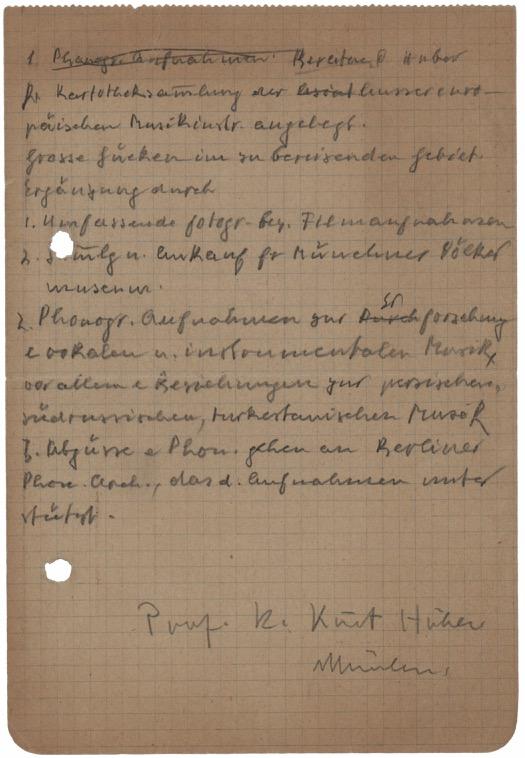
298.
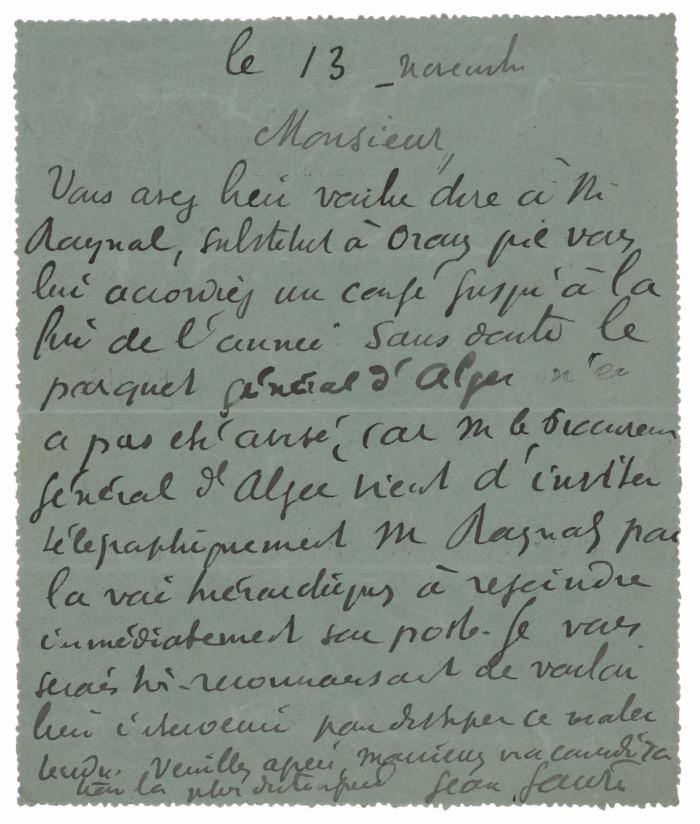
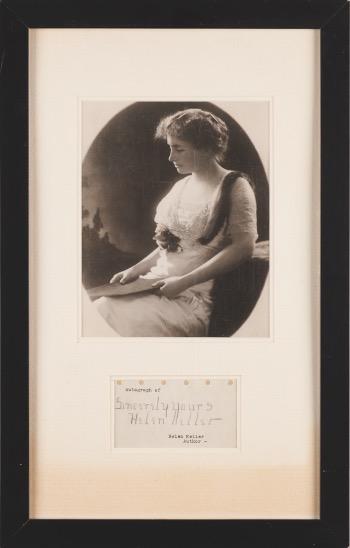
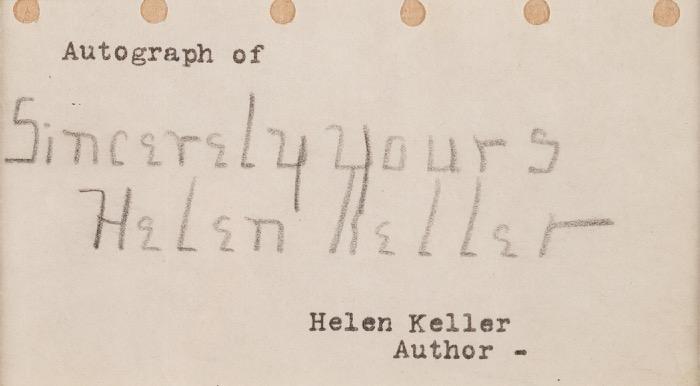
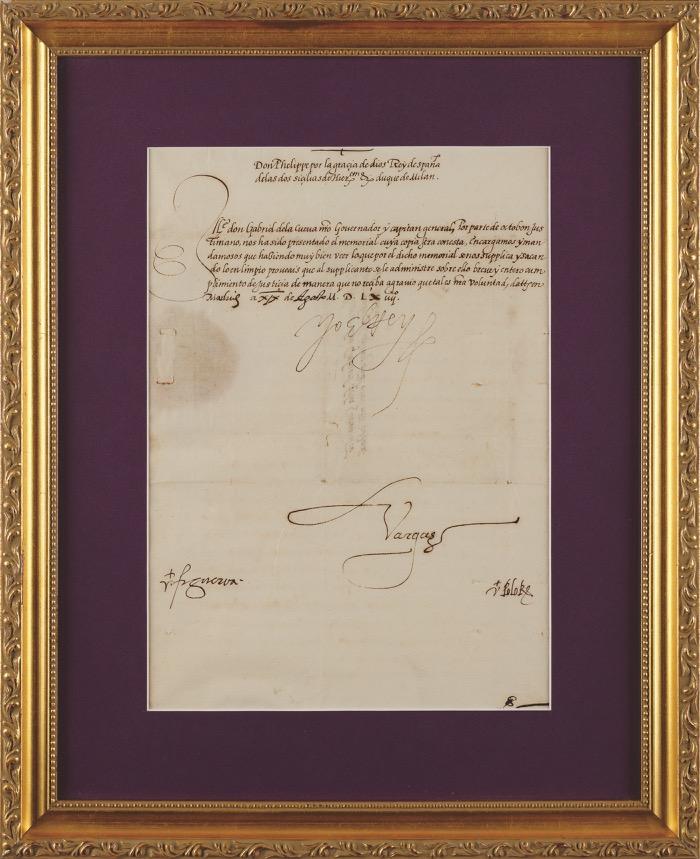
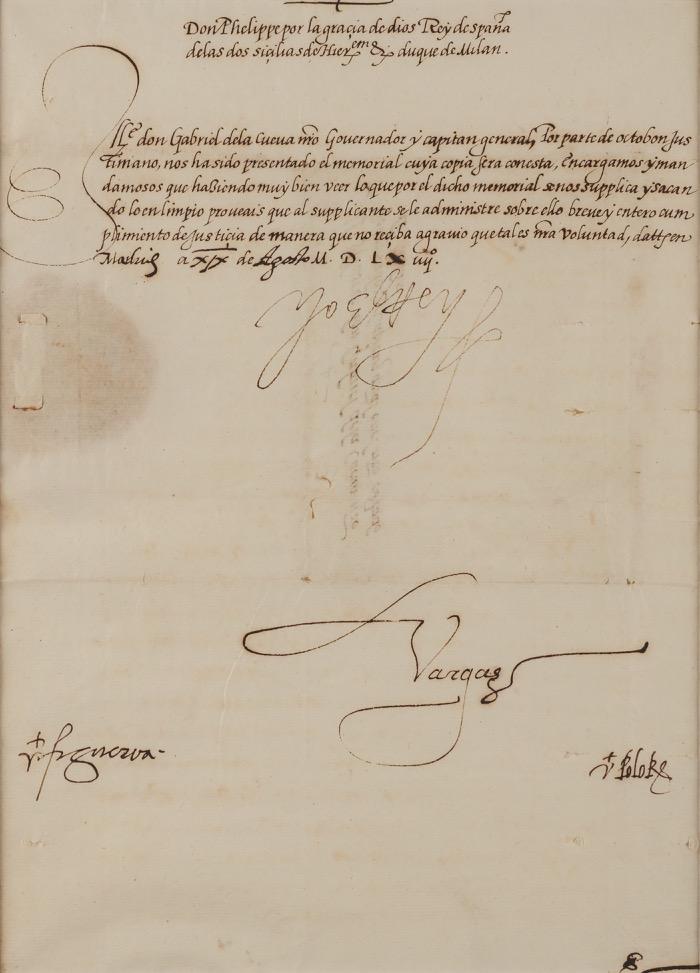
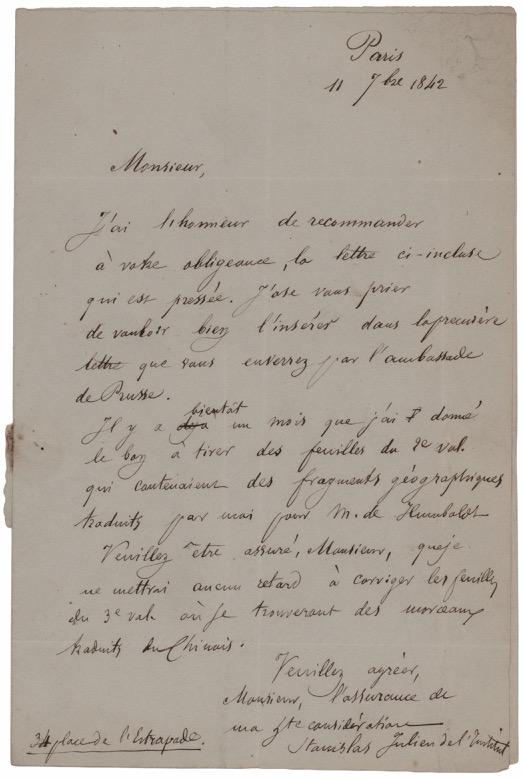
301.
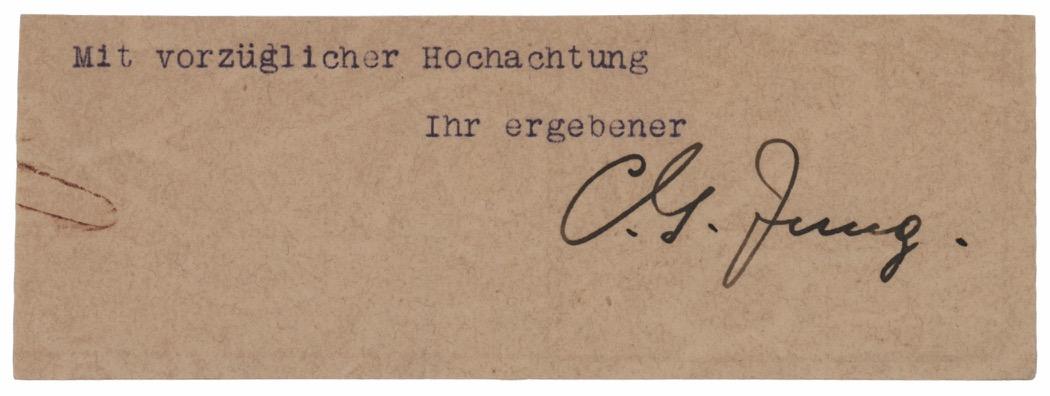
302.
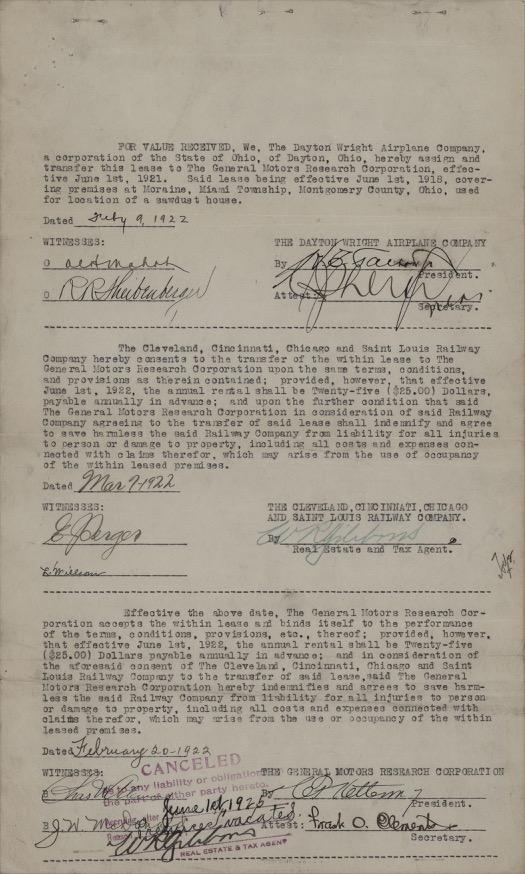
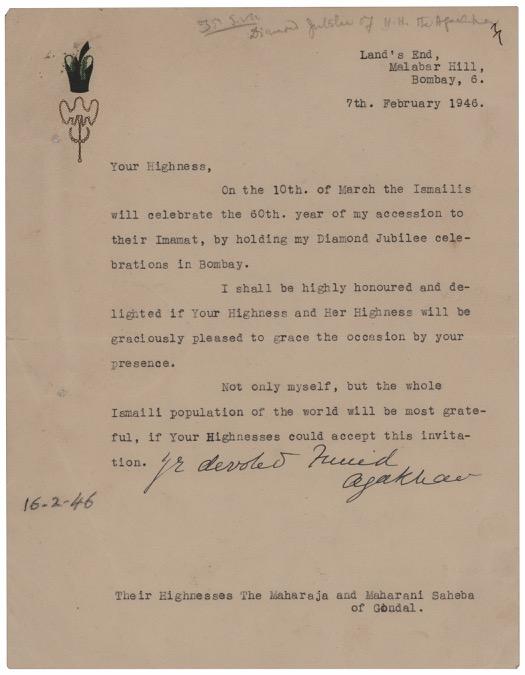
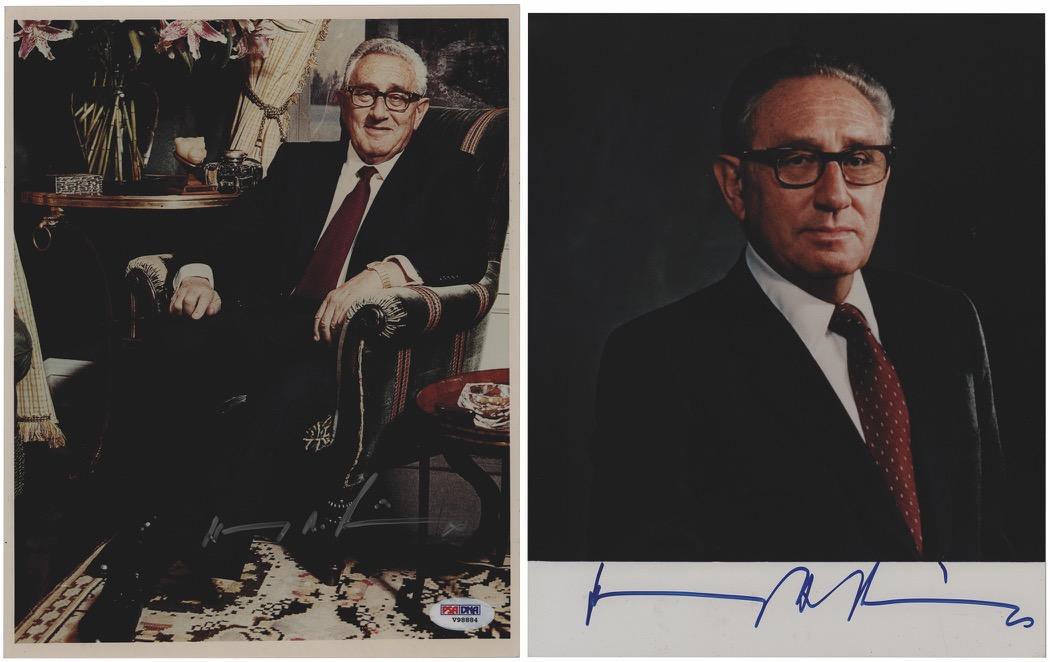
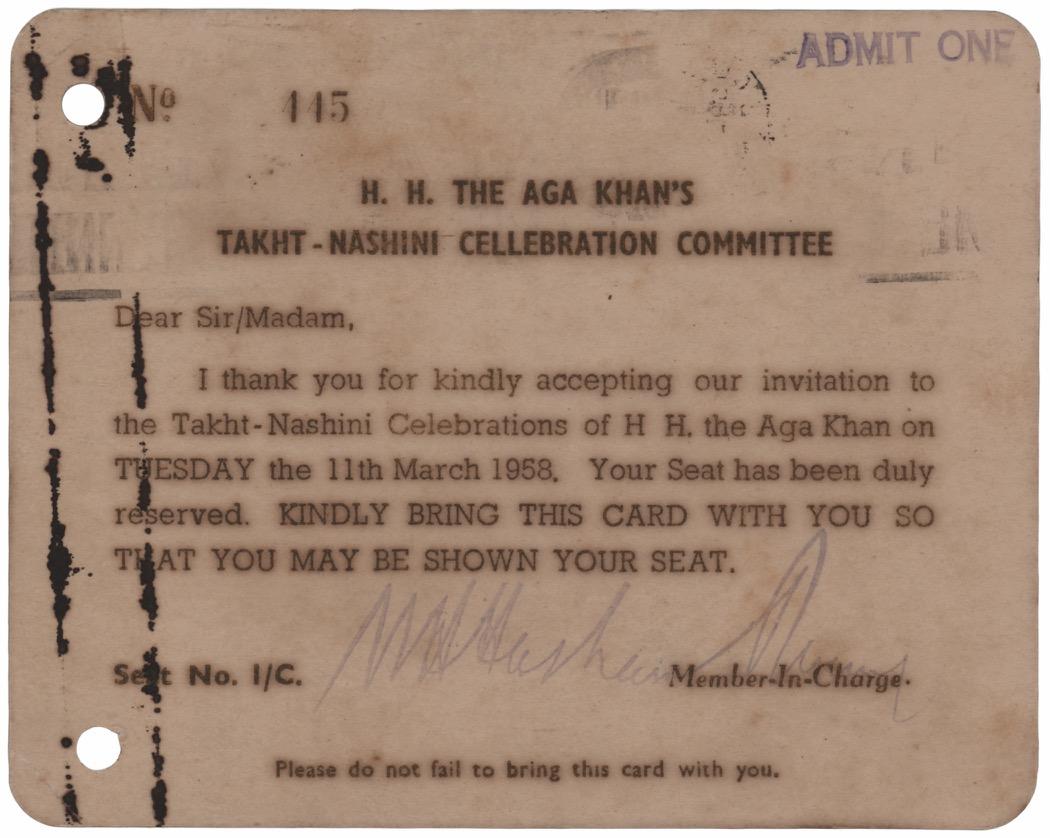
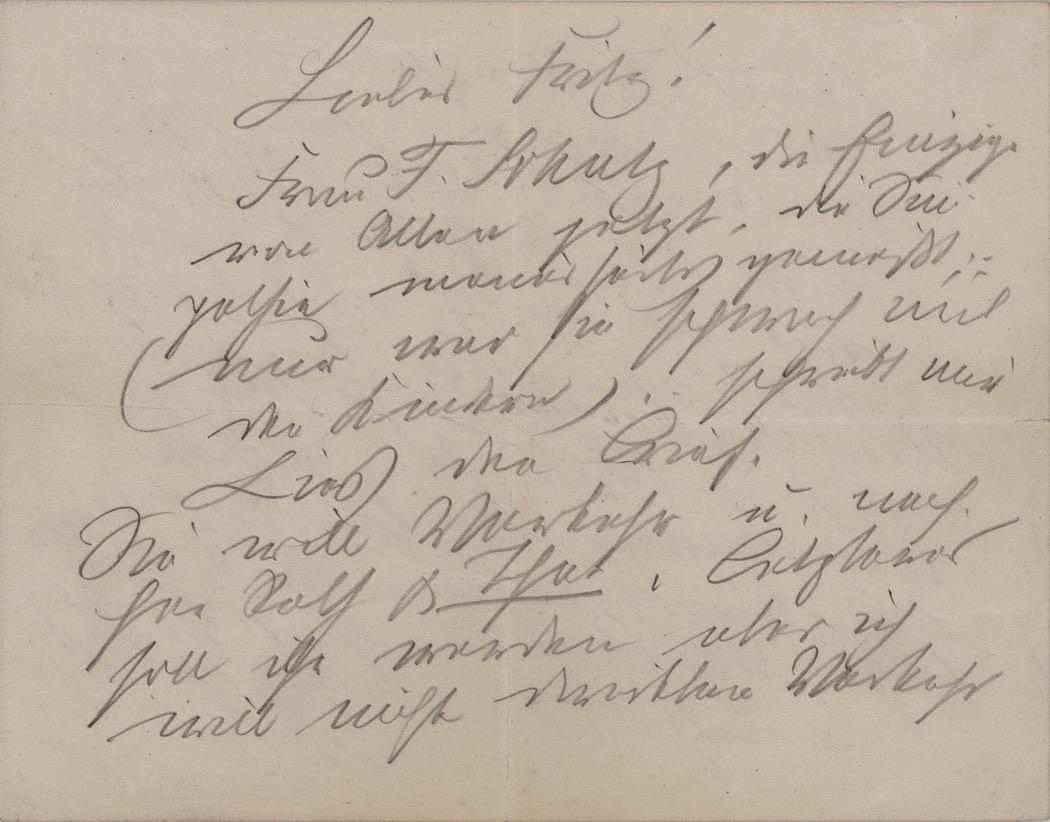
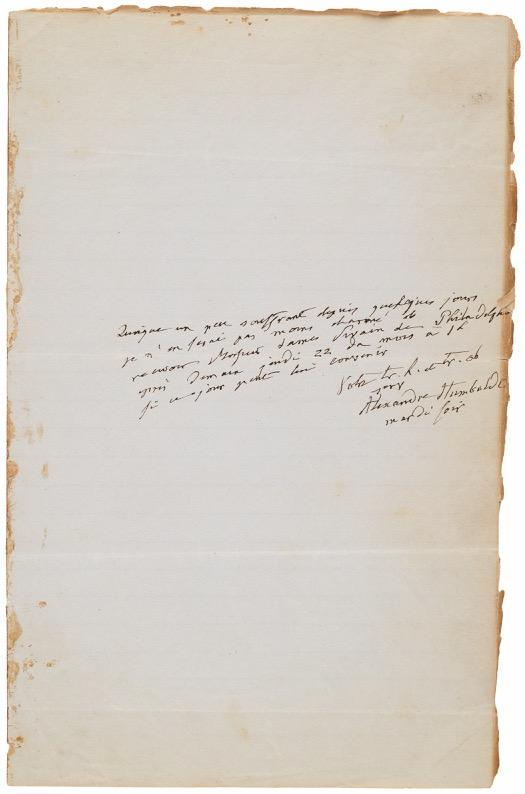
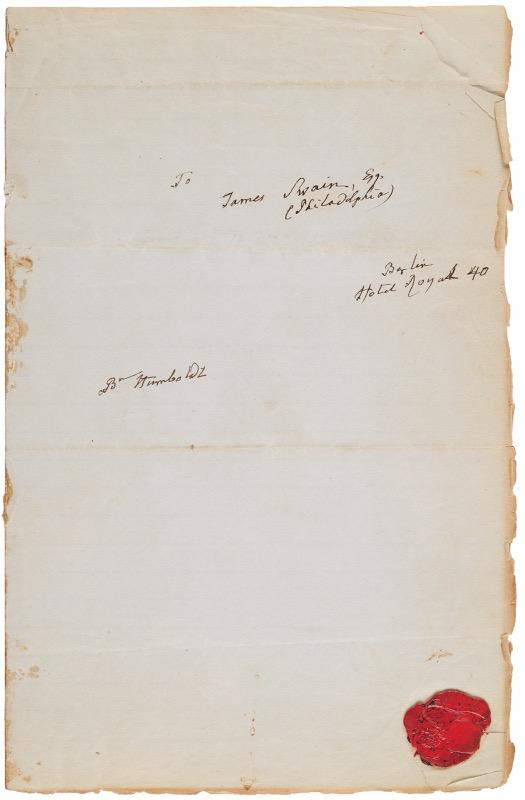
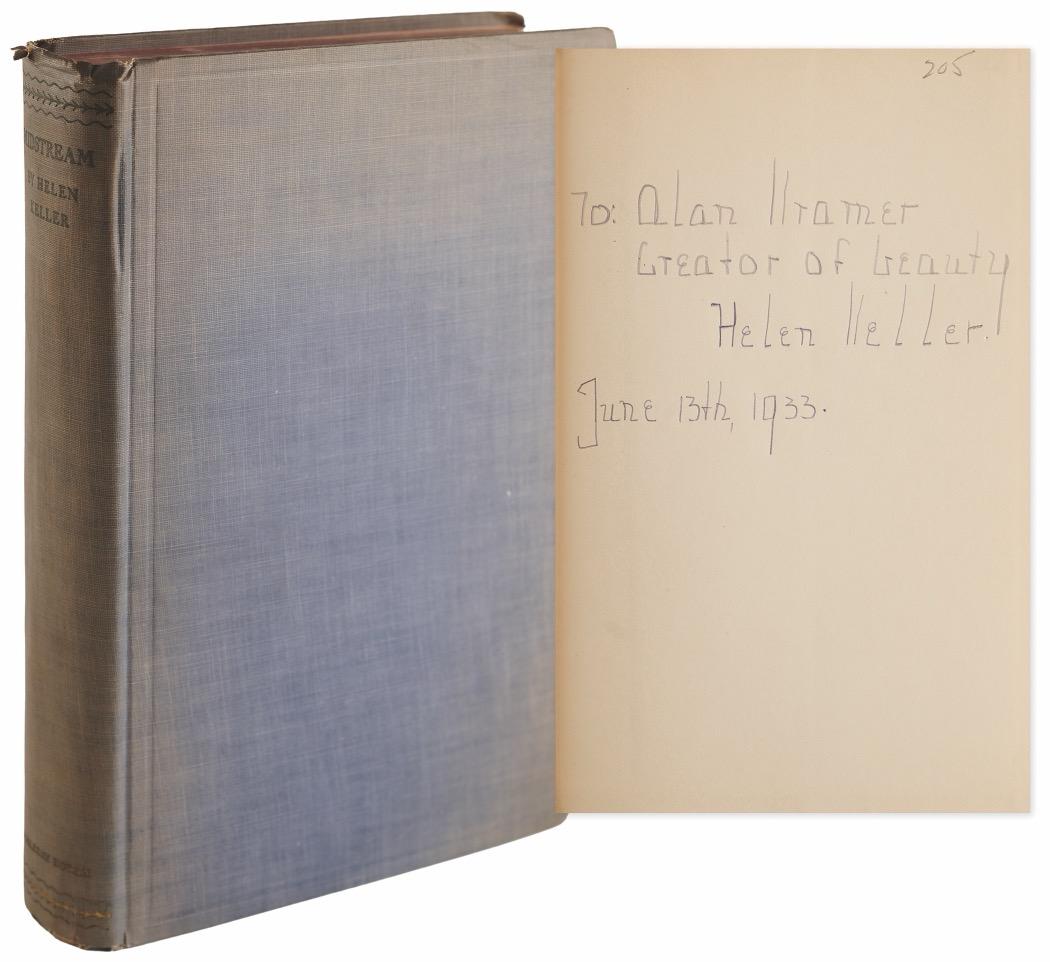
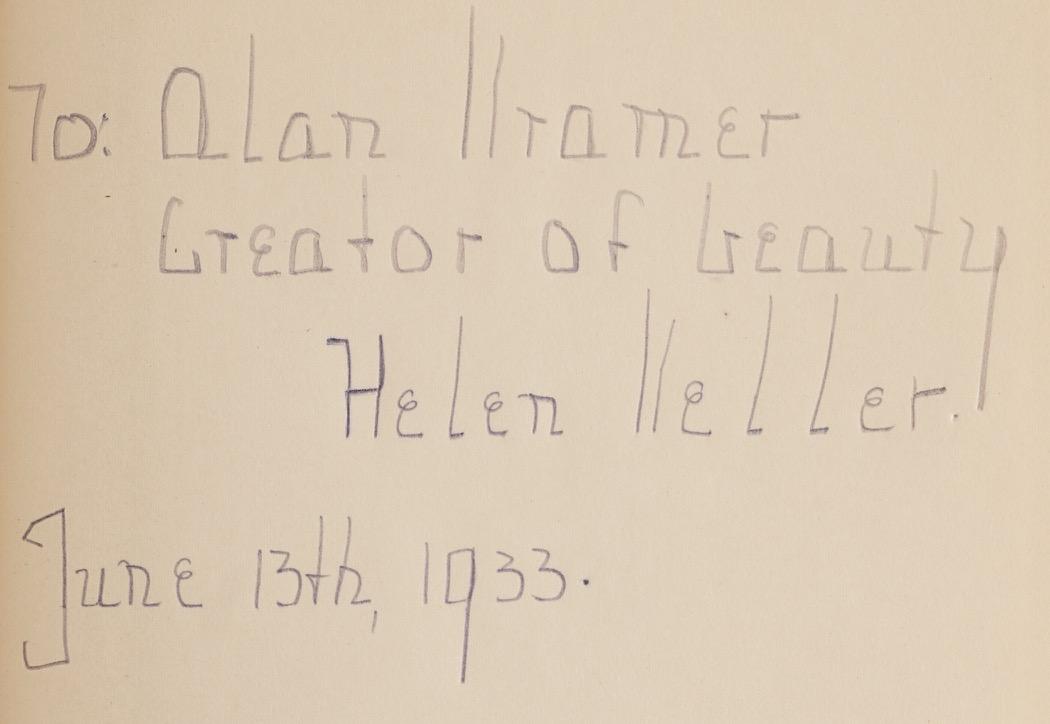
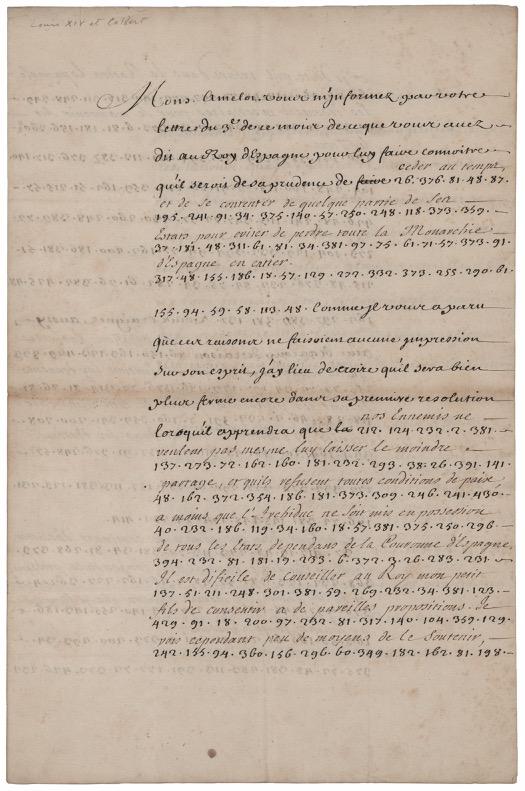
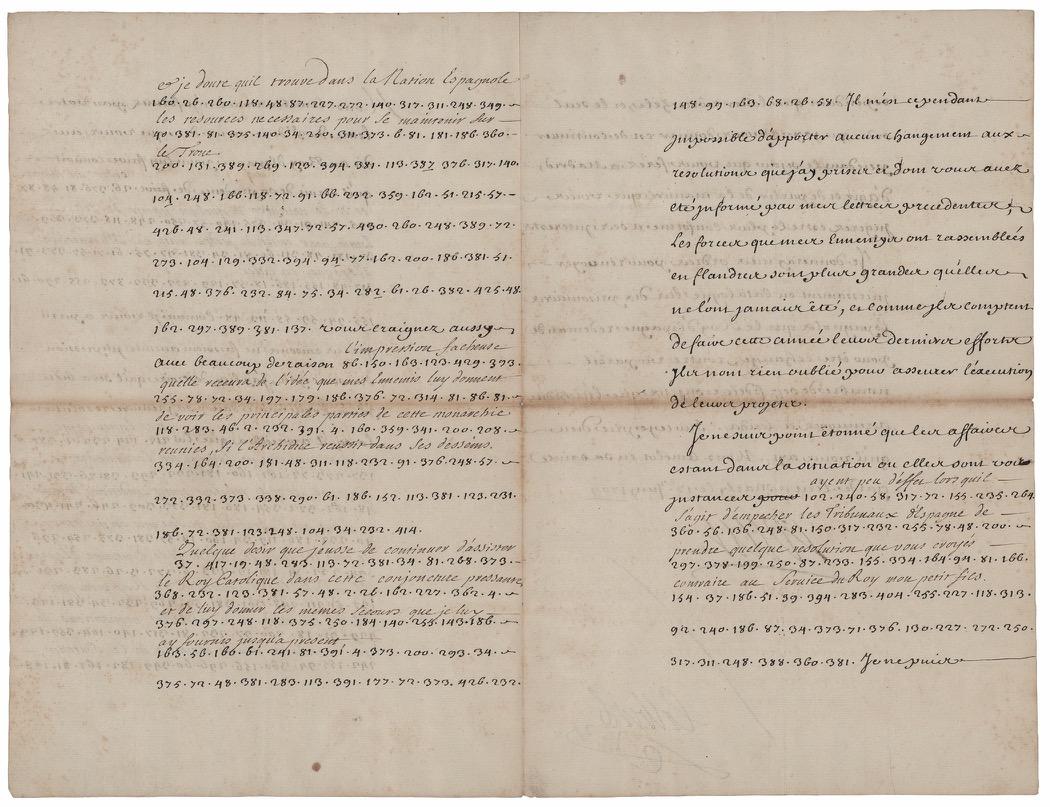
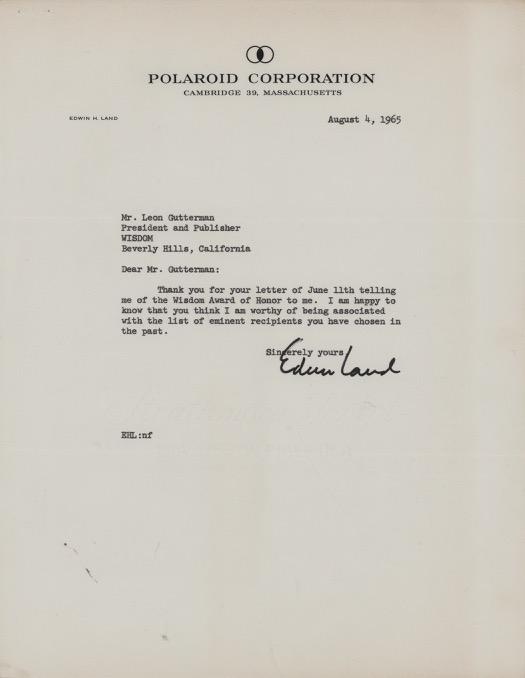
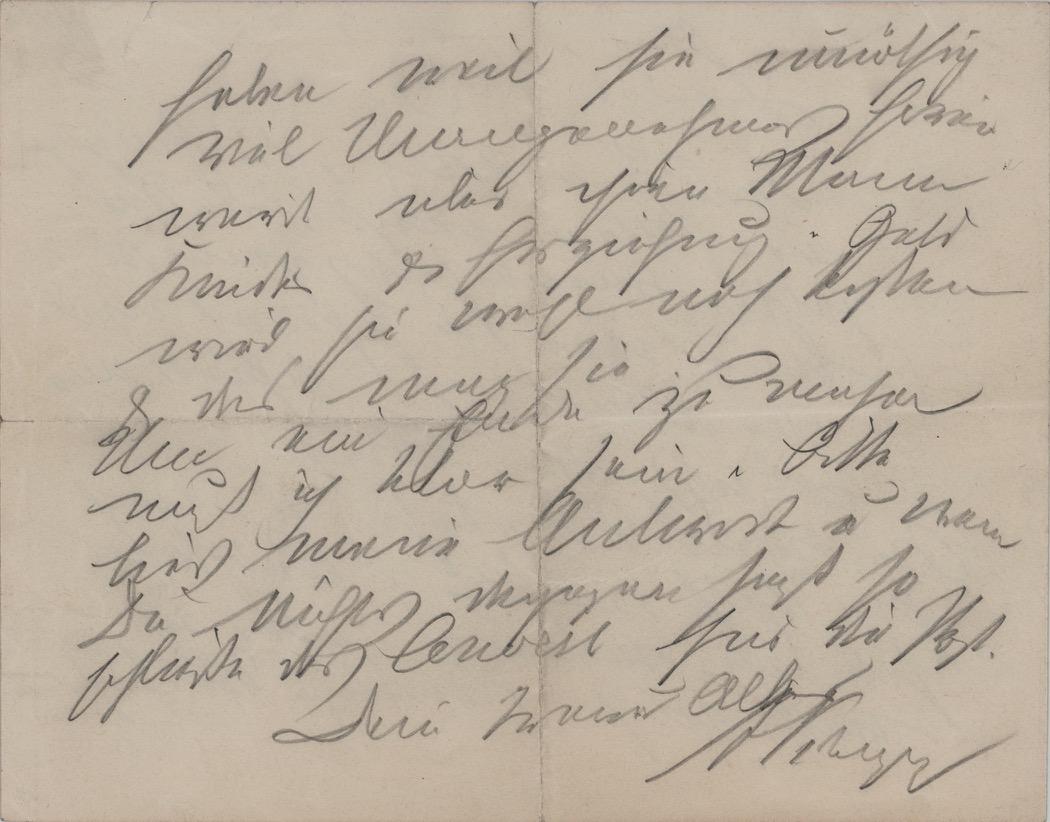
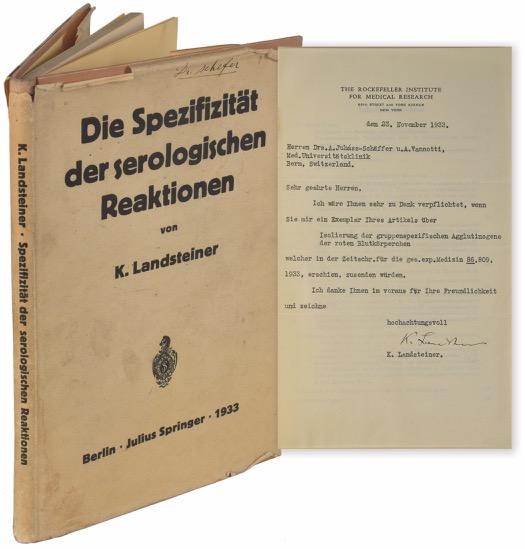
312. Karl Landsteiner Typed Letter Signed Starting Bid $200
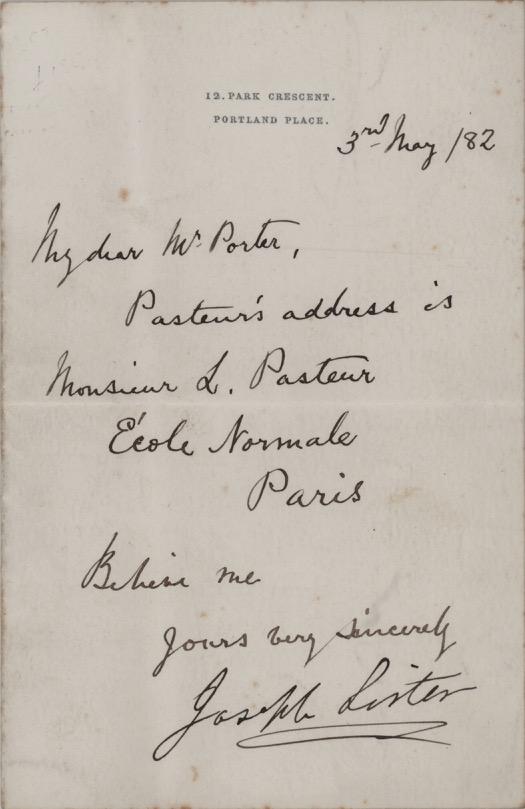
316. Joseph Lister Letter Signed, Forwarding the Address of Louis Past... Starting Bid $200
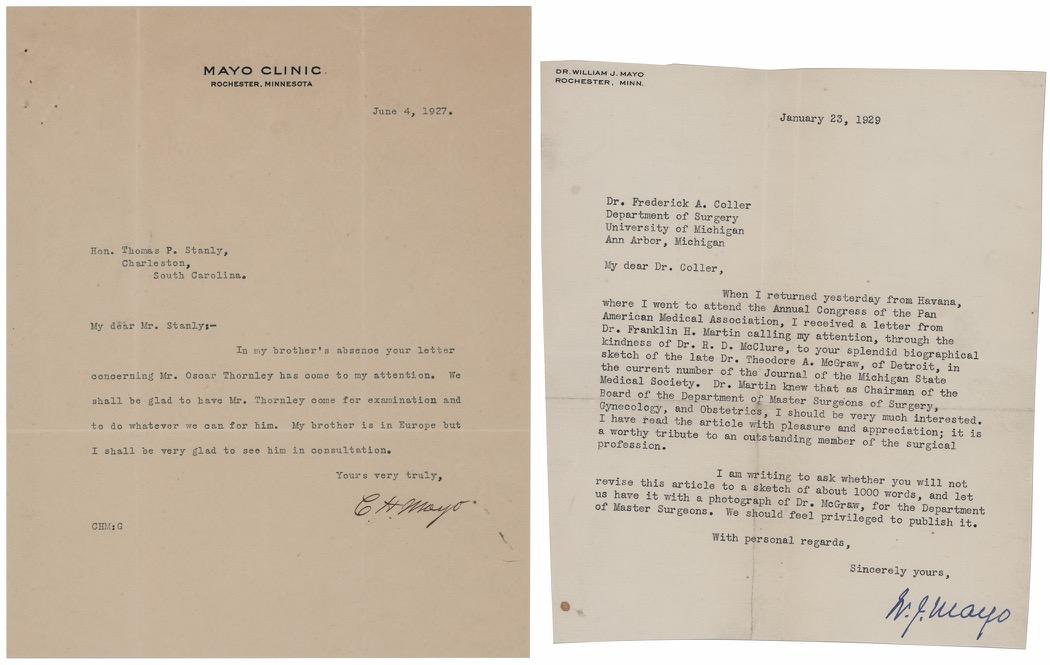
320. Mayo Brothers (2) Typed Letters Signed Starting Bid $200
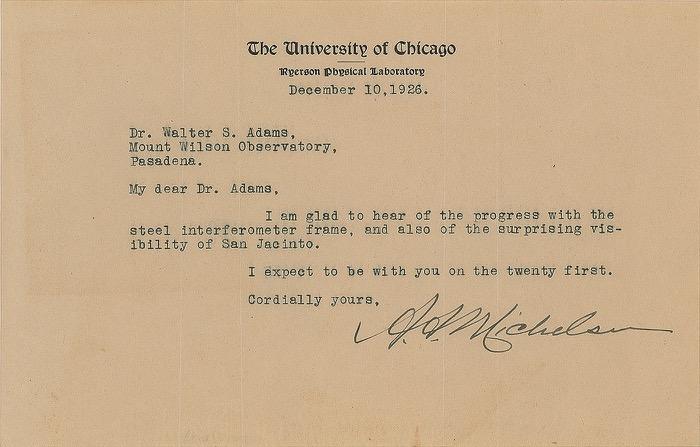
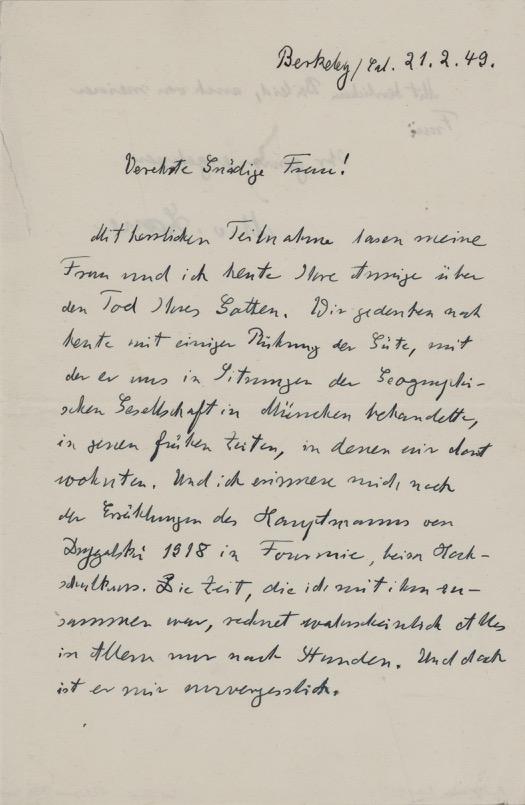
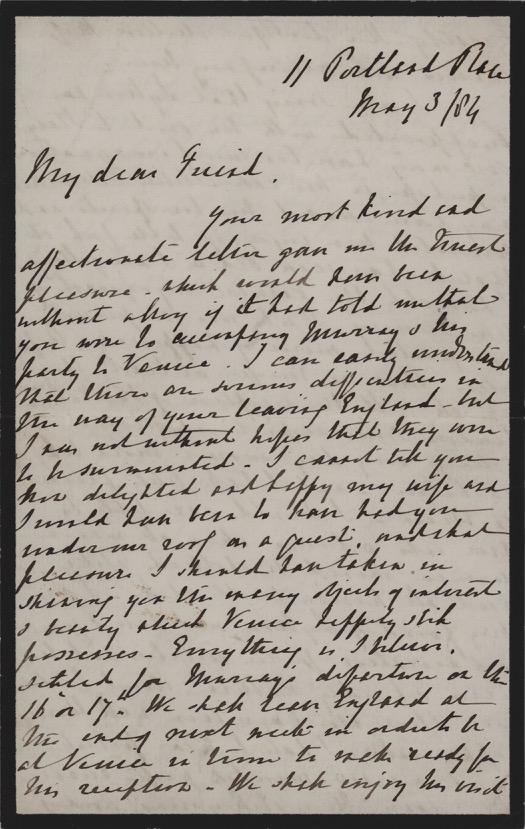
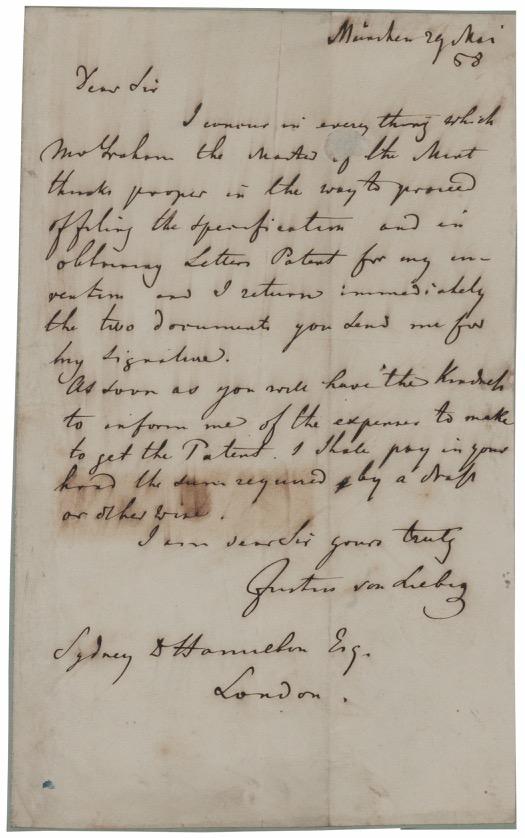
324. Albert A. Michelson Typed Letter Signed Starting Bid $200
313. Max von Laue Autograph Letter Signed
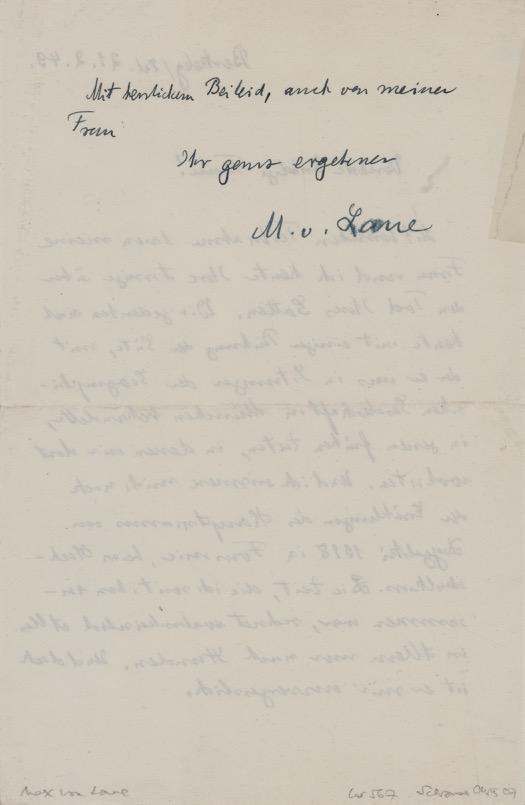
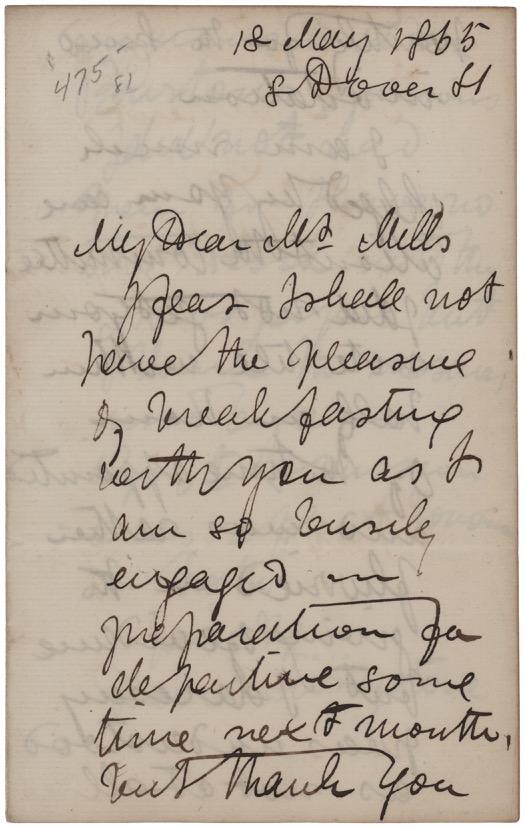
317. David Livingstone Autograph Letter Signed on
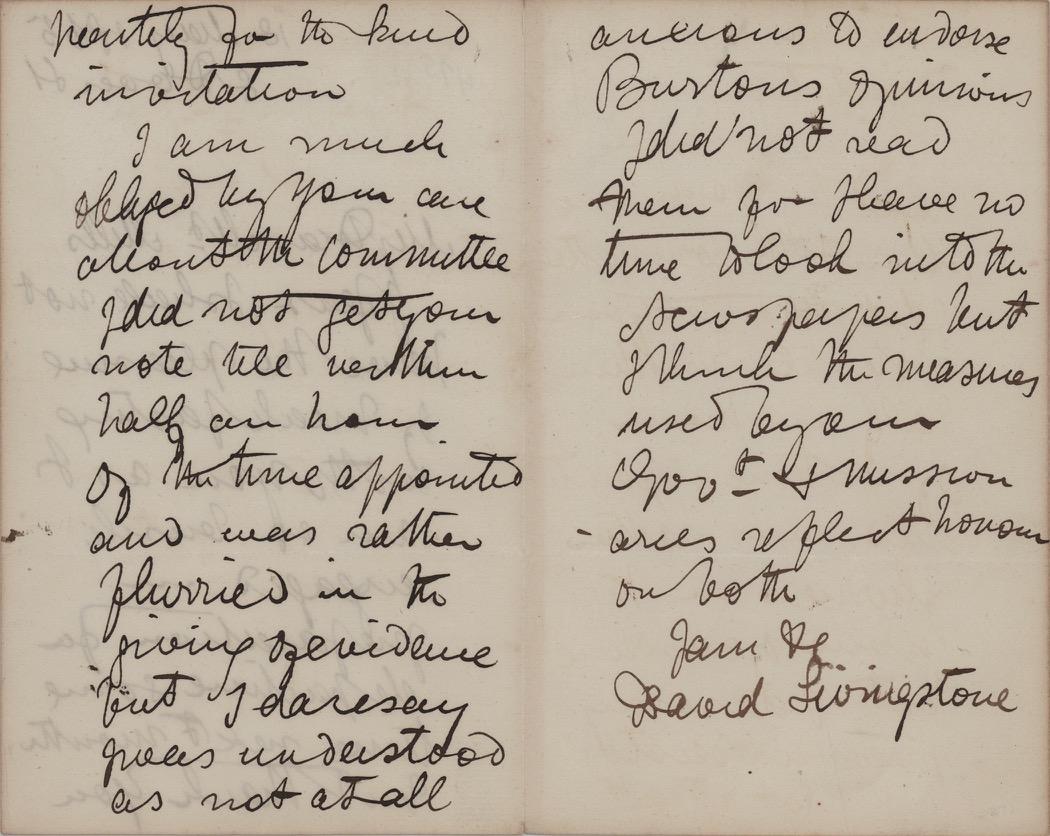
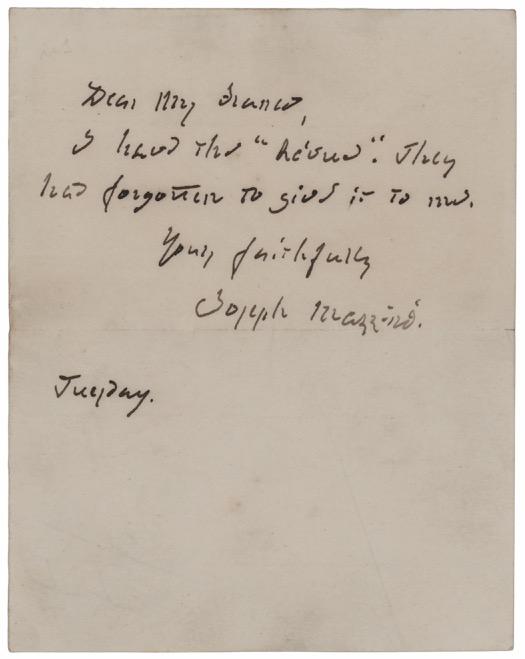
321. Giuseppe Mazzini Autograph Note Signed Starting Bid $200
325. Robert A. Millikan
Typed Letters Signed Starting Bid $200
314. Austen Henry Layard Autograph Letter Signed:
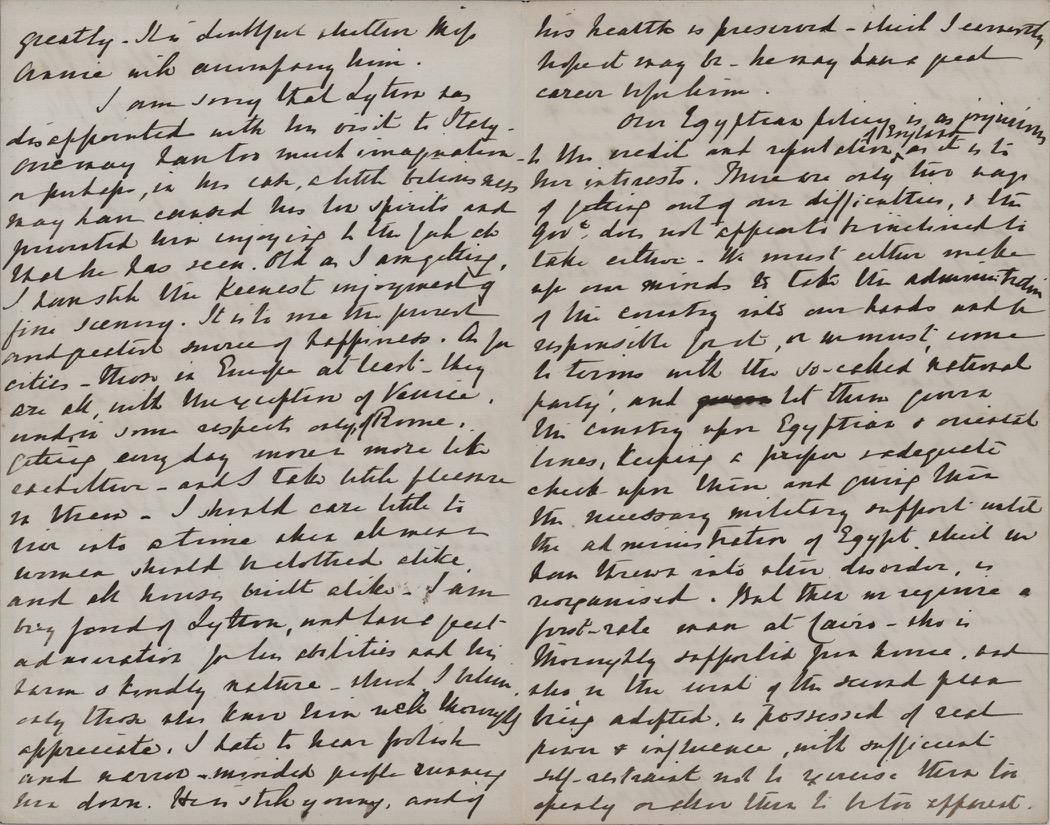
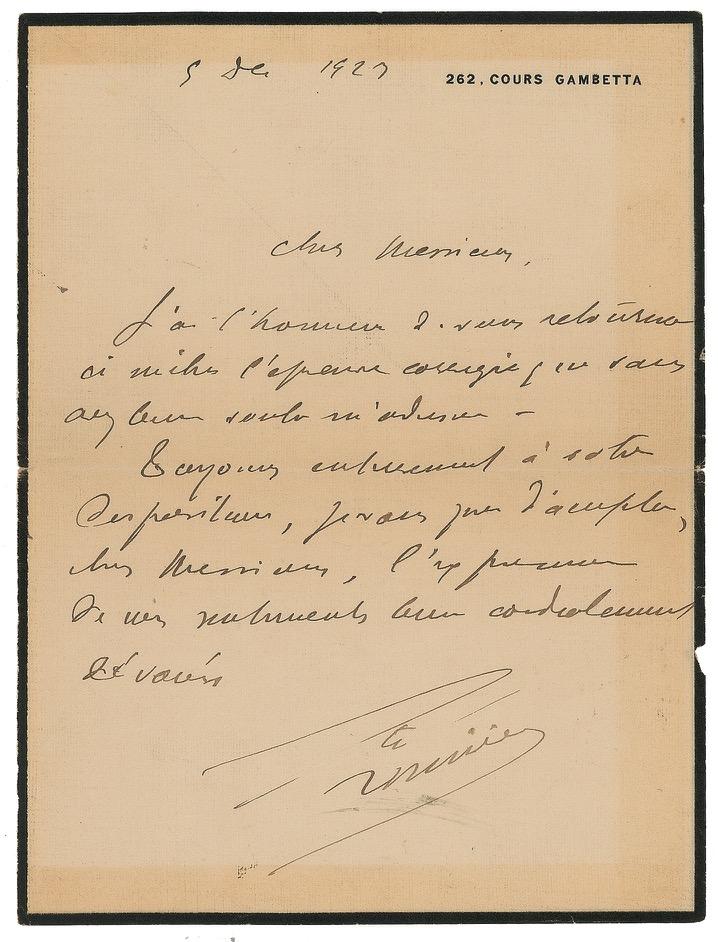
318. Auguste Lumiere Autograph Letter Signed Starting Bid $200
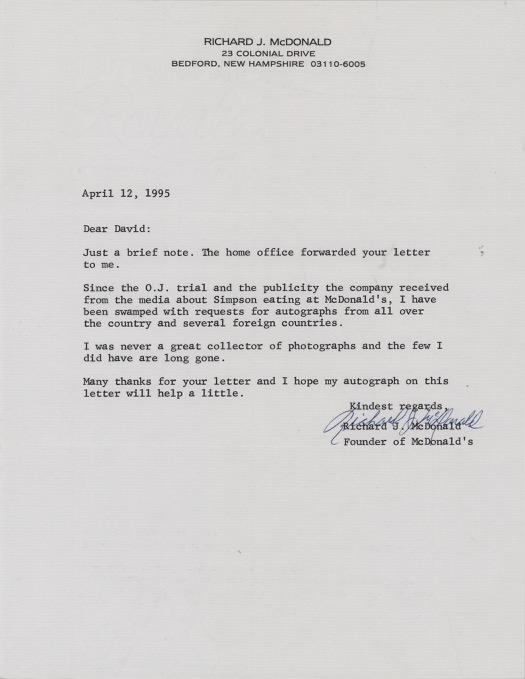
322. Richard McDonald Typed Letter Signed on "the publicity the compan... Starting Bid $200
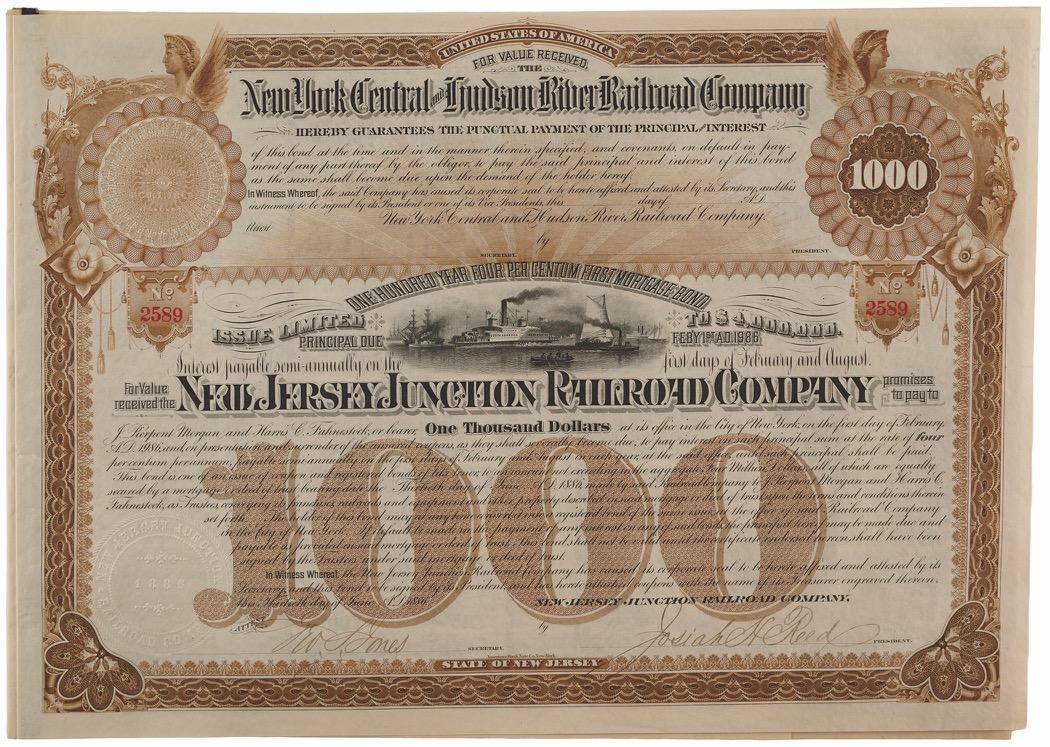
326.
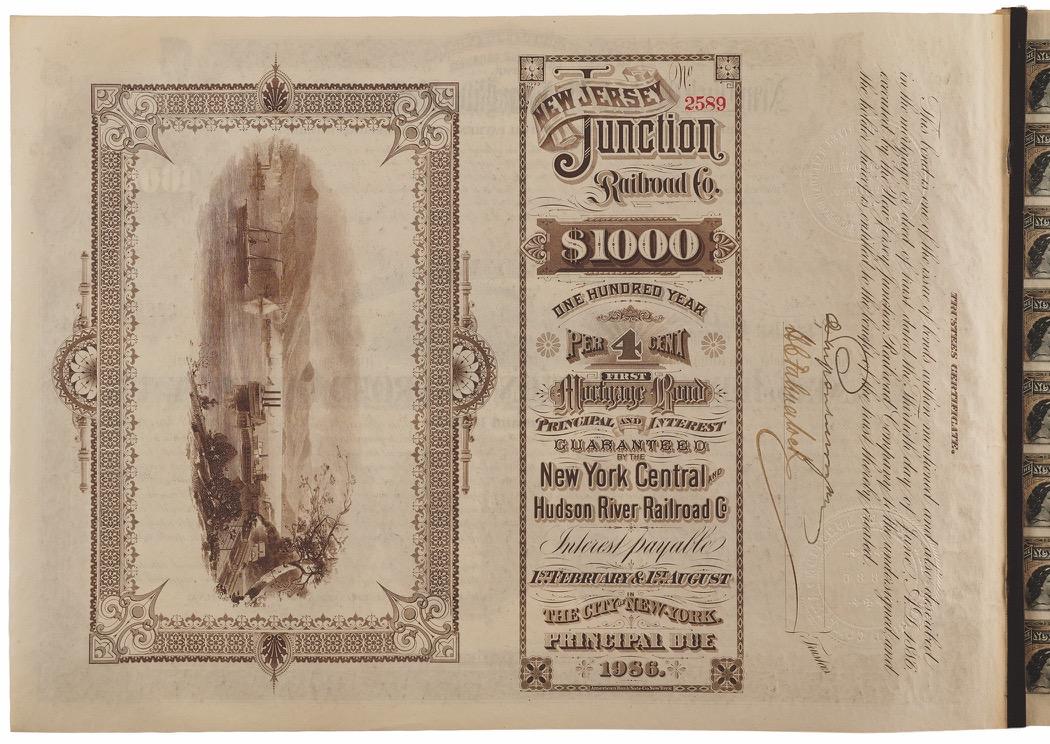
315. Justus von Liebig Autograph Letter Signed on Filing for Patent Starting Bid $200
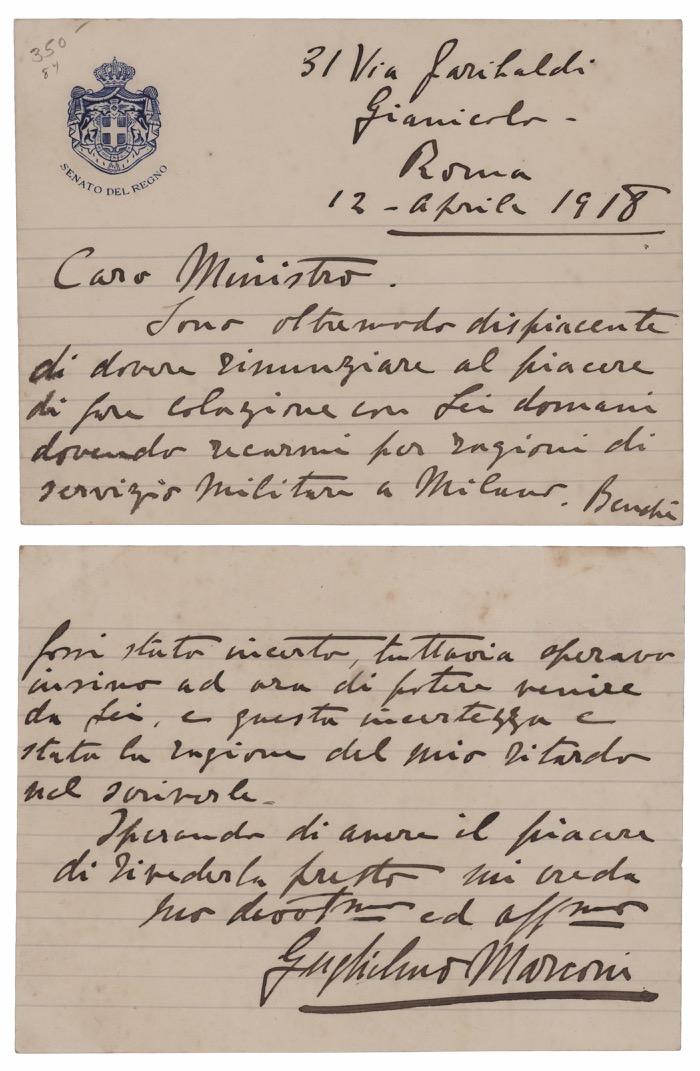
319. Guglielmo Marconi Autograph Letter Signed
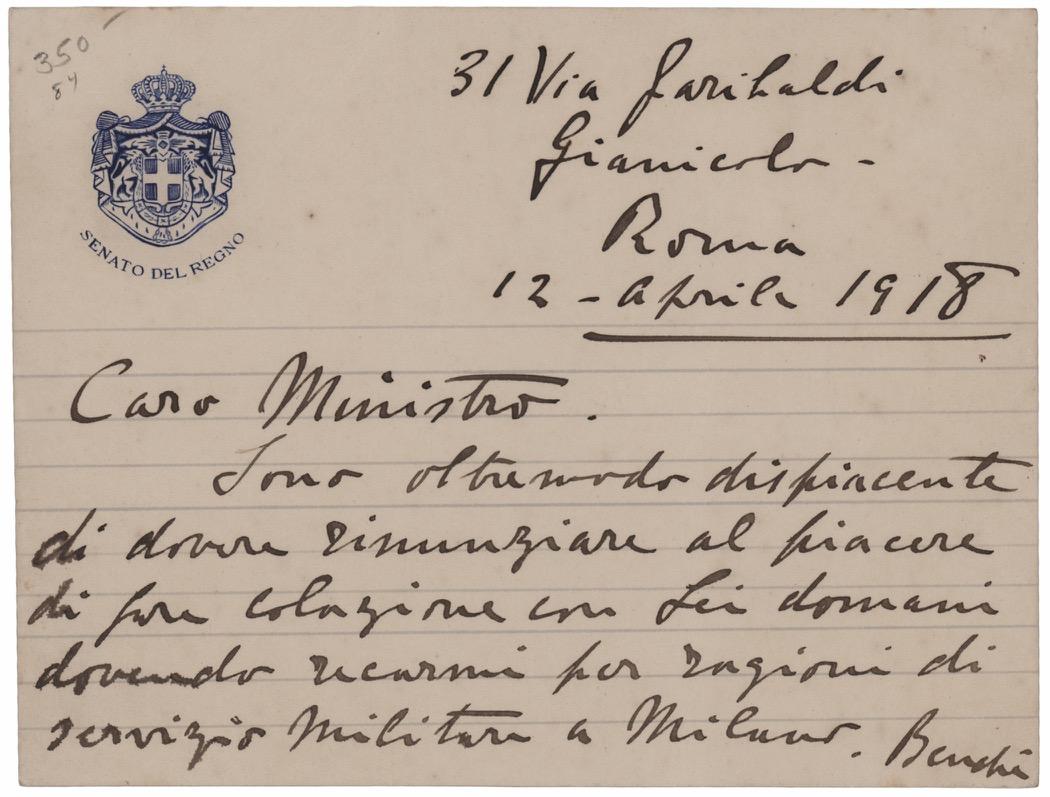
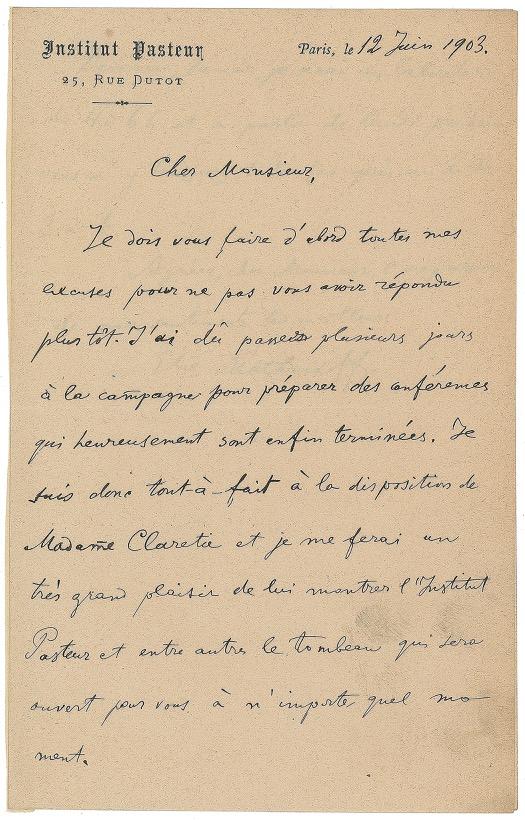
323. Elie Metchnikoff Autograph Letter SignedPioneering Immune Syst...
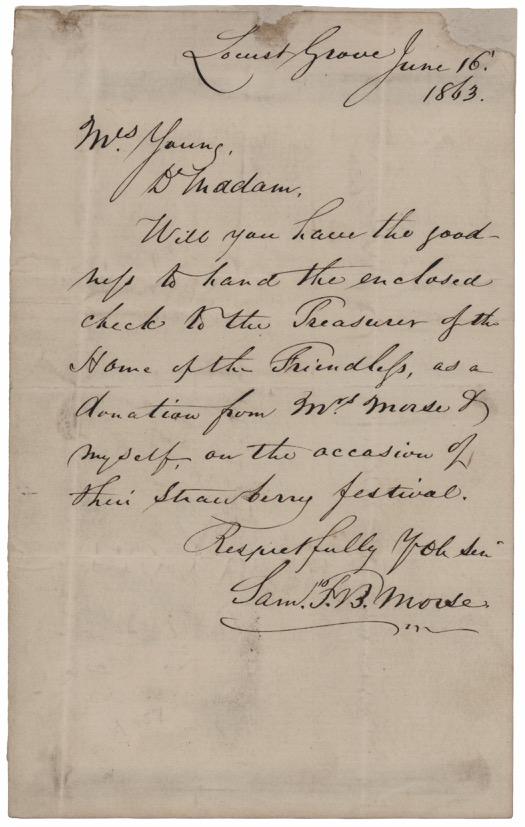
327. Samuel
Autograph Letter Signed Starting Bid $200
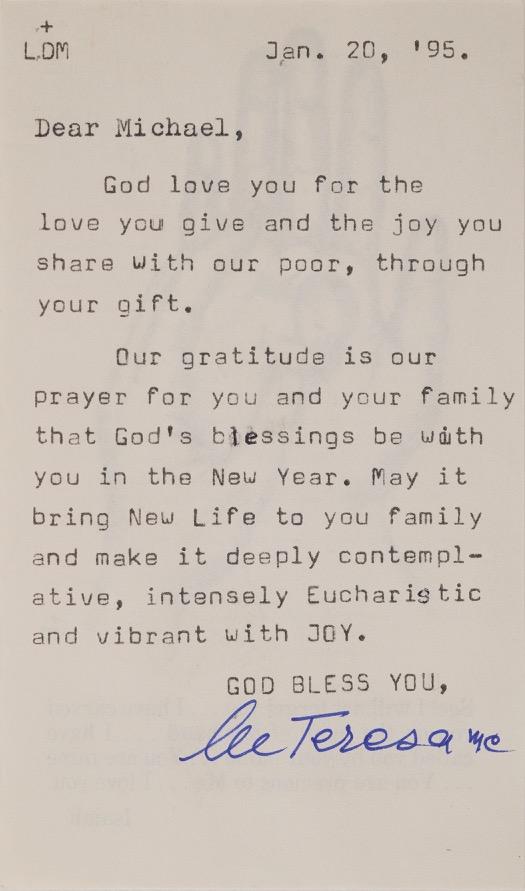
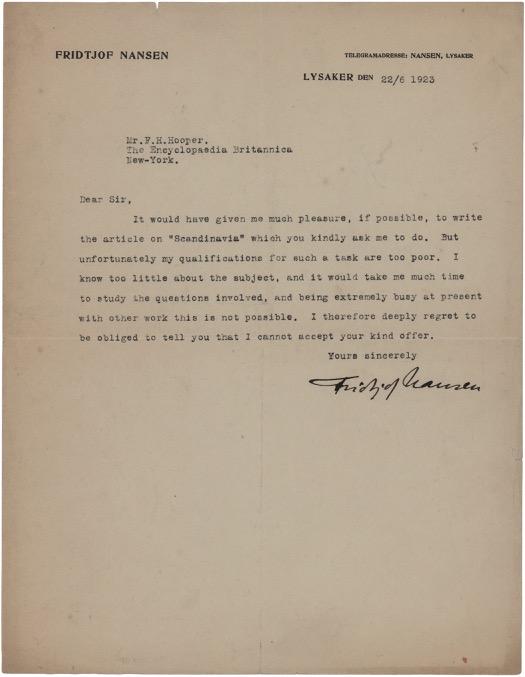
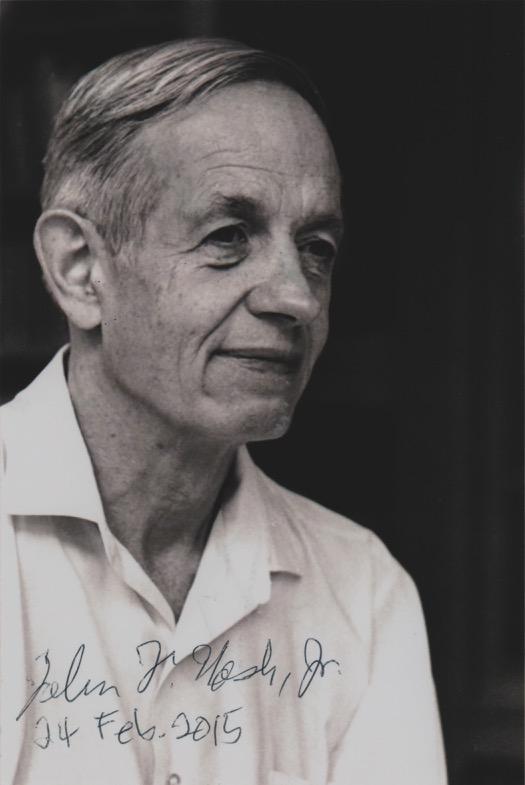
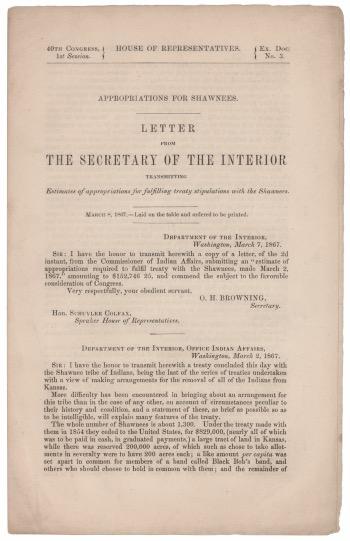
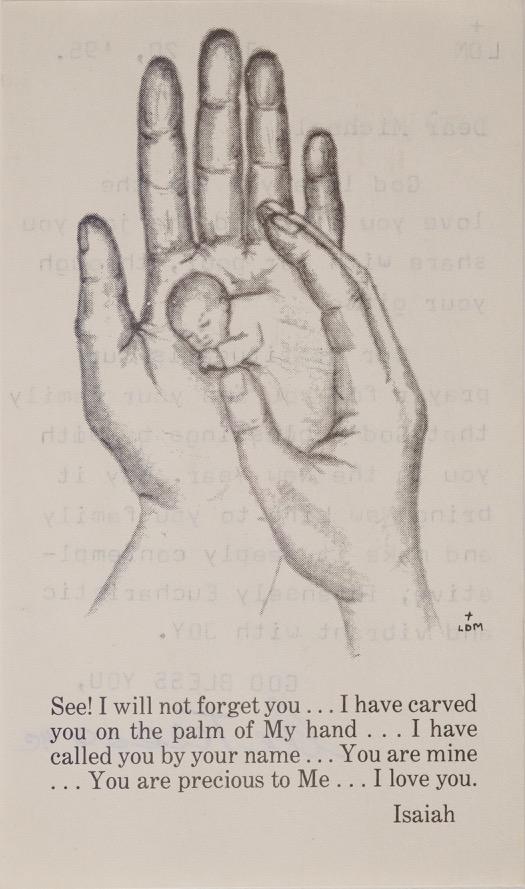
328. Mother Teresa Typed Starting Bid $200
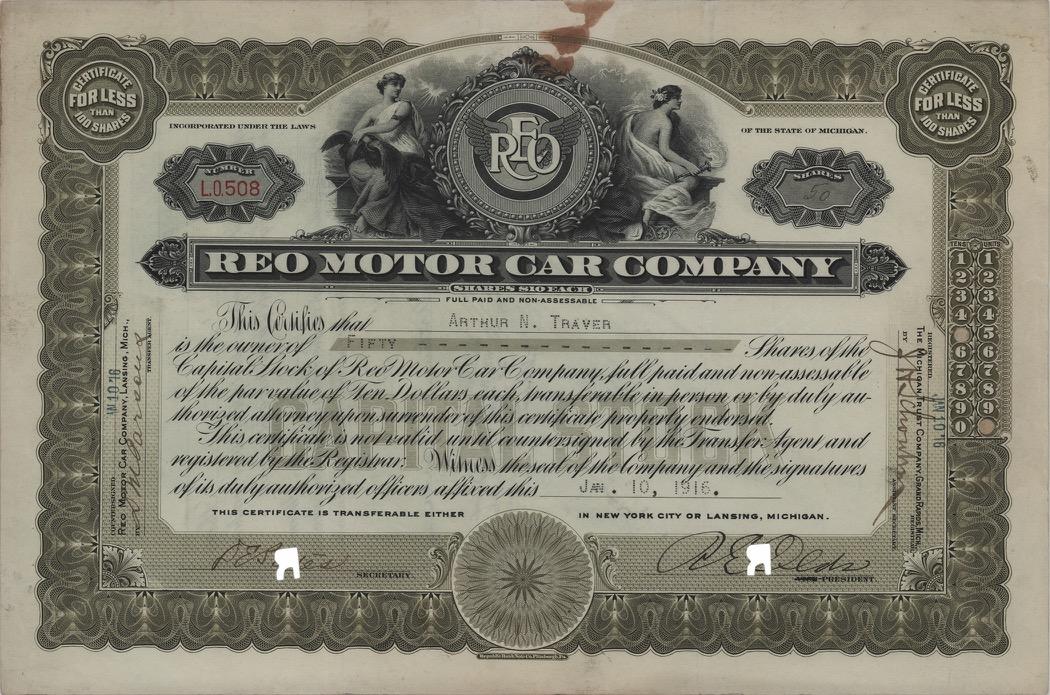
332.
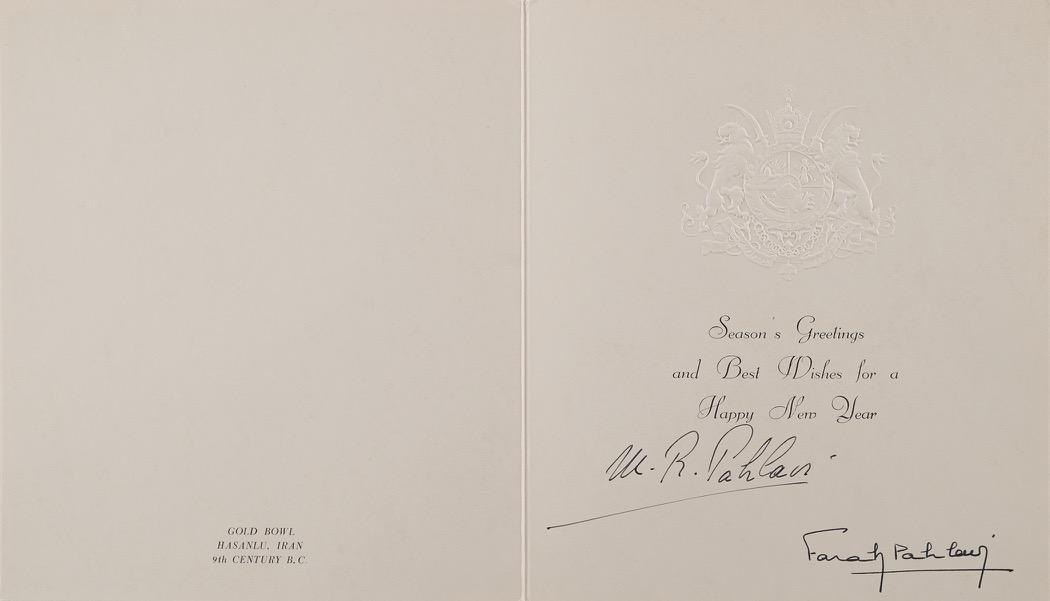
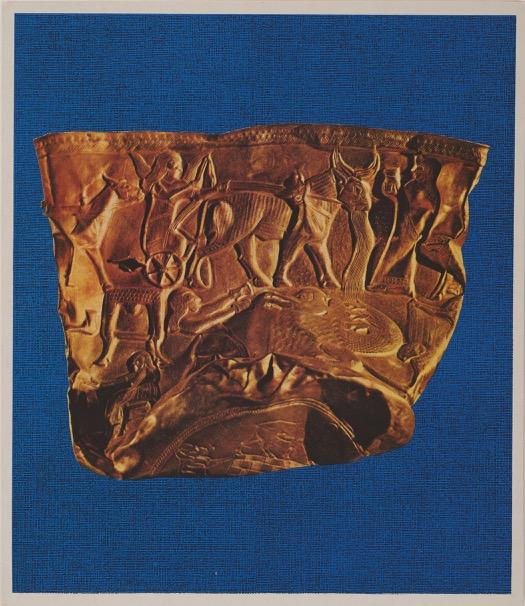
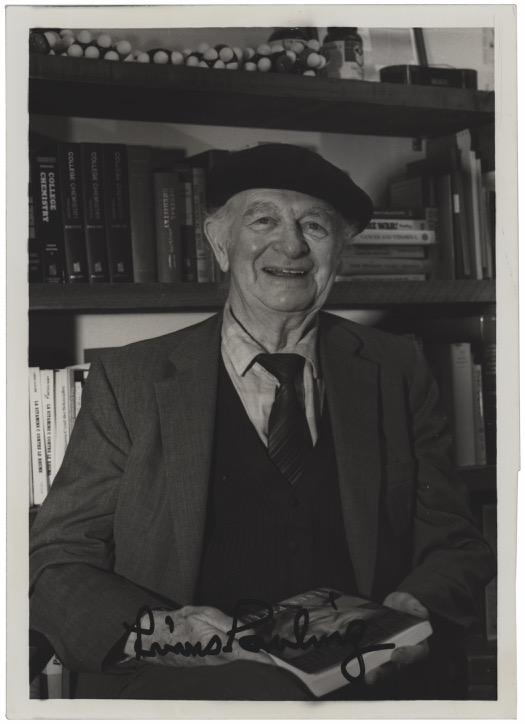
329. Fridtjof Nansen Typed Letter Signed, Declining to Write an Encycl... Starting Bid $200
333. William Osler Autograph Letter Signed on Medical Cases Starting Bid $200
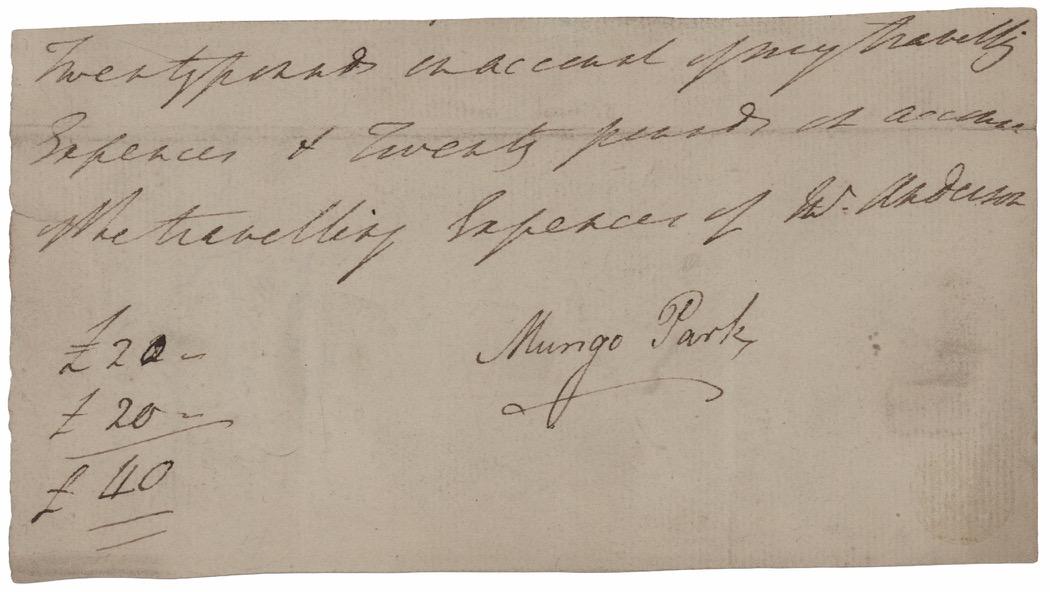
337.
Park Document Signed Starting Bid $200
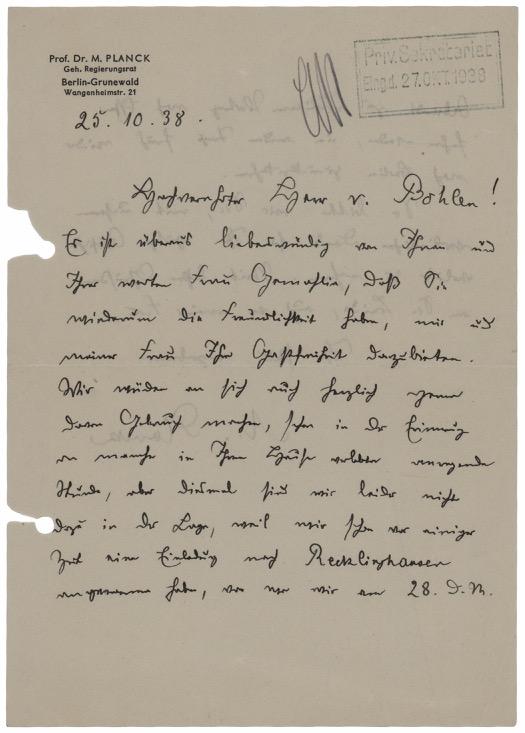
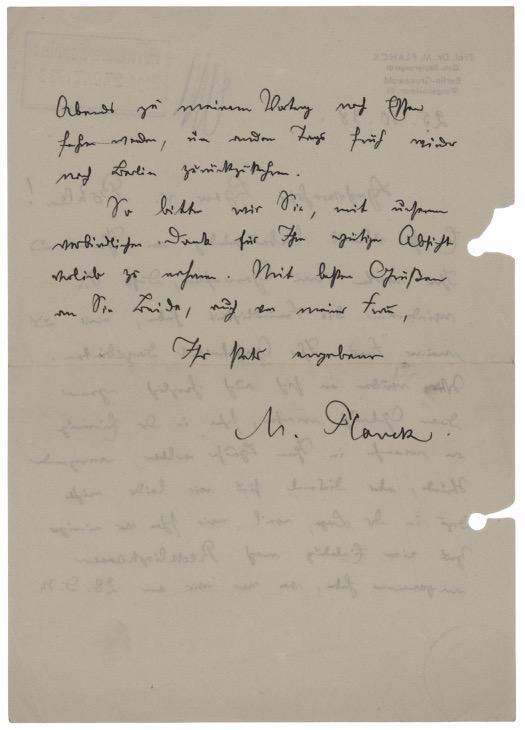
330. John Nash Signed Photograph Starting Bid $200
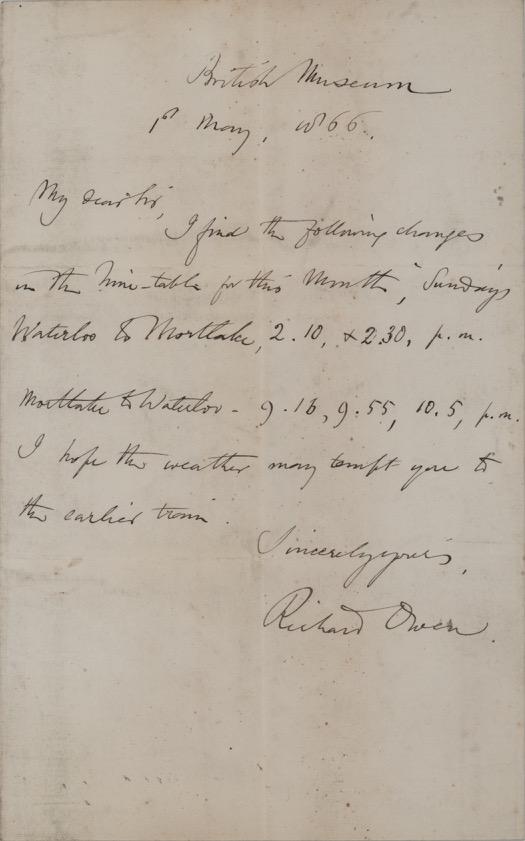
334. Richard Owen Autograph Letter Signed Starting Bid $200
331. Native Americans: Official Printing of a Letter on "Appropriation
335. James Paget ThirdPerson Autograph Note Signed Starting Bid $200
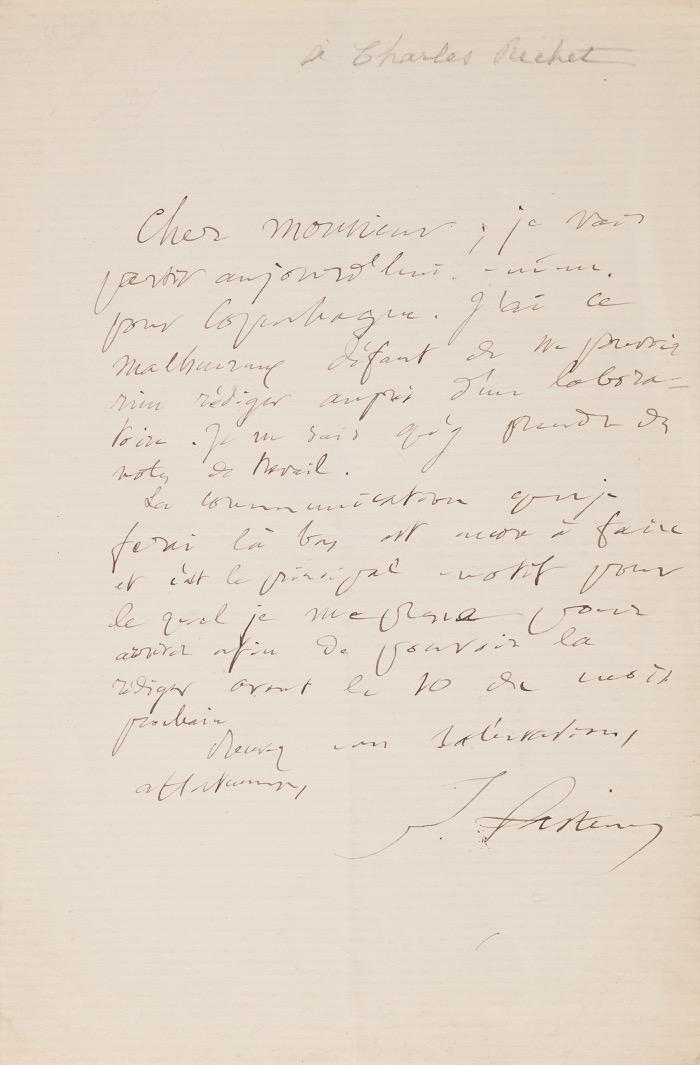
339. Louis
Autograph Letter Signed, Asking for Help from a Fut... Starting Bid $200
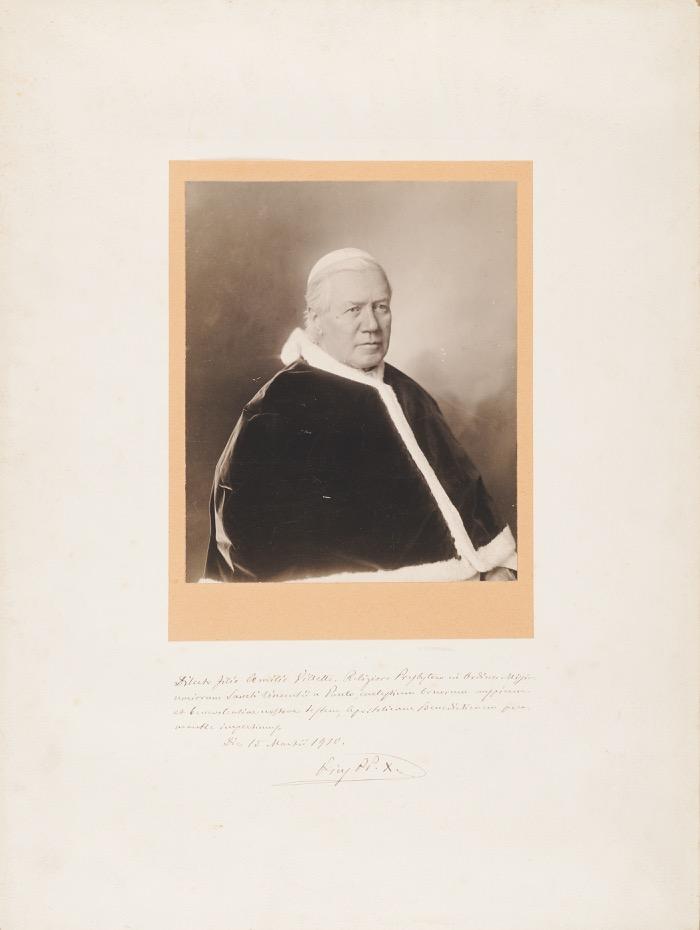
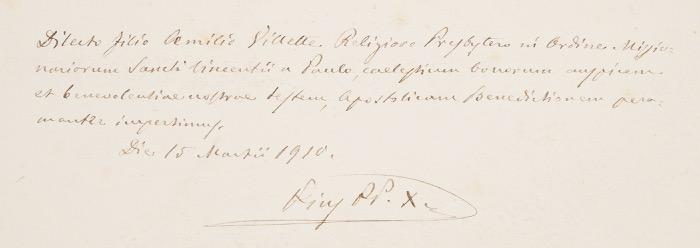
344.
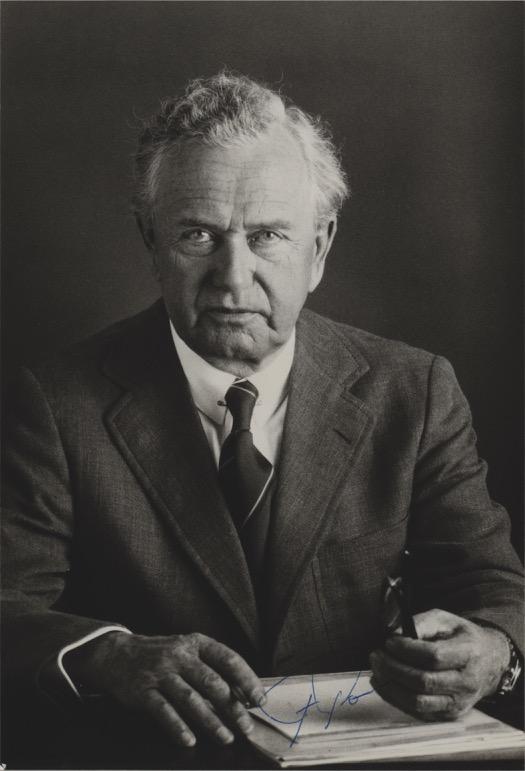
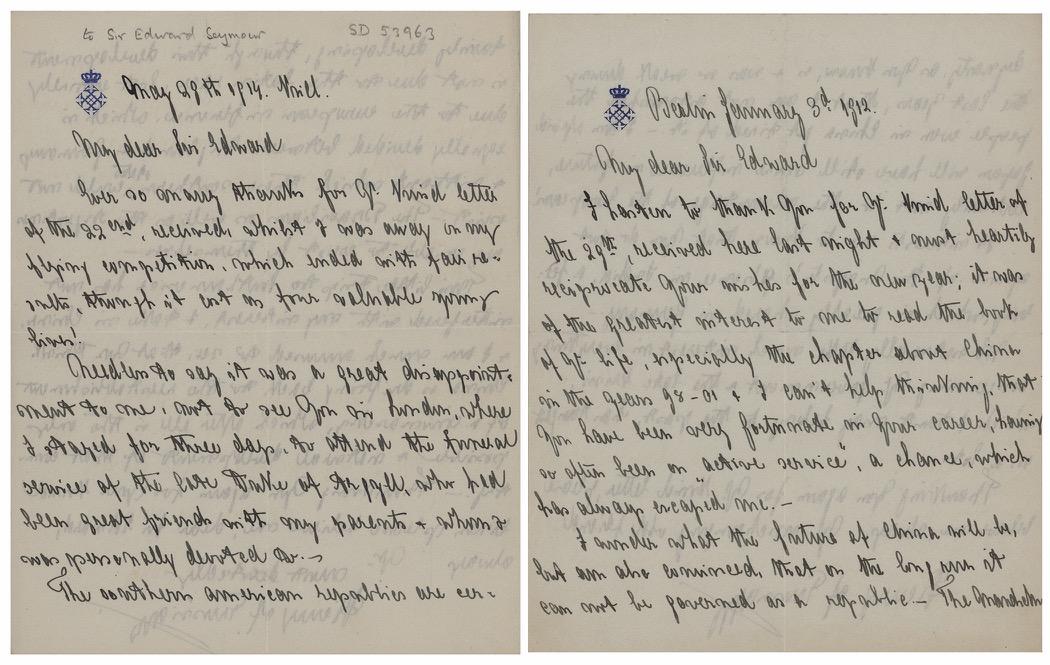
345.
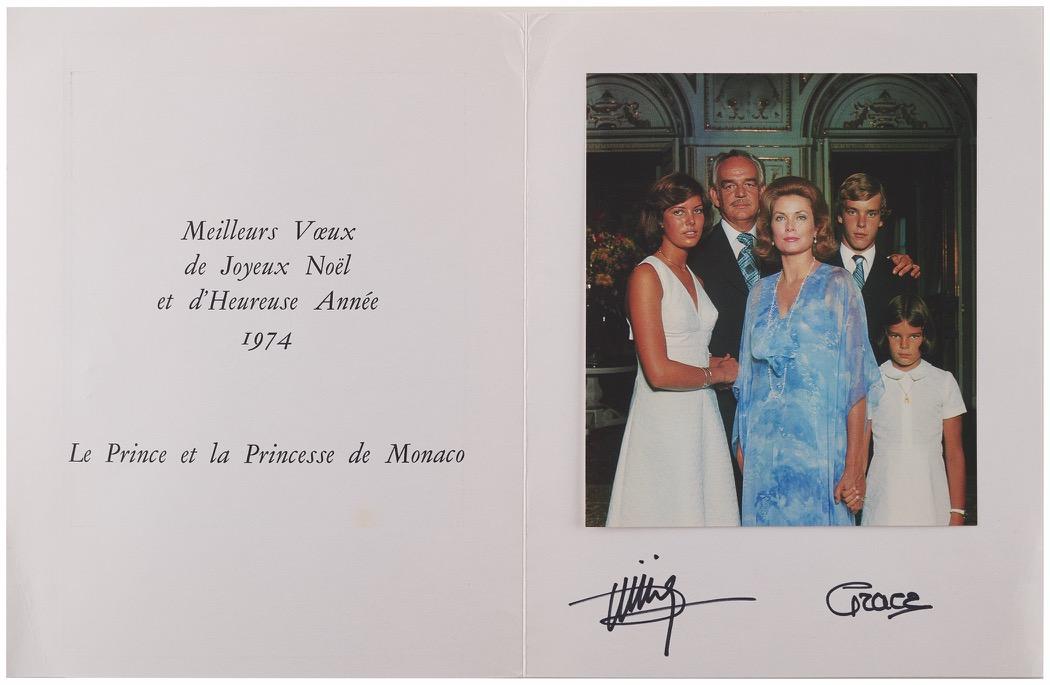
348.
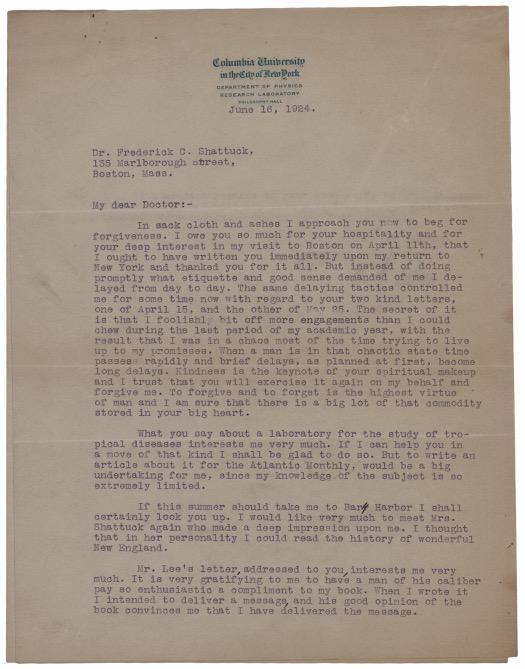
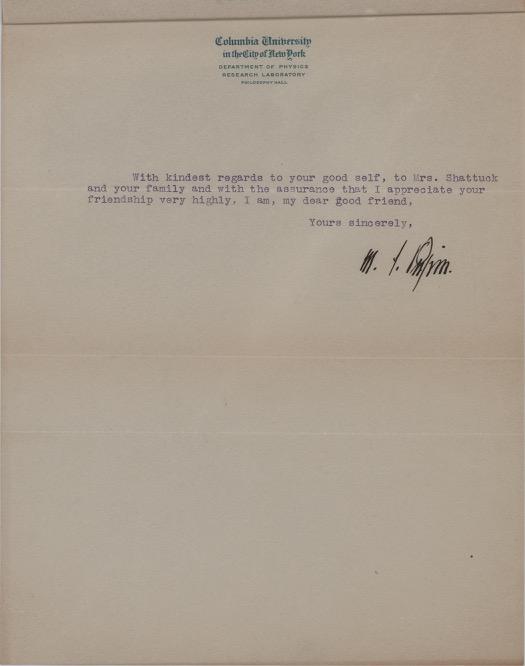
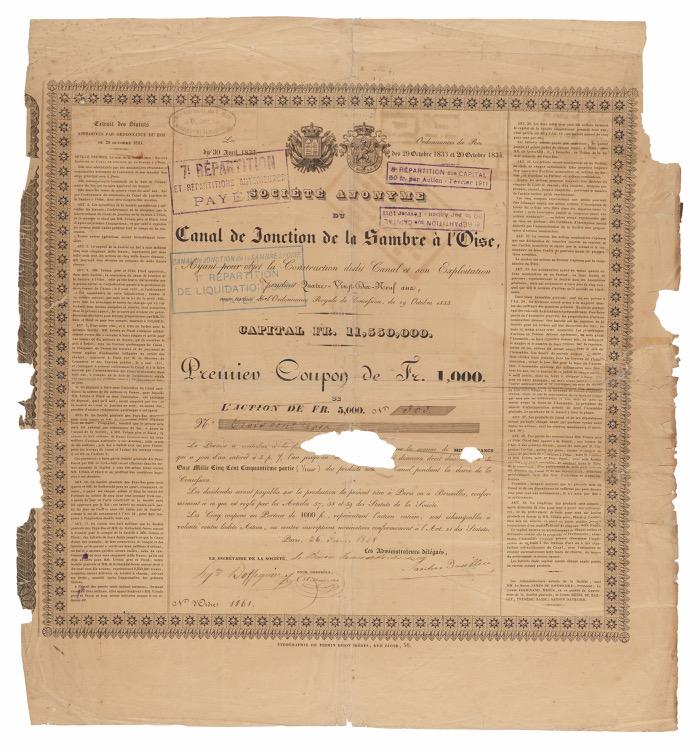
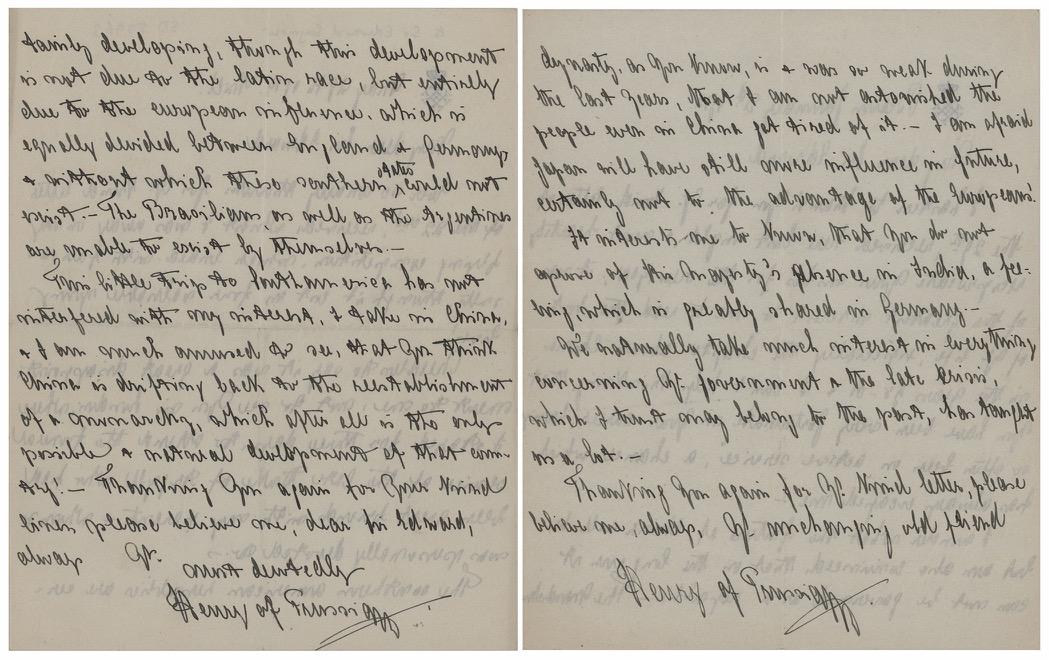
349. Prohibition: 1923 Liquor Prescription for Whiskey Starting Bid
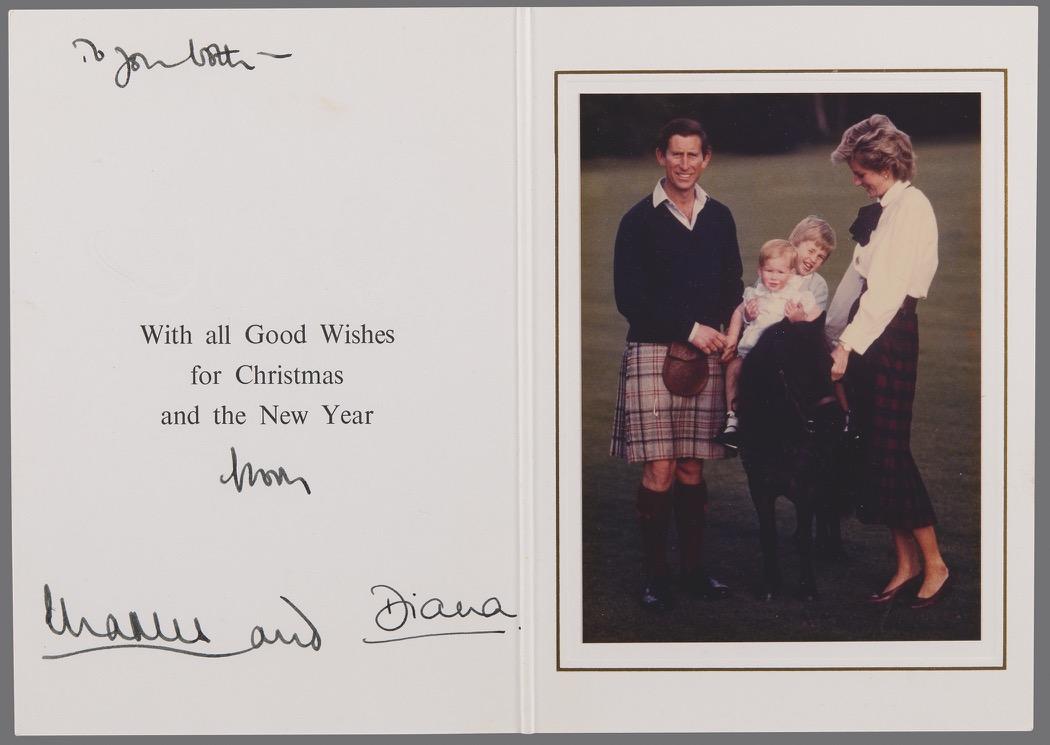
346.
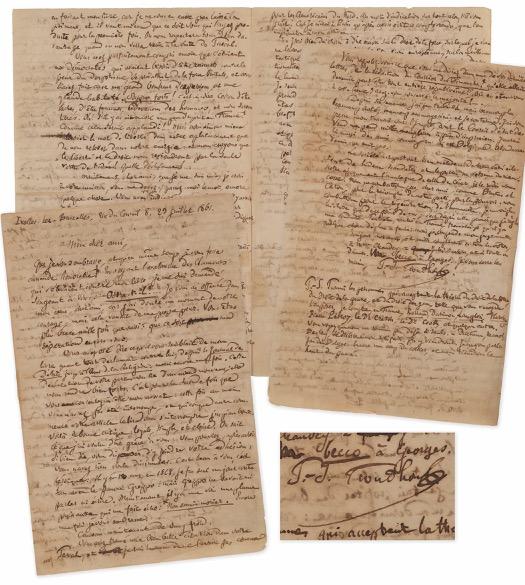
350. Pierre-Joseph Proudhon Autograph Letter Signed
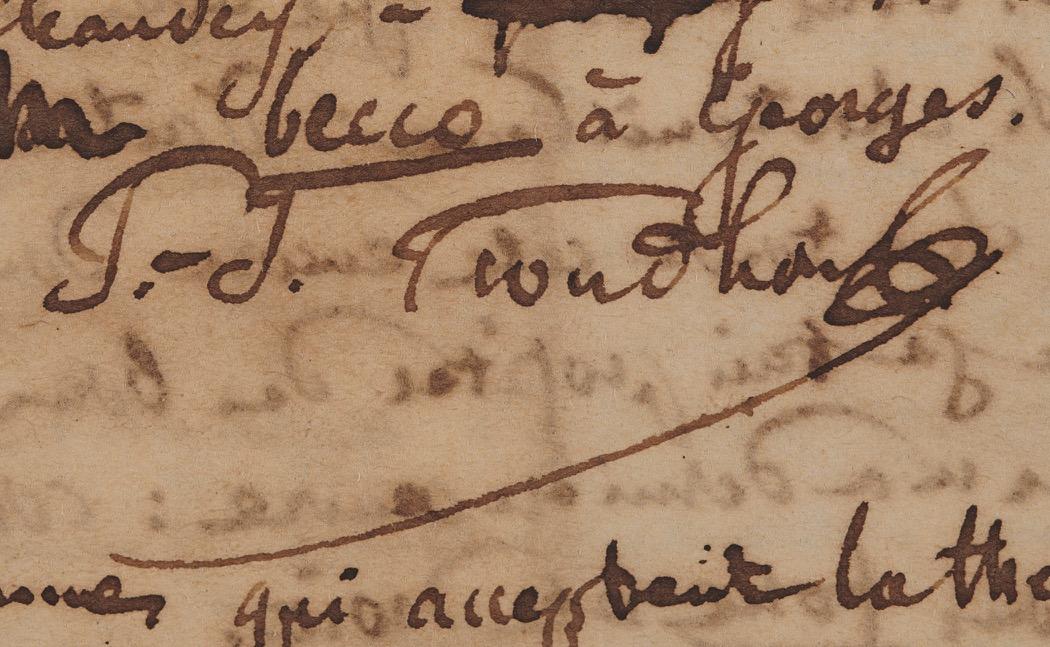
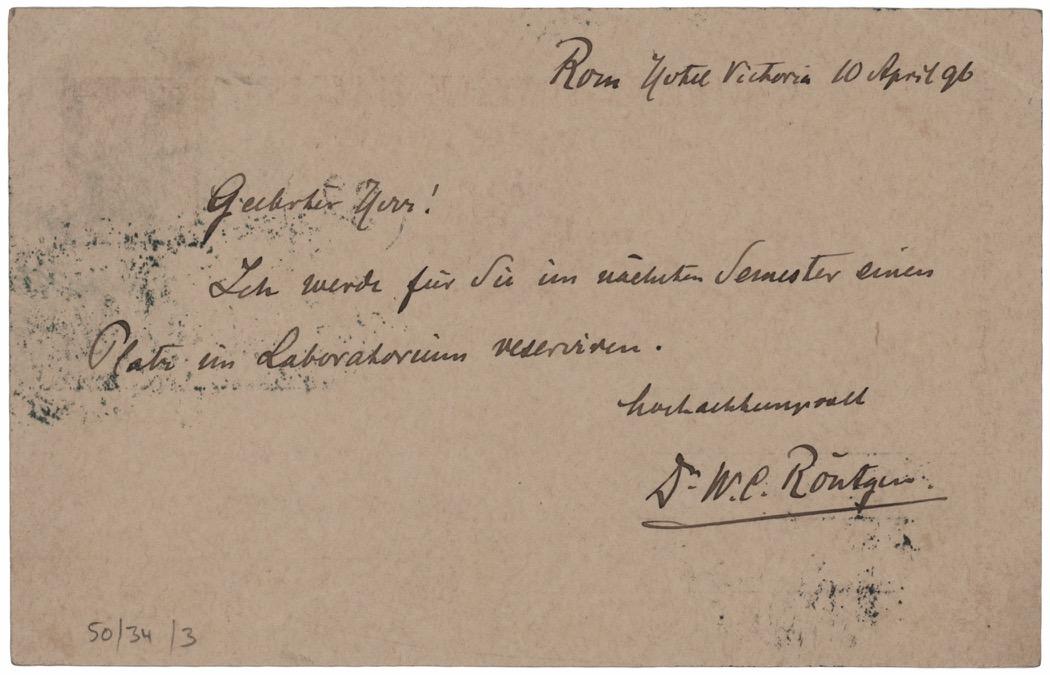
354.
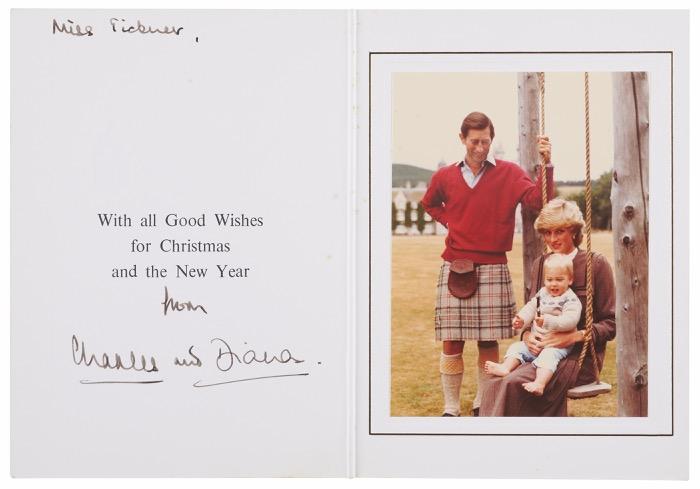
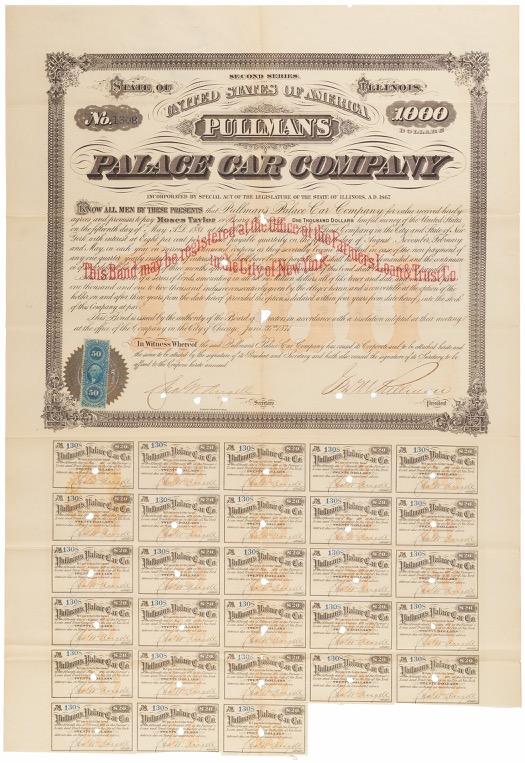
351.
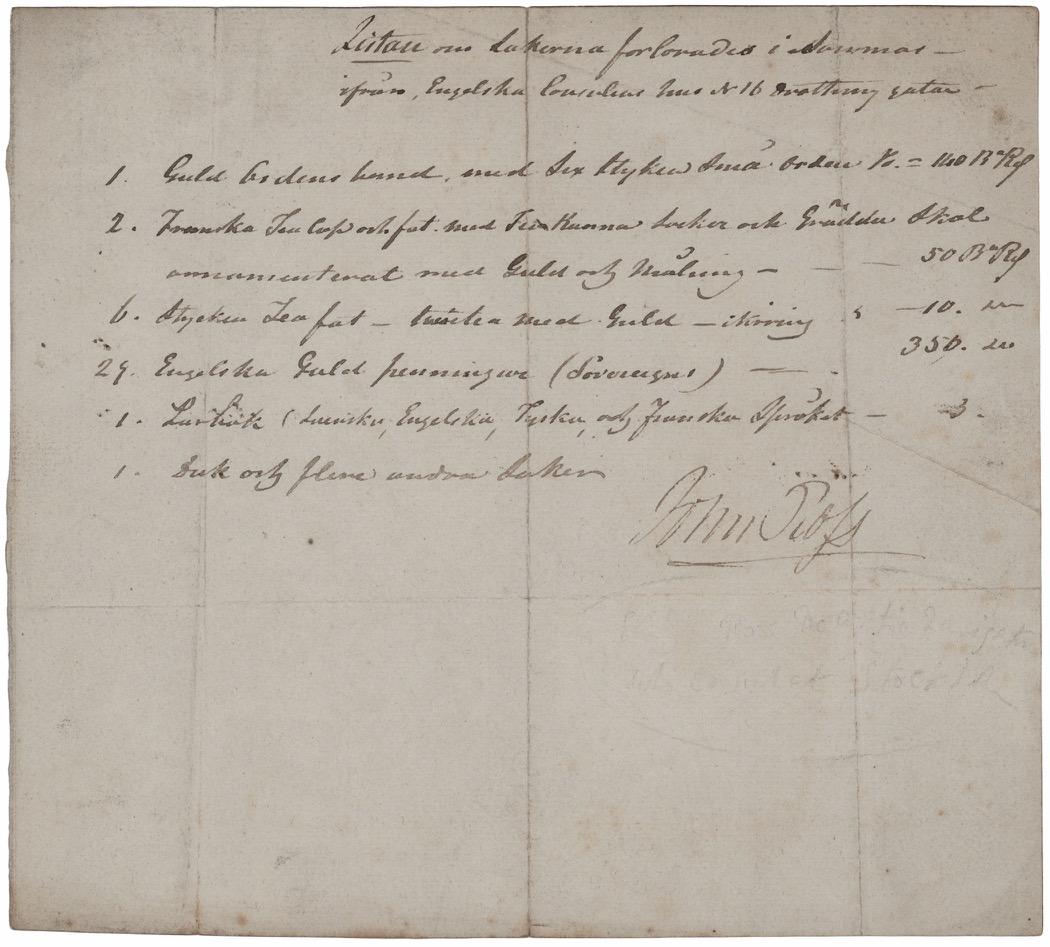
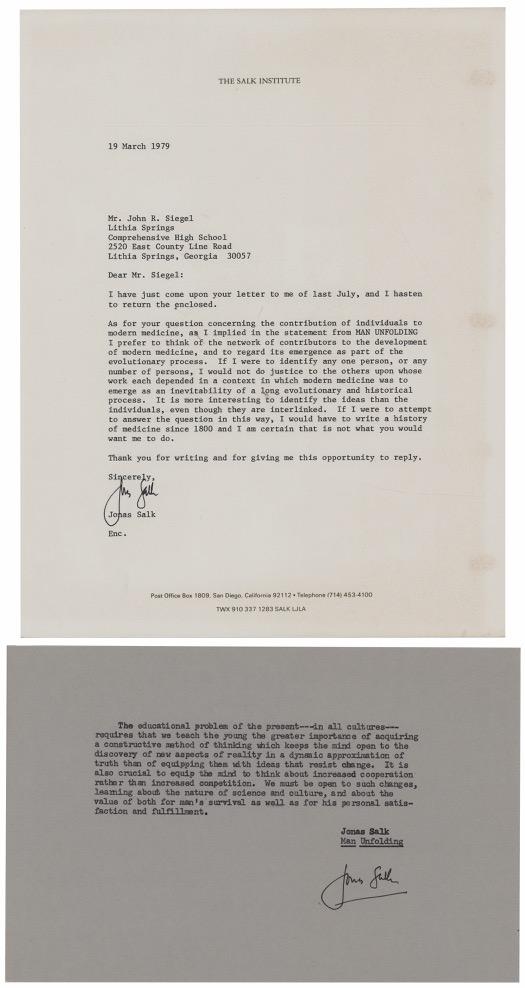
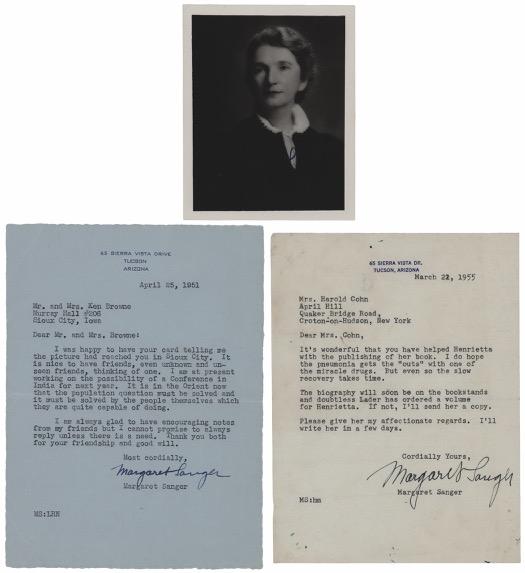
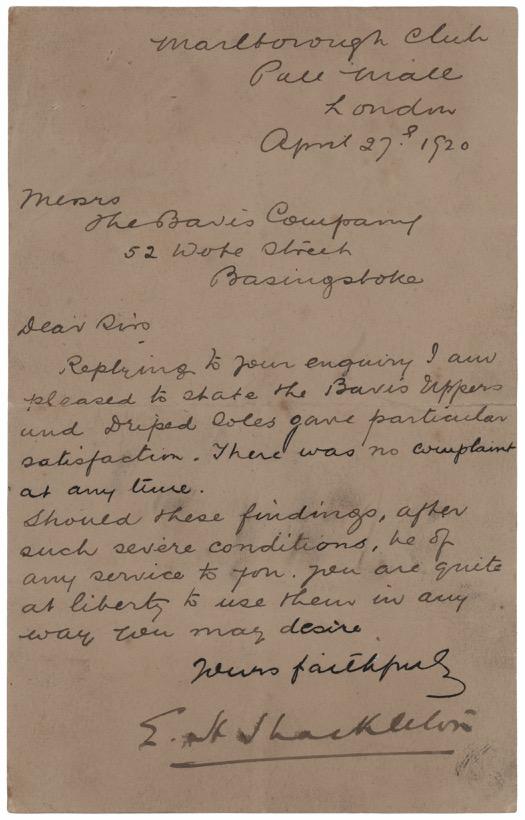
360. Ernest Shackleton Letter Signed, Praising the Boots Used on His A... Starting Bid $200
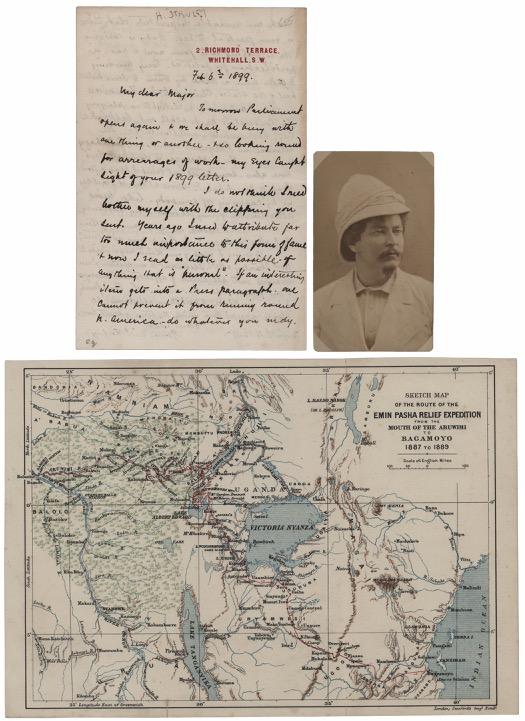
364.
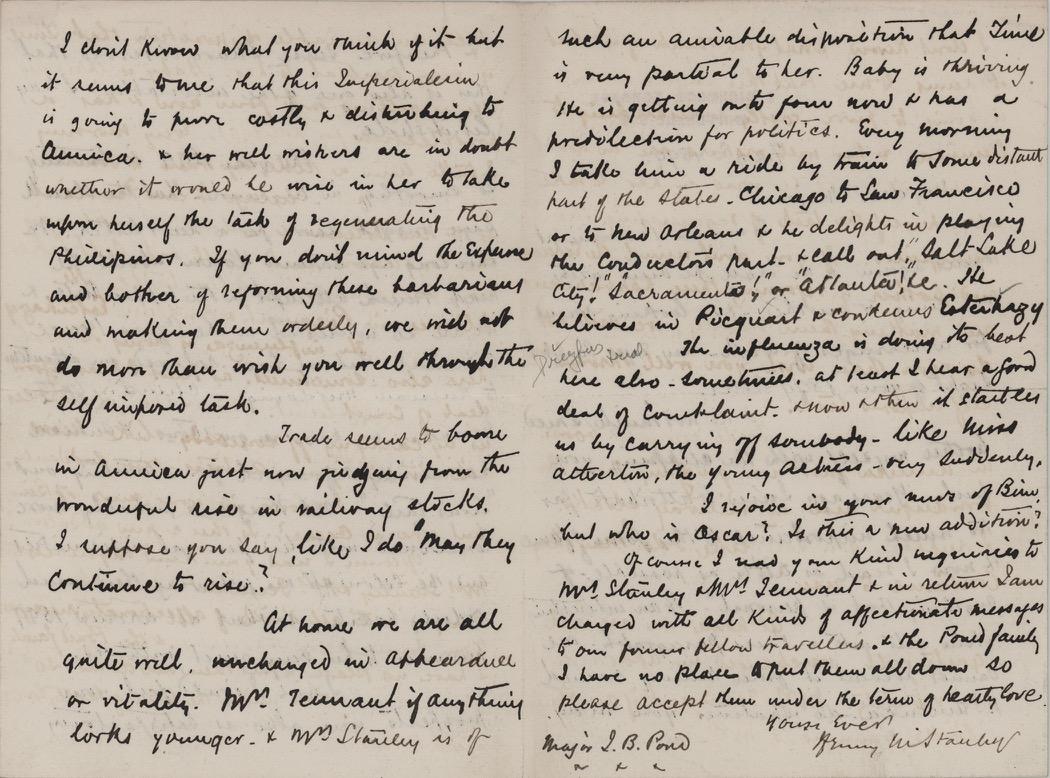
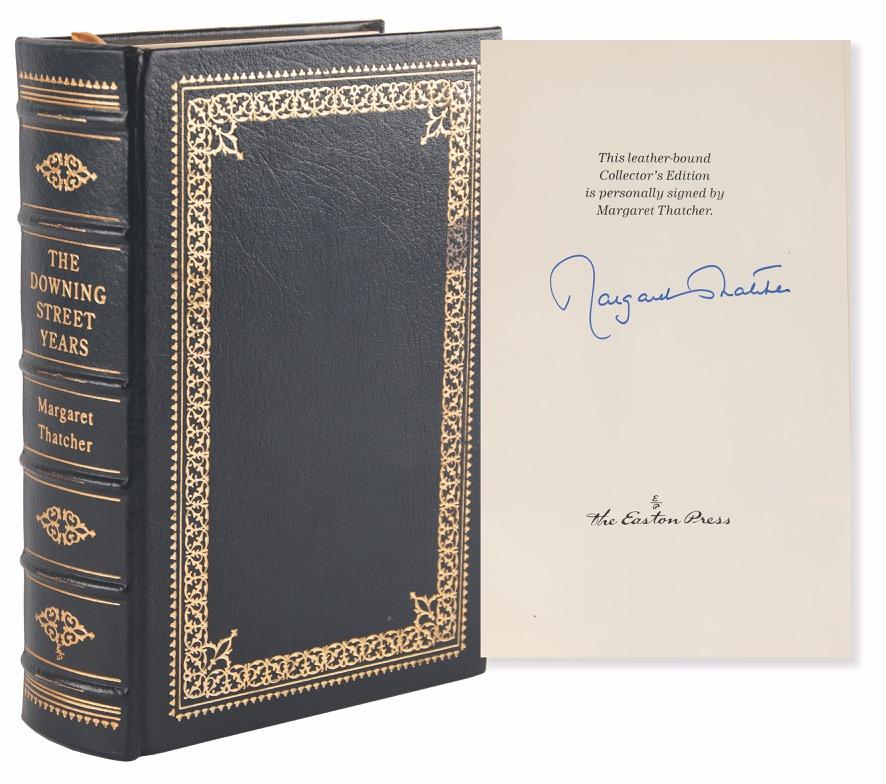
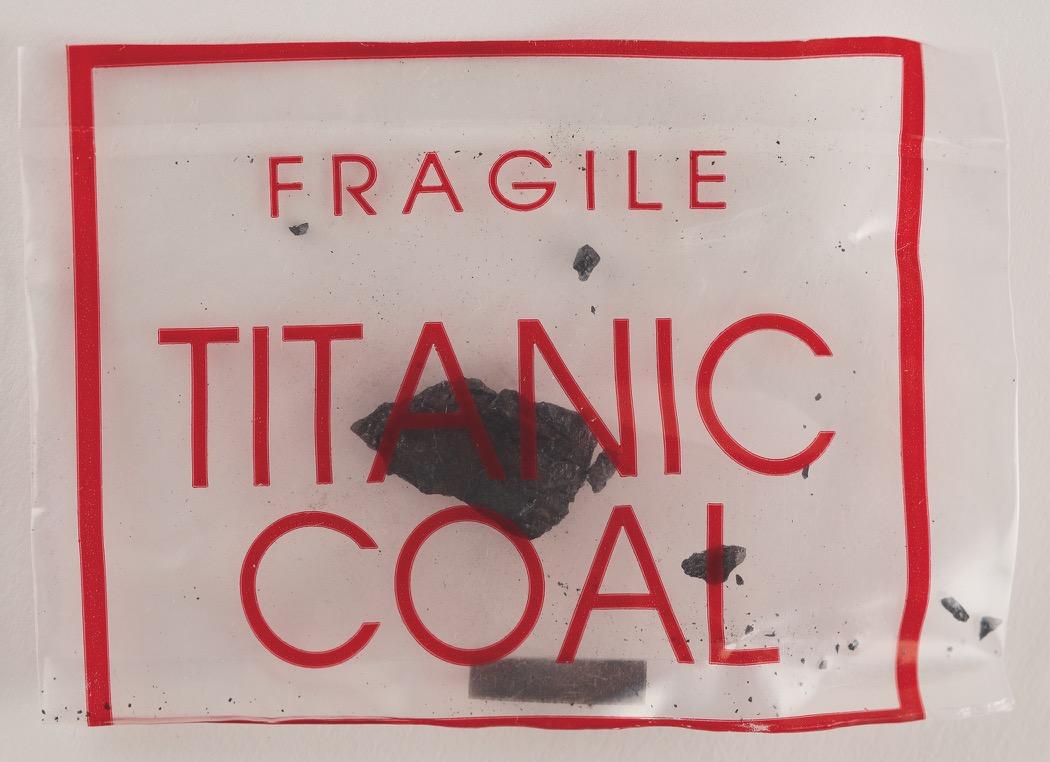
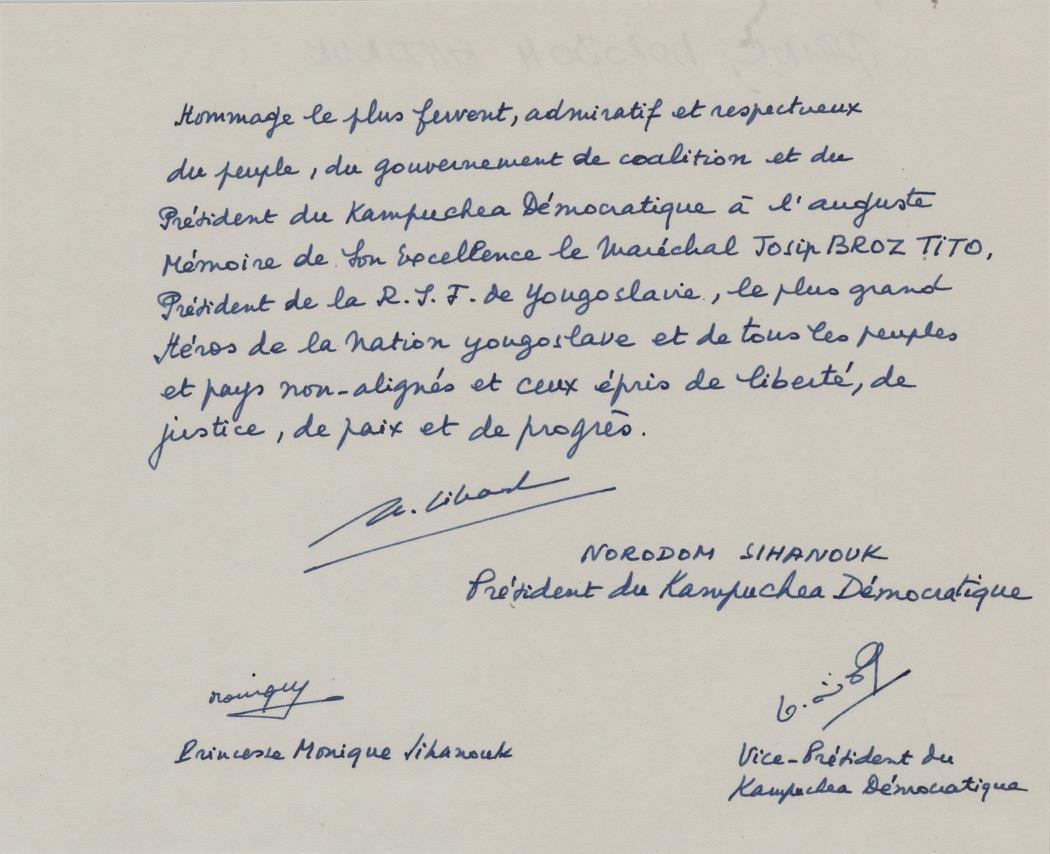
361. Norodom Sihanouk Testimonial Signed, Honoring Josip Broz Tito Starting Bid $200
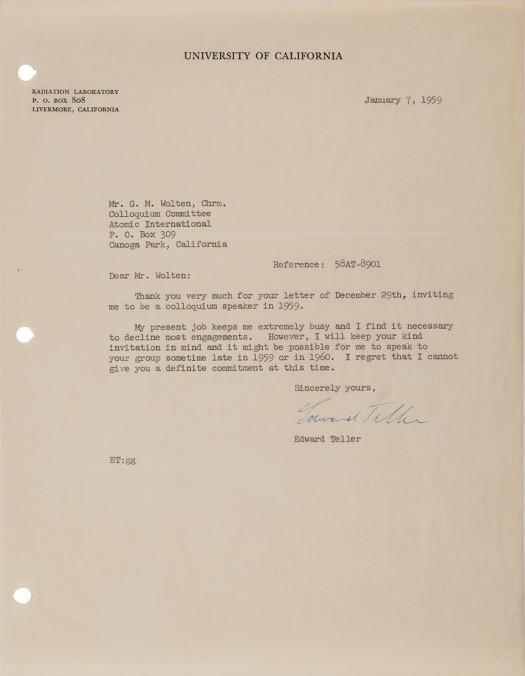
365.
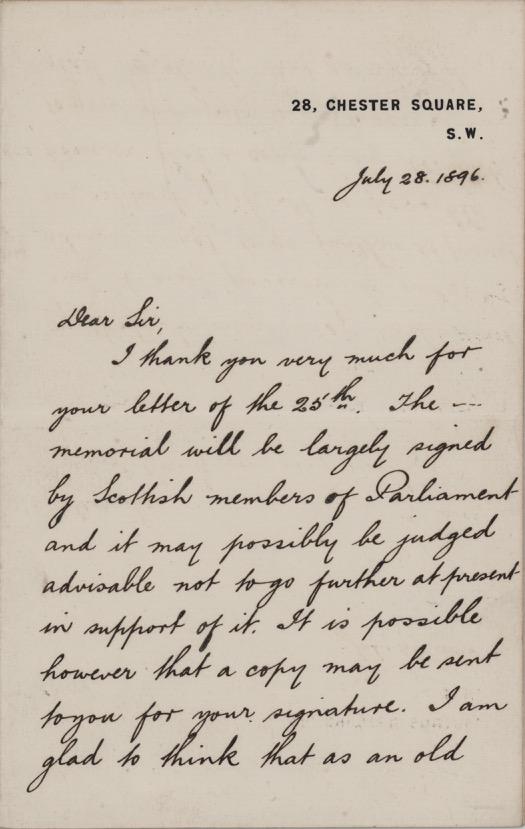
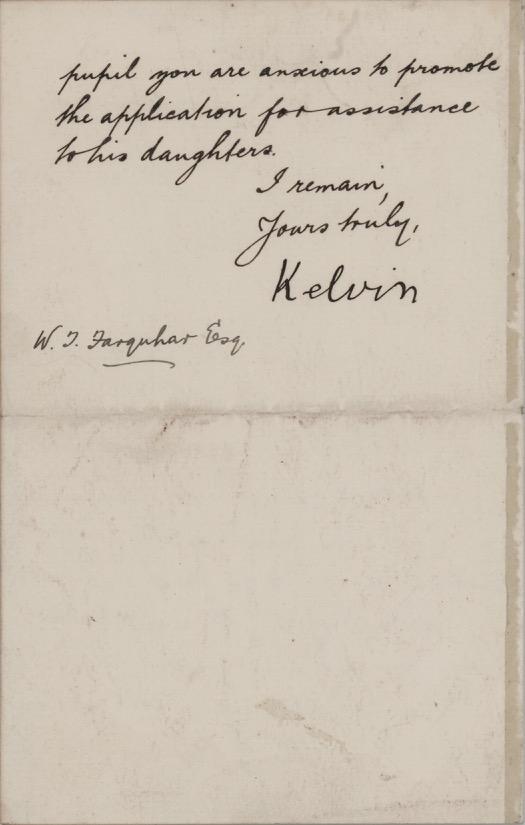
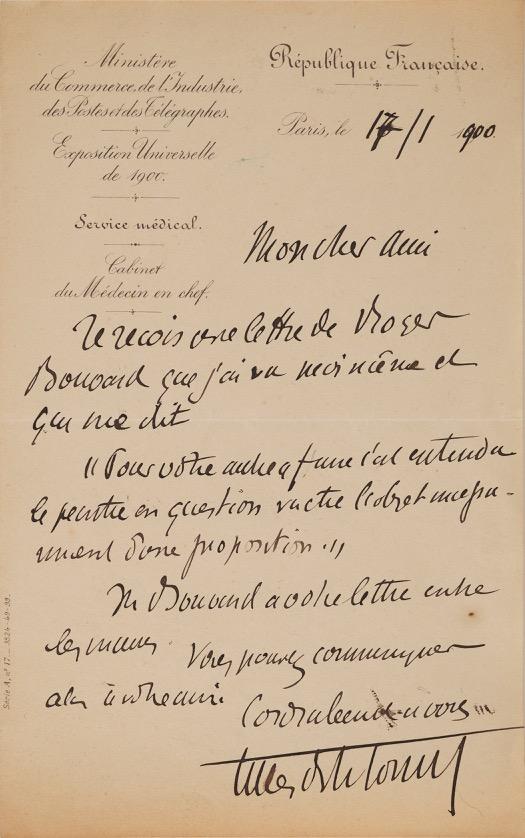
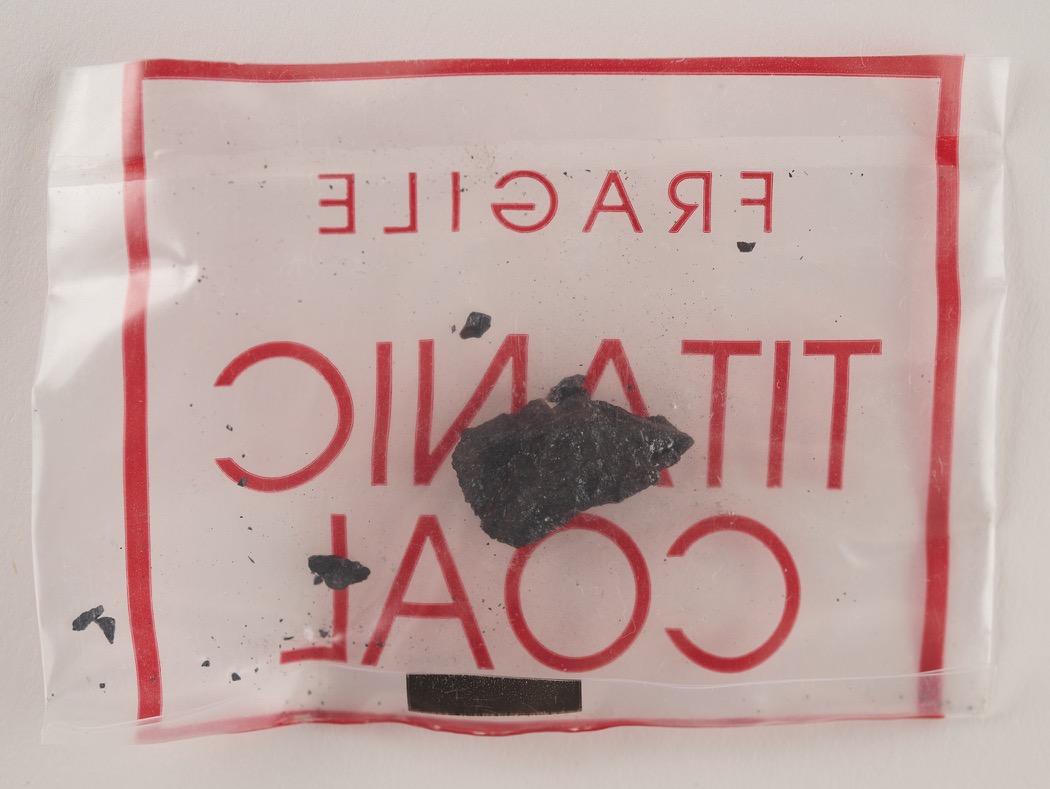
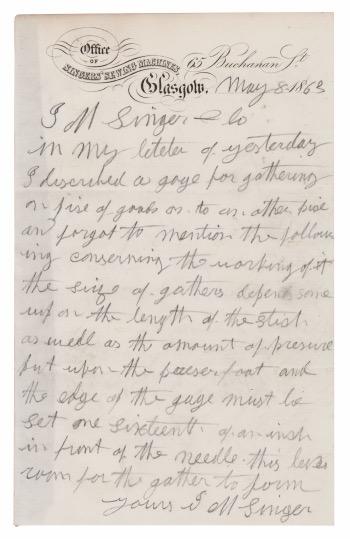
362. Isaac M. Singer Autograph Letter Signed on Improvements to His Se... Starting Bid $200
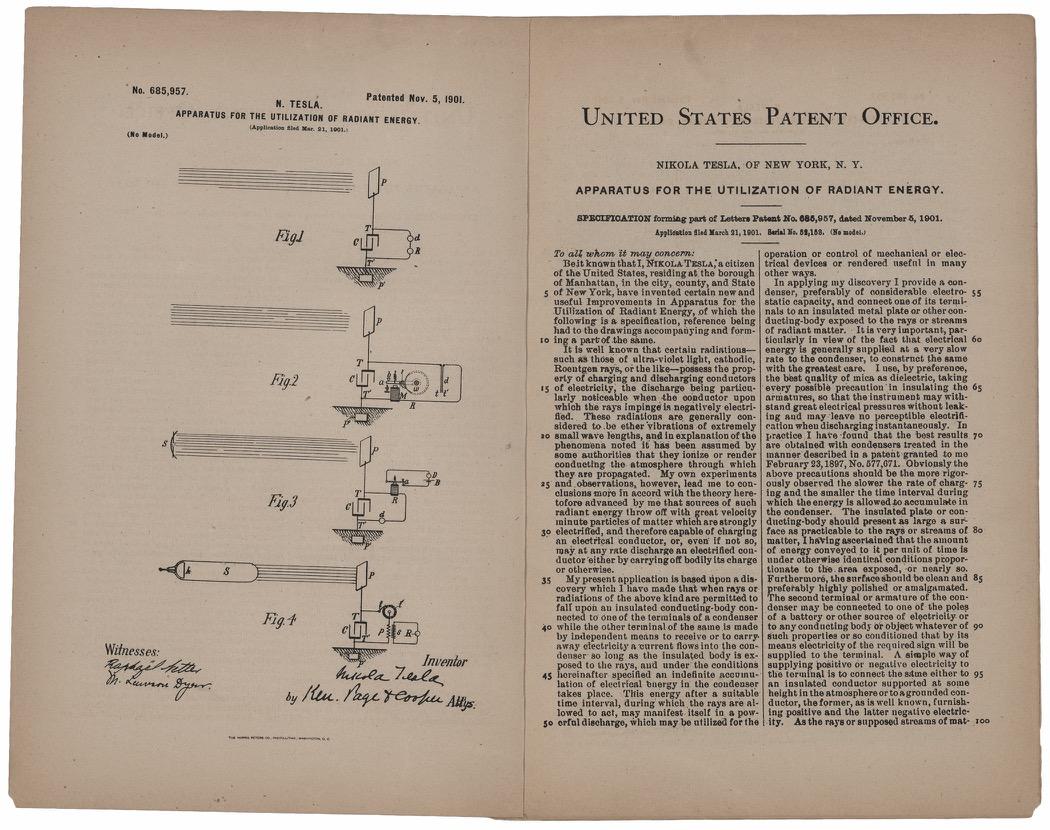
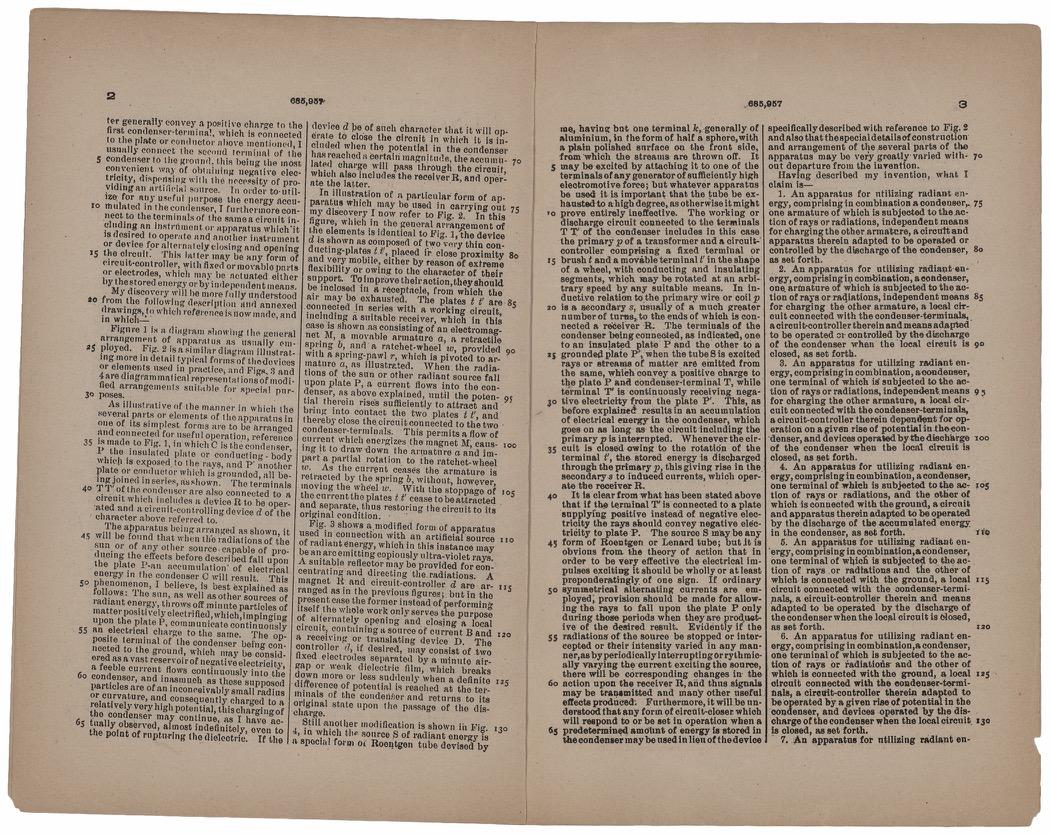
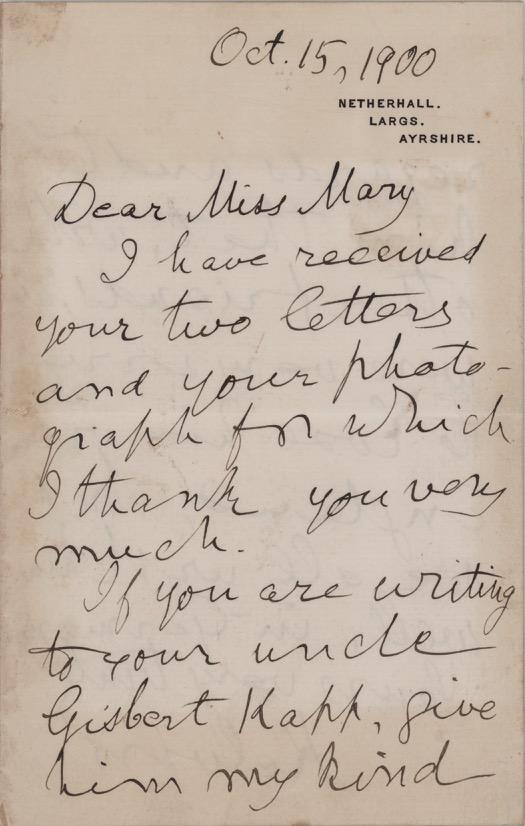
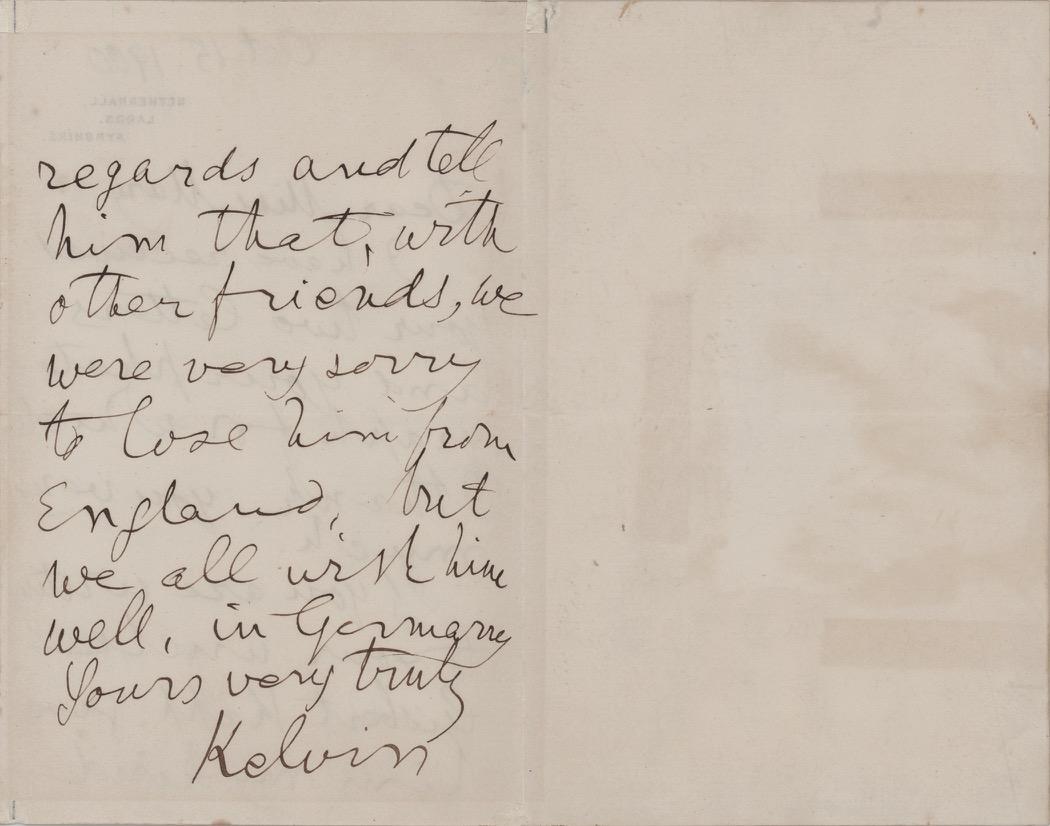
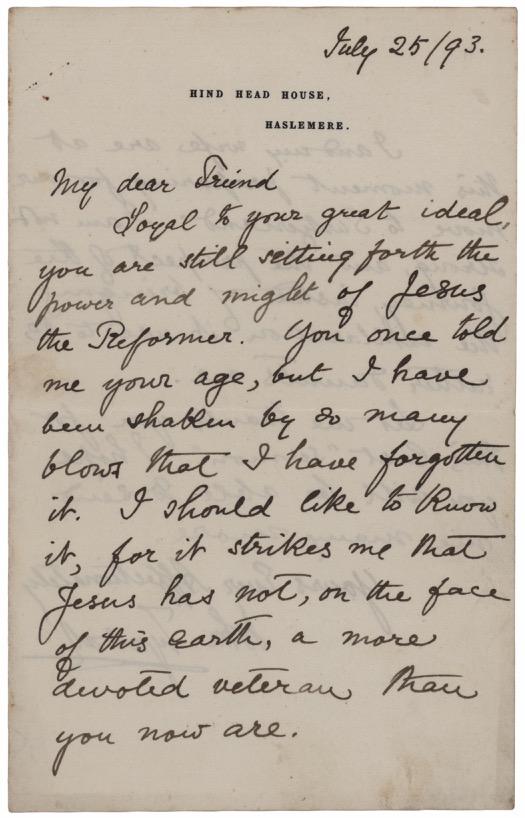
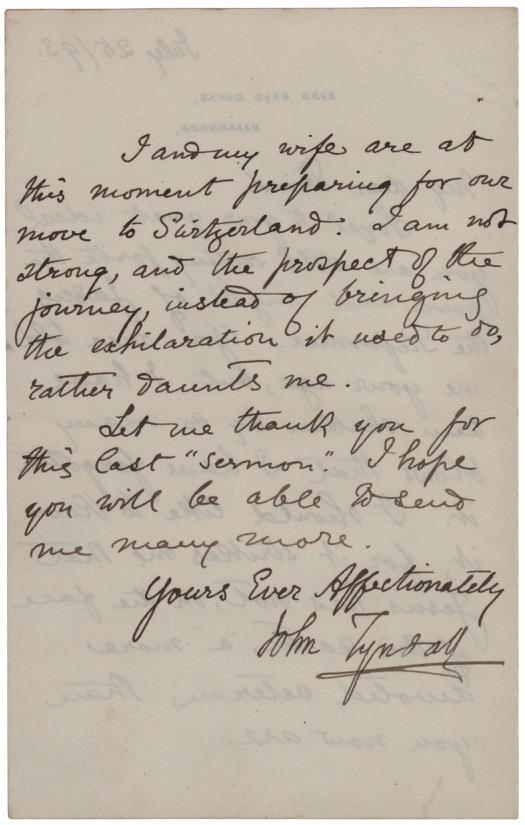
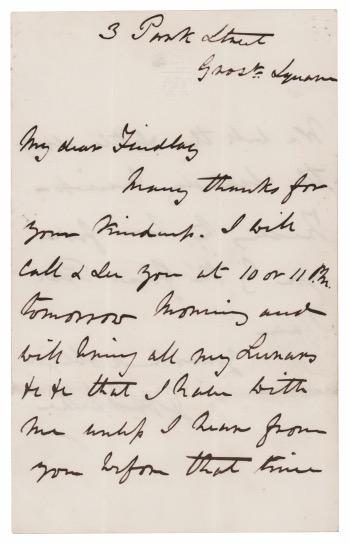
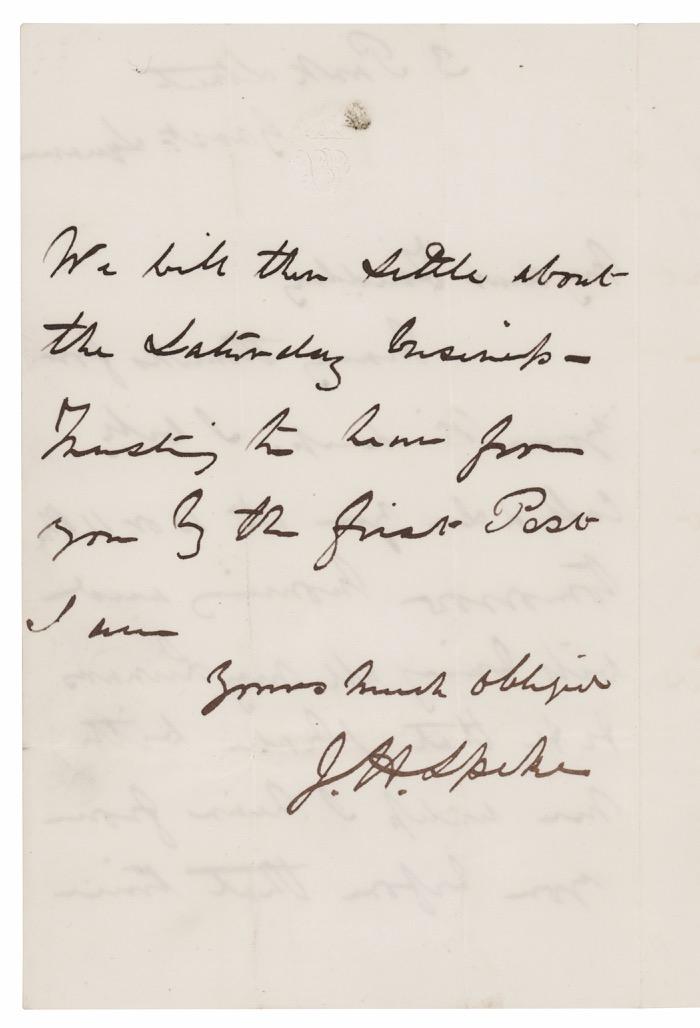
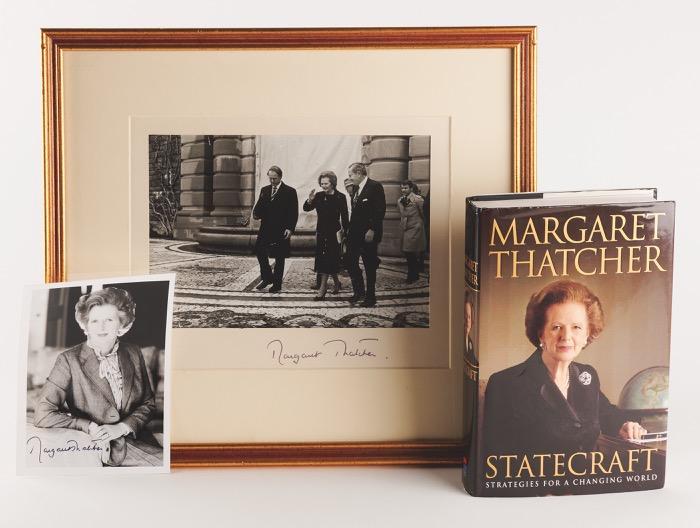
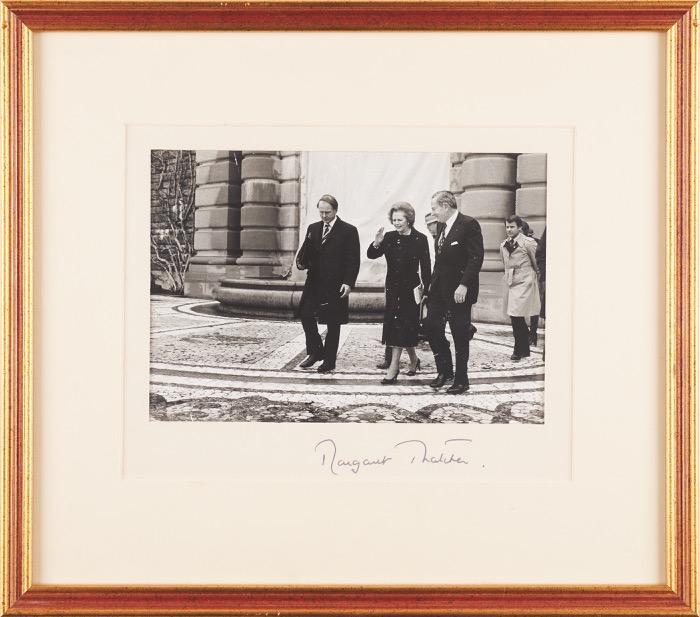
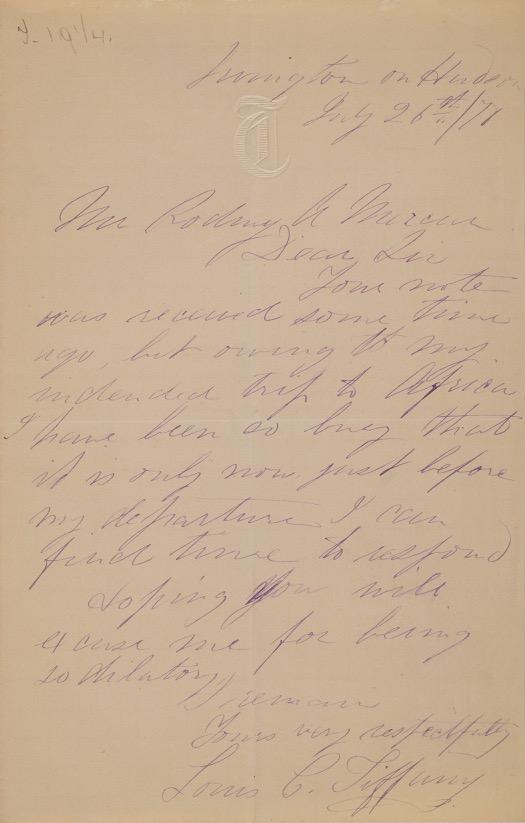
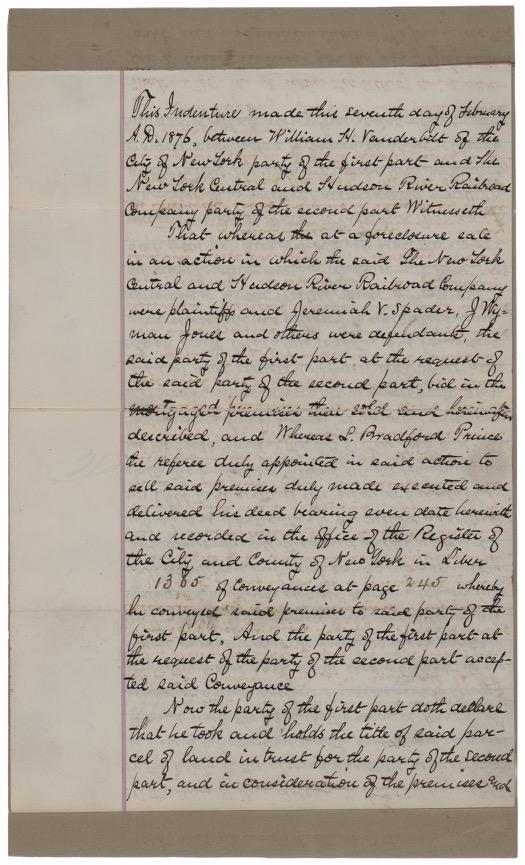
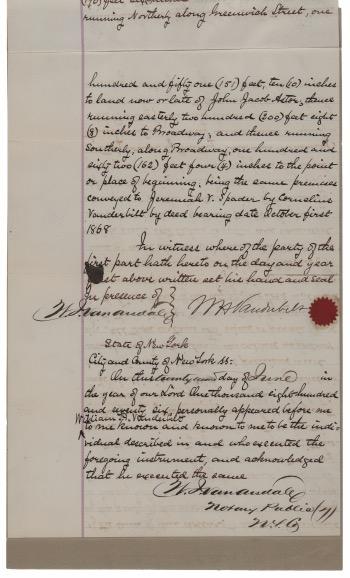
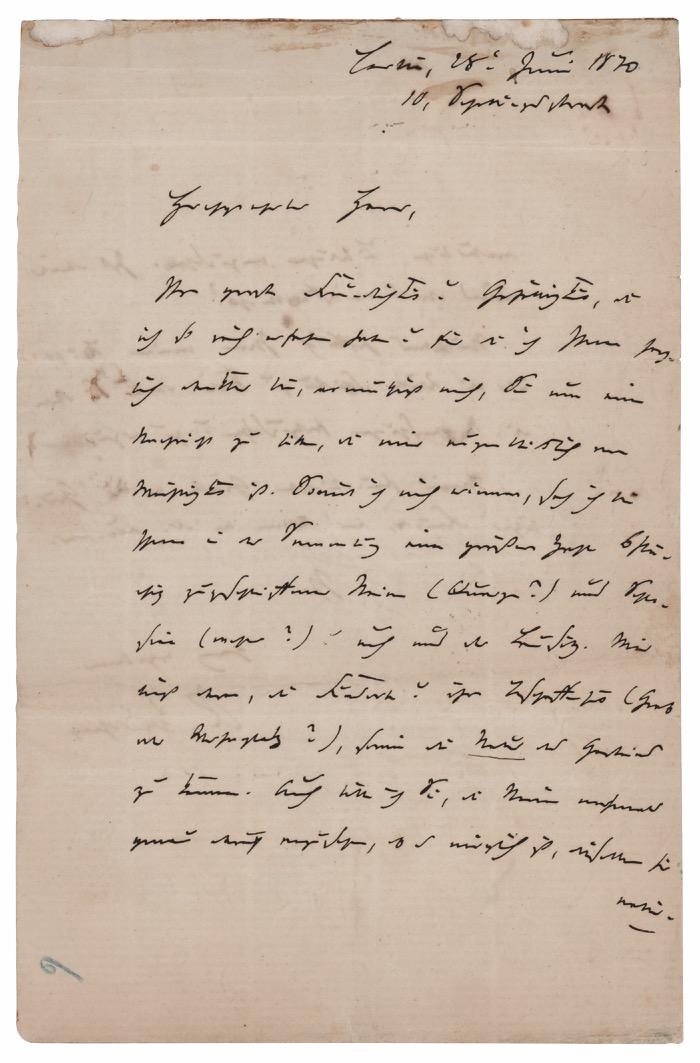
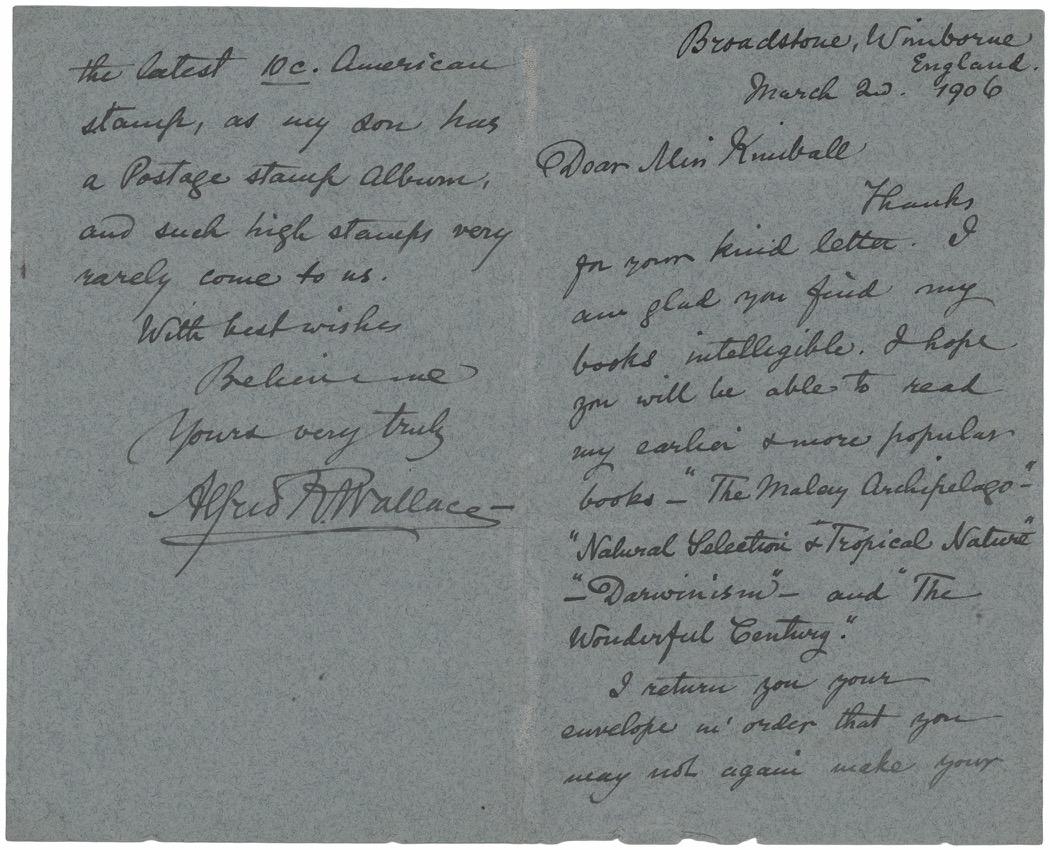
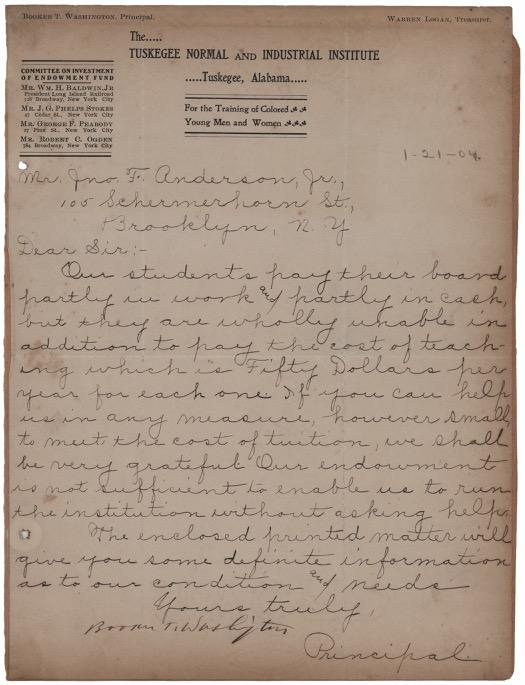
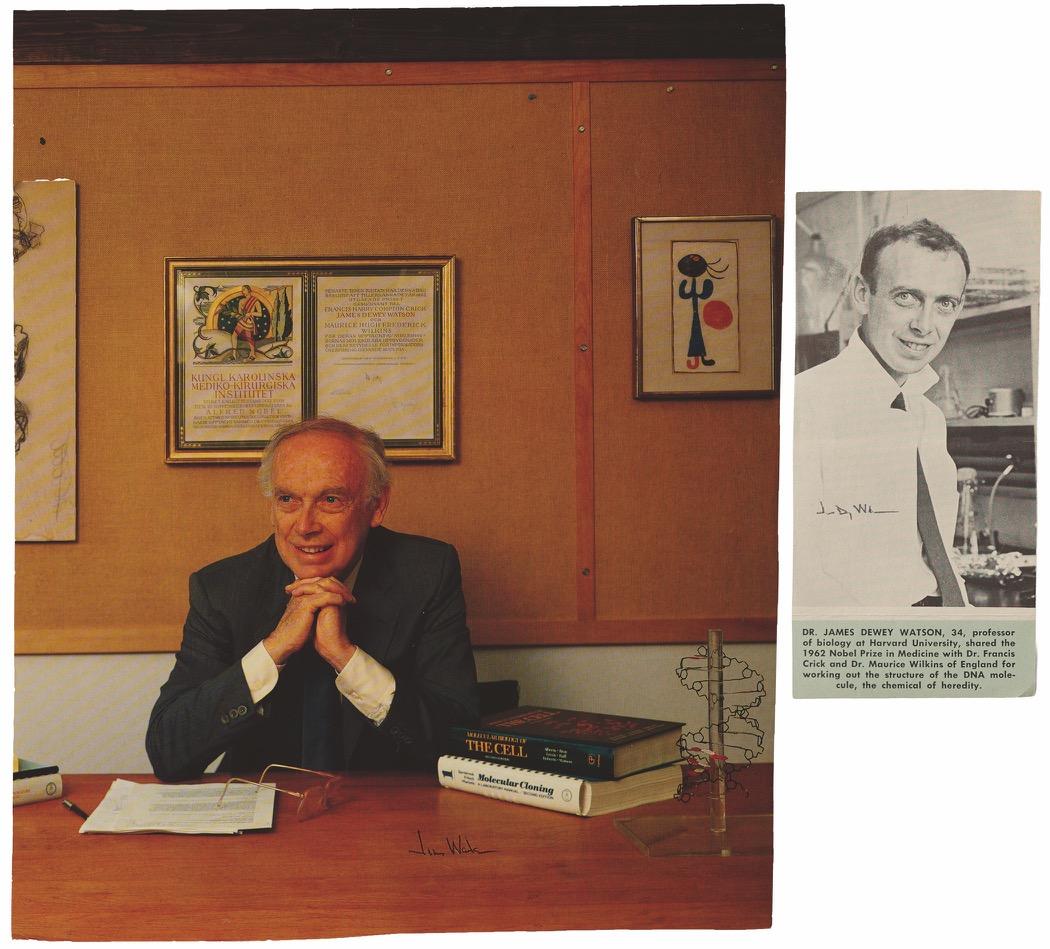
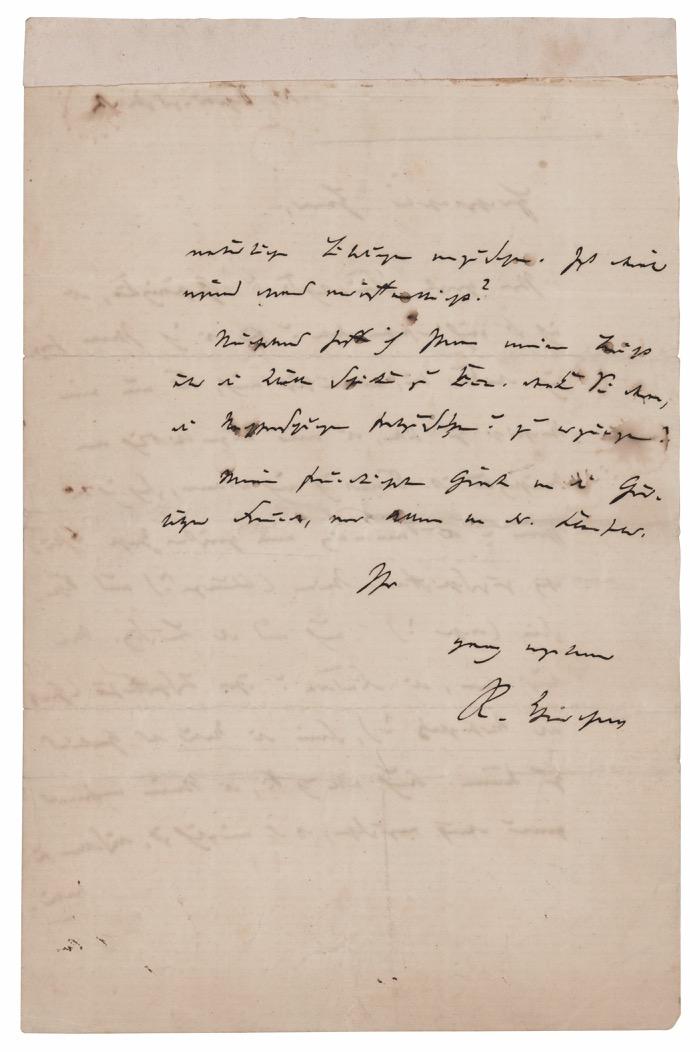
376. Rudolf Virchow Autograph Letter Signed on Archeological Specimens
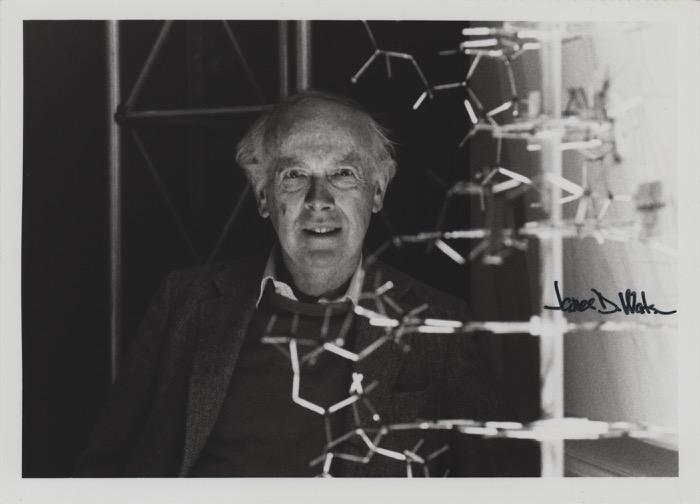
380. James D. Watson Signed Photograph Starting Bid $200
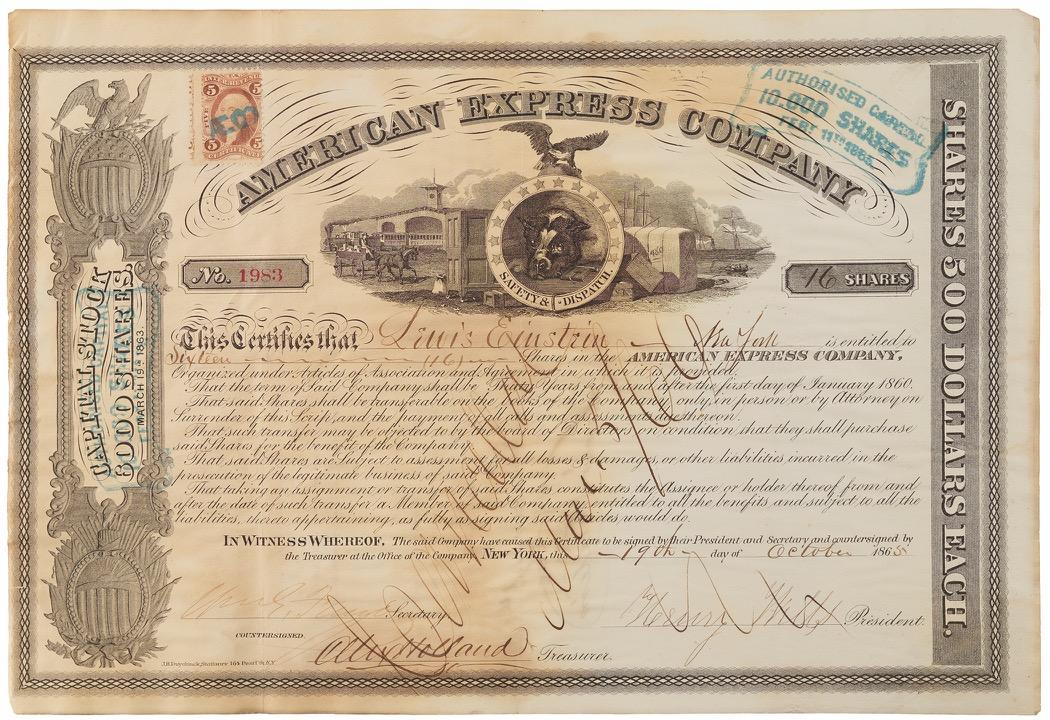
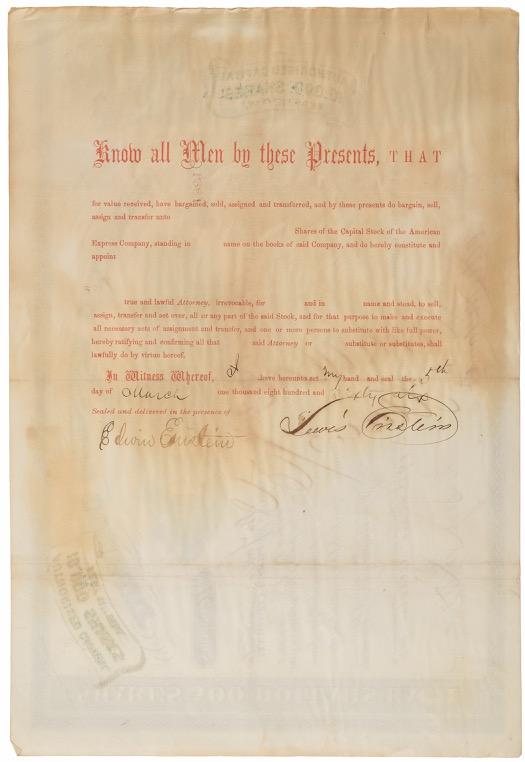
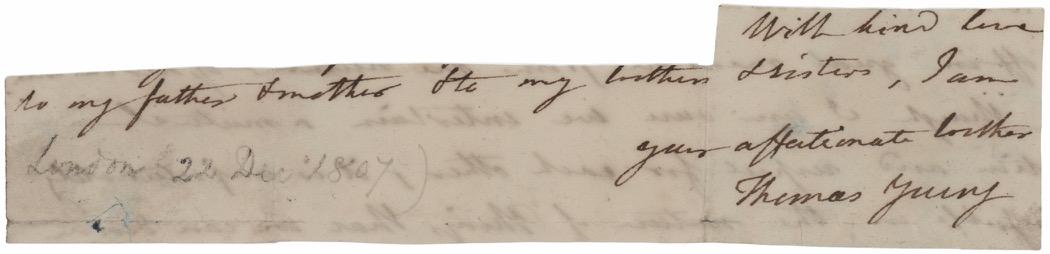
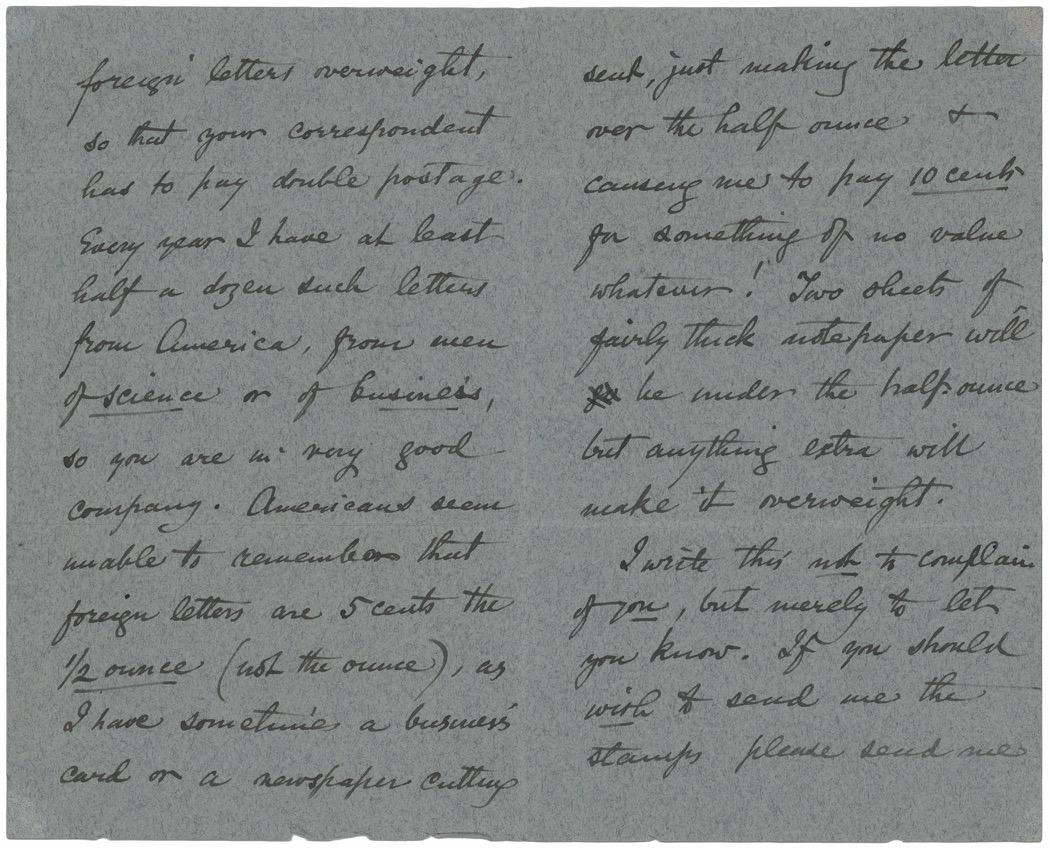
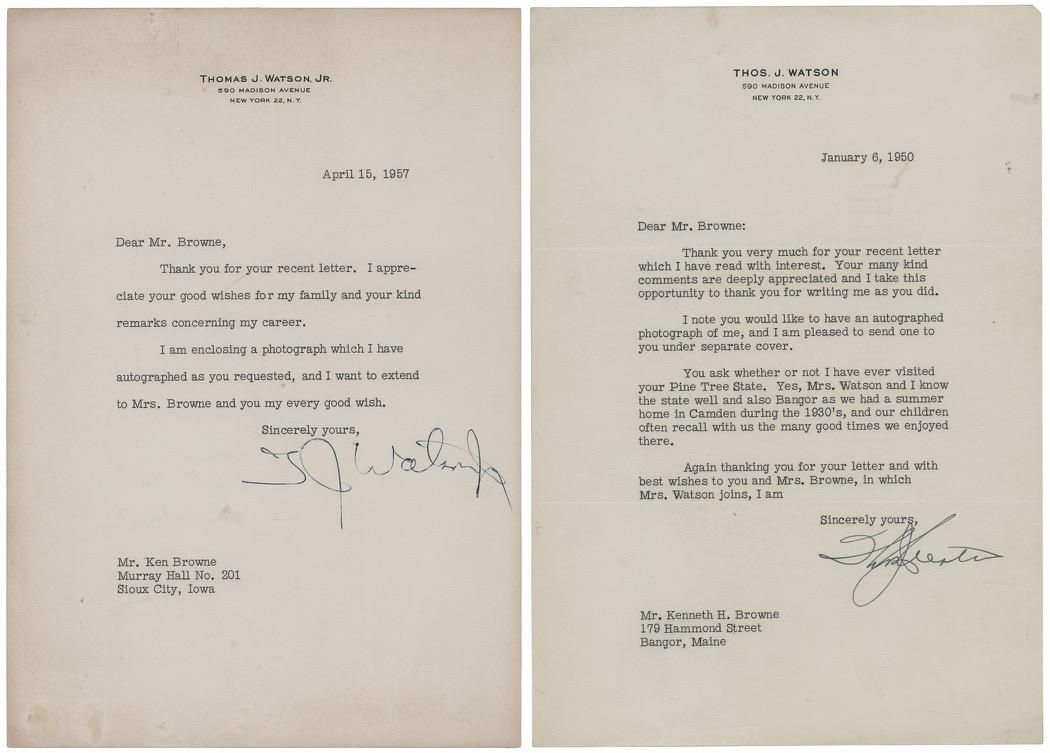
381. Thomas J. Watson, Sr. and Jr. (2) Typed Letters Signed Starting Bid $200
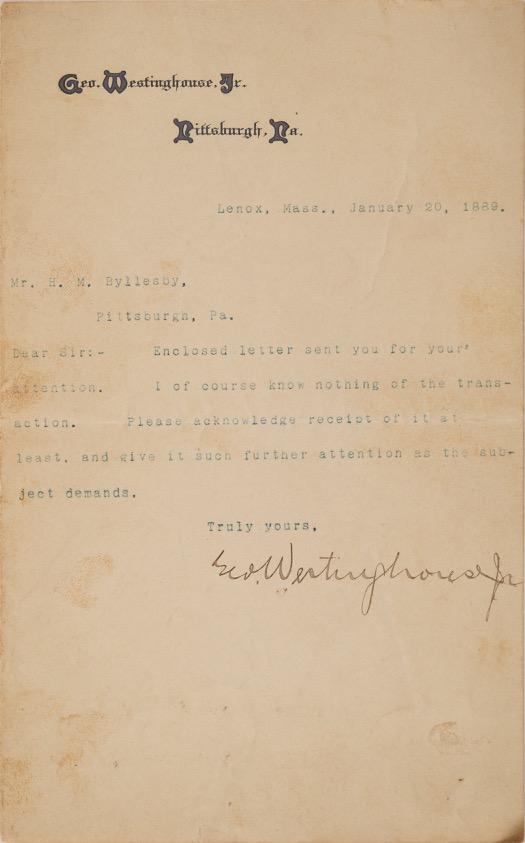
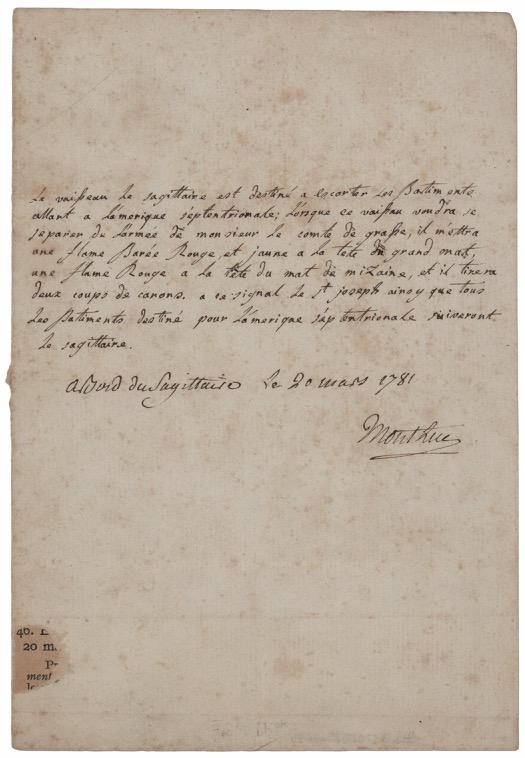
378.
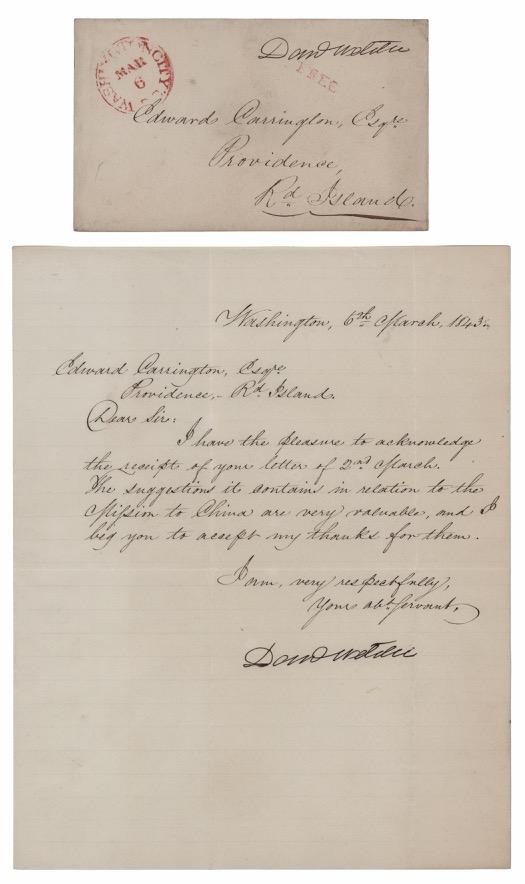
382. Daniel Webster Letter Signed on "the Mission to China," with Free... Starting Bid $200
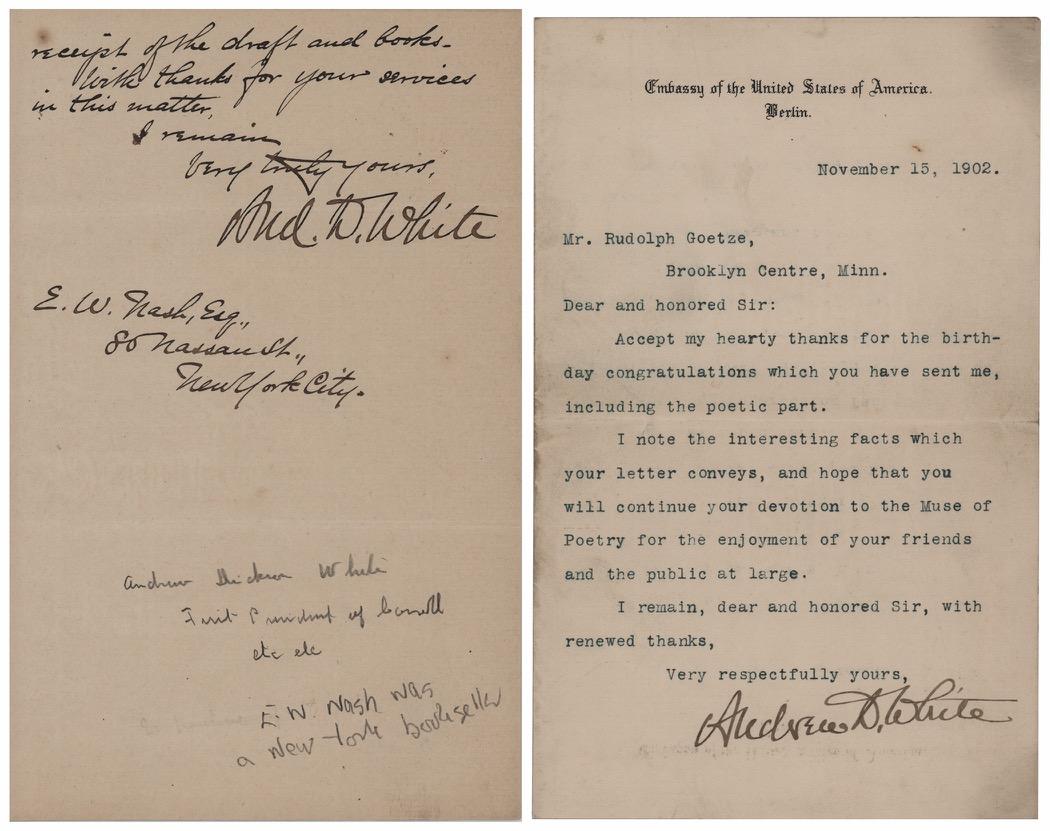
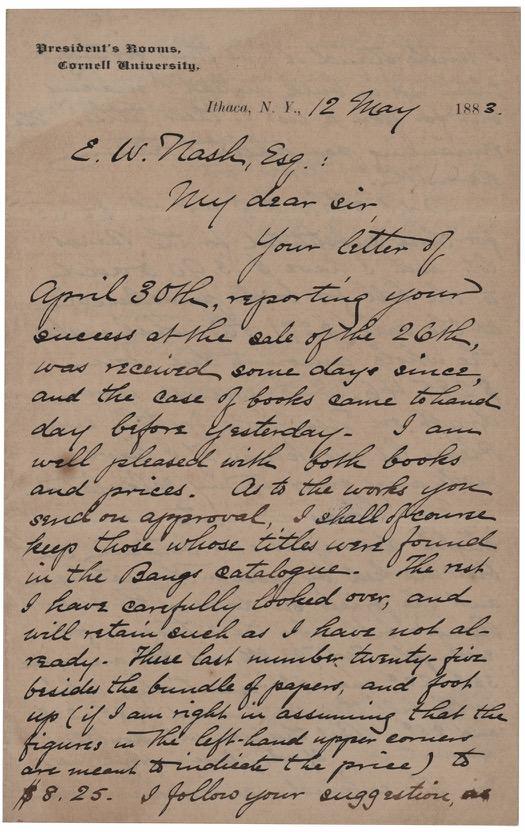
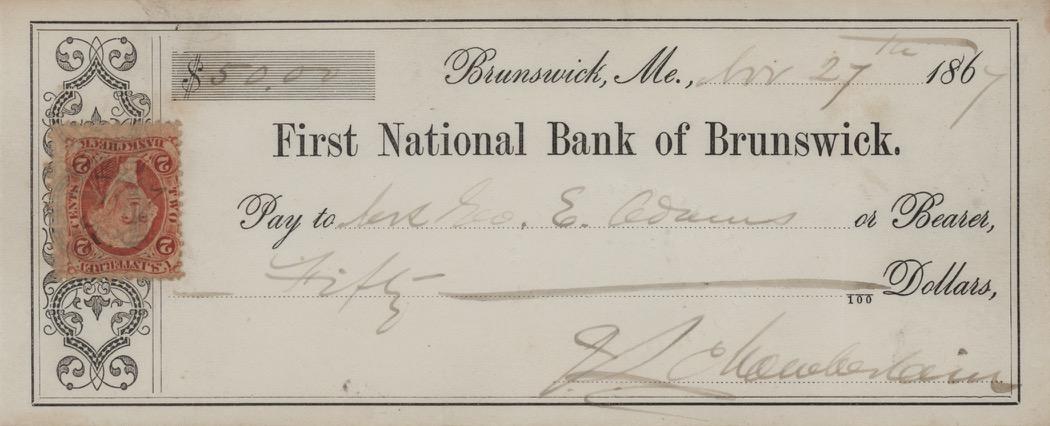
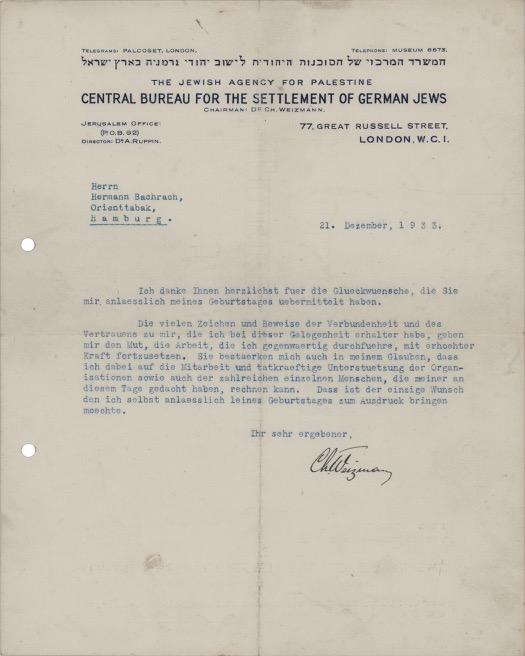
383.
Starting Bid $200
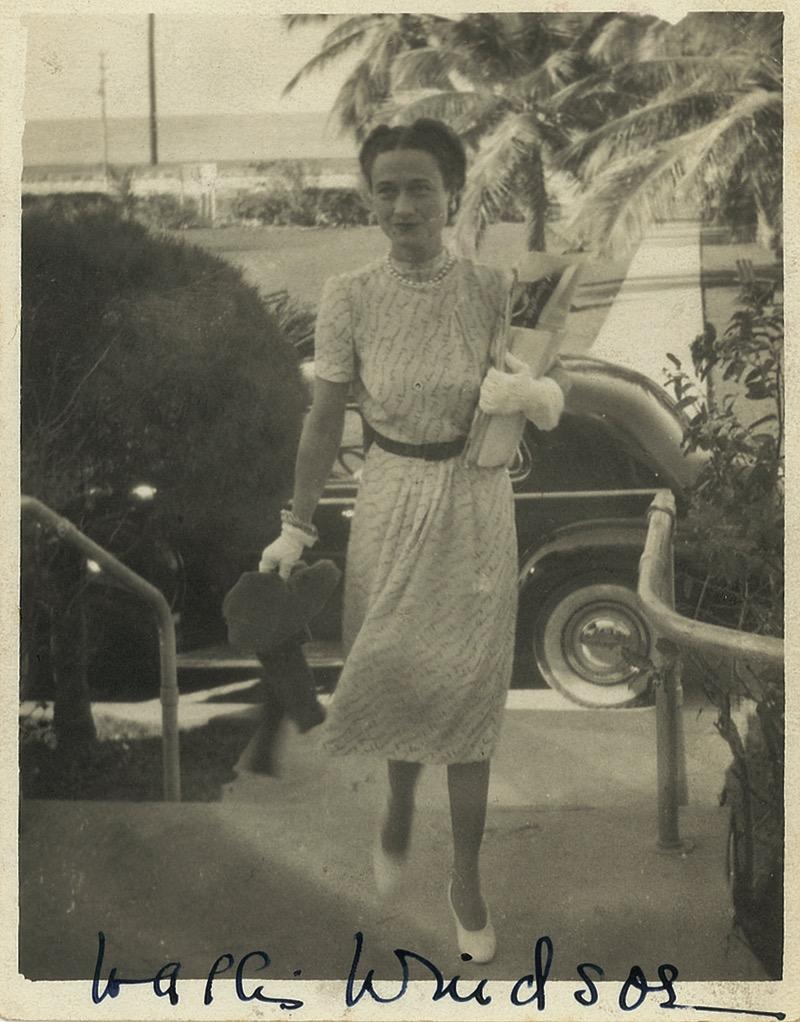
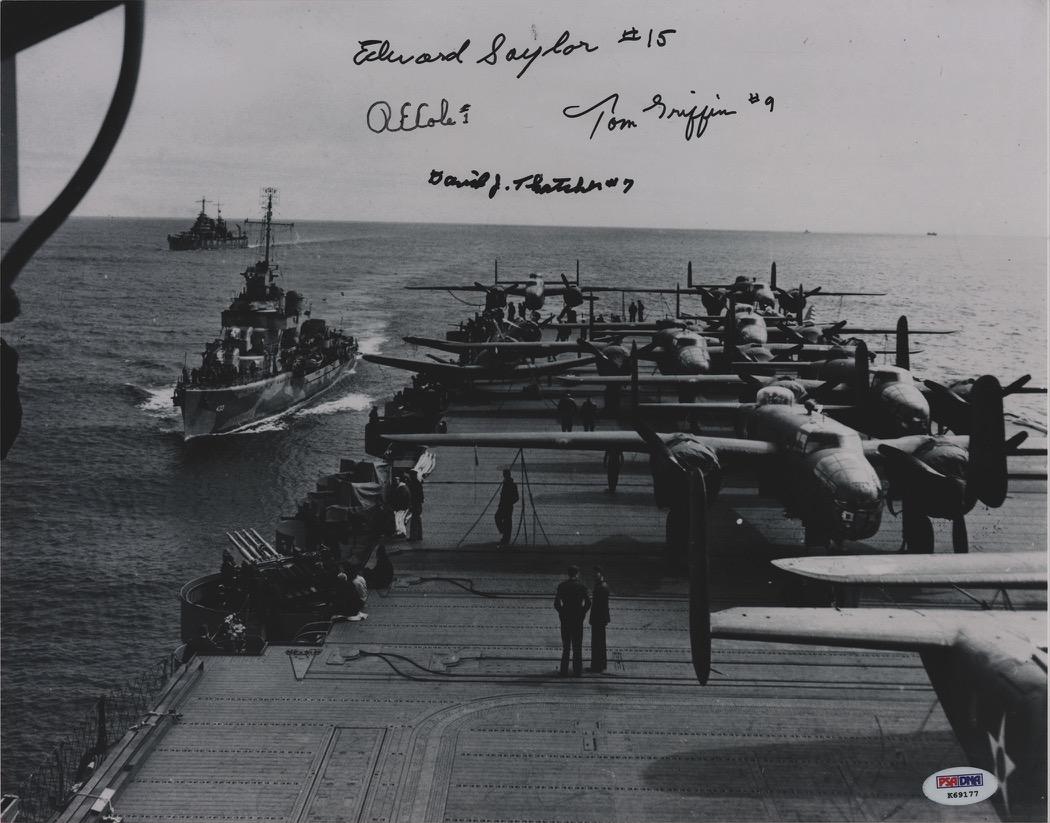
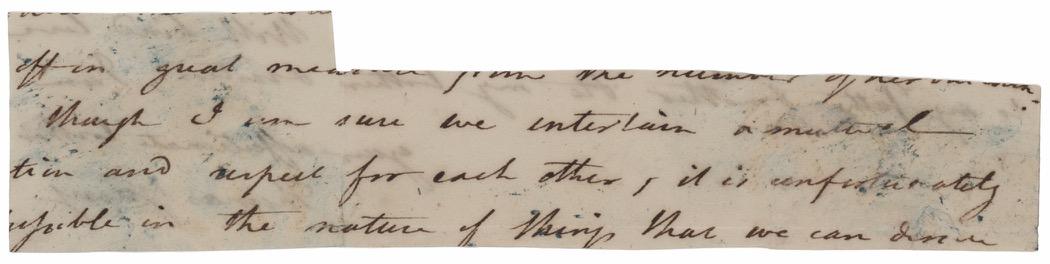
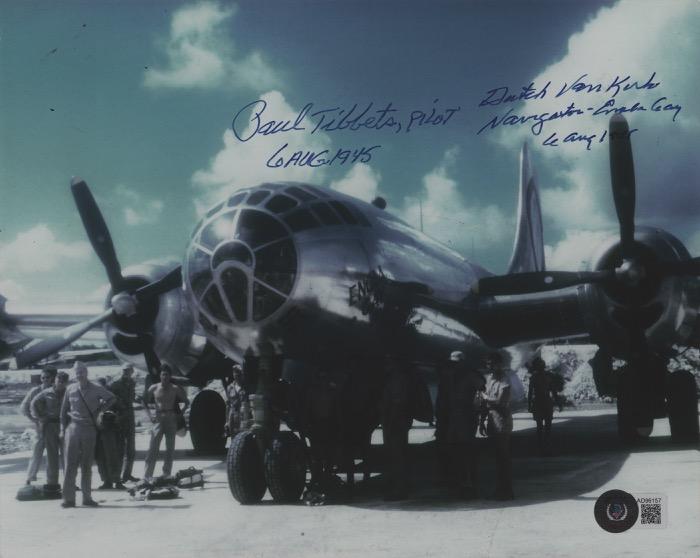
407. Enola Gay: Paul Tibbets and Dutch Van Kirk Signed Photograph Starting Bid $200
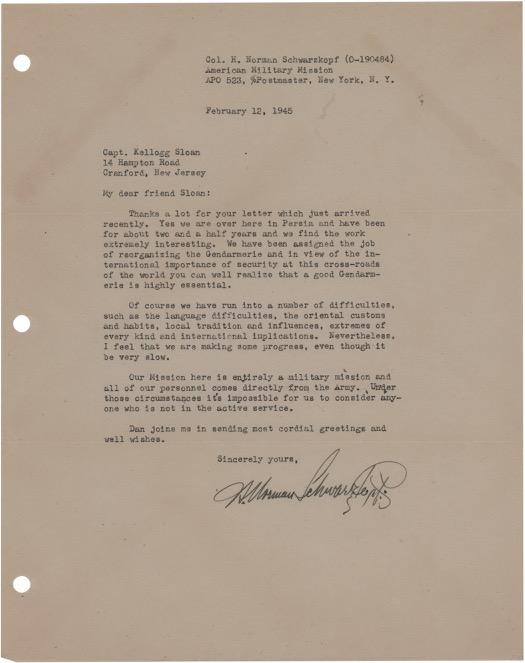
411. Norman Schwarzkopf War-Dated Typed Letter Signed Starting Bid $200
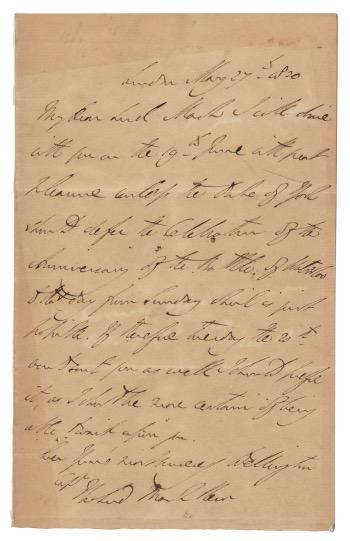
415. Duke of Wellington Autograph Letter Signed on the Anniversary of ... Starting Bid $200
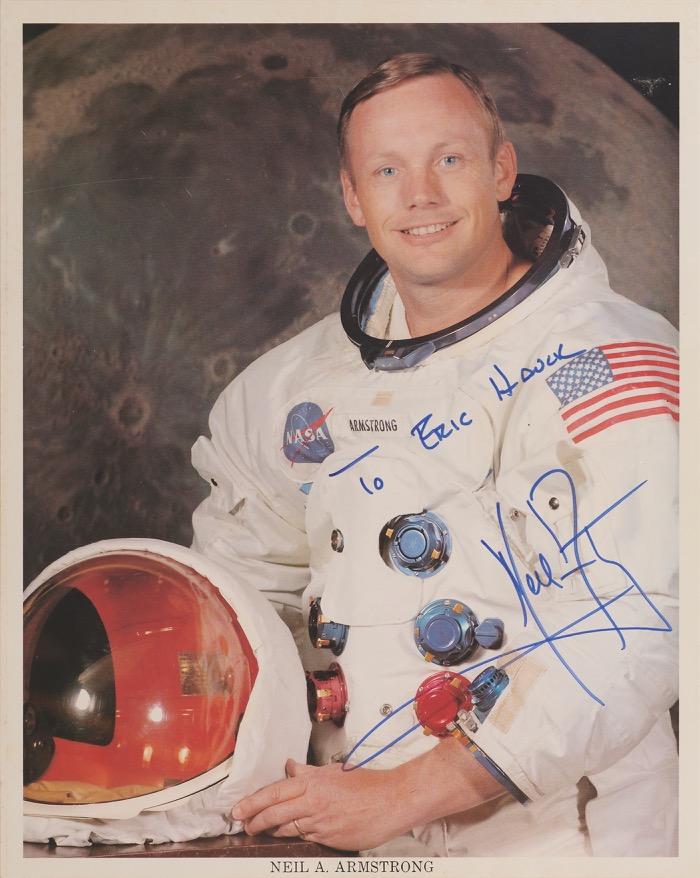
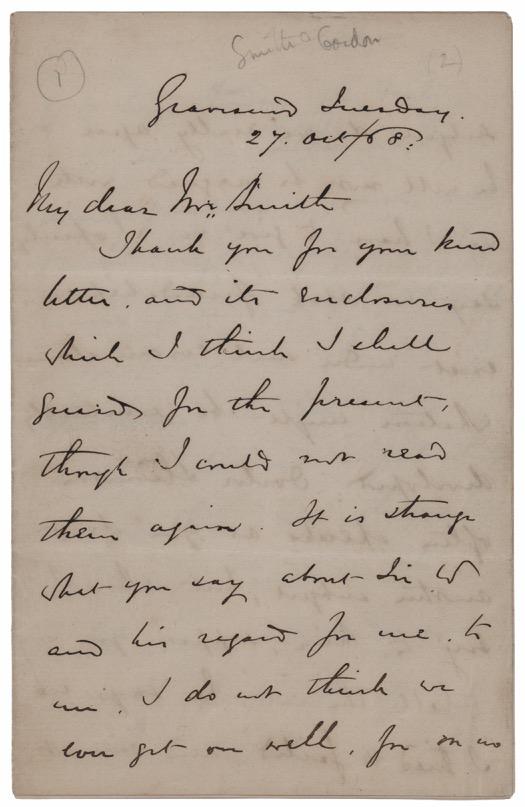
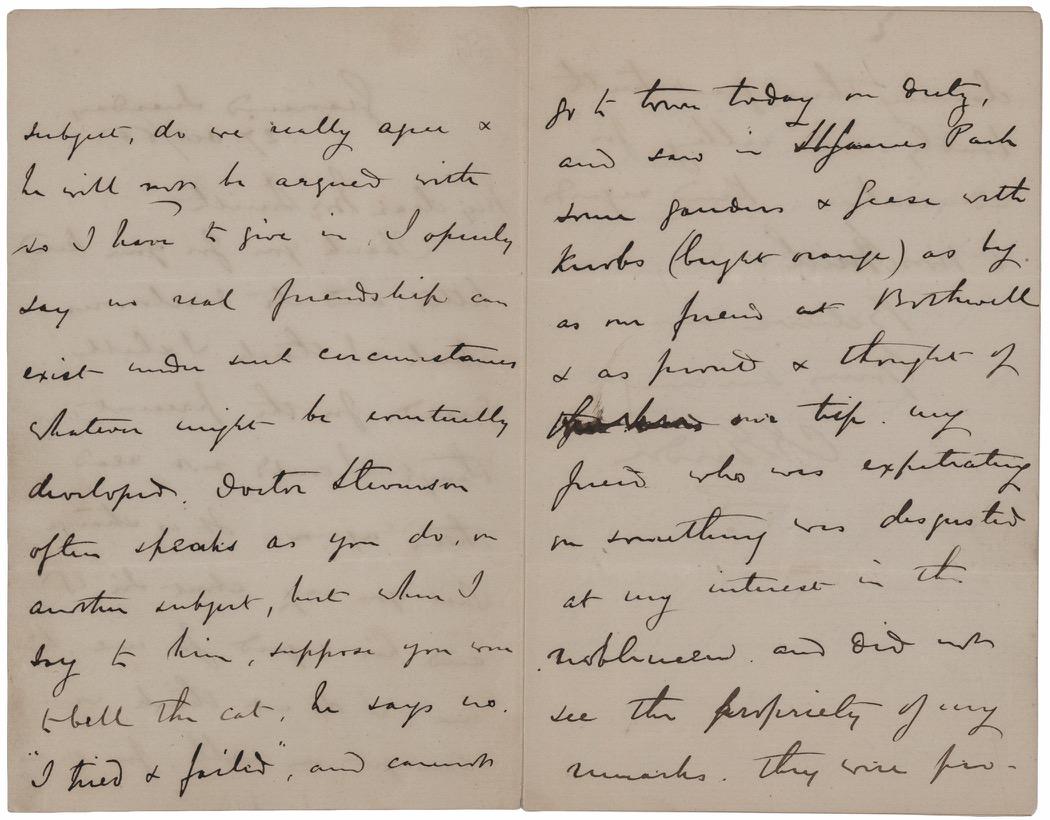
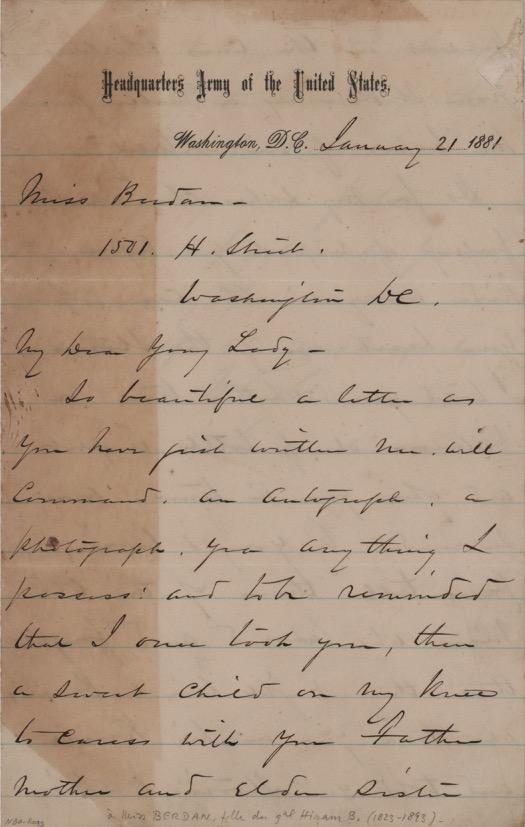
412. William T. Sherman Autograph Letter Signed:
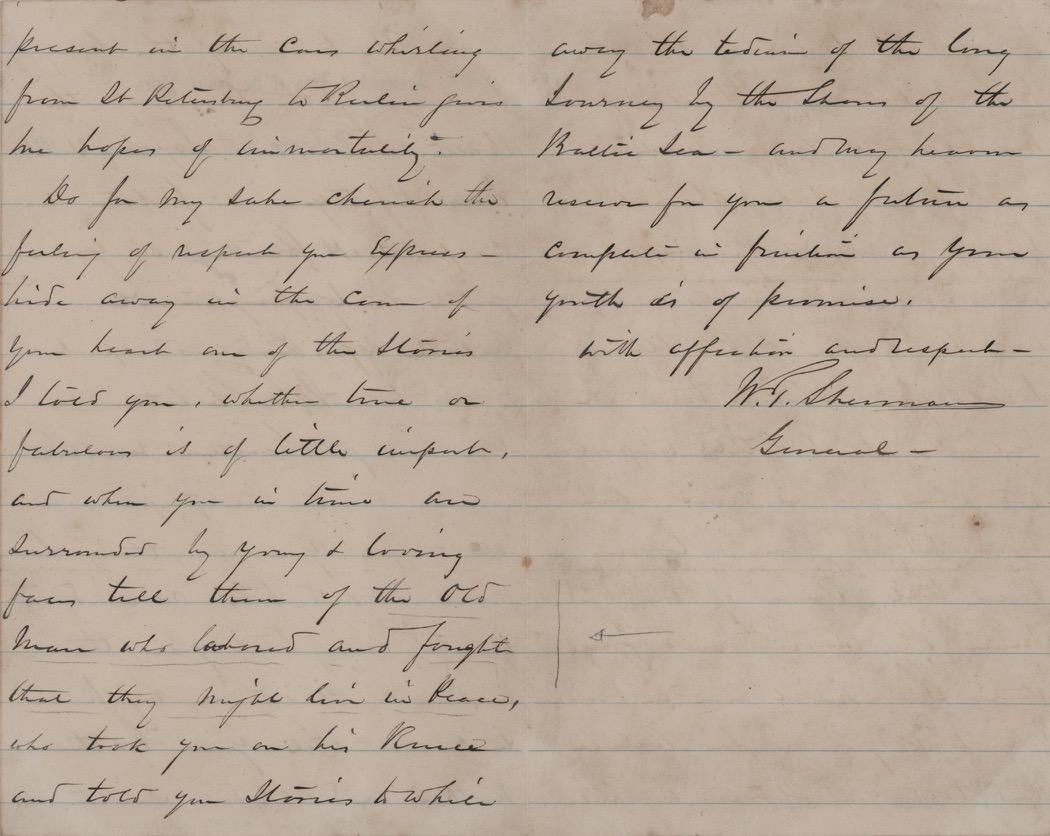
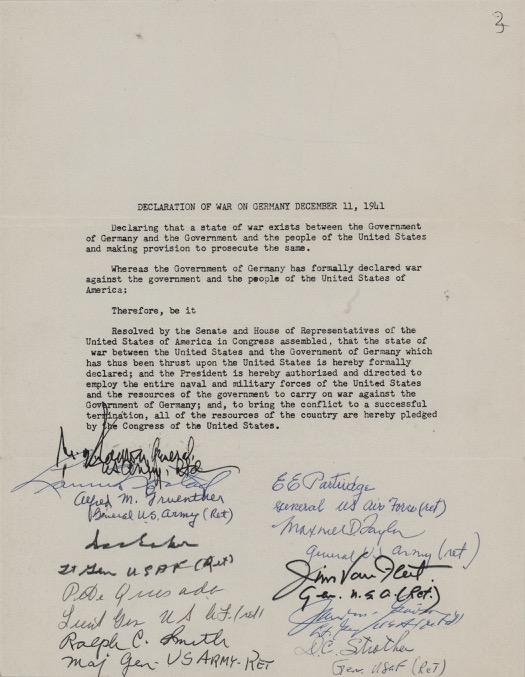
416. World War II Generals (11) Multi-Signed Souvenir Typescript - 'De... Starting Bid $200

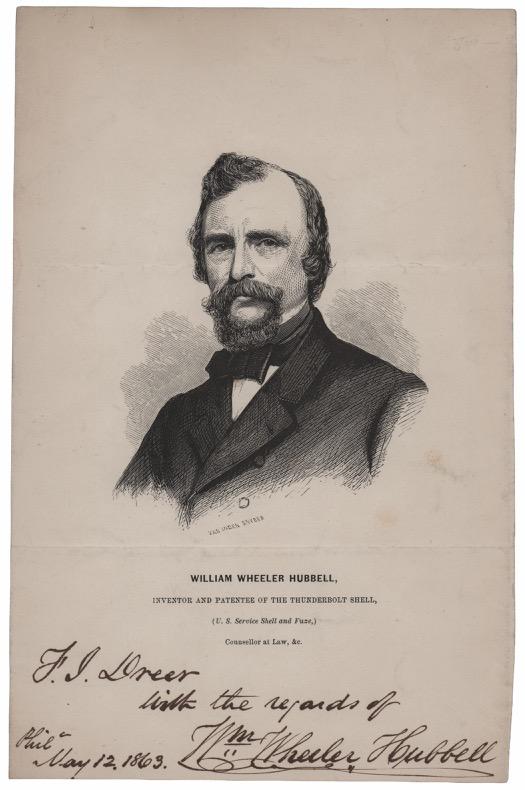
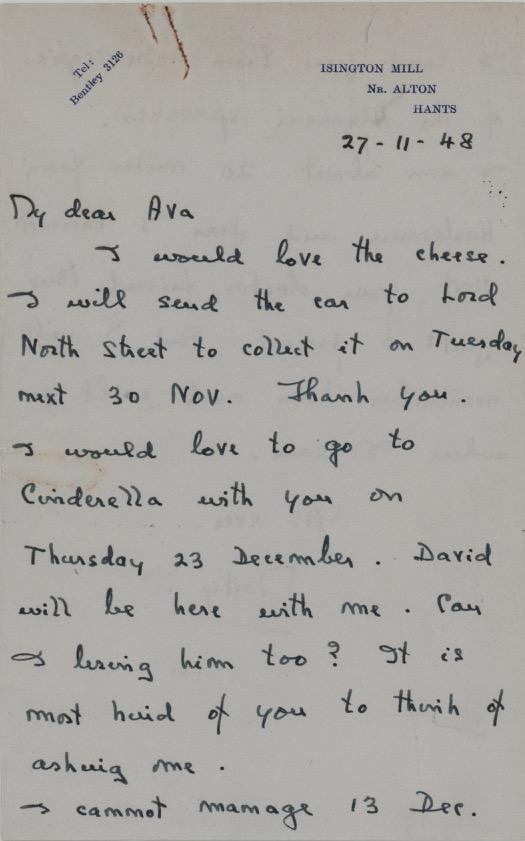
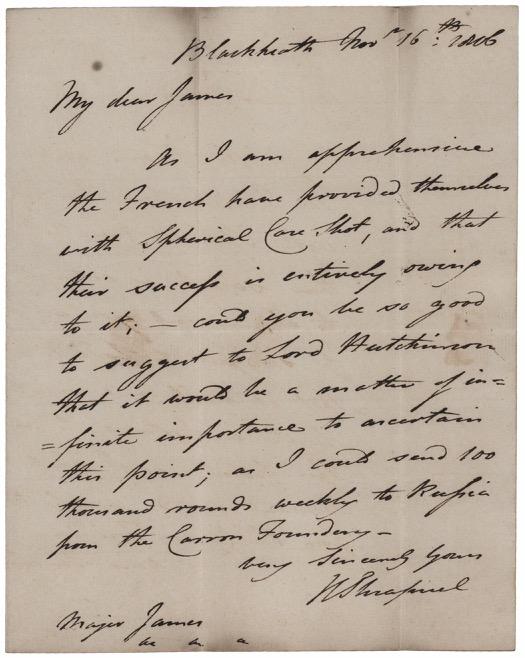
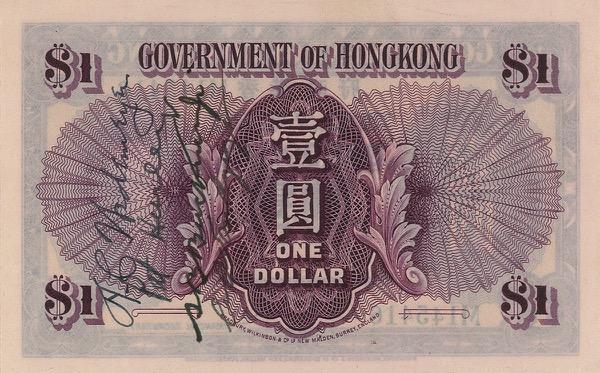
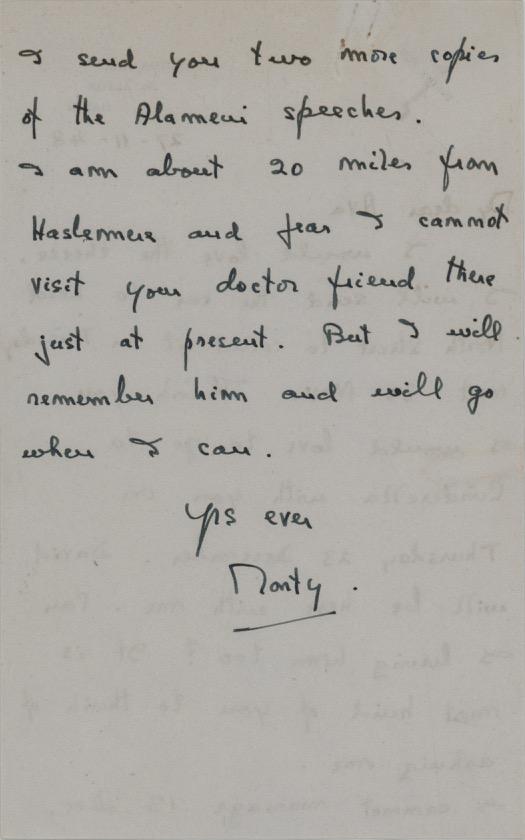
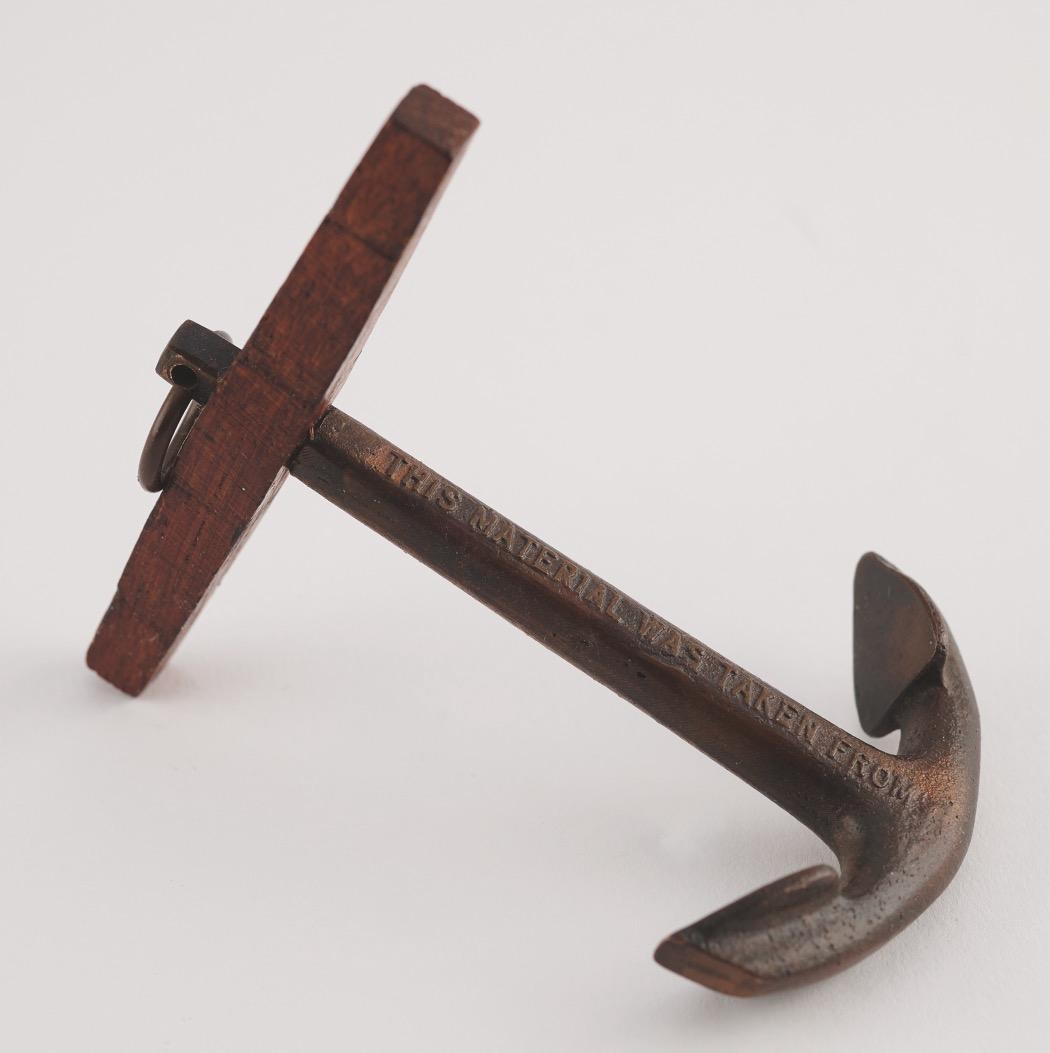
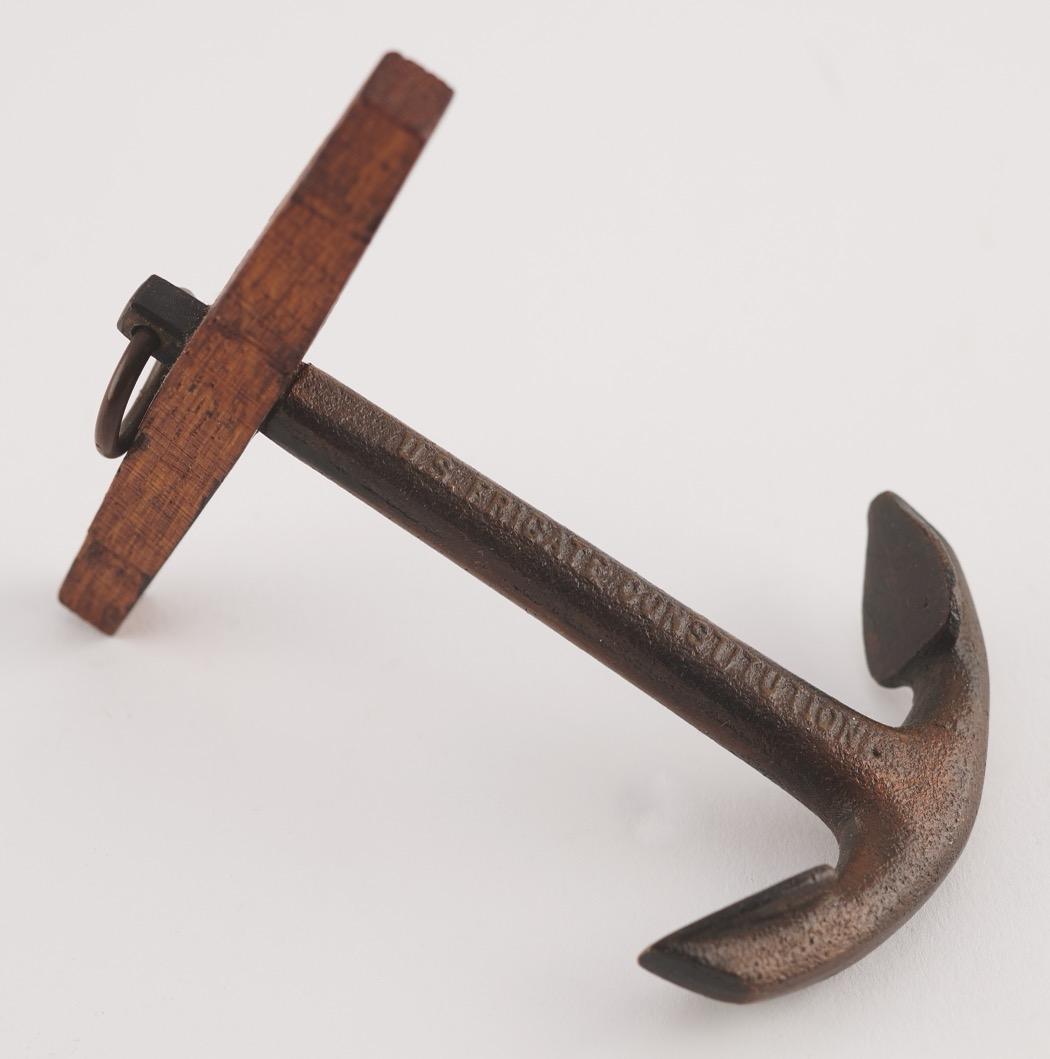
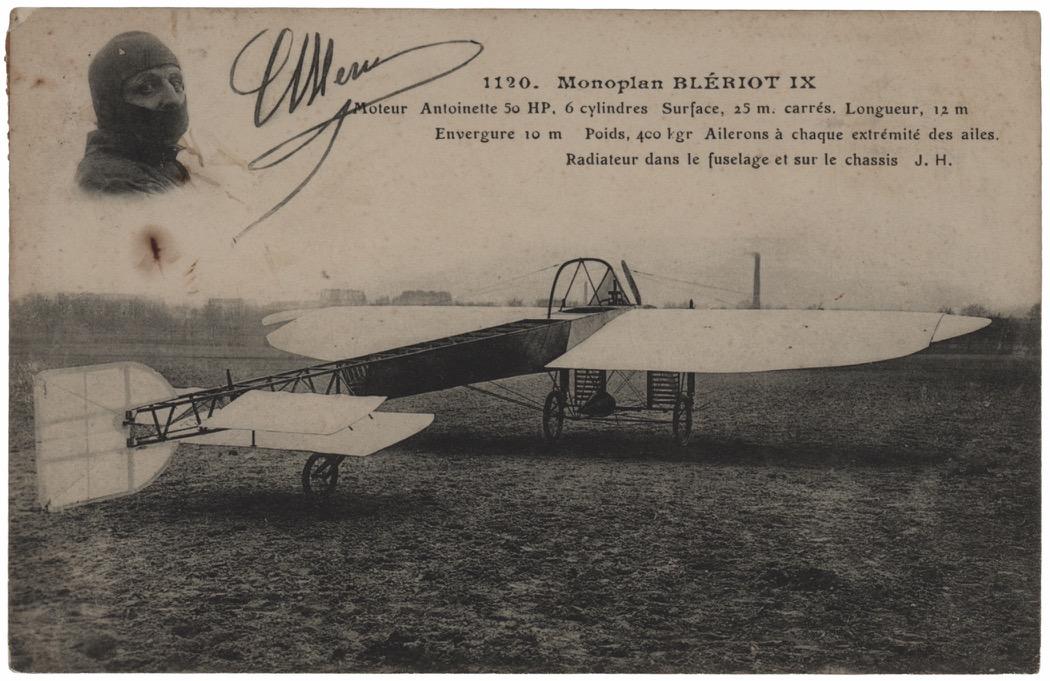
417. World War II Generals Signed Short Snorter with
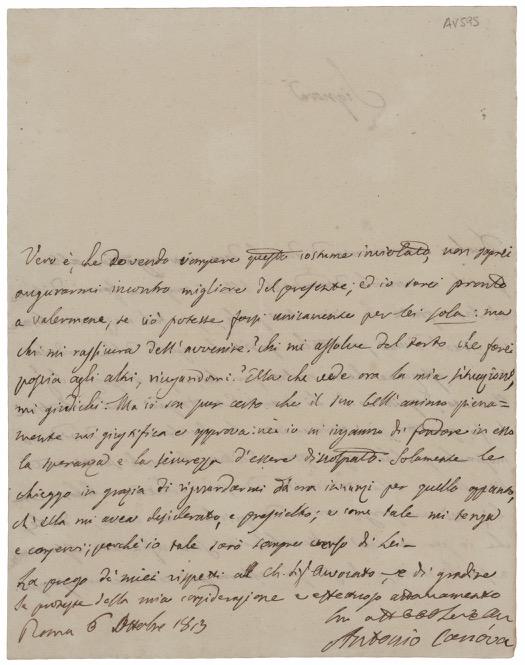
430.
Signed Photograph Starting Bid $200
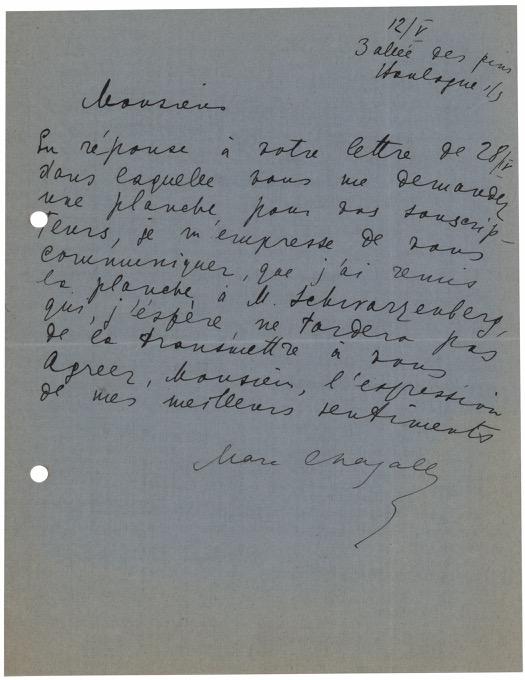
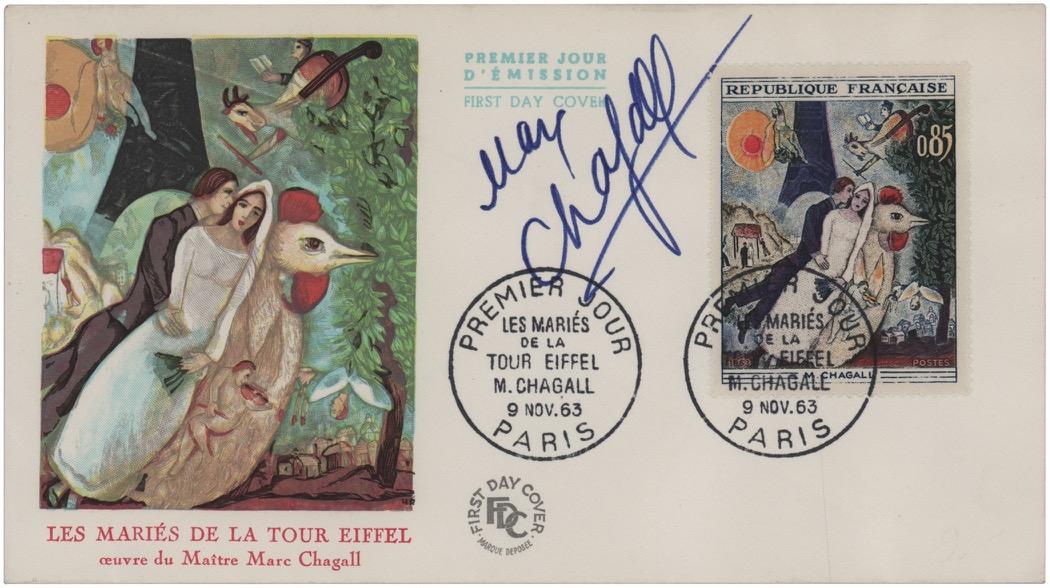
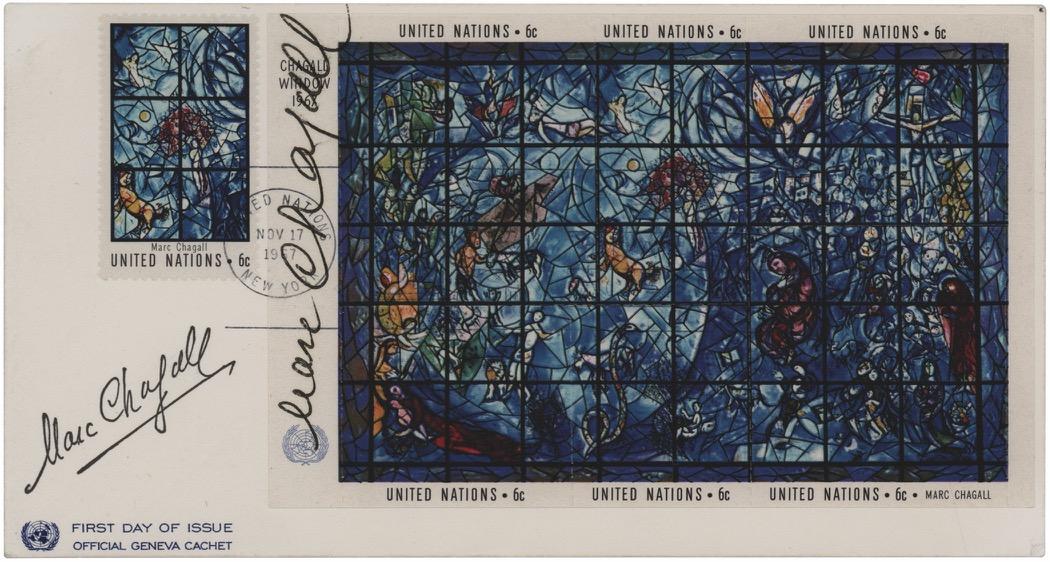
458.
459.
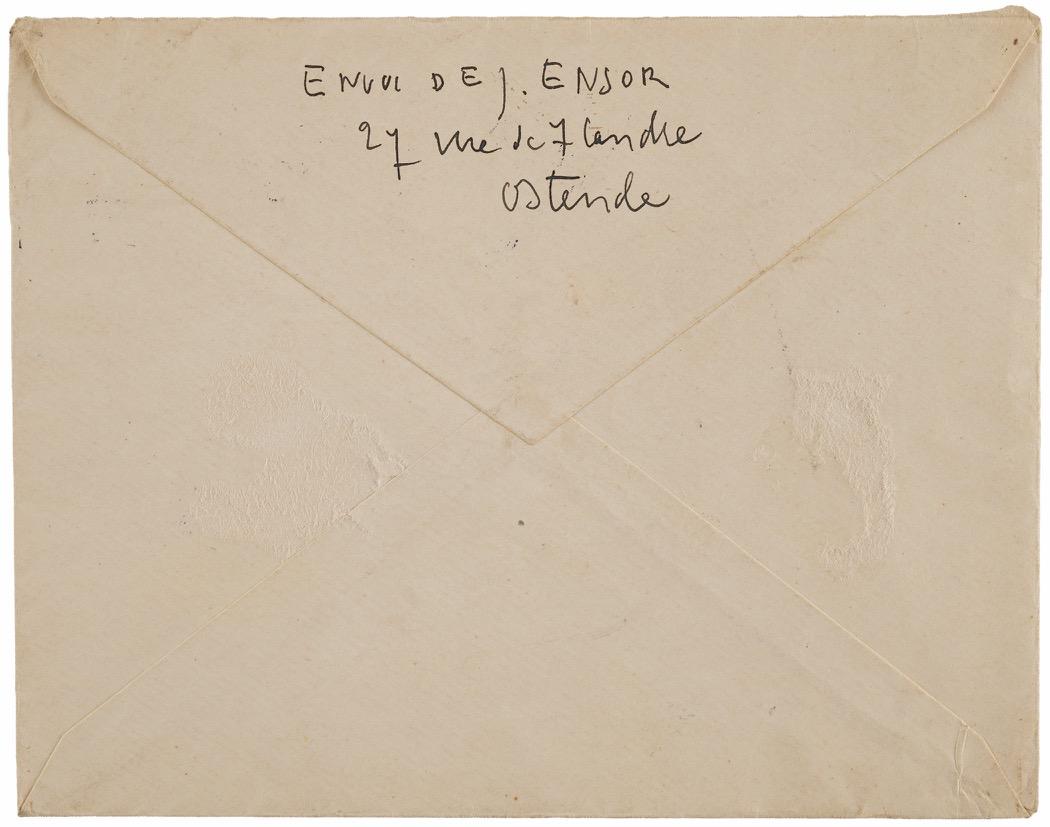
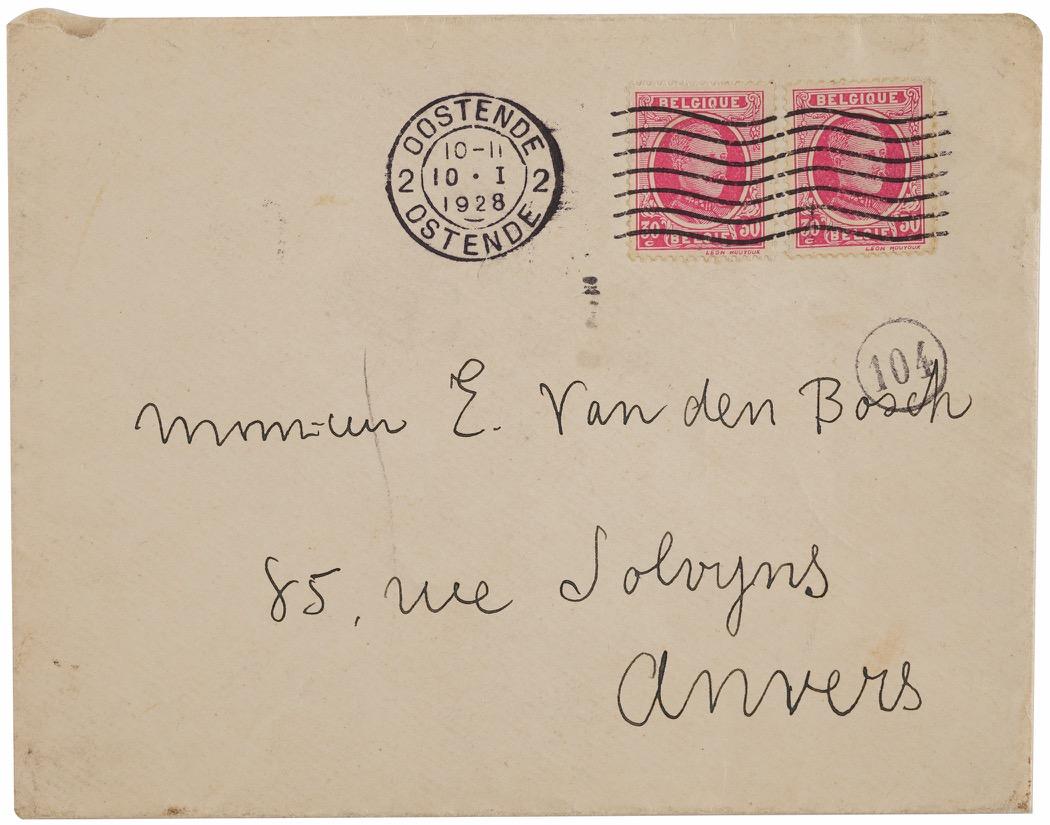
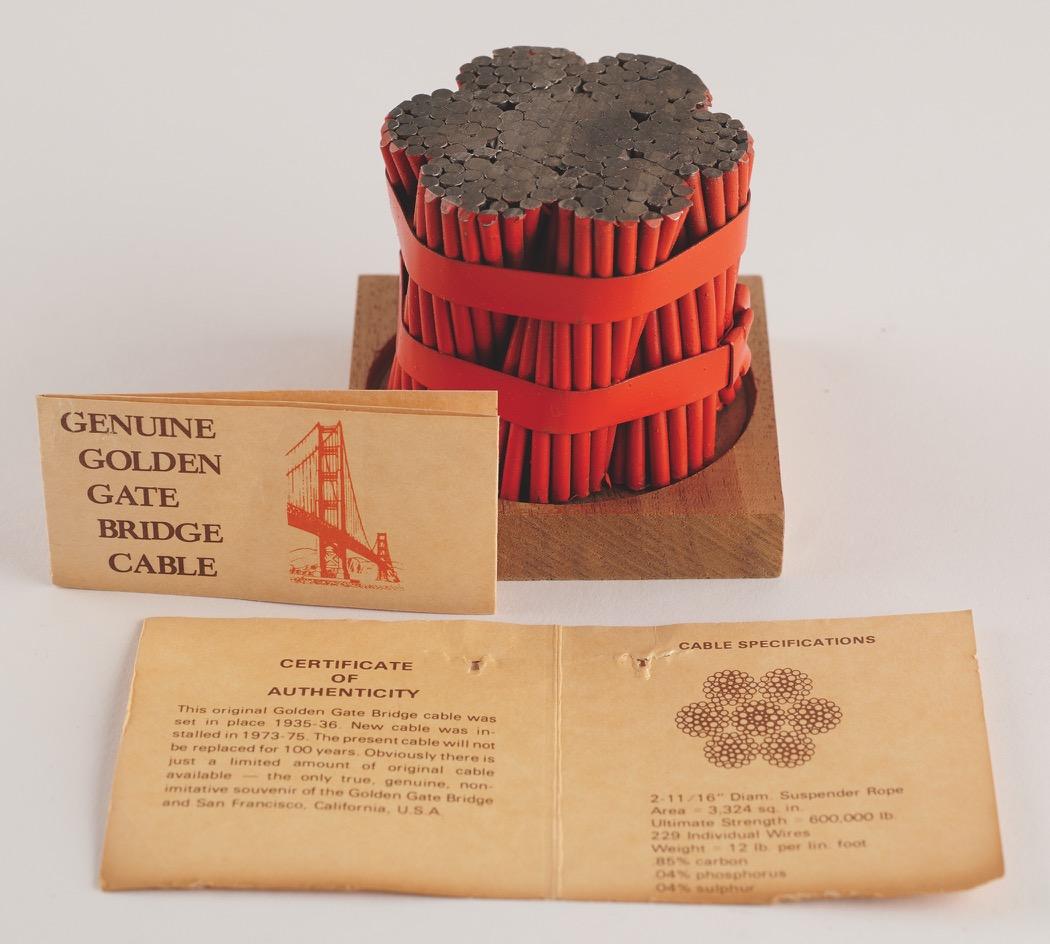
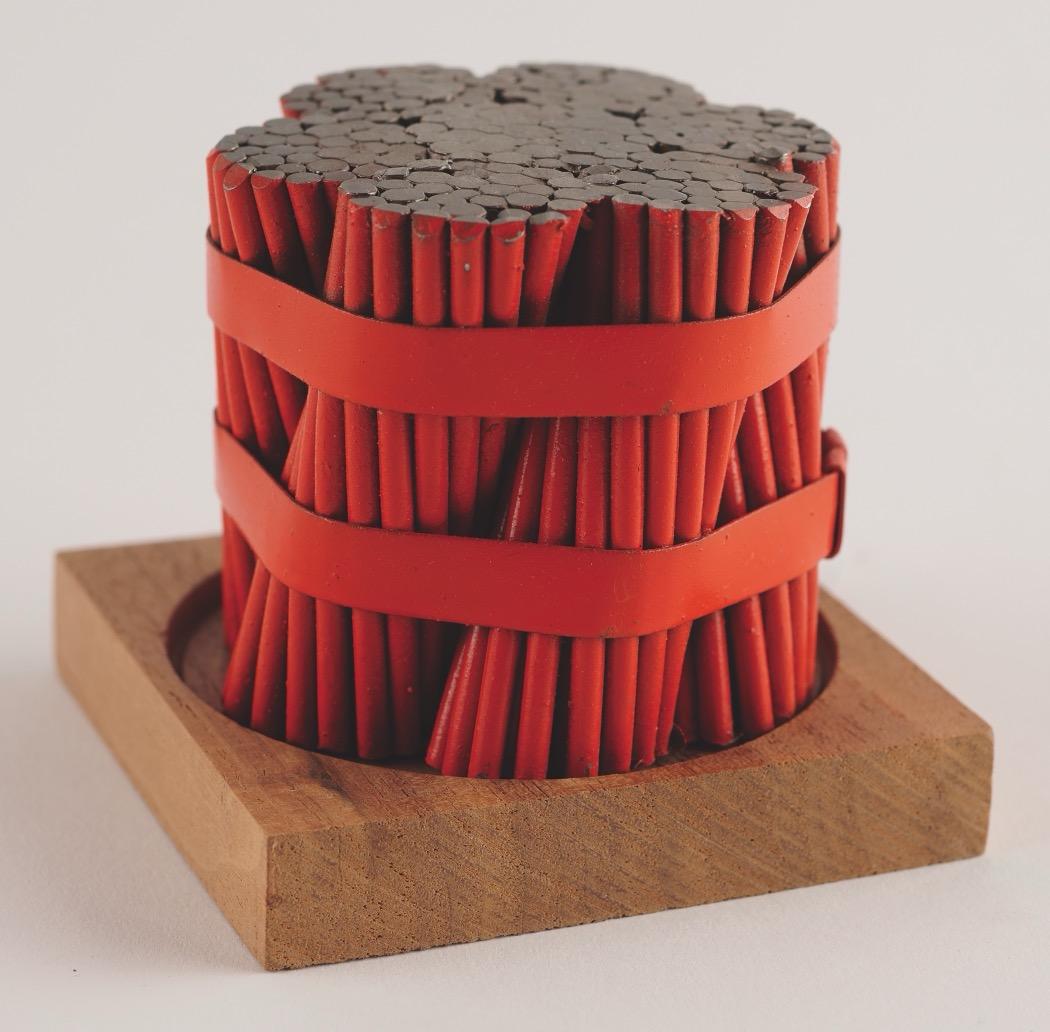
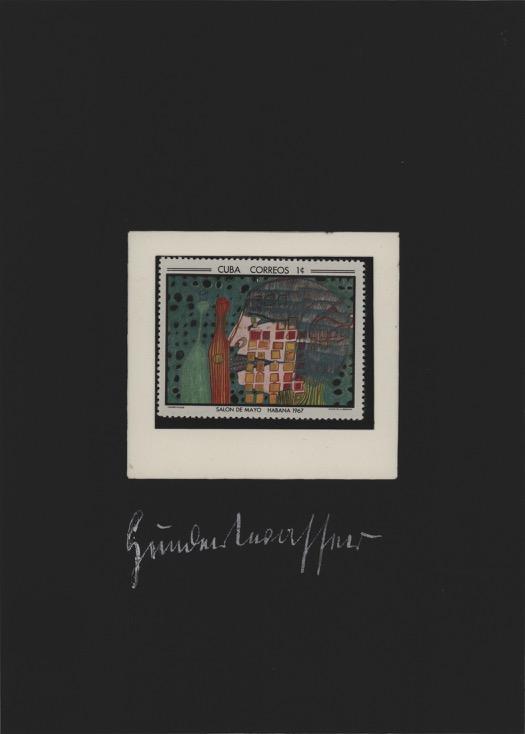
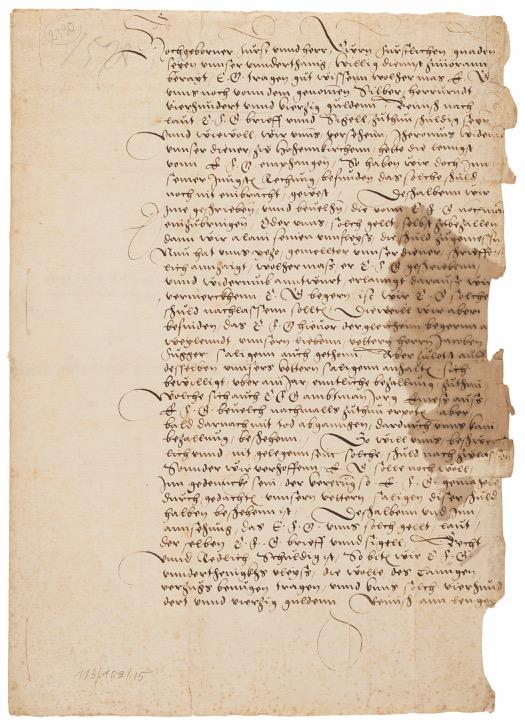
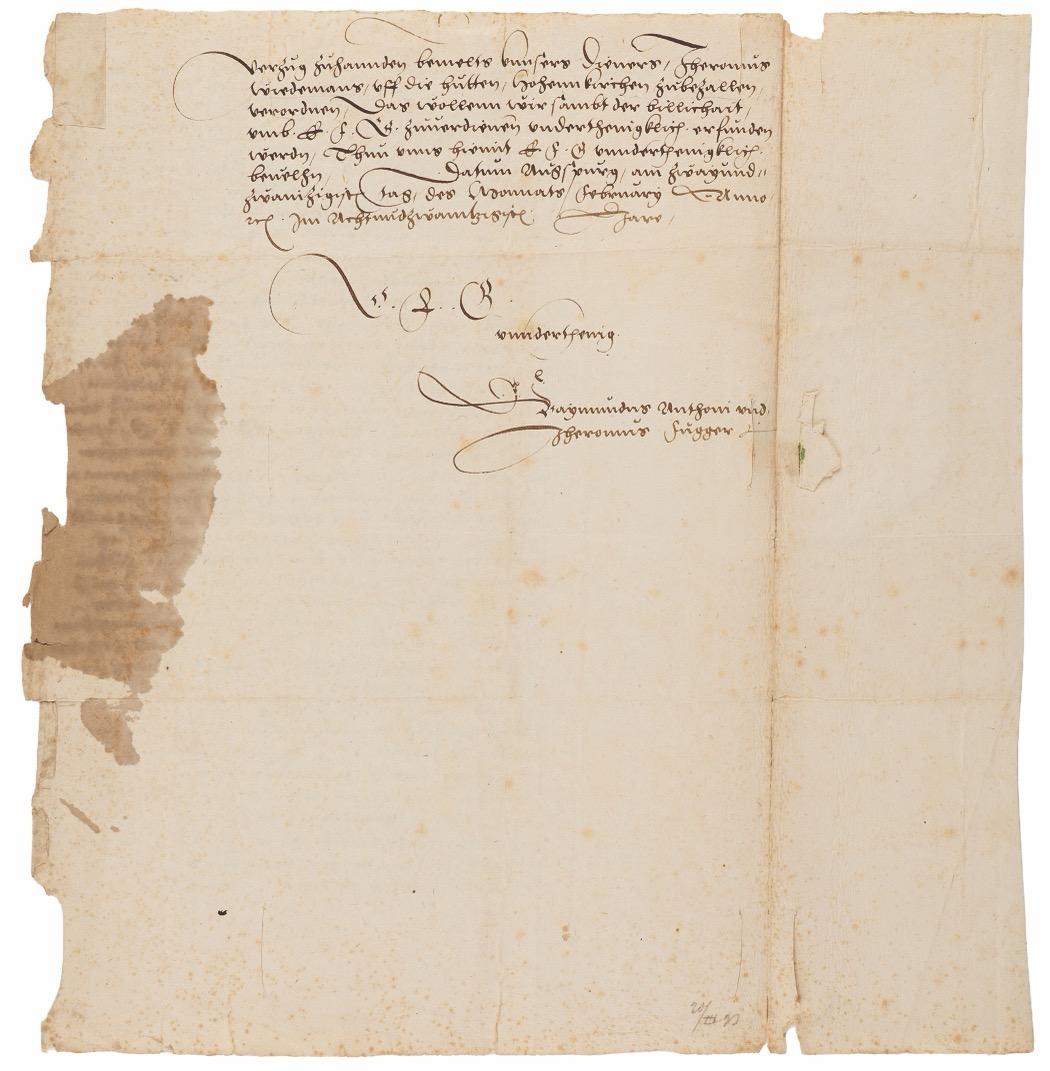
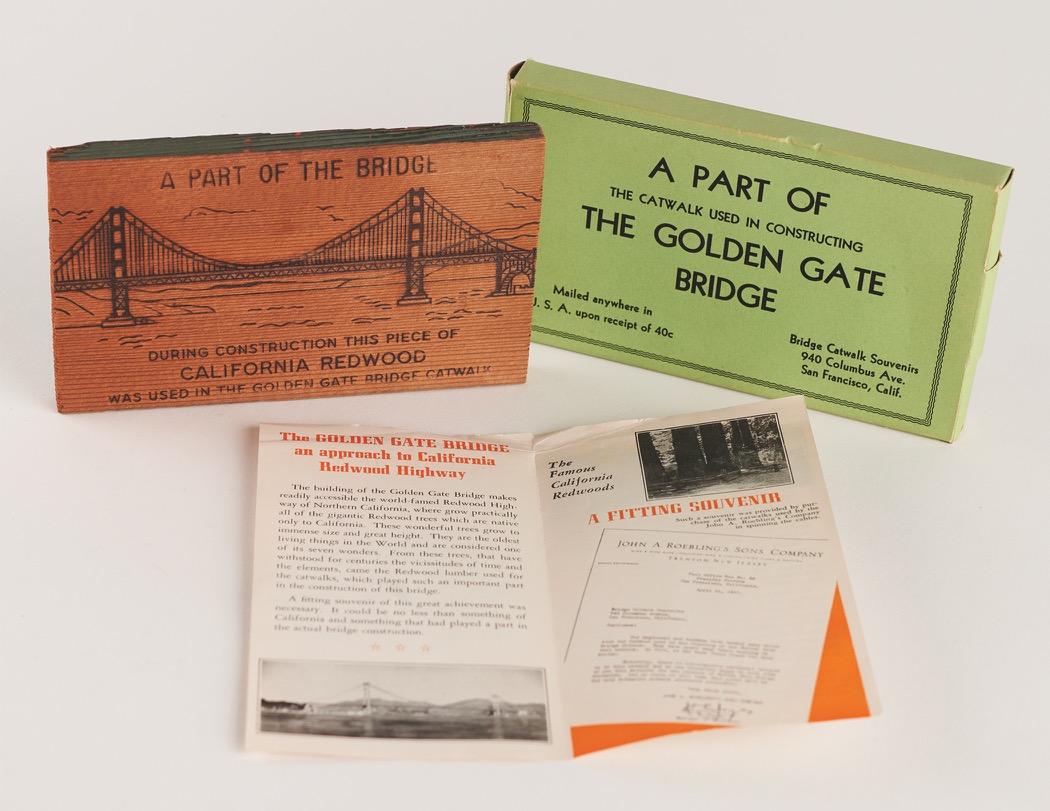
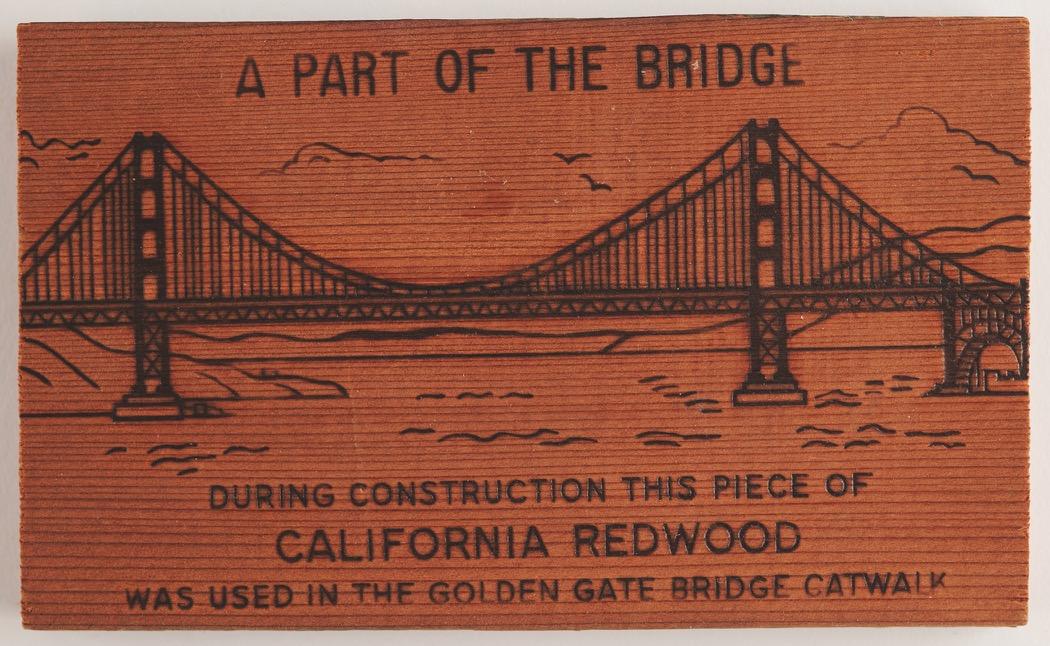
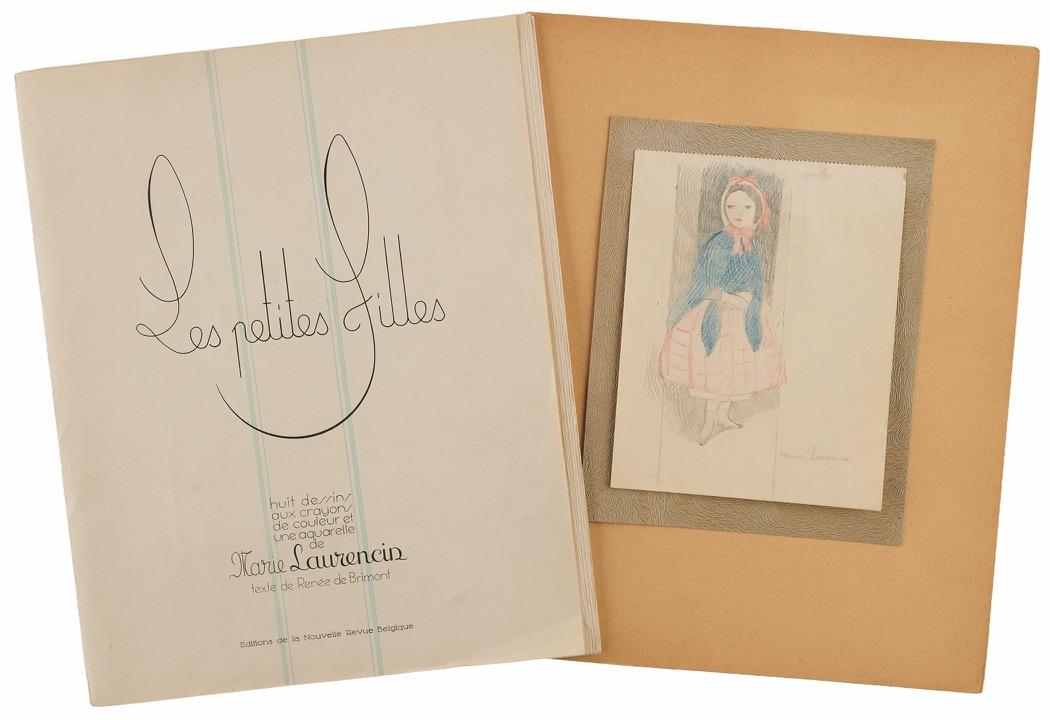
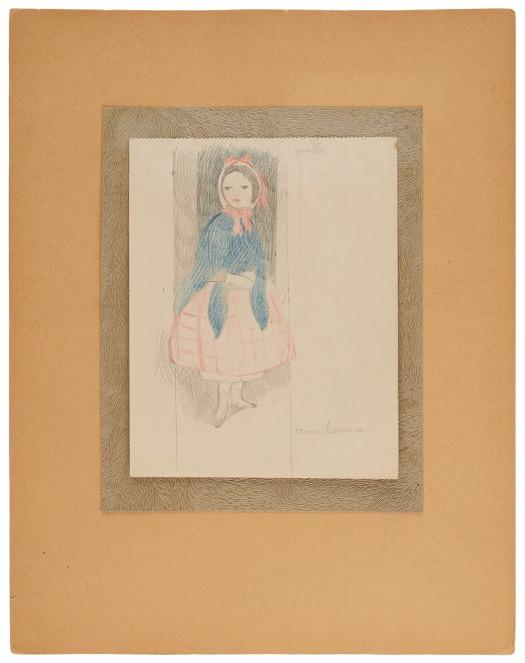
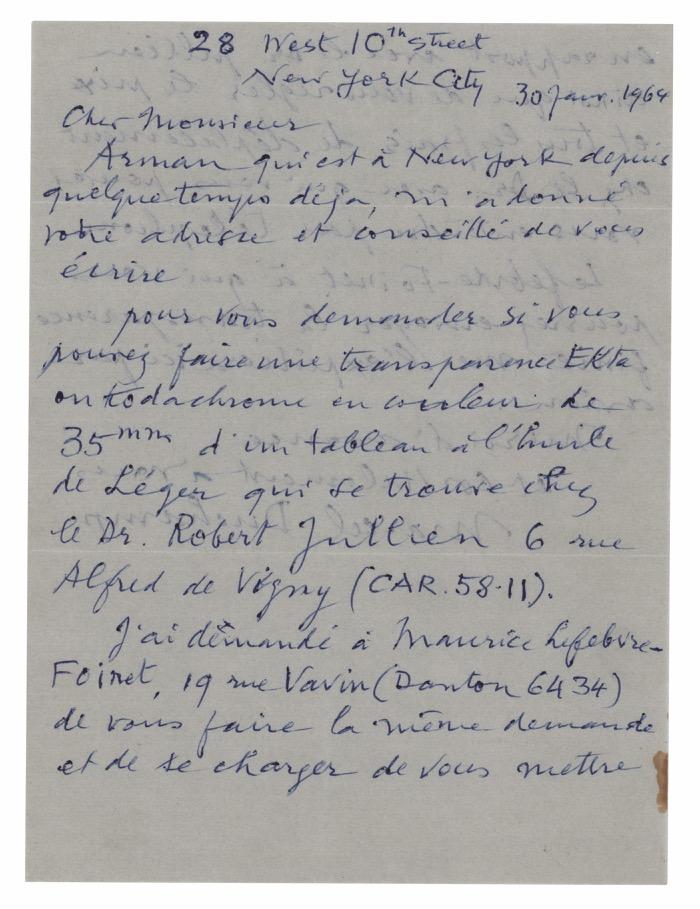
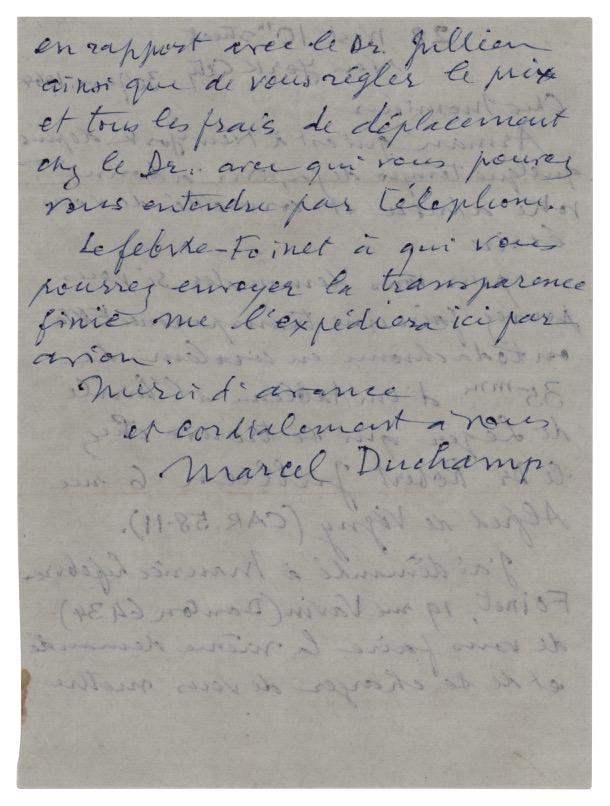
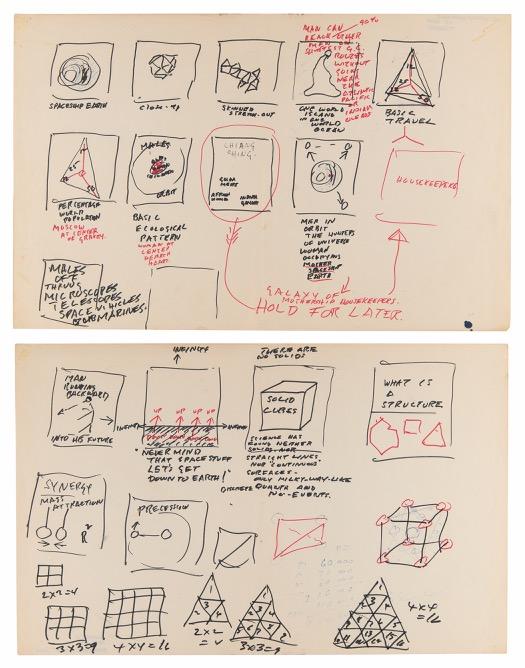
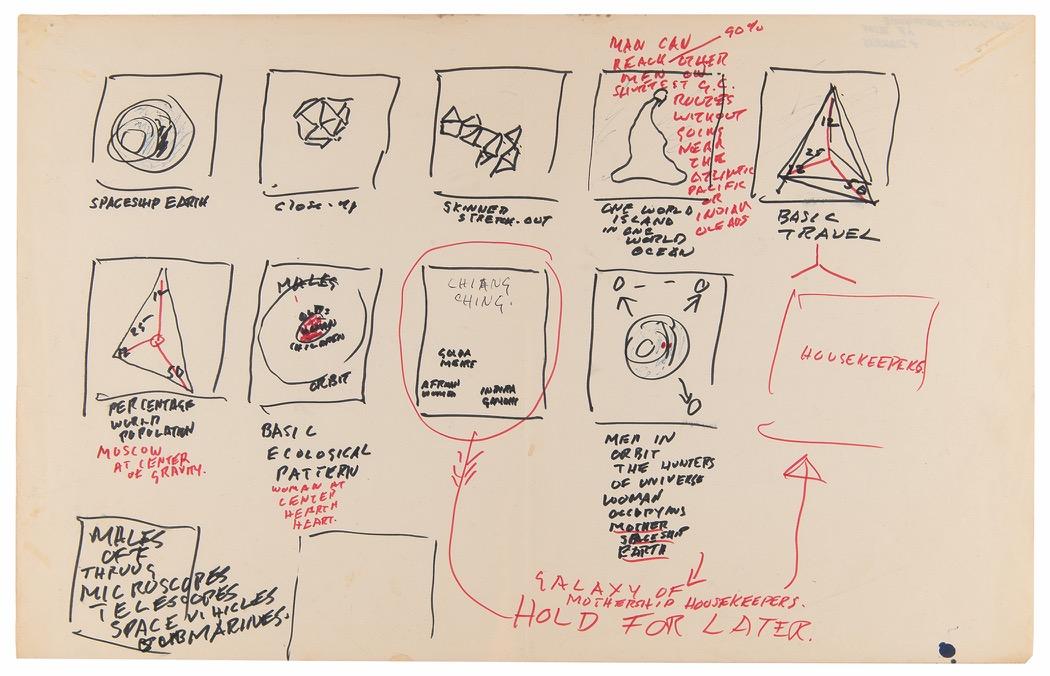
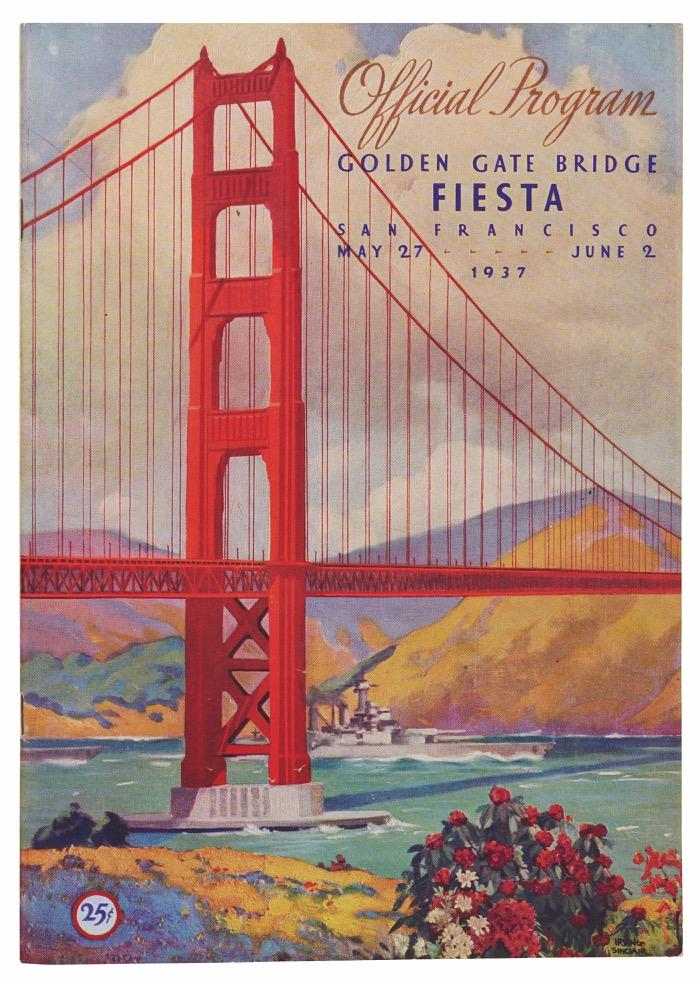
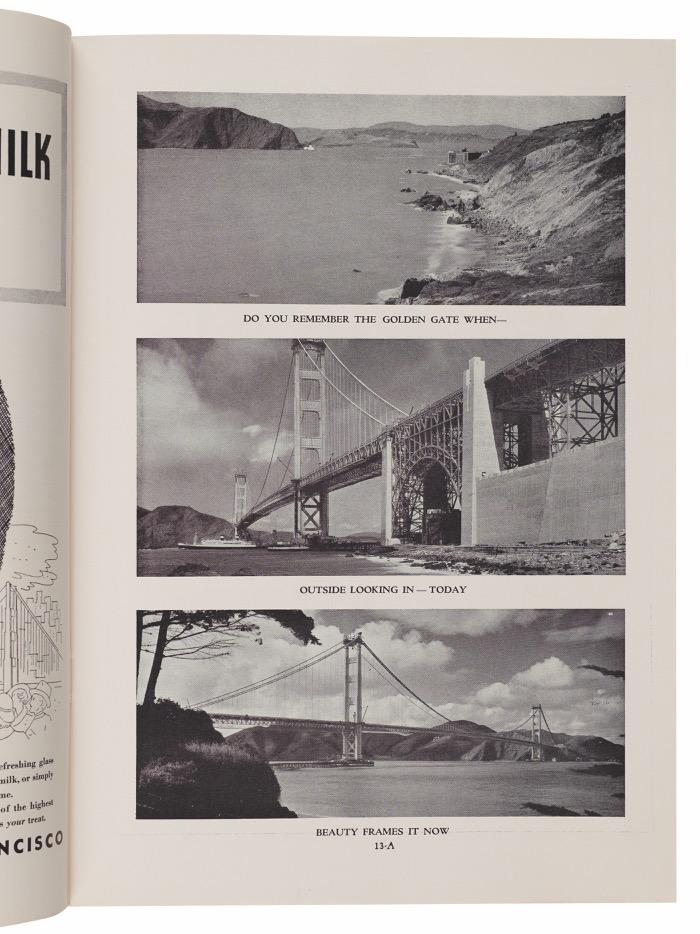
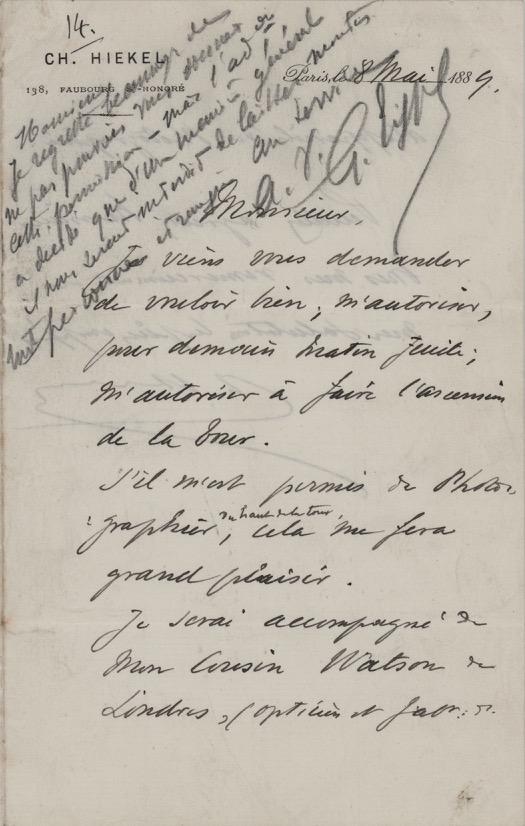
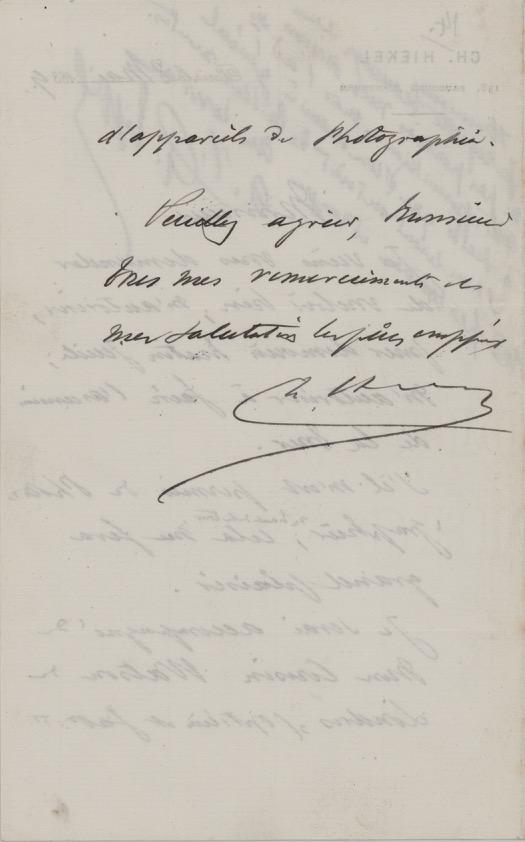
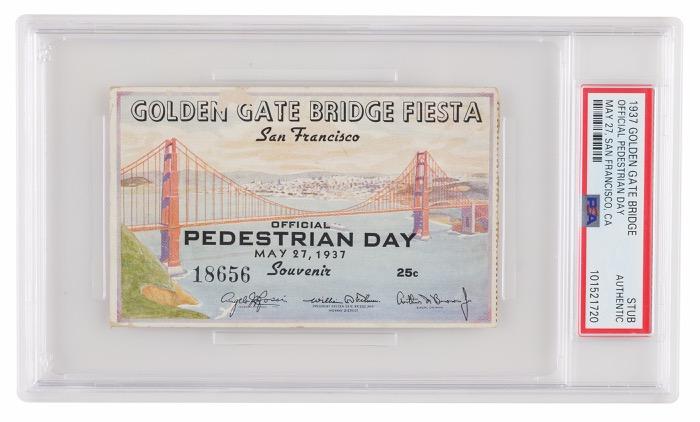
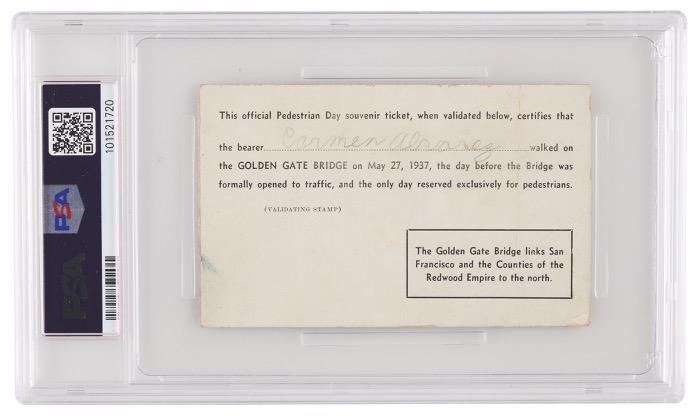
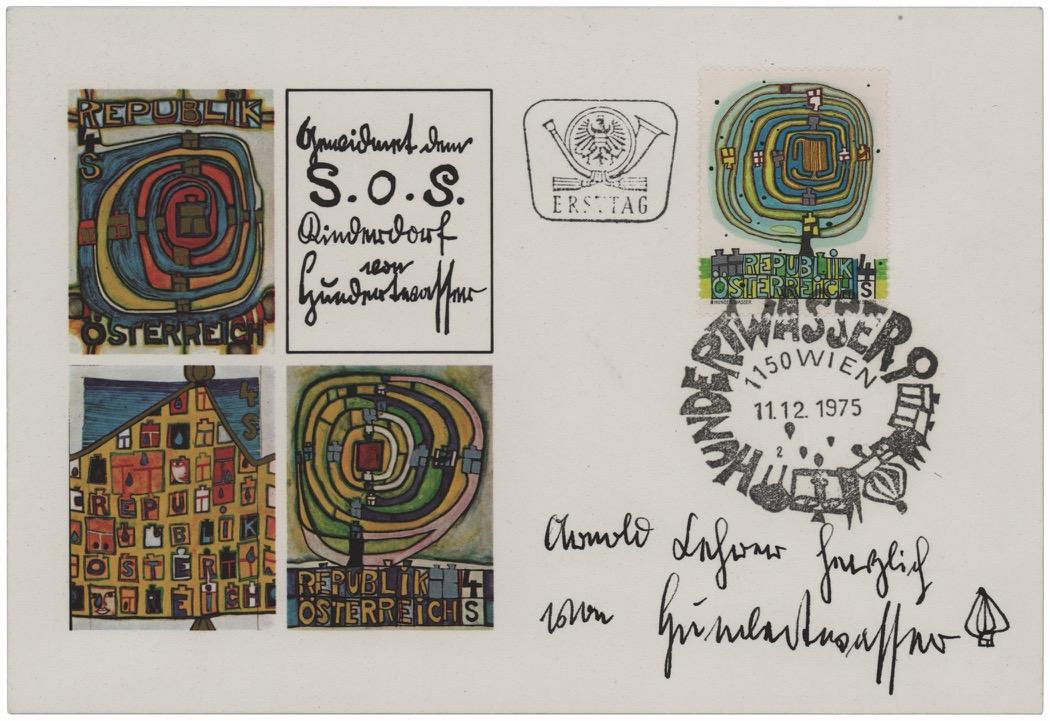
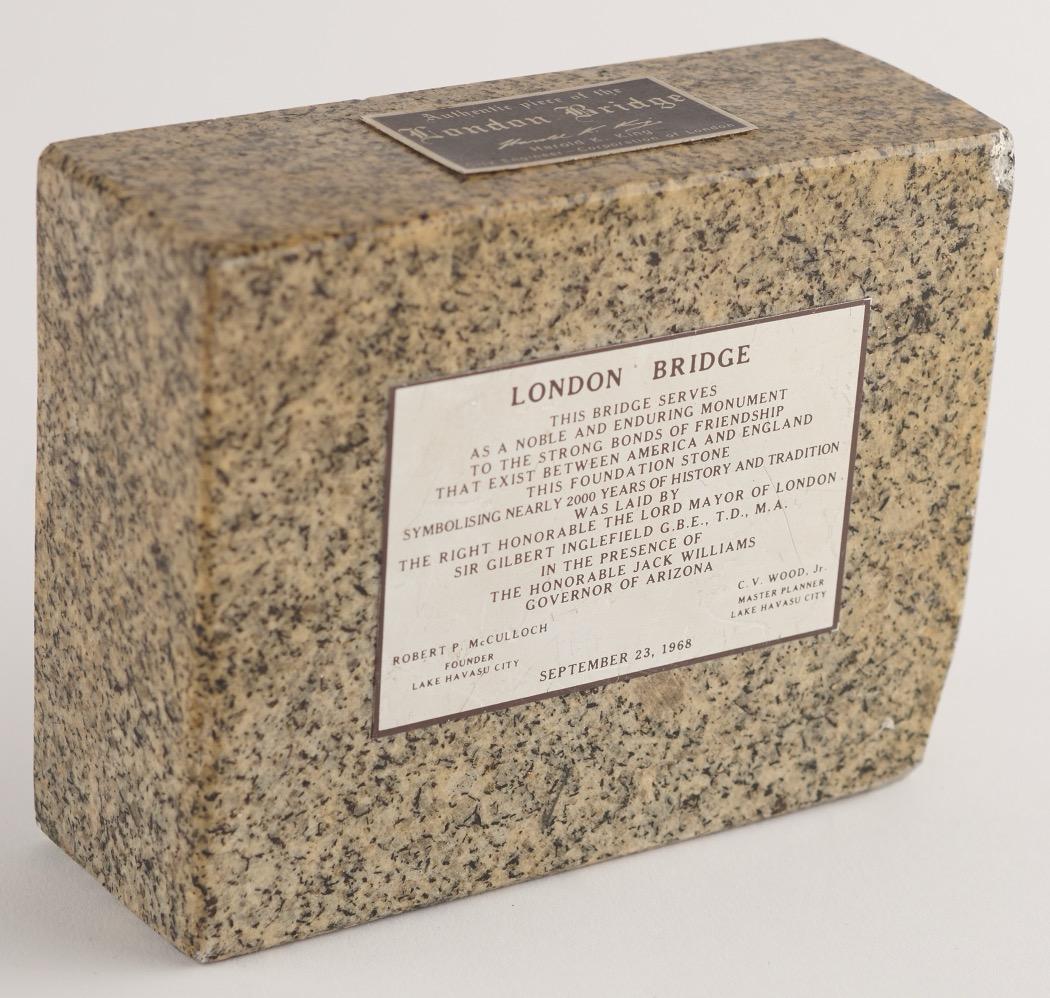
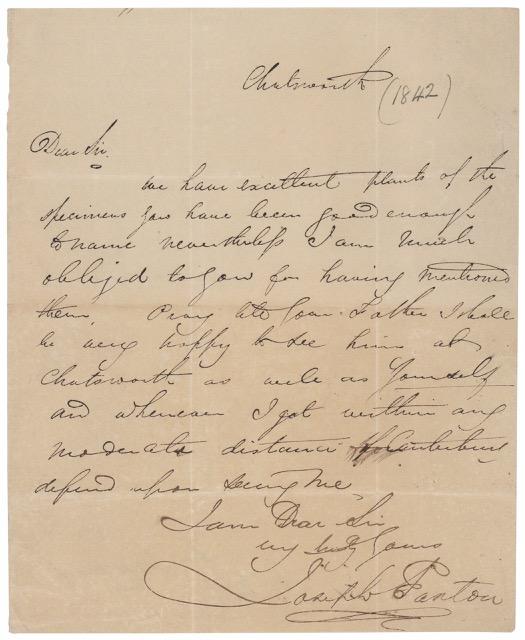
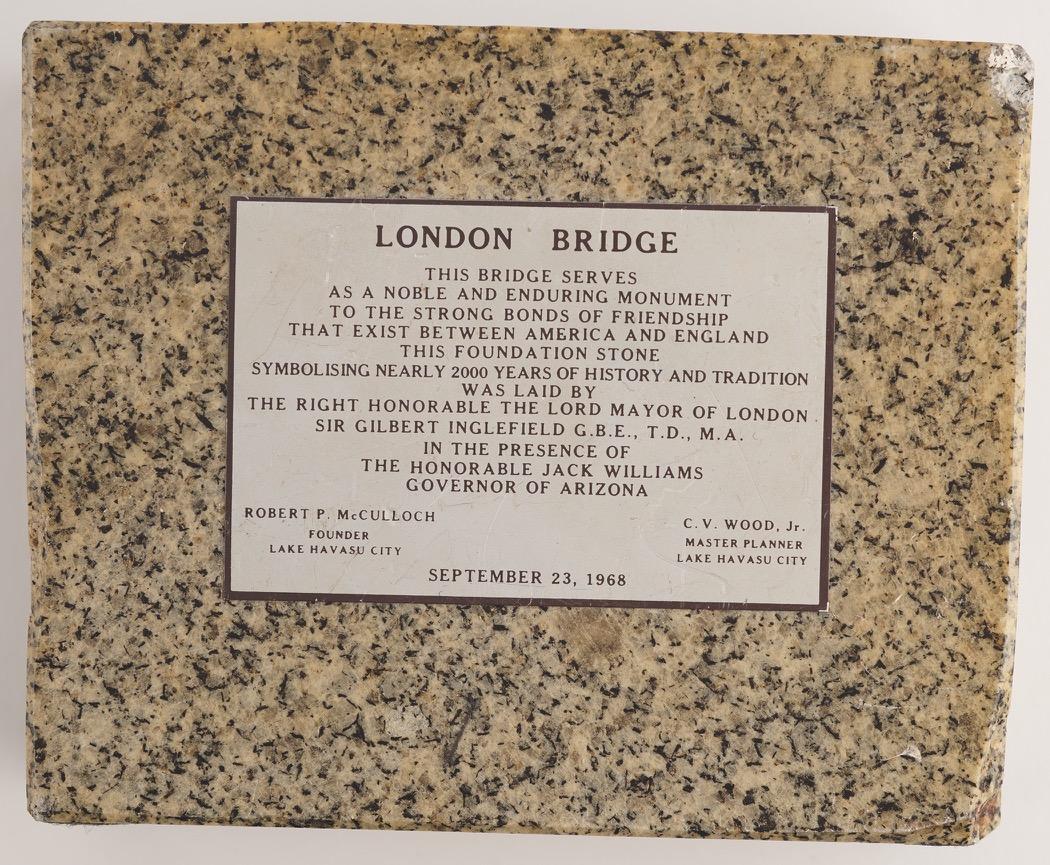
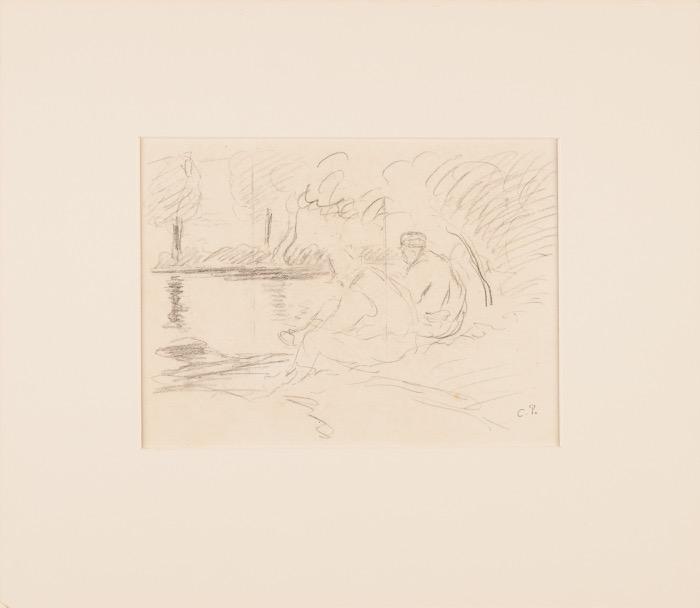
474. Camille Pissarro Signed Original Sketch -
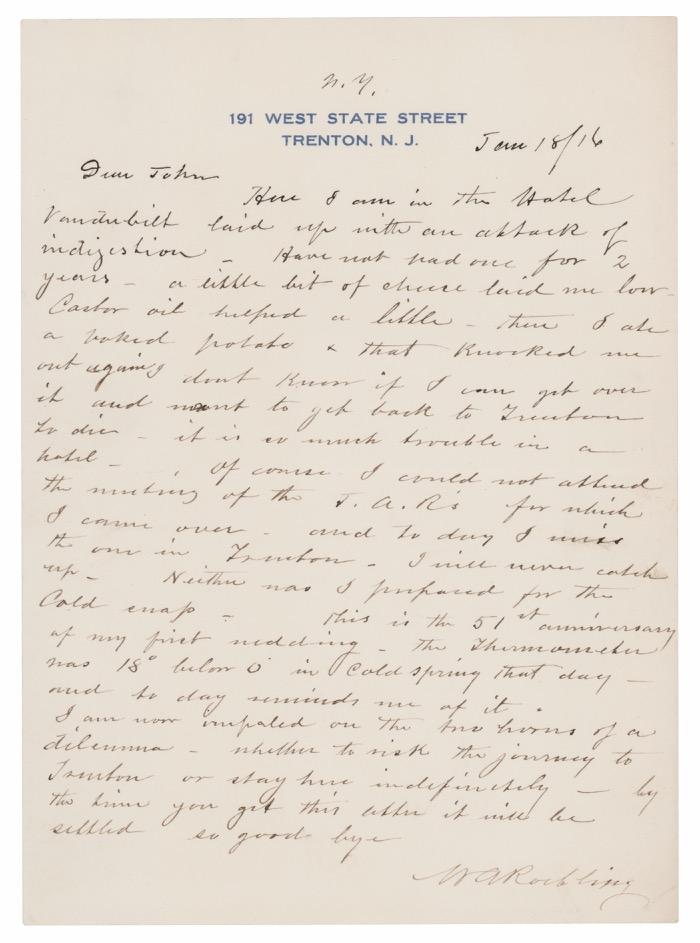
478. Washington A. Roebling Autograph Letter Signed Starting Bid $200
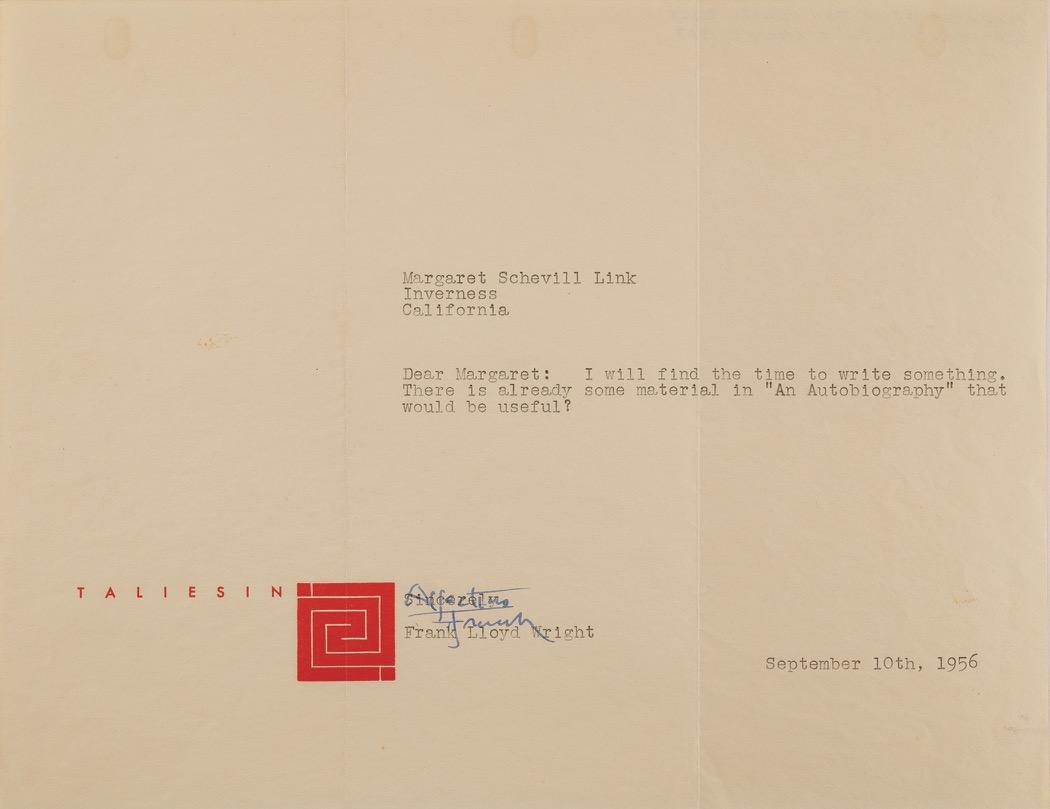
483. Frank Lloyd Wright Typed Letter Signed Starting Bid $200

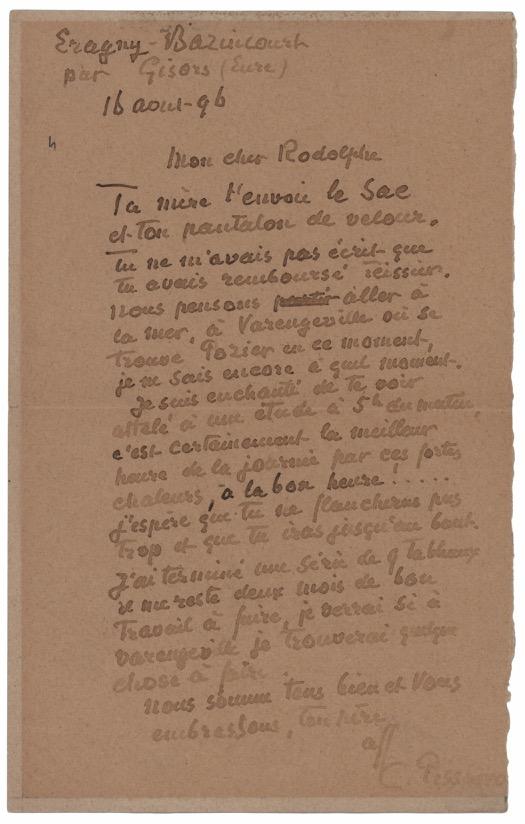
475. Camille Pissarro Autograph Letter Signed to His Son: "I have fini... Starting Bid $200
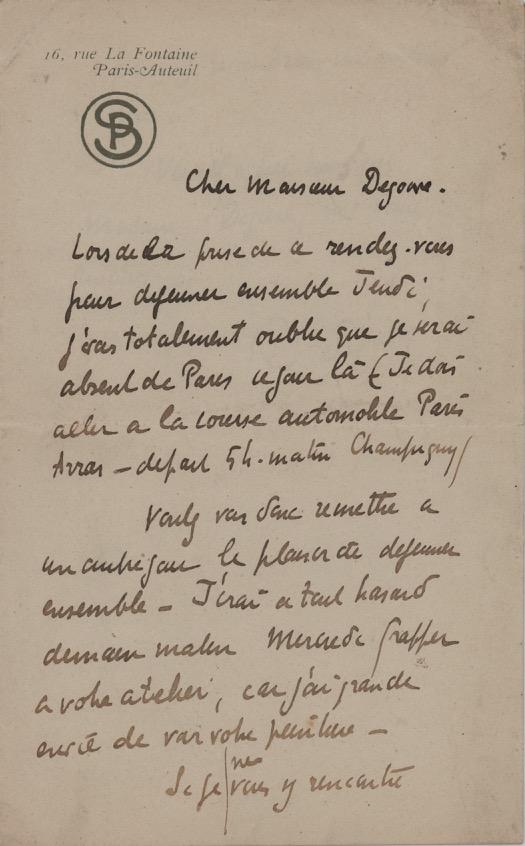
479. Paul Signac Autograph Letter Signed
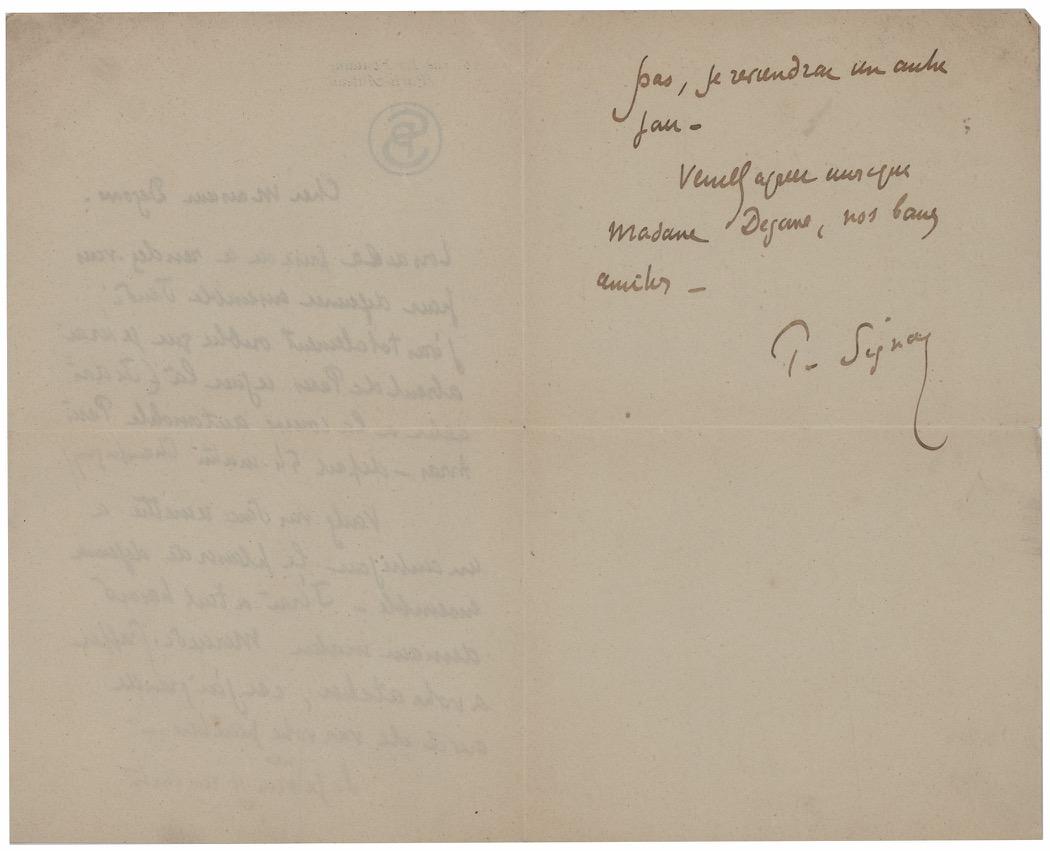
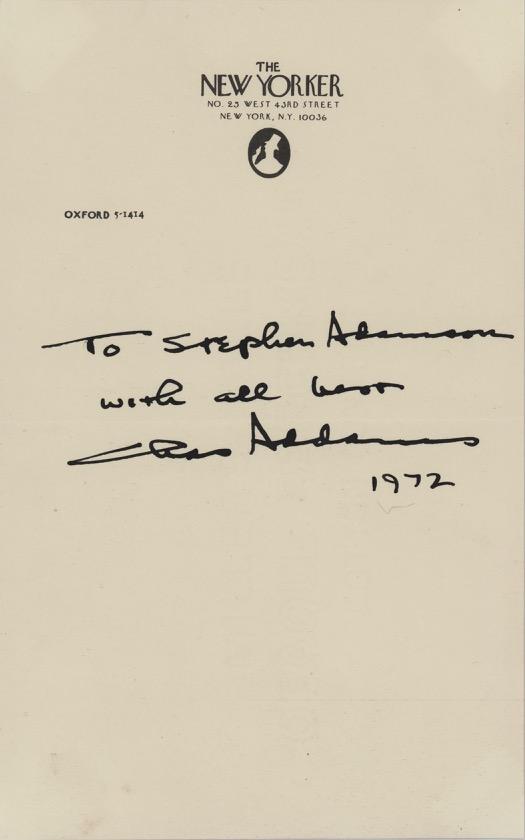
515. Charles Addams Signature Starting Bid $200
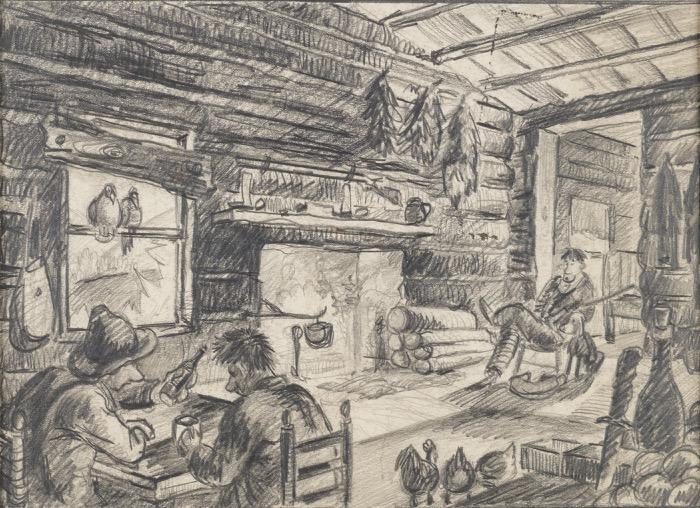
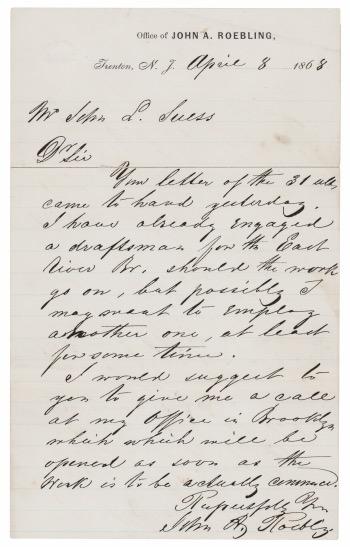
476. Norman Rockwell Signed First Day Cover
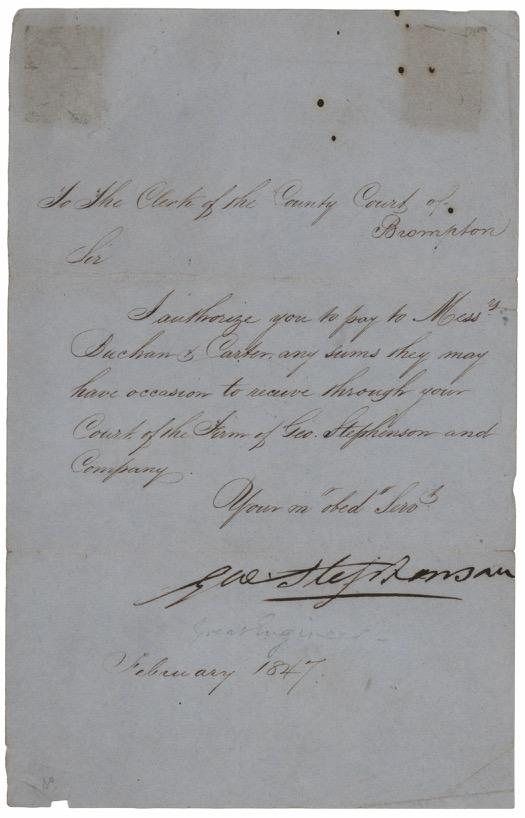
480. George Stephenson Letter Signed Starting Bid $200
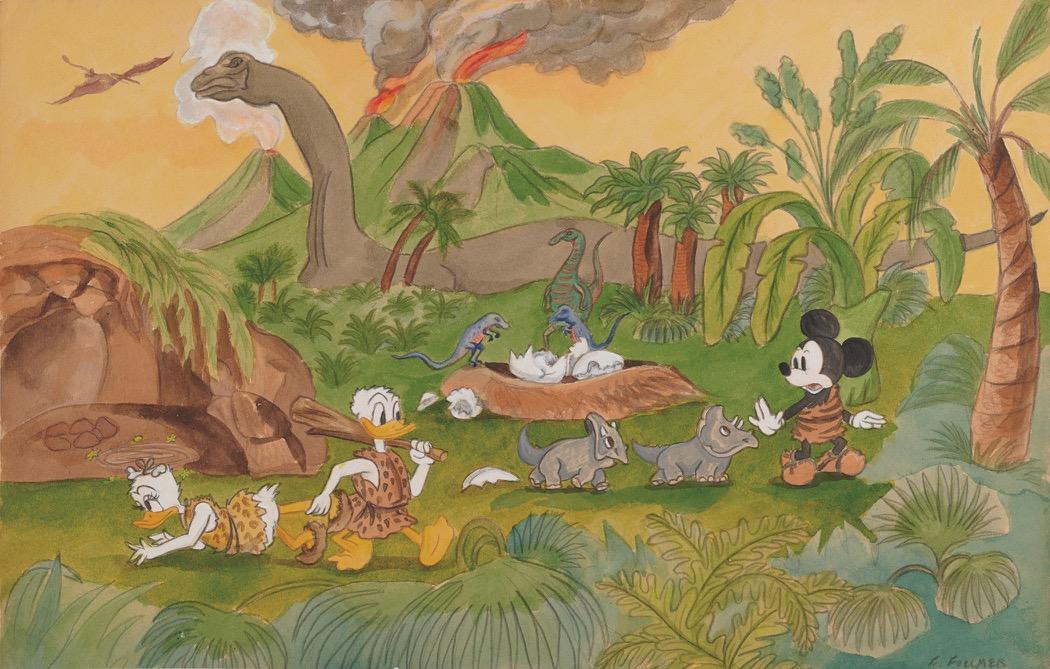
516. Frank Follmer panoramic concept painting for The Rite of Spring s... Starting Bid $200
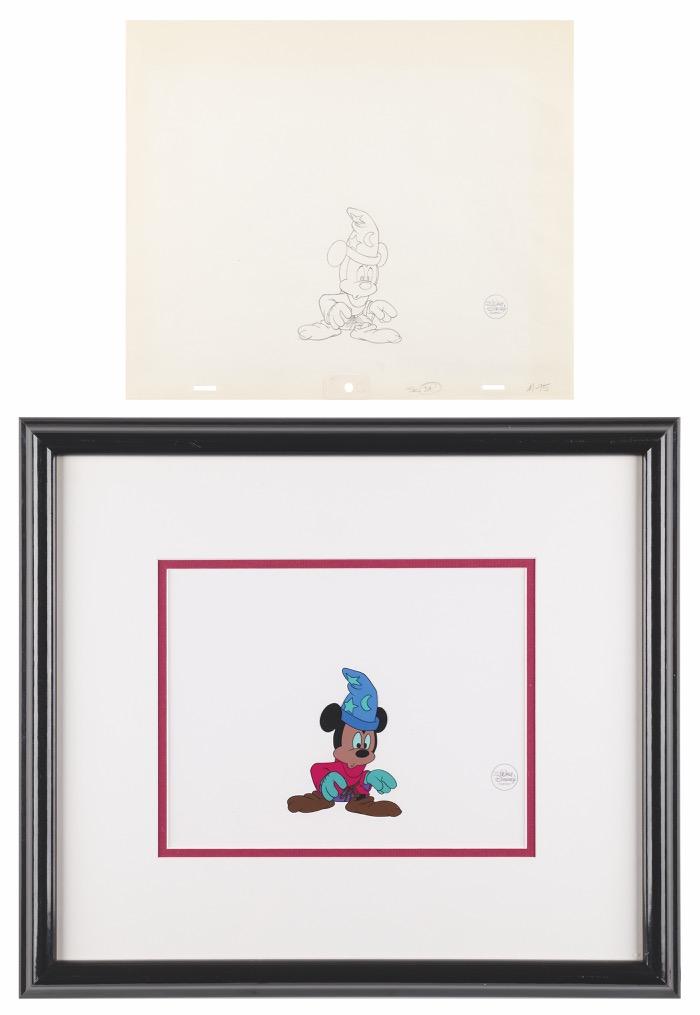
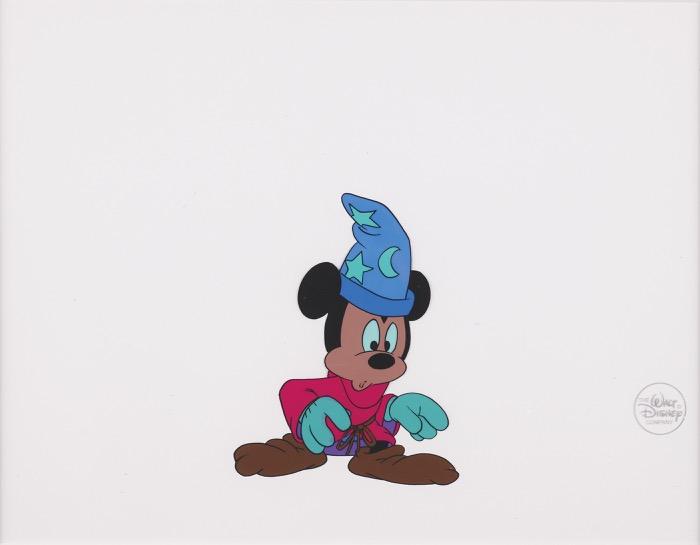
477. John A. Roebling Autograph Letter Signed, Referring to the Brookl... Starting Bid $200
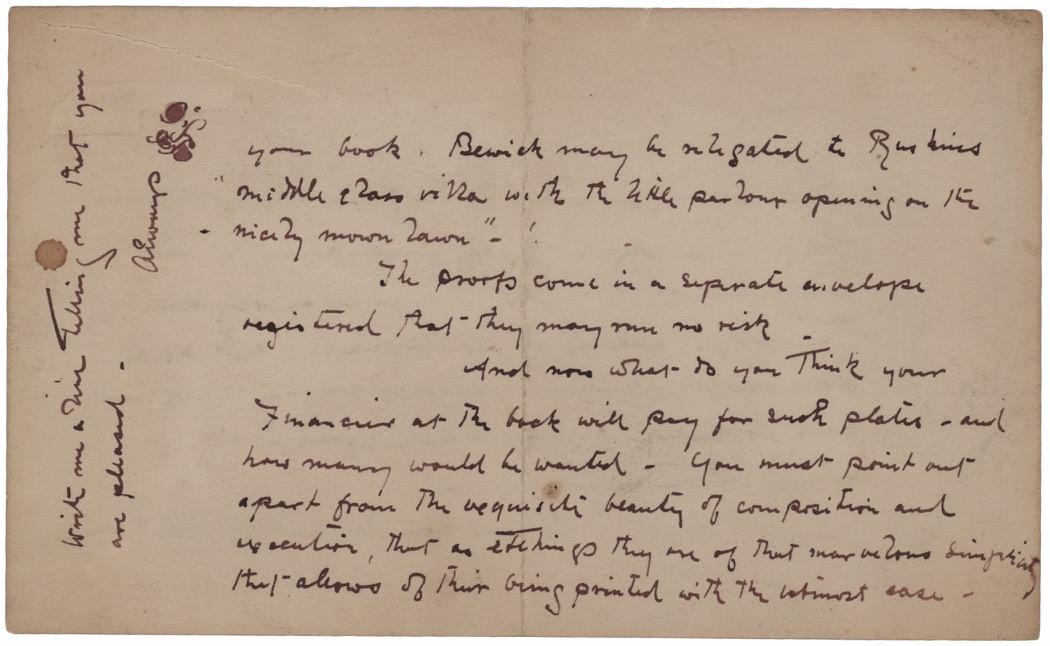
482. James Abbott McNeill Whistler Autograph Letter Signed, Sending "a...
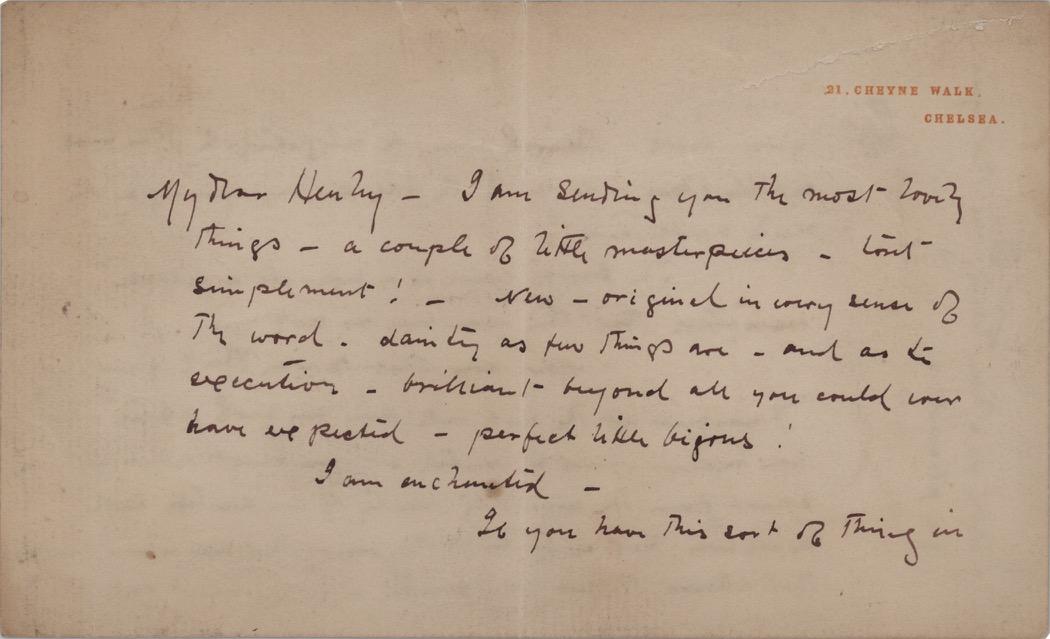
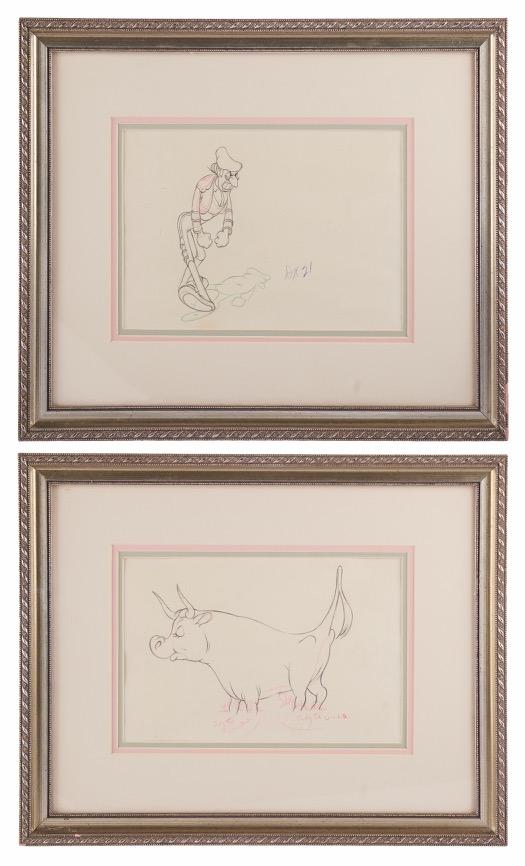
Starting Bid
522. Mickey and Minnie Mouse production drawing from Mickey's Pal Plut... Starting Bid $200
530. Virgil Ross Signed Original Drawing of Looney Tunes Characters Starting Bid $200
534. Bugs Bunny and Elmer Fudd Signed Original Drawing by Virgil Ross Starting Bid $200


531. Virgil Ross (3) Original Drawings of Bugs Bunny from 'Rhapsody Ra... Starting Bid $200
535. Virgil Ross Signed Original Drawing of Sylvester and Tweety Starting Bid $200

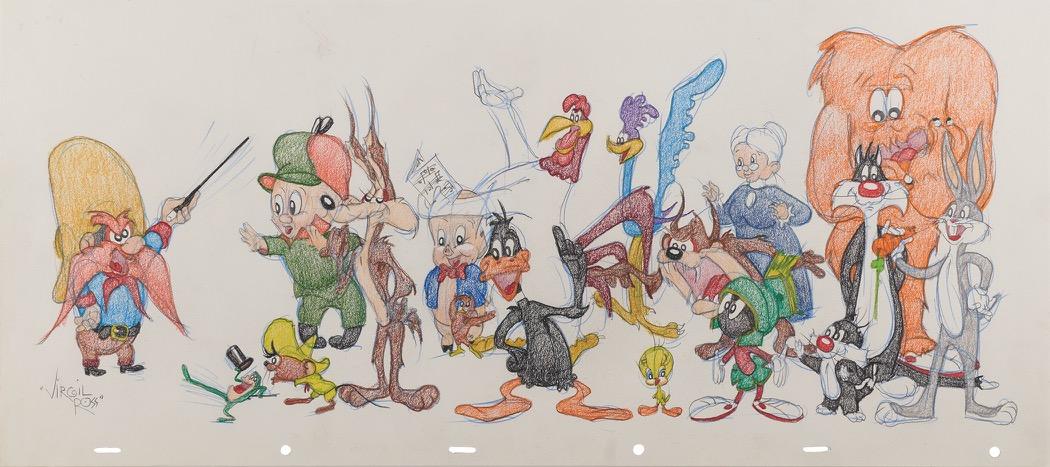
528. Virgil Ross Signed Original Panorama Drawing of (18) Looney Tunes... Starting Bid $200
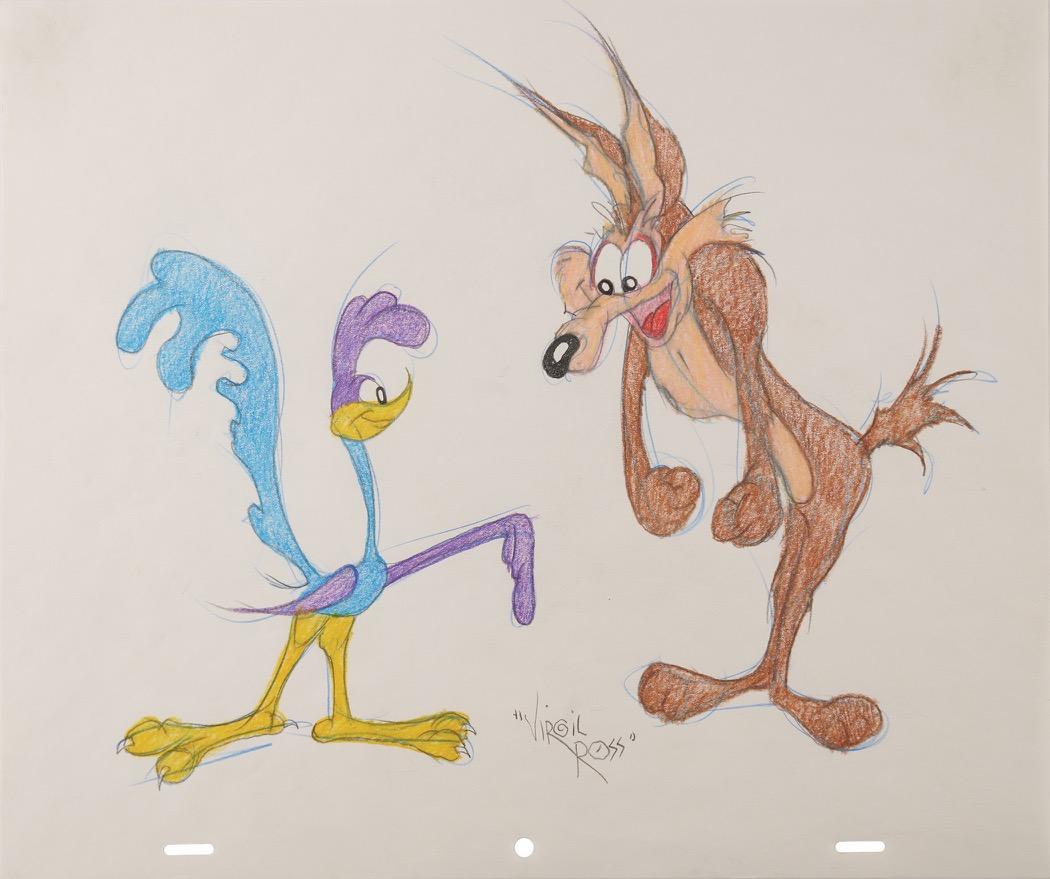
532. Virgil Ross Signed Original Drawing of Wile E. Coyote and the Roa... Starting Bid $200
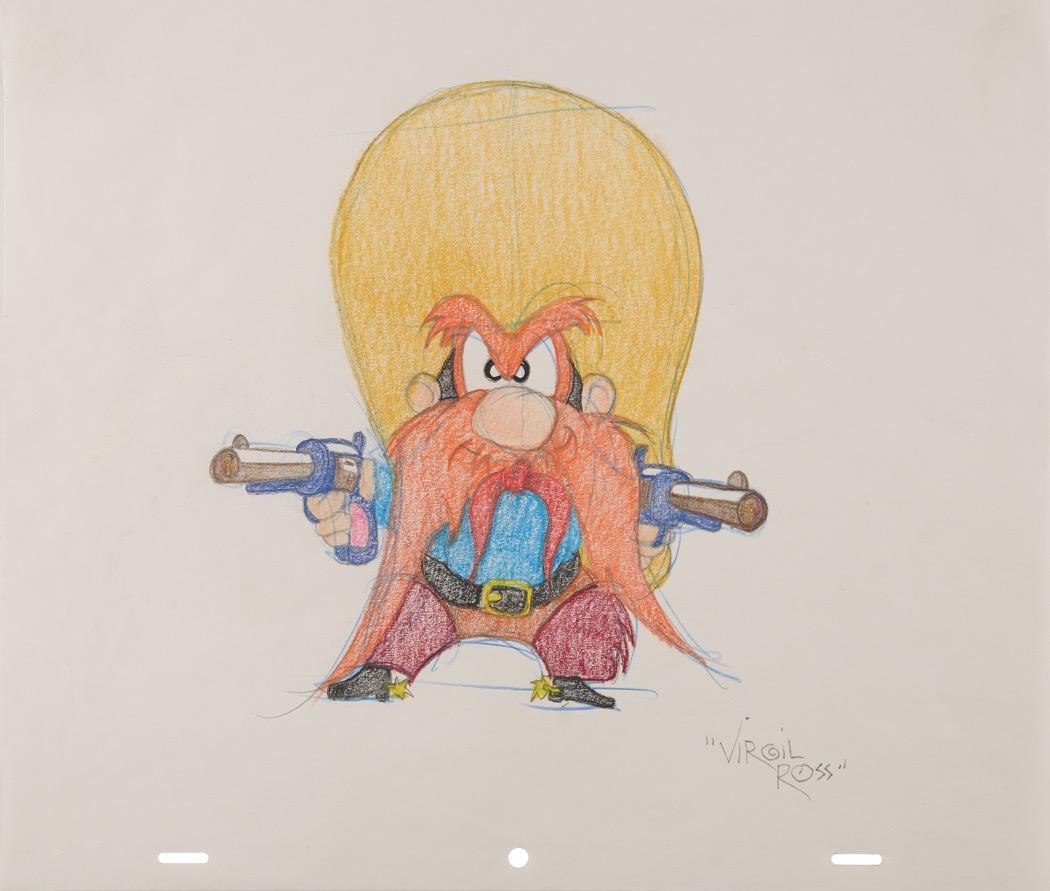
536. Virgil Ross Signed Original Drawing of Yosemite Sam Starting Bid $200


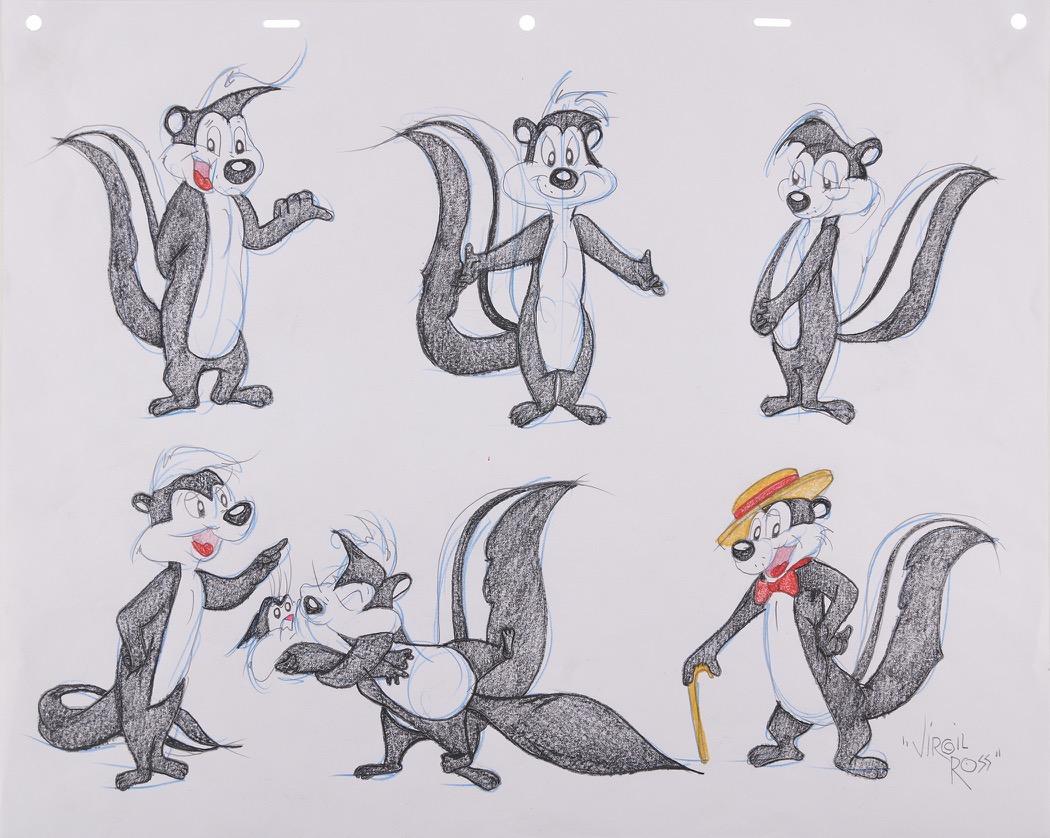
529. Virgil Ross Signed Original Color Model Drawing of Pepe Le Pew Starting Bid $200
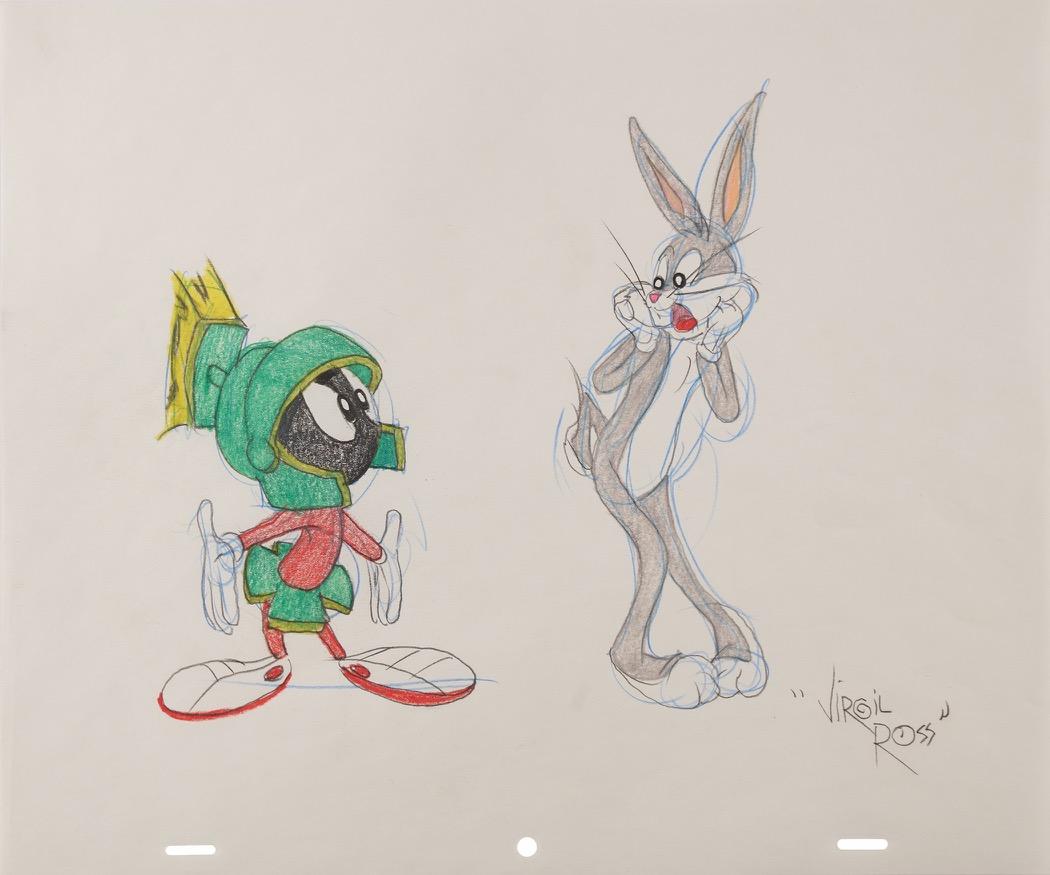
533. Virgil Ross Signed Original Drawing of Bugs Bunny and Marvin the ... Starting Bid $200
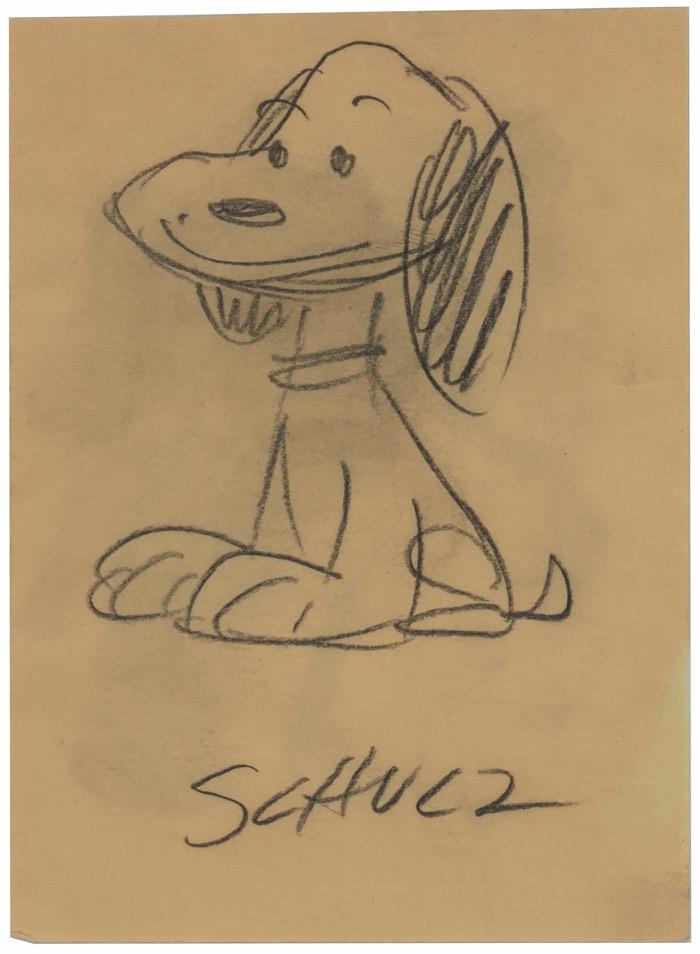
537. Charles Schulz Original Sketch of
Starting Bid $200
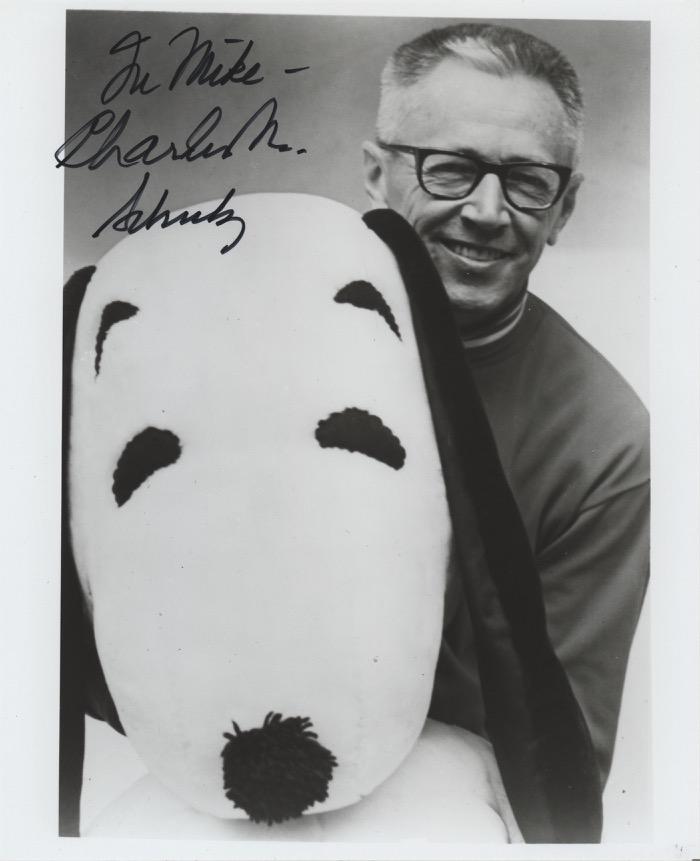
538.
Starting Bid $200
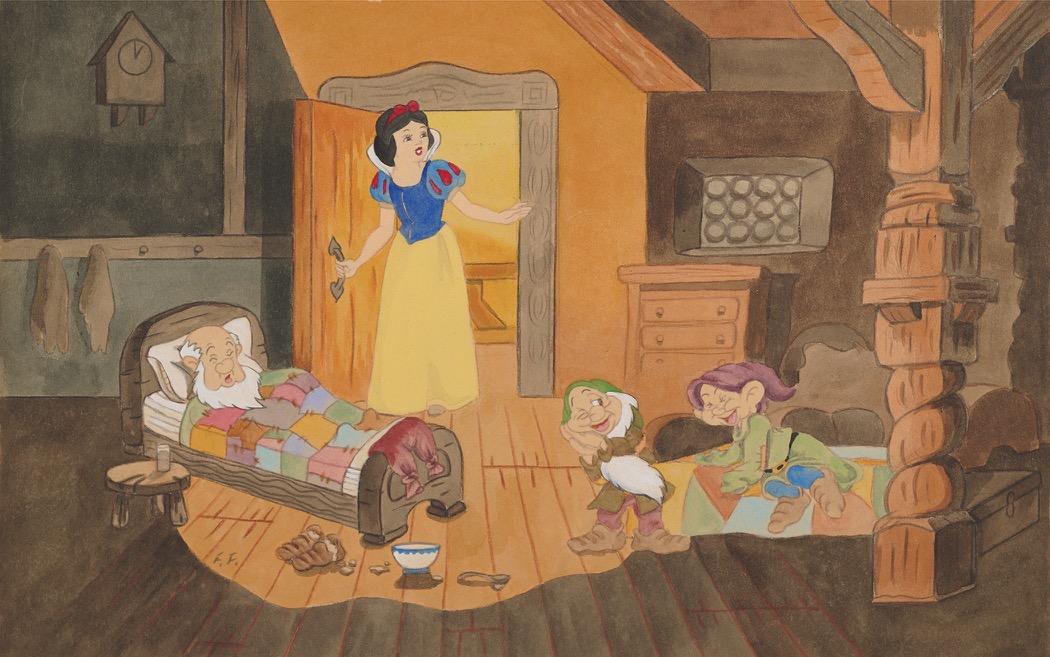
542.
panoramic concept painting for Snow White and the
Starting Bid $200
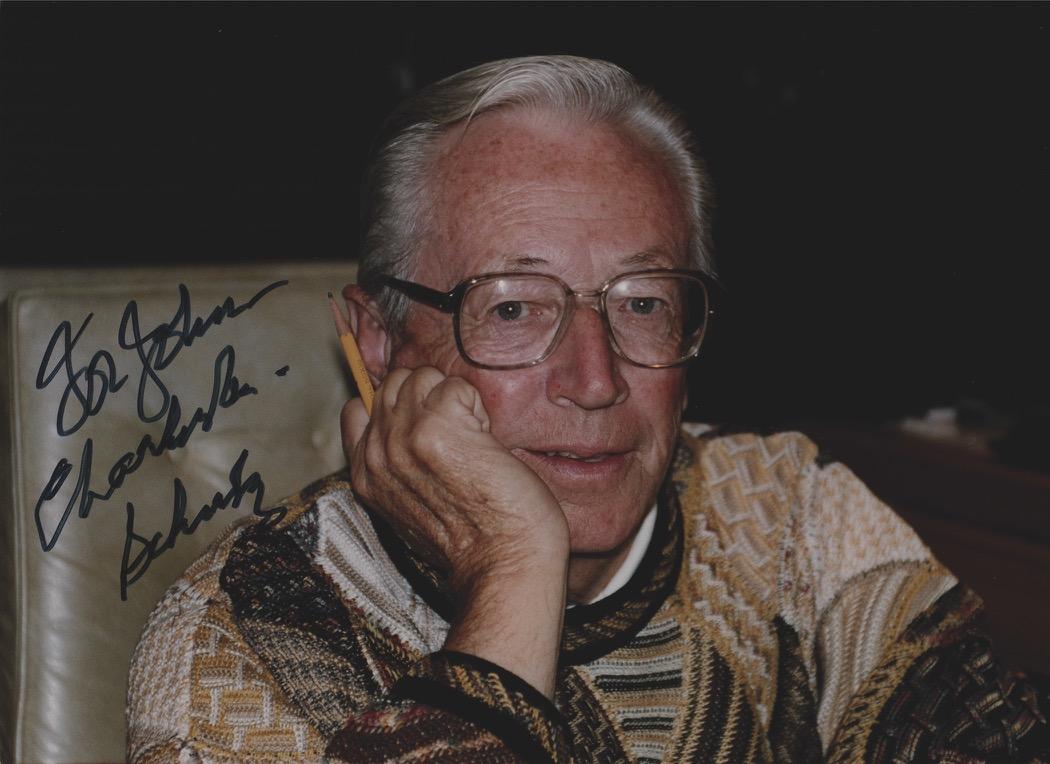
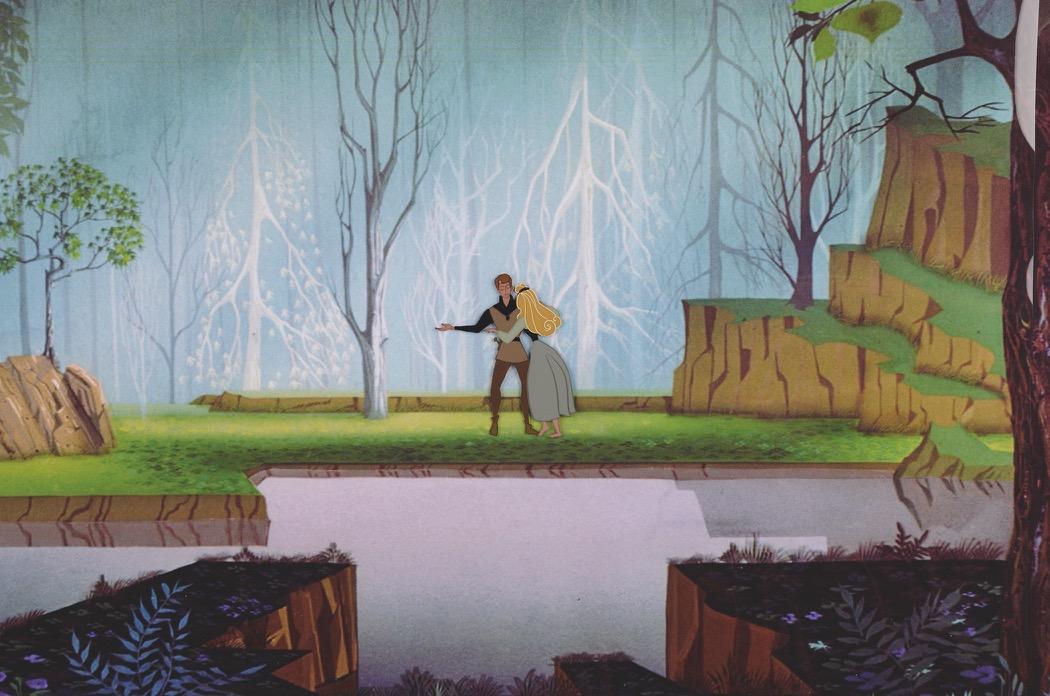

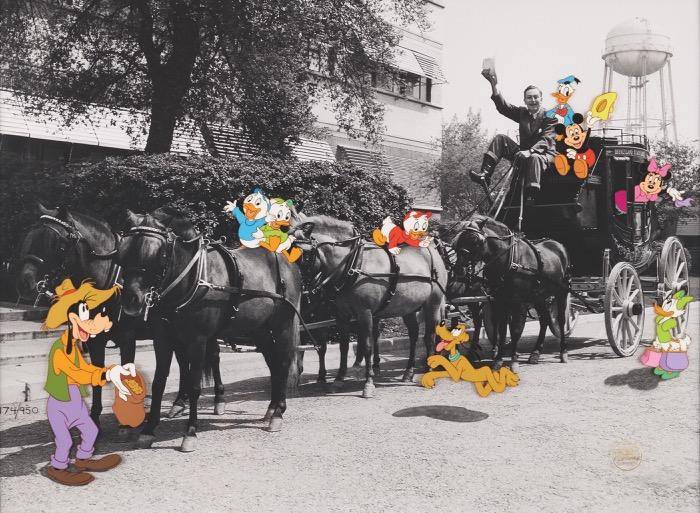
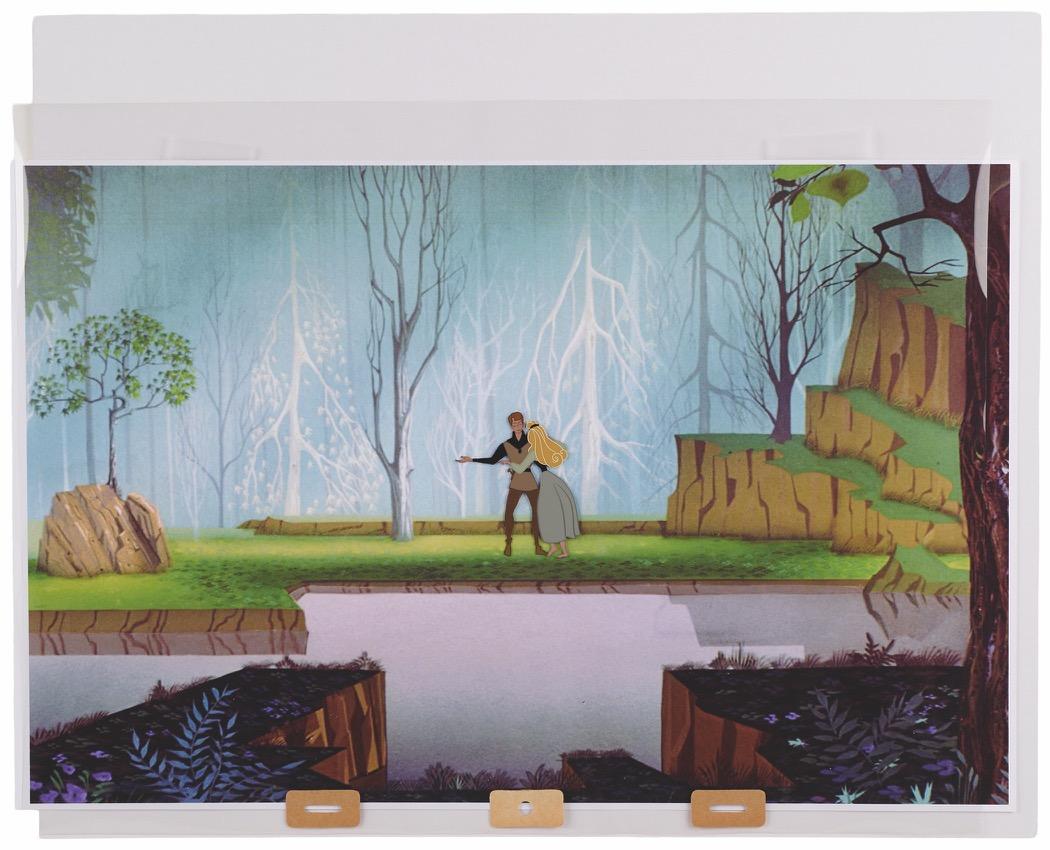
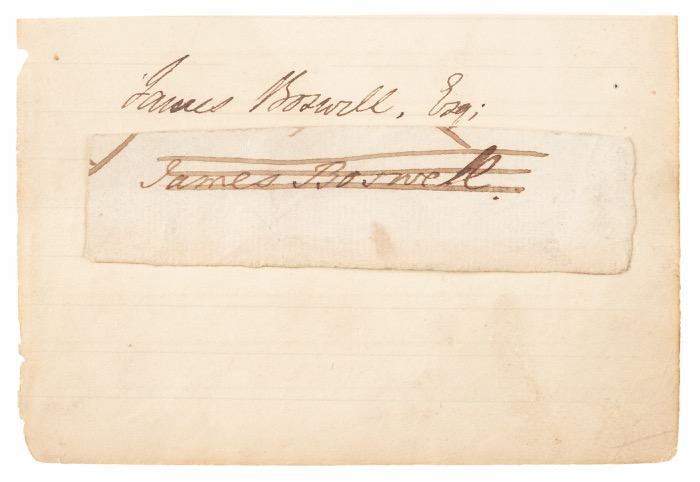
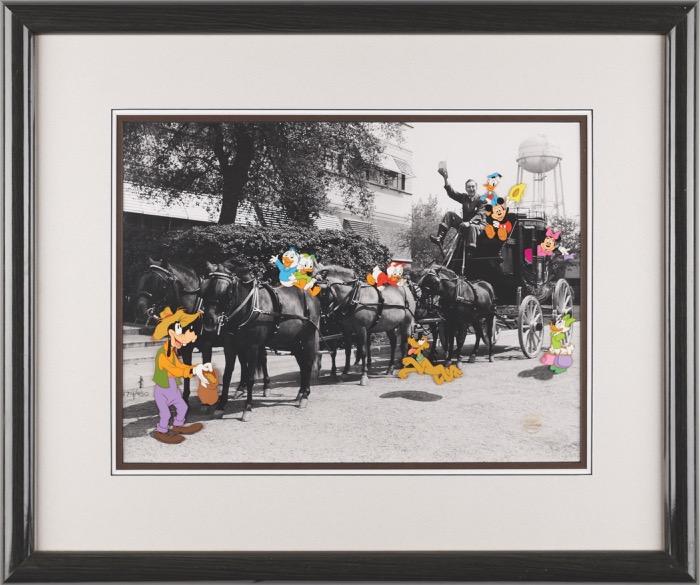
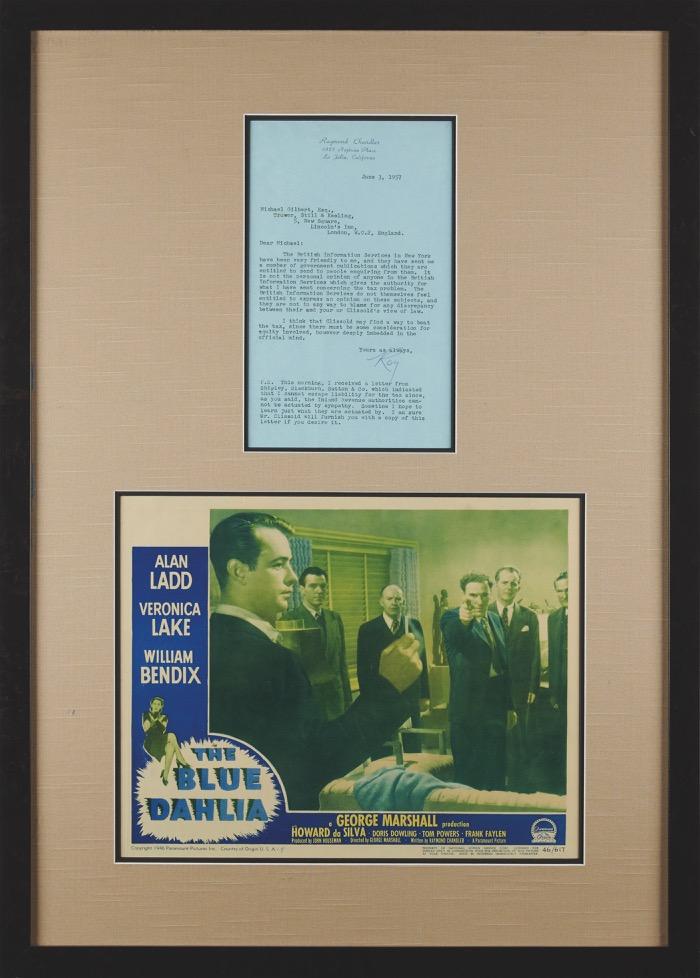
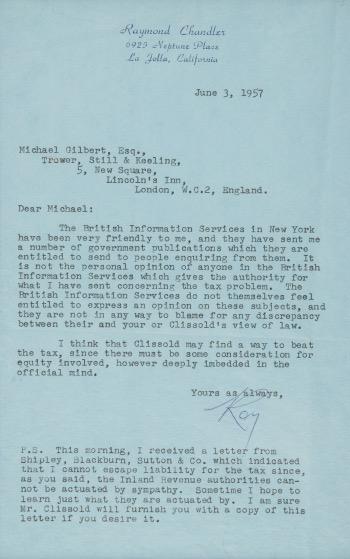
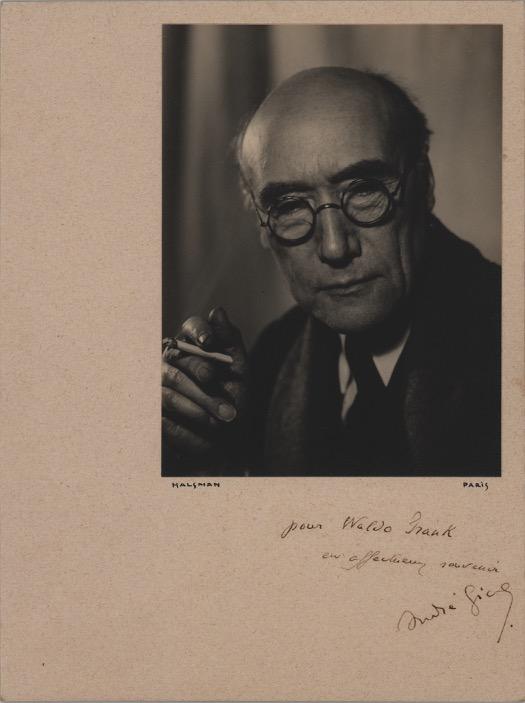
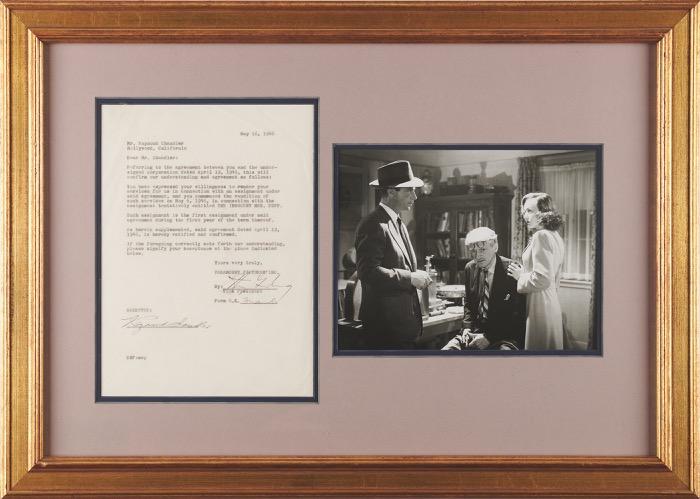
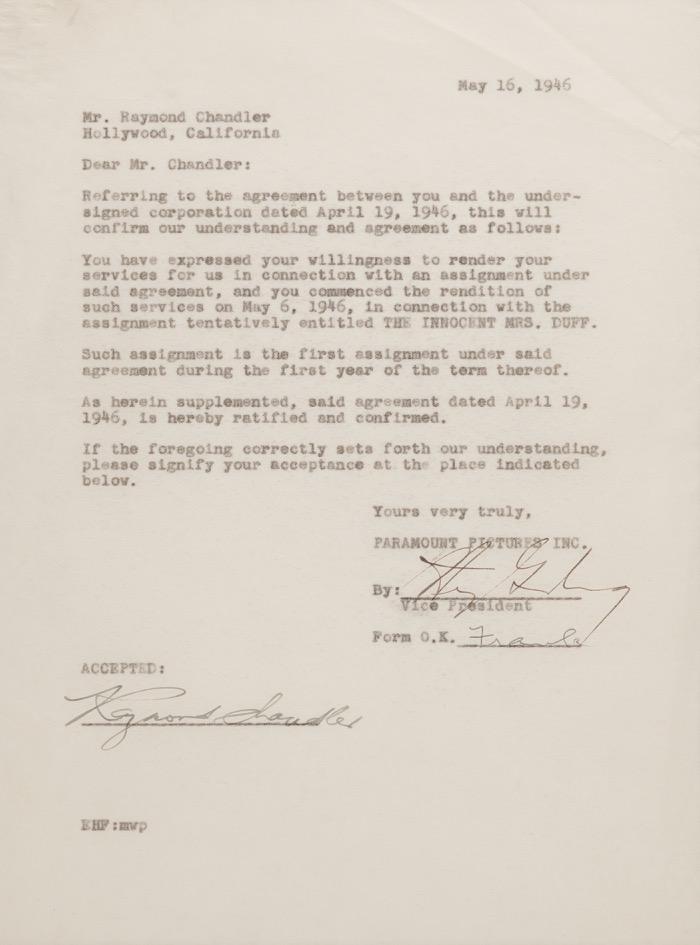
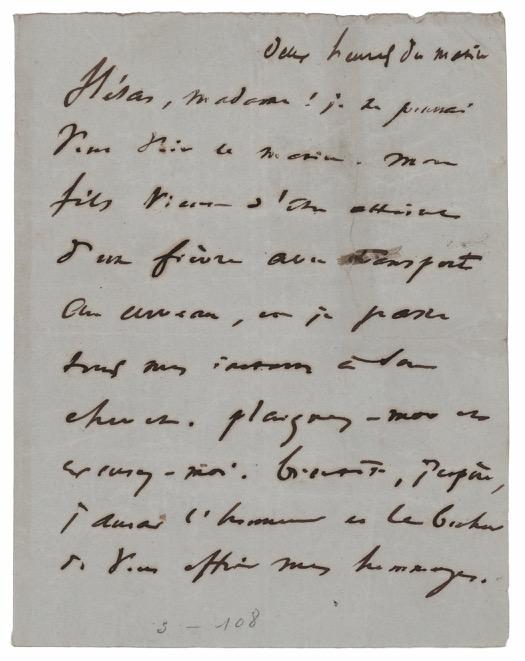

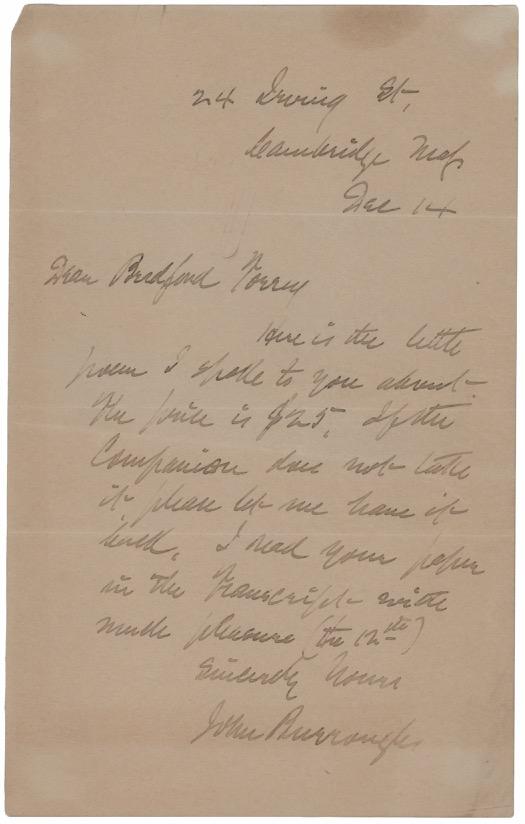
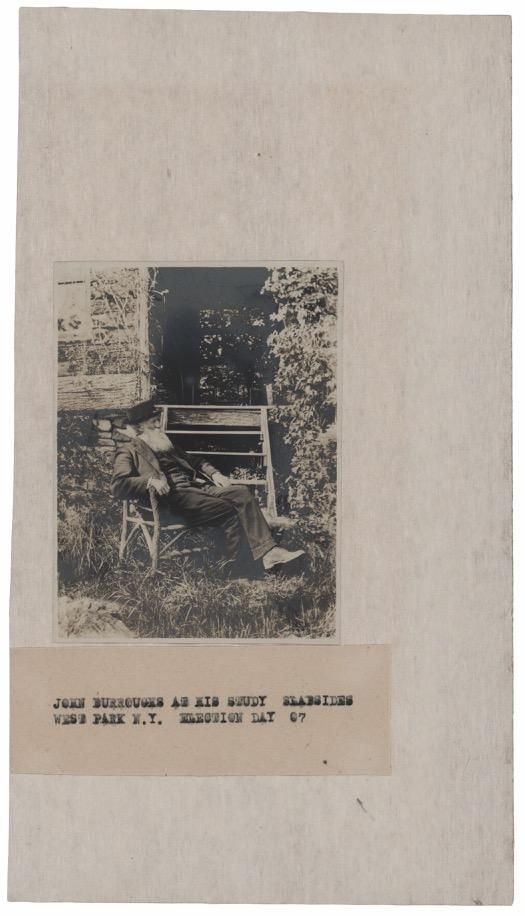
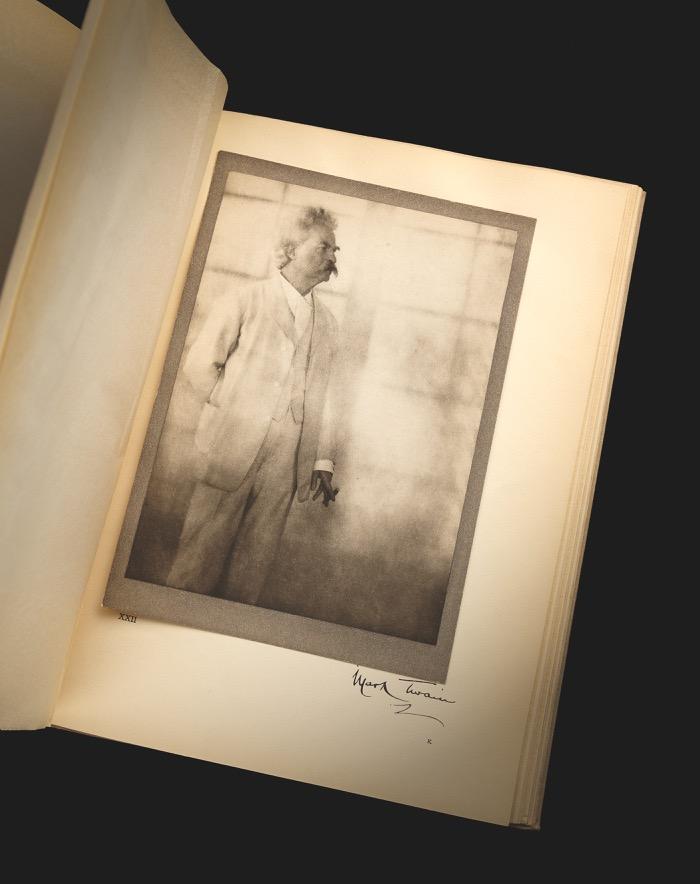
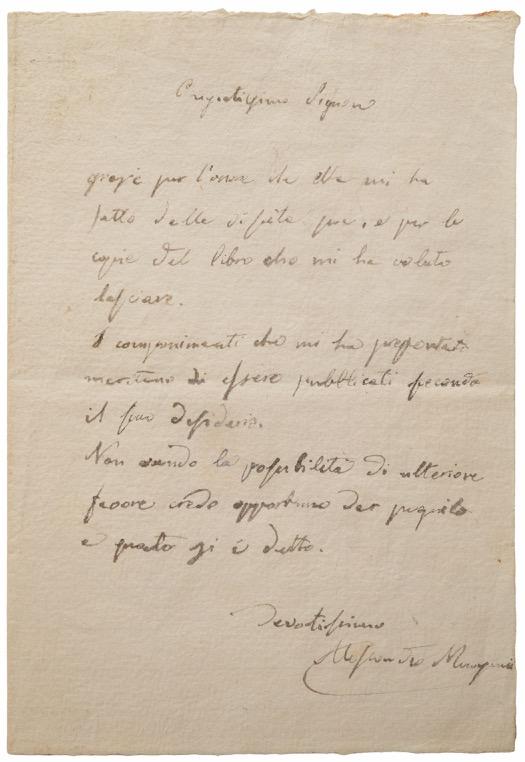
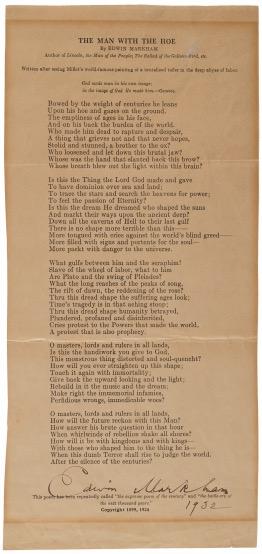
579. Edwin Markham Signed Souvenir Typescript of 'The Man with the Hoe... Starting Bid $100
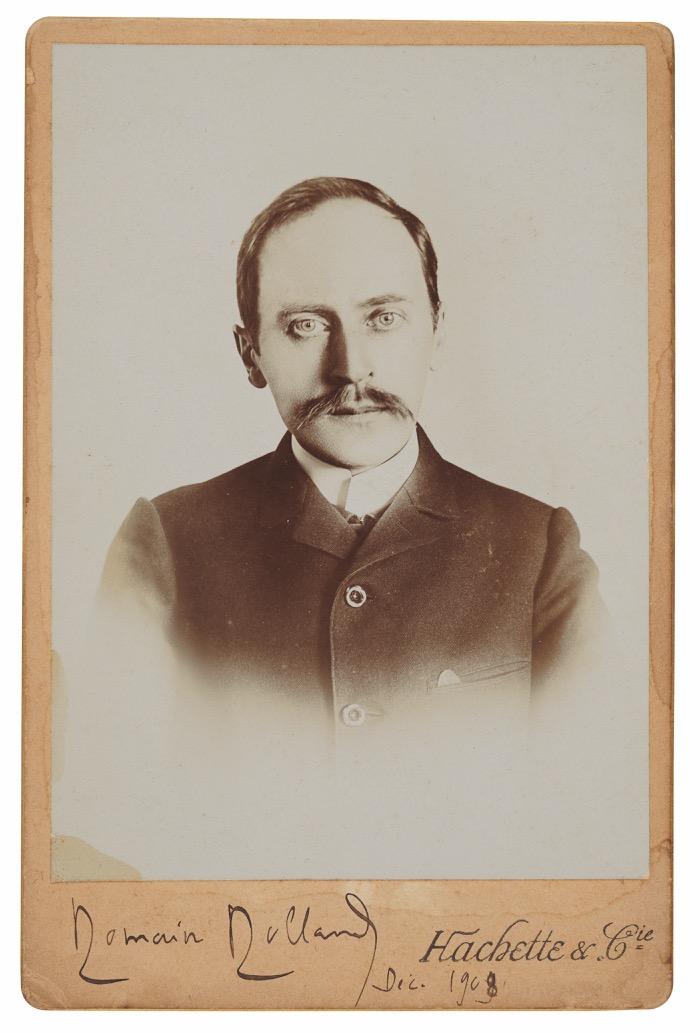
583. Romain Rolland Signed Photograph Starting Bid $200
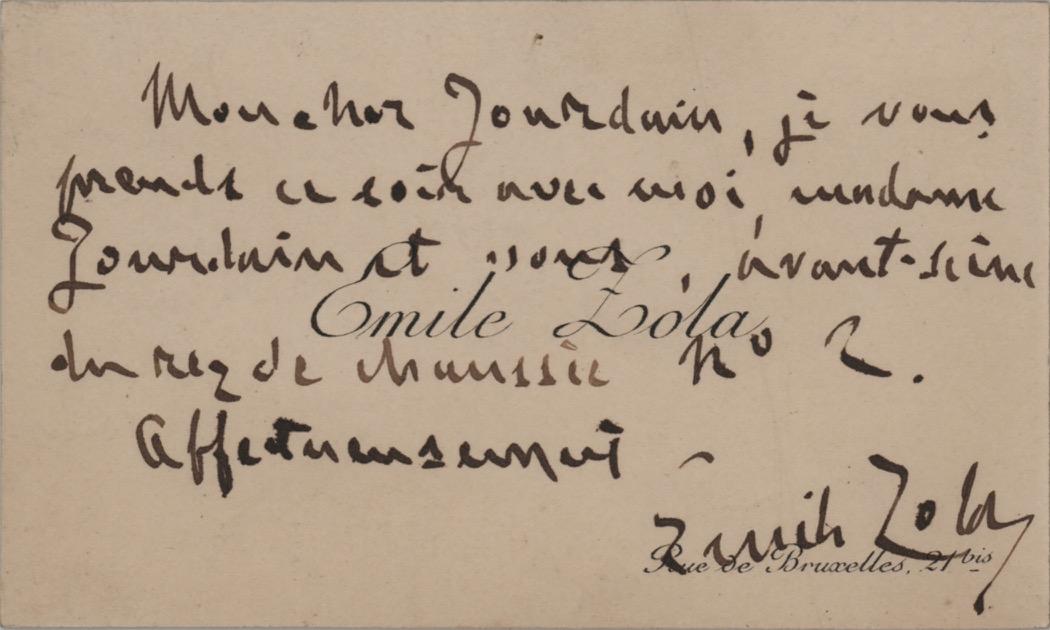
587. Emile Zola Autograph Note Signed on Personal Visiting Card Starting Bid $200
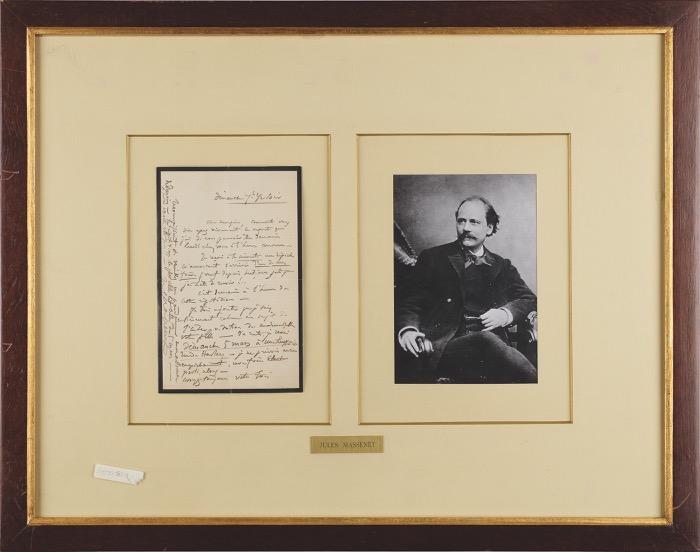
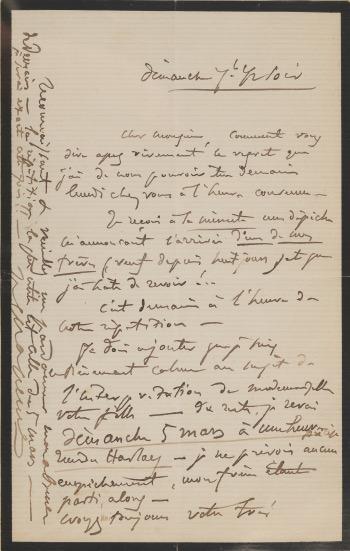
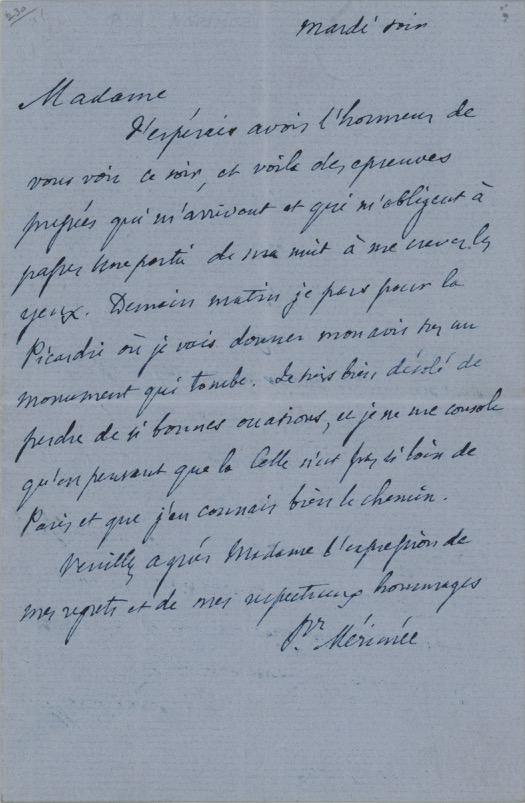
580. Prosper Mérimée Autograph Letter Signed Starting Bid $200
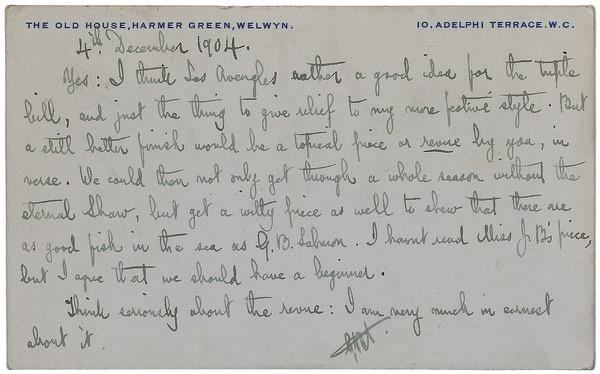
584. George Bernard Shaw Autograph Letter Signed: "There are as good f... Starting Bid $200
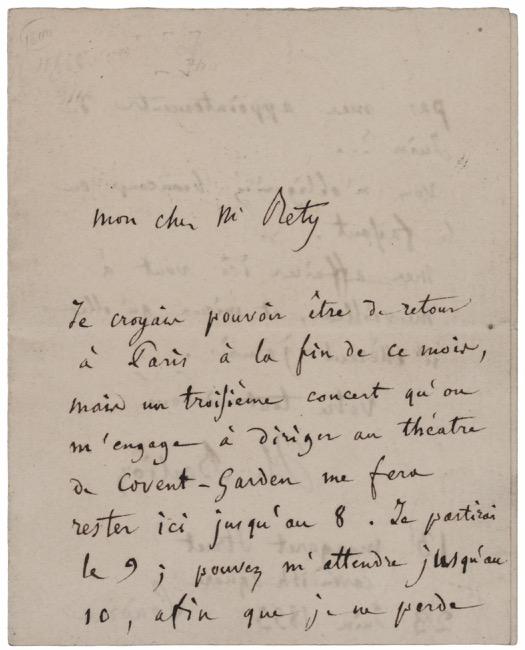
651. Hector Berlioz Autograph Letter Signed on London Engagements: "A ...
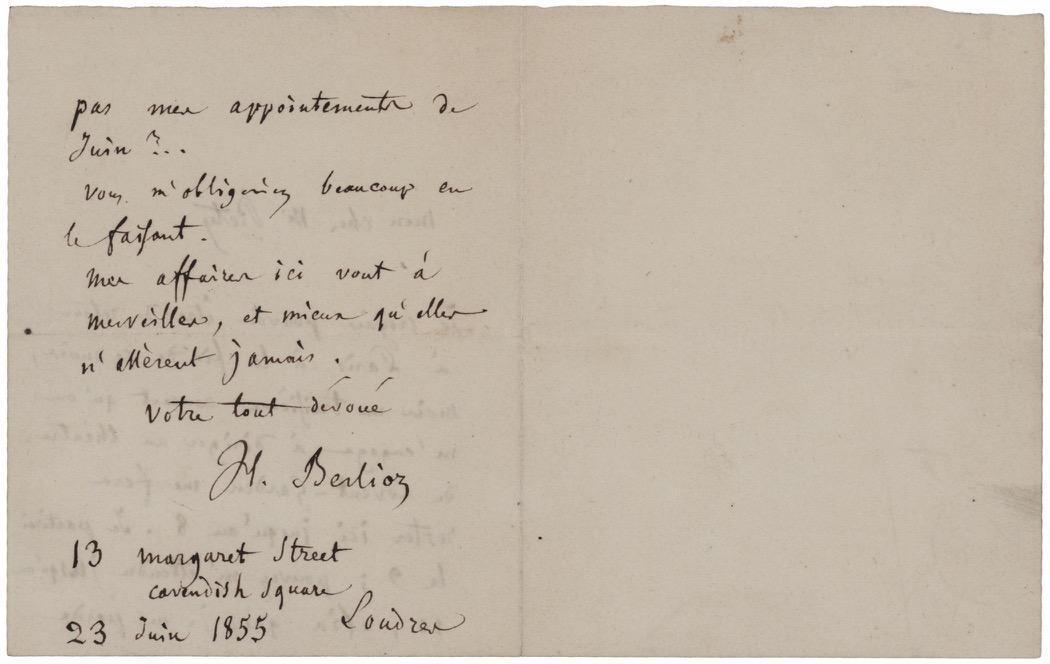
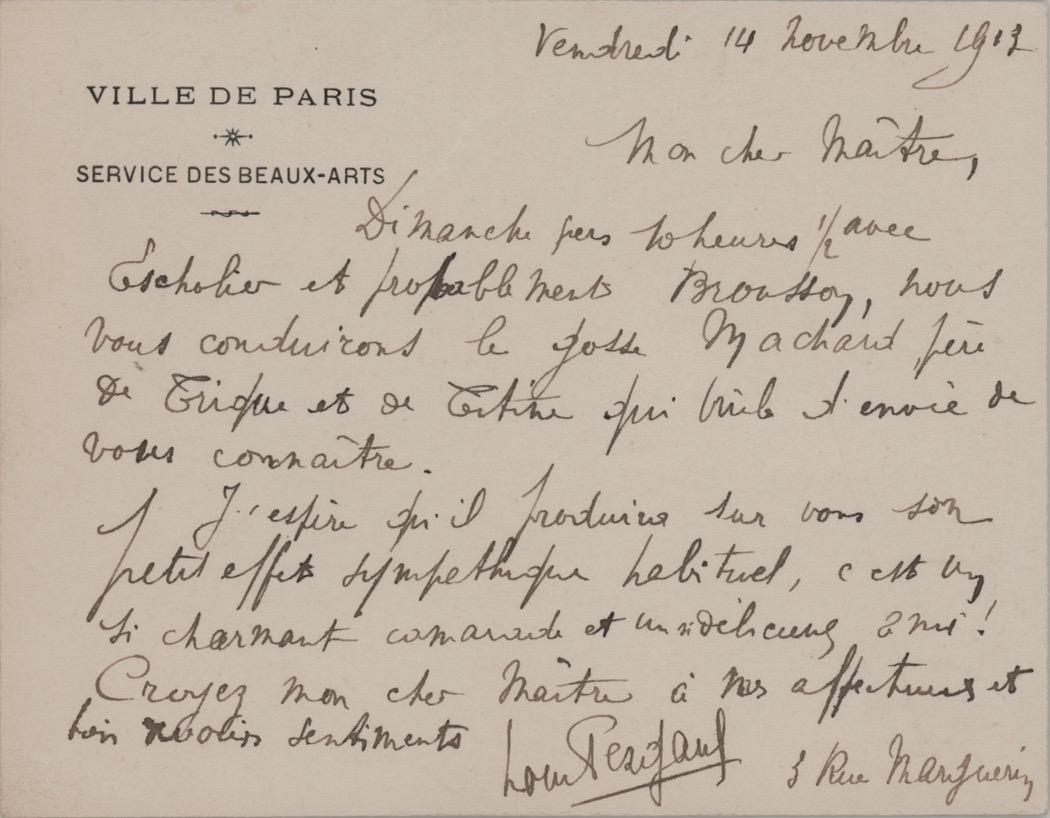
581. Louis Pergaud Autograph Letter Signed Starting Bid $200
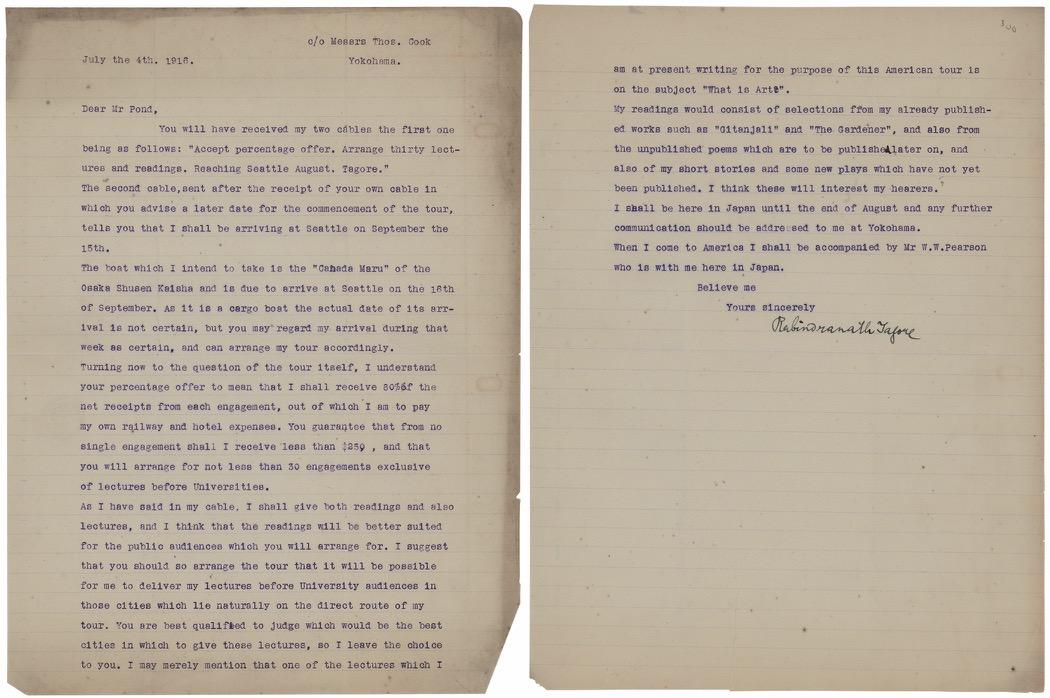
585. Rabindranath Tagore Typed Letter Signed on a Lecture Tour: "My re... Starting Bid $200
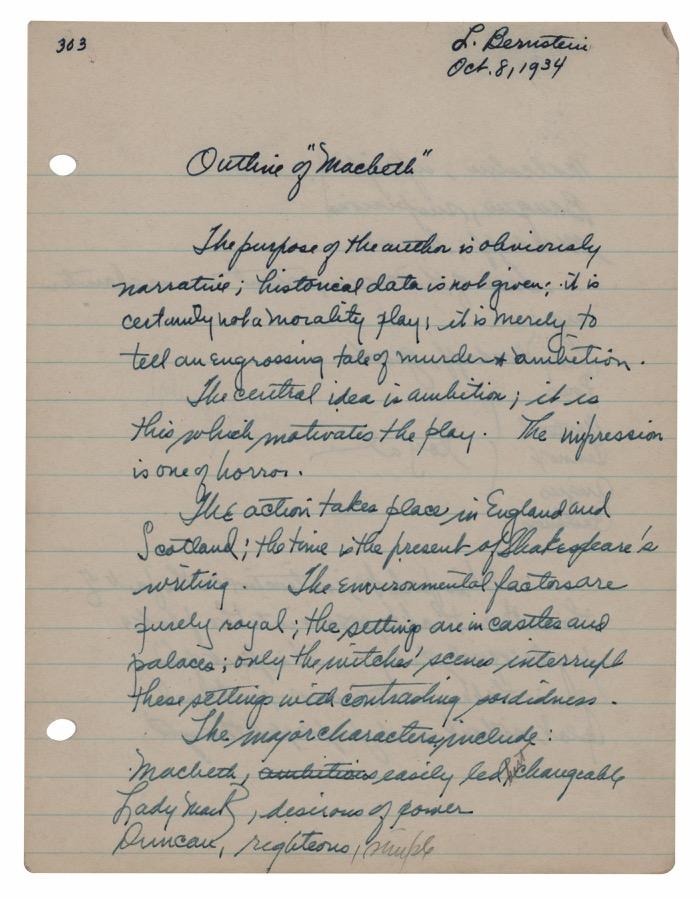
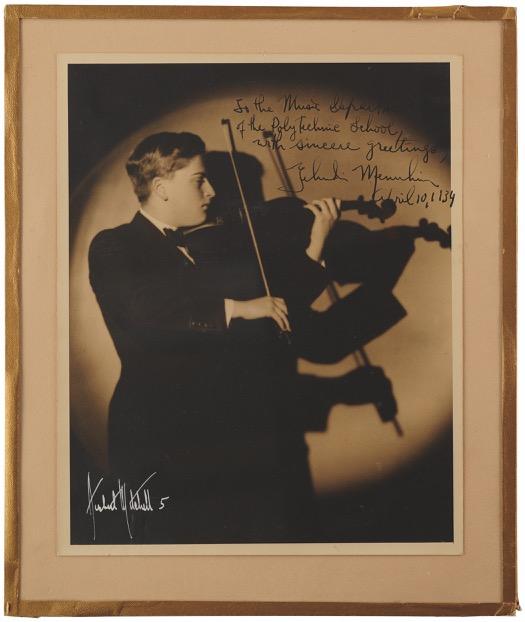
Starting
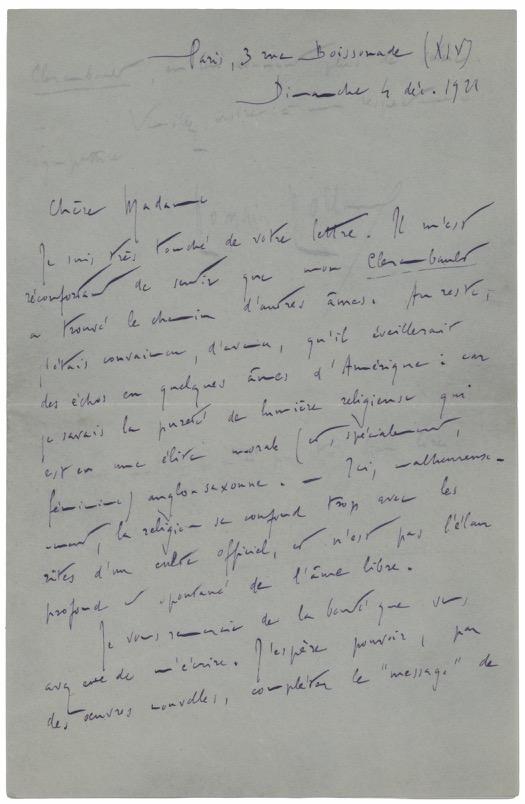
582. Romain Rolland Autograph Letter Signed
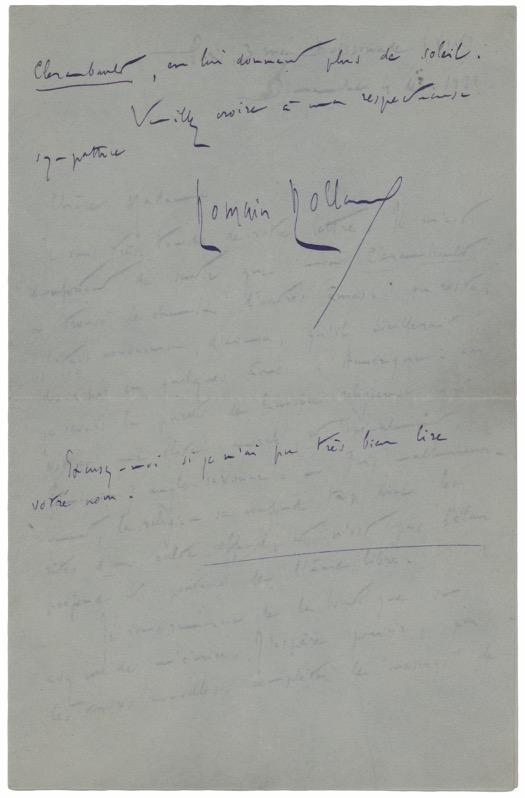
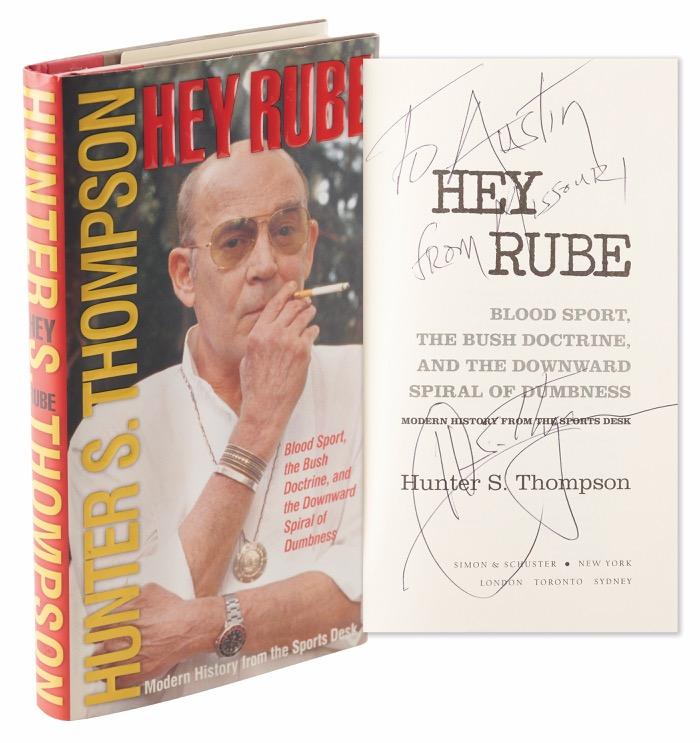
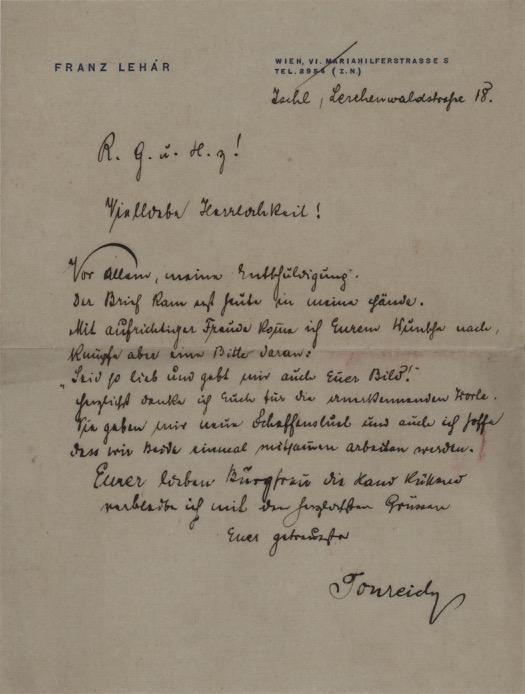
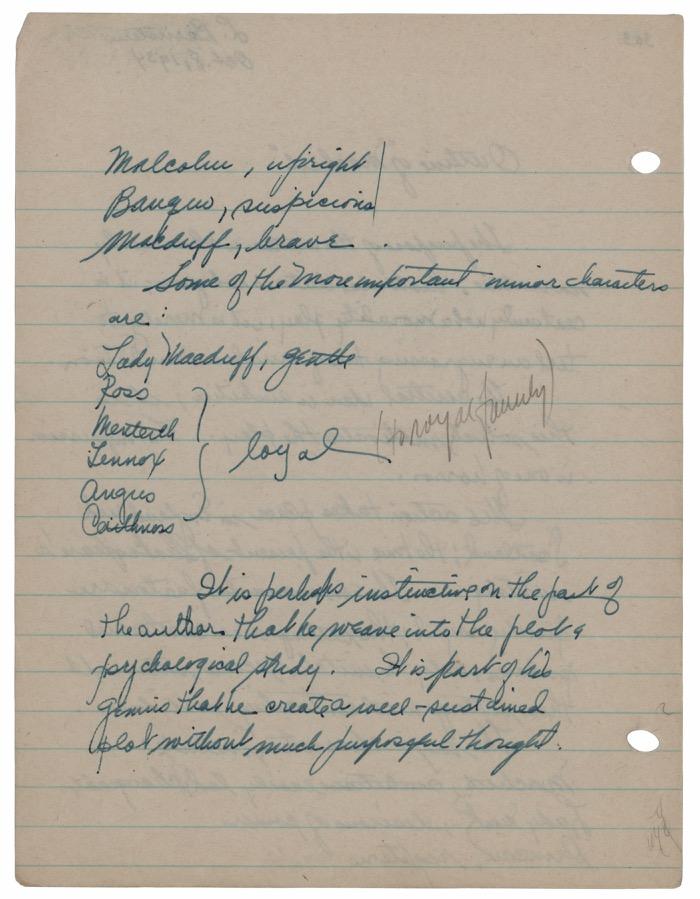
652. Leonard Bernstein Autograph Manuscript Signed - Schoolwork on
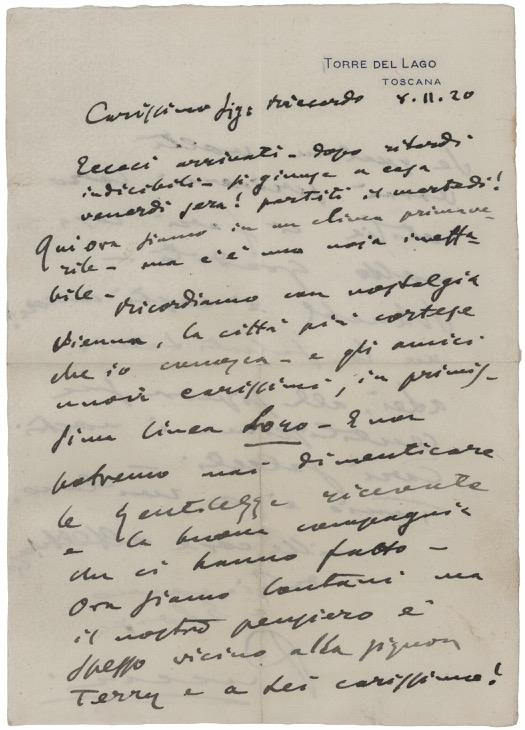
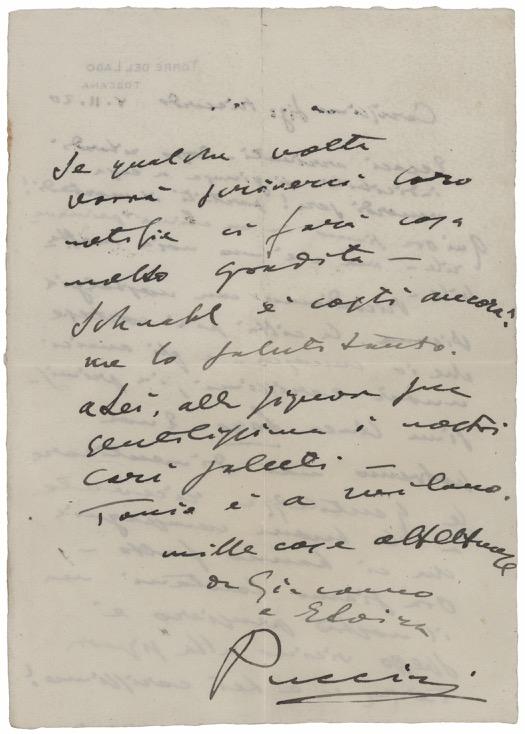
653. Franz Lehar Autograph Letter Signed Starting Bid $200
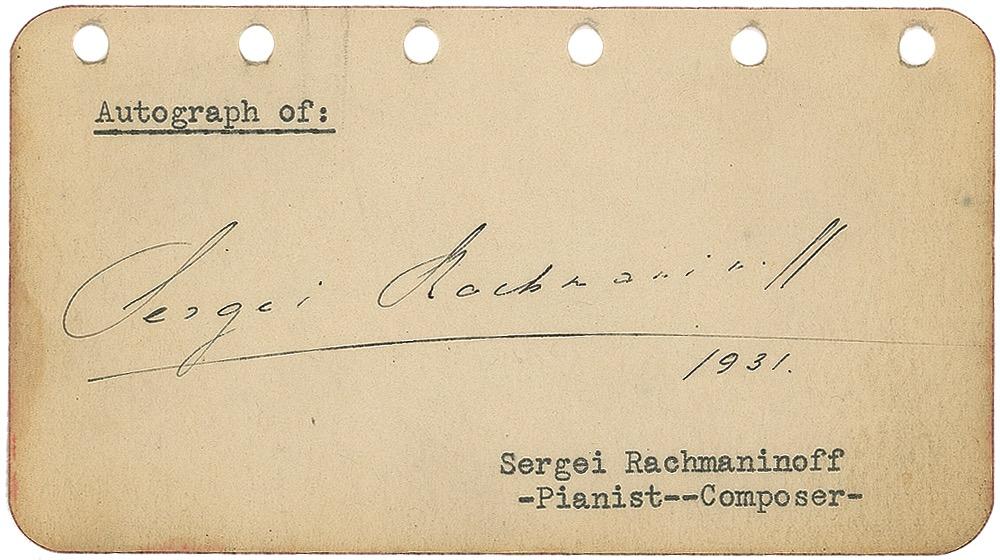
657.
Starting Bid $200
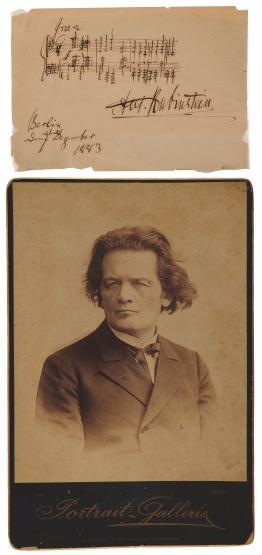
658. Anton Rubinstein Autograph Musical
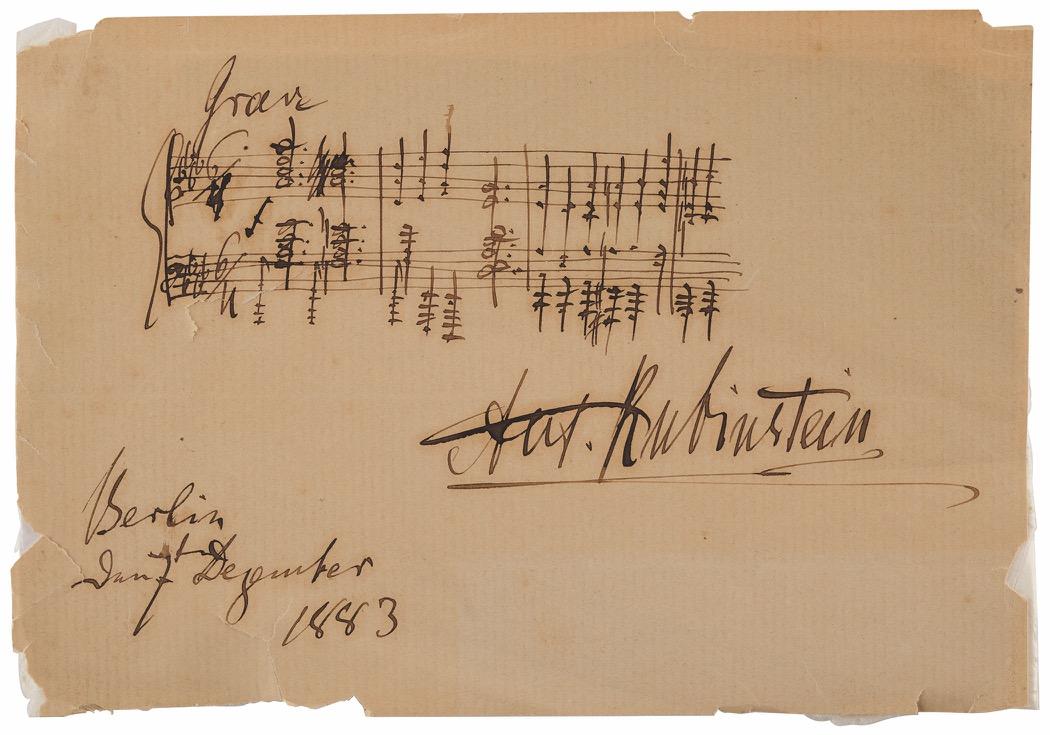
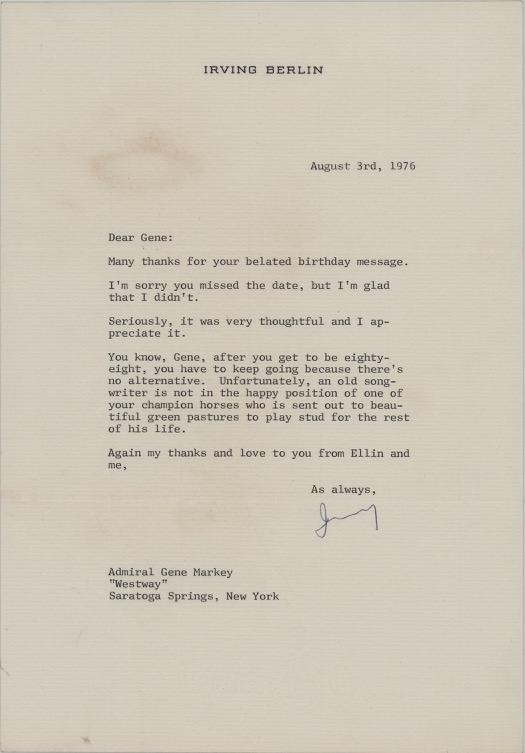
662. Irving Berlin Typed Letter Signed Starting Bid $200
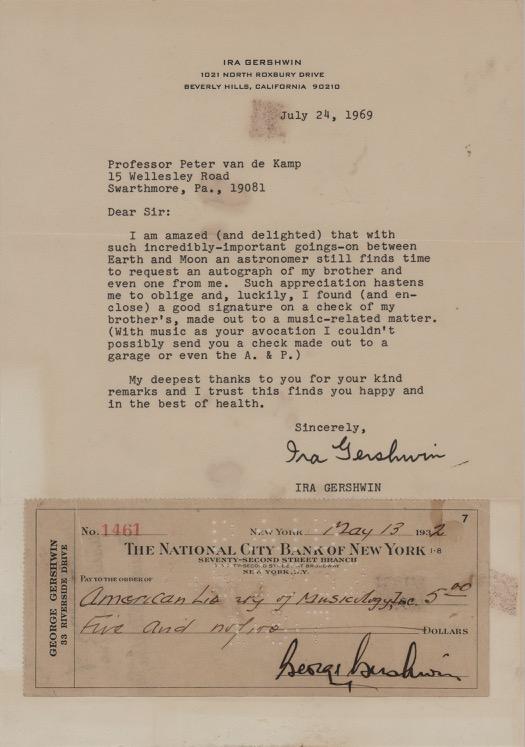
666. George Gershwin Signed Check and Ira Gershwin Typed Letter Signed Starting Bid $200
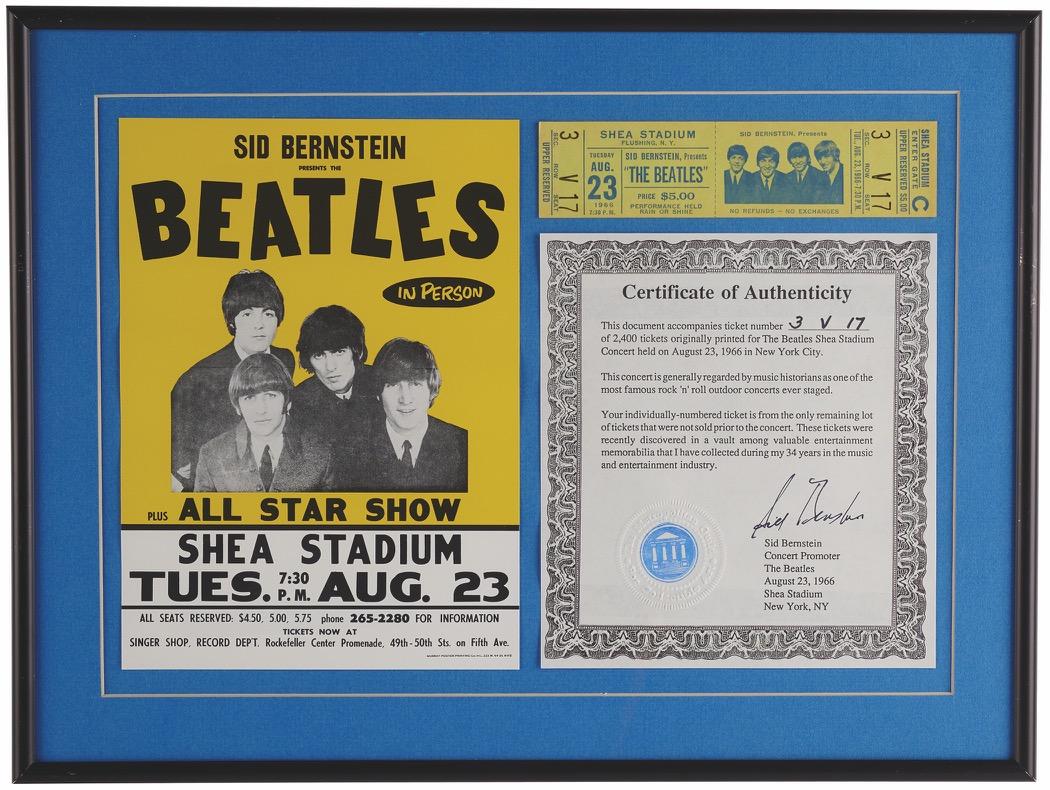
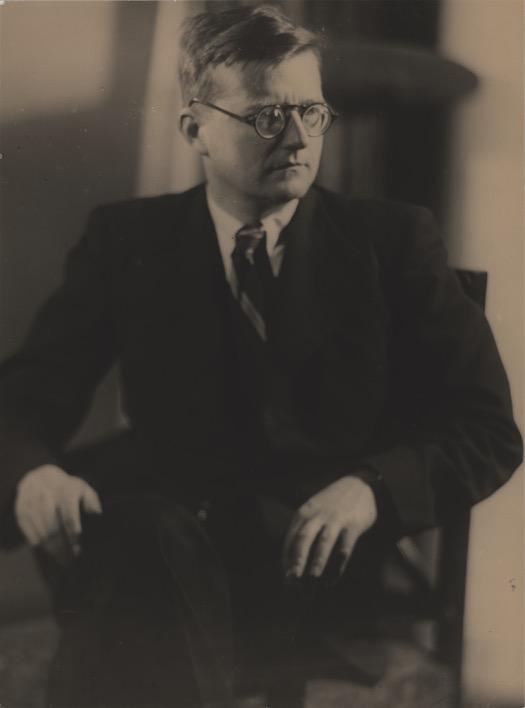
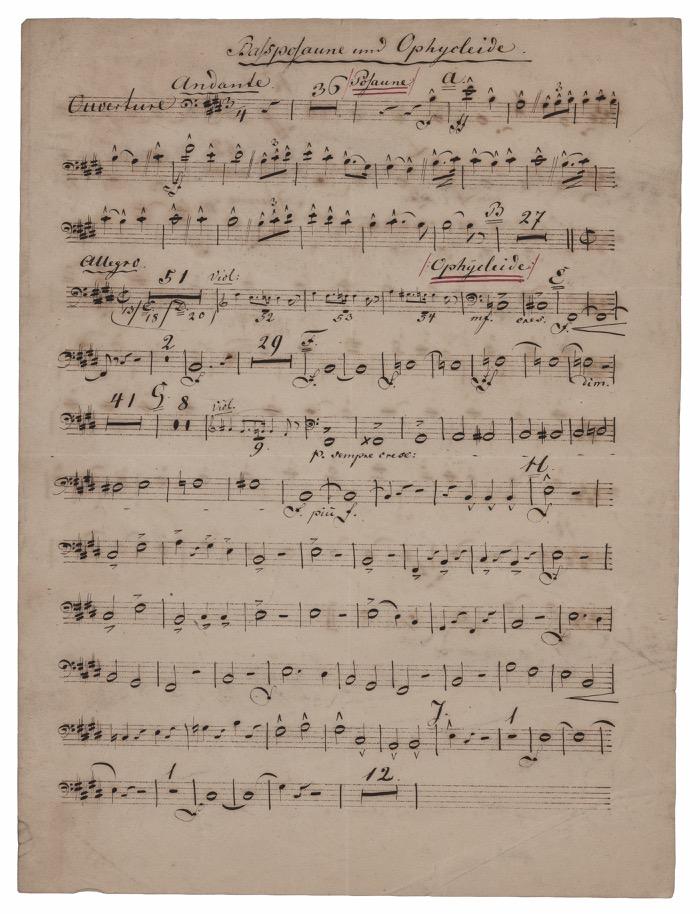
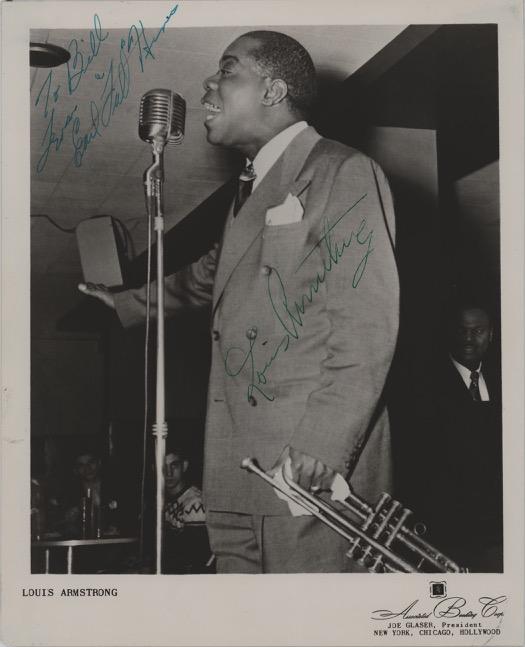
Starting Bid $200
659. Dimitri Shostakovich Original Photograph by
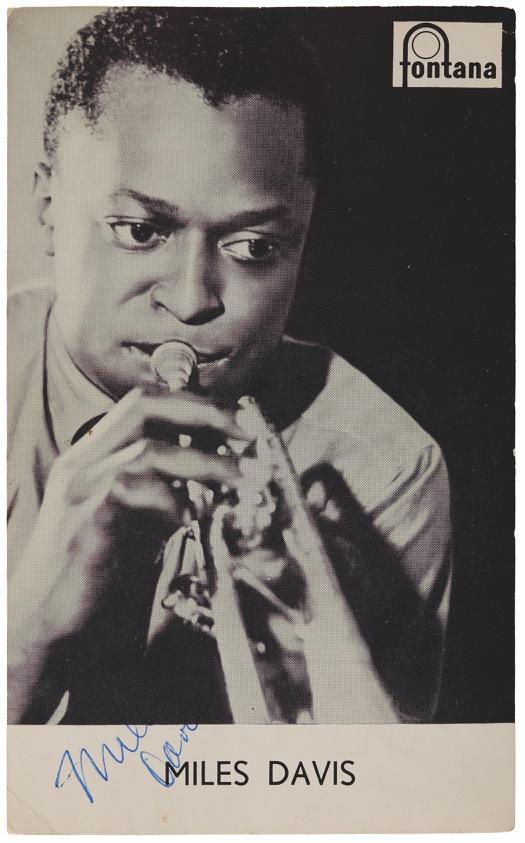
663. Miles Davis Signed Fontana Records Promotional Card
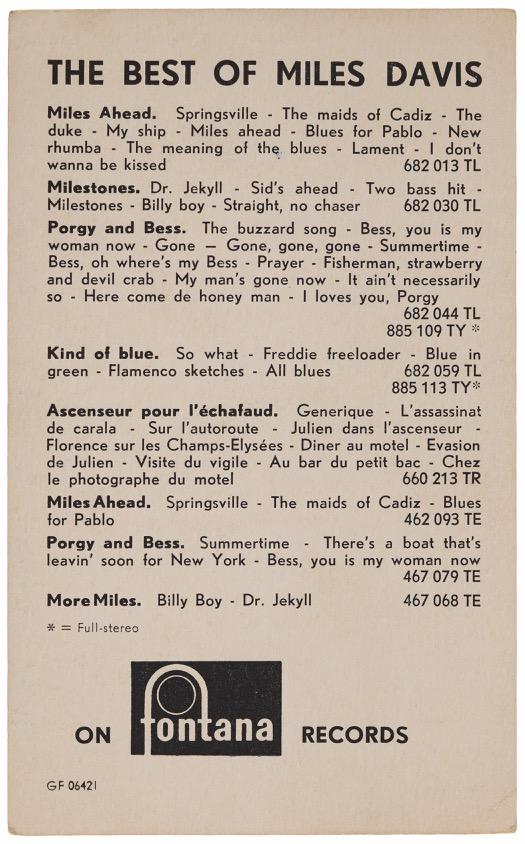
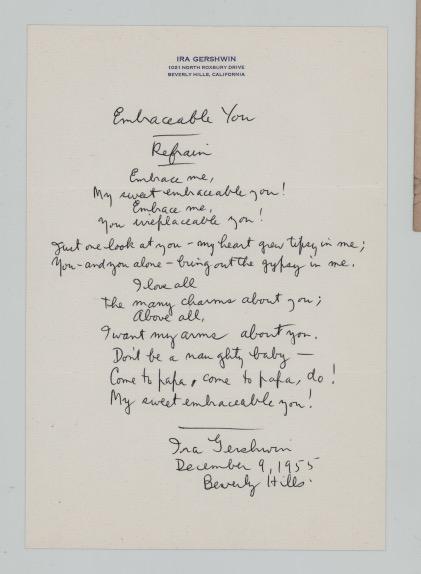
667. Ira Gershwin Autograph Quotation Signed from "Embraceable You" Starting Bid $200
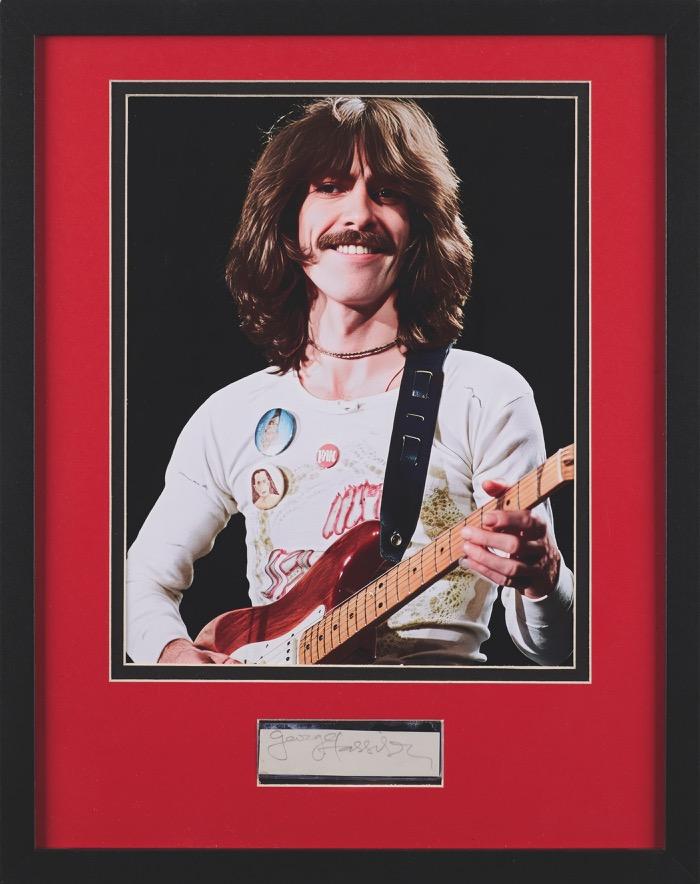
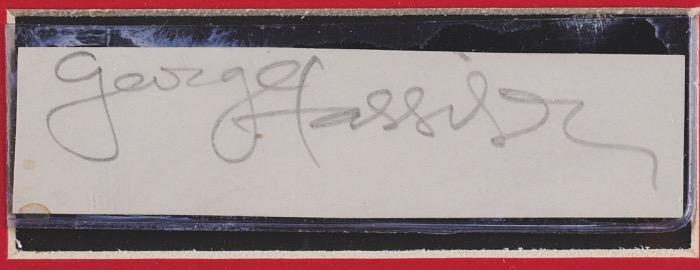
660. [Richard Wagner] Musical Manuscript from the Overture to Tannhaus...
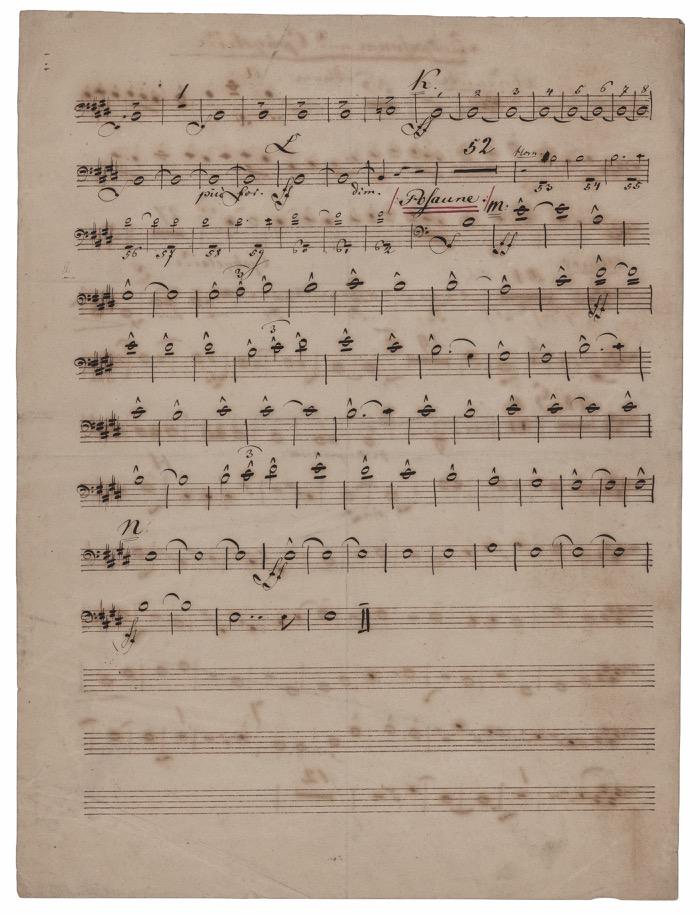
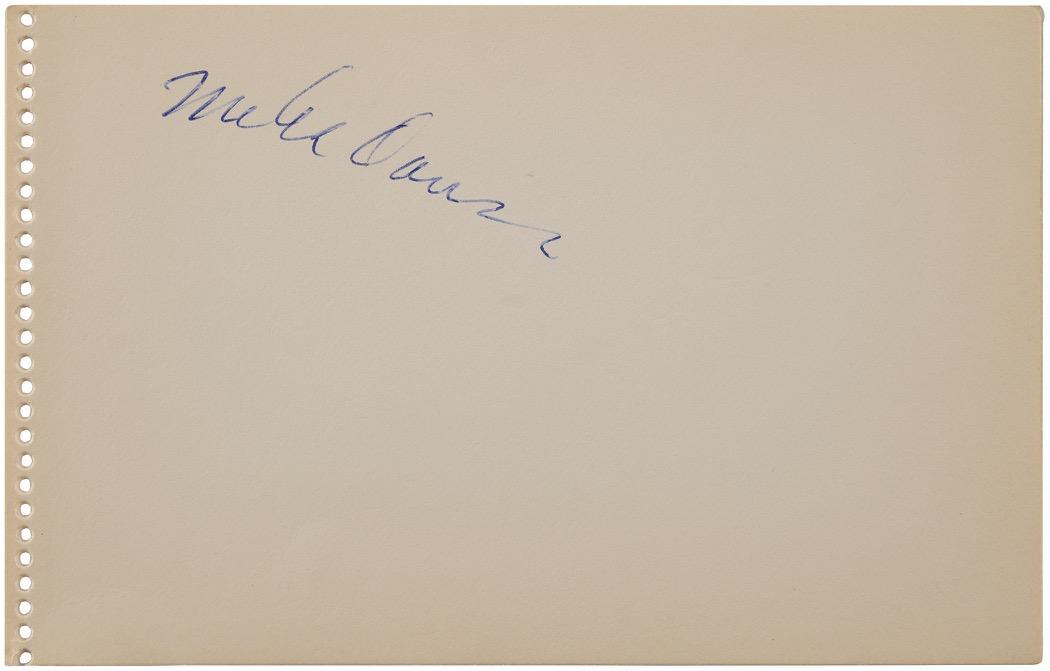
664. Miles Davis Signature Starting Bid $200
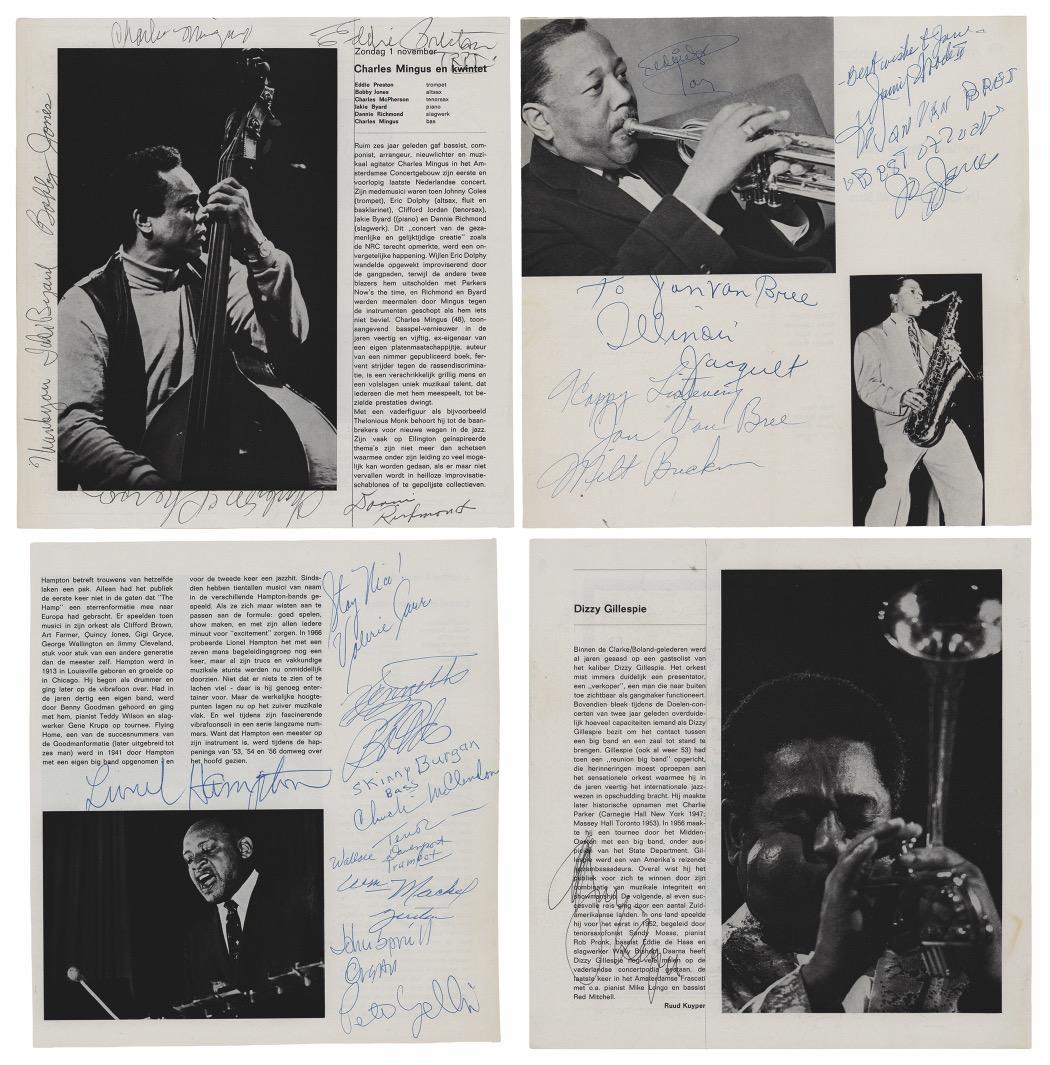
668. Jazz Legends (21) Multi-Signed Program Pages with Charles Mingus,... Starting Bid $200
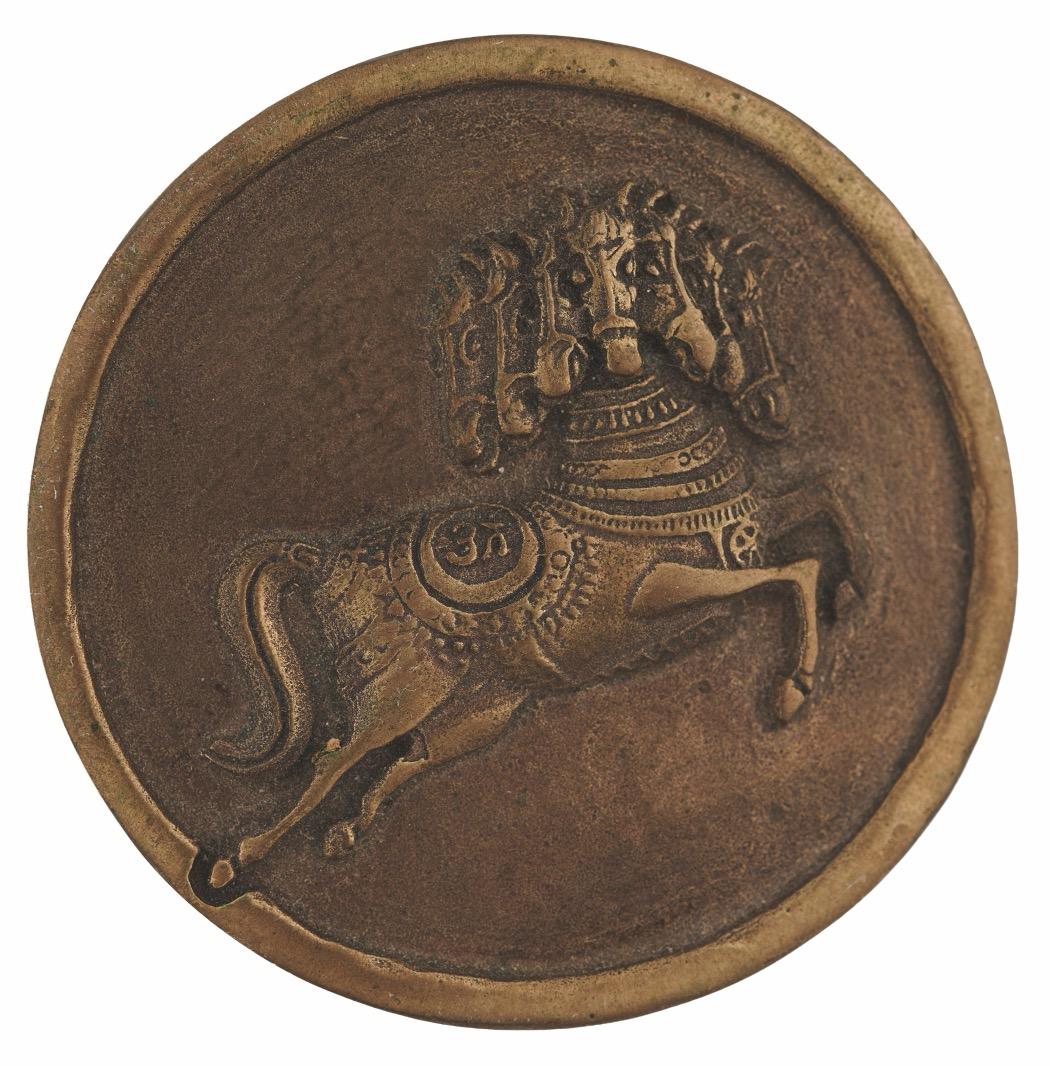
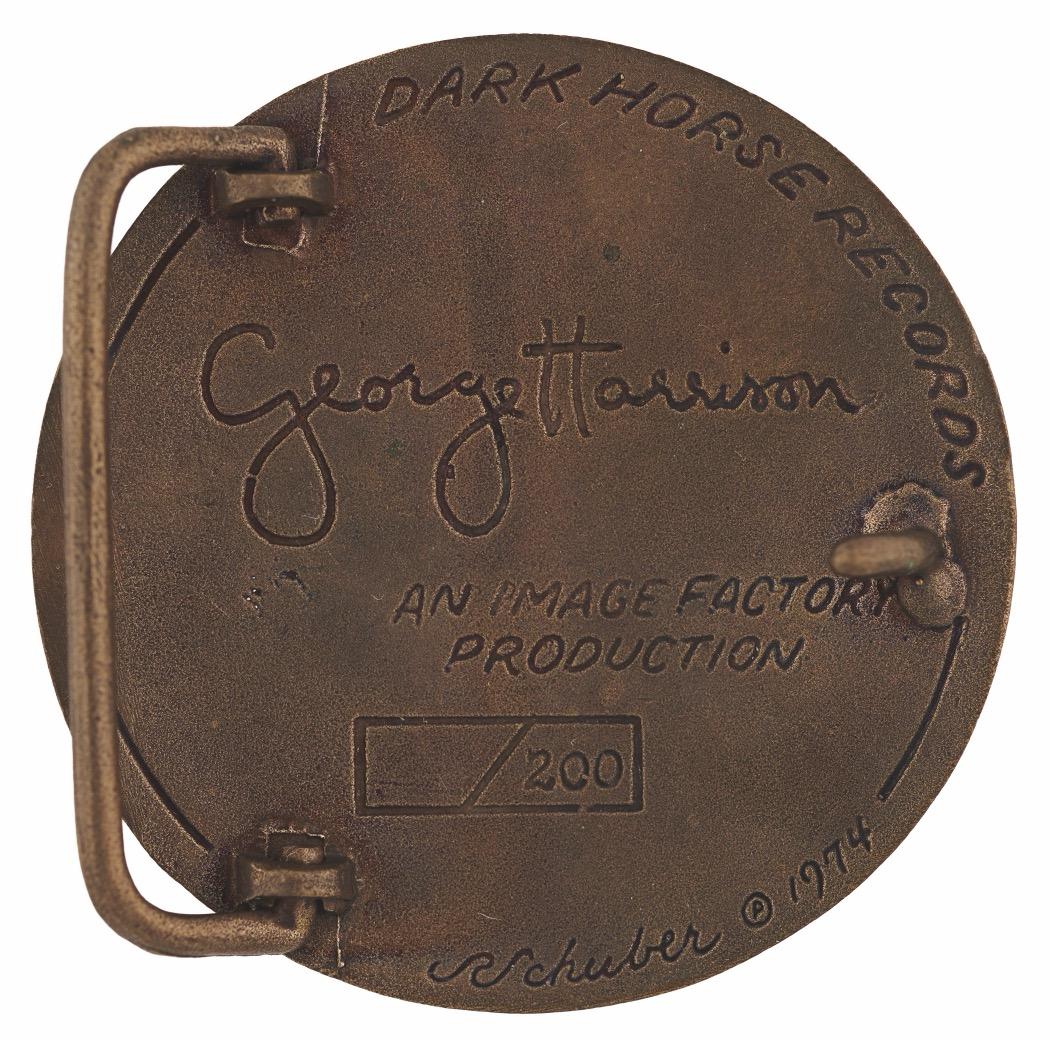
661. Louis Armstrong and Earl 'Fatha' Hines Signed Photograph Starting Bid $200
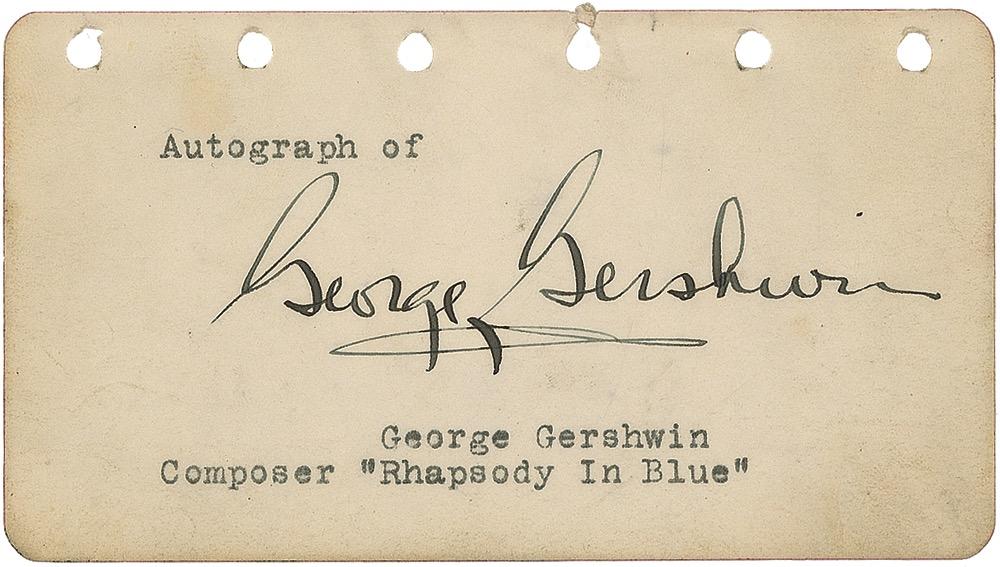
665. George Gershwin Signature Starting Bid $200
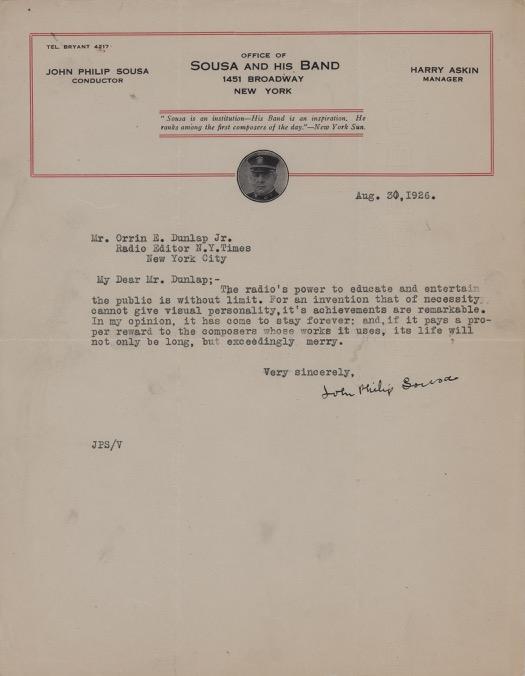
669. John Philip Sousa Typed Letter Signed: "The radio's power to educ... Starting Bid $200
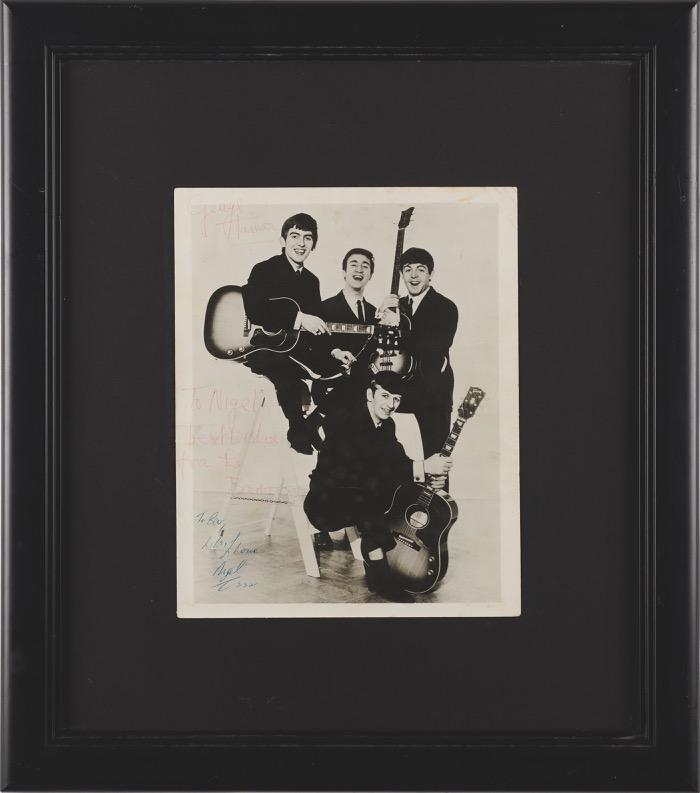
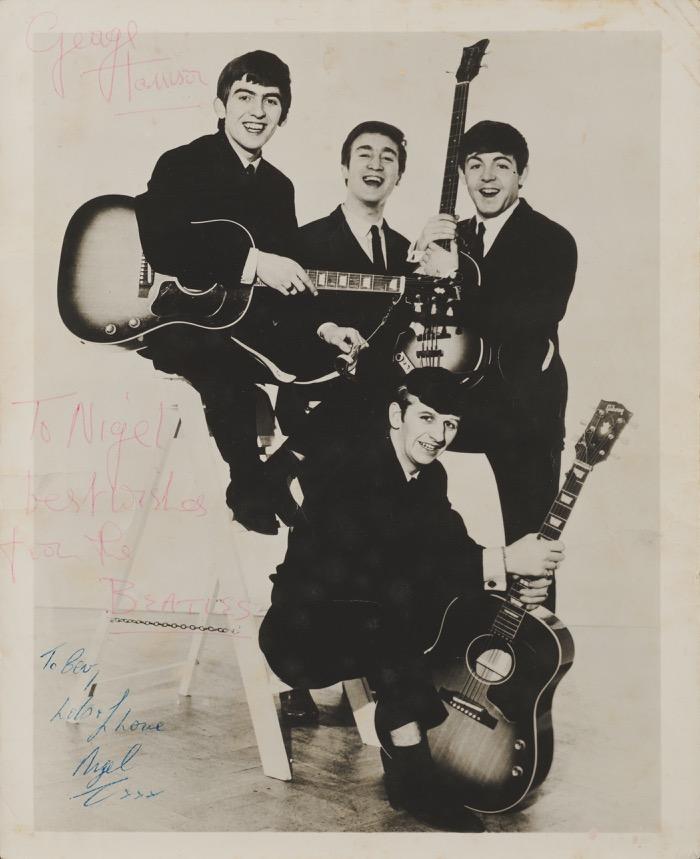
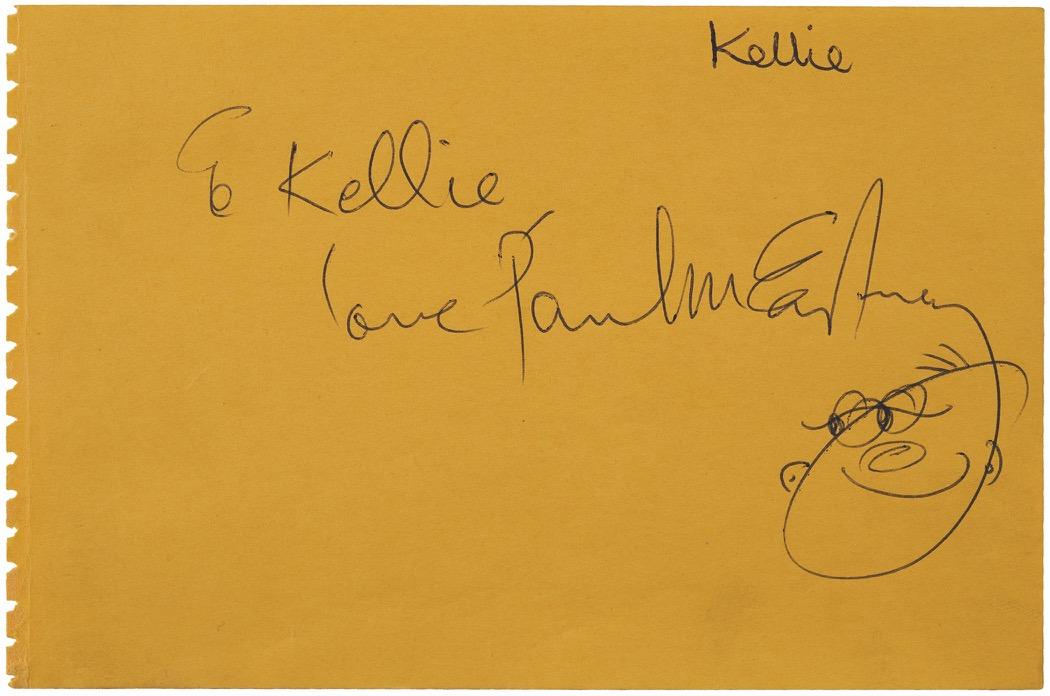
674.
McCartney Signature with Sketch Starting Bid $200
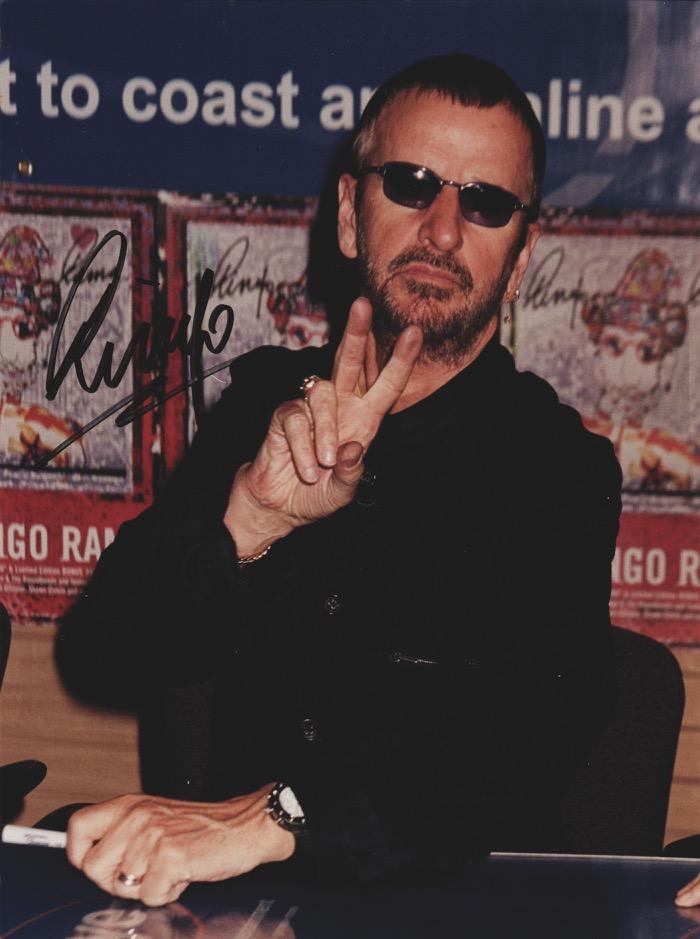
678.
Signed Photograph Starting Bid $200
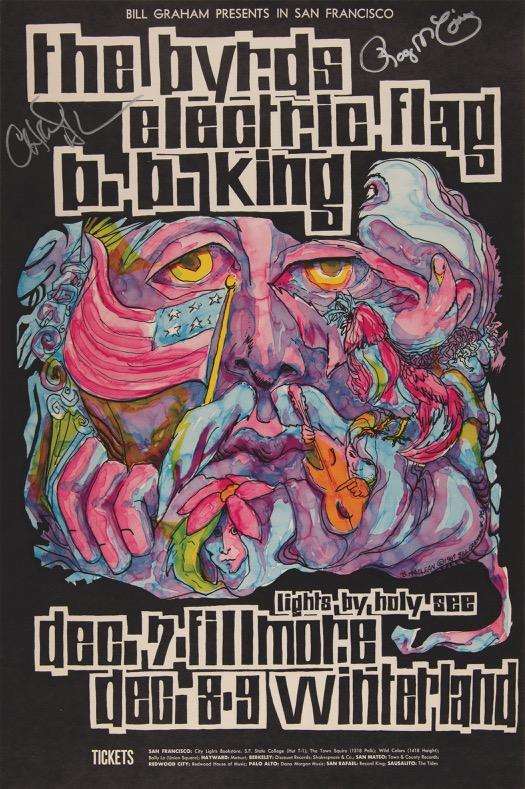
682.
Starting Bid $200
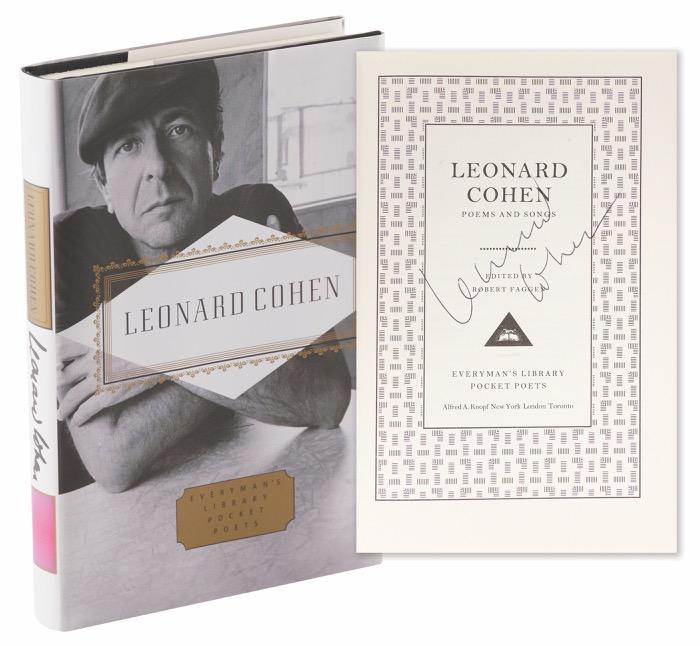
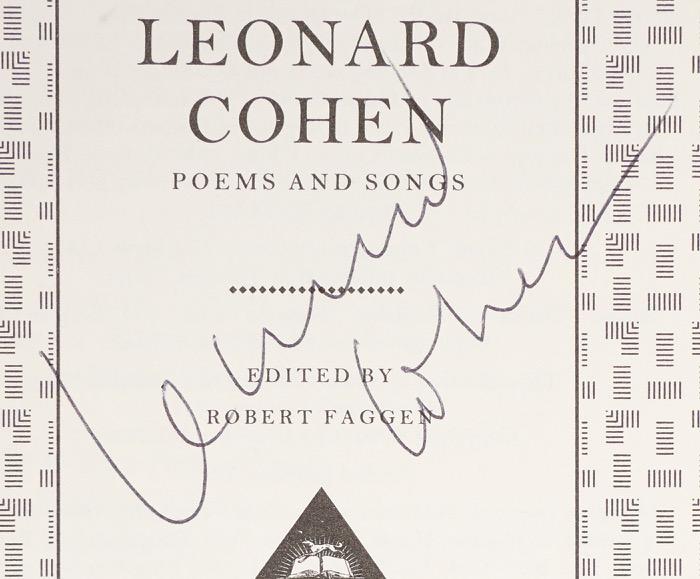
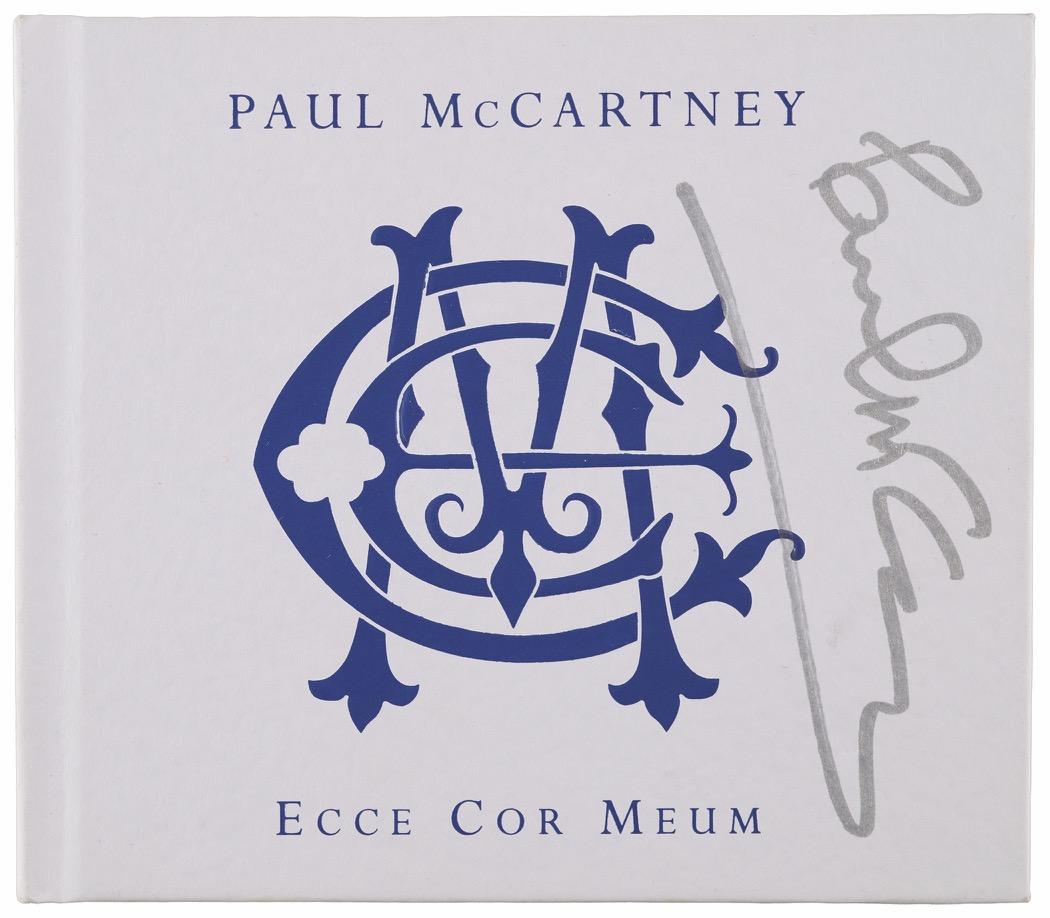
675.
McCartney Signed CDEcce Cor Meum (Deluxe Edition... Starting Bid $200
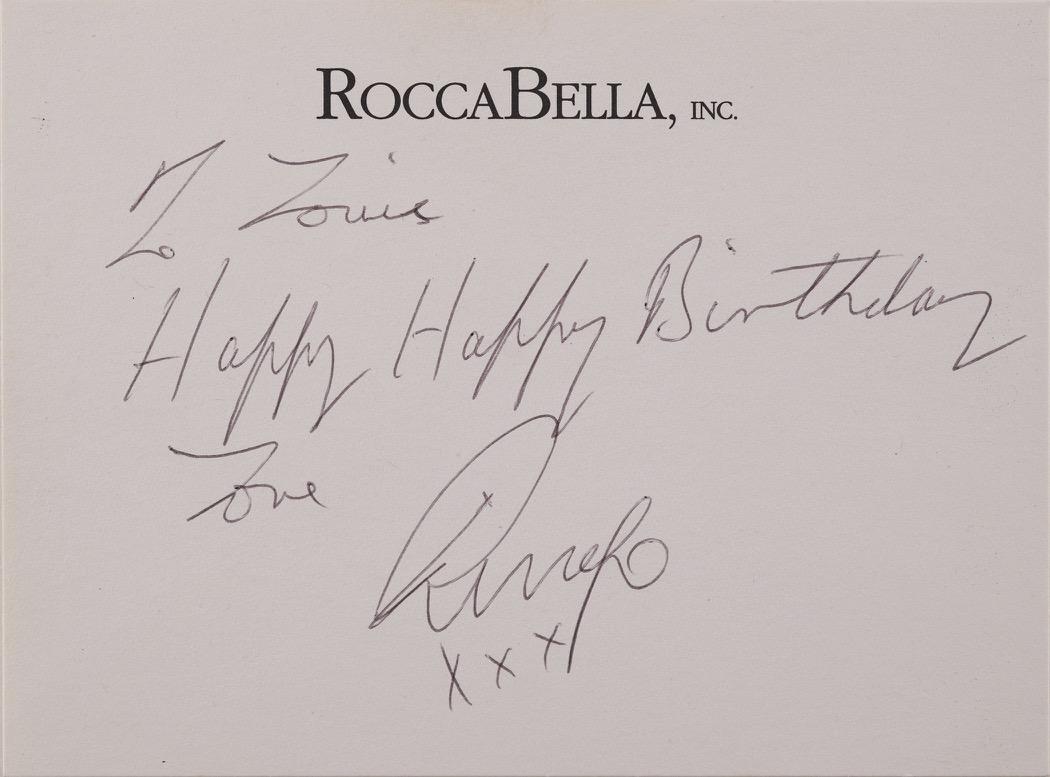
679.
Signature Starting Bid $200
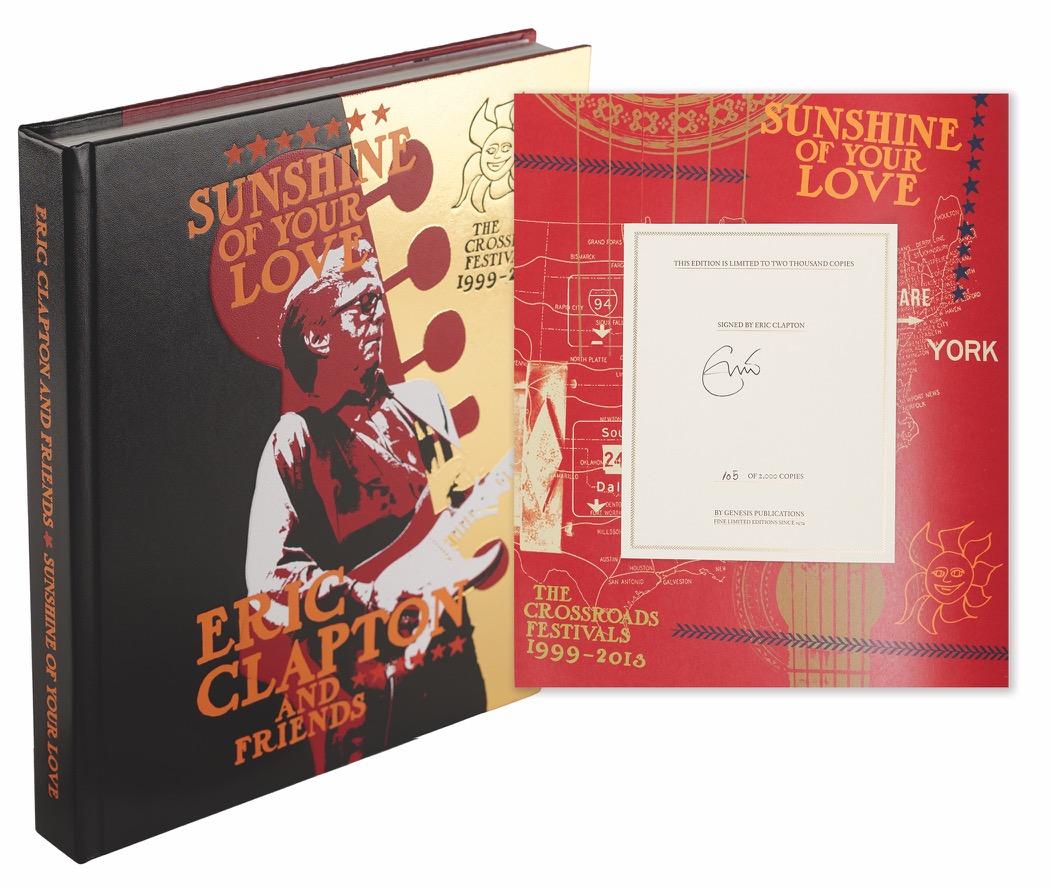
683.
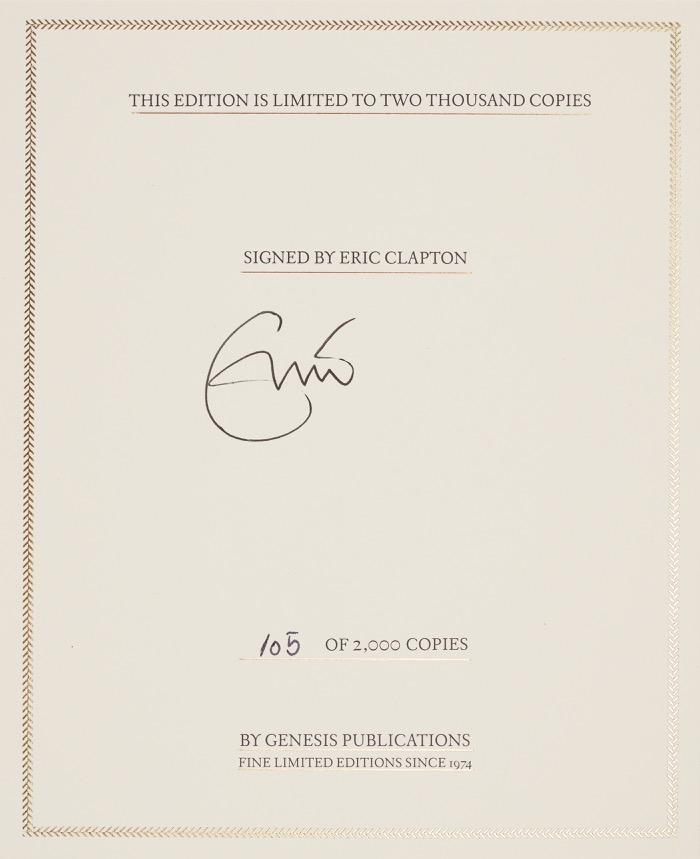
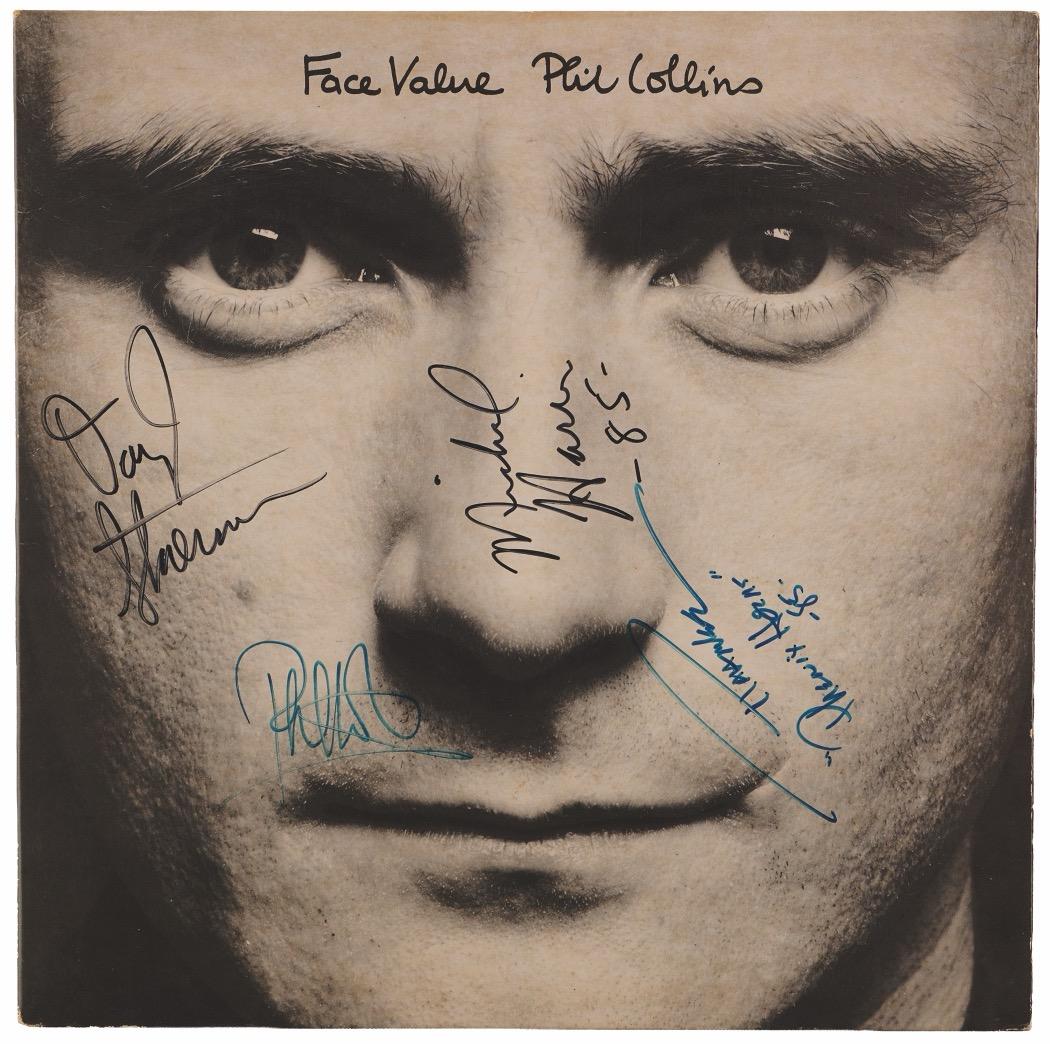
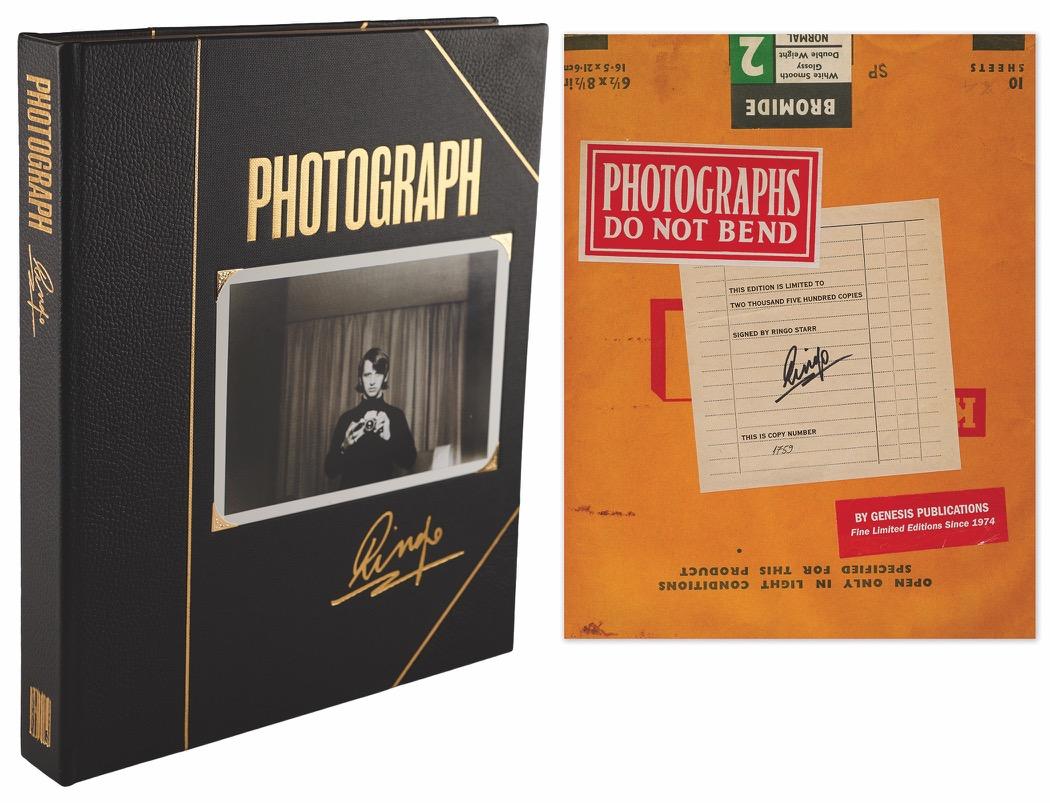
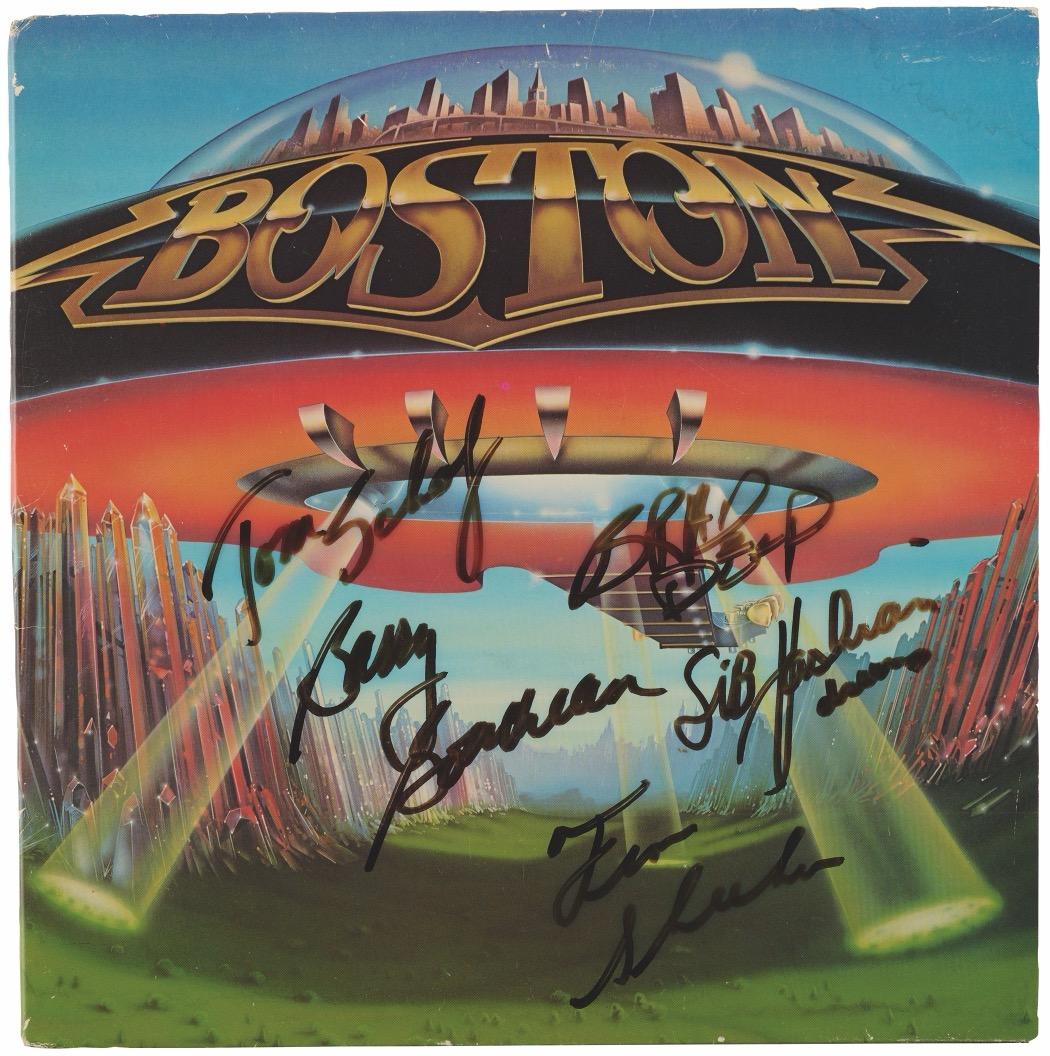
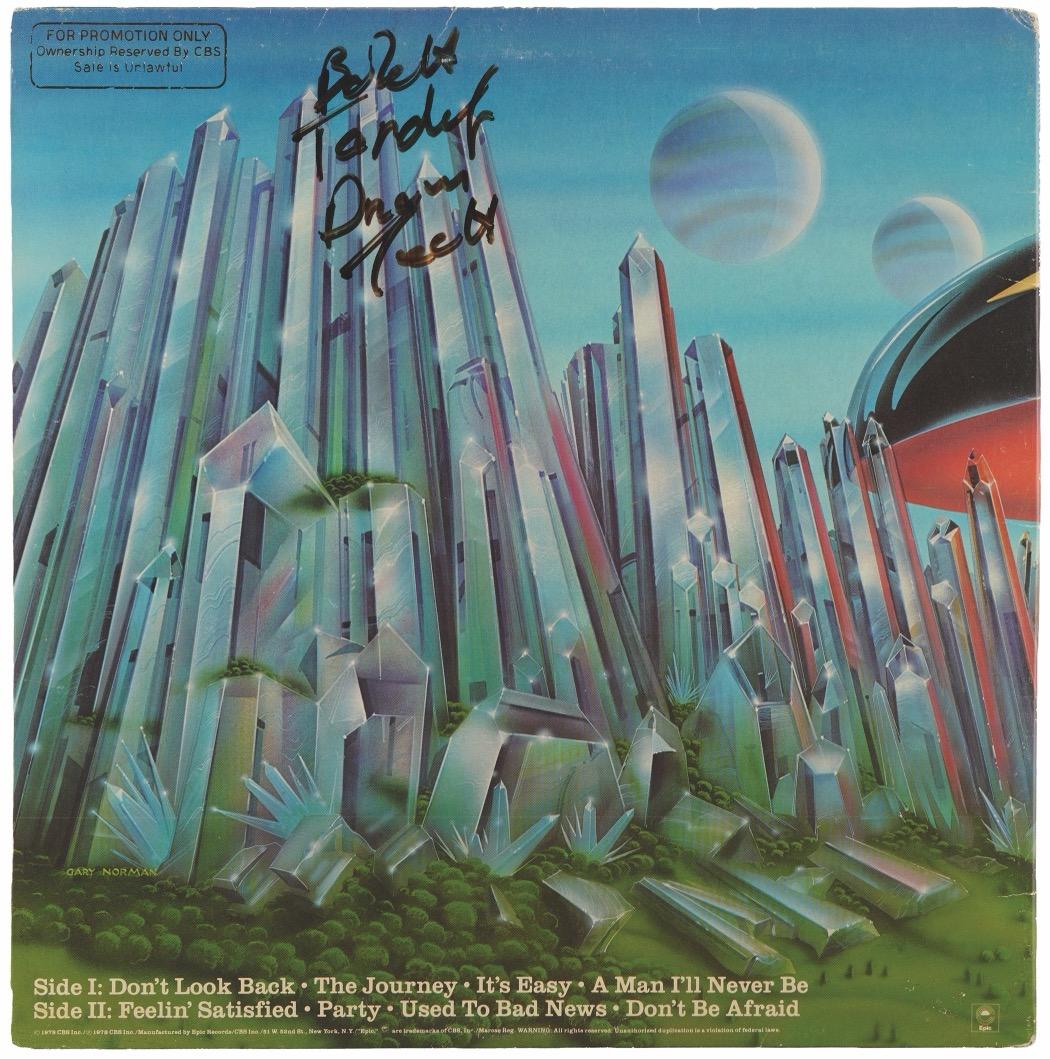
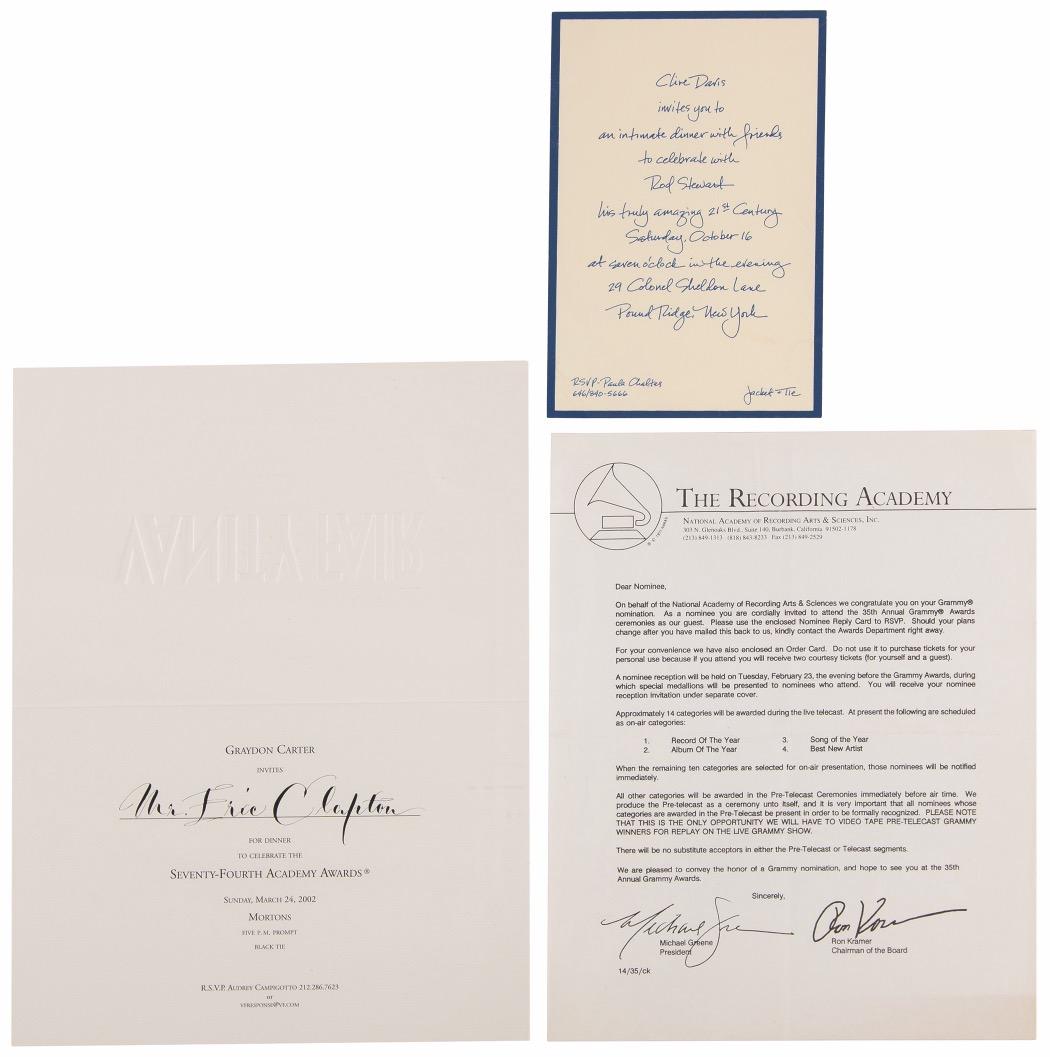
684.
Starting Bid
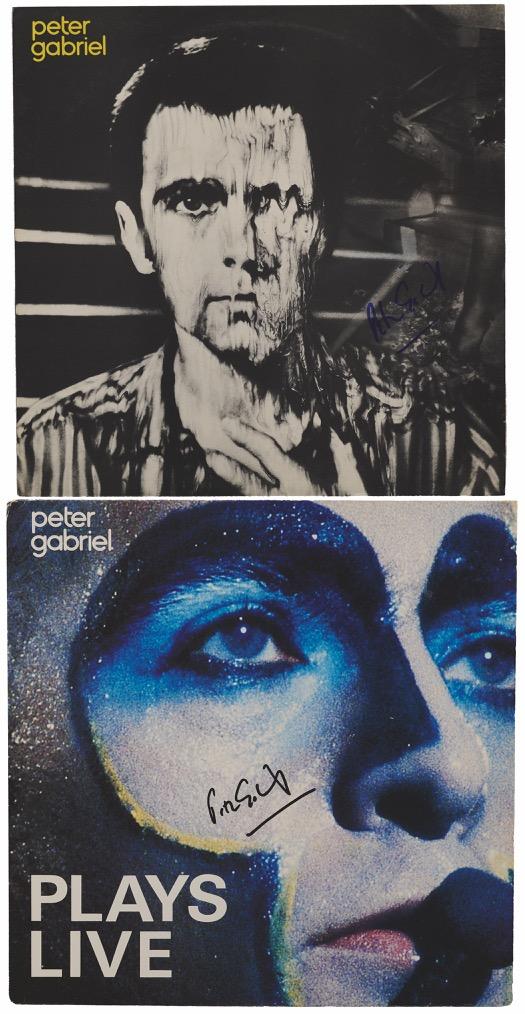
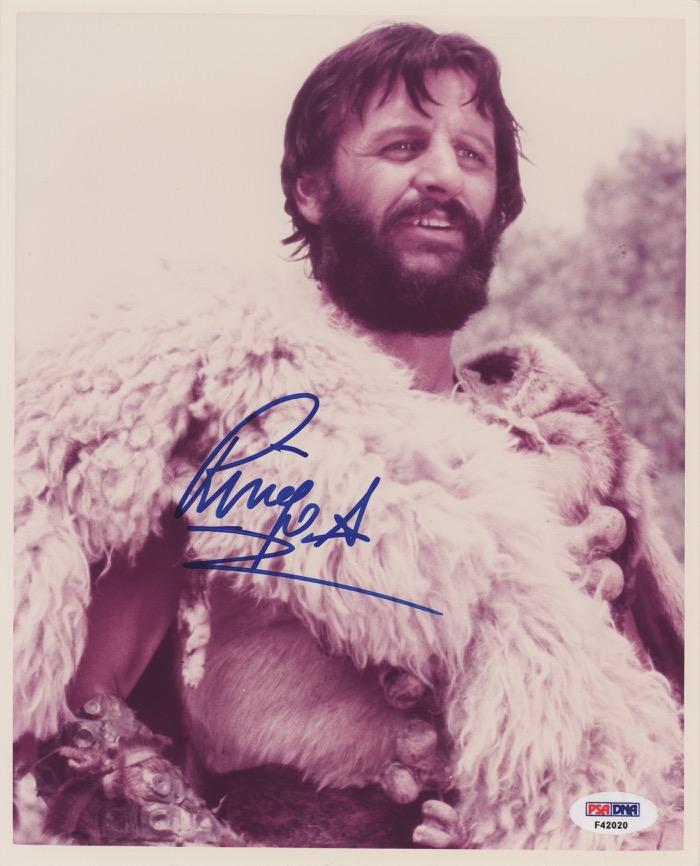
Starting
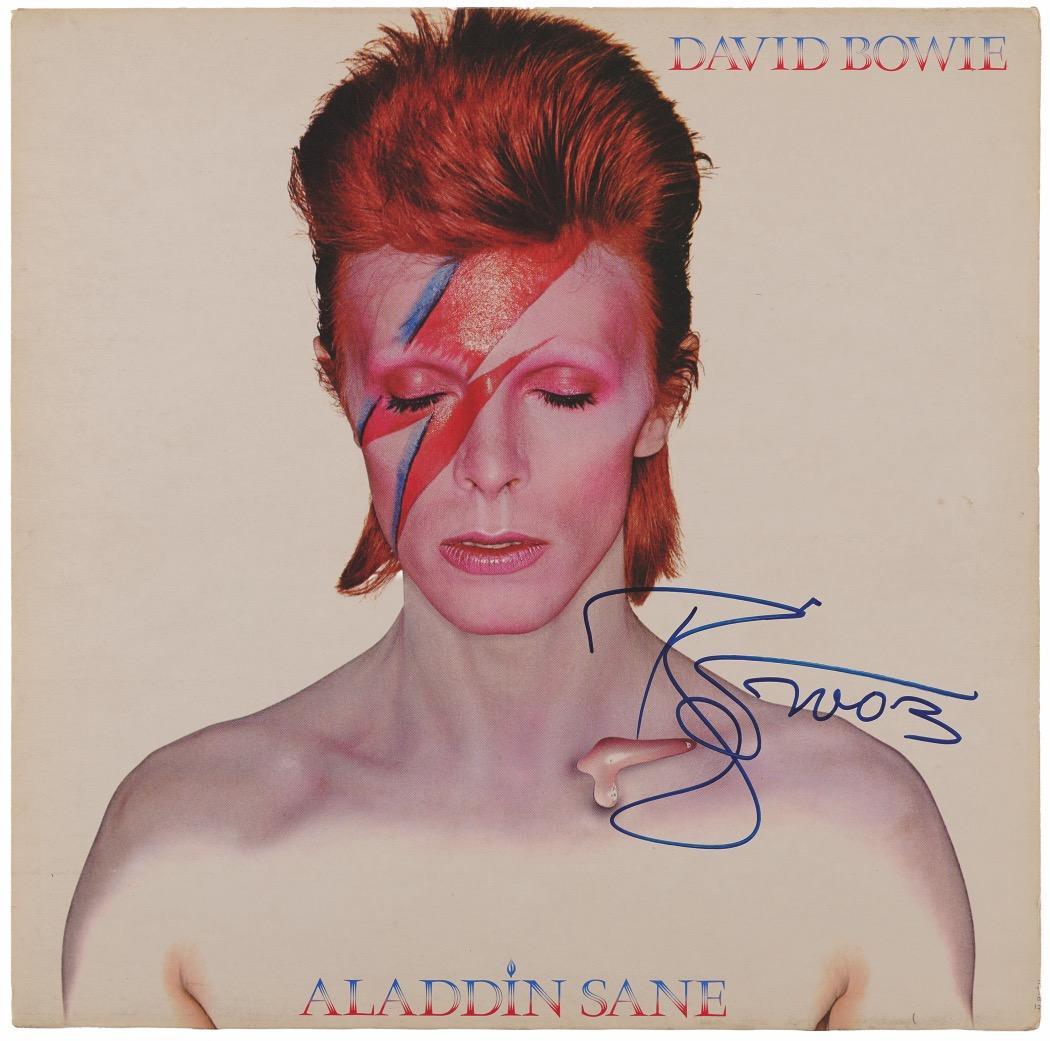
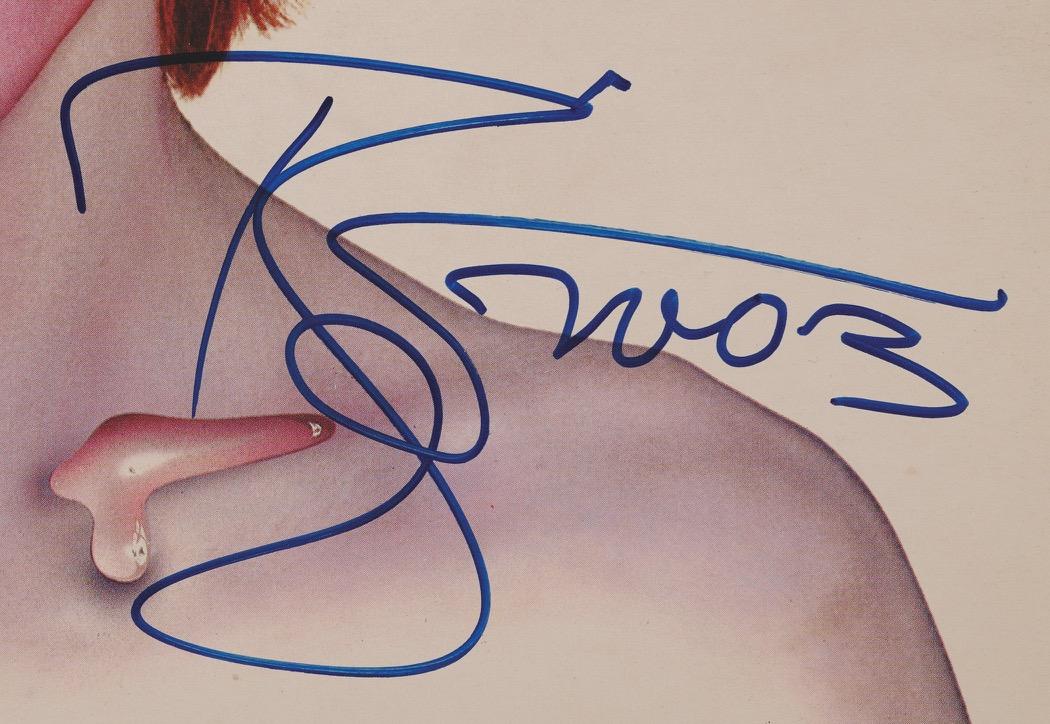
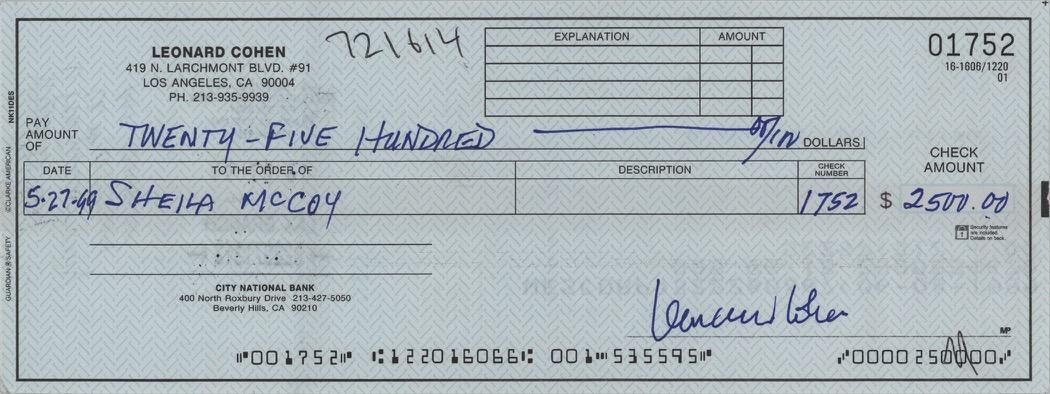
685.
Starting Bid $200
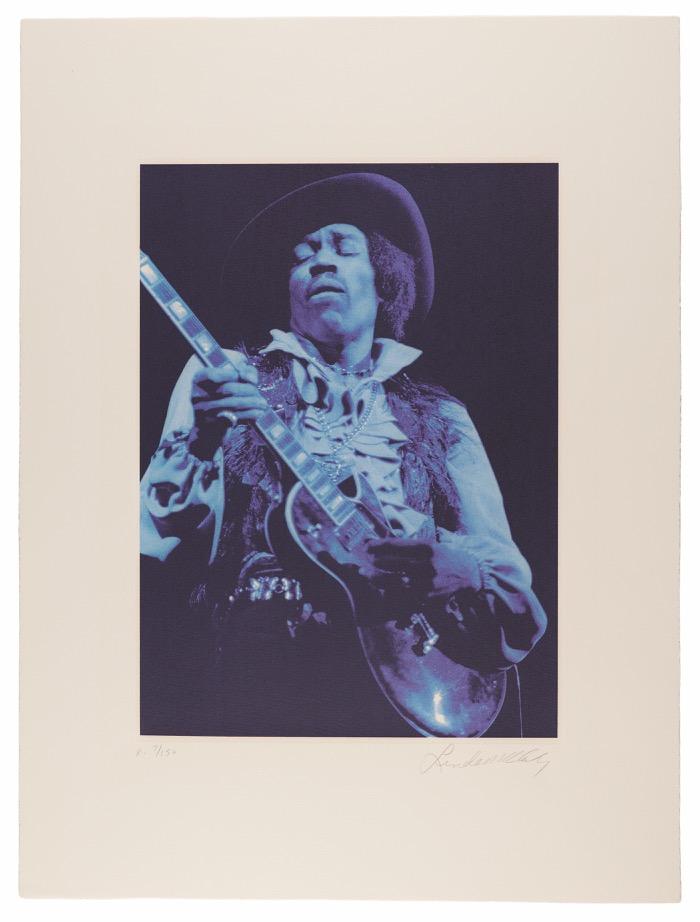
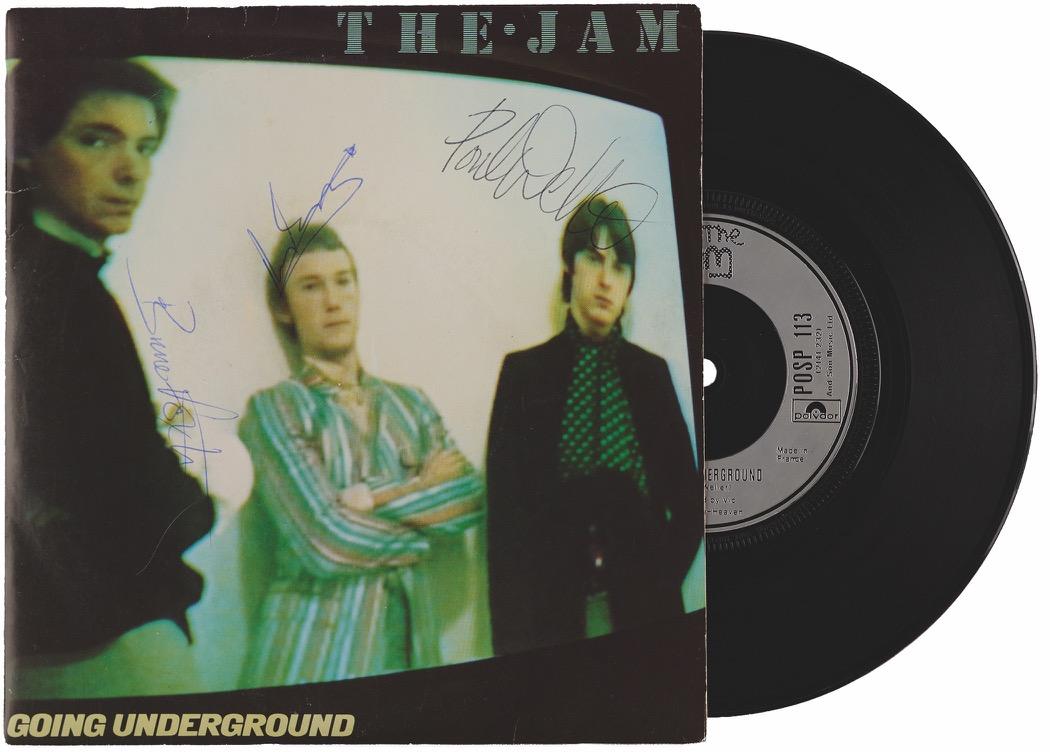
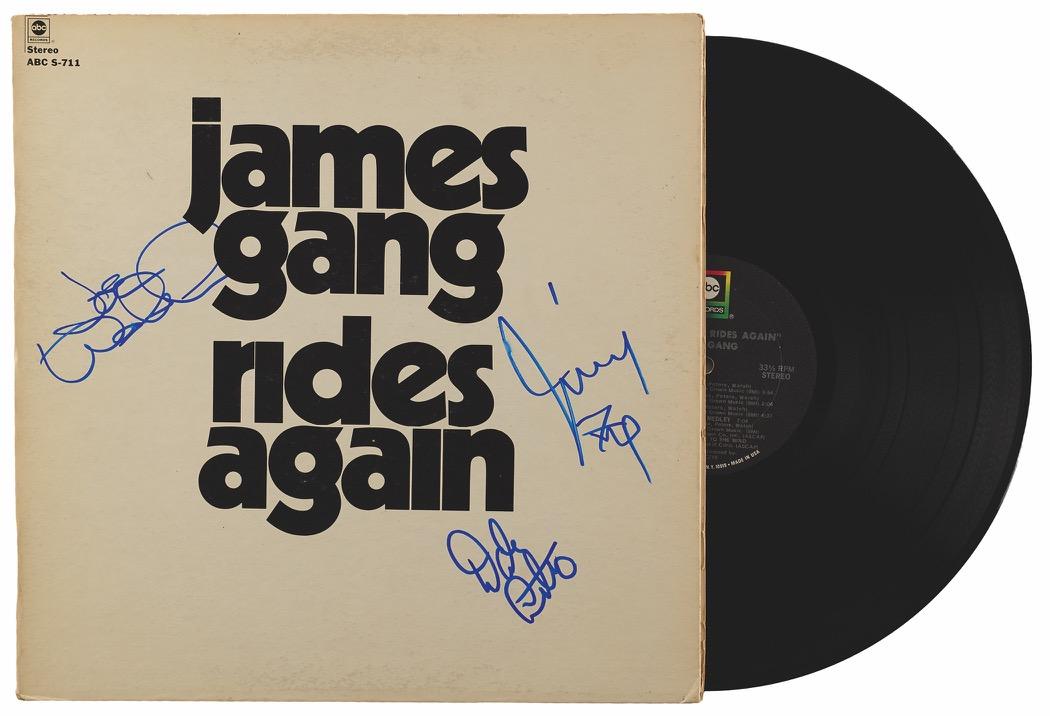
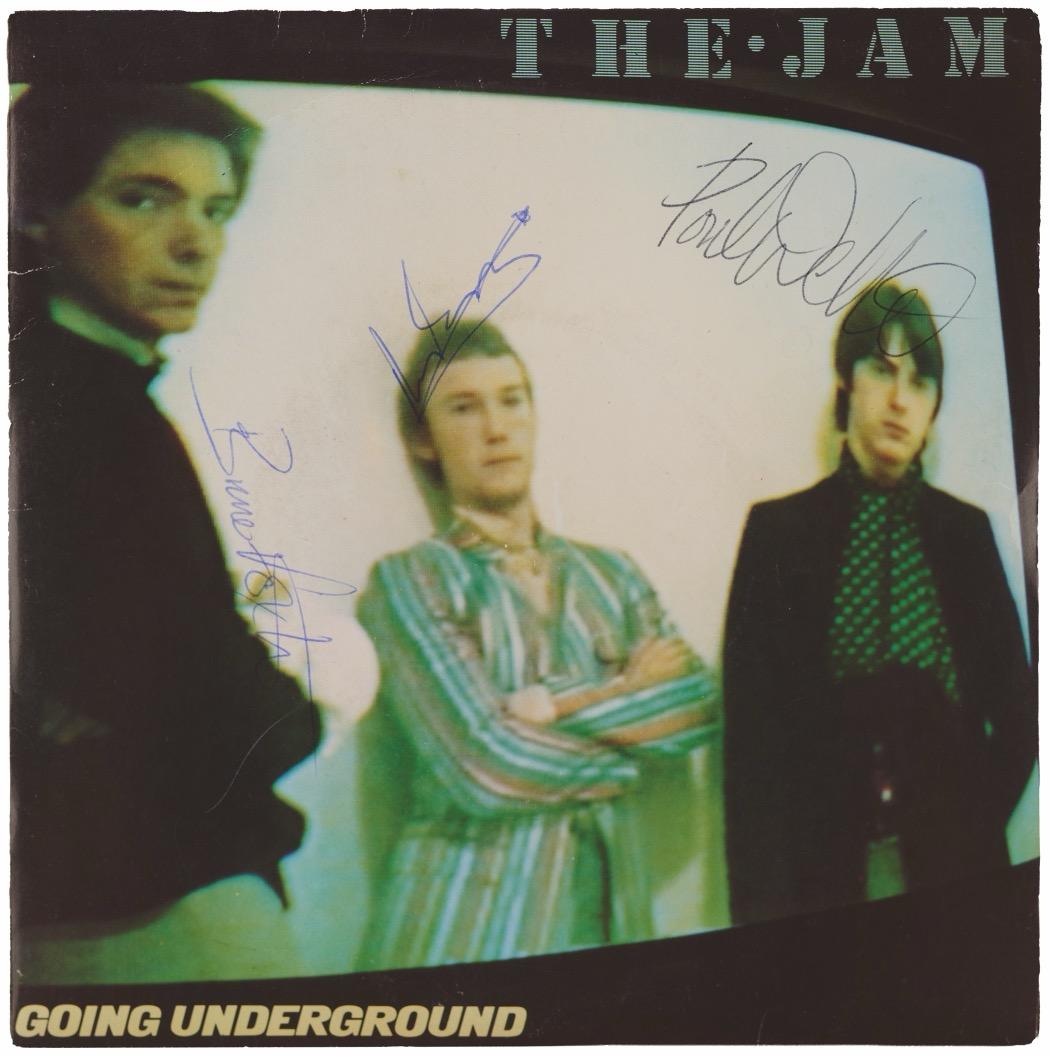
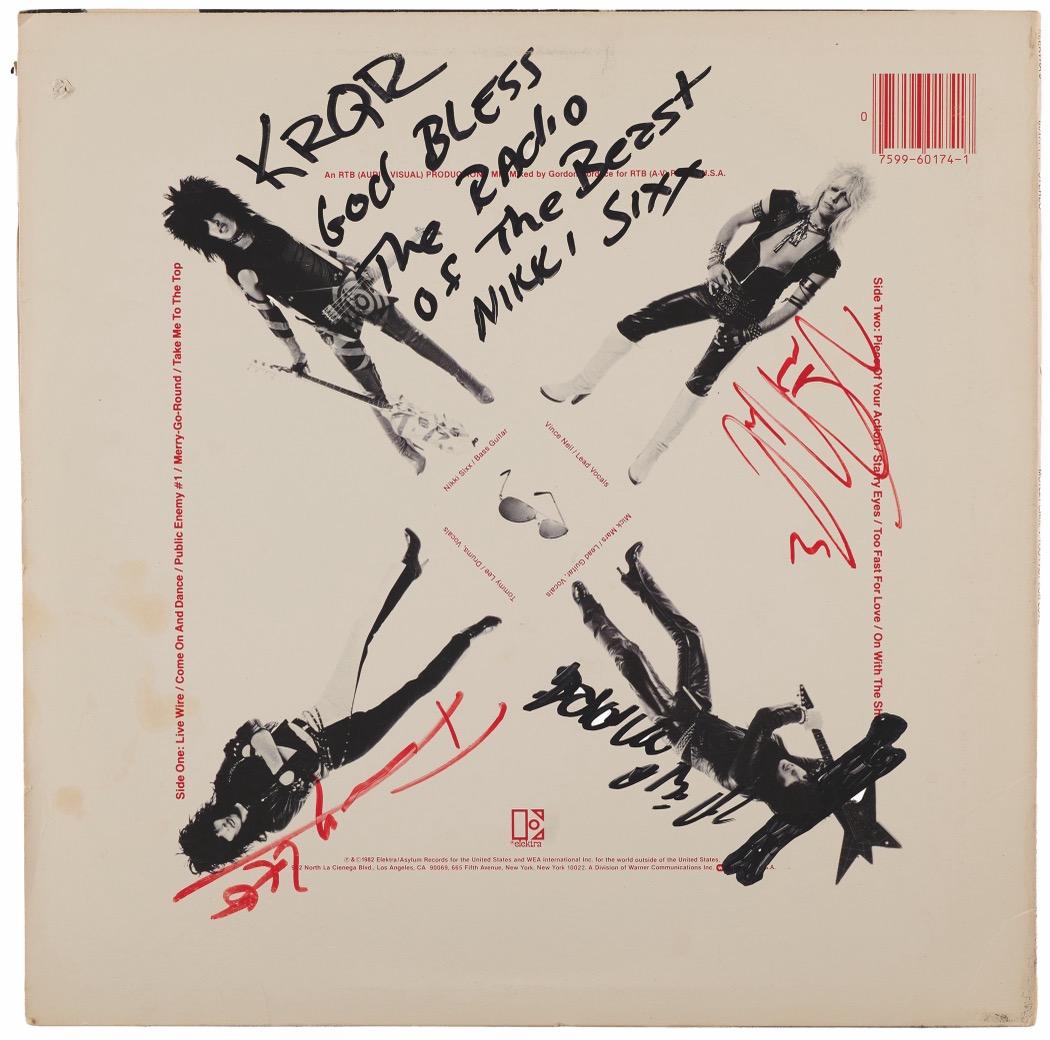
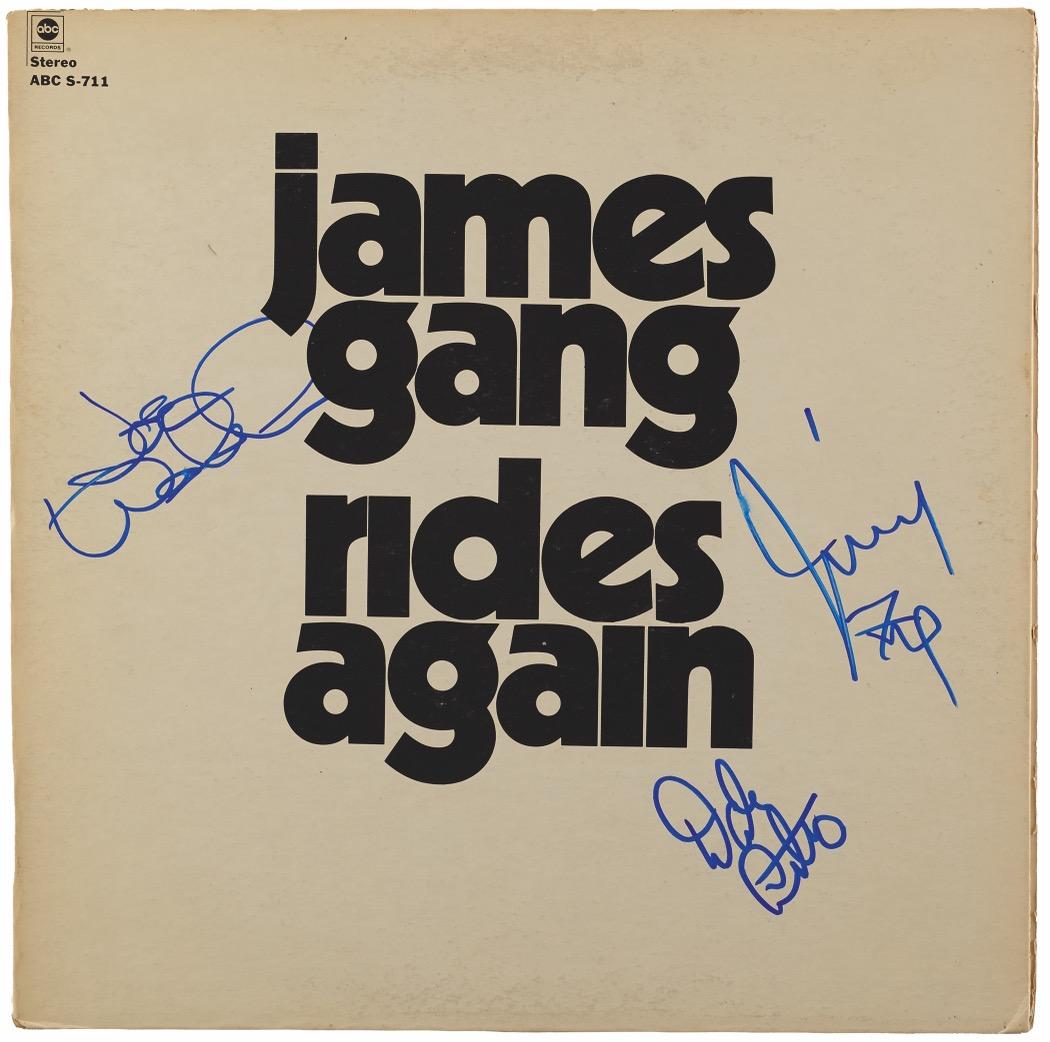
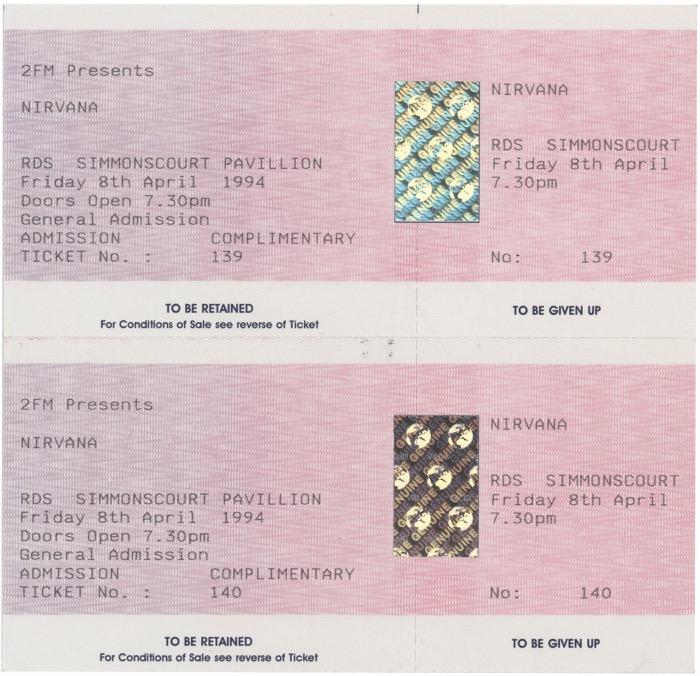
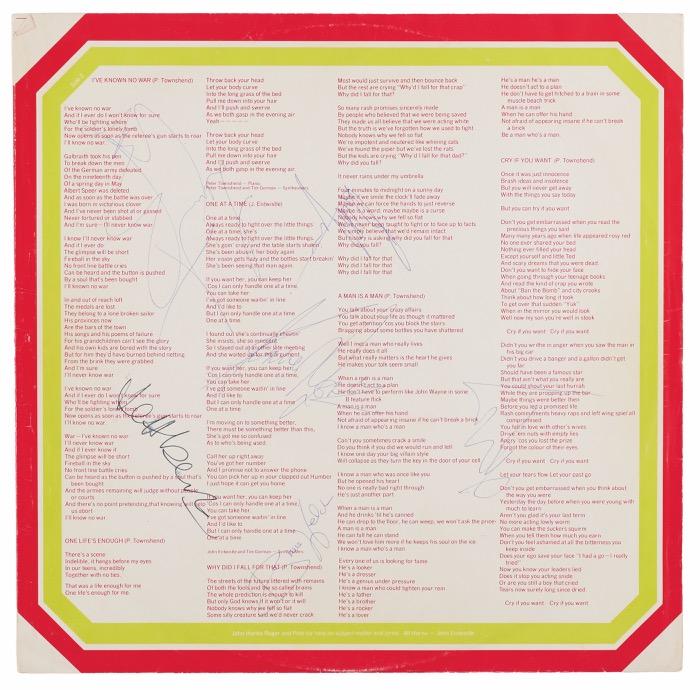
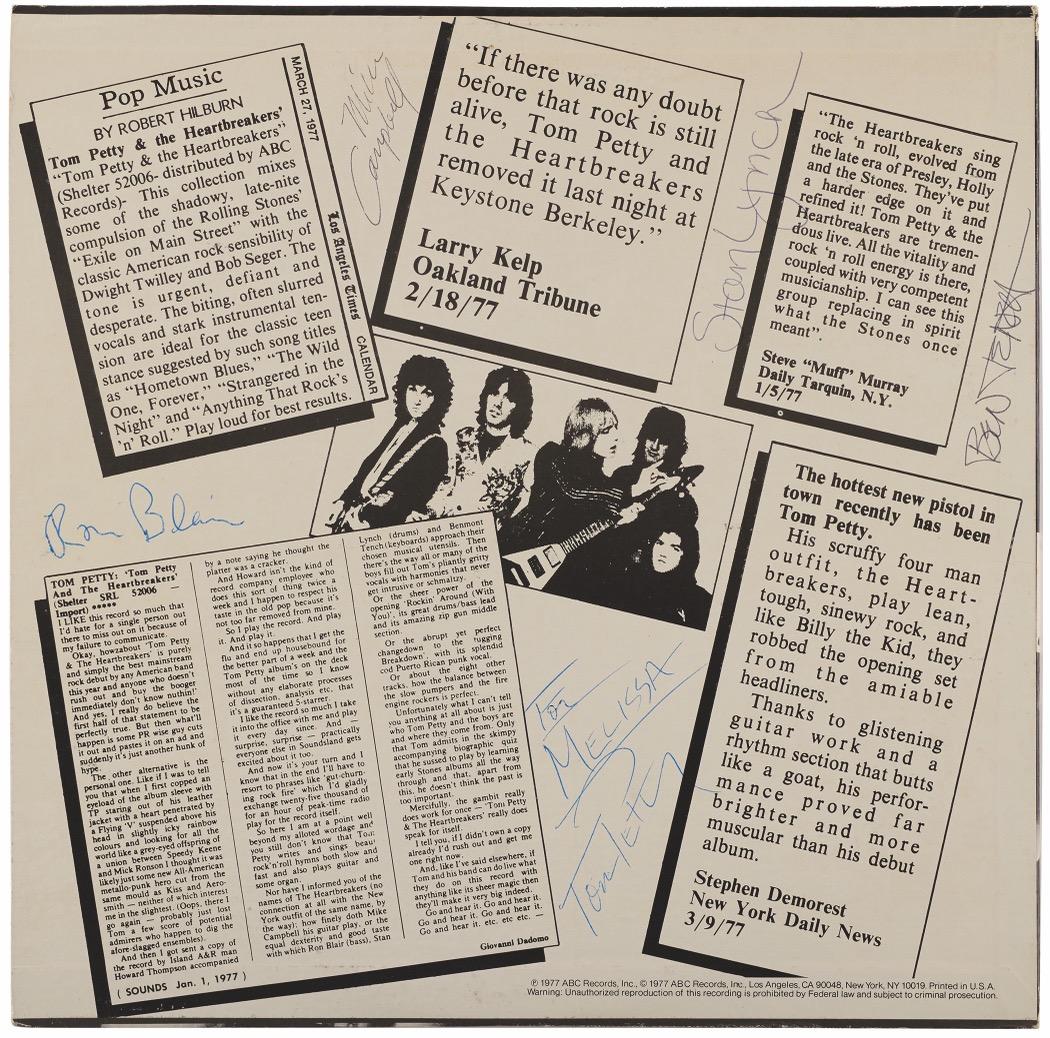
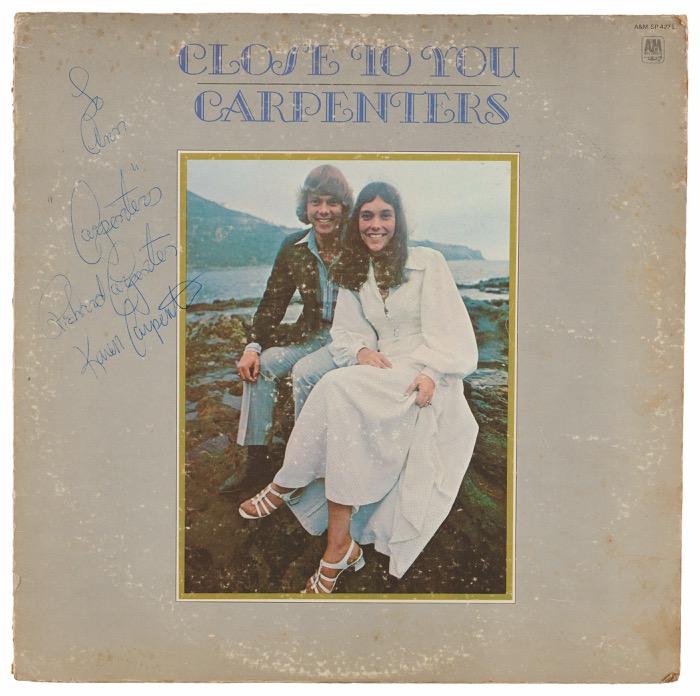
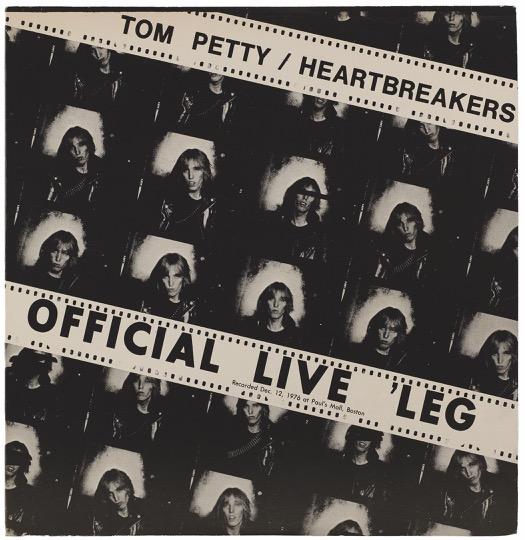
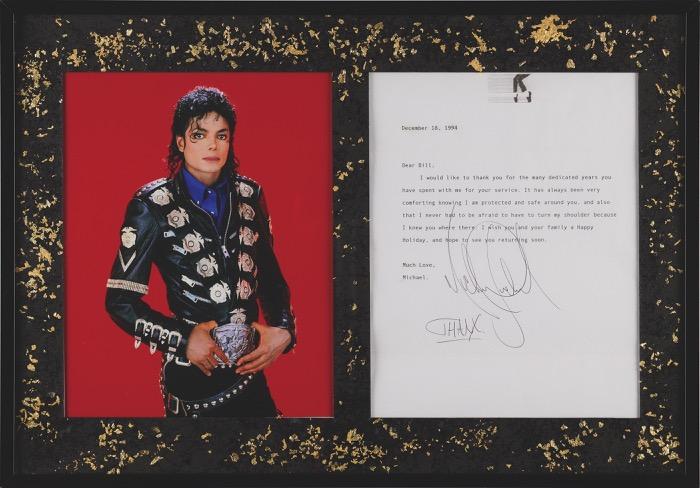
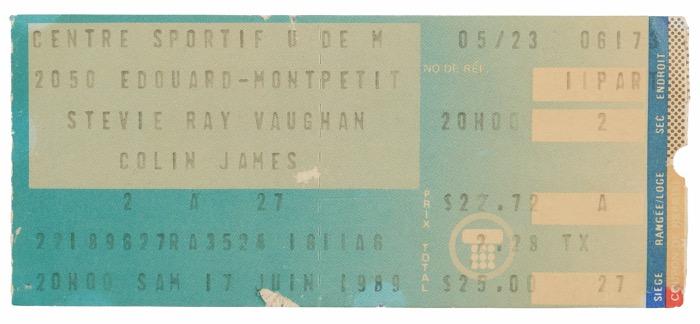
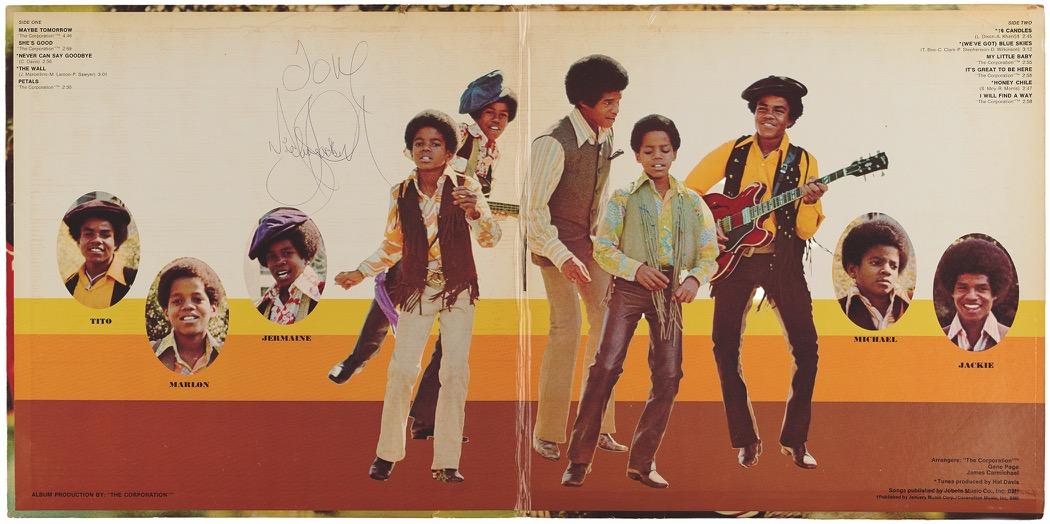
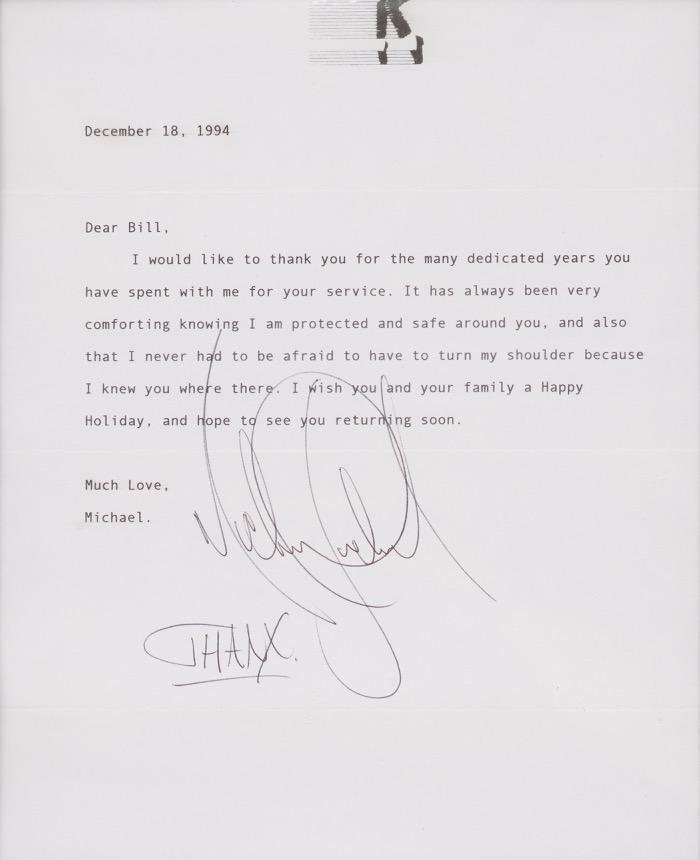
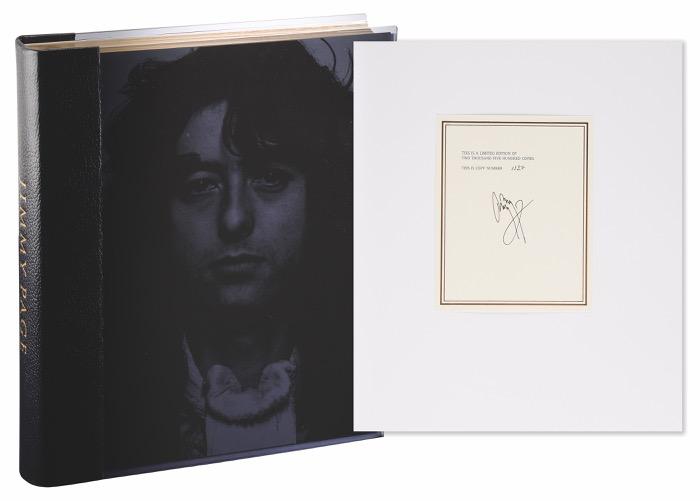
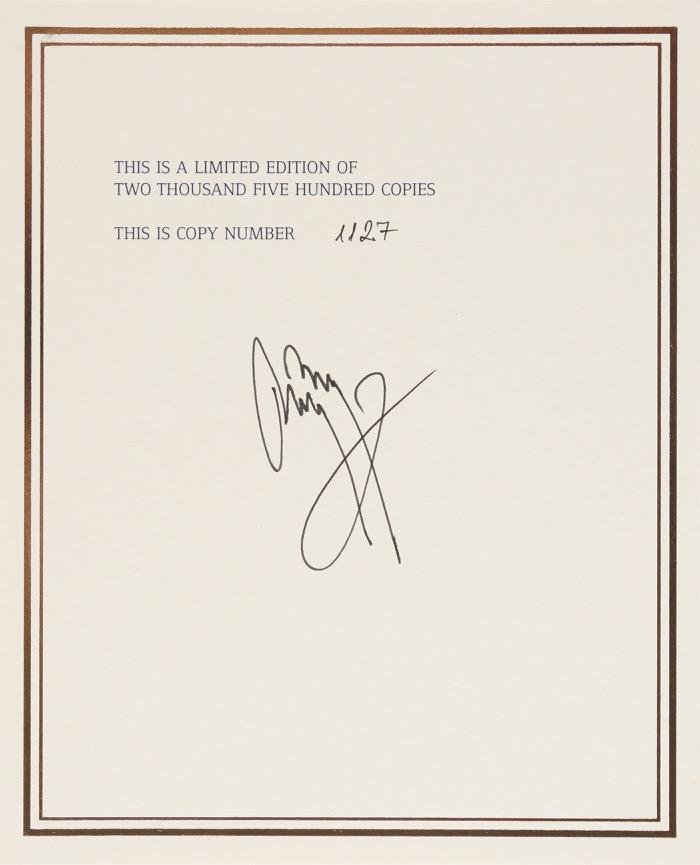
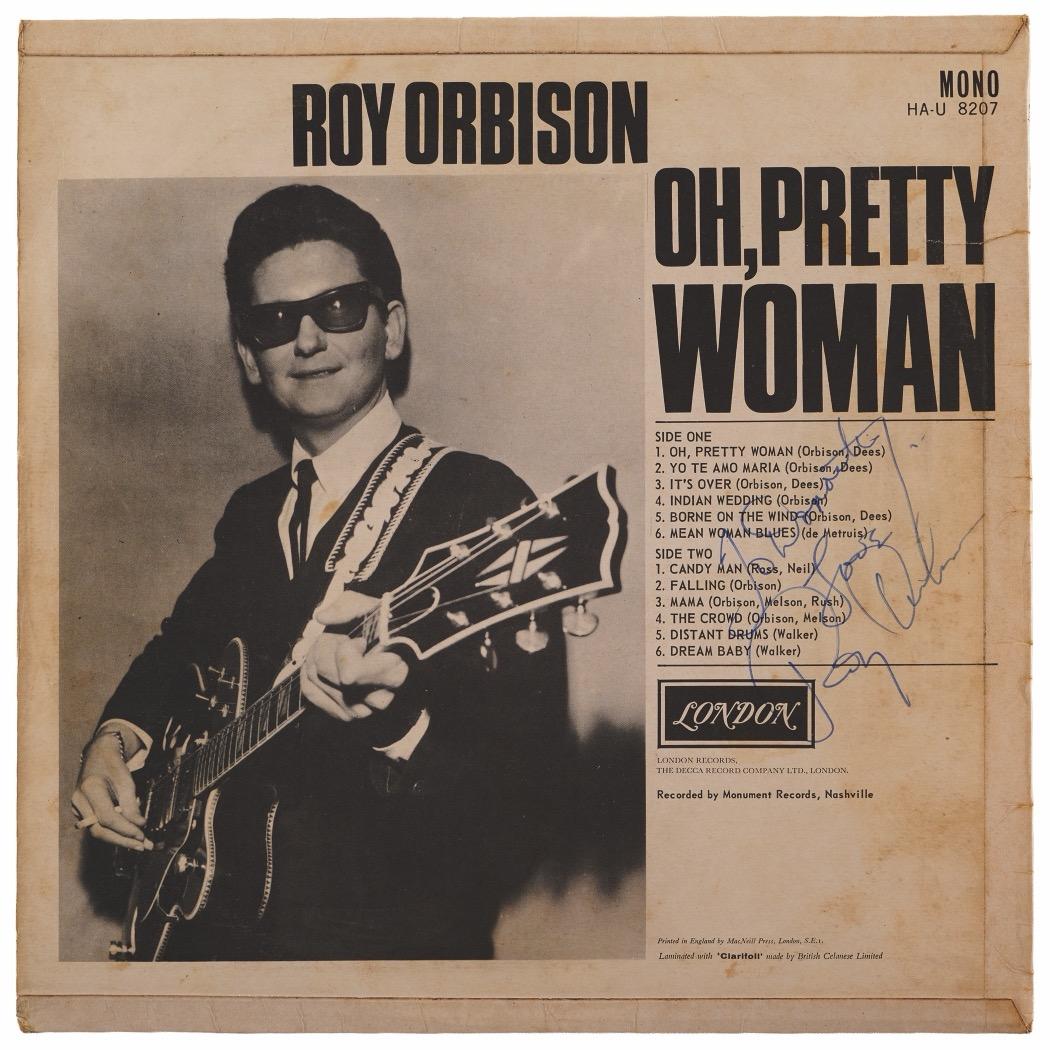
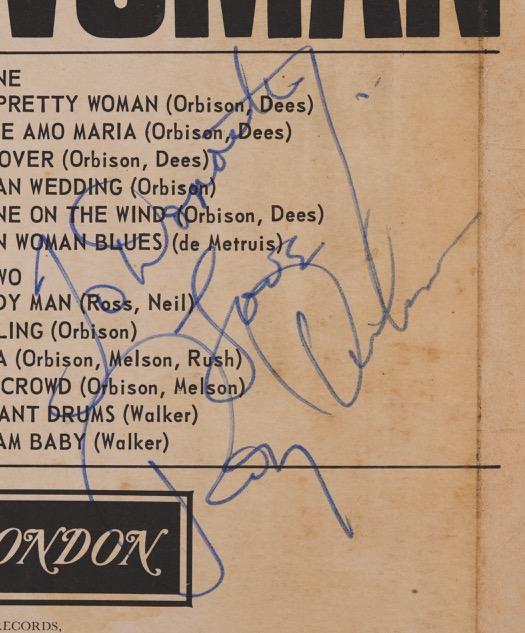
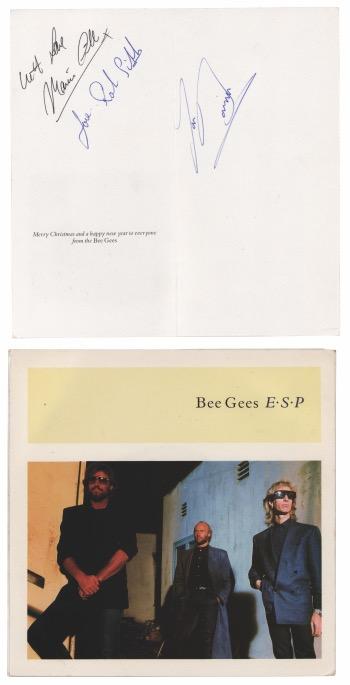
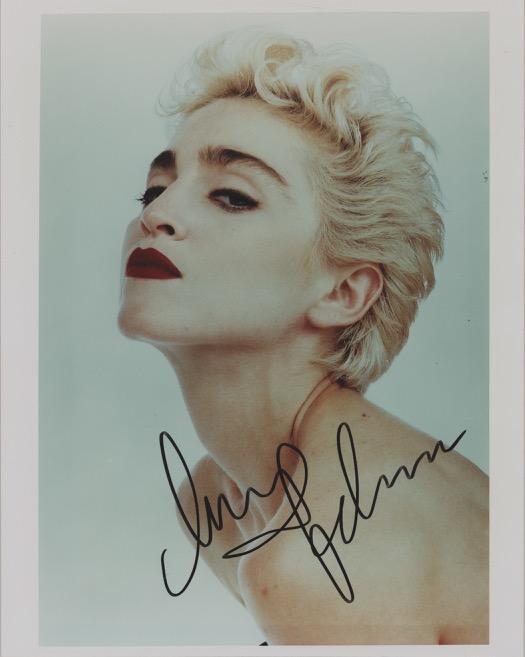
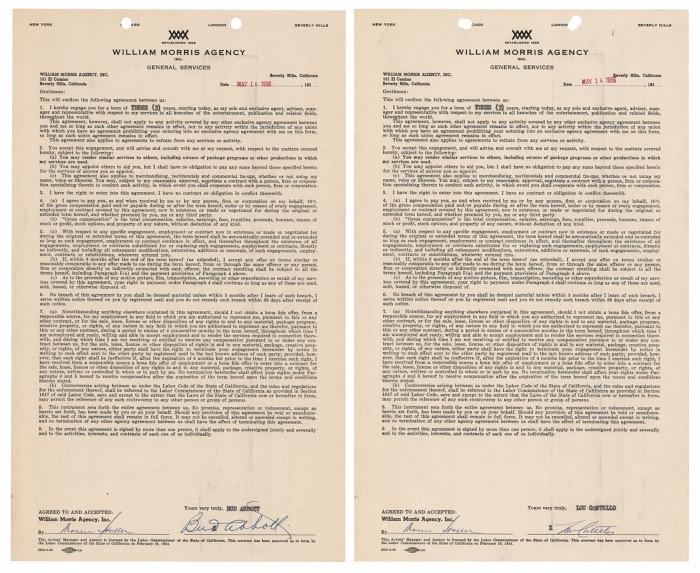
765. Abbott and Costello (2) Documents Signed Starting Bid $200
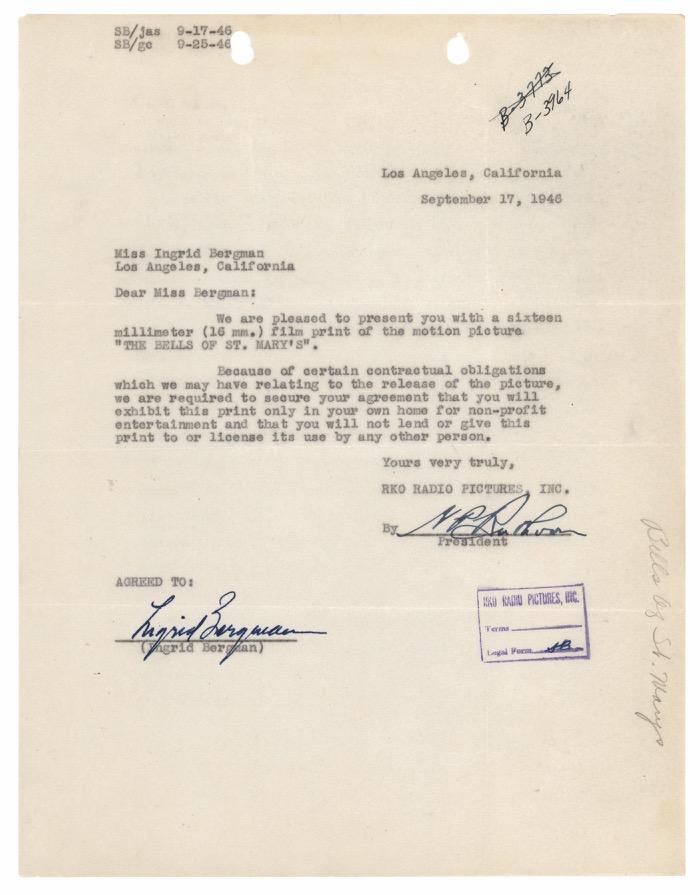
769. Ingrid Bergman Document Signed for The Bells of St. Mary's Starting Bid $200
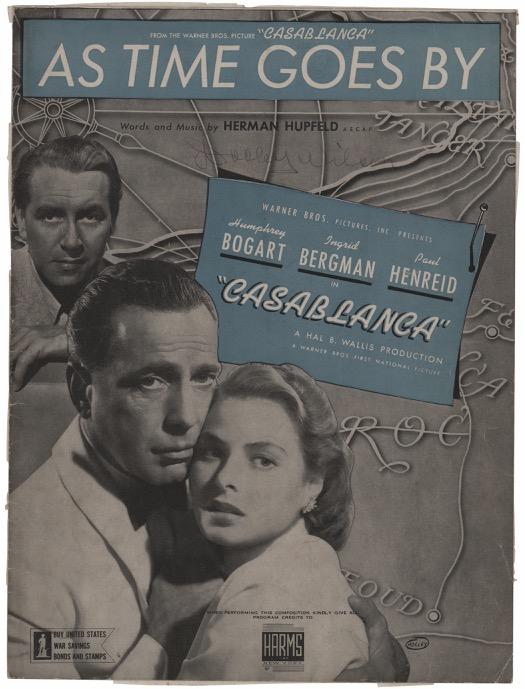
766. Josephine Baker (2) Signed Items - Photograph and Typed Letter Starting Bid $200
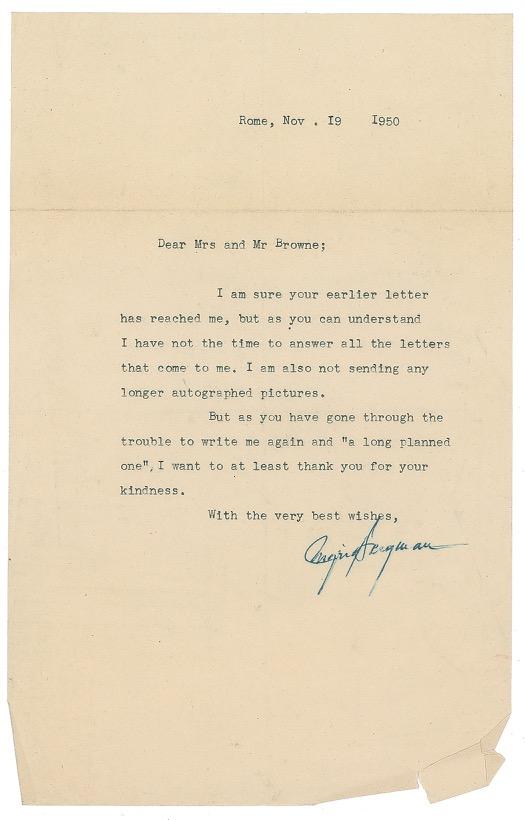
770. Ingrid Bergman Typed Letter Signed Starting Bid $200
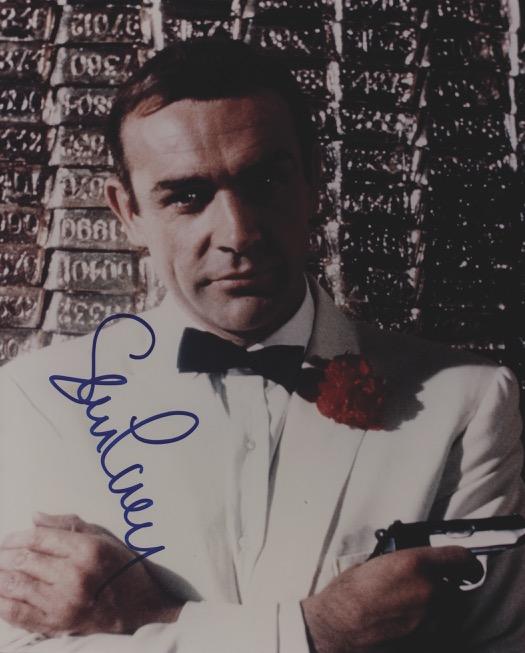
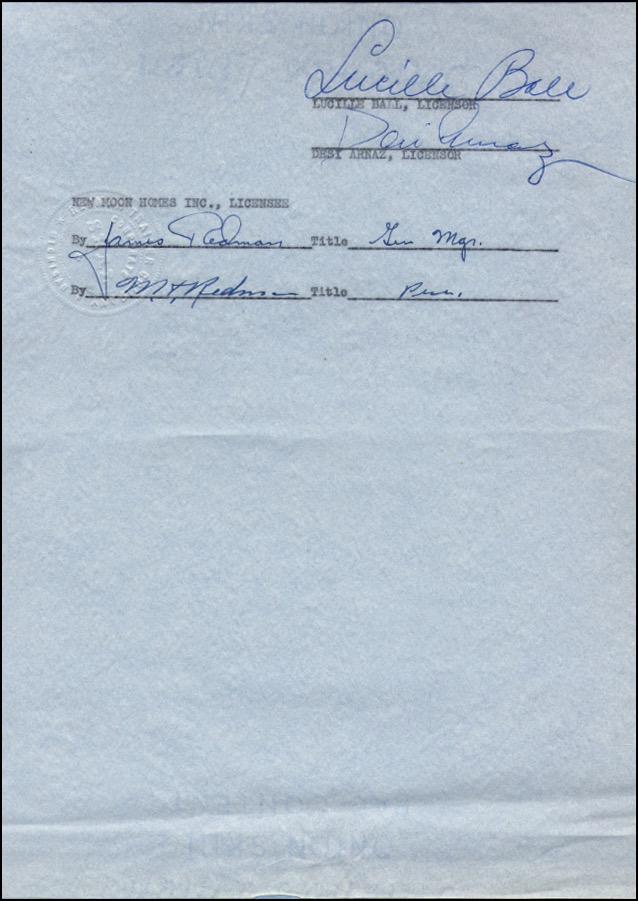
and
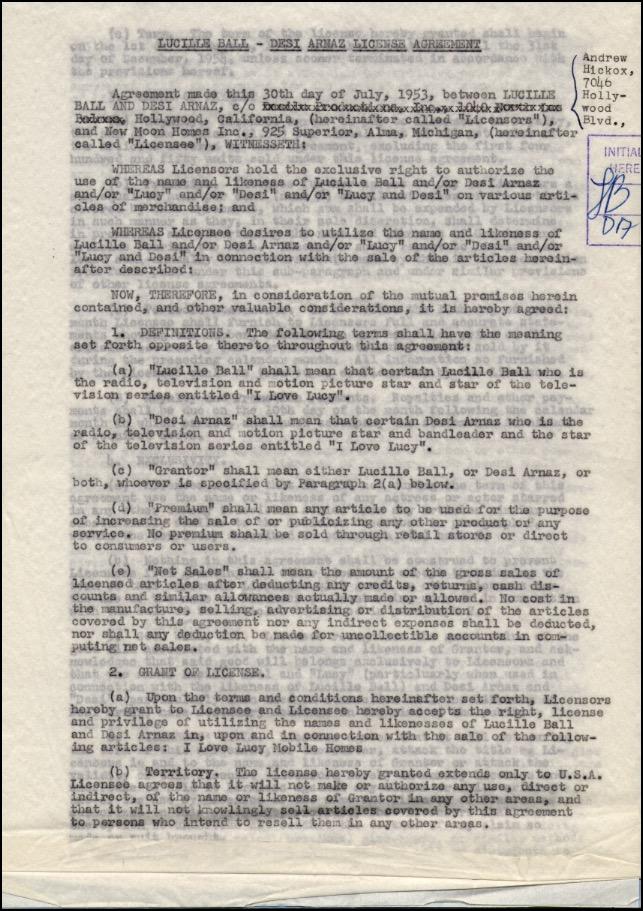
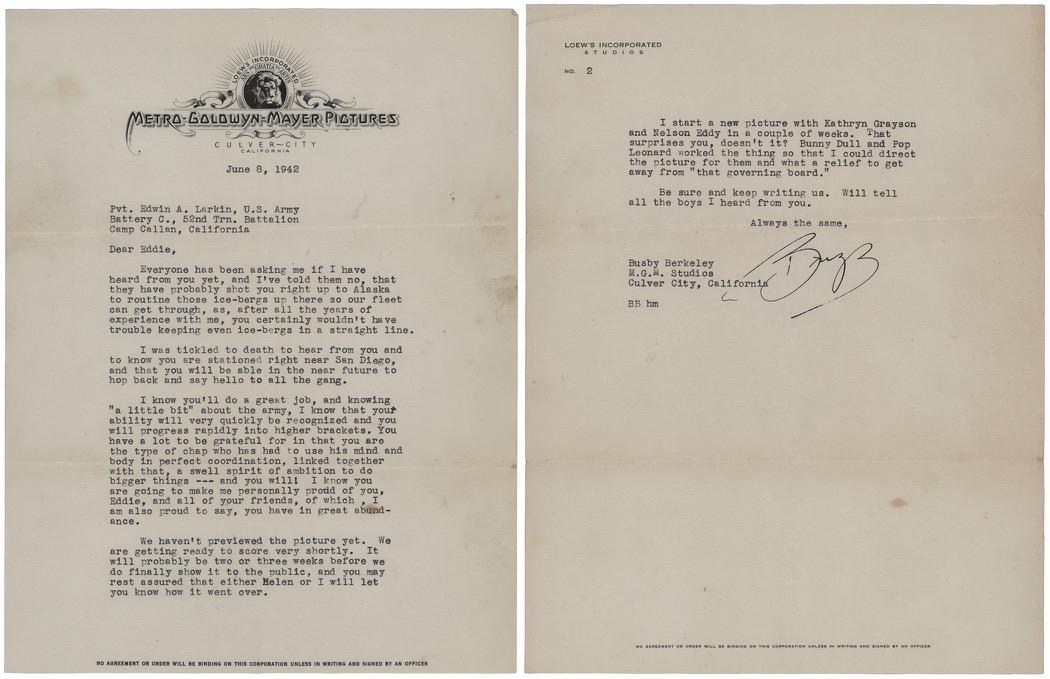
771. Busby Berkeley WarDated Typed Letter Signed Starting Bid $200
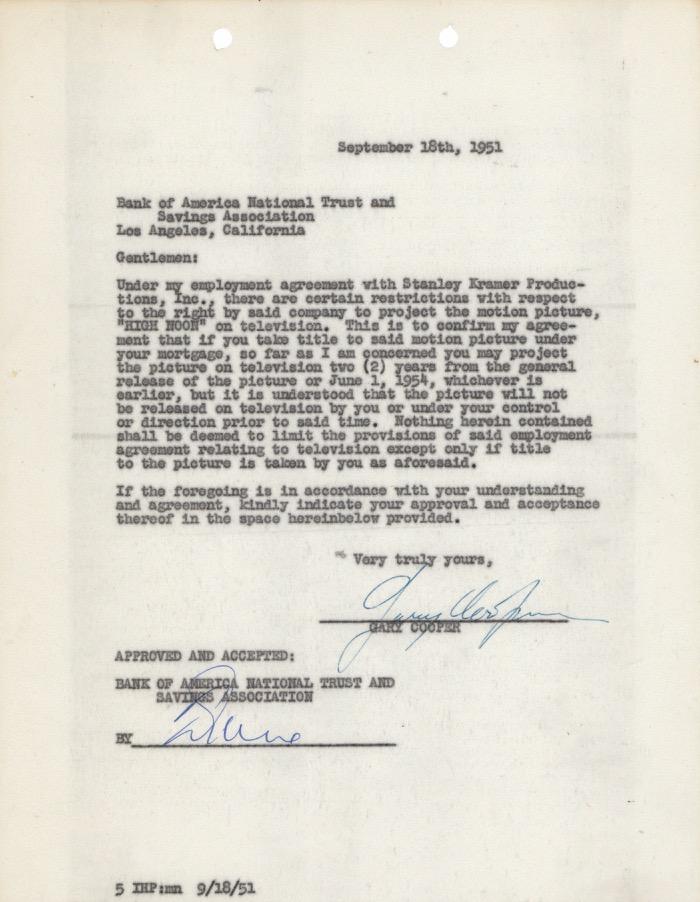
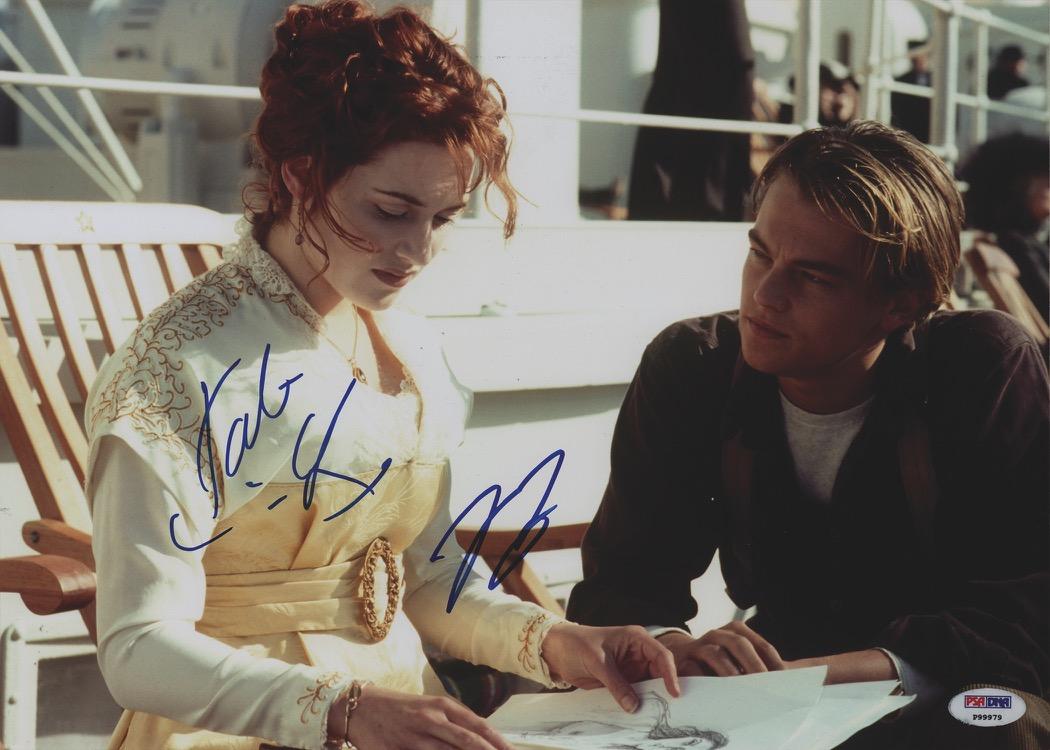
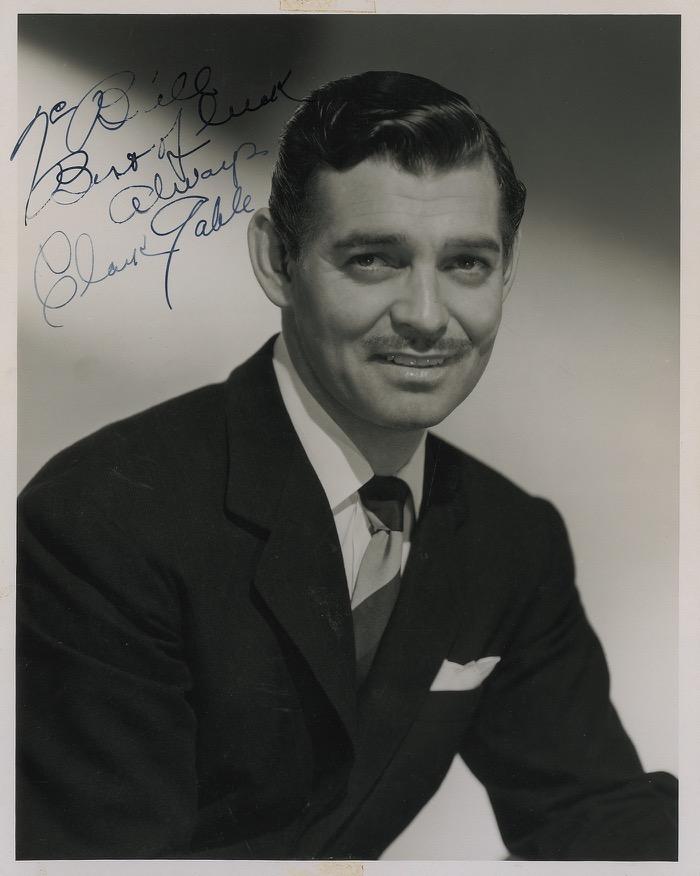
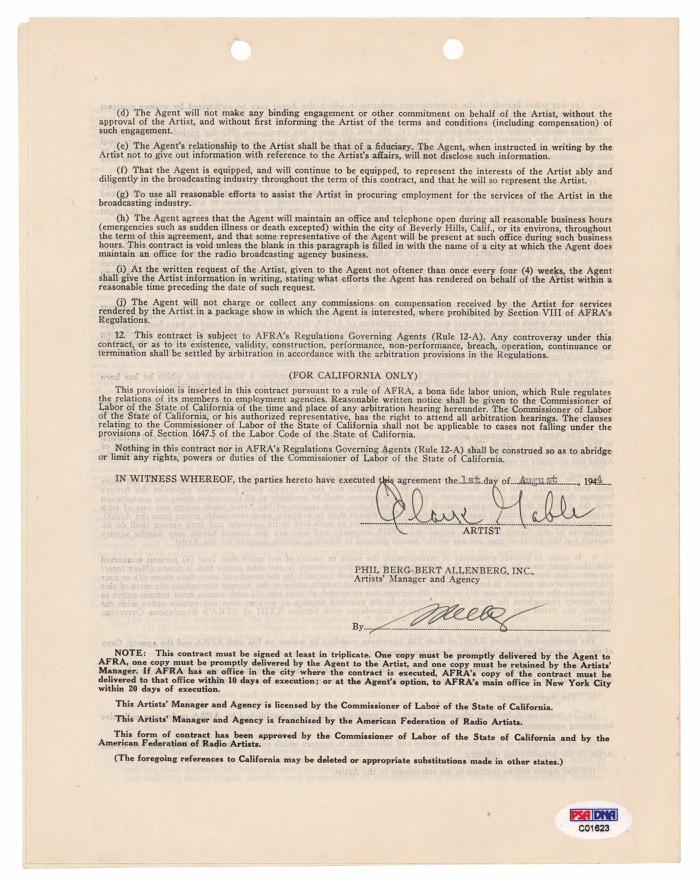
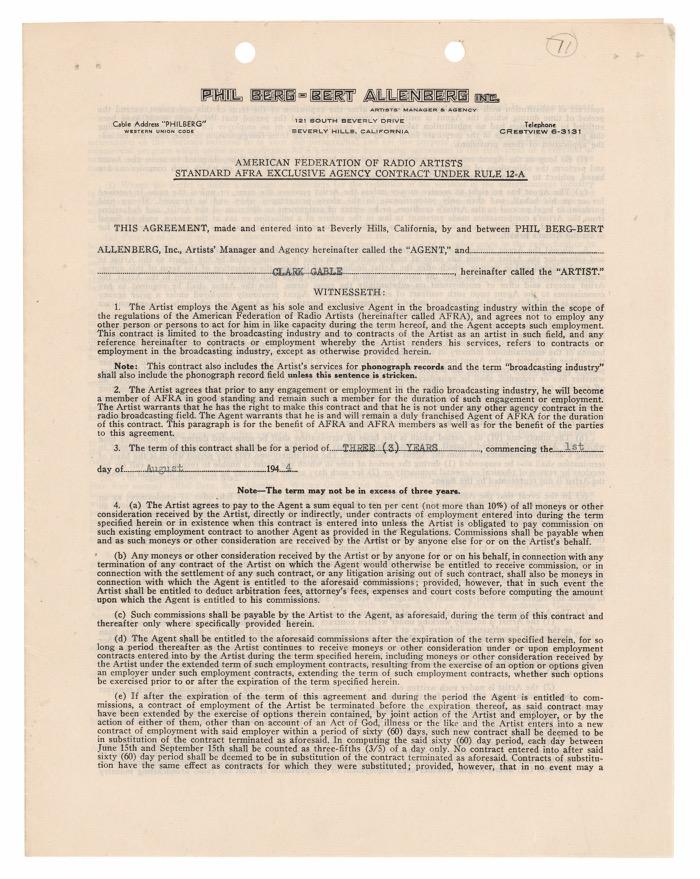

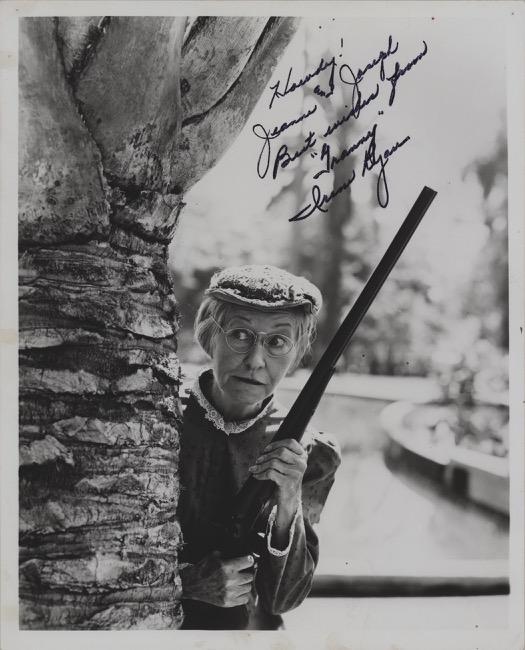
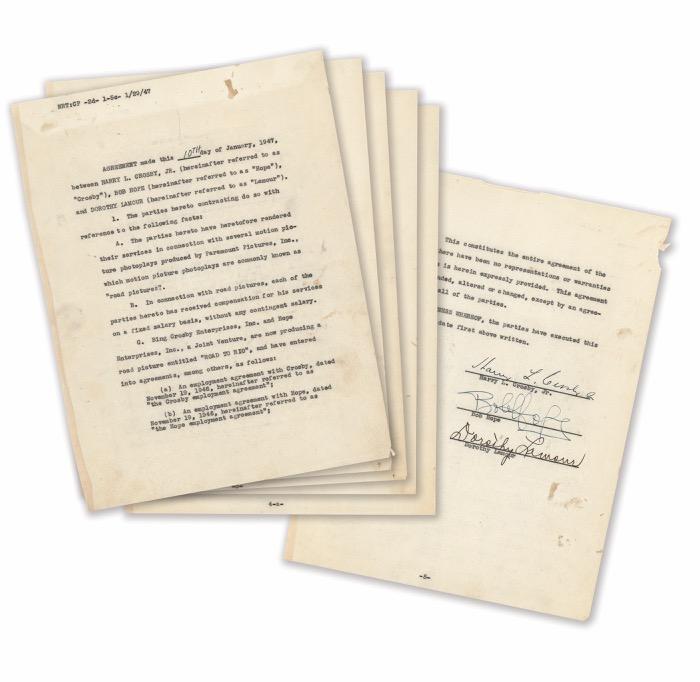
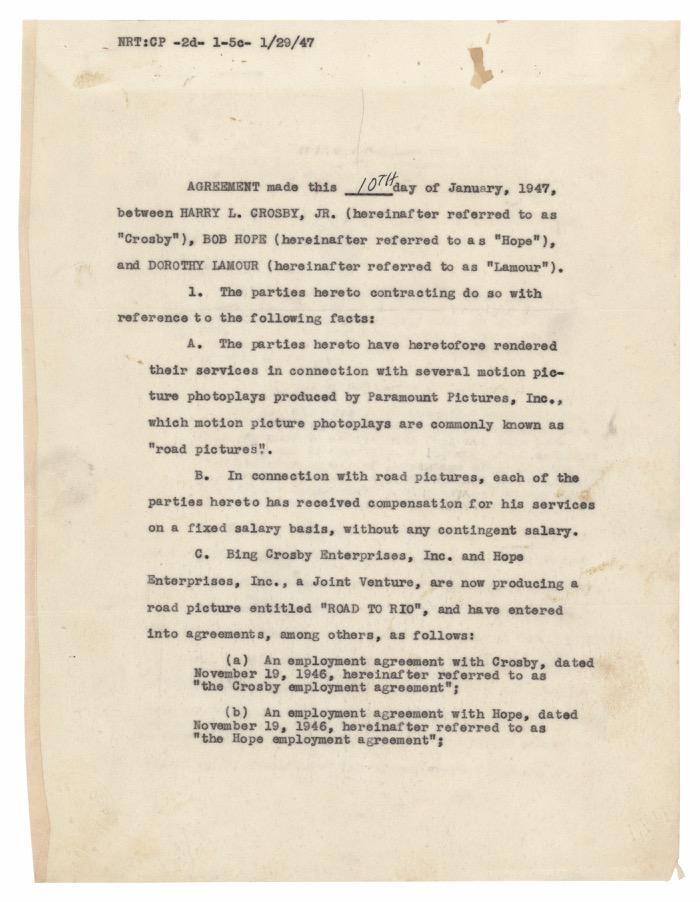
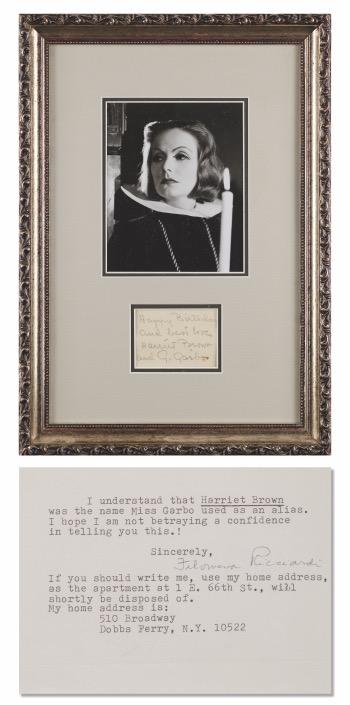
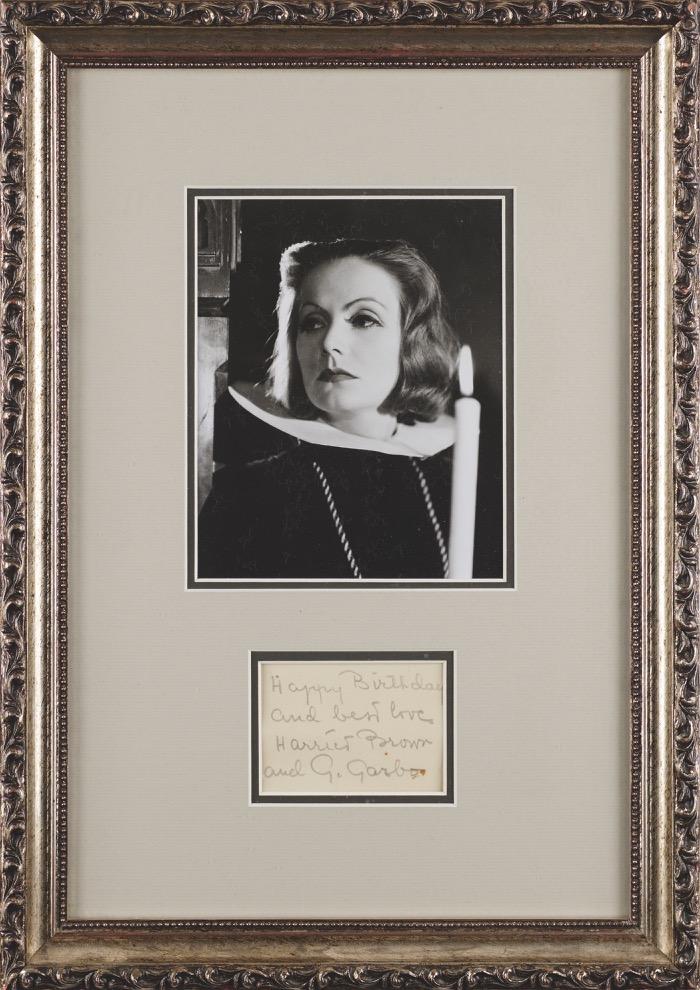
781.
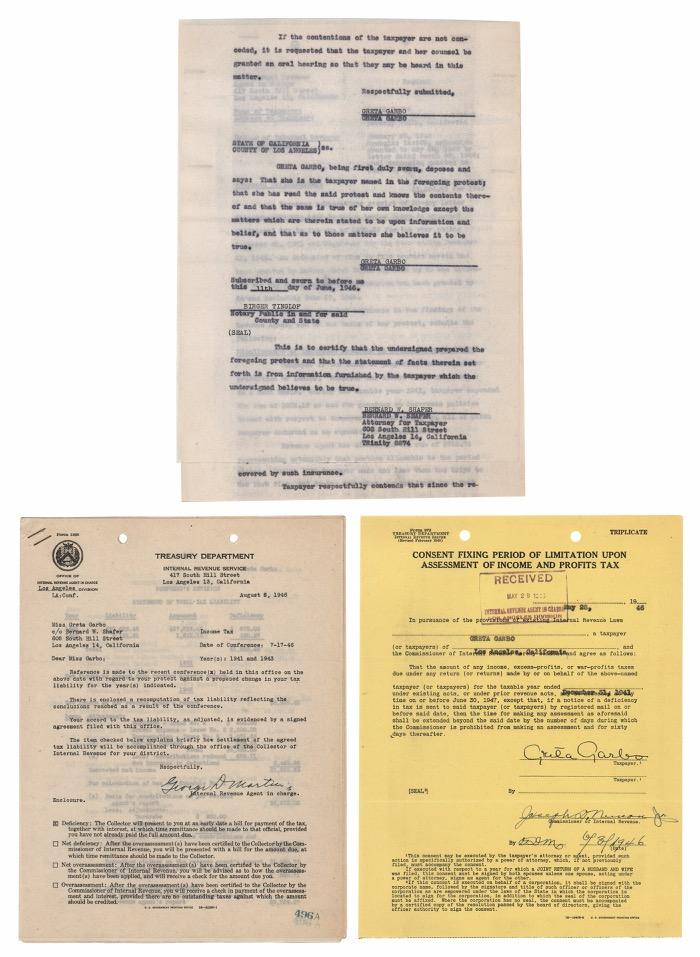
Document Signed to IRS Starting Bid $200
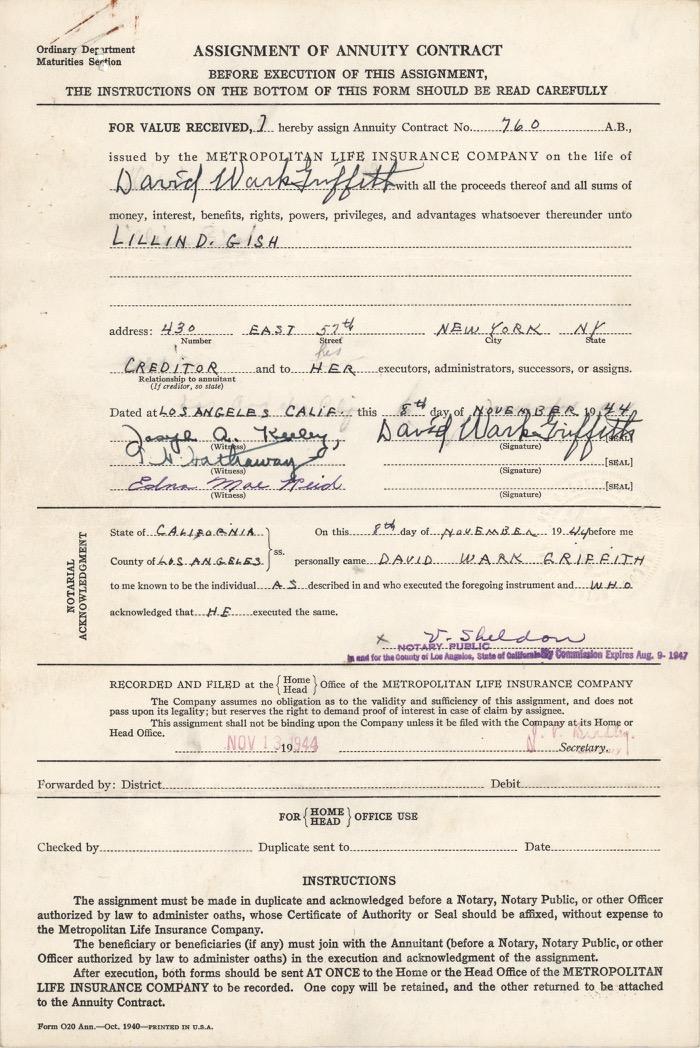
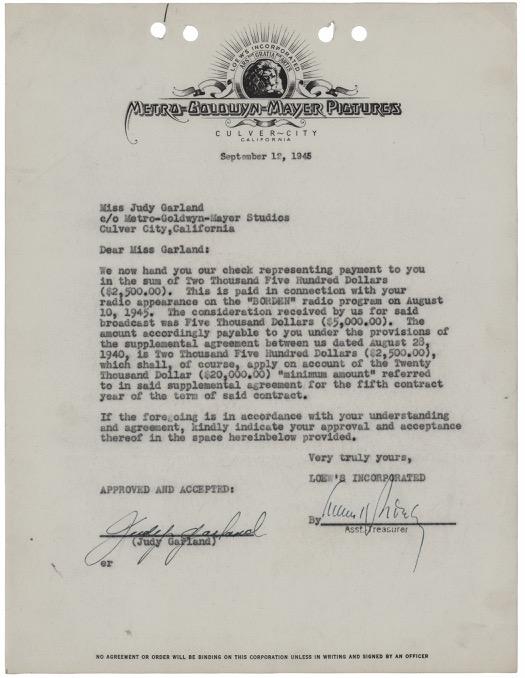
Starting Bid
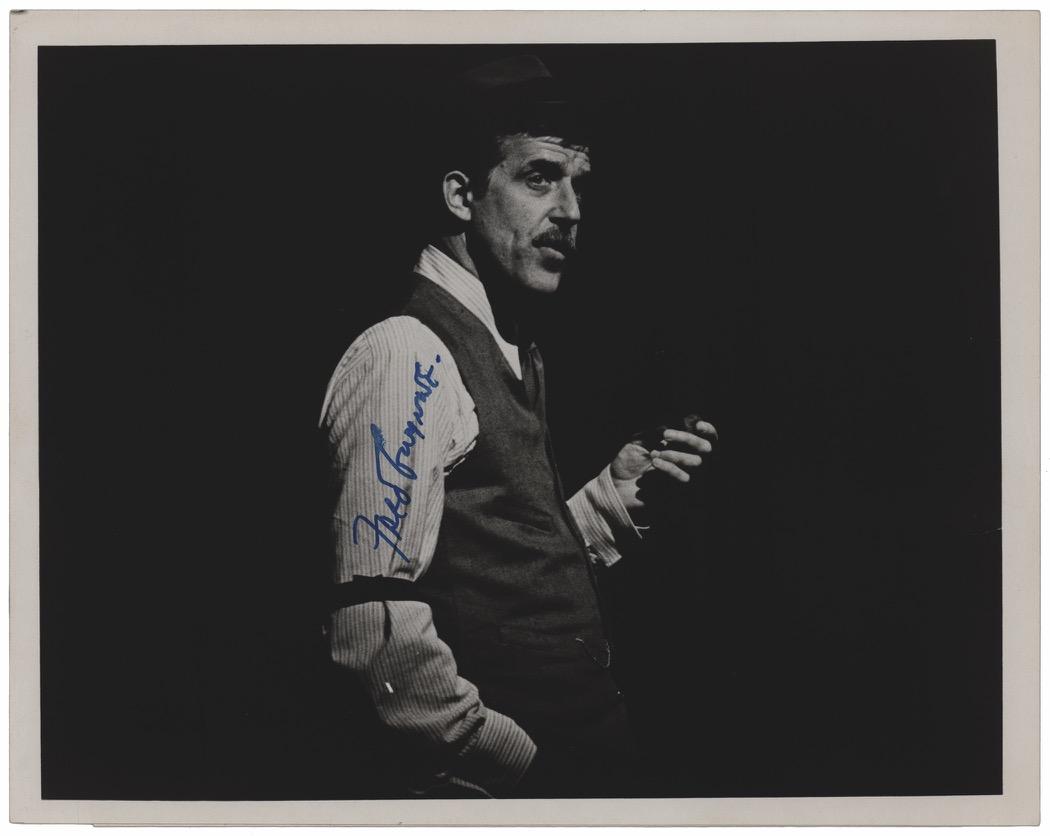
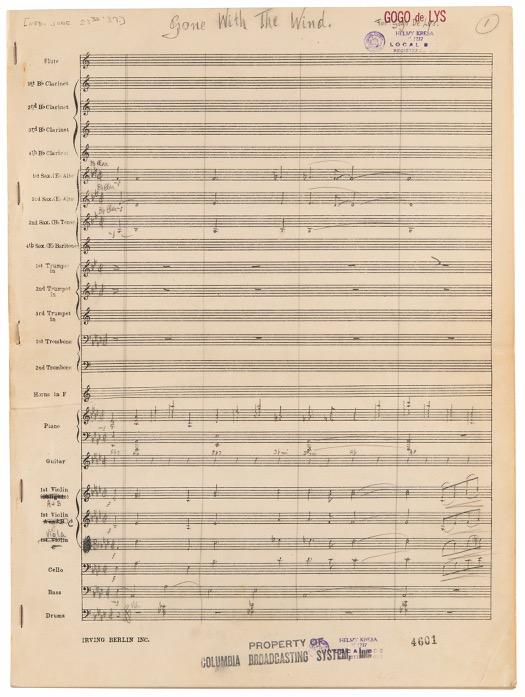
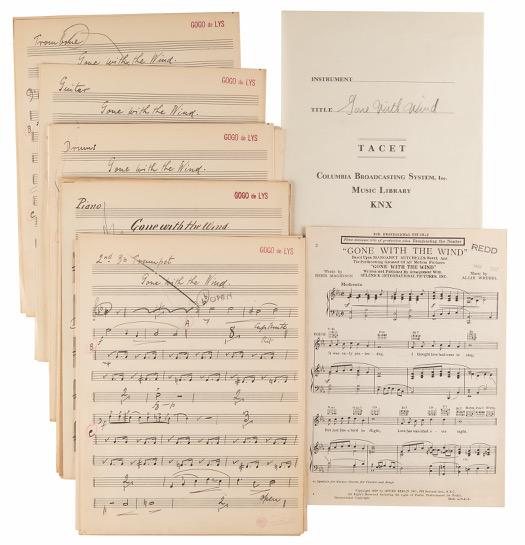
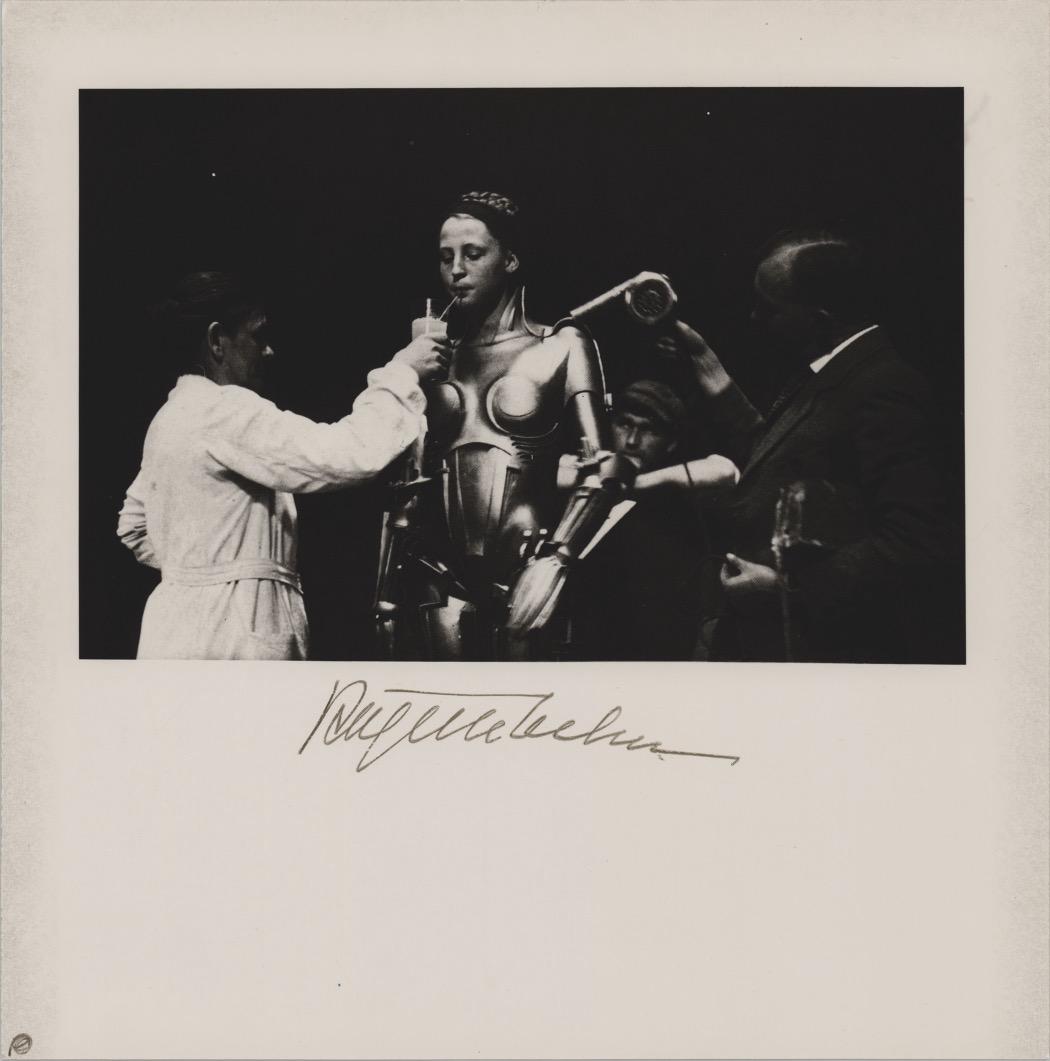
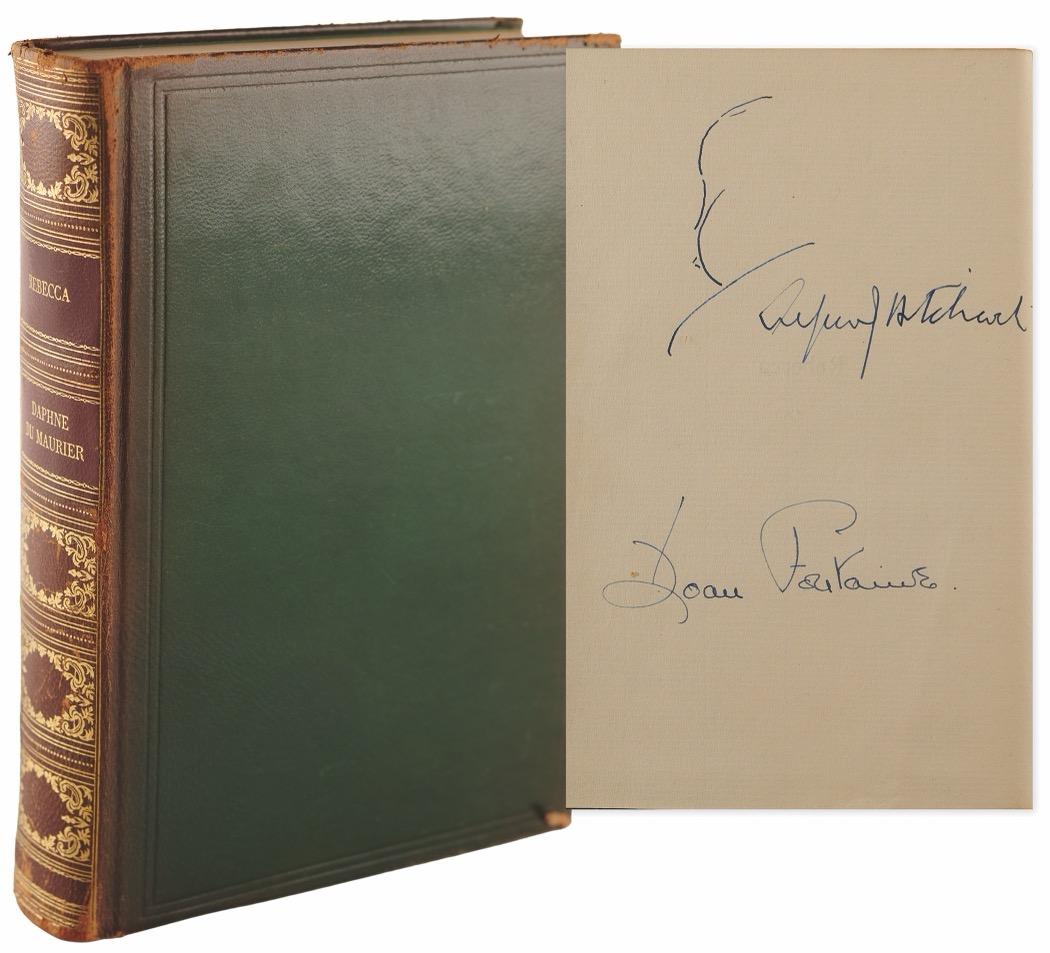
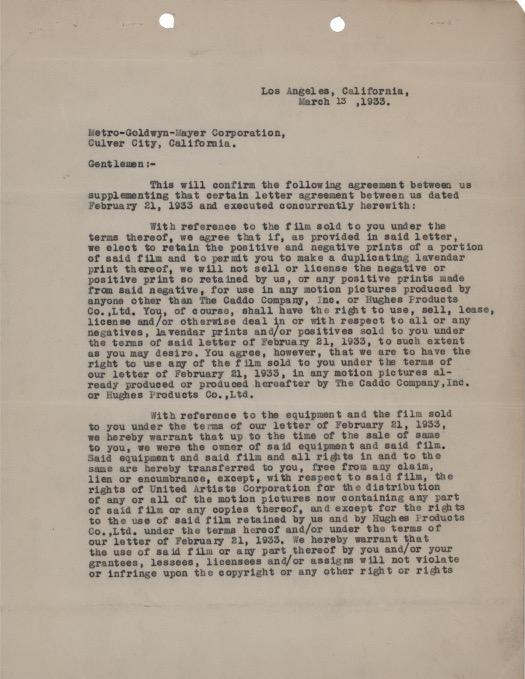
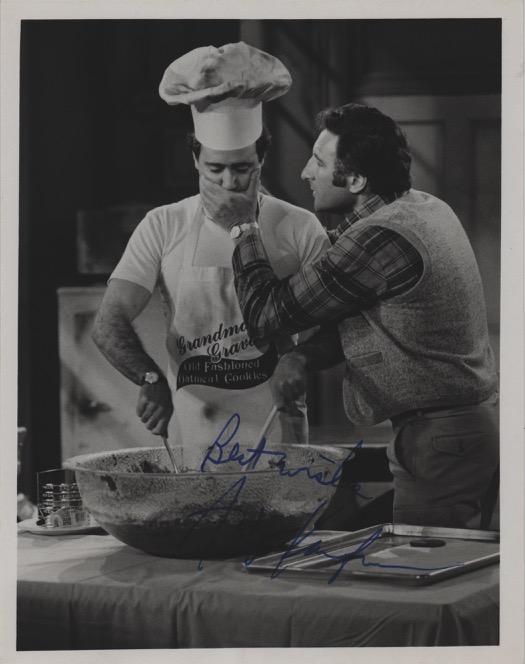
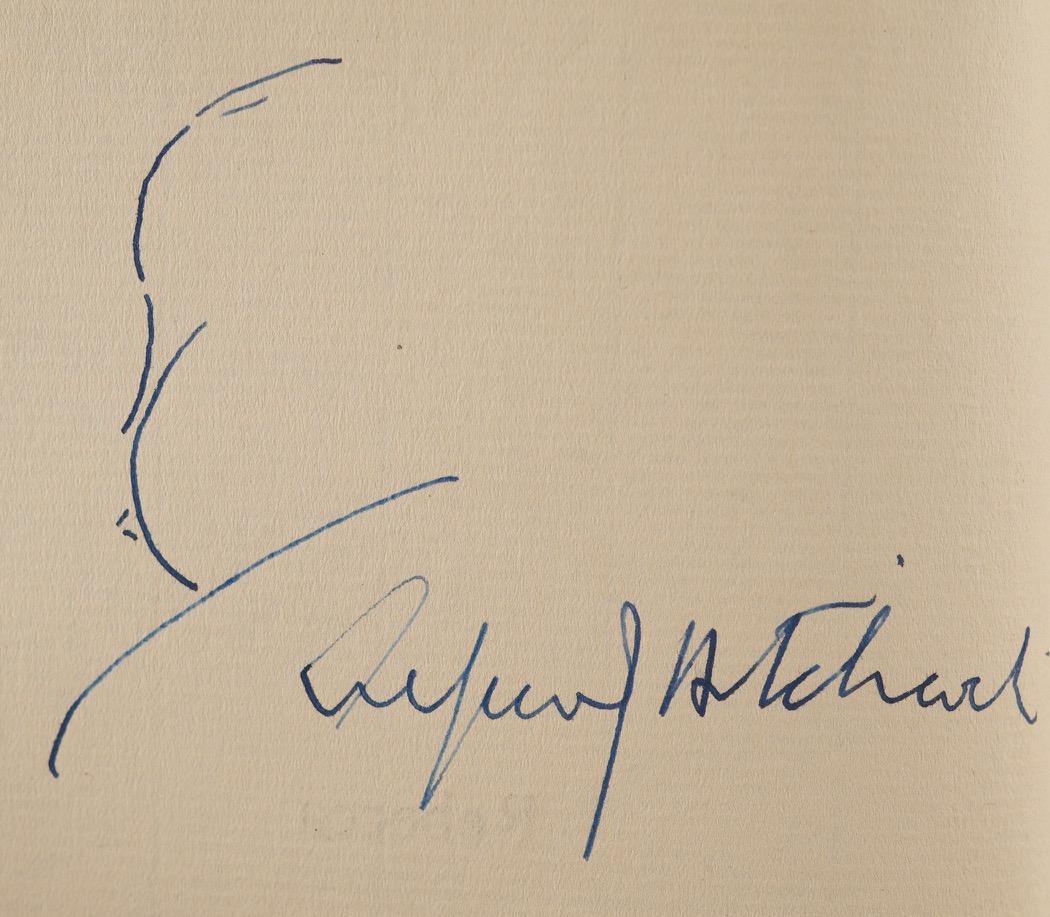
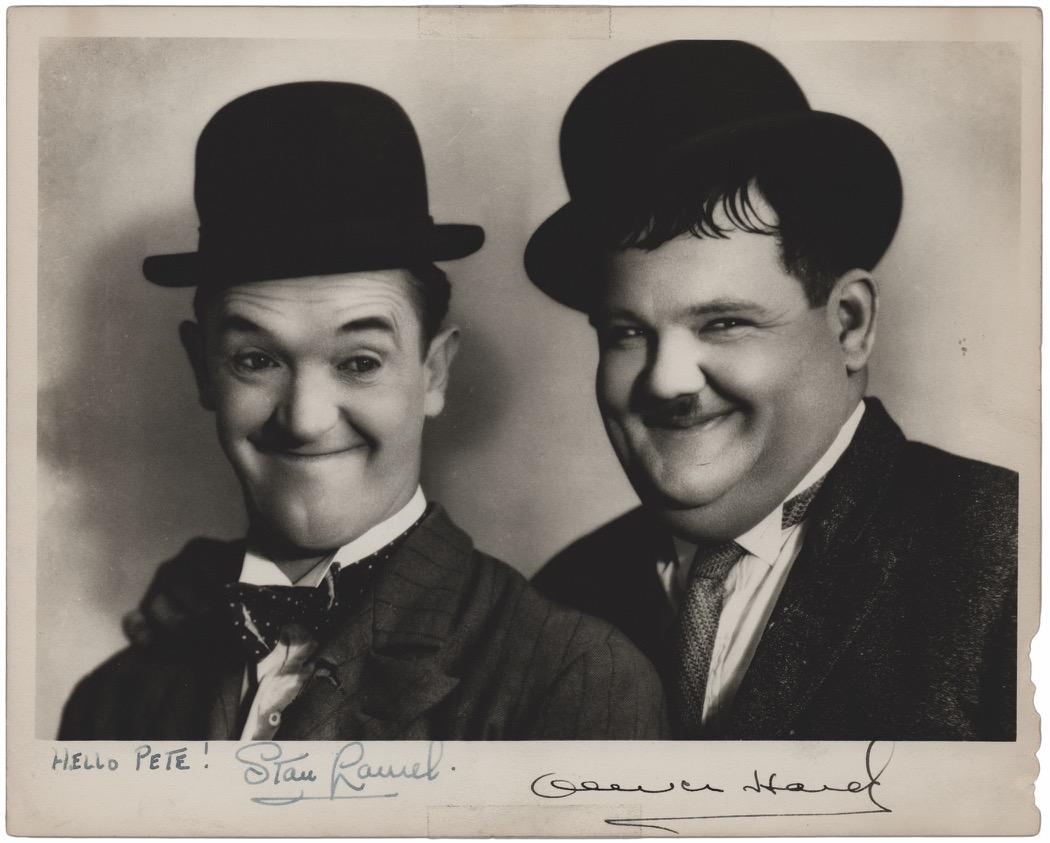
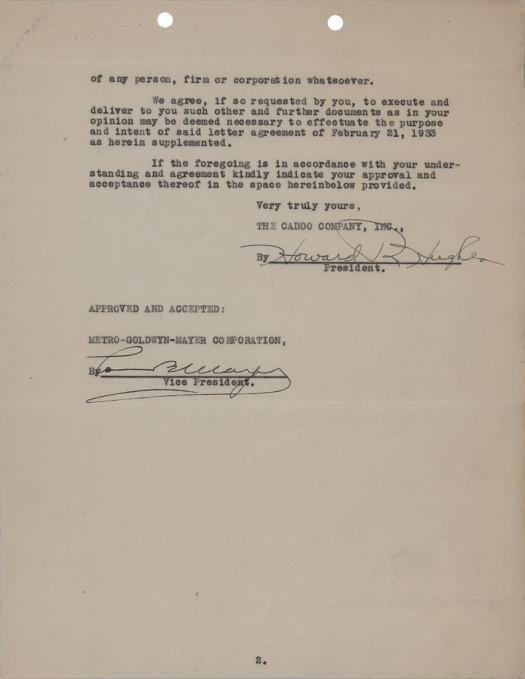
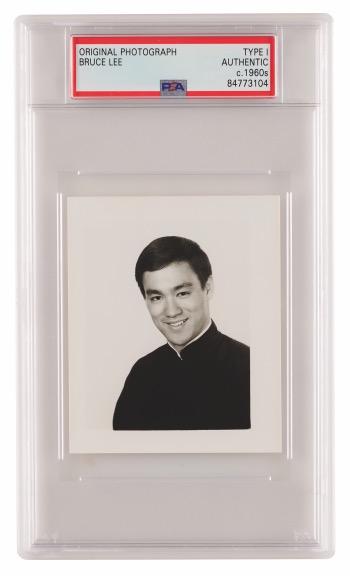
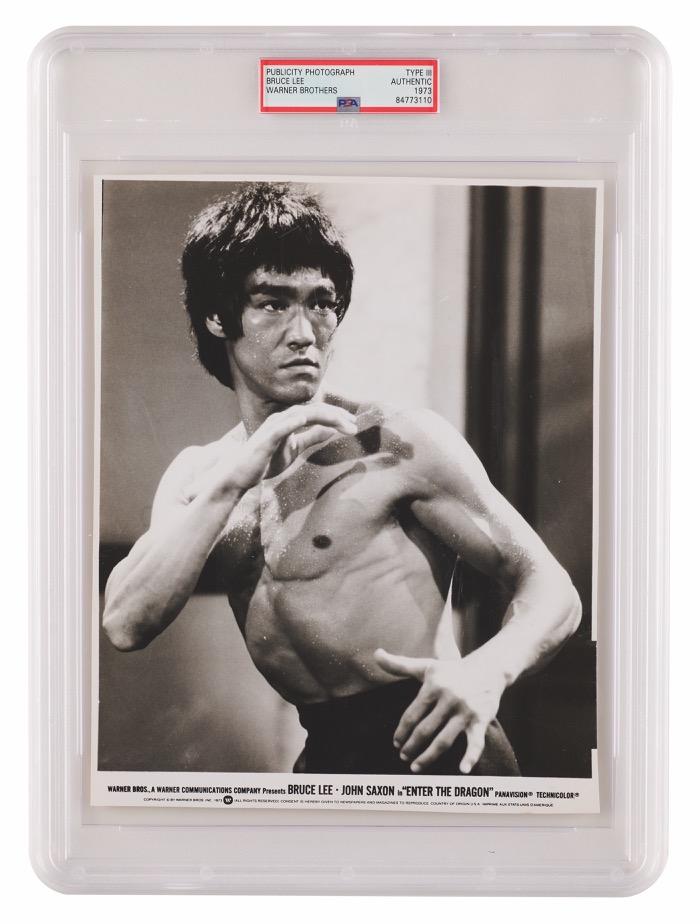
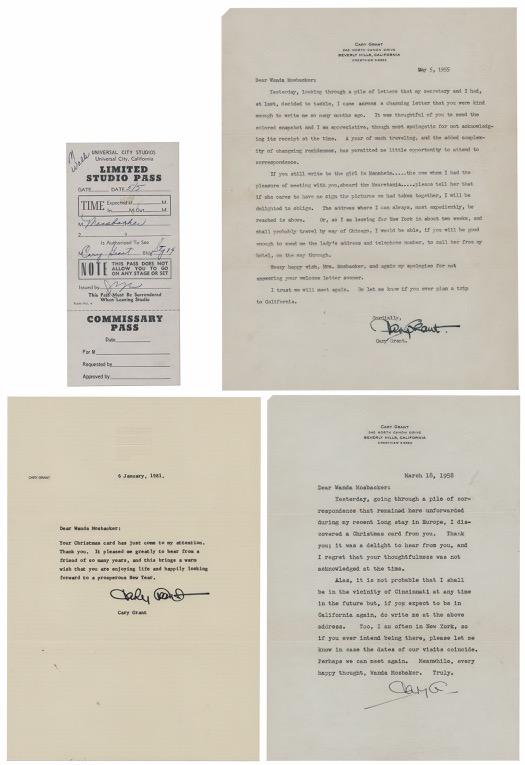
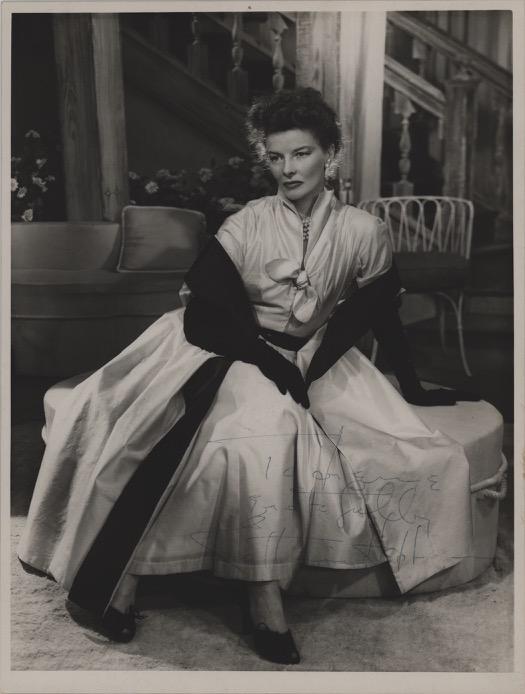
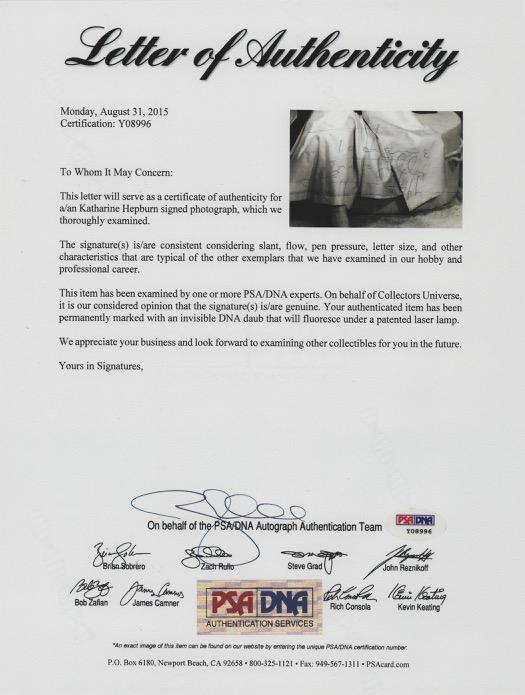
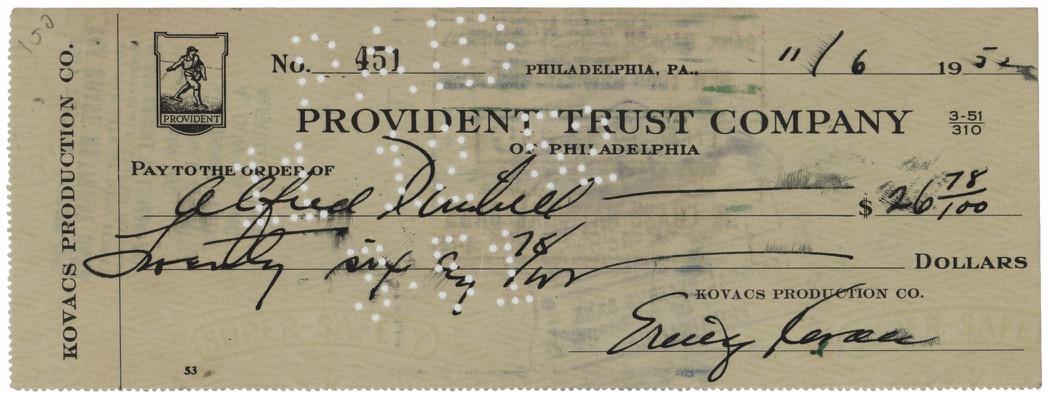
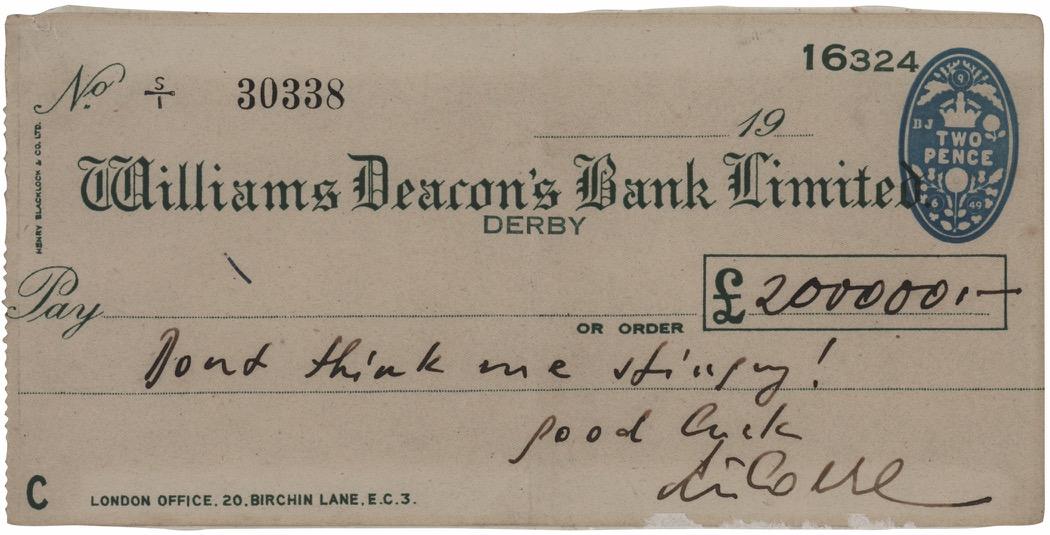
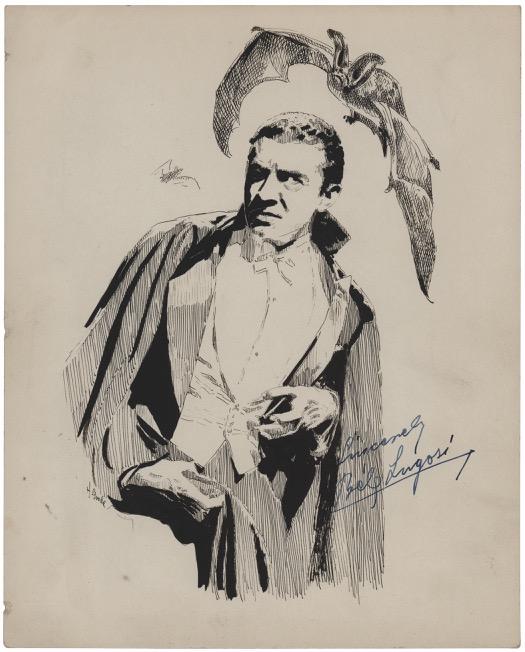
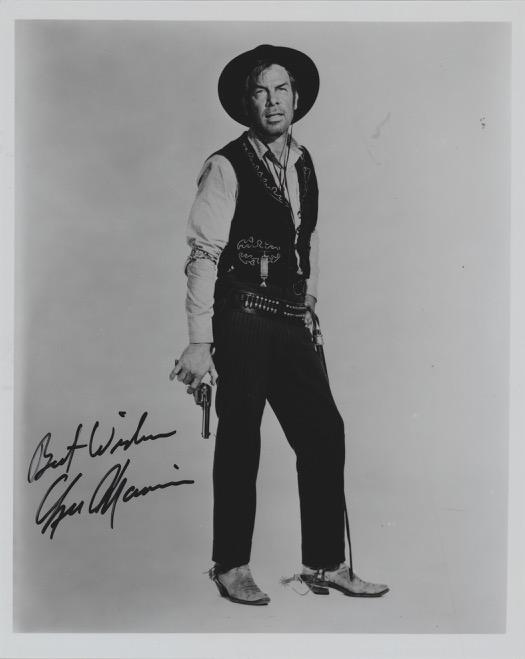
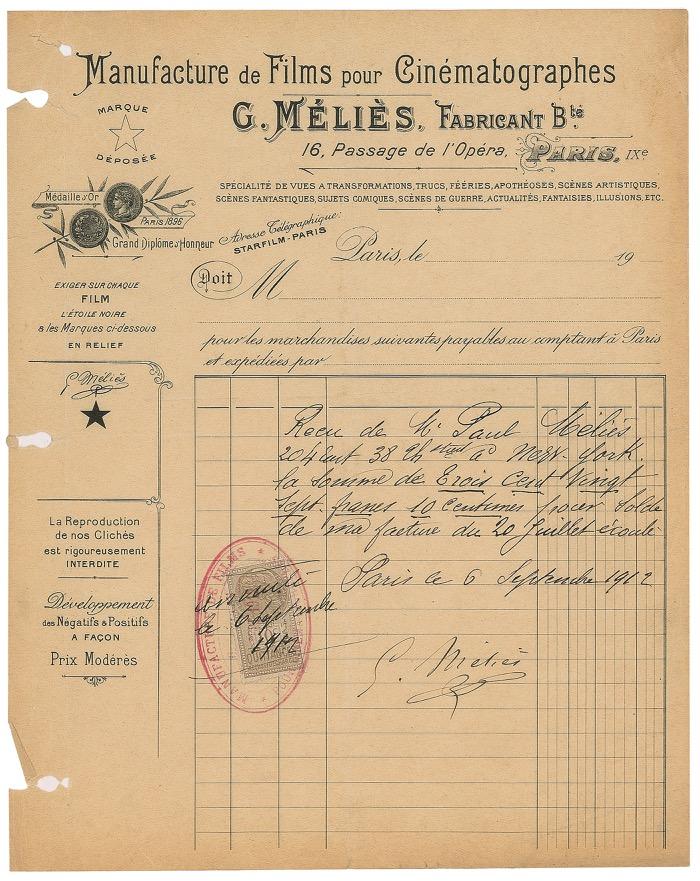
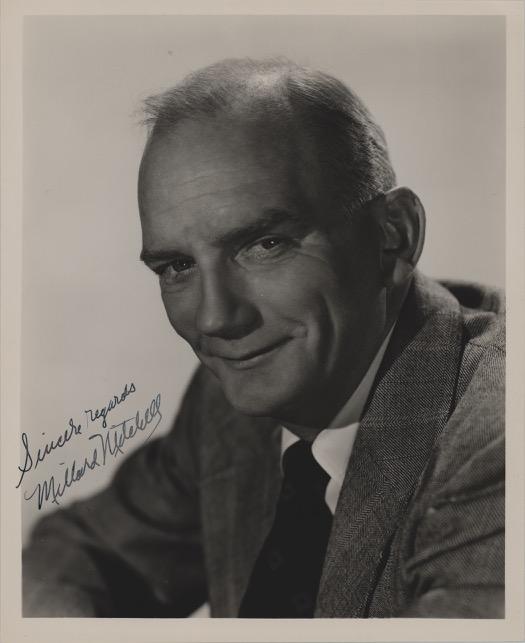
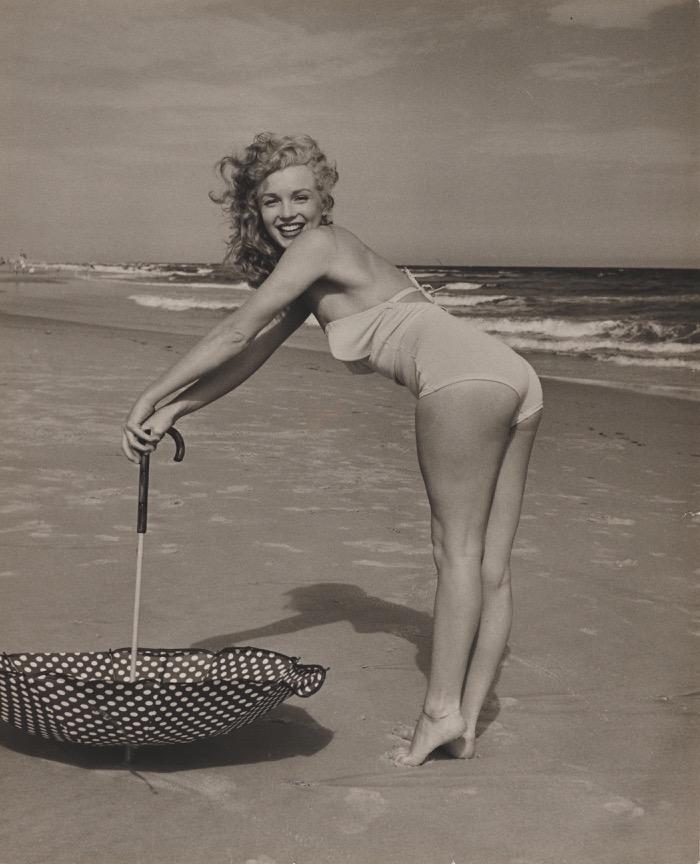
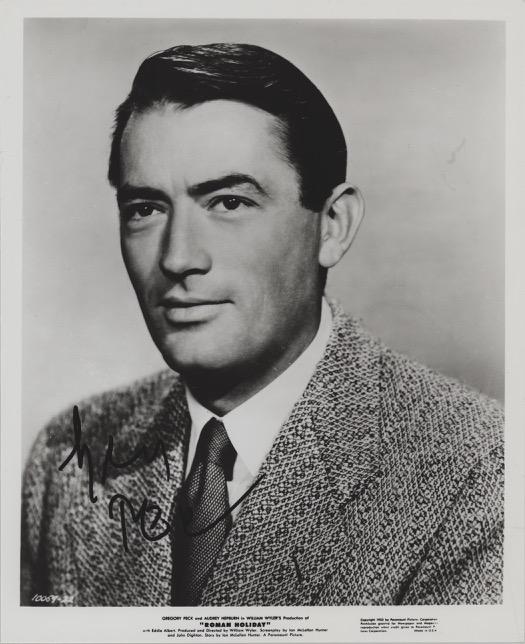
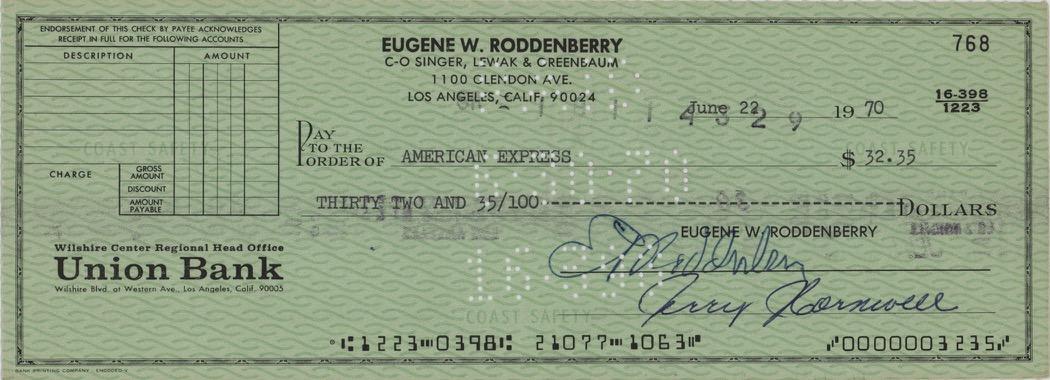
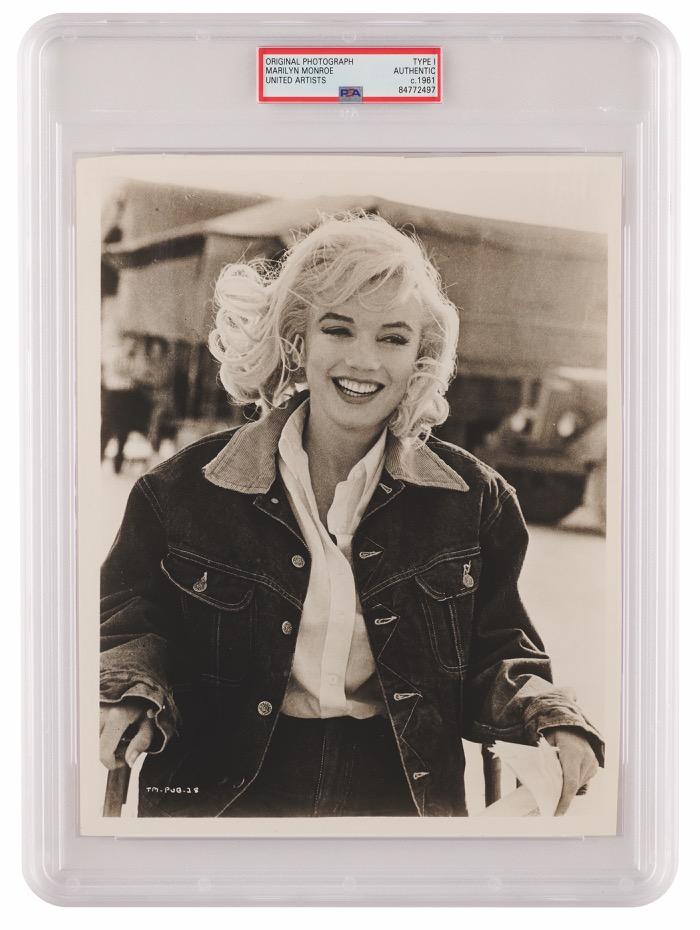
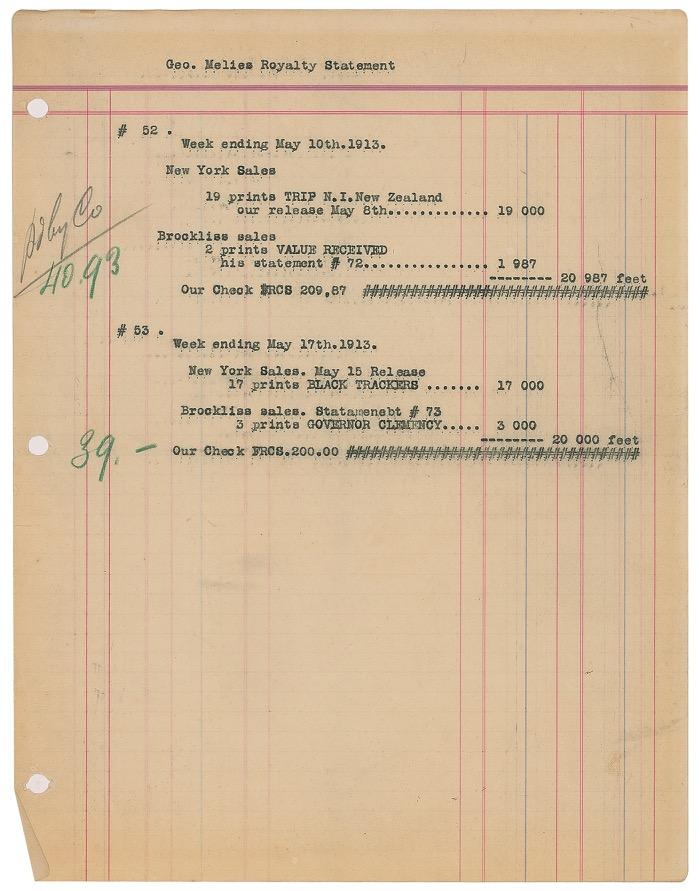
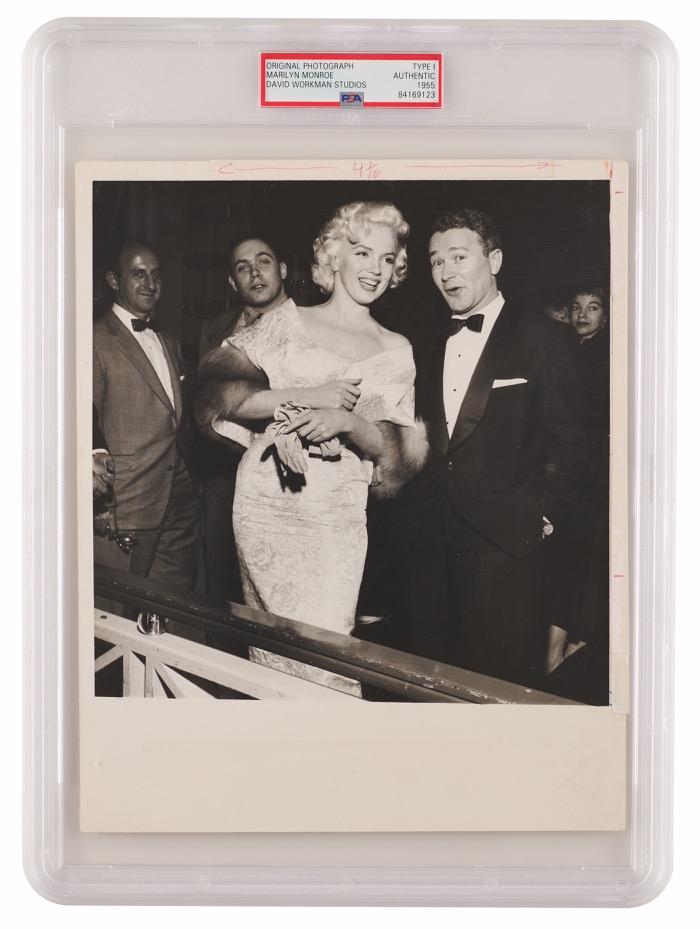
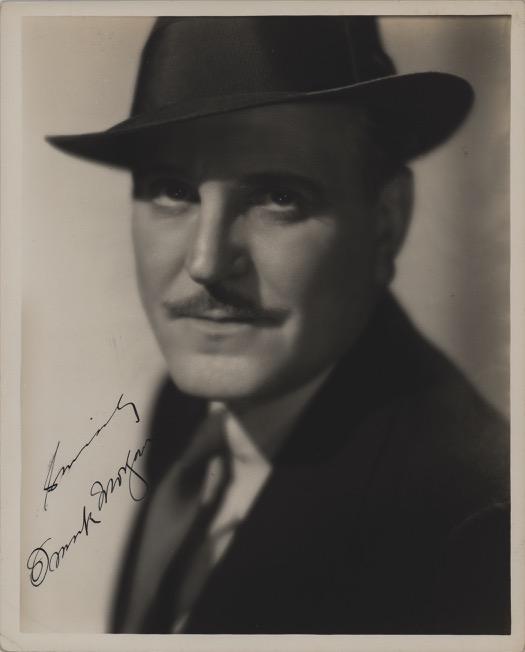
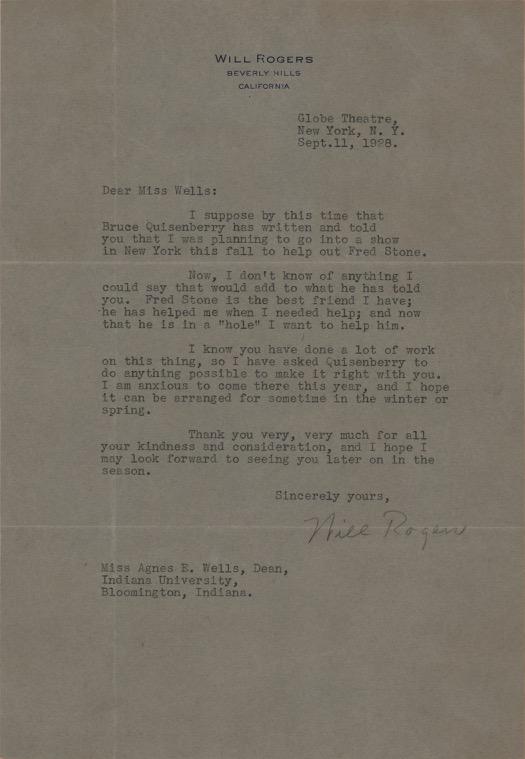
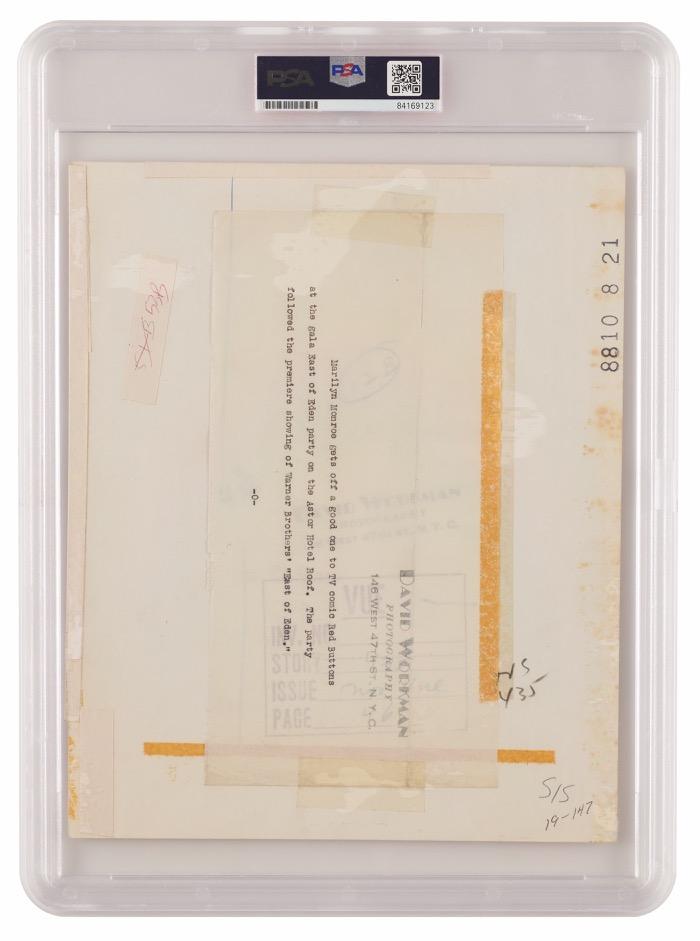
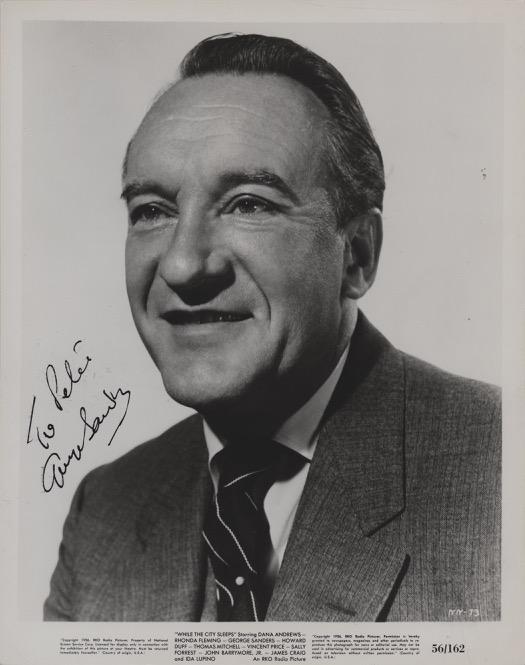
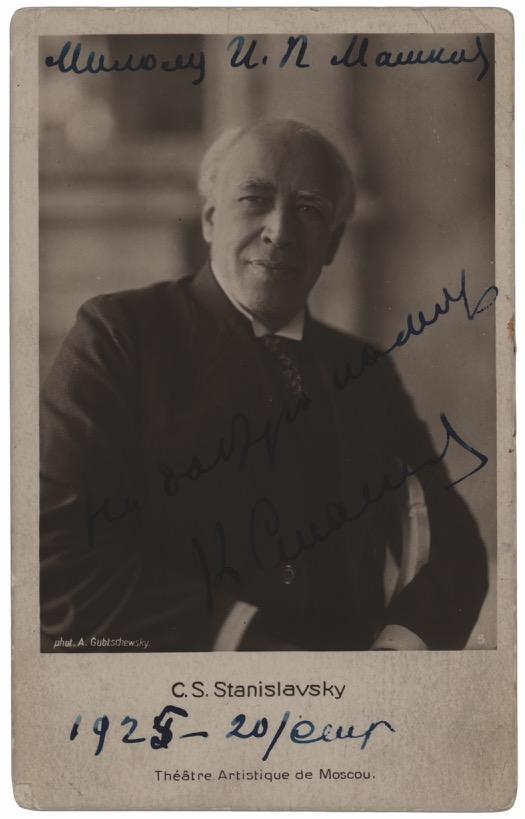
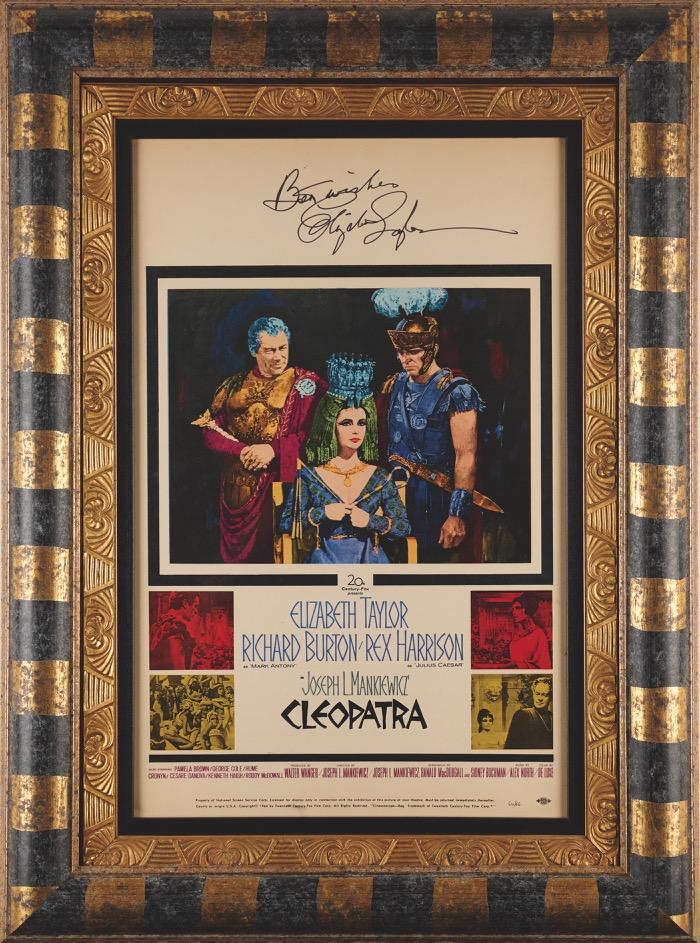
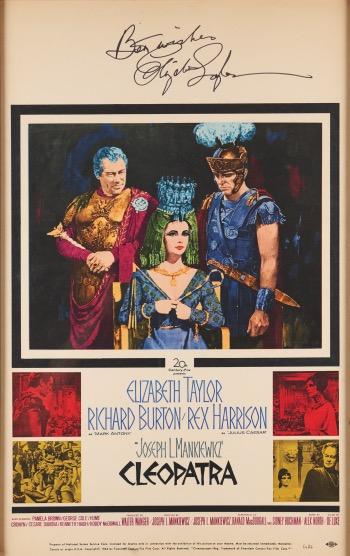
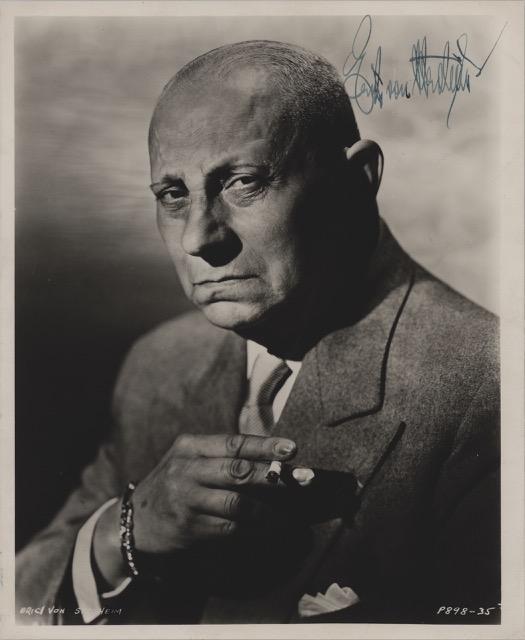
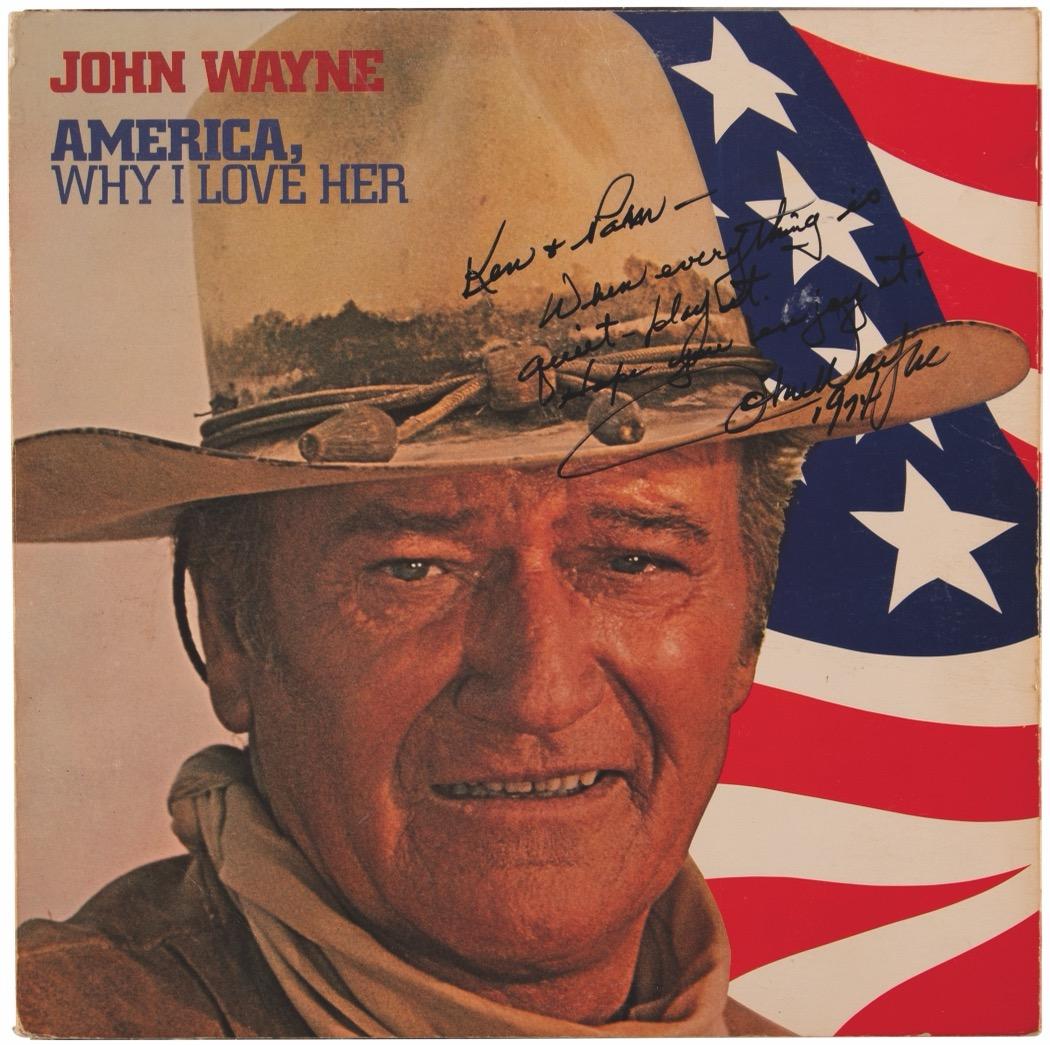
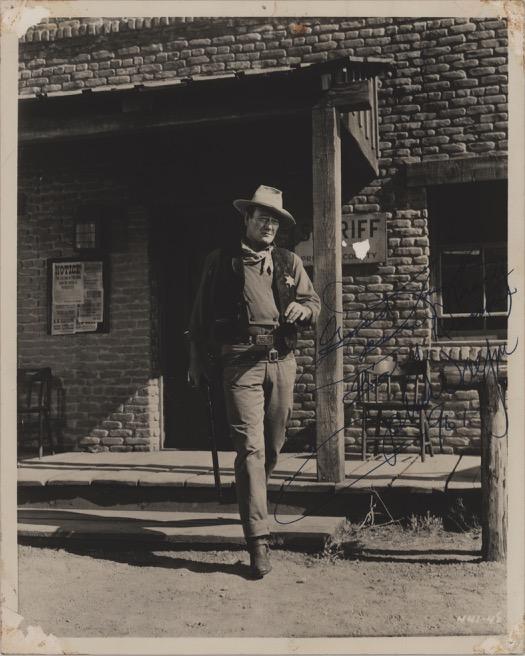
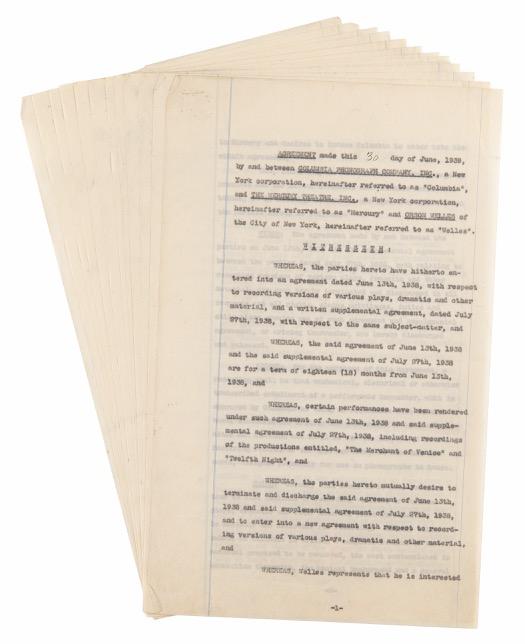
813. Erich von Stroheim Signed Photograph Starting Bid $200
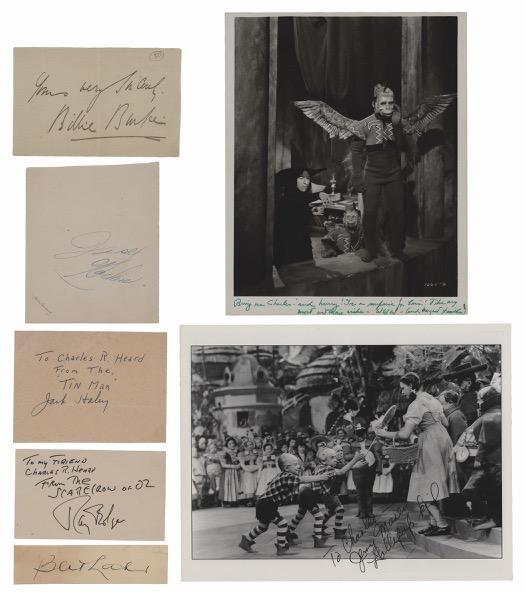
817. Wizard of Oz Lot of (7) Signed Items - Garland, Bolger, Burke, Ha... Starting Bid $200
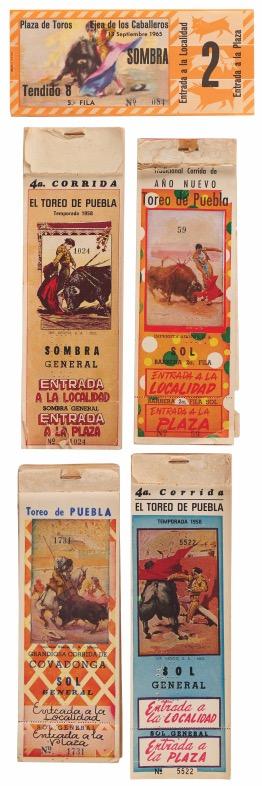
836. Mexican
(200+) Tickets Starting Bid $200
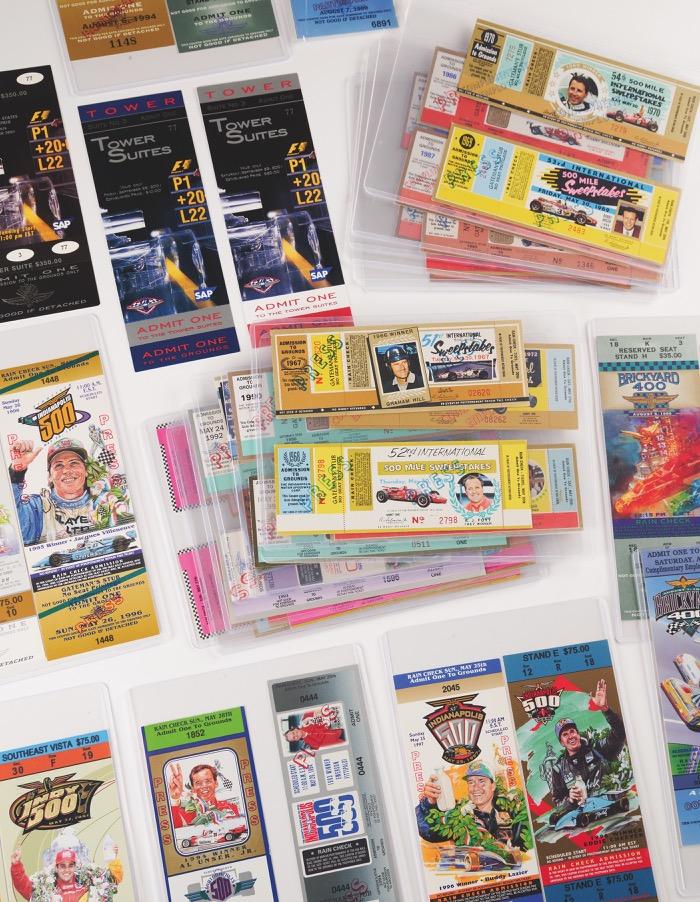
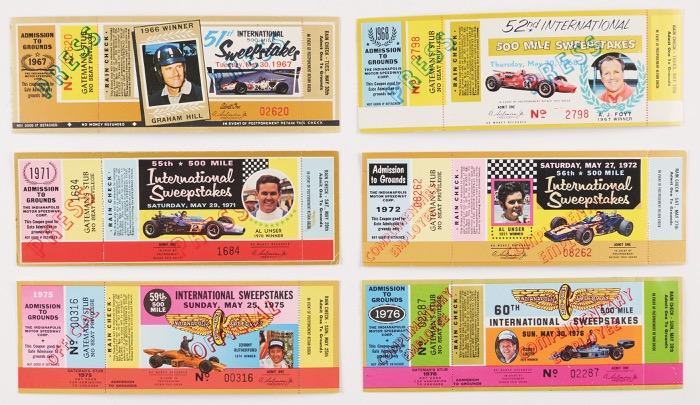
814. John Wayne Signed Album - America, Why I Love Her Starting Bid $200
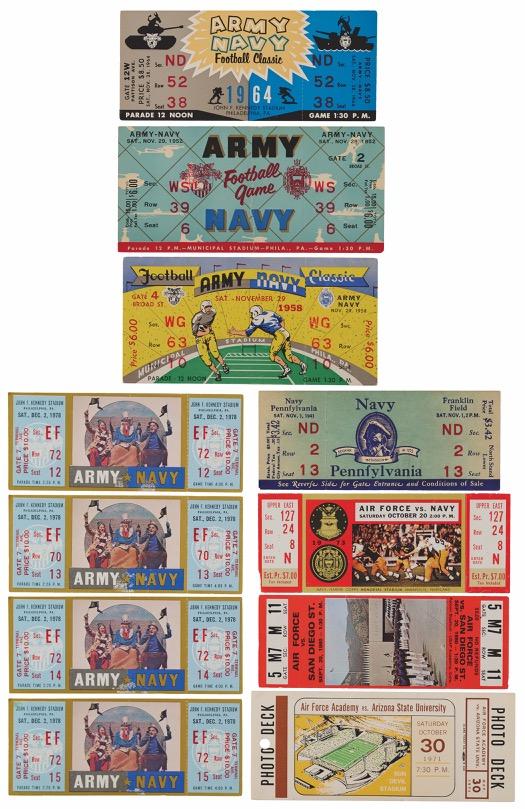
833. Army, Navy, and Air Force Academy (11) Football Tickets Starting Bid $200
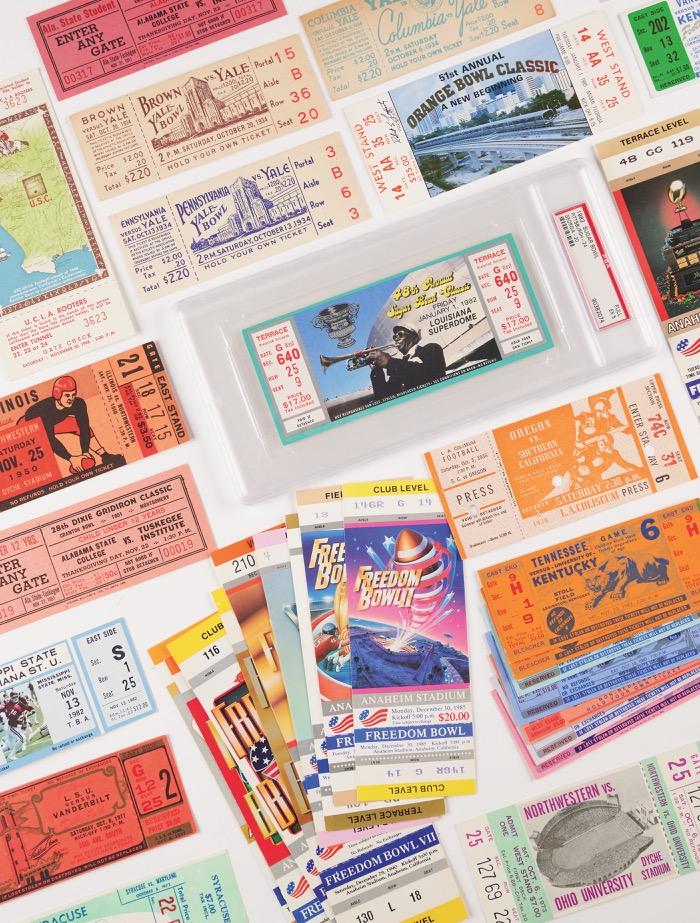
837. College Football Tickets (45) (c.
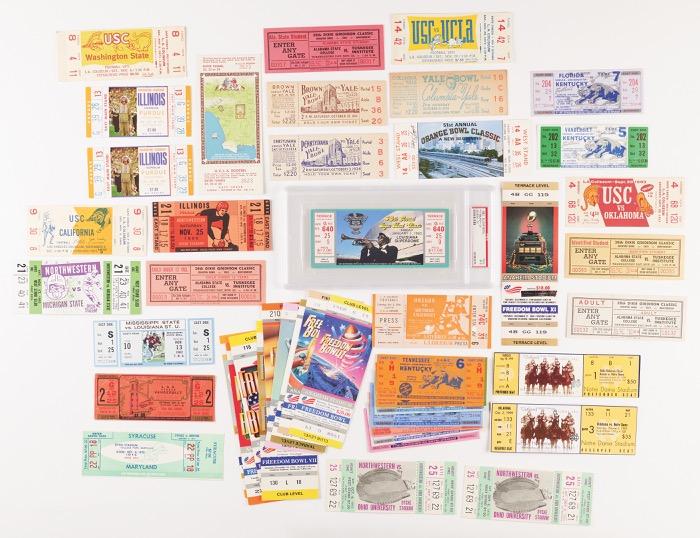
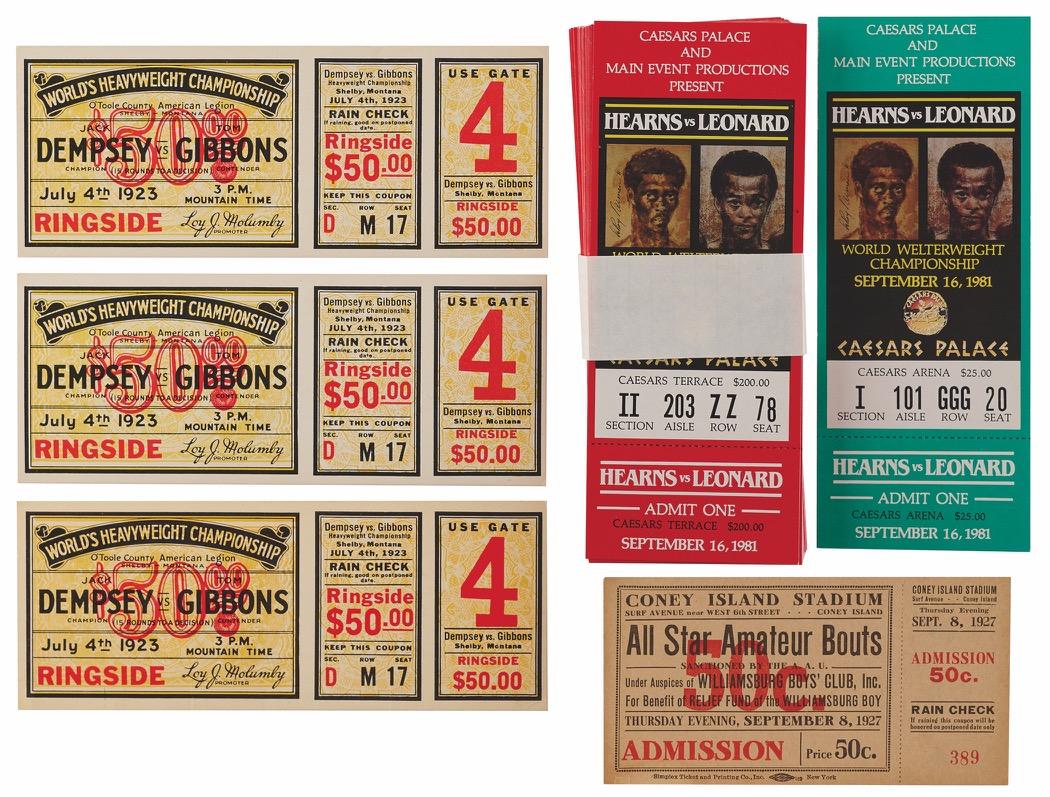
841.
Starting Bid $200
815. John Wayne Signed Photograph Starting Bid $200
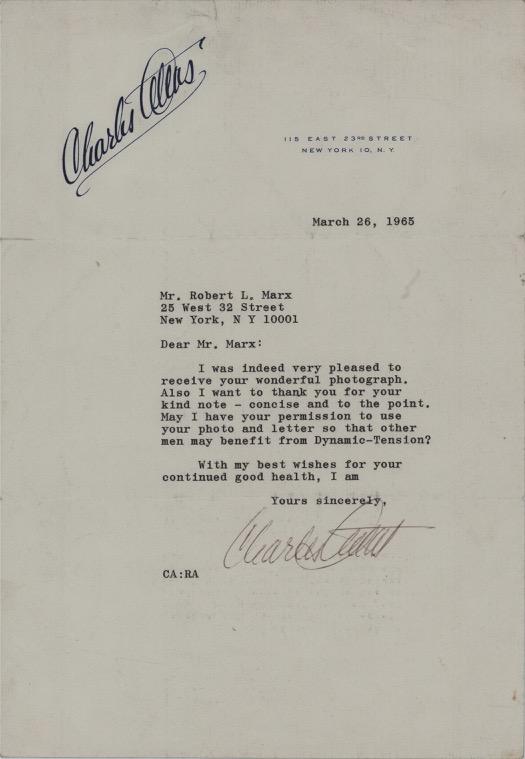
834. Charles Atlas Typed Letter Signed Starting Bid $200
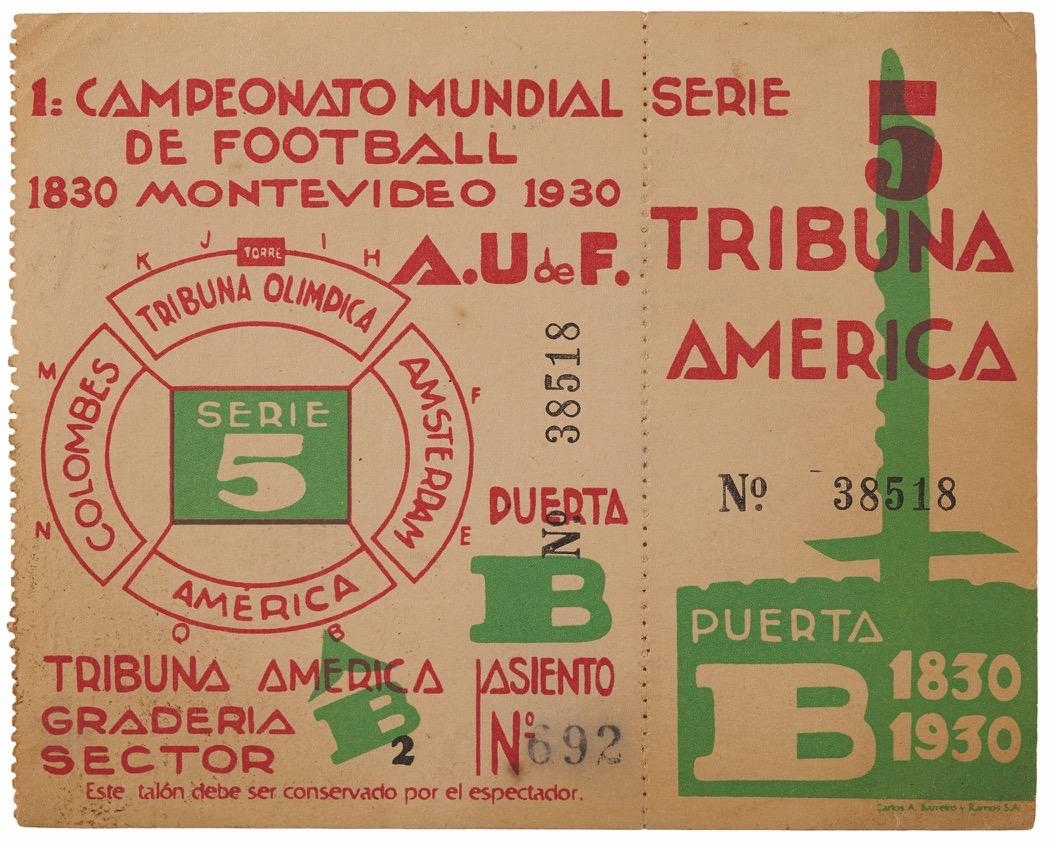
838. FIFA World Cup: 1930 Full Ticket for Argentina vs. Chile - First ... Starting Bid $200
842. 'Pistol' Pete
Signature Starting Bid $200
816. Orson Welles and John Houseman Document
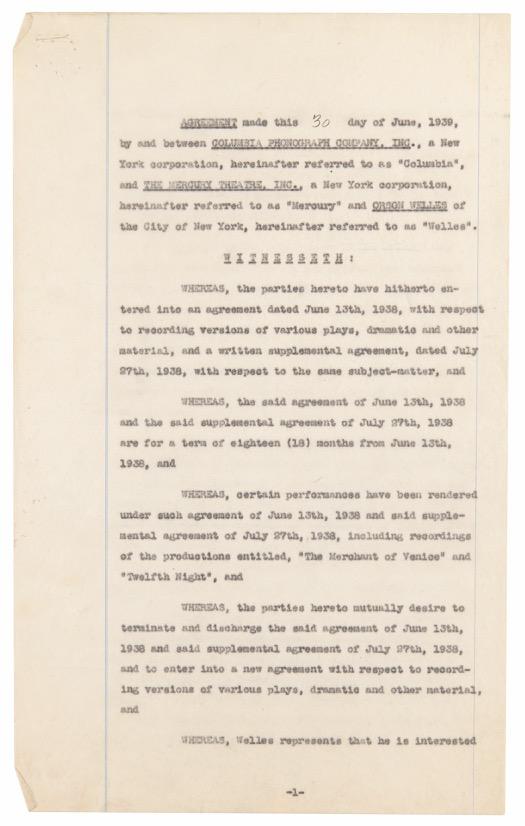
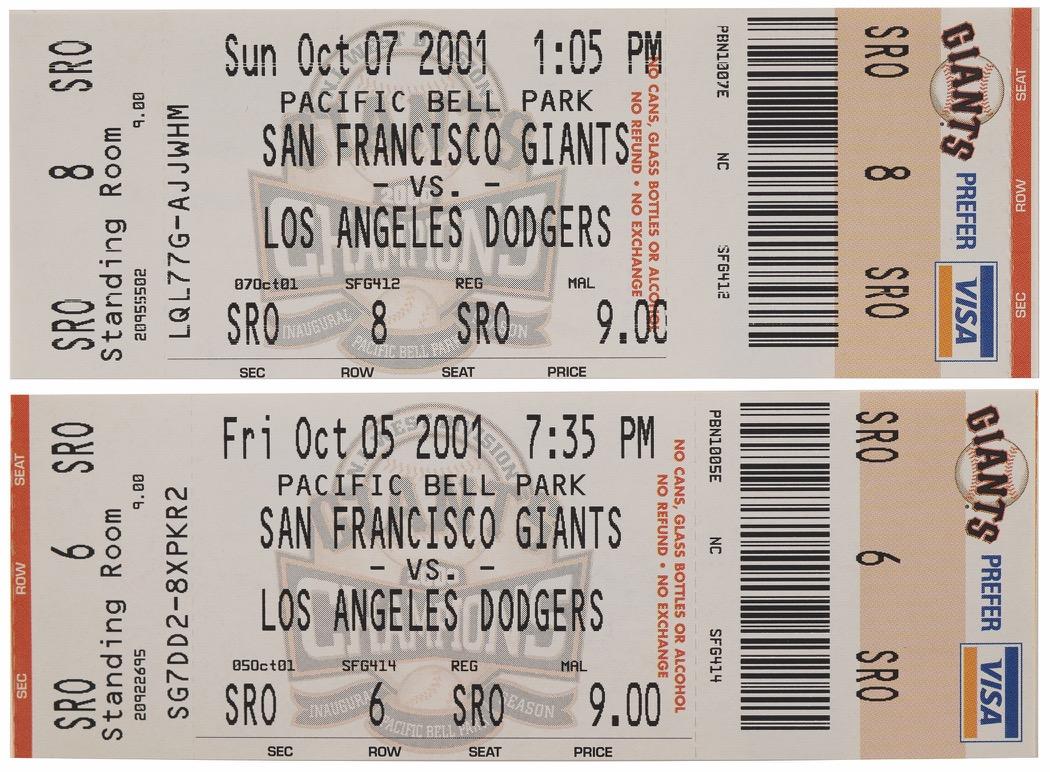
835. Barry Bonds: (2) Tickets for His RecordSetting Home Runs (71, 72... Starting Bid $200
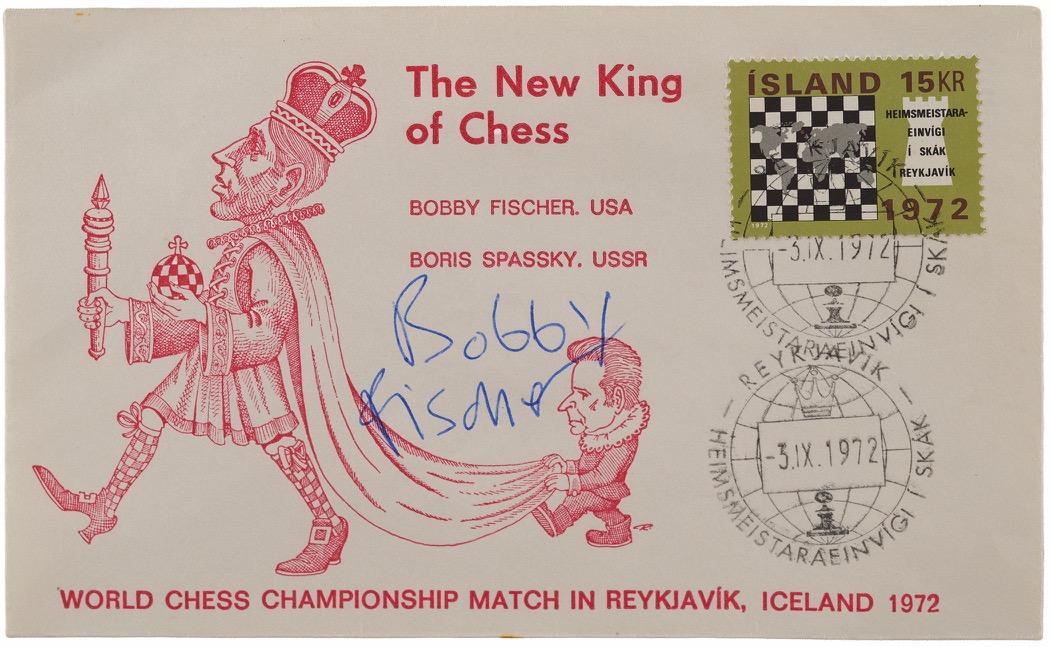
839. Bobby Fischer Signed 'New King of Chess' CoverDated Shortly Af... Starting Bid $200
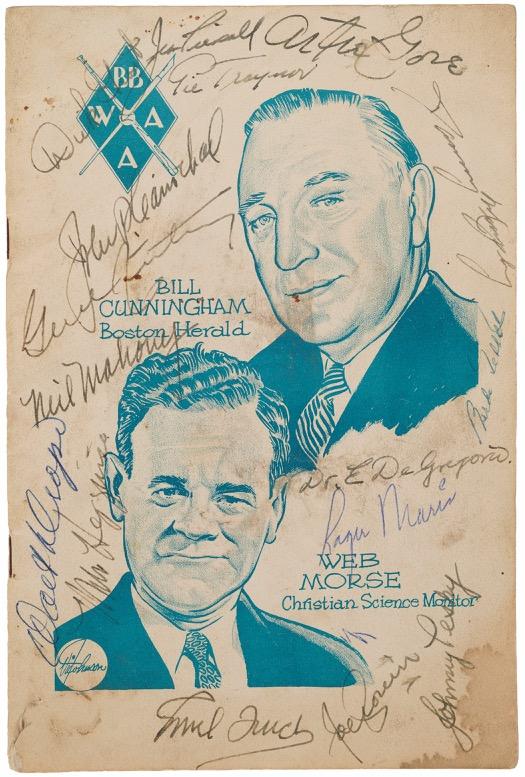
843.
Starting Bid $200
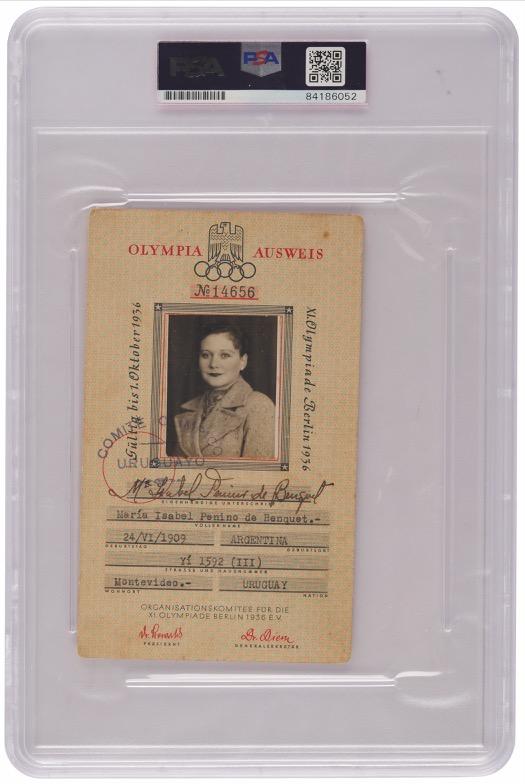
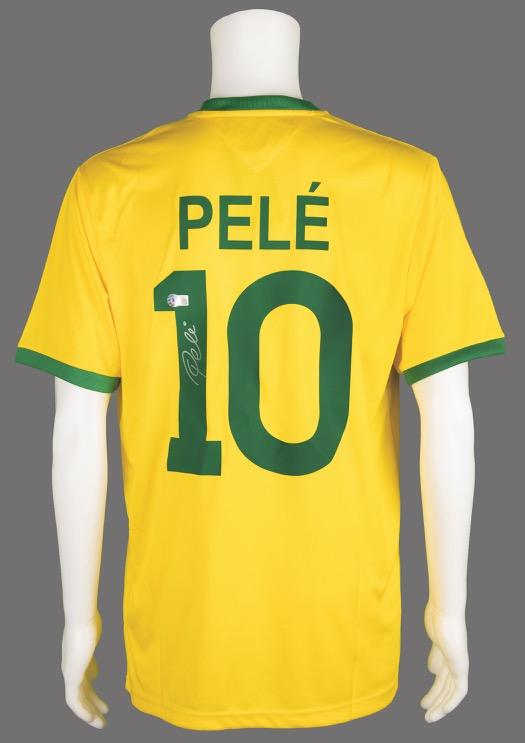
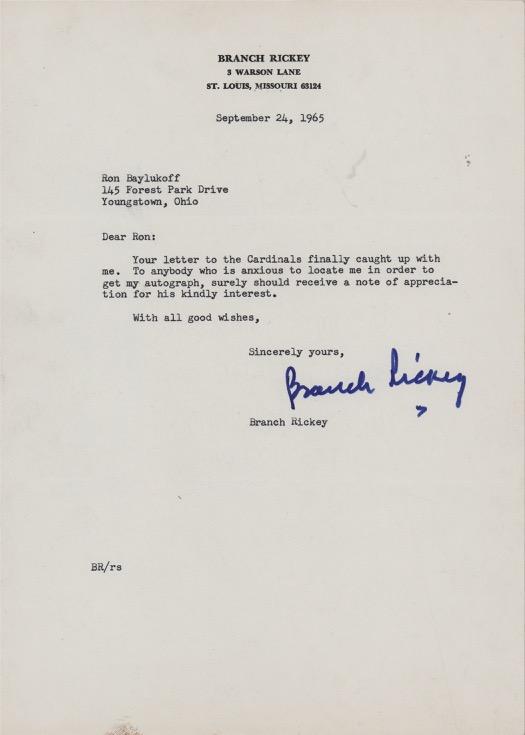
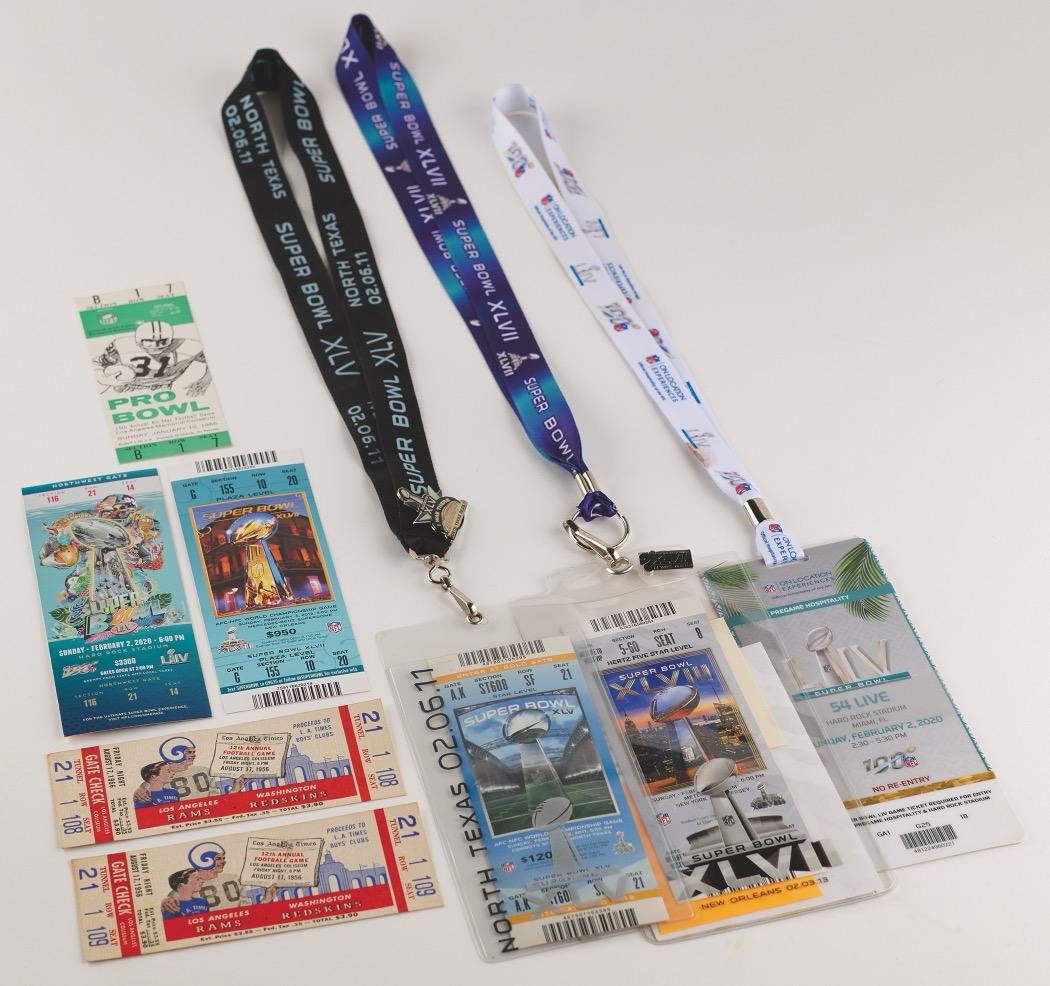
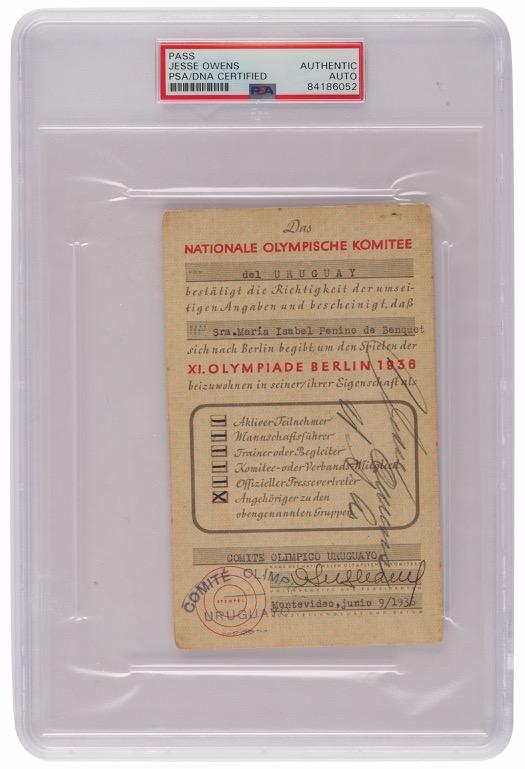
844. Jesse Owens Signed 1936 Berlin Olympic Committee Travel Pass
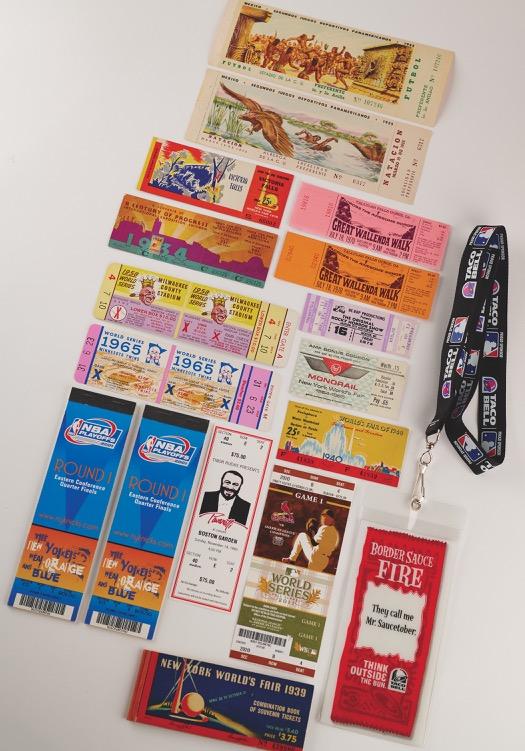
848. Ticket MiscellanyWorld's Fairs, World Series, and Other Americ... Starting Bid $200
845. Pele Signed Brazil Soccer Jersey Starting Bid $200
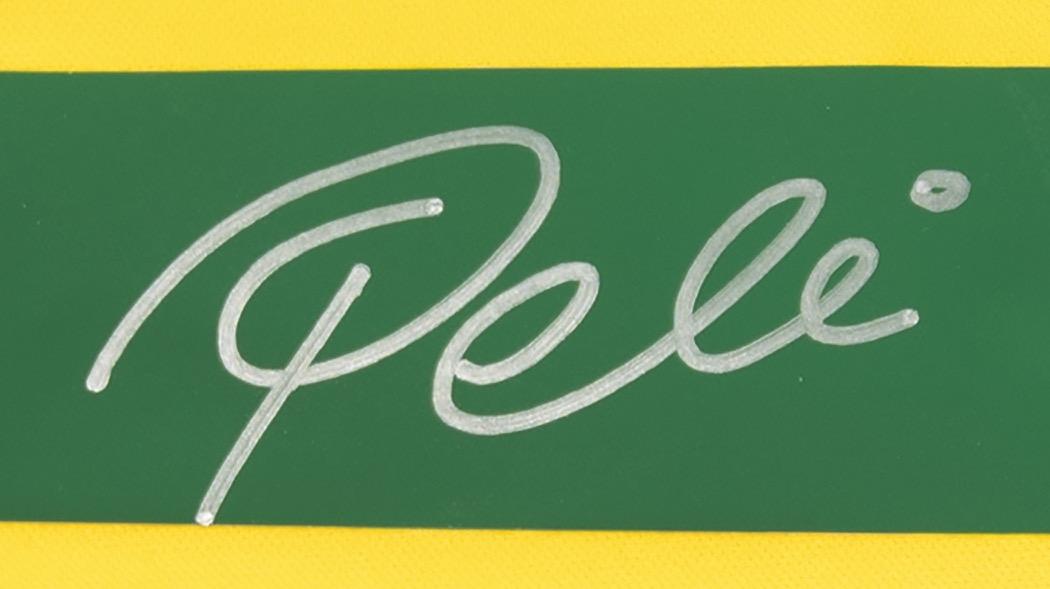
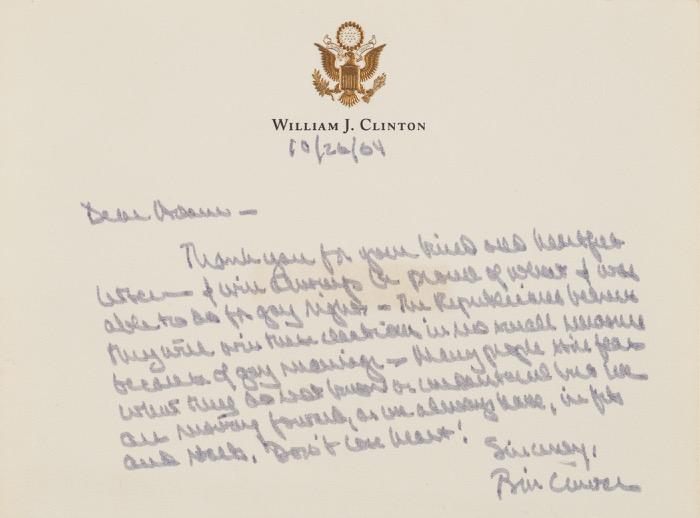
850. Bill Clinton Autograph Letter Signed - "I will always be proud of... Starting Bid $200
846. Branch Rickey Typed Letter Signed Starting Bid $200
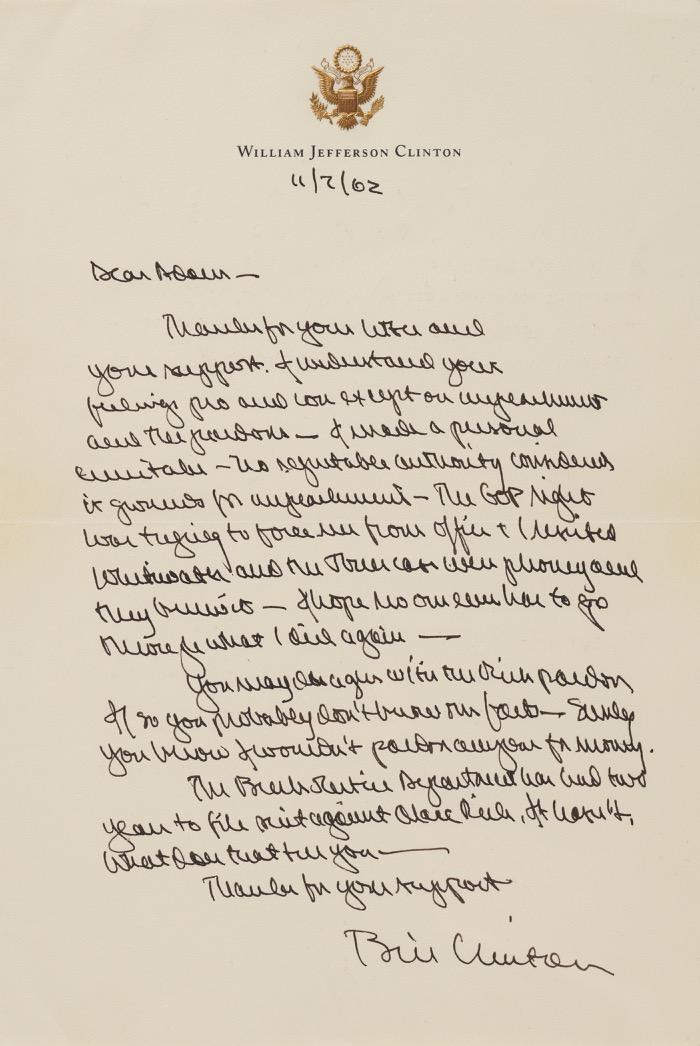
851. Bill Clinton Autograph Letter Signed on Impeachment, Pardons, and... Starting Bid $200
847. Super Bowl, Pro Bowl, and Football Games (7) Tickets and Lanyards Starting Bid $200
ANYONE EITHER REGISTERING TO BID OR PLACING A BID (“BIDDER”) ACCEPTS THESE CONDITIONS OF SALE AND ENTERS INTO A LEGALLY, BINDING, ENFORCEABLE AGREEMENT WITH R&R AUCTION COMPANY OF MASSACHUSETTS, LLC (“RR AUCTION”) TOGETHER WITH BIDDER, THE “PARTIES”).
This Agreement contains important provisions that control rights and liabilities, and specifically has provisions governing how disputes are handled as well as LIMITATIONS OF LIABILITY that can be imposed upon RR Auction, WAIVER OF JURY and ARBITRATION PROVISIONS. This acknowledgement is a material term of these Conditions of Sale and of the consideration under which RR Auction agrees to these terms. PLEASE READ CAREFULLY.
The following terms and conditions (“Conditions of Sale”) constitute the sole terms and conditions under which RR Auction will offer for sale and sell the property on its website, and/or described in the catalog of items for auction (the “Catalog”). These Conditions of Sale constitute a binding agreement between the Parties with respect to the auction in which Bidder participates (the “Auction”). By bidding at the Auction, whether in person, through an agent or representative, by telephone, facsimile, online, absentee bid, or by any other form of bid or by any other means, Bidder acknowledges the thorough reading and understanding of all of these Conditions of Sale, all descriptions of items in the Catalog, and all matters incorporated herein by reference, and agrees to be fully bound thereby.
The Parties1.1 RR Auction and Auction
This Auction is presented by RR Auction, a d/b/a/ of R&R Auction Company of Massachusetts, LLC, as identified with the applicable licensing information on the title page of the Catalog or on the www.RRauction.com Internet site. The Auction is conducted under these Conditions of Sale. Announcements and corrections from the podium at live auctions and those made through the Conditions of Sale appearing on the Internet at RRauction.com supersede those in the printed Catalog.
1.2
Bidder shall mean the original Bidder on the property offered for sale by RR Auction and not any subsequent owner or other person who may acquire or have acquired an interest therein. If Bidder is an agent, the agency must be disclosed in writing to RR Auction prior to the time of sale, otherwise the benefits of the warranty shall be limited to the agent and not transferable to the undisclosed principal.
The rights granted to Bidder under these Conditions of Sale are personal and may not be assigned or transferred to any other person or entity, whether by operation of law or otherwise without the express written assent of RR Auction. Bidder may not transfer, assign, or otherwise convey these Conditions of Sale or any of the rights herein, and such purported transfer, assignment, or conveyance shall be null and void. No third party may rely on any benefit or right conferred on any Bidder by these Conditions of Sale, and no third party is intended as a beneficiary of these Conditions of Sale.
Bids will not be accepted from minor persons under eighteen (18) years of age without a parent or legal guardian’s written consent containing an acknowledgment of the Conditions of Sale herein and indicating their agreement to be bound thereby on behalf of the Bidder.
All Bidders must meet RR Auction’s qualifications to bid. Any Bidder who is not a client in good standing of RR Auction may be disqualified at RR Auction’s sole option and will not be awarded lots. Such determination may be made by RR Auction in its sole and unlimited discretion, at any time prior to, during, or even after the close of the Auction. RR Auction reserves the right to exclude any person from the Auction.
If an entity places a bid, then the person executing the bid on behalf of the entity agrees to personally guarantee payment for any successful bid and agrees to be bound by these Conditions of Sale in addition to company for whom the Bidder is acting
By accepting the Conditions of Sale, Bidder personally and unconditionally guarantees payment.
Section 2 Bidding Privileges
2.1 In order to place bids, Bidders who have not established an account with RR Auction must either furnish satisfactory credit information (including two collectibles-related business references) or supply additional information if requested, well in advance of the Auction. Bidders who are not members of RRAuction.com should pre-register before the close of the Auction to allow adequate time to contact references. Privileges will be granted at the sole discretion of RR Auction. Additionally, Bidders who have not previously established credit or who wish to bid in excess of their established credit history may be required to provide a cash deposit prior to RR Auction’s acceptance of a bid. Check writing privileges and immediate delivery of merchandise may also be determined by pre-approval of credit based on a combination of criteria: RRAuction.com history, related industry references, bank verification, a credit bureau report and/or a personal guarantee for a corporate or partnership entity in advance of the Auction venue.
2.2 Bidder providing any false or misleading information provided in connection with the registration shall be a material breach of the Conditions of Sale and in addition to any other remedies at law shall excuse RR Auction from performance under these Conditions of Sale, including the right to any refund.
2.2 Bidding privileges may be revoked without notice, for any reason, at the sole discretion of RR Auction .
Section 3
Buyer’s Premium
3.1 The Bidder acknowledges and agrees that a 25% buyer’s premium will be added to the hammer price on all individual lots sold in timed and live Auctions. . For payment other than by cash, delivery will not be made unless and until full payment has been received by RR Auction, i.e., check or wired funds have fully cleared. Unless otherwise agreed in writing, signed by RR Auction, payment in full is due within thirteen (13) calendar days of the Auction or within twelve (12) calendar days of the invoice date, whichever is earlier. Bidder’s failure to pay any payment in full when due required shall constitute a material breach, and in addition to other damages available under contract or law, at RR Auction’s election, RR Auction may cancel the sale and require full premium still be due along with interest at 1.5% per month from the date of breach, or at the maximum legally allowable rate.
Section 4
Bidding
4.1 Each Bidder’s determination of its bid should be based upon its own examination of the item(s) and independent investigation, rather than the any reliance as to what is represented in the Catalog, online or elsewhere. Bidder affirms that it regards any statements made by RR Auction concerning the item as solely opinion and that Bidder is making its own inspection and independent evaluation of the goods, and is not relying upon any description or statements by RR Auction (including as to quality, authenticity, provenance, ownership, liens existing, on goods legality, or value) in making its determination to bid on or purchase an item. In any purchase or sale, the value of the item(s) is determined by the price. THE BIDDER HEREBY ASSUMES ALL RISKS CONCERNING ANY AND ALL PURCHASES TO THE FULLEST EXTENT UNDER APPLICABLE LAW.
4.2 RR AUCTION IS NOT RESPONSIBLE FOR ERRORS IN BIDDING. A Bidder should make certain to bid on the correct lot and that the bid is the maximum (plus the Buyer’s Premium) that the Bidder is willing and able to pay. Since other Bidders (by mail, facsimile, online, and in person) will be present, and since a reoffering could damage the momentum of the sale, once the hammer has fallen and RR Auction has announced the winning Bidder, such Bidder is unconditionally bound to pay for the lot, even if the Bidder has made a mistake.
4.3 All prospective Bidders who examine lots in person prior to the sale shall personally assume all responsibility for any damage they cause in so doing. RR Auction shall have sole discretion in determining the value of the damage caused, which shall be promptly paid by the prospective Bidder.
4.4 Title to any lot remains with Consignor, any secured party of the Consignor, or assignee of Consignor, as the case may be, until the lot is paid for in full by Bidder and Bidder has fully satisfied any outstanding financial obligations to RR Auction (including as it concerns aby other lots). RR Auction reserves the right to require payment in full before delivering any lot to the successful Bidder.
4.5 It is the Bidder’s responsibility and obligation to have the lots fully insured while in their possession. Bidder assumes any and all risk of loss upon the earlier of shipment to Bidder or in Bidder’s possession.
4.6 Bidder grants to RR Auction or its assigns the right to offset any sums due, or found to be due by RR Auction, and to make such offset from any past, subsequent or future consignment, or items acquired by Bidder in possession or control of RR Auction or from any sums due to Bidder by RR Auction. Bidder fur-
ther grants RR Auction a lien consisting of a senior security interest (or purchase money security interest to the extent applicable) in such sums or items to the fullest extent applicable, authorizes RR Auction to file documents concerning the interest, and Bidder agrees to execute any further documents as may be reasonably necessary to grant RR Auction such security interest. Bidder agrees that RR Auction and its assigns shall be a secured party with respect to items bought by Bidder and in the possession of RR Auction, to the extent of the maximum indebtedness, plus all accrued fees and expenses, until the indebtedness is paid.
4.7 By bidding in this sale, Bidder personally and unconditionally guarantees payment. The authorized representative of any corporate Bidder who is present at the sale shall provide RR Auction or its agent, prior to the commencement of the bidding (or at the time of registration), with a statement signed by a principal, director or officer that they he or she personally and unconditionally guarantees any payment due RR Auction.
4.8 RR Auction may at its sole and absolute discretion, make loans or advances to Consignors and/or prospective Bidders.
Section 5 Bidding Options
5.1 Non-Internet bids (including but not limited to in-person, facsimile, phone and mail bids) are treated similarly to floor bids in that they must be on-increment. Any in-person, facsimile, phone, or mail bids that do not conform to a full increment will be rounded up or down to the nearest full increment and this revised amount will be considered Bidder’s high bid.
5.2 When identical bids are submitted, preference is given to the first received. To ensure the greatest accuracy, written bids should be entered on the standard printed bid sheet and be received at RR Auction’s place of business at least twenty-four (24) hours before the Auction start. RR Auction is not responsible for executing mail bids or facsimile bids received on or after the day the first lot is sold, nor Internet bids submitted after the published closing time; nor is RR Auction responsible for proper execution of bids submitted by telephone, mail, facsimile, e-mail, Internet, or in person once the Auction begins.
5.3 In all Auctions, bids on an item must raise the current high bid by at least 10%, or as specified on a per-Auction basis. Bids will be accepted in whole dollar amounts only. No “buy” or “unlimited” bids will be accepted. In a live sale, bids on an item can change at the discretion of RR Auction.
5.4 RR Auction reserves the right to accept or decline any bid. Bids must be for an entire lot and each lot constitutes a separate sale. All bids are per lot unless otherwise announced. Live auction lots will be sold in their numbered sequence unless RR Auction directs otherwise. It is unlawful and illegal for Bidders to collude, pool, or agree with another Bidder to pay less than the fair value for lot(s). For live auctions, RR Auction will have final discretion in the event that any dispute should arise between Bidders. RR Auction will determine the successful Bidder, cancel the sale, or re-offer and resell the lot or lots in dispute. RR Auction will have final discretion to resolve any disputes arising after the sale and in online auctions. If any dispute arises, RR Auction’s sale record is conclusive.
Section 6 Payment
6.1 Subject to fulfillment of all of the Conditions of Sale set forth herein, upon the sooner of (1) the passing of title to the offered lot pursuant to these Conditions of Sale, or (2) possession of the offered lot by the Bidder, Bidder thereupon (a) assumes full risk and responsibility (including without limitation, liability for or damage to frames or glass covering prints, paintings, photos, or other works), and (b) will immediately pay the full purchase price or such part as RR Auction may require. In addition to other remedies available to RR Auction by law, RR Auction reserves the right to impose from the date of sale a late charge of 1.5% per month of the total purchase price if payment is not made in accordance with the conditions set forth herein. All property must be removed from RR Auction’s premises by the Bidder at his/her expense not later than sixty (60) business days following its sale and, if it is not so removed, RR Auction may send the purchased property to a public warehouse for the account, at the risk and expense of the Bidder.
6.2 Payment is due upon closing of the Auction session, or upon presentment of an invoice. RR Auction reserves the right to void an invoice if payment in full is not received within thirteen (13) calendar days of the Auction or within twelve (12) calendar days of the invoice date. In cases of nonpayment, RR Auction’s election to void a sale does not relieve the Bidder from their obligation to pay RR Auction its fees (seller’s and Buyer’s Premium) on the lot and any other damages pertaining to the lot.
6.3 All sales for total invoices greater than $1,000 are strictly for cash in United States dollars (including U.S. currency, bank wire, cashier checks, eChecks, and bank money orders), and are subject to all reporting requirements.
6.4 All deliveries are subject to good funds; funds being received in RR Auction’s account before delivery of the Purchases; and all payments are subject to a clearing period. RR Auction reserves the right to determine if a check constitutes “good funds”: checks drawn on a U.S. bank are subject to a ten (10) calendar day hold, and ten (10) business days when drawn on an international bank. Clients with pre-arranged credit status may receive immediate credit for payments via e-Check, personal or corporate checks.
6.5 In the event that a Bidder’s payment is dishonored upon presentment(s), Bidder shall pay the maximum statutory processing fee set by applicable state law. If Bidder attempts to pay via check and the financial institution denies the transfer from Bidder’s bank account, or the payment cannot be completed using the selected funding source, Bidder agrees to complete payment.
6.7 If RR Auction refers any unpaid invoice to an attorney for collection, the Bidder agrees to pay and shall be liable for RR Auction’s attorney’s fees, court costs, and other collection costs incurred by RR Auction in addition to the invoice amount and interest the greater of 1.5% per month or at the maximum legally allowable rate from date of invoice to collection. If RR Auction assigns collection to its house counsel, such attorney’s time expended on the matter shall be compensated at a rate comparable to the hourly rate of independent attorneys.
6.8 RR Auction shall have a lien against the merchandise purchased by the Bidder (as well as to the extent it is a consignor any other monies owed or due to Bidder) to secure payment of the Auction invoice. RR Auction is further granted a lien and the right to retain possession of any other property of the Bidder then held by RR Auction or its affiliates to secure payment of any Auction invoice or any other amounts due RR Auction or affiliates from the Bidder. With respect to these lien rights, RR Auction shall have all the rights of a secured creditor, including but not limited to the right of sale. In addition, with respect to payment of the Auction invoice(s), the Bidder waives any and all rights of offset he might otherwise have against RR Auction and the consignor of the merchandise included on the invoice (the Consignor”). If a Bidder owes RR Auction or its affiliates on any account, RR Auction and its affiliates shall have the right to offset such unpaid account by any credit balance due Bidder, and it may secure by possessory lien any unpaid amount by any of the Bidder’s property in their possession.
6.9 All checks, cashiers checks, bank checks, or money orders are payable to R&R Auction Company of Massachusetts, LLC. RR Auction clients with an invoice totaling $1,000 or under will have the option to pay by VISA, Mastercard, Discover or Paypal. All Paypal payments must be sent to FinanceDepartment@ rrauction.com. Authorize.net, a third-party service provider contracted by RR Auction for processing on-line payments, charges a nonrefundable service fee of 3%, which will be added to your final invoice should you pay by credit/debit card.
Section 7 Sales Tax
RR Auction is a remote seller and we are now required to collect Sales/Use Tax from our bidders. The states that we have nexus in we will be required to collect and remit sales tax on your behalf. Each state has different requirements to meet nexus. When RR Auction has achieved a certain monetary and/or invoice threshold in each state we will apply sales tax to your total invoice. The states that are affected are: ARIZONA, ARKANSAS, CALIFORNIA, COLORADO, CONNECTICUT, FLORIDA, GEORGIA, ILLINOIS, INDIANA, IOWA, KANSAS, KENTUCKY, MAINE, MARYLAND, MASSACHUSETTS, MICHIGAN, MINNESOTA, NEBRASKA, NEVADA, NEW JERSEY, NEW YORK, NORTH CAROLINA, OHIO, OKLAHOMA, PENNSYLVANIA,RHODE ISLAND, TENNESSEE, TEXAS, UTAH, VIRGINIA, WASHINGTON, WISCONSIN
If we have not achieved nexus in a particular state it is still your responsibility to pay sales tax on your purchases.
The sales tax rate is determined by the State, Country, and City where purchases are shipped to. If you decide to pick up your purchases at our New Hampshire location you will not be required to pay sales tax. The State of New Hampshire does not have a general sales and use tax. All purchases picked up at our Massachusetts location will be taxed at the current rate of 6.25%.
If you have a resale number please email Sue@RRAuction.com or fax to (603) 732-4288 a copy of your state resale certificate and you will be exempt from paying sales tax.
Section 8
Delivery; Shipping; and Handling Charges
Bidder is liable for shipping and handling and providing accurate information as to shipping or delivery locations and arranging for such. RR Auction is unable to combine purchases from other auctions or affiliates into one package for shipping purposes. Lots won will be shipped in a commercially reasonable time after payment in good funds for the merchandise and the shipping fees is received or credit extended, except when third-party shipment occurs. Bidder agrees that
service and handling charges related to shipping items which are not pre-paid may be charged to a credit card on file with RR Auction.
Successful international Bidders shall provide written shipping instructions, including specified Customs declarations, to RR Auction for any lots to be delivered outside of the United States. NOTE: Declaration value shall be the item’(s) hammer price and RR Auction shall use the correct harmonized code for the lot. Domestic Bidders on lots designated for third-party shipment must designate the common carrier, accept risk of loss, and prepay shipping costs.
All duties, customs, and any other import charges are the responsibility of the bidder.
Section 9
Title
Title shall not pass to the successful Bidder until all invoices of Bidder (including those pertaining to the item(s) at issue) and amounts owed to RR Auction are paid in full. It is the responsibility of the Bidder to provide adequate insurance coverage for the items once they have been delivered to a common carrier or third-party shipper.
Section 10
Rights Reserved
RR Auction reserves the right, at any time before, during or after an auction has ended to: withdraw any lot before or at the time of the Auction, cancel any bid, and/or to postpone the Auction of all or any lots or parts thereof, for any reason. RR Auction shall not be liable to any Bidder in the event of such withdrawal, cancellation, or postponement under any circumstances. RR Auction reserves the right to refuse to accept bids from anyone at any time.
Section 11
Conducting the Auction
11.1 RR Auction reserves the right to postpone the Auction or any session thereof for a reasonable period of time for any reason whatsoever, and no Bidder or prospective Bidder shall have any claim as a result thereof, including consequential damages.
11.2 RR Auction’s Discretion: RR Auction shall determine opening bids and bidding increments. RR Auction has the right in its absolute discretion to reject any bid in the event of dispute between Bidders or if RR Auction has doubt as to the validity of any bid, to advance the bidding at its absolute discretion and to determine the successful Bidder in the event of a dispute between Bidders, to continue the bidding or to reoffer and resell the lot in question. In the event of a dispute after the sale, RR Auctions record of final sale shall be conclusive. RR Auction also may reject any bid if RR Auction decides either that any bid is below the reserve of the lot or article or that an advance is insufficient. Unless otherwise announced by RR Auction at the time of sale, no lots may be divided for the purpose of sale.
11.3 Reserves
Lots may be subject to a reserve which is the confidential minimum price below which the lot will not be sold. Consignors may not bid on their own lots or property. RR Auction may, from time to time, bid on items that it does not own. RR Auction may execute bids consecutively or otherwise up to one bid increment below the reserve.
11.4 Off-Site Bidding
Bidding by telephone, facsimile, online, or absentee bidding (advance written bids submitted by mail) are offered solely as a convenience and permitted subject to advance arrangements, availability, and RR Auction’s approval which shall be exercised at RR Auction’s sole discretion. Neither RR Auction nor its agents or employees shall be held liable for the failure to execute bids or for errors relating to any transmission or execution thereof. In order to be considered for off-site bidding in any manner, Bidders must comply with all of these Conditions of Sale and the terms contained on the Registration Form.
11.5 Estimate Prices:
In addition to descriptive information, each item in the Catalog sometimes includes a price range which reflects opinion as to the price expected at auction (the “Estimate Prices”). In other instances, Estimate Prices can be obtained by calling RR Auction at (603) 732-4280. The Estimate Prices are based upon various factors including prices recently paid at auction for comparable property, condition, rarity, quality, history and provenance. Estimate Prices are prepared well in advance of the sale and subject to revision. Estimates do not include the Buyer’s Premium or sales tax (see under separate heading).
11.6 Owned or Guaranteed Property:
RR Auction generally offers property consigned by others for sale at public auction; in very limited occasion, lots are offered that are the property of RR Auction.
11.7 Before the Auction:
Bidder may attend pre-sale viewing for all of RR Auction’s auctions at no charge. All property to be auctioned is usually on view for several days prior to the sale. Bidder is encouraged to examine lots thoroughly. Bidder may also request condition reports (see below). RR Auction’s staff are available at viewings and by appointment.
11.8 Maximum Bids In All Auctions:
To maximize Bidder’s chance of winning, RR Auction strongly encourages the use of maximum bids. RR Auction will then bid for Bidder until the lot reaches Bidder’s specified maximum. Maximum bids are strictly confidential. Placing arbitrary, non-incremental bids on lots with prior maximum bids may result in these lots being sold for less than 10% above the under Bidder’s bid.
11.9 Successful Bids:
The fall of RR Auction’s hammer indicates the final bid. RR Auction will record the paddle number of the Bidder. If Bidder’s salesroom or absentee bid is successful, Bidder will be notified after the sale by mailed or emailed invoice.
11.10 Unsold Lots:
If a lot does not reach the reserve, it is bought-in. In other words, it remains unsold and is returned to the Consignor. RR Auction has the right to sell certain unsold items after the close of the Auction. Such lots shall be considered sold during the Auction and all these Terms and Conditions shall apply to such sales including but not limited to the Buyer’s Premium, return rights, and disclaimers.
11.11 Bidding in Timed Auction:
Bidder may open, monitor, and/or raise bids at any time before the close of a lot through www.rrauction.com. RR Auction offers a callback service the day of the Auction, but Bidder is responsible for supplying a correct telephone number(s) where Bidder can be reached until the Auction closes. Bidder must request this service in writing. RR Auction will make reasonable efforts to ensure that Bidders who request a callback are contacted if outbid; however, RR Auction does not guarantee this service and it is merely a courtesy and not an enforceable right. The auctioneer may also execute a bid on behalf of the consignor to protect the reserve, either by entering a bid in response to salesroom, telephone or absentee bids. Under no circumstances will the auctioneer place any bid on behalf of the consignor above the reserve. The auctioneer will not specifically identify bids placed on behalf of the consignor to protect the reserve.
To ensure proper registration, those Bidders intending to bid via the Internet must visit www.RRauction.com and register accordingly at least one full day prior to the actual auction. Winning bidders will be notified by RR Auction. RR Auction is not responsible or liable for any problems, delays, or any other issues or problems resulting out of use of the Internet generally or specifically, including but not limited to transmission, execution or processing of bids.
Any Bidder may bid on any lot prior to 6 pm EST/EDT. At that time, an extended bidding period goes into effect. If Bidder has not bid on a lot before 6 pm EST/ EDT, Bidder may not bid on that lot after 6 pm EST/EDT. Only those Bidders who have placed bids on a lot before 6 pm EST/EDT will be allowed to bid on that lot after 6 pm EST/EDT. If Bidder is the only Bidder on a lot at 6 pm EST/ EDT, that lot is awarded to Bidder. During the extended bidding period, a lot will remain open only to those who bid on that lot prior to 6 pm EST/EDT. All lots WITHOUT an opening bid at 6 pm EST/EDT will remain OPEN to ALL Bidders until 7 pm EST/EDT or until they receive their first bid. These lots will close immediately upon receipt of a bid or at 7 pm EST/EDT, whichever comes first. For all lots that are active after 7 pm EST/EDT, bidding will remain open until 30 minutes pass without a bid being placed on THAT lot (the “30 Minute Rule”). The 30 Minute Rule is applied on a PER LOT BASIS; each lot in the Auction closes individually based on bidding activity after 7 pm EST/EDT. On a PER LOT BASIS, the 30 minute timer will reset each time a bid is placed after 7 pm EST/EDT. If Bidder is the high Bidder, raising Bidder’s maximum bid will NOT reset the timer. RR Auction reserves the right to close the Auction at any time at its sole discretion.
Bidder may open, monitor, and/or raise bids at any time before the close of a lot through www.rrauction.com. RR Auction offers a callback service the day of the Auction, but Bidder is responsible for supplying a correct telephone number(s) where Bidder can be reached until the Auction closes. Bidder must request this service in writing. RR Auction will make reasonable efforts to ensure that Bidders who request a callback are contacted if outbid; however, RR Auction does not guarantee this service and it is merely a courtesy and not an enforceable right.
To ensure proper registration, those Bidders intending to bid via the Internet must visit www.RRauction.com and register accordingly at least one full day prior to the actual auction. Winning bidders will be notified by RR Auction. RR Auction is not responsible or liable for any problems, delays, or any other issues or problems resulting out of use of the Internet generally or specifically, including
but not limited to transmission, execution or processing of bids.
During live internet or live auction, property is auctioned in consecutive numerical order, as it appears in the catalog. The auctioneer will accept bids from those present in the salesroom or absentee bidders participating by telephone, internet or by written bid left with RR Auction in advance of the auction. The auctioneer may also execute a bid or bids (successively or otherwise) on behalf of the consignor to protect the reserve, either by entering a bid in response to salesroom, telephone or absentee bids. Under no circumstances will the auctioneer place any bid on behalf of the consignor above the reserve. The auctioneer will not specifically identify bids placed on behalf of the consignor to protect the reserve. All auctions for lots are with reserve unless specifically stated otherwise.
During live Auctions, internet bids can be placed in real time through one or more of the following Third Party services: www.liveauctioneers.com, www.invaluable. com and www.icollector.com. RR Auction is not responsible or liable for any problems, delays, or any other issues or problems resulting out of use of the Internet generally or specifically, including but not limited to transmission, execution or processing of bids. RR Auction treats any third-party site bids as floor or telephone bids. Floor bids and telephone bids are always considered first over third party sites bids, and floor bids are considered earlier than telephone bids. All RR Auction lots purchased through the third-party sites carry an additional Buyer’s Premium.
11.13 Miscellaneous:
Agreements between Bidders and Consignors to effectuate a non-sale of an item at Auction, inhibit bidding on a consigned item to enter into a private sale agreement for said item, or to utilize RR Auction’s Auction to obtain sales for non-selling consigned items subsequent to the Auction, are strictly prohibited. If a subsequent sale of a previously consigned item occurs in violation of this provision, RR Auction reserves the right to charge Bidder the applicable Buyer’s Premium and Consignor a Seller’s Commission as determined for each auction venue and by the terms of the seller’s agreement.
Acceptance of these Terms and Conditions qualifies Bidder as a client who has consented to be contacted by RR Auction in the future. In conformity with ”donot-call” regulations promulgated by the Federal or State regulatory agencies, participation by the Bidder is affirmative consent to being contacted at the phone number shown in his application and this consent shall remain in effect until it is revoked in writing. RR Auction may from time to time contact Bidder concerning sale, purchase, and auction opportunities available.
11.14 Rules of Construction: RR Auction presents properties in a number of collectible fields, and as such, specific venues have promulgated supplemental Terms and Conditions. Nothing herein shall be construed to waive the general Conditions of Sale by these additional rules and shall be construed to give force and effect to the rules in their entirety.
Section 12
RR Auction’s Remedies
Failure of the Bidder to comply with any of these Conditions of Sale or the terms of the Registration Form is an event of material breach or default. In such event, RR Auction may, in addition to any other available remedies specifically including the right to hold the defaulting Bidder liable for the Purchase Price or to charge and collect from the defaulting Bidder’s credit or debit accounts as provided for elsewhere herein: (a) cancel the sale, retaining any payment made by the Bidder as damages (the Bidder understands and acknowledges that RR Auction will be substantially damaged should such default occur, and that damages under subpart (a) are necessary to compensate RR Auction for such damages); (b) resell the property without reserve at public auction or privately; (c) charge the Bidder interest on the Purchase Price at the rate of one and one-half percent (1.5%) per month or the highest allowable interest rate; (d) take any other action that RR Auction, in its sole discretion, deems necessary or appropriate to preserve and protect RR Auction’s rights and remedies. Should RR Auction resell the property, the original defaulting Bidder shall be liable for the payment of any deficiency in the purchase price and all costs and expenses associated there with, including but not limited to warehousing, sales-related expenses, reasonable attorney fees and court costs, commissions, incidental damages and any other charges due hereunder which were not collected or collectable. In the event that such Bidder is the successful Bidder on more than one lot and pays less than the purchase price for the total lots purchased, RR Auction shall apply the payment received to such lot or lots that RR Auction, in its sole discretion, deems appropriate. If RR Auction does not exercise such discretion, the lots to which the payment shall be applied will be in descending order from the highest purchase price to the lowest. Any Bidder failing to comply with these Conditions of Sale shall be deemed to have granted RR Auction a security interest in, and RR Auction may retain as collateral such security for such Bidder’s obligations to RR Auction, any Bidder’s property in RR Auction’s possession or to which title has not yet passed to Bidder. RR Auction shall have the benefit of all rights of a secured party under the Uniform Commercial Code (U.C.C.) as adopted by the
Commonwealth of Massachusetts.
Section 13 Warranties
13.1 RR Auction does not provide any warranties to Bidders, whether expressed or implied, beyond those expressly provided in these Conditions of Sale. All property and lots are sold ”as is” and “where is”. By way of illustration rather than limitation, neither RR Auction nor the Consignor makes any representation or warranty, expressed or implied, as to merchantability or fitness for intended use, condition of the property (including any condition report), correctness of description, origin, measurement, quality, rarity, importance, exhibition, relevance, attribution, source, provenance, date, authorship, condition, culture, genuineness, value, or period of the property. Additionally, neither RR Auction nor the Consignor makes any representation or warranty, expressed or implied, as to whether the Bidder acquires rights in copyright, trademark, or other intellectual property (including exhibition or reproduction rights) related to the item, or whether the property is subject to any limitations or other rights. RR Auction does not make any representation or warranty as to title.
13.2 All descriptions, photographs, illustrations, and terminology including but not limited to words describing condition (including any condition reports requested by Bidder, see also Terminology), authorship, period, culture, source, origin, measurement, quality, rarity, provenance, importance, exhibition, and relevance, used in the Catalog, bill of sale, invoice, or anywhere else, represent a good faith effort made by RR Auction to fairly represent the lots and property offered for sale as to origin, date, condition, and other information contained therein; they are statements of opinion only. They are not representations or warranties and Bidder agrees and acknowledges that he or she shall not rely on them in determining whether or not to bid or for what price. Price estimates (which are determined well in advance of the Auction and are therefore subject to revision) and condition reports are provided solely as a convenience to Bidders and are not intended nor shall they be relied on by Bidders as statements, representations or warranties of actual value or predictions of final bid prices.
13.3 Bidders are accorded the opportunity to inspect the lots and to otherwise satisfy themselves as to the nature and sufficiency of each lot prior to bidding, and RR Auction urges Bidders to avail themselves accordingly.
13.4 All lots sold by RR Auction are accompanied by an Auction Certificate (“AC”). On any lot presented with an AC issued by RR Auction, the certification is only as to its attribution to the person or entity described or to the lot’s usage and only as explicitly stated therein (the “AC”), to the exclusion of any other warranties, express or implied, including but not limited to those pursuant to the Uniform Commercial Code. The AC inures only to the original Bidder (as shown in RR Auction’s records). Bidder may not transfer, assign, or otherwise convey the AC and such purported transfer, assignment, or conveyance shall be null and void.
Section 14
Firearms
RR Auction complies with all Federal and State rules and regulations relating to the purchasing, registration and shipping of firearms. A Bidder is required to provide appropriate documents and the payment of associated fees, if any. Bidder is responsible for providing a shipping address that is suitable for the receipt of a firearm.
Section 15
Unauthorized Statements
Under no circumstances is any employee, agent or representative of RR Auction authorized by RR Auction to modify, amend, waive or contradict any of these Conditions of Sale, any term or condition set forth on a registration form, any warranty or limitation or exclusion of warranty, any term or condition in either the Registration Form or these Terms and Conditions regarding payment requirements, including but not limited to due date, manner of payment, and what constitutes payment in full, or any other term or condition contained in any documents issued by RR Auction unless such modification, amendment, waiver or contradiction is contained in a writing signed by all parties. Any statements, oral or written, made by employees, agents or representatives of RR Auction to Bidder, including statements regarding specific lots, even if such employee, agent or representative represents that such statement is authorized, unless reduced to a writing signed Bidder and by an authorized officer of RR Auction by all parties, are statements of personal opinion only and are not binding on RR Auction, and under no circumstances shall be relied upon by Bidder as a statement, representation or warranty of RR Auction.
Section 16
Bidder’s Remedies
16.1 Except as stated expressly herein, Bidder’s sole and exclusive remedy related to or pertaining to items it bids upon, views, or purchases from RR Auc-
tion, and any claims by Bidder related to authenticity, ownership, condition, title or value, shall be against Consignor only.
16.2 This section sets forth the sole and exclusive remedies of Bidder as against RR Auction (inclusive of its affiliates, officers, managers, employees or agents), or in any way arising out of, related to, or in connection with these Conditions of Sale, , and is expressly in lieu of any other rights or remedies which might be available to Bidder by law. Time is of the essence with respect to these procedures.
16.3
The Bidder hereby accepts the benefit of the Consignor’s warranty of title and any other representations and warranties made by the Consignor for the Bidder’s benefit. In the event that Bidder demonstrates in writing, satisfactory to the sole discretion of RR Auction, that there was a breach of the Consignor’s warranty of title concerning a lot purchased by Bidder, RR Auction may make demand upon the Consignor to pay to Bidder the Purchase Price (including any premiums, taxes, or other amounts paid or due to RR Auction). Should the Consignor not pay the Purchase Price to Bidder within thirty days after such demand (if any made), RR Auction may disclose the identity of the Consignor to Bidder and may assign to Bidder all or some of RR Auction’s rights against the Consignor with respect to such lot or property. Upon such disclosure and/or assignment, all responsibility and liability of RR Auction, if any, with respect to said lot or item shall automatically terminate related to or arising from these Conditions of Sale or such transaction operating as a complete waiver and general release by Bidder as to RR Auction and its agents, contractors, and affiliates, as to any and all claims concerning or related to the item, if any . RR Auction shall be entitled to retain the premiums and other amounts paid to RR Auction by Consignor only. The rights and remedies provided herein are for the original Bidder only and they may not be assigned or relied upon by any transferee or assignee under any circumstances.
(1) If Bidder wishes to dispute or challenge the Authenticity of the lot or item (including asserting that it is incorrect), Bidder must adhere to the following procedure: Within 30 days of the Auction Date, Bidder must present written evidence to RR Auction, that the lot is not authentic as determined by a known expert in the field (and one recognized by RR Auction within its discretion) and send the physical item or lot at issue to RR Auction along with all evidence relied upon by Bidder for contesting the Authenticity. (“Authenticity Challenge Process”) “Authenticity” shall mean a gross discrepancy in the between the description, genuiness, or attribution of the item as represented by RR Auction in the Catalog or at the auction, and the item. If RR Auction concurs that the lot is not Authentic as was represented (it is sole discretion), Bidder’s sole and exclusive remedy as against RR Auction (inclusive of its affiliates, agents, employees, and contractors) shall be a refund of the purchase price of the subject item paid by Bidder, with no other costs, liabilities or amounts recoverable by Bidder. If RR Auction does not agree with the assertion by Bidder, then the Parties shall follow the dispute resolution procedures of these Conditions of Sale. Strict adherence to the Authenticity Challenge Process is a condition of standing for Bidder to initiate suit or claim.
(2) So long as Bidder has complied with the Authenticity Challenge Process, any claim, suit or action, by Bidder concerning an AC or Certification of Authenticity, or related to the authenticity of the item must, without any exception, be brought within one (1) year of Auction Date and is subject to the other limitations and conditions stated in the Conditions of Sale.
16.5 Other Issues. Any dispute or claim by Bidder against RR Auction (or its affiliates, directors, employees, officers, agents, or contractors)) other than Authenticity, concerning any item or lot bid upon, or purchased, including value, title, condition, bidding process, or description must be asserted (if at all) in the following manner:
(1) If the description of any lot in the Catalog is materially or grossly incorrect (e.g., gross cataloging error), or there is any other gross material issue pertaining to the item or lot, the item or lot may be returned if returned within five (5) calendar days of receipt, and received by RR Auction no later than twenty-one (21) calendar days after the Auction Date with explanation in writing.. If there is any discrepancy between the description in the Catalog and a certificate of auction, then the description in the certificate of auction (“Lot Challenge Process”). This paragraph shall constitute Bidder’s sole right with respect to the return of items, and no refunds shall be given for any items not returned to and received by RR Auction within the period of time stated herein or not materially or grossly in deviation from the description. Such a refund is subject to RR Auction’s sole discretionary review, and any request for refund must be made concurrently with returning the physical item or lot to RR Auction. Any item not returned within said frame will constitute acceptance of the item and a waiver and release of
any and all claims by Bidder pertaining to the item other than with respect to authenticity; and
(2) Provided that the Bidder has engaged in the Lot Challenge Process, any claim concerning such must be brought no later than one (1) year of the Auction Date for the item or lot at issue and is subject to the other limitations and conditions stated in the Conditions of Sale.
NO RETURN OR REFUND OF ANY AUCTION LOT WILL BE CONSIDERED OR PROVIDED EXCEPT AS PROVIDED IN THESE CONDITIONS OF SALE AND BIDDERS OR AS MAY BE REQUIRED BY LAW. FAILURE TO COMPLY WITH SUCH SHALL BE A COMPLETE DEFENSE TO ANY CLAIMS BY BIDDER RELATED TO THE CONDITIONS OF SALE, ANY AUCTION OR BID.
16.6 LIMITATION OF LIABILITY. For any and all claims by Bidder arising out of or related to this Agreement, Bidder’s viewing, bid, or purchase of items, or any agreement between the Parties, or otherwise, Bidder agrees that to the fullest extent such can be limited under the law, Bidder shall have no right to recover and hereby waives any and all rights to recover from against RR Auction or its affiliates, directors, employees, officers, agents, or contractors, consequential or indirect damages, lost profits damages, punitive, exemplary, statutory (or multiplier damages), physical or emotional distress damages, general or special damages of any kind (beyond amounts actually paid by Bidder for item(s) at issue), and in the event of recovery of any damages whatsoever, such shall be limited by the amounts actually paid by Bidder to RR Auction for the item(s) at issue in such claim, or if no money was paid to RR Auction by Bidder for items at issue, or there items are at issue, the amount of $150.00.
Section 17
RR Auction’s Additional Services
For Bidders who do not remove purchased property from RR Auction’s premises, RR Auction, in its sole discretion and solely as a service and accommodation to Bidders, may arrange to have purchased lots packed, insured and forwarded at the sole request, expense, and risk of Bidder. RR Auction assumes no and disclaims all responsibility and liability for acts or omissions in such packing or shipping by RR Auction or other packers and carriers, whether or not recommended by RR Auction. RR Auction assumes no and disclaims all responsibility and liability for damage to frames, glass or other breakable items. Where RR Auction arranges and bills for such services via invoice, RR Auction will include an administration charge.
Section 18
Headings
Headings are for convenience only and shall not be used to interpret the substantive sections to which they refer.
Section 19
Entire Agreement
Except to the extent Bidder is also a consignor (in which case the terms of the consignment agreement shall also govern), these Conditions of Sale constitute the entire agreement between the Parties together with the terms and conditions contained in the auction Registration Form. They may not be amended, modified or superseded except in a signed writing executed by all parties. No oral or written statement by anyone employed by RR Auction or acting as agent or representative of RR Auction may amend, modify, waive or supersede the terms herein unless such amendment, waiver or modification is contained in a writing signed by all parties.
If any section of these Conditions of Sale or any term or provision of any section is held to be invalid, void, or unenforceable by any court or arbitrator of competent jurisdiction, the remaining parts of the agreement and remainder of the sections or terms and provisions of the section and all sections shall continue in full force and effect without being impaired or invalidated in any way.
Section 20
20.1 The Parties agree that all agreements between the Parties including but not limited to these Conditions of Sale are entered into in Boston, Massachusetts, no matter where Bidder is situated and no matter by what means or where Bidder was informed of the Auction and regardless of whether catalogs, materials, or other communications were received by Bidder in another location.
20.2 The Parties agree that these Conditions of Sale, any other related agreement(s), along with all claims between the Parties, including those arising out of or related to such are governed by the laws of the Commonwealth of Mas-
sachusetts, without regard for its conflict of laws principles. The Parties agree that any dispute between the Parties, including but not limited to those related to or arising out of these Conditions of Sale, or related to or arising out of any other related agreement(s) shall be submitted to confidential binding arbitration (the ”Arbitration”) before a single Arbitrator of the American Arbitration Association (the “AAA”) The Parties agree that the Arbitration shall be conducted pursuant to the commercial rules of the AAA in Boston, Massachusetts, unless the Consumer Arbitration Rules apply, in which case, such rules and venue will govern. In the event that the Parties cannot agree on the selection of the Arbitrator, then the Arbitrator shall be selected by the AAA. The prevailing Party in the Arbitration shall also recover all of its related fees and costs, whether before or after the formal institution of the Arbitration, including but not limited to its reasonable attorneys’ fees and costs, if RR Auction prevails, such recovery, in addition to all remedies available at agreement or law, shall include the Buyer’s Premium as defined in these Conditions of Sale. Federal arbitration law, including the Federal Arbitration Act apply to this agreement to arbitrate and its related provisions. The arbitration and all related proceedings shall be held strictly confidential and all documents and discovery shall be held confidential and not used, published or disclosed publically or to anyone outside the Parties or expert consultants or counsel who shall agree to hold such confidential.
20.3 The Parties consent to the Commonwealth of Massachusetts as exclusive jurisdiction and venue for all claims between the Parties except as provided specifically herein and may seek confirmation of the decision in the Arbitration pursuant to the Federal Arbitration Act in any Court of competent jurisdiction, including the courts of the Commonwealth of Massachusetts or the United States District Court for the District of Massachusetts. To the extent such is necessary under the law, RR Auction may enforce the Arbitration award against Bidder and any related Party in any court of competent jurisdiction. Nothing in this Agreement shall be construed as RR Auction consenting to jurisdiction or venue in any location outside of the Commonwealth of Massachusetts.
THE PARTIES MAY NOT BRING CLAIMS AGAINST EACH OTHER AS A CLASS OR CLASS MEMBER IN ANY CLAIMED CLASS, OR IN A REPRESENTATIVE ACTION UNLESS OTHERWISE AGREED. UNLESS OTHERWISE AGREED, THE CLAIMS AGAINST EACH OF THE OTHER CANNOT BE CONSOLIDATED OR JOINED WITH MORE THAN ONE ADDITIONAL PERSON OR ENTITIES’ CLAIMS. NO INJUNCTIVE OR DECLATORY RELIEF SOUGHT BY BIDDER IF ANY, CAN AFFECT OR BE ORDERED TO AFFECT ANY OTHER BIDDERS OR PERSONS.
20.4 Except as provided specifically in these Conditions of Sale in Bidder’s Remedies against RR Auction (along with its affiliates, directors, agents, officers, employees, and contractors) for any dispute, claim, cause of action related to or arising out of these Conditions of Sale or any other related agreement(s), brought by Bidder must be brought within the earlier of the Auction Date as it pertains to the item(s) at issue or no later than one (1) year of the acts, omissions or circumstances occurred giving rise to the alleged claim, without exception. This provision is intended as a full, complete and absolute bar to and release of any claims by Bidder initiated after one (1) year of such acts, omissions or circumstances. The Parties agree further that these waiver provisions are intended to be binding in the event of any dispute, specifically including but not limited to third party claims and cross-actions brought by Bidder. These provisions are consideration for the execution of these Conditions of Sale.
20.5 To the fullest extent under applicable law and except as specifically stated herein Bidder hereby holds harmless, releases and discharges RR Auction and its agents, officer’s directors, affiliates, successors, and assigns from any and all claims, liabilities, obligations, promises, agreements, damages, causes of action, suits, demands, losses, debts, and expenses of any nature whatsoever, known or unknown, suspected or unsuspected existing prior to these Conditions of Sale. Bidder agrees to the Conditions of Sale and upon each instance that Bidder participates in any auction, bids, or otherwise agrees to such terms and reaffirms this release as of the date of so participating or agreeing unless Bidder otherwise provides clear written notice to RR Auction prior to so bidding.
20.6 The Bidder hereby agrees that RR Auction shall be entitled to present these Conditions of Sale to a court in any jurisdiction other than set forth in this paragraph as conclusive evidence of the Parties agreement, and the Parties further agree that the court shall immediately dismiss any action filed in such jurisdiction.
20.7 Liquidated Damages for Specific Breaches
In the event that Bidder provides false information in connection with registering for bidding, fails to correct or update information or breaches the Conditions of Sale by failing to pay the purchase price when due after becoming the winning bidder, as liquidated damages associated with such breaches, R&R may obtain from Bidder the greater of (1) 150% the reserve of the item (if any); (2) the amount bidder bid; or (3), the full amount that bidder would have otherwise paid. Bidder will also be liable for an additional 20% of such amount to account for additional administrative costs, shipping, additional advertising, and other dam-
ages and liabilities fees that are difficult to calculate on an item-by-item basis.
20.8 Indemnity. Bidder agrees to defend, indemnify, hold harmless RR Auction (along with its officers, directors, agents, contractors, and affiliates) from and against any and all claims, costs, fees, damages, and liabilities arising out of or related to these Conditions of Sale, view of items, or lots, bidding, or participation in any auction by RR Auction, and/or or in any way connected to any item you viewed, bid upon or purchased through RR Auction.
Section 21: State-by-State Law Issues
This Auction is being conducted in and the sale shall take place in the State of Massachusetts. Notwithstanding, the foregoing, should these terms and conditions violate the law of any State should that state’s law be found to govern, or any provision herein determined to be invalid, the clause itself and the remainder of the Agreement shall be valid to the fullest extent allowed. Also, to the extent other states law apply to any transaction arising out of the Agreement (without admitting such), RR Auction states:
For Residents of California:
SALE OF AUTOGRAPHED COLLECTIBLES: AS REQUIRED BY LAW, A DEALER WHO SELLS TO A CONSUMER ANY COLLECTIBLE DESCRIBED AS BEING AUTOGRAPHED MUST PROVIDE A WRITTEN EXPRESS WARRANTY AT THE TIME OF SALE. THIS DEALER MAY BE SURETY BONDED OR OTHERWISE INSURED TO ENSURE THE AUTHENTICITY OF ANY AUTOGRAPHED COLLECTIBLE SOLD BY THIS DEALER.
A written express warranty is provided with each autographed collectible, as required by law. This dealer may be surety bonded or otherwise insured to ensure the authenticity of any autographed collectible sold by this dealer.
Section 22
Glossary of Condition terms
Information provided to prospective Bidders with respect of any lot, including any pre-sale estimate, whether written or oral, and information in any catalogue, condition or other report, commentary or valuation, is not a representation of fact but rather a statement of opinion held by RR Auction.
Use of the following terms constitutes an opinion as follows:
VERY FINE describes an item believed to be in virtually flawless condition, and is used sparingly for items of exceptionally attractive appearance.
FINE is the most common statement of condition, and applies to most items that we offer. It describes items that we believe to show expected handling wear, generally acceptable random flaws (such as light creases, small bends, etc.), and an overall appearance that is pleasing to the majority of collectors.
VERY GOOD describes an item that we believe exhibits more moderate flaws (such as toning, light staining, professional reinforcements or repairs, etc.). Most collectors would be comfortable with items in very good condition, and this would be the expected condition for many formats (early presidential documents, for example).
GOOD describes an item which we believe to have obvious visible flaws, including heavy wear, missing portions, or repairs that affect appearance; generally items in this condition are offered only if an item is otherwise believed to be exceedingly rare or important.
Bidder may call and request further details and information about RR Auction’s opinions concerning any item via phone or email which shall provided in RR Auction’s discretion.
Certificate of Auction, Certificate of Authenticity and Goods Acquired:
Bidder warrants that Bidder (and its agents, assigns, successors, and affiliates) shall not purposely deface, destroy, dismember, cut-up into parts the item or Lot purchased at auction from RR Auction and in the event such shall occur whether purposefully or accidently, Bidder (and its agents, assigns, successors, and affiliates) shall refrain from advertising, promoting, or marketing the item as having been purchased from RR Auction and shall in no event display, expressly claim, or imply that the item was certified or auctioned in such state by RR Auction. As liquidated damages for such breach, Bidder agrees to be liable to RR Auction for the greater of the amount of three (3) times the hammer price of the item along with all other fees and costs as otherwise provided in this Terms of Sale.