Fine Autographs and Artifacts | April 15, 2026
ATTENTION
:
Please mail all payment checks to:
R & R Auction Company of Massachusetts, LLC
1 State Route 101A, Suite 3
Amherst, New Hampshire, 03031
Fine Autographs and Artifacts | April 15, 2026
:
Please mail all payment checks to:
R & R Auction Company of Massachusetts, LLC
1 State Route 101A, Suite 3
Amherst, New Hampshire, 03031
Space Exploration April 23, 2026
Marvels of Modern Music
Now accepting consignment
Fine Autographs & Artifacts
Now accepting consignments
Spirit of ’76: America’s 250th Anniversary Auction
Now accepting consignment
Steve Jobs and the Apple Revolution
Now accepting consignment
Remarkable Results
Now accepting consignment
April 15, 2026
At 6 p.m. on Wed. April 15th t he one-hour extended bidding period begins followed immediately by the 30 Minute Rule. All times in RR Auction guidelines and instructions are stated according to the Eastern (U.S.) time zone.
Bob Eaton CEO, Acquisitions bob.eaton@rrauction.com
Carla Eaton Owner, Auctioneer carla.eaton@rrauction.com
Bobby Livingston Executive Vice President, Public Relations bobby.livingston@rrauction.com
Bobby Eaton VP, Business Development Auctioneer, MA/Lic. #3214 bobby.eaton@rrauction.com
Sue Recks Customer Service Manager Accounts Receivable sue.recks@rrauction.com
Melissa Adams Accounting Executive melissa.adams@rrauction.com
Amey Fuller Staff Accountant amey.fuller@rrauction.com
Elizebeth Otto SVP of Consignments & Acquisitions elizebeth.otto@rrauction.com
Jeff Cafferelli Consignment Director jeff.cafferelli@rrauction.com
Fiona Lenaire Consignor Customer Service Manager fiona.lenaire@rrauction.com
Cecily Gruce Inventory Manager Customer Service cecily.gruce@rrauction.com
Grace Maggio Executive Assistant grace.maggio@rrauction.com
Kevin Lessard Shipping Manager kevin.lessard@rrauction.com
Matt Klein Filemaker Developer and IT Administrator matt.klein@rrauction.com
Bill White Lead Autograph Appraiser bill.white@rrauction.com
Dan McCarthy Writer, Researcher dan.mccarthy@rrauction.com
Evan Mugford Writer, Researcher evan.mugford@rrauction.com
Sarina Carlo Head of Production sarina.carlo@rrauction.com
Nikki Brickett Photographer nikki.brickett@rrauction.com
Joe Boucher Production Assistant joe.boucher@rrauction.com
Robert S. Eaton Sr. 1940–2001
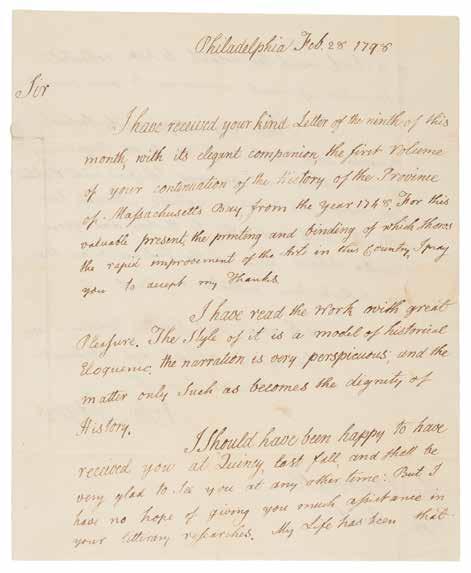
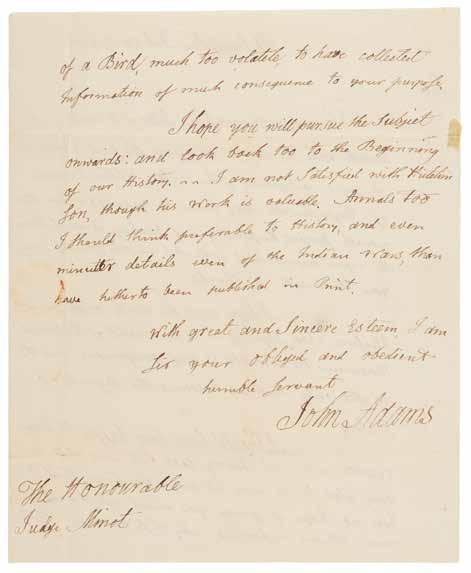
“The Style of it is a model of historical Eloquence… Annals too I Should think preferable to History”— President John Adams writes to historian George Richards Minot from the U.S. Capitol in 1798, praising his volume on Massachusetts history and critiquing loyalist governor Thomas Hutchinson
1. John Adams Autograph Letter Signed as President to Historian George R. Minot on His History of the Province of Massachusetts Bay. ALS as president, one page both sides, 8 x 9.75, February 28, 1798. Addressed from the United States Capitol in Philadelphia, a handwritten letter to Boston jurist and historian George Richards Minot, in full: “I have received your kind Letter of the ninth of this month, with its elegant companion, the first Volume of your continuation of the History of the Province of Massachusetts Bay, from the Year 1748. For this valuable present, the printing and binding of which shews the rapid improvement of the Arts in this Country, I pray you to accept my Thanks. I have read the work with great Pleasure. The Style of it is a model of historical Eloquence: the narration is very perspicuous; and the matter only Such as becomes the dignity of History.
I Should have been happy to have received you at Quincy last fall, and shall be very glad to See you at any other time: But I have no hope of giving you much assistance in your literary researches. My Life has been that of a Bird, much too volatile, to have collected Information of much consequence to your purpose. I hope you will pursue the Subject onwards: and look back too to the Beginning of our History. I am not Satisfied with Hutchinson, though his Work is valuable. Annals too I Should think preferable to History, and even minuter details even of the Indian Wars, than have hitherto been published in Print.” In fine condition.
George Richards Minot (1758–1802) was a Boston attorney, judge, and historian, a Fellow of the American Academy of Arts and Sciences, and a member of the Massachusetts Historical Society. His Continuation of the History of the Province of Massachusetts Bay, from the Year 1748, the first volume of which prompted this letter, was published in Boston by Manning and Loring in 1798. It picked up where loyalist Thomas Hutchinson’s History of the Province of Massachusetts Bay had left off, carrying the narrative through the period leading to the Revolution.
Adams’s pointed remark that he was “not Satisfied with Hutchinson, though his Work is valuable” reflects the deep personal and political animosity between Adams and Hutchinson, the royal governor whose enforcement of British policy Adams had opposed at every turn in the decade before independence. His suggestion that “Annals” and “minuter details even of the Indian Wars” would be preferable to formal history reflects Adams’s lifelong preference for primary documentation over narrative synthesis. Minot died in 1802 at the age of forty-three, leaving the second volume of the Continuation unpublished at his death; it appeared posthumously. Adams wrote this letter during his single term as president, having defeated Thomas Jefferson in 1796 and three years before losing the rematch to Jefferson in 1800. Starting Bid $1000
John Quincy Adams relays President Monroe’s orders to Georgia’s governor, instructing that the illegally imported Africans should be recovered and “removed and sent to Africa, and liberated conformably to the existing Law”
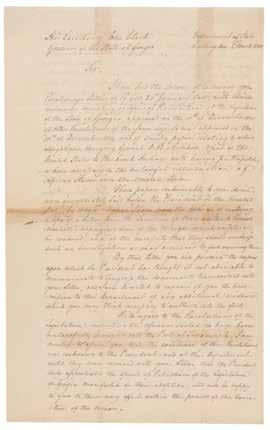
2. John Quincy Adams Letter Signed as Secretary of State - Transmitting President James Monroe’s Ruling on the Illegal Importation of African Slaves. LS as secretary of state, one page, both sides, 8 x 13, March 1, 1820. Addressed from the “Department of State” in Washington, a letter to John Clark, governor of Georgia, acknowledging receipt of Clark’s letters of January 19 and 20 with their enclosures: copies of resolutions of the Georgia Legislature approved December 8, 1810, and December 10, 1819, together with sundry papers relating to allegations charging General D.B. Mitchell, U.S. Agent to the Creek Indians, with having participated in or been accessory to the unlawful introduction of African slaves into the United States. Adams reported President Monroe declined to send the papers to Congress but ordered inquiry. Adams forwarded a War Department letter informing Mitchell of the charges and sought evidence from Georgia. Monroe praised the legislature’s “Spirit of Patriotism … in their adoption,” and directed that the Africans be recovered and placed in federal custody, to be “removed and sent to Africa, and liberated conformably to the existing Law,” declaring further that “the forfeiture of the bonds cannot vest a right of any kind in those by whom they were given.” Attorney General Wirt later concluded Mitchell had “prostituted his power as agent for Indian affairs… aiding a breach of the act of 1807.”
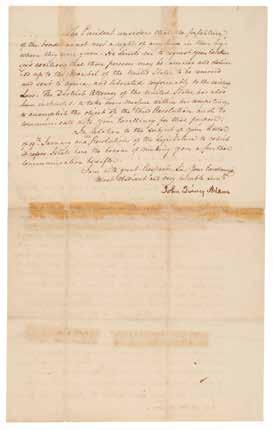
In very good to fine condition, with old tape stains and discreet professional repairs. This letter captures the early federal response to the Amelia Island slave-smuggling scandal that ultimately led to Mitchell’s dismissal in 1821, and reflects Adams’s early involvement in enforcing the prohibition of the slave trade—an issue that would later define his career as one of the most forceful antislavery voices in American political life. Starting Bid $200
3. John Quincy Adams Autograph Letter Signed as a Congressman-Elect. ALS as a congressman-elect, signed “J. Q. Adams,” one page, 7.75 x 9.75, February 1, 1831. Addressed from Washington, a handwritten letter to his nephew, Lieutenant Thomas B. Adams, stationed at Fort Moultrie in South Carolina, in which encloses a blank power of attorney to be executed by Adams to enable JQA’s son, Charles, to receive dividends on stock in the Suffolk Insurance Company of Boston held in Adams’s name; instructs that once executed, Adams should give Charles directions for disposal of the interest accruing on his Boston funds.
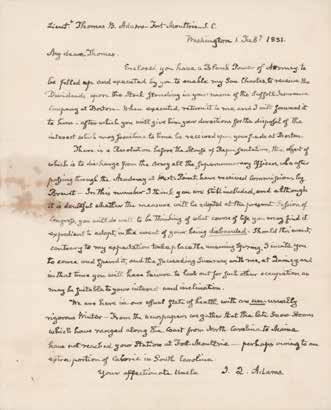
The letter then turns to a more pressing matter: “There is a Resolution before the House of Representatives, the object of which is to discharge from the Army all the Supernumerary Officers, who after passing through the Academy at West Point, have received Commissions by Brevet — In This number I think you are still included, and although it is doubtful whether the measure will be adopted at the present Session of Congress, you will do well to be thinking of what course of life you may find it expedient to adopt, in the event of your being disbanded. Should this event, contrary to my expectation take place the ensuing Spring, I invite you to come and Spend it, and the Succeeding Summer, with me, at Quincy, and in that time you will have Leisure to look out for such other occupation as may be suitable to your interest and inclination.” JQA closes with a note on the unusually rigorous Washington winter, observing that the heavy snowstorms ranging from North Carolina to Maine have apparently not reached Fort Moultrie, “perhaps owing to an extra portion of Caloric in South Carolina.” In fine condition, with some light staining at the left edge.
John Quincy Adams wrote this letter from Washington at the opening of the Twenty-Second Congress, having just won election in the fall of 1830 as a representative from Massachusetts — the only former president to serve in the House after leaving the White House. He was fifty-three days from taking his seat when he wrote to his nephew. The recipient, Thomas Boylston Adams Jr. (1809–1837), was a grandson of President John Adams and a son of JQA’s younger brother, Thomas Boylston Adams, Sr. He had graduated twelfth in the West Point Class of 1828 and was serving as a Second Lieutenant in the 2nd Artillery at Fort Moultrie, South Carolina. The congressional resolution JQA describes reflects the Jacksonian-era effort to reduce the officer corps by eliminating brevet commissions, a politically charged measure that targeted the professional military class closely associated with West Point. Thomas was not in fact discharged; he was promoted to First Lieutenant in 1834, served in the Second Seminole War in Florida, and died of typhoid fever at Fort Dade on December 14, 1837, at the age of twenty-eight. “Charles” is Charles Francis Adams (1807–1886), JQA’s youngest surviving son, later minister to Great Britain during the Civil War. Starting Bid $200
K. Polk’s moral character stands without a single blot upon it, and unimpeachable in truth”
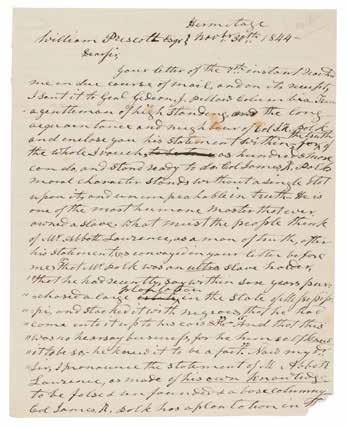
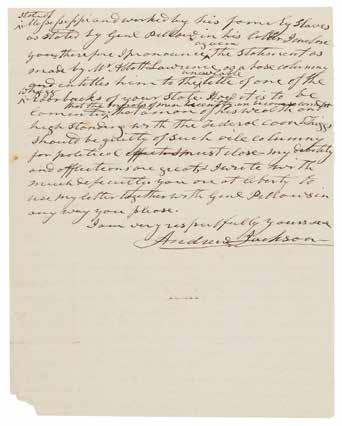
4. Andrew Jackson Autograph Letter Signed, Criticizing False Allegations Against His Protégé: “Col. James K. Polk’s moral character stands without a single blot upon it, and unimpeachable in truth”. ALS, one page both sides, 7.5 x 9.75, November 30, 1844. Handwritten letter to American historian William Prescott, in full: “Your letter of the 7th instant reached me under course of mail, and on its receipt, I sent it to Gen’l Gideon J. Pillow, Columbia Tenn. a gentleman of high standing, of long acquaintance and neighbour of Col. J. K. Polk and enclose you his statement within, for the truth of the whole I vouch, as hundreds more can do, and stand ready to do. Col. James K. Polk’s moral character stands without a single blot upon it, and unimpeachable in truth. He is one of the most humane Masters that ever owned a slave. What must the people think of Mr. Abbott Lawrence, as a man of truth, after his statement, (as conveyed in your letter before me) that Mr. Polk was an ultra slave holder, that he had recently, say within six years purchased a large plantation in the state of Mississippi, and stacked it with negroes, that he had come into it up to his ears &c. And that this was no hearsay business, for he himself knew it to be so, he knew it to be a fact.
Now my Dr. Sir, I pronounce the statement of Mr. Abbott Lawrence, as made of his own knowledge to be false & unfounded & a base calumny. Col. James K. Polk has a plantation in the State of Mississippi and worked by his family slaves as stated by Gen’l Pillow in his letter I enclose you, therefore I pronounce again the statement as made by Mr. Abbott Lawrence as a base calumny and entitles him to the unenviable title of one of the Whigg Roorbacks of your state. How is it to be lamented that the morals of men recently are become so corrupt, that a man of his wealth and a high standing with the Federal Coon Whiggs should be guilty of such vile calumny for political effect. I must close-my debility and afflictions are great, & I write with much difficulty. You are at liberty to use my letter together with Genl Pillows in any way you please.” In fine condition, with small stains and trivial corner loss. Read more online at www.RRAuction.com. Starting Bid $300
“Forward with as much dispatch as possible the Fleet for the gulph”
Autograph
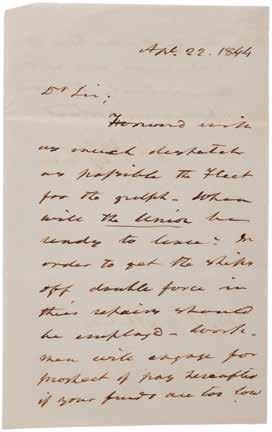
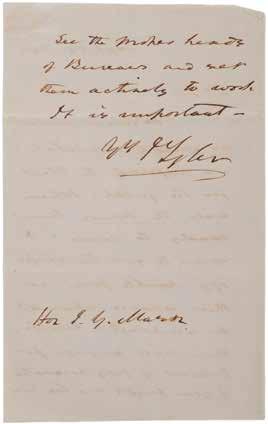
Signed as President to the Secretary of the Navy, Sending a Naval Fleet to the Gulf of Mexico to Prepare for a Military Response to His Texas Annexation Treaty. ALS signed “J. Tyler,” one page both sides, 5 x 8, April 22, 1844. Handwritten letter to Secretary of the Navy John Y. Mason, in full: “Forward with as much dispatch as possible the Fleet for the gulph. When will the Union be ready to leave? In order to get the ships off double force in their repair should be employed. Workmen will engage for prospect of pay hereafter if your funds are too low see the proper heads of Bureaus and get them actively to work. It is important.” In fine condition. Just six and a half weeks earlier, tragedy had struck aboard the USS Princeton, the Navy’s new propeller-driven warship. During a demonstration cruise on the Potomac River attended by President Tyler and approximately 400 guests, a massive naval gun exploded, killing Secretary of State Abel P. Upshur, Secretary of the Navy Thomas W. Gilmer, and four others. Tyler soon appointed John C. Calhoun as Secretary of State and named former Congressman John Y. Mason to succeed Gilmer as Secretary of the Navy. Mason assumed office on March 26, 1844.
On April 12, 1844, Tyler signed the Texas annexation treaty, which had been negotiated by Calhoun prior to formally taking office. On April 22—the same day he submitted the treaty to the U.S. Senate for ratification—Tyler wrote this urgent letter directing Mason to dispatch the fleet to the Gulf with “as much dispatch as possible,” strengthening naval readiness in case Mexico responded militarily.
The annexation treaty soon became a central issue in the presidential election of 1844. Former President Martin Van Buren publicly opposed annexation, while the Democratic Party ultimately nominated James K. Polk, whose expansionist platform supporting the acquisition of Texas, Oregon, and California proved popular. Although the Senate rejected Tyler’s treaty on June 8, 1844, Polk’s election in November ensured the issue’s revival. Texas was annexed by joint resolution in December 1845 and formally entered the Union on December 29, 1845. War with Mexico followed in May 1846. An important Texas-related presidential letter written at a pivotal moment in American expansion. Starting Bid $300
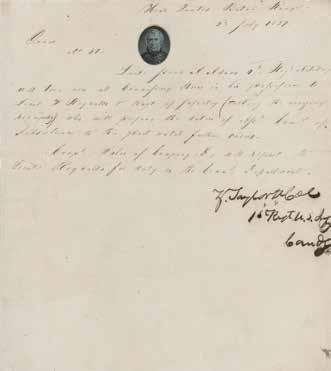
6. Zachary Taylor Letter Signed - “Order No. 51” from His Baton Rouge Headquarters. LS signed “Z. Taylor Lt. Col., 1st Regt. U.S. Infy, Comdg,” one page, 7.5 x 8.5, July 2, 1827. “Order No. 51” from his “Head Quarters, Baton Rouge,” in full: “Lieut. Isaac A. Adams 4th Regt. Artillery will turn over all Commissary Stores in his possession to Lieut. W. Reynolds 1st Regt. of Infantry (taking the necessary receipts), who will perform the duties of Asst. Com’y of Subsistence to this post until further orders. Corp’l Wales of Company ‘D’ will report to Lieut. Reynolds for duty in the Comm’y Department.” In fine condition.
Written from his headquarters in Baton Rouge, this orderly yet revealing document captures Zachary Taylor during his steady rise through the antebellum army, years before he emerged as a national hero of the Mexican–American War and the twelfth president of the United States. Commanding the 1st U.S. Infantry on the southwestern frontier, Taylor’s “Order No. 51” reflects the everyday logistical responsibilities that underpinned military life—transferring commissary stores, assigning officers to subsistence duties, and detailing enlisted men to departmental service. From the collection of Mark S. Robbins. Starting Bid $200
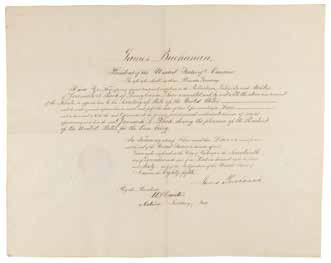
7. James Buchanan Document Signed as President, Appointing Secretary of State Jeremiah Black Amidst the Secession Crisis. Partly-printed DS as president, one page, 19.5 x 15.5, December 17, 1860. President Buchanan, “by and with the advice and consent of the Senate,” appoints Jeremiah S. Black of Pennsylvania “to be Secretary of State of the United States.” Crisply signed at the conclusion in ink by President James Buchanan and countersigned by Acting Secretary of State William Hunter. In fine condition, with expert reinforcements to the backs of the intersecting folds. This document was issued at a moment of extraordinary turmoil in President James Buchanan’s administration. After Abraham Lincoln’s election in November 1860, Southern states—led by South Carolina—moved rapidly toward secession. As tensions escalated, General Winfield Scott and several Cabinet members urged Buchanan to reinforce vulnerable federal forts in the South, particularly in Charleston Harbor. Buchanan’s reluctance to act prompted Secretary of State Lewis Cass to resign on December 14, 1860, in protest. Just five days later, Buchanan appointed his trusted Attorney General, Jeremiah S. Black of Pennsylvania, as the new Secretary of State. A close friend and adviser, Black denied the constitutionality of secession, and urged that Fort Sumter be properly reinforced and defended. He remained at Buchanan’s side as the secession crisis deepened and much of the Cabinet fractured, with multiple members resigning over policy disagreements. This extremely scarce, cabinet-level appointment reflects the instability and urgency that defined the final months of Buchanan’s presidency on the eve of the Civil War. Starting Bid $500
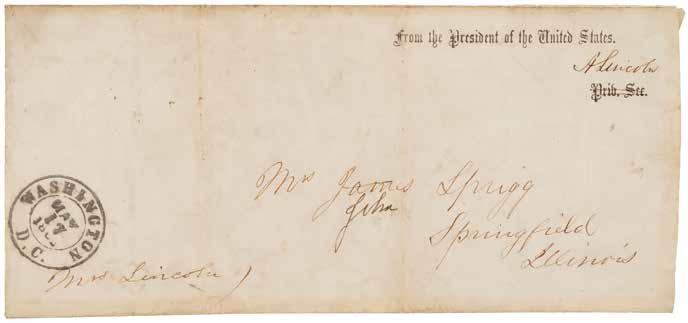
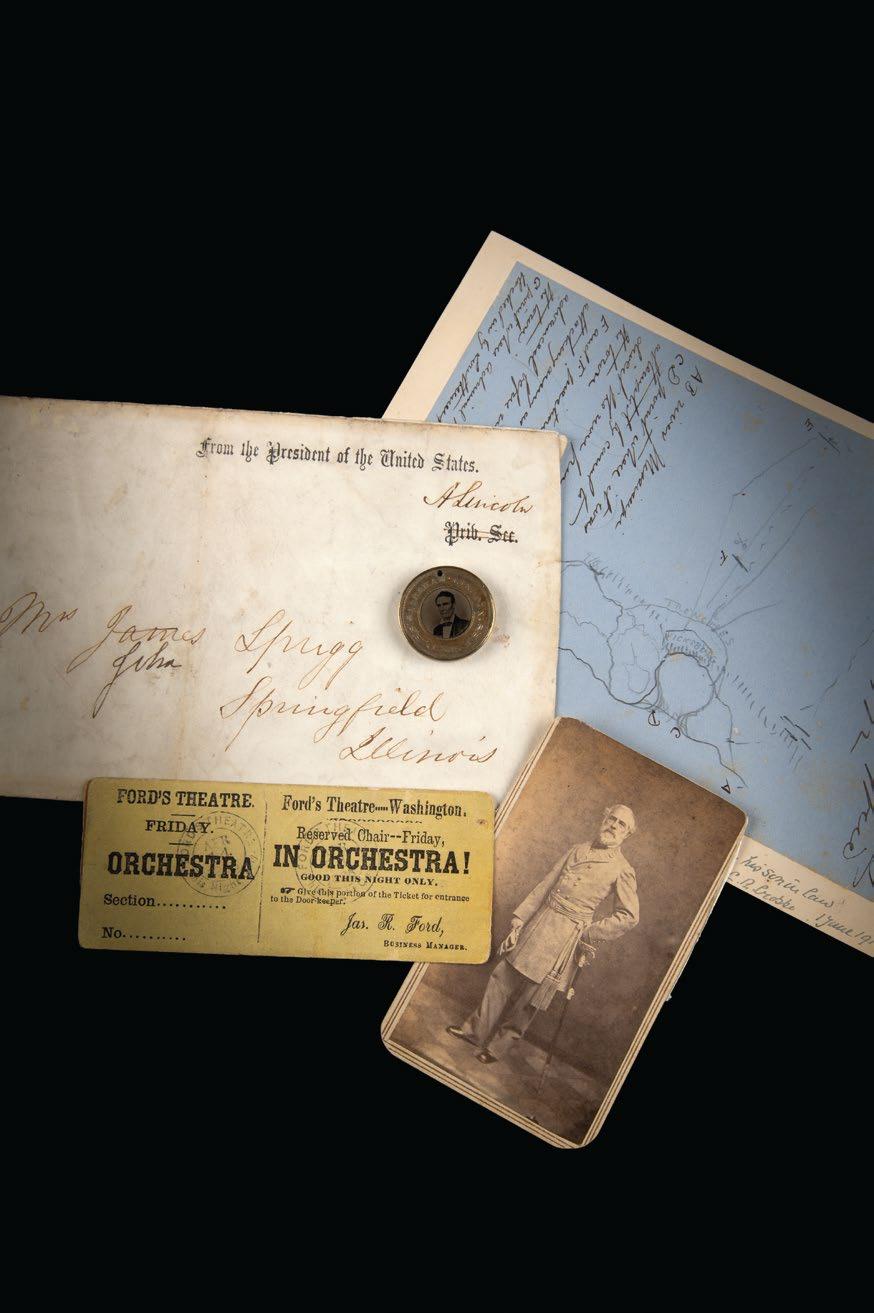
9. Abraham Lincoln Signed Free Frank as President, Addressed and Signed by Mary Todd Lincoln. Franking signature as president, “A. Lincoln,” on a 9.25 x 4.25 “From the President of the United States” mailing envelope, postmarked at Washington, May 17, 1862. The envelope has been addressed in Mary Lincoln’s hand to “Mrs. James [struck out] John Sprigg, Springfield, Illinois,” and signed by her at lower left “Mrs. Lincoln.” In very good condition, with light creasing, several vertical folds, and overall soiling; both signatures are clear, dark, and well contrasted. The addressee is evidently Mrs. Julia Sprigg, a widow who purchased a home next to the Lincolns’ in Springfield in 1853. Sprigg and Mary Lincoln became close friends, and Sprigg’s daughter sometimes babysat the younger Lincoln boys. An exceedingly scarce and desirable presidentand-first-lady combination. Starting Bid $1000
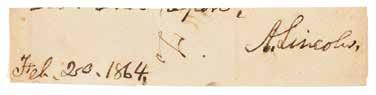
10. Abraham Lincoln Signature as President (February 20, 1864). Civil Wardated ink signature as president, “A. Lincoln, Feb. 20, 1864,” on an off-white 3.75 x .75 slip. In fine condition. Accompanied by an engraving of Abraham Lincoln with a facsimile signature. According to ‘Lincoln Day By Day: A Chronology, 1809-1865,’ on February 20, 1864, the ‘President attends Mrs. Lincoln’s regular Saturday afternoon reception,’ and, as noted in the ‘Collected Works of Abraham Lincoln,’ on this date Lincoln forwarded an endorsement to Edwin Stanton, his Secretary of War, on a letter from Edward Cooper and Judge Henry Cooper of Tennessee, regarding a prisoner of war, ill with tuberculosis, at Camp Morton, Indiana. Lincoln wrote: ‘I specifically request that you will see Judge Cooper and allow him to take his brother home with him.’ Starting Bid $1000
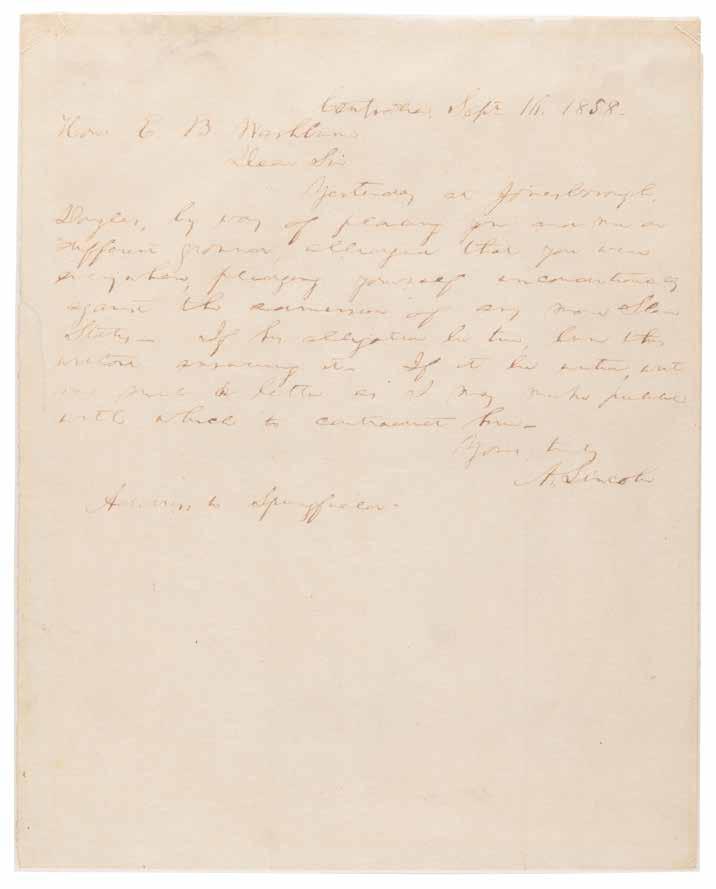
“If his allegation be true, burn this without answering it”
8. Abraham Lincoln Examines Debate Claims Made by Opponent Stephen Douglas, Verifying a Republican Ally’s Stance “against the admission of any more Slave States” – “If his allegation be true, burn this without answering it”. Historic ALS signed “A. Lincoln,” one page, 7.75 x 9.75, September 16, 1858. Handwritten letter to Congressman Elihu B. Washburne, concerning an allegation made by Stephen Douglas against Washburne at the preceding Lincoln-Douglas debate in Jonesboro, Illinois. The letter, in full: “Yesterday at Jonesborough, Douglas, by way of placing you and me on different ground, alledged that you were everywhere, pledging yourself unconditionally against the admission of any more Slave States. If his allegation be true, burn this without answering it. If it be untrue, write me such a letter as I may make public with which to contradict him.” To the lower left, Lincoln adds, “Address to Springfield.” Elihu B. Washburne was elected as a Whig to the 33rd Congress in 1852 and was reelected as a Republican in 1854 and 1856. By this time, he was seeking his fourth term in Congress and had been present at the second Lincoln-Douglas debate held in his congressional district of Freeport on August 27, 1858.
Includes a handsome presentation folder with quarter-bound slipcase. Professionally cleaned, rice paper-backed, and restored to near-fine condition. An astounding Lincoln letter that mentions both his pivotal debates with Douglas and the admission of slave states to the Union, the issue that divided the nation and led to the Civil War.
The Lincoln letter here offered is published in Roy P. Basler’s ‘The Complete Works of Abraham Lincoln’ (Rutgers University Press, 1953). Basler notes, ‘Apparently, Washburne did not reply to this letter, for in the Lincoln Papers there are no Washburne letters between May 31, 1858 and May 20, 1860.’ It is possible that Washburne did reply, addressing his letter “to Springfield” as requested by Lincoln, but Lincoln would not have received it until he returned home on October 16th after the final debate with Douglas. If he did receive Washburne’s reply, the issue was now moot, so Lincoln may have destroyed it. According to The Collected Works, after Elihu Washburne died, this letter was owned by his son, Hempstead Washburne. Starting Bid $10,000
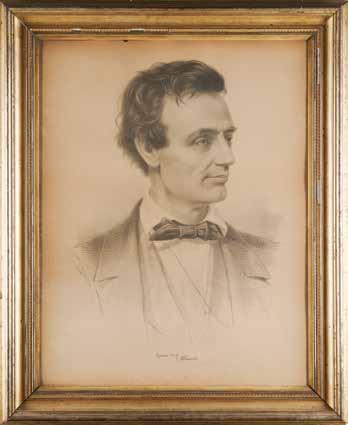
11. Abraham Lincoln 1860 Campaign Lithograph
First State Proof. Original circa 1860 preliminary proof of a campaign lithograph depicting Abraham Lincoln, 19.5 x 25.5, featuring his printed facsimile signature in the lower border, “Yours truly, A. Lincoln,” with “Hon. Abraham Lincoln,” printed in block letters below. The portrait of Lincoln is based on one done by artist Thomas Hicks, the first to come west to paint the new Republican candidate in June 1860. Lincoln is said to have joked to Hicks: ‘It will give the people of the East a correct idea how I look at home, and, in fact, how I look in my office. I think the picture has a somewhat pleasanter expression than I usually have, but that, perhaps, is not an objection’ (see: Reminiscences of Abraham Lincoln, edited by C. Allen Thorndike Rice, p. 602). This example appears to be a preliminary first state of the more common campaign poster, lacking the plate signature of lithographer Leopold Grozelier, the imprint line, the complete title, and some extra linework in the margins. Later examples feature the complete block-letter caption: “Hon. Abraham Lincoln, Republican Candidate for the Presidency, 1860.” Other examples of this scarce printing reside in the collections of the Library of Congress and the Library Company of Philadelphia, while another was sold at Swann’s in 2018. Framed to an overall size of 25.5 x 31. In very good condition, with light toning and scattered small surface scuffs. Starting Bid $200
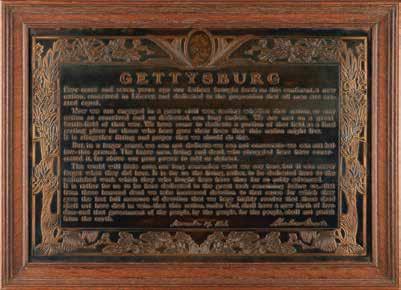
12. Abraham Lincoln Gettysburg
Address Plaque. Mid-century bronzed plaque commemorating the Gettysburg Address made by President Abraham Lincoln on November 19, 1863. The plaque, 19 x 13, features the full text of the iconic Civil War speech in raised text with Lincoln’s facsimile signature and date below. A floral border wraps the plaque, which is surmounted by the president’s likeness in profile. Framed to an overall size of 22 x 16. In fine condition, with some surface wear. Starting Bid $200
“Ford’s Theatre, APR 14, 1865, This Night Only”—original unused ticket from Ford’s Theatre, featuring two date stamps of April 14, 1865, the night of President Lincoln’s assassination
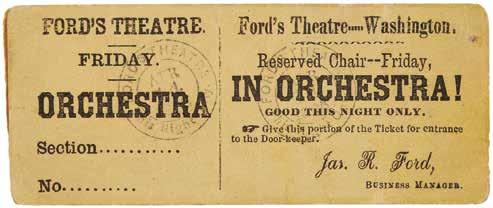
13. Ford’s Theatre Unused ‘Orchestra’ Ticket, Stamped April 14, 1865 - The Date of Abraham Lincoln’s Assassination. Rare original unused ‘Orchestra’ level ticket from Ford’s Theatre in Washington, D.C., bearing two circular date stamps, “Ford’s Theatre, APR 14, 1865, This Night Only,” for the fateful production of Our American Cousin during which President Abraham Lincoln was shot by assassin John Wilkes Booth. The yellow ticket, 4.25˝ x 1.75˝, is imprinted on the left side, “Ford’s Theatre., Friday., Orchestra,” with the lower “Section” and “No.” fields left blank. The right side carries the printed signature of “Jas. R. Ford, Business Manager,” below the following text: “Ford’s Theatre …. Washington. / Reserved Chair – Friday, In Orchestra! Good This Night Only. / Give this portion of the Ticket for entrance to the Door-keeper.” The reverse is annotated in a contemporary hand: “R.S. Biggard, 1534 Tioga St., Phila.” In fine condition, with a light vertical fold.
The circular April 14th date stamps match those seen on known, authentic tickets: foremost, two front-row balcony tickets sold by RR Auction in 2023; a used ticket stub in the collection of Harvard University’s Houghton Library, bequest by Evert Jansen Wendell in 1918; a similar unused yellow ‘Orchestra’ level ticket held by the Shapell Manuscript Foundation; and on the backs of unused tickets published in the Restoration of Ford’s Theatre Historic Structures Report.
Although this ‘Orchestra’ ticket was never distributed for purchase on April 14, 1865—the performance of Our American Cousin was completely sold out with tickets in great demand—it represents an authentic unused ticket printed for Ford’s Theatre during the Civil War era. The format, typography, and printed signature of business manager James R. Ford match other surviving examples held by institutions and major collections. As with other surviving unissued examples, the blank “Section” and “No.” fields further suggest that this ticket was never issued to a patron on April 14, 1865. Starting Bid $1000
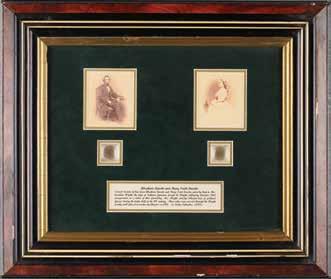
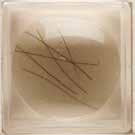
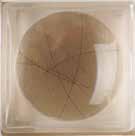
14. Abraham and Mary Todd Lincoln Hair Relic Display. Several strands of hair from both Abraham and Mary Todd Lincoln, housed in small magnified plastic cases and double-suede-matted and framed with images of the Lincolns and a descriptive caption to an overall size of 18.5 x 16. In fine condition, with light damage only to the frame. The hair was originally collected by Caroline Wright, wife of Indiana governor Joseph Wright. The Wrights were close friends of Lincoln and the hair was presented to Mrs. Wright after Lincoln’s 1865 inauguration. Accompanied by a certificate of authenticity from Cary J. Delery, stating the hair was in the possession of the Wright family until 1992, when it was sold at Christie’s. The hair was sold again by Christie’s in 2002, as part of the Forbes Collection. Starting Bid $200
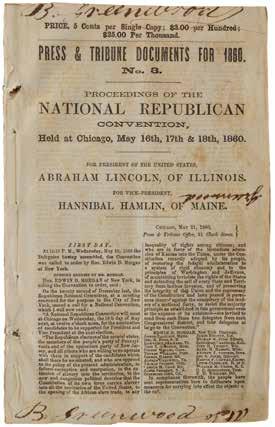
15. Abraham Lincoln and Hannibal Hamlin Original 1860 ‘Proceedings of the Republican National Convention’ Pamphlet. String-bound pamphlet entitled “Proceedings of the Republican National Convention Held at Chicago, May 16th, 17th & 18th, 1860. For President of the United States, Abraham Lincoln, of Illinois. For Vice-President, Hannibal Hamlin, of Maine.” Published by the Chicago Press & Tribune newspaper, the pamphlet, 44 pages, 5.5 x 8.75, issued as “Press & Tribune Documents for 1860. No. 3.,” contains a detailed synopsis of the convention’s three busy days, culminating in the dramatic events that secured Lincoln’s rise to national prominence.
Day 3, May 18, 1860, was the decisive and dramatic climax of the Republican National Convention in Chicago, when Abraham Lincoln secured the presidential nomination after three intense ballots. Entering the day, William H. Seward led but lacked a majority; on the first ballot, he held a strong advantage, yet Lincoln surged on the second as delegates from key states shifted their support to the more broadly acceptable Illinois candidate. On the third ballot, Lincoln reached 2311⁄2 votes—just shy of the required majority—before several delegates switched their votes, pushing him over the threshold and igniting an eruption of cheers, shouting, and celebration. The nomination was then made unanimous, and later that day, Hannibal Hamlin of Maine was chosen as the vice-presidential candidate, completing the ticket that would win the 1860 election and alter the course of American history. The first page bears ink ownership notations. Housed in a custom-bound slipcase with matching chemise. In very good to fine condition, with scattered light foxing and staining, and trimming to the top and bottom edges. Starting Bid $200
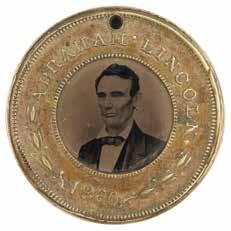
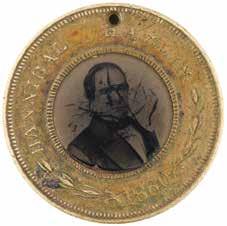
16. Abraham Lincoln and Hannibal Hamlin 1860 Presidential Campaign Ferrotype Token. Extremely desirable ferrotype button from the 1860 presidential campaign, 1˝ in diameter, featuring a portrait of the beardless Abraham Lincoln on one side, with his vice presidential running mate Hannibal Hamlin on the other. Their portraits are encircled with raised text, “Abraham Lincoln, 1860” and “Hannibal Hamlin, 1860.” In fine condition, with marks to the Hamlin image; Lincoln’s image is uncommonly sharp. Starting Bid $200
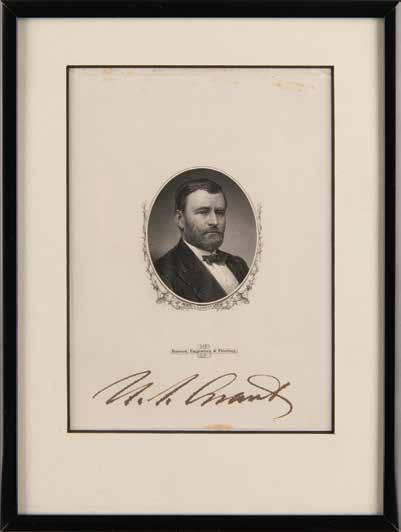
18. U. S. Grant Signed Portrait Engraving. Handsome engraved portrait of Ulysses S. Grant by the Bureau of Engraving and Printing, 4 x 5.5, prominently signed below in bold ink, “U. S. Grant.” Archivally matted and framed to an overall size of 6.25 x 8.25. In fine condition, with slight feathering to the ink, and a tiny stain to the bottom edge. Starting Bid $300
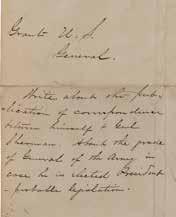
William T. Sherman dockets the reverse in his own hand, in full: “Grant, U. S., General, Writes about the publication of correspondence between himself & Genl. Sherman. About the grade of General of the Army in case he is elected President— probable legislation.”
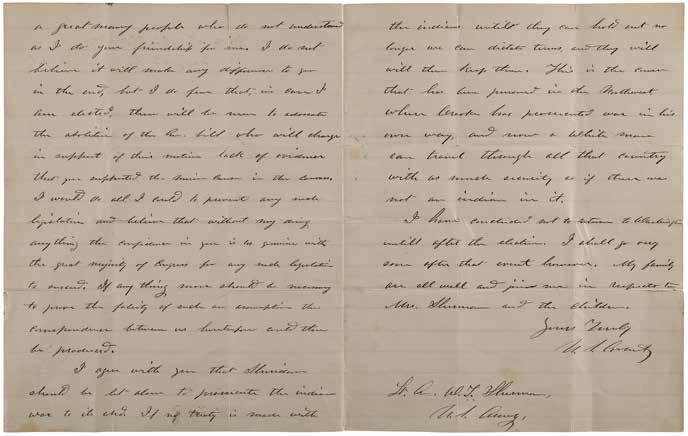
“about the grade of General of the Army in case he is elected President”
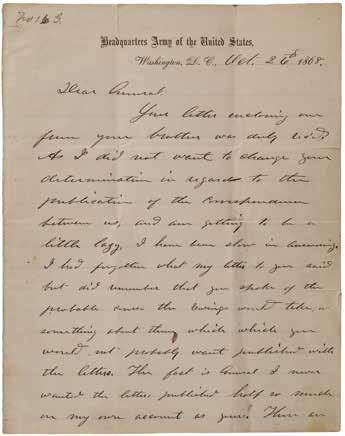
17. U. S. Grant Autograph Letter Signed to Gen. William T. Sherman, Preceding the 1868 Election, Docketed by Sherman: “About the grade of General of the Army in case he is elected President”. ALS signed “U. S. Grant,” three pages on two adjoining sheets, 7.75 x 10, Headquarters Army of the United States letterhead, October 26, 1868. Handwritten letter to “Lt. Gen. W. T. Sherman, U.S. Army,” written just days before the presidential election of 1868. In full: “Your letter enclosing one from your brother was duly rec’d. As I did not want to change your determination in regard to the publication of the correspondence between us, and am getting to be a little lazy, I have been slow in answering. I had forgotten what my letter to you said but did remember that you spoke of the probable course the Ewings would take, or something absent them, which which you would not probably want published with the letters. The fact is General I never wanted the letters published half so much as my own account as yours.
There are a great many people who do not understand as I do your friendship for me. I do not believe it will make any difference to you in the end, but I do fear that, in case I am elected, there will be men to advocate the abolition of the Gen. bill who will charge in support of their motion lack of evidence that you supported the Union cause in the canvass. I would do all I could to prevent any such legislation and believe that without my doing anything the confidence in you is too genuine with the great majority of Congress for any such legislation to succeed. If any thing more should be necessary to prove the falsity of such an assumption the correspondence between us heretofore could then be produced.
I agree with you that Sheridan should be let alone to prosecute the indian war to its end. If no treaty is made with the indians untill they can hold out no longer we can dictate terms, and they will then keep them. This is the cause that has been pursued in the Northwest, where Crook has prosecuted war in his own way, and now a White man can travel through all that country with as much serenity as if there was not an indian in it.
I have concluded not to return to Washington untill after the election. I shall go very soon after that event however. My
family are all well and join me in respects to Mrs. Sherman and the children.”
William T. Sherman dockets the reverse in his own hand, in full: “Grant, U. S., General, Writes about the publication of correspondence between himself & Genl. Sherman. About the grade of General of the Army in case he is elected President— probable legislation.” In fine condition, with minor splitting to the ends of the folds, and some old mounting remnants to the back of the last page.
This letter finds Ulysses S. Grant balancing his roles as commanding general of the U.S. Army and Republican nominee for president. Grant expresses concern that, if elected, hostile members of Congress might revive efforts to remove the special rank of General of the Army by untruthfully asserting that William T. Sherman had failed to support the Union cause during the canvass.
Grant was preparing to relinquish the rank—created for him by Congress in 1866—upon assuming the presidency, a transition that would elevate Sherman to that position. His concern reflects an awareness that the rank itself remained subject to political attack, and that efforts to abolish it could directly affect Sherman’s standing—revealing how closely personal loyalties and congressional politics were intertwined on the eve of Grant’s election. These fears proved unfounded, and Sherman would indeed succeed Grant as General of the Army on March 4, 1869, the day of Grant’s inauguration.
Grant also addresses ongoing military operations, explicitly endorsing Philip H. Sheridan’s authority to prosecute the Indian wars without interference, advocating for sustained military pressure. He cites George Crook’s campaigns in the Northwest as a model, reflecting prevailing Army doctrine and foreshadowing the continuity of policy: first under Sherman, and later under Sheridan himself. Sheridan, too, would be named General of the Army in 1888, shortly before his death; the honor was then retired until World War II. The letter thus links politics, the U.S. military’s senior command, and federal Indian policy at a critical moment preceding the first election of the Reconstruction Era. Starting Bid $1000
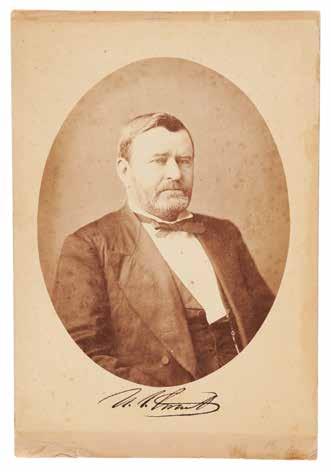
portrait of U. S. Grant, signed by the subject
19. U. S. Grant Signed Photograph - Oversized Mounted Albumen Portrait. Rare oversized 7.25 x 10 albumen photo of Ulysses S. Grant, affixed to a 7.25 x 11 mount, signed below the image in bold ink, “U. S. Grant.” Annotated on the reverse in ink, “Washington D.C., Aug. 4, 1876.” A pencil notation on the mount attributes the photograph to Mathew Brady. In very good to fine condition, with scattered light foxing, staining along the right edge of the image, and short tears to the top and bottom edges of the mount. An unusually large signed photograph of the Civil War hero.
Provenance: by descent to the consignor, who notes that the photograph was once part of the collection of Winfred Porter Truesdell, collector, publisher, and cataloger of the known engravings and lithographs of Abraham Lincoln. Starting Bid $300
In 1865, Lt. Gen. Grant announces the arrival of Congressman Elihu B. Washburne to present him with a gold medal on behalf of a grateful nation
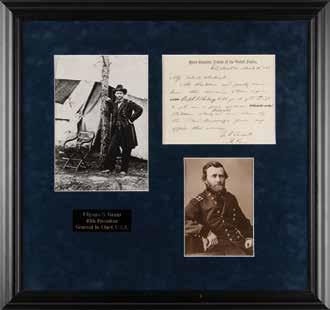
20. U. S. Grant Civil War–Dated Autograph Letter Signed, Announcing Rep. Washburne’s Arrival at His City Point Headquarters for a Gold Medal Presentation. Civil War-dated ALS signed “U. S. Grant, Lt. Gen.,” one page, 7.5 x 6, Head Quarters Armies of the United States letterhead, March 11, 1865. Handwritten letter to “Maj. Eckert,” in full: “Mr. Washburne and party arrived here this morning. Please inform Capt. Whitney. Will you be good enough to get me a pair of No. 10 children’s shoes, thick soled, and send them by the mail messenger from my office this evening.” Suedematted and framed with two portraits and a nameplate to an overall size of 22.5 x 21. In fine condition. Read more online at www.RRAuction.com. The Collection of Dr. Joseph Matheu. Starting Bid $200
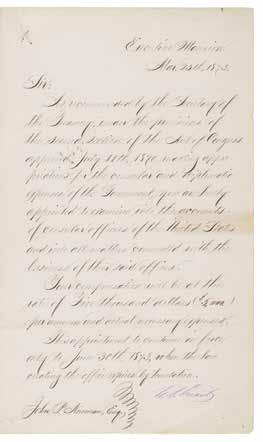
President Grant launches a reform-minded government oversight mission, assigning the Chaplain of the United States Senate to “examine into the accounts of consular officers of the United States”
21. U. S. Grant Letter Signed as President, Appointing John P. Newman to “examine into the accounts of consular officers of the United States”. LS as president, signed “U. S. Grant,” one page, 8.5 x 14, March 25, 1873. Official letter to John P. Newman, sent from the Executive Mansion. In part: “As recommended by the Secretary of the Treasury, under the provisions of the second section of the Act of Congress approved July 11th, 1870, making appropriations for the consular and diplomatic expenses of the Government, you are hereby appointed to examine into the accounts of consular officers of the United States and into all matters connected with the business of their said offices.” In fine condition, with an old tape stain to the right side of the central horizontal fold. Issued from the Executive Mansion, this letter marks President Ulysses S. Grant’s formal appointment of John Philip Newman—a noted Methodist pastor and Chaplain of the United States Senate—to the federal service as an examiner of U.S. consular accounts. This assignment would evolve into his role as Inspector of United States Consulates in Asia (1874–1876). Acting under congressional authority, Newman was tasked with investigating the financial records and operational conduct of American consular offices, a responsibility he carried out through extensive travel across China, Japan, and other nations with which the United States maintained diplomatic relations. His detailed report to the State Department, exceeding two hundred pages, offered substantive observations and reform-minded recommendations. Summoned before a Congressional committee during the reform investigations of 1876, Newman provided important testimony that surprised critics who had dismissed his work as a mere ‘pleasure tour.’ The letter thus represents the inception of a serious government oversight mission, highlighting Reconstruction-era efforts to strengthen accountability within the U.S. diplomatic service. From the collection of Mark S. Robbins. Starting Bid $200
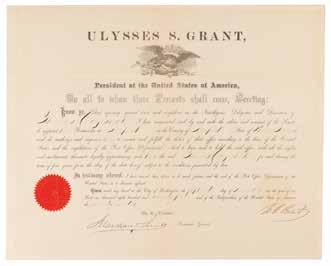
22. U. S. Grant Document Signed as President, Appointing a Postmaster. Partly-printed DS as president, one page, 17.25 x 14, December 15, 1874. President Grant appoints Thomas Coggeshall as “Postmaster at Newport, in the County of Newport, State of Rhode Island.” Nicely signed at the conclusion in ink by President Ulysses S. Grant and countersigned by Postmaster General Marshall Jewell. The red seal affixed at the lower left remains fully intact. In fine condition, with light toning from prior display. From the collection of Mark S. Robbins. Starting Bid $200
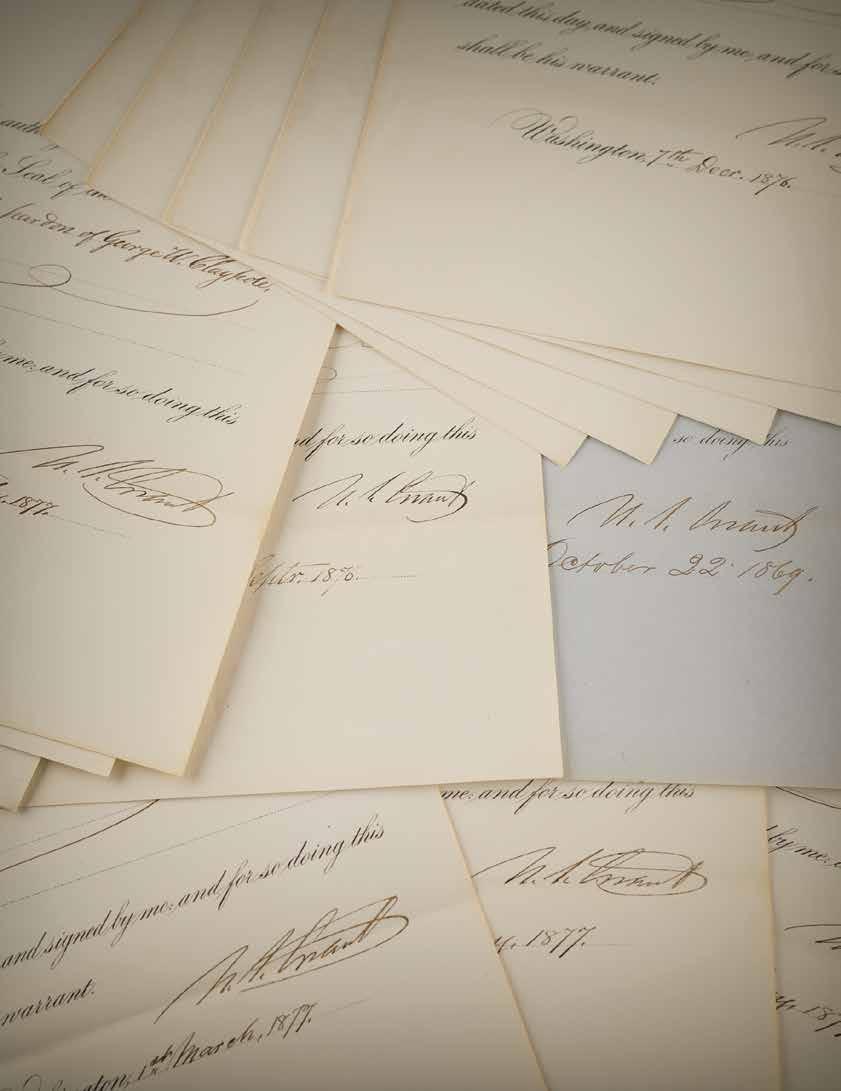
25. U.S. Grant Archive of (20) Documents Signed as President, with Several Pardon Warrants from His Last Days in Office. Uncommon archive of 20 partly-printed DSs as president, signed “U. S. Grant,” all one page, 8 x 10, dated from October 22, 1869, to March 3, 1877. Several of these pardon warrants—signed in the waning days of Grant’s administration, which came to its end on March 4, 1877—reflect the president’s final exercise of executive authority before leaving office. In overall fine to very fine condition.
Complete list:
1. DS as President, Oct. 22, 1869 - Warrant for the pardon of John H. Garrison.
2. DS as President, August 9, 1876 - Warrant for the pardon of John D. Reynolds.
3. DS as President, Sept. 28, 1876 - Warrant for the pardon of James K. Hill.
4. DS as President, Nov. 24, 1876 - Warrant for the pardon of Diogenes Wetmore.
5. DS as President, Dec. 7, 1876 - Warrant for the pardon of George W. Adams.
6. DS as President, Dec. 9, 1876 - Warrant for the pardon of Harry McFarland.
7. DS as President, Dec. 15, 1876 - Warrant for the pardon of John E. Howard.
8. DS as President, Dec. 15, 1876 - Warrant for the pardon of Lewis Roberts.
9. DS as President, Dec. 15, 1876 - Warrant authorizing Timothy Golden to receive into custody Thomas R. Lewis, a fugitive from the justice of the United States.
10. DS as President, Jan. 10, 1877 - Warrant for the pardon of John Henderson.
11. DS as President, Jan. 11, 1877 - Warrant for the pardon of William H. Walker.
12. DS as President, Jan. 11, 1877 - Warrant for the pardon of John Oehr.
13. DS as President, Jan. 20, 1877 - Warrant for the pardon of Frank L. Taintor.
14. DS as President, Jan. 22, 1877 - Warrant for pardon of Edward Brady and Michael Mullady.
15. DS as President, Feb. 16. 1877 - Warrant for the pardon of George W. Claypole.
16. DS as President, Feb. 22, 1877 - Warrant for the pardon of John Mahoney.
17. DS as President, Feb. 27, 1877 - Warrant for pardon of Felix Jones.
18. DS as President, March 1, 1877 - Warrant for the pardon of Elbridge Crossman.
19. DS as President, March 1, 1877 - Warrant for the pardon of Sigismund Lindaur.
20. DS as President, March 3, 1877 - Warrant for the pardon of H. H. Harrington. Starting Bid $1000
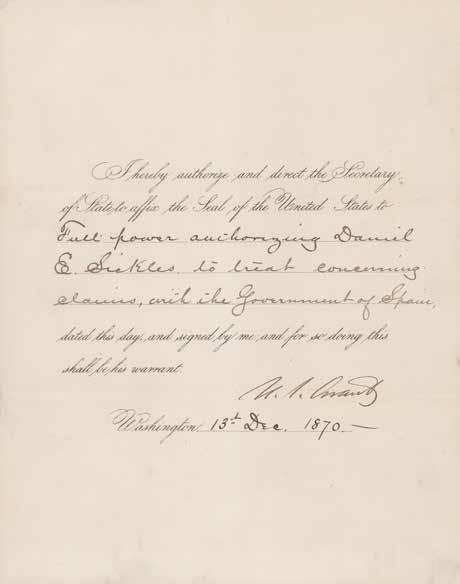
23. U. S. Grant Document Signed as President, Granting Daniel Sickles Permission to Negotiate with Spain. Partly-printed DS as president, one page, 8.5 x 11, December 13, 1870. President Grant authorizes and directs the Secretary of State to affix the Seal of the United States to the “Full power authorizing Daniel E. Sickles to treat concerning claims, with the Government of Spain.” Neatly signed at the conclusion in ink by President Ulysses S. Grant. In fine condition.
Daniel E. Sickles served as U.S. Minister to Spain from 1869 to 1874, appointed by President Ulysses S. Grant during a period of political upheaval following the Spanish Revolution of 1868. During his tenure, he worked to protect American commercial interests and became deeply involved in diplomacy surrounding the Ten Years’ War in Cuba, particularly during the controversial Virginius Affair of 1873, when Spanish authorities executed several crew members of an American-flagged ship accused of aiding Cuban rebels. The crisis brought the United States and Spain to the brink of war and led to Sickles’ resignation; his successor, Caleb Cushing, ultimately defused the situation and negotiated reparations for the families of the dead. Starting Bid $200
“All the sick at the Depot will have cars furnished for them immediately to the exclusion of everything else”—Major General Grant, in the wake of Earl Van Dorn’s raid at Holly Springs, orders the immediate rail evacuation of sick soldiers during his first Vicksburg campaign
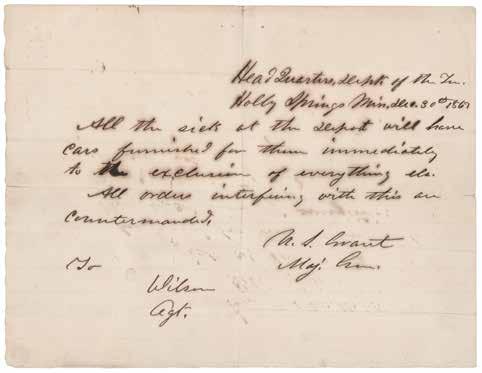
24. U. S. Grant War-Dated Autograph Letter Signed - Evacuating Sick Soldiers After the Holly Springs Raid. Civil War-dated ALS signed “U. S. Grant, Maj. Gen.,” one page, 7.75 x 6, December 30, 1862. Addressed from “Head Quarters, Dept. of the Ten.,” in Holly Springs, Mississippi, a handwritten letter to “Wilson, Agt.,” the railroad agent responsible for managing car assignments at the Holly Springs depot. In full: “All the sick at the Depot will have cars furnished for them immediately to the exclusion of everything else. All orders interfering with this are Countermanded.” In very good to fine condition, with multiple intersecting folds, and a couple of small repairs.Grant was using Holly Springs as his forward supply base and headquarters during his first overland campaign against Vicksburg when Confederate Major General Earl Van Dorn led 3,500 cavalry in a surprise raid on December 20, 1862, destroying an estimated $1.5 million in Union supplies and forcing Grant to abandon his advance. Written ten days later as he withdrew toward Memphis, this order prioritizes the immediate rail evacuation of the sick above all other traffic, reflecting both the humanitarian urgency and the logistical upheaval left by Van Dorn’s raid. Its forceful language highlights the disruption to normal operations and Grant’s need to impose direct control in the campaign’s aftermath. Grant’s first Vicksburg campaign had collapsed; he would not capture the city until July 4, 1863, after a siege of forty-seven days. Starting Bid $200
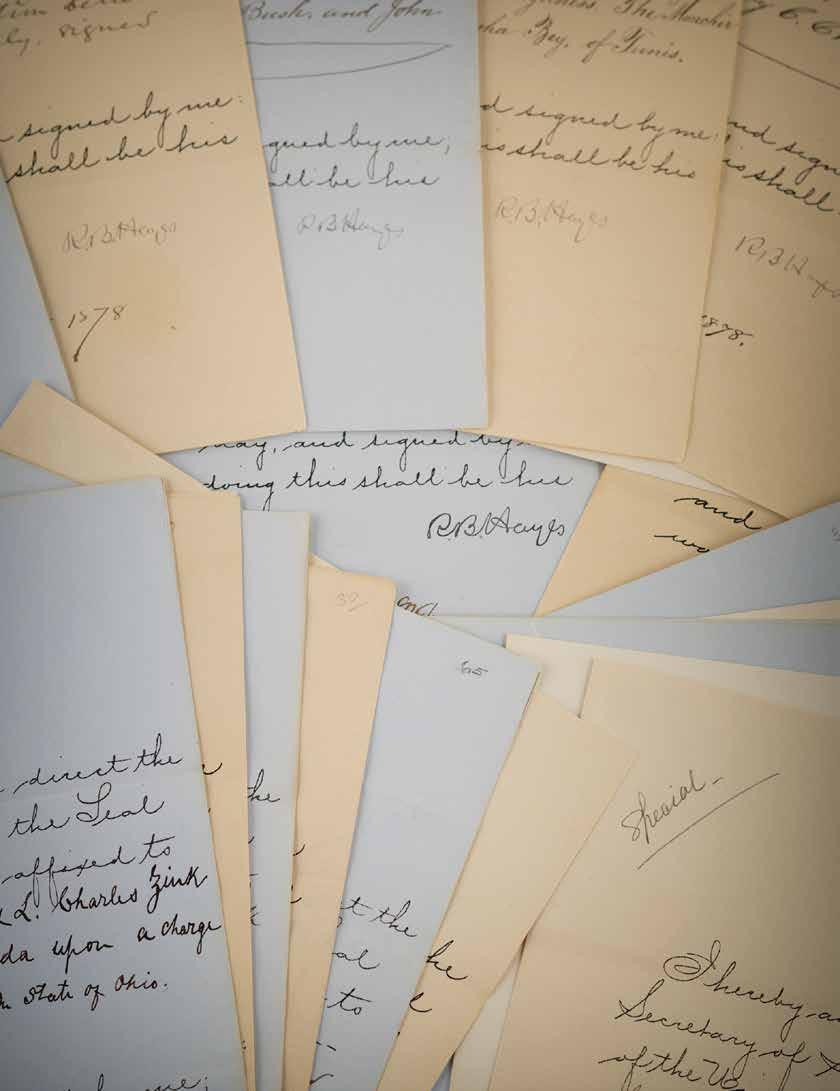
26. Rutherford B. Hayes Archive of (20) Documents Signed as President, with Warrants for Pardons, Treaties, and Diplomatic Correspondence. Uncommon archive of 20 partly-printed DSs as president, signed “R. B. Hayes,” all one page, 8 x 10, dated from March 14, 1877, to January 21, 1881. Includes warrants for pardons, proclamations of significant treaties, and the sending of diplomatic correspondence to fellow heads of state. In overall fine condition.
Complete list:
1. DS as President, July 7, 1877 - Warrant for affixing the seal of the United States to an envelope containing a letter to Marshal MacMahon, President of the French Republic.
2. DS as President, August 11, 1877 - Warrant for the conditional pardon of Leopold Eith.
3. DS as President, August 14, 1877 - Warrant for the pardon of Cornelius J. Kelley.
4. DS as President, February 4, 1878 - Warrant for the pardon of Henry C. Chappell.
5. DS as President, February 6, 1878 - Warrant authorizing Benjamin Franklin and Thomas Alderson to receive into custody Martin Bergin, a fugitive from justice.
6. DS as President, February 12, 1878 - Warrant for the ratification and proclamation of the Treaty of January 17, 1878, between the United States and the Government of the Samoan Islands.
7. DS as President, May 28, 1878 - Warrant for the ratification of the Metrical Convention concluded in May, 1875.
8. DS as President, July 30, 1878 - Warrant for affixing the seal of the United States to a letter to Muhammad Essadek, Basha Bey, of Tunis.
9. DS as President, September 25, 1878 - Warrant for the proclamation of the consular convention between the United States and Italy, signed May 8, 1878.
10. DS as President, May 10, 1879 - Warrant for the pardon of Isetta Hemmons.
11. DS as President, May 17, 1879 - Warrant for the pardon of Dempsey Jaco.
12. DS as President, June 17, 1879 - Warrant for a proclamation of the declaration concerning trademarks between the United States and Brazil, signed September 24, 1878.
13. DS as President, July 22, 1879 - Warrant for affixing the seal of the United States to an envelope containing a letter of recall addressed to “Her Majesty the Queen of Great Britain and Ireland,” Queen Victoria.
14. DS as President, May 6, 1880 - Warrant for affixing the seal of the United States to an envelope containing a ceremonial letter to President Guzman Blanco of Venezuela.
15. DS as President, June 8, 1880 - Warrant for affixing the seal of the United States to an envelope containing a ceremonial letter to His Highness Abdul Mumin, Sultan of Borneo.
16. DS as President, June 9, 1880 - Warrant for affixing the seal of the United States to an envelope containing a letter to the King of the Belgians accrediting James O. Putnam as Minister Resident.
17. DS as President, August 27, 1880 - Warrant for the extradition of L. Charles Zink from Canada upon a charge of forgery committed in Ohio.
18. DS as President, November 9, 1880 - Warrant for the pardon of Oscar Snow, John McConnell, Charles Busk, and John McDonald.
19. DS as President, November 13, 1880 - Warrant for the pardon of Frederick Holt.
20. DS as President, March 2, 1881 - Warrant for a power given to Eugene Schuyler, chargé d’affaires in Bucharest, to negotiate and sign conventions of commerce.
Starting Bid $500
Large Garfield signature, dated a day before being shot—one of his last autographs as president
27. James A. Garfield Signature as President - Dated a Day Before His Assassination. Large ink signature as president, “James A. Garfield,” on an off-white 7 x 3.5 sheet clipped from a partly-printed document dated July 1, 1881. Mounted to a slightly larger backing sheet and in fine condition, with very light folds and creases.
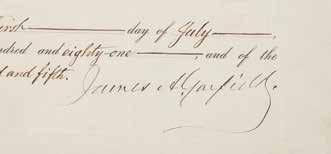
A noteworthy signature from President James A. Garfield, who, just a day later, was shot by assassin Charles Guiteau at the Baltimore and Potomac Railroad Station on July 2, 1881. Although Garfield survived the attack for approximately 80 days, he was gravely ill and largely bedridden throughout that period, ultimately passing away on September 19, 1881. Notably, there is no historical record of him formally signing any official government documents after the shooting, making signatures from immediately before the assassination especially rare and significant. Starting Bid $500
Written the day Lincoln left for the Hampton Roads
Conference, James A. Garfield notes that
“Our odd President is doing that odd thing”— an unsuccessful effort to end to the Civil War
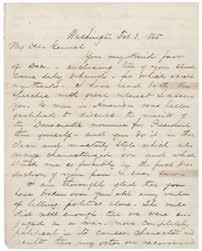
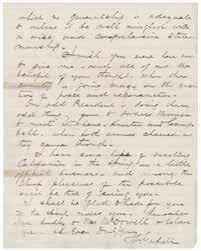
28. James A. Garfield War-Dated Autograph Letter Signed on Abraham Lincoln - “Our odd President is doing that odd thing”. Civil War-dated ALS as an Ohio congressman, signed “J. A. Garfield,” one page both sides, 7.75 x 9.75, February 3, 1865. Addressed from Washington, a handwritten letter to a general, ostensibly Major General Irvin McDowell. Garfield thanks him for two speeches praising their “clear and masterly style,” and remarks that the Civil War is “more completely political in its causes…than any other on record,” requiring both generalship and statesmanship. Reflecting on the turmoil in Washington over peace and reconstruction, he writes: “Our odd President is doing that odd thing – gone to Fortress Monroe to meet Stephens, Hunter and Campbell.” Garfield adds that he hopes to visit California in the spring and sends regards to Mrs. McDowell. In fine condition, with two small fold repairs. Written the day of the Hampton Roads Peace Conference, the letter refers to Lincoln’s meeting with Confederate commissioners Alexander H. Stephens, John A. Campbell, and Robert M. T. Hunter. The unsuccessful negotiations marked one of the final attempts to end the Civil War before Confederate surrender two months later.Starting Bid $200
Five hand-corrected pages from Theodore Roosevelt’s draft of his autobiography, documenting his formative years: “Towards the close of the Civil War, although a very small boy, I grew to have a partial but alert understanding of the fact that the family were not one in their views about that conflict”
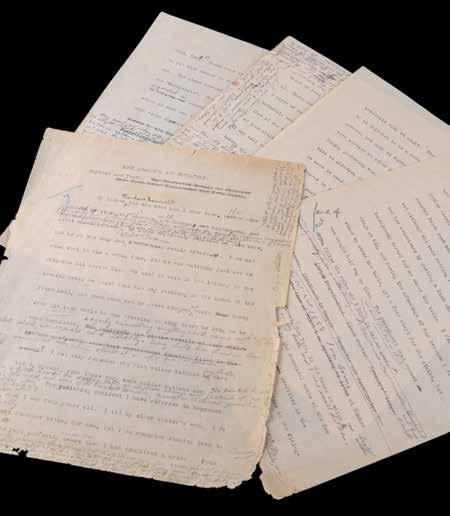
29. Theodore Roosevelt HandCorrected Manuscript for His Autobiography on “Boyhood and Youth”. Outstanding hand-corrected typed manuscript draft for part of Theodore Roosevelt’s autobiography, five pages, 8.5 x 11, no date but circa 1912, containing over 350 words in Roosevelt’s hand, written in pencil. Headed “Book Learning and Education. Boyhood and Youth,” the draft represents what would become paragraphs 13–19 of his book Theodore Roosevelt: An Autobiography, published by Macmillan in 1913. The draft begins: “My father, Theodore Roosevelt [evidently written in another hand], was the best man I ever knew. He combined strength and courage with gentleness, tenderness, and great unselfishness. He would never tolerate in us children selfishness or cruelty, in idleness, cowardice or untruthfulness… He never physically punished me but once, but was the only man of whom I was ever really afraid…My mother, Martha Bulloch, was a sweet, gracious, beautiful Southern Woman, a delightful companion and beloved by everybody. She was entirely ‘unreconstructed’ to the day of her death…My grandmother…lived with us, and was distinctly overindulgent to us children…Towards the close of the Civil War, although a very small boy, I grew to have a partial but alert understanding of the fact that the family were not one in their views about that conflict…My aunt, my mother’s sister, Anna Bulloch, lived with us. She was as devoted to us children as was my mother herself, and we were equally devoted to her in return. She taught us our lessons while we were little…She knew all the ‘Bre’r Rabbit’ stories and I was brought up on them. My uncle, Robert Roosevelt, was much struck with them and took them down from her dictation, publishing them in ‘Harper’s’ where they fell flat.” Roosevelt squeezes his many emendations into the margins and between lines, at times adding complete sentences and even paragraphs to the autobiographical text. In very good to fine condition, with some minor chipping and paper loss along the fragile page edges. Starting Bid $500
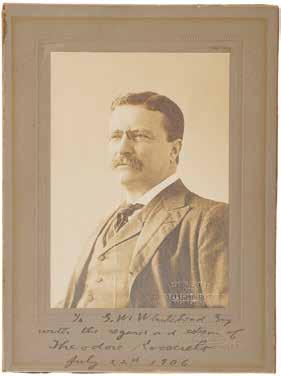
30. Theodore Roosevelt Signed Photograph as President. Handsome matte-finish 3.75 x 5.5 portrait of the bespectacled President Theodore Roosevelt by C. M. Bell of Washington, affixed to its original 6 x 8 studio mount, signed and inscribed on the mount in ink as president, “To G. W. Whitehead, Esq., with the regard and esteem of Theodore Roosevelt, July 22d, 1906.” In very good condition, with light silvering to the darker areas, an overall block of toning, and a light central vertical crease through the image. From the personal collection of a lifelong collector, teacher, and traveler with a passion for world history. His collecting years ranged from the 1970s to the present day, meaning that several of the premier pieces have not been on the market in decades. Starting Bid $200
In his first act as president, Coolidge announces the death of Warren G. Harding: “The nation has lost a wise and enlightened statesman”
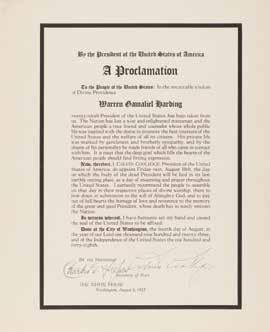
31. Calvin Coolidge Signed Broadside as President on the Death of Warren G. Harding: “The nation has lost a wise and enlightened statesman”. Rare presidential mourning proclamation, signed “Calvin Coolidge” as president and “Charles E. Hughes” as secretary of state, one black-bordered page, 11 x 13.5, August 4, 1923. In his first presidential proclamation, Coolidge announces the death of Warren G. Harding and proclaims a national day of mourning. In part: “In the inscrutable wisdom of Divine Providence, Warren Gamaliel Harding, twenty-ninth President of the United States, has been taken from us. The nation has lost a wise and enlightened statesman and the American people a true friend and counselor whose whole public life was inspired with the desire to promote the best interests of the United States and the welfare of all its citizens. His private life was marked by gentleness and brotherly sympathy, and by the charm of his personality he made friends of all who came in contact with him. It is meet that the deep grief which fills the hearts of the American people should find fitting expression. Now, therefore, I, Calvin Coolidge, President of the United States of America, do appoint Friday next, August tenth, the day on which the body of the dead President will be laid in its last earthly resting place, as a day of mourning and prayer throughout the United States.” In fine condition, with a central horizontal fold. Research shows that only about ten of these presidential proclamations were printed without the printed names of the President and Secretary of State. These were personally signed and were intended for presentation to members of the Cabinet. Starting Bid $300
“Your charming personality is something that all girls would like to have”—a warm yearbook note from LBJ as a sophomore at the Southwest
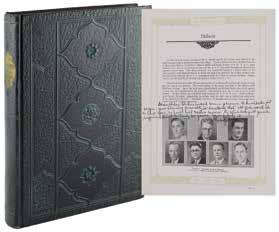
32. Lyndon B. Johnson Signed 1928 Southwest Texas State Teachers College Yearbook. Hardcover 1928 The Pedagog yearbook from the Southwest Texas State Teachers College in San Marcos, Texas, 314 pages, 9.5 x 12.5, signed and inscribed above his ‘Debate Team’ portrait in ink, “Dear Helen: It has indeed been a pleasure to know such a girl as you. Your charming personality is something that all girls would like to have. You, no doubt, will make a success in whatever field you enter. Happiness should certainly be yours, your friend, Lyndon B. Johnson.” Johnson is pictured three more times throughout the yearbook: his sophomore portrait is pictured on page 77, and he’s shown as a member of The Pegagog (yearbook) and The College Star (school newspaper) staff on pages 148 and 150. Additionally, on page 302 is a printed quote/ poem from Johnson, printed next to a drawing of a donkey: “As he looks to us on the campus every day. From far away, and we sincerely trust he is going back. Sophistry Club. Master of the gentle art of spoofing the general public.” In fine condition. In 1928, after completing his freshman year in college, Lyndon Johnson took a teaching assignment in Cotulla, Texas, instructing 5th, 6th, and 7th graders at the Welhausen School, which largely provided education for the city’s impoverished Mexican-American population. Johnson held deep sympathy for his Hispanic students and the socioeconomic problems they faced, and he brought strict discipline into his classroom, organizing his young students to participate in debate, declamation, spelling bees, and physical education—opportunities they had never had before. His care and efforts were not unnoticed, and soon after arriving in Cotulla, Johnson was appointed school principal. LBJ’s experiences in Cotulla had a significant impact on his understanding of poverty, discrimination, and inequality, and shaped his later policies and efforts as President during the Civil Rights movement. Starting Bid $200
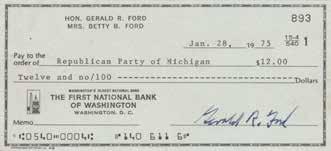
33. Gerald Ford Signed Check as President to the Republican Party of Michigan. Personal check, 6 x 2.75, filled out in type and signed by President Ford, “Gerald R. Ford,” payable to Republican Party of Michigan for $12, January 28, 1975. In fine condition, with a central vertical fold and a bit of surface loss to the reverse. A scarce and desirable example as just the second Ford presidential check we have ever offered.
Signed just months into his presidency, this check offers a revealing glimpse into Gerald Ford’s ongoing engagement with party politics during a pivotal moment in American history. Having assumed office in August 1974 following Richard Nixon’s resignation, Ford was navigating the challenges of restoring public trust in the executive branch while preparing for the 1976 election cycle. Made payable to the Republican Party of Michigan for $12, the modest contribution highlights Ford’s longstanding ties to his home state, where he had served for over two decades as a Republican congressman. Starting Bid $300
“Ride on! George W. Bush, 43”—limited edition
‘presidential’ Trek Project One
mountain bike built for and ridden by President George W. Bush
34. George W. Bush Signed and Presidentially Ridden Custom ‘Trek Project One’ Mountain Bike - One of Two Built for Bush by Revolution Cycles. Beautiful ‘presidential’ Trek Project One custom mountain bike built for President George W. Bush by Revolution Cycles in Washington, D.C., signed and inscribed on the frame’s downtube in black felt tip, “Mike, Ride on! George W. Bush, 43.” This cutting-edge bike was one of two identical custom Treks specially produced for the president by Revolution Cycles in the early 2000s, when Bush became an increasingly avid mountain biker. The bike served as the president’s backup or ‘retainer’ bike, used when his primary bicycle—kept at the White House—was undergoing repairs or routine maintenance.
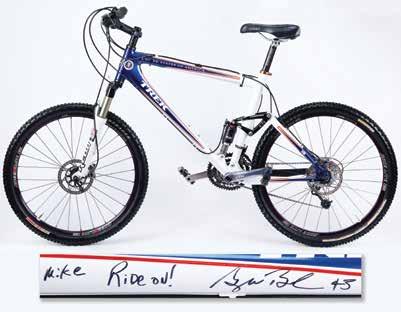
As such, Bush used this bike on several occasions. Most notably, Bush relied on this bike after an accident on July 6, 2005, when he collided with a Scottish police officer while riding his primary Trek at the Gleneagles Hotel during the G8 summit in Scotland. Bush suffered minor scrapes to his hands and arms, while the officer sustained a minor ankle injury, with the incident occurring while Bush was riding at a ‘pretty good speed’ in light rain. Featuring a design similar to the Trek Top Fuel 110, this unique mountain bike was custom-painted by Trek’s elite Project One design department in a striking scheme modeled after the Air Force One livery, prominently incorporating the Presidential Seal. Built to the president’s specifications, the bike features a 19.5” frame tailored to Bush’s fit criteria.
Constructed from Trek’s proprietary OCLV (Optimum Compaction Low Void) carbon fiber, the main frame, seatpost, and handlebars are all carbon fiber. The bike is equipped with top-of-the-line components, including a 27-speed (3 * 9) Shimano XTR drivetrain and hydraulic disc brakes with 6” rotors, RockShox Reba front fork, RockShox rear shock, Bontrager Race X Lite disc wheels, and Bontrager Jones ACX Tubeless Ready tires—representing the best performance equipment available at the time.
President George W. Bush developed a deep passion for mountain biking during his presidency, often using the sport as both recreation and exercise. After leaving office in 2009, he channeled that enthusiasm into supporting injured service members. In 2011, Bush founded the Warrior 100K, an annual three-day, 100-kilometer mountain bike ride held at his Prairie Chapel Ranch in Crawford, Texas. Organized through the Bush Institute’s Military Service Initiative, the event brings together wounded post-9/11 veterans—known as ‘Team 43,’ referencing the 43rd president—for a challenging ride designed to promote rehabilitation, camaraderie, and mental recovery. Participants include service members living with both visible and invisible wounds, including amputations and post-traumatic stress, reflecting Bush’s enduring commitment to supporting veterans through the shared challenge of the trail.
In very fine condition. Accompanied by a signed letter of provenance from Mike Hamannwright, the former owner and CEO of Revolution Cycles: “In the early 2000s, as President George W. Bush was transitioning from running to mountain biking, our shop had the distinct honor of serving as his primary bicycle supplier and service center.
During this period, we commissioned two identical, state-of-the-art Trek bicycles. The primary bicycle was kept at the White House for the President’s local and international use, frequently traveling aboard Air Force One. The second bicycle (the item presented here) was retained at our shop as a dedicated, active backup to ensure the President always had a ride-ready machine whenever his primary bike required regular service or repairs. Both bicycles were custom-painted by Trek’s elite Project One design department. The design scheme was specifically modeled after the Air Force One livery and prominently features the Presidential Seal. This backup bicycle was only ever ridden by the President. When not deployed for his use, it was proudly displayed in our retail stores. The frame features a personal message and the President’s signature, commemorating our unique relationship.” Starting Bid $1000
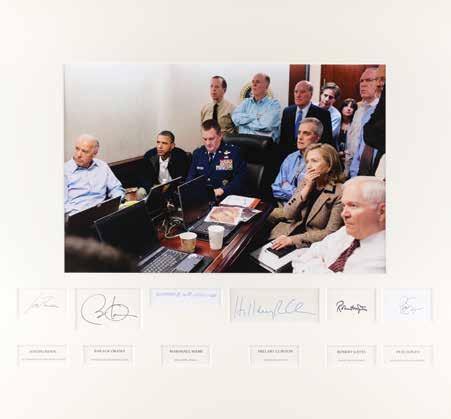
35. Barack Obama: Operation Neptune Spear (6) Signatures with Obama, Biden, Clinton, Webb, Gates, and Souza. Ink signatures of five subjects in Pete Souza’s iconic photograph of the White House Situation Room receiving live updates from Operation Neptune Spear, the raid that resulted in the killing of Osama bin Laden in Abbottabad, Pakistan, on individual slips and cards, plus the autograph of the photographer himself, matted with an oversized print of the image to an overall size of 27.5 x 25.75. Signers are: Barack Obama, Joe Biden, Hillary Clinton, Marshall Webb, Robert Gates, and Pete Souza. In fine condition. Accompanied by full letters of authenticity from PSA/DNA for all but Webb’s signature. Starting Bid $200
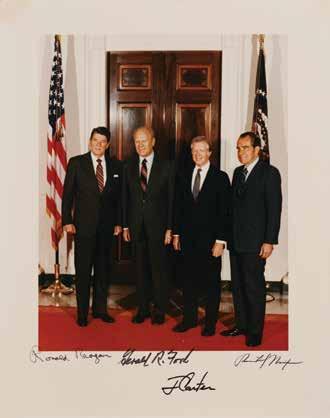
37. Four Presidents Signed Photograph - Nixon, Ford, Reagan, and Carter. Color satin-finish 8 x 10 photo of Presidents Nixon through Reagan gathered at the White House before departing for Anwar Sadat’s funeral in 1981, signed in the lower border in felt tip, “Ronald Reagan,” “J. Carter,” “Richard Nixon,” and “Gerald R. Ford.” In fine condition, with a faint stain to the upper left corner tip. Starting Bid $200
Sought-after five-president signed photograph—Nixon, Ford, Carter, Reagan, and Bush at the Reagan Library dedication
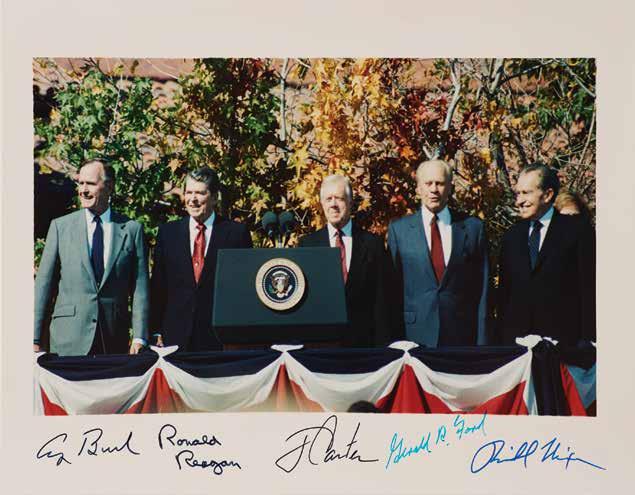
36. Five Presidents Signed Photograph - Nixon, Ford, Carter, Reagan, and Bush. Color satin-finish 10.75 x 8 photo of Presidents Nixon through Bush together at the dedication of the Ronald Reagan Presidential Library in 1991, signed in the lower border in blue and black felt tip by Richard Nixon, Gerald R. Ford, Jimmy Carter, Ronald Reagan, and George Bush. In fine condition, with a few small surface creases. Starting Bid $500
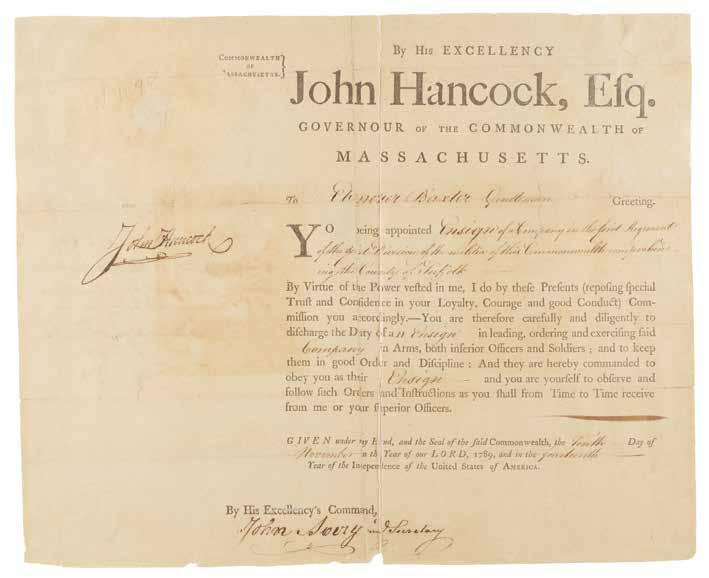
124. John Hancock Document Signed as Governor of Massachusetts. Partly-printed DS, one page, 15.5 x 12.5, November 10, 1789. As governor of Massachusetts, John Hancock appoints Ebenezer Baxter as “Ensign of a Company in the first Regiment of the first Division of the militia of this Commonwealth comprehending the County of Suffolk.” Boldly signed at the upper left in ink by Governor John Hancock, and countersigned at the conclusion by John Avery as secretary. Endorsed on the reverse by Lt. Col. Peter Greene, certifying that “Ebenezer Baxter hath taken the oaths required by the Constitution of this Commonwealth.” In very good to fine condition, with an area of offset toning, complete separation to the central vertical fold repaired with archival tape on the reverse, and complete silking to both sides. Starting Bid $500
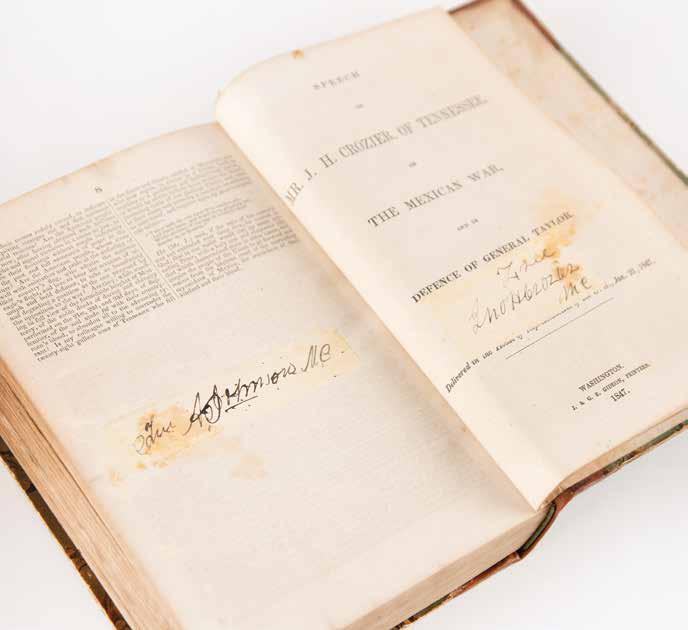
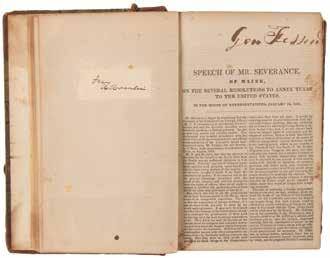
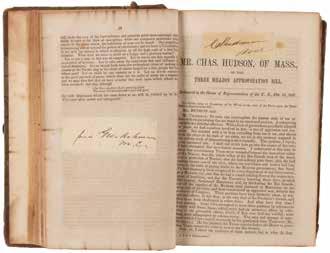
Unique compilation of speeches from members of the 29th U.S. Congress, signed by key legislators from North and South—highlighted by Andrew
130. Speeches of the 29th Congress Book with (60+)
Signatures, including Andrew Johnson, Alexander Stephens, John C. Calhoun, and Hannibal Hamlin. Unique book of speeches made by members of the 29th Congress of the United States, leatherbound hardcover with marbled boards, 6 x 9, containing more than 60 clipped and affixed signatures inside, mostly taken from free franked covers. Most speeches pertain to the ‘Three Million Bill,’ the Mexican-American War, or the slavery question, focusing on the Wilmot Proviso—a proposal to ban slavery in territories acquired from Mexico. Signed and dated on the first free end page with the ownership signature of T. A. D. Fessenden, “Thomas A. D. Fessenden, 1847.”
The list of signers is highlighted by Andrew Johnson (2), Hannibal Hamlin, Alexander H. Stephens, John C. Calhoun, David Wilmot, John A. Dix, James Seddon (2), and Robert Rhett.
Other signers include: Luther Severance (2), Solomon Foot, Robert C. Winthrop, George Ashmun, Charles Hudson (3), James Dixon, George O. Rathbun (2), Timothy Jenkins, Washington Hunt, Samuel Gordon, Erastus D. Culver, George Evans, Bradford R. Wood, Stephen Strong, Martin Grover, Preston King, William L. Dayton, James Pollock, Abraham R. McIlvaine, Charles J. Ingersoll, Richard Brodhead, Andrew Stewart, Moses McClean (2), William F. Giles, Edward Long,
Thomas Perry, Shelton F. Leake, Thomas H. Bayly, John Pendleton, Henry Bedinger, Seaborn Jones, John M. Berrien, Franklin W. Bowdon, Henry W. Hilliard, Andrew Butler, Joseph A. Woodward, Alexander D. Sims, Robert W. Roberts, Jacob Thompson, John H. Harmanson, Milton Brown, Edwin H. Ewing, Frederick P. Stanton, John H. Crozier, and Meredith P. Gentry.
In very good condition, with rubbing and scuffing to boards, worn corners, and some staining to the textblock.
This extraordinary volume offers a vivid window into the political and sectional tensions of mid-19th-century America. It preserves speeches and signatures from legislators of the 29th Congress debating the Mexican-American War and the contentious Wilmot Proviso, which aimed to prohibit slavery in territories acquired from Mexico—an early flashpoint in the nation’s escalating crisis. The collection includes over sixty signatures representing prominent figures across the political spectrum: Andrew Johnson, later president; Hannibal Hamlin, future vice president under Lincoln; staunch pro-slavery advocates like John C. Calhoun and Robert Rhett; and David Wilmot, the Proviso’s author. The book not only documents the legislative battles that presaged the Civil War but also captures the personal imprint of key actors shaping the era’s political landscape. Starting Bid $300
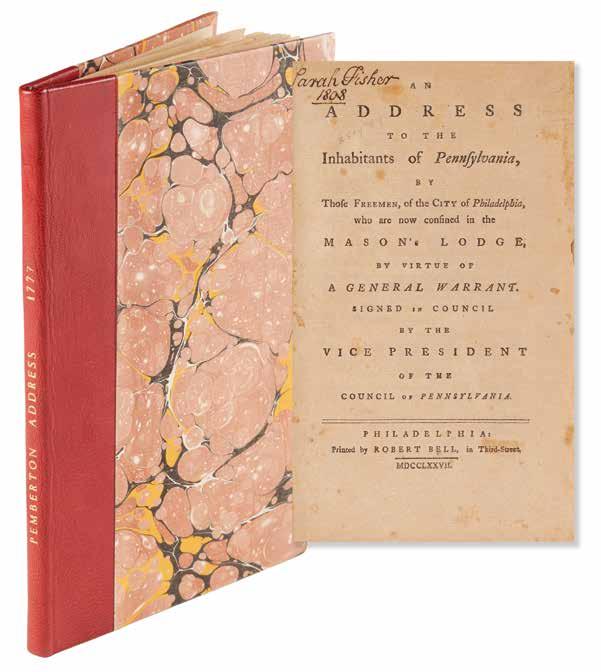
133. Pennsylvania Quakers: An Address to the Inhabitants of Pennsylvania, by Those Freemen, of the City of Philadelphia, who are now confined in the Mason’s Lodge (1777). Scarce book: An Address to the Inhabitants of Pennsylvania, by Those Freemen, of the City of Philadelphia, who are now confined in the Mason’s Lodge, by virtue of a General Warrant Signed in Council by the Vice President of the Council of Pennsylvania. Philadelphia: Robert Bell, 1777. Rebound hardcover in quarter morocco with marbled boards, 5.25 x 8.25, 52 pages. The text, signed in type by Israel Pemberton and twenty-one others, includes copies of orders of the Supreme Executive Council, remonstrances addressed to the Council, and other papers upon the state’s arrest of Quakers (including himself) on suspicion of Loyalist sympathies during the Revolutionary War, and their confinement without a hearing or trial. Book condition: VG/None, with mottled foxing to textblock and an ownership inscription (“Sarah Fisher, 1808”) to title page. Starting Bid $200
As “Proprietary of the
1689, William Penn asks the Provincial Council for candidates—“I shall chuse one for my Deputy or Lieutenant Governor”
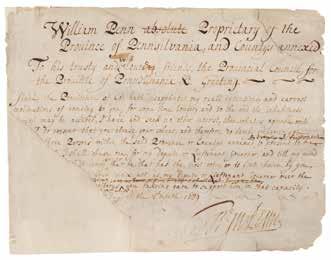
132. William Penn Partial Document Signed, Requesting Candidates for Lieutenant Governor of Pennsylvania. English-born Quaker (1644–1718) and founder of the colony that became the State of Pennsylvania. Scarce partial manuscript DS, signed “Wm. Penn,” one page, 9.25 x 7, September 1689. Document headed “William Penn…Proprietary of the Province of Pennsilvania [sic], and Counties annexed,” by which he requests that three candidates be presented to him as potential contenders for his Deputy or Lieutenant Governor. In part: “Since the Providence of God hath disappointed my reall intentions, and earnest inclinations of comeing to you for some time longer, and to the end the inhabitants…may be assured, I have and seek no other interest, then what is agreeable…I do consent that you please your selves, and therefore do hereby empower you…three Persons within the said Province or Countys annexed, to present to me…I shall chuse one for my Deputy or Lieutenant Governor.” Docketed on the reverse, “A draught of a Commission—to impower the Councel to choose his Govenr.” In good to very good condition, with overall soiling, professional repairs to tears, and professional restoration to the lower missing left corner area, affecting some of the text but not the signature. A significant, early document from the decade in which Pennsylvania was founded. Starting Bid $200
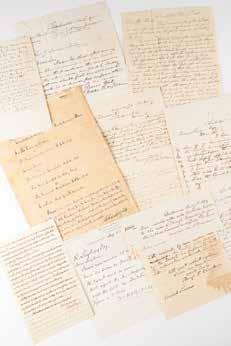
135. South Carolina Ordinance of Secession Signers: Group of (10) Letters and Documents. Uncommon grouping of ten items signed by eleven signers of the South Carolina Ordinance of Secession, which passed unanimously on December 20, 1860, and formally dissolved the union between South Carolina and the United States. Includes: Benjamin F. Dunkin (ALS), William W. Harllee (ALS), Isaac Hayne (ALS), John H. Honour (two ALSs), William F. Hutson (ALS), John A. Inglis (ALS), Benjamin Huger Rutledge (ALS), Ephraim Mikell Seabrook (ALS), and a document signed by Andrew Gordon Magrath, Christopher G. Memminger, and Thomas M. Hanckel. Also includes a secretarially signed John I. Ingram document. In overall very good to fine condition. As a concentrated assemblage tied directly to the first act of secession, the collection represents a rare and historically significant cross-section of the men who initiated the Confederacy. From the collection of Mark S. Robbins. Starting Bid $200
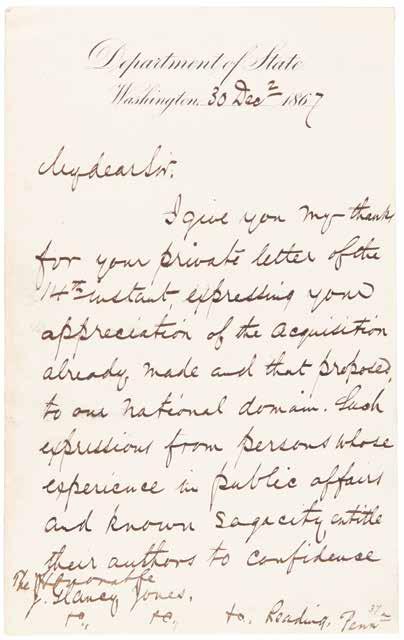
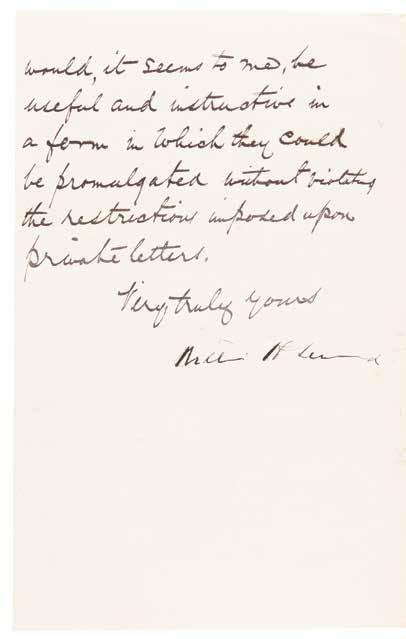
The Secretary of State sends thanks for support of his Alaska deal—mocked by some as ‘Seward’s Folly’—alluding to “the acquisition already made and that proposed, to our national domain”
134. William Seward Letter Signed on the Alaska Purchase, Referring to “the acquisition already made and that proposed, to our national domain”. LS signed “William H. Seward,” one page both sides, 5 x 8, Department of State letterhead, December 30, 1867. Letter to the Hon. J. Glancy Jones, thanking him for comments in relation to the recent purchase of Alaska, and alluding to a proposal for the acquisition of British Columbia. In full: “I give you my thanks for your private letter of the 14th instant, expressing your appreciation of the acquisition already made and that proposed, to our national domain. Such expressions from persons whose experience in public affairs and known sagacity entitle their authors to confidence would, it seems to me, be useful and instructive in a form in which they could be promulgated without violating the restrictions imposed upon private letters.” In fine condition. Accompanied by the original mailing envelope, retaining its red “Department of State” wax seal on the reverse.
In 1867, the United States purchased Alaska from Russia for $7.2 million, a deal negotiated by Secretary of State William H. Seward under President Andrew Johnson. The treaty transferred a vast and resource-rich territory of over 586,000 square miles to the United States at a cost of about two cents
per acre, greatly expanding the nation’s footprint in the North Pacific. Seward envisioned Alaska as strategically important for trade and defense, as well as a future source of natural resources.
At the time, however, many Americans ridiculed the purchase, dismissing the frozen land as useless wilderness. Critics mockingly called the acquisition ‘Seward’s Folly’ or ‘Seward’s Icebox.’ Over time, the discovery of gold, oil, and other resources, along with Alaska’s geopolitical significance, proved Seward’s foresight correct, transforming what was once seen as a blunder into one of the most beneficial land deals in American history.
In the aftermath of the Alaska deal, British Columbians grew anxious about being surrounded by American territory, while some locals supported annexation. U.S. Secretary of State William H. Seward envisioned incorporating the entire northwest Pacific Coast to strengthen American trade in the Pacific. He believed that the people of British Columbia would accept annexation, and that Great Britain might cede the territory to settle claims arising from attacks on Union merchant ships during the Civil War. These efforts were unsuccessful, and the claims were ultimately settled for cash. Starting Bid $1000
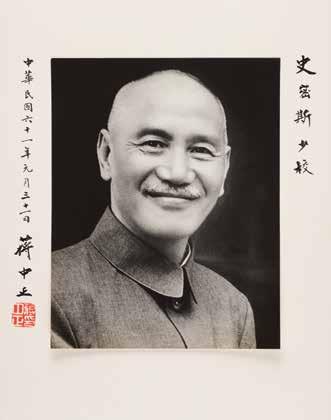
142. Chiang Kai-shek Signed Oversized Photograph. Impressive oversized semi-glossy 7.5 x 9.5 photo of Chiang Kai-shek, affixed to its original 11 x 13.75 mount, signed and inscribed on the mount in black ink in Chinese. The photograph is presented in a beautiful red felt “Souvenir of Taiwan” album, 19 x 13, containing three documents and a photograph issued to Major Richard M. Smith, Jr., who served as a communications–electronics officer with the U.S. Military Assistance Advisory Group (MAAG) in Taiwan in the late 1960s, early 1970s. In fine condition. An exceptional portrait of the Chinese leader, very scarce in this large-format size. Starting Bid $200
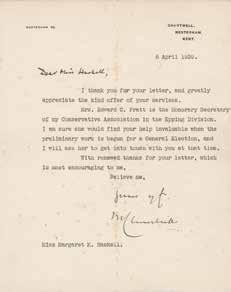
144. Winston Churchill Typed Letter Signed. TLS signed “W. S. Churchill,” one page, 8 x 10, Chartwell, Westerham, Kent letterhead, April 6, 1939. Letter to Margaret K. Haskell, in full: “I thank you for your letter, and greatly appreciate the kind offer of your services. Mrs. Edward C. Pratt is the Honorary Secretary of my Conservative Association in the Epping Division. I am sure she would find your help invaluable when the preliminary work is begun for a General Election, and I will ask her to get into touch with you at that time. With renewed thanks for your letter, which is most encouraging to me.” In very good to fine condition, with scattered light foxing.
Churchill writes an optimistic letter to a Conservative supporter offering their services in the run-up to the planned 1939 General Election. The last General Election in Great Britain before the outbreak of WWII was in 1935. The war commenced less than six months after this letter was written, and no General Elections were held during the wartime period. In the inaugural post-war election, Clement Attlee’s Labour Party won an unexpected landslide victory over Churchill and the Conservatives. Starting Bid $200
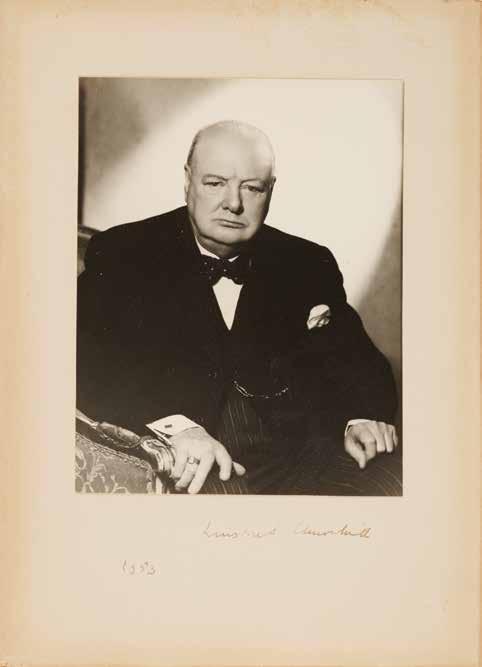
143. Winston Churchill Signed Photograph. Iconic matte-finish 5 x 6.5 portrait of Winston Churchill by Vivienne of London, affixed to its original 7.75 x 10.5 studio mount, signed on the mount in fountain pen, “Winston S. Churchill, 1953.” Affixed inside its original studio presentation folder, the reverse of which bears a “Vivienne, 20th Century Studios Limited” copyright stamp. In fine condition, with toning to the edges of the mount.
Vivienne (1889–1982) was a leading society portrait photographer who began as an assistant to her husband Ernest and their son, Antony. In 1949, Antony, by then making a career photographing actors in Hollywood, married Churchill’s daughter Sarah, an actress. Both families became friends and Vivienne made many portraits of Churchill. This is one of her most enduring images. Starting Bid $500
“The reconstruction was a masterpiece”—Churchill thanks his editor, Cabinet Secretary Norman Brook, for reconstructing the “Suspense and Strain” chapter of his Nobel Prize-winning war memoirs
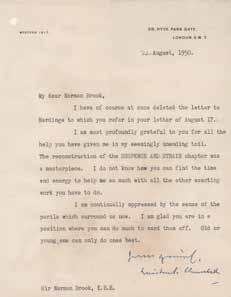
145. Winston Churchill Typed Letter Signed on “Reconstruction” to the Fourth Volume of The Second World War. TLS signed “Yours sincerely, Winston S. Churchill,” one page, 7.25 x 9.5, 28 Hyde Park Gate, [London] letterhead, August 22 1950. Letter to Cabinet Secretary Norman Brook, in full: “I have of course at once deleted the letter to Hardinge to which you refer in your letter of August 17. I am most profoundly grateful to you for all the help you have given me in my seemingly unending toil. The reconstruction of the SUSPENSE AND STRAIN chapter was a masterpiece. I do not know how you can find the time and energy to help me so much with all the other exacting work you have to do. I am continually oppressed by the sense of the perils which surround us now. I am glad you are in a position where you can do much to ward them off. Old or young, one can only do ones best.” Affixed to a same-size backing sheet and in very good condition, with light staining and overall wrinkling from mounting. Read more online at www.RRAuction.com. Starting Bid $200
Winston Churchill writes to his racehorse trainer in January 1950, thanking him for Colonist II’s front racing plates—“I hope that his present ones will bring him as much success this coming season as he had last”
146. Winston Churchill Typed Letter Signed to His Racehorse Trainer. TLS signed “Winston S. Churchill,” one page, 7.5 x 9.5, 28 Hyde Park Gate [London] letterhead, January 12, 1950. Letter to his racehorse trainer, Walter Nightingall, in full: “Thank you so much for sending me Colonist’s front racing plates. I hope that his present ones will bring him as much success this coming season as he had last. With best wishes for 1950.” In fine condition.
Churchill purchased Colonist II, a French-bred gray colt, in the spring of 1949 at the age of seventy-five — his first racehorse. The horse won three of his six races in his debut season, and Nightingall’s gift of Colonist’s front racing plates from those victories prompted this letter of thanks, written as the 1950 season approached. That season proved to be the horse’s best, with eight wins from ten starts. Nightingall trained at South Hatch Stables in Epsom and went on to train seventy winners for Churchill over a fifteen-year association that ended only with Churchill’s retirement from racing in 1964. Starting Bid $200
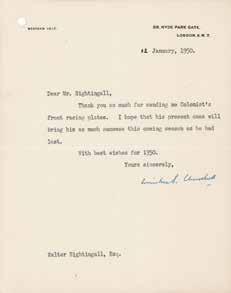
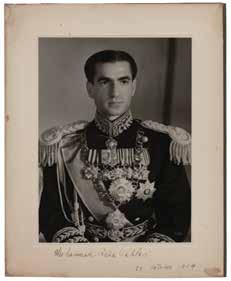
147. Mohammad Reza Pahlavi Signed Photograph. The last Shah of Iran (1919-1980) from 1941 until he was overthrown in the Iranian Revolution of 1979. Vintage matte-finish 6.75 x 9 photo of Mohammad Reza Pahlavi in decorated uniform, affixed to its original 9.5 x 12 mount, signed on the mount in fountain pen, “Mohammad Reza Pahlavi, 20 Octobre 1954.” Blindstamped in the lower right corner by the photographer, “Sako.” In fine condition, with small stains to the mount, all easily matted out. Starting Bid $200
Catherine the Great, signed beautifully as “Ekaterina,” issues an imperial ukaz from Peterhof Palace in 1768
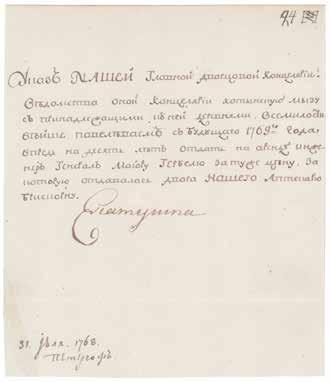
153. Catherine the Great Document Signed (1768). The most renowned and the longest-ruling female leader of Russia, reigning from July 9, 1762 until her death in 1796 at the age of 67. Manuscript DS in Cyrillic, signed “Ekaterina,” one page, 6.75 x 7.75, July 31, 1768. Addressed from Peterhof Palace, an imperial order entitled “Ukaz of OUR Main Palace Chancellery,” which directs the chancellery to lease the Khotyn estate, together with its associated villages, to Engineer General Major Gerbel for ten years beginning in 1769, at the same price previously paid for the lease of the Appellate Court. Signed beautifully at the conclusion by Catherine the Great. In fine condition, with trimmed edges, and reinforced loss to the lower left corner tip. Catherine II issued this ukaz from Peterhof, her summer residence on the Gulf of Finland outside St. Petersburg, on July 31, 1768. That same year, she opened the First Russo-Turkish War against the Ottoman Empire, and underwent smallpox inoculation by Dr. Thomas Dimsdale, eventually making the procedure publicly available throughout Russia. The ukaz concerns the administration of imperial estates, a routine but substantial function of the Palace Chancellery, which managed the vast landholdings of the Russian crown. Catherine reigned from 1762 until her death in 1796, presiding over a dramatic expansion of Russian territory and influence. She is the longest-ruling female leader in Russian history. Starting Bid $200
autograph of
VI, the ‘Boy King’ who died at age 15
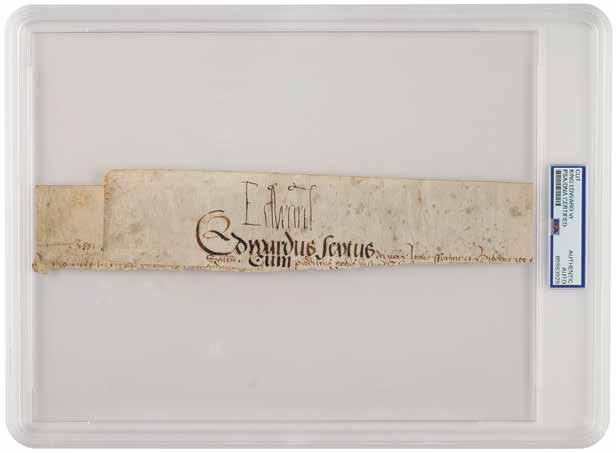
154. King Edward VI Signature - The ‘Boy King’. King of England and Ireland 1547 until his death in 1553, who took the throne at the age of nine: during his reign, the realm was governed by a regency council due to his young age. When he fell sick with a terminal illness at age 15, a succession plan was drawn up to prevent the country’s return to Catholicism, resulting in the eventual proclamation of Lady Jane Grey as queen. Large and neat ink signature, “Edward,” on a long off-white vellum slip cut from the top of a manuscript document, folded to 10.75 x 2. In very good to fine condition, with scattered staining and soiling. Encapsulated in a PSA/DNA authentication holder.
Because of his young age and early death, King Edward VI’s autograph takes a place among the rarest of all English royalty. This is just the third Edward VI autograph we have ever offered. Starting Bid $1000
After concluding the Treaty of Amiens, King George III directs his diplomats to seek accession from the “King of Prussia” and the “Emperor of all the Russias”
Signed on the Treaty of Amiens, Ending the French Revolutionary Wars. Significant pairing of documents signed by King George III, both pertaining to the Treaty of Amiens, which temporarily ended hostilities between France, the Spanish Empire, and the United Kingdom at the end of the War of the Second Coalition. It marked the end of the French Revolutionary Wars and set the stage for the Napoleonic Wars. Includes:
- a manuscript DS, signed “George R,” one page both sides, August 30, 1802, being a warrant for affixing the Great Seal to Justinian Casamajor’s full power to “take the necessary measures, in conjunction with the Minister or Ministers of our good brother the King of Prussia, with regard to the accession of our said good brother to the stipulations contained in the Tenth Article of the Definitive Treaty of Peace between us and the French Republick, His Catholick Majesty, and the Batavian Republick, concluded and signed at Amiens on the Twenty-Seventh Day of March 1802,” with annexed four-page manuscript of the full power’s text.
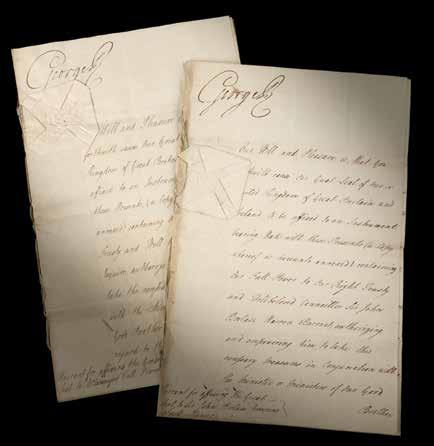
- manuscript DS, signed “George R,” one page both sides, 7.75 x 12, September 10, 1802, being a warrant for affixing the Great Seal to Sir John Borlase Warren’s full power to “take the necessary measures in conjunction with the minister or ministers of our good brother the Emperor of all the Russias, with regard to the accession of His Imperial Majesty to the stipulations contained in the Tenth Article of the Definitive Treaty of Peace between us and the French Republic, His Catholic Majesty and the Batavian Republic, concluded and signed at Amiens on the Twenty-Seventh Day of March, 1802,” with annexed four-page manuscript of the full power’s text.
Both retain their white paper seals affixed at the head. In overall fine condition.
Concluded on March 27, 1802, the Treaty of Amiens brought a rare and fragile peace to Europe after nearly a decade of continuous warfare following the French Revolution. For Great Britain, the agreement required difficult concessions, including the restoration of several colonial possessions, while for Napoleon Bonaparte—then First Consul—it represented both diplomatic recognition and a strategic pause to consolidate French power on the Continent.
The treaty’s Tenth Article, referenced in these documents, concerned the complex reordering of territories and guarantees involving other European powers, focused on the islands of Malta, Gozo, and Comino. The peace proved short-lived: mounting distrust, imperial rivalry, and Napoleon’s ambitions led Britain to declare war again in May 1803, ushering in the far-reaching Napoleonic Wars. Starting Bid $300
156. Queen Elizabeth II Oversized Signed Photograph.
Color semi-glossy 12 x 15 photo of Queen Elizabeth II wearing her crown jewels and Order of the Garter sash, affixed to its original 13 x 17 studio mount, signed on the mount in ink, “Elizabeth R, 1985.” Also signed on the mount in pencil by the photographer, “Anthony Buckley and Constantine, London.” Matted to an overall size of 18 x 24. In very fine condition. Starting Bid $200
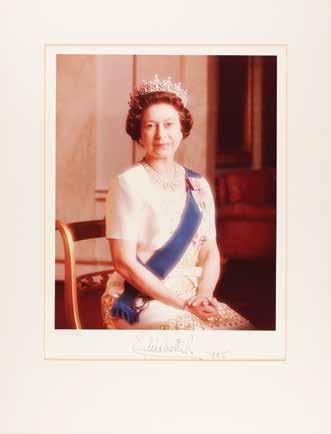
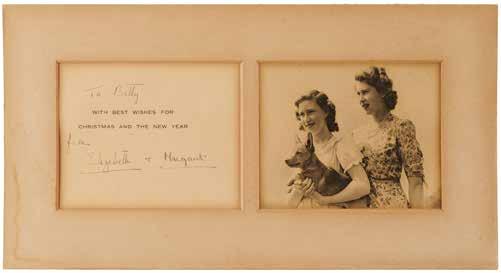
157. Queen Elizabeth II and Princess Margaret Signed Christmas Card. Vintage circa 1940s Christmas card depicting the young Princess Elizabeth and Princess Margaret with a beloved corgi, measuring 11.75 x 5 open, signed and inscribed around the printed greeting in fountain pen, “To Betty, from Elizabeth” and “Margaret.” Matted to an overall size of 13.5 x 7. In very good to fine condition, with edge toning to the card, and toning and damstaining to the mat. Starting Bid $200
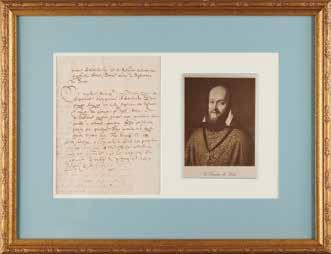
163. Francis de Sales Autograph Note Signed. Bishop of Geneva (1567–1622) who is honored as a saint in the Catholic Church, remembered as one of the greatest evangelists and most powerful confessors during the Counter-Reformation. Extremely rare ANS in French, signed “Franc’s ev. De Geneve,” penned at the conclusion of a manuscript appeal for tax exemption, one page both sides, 6 x 8, October 27, 1607. The appeal, sent to de Sales while serving as Bishop of Geneva, requests for an exemption from ecclesiastical taxes. Addressed from the Swiss town of Villy, near the Lake Geneva town Evian, where de Sales was reputed to have seen a vision of St. Francis of Assisi, the Bishop’s handwritten response reads: “Exacting of taxes suspended until we have had a chance to confer with Our deputies on the reasons of the petitioner.” Double-matted and framed with a portrait to an overall size of 19 x 14.75; a window to the frame backing reveals the front of the appeal. In fine condition. Since 1536, Geneva had retained taxes formerly rendered to the Catholic Church, and the practice of ecclesiastical taxation was being challenged across Europe by the end of the 16th century. Read more online at www.RRAuction.com.Starting Bid $300
The first Utah printing— 1849 Mormon currency signed by Brigham Young as the LDS
164. Brigham Young, Heber C. Kimball, and Thomas Bullock Signed 1849 Mormon Currency. Rare partly-printed note of Mormon currency in the amount of fifty cents, 3.5 x 1.75, made out in another hand to N. K. Whitney, and signed in ink by three early Mormon leaders, “Brigham Young,” “Heber C. Kimball,” and “Tho. Bullock—Clerk.” The note is number 867, issued at Great Salt Lake City on January 20, 1849. Handsomely double-matted and framed with a postcard portrait to an overall size of 10.5 x 14.25. In fine condition. Read more online www.RRAuction.com. Starting Bid $300
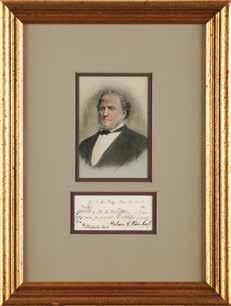
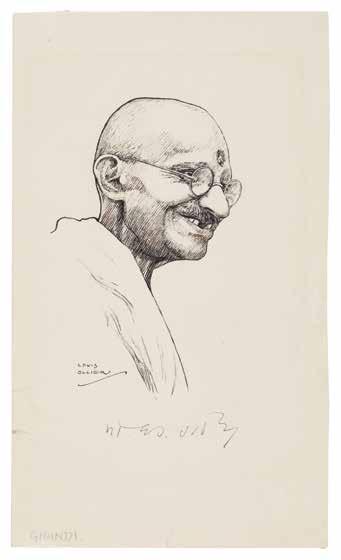
171. Mohandas Gandhi Signed Portrait Sketch. Attractive portrait sketch of Mohandas Gandhi by artist Louis Ollier, accomplished in ink on an off-white 5 x 8.5 sheet, signed neatly below in ink by the Mahatma, who has signed his name in Hindi. Includes a letter of transmittal from Gandhi’s secretary, Mahadev Desai, dated December 29, 1934, sent from “The Ashram,” in full: “Your sketch of Gandhi has been with me for some time and I am sorry. Pressure of work has not permitted me to place it before him earlier. He has now autographed it. It’s his signature in Hindi. I hope you do not mind it.” In fine condition, with a few short edge tears, and some light toning from prior display, all easily matted out. Starting Bid $1000
172. Helen Keller Signed Photograph. Vintage glossy 10 x 8 photo of Helen Keller holding a huge book of braille, neatly signed in the lower left in pencil. In fine condition. Starting Bid $200
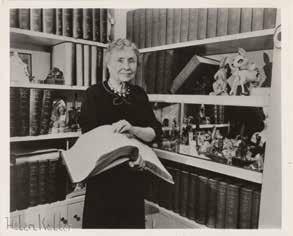
“The white man would like to expose our roots. But this is a tree that has been planted by Allah, by God himself. He sees to it that the roots grow deep, and they run everywhere. You might chop down the tree but you’ll never get at the root.”
173. Malcolm X Signed Page for Alex Haley’s Playboy Interview - “The most submissive man to God on earth, by his nature, is the black man” (PSA NM-MT 8). Page 17 from the original typescript of Alex Haley’s 1963 interview of Malcolm X for Playboy magazine, one page, 8.5 x 11, signed “Malcolm X” in the bottom margin (with a marginal line indicating his approval of the contents). In full: [Malcolm X] “…beneath the ground. Expose the roots to the light and the tree dries up. The white man would like to expose our roots. But this is a tree that has been planted by Allah, by God himself. He sees to it that the roots grow deep, and they run everywhere. You might chop down the tree but you’ll never get at the root.
[Haley] Most if not all of your members are Negroes who were born in this country, isn’t that correct, and they now call themselves Muslims? Do you have any members at all who are from other nations, any from the East?
[Malcolm X] I couldn’t say where all of our members are from, sir. We have many members that I am not aware of. But to us a Muslim means one who has submitted himself to the will of God, and the most submissive man to God on earth, by his nature, is the black man. Mr. Elijah Muhammad said that any black man, by his nature, is a Muslim at birth. There are many black men who are not yet aware we are offering their true religion. All black men will be Muslims when they wake up, that’s what’s meant by the resurrection.
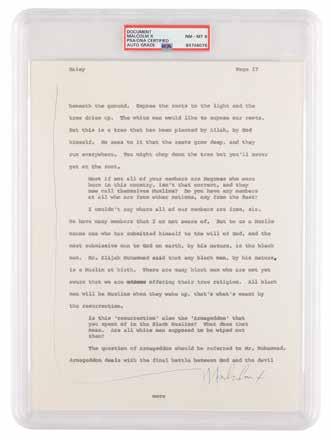
[Haley] Is this ‘resurrection’ also the ‘Armageddon’ that you speak of in the Black Muslims? What does that mean. Are all white men supposed to be wiped out then?
[Malcolm X] The question of Armageddon should be referred to Mr. Muhammad. Armageddon deals with the final battle between God and the devil…” In very fine condition. Encapsulated and graded by PSA/DNA as “NM - MT 8.”
Playboy’s May 1963 interview with Malcolm X was one of the most famous of Haley’s career and gave most readers their first in-depth look at Malcolm X’s teachings and personality. Supporters and critics viewed the Muslim minister in very different terms. Admirers saw him as a courageous advocate for the rights of African-Americans and condemned crimes against black Americans; detractors accused him of preaching racism, black supremacy, and violence. Nevertheless, he has been described as one of the greatest and most influential African-American leaders in history. Within a year of granting this interview, with America still gripped by ever-growing racial tension, the once-combative black nationalist Malcolm X had repudiated almost every stance in the interview. He had broken with the Nation of Islam movement, fallen out with its leader, Elijah Muhammad, renounced black supremacy, and embraced racial equality and human rights. He was assassinated in Harlem in 1965. The Marc and Mary Perkins Collection. Starting Bid $500
179. Charles Rolls Autograph Letter Signed - PSA GEM MINT
10. Scarce ALS signed “C. S. Rolls,” one page both sides, 4 x 6, The Hendre letterhead, March 20, 1894. Handwritten letter to a gentleman, in part: “Do you think you could kindly forward me on my Bach Stainer & Rinck’s Works, which I left in the Music Hall, I thought I should come to another practice, or would have taken them before.” In fine condition. Encapsulated and graded by PSA/DNA as “GEM MT 10.” From the personal collection of a lifelong collector, teacher, and traveler with a passion for world history. His collecting years ranged from the 1970s to the present day, meaning that several of the premier pieces have not been on the market in decades. Starting Bid $200
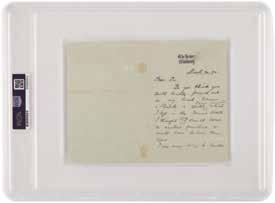
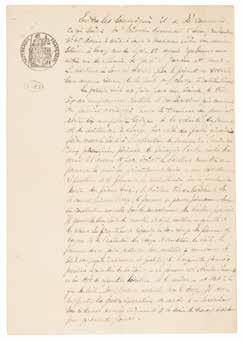
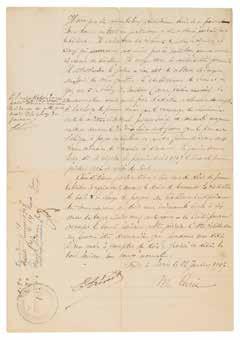
186. Marie Curie Document
Signed. Polish-born French physicist (1867–1934), she and her husband Pierre discovered two new elements, polonium and radium, in 1898. In 1911 she won the Nobel Prize for Chemistry. She died of leukemia brought about by her work with radioactive material. Manuscript DS in French, signed “M. Curie,” one page both sides, 6.75 x 9.75, January 22, 1907. Untranslated document pertaining to the lease of a property. In fine condition. After winning a Nobel Prize in Physics in 1903, Marie Curie became the first person to ever win the award twice when she received the Nobel Prize in Chemistry in December 1911. She received it ‘in recognition of her services to the advancement of chemistry by the discovery of the elements radium and polonium, by the isolation of radium, and the study of the nature and compounds of this remarkable element.’ Starting Bid $500
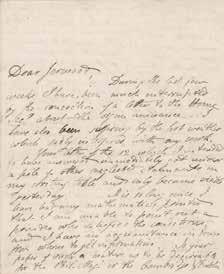
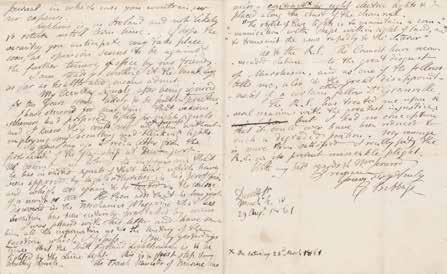
185. Charles Babbage Autograph Letter Signed, Referring to His Analytical Engine. Pioneering British mathematician and mechanical engineer (1791–1871) whose Difference Engine and Analytical Engine are generally acknowledged as the first programmable computers. ALS signed “C. Babbage,” three pages on two adjoining sheets, 7.25 x 9, August 29, 1861. Handwritten letter to “Jerwood,” mentioning his work on the Analytical Engine and signals for ship navigation, while complaining about the Royal Society. In part: “I am steadily working at the Anal. Eng. as far as health and means admit. My occulting signals after being ignored for two years seem likely to be put in practice. I have observed for some time that various schemers had proposed lights for night signals and I knew they could not use them with success without employing my occulting and blinking lights…The French Minister or Marine has made a contract for eight electric lights to be placed along the court of the channel. ‘The object of these lights is to maintain a communication with ships within light of land, and to transmit the news rapidly to the interior.’ As to the R.S., the council have recommended Sabine—to the great disgust of Murchison, and as one of the fellows tells me, also to the great disappointment of a certain other fellow, Dr. Granville. The R.S. has treated me upon several occasions with the greatest injustice: but I had no conception that it could ever have been reduced to such a degraded position.” In fine condition.
Charles Babbage’s Analytical Engine, first described in the 1830s, was a groundbreaking mechanical computing machine and is often considered the first concept for a general-purpose computer. Unlike his earlier Difference Engine, which was built to perform specific calculations, the Analytical Engine was designed to execute a wide range of operations using punched cards for input. It featured key components found in modern computers, including a ‘store’ (memory) to hold numbers and a ‘mill’ (processor) to perform calculations. Although it was never completed during Babbage’s lifetime, the design introduced fundamental ideas such as programmability and conditional branching, laying the foundation for modern computing. Starting Bid $200
Einstein reports on new findings in physics:
“Prof. Piccard in Brussels has completed those experiments on the accuracy of the electrical neutrality of matter with great precision”
187. Albert Einstein Autograph Letter
Signed on Piccard’s Experiments in the “electrical neutrality of matter”. ALS in German, signed “A. Einstein,” one page, 3.5 x 5.5, July 8, 1925. Handwritten letter to Professor Albert Wigand at the University of Halle, in full (translated): “I would like to inform you that Prof. Piccard in Brussels has completed those experiments on the accuracy of the electrical neutrality of matter with great precision. The result was clearly negative with an accuracy that shows that mass exerts no electrostatic effect of the order of magnitude e=m√K. My speculation about geomagnetical forces therefore lacks any experimental basis for the time being. Your finding of the nonvalidity of Gauss’s law in the atmosphere cannot be reconciled with Piccard’s result either.” Addressed on the reverse in Einstein’s hand. In fine condition.
In 1925, Auguste Piccard—best known today for his later high-altitude balloon flights and deep-sea explorations—was deeply engaged in precision experimental physics. Along with his collaborator, E. Kessler, Piccard carried out a meticulous experiment in Brussels to test one of the fundamental assumptions of physics: the electrical neutrality of matter. Einstein notes that Piccard’s results were decisively negative, confirming with remarkable accuracy that matter exhibits no detectable electrostatic effect—thereby undermining Einstein’s own speculative ideas regarding geomagnetical forces. The letter captures Einstein engaging directly with contemporary experimental results, candidly reassessing his theoretical conjectures in light of new empirical evidence. Starting Bid $1000
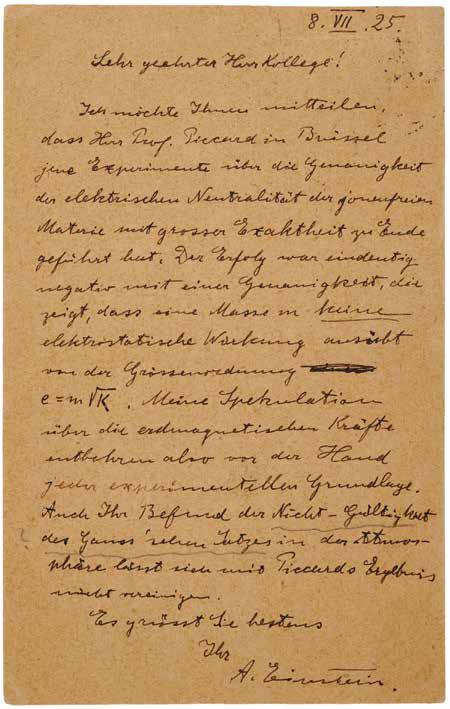
Signed. Austrian biologist and friar (1822–1884) known for his experiments in the crossbreeding of pea plants, which established many of the rules of heredity; today, he is remembered as the founder of the modern science of genetics. Rare manuscript DS in German, one page, 8.5 x 13.75, 1868. Untranslated receipt document concerning a financial transaction, issued from St. Thomas’s Abbey in Brno. An official embossed red wax seal is affixed to the lower left, with two revenue stamps affixed near the top. In fine condition.
Mendel conducted his principal pea plant experiments between 1856 and 1863, developing the laws of inheritance through his observations. He coined the terms ‘recessive’ and ‘dominant’ to refer to the invisible ‘factors’ that influenced heredity (now known as genes), and his principal paper on the subject was published in 1866. In 1868, the year of this document, he was elevated to abbot of the monastery and his new responsibilities gave him little time to devote to scientific studies. He spent most of his time attempting to keep the monastery financially afloat and, following his death, the succeeding abbot burned many of the papers in Mendel’s collection to mark an end to the financial troubles. Autographic material by the groundbreaking scientist is thus very difficult to come by and exceptionally desirable worldwide. From the personal collection of a lifelong collector, teacher, and traveler with a passion for world history. His collecting years ranged from the 1970s to the present day, meaning that several of the premier pieces have not been on the market in decades. Starting Bid $500
inventor of the telegraph on the 1864 election: “If Lincoln is reelected, I shall despair”
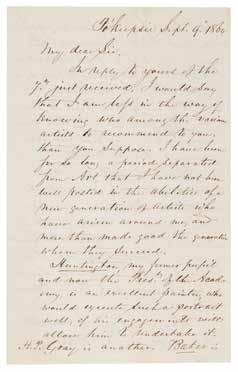
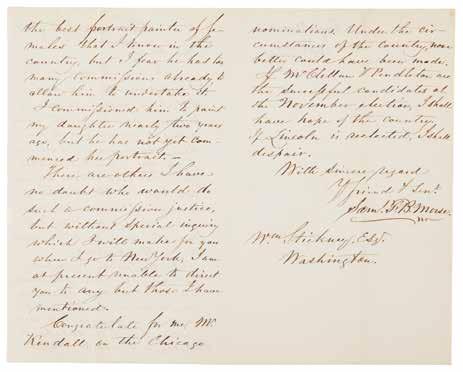
190. Samuel F. B. Morse Autograph Letter Signed: “If Lincoln is reelected, I shall despair”. American artist and inventor (1791–1872) whose development of the telegraph revolutionized worldwide communication. ALS signed “Sam’l F. B. Morse,” four pages on two adjoining sheets, 5 x 8, September 9, 1864. Handwritten letter to William Stickney, a co-founder of the Columbia Institution for the Deaf (now Gallaudet University). In part: “In reply to yours of the 7th just received, I would say that I am less in the way of knowing who among the various artists to recommend to you, than you suppose. I have been for so long a period separated from Art, that I have not been well posted in the abilities of a new generation of artists who have arisen around me, and more than made good the generation whom they succeed.
Huntington, my former pupil and now the Prest. of the Academy, is an excellent painter, who would execute such a portrait well, if his engagements will allow him to undertake it. H. P. Gray is another. Baker is the best portrait painter of the males that I know in the country, but I fear he has too many commissions already, to allow him to undertake it. I commissioned him to paint my daughter nearly two years ago, but he has not yet commenced her portrait.
There are others I have no doubt who would do such a commission justice, but without special inquiry which I will make for you when I go to New York, I am at present unable to direct you to any but those I have mentioned. Congratulate for me, Mr. Kendall, on the Chicago nominations. Under the circumstances of the country, none better could have been made. If McClellan & Pendleton are the successful candidates at the November election, I shall have hope of the country. If Lincoln is reelected, I shall despair.” In fine condition.
An interesting letter in which Morse acknowledges his ‘past life’ as a successful painter, renowned for portraits of the likes of John Adams, James Monroe, and the Marquis de Lafayette. Here, he recommends three artists for a potential commission: Daniel Huntington and Henry Peters Gray, both of whom had studied under Morse; and George Baker, an excellent portrait painter and popular miniaturist.
He also opines on the forthcoming election, which saw the incumbent President Lincoln square off against the Democratic ticket of George B. McLellan and George H. Pendleton. In spite of his anti-Lincoln, pro-slavery views, Morse’s invention—the telegraph—revolutionized military communication in the United States and played a leading role in the Union Army’s organization and success in the Civil War. Starting Bid $200
191. Louis Pasteur Signed Photograph. Pioneering French microbiologist and chemist (1822–1895) who demonstrated the germ theory of disease and developed the first vaccine against rabies. Scarce 4.25 x 6.5 cabinet photo of the celebrated scientist by Nadar of Paris, signed on the mount in ink, “L. Pasteur.” In very good to fine condition, with small stains, light scuffing and soiling, and some minor edge chipping. Starting Bid $300
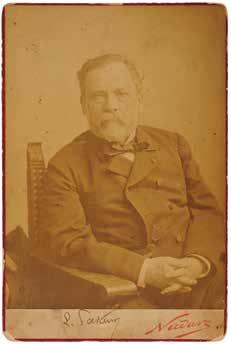
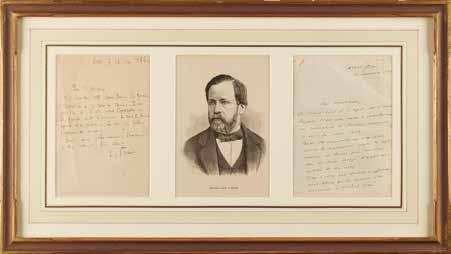
192. Louis Pasteur Autograph Letter Signed on an Illustration of His Rabies Patients. ALS in French, signed “L. Pasteur,” one page, 4.5 x 6.75, May 14, 1886. Handwritten letter expressing his appreciation for an illustration by A. Gerardin, which appeared in the French illustrated weekly newspaper L’Illustration in 1886 and showed some of the rabies patients under his care. Matted and framed with an engraved portrait and an explanatory letter by his son-in-law, René Vallery-Radot, to an overall size of 21.25 x 12. In fine condition.
Soon after beginning his experimental inoculation treatment for rabies, Louis Pasteur received hundreds of bite victims from across Europe and the United States, including severely injured Russian peasants attacked by a rabid wolf and English children bitten by a mad dog, all seeking his preventative care in Paris. Despite the grave nature of many wounds and intense public attention, Pasteur’s method had resulted in only two deaths at the time, one due to extreme injuries and another from receiving treatment too late. From the personal collection of a lifelong collector, teacher, and traveler with a passion for world history. His collecting years ranged from the 1970s to the present day, meaning that several of the premier pieces have not been on the market in decades. Starting Bid $200
Freud considers the “the relationship of medical studies to psychoanalysis”
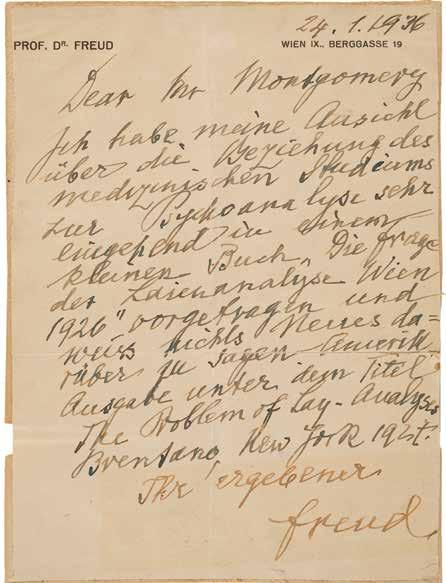
198. Sigmund Freud Autograph Letter Signed on “the relationship of medical studies to psychoanalysis”. ALS in German, signed “Freud,” one page, 5.25 x 7.25, personal letterhead, January 24, 1936. Handwritten letter to “Mr. Montgomery,” in part (translated): “I have expounded my view on the relationship of medical studies to psychoanalysis in great detail in a small book, ‘The Question of Lay Analysis,’ Vienna 1926, and have nothing new to add to it.” Backed by two separated mounts and in good to very good condition, with trimmed edges, toning, and some splitting to the folds.
Sigmund Freud’s 1926 book The Question of Lay Analysis defends the right of non-physicians to practice psychoanalysis. Written in response to legal challenges against Theodor Reik, a non-medical analyst, Freud argues that psychoanalysis is primarily a psychological discipline rather than a branch of medicine. He maintains that proper training in psychoanalytic theory and technique—not a medical degree—is the essential qualification for practicing analysis. Starting Bid $500
George Hamilton Black, with Admiral Byrd’s signed transmittal letter—
“My gratitude to you is as firm as ever”
204. Richard E. Byrd: Congressional Gold Medal from the 1928-1930 Byrd Antarctic Expedition with Signed Transmittal Letter from Admiral Byrd - Presented to the Expedition’s Supply Officer. Exceptionally rare Congressional Gold Medal from the Byrd Antarctic Expedition presented to George Hamilton Black, a supply officer on Richard E. Byrd’s famed Antarctic Expedition of 1928–1930. The 1.25˝ medal bears an embossed portrait of Byrd encircled with “Byrd Antarctic Expedition 1928–1930,” with the edge engraved “G. Hamilton Black,” and suspended from a white ribbon with a blue center stripe. The reverse (hidden due to framing) depicts the sailing ship City of New York with a dedication honoring the expedition’s scientific exploration of Antarctica. The medal was designed by Francis H. Packer of New York after a Navy Department competition judged by the Commission of Fine Arts; only 81 examples were struck (65 gold, seven silver, nine bronze) for expedition members and key participants.
Included is the original transmittal TLS from Byrd, signed “Dick Byrd,” September 1, 1931, presenting the award and expressing appreciation: “You gave many months of your life towards making our expedition successful. Now that a year has passed since we have returned home I want you to know that my gratitude to you is as firm as ever.” Matted together with an engraved plate within its original frame to an overall size of 14 x 21. In overall very good to fine condition.
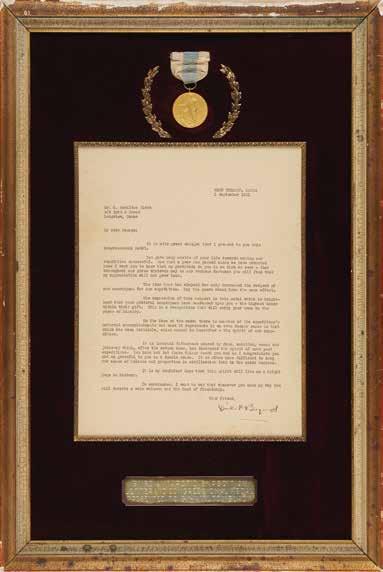
Accompanied by a printed recipient list naming Black among the gold medal awardees, as well as additional photographs, documents, certificates, and related memorabilia from his career. Authorized by Congress in 1930, these rare medals honored members of Byrd’s pioneering expedition, which established “Little America,” conducted extensive scientific research, and included Byrd’s historic first flight over the South Pole. Starting Bid $200
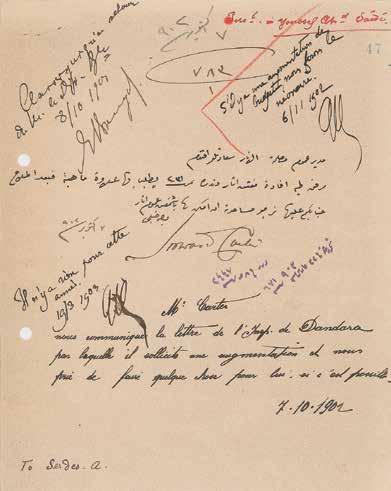
205. Howard Carter Document Signed, Approving a Pay Raise for a Tomb Guard. British archaeologist and Egyptologist (1874–1939) known for his discovery of the tomb of Tutankhamun in Egypt’s ‘Valley of the Kings.’ Manuscript DS, one page, 7 x 9, 1902. Document concerning a pay raise for a tomb guard, signed by Carter to approve the request. Also initialed twice by prominent Egyptologist Gaston Maspero. In fine condition, with pin holes to upper left corner and two file holes along the left edge.
During this period, Carter was serving as Chief Inspector of the Egyptian Antiquities Service and supervising a number of excavations at Thebes (now Luxor). A highly desirable, early document directly associated with his archaeological work. Starting Bid $200
211. Lucille Duff-Gordon Autograph Letter Signed: “If I had time to play ‘Bridge,’ I should have time to do many things that w’d interest me more”. British fashion designer (1863–1935) remembered as a survivor of the sinking of the Titanic. ALS signed “Lucy Duff-Gordon,” one page, 7.75 x 10, 10 St. Loo Mansions letterhead, no date. Handwritten letter, headed: “To Evan Hodgson—From Lady Duff Gordon,” in full: “In answer to your question—Do I play ‘Bridge’—I must say that if I had time to play ‘Bridge,’ I should have time to do many things that w’d interest me more so I have never had time to learn the game & w’d consider it a shocking waste of my time today—later on who knows.” In fine condition.
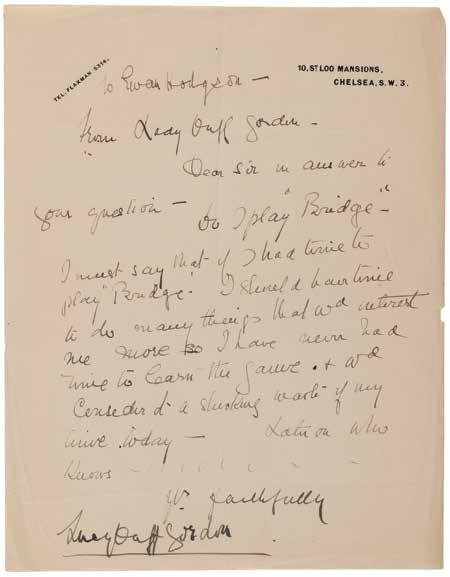
Lucile, a prominent fashion designer, and her husband Cosmo Duff-Gordon were aristocrats who controversially fled to safety on Titanic’s Lifeboat No. 1, occupied by a mere dozen people despite a capacity of forty. The wealthy couple soon became a popular tabloid topic with allegations that Cosmo had bribed the crew to row away faster, rather than returning to rescue others; the press ultimately dubbed it the ‘Money Boat.’ The only passengers to participate in the inquiry’s hearings, it was deemed that the Duff-Gordons did not deter the crew from any attempt at rescue, but that the lifeboat might have been able to rescue others had it turned around. Lady Duff-Gordon would later say that her husband was brokenhearted over the negative coverage for the rest of his life. From the personal collection of a lifelong collector, teacher, and traveler with a passion for world history. His collecting years ranged from the 1970s to the present day, meaning that several of the premier pieces have not been on the market in decades. Starting Bid $500
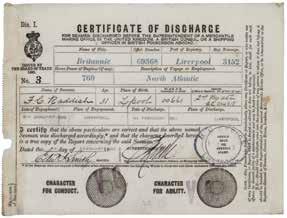
212. Edward J. Smith Document Signed. Partly-printed DS, signed “Edw’d J. Smith,” one page, 8 x 6, February 1, 1895. Certificate of discharge issued to F. C. Raddish, a second mate on board the Britannic. Printed near the bottom is a certification statement which reads, “I certify that the above particulars are correct and that the above named Seaman was discharged accordingly, and that the character described hereon is a true copy of the Report concerning the said Seaman.” Signed at the conclusion of the statement by Smith as the vessel’s master, and countersigned by a shipping representative. In fine condition, with faint toning along the left edge. Smith joined the White Star Line in 1880 and assumed command of the Britannic, a post he held until May of 1893, when he left to briefly command the Adriatic. As he rose in seniority, Smith became a favorite of the wealthy financiers and notables who frequently traveled aboard his ships, acquiring the nickname the ‘Millionaires’ Captain.’ From 1904 on, Smith commanded the White Star Line’s newest vessels on their maiden voyages, including the R.M.S. Titanic. From the personal collection of a lifelong collector, teacher, and traveler with a passion for world history. His collecting years ranged from the 1970s to the present day, meaning that several of the premier pieces have not been on the market in decades. Starting Bid $200
213. Titanic: Thomas McCauley’s Woodworking Tools
Used to Build the Titanic. Two woodworking tools once owned and used by Thomas McCauley, who was employed as a carpenter and cabinet maker at the Harland and Wolff Shipyard in Belfast during the construction of Olympic and Titanic. These two tools, consisting of a folding carpenter ruler and ‘keyhole’ hand saw were once part of the tool kit of Thomas McCauley. They eventually passed as part of McCauley’s entire tool kit to his grandson, Ernest McGookin of Belfast, Ireland. Attractively archivally triple-cloth-matted and framed with a photo of the Titanic at the shipyard and a descriptive plaque to an overall size of 22.5 x 31.
Accompanied by a photocopy of a picture showing McCauley as well as a copy of a letter on Queen’s University of Belfast’s letterhead dated January 17, 1975, thanking McCauley for the loan of his tools he used when working on Titanic for inclusion in an educational exhibit. Other examples of tools owned and used by Thomas McCauley have been displayed at the Titanic museum attractions in Branson, Missouri, and Pigeon Forge, Tennessee. Chain of custody is as follows: Thomas McCauley to his grandson Ernest McGookin, Ernest McGookin to Steve Santini in 1999; then sold by RR Auction in 2015. Accompanied by a letter of provenance from Santini. Starting Bid $300
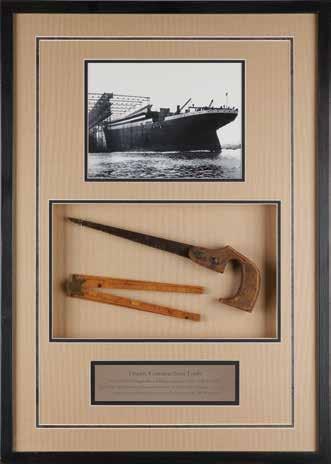
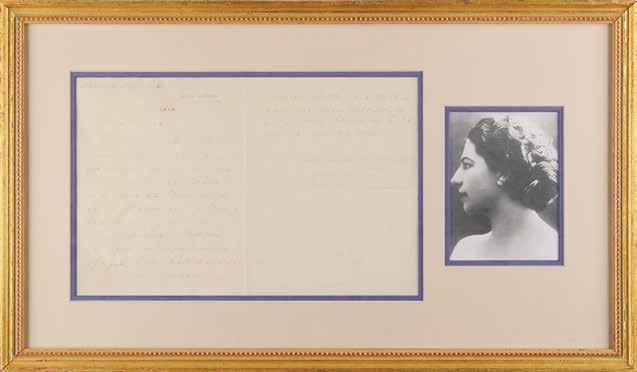
227. Mata Hari Autograph Letter Signed, Preparing “a new dance”. Dutch-born dancer (1876–1917), nee Margaretha Geertruida Zelle, whose renown as a performer was permanently overshadowed by her activities as a German spy during World War I, which led to her execution by firing squad at the age of 41. ALS in French, signed “Mata-Hari,” two pages on two adjoining sheets, 6.75 x 8.5, 11 rue Windsor letterhead, [March 26, 1913]. In full (translated): “For the past hour I have seen Mademoiselle Charles, who has been very much occupied with the opening of the Theatre. She has spoken to me about Penelope and of the new dance that I’m thinking of doing there, but it is impossible because I have committed to an engagement in Spain beginning on May 1st. I certainly think that I will be able to perform my dance under other circumstances and I hope very much to see you at your home.” Handsomely double-matted and framed with a portrait to an overall size of 24.75 x 14.25. In fine condition, with the letter uniformly faded but completely readable. A superb letter by Mata Hari on her craft. From the personal collection of a lifelong collector, teacher, and traveler with a passion for world history. His collecting years ranged from the 1970s to the present day, meaning that several of the premier pieces have not been on the market in decades. Starting Bid $200
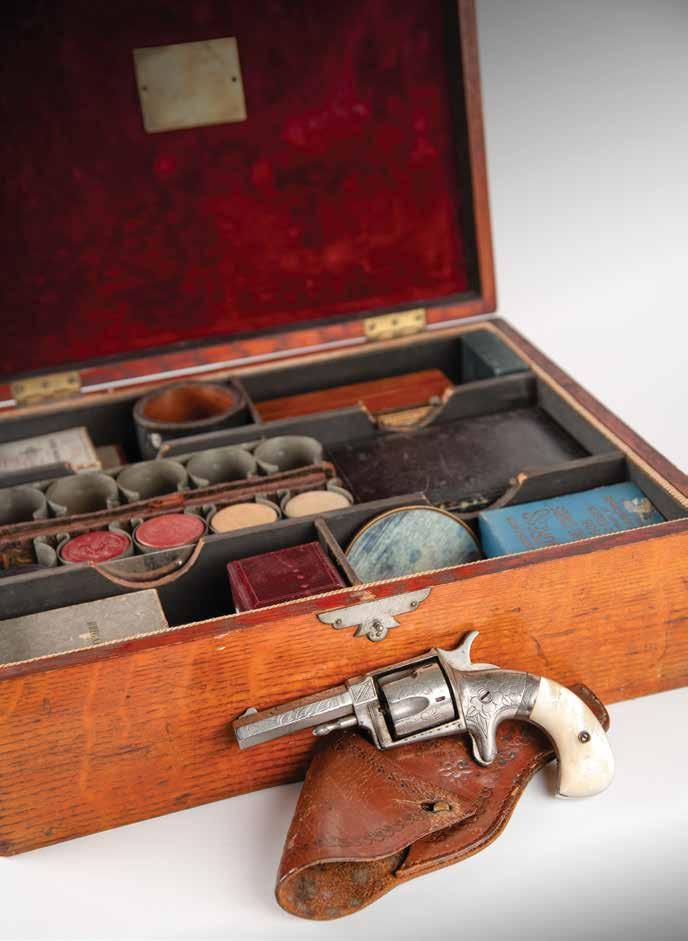
“To Alice Duffield / From Bob Ford,” with her original traveling gambling set, won from her in a faro game in her final days
219. Poker Alice’s Traveling Gambling Set and Hopkins & Allen No. 4 Revolver, a Present from Jesse James Assassin Robert Ford. Historical Wild West artifacts from the personal collection of Alice Ivers, more famously known as Poker Alice, a legendary cigar-smoking, gun-toting gambler and brothel owner in the American West, which includes her Hopkins & Allen No. 4 Spur Trigger revolver, a present from her then-employer, Jesse James assassin Robert Ford, and her original traveling gambling set, a gift from her second husband, Warren G. Tubbs, both of which were won from Alice in a game of faro by John Logan, a postal inspector from Sturgis, South Dakota, who frequented Alice’s gambling parlor as a youth.
The pistol, a Hopkins & Allen No. 4 Spur Trigger .38 five-shot revolver, Serial No. A676, is of standard configuration with a partly clipped front sight and simple floral engraving throughout. The mother-of-pearl grips are engraved “To Alice Duffeild” [sic] on the left scale, and the right is inscribed, “From Bob Ford.” The top strap is stamped, “Hopkins & Allen Mfg. Co., XL No. 4, Pat. Mar. 23, 1873.” The gun, which is accompanied by its small period leather holster, was given to Alice by Robert Ford circa 1892 when the former was working as a faro dealer in Ford’s famed gambling and dance hall, Ford’s Exchange in Creede, Colorado. Ford gifted Alice the revolver as a show of his appreciation for her fair dealing and honesty. Not much longer after presenting this set to Ivers, Ford, at the age of 30, was shot and killed at his saloon by Edward Capehart O’Kelley on June 8, 1892.
After Ford was shot by Edward O’Kelley, Alice left for Bachelor City and then for Deadwood. In Deadwood, she adopted her trademark cigar and met Warren Tubbs, another dealer and local player whom she eventually married. It was during this time in 1892 that Tubbs presented Alice with the offered traveling gambling set. The set, which features a beautiful rosewood case measuring 15.75˝ x 5.5˝ x 13.25˝, features a small engraved plaque to the underside of the lid, which simply reads, “Alice Tubbs.” The set is well-equipped for a variety of games, and includes a small mirror with a woman’s portrait on the rear, a leather dice cup, an autogiro, a set of dominos, numerous decks of cards, chips, a faro box, a celluloid game marker,
a Brigaid cardholder, a small leather case filled with dice, an Elgin stopwatch, and various tops. The set was made by Will & Finck, a San Francisco-based company established in 1864, which earned the moniker ‘Tiffany of the West’ due to its reputation for crafting high-quality and exquisite goods.
Towards the end of her life, needing money for medical expenses, Alice turned to selling her old revolver and gambling set to John Logan, a postal inspector who played faro with her. Logan, hard up with a pregnant wife, couldn’t afford such trophies. Instead, he offered to play her for it. Alice accepted, lost, handed over the gun and gambling set, and, not much later, died at the age of 79 on February 27, 1930.
Accompanied by a notarized letter from Cathy Logan-Small, John Logan’s daughter, which reads, in part: “My father visited Poker Alice’s gambling parlor and whorehouse, when he was very young. Often my father played Faro with Poker Alice, during which he won Poker Alice’s gambling set. The gun, Hopkins & Allens XL #4, (serial # A676), was given to Alice Duffield (Poker Alice) by Bob Ford; the man who shot Jesse James. She was a dealer for Ford and knew him well. She told my father many stories about her dealings.” Also included with the lot is a tintype of one of the prostitutes employed by Alice, various ephemera and publications about Alice, which includes an issue of Gun Journal from October 1995, which contains a six-page article on Alice and the story of the gun and gambling set.
The gun is in overall very good condition, and retains the vast majority of the nickel finish with some spotted oxidation and softened engraving from age. Normal Hopkins & Allen markings, engraving on grips is legible but needs to be rolled in light to see completely. Numbers are matching on the interior of the frame and inside of grips. Mechanically fine, bore has strong rifling and some frosting throughout. Holster is good, with stitching broken across the back down to the toe, some crazing, and stains; leather is pliable. The gambling set is also very good, with a bent front clasp, one crack running across the top joint, and contents appropriately showing age-related distress and some evidence of use. Starting Bid $1000
Handwritten letter from Decatur, penned neatly from his quarters aboard the USS United States in September 1811, roughly a year before the frigate famously clashed with the HMS Macedonian
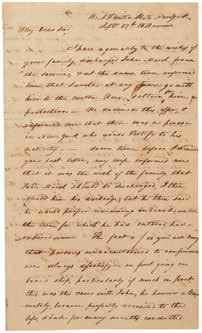
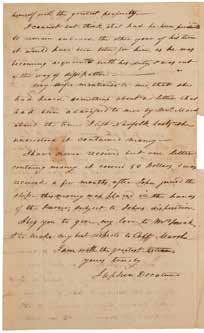
Signed from Aboard the USS United States (September 11, 1811). ALS, one page both sides, 7.5 x 12.75, September 11, 1811. Addressed from aboard the heavy frigate USS United States, a handwritten letter from Decatur to Revolutionary naval officer Captain James Josiah, in full: “I have agreeably to the wishes of your family, discharged John Marsh, from the service, & at the same time informed him, that I would at any time go with him to the custom-house & obtain for him a protection. He declined this offer, & informed me that there was a person in New-York who would testify to his nativity. Some time before I received your last letter, my wife informed me that it was the wish of the family that John Marsh should be discharged. I then offered him his discharge, but he then said he would prefer remaining onboard, until the term for which he had entered had expired. The fact is, as you well know, that persons unaccustomed to confinement are always dissatisfied on first going on board ship, particularly if much in port, this was the case with John, he however ultimately, became perfectly reconciled to the life, & had for many months conducted himself with the greatest propriety.
I cannot but think that had he been permitted to remain on board the other year of his term it would have been better for him, as he was becoming acquainted with his duty, & was out of the way of dissipation. My wife mentioned to me, that she had heard something about a letter that had been addressed to me by Mrs. Marsh about the time I left Norfolk last; she understood it contained money. I have never received but one letter containing money – it covered 50 Dollars, & was received a few months after John joined the ship – this money was placed in the hands of the Purser, subject to John’s disposition. I beg you to give my love to Mrs. Josiah, & to make my best respects to Col’l Marsh.” The reverse of the second integral page is addressed by Decatur and bears remnants of the original red wax seal. In very good to fine condition, with tears and seal-related paper loss only to the integral address leaf.
In May 1810, Stephen Decatur took command of the 44-gun heavy frigate USS United States, a ship he had earlier helped oversee during construction and on which he had begun his naval career as a midshipman under Commodore John Barry. Throughout 1811, Decatur cruised along the eastern seaboard, maintaining readiness and protecting American commerce during a period of increasing tension with Great Britain. Following the declaration of the War of 1812 on June 18th, the United States sailed with Commodore John Rodgers’s squadron before separating for independent operations. On October 25, 1812, Decatur engaged HMS Macedonian off the Azores in a sustained and hard-fought action. The British frigate was dismasted and compelled to surrender, and Decatur brought his prize back to the United States. It was the first British warship ever captured and brought into an American harbor. Starting Bid $200
Jefferson Davis writes to Robert E. Lee at Petersburg, confirming that a Confederate operation is delayed and its secrecy already blown—
“In this town I hear the expedition is spoken of on the streets”
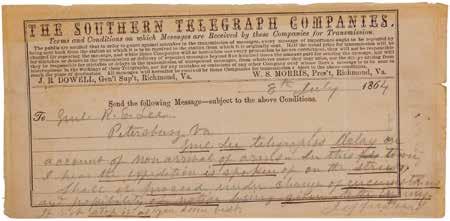
Jefferson Davis Autograph Letter Signed to General Robert E. Lee During the Siege of Petersburg (July 8, 1864). Civil War-dated ALS signed as president of the Confederate States, signed “Jeffer. Davis,” one page on an 8.5 x 4 sheet from The Southern Telegraph Company, July 8, 1864. Handwritten letter in pencil directed to Confederate General Robert E. Lee, who was then in defense of Petersburg, Virginia, in full: “Genl. Lee telegraphs delay on account of nonarrival of arms. In this town I hear the expedition is spoken of on the streets. Shall it proceed, under change of circumstances and possibility of notice being given to the enemy. If not stop it as you deem best.” In fine condition, with a thin tape stain along the top edge. Most interesting about this telegraph is that it mentions “Genl. Lee,” who is most likely cavalryman William Henry Fitzhugh Lee. Just four days from the date of this telegraph, General Early’s troops moved on the outskirts of Washington in an attempt to draw Union forces out to fight and test the defenses of that city. The language of Davis’ communiqué to Lee is tantalizing, in that it may relate to the planning of this daring maneuver in the days leading up to it. At the time this telegraph was sent, Grant’s Federal army was preparing for a long-term siege of Petersburg, just a few miles from the Confederate capital at Richmond. In the middle of June, Grant’s campaign against Richmond was over; the Battle of the Wilderness (May 5-6, 1864) and the Battle of Cold Harbor (June 3, 1864) had demonstrated to Grant the difficulty of smashing through Confederate General Robert E. Lee’s Army of Northern Virginia. However, the situation for Lee was far from victorious. Though he was able to save his supply sources and keep open Richmond’s communications north of the James, Lee had reduced his own army to just 28,000 infantry and two lean cavalry brigades. It was also the end of Lee’s capacity to maneuver. Though he had achieved a stalemate against Grant’s vast Army of the Potomac, he had been forced into static fortifications that he greatly dreaded. Lee once told C.S.A. General Jubal Early that once his army was placed in a position to withstand a siege, ‘it will be a mere question of time.’
But Lee was severely handicapped: his troop numbers were scarcely more than half of his opponent’s; he had no prospect of any large reinforcements; his artillery was inferior in weight of metal and in range to that of the enemy; and the mounts of his cavalry could not endure hard service and could not be replaced when worn out. Only Lee’s resolve and the courage of his gallant men in battle kept the hopes of the Confederacy alive. He told C.S.A. President Jefferson Davis: ‘General Grant will concentrate all the troops here he can raise, from every section of the United States…The enemy has a strong position, and is able to deal us more injury than from any other point he has ever taken. Still we must try and defeat him.’ It was Lee’s hope that Grant would attack, but, to his disappointment, Grant did not.
The siege of Petersburg began, in effect, on June 19th, the day after Lee reached the city, initiating the start of the lengthy Petersburg Campaign, the longest sustained operation of the Civil War. For a full ten months, the Union Army of the Potomac besieged the vital railroad center of Petersburg, located 20 miles south of Richmond, the Confederate capital. The battlefront was twenty-six miles in length, and Lee needed to hold the whole of the line at all times to prevent the Federals from seizing ground that would force the Confederate army back into the defense of Richmond. Lee also had to keep open the railroads on which he was dependent for supplies. Over the ten months of the campaign, Grant’s forces slowly extended their lines westward, stretching the thinning ranks of the Confederate army and threatening the vital southern rail lines into the city. Time was on Grant’s side. Starting Bid $1000
As president of the Confederate States of America, Jefferson Davis requests an appropriation of funds “for Engineering purposes”
316. Jefferson Davis Civil War-Dated Letter Signed to the Confederate States Congress, Making Appropriations for War. LS signed “Jefferson Davis,” one page, 7.75 x 10, September 23, 1862. Letter to “the Senate and House of Representatives” at Richmond, in full: “I herewith transmit for your consideration a communication from the Secretary of War, covering an estimate ‘to supply the deficiencies in the Engineering appropriations for Engineering purposes.’ I recommend an appropriation of the amount, and for the purposes specified.” In very good to fine condition, with a torn file hole to the upper left corner, and toning from prior display.
On October 9th, the Confederate Congress approved an appropriation of $800,000 to ‘supply the deficiencies in the Engineer appropriations for engineering purposes.’ The Confederate Corps of Engineers played a critical role in the Civil War by designing and constructing fortifications, bridges, roads, and defensive earthworks essential to Southern military strategy. Despite limited resources, they built formidable defenses such as those at Vicksburg, Richmond, and Petersburg, often using local terrain to their advantage. Their efforts greatly prolonged Confederate resistance, especially in siege warfare, and helped offset the Union’s superior manpower and industrial capacity. Starting Bid $300
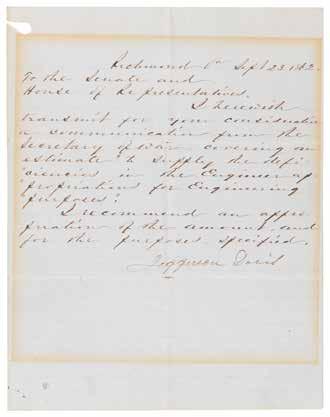
As president of the Confederate States of America, Jefferson Davis seeks an “appropriation required by the Bureau of Indian Affairs”
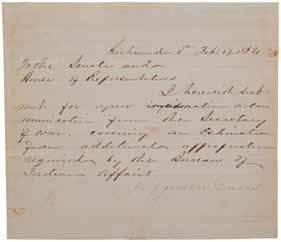
317. Jefferson Davis Civil War-Dated Letter Signed to the Confederate Congress, on an “appropriation required by the Bureau of Indian Affairs”. LS, signed “Jefferson Davis,” one page, 7.75 x 6.75, January 17, 1864. Letter from Richmond to “the Senate and House of Representatives,” in full: “I herewith submit for your consideration a communication from the Secretary of War, covering an estimate for additional appropriation required by the Bureau of Indian Affairs.” In fine condition, with light soiling, faint toning, and tastefully trimmed edges. Starting Bid $200
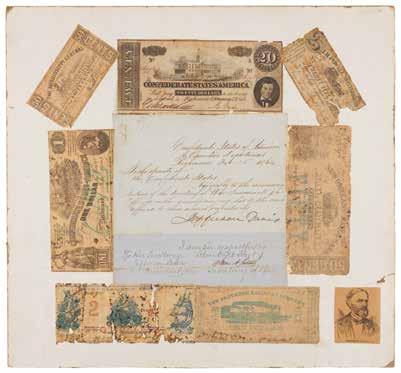
318. Jefferson Davis Civil War-Dated Letter Signed to the Senate of the Confederate States, Promoting Officers. Civil War–dated partly-printed LS, signed “Jefferson Davis,” one page, 7.5 x 5.25, February 15, 1864. Letter to “the Senate of the Confederate States,” sent from the “Confederate States of America Executive Department, Richmond.” In full: “Agreeably to the recommendation of the Secretary of War I nominate the Officers, on the accompanying list to the rank affixed to their names respectively.” The Davis letter is affixed at the center of a 16.75 x 15.75 mount, surrounded by seven pieces of original Confederate currency and a slip signed by Confederate States Secretary of War James A. Seddon. In very good to fine condition, with a tear to the upper left corner, and separation along the central horizontal fold of the Davis letter; the currency ranges from poor to very good condition. From the collection of Mark S. Robbins. Starting Bid $200
Jefferson Davis commissions the Confederacy’s largest privateer vessel, authorized to act “against the United States of America, their Ships, Vessels, Goods and Effects, and those of their citizens”
319. Jefferson Davis Civil War-Dated Document Signed as President of the Confederate States - Letter of Marque for the Privateer Phenix. Civil War–dated partlyprinted DS, one page, 16 x 10, May 27, 1861. As president of the Confederate States of America, Jefferson Davis authorizes “Steamship or vessel called the Phenix…whereof Eugene Dellaney is Commander to act as a private armed vessel in the service of the Confederate States on the high seas, against the United States of America, their Ships, Vessels, Goods and Effects, and those of their citizens, during the pendency of the War now existing between the said Confederate States and the said United States.” Neatly signed at the conclusion in ink by President Jefferson Davis and countersigned by Secretary of State Robert Toombs. Double-matted and framed to an overall size of 24 x 19. In very good condition, with damstaining to the mat, and creasing and heavy toning and staining to the document. According to the work The Confederate Privateers by William M. Robinson, Jr., the Phenix, with a crew of over 200 men and armed with six rifled cannon and one pivot gun, was the largest privateer commissioned by the Confederacy. Starting Bid $200
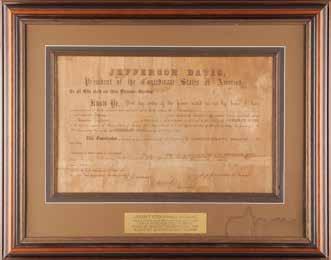
file copy of “the nomination of Robt. E. Lee to be General in Chief of the Armies of the Confederate States of America”
320. Robert E. Lee: Jefferson Davis’s Initialed File
Copy of Lee’s Nomination as General in Chief of the Armies of the Confederate States. Civil Wardated manuscript document from the personal files of Confederate President Jefferson Davis, endorsed on the reverse in pencil, “File—J.D.,” one page, 8 x 11.5, January 31, 1865. Official manuscript transcript of proceedings in the Senate of the Confederate States of America, in full: “The Senate proceeded to consider the nomination of Robt. E. Lee to be General in Chief of the Armies of the Confederate States of America; and, it was Resolved, That the Senate do advise and consent to his appointment agreeable to the nomination of the President…I do hereby certify that the foregoing is a correct transcript from the Executive Journal of the Senate of this day. James H. Nash, Secretary.” In addition to Davis’s endorsement on the reverse, the transcript is docketed in ink by his private secretary, Burton N. Harrison: “Sect’y of the Senate. Jan. 31, 1865, Confirmation by the Senate of nomination of Rob’t E. Lee to be Gen’lin-Chief, Mem: Adjt. Genl. notified Jan. 31, 1865, B.N.H., Rec’d Jan. 31, 1865.” In fine condition. Accompanied by a letter of provenance from a previous owner, in part: “It comes from a group of Jefferson Davis presidential papers 1861-65, probably kept by his personal secretary Burton J. Harrison. They were separated from official keeping during the evacuation of Richmond on April 2, 1865 when the Confederate Government fled southward—first to Danville Va ‘the new capital’ and later to the Carolinas and Georgia. Somewhere en route, wagons and archives were lost or stolen despite the efforts of Gen. Samuel Cooper to keep it all intact. Provenance to me: Parke-Bernet Galleries, sale of autograph collection of Philip D. Sang of Chicago. December 2-3, 1981, lot 460, 41 items.”
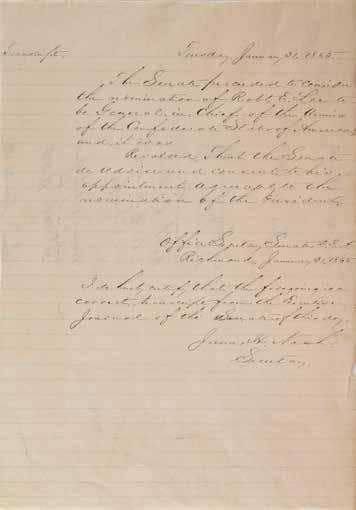
This document reflects a pivotal moment in the final phase of the American Civil War, when the Confederate government sought to consolidate its faltering military command amid mounting defeats and dwindling resources. By early 1865, Union forces under Ulysses S. Grant and William T. Sherman had gained decisive momentum, with Confederate armies stretched thin and key cities under threat. In response to the deteriorating situation, Confederate leadership created the position of General-in-Chief— an authority the Confederacy had avoided earlier in the war—and appointed Robert E. Lee, its most respected and capable commander, in hopes that centralized leadership might stabilize the collapsing war effort. Lee’s elevation came just months before the fall of Richmond and the Confederacy’s ultimate surrender, making the moment emblematic of the Confederacy’s last attempts to reorganize and resist in the face of inevitable defeat. Starting Bid $1000
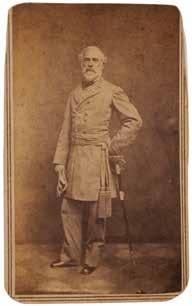
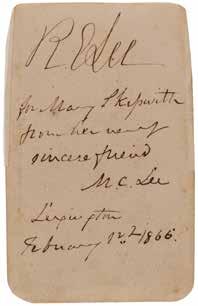
321. Robert E. Lee Signed Photograph - Rare Full-Length Example Dated Nine Months
After the Civil War. Rare original 2.25 x 3.75 carte-de-visite portrait of Confederate General Robert E. Lee in a full-figure pose, dressed in his military uniform, with his DeVisme presentation sword (given to him by the ladies of Baltimore) in one hand and his gloves in the other, signed neatly on the reverse in ink, “R. E. Lee.” The reverse is also signed and inscribed by Lee’s wife, Mary Custis Lee: “For Mary Skipwith from her very sincere friend, M. C. Lee, Lexington, February 1st, 1866.” Includes a 2.25 x 4 carte-devisite photograph of Mary Custis Lee published by Vannerson & Jones of Richmond, Virginia. In fine condition, with lightly trimmed edges. Of the eight photographs of Lee known to have been taken during the Civil War, the present is the only full-standing portrait. ‘The standing view is especially notable in that Lee is wearing both his military sash and his dress sword—the only time he was ever photographed in his sash’ (Meredith, The Face of Robert E. Lee, p. 40). Starting Bid $300
322. Robert E. Lee Document Signed - Washington College Certificate in Mathematics. Partly-printed vellum DS, signed “R. E. Lee,” one page, 11.5 x 9, June 24, 1869. Washington College certificate awarded to Charles B. Percy, stating that he “has successfully completed the required course of study in the School of Mathematics in this College. In testimony whereof this Certificate has been this day conferred upon him with the Title of Proficient in Mathematics.” Signed at the conclusion in ink by Robert E. Lee as president of the college, and countersigned by a clerk and professor. In very good to fine condition, with a stain near the top edge, creasing to the lower right corner area, and all of the handwritten portions, including Lee’s signature, light but legible.
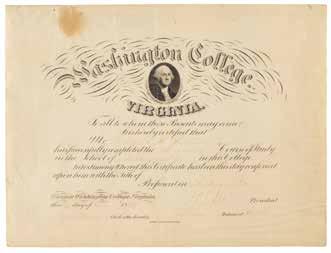
After the Civil War, Robert E. Lee served as president of Washington College (now Washington and Lee University) in Lexington, Virginia, from 1865 until his death in 1870. Taking the position during the difficult Reconstruction era, Lee focused on stabilizing the financially struggling institution and promoting reconciliation and practical education for the postwar South. He expanded the curriculum beyond classical studies to include subjects such as engineering, journalism, and modern languages. His leadership helped restore the college’s enrollment and reputation, and the institution was later renamed in his honor. From the collection of Mark S. Robbins. Starting Bid $300
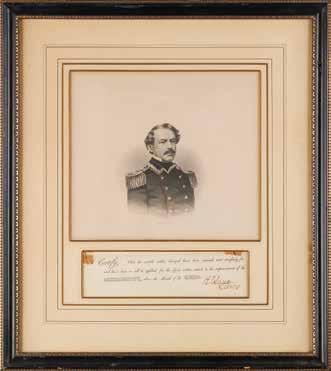
323. Robert E. Lee Document Signed. Partial selfcontained partly-printed DS, signed “R. E. Lee, Lt. Engrs.,” one page, 7.75 x 2, no date but circa 1837–1838. Lee certifies the necessity of services rendered for the “Improvement of the Mississippi, above the Mouth of the Ohio.” Neatly signed at the conclusion in ink by Robert E. Lee. Matted and framed with an engraved portrait to an overall size of 14.5 x 16.5. In fine condition, with two small old tape stains in the margins.
At the time of the signature, Lee was a decade removed from graduating West Point as a lieutenant in the Corps of Engineers. Between 1837 and 1842, he supervised the development of St. Louis harbor and the upper Mississippi and Missouri rivers, ultimately earning a promotion to captain for his work there.
Starting Bid $200
324. [Robert E. Lee] Civil War-Dated General Order No. 85, Issued to Maj. Gen. Jubal A. Early. Manuscript document issued in the name of “General R. E. Lee,” one page, 8 x 12.75, August 17, 1863. “General Order No. 85” from the headquarters of the Army of Northern Virginia, in part: “In connection with the recent call of the President… requiring all white male residents of the Confederate States between the ages of 18 and 45 not exempted by law, and not already in service, to be enrolled…in all cases of substitution, when the substitute becomes liable to conscription his principal is rendered again liable to service, unless exempt on other grounds. In all cases where a substitute has been received who was under 45 years of age on the day the President’s call for men to this age was issued, or has reached the age of 18 since his reception, the name & residence of the principal will be promptly reported to these Hd Quarters.” Signed at the conclusion in ink by Assistant Adjutant General James P. Smith. In fine condition, with a small chip to the bottom edge. Starting Bid $200
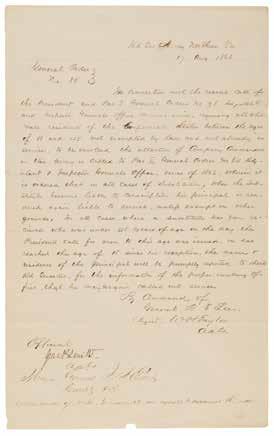
Sherman enacts his ‘hard war’ strategy amidst the Confederacy’s collapse:
“Have your men burn bridges, depots, and water-tanks and break switches.—also all sawmills should be destroyed, not only burned, but the engines and boilers disabled”
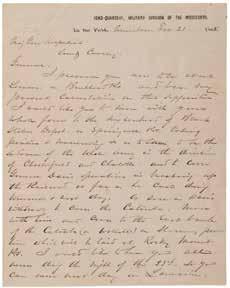
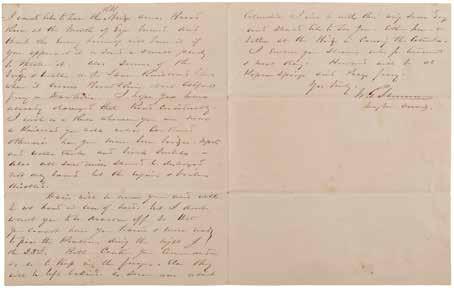
328. William T. Sherman Civil War-Dated Autograph Letter Signed, Directing Gen. Kilpatrick to Burn Railroad Depots, Bridges, Sawmills, and Other Southern Infrastructure. Civil War-dated ALS signed “W. T. Sherman, Maj. Gen. Comd’g,” three pages on two adjoining sheets, 7.75 x 9.75, Head-Quarters, Military Division of the Mississippi letterhead, February 21, 1865. Handwritten letter to Maj. Gen. Hugh Judson Kilpatrick, relating to operations in South Carolina. In part: “I presume you now to be about Lemon’s or or Buckhead P.O. and base my present calculations on that supposition. I would like you to move with your whole force to the neighborhood of Black Station Depot or Springwell P.O. taking position & maneuvering so as to seem to be the advance of the whole army in the direction of Chesterfield and Charlotte, and to cover General Davis’ operations in breaking up the Railroad as far as he can during tomorrow & next day. As soon as David withdraws to cross the Catawba, move with him and cross to the east bank…I would like to have the RR Bridge across Broad River at the mouth of Tiger burned, and think the enemy himself will burn it if you approach it or send a small party to threaten it. Also several of the bridges & trestles on the same railroad below where it crosses Broad River about Ashford’s Ferry and Dawkins. I hope you have already damaged that Road considerably. I wish, as a rule, whenever you are near a Railroad you will unless cautioned otherwise have your men burn bridges, depots, and water-tanks and break switches.—also all sawmills should be destroyed, not only burned, but the engines and boilers disabled. Davis will be near you and will be at hand in case
of need, but I don’t want you to be drawn off so that you cannot have your trains & men ready to piss the pontoons during the night of the 23rd. Better caution your commanders so as to keep in the foragers, else they will be left behind, as some were about Columbia. I will be with this wing some days, and should like to see you. Either here or better at the Bridge in crossing the Catawba.” In fine condition, with a few scattered small stains. Written just days after the fall of Columbia, this battlefield letter belongs to the climactic phase of Sherman’s Carolinas Campaign, the final destructive sweep that followed his March to the Sea. Addressed to Maj. Gen. Hugh Judson Kilpatrick, it captures Sherman actively directing cavalry movements in South Carolina while coordinating with General Davis’s operations against Confederate rail lines. The letter reflects the fluid, fast-moving nature of the campaign, with specific references to strategic points as Sherman pressed northward toward North Carolina in the closing weeks of the war. Most significantly, the letter provides vivid, firsthand evidence of Sherman’s ‘hard war’ strategy. He explicitly orders the systematic destruction of railroads, bridges, depots, water tanks, and sawmills— directing not only that structures be burned, but that engines and boilers be disabled to ensure lasting damage to Confederate infrastructure. Such instructions illustrate the deliberate dismantling of the South’s logistical and industrial capacity that defined Sherman’s campaigns of 1864–65. Written less than seven weeks before Lee’s surrender at Appomattox, the letter stands as a powerful operational document from the war’s final chapter, embodying the tactics that helped bring about the Confederacy’s collapse. Starting Bid $500
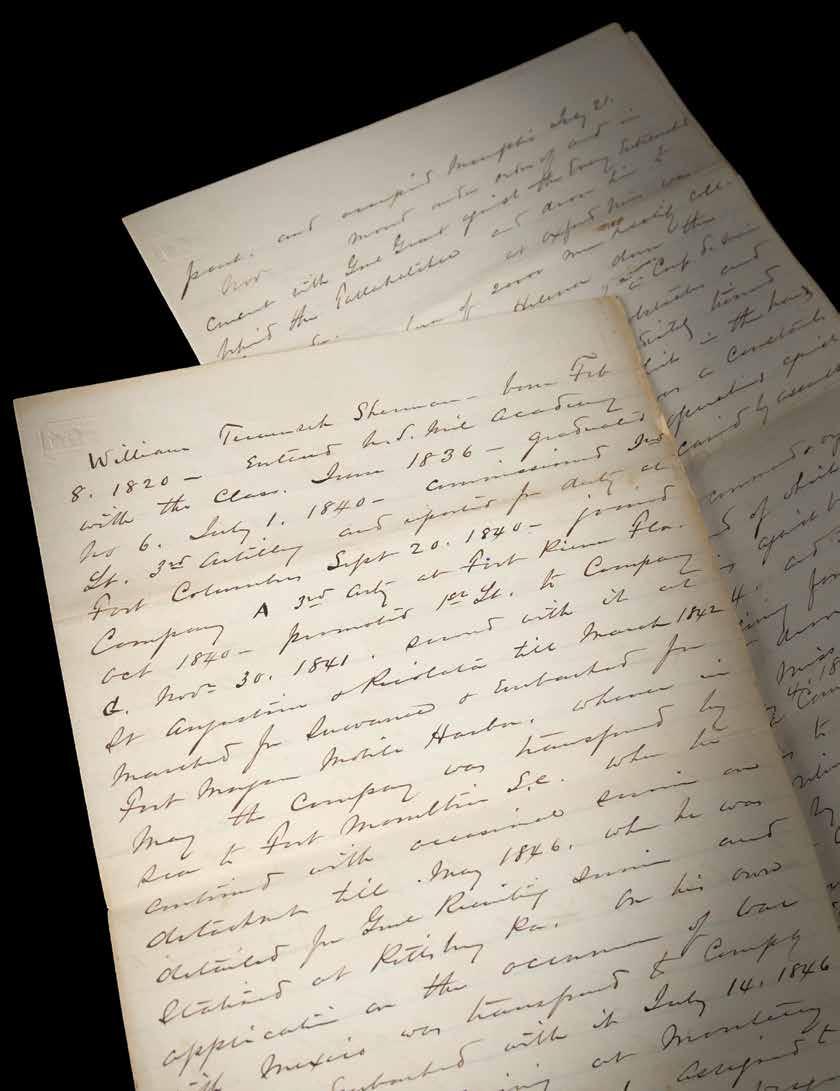
Sherman chronicles his military record at war’s end, recording his ‘March to the Sea’ and the South’s surrender: “On the 18th received the surrender of Johnston’s Army being one of the closing acts of the Great War”
326. William T. Sherman Civil War-Era Autobiographical Autograph Manuscript Signed, Documenting His ‘March to the Sea’ and the War’s End: “Received the surrender of Johnston’s Army being one of the closing acts of the Great War”. AMS signed within the text, “William Tecumseh Sherman,” seven pages on two sets of adjoining sheets, 8 x 12.5, no date but annotated on the reverse in another hand, “Gen. Sherman’s Military Record, written by himself,” and by his son Philemon T. Sherman, “Written by Gen. Sherman in 1865, at the close of the war. P. T. Sherman.”
Sherman’s military autobiography begins: “William Tecumseh Sherman—born Feb. 8, 1820—entered U.S. Mil. Academy with the class from 1836—graduated No. 6, July 1, 1840—commissioned Jun’r Lt. 3rd Artillery and reported for duty at Fort Columbus, Sept. 20, 1840—joined Company A, 3rd Art’y at Fort Pierce, Fla., Oct. 1840—promoted to 1st Lt. to Company G, Nov’r 30, 1841.”
After tracing his assignments and promotions through the 1840s and 1850s, he joined the private sector: “Became a member of the Law firm of Sherman, Ewing and McCook at Leavenworth City, Kansas, from September 1858 until September 1859. When by invitation of Governor Wickliffe of Louisiana went to Louisiana and engaged as Superintendent of the State Seminary of Learning and Military Academy, inaugurated that Institution and put it in successful operation up to the 1st of March 1861, when in consequence of the secession of that State resigned and insisted on quitting the State and returning to St. Louis. Was elected President of the 5th Street Railroad Comp’y, entered upon its duties April 1, and continued until invited to Washington and received on the 13th of June a Commission as Colonel of the 13th Regular Infantry, and assigned to duty in command of a Brigade of Infantry at Fort Corcoran…
Took part in the disastrous battle at Bull Run July 21, 1861. Aug. 3 1861 appointed Brig. Genl. of Vols. and Aug. 28 was transferred to the Dept. of the Cumberland and reported to General Robert Anderson…Oct. 61 succeeded Gen. Anderson in chief command of the Dept. but after repeated & urgent requests to be relieved of a chief & important command was superseded by General Buell and Nov. 13, 1861 ordered to report for duty to Maj. Genl. Halleck at St. Louis…On the 23 Dec’r placed in command of Benton Barracks. Feb. 17 62 ordered to Paducah to expedite reinforcements and supplies to General Grant then operating up the Tennessee River, and by instructions of Gen. Halleck made up a Division of new troops which has arrived at Paducah…
April 6 & 7 in command…took part in the hard fought Battle of Shiloh under Genl. Grant, and afterwards on the successful advance and occupation of Corinth by General Halleck. May 26, appointed Maj. Genl. of Volunteers—during June & July 1862. Moved westward along the Memphis Road…and occupied Memphis July 21. Nov. moved under orders of and in concert with Genl. Grant against the enemy entrenched behind the Tallahatchie…At Oxford, Miss. was sent with a force of 20,000 men hastily collected at Memphis & Helena down the Mississippi to carry Vicksburg…failed by reason of natural obstacles… and immediately turned against Arkansas Post…Arkansas Post carried by assault Jan. 11, 1863.
Jan. 2, 1863 assigned to command & organize the 15th Corps. in command of which took part in all the operations against Vicksburg till its surrender July 4, and then turned against the relieving force under Gen. Joe Johnston…Sept. 23 63 at a camp 20 miles back of Vicksburg rec’d orders to proceed towards Chattanooga to the relief of Gen. Rosecrans, reached Memphis by water & then by land marched to Chattanooga & took part in the great Battles of the Missionary Ridge, Nov’r 23 & 24 under General Grant, and without rest, hurried on to Knoxville and compelled the Rebel General Longstreet to miss the siege of that place Nov’r 4.—Returned to Chattanooga and Bridgeport… and hastened down the Mississippi to Memphis & Vicksburg, and with a force of 20,000 men made a winter march to Meridian, Miss….
Oct. 25, 1863 appointed to command the Dept. of the Tennessee. March…1864, appointed to command the Mil. Div’n of the Miss. composed to the Depts. of the Tennessee, Cumberland, Ohio, and Arkansas. Hd Qrs Nashville. Proceeded to organize an active Army of one hundred thousand men, for the spring campaign.
May 6. Moved for Chattanooga in command of the Army, fought the Battles of Dalton, Resaca, Dallas, Kennesaw, Atlanta & Jonesboro, and occupied Atlanta Sept. 2, 1864. Nov. 16, 1864, moved across Georgia & occupied Savannah Dec. 21, 1864. Moved from the base of the Savannah River Feb. 1, 1865, & marched across South Carolina & North Carolina, fighting the Battles of Averasboro & Bentonville & occupied Goldsboro, March 21.
April 10, 1865, moved to Raleigh & Durham Station and on the 18th received the surrender of Johnston’s Army being one of the closing acts of the Great War. Still in command of the Mil. Div’n Miss, Head Qrs St. Louis, Mo. Present commission Major Gen’l of the Regular Army.” In very good to fine condition, with small chips and fold splits. Starting Bid $1000
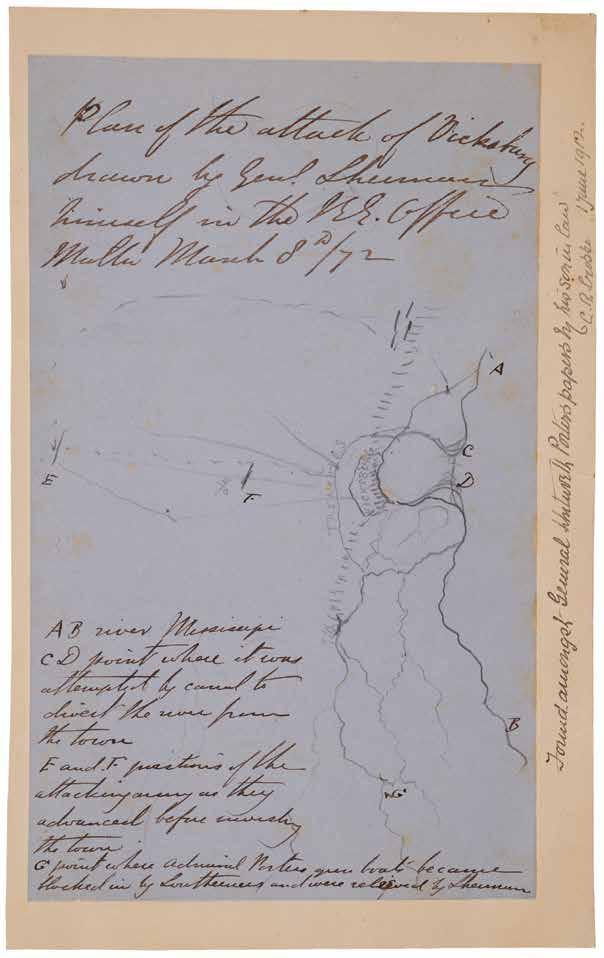
327. William T. Sherman Hand-Drawn Map of the Union Plan of Attack at Vicksburg. Hand-drawn map by William T. Sherman outlining the Union plan of attack for the Siege of Vicksburg, the decisive 1863 campaign that secured control of the Mississippi River, split the Confederacy in two, and is widely regarded as one of the war’s great turning points. The map, accomplished by Sherman in pencil on a blue 7.25 x 4.25 sheet, shows the Mississippi River bend, the town of Vicksburg, and Union trenches indicated west of the city. Lettered positions A through G are penned in a contemporary hand and explained in the lower section: “AB river Mississippi / CD point where it was attempted by canal to direct the river from the town / E and F positions of the attacking army as they advanced before invading the town / G point where Admiral Porters gun boats became blocked in by Southerners and were relieved by Sherman.” The upper section is inscribed by a contemporary witness: “Plan of the attack of Vicksburg drawn by Genl. Sherman himself in the W. R. Office, Mullin, March 8th/72.” Affixed to a slightly larger backing sheet annotated in the right border: “Found amongst General Shutworth Ralors papers by his son in law, C. A. Croble, 1 June 1912.” In fine condition.
The Vicksburg Campaign was essentially the Union’s strategic penetration of the south down the Mississippi, and in this map with its notes, Sherman documents some points of attack: ‘Admiral Porter with 11 vessels pushed his way through the heavily obstructed waterways while Sherman followed with foot troops. The Confederates, however, stopped the boats at
Rolling Fork and almost succeeded in bottling up and destroying Porter’s fleet. Word of Porter’s danger reached Sherman late in the day…Undertaking a daring night march, lighted by candles stuck in their rifle barrels, Sherman’s men arrived in time to save Porter.’ [Boatner, The Civil War Dictionary]
Major General Ulysses S. Grant began the Vicksburg campaign in late 1862 and captured the city on July 4, 1863, the same day Major General George G. Meade’s army held at Gettysburg — the twin turning points of the war. Major General William T. Sherman commanded the XV Corps throughout the campaign, personally leading the relief of Rear Admiral David Dixon Porter’s gunboat flotilla when Confederate forces bottled it up in the Yazoo Delta bayous in February 1863. Sherman’s men marched through the night with candles stuck in their rifle barrels for light, arriving in time to prevent the destruction of Porter’s fleet. The canal at point CD was Grant’s failed attempt to divert the Mississippi around the Vicksburg batteries, one of four approaches abandoned before his decisive overland move south of the city. Sherman drew this map in 1872 at what a contemporary inscription identifies as the “W.R. Office,” almost certainly the War Records Office in Washington, where he was then serving as General of the Army and Commanding General of the United States Army, and where the official records of the war were being compiled. The map is thus both a battle document and an act of historical witness: Sherman reconstructing on paper, for the record, what he and Grant had fought nine years before. Starting Bid $1000
Capitulation at Vicksburg: “All Confederate officers and Soldiers now in this City who have been paroled and are able to march are instructed to report”
329. Vicksburg: Special Orders No. 7, Signed by R. R. Townes (1863) - Paroled Confederates Ordered to March. Civil War-dated ALS signed “R. R. Townes A.A.G.,” one page, 7.75 x 9.75, Headquarters, Commander of the Post, 17th Army Corps, Department of the Tennessee letterhead, July 15, 1863. Handwritten extract from “Special Orders No. 7,” in part: “All Confederate officers and Soldiers now in this City who have been paroled and are able to march are instructed to report to Lt. Col. Kent Prevost Marshal General at 9 o’clock A.M. the 15th day at the Court House. They will report provided with all the articles which they are entitled to take with them by the articles of Capitulation. Those claiming to be unable to march will be examined by Surgeon A. H. Brundage.” In fine condition. Read more online at www.RRAuction.com. Starting Bid $200
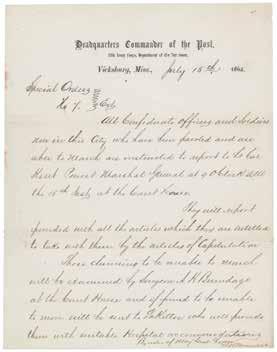
“In compliance with instructions from Maj. Gen’l Grant, a combined Gunboat and Army Expedition will be made up the Yazoo for the purpose of diverting the attention of the enemy from the movements now in progress below Vicksburg”
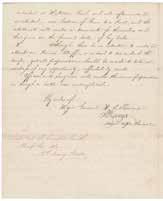
330. Vicksburg: Special Orders No. 96, Signed by R. M. Sawyer (1863) - Organizing a Diversionary “Gunboat and Army Expedition” on the Yazoo River. LS signed “R. M. Sawyer,” one page both sides, 7.75 x 9.75, April 28, 1863. “Special Orders No. 96,” issued under command of General William T. Sherman at “Hd. Qrs. 15th Army Corps, Camp near Vicksburg,” in part: “In compliance with instructions from Maj. Gen’l Grant, a combined Gunboat and Army Expedition will be made up the Yazoo for the purpose of diverting the attention of the enemy from the movements now in progress below Vicksburg. This demonstration will be made as soon as the Gunboat ‘Choctaw,’ hourly expected, has arrived…The Corps…will provide ten (10) good Steamboats, and have them at the lower landing near these Headqrts. by to-morrow morning…General F. P. Blair will detail ten (10) Regiments of his Division to be ready with three days Rations, 60 rounds of ammunition and in light marching order ready to embark…Woods and Barrett’s Batteries will be embarked at Millikens Bend, and will afterwards be distributed;—one Section of Guns to a Boat, and the artillerists will make a barricade for themselves and their guns in the forward decks, of hay bales…Although there be no intention to make an attack on Haines’ Bluff, or indeed to disembark the troops, yet all preparations should be male to take advantage of any opportunity, afforded by events.” In fine condition. These special orders make notable reference to the USS Choctaw and its feigned attack on Haynes’ Bluff, Mississippi, an operation held from April 29–May 1, 1863, intended to prevent the Confederates from reinforcing Grand Gulf. During this diversionary action, the Choctaw was struck 53 times. The gunboat remained in the Yazoo, taking part in operations that destroyed Confederate defenses and naval assets at Yazoo City later on in May. In June 1863, she helped repel a Confederate assault at Milliken’s Bend, capturing several enemy soldiers as prisoners of war. Starting Bid $200
guns used by the Confederate States of America
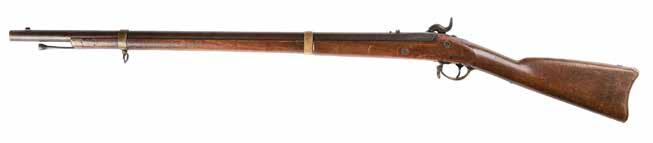
337. Civil War Confederate Fayetteville Type IV
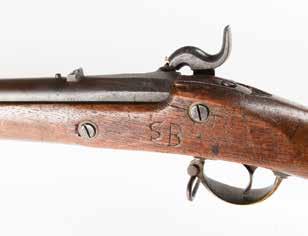
Percussion Rifle. Civil War Confederate Fayetteville Type IV Percussion Rifle, approximately .67 caliber, 33˝ smoothbore barrel with a fine, lightly freckled bore. This is a so-called ‘Model 1855’ two band rifle that was altered to smoothbore at some point and given an enlarged bore diameter. The metal has an overall dark plum-brown patina with areas of light-moderate pitting, heaviest at the breechend of the barrel and on the nipple bolster. Some further impact marks and minor scratches are present near the muzzle, as well as some small spots of white paint on the right side, and the rear sight is a single-notch replacement. Additionally, vise marks are present on the left side of the barrel breech. The 1864 dated lockplate matches the patina on the barrel, with the characteristic inverted “S” in the “CSA,” and lacks the ‘hump’ present on the earlier types of Fayetteville arms. The walnut stock is not equipped with a patchbox, and has numerous small handling marks and small surface blemishes scattered throughout, as well as a stable with-the-grain crack running forward from the rear lock screw bolster, and some small chips missing from around the top tang. The wood retains an old varnish finish that thins considerably at the butt, and has a deeply carved set of initials on the left side opposite the lock, “SB.” The brass furniture has developed a dark ochre-brown patina, including the “CSA” marked buttplate. The rifle is equipped with an original metal ramrod that is slightly bent near the head and shortened by about 2˝. The lock is mechanically excellent and functions firmly and flawlessly. This is a rare, late-war Confederate rifle in very good condition overall.
As an antique gun this will transfer without any restrictions. The Collection of Dr. Joseph Matheu. Starting Bid $500
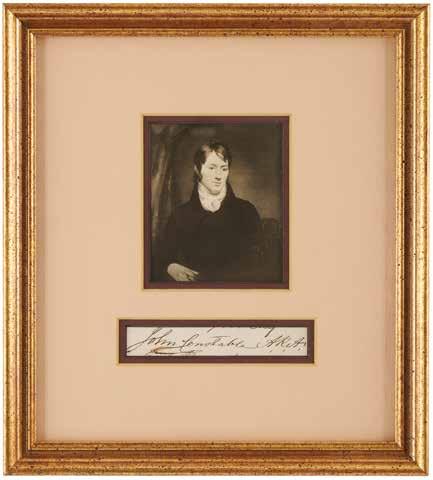
Rare autograph of Romantic landscape artist John Constable, who revolutionized the genre in England
455. John Constable Signature. Celebrated English landscape painter in the Romantic tradition (1776–1837) who revolutionized the genre with his vivid portrayals of rural life around Dedham Vale. Rare ink signature, “John Constable, A.R.A.,” on an off-white 4.25 x .75 slip, double-matted and framed with a portrait to an overall size of 10 x 11. In fine condition. From the personal collection of a lifelong collector, teacher, and traveler with a passion for world history. His collecting years ranged from the 1970s to the present day, meaning that several of the premier pieces have not been on the market in decades. Starting Bid $200
457. Pablo Picasso Signed 1964 Exhibition Catalog (Galerie Louise Leiris). Softcover Frenchlanguage catalog for an exhibition of Pablo Picasso paintings from 1962-1963, held between January 15 and February 15, 1964, at the Galerie Louise Leiris in Paris, 62 pages, 6.5 x 6.5, signed on the title page in green ballpoint, “Picasso, 28.1.64.” In fine condition. Starting Bid $200
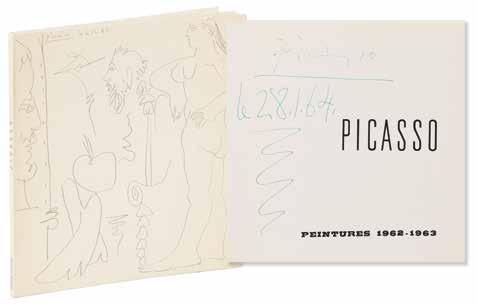
456. Keith Haring Signed Messenger Bag with Large TV Sketch. Black messenger bag made of a rubberized TPU fabric, 17˝ x 12˝ x 3.5˝, signed on the front flap in silver ink, “K. Haring, 89,” who adds his circlecross symbol and a large sketch of a television set that contains a figure with raised arms, possibly a dancer. The inside of the bag bears an ownership notation. In fine condition, with wear from use. Throughout his work, Keith Haring repeatedly employed television imagery as a central motif, using it to critique media saturation, suggest themes of mind control, and highlight the growing influence of technology on modern society.
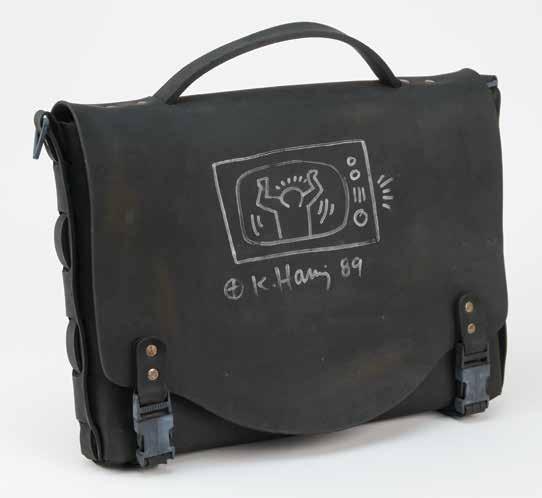
Per the consignor: ‘I was an art student at Pratt Institute in Brooklyn, NY, in the mid-80s when Keith Haring visited the school and spoke with a small group of students, which included me, in the video art program. During the visit, I was carrying a black messenger-style bag made of a rubber-like material, and I asked Keith to draw on it with an ink marker. Keith drew a TV with a dancing figure on the bag and signed it ‘K. Haring 89,’ preceded by his cross/circle symbol.
During those years, video artist Nam June Paik was a visiting professor at Pratt, and Juan Downey was a visiting lecturer. I was a student of Downey’s. Haring and Paik knew each other and had a close relationship. Paik was one of Haring’s mentors and a major influence on his work, especially related to video and electronic media. Haring also collaborated with Paik on a number of projects, including the production of a video art program for German television in 1984. The two artists shared an interest in technology and its impact on society, and they often explored these themes in their work.
I used the bag after Keith signed it, and as you can see, it is not in pristine condition, although it feels appropriate for the drawing and fits with the scenario in which it was created.’ Starting Bid $500
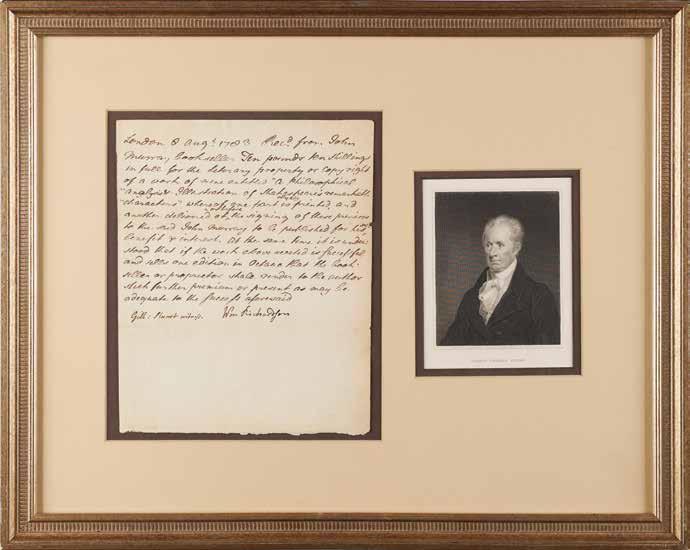
458. Gilbert Stuart Document Signed as Witness to the Copyright Sale of ‘A Philosophical Analysis & Illustration of Shakespeare’s Remarkable Characters’. Foremost portraitist (1755–1828) of the American Revolution, remembered for his paintings of George Washington, including the ‘unfinished portrait’ found on the one-dollar bill. Manuscript DS, signed “Gilb: Stuart, witness,” one page, 7.25 x 9, August 2, 1783. Document concerning the publication rights to a literary work, in part: “Recd. from John Murray, bookseller Ten pounds ten shillings in full for the Literary property or Copy right of a work of mine entitled ‘A Philosophical Analysis & Illustration of Shakespeare’s remarkable characters’ whereof one part is already printed, and another delivered at or before the signing of these premises to the said John Murray to be published for his sole benefit & interest. At the same time it is understood that if the work above…is successful and sells one edition in octavo that the bookseller or proprietor shall render to the author such further premium or present as may be adequate to the success aforesaid.” Signed at the conclusion in ink by William Richardson and countersigned by Gilbert Stuart as a witness. Handsomely mounted, matted, and framed with a period engraving to an overall size of 19.75 x 15.75. In fine condition. In 1775 Stuart went to London and entered the studio of the American artist Benjamin West, with whom he worked for about six years. In 1782 he opened his own London studio and for five years enjoyed great success, but in 1787 he fled to Dublin to escape his creditors. Starting Bid $500
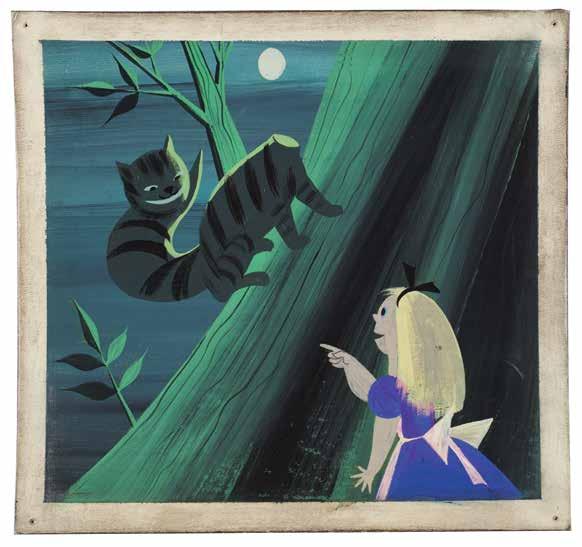
472. Mary Blair concept painting of Alice and the Cheshire Cat from Alice in Wonderland. (Walt Disney Studios, 1951) Incredible original concept painting by Mary Blair for Alice in Wonderland, showing Alice talking with the Cheshire Cat in his tree in the Tulgey Wood; the cat offers his trademark mischievous grin while he balances his disembodied head on his wide striped tail. Rendered in surreal shades of green, blue, and black, the moonlit scene is a superb example of Blair’s artistic style—the composition dominated by striking contrasts of dark and light, as Alice and the Cat meet at the boundary between the commonplace and the supernatural. Accomplished in tempera on 9.25 x 8.5 artist’s board. In fine condition, with tack holes at corners.
Blair was a concept artist for Disney during the 1940s and early 1950s, working on designs for such films as Peter Pan, Cinderella, and Alice in Wonderland. She also created designs for several Disney attractions (including It’s a Small World), and her largest work ever, the multi-story mosaic in Disney World’s Contemporary Hotel concourse. A marvelous, fantastical example of Blair’s original artwork, boasting two of Disney’s most desirable characters in a well-composed scene. Starting Bid $1000
473. Mary Blair concept painting of Uncle Remus from Song of the South. (Walt Disney Studios, 1946) Nice original concept painting by Mary Blair for Song of the South, showing Uncle Remus passing by the Tar Baby on the road while singing ‘Zip-a-Dee-Doo-Dah.’ Inspired by a classic folktale as told by Joel Chandler Harris in his ‘Uncle Remus’ stories, Blair expertly executes the Southern scene, stylishly rendering the blooming magnolia trees and fence along the road, with the subjects silhouetted against the green-hued sky. Accomplished in tempera on 9.75 x 9 artist’s board. In fine condition, with tack holes at corners.
Blair was a concept artist for Disney during the 1940s and early 1950s, working on designs for such films as Peter Pan, Cinderella, and Alice in Wonderland. She also created designs for several Disney attractions (including It’s a Small World), and her largest work ever, the multi-story mosaic in Disney World’s Contemporary Hotel concourse. A superb conception of an Academy Award–winning scene by one of Disney’s great artists—’Zip-a-Dee-Doo-Dah’ would go on to win the Oscar for Best Original Song. Starting Bid $1000
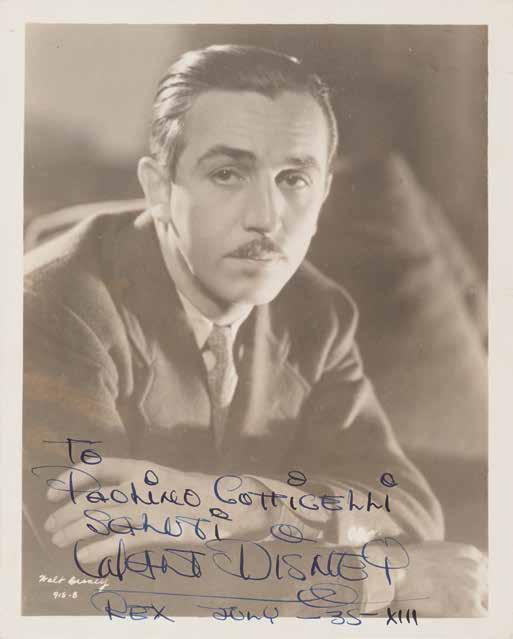
474. Walt Disney Signed Photograph. Spectacular vintage matte-finish 8 x 10 photo of the youthful Walt Disney, signed and inscribed in fountain pen, “To Paolino Cotticelli, Saluti, Walt Disney, Rex July—35—XIII.” In very fine condition. In 1935, Walt Disney traveled to Italy as part of a broader European trip following the international success of Mickey Mouse and the Silly Symphonies. During his visit, Disney was warmly received by fans and cultural figures, and he met with Italian publisher Arnoldo Mondadori, whose company played a key role in producing Disney comics for the Italian market—helping to cement Mickey Mouse’s immense popularity there, where he is known as ‘Topolino.’ Starting Bid $500
475. Fairy production drawings (2) from Fantasia. (Walt Disney Studios, 1940) Original production drawings of two fairies from Fantasia, depicting the sprites in full-figure poses as they appeared in the film’s gorgeous Nutcracker Suite, one holding a wand and the other with arms raised and wings spread. Both are accomplished in graphite on sheets of animation paper measuring 4 x 8 and 11 x 8. Double-matted and framed together to an overall size of 28.5 x 15. In overall fine condition, with a crease to the larger sheet. Starting Bid $200
476. Bernard, Miss Bianca, Madame Medusa, Mr. Snoops, and Brutus and Nero collection of (113) preliminary storyboard drawings from The Rescuers. (Walt Disney, 1977). Collection of 113 original preliminary storyboard drawings by Ted Berman for The Rescuers, which features characters like the mouse heroes Bernard and Miss Bianca, as well as the villains Mr. Snoops, the alligators Brutus and Nero, and Madame Medusa, the latter of whom is featured most prominently. The majority of the drawings occur around the 48:54 mark of The Rescuers, when Madame Medusa gets startled by Bernard and Bianca and, without hesitation, starts shooting her shotgun to get rid of the poor mice. The drawings are accomplished in graphite, ink, and felt tip on off-white studio bond paper ranging in size from 6 x 4.5 to 9 x 5. In overall fine condition.
From the collection of legendary Disney storyboard artist Ted Berman. Starting Bid $200
482. Lord Byron Autograph Letter Signed. Highly influential British poet, politician, soldier, and adventurer (1788–1824) who takes a place as the most colorful literary figure of the Romantic era; his works include such classics as Childe Harold’s Pilgrimage and Don Juan. ALS signed “Byron,” one page, 7.75 x 11, June 24, 1820. Handwritten letter from Ravenna to Richard Belgrave Hoppner, the English Consul at Venice and Byron’s friend. In part: “You will think it a strange request, but I will feel obliged by your compliance with the whim—although it will be a further trouble—It is to procure for me two chances (it will cost 60 francs the two) in the enclosed lottery at Vienna for the second lottery (the theatre) to be drawn August 1st. I will send the money by Vincenzo who is now here & will go to Venice in a few days. I apply to you as being one near that spot & as an outstanding man & as being a crony of mine…Put my name or any name you like to the tickets.” Mounted and framed to an overall size of 10 x 13.5. In fine condition, with seal-related paper loss to the left edge.
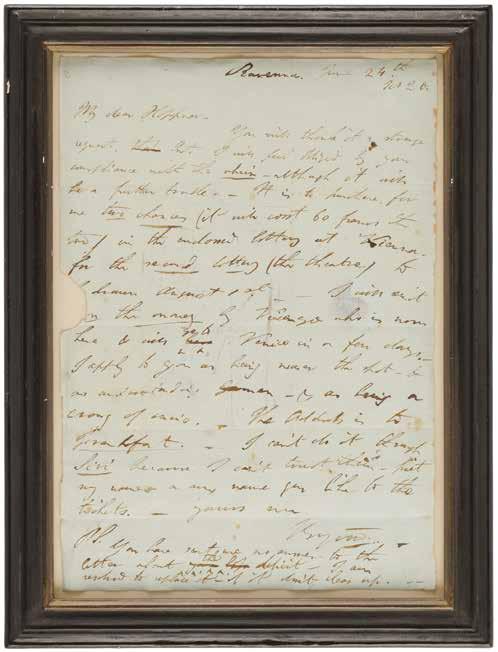
Byron lived in Ravenna from 1819 to 1821, one of the most productive and politically turbulent periods of his life, during which he became involved with the Carbonari revolutionary movement. While residing there he continued work on Don Juan and completed several major dramatic works, including Marino Faliero, Sardanapalus, and The Two Foscari. A casually humorous and highly personal letter from this important Italian period. From the personal collection of a lifelong collector, teacher, and traveler with a passion for world history. His collecting years ranged from the 1970s to the present day, meaning that several of the premier pieces have not been on the market in decades. Starting Bid $300
“This sums up all that I have experienced and learned. I do not say it is original, but I say (for me) it is true”
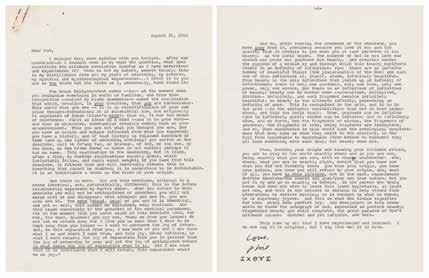
483. Philip K. Dick Typed Letter Signed on “The Great Enlightenment”. TLS signed ““Love, Phil,” who adds Greek characters below, “ΙΧΘΥΣ,” two pages, 8.5 x 11, August 31, 1981. Letter to science fiction author Patricia Warrick, in part: “This is not my latest, newest theory; this is my distillation from all my years of searching, my satoris, my mystical and epistemological experiences…I offer it to you not as the truth but the truth as I, personally, have found it: The Great Enlightenment comes—is—at the moment when you recognize something in world as familiar, and from this recognition—called by Plato anamnesis—comes the realization that world, creation, is your creation, that you are Pantocrator…Thus you are not what you thought you are, and you have an origin and nature different from what you supposed; you have a history, and if that history is followed backward in time (and up the ladder of ascending ontology) you arrive at the Absolute, call it Ch’ang Tao, or Brahman, or God, or the one, or the Good, or the Prime Mover—names do not matter; perhaps it has no name. This realization is the Awakening, but it leads, after a time, to further realizations equally great…This sums up all that I have experienced and learned. I do not say it is original, but I say (for me) it is true.” In fine condition, with a rusty paperclip impression to the upper left corner. Accompanied by the original mailing envelope. Starting Bid $200
484. Charles Dickens Autograph Letter Signed, Mentioning Christmas. ALS, two pages on two adjoining sheets, 4.5 x 7, December 24, 1854. Handwritten letter to T. J. Serle, sent from “Tavistock House.” In part: “I doubt expediency of moving in this matter, because I doubt the possibility of confining the movement to men whose gratified recognition would be really acceptable. I have not the opportunity of sounding Forster, for he is out of town for his Christmas week; but I have a strong belief that he would feel as I do.” In fine condition. Published in The Letters of Charles Dickens: 1847-1857, edited by Walter Dexter. Starting Bid $200
collection of poetry
Millay, containing 26 early typed poems dated to 1920 and earlier, featuring three signed and six unpublished examples
489. Edna St. Vincent Millay Collection of (26) Early Typed Manuscript Poems, Including (3) Signed and (6) Unpublished. Collection of 26 typewritten manuscripts of poems by renowned lyrical poet and playwright Edna St. Vincent Millay, 28 total pages on 8.5 x 11 sheets, compiled by her mother, Cora Lounella Buzelle, and forwarded to Charles Hapgood, the son of writers Hutchins Hapgood and Neith Boyce, on September 24, 1920. Of the collection, three of the poems are signed at the bottom in fountain pen by the author, “Edna St. Vincent Millay.” These are: ‘Burial,’ ‘Doubt No More That Oberon’ [both published in 1920], and ‘The Wood Road’ [published in 1923]. The full list of unsigned poems includes:
‘Pastel’
‘The End of Summer’ ‘Bereavement’
‘The Merry Spinner’ ‘Progress’
‘The Poet’s Request’ ‘A Blessing (To R. R.)’
‘The Two Loves’
‘To the Poison Ivy’
‘She Is Overheard Singing’ - 2 pages
‘The Pear Tree’
‘The Penitent’ ‘Nocturne’
‘Wraith’ - 2 pages
‘The Little Hill’
‘That Which Is Love’s’ ‘No Matter What I Say’
‘The Merry Maid’ ‘Low-Tide’ ‘To Kathleen’ ‘Ebb’
‘To S. M. (If he should lie a-dying)’ [Untitled]
Several poems in the archive—‘Bereavement,’ ‘The Merry Spinner,’ ‘Progress,’ ‘The Poet’s Request,’ and ‘A Blessing’—are listed as unpublished in Yost’s bibliographies in Collected Poems (1956) and Collected Lyrics (1939). An additional untitled poem begins, “A poem is not a thing that grows.” Many of the remaining works later appeared in print, including ‘That Which Is Love’s’ (1919); ‘She Is Overheard
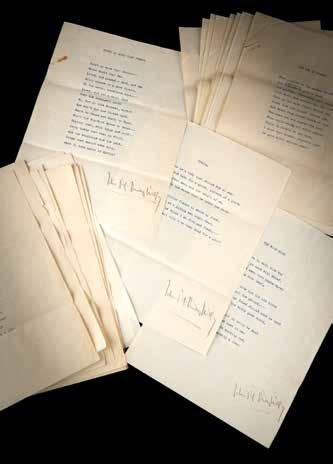
Singing,’ ‘The Penitent,’ ‘Nocturne’ [later titled ‘MacDougal Street’], ‘The Merry Maid,’ ‘To Kathleen,’ and ‘To S. M., If he should lie a-dying’ (1920); ‘Wraith,’ ‘The Little Hill,’ ‘No Matter What I Say’ [later titled ‘Eel Grass’], ‘Low-Tide,’ and ‘Ebb’ (1921); and ‘The Pear Tree’ (1956).
A few manuscripts contain minor handwritten revisions by Millay, including a change of the poem title ‘Song’ to “Pastel,” and edits within ‘The End of Summer.’ The collection is accompanied by a typed letter from Millay’s mother dated September 24, 1920, sent from Truro, Massachusetts, explaining that she selected duplicate typed poems to send for Charles Hapgood’s research. Groups of Millay manuscripts of this scale are rarely encountered, offering an early glimpse into the working texts of one of the twentieth century’s most celebrated American lyric poets. Starting Bid $200
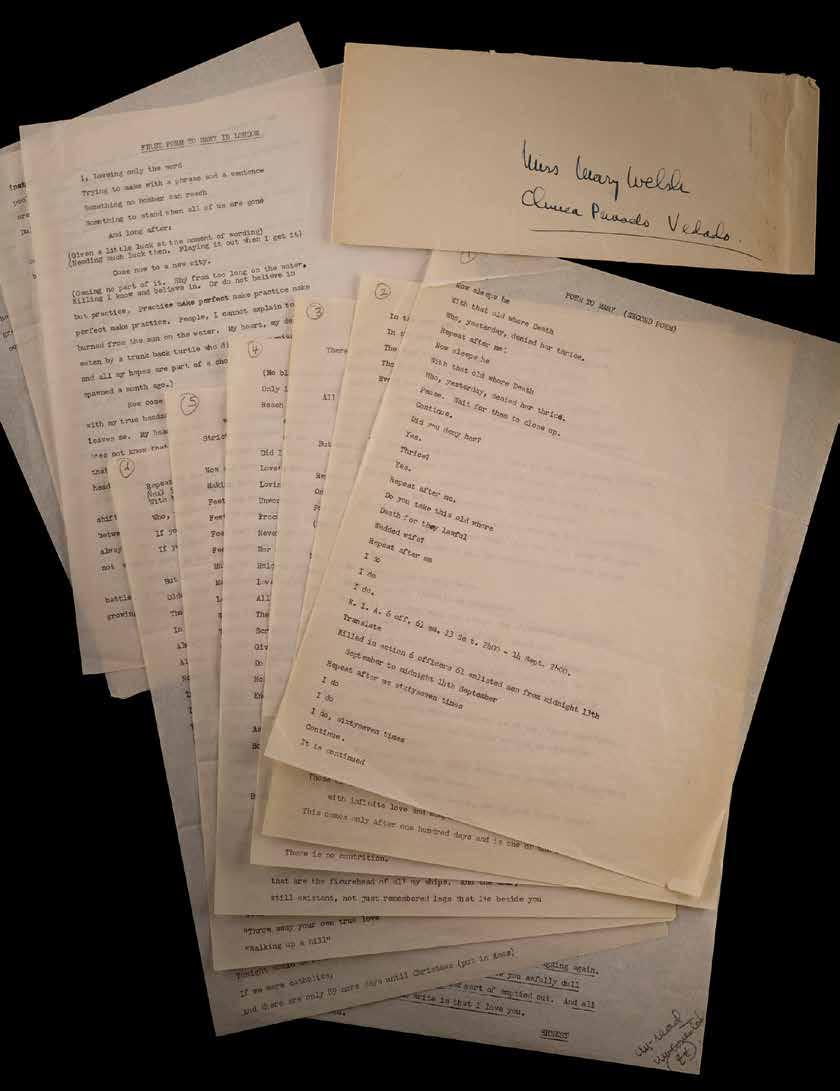
Hemingway writes two long, experimental poems to his future wife during World War II: “Here it is the happening all the time and who it happens to. I do not think about me at all any more”
486. Ernest Hemingway Annotated and Initialed Wartime Poems to His Future Wife, Mary Welsh. Two typewritten poetical manuscripts by Ernest Hemingway, totaling ten pages, 8.5 x 11, Ritz Hotel, Paris, September 1944. The second poem is signed in pencil on page 7, “un-read, uncorrected, E.H.,” and bears additions written by Hemingway on pages 2 and 6.
The first is headed “First Poem to Mary in London,” and begins: “I, loveing only the word / Trying to make with a phrase and a sentence / Something no bomber can reach / Something to stand when all of us are gone / And long after: / (Given a little luck at the moment of wording) / (Needing much luck then. Playing it out when I get it) / Come now to a new city.”
The second is headed “Poem to Mary (Second Poem),” and begins: “Now sleeps he / With that old whore Death / Who, yesterday, denied her thrice. / Repeat after me / Now sleeps he / With that old whore Death / Who, yesterday, denied her thrice.” On the last page, Hemingway closes with a typed letter: “So, Mary, now I love you straight and true and send you this to let you know that we had a rather sticky day today in the forest. Casualties were fairly heavy, and a certain amount of battle fatigue. Many more than there should be. But there are many contributing factors. I’m getting sort of mixed up on a lot of things again. But much clearer on others. Very hard to write about this stuff. It is different from the boat. In the boat we were always waiting for it. Here it is the happening all the time and who it happens to. I do not think about me at all any more. Bragging again. I think about you and that brings me in. I write you awfully dull letters darling, because I get tired and sort of emptied out. And all I have to tell you that I can write is that I love you.”
Includes the original envelope, addressed in Hemingway’s hand to “Miss Mary Welsh.” Also includes three of Mary Hemingway’s explanations of the poems (original photocopies and carbon typescript with her handwritten revisions), totaling four pages, evidently prepared as part of the creation of the LP ‘Ernest Hemingway – Reading,’ released by Caedmon Records in 1965. On it, Hemingway reads ‘Second Poem To Mary.’
Mrs. Hemingway relates: “After joining in the landings in Normandy on June 6, 1944, his head still wreathed in bandages,
Ernest returned to London and continued flying with the RAF. On D-Day he had landed with the First Division at Omaha Beach, but when he returned to France in July he attached himself to the Fourth Division under Major-General R. O. Barton and especially to that division’s Twenty-Second Regiment of Foot commanded by Gen. Charles T. Lanham, then a Colonel. He was with Col. Lanham in the battle of Huertgen Forest when he began the poem which he finished during a brief leave at the Ritz Hotel in Paris.”
Housed in a handsome custom-made quarter-leather clamshell case. In overall very good to fine condition.
These wartime poems—written during one of the most intense periods of Hemingway’s life as a correspondent accompanying Allied troops in Europe—offer a rare and deeply personal glimpse into his emotional and psychological state in the closing months of World War II in Europe. The first poem blends reflections on language, war, and displacement, juxtaposing the permanence of words with the destruction of modern warfare. It continues with commentary on his anti-submarine patrols off the Cuban coast with Winston Guest (“Wolfie”) amid meditations on fatigue, comradeship, and the dislocation of a man removed from the sea.
The second poem is darker and experimental in structure, incorporating liturgical repetition and military language to confront the realities of death in combat. Referencing casualties and the bureaucratic language of wartime reporting, Hemingway constructs a grim, ironic meditation on mortality and sacrifice. Throughout both works, moments of tenderness and longing for Mary Welsh appear amid the brutal imagery of war—an emotional anchor for him during a turbulent period.
Mary Hemingway’s accompanying notes place the poems within the context of Hemingway’s wartime activities, capturing Hemingway at the intersection of love and violence. Manuscript material relating to Hemingway’s wartime experiences is exceedingly scarce, and literary manuscripts of his poetry are rarer still. The present group, combining two substantial poems, minor autograph corrections, a signed notation, a heartfelt letter, and contextual material from Mary Hemingway herself, represents an exceptional and intimate survival from a dramatic chapter of Hemingway’s life. Starting Bid $1000
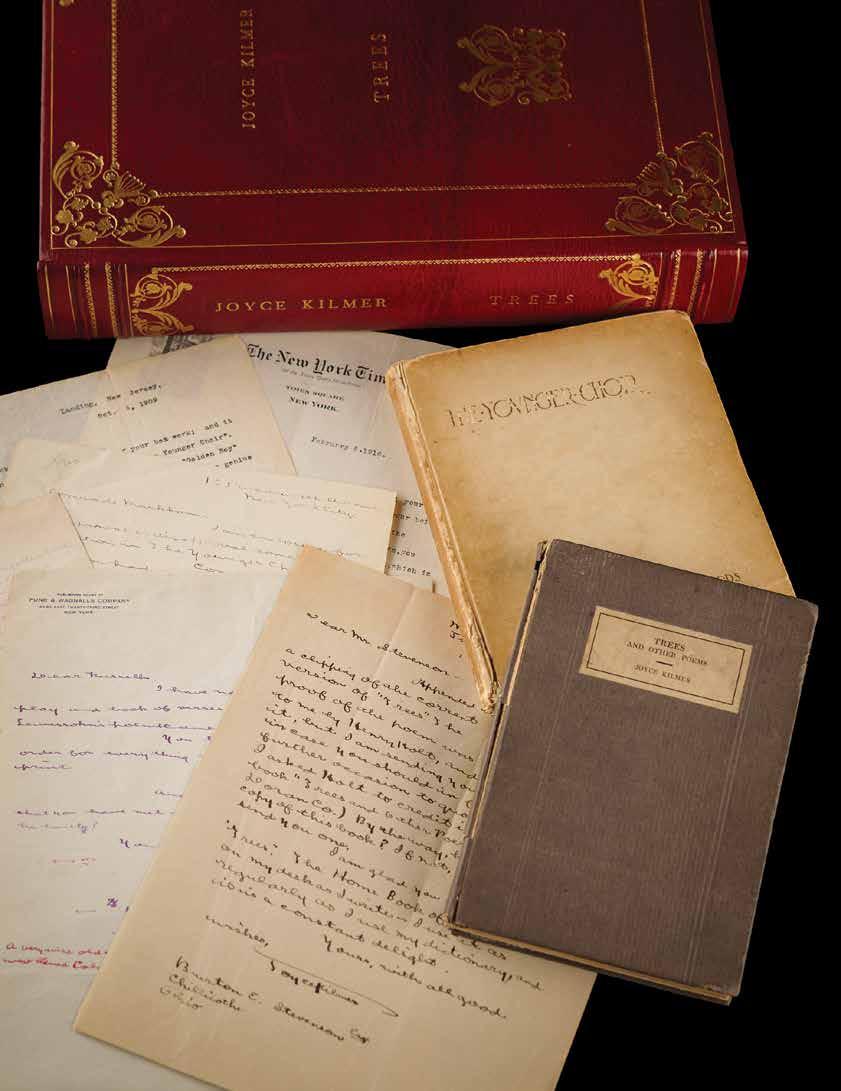
correspondence, and a manuscript
487. Joyce Kilmer Archive: (2) Signed Books (Trees and Other Poems, The Younger Choir), (4) Signed Letters, and Autograph Manuscript of “Poets”. American writer (1886–1918), best known for the much-anthologized poem Trees; he was killed at the Second Battle of Marne at the age of 31. Remarkable archive comprising two books signed by Joyce Kilmer—an inscribed first edition of Trees and Other Poems and the multi-signed limited edition of The Younger Choir—plus correspondence related to their publication, and an autograph manuscript of Kilmer’s “Poets.”
- Signed book: Trees and Other Poems. First edition. NY: George H. Doran Company, 1914. Hardcover, 5.5 x 8, 75 pages. Signed and inscribed on the first free end page in ink, “This little birthday gift comes to Miss Helen Francis Doyle from Salomon de la Selva, But it carries the good wishes of Joyce Kilmer, New York City, April 5, 1915.” Autographic condition: fine, with light soiling to the margin of the signed page. Book condition: VG-/None, with wear to the spine’s paper label, chips to the bottom of the spine, and a partially cracked front hinge.
- Signed book: The Younger Choir. First edition, limited issue, numbered 14/500 [with only the first 50 autographed]. NY: Moods Publishing Company, 1910. Signed throughout by the editor, Edwin Markham, and more than twenty contributors. including Joyce Kilmer, Louis Untermeyer, Elsa Barker, George W. Cronyn, Herbert Everett, Adelaide Wood Guthrie, B. Russell Herts, Reginald Wright Kauffman, Ludwig Lewisohn, Otto S. Mayer, Philip Moeller, James Oppenheim, Seumas O’Sheel, Muriel Rice, Jessie E. Sampter, Herman Scheffauer, Edwin Davies Schoonmaker, Charles Hanson Towne, George Sylvester Viereck, Thomas Walsh, and Carlos S. Wuppermann. Also signed on the first free end page with a lengthy presentation inscription, “These poems were collected by Mr. Markham & myself from among the youngest poets of six years ago. About half a dozen of the poems have since appeared in more imposing anthologies, while a dozen of the poets have issued volumes of their own. This copy was sent about the country for as many signatures as were available. B. Russell Herts, 1915.” Autographic condition: fine. Book condition: VG-/None, with edgewear, bumped corners, toning, and scuffing to boards.
- TLS signed “Edwin Markham,” one page, October 5, 1909, to George Sylvester Viereck. In part: “As you know, I am a warm admirer of your best work; and it is only your best work that should go into ‘The Younger Choir.’ Now I know you will pardon me, if I say that your ‘Golden Boy’ (pleasing as it is in some ways) is not expressive of your genius at full flower. Now, can’t you send me some other pieces of your verse? Include, if possible, your ‘Owl,’ whose hootings were so agreeable to our ears that gala night.” Viereck’s poems ‘Ode to a Parrot’ and ‘Iron Passion’ would ultimately appear in the anthology.
- ALS signed “Joyce Kilmer,” one page, November 5, 1909, to Edwin Markham. In part: “I am enclosing for your approval or disapproval or disapproval some verses for insertion in The Younger Choir. Comrade Hertz told me that you had selected my imitation of Richepin’s ‘Ballade du Roi des Gueux.’ I am naturally eager to have more of my work in the volume—especially to have the poem representing me a more sincere and original effort than the Ballade.” Kilmer’s poems ‘Ballade of My Lady’s Beauty’ and ‘George Meredith’ were chosen for publication in The Younger Choir.
- AMS in pencil, Signed “Joyce Kilmer,” one page, no date. Kilmer’s handwritten manuscript for “Poets,” in full: “Vain is the chiming of forgotten bells / That the wind sways above a ruined shrine / Vainer his voice in whom no longer dwells / Hunger that craves immortal bread and wine. / Light songs we breathe that perish with our own breath / Out of our lips that have not kissed the rod, / They shall not live who have not tasted death / They only sing who are struck dumb by God.”
- ALS signed “Joyce,” one page, Funk & Wagnalls Company letterhead, February 11, 1910, to “Russell.” In part: “I have not yet received the play and book of verses which you have issued. Lewissohn’s poems came but nothing else. You know, I gave you a standing order for everything you ever might print…$18 for one poem! How’s that?”
- ALS signed “Joyce Kilmer,” one page, June 13, 1915, to “Mr. Stevenson.” In part: “Appended is a clipping of the correct version of ‘Trees.’ The proof of the poem was sent to me by Henry Holt, and I revised it, but I am sending you this clipping in case you should in future have further occasion to quote the poem. I asked Holt to credit it to my book ‘Trees and Other Poems’ (Geroge H. Doran Co.) By the way, have you a copy of this book? If not, I’ll gladly send you one. I am glad you are quoting ‘Trees.’ The Home Book of Verse is on my desk as I write—I use it as regularly as I use my dictionary, and it is a constant delight.” The corrected poem clipping is affixed in the upper right corner.
- TLS signed “Joyce Kilmer,” one page, New York Times letterhead, February 5, 1916, to “Dr. Skrainka.” In part: “If you are in town, you must by all means come to the Fifth Avenue Restaurant…and eat and drink with us, and say something about ‘Dickens and the Doctors’ or anything else you feel like talking about. I always enjoy the Interstate Medical Journal, and I hope that you will not think that I am lessening its dignity in saying that it is a scientific journal which even the unscientific can enjoy.”
All are housed in a handsome custom-made full morocco clamshell case. The letters are in overall fine condition. Starting Bid $500
Writing under his assumed name, ‘Lawrence of Arabia’ arranges a meeting in London
488. T. E. Lawrence Autograph Letter Signed. ALS signed “T. E. Shaw,” one page, 7 x 4.5, The Ladies’ Empire Club letterhead, October 3, 1932. Handwritten letter to “Lady Young,” the wife of English soldier and colonial administrator Hubert Young, author of The Independent Arab, a part-memoir, part-travelogue detailing his diplomatic and military time in the Middle East. In full: “I have just heard from Hubert that you are probably in London. I would like to see you, if possible, but tomorrow is my last day here. If you are free (not a meal, and not tonight after 5 p.m.)—kunst di fuge—will you send a word to No. 2 Smith Square, S.W.1. (Sir Herbert Baker’s house) where messages are collected for me.” In very good to fine condition, with scattered light foxing, and a rusty paperclip impression to the upper left corner. This letter dates to the final chapter of T. E. Lawrence’s life, when the famed ‘Lawrence of Arabia’ was living quietly following his celebrated—and controversial—role in the Arab Revolt. Having retreated from public life into the ranks of the Royal Air Force under the name T. E. Shaw, Lawrence carefully guarded his privacy while maintaining select friendships within Britain’s political and diplomatic circles. Starting Bid $300
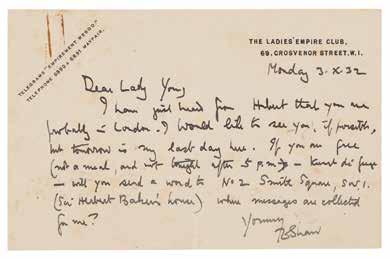
“I do not know what actors will be cast in the film of ‘Gone with the Wind.’ I have no connection with the picture and am as much in the dark as anyone else”
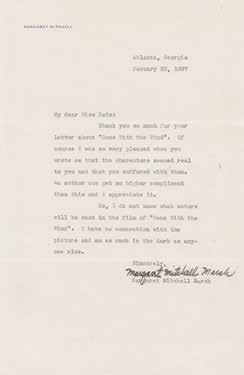
490. Margaret Mitchell Typed Letter Signed: “I do not know what actors will be cast in the film of ‘Gone with the Wind’”. TLS signed “Margaret Mitchell Marsh,” one page, 7 x 11, personal letterhead, January 22, 1937. Letter to “Miss Keim,” in full: “Thank you so much for your letter about ‘Gone with the Wind.’ Of course I was so very pleased when you wrote me that the characters seemed real to you and that you suffered with them. An author can get no higher compliment than this and I appreciate it. No, I do not know what actors will be cast in the film of ‘Gone with the Wind.’ I have no connection with the picture and am as much in the dark as anyone else.” In fine condition.
Only a month after Mitchell published her bestseller in 1936, David O. Selznick of Selznick International Pictures purchased the film rights for $50,000. Casting took two years and filming finally began on January 26, 1939, with Clark Gable and Vivien Leigh as the film’s two main characters, Rhett Butler and Scarlett O’Hara.
Mitchell, for her part, did not want an active role in the production of the film, but did enjoy receiving updates from the set. The film premiered on December 15, 1939, in Atlanta, Georgia, with local crowds showing Mitchell and her film overwhelming amounts of support. In addition to a three-day parade, the Georgia governor declared December 15th a state holiday. Starting Bid $200
“So far, out of thousands of letters, I have received only one which was apparently written by an unbalanced person”
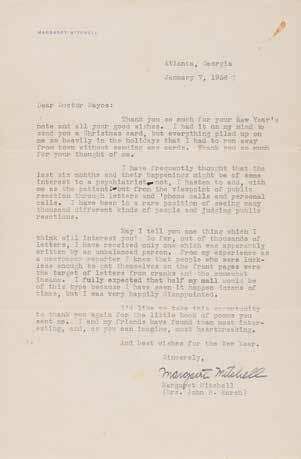
491. Margaret Mitchell Typed Letter Signed: “So far, out of thousands of letters, I have received only one which was apparently written by an unbalanced person”. TLS, one page, 7.25 x 11, personal letterhead, January 7, 193[7]. Letter to “Doctor Mayos,” in part: “I have frequently thought that the last six months and their happenings might be of some interest to a psychiatrist—not, I hasten to add, with me as the patient!—but from the viewpoint of public reaction through letters and ‘phone calls and personal calls. I have been in a rare position of seeing many thousand different kinds of people and judging public reactions.
May I tell you one thing which I think will interest you? So far, out of thousands of letters, I have received only one which was apparently written by an unbalanced person. From my experience as a newspaper reporter I knew that people who were luckless enough to get themselves on the front pages were the target of letters from cranks and the somewhat insane. I fully expected that half my mail would be of this type because I have seen it happen dozens of times, but I was very happily disappointed.
I’d like to take this opportunity to thank you again for the little book of poems you sent me. I and my friends have found them most interesting, and, as you can imagine, most heartbreaking.” In fine condition, with a few small stains. Read more online at www.RRAuction.com.
Starting Bid $200
492. Jules Verne Autograph Letter
Signed. ALS in French, signed “Jules Verne,” one page on a 5.5 x 3.5 postcard, June 9, 1902. Handwritten letter to a friend, sending thanks for his message and commenting on a needed surgery. Addressed on the reverse in Verne’s hand. In fine condition, with some paper residue along the left edge of the address side.
Starting Bid $200
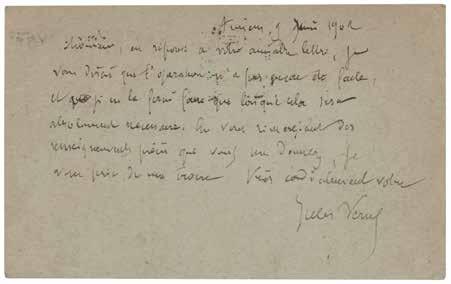
The teenage Bernstein’s “Musical Dream”— “Give every composer a ‘break’! Whether or not he seems promising...let him have a fair chance to plead his case!”
513. Leonard Bernstein
Autograph Manuscript
Signed - Essay on “A Musical Dream”. AMS signed and dated at the head, “Leonard Bernstein, Apr. 8, 1935,” four pages on two sheets, 6.5 x 8.5, entitled: “A Musical Dream.” The 16-year-old Boston Latin School student pens an essay, in part: “There is so much talk in the air about Utopias of different sorts that I venture to present my own little plan for an ideal musical world. If we enter a house of worship, we very often hear a sermon on the subject of a religious Utopia, one in which all nations, races, and groups shall worship a common God and see Him in a common light.
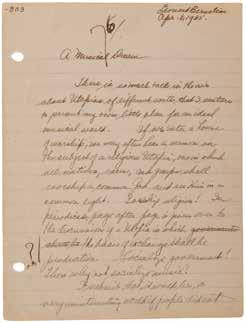
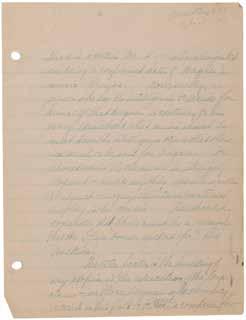
Socialize religion! In periodicals, page after page is given over to the discussion of a Utopia in which the basis of exchange shall be production. Socialize government! Then why not socialize music?
I submit that it would be a very uninteresting world if people did not have differences of opinion, and bring those differences into an open field of combat. Yet the little idea I have devised seems to me to be the only solution for peace in musical circles.
The Keynote of my Utopia is: give every composer a ‘break’! Whether or not he seems promising…let him have a fair chance to plead his case! Veritable wars have arisen among musicians over the competence of particular music-makers…
There is a certain Mr. D— who is designated as being a confirmed hater of Wagner’s music-dramas. Now, surely, a person who has the intelligence to decide for himself that Wagner is contrary to his every idea about what music should be must have the intelligence to see that there is much to be said for Wagner. He should admit that the music is strangely eloquent—unlike anything else ever written. He should recognize the intense emotional display in the music. He should consider that there must be a reason that the Opera House sold out for ‘Die Walkuere.’
The other factor in the building of my Utopia is the education of the lay class—or the laymen who show any interest in this field—to mark a composer for what he is worth…Here is a typical female gush: ‘Me? Oh, I just adore music. Do you know Gershwin’s Rhapsody? Or, is it Ravel’s? These composers are so confusing….’ The Rhapsody has inherent quality; that cannot be denied. But that is not the reason for the above gushing. That was brought on by the sweeping success of the piece among the people at large, and is valid in so far as it is sincere. First educate your people; then teach them to consider carefully, with the education they have, the merits and faults of each composer. Then shall the wolf lie down with the lamb, and the Schubertian with the Strawinskian.” In fine condition. Starting Bid $200
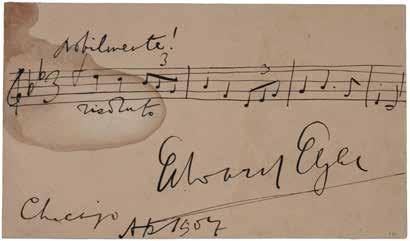
514. Edward Elgar Autograph Musical Quotation Signed. Leading English composer (1857–1934) and a significant figure among late Romantic European musicians. AMQS on an offwhite 6 x 3.5 card, signed below in ink, “Edward Elgar, Chicago, Ap. 1907.” Elgar pens four bars of music from one of his works. In very good condition, with a stain touching the first bar of music. Starting Bid $200
515. Franz Liszt Signed Photograph. Romantic era composer and pianist (1811–1886) whose prowess at the keyboard earned him a cachet as perhaps the greatest virtuoso in the history of the instrument. Choice 2.5 x 4.25 carte-de-visite photo of the great composer in a bust-length pose by Fritz Luckhardt, signed on the mount in ink, “F. Liszt.” In very fine condition. Starting Bid $300
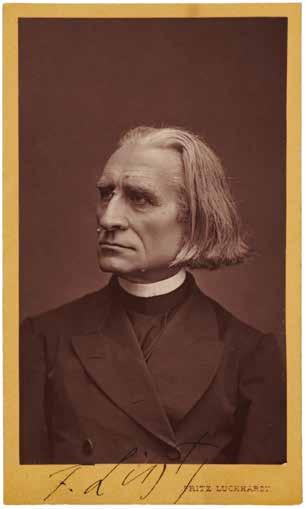
meeting of composers
critics, including Hector Berlioz:
“I am going to explain my pieces to him by hand and with the help of the piano under my fingers”
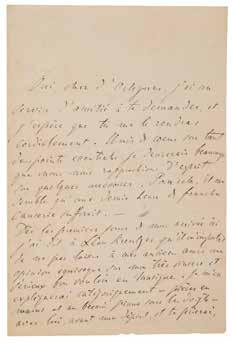
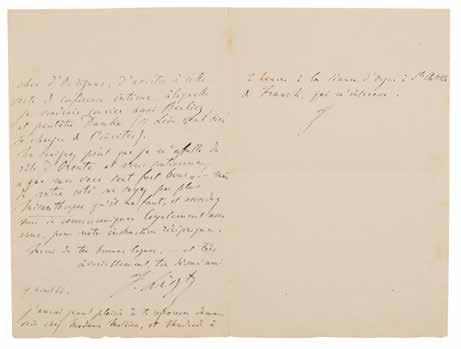
516. Franz Liszt Autograph Letter Signed, Arranging a Meeting with Berlioz and Fellow Composers: “I am going to explain my pieces to him by hand and with the help of the piano under my fingers”. ALS in French, signed “F. Liszt,” three pages on two adjoining sheets, 5 x 7.5, April 9, 1866. Handwritten letter to his friend Joseph d’Ortigue, arranging a small recital with fellow composers Hector Berlioz and Berthold Damcke. In part (translated): “Yes, dear d’Ortigue, I need you to do me a favor, and I hope you will do it heartily. United at heart on so many essential matters, I really would like us to become one in spirit on others. For this, I think a half hour of frank talk should suffice.
From the very first days of my arrival here I have told Léon Kreutzer that I did not want to let my old friends have an
equivocal opinion about my sincere and serious good will in Music. Before I leave, I am going to explain my pieces to him by hand and with the help of the piano under my fingers, and I will ask you, dear d’Ortigue, to attend this private meeting, along with Berlioz and maybe Damcke (if Léon wants to invite him).
Do not think that I am playing the role of Oronte and saying ‘my verse is pretty good!’ For your part, don’t be more like Misanthropes than necessary, and let me communicate loyally with you, for our reciprocal instruction.” He adds a handwritten postscript, signed “F.,” in full (translated): “I will have the great pleasure of seeing you tomorrow night at Madame Mathieu’s, and on Friday at 2:00 for [Cesar] Franck’s organ performance at Sainte Clotilde that interests me greatly.” In fine condition. Starting Bid $200
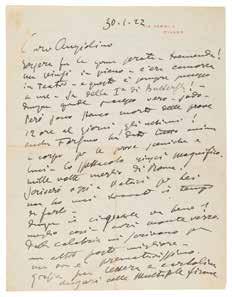
517. Giacomo Puccini Autograph Letter Signed on Il Trittico at La Scala: “Last night was the greatest evening—tremendous—a complete triumph”. ALS in Italian, one page both sides, 8.25 x 10.75, personal letterhead, January 30, 1922. Handwritten letter regarding the performance of Il Trittico at the Teatro alla Scala in Milan. In part (translated): “Last night was the greatest evening— tremendous—a complete triumph. There were many disputes in the theatre— always a sure sign of success for me. You know how it was for the premiere of Butterfly. Thus a really complete and hard-won success. But I am dead tired… Foranzo has given all of himself as far as the lights and scenery…the performance was marvelous—a million times better than the one in Rome.” In very good to fine condition, with some light staining and creasing. Il Trittico is a trio of one-act operas by Giacomo Puccini—Il tabarro, Suor Angelica, and Gianni Schicchi—that premiered at the Metropolitan Opera in 1918. Each opera presents a distinct mood and setting, ranging from dark verismo tragedy to spiritual drama to sharp comedy. Together, the three works showcase Puccini’s versatility in blending intense emotion, vivid orchestration, and memorable melodic writing. Starting Bid $200
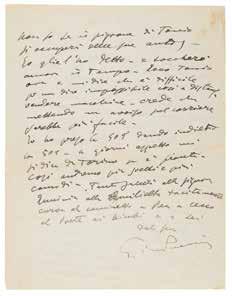
518. Giuseppe Verdi Autograph Letter Signed. Italian composer (1813-1901) who was one of the most influential figures in the history of opera. ALS in Italian, signed “G. Verdi,” one page, 5 x 7.75, no date. Untranslated handwritten letter by Giuseppe Verdi to his close friend, Giuseppe Demalde. Addressed on the integral leaf in Verdi’s own hand. In fine condition, with a small area of seal-related paper loss to the integral address leaf. Starting Bid $200
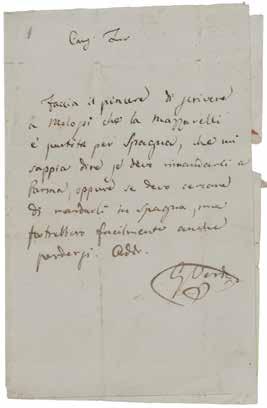
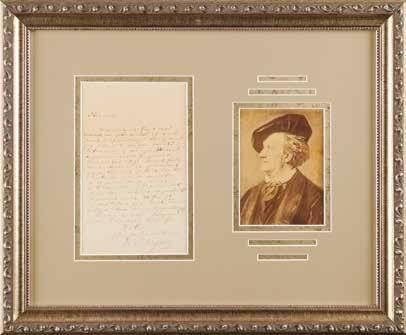
519. Richard Wagner Autograph Letter Signed. Important German composer (1813–1883) who single-handedly revolutionized opera and attained status as one of the most influential geniuses in the history of music. ALS in French, signed “Rich. Wagner,” one page, 4.5 x 7.25, no date. Untranslated handwritten letter by the celebrated opera composer. Double-matted and framed with a portrait to an overall size of 17 x 14. In fine condition. From the personal collection of a lifelong collector, teacher, and traveler with a passion for world history. His collecting years ranged from the 1970s to the present day, meaning that several of the premier pieces have not been on the market in decades. Starting Bid $200
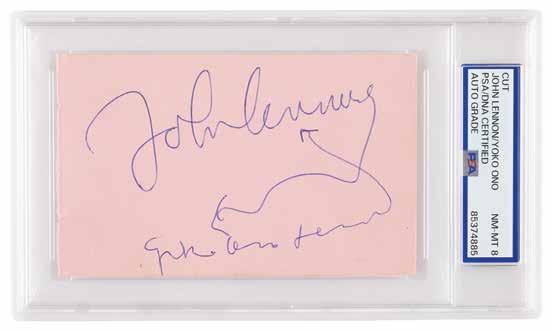
522. Beatles: John Lennon and Yoko Ono Signatures - PSA NM-MT 8. Ballpoint signatures, “John Lennon” and “Yoko Ono,” on a pink 4.75 x 3 album page; both Lennon and Ono end their signatures by drawing arrows to the other person’s name. In very fine condition. Encapsulated and graded by PSA/DNA as “NM - MT 8.” Starting Bid $300
signed by the Beatles during their short residency there between July 8-13, 1963
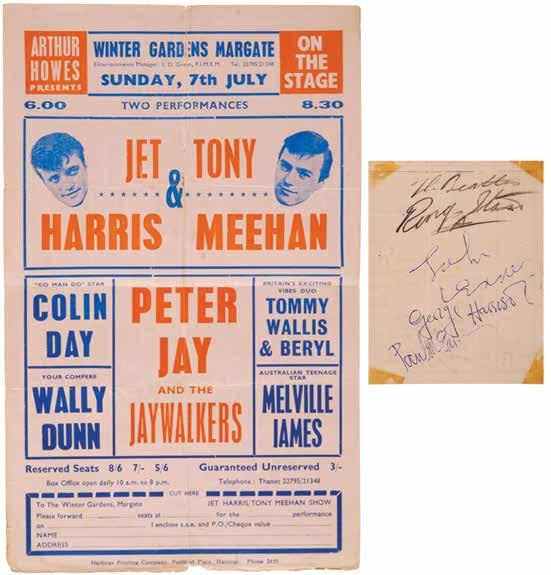
520. Beatles Signed 1963 Winter Gardens (Margate) Handbill. Original vintage 5.5 x 8.75 handbill for a concert at the Winter Gardens in Margate, England on July 7, 1963, featuring musical performances by Jet Harris, Tony Meehan, and Peter Jay and the Jaywalkers, signed on the reverse by the Beatles, with John Lennon, Paul McCartney, and George Harrison signing in ballpoint, and Ringo Starr signing in pencil and adding “The Beatles.” The adjacent side of the handbill bears ownership notations. The consignor notes that the autographs were obtained at the venue when the Beatles performed a short residency there between July 8-13, 1963. In very good condition, with light creasing, general handling wear, and old tape stains to the corners. Accompanied by a certificate of authenticity from Tracks and a letter of provenance from the niece of the original recipient: “My auntie…lived in Margate, Kent. She was actually dating someone in a band at the time, and he used to take her to all the bands playing at the Winter Gardens in Margate. She went to see the Beatles in 63, and got their autographs.” Starting Bid $1000
521. John Lennon
Signature with (20) Candid Photographs from the 1975 WFIL Helping Hand Marathon. Vintage 1975 ballpoint signature, “John Lennon,” on an off-white 4.75 x 4 sheet. Included with the signature is a period spiral-bound photo album, which contains 20 color semi-glossy 5 x 3.5 candid photographs from the WFIL Helping Hand Marathon, with 14 photos picturing Lennon at the event. In very good to fine condition, with light soiling, and old adhesive and mounting residue on the back.
From May 16 to 18, 1975, the Philadelphia rock station WFIL and the advocacy organization PARC cosponsored the Helping Hand Marathon, a weekend fundraiser to raise money for multiple sclerosis. Lennon spent the entire three days answering phones, taking pledges, and signing autographs for fans; he even stayed long enough to do the weather report for WPVI-TV. Starting Bid $300
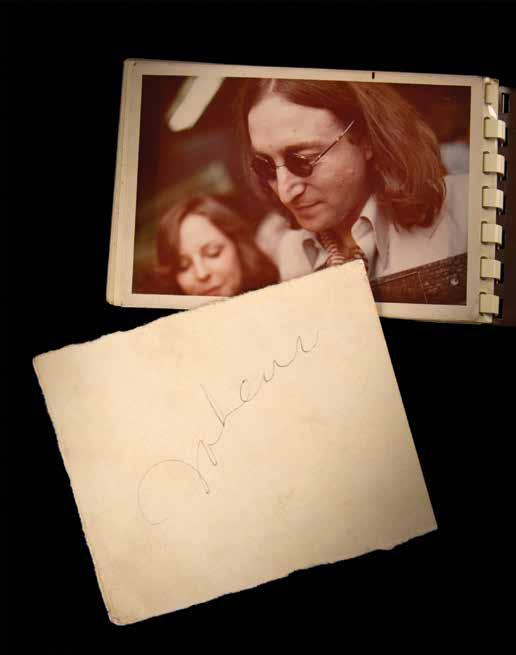
Sought-after ‘White
by the Beatles, signed by Paul and Linda McCartney, and George Martin during filming
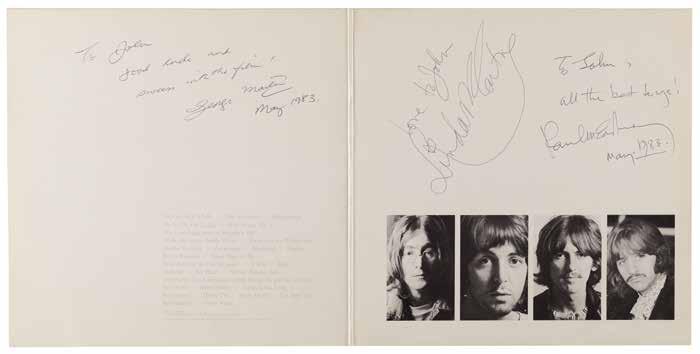
523. Paul and Linda McCartney, and George Martin Signed Beatles Album - The White Album. Early 1980s UK pressing of the Beatles’ self-titled 1968 album, known as ‘The White Album,’ signed and inscribed on the inner gatefold in black ballpoint, “To John, all the best to ye! Paul McCartney, May, 1983,” “Love to John, Linda McCartney,” and “To John, Good luck and success with the film! George Martin, May 1983.” The consignor notes that the autographs were obtained at Elstree Studios in Borehamwood, England, in May 1983, while McCartney was filming scenes for his 1984 film, Give My Regards to Broad Street. In fine condition. The records are included, as are the portrait photos and poster. Accompanied by a certificate of authenticity from Tracks and a letter from the original recipient, which reads: “To confirm I worked in the Camera department on the feature film ‘Give My Regards to Broad Street,’ which was produced in 1983/84 at Elstree Studios, Borehamwood. During the filming period, this album was signed by Paul McCartney, Linda McCartney, and George Martin.” Starting Bid $500
524. Bob Dylan Massive Original Mixed Media Painting - ‘Side Tracks’. Original artwork by Bob Dylan from his celebrated ‘Side Tracks’ series, based on his most famous ‘Drawn Blank’ image (‘Train Tracks’), handembellished in gouache and mixed media on a 36 x 48 giclée, signed below in pencil by Bob Dylan. The work features Dylan’s famous image of empty train tracks stretching into the infinite horizon, sky ablaze in the amber hues of sunset. Purple houses line the tracks and crimson-topped mountains loom in the distance. Dylan’s brushwork is brilliant and energetic, the whites delivered using a textural impasto technique. The artwork is titled on the reverse in pencil: “2 December 1975, Toronto, Canada.” Each work in Dylan’s running ‘Side Tracks’ series carries a unique date, city, and country, based on concerts he performed from 1961 to 2013. Float mounted and framed by John Jones of London to an overall size of 38.25 x 50.5, with a Halcyon Gallery label affixed to the reverse. In fine condition, with the paper gently buckling from the backing mount. Accompanied by a framed 15.5 x 12.5 biographical display.

Bob Dylan’s ‘Side Tracks’ series is a celebrated collection of over 300 artworks that showcase his evolution as a visual artist. Each piece begins with a giclée print of his iconic ‘Train Tracks’ image, a motif that first appeared in his ‘Drawn Blank’ series. Dylan then handembellishes each piece, making every one unique. The artworks are named after specific locations and dates, corresponding to significant concerts performed by Dylan throughout his lengthy career. This personal connection to his touring history adds resonant depth and narrative to the artworks; his 1975 Toronto show came as part of the legendary Rolling Thunder Revue, a carnivalesque spectacle that featured Joan Baez, Joni Mitchell, Gordon Lightfoot, Ramblin’ Jack Elliott, Roger McGuinn, Mick Ronson, and Allen Ginsberg.
Bob Dylan’s ‘Drawn Blank Series’ marks a significant chapter in his journey as a visual artist, showcasing his ability to translate his observations into expressive paintings. Originally created as sketches between 1989 and 1992 while touring across America, Europe, and Asia, these drawings were a means for Dylan to relax and refocus his mind.
In 2006, he began to revisit the collection, transforming his black-and-white sketches into vibrant watercolor and gouache paintings, each version exploring different moods and color palettes. The series debuted at the Kunstsammlungen Chemnitz museum in Germany before being exhibited at London’s Halcyon Gallery, where critics praised his bold use of color and emotive brushwork. Much like his music, Dylan’s artwork reflects his unique perspective on people, places, and the passage of time, solidifying his status as a multidisciplinary artist with a distinct and evolving visual style. Starting Bid $5000
Bob Dylan-signed ‘Train Tracks’ giclee print, released in 2008 as part of his limited edition ‘Drawn Blank’ series
526. Bob Dylan Signed ‘Train Tracks’ Giclee Print (Ltd. Ed. #149/295) - Released in the Original 2008 ‘Drawn Blank’ Series. Limited edition color 22 x 27.5 giclee print by Bob Dylan entitled ‘Train Tracks - Portfolio,’ released as part of his original 2008 ‘Drawn Blank’ series, numbered 149/295, signed in the lower border in pencil by Dylan. In fine condition, with a couple of light creases to the left border. Accompanied by a certificate of authenticity from Washington Green Fine Art.
Dylan’s popular Drawn Blank art series—a visual autobiography capturing his life on the road—colorfully portrays the people and places he has encountered over the course of his ‘Never Ending Tour.’ This ‘Train Tracks’ print, which derives from the first artwork suite released in the series, represents Dylan’s most coveted subject, and one that he has returned to throughout the series. Starting Bid $500
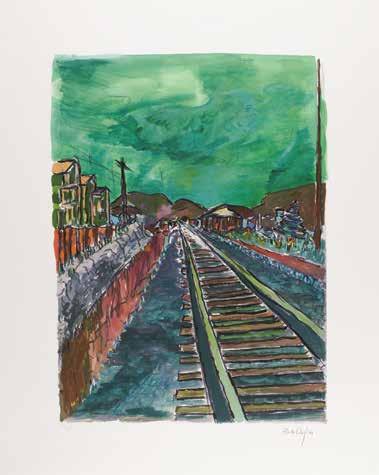
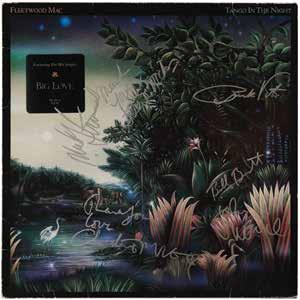
528. Fleetwood Mac Signed Album - Tango in the Night. Tango in the Night album by Fleetwood Mac, signed on the front cover in silver ink by Mick Fleetwood, John McVie, Christine McVie, Stevie Nicks, Rick Vito, and Billy Burnette. In fine condition. The record is not included. Accompanied by a certificate of authenticity from Tracks. The consignor notes that the autographs were obtained at the Hovet Arena in Stockholm, Sweden, on May 29, 1988, by an employee of the Swedish company EMA Telstar. Through his role organising security for concerts and events, he was granted access to many of the world’s leading artists of the period. The show was part of the group’s ‘Shake the Cage Tour,’ the band’s first tour without guitarist Lindsey Buckingham. Starting Bid $200
Uninscribed copy of Bob Dylan’s iconic
on
album, signed in 2017 for the president of the Bob Dylan
527. Bob Dylan Signed Album - Blonde on Blonde. Reissue of Bob Dylan’s landmark seventh studio album, Blonde on Blonde, signed neatly on the front cover in black felt tip by Dylan. In very fine condition. The records are included. Accompanied by a certificate of authenticity from Tracks and a letter of provenance from Jeff Rosen, president of the Bob Dylan Music Company, in full: “I represent Bob Dylan and have done so for many years. In 2017 he signed a number of individual albums on a rare and limited basis, including the album photographed here. I can say for certain that it is Bob Dylan’s signature. The chain of custody is directly from Bob Dylan to myself.” A sensational example of one of Dylan’s greatest albums, signed in a controlled environment, for his trusted business manager of 30-plus years.
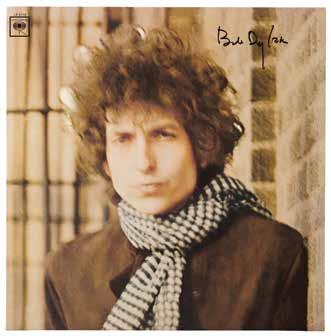
Often ranked as one of the greatest albums of all time, Blonde on Blonde represents not only one of the first double albums in rock history, but also the culmination of Dylan’s influential 1965–1966 period that included Bringing It All Back Home and Highway 61 Revisited. The genre and boundary-crossing brilliance of Blonde on Blonde—recording sessions were split between Columbia Studios in Nashville and New York City—was praised by critics and the public alike, with the album attaining double platinum status on the strength of singles ‘Rainy Day Women #12 & 35’ and ‘I Want You.’ Starting Bid $500
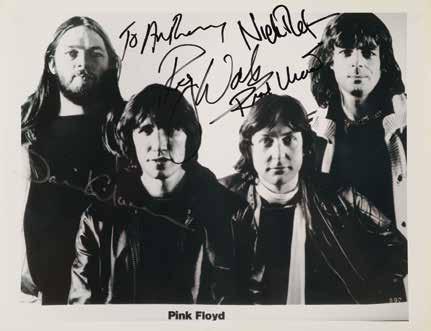
529. Pink Floyd Signed Photograph. Coveted glossy 11 x 8.5 photo of Pink Floyd in their prime, signed and inscribed in black felt tip, “To Anthony, Roger Waters,” “Nick Mason,” and “Richard Wright,” and in silver ink, “David Gilmour.” In fine condition, with minor ink adhesion issues to Gilmour’s signature. A sought-after, fully signed band photo of the prog rock masters. Starting Bid $500
530. Prince Signed Album - Lovesexy. UK vinyl pressing of the 1988 Prince album Lovesexy, signed on the front cover in blue felt tip, “‘Love God,’” – P 88.” The consignor notes that the album was signed at an autograph-signing session held at the department store Nordiska Kompaniet (NK) in Stockholm, Sweden, on August 12, 1988. Prince had performed at Stockholm’s Isstadion on August 10th and 11th. In very fine condition. The record is included. Accompanied by a certificate of authenticity from Tracks. Starting Bid $500
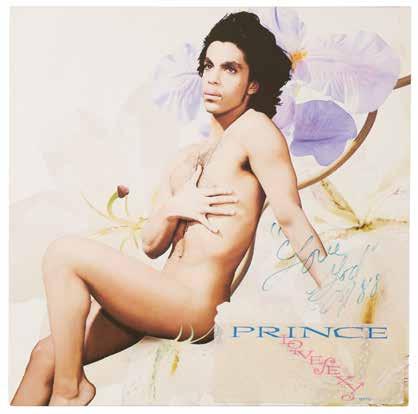
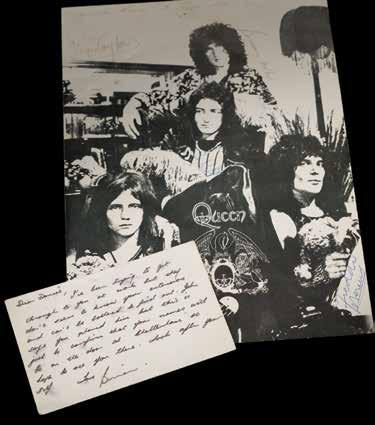
531. Queen Signed 1973 UK Tour Flyer and Brian May Autograph Letter Signed. Two early vintage Queen items: promotional flyer for Queen and their 1973 UK Tour in support of their self-titled debut album, 8.25 x 11.5, signed in ink and ballpoint by Freddie Mercury, Roger Taylor, John Deacon, and Brian May, who adds an inscription above, “With love to Denise,” with Deacon signing again on the reverse; and an ALS from May, signed “Brian,” on a 5.5 x 3.5 postal card, postmarked on March 12, 1974, addressed to Denise Bradbury. The handwritten letter reads: “I’ve been trying to get through to you at work but they don’t seem to know your extension and can’t be bothered to find out. John says you phoned him but this is just to confirm that your names will be on the door at Cheltenham so hope to see you there. Look after yourself.” In overall very good to fine condition, with overall light creasing to the photo, and light brushing to the ink in May’s letter. Starting Bid $500
Early document from the Rolling Stones sent to the secretary of their official business company, Rolling Stones Limited, signed by the entire band—“Brian Jones,” “Mick Jagger,” “K. Richard,” “C. R. Watts,” and “Bill Wyman”
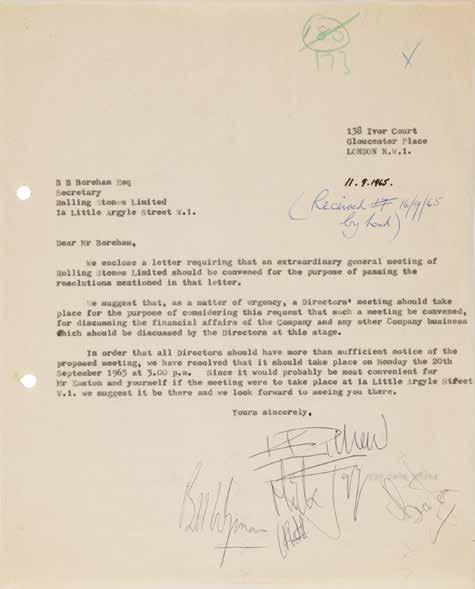
532. Rolling Stones Early Band-Signed Document - Official Letter to the Secretary of Rolling Stones Limited, the Group’s Official Company (1965). DS, signed “Brian Jones,” “Mick Jagger,” “K. Richard,” “C. R. Watts,” and “Bill Wyman,” one page, 7.75 x 9.75, September 11, 1965. Official letter to B.B. Boreham, the secretary of Rolling Stones Limited, sent from the office address of the group’s manager, Andrew Loog Oldham, in full: “We enclose a letter requiring that an extraordinary general meeting of Rolling Stones Limited should be convened for the purpose of passing the resolutions mentioned in that letter. We suggest that, as a matter of urgency, a Directors’ meeting should take place for the purpose of considering this request that such a meeting be
convened, for discussing the financial affairs of the Company and any other Company business which should be discussed by the Directors at this stage. In order that all Directors should have more than sufficient notice of the proposed meeting, we have resolved that it should take place on Monday the 20th September 1965 at 3.00 p.m. Since it would probably be most convenient for Mr. Easton and yourself if the meeting were to take place at la Little Argyle Street W.1. we suggest it be there and we look forward to seeing you there.” Signed at the conclusion by all five band members in black ballpoint. In fine condition, with a light diagonal crease to the upper left. Accompanied by a certificate of authenticity from Tracks. Starting Bid $1000
627. Montgomery Clift Signed Photograph. Vintage circa 1950 glossy 8 x 10 studio portrait photo of Montgomery Clift posing under a ladder, signed and inscribed in bold fountain pen, “To Leslie, Montgomery Clift.” In fine condition. Starting Bid $200
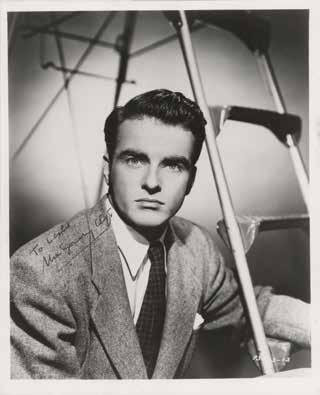
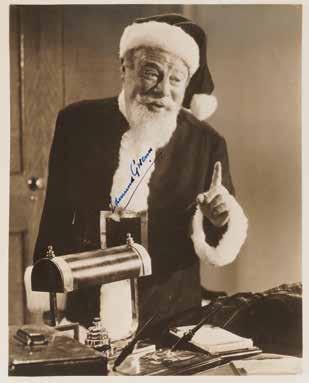
Wonderful signed photo of Gwenn in his iconic Oscar-winning role as Santa Claus
628. Edmund Gwenn Signed Photograph as Santa Claus from Miracle on 34th Street. English actor (1877–1959) best remembered for his role as Kris Kringle in the Christmas film Miracle on 34th Street, for which he won the Academy Award for Best Supporting Actor. Vintage matte-finish 7.75 x 9.5 photo of Edmund Gwenn as Kris Kringle in the 1947 Christmas classic Miracle on 34th Street, boldly signed in fountain pen. In fine condition, with a light crease to the background near his hat’s pompom, and two filled-in filing holes to the top edge. One of the better Gwenn photos we have ever offered, highlighted by its large size, great image, and lack of inscription. Starting Bid $200
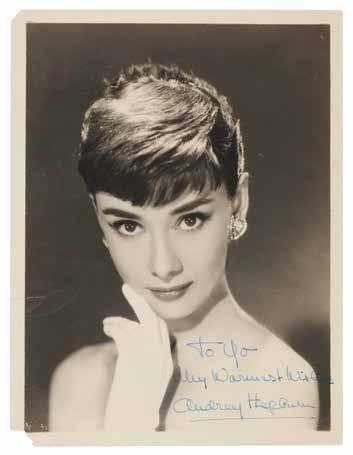
629. Audrey Hepburn Signed Photograph. Gorgeous vintage matte-finish 8 x 10 publicity photo of Audrey Hepburn for the 1954 film Sabrina, signed and inscribed in fountain pen, “To Jo, My warmest wishes, Audrey Hepburn.” In very good to fine condition, with a crease and associated short tear to the left edge, loss to two corners that could be matted out if desired. Starting Bid $200
630. Audrey Hepburn Oversized Signed Photograph. Outstanding oversized vintage semi-glossy 16 x 20 photo of Hepburn taken by Sid Avery near the Fulton Theatre in Manhattan after staging the play Gigi, signed and inscribed in fountain pen “To Manchete, Best Wishes, Audrey Hepburn.” Also signed on the reverse in pencil by photographer Sid Avery, below his “Sid Avery & Associates” credit stamp. In fine condition. Starting Bid $200

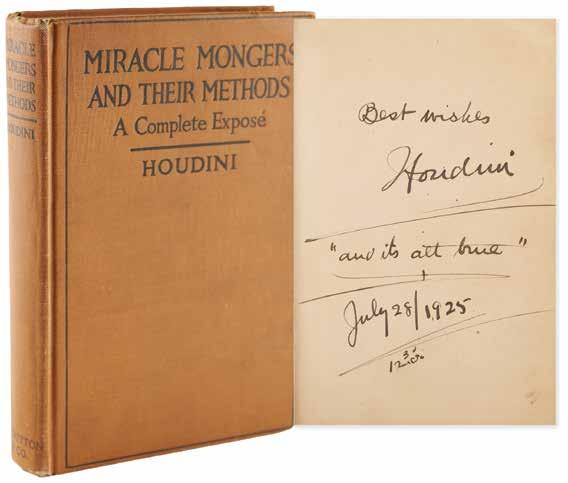
631. Harry Houdini Signed Book - Miracle Mongers and Their Methods. Signed book: Miracle Mongers and Their Methods: A Complete Expose of the Modus Operandi of Fire Eaters, Heat Resisters, Poison Eaters, Venomous Reptile Defiers, Sword Swallowers, Human Ostriches, Strong Men, Etc. First edition. NY: E. P. Dutton & Company, 1920. Hardcover, 5.5 x 8.25, 240 pages. Signed nicely on the first free end page in black ink, “Best wishes, Houdini, ‘and it’s all true,’ July 28/1925.” Autographic condition: fine, with a bit of light soiling. Book condition:
Following the death of his mother in 1913, Harry Houdini began to investigate spiritualism and soon became an all-out crusader against it. Early in 1924, he began lecturing throughout the United States on fraudulent mediums. In city after city, he attended séances in disguise, exposing frauds on the spot and sometimes securing their arrest, aided by his personal squad of detectives. The raids brought him huge publicity as well as a million dollars in lawsuits.’ In Miracle Mongers, Houdini—who was a collector of notebooks, manuscripts, and artifacts related to magic and illusion—divulges the ‘modus operandi of fire-eaters, heat resisters, poison eaters, venomous reptile defiers, sword swallowers, human ostriches [and] strong men.’ Starting Bid $300
632. Harry Houdini Signed Photograph. Classic vintage matte-finish 5 x 7 head-and-shoulders photo of the legendary escape artist and illusionist, signed and inscribed in fountain pen, “To Father Emerson from Paris, Regards, Houdini, Feb. 12/22.” In fine condition, with a hint of faint silvering and soiling. Starting Bid $200
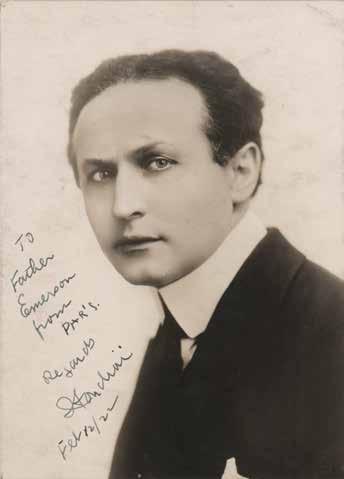
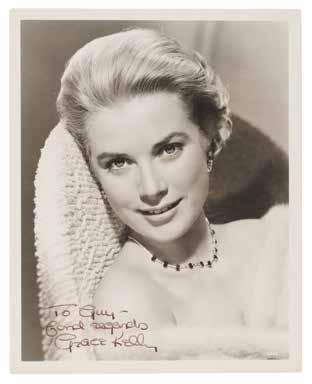
633. Grace Kelly Signed Photograph. Beautiful vintage matte-finish 8 x 10 head-and-shoulders photo of Kelly clad in furs and jewels, signed and inscribed in fountain pen, “To Guy—fond regards, Grace Kelly.” Reverse bears the stamp of the “Official Grace Kelly Fan Club.” In very fine condition. Starting Bid $200
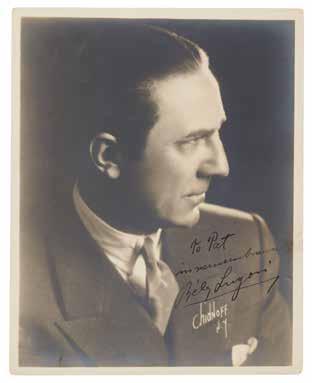
634. Bela Lugosi Signed Photograph. Dramatic vintage matte-finish 8 x 10 photo of Lugosi in profile by NYC photographer Irving Chidnoff, neatly signed and inscribed in fountain pen, “To Pat, in remembrance, Bela Lugosi.” In fine condition. Starting Bid $200
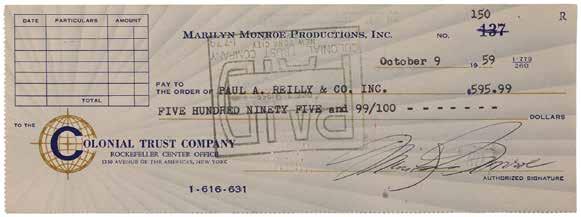
635. Marilyn Monroe Signed ‘Marilyn Monroe Productions’ Check (October 9, 1959). Marilyn Monroe Productions business check (Colonial Trust Company of New York), 8.5 x 3, numbered “150,” filled out in type and signed beautifully by Monroe, “Marilyn Monroe,” payable to Paul A. Reilly & Co., Inc., for $595.99, October 9, 1959. In fine condition. At the time she wrote this check, Marilyn was between projects—filming had wrapped on the screwball comedy Some Like It Hot, which would be released the next month on March 29th, and she would begin shooting Let’s Make Love in early 1960. Starting Bid $200
636. Marilyn Monroe’s ‘Trade Bank and Trust Company’ Savings Account Booklet (1956-1957). Marilyn Monroe’s savings account booklet from the Trade Bank and Trust Company of New York City, twelve pages, 3.5 x 5, with the first statement page identifying the account holder in type as “Marilyn Monroe,” with passbook serial number “C 3816,” a number also present on the front cover. Only the opening page contains account details, consisting of a deposit of $10,000 on January 5, 1956, and a withdrawal of the untouched deposit on October 16, 1957; with accrued interest, Monroe withdrew a total of $10,471.72. The first two pages are stamped twice “Cancelled.” In very fine condition.
There’s no specific record explaining why Marilyn Monroe left the $10,000 untouched, but it was likely simply a savings deposit. She made it in January 1956 during a busy and transformative period in her life, when she was living in New York, studying at the Actors Studio, filming Bus Stop, and was soon to marry playwright Arthur Miller. It’s possible she set the money aside as a reserve, leaving it in the account to accrue interest until withdrawing the full balance in October 1957. Starting Bid $200
637. Glenn Strange Signed Photograph as Frankenstein’s Monster. Actor (1899-1973) who, after appearing in a string of westerns, became better known as Frankenstein’s monster after Boris Karloff declined to continue the role. Vintage glossy 8.25 x 10 photo of Glenn Strange as Frankenstein’s Monster, signed and inscribed in black felt tip, “For Blackie, Glenn Strange.” In fine condition, with some light streaking to the emulsion.
Glenn Strange began playing Frankenstein’s monster in 1944 after Universal make-up artist Jack Pierce noticed that his 6’4” height and facial features were ideal for the role. Cast in House of Frankenstein (1944), he took over the part originated by Boris Karloff, who personally coached him after hours. Strange reprised the role in House of Dracula (1945) and again in Abbott and Costello Meet Frankenstein (1948). Strange later said that Abbott and Costello Meet Frankenstein was one of the most enjoyable experiences of his career. Starting Bid $200
“Marion
authorizes RKO to deduct $150 per week from his salary to repay a $120,000 promissory note
639. John Wayne Document Signed as “Marion M. Morrison”. DS, signed “Marion M. Morrison,” two pages, 8.5 x 11, January 5, 1951. Official letter from John Wayne to RKO Pictures concerning a promissory note in the amount of $120,000, which reads, in part, “You have waived, and hereby waive, interest on said promissory note for the period from December 13, 1950 to and including December 18, 1950… We have authorized and directed you… to deduct the sum of One Hundred Fifty Dollars…a week from the compensation of Mr. Morrison (John Wayne).” Signed at the conclusion in blue ballpoint by Wayne with his given name, and countersigned by his second wife, Esperanza Baur. In fine condition. Starting Bid $200
638. Sharon Tate Signed Agency Contract. DS, seven pages, 8.5 x 11, March 10, 1965. Television Motion Picture Artist’s Manager Contract between the William Morris Agency and Sharon Tate, who employs the former for a period of three years. Signed at the conclusion in black ink by Tate. In fine condition. A notable early contract marking Sharon Tate’s transition from small television roles into a professionally managed film career. Starting Bid $200
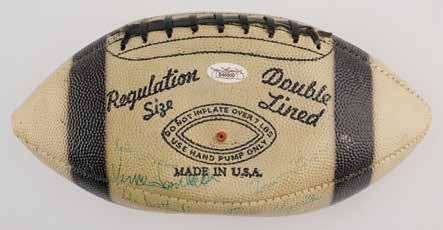
730. Vince Lombardi and 1963 Green Bay Packers Signed Football. White Collegiate “Pebble Grain” football with black laces, signed in blue ballpoint by Vince Lombardi and 40 members of his 1963 Green Bay Packers football team, including: Tom Fears, Jim Taylor, Willie Davis, Henry Jordan, Willie Wood, Bart Starr, Jim Ringo, Ray Nitschke, Herb Adderley, Fuzzy Thurston, Boyd Dowler, Max McGee, Elijah Pitts, and others. In very good to fine condition, with most of the signatures faded or very light; Lombardi’s signature is the bold exception. Accompanied by a full letter of authenticity from JSA. The 1963 Green Bay Packers, coached by Vince Lombardi, finished the regular season with an 11–2–1 record, placing second in the NFL Western Conference after winning the previous two league championships. From the collection of Mark S. Robbins. Starting Bid $200
729. Muhammad Ali Archival Print by Brian Hamill (Ltd. Ed. #1/25) - 22.25˝ x 31˝. Beautiful limited edition 22.25 x 31 museum-quality archival pigment print of Muhammad Ali, numbered 1/25, depicting the young boxer seated on a staircase in a formal half-length pose, an image originally taken by photographer Brian Hamill, who has signed the lower border in black ink. In very fine condition. Starting Bid $200
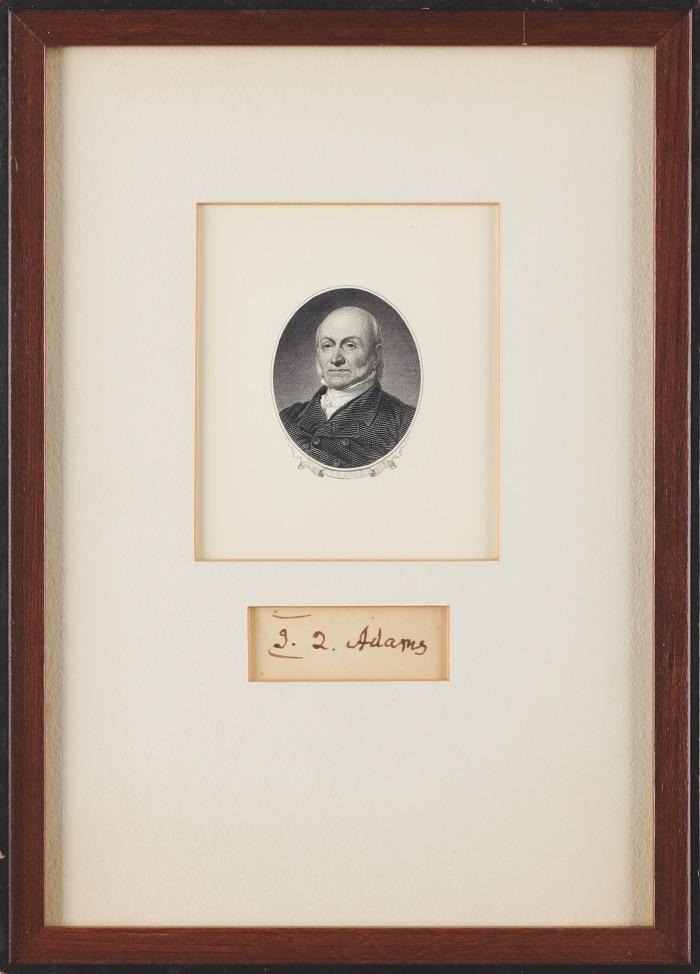
43. John Quincy Adams Signature Starting Bid $200
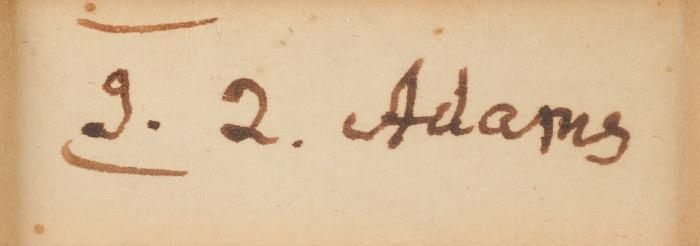
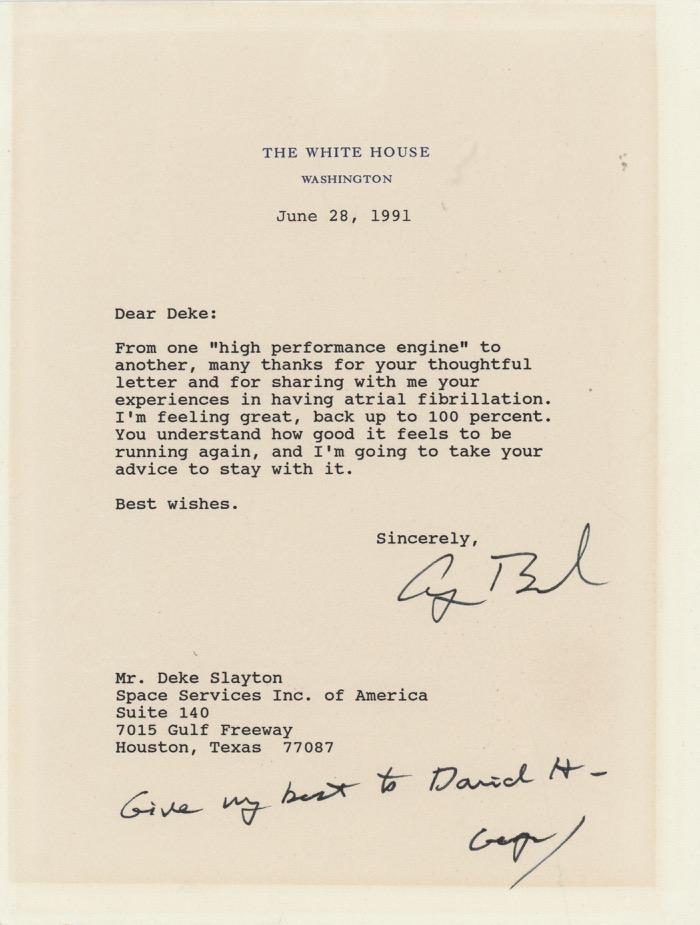
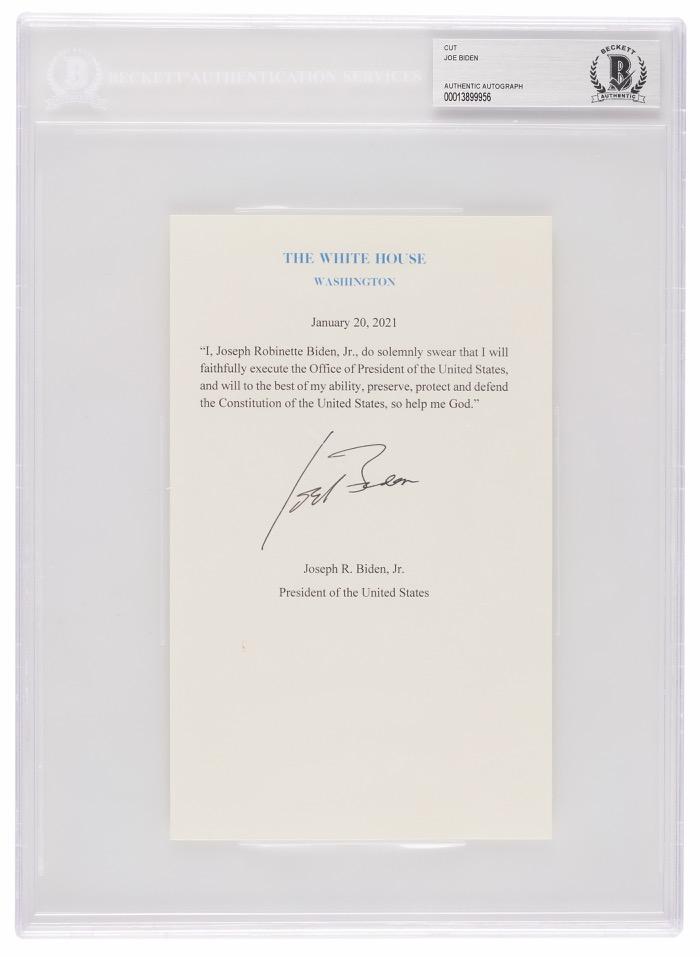
44. Joe Biden Signature on Mock Oath of Office Starting Bid $200
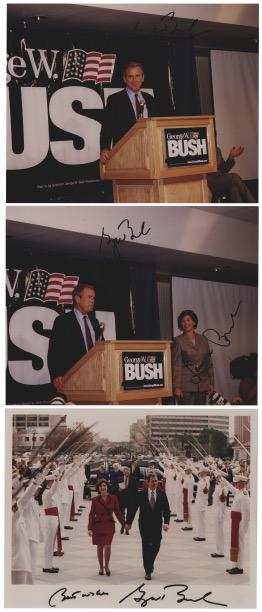
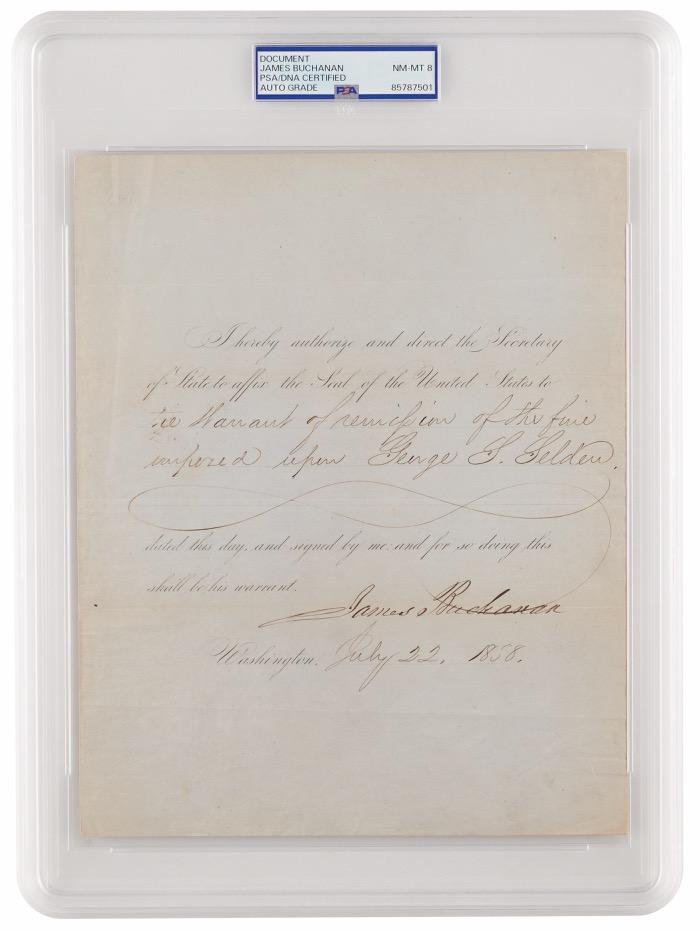
45. James Buchanan Document Signed as President - PSA NM-MT 8 Starting Bid $200
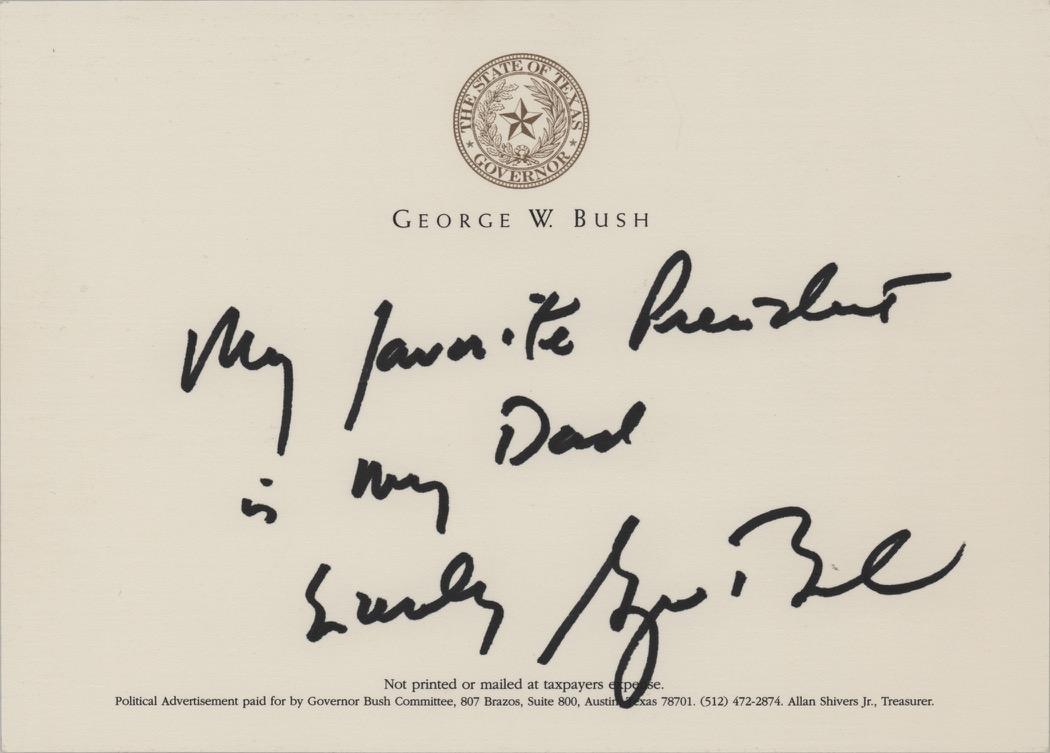
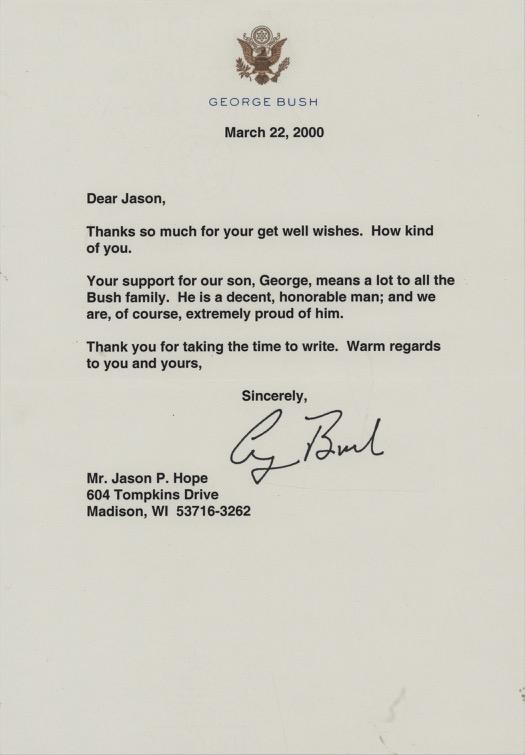
46. George Bush Typed Letter Signed on the 2000 Presidential Election... Starting Bid $200
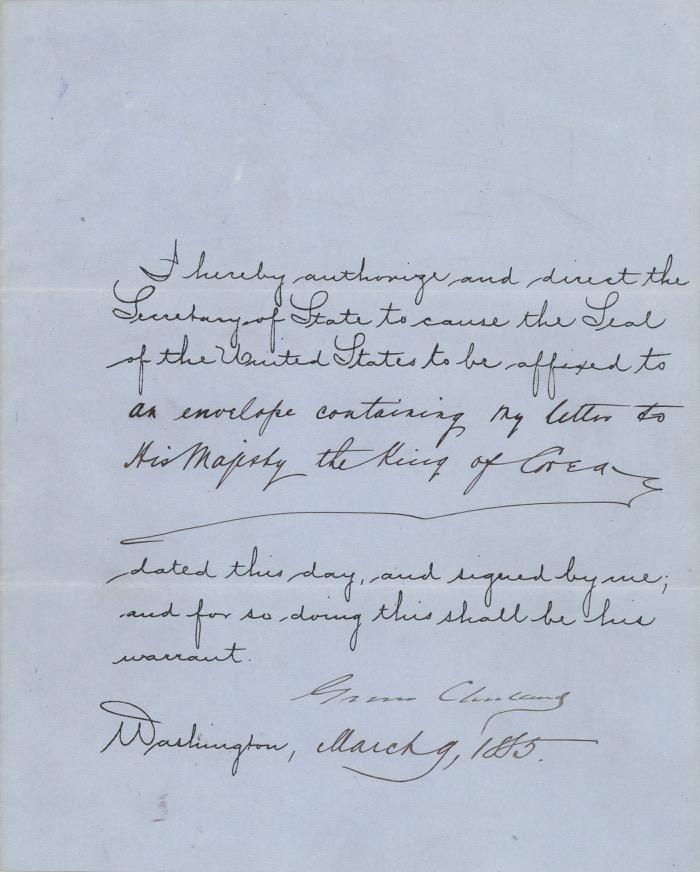
47. George Bush Typed Letter Signed as President to Astronaut Deke Sl...
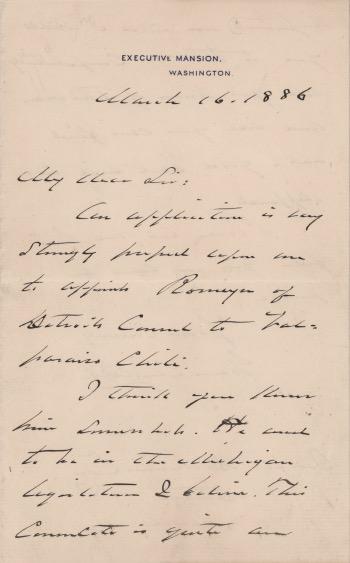
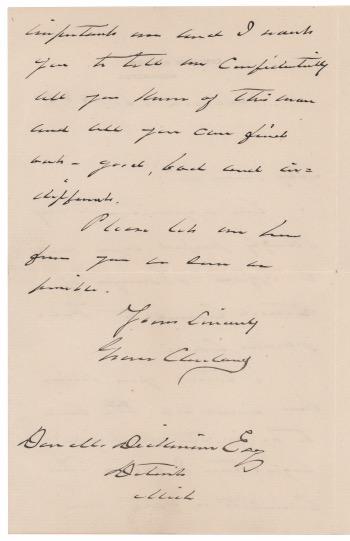
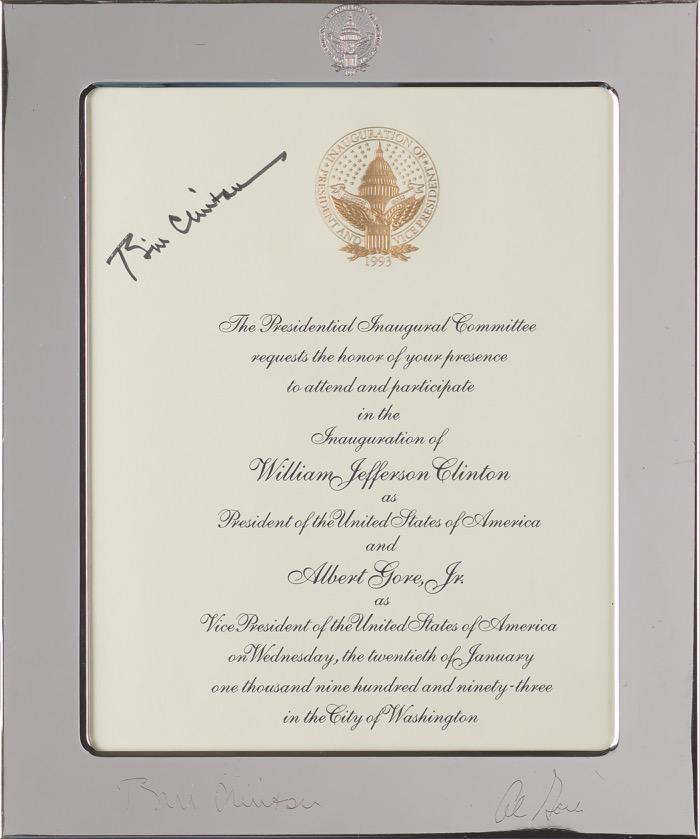
48. George W. Bush
Signed Photographs Starting Bid $200
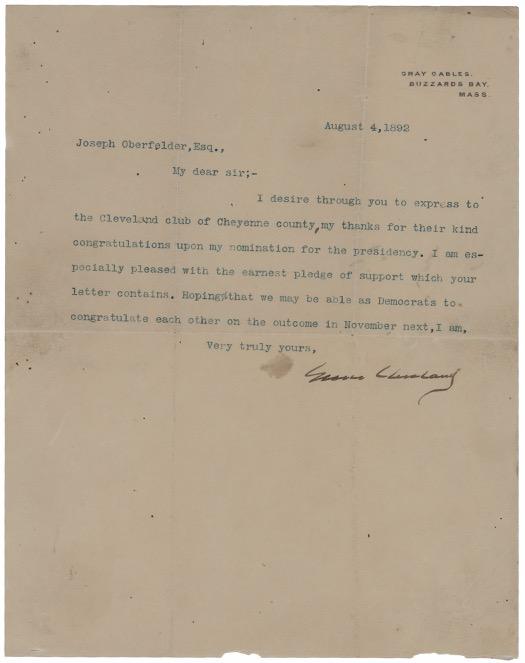
52. Grover Cleveland Typed Letter Signed, Sending Thanks for "congrat... Starting Bid $200
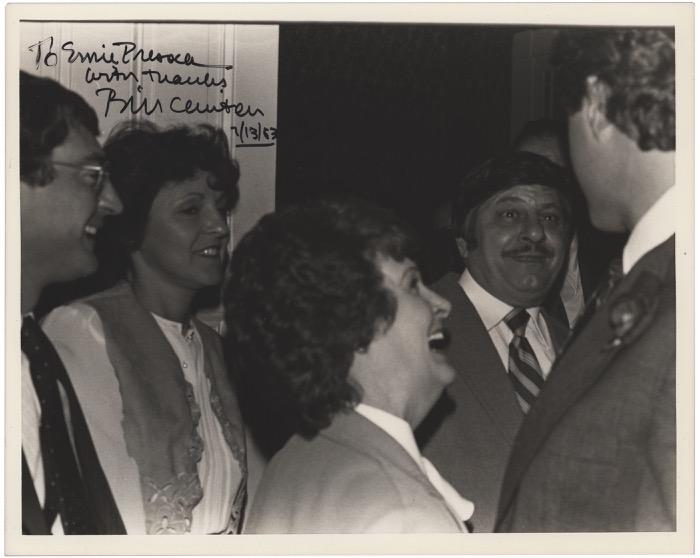
56.
49. George W. Bush Autograph Note Signed: "My favorite President is m... Starting Bid $200
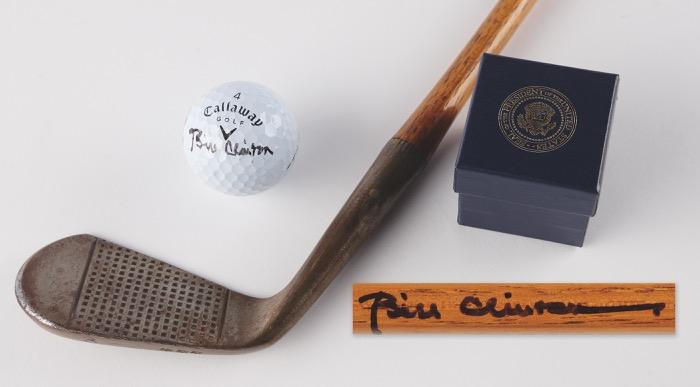
53.
50. Grover Cleveland Document Signed as President, Sending a Letter t... Starting Bid $200
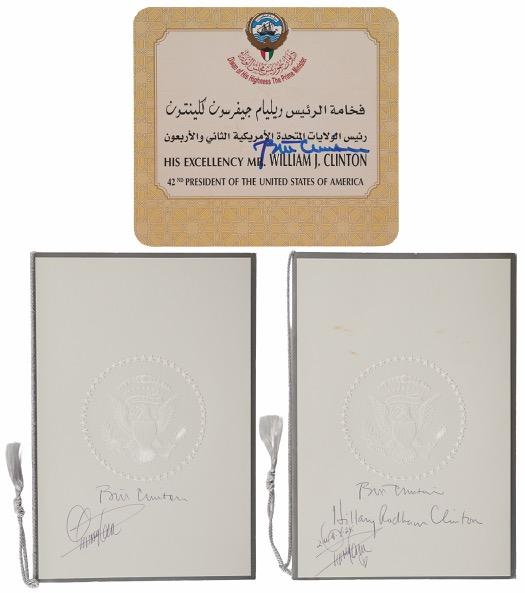

57.
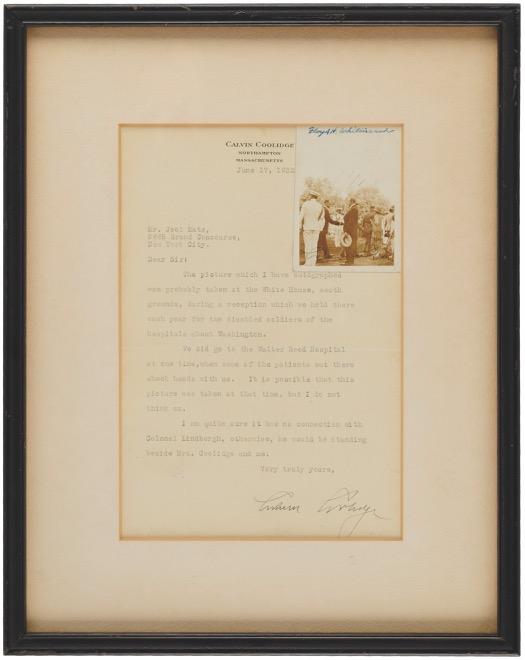
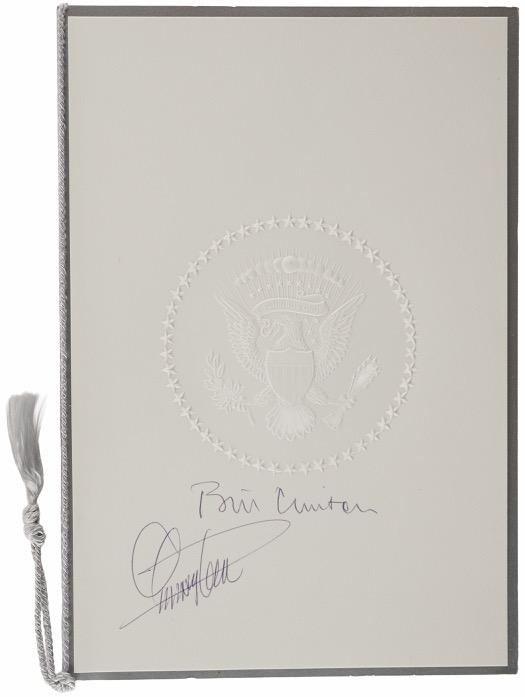
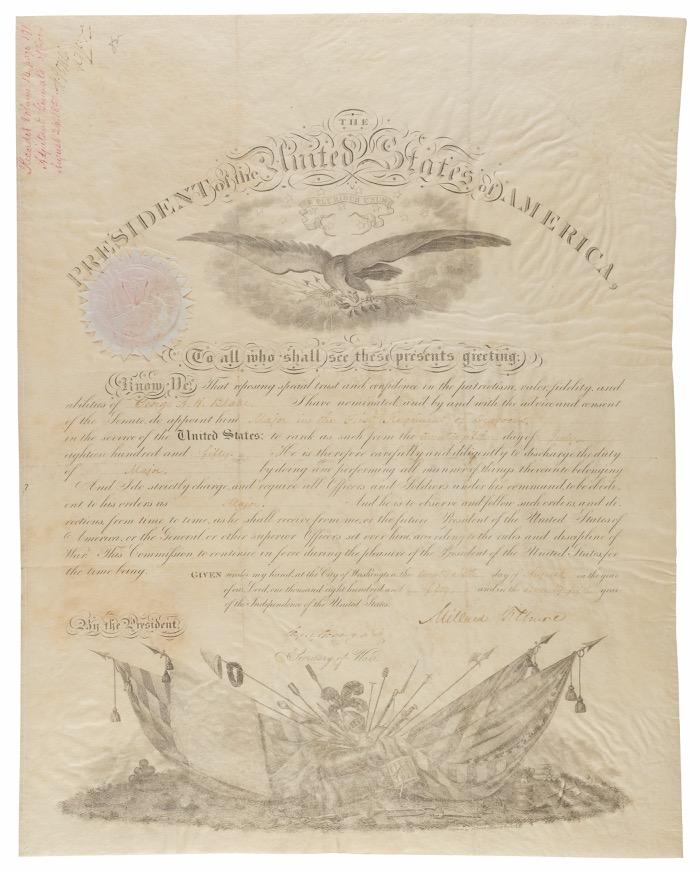
58.
Starting Bid $200
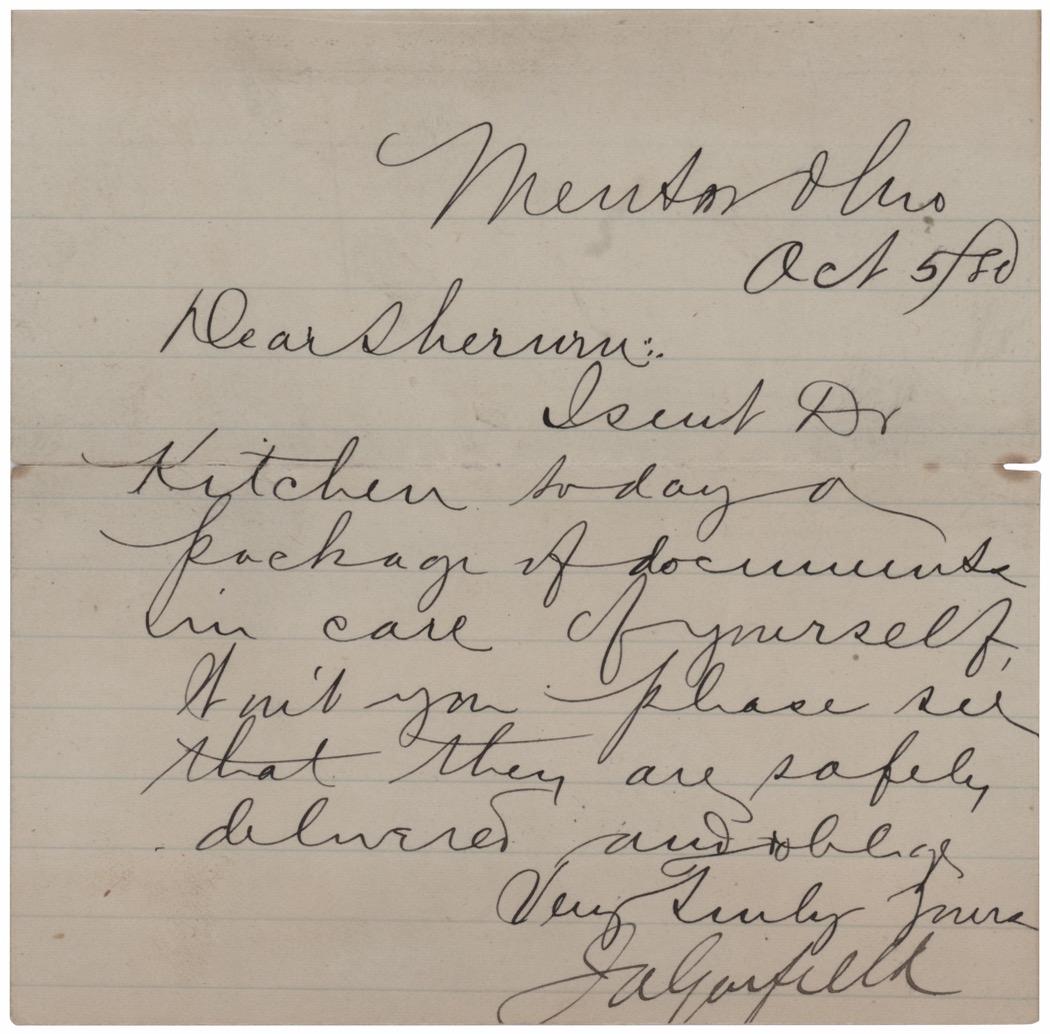
59. James A. Garfield Autograph Letter SignedOne Month Before His ... Starting Bid $200
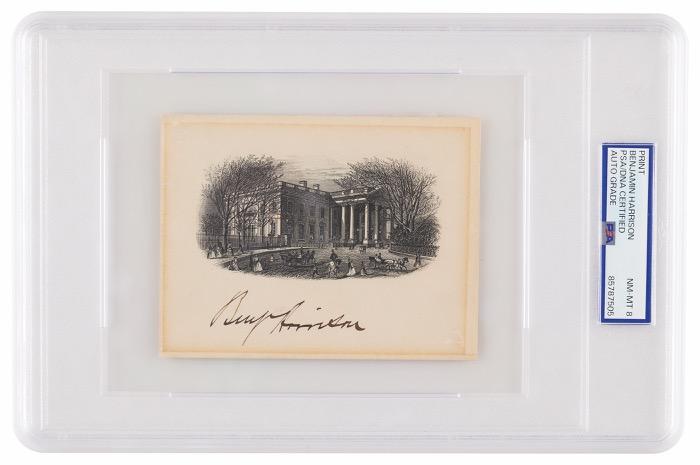
63. Benjamin Harrison Signed White House Engraving - PSA NM-MT 8 Starting Bid $200
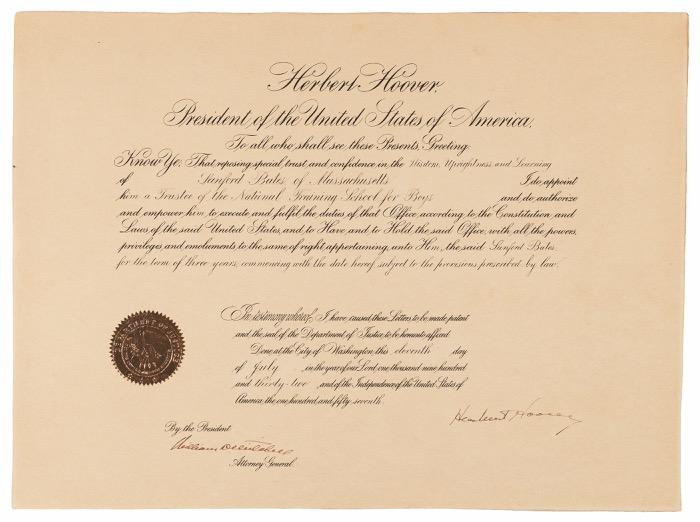
67. Herbert Hoover Document Signed as President Starting Bid $200
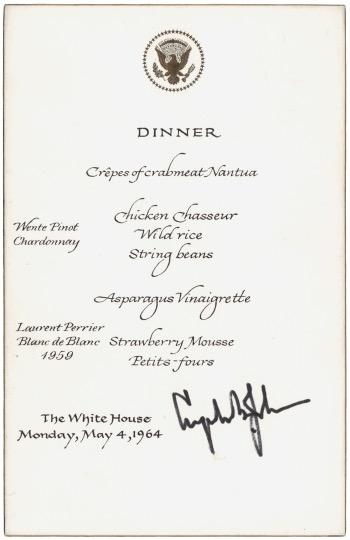
71. Lyndon B.
Signed White House Dinner Menu Starting Bid $200
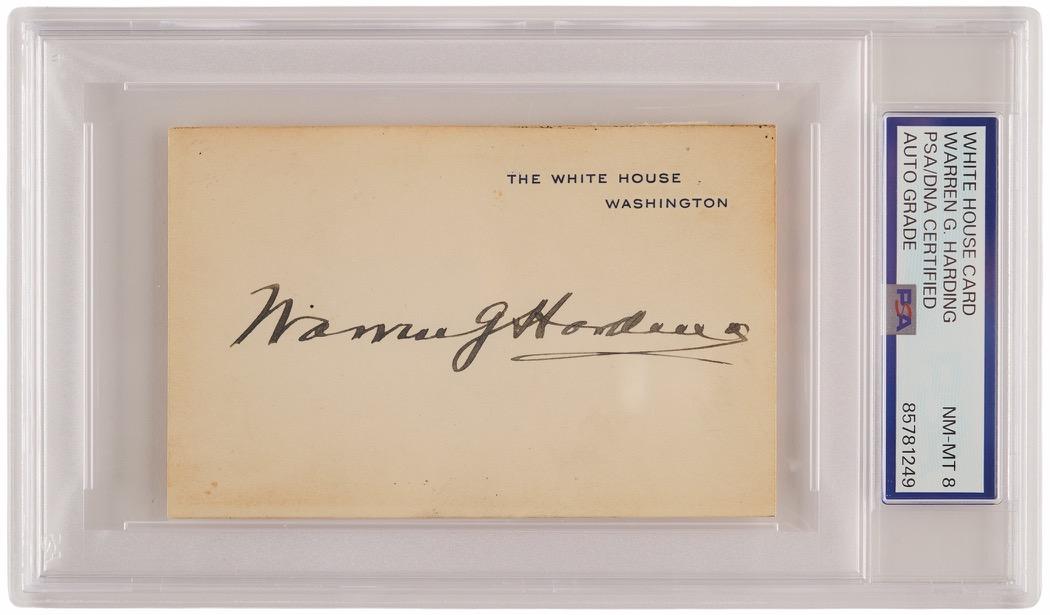
60. Warren G. Harding Signed White House CardPSA NM-MT 8 Starting Bid $200
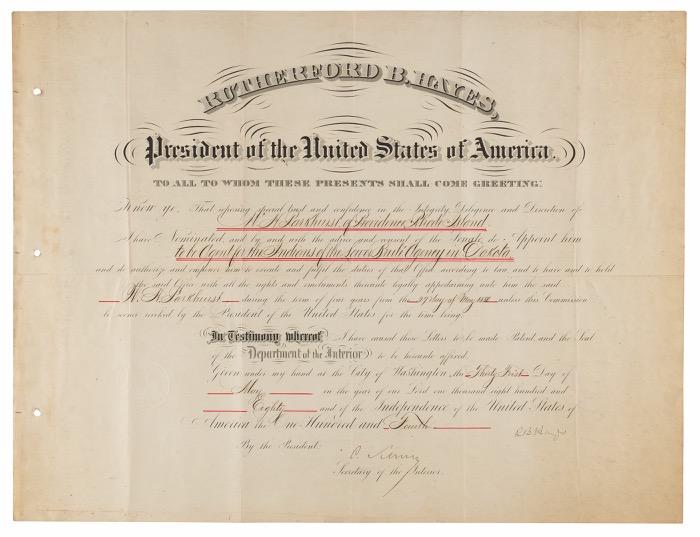
64. Rutherford B. Hayes Document Signed as President, Appointing an I... Starting Bid $200
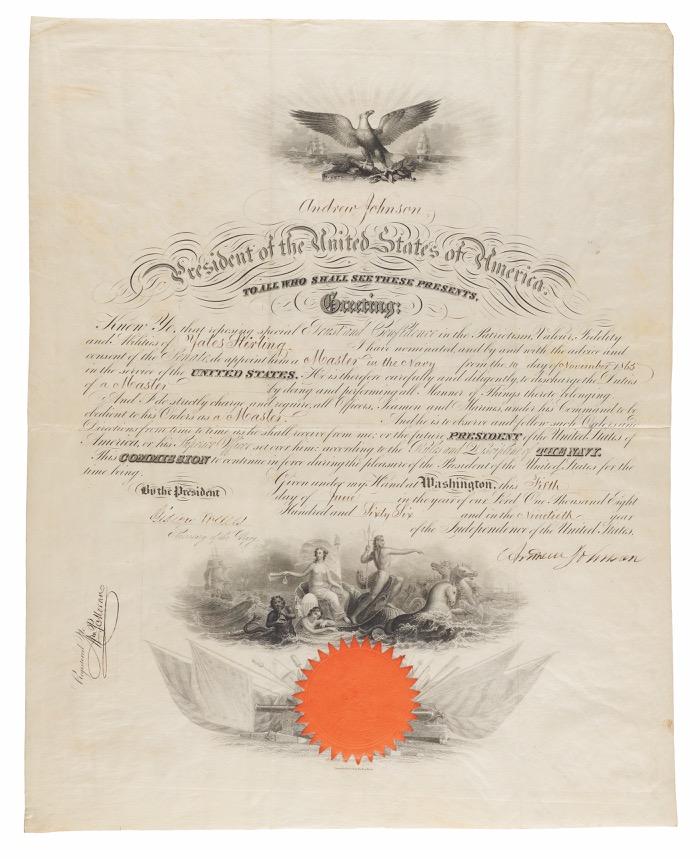
68. Andrew Johnson Document Signed as President, Appointing a Master ... Starting Bid $200
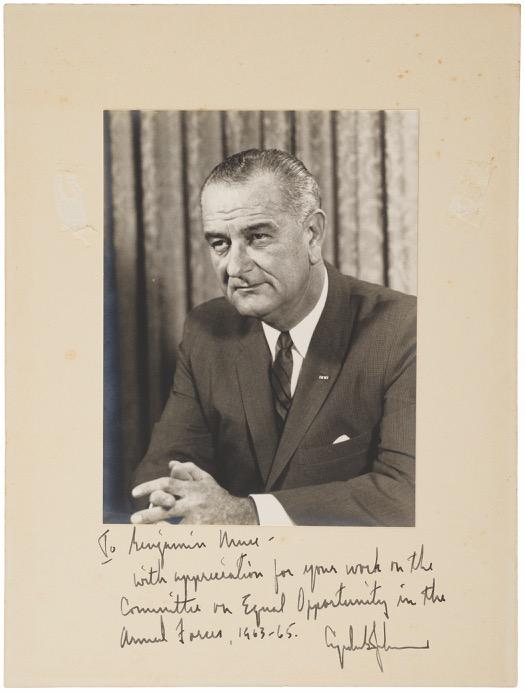
72. Lyndon B. Johnson Signed Photograph to a Member of the "Committee... Starting Bid $200
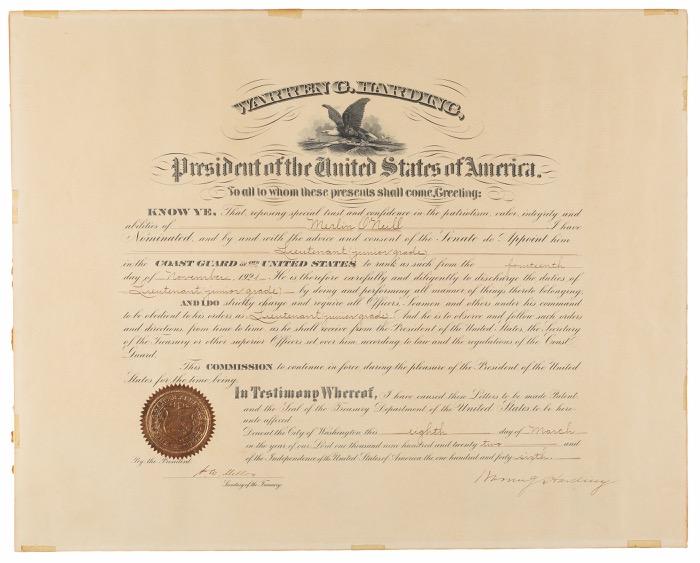
61. Warren G. Harding Document Signed as President, Appointing a Coas... Starting Bid $200
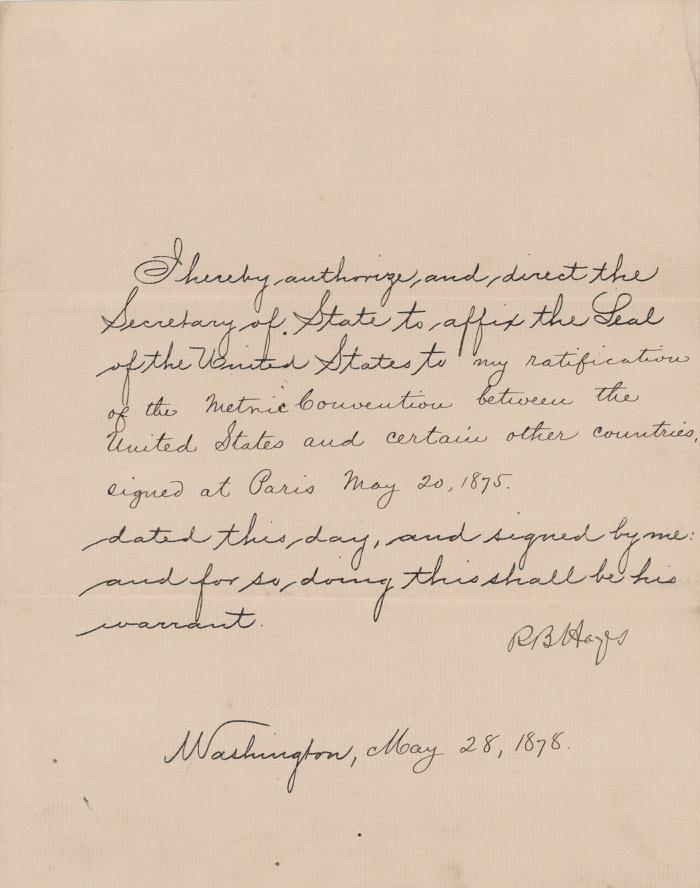
65. Rutherford B. Hayes Document Signed as President, Ratifying the '... Starting Bid $200
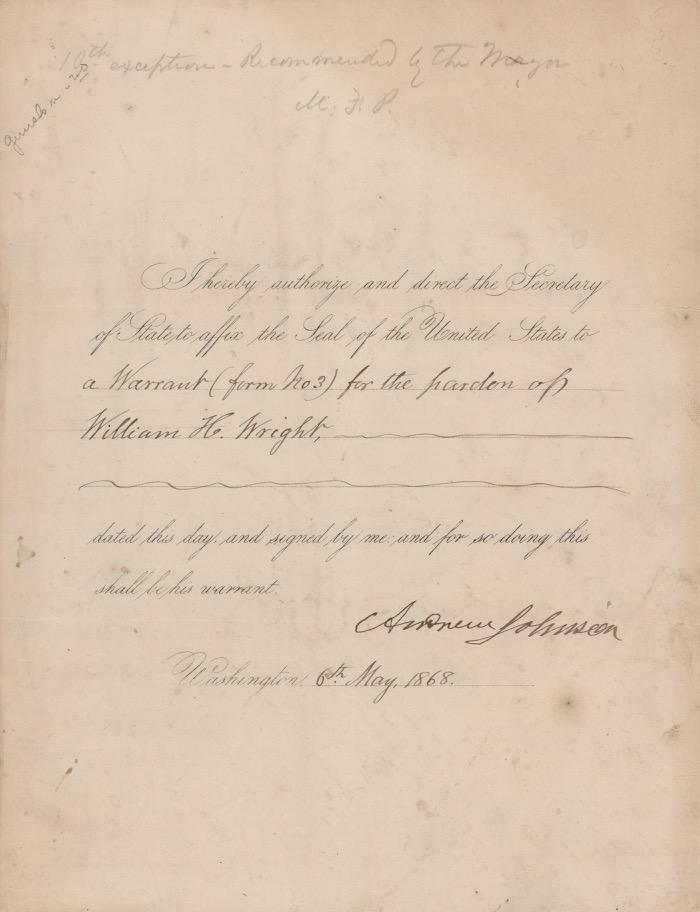
69. Andrew Johnson Document Signed as President Starting Bid $200
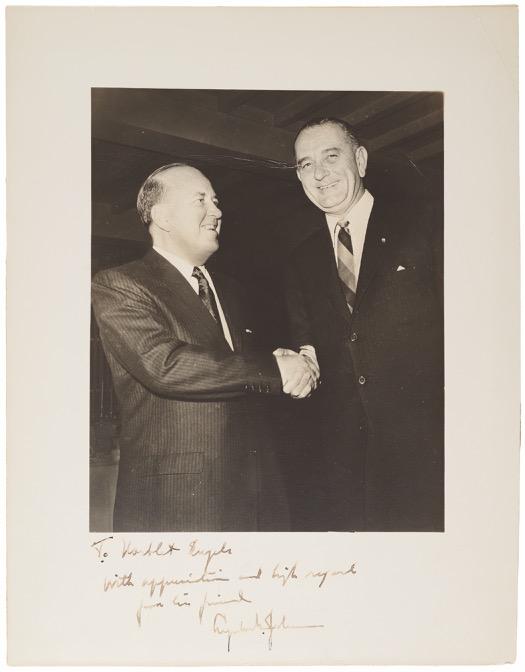
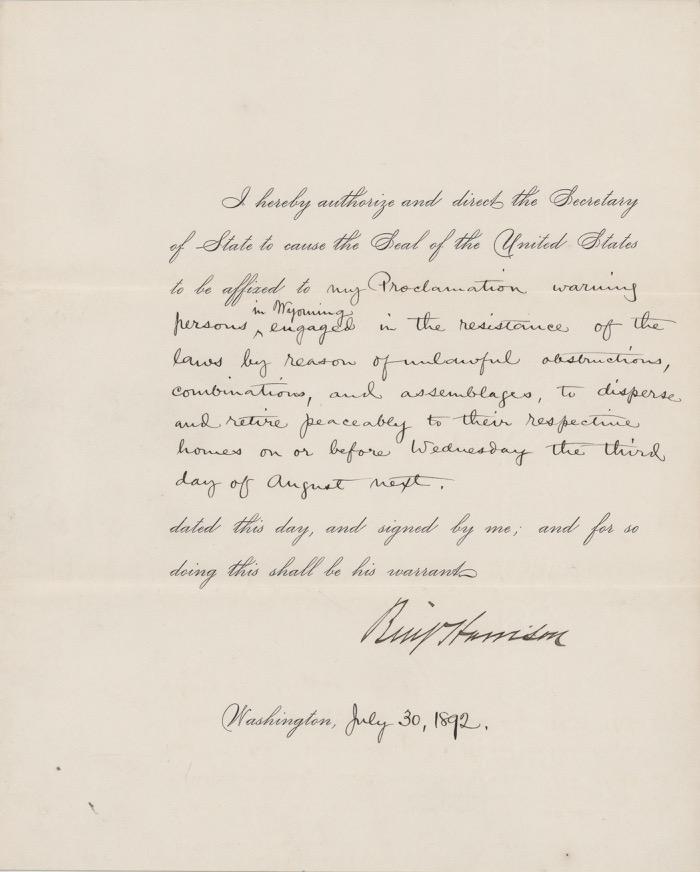
62. Benjamin Harrison Document Signed as President, Attempting to Res... Starting Bid $200
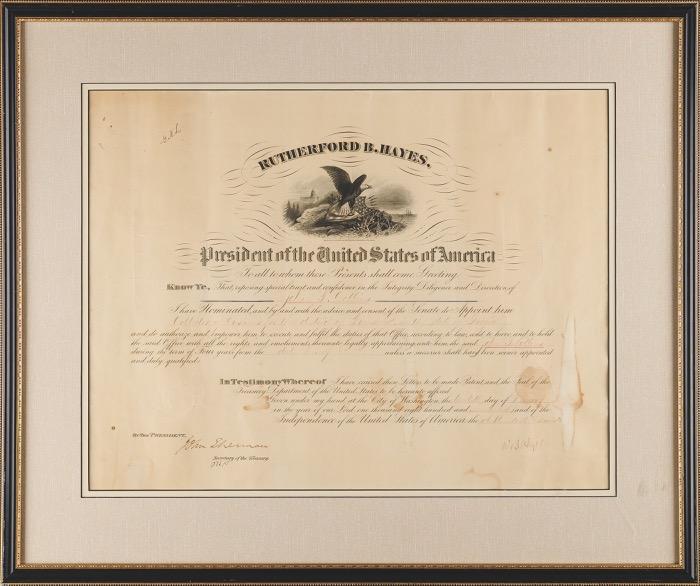
66. Rutherford B. Hayes Document Signed as President, Appointing a Co... Starting Bid $200
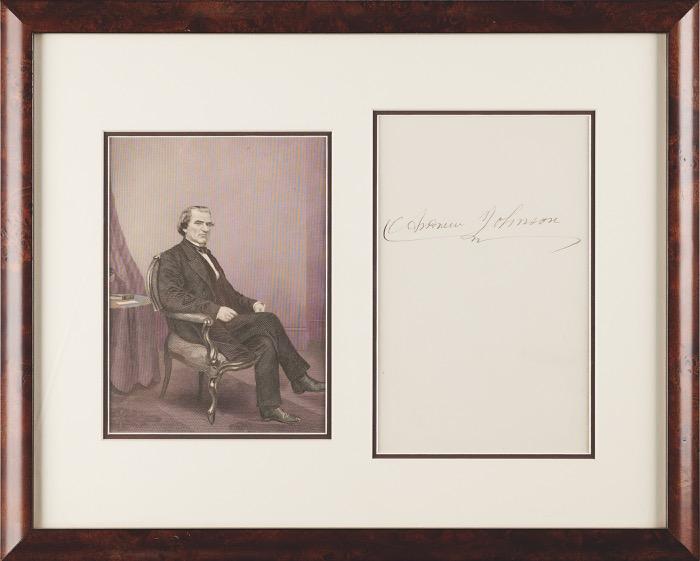
Starting Bid $200
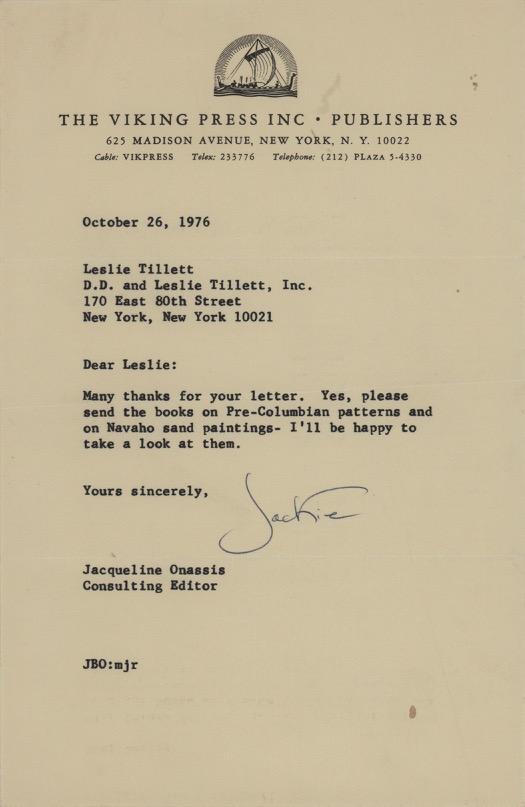
Starting Bid $200
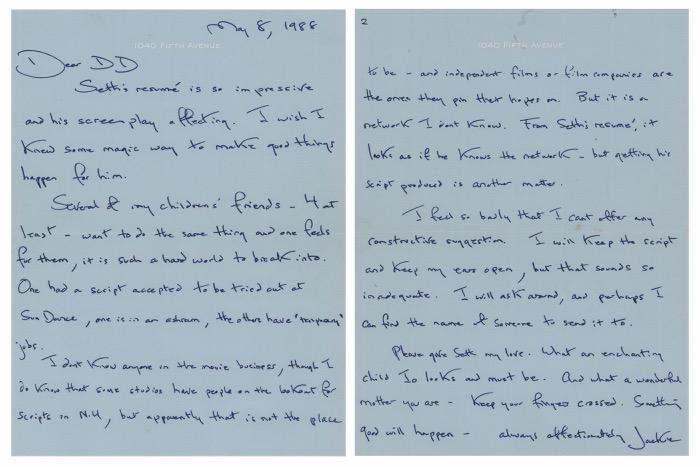
75. Jacqueline Kennedy Autograph Letter Signed, Reviewing a Friend's ... Starting Bid $200
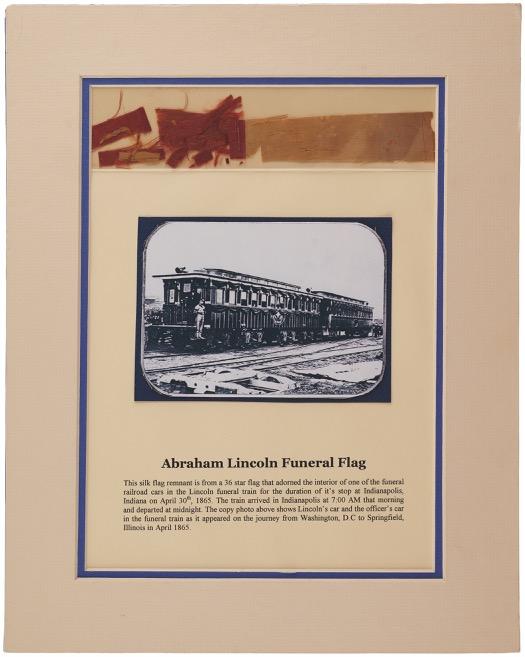
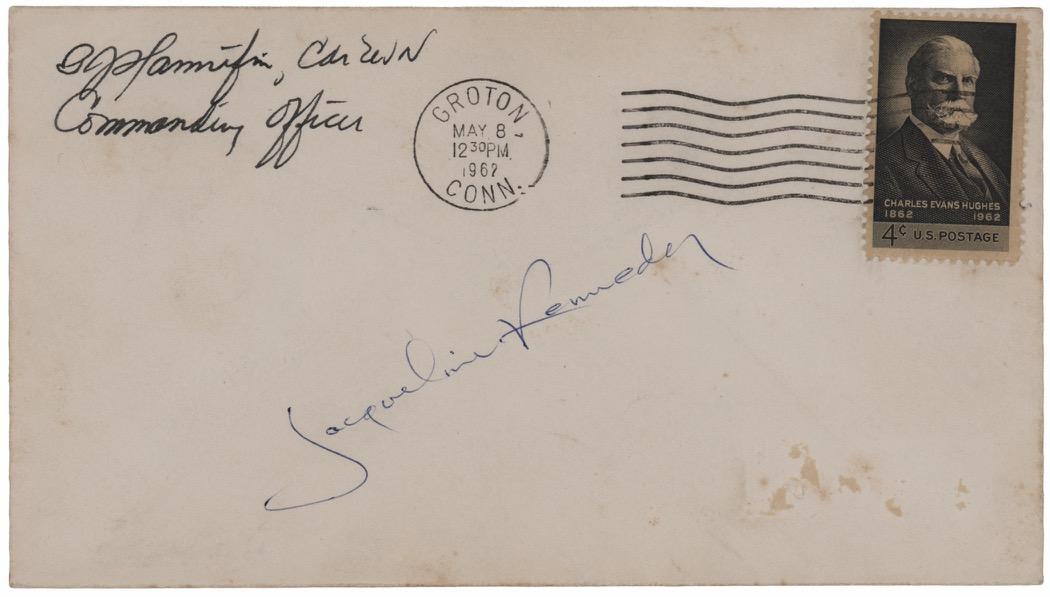
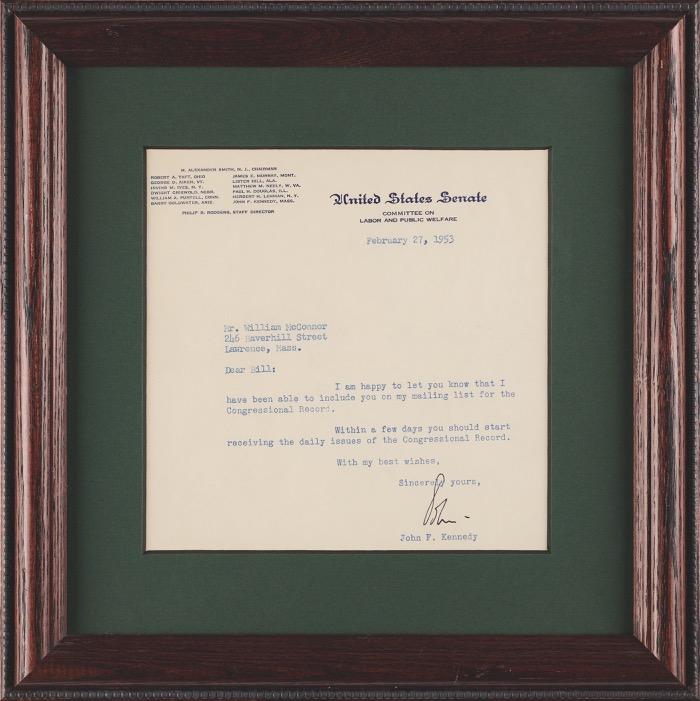
Starting Bid $200
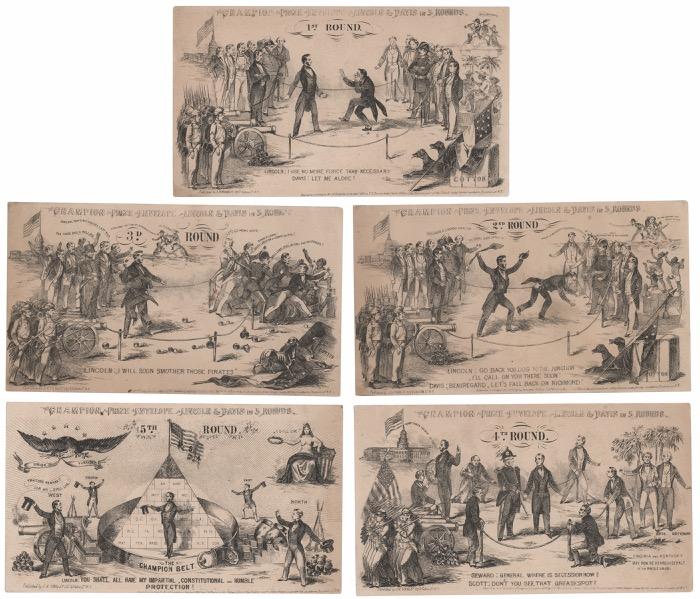
Starting Bid $200
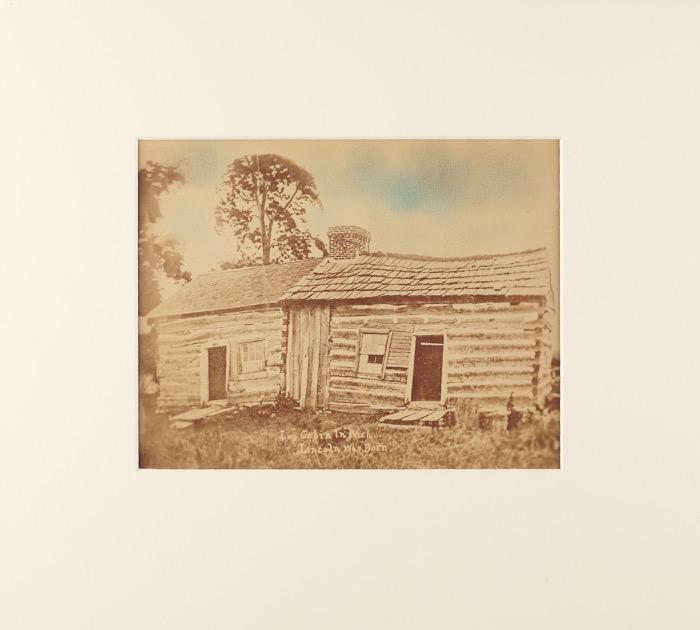
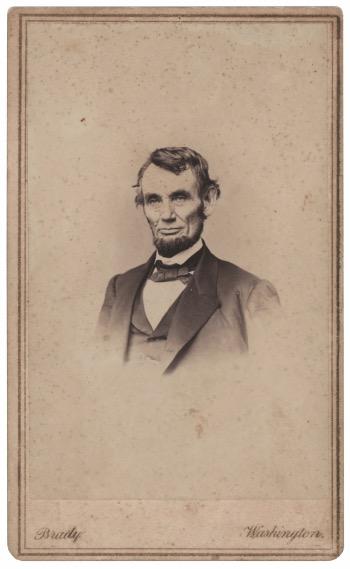
Starting Bid
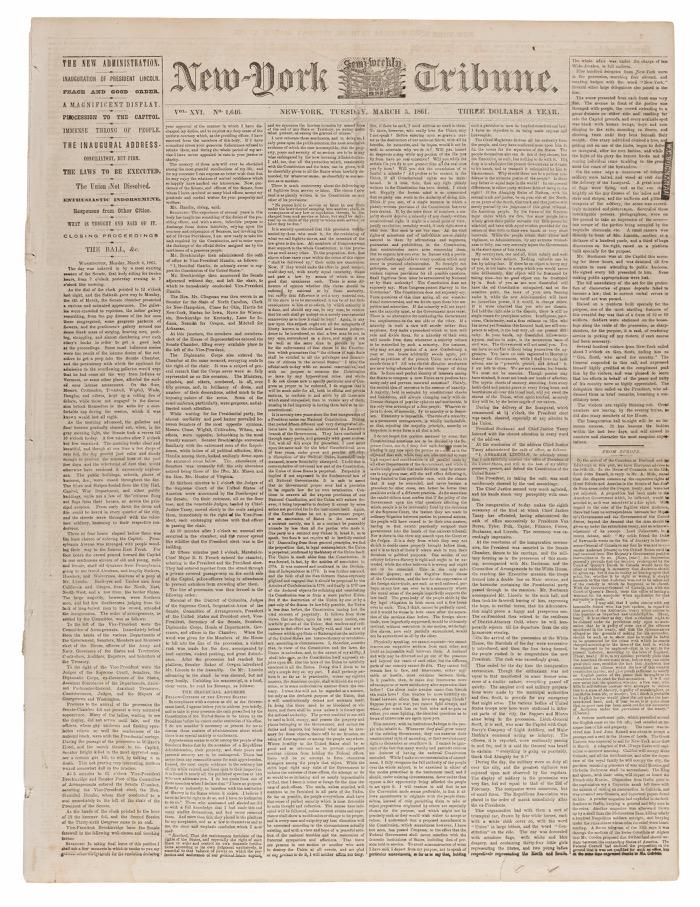
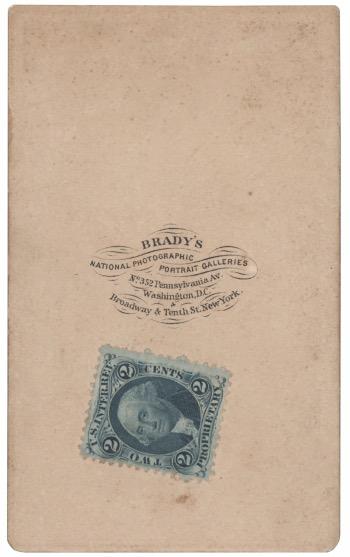
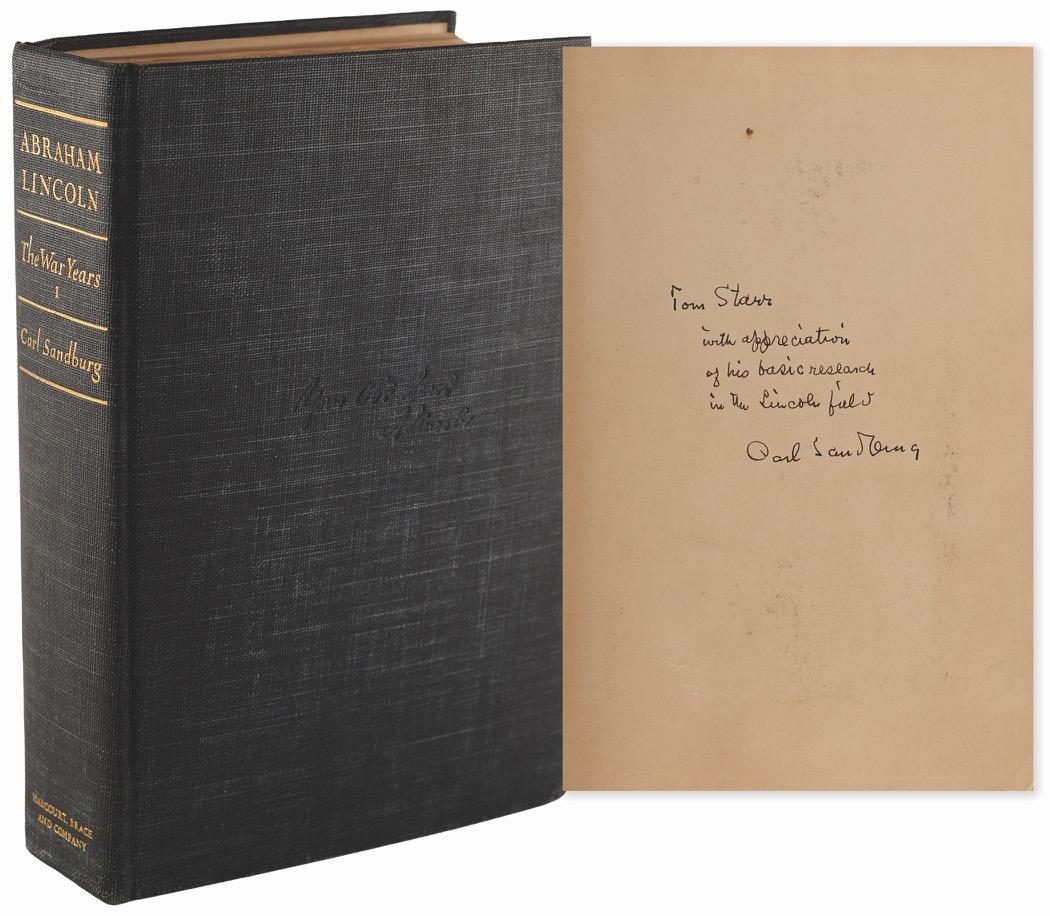
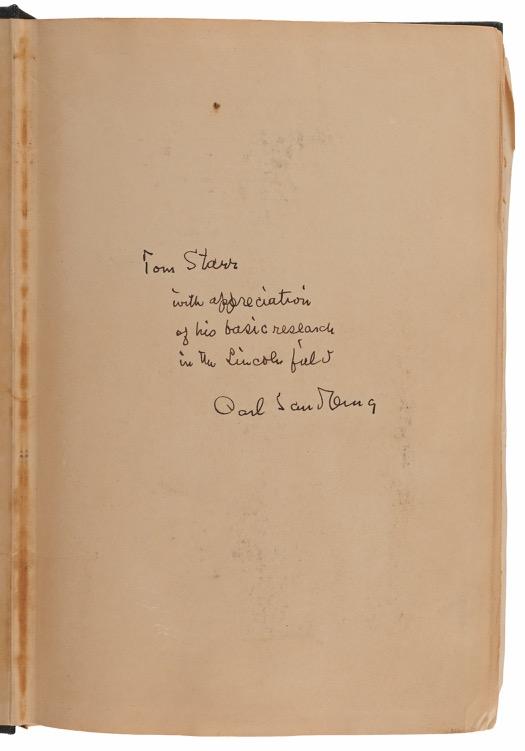
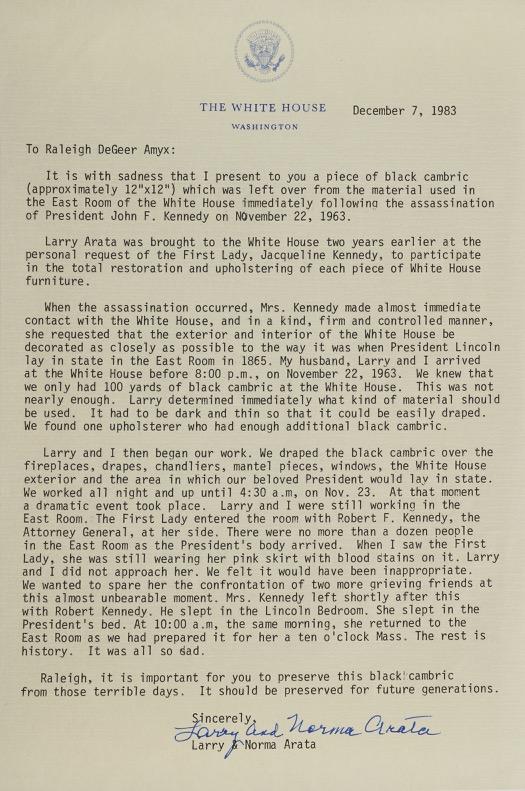
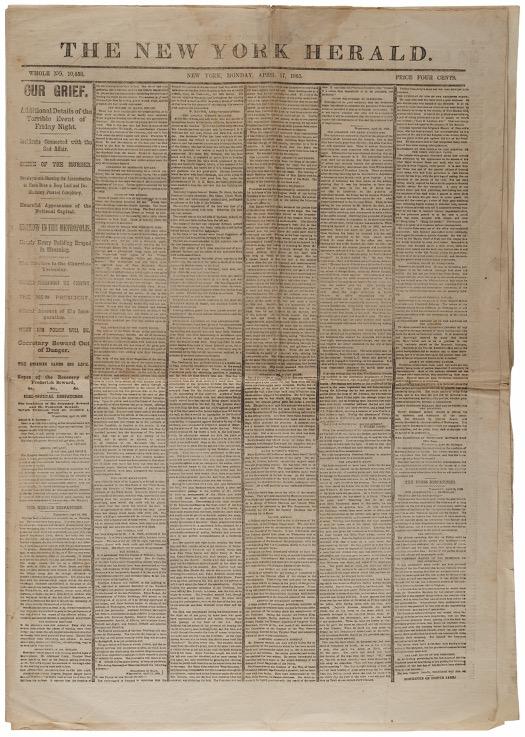
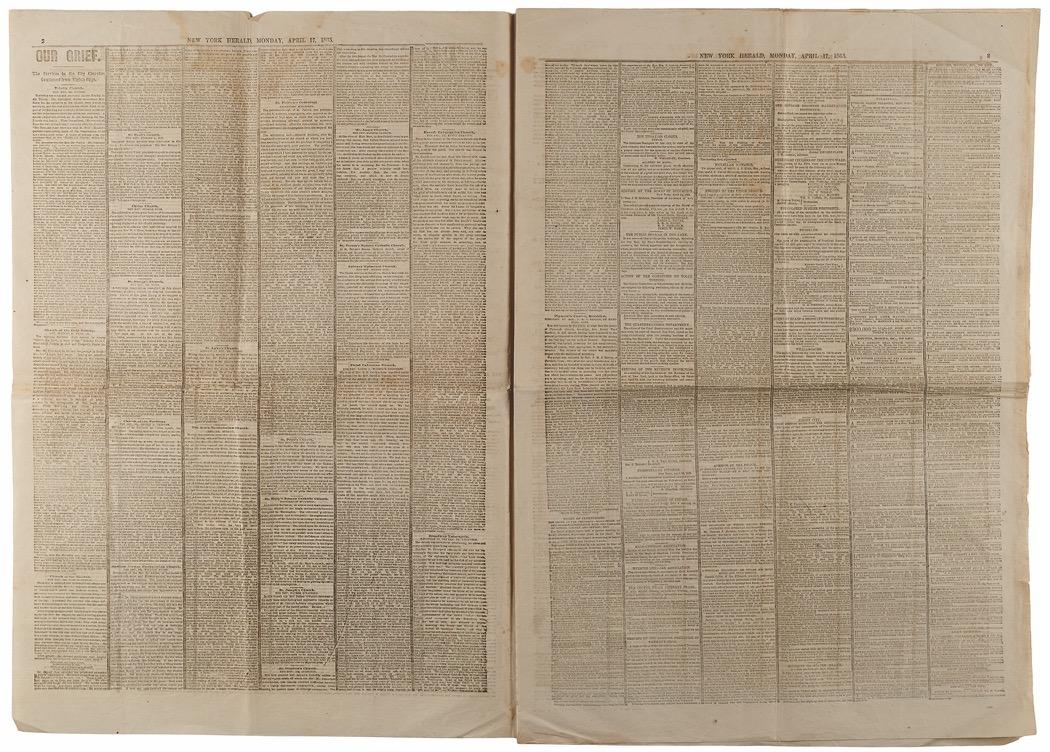
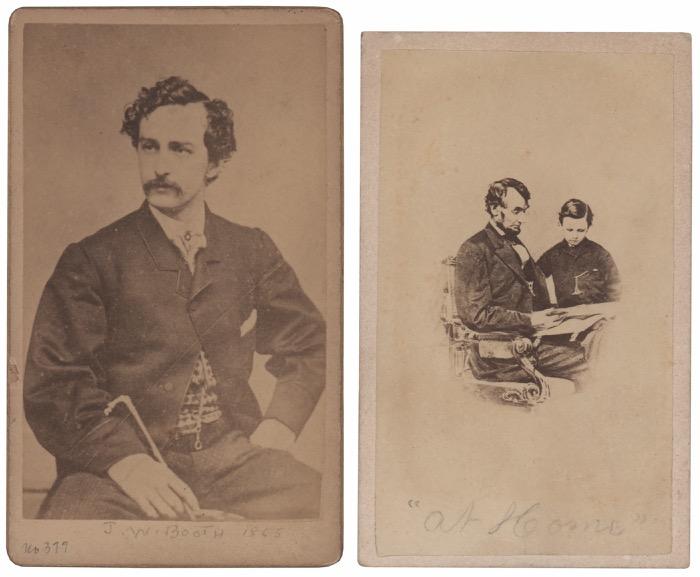
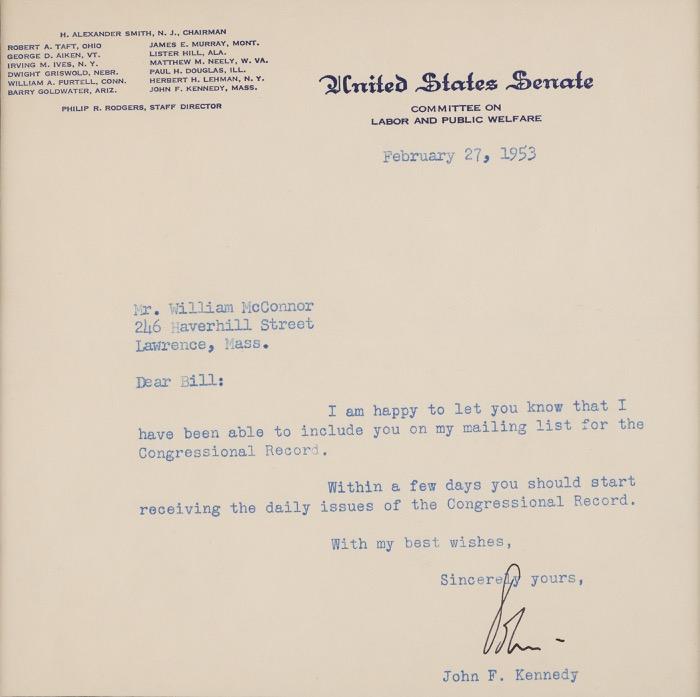
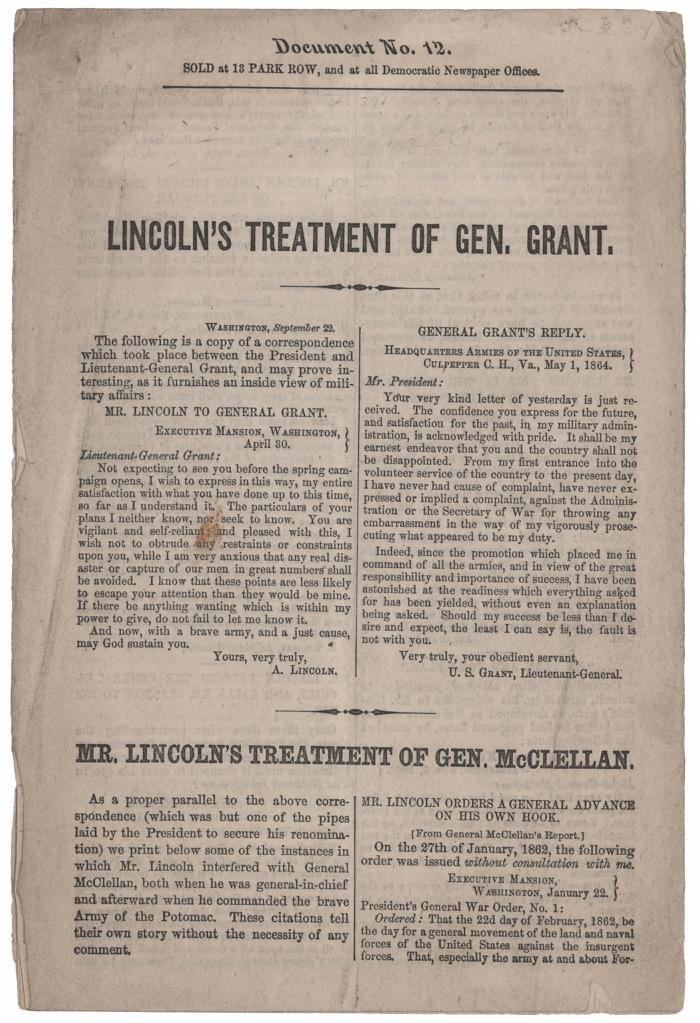
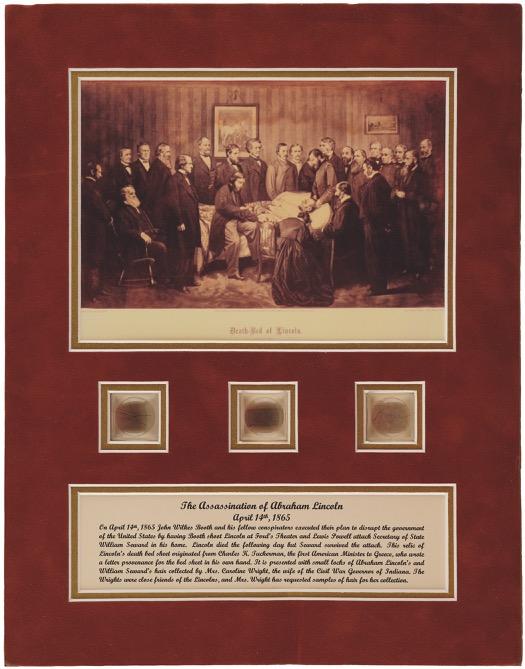
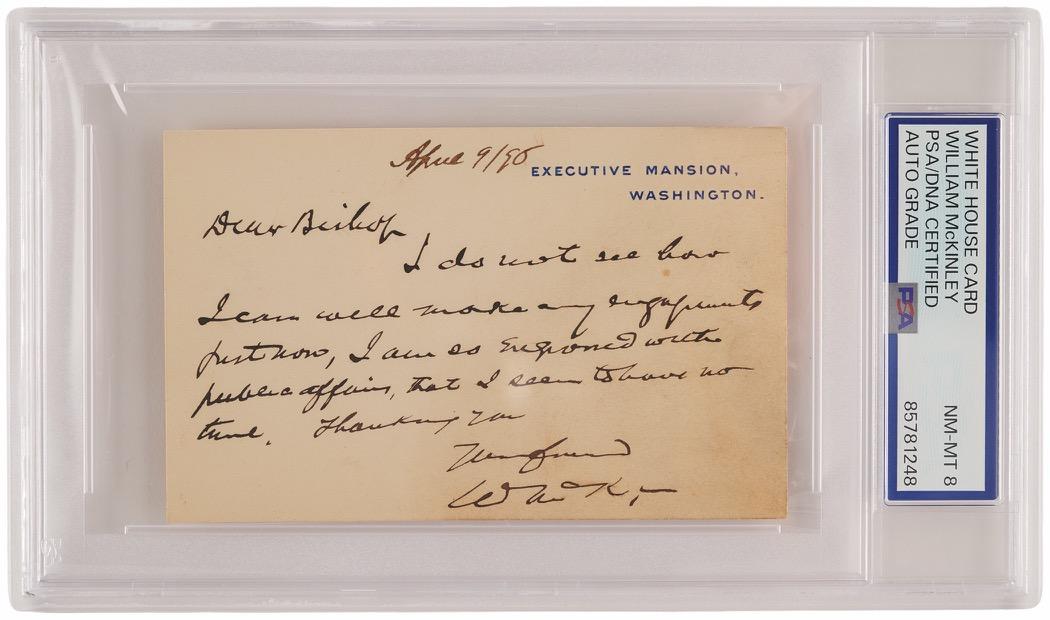
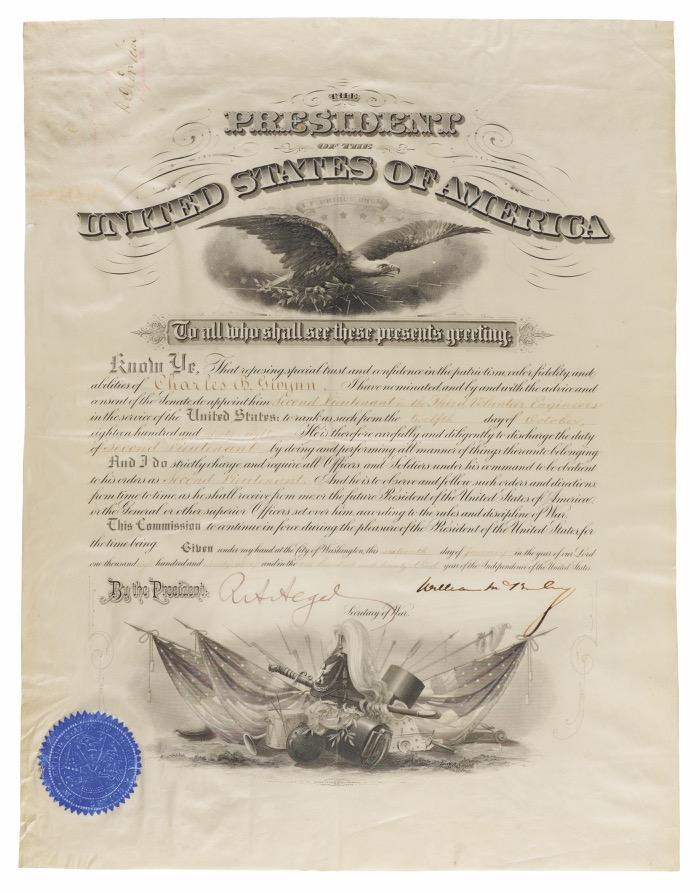
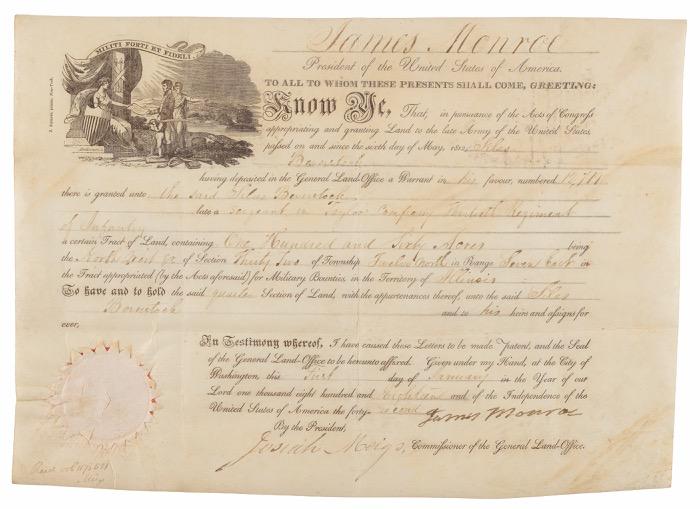
91. James Monroe Document Signed as President Starting Bid $200
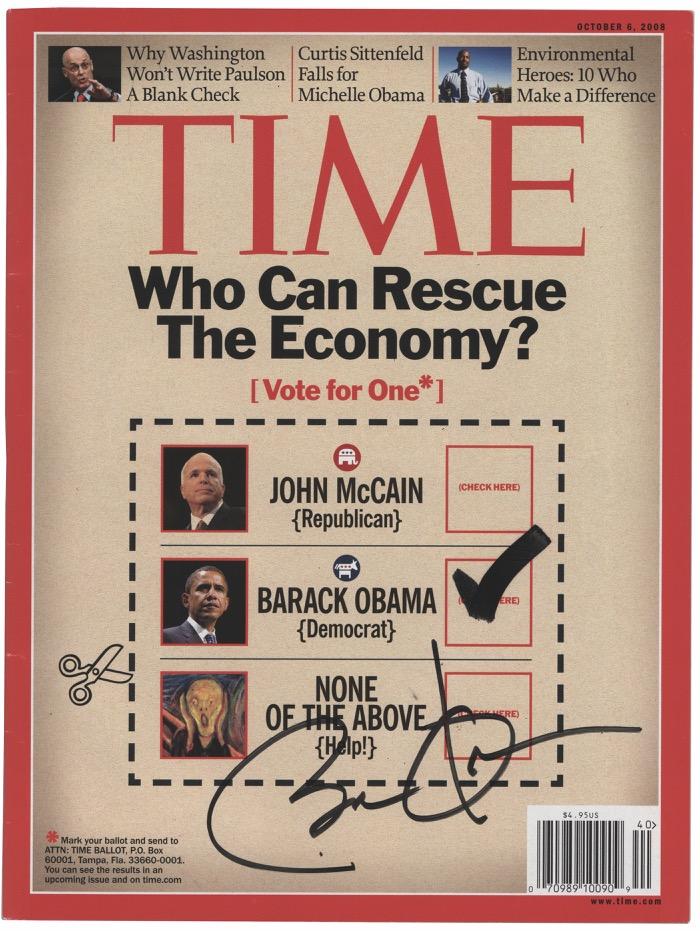
92. Barack Obama Signed Magazine - Time Starting Bid $200
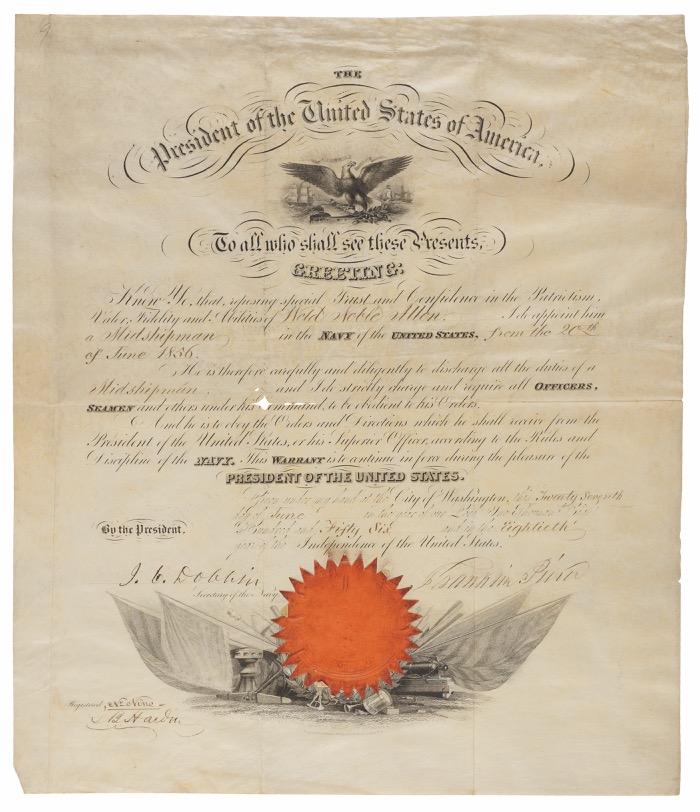
93. Franklin Pierce Document Signed as President Starting Bid $200
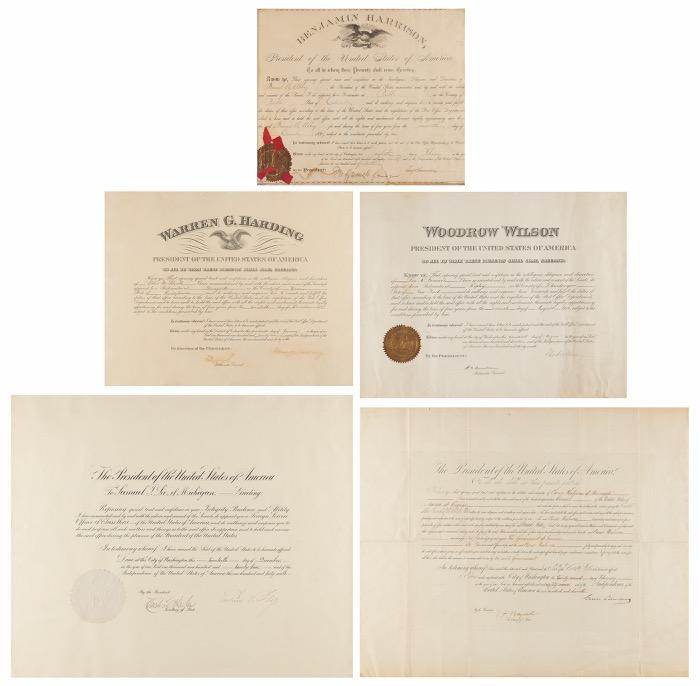
Cleveland,

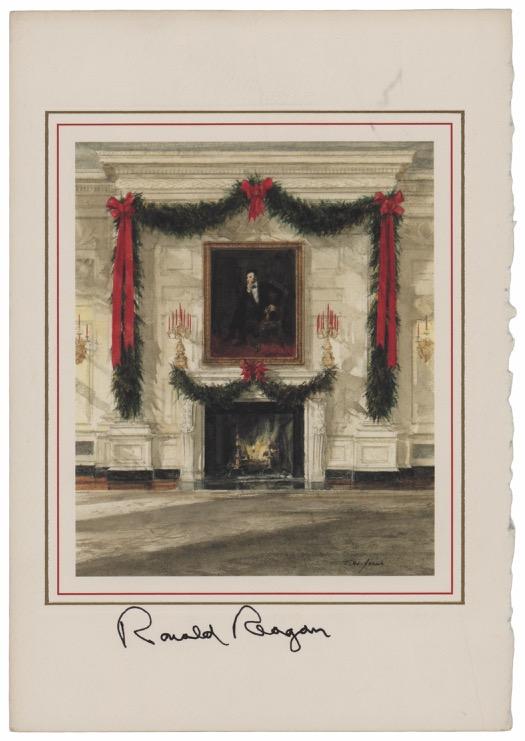
95. Ronald Reagan Signed White House Christmas Card (1987) Starting Bid $200
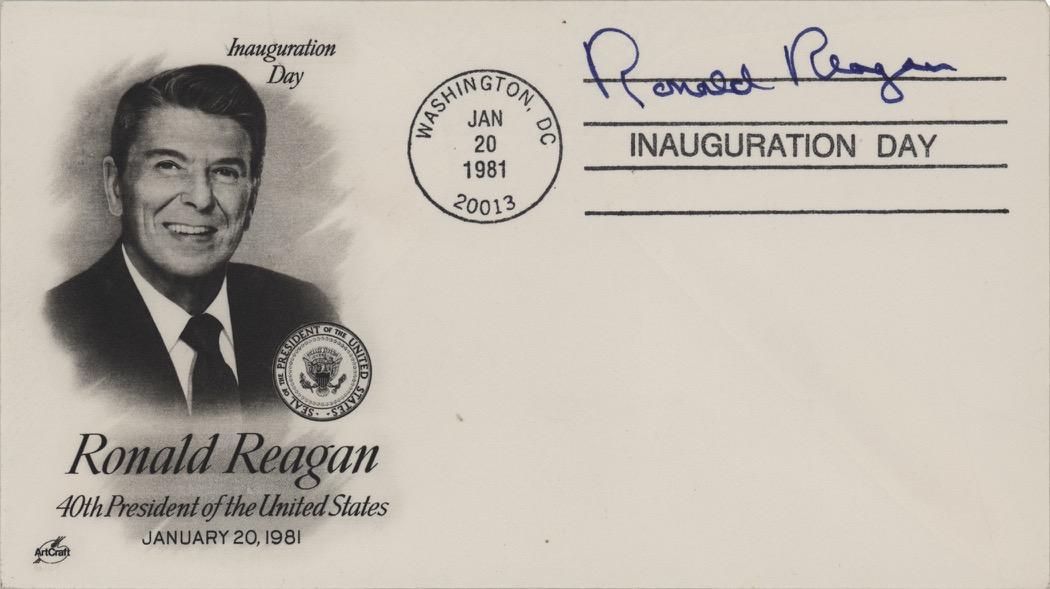
99. Ronald Reagan Signed Inauguration Day Cover Starting Bid $200
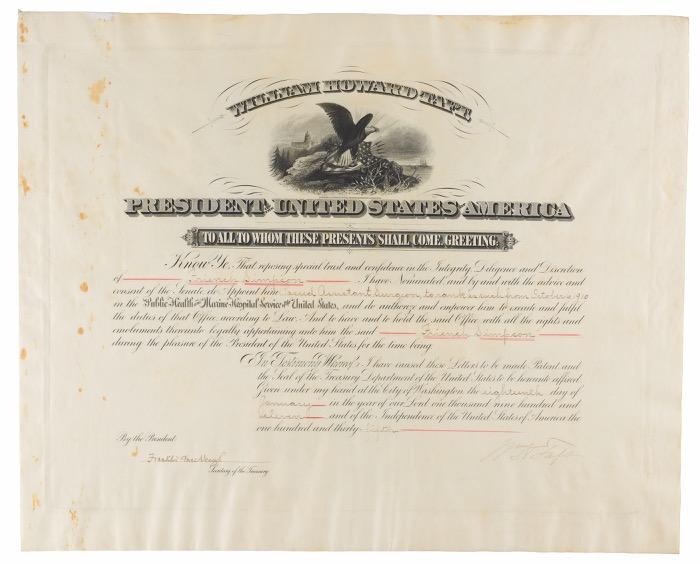
103. William H. Taft Document Signed as President, Appointing an Assis... Starting Bid $200
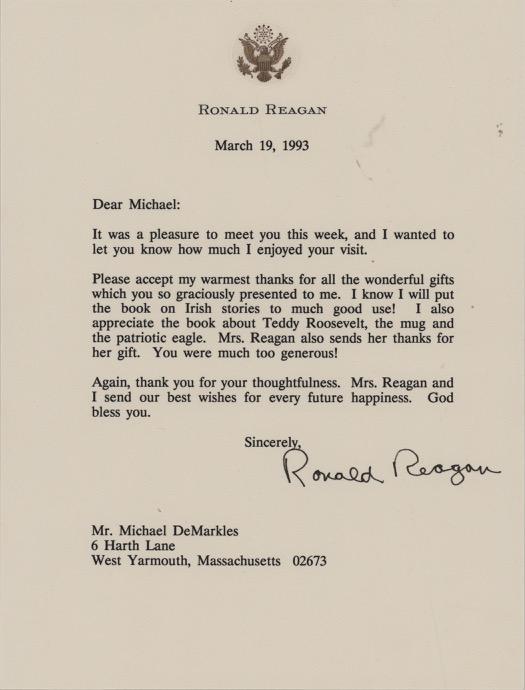
96. Ronald Reagan Typed Letter Signed, Sending Thanks for "the book a... Starting Bid $200
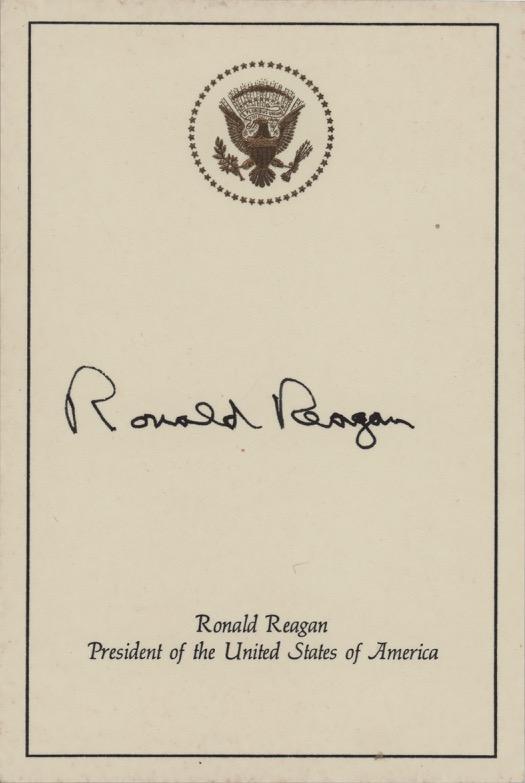
100. Ronald Reagan Signature Starting Bid $200
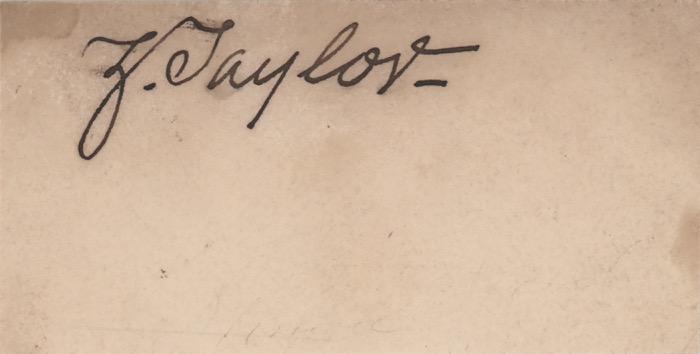
104. Zachary Taylor Signature Starting Bid $200
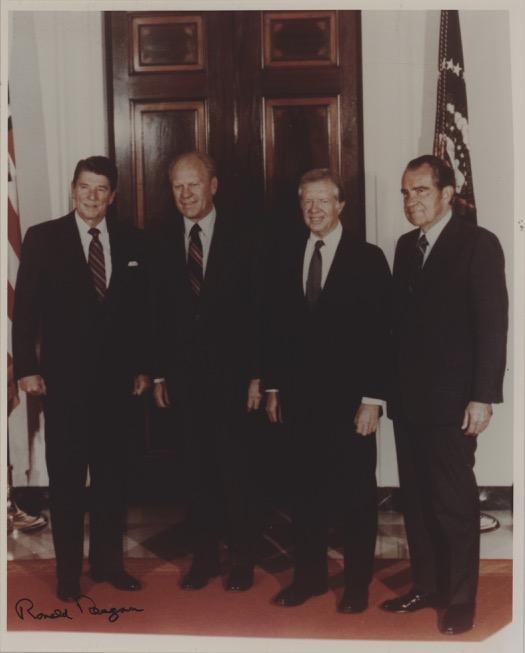
97. Ronald Reagan Signed Photograph Starting Bid $200
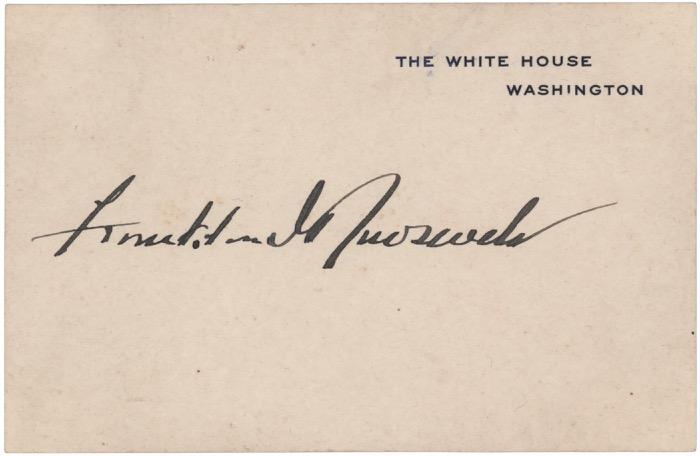
101. Franklin D. Roosevelt Signed White House Card Starting Bid $200
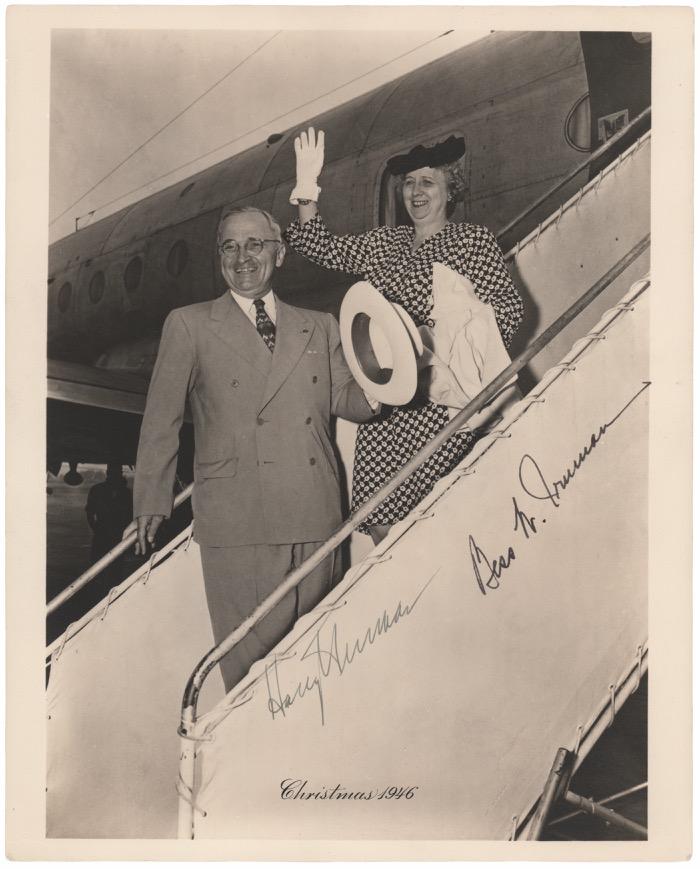
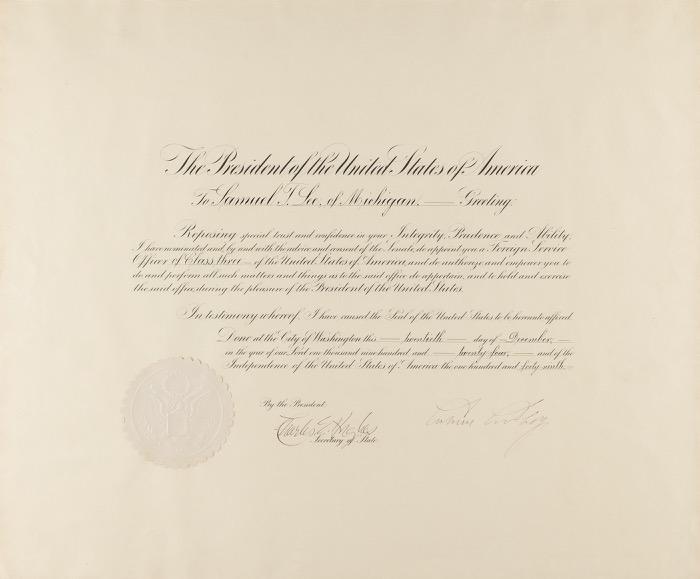
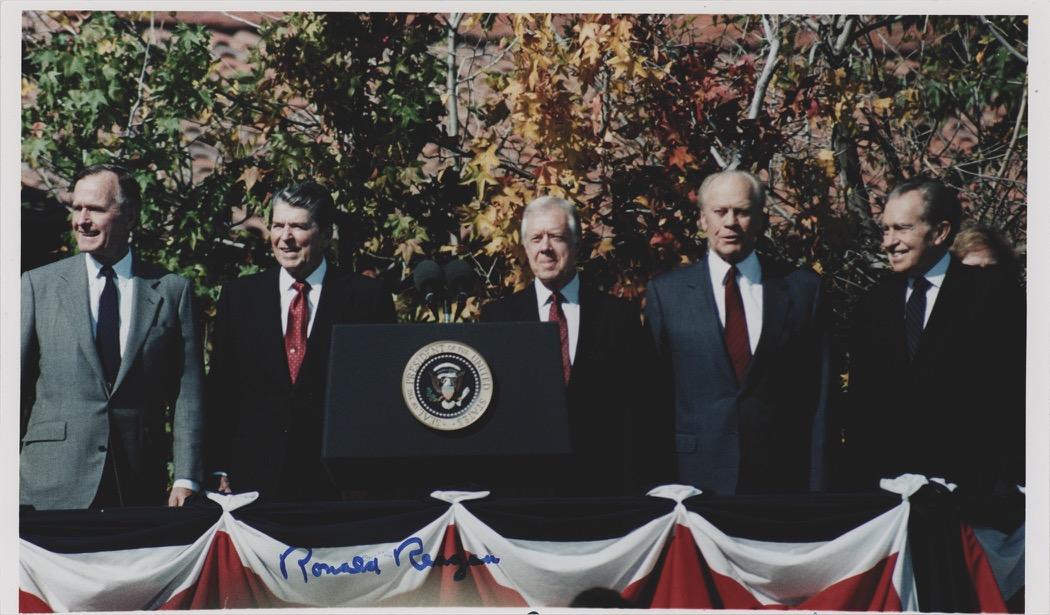
98. Ronald Reagan Signed Photograph Starting Bid $200
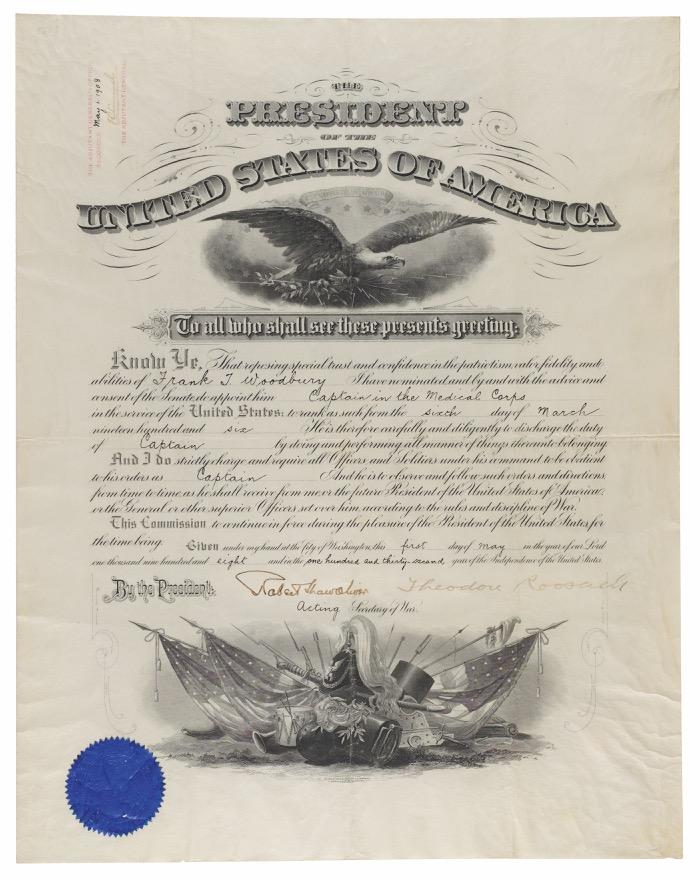
102. Theodore Roosevelt Document Signed as President Starting Bid $200
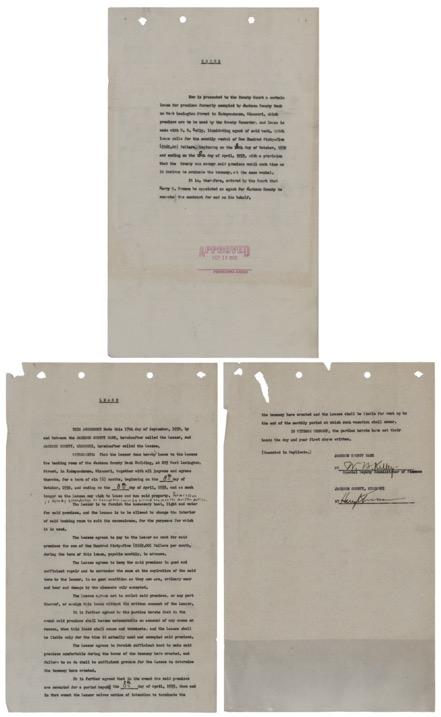
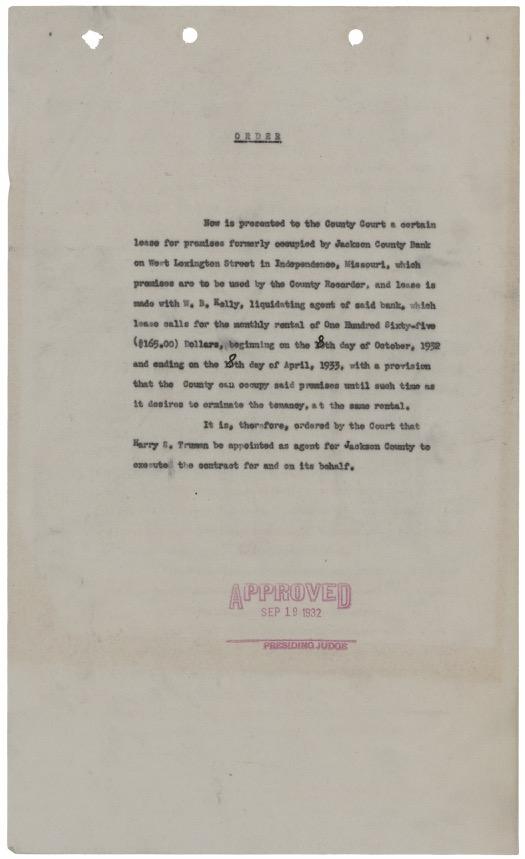
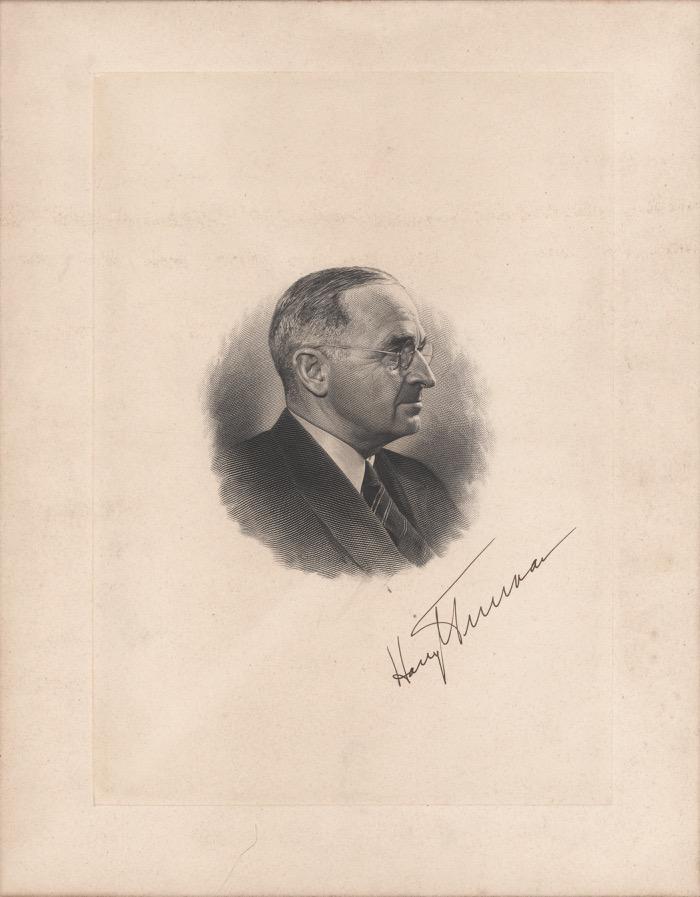
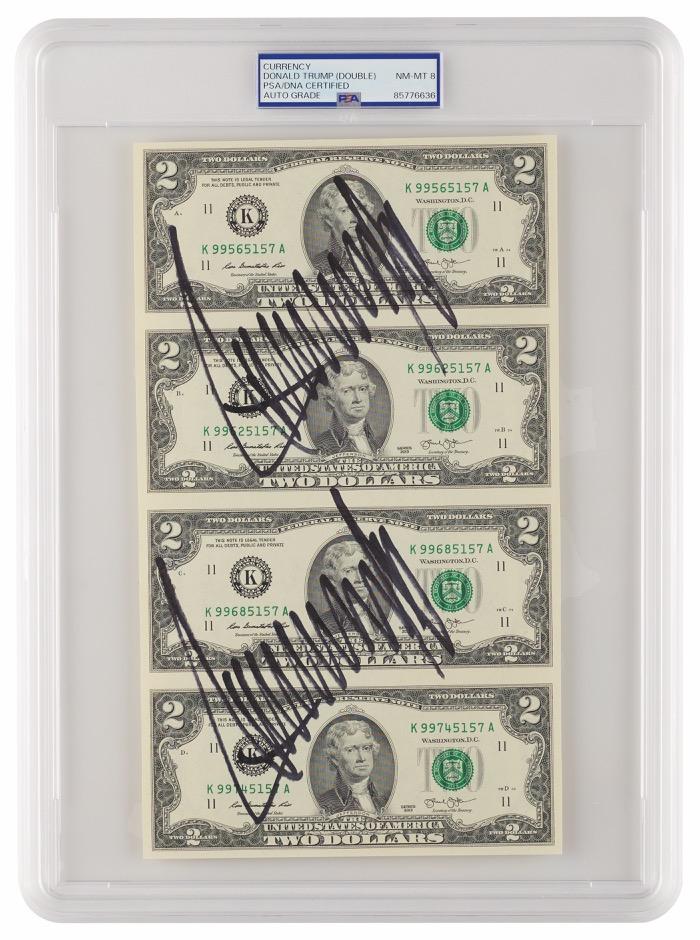
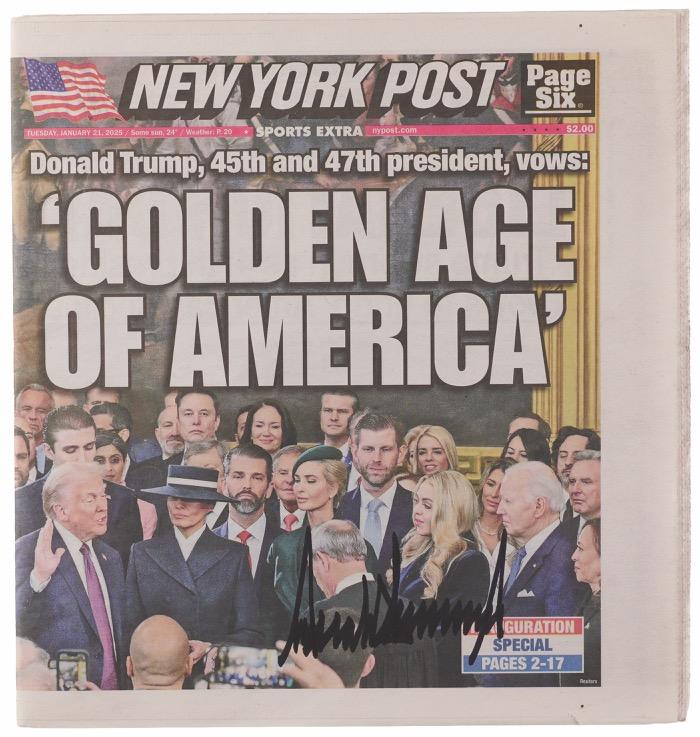
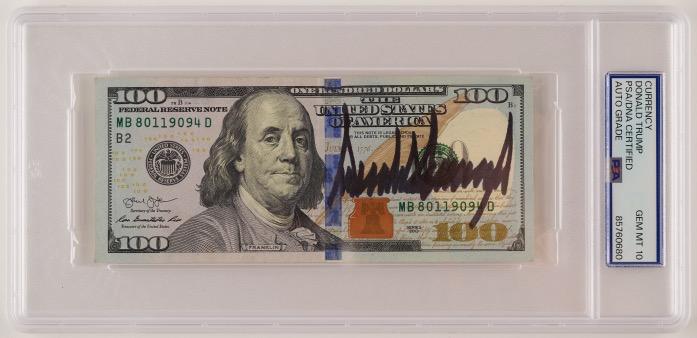
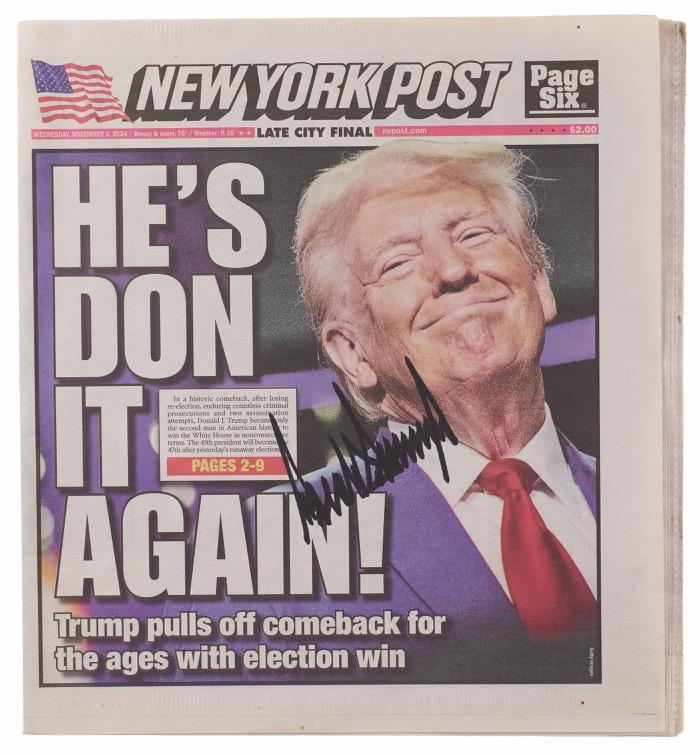
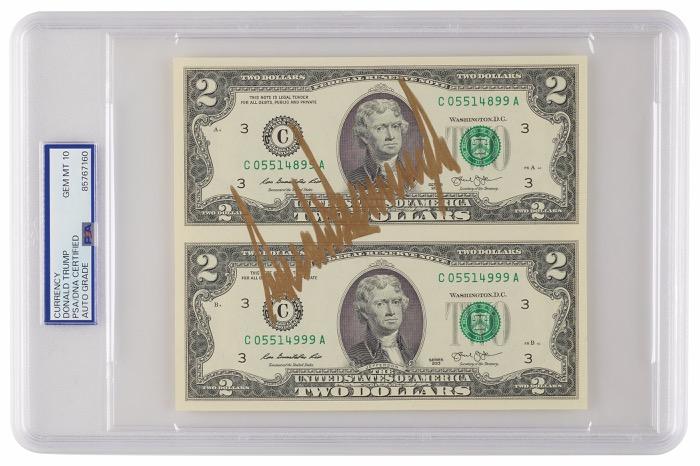
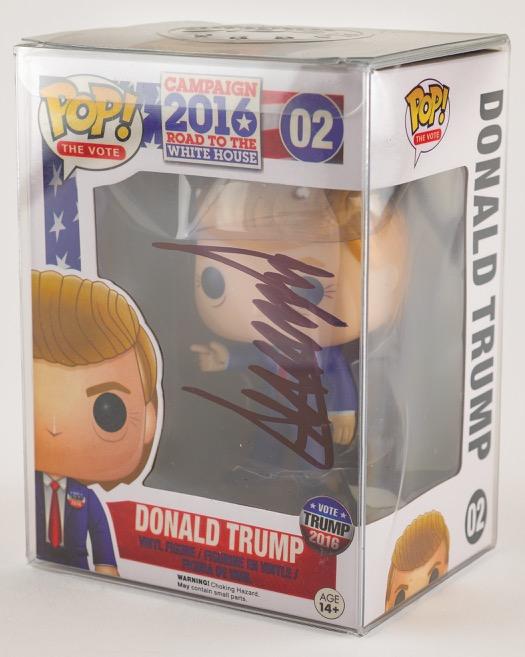

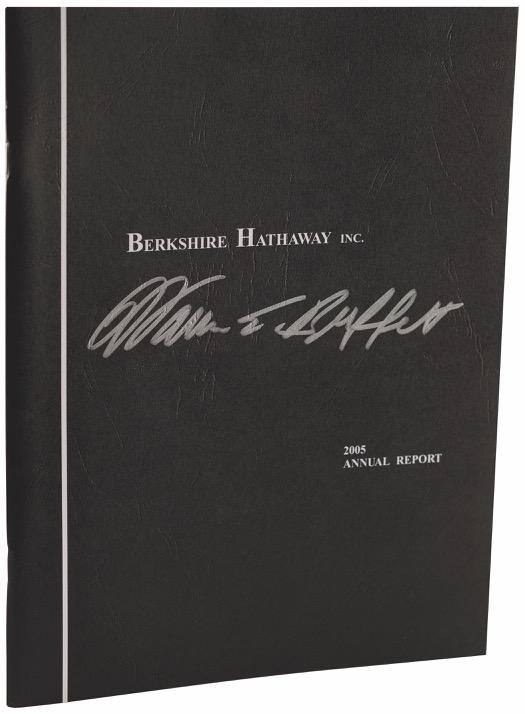
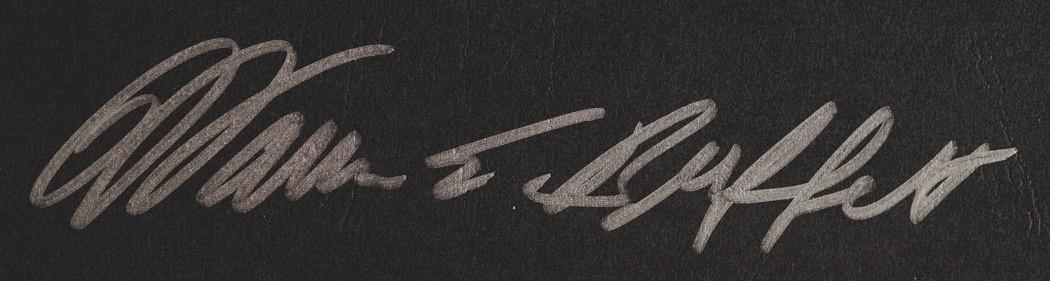
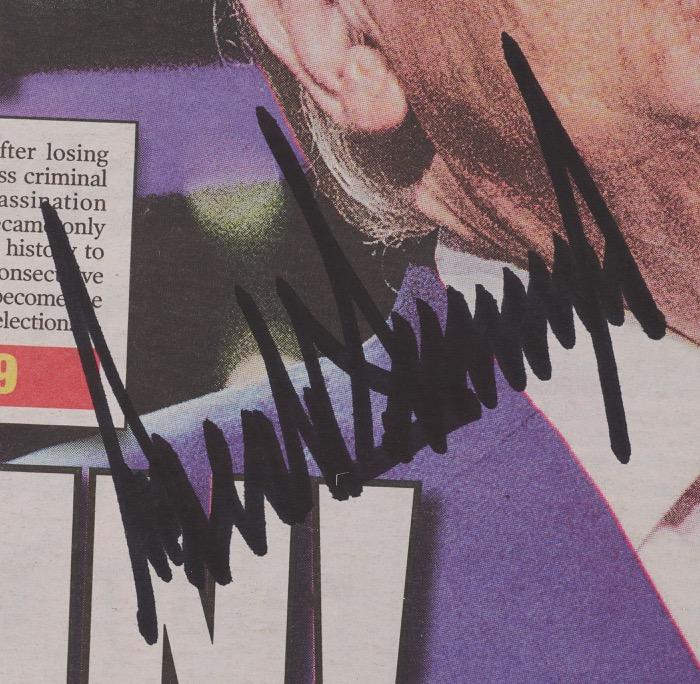
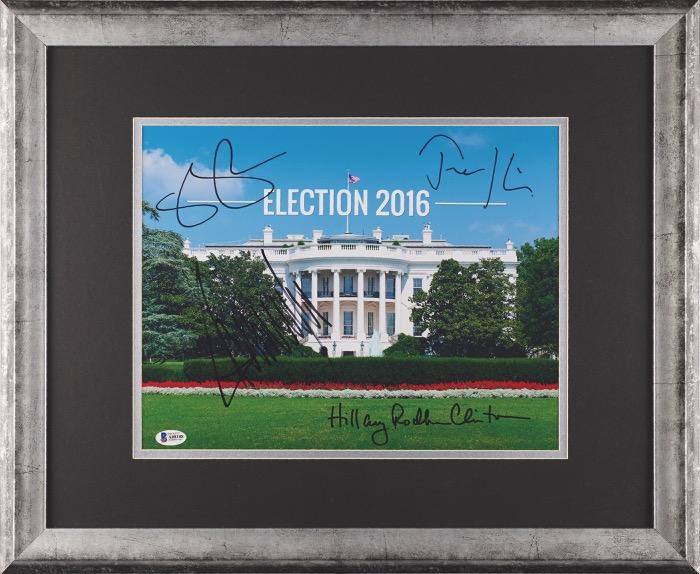
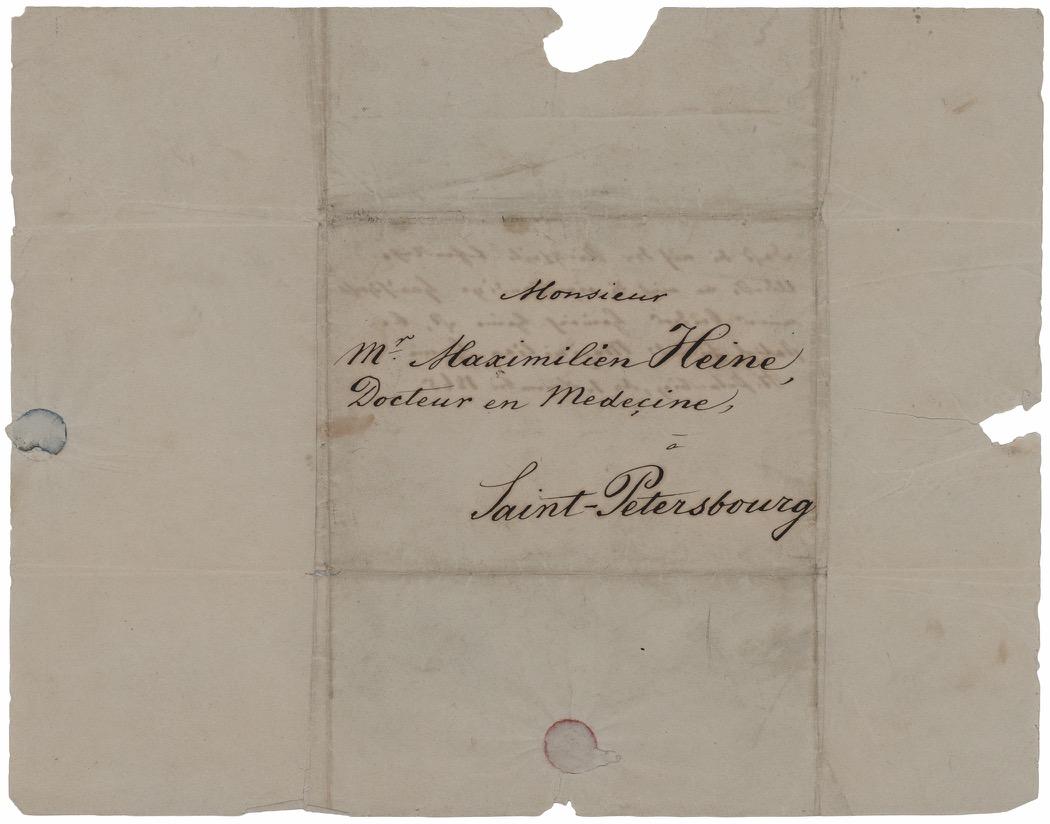
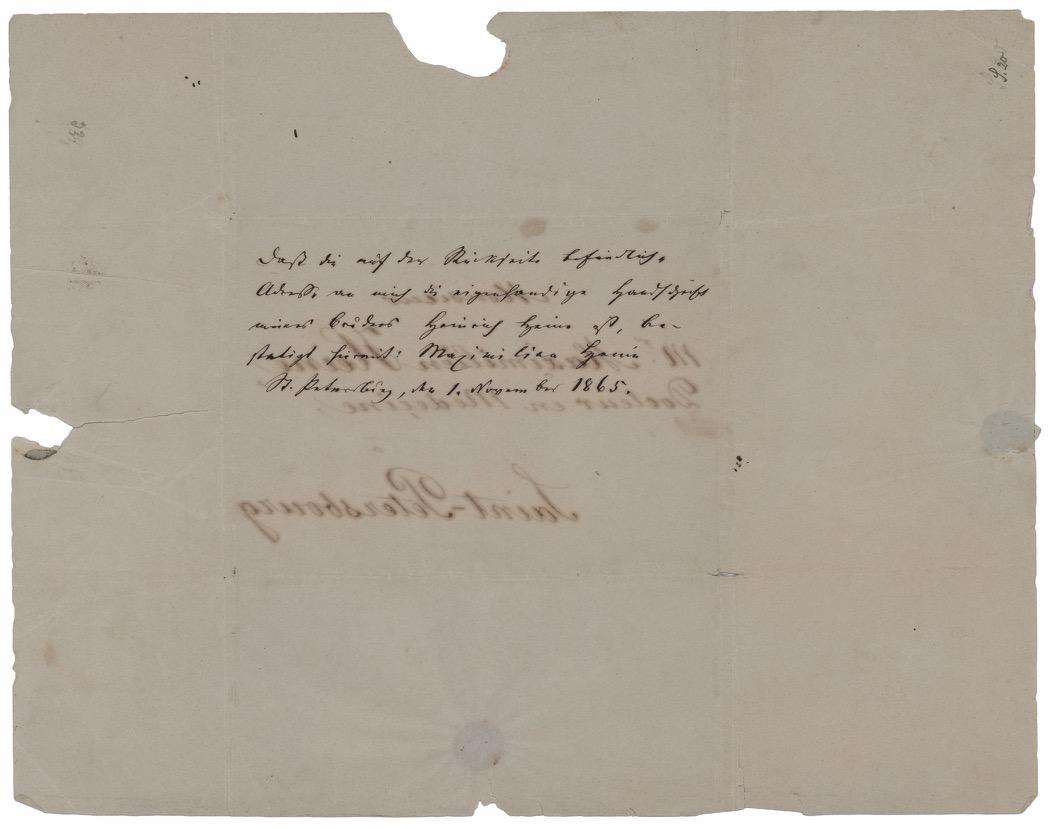
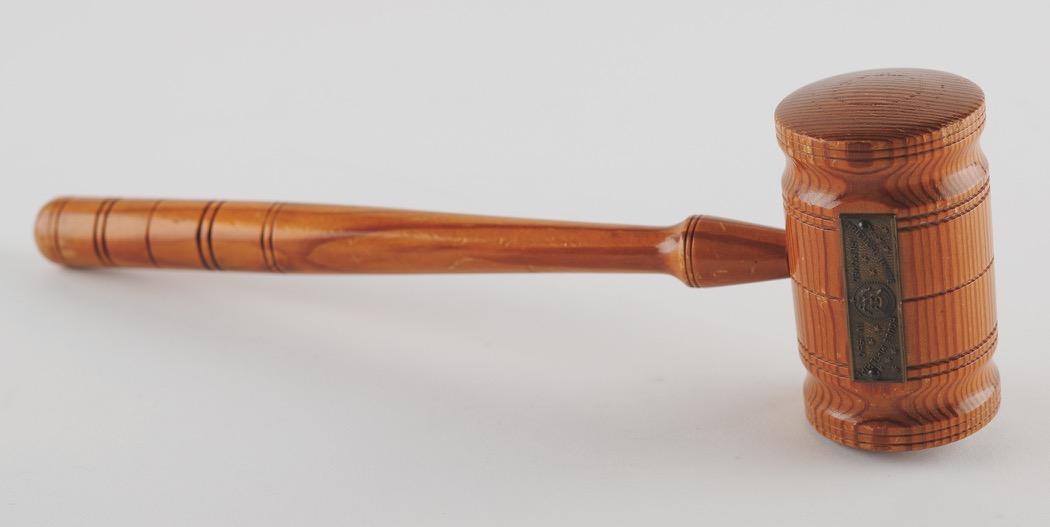
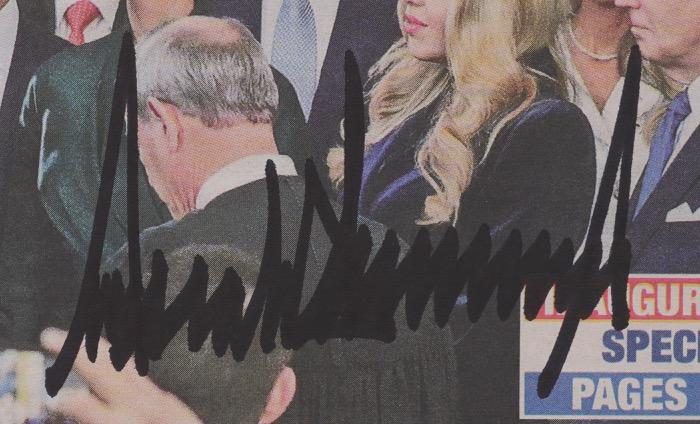
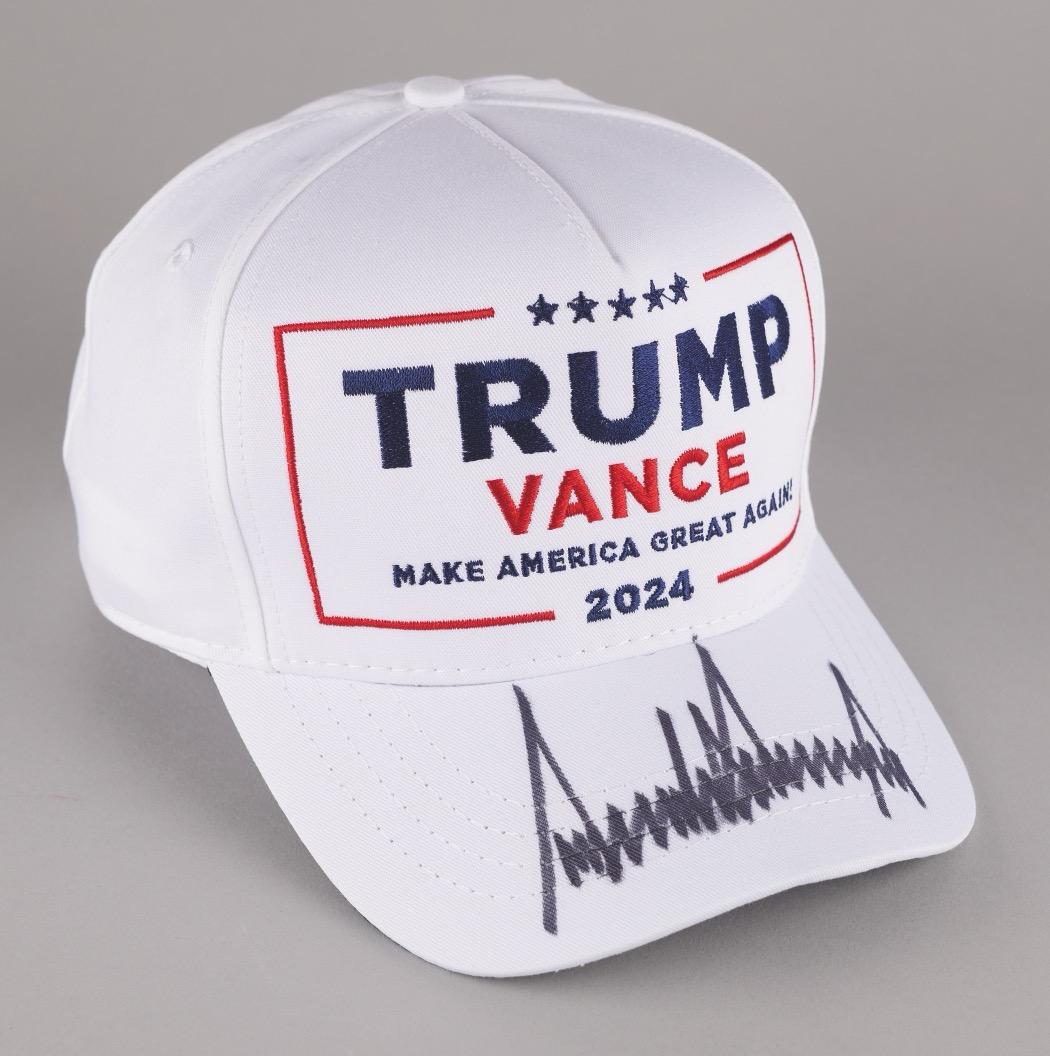
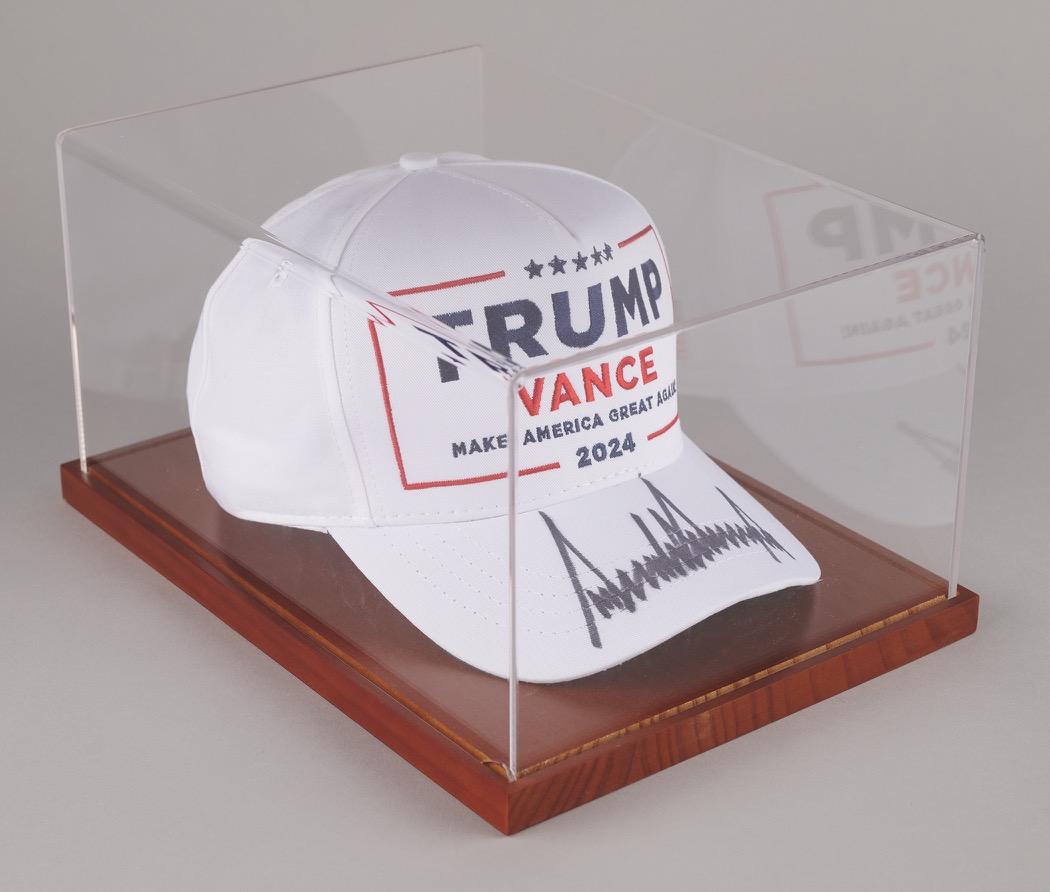
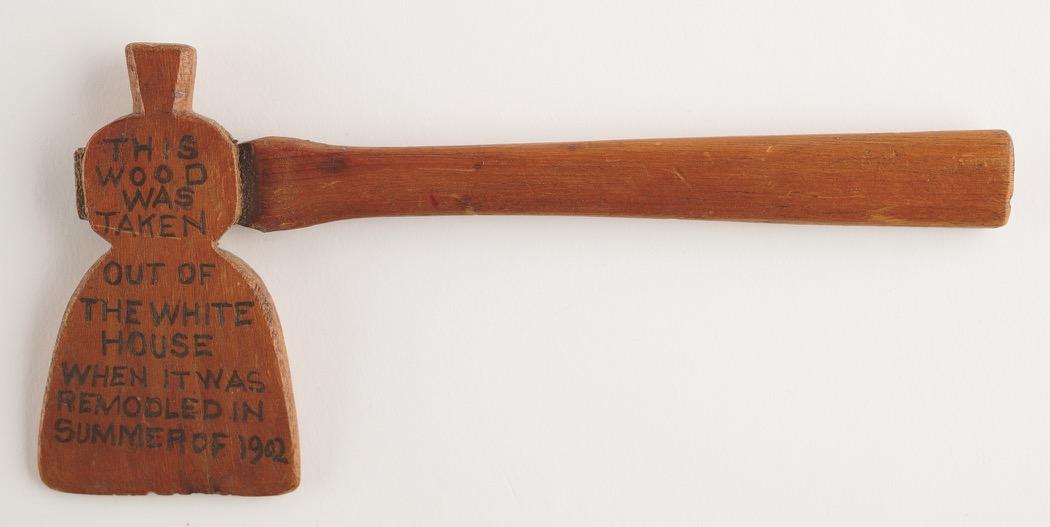
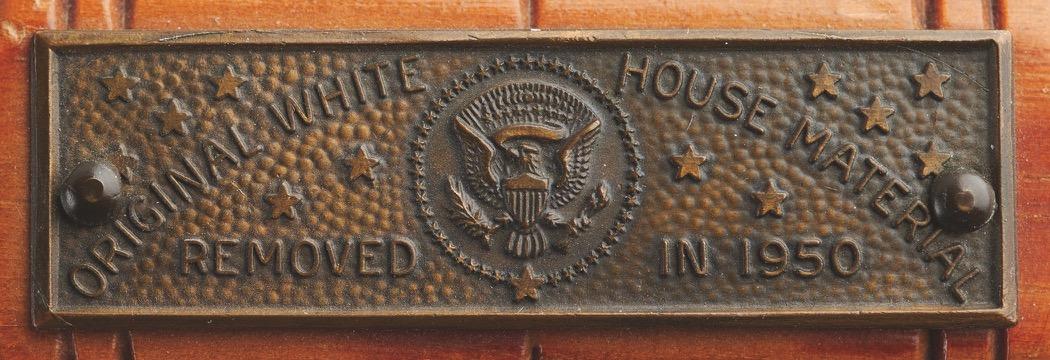
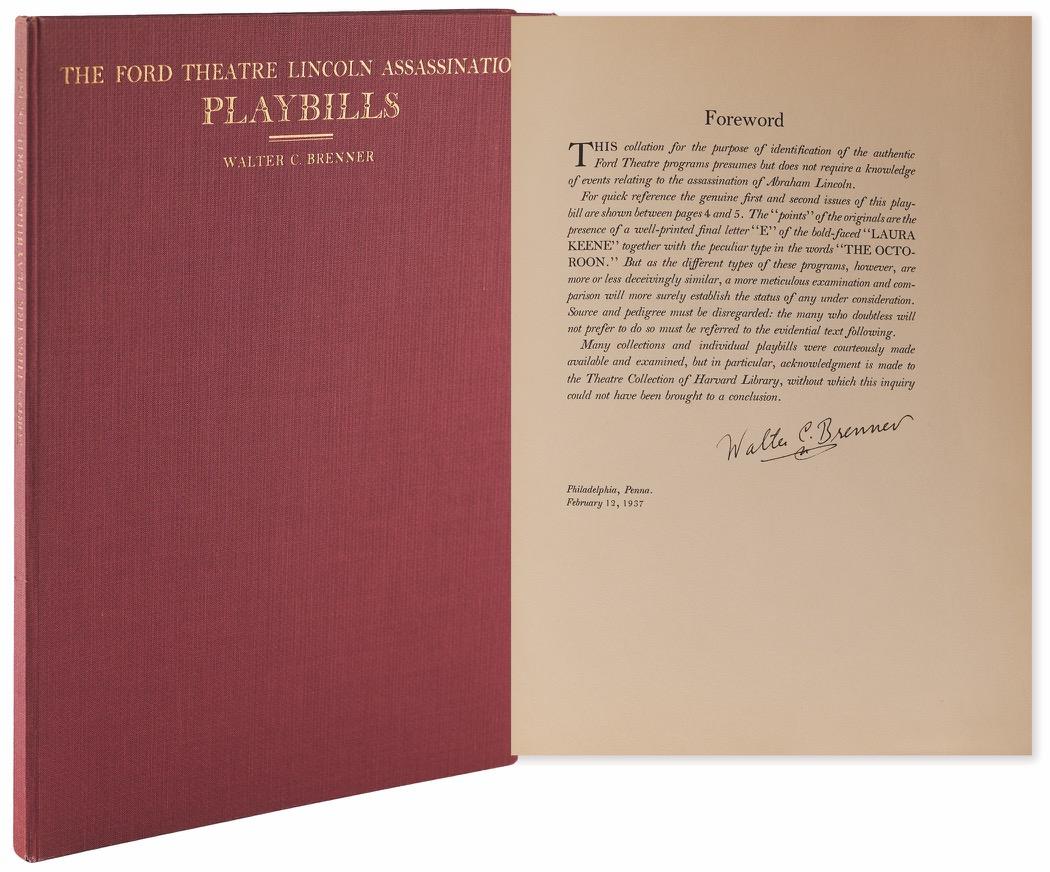
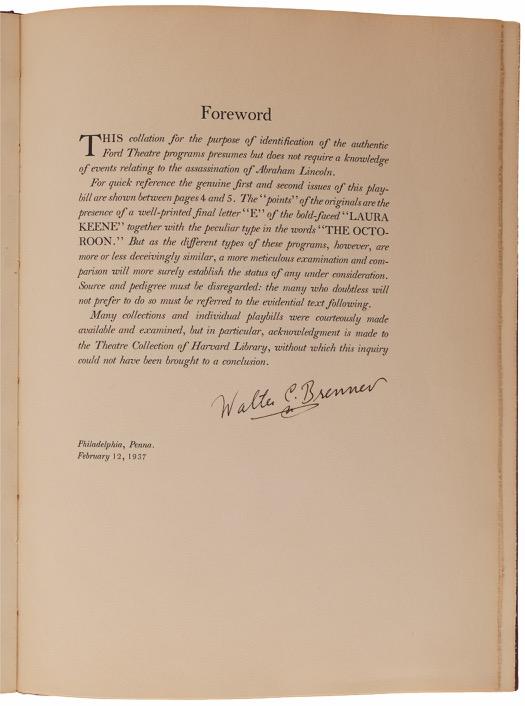
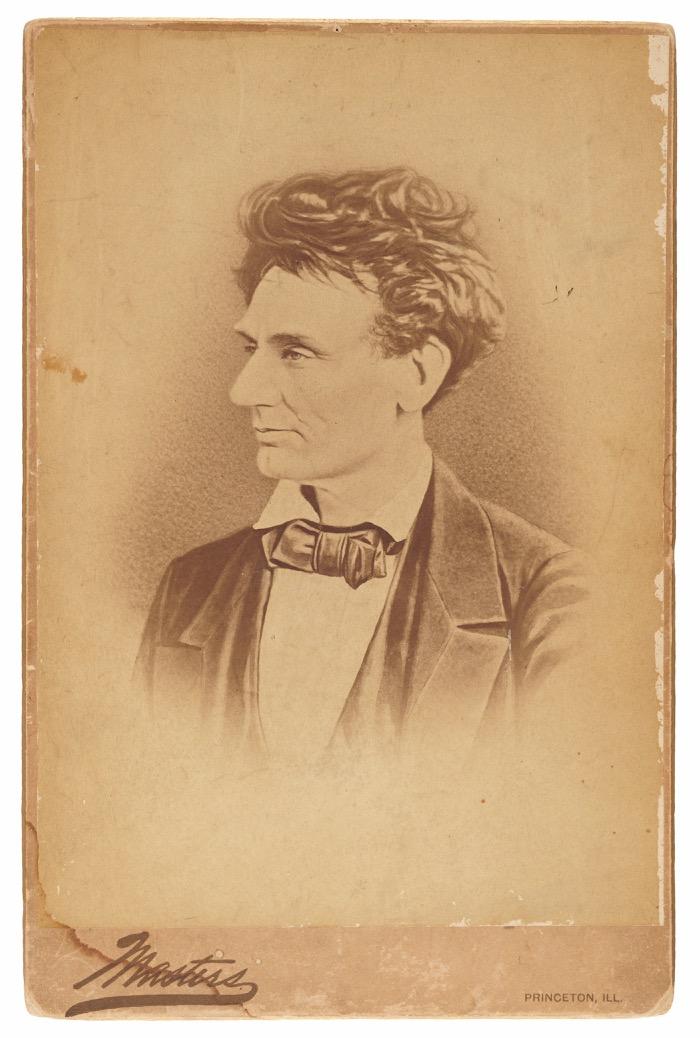
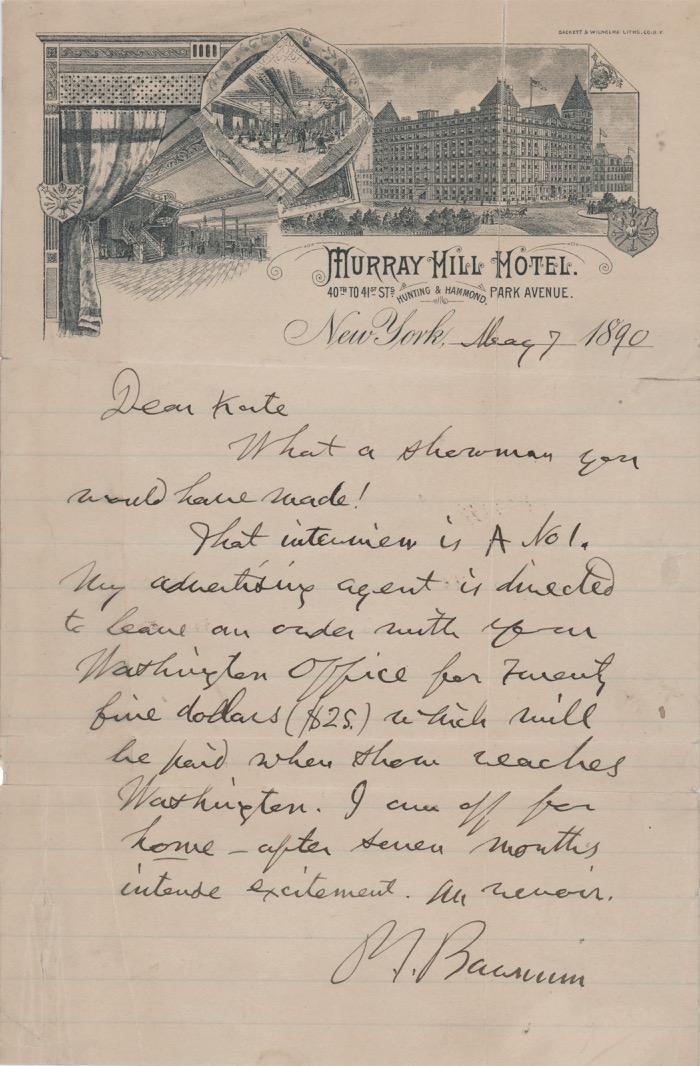
233. P. T. Barnum Autograph Letter Signed“What a showman you would ... Starting Bid $200
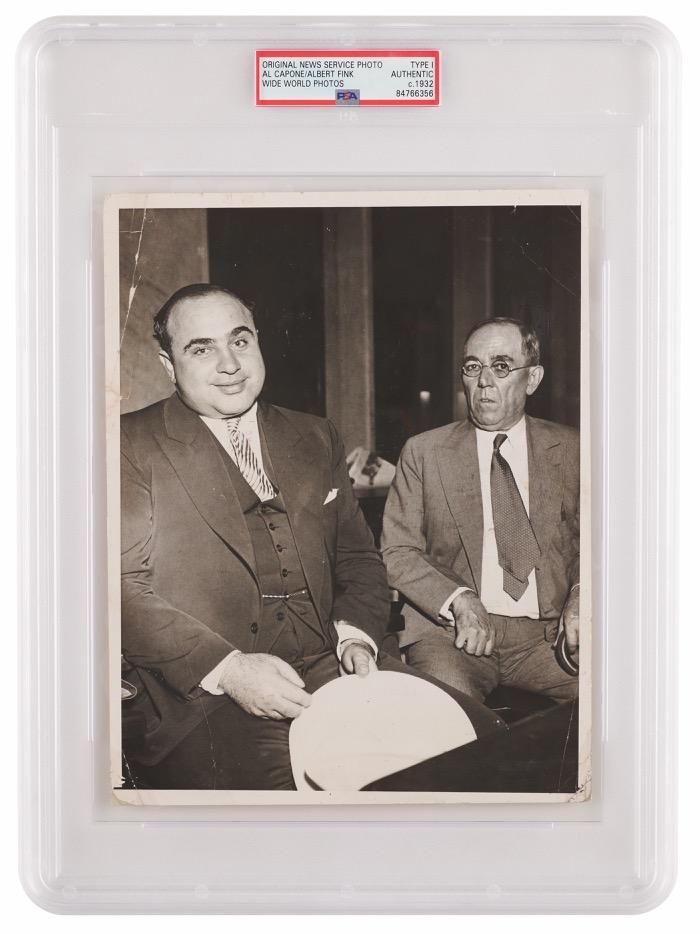
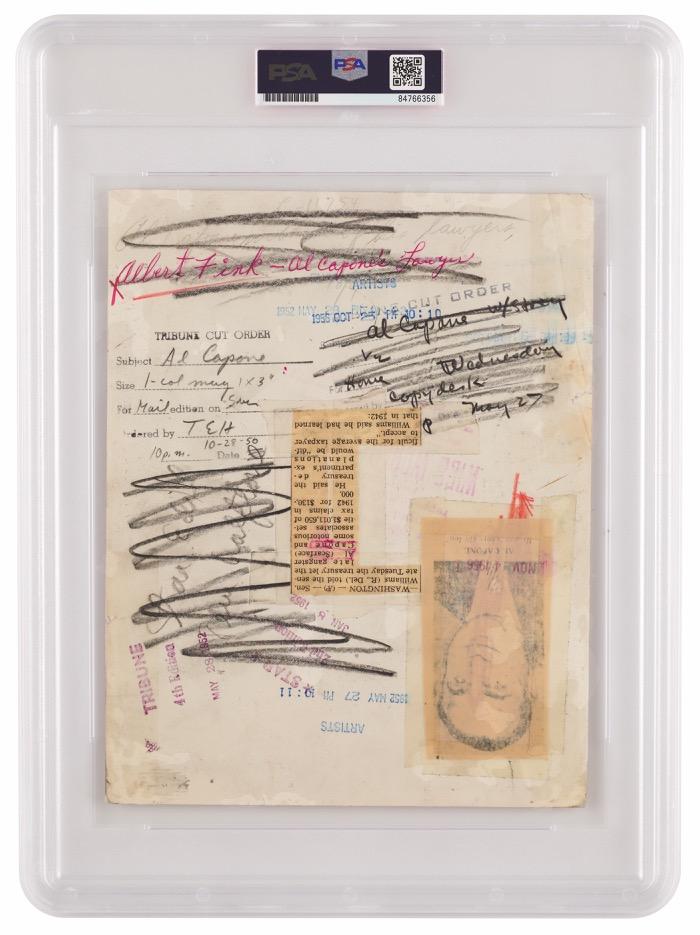
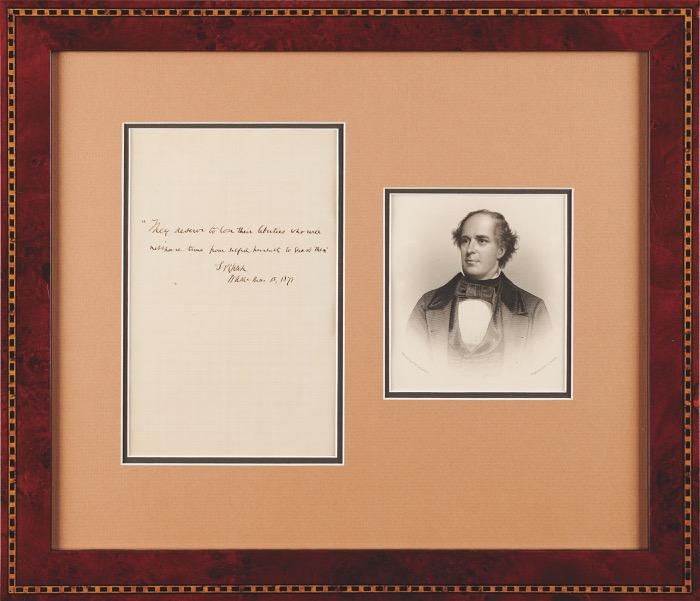
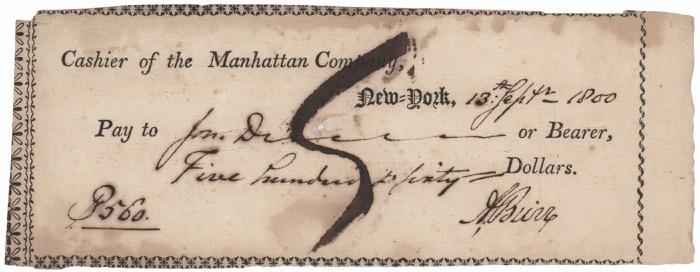
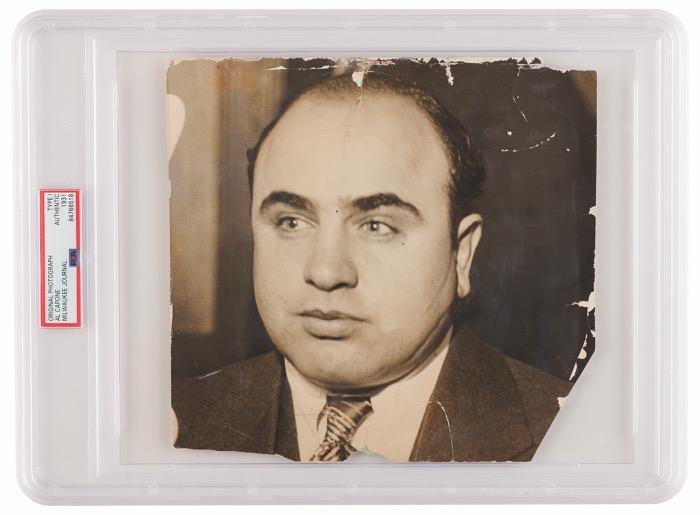
234. Aaron Burr Signed Check Starting Bid $200
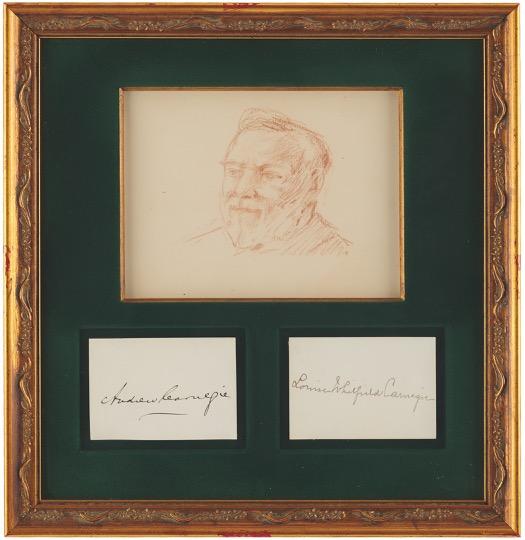
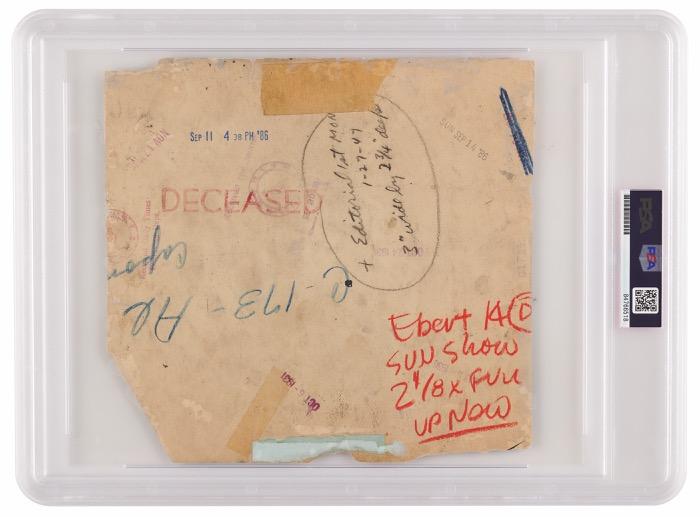
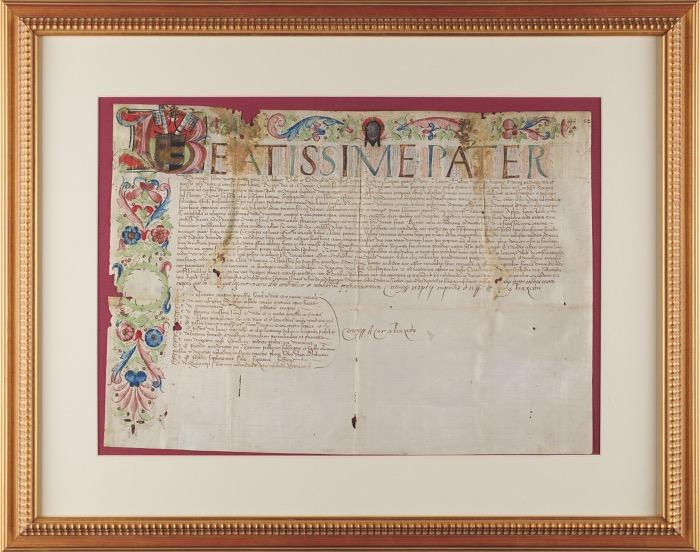
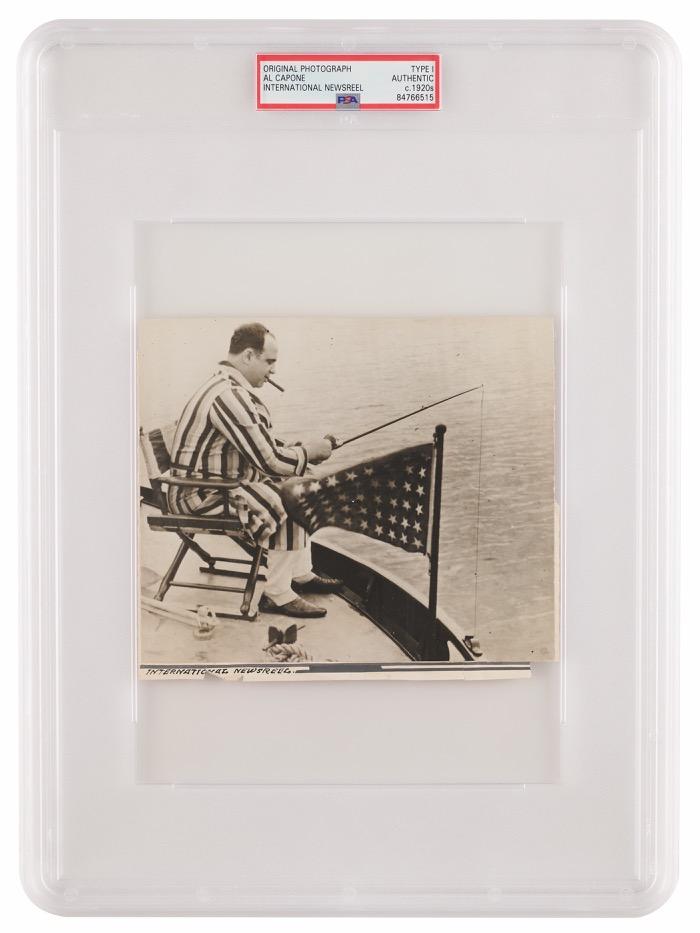
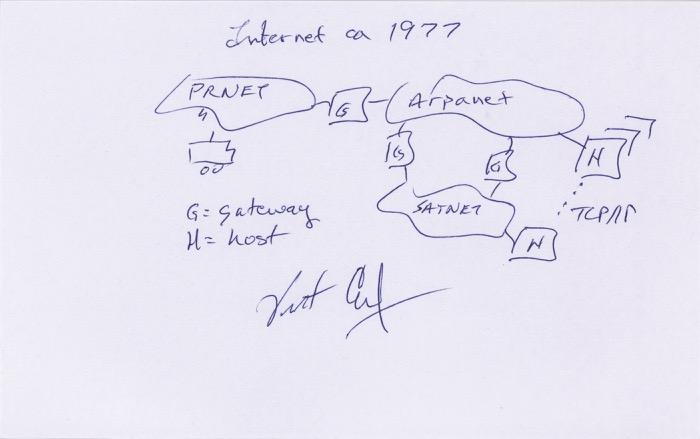
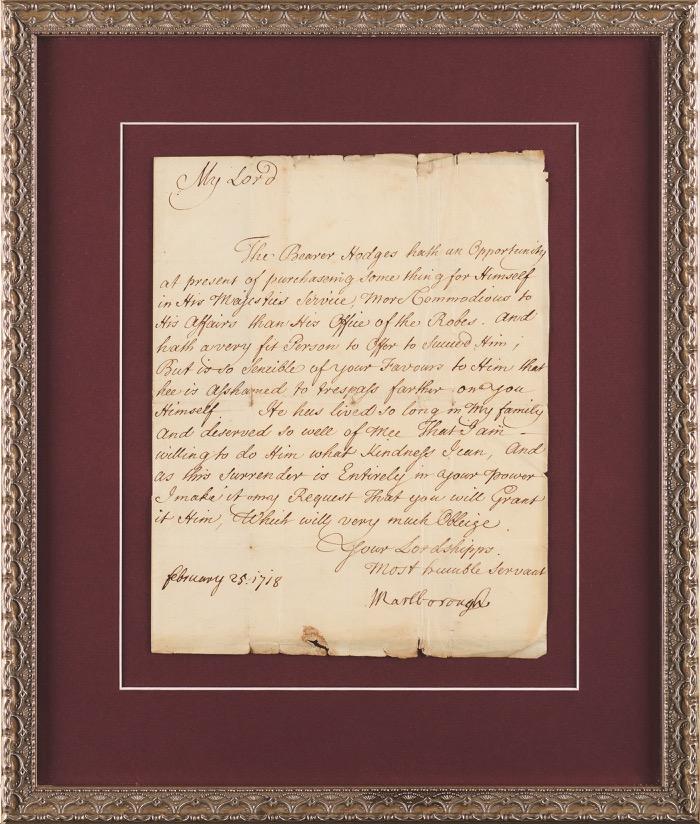
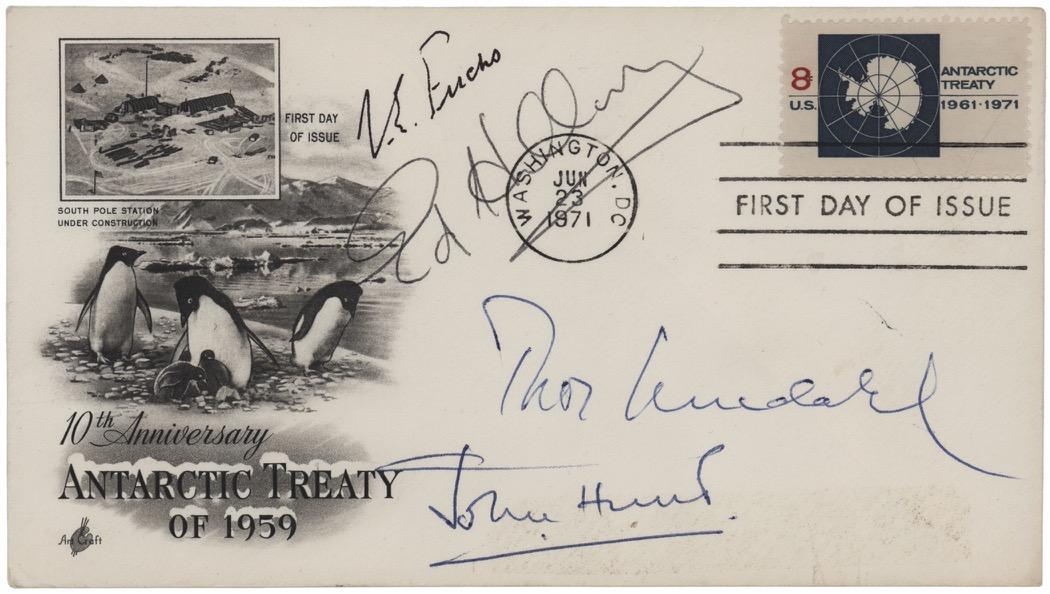
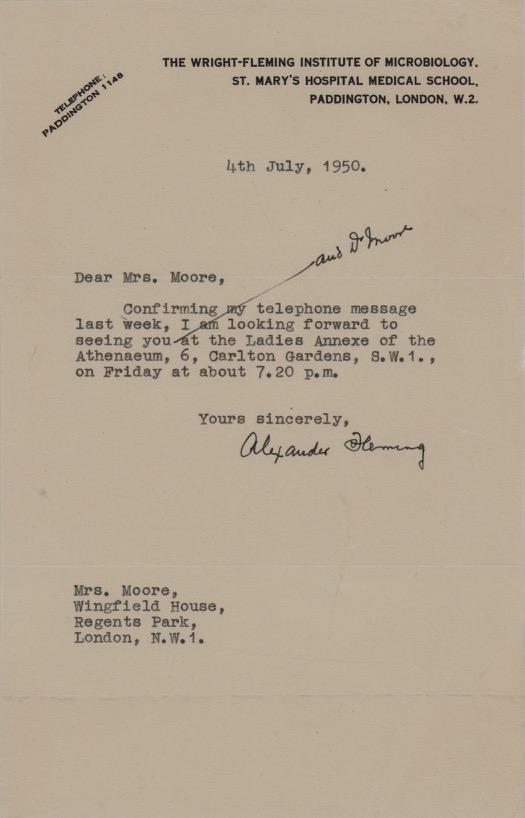
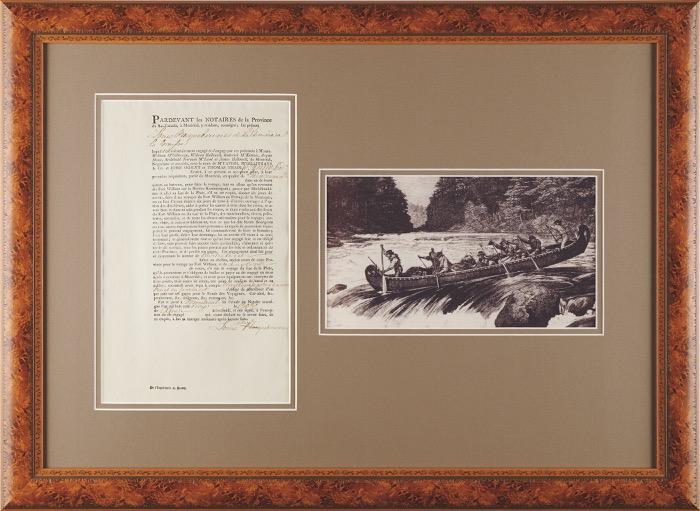
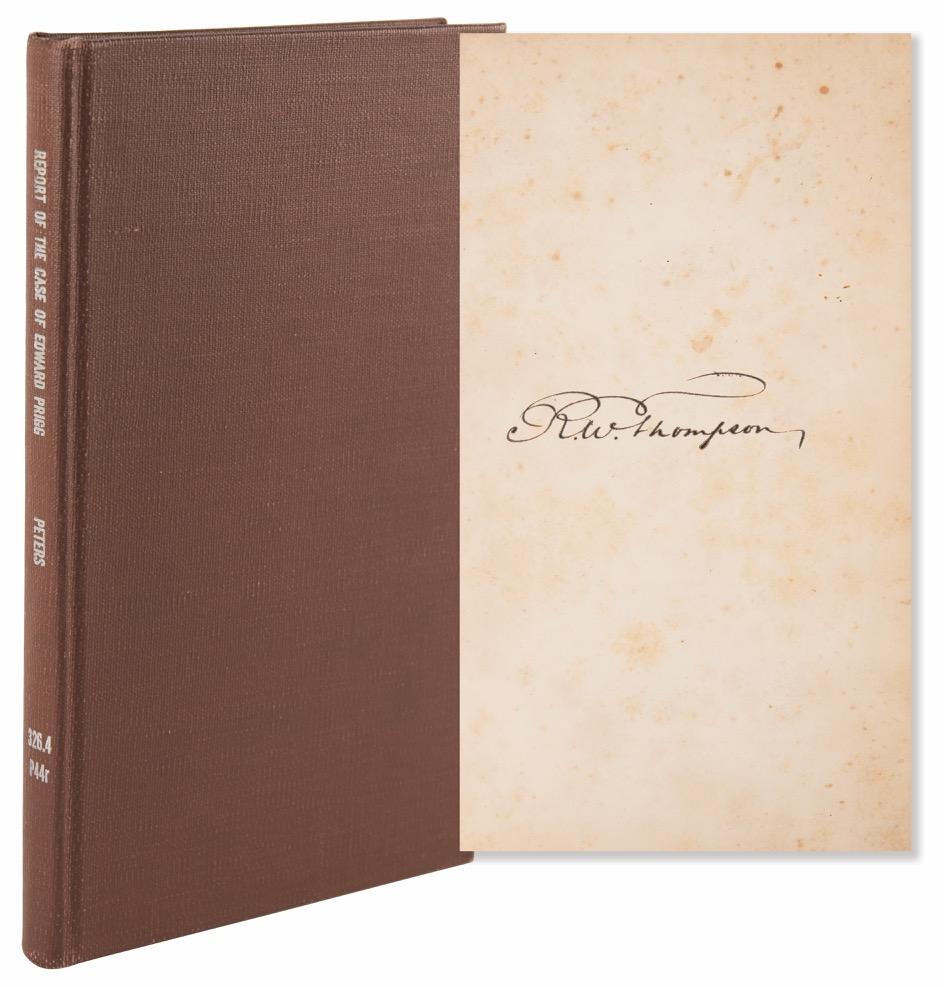
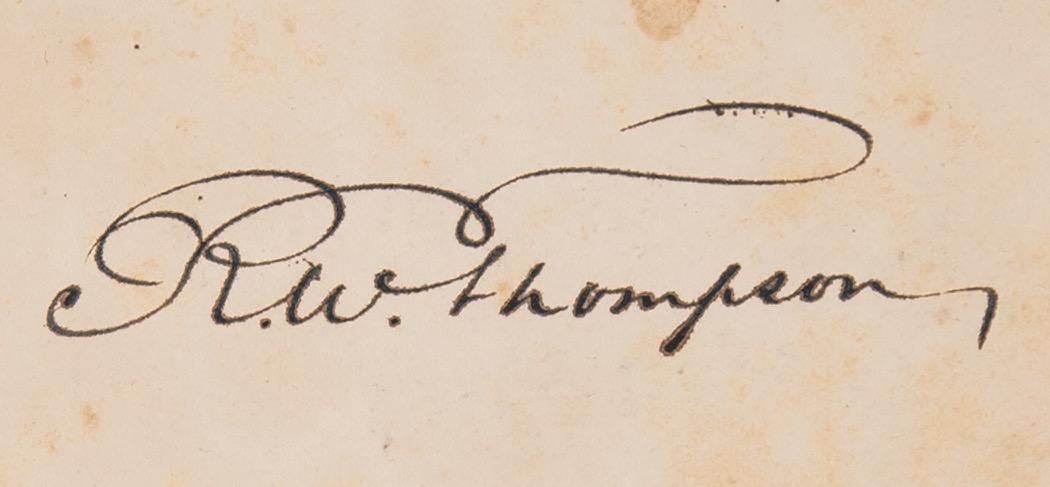
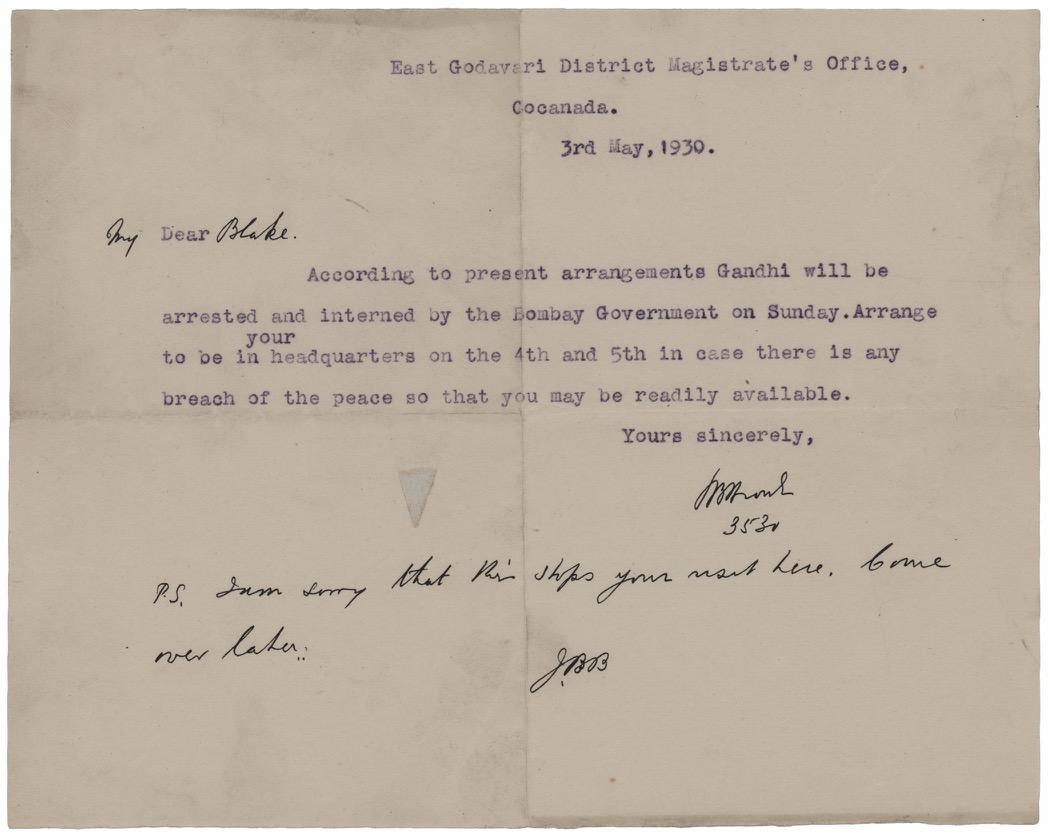
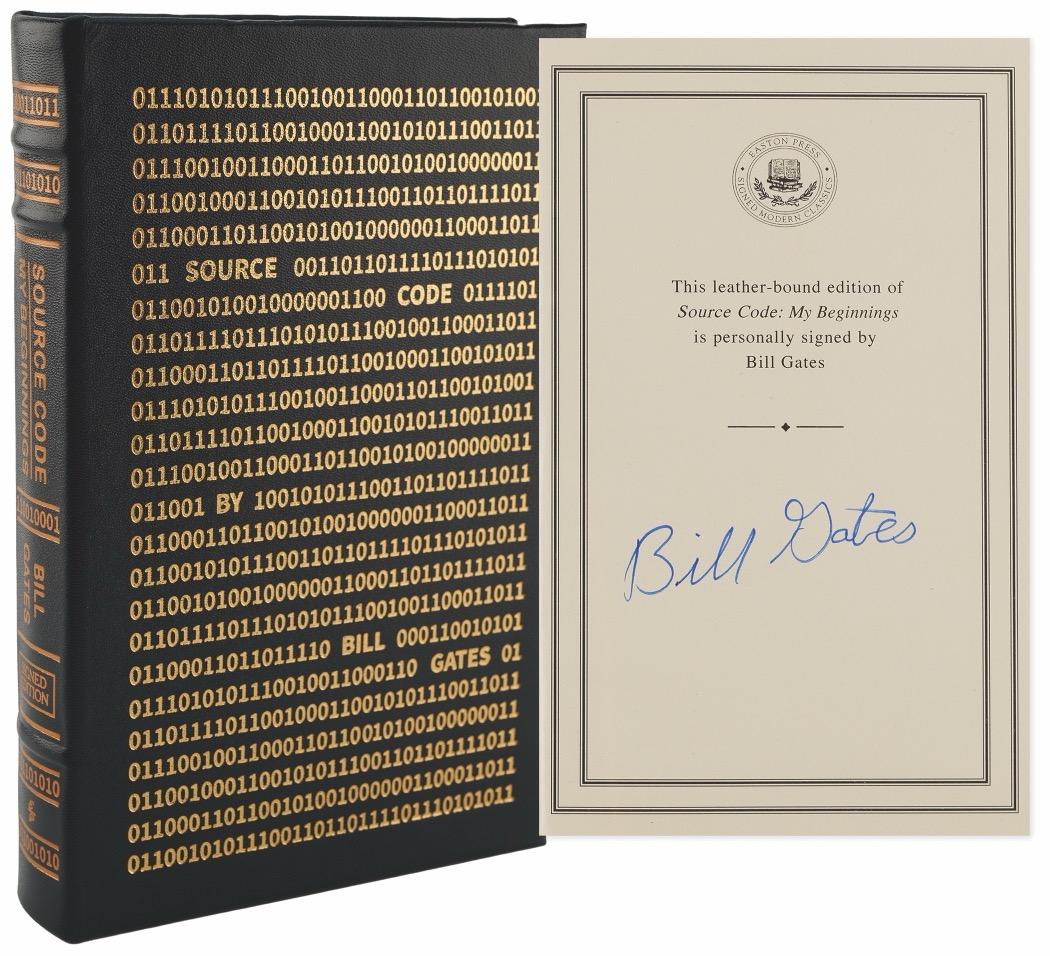
249. Miep Gies Typed Note Signed Starting Bid $200
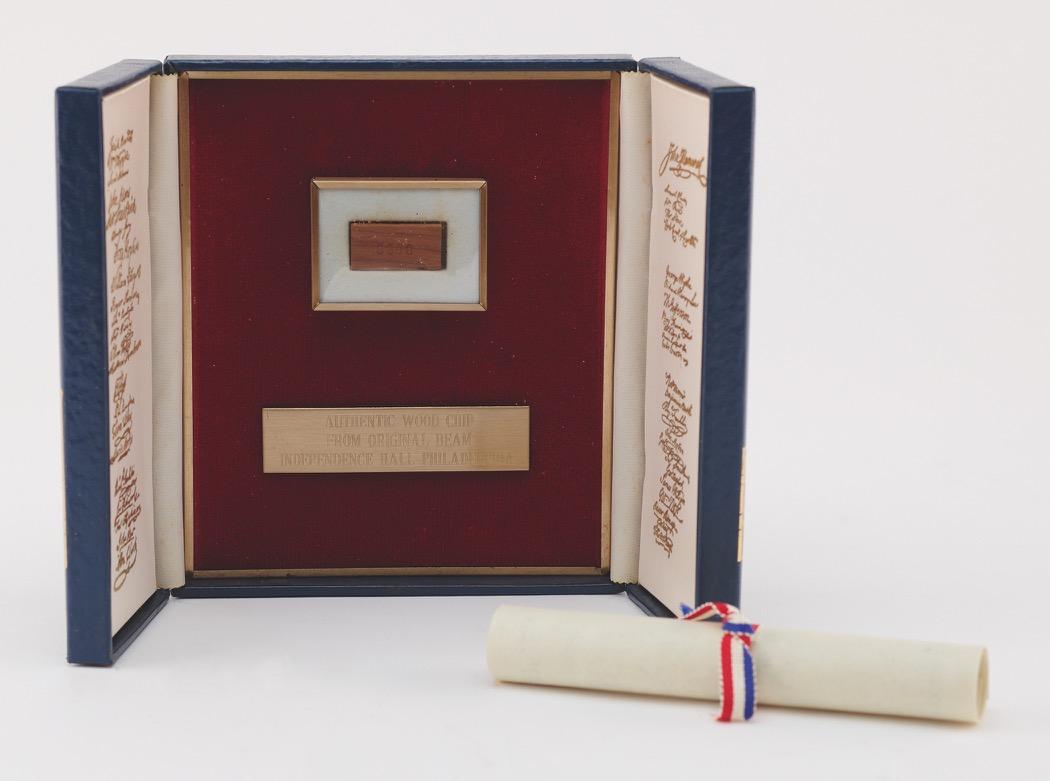
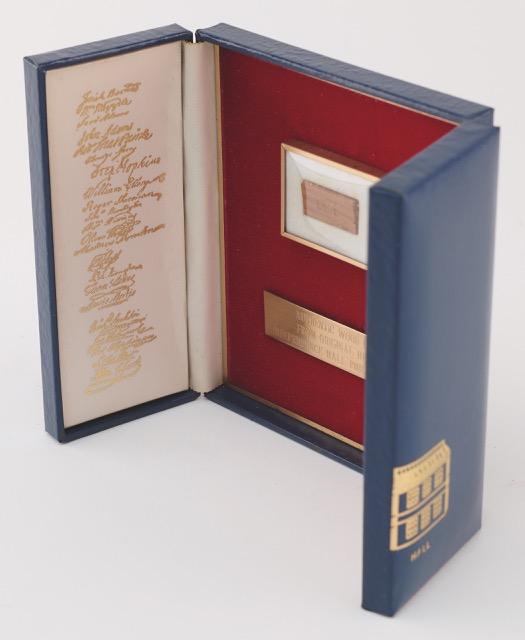
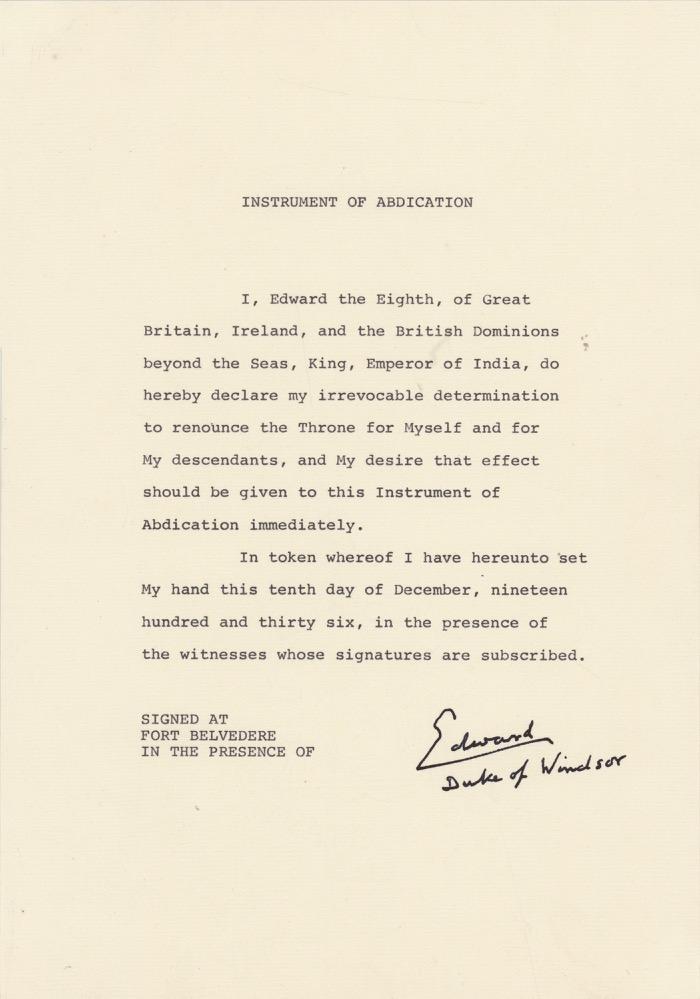
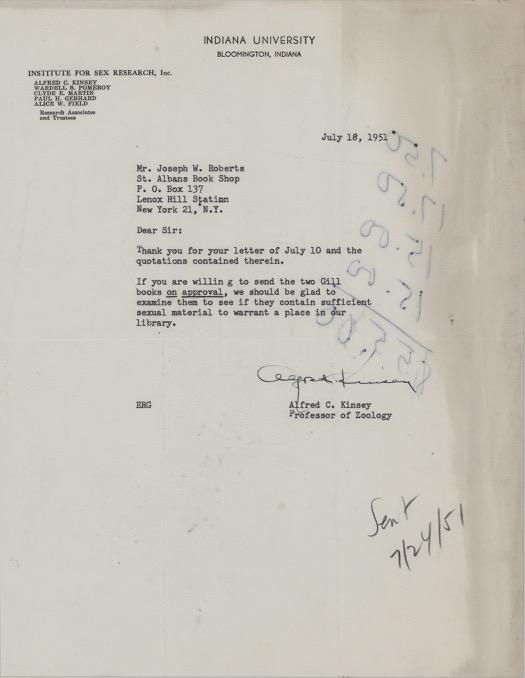
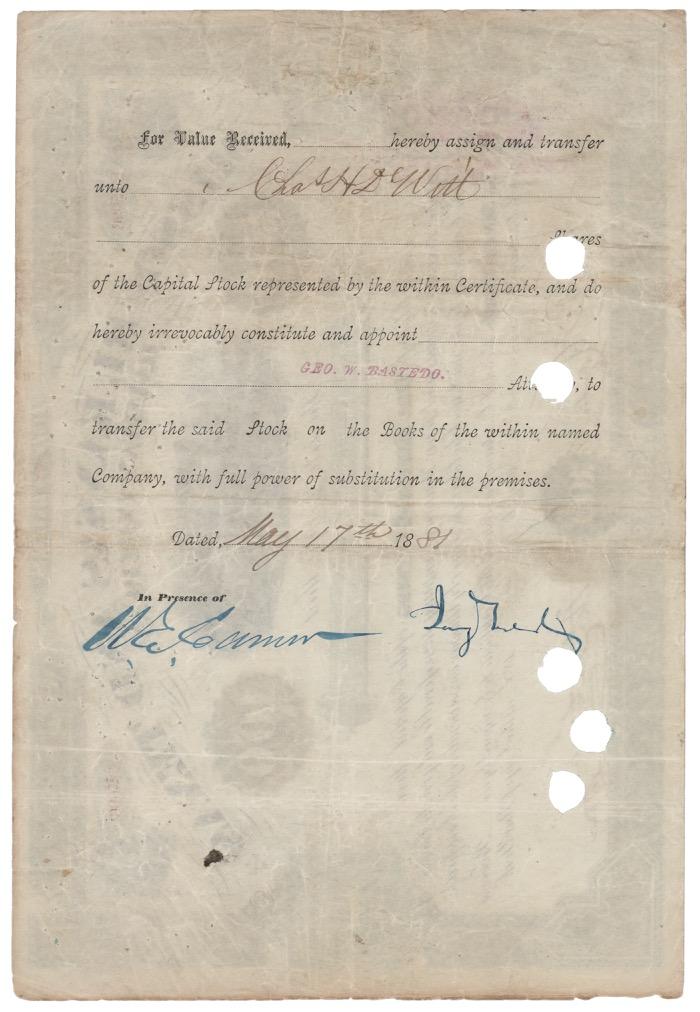
250.
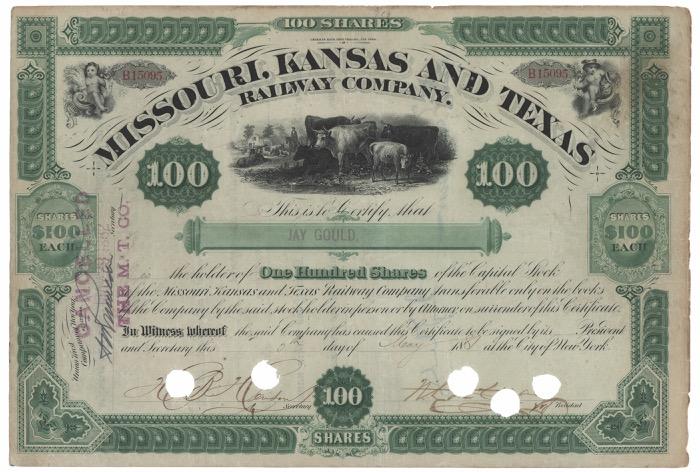
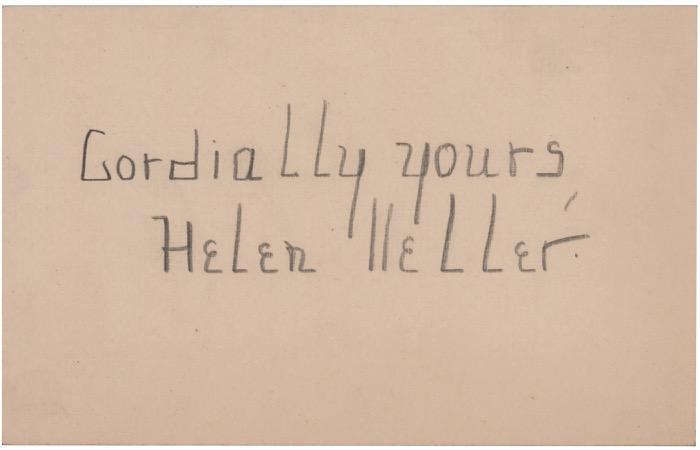
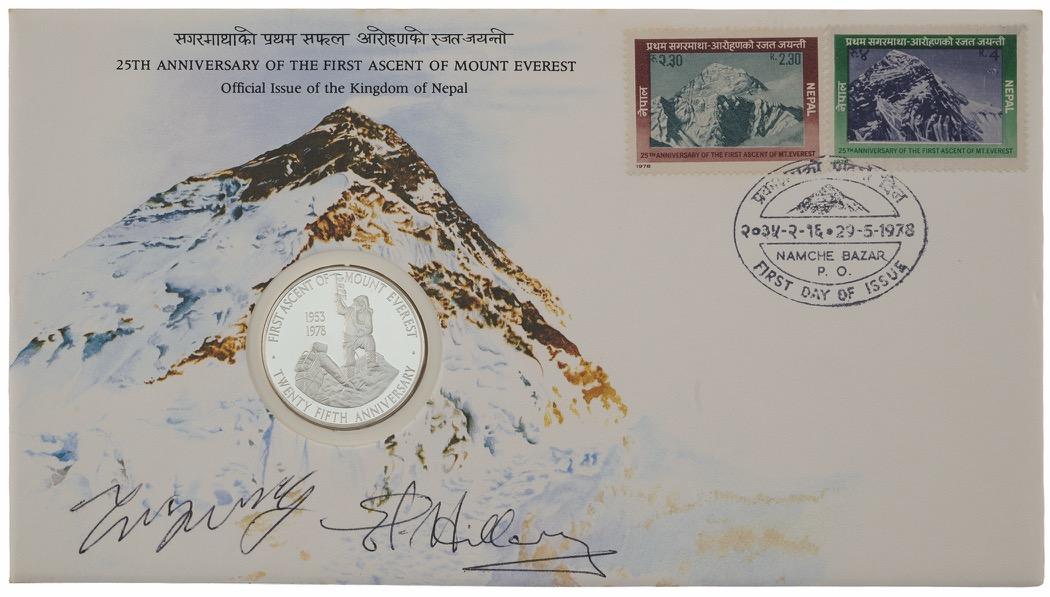
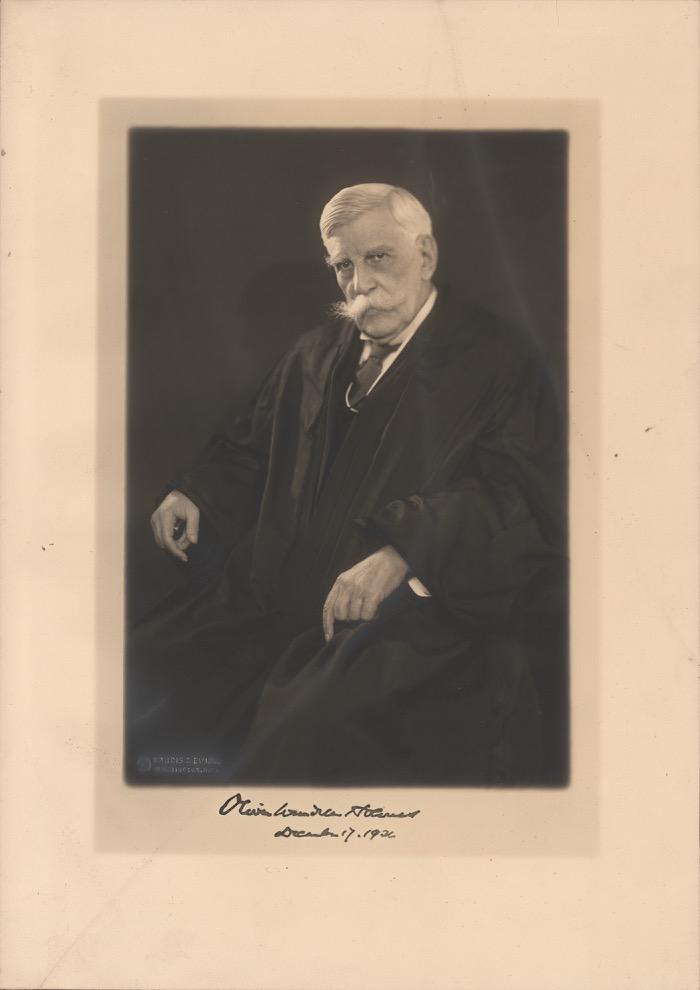
252.
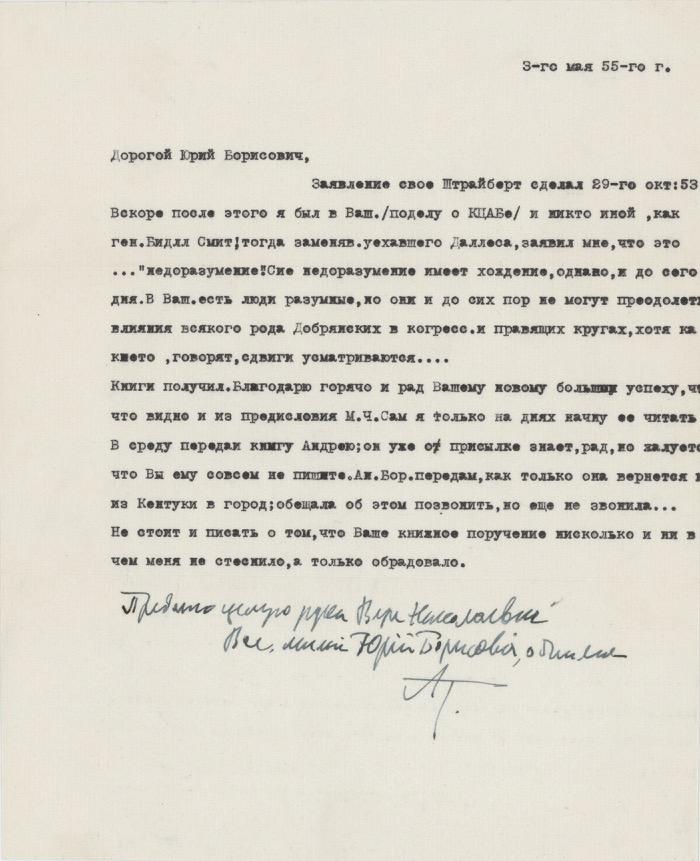
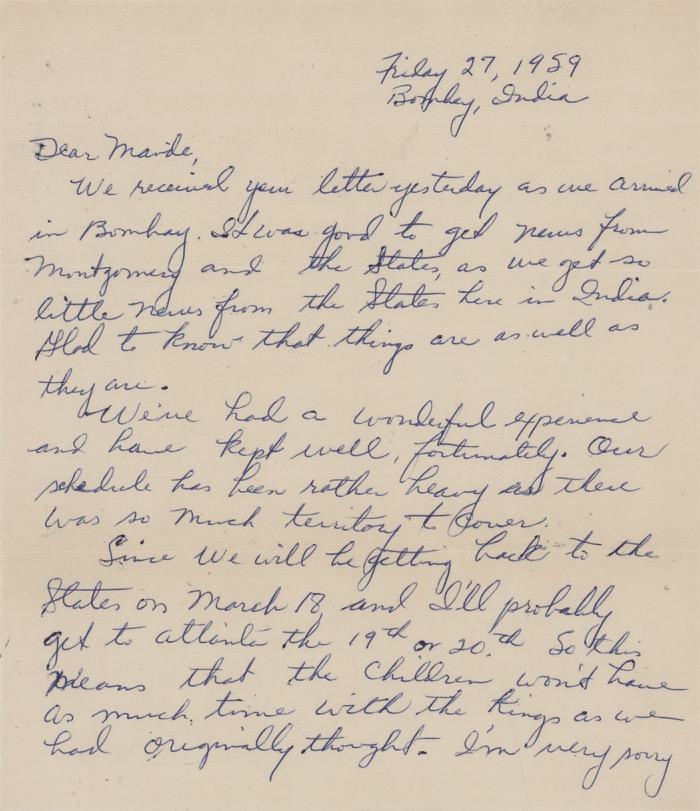
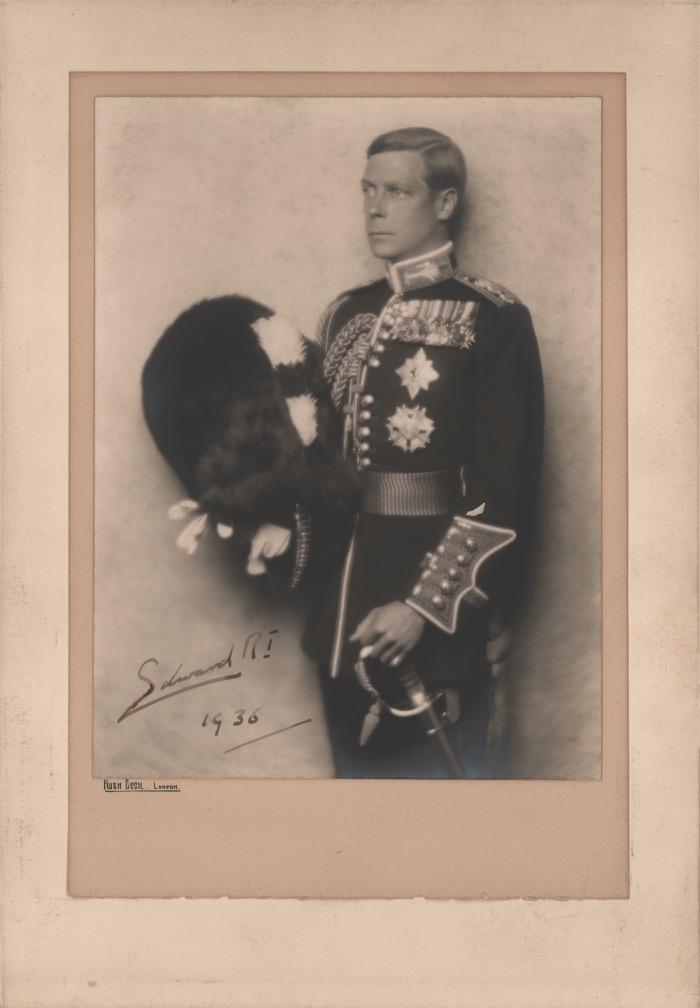
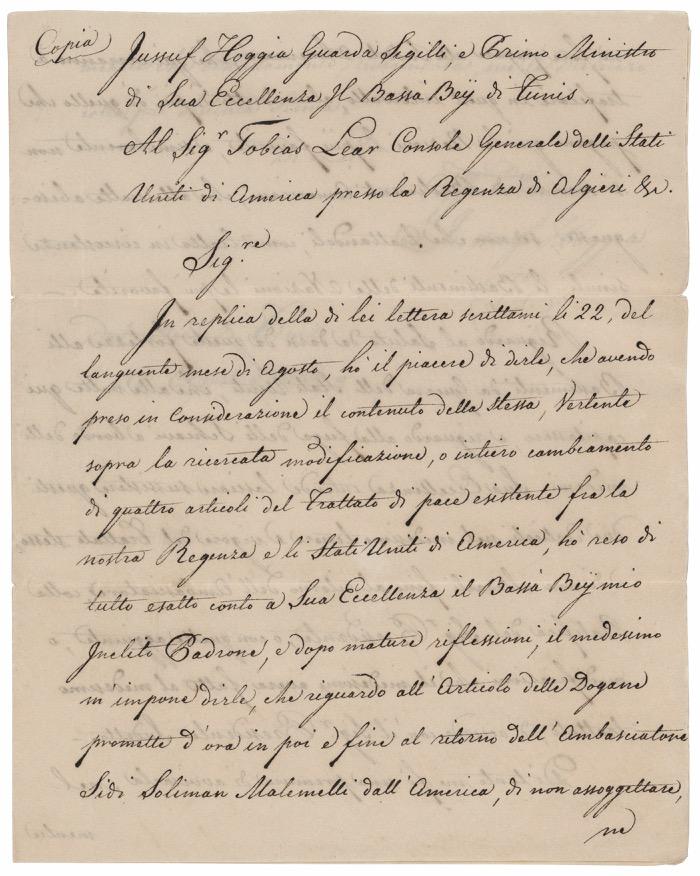
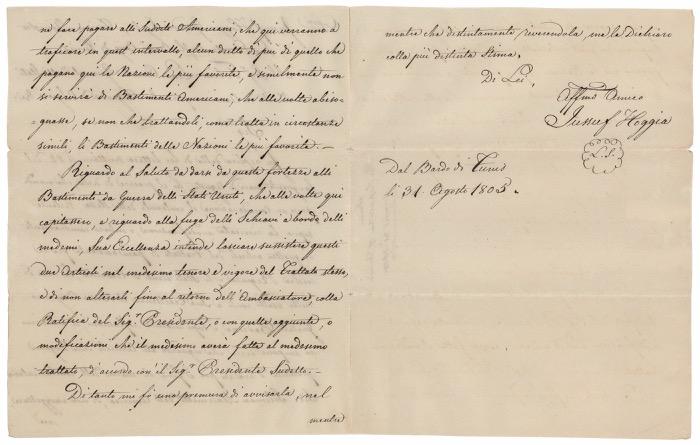
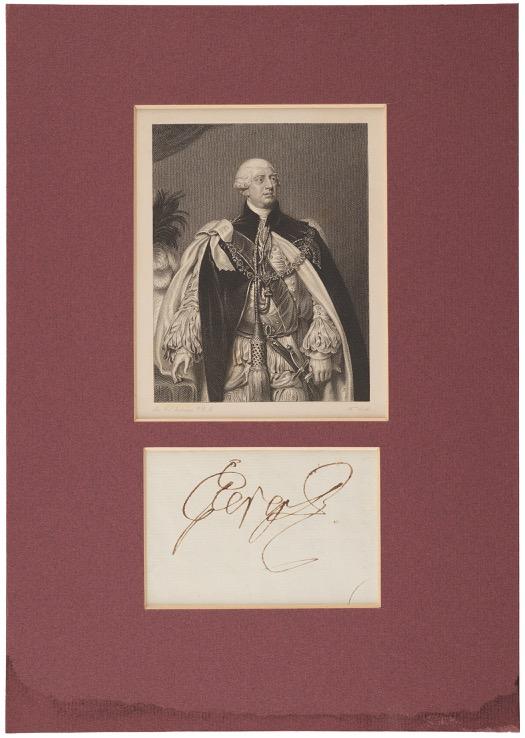
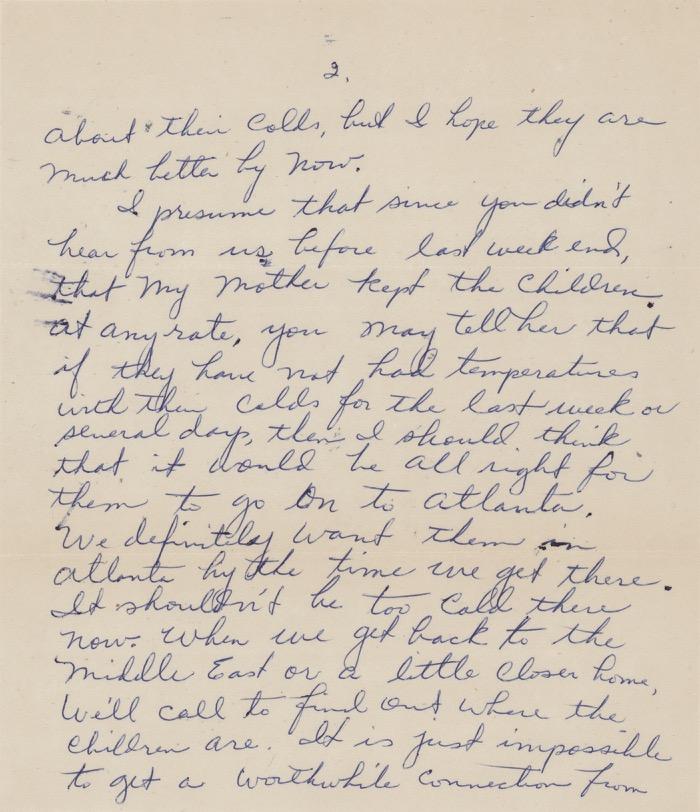
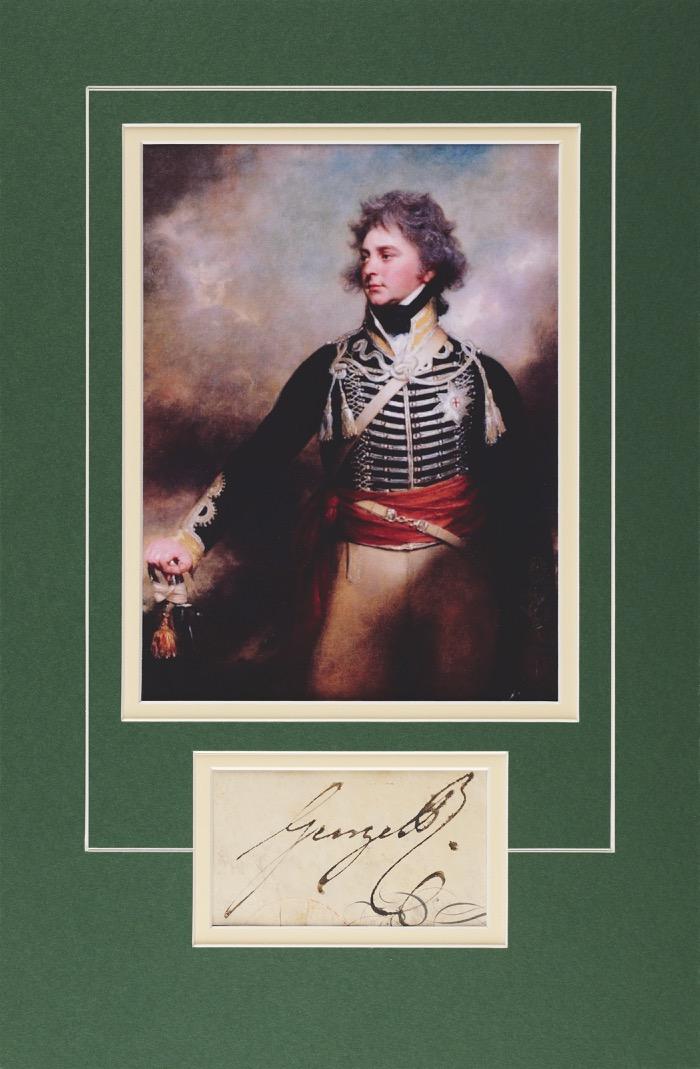
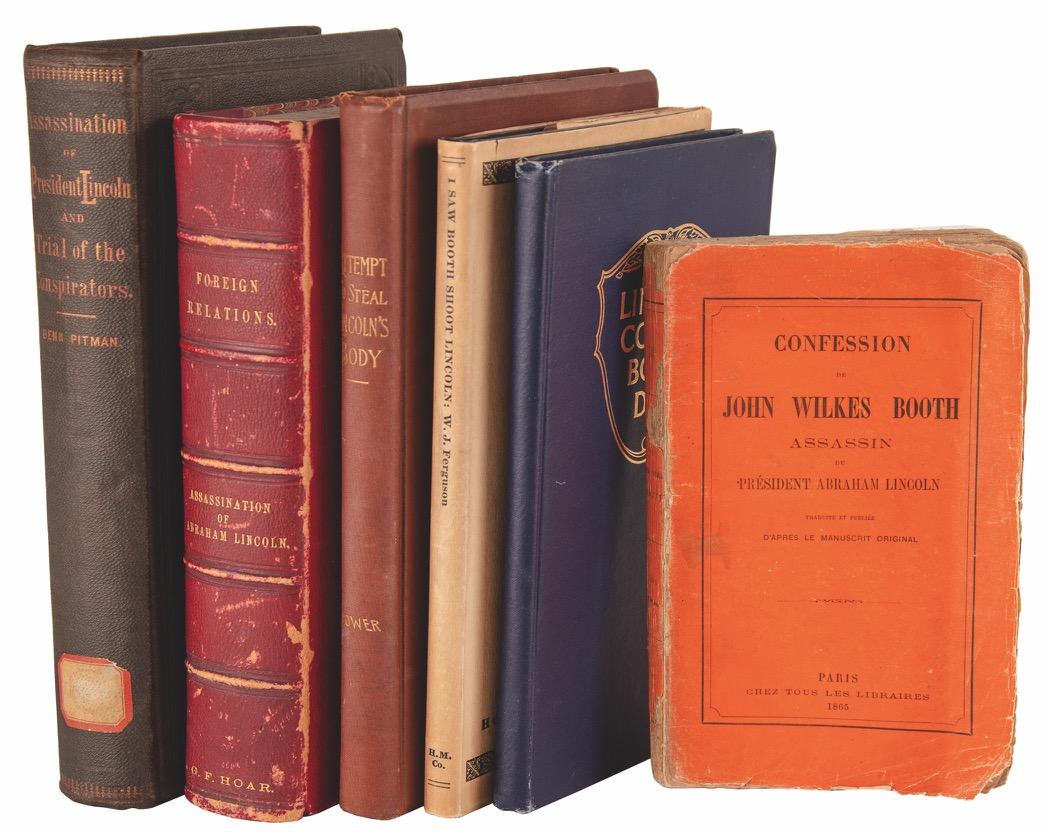
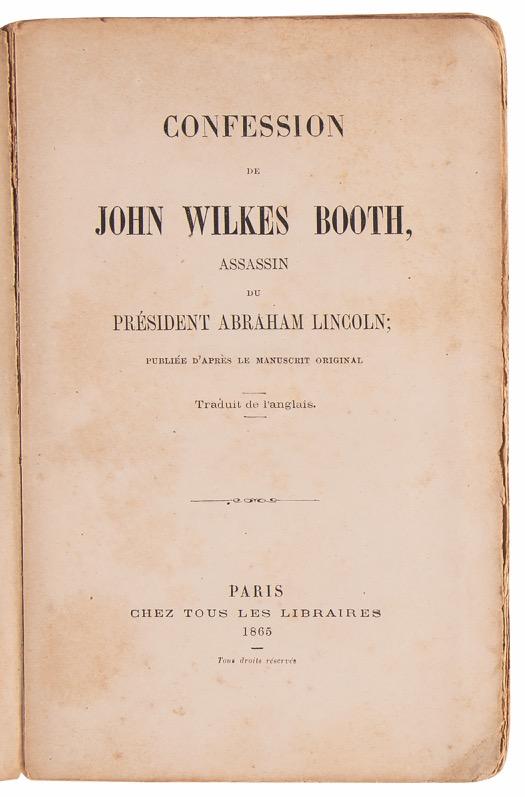
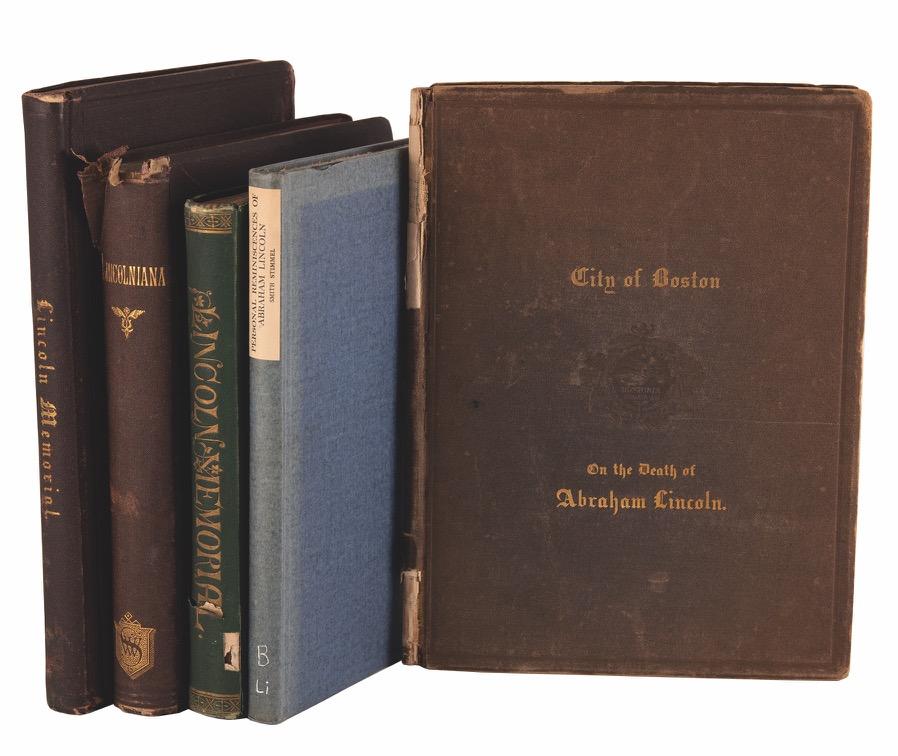
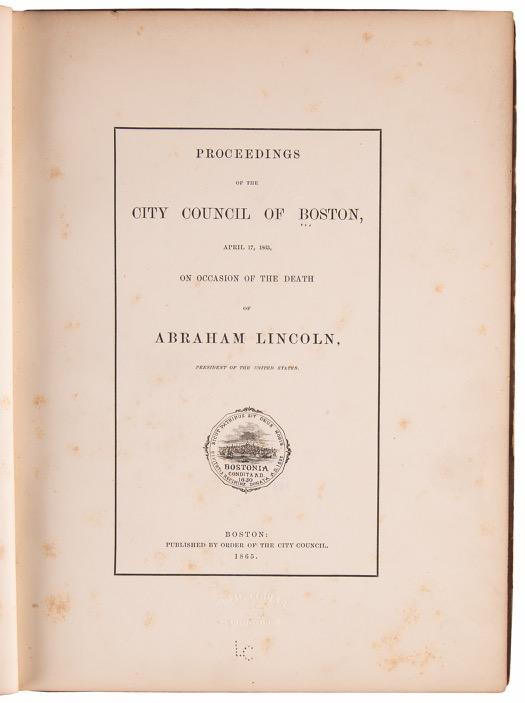
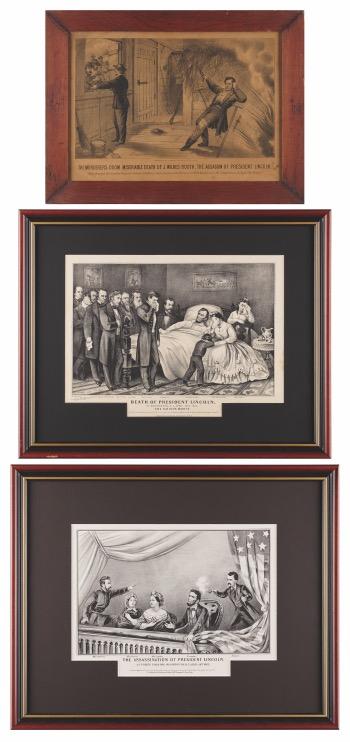
266. Lincoln Assassination (3) Engravings Starting Bid $200
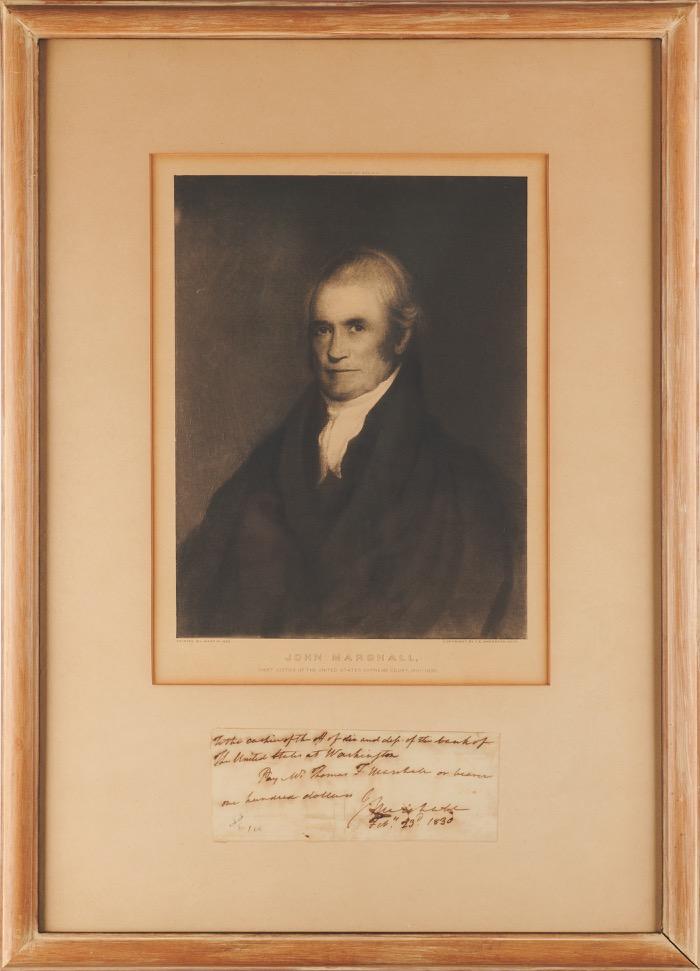
270. John Marshall Autograph Document Signed Starting Bid $200
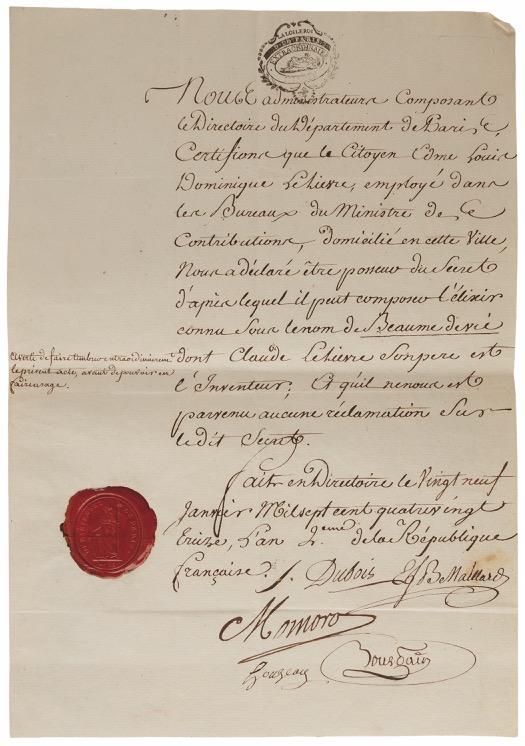
274.
Starting Bid $200
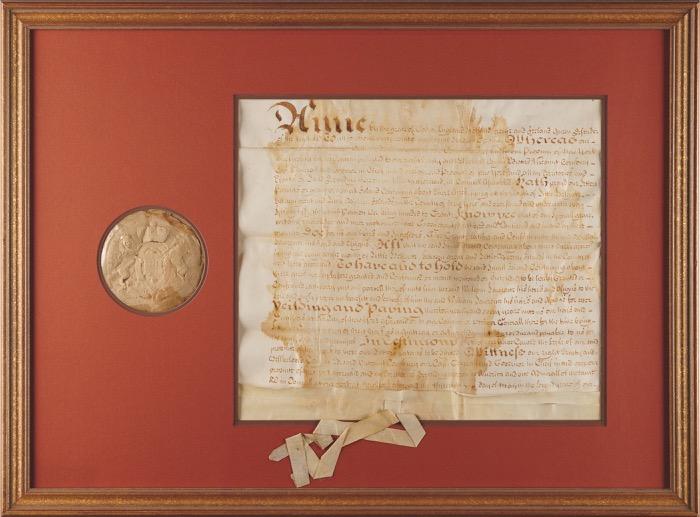
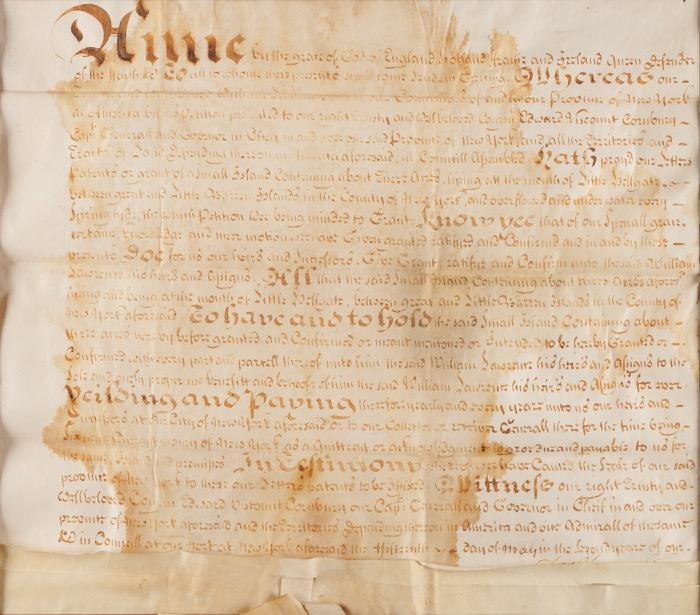
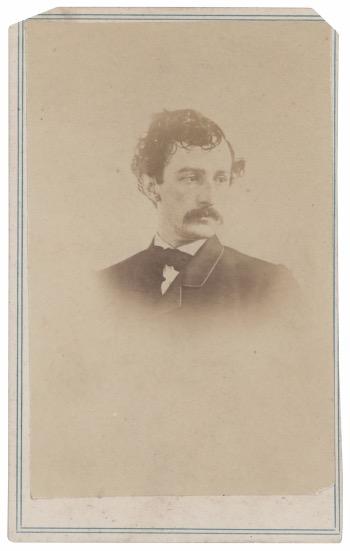
267. John Wilkes Booth Carte-de-Visite Portrait Starting Bid $200
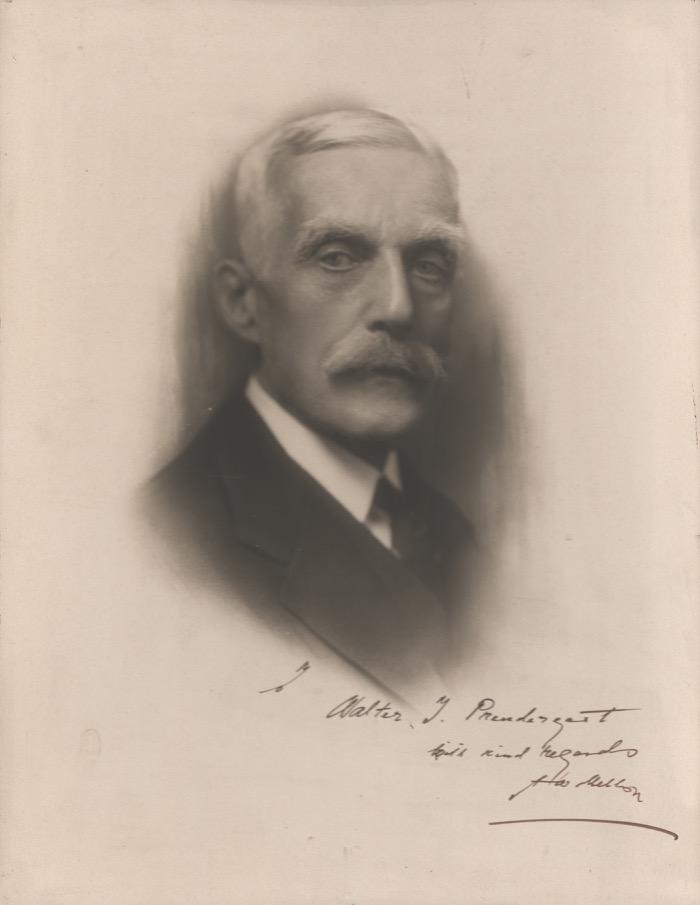
271. Andrew Mellon Signed Oversized Photograph Starting Bid $200
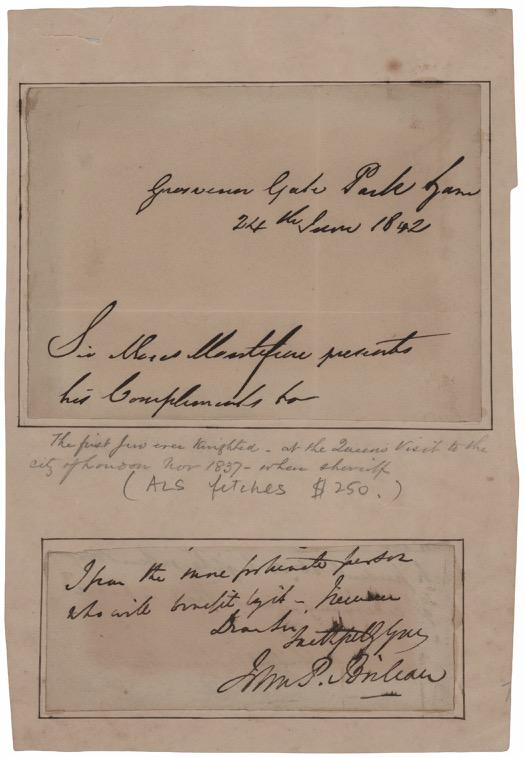
Starting Bid $200
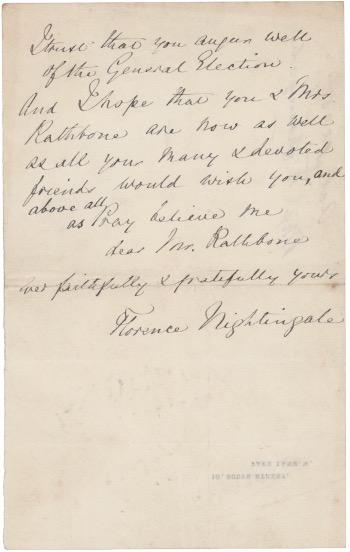
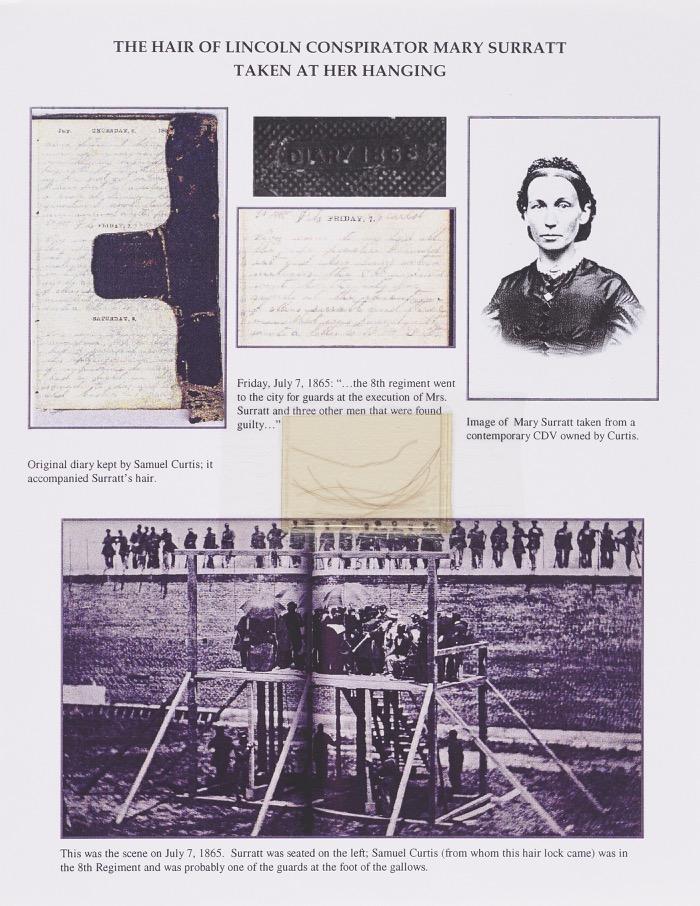
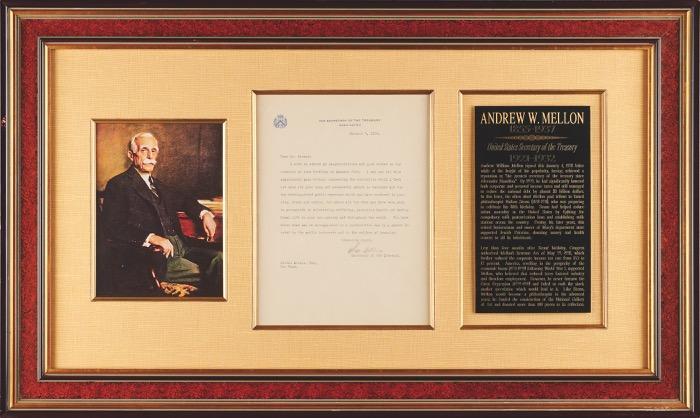
272. Andrew Mellon Typed Letter Signed to Philanthropist Nathan Straus... Starting Bid $200
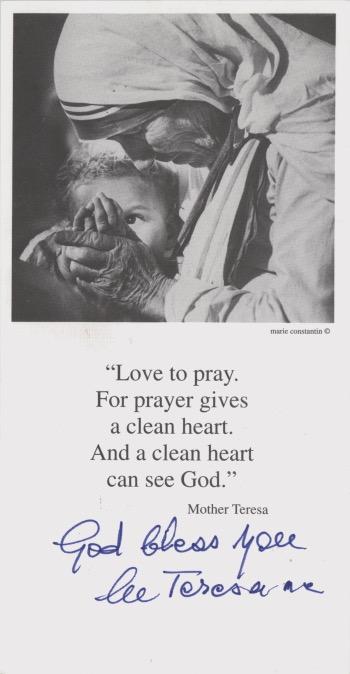
276.
Starting Bid $200
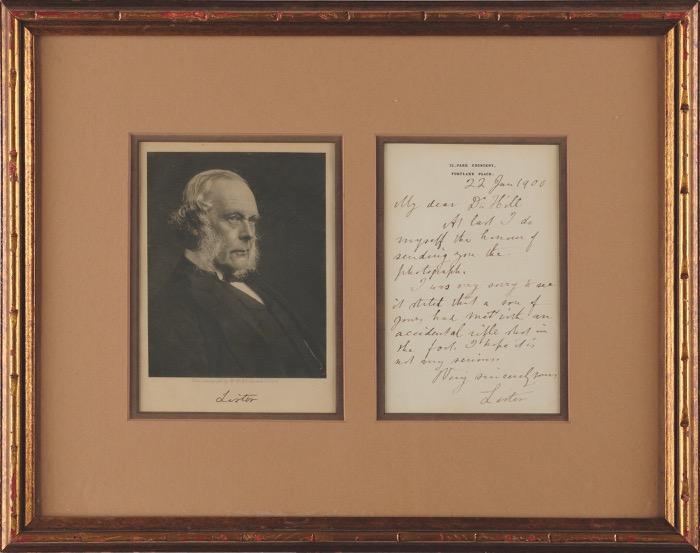
269. Joseph
Autograph Letter Signed Starting Bid $200
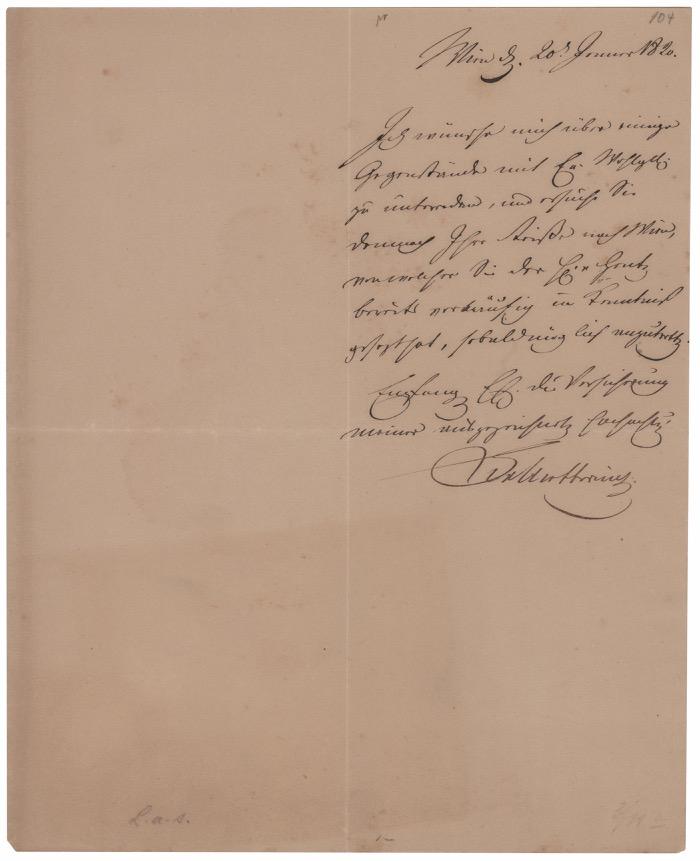
273. Klemens von Metternich Autograph Letter Signed Starting Bid $200
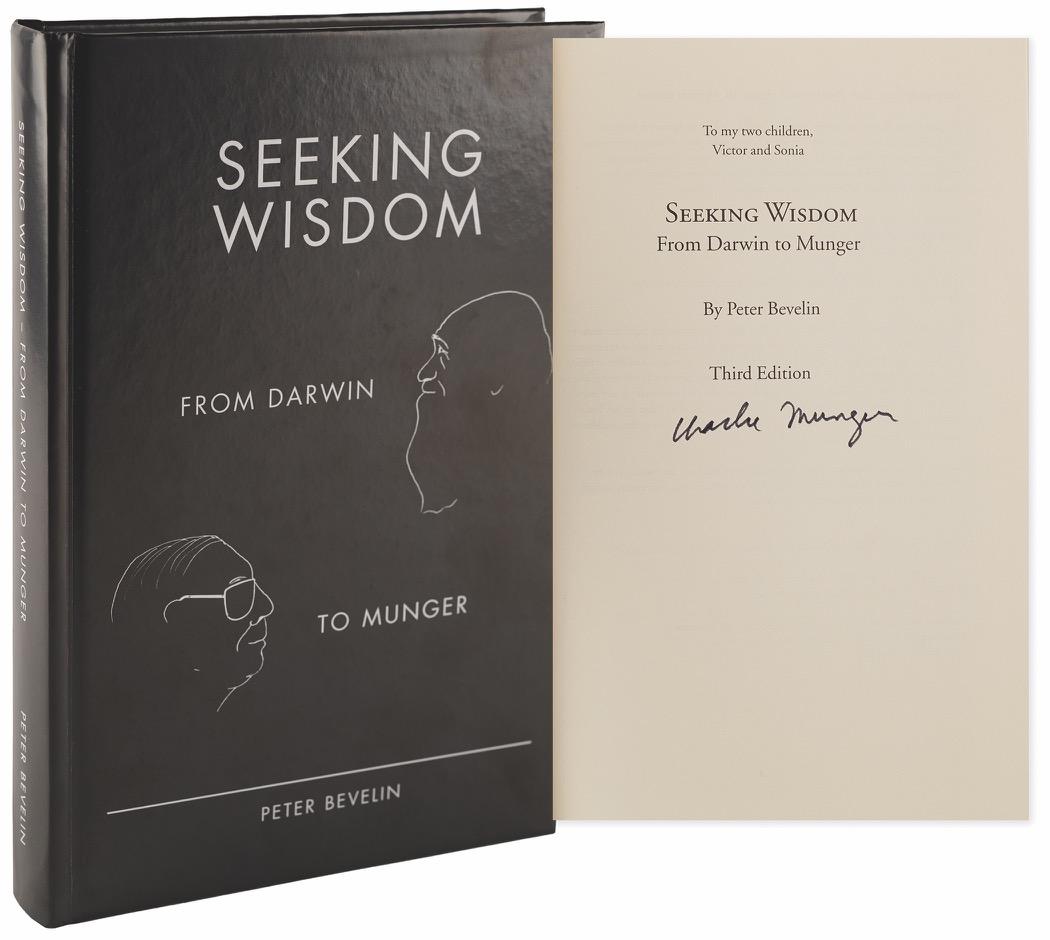
277. Charlie Munger Signed Book - Seeking Wisdom: From Darwin to Munge... Starting Bid $200
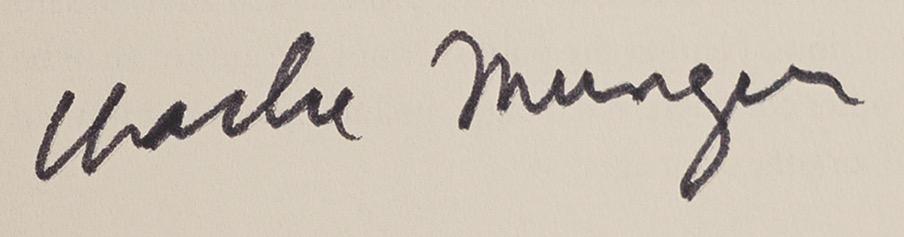

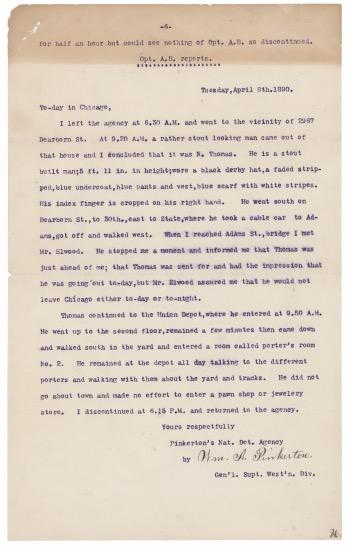
Starting
Starting Bid $200
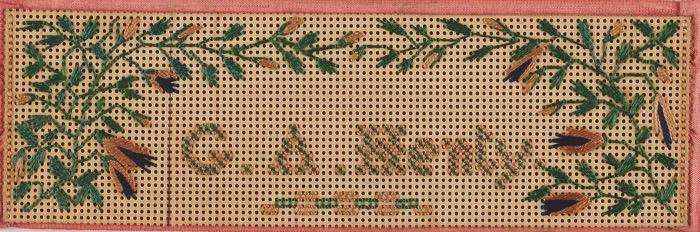
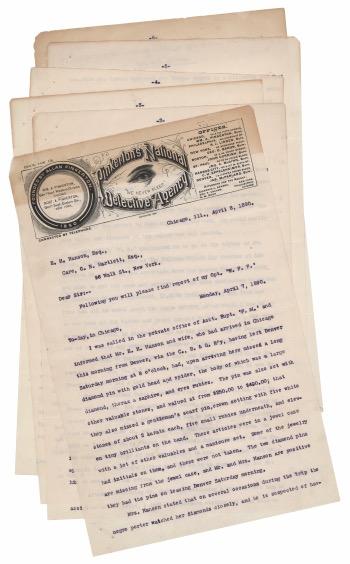
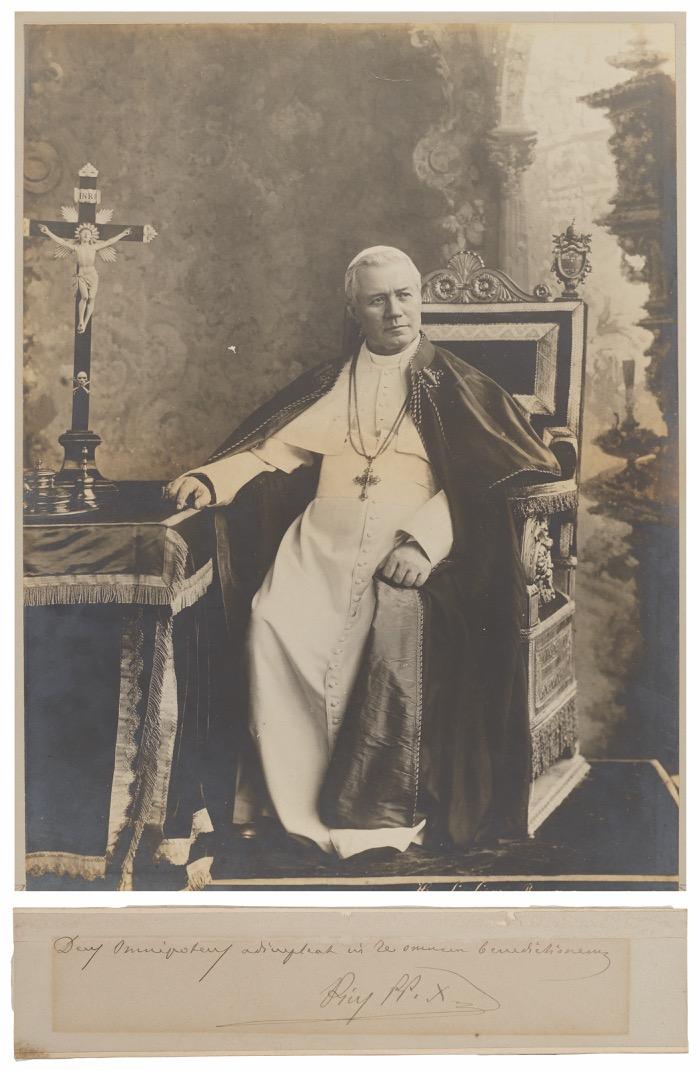
282. Pope Pius X Signature Starting Bid $200
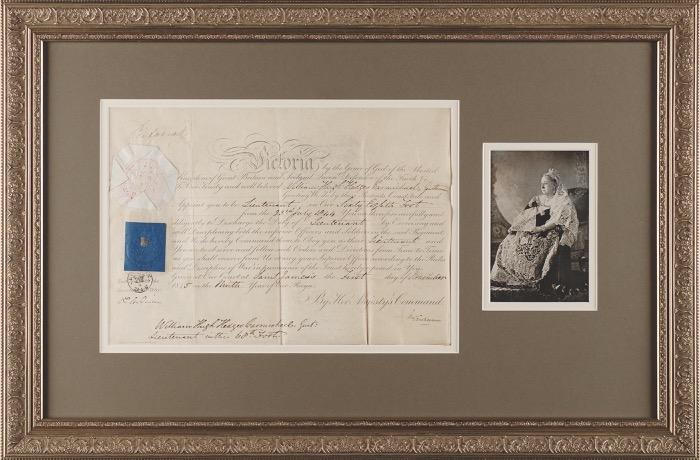
287. Queen Victoria Document Signed Starting Bid $200
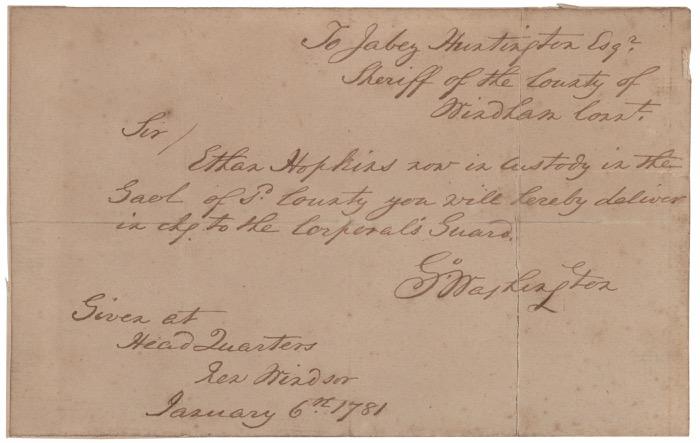
291. Robert Spring: George Washington Forgery Starting Bid $200
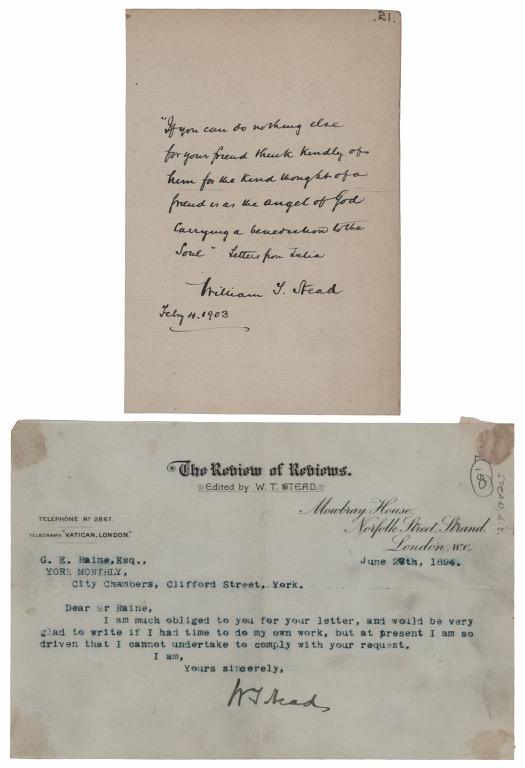
295. William T. Stead Autograph Quotation Signed and Typed Letter Sign... Starting Bid $200
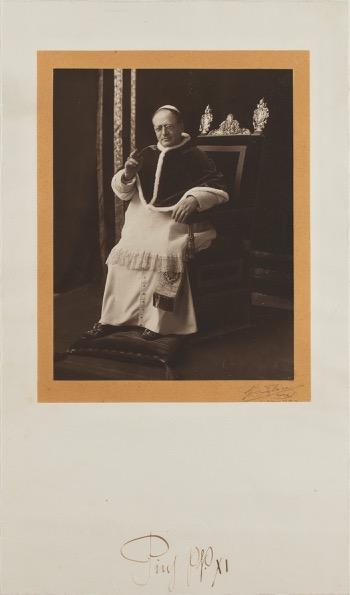
283. Pope Pius XI Oversized Signed Photograph Starting Bid $200
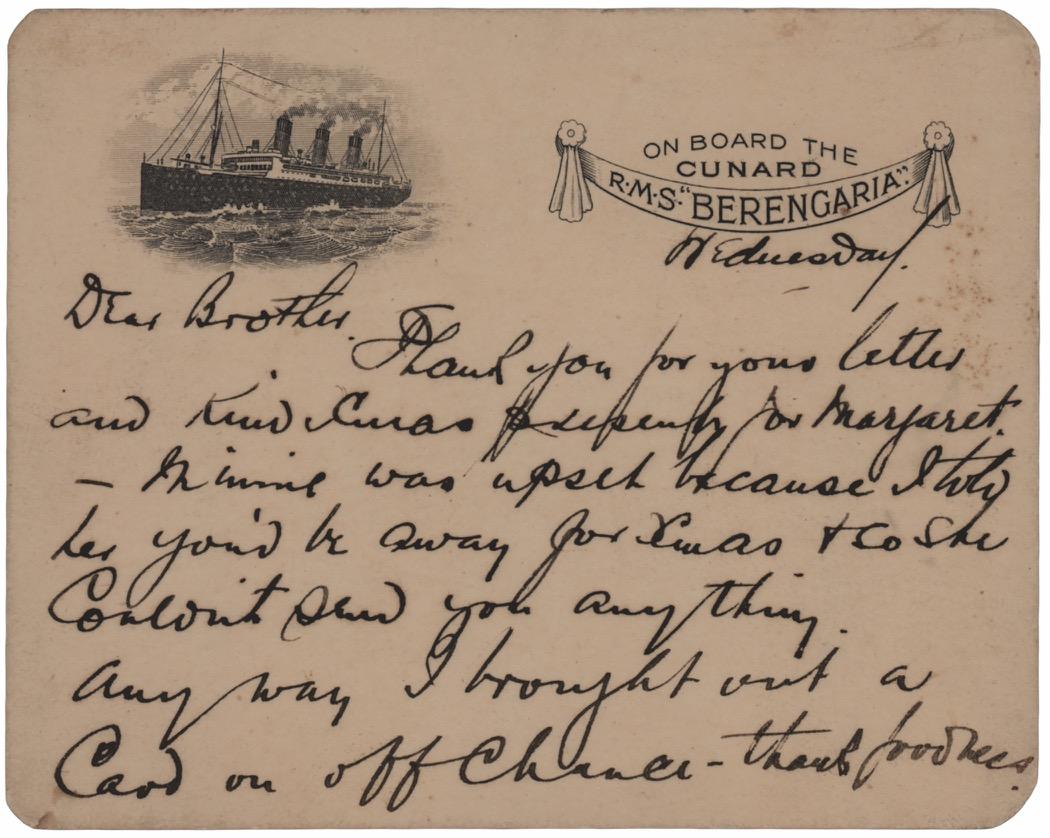
288.
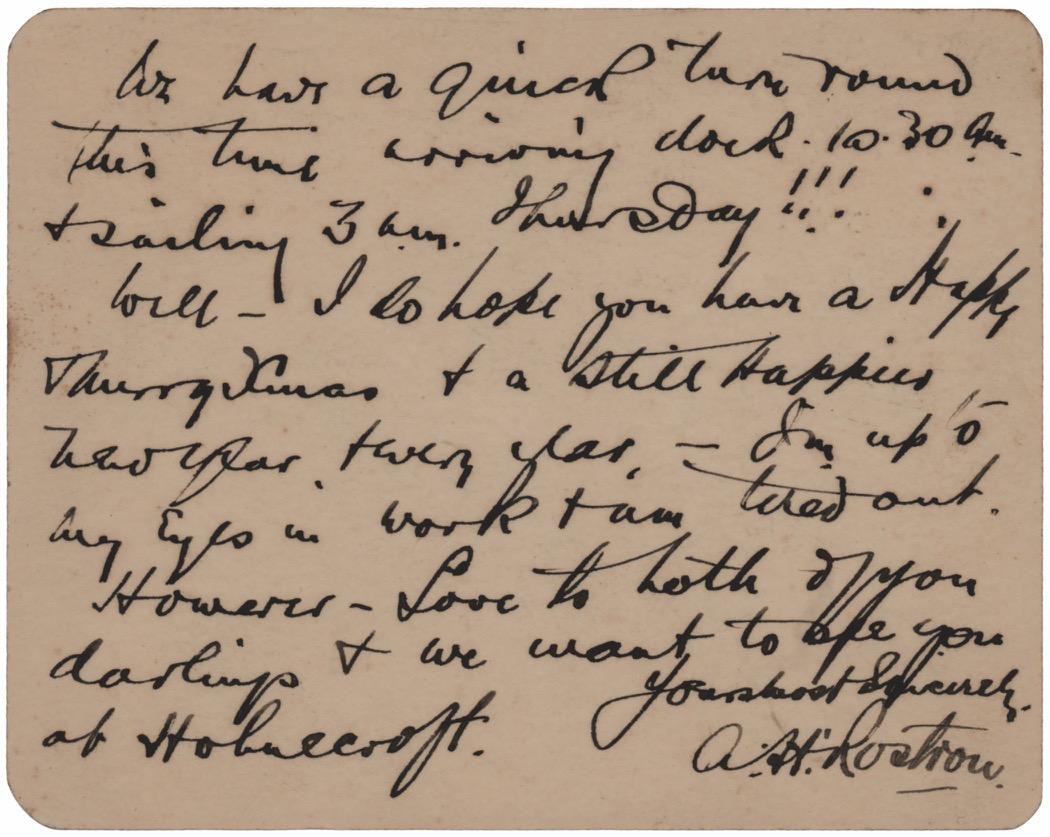
292. Henry M. Stanley Signed Check Starting Bid $200
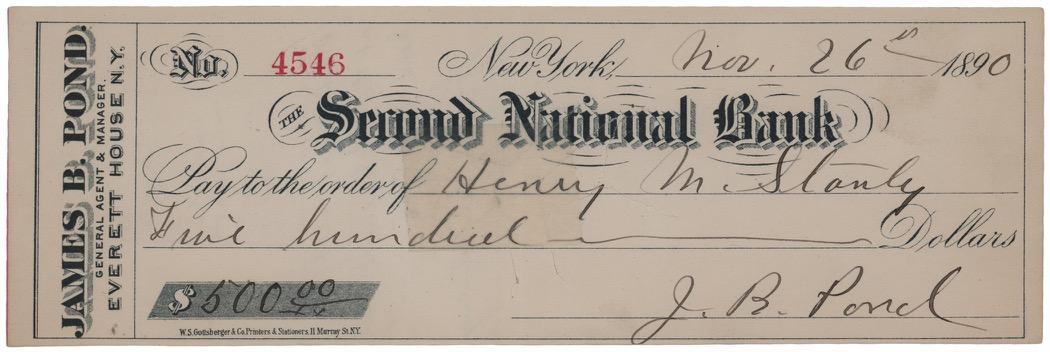
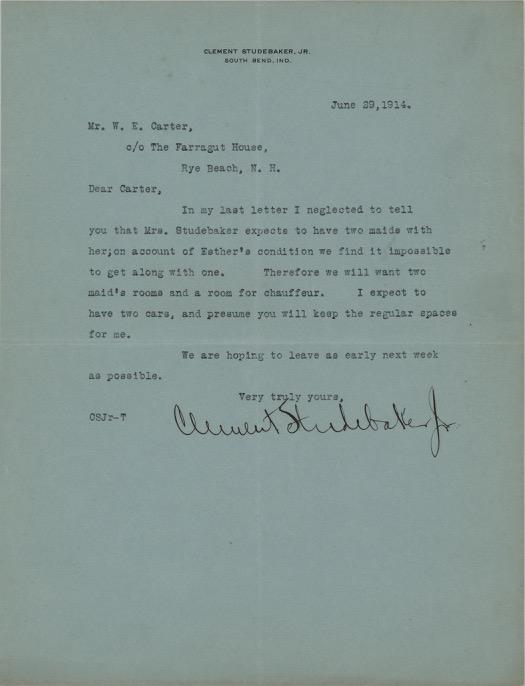
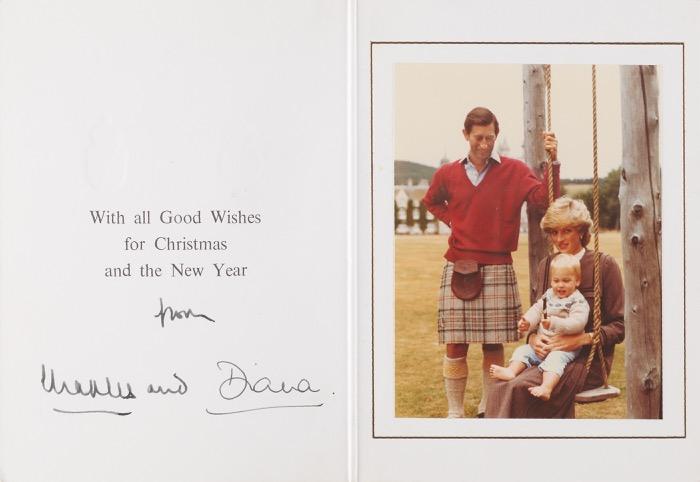
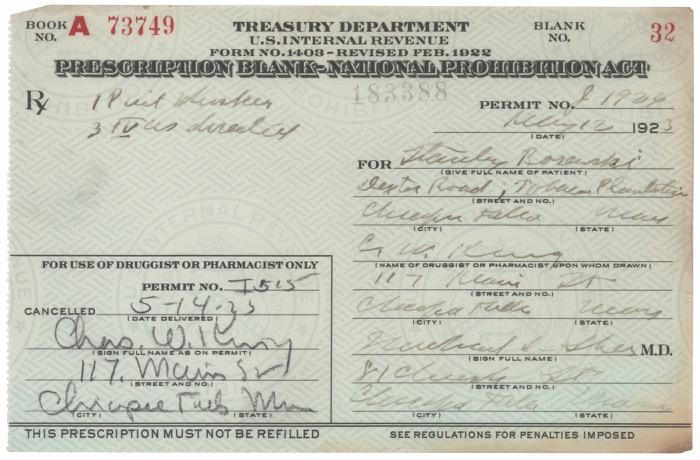
284. Princess Diana and King Charles III Signed Christmas Card (1983)
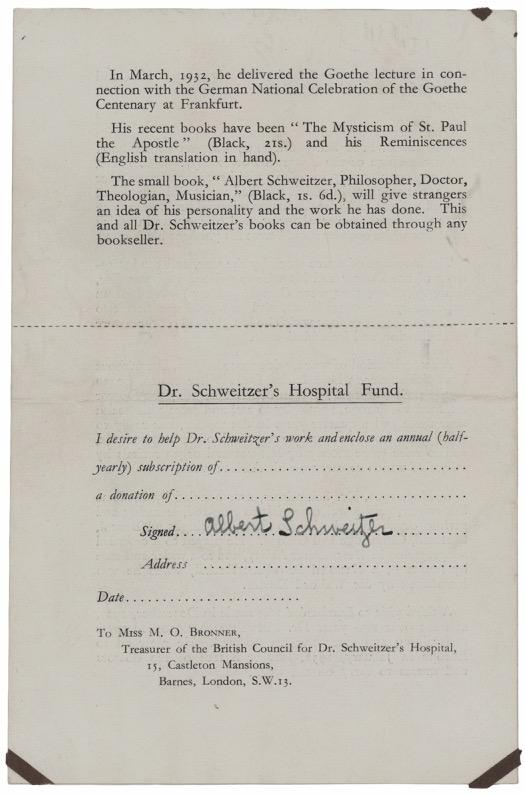
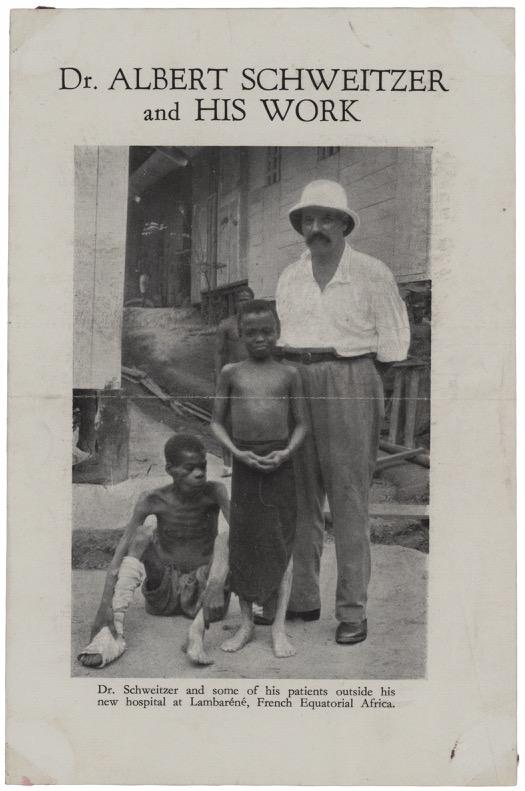
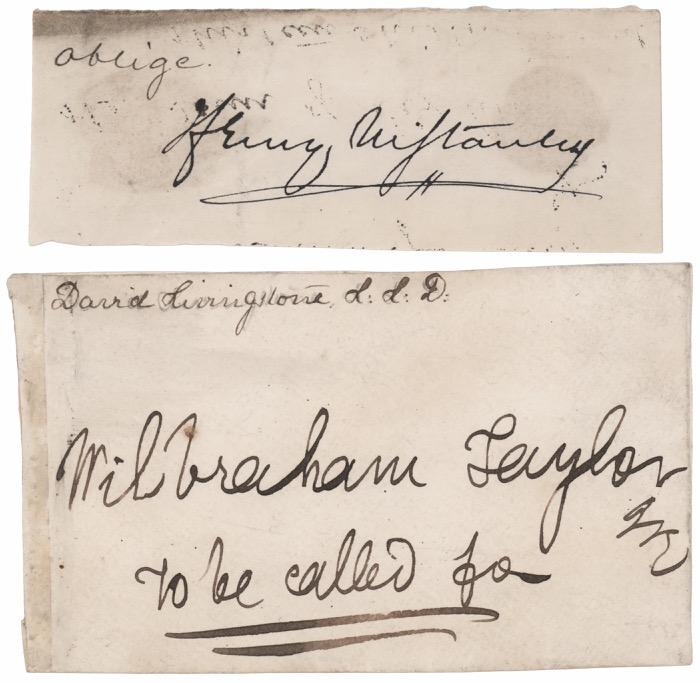
293. Henry Stanley and David Livingstone
Items - Signature and Han... Starting Bid $200
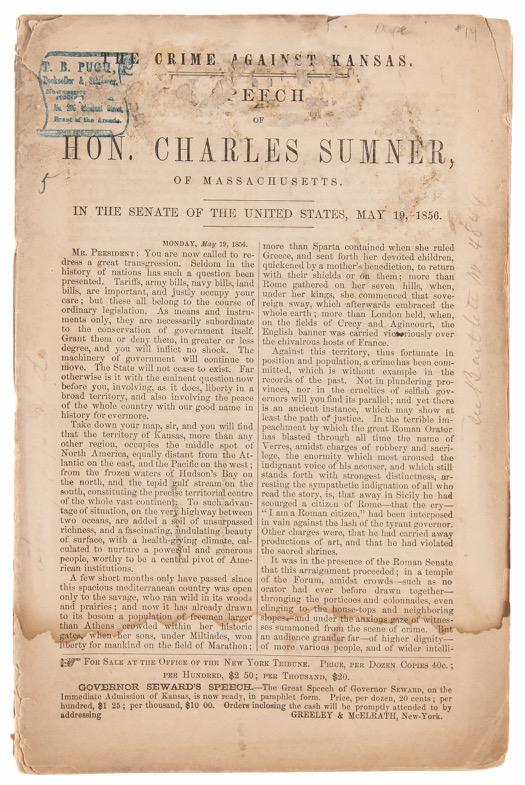
285. Prohibition: 1923 Liquor Prescription for Whiskey Starting Bid $200
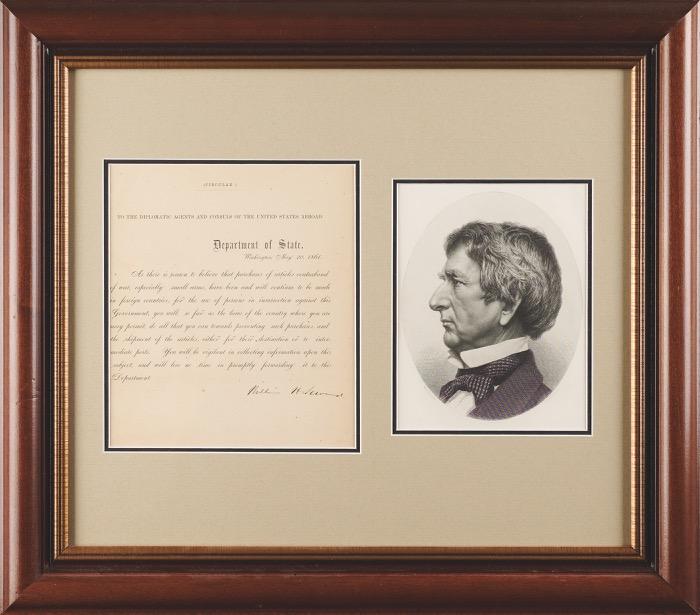
290. William H.
Civil
Signed Department of State Circ... Starting Bid $200
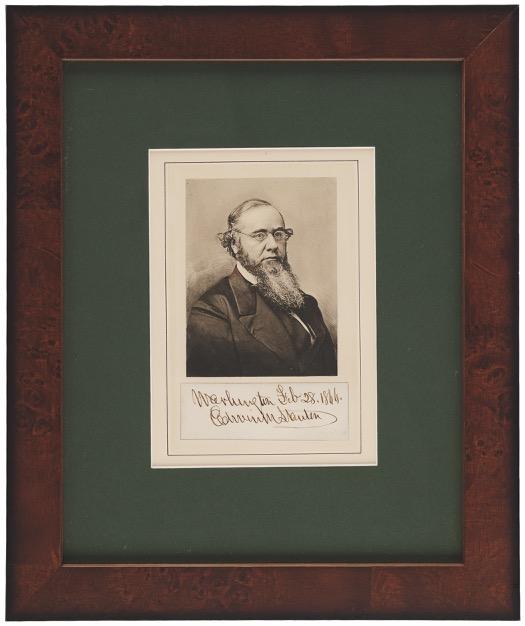
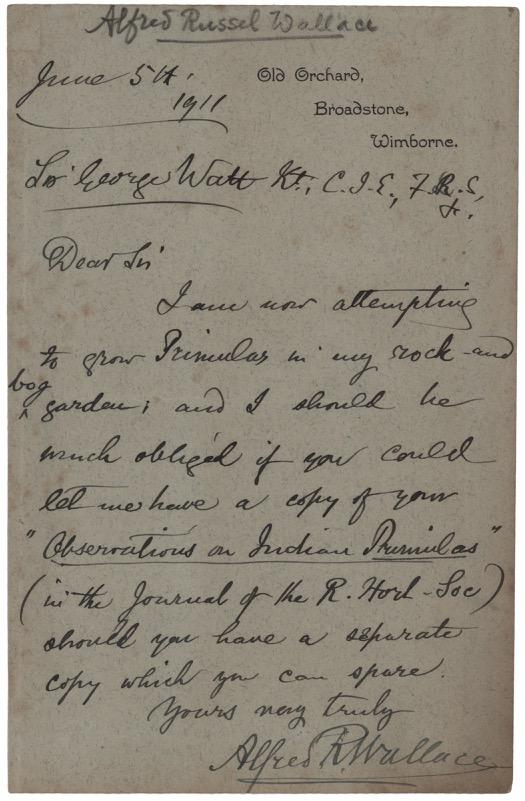
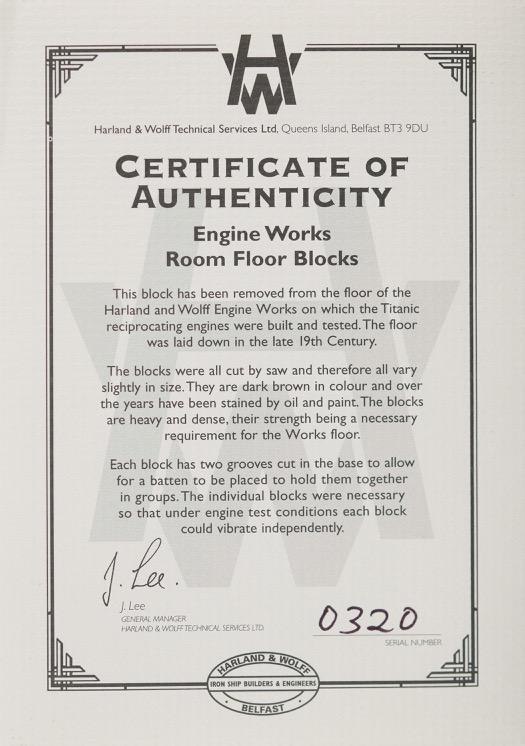
299. Titanic: Harland & Wolff Engine Works Room Floor
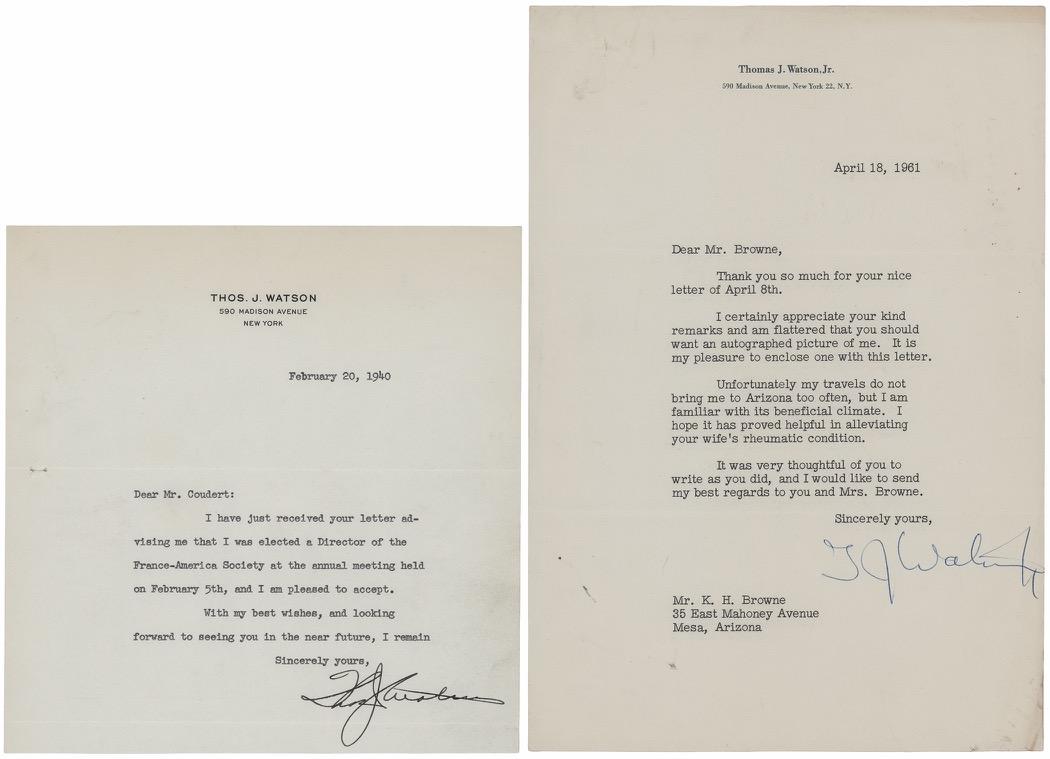
303. Thomas J. Watson, Sr. and Jr. (2) Typed Letters Signed Starting Bid $200
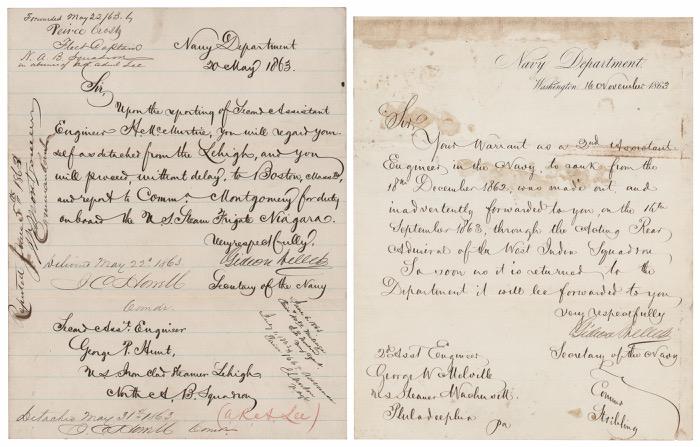
307. Gideon
WarDated Letters Signed as Secretary of the Na... Starting Bid $100
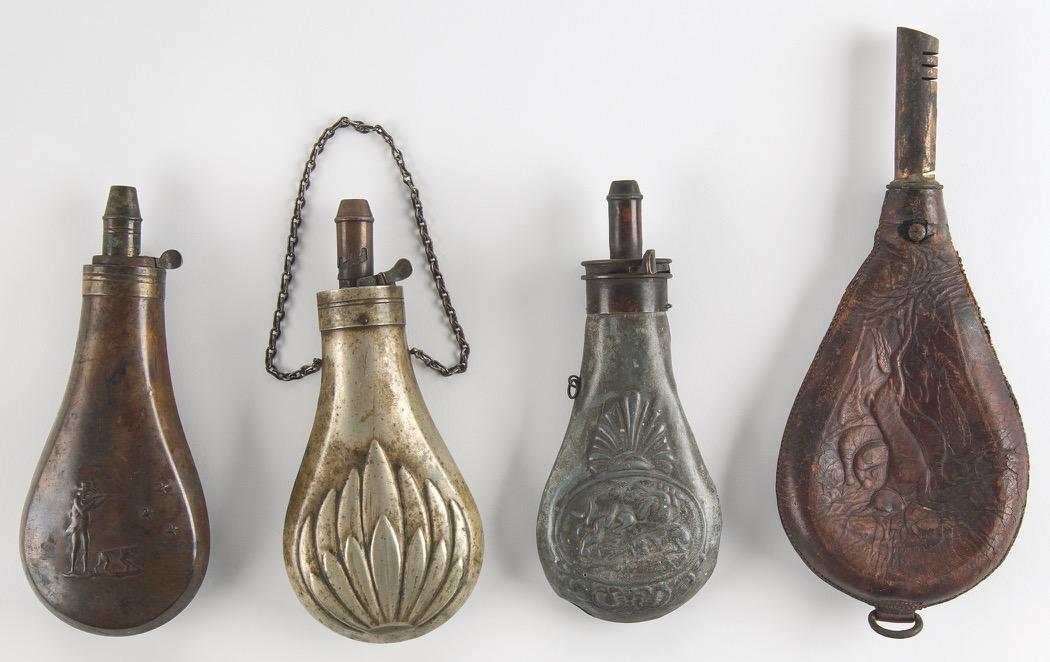
300. Titanic Survivors (4) Multi-Signed Photograph Starting Bid $200
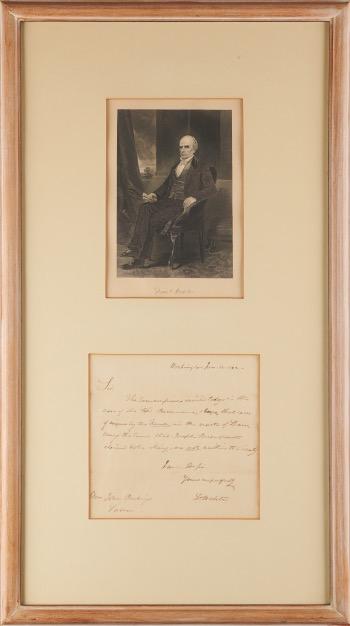
304. Daniel Webster Autograph Letter Signed on a Contested Ship Seizur... Starting Bid $200
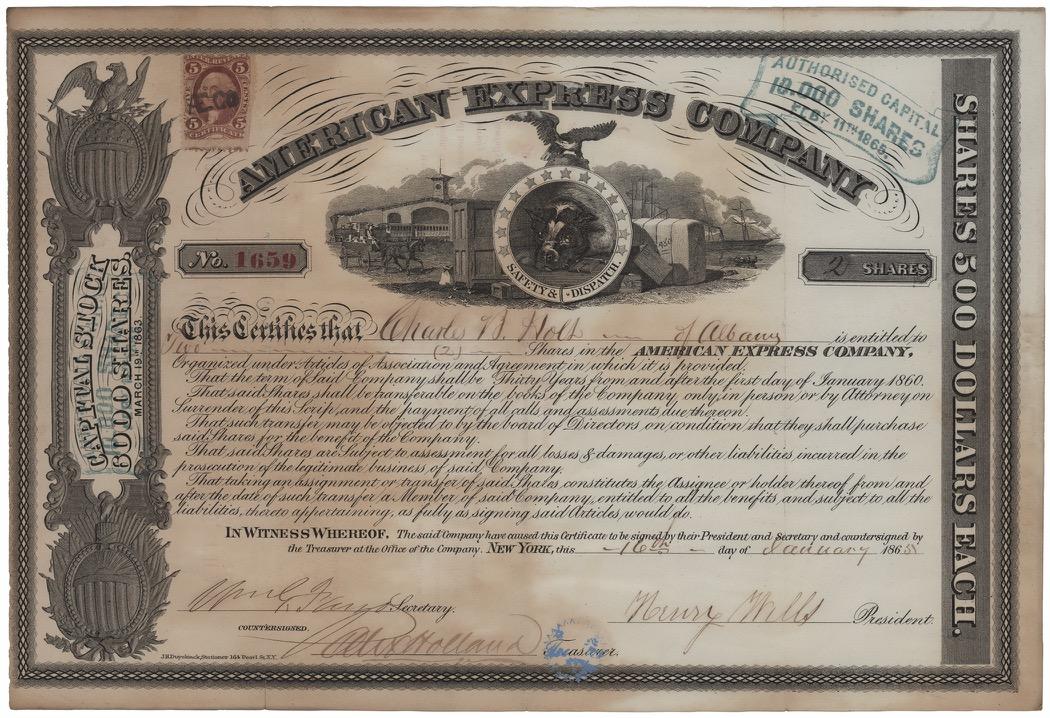
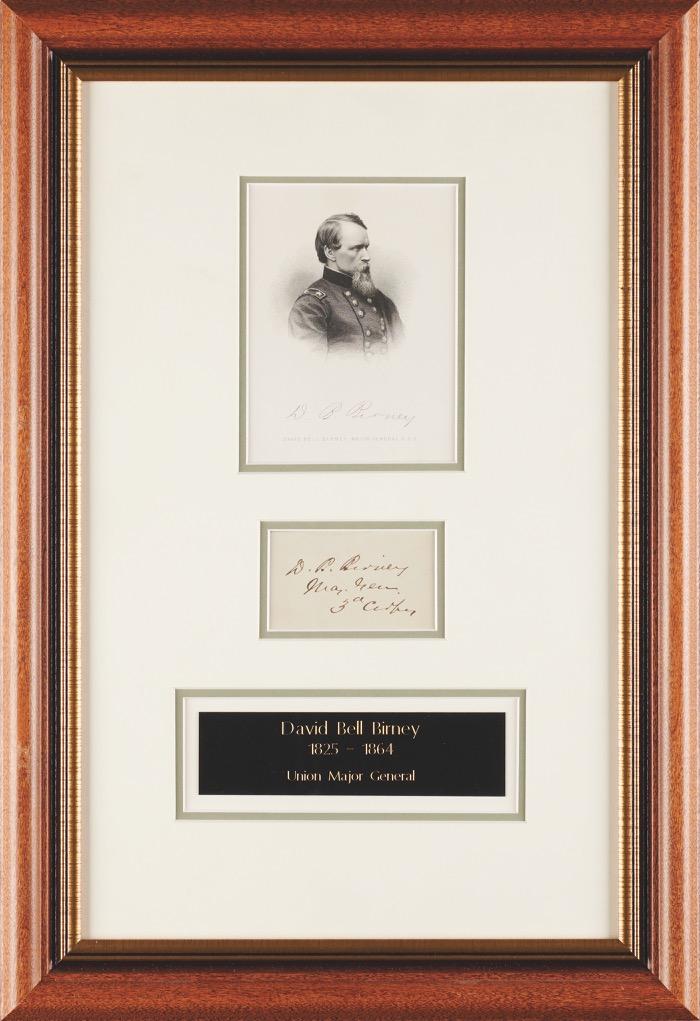
301. William M. 'Boss' Tweed and A. Oakey Hall (2) Documents Signed Starting Bid $200
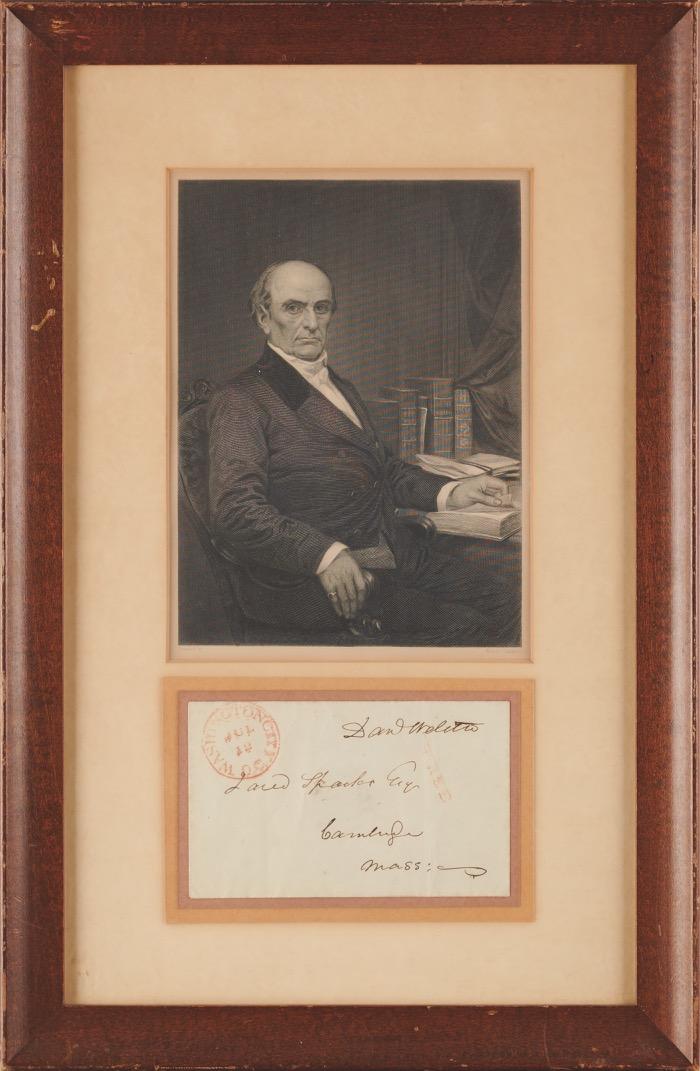
305. Daniel Webster Signed Free Frank to Jared Sparks Starting Bid $200
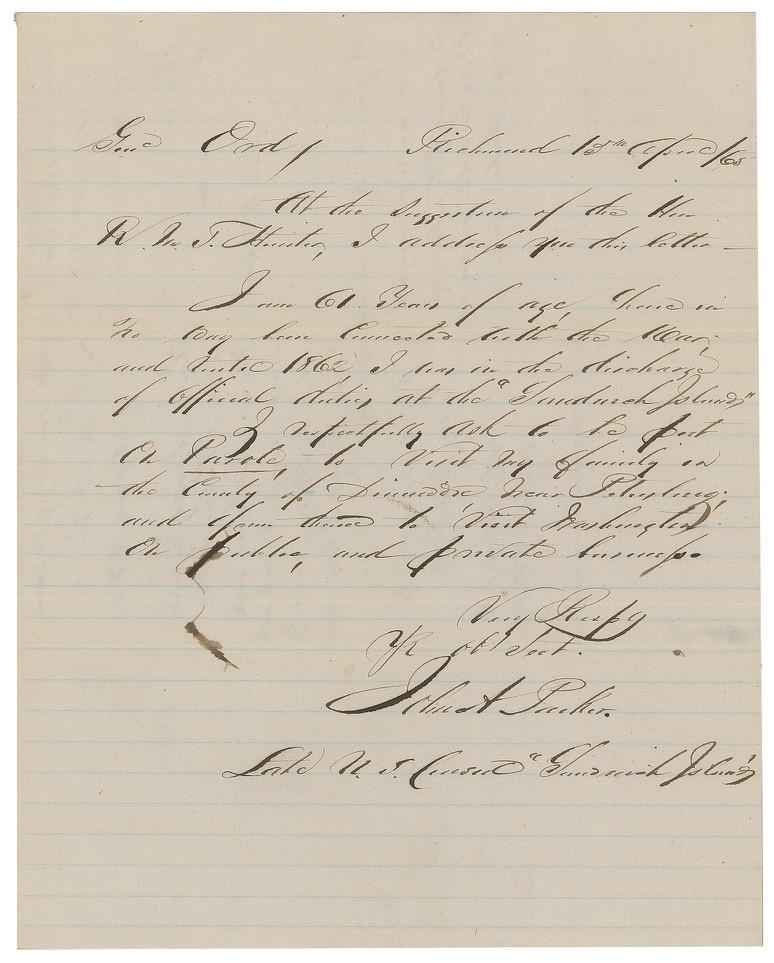
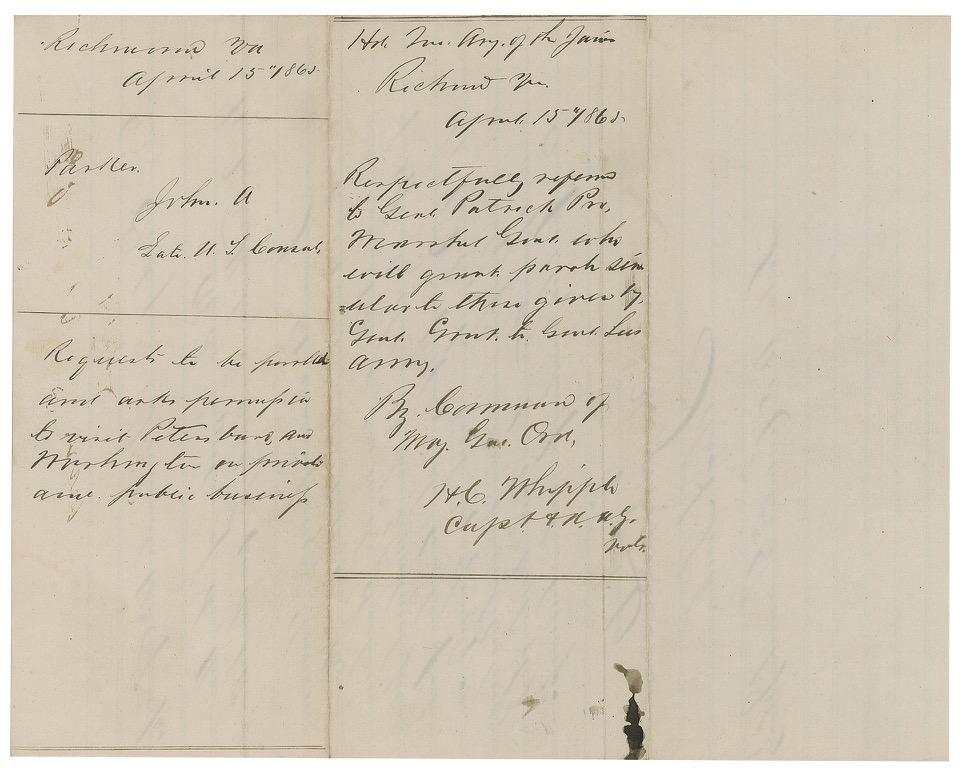
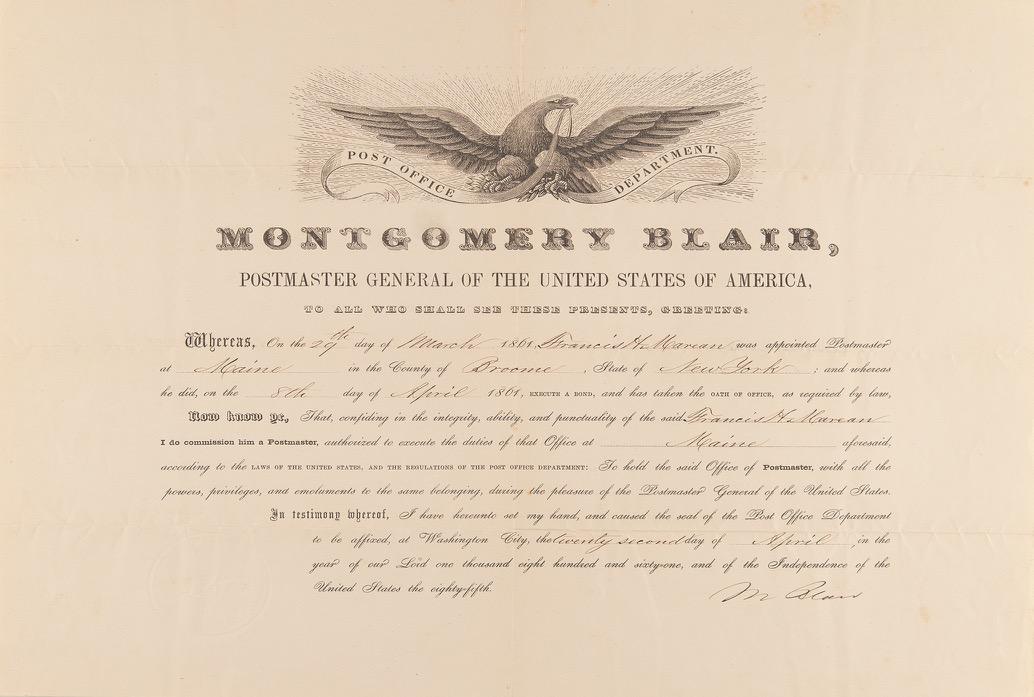
341. Montgomery
War-Dated Document Signed Starting Bid $200
302. Alfred Wallace Autograph Letter Signed on Horticulture Starting Bid $200
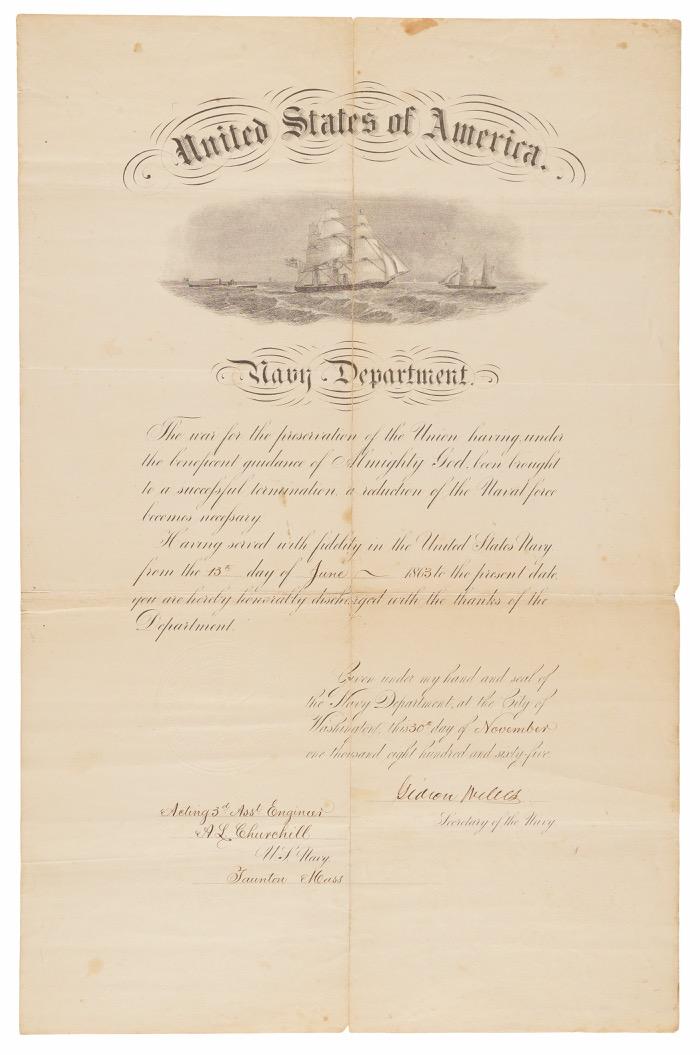
306. Gideon Welles Document Signed as Secretary of the Navy - Civil Wa... Starting Bid $200
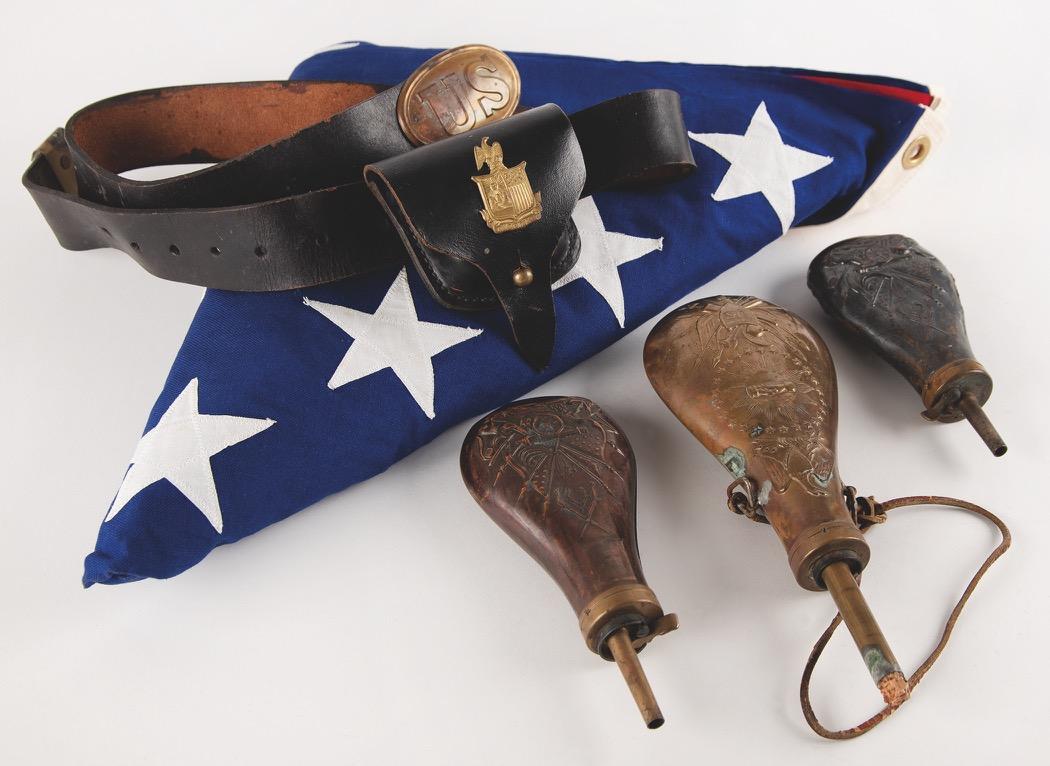
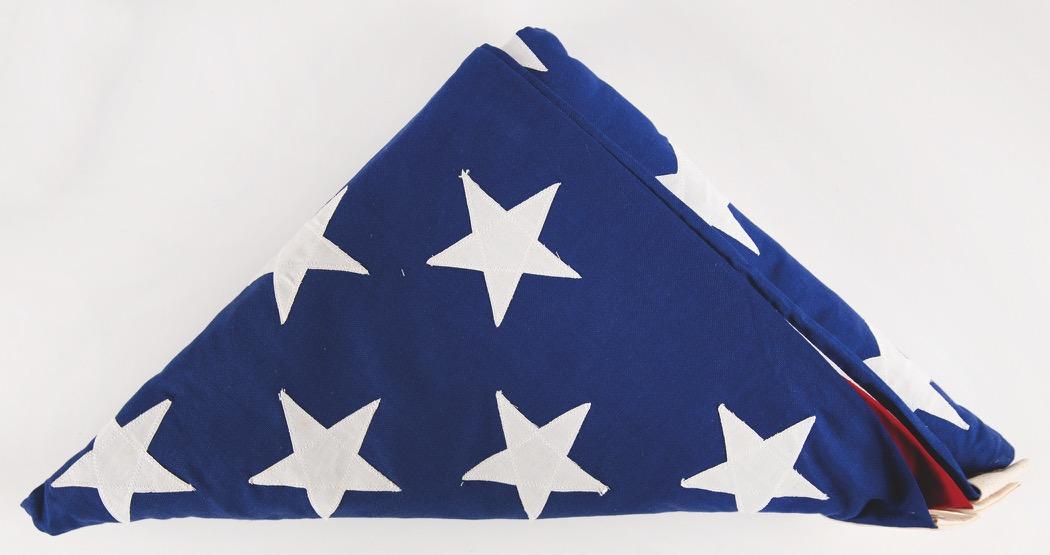
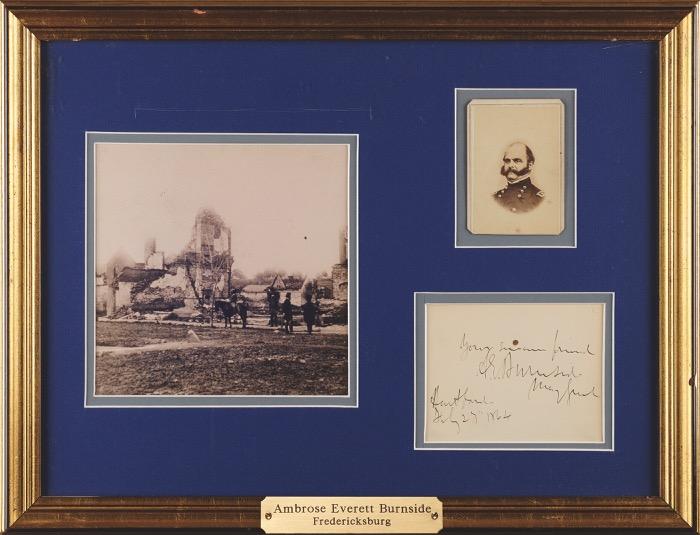
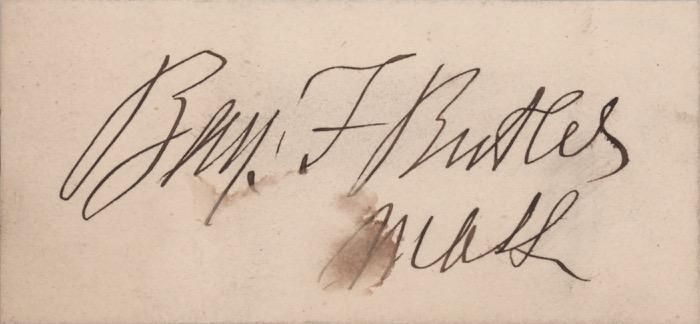
343. Benjamin Butler Signature Starting Bid $100
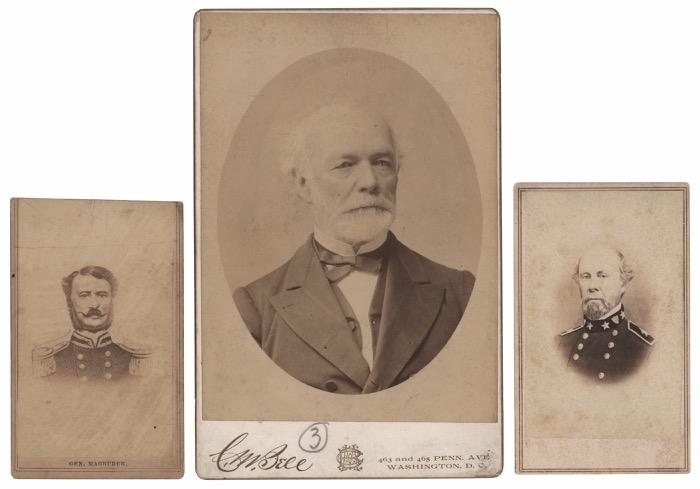
347. Civil
Confederate Generals (3) Cabinet Card and Carte-de-Vis... Starting Bid $200
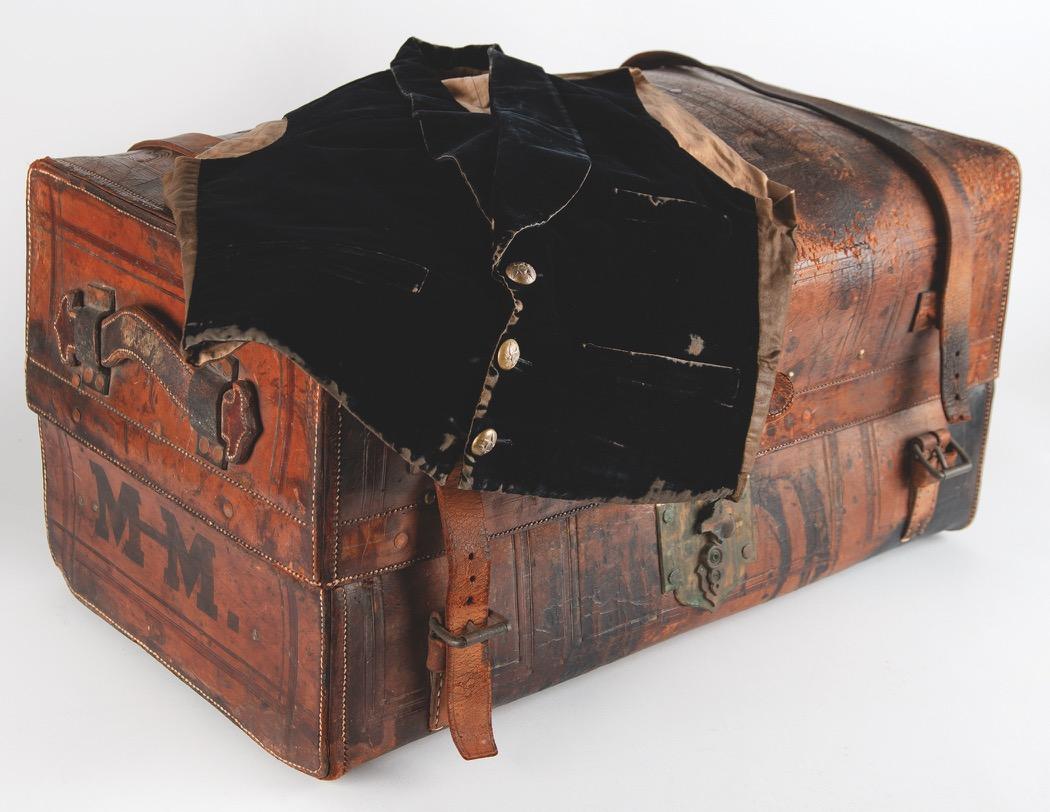
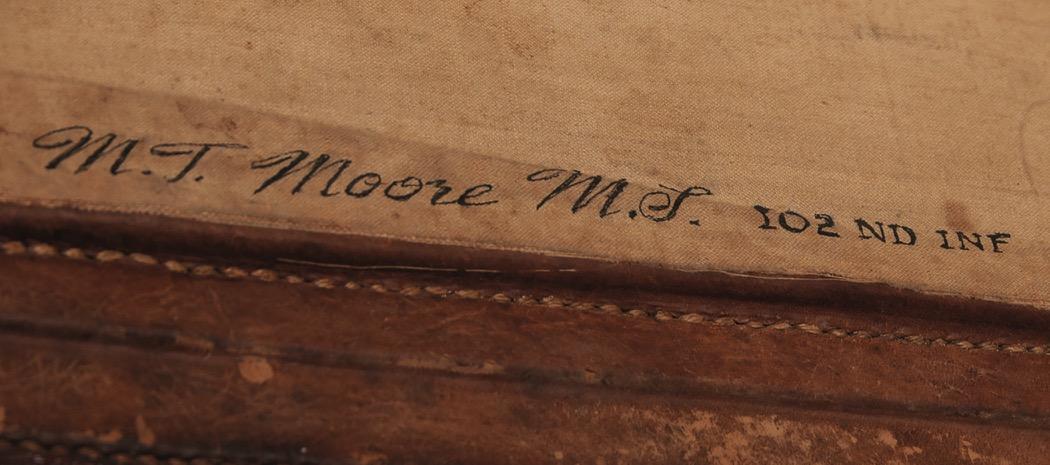
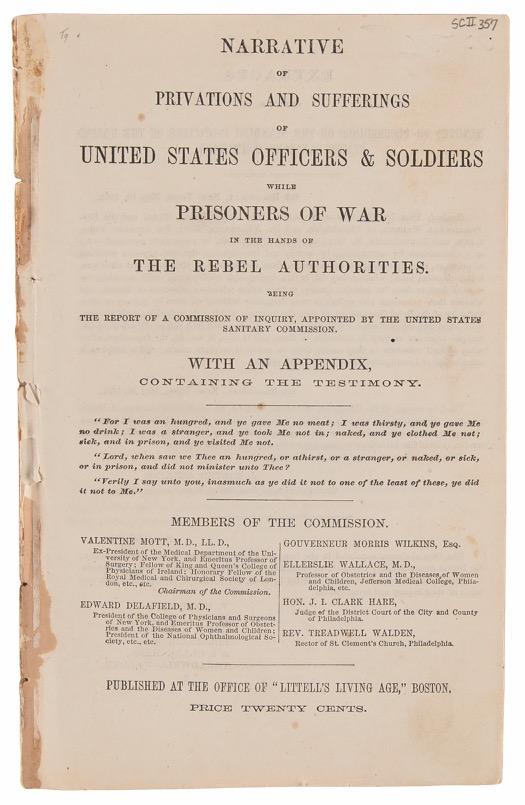
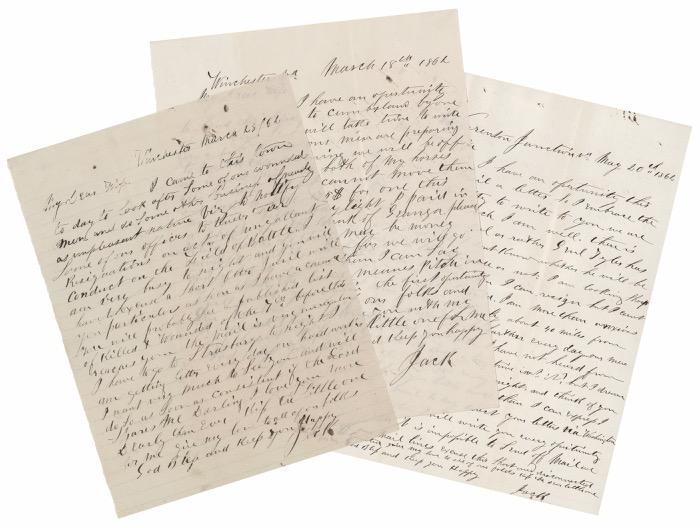
344. John
War-Dated Autograph Letters Signed Starting Bid $200
348.
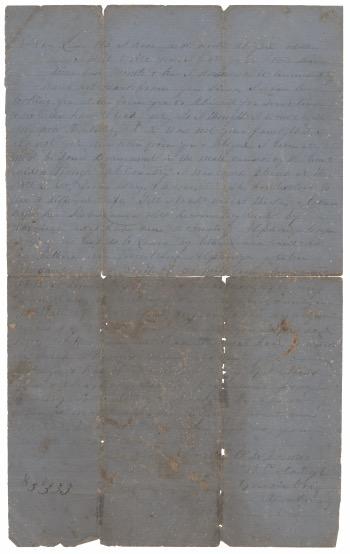
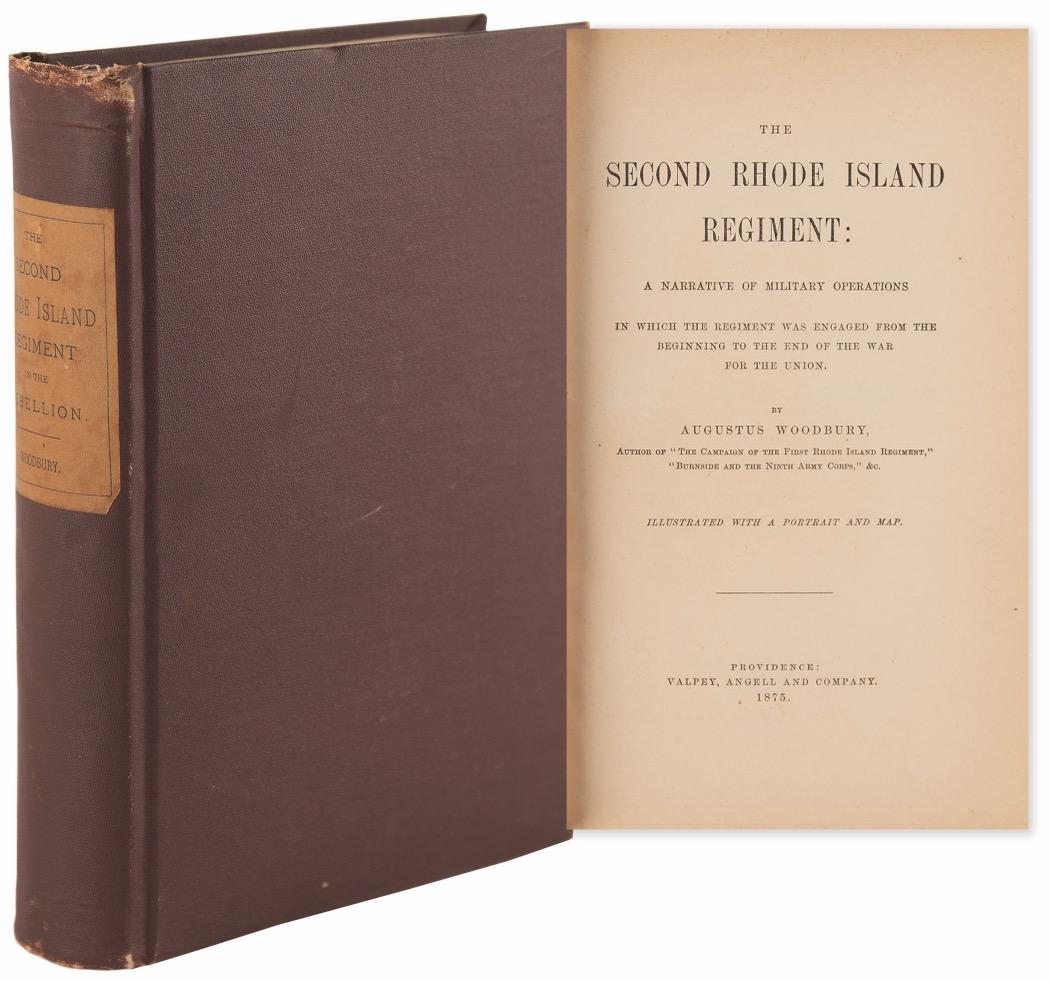
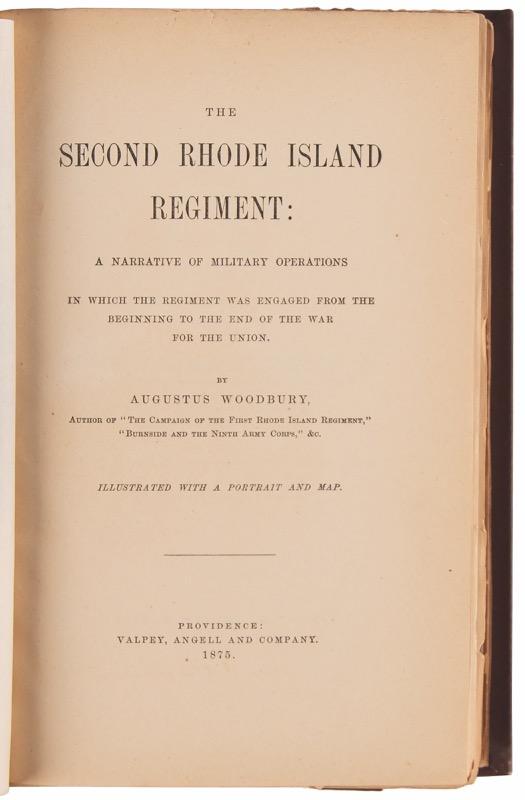
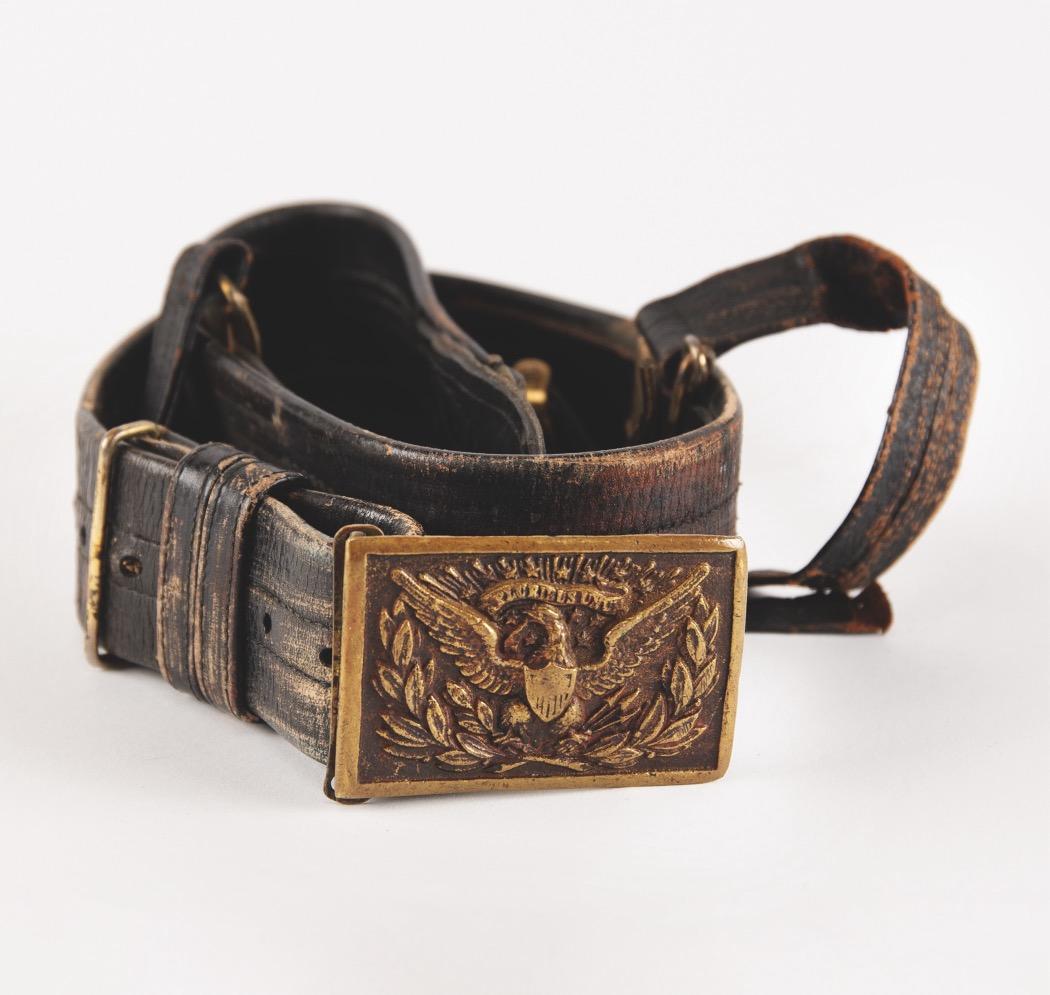
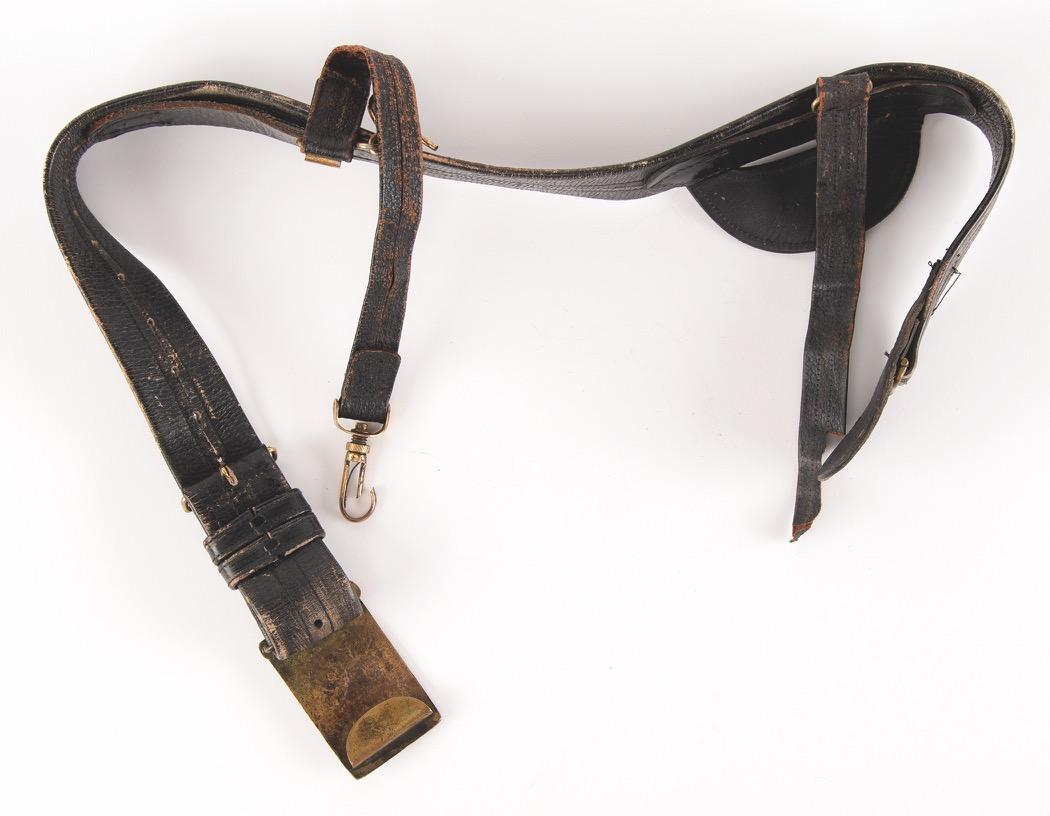
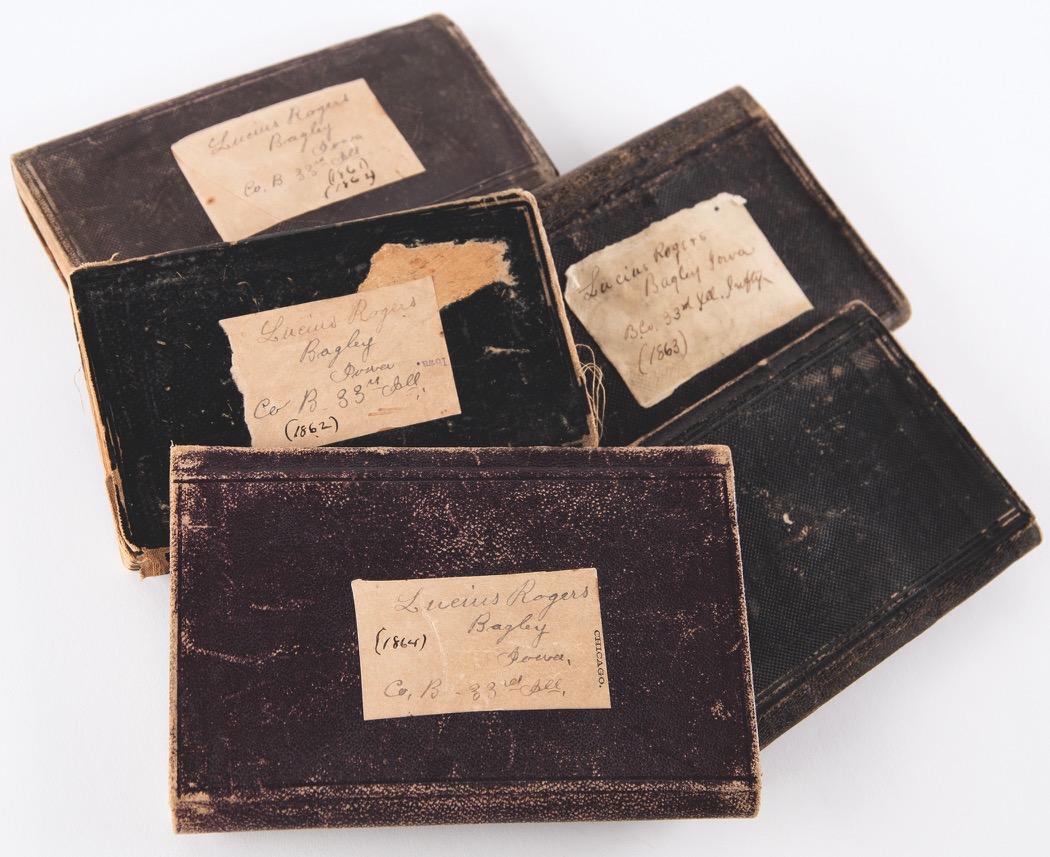
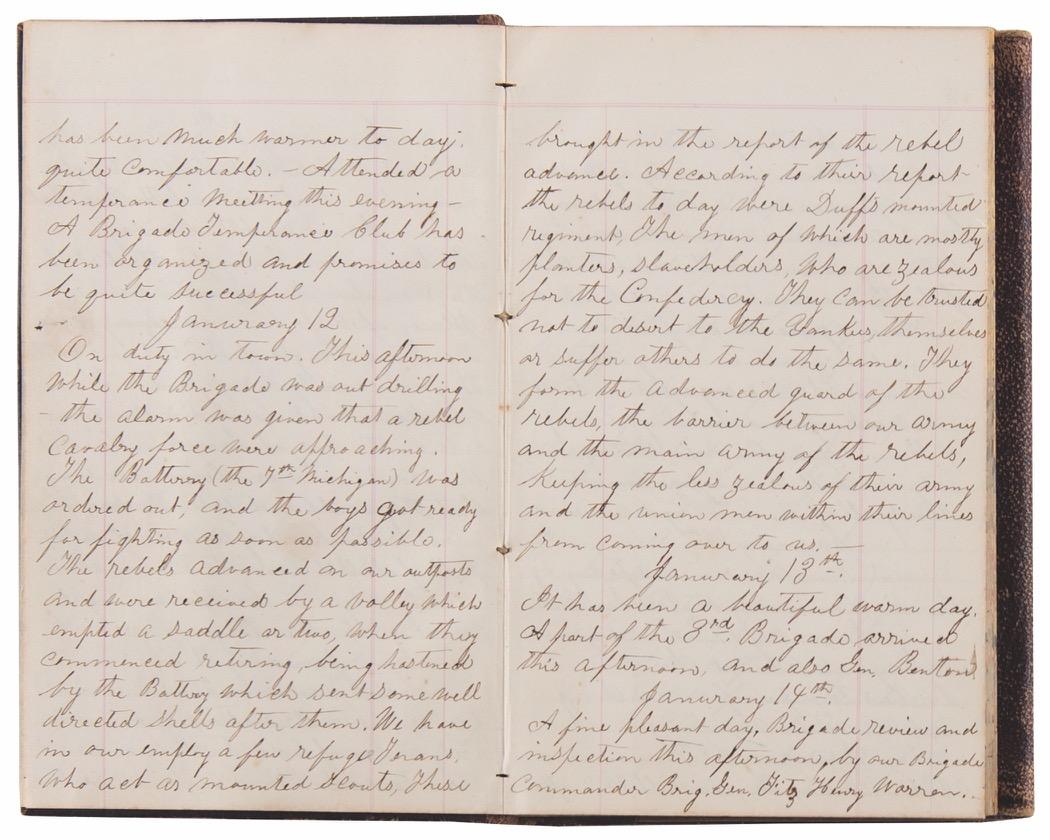
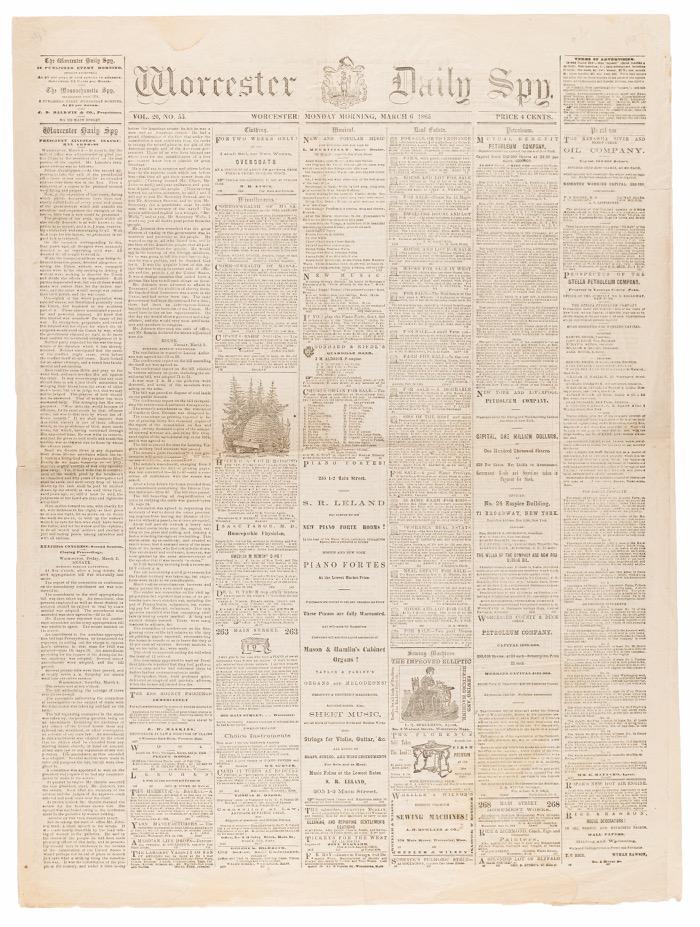
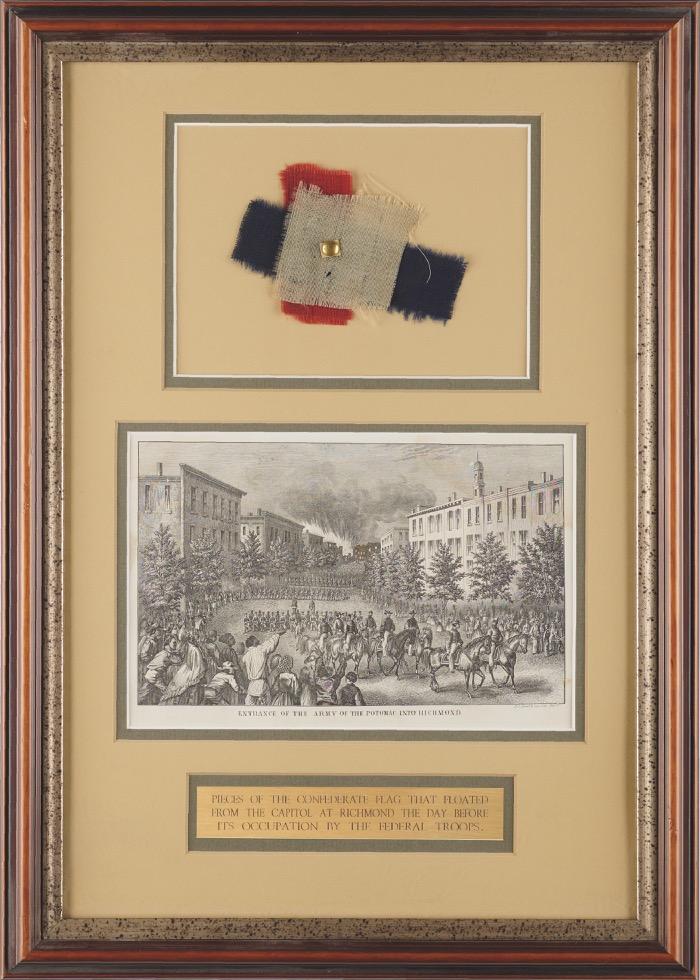
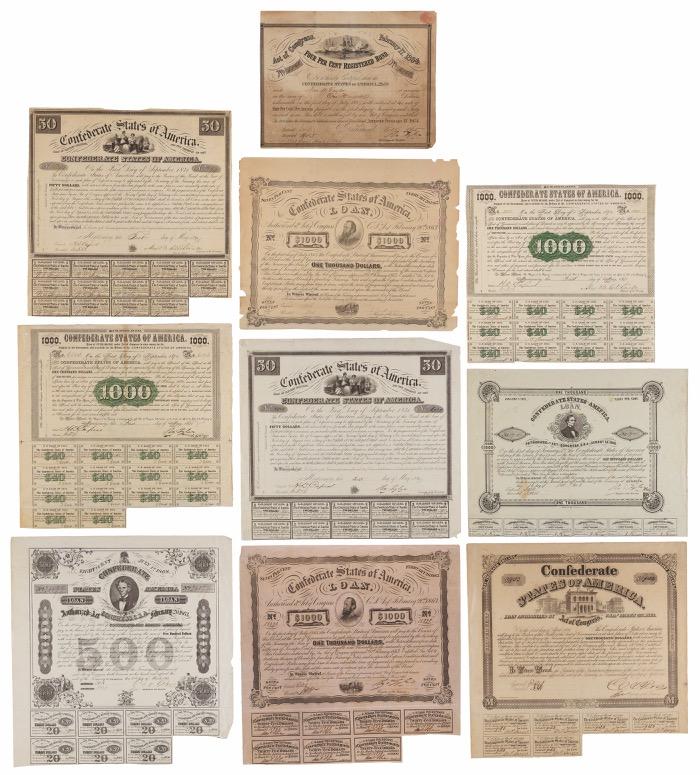
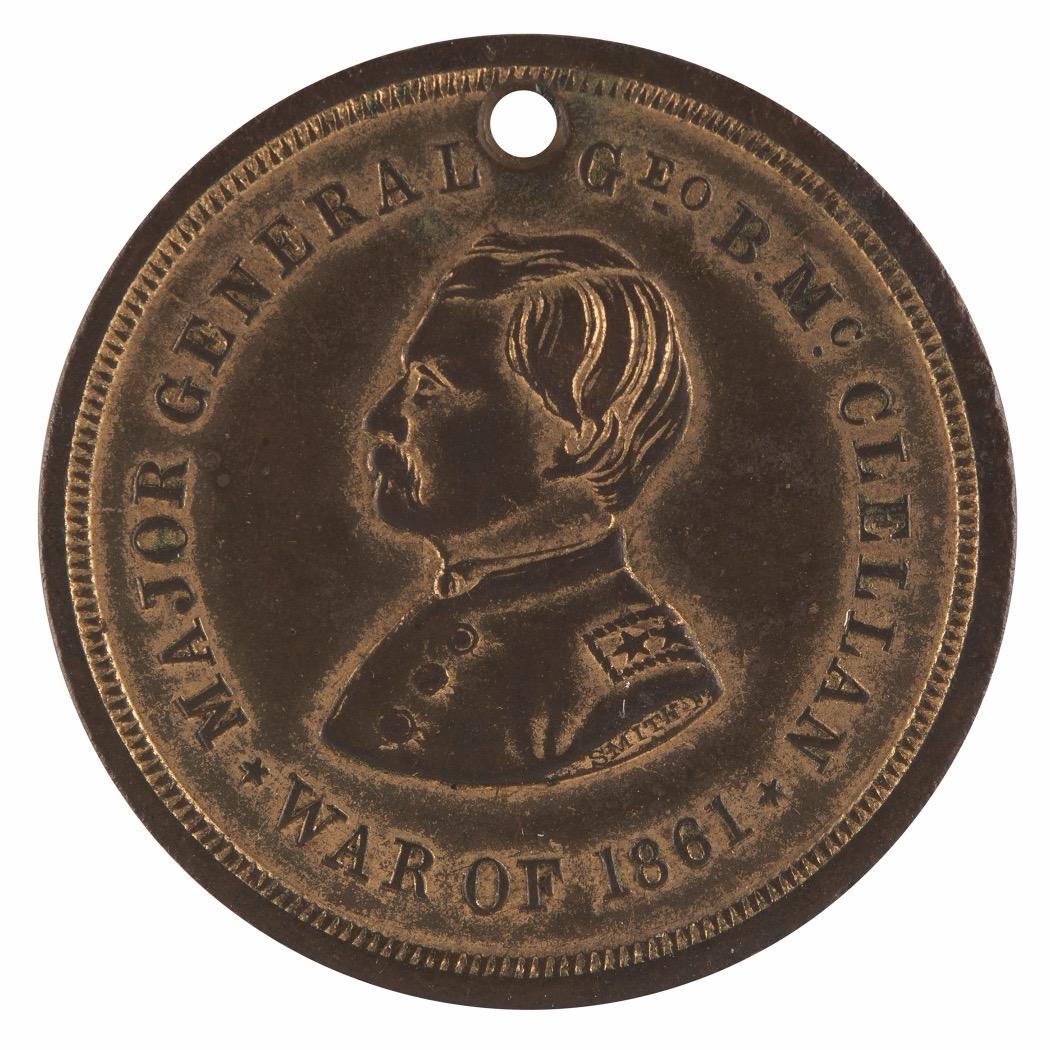
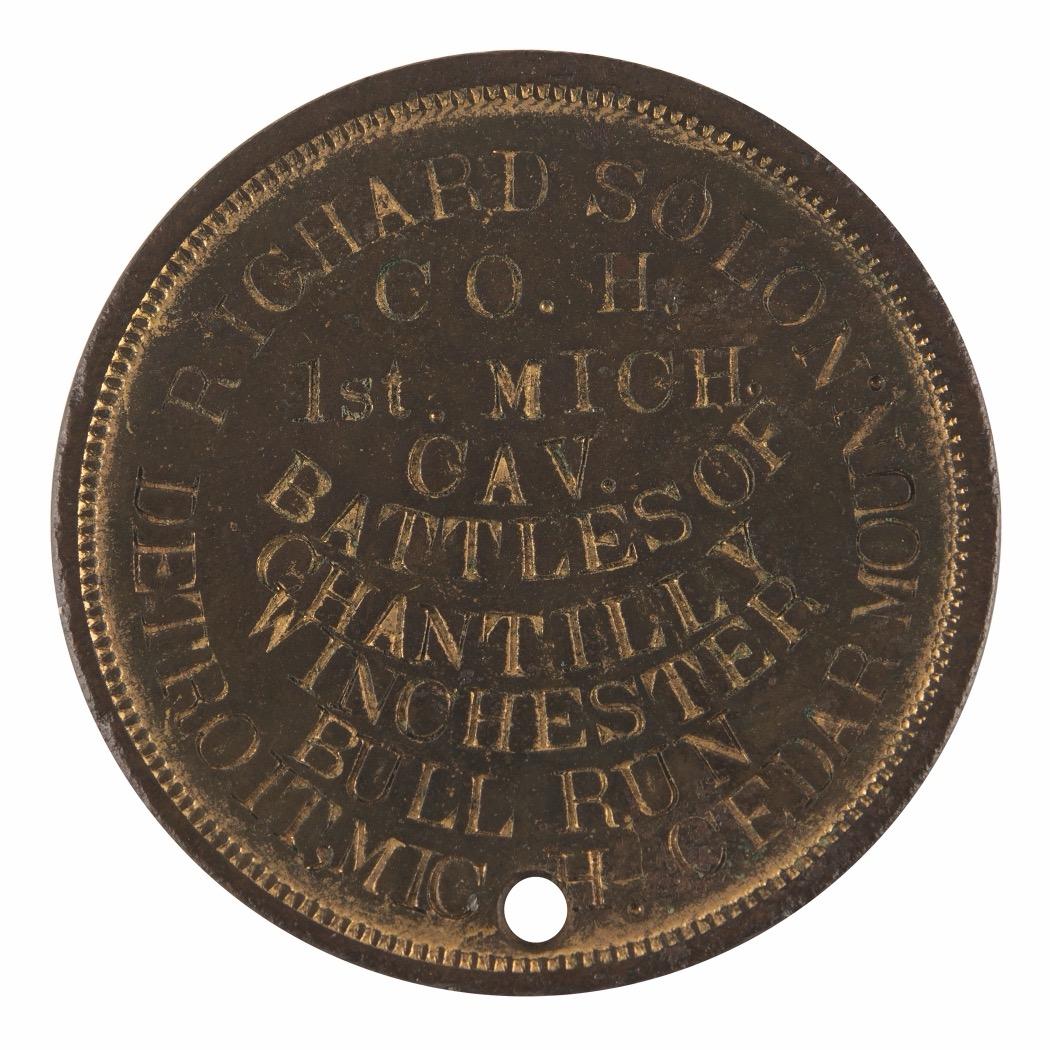
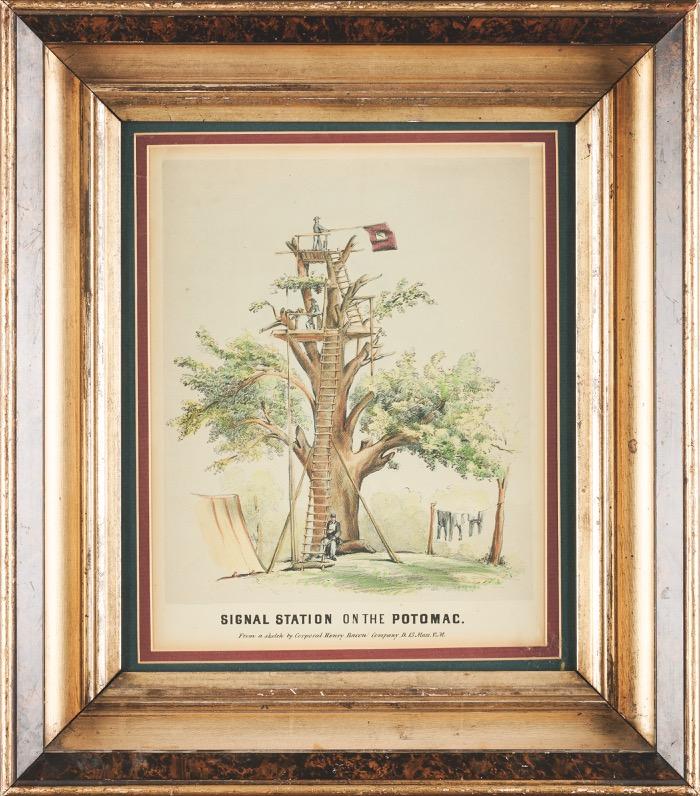
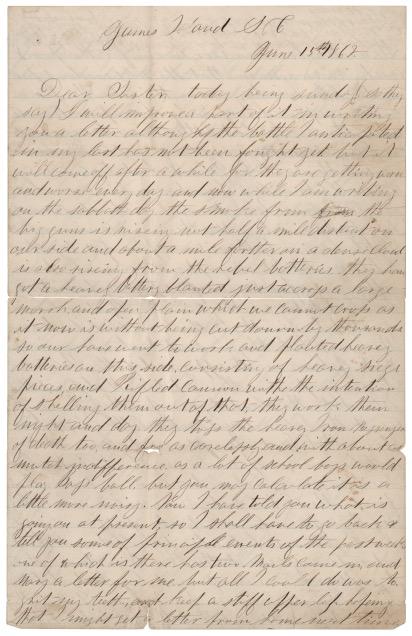
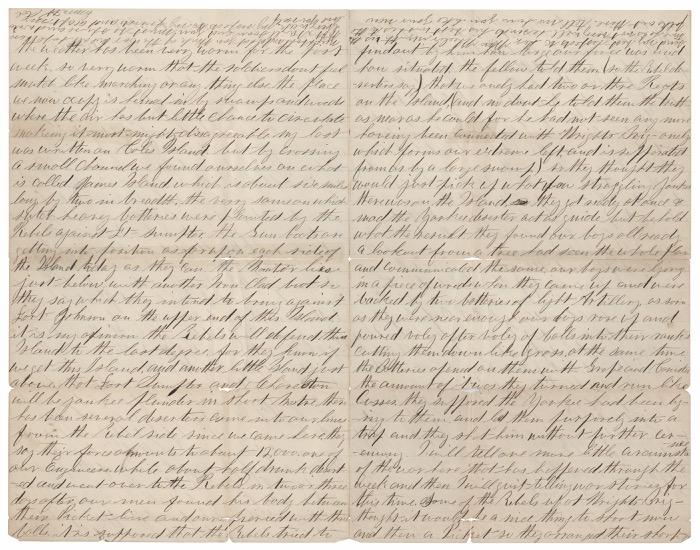
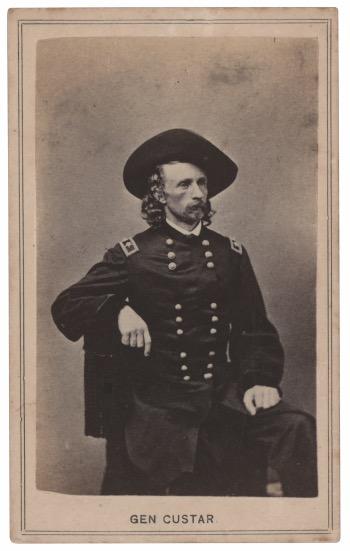
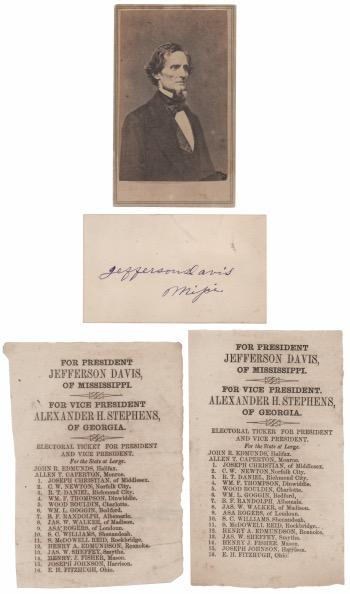
359. Jefferson Davis Signature, Carte-de-Visite, and (2) Confederate E... Starting Bid $200
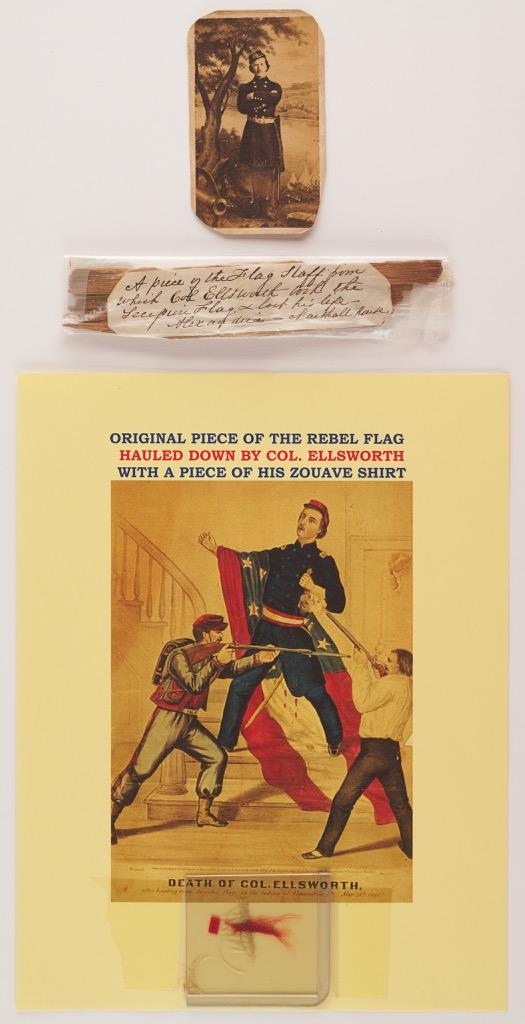
363. Elmer Ellsworth Flag, Flag Staff, and Shirt Relics, with Carte-de... Starting Bid $200
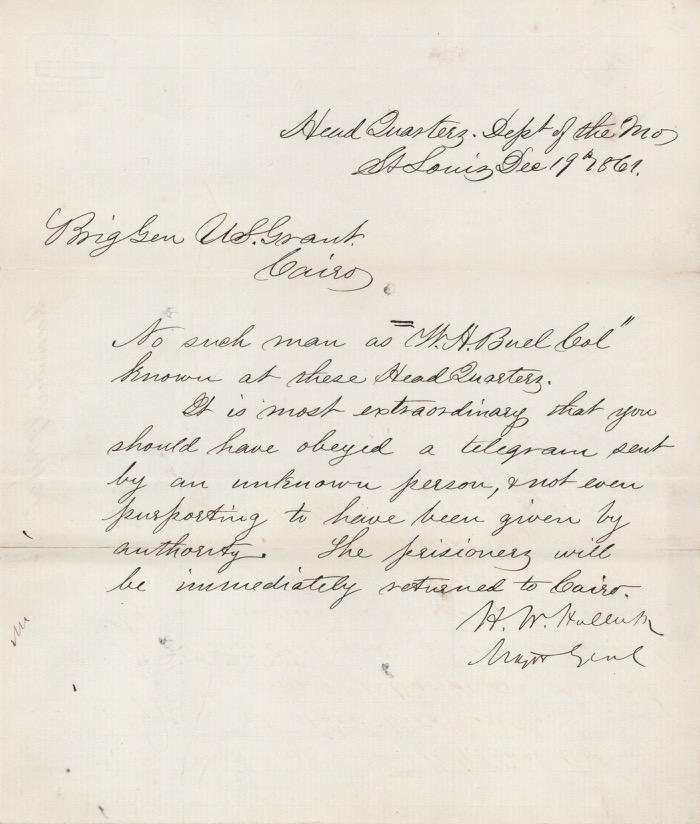
367. Henry W. Halleck WarDated Autograph Letter Signed, Reprimanding ... Starting Bid $200
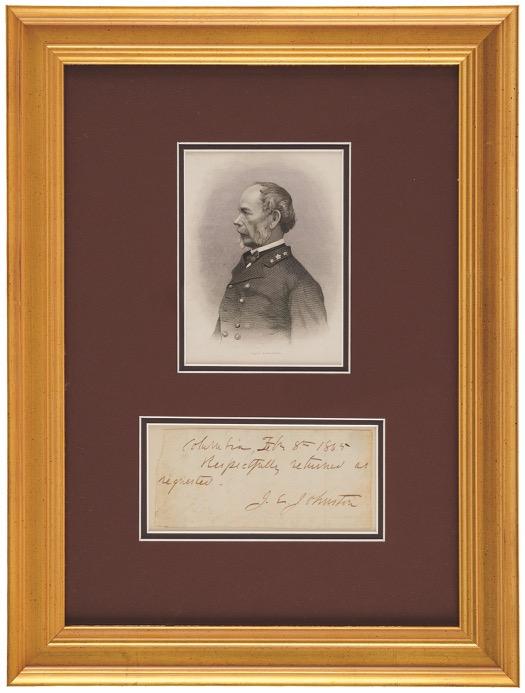
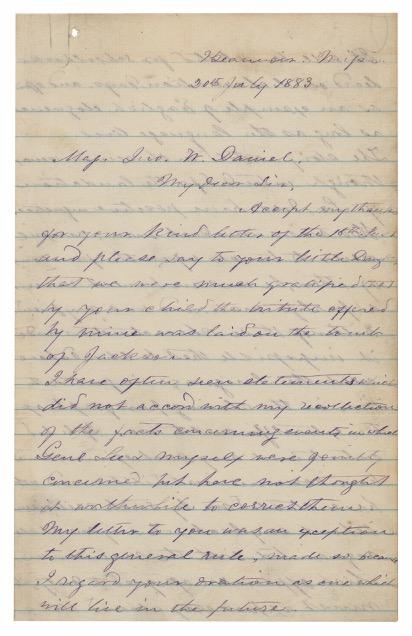
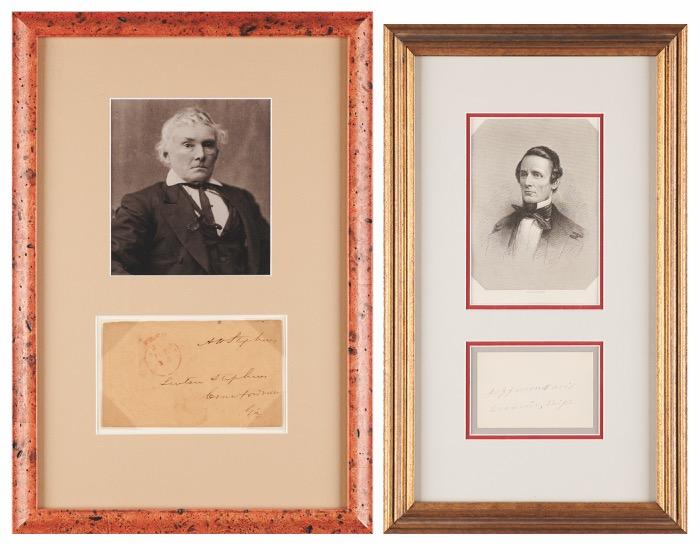
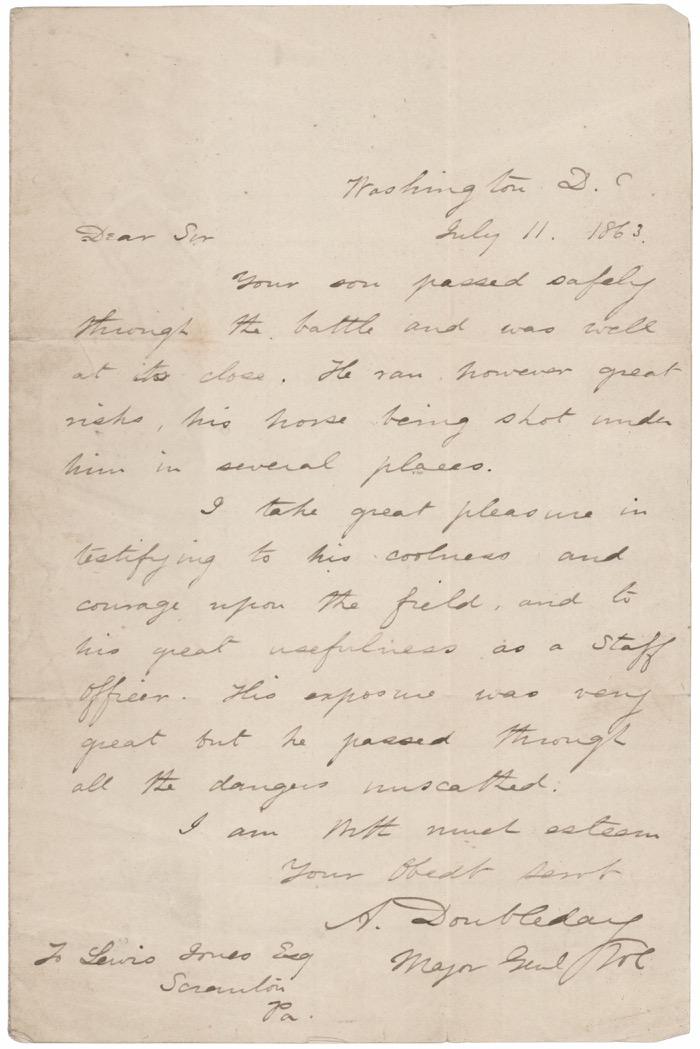
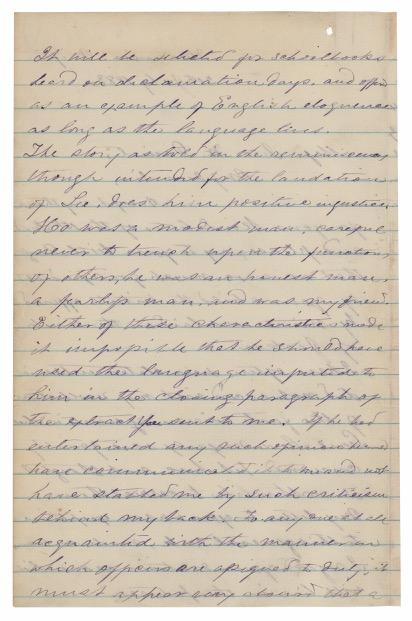
360. Varina Davis Autograph Letter Signed on Behalf of
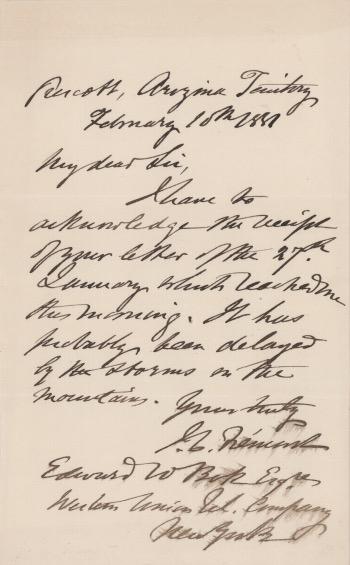
364. John C. Fremont Autograph Letter Signed Starting Bid $200
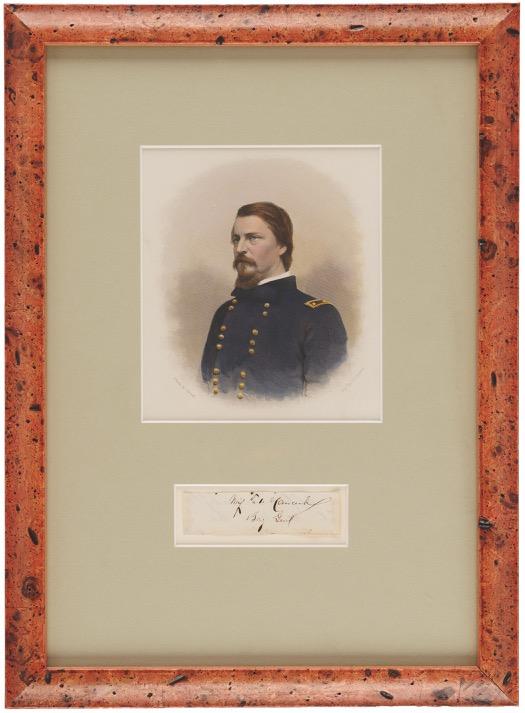
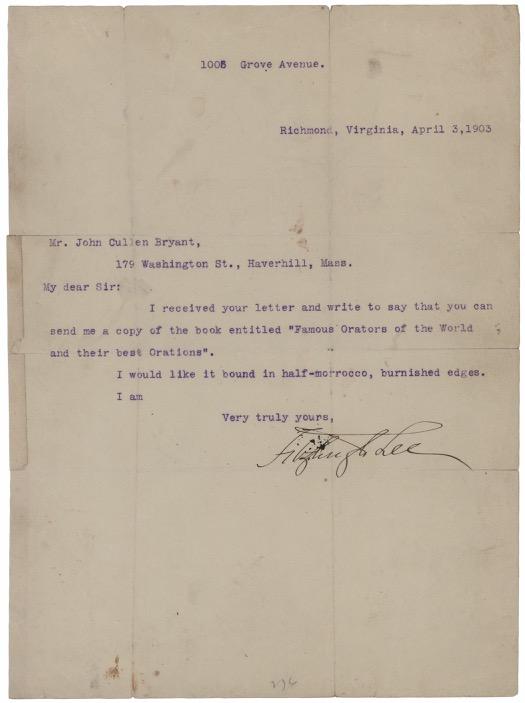
361. Jefferson Davis and Alexander Stephens (2) Signatures Starting Bid $200
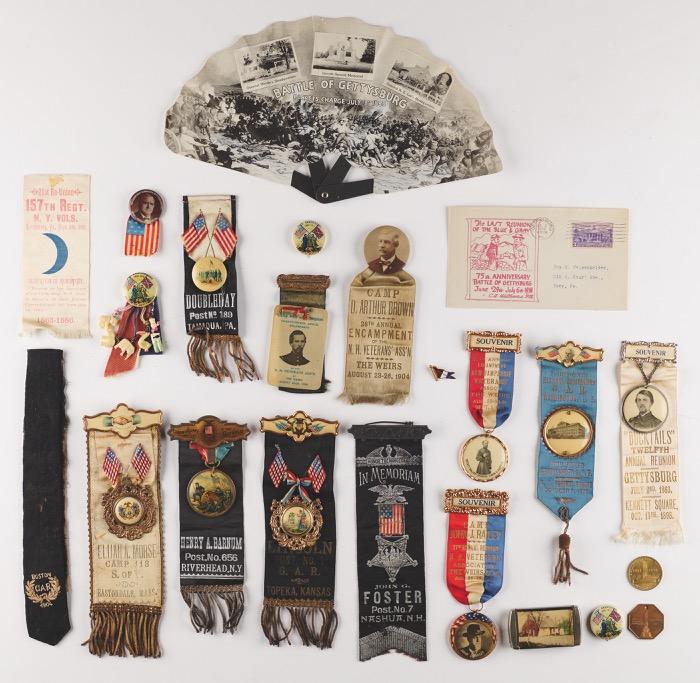
365. Civil War Veterans: GAR Medals, Ribbons, and Ephemera (23 Pieces) Starting Bid $200
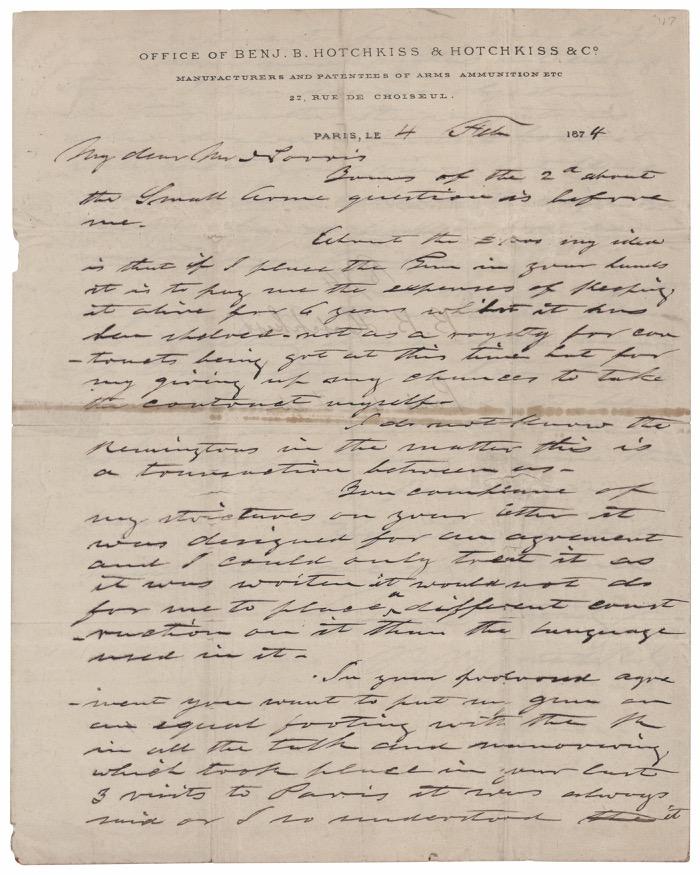
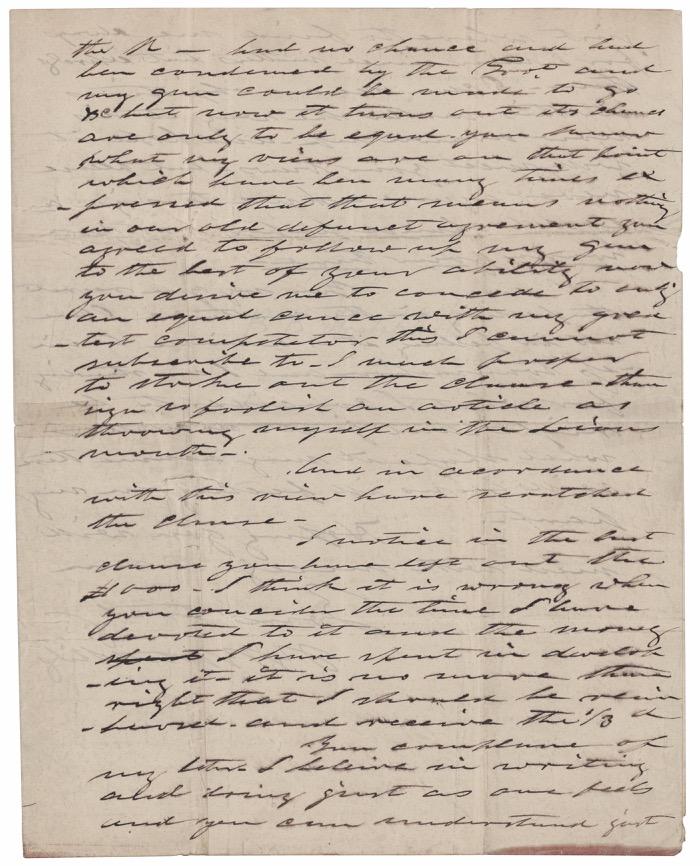
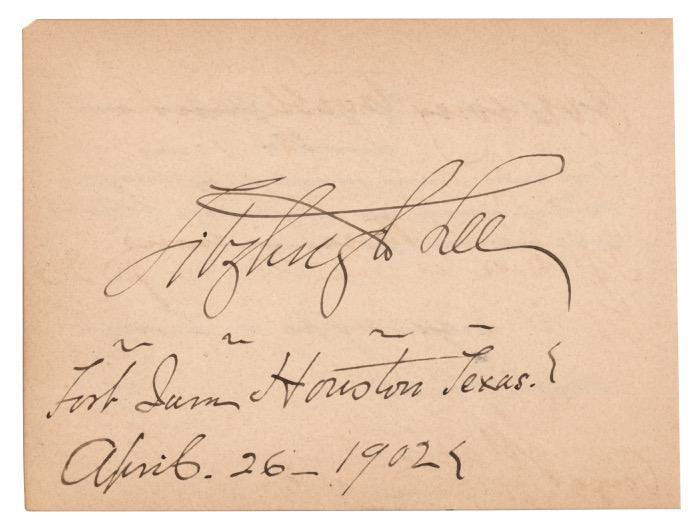
362. Abner Doubleday Civil War-Dated Autograph Letter Signed, Reportin... Starting Bid $200
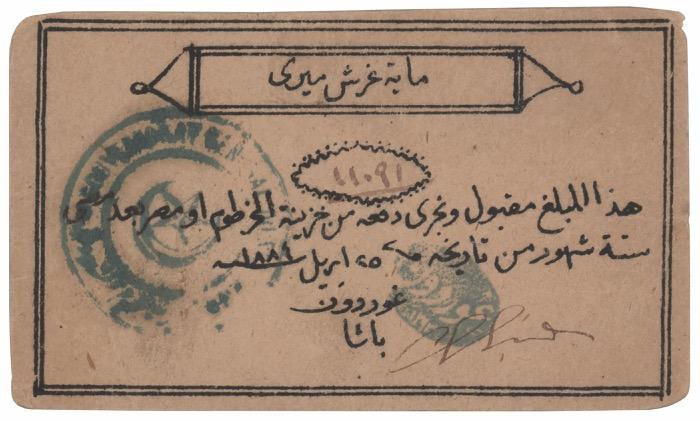
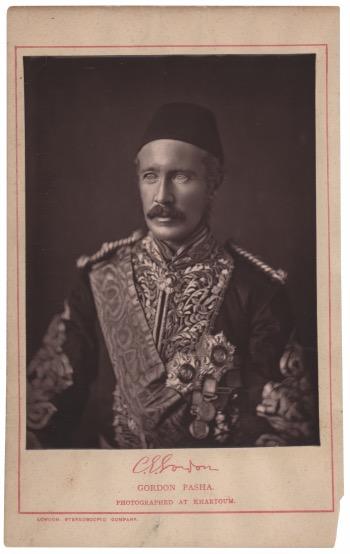
366. Charles 'Chinese' Gordon Document SignedPromissory Note from K...
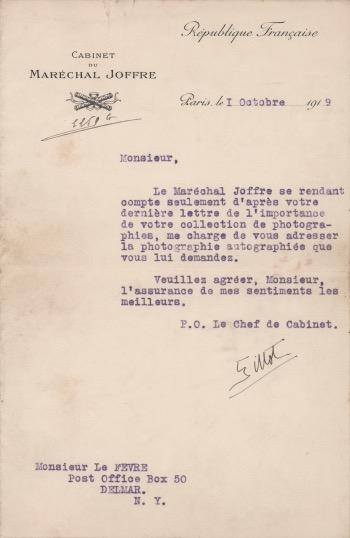
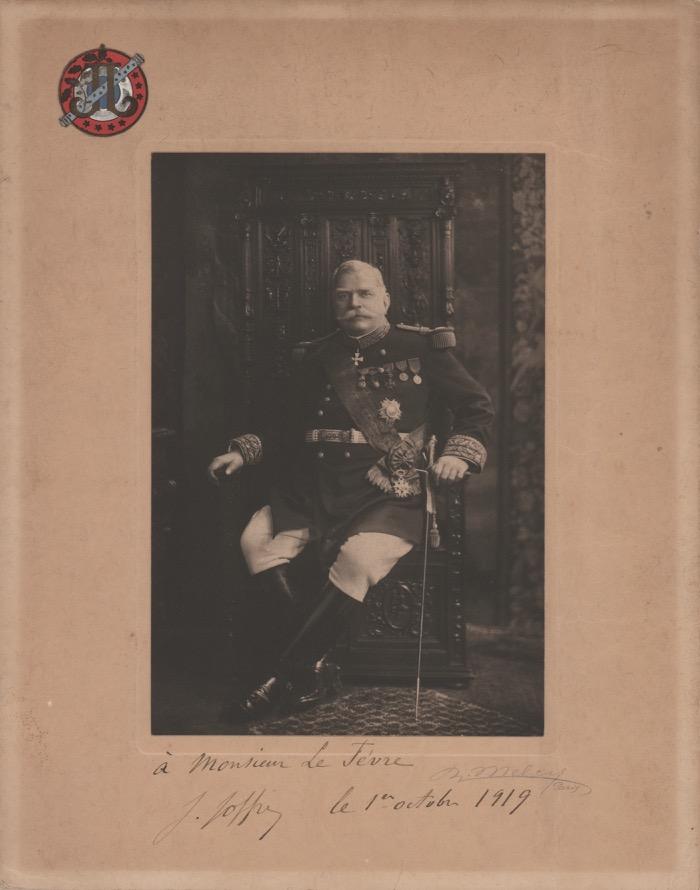
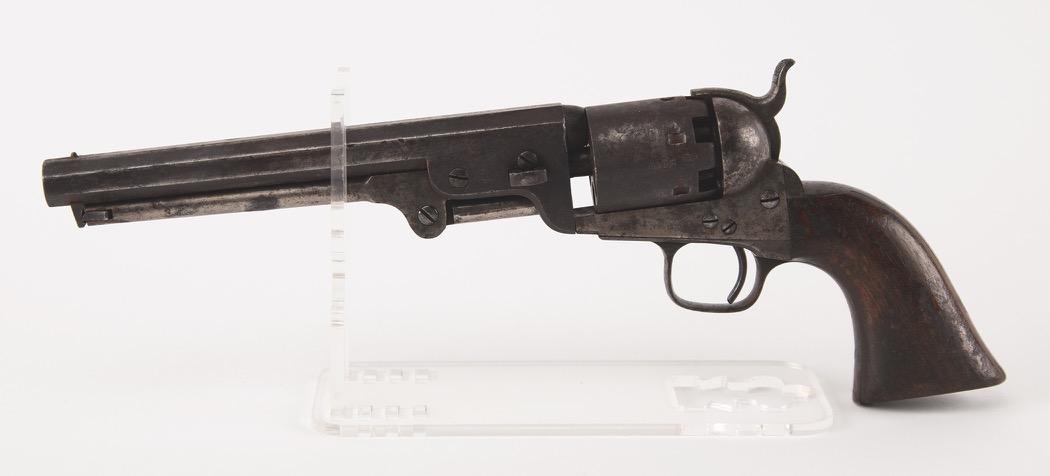
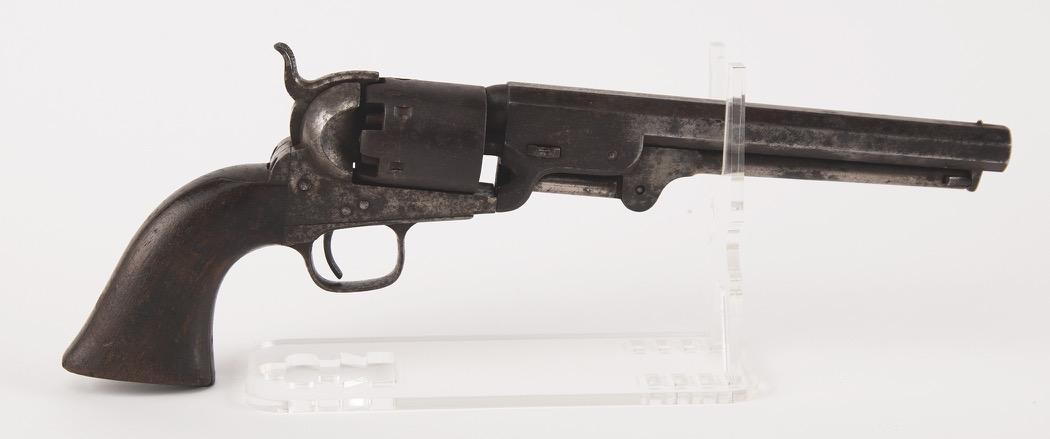
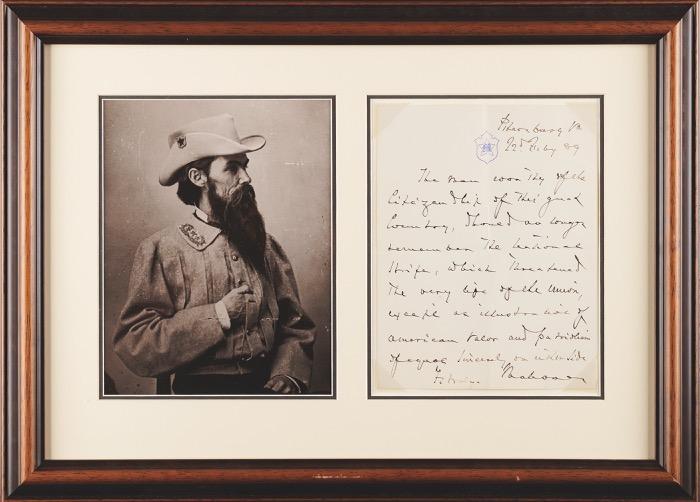
375. William Mahone Autograph Quotation Signed on the Civil War: "Illu... Starting Bid $200
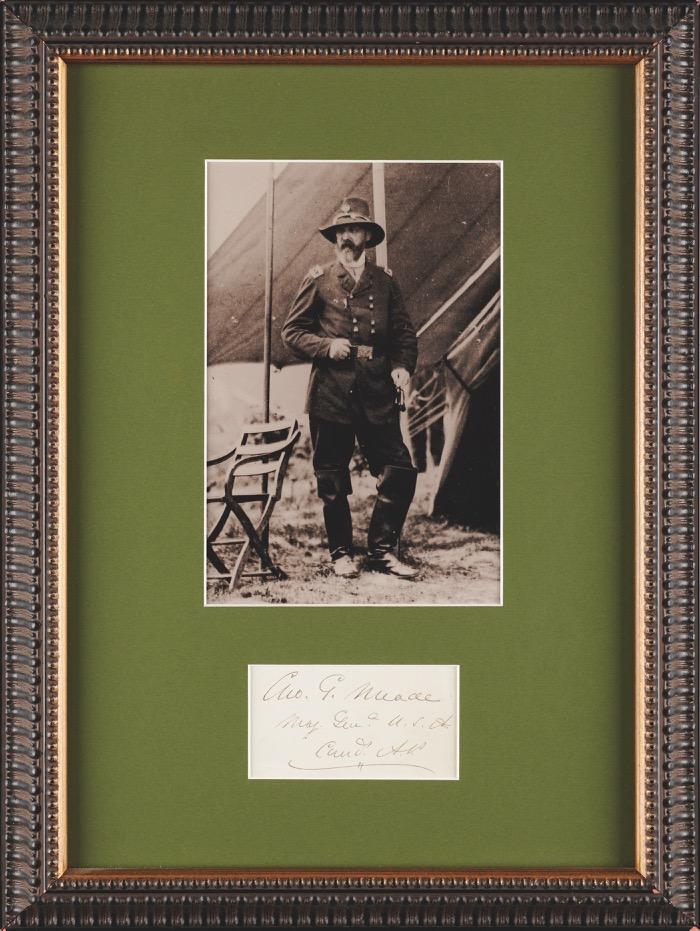
379. George G. Meade Signature Starting Bid $200
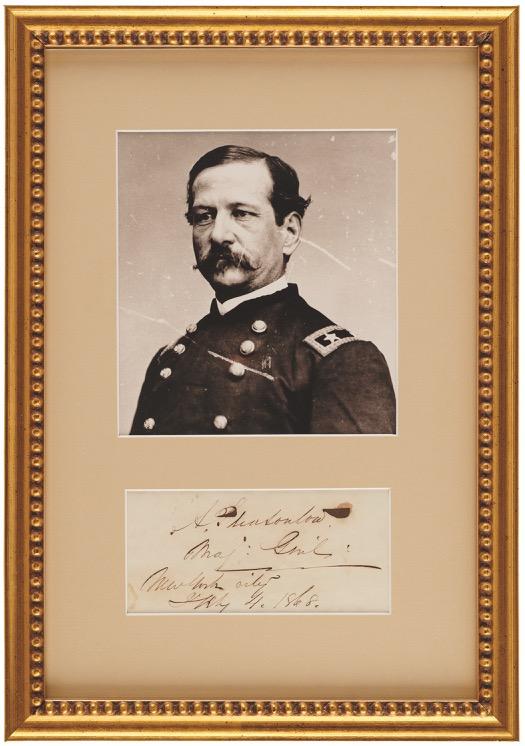
Signature Starting Bid $200
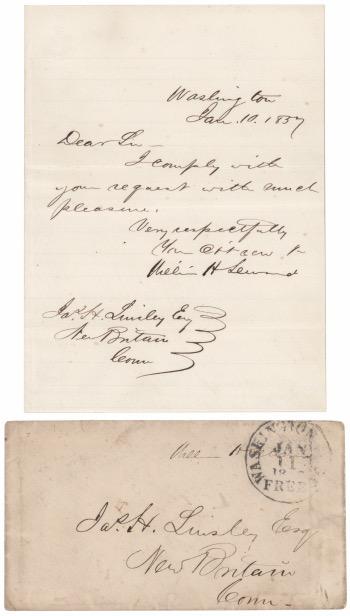
387. William H. Seward
Signed Items - Autograph Letter and Free Fr... Starting Bid $200
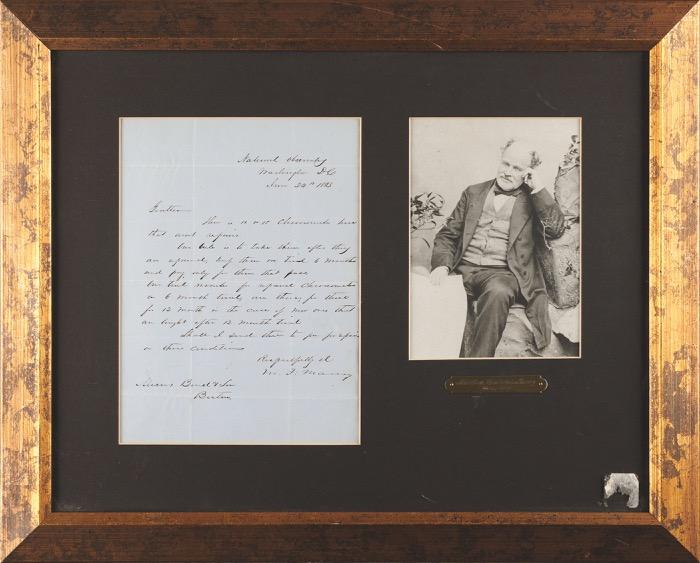
376. Matthew F. Maury Letter Signed on the Repair of Chronometers Starting Bid $200
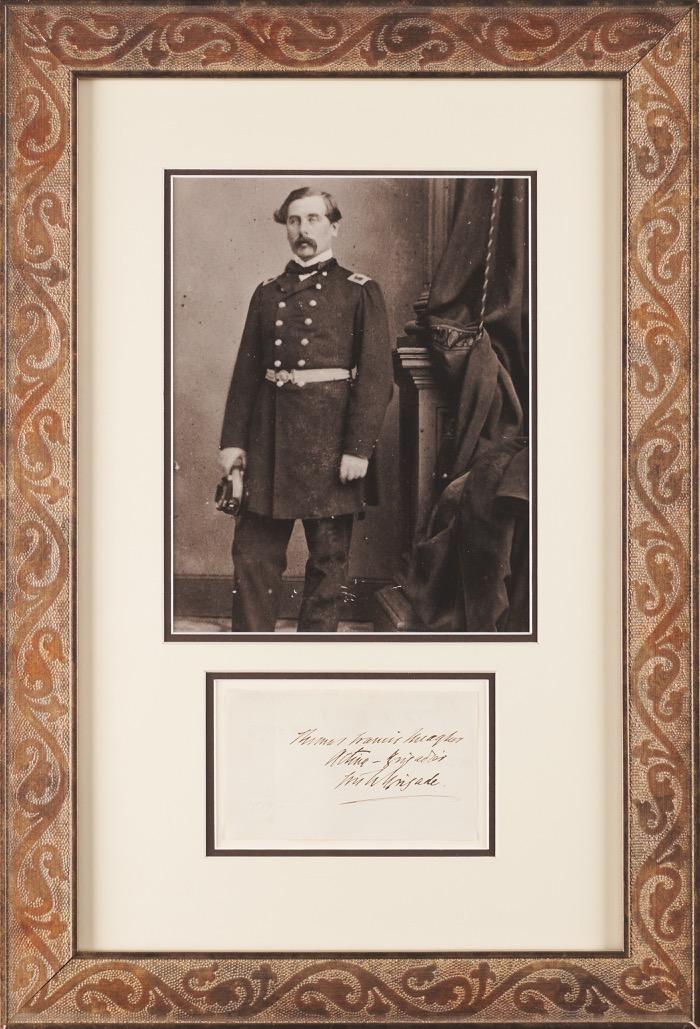
380. Thomas Francis Meagher Signature Starting Bid $200
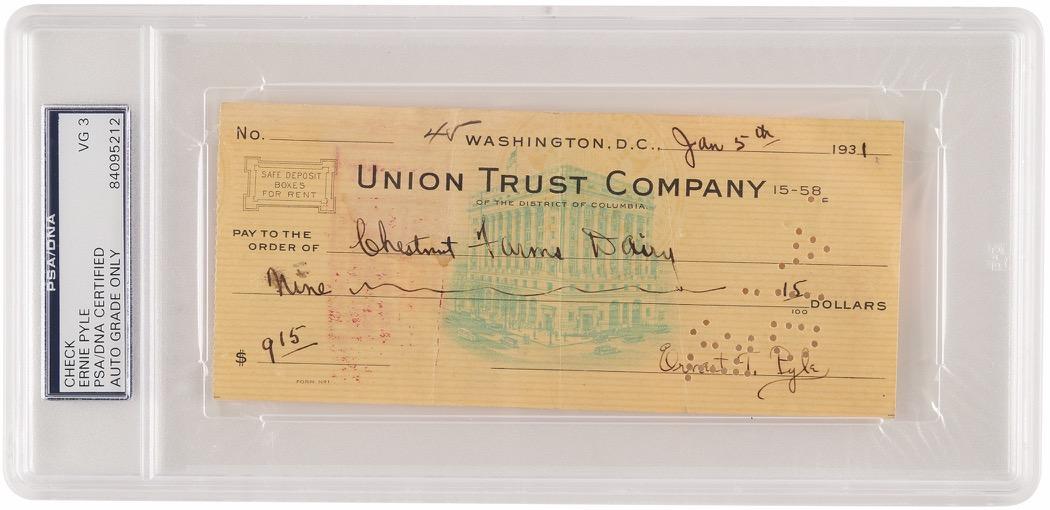
384. Ernie Pyle Signed Check Starting Bid $200
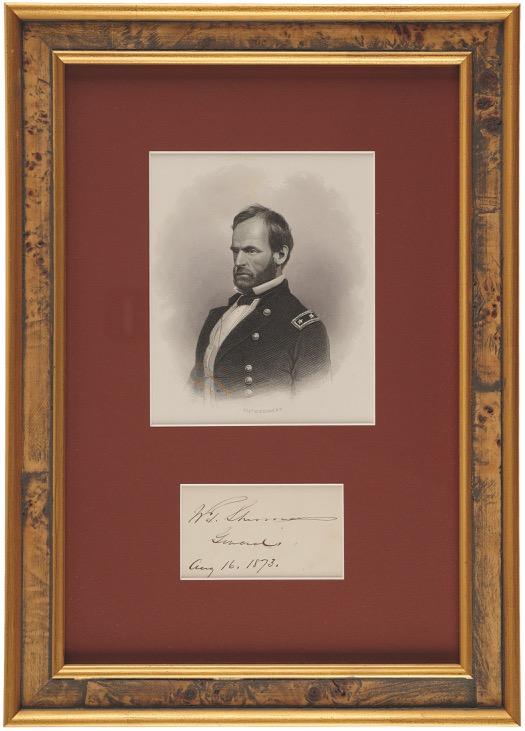
388.
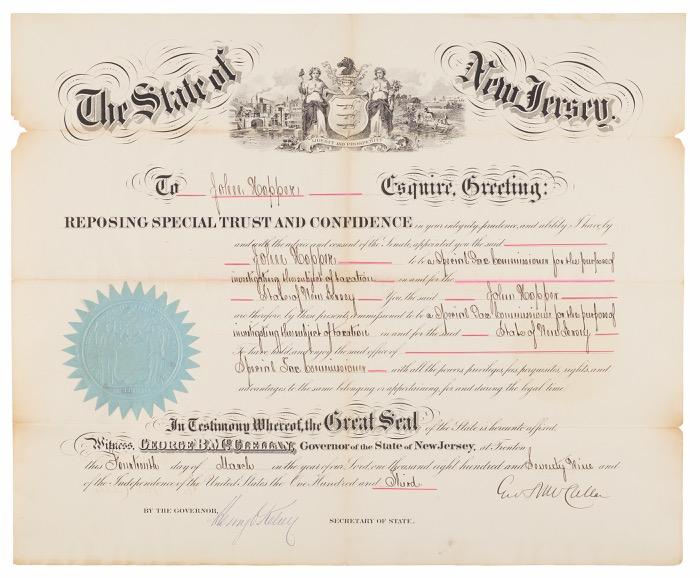
377. George B. McClellan Document Signed Starting Bid $200
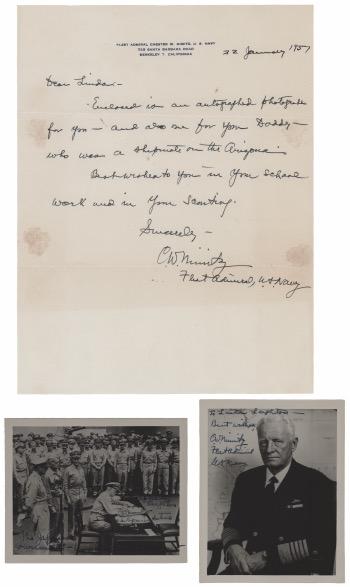
381. Chester Nimitz Typed Letter Signed and (2) Signed Photographs Starting Bid $200
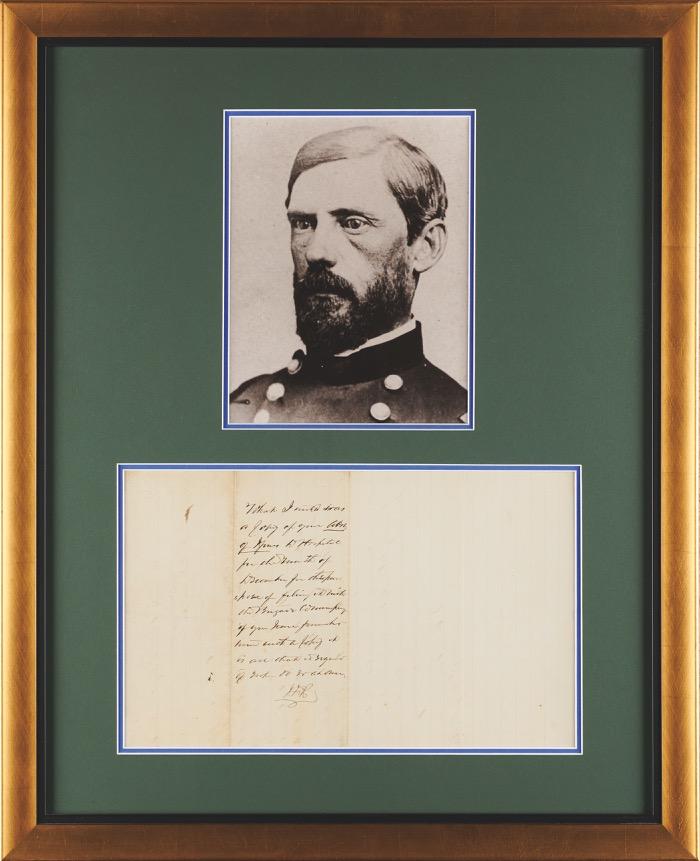
385. John F. Reynolds Civil War-Dated Autograph Endorsement Signed Starting Bid $200
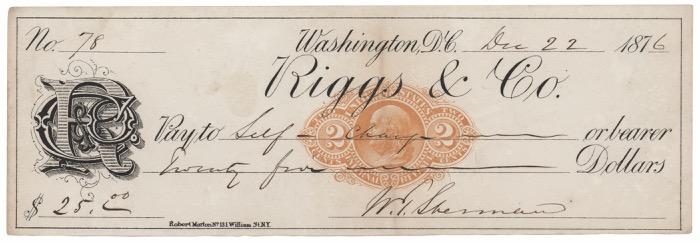
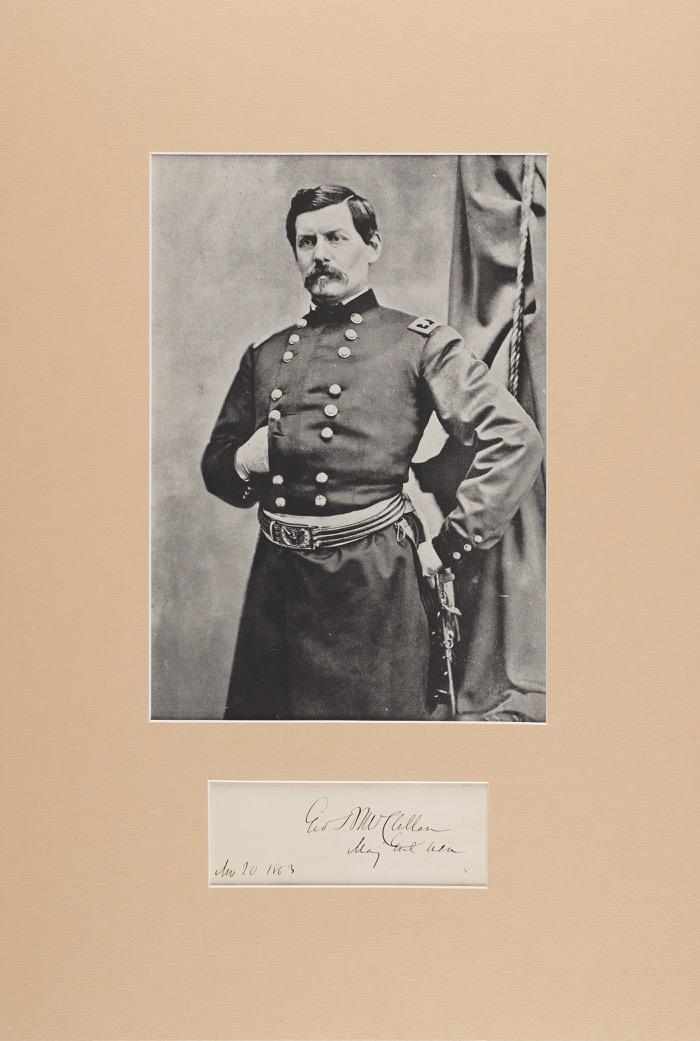
378. George B. McClellan Civil War-Dated Signature Starting Bid $200
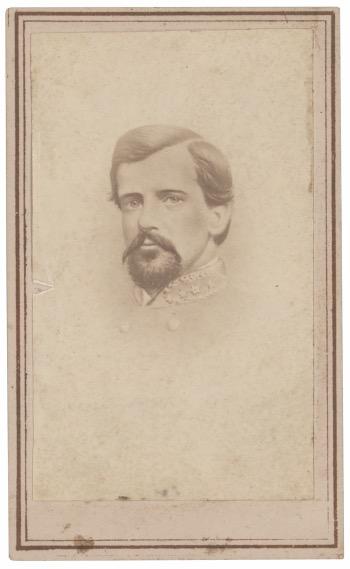
382. John Pegram Original Carte-de-Visite Photograph Starting Bid $200
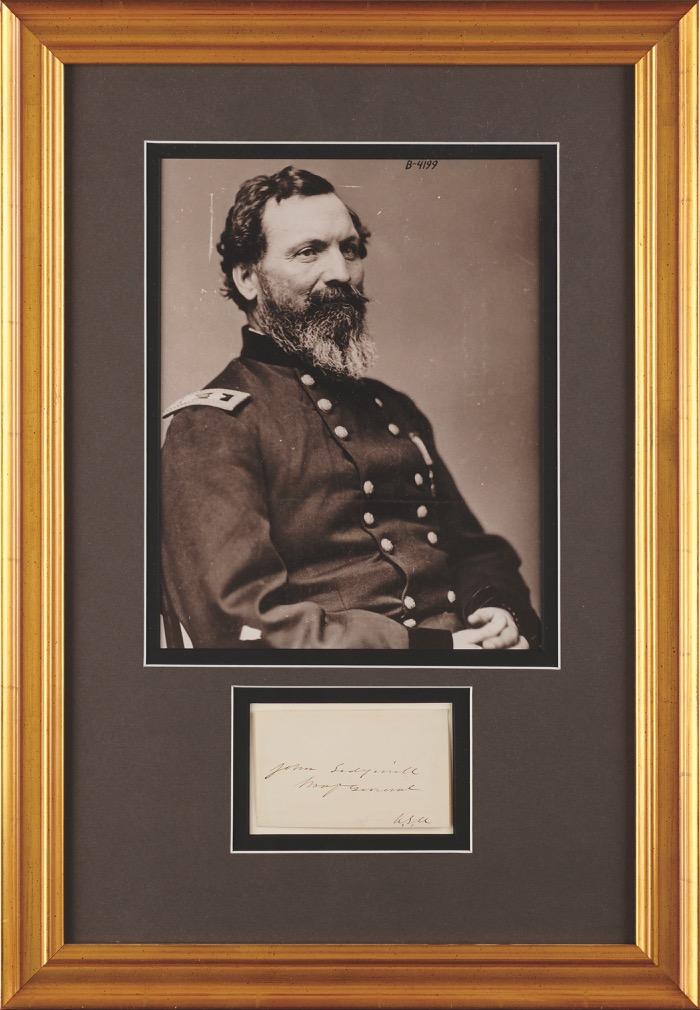
389. William T.
Signed Check Starting Bid $200
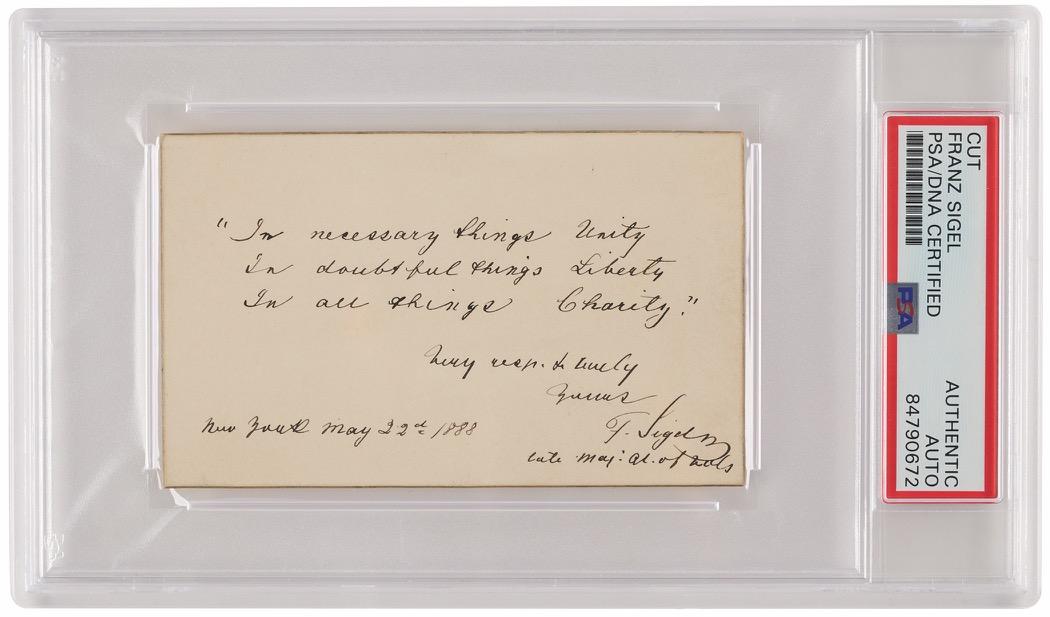
390. Franz
Autograph Quotation Signed Starting Bid $200
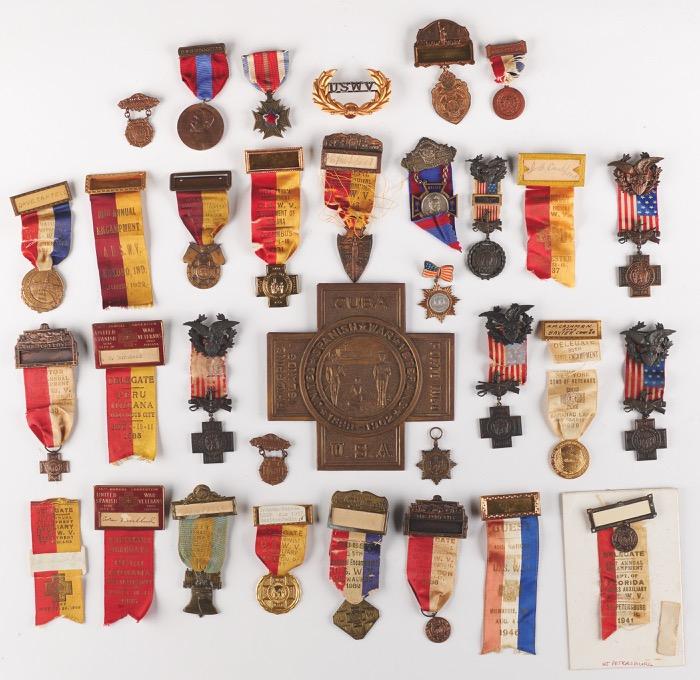
391. Spanish-American
Veterans Badges, Medals, and Insignia (30+) Starting Bid $200
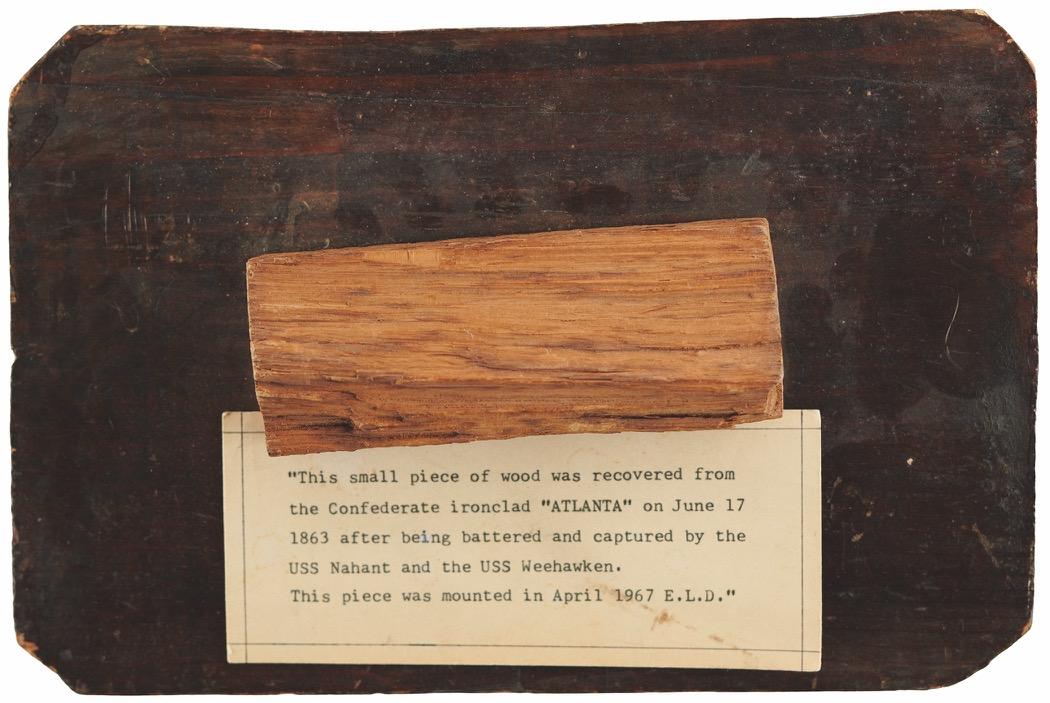
395.
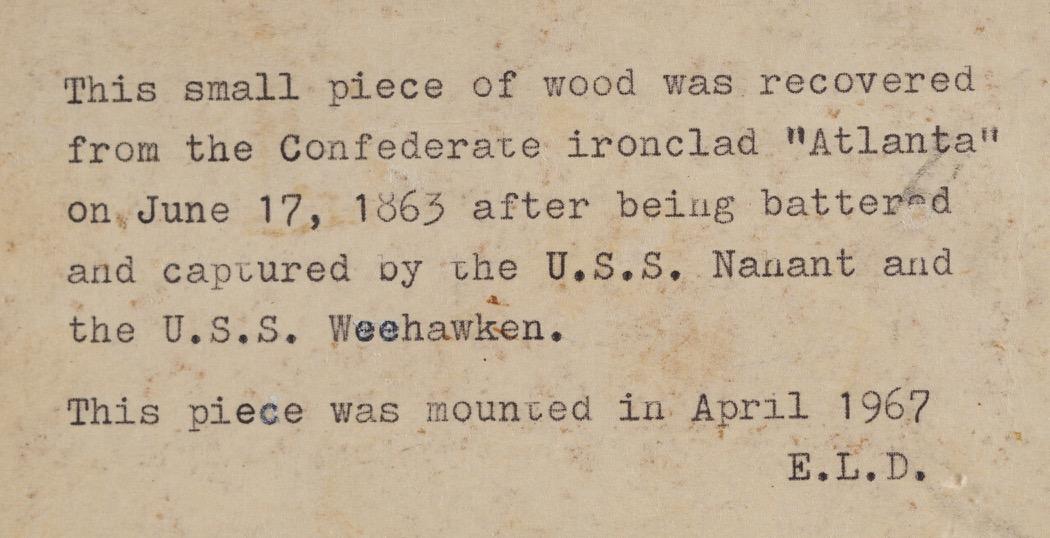
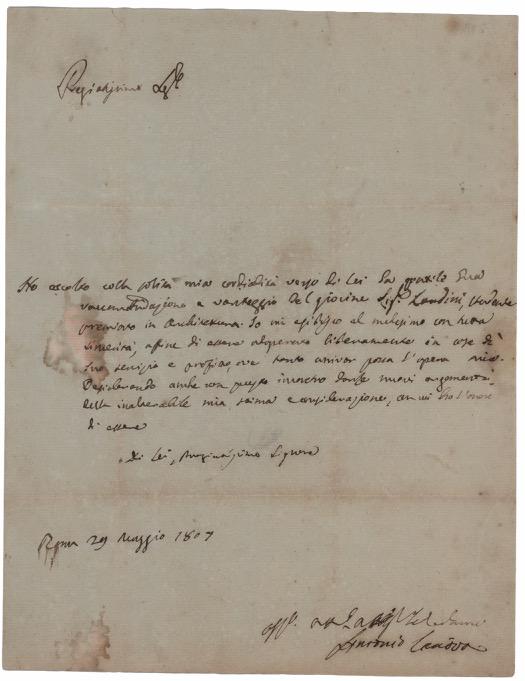
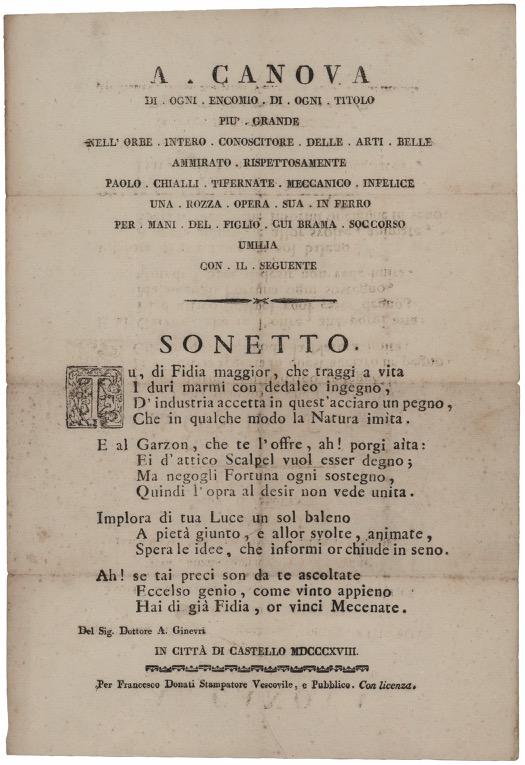
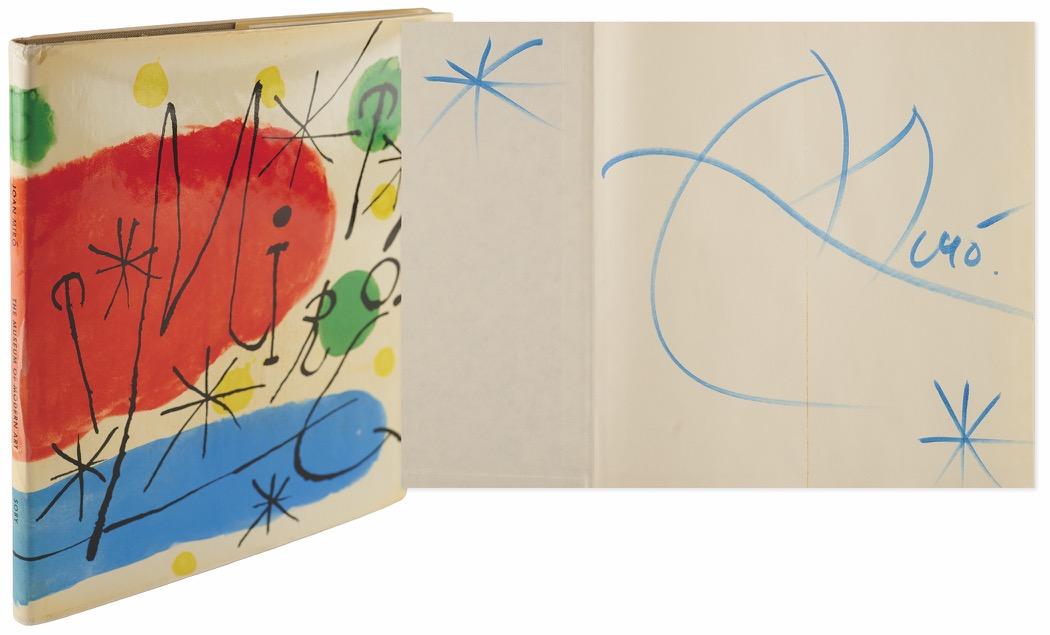
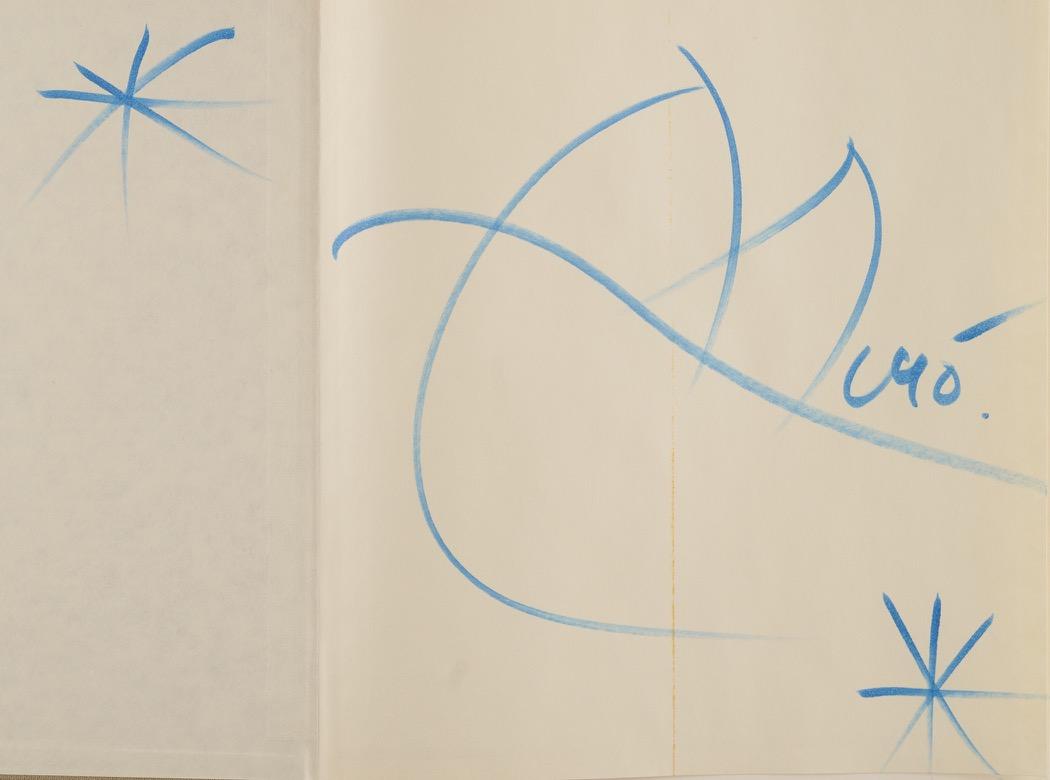
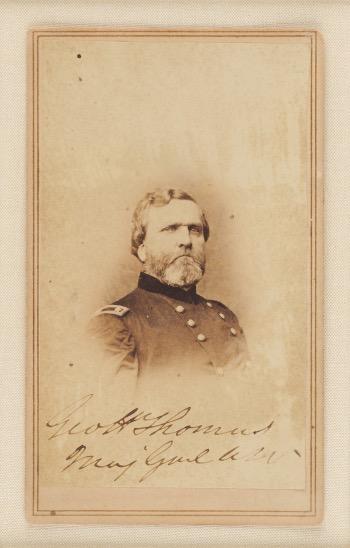
392.
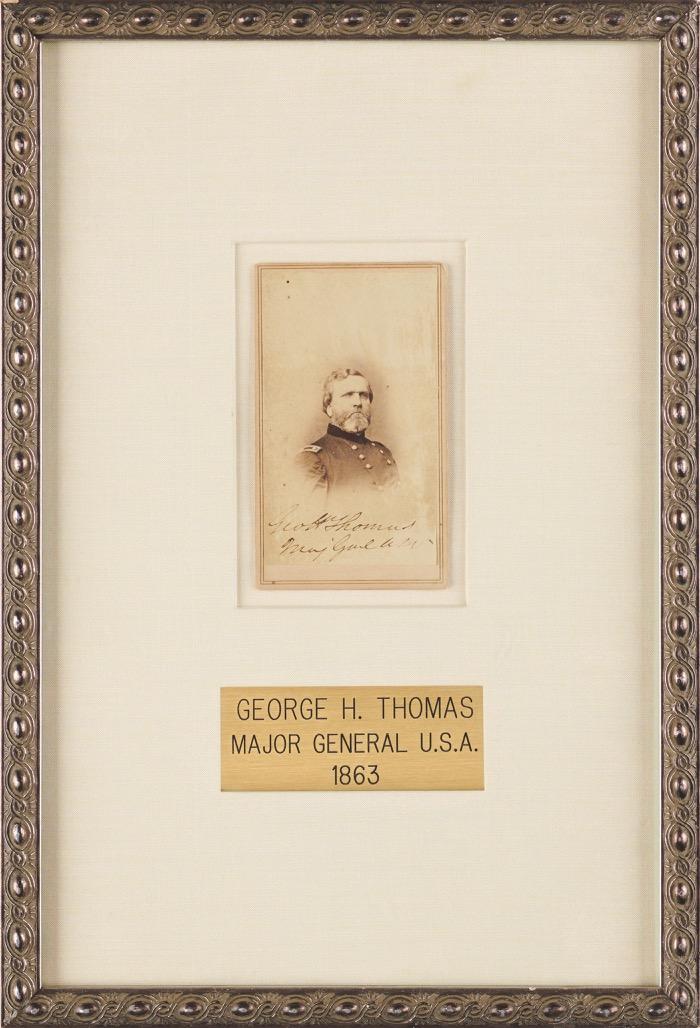
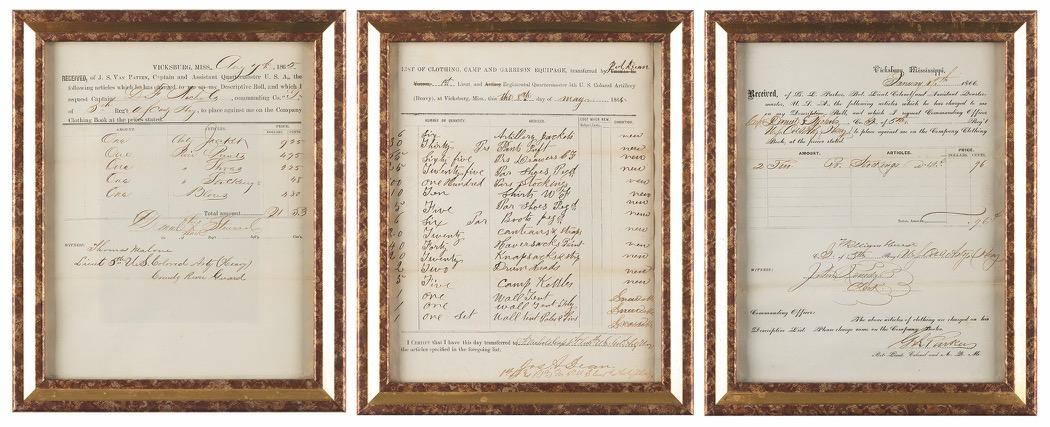
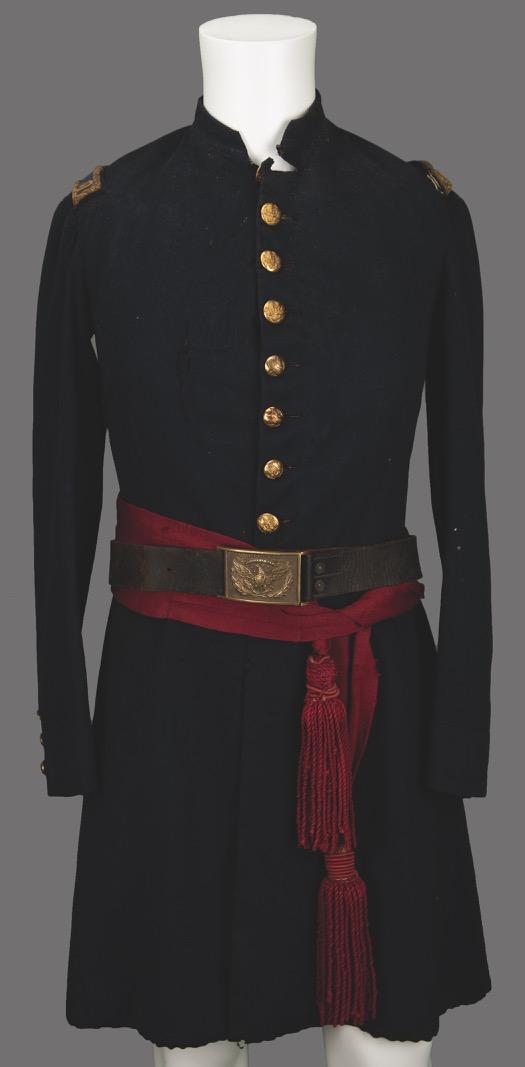
393.
Starting Bid
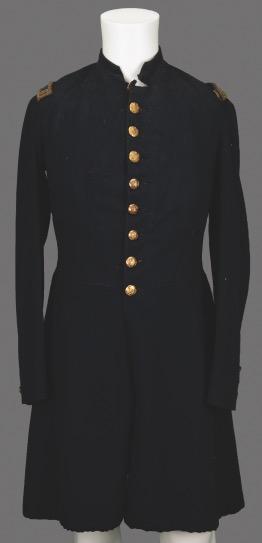
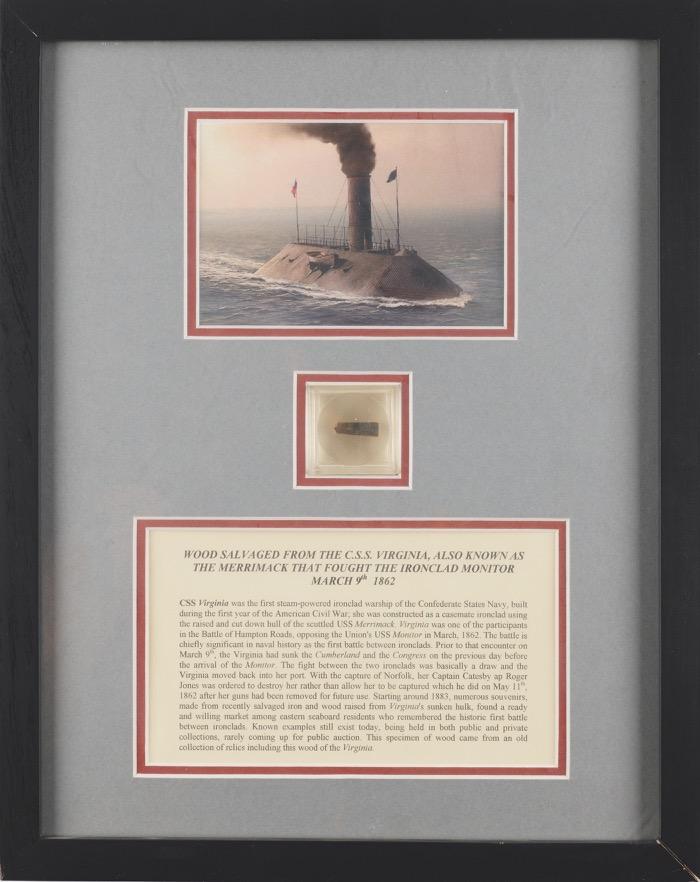
396.
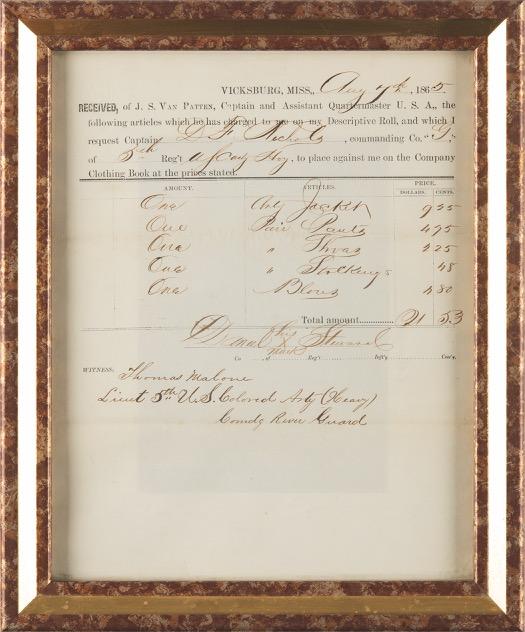
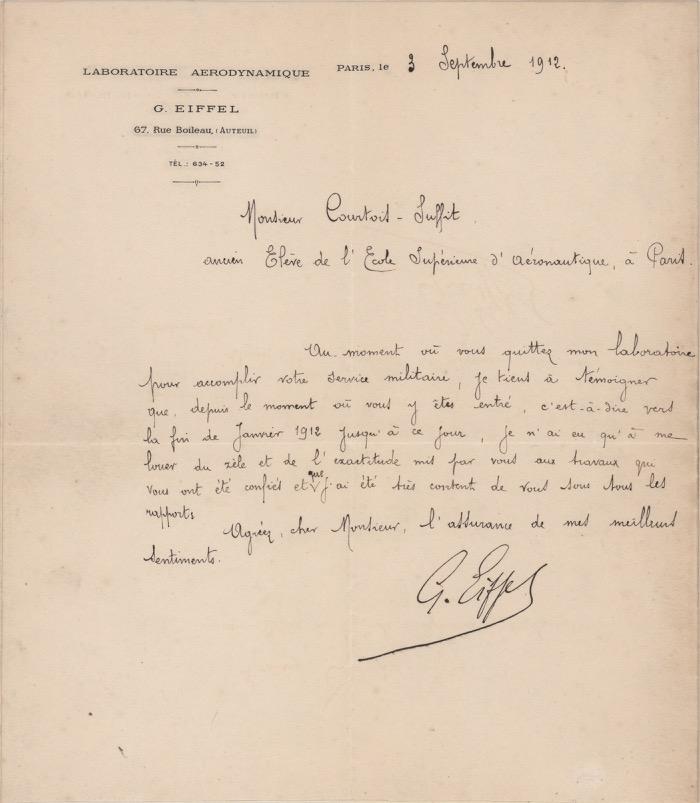
461.
Starting Bid $200
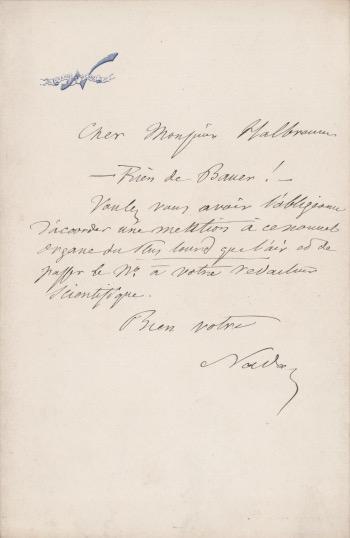
Starting
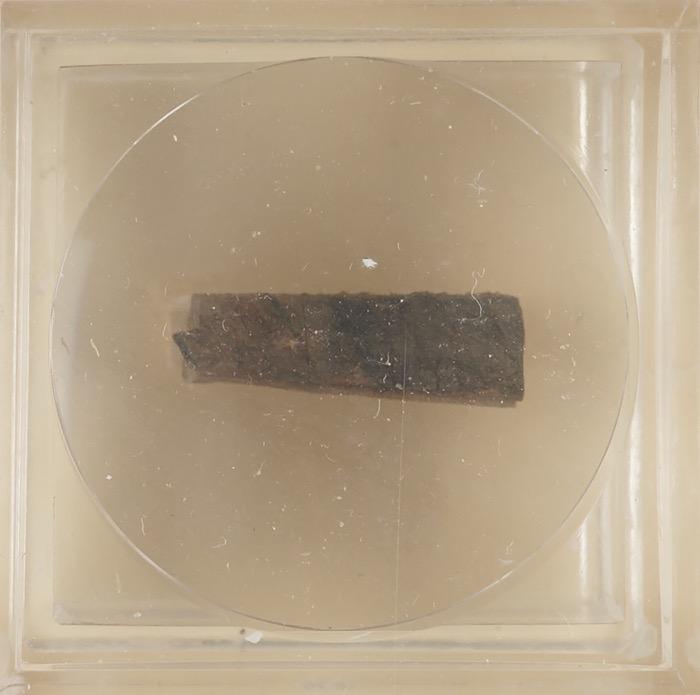
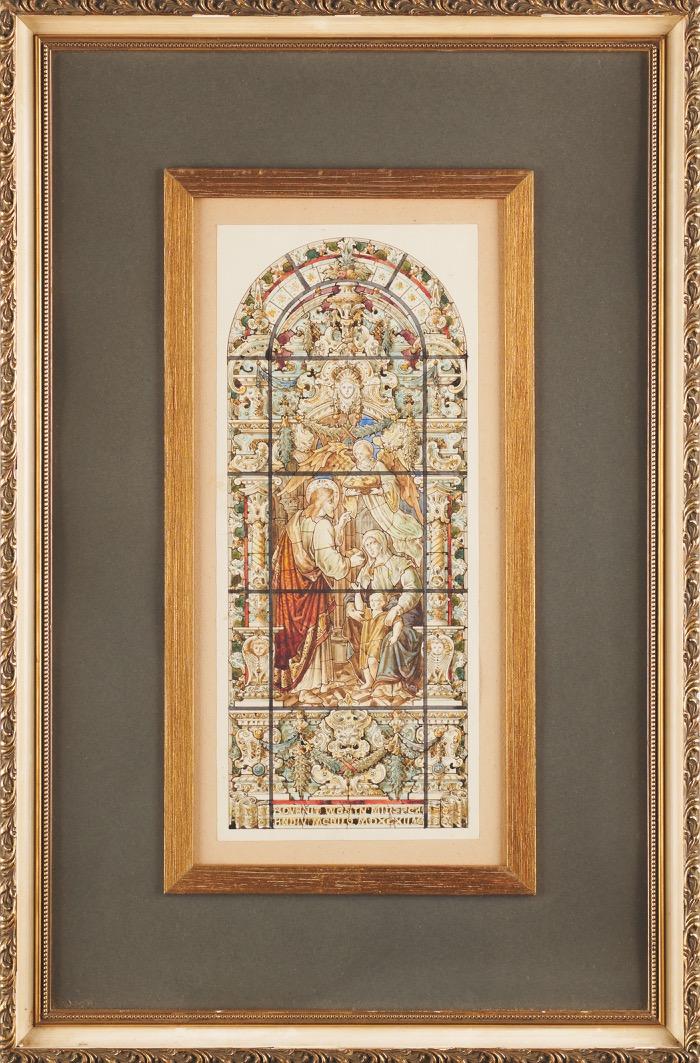
462.
Starting
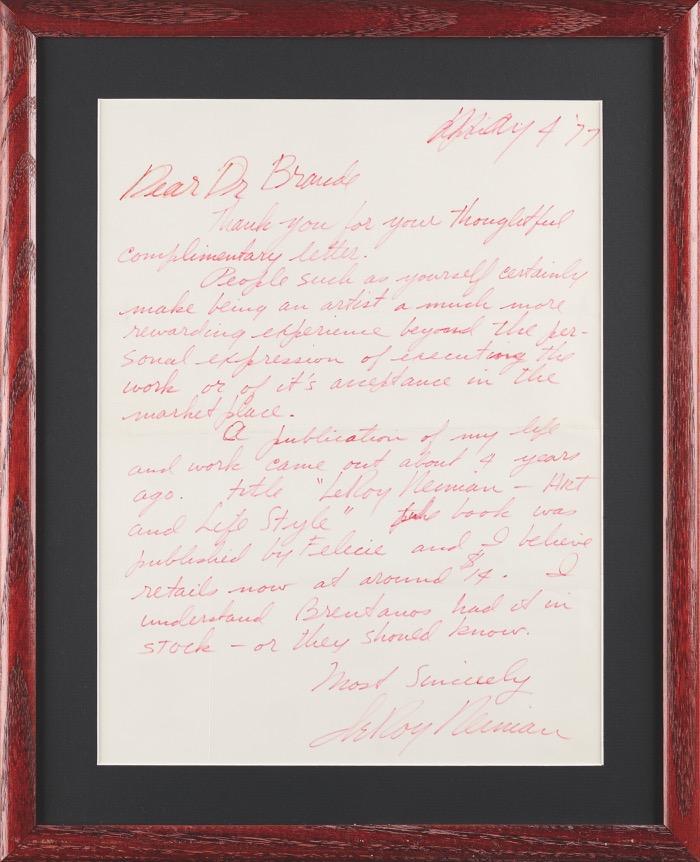
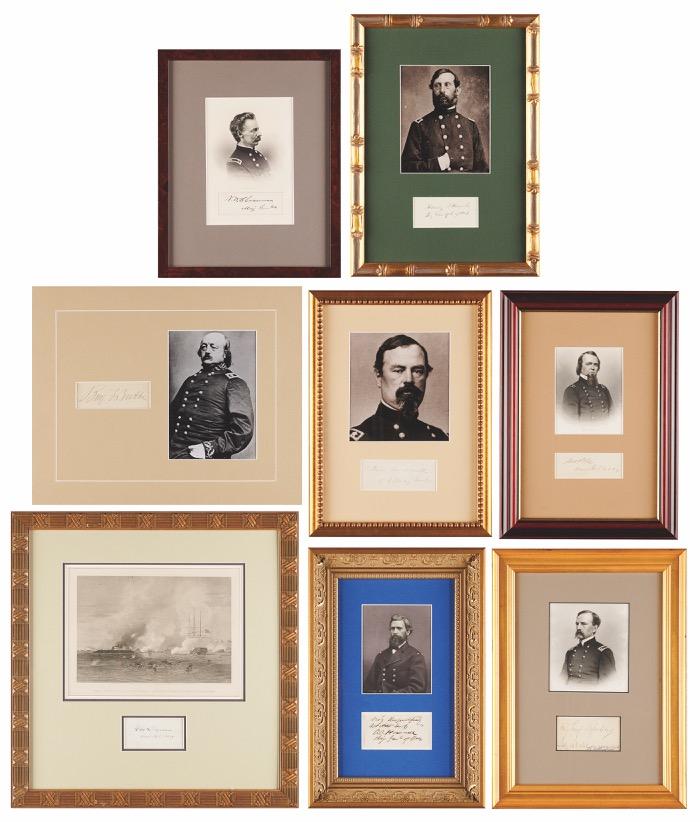
394.
Starting Bid $200
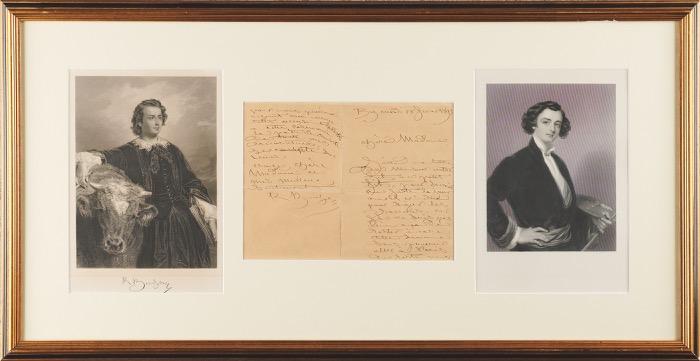
Starting
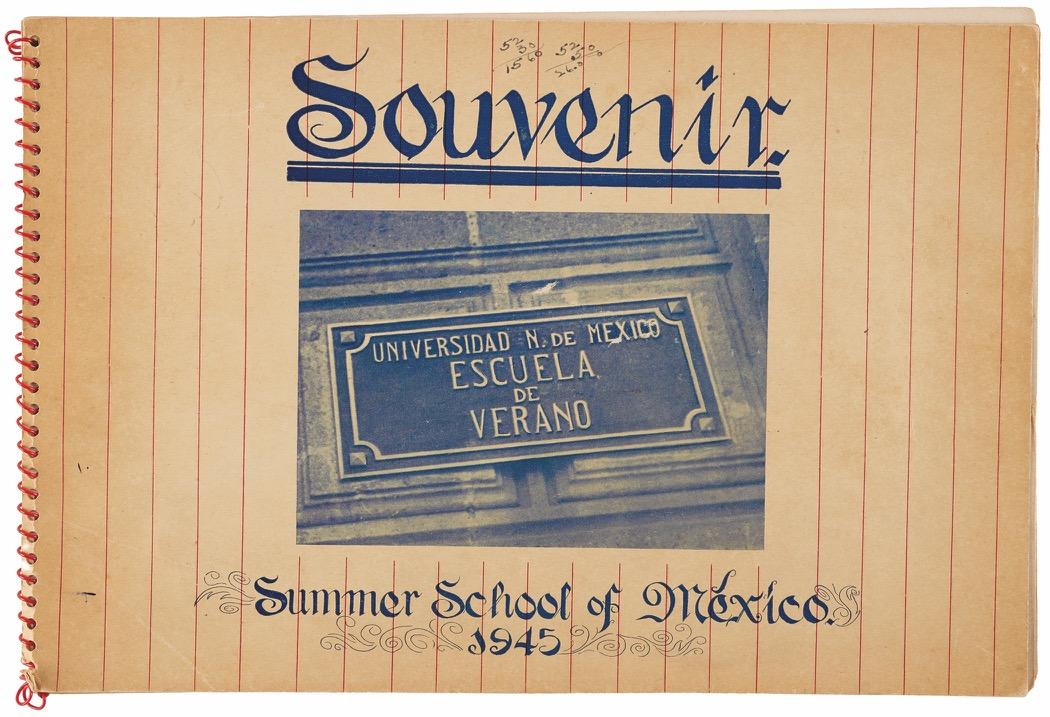
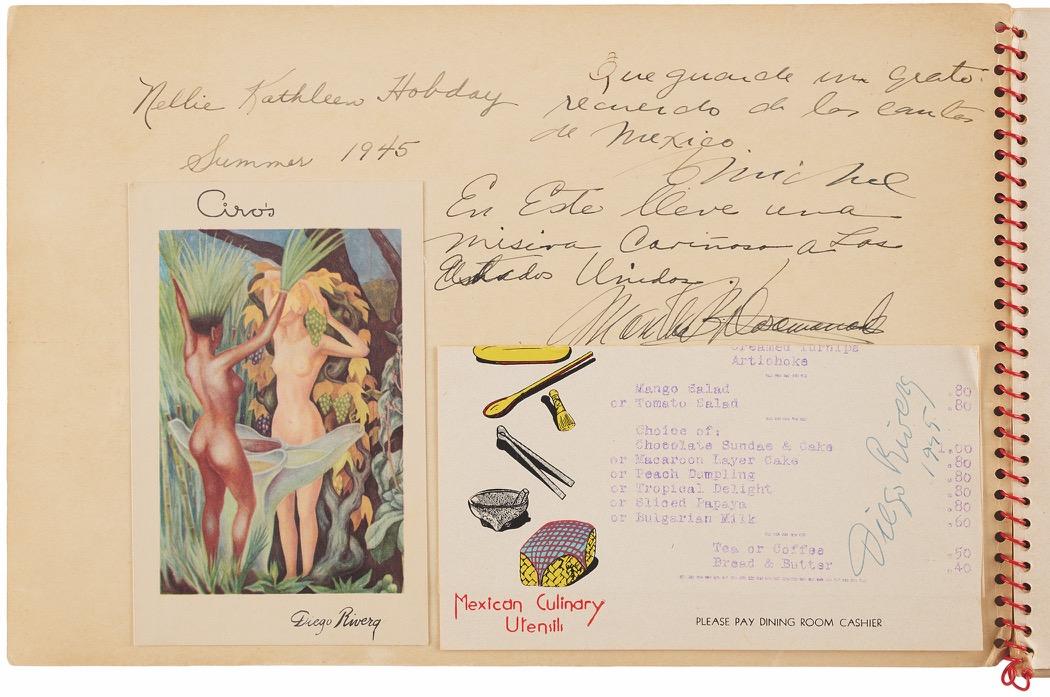
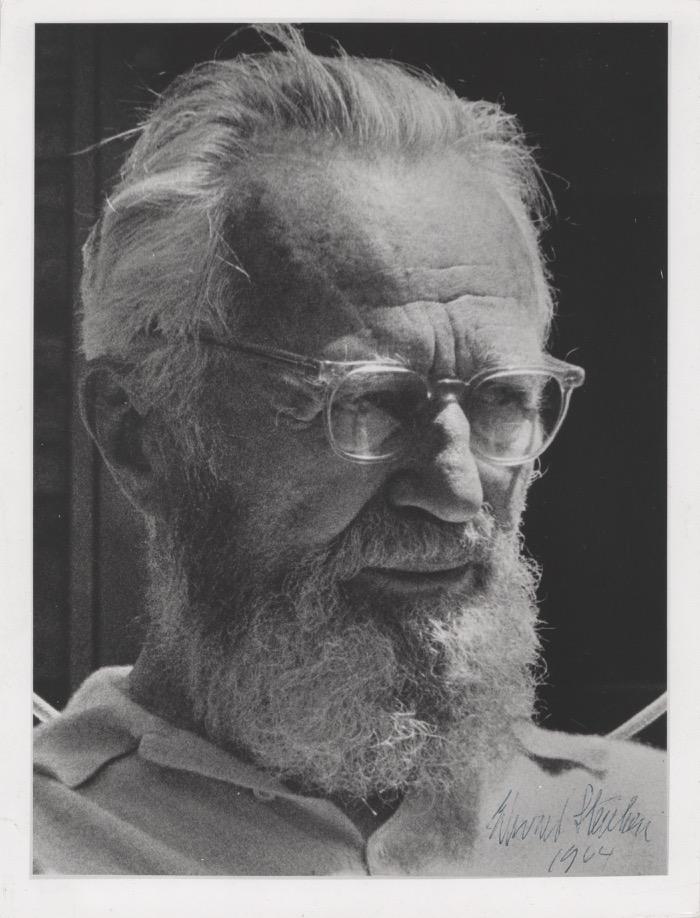
468. Edward Steichen Signed Photograph Starting Bid $200
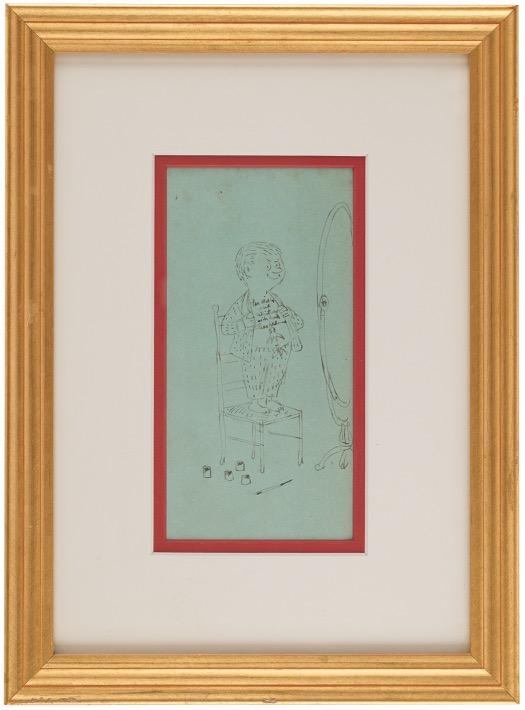
477. Charles Addams Signed Sketch of 'Pugsley' Starting Bid $200
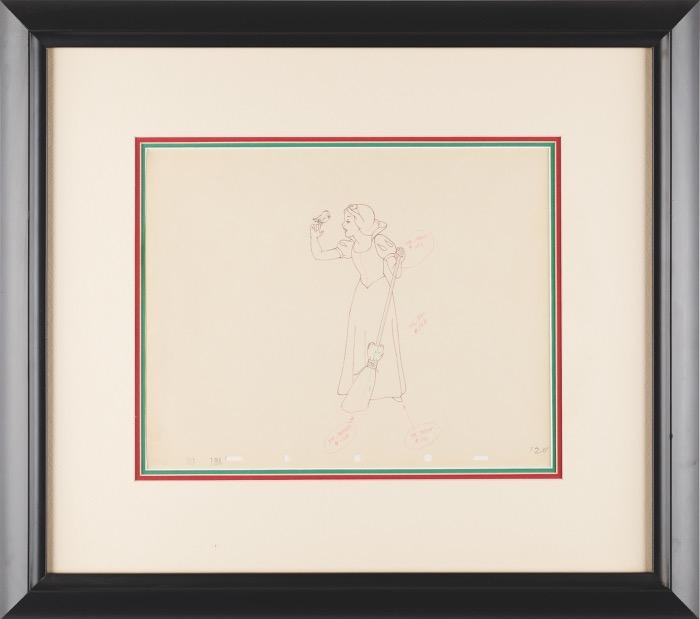
481. Snow
Starting Bid $200
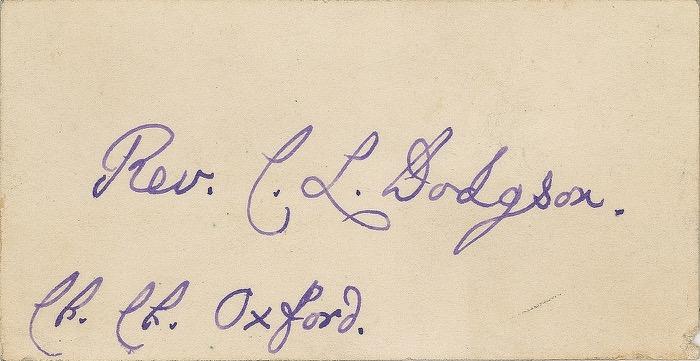
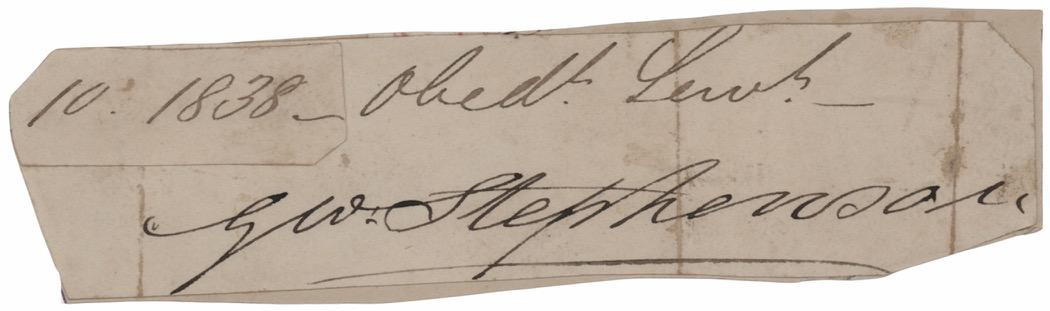
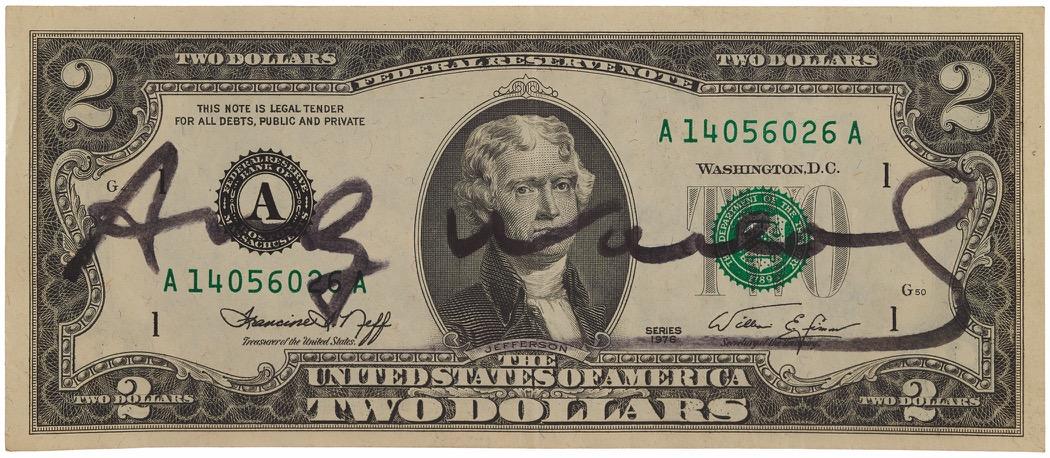
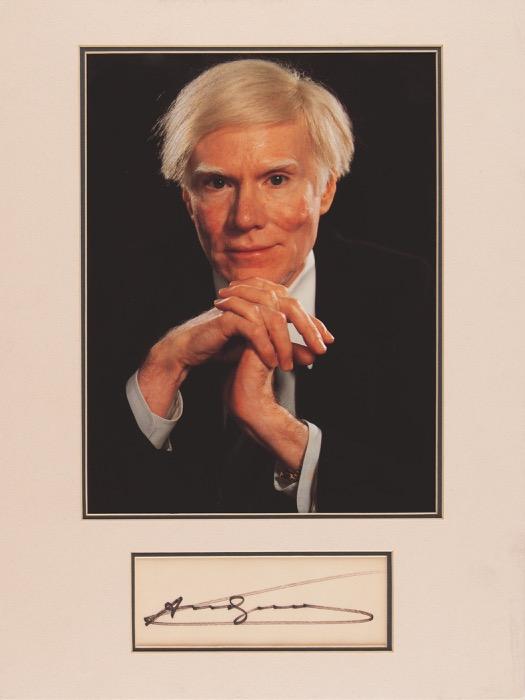
469. George Stephenson Signature Starting Bid $200
478. Greta Garbo and Clark Gable production drawing from The Autograph... Starting Bid $200
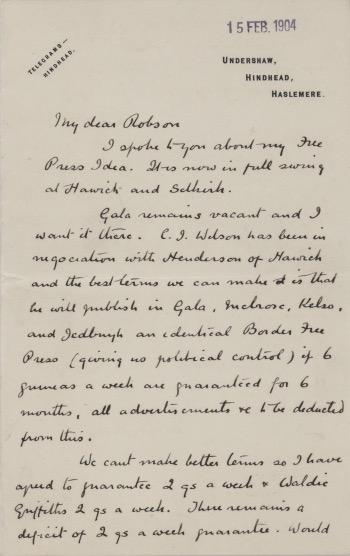
495.
Signature Starting Bid $200
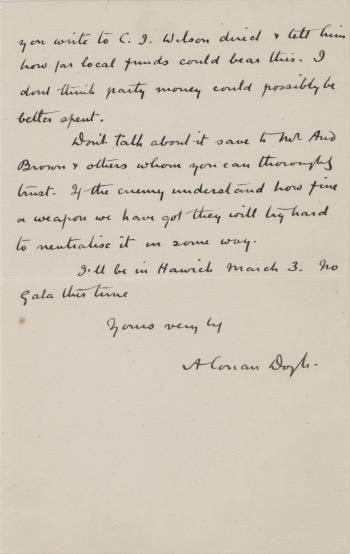
485. Arthur Conan Doyle Autograph Letter Signed, Proposing a "Border F...
496. Robert Frost Signature Starting Bid $200
470. Andy Warhol Signed $2
479. Fred
471. Andy Warhol Signature Starting Bid $200
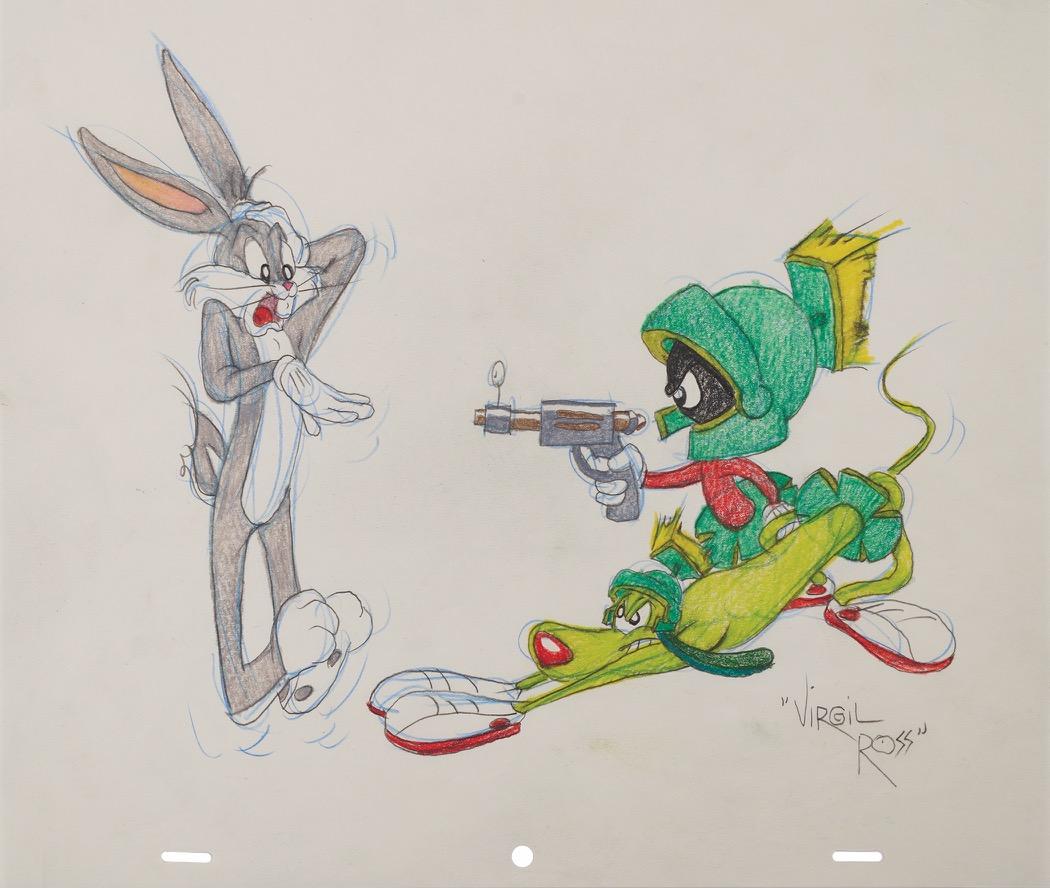
and 480.
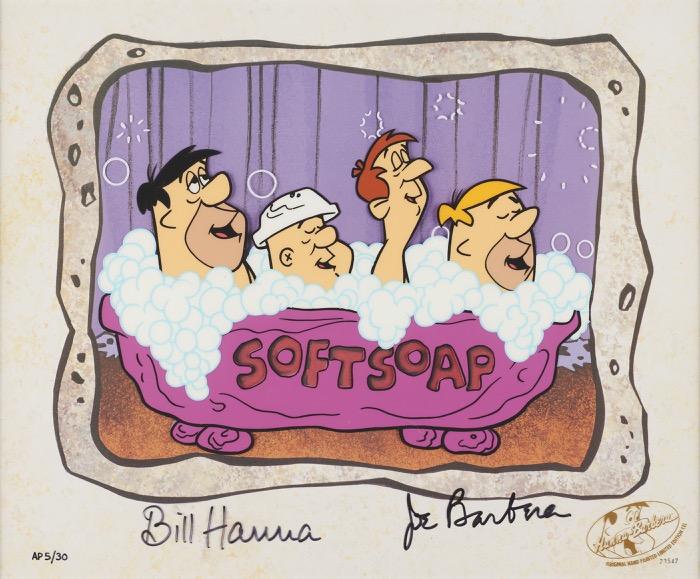
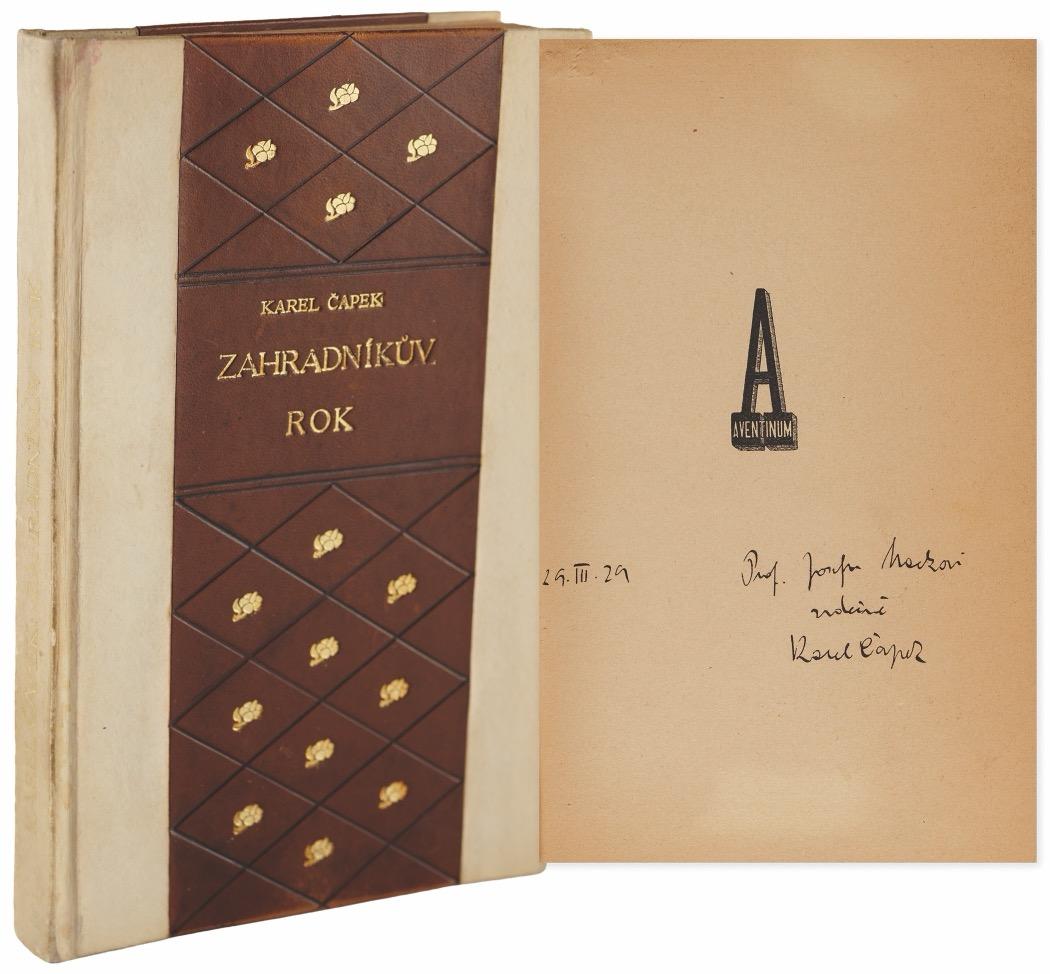
493.
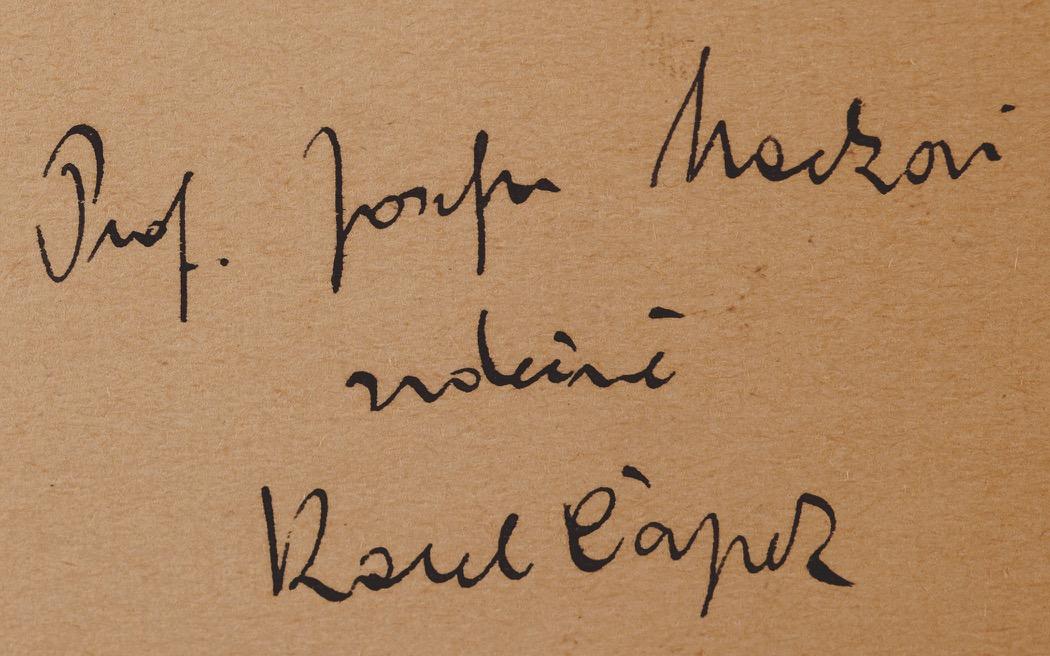
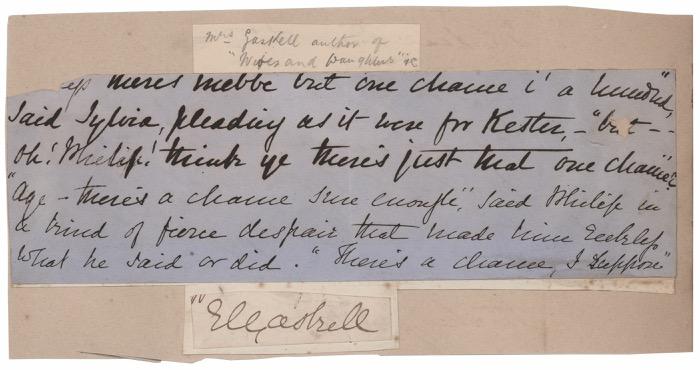
497. Elizabeth Gaskell Signature and Manuscript Passage from Sylvia's ... Starting Bid $200
Signed Original Drawing of Bug Bunny, Marvin the Mart... Starting Bid $200
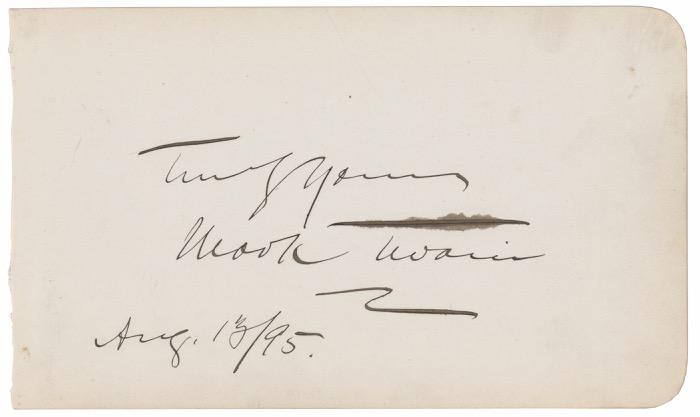
494.
Starting Bid $200
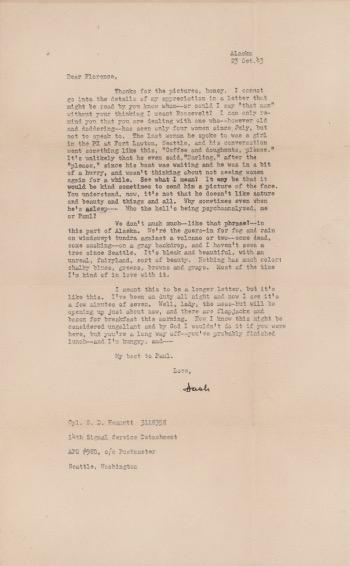
498.
Typed
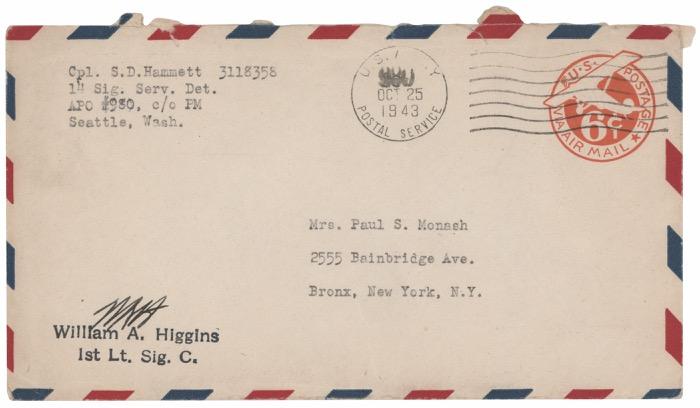
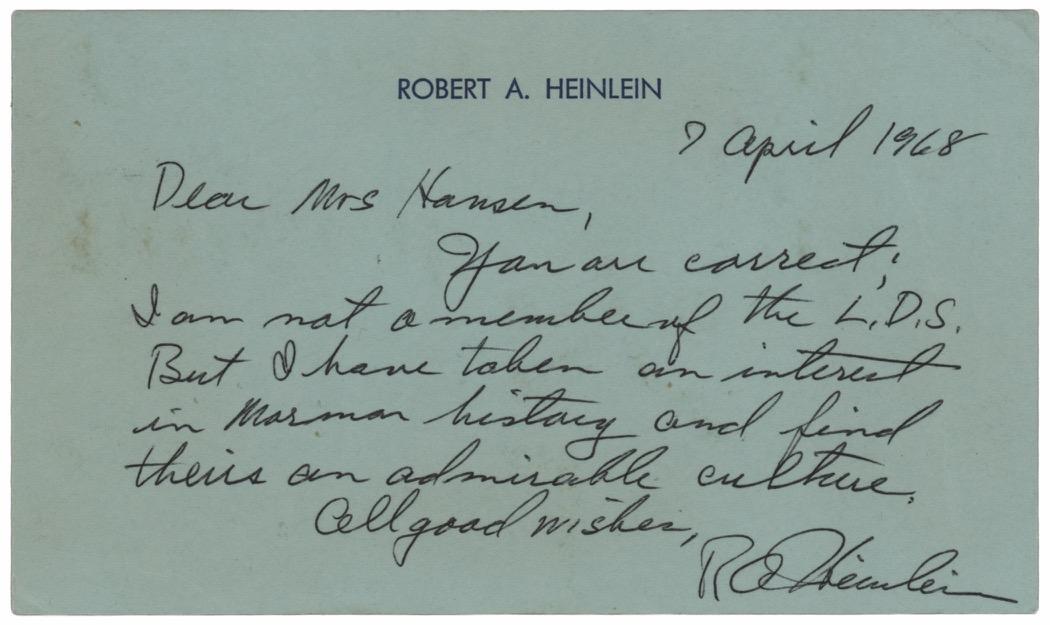
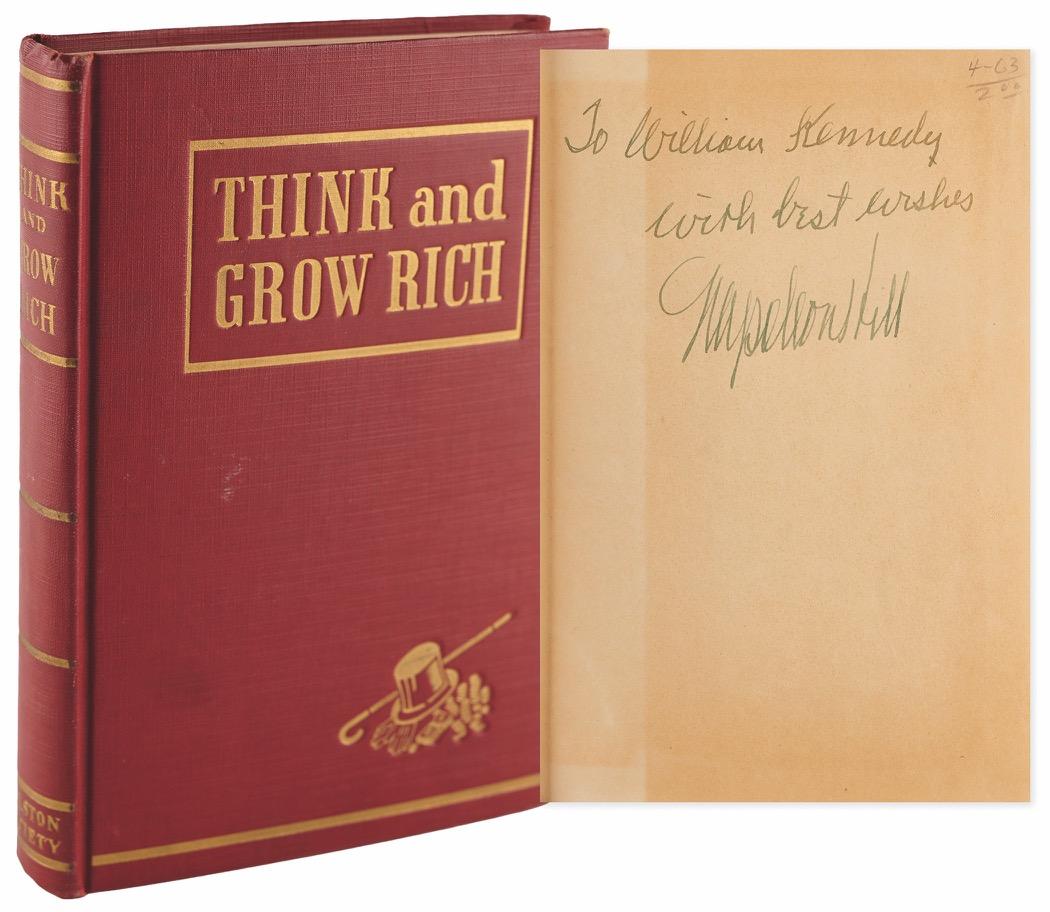
499. Robert A. Heinlein Autograph Letter Signed Starting Bid $200
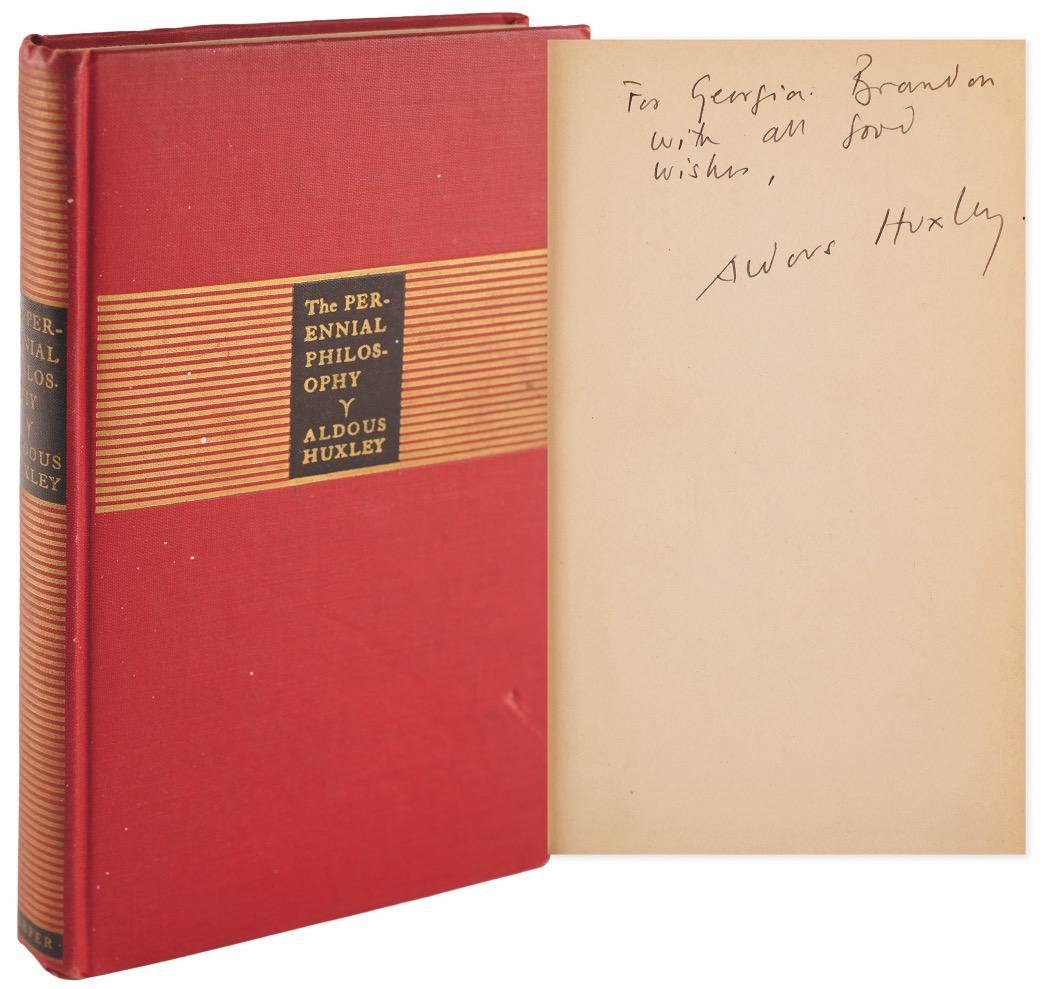
503. Aldous Huxley Signed Book - The Perennial Philosophy Starting Bid $200
507.
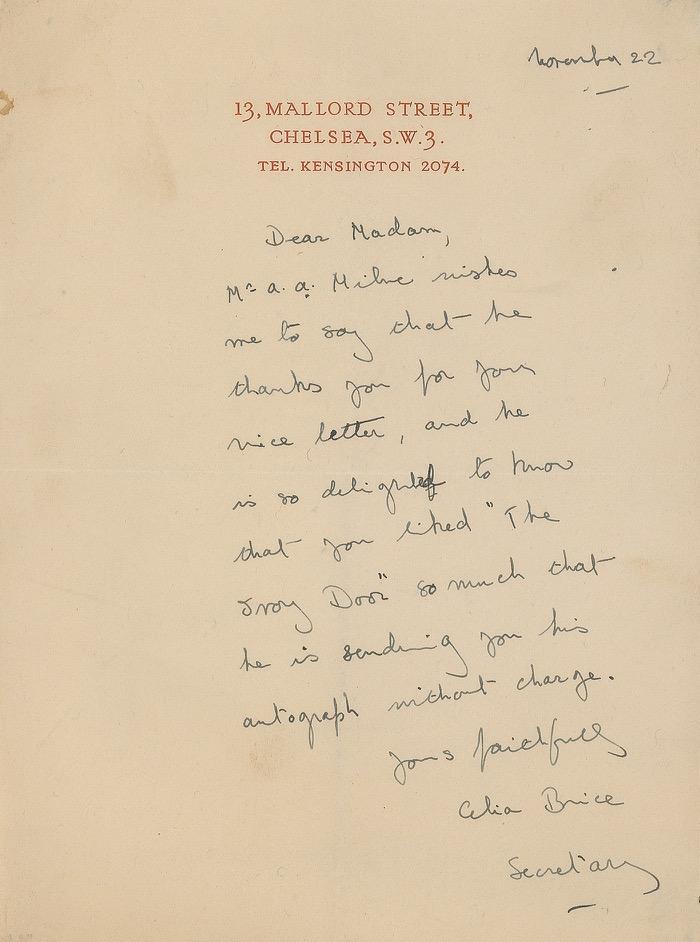
Signature
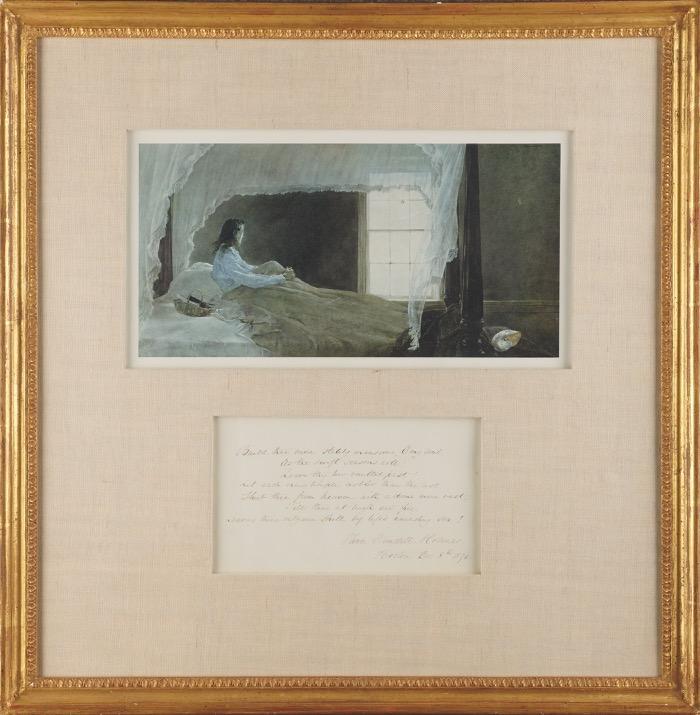
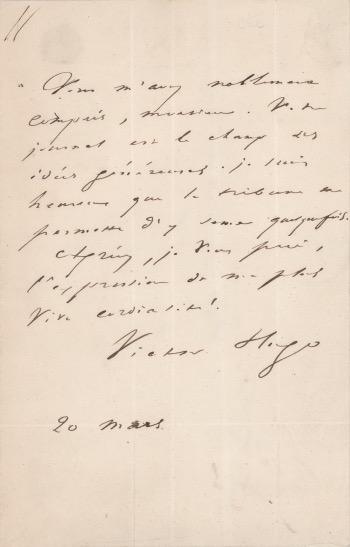
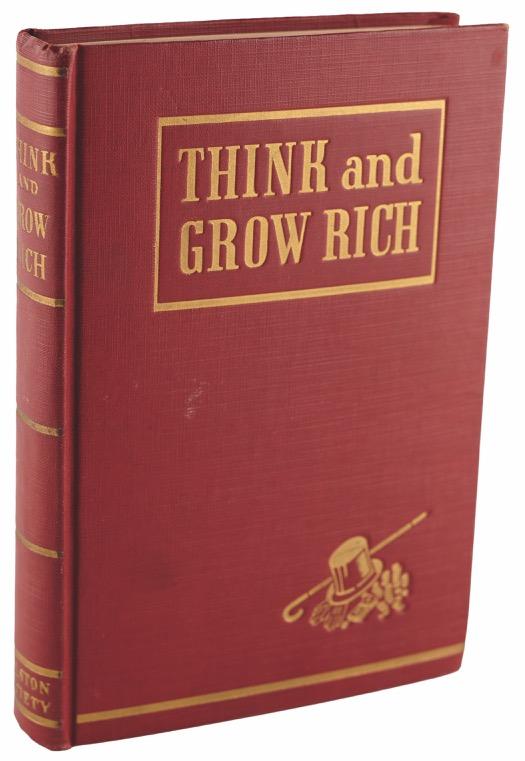
500. Napoleon Hill Signed Book - Think and Grow Rich
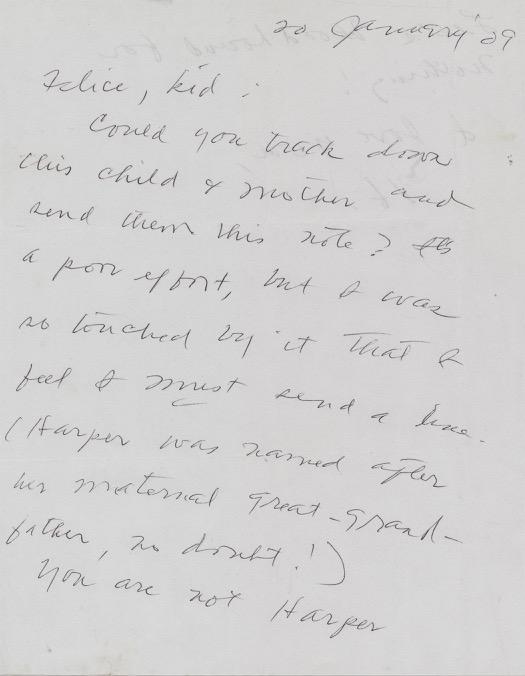
501. Oliver Wendell Holmes, Sr. Autograph Quotation Signed from 'The C... Starting Bid $200
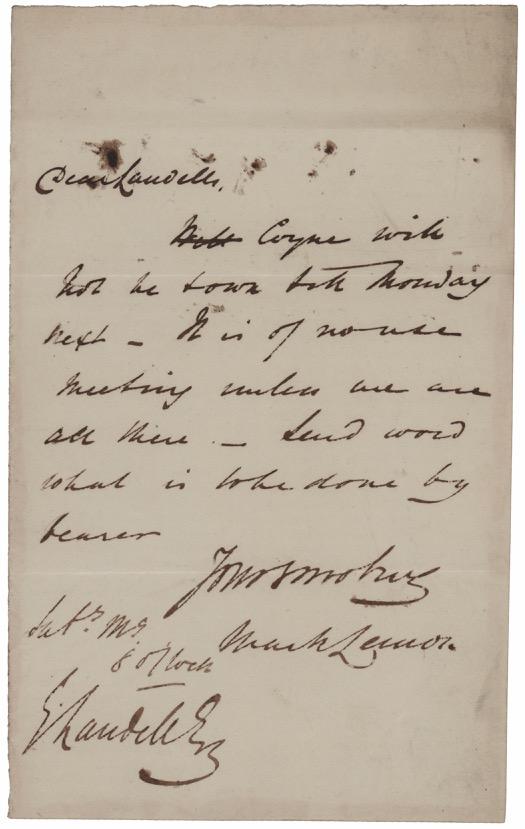
502. Victor Hugo Autograph Letter Signed: "Your journal is the field o... Starting Bid $200
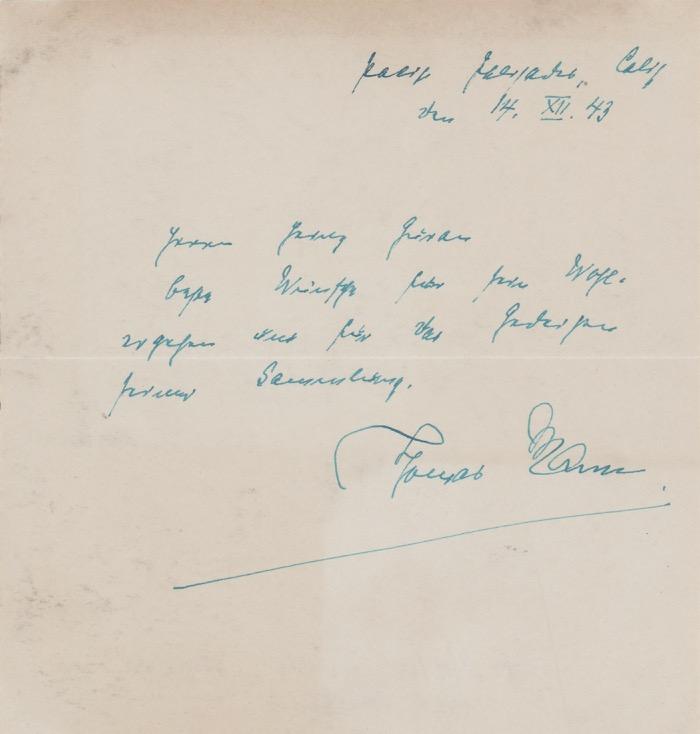
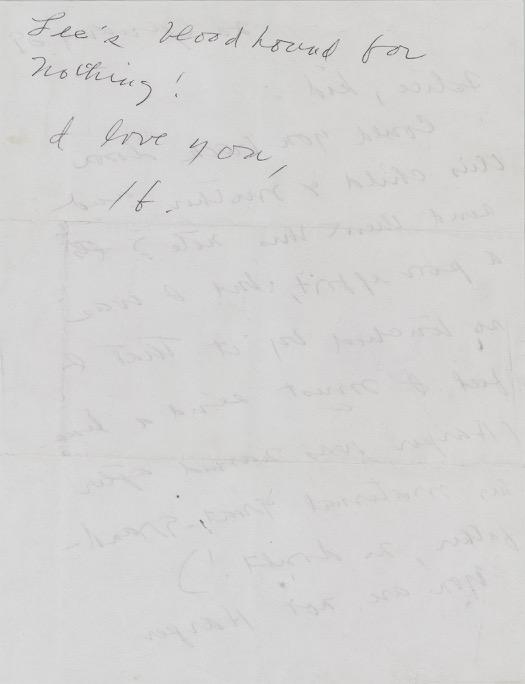
504. Harper Lee Autograph Letter Signed: "You are not
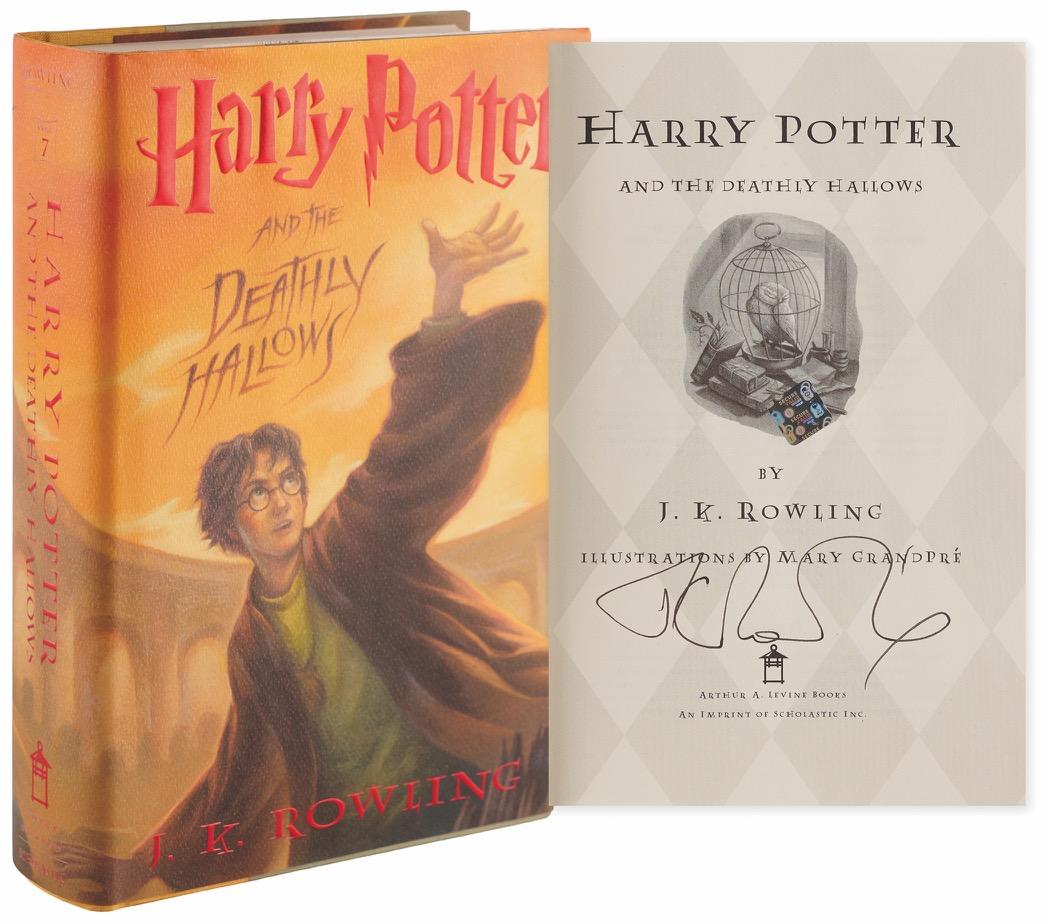
509. J.
Rowling Signed Book - Harry Potter and the Deathly Hallows Starting Bid $200
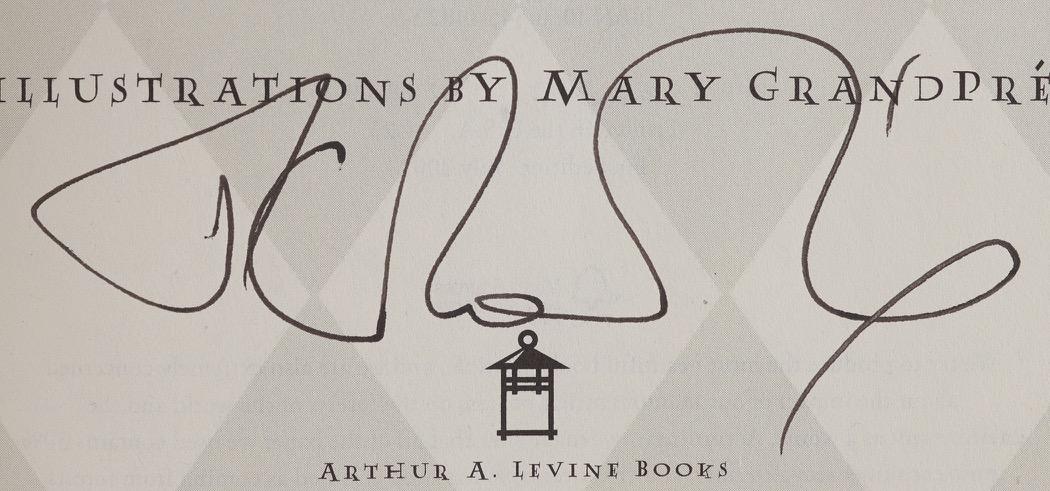
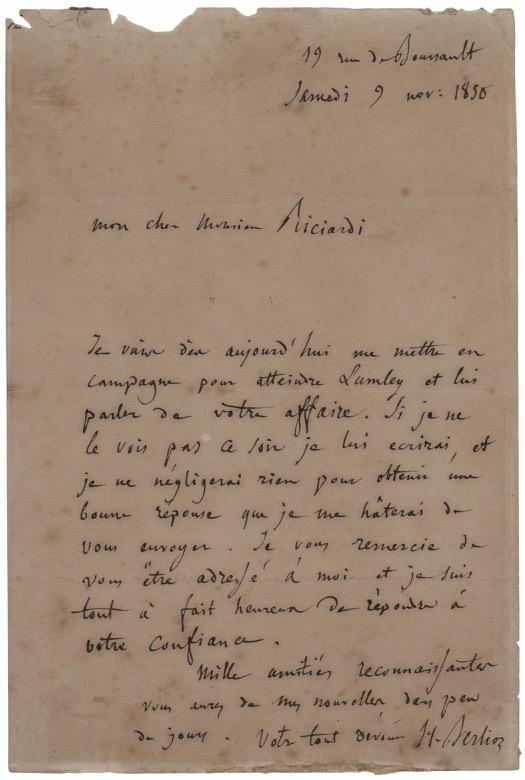
533.
505. Mark Lemon Autograph Letter Signed Starting Bid $200
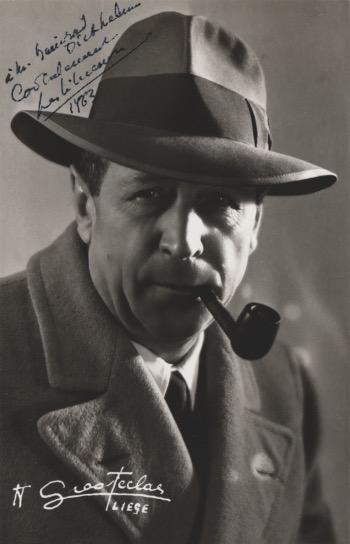
510. Georges
Signed Photograph Starting Bid $200
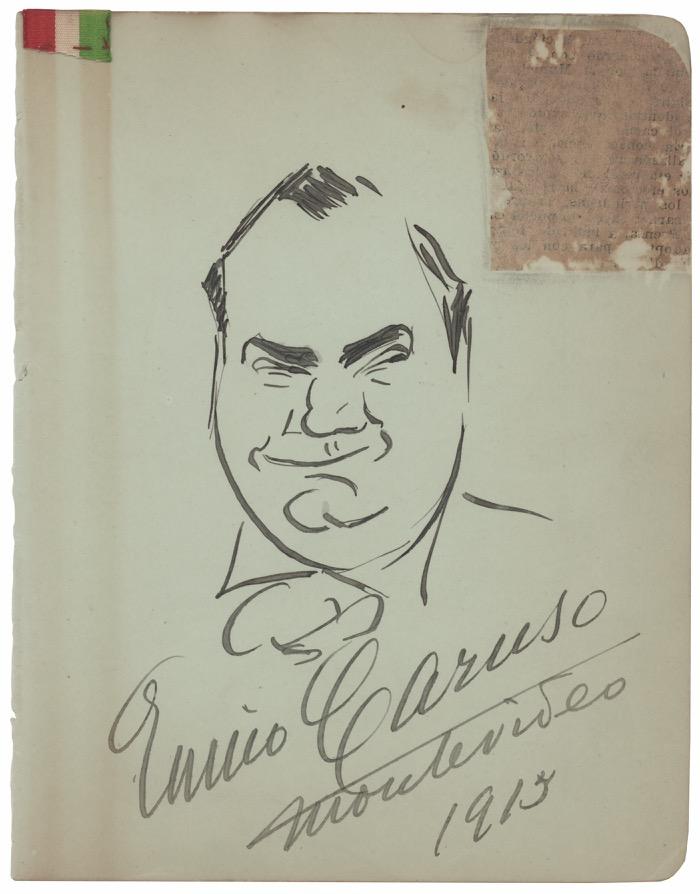
534.
506. Thomas Mann Autograph Letter Signed Starting Bid $200
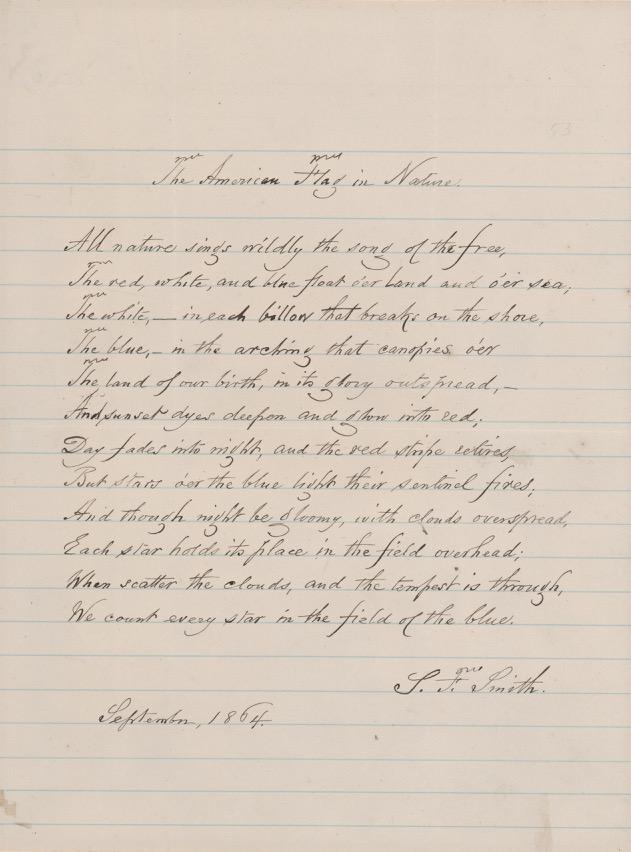
511.
535.
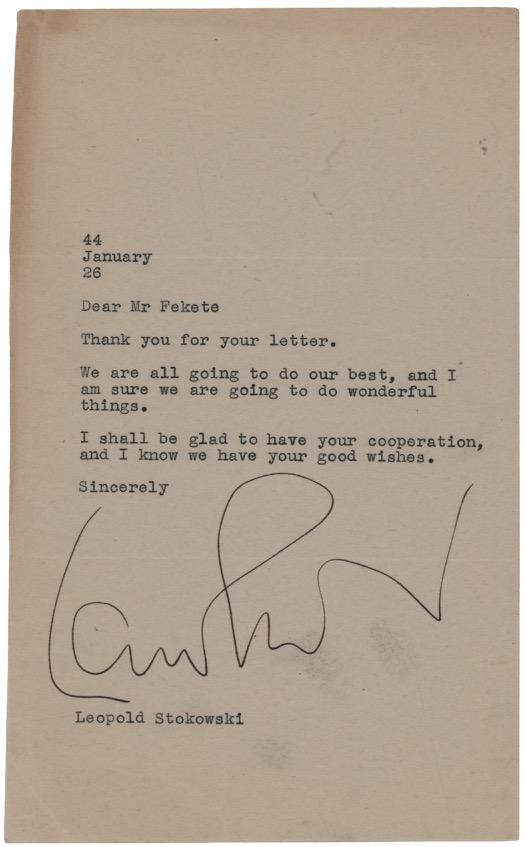
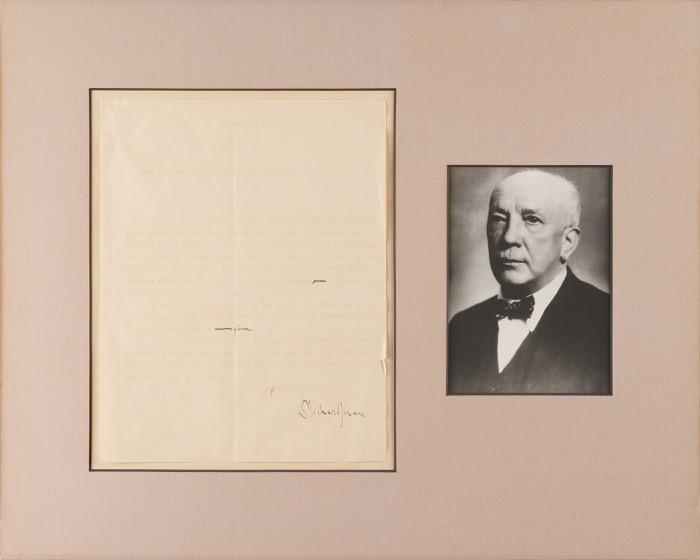
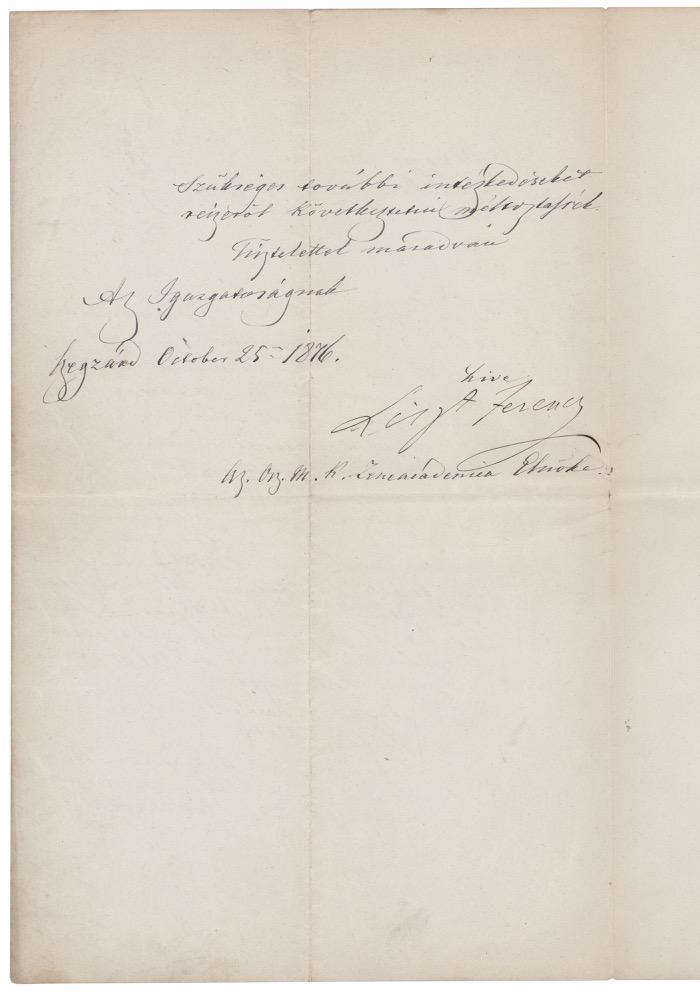
536. Franz Liszt Letter Signed, Recommending Stipends for Talented Stu...
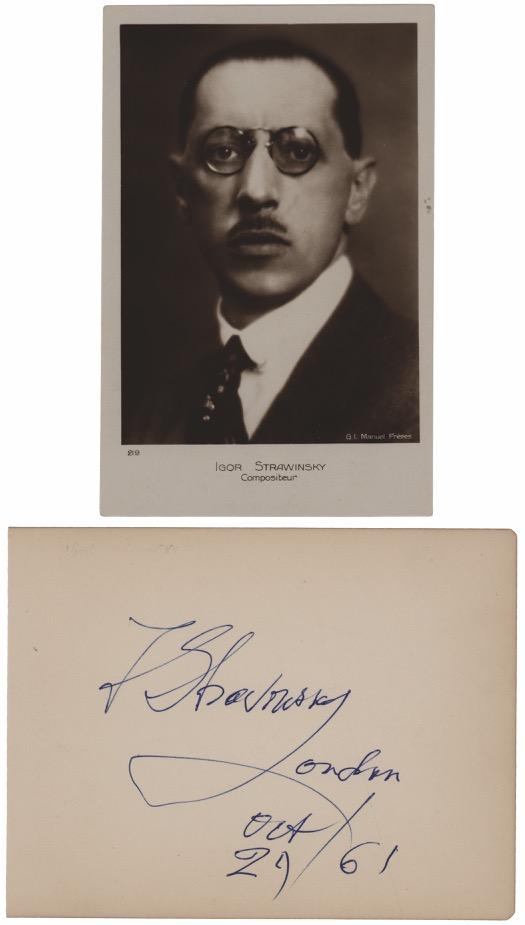
540. Igor Stravinsky Signature Starting Bid $200
544.
537. Giacomo Puccini Autographed Letter Signed on Madame Butterfly
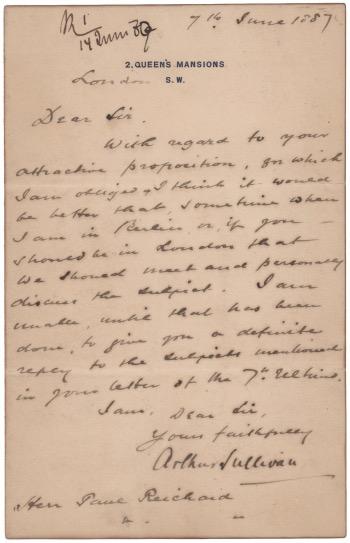
541.
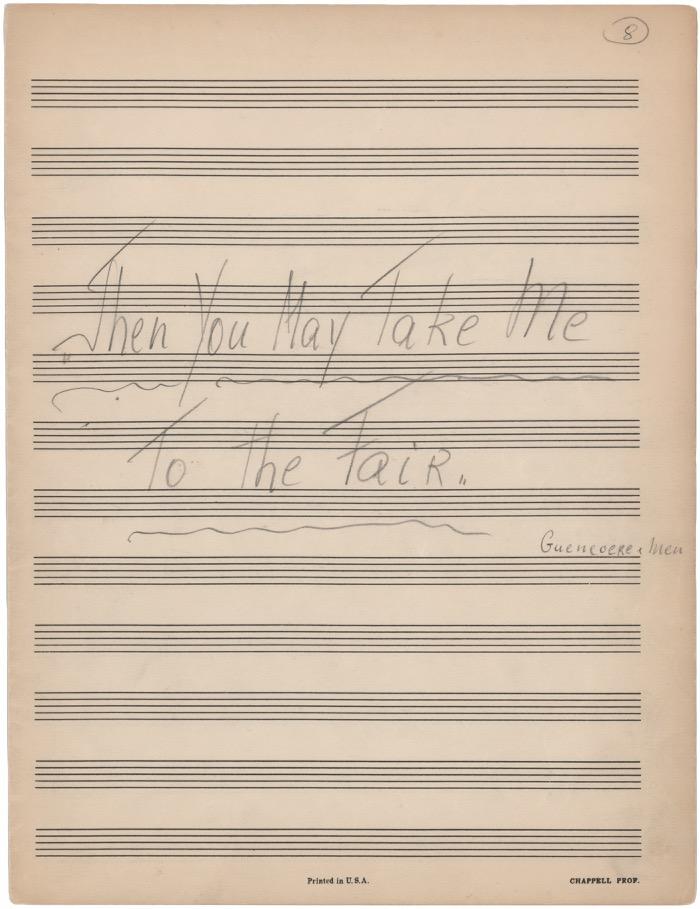
545.
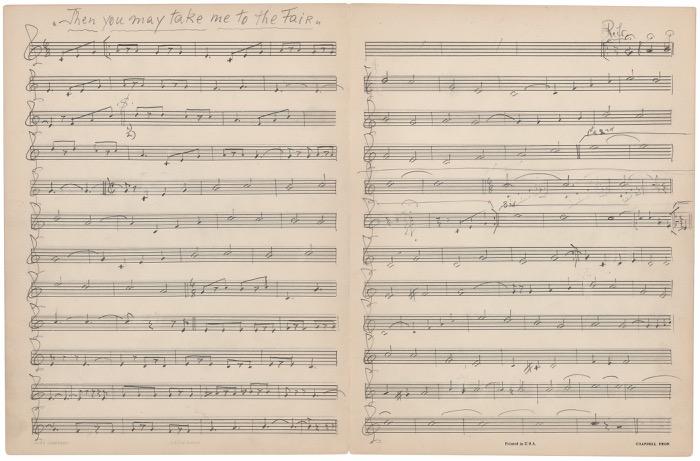
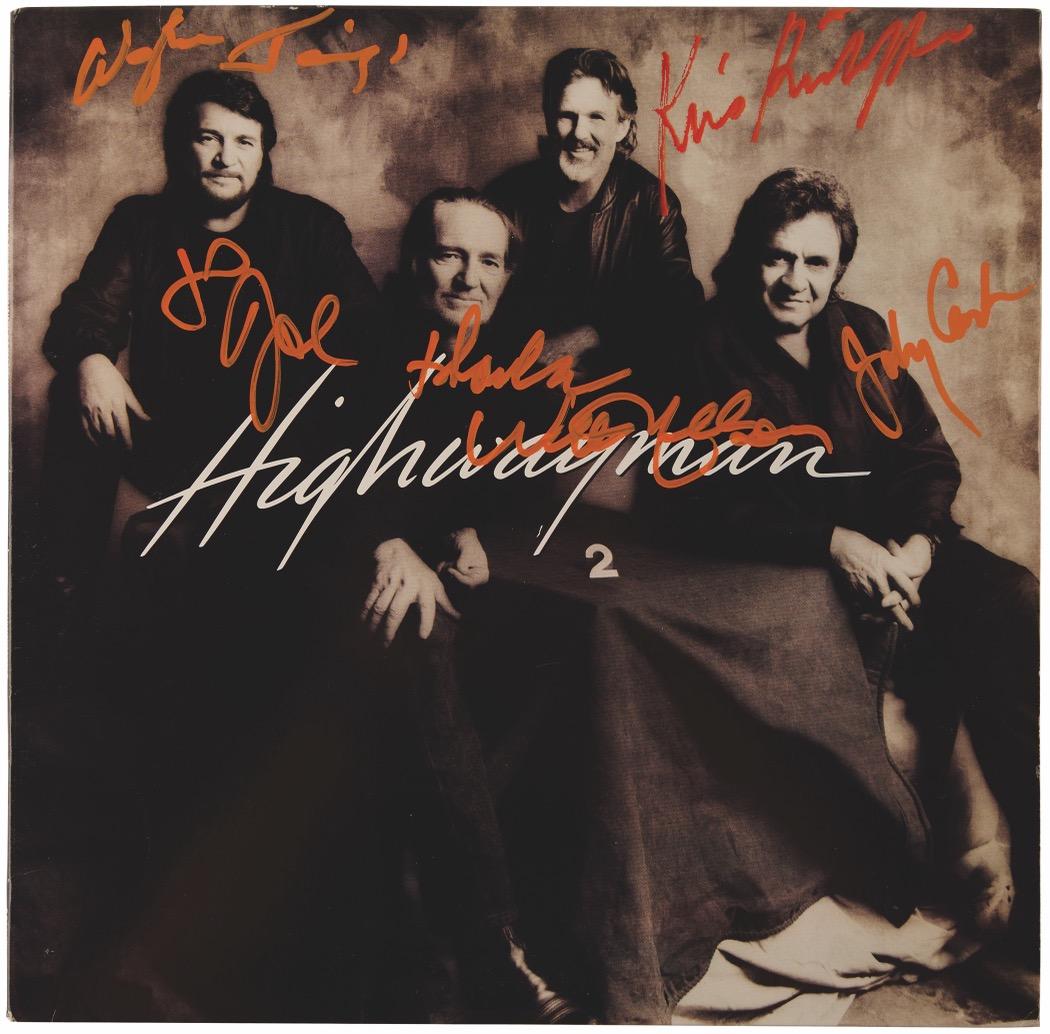
538. Leopold Stokowski Typed Letter Signed Starting Bid $200
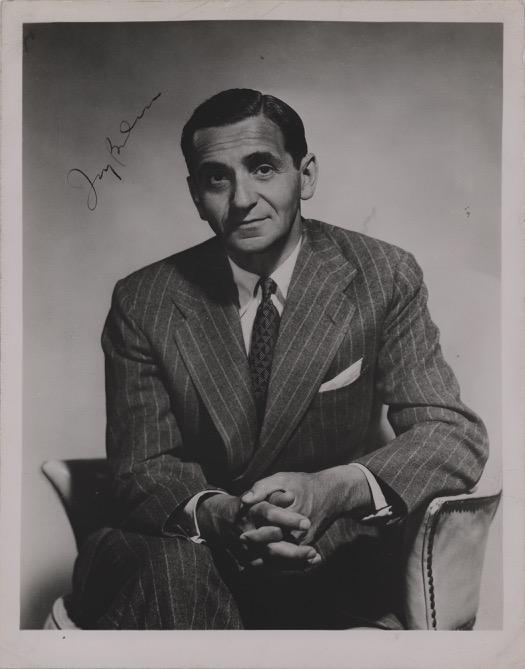
542.
539.
543.
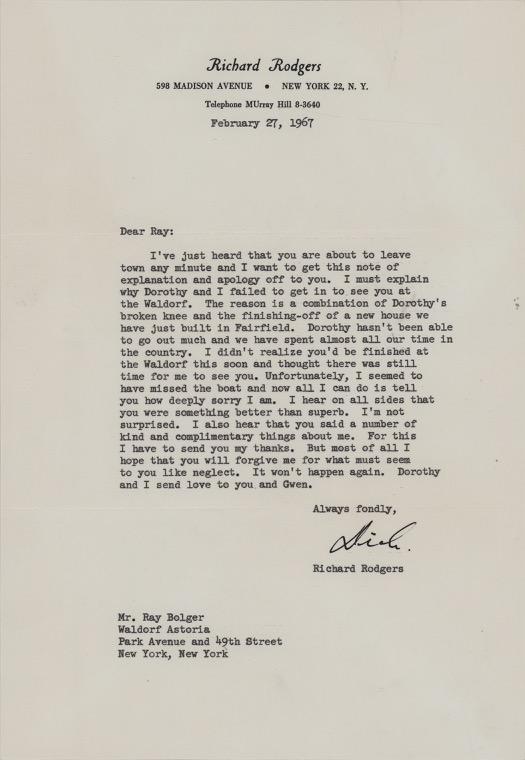
546.
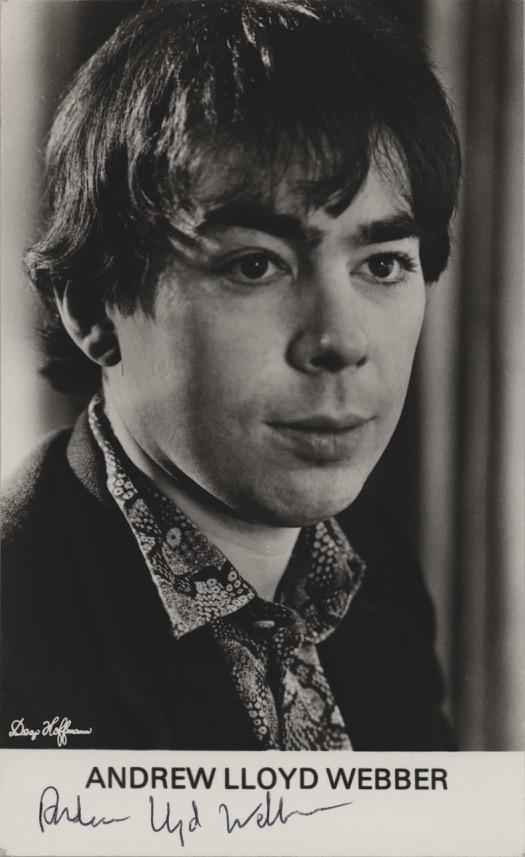
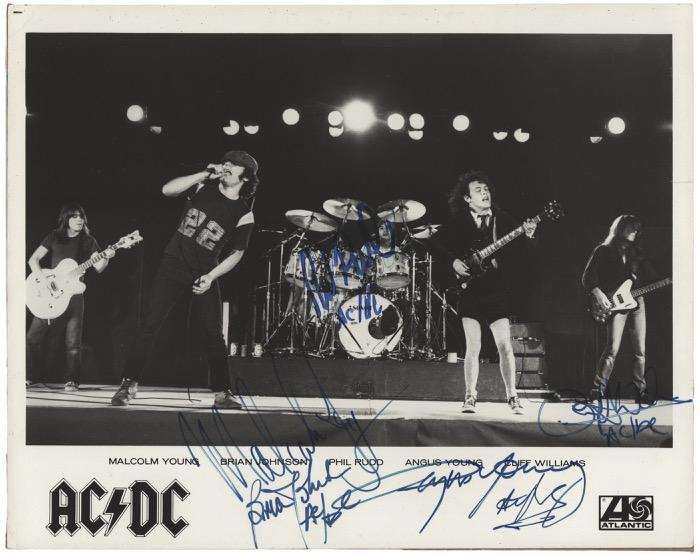
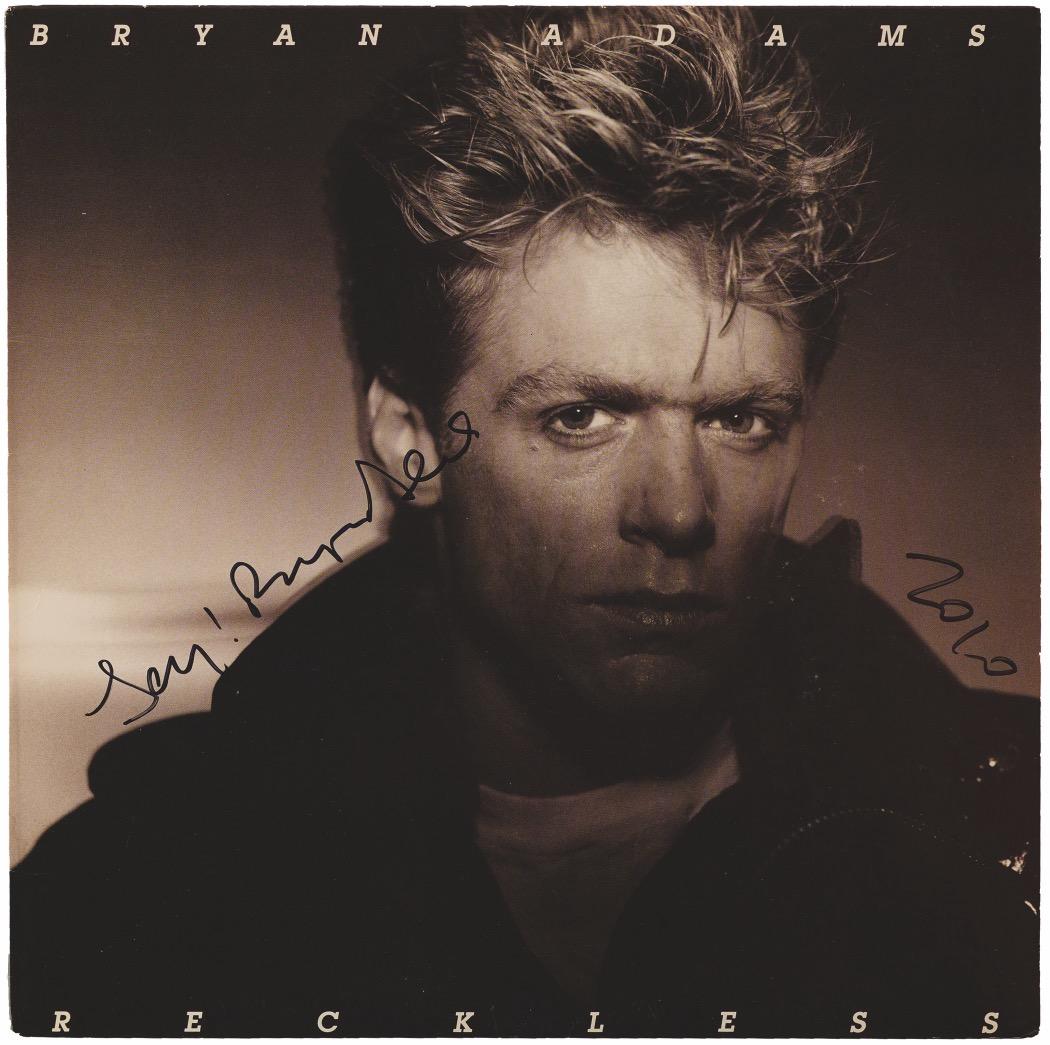
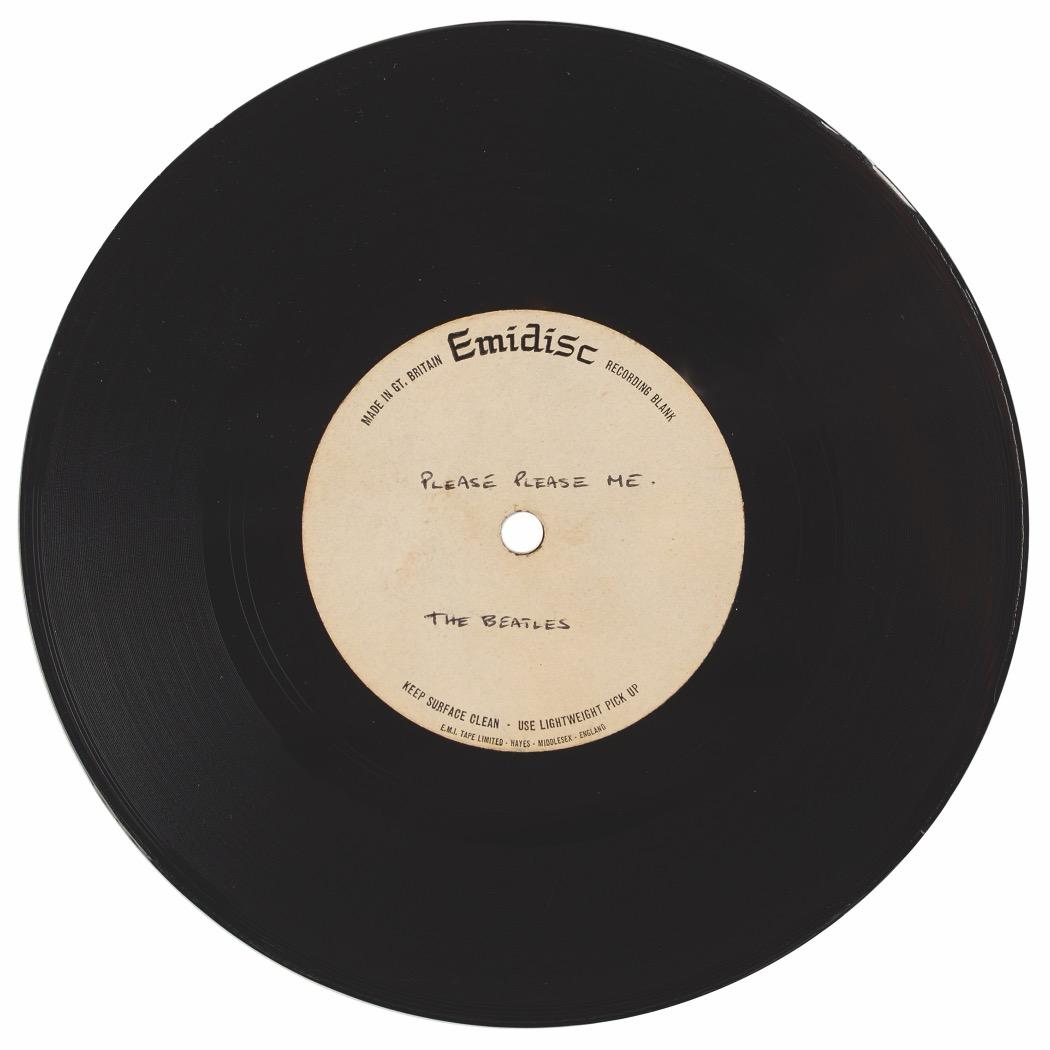
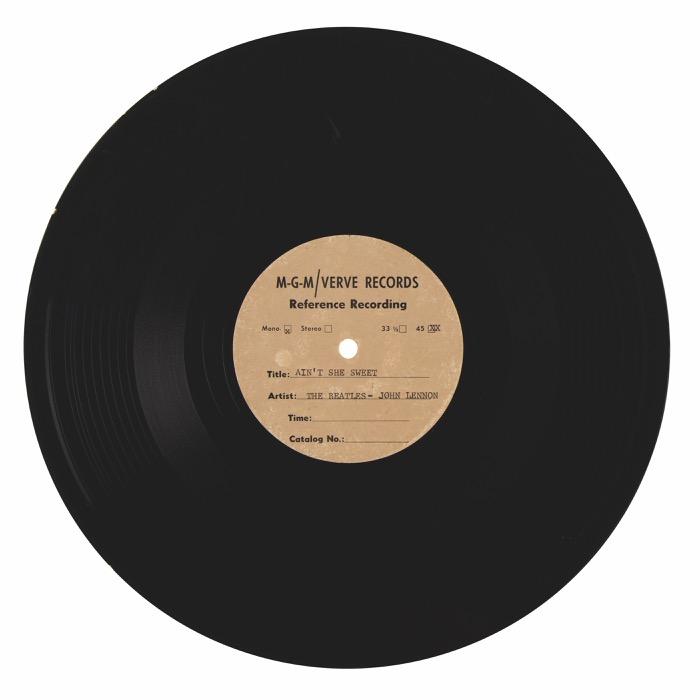
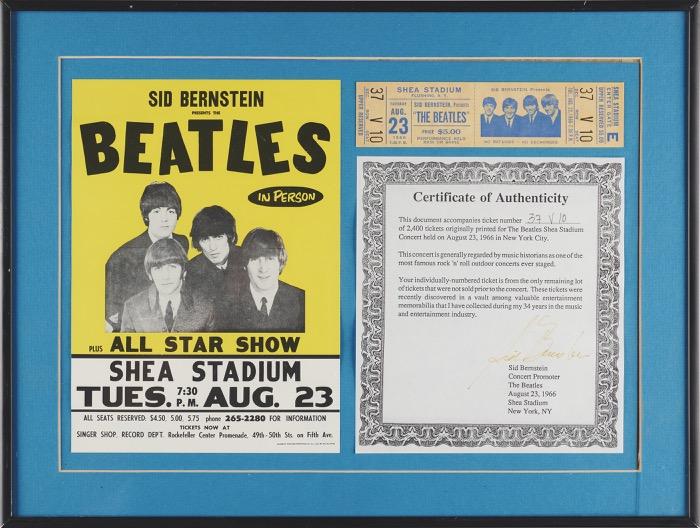
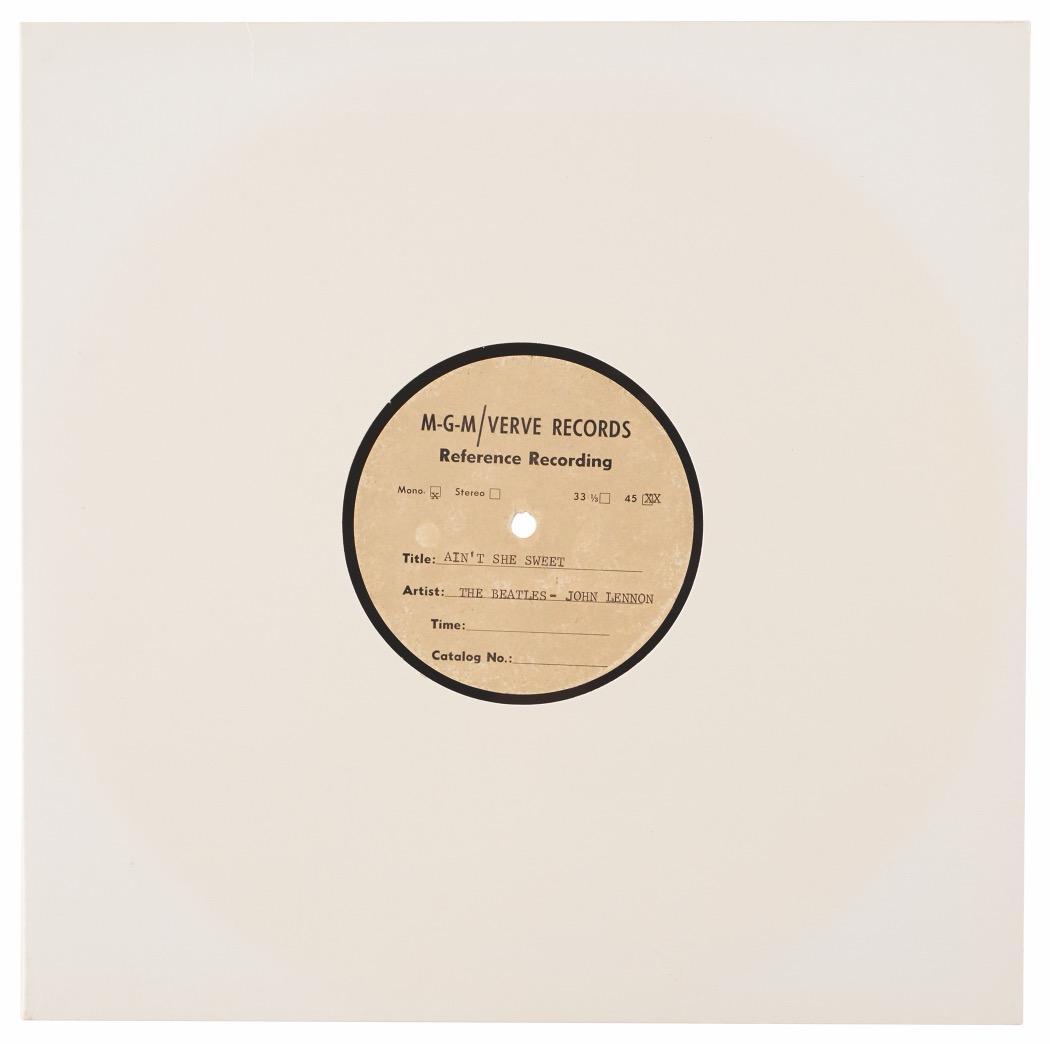
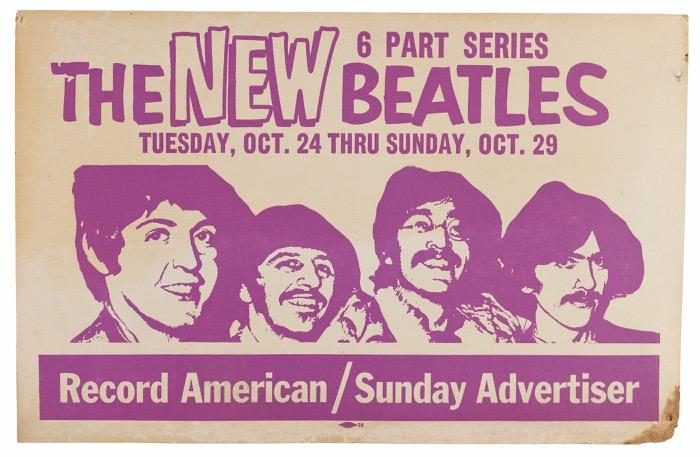
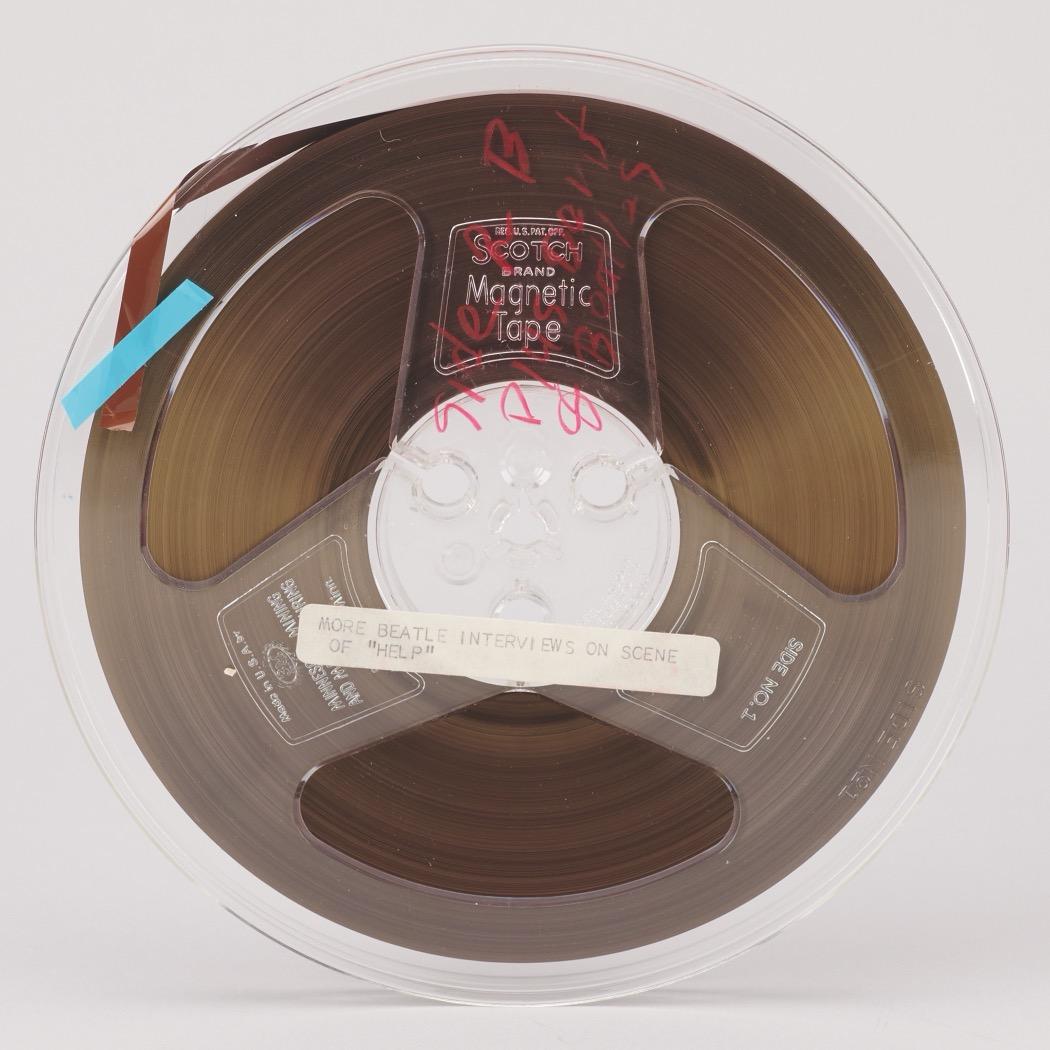
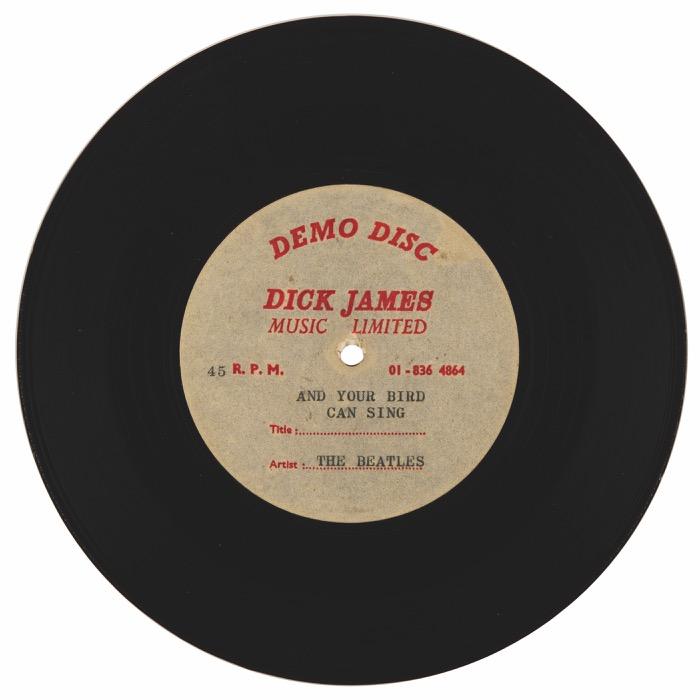
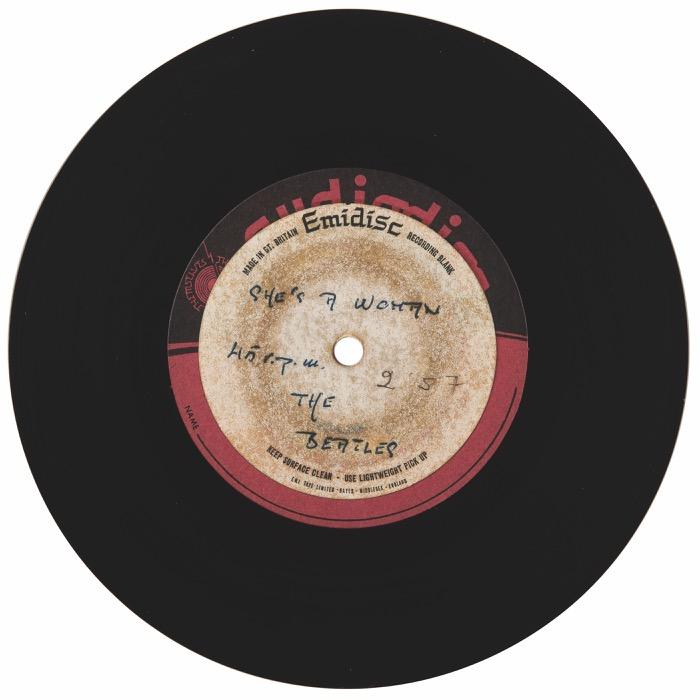
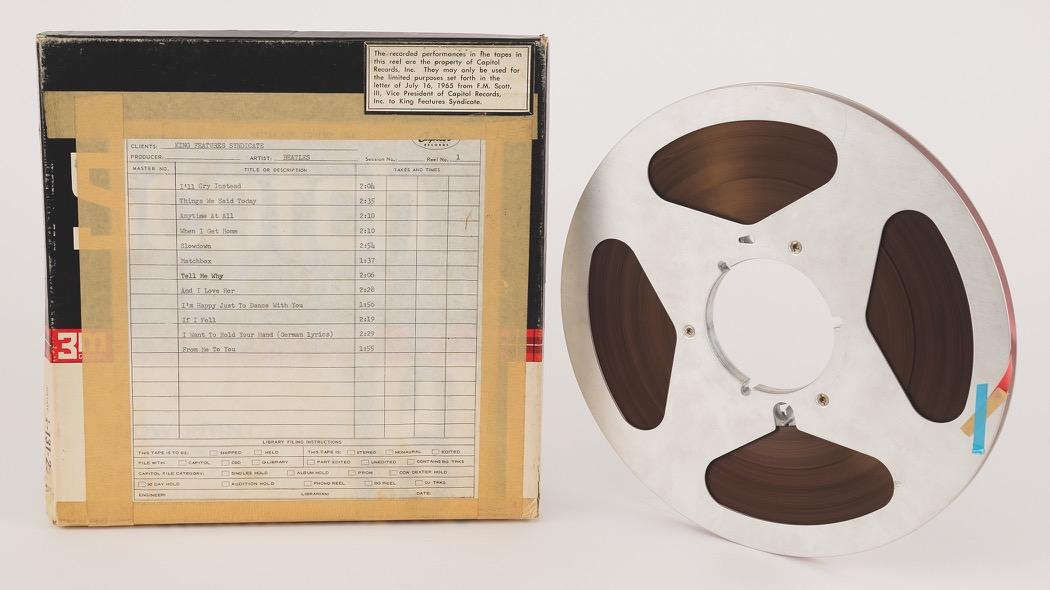
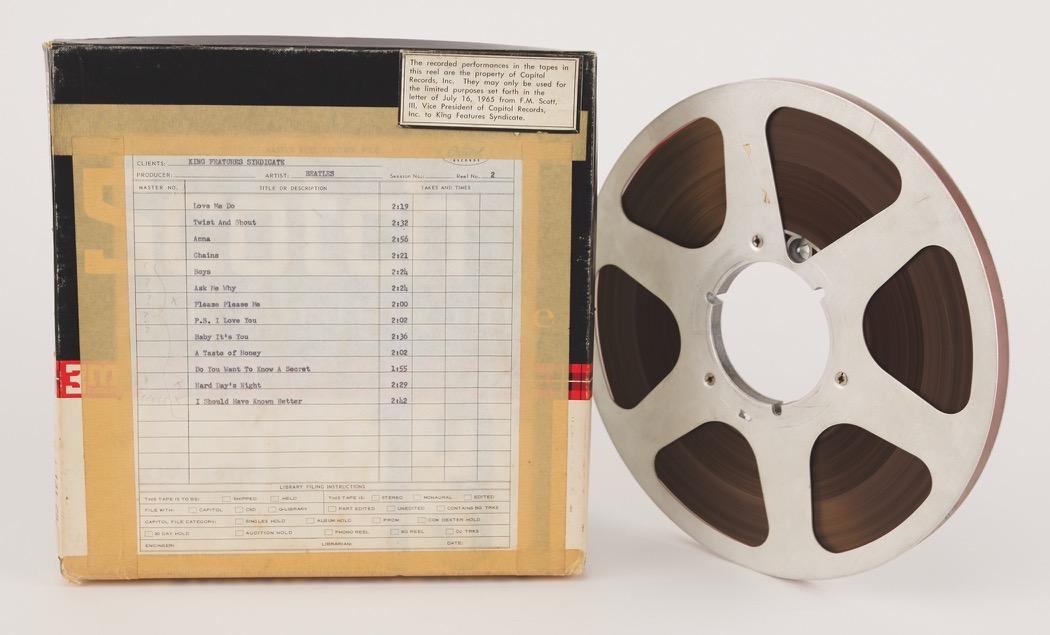
568. Beatles US Capitol Records Master Tape Reel for Something New, Pr... Starting Bid $200

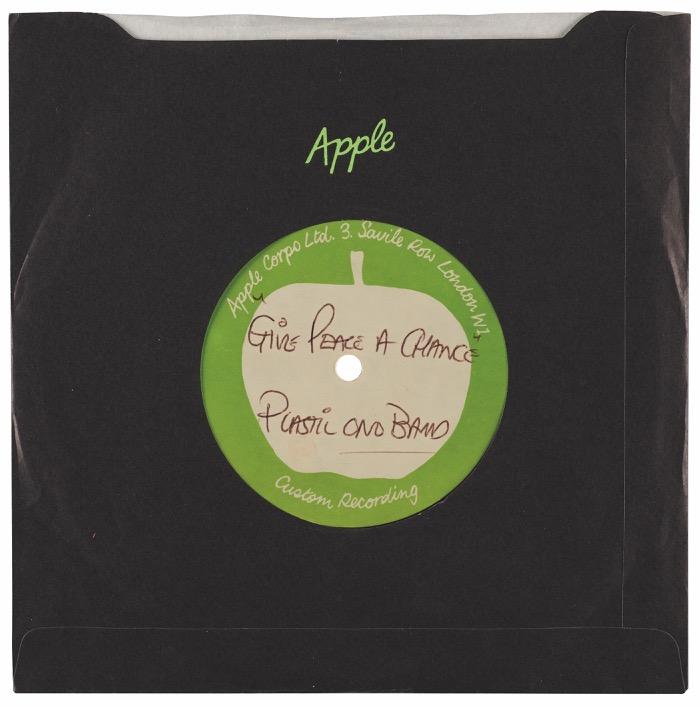
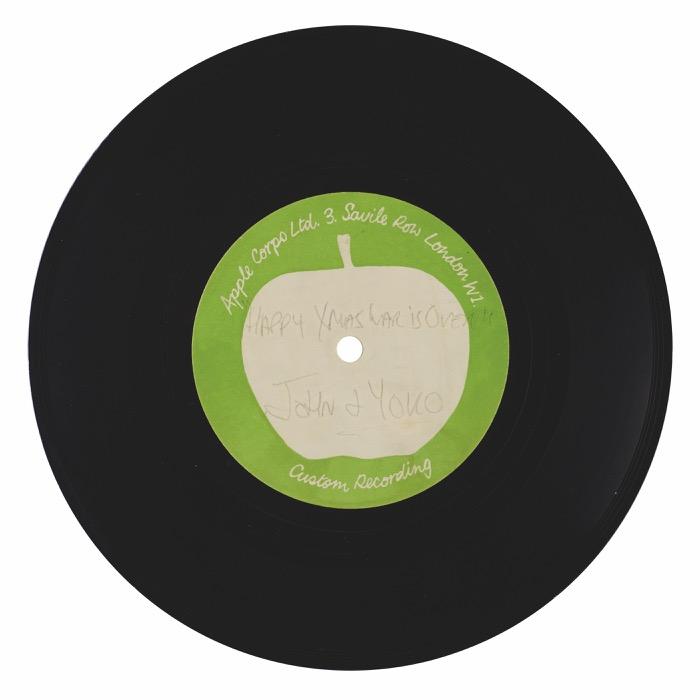
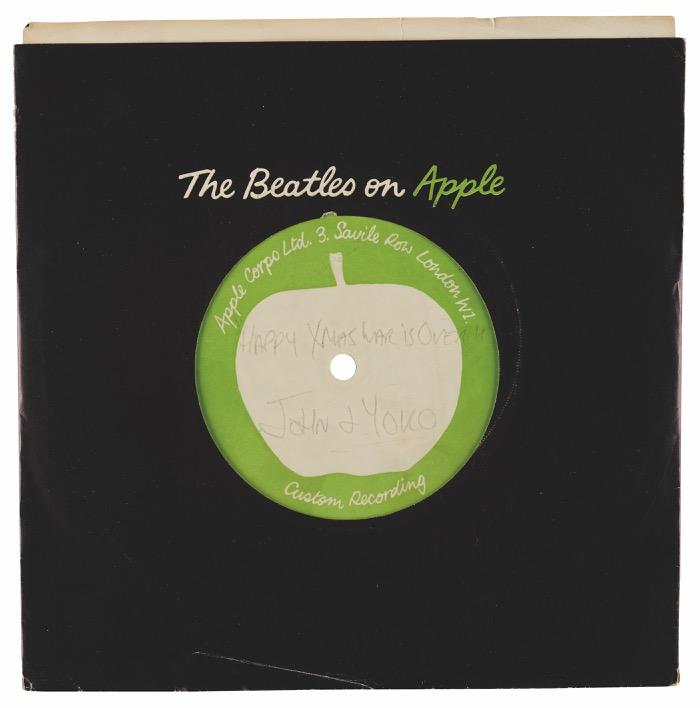
569. Beatles US Capitol Records Master Tape Reel for The Early Beatles... Starting Bid $200
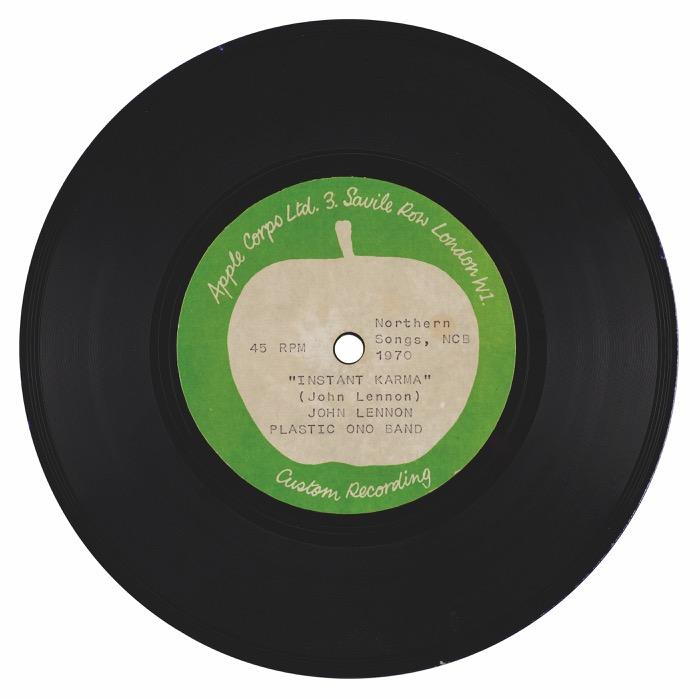
573. Beatles: John Lennon Apple Records Mono Acetate for "Instant Karm... Starting Bid $200
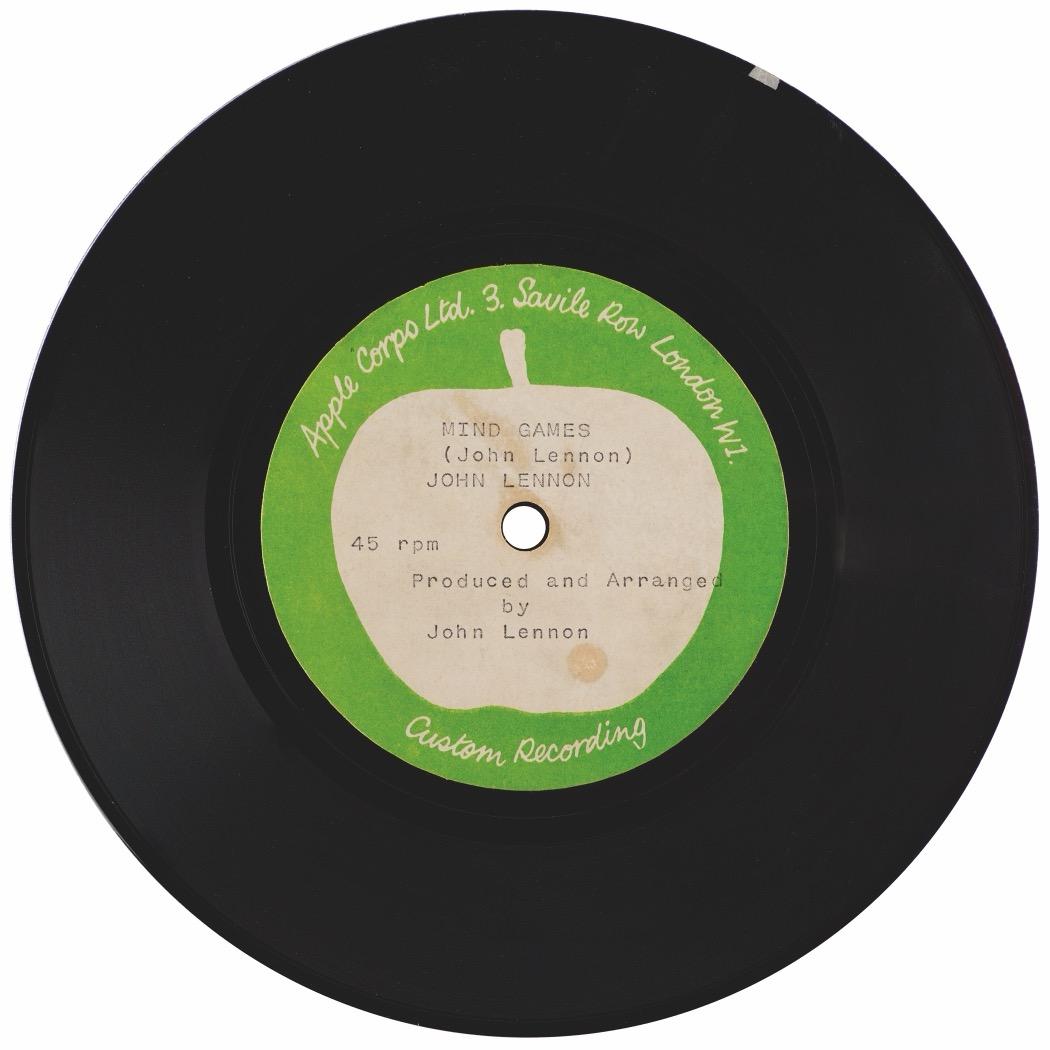
577.
Apple Records Mono Acetate for "Mind Games" ... Starting Bid $200
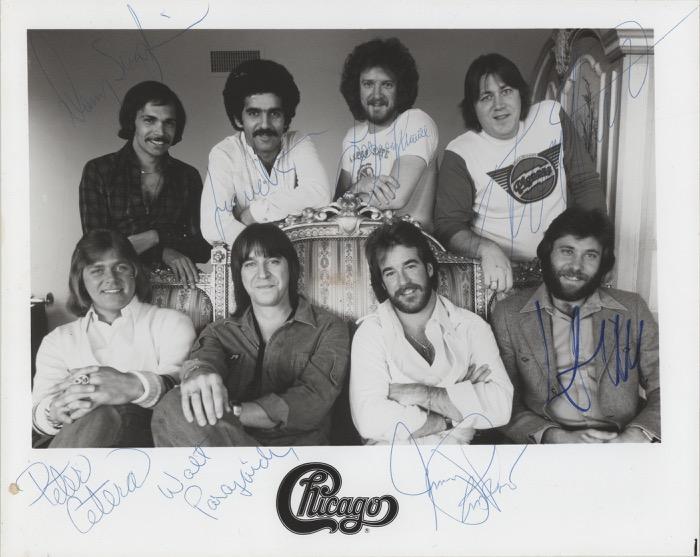
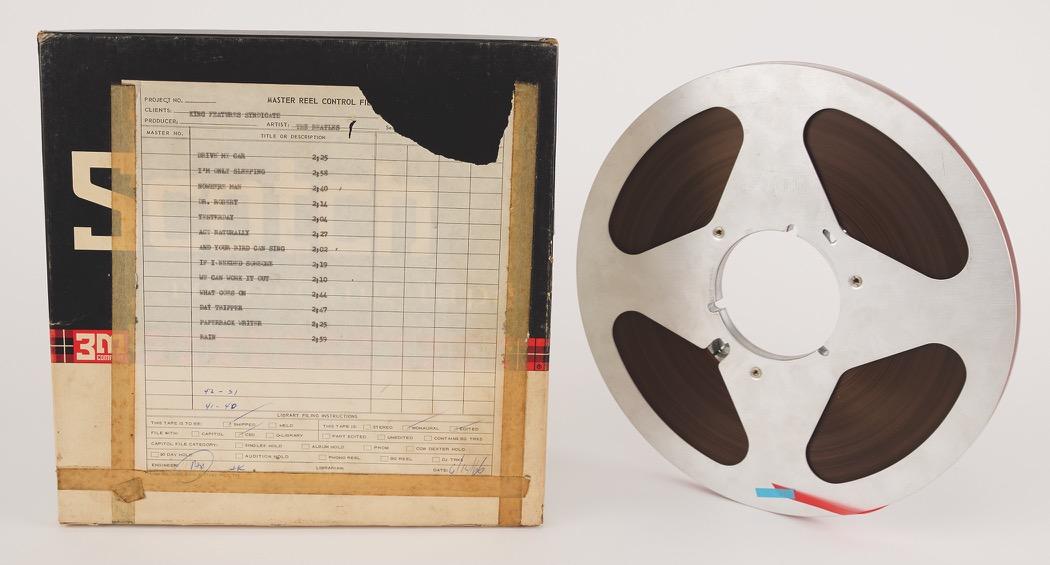
570. Beatles US Capitol Records Master Tape Reel for Yesterday and Tod... Starting Bid $200
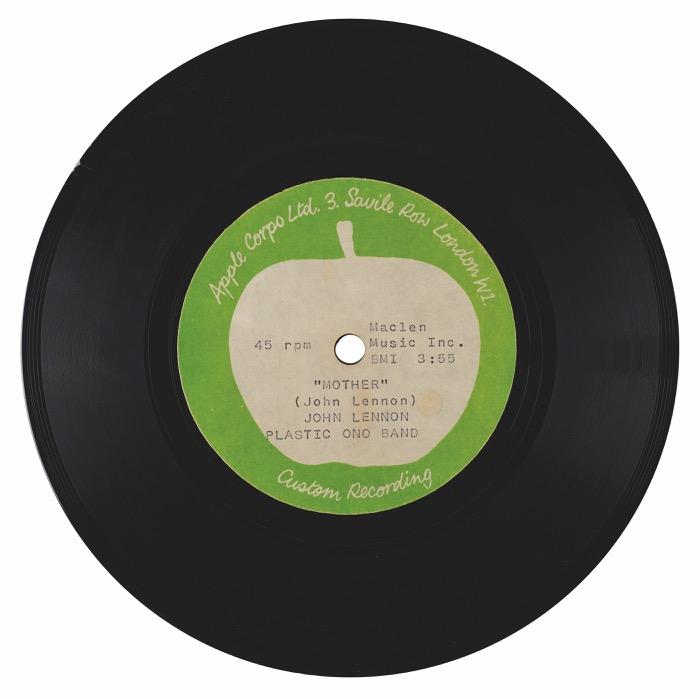
574.
John Lennon Apple Records Mono Acetate for "Mother" (197... Starting Bid $200
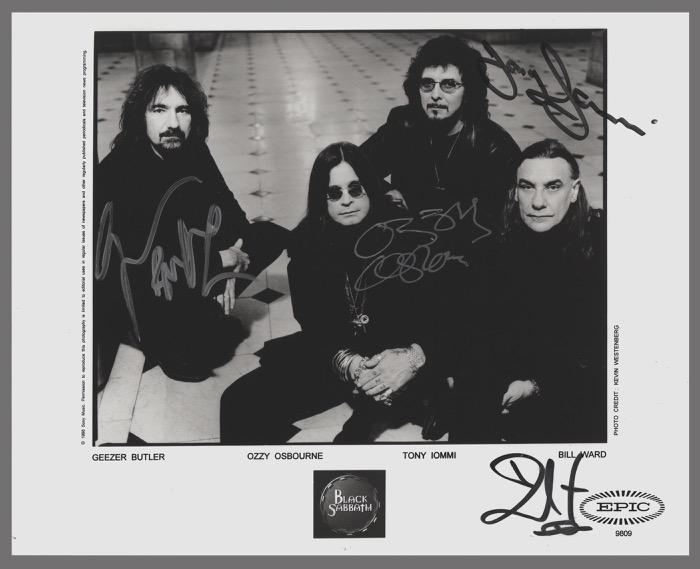
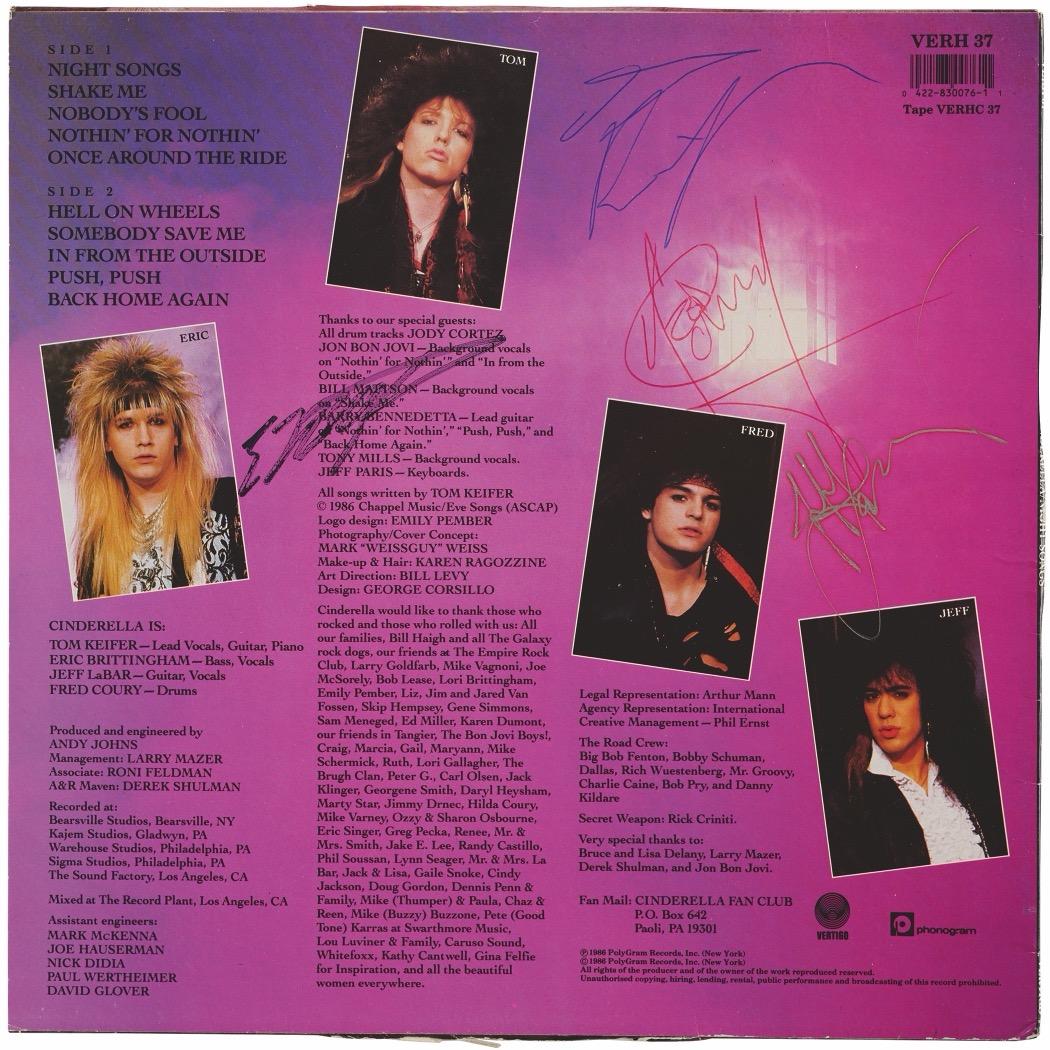
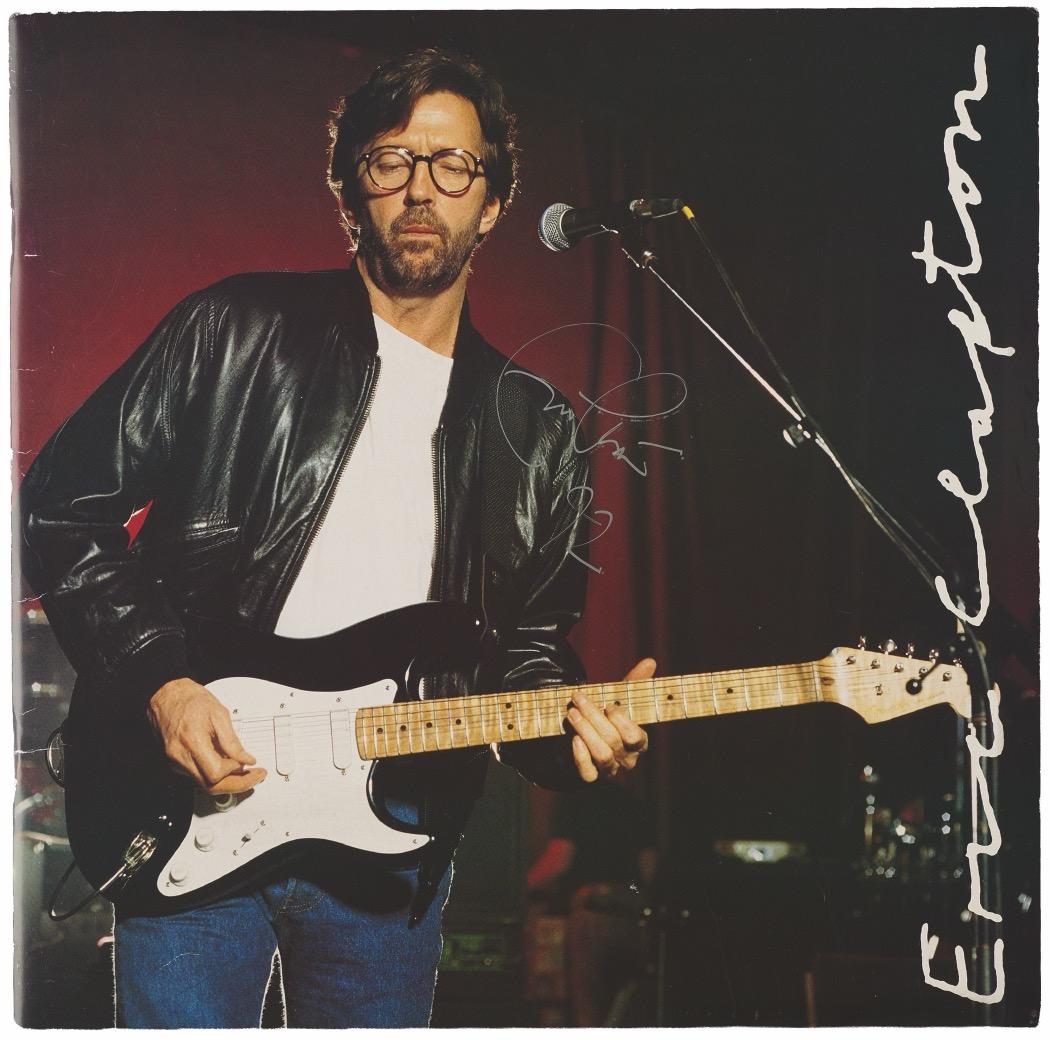
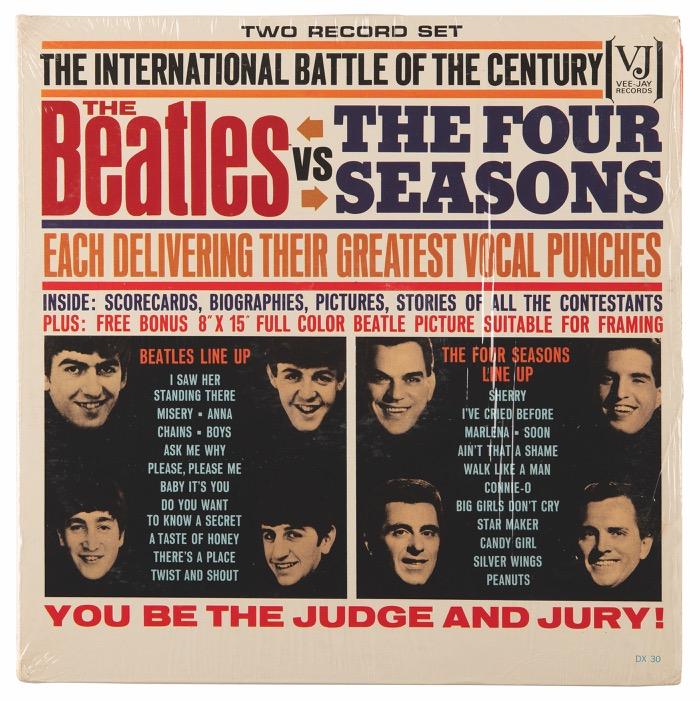
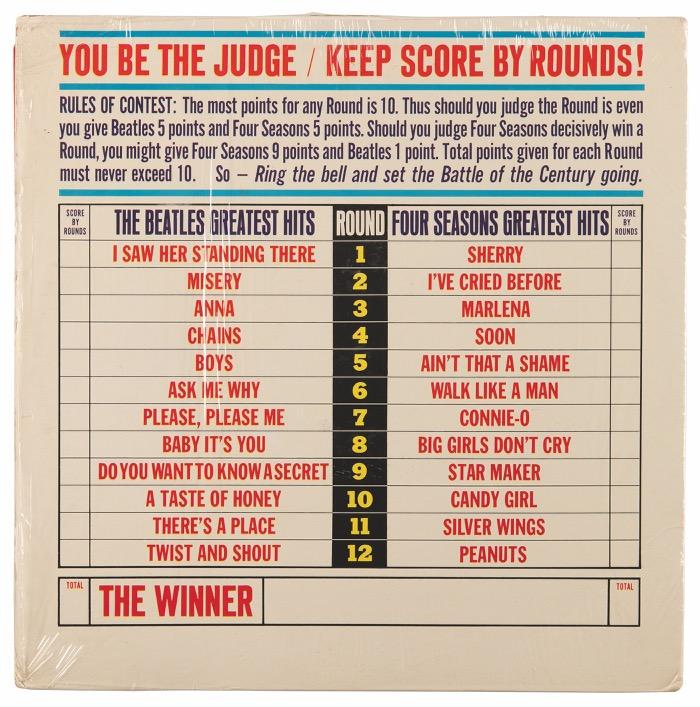
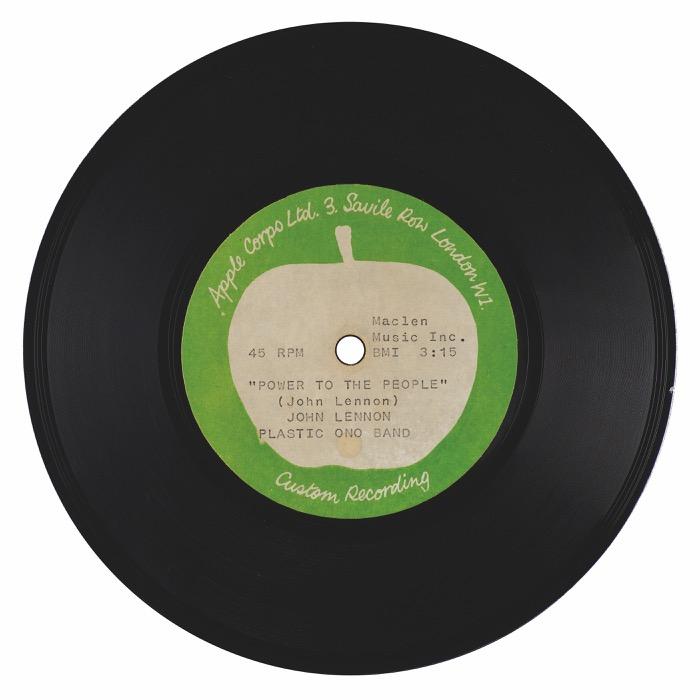
575.
Apple Records Mono Acetate for "Power to the... Starting Bid $200

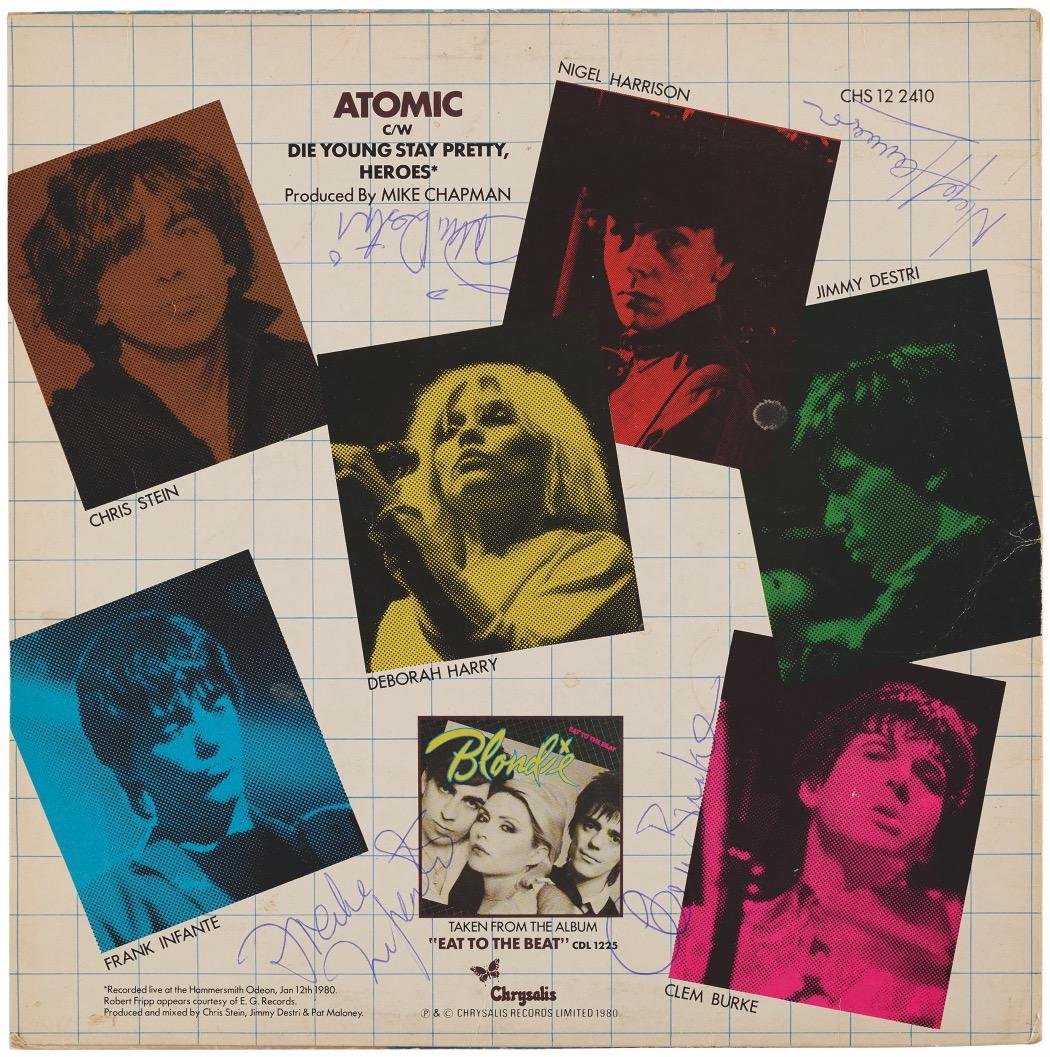
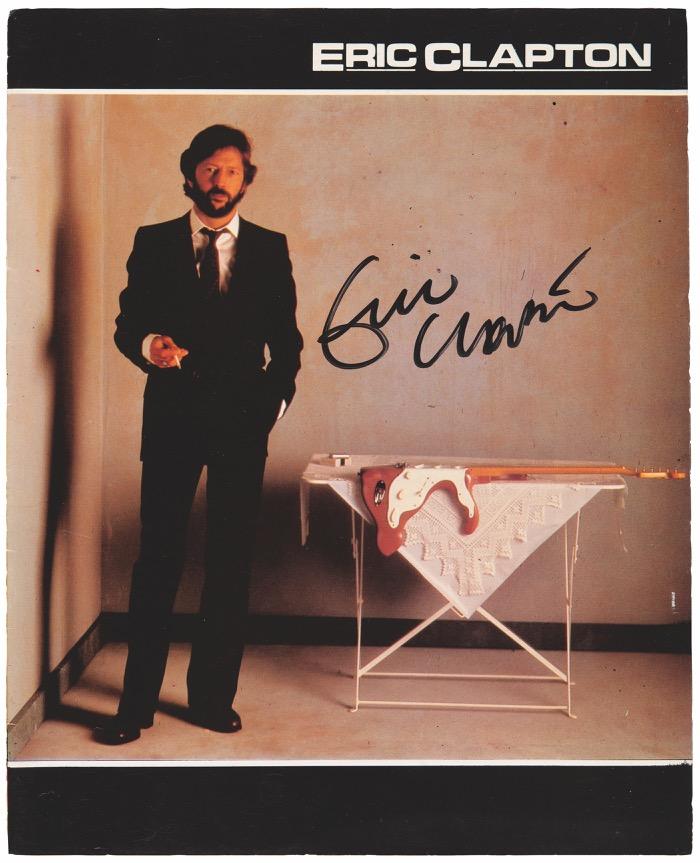

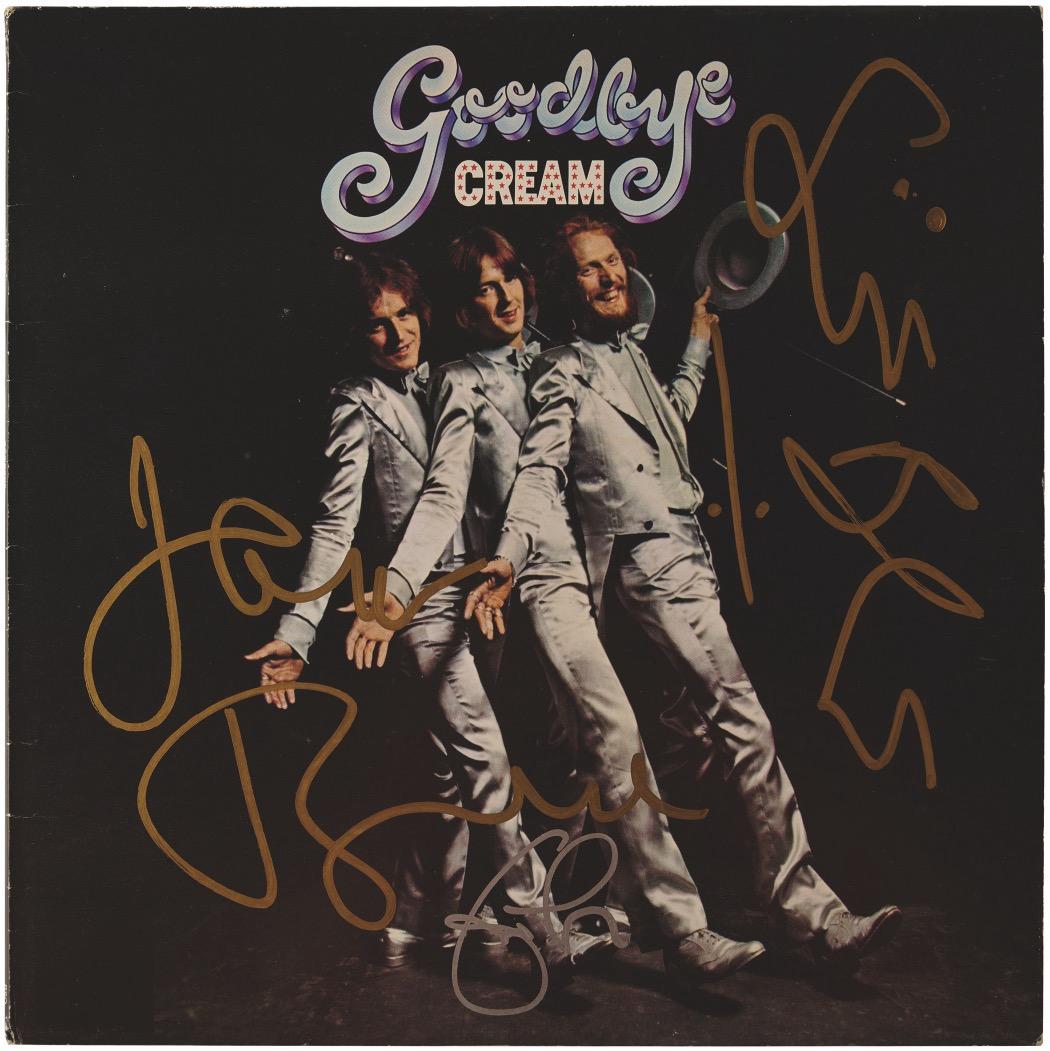
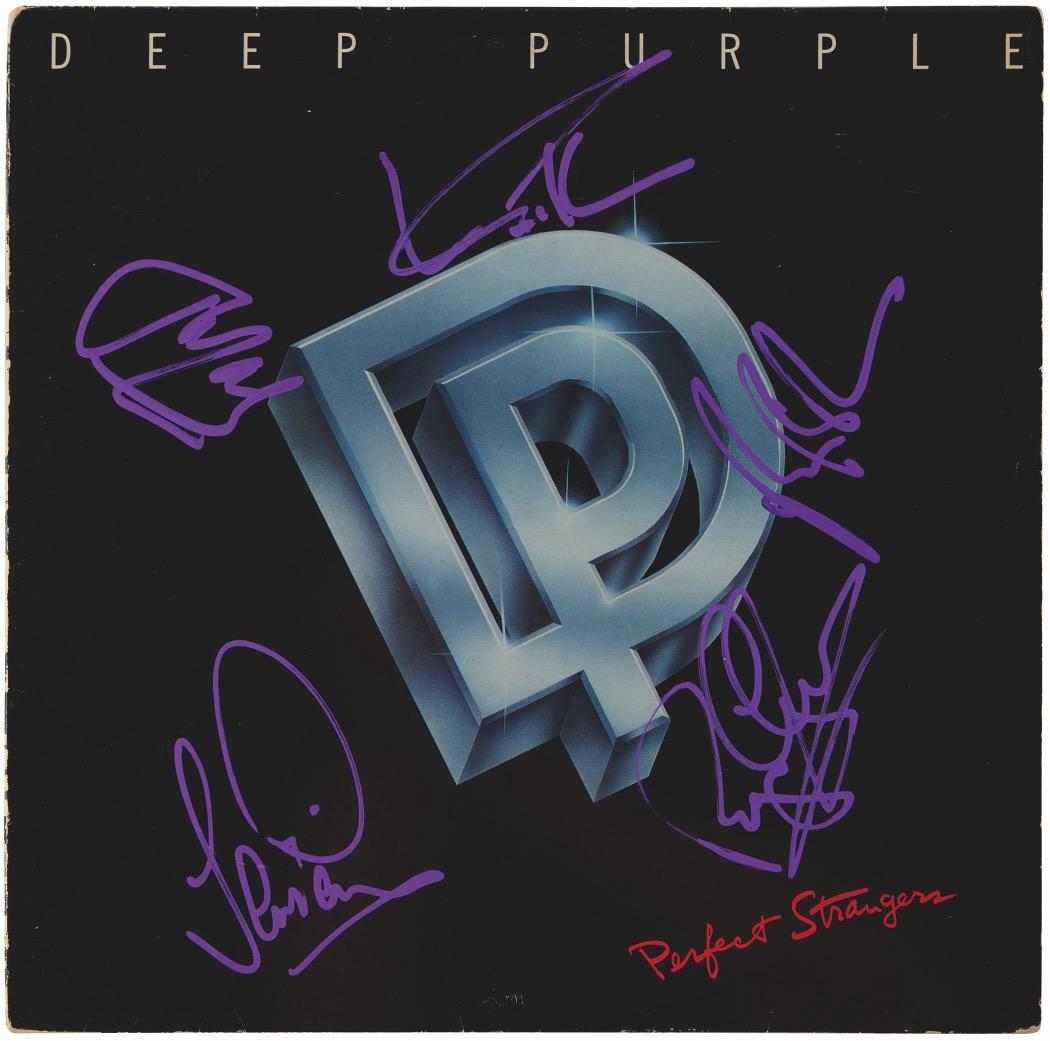
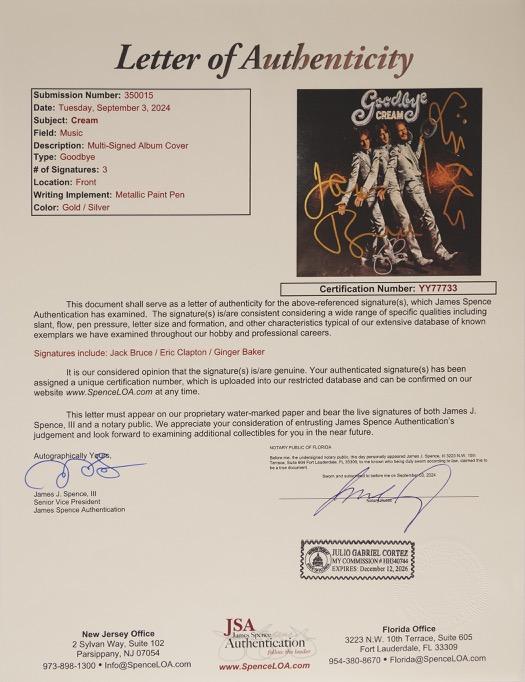
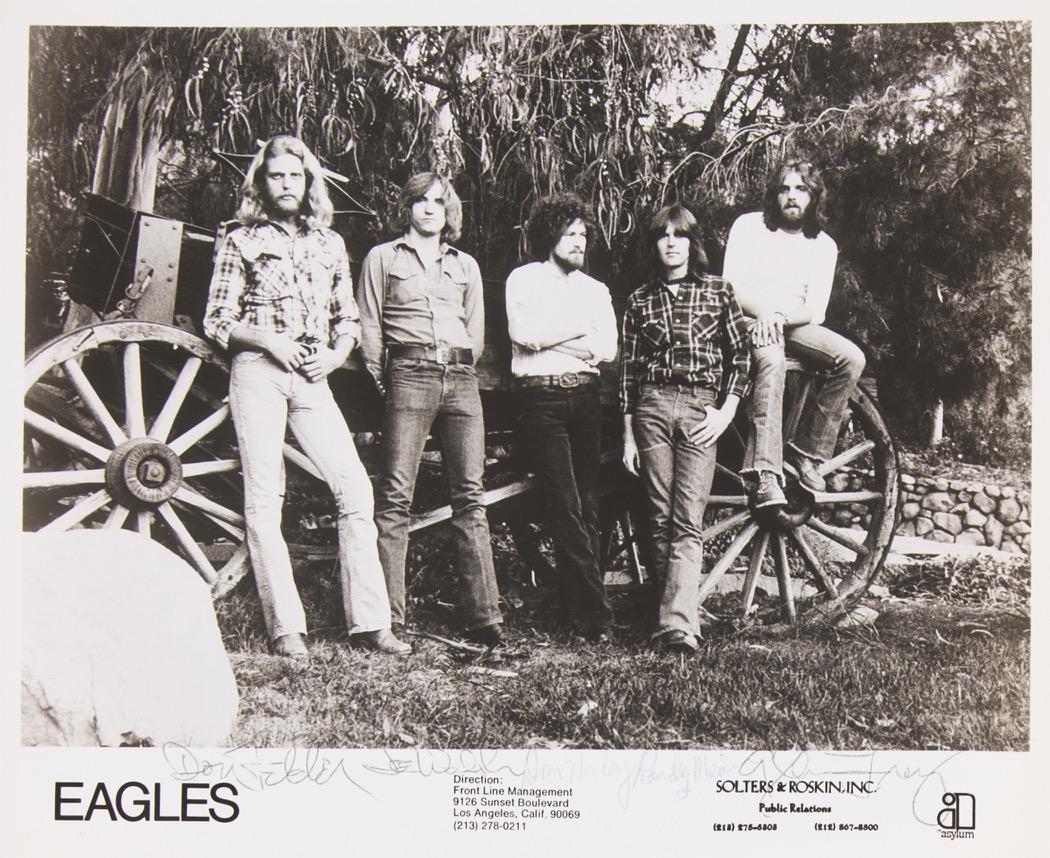
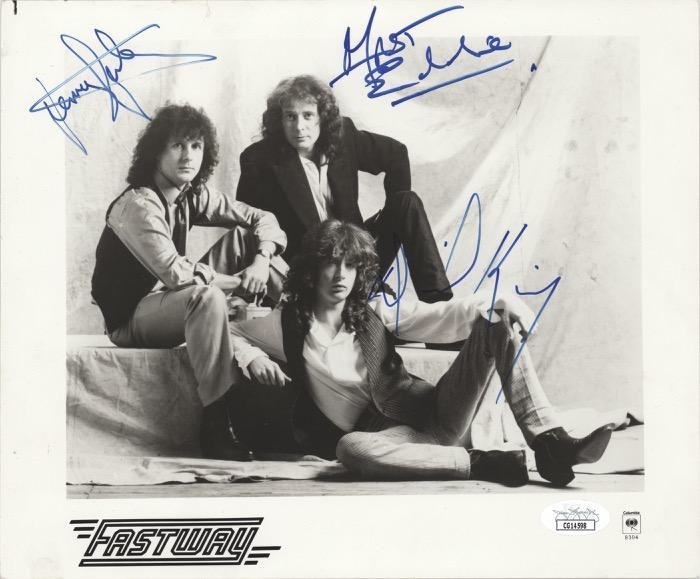
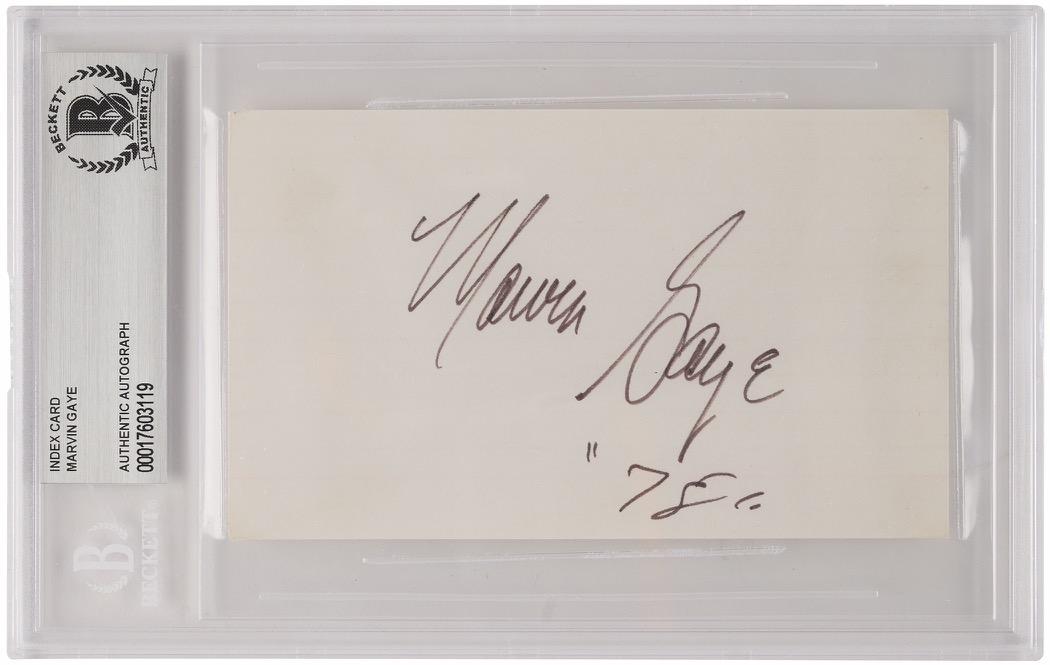
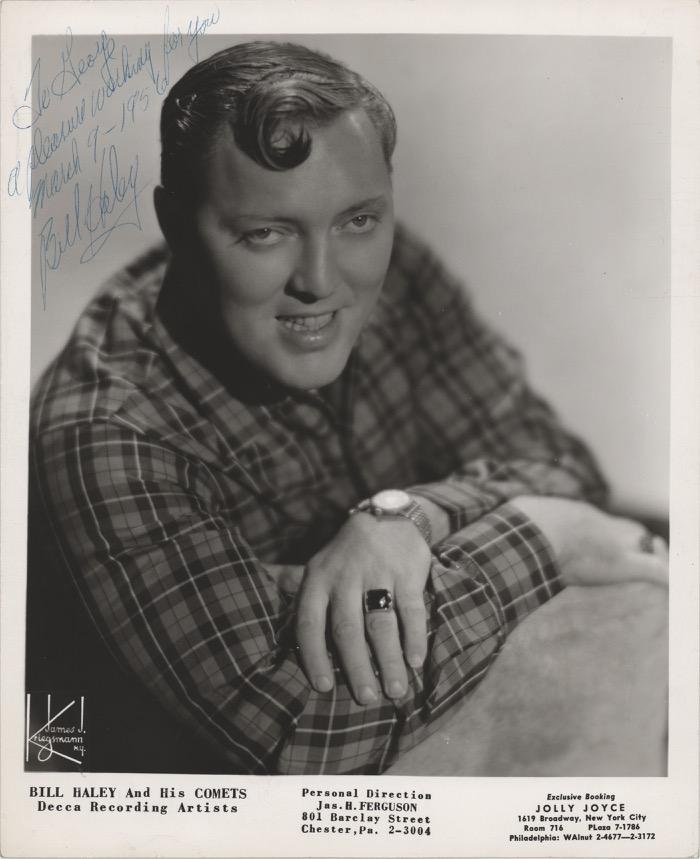
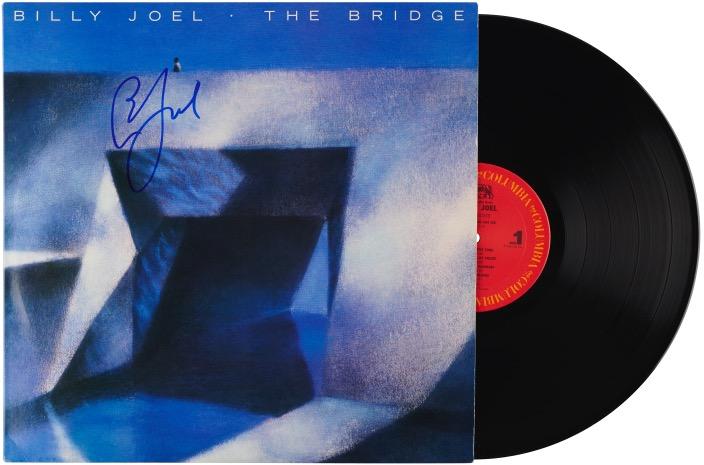
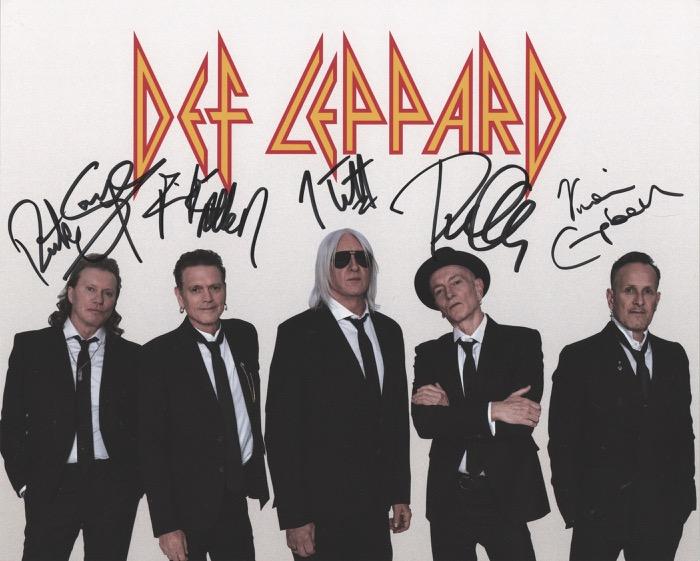
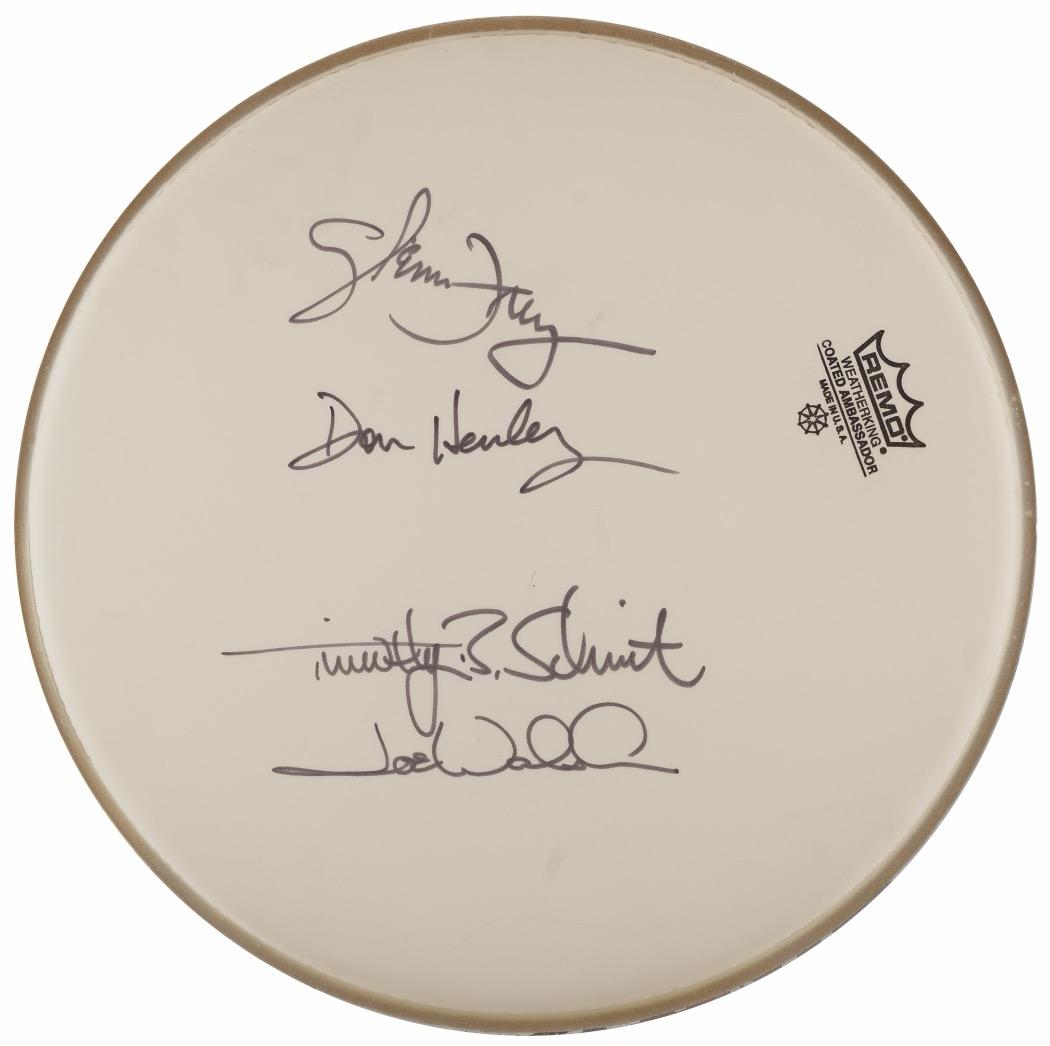
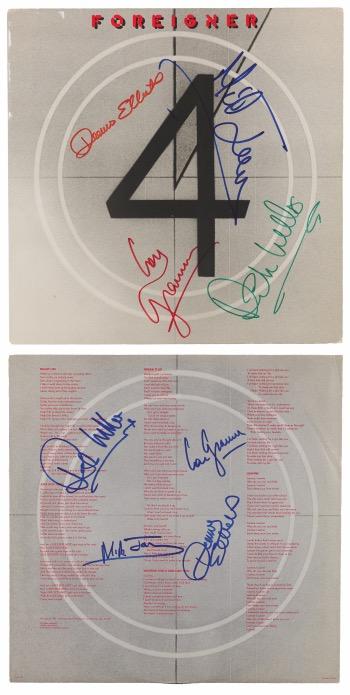
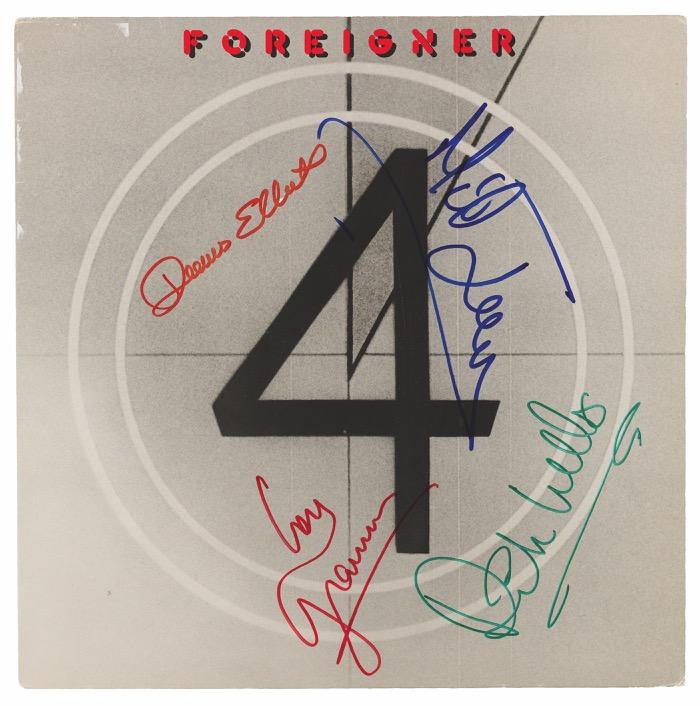
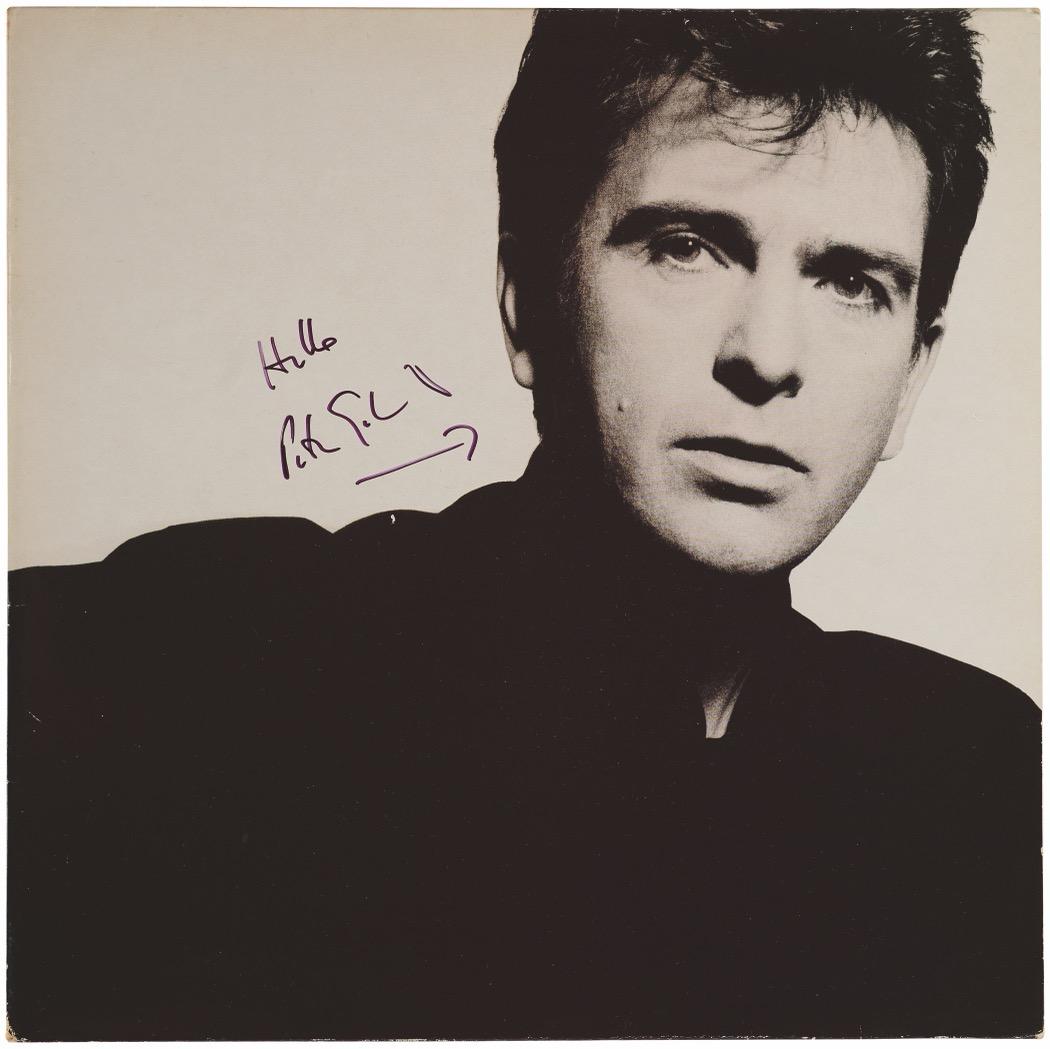
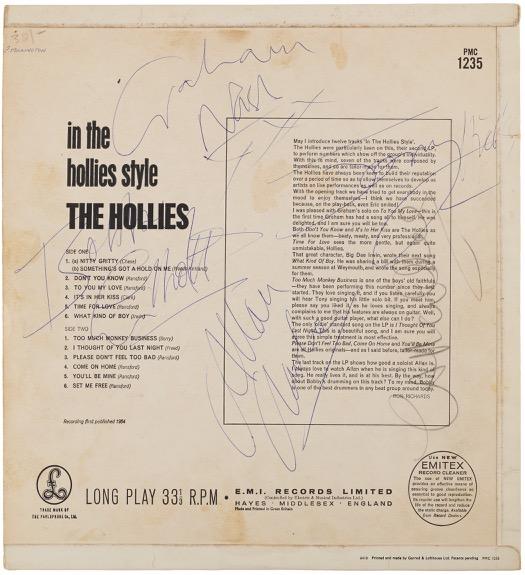
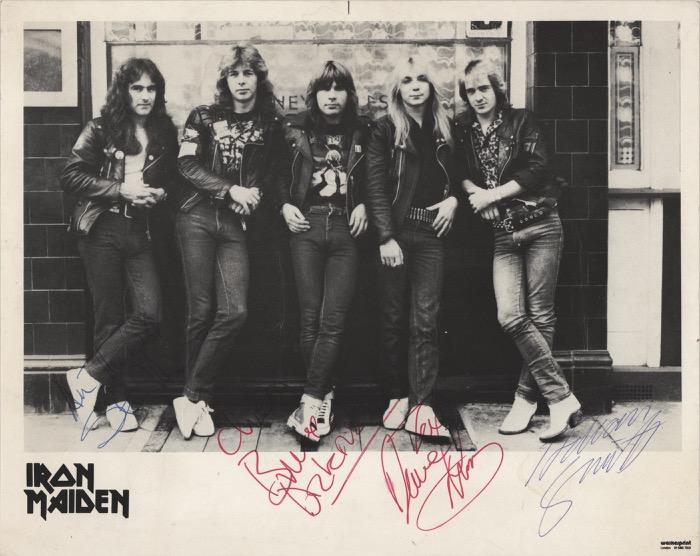
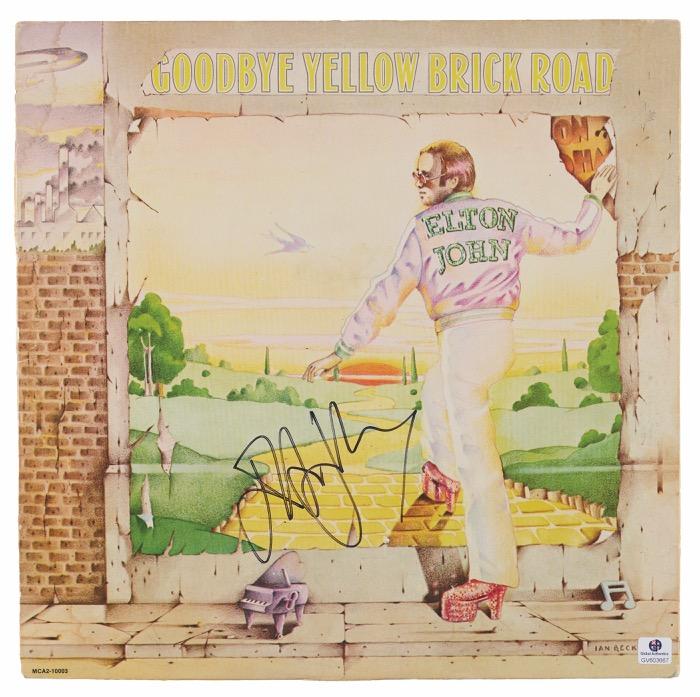
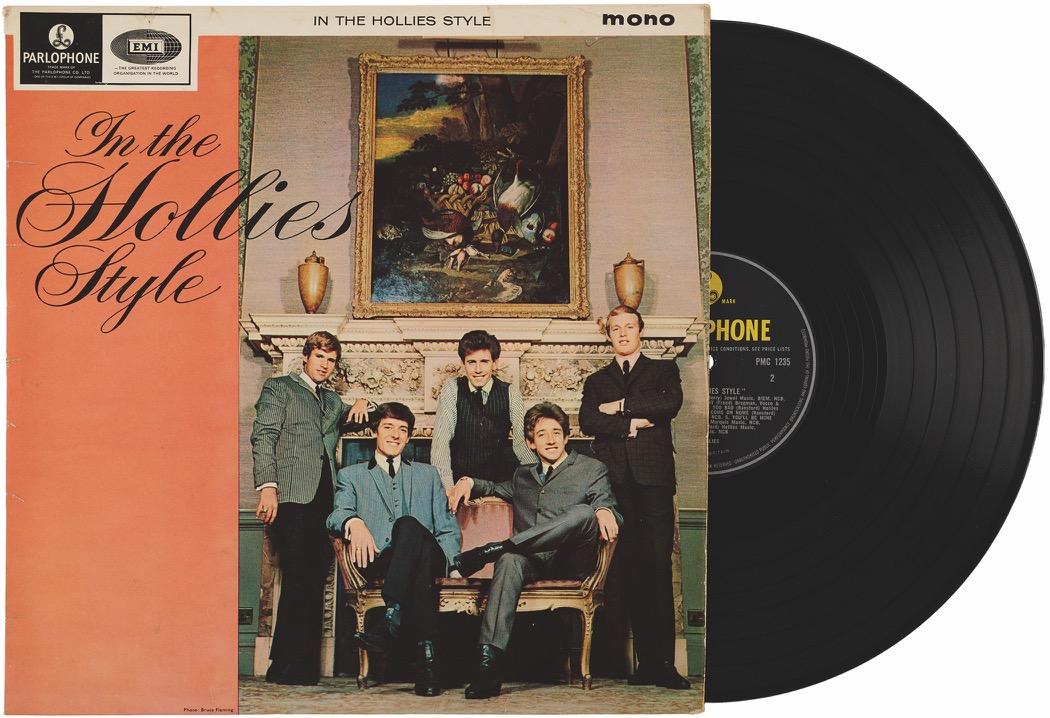
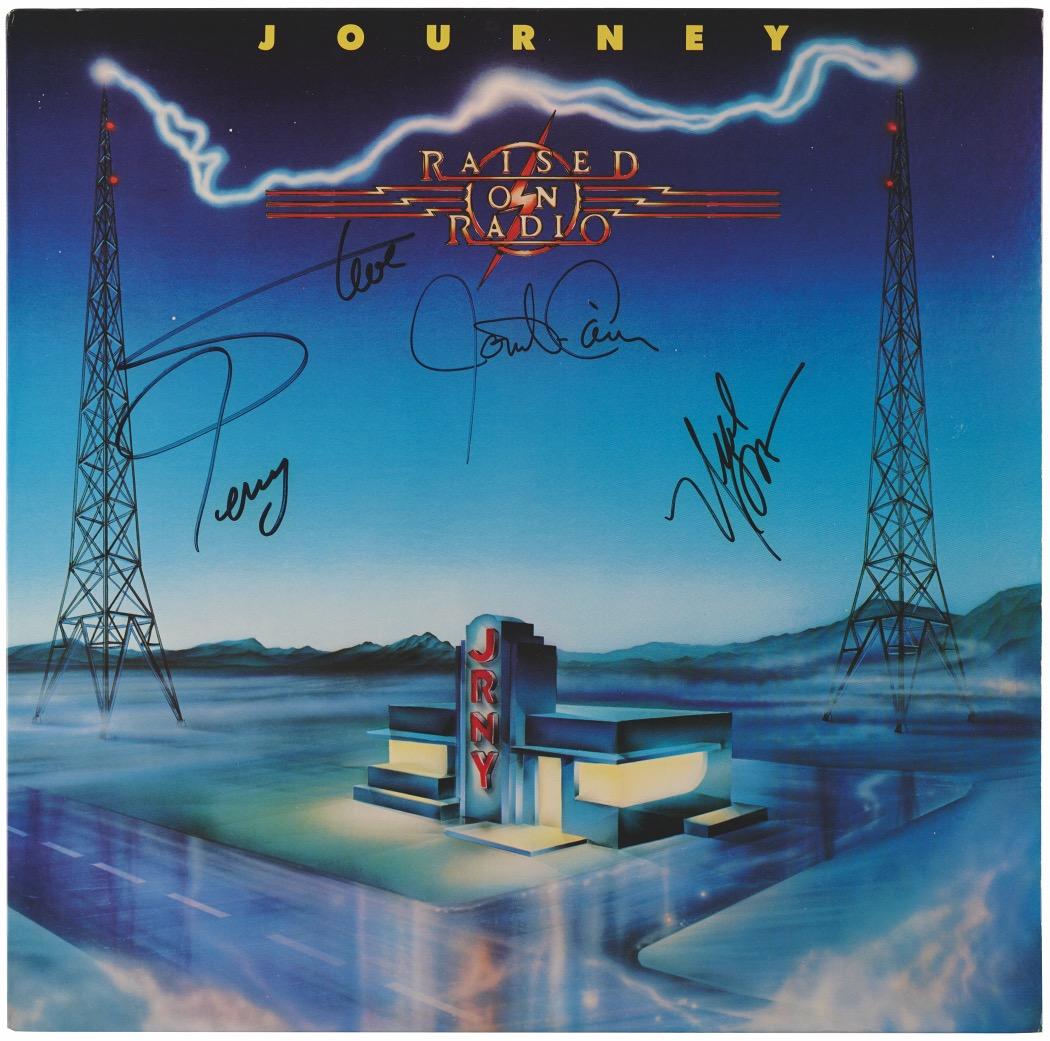

600. Led
Plant Signed Album - Now and Zen Starting Bid $200
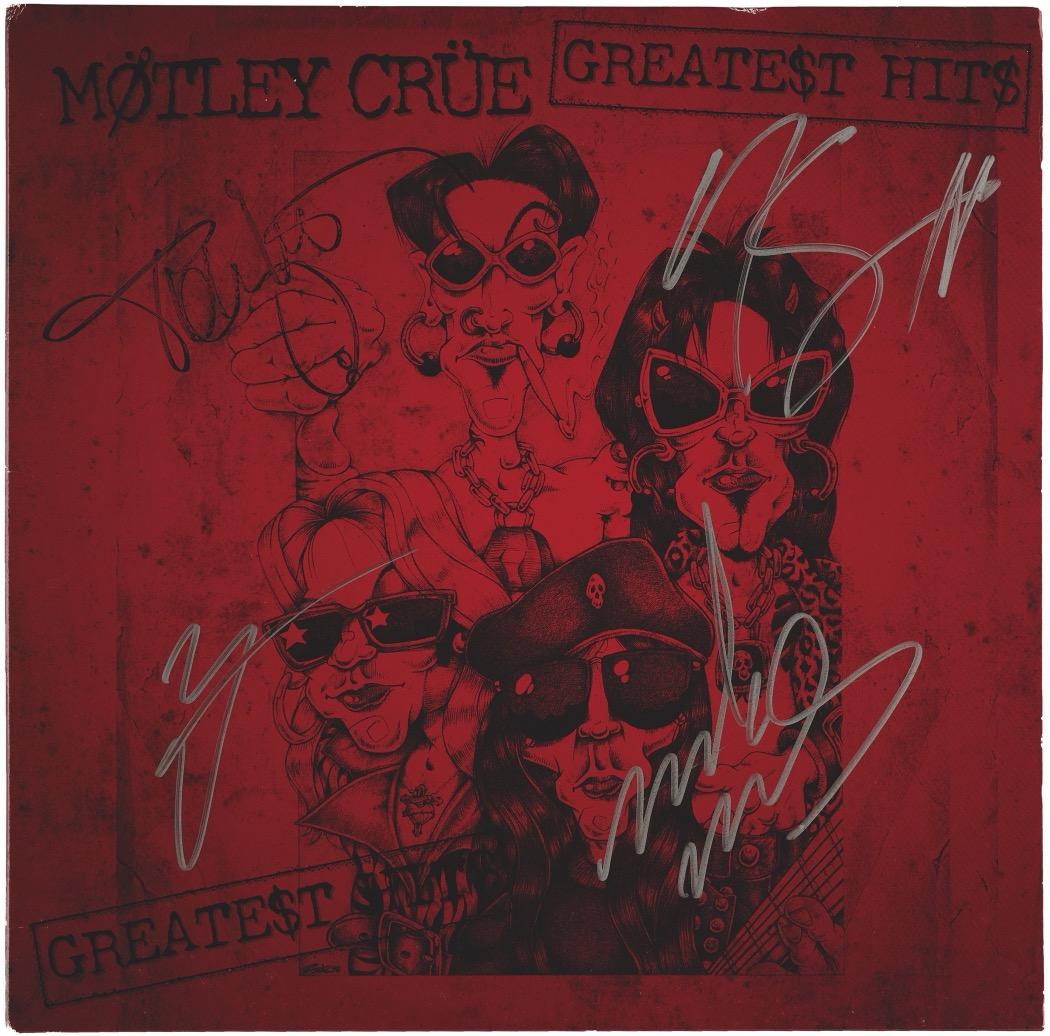
604.
Starting Bid $200
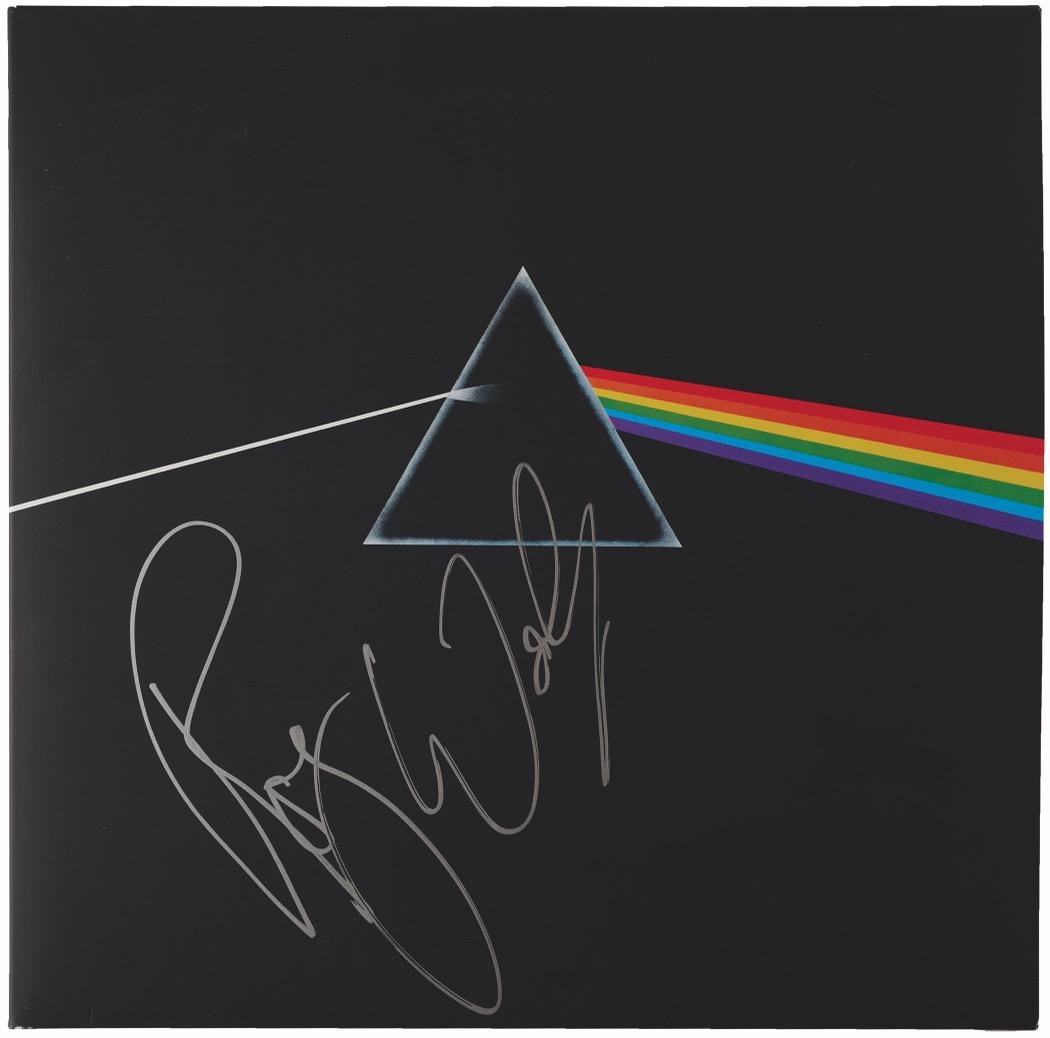
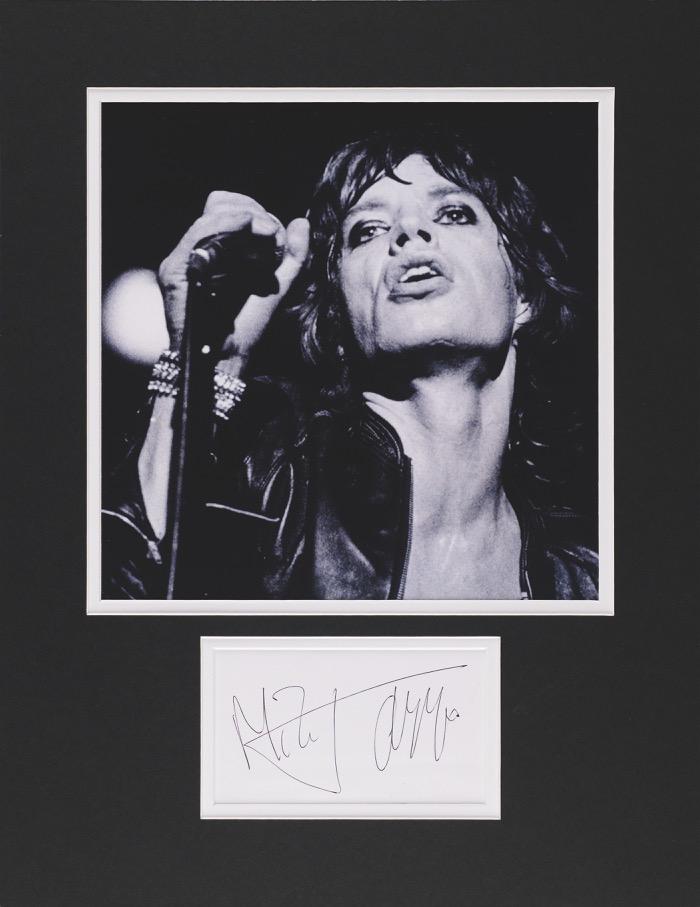
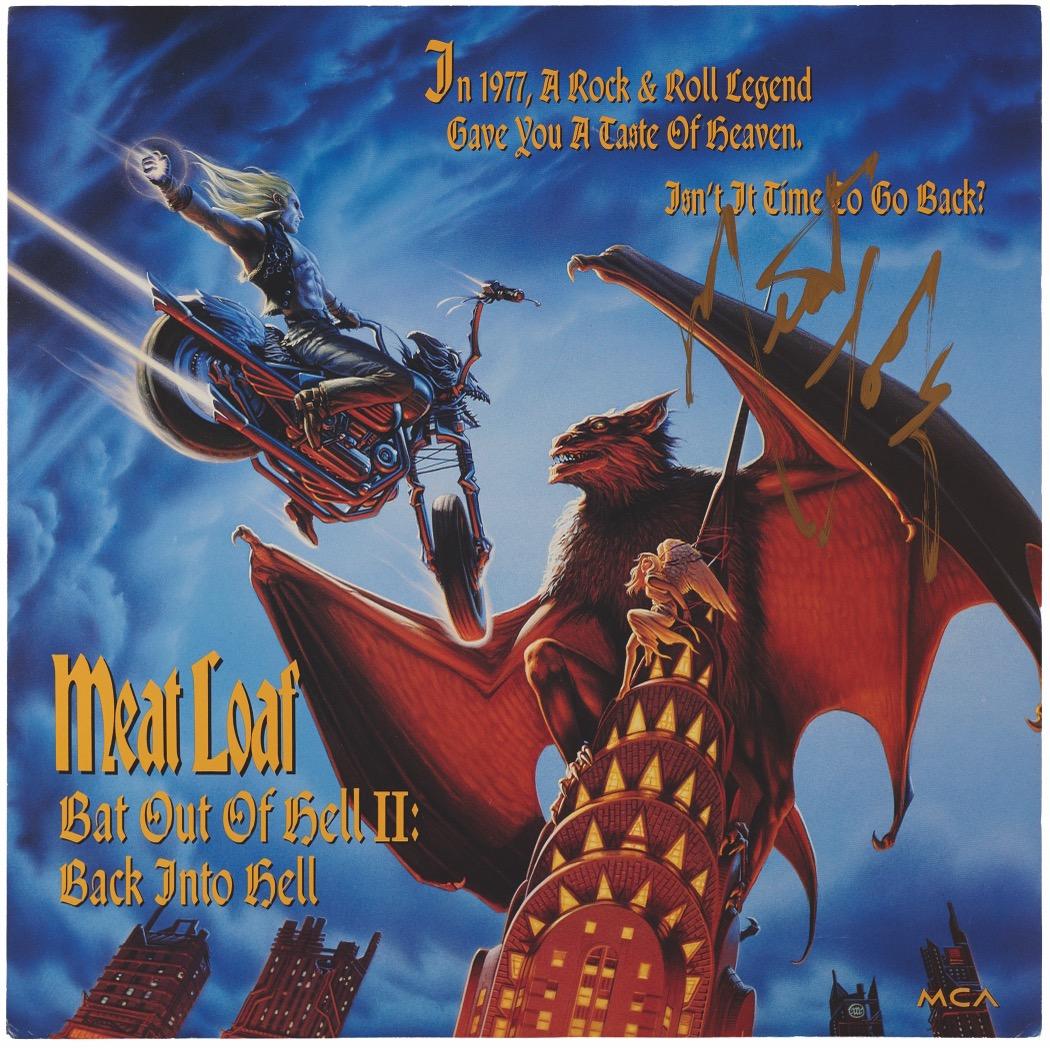
601.
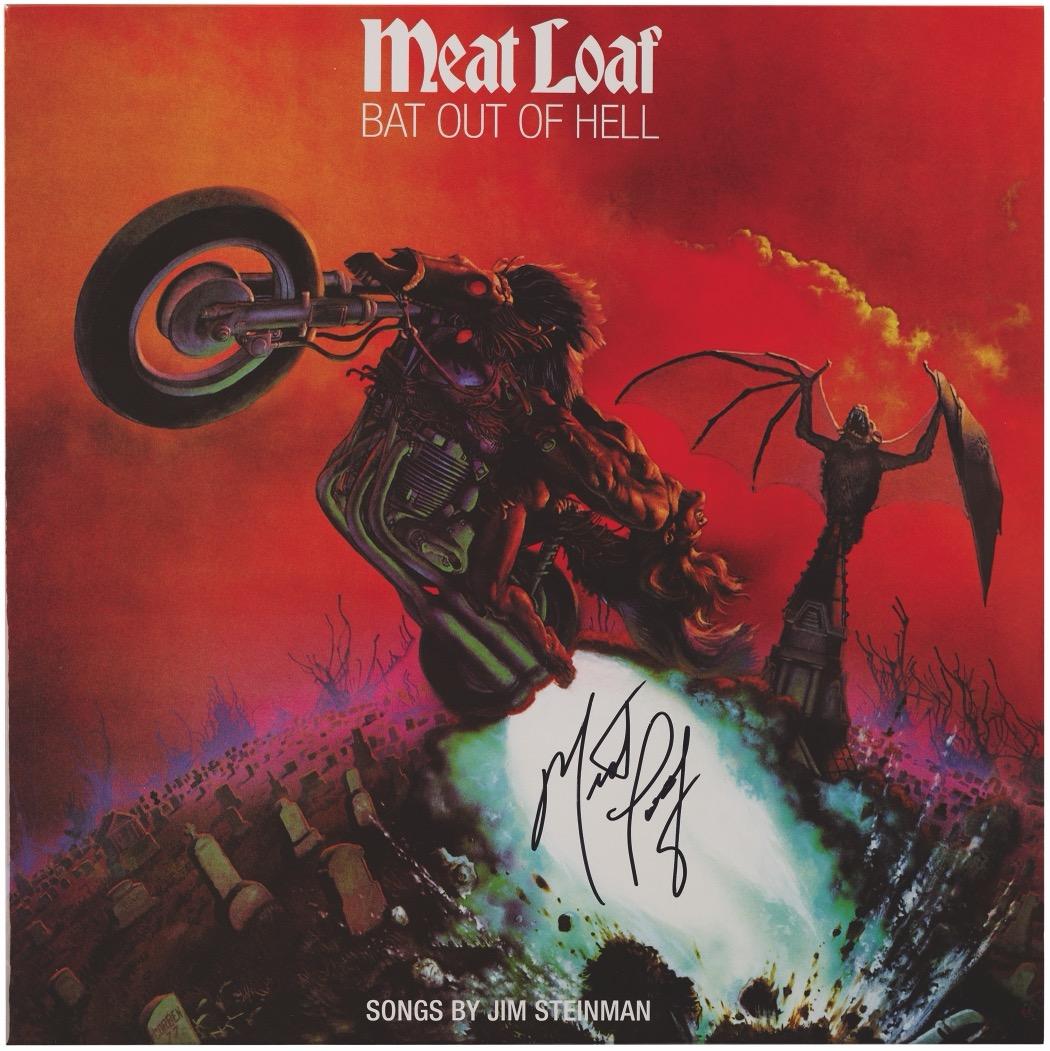
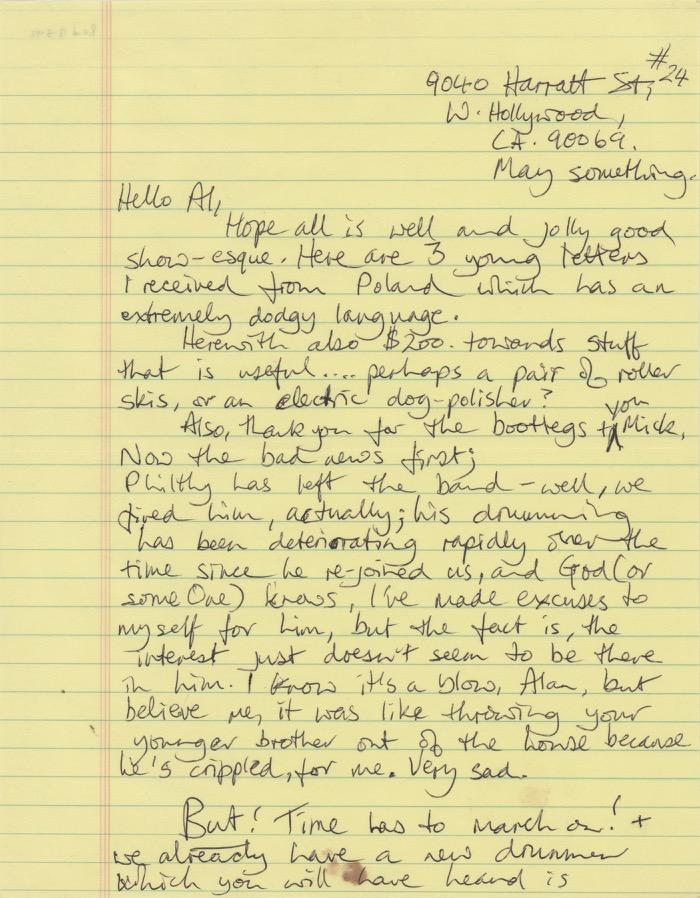
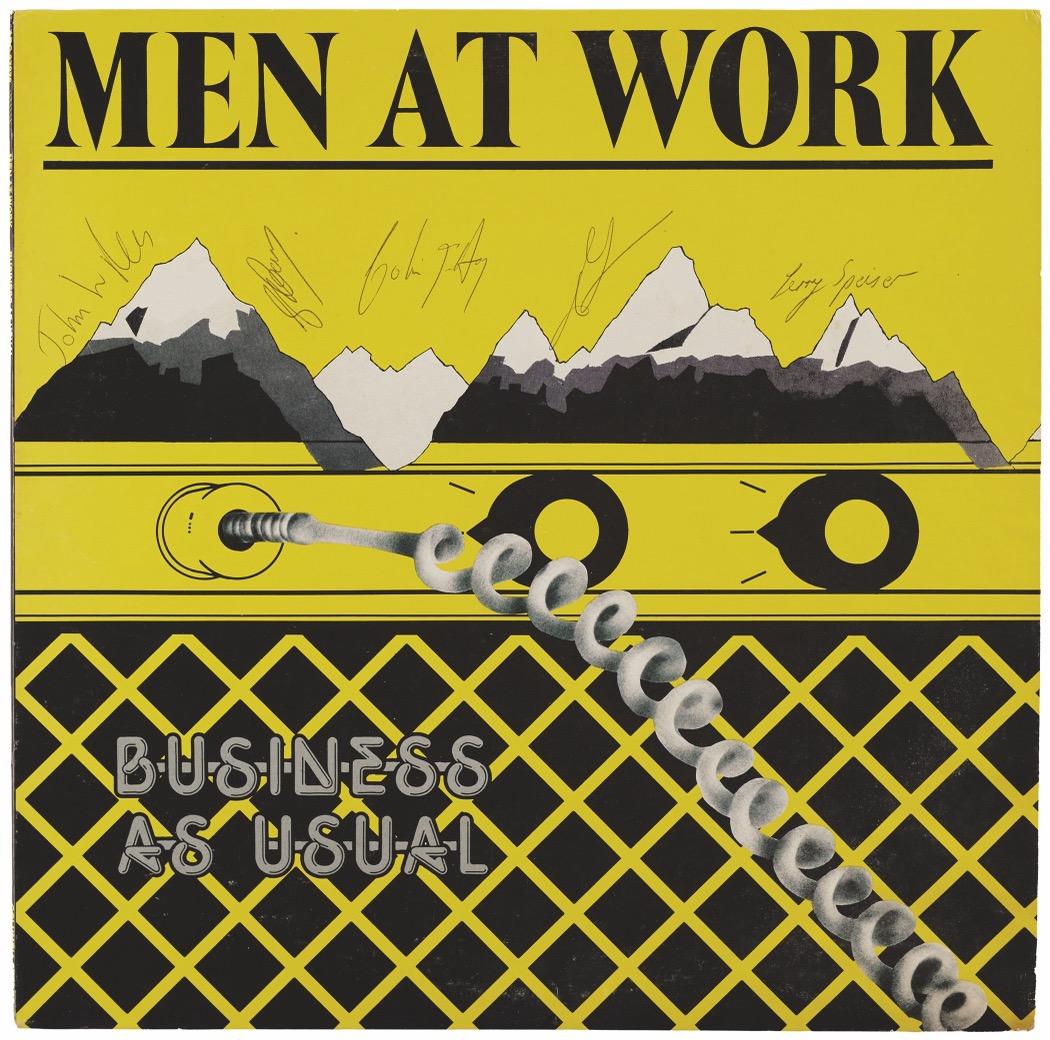
602. Men at Work Signed Album - Business as Usual (Promotional) Starting Bid $200
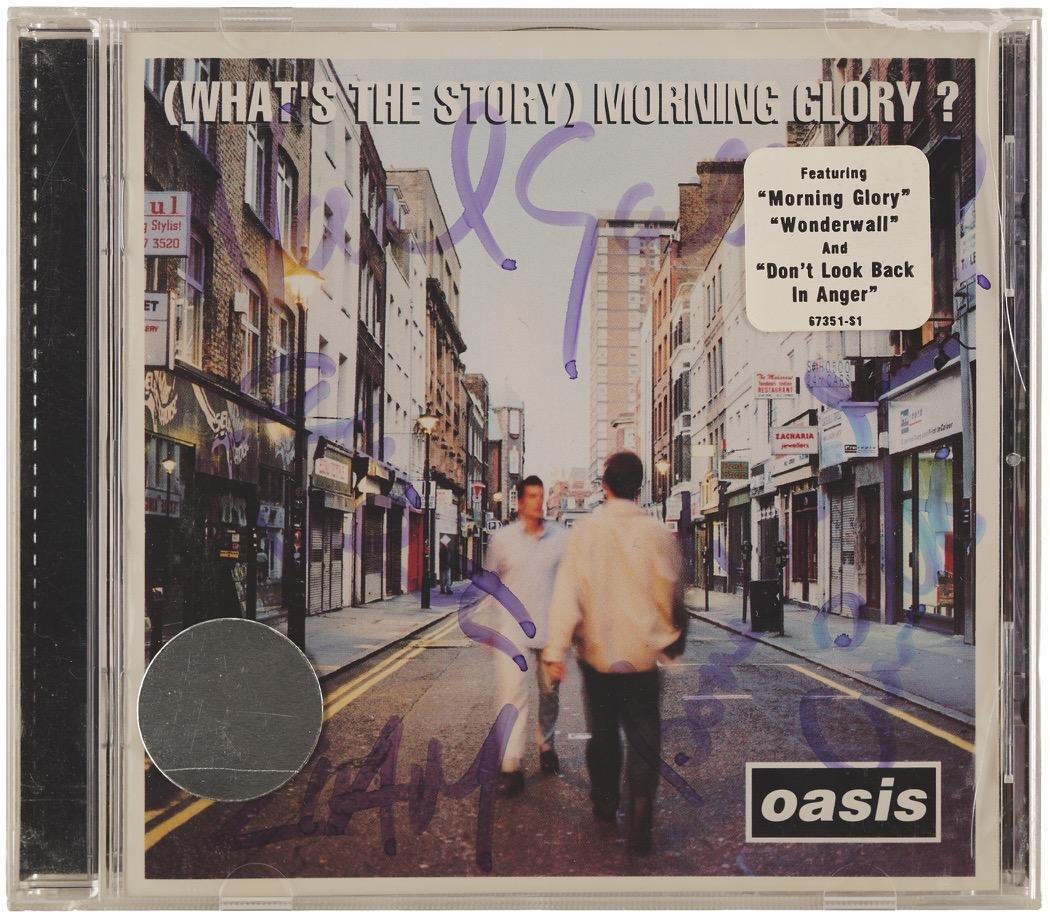
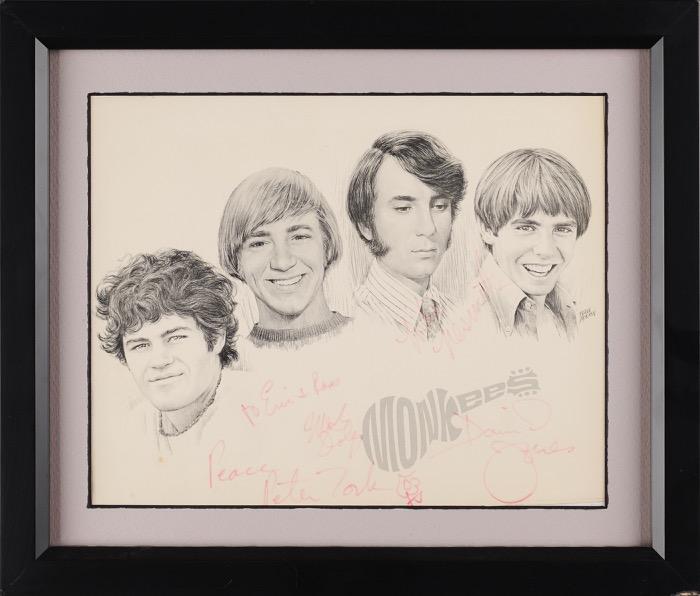
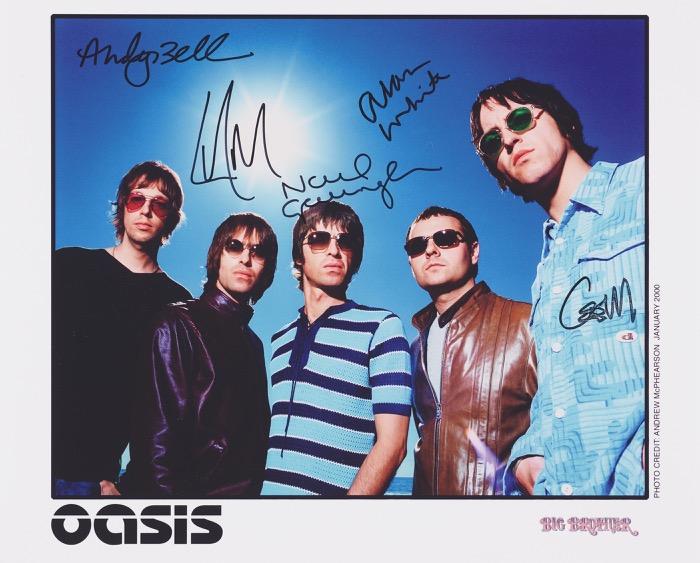
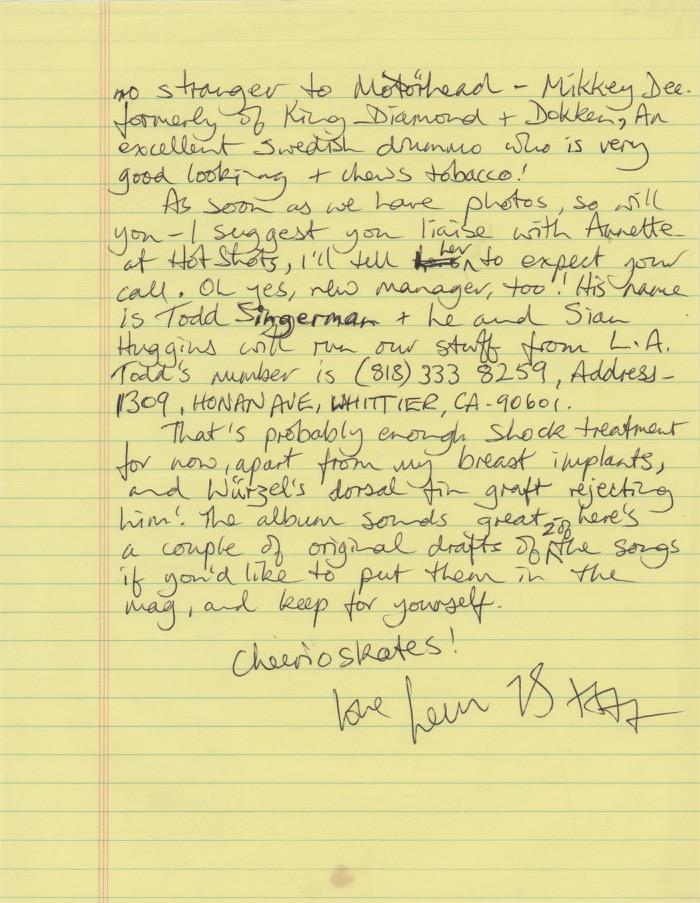
605. Motorhead: Lemmy Kilmister Autograph Letter Signed - "Philthy has...

Starting
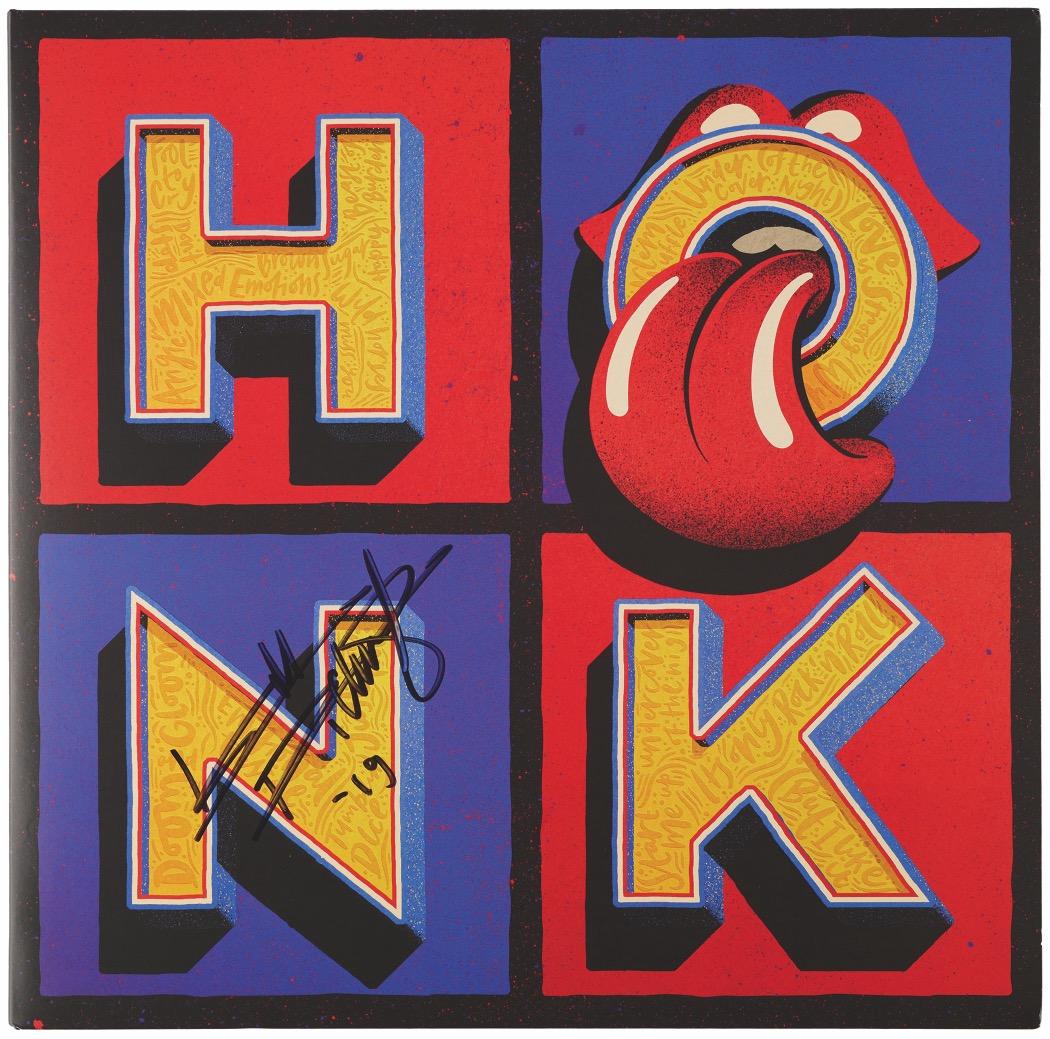
606. Oasis Signed CD(What's the Story) Morning Glory? Starting Bid $200
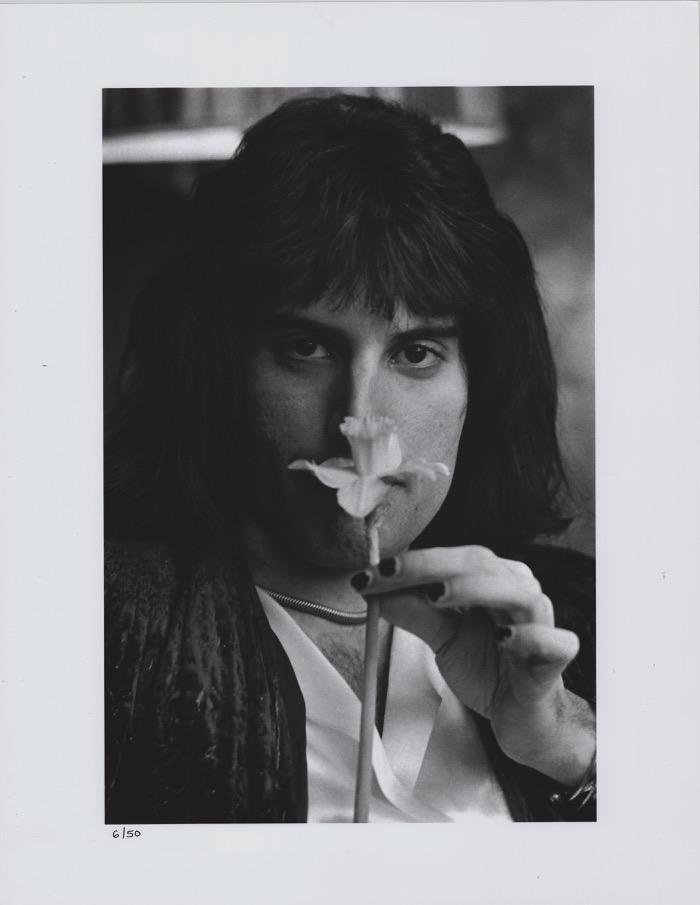
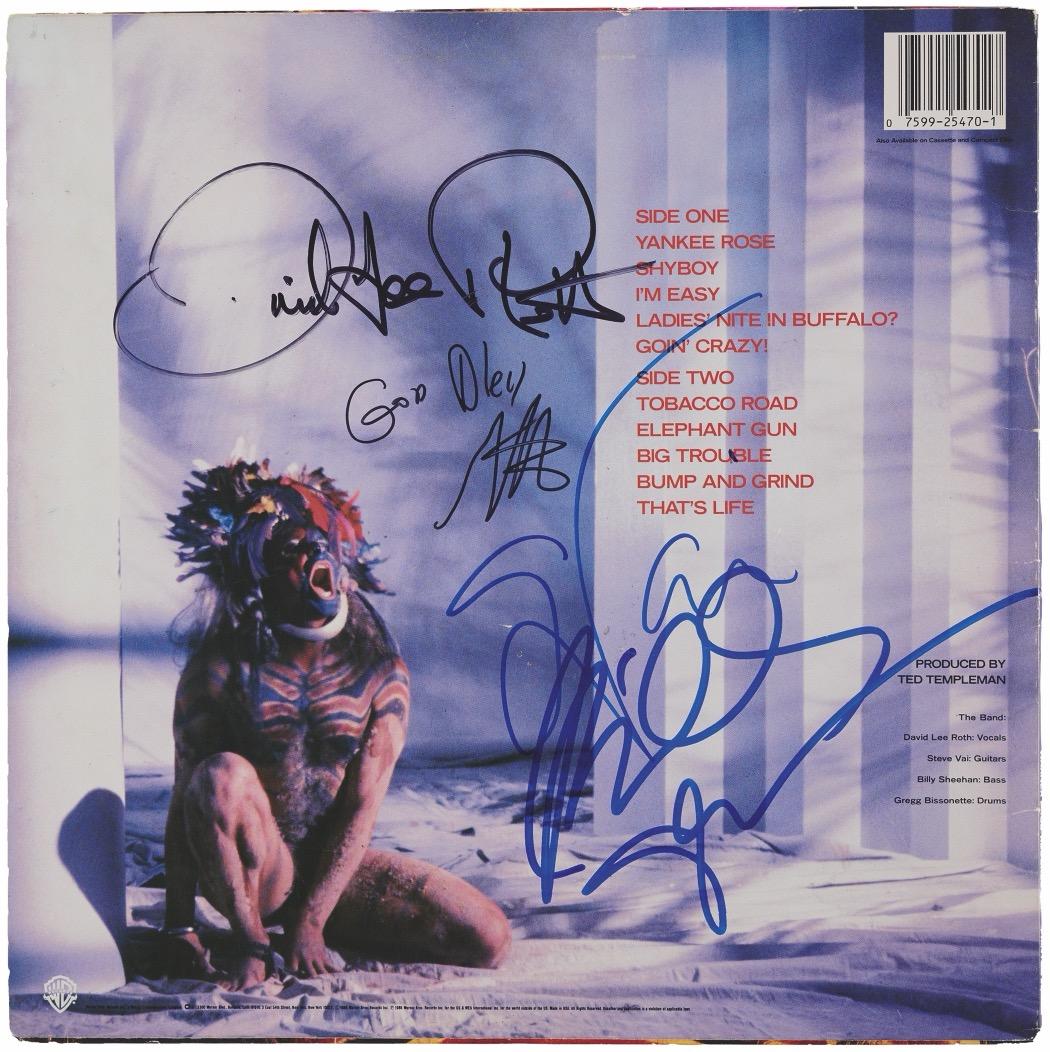
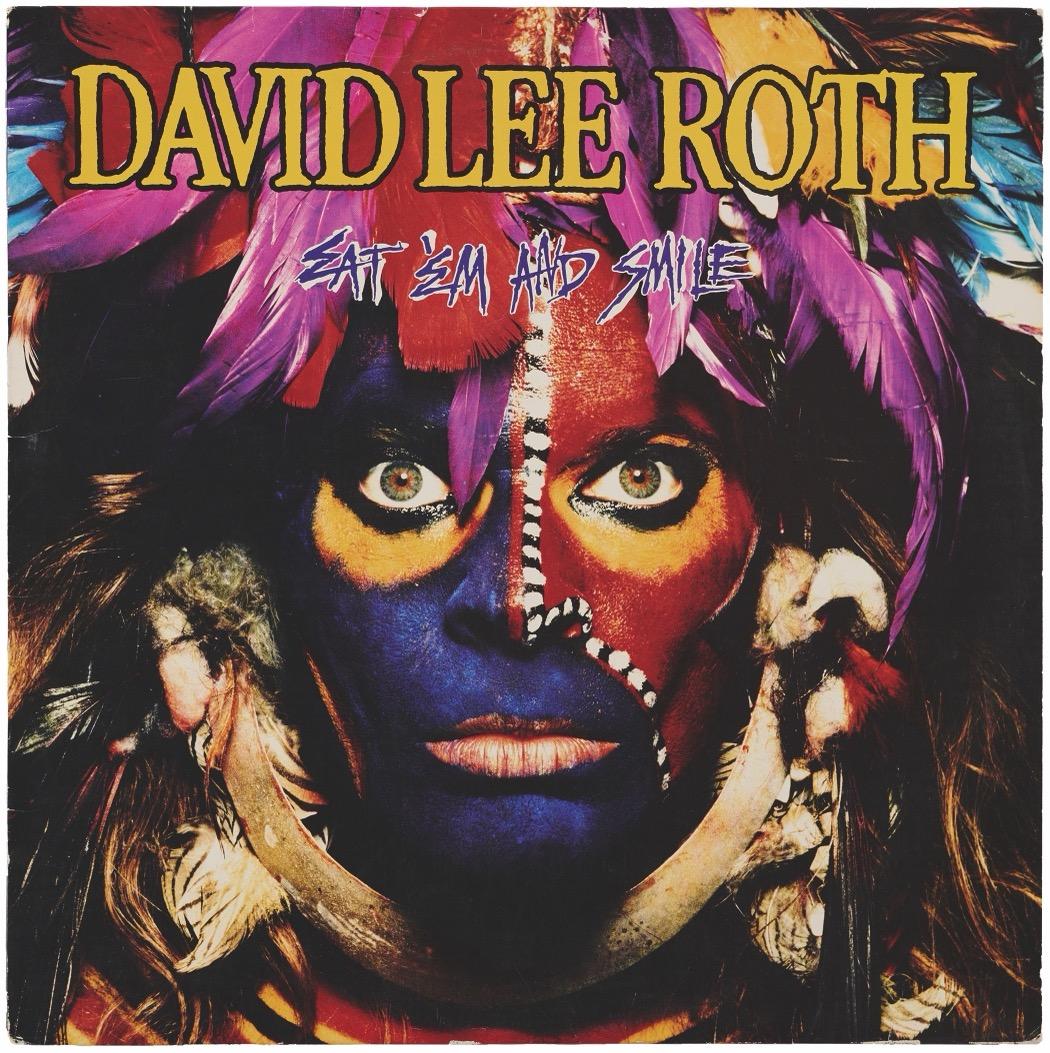
607.
Signed Photograph Starting Bid $200
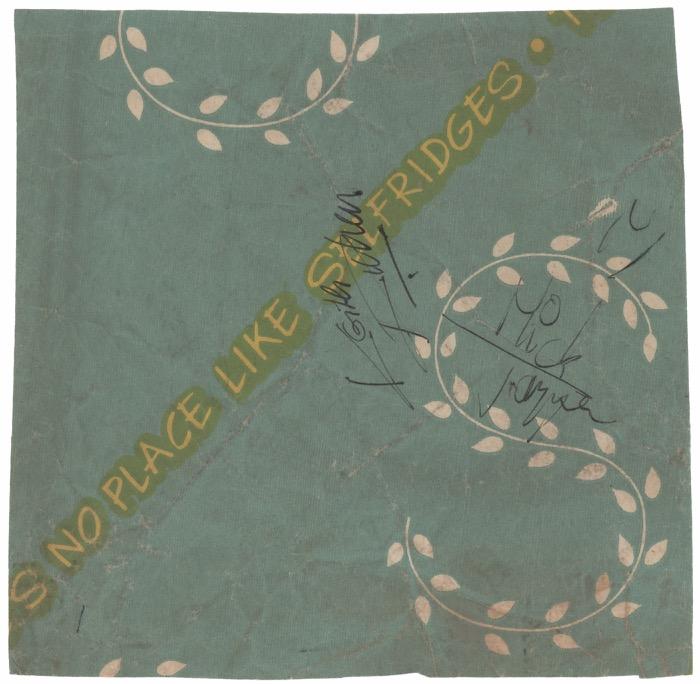
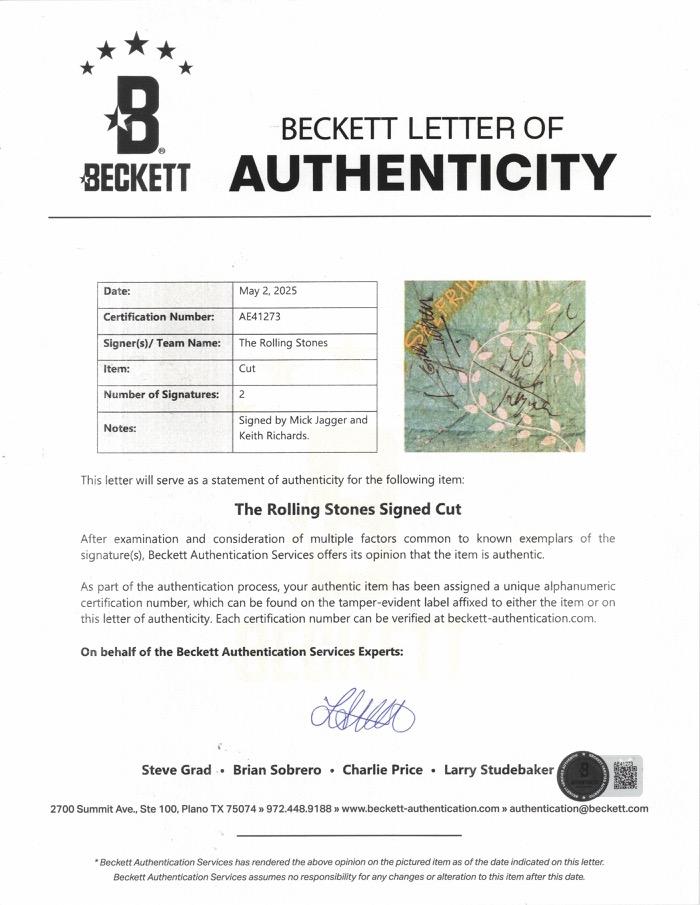
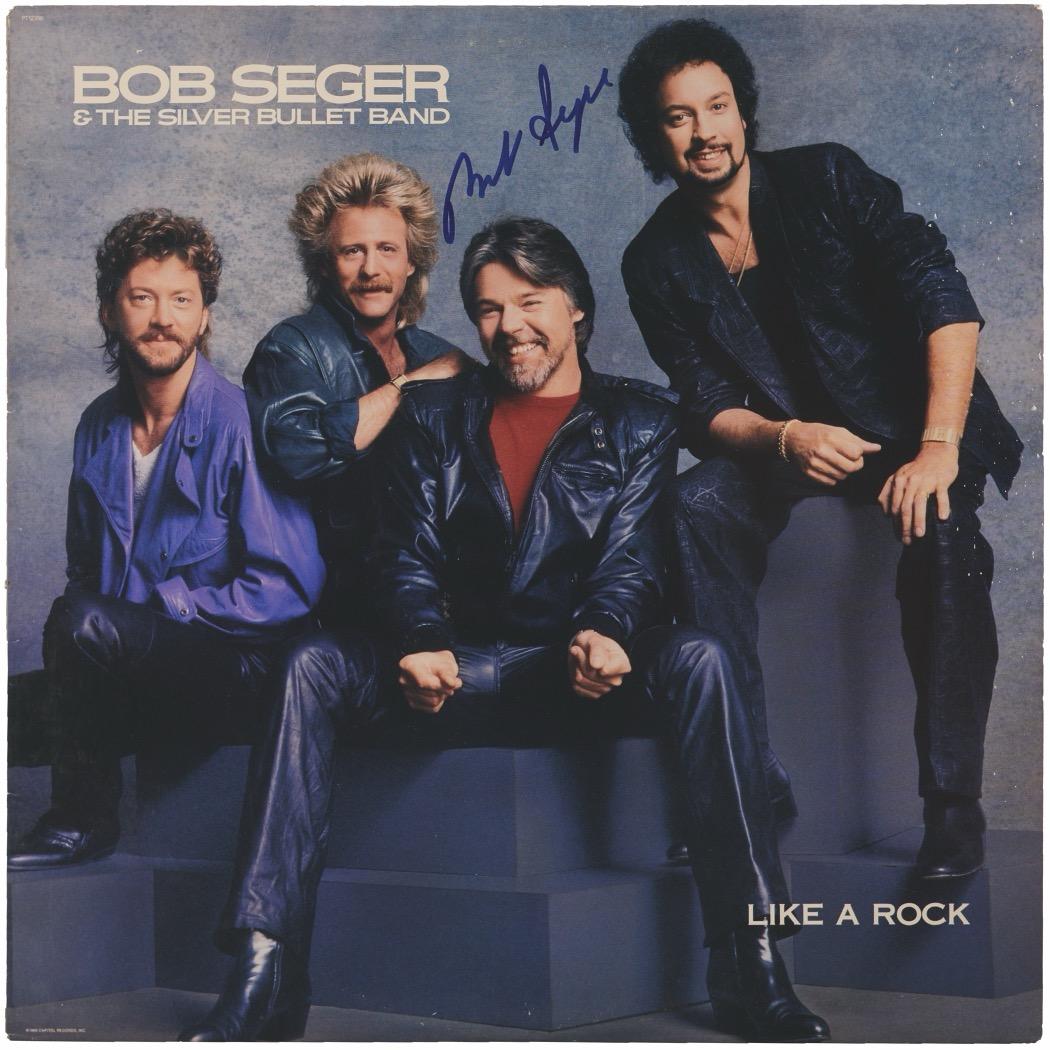
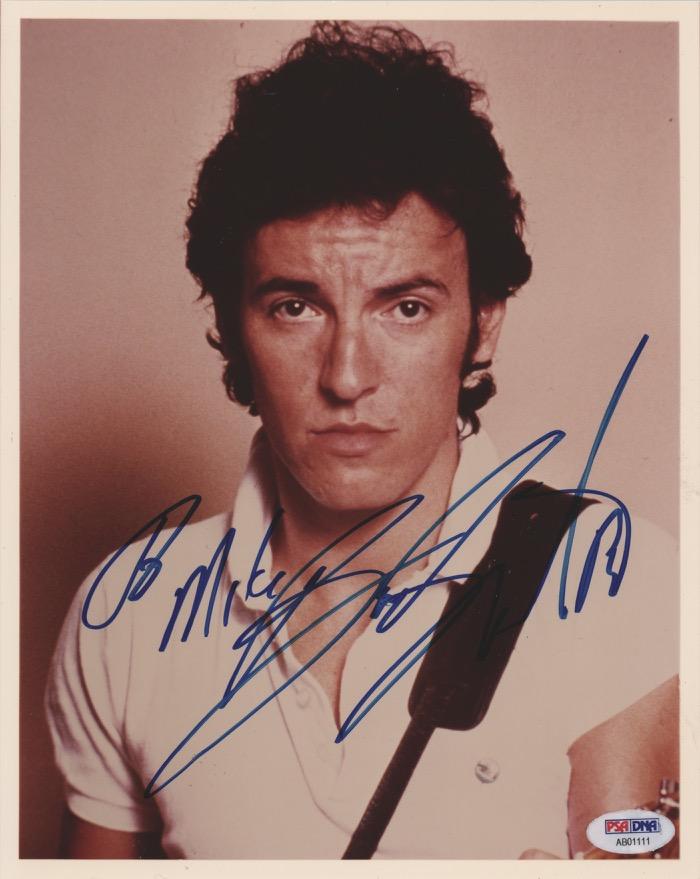
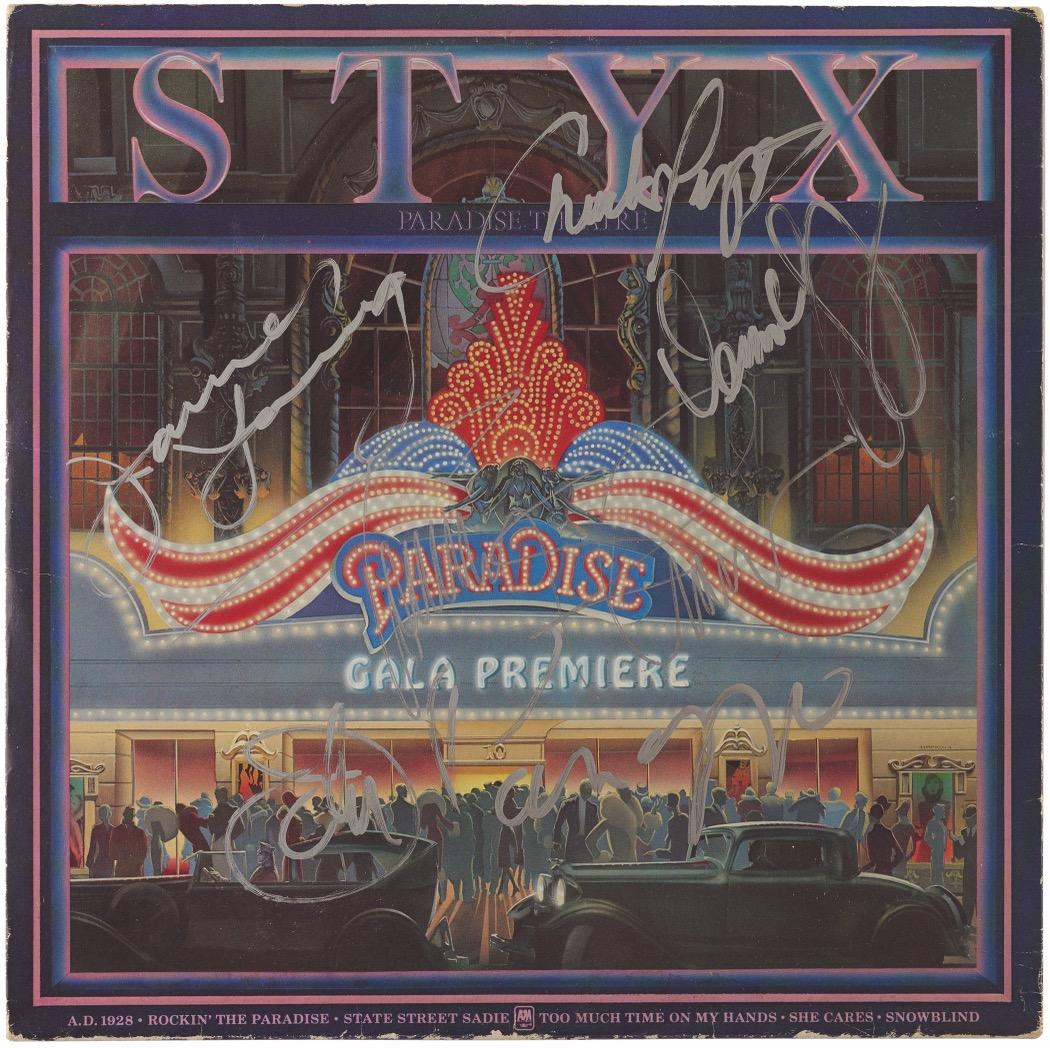
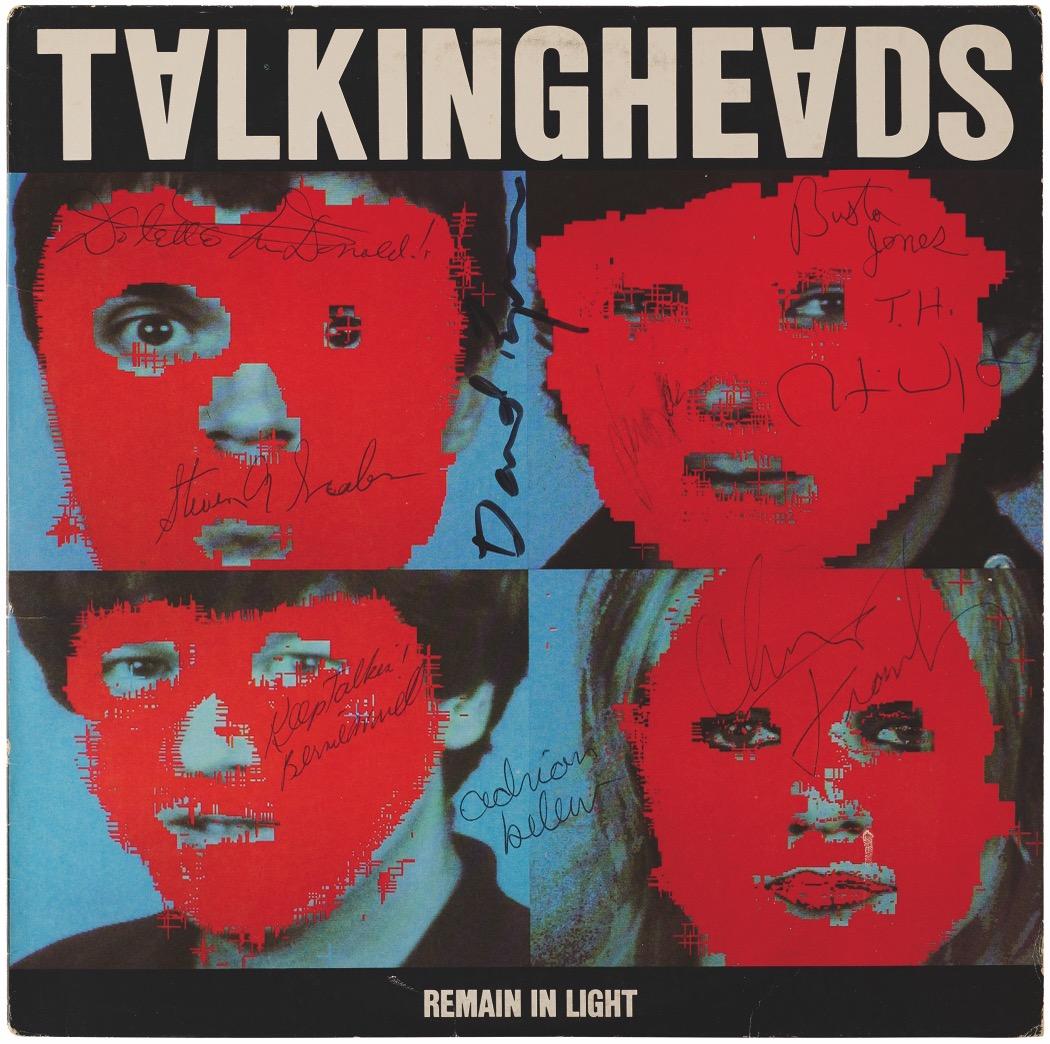
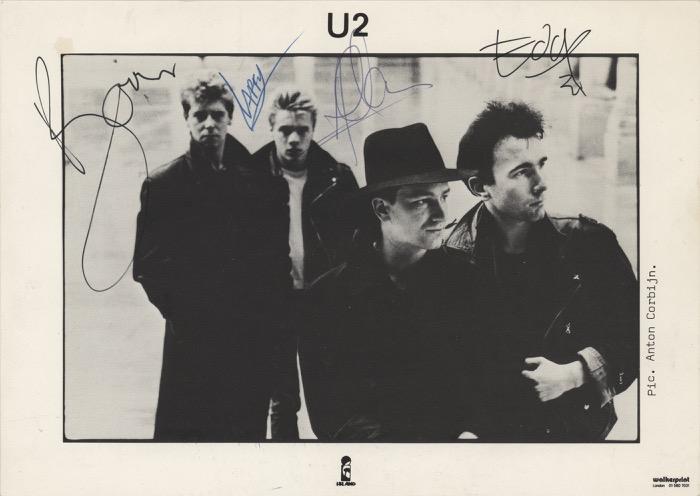
616. Bruce Springsteen 617. Styx Signed AlbumParadise Theatre Starting Bid $200
620. U2: Bono Original SelfPortrait Sketch Starting Bid $200
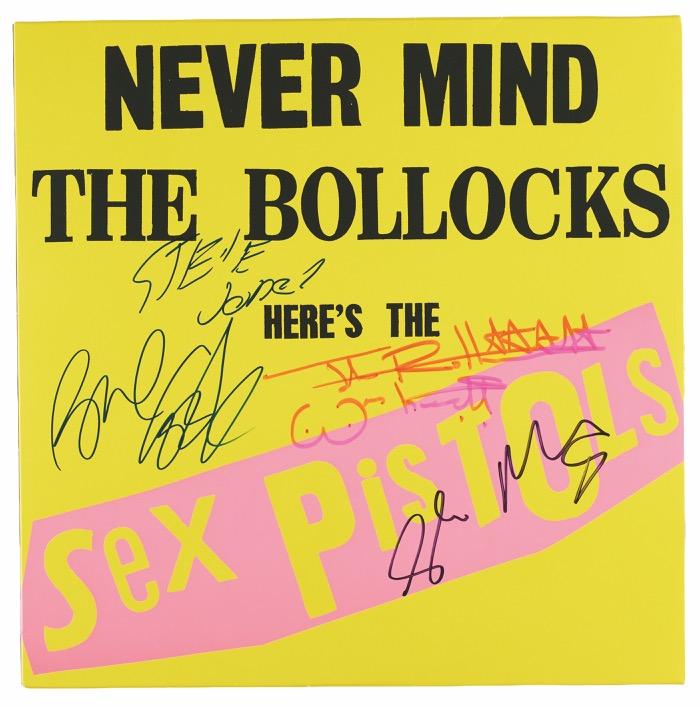
624. Sex Pistols Signed Album - Never Mind the Bollocks, Here's the Se... Starting Bid $200
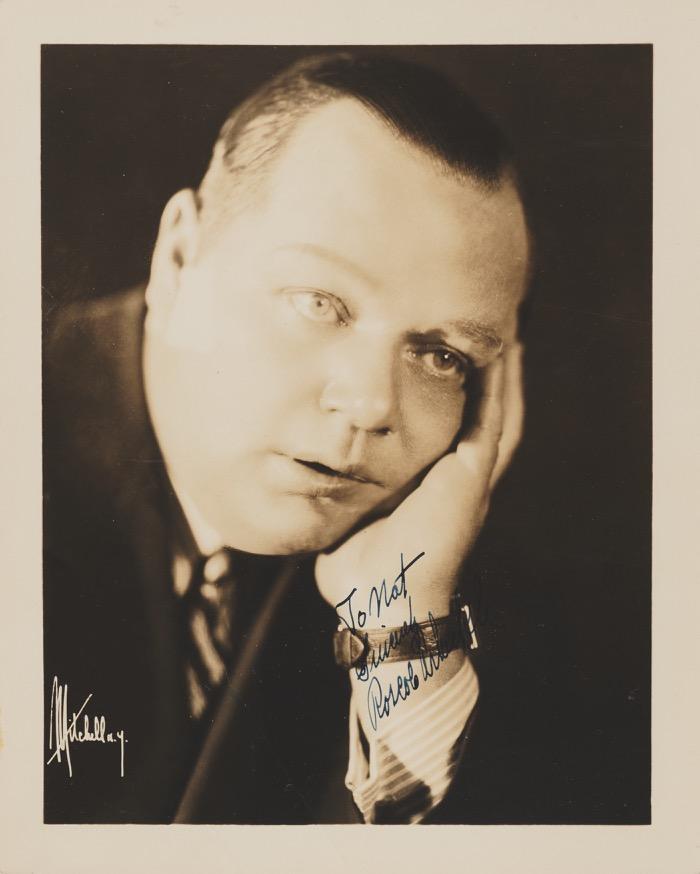
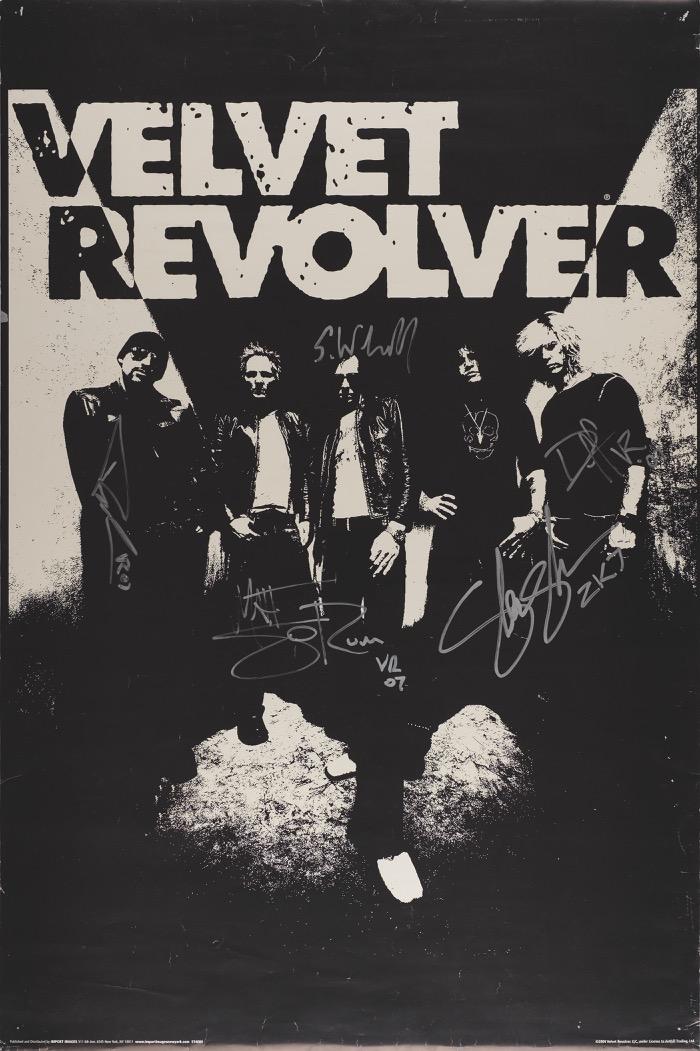
621. Velvet Revolver Signed Poster - 24˝ x 36˝ Starting Bid $200

618. Talking
MultiSigned (9) Album - Remain in Light Starting Bid $200
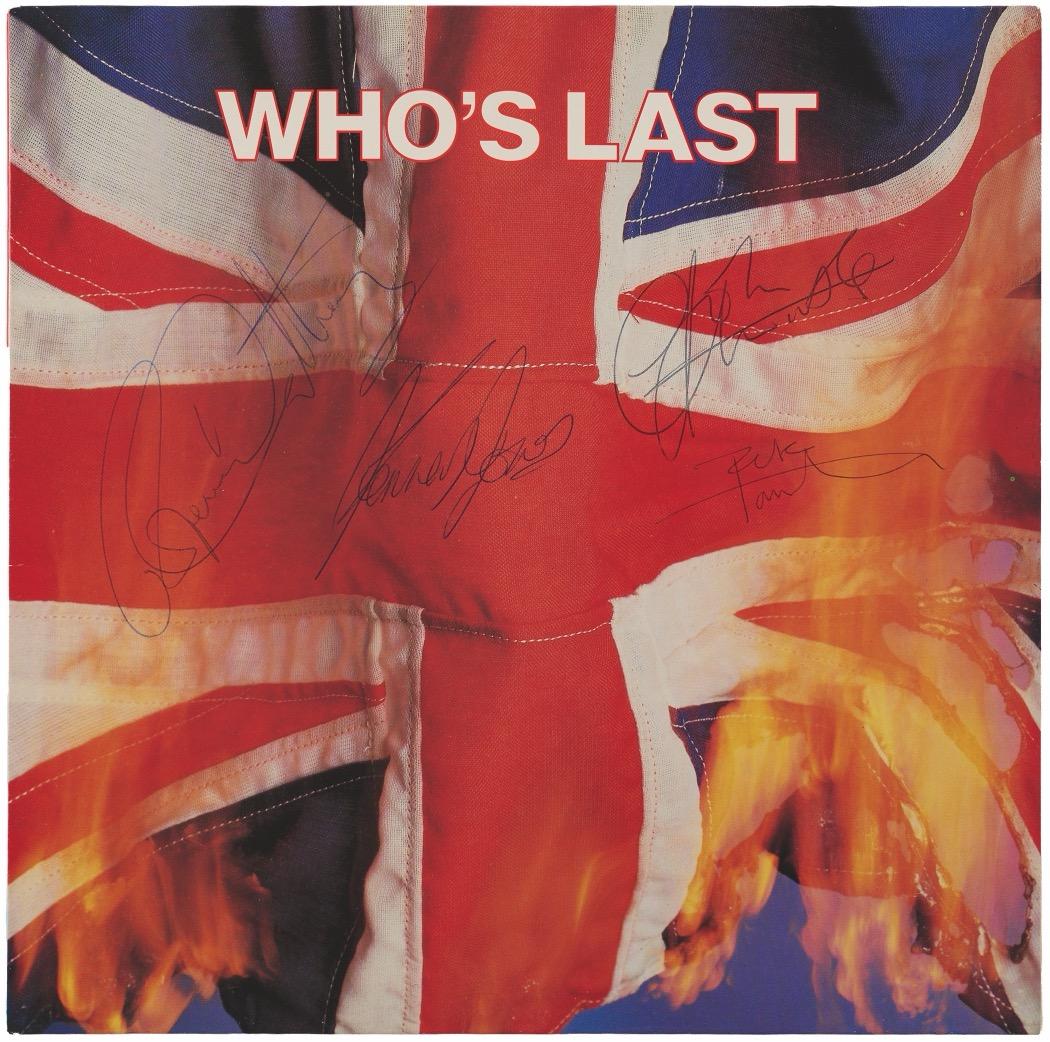
622. The Who Signed Album - Who's Last Starting Bid $200
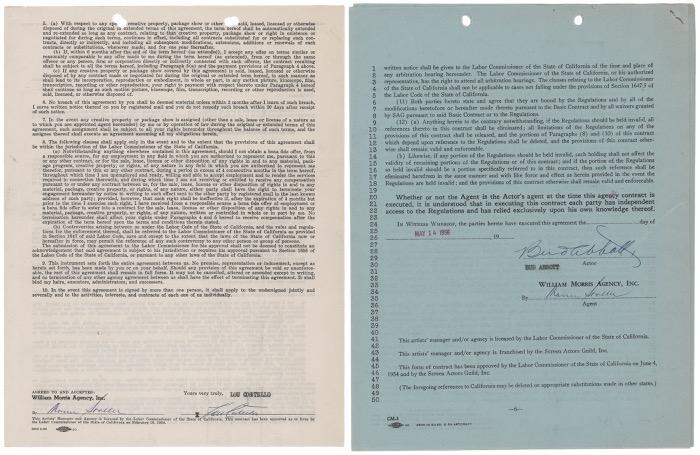
623.
Starting Bid $200
626. Amy Winehouse Signed CD Booklet - 'In My Bed / You Sent Me Flying...
Starting Bid $200
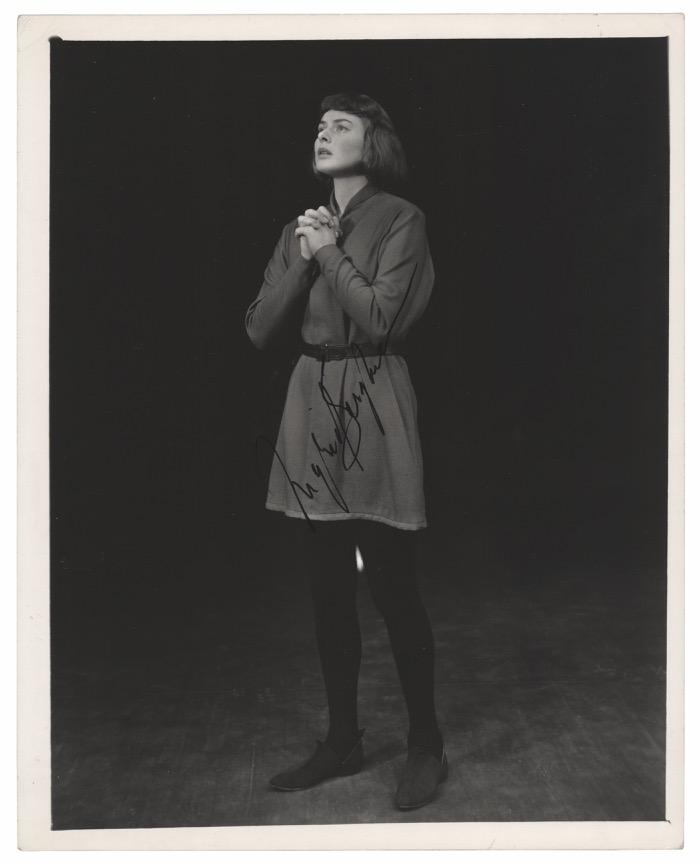
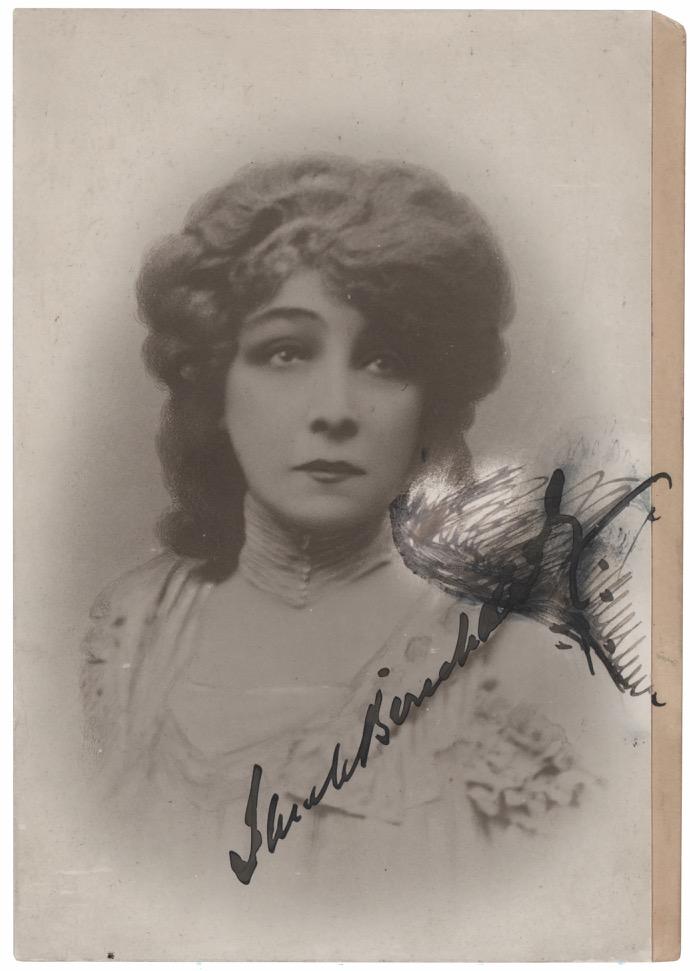
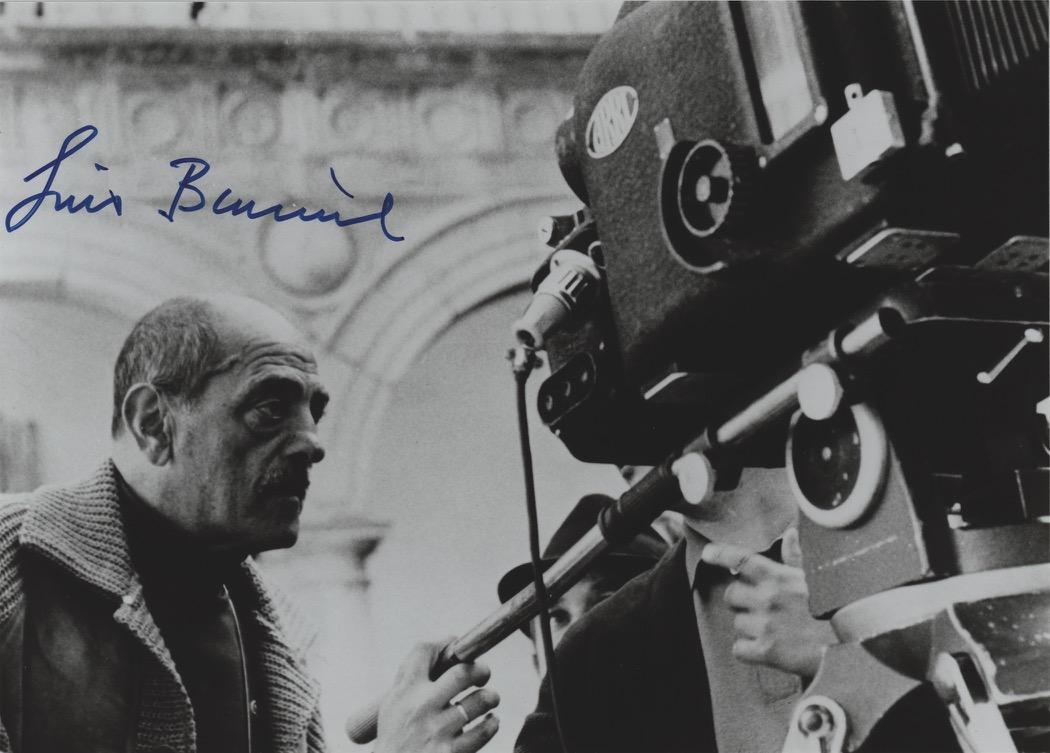
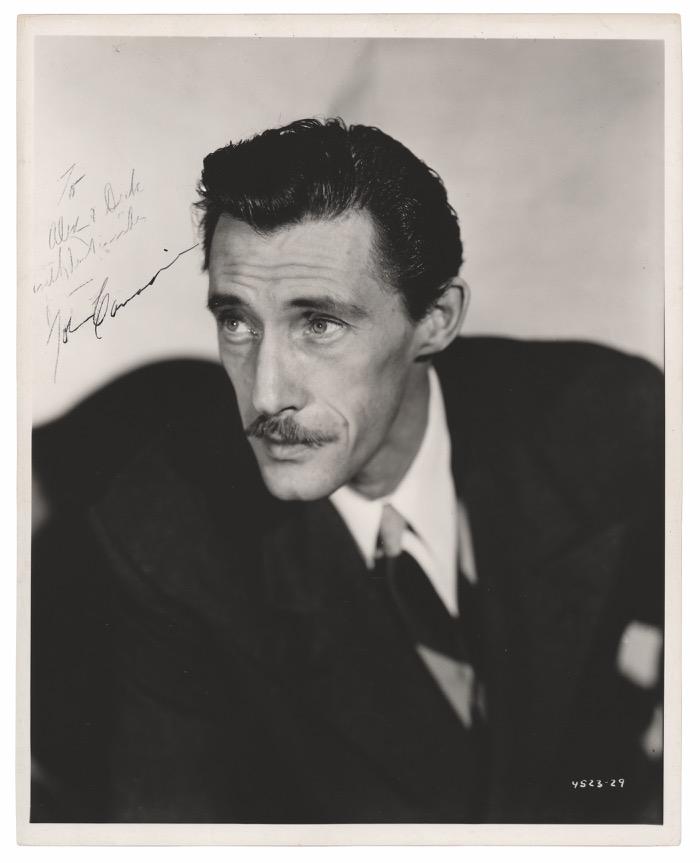
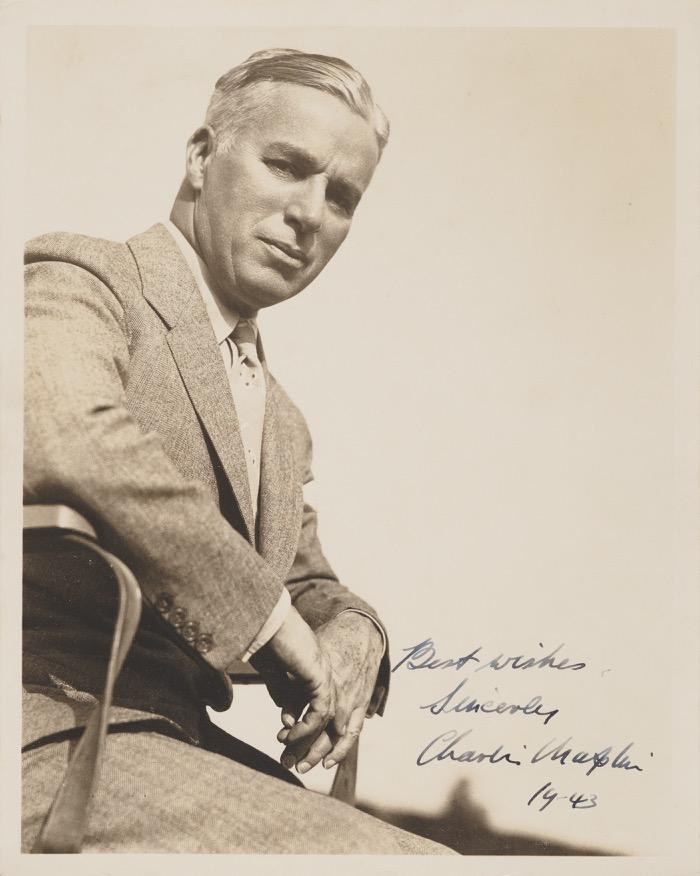
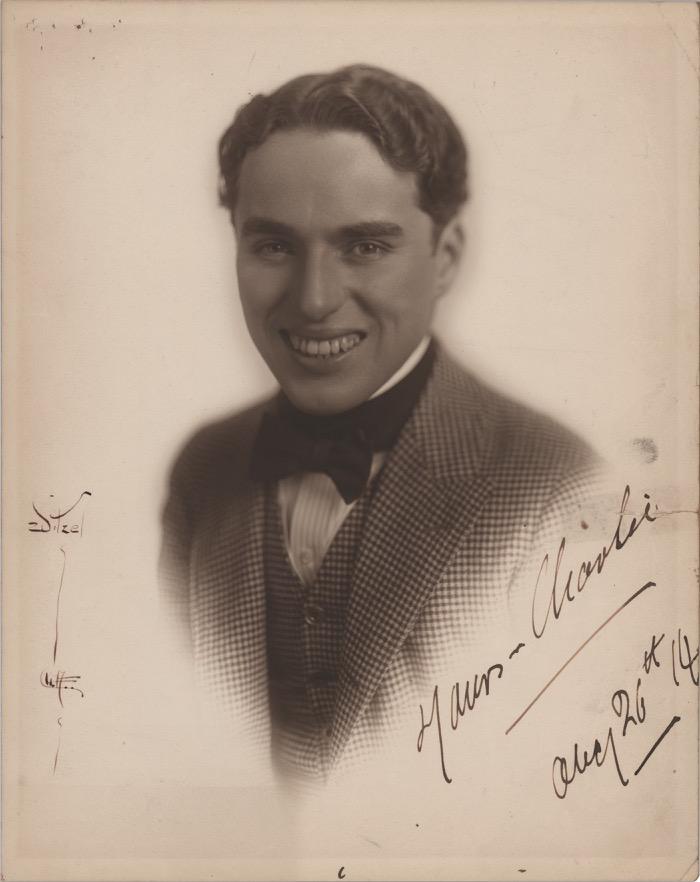
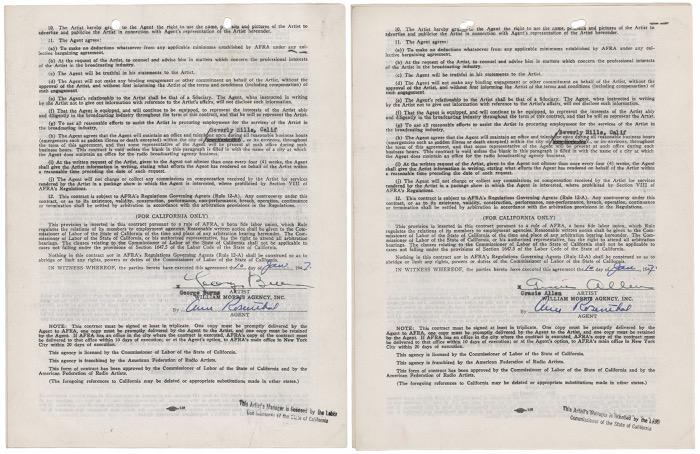
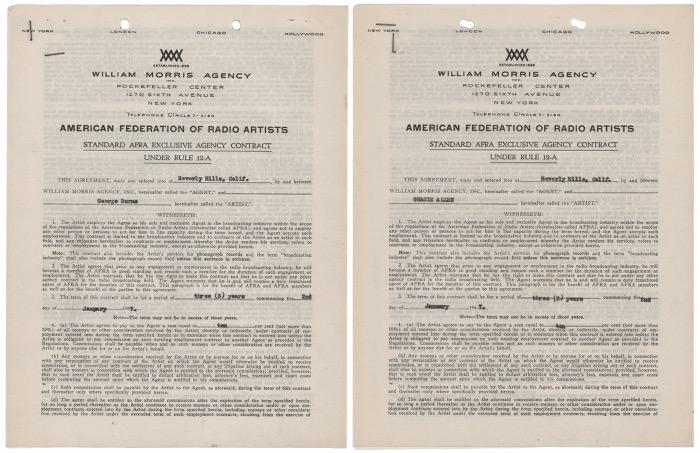
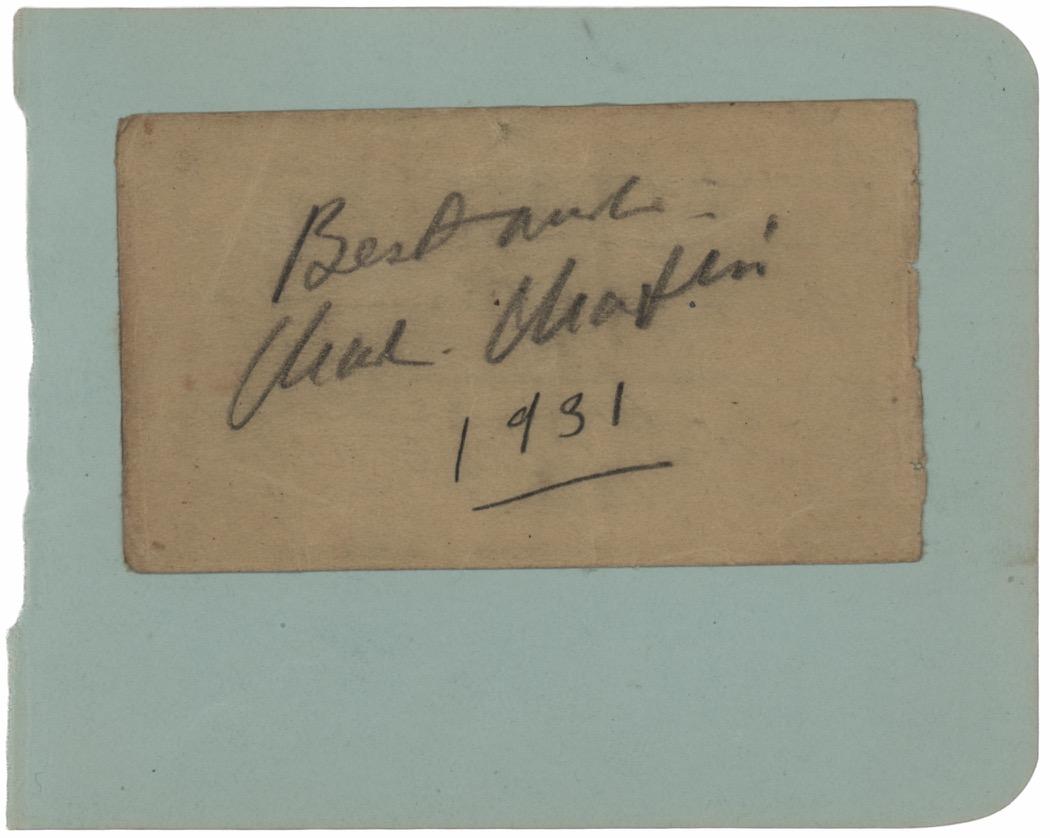
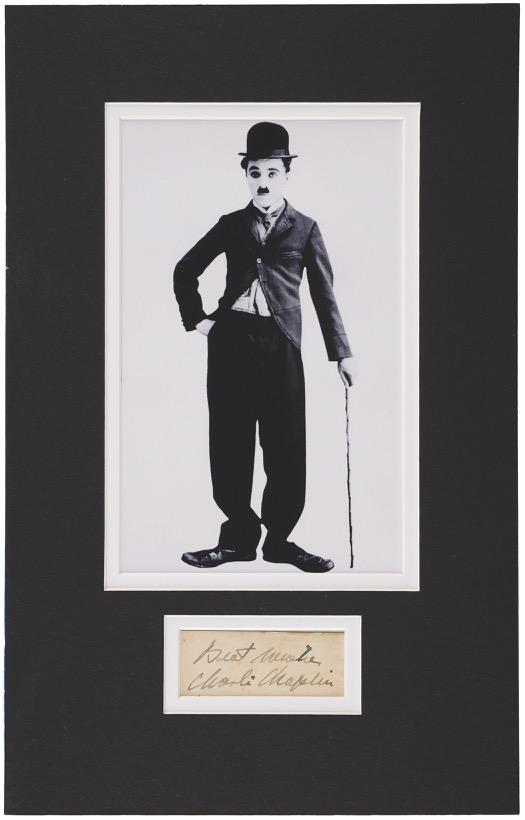
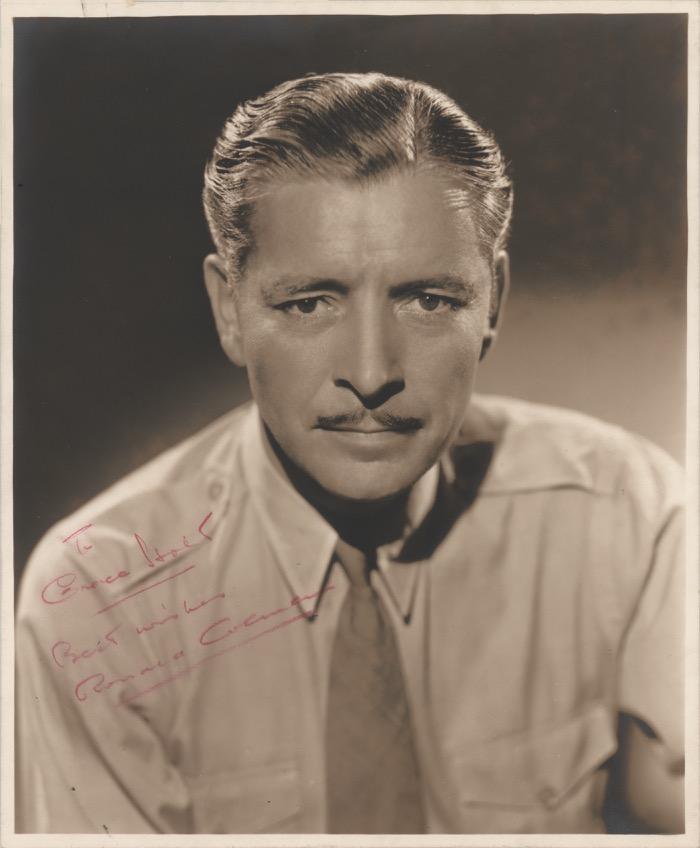
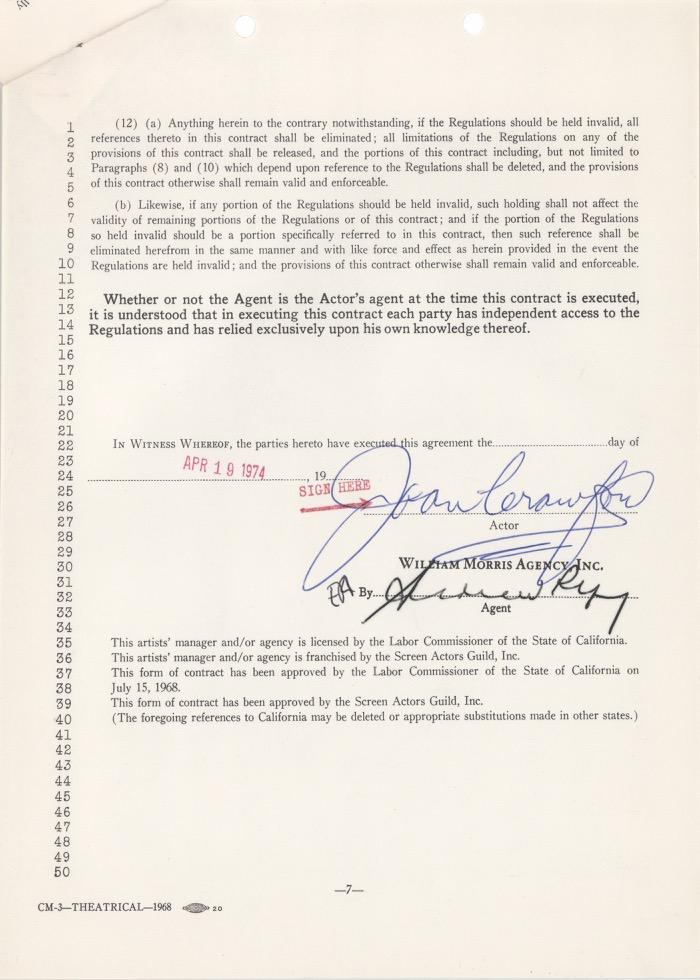
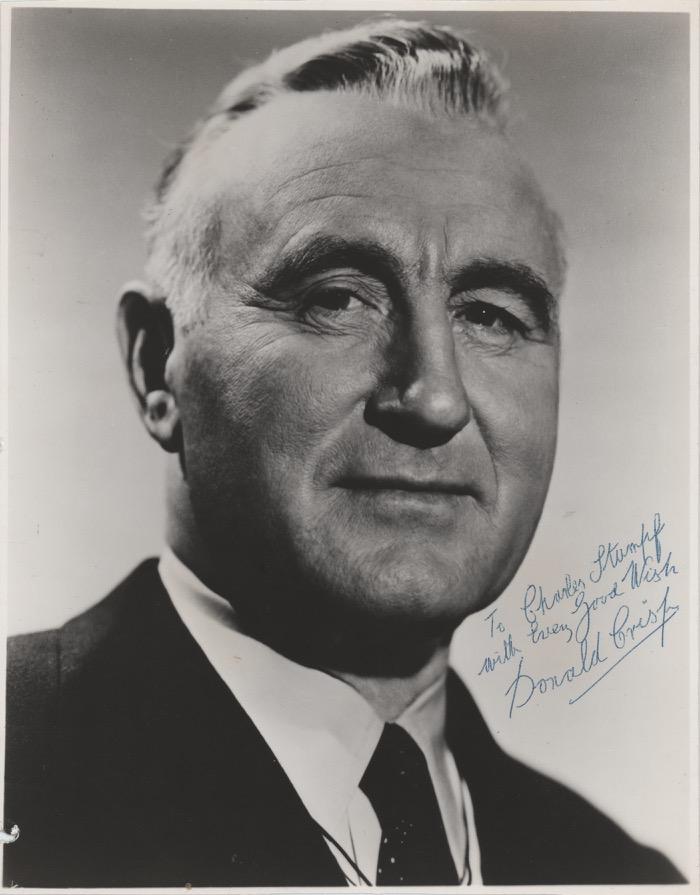
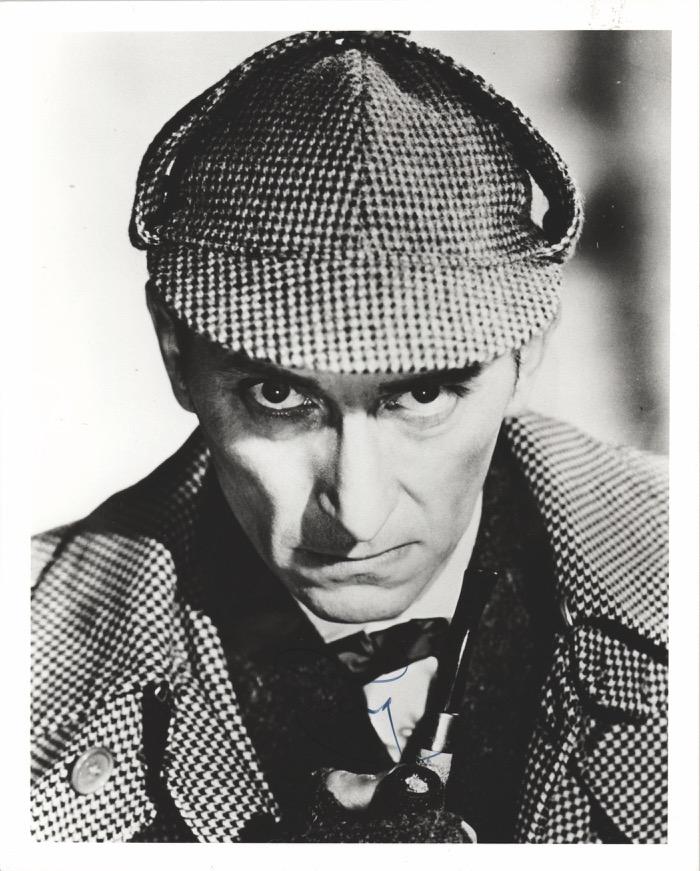
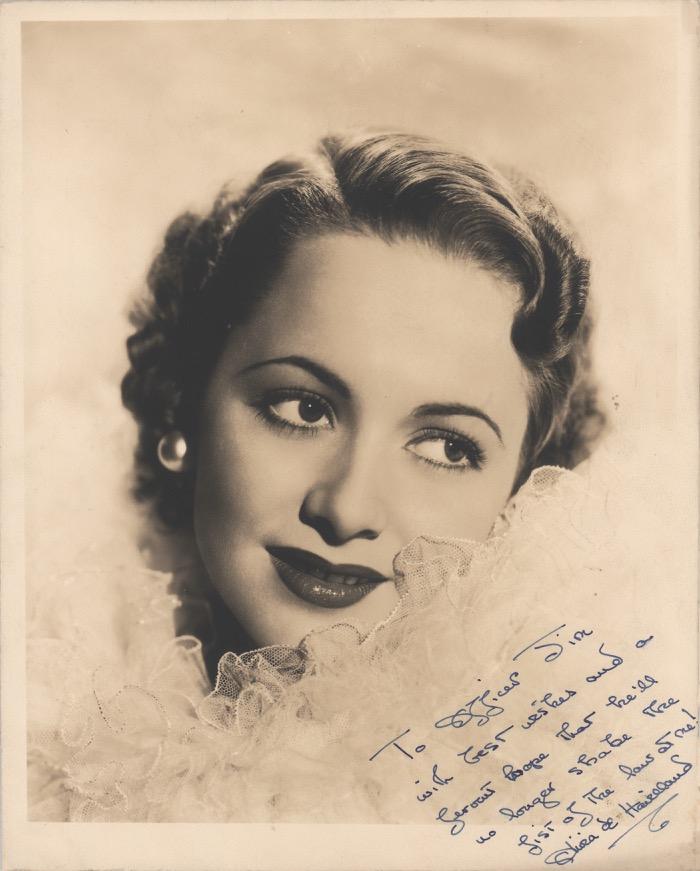
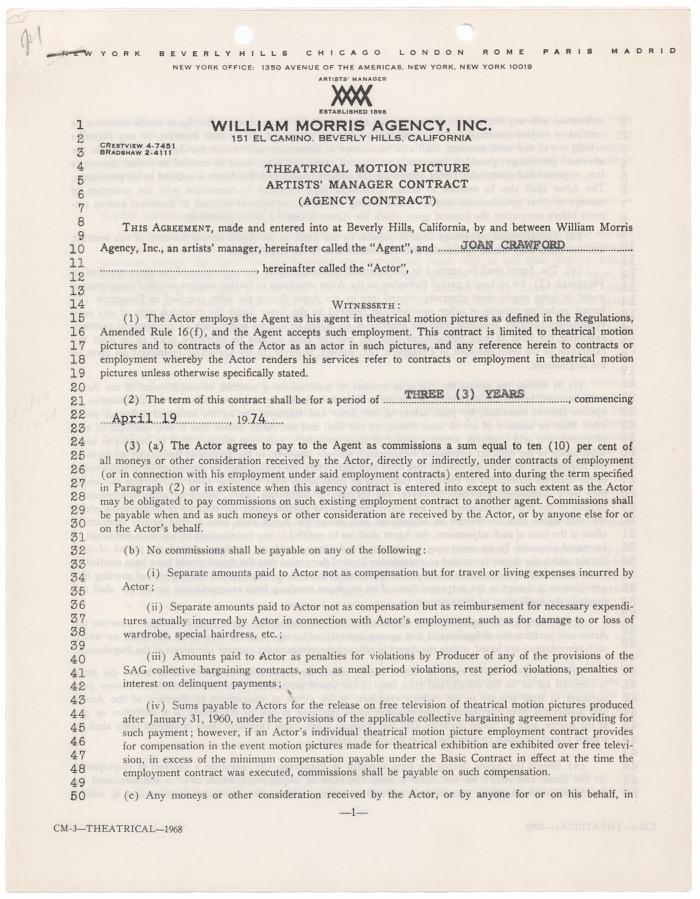
662.
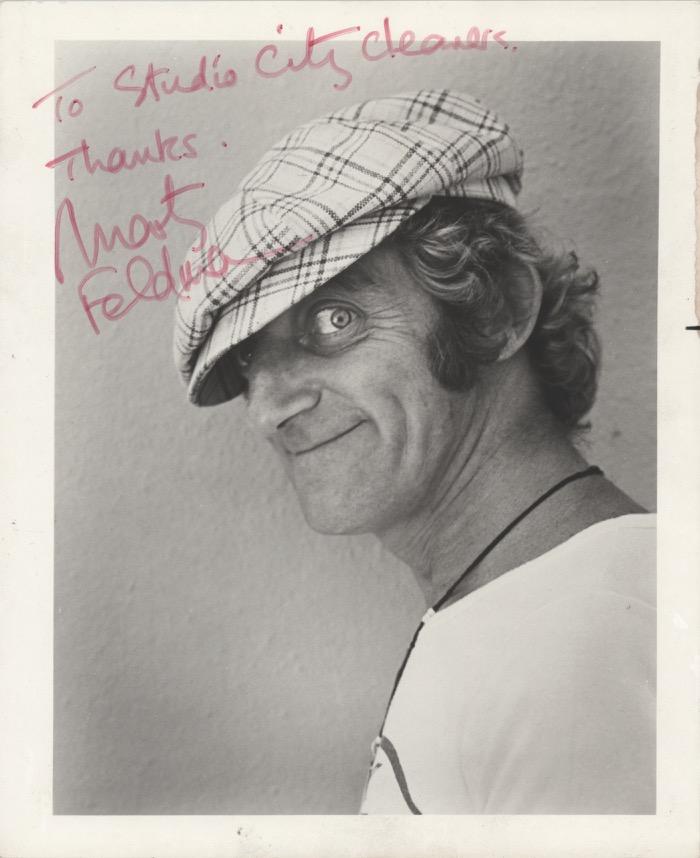
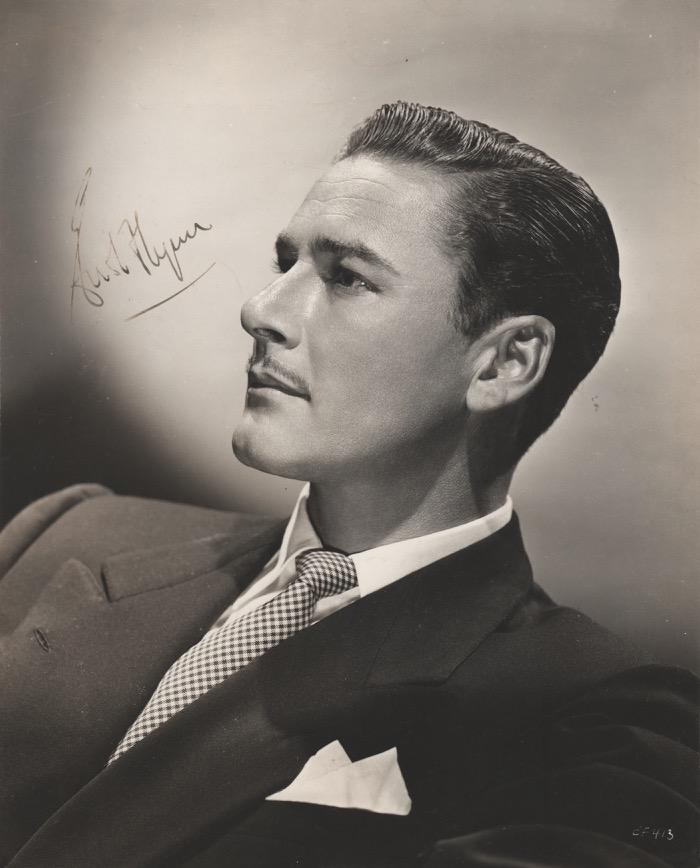
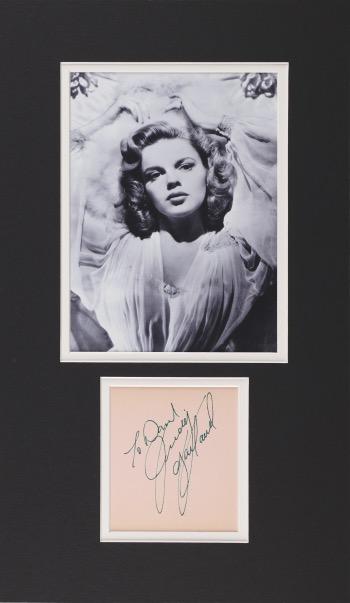
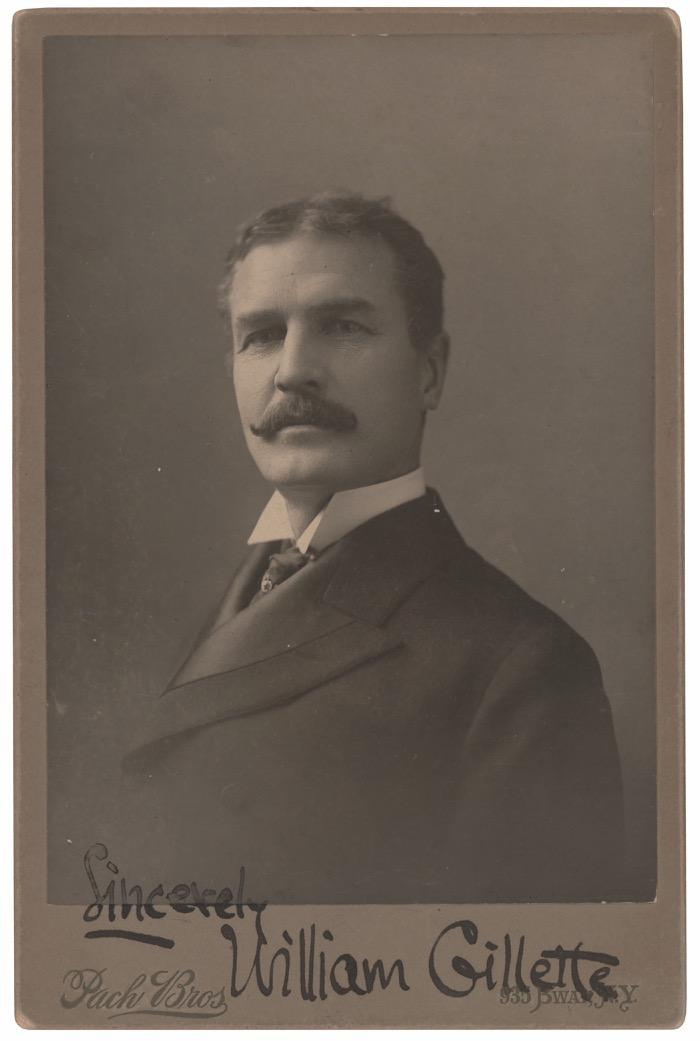
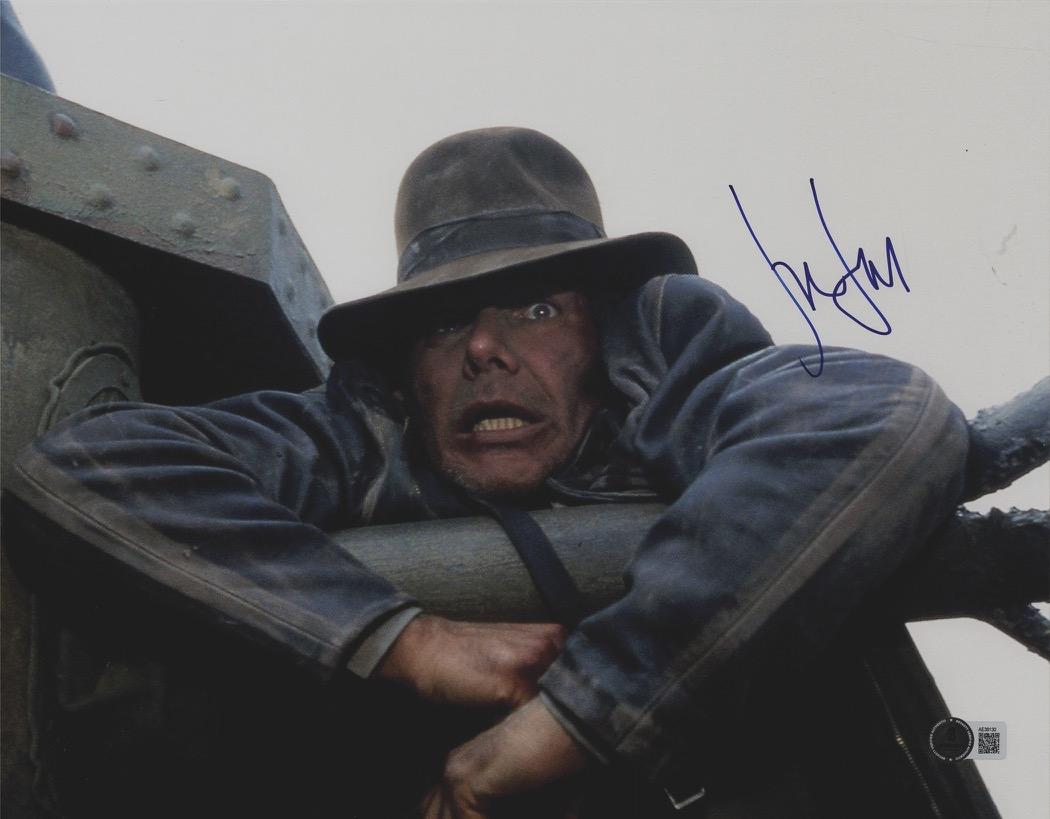
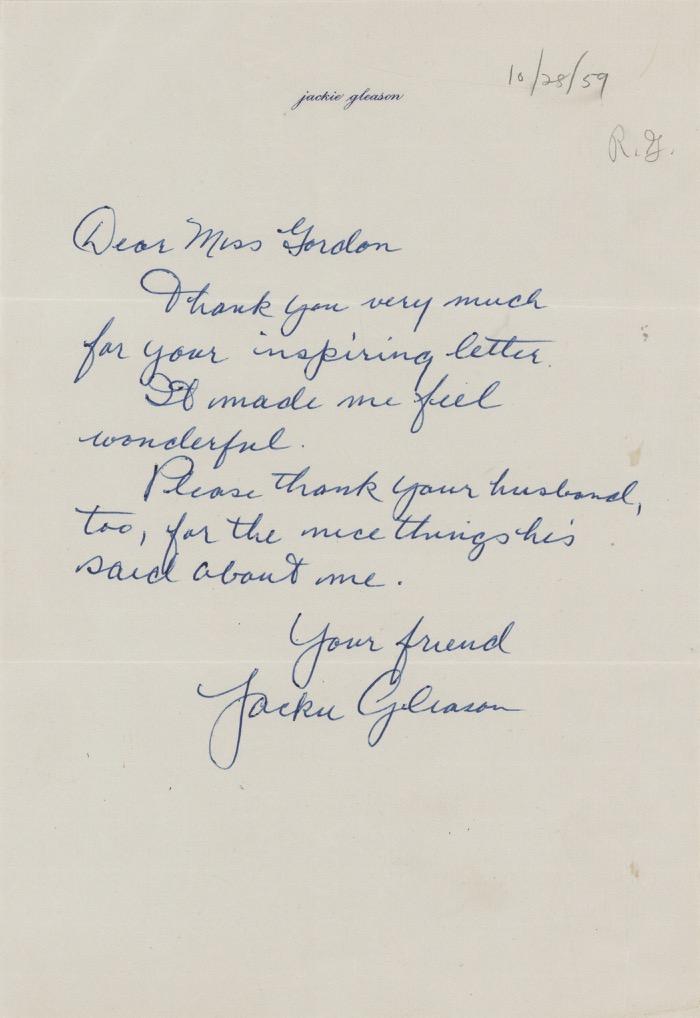
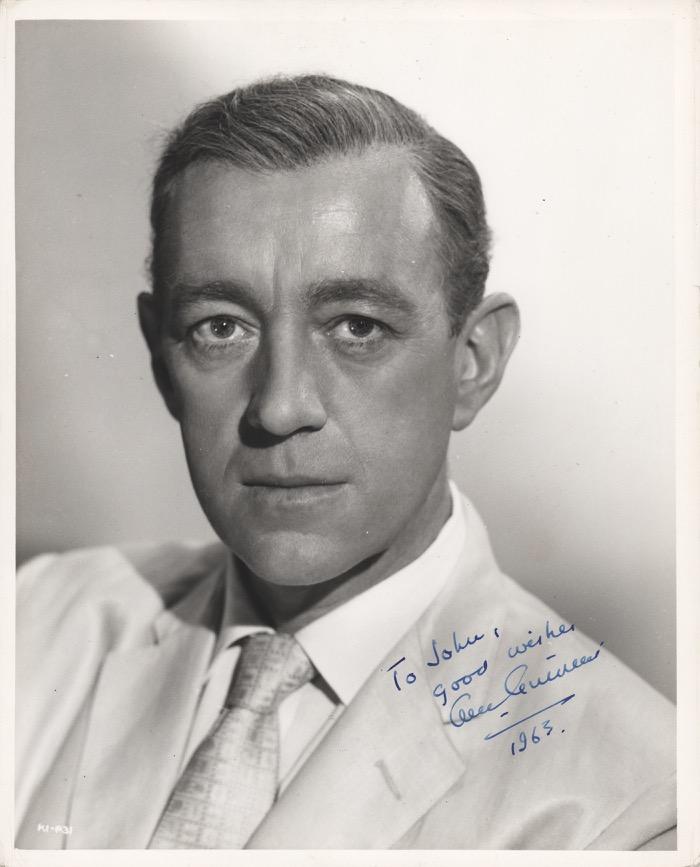
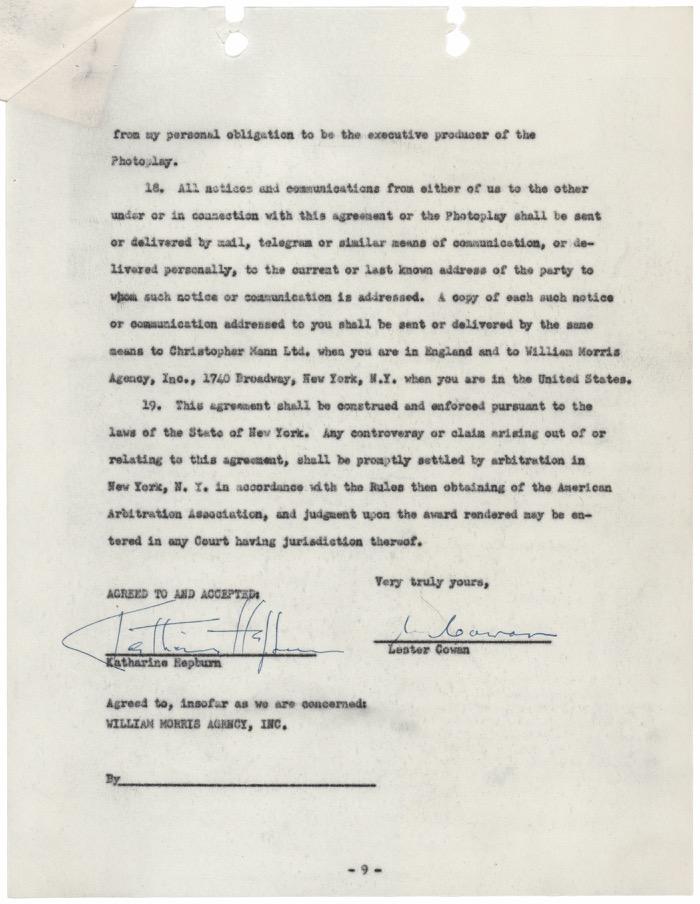
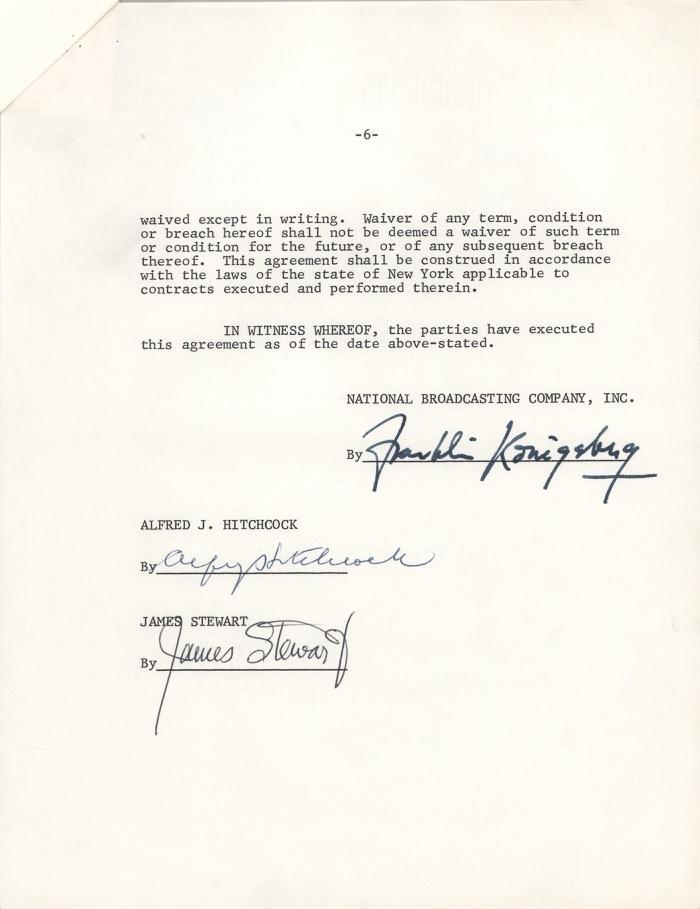
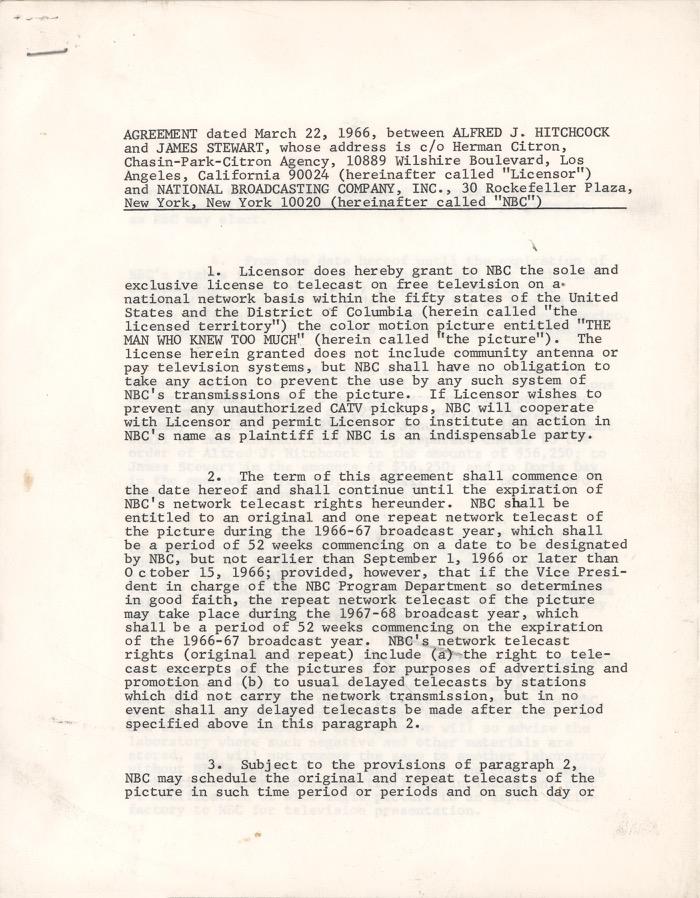
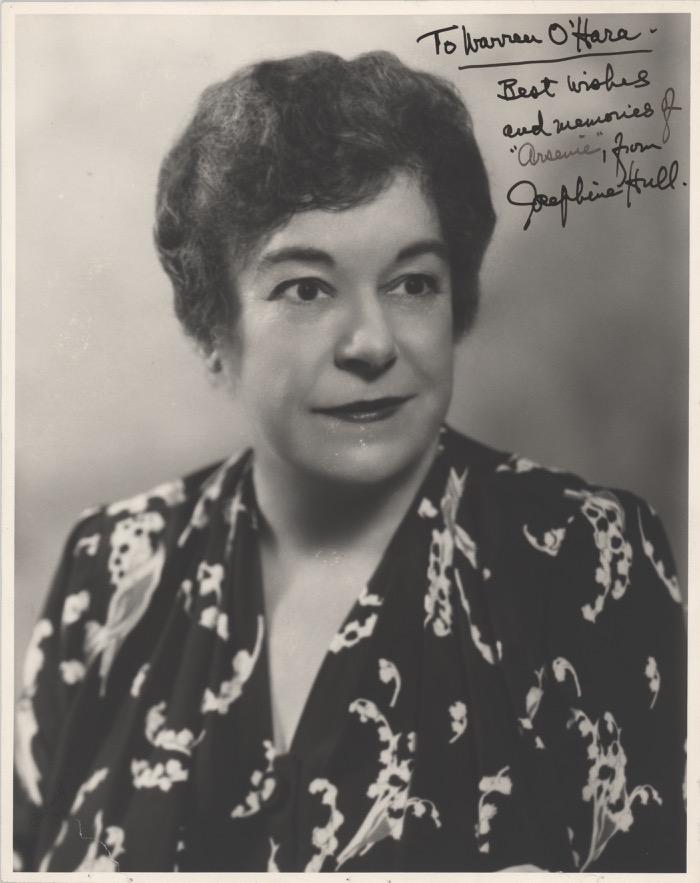
678. Josephine Hull Signed Photograph Starting Bid $200
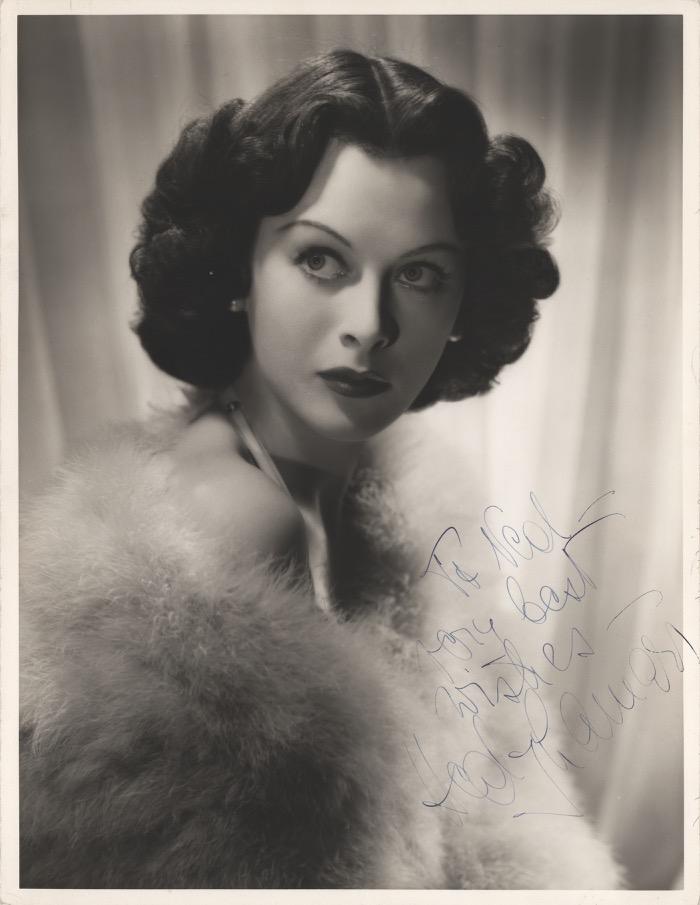
682. Hedy Lamarr Oversized Signed Photograph Starting Bid $200
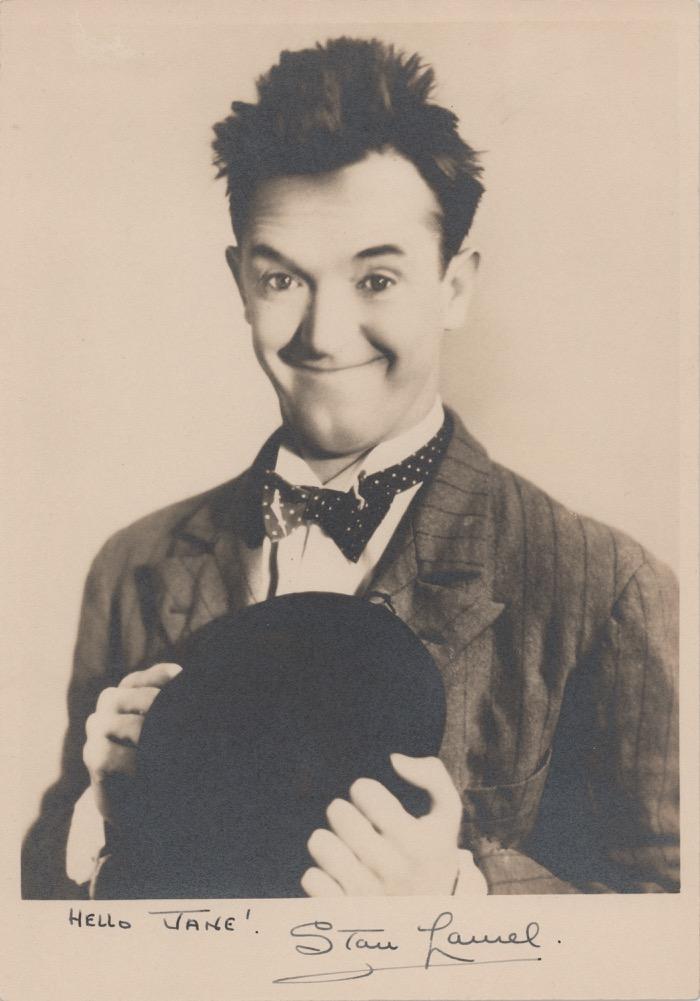
686. Stan
Signed Photograph Starting Bid $200
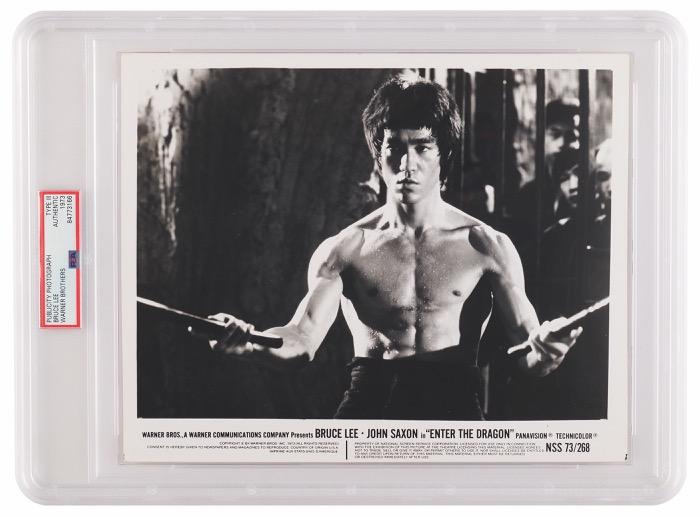
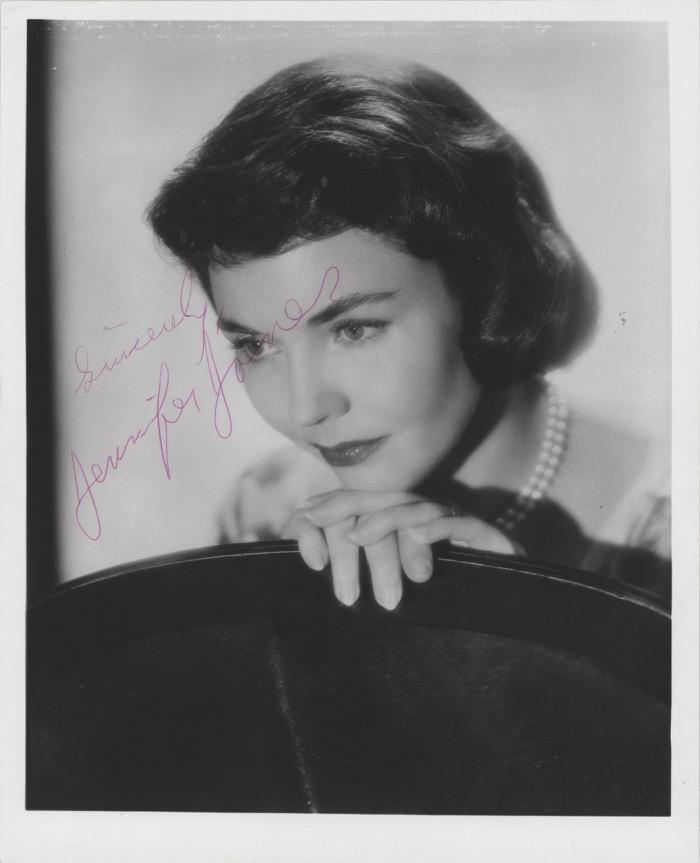
679. Jennifer
Signed Photograph Starting Bid $200
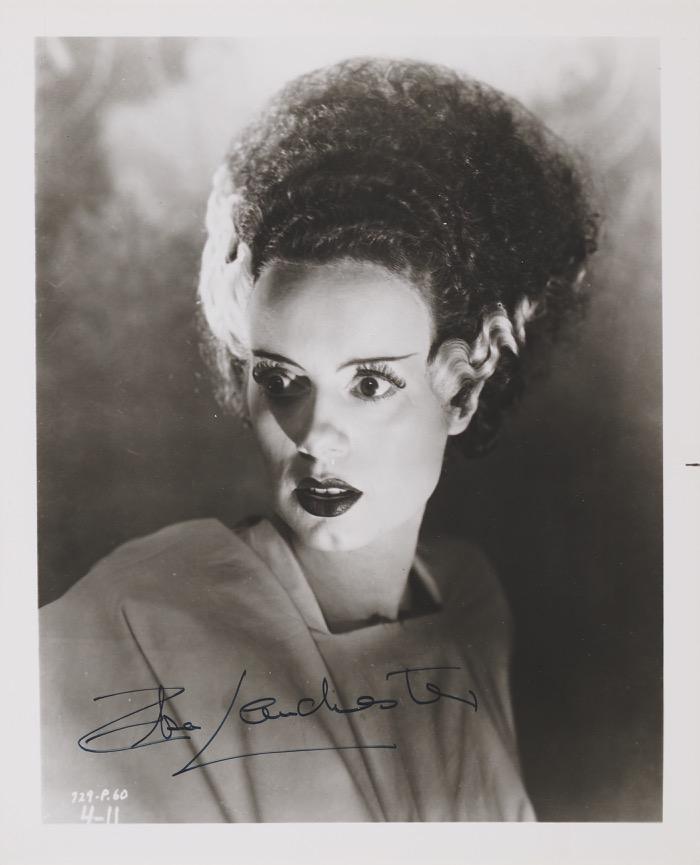
683. Elsa Lanchester Signed Photograph Starting Bid $200
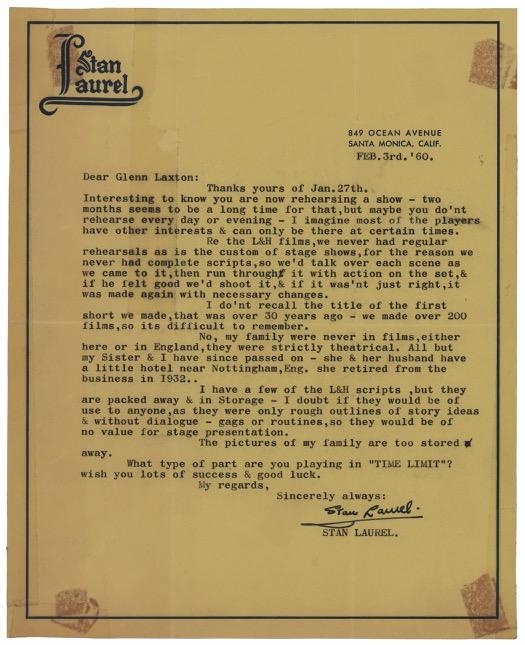
687. Stan
Typed Letter Signed on the Laurel & Hardy Filmmaking ... Starting Bid $200
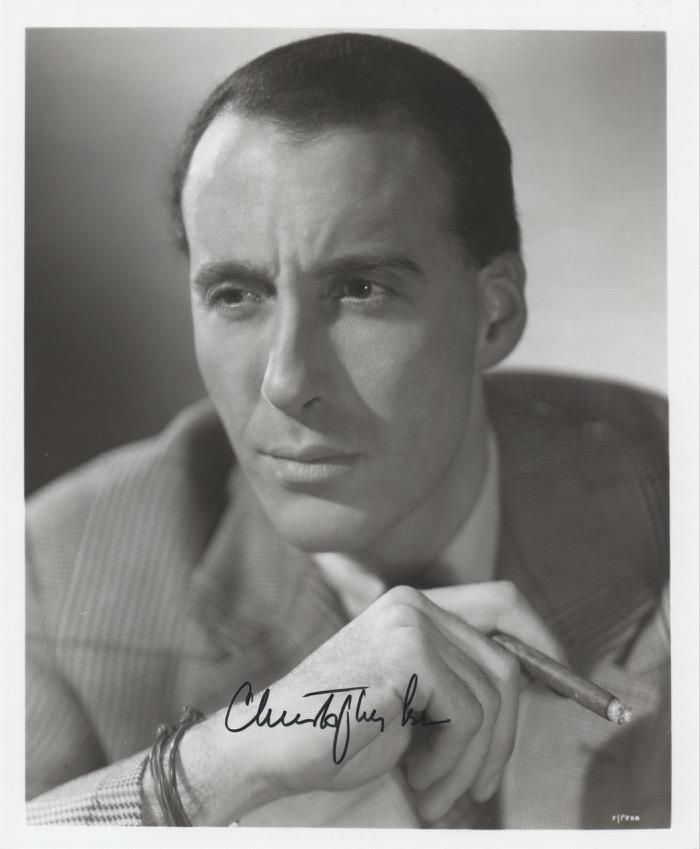
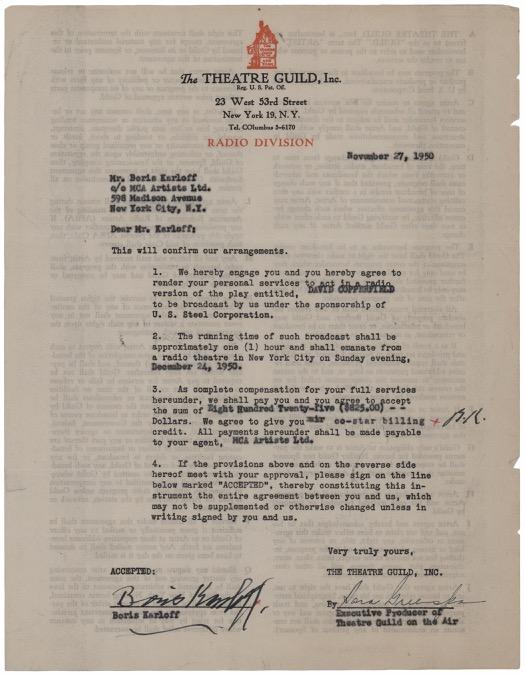
680. Boris
Document Signed for 'David Copperfield' Starting Bid $200
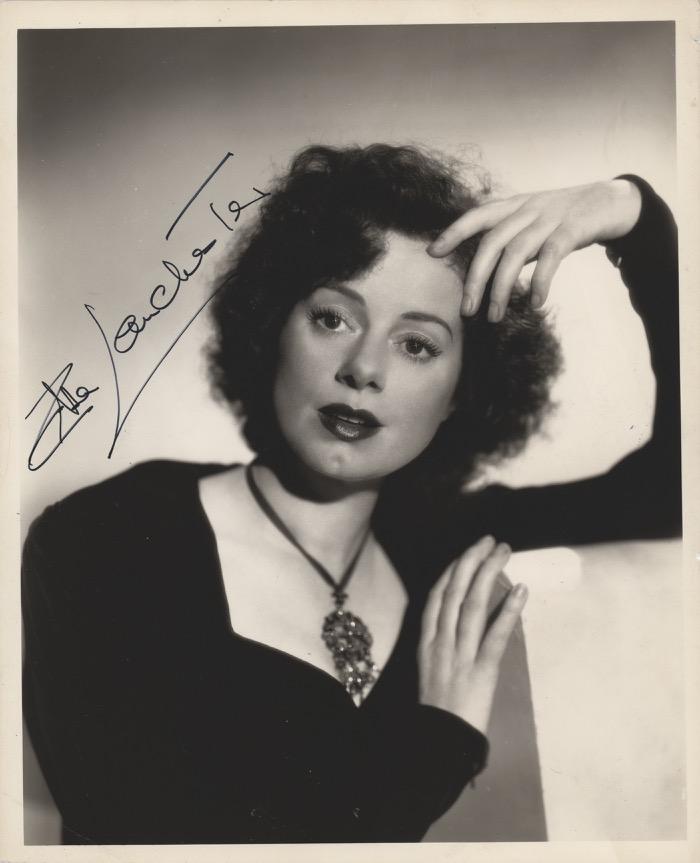
684. Elsa Lanchester Signed Photograph Starting Bid $200
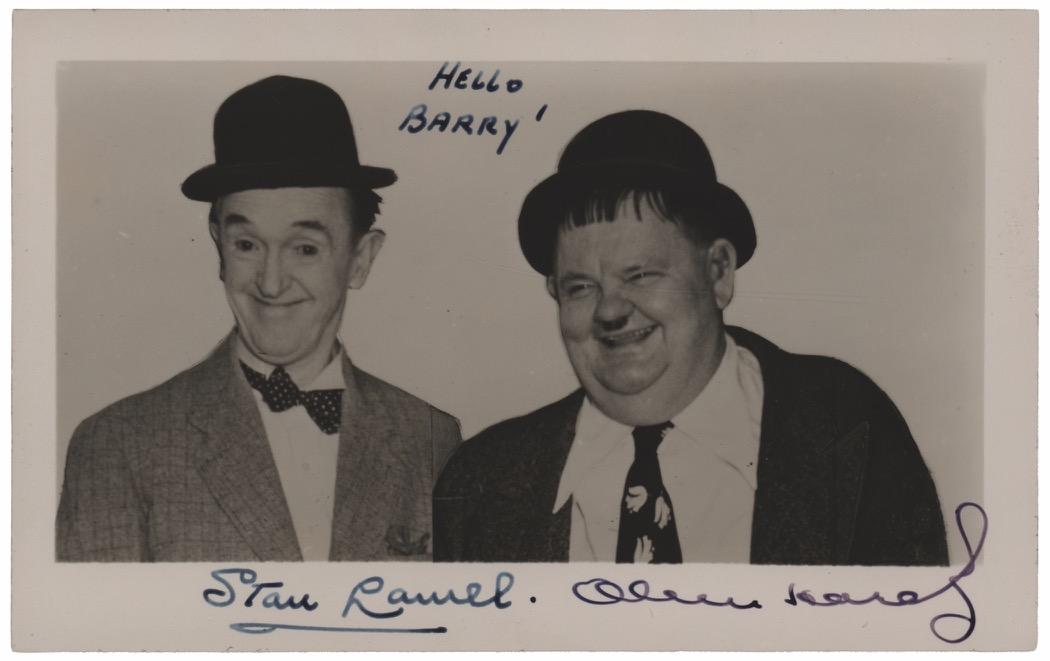
688.
and
Hardy Signed Photograph Starting Bid $200
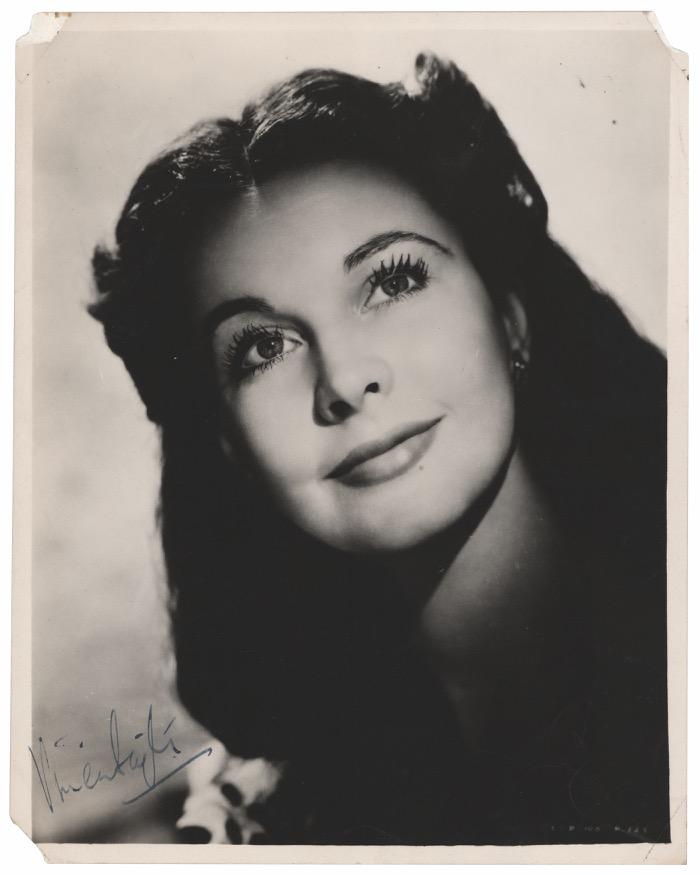

681.
Oversized Signed Photograph Starting Bid $200
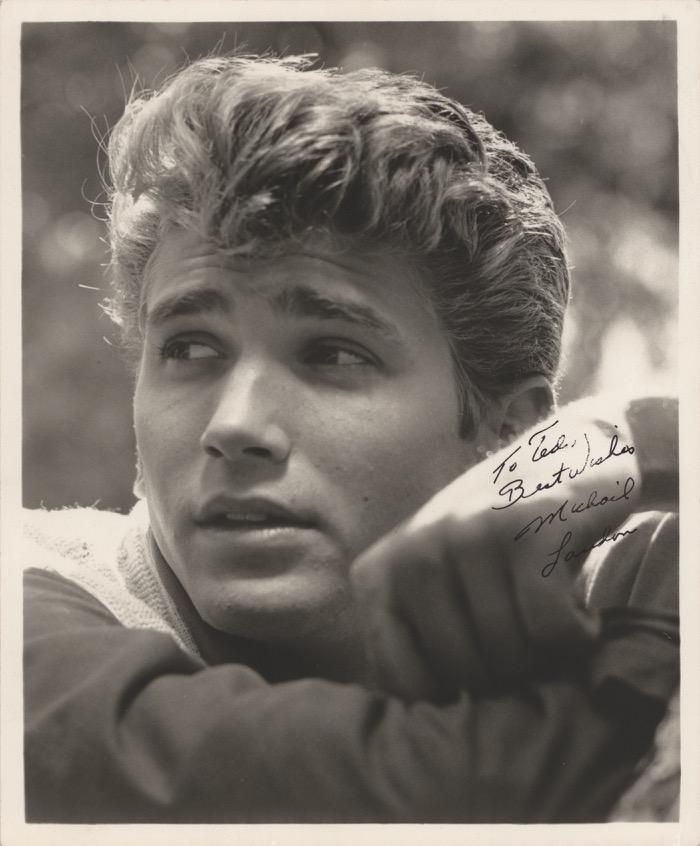
685.
Signed Photograph Starting Bid $200
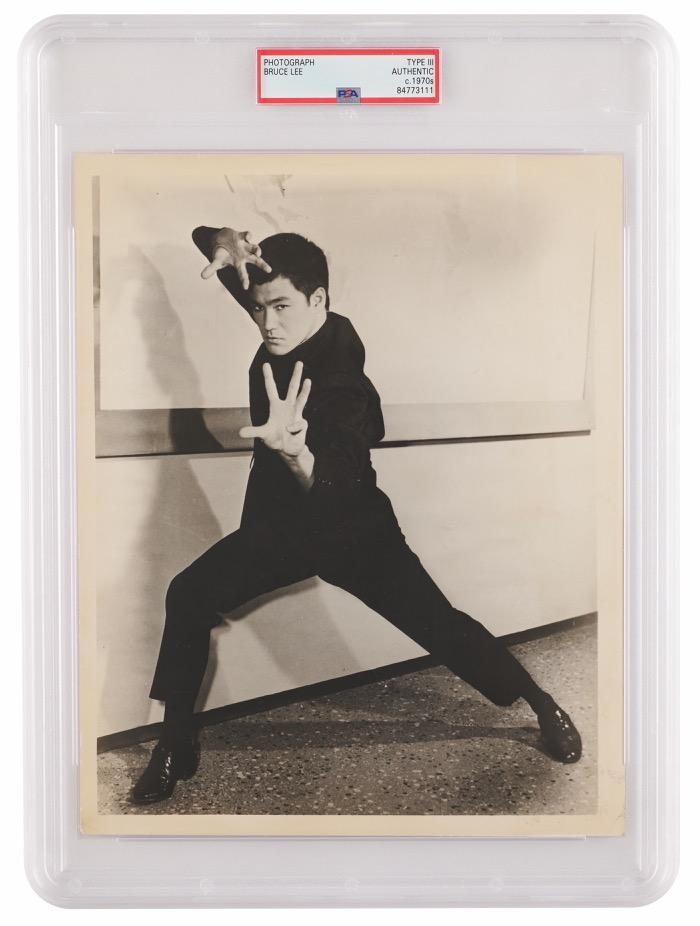
Starting Bid $200

694.
Starting Bid $200
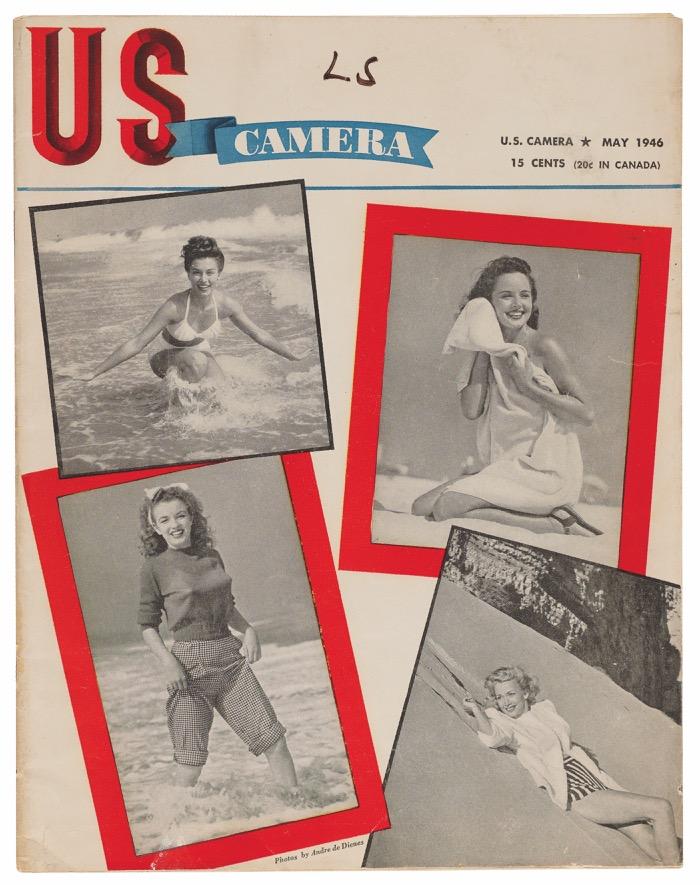
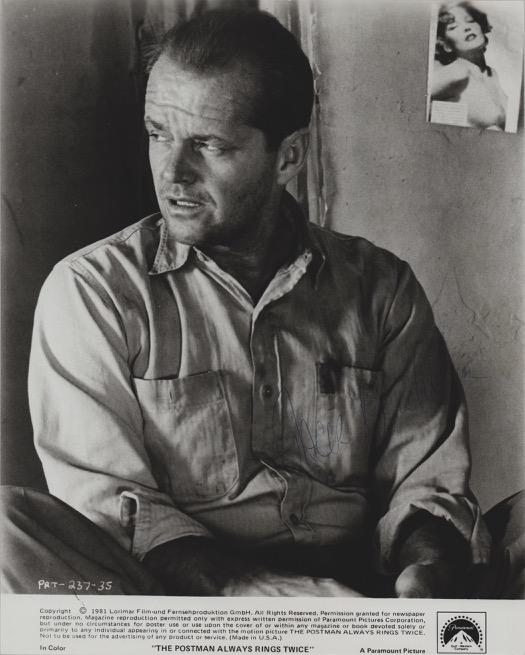
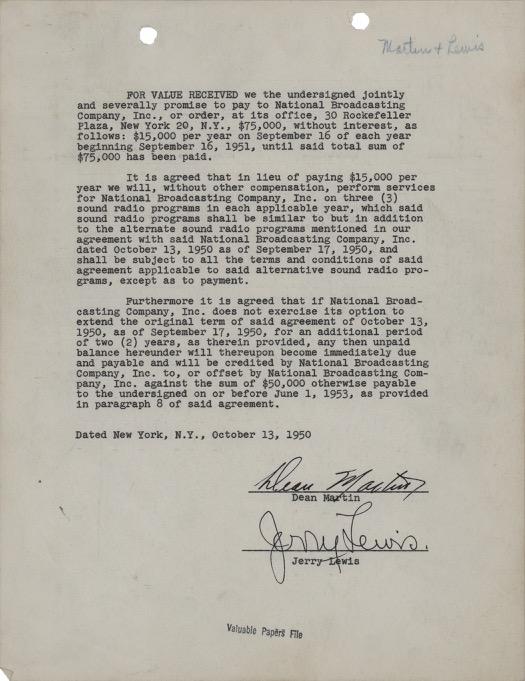
695.
Starting Bid $200
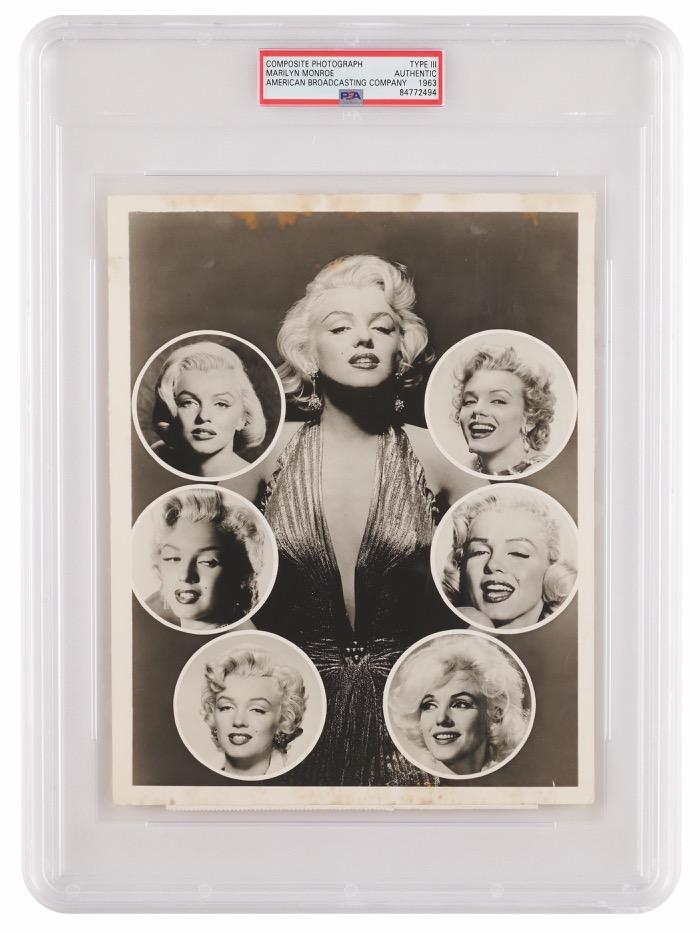
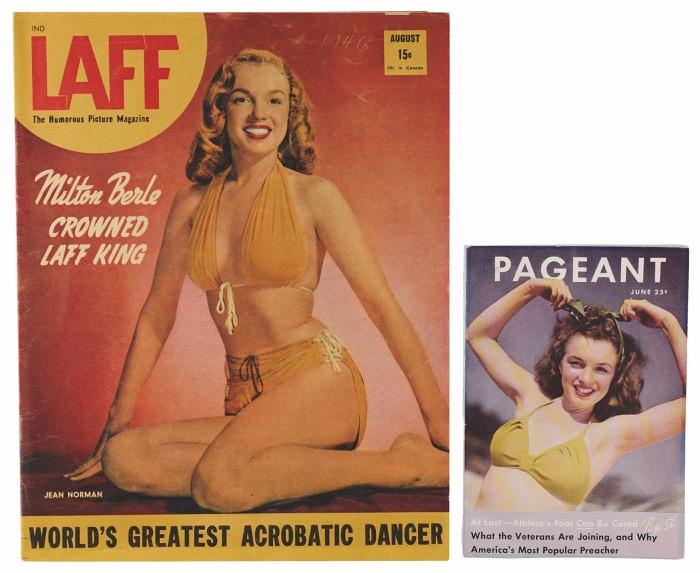
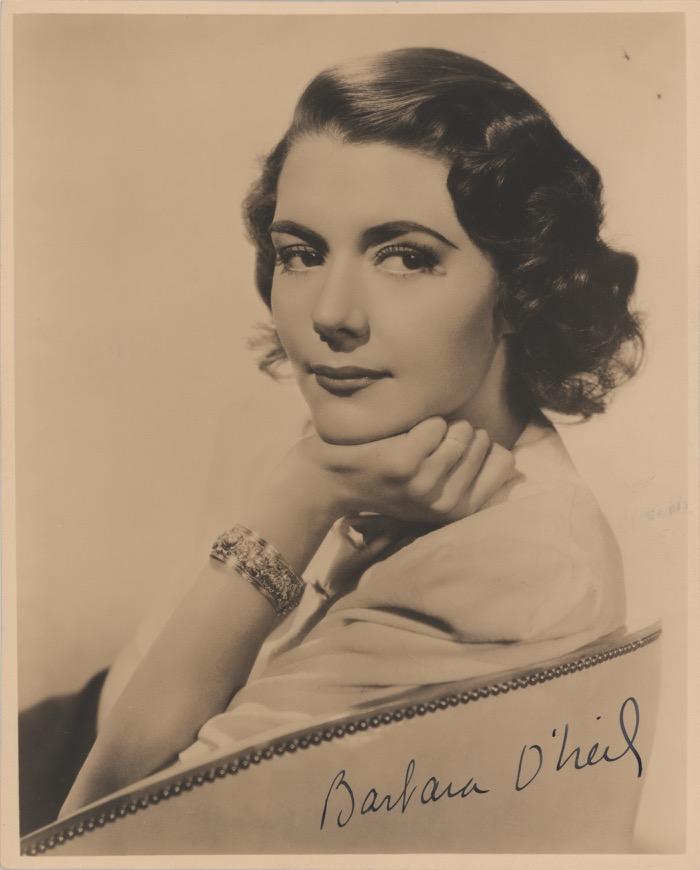
696.
Starting Bid $200
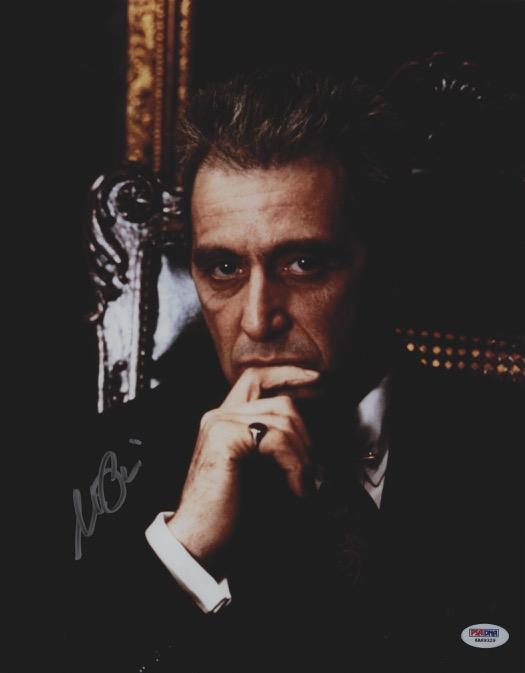
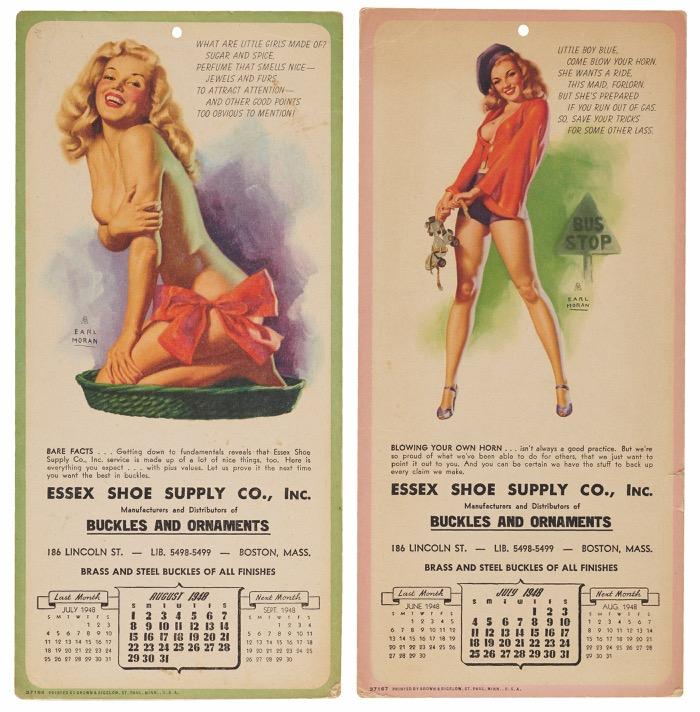
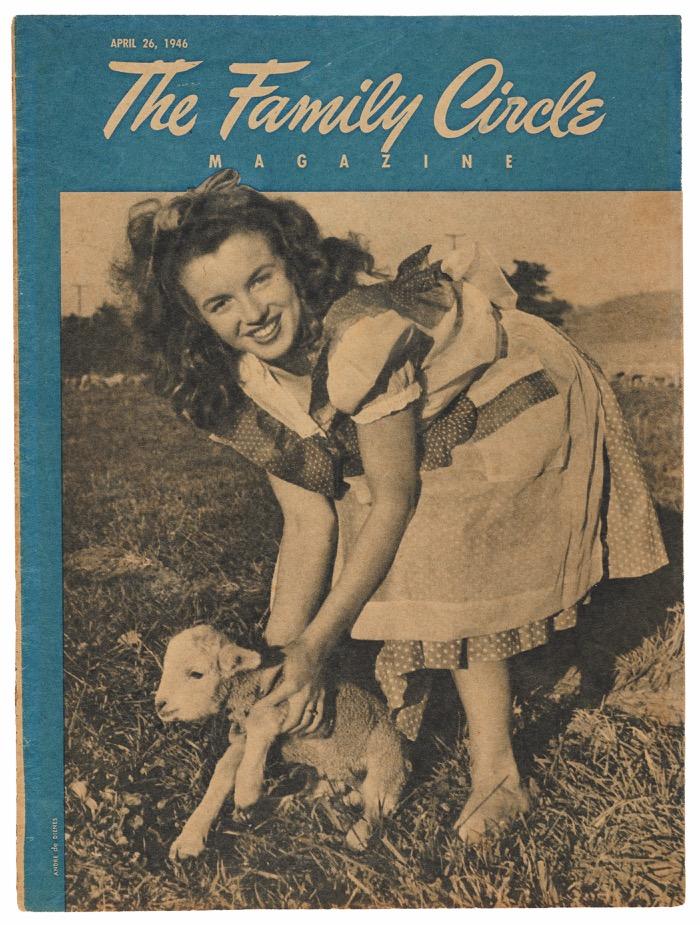
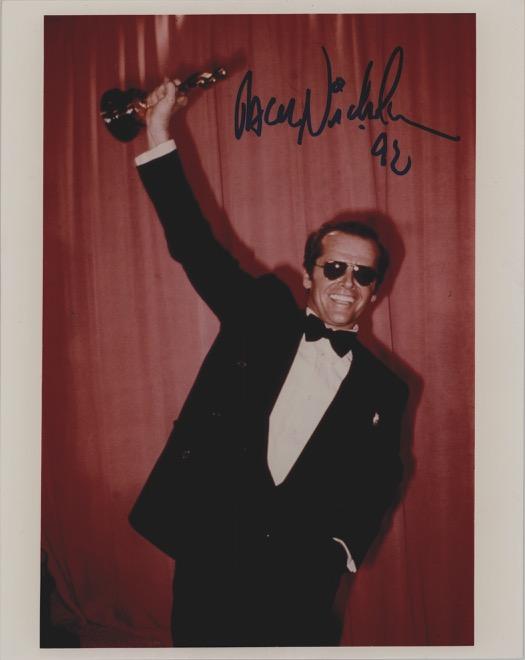
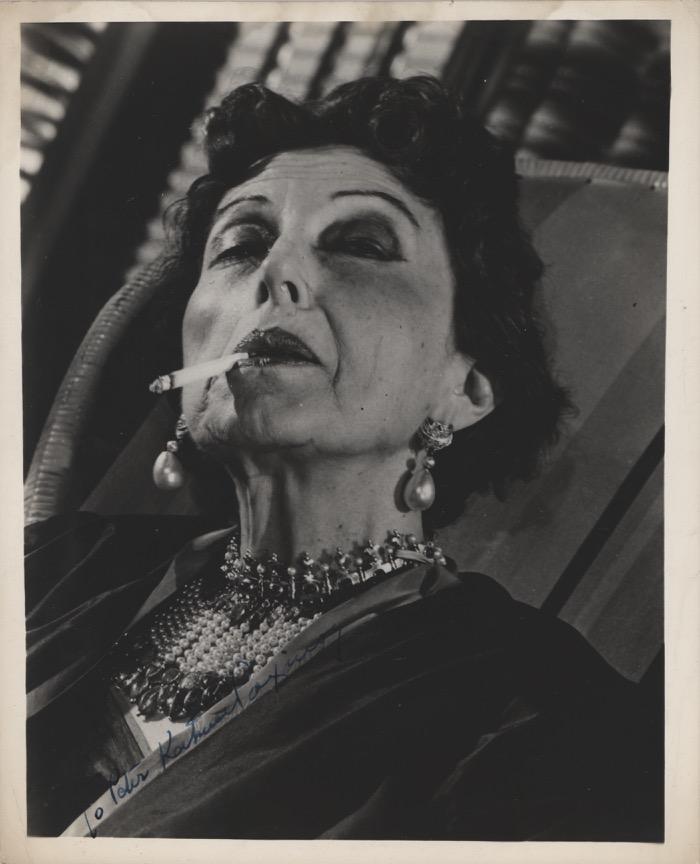
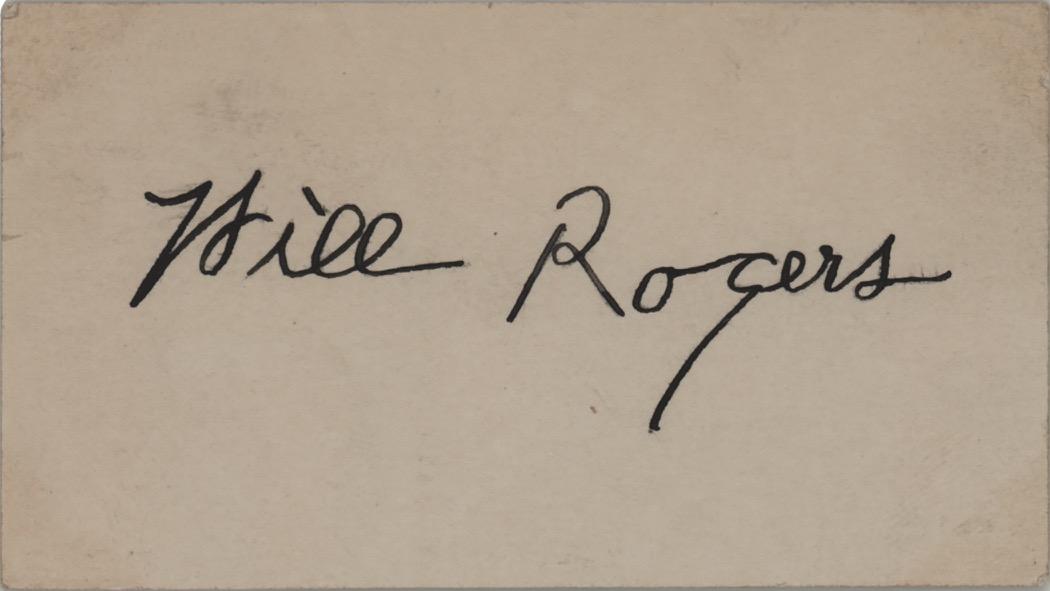
710. Will Rogers (2) Signatures Starting Bid $200
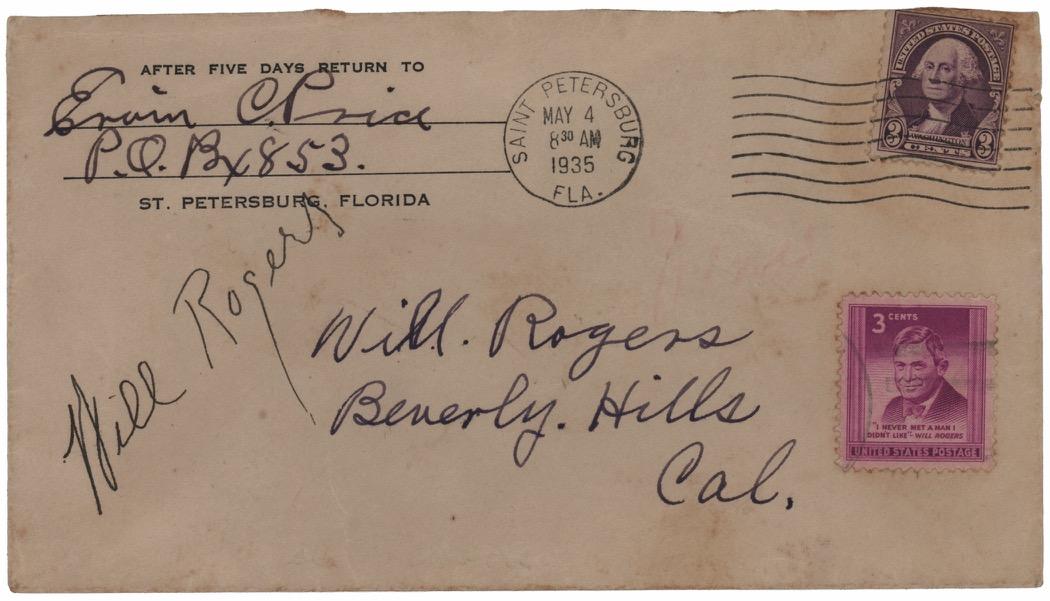
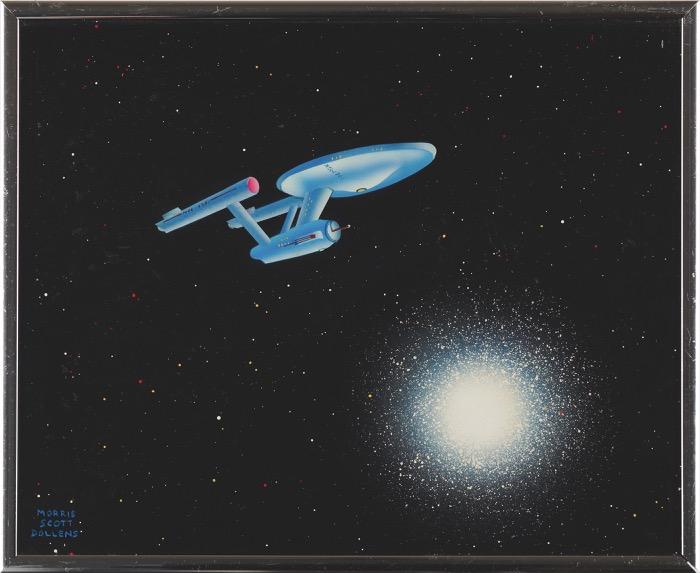
Starting
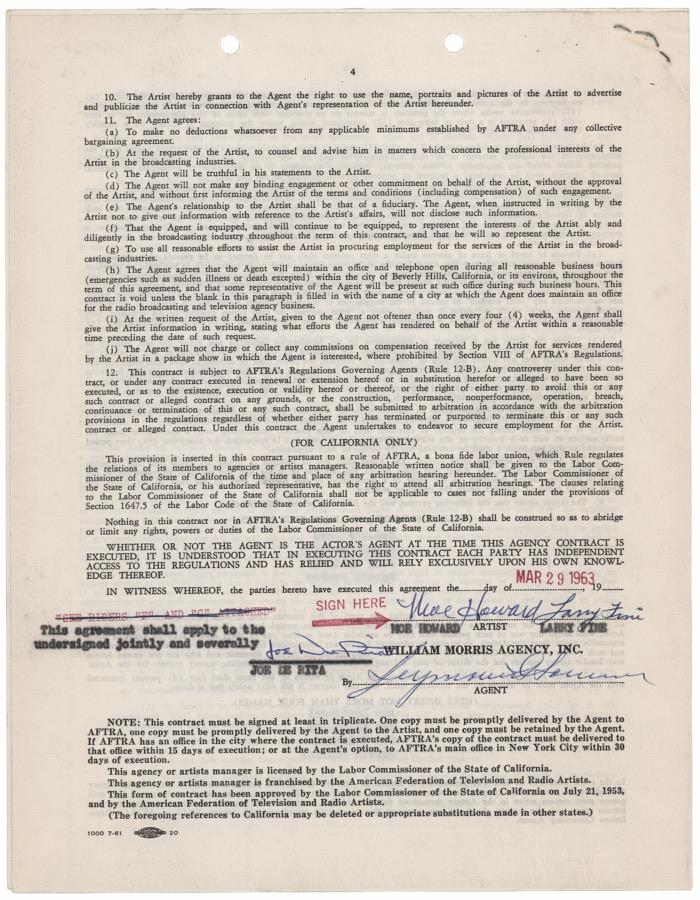
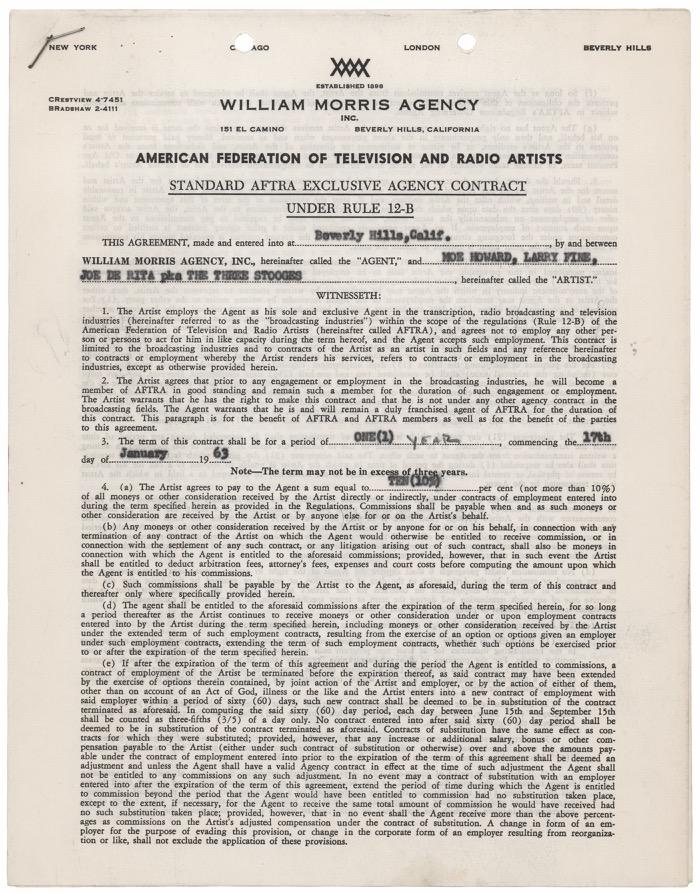
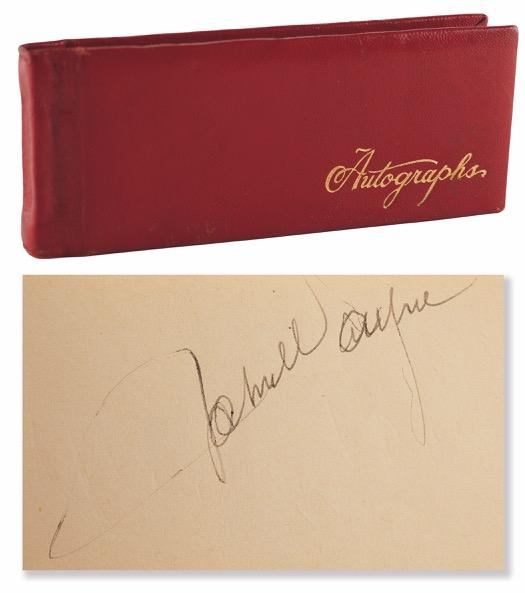
711. Peter Sellers Typed Letter Signed, Securing a Loan with Pink Pant... Starting Bid $200
715.
Starting Bid $200
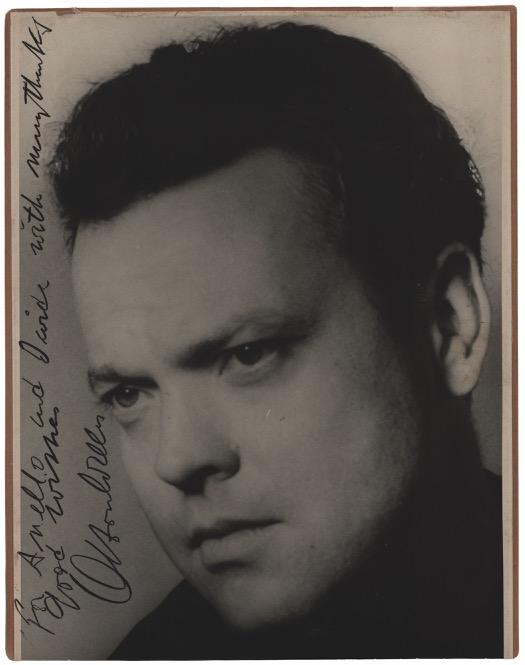
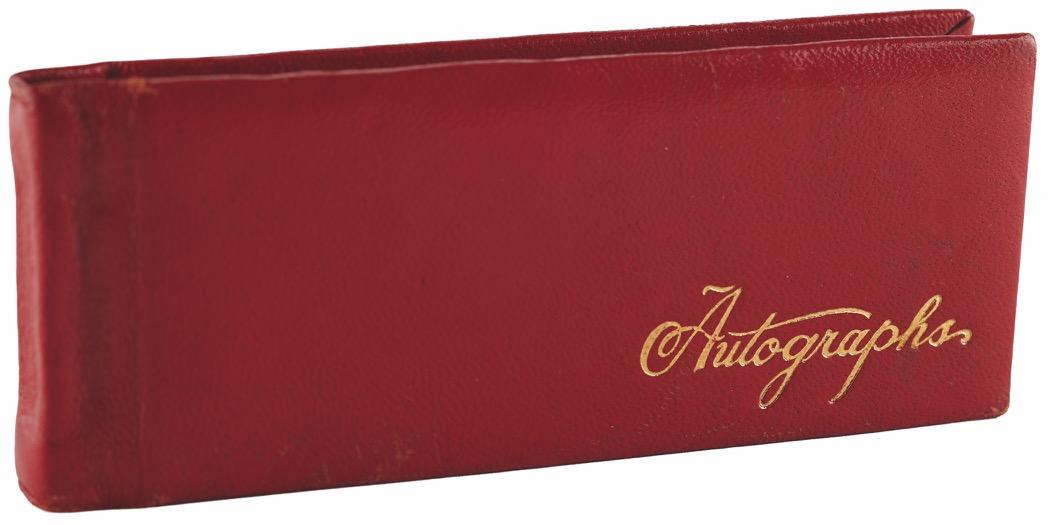
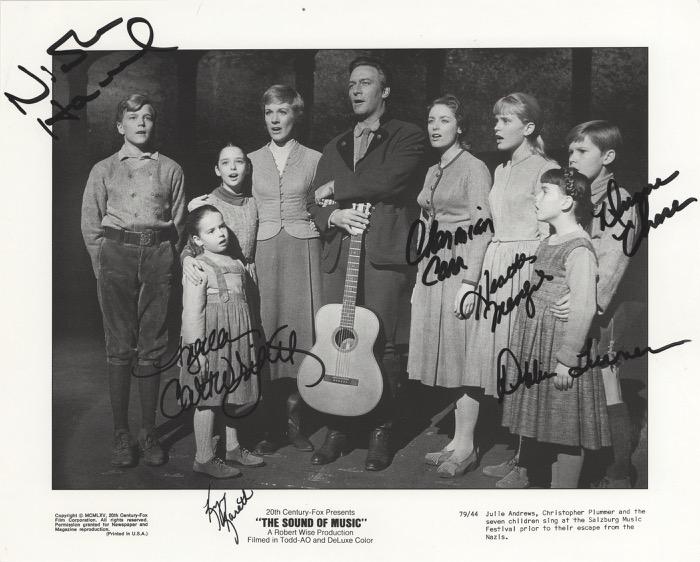
Starting Bid $200
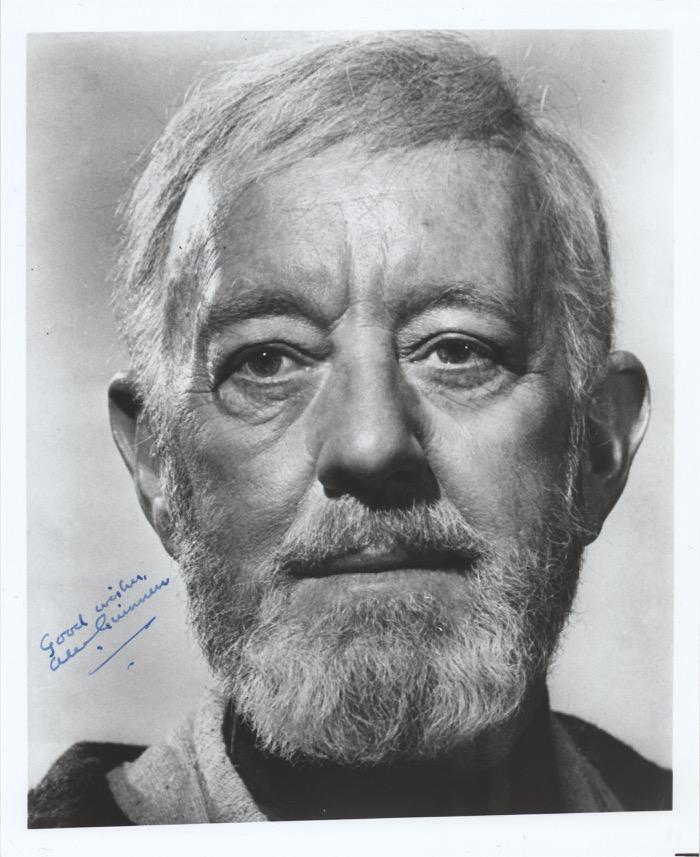
716.
Starting Bid $200
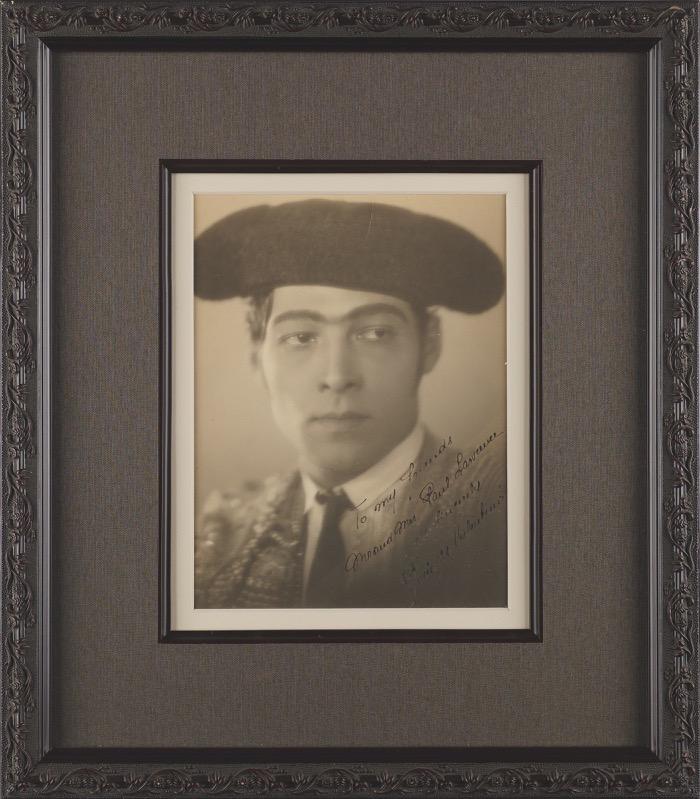
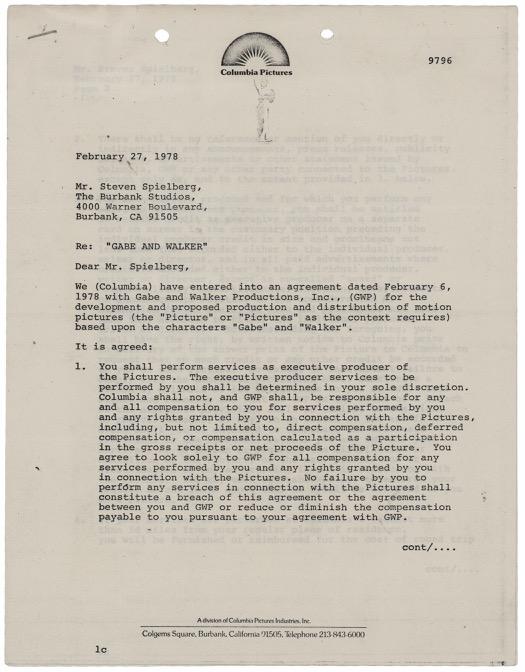
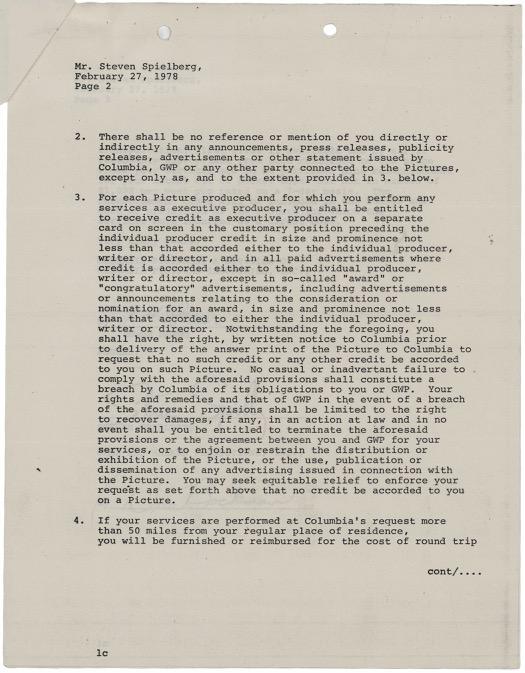
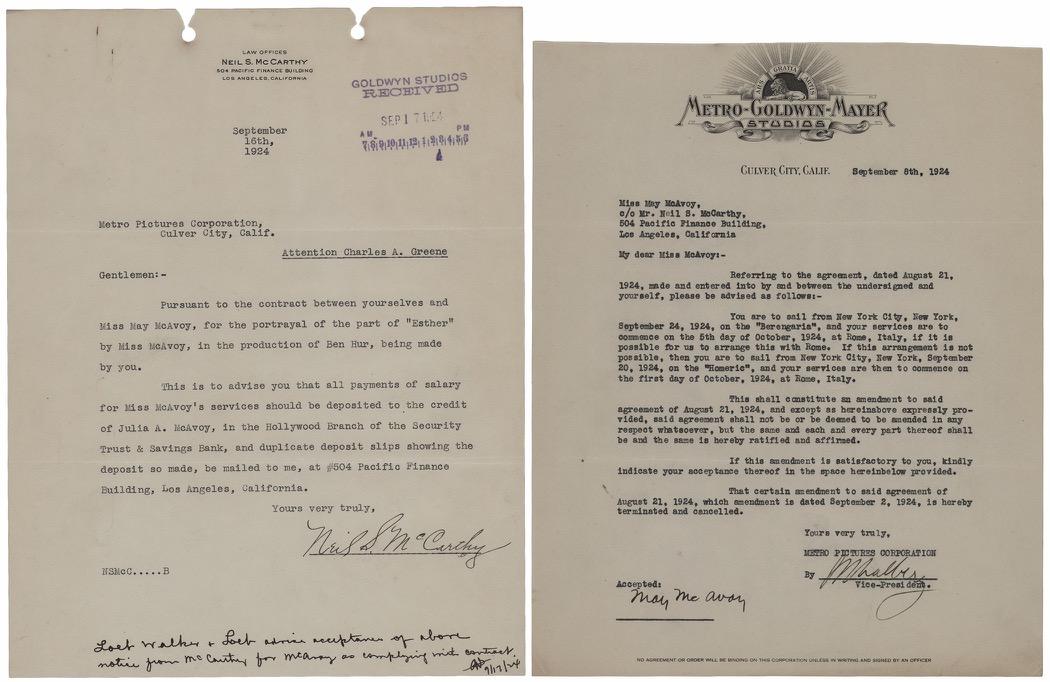
717.
Starting Bid $200
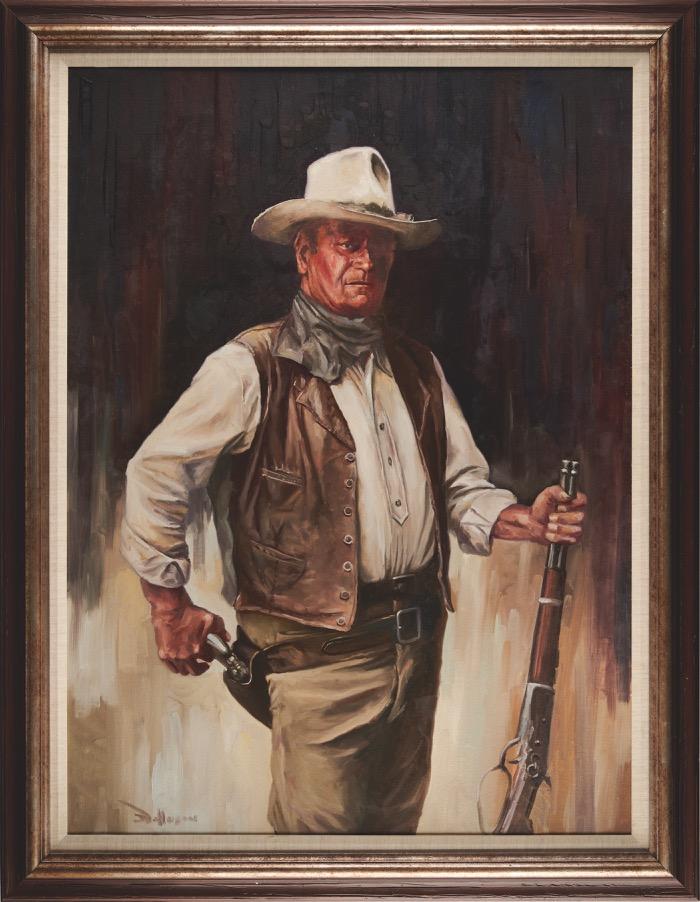
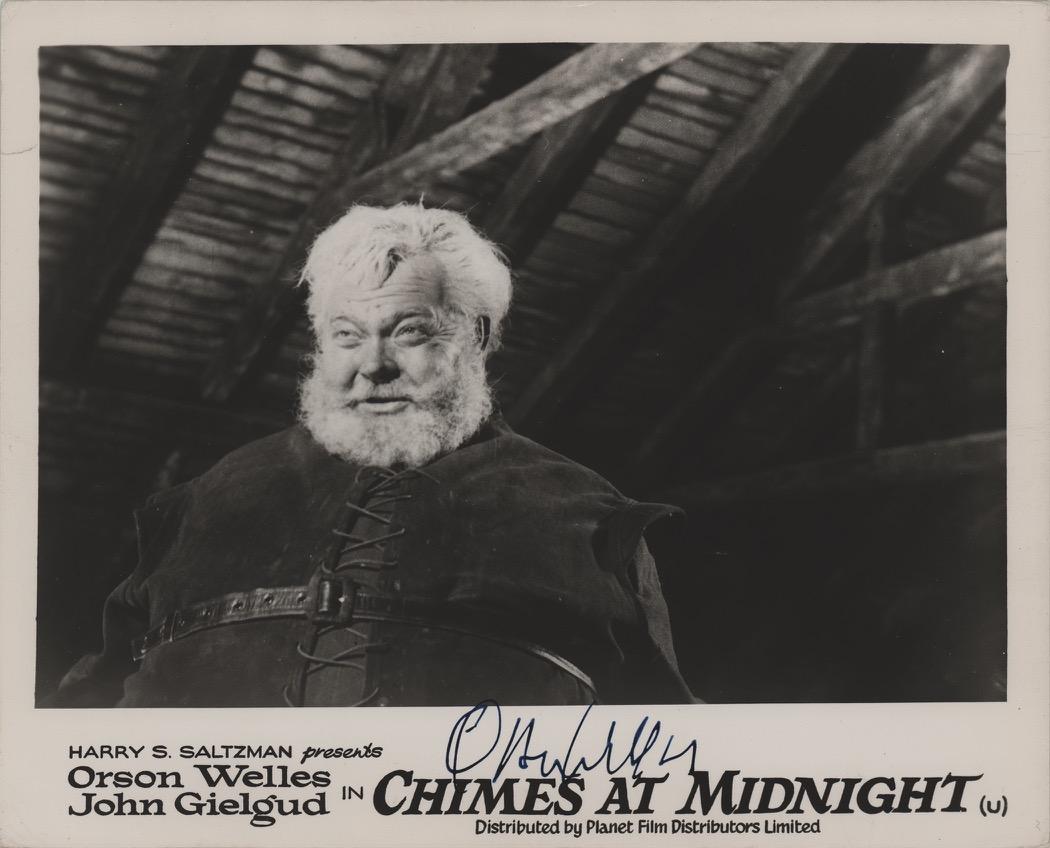
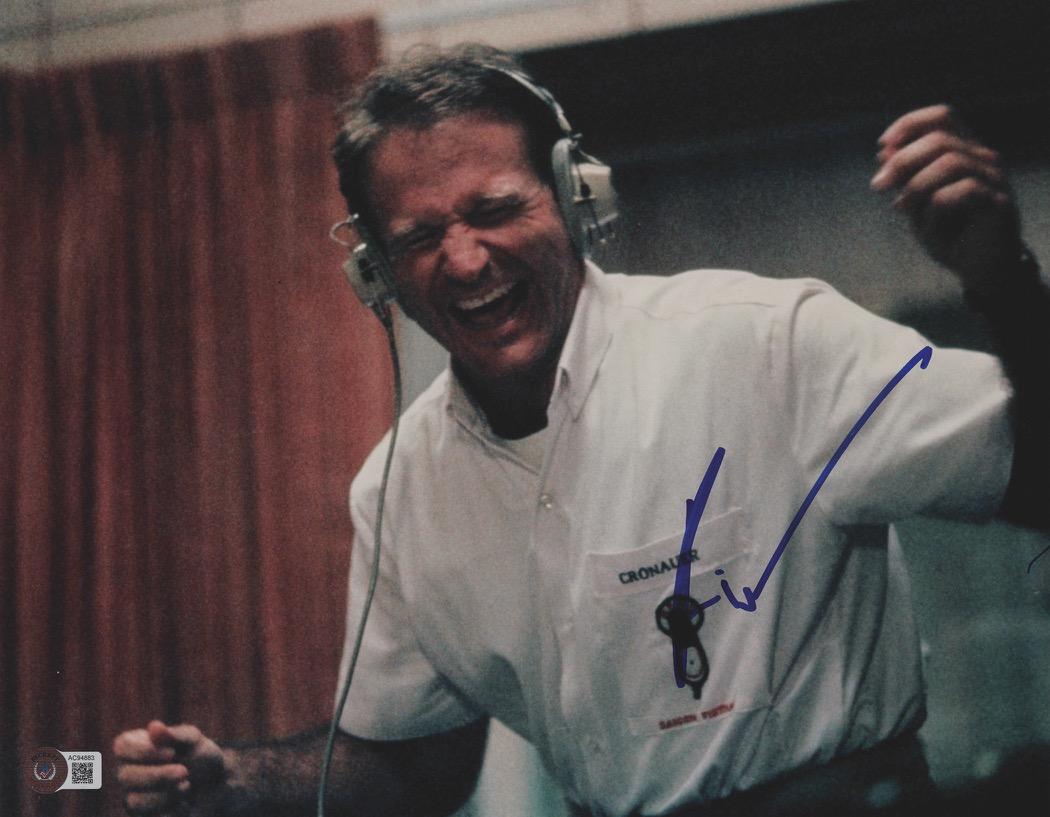
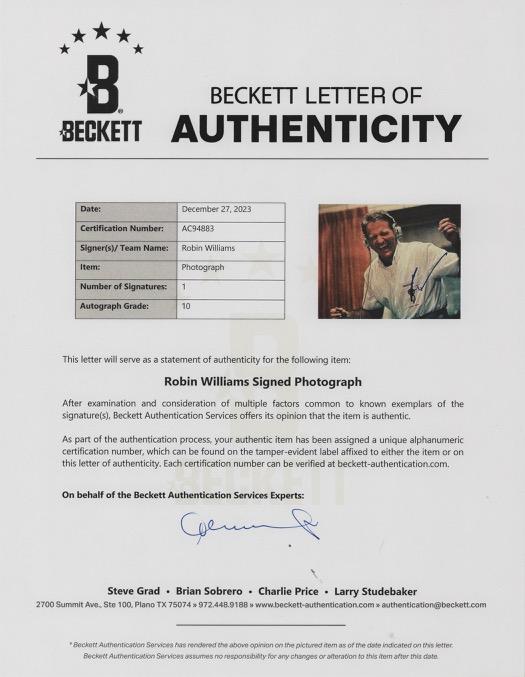
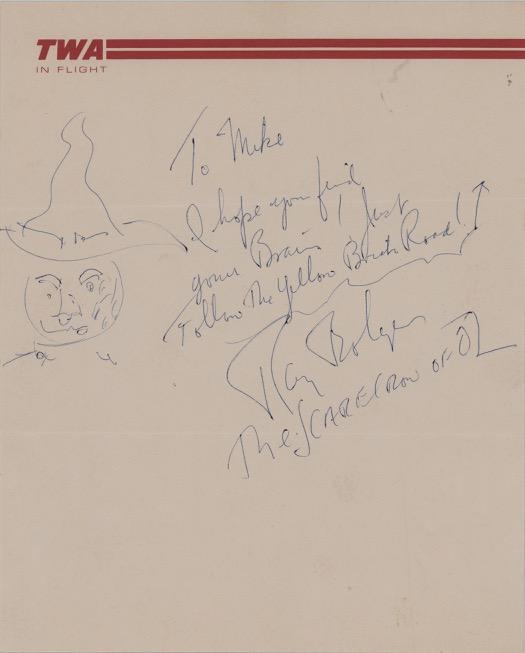
726.
Bolger Signed Sketch of
Starting Bid $200
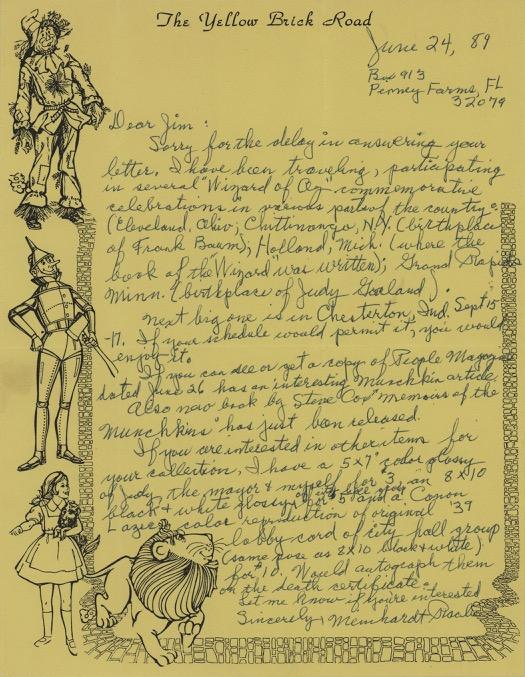
727.
Meinhardt Raabe Autograph Letter Signed on 'Wizard ... Starting Bid $200
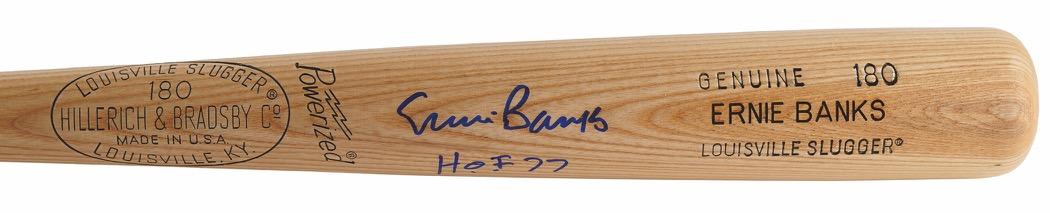
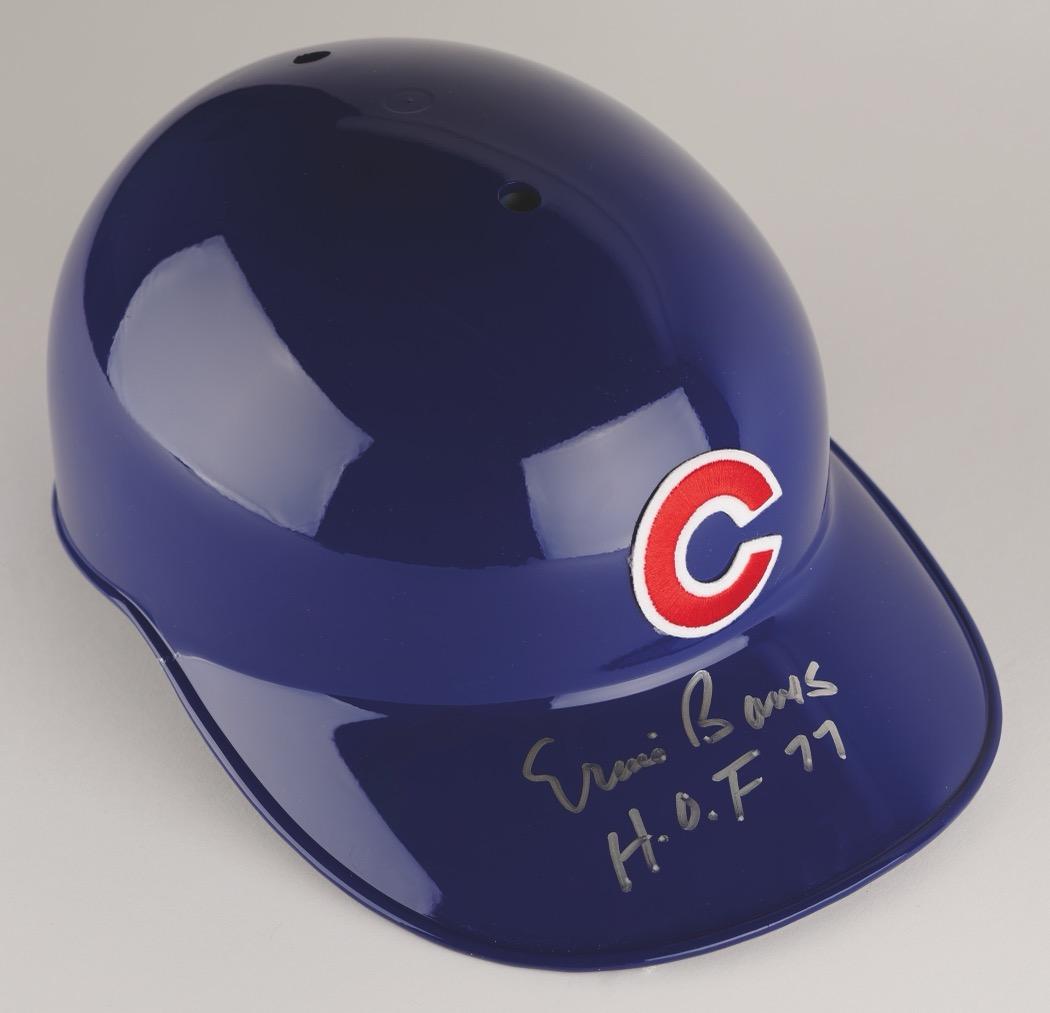
733.
Starting Bid $200
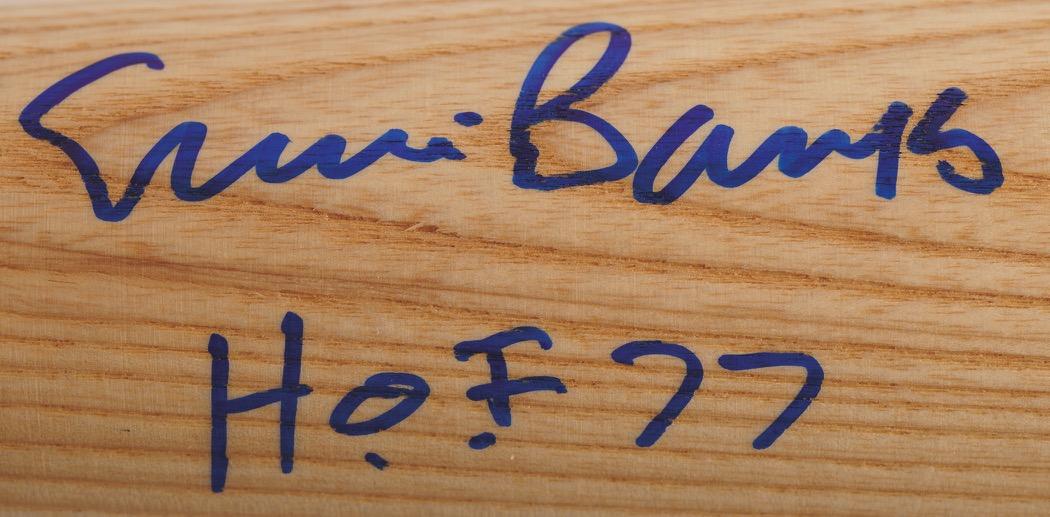
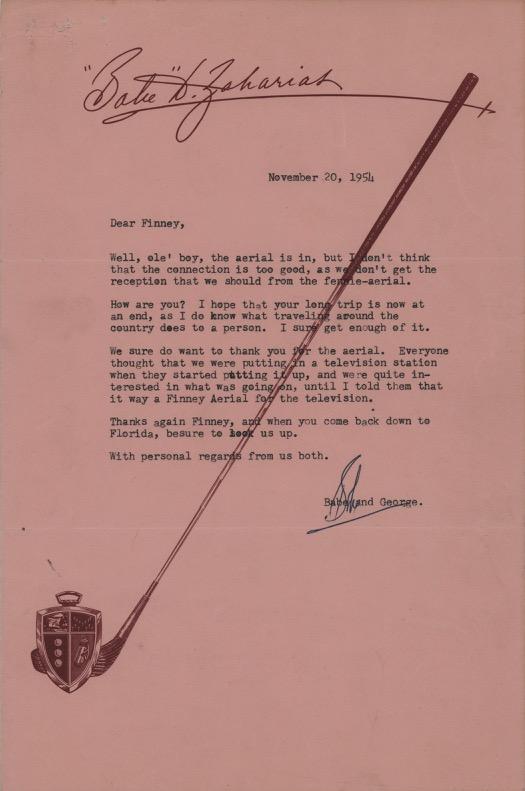
Signed Starting Bid
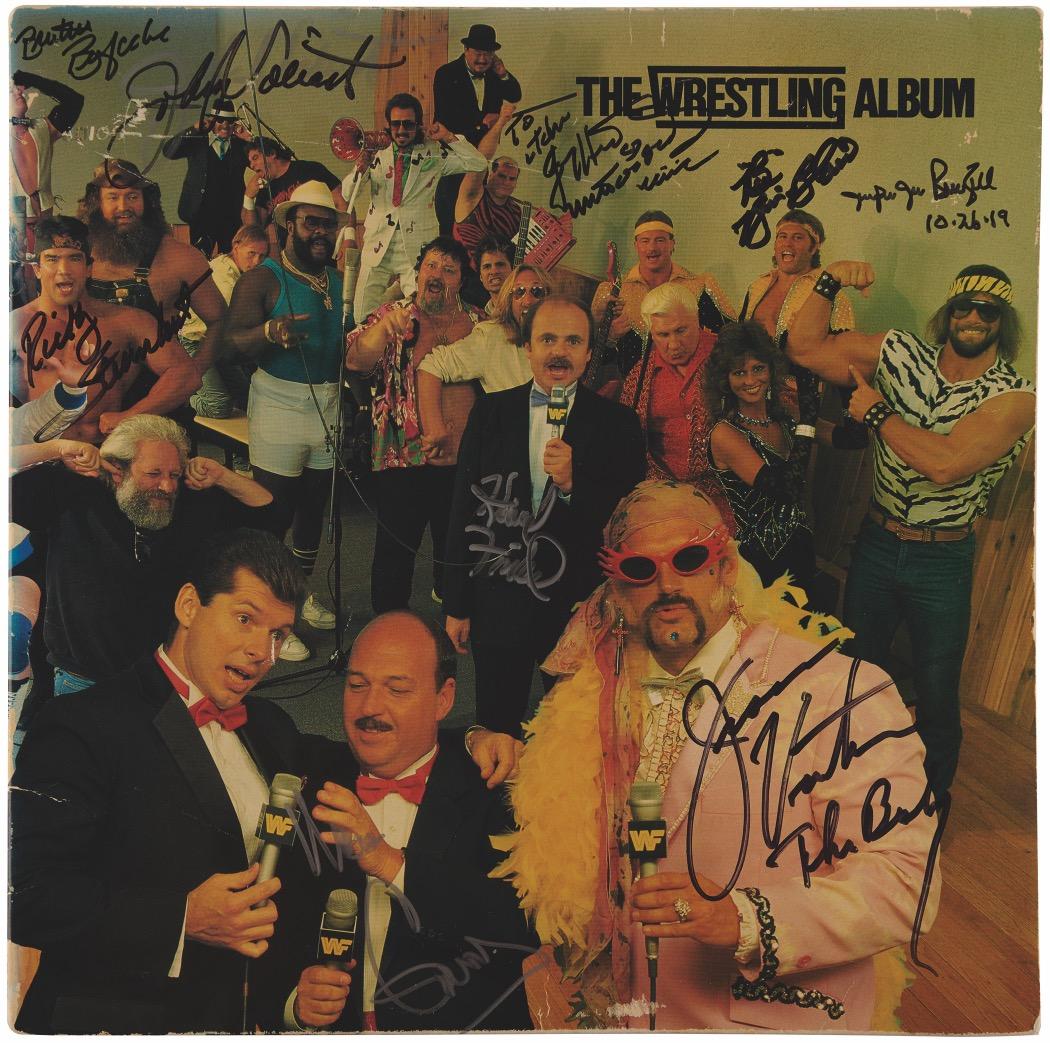
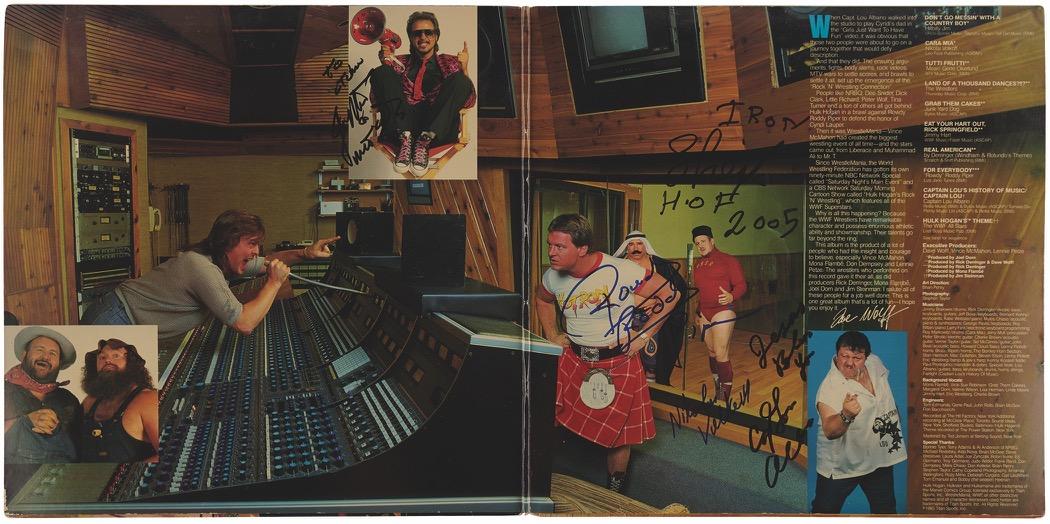
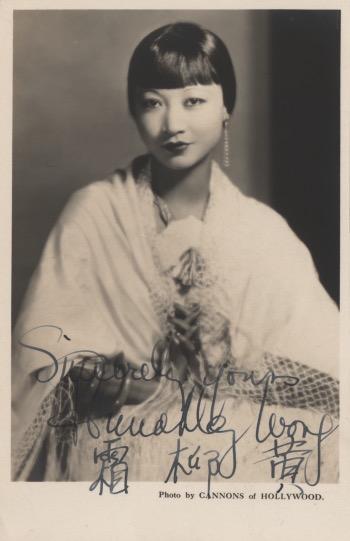
728.
Signed Photograph Starting Bid $200
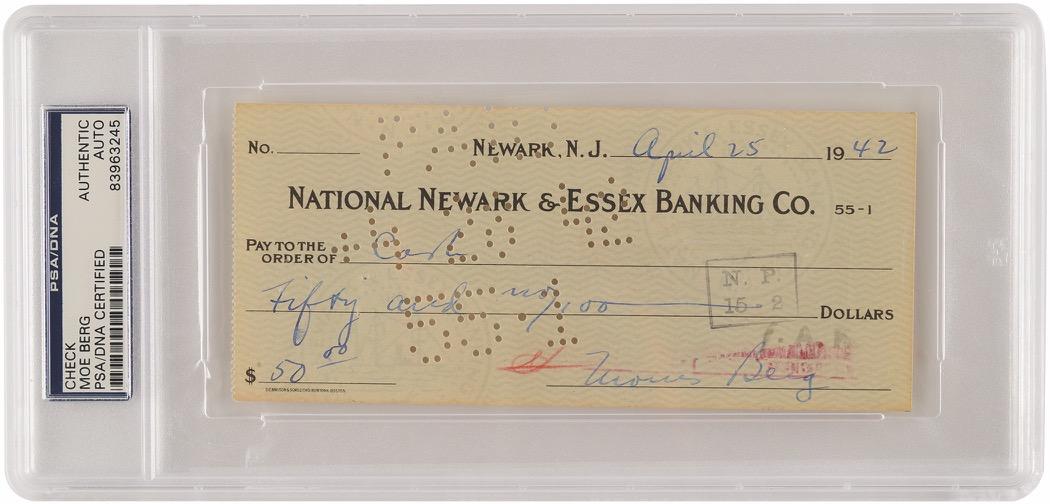
734.
Starting Bid $200
Starting Bid $200
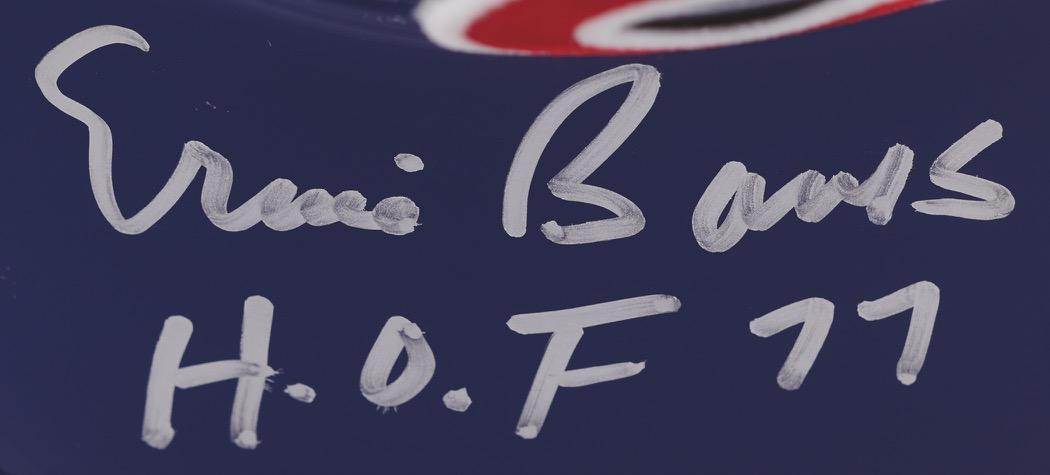
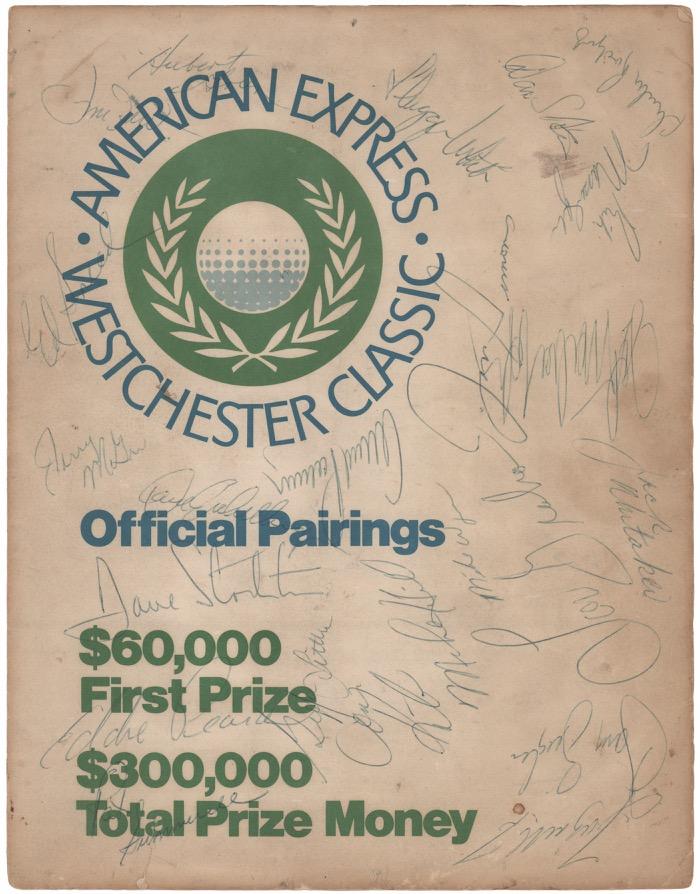
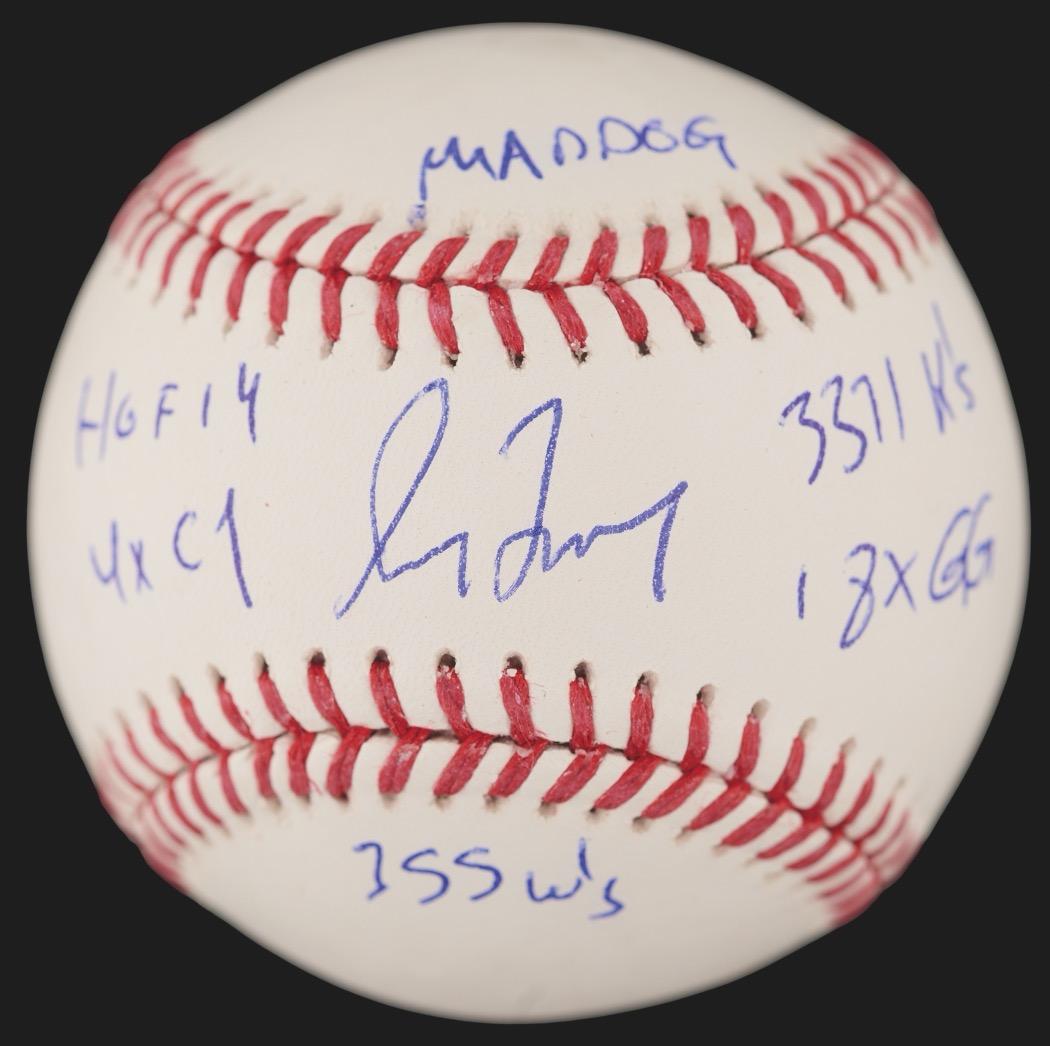
Starting Bid
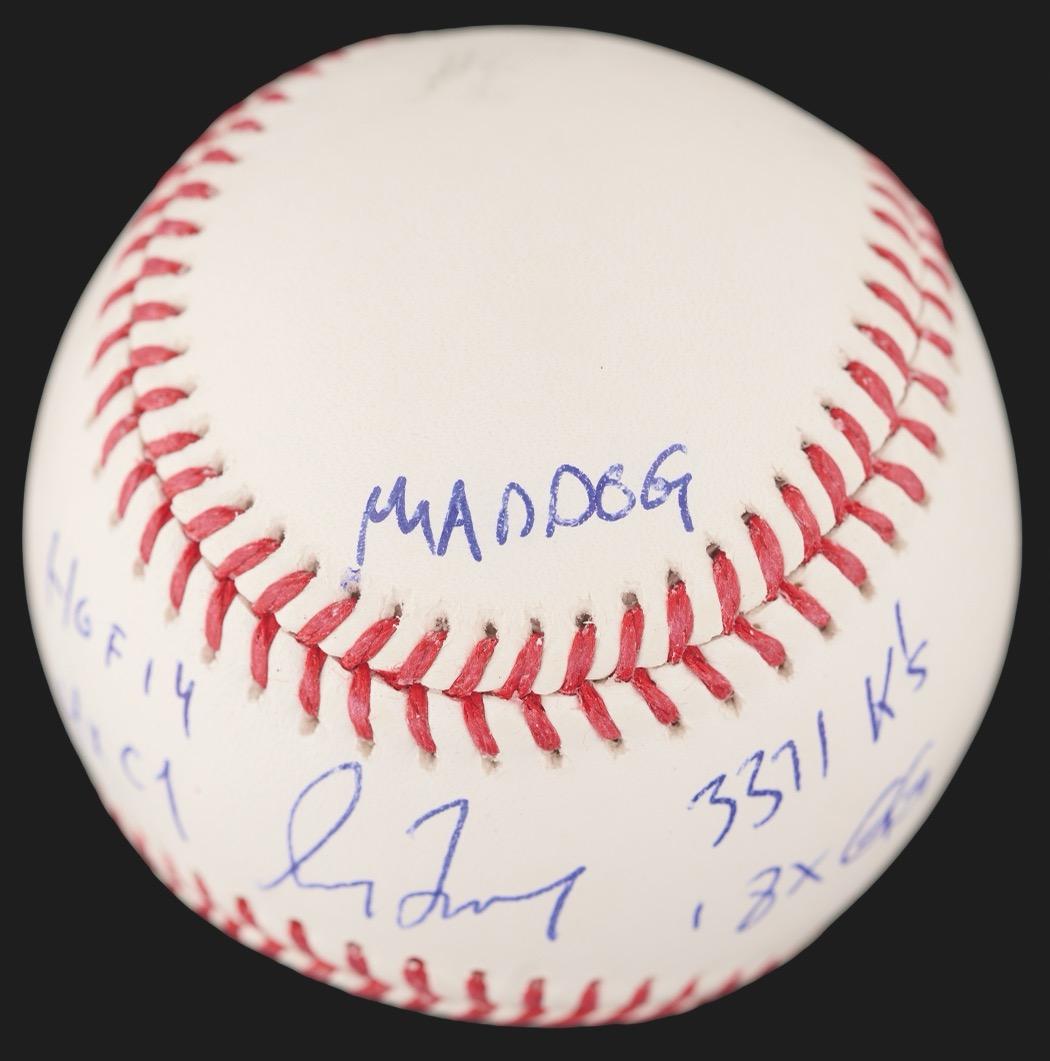
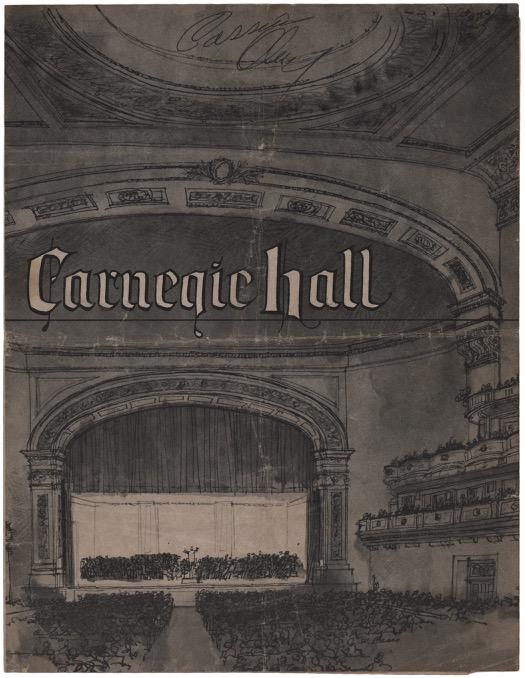
Starting
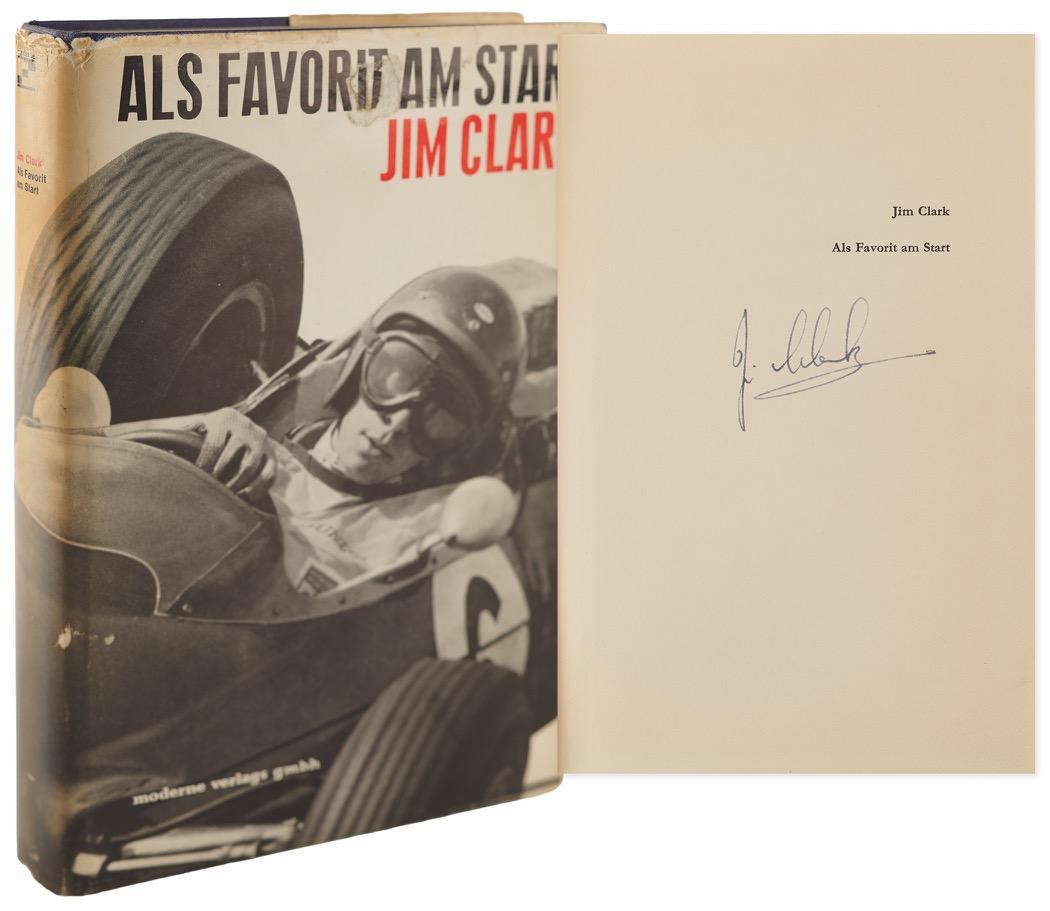
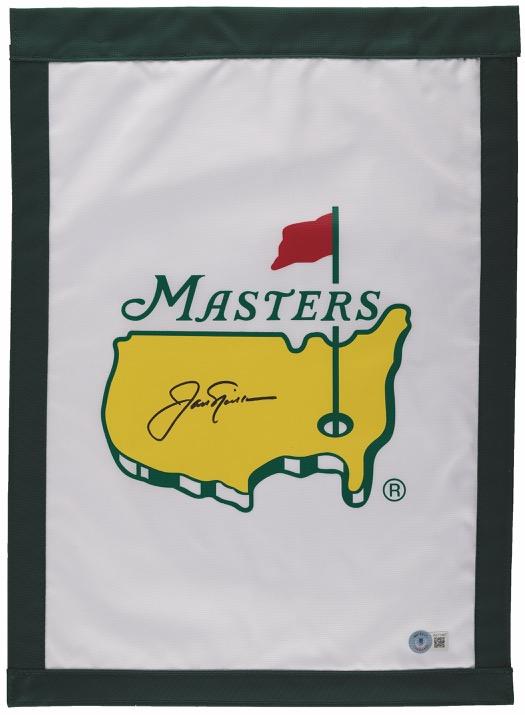
ANYONE EITHER REGISTERING TO BID OR PLACING A BID (“BIDDER”) ACCEPTS THESE CONDITIONS OF SALE AND ENTERS INTO A LEGALLY, BINDING, ENFORCEABLE AGREEMENT WITH R&R AUCTION COMPANY OF MASSACHUSETTS, LLC (“RR AUCTION”) TOGETHER WITH BIDDER, THE “PARTIES”).
This Agreement contains important provisions that control rights and liabilities, and specifically has provisions governing how disputes are handled as well as LIMITATIONS OF LIABILITY that can be imposed upon RR Auction, WAIVER OF JURY and ARBITRATION PROVISIONS. This acknowledgement is a material term of these Conditions of Sale and of the consideration under which RR Auction agrees to these terms. PLEASE READ CAREFULLY.
The following terms and conditions (“Conditions of Sale”) constitute the sole terms and conditions under which RR Auction will offer for sale and sell the property on its website, and/or described in the catalog of items for auction (the “Catalog”). These Conditions of Sale constitute a binding agreement between the Parties with respect to the auction in which Bidder participates (the “Auction”). By bidding at the Auction, whether in person, through an agent or representative, by telephone, facsimile, online, absentee bid, or by any other form of bid or by any other means, Bidder acknowledges the thorough reading and understanding of all of these Conditions of Sale, all descriptions of items in the Catalog, and all matters incorporated herein by reference, and agrees to be fully bound thereby.
The Parties1.1 RR Auction and Auction
This Auction is presented by RR Auction, a d/b/a/ of R&R Auction Company of Massachusetts, LLC, as identified with the applicable licensing information on the title page of the Catalog or on the www.RRauction.com Internet site. The Auction is conducted under these Conditions of Sale. Announcements and corrections from the podium at live auctions and those made through the Conditions of Sale appearing on the Internet at RRauction.com supersede those in the printed Catalog.
1.2
Bidder shall mean the original Bidder on the property offered for sale by RR Auction and not any subsequent owner or other person who may acquire or have acquired an interest therein. If Bidder is an agent, the agency must be disclosed in writing to RR Auction prior to the time of sale, otherwise the benefits of the warranty shall be limited to the agent and not transferable to the undisclosed principal.
The rights granted to Bidder under these Conditions of Sale are personal and may not be assigned or transferred to any other person or entity, whether by operation of law or otherwise without the express written assent of RR Auction. Bidder may not transfer, assign, or otherwise convey these Conditions of Sale or any of the rights herein, and such purported transfer, assignment, or conveyance shall be null and void. No third party may rely on any benefit or right conferred on any Bidder by these Conditions of Sale, and no third party is intended as a beneficiary of these Conditions of Sale.
Bids will not be accepted from minor persons under eighteen (18) years of age without a parent or legal guardian’s written consent containing an acknowledgment of the Conditions of Sale herein and indicating their agreement to be bound thereby on behalf of the Bidder.
All Bidders must meet RR Auction’s qualifications to bid. Any Bidder who is not a client in good standing of RR Auction may be disqualified at RR Auction’s sole option and will not be awarded lots. Such determination may be made by RR Auction in its sole and unlimited discretion, at any time prior to, during, or even after the close of the Auction. RR Auction reserves the right to exclude any person from the Auction.
If an entity places a bid, then the person executing the bid on behalf of the entity agrees to personally guarantee payment for any successful bid and agrees to be bound by these Conditions of Sale in addition to company for whom the Bidder is acting
By accepting the Conditions of Sale, Bidder personally and unconditionally guarantees payment.
Section 2 Bidding Privileges
2.1 In order to place bids, Bidders who have not established an account with RR Auction must either furnish satisfactory credit information (including two collectibles-related business references) or supply additional information if requested, well in advance of the Auction. Bidders who are not members of RRAuction.com should pre-register before the close of the Auction to allow adequate time to contact references. Privileges will be granted at the sole discretion of RR Auction. Additionally, Bidders who have not previously established credit or who wish to bid in excess of their established credit history may be required to provide a cash deposit prior to RR Auction’s acceptance of a bid. Check writing privileges and immediate delivery of merchandise may also be determined by pre-approval of credit based on a combination of criteria: RRAuction.com history, related industry references, bank verification, a credit bureau report and/or a personal guarantee for a corporate or partnership entity in advance of the Auction venue.
2.2 Bidder providing any false or misleading information provided in connection with the registration shall be a material breach of the Conditions of Sale and in addition to any other remedies at law shall excuse RR Auction from performance under these Conditions of Sale, including the right to any refund.
2.2 Bidding privileges may be revoked without notice, for any reason, at the sole discretion of RR Auction .
Section 3
Buyer’s Premium
3.1 The Bidder acknowledges and agrees that a 25% buyer’s premium will be added to the hammer price on all individual lots sold in timed and live Auctions. . For payment other than by cash, delivery will not be made unless and until full payment has been received by RR Auction, i.e., check or wired funds have fully cleared. Unless otherwise agreed in writing, signed by RR Auction, payment in full is due within thirteen (13) calendar days of the Auction or within twelve (12) calendar days of the invoice date, whichever is earlier. Bidder’s failure to pay any payment in full when due required shall constitute a material breach, and in addition to other damages available under contract or law, at RR Auction’s election, RR Auction may cancel the sale and require full premium still be due along with interest at 1.5% per month from the date of breach, or at the maximum legally allowable rate.
Section 4
Bidding
4.1 Each Bidder’s determination of its bid should be based upon its own examination of the item(s) and independent investigation, rather than the any reliance as to what is represented in the Catalog, online or elsewhere. Bidder affirms that it regards any statements made by RR Auction concerning the item as solely opinion and that Bidder is making its own inspection and independent evaluation of the goods, and is not relying upon any description or statements by RR Auction (including as to quality, authenticity, provenance, ownership, liens existing, on goods legality, or value) in making its determination to bid on or purchase an item. In any purchase or sale, the value of the item(s) is determined by the price. THE BIDDER HEREBY ASSUMES ALL RISKS CONCERNING ANY AND ALL PURCHASES TO THE FULLEST EXTENT UNDER APPLICABLE LAW.
4.2 RR AUCTION IS NOT RESPONSIBLE FOR ERRORS IN BIDDING. A Bidder should make certain to bid on the correct lot and that the bid is the maximum (plus the Buyer’s Premium) that the Bidder is willing and able to pay. Since other Bidders (by mail, facsimile, online, and in person) will be present, and since a reoffering could damage the momentum of the sale, once the hammer has fallen and RR Auction has announced the winning Bidder, such Bidder is unconditionally bound to pay for the lot, even if the Bidder has made a mistake.
4.3 All prospective Bidders who examine lots in person prior to the sale shall personally assume all responsibility for any damage they cause in so doing. RR Auction shall have sole discretion in determining the value of the damage caused, which shall be promptly paid by the prospective Bidder.
4.4 Title to any lot remains with Consignor, any secured party of the Consignor, or assignee of Consignor, as the case may be, until the lot is paid for in full by Bidder and Bidder has fully satisfied any outstanding financial obligations to RR Auction (including as it concerns aby other lots). RR Auction reserves the right to require payment in full before delivering any lot to the successful Bidder.
4.5 It is the Bidder’s responsibility and obligation to have the lots fully insured while in their possession. Bidder assumes any and all risk of loss upon the earlier of shipment to Bidder or in Bidder’s possession.
4.6 Bidder grants to RR Auction or its assigns the right to offset any sums due, or found to be due by RR Auction, and to make such offset from any past, subsequent or future consignment, or items acquired by Bidder in possession or control of RR Auction or from any sums due to Bidder by RR Auction. Bidder fur-
ther grants RR Auction a lien consisting of a senior security interest (or purchase money security interest to the extent applicable) in such sums or items to the fullest extent applicable, authorizes RR Auction to file documents concerning the interest, and Bidder agrees to execute any further documents as may be reasonably necessary to grant RR Auction such security interest. Bidder agrees that RR Auction and its assigns shall be a secured party with respect to items bought by Bidder and in the possession of RR Auction, to the extent of the maximum indebtedness, plus all accrued fees and expenses, until the indebtedness is paid.
4.7 By bidding in this sale, Bidder personally and unconditionally guarantees payment. The authorized representative of any corporate Bidder who is present at the sale shall provide RR Auction or its agent, prior to the commencement of the bidding (or at the time of registration), with a statement signed by a principal, director or officer that they he or she personally and unconditionally guarantees any payment due RR Auction.
4.8 RR Auction may at its sole and absolute discretion, make loans or advances to Consignors and/or prospective Bidders.
Section 5 Bidding Options
5.1 Non-Internet bids (including but not limited to in-person, facsimile, phone and mail bids) are treated similarly to floor bids in that they must be on-increment. Any in-person, facsimile, phone, or mail bids that do not conform to a full increment will be rounded up or down to the nearest full increment and this revised amount will be considered Bidder’s high bid.
5.2 When identical bids are submitted, preference is given to the first received. To ensure the greatest accuracy, written bids should be entered on the standard printed bid sheet and be received at RR Auction’s place of business at least twenty-four (24) hours before the Auction start. RR Auction is not responsible for executing mail bids or facsimile bids received on or after the day the first lot is sold, nor Internet bids submitted after the published closing time; nor is RR Auction responsible for proper execution of bids submitted by telephone, mail, facsimile, e-mail, Internet, or in person once the Auction begins.
5.3 In all Auctions, bids on an item must raise the current high bid by at least 10%, or as specified on a per-Auction basis. Bids will be accepted in whole dollar amounts only. No “buy” or “unlimited” bids will be accepted. In a live sale, bids on an item can change at the discretion of RR Auction.
5.4 RR Auction reserves the right to accept or decline any bid. Bids must be for an entire lot and each lot constitutes a separate sale. All bids are per lot unless otherwise announced. Live auction lots will be sold in their numbered sequence unless RR Auction directs otherwise. It is unlawful and illegal for Bidders to collude, pool, or agree with another Bidder to pay less than the fair value for lot(s). For live auctions, RR Auction will have final discretion in the event that any dispute should arise between Bidders. RR Auction will determine the successful Bidder, cancel the sale, or re-offer and resell the lot or lots in dispute. RR Auction will have final discretion to resolve any disputes arising after the sale and in online auctions. If any dispute arises, RR Auction’s sale record is conclusive.
Section 6 Payment
6.1 Subject to fulfillment of all of the Conditions of Sale set forth herein, upon the sooner of (1) the passing of title to the offered lot pursuant to these Conditions of Sale, or (2) possession of the offered lot by the Bidder, Bidder thereupon (a) assumes full risk and responsibility (including without limitation, liability for or damage to frames or glass covering prints, paintings, photos, or other works), and (b) will immediately pay the full purchase price or such part as RR Auction may require. In addition to other remedies available to RR Auction by law, RR Auction reserves the right to impose from the date of sale a late charge of 1.5% per month of the total purchase price if payment is not made in accordance with the conditions set forth herein. All property must be removed from RR Auction’s premises by the Bidder at his/her expense not later than sixty (60) business days following its sale and, if it is not so removed, RR Auction may send the purchased property to a public warehouse for the account, at the risk and expense of the Bidder.
6.2 Payment is due upon closing of the Auction session, or upon presentment of an invoice. RR Auction reserves the right to void an invoice if payment in full is not received within thirteen (13) calendar days of the Auction or within twelve (12) calendar days of the invoice date. In cases of nonpayment, RR Auction’s election to void a sale does not relieve the Bidder from their obligation to pay RR Auction its fees (seller’s and Buyer’s Premium) on the lot and any other damages pertaining to the lot.
6.3 All sales for total invoices greater than $1,000 are strictly for cash in United States dollars (including U.S. currency, bank wire, cashier checks, eChecks, and bank money orders), and are subject to all reporting requirements.
6.4 All deliveries are subject to good funds; funds being received in RR Auction’s account before delivery of the Purchases; and all payments are subject to a clearing period. RR Auction reserves the right to determine if a check constitutes “good funds”: checks drawn on a U.S. bank are subject to a ten (10) calendar day hold, and ten (10) business days when drawn on an international bank. Clients with pre-arranged credit status may receive immediate credit for payments via e-Check, personal or corporate checks.
6.5 In the event that a Bidder’s payment is dishonored upon presentment(s), Bidder shall pay the maximum statutory processing fee set by applicable state law. If Bidder attempts to pay via check and the financial institution denies the transfer from Bidder’s bank account, or the payment cannot be completed using the selected funding source, Bidder agrees to complete payment.
6.7 If RR Auction refers any unpaid invoice to an attorney for collection, the Bidder agrees to pay and shall be liable for RR Auction’s attorney’s fees, court costs, and other collection costs incurred by RR Auction in addition to the invoice amount and interest the greater of 1.5% per month or at the maximum legally allowable rate from date of invoice to collection. If RR Auction assigns collection to its house counsel, such attorney’s time expended on the matter shall be compensated at a rate comparable to the hourly rate of independent attorneys.
6.8 RR Auction shall have a lien against the merchandise purchased by the Bidder (as well as to the extent it is a consignor any other monies owed or due to Bidder) to secure payment of the Auction invoice. RR Auction is further granted a lien and the right to retain possession of any other property of the Bidder then held by RR Auction or its affiliates to secure payment of any Auction invoice or any other amounts due RR Auction or affiliates from the Bidder. With respect to these lien rights, RR Auction shall have all the rights of a secured creditor, including but not limited to the right of sale. In addition, with respect to payment of the Auction invoice(s), the Bidder waives any and all rights of offset he might otherwise have against RR Auction and the consignor of the merchandise included on the invoice (the Consignor”). If a Bidder owes RR Auction or its affiliates on any account, RR Auction and its affiliates shall have the right to offset such unpaid account by any credit balance due Bidder, and it may secure by possessory lien any unpaid amount by any of the Bidder’s property in their possession.
6.9 All checks, cashiers checks, bank checks, or money orders are payable to R&R Auction Company of Massachusetts, LLC. RR Auction clients with an invoice totaling $1,000 or under will have the option to pay by VISA, Mastercard, Discover or Paypal. All Paypal payments must be sent to FinanceDepartment@ rrauction.com. Authorize.net, a third-party service provider contracted by RR Auction for processing on-line payments, charges a nonrefundable service fee of 3%, which will be added to your final invoice should you pay by credit/debit card.
Section 7 Sales Tax
RR Auction is a remote seller and we are now required to collect Sales/Use Tax from our bidders. The states that we have nexus in we will be required to collect and remit sales tax on your behalf. Each state has different requirements to meet nexus. When RR Auction has achieved a certain monetary and/or invoice threshold in each state we will apply sales tax to your total invoice. The states that are affected are: ARIZONA, ARKANSAS, CALIFORNIA, COLORADO, CONNECTICUT, FLORIDA, GEORGIA, ILLINOIS, INDIANA, IOWA, KANSAS, KENTUCKY, MAINE, MARYLAND, MASSACHUSETTS, MICHIGAN, MINNESOTA, NEBRASKA, NEVADA, NEW JERSEY, NEW YORK, NORTH CAROLINA, OHIO, OKLAHOMA, PENNSYLVANIA,RHODE ISLAND, TENNESSEE, TEXAS, UTAH, VIRGINIA, WASHINGTON, WISCONSIN
If we have not achieved nexus in a particular state it is still your responsibility to pay sales tax on your purchases.
The sales tax rate is determined by the State, Country, and City where purchases are shipped to. If you decide to pick up your purchases at our New Hampshire location you will not be required to pay sales tax. The State of New Hampshire does not have a general sales and use tax. All purchases picked up at our Massachusetts location will be taxed at the current rate of 6.25%.
If you have a resale number please email Sue@RRAuction.com or fax to (603) 732-4288 a copy of your state resale certificate and you will be exempt from paying sales tax.
Section 8
Delivery; Shipping; and Handling Charges
Bidder is liable for shipping and handling and providing accurate information as to shipping or delivery locations and arranging for such. RR Auction is unable to combine purchases from other auctions or affiliates into one package for shipping purposes. Lots won will be shipped in a commercially reasonable time after payment in good funds for the merchandise and the shipping fees is received or credit extended, except when third-party shipment occurs. Bidder agrees that
service and handling charges related to shipping items which are not pre-paid may be charged to a credit card on file with RR Auction.
Successful international Bidders shall provide written shipping instructions, including specified Customs declarations, to RR Auction for any lots to be delivered outside of the United States. NOTE: Declaration value shall be the item’(s) hammer price and RR Auction shall use the correct harmonized code for the lot. Domestic Bidders on lots designated for third-party shipment must designate the common carrier, accept risk of loss, and prepay shipping costs.
All duties, customs, and any other import charges are the responsibility of the bidder.
Section 9
Title
Title shall not pass to the successful Bidder until all invoices of Bidder (including those pertaining to the item(s) at issue) and amounts owed to RR Auction are paid in full. It is the responsibility of the Bidder to provide adequate insurance coverage for the items once they have been delivered to a common carrier or third-party shipper.
Section 10
Rights Reserved
RR Auction reserves the right, at any time before, during or after an auction has ended to: withdraw any lot before or at the time of the Auction, cancel any bid, and/or to postpone the Auction of all or any lots or parts thereof, for any reason. RR Auction shall not be liable to any Bidder in the event of such withdrawal, cancellation, or postponement under any circumstances. RR Auction reserves the right to refuse to accept bids from anyone at any time.
Section 11
Conducting the Auction
11.1 RR Auction reserves the right to postpone the Auction or any session thereof for a reasonable period of time for any reason whatsoever, and no Bidder or prospective Bidder shall have any claim as a result thereof, including consequential damages.
11.2 RR Auction’s Discretion: RR Auction shall determine opening bids and bidding increments. RR Auction has the right in its absolute discretion to reject any bid in the event of dispute between Bidders or if RR Auction has doubt as to the validity of any bid, to advance the bidding at its absolute discretion and to determine the successful Bidder in the event of a dispute between Bidders, to continue the bidding or to reoffer and resell the lot in question. In the event of a dispute after the sale, RR Auctions record of final sale shall be conclusive. RR Auction also may reject any bid if RR Auction decides either that any bid is below the reserve of the lot or article or that an advance is insufficient. Unless otherwise announced by RR Auction at the time of sale, no lots may be divided for the purpose of sale.
11.3 Reserves
Lots may be subject to a reserve which is the confidential minimum price below which the lot will not be sold. Consignors may not bid on their own lots or property. RR Auction may, from time to time, bid on items that it does not own. RR Auction may execute bids consecutively or otherwise up to one bid increment below the reserve.
11.4 Off-Site Bidding
Bidding by telephone, facsimile, online, or absentee bidding (advance written bids submitted by mail) are offered solely as a convenience and permitted subject to advance arrangements, availability, and RR Auction’s approval which shall be exercised at RR Auction’s sole discretion. Neither RR Auction nor its agents or employees shall be held liable for the failure to execute bids or for errors relating to any transmission or execution thereof. In order to be considered for off-site bidding in any manner, Bidders must comply with all of these Conditions of Sale and the terms contained on the Registration Form.
11.5 Estimate Prices:
In addition to descriptive information, each item in the Catalog sometimes includes a price range which reflects opinion as to the price expected at auction (the “Estimate Prices”). In other instances, Estimate Prices can be obtained by calling RR Auction at (603) 732-4280. The Estimate Prices are based upon various factors including prices recently paid at auction for comparable property, condition, rarity, quality, history and provenance. Estimate Prices are prepared well in advance of the sale and subject to revision. Estimates do not include the Buyer’s Premium or sales tax (see under separate heading).
11.6 Owned or Guaranteed Property:
RR Auction generally offers property consigned by others for sale at public auction; in very limited occasion, lots are offered that are the property of RR Auction.
11.7 Before the Auction:
Bidder may attend pre-sale viewing for all of RR Auction’s auctions at no charge. All property to be auctioned is usually on view for several days prior to the sale. Bidder is encouraged to examine lots thoroughly. Bidder may also request condition reports (see below). RR Auction’s staff are available at viewings and by appointment.
11.8 Maximum Bids In All Auctions:
To maximize Bidder’s chance of winning, RR Auction strongly encourages the use of maximum bids. RR Auction will then bid for Bidder until the lot reaches Bidder’s specified maximum. Maximum bids are strictly confidential. Placing arbitrary, non-incremental bids on lots with prior maximum bids may result in these lots being sold for less than 10% above the under Bidder’s bid.
11.9 Successful Bids:
The fall of RR Auction’s hammer indicates the final bid. RR Auction will record the paddle number of the Bidder. If Bidder’s salesroom or absentee bid is successful, Bidder will be notified after the sale by mailed or emailed invoice.
11.10 Unsold Lots:
If a lot does not reach the reserve, it is bought-in. In other words, it remains unsold and is returned to the Consignor. RR Auction has the right to sell certain unsold items after the close of the Auction. Such lots shall be considered sold during the Auction and all these Terms and Conditions shall apply to such sales including but not limited to the Buyer’s Premium, return rights, and disclaimers.
11.11 Bidding in Timed Auction:
Bidder may open, monitor, and/or raise bids at any time before the close of a lot through www.rrauction.com. RR Auction offers a callback service the day of the Auction, but Bidder is responsible for supplying a correct telephone number(s) where Bidder can be reached until the Auction closes. Bidder must request this service in writing. RR Auction will make reasonable efforts to ensure that Bidders who request a callback are contacted if outbid; however, RR Auction does not guarantee this service and it is merely a courtesy and not an enforceable right. The auctioneer may also execute a bid on behalf of the consignor to protect the reserve, either by entering a bid in response to salesroom, telephone or absentee bids. Under no circumstances will the auctioneer place any bid on behalf of the consignor above the reserve. The auctioneer will not specifically identify bids placed on behalf of the consignor to protect the reserve.
To ensure proper registration, those Bidders intending to bid via the Internet must visit www.RRauction.com and register accordingly at least one full day prior to the actual auction. Winning bidders will be notified by RR Auction. RR Auction is not responsible or liable for any problems, delays, or any other issues or problems resulting out of use of the Internet generally or specifically, including but not limited to transmission, execution or processing of bids.
Any Bidder may bid on any lot prior to 6 pm EST/EDT. At that time, an extended bidding period goes into effect. If Bidder has not bid on a lot before 6 pm EST/ EDT, Bidder may not bid on that lot after 6 pm EST/EDT. Only those Bidders who have placed bids on a lot before 6 pm EST/EDT will be allowed to bid on that lot after 6 pm EST/EDT. If Bidder is the only Bidder on a lot at 6 pm EST/ EDT, that lot is awarded to Bidder. During the extended bidding period, a lot will remain open only to those who bid on that lot prior to 6 pm EST/EDT. All lots WITHOUT an opening bid at 6 pm EST/EDT will remain OPEN to ALL Bidders until 7 pm EST/EDT or until they receive their first bid. These lots will close immediately upon receipt of a bid or at 7 pm EST/EDT, whichever comes first. For all lots that are active after 7 pm EST/EDT, bidding will remain open until 30 minutes pass without a bid being placed on THAT lot (the “30 Minute Rule”). The 30 Minute Rule is applied on a PER LOT BASIS; each lot in the Auction closes individually based on bidding activity after 7 pm EST/EDT. On a PER LOT BASIS, the 30 minute timer will reset each time a bid is placed after 7 pm EST/EDT. If Bidder is the high Bidder, raising Bidder’s maximum bid will NOT reset the timer. RR Auction reserves the right to close the Auction at any time at its sole discretion.
Bidder may open, monitor, and/or raise bids at any time before the close of a lot through www.rrauction.com. RR Auction offers a callback service the day of the Auction, but Bidder is responsible for supplying a correct telephone number(s) where Bidder can be reached until the Auction closes. Bidder must request this service in writing. RR Auction will make reasonable efforts to ensure that Bidders who request a callback are contacted if outbid; however, RR Auction does not guarantee this service and it is merely a courtesy and not an enforceable right.
To ensure proper registration, those Bidders intending to bid via the Internet must visit www.RRauction.com and register accordingly at least one full day prior to the actual auction. Winning bidders will be notified by RR Auction. RR Auction is not responsible or liable for any problems, delays, or any other issues or problems resulting out of use of the Internet generally or specifically, including
but not limited to transmission, execution or processing of bids.
During live internet or live auction, property is auctioned in consecutive numerical order, as it appears in the catalog. The auctioneer will accept bids from those present in the salesroom or absentee bidders participating by telephone, internet or by written bid left with RR Auction in advance of the auction. The auctioneer may also execute a bid or bids (successively or otherwise) on behalf of the consignor to protect the reserve, either by entering a bid in response to salesroom, telephone or absentee bids. Under no circumstances will the auctioneer place any bid on behalf of the consignor above the reserve. The auctioneer will not specifically identify bids placed on behalf of the consignor to protect the reserve. All auctions for lots are with reserve unless specifically stated otherwise.
During live Auctions, internet bids can be placed in real time through one or more of the following Third Party services: www.liveauctioneers.com, www.invaluable. com and www.icollector.com. RR Auction is not responsible or liable for any problems, delays, or any other issues or problems resulting out of use of the Internet generally or specifically, including but not limited to transmission, execution or processing of bids. RR Auction treats any third-party site bids as floor or telephone bids. Floor bids and telephone bids are always considered first over third party sites bids, and floor bids are considered earlier than telephone bids. All RR Auction lots purchased through the third-party sites carry an additional Buyer’s Premium.
11.13 Miscellaneous:
Agreements between Bidders and Consignors to effectuate a non-sale of an item at Auction, inhibit bidding on a consigned item to enter into a private sale agreement for said item, or to utilize RR Auction’s Auction to obtain sales for non-selling consigned items subsequent to the Auction, are strictly prohibited. If a subsequent sale of a previously consigned item occurs in violation of this provision, RR Auction reserves the right to charge Bidder the applicable Buyer’s Premium and Consignor a Seller’s Commission as determined for each auction venue and by the terms of the seller’s agreement.
Acceptance of these Terms and Conditions qualifies Bidder as a client who has consented to be contacted by RR Auction in the future. In conformity with ”donot-call” regulations promulgated by the Federal or State regulatory agencies, participation by the Bidder is affirmative consent to being contacted at the phone number shown in his application and this consent shall remain in effect until it is revoked in writing. RR Auction may from time to time contact Bidder concerning sale, purchase, and auction opportunities available.
11.14 Rules of Construction: RR Auction presents properties in a number of collectible fields, and as such, specific venues have promulgated supplemental Terms and Conditions. Nothing herein shall be construed to waive the general Conditions of Sale by these additional rules and shall be construed to give force and effect to the rules in their entirety.
Section 12
RR Auction’s Remedies
Failure of the Bidder to comply with any of these Conditions of Sale or the terms of the Registration Form is an event of material breach or default. In such event, RR Auction may, in addition to any other available remedies specifically including the right to hold the defaulting Bidder liable for the Purchase Price or to charge and collect from the defaulting Bidder’s credit or debit accounts as provided for elsewhere herein: (a) cancel the sale, retaining any payment made by the Bidder as damages (the Bidder understands and acknowledges that RR Auction will be substantially damaged should such default occur, and that damages under subpart (a) are necessary to compensate RR Auction for such damages); (b) resell the property without reserve at public auction or privately; (c) charge the Bidder interest on the Purchase Price at the rate of one and one-half percent (1.5%) per month or the highest allowable interest rate; (d) take any other action that RR Auction, in its sole discretion, deems necessary or appropriate to preserve and protect RR Auction’s rights and remedies. Should RR Auction resell the property, the original defaulting Bidder shall be liable for the payment of any deficiency in the purchase price and all costs and expenses associated there with, including but not limited to warehousing, sales-related expenses, reasonable attorney fees and court costs, commissions, incidental damages and any other charges due hereunder which were not collected or collectable. In the event that such Bidder is the successful Bidder on more than one lot and pays less than the purchase price for the total lots purchased, RR Auction shall apply the payment received to such lot or lots that RR Auction, in its sole discretion, deems appropriate. If RR Auction does not exercise such discretion, the lots to which the payment shall be applied will be in descending order from the highest purchase price to the lowest. Any Bidder failing to comply with these Conditions of Sale shall be deemed to have granted RR Auction a security interest in, and RR Auction may retain as collateral such security for such Bidder’s obligations to RR Auction, any Bidder’s property in RR Auction’s possession or to which title has not yet passed to Bidder. RR Auction shall have the benefit of all rights of a secured party under the Uniform Commercial Code (U.C.C.) as adopted by the
Commonwealth of Massachusetts.
Section 13 Warranties
13.1 RR Auction does not provide any warranties to Bidders, whether expressed or implied, beyond those expressly provided in these Conditions of Sale. All property and lots are sold ”as is” and “where is”. By way of illustration rather than limitation, neither RR Auction nor the Consignor makes any representation or warranty, expressed or implied, as to merchantability or fitness for intended use, condition of the property (including any condition report), correctness of description, origin, measurement, quality, rarity, importance, exhibition, relevance, attribution, source, provenance, date, authorship, condition, culture, genuineness, value, or period of the property. Additionally, neither RR Auction nor the Consignor makes any representation or warranty, expressed or implied, as to whether the Bidder acquires rights in copyright, trademark, or other intellectual property (including exhibition or reproduction rights) related to the item, or whether the property is subject to any limitations or other rights. RR Auction does not make any representation or warranty as to title.
13.2 All descriptions, photographs, illustrations, and terminology including but not limited to words describing condition (including any condition reports requested by Bidder, see also Terminology), authorship, period, culture, source, origin, measurement, quality, rarity, provenance, importance, exhibition, and relevance, used in the Catalog, bill of sale, invoice, or anywhere else, represent a good faith effort made by RR Auction to fairly represent the lots and property offered for sale as to origin, date, condition, and other information contained therein; they are statements of opinion only. They are not representations or warranties and Bidder agrees and acknowledges that he or she shall not rely on them in determining whether or not to bid or for what price. Price estimates (which are determined well in advance of the Auction and are therefore subject to revision) and condition reports are provided solely as a convenience to Bidders and are not intended nor shall they be relied on by Bidders as statements, representations or warranties of actual value or predictions of final bid prices.
13.3 Bidders are accorded the opportunity to inspect the lots and to otherwise satisfy themselves as to the nature and sufficiency of each lot prior to bidding, and RR Auction urges Bidders to avail themselves accordingly.
13.4 All lots sold by RR Auction are accompanied by an Auction Certificate (“AC”). On any lot presented with an AC issued by RR Auction, the certification is only as to its attribution to the person or entity described or to the lot’s usage and only as explicitly stated therein (the “AC”), to the exclusion of any other warranties, express or implied, including but not limited to those pursuant to the Uniform Commercial Code. The AC inures only to the original Bidder (as shown in RR Auction’s records). Bidder may not transfer, assign, or otherwise convey the AC and such purported transfer, assignment, or conveyance shall be null and void.
Section 14
Firearms
RR Auction complies with all Federal and State rules and regulations relating to the purchasing, registration and shipping of firearms. A Bidder is required to provide appropriate documents and the payment of associated fees, if any. Bidder is responsible for providing a shipping address that is suitable for the receipt of a firearm.
Section 15
Unauthorized Statements
Under no circumstances is any employee, agent or representative of RR Auction authorized by RR Auction to modify, amend, waive or contradict any of these Conditions of Sale, any term or condition set forth on a registration form, any warranty or limitation or exclusion of warranty, any term or condition in either the Registration Form or these Terms and Conditions regarding payment requirements, including but not limited to due date, manner of payment, and what constitutes payment in full, or any other term or condition contained in any documents issued by RR Auction unless such modification, amendment, waiver or contradiction is contained in a writing signed by all parties. Any statements, oral or written, made by employees, agents or representatives of RR Auction to Bidder, including statements regarding specific lots, even if such employee, agent or representative represents that such statement is authorized, unless reduced to a writing signed Bidder and by an authorized officer of RR Auction by all parties, are statements of personal opinion only and are not binding on RR Auction, and under no circumstances shall be relied upon by Bidder as a statement, representation or warranty of RR Auction.
Section 16
Bidder’s Remedies
16.1 Except as stated expressly herein, Bidder’s sole and exclusive remedy related to or pertaining to items it bids upon, views, or purchases from RR Auc-
tion, and any claims by Bidder related to authenticity, ownership, condition, title or value, shall be against Consignor only.
16.2 This section sets forth the sole and exclusive remedies of Bidder as against RR Auction (inclusive of its affiliates, officers, managers, employees or agents), or in any way arising out of, related to, or in connection with these Conditions of Sale, , and is expressly in lieu of any other rights or remedies which might be available to Bidder by law. Time is of the essence with respect to these procedures.
16.3
The Bidder hereby accepts the benefit of the Consignor’s warranty of title and any other representations and warranties made by the Consignor for the Bidder’s benefit. In the event that Bidder demonstrates in writing, satisfactory to the sole discretion of RR Auction, that there was a breach of the Consignor’s warranty of title concerning a lot purchased by Bidder, RR Auction may make demand upon the Consignor to pay to Bidder the Purchase Price (including any premiums, taxes, or other amounts paid or due to RR Auction). Should the Consignor not pay the Purchase Price to Bidder within thirty days after such demand (if any made), RR Auction may disclose the identity of the Consignor to Bidder and may assign to Bidder all or some of RR Auction’s rights against the Consignor with respect to such lot or property. Upon such disclosure and/or assignment, all responsibility and liability of RR Auction, if any, with respect to said lot or item shall automatically terminate related to or arising from these Conditions of Sale or such transaction operating as a complete waiver and general release by Bidder as to RR Auction and its agents, contractors, and affiliates, as to any and all claims concerning or related to the item, if any . RR Auction shall be entitled to retain the premiums and other amounts paid to RR Auction by Consignor only. The rights and remedies provided herein are for the original Bidder only and they may not be assigned or relied upon by any transferee or assignee under any circumstances.
(1) If Bidder wishes to dispute or challenge the Authenticity of the lot or item (including asserting that it is incorrect), Bidder must adhere to the following procedure: Within 30 days of the Auction Date, Bidder must present written evidence to RR Auction, that the lot is not authentic as determined by a known expert in the field (and one recognized by RR Auction within its discretion) and send the physical item or lot at issue to RR Auction along with all evidence relied upon by Bidder for contesting the Authenticity. (“Authenticity Challenge Process”) “Authenticity” shall mean a gross discrepancy in the between the description, genuiness, or attribution of the item as represented by RR Auction in the Catalog or at the auction, and the item. If RR Auction concurs that the lot is not Authentic as was represented (it is sole discretion), Bidder’s sole and exclusive remedy as against RR Auction (inclusive of its affiliates, agents, employees, and contractors) shall be a refund of the purchase price of the subject item paid by Bidder, with no other costs, liabilities or amounts recoverable by Bidder. If RR Auction does not agree with the assertion by Bidder, then the Parties shall follow the dispute resolution procedures of these Conditions of Sale. Strict adherence to the Authenticity Challenge Process is a condition of standing for Bidder to initiate suit or claim.
(2) So long as Bidder has complied with the Authenticity Challenge Process, any claim, suit or action, by Bidder concerning an AC or Certification of Authenticity, or related to the authenticity of the item must, without any exception, be brought within one (1) year of Auction Date and is subject to the other limitations and conditions stated in the Conditions of Sale.
16.5 Other Issues. Any dispute or claim by Bidder against RR Auction (or its affiliates, directors, employees, officers, agents, or contractors)) other than Authenticity, concerning any item or lot bid upon, or purchased, including value, title, condition, bidding process, or description must be asserted (if at all) in the following manner:
(1) If the description of any lot in the Catalog is materially or grossly incorrect (e.g., gross cataloging error), or there is any other gross material issue pertaining to the item or lot, the item or lot may be returned if returned within five (5) calendar days of receipt, and received by RR Auction no later than twenty-one (21) calendar days after the Auction Date with explanation in writing.. If there is any discrepancy between the description in the Catalog and a certificate of auction, then the description in the certificate of auction (“Lot Challenge Process”). This paragraph shall constitute Bidder’s sole right with respect to the return of items, and no refunds shall be given for any items not returned to and received by RR Auction within the period of time stated herein or not materially or grossly in deviation from the description. Such a refund is subject to RR Auction’s sole discretionary review, and any request for refund must be made concurrently with returning the physical item or lot to RR Auction. Any item not returned within said frame will constitute acceptance of the item and a waiver and release of
any and all claims by Bidder pertaining to the item other than with respect to authenticity; and
(2) Provided that the Bidder has engaged in the Lot Challenge Process, any claim concerning such must be brought no later than one (1) year of the Auction Date for the item or lot at issue and is subject to the other limitations and conditions stated in the Conditions of Sale.
NO RETURN OR REFUND OF ANY AUCTION LOT WILL BE CONSIDERED OR PROVIDED EXCEPT AS PROVIDED IN THESE CONDITIONS OF SALE AND BIDDERS OR AS MAY BE REQUIRED BY LAW. FAILURE TO COMPLY WITH SUCH SHALL BE A COMPLETE DEFENSE TO ANY CLAIMS BY BIDDER RELATED TO THE CONDITIONS OF SALE, ANY AUCTION OR BID.
16.6 LIMITATION OF LIABILITY. For any and all claims by Bidder arising out of or related to this Agreement, Bidder’s viewing, bid, or purchase of items, or any agreement between the Parties, or otherwise, Bidder agrees that to the fullest extent such can be limited under the law, Bidder shall have no right to recover and hereby waives any and all rights to recover from against RR Auction or its affiliates, directors, employees, officers, agents, or contractors, consequential or indirect damages, lost profits damages, punitive, exemplary, statutory (or multiplier damages), physical or emotional distress damages, general or special damages of any kind (beyond amounts actually paid by Bidder for item(s) at issue), and in the event of recovery of any damages whatsoever, such shall be limited by the amounts actually paid by Bidder to RR Auction for the item(s) at issue in such claim, or if no money was paid to RR Auction by Bidder for items at issue, or there items are at issue, the amount of $150.00.
Section 17
RR Auction’s Additional Services
For Bidders who do not remove purchased property from RR Auction’s premises, RR Auction, in its sole discretion and solely as a service and accommodation to Bidders, may arrange to have purchased lots packed, insured and forwarded at the sole request, expense, and risk of Bidder. RR Auction assumes no and disclaims all responsibility and liability for acts or omissions in such packing or shipping by RR Auction or other packers and carriers, whether or not recommended by RR Auction. RR Auction assumes no and disclaims all responsibility and liability for damage to frames, glass or other breakable items. Where RR Auction arranges and bills for such services via invoice, RR Auction will include an administration charge.
Section 18
Headings
Headings are for convenience only and shall not be used to interpret the substantive sections to which they refer.
Section 19
Entire Agreement
Except to the extent Bidder is also a consignor (in which case the terms of the consignment agreement shall also govern), these Conditions of Sale constitute the entire agreement between the Parties together with the terms and conditions contained in the auction Registration Form. They may not be amended, modified or superseded except in a signed writing executed by all parties. No oral or written statement by anyone employed by RR Auction or acting as agent or representative of RR Auction may amend, modify, waive or supersede the terms herein unless such amendment, waiver or modification is contained in a writing signed by all parties.
If any section of these Conditions of Sale or any term or provision of any section is held to be invalid, void, or unenforceable by any court or arbitrator of competent jurisdiction, the remaining parts of the agreement and remainder of the sections or terms and provisions of the section and all sections shall continue in full force and effect without being impaired or invalidated in any way.
Section 20
20.1 The Parties agree that all agreements between the Parties including but not limited to these Conditions of Sale are entered into in Boston, Massachusetts, no matter where Bidder is situated and no matter by what means or where Bidder was informed of the Auction and regardless of whether catalogs, materials, or other communications were received by Bidder in another location.
20.2 The Parties agree that these Conditions of Sale, any other related agreement(s), along with all claims between the Parties, including those arising out of or related to such are governed by the laws of the Commonwealth of Mas-
sachusetts, without regard for its conflict of laws principles. The Parties agree that any dispute between the Parties, including but not limited to those related to or arising out of these Conditions of Sale, or related to or arising out of any other related agreement(s) shall be submitted to confidential binding arbitration (the ”Arbitration”) before a single Arbitrator of the American Arbitration Association (the “AAA”) The Parties agree that the Arbitration shall be conducted pursuant to the commercial rules of the AAA in Boston, Massachusetts, unless the Consumer Arbitration Rules apply, in which case, such rules and venue will govern. In the event that the Parties cannot agree on the selection of the Arbitrator, then the Arbitrator shall be selected by the AAA. The prevailing Party in the Arbitration shall also recover all of its related fees and costs, whether before or after the formal institution of the Arbitration, including but not limited to its reasonable attorneys’ fees and costs, if RR Auction prevails, such recovery, in addition to all remedies available at agreement or law, shall include the Buyer’s Premium as defined in these Conditions of Sale. Federal arbitration law, including the Federal Arbitration Act apply to this agreement to arbitrate and its related provisions. The arbitration and all related proceedings shall be held strictly confidential and all documents and discovery shall be held confidential and not used, published or disclosed publically or to anyone outside the Parties or expert consultants or counsel who shall agree to hold such confidential.
20.3 The Parties consent to the Commonwealth of Massachusetts as exclusive jurisdiction and venue for all claims between the Parties except as provided specifically herein and may seek confirmation of the decision in the Arbitration pursuant to the Federal Arbitration Act in any Court of competent jurisdiction, including the courts of the Commonwealth of Massachusetts or the United States District Court for the District of Massachusetts. To the extent such is necessary under the law, RR Auction may enforce the Arbitration award against Bidder and any related Party in any court of competent jurisdiction. Nothing in this Agreement shall be construed as RR Auction consenting to jurisdiction or venue in any location outside of the Commonwealth of Massachusetts.
THE PARTIES MAY NOT BRING CLAIMS AGAINST EACH OTHER AS A CLASS OR CLASS MEMBER IN ANY CLAIMED CLASS, OR IN A REPRESENTATIVE ACTION UNLESS OTHERWISE AGREED. UNLESS OTHERWISE AGREED, THE CLAIMS AGAINST EACH OF THE OTHER CANNOT BE CONSOLIDATED OR JOINED WITH MORE THAN ONE ADDITIONAL PERSON OR ENTITIES’ CLAIMS. NO INJUNCTIVE OR DECLATORY RELIEF SOUGHT BY BIDDER IF ANY, CAN AFFECT OR BE ORDERED TO AFFECT ANY OTHER BIDDERS OR PERSONS.
20.4 Except as provided specifically in these Conditions of Sale in Bidder’s Remedies against RR Auction (along with its affiliates, directors, agents, officers, employees, and contractors) for any dispute, claim, cause of action related to or arising out of these Conditions of Sale or any other related agreement(s), brought by Bidder must be brought within the earlier of the Auction Date as it pertains to the item(s) at issue or no later than one (1) year of the acts, omissions or circumstances occurred giving rise to the alleged claim, without exception. This provision is intended as a full, complete and absolute bar to and release of any claims by Bidder initiated after one (1) year of such acts, omissions or circumstances. The Parties agree further that these waiver provisions are intended to be binding in the event of any dispute, specifically including but not limited to third party claims and cross-actions brought by Bidder. These provisions are consideration for the execution of these Conditions of Sale.
20.5 To the fullest extent under applicable law and except as specifically stated herein Bidder hereby holds harmless, releases and discharges RR Auction and its agents, officer’s directors, affiliates, successors, and assigns from any and all claims, liabilities, obligations, promises, agreements, damages, causes of action, suits, demands, losses, debts, and expenses of any nature whatsoever, known or unknown, suspected or unsuspected existing prior to these Conditions of Sale. Bidder agrees to the Conditions of Sale and upon each instance that Bidder participates in any auction, bids, or otherwise agrees to such terms and reaffirms this release as of the date of so participating or agreeing unless Bidder otherwise provides clear written notice to RR Auction prior to so bidding.
20.6 The Bidder hereby agrees that RR Auction shall be entitled to present these Conditions of Sale to a court in any jurisdiction other than set forth in this paragraph as conclusive evidence of the Parties agreement, and the Parties further agree that the court shall immediately dismiss any action filed in such jurisdiction.
20.7 Liquidated Damages for Specific Breaches
In the event that Bidder provides false information in connection with registering for bidding, fails to correct or update information or breaches the Conditions of Sale by failing to pay the purchase price when due after becoming the winning bidder, as liquidated damages associated with such breaches, R&R may obtain from Bidder the greater of (1) 150% the reserve of the item (if any); (2) the amount bidder bid; or (3), the full amount that bidder would have otherwise paid. Bidder will also be liable for an additional 20% of such amount to account for additional administrative costs, shipping, additional advertising, and other dam-
ages and liabilities fees that are difficult to calculate on an item-by-item basis.
20.8 Indemnity. Bidder agrees to defend, indemnify, hold harmless RR Auction (along with its officers, directors, agents, contractors, and affiliates) from and against any and all claims, costs, fees, damages, and liabilities arising out of or related to these Conditions of Sale, view of items, or lots, bidding, or participation in any auction by RR Auction, and/or or in any way connected to any item you viewed, bid upon or purchased through RR Auction.
Section 21: State-by-State Law Issues
This Auction is being conducted in and the sale shall take place in the State of Massachusetts. Notwithstanding, the foregoing, should these terms and conditions violate the law of any State should that state’s law be found to govern, or any provision herein determined to be invalid, the clause itself and the remainder of the Agreement shall be valid to the fullest extent allowed. Also, to the extent other states law apply to any transaction arising out of the Agreement (without admitting such), RR Auction states:
For Residents of California:
SALE OF AUTOGRAPHED COLLECTIBLES: AS REQUIRED BY LAW, A DEALER WHO SELLS TO A CONSUMER ANY COLLECTIBLE DESCRIBED AS BEING AUTOGRAPHED MUST PROVIDE A WRITTEN EXPRESS WARRANTY AT THE TIME OF SALE. THIS DEALER MAY BE SURETY BONDED OR OTHERWISE INSURED TO ENSURE THE AUTHENTICITY OF ANY AUTOGRAPHED COLLECTIBLE SOLD BY THIS DEALER.
A written express warranty is provided with each autographed collectible, as required by law. This dealer may be surety bonded or otherwise insured to ensure the authenticity of any autographed collectible sold by this dealer.
Section 22
Glossary of Condition terms
Information provided to prospective Bidders with respect of any lot, including any pre-sale estimate, whether written or oral, and information in any catalogue, condition or other report, commentary or valuation, is not a representation of fact but rather a statement of opinion held by RR Auction.
Use of the following terms constitutes an opinion as follows:
VERY FINE describes an item believed to be in virtually flawless condition, and is used sparingly for items of exceptionally attractive appearance.
FINE is the most common statement of condition, and applies to most items that we offer. It describes items that we believe to show expected handling wear, generally acceptable random flaws (such as light creases, small bends, etc.), and an overall appearance that is pleasing to the majority of collectors.
VERY GOOD describes an item that we believe exhibits more moderate flaws (such as toning, light staining, professional reinforcements or repairs, etc.). Most collectors would be comfortable with items in very good condition, and this would be the expected condition for many formats (early presidential documents, for example).
GOOD describes an item which we believe to have obvious visible flaws, including heavy wear, missing portions, or repairs that affect appearance; generally items in this condition are offered only if an item is otherwise believed to be exceedingly rare or important.
Bidder may call and request further details and information about RR Auction’s opinions concerning any item via phone or email which shall provided in RR Auction’s discretion.
Certificate of Auction, Certificate of Authenticity and Goods Acquired:
Bidder warrants that Bidder (and its agents, assigns, successors, and affiliates) shall not purposely deface, destroy, dismember, cut-up into parts the item or Lot purchased at auction from RR Auction and in the event such shall occur whether purposefully or accidently, Bidder (and its agents, assigns, successors, and affiliates) shall refrain from advertising, promoting, or marketing the item as having been purchased from RR Auction and shall in no event display, expressly claim, or imply that the item was certified or auctioned in such state by RR Auction. As liquidated damages for such breach, Bidder agrees to be liable to RR Auction for the greater of the amount of three (3) times the hammer price of the item along with all other fees and costs as otherwise provided in this Terms of Sale.