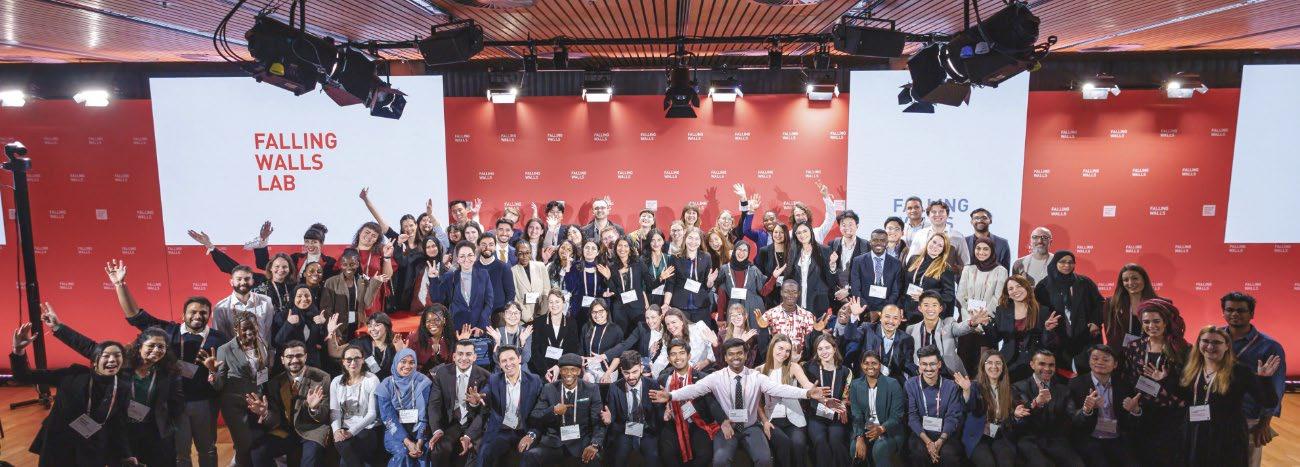
FALLING WALLS LAB AOTEAROA NEW ZEALAND
23 JUNE 2026

23 JUNE 2026
The Falling Walls Foundation founded Falling Walls Lab in 2011 to:
• CONNECT aspiring innovators
• DISCOVER and develop talents
• SUPPORT interdisciplinary dialogue and international cooperation
• DEVELOP new ways of scientific communication
• BUILD new and strong networks
Falling Walls Lab is a challenging, inspiring, and interdisciplinary pitch competition to showcase the next generation of early-career professionals.
Falling Walls Lab events are held in numerous countries worldwide. The winners of these competitions are automatically admitted to the Falling Walls Lab Global Finale in Berlin in November each year to pitch their idea to a jury of distinguished academics and businesspeople.
9.30 am Arrival and registration
10.30 am Presenter briefing
11 00 am Jury briefing
11 30 am Mihi | Welcome and introductory remarks
11 45 am PITCHES (1-11)
12 45 pm Kai a te rānui | Lunch
1.30 pm PITCHES (12-20)
2 30 pm Networking break and jury session
4.15 pm Awards ceremony and closing remarks
4.30 pm Networking reception
6 00 pm Event close
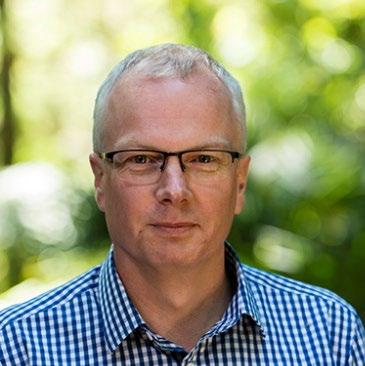
Professor Phil Lester, Jury Chair
Insect Ecology, School of Biological Sciences, Te Herenga Waka Victoria University of Wellington
Professor Lester leads a research group focused on pest management, biosecurity, and the ecology of social insects. The pathogens and parasites of honeybees, invasive ants and social wasps in the Pacific region are a particular focus. He is a Specialty Chief Editor for the journal Frontiers in Bee Science He has been the recipient of both a Fulbright Senior Scholar Fellowship and a Royal Society Te Apārangi James Cook Fellowship. He has previously been Head of School for the School of Biological Sciences and is a prior President of the Entomological Society of New Zealand.
Winnie Switakowski
Deputy Head of Mission
German Embassy in Wellington
Winnie Switakowski began her duties as Deputy Head of Mission at the German Embassy in Wellington, New Zealand in July 2023. Originally a trained conference interpreter, she joined the Federal Foreign Office in 2013 and has since served in the department for cultural diplomacy and society, in the German Embassy in Warsaw, as an exchange officer at the Polish Ministry of Foreign Affairs in Warsaw, and as part of the staff of former Federal Foreign Minister Heiko Maas and current Federal Foreign Minister Annalena Baerbock.
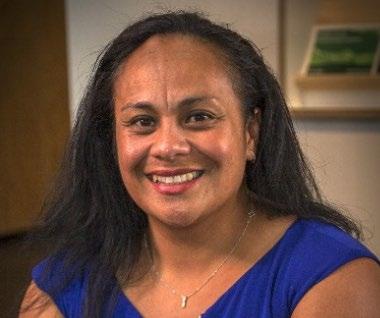
Professor Ridvan (Riz) Tupai-Firestone
Senior Research Officer
Centre for Public Health Research, Massey University
Professor Tupai-Firestone is a Senior Researcher at the Centre for Public Health Research. Her research involves investigations on social-cultural and health inequalities, specifically among young Pasifika people with non-communicable diseases in Aotearoa New Zealand. She has a focus in co-developing community-based interventions with Pasifika and Māori communities that are relevant and adaptable for long-term uptake by people within their communities.
Outside of academic life, Riz has a passion for empowering others into healthier lifestyles through her pro-hobby group fitness career at one of Aotearoa New Zealand’s largest gyms and as a head teacher for Group Power classes, where she enjoys seeing people from all walks of life improve their lives through exercise.
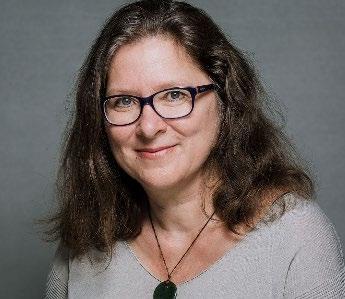
Veronika Meduna
New Zealand Editor
The Conversation
The Conversation is a not-for-profit media organisation working with academics to provide evidence-based news and current affairs analysis. Veronika is an award-winning science/environment writer and broadcaster, with experience across all media publishing platforms. Before joining The Conversation, she produced and hosted a weekly science programme for RNZ, for which she won several journalism awards, including the AsiaPacific Broadcasting Union’s prize for best documentary. Veronika contributes to other broadcasters and publications in New Zealand and internationally, including Science, The Guardian, Eos, NZ Geographic and the NZ Listener.
She has written several books on science, most recently Towards a Warming World, published by Bridget Williams Books, and Science on Ice: Discovering the Secrets of Antarctica, published by Auckland University Press and, in an international edition, by Yale University Press.
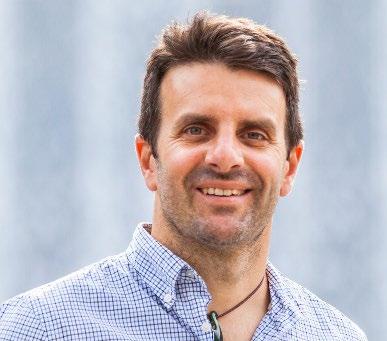
Professor Volker Nock Faculty of Engineering University of Canterbury
Professor Nock is a Professor and Rutherford Discovery Fellow in the Department of Electrical and Computer Engineering, University of Canterbury. He is a Principal Investigator with the Biomolecular Interactions Centre and the MacDiarmid Institute for Advanced Materials and Nanotechnology.
From 2017 to 2020, he co-directed the Biomolecular Interaction Centre. In 2019, he was awarded a 5-year Rutherford Discovery Fellowship to work on the ‘Electrotaxis and protrusive force generation in fungal and oomycete pathogens – Pathways to new biocontrol strategies’. From July 2023 to February 2024, he led the Reconfigurable Systems (RS) Programme of the MacDiarmid Institute. His research interests include micro- and nanofabrication, surface patterning, microfluidics and Lab-on-a-Chip devices.
1 Dr Anindita Sen
Te Herenga Waka Victoria University of Wellington
Breaking the wall of undetectable drug harm
2 Dr Judy Ann Cocadiz
University of Otago
Breaking the wall of late cancer detection
3 Dr Ravneil Nand
University of the South Pacific
Breaking the wall of digital divides
4 Dr Abdollah Baghaei Daemei
University of Canterbury
Breaking the wall of unhealthy homes
5 Dr Annal Dhungana
Massey University
Breaking the wall of uncertainty communication
6 Mohamed Salman Mohamed Haniff
University of Auckland - Breaking the wall of shellfish seed losses
7
Romain Meot
Bioeconomy Science Institute
Breaking the wall of resilience in forestry
8
Shamirah Nabbosa
Massey University Breaking the wall of stroke disability
9 Dr Hadee Thompson-Morrison
Bioeconomy Science Institute Breaking the wall of nitrous oxide emissions
10 Yousif Badri
University of Auckland
Breaking the wall of sound with granular media
11 Shubham Tiwari
University of Waikato
Breaking the wall of cyclone-resilient roofing
12 Joshua Anto
University of Auckland
Breaking the wall of orbital limits
13 Dr Aylin Şen
Riddet Institute/Miruku
Breaking the wall of dairy using plants
14 Tess Austin
Auckland University of Technology
Breaking the wall of invisible isolation
15 Manpreet Kaur
University of Auckland
Breaking the wall of baby movement screening
16 Kiruthigadevi Kamaraj
Vellore Institute of Technology
Breaking the wall of fuel production
17 Huyen My Nguyen
University of Canterbury
Breaking the wall of face recognition
18 Dr Lea Dasallas
University of Canterbury
Breaking the wall of urban flood prediction
19 Jainesh Ram
University of the South Pacific
Breaking the wall of invisible pest barriers
20 Navaneeth Rajendran
University of Waikato
Breaking the wall of industrial cyber defence



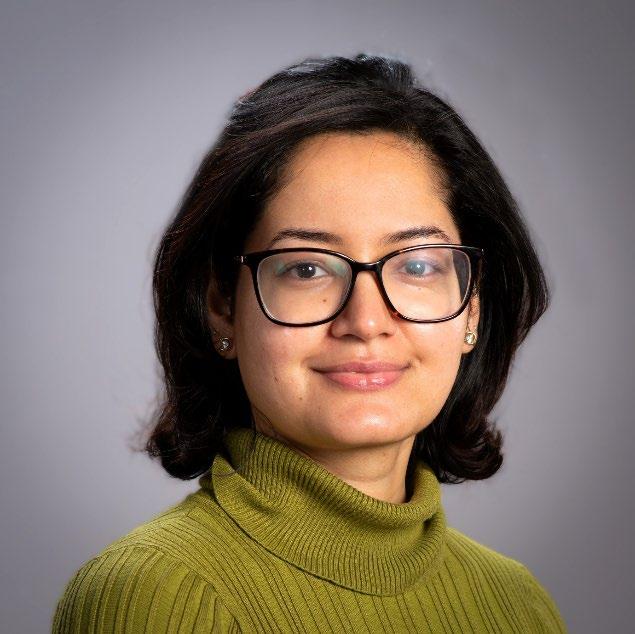
1 .
Dr Anindita Sen
Te Herenga Waka Victoria University of Wellington
Breaking the wall of undetectable drug harm
Drug-facilitated sexual assault often relies on gamma-hydroxybutyrate (GHB) – a colourless, odourless, tasteless substance that disappears from the body within hours. Existing lab tests are too slow for legal evidence, and rapid field tests lack the sensitivity required. Victims are left without proof, and perpetrators walk free. There is a need for a reliable, accessible test that can be deployed at the point of need.
Anindita Sen is a postdoctoral fellow at Te Herenga Waka Victoria University of Wellington and DNA Chemist at Advemto, a New Zealand spectroscopy startup. With a background spanning biotechnology, industrial biotechnology, and chemistry, her research sits at the intersection of molecular science and realworld diagnostics. Driven by a passion for justice and innovation, she develops cutting-edge biosensor technologies that translate complex science into accessible, human-centred solutions. Her work bridges disciplines to tackle problems where science can directly protect and empower people.
linkedin.com/in/anindita-sen-phd-1353388b orcid.org/0000-0001-8995-6698
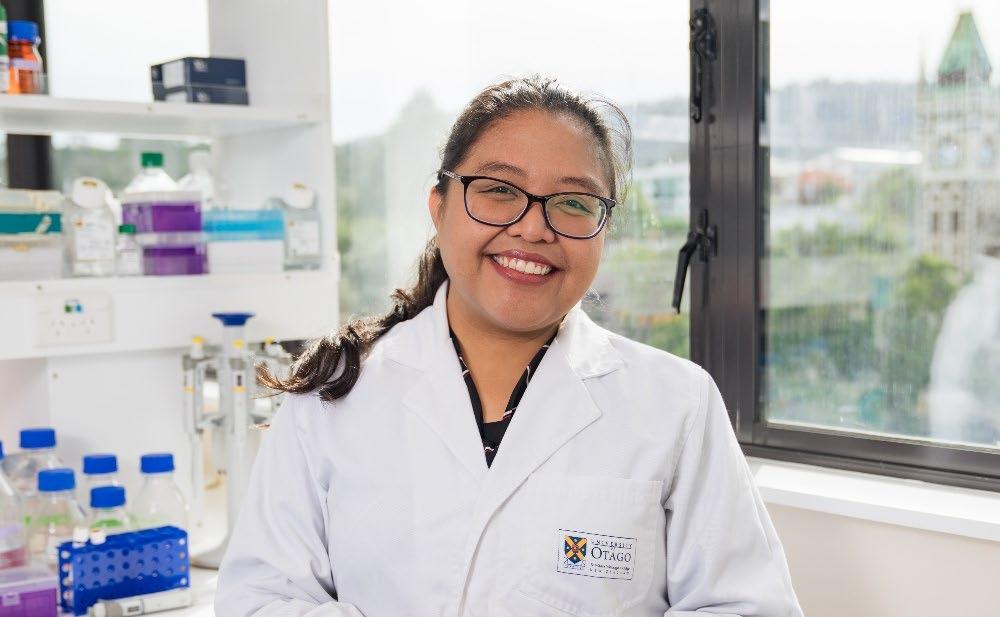
Dr Judy Ann Cocadiz
University of Otago
Breaking the wall of late cancer detection
We seek to detect cancer earlier by capturing circulating tumour DNA (ctDNA). We are developing a portable device – the size of a grain of rice – that can be temporarily placed into a vein. Acting as a micro-filter, it passively samples litres of blood over 30 minutes, and enriches rare ctDNA fragments, enabling earlier, more accurate, and more equitable cancer diagnoses.
Judy Ann Cocadiz is a Postdoctoral Fellow at the University of Otago, developing novel technologies to improve cancer detection and monitoring. She completed her BSc in Biochemistry at the University of the Philippines, followed by an MSc and PhD at the University of Otago. Supported by the Cancer Society of New Zealand, she leads the development of a portable device designed to capture ctDNA directly from the bloodstream, enabling earlier detection, improved treatment monitoring, and more accessible and equitable care.
linkedin.com/in/judy-ann-cocadiz/ orcid.org/0000-0002-2969-6422
X: @judyanncocadiz
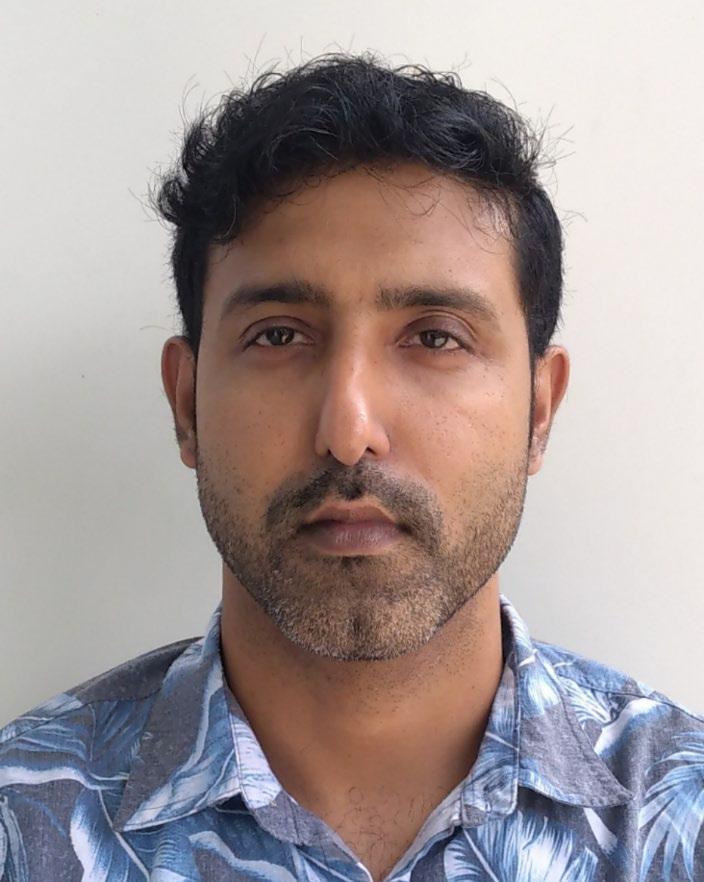
Dr Ravneil Nand
University of the South Pacific
Breaking the wall of digital divides
Remote communities face limited connectivity, high internet costs, low digital literacy, and lack of localised tools. This digital divide restricts access to education, healthcare, and economic opportunities, risking further exclusion in a world increasingly driven by artificial intelligence. We seek to deploy affordable, offline-capable AI tools on low-cost devices, optimise connectivity with AI, and build local digital repositories.
Ravneil Nand is a Lecturer in Computer Science and Information Systems at the University of the South Pacific, where he gained his BSc, BTech, MSc, and PhD. His research interests encompass natural language processing, AI, optimisation, algorithms, time-series prediction, and data mining. He’s an active member of professional organisations including the Institute of Electrical and Electronics Engineers and the International Association of Engineers.
linkedin.com/in/ravneil-n-9b5029b5 orcid.org/0000-0003-1871-387X
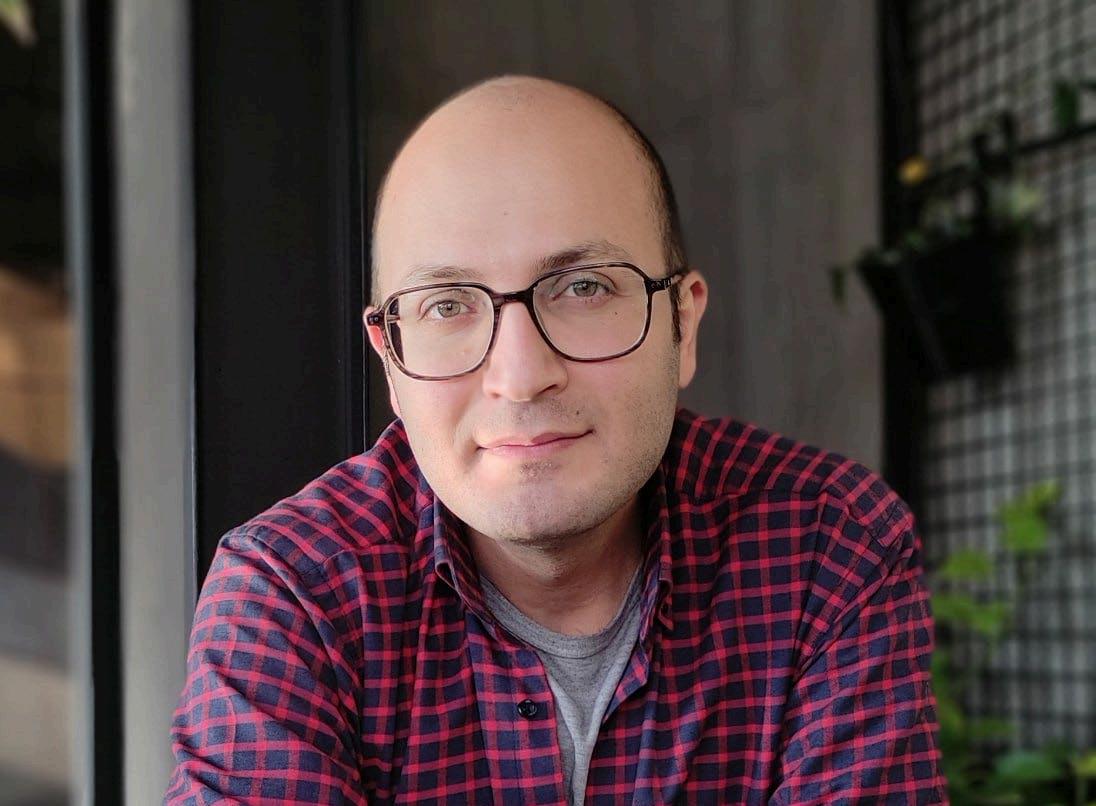
Dr Abdollah Baghaei Daemei
University of Canterbury
Breaking the wall of unhealthy homes
We have developed the world’s first serious game to help prevent mould. Mould worsens asthma, and triggers allergies, irritation, and cognitive symptoms. Unlike traditional advice that explains risks and strategies, our game lets households experience the real-world problems safely and receive instant practical feedback on choices and behaviours. Next, we will scale free publichealth training across New Zealand and globally.
Abdollah Baghaei Daemei is a visiting researcher at the Human Interface Technology Laboratory, where he leads serious-game and citizen-science approaches to make education on mould-prevention freely available online. He has interdisciplinary expertise in energy efficiency, indoor environmental quality, healthy homes, thermal comfort, and digital technologies in the built environment. As CEO of Tech Innovation Experts, his next vision is to expand this work beyond mould prevention into serious games for energy education, addressing another pressing challenge for New Zealand households and globally.
linkedin.com/in/abdollahbaghaei/ orcid.org/0000-0003-2660-9714 scholar.google.com/citations?user=JnxVBUEAAAAJ&hl=en#
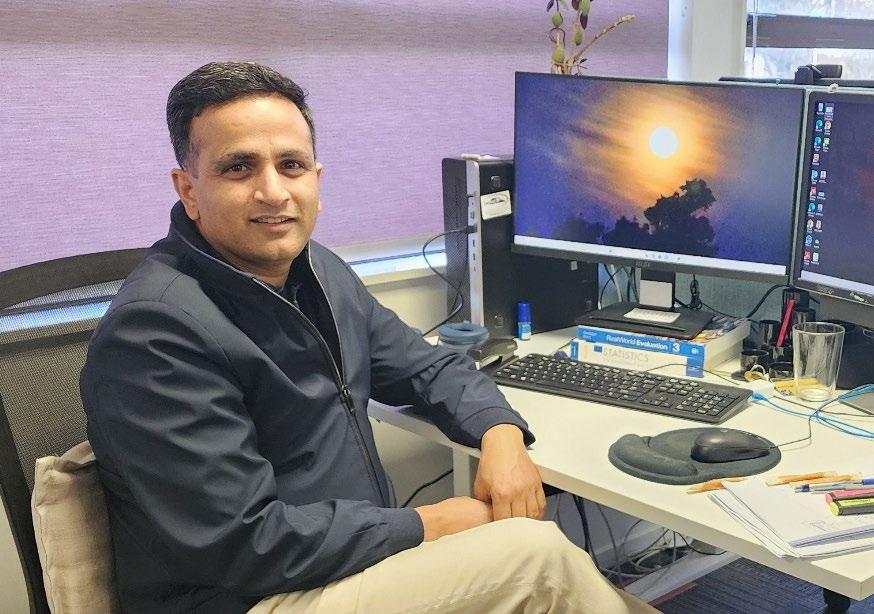
Dr Annal Dhungana
Massey University
Breaking the wall of uncertainty communication
Uncertainty sits at the centre of scientific models, yet it is often ignored or poorly communicated. My research has developed a 3D visual framework that helps communicate where uncertainty comes from (its source), and how large it is (its magnitude). This ‘uncertainty doughnut’ improves transparency, to better inform decision-making for managing the risk of disasters.
Annal Dhungana is a researcher with over a decade of experience across environmental science, ecosystem services, climate adaptation, and risk management for emergencies and disasters. His PhD work explored scientific uncertainty and its communication. He is focused on understanding how hazards become disasters within societal, economic, and institutional systems. More recently, he has studied uncertainty-informed decision-making, to provide guidance in this era of complex and cascading disasters exacerbated by climate change.
linkedin.com/in/annal-dhungana-0303175b/
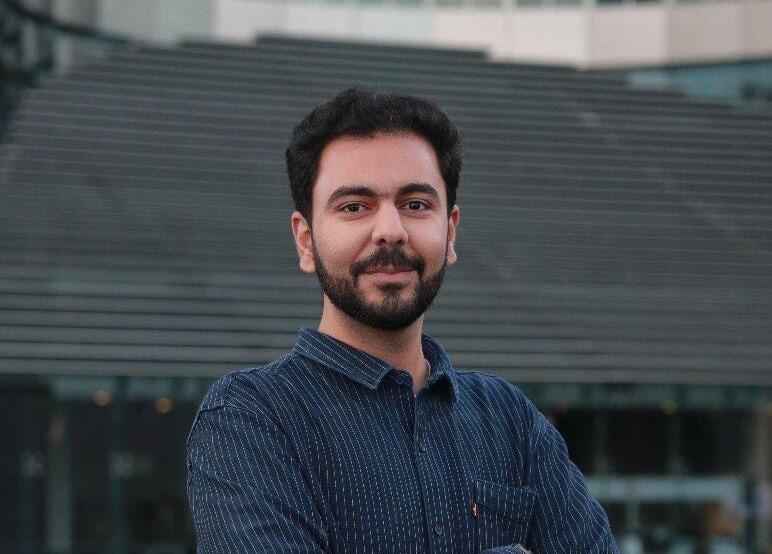
Mohamed Salman Mohamed Haniff
University of Auckland
Breaking the wall of shellfish seed losses
Young shellfish are highly vulnerable in the early stages of farming, and large numbers are often lost before they are strong enough to survive on their own. We are developing a nursery system to reduce high losses of shellfish seed during the early stages of shellfish aquaculture. Existing nursery systems rely on grid or solar energy, making them costly and difficult to maintain. By using the available tidal currents, this system reduces costs and enables operation in remote locations.
Mohamed Salman is a PhD candidate at the University of Auckland, with an MSc (Renewable Energy Engineering) and MEng (Petroleum Engineering) from Heriot-Watt University. His breakthrough is development of a nursery system that uses the natural rise and fall of the tides to keep young shellfish healthy and growing, while overcoming the cost and maintenance challenges of conventional designs. With interdisciplinary expertise in renewable energy, mechanical engineering, aquaculture, and marine systems, he is passionate about sustainable innovation and solving real-world challenges.
linkedin.com/in/mohamedsalman06/ orcid.org/0000-0002-0645-4914
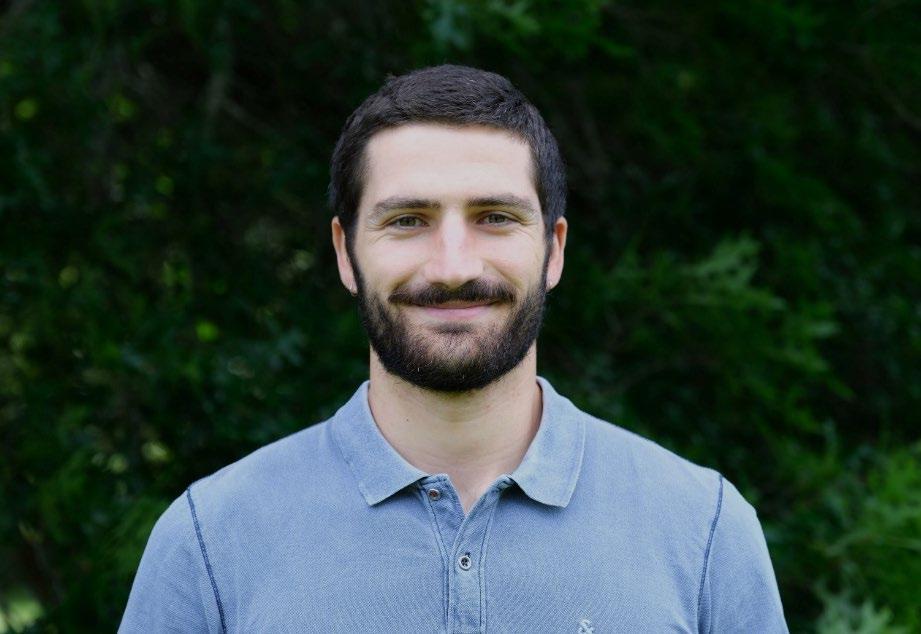
7.
Romain Meot
Bioeconomy Science Institute
Breaking the wall of resilience in forestry
Trees could help to address climate change, but will face rapidly changing environments. To help trees evolve as fast as their environments by selecting and breeding for traits that enable them to thrive, we need better data. We seek to enable scalable acquisition of high-quality data from standing trees to support decision-making. We are extending our work on wood discs to develop an automated analysis platform for increment cores collected from standing trees.
Romain Meot is a wood process engineer at the Bioeconomy Science Institute, where he leads the Timber Engineering Laboratory. With an MSc in industrial and structural engineering from France, he has supported industry-focused developments, including commercial wood testing and processing, timber value-chain research, and AgriSea’s nanocellulose refinery. He also serves on national and international committees that set standards for wood products and timber structures.
linkedin.com/in/romain-meot orcid.org/0009-0006-0966-8527
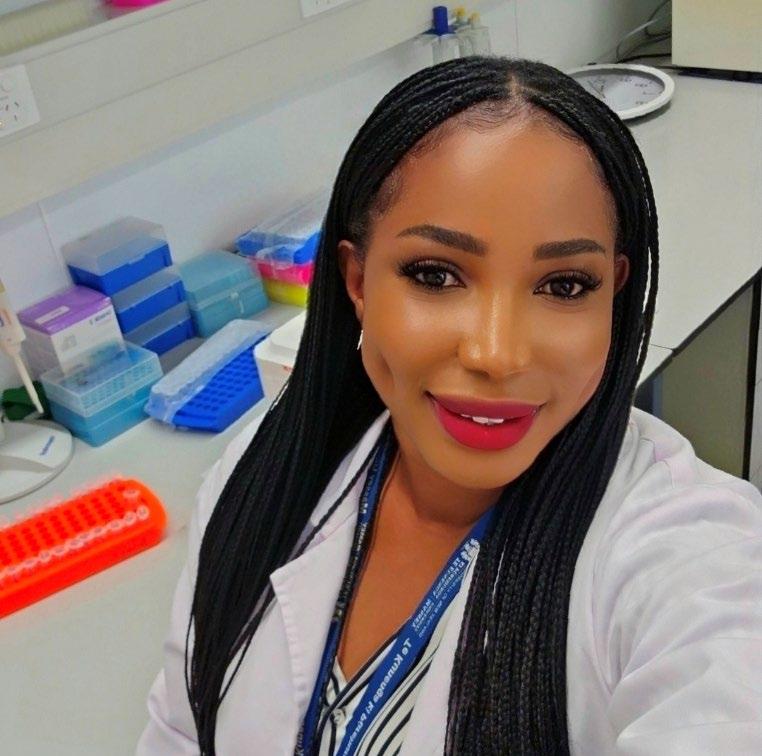
8.
Shamirah Nabbosa
Massey University
Breaking the wall of stroke disability
Stroke survivors often leave hospital with limited access to ongoing rehabilitation, leaving many to face long-term disability alone. I seek to break the wall of stroke disability by testing a practical, low-cost home programme that combines resistance-band training with whey-protein supplementation to rebuild strength, improve cardiovascular health, and restore independence after stroke.
Shamirah Nabbosa is a PhD candidate in Sport, Exercise, and Nutrition at Massey University, where she leads community-based research integrating clinical nutrition and resistance training to improve recovery after stroke. She has a strong background in dietetics, public health, programme implementation, and global health research, and gained a Masters degree in South Korea and a Bachelors (with honours) in Uganda. She is passionate about translating science into practical rehabilitation solutions, whether through academia or international development projects.
linkedin.com/in/nabbosa-shamirah-b5b7b812a youtube.com/@HealthywithShamirahPHD
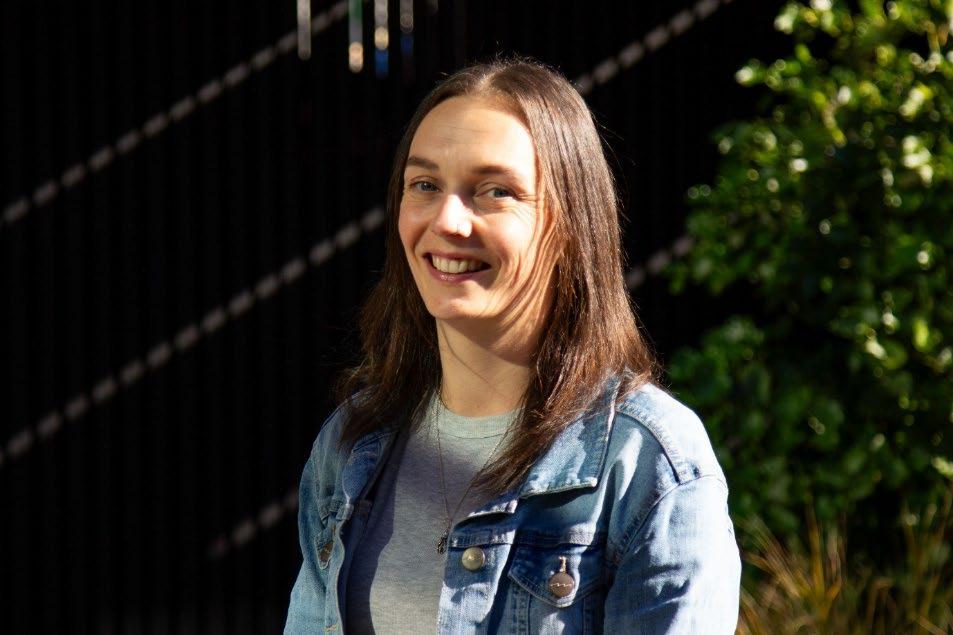
Dr Hadee Thompson-Morrison
Bioeconomy Science Institute
Breaking the wall of nitrous oxide emissions
Nitrous oxide (N₂O) is the most potent naturally occurring greenhouse gas, and New Zealand’s emissions have significantly increased – by 46% since 1990. We have identified the overlooked primary driver of N₂O emissions from soils: low bioavailable copper. We will develop new biotechnology that stimulates the activity of pre-existing soil bacteria to increase copper bioavailability from existing soil stores, reducing N₂O emissions.
Hadee Thompson-Morrison is a Researcher in Soil Chemistry at the Bioeconomy Science Institute, where she is leading novel research to mitigate the climate-change impacts of our agricultural systems. She specialises in trace-element chemistry – an often overlooked, yet crucial contributor to many environmental processes. She has a strong background in environmental management and soil science, and hopes that her collaborative research will improve the environmental sustainability of New Zealand’s primary production, and preserve our precious soil resources.
linkedin.com/in/hadee-thompson-morrison-0b130183/ orcid.org/0000-0002-4509-152X
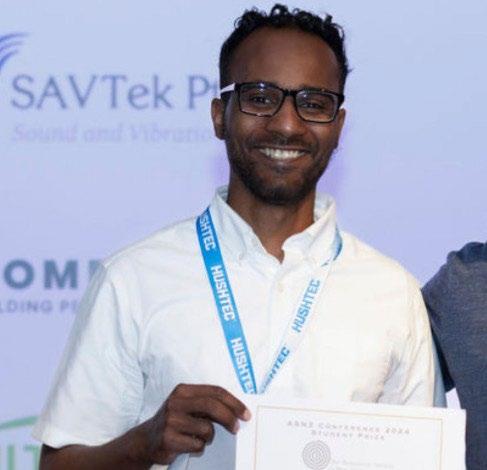
Yousif Badri
University of Auckland
Breaking the wall of sound with granular media
Lightweight buildings are more sustainable to construct, but often provide poor sound insulation between neighbouring spaces. This research explores the use of granular materials to improve acoustic performance without relying on heavier construction materials that often have higher environmental impact. By characterising how interparticle interactions and porous-frame behaviour in granular materials dissipate sound waves, this research will turn waste-derived granular materials into practical acoustic-insulation systems.
Yousif Badri is a PhD candidate and research assistant at the Acoustics and Vibration Research Centre at the University of Auckland. He is part of the Acoustic Materials and Metamaterials Group, which investigates methods to control wave propagation in continuous and granular media. His research experimentally and theoretically quantifies frequency-dependent vibration energy loss in granular media. His mechanical engineering background includes an MSc from Qatar University, and a BSc with Honours from the University of Khartoum.
linkedin.com/in/yousif-badri-487aaa158/ orcid.org/0000-0001-6661-410X
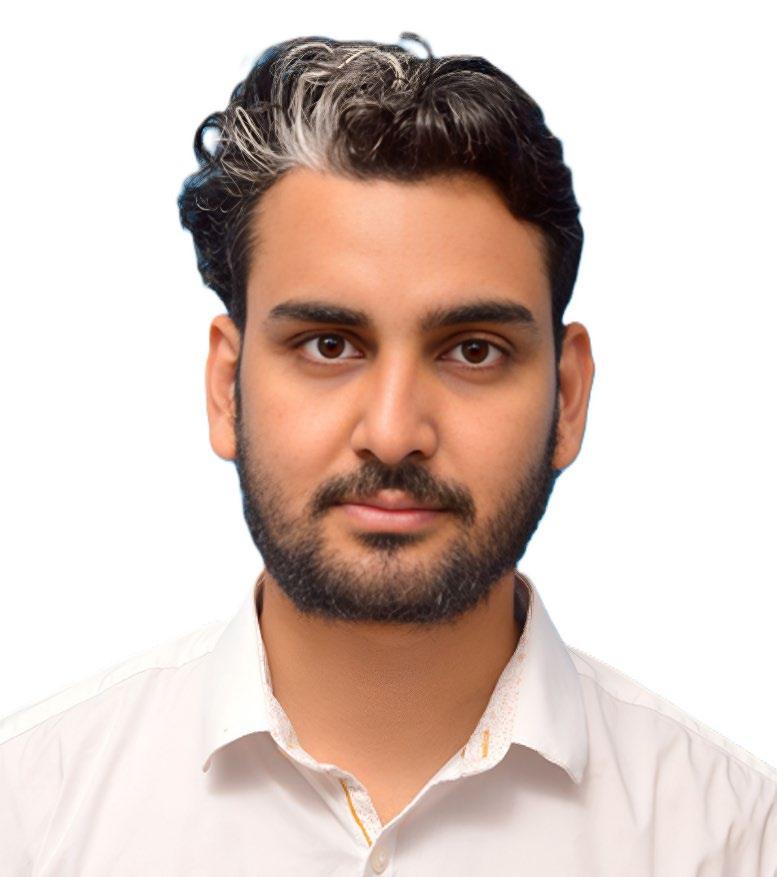
Shubham Tiwari
University of Waikato
Breaking the wall of cyclone-resilient roofing
Increasing extreme wind events expose a critical gap in metal roofing systems and current methods cannot reliably predict failure. We test components experimentally and use numerical modeling to understand connection behaviour and capacity. We then develop a probabilistic framework that links component-level capacities to system-level roof performance, enabling safer and more resilient design under extreme wind conditions.
Shubham Tiwari is a PhD student in Civil Engineering at the University of Waikato, who completed undergraduate and Masters studies in India. His research focuses on the structural behaviour and probabilistic analysis of metal roofing systems under wind loading. He specialises in experimental testing, numerical modeling, and system-level probabilistic assessment, and has published in structural and wind engineering. His work integrates laboratory testing and computational methods to improve roofing resilience.
sites.google.com/view/tiwari-shubham linkedin.com/in/shubham-tiwari-3a902413b orcid.org/0000-0002-1548-1850
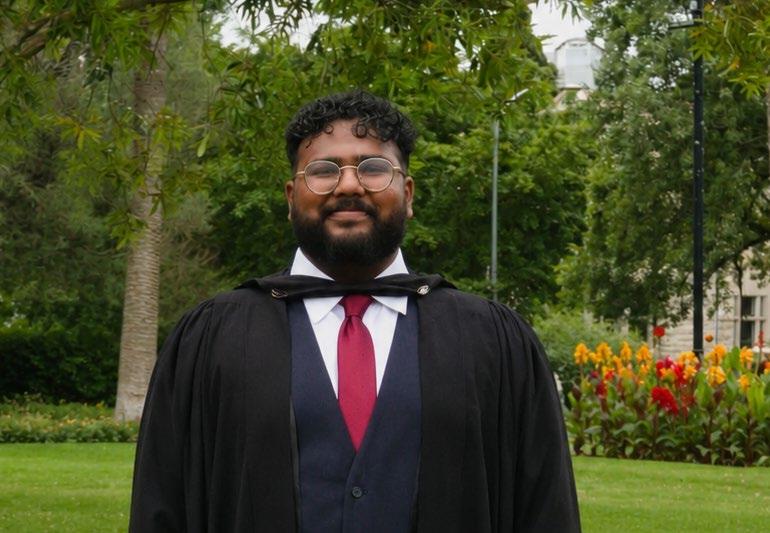
Joshua Anto
University of Auckland
Breaking the wall of orbital limits
Most satellites operate as isolated systems, limited by onboard power and storage during each orbit. I aim to break this wall by creating a shared orbital utility platform that provides supplemental power and data relay services, allowing satellites to capture more data, operate longer, reduce costs, and improve mission productivity without launching additional spacecraft.
Joshua Anto is a postgraduate student at the University of Auckland with a background in Electrical and Electronics Engineering. His interests focus on spacecraft systems, orbital infrastructure, and emerging space technologies. He is passionate about developing scalable orbital utility systems that improve satellite productivity and sustainability in space. Joshua combines systems engineering, technical innovation, and long-term strategic thinking to explore future-focused solutions for the evolving space industry.
linkedin.com/in/joshua-anto
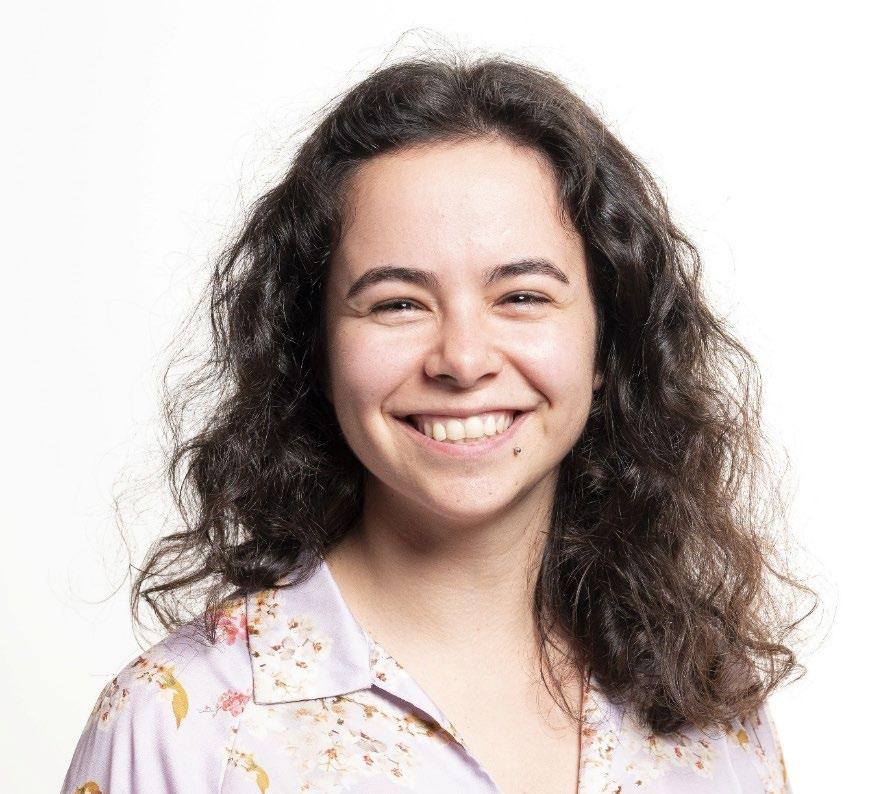
13.
Dr Aylin Şen
Massey University, Riddet Institute
Breaking the wall of Dairy Using Plants
Conventional dairy production is under pressure to meet the growing global demand sustainably, while many plant-based alternatives still fail to deliver the taste, texture, and functionality of dairy products. We engineer plants to produce animal-free proteins and fats that perform like dairy to create the next generation of sustainable, nutritious, and delicious foods that consumers will love.
Aylin Şen is a Postdoctoral Fellow at the Riddet Institute, who works in collaboration with Miruku on alternative dairy systems. She earned an MSc in the Netherlands and a PhD in Food Technology from Massey University. Her research focuses on plant oil bodies and proteins. She is particularly interested in improving extraction processes and enhancing protein functionality to create high-quality new plant-based dairy alternatives such as creams, coffee whiteners, and cheeses.
linkedin.com/in/aylin-sen-/ orcid.org/0000-0002-8652-3448
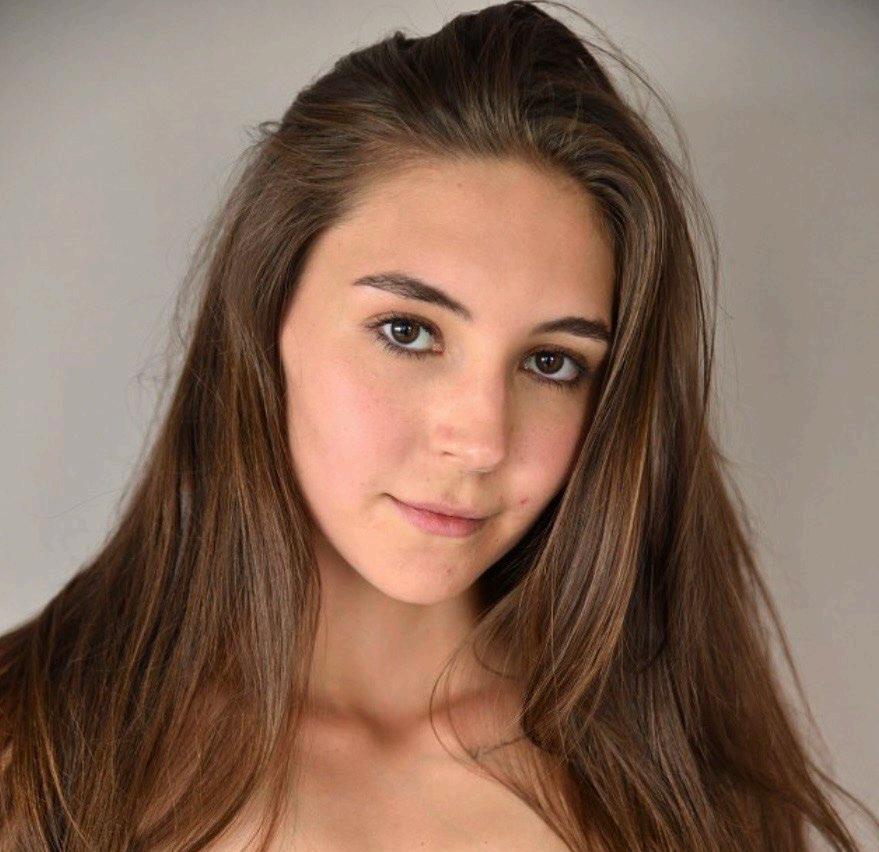
14.
Tess Austin
Auckland University of Technology (AUT)
Breaking the wall of invisible isolation
Isolation is a prevalent health risk. However, inconsistent definitions of isolation mean that current measures are fragmented and don’t capture key drivers of the condition. I am developing a multidimensional measure to capture both social and environmental isolation as a unified construct. By identifying risk patterns earlier, this breakthrough will enable targeted prevention and effective interventions before isolation becomes harmful.
Tess Austin is a Psychology PhD candidate at AUT, specialising in how social and environmental factors interact to shape human connection. Her first-hand experience of isolation during the COVID-19 pandemic motivated her to pursue research that makes isolation visible before it becomes harmful. She holds a BA (Hons) in Psychology with advanced statistical training, has publications in behavioural science, and experience in psychometrics and mixed methods research. She is passionate about science communication and creating tools for real-world change.
linkedin.com/in/tessaustinn/ orcid.org/0009-0003-2792-5548
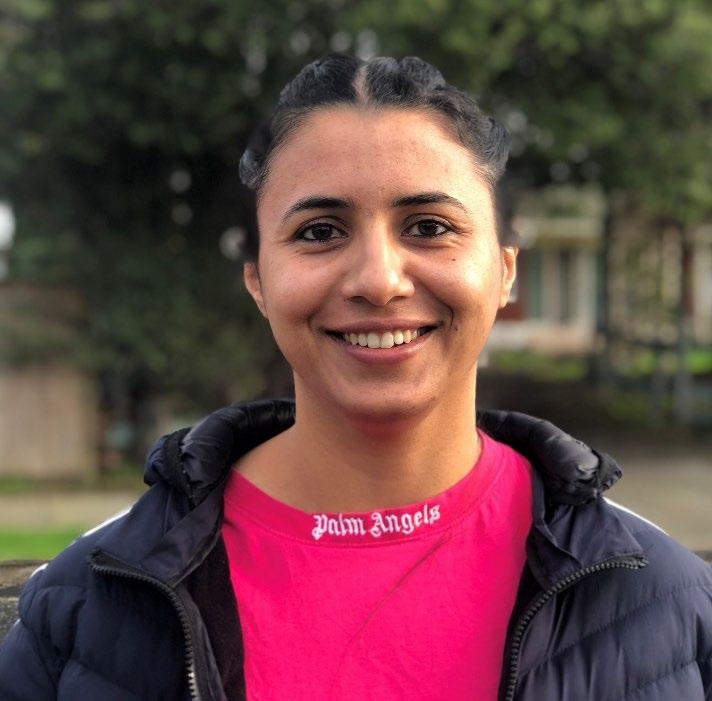
Manpreet Kaur
University of Auckland
Breaking the wall of baby movement screening
We aim to develop a smart mobile app, ‘TinyMotion’, that enables automated assessment of movement for early screening of babies to identify developmental conditions, such as cerebral palsy. Current methods for movement assessment rely on trained experts and are time-intensive, limiting accessibility and scalability. Our solution allows parents or clinicians to record babies’ spontaneous movements, supporting earlier, faster, and more accessible screening worldwide.
Manpreet Kaur is a PhD candidate at the University of Auckland, where she develops smart technologies for the automated assessment of baby movements and early detection of cerebral palsy risk. She has a strong background in computer science and engineering, with Bachelors and Masters degrees from India. She is passionate about translating artificial intelligence into real-world health solutions with meaningful societal impact. She has received both the MedTech 3-Minute Oral Presentation Award and the Matai Symposium 1Minute Lightning Talk Award.
linkedin.com/in/manpreet-k-baidwan orcid.org/0000-0002-7701-3374
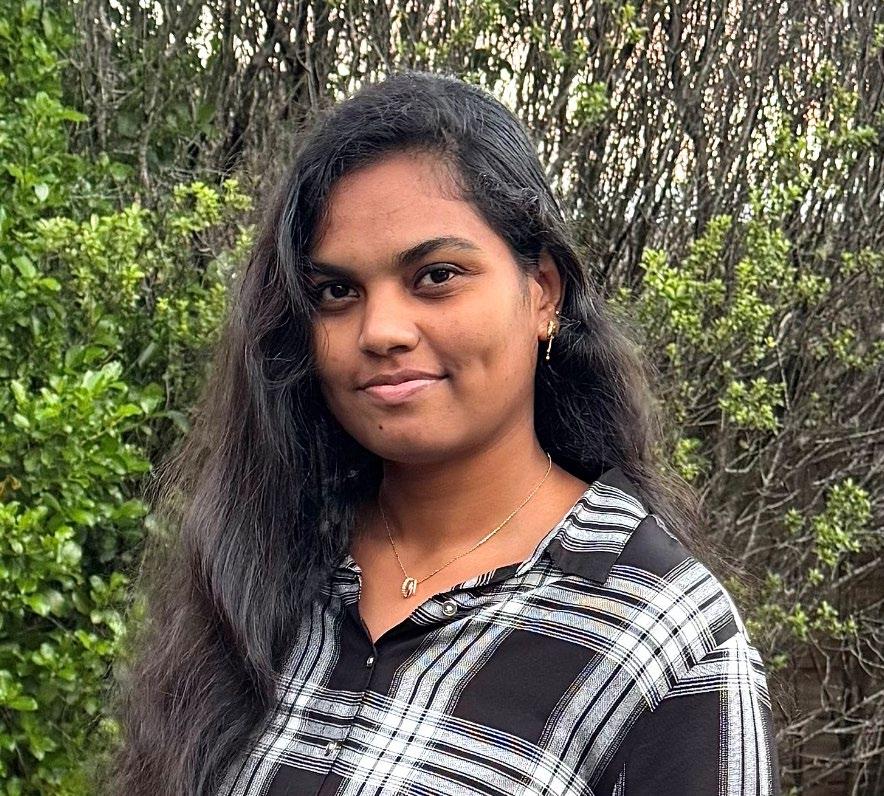
Kiruthigadevi Kamaraj
Vellore Institute of Technology (India)
Breaking the wall of fuel production
We seek to make fuel from CO2 using a nickel catalyst to support clean energy. Many fuel production methods can harm the environment, but our approach uses captured CO2 instead of releasing it into the air. This helps reduce carbon pollution while creating cleaner fuels for a more sustainable future. I am keen to break the wall of fuel demand today.
Kiruthigadevi Kamaraj is pursuing her PhD at the Vellore Institute of Technology in India, after undergraduate degrees in chemistry, and is developing catalysts for hydrogenation and reduction reactions. She is an intern at the University of Amsterdam and the University of Toulouse. She has strong expertise in catalysis, with integrated research and development expertise in the field of fuel technology and CO2 capture and conversion. She enjoys transforming scientific discoveries into real-world applications and products.
linkedin.com/in/kiruthigadevi-kamaraj

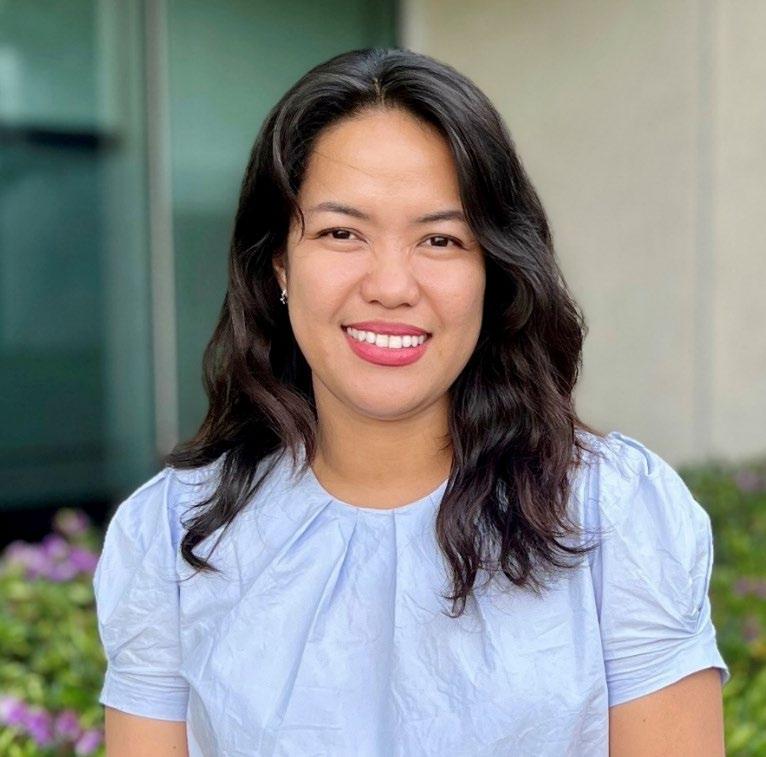
Huyen
My Nguyen
University of Canterbury
Breaking the wall of face recognition
We have spent decades treating identity as a face. That is how we design experiments, build recognition technologies, and train professionals. Yet in everyday life, people are whole persons. I seek to break this wall by shifting the science of identification from faces to persons, revealing how faces, bodies, and movement work together to help us recognise one another.
When most people struggle to recognise a stranger from CCTV footage, others can do it remarkably well. Huyen My Nguyen, a PhD candidate in Psychology at the University of Canterbury, is someone who is very good at identifying people. Since discovering she is a super-recogniser, she has been fascinated by the science of face recognition. Her research investigates how people identify unfamiliar individuals in everyday environments and why their abilities vary so dramatically from person to person.
linkedin.com/in/my-h-nguyen-272bon14/
18.
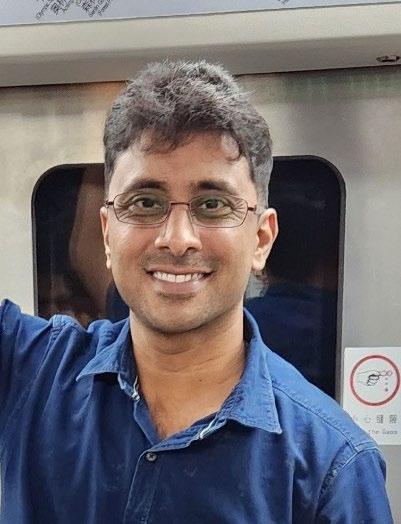
Dr Lea Dasallas
University of Canterbury
Breaking the wall of urban flood prediction
We aim to make flood predictions faster and more practical for early warning and evacuation. Current high-resolution hydrodynamic models are accurate and comprehensive but slow and computationally demanding, limiting their application for flood forecasting. We are developing a new approach to combine machine learning with physics-based models to deliver rapid, reliable flood-risk predictions that support safe transport mobility.
Lea Dasallas is a Postdoctoral Fellow in Civil and Environmental Engineering at the University of Canterbury, where she headed the stormwater flood modeling, flood-risk assessment and evacuation analysis for Wellington, New Zealand. Her background includes expertise in the analysis of extreme weather events, climate change adaptation, flood modeling, and disaster risk reduction. She had been working on flood-intervention options and how to mitigate flood disasters. Her PhD in Environmental Water Resource is from South Korea and her MSc in Meteorology is from the Philippines.
linkedin.com/in/lea-dasallas-4ba4095a/ profiles.canterbury.ac.nz/Lea-Dasallas orcid.org/0000-0001-8160-8875
19.
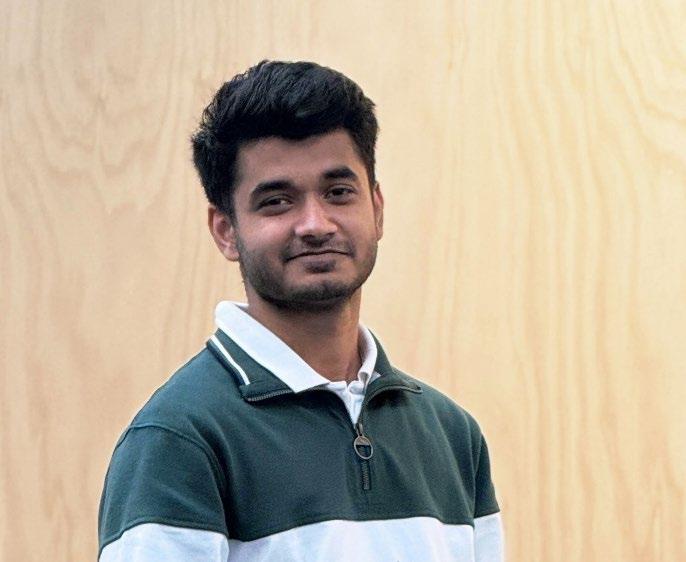
Jainesh Ram
University of the South Pacific
Breaking the wall of invisible pest barriers
Pacific Island nations face invisible pest barriers caused by invasive agricultural pests and strict biosecurity restrictions that threaten food security, trade, and livelihoods. My research seeks to break these barriers by developing novel methods for sex-attractant surveillance, biological control, and innovative integrated pest management strategies to reduce pest spread, strengthen regional biosecurity, and support safe agricultural trade across the Pacific.
Jainesh Ram is an Entomologist at the Biosecurity Authority of Fiji and a PhD candidate at the University of the South Pacific, supported by the Australian Centre for International Agricultural Research. His research focuses on genetics of fruit flies, identifying parasitoids in fruit flies, and biological control and sustainable integrated pest management in Fiji. With expertise in pest diagnostics and biosecurity responses, he is passionate about strengthening biosecurity, sustainable agriculture, and science communication in the Pacific.
linkedin.com/in/jainesh-anish-ram-72a62a50/ facebook.com/jaineshanishram orcid.org/0000-0003-3476-4503
20.
Navaneeth Rajendran
University of Waikato
Breaking the wall of industrial cyber defence
Critical infrastructure such as water, energy, and manufacturing systems face increasingly sophisticated cyberattacks. My research focuses on protecting the technology that operates critical infrastructure. It combines artificial intelligence with virtual replicas of physical systems that can be used to monitor and test without risk. Together, these tools can detect stealthy attacks that traditional security tools often miss, enabling faster and more intelligent protection of industrial systems before physical damage occurs.
Navaneeth Rajendran is studying for a Masters in Cyber Security at the University of Waikato. His research uses digital twins and large language models to identify and defend against cyberattacks on industrial control systems for critical infrastructure. He is passionate about novel approaches to improving the resilience and security of real-world industrial environments.
linkedin.com/in/navaneeth-r-77419726b/
The Falling Walls Foundation is a non - profit organisation in Germany, dedicated to the support of science and the humanities It was established in 2009, 20 years after the fall of the Berlin Wall. At its heart is the question ‘Which are the next walls to fall?’ because of scientific, technological, economic, and sociological breakthroughs.
Falling Walls Lab events are held in numerous countries worldwide. The winners of these competitions are automatically admitted to the Falling Walls Lab Global Finale in Berlin in November each year to pitch their idea to a jury of distinguished academics and businesspeople.