Together we empower people to reach their potential
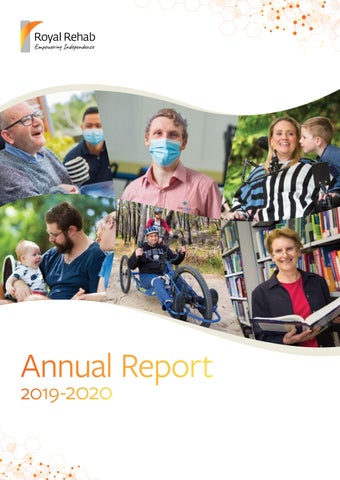
Together we empower people to reach their potential
100% of facilities remained COVID-19 free
20% increase in workforce across Royal Rehab
267% increase in video and phone consults between March and June 2020
271 nursing and allied health students supervised
14 articles published in peer-reviewed journals
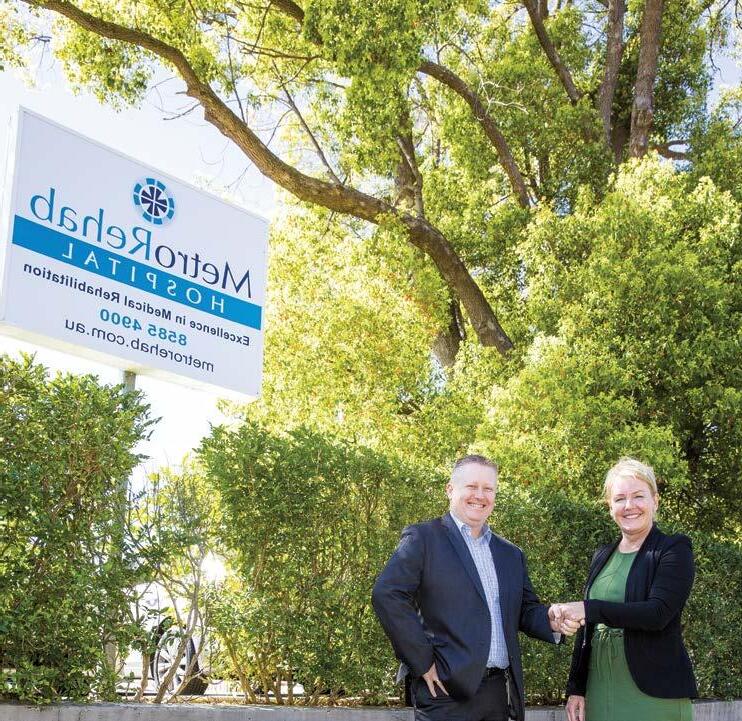
Acquisition of MetroRehab Hospital on 6 September 2019
38 supported homes across 20 Sydney suburbs and growing
23% increase in NDIS support coordination for clients
100% of clients said they would recommend MetroRehab day program1
100% of Royal Rehab Private patients said facilities were good or excellent1
94% of Sargood guests said stay had a positive impact on their life2
150+ volunteers engaged across our facilities
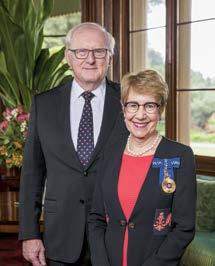
We are proud to have Her Excellency the Honourable Margaret Beazley AO QC, Governor of New South Wales and Mr Dennis Wilson as Royal Rehab’s Joint Patrons.
1 Results of Client Exit Surveys 2019/20. 2 Cumulative Guest Feedback Scores.
Welcome to the annual report for 2019/20. In this joint Chairman and CEO message, we reflect on what has been an extraordinary year.
From strong financial stewardship to launching the first of our significant growth plans, exploring the incredible world of advanced rehabilitation technologies and responding to a global health crisis — the achievements and challenges have been immense. Throughout it all, we could not be prouder of our united team which has responded with dedication, creativity and agility. The Royal Rehab spirit is shining more brightly than ever as we continue to strengthen our remarkable organisation, influence the rehabilitation and disability sectors, and look to a future filled with enormous possibilities.
In 2019/20, Royal Rehab achieved pleasing financial results, further strengthening our balance sheet. Our commitment to prudent financial management will ensure that we can meet new challenges, provide even more to the people we serve, and access growth opportunities whilst ensuring the financial security of the organisation into the future.
Throughout Royal Rehab’s journey, the organisation has stayed true to its humble foundation, remaining dedicated to supporting people who need it. Our commitment to that legacy, coupled with our plans for growth, led to the acquisition of MetroRehab Hospital in September. The highly regarded 37-bed facility, located in Sydney’s Inner West, offers specialist neurological, orthopaedic, reconditioning and pain management programs. We are pleased to take MetroRehab into our fold and expand our delivery of quality medical, allied health and nursing expertise.
We are currently living in the fourth industrial revolution where exciting technological advancements are progressing at incredible speeds. Elsewhere in the world, assistive technologies are transforming the lives of people with disabilities, however in Australia, costs and availability have made access prohibitive. This year, we communicated our vision to address these barriers and became a driving force that brings life-changing technologies to Australia.
We were pleased to attend the American Congress of Rehabilitation Medicine (ACRM) conference in Chicago where new and emerging technological advancements in rehabilitation practise were on display. We also visited the Shirley Ryan AbilityLab, a world-class rehabilitation facility where innovation, research, science, and clinical expertise come together. We were delighted to showcase an advanced piece of robotics technology — the EksoGT exoskeleton — for the first time in Australia at this year’s Chairman’s Dinner, and subsequently began negotiations to bring advanced robotic technology to Royal Rehab.
The COVID-19 pandemic was a health crisis on a scale none of us could have imagined. The rapidly evolving pandemic upturned lives and had far reaching consequences socially and economically. At Royal Rehab, our team rose to the challenge guided by our values and a clear focus on our goals — to protect the people we serve, our staff members,
and the wider community, and continue to deliver our services to the vulnerable people we serve.
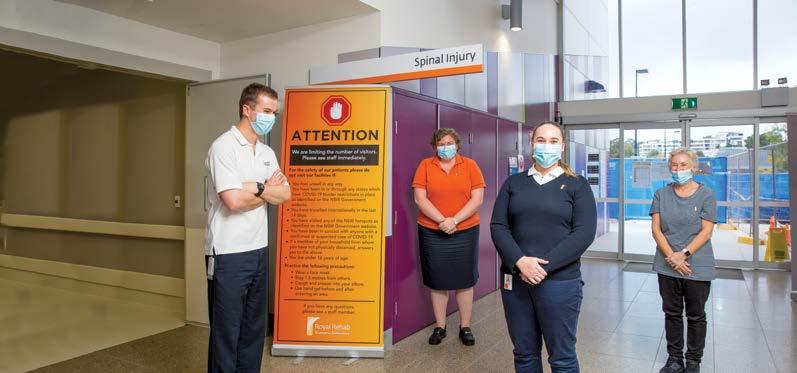
Our commitment was unwavering as we monitored the rapidly evolving developments, took precautionary measures, and followed the guidelines of relevant authorities including NSW Health. These included: reduced visitor numbers, working from home arrangements, rapid delivery of services via telehealth, screening checks for staff and visitors, and further tightening of our stringent infection control and cleaning practices.
We were proud to play an important role supporting the NSW Ministry of Health’s response to the health crisis. We welcomed patients with complex rehab needs from Royal North Shore, Prince of Wales, Balmain, and Royal Prince Alfred Hospitals to our facilities. The change in case mix required a rapid redeployment of staff with different skill sets across our facilities and we applauded our people for stepping up.
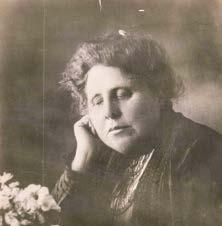
During the peak of restrictions, we drew strength from knowing the Royal Rehab spirit is resilient and that our organisation has stood the test of time. Our founder, Susan Schardt and her successors faced enormous challenges, including navigating their way through the
global Spanish flu pandemic of the early 1900s, the Great Depression and World War II… and prevailed again and again.
This year will go down as another exceptional chapter in our history. Through sensible and proactive decision making, exemplary leadership and a united team, Royal Rehab overcame adversity to continue its purpose. It is testament to the hard work of our staff that our 40-plus facilities across Sydney remained COVID-19 free.
It is our privilege to lead this great organisation as we continue to shape the future for people with disabilities and set a new standard in rehabilitation medicine. We are sincerely thankful to our Board of Directors, Executive and Senior Management teams, our staff members, volunteers, partners, and donors. We express our gratitude to The Honourable John Alexander OAM, MP and The Honourable Brad Hazzard, Minister for Health and Medical Research for their ongoing support and guidance.
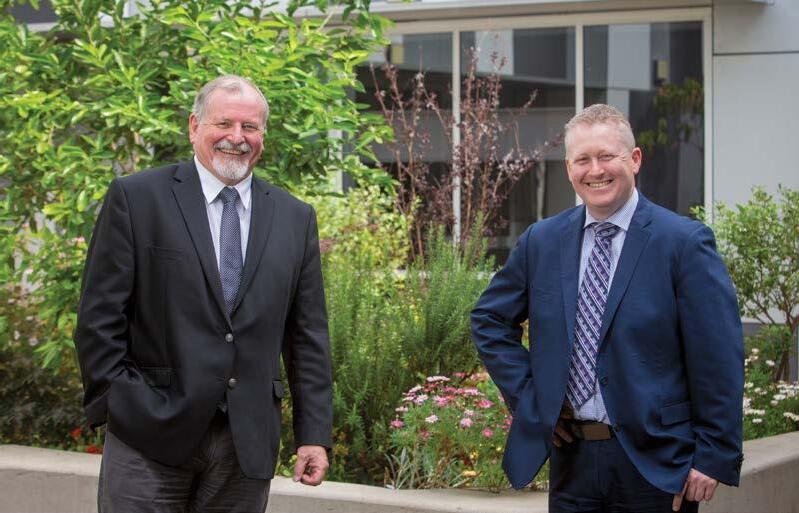
Tony Staveley, Chairman and Matt Mackay, CEO
271 nursing and allied health students supervised
14 articles published in peer-reviewed journals
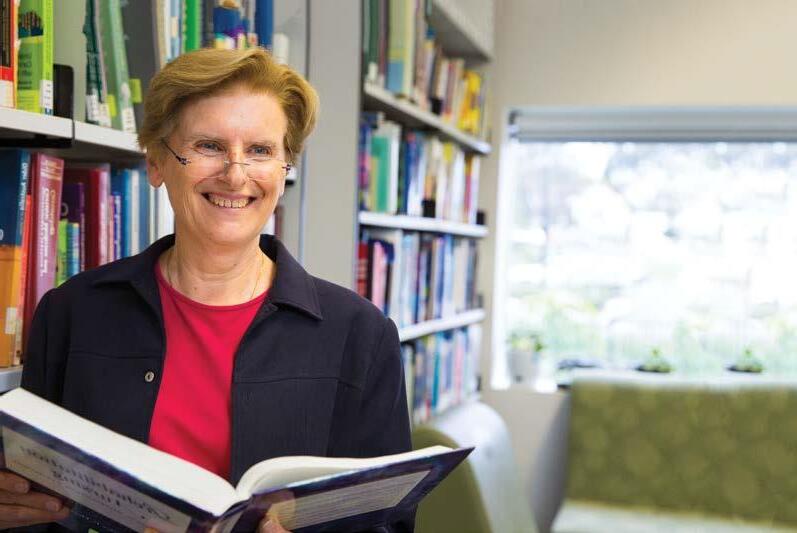
Education and research continue to be priority objectives at Royal Rehab managed through our centre of excellence, The Ducati Owners Club of NSW Education and Research Hub.
Named after our long-term supporter, the Hub represents our commitment to the education of staff and students, and to the advancement of rehabilitation and disability services.

New Director Research and Innovation
Research and innovation is an increasingly important area at Royal Rehab, and to this end, we have created a new role — Director of Research and Innovation. We have appointed Julie Pryor to this position where she will support research culture throughout the organisation.
“I am delighted to provide leadership in relation to research and innovation at Royal Rehab. It is through a strong culture of innovative evidencebased thinking that we can foster and promote the development of research skills and facilitate partnerships that will help shape the future for the people we serve.’’
Julie Pryor, Director Research and Innovation
Royal Rehab’s research covers many domains including spinal cord injury, traumatic brain injury and rehabilitation practice. We have a long history of leading research projects and collaborating with other researchers to enable the evidence base informing service delivery to grow.
Kate Jones, Julie Pryor, Candice Care-Unger and Grahame Simpson
This two-module training program for medical, nursing and allied health rehabilitation staff was effective in increasing self-reported competency, confidence and comfort in spiritual care delivery. During follow-up interviews, participants expressed understanding that ‘spirituality is everybody’s business’. Specifically, participants reported: increased awareness of the nature of spirituality; realisation of the importance of spirituality to clients; a desire to keep spirituality on the radar; examples of incorporating spiritual care in practice; and recognition of spirituality as personally meaningful. The findings confirm that brief spiritual care training can positively impact upon perceptions and practice of rehabilitation professionals.
Interviews with Healthcare Professionals and People with Spinal Cord Injuries to Guide the Development and Rollout of Physiotherapy Clinical Practice
Lisa Harvey, Joanne Glinsky, Donna Rainey, Amanda Haber, Marsha Ben, Sophia Denis and Lydia Chen
This qualitative study which aims to understand the perspectives of healthcare professionals and people with spinal cord injuries on physiotherapy treatments has been conducted in the Spinal Injury Unit at Royal Rehab. The project was a collaboration between physiotherapists in the spinal units across NSW and the University of Sydney. Results of the study will be used to guide the development and subsequent rollout of clinical practice guidelines for physiotherapists working with people who have sustained a spinal cord injury.
Exploring Food and Nutrition Knowledge, Attitudes and Behaviours of Spinal Patients in Specialist Rehabilitation
Priya Iyer, Eleanor Beck and Karen Walton
Good nutrition knowledge facilitates healthy eating practices. This recent cross-sectional study explored nutrition knowledge, attitudes, and practices in individuals with spinal cord injury. The findings affirmed the need for timely nutrition intervention and knowledge translation strategies in spinal cord injury rehabilitation.
The Nature and Predictors of Readmissions to Acute Care from Inpatient Rehabilitation: a Retrospective Cohort Study
Duncan McKechnie, Murray Fisher, Julie Pryor and Rochelle McKechnie
This retrospective cohort design study of the records of 383 brain injury rehabilitation inpatients found that 83 (22%) experienced readmission to acute care for a total of 171 episodes. 37% of readmissions were due to hospital acquired complications with infection being the most common cause.
Patients requiring unplanned readmission to acute care were more likely to have lower Glasgow Coma Scale scores and Functional Independence Measure scores on rehabilitation admission, a higher burden of care on rehabilitation discharge, and be discharged to a non-home residence.
Rehabilitation admission Glasgow Coma Scale and motor Functional Independence Measure scores were identified as the independent predictors of unplanned readmission to acute care.
Spiritual Care Practice: Trialling a Staff Training Program in Rehabilitation
In collaboration with Ingham Institute of Applied Medical Research and funded by Community of Christ 1
Utilisation of the Brannagan Executive Functions Assessment in Increasing Self Awareness in Relation to Goal of Return to Work in Individuals Post Traumatic Brain Injury – a Master of Clinical Rehabilitation: Neurological Occupational Therapy Student Project
In collaboration with Flinders University
The Nature of Readmissions to Acute Care from Inpatient Rehabilitation: a Retrospective Cohort Study
In collaboration with the University of Sydney 2
In collaboration with the University of Sydney 3
Deteriorating Patients in Rehabilitation – a Bachelor of Nursing (Honours) Student Project
In collaboration with the University of Sydney and funded by icare 4
Interviews with Healthcare Professionals and People with Spinal Cord Injuries to Guide the Development and Rollout of Physiotherapy Clinical Practice Guidelines
On the Spot Use of Goals to Support the Biographical Work of Rehabilitation
In collaboration with the University of Sydney and funded by the Australasian Rehabilitation Nurses’ Association 5
Exploring Food and Nutrition Knowledge, Attitudes and Behaviours of Spinal Patients in Specialist Rehabilitation – a PhD Student Project (2nd Out of 4 Projects)
In collaboration with the University of Wollongong 7
In collaboration with the University of Wollongong 8
Association Between Diet Quality, Lipid Profile and Body Weight in Patients with Spinal Cord Injury – a PhD Student Project (3rd Out of 4 Projects)
Improving Diagnosis of Verbosity Following Traumatic Brain Injury: a Descriptive Study
In collaboration with Macquarie University 9
An icare funded project led by Grahame Simpson (Ingham Institute) 10
The Significance of Resilience on the LongerTerm Wellbeing of Family Caregivers, Service Utilisation and Client Community Participation: 3-Year Follow-Up
Royal Rehab has a culture of continuous learning where we share our knowledge and research, support the ongoing education of our staff, and provide training for students and external clinicians.
During the year, we provided clinical education for nursing and allied health students from leading Australian and international universities. We continued to train undergraduate students from the University of Sydney School of Medicine and registrars from the Australasian Faculty of Rehabilitation Medicine. We are proud of our clinical professionals who held appointments and lecturing positions at higher education facilities.
The COVID-19 pandemic had a major impact on staff training and education. We worked hard to keep abreast of the constantly changing infection control practices and social distancing restrictions to ensure that everyone, from doctors and nurses to cleaning staff and visitors, were both informed and educated across our facilities.
The Brain Injury Community Rehab Team partnered with the University of Sydney’s Brain and Mind Centre, the Royal Australian and New Zealand College of Psychiatry, icare, and other leading organisations in the inaugural Australia-first psychiatry fellowship in brain injury. Dr Jodi Cartoon was announced as the recipient of the fellowship which provided her a rare opportunity to develop skills in neuropsychiatry at Royal Rehab.
Professor James Middleton, Senior Staff Specialist Spinal Outreach, Professional Leader of Social Work Candice Care-Unger and Professional Leader of Dietetics Priya Iyer accepted positions on the World Health Organisation Committee for the Development of a Package of Rehabilitation Interventions. The Package is designed to be a resource on evidence-based rehabilitation interventions for people with spinal cord injury living in low and middle-income countries.
Research Project Officer Dr Kate Jones and Professional Leader of Social Work Candice Care-Unger attended the 9th International Conference on Social Work in Health and Mental Health in the United Kingdom to discuss research and innovative practice in social work in health settings. Dr Jones and Candice gave presentations on topics which included Building Family Resilience after Traumatic Injury and Spirituality in Rehabilitation.
With the onset of the COVID-19 pandemic came lockdowns, social distancing restrictions and heightened uncertainty.
For a large proportion of our vulnerable community, staying safe meant self-isolating. However, accessing regular healthcare services was as important as ever especially for those with compromised immune systems and underlying conditions. In the midst of preparing for and responding to the health crisis, Royal Rehab was deeply committed to ensuring our vital services were available to the people we serve.
Rewind a year prior and the Royal Rehab team was in the early stages of mapping out the delivery of health care through a new telehealth model designed to complement traditional face-to-face service delivery. Through hard work and innovative thinking, led by our Telehealth Manager Nicole Kennedy, and with support from our IT department, the move to telehealth fast-tracked.
The NSW Spinal Outreach Service team’s rural clinic in Pottsville on the far north coast of NSW was the first to adopt the new telehealth approach in March 2020. The inaugural telehealth clinic ran over three days and included the full multidisciplinary team providing up to three hours of consultation to each of the nine participating clients.
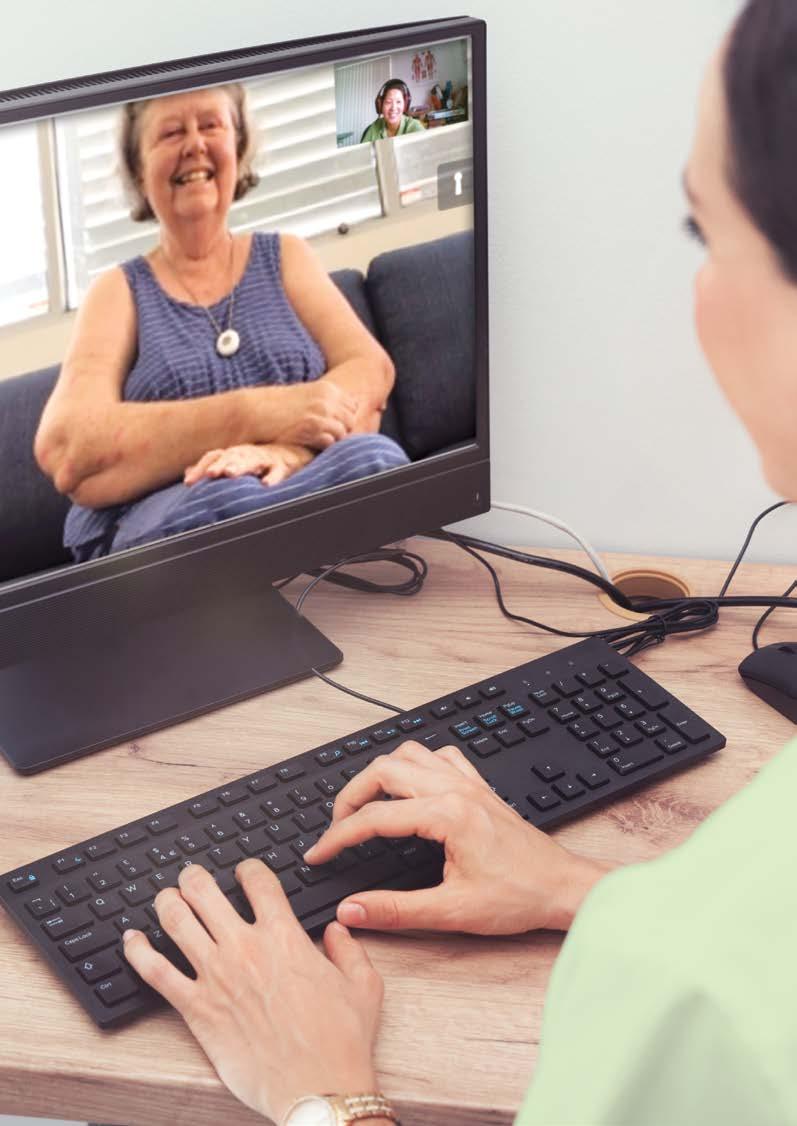
Across our community and outpatient services, 1,694 telehealth consults were conducted between March and June 2020 representing a 267 per cent increase on the previous year, and an average of 400 consults per month with a peak in April of 573 consults. Face-to-face groups also pivoted to telehealth. We organised approximately 20 group sessions in Brain Injury
Community Rehabilitation Team which included a weekly speech pathology group, social support group, and vocational education group. By transitioning to telehealth, the community teams were able to deliver client consults at greater numbers overall than preCOVID-19 levels.
Since the launch of telehealth, the overall response has been tremendously positive. Clients like Joanne were able to continue to receive consultations on the Home Based Rehabilitation Program. Due to a pre-existing medical condition, Joanne was advised by her doctors to isolate at home during the COVID-19 pandemic. However, she had only recently returned home after an eight-month stay in hospital and was anxious about her discharge with her reduced level of function.
“Virtual consultations were excellent during self-isolation to continue my physiotherapy and give me confidence. The fact that the physio can see me and talk me through the treatment via the iPad is wonderful!” said Joanne.
“The move to telehealth boosted staff confidence and has given us all a new set of skills.”
Jason Bransby-Bell, Senior Speech
Pathologist
267%
increase in video and phone consults March - June (compared to same period last year)
573
Peak number of video consultations logged in April 2020
400
Average number of video consults per month
In a significant milestone during our 120th year, Royal Rehab marked a new chapter in its history with the acquisition of MetroRehab Hospital on 6 September 2019. Located in Sydney’s Inner West, the 37-bed facility has a strong reputation for clinical excellence.
During the transition period, all staff united to deliver a seamless experience for patients, referrers and other medical teams. Clinical outcomes during the year were strong with 26 per cent of patients experiencing greater functional gain and shorter length of stay (up from 21 per cent last year). 93 per cent of patients were discharged home after rehabilitation. Demand for neurological programs continued to grow with a nine per cent increase in occupancy during the year. Importantly, client feedback was exceptional with 99 per cent of inpatients indicating that MetroRehab met or exceeded expectations.
“MetroRehab Hospital is an established rehabilitation facility providing best-in-class physical rehabilitation services. We are pleased to take MetroRehab into our fold and continue providing quality medical, allied health and nursing expertise.”
Matt Mackay, CEO
The impact of COVID-19 on the broader healthcare system was unprecedented. As a result of the established relationship with Sydney Local Heath District (SLHD), MetroRehab was chosen as a private rehabilitation hospital to support SLHD during the pandemic. In April 2020, MetroRehab welcomed public patients and continue to provide 12 dedicated rehabilitation beds to support the public health system through the health crisis.
Alongside assisting this new influx of patients, MetroRehab staff quickly and effectively implemented new health and safety measures to ensure a COVID-safe environment for staff, patients and visitors. Restrictions on elective surgery caused a temporary interruption to inpatient and day patient programs, which facilitated the implementation of these changes.
During the year, MetroRehab General Manager, Denise Thomas presented at the Women in Healthcare Leadership Summit in February. The accomplished senior executive shared her insights about success and building a network of mentors and motivators. Denise also joined Royal Rehab Chairman Tony Staveley and CEO Matt Mackay at the American Congress of Rehabilitation Medicine (ACRM) conference in Chicago as part of a research trip exploring new and emerging technological advancements in rehabilitation practise.
MetroRehab Hospital is an active member of the local community with staff participating in several healthrelated events alongside past and present patients and their loved ones.
This year, the Sydney Stroke Rehabilitation Centre at MetroRehab hosted and participated in several events during National Stroke Week in September. Patients, staff and community members came together for the fifth annual Stroke Wellness Walk to raise funds for the Stroke Recovery Association of NSW.
“We celebrated life after stroke, shared stories and promoted awareness of stroke symptoms.”
Staff and patients also attended the annual Unity Walk in Sydney Park in August, run by Parkinson’s NSW. The walk raises funds for research and services for people with Parkinson’s disease.
1 Source: Patient Feedback Satisfaction Survey 2019/20
100% of clients would recommend MetroRehab’s day program and return if needed1
99% of inpatients said MetroRehab met or exceeded expectations1
26% of patients had greater functional gain
“The more you put in, the more you’ll get out. You’ve got to establish for yourself what you want to achieve.’’

Following a cancer diagnosis and surgical complications, Brenton finds personalised support at MetroRehab Hospital.
It was 2am on a Monday in late October 2018 when Brenton woke up with a start and what he describes as a very strange feeling.
I knew something wasn’t right; I felt a vagueness and a sharp pain. It was like nothing I had felt before,’’ said Brenton.
Within about 20 minutes, he was being assessed by the emergency medical team at the hospital nearby where it was revealed Brenton had a malignant brain tumour in the right side of his skull.
Brenton was sent home from hospital on anti-seizure medication and plans were made for surgery to remove the tumour. He began ‘pre-rehab’, exercising, eating well and mentally preparing for the high likelihood he’d wake up afterwards with hemiplegia — paralysis of one side of his body.
Brenton’s procedure took 12 hours and afterwards, the left side of his body was paralysed ‘to the millimetre’.
“I knew there was a high chance, but it was still a shock. I was just happy to be alive though,” he said.
The next few days were a struggle. He couldn’t speak properly, sit up or walk without the help of two people and mobility aids.
Once stabilised, Brenton was transferred to MetroRehab Hospital to start rehabilitation.
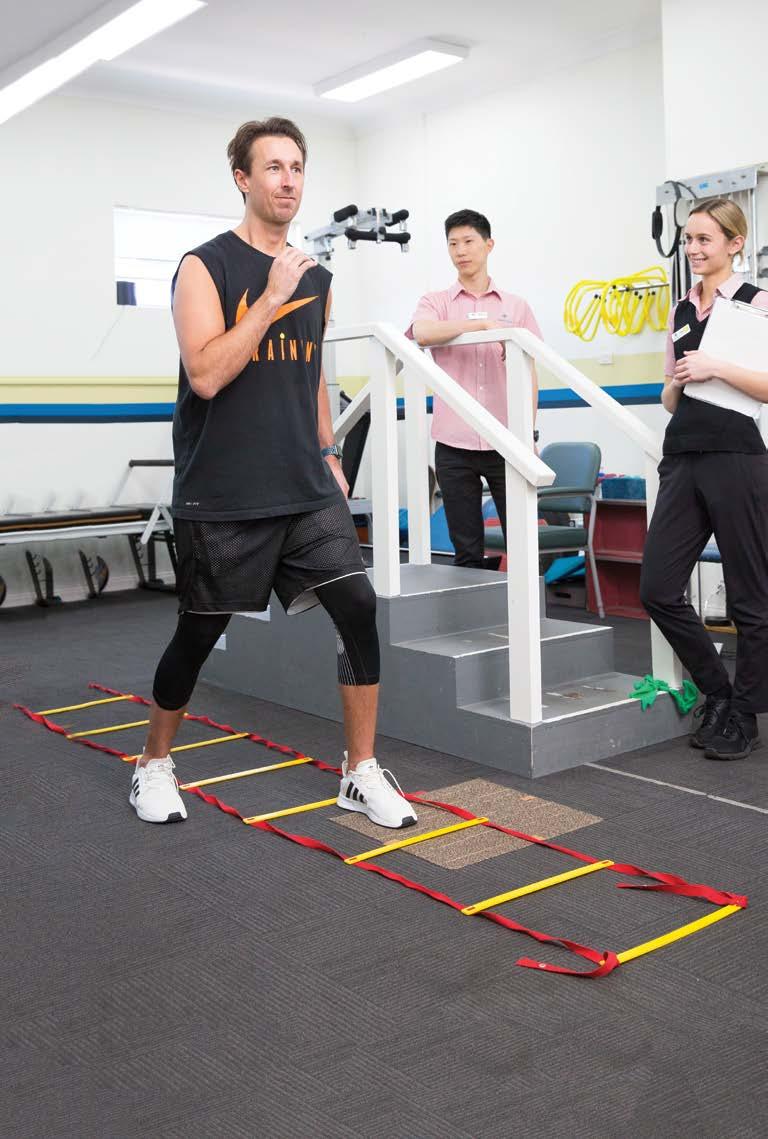
Under the care of a rehabilitation specialist and a multidisciplinary team of health professionals — including occupational therapist, physiotherapist, exercise physiologist and speech pathologist — a personalised program was developed for Brenton that was goal-based and meaningful
to him. These goals included: being able to prop up in bed, drink ‘normal’ water, and walk to the bathroom to use the toilet and shower.
Ultimately, the aim was to help Brenton return home as soon as possible.
“I had to learn everything again — simple things you don’t normally need to focus on. I’d never had to rely on anyone to do basic things before and it was extremely frustrating. But being independent came faster than I thought it would, which was great,” he said.
With his devoted partner by his side, Brenton’s hard work payed off and the planned threemonth stay was reduced to one month, after which he continued rehab as an outpatient in MetroRehab Hospital’s day program.
A few months after surgery, the 33-year-old construction worker received exciting news that provided extra motivation for his recovery.
“With
all the doom and gloom going on, it was such happy news to learn we had a baby on the way!”
Brenton, client at MetroRehab
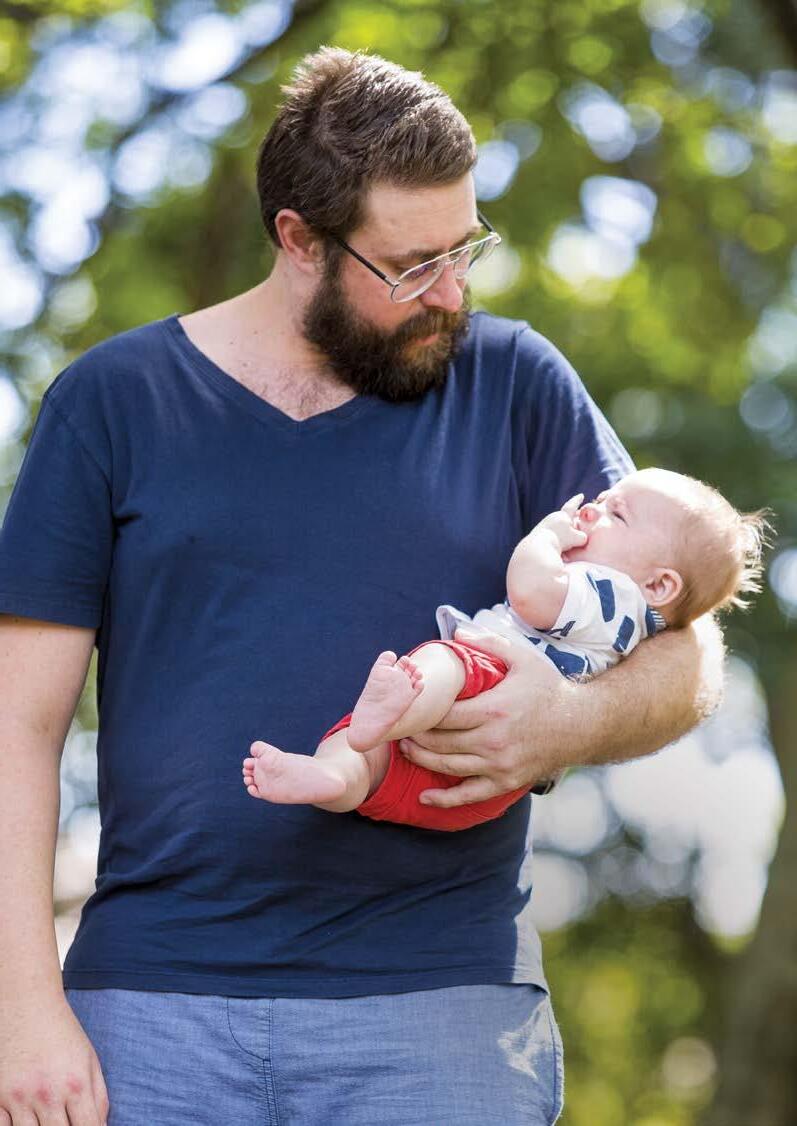
Wanting to be a hands-on father, Brenton’s rehabilitation program was modified to include new goals to help him fully participate in the care of his child such as holding and dressing the baby. In November 2018, Brenton proudly introduced sixweek old baby Townes to the delighted MetroRehab Hospital team.
178 people supported with specialist housing and support services
38 homes across 20 Sydney suburbs and growing 23% increase in NDIS support coordination for clients 10% increase in our Support Worker staff numbers
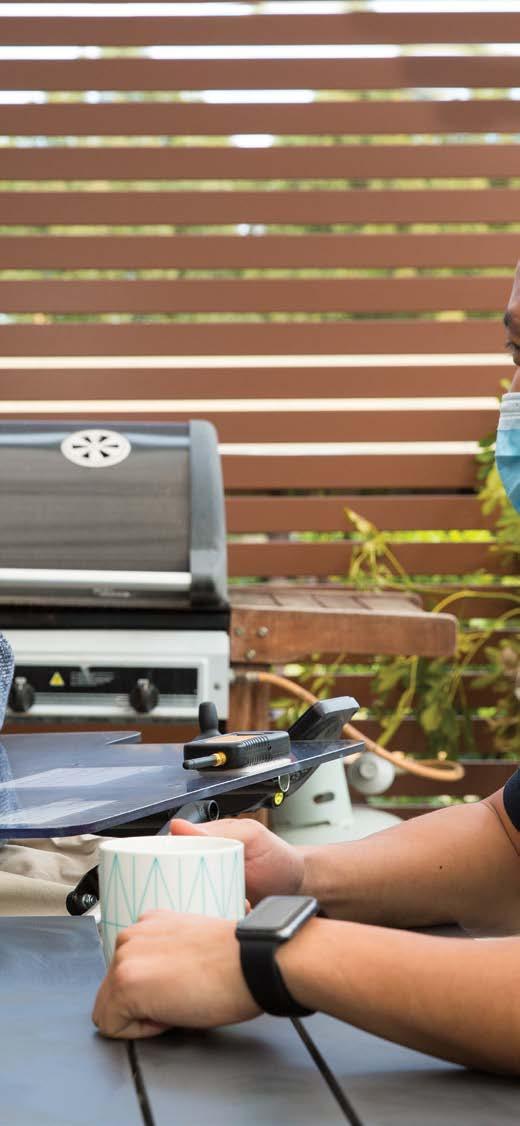
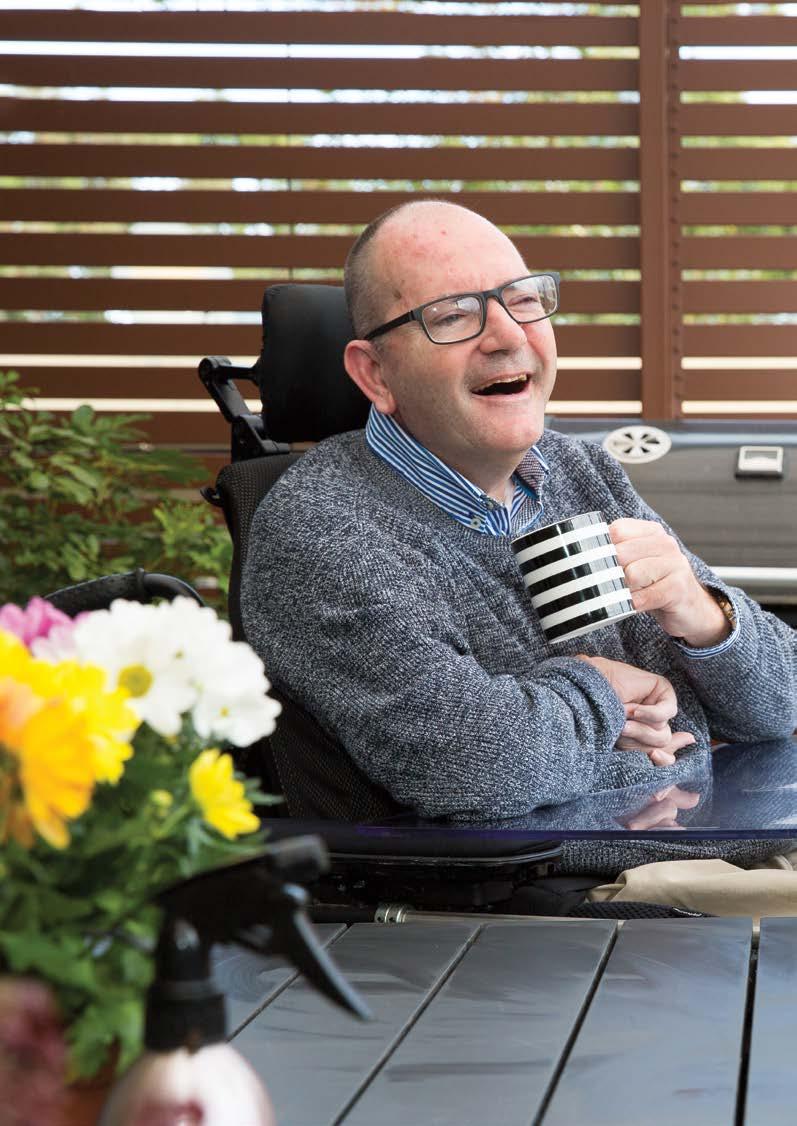
For many of us, home is a place we belong, where you can live, laugh and learn. It’s somewhere you are loved, respected and cared for. For people living with a disability however, finding a secure and comfortable place to call home can be an enormous challenge.
Our team has remained agile and ahead of the game during the COVID-19 pandemic, from the roll out and regular review of precautions to routine medical check-ups, the provision of personal protective equipment and of mental and physical care. Through unwavering commitment by a dedicated and united team, our facilities remained free of COVID-19 during the year.
1 www.homelessnessaustralia.org.au
2 www.racgp.org.au
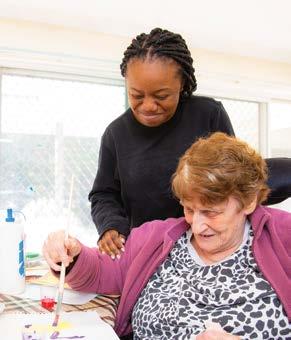
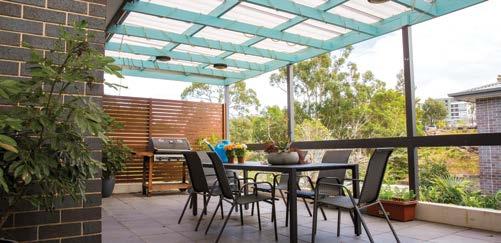
To make the most of the time spent indoors during the COVID-19 pandemic, the Disability Services team took the opportunity to bring forward refurbishments of the group homes as part of the regular maintenance and upgrade plans. Several homes across the Sydney metropolitan area received fresh coats of paint, new gardens and brand-new furniture including modern couches and dining tables.
The refurbishments came at the perfect time for our customers and their families who were delighted at the arrival of delivery trucks and the excitement of decorating their spaces in which they were now spending more time in comfort during the COVID-19 restrictions.
“The refurbishments implemented during COVID-19 were warmly welcomed by the clients, their families and staff. It has created a feeling of being ‘home’, which is especially important in times like these. We are also seeing more social interactions between clients in our newly-updated communal areas.”
Tanja Ivkovic, Accommodation Manager
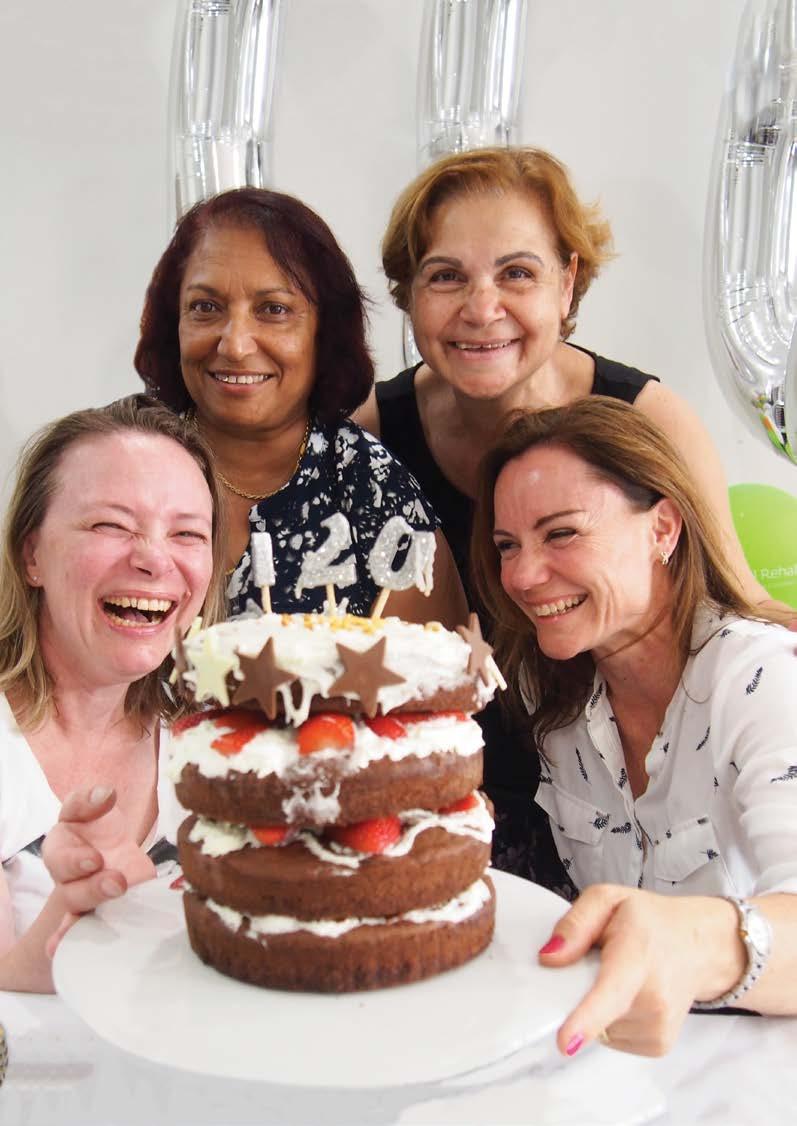
A highlight for the team was celebrating Royal Rehab’s 120th anniversary year with a cake bake off between houses. Residents got creative in the kitchen baking up a storm using the theme ‘Royal Rehab 120 years’.
Having supported the disability community in New South Wales for the last 120 years, we have no plans of slowing down. As it stands, we have over 38 homes across 20 different suburbs in Sydney. In the last year, we have gained another two homes, expanding into the Rosemeadow and Lane Cove areas.
In the last year, demand for our services grew considerably. We experienced a 23 percent increase in NDIS support coordination as well as transitioning eight new clients into our homes. In response, we have grown our staff resource pool by 10 percent to meet these needs and kept our staff to customer ratio high. With our unparalleled experience in the market, we look forward to continued expansion, and supporting people with disability to discover their potential.
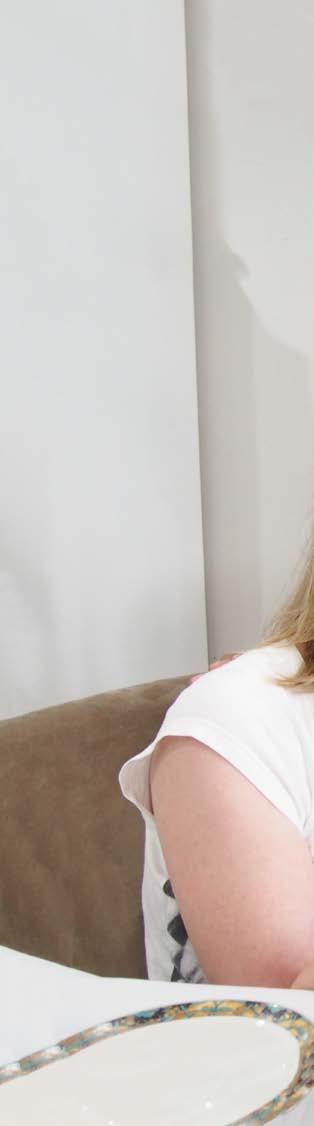
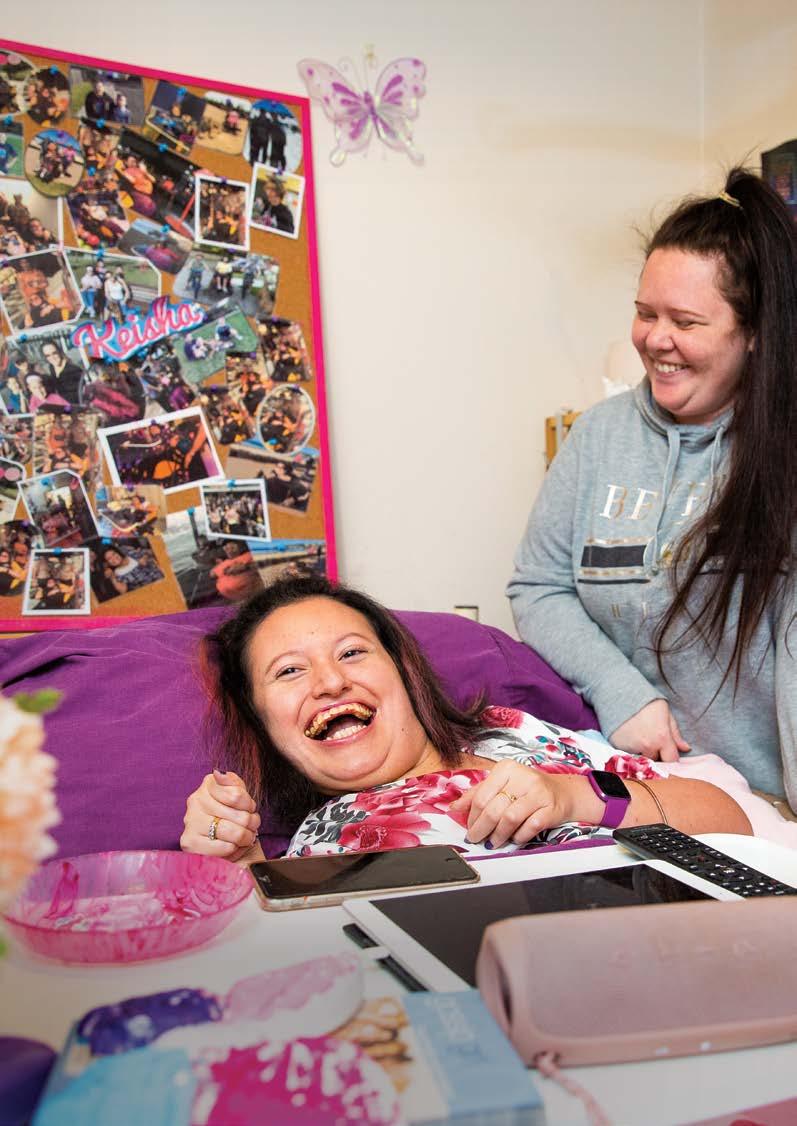
“Keisha puts a smile on my face. Every time I come here; I can’t help but smile.”
We had the opportunity to sit down and spend some time at home with the effervescent and ever-so-bubbly Keisha and her Royal Rehab support worker, Crystal.
The two have spent many, many days together over the last two years and have developed an outstanding rapport — one of friendship and support. “It’s the fact that we’re so close in age. It has helped me understand what she likes and what she does not like. I sit and listen to her as well,” said Crystal.
When asked about their favourite memories with each other, Keisha made it a note of saying that “everyday” has been her favourite with Crystal. Though if she had to choose, she remembers the time they spent together at the Easter Show in 2019 going on rides, buying show bags and playing arcade games. Crystal’s favourite memory is a little different — it was taking her to the WWE wrestling live. “Keisha’s dad purchased some tickets for Keisha and I. She was so excited and enjoyed the crowd!”
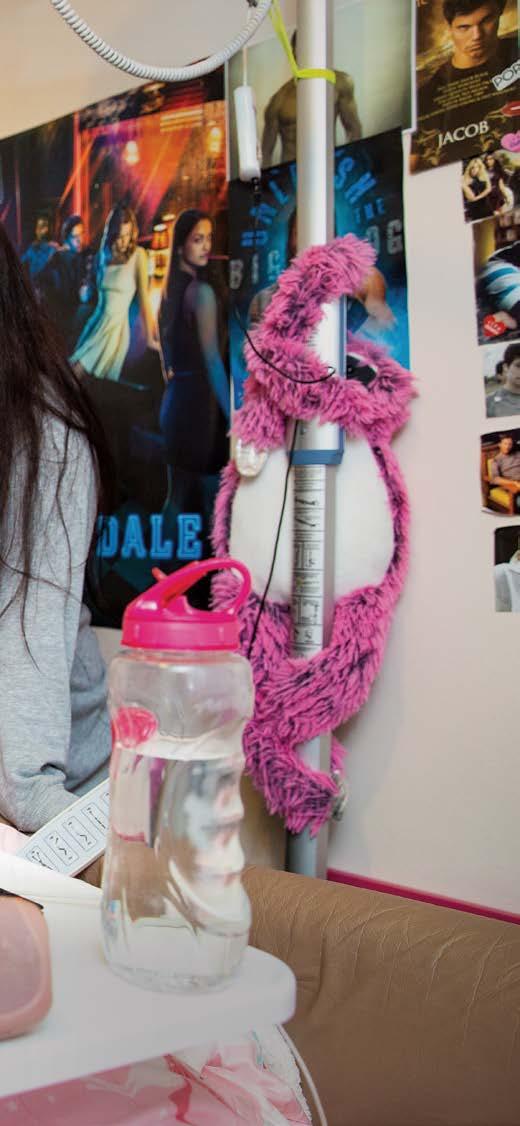
During COVID-19, Keisha and Crystal have been making the most of their time at home by watching television shows, making arts and crafts for Keisha’s room and playing with make-up.
“Everyday is my favourite with Crystal. She is pretty, she is funny and she is like a sister to me!”
Keisha, client, on her Support Worker, Crystal
47
total admissions
142 average length of stay
35-44
age group most represented
Falls the most common cause of admission
The Royal Rehab Spinal Injury Unit is renowned for enriching the lives of people who have sustained a traumatic spinal cord injury (SCI), with the skills and confidence to live life as independently as possible.
At the onset of the COVID-19 pandemic, the SIU team rapidly integrated various practices into its operations. The client transition journey from acute care at Royal North Shore Hospital to Royal Rehab was reviewed and updated with strict COVID-19 safety precautions. This review was designed to maximise infection control processes for clients and staff, while also further cementing Royal Rehab’s close connection with Royal North Shore Hospital.
During April, following much discussion and collaboration with our partners — Northern Sydney Local Health District and Sydney Local Health District — Royal Rehab began playing an important role in the NSW Ministry of Health’s business continuity plans around the pandemic. As Royal Rehab welcomed patients from Royal North Shore Hospital, occupational therapists and physiotherapists from the Spinal Injury Unit were deployed to roles in Royal Rehab Private Hospital to support clients recently discharged from acute facilities.
The SIU team continued to review practices and systems as part of the continuous improvement approach focused on resource output and client satisfaction.
A significant element to this work was the continued efforts of the team to streamline the NDIS documentation process. One of the ways this was initiated was through the work of the SIU Social Work Team, which successfully led the effort to integrate a system of pre-planning meetings to better prepare clients for their NDIS planning meetings. This allowed an opportunity for final multidisciplinary review of documentation prior to submission to the National Disability Insurance Agency (NDIA).
The SIU occupational therapy team refined their upper limb assessment tool to create consistency and improve handover communication between clinicians.
Much effort was directed towards the redevelopment of the client communication and goal identification boards, which provide staff with immediately available updates on client’s goals at the point of client contact. Further they promote practice of new skills learnt in therapy spaces to be transferred into everyday use in the bedroom and bathroom.
We pride ourselves on not only providing our clients with outstanding results, but also on setting the bar high in best practice.
Our SIU occupational therapy team is actively involved in the review of Occupational Therapy Interventions for Adults with a Spinal Cord Injury — a tool used to assess a client and make appropriate recommendations on equipment or home modifications. This review is a commitment by the Occupational Therapy Spinal Practitioners’ Group for the State Spinal Cord Injury Service (SSCIS).
Our SIU physiotherapy team is assisting in the development of the Physiotherapy Clinical Practice Guidelines for people with Spinal Cord Injury, funded by icare. The guidelines are being developed in collaboration with the John Walsh Centre for Rehabilitation Research, in collaboration with: other spinal units around Australia and New Zealand; consumers with SCI; senior SCI academics; physiotherapists and other health professionals working in the community. This three-year project has three distinct phases.
Phase 1: Undertaking qualitative work aimed at better understanding physiotherapists’, other healthcare providers’ and consumers’ perspectives and priorities on
physiotherapy treatment and clinical practice guidelines. Phase 2: Development of guidelines. Phase 3: Translating the physiotherapy clinical practice guidelines into practice. The anticipated completion date is April 2022.
The SIU nursing team has developed and implemented the SCI Rehabilitation Nursing Professional Development Pathway. This document provides a framework for the continuing development of our registered nursing team, supporting them to progress from an entry-level SCI rehabilitation nurse to an expert within the field.
Another program we have expanded is a group wheelchair skills training program, created collaboratively by the SIU physiotherapy and recreational therapy staff. The program aims to provide greater client opportunities for manual wheelchair skills practice, as well as provide training opportunities for staff from other units within Royal Rehab.
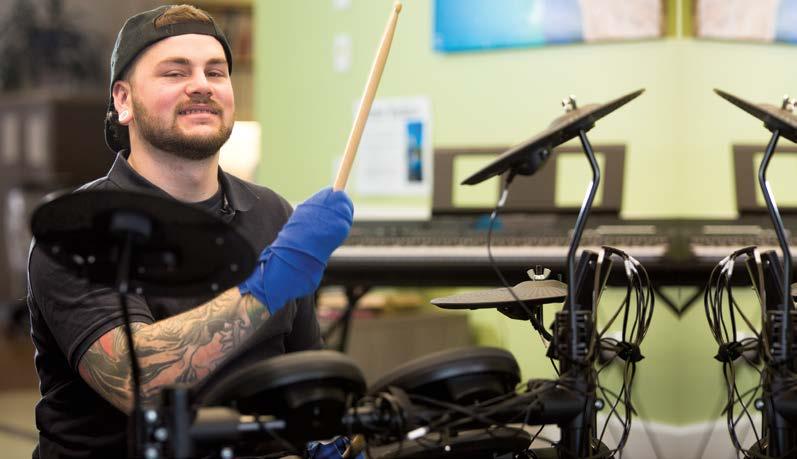
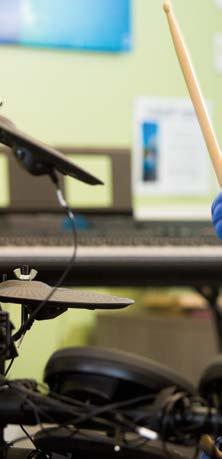
The SIU recreational therapy team expanded the range of recreation options for clients to include: a drone for photography and fishing, electric fishing reel and adaptive rod holder, electric keyboard, electric drum kit, slide guitar for upper limb impairment, wheelchair-friendly acoustic drums, table tennis table, X-Box with adaptive controller, XCR off-road power-assist handcycle, adaptive gardening tools for quadriplegic SCI, power-assist handcycle and more. These new options give the SIU recreational therapy team and clients a diverse range of activities to choose from to suit individual needs, interests and abilities.
“I don’t think there are many facilities like Royal Rehab out there in Australia, let alone the world.’’
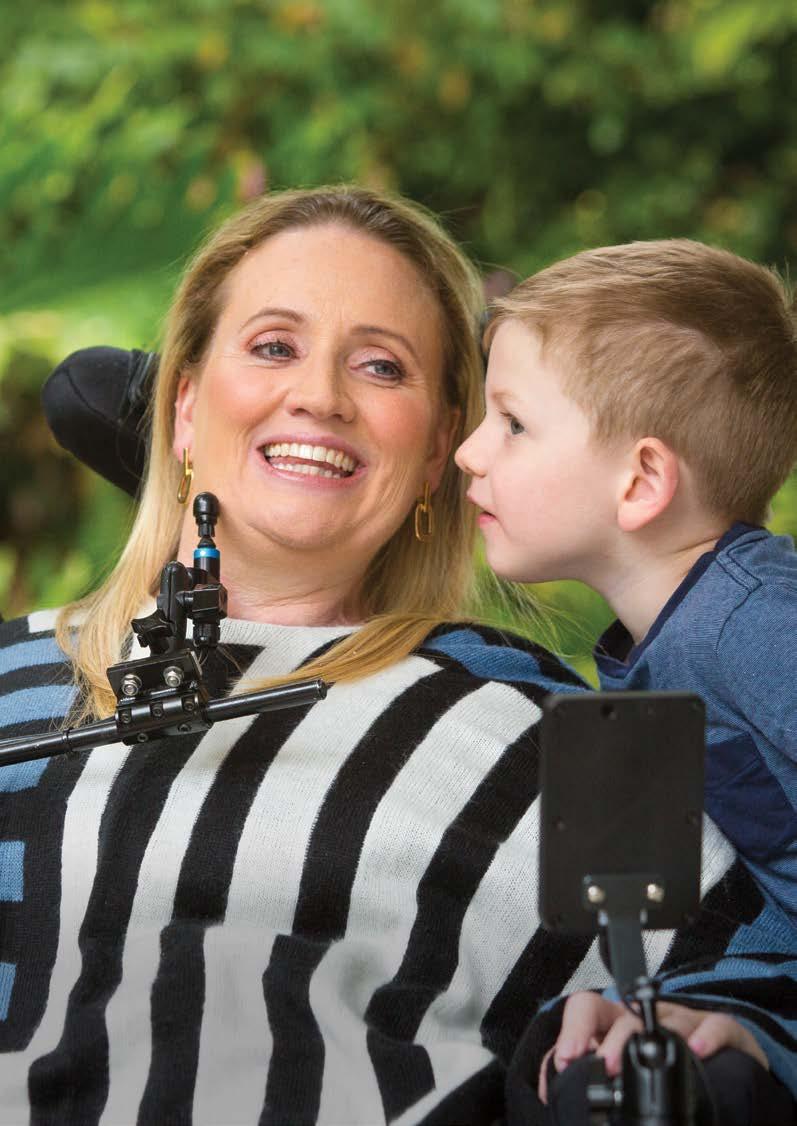
A highly successful lawyer for a multi-national company, a mum to three young kids, and a wife to husband Curtis – Claire wore many hats when an accident left her with a high-level spinal cord injury.
Life changed dramatically in May 2019 for Claire following a flying-fox accident in a friends backyard. She spent 15 weeks in the ICU and the Spinal Unit at Royal North Shore Hospital. Soon after, she was transferred to Royal Rehab’s specialist Spinal Injury Unit.
With no movement below her shoulders, Claire required 24-hour personal care.
“I couldn’t move my arms and hands — it was an incredible shock. However, the team at Royal Rehab worked with me to set goals that were meaningful and help empower me to see a way forward. I wanted to build my strength, get as much movement as possible, and really improve my function in the wheelchair,” said Claire.
Claire was supported with a personalised multidisciplinary program designed to achieve her goals. This included intensive sessions of physiotherapy, hydrotherapy, wheelchair support training, and learning about assistive technology to operate her computer and mobile phone.
Claire also made use of the recreational therapy options on offer at Royal Rehab. Coming from a family of musicians and singers, upon admission Claire joined a singing group with recreational therapists, nursing staff, friends and family. She was also supported to try sailing — an activity she recognised she can continue with her young family.
“I loved the rec program! I went sailing at Manly a few times, I also enjoyed the water in the hydrotherapy sessions,
and I got a lot out of the assistive technology,” said Claire. Assistive technology, supported by the InVoc team enabled Claire’s independence and communication both when she was in rehab and since her discharge.
With increased strength and improved health, Claire was delighted to return home after a six-month admission to the Spinal Unit. Today, she is enjoying time with her children, and considering different avenues of vocation such as consulting, volunteering, and potentially writing a children’s book.
Looking back, Claire says, “I don’t think there are many facilities like Royal Rehab out there in Australia, let alone the world. I learnt so much and there’s so much you can absorb in six months that you don’t realise you’ve learnt until you’re out.”
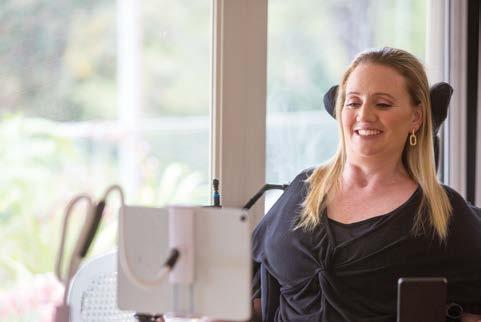
Royal Rehab’s Brain Injury Unit is a highly specialised service providing inpatient traumatic brain injury (TBI) specialist rehabilitation.
It is one of only three state-wide services in New South Wales dedicated to supporting adults with TBI and providing them with the necessary skills, function, and confidence to live life as independently as possible following injury.
As the global COVID-19 health crisis descended, the BIU team displayed their unwavering commitment to the wellbeing of clients and providing outstanding care. The team was proactive and at the forefront of protecting both staff members, clients, and the wider community by continuing to monitor developments, take precautionary measures and follow the guidelines of relevant authorities including NSW Health. This included the use of personal protective equipment, maintaining strict social distancing rules, adhering to visitor restrictions, and having a rigorous infection control management procedure in place.
It is testament to the unity and agility of the team that our facilities remained free from the dangerous and highly contagious virus during the year.
This year, we admitted 43 people with a newly acquired brain injury into our care. They remained in our care as inpatients for an average of 112 days. This represents an increase on previously reported length of stay and is primarily due to an increase in admission of clients with non-traumatic brain injury such as brain tumours which traditionally require longer periods of rehabilitation. The two most common causes of injury were road related trauma and falls. The majority of clients admitted were aged between 51 and 64 years. The vast majority at 65 per cent of admissions were male.
Each year during Brain Injury Awareness Week we celebrate the incredible journeys of some of our clients in a moving ceremony and immortalise their stories on our Wall of Fame to provide inspiration to others.
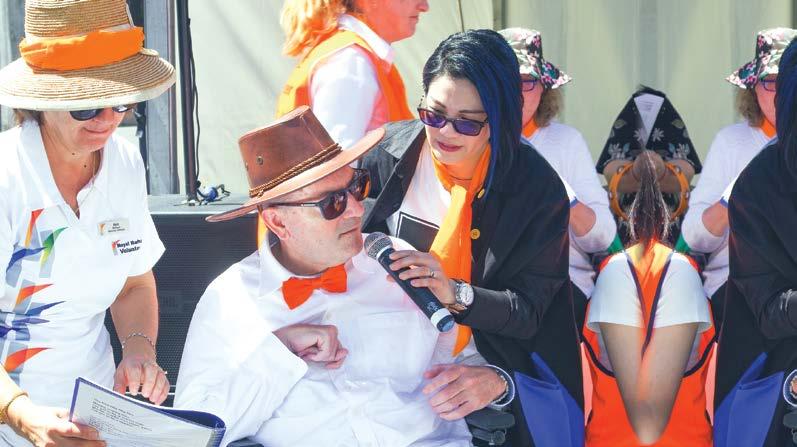
In August 2019, we held our annual Wall of Fame Ceremony which was attended by over 150 delegates including our patrons, Her Excellency the Honourable Margaret Beazley AO QC, Governor of New South Wales, and Mr Dennis Wilson.
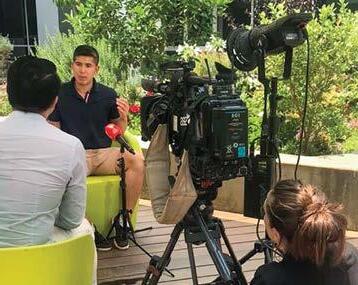
As with prior years, the event was hosted by Nine News television presenter and journalist, Peter Overton who generously gave of his time. The event was a huge success and gained online, print, and national television media coverage.
43
total admissions
112 average length of stay
57 average age of admissions
Road related trauma and falls most common reason for admission
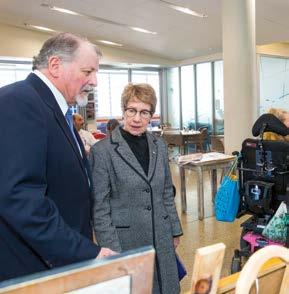
Left: Her Excellency the Honourable Margaret Beazley AO QC, Governor of New South Wales, and Chairman Tony Staveley at the 2019 Brain Injury Survivor Art Exhibition.

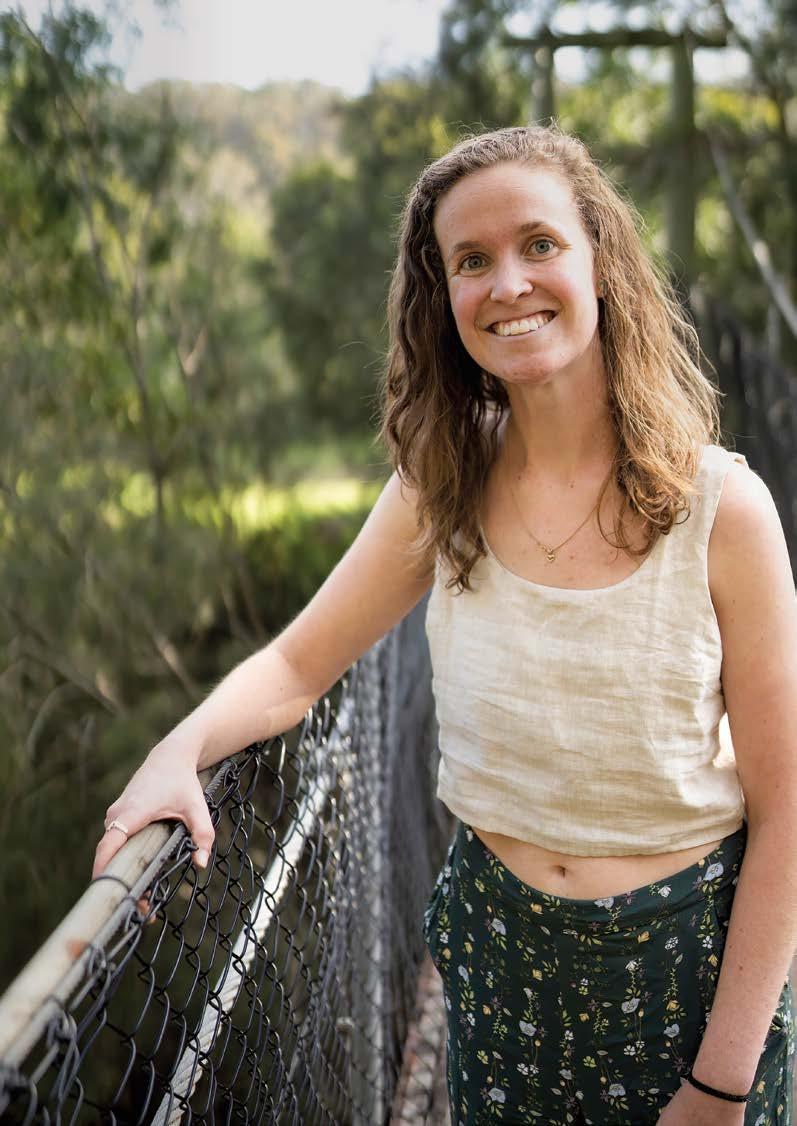
“My advice to clients is to just work hard and put your head down. There’s light at the end of the tunnel.’’

As the sun faded at the end of a beautiful day on the Perisher snow fields, Caitlin and her friends decided to squeeze in one last run.
Caitlin paused to take in the magnificent view as her friends raced down the mountain, but that was the last she can recall of the run. She was later found unconscious and unable to move.
Airlifted to Canberra Hospital, Caitlin spent two and a half months as an inpatient. It was here that she was stabilised before being transferred to the Brain Injury Unit at Royal Rehab in September 2019. At the time, the left side of her body was paralysed and her ability to walk was significantly reduced. A person who was full of energy and embraced all that life had to offer, Caitlin was determined to rise to the challenge and get as much function back as possible.
“I wanted to be able to walk properly, I wanted to be able to run, to eat, and to get back to netball and surfing,” said Caitlin.
Having worked as a physiotherapist, in rehab no less, Caitlin was in a unique position to understand her situation professionally and personally as a patient. Looking back, Caitlin says she considers it a blessing in disguise.
She spent two months at the BIU where she made use of a full multidisciplinary team of physiotherapy, occupational therapy, speech pathology, dietetics, recreational therapy and more. After some time, Caitlin was back into the things she loves — running, playing netball, and swimming. She was soon discharged in November 2019.
“It was incredible to progress in such a short period of time. The care I got at Royal Rehab was just phenomenal. I could not speak highly enough of the team there — it felt like a big family,” says Caitlin.
As a physiotherapist, Caitlin learnt so much in more ways than one. “What stood out about Royal Rehab’s Brain Injury Unit, was just how kind and understanding the staff were. What was important for me was clearly important to them as I worked towards my goals,” said Caitlin.
Today, Caitlin is back at work, using her personal experience in her daily practice. She even shares her story with her own patients to further support them in their progress. “My experience has really made a difference to how I treat people,” said Caitlin.
As a self-proclaimed over-achiever, Caitlin has also used her unique experience to help other clinicians. She has spoken at university lectures, hosted some talks with the Stroke Foundation and has recently launched a book, 16 in Sacramento, with plans to donate the proceeds to Royal Rehab among other organisations.
“I want to use my experience to help make this information available for everyone. If I can help one person, it will all be worth it,” said Caitlin.
“A big thank
you
to the
whole team at Royal Rehab. During a time where there were a lot of unknowns, it was such a comfort to have kind and understanding people around me.”
Caitlin, a client of the Brain Injury Unit following a snow sports accident
100% of patients said the intensity and frequency of the therapy was good or excellent1
100% of patients said the facilities were good or excellent1
97% of patients would recommend RRPH1
95% of patients said they felt involved in the goal setting of their program1
Innovative evidence-based programs are individually tailored and based on mutually agreed and meaningful goals developed with our clients.
RRPH played an important role in the NSW Ministry of Health’s response to the COVID-19 crisis, welcoming public patients with spinal injury, brain injury and complex rehab needs from Royal North Shore and Prince of Wales Hospitals. During April and May, 27 patients were admitted. The additional needs of our patients — particularly those with spinal cord injury (SCI) — meant we had to change our staffing requirements. Staff from Royal Rehab’s Spinal Injury Unit and Sargood teams stepped up to the task to assist us in the care and rehabilitation of these patients. Thanks to our enhanced RRPH team, we were instrumental in
ensuring public patients were admitted almost immediately, and in many cases discharged within six weeks.
RRPH staff are to be commended for embracing the challenges associated with the complexity of needs of our new client mix and viewing the changes as a learning opportunity to upskill across all disciplines.
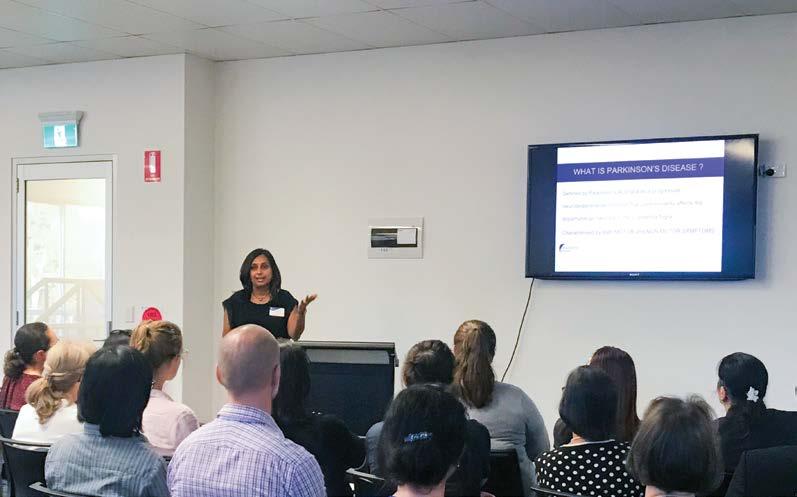
Through an active marketing program to medical professionals, we hosted an open evening in our Day Rehab in October 2019. This was an opportunity to highlight the cross section of services we offer as well as our medical professionals. We also released our inaugural newsletter for general practitioners and specialists, and had great success with media coverage, including a feature on Channel 7 News showcasing our programs for people with Parkinson’s disease.

From March 2019, we experienced an increased number of cancellations for the day program as a result of COVID-19. Cancellation of elective surgery during March also had a direct impact on both inpatients and day patient admissions. Most clients were able to request a reschedule of their therapy or surgery at a later date.
Our day program has remained open, however, and we have worked with our private referrers to encourage patients to have therapy onsite, while spending nights at home with family. This allows their rehab to continue and public patients to be admitted into our ward.
The team worked to keep abreast of the constantly changing COVID-19 infection control practices and social distancing restrictions to ensure that everyone remained both informed and educated.
The pandemic had a major impact on staff training and education. We responded by:
> Creating a range of tools, including presentations and reference documents, to support staff new to SCI.
> Holding training on manual handling and protective equipment.
> Holding training on the use of new equipment and our new ‘falls alarm’ system.
> Improving the functionality of our audio-visual system so that it is more user-friendly and can better facilitate staff training.
> Instigating a post-morning handover session several times per week, to discuss the current unit requirements and patient needs.
Below: Day Rehab open evening for GPs and other health professionals featured our rehabilitation specialists. 1 Client Exit Survey results 2019/20
“The staff were very encouraging, they motivated me to exercise but also understood when I needed a rest.”

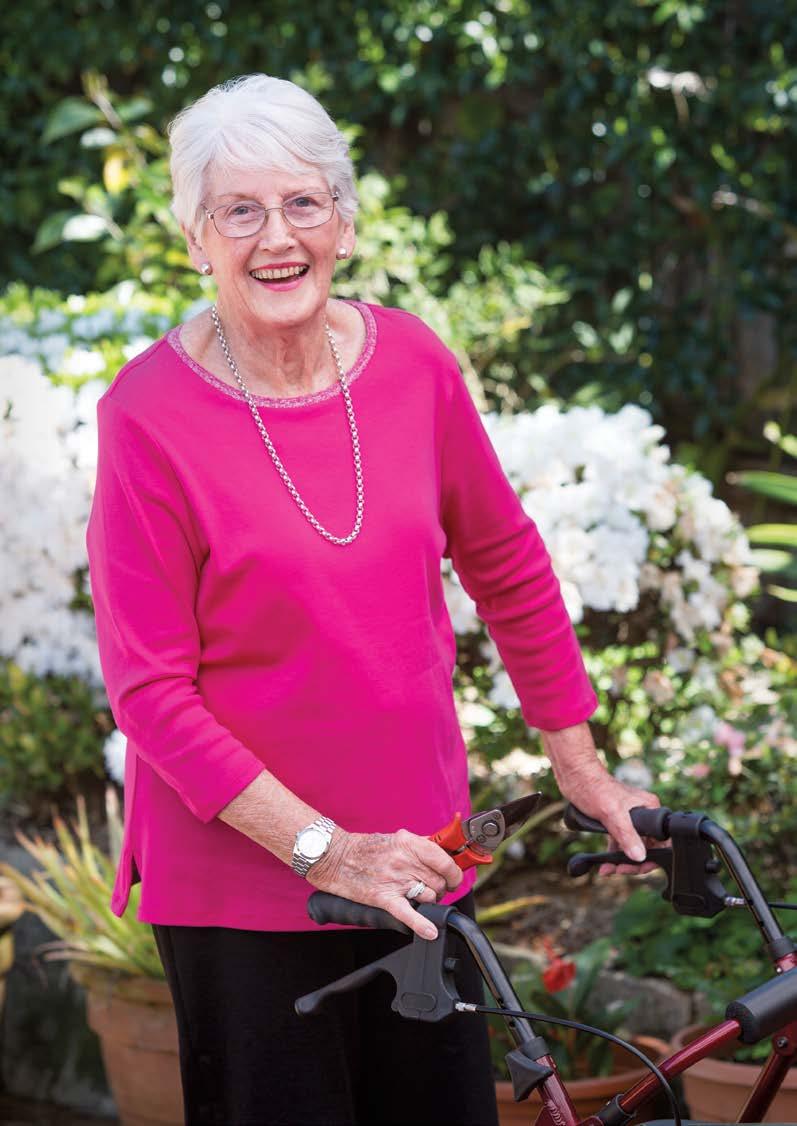
At 78 years old, Judith experienced a haemorrhagic stroke, and to her surprise found joy in the difficult times that followed.
“It was a shock when it happened because I was feeling fine that day. It was 6:00pm and I was standing in the kitchen. Then, this strange feeling came over me. When I went to lift my left leg, I couldn’t move it,” said Judith.
The stroke left Judith with sensory issues and weakness on her left side, preventing her from walking. She quickly received acute care at Royal North Shore Hospital. When it was time for rehabilitation, her doctors recommended that she be transferred to Royal Rehab Private Hospital for a personalised stroke rehabilitation program.
Judith’s rehab goals were to improve balance, mobility and to walk again. Under the care of rehabilitation specialist Dr Darren Lee, Judith benefitted from a tailored program delivered via a multidisciplinary team of professionals including physiotherapists, occupational therapists, speech pathologists, nurses, and exercise physiologists.
“The staff were very encouraging, they motivated me to exercise but also understood when I needed a rest. I can now appreciate the huge benefits of exercise, and how everything that the healthcare professionals were doing with me was important.”
Luke Maddalena, Senior Exercise Physiologist at Royal Rehab, also supported Judith with her recovery.
“Exercise physiologists work on rehabilitation, but we also focus on secondary prevention. By completing a graded and progressive
exercise program of cardiovascular exercise and resistance training, we can help reduce the modifiable risk factors of having another stroke. We also help clients establish strategies and exercise habits so they can remain active in their everyday lives and continue their exercise routine once they return home,” said Luke.
“It
is such a difficult time recovering from a stroke, but I had fun there! It is something I never thought I would say. I didn’t want to be there for that reason, but somehow, I enjoyed myself.”
Judith, attended Royal Rehab Private Hospital for personalised stroke rehabilitation


112 driving assessments were conducted
231 Community Therapy team clients
378 Home Based and Outpatient program clients
Royal Rehab’s Community Rehabilitation Service provides a variety of specialised programs to support people who have experienced injury, illness, or disability. The multidisciplinary team of allied health professionals is dedicated to supporting our clients to adjust to changes in abilities, rebuild confidence, and grow independence.
Sessions occur in the convenience of our clients’ homes, at Royal Rehab’s Ryde campus and in a range of community settings across Sydney. Many of our services are group based and promote social inclusion and community participation.
The COVID-19 pandemic brought with it enormous disruption that forced organisations to think flexibly and creatively. The united CRS team responded with a customer-centric approach that saw it quickly restructure resources, embrace new ways of working and new technologies to ensure the safe delivery of its vital services. In addition to the roll out of COVID-safe measures across the organisation, a planned telehealth rollout was
accelerated at astonishing speed. Traditional face-to-face individual and group consults were pivoted to a telehealth model and included a comprehensive training program to support staff and clients.
> 112 driving assessments were conducted
> 22% of clients were recommended to have vehicle modifications to allow independence with driving
> 67% of clients maintained their Class C licence following assessment
This year, we welcomed an additional occupational therapist and new driving instructors to our team. Our referral numbers increased, with a rise in the number of people with NDIS

and icare funding accessing our services. A highlight for the team was enabling a client with hand deformities to return to driving by supporting the design of custom modifications.
> 231 clients received therapy from the Community Therapy team
> 3,895 hours of individual or group therapy was provided to clients
Community Therapy offers a comprehensive allied health service for people with chronic and complex disabilities. Clients benefit from personalised programs with both group-based and individualised sessions offered to support clients achieve their goals.
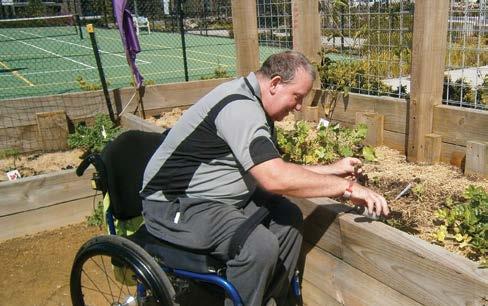
We expanded our service offering to include case management, social work and nursing services. The team joined Waverley Council in a Beach Access Day and continued to offer varied groups for clients. This included hydrotherapy, fishing, cycling, and gardening.
> 12,878 hours of therapy was provided to clients
> Therapeutic activity by the Transitional Aged Care dietitian increased by 800% compared to the previous year
This year, we continued to partner with the Northern Sydney Local Health District (NSLHD) to deliver the therapy component of the Transitional Aged Care Program. The program supports people over the age of 65 to successfully return home after a hospital stay through goal-based multidisciplinary therapy. This service is offered to clients either in their homes or in a transitional care unit located off-site in Belrose.
The Transitional Aged Care program grew this year with additional in-home packages made available to support clients. We introduced recreational therapy to support clients to return to recreational and leisure interests. Increased allied health assistant staffing also allowed us to increase the intensity of the therapy we could provide to clients.
> 378 clients received therapy via the Home Based and Outpatient programs
> 5,588 hours of individual or group-based therapy provided to clients on Home Based and Outpatient programs
> 533 people attended Stepping On group sessions from June to December 2019
Our Home Based Rehabilitation and Public Outpatient programs are multidisciplinary services we administer on behalf of the NSLHD. This year, we saw an increase in the number of acute hospitals referring to our programs, and an increase in the number of total referrals. We introduced a community participation group designed to improve clients’ confidence and ability to access their local areas, as well as reduce social isolation. Hydrotherapy, general fitness, self-management, educational and communication groups continued to be offered.
We also continued to deliver the Stepping On program on behalf of the Northern Sydney and Central Coast Local Health Districts Health Promotion Division. This program caters for diverse needs, including culturally and linguistically diverse groups and older persons with mental health disorders. In 2020, we were unable to offer groups due to the COVID-19 pandemic health restrictions, however used this time to develop new training and educational resources and provide individualised mental health support to socially isolated clients.

“They encouraged me in a nice way. They said ‘you might fall, but we’ll be there to catch you’.”

A zest for life and the support of Royal Rehab led 72-year-old Frank back to the dance floor.
On an otherwise ordinary day in August 2019, the day after Frank and husband David had returned from a weekend trip, Frank realised something was seriously wrong.
“I was watching TV on the couch and sipping a cup of tea. When I went to get up, I just couldn’t.”
Thinking it was a stroke, David took Frank to hospital and after a series of tests, Frank was diagnosed with Guillain-Barré syndrome. Discovering he had an auto-immune disorder that was attacking his nervous system was a shock and one which came on top of an earlier diagnosis of Parkinson’s disease.
“When I was diagnosed with Parkinson’s disease 10 years ago, my neurologist recommended exercise. I’m not a gym person but I love dancing. I was Line Dancing and Latin American Dancing during the week, and I walked on the weekends. I was averaging 15,000 steps a day and living symptom-free. Dancing was my saviour and now I couldn’t do it,” Frank said. Frank describes his first week in hospital as ‘depressing’. He thought that forever, he would be bedridden or at best, housebound. When his rehabilitation transitioned from the general hospital to Royal Rehab, he noticed the positive difference straight away.
“The amazing thing about Stephanie and Gracia (from Royal Rehab) is that they
listened to what I was saying. I told them what I could and couldn’t do and they designed a program for me,” Frank said. “Their positivity made such a difference.”
Frank benefitted from a multidisciplinary program of allied health therapies, such as physiotherapy and occupational therapy, designed to achieve his rehabilitation goals — to regain his ability to stand and return to his active lifestyle.
“When I told them I did so much dancing, they incorporated some Line Dancing. Eventually, I built up to a five-minute dance while the physio was there,” Frank said.
Frank says he always looked forward to working with his Royal Rehab team because he felt so supported. He says they were there when he was strong enough to return home.
“The house I live in has 15 stairs. I was petrified about falling and breaking a hip or an arm. Gracia and Stephanie got me on crutches. They encouraged me in a nice way. They said ‘you might fall, but we’ll be there catch you’.”
Now independent again, Frank says it’s a huge boost to his confidence and mental wellbeing to be able to catch public transport and have lunch every week with friends. And he’s excited about finally being able to get back on the dance floor and travel again.
110
referred to the metro service
114 clients referred to the rural service

The NSW Spinal Outreach Service (SOS) provides specialist state-wide support for people with spinal cord injury (SCI), their carers, and local clinicians throughout metropolitan Sydney, and rural and regional New South Wales.
The team of specialist rehabilitation doctors, nurses and allied health professionals keep people well informed about their health and build the capacity of local clinicians to provide the best possible care in their communities. The models of care vary according to the location of the client.
The Metropolitan Spinal Outreach Service provides specialist multidisciplinary support, education and clinical interventions for up to 12 months following discharge from the Spinal Injury Units at Royal Rehab, Royal North Shore and Prince of Wales Hospitals. During 2019/20, 110 clients were referred to the metropolitan service.
The Rural Spinal Cord Injury Service links regional and rural NSW with Sydney-based spinal cord injury units post discharge by offering rural clients access to specialist medical and multidisciplinary review. The service has extensive reach across six local health districts via in-person and phone support. This year, 114 clients were referred to the rural service from all parts of the state.
In a time of unprecedented uncertainties and evolving restrictions brought about by the COVID-19 pandemic, one thing remained constant for the SOS team — an unwavering commitment to provide quality support for the SCI community.
Through agility, teamwork and a ‘can-do’ attitude, the SOS team rose to the challenge. During March, the team transitioned rapidly to a telehealth model of delivery, turning the planned multidisciplinary medical clinic in Pottsville into a virtual clinic within a week. This virtual model of service delivery for clients continued throughout the year as the clinics moved location around NSW.
Anecdotal feedback was positive revealing many clients responded well to the new remote model. In some instances, clients with complex health conditions were more inclined to share information with clinicians, which may be attributed to greater levels of comfort in their home environments.

The work of SOS is often life-changing. Examples this year include: assisting a client who was homeless for eight years to access stable accommodation, and helping a client to leave an aged care facility and live more independently.
The SOS team had several learnings over the year — from re-inventing the basic principles of client-centred care, to new skills in video conferencing, and gaining new perspectives on how technology can aid our services.
For Senior Physiotherapist Jason Redhead two big learnings strike as important. “I learnt that we need to provide more than client-centred care. We need to provide relationshipcentred care and build on these relationships to achieve greatness.” Jason also believes in embracing technology. “Technology is the way of the future. We are embracing it in whatever format available so we can support clinicians and clients to achieve more.”
In collaboration with the University of Sydney and icare, SOS developed a Spinal Cord Injury Health Maintenance Tool, a best-practice guide to assist people with SCI to self-manage their spinal needs over their lifetime. Covering five health areas — bladder and its associated
“In-Voc just keeps you on track with the whole process of getting back to work. It provided the psychological along with the practical support of working out how you might get around a
problem using technology.”
David, client
problems, bowel and its associated problems, skin and its associated problems, pain and autonomic dysreflexia — the booklet was informed by people with lived experience and general practitioners.
In-Voc is a specialist vocational rehabilitation service dedicated to supporting clients living with a SCI to transition back to work or education. At the height of the COVID-19 pandemic, the In-Voc team had to overcome multiple challenges to continue its work supporting people with SCI. Activities included virtual consultations, the development of a monthly newsletter to keep people connected to the service as well as an online support group, which brought together people with similar needs during potentially challenging times of communication and isolation.
The In-Voc team also transitioned its face to face Working and Studying with SCI workshop into a six-part webinar series that can now provide greater reach to clients due to the new mode of delivery. Additionally, In-Voc strengthened relations with SCIA Employability, and together supported five clients in obtaining employment.
“It takes a special kind of person to work at Royal Rehab... the people are there for the right reasons.’’
BICRT clients this year 75% of clients had improved function in all aspects of health

As part of the NSW state-wide Injury Rehabilitation Program, the Brain Injury Community Rehab Team (BICRT) provides interdisciplinary rehabilitation for people who have sustained a traumatic brain injury.
of service delivery called Tech Group which supports clients with brain injury to use technology to compensate for cognitive impairments and improve everyday function.
BICRT prides itself on building strong partnerships with varied stakeholders across NSW. This year the team continued to develop its relationship with the Vocational Intervention Program (VIP) — a specialised employment service for people with TBI — in partnership with NSW Brain Injury Rehabilitation Program (BIRP). The relationship helps create referral channels and facilitates the sharing of information and effective case coordination.
After 10 months at Royal Rehab’s Brain Injury Unit, 25-year-old Harrison worked with BICRT to assist him in his transition back to employment and everyday life.
BICRT supported Harrison by providing occupational therapy and speech pathology sessions that focussed on improving his speech, memory and attention in work-related tasks. They also assisted him to manage his own appointments and medications, and liaised closely with his employment agency to manage hours, review duties and put in regular breaks.
“You have to focus on your end goal — every little step is a milestone towards that end goal,” said Harrison.
97% guest satisfaction overall 94% guests said stay had positive impact on their life1
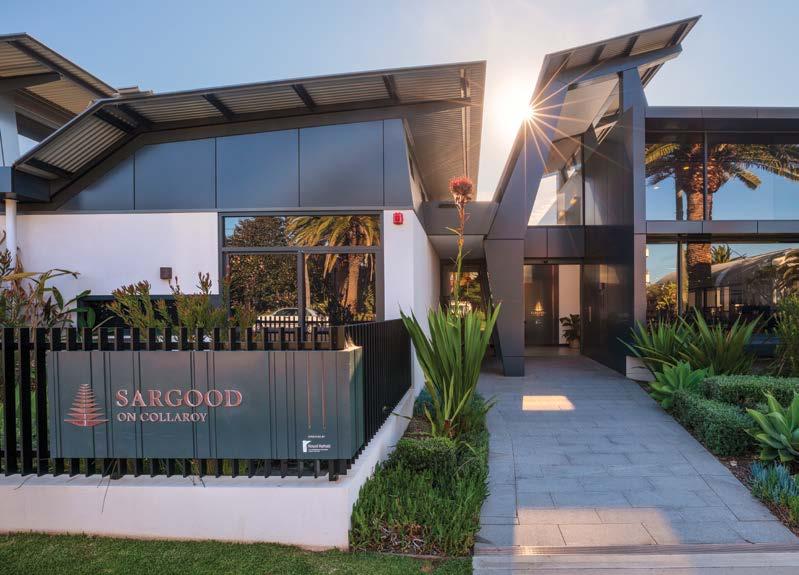
Now in its third full year of operation, Sargood on Collaroy has grown into an award-winning and much-loved service proudly operated by Royal Rehab for people with spinal cord injury (SCI).
This resort-style accommodation — which is a collaboration between the Sargood Foundation, icare and a private benefactor — provides full accessibility through leading adaptive technology and home automation, world-class accessible equipment and daily living aids.
Sargood also offers a myriad of recreational activities, courses and allied health services including clinical nurse consultations, occupational therapy and exercise physiology. These allied health services give peace of mind to guests, and allow them to try new personal care techniques and the latest in accessible technology. They also foster positive improvements in lifestyle, health and independence.
The impact of Sargood on Collaroy on people living with SCI is profound. It is the first resort of its kind anywhere in the world and as a result, guests come from many different countries. There has been almost 800 unique guests visit since opening in 2017 and the repeat business rate is 71 per
cent — an enviable rate in any industry. Demand showed that Sargood was on track to meet an 80 per cent average occupancy rate by the end of the financial year 2019/2020 (although this was disrupted by the temporary closure put in place as part of our COVID-19 safety precautions).
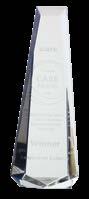
In October 2019, we were honoured to receive prestigious external recognition when Sargood on Collaroy was announced as the winner of the Most Outstanding Team Award for a Specialist Care Service at the annual icare Care and Service Excellence Awards. These awards celebrate organisations and individuals that are making outstanding, positive contributions to the delivery of insurance and care services for the people, businesses and communities of NSW.
With the help of the Sargood Foundation, a Handi-Move hoist was installed into one of the guest rooms. This hoist allows self-transfer to bed, commode or wheelchair in situations where a client may usually require assistance.

97%
Efficient and high quality service
What our guests said about us1:
80%
Stay improved their confidence in lifestyle, health and wellness skills
Though it does not suit everyone, it allows guests another option in the equipment suite to trial.
The latest addition to the workshop series was a 3D printing workshop. Guests were introduced to the basics of 3D printing, and engaged in concept development, design, and production. Participants brought some impressive ideas to the table, and designed their own adaptive devices to facilitate more independence. The longer format of these workshops offers an opportunity for guests to engage with others who have similar interests and take their skills to the next level.
“We all came away with something useful and tangible and it was very satisfying seeing my own (3D) designs come to life!”
The health and wellbeing of our guests, staff and the wider community is at the heart of what we do. Due to the higher risk of respiratory illness for people with SCI, we made the decision to temporarily close Sargood on Collaroy part way through March. Full refunds or postponement of stay was offered to all guests with existing bookings.
Despite the temporary closure, we were committed to offering our guests as many services as possible, keeping in mind their health and safety. From mid-June, we offered past guests and existing Club Sargood members access to gym sessions and exercise physiology through pre-booked appointments. They have also been able to attend our adjusted community recreation program at set locations
96%
Satisfied with recreation offering
outdoors, including one-on-one cycling/mountain biking, surfing, kayaking and X8 4WD wheelchair tours.
During the closure, our skilled team was redeployed to other areas of Royal Rehab including Royal Rehab Private Hospital, the Spinal Injury Unit and Disability Services. Some examples include our Clinical Nurse Specialist Elisabeth Hunter who stepped into a dedicated education role working across our supported accommodation homes, and Clinical Nurse Consultant Rita Cusmiani who provided education in Royal Rehab Private Hospital to staff on the care of clients with spinal injury. Staff were also involved in conducting temperature checks at both Royal Rehab and MetroRehab Hospital.
The cooperation shown by staff during this crisis is to be commended and is a testament to their flexibility, dedication and grace. A silver lining in the unexpected redeployment of Sargood staff is that it has created closer ties between departments across Royal Rehab, and served to further strengthen the Royal Rehab spirit.
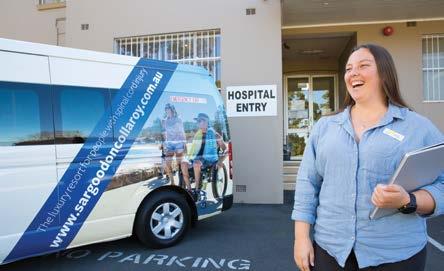
Pictured: Georgia, Sargood on Collaroy concierge, was redeployed to assist MetroRehab during the COVID-19 pandemic.
1 Guest Exit Survey results 2019/20

“Having the chance to do the things that my kids love, such as fishing and snorkelling, was a really amazing experience for us to share together.”

A world of family fun opened up for Ben, his wife and five children when they stayed at Sargood on Collaroy.
At 25 years old, Ben took a dive off a jetty into shallow water. When his head hit the sand, he broke his neck and C5 vertebrae with the accident resulting in his quadriplegia.
Today, Ben lives in Wagga Wagga with his wife and children ranging from ages 2-11 years old. Finding accessible accommodation and an available carer has always been a difficult task, which has made holidaying together daunting. It wasn’t until he heard about Sargood on Collaroy through his NDIS coordinator, that he realised the family could holiday with ease.
Ben’s entire family joined him for his first visit where, with the support of Sargood’s trained staff, they enjoyed fishing, snorkelling, playing virtual reality games and visiting local markets as a family.
“Having the chance to do the things that my kids love, such as fishing and snorkelling, was a really amazing experience for us to share together.”
Ben was thankful for the opportunity to do these activities with his kids. They had such a great visit that returning to Sargood on Collaroy is now an annual tradition.
“I love being able to do activities with my kids at Sargood that I am not able to do on my own. It is fantastic that the staff help set everything up for us. They are so helpful and motivated that it gives guests an amazing feeling knowing they can relax.”
I am able to stay at Sargood on Collaroy because it is NDIS funded. If I were to go for a holiday, even if my accommodation was wheelchair-friendly, I’d still have to organise a carer. At Sargood, it’s all included as part of your stay — you don’t have to worry about anything. That’s the major difference for me.”
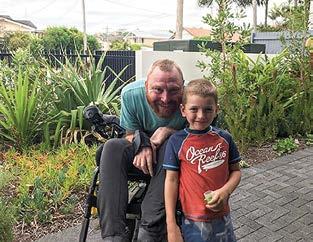
This year, the Royal Rehab spirit shone brightly across our skilled and committed workforce. Through good and challenging times — that tested our people like never before — we took strength from our leaders, each other and our values which served to guide us forward.
The launch of a monthly Rewards and Recognition program provided a framework through which we celebrated examples of staff living our values — Honesty, Respect, Working Together and Innovative Thinking. Over 350 formal instances were recognised during the year with staff acknowledging each other within teams, between teams and at all levels. Not only did this program serve to bring the values to life, it worked to boost motivation and productivity.
In September 2020, we were delighted to welcome MetroRehab Hospital into the Royal
Rehab family. The 37-bed facility represents the first hospital under the Royal Rehab umbrella located in Sydney’s Inner West. Our total staff numbers grew significantly because of the acquisition.
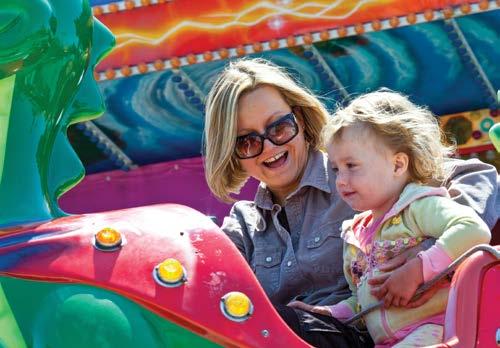
Positive relations and a strong culture are supported across our workforce by an active social program. We thank our Social Club for creating many enjoyable events for our people including the staff Christmas Party and a family-friendly Carnival Day.
20%
273

323
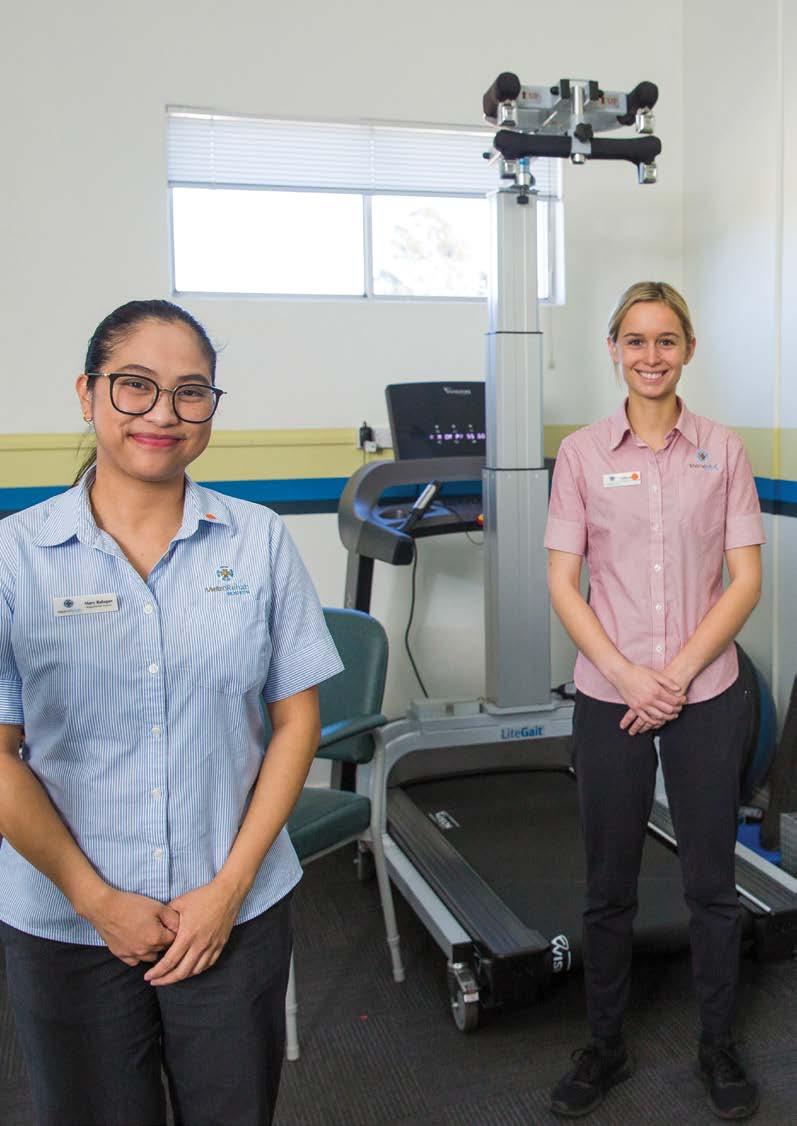
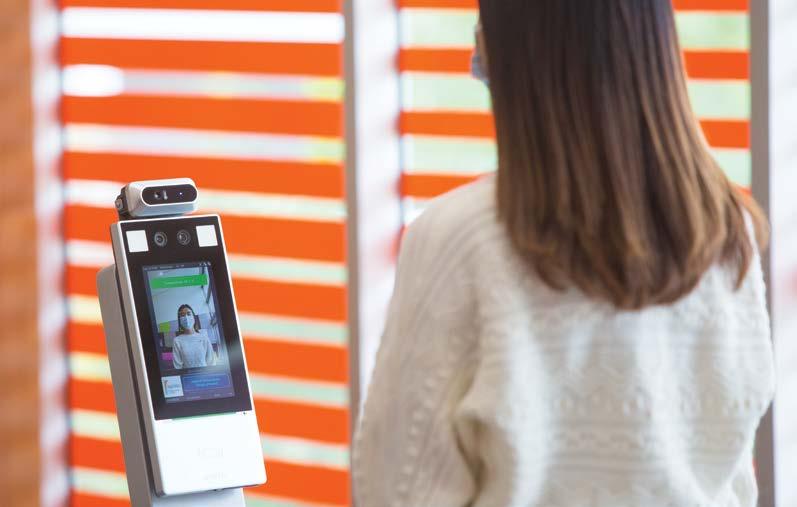
The emergence of the COVID-19 pandemic brought irrevocable changes to our lives, the global economy and the health industry. For Australia’s healthcare workers it was like nothing they had seen before. While its impacts were unprecedented, we are enormously proud of the way our workforce has grown in resilience, skills and commitment through these tough times. Guided by exemplary leadership, our people faced the challenges with agility, team-work and innovative thinking. Our unwavering commitment to the wellbeing of the people we serve, each other and the wider community never faulted, and it is testament to the hard work of our staff that our 40 plus facilities remained COVID-19 free during the year.
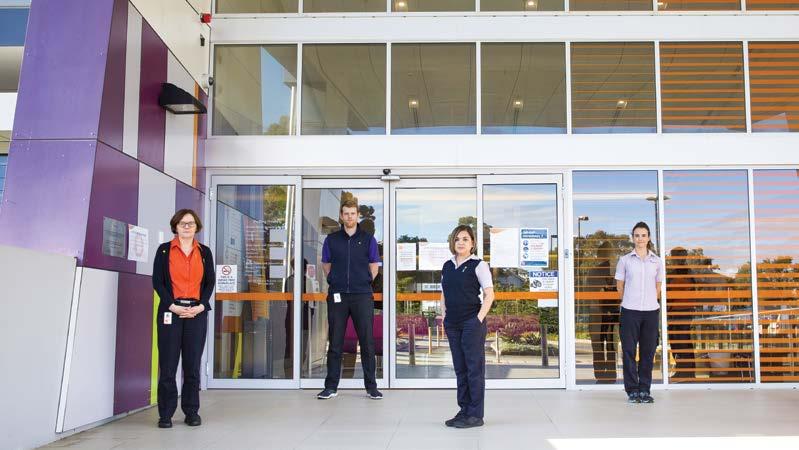
Above: Temperature checking as part of our COVID-safety measures.
For our frontline staff, the COVID-19 pandemic brought immense pressure. We supported our doctors, nurses, allied health professionals and support workers by rapidly rolling out training in personal protective equipment, providing virtual self-care sessions run by our clinical psychologists, access to a free confidential counselling service via a 24/7 dedicated healthcare hotline, and flexible policies enabling sick leave to be taken in advance.
From March 2020, over 16 per cent of our workforce moved to working from home arrangements overnight. This group demonstrated agility and professionalism in their approach. Morale was boosted through regular communications from our CEO, and staff were delighted by surprise gift cards which served as messages of thanks for their dedication.
In April 2020, Royal Rehab began playing an important role supporting the NSW Ministry of Health’s response to the health crisis. We welcomed patients with complex rehab needs from Royal North Shore, Prince of Wales, Balmain, and Royal Prince Alfred Hospitals to our facilities. The change in case mix required a rapid redeployment of staff with different skill sets. Our staff are to be applauded for the willingness with which they embraced the changes as learning opportunities and a time to build closer ties between departments.
As restrictions tightened, our Community Services team pivoted face-to-face models of service delivery to telehealth and phone consults. Supported by our IT department, staff worked tirelessly setting up new infrastructure with astonishing speed to safely continue delivering our high-quality services to the vulnerable people we serve.

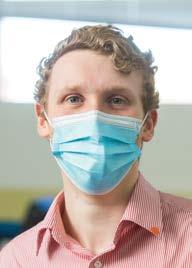
“The access to greater support from Royal Rehab and MetroRehab has given me the confidence to deliver higher quality care to my patients.”
Michael Beech, Physiotherapist at MetroRehab Hospital
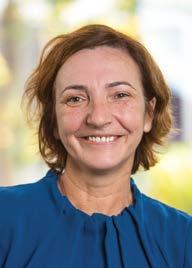
“It brings me joy each day to see the dedication of my team and their commitment to the clients we support.”
Tanja Ivkovic, Accommodation Manager at Royal Rehab Disability Services
“I am proud of the Sargood team for stepping outside their comfort zone during redeployment, with enthusiasm and professionalism.”
Rita Cusmiani, Clinical Nurse Consultant at Sargood on Collaroy
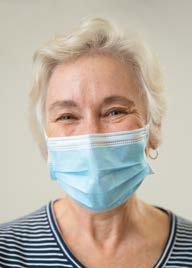
150+ volunteers engaged with Royal Rehab
35 new volunteers commenced
We are grateful to our incredible network of volunteers who enhance Royal Rehab’s work across our facilities through their generosity.
This year, volunteers participated in endless ways including assisting in painting our supported accommodation homes, providing live choir performances and manning a Christmas wrapping stall. We were delighted to welcome MetroRehab Hospital volunteers into our family following the acquisition of the facility.
As of April 2020, volunteers began working remotely as part of the broader COVID-19 safety measures across our facilities. The teams are to be commended for the agility, collaboration, and innovative thinking they demonstrated during these challenging times, and the spirit with which they continued to serve our community.
The Lifestyle Choir was able to resume rehearsals on a fortnightly basis on virtual platforms, providing enjoyment and a sense of routine to members from the comfort and safety of their homes. As a bonus, all participants improved their technological knowledge. This upskilling had the added benefit of giving participants the opportunity and confidence to use videoconferencing as a means of regular communication and socialisation.
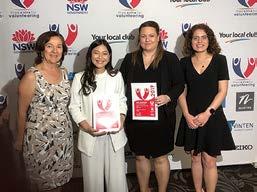
Volunteers continue to help support residents living in our Disability Services supported accommodation homes, by phoning them on a regular basis. The scheduled catch ups provided invaluable social connections during a time of increased loneliness and isolation, enabling friendships to flourish.
“Since COVID-19, I have started phoning clients in our disability accommodation homes for a chat. We talk about anything and everything from weekly activities to their favourite NRL teams. The residents look forward to these regular catch ups, especially in a time of isolation.”
Helena Malinowska, Volunteer
Throughout the year, Royal Rehab received generous support from long-term corporate volunteers Boehringer Ingelheim and Bunnings. We are appreciative of the Newington College students who visit MetroRehab Hospital weekly providing conversation and youthful companionship.
> Volunteers Teressa Sugita, Ling Koh and Jatinder Aurora were recognised at the NSW Volunteer of the Year Awards.
> Volunteer Teressa Sugita awarded as a Finalist in the 2019 NSW Young Volunteer of the Year category.
> Lifestyle Choir performance at the Stroke Recital Day, organised by the Stroke Recovery Association NSW.
> Corporate Volunteer Boehringer Ingelheim painted residents’ rooms in our support accommodation homes and worked in the Productive Garden.
> Lifestyle Choir parade and performance at the Granny Smith Festival at Eastwood.
> Boehringer Ingelheim was selected as a Finalist in the 2019 NSW Corporate Volunteer Team of the Year Award.
> Volunteers Greta Bagdassarian, Rita Chee, and Pam Hogarth acknowledged by Royal Rehab at Service Awards.
> Volunteers Teressa Sugita and Boehringer Ingelheim were invited as Finalists to the State Awards ceremony hosted by The Centre for Volunteering.
> Lifestyle Choir performed at Rotary Carols on the Common in Ryde.
> Christmas carols with patients at Royal Rehab Ryde campus lead by volunteer chaplains.
> Volunteers raised funds for the Royal Rehab Foundation at the Macquarie Shopping Centre Christmas Gift Wrapping stall.
> Lorraine Carter awarded Special Commendation and volunteers Helena Malinowska, Robert Mann and Gnanam Muthukrishnan nominated at the Citizen at the Year Awards, by the City of Ryde Council in North Ryde.
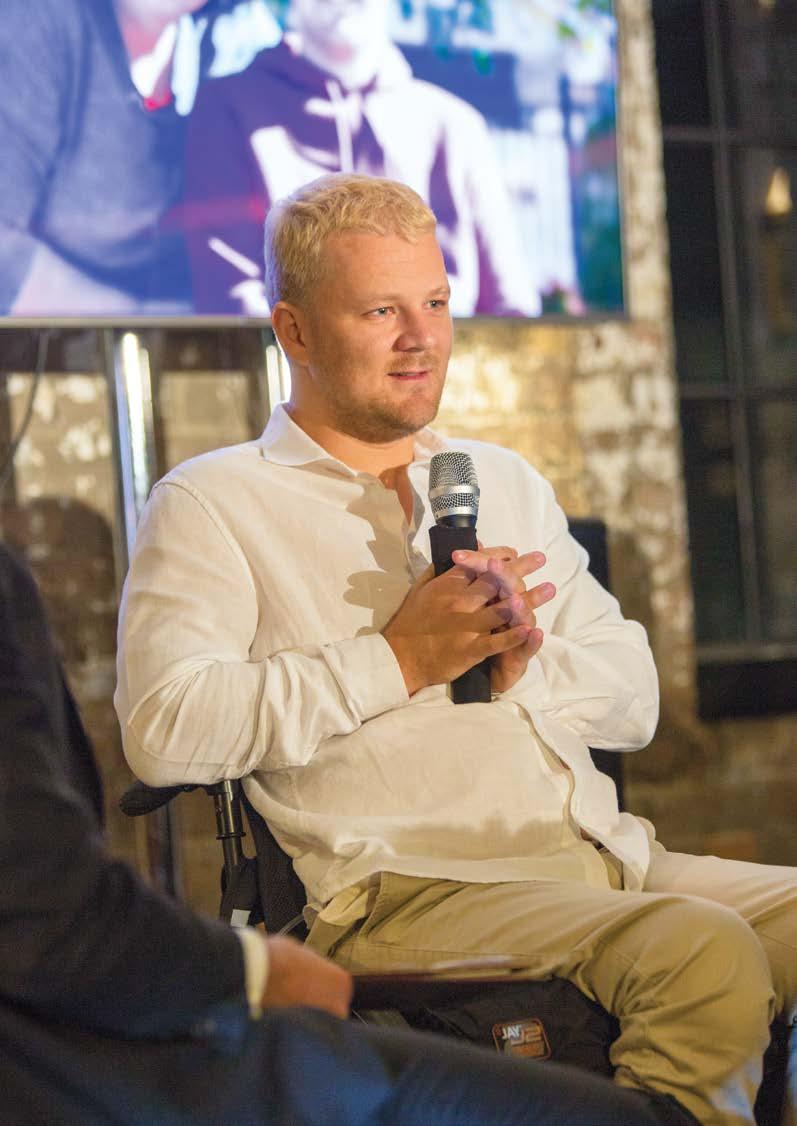
The Royal Rehab Foundation is dedicated to raising funds, awareness and support for Royal Rehab’s work through corporate, community, and individual donors.
This year, the Foundation Committee held a Chairman’s Dinner at Riley Street Garage, Woolloomooloo as part of the strategy to raise funds for the assistive technologies.
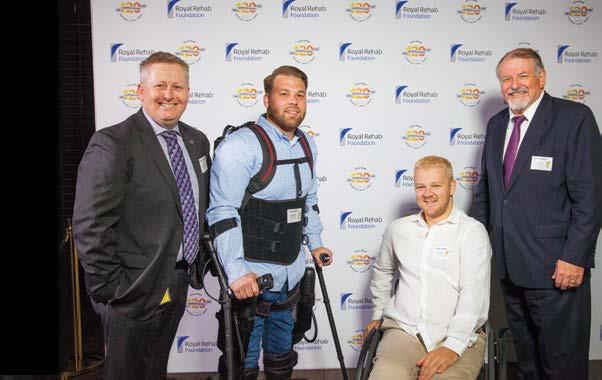
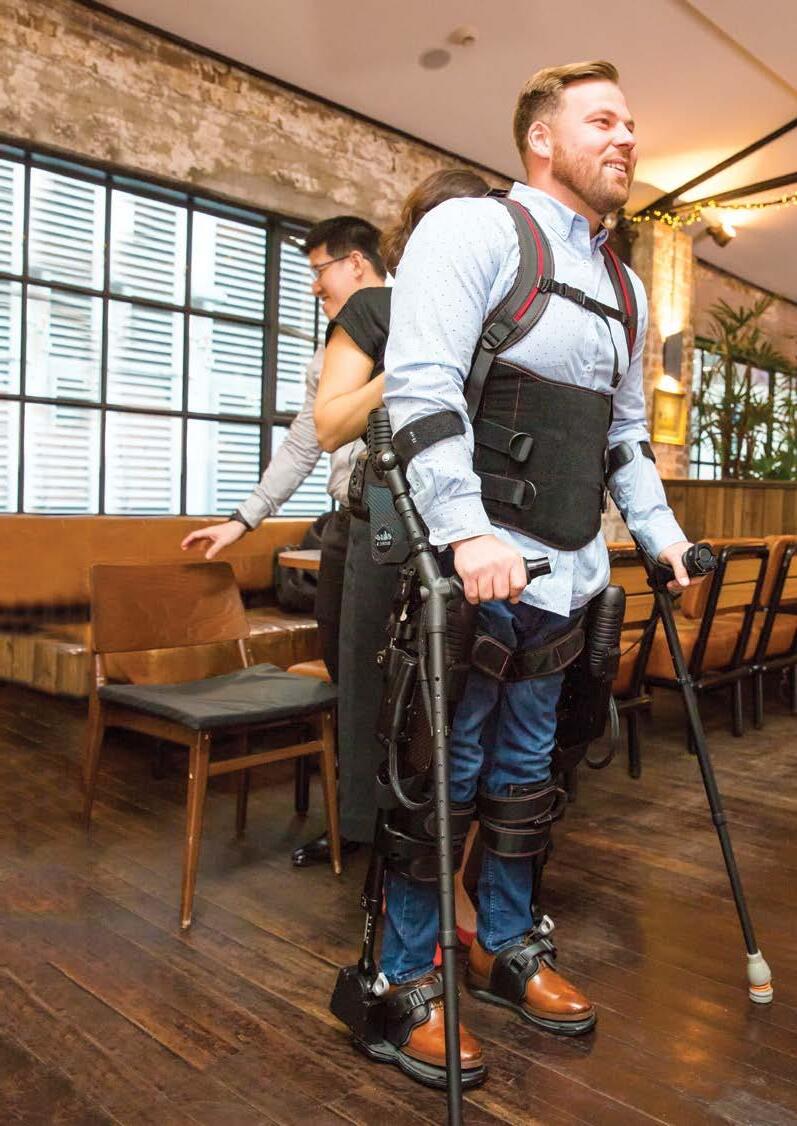
On a balmy evening in November during the 120th anniversary celebrations, the Foundation drew attention to the need for greater use of emerging technologies to help Australians with disabilities improve functionality and regain their independence. On show for the first time in Australia was the EksoGT exoskeleton. This advanced piece of robotics was created for rehabilitation-specific purposes and designed to help patients with spinal cord injury, brain injury, and other neurological conditions relearn to stand and walk.
Special thanks go to former spinal cord injury client, Ashley Treseder, for sharing his moving life story, and to Ekso Bionics ambassador, Shane Mosko, for demonstrating the EksoGT as part of the evening’s events.
“Assistive technologies are the future of rehabilitation and have the power to transform lives. It is our vision to make access to specialist technologies possible for all.”
Matt Mackay, CEO
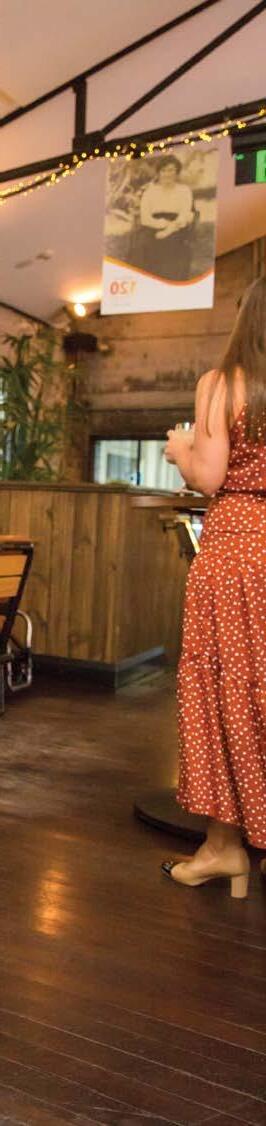
Thanks go to our generous donors who support us in our work empowering people to reach their potential.
Ducati Owners Club of NSW
Ingham Family
Edna Davis Family Trust
Christine Simpson
Stokes
Estate of Bernard David Rothbury
Patricia Jones
Kevin Thurkettle
Gina Collins
The Walter and Eliza Hall Group of Charities
> R. A. Gale Foundation
> Clive and Patricia Austin
> Edith Hill
> St Vincent de Paul Society NSW
> Pamela Grant
> Tram Bui
> George Parry
> Commonwealth Bank: Sydney Olympic Park Branch
> Nerissa Lee
Our sincere thanks go to the following for generously donating equipment: icare, Bruce & Esther Herps, Dieter, Boehringer Ingelheim, Bunnings Warehouse Rydalmere, Tom Doughty, Gyenno, and Peter Worsley. We also extend our thanks the Museum of Contemporary Art Australia for the generous loan of easels for use at the 2019 Brain Injury Survivor Art Exhibition.


Tony Staveley
Chairman
MComm Grad Dip (Land Econ)
FAPI FRICS MAICD JP

Clive Austin
Director
LLM FAICD
Katrina Williams
Director
BEc LLB GAICD
Pamela Grant
Director
BA BLegS DipSocSc
Anthony Wehby
Vice-Chairman MAICD
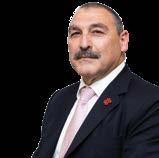
Gregory Anderson
Director ACA CA

Merilyn Speiser Director
BEc FCA CHAHRI
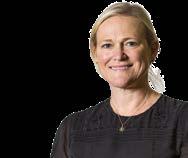
Matt Mackay Chief Executive Officer
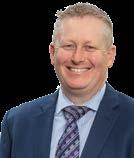
Dr Clayton King
Director of Medical Services & Medical Director, Brain Injury Unit

Nick Edwards
General Manager Disability Services

Selina Rowe
General Manager Community Services and Director Allied Health & Clinical Informatics

Glen Stoddart
Chief
Financial Officer

Jessica Taveira
General Manager Inpatient Services and Director of Nursing

Denise Thomas
General Manager MetroRehab Hospital
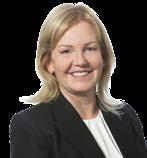
Explore a corporate partnership
Join our volunteering team
Leave a gift in your will
Support our community fundraising
