SOCIETY
SOCIETY
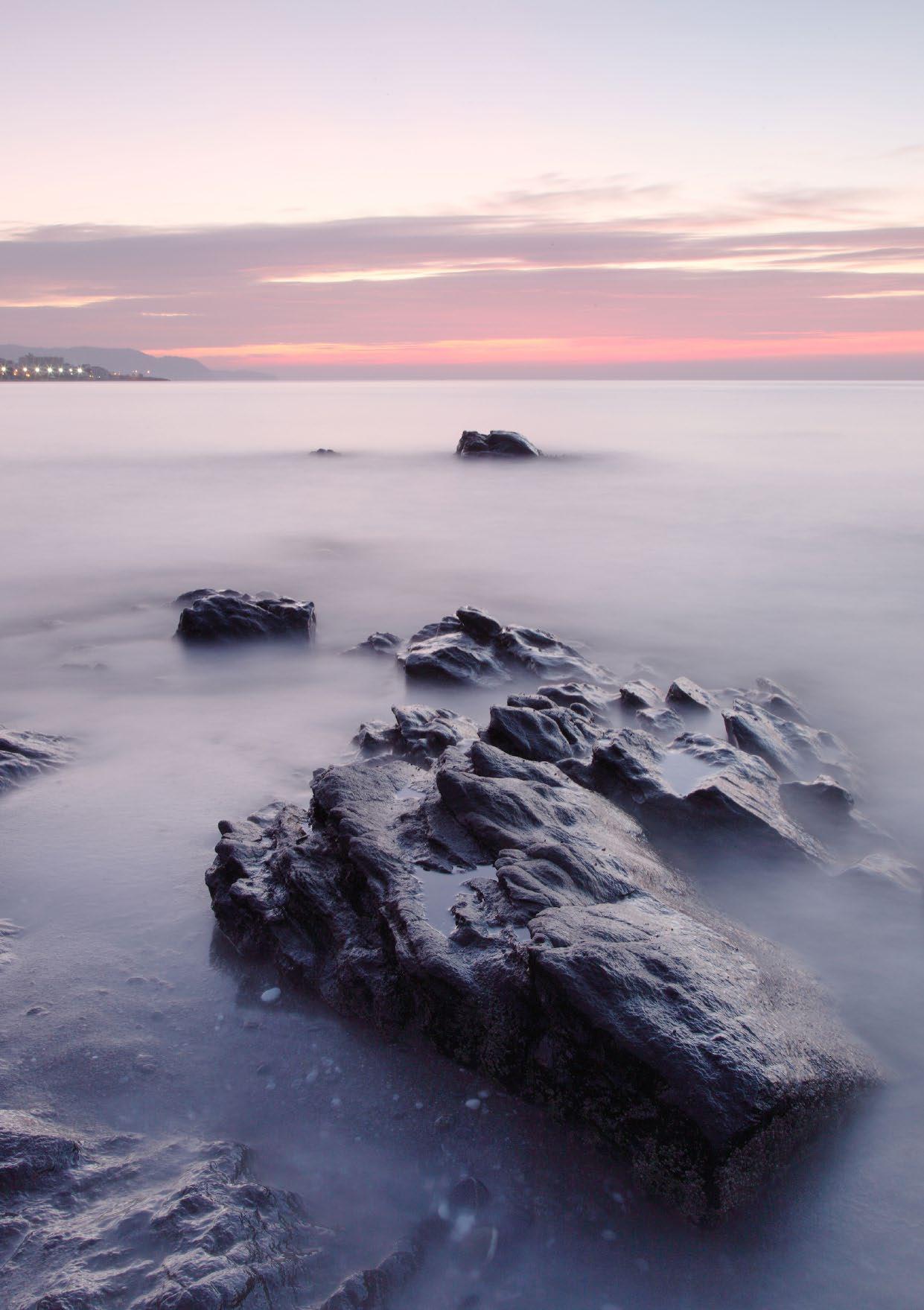
FRONT COVER: Coastal rocks near Nerja, Malaga Province. Photographed pre-dawn, I was reminded just how beautiful parts of the Andalusian coast can be when free of tourists.
GUEST EDITOR: Martin Addison FRPS (martinaddison22@gmail.com)
DESIGNER: Jacqui Adams (jacqui@demiurgedesign.co.uk)
Visual Art Group Monographs are produced by the Royal Photographic Society Visual Art Group and are provided as part of the annual subscription of the Group. © 2026 All rights reserved on behalf of the authors. No part of this publication may be reproduced, stored in a retrieval system or transmitted in any form or by any means, electronic, mechanical, photocopying, recording, or otherwise without the written permission of the copyright holder. Requests for such permission must be addressed to the Visual Art Group. The Royal Photographic Society and RPS Visual Art Group accept no liability for any misuse or breach of copyright by a contributor. The views expressed in this magazine do not necessarily reflect the policies of the Royal Photographic Society or of the Visual Art Group. Designed by Demiurge Design | Tel: 01296 668739 | jacqui@demiurgedesign.co.uk
Tony Worobiec
In common with others, we have travelled to a variety of Mediterranean destinations over many years, and whilst we enjoyed the sunshine and the gentle pace of life, it wasn’t until we discovered Andalusia that we fully recognised the fabulous photographic opportunities southern Europe has to offer.
It should be noted that Andalusia is quite a large land mass, about the size of Ireland, and comprises various provinces including Cadiz, Seville, Malaga, Granada and Almeria. Whilst many visitors will be familiar with its wonderful coastline, it is only when travelling inland that one fully appreciates the resplendent beauty of this idyllic part of southern Europe. For the

last 20 years we have regularly been visiting and photographing Andalusia, and have come to appreciate its rich variety of landscape.
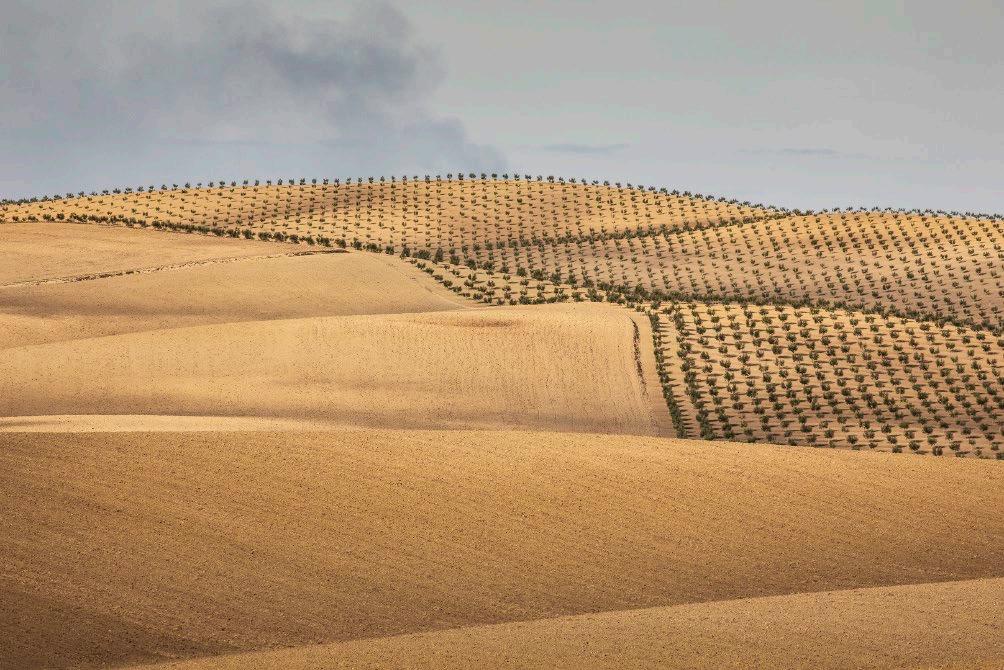
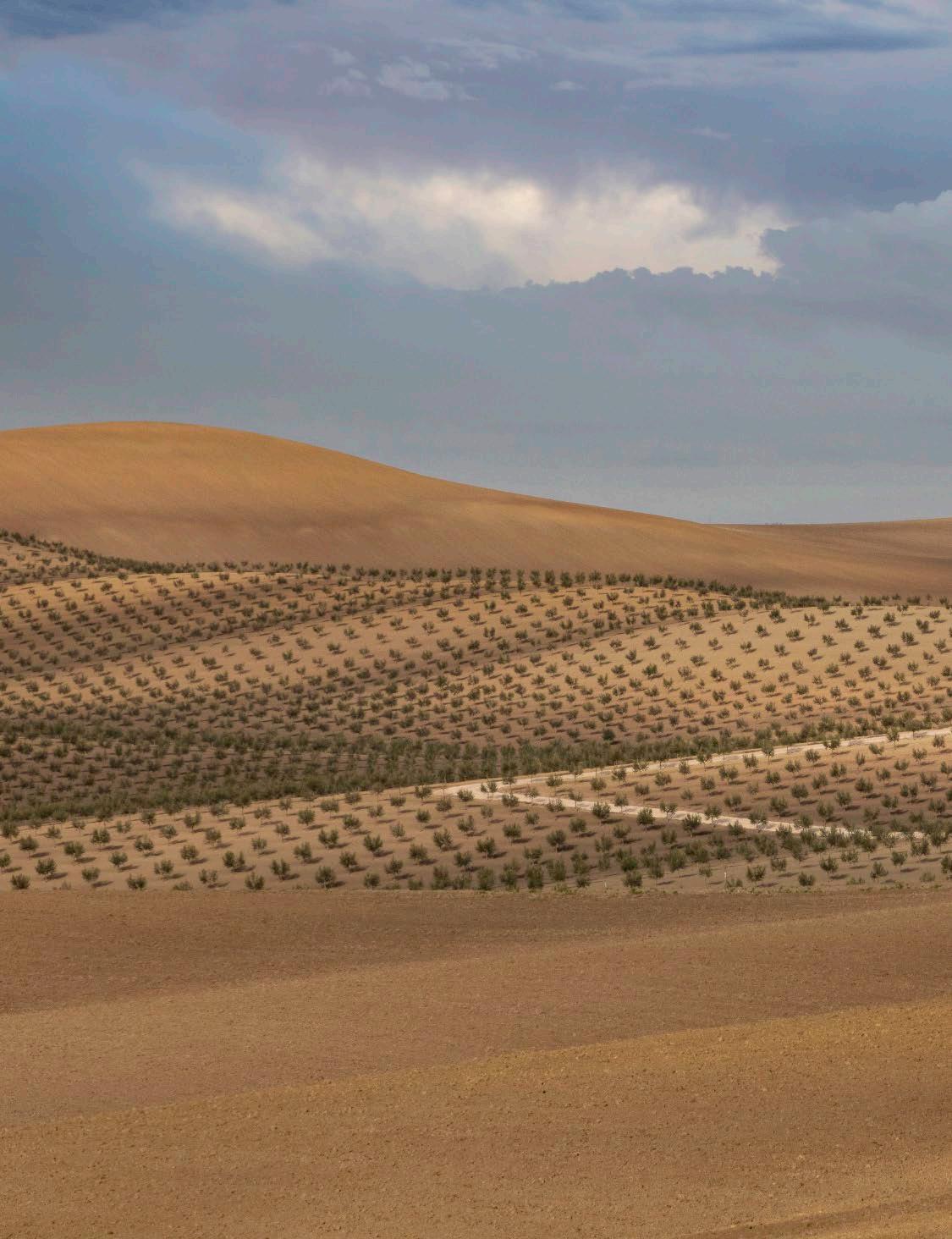
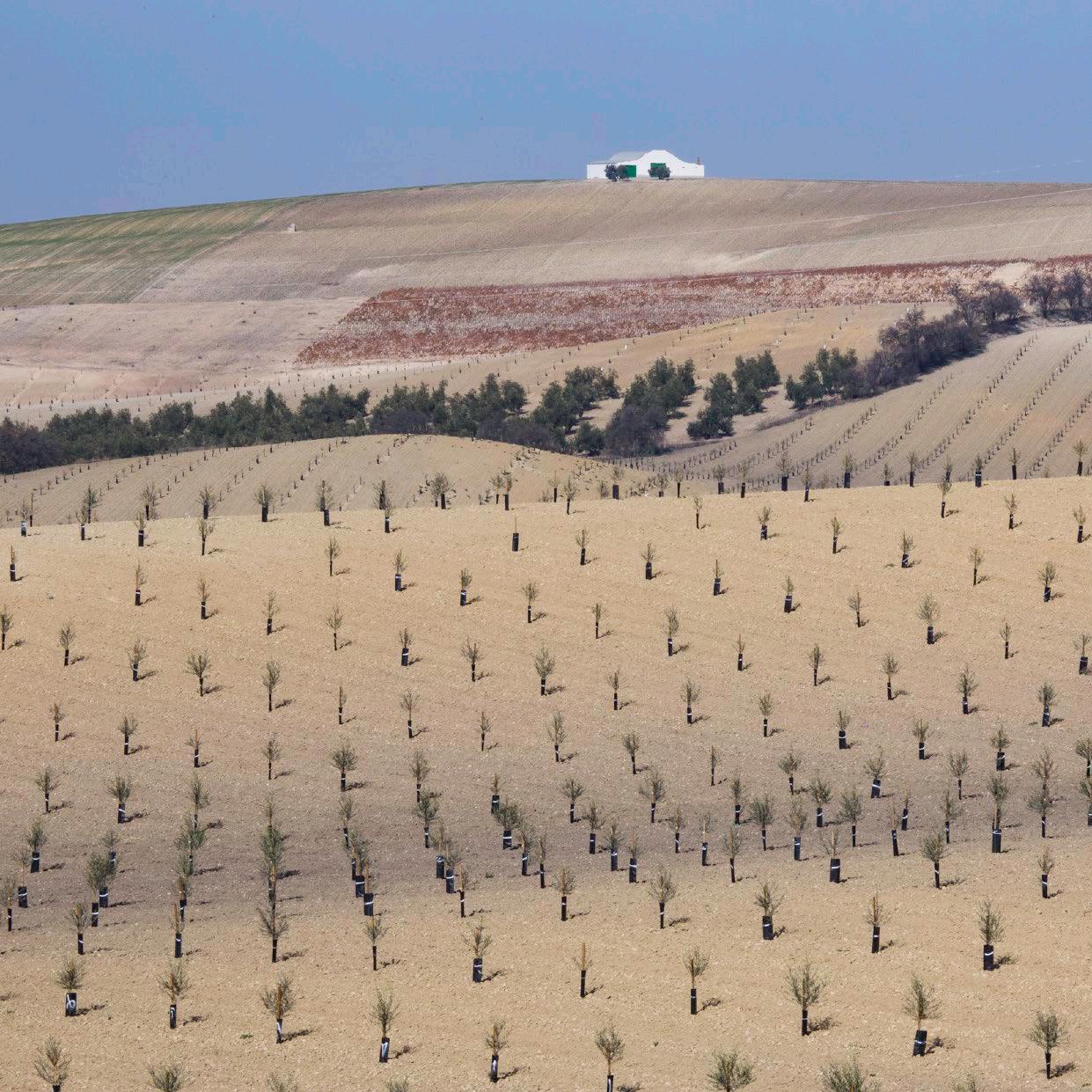
We always try to visit Andalusia out of season. In winter, whilst there is no guarantee of sunshine, a trip that never fails to please us is the journey up the motorway linking Malaga to Cordoba; it takes you to its agricultural hinterland revealing gently undulating fields dotted with newly planted almond or olive trees.
These fabulously graphic locations are an open invitation to anyone who is visually aware.
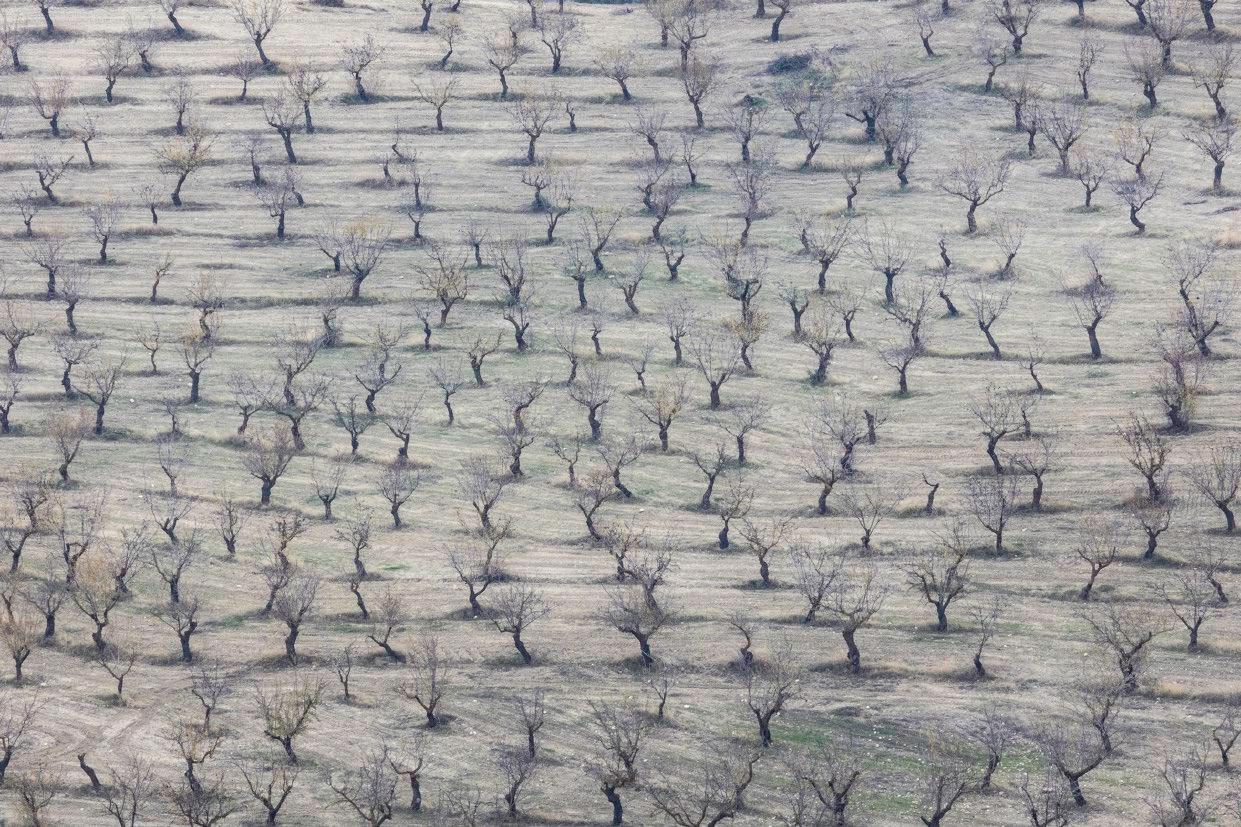
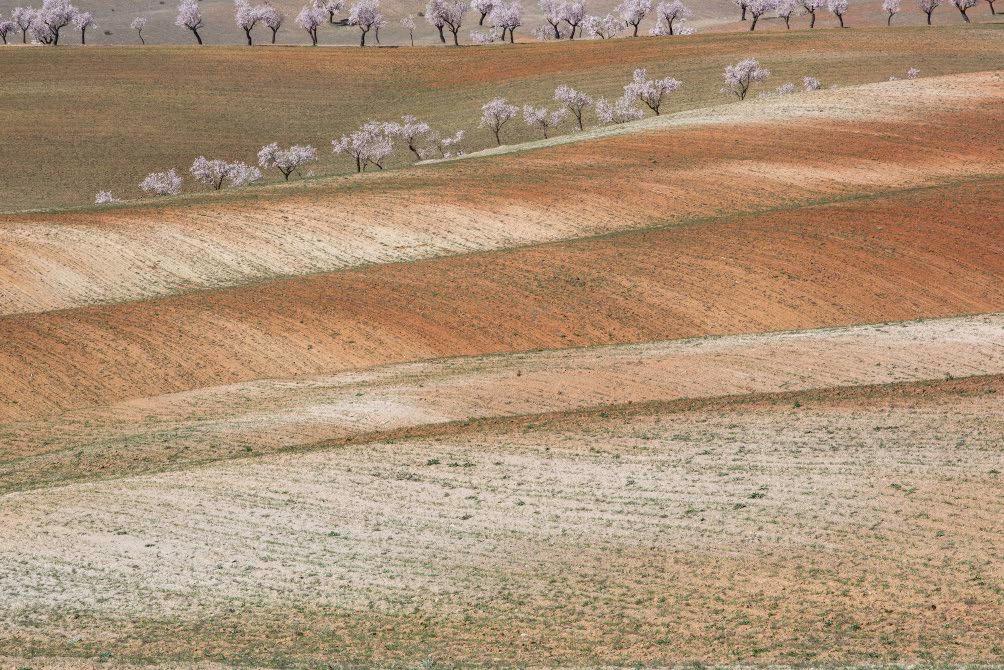
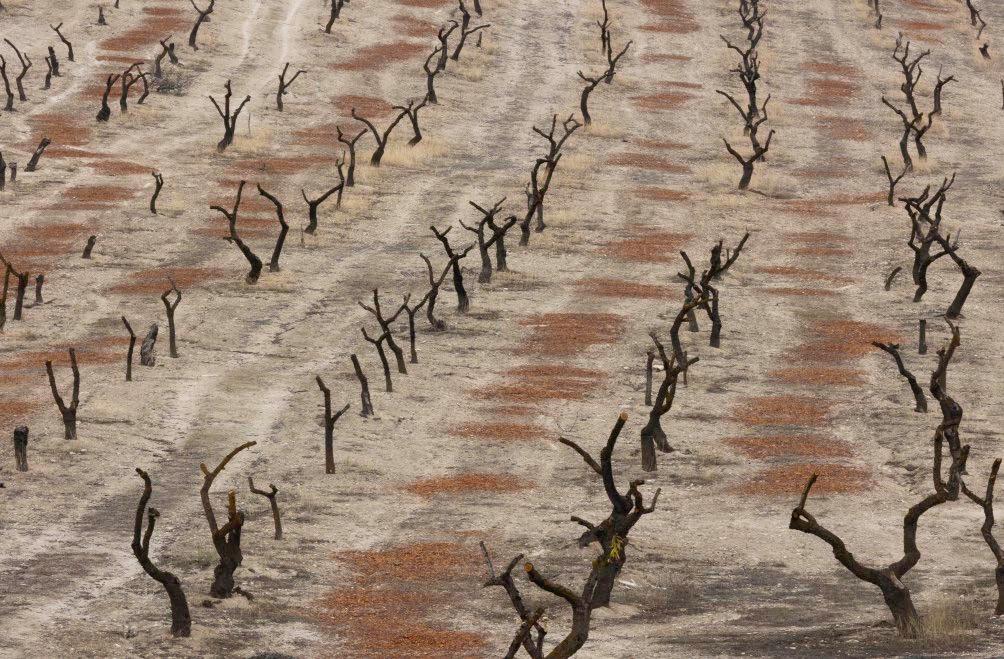
A graphic design comprising almond trees. Viewed from a nearby hill, this display of almond trees appears rather like an Abstract Expressionist painting.
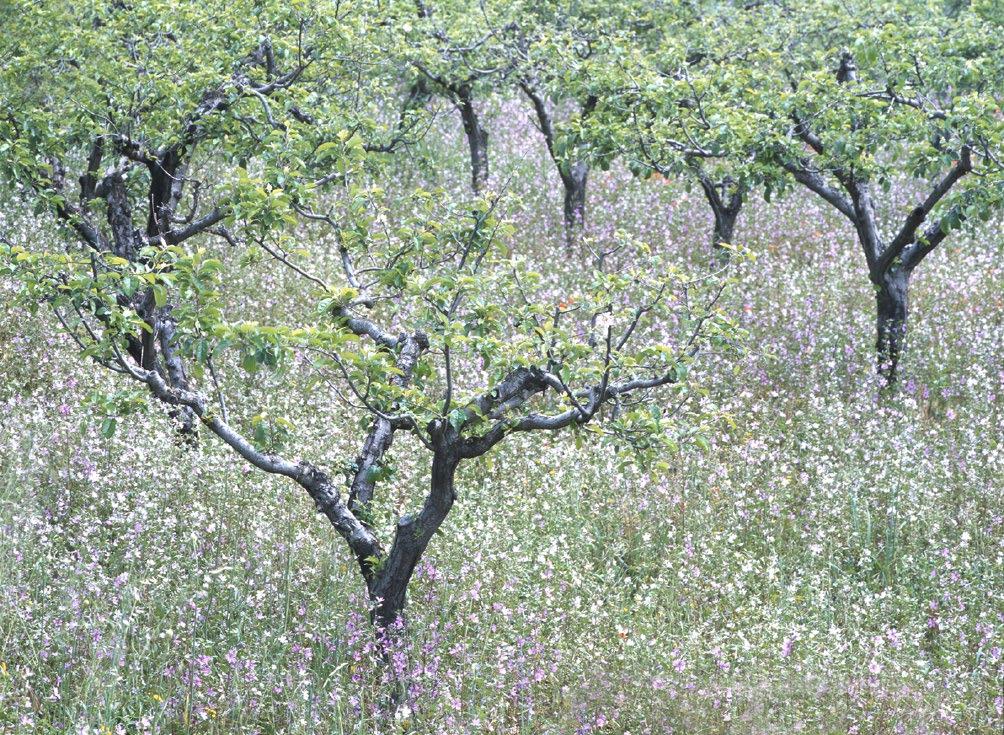
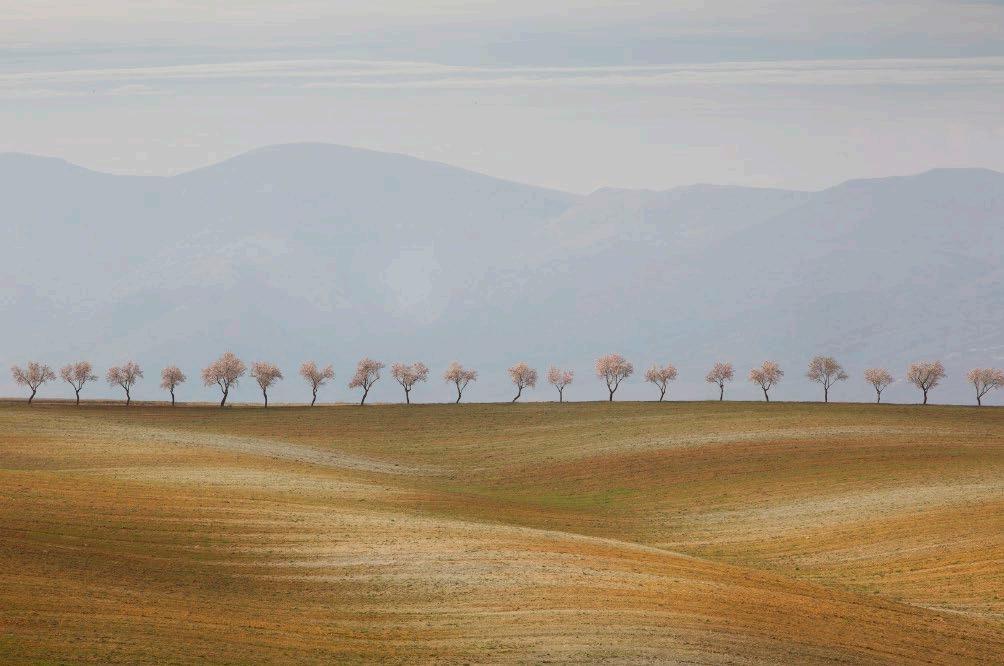
Almond trees in early spring. This row of almond trees appears especially charming set against the empty, undulating fields.
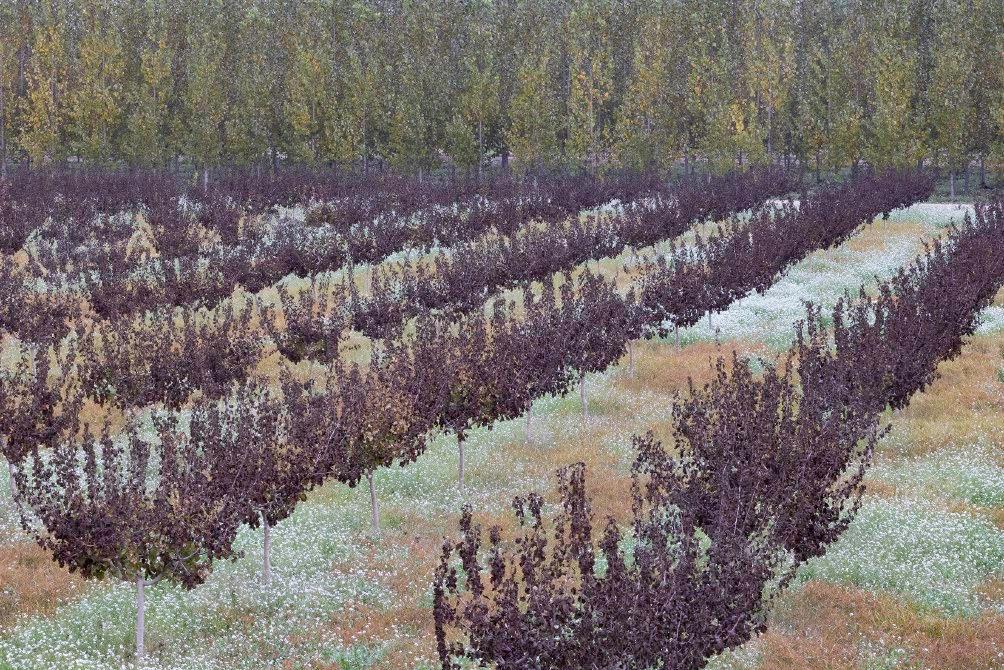
Almond trees in late spring. These cultivated rows of almond trees are complemented by the distant line of poplars.
and
What captivated me here was the
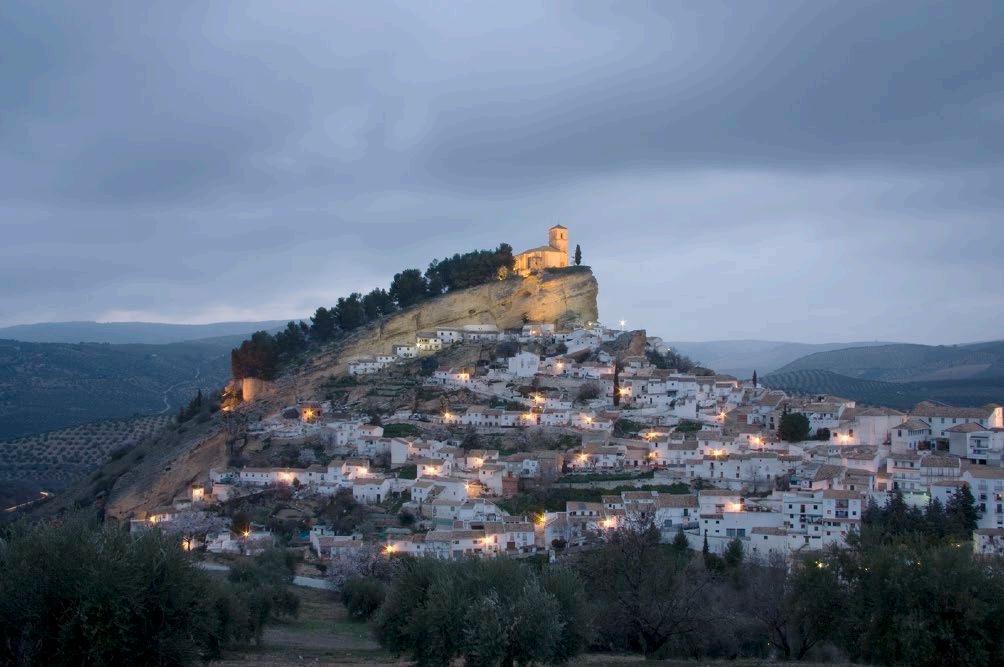
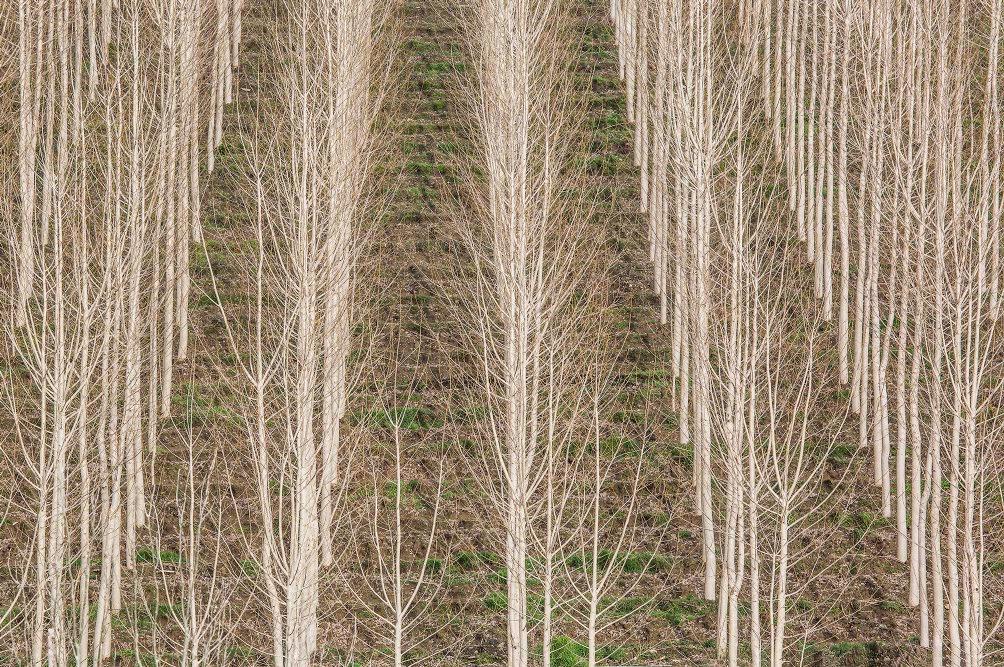
By way of contrast the countless river valleys, particularly in the province of Granada, will be festooned with extended lines of defoliated poplars, which can appear amazingly photogenic. Winter is a very convenient time to photograph the numerous small villages, often viewed beautifully illuminated on the top of nearby hills. It is also a great time to explore the coast; devoid of other tourists it offers the opportunity to explore the numerous rocky beaches and inlets. Finally, and so easily overlooked, there is a compelling beauty about the numerous empty fields one regularly encounters at this time of the year, often with just a single tree on the horizon. Set against the awesome mountains of the Sierra Nevada, it is hard not to be impressed by this fascinating region of Spain.
Spring visits Andalusia earlier than it does here in the UK, and the distinctive pink blossom of the almond trees is already in evidence in late February. Grown as an agricultural crop,
they appear in serried rows, once again offering exceptional graphic opportunities. We are always amazed by the variety of flora one is likely to encounter at this idyllic time of the year, and really would urge you to travel slowly and purposefully, otherwise it is so easy to pass by hidden gems.
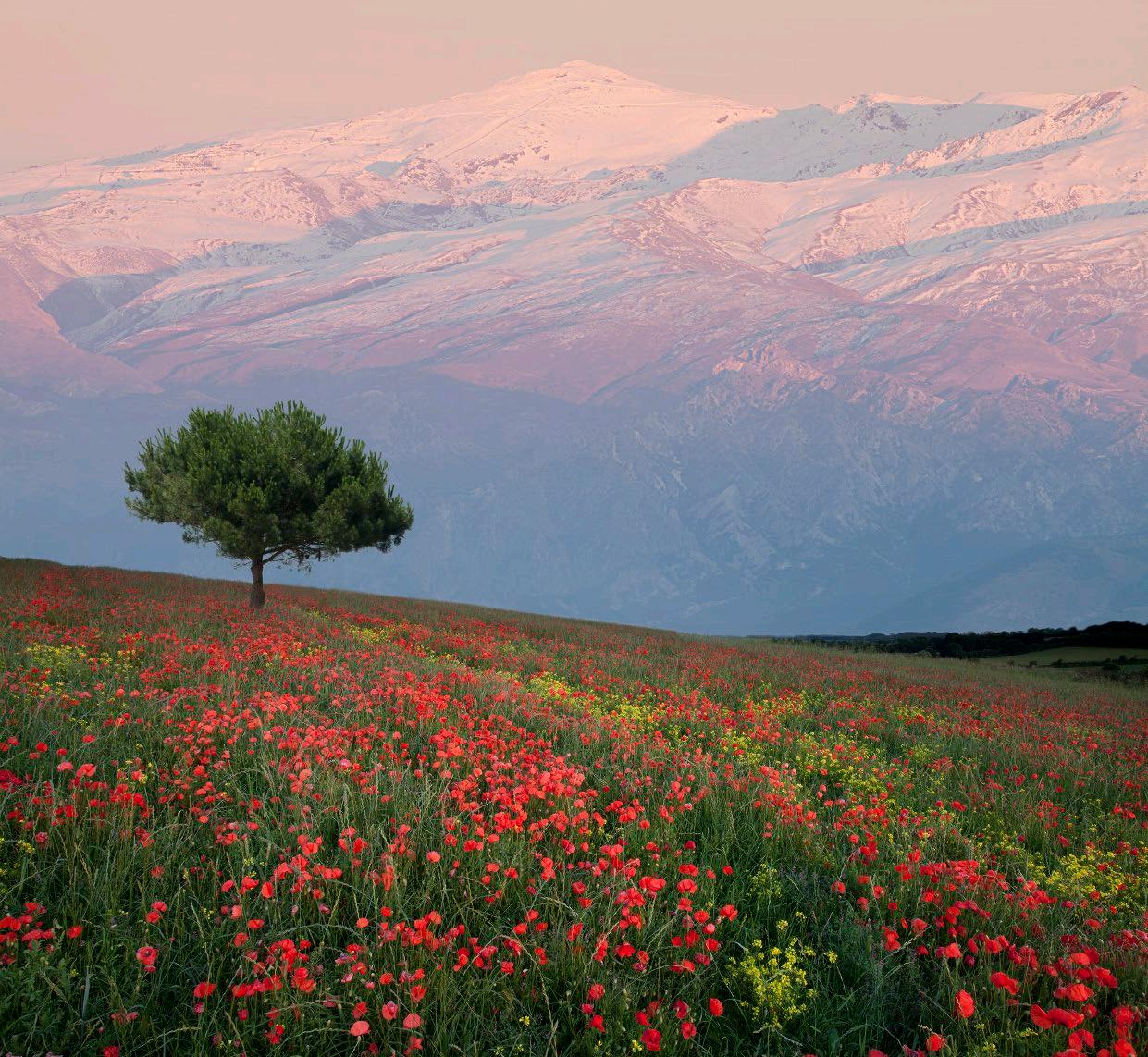
Late May and early June is when you are most likely to encounter meadows carpeted with red poppies; it is amazing just how extensive these can be. They even appear dotted amongst fields of wheat, not unlike a delicate Monet painting. Much later in Spring and into early summer is when you are most likely to encounter expansive fields of sunflowers, particularly in the provinces of Cadiz and Seville. Often cultivated on undulating fields, they really offer a splendid vista for any enthusiastic landscape photographer.
If however I was asked to select my favourite season it would be autumn. This
is the time of the year when the leaves of the
poplars change
to a bright
amber,
producing some of the most awe-inspiring landscapes imaginable
Tracking them down isn’t difficult. Firstly just wander around and the tell-tale colours can be spotted from miles away. To cultivate poplars one needs a reliable source of water so they tend to be grown along river valleys. They are never haphazardly planted and appear in very formal serried rows, which again greatly adds to their graphic appeal. It should be noted that poplars are grown for their timber, so what appears in one year can very easily disappear in the next.
Finally, when you are out and about in the countryside, do stop off at one of the many charming hostelries and indulge in traditional Spanish tapas. It is a wonderful way of rounding off a productive day of photography.
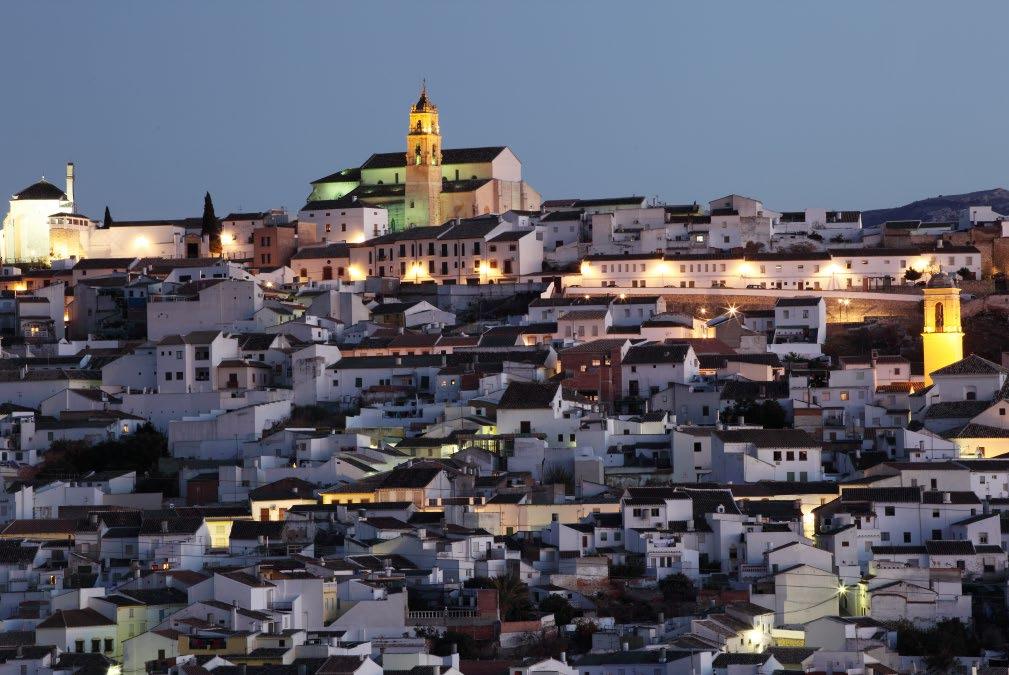
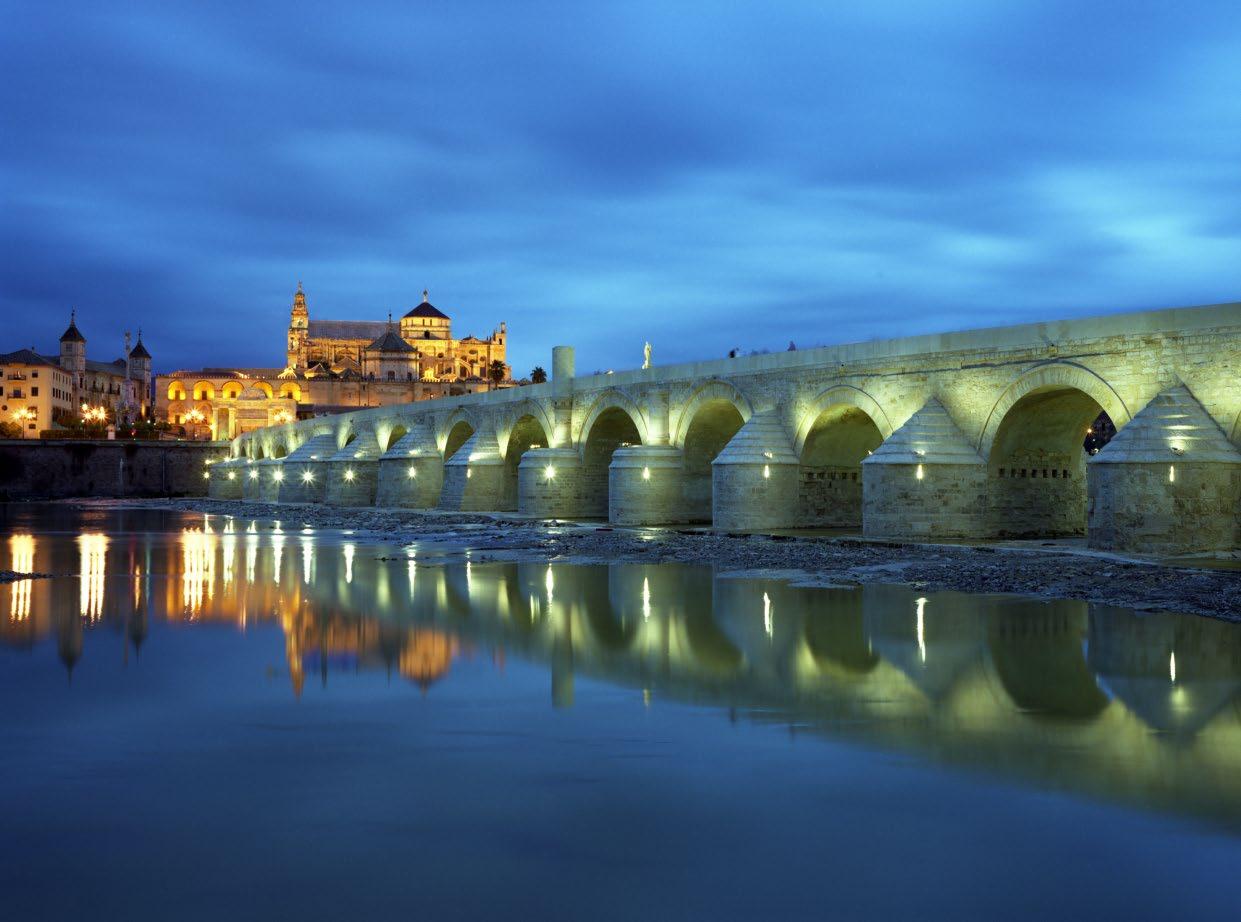
Baena, in Cordoba province, photographed at night. The winter months are a great time to capture images like this. Small villages were often located on hilltops thus allowing you to photograph them from virtually any vantage point.
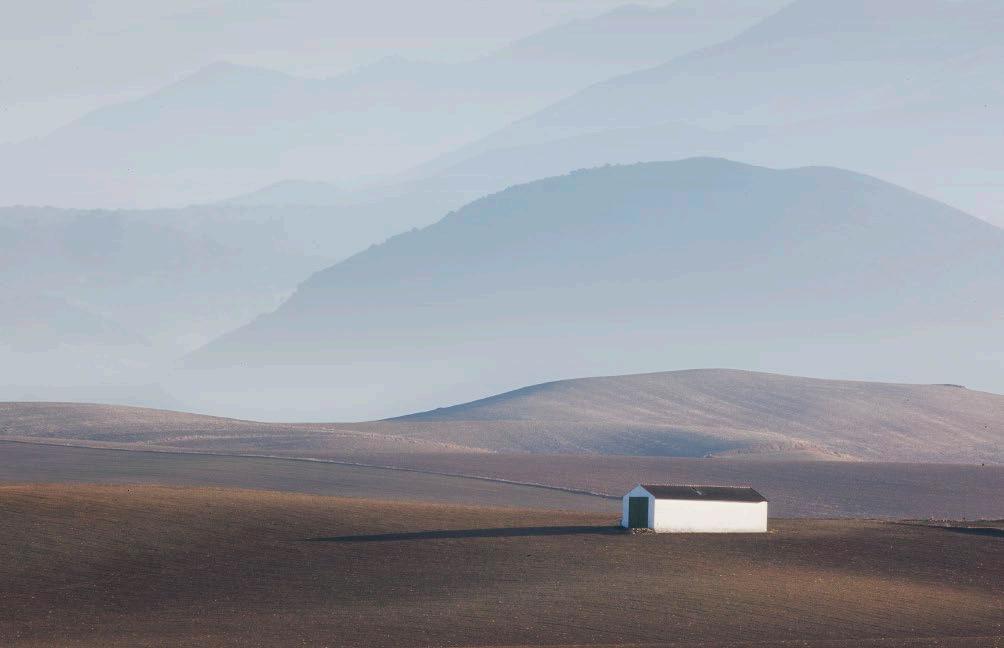
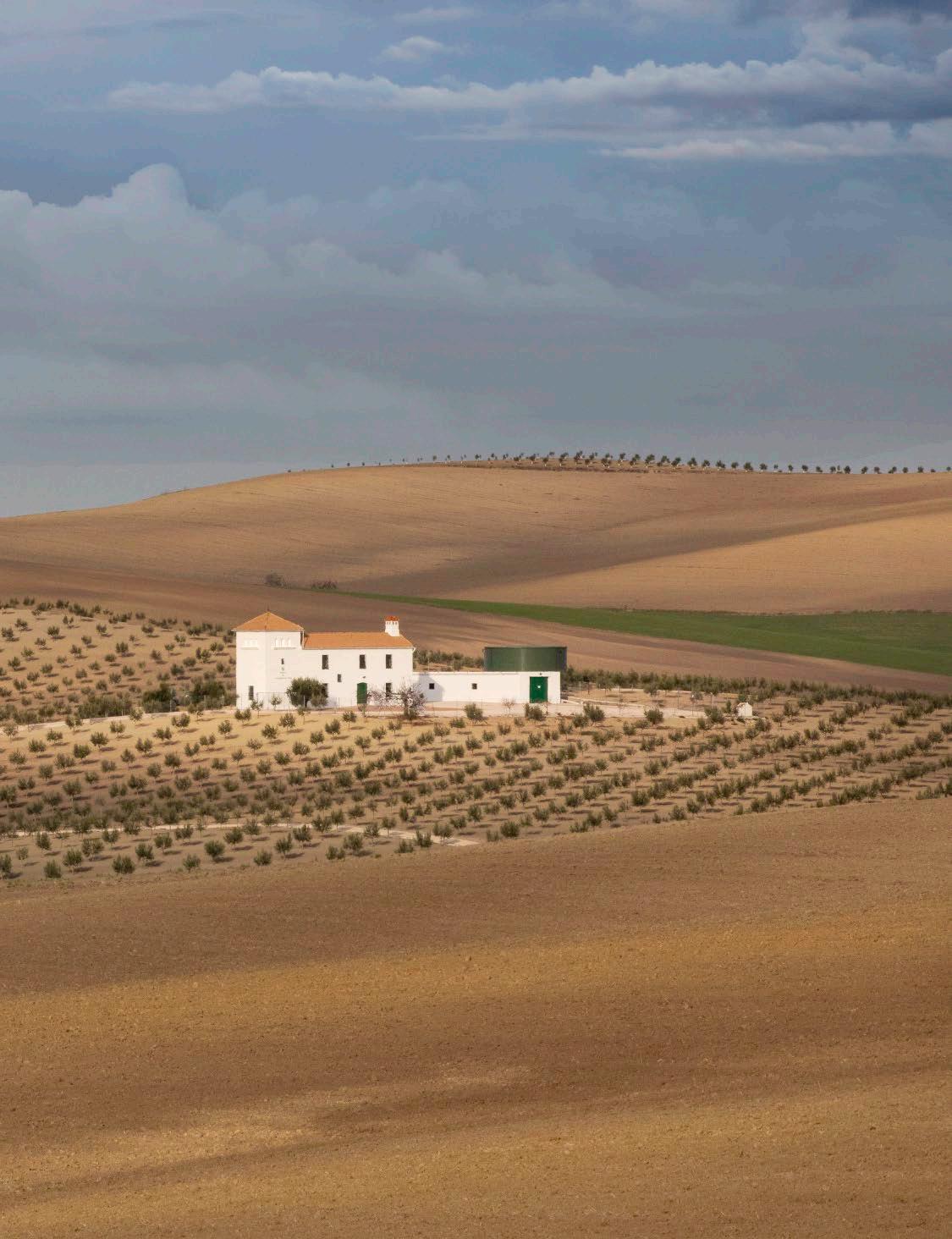
Barn in winter. Devoid of vegetation, this location assumes a strange minimalist beauty.

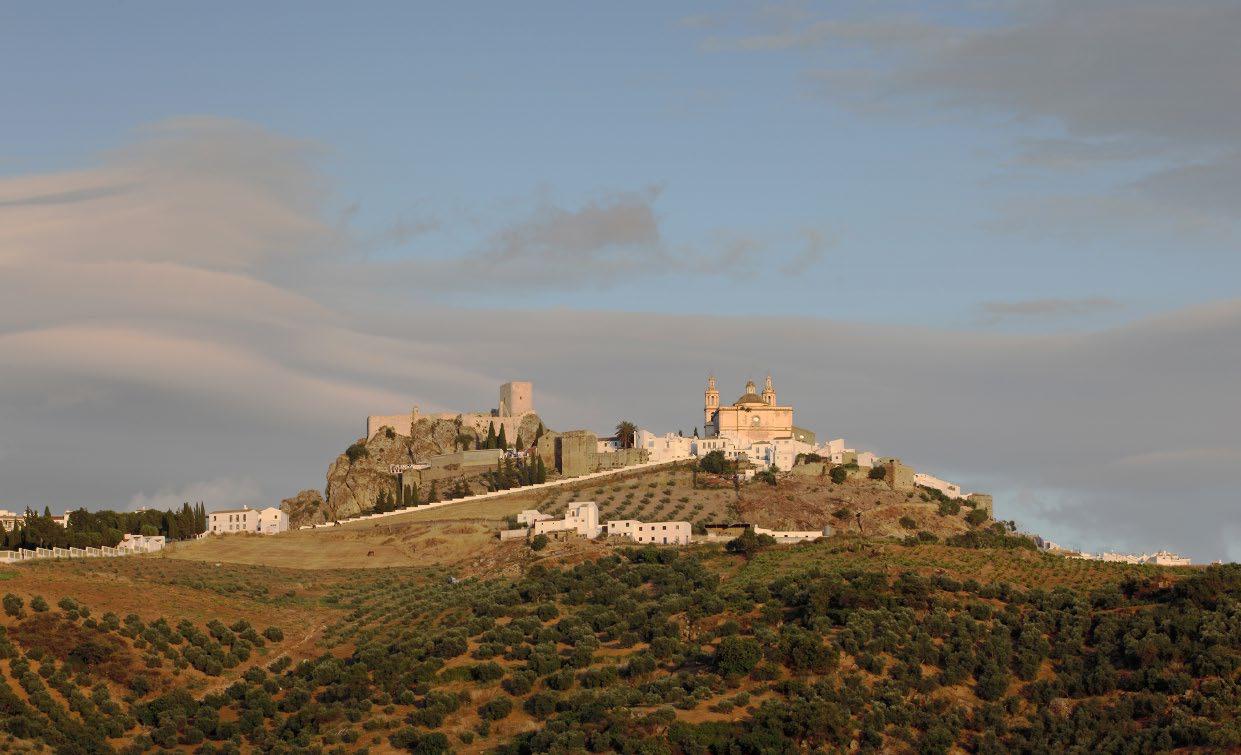
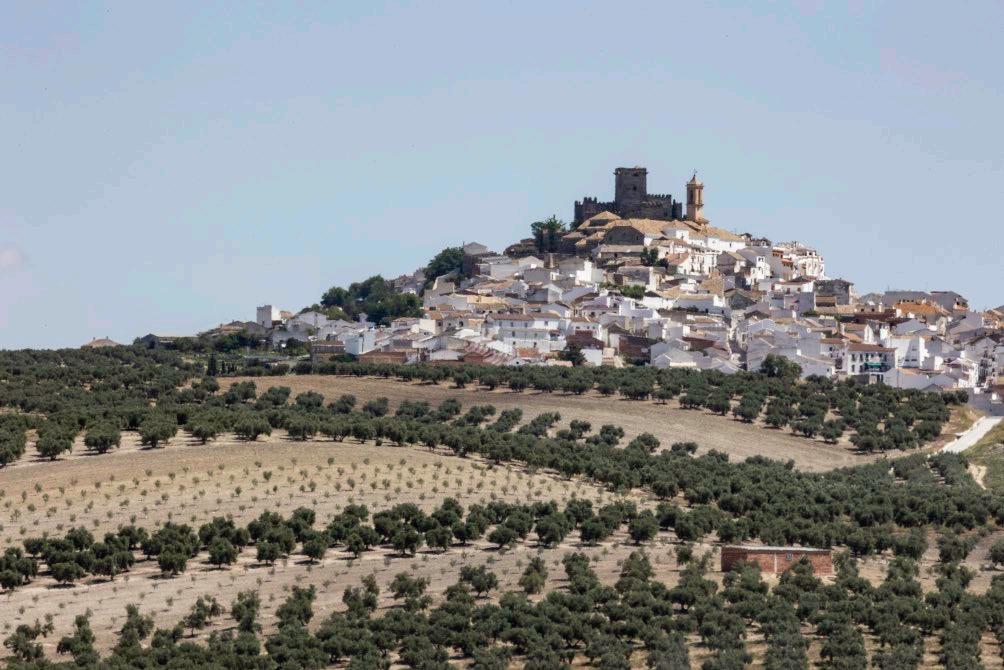
Olvera, Cadiz, viewed from the west. So many of the small townships, (known as white villages), were built on rocky outcrops which make them very prominent from whichever direction you approach.
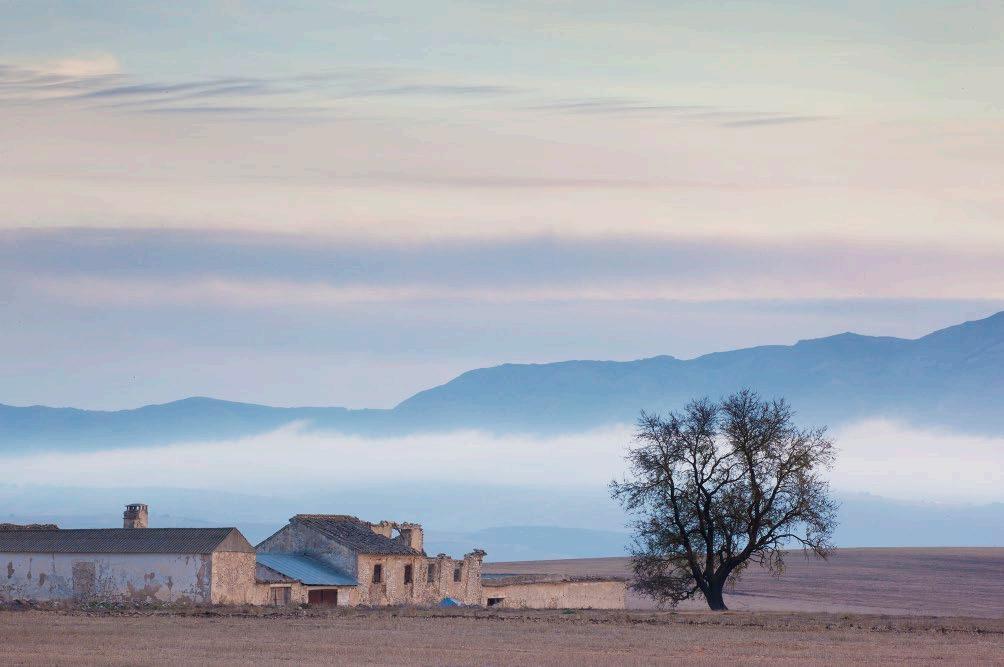
Descending mist in field, Granada. My attention was initially drawn to this abandoned finca on the side of the road, but as the atmosphere started to cool, the mist crowning the top of the distant mountain gradually began to tumble.
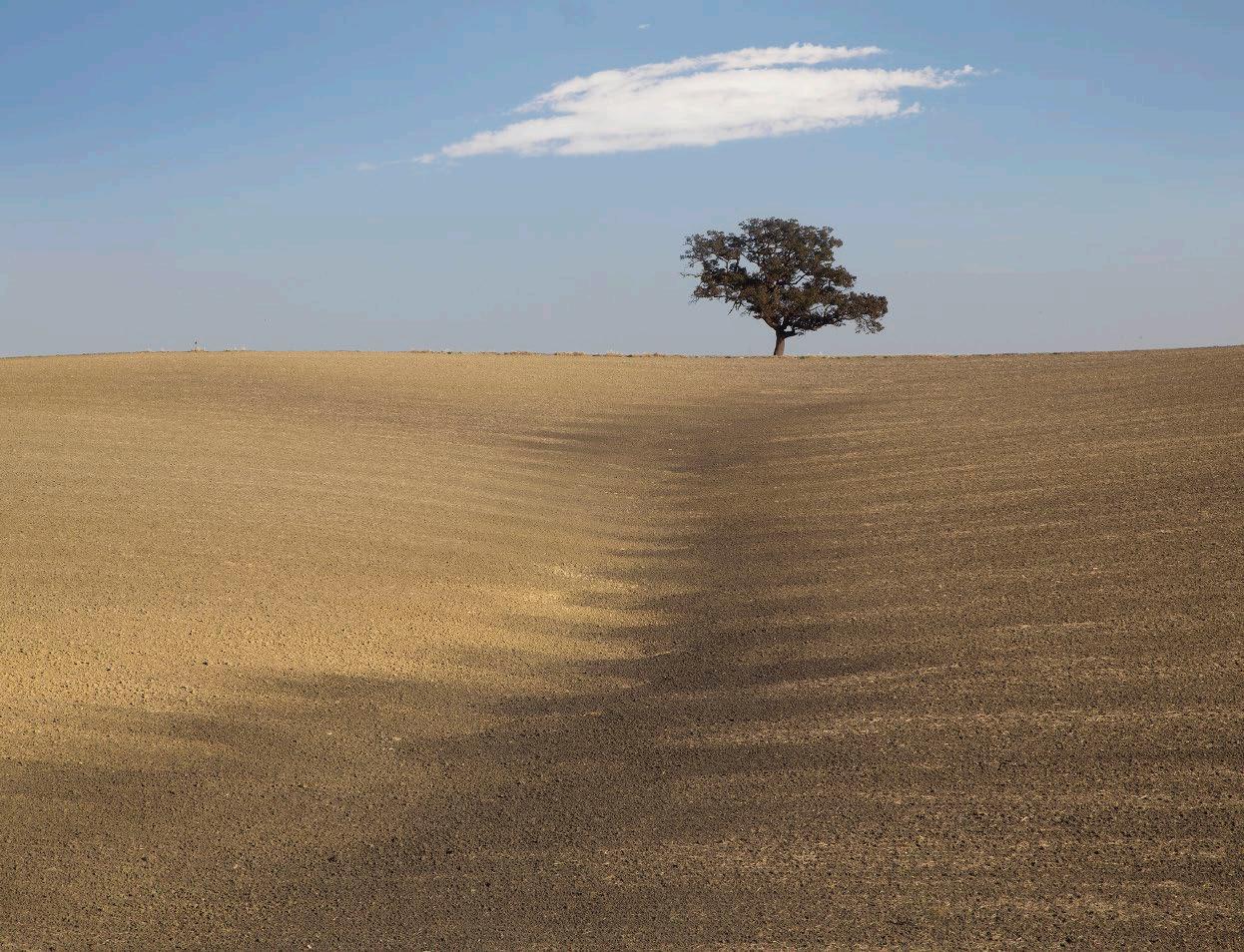
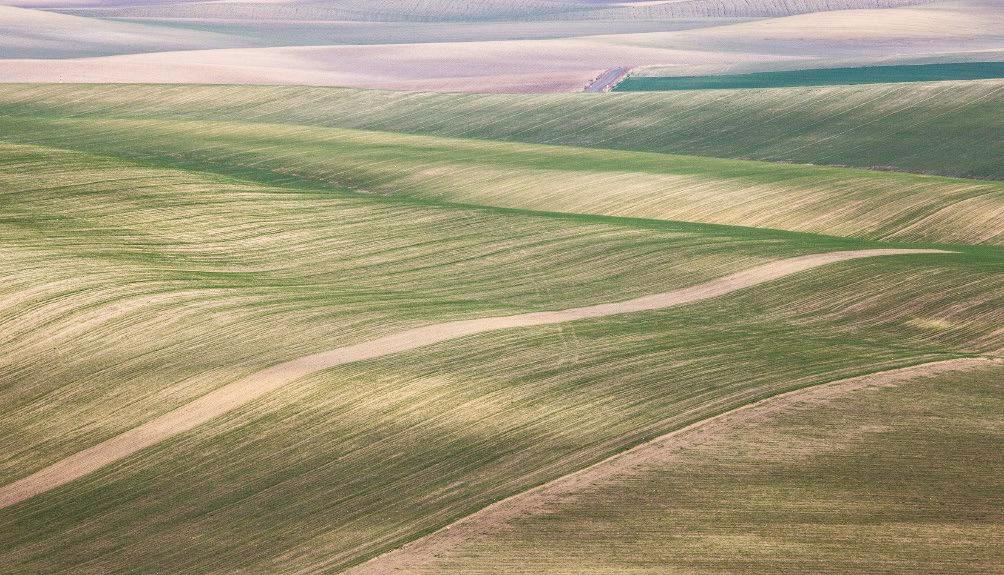
Empty fields, early spring. Devoid of hedgerows one is able to fully appreciate the undulating elements that typify this part of Cordoba province.
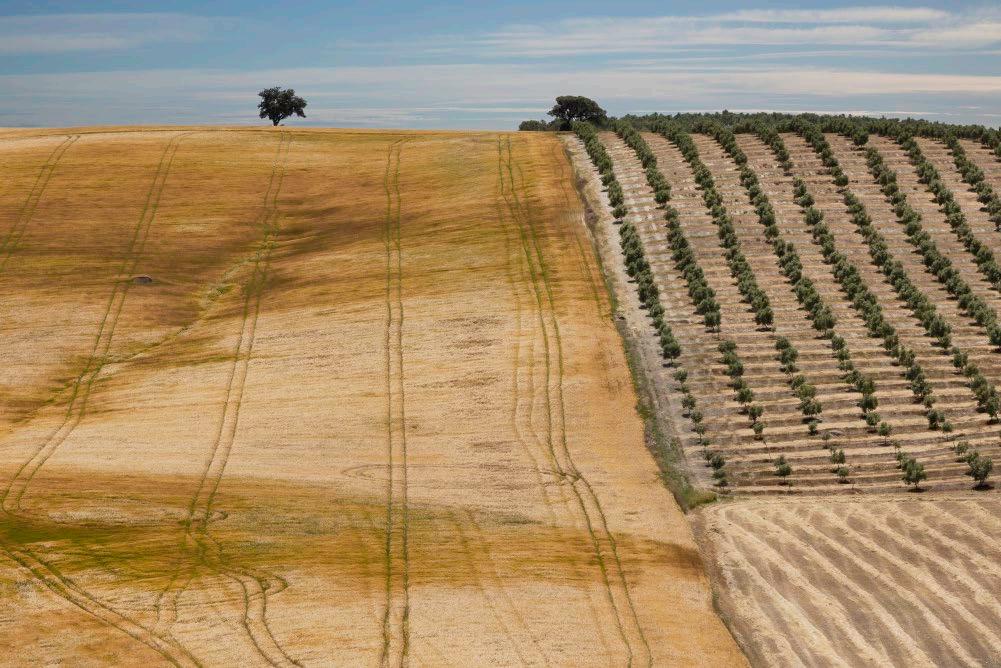
Fields near Saucejo, Malaga province. What I found especially fascinating is this mixture of the agriculture with an extensive olive grove parallel to fields of wheat. This is very arable land and nothing goes to waste.
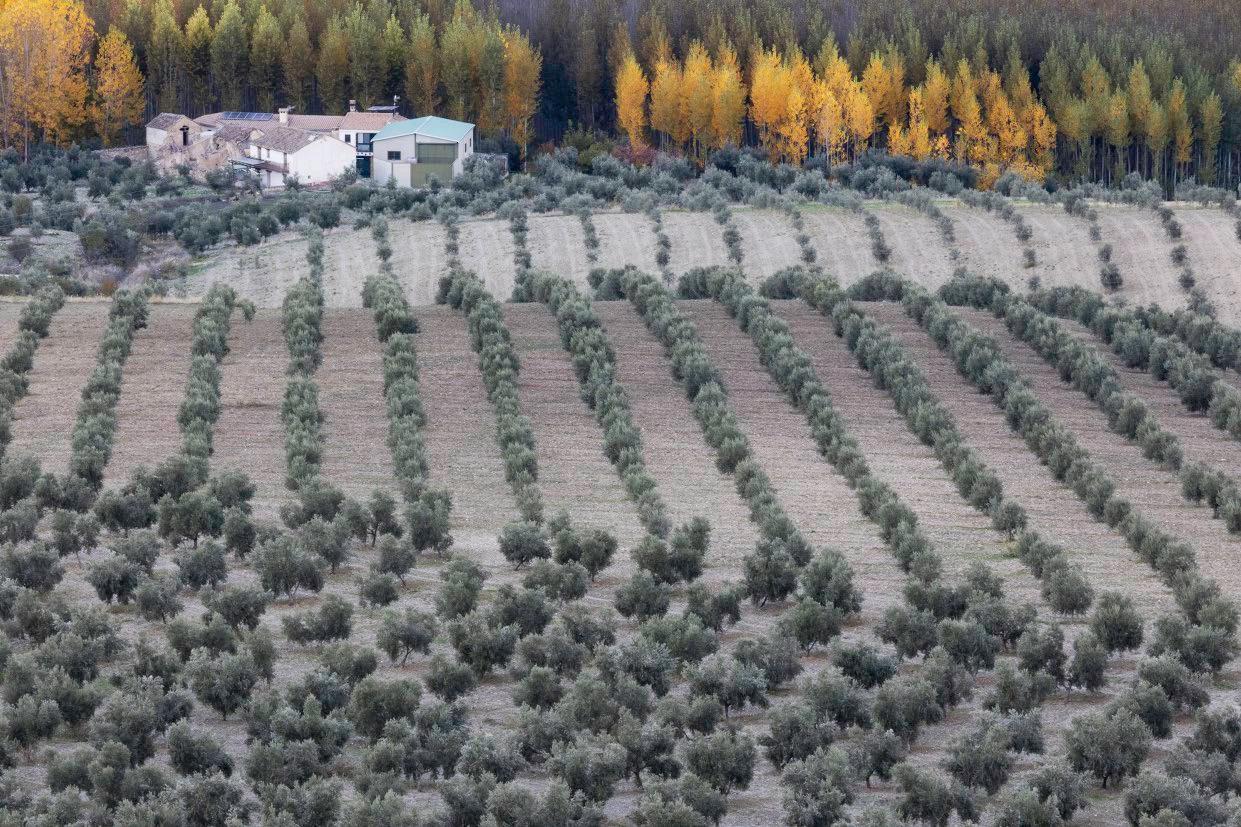
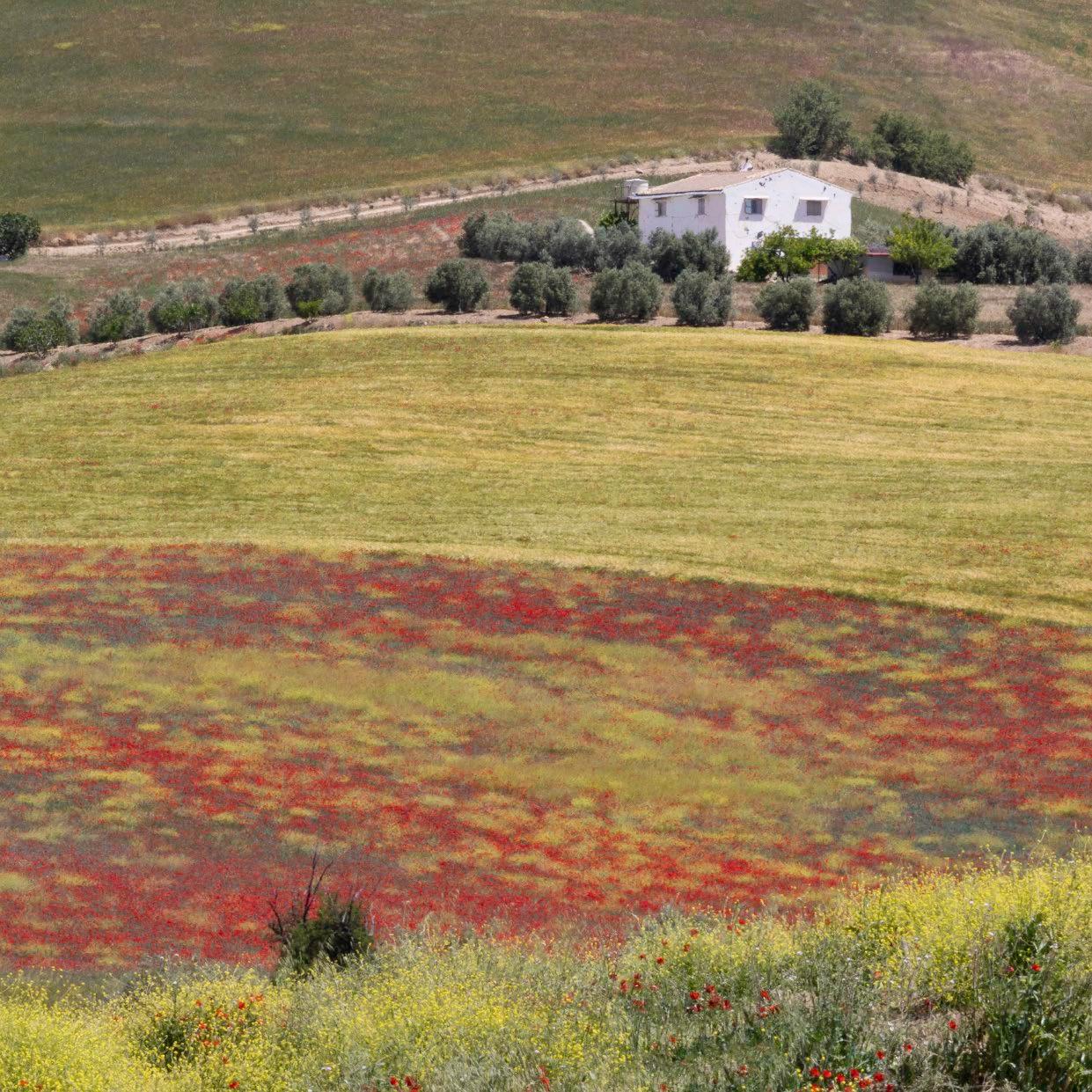
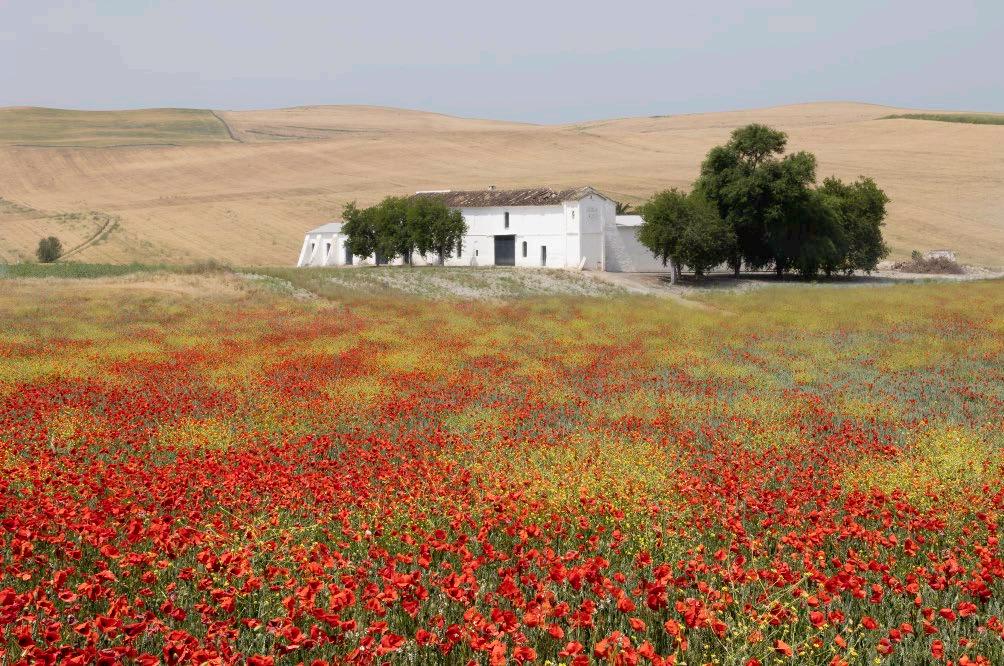
Finca near Santa Cruz, Cordoba province. Many of my photographs were taken using a long lens, as they have the capacity to pick out unique elements within the landscape. I was particularly attracted to the rhythmic patterns so evident in this location.
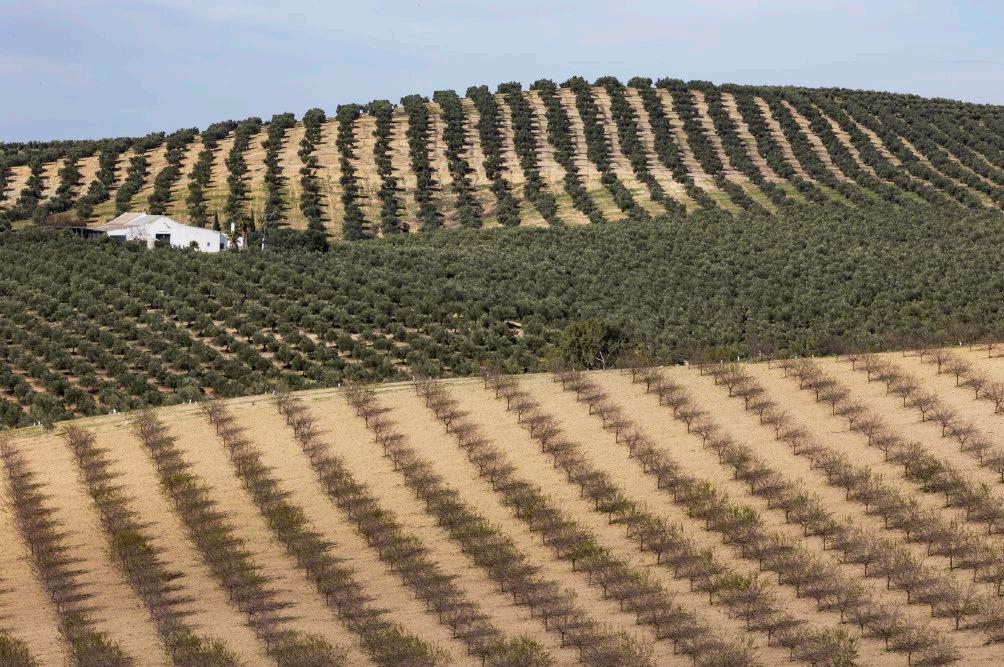
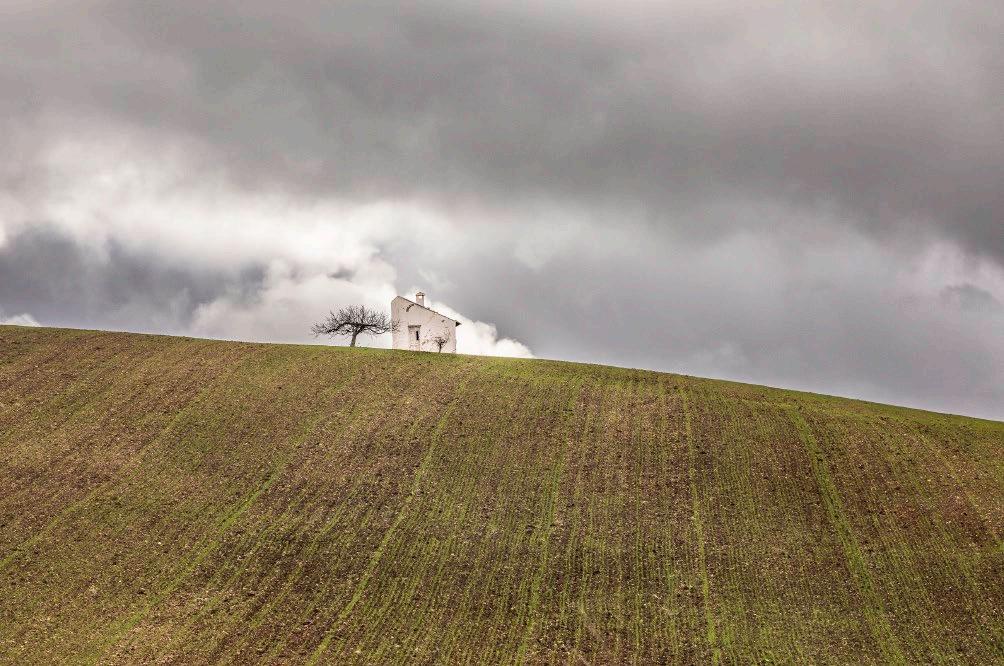
Abandoned hut near Campillos. I have often passed this unremarkable location, but on this occasion I sensed that the broody sky added a sense of pathos that had previously been lacking.
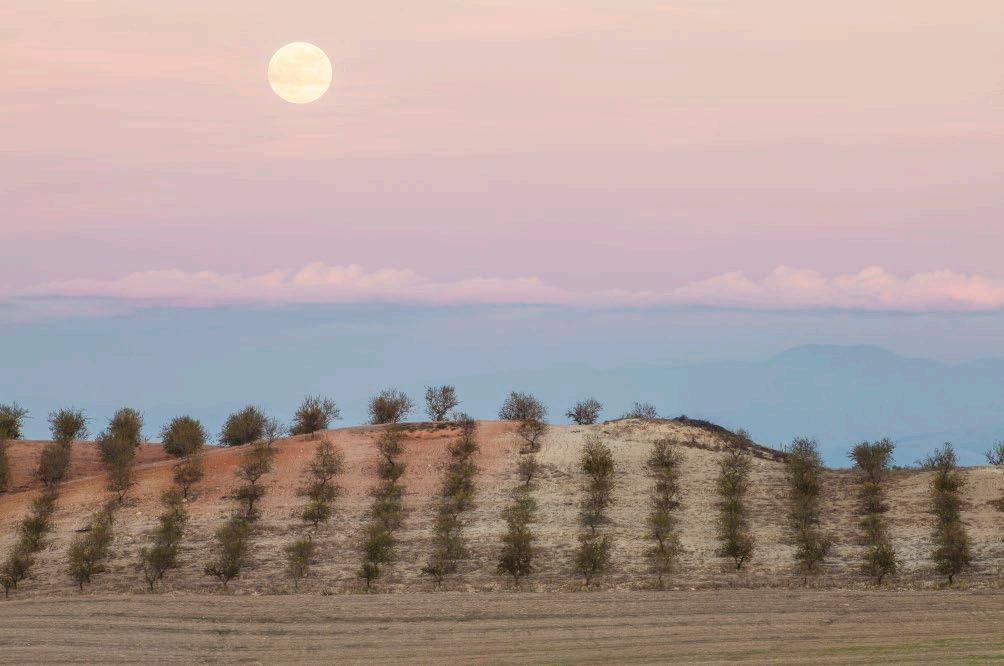
Moonscape, Granada province. Photographed using a telephoto lens, I have been able to capture the rising moon set against a field of almond trees in the foreground.
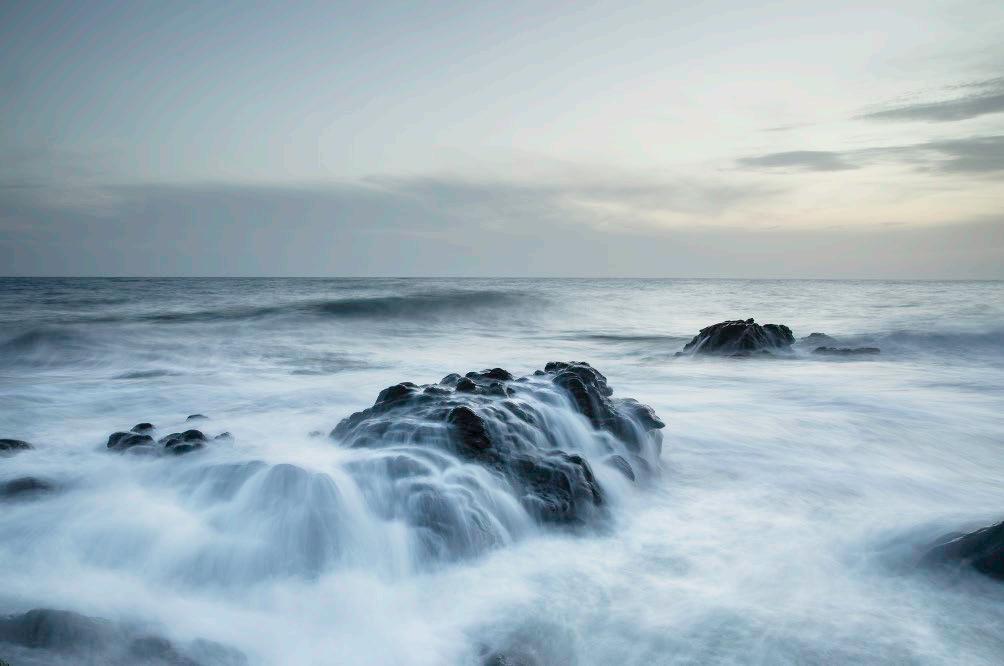
Nerja early morning. One of the great joys of visiting this remarkable part of Spain, is that it offers wonderful countryside coupled with equally beautiful stretches of coast. These locations are invariably best photographed pre-dawn or in the evening.
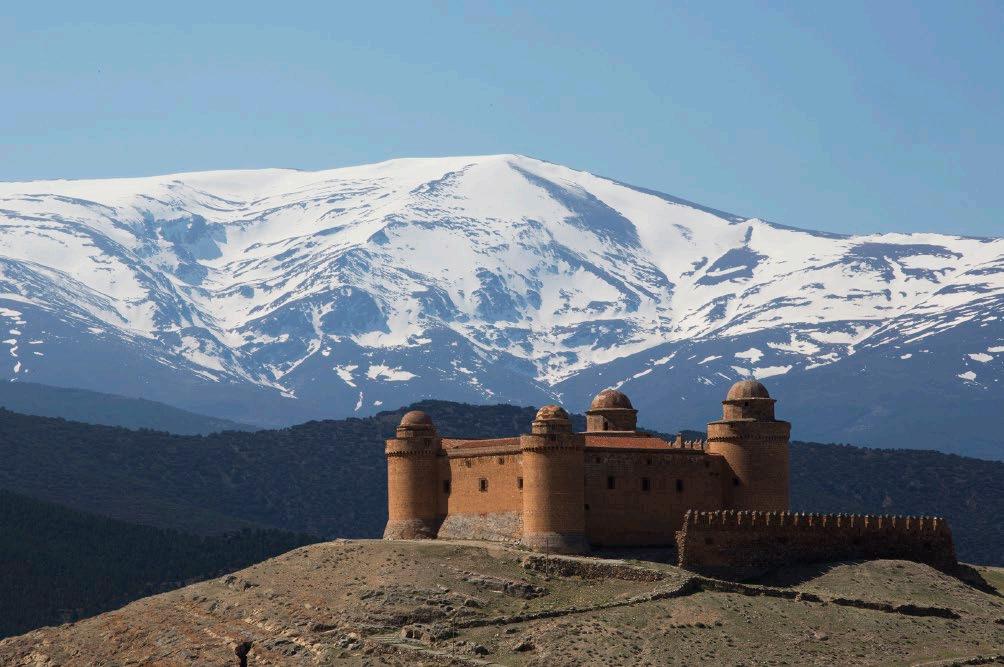
The Castillo de la Calahorra. Situated in the foothills of the Sierra Nevada, this location is best photographed during the winter months when the distant peaks are covered in snow.
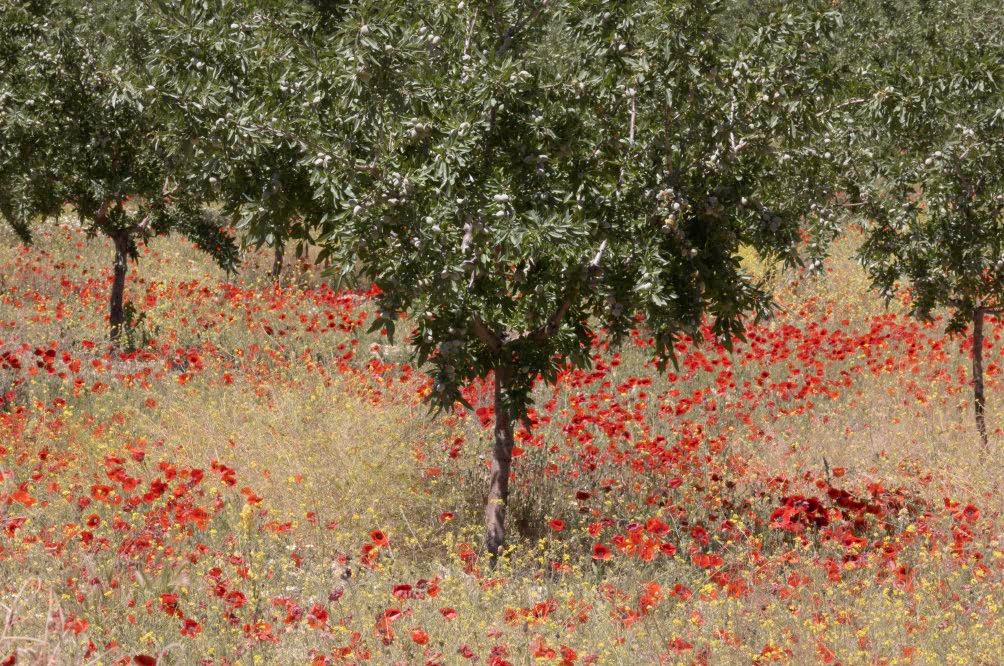
Olive grove, Granada Province. Photographed in late spring, the ground can appear carpeted with a variety of flora, and in particular poppies. It really is an invitation to indulge in the “the intimate landscape”.
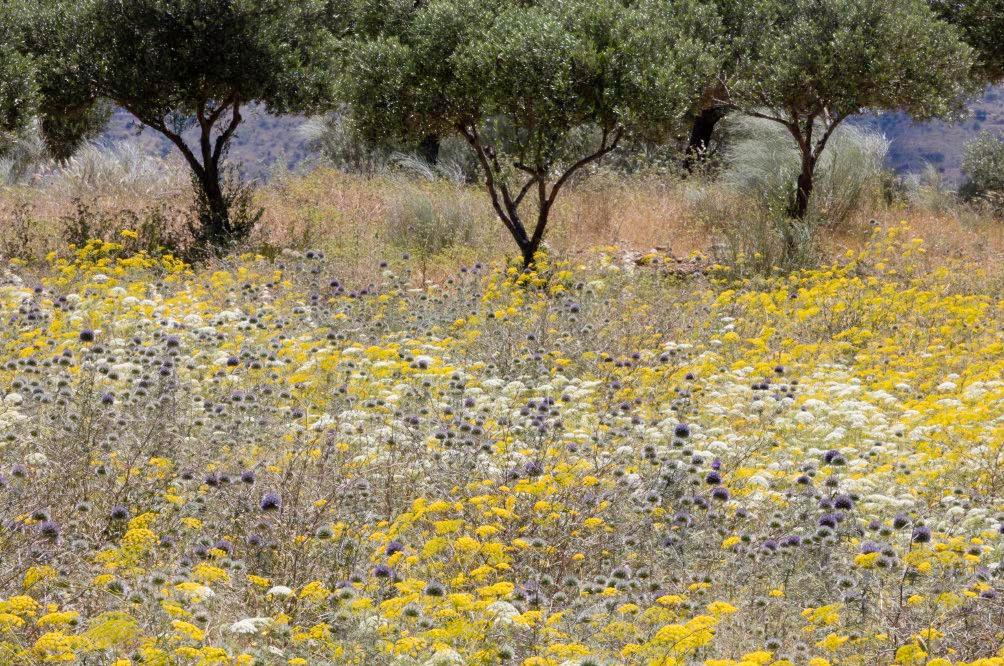
Pasture, Vinuela, Malaga Province. This location was on the side of a very steep and winding road making stopping quite a challenge. I passed it numerous times over a course of several weeks, but finally worked out a safe parking strategy. I was particularly enchanted by this carpet of spring flowers.
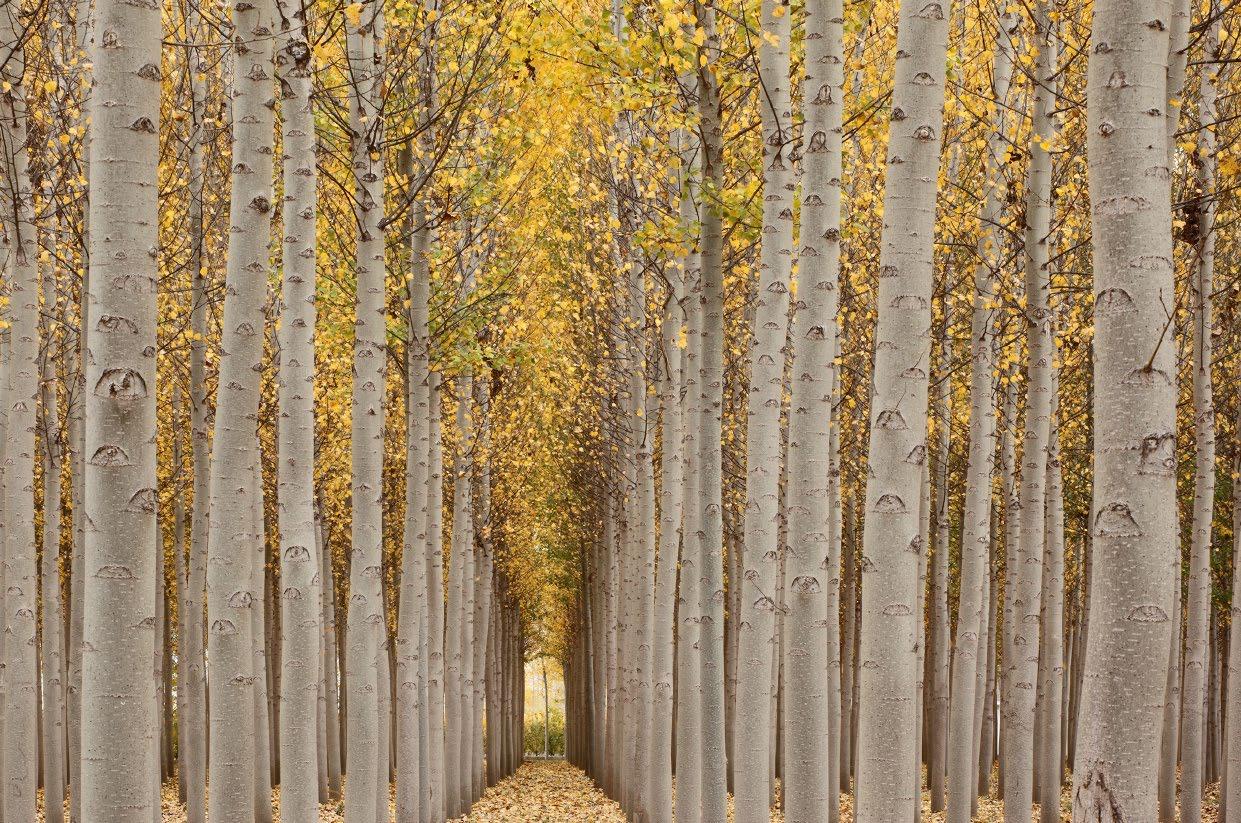
Poplars with autumn colour. I never tire of photographing locations such as this. When the leaves change, the autumnal tones can appear quite arresting; the serried manner in which they are planted produces interesting and intricate patterns.
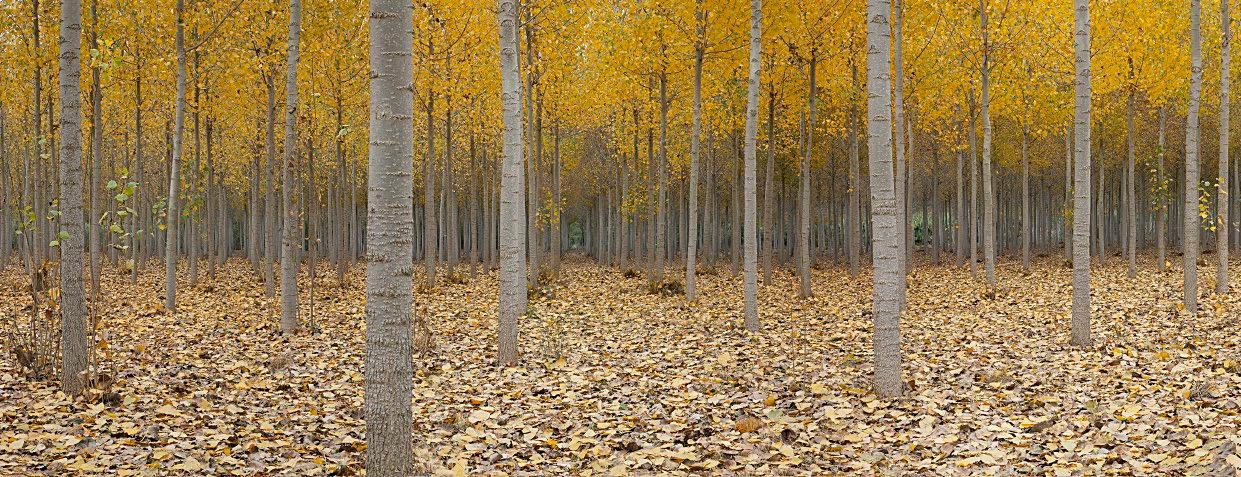
A panorama of poplars. These plantations are so regular that they cry out to be presented panoramically. Photographically the trick here is to make sure that no detail of sky appears through the canopy of yellow leaves at the top of the image.
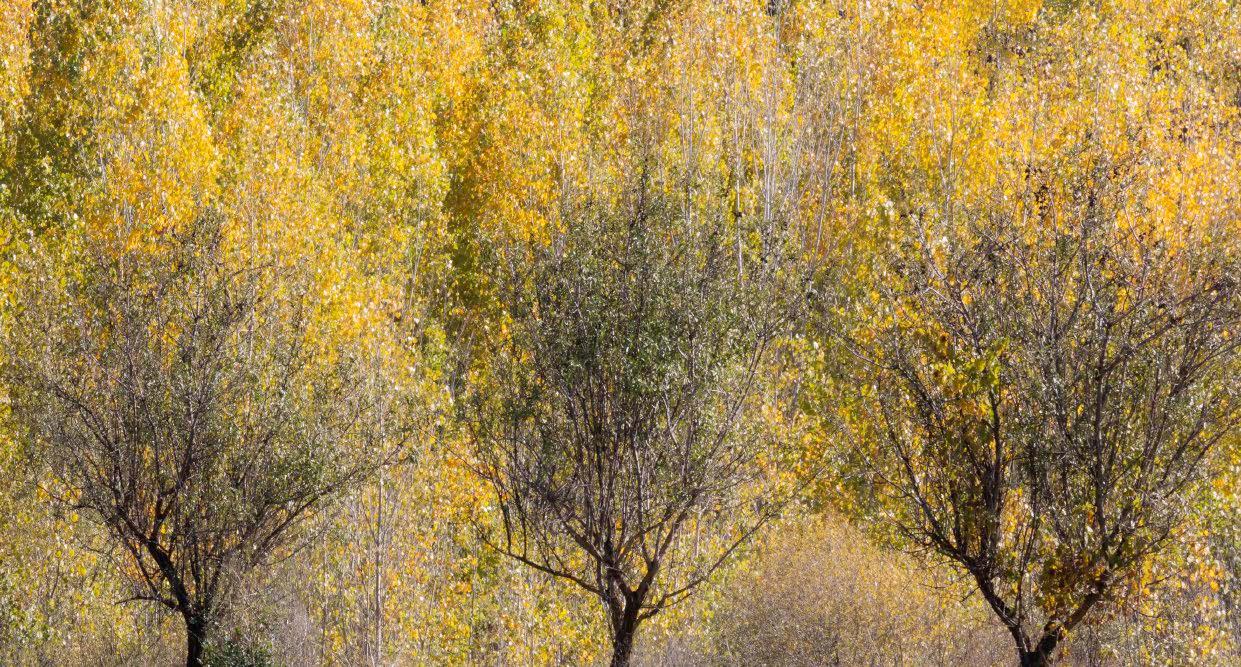
Three saplings set against a row of poplars. Sometimes it really is hard to see the wood for the trees, but what caught my eye was the trio of saplings in the foreground, which offered a contrast with the row of poplars in the distance. Collectively they create an interesting rhythmic design.
A serried row of poplars in winter. Even when completely defoliated, these poplar plantations can appear wonderfully graphic.
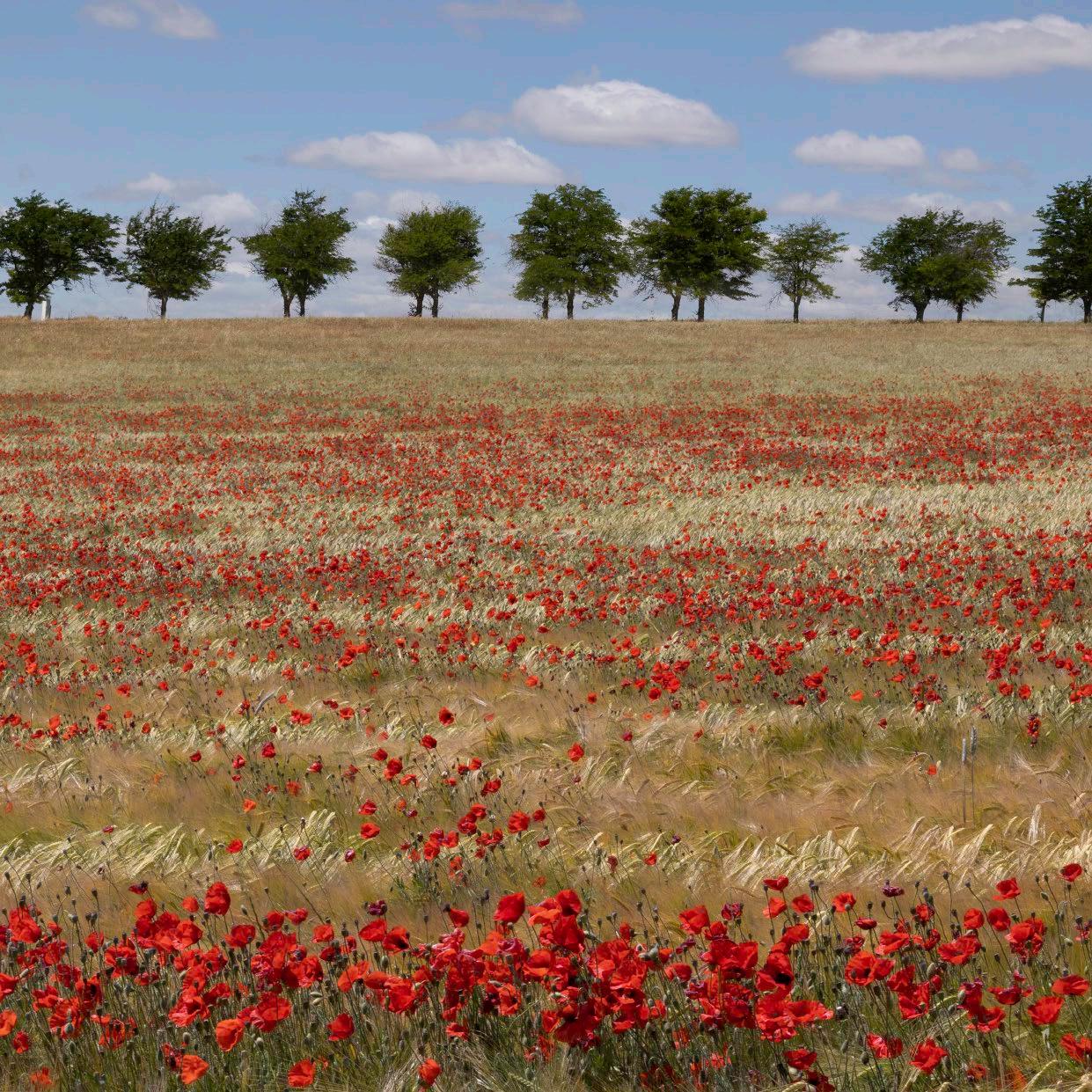
Wheatfield with interspersed poppies. One senses that this field had been left fallow the previous year and had possibly been covered in poppies, but as the dormant seeds germinate, one is presented with this lovely interplay between cultivated wheat and a peppering of wild poppies.
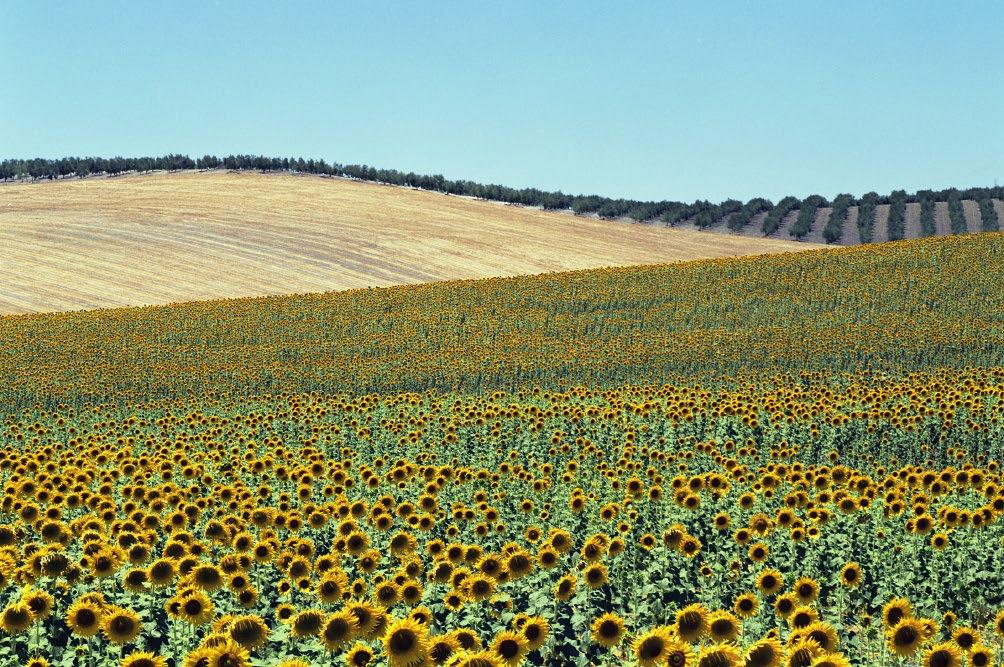
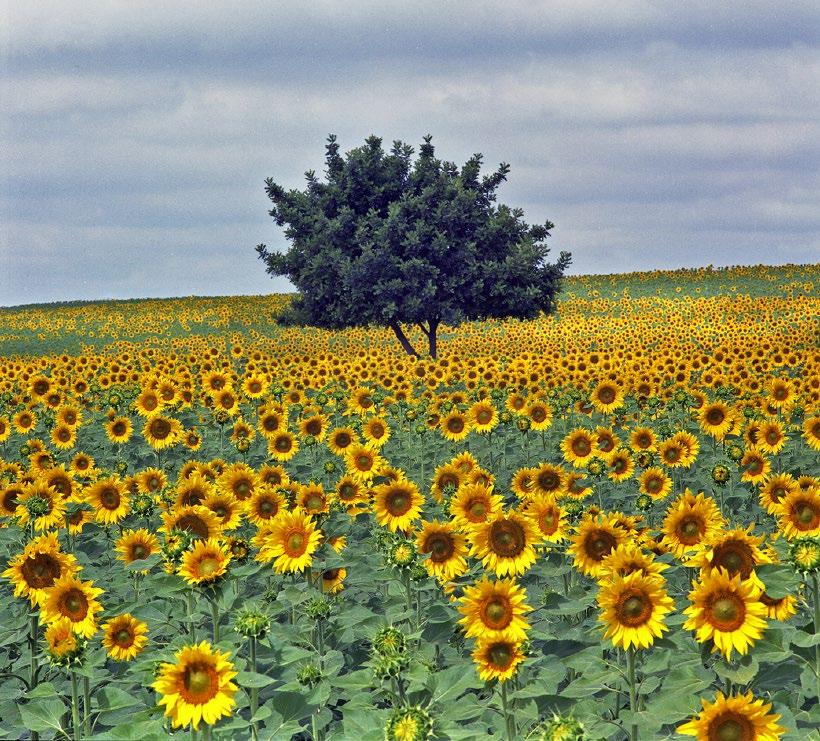
Field of sunflowers and a single tree In June you are likely to encounter fields of sunflower throughout Andalusia, but they tend to be far more prevalent in the provinces of Seville and Cadiz.
https://rps.org/groups/visual-art/