
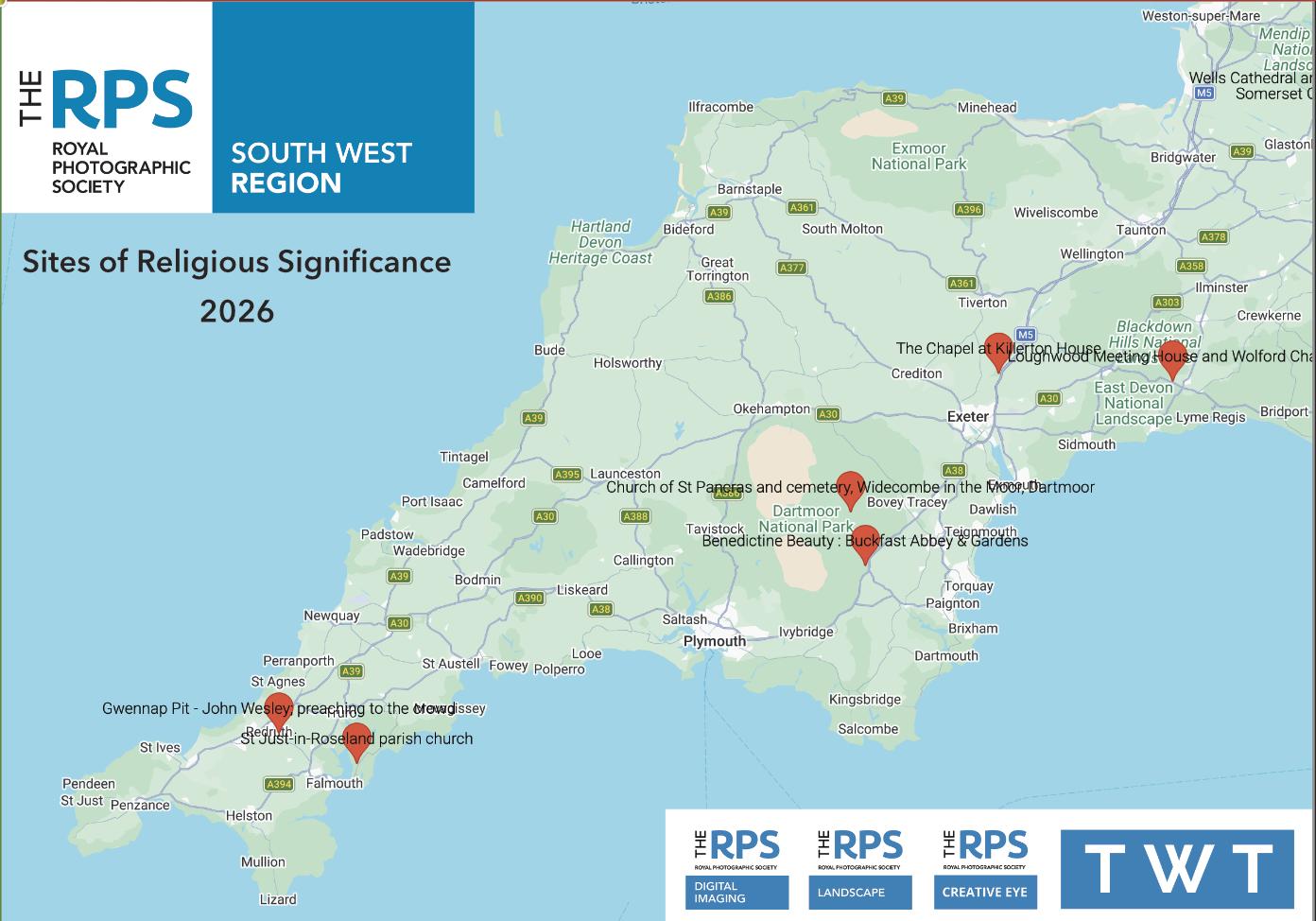
Gwennap Pit - walk leader Michael Harris
St Just in Roseland parish church - walk leader Steve Fairman
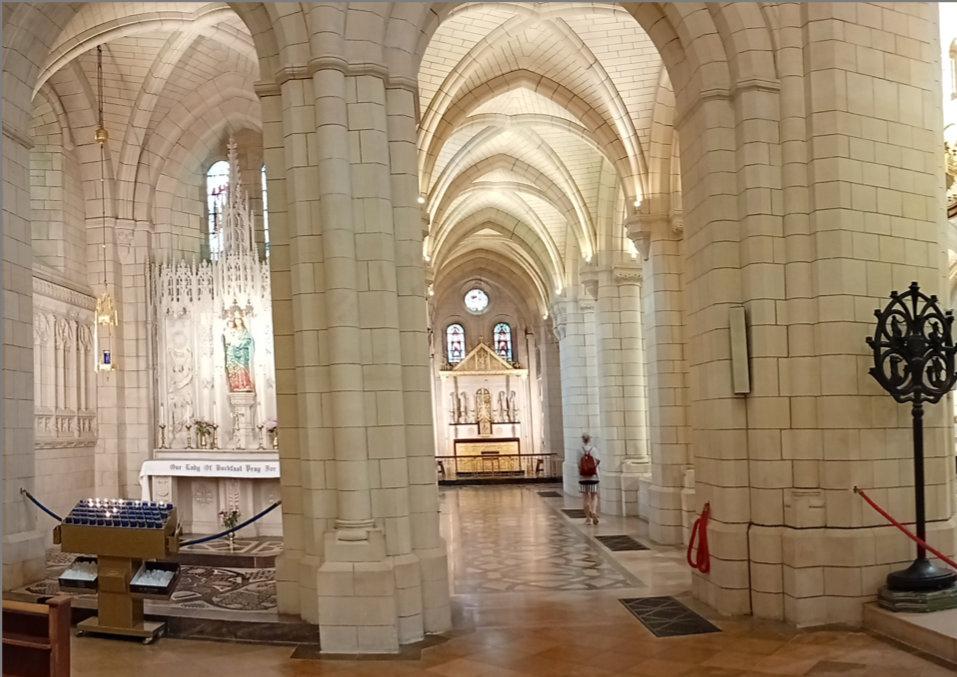
Buckfast Abbey - walk leader Anne Whiteley
Church of St Pancras - walk leader Janet Haines
The Chapel at Killerton House - walk leader Nigel Dutt
Loughwood Meeting House & Wolford Chapel - walk leader Lois Wakeman
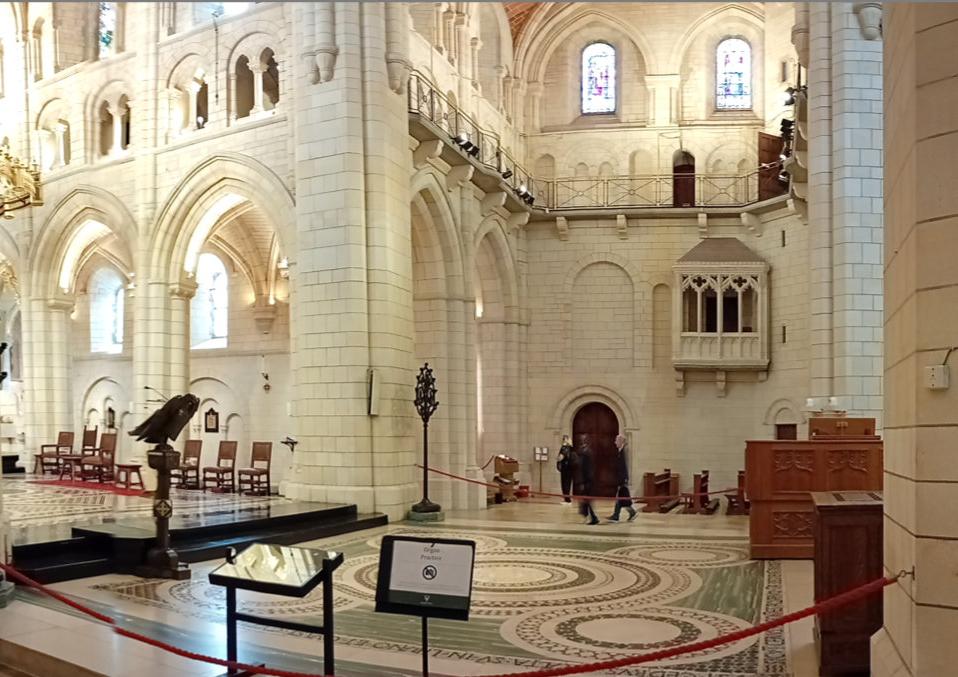
Image with an * indicate they were selected to represent the WALK and will go forward to the national TWT Zine
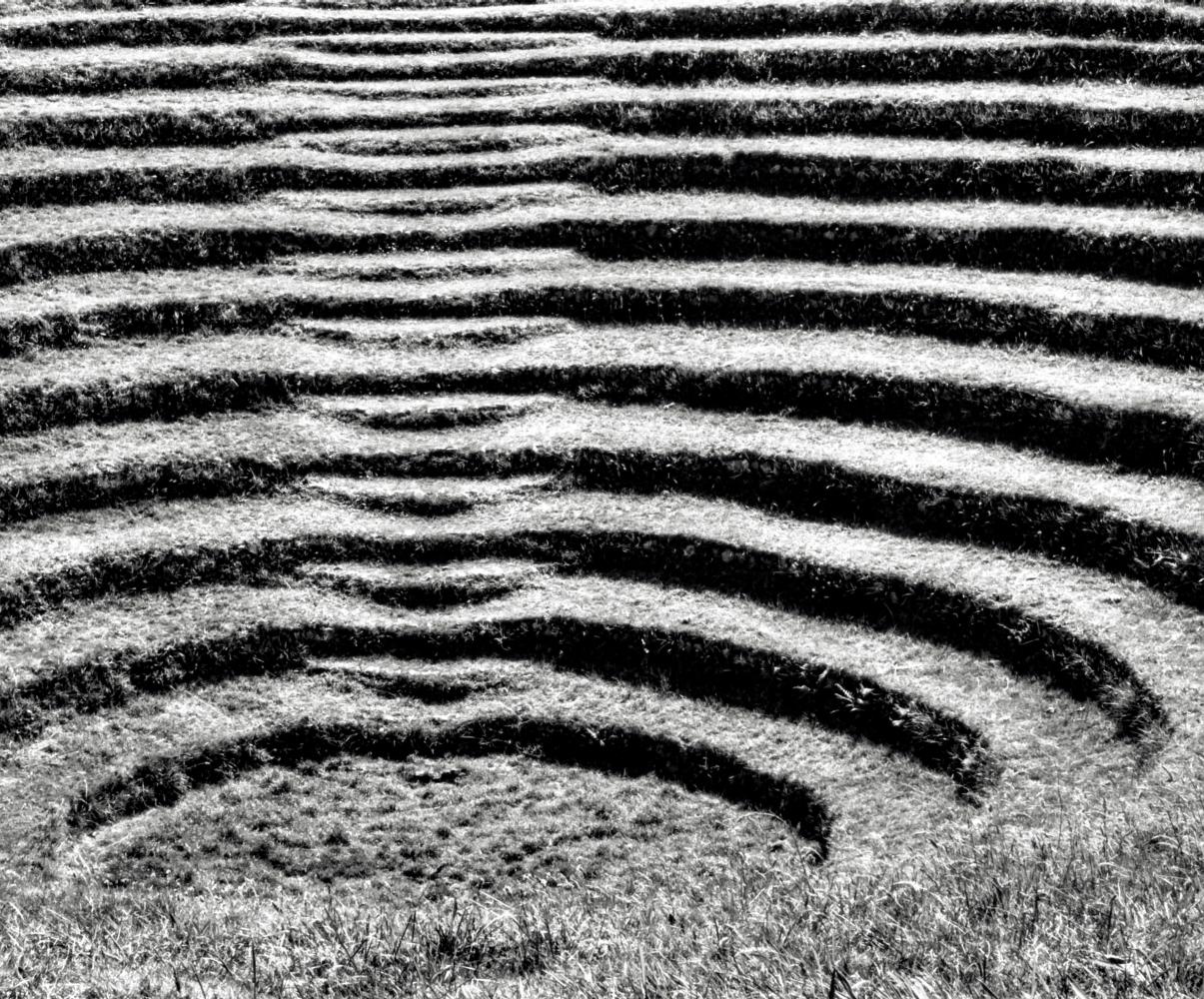
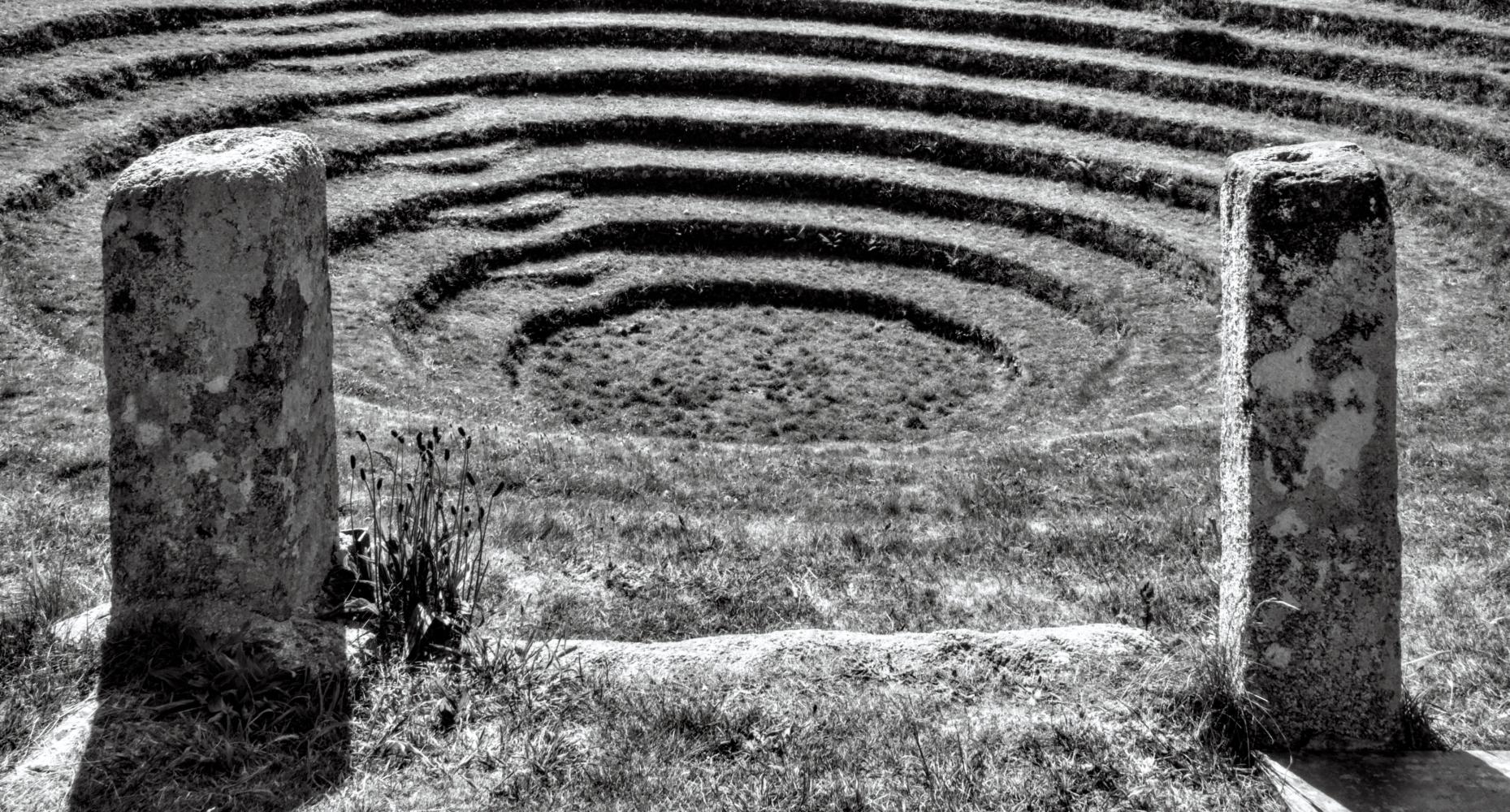
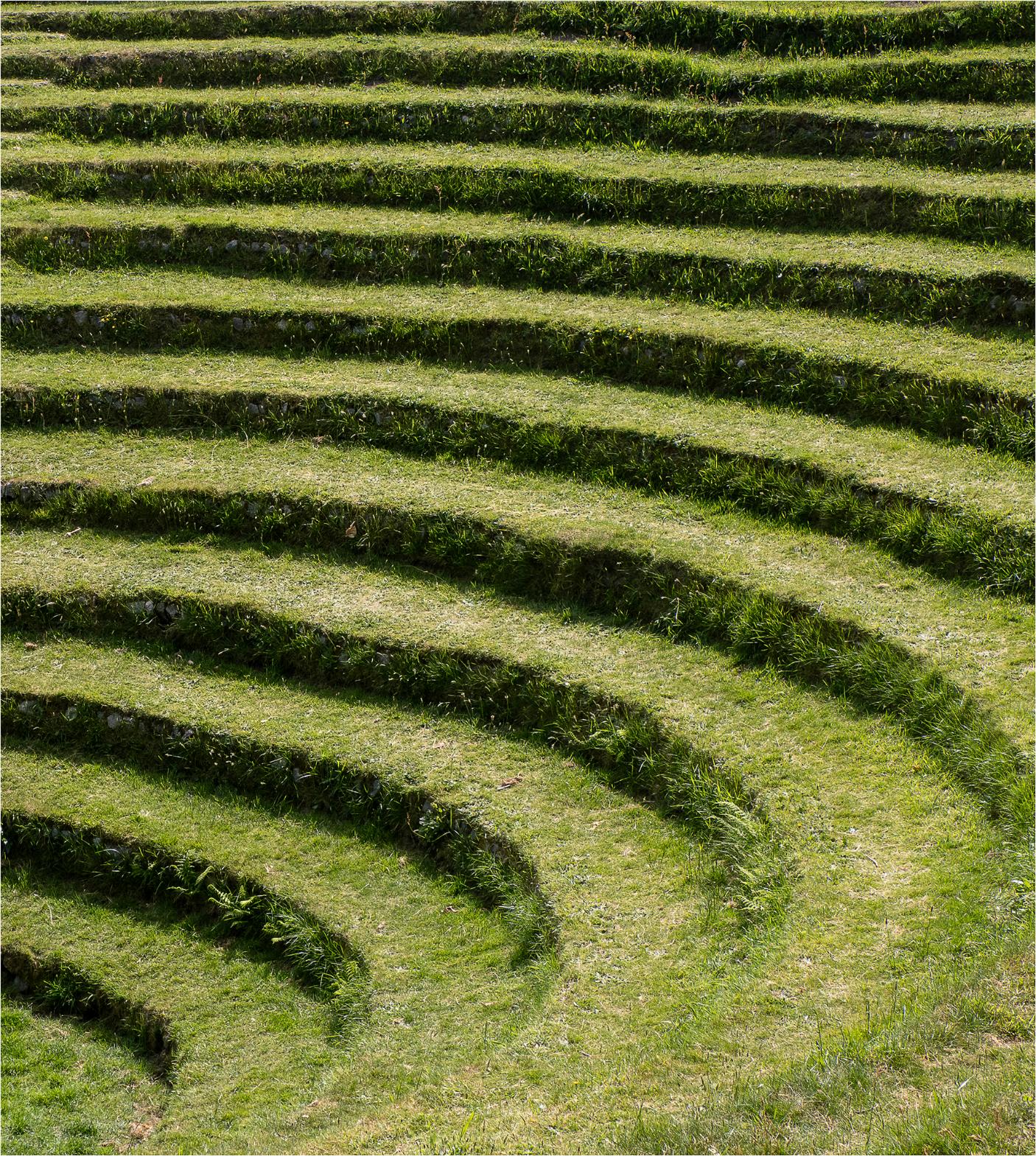
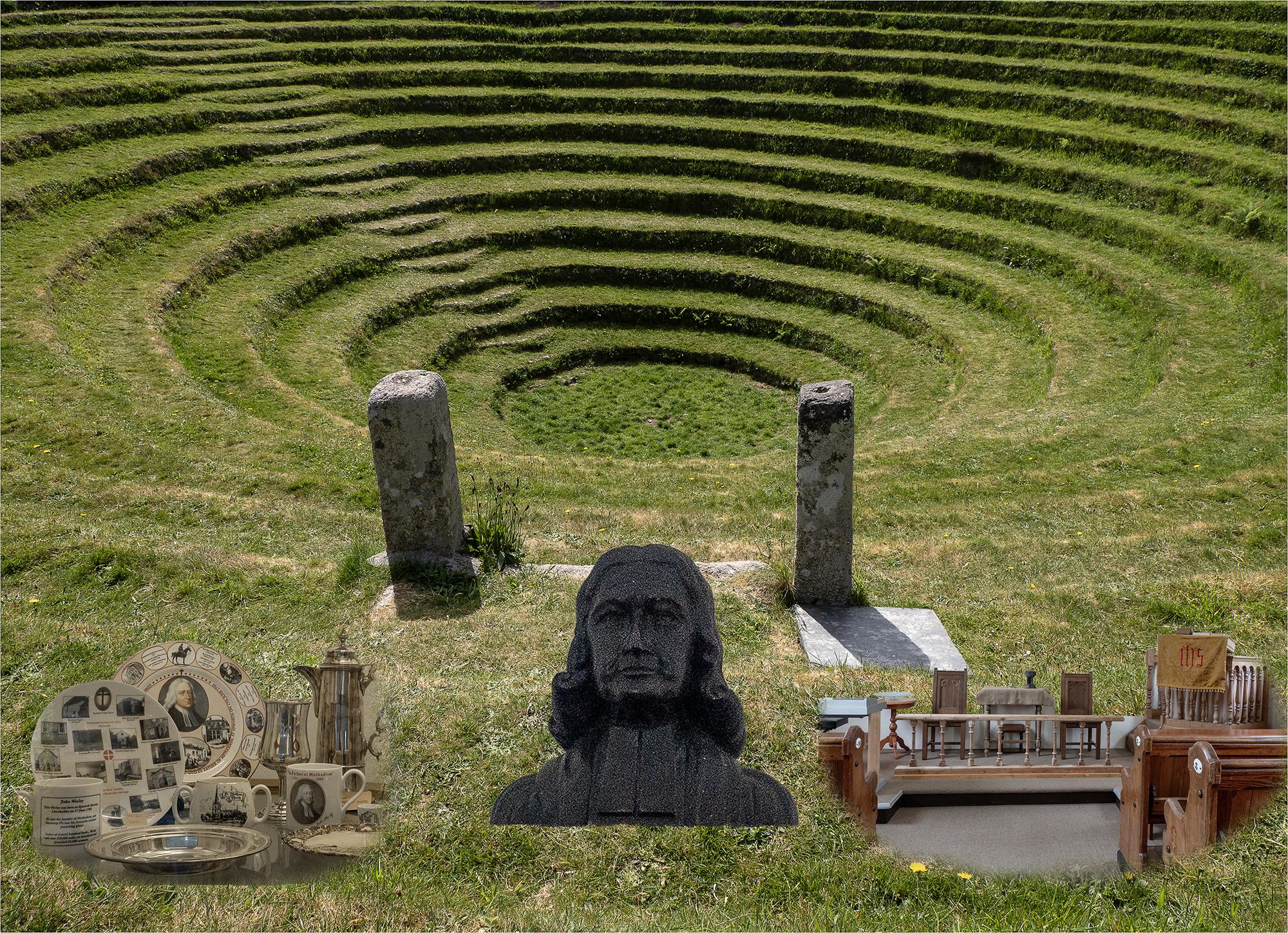
This is a natural, circular depression in the ground, possibly created by surrounding mining activities on the Great Flat Lode, near Redruth, Cornwall, where John Wesley preached to thousands of people on 18 occasions from 1762 to 1789.
This was remodelled in memory of Wesley into today's terraced 'amphitheatre' in 1806. In September 1762, John Wesley said, 'The wind was so high at five that I could not stand in the usual place at Gwennap. But at a small distance was a hollow capable of containing many thousand people. I stood on one side of this amphitheatre toward the top, with the people beneath and on all sides, and enlarged on those words in the Gospel for the day (Luke X.23, 24).
This very unusual site is surrounded by remains of Cornwall's tin mining past and the chapel, which is a listed building, and visitor centre interpretation are not to be missed.
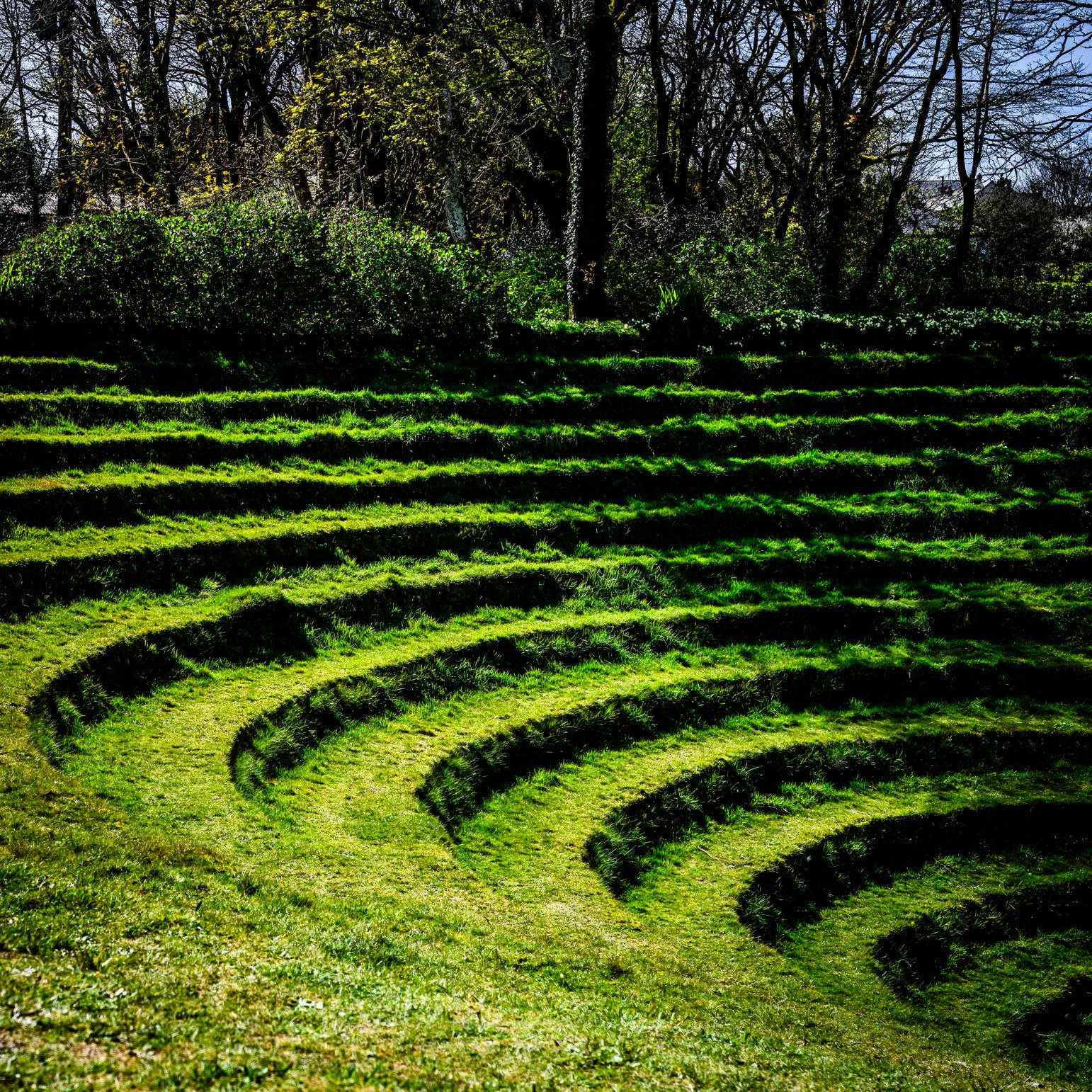
Imagine past congregations
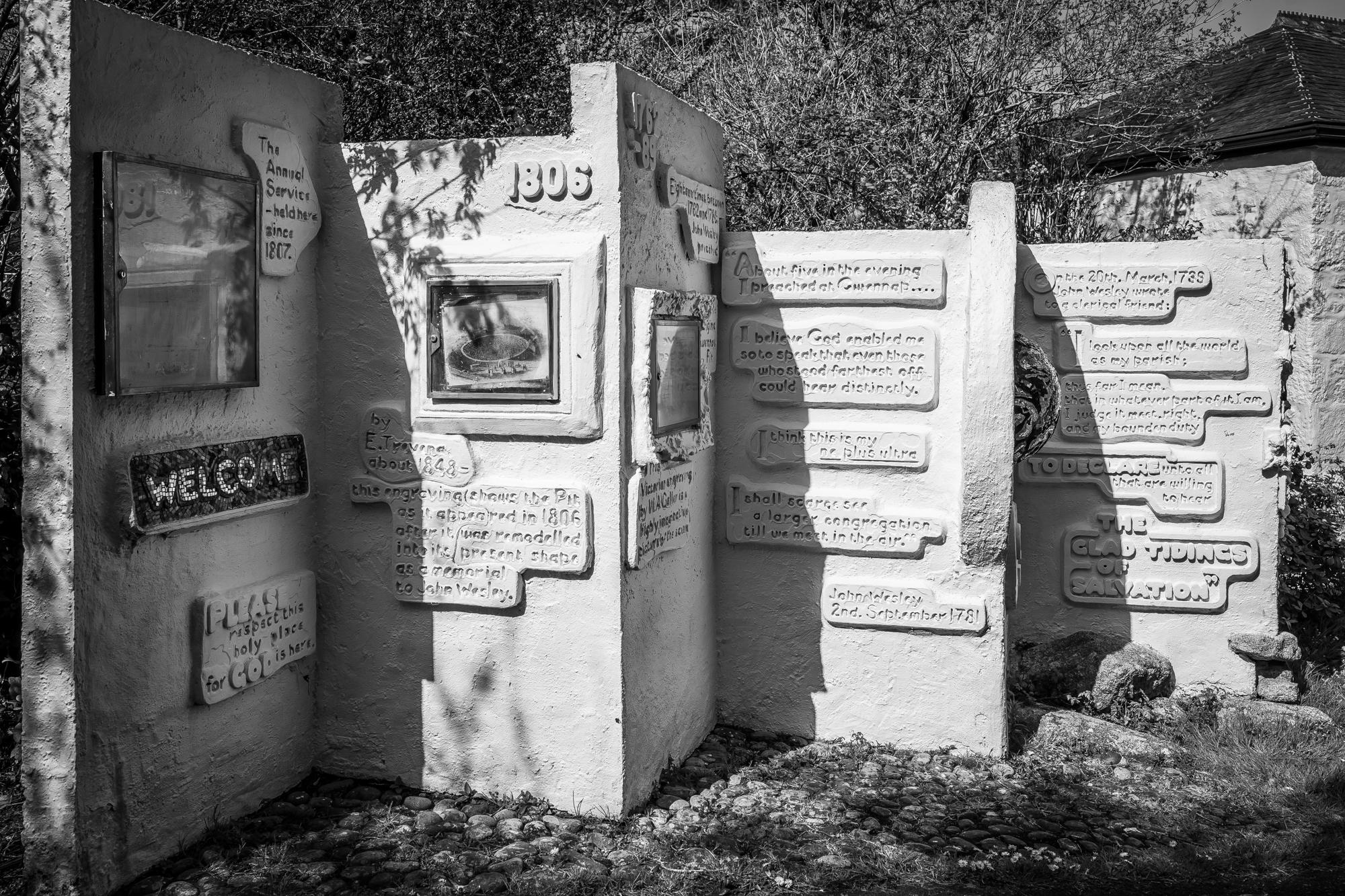
For everyone
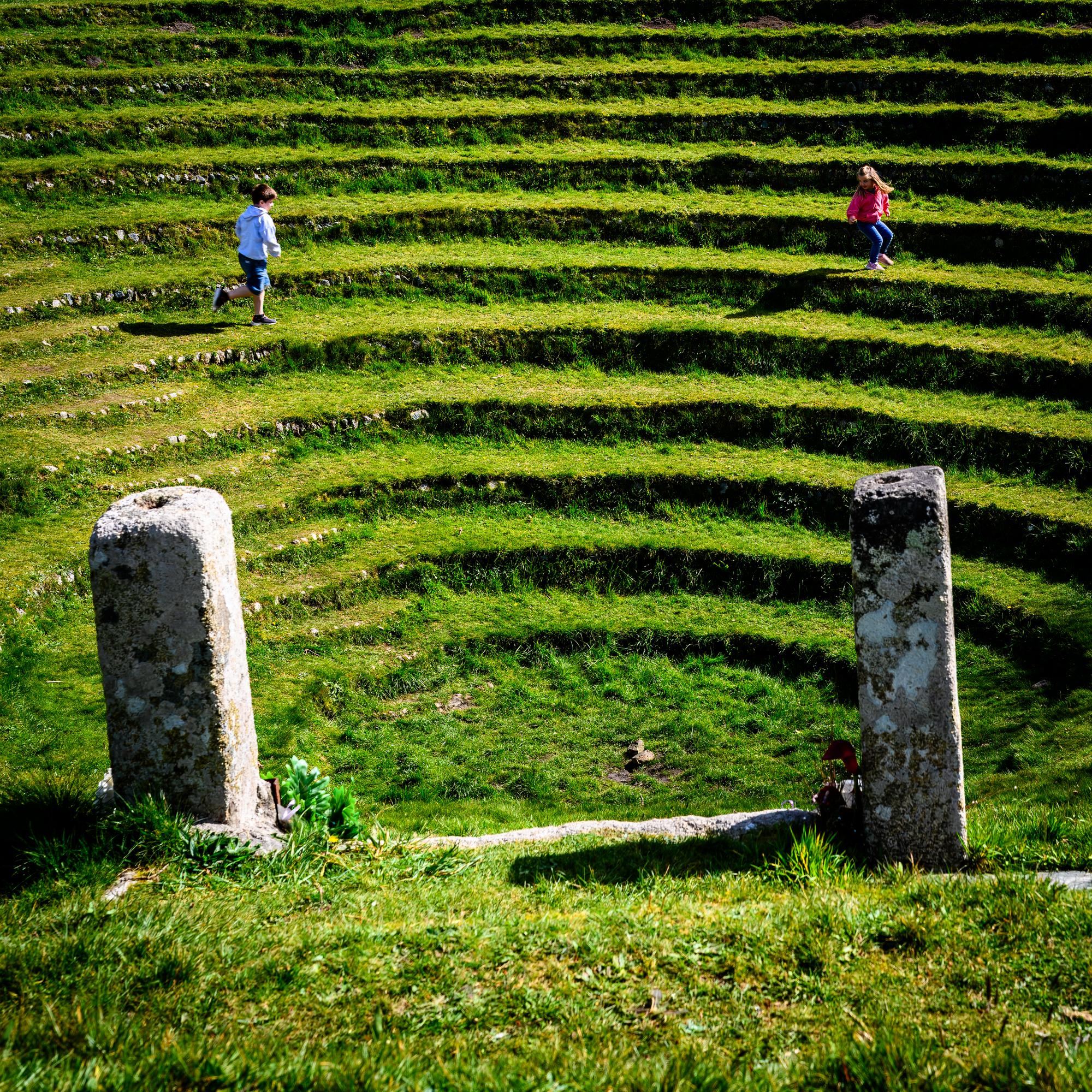

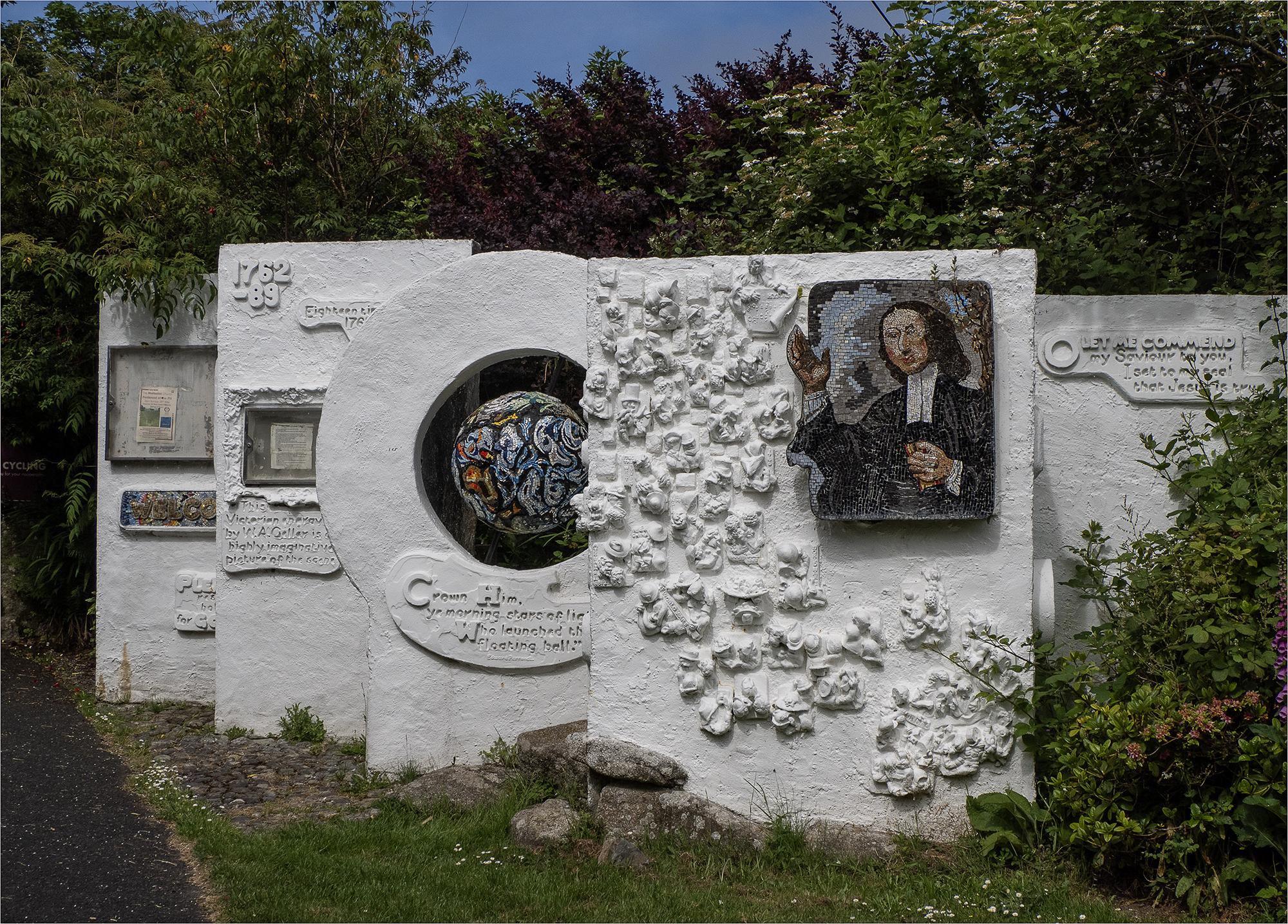
The Entrance
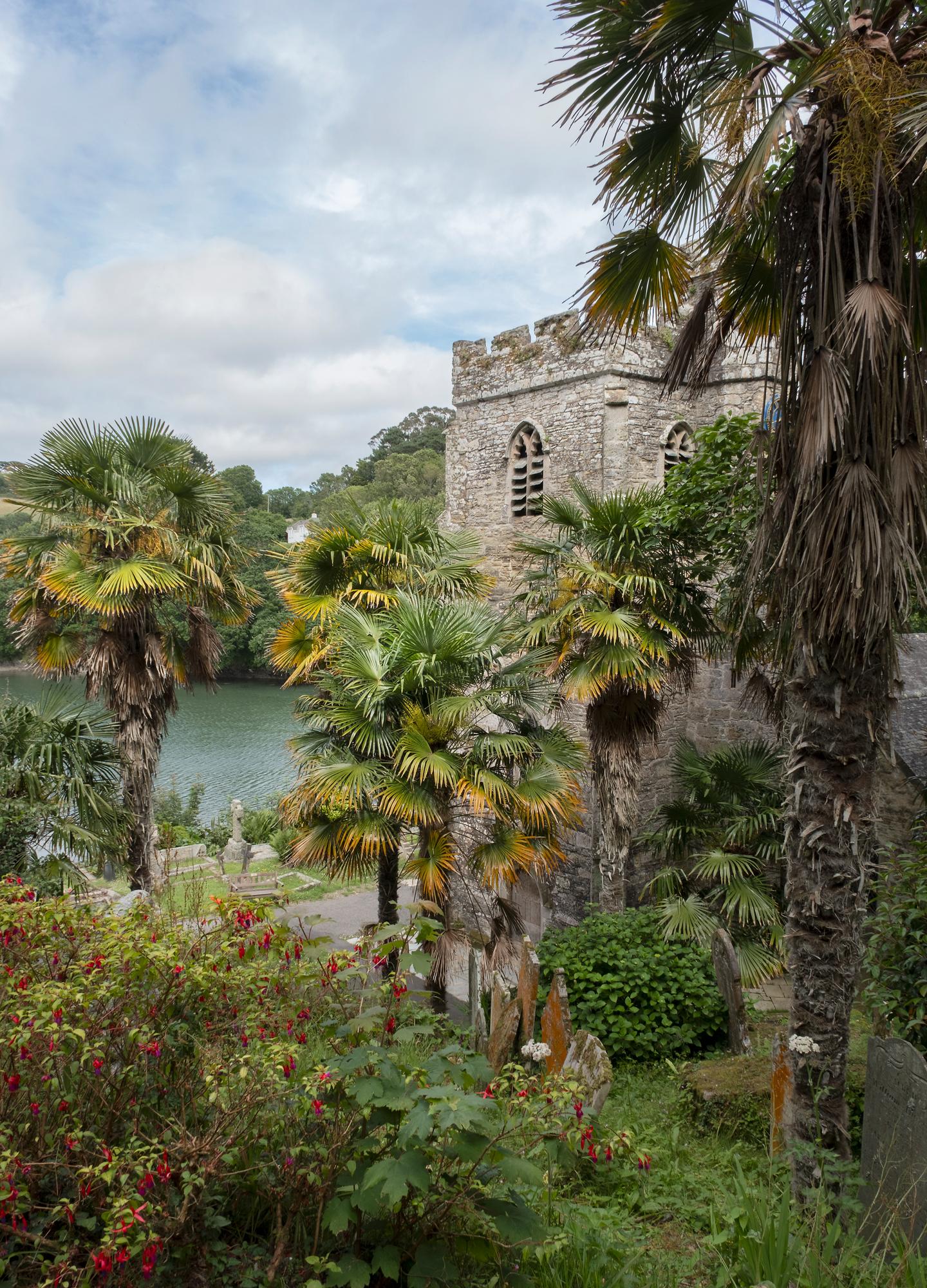
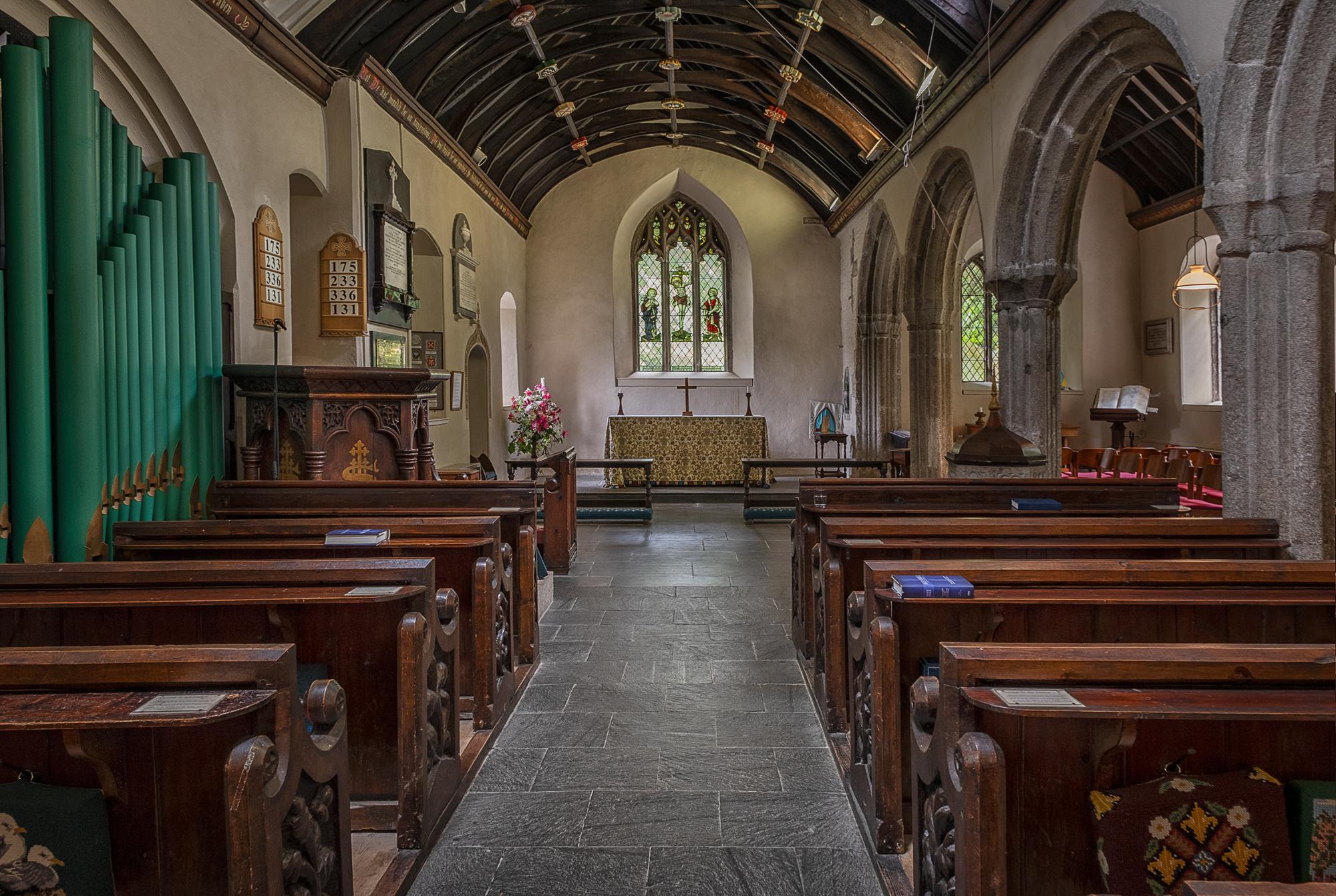
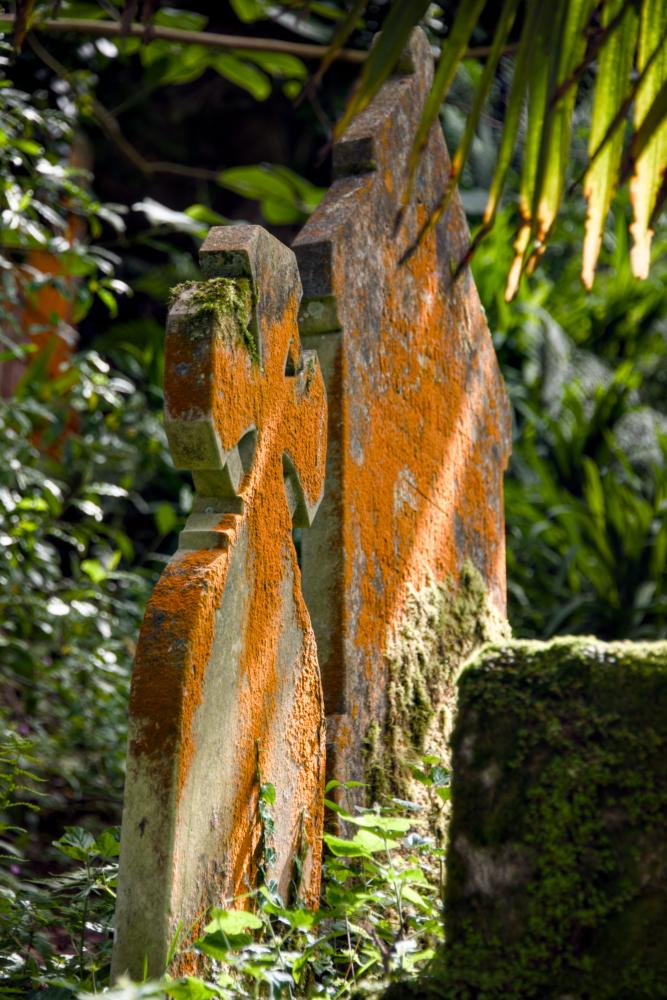
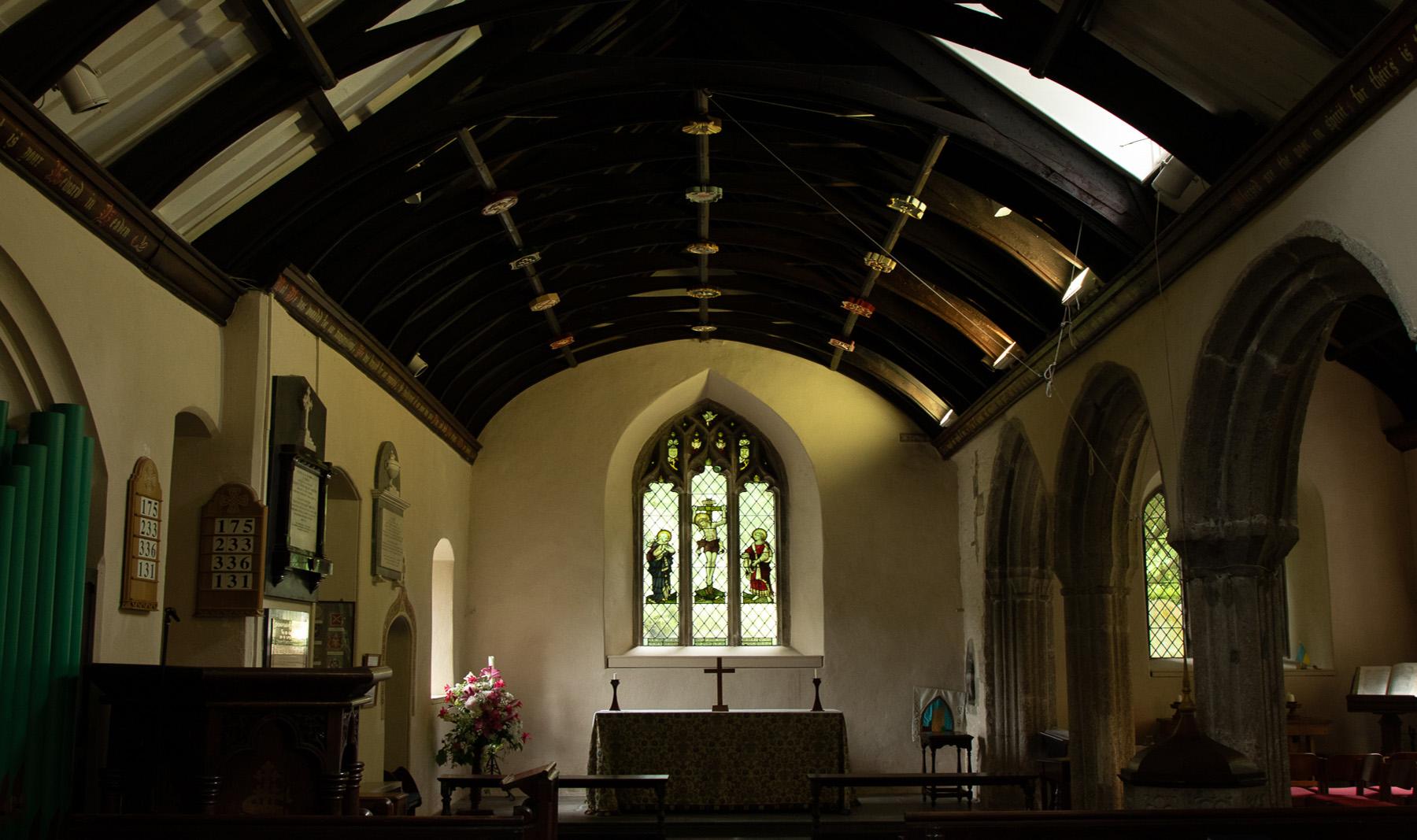
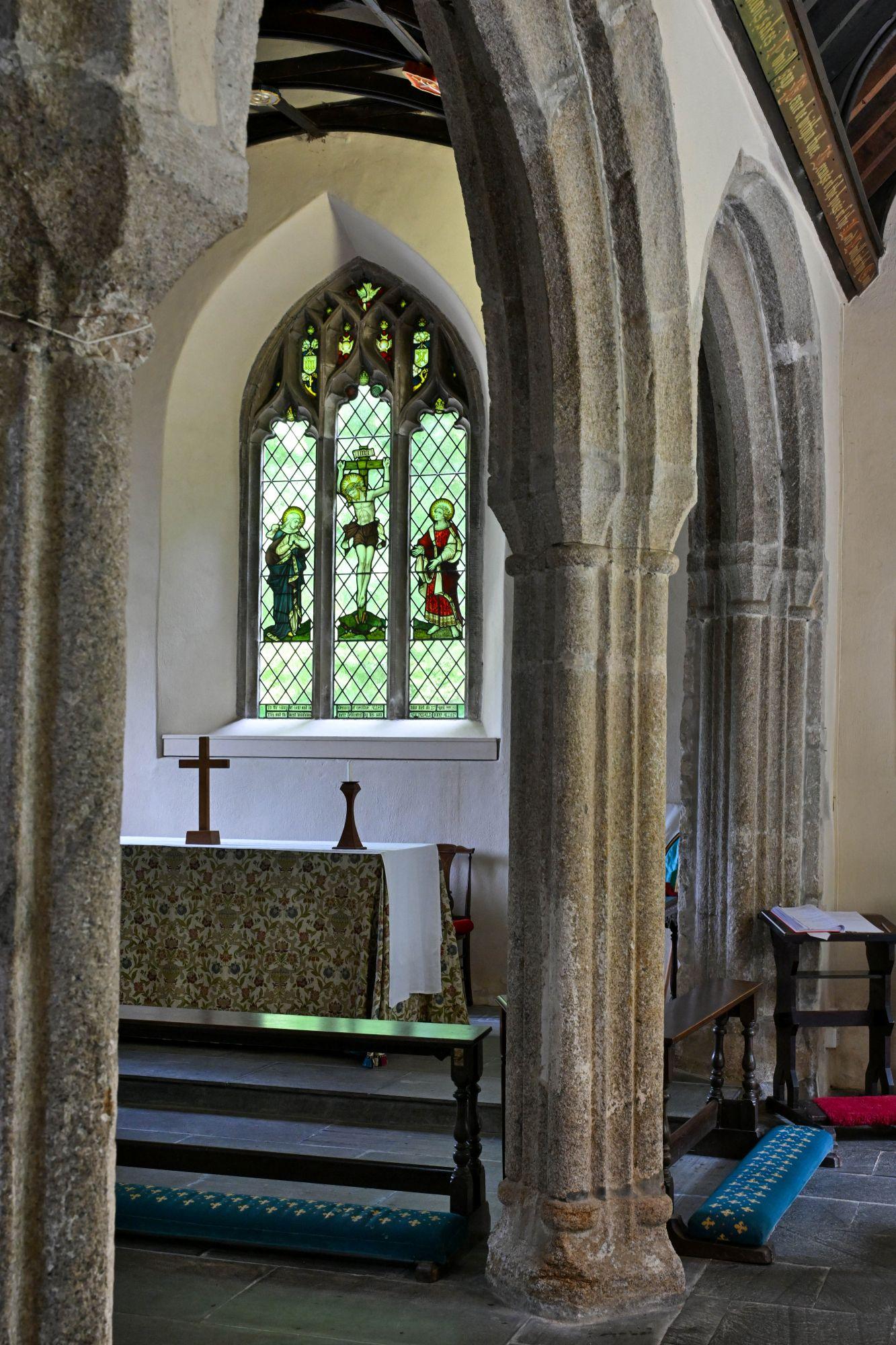
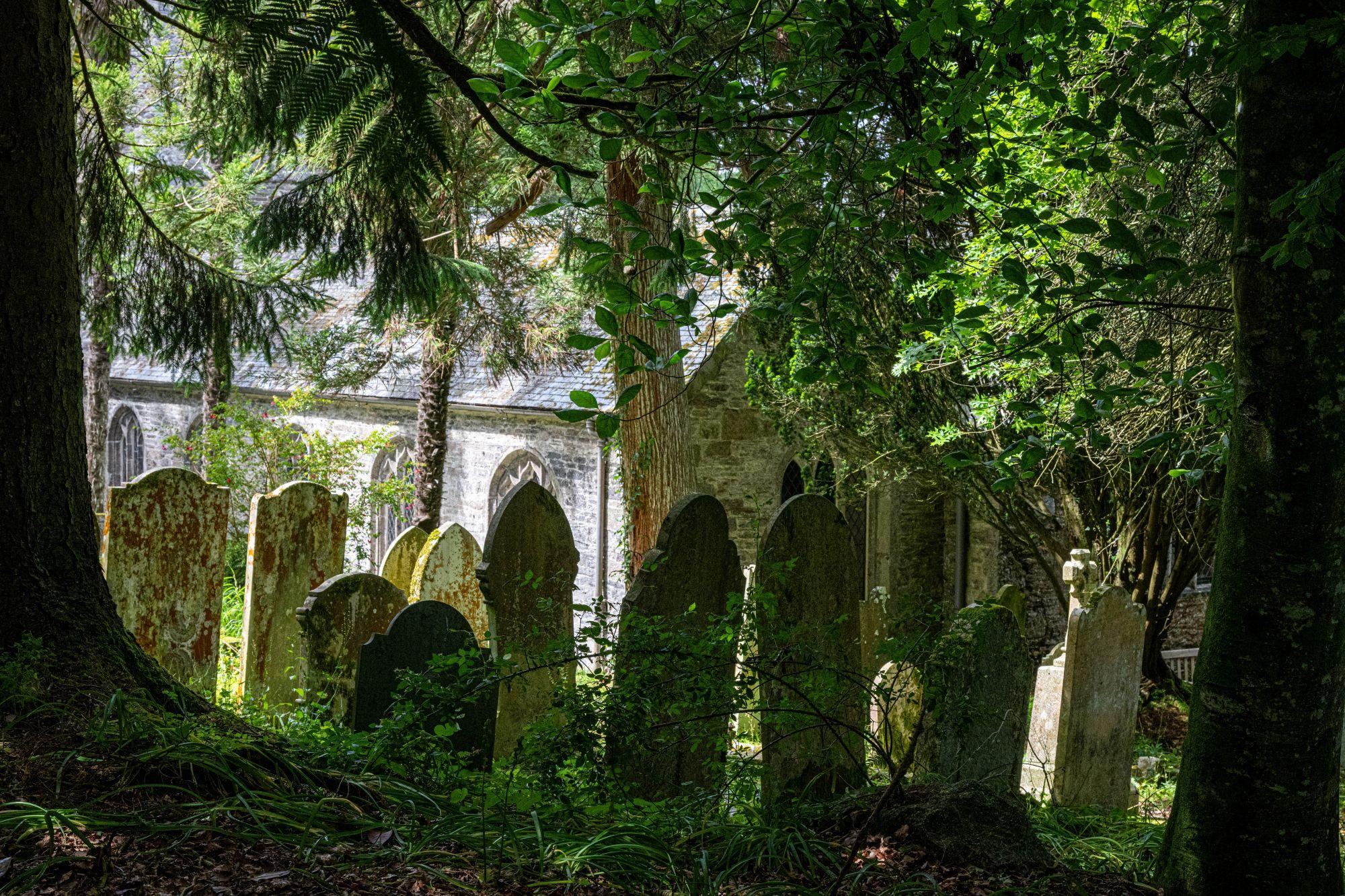
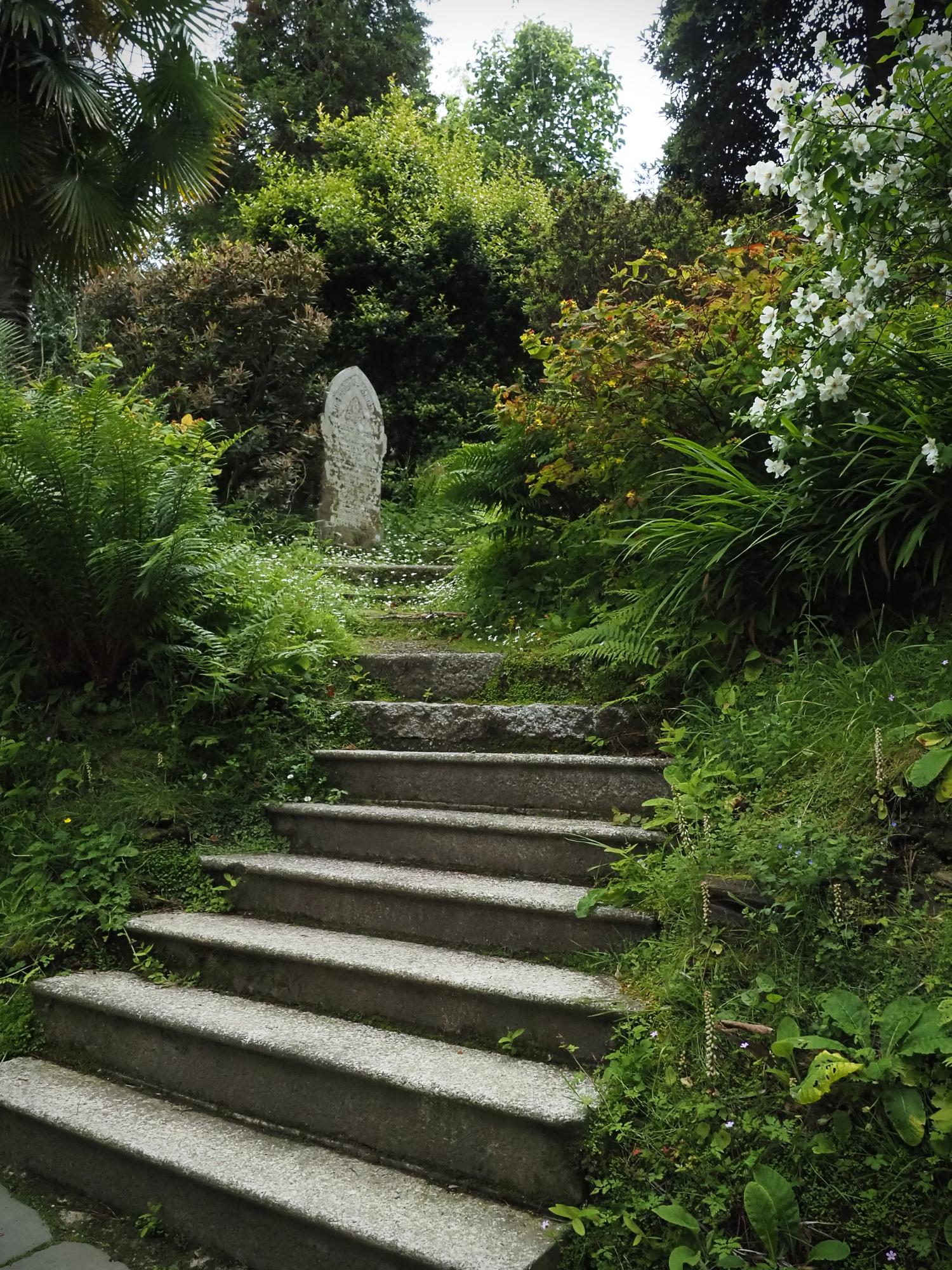
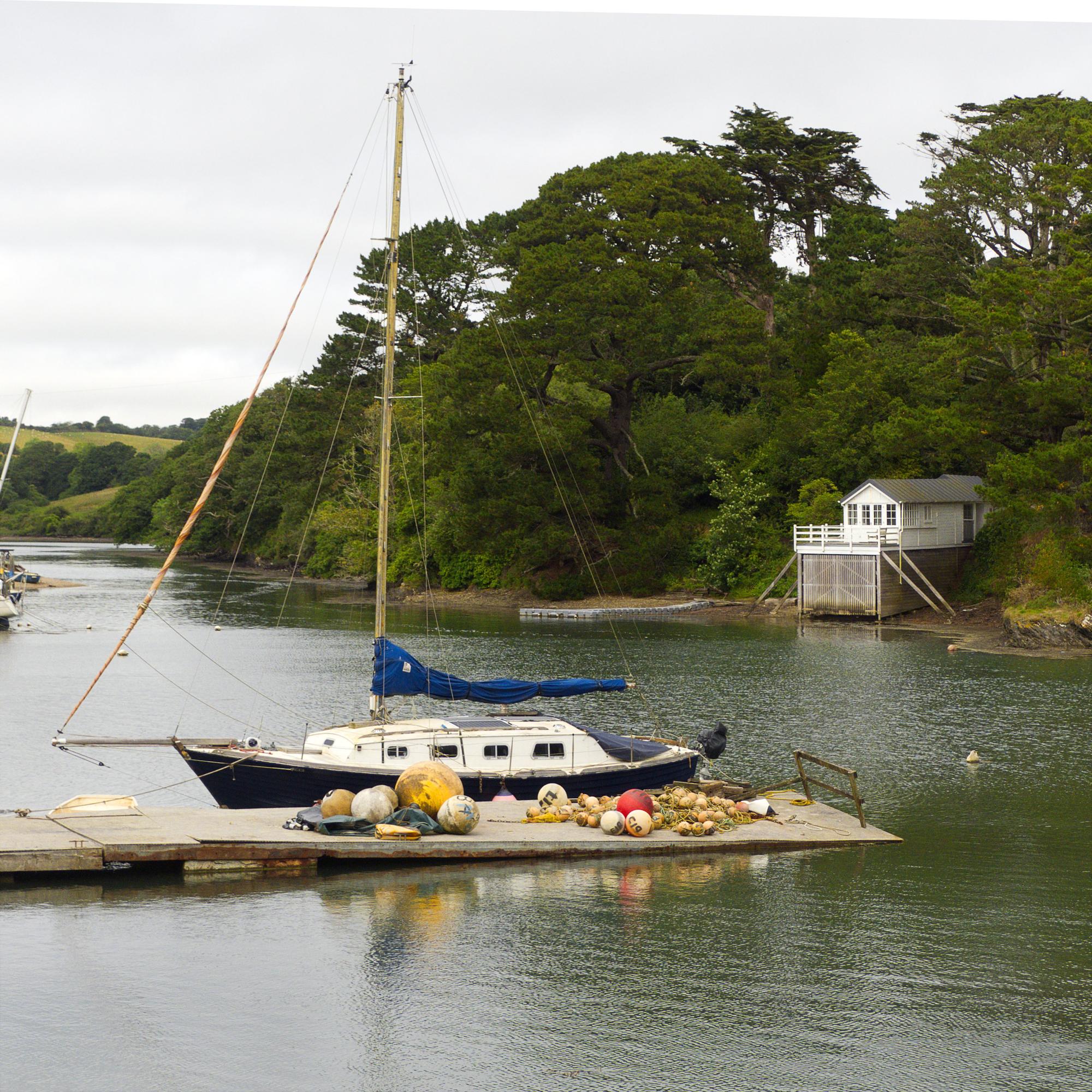
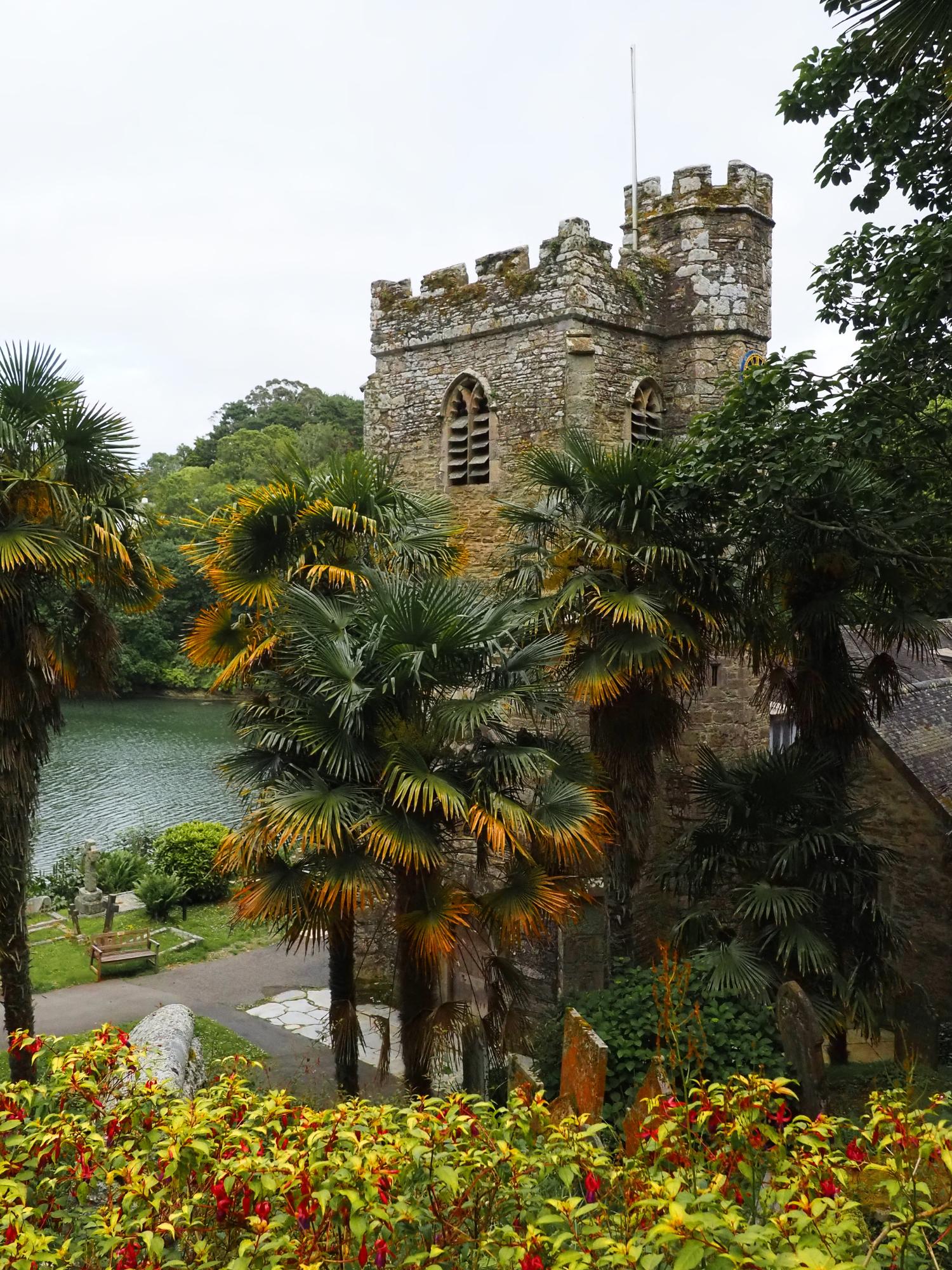
The parish church at St Just in Roseland was described by poet laureate (at the time) John Betjeman as having ‘to many people the most beautiful churchyard on earth’. This walk was an opportunity for SW Region photographers to see if they agreed(!). Whether they did or not, it was definitely an opportunity to capture some great images in what is an indisputably beautiful and unspoiled Cornish creekside spot. The visit was timed to coincide to with a relatively high tide, which sets off the site of the church in the very best light.
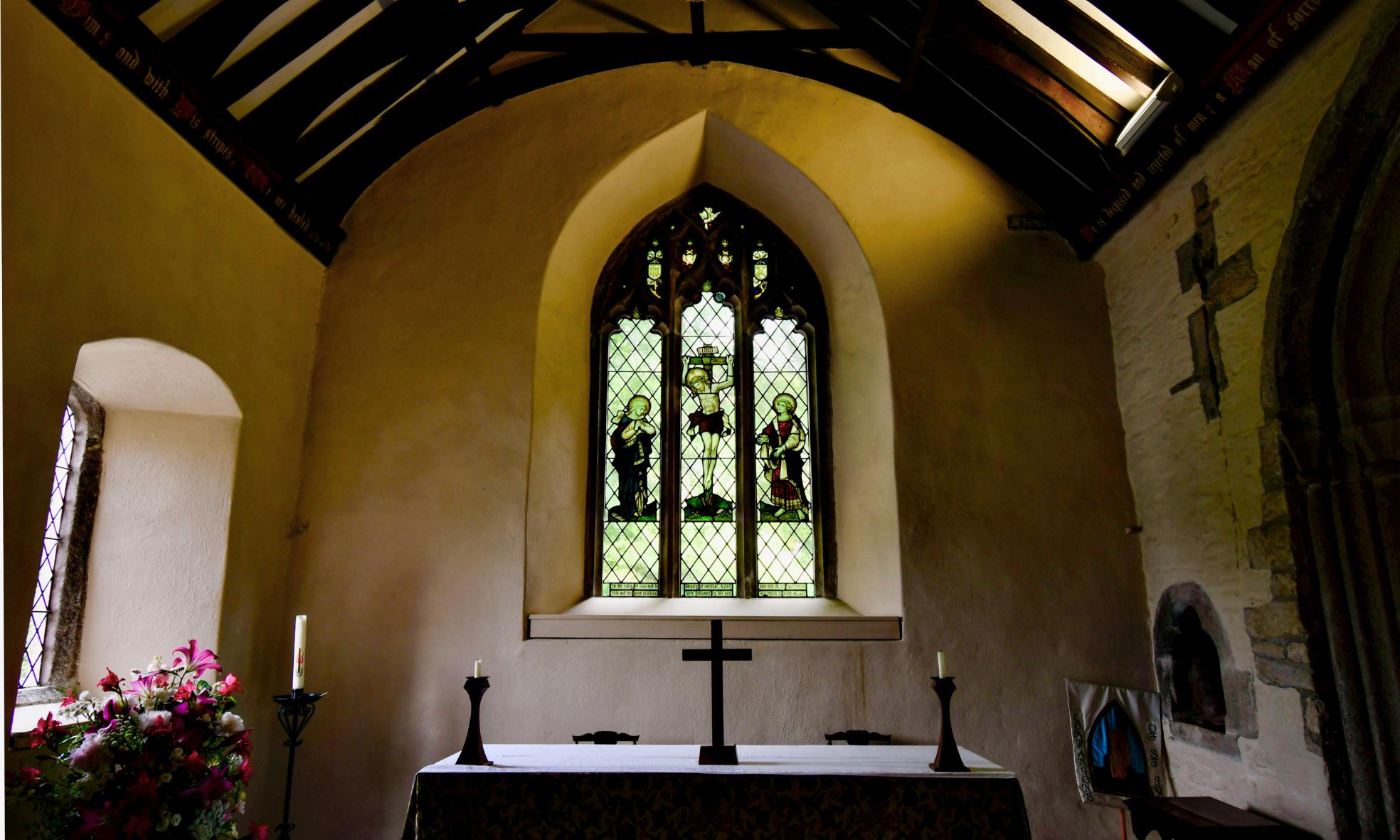
The present church was dedicated to St Just on 14th August 1261, by Walter, Bishop of Exeter, and the Chancel, with its double piscina, is of this date. The parish registers date from 1538. The church is on the site of a 6th century Celtic chapel. It is one of Cornwall’s most visited churches (largely due to John Betjeman, I suspect!).
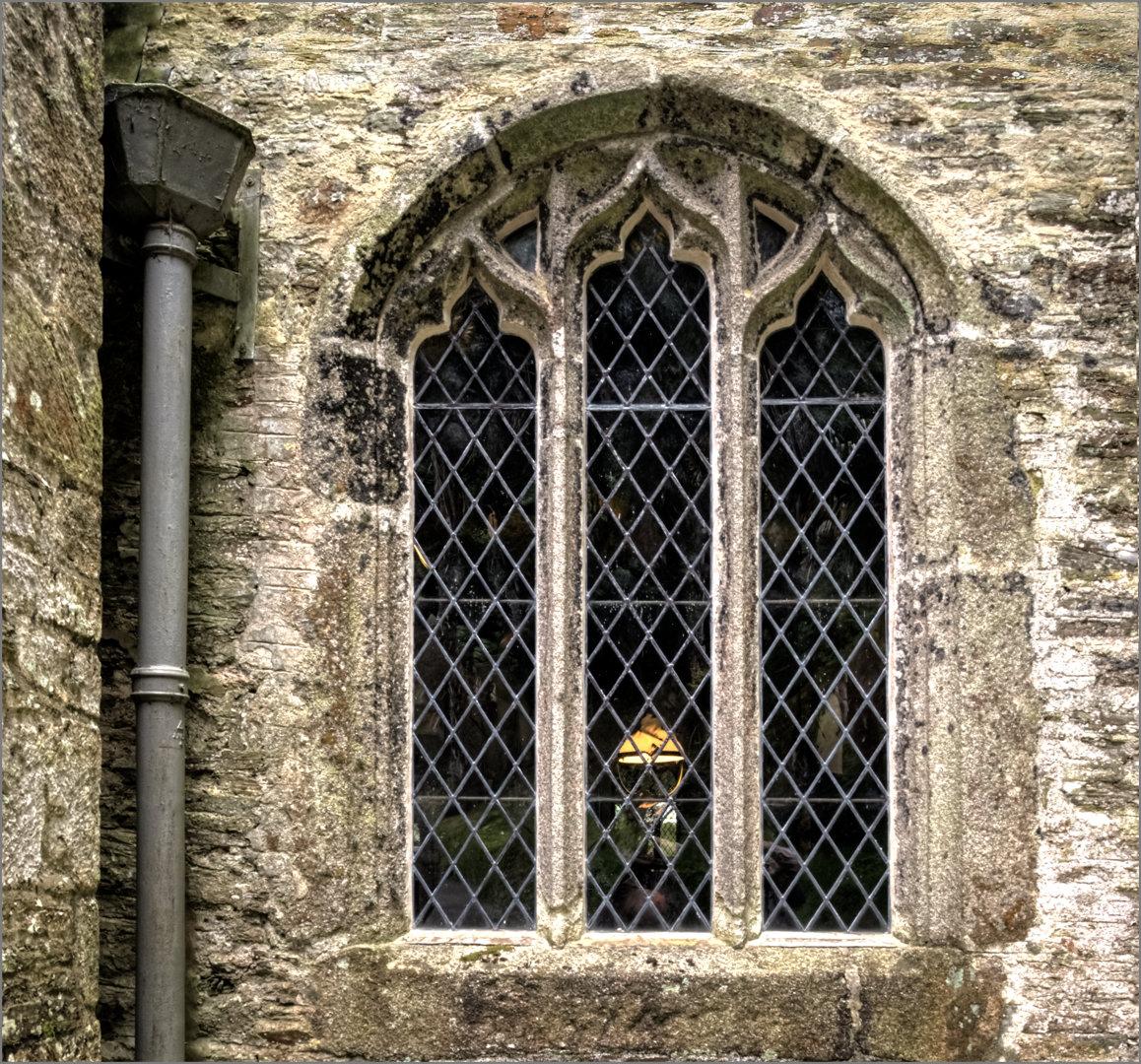
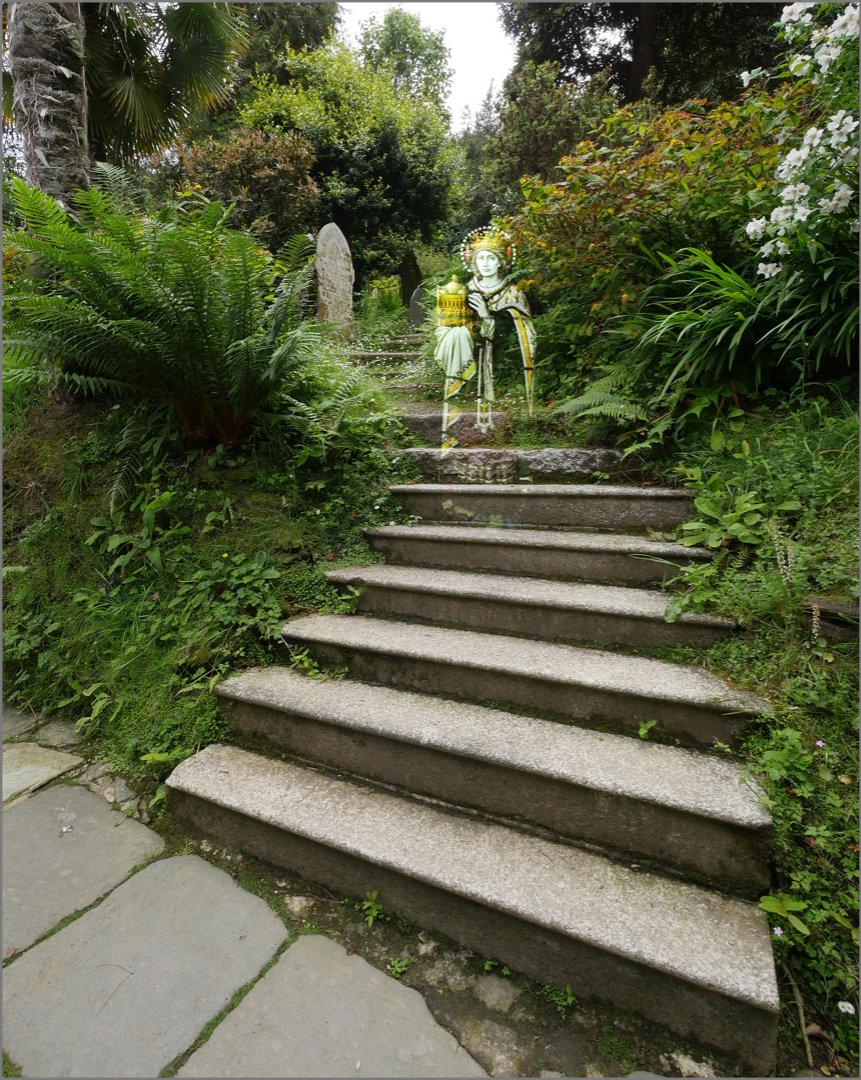
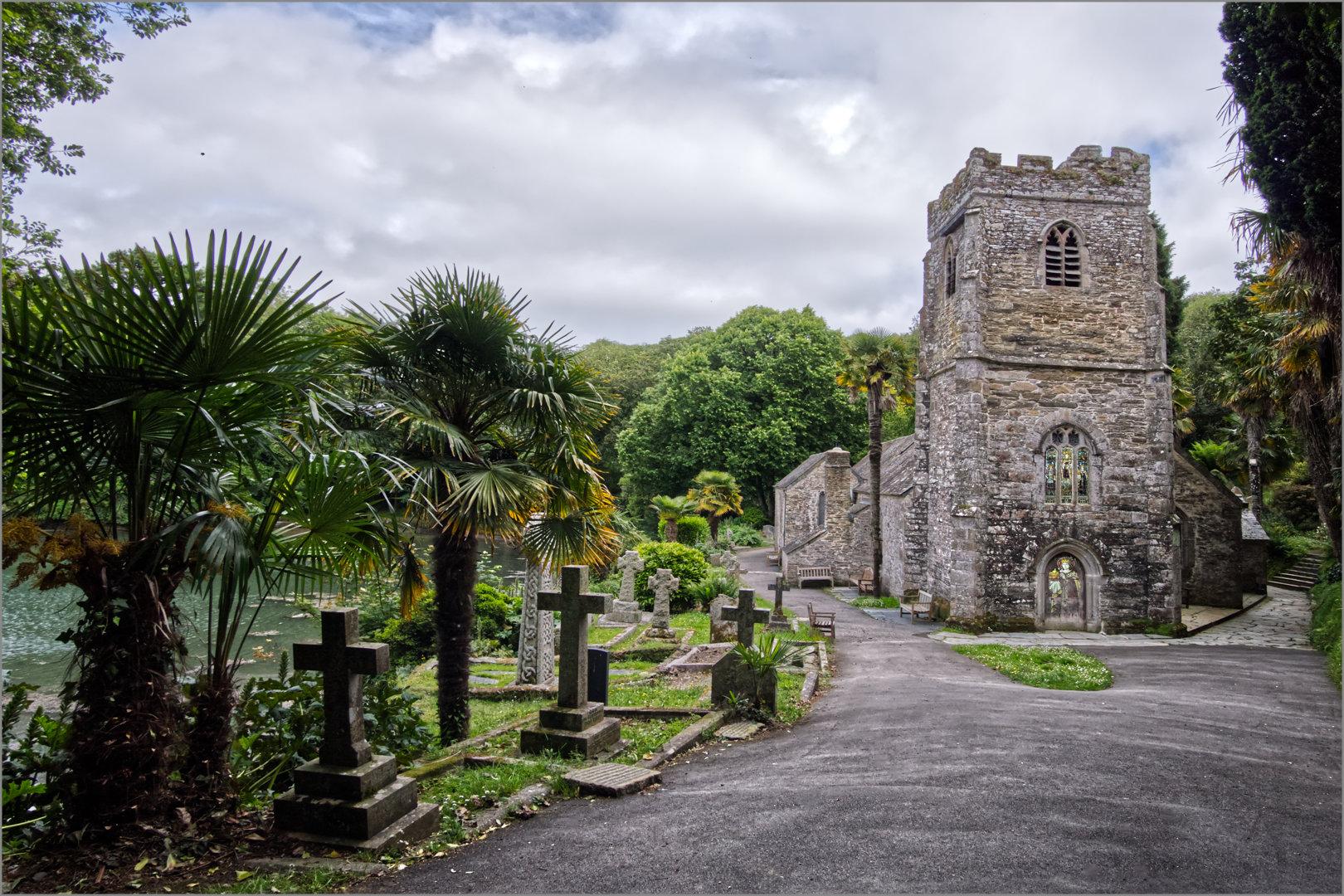
St Just-in-Roseland Church with figures
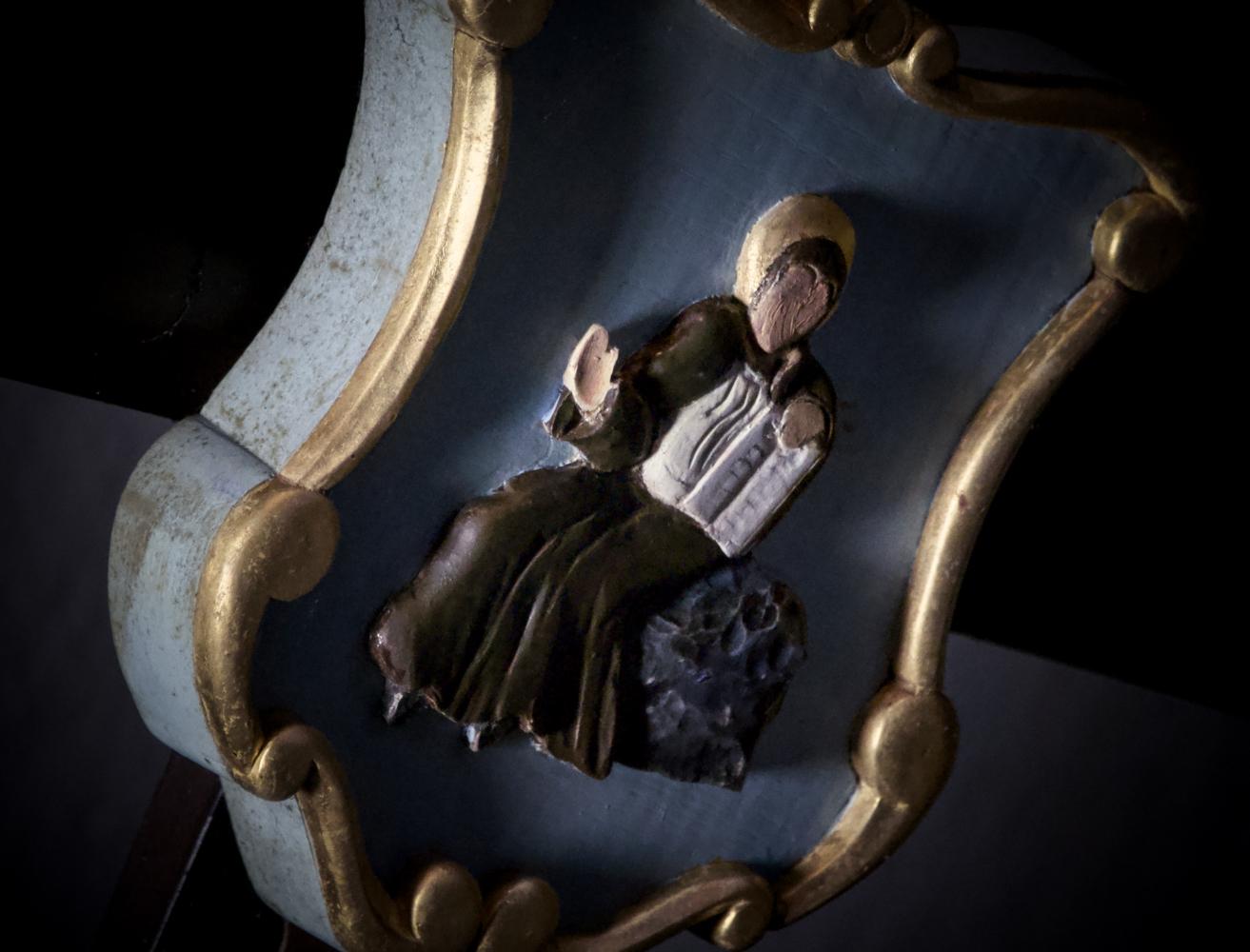
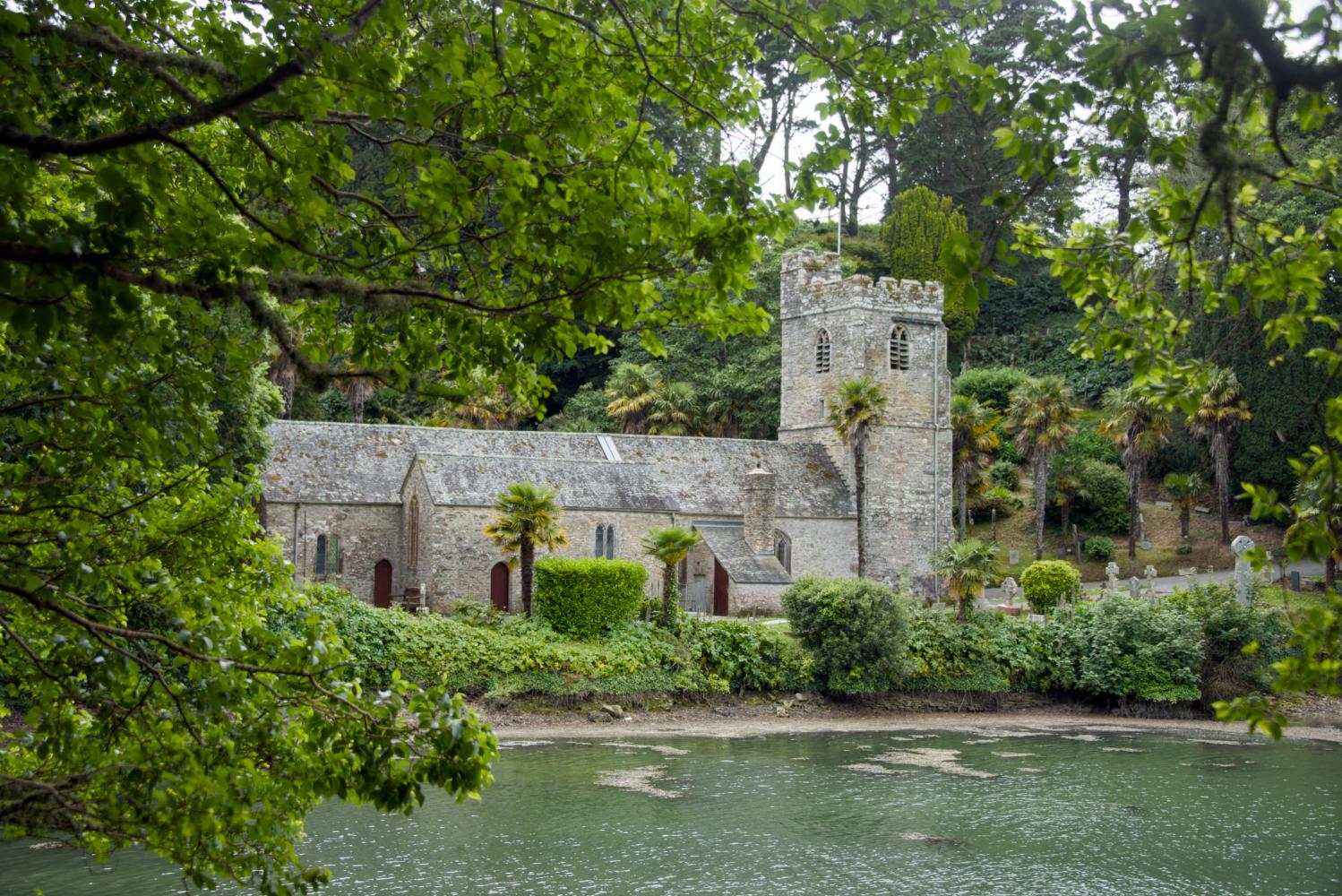
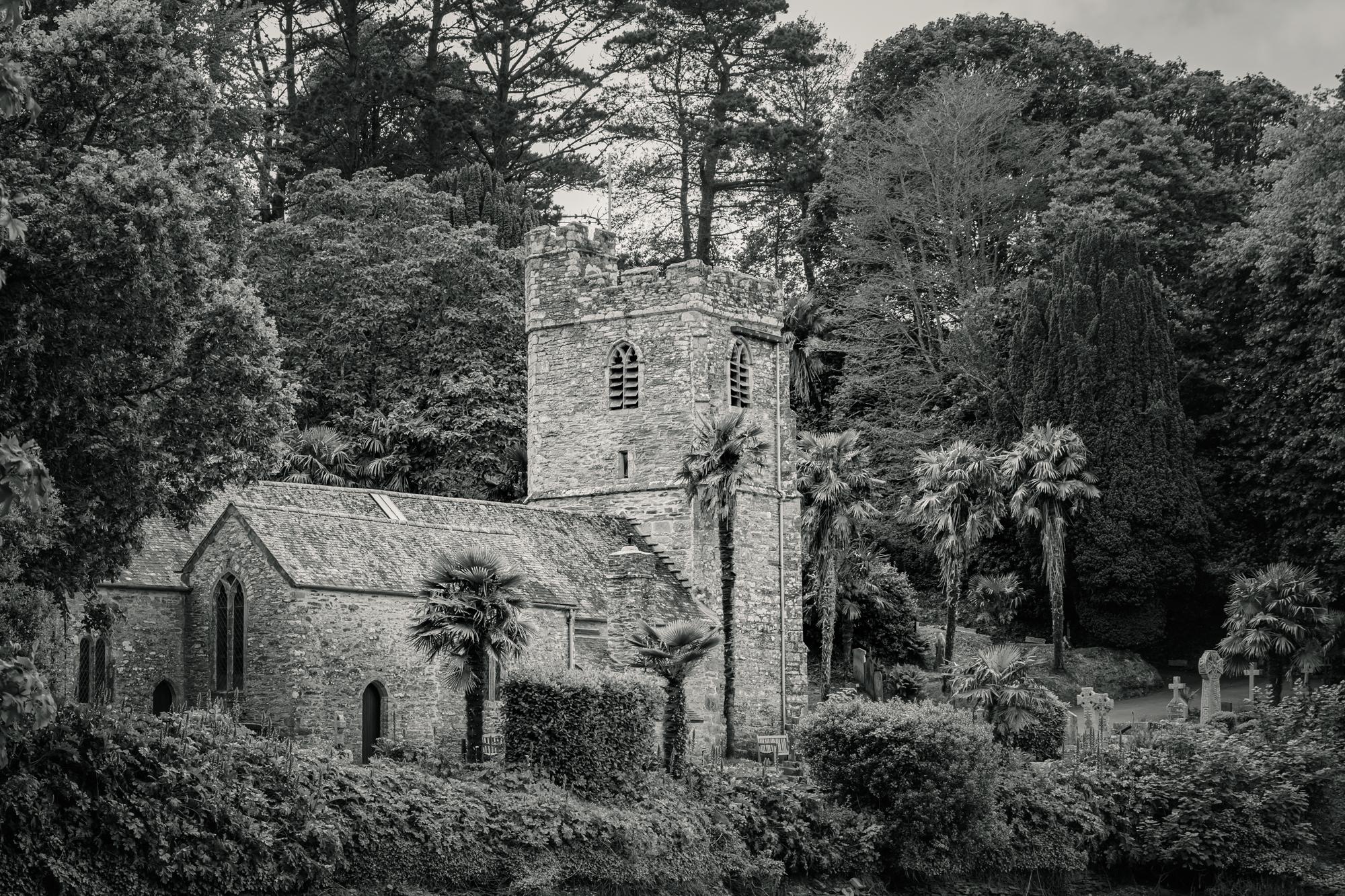
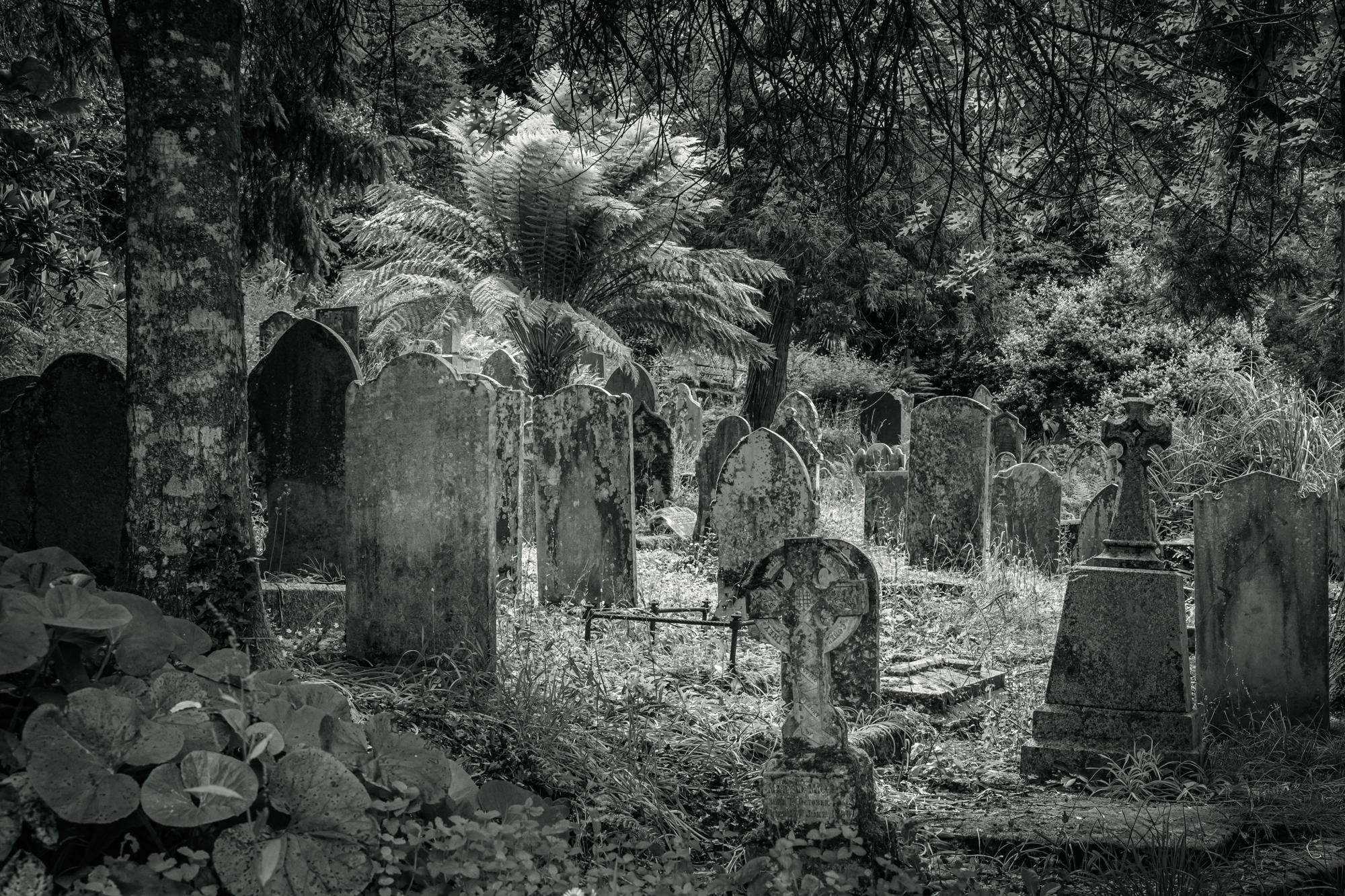

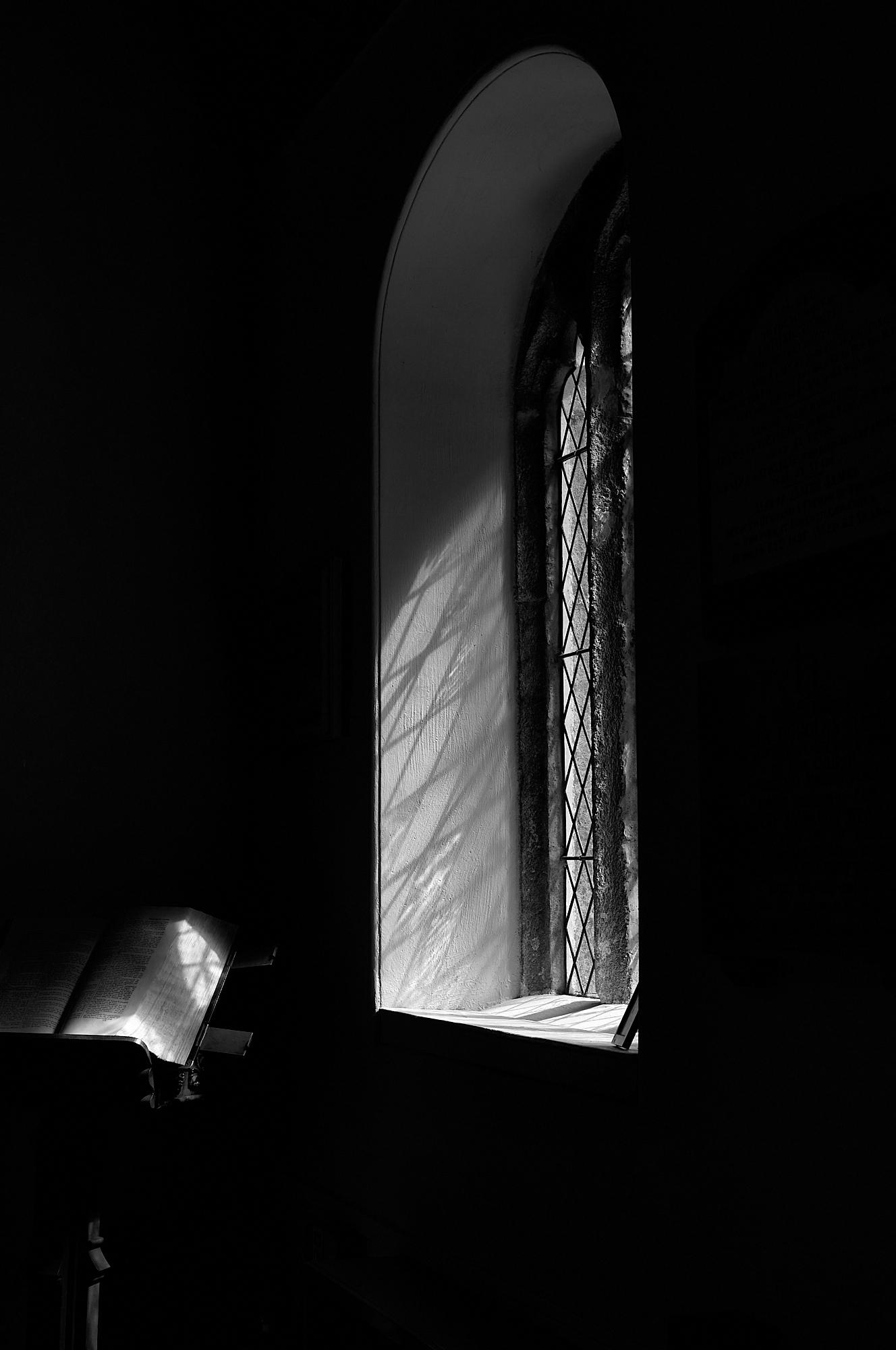
Just Bible *
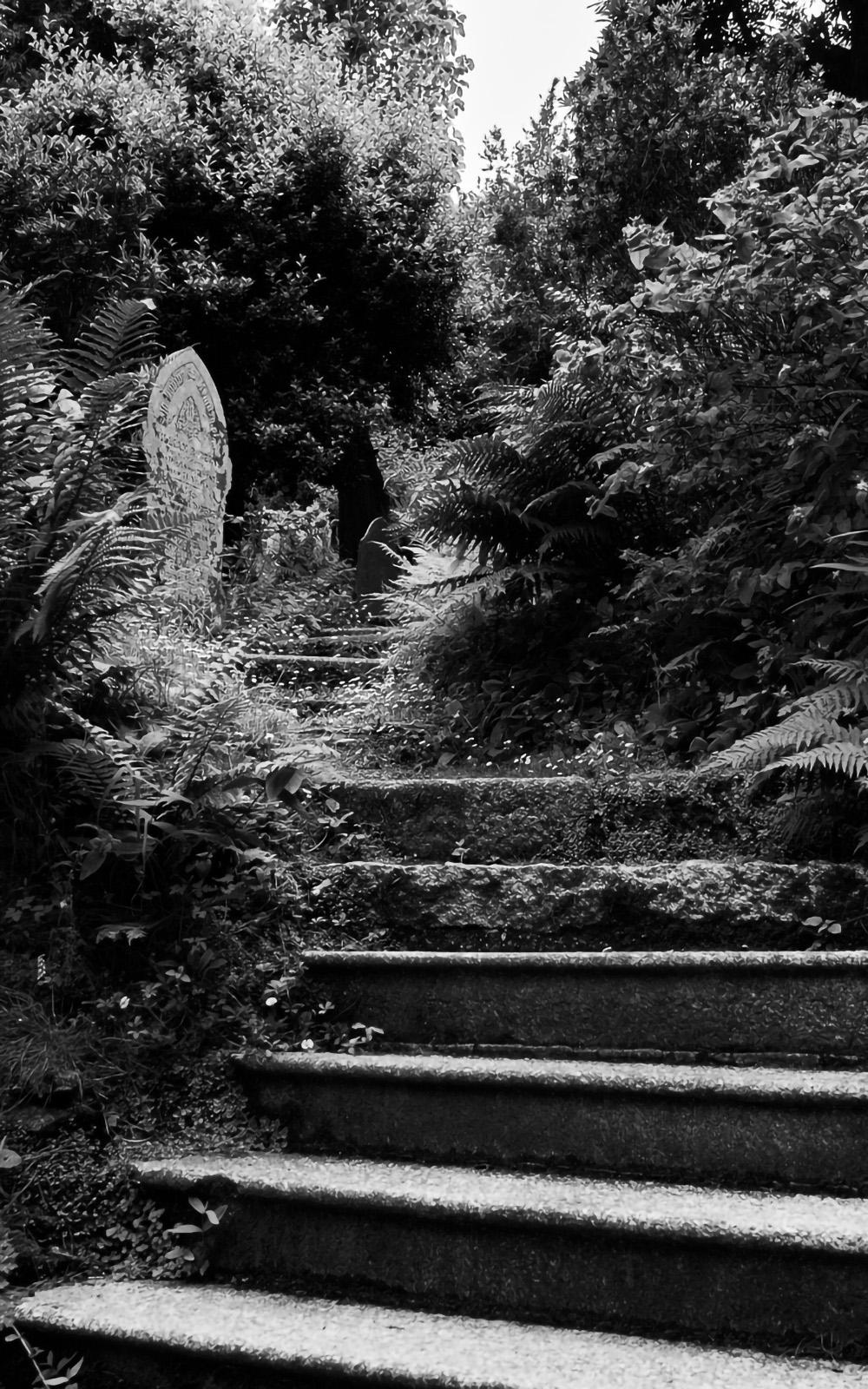
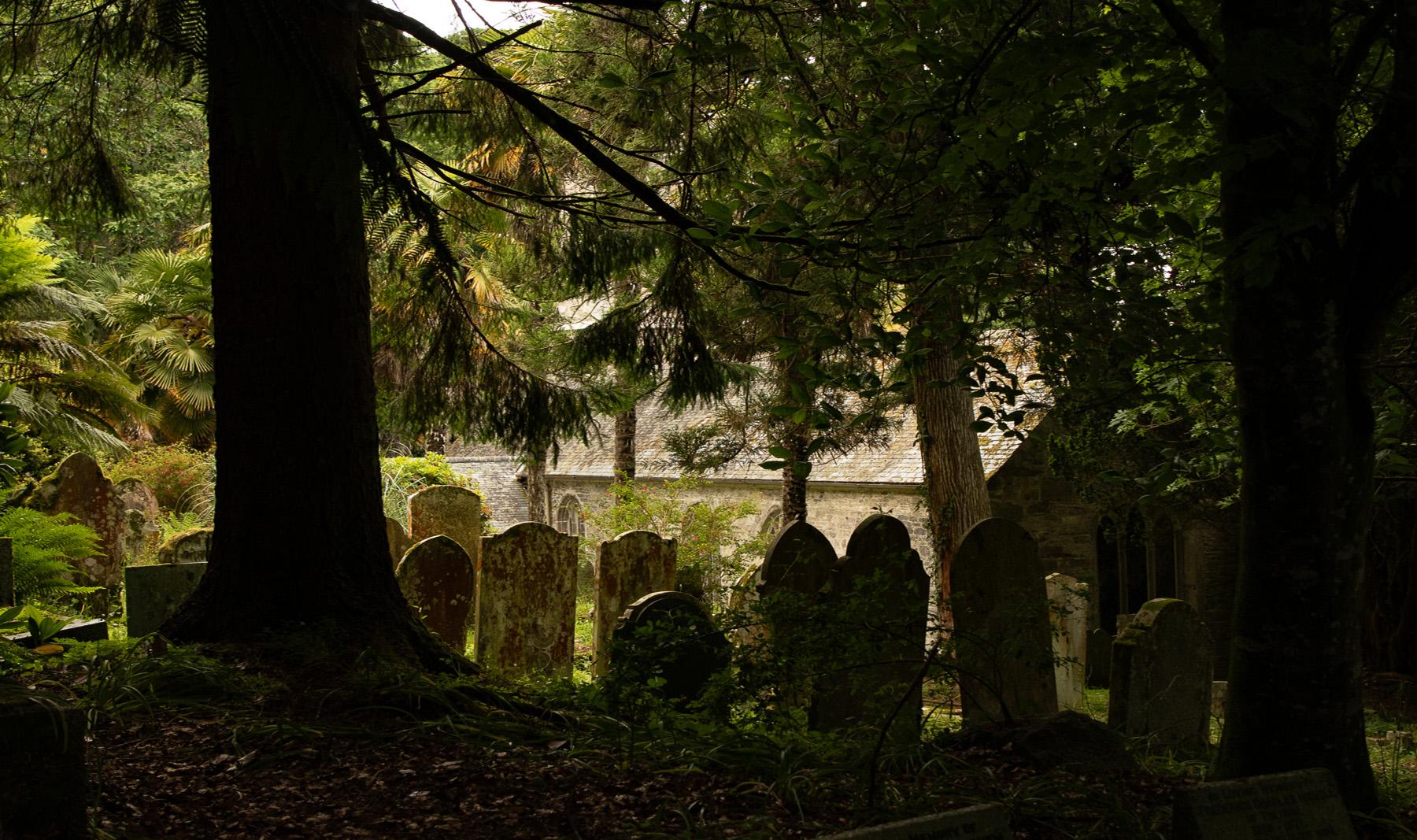
Just Graveyard
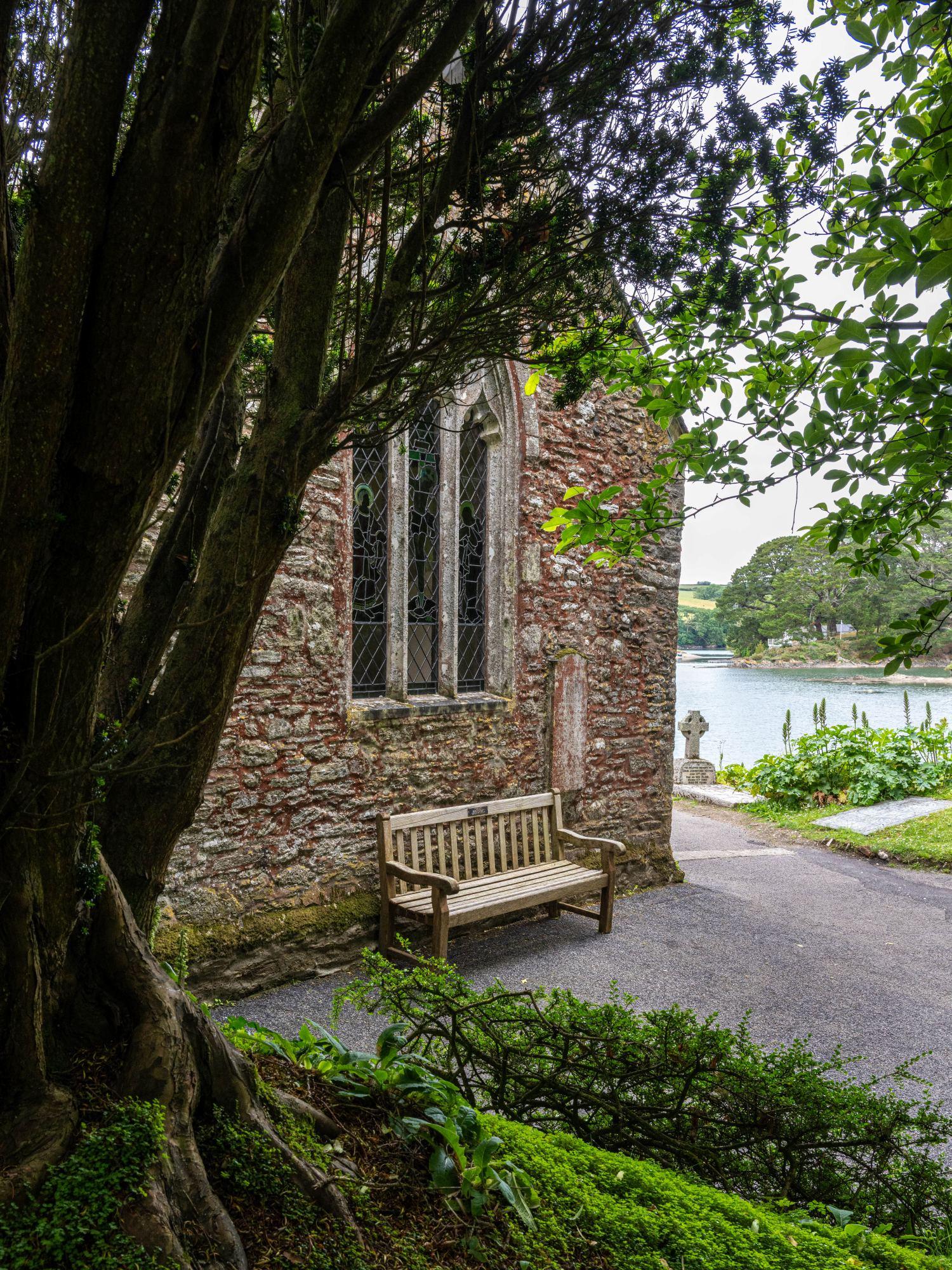
Steps to the Headstone
Jon Lipinski
Through the Trees
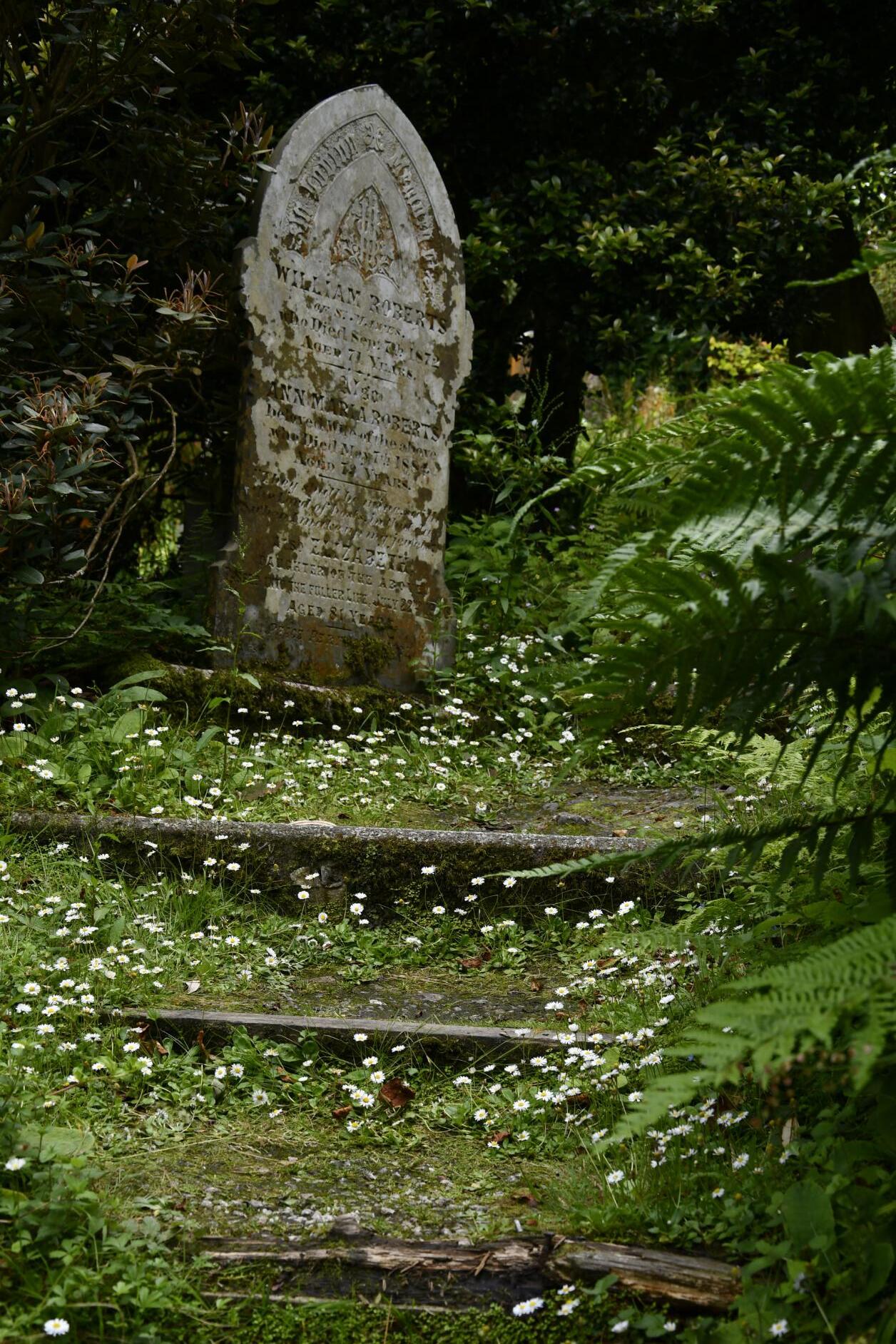
Pushing up the daisies
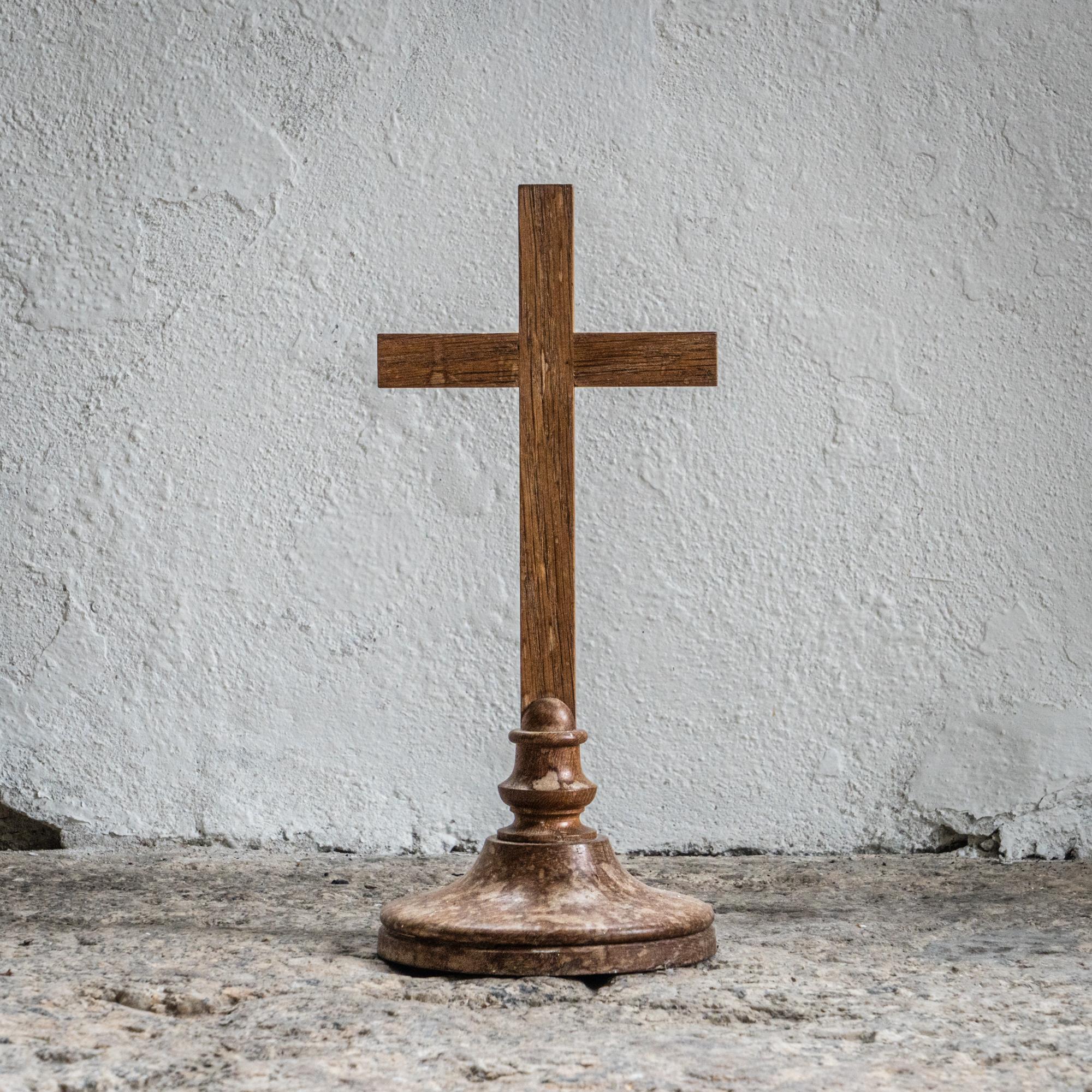
The Crucifixion

Steve Fairman
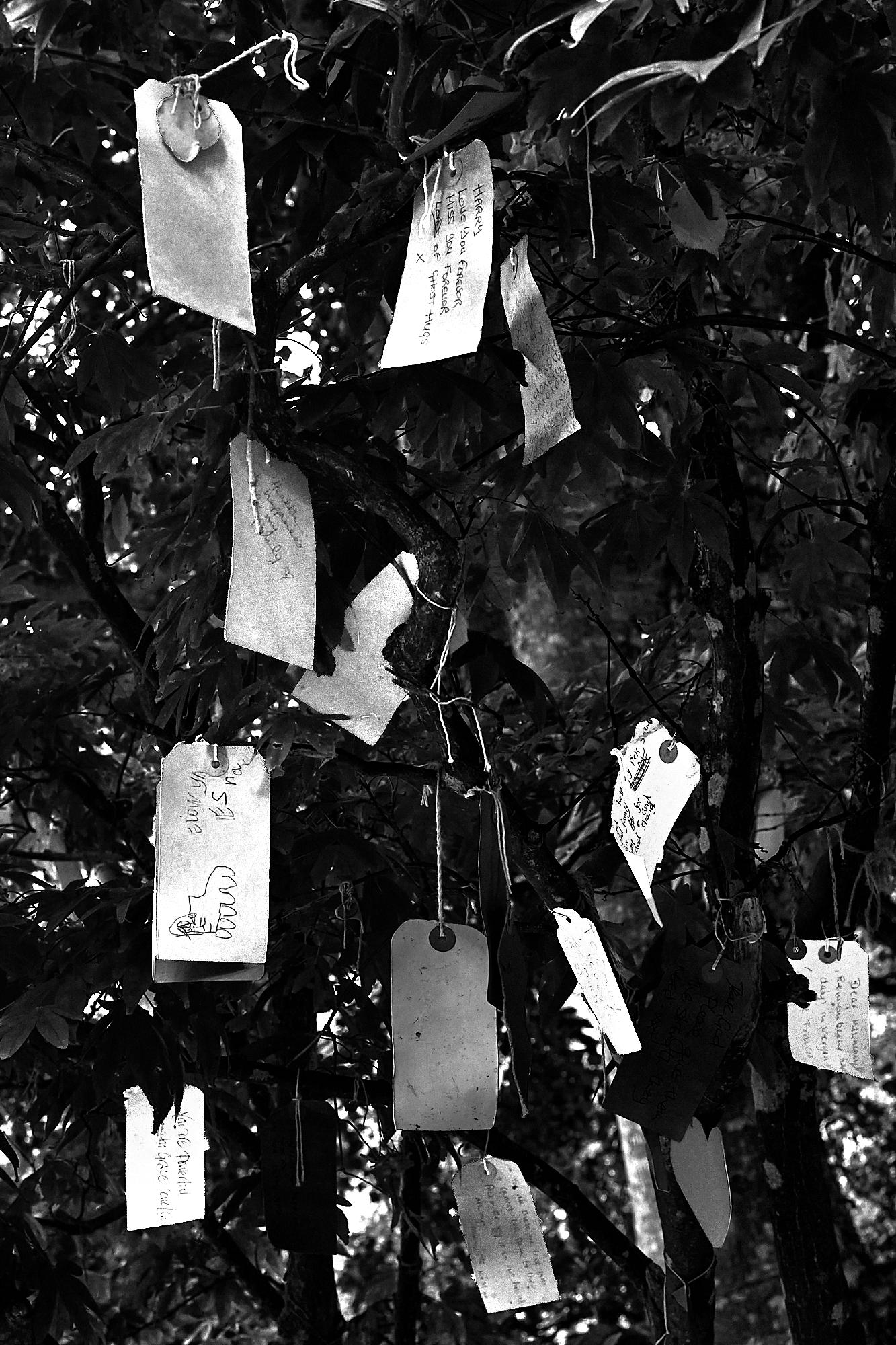
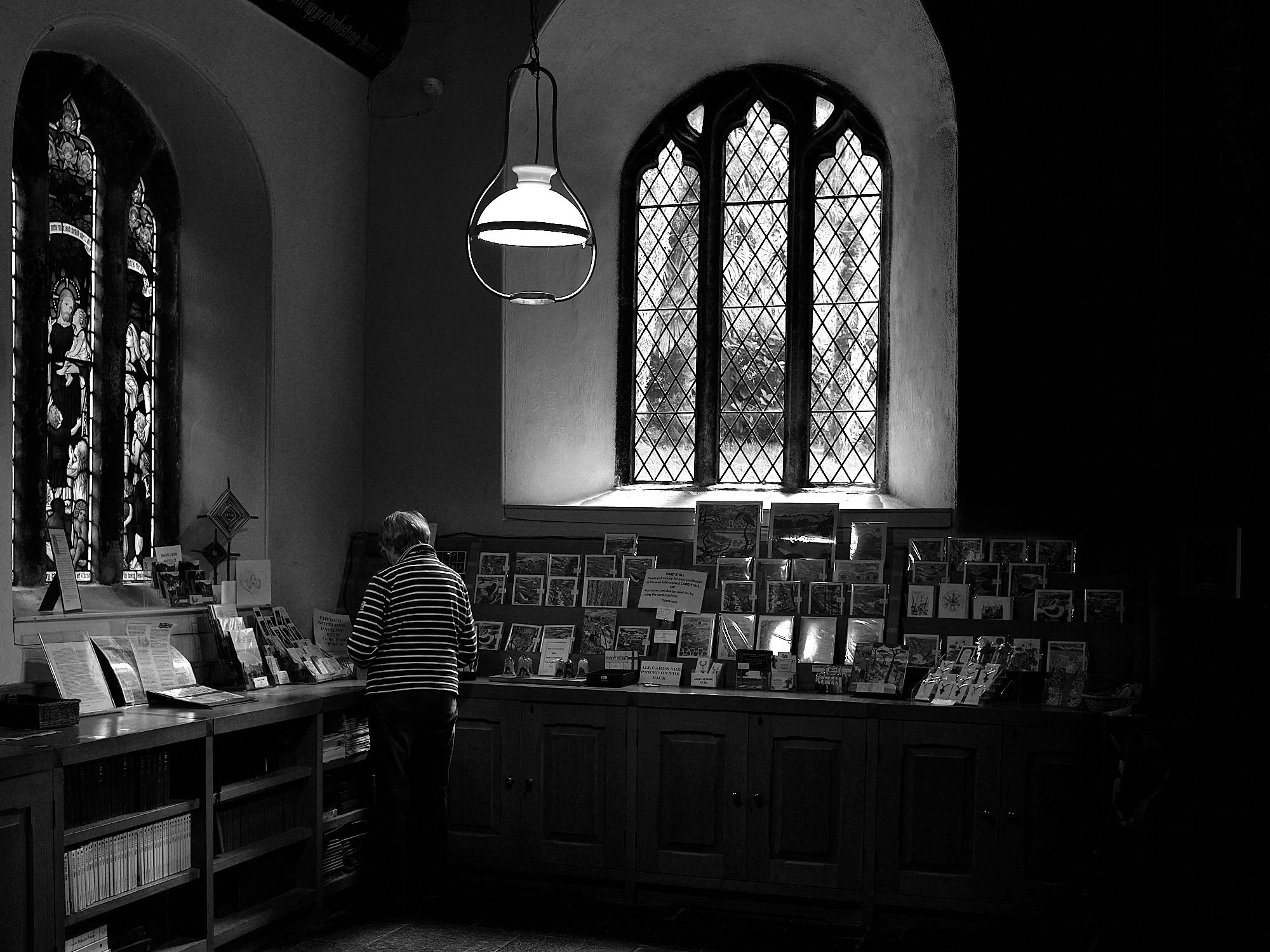
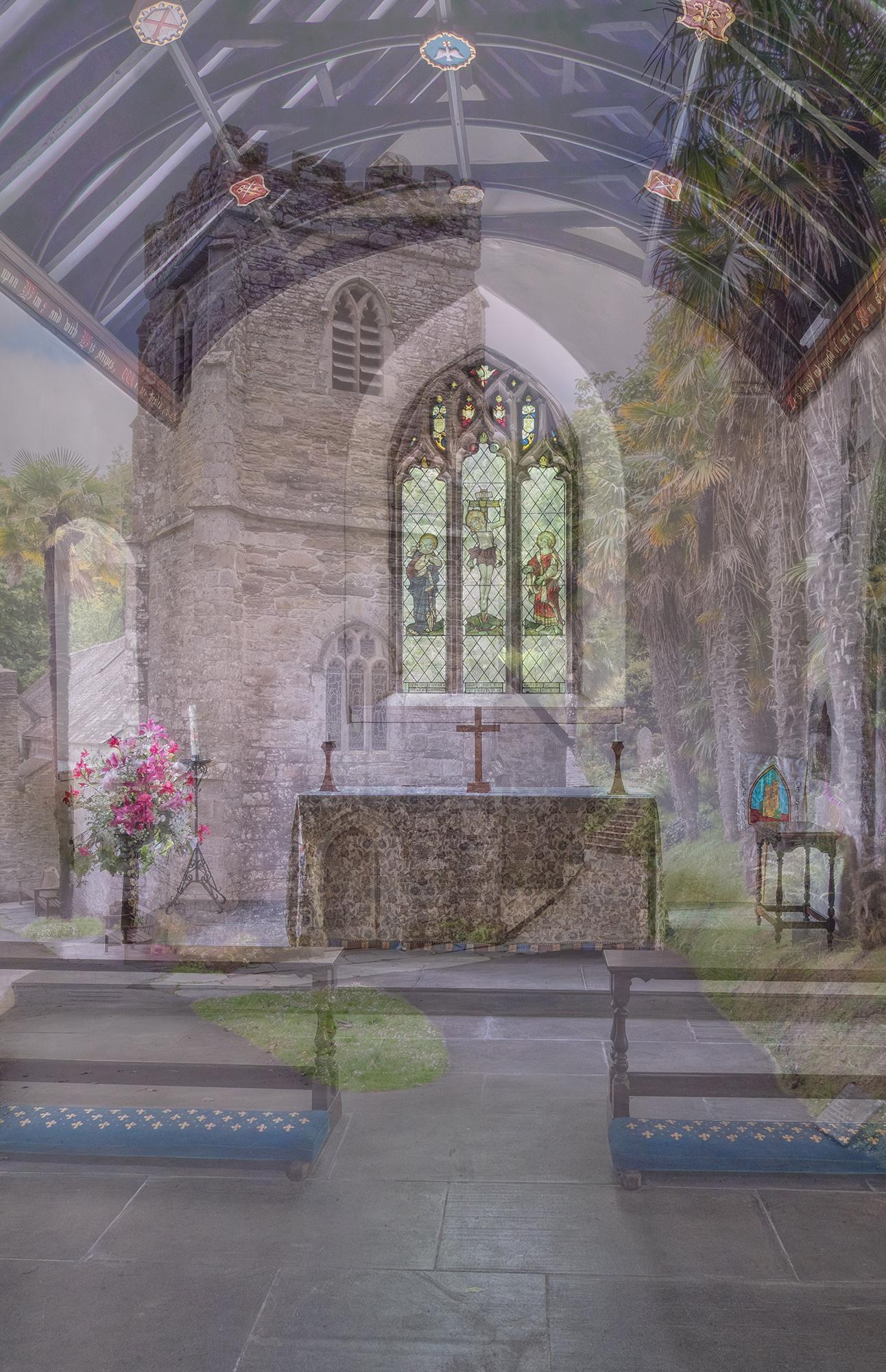
Inside and Out
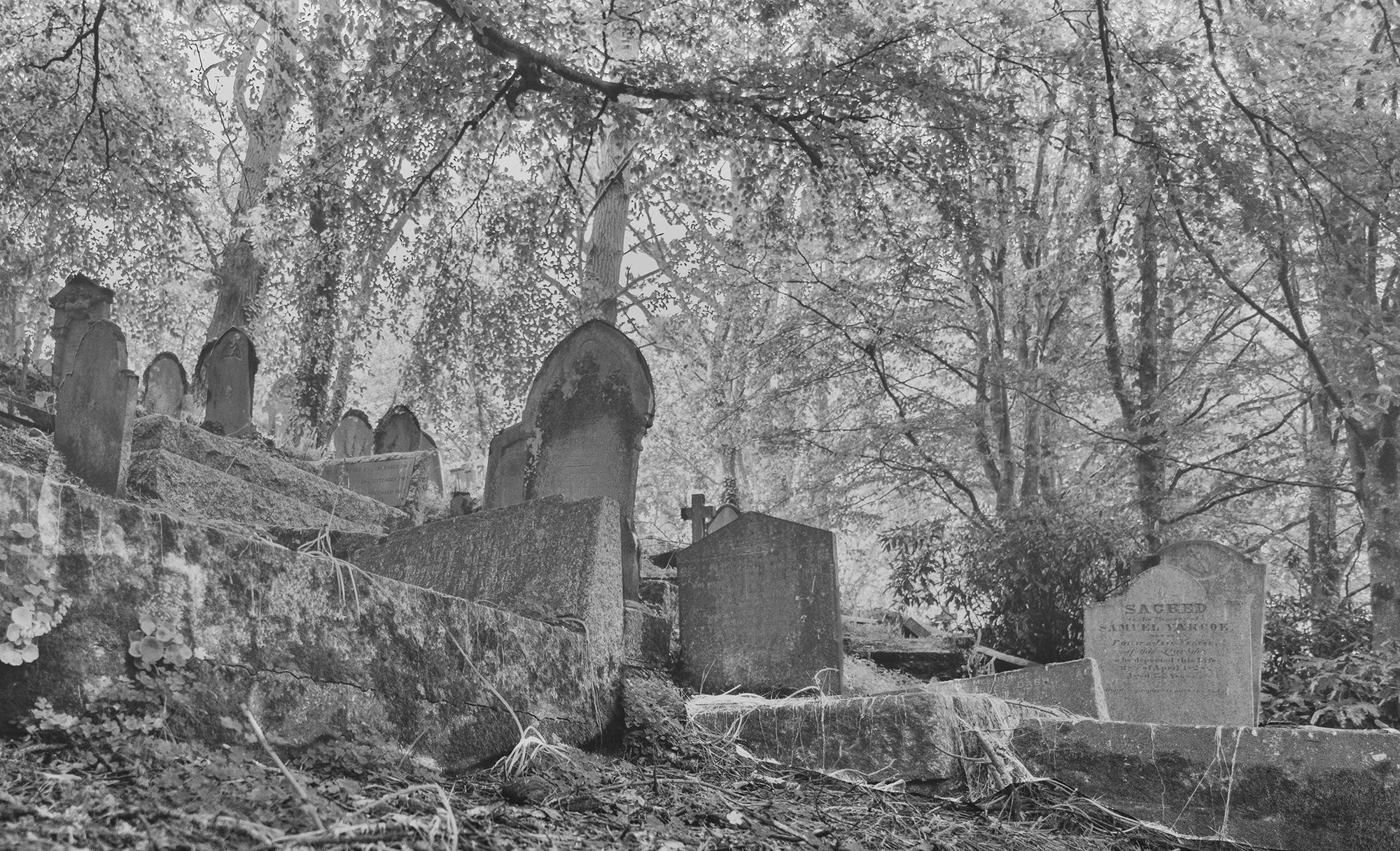
Amongst the Trees
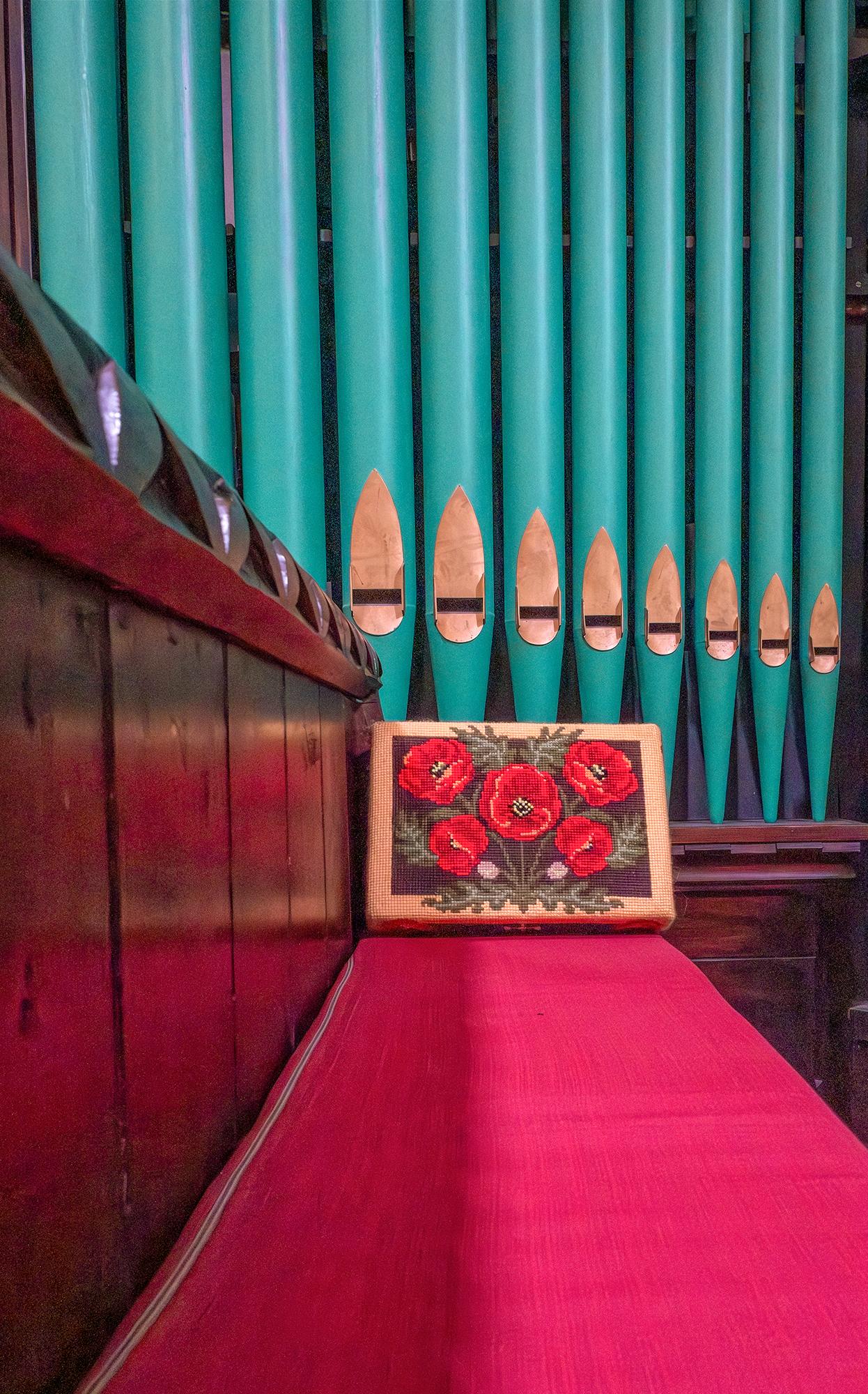
The Cushion and Pipes *
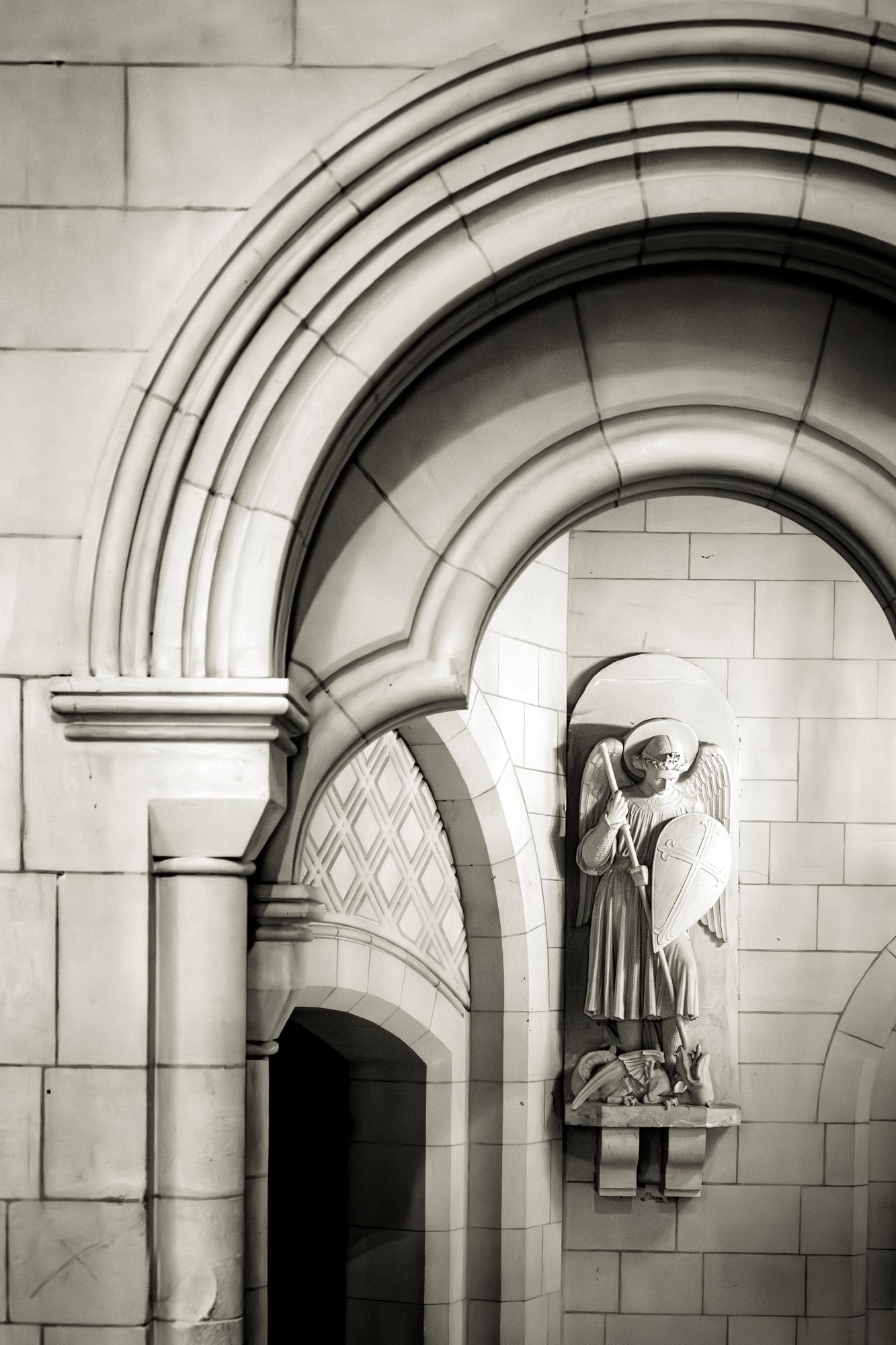
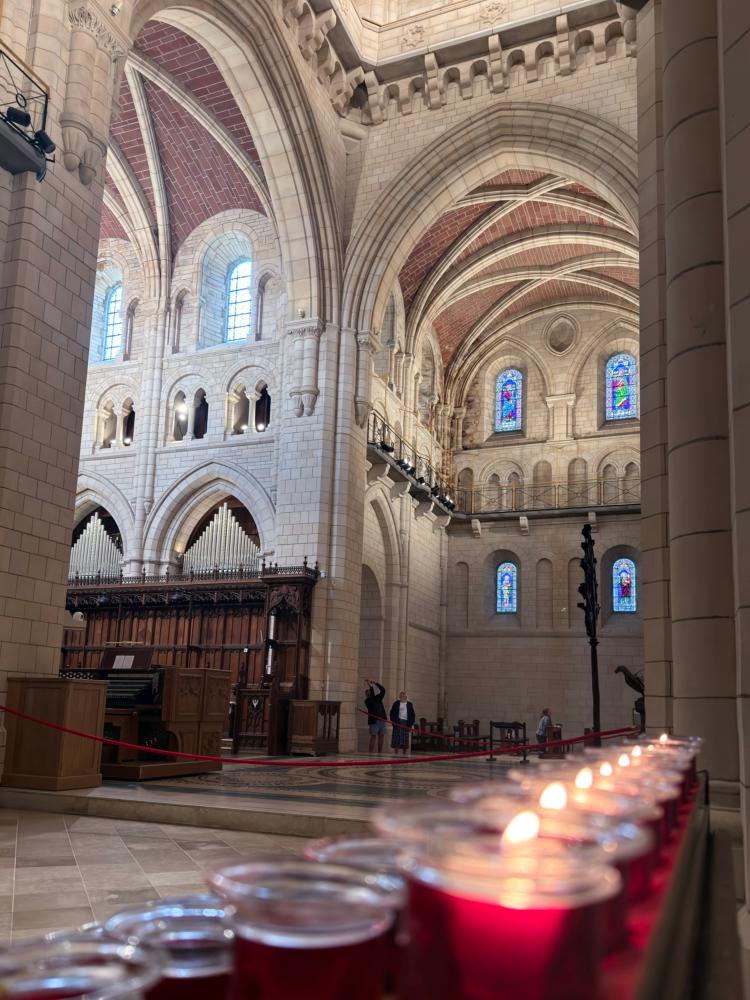
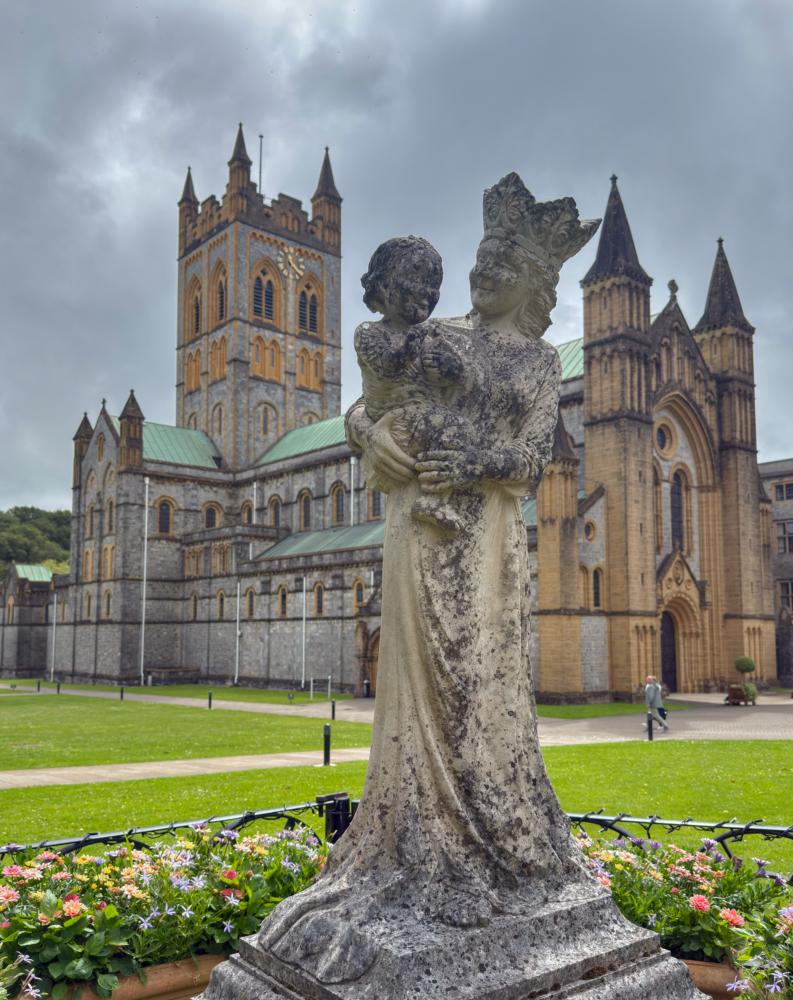
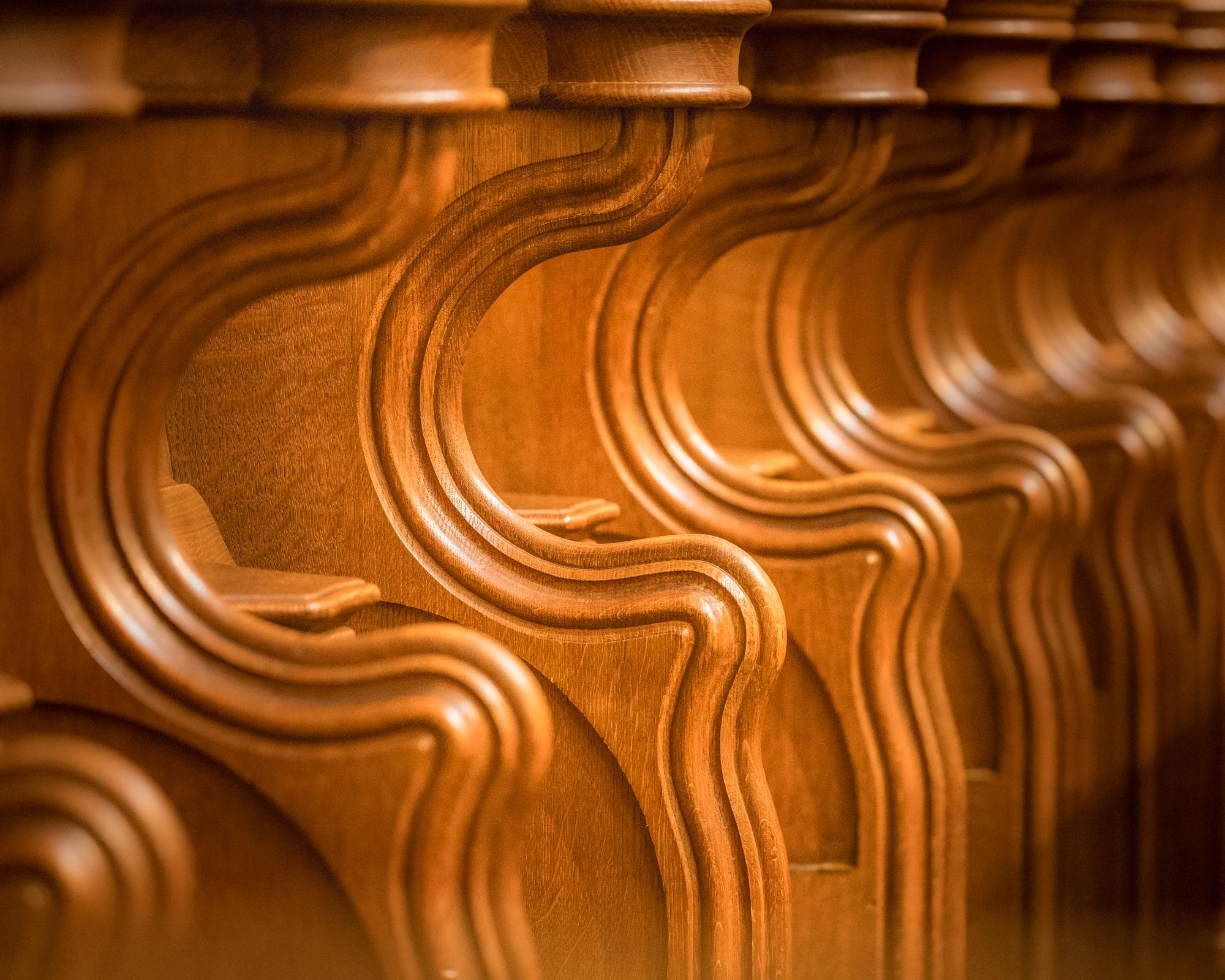
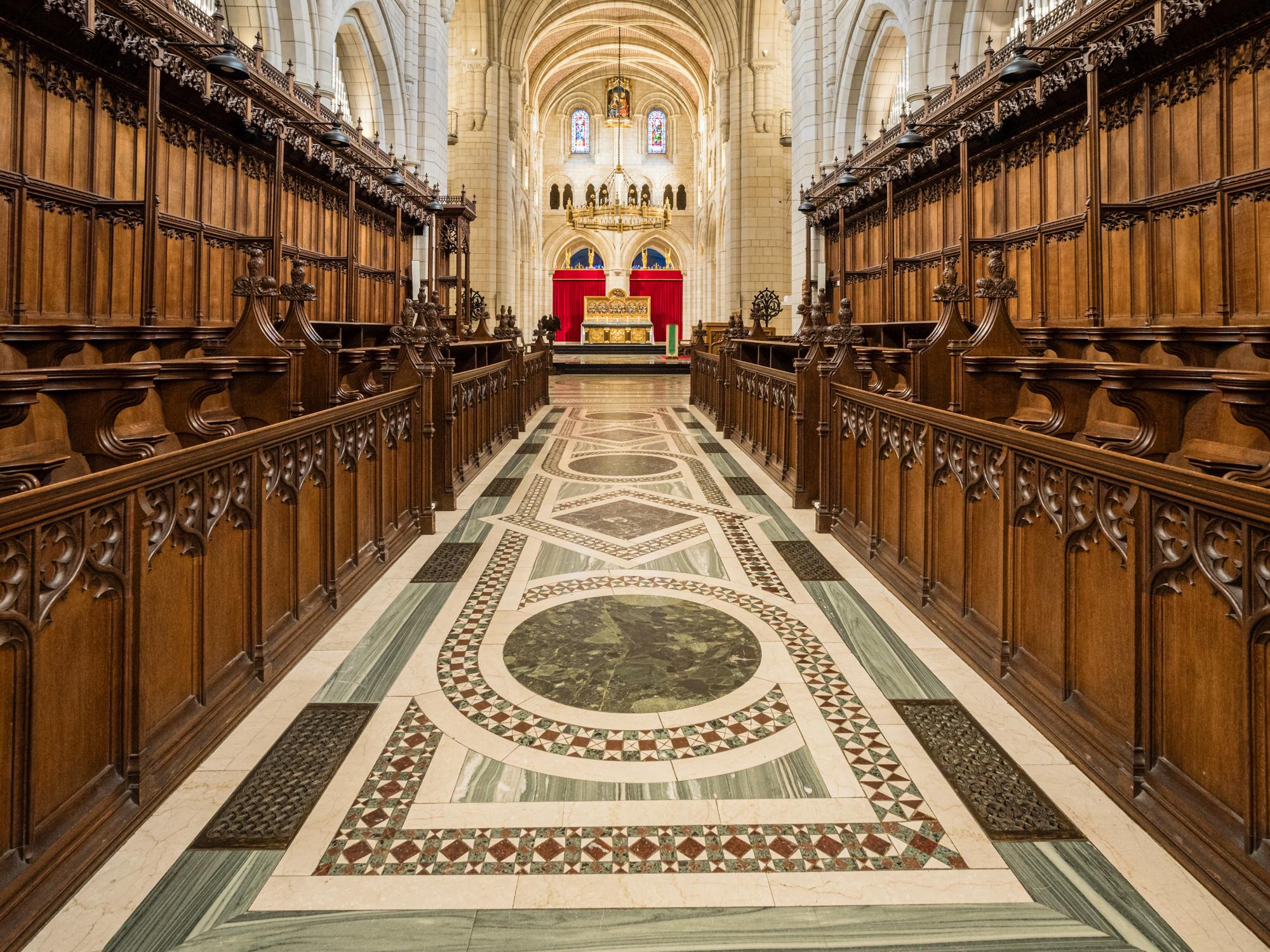
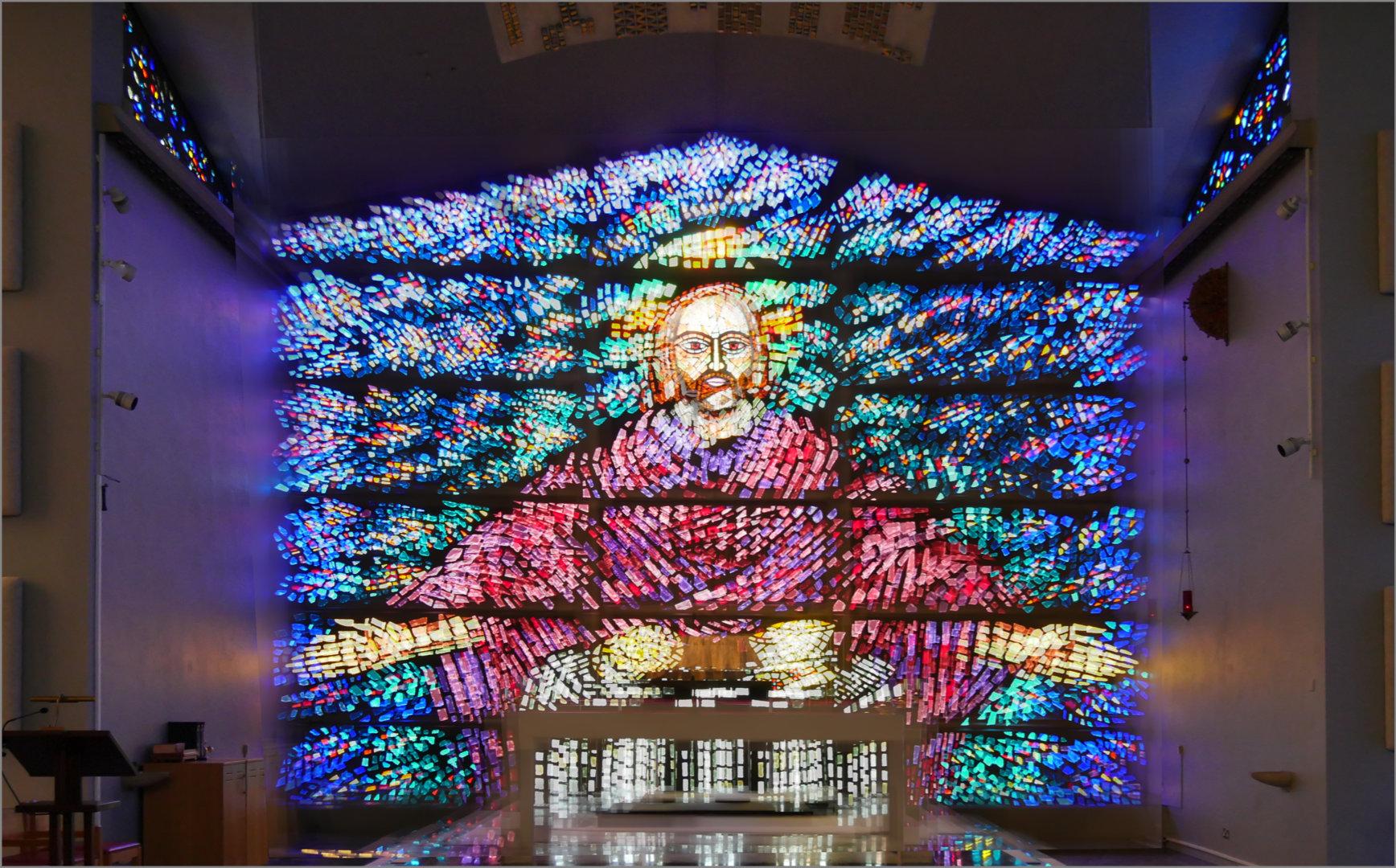
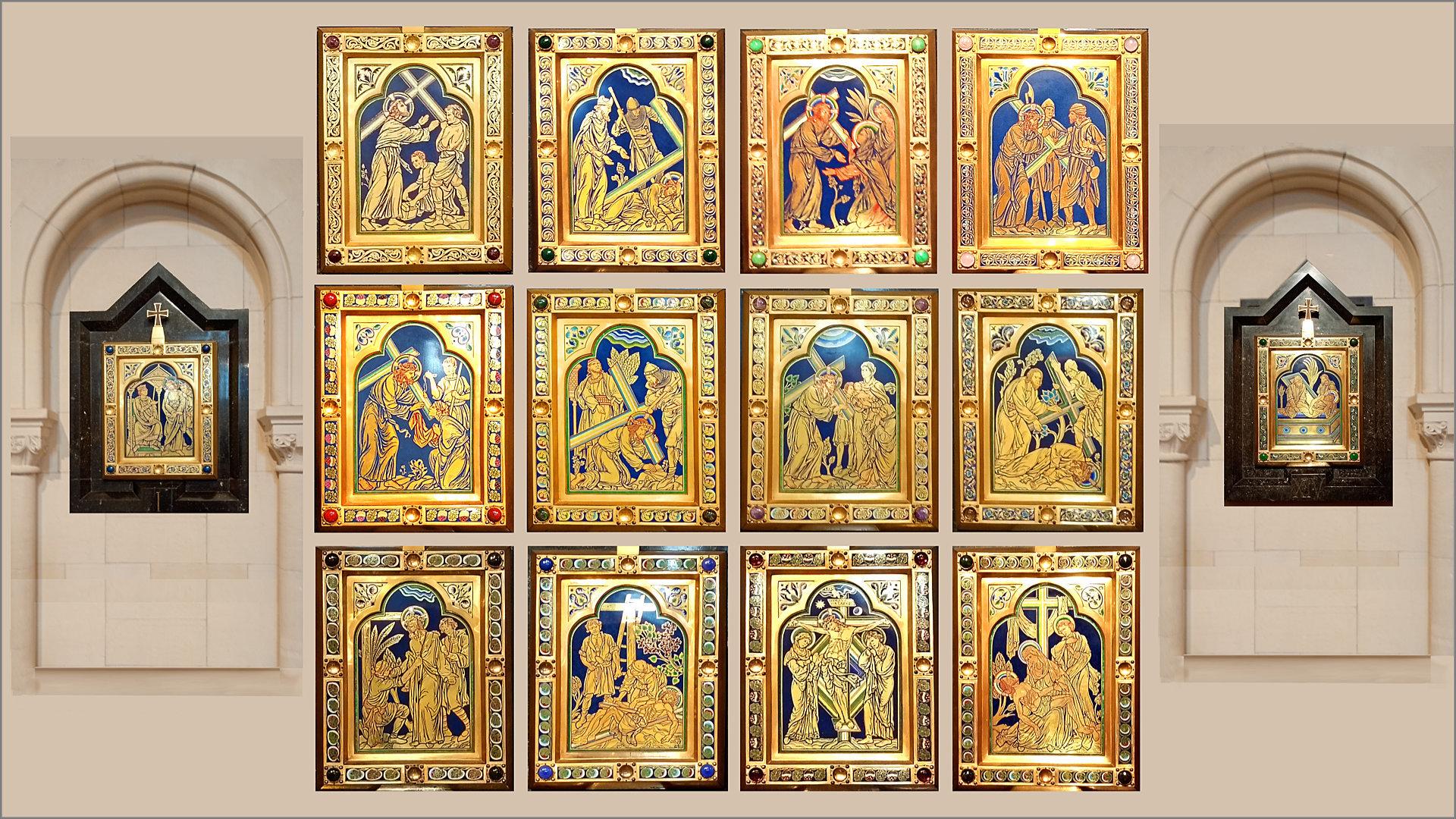
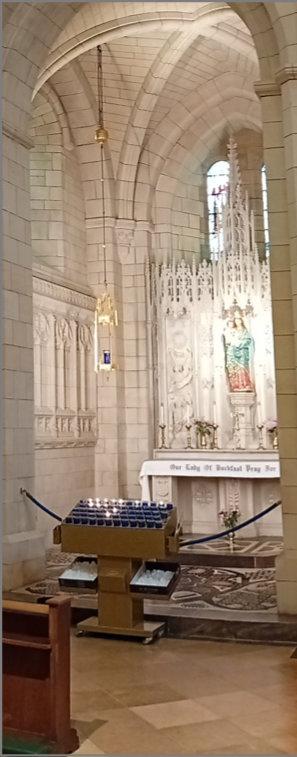
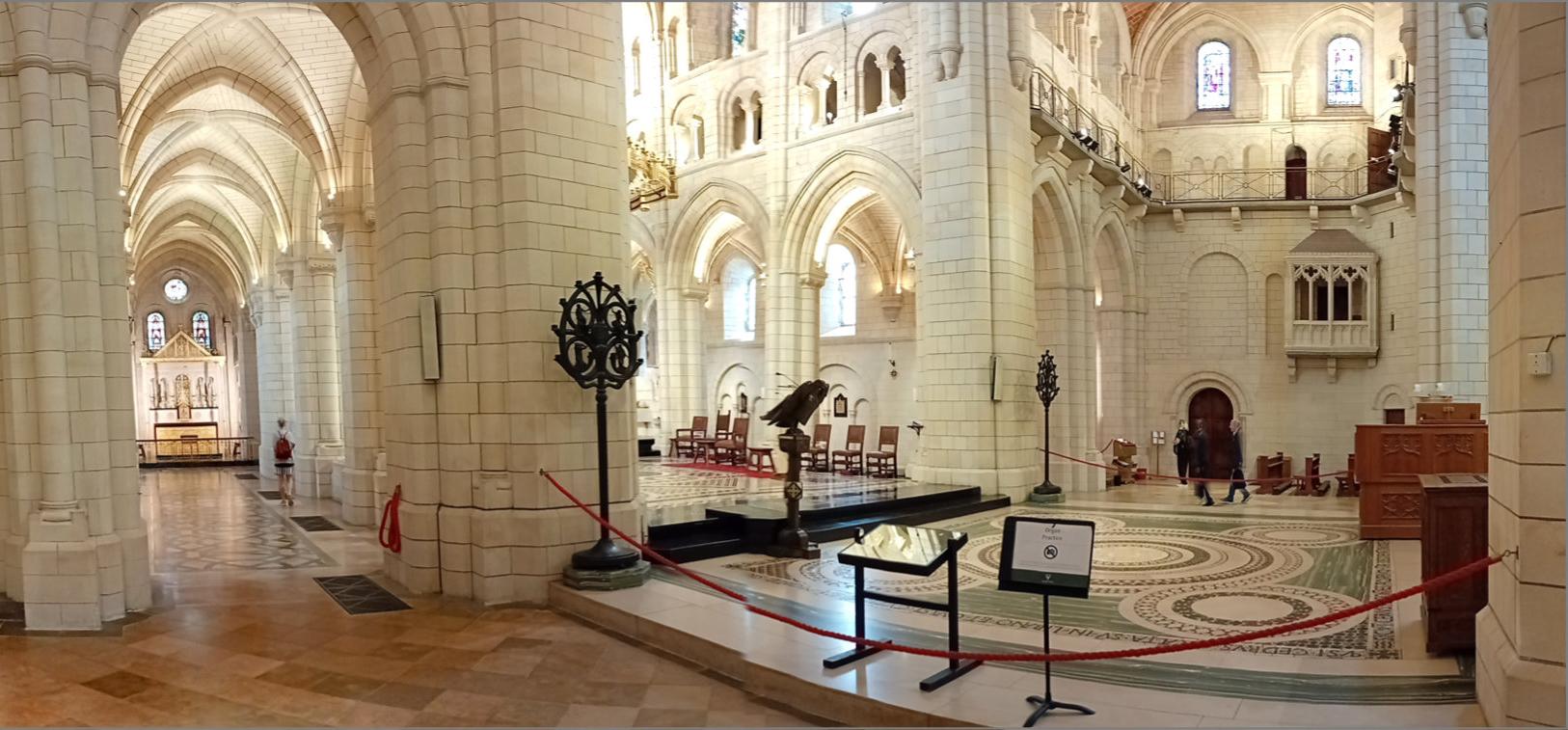
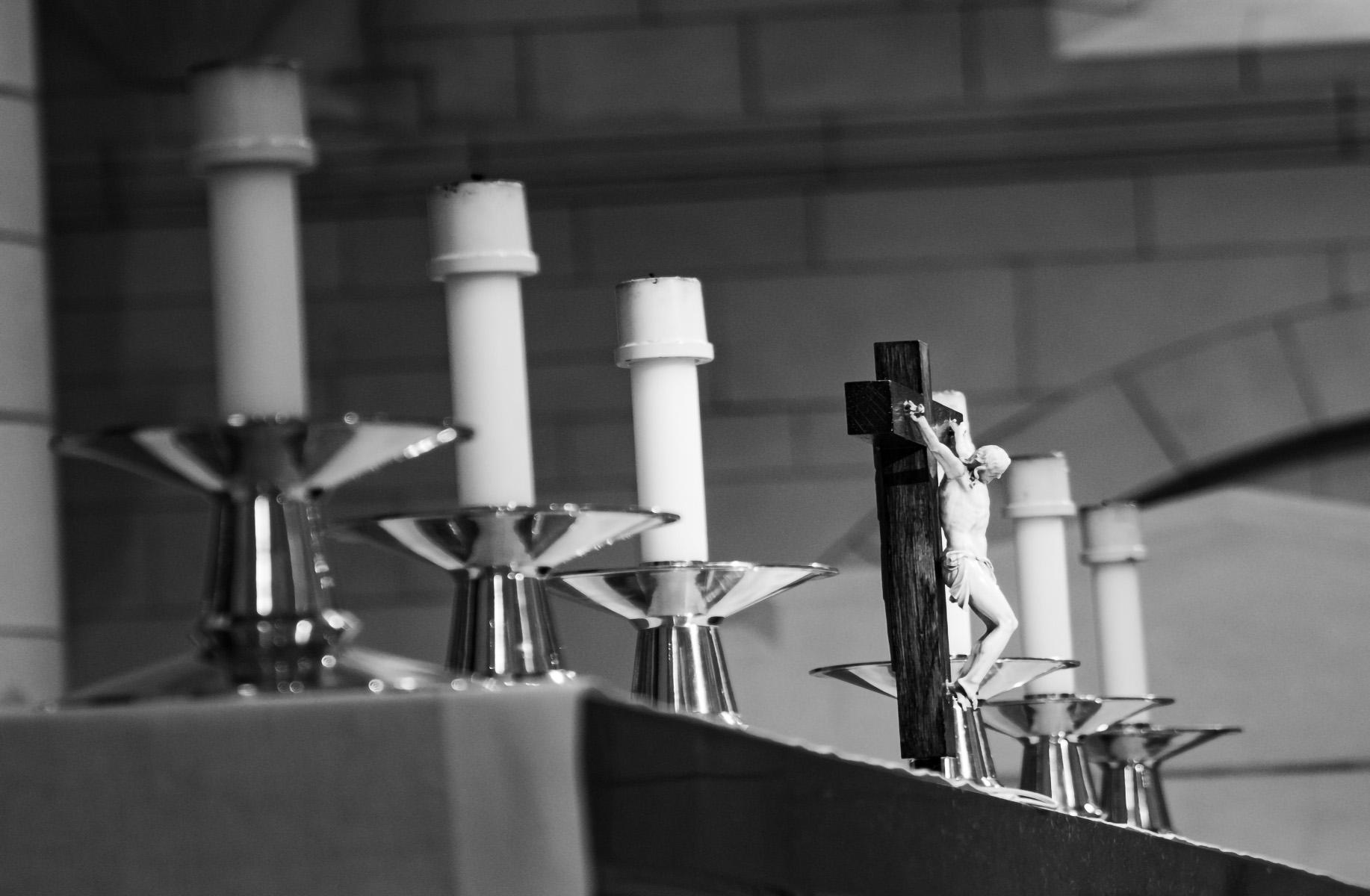
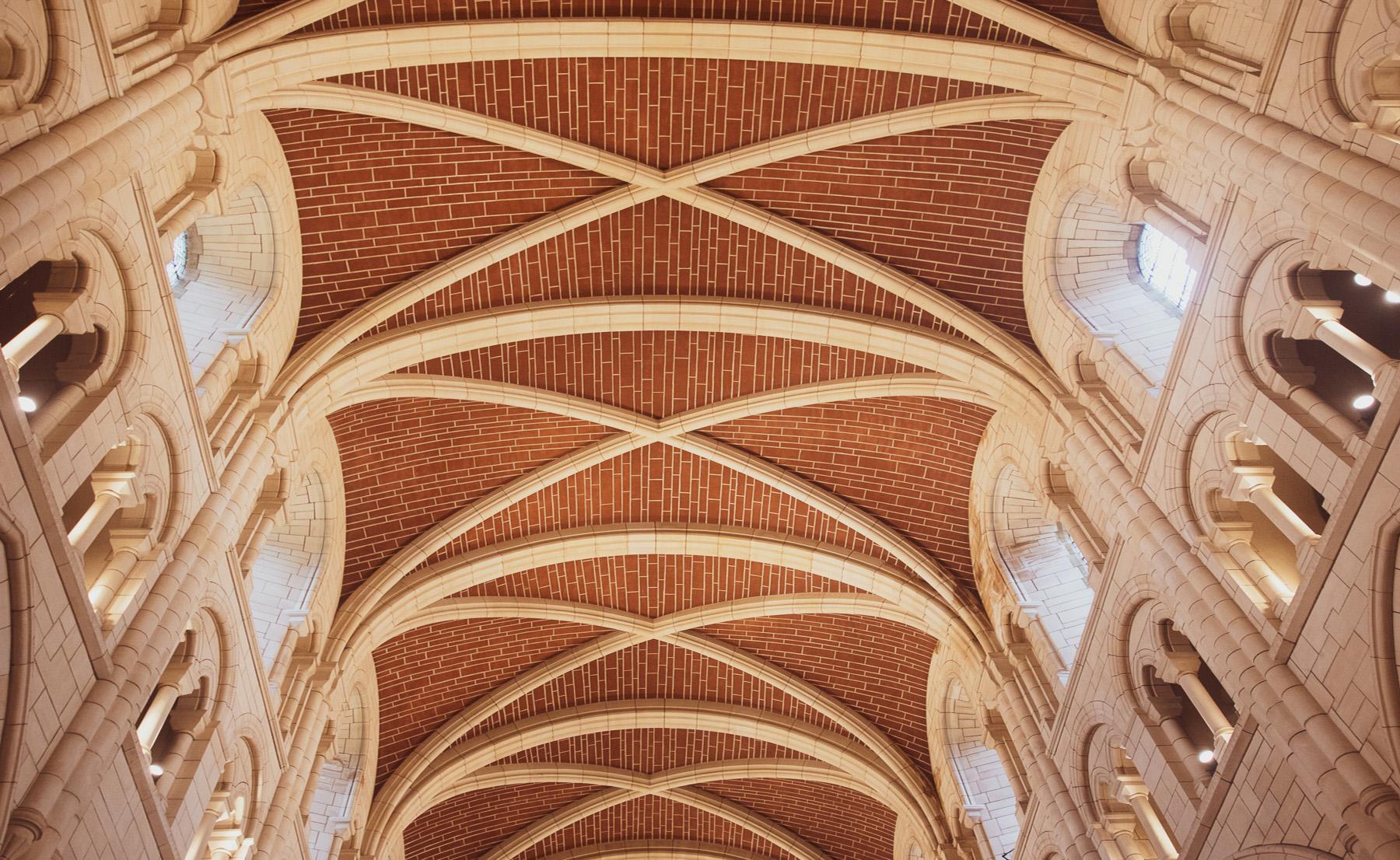
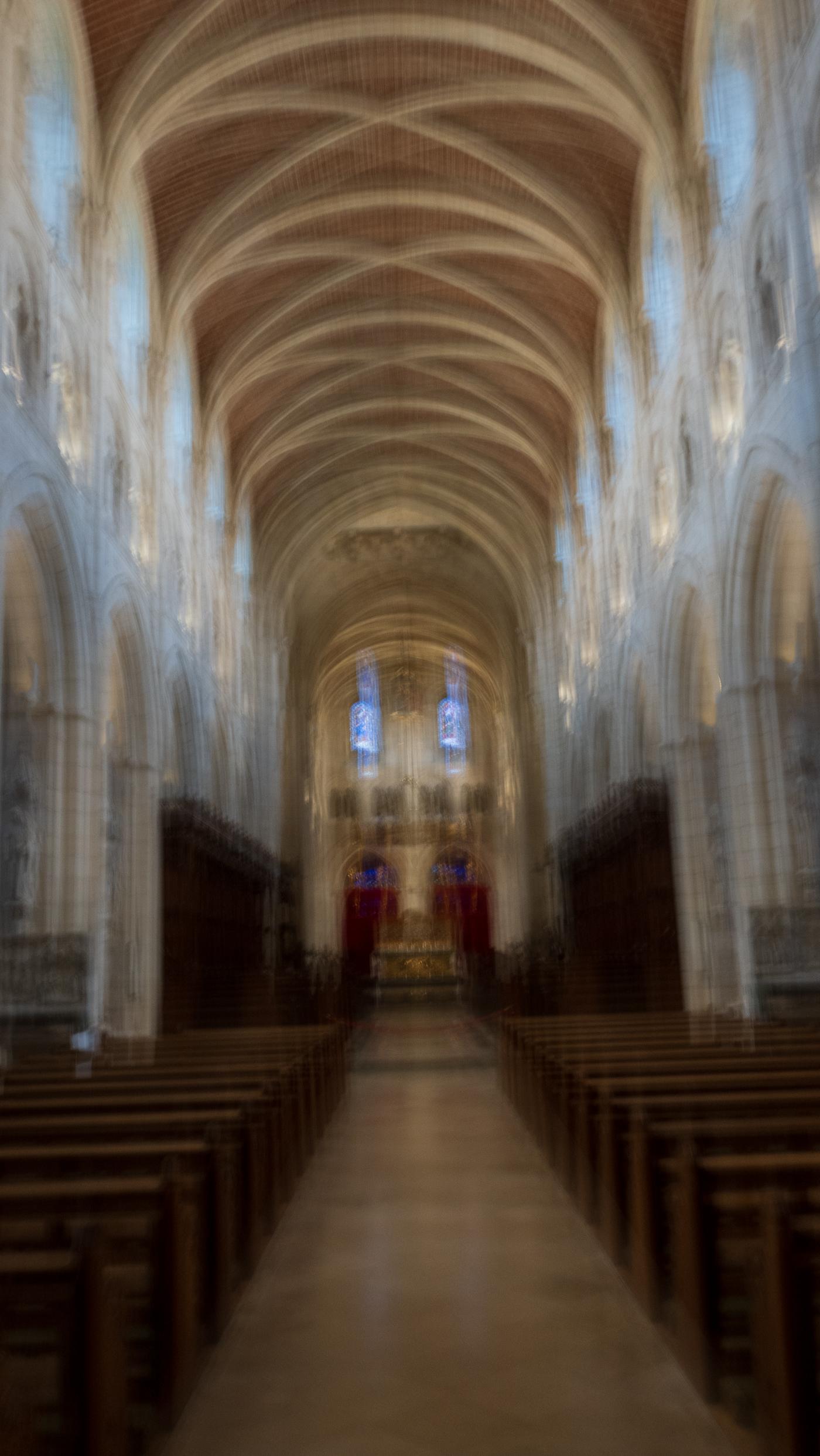
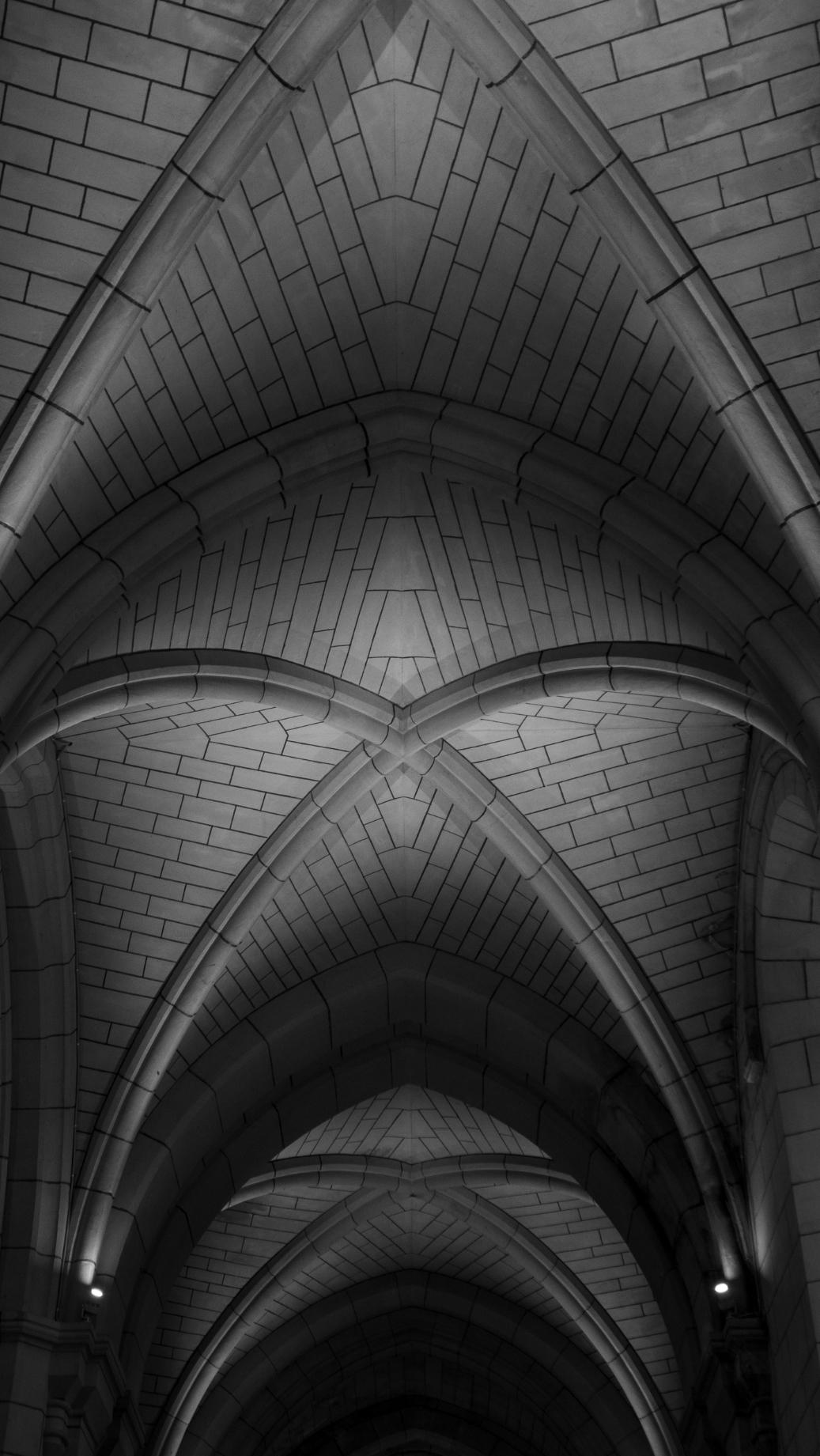
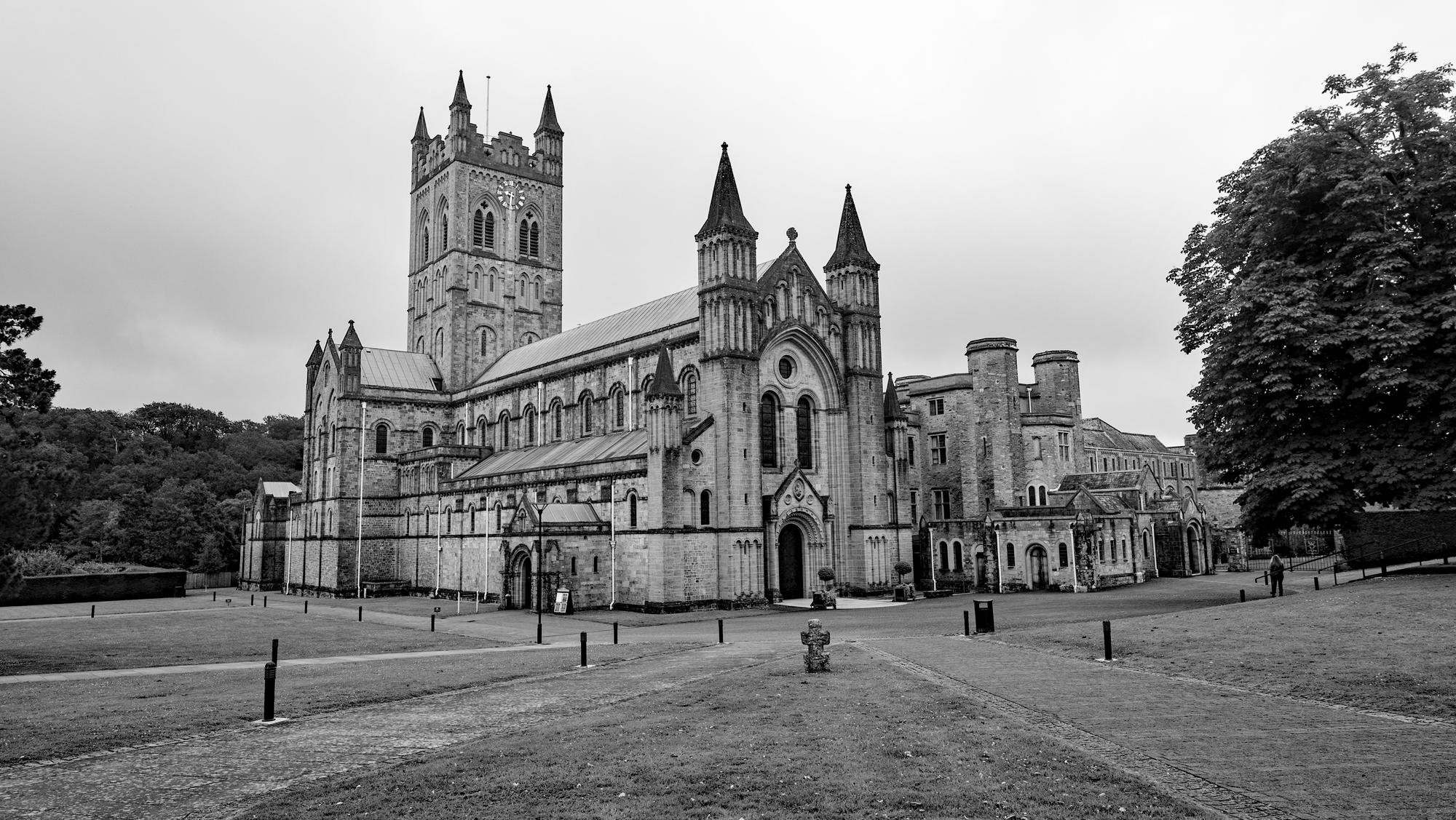
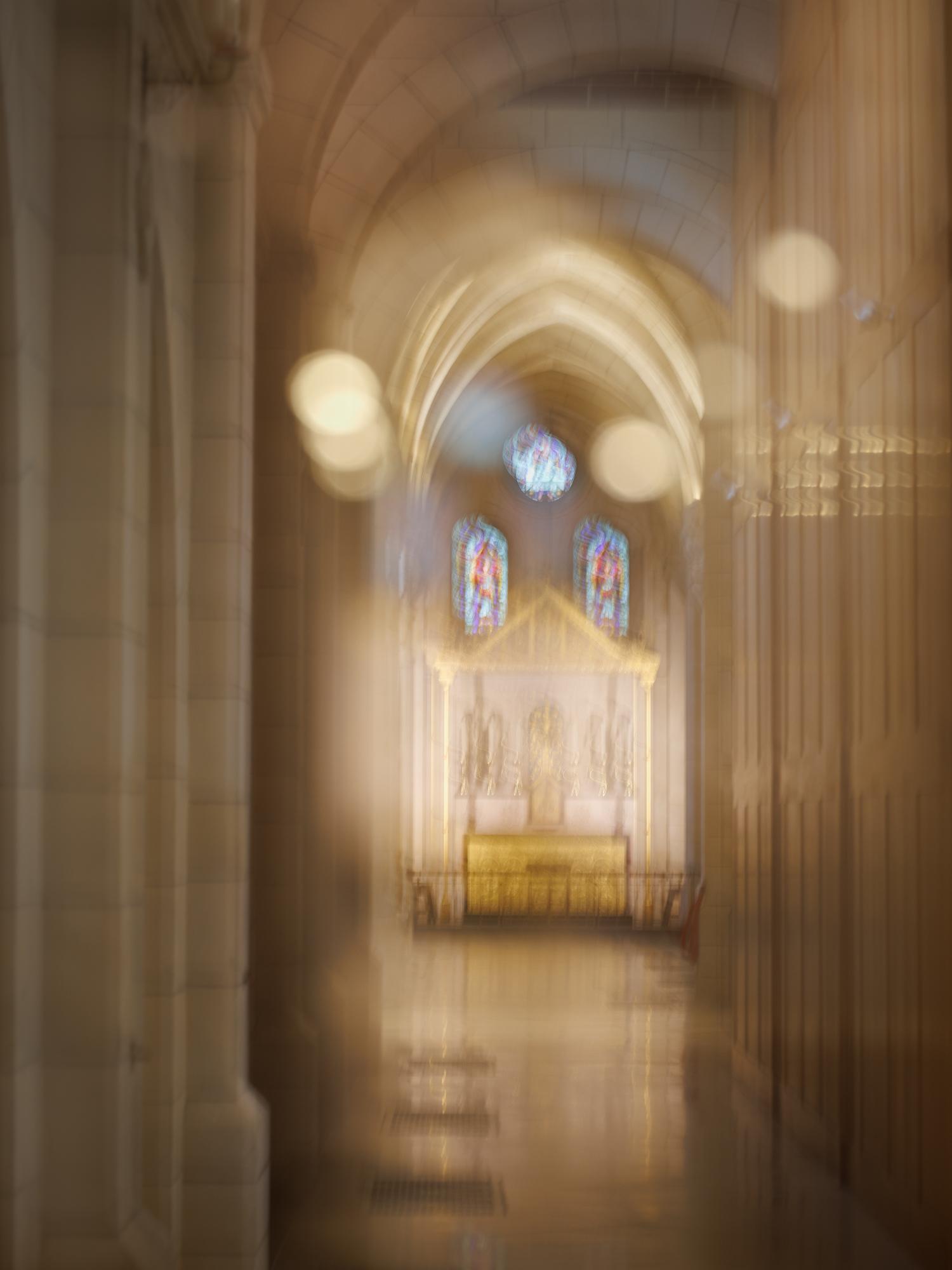
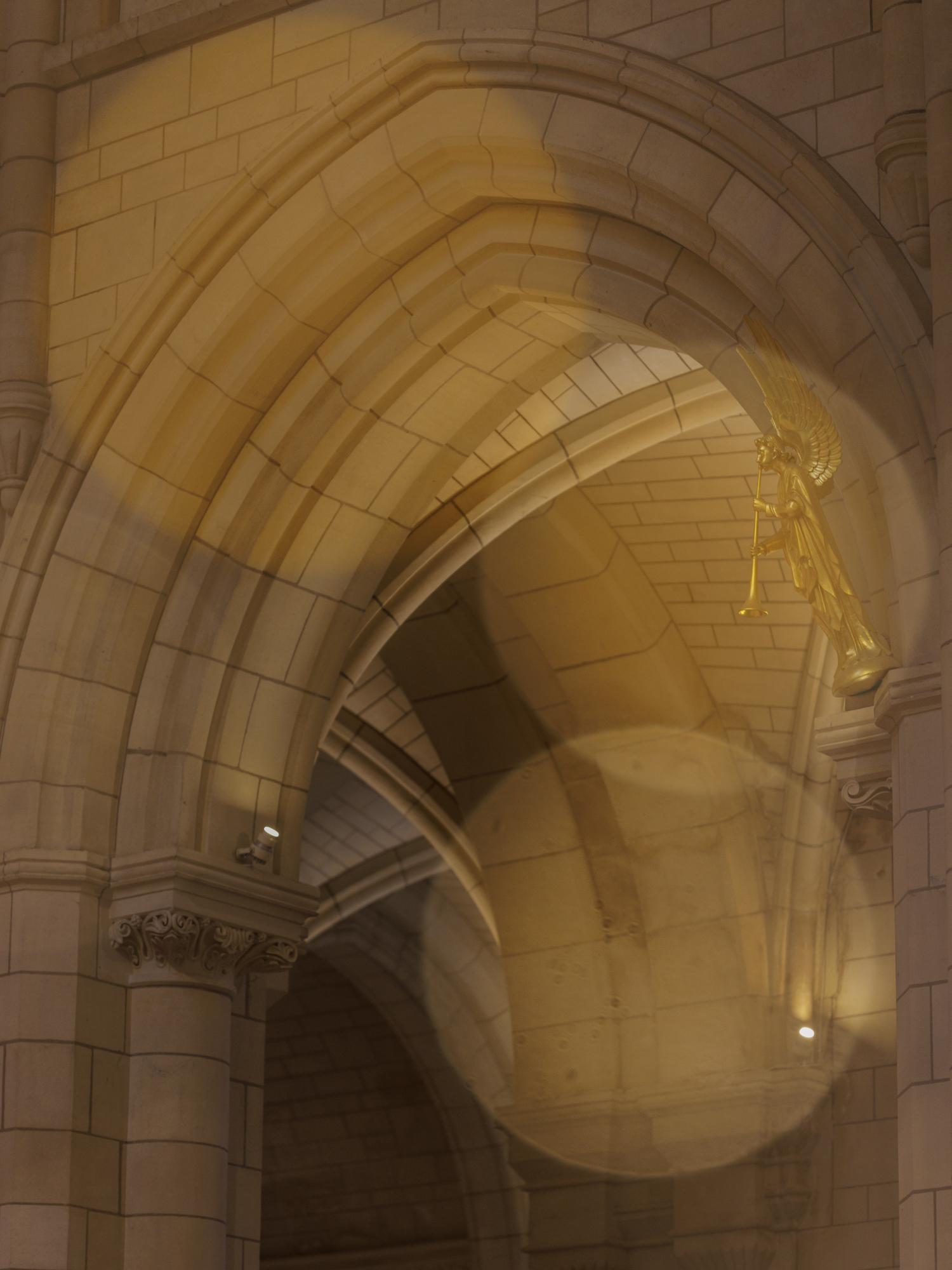
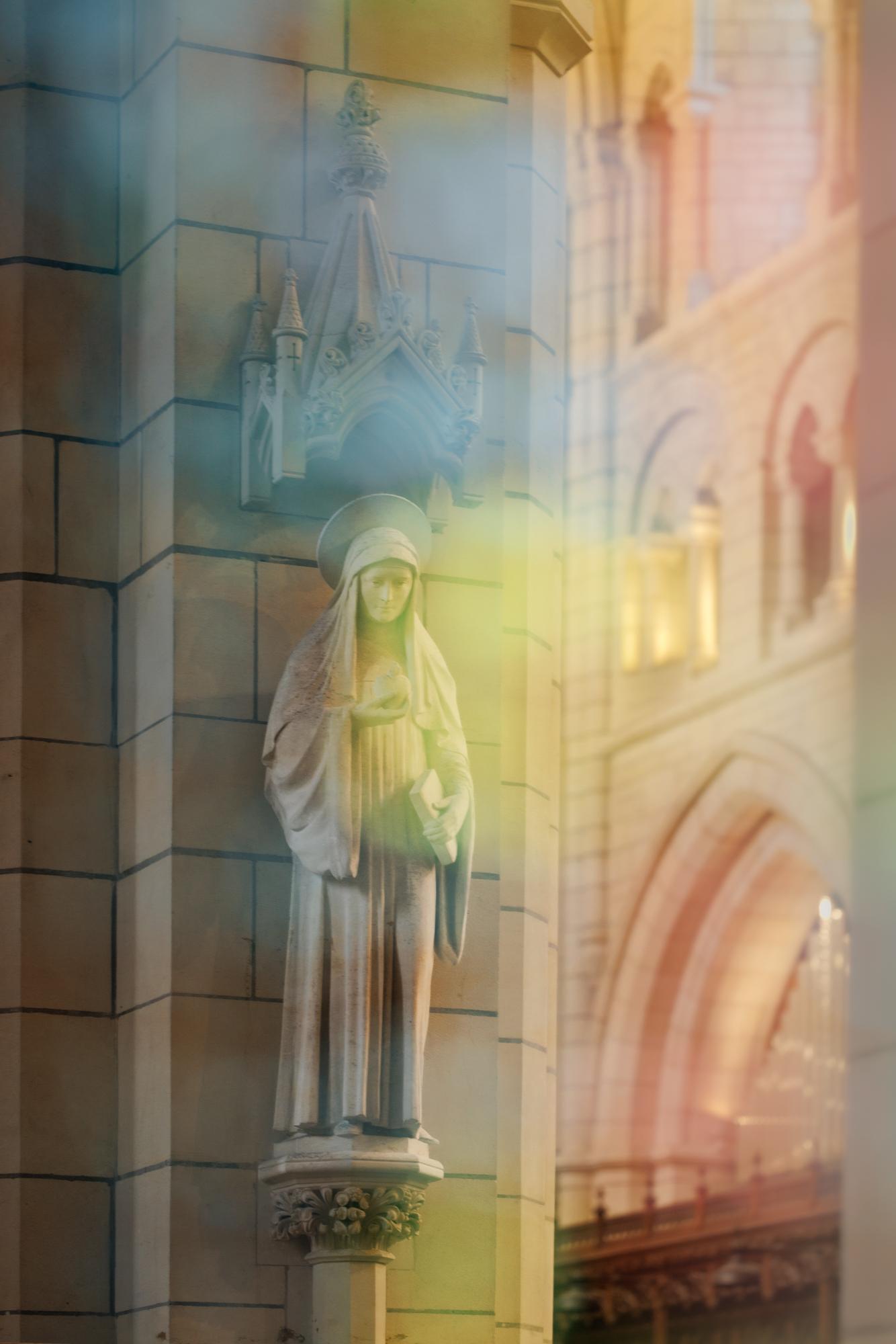
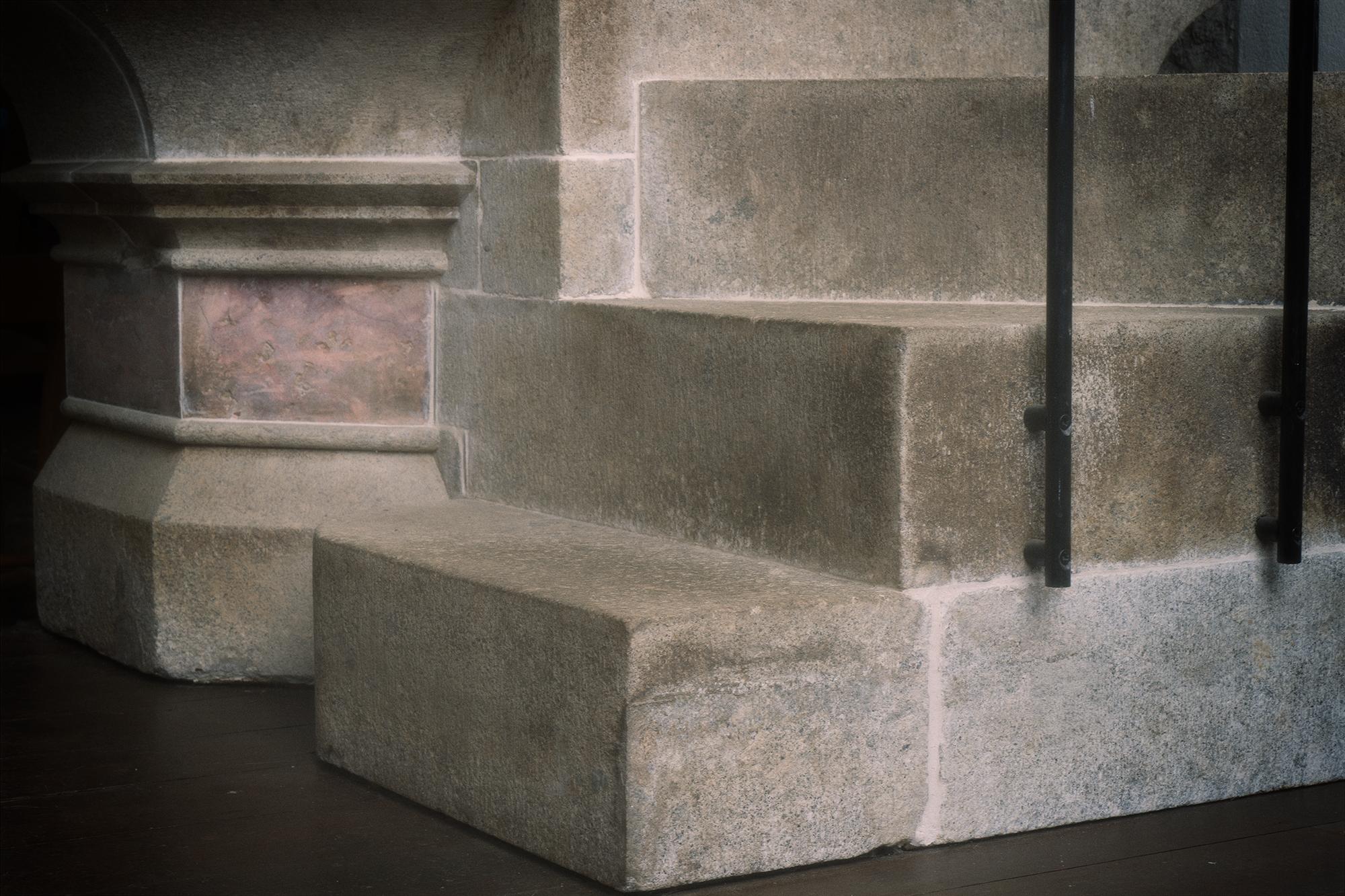
Rising peacefully above the valley of the River Dart, Buckfast Abbey is one of Devon’s most striking religious landmarks, combining spiritual tranquillity with architectural elegance. Rebuilt by Benedictine monks in the twentieth century on the site of a much older medieval monastery, the abbey church possesses a distinctive character: its clean, uncluttered lines and harmonious proportions create a sense of calm and order, while avoiding excessive ornamentation. Inside, the finely crafted stonework is particularly impressive, with pale stone arches, graceful columns and carefully carved details drawing the eye towards the sanctuary. The interior is filled with natural light, enhancing the beauty of the masonry and lending the church an atmosphere of serenity and contemplation.
The original monastery was founded in the twelfth century and flourished for centuries before its dissolution during the reign of Henry VIII. After a long period of decline, Benedictine monks returned in the late nineteenth century and undertook the extraordinary task of rebuilding the abbey largely by their own labour. Today, the church stands as both a modern achievement and a testament to an ancient monastic tradition. Its architecture reflects the enduring values of the Benedictine order—simplicity, stability and devotion. The gardens are famous for their Lavender and Herbs and the Monks for their Bees, Tonic wine and enduring community.
A refuge of calm, peace and serenity.
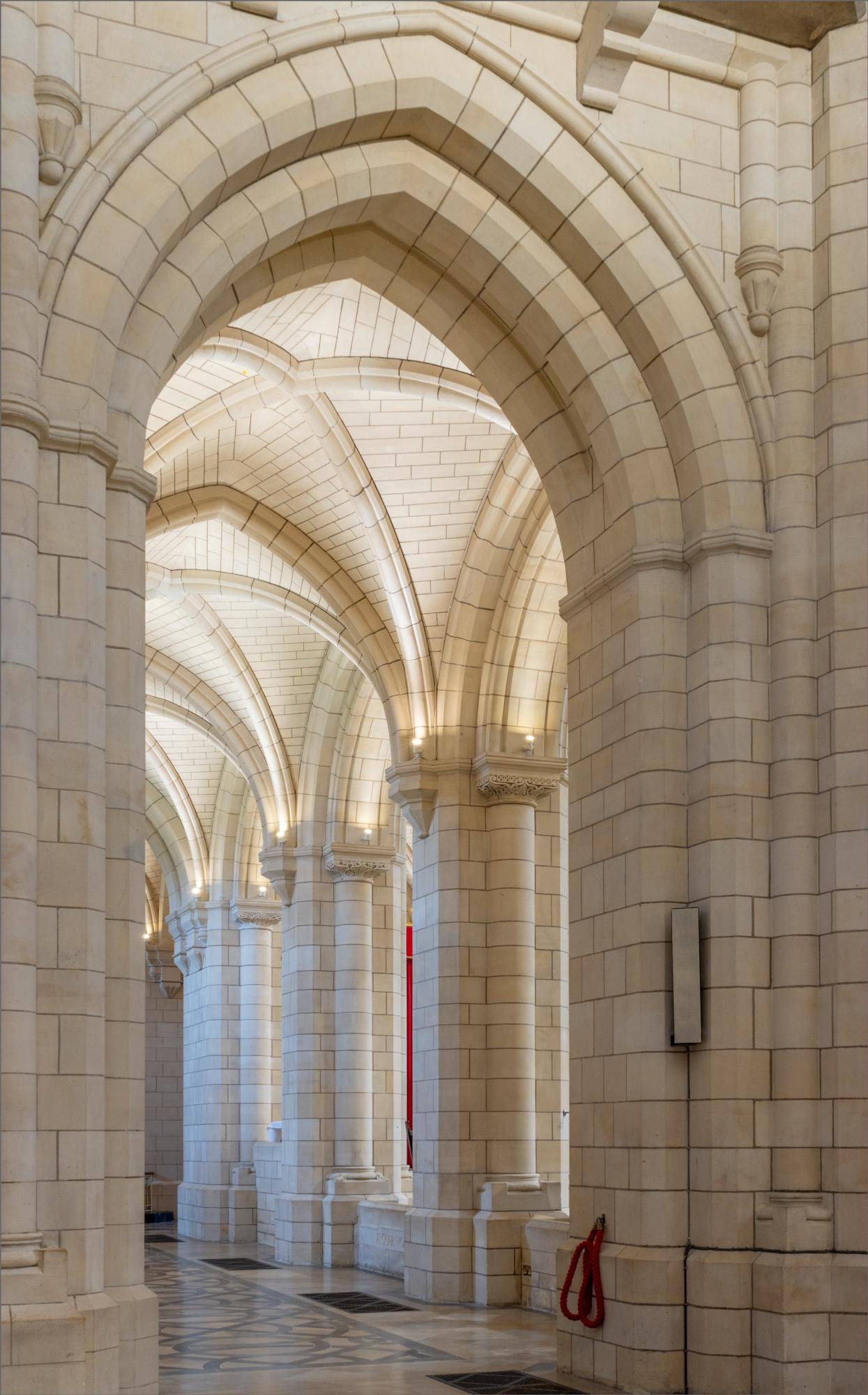


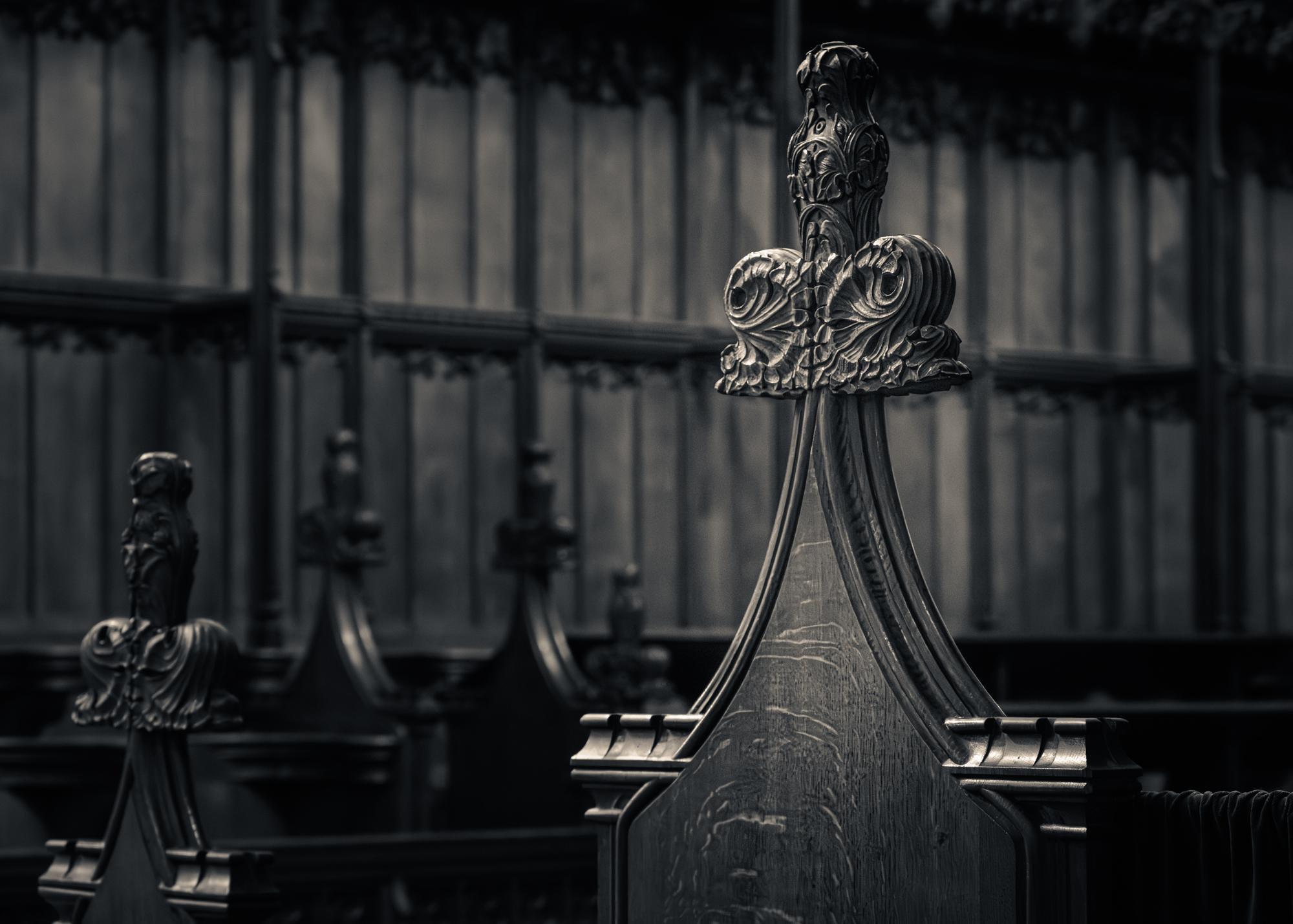
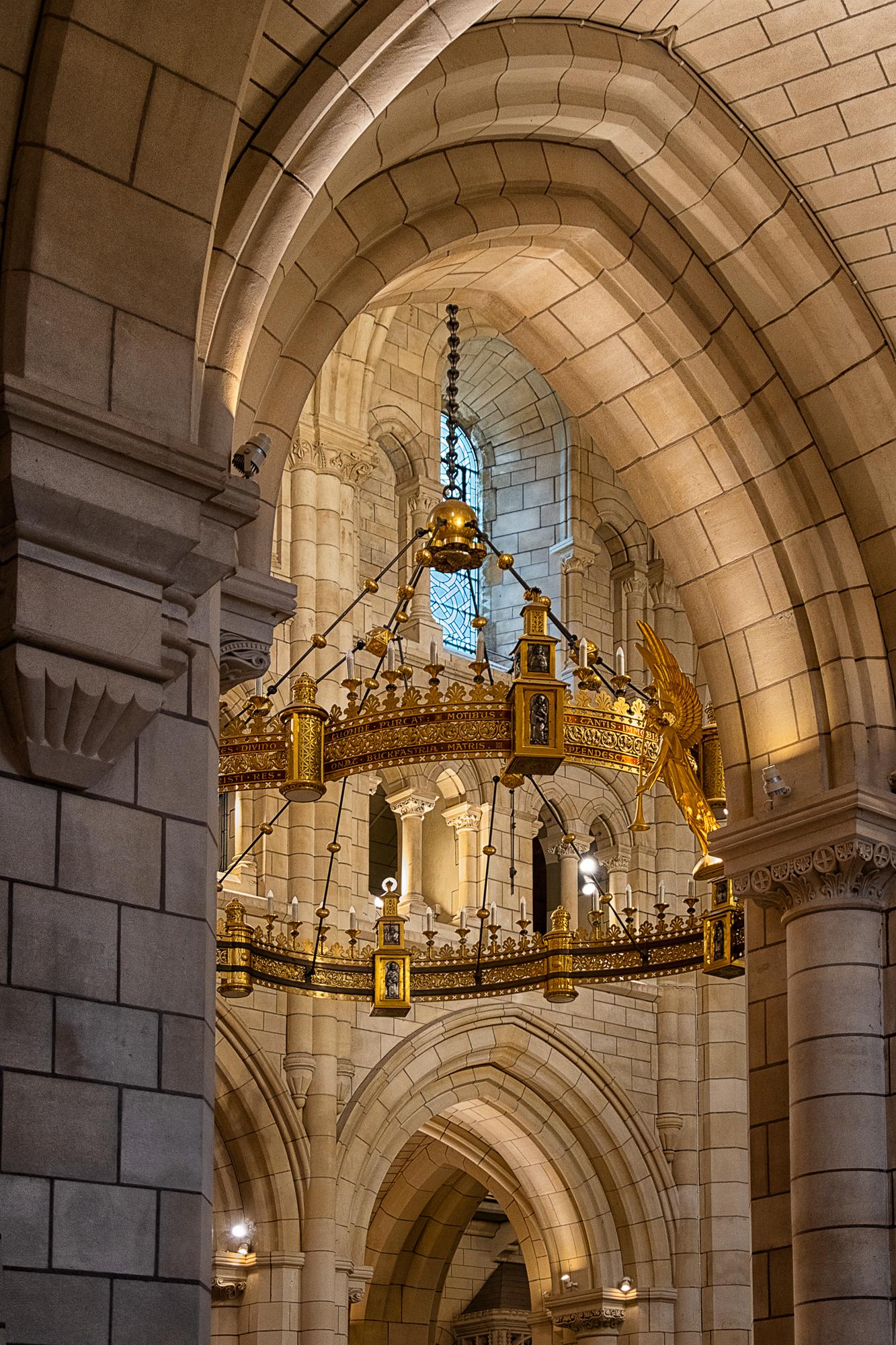

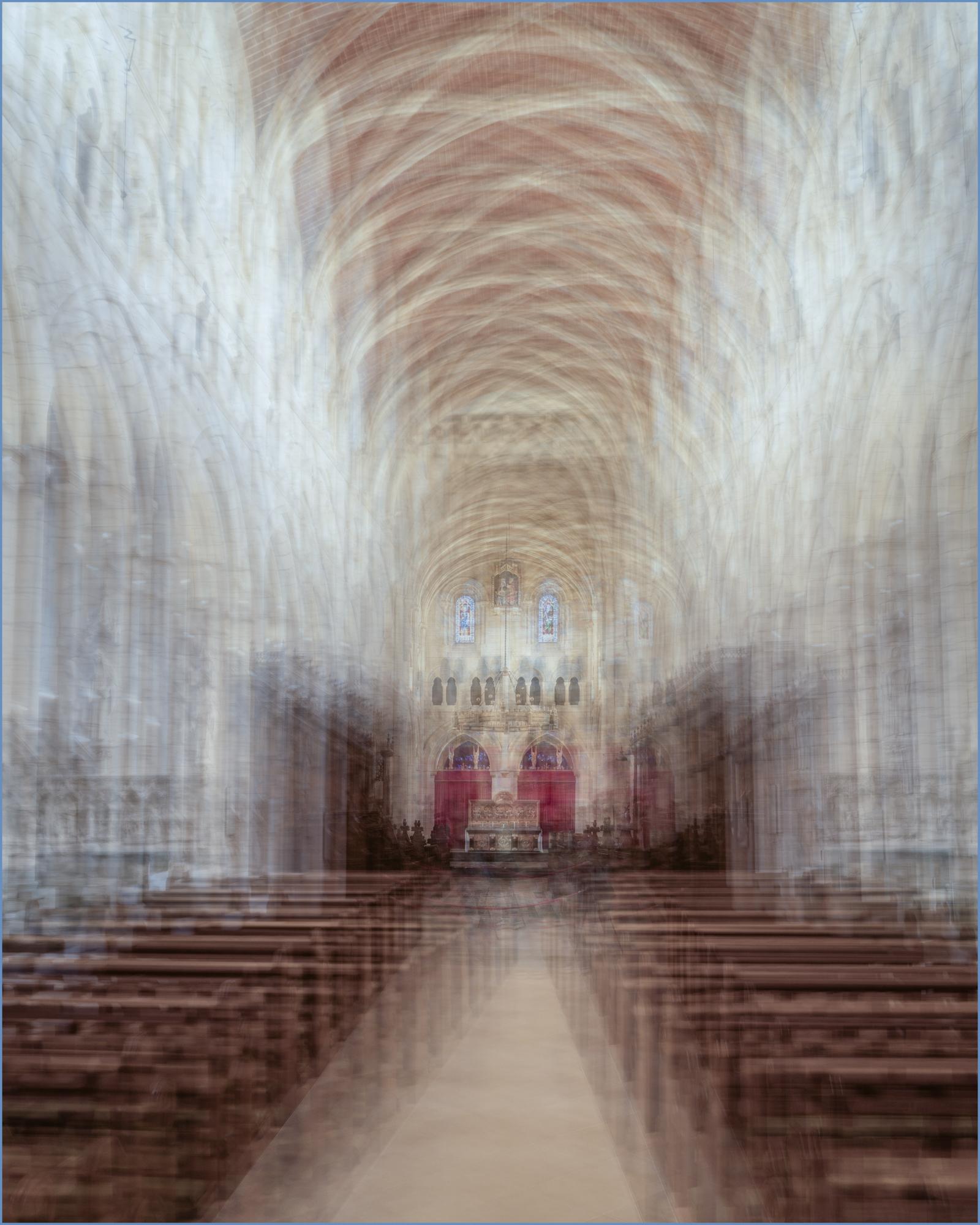
Vault *

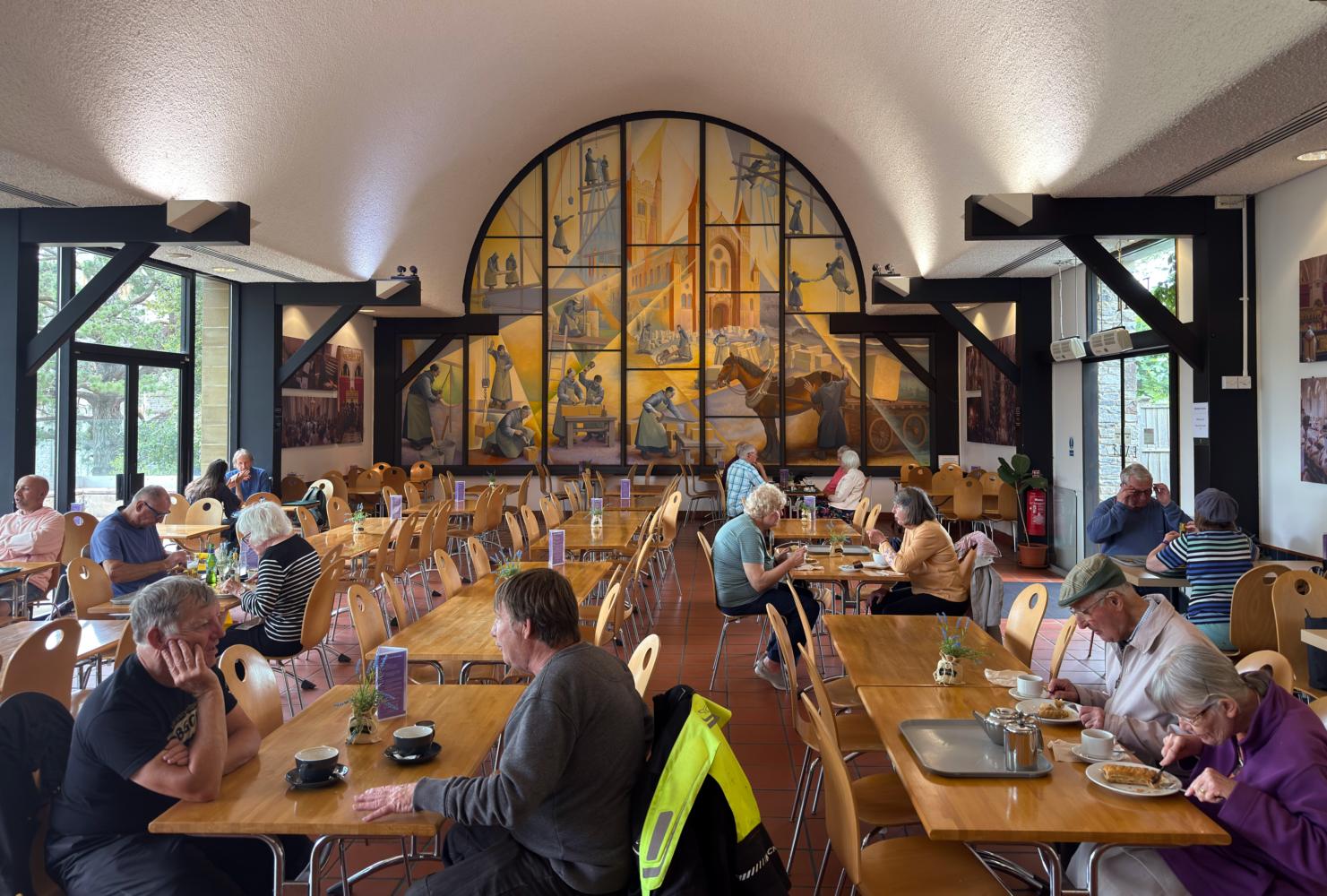
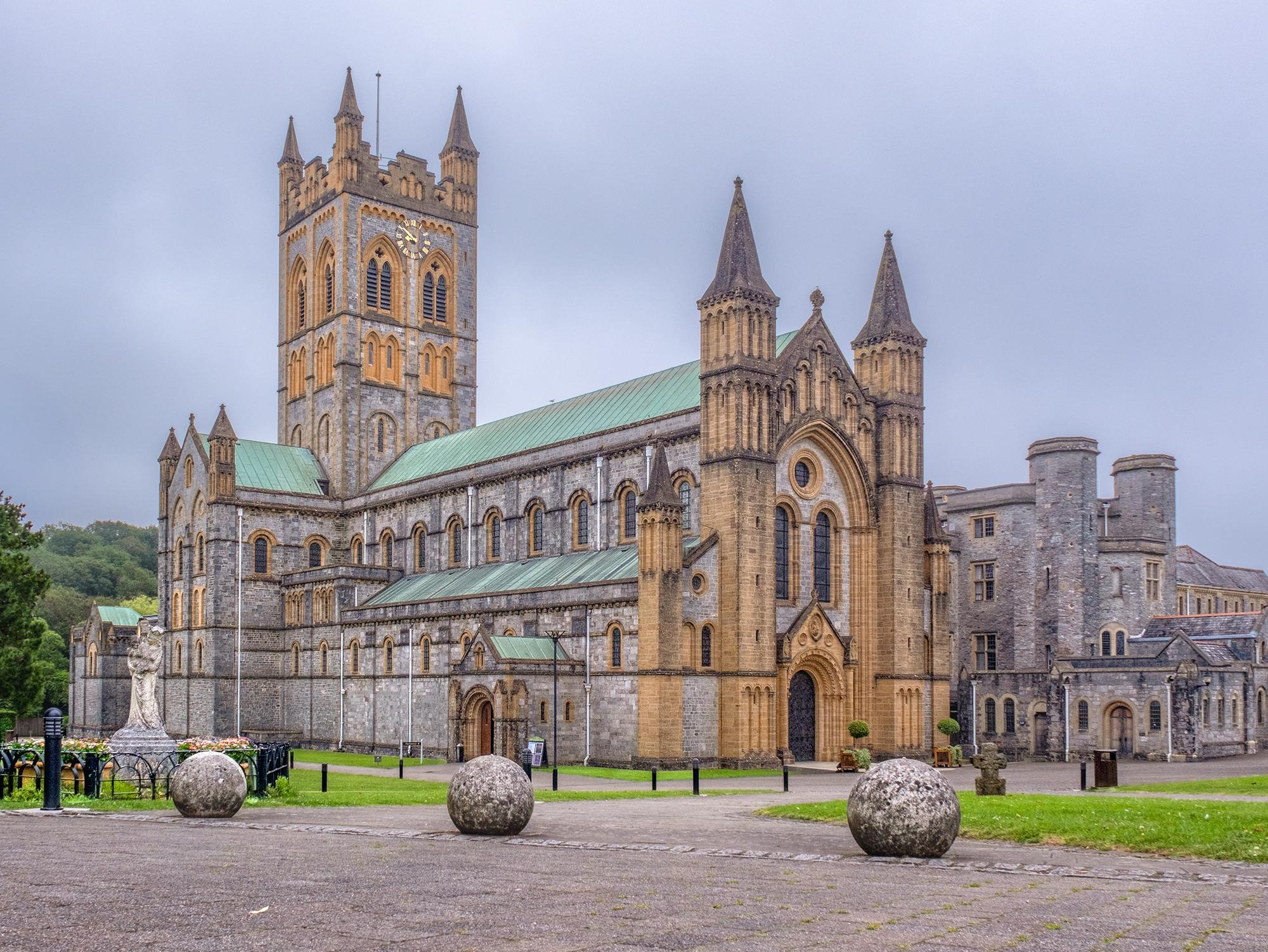
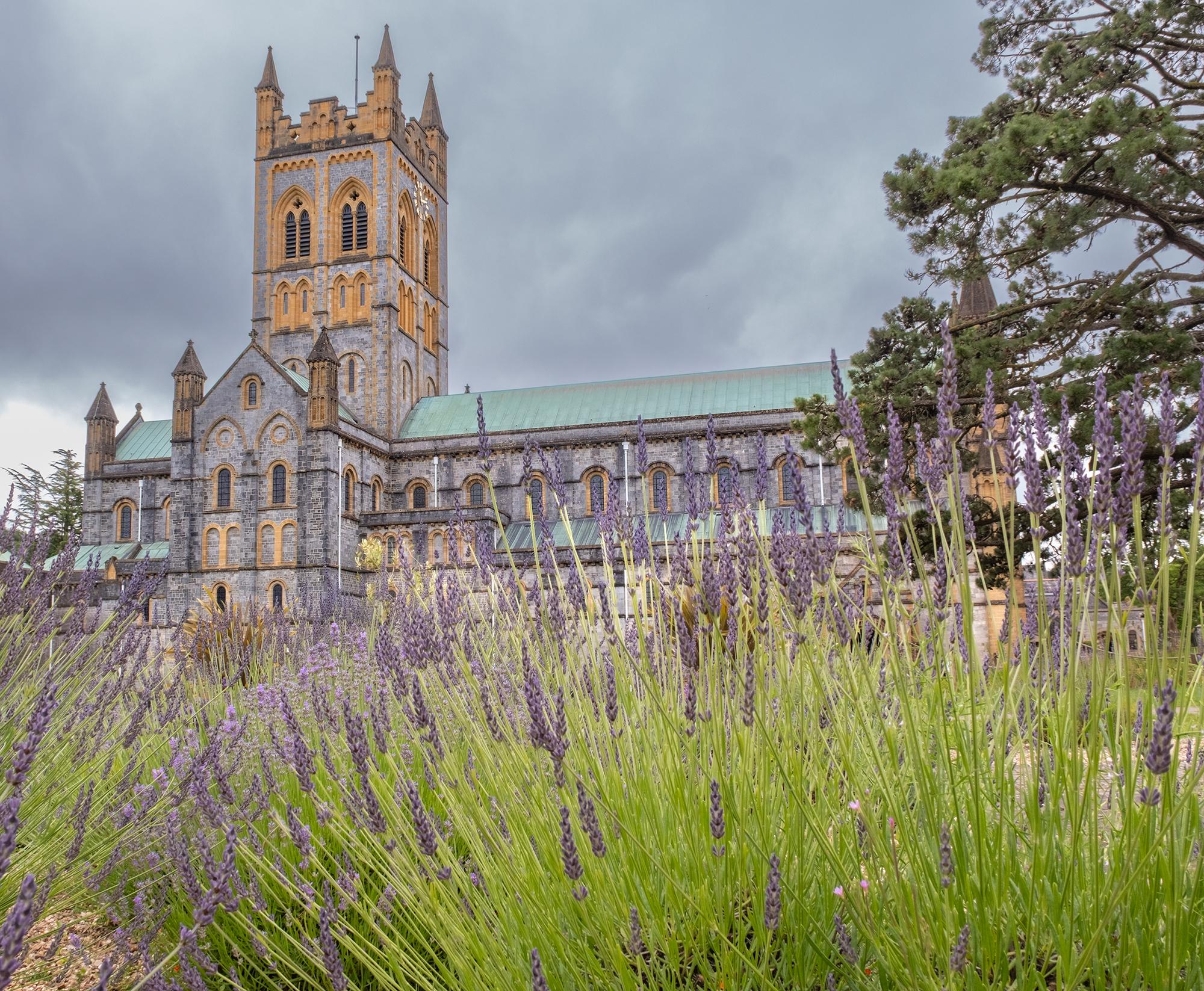
Looking Through the Lavendar
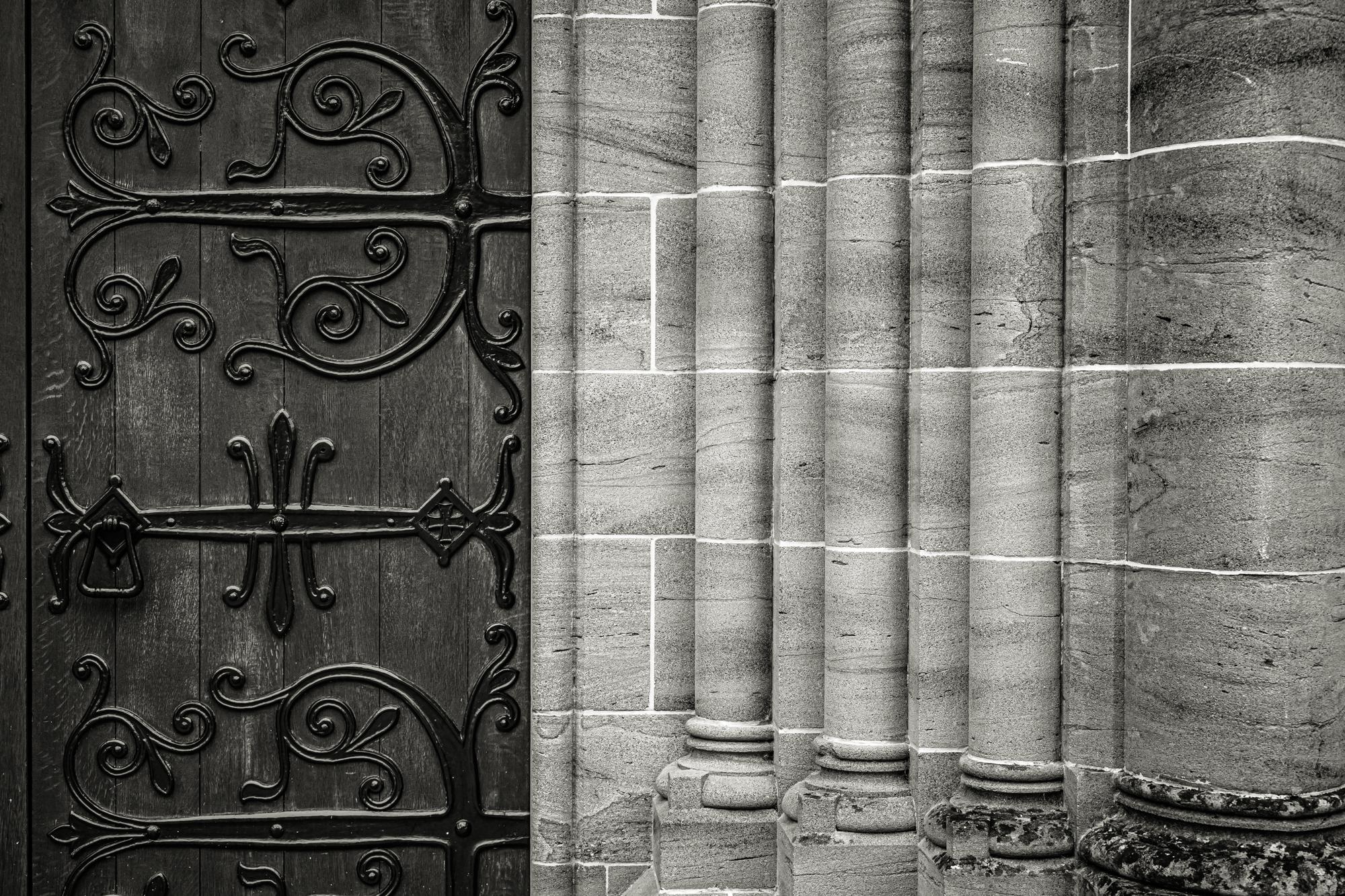
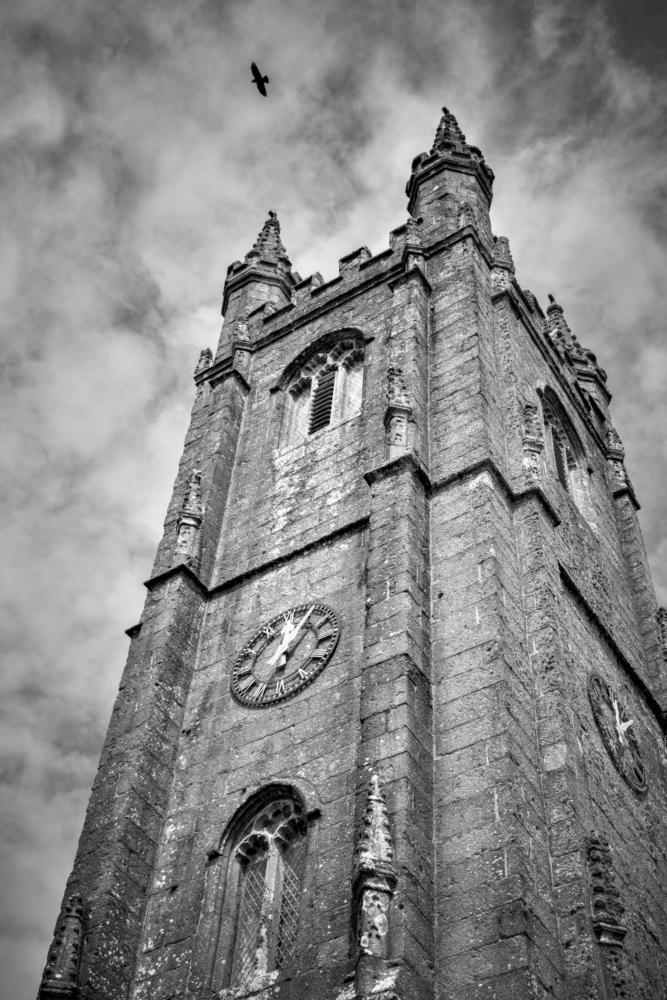
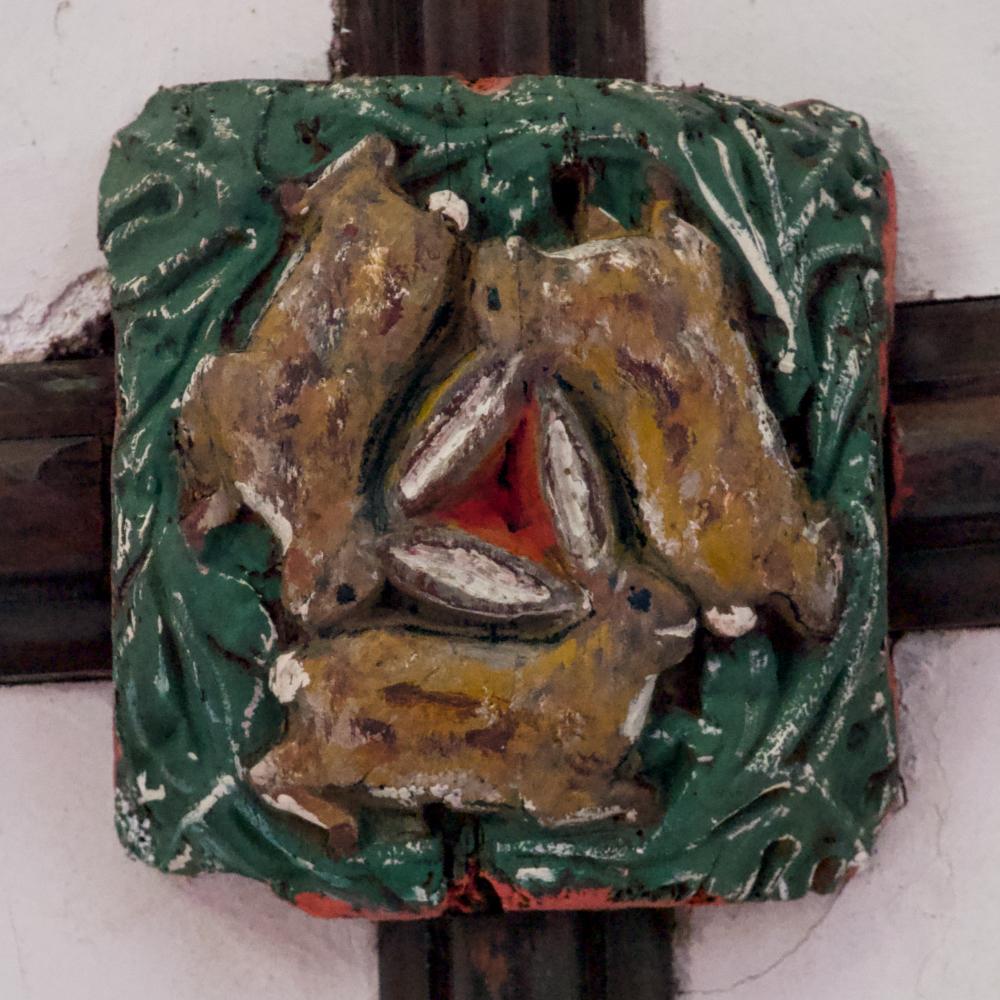
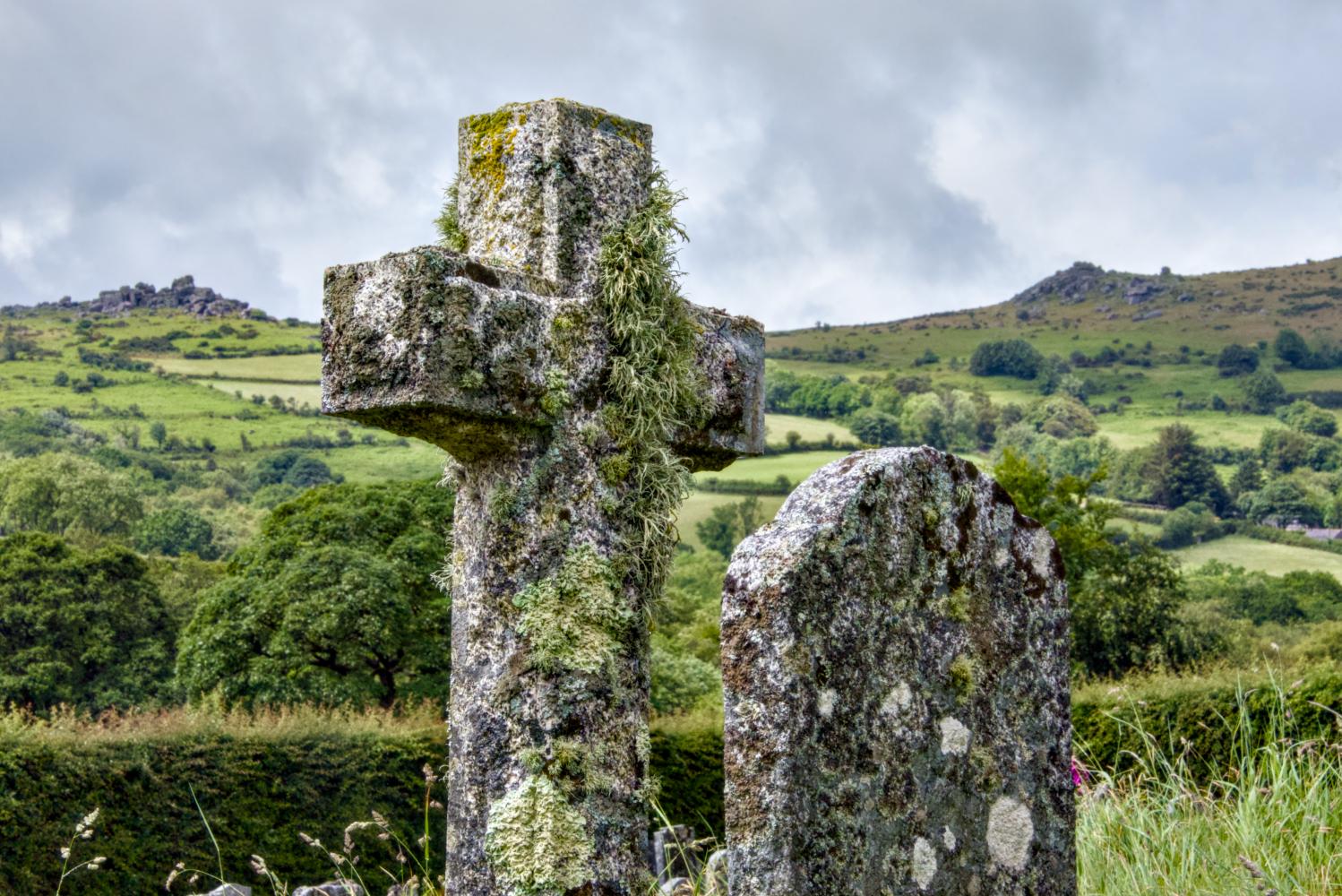
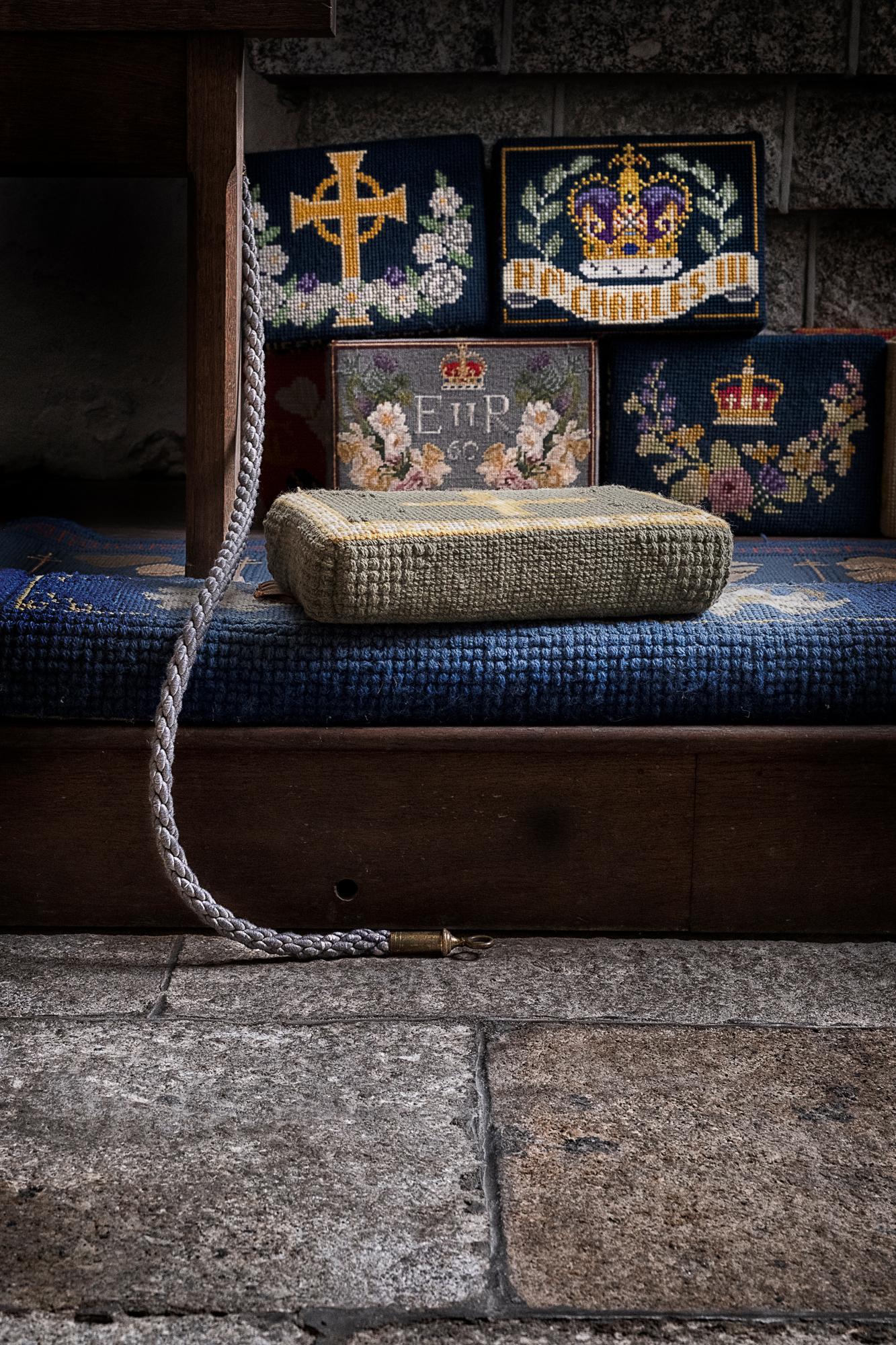
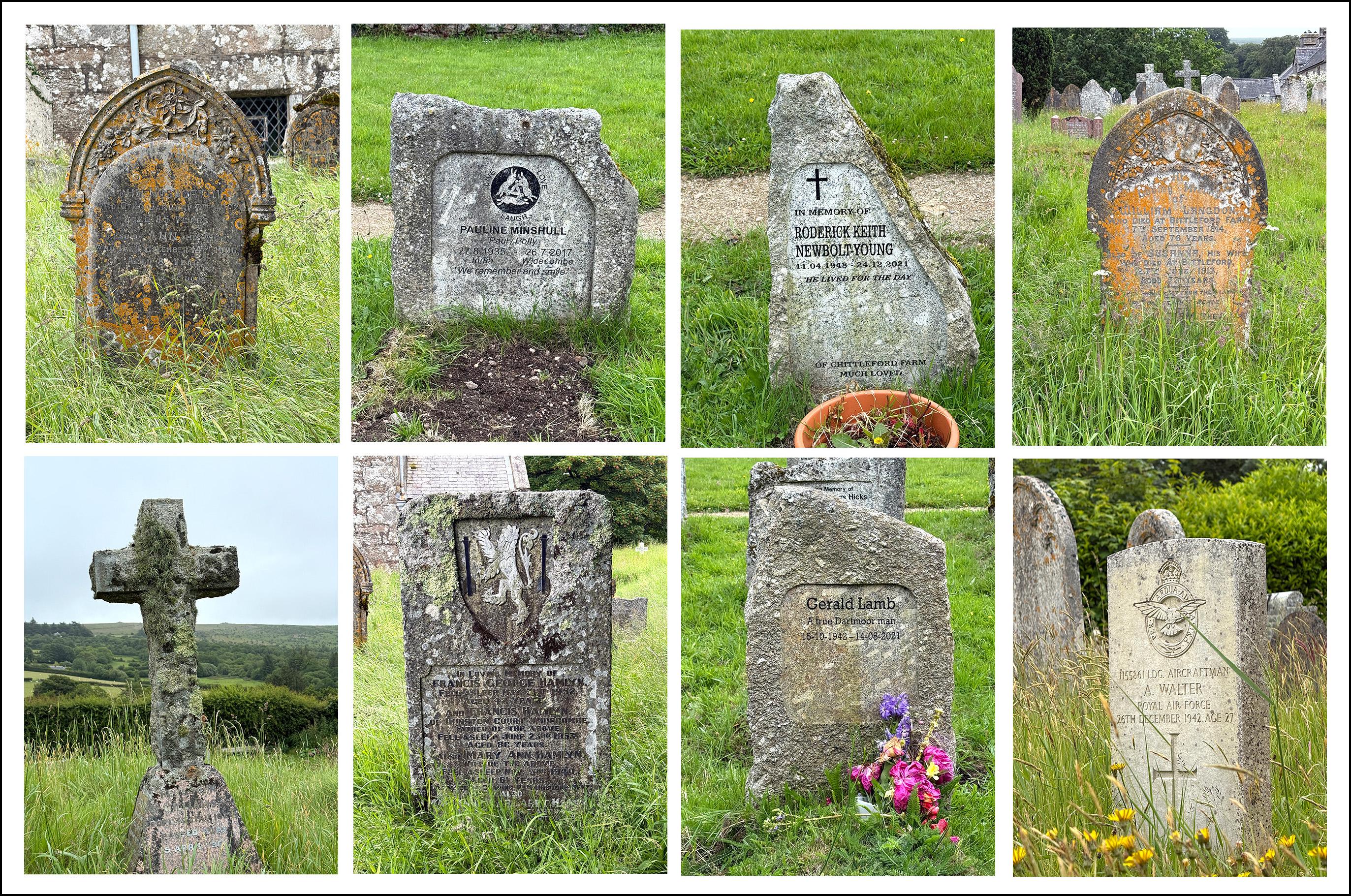
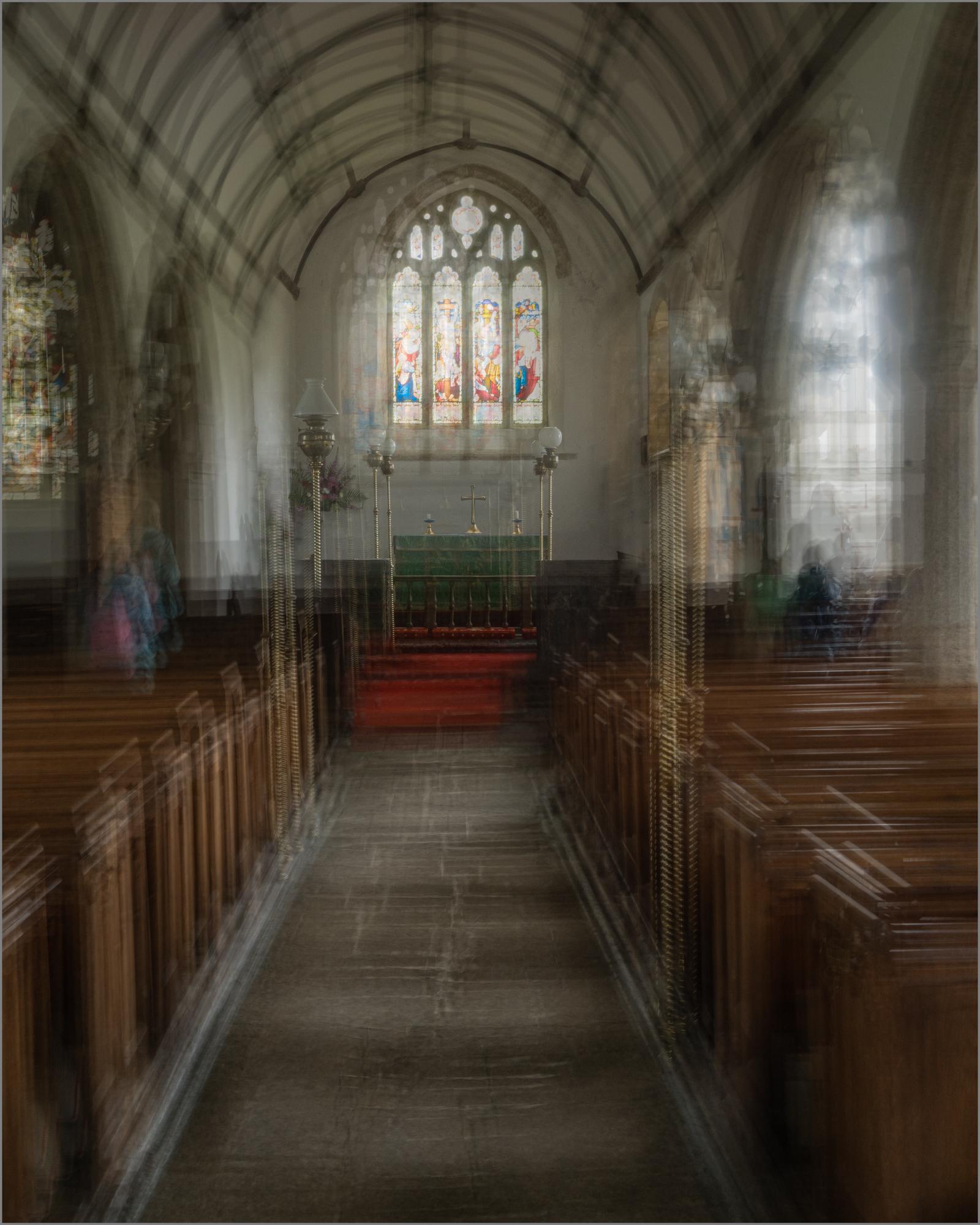
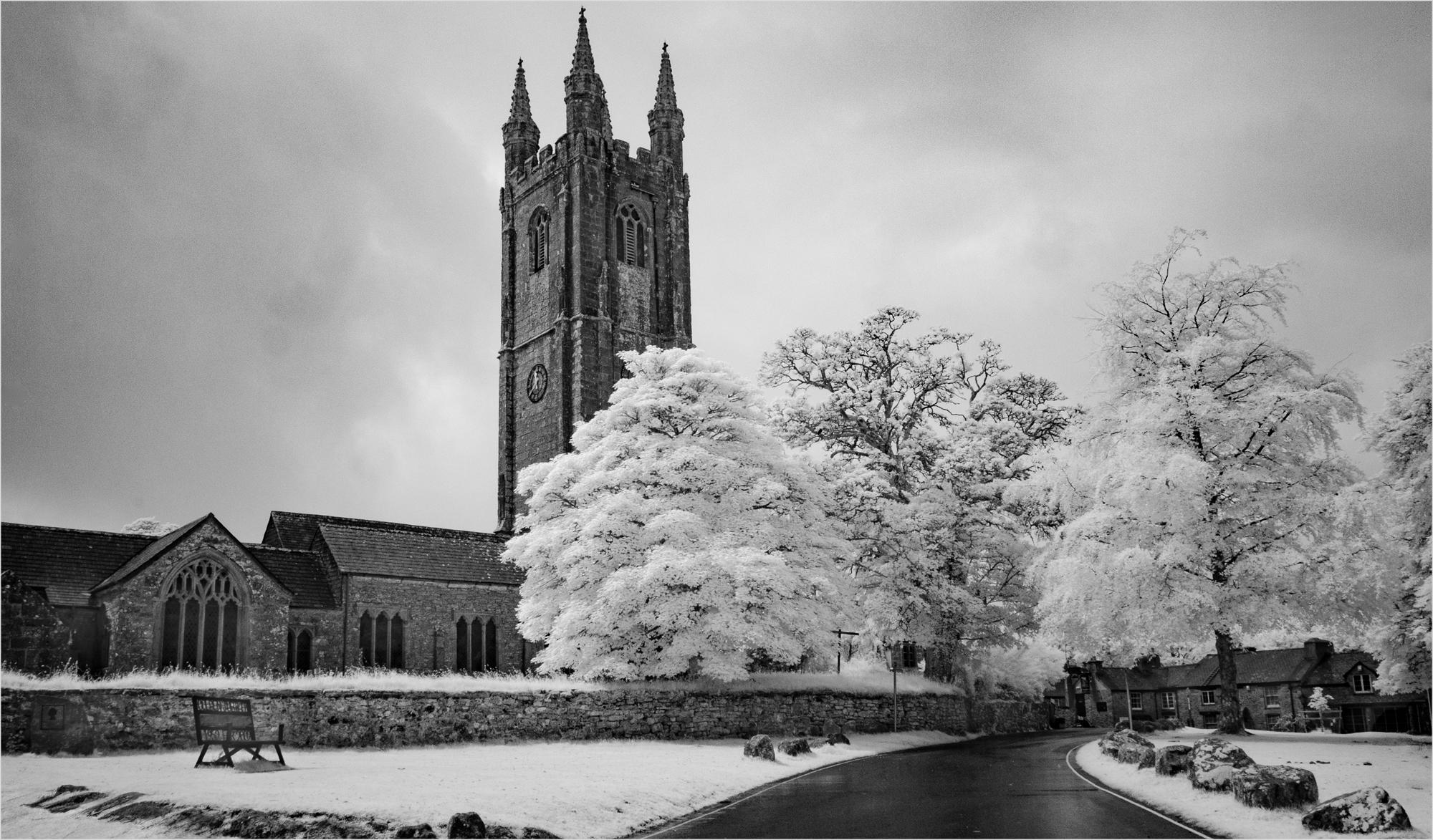
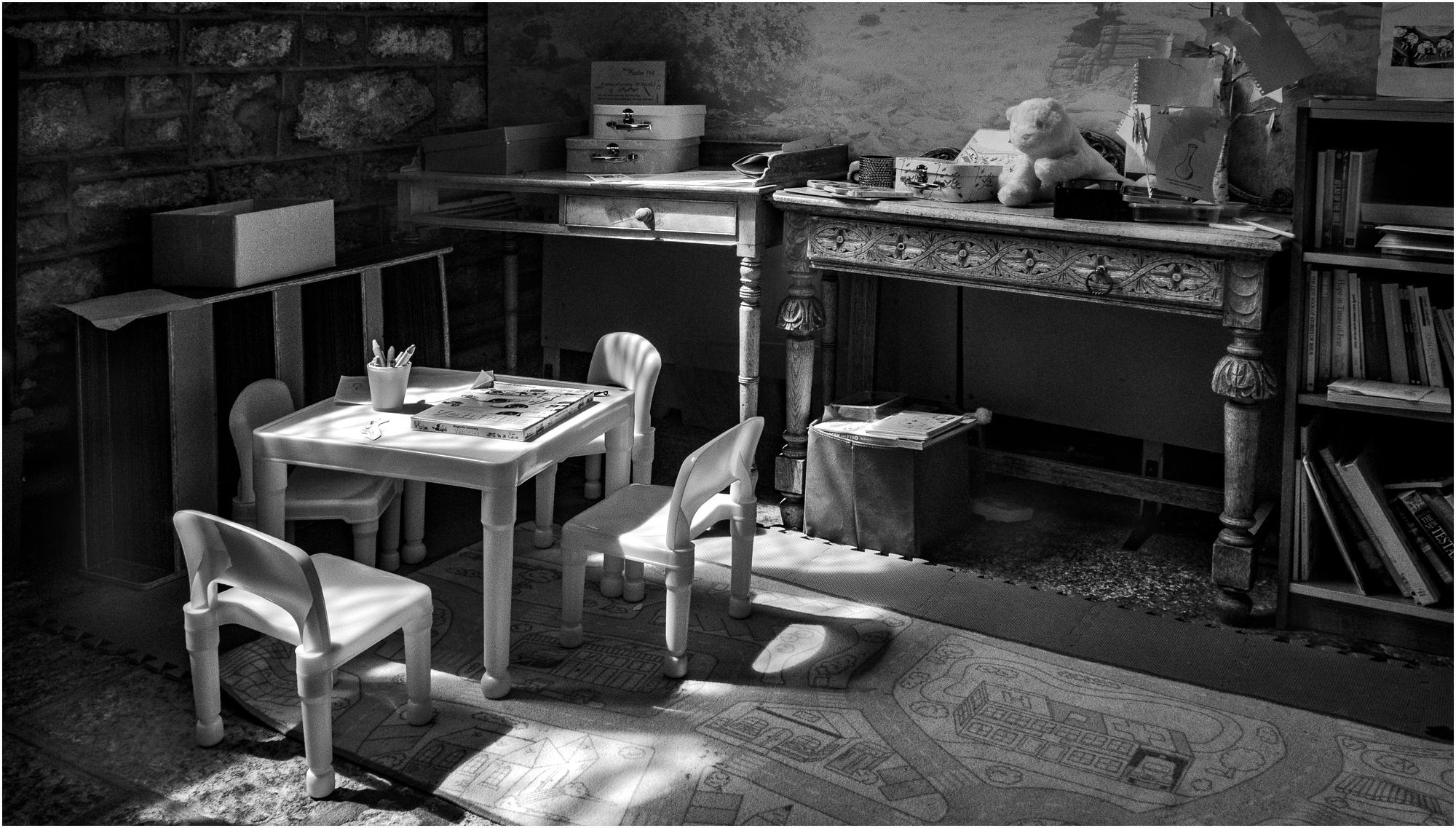
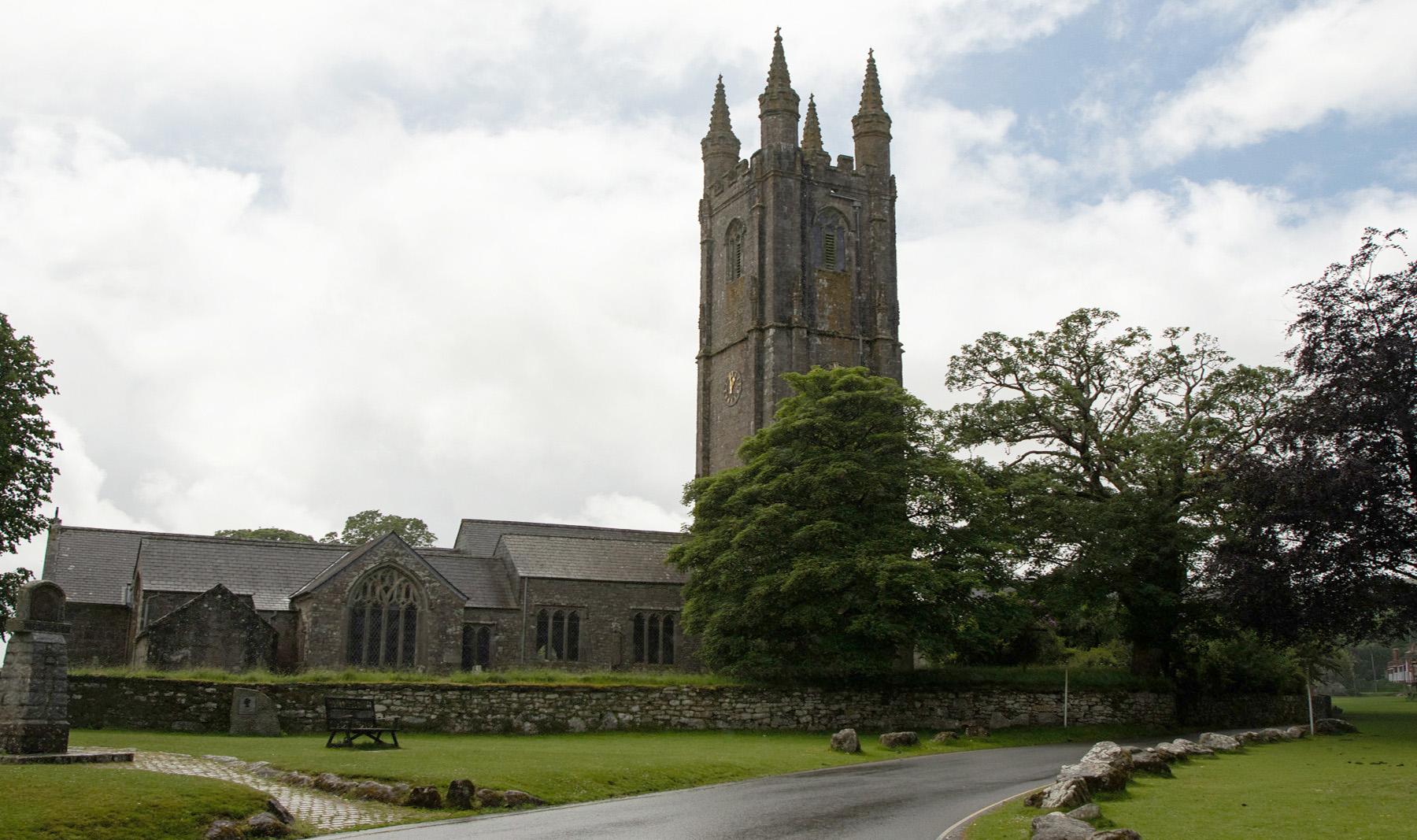
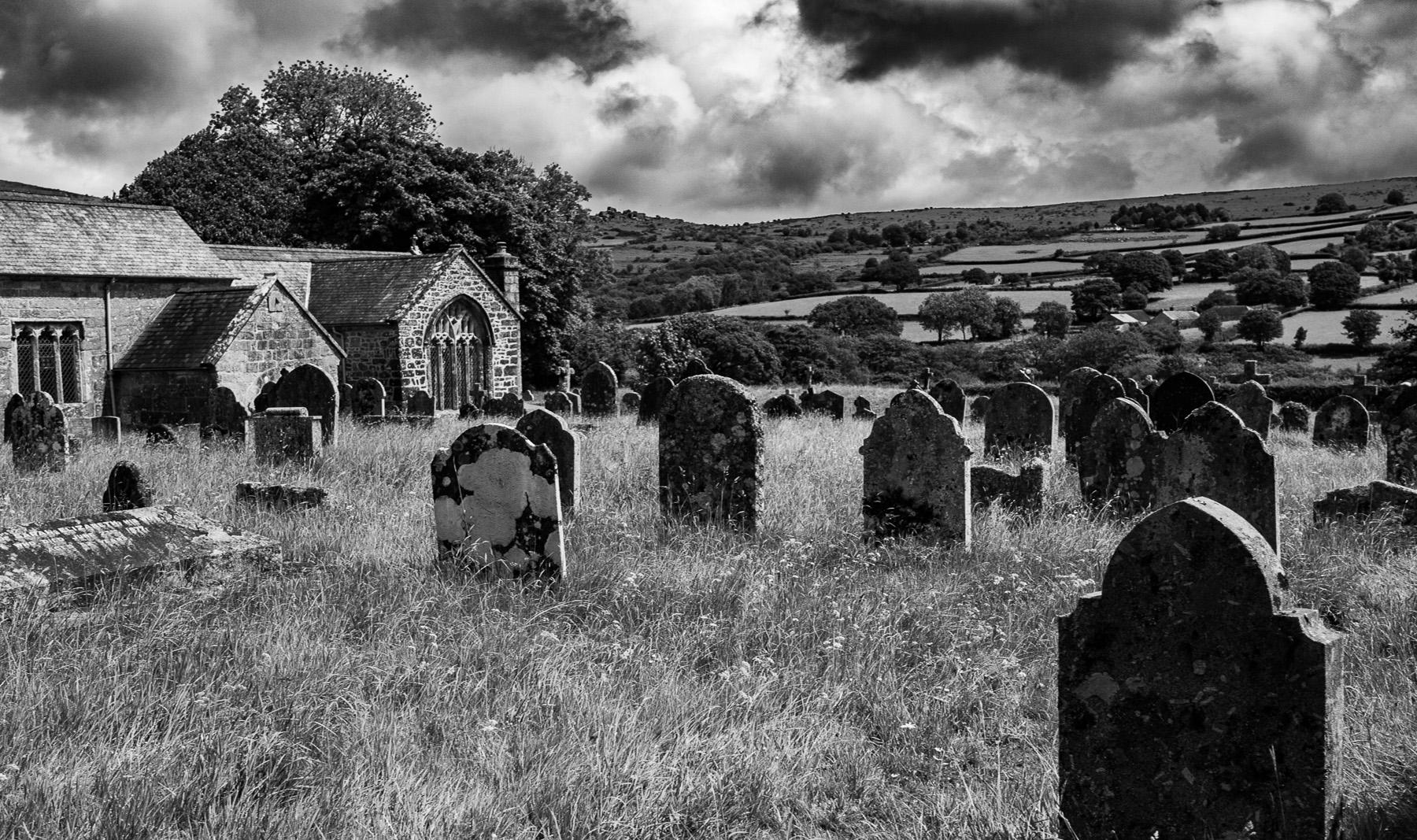
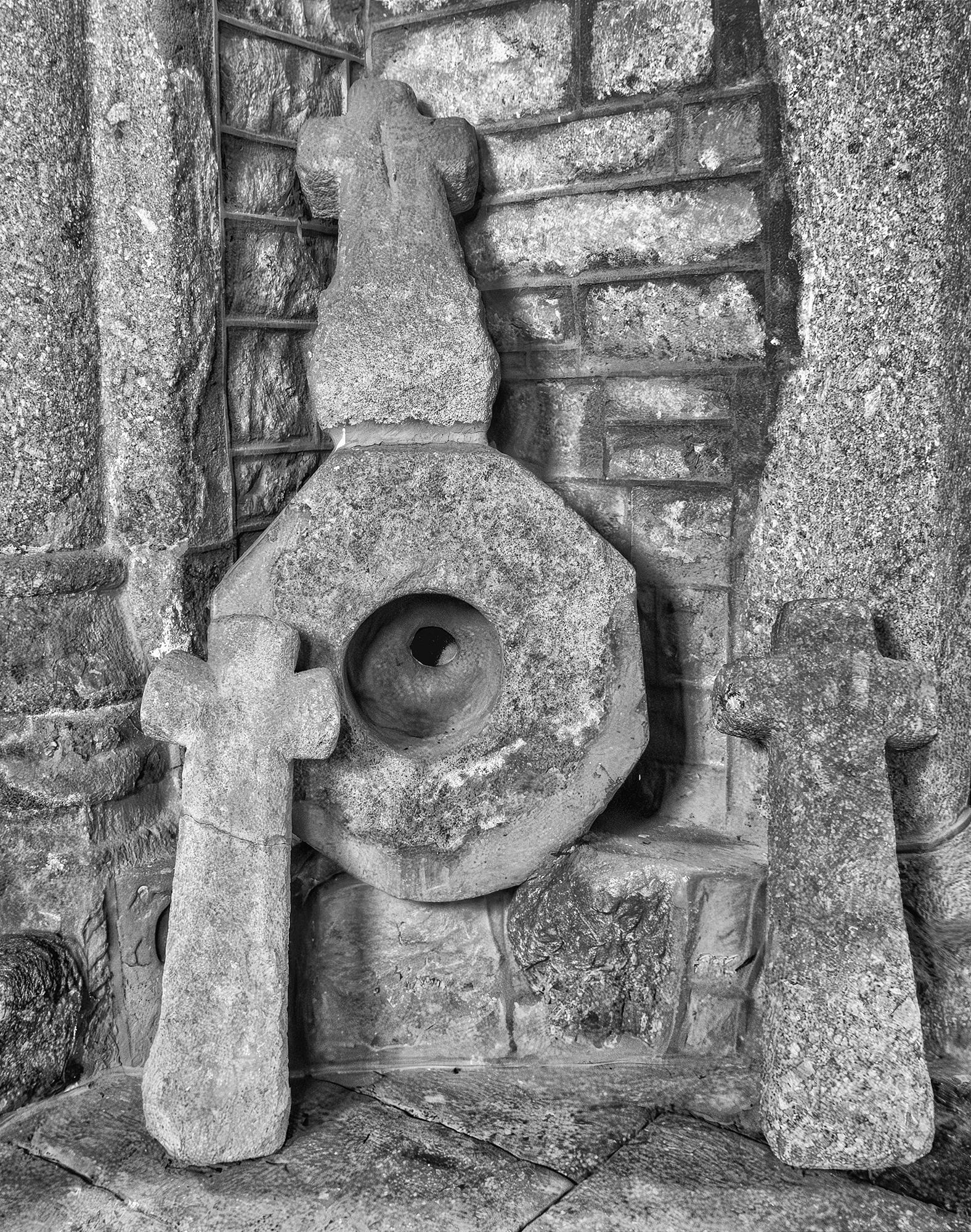
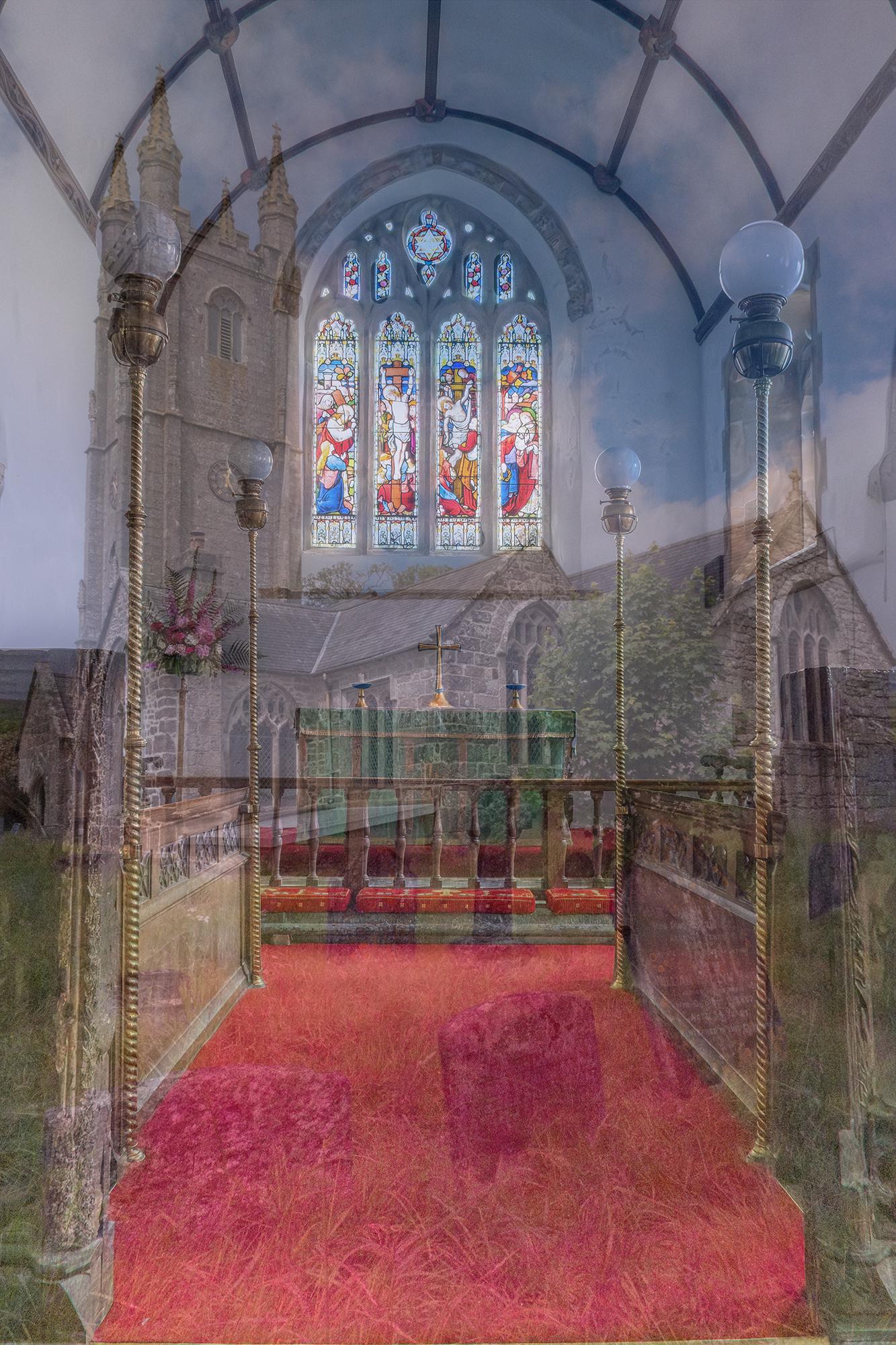
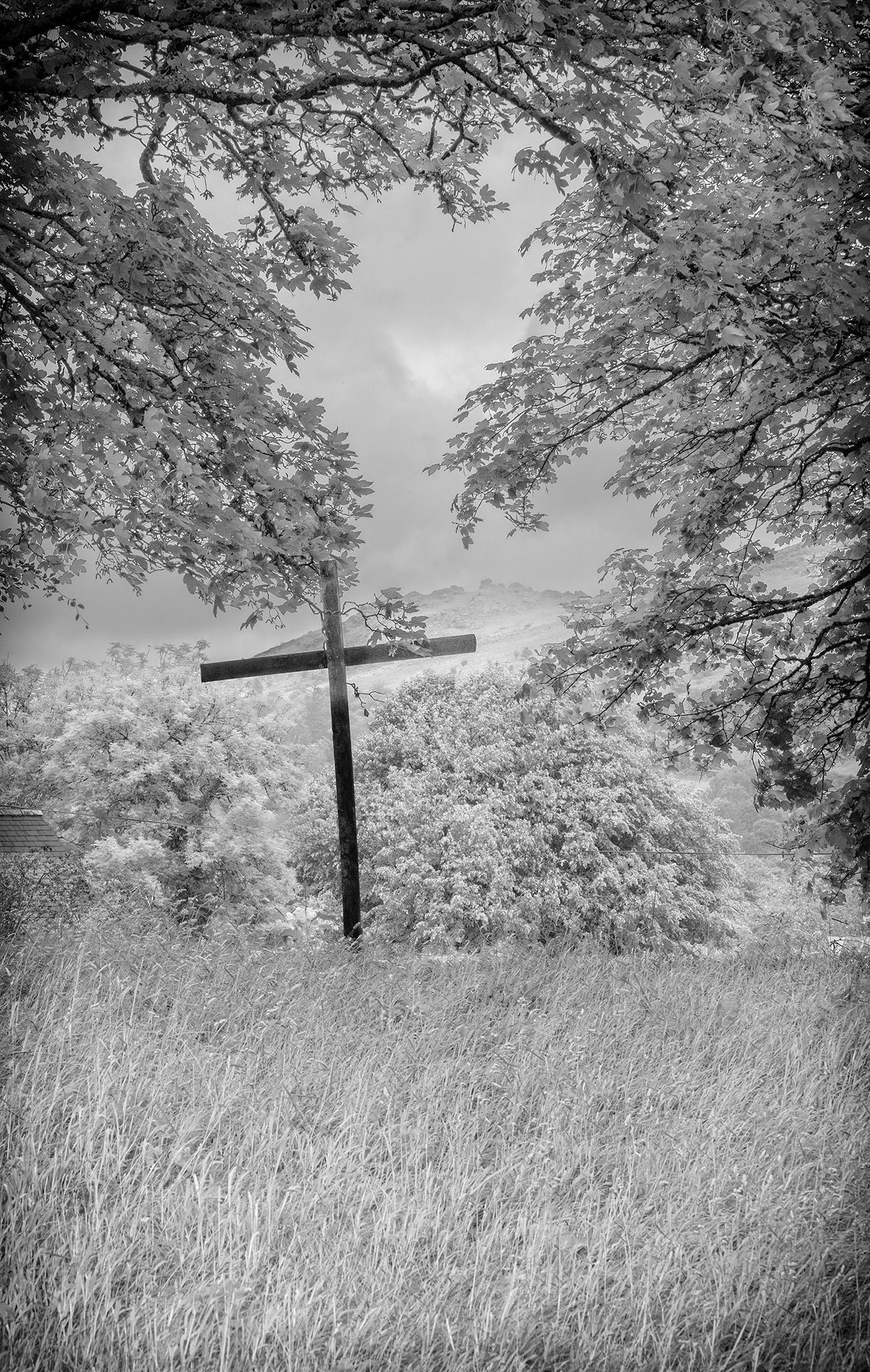
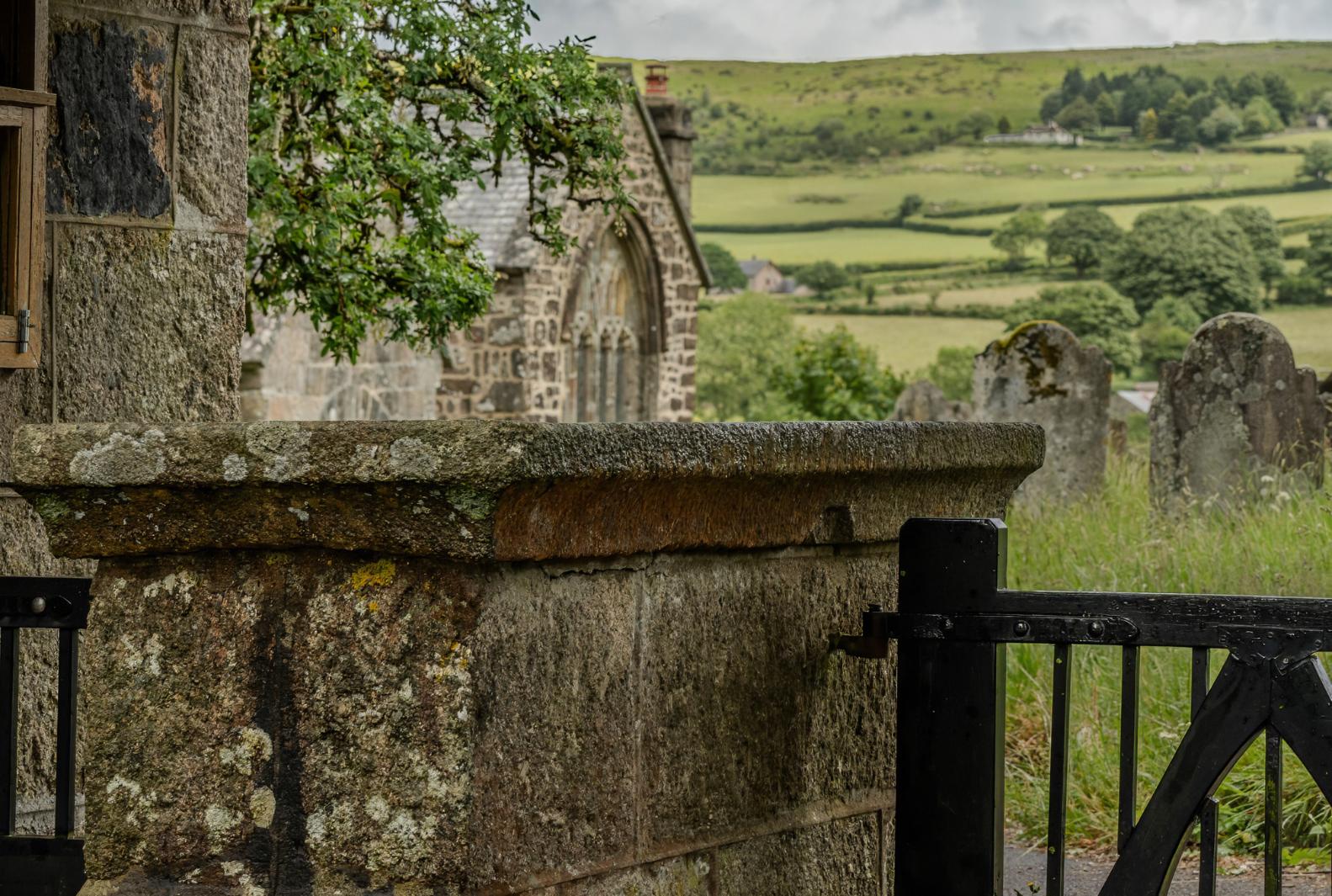
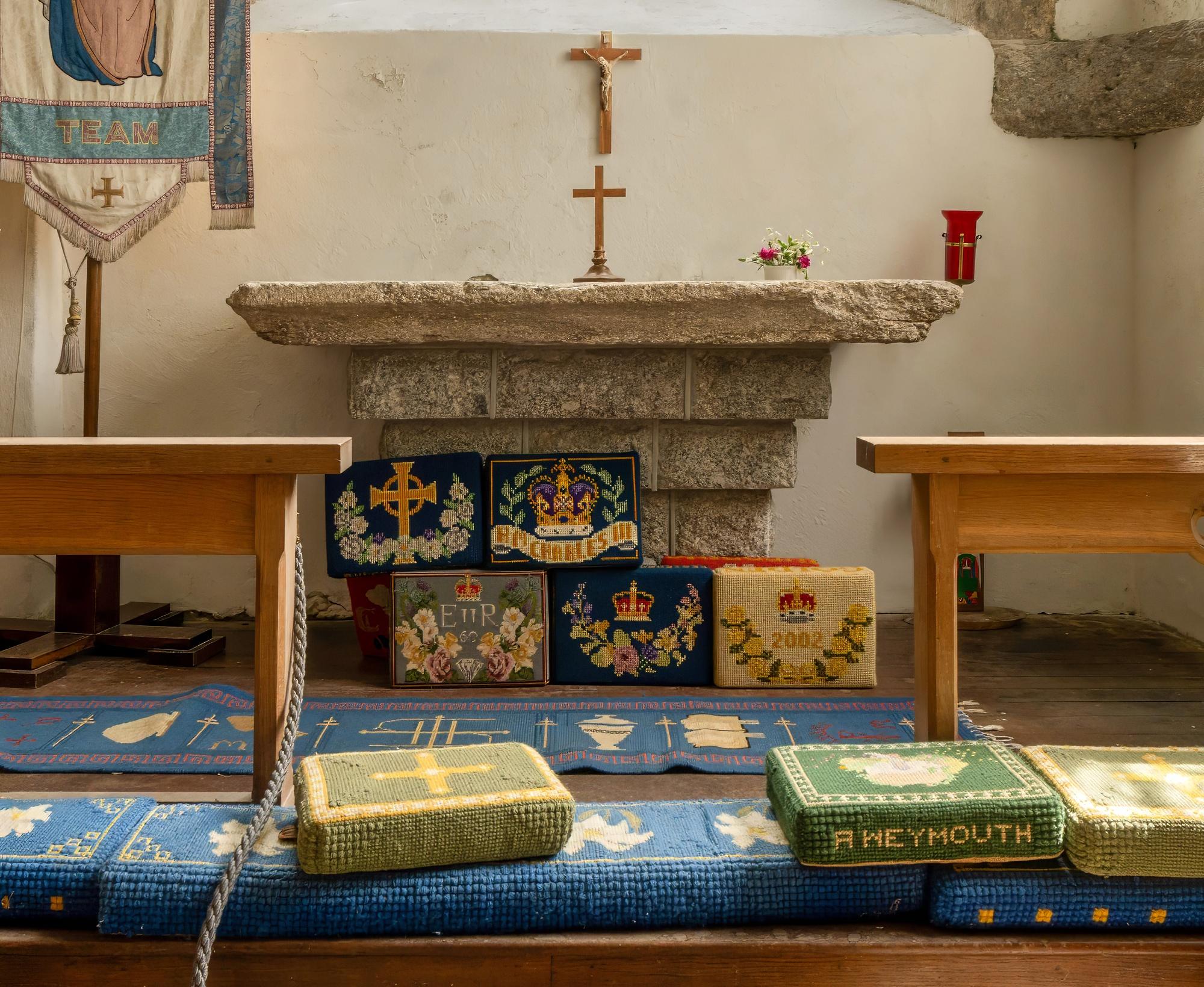
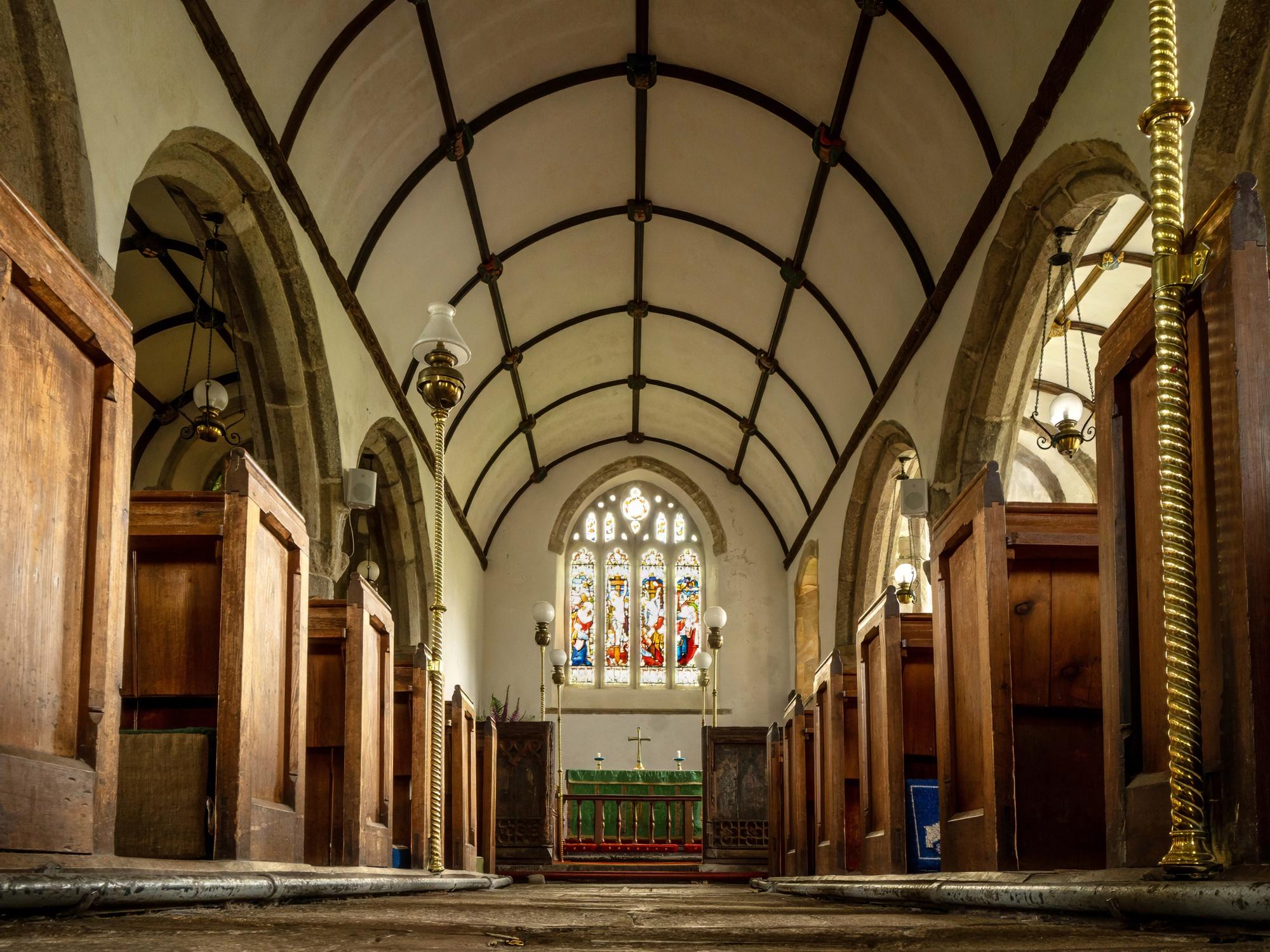
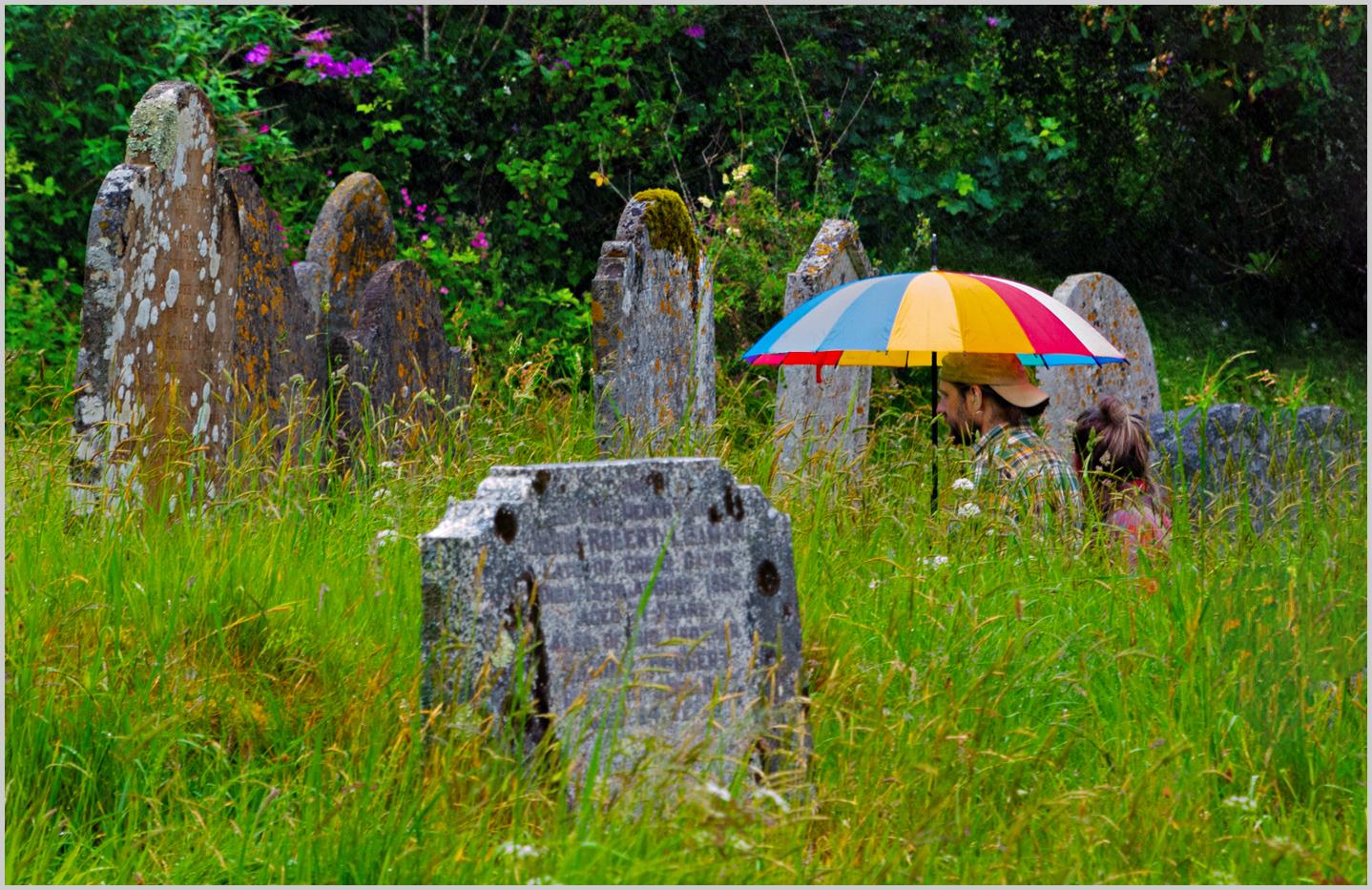
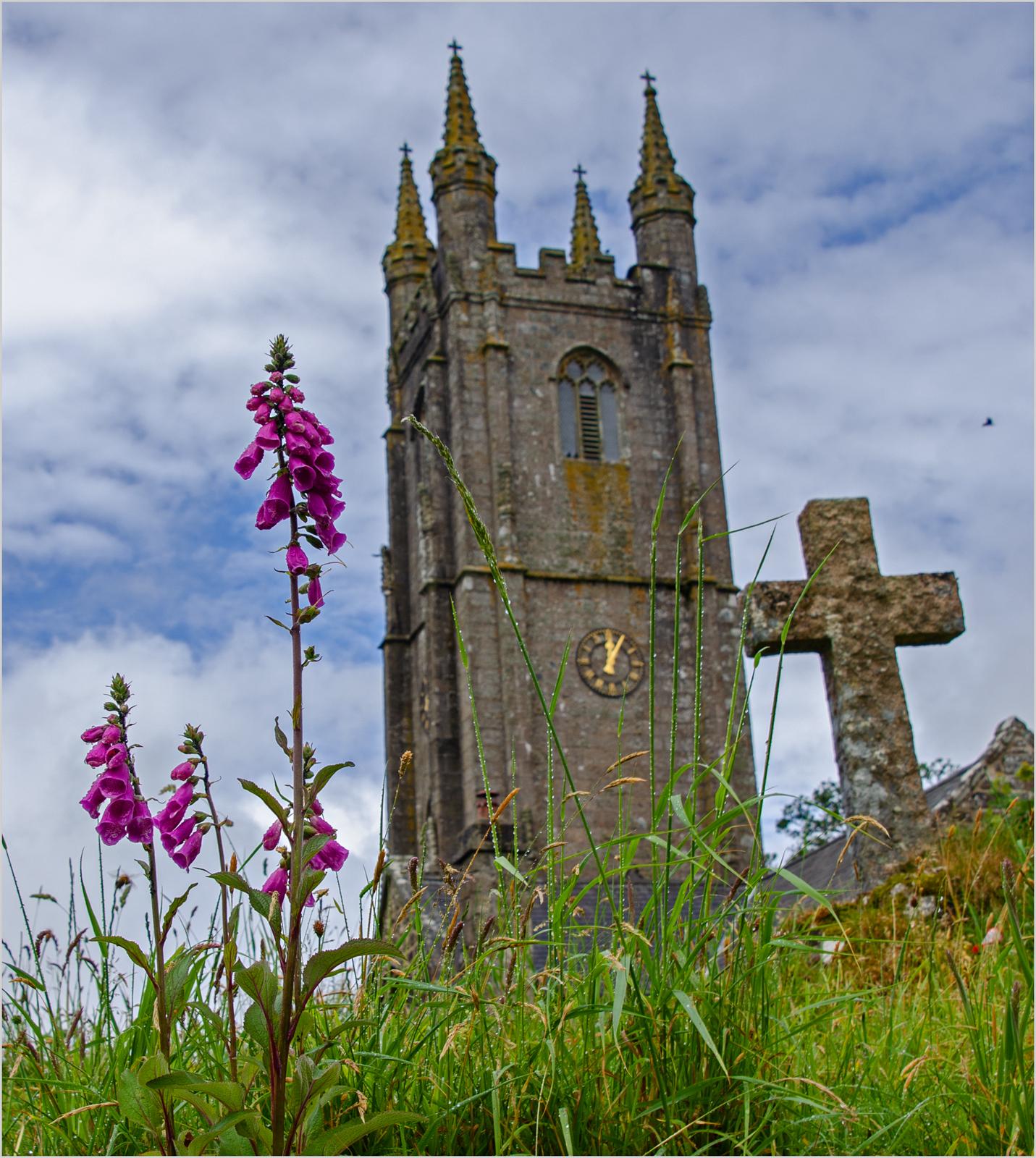
The church of St Pancras is known as the "Cathedral of the Moors" in recognition of its 120-foot tower and relatively large capacity for such a small village. Originally built in the fourteenth century, in the Perpendicular style (late Gothic), using locally quarried granite, it was enlarged over the following two centuries, partly on the proceeds of the local tin mining trade. Inside, the ceiling is decorated with a large number of decorative roof bosses, including the tinner’s emblem of a circle of three hares (known locally as the Tinners' Rabbits).
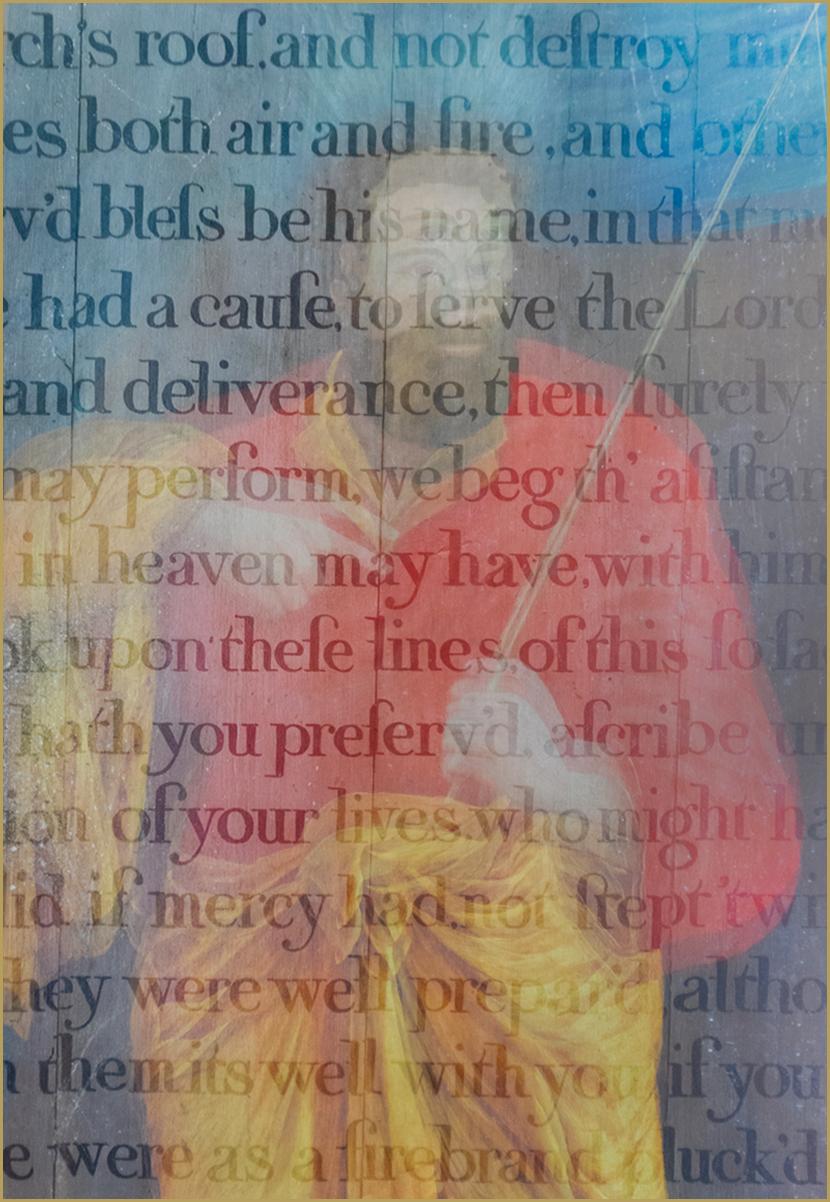
The church was badly damaged in the Great Thunderstorm of 1638, apparently struck by ball lightning during an afternoon service. The building was packed with about 300 people sheltering from the storm, four of whom were killed and around 60 injured. Local legend relates that the disaster was caused by a visit from the Devil.
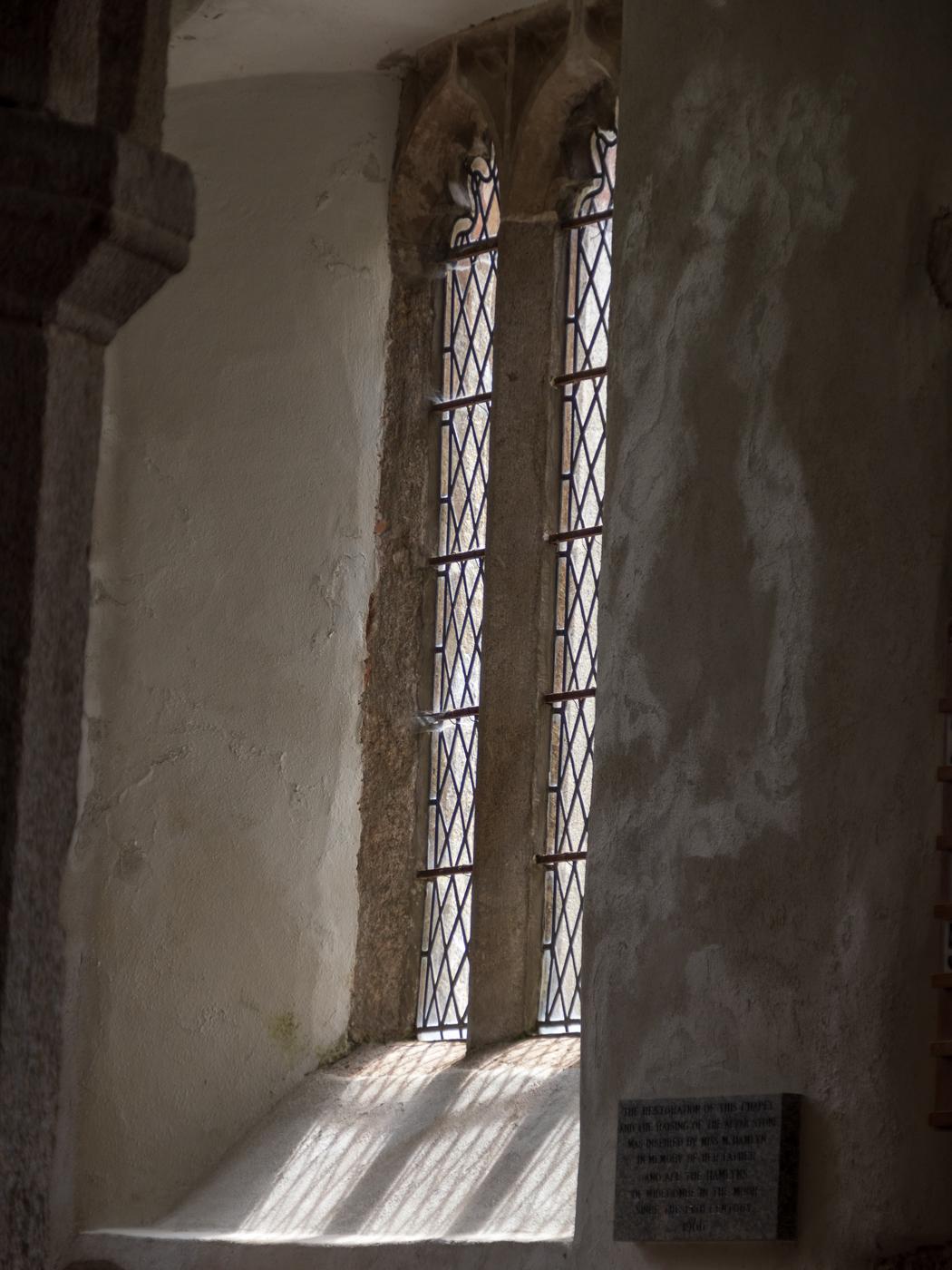

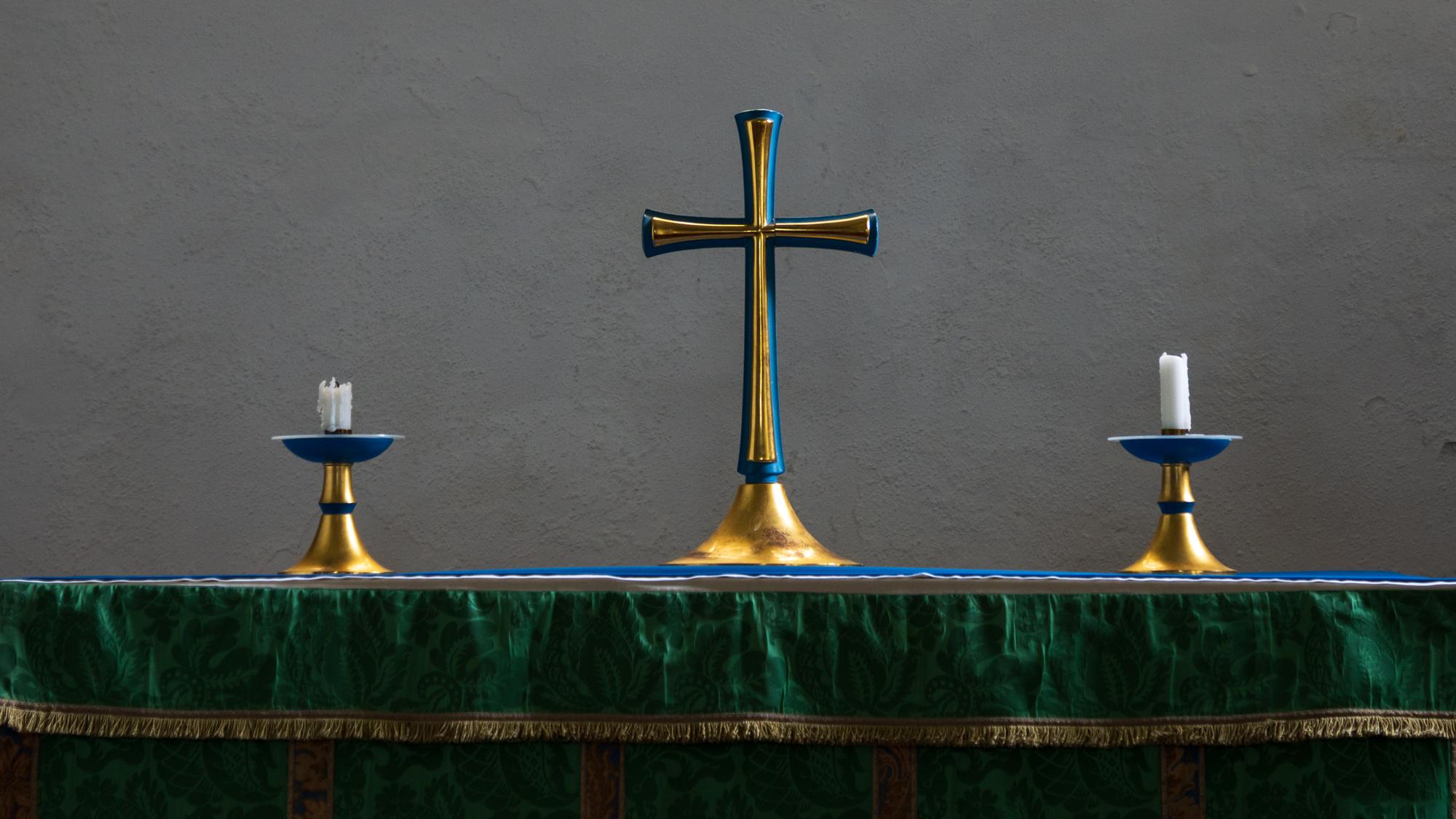
and Candles
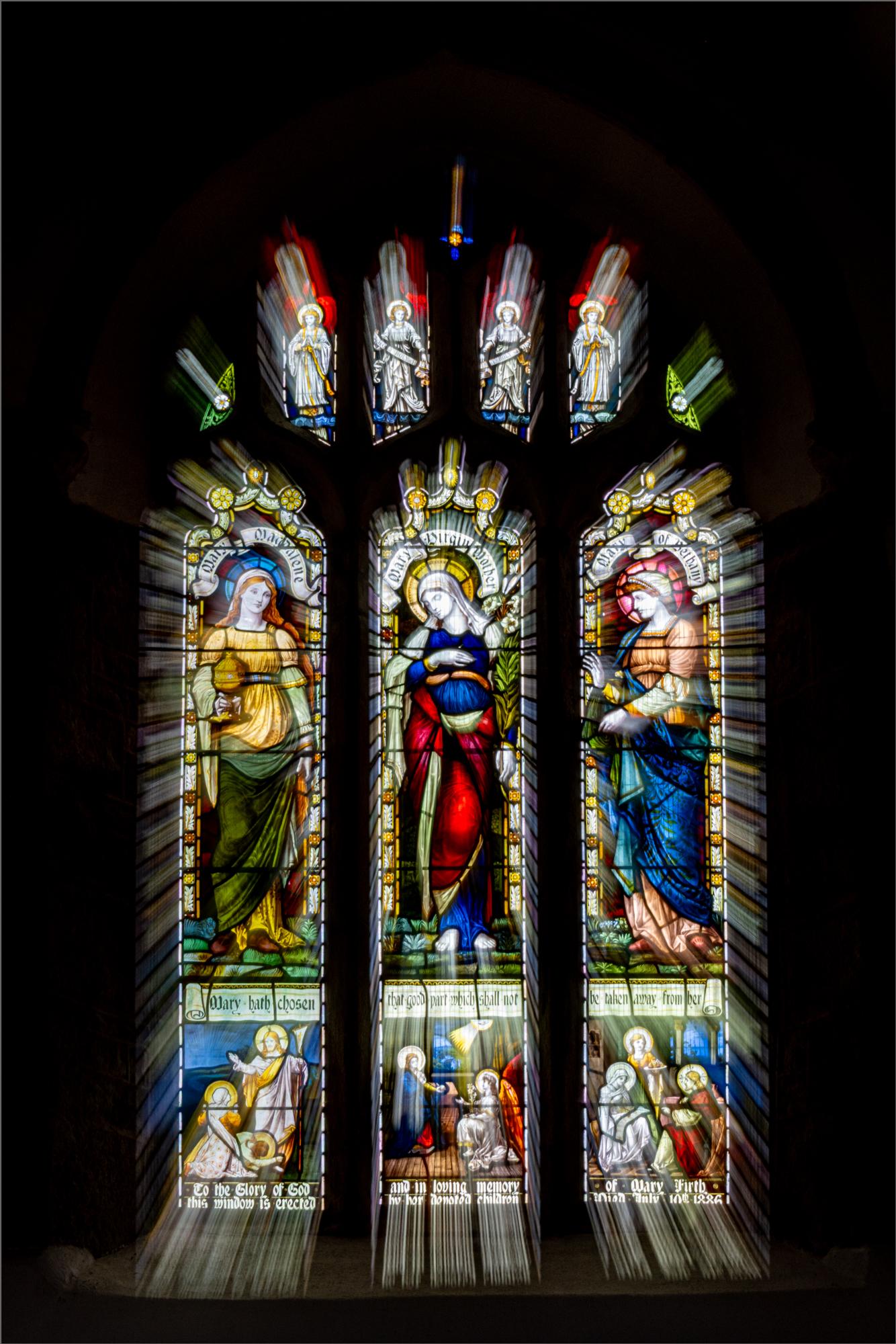
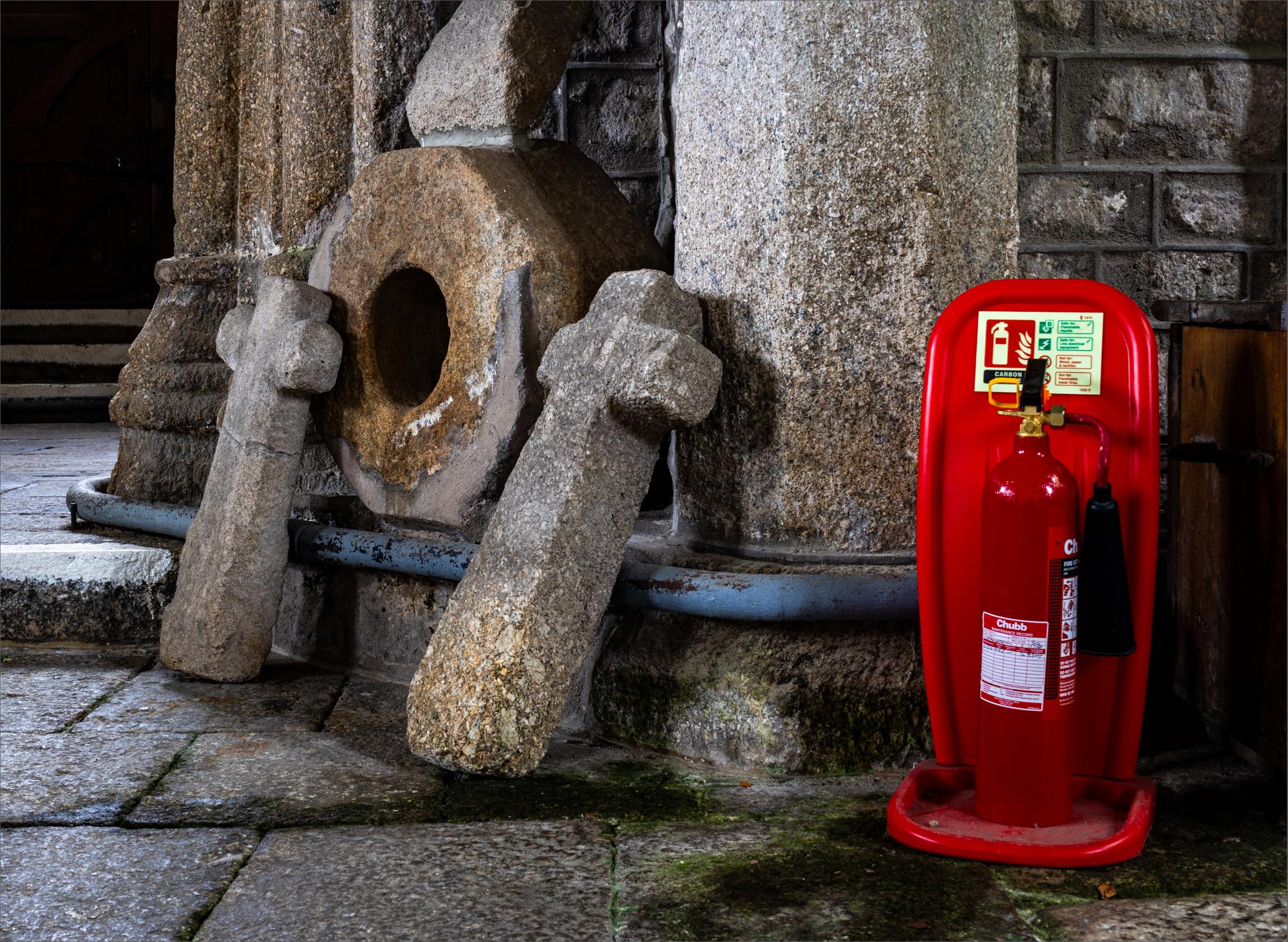
Aposition
Screen

Middleton-Flynn

Not Welcome
Round the Bend


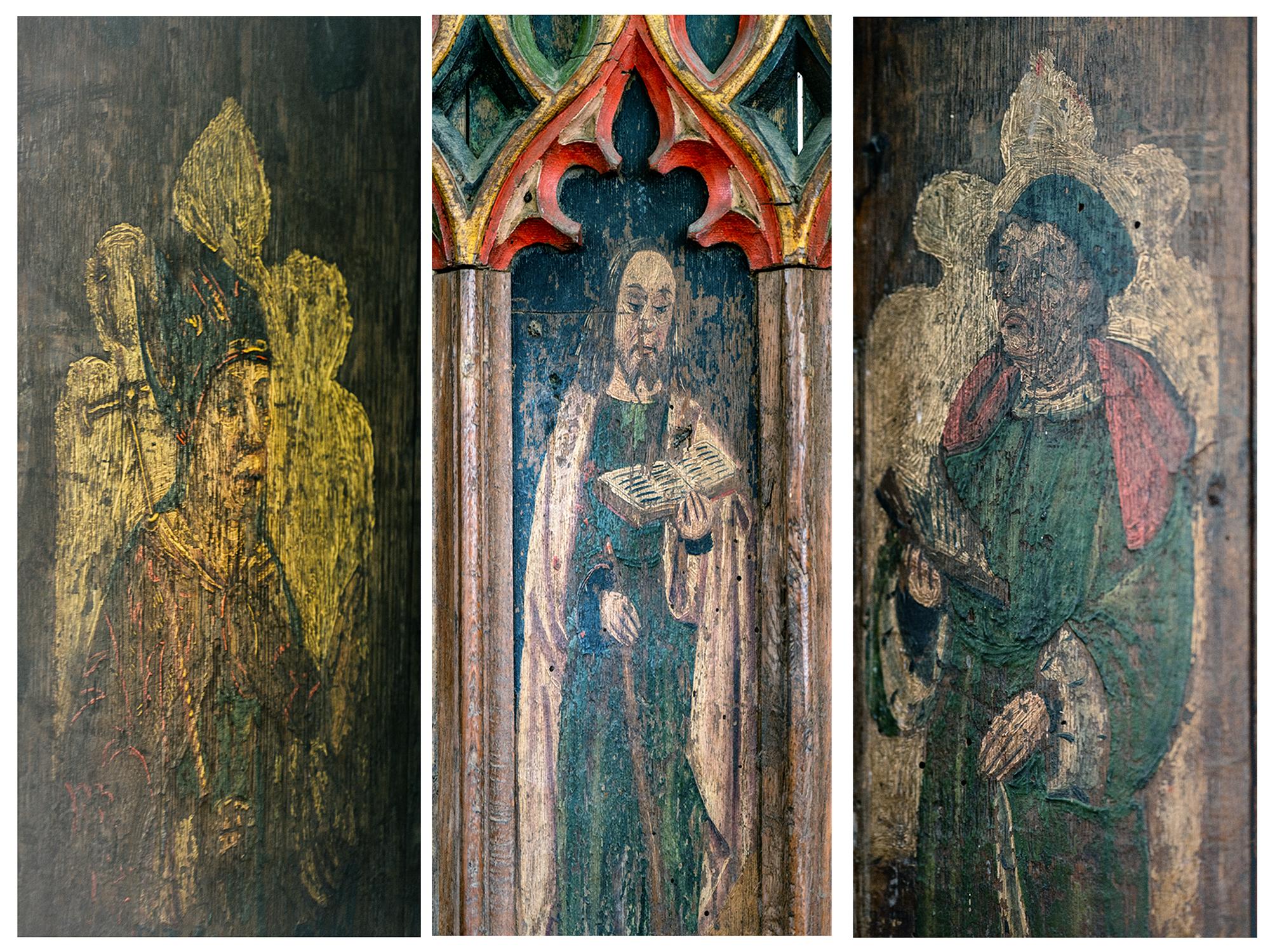
The Final Pause
For Private Prayer only
Aisle View *
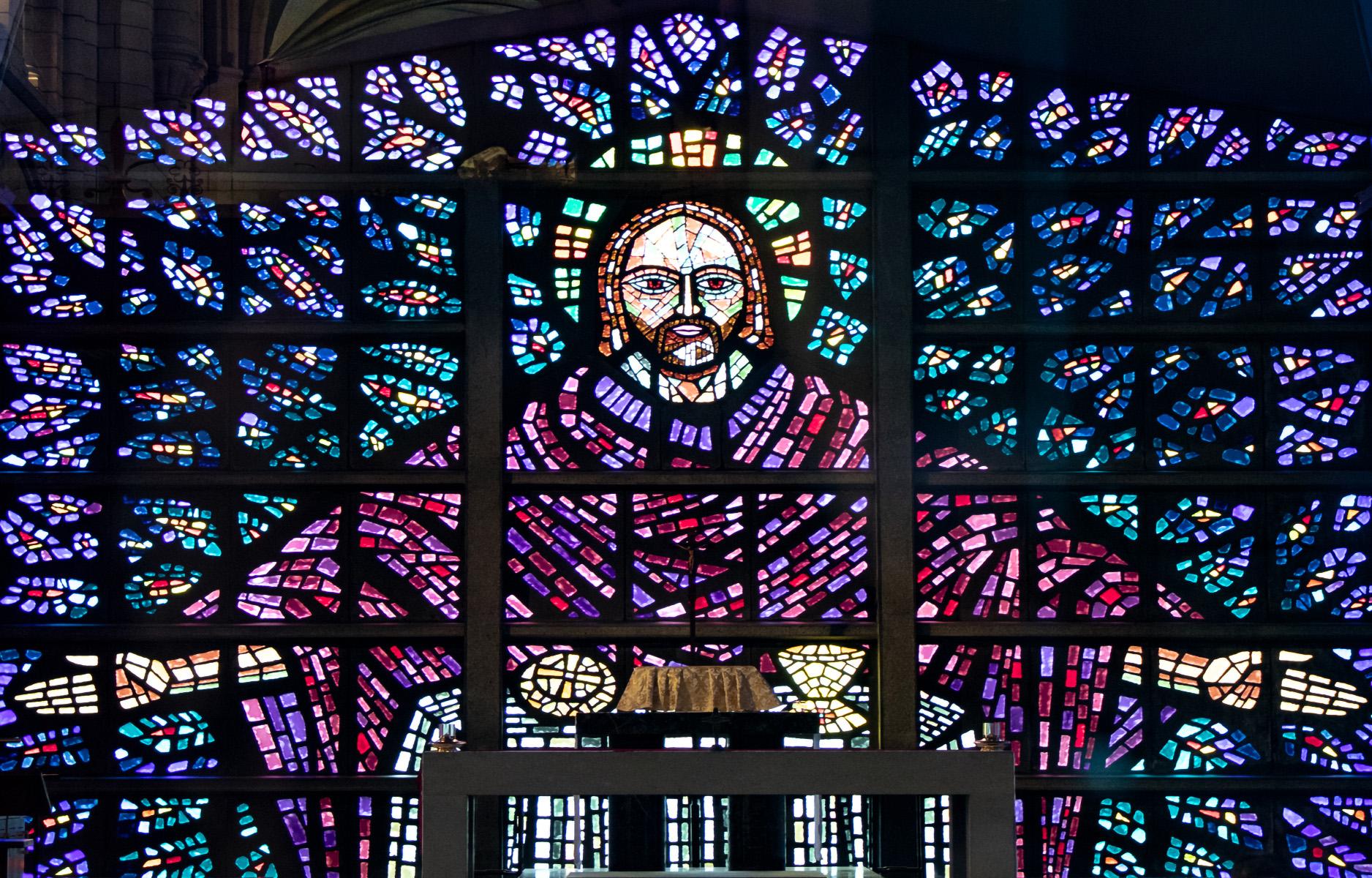
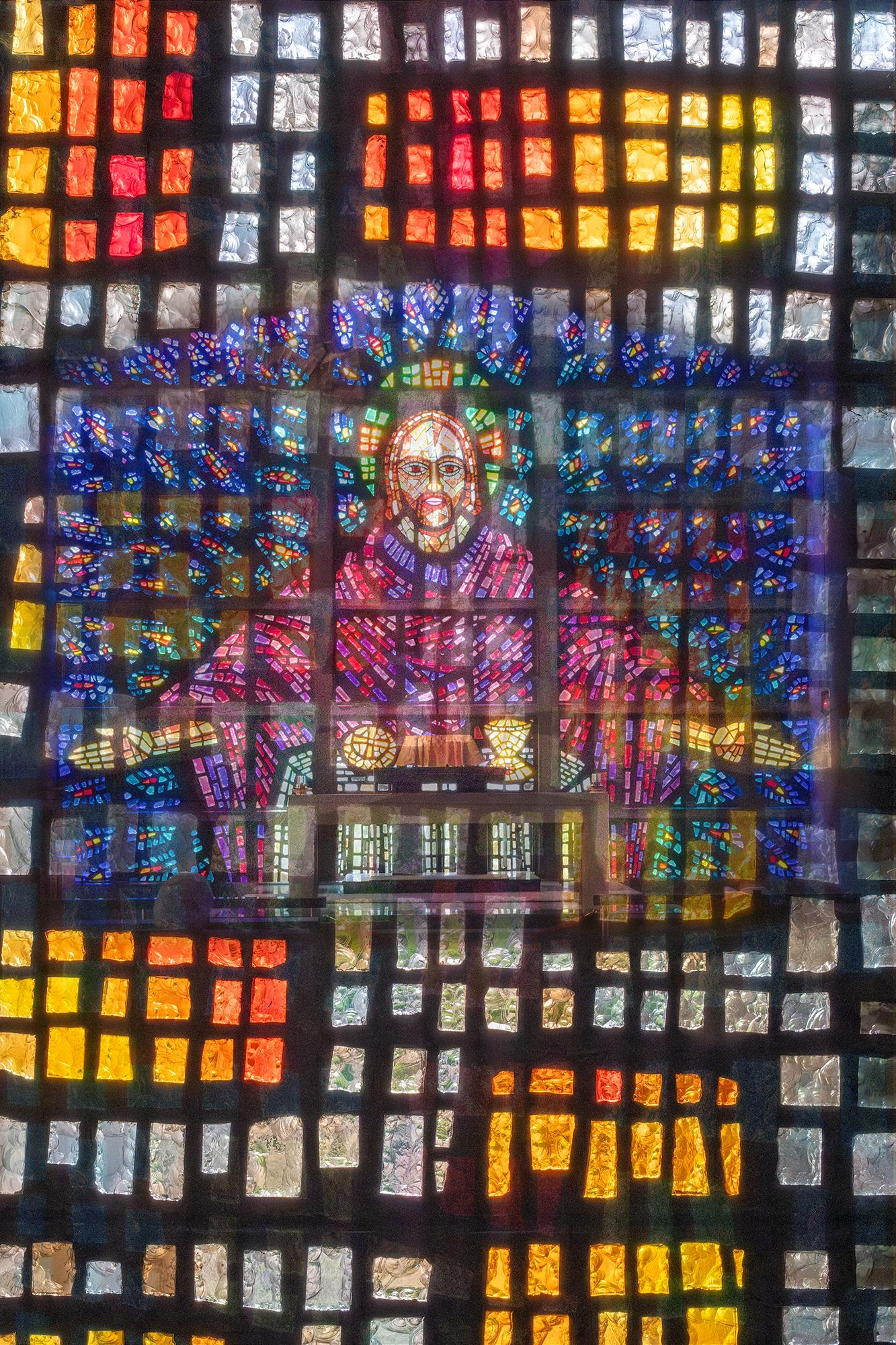
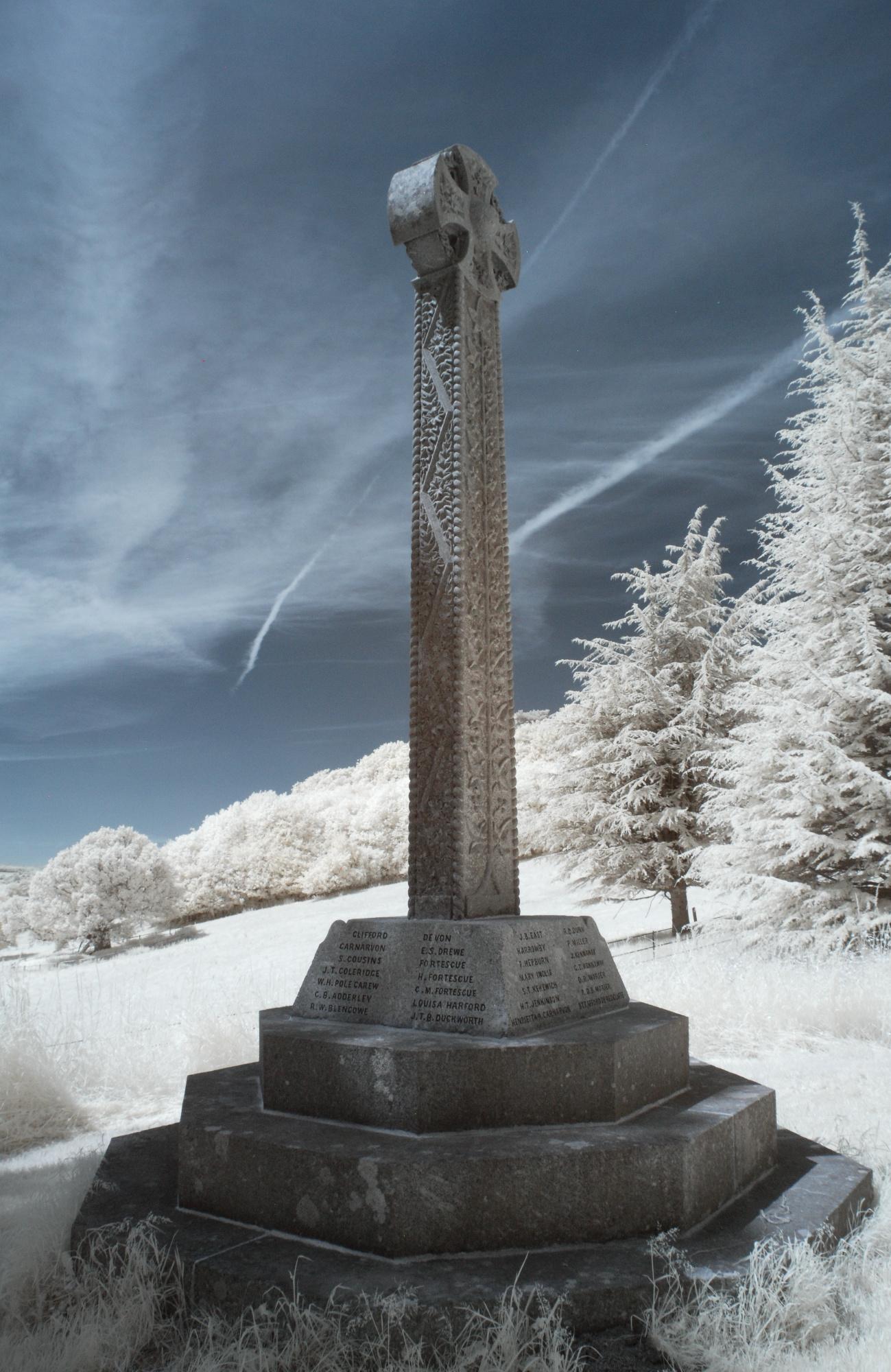
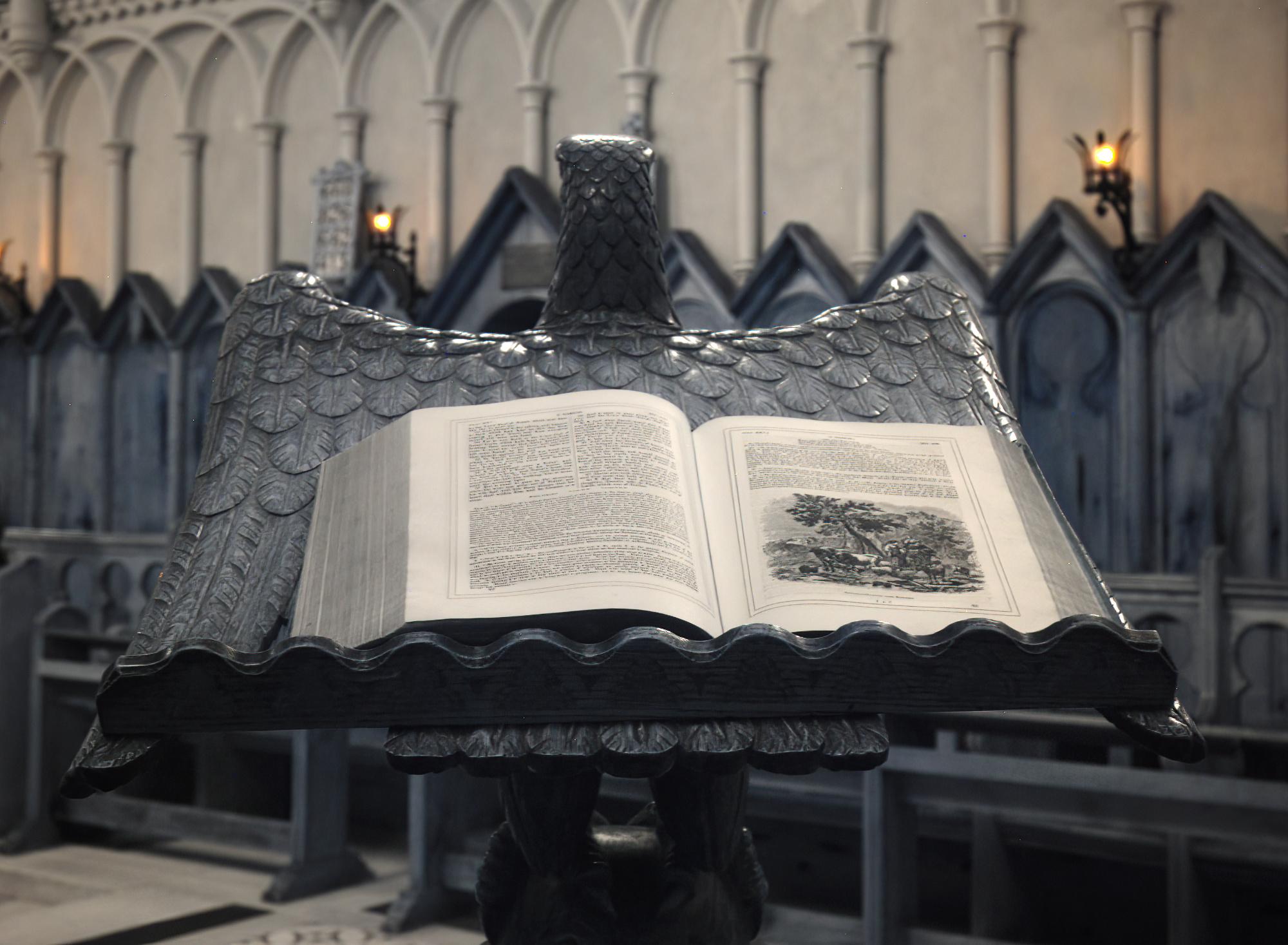
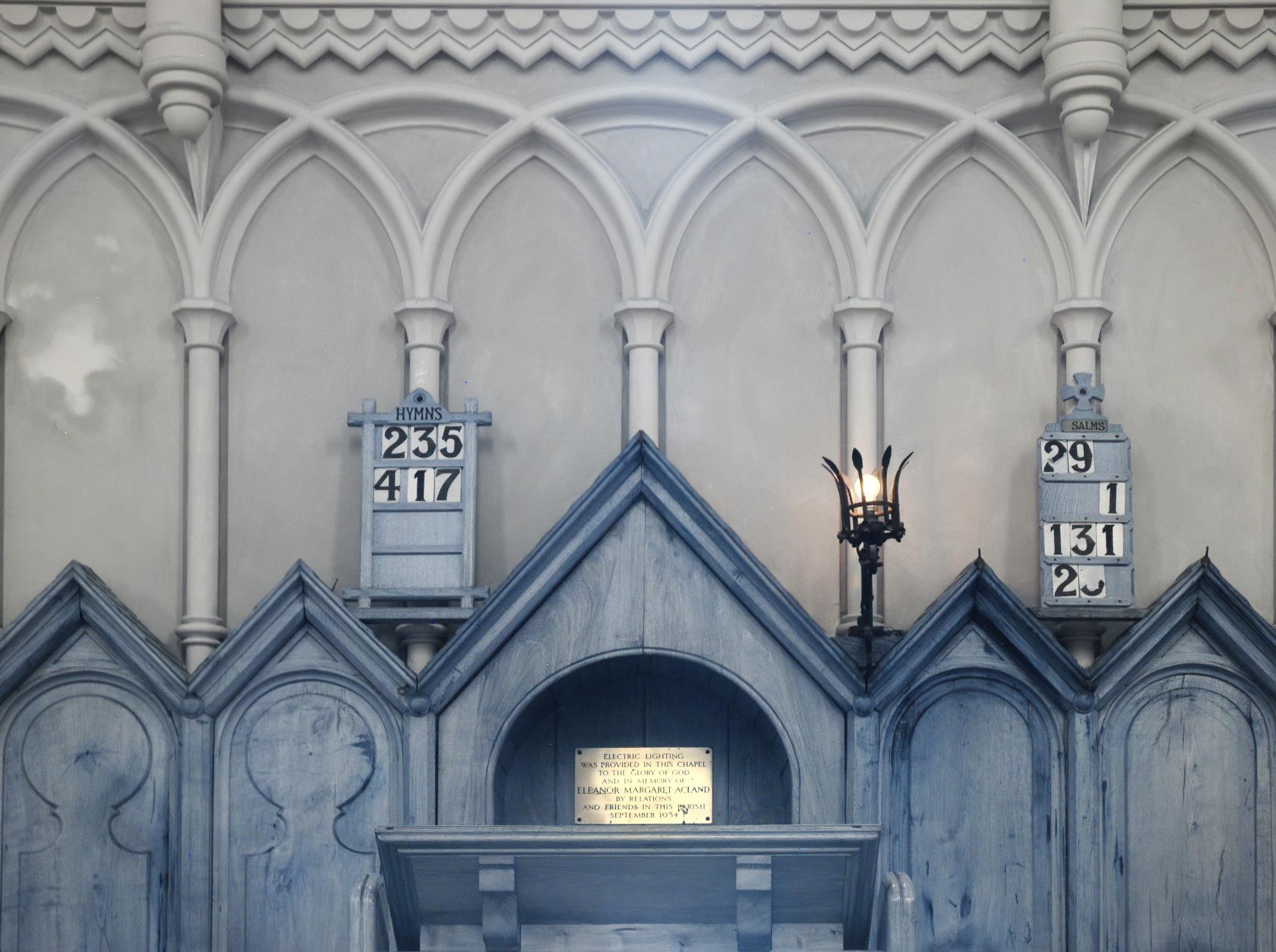
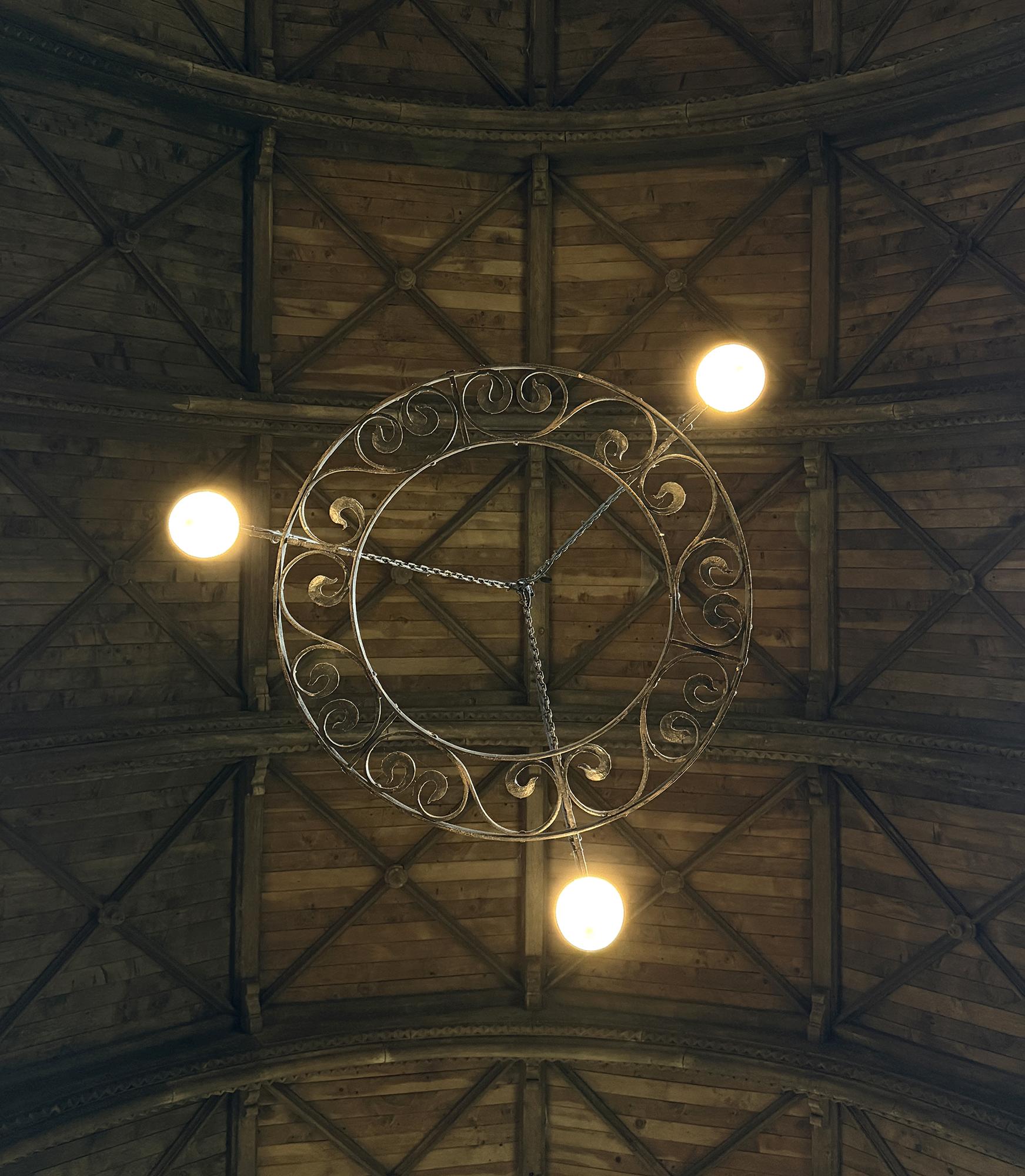
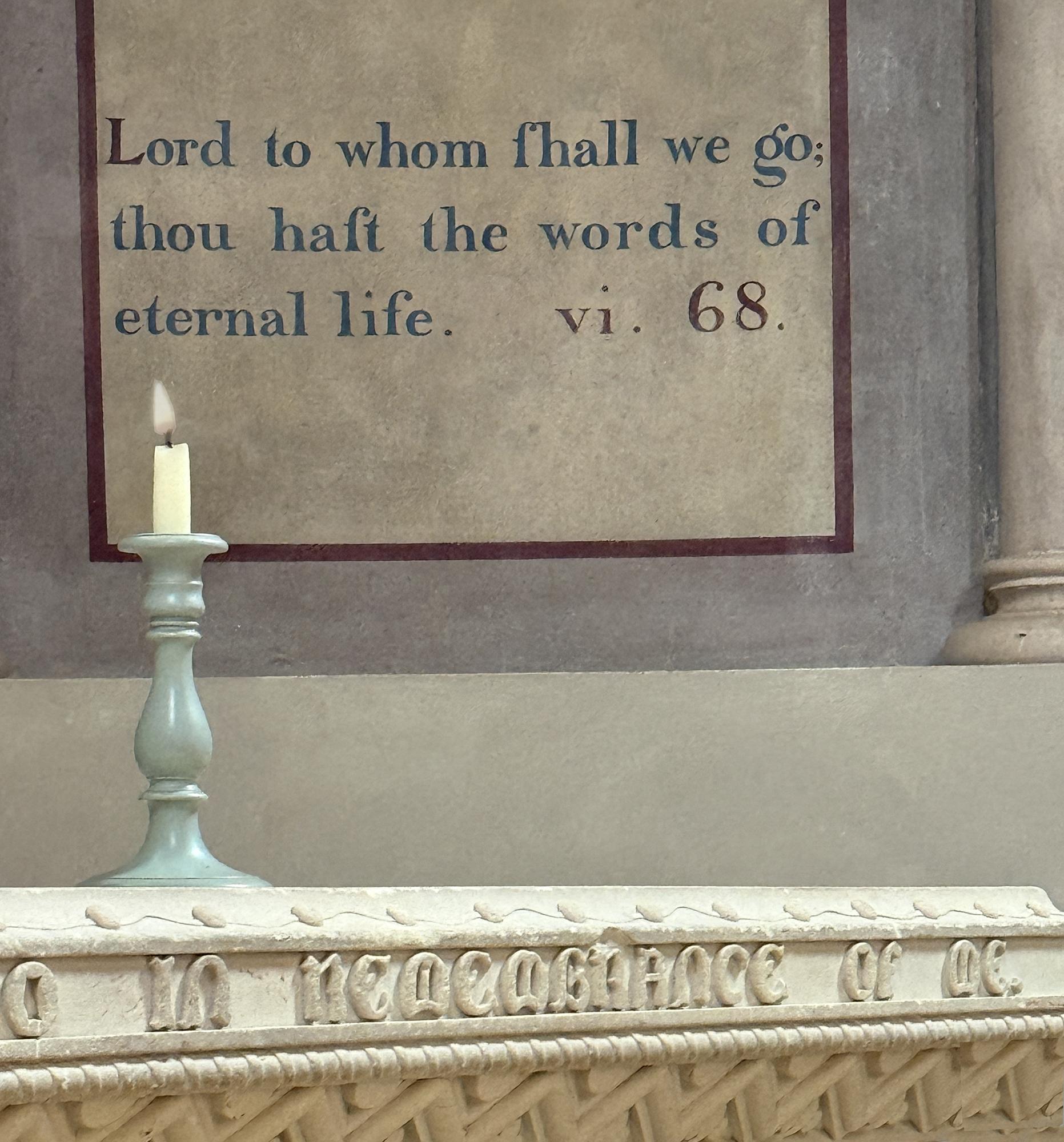
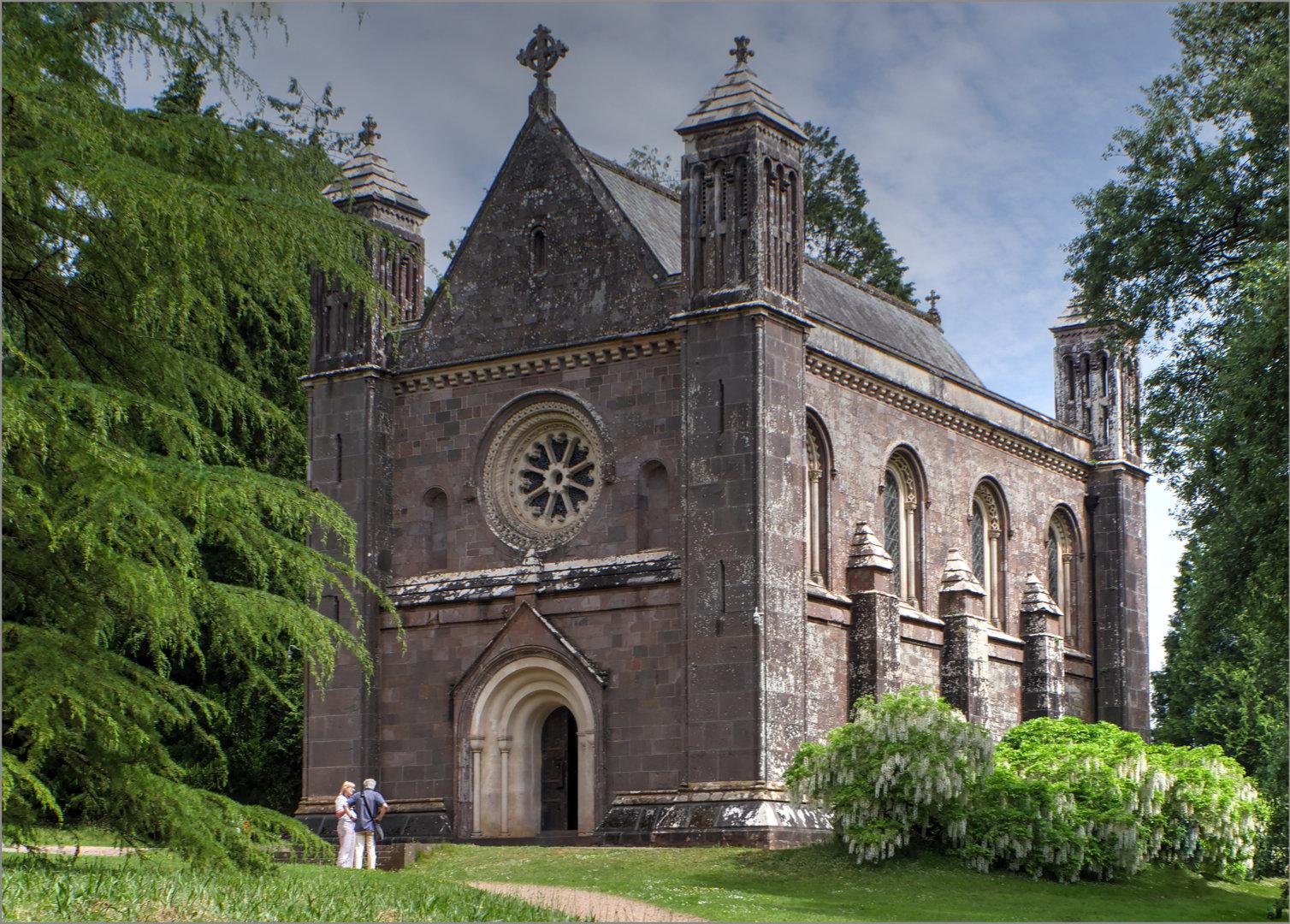
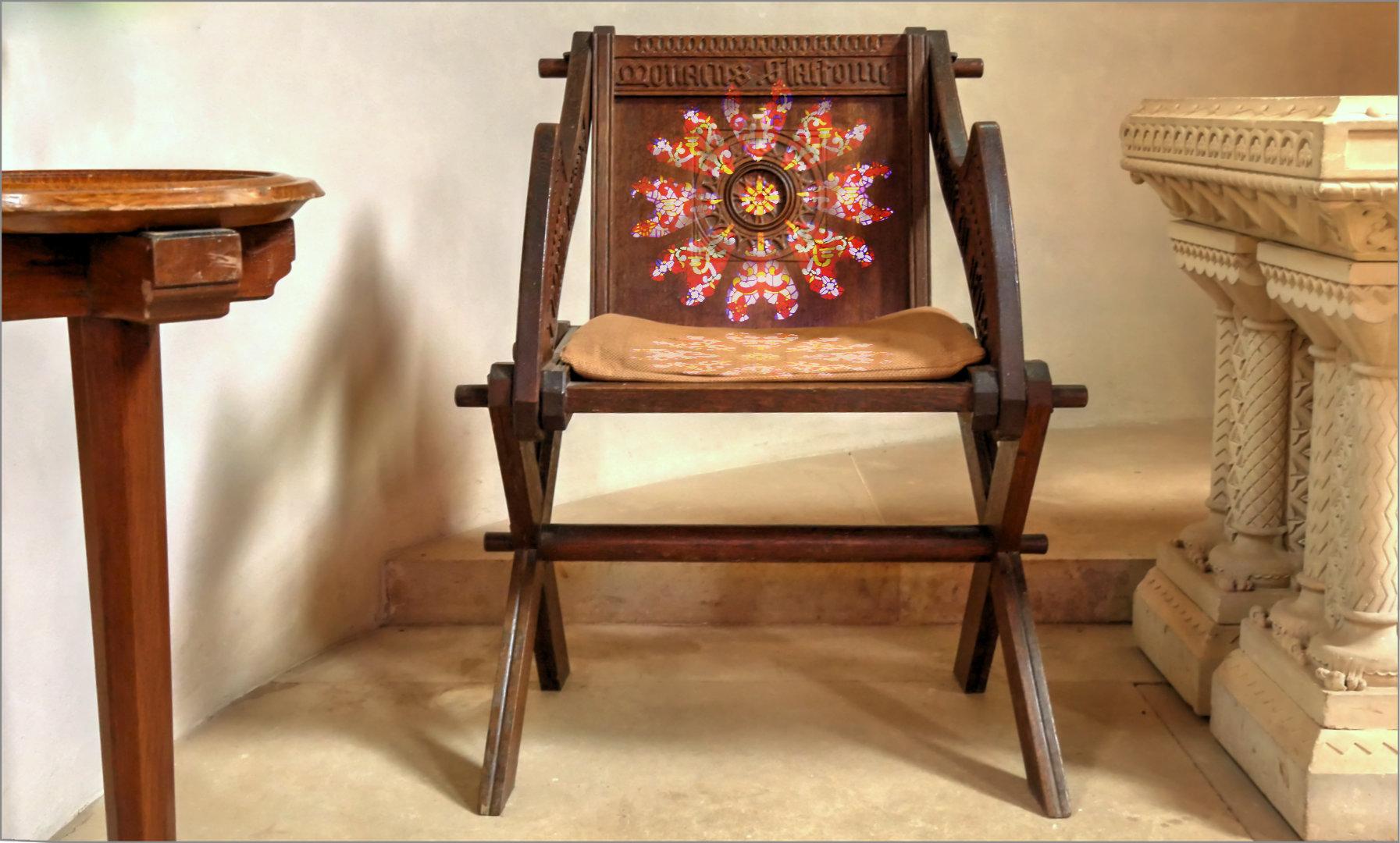
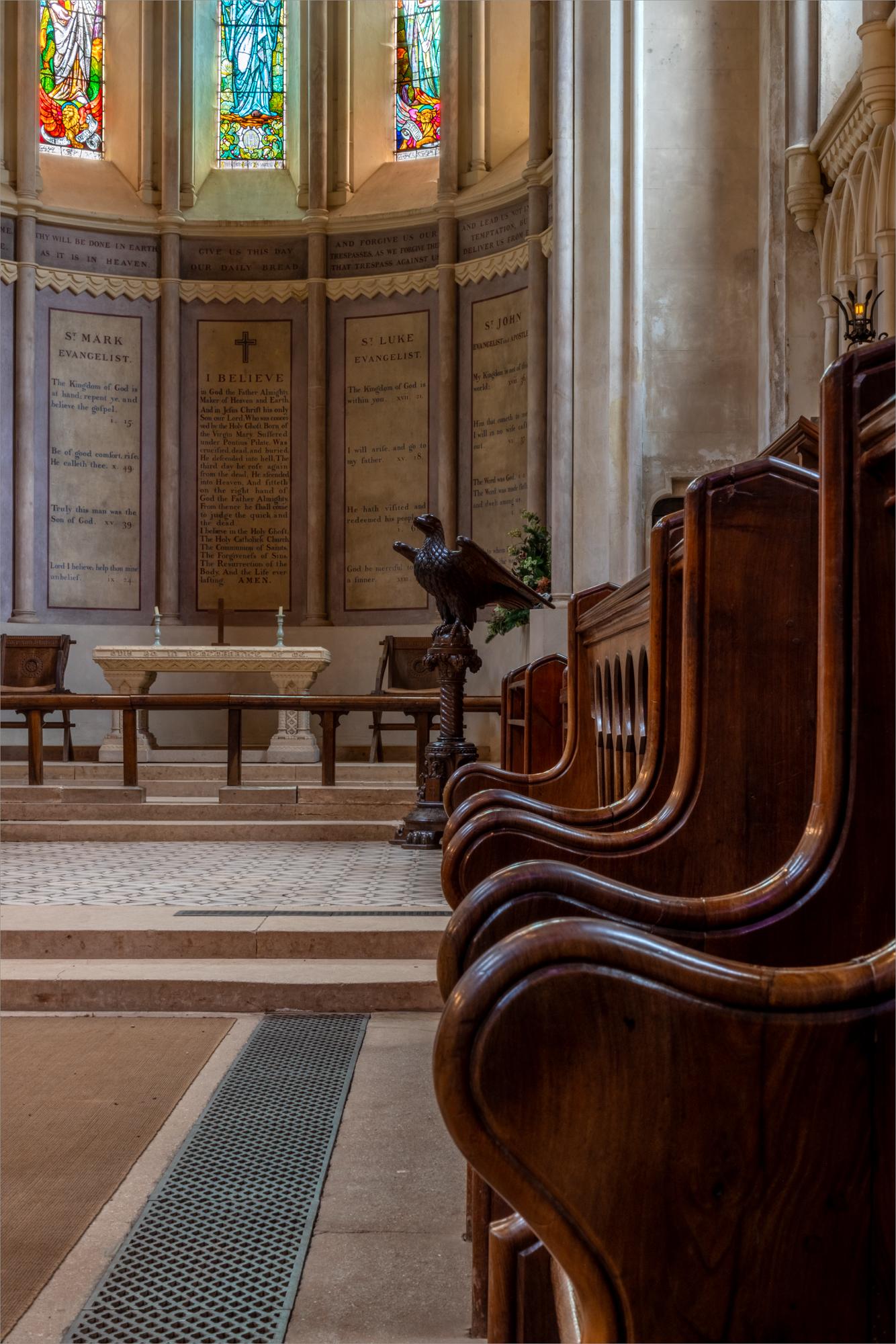
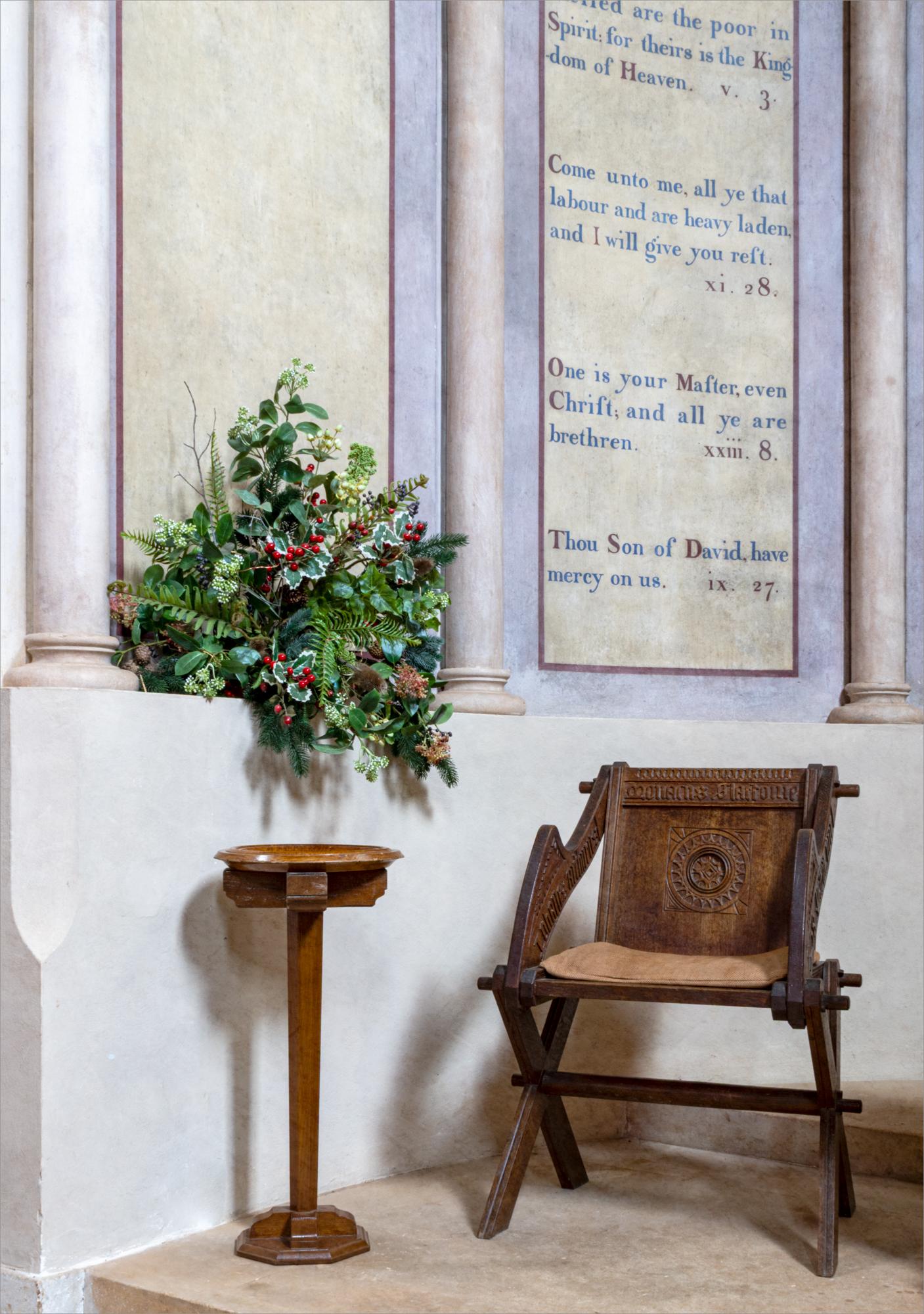
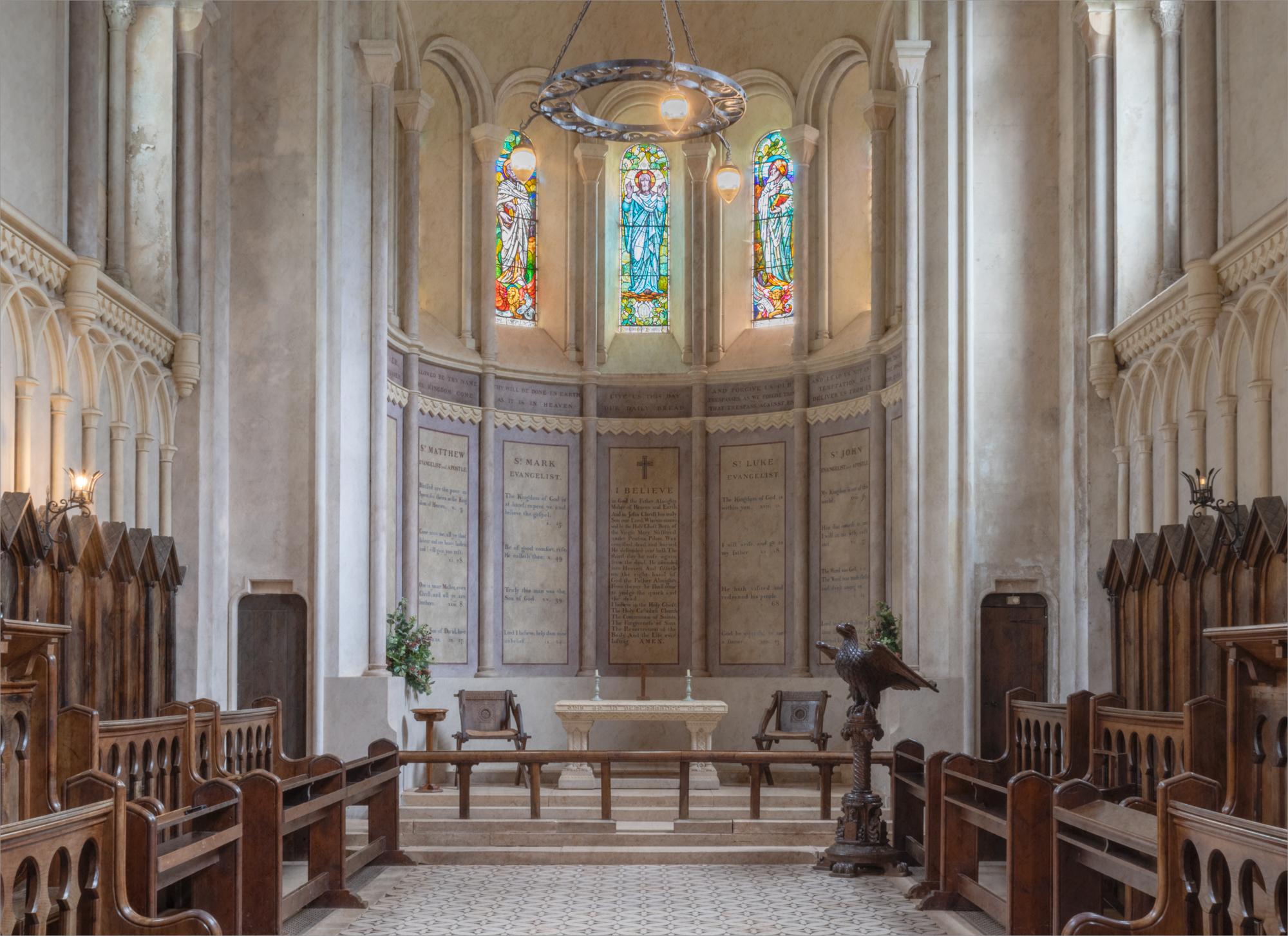
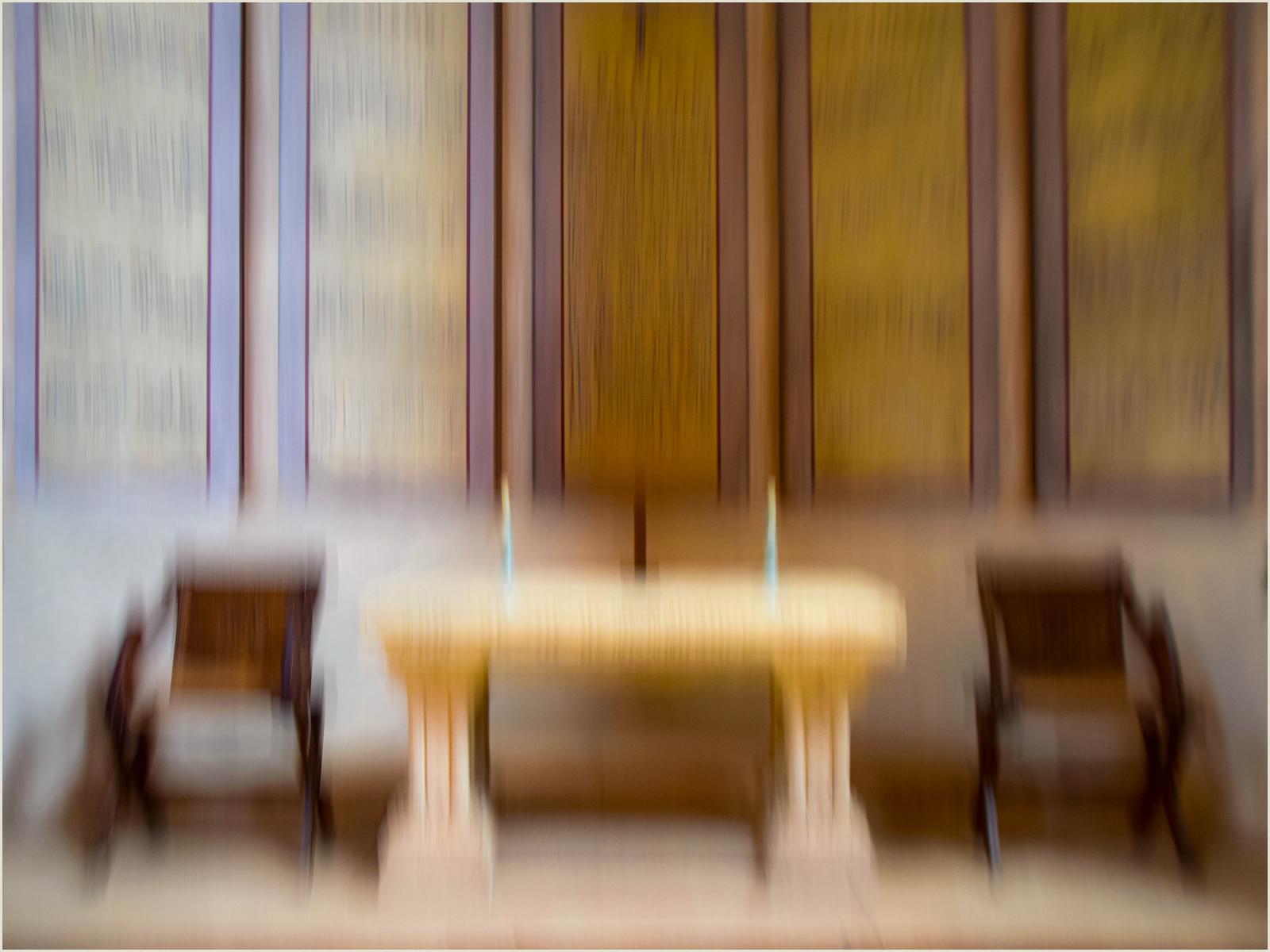
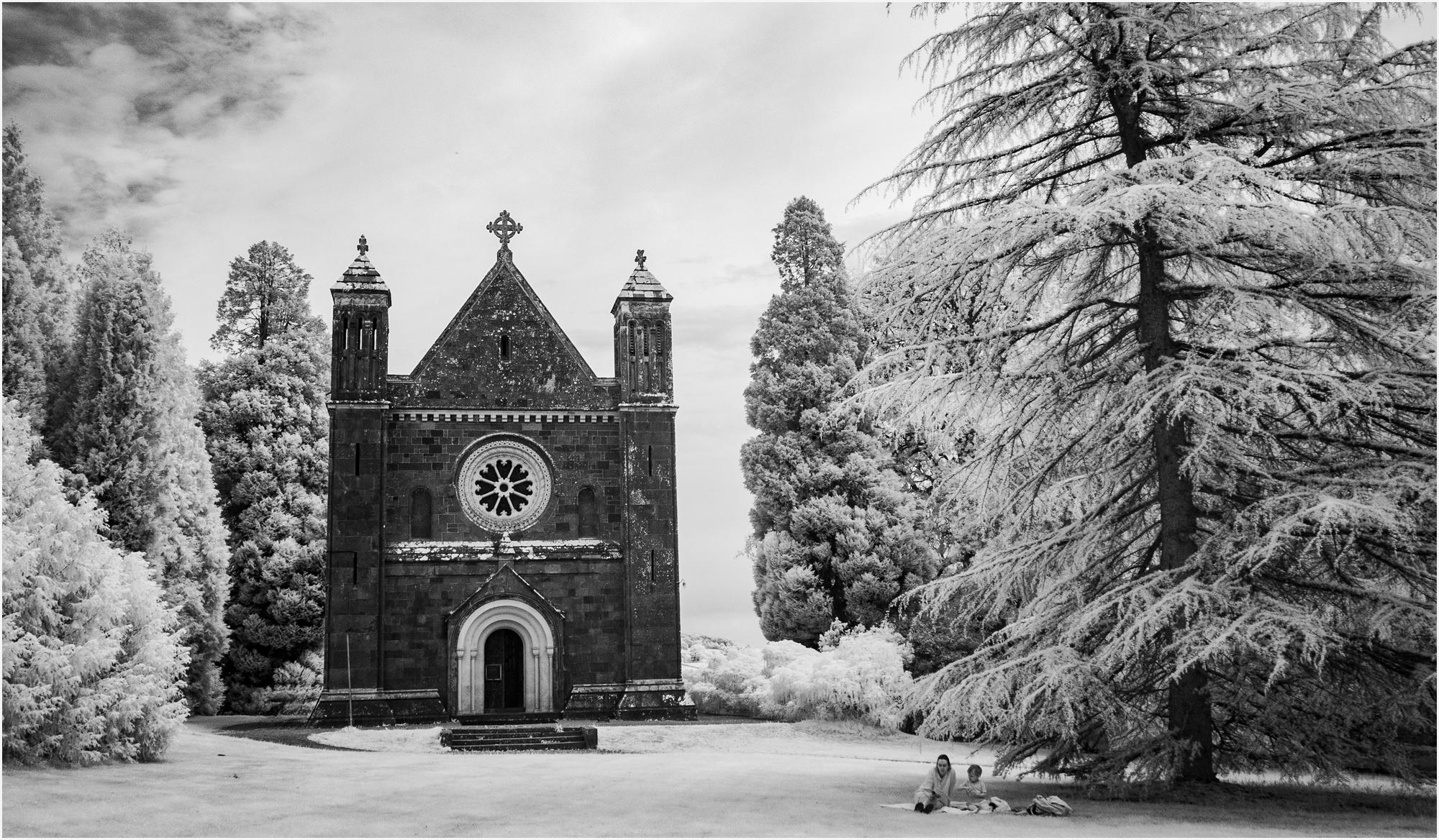
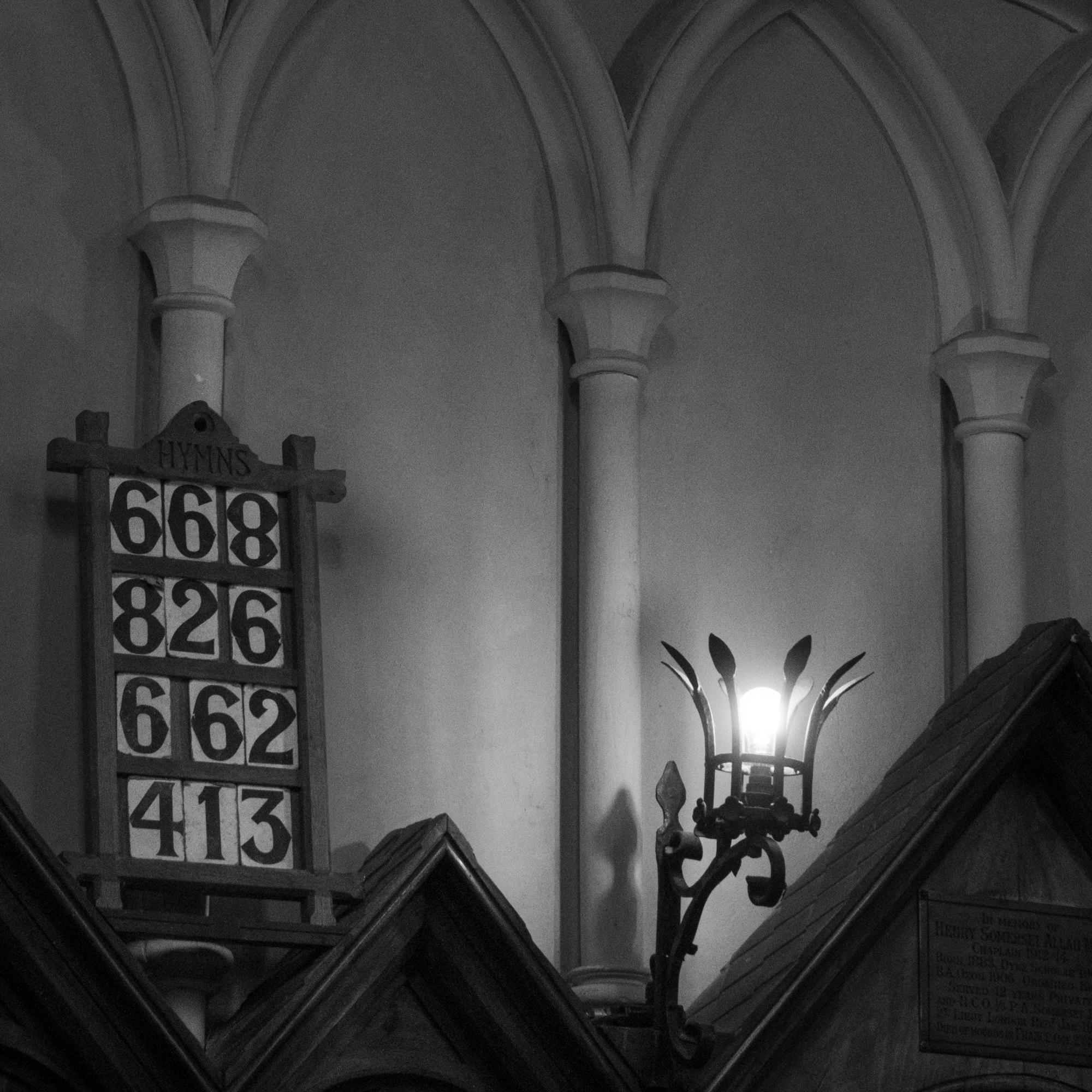
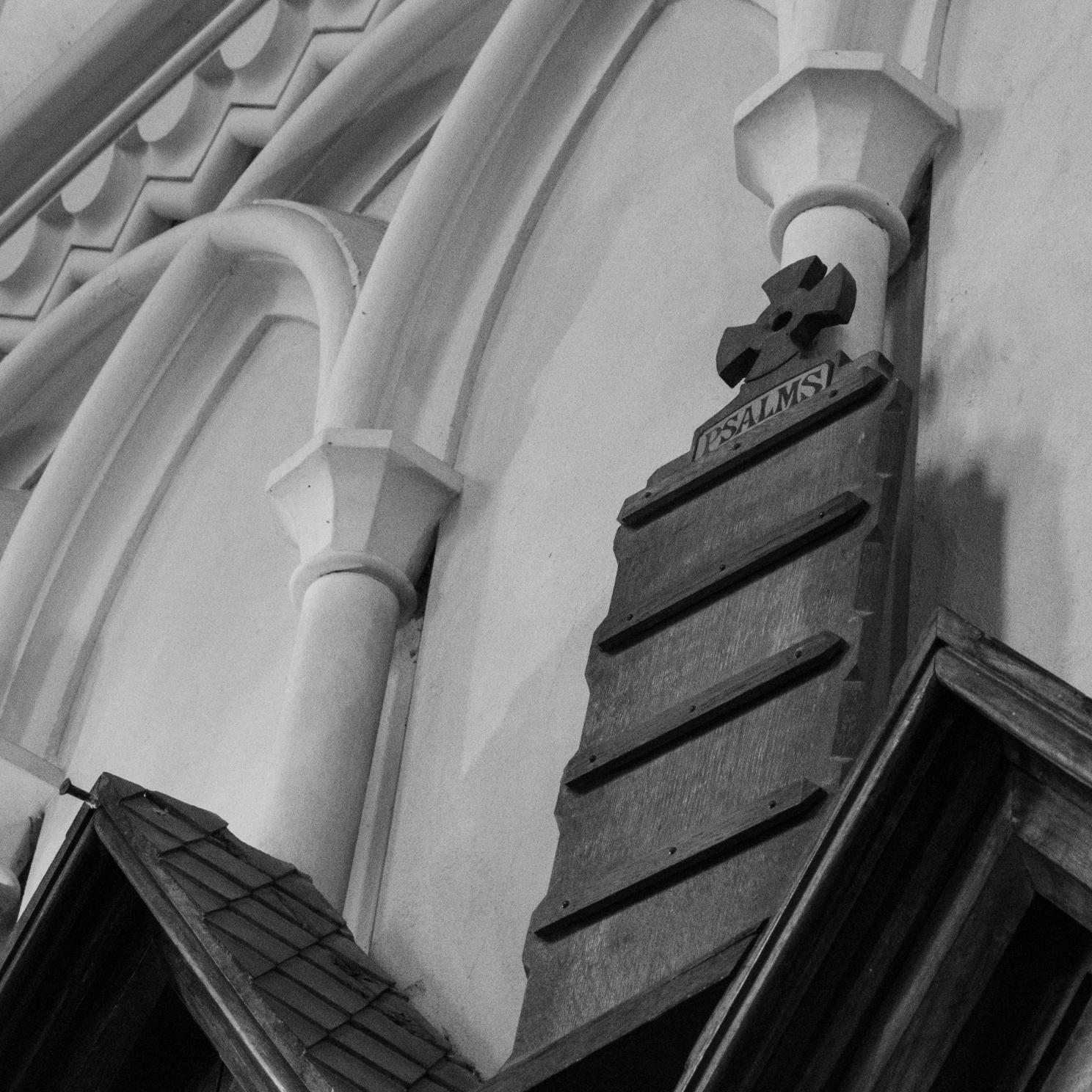
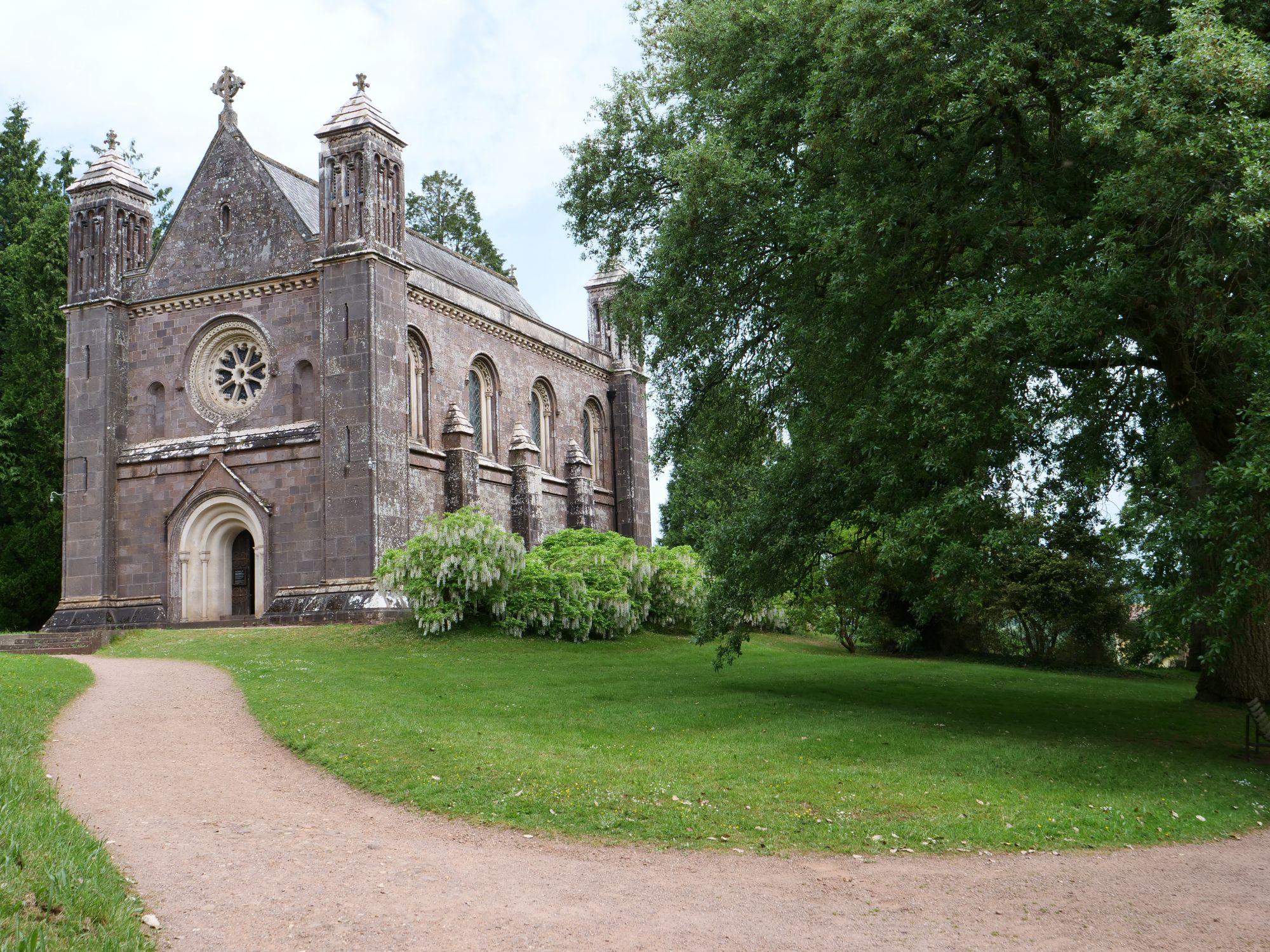
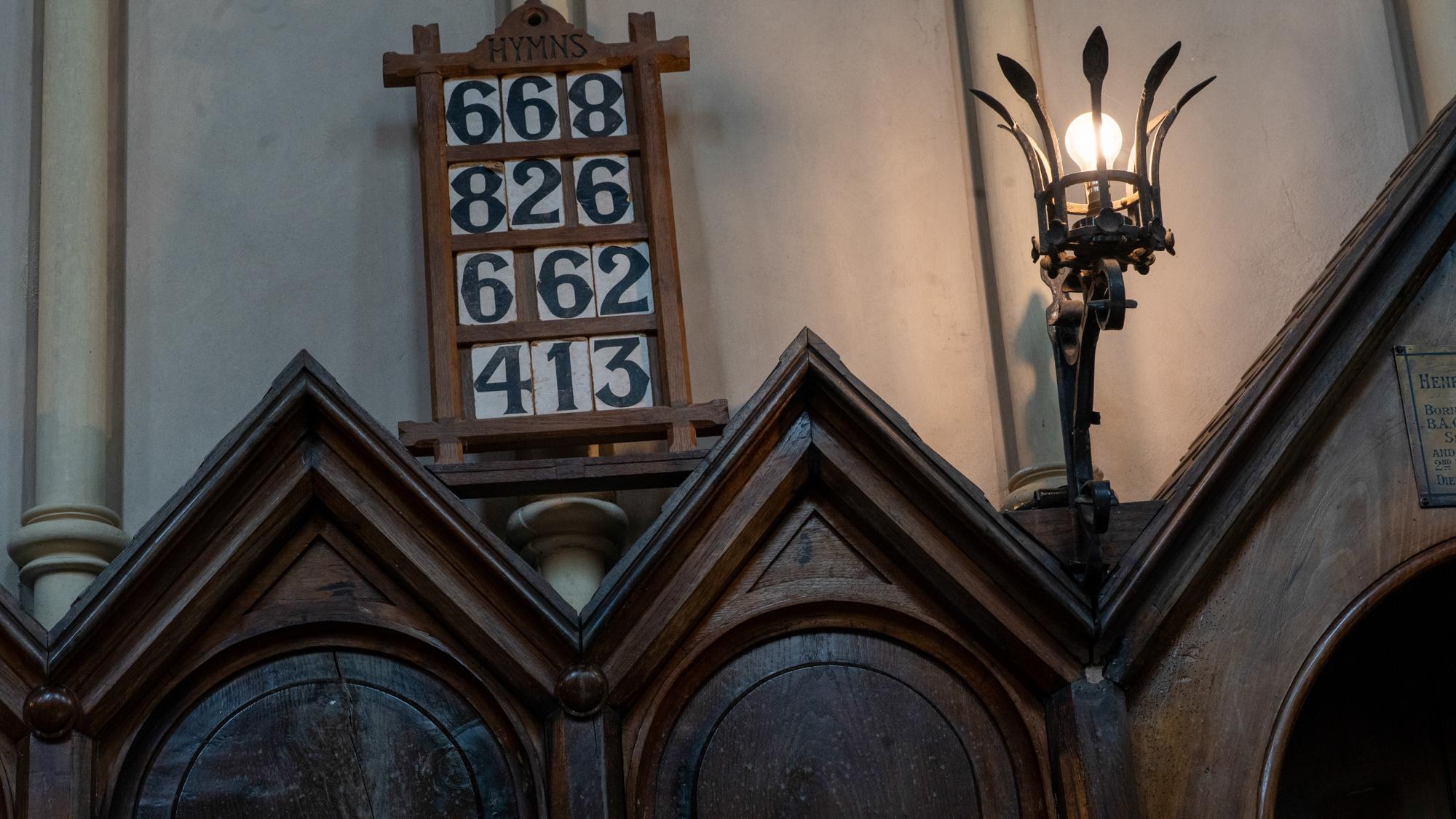
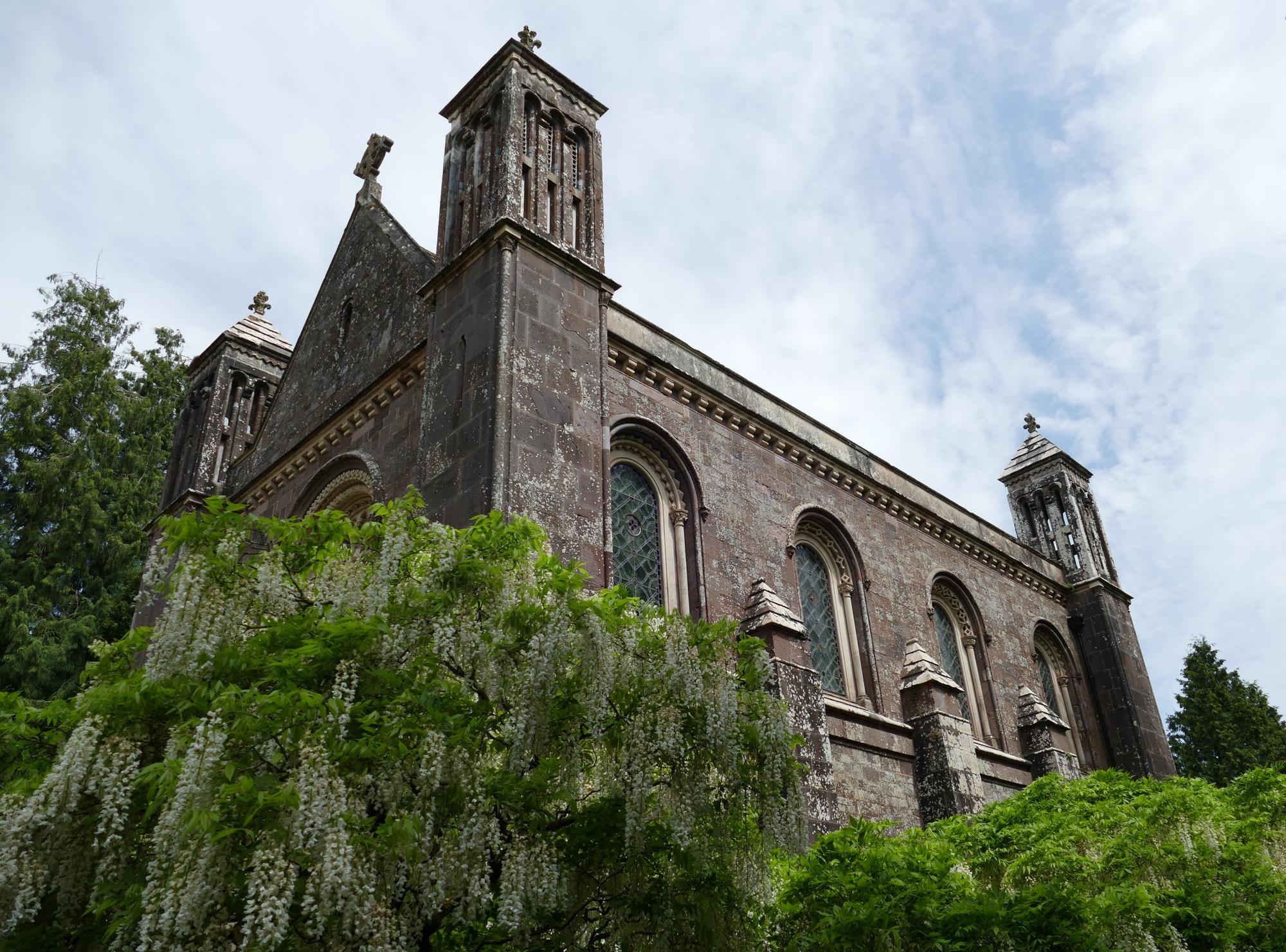
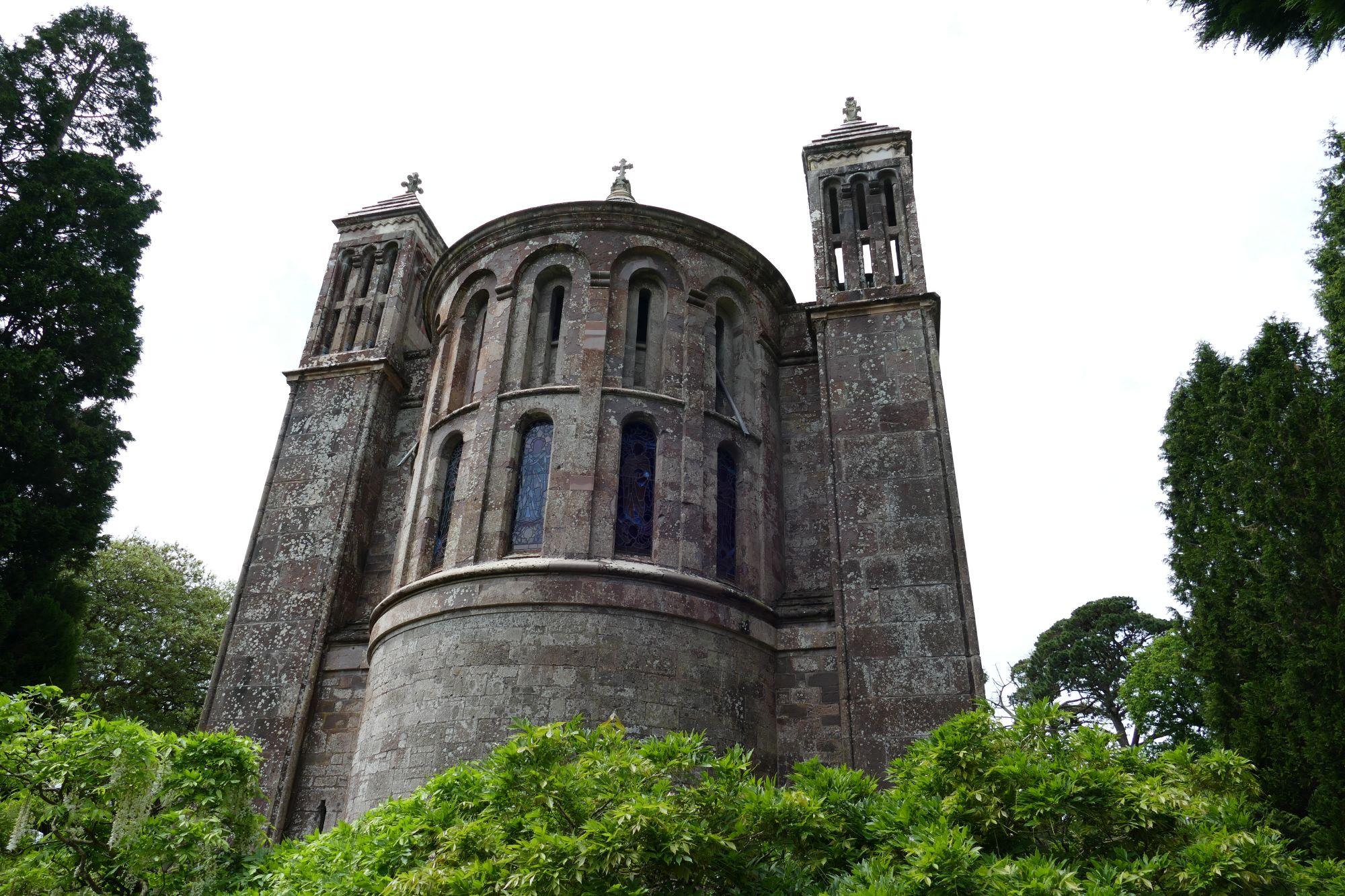
Killerton Chapel was built in 1841, and it has recently undergone a major restoration project with the exterior and beautiful stained glass rose window restored to their former glory. Killerton is a large 18thcentury estate near Exeter, owned by the National Trust, but the chapel stands out as the only Grade 1 listed building within the estate. Also within the grounds is the Acland Memorial Cross, a Celtic cross dedicated to an earlier owner, which has excellent views of the surrounding countryside.
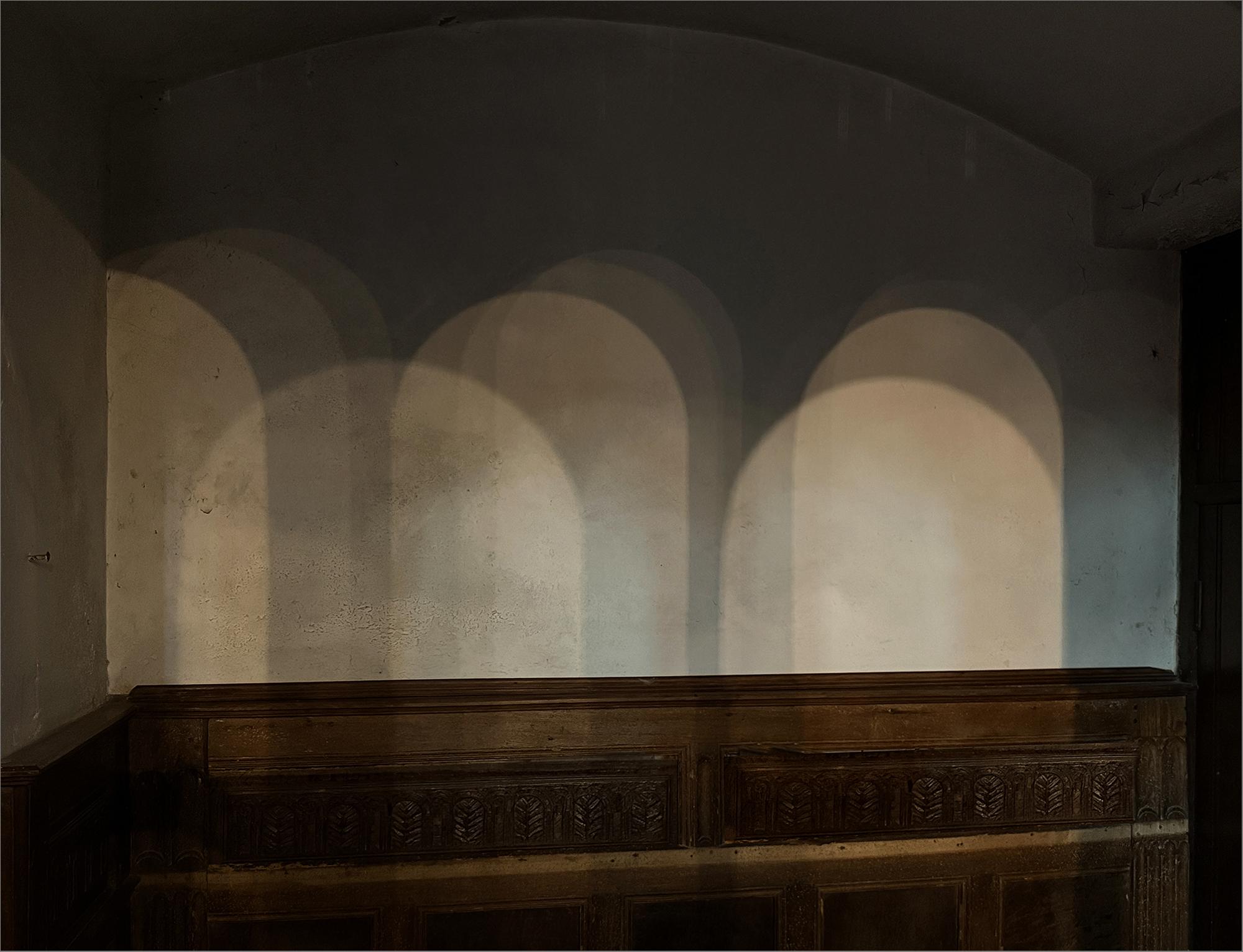
Chapel Arches *
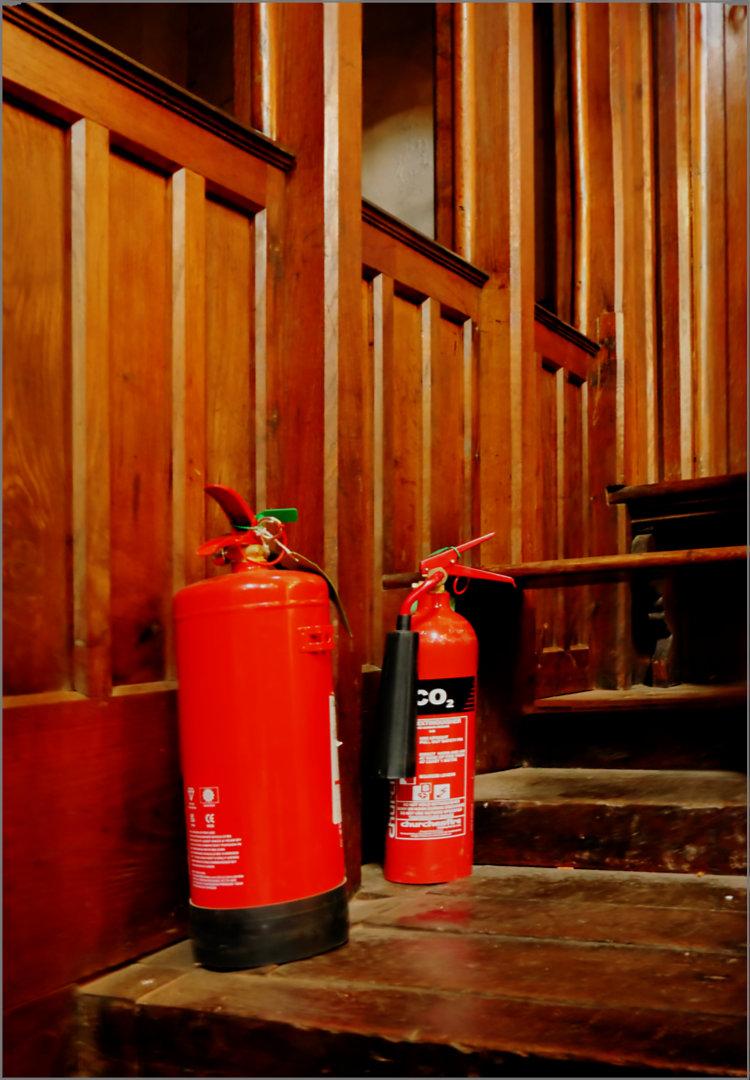
Prayer is for the Soul; for the body a little help is useful.
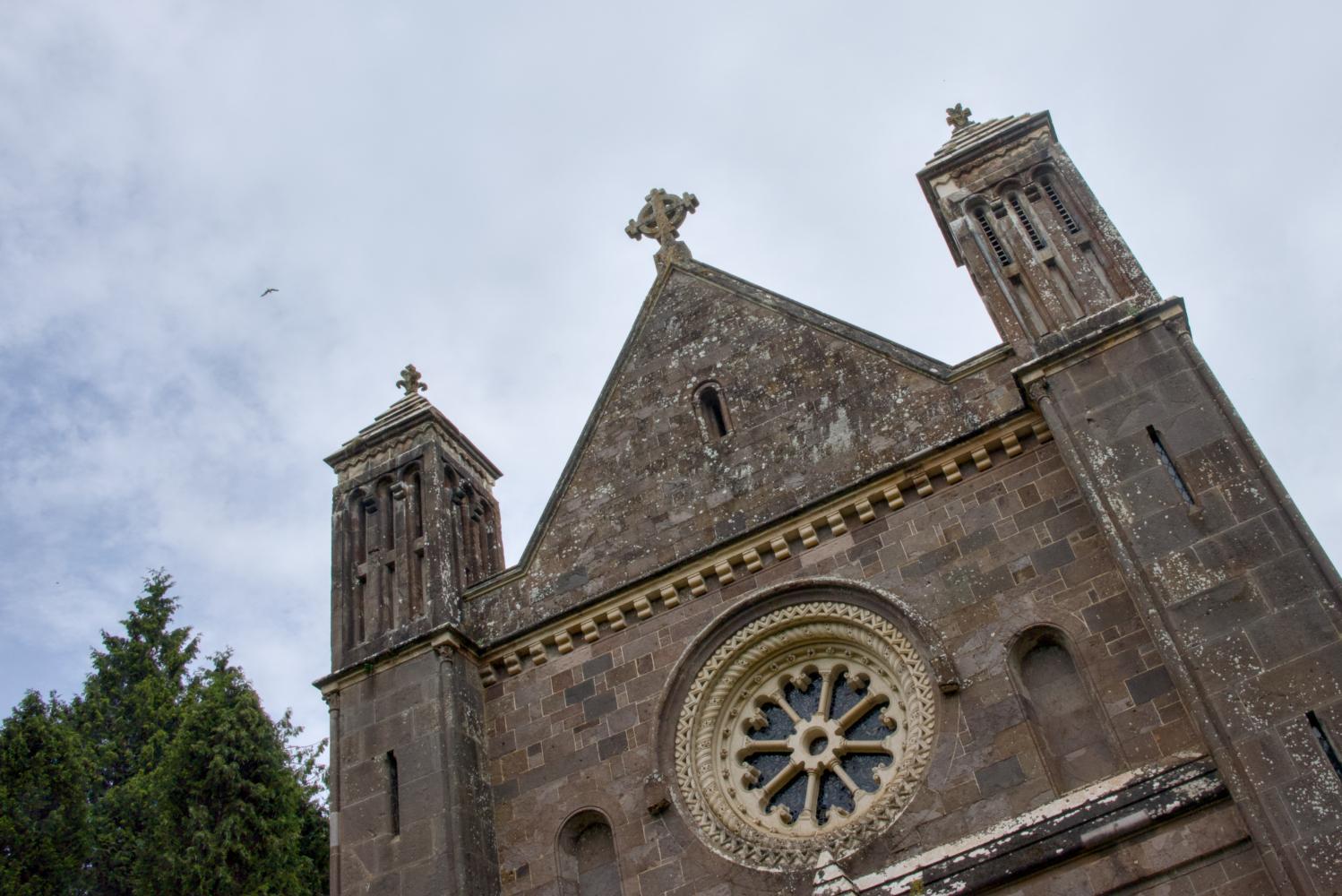
Looking up
Waiting for the Train
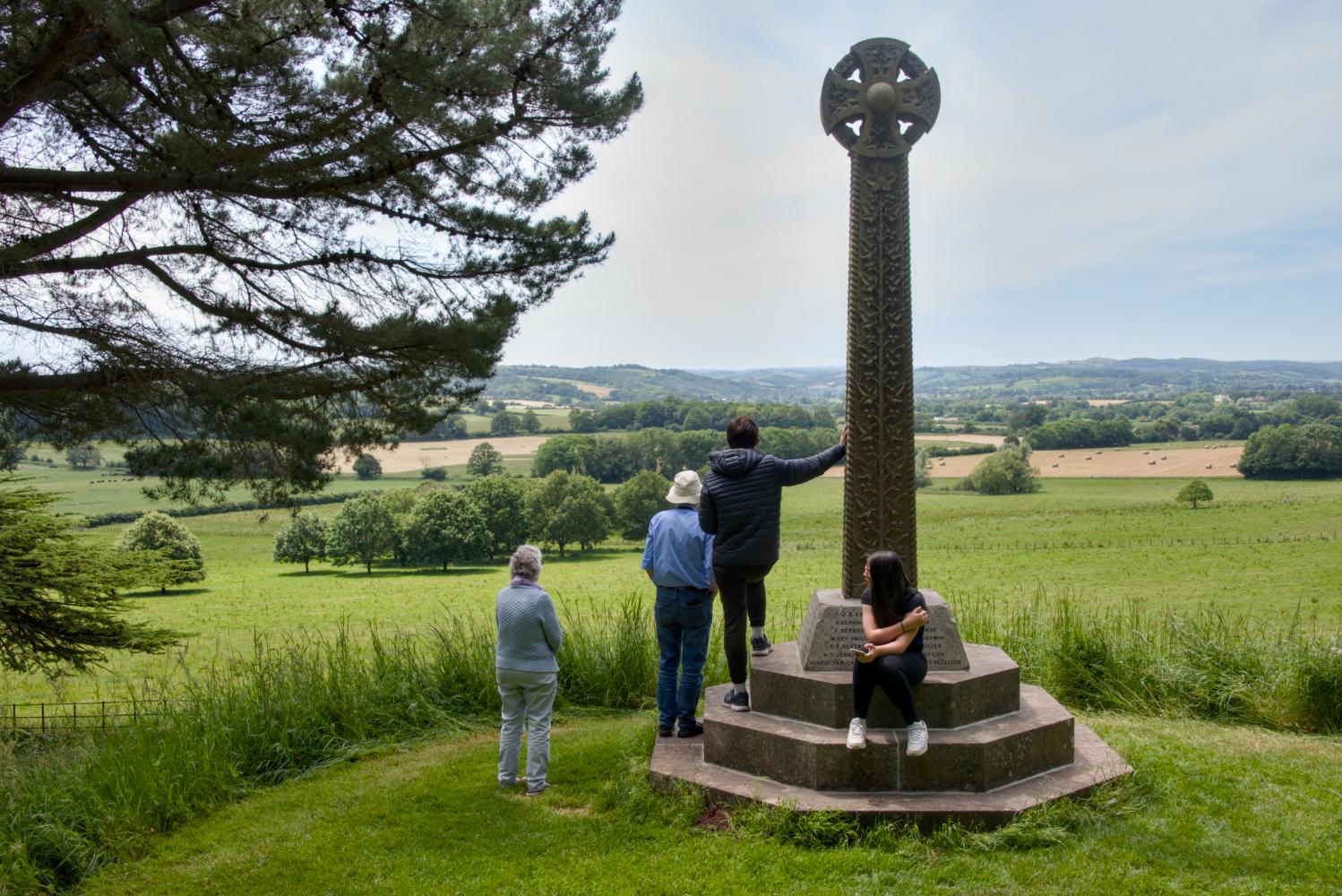
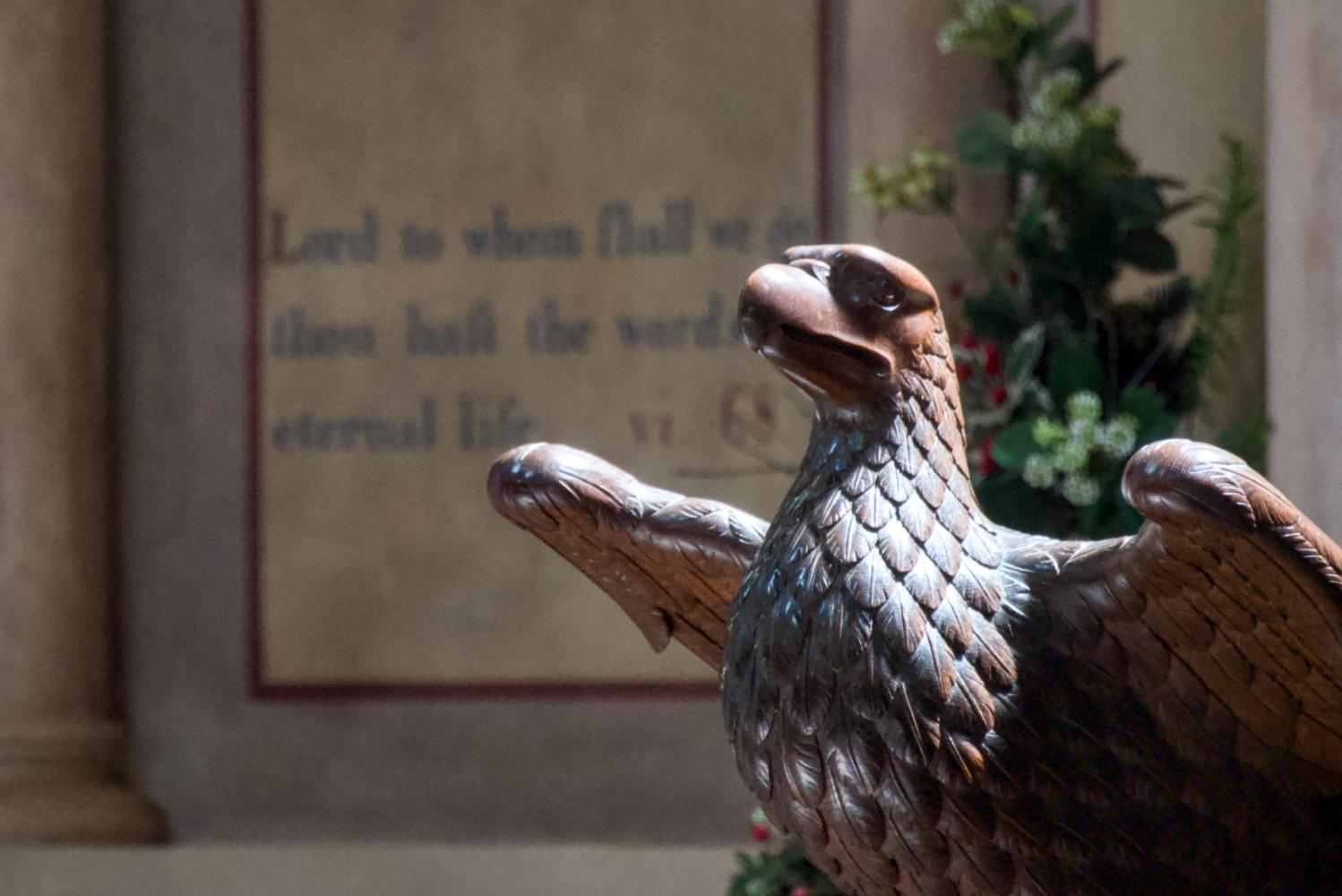
Lynn Middleton-Flynn
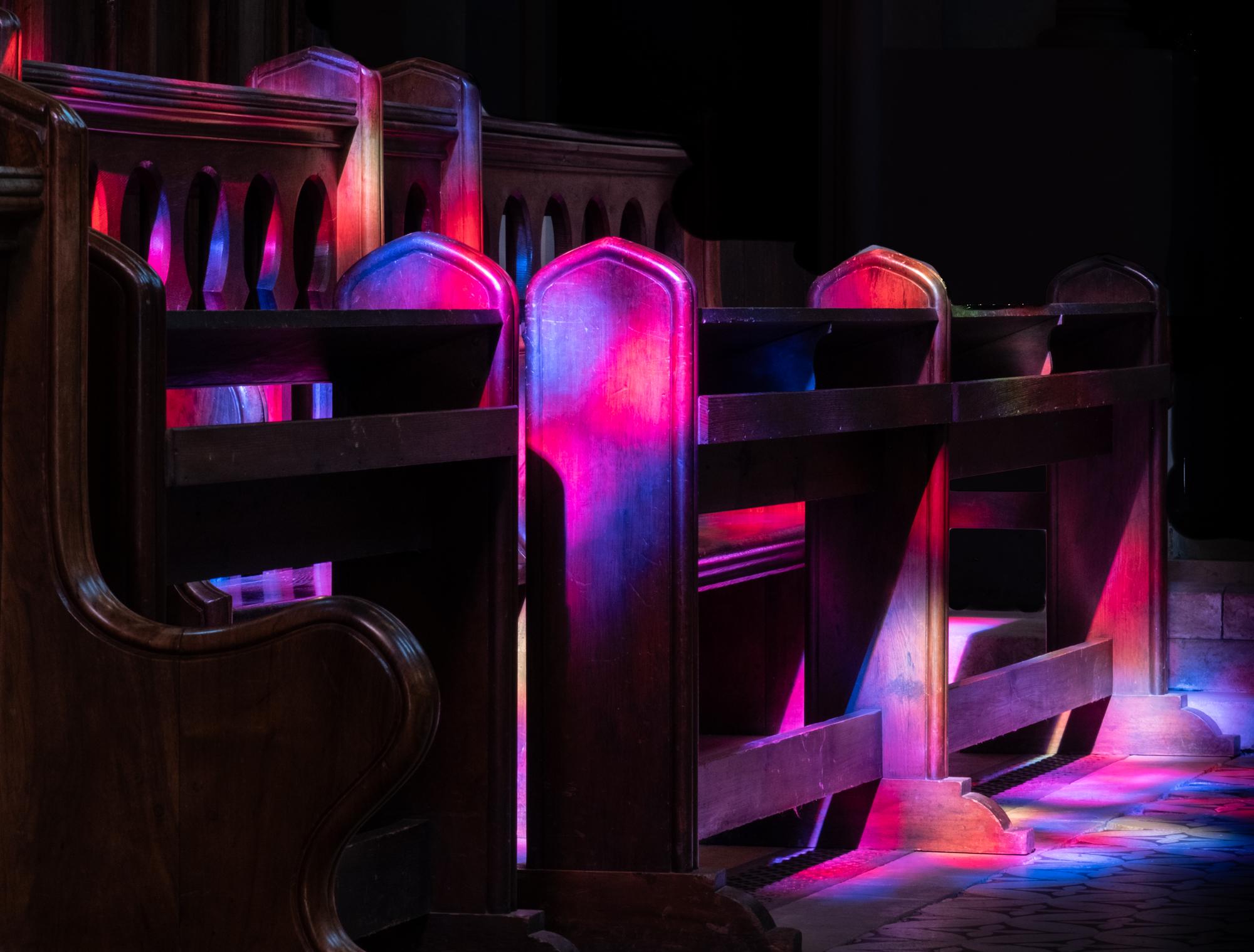
Lit by the Rose Window *
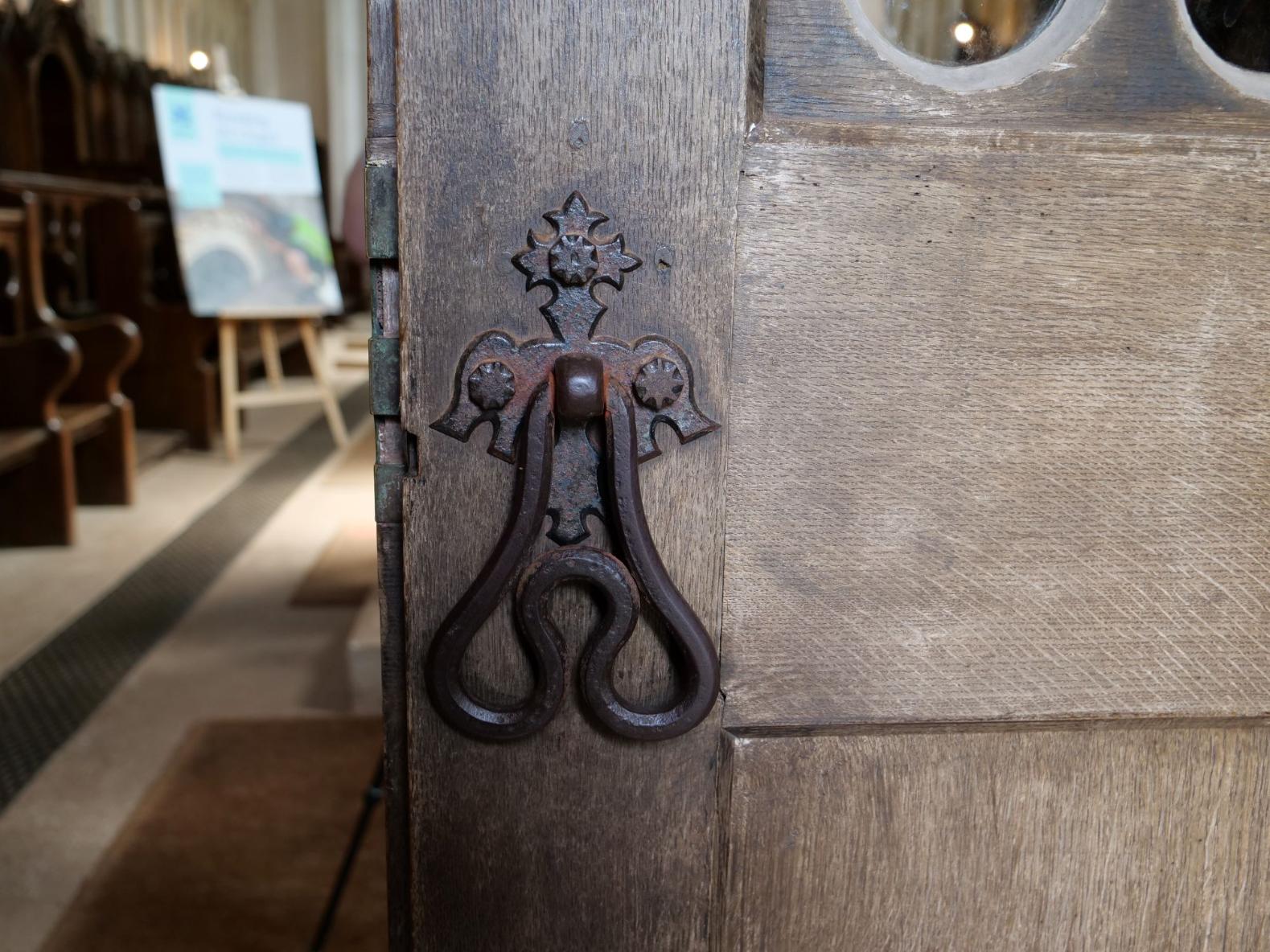
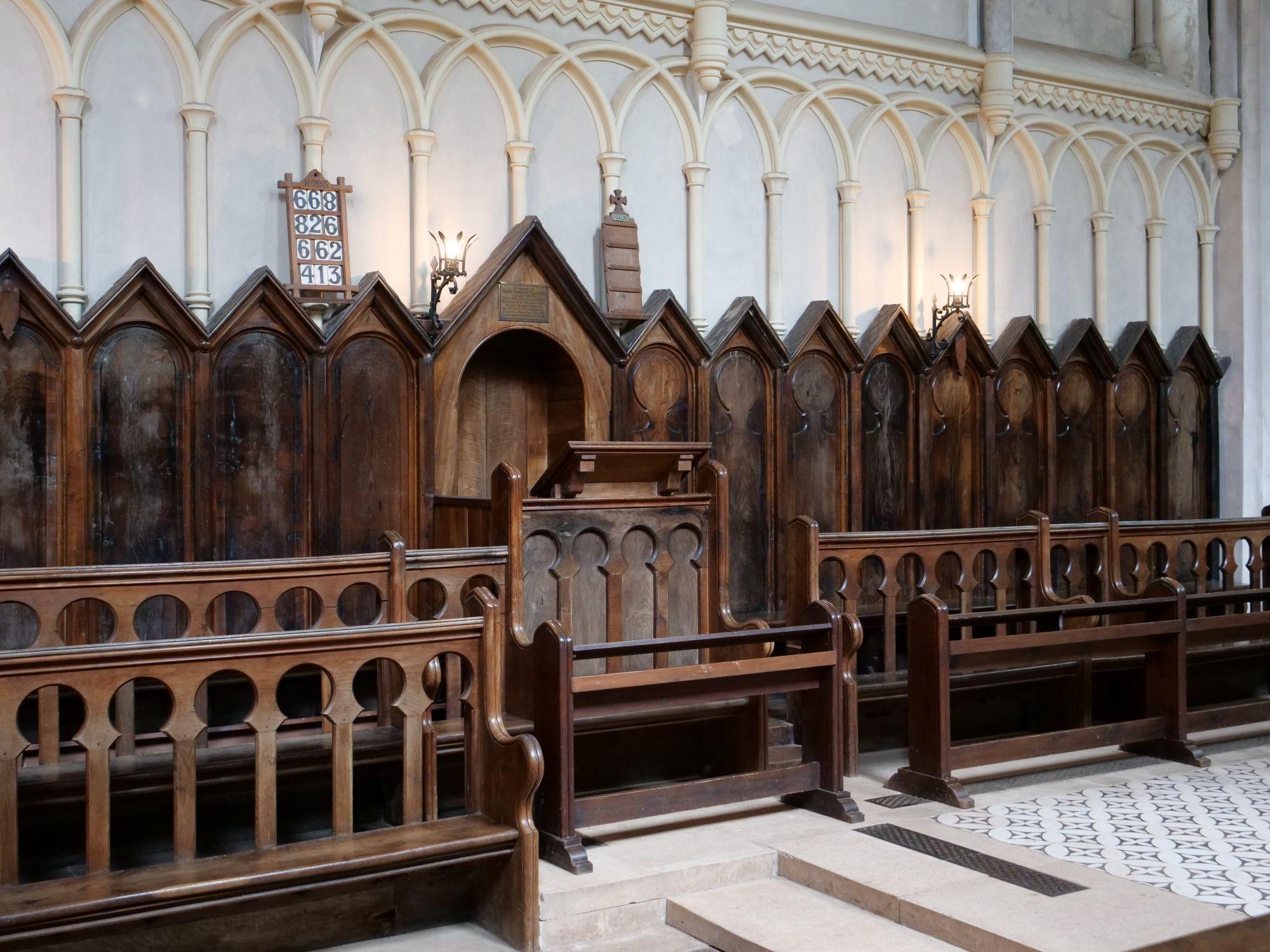
Pondering the shot
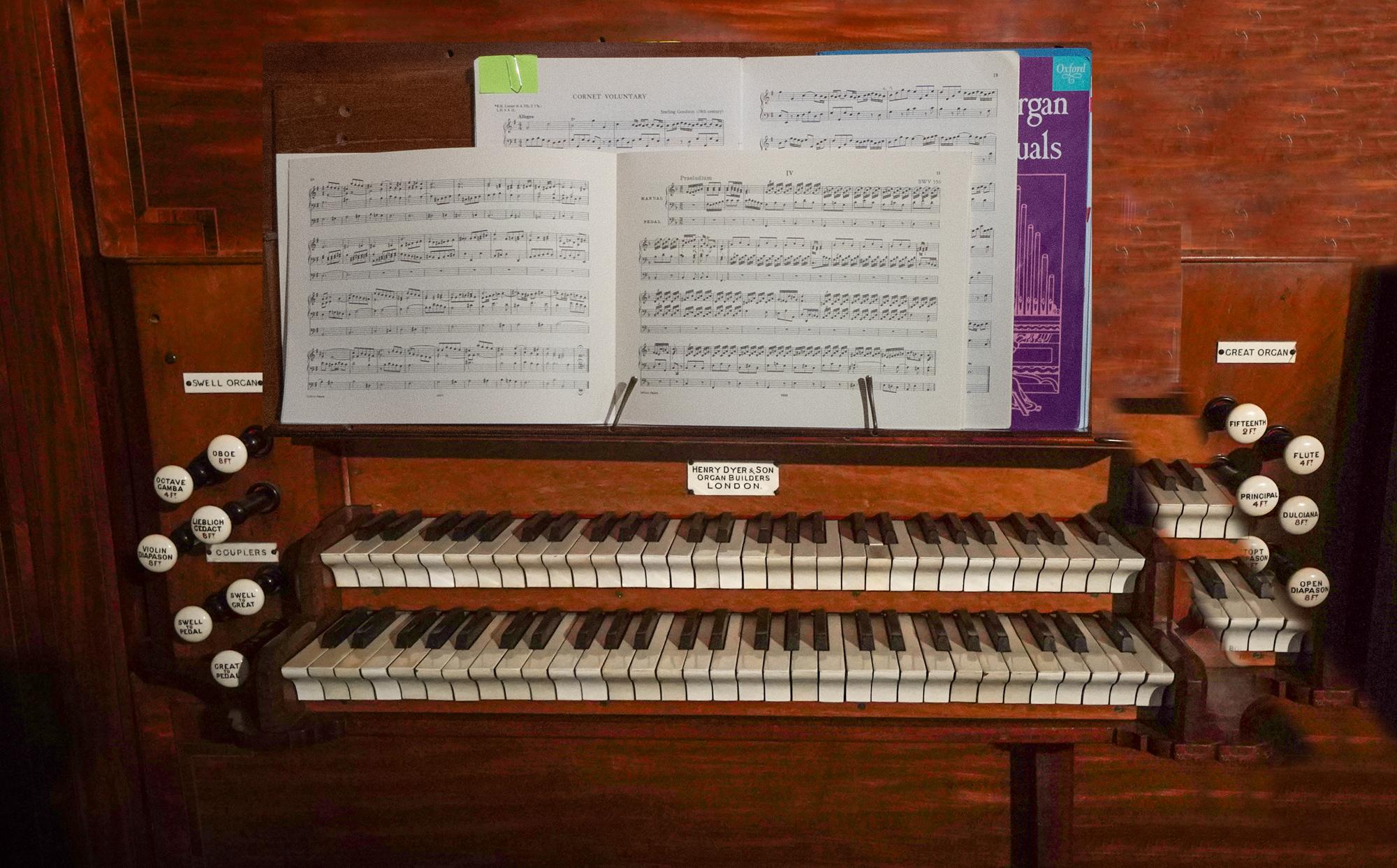
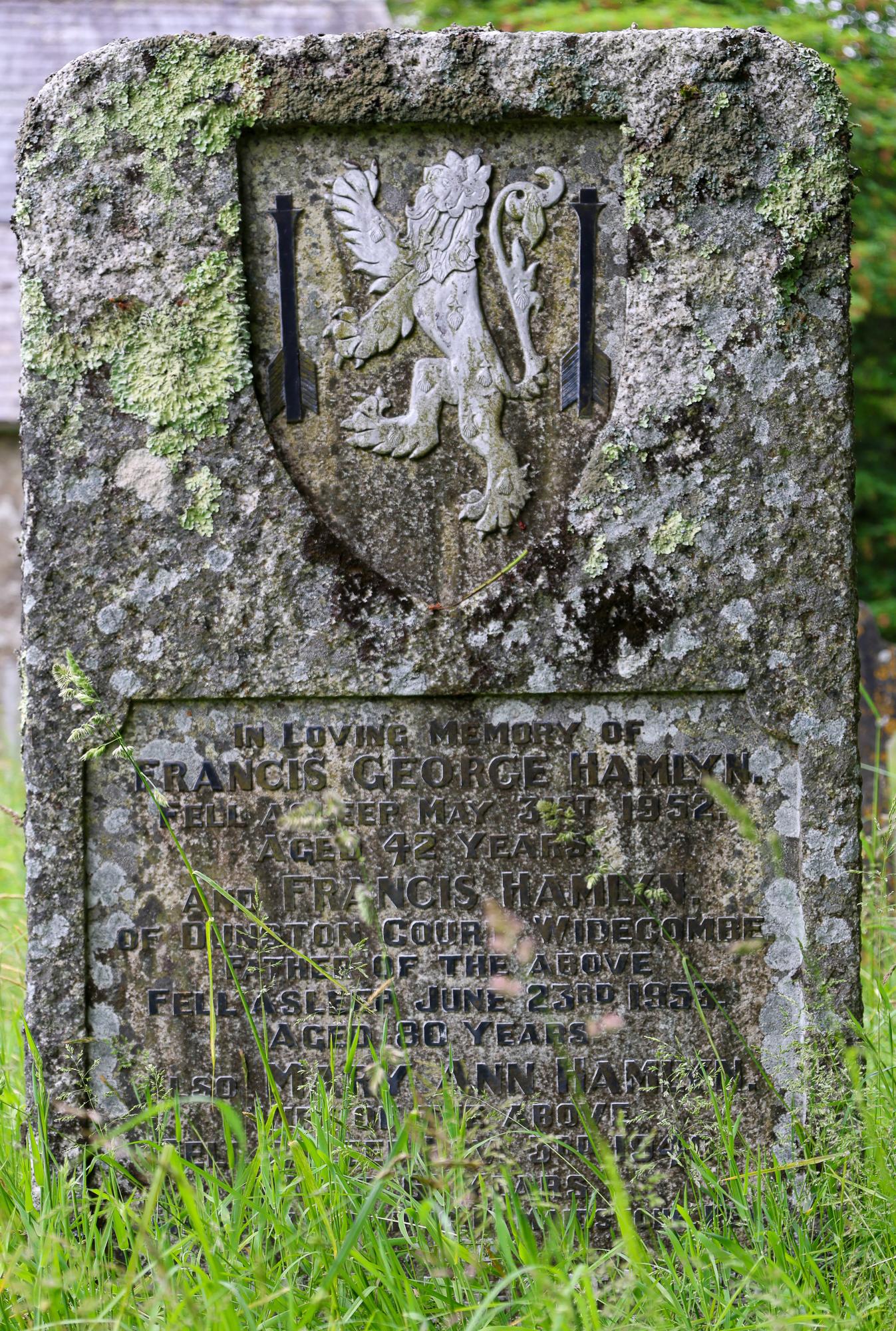
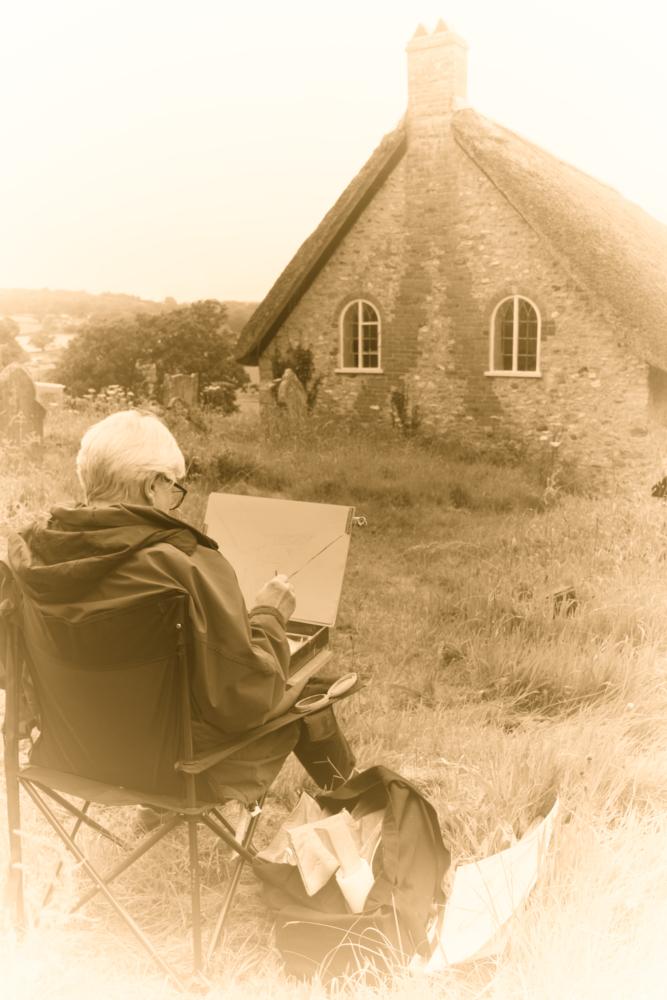
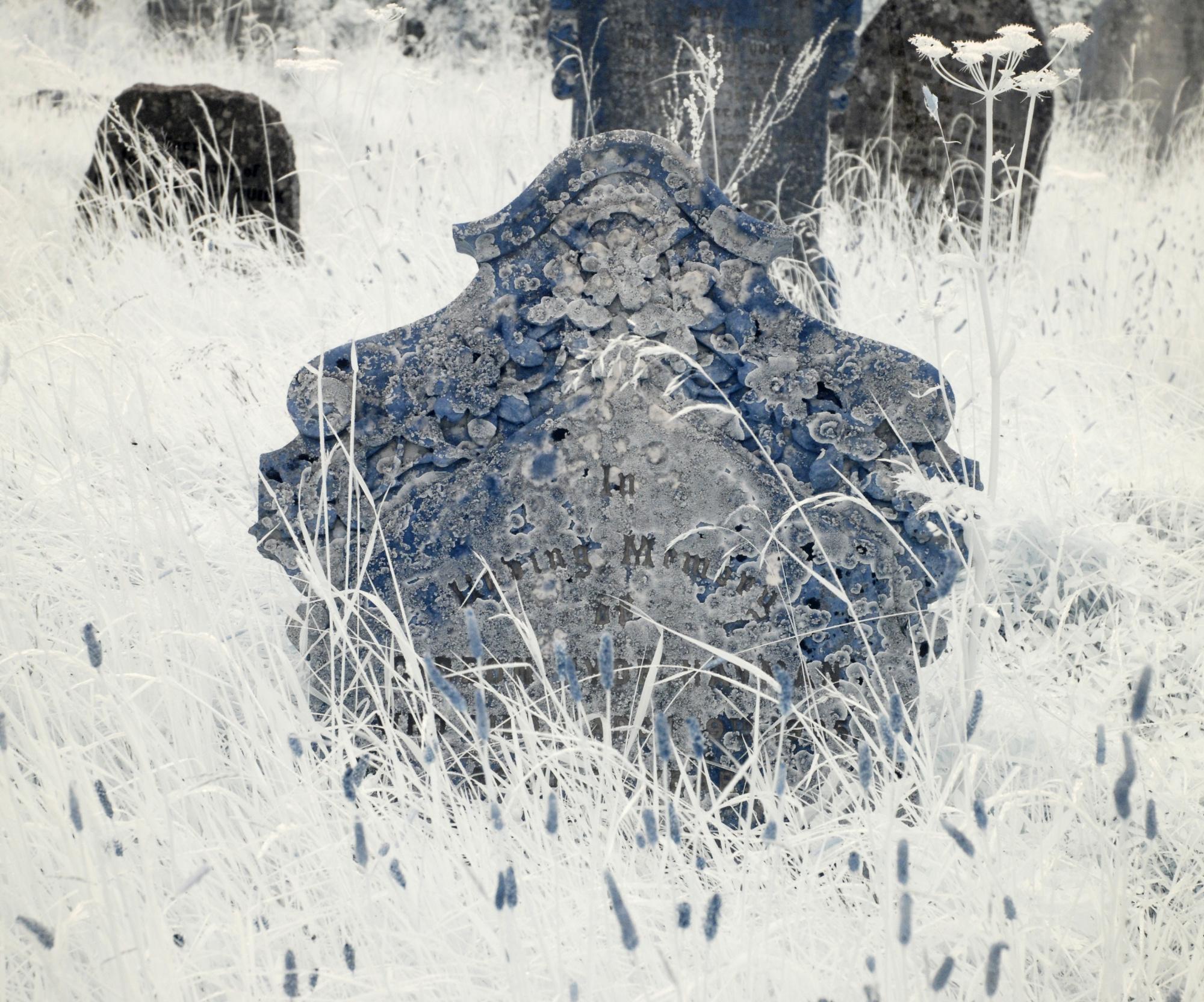
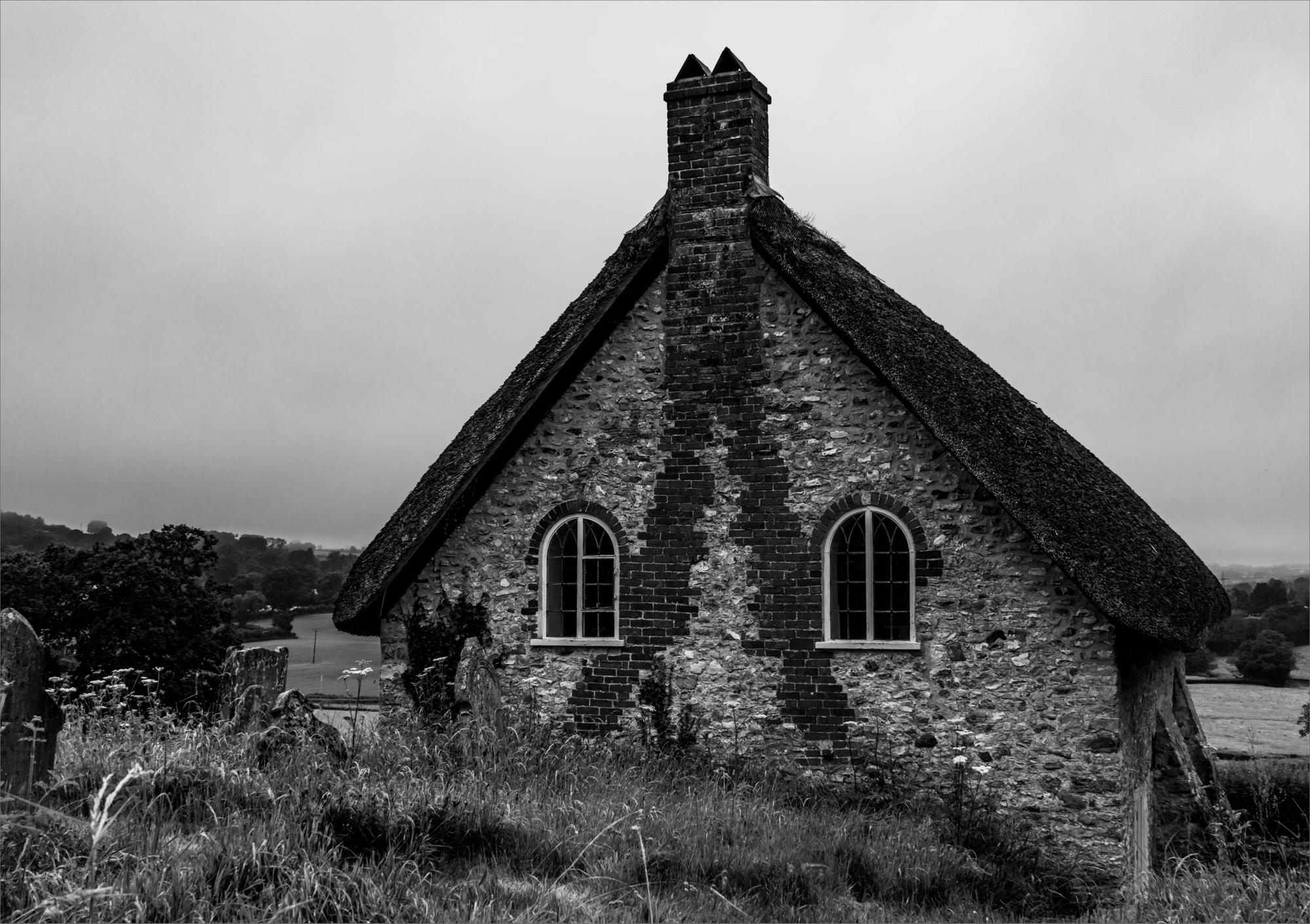
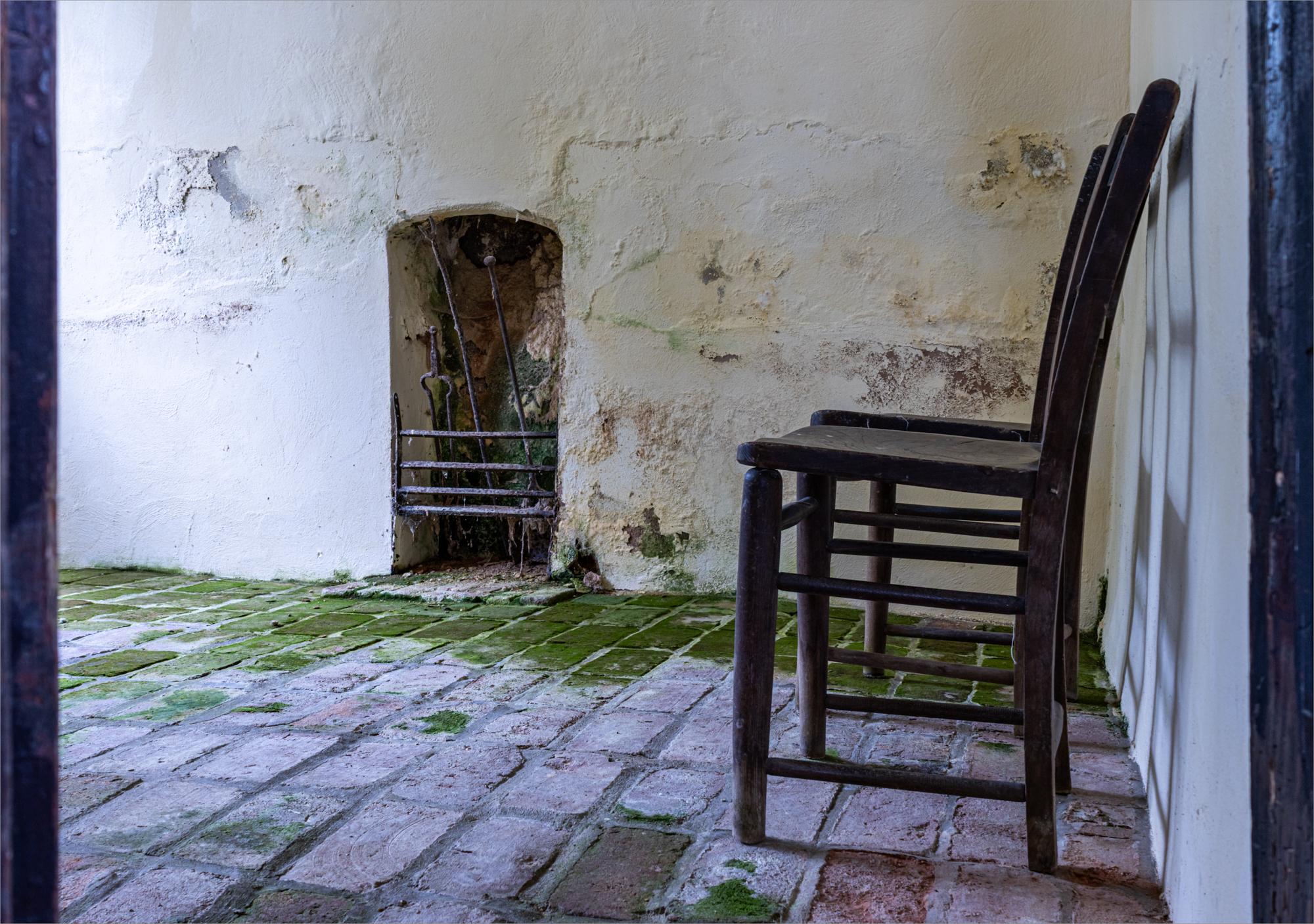
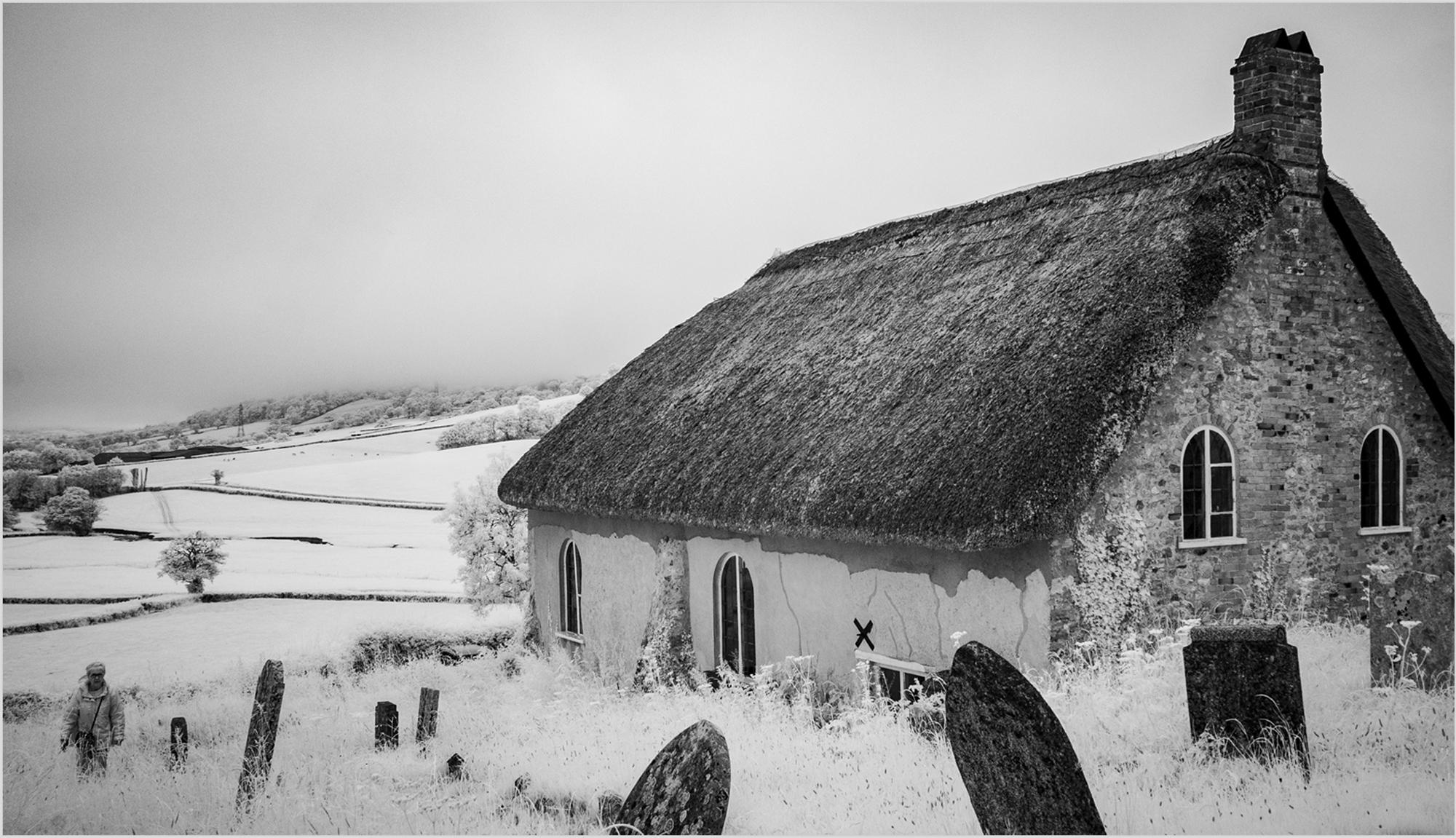
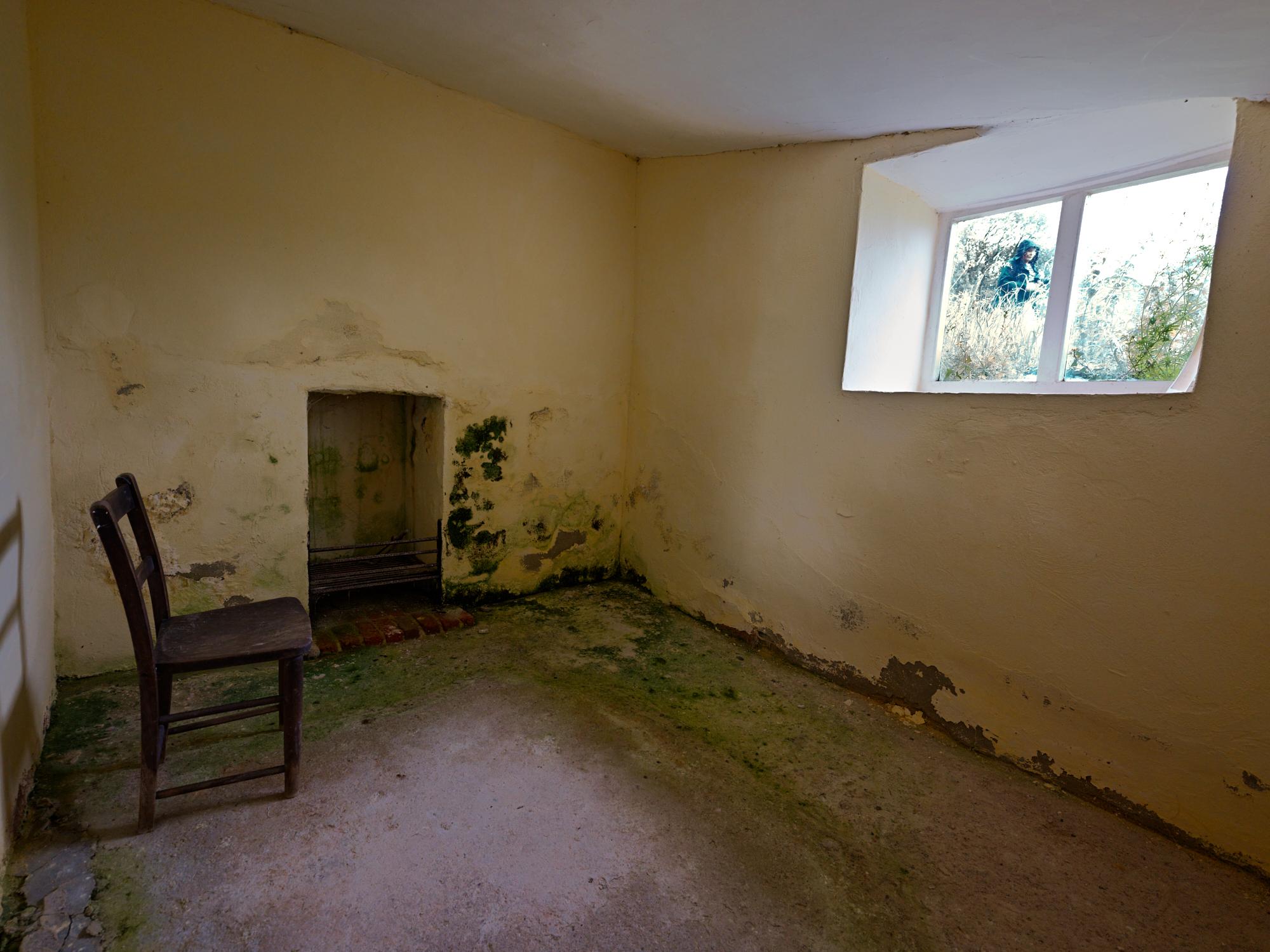
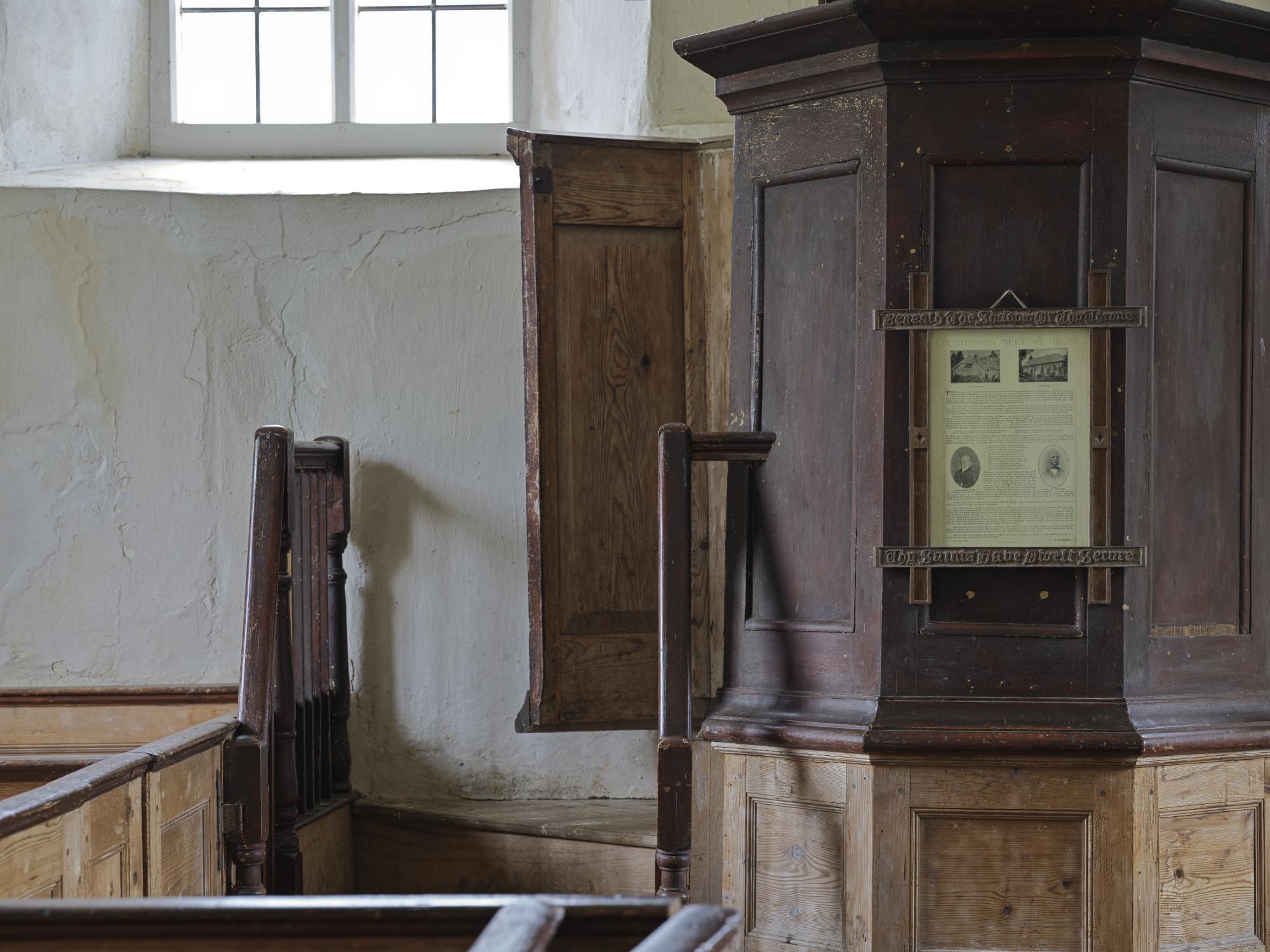
Loughwood Meeting House is an 18th century thatched building tucked away in a fold of the hills, with a small graveyard commanding rolling rural views over the Axe and Yarty valleys. The interior has its original box pews, a gallery, and an impressive pulpit. There are two separate rooms for overnight stays for long-distance travellers featuring small fireplaces, brick floors, and a lot of green algae.
It's one of the earliest Baptist chapels in England, and dates from a time when non-conformists were persecuted and had to meet in secret. Its isolated location was chosen for safety from inquisitive authorities, and people travelled from many miles away to worship here.
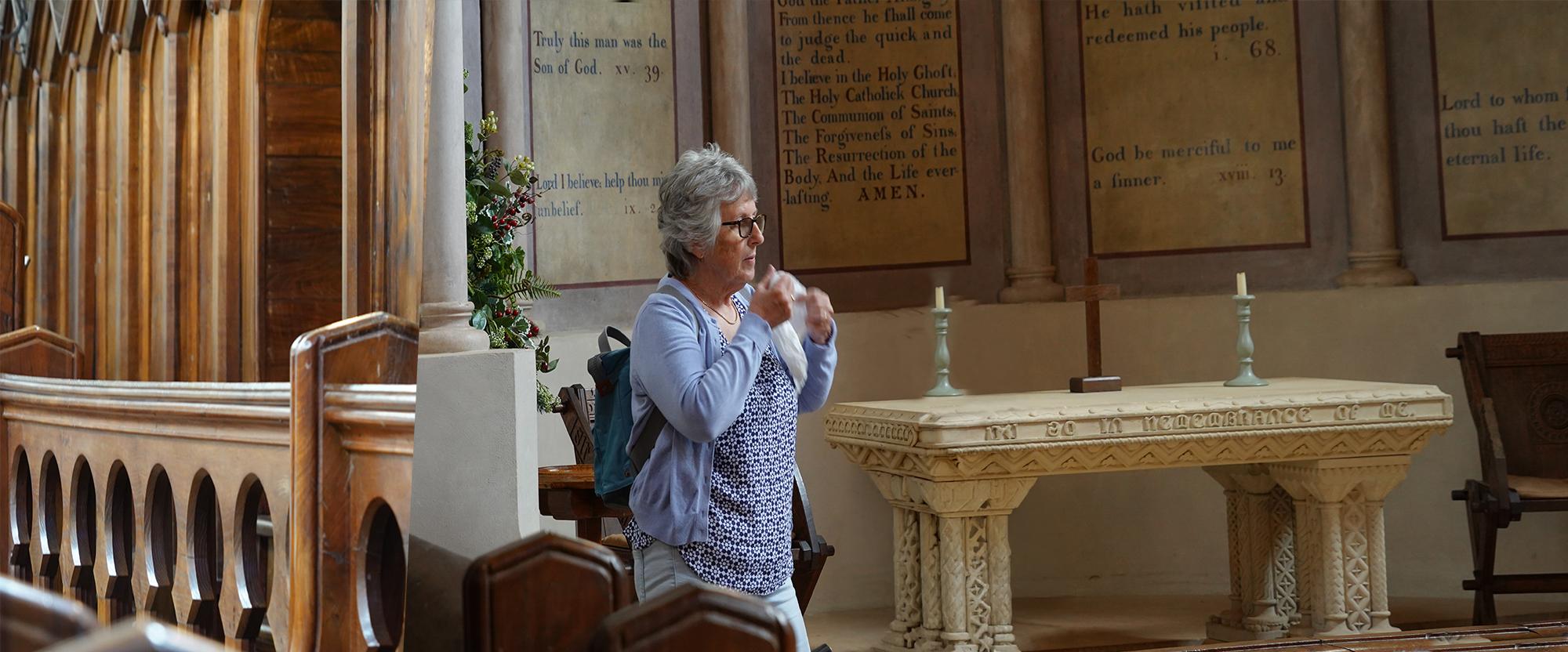
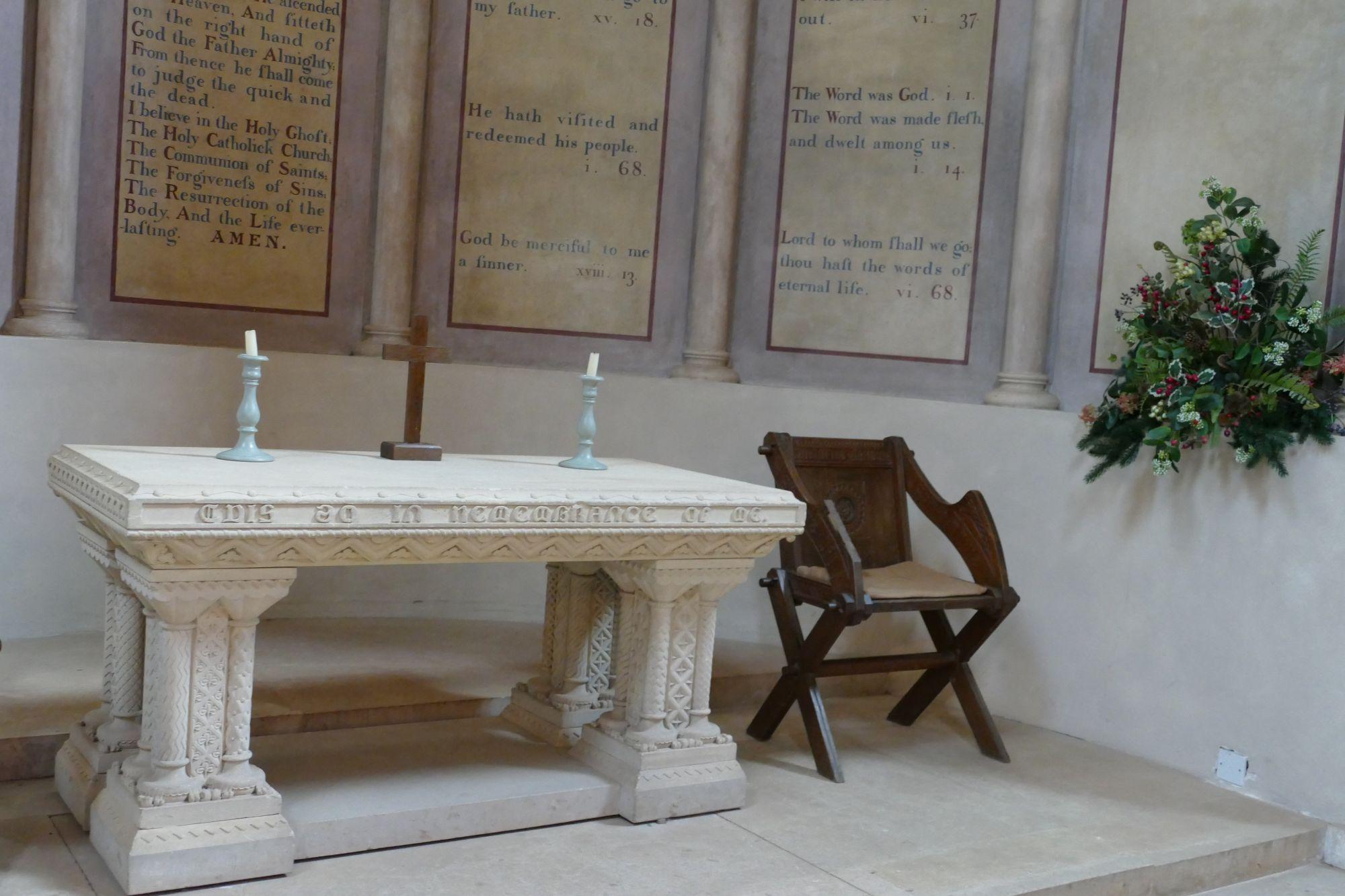
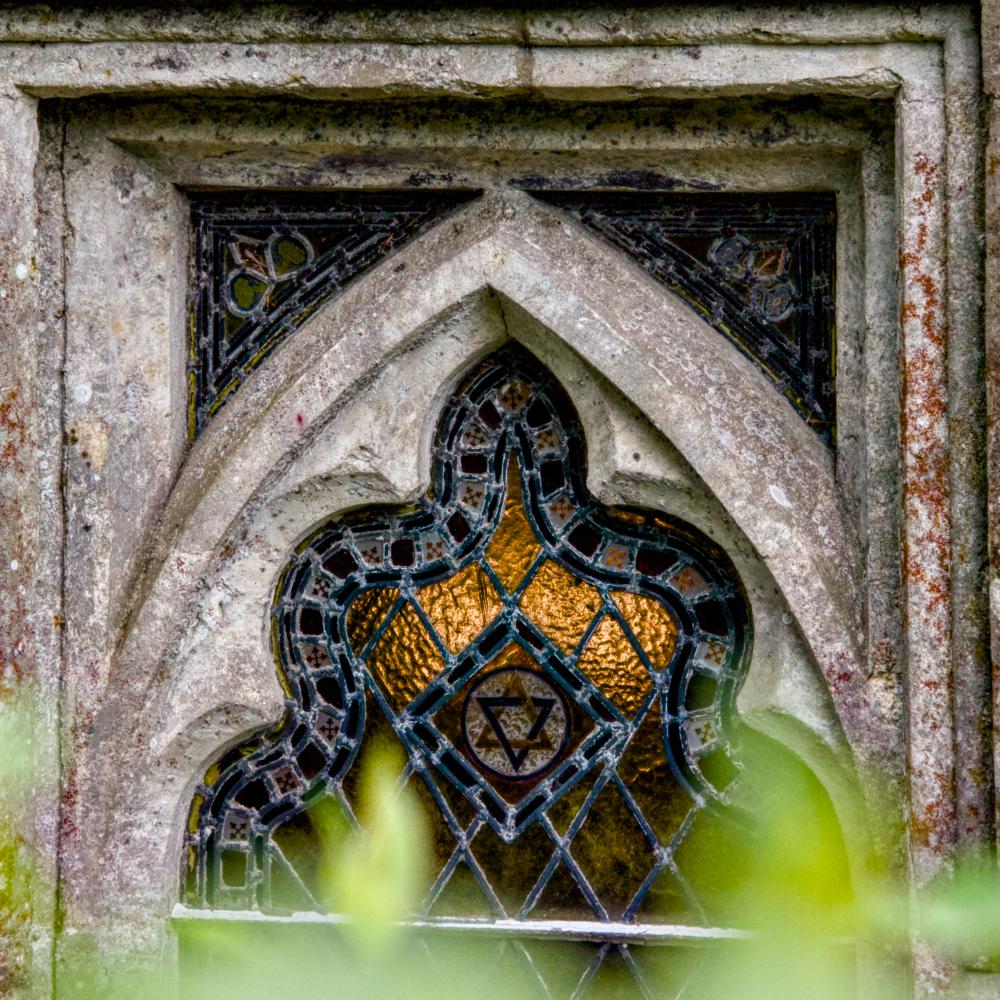
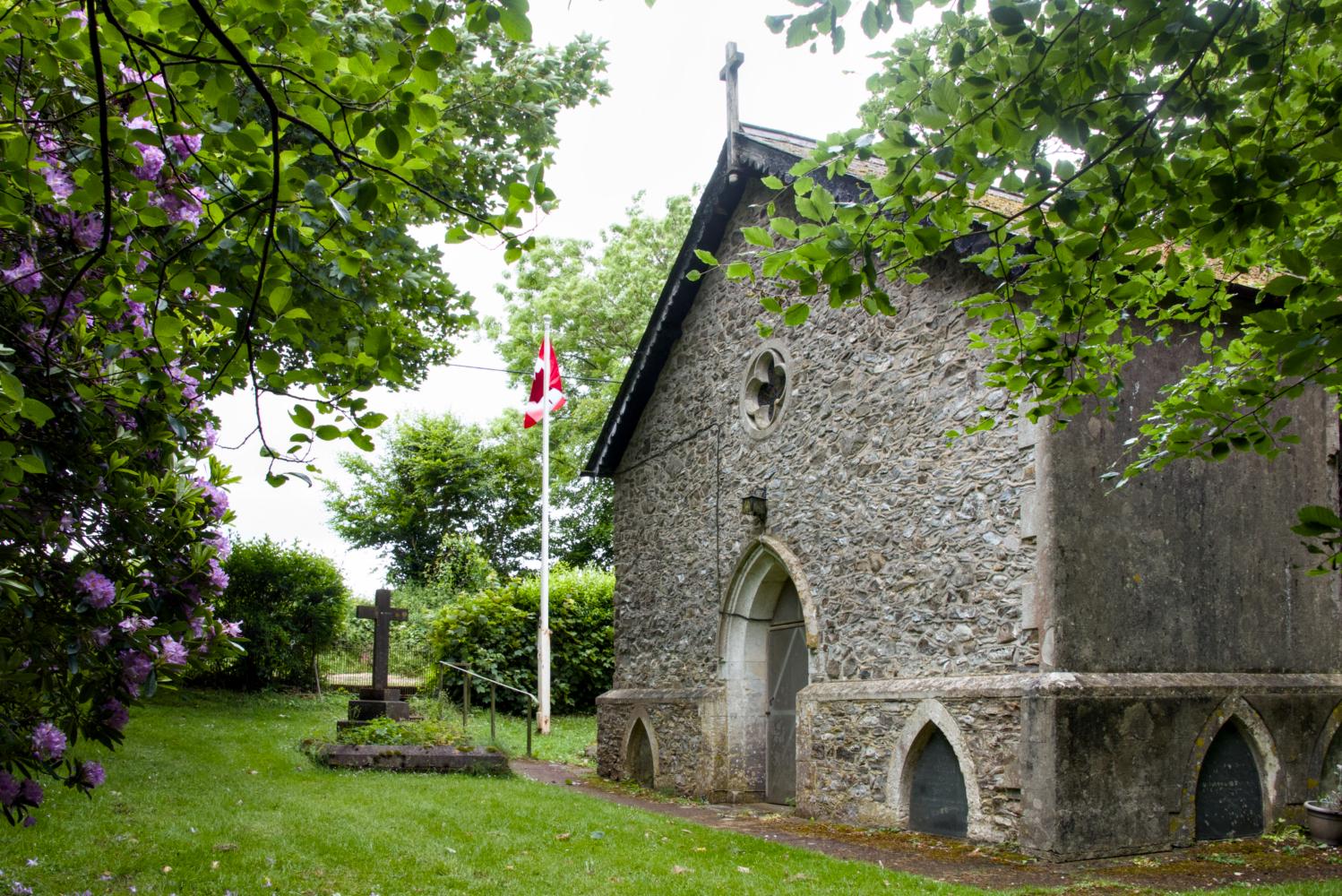
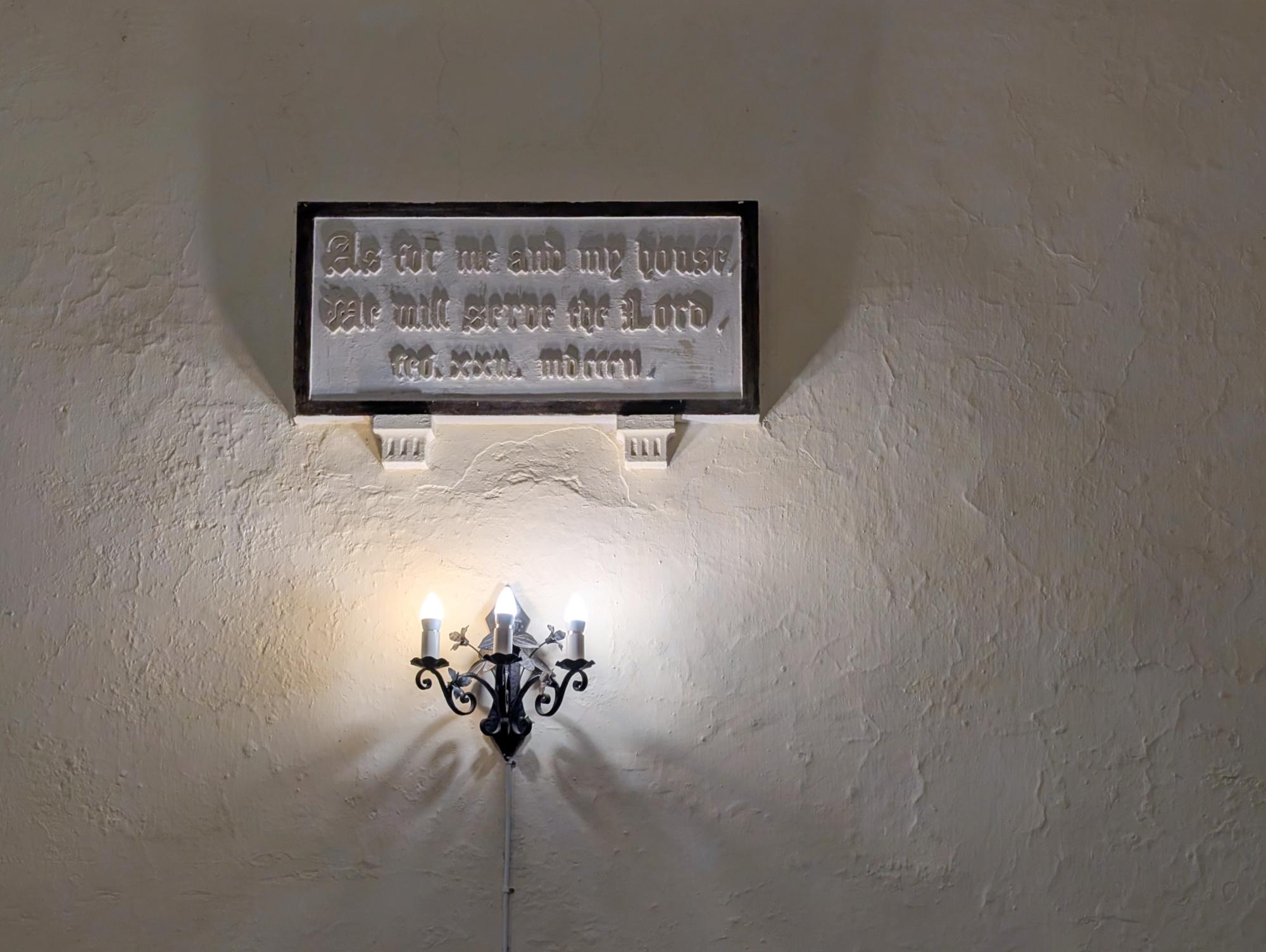
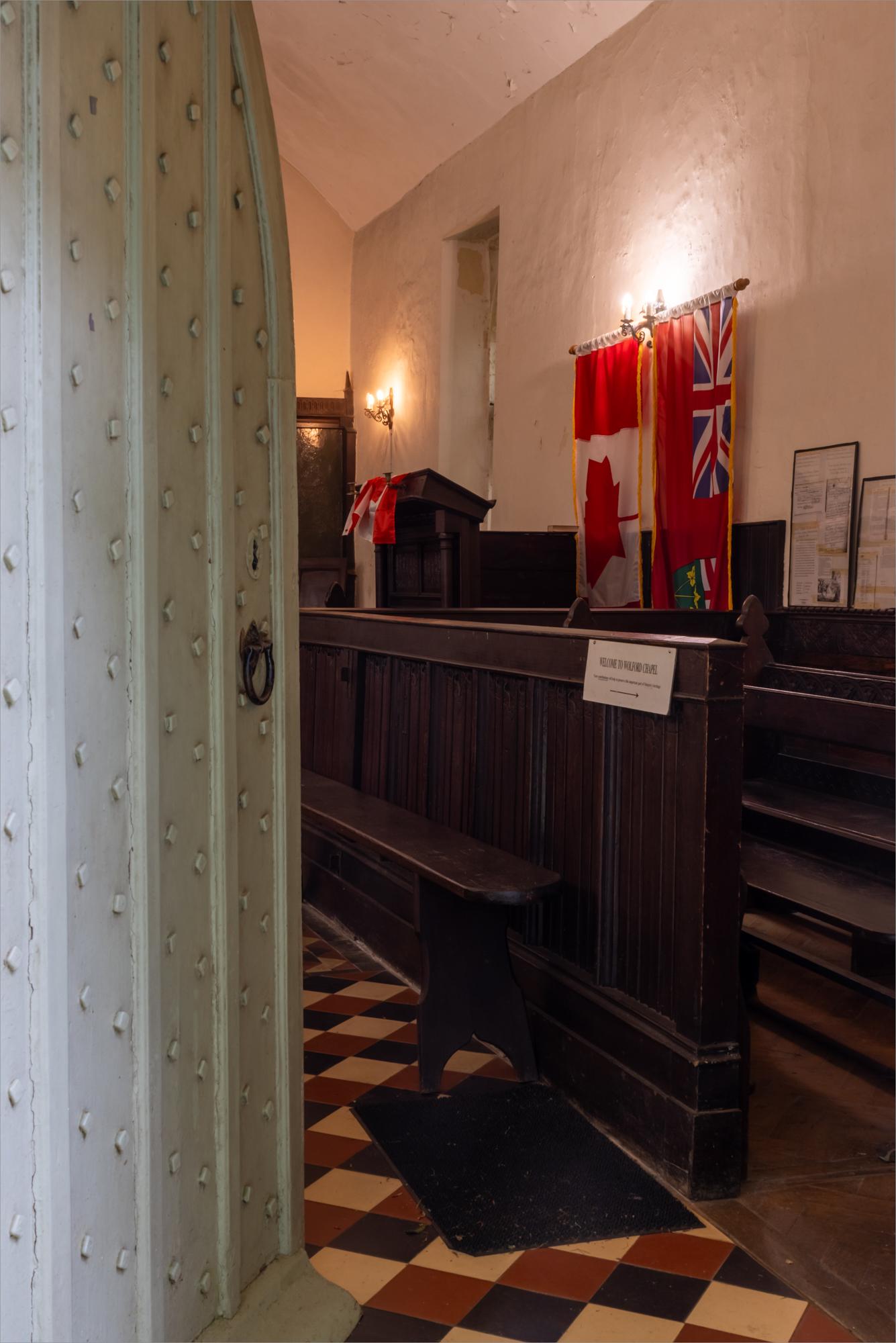
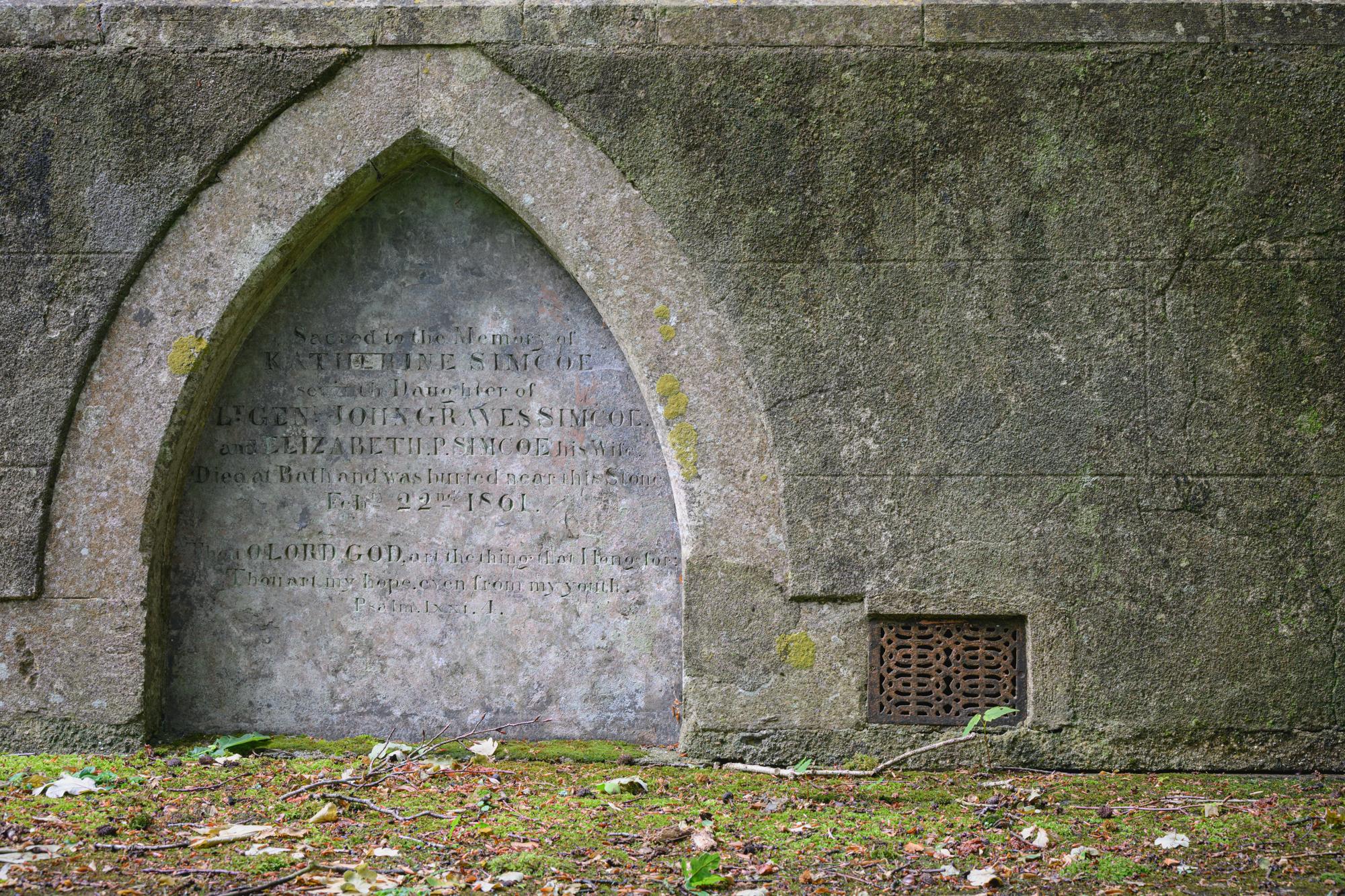
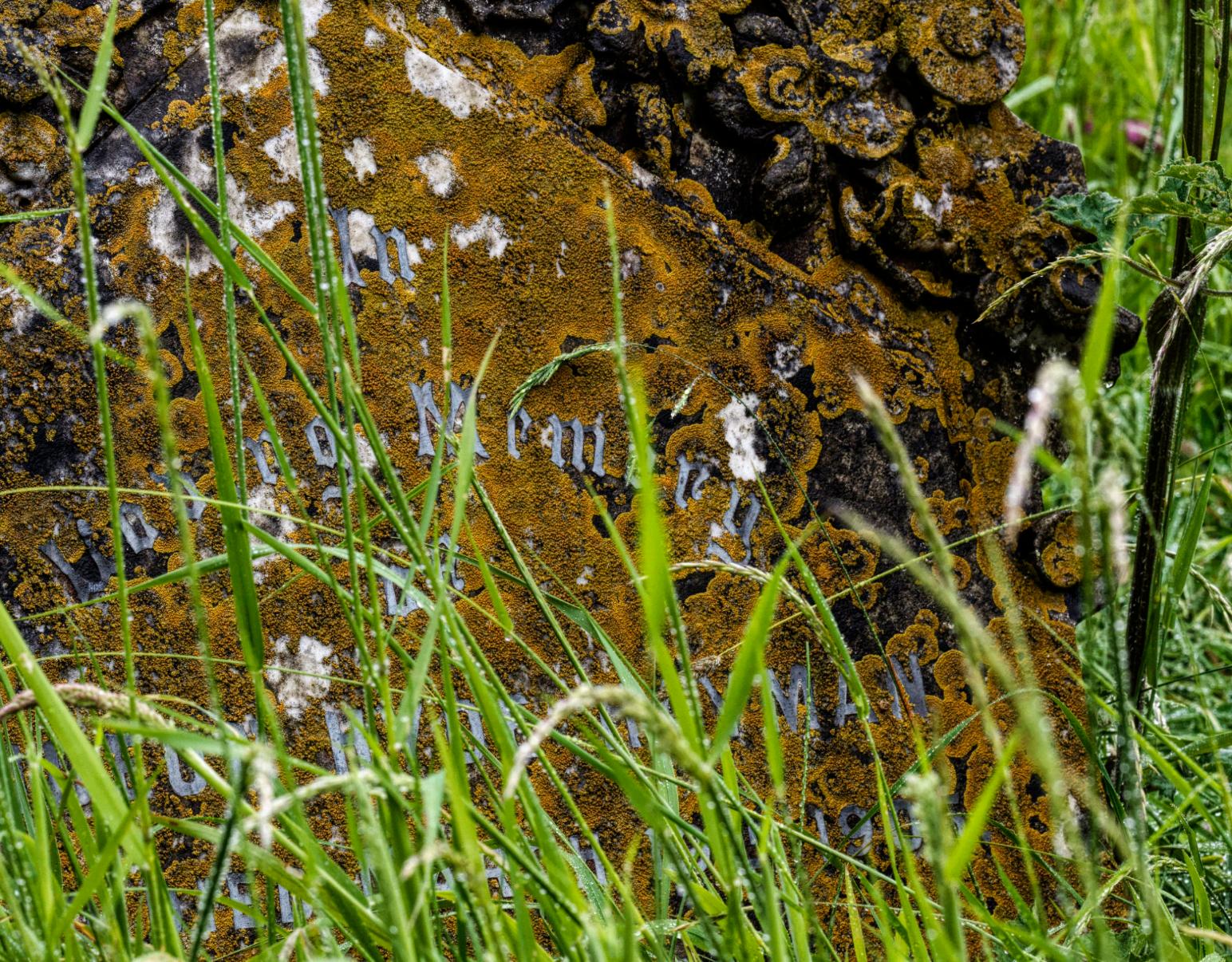
Wolford Chapel dates from 1802 and was built on the Simcoe Estate. General John Graves Simcoe, of Wolford Lodge in Dunkeswell, was appointed Lieutenant Governor of the Province of Upper Canada from 1791-96 after a long and distinguished military career. In 1966, as an Anglo-Canadian memorial to his work, the deeds and property of Wolford Chapel were given by the publisher Geoffrey Harmsworth to the Prime Minister of Ontario, and the building is held in trust for the people of Canada, a little island of Canadian property in the East Devon countryside.
The chapel has a small graveyard with General Simcoe's grave, and many memorials to members of the Simcoe family around the exterior walls. The interior features many historical artefacts, an elaborate carved altar, and a fine encaustic tiled floor.
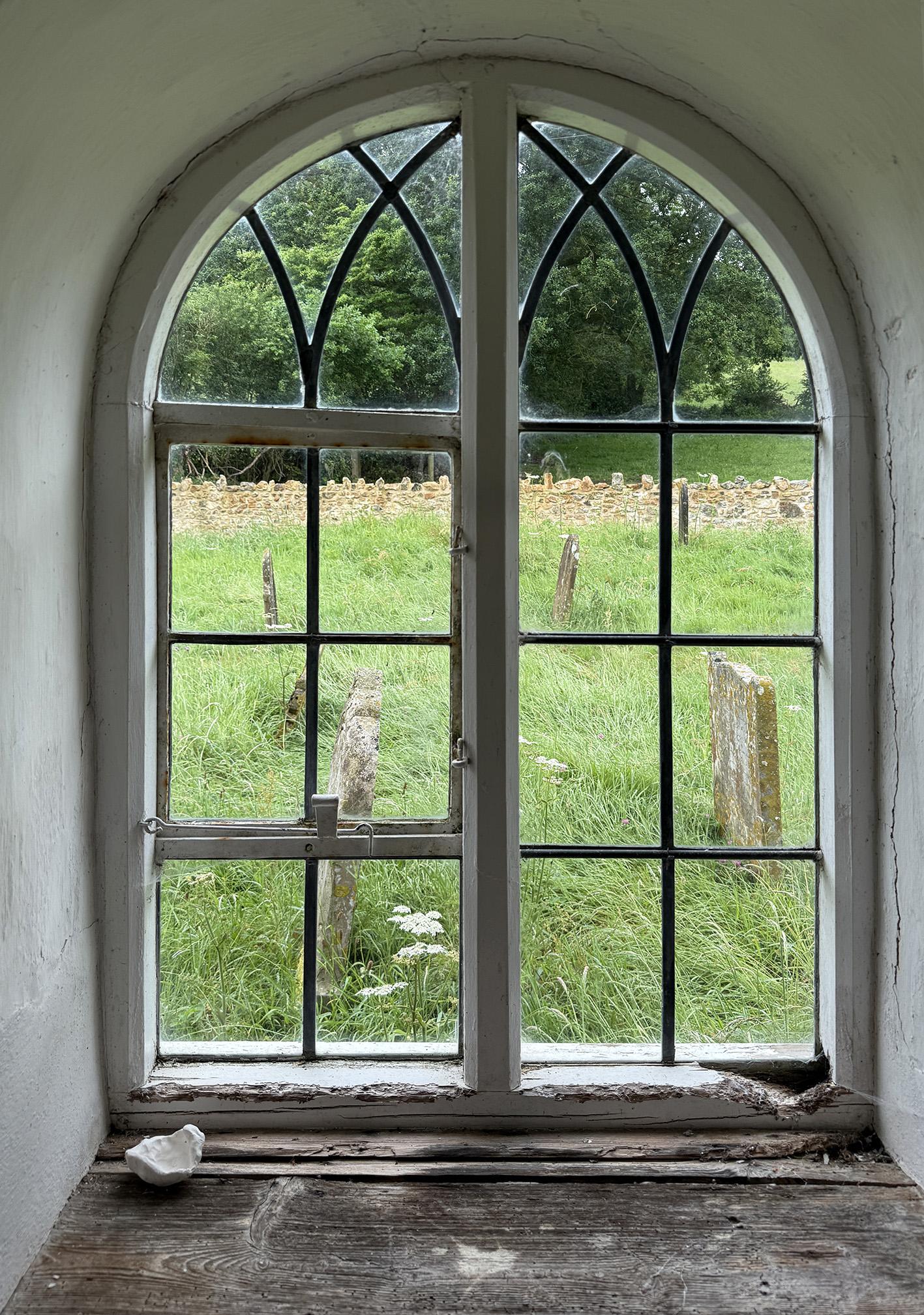
Looking Out to the Departed (Loughwood)

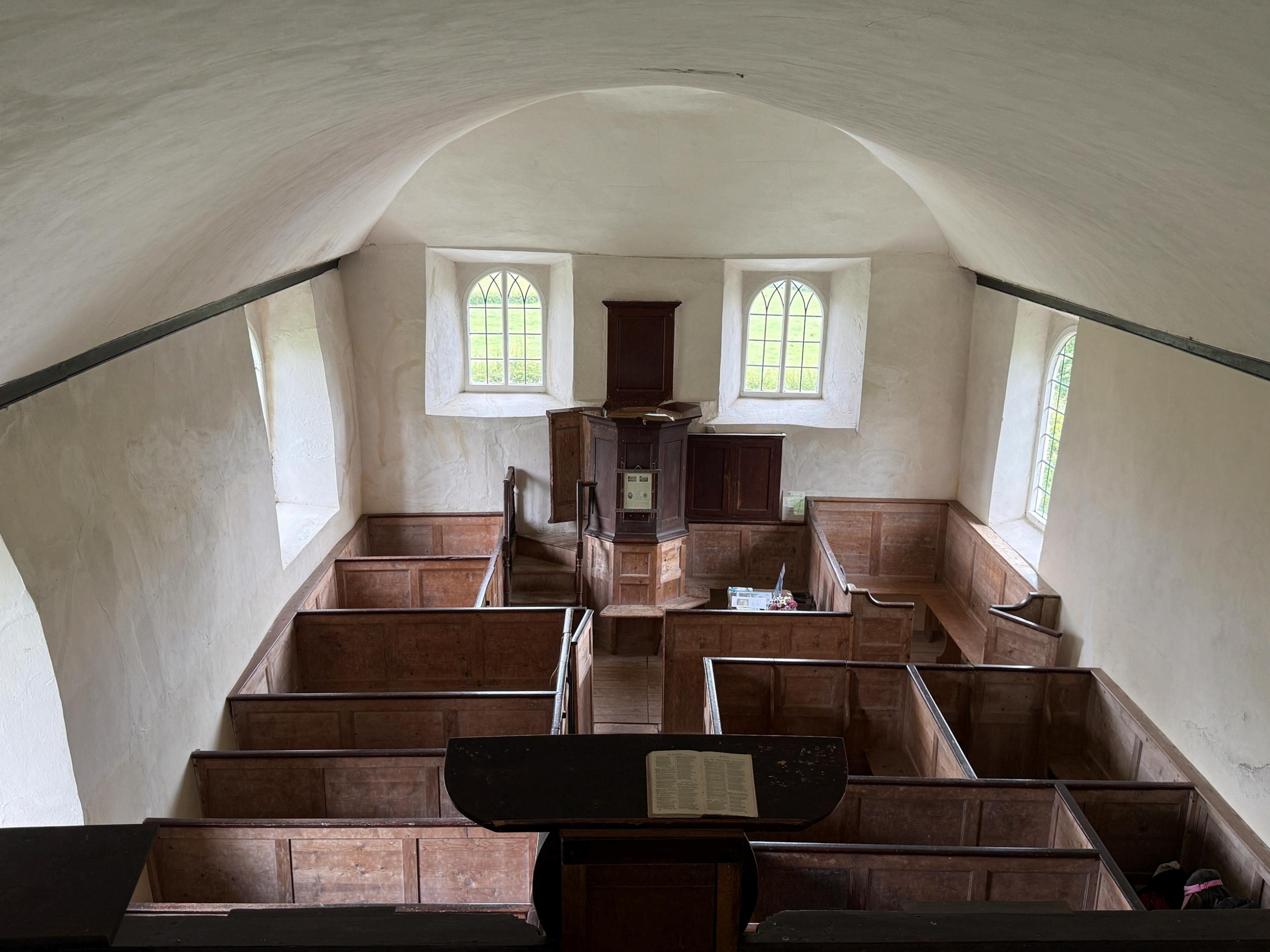
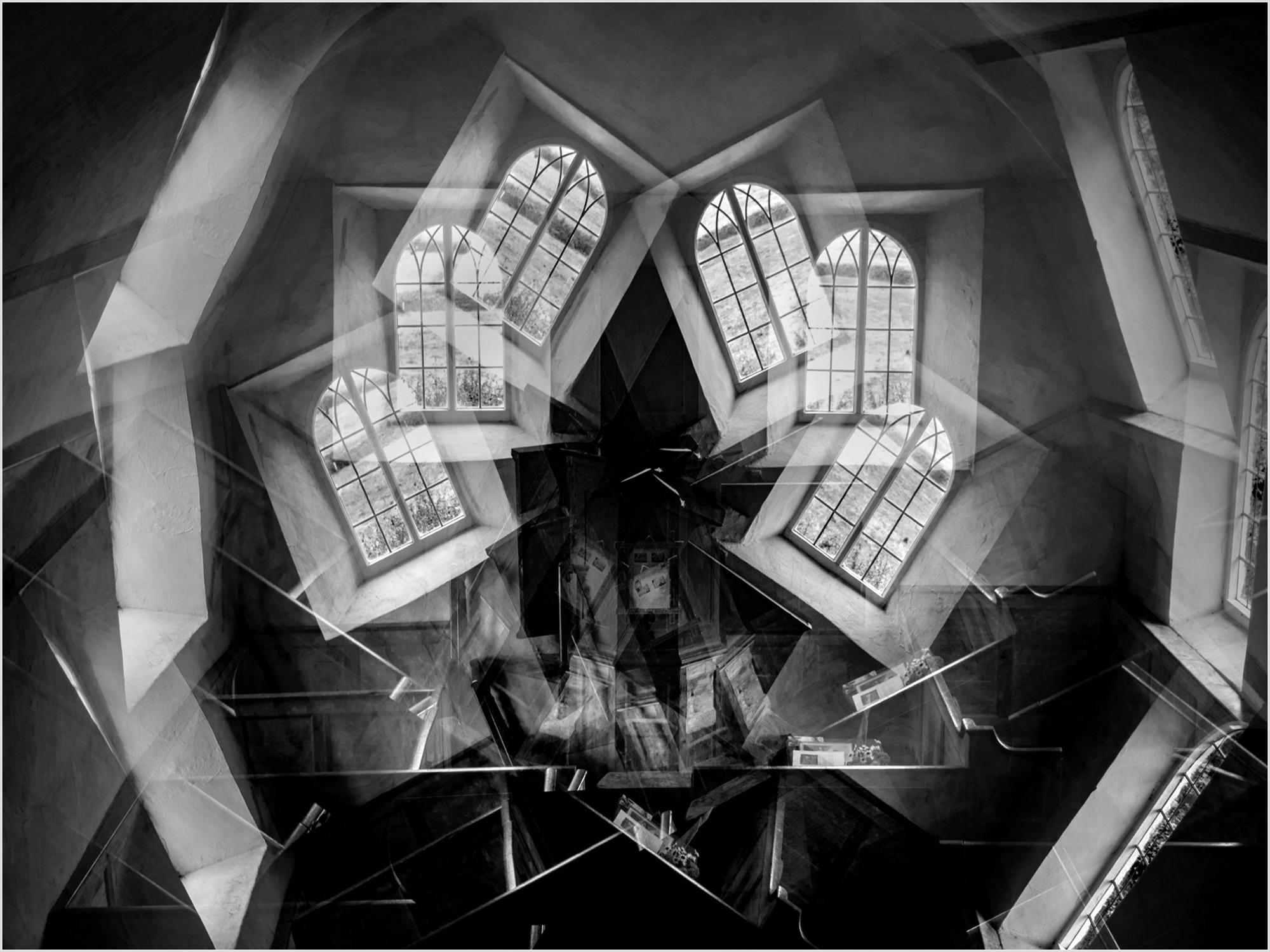
Middleton-Flynn
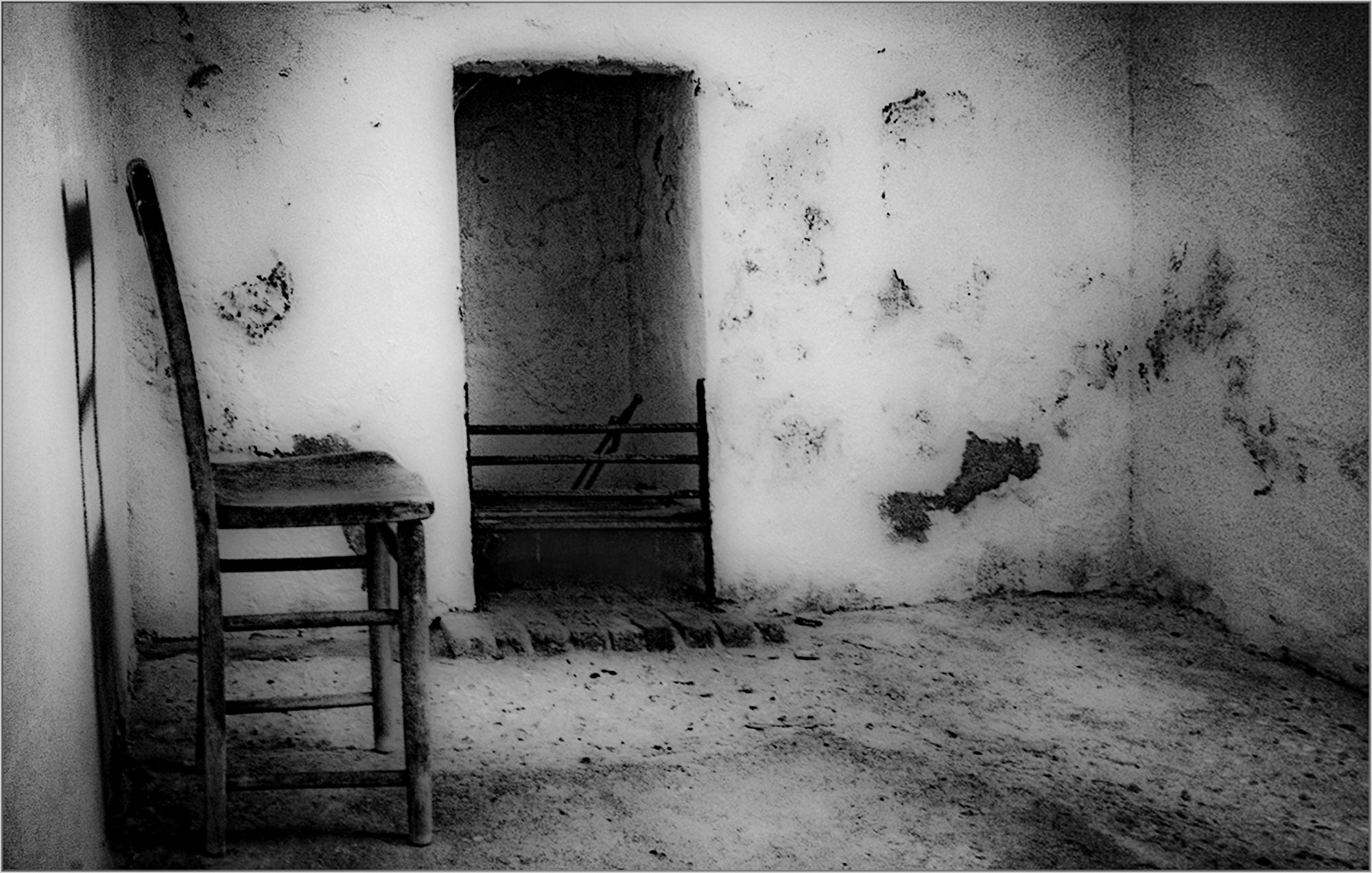
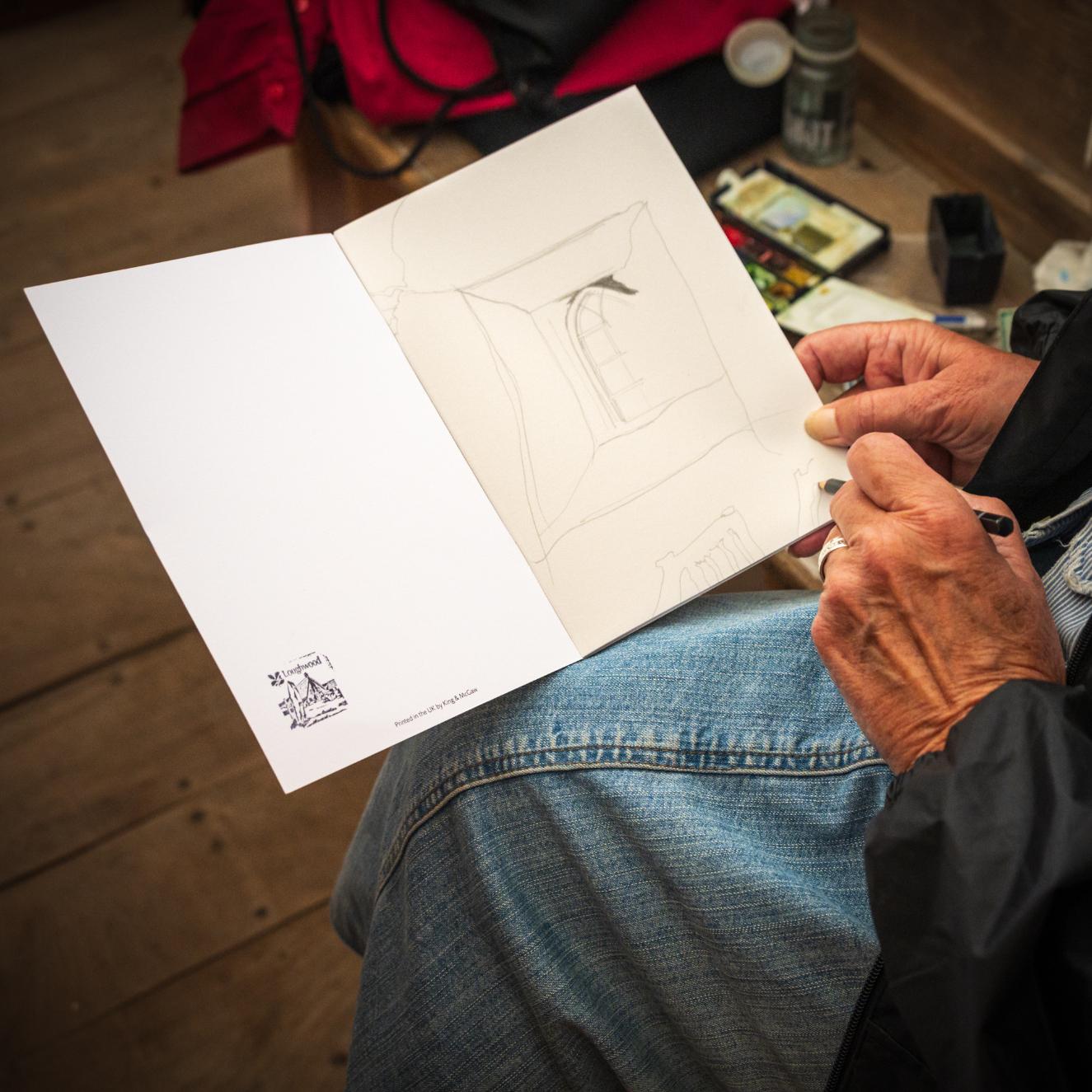

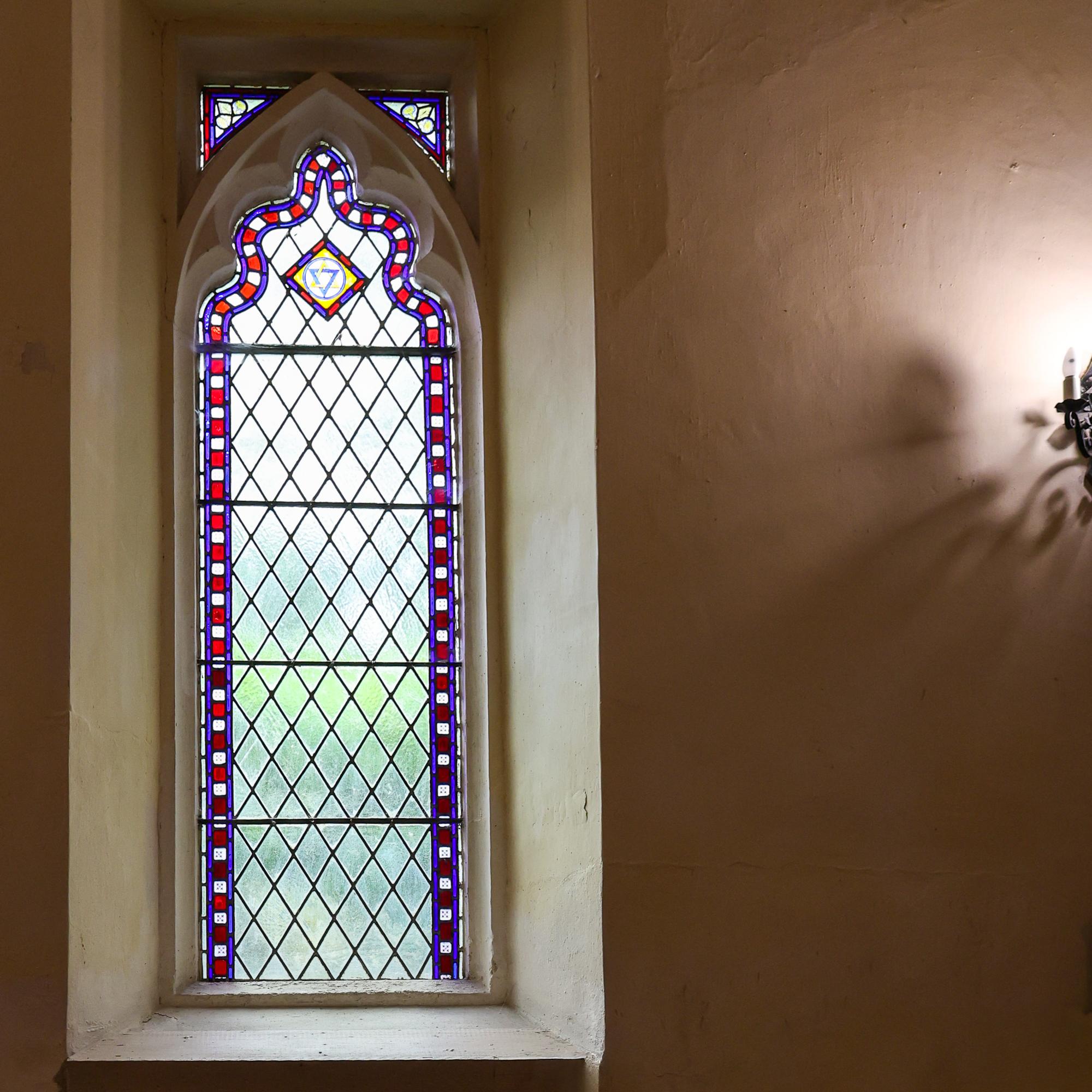
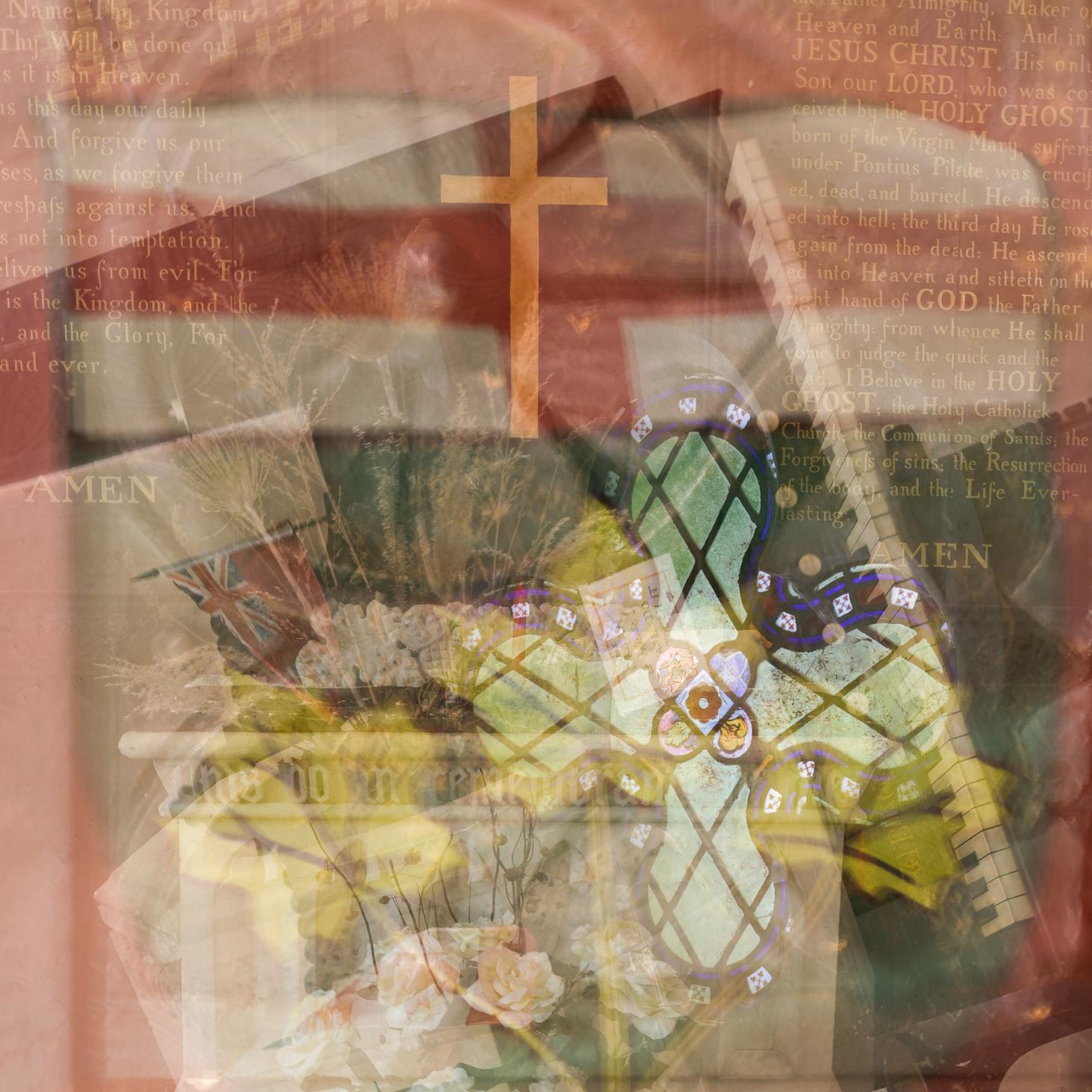
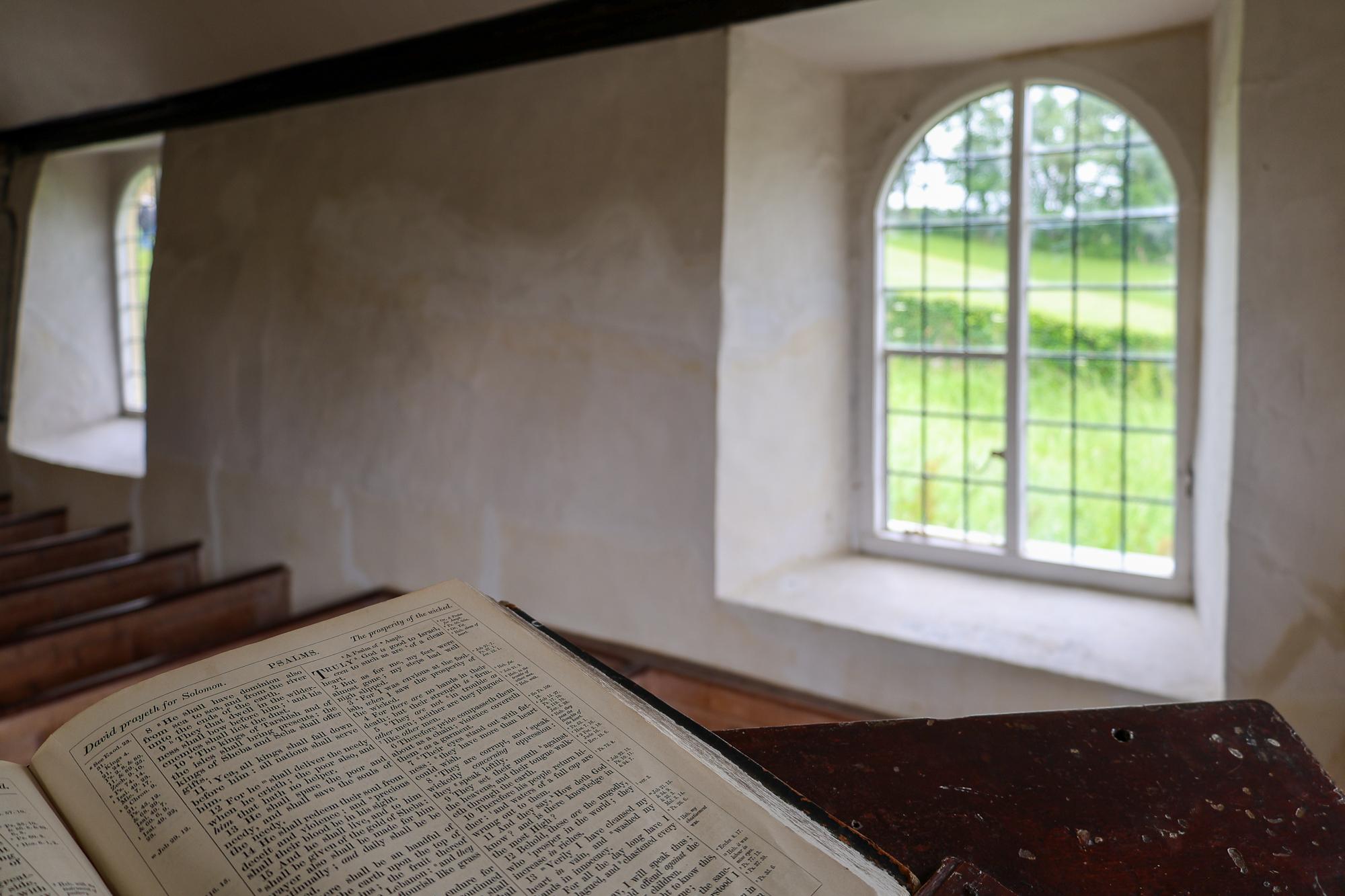
Reading the Psalms (Loughwood)
Take this and consider it as broad as you wish. It could be a village to a city, include or not include people. Day time, night time.
Bookings will open the beginning of September
TALK on 1st October
WALKs in October