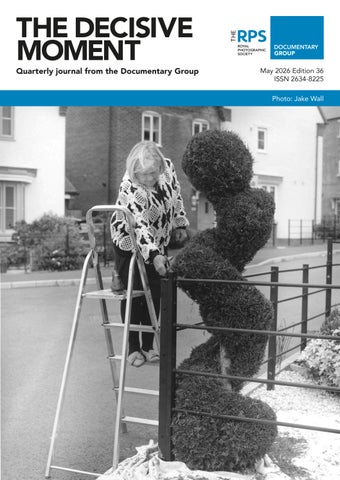
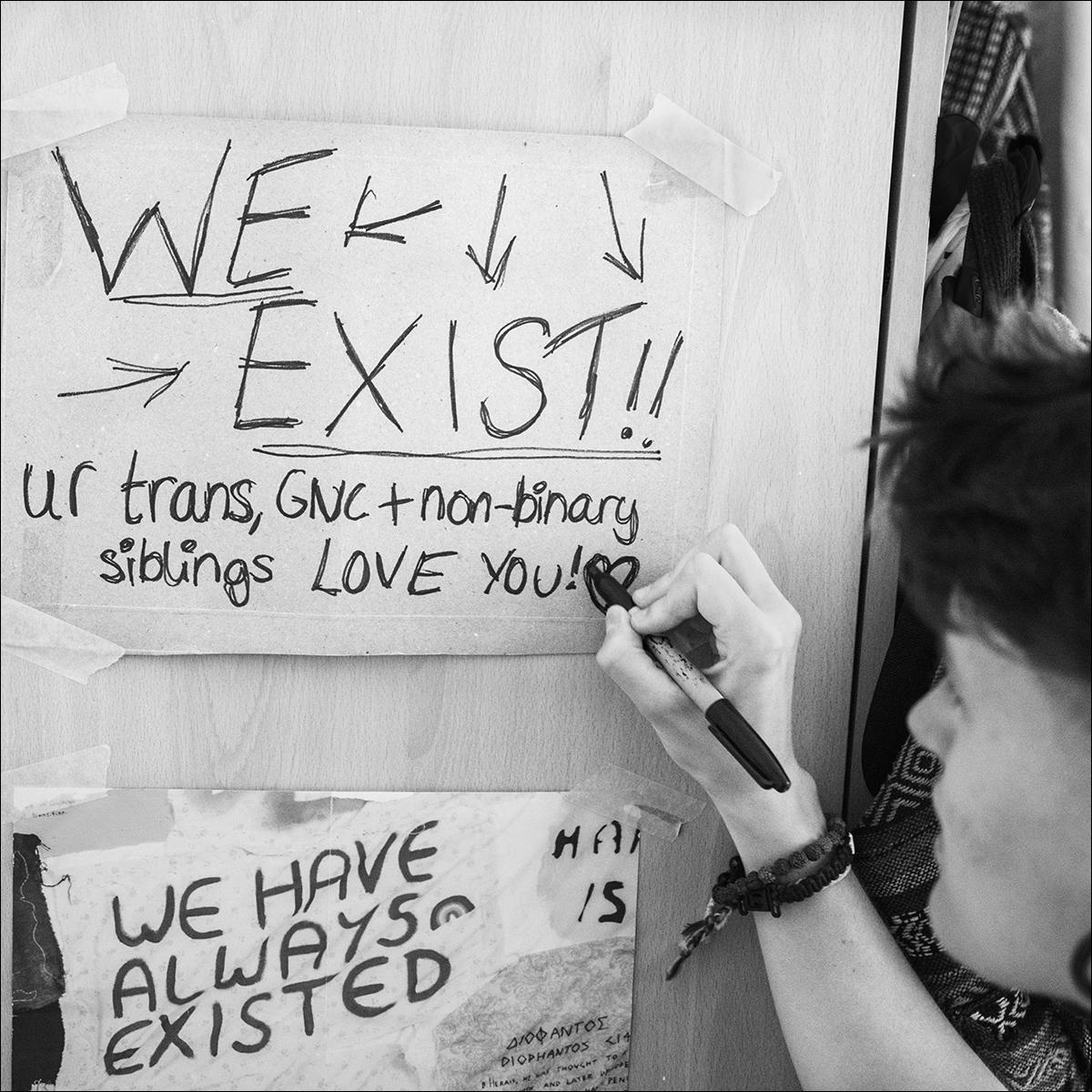
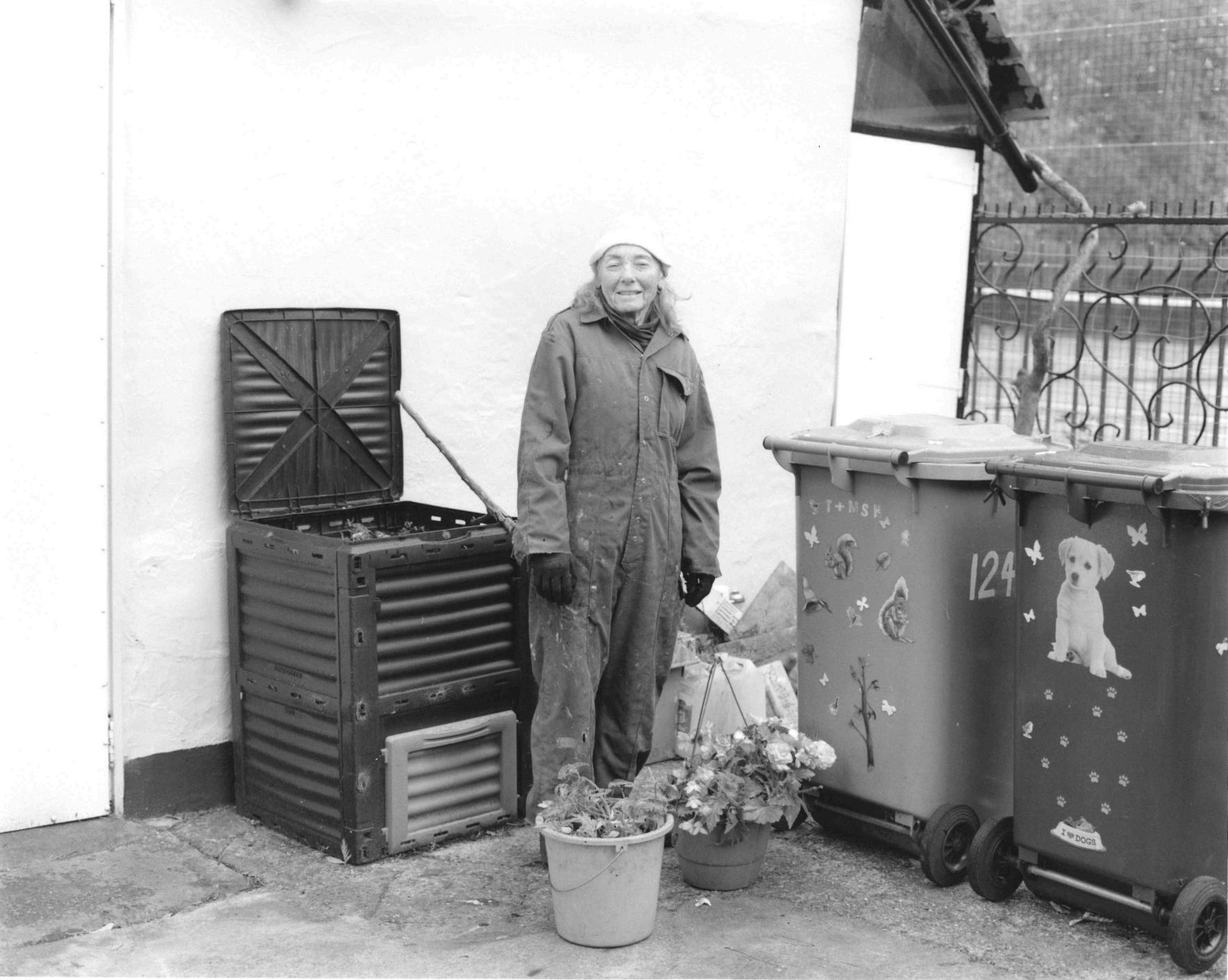
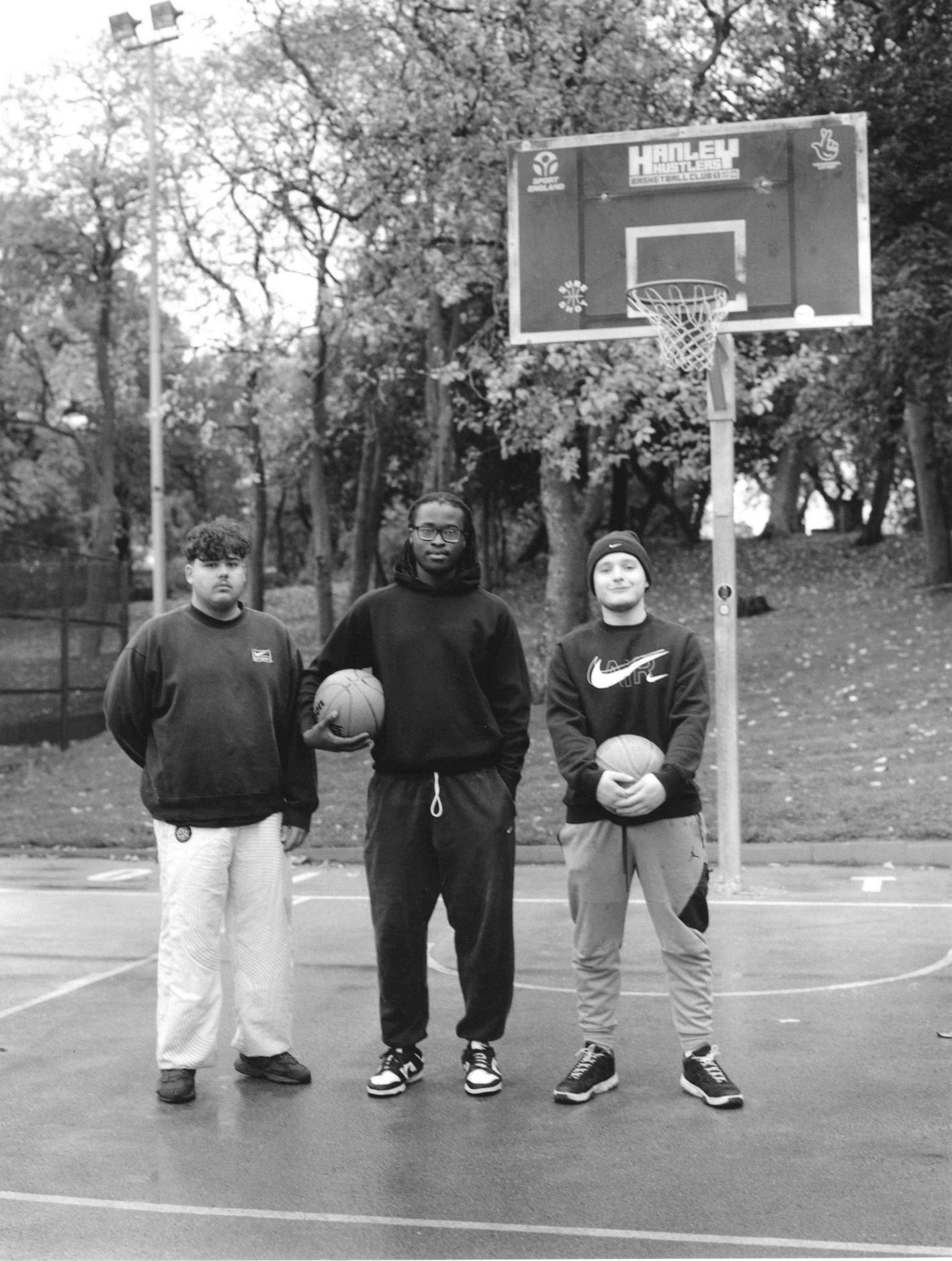
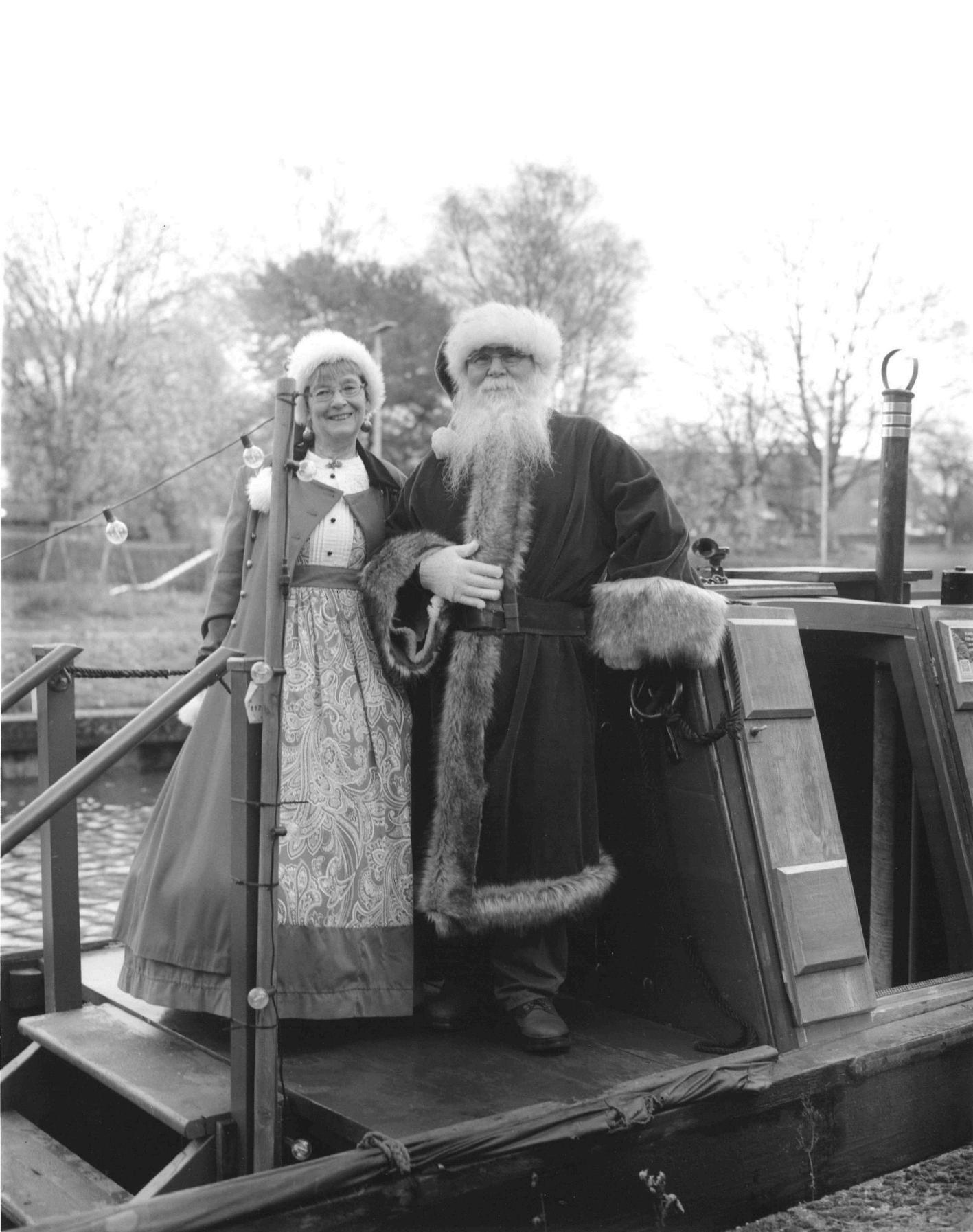
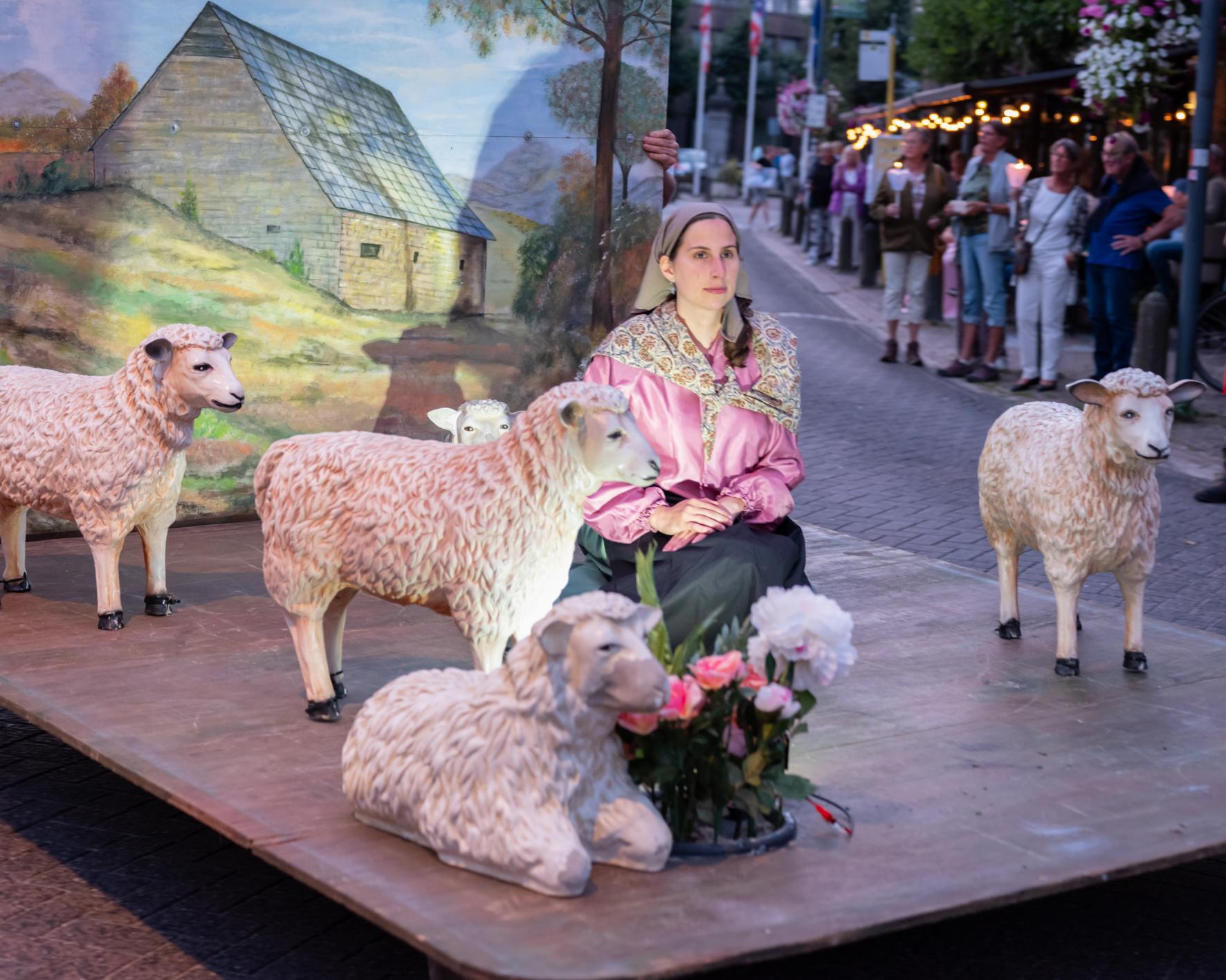
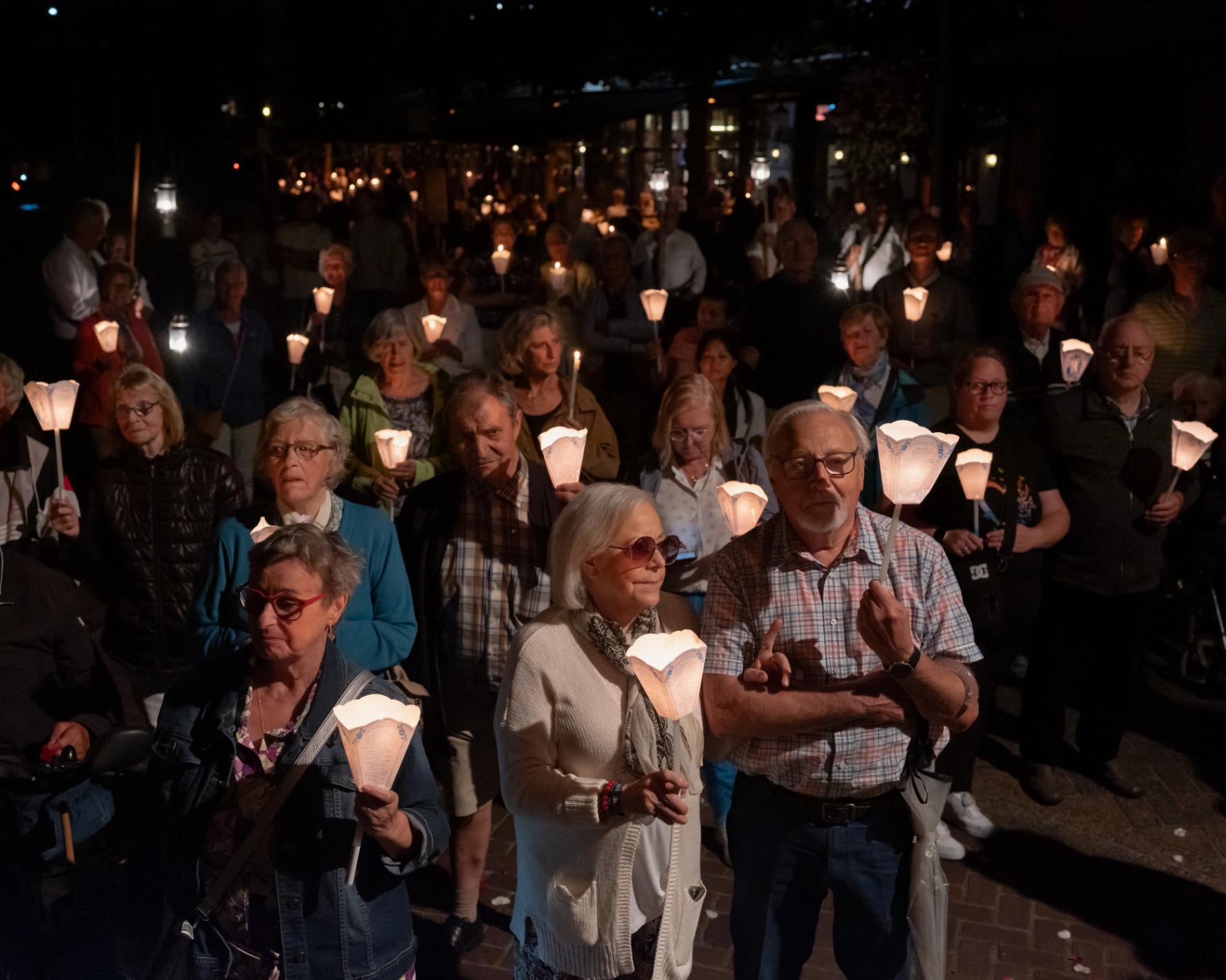
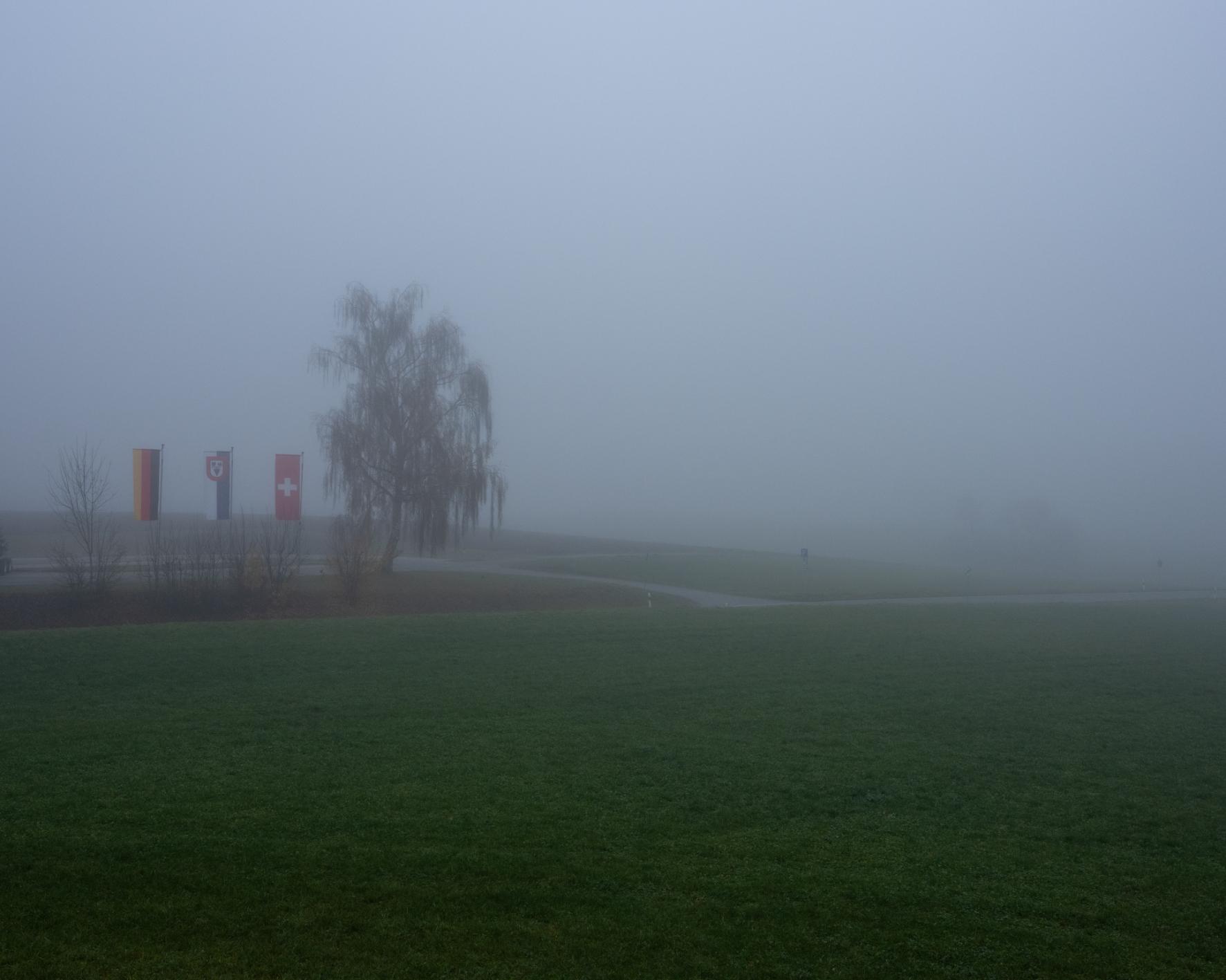
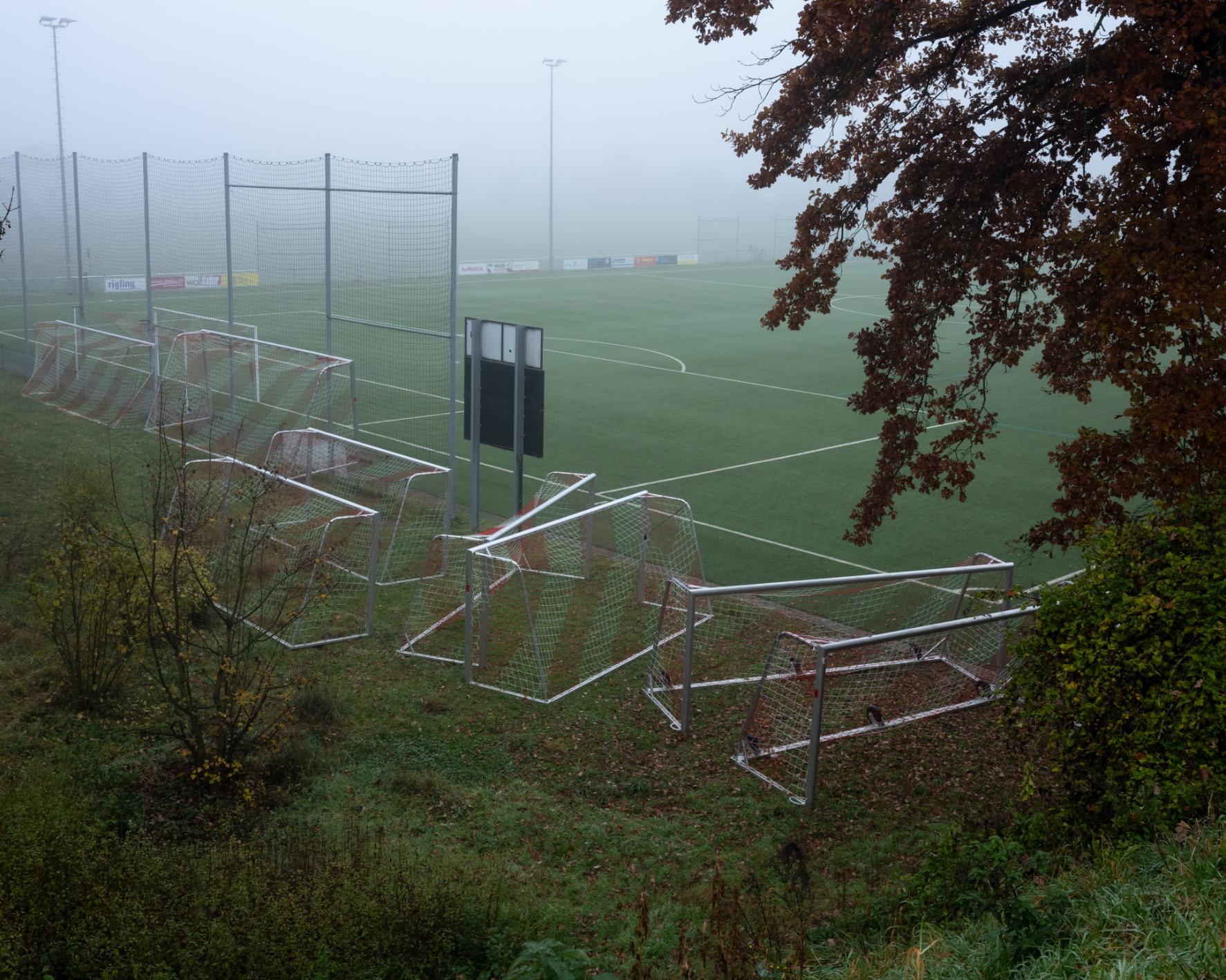
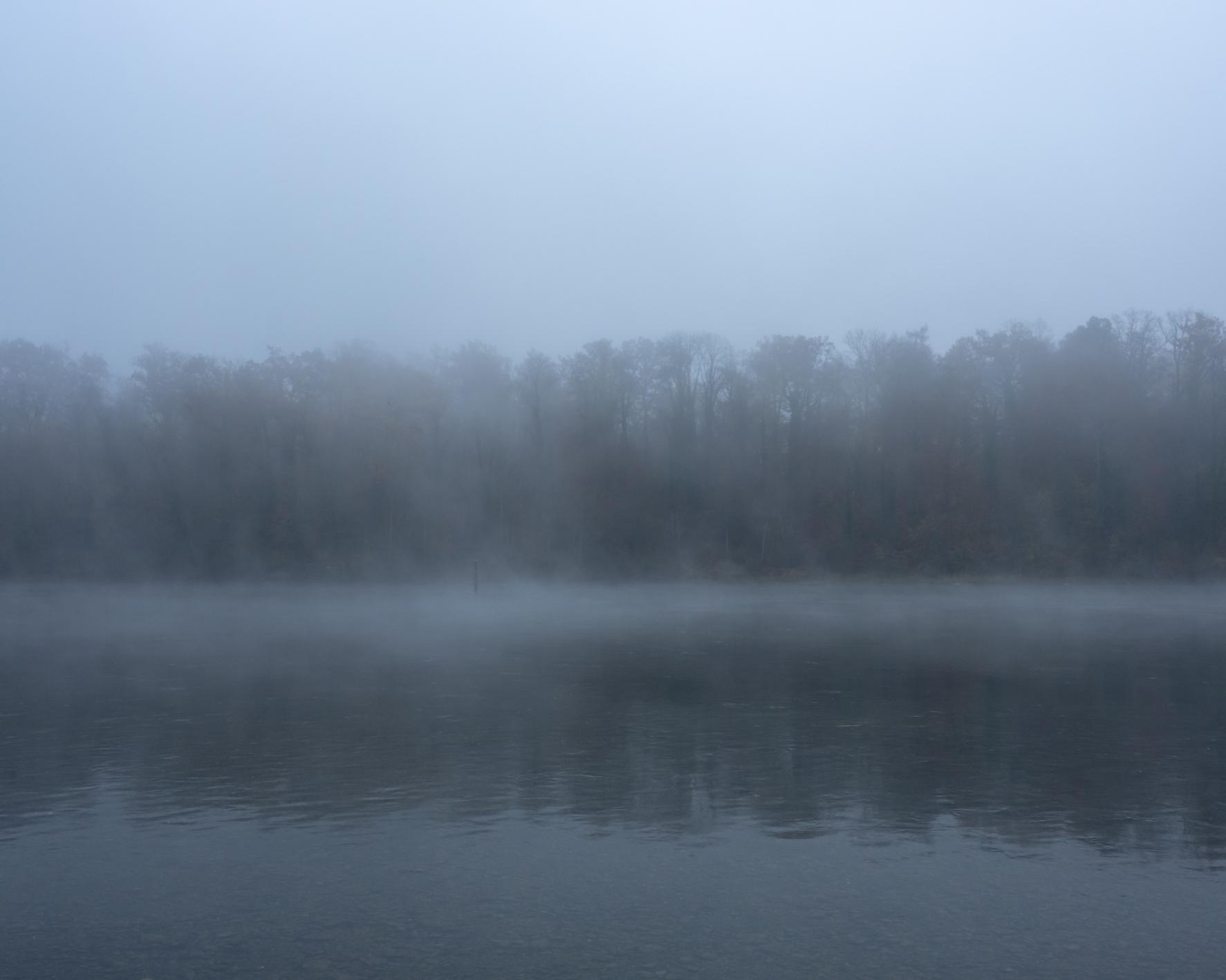
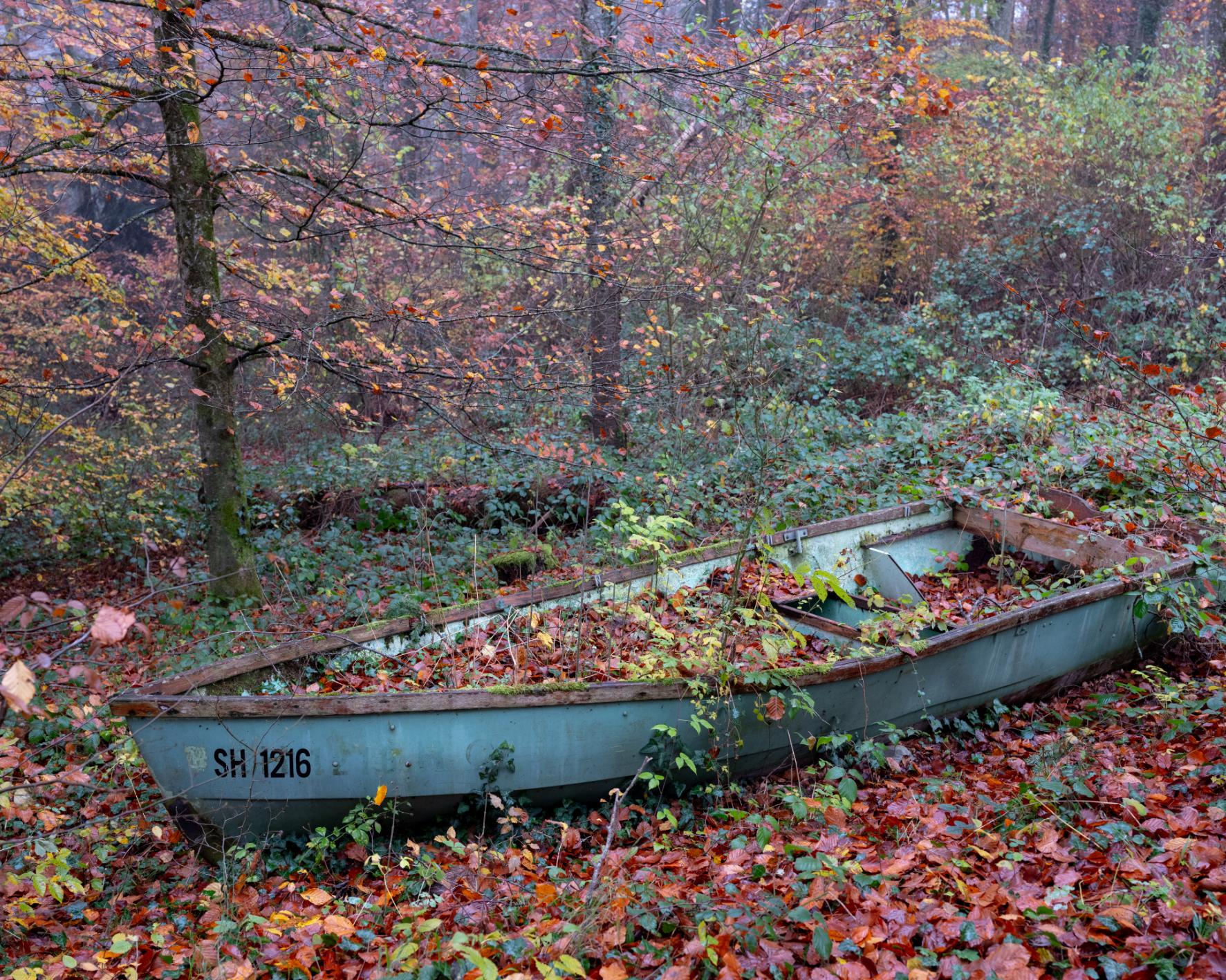
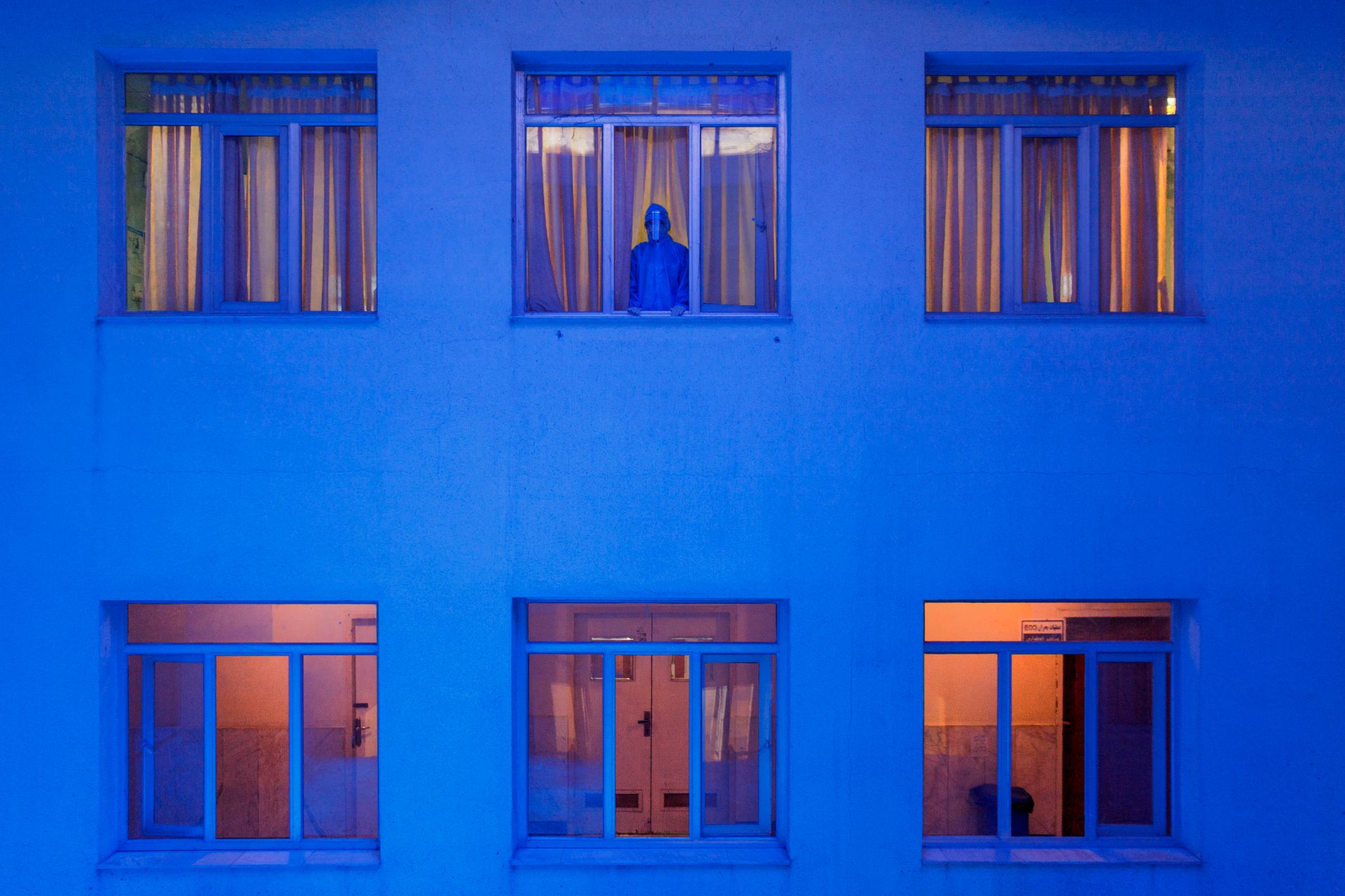
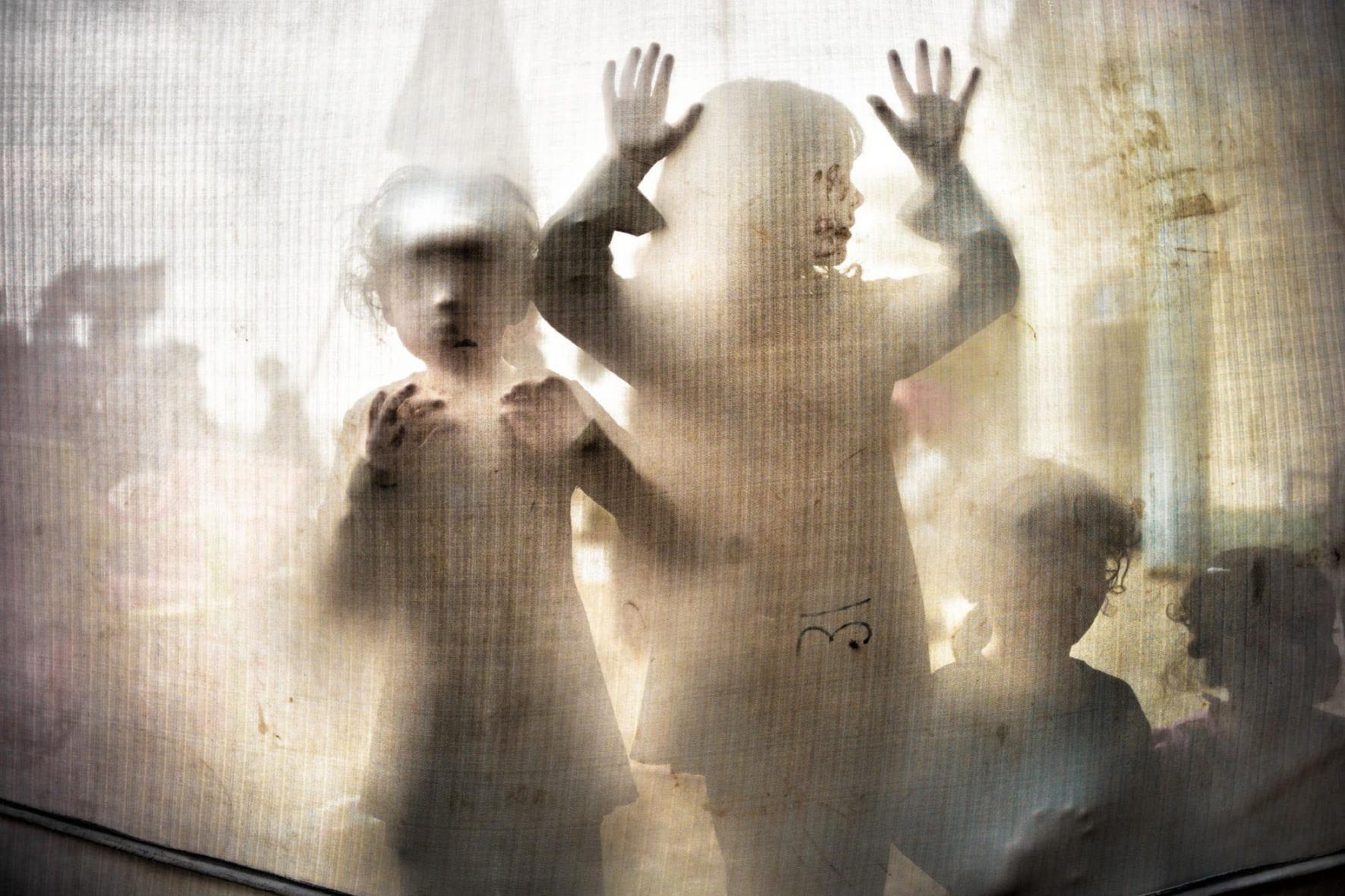
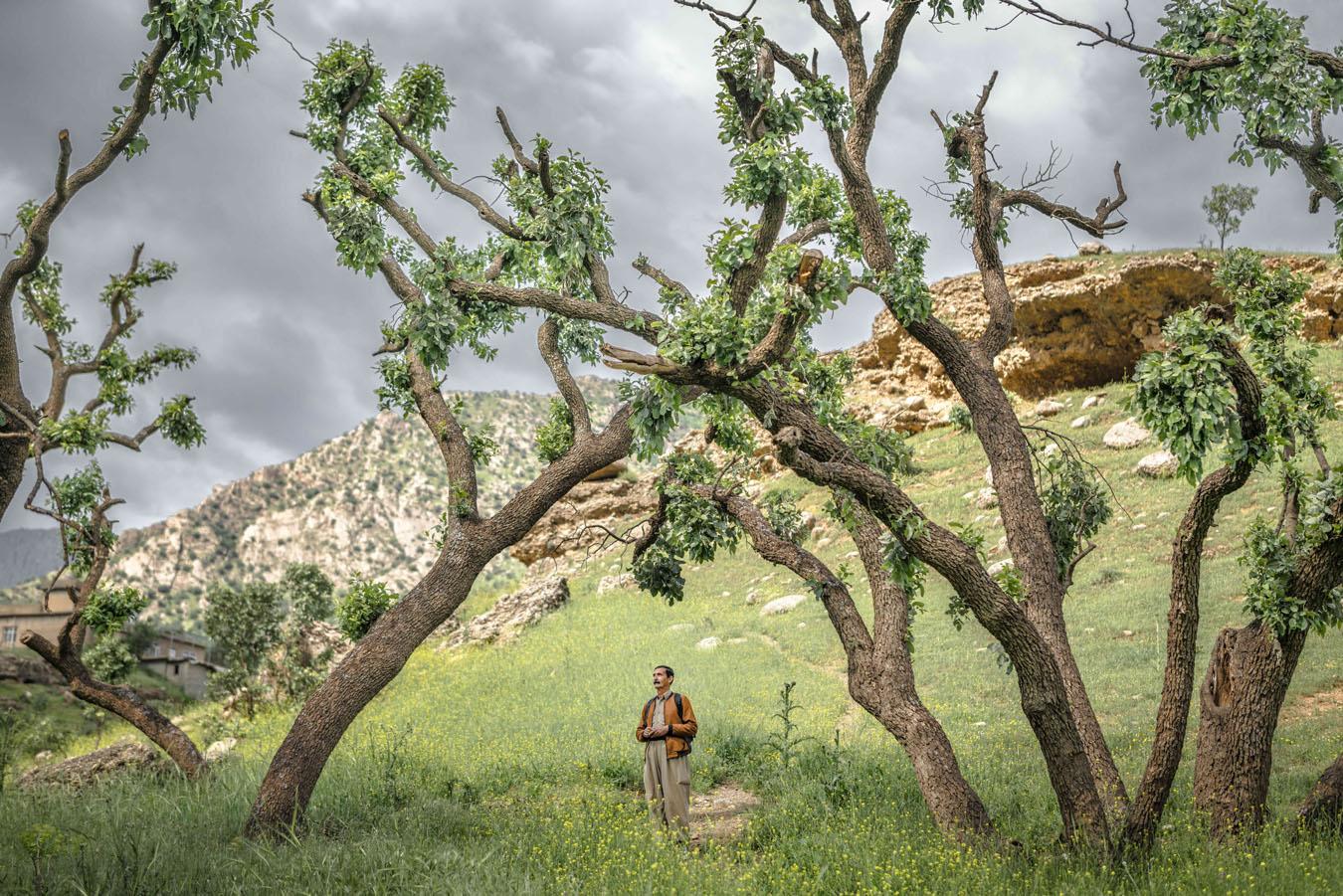
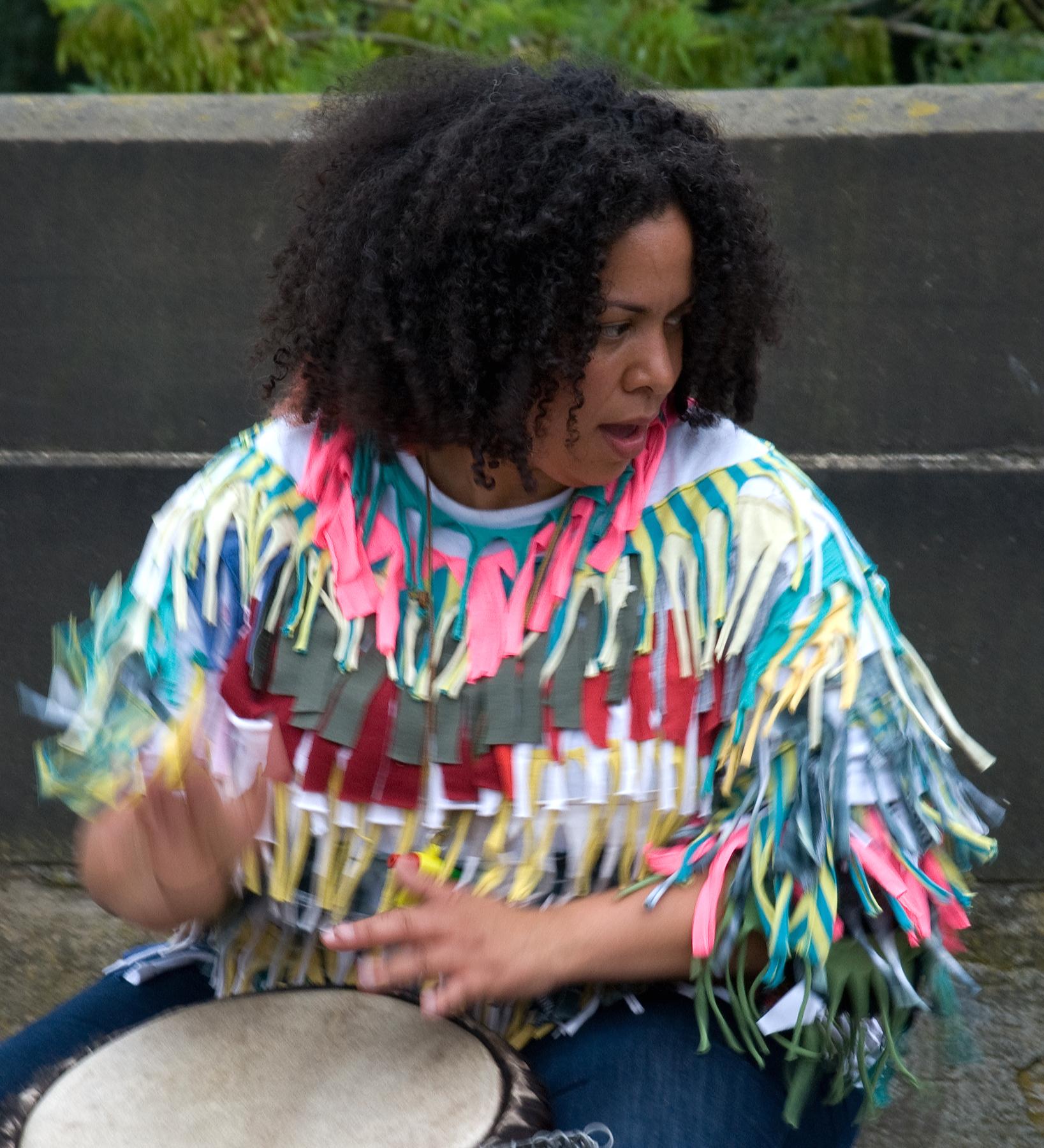
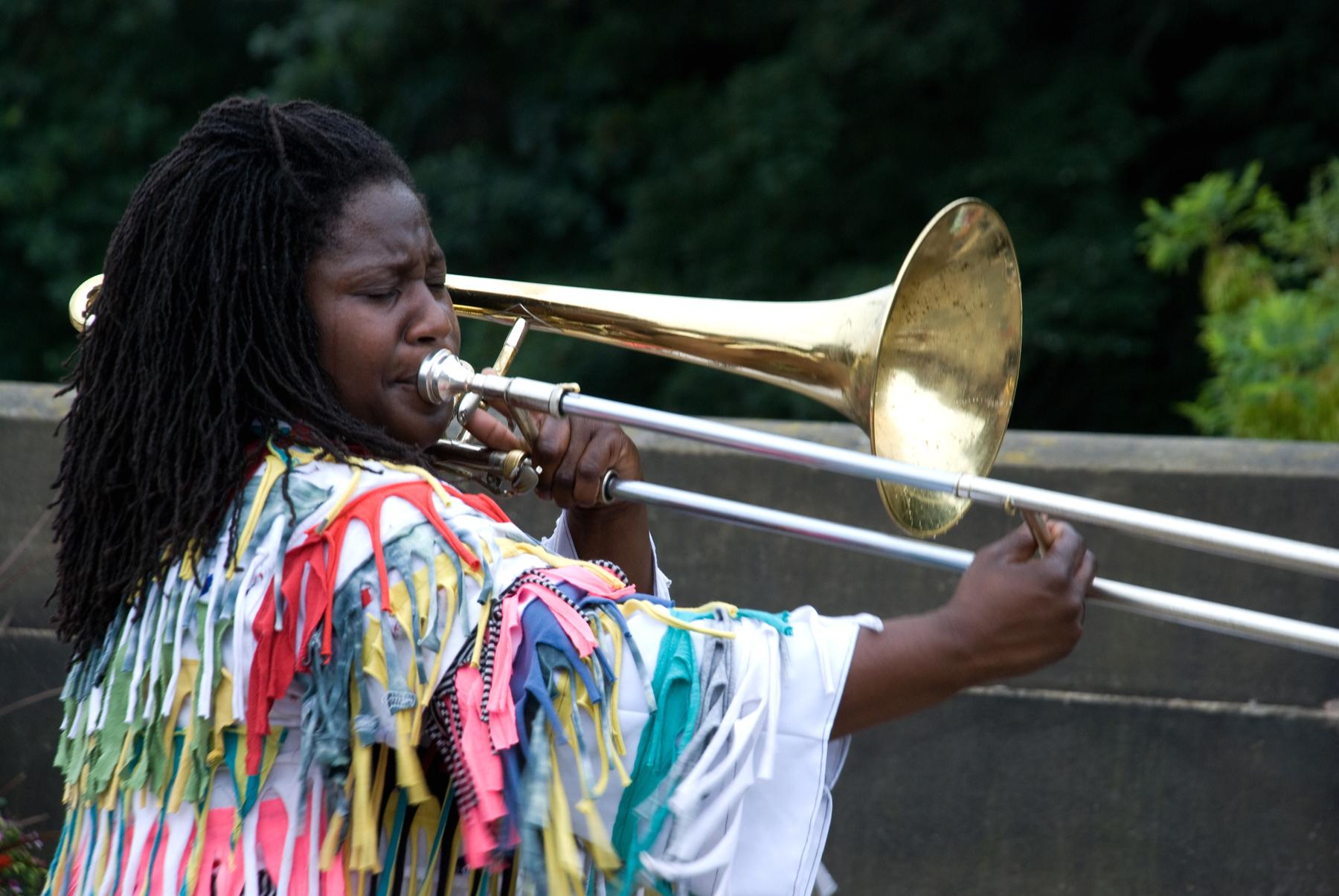
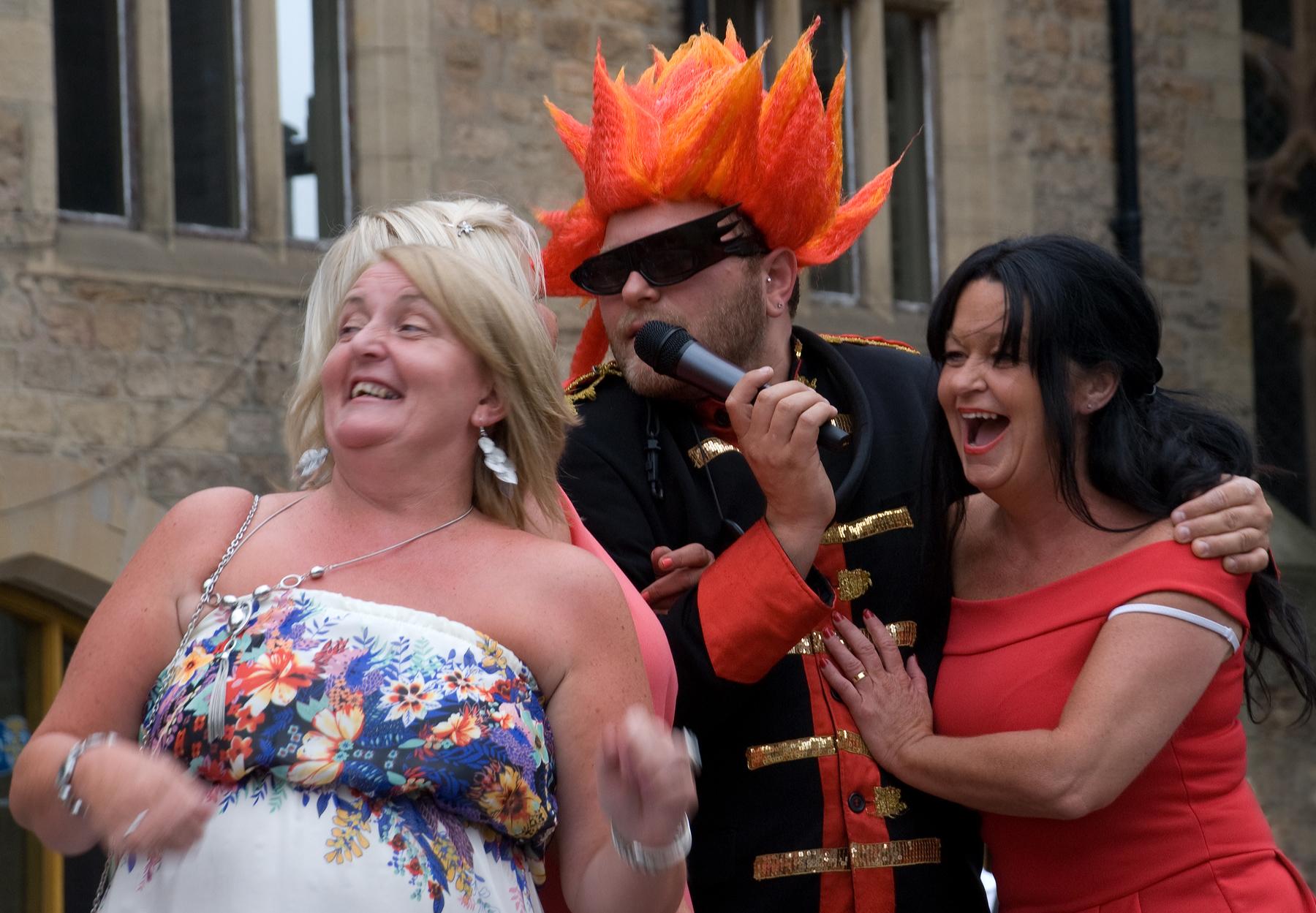
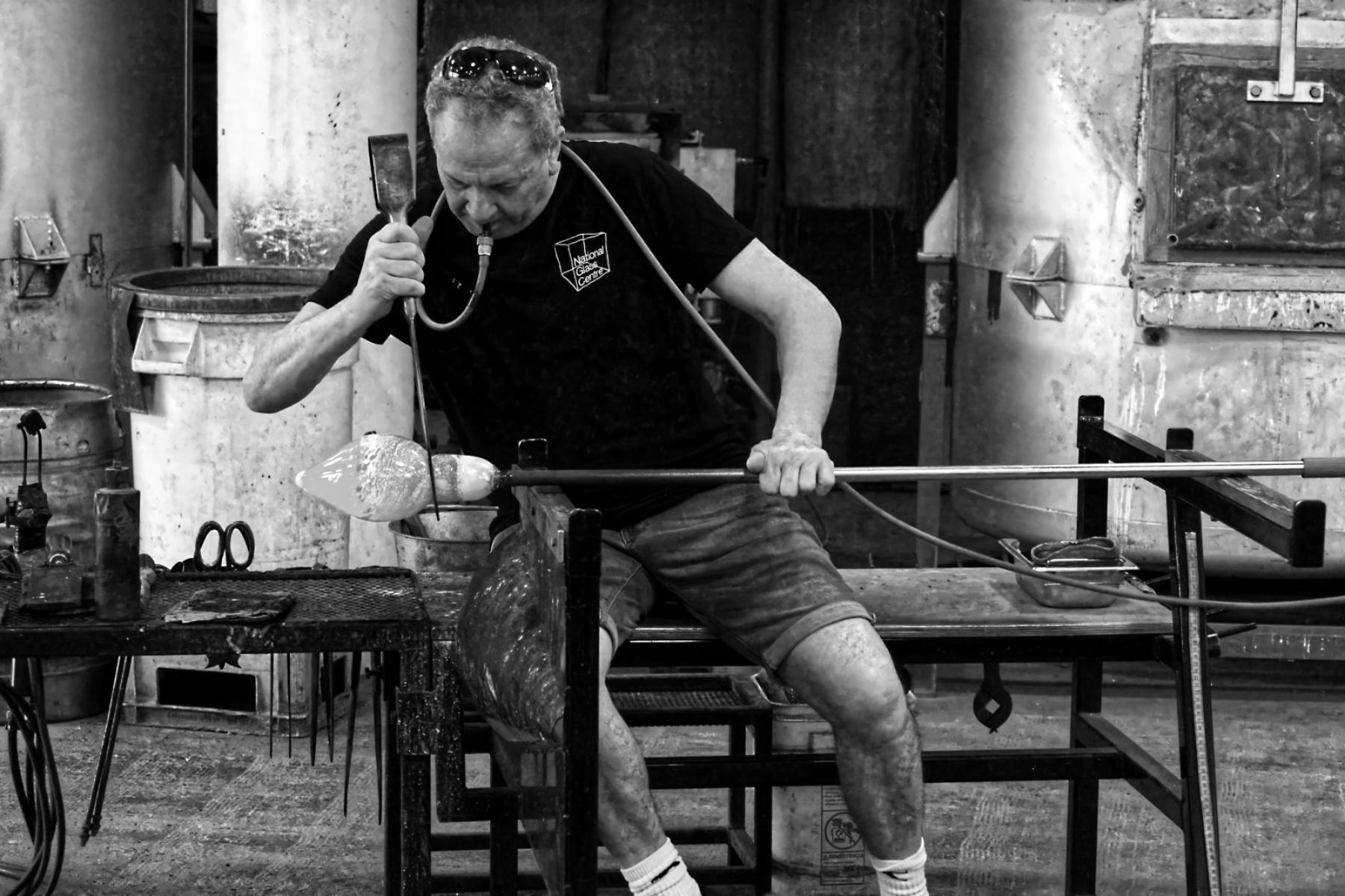
58 A Breath of Fresh Air in the City of Six Towns - Jake Wall
70 Mark A Phillips FRPS - Interview, Unbroken, Entangled
98 Documentary Group Events
100 Documentary Photography Awards Touring Exhibition. Interview with Jodie Athey, curator of the Heritage Gallery, Middlesbrough.
104 The Eye International Photography Festival
110 RPS Northern Sub Group
116 The Monks of Punakha Dzong, Bhutan - Alexandra Prescott FRPS
120 Street Life - Edward Forster ARPS
124 It’s All About The Movement - Francis Annett
126 Durham Brass - John Stapleton LRPS
128 The National Glass Centre, Sunderland - Les Hill ARPS
132 Silver Mining in Potosi, Bolivia - Lynda Golightly
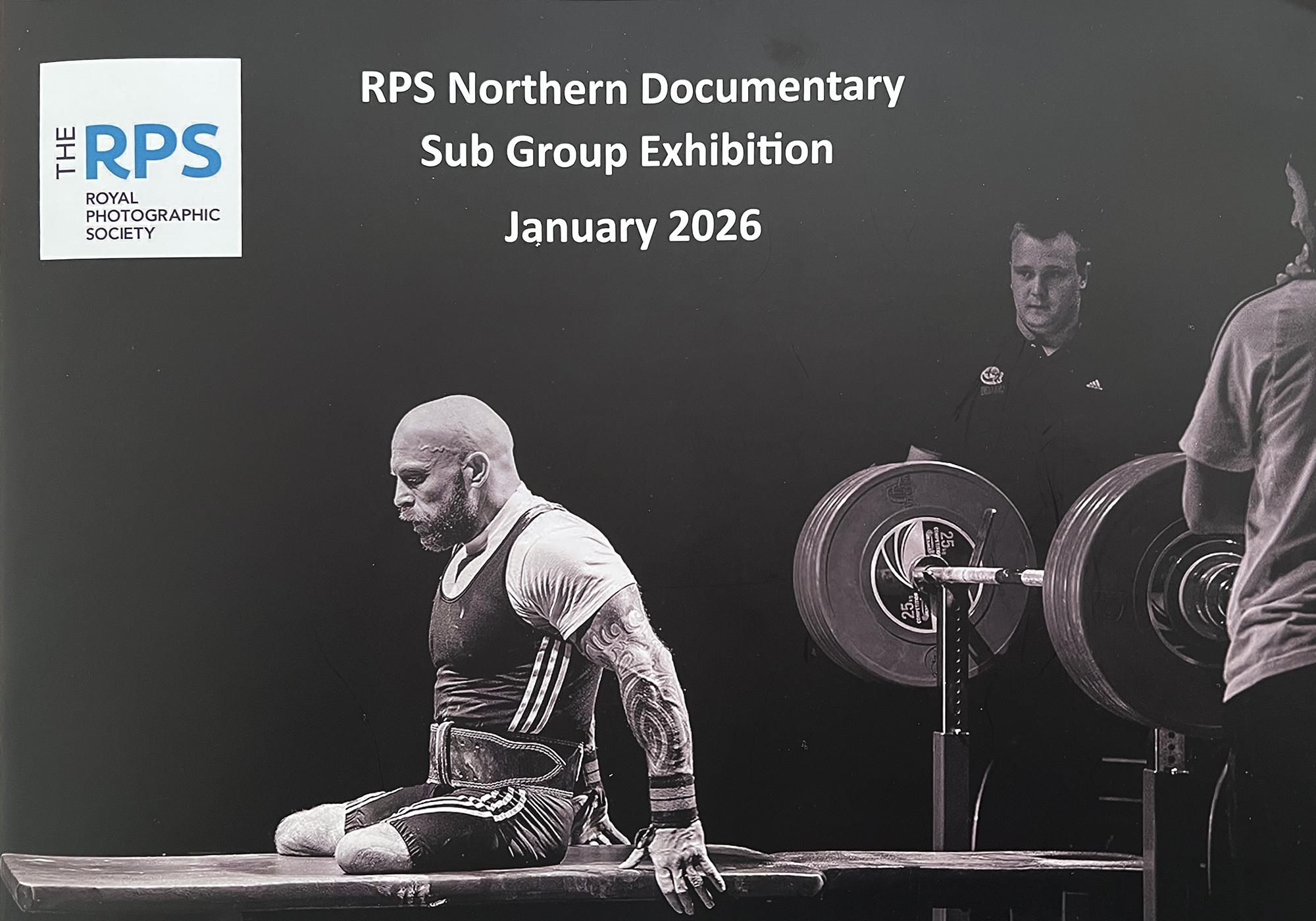
136 Olympic and Para Powerlifting - Malcolm Boyd
140 Pickering 1940s Weekend - Mark Corpe
144 Beamish Museum - Paul Hattam
148 Newcastle Grainger Market - Peter Dixon ARPS
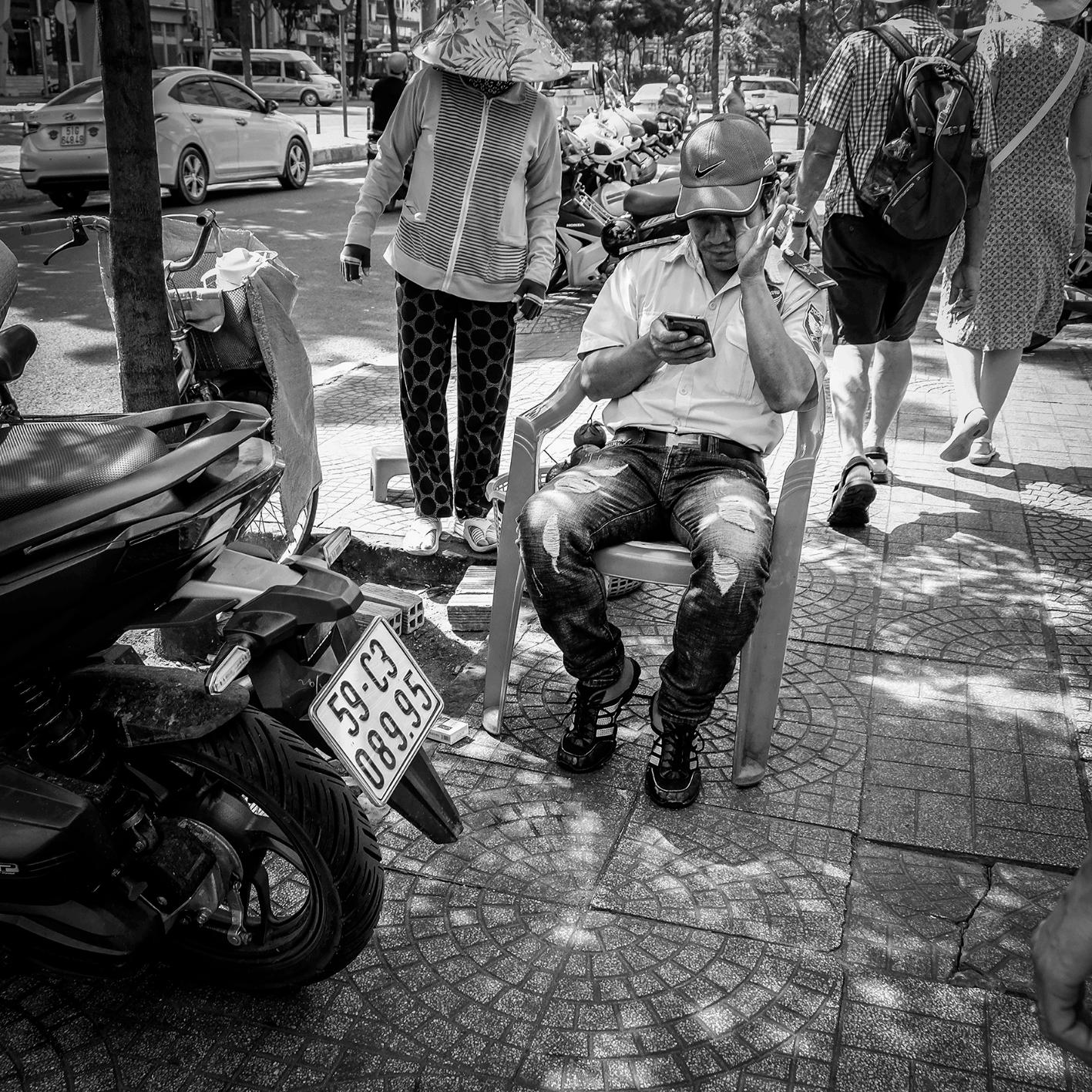
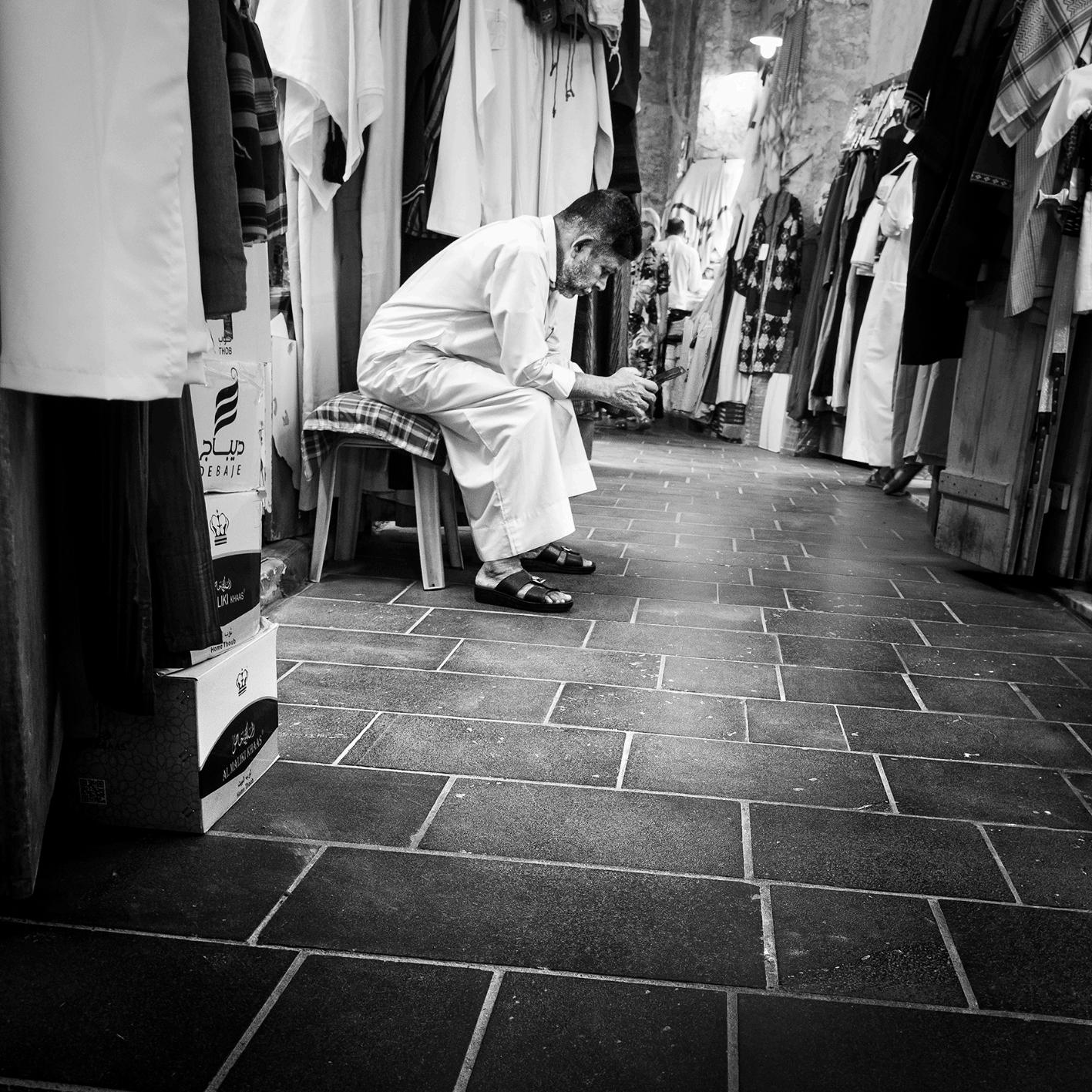
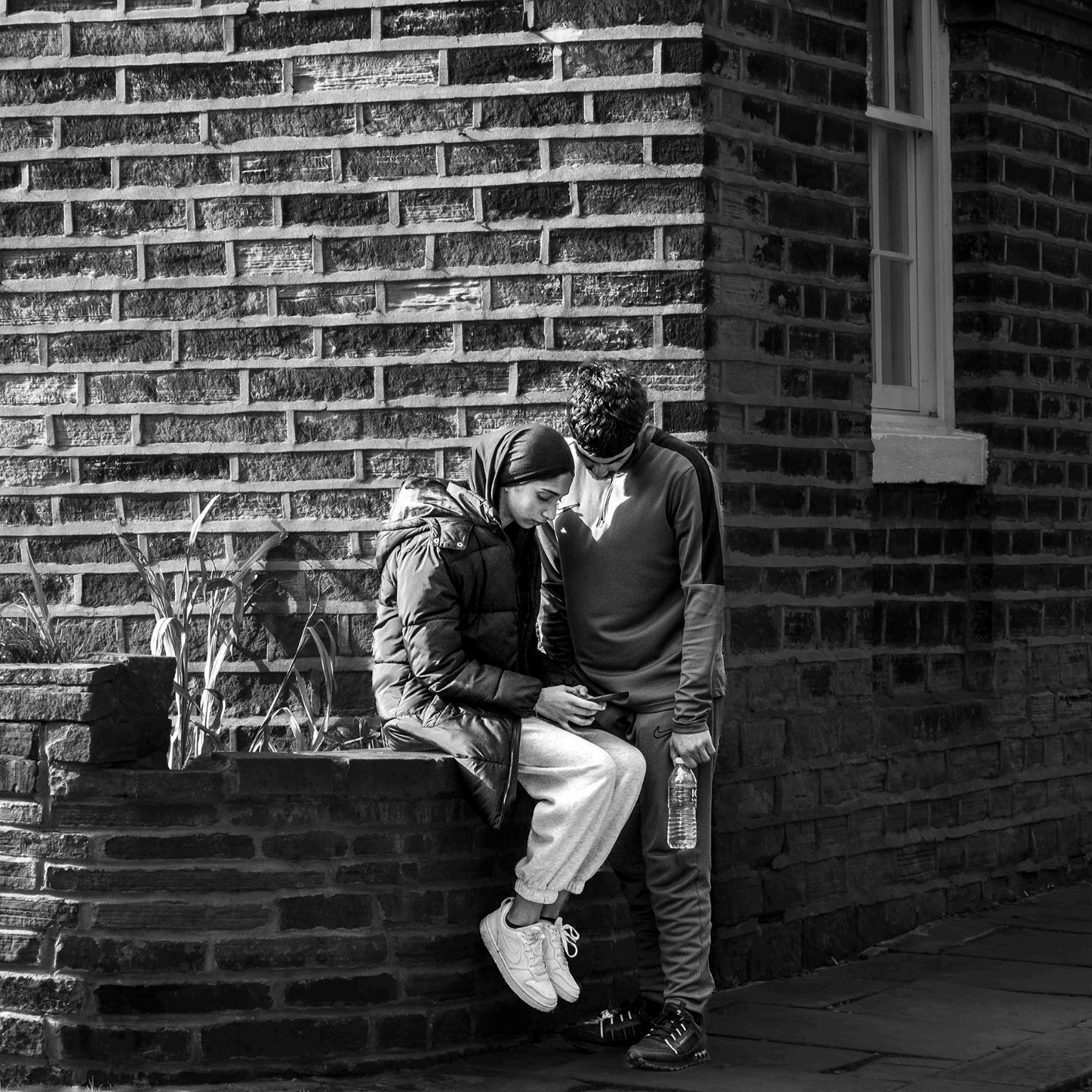
152 Global Doom Scrolling - Tony Sheperdson
Mark A Phillips FRPS
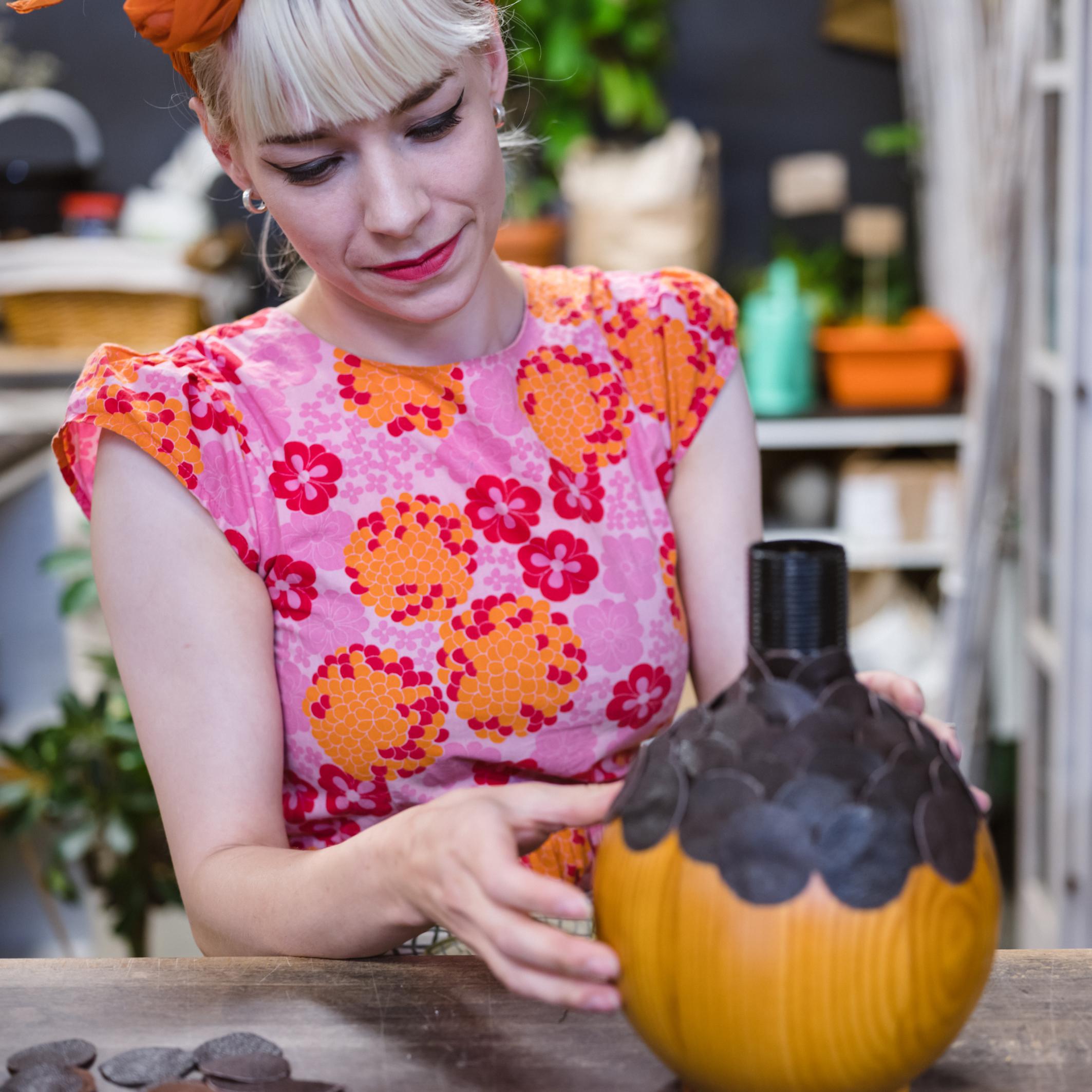
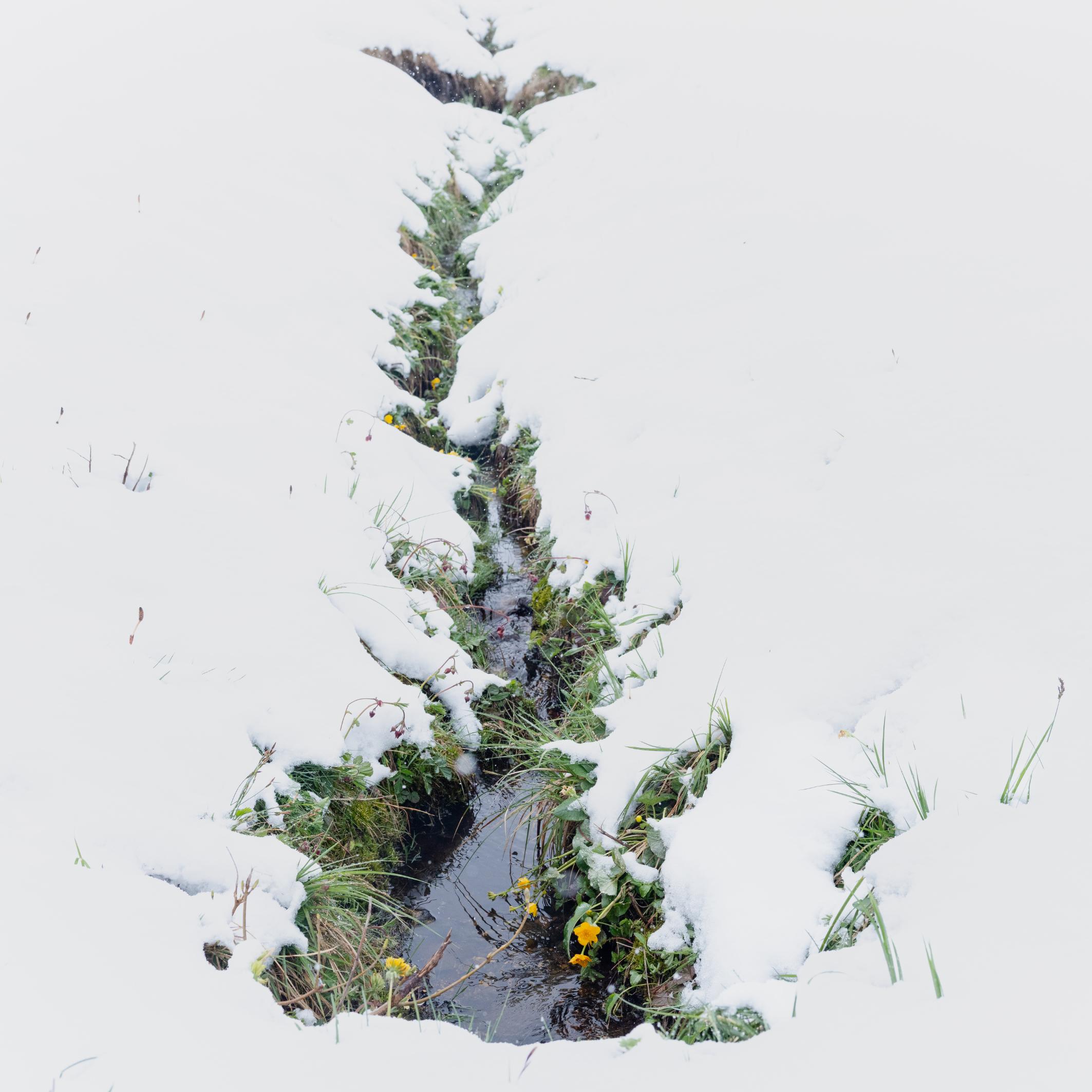
Interview and images from the projects Unbroken and Entangled. p70
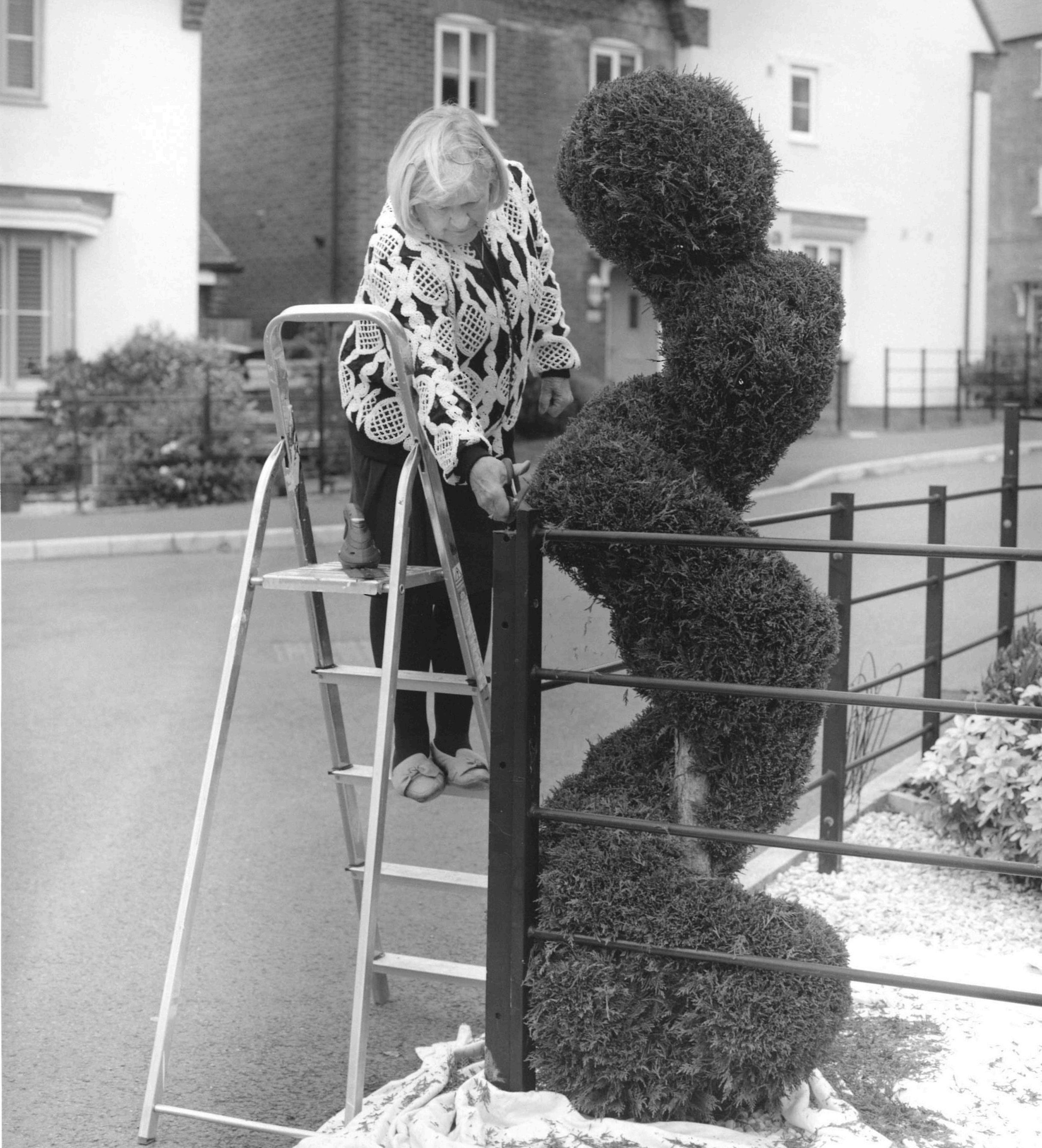
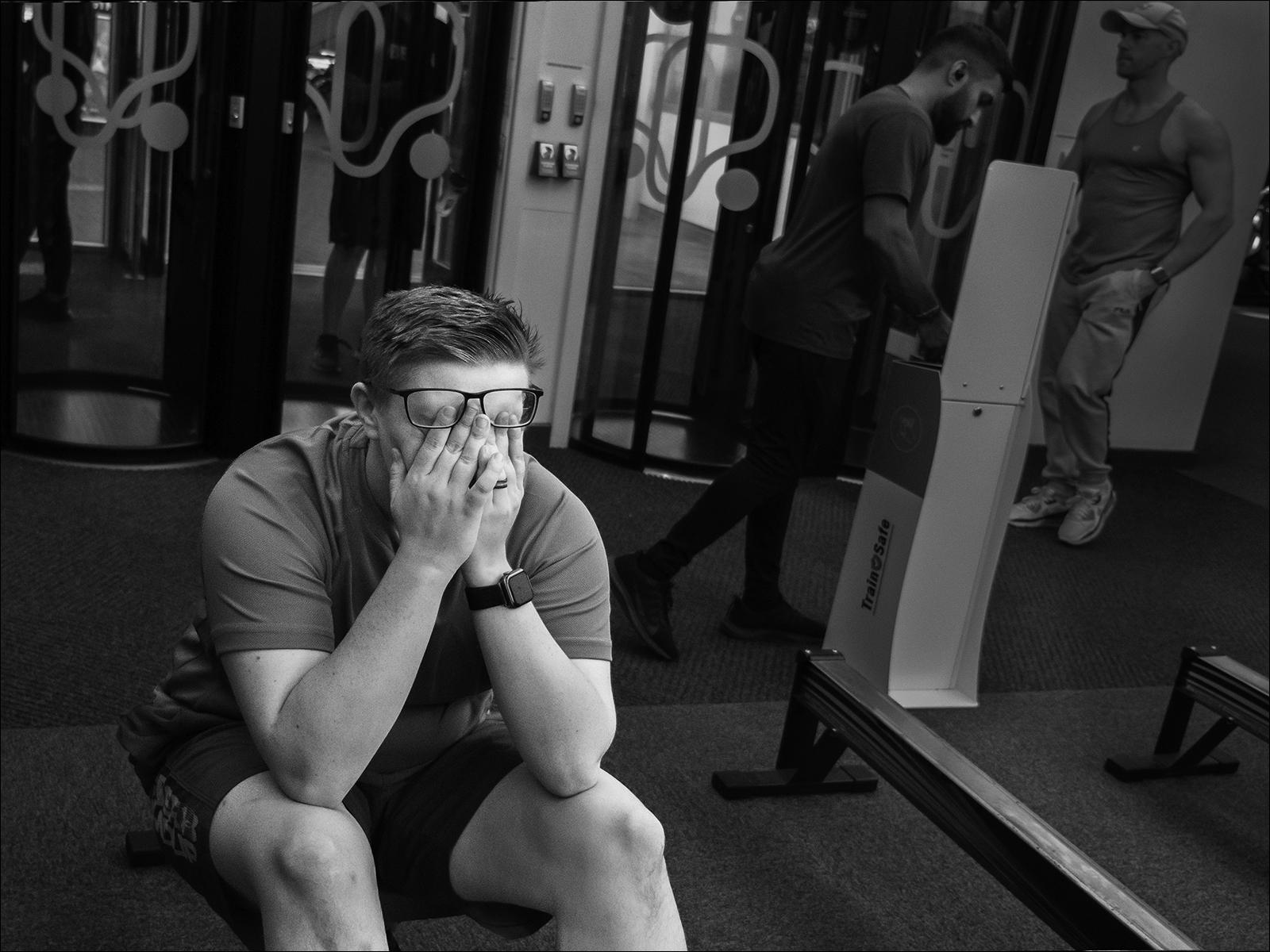
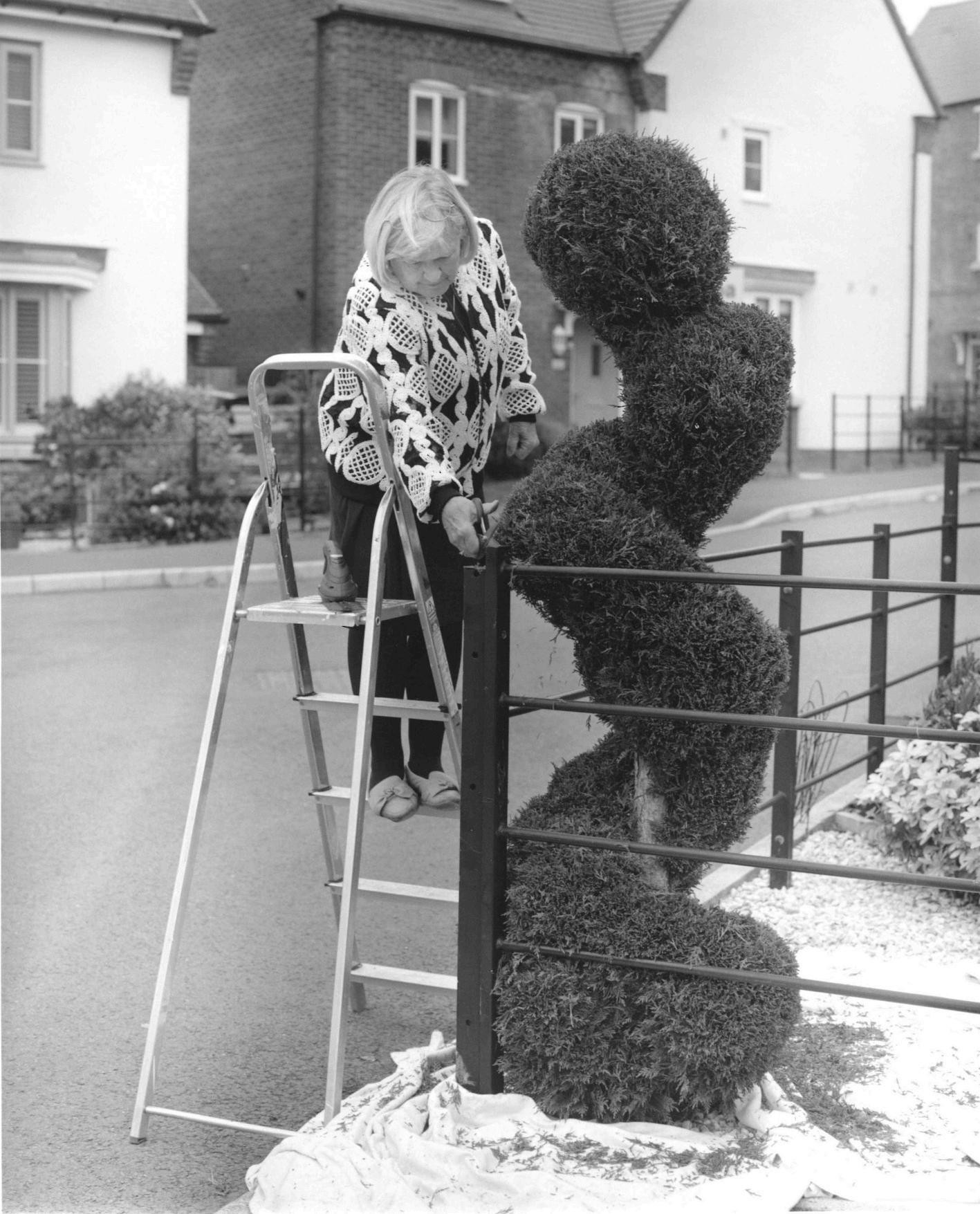
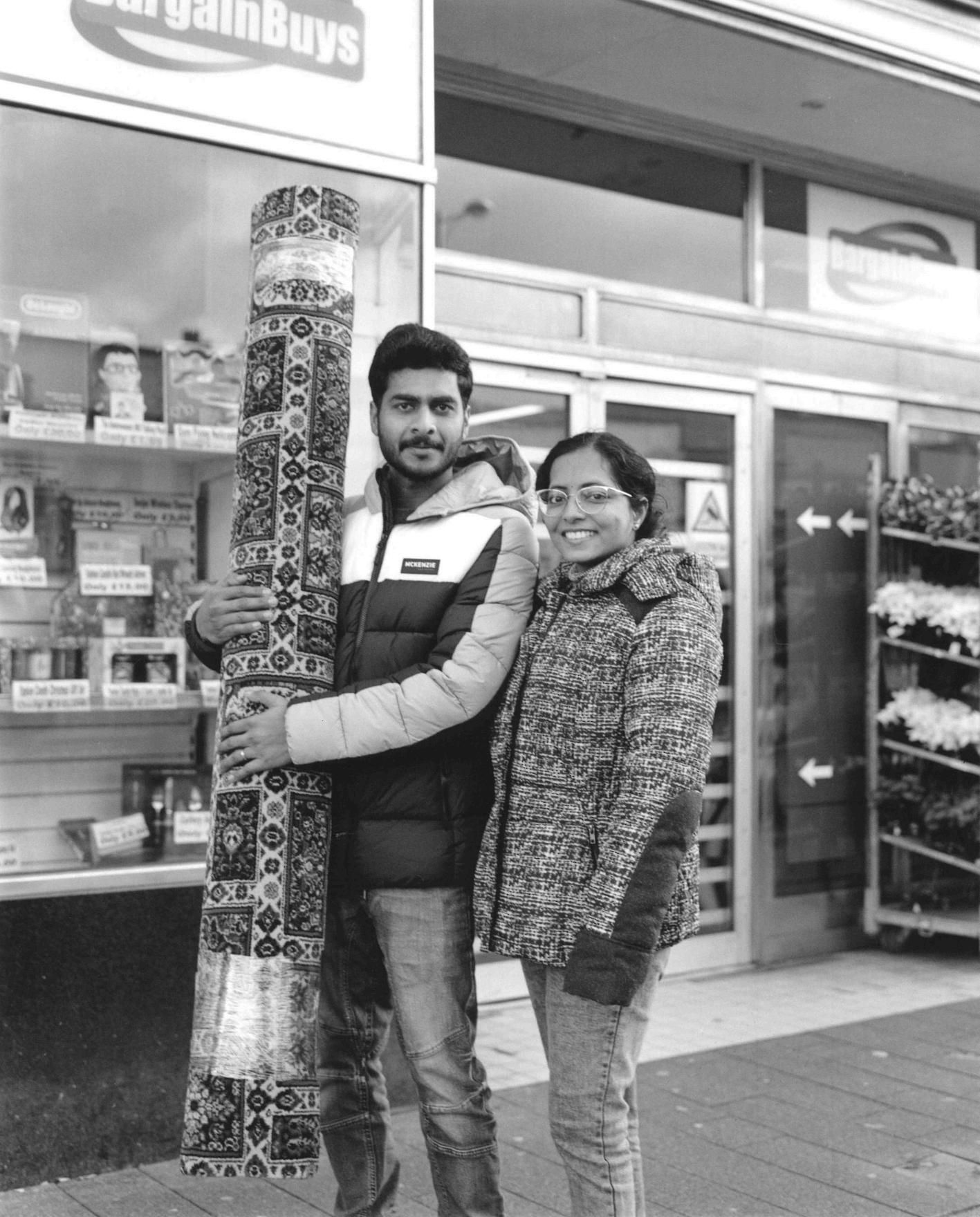
A Breath of Fresh Air in the City of Six Towns - Jake Wall. p58
Fellowship Panel The Real Me - Liz Vaz FRPS. p32
Colin Wilkinson - Image & Reality. p10
From Our Chair
Thank-you Mark
After ten years serving on the Documentary Group Committee, eight of them as its chair, Mark has stood down to spend more time with his camera. Mark, a larger-than-life character brimming with innovative ideas and a ‘can do’ attitude, has had an immense impact on the group. A previous winner of the Documentary Photographer of the Year Competition, Mark saw the potential to make the competition a substantial event, both within and beyond the RPS. Renamed the RPS Documentary Awards, it now has three categories: Member, Open and Student with an entry of approx. 3,500 images from around the world. To celebrate the work of the awardees, a nationwide touring exhibition was set up visiting all three mainland Nations of the UK.
Mark has also supported the membership by encouraging regional groups to run events for their members, putting on courses and engagement talks. The Documentary Group is a far different organisation now than it was before Mark took the Chair. A great quality that Mark possesses is that although you might disagree with him over an issue, you can do so without falling out with him on a personal level, which is a hallmark of great leadership.
In
Mark, on behalf of the committee, it has been a privilege and good fun working with you.
On behalf of the Documentary Group, thank you for all you have done for the Group. You will be greatly missed, but your legacy to the group will live on.
Harry Hall FRPS Documentary Group Chair
2024 Mark was Awarded the first Presidents Medal for his contribution to the RPS.
‘Who’s Harry Hall?’
Read the email. I’d been copied into the email thread of one of our regional groups who were hosting the DPA Touring exhibitions. This member was obviously curious to find out who I was. There are now probably quite a few Documentary group members who are also curious to know who I am!
I was born in Manchester, and when I was eleven we moved to North Wales where I spent my teenage years canoeing, sailing and climbing mountains. Choosing not to go to university I began a career in engineering but later studied a degree at Nottingham. Ironically, the collapse of manufacturing in the 1980’s was accompanied by the development of vocational training initiatives and so I moved into education, mainly setting up vocational alternatives for post-16 pupils.
However, life is a journey, and mine took me to return to university to study for an MA which led to Ph.D. research. Although my journey has seen me living in many places, my wife, daughter and I have made wonderful Northumberland our home.
Alongside this potted history is the story you are probably more interested in, my journey as a photographer. My childhood adventures in the outdoors grew into a passion for mountaineering, which in my 20’s led me to climb ever bigger mountains in remote places. This of course doesn’t come cheap. My mate John had an English Degree and I had a camera, so we put together articles that we sold to outdoor magazines which contributed to the cost of the trips.
As I matured, I became more interested in the communities living in the remote regions we were visiting. Isolated by the mountains and without mains water, electric, gas or medical support, their animals provided food, wool, fuel and leather. Their lives could be described as similar to that of Europeans during the Middle Ages.
From Our Chair
However, they were only 4 or 5 days walk from towns with electricity, internet and ice cream. I began to photograph stories about these communities and their relationship with modernity. One of these, ‘Buddhism in the Himalayas’, gained me a Fellowship of the RPS. My photographic education to that point had been based on reading the National Geographic magazine. I had marvelled at the work of Steve McCurry, Jodi Cobb and William Allard.
One day, whilst visiting Sebastiao Salgardo’s exhibition ‘Work’, I realised that I had to develop a deeper understanding of photography. Giving myself a sabbatical from work and with the support of my wonderful wife Vivienne, along with working as a stringer for a newspaper, some commercial photography and the E.U Regional Fund, I went to Sunderland University to study an MA in Contemporary Photography.
Although going clubbing with a group of 20 something year olds was fun, the most influential thing that came out of the course was a conversation with Prof’ John Kippin, who pointed out that I wasn’t really doing documentary photography; rather I was doing visual ethnography and why didn’t I do some ‘real research’? This led me to investigate the urbanisation of nomadic people for a Ph.D.
Although this may sound hifalutin, I’m really telling stories with a camera like every documentary photographer. I don’t spend my whole life wandering around wildernesses, most of my photographs are taken within 25 miles of home. I’ve undertaken a number of projects with Third Sector organisations such as The Salvation Army, a lifeboat crew, Riding for the Disabled Association, a food bank, the Street Pastors etc. In 2022 I published a book, ‘An Absence of Normal,’ the story of a city in lockdown.
Serving on the Documentary Group Committee for six years, I’ve worked mainly on the DPA, developing and managing the touring exhibition. With a change of Chair comes an opportunity for us, as an organisation, to reflect on the things we are successful at, to identify improvements that could be made and exploring new opportunities for our members.
To this end we will embark on a consultation exercise, not death by survey, but real conversations, to set our direction of travel for the future as a Documentary Community.
Harry
The Documentary Group Team
Documentary Group Committee:
Chair: Harry Hall FRPS doc@rps.org
Secretary: Nick Linnett LRPS docsecretary@rps.org
Finance Officer: Andrew Burton ARPS docfinance@rps.org
Decisive Moment: Wayne Richards decisive@rps.org
Projects: Valerie Mather ARPS docprojects@rps.org
Exhibition: Harry Hall FRPS docreg@rps.org
Social Media: Andrew Salerno-Garthwaite docweb@rps.org
Publishing: Dave Thorp docpublishing@rps.org
Events: tbc
Education: tbc
The Decisive Moment:
Editor: Wayne Richards
Sub-Editors: Lyn Newton ARPS, Rachael Thorp
Editorial:
Publishing Dave Thorp
Local Group Organisers:
East Midlands: Volunteer Required docem@rps.org
South East: Jeff Owen ARPS docse@rps.org
Northern: Peter Dixon ARPS docnorthern@rps.org
Thames Valley: Philip Joyce FRPS doctv@rps.org
Central (with Contemporary): Steff Hutchinson ARPS
North West (with Contemporary): Alan Cameron
Yorkshire: Graham Evans LRPS docyork@rps.org
Southern: Christopher Morris ARPS docsouthern@rps.org
East Anglia: Richard Jeffries docea@rps.org
Scotland (with Contemporary et al): Steve Whittaker email Steve Whittaker
Documentary Group Plans for 2025-2026
Overall Objective
To support the RPS Strategic Plan Photography for Everyone 2021-2026 and to enhance the relevance for Documentary Photography by engaging more diverse audiences and ensuring our activities self-fund.
Inspiration – showcase inspiring photography and to shed new light on subjects of importance
These activities are focussed around showcasing and celebrating high quality photographic work and thinking:
Engagement talks
The Decisive Moment
Documentary Photography Awards (DPA)
DPA touring exhibition
Skills and Knowledge – encouraging a deeper understanding of photography and providing resources for photographic education and Recognition (such as distinctions and awards)
To develop the range and reach of our educational activities. We want to help photographers develop their practice, and also educate non-photographers about what is current in documentary photography:
Workshops
Engage university courses
Resources and support individual development
Distinction support
Community – promote belonging and inclusivity, by supporting and engaging widely
To engage with more people and connect with other communities, including those who are not photographers, to appreciate the value of documentary photography:
Work with groups outside RPS
Regional and local activities
Website and social media
Online competition
Newsletter
TheDocumentaryGroupisrunbyRPSmemberswhovolunteertheirtime.Ifyoucan help in any capacity, please email Harry Hall using doc@rps.org to let him know.
rps.org/groups/documentary/about-us
Colin Wilkinson Image & Reality
Whatever Happened to the Likely Lads?
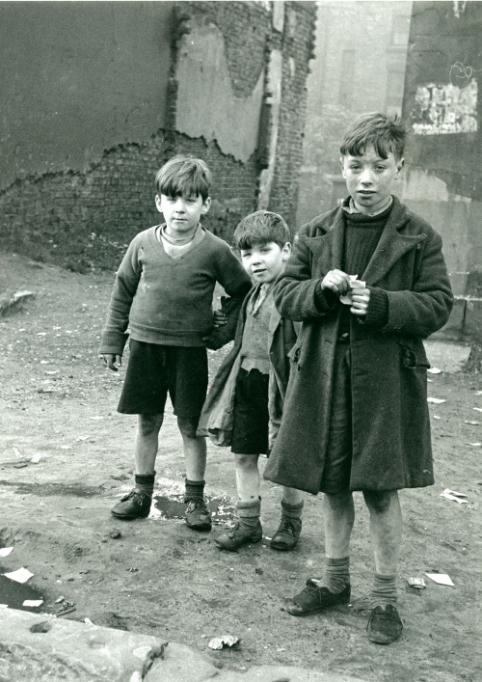
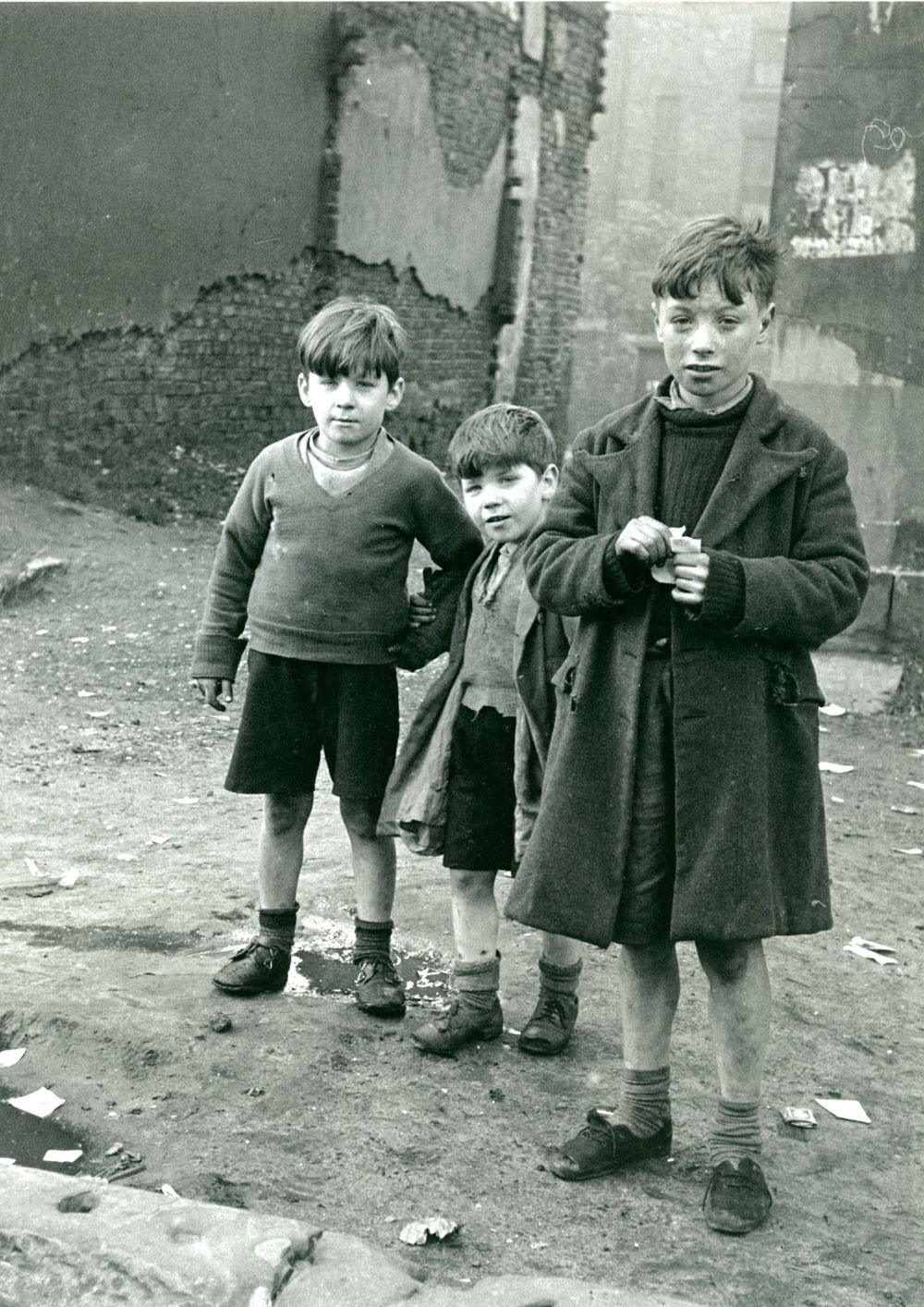
It is a striking image; three boys looking inquisitively at the camera in the midst of urban dereliction. Sometimes an image grabs you and stays with you - this wasone.
In 1990, a tall, white-bearded American burst into my office in Liverpool holding a box of photographs. Frank Dugan, born in New Jersey in 1925, joined the US Air Force in 1949 and the following year was posted as an air traffic controller to Burtonwood airbase, midway between Liverpool and Manchester. He met Mary Green from Anfield, a suburb of Liverpool. They married, he demobbed and, fancying himself as a photographer, set up as a wedding photographer inLiverpool.
It was tough making a living. The post-War austerity years were hard and proved a bridge too far for an American with a 35mm camera muscling in on the traditional wedding photography trade (the customer expected a tripod, plate camera and black cloth, not a small hand-held ‘Mickey Mouse’ camera). Fortunately, in his short-lived career, Frank, fascinated by the terraced streets and the poverty he encountered, used up the end frames of his wedding shoots to capture a few memorable images, particularly of children playing in the streets. The ’likely lads’ was one of them.
I have been publishing photobooks since the mid-1980s. For the first 30 years, I concentrated on books about Liverpool, exploring local archives and personal collections to add to the visual history of one of Britain’s most dynamic cities. I was guided by the need to add context to the photographs and worked on what I call the Five Ws approach: Who, What, Why, Where, When.
Who is the photographer? Who is in the photograph?
What are we looking at? What is the photograph about?
Why was the photograph taken?
Where was the photograph taken?
And when?
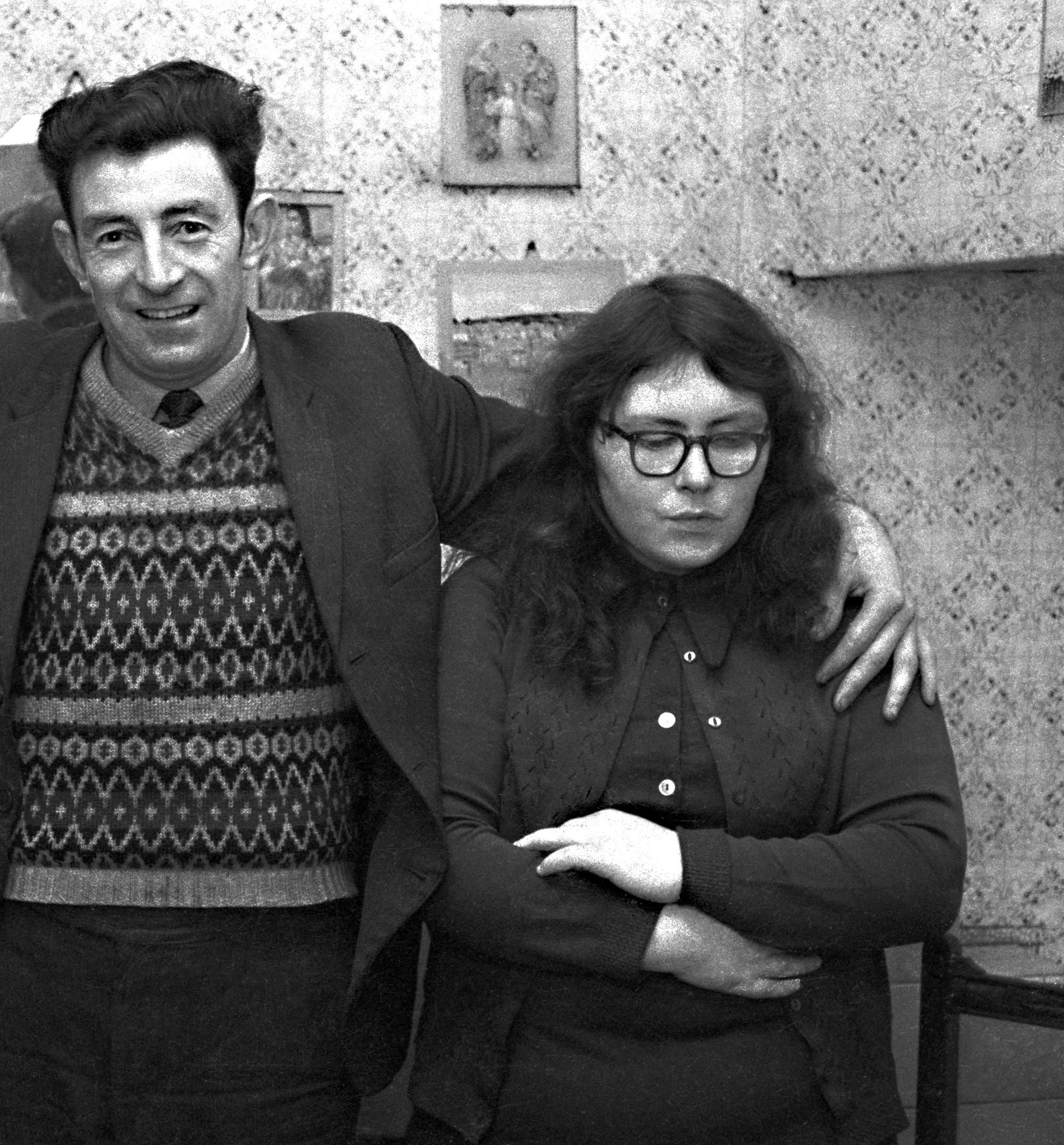
The Likely Lads, Athol Street, Liverpool, 1952/53. Bob Doyle is on the right.
Roy Stryker was the force behind the documentary photography section of the US Farm Security Administration in the 1930s. Stryker insisted that all photographs needed extensive captioning and remarked that only one picture in a hundred thousand can stand alone as a piece of communication. As a publisher of social documentary photography, I have always believed that words are essential to make sense of what we are looking at. Ideally, if one can get them, the testimonies of the people in the photographs add another level of authenticity.
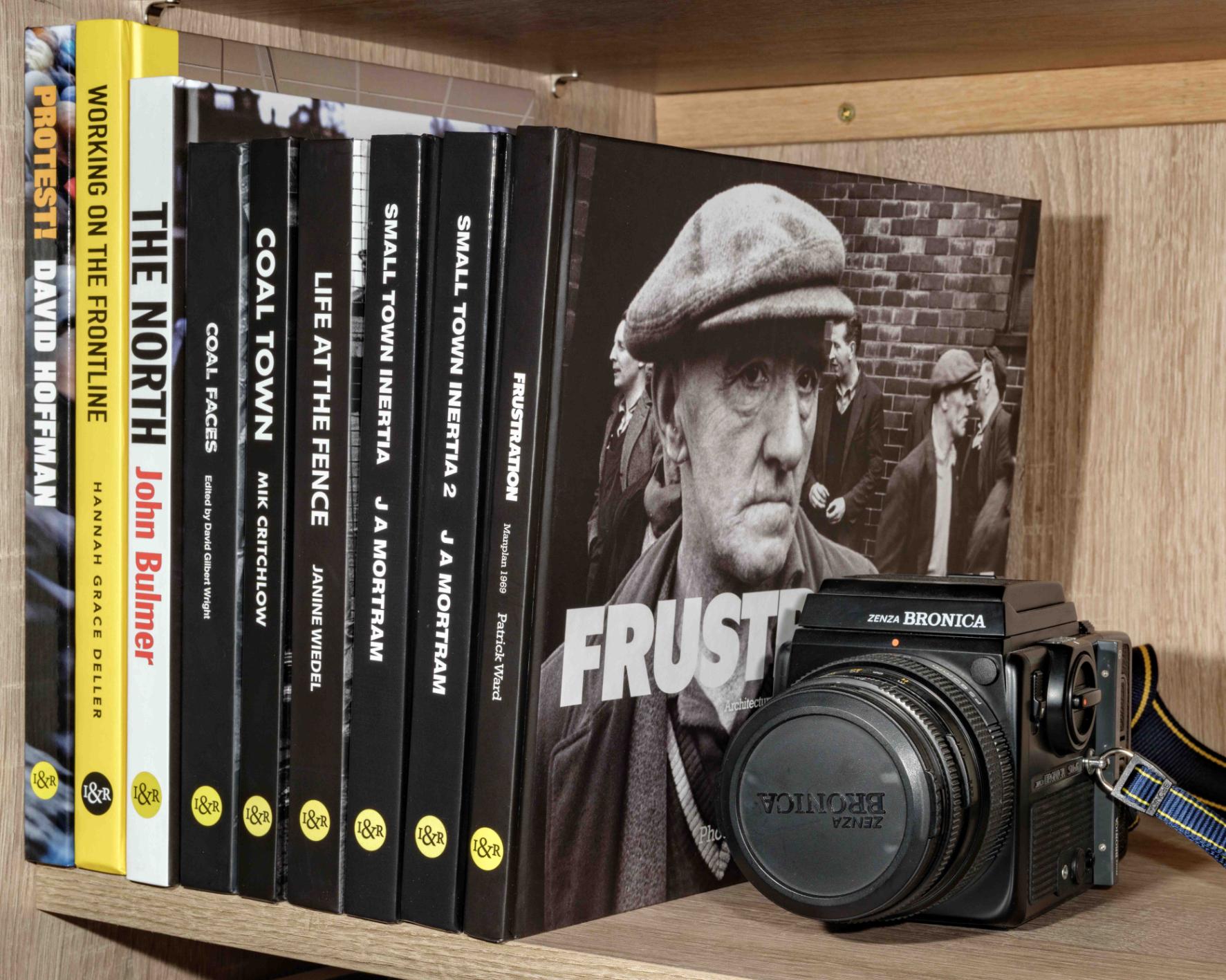
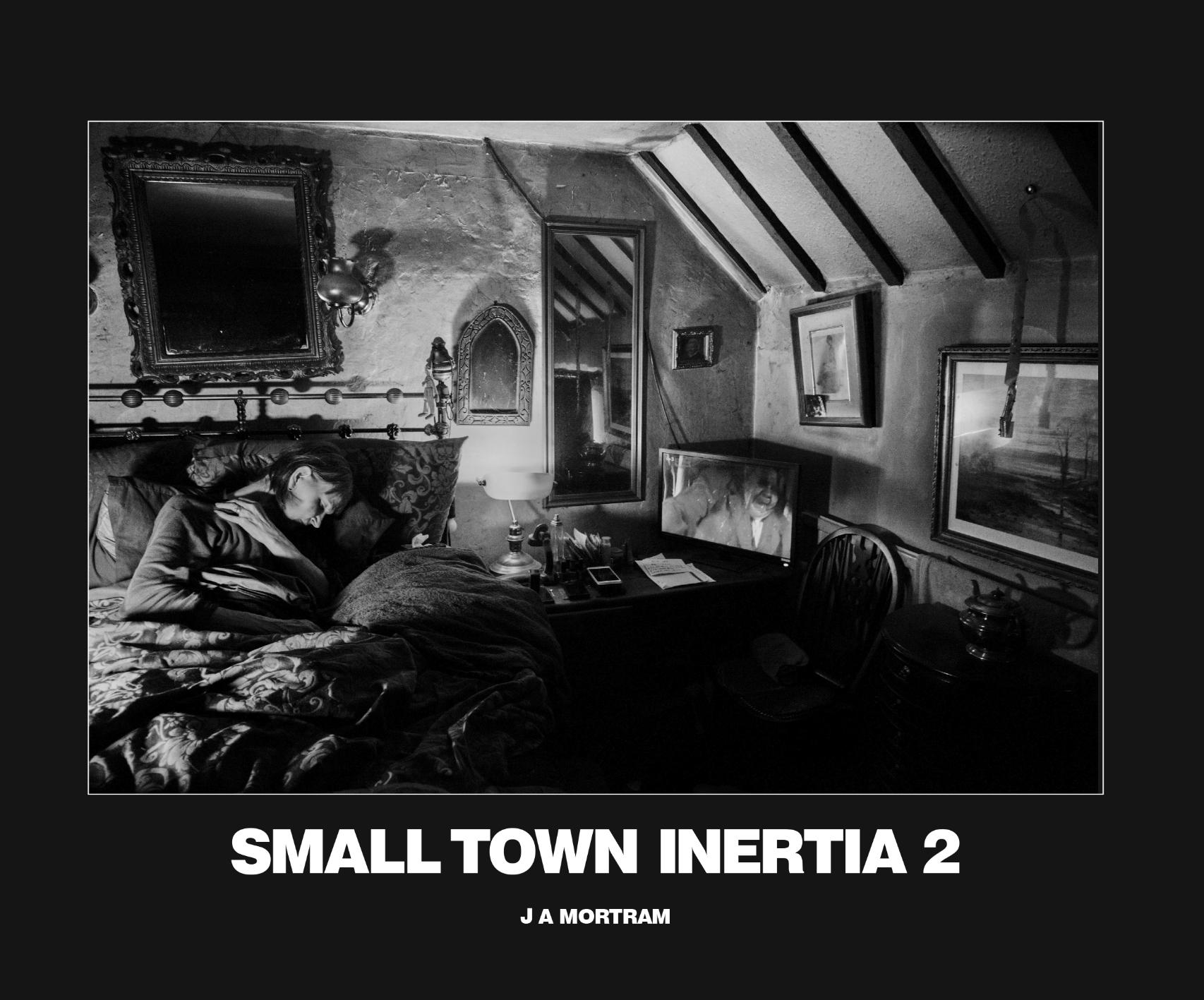
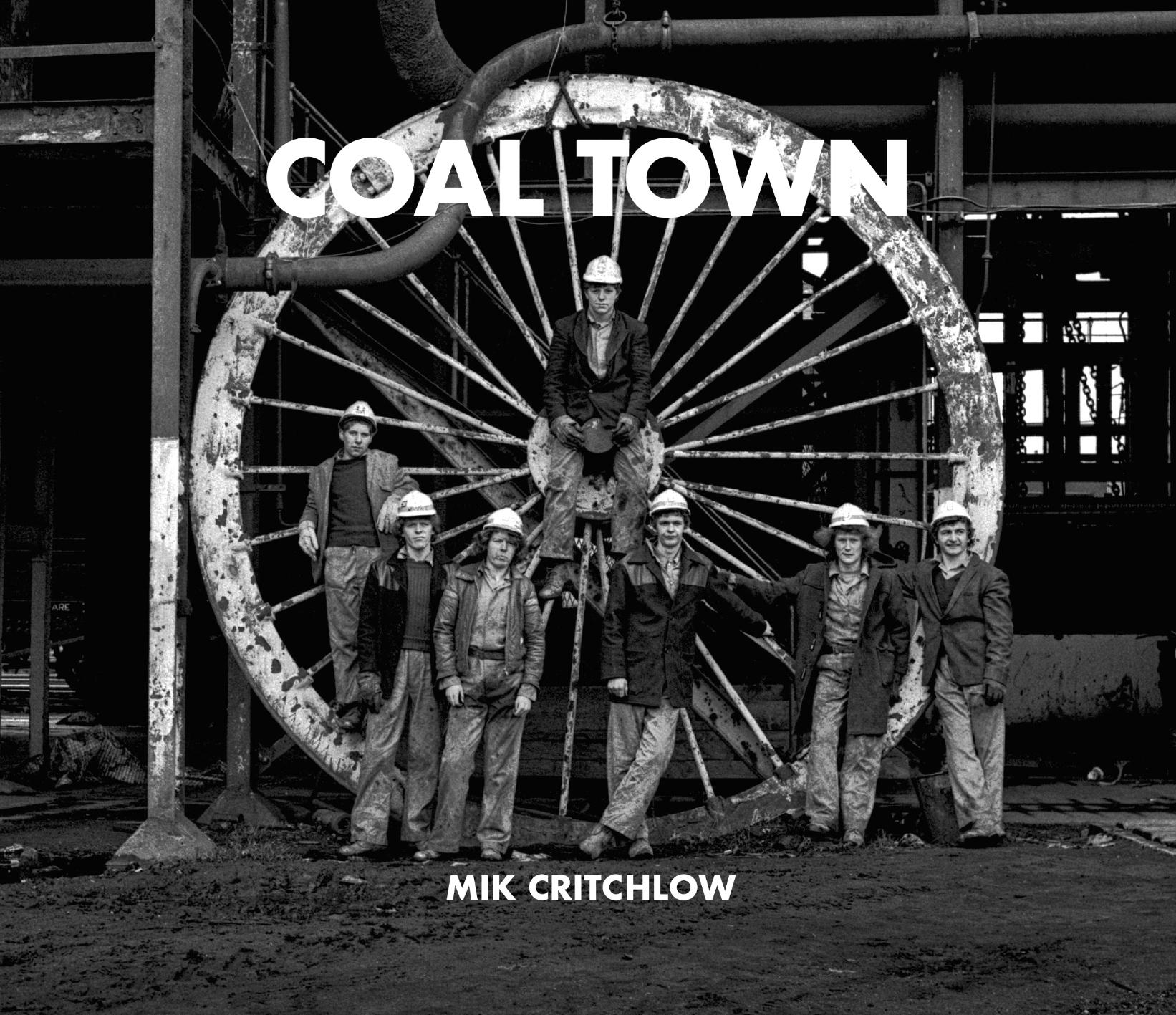
Recent work by Image & Reality, my new publishing imprint, include Jim Mortram’s Small Town Inertia about the lives of people facing physical, mental and economic pressures in a small Norfolk town, Janine Wiedel’s Life at the Fence highlighting the courage of women protesting against nuclear weapons at Greenham Common, Mik Critchlow’s Coal Town about Ashington in Northumberland and Hannah Deller’s Life at the Frontline, a remarkable book about Covid documented by a professional photographer who retrained and became a matron at a leading London hospital. Very different books but all with powerful testimonies from the people photographed. Without words, the books would lose their meaning.
In 2010, twenty years after meeting Frank Dugan, I started a blogThe Streets of Liverpool. Over the years, I had collected thousands of historic photographs of Liverpool, and the internet gave me the opportunity to share these images. Each photograph I posted was accompanied by a commentary based on my Five Ws. I would share my information about the images and, at the same time, ask readers for additional information if they were able to add to the narrative. It was an exciting interaction yielding fascinating responses.
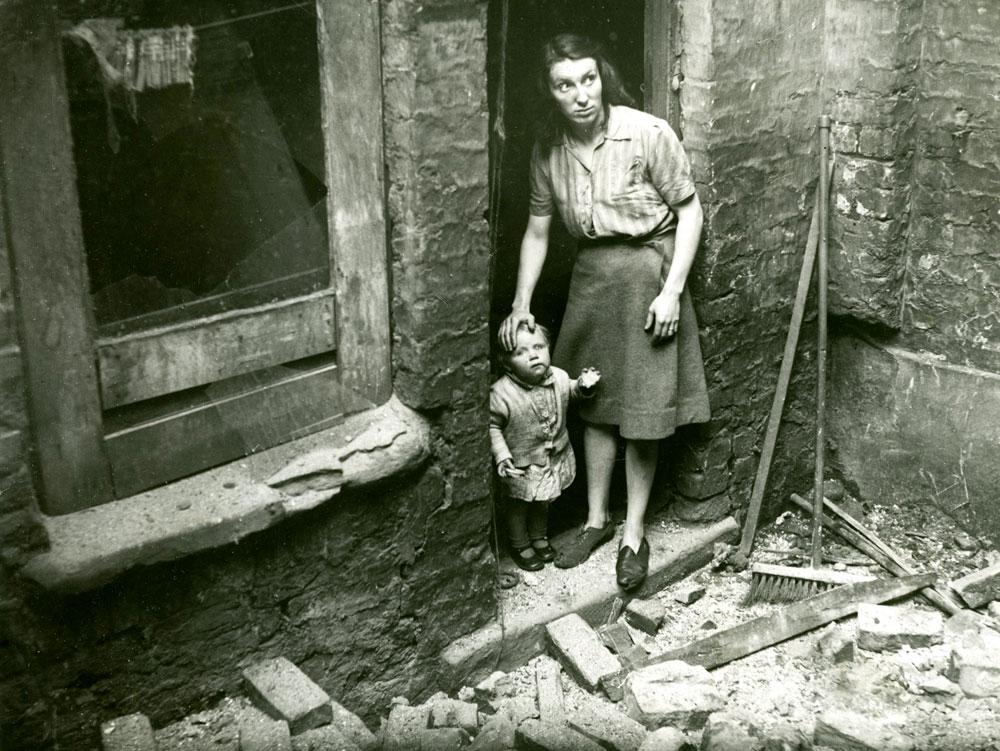
My first post was titled Whatever Happened to the Likely Lads (after the 1970s sitcom) and featured the three boys. I asked if anyone recognised them but there was no response. Other photographs were more positive. The 1946 press photograph of Mrs Rossiter and her daughter standing in the doorway of a condemned house in Canterbury Street resulted in a phone call from the daughter, then in her 60s. The photograph had hit her hard, it was the only one she had seen of her mother or herself from her childhood. Fortunately, their lives had improved, and she said her mother had had a good life.
This relationship between the internet and my direction in photography intrigued me. In the early 1990s, I bought a lot of several thousand glass negatives from an auction house in Colwyn Bay, a popular seaside resort in North Wales. Most of the negatives were in a dreadful condition but there were several hundred that were printable. I selected a hundred that looked promising and had 10”x8” prints
made. I was blown away by the results. The photographs captured every aspect of life in a small English town in the 1920s and 30s. There were clues - the photographer’s name was printed on the negative envelopes: Lilian Ream, Wisbech, on some, and Mrs Ream, Photographic Artist, Crescent Studio, Wisbech, on others. With two facts established, I struggled to add more in the days before internet search engines, so I put the photographs to one side and carried on with other projects.
Ten years on, I revisited the photographs and, using Google, within a few hours filled in many of the gaps. Lilian Ream is a neglected figure in the history of women in photography. Trained as a retoucher, she quickly learnt all the skills of photographing, processing and printing before taking over the studio she worked at and, subsequently, buying out all her competition in Wisbech.
As her business developed, her local monopoly paid dividends. The local newspaper regularly used her photographs and she quickly turned every small disaster and accident, every fête, every shop opening and civic ceremony into a money-making opportunity. This was also the golden age of the photographic postcard, presenting another income stream.
I published Ream’s work in a book From Cradle to Grave in a Fenland Town. The photobooks I have published over the years have built on the structure I established with From Cradle to Grave. The subject is British social documentary and photojournalism with each book fitting into an expanding archive about Britain in the twentieth and twenty-first centuries. The consistent theme is the lived experiences of ordinary people in Britain, such as island communities in Scotland, coal mining towns in northern England, unemployed youth in Newcastle upon Tyne, hospital staff working under stress during Covid, the plight of the homeless or the recollections of those who lived through the ‘Troubles’ of Northern Ireland.
Two examples are Beeton Grove by Chris Hunt, a contemporary of Martin Parr, Daniel Meadow and Brian Griffin at Manchester Polytechnic in the 1970s. Chris photographed his neighbours on a short terraced street in central Manchester and had the foresight to tape record them talking about their lives and concerns. The result is a fascinating window on working class attitudes at the time.
The Best of Times: The Worst of Times by photographer Tony Othen takes a different approach. Othen had retired as a freelance photographer, having specialised in work for charities. As more and more photographs were posted on
the internet, Othen became aware that many he had taken were finding their way onto local sites. At first offended by the transgression of copyright, he began to read the comments that the photographs generated by the people featured. Not only did they trigger memories but also gave personal, social and historical viewpoints that might otherwise have been lost. Memories generated comments and comments revealed community attitudes. The reason the client had commissioned the work had been lost but the photographs had now found a new use and a new audience.
As for the ‘likely lads’, ten years after I posted the photograph on my blog, I got a telephone call from Bob ‘Docker’ Doyle. He had discovered the post and proudly announced he was the boy on the right. The location was Athol Street, a tough docklands street in the Vauxhall area of Liverpool. He was bright and had passed his 11 Plus exam and went to a Catholic grammar school. Seven years later, he gained a place at university, at a time when progression to higher education was depressingly low for working class students.
On graduation, he returned to his grammar school and spent the rest of his working life there teaching geography. I asked Bob why he used the sobriquet ‘Docker’ when introducing himself and he recounted one of his earliest lessons, when a student asked him why he talked like they did in a strong local accent. Bob replied that his father was a docker who had spent his life fighting for work in the days when dockers stood in pens each morning waiting for a foreman to choose which workers he needed that day. Rejection meant no work and no pay, tough days until casual dock labour was eventually outlawed. After explaining about his father’s background, Bob became ‘Docker Doyle’ to generations of pupils. As for the two other ‘likely lads’, Bob thought the small boy in the middle became a professional boxer and the boy on the left remained a close friend and had also enjoyed a good career.
So, there you have the Five Ws. We now know who took the photograph and why. We know who is in it, where it was taken and when and we now have another level of understanding about what the photograph can tell us about that moment in time, about social mobility and equality in education if we are prepared to use tools such as the internet to find answers. The old maxim about a picture being worth a thousand words has no currency in my world. Context is everything and this is why I publish. An image might make an immediate visceral impact but, as Roy Stryker wrote, ‘only one picture in a hundred thousand can stand alone as a piece of communication.
Canterbury Street, Liverpool, 1946. Mrs Rossiter and her daughter outside their condemned house.
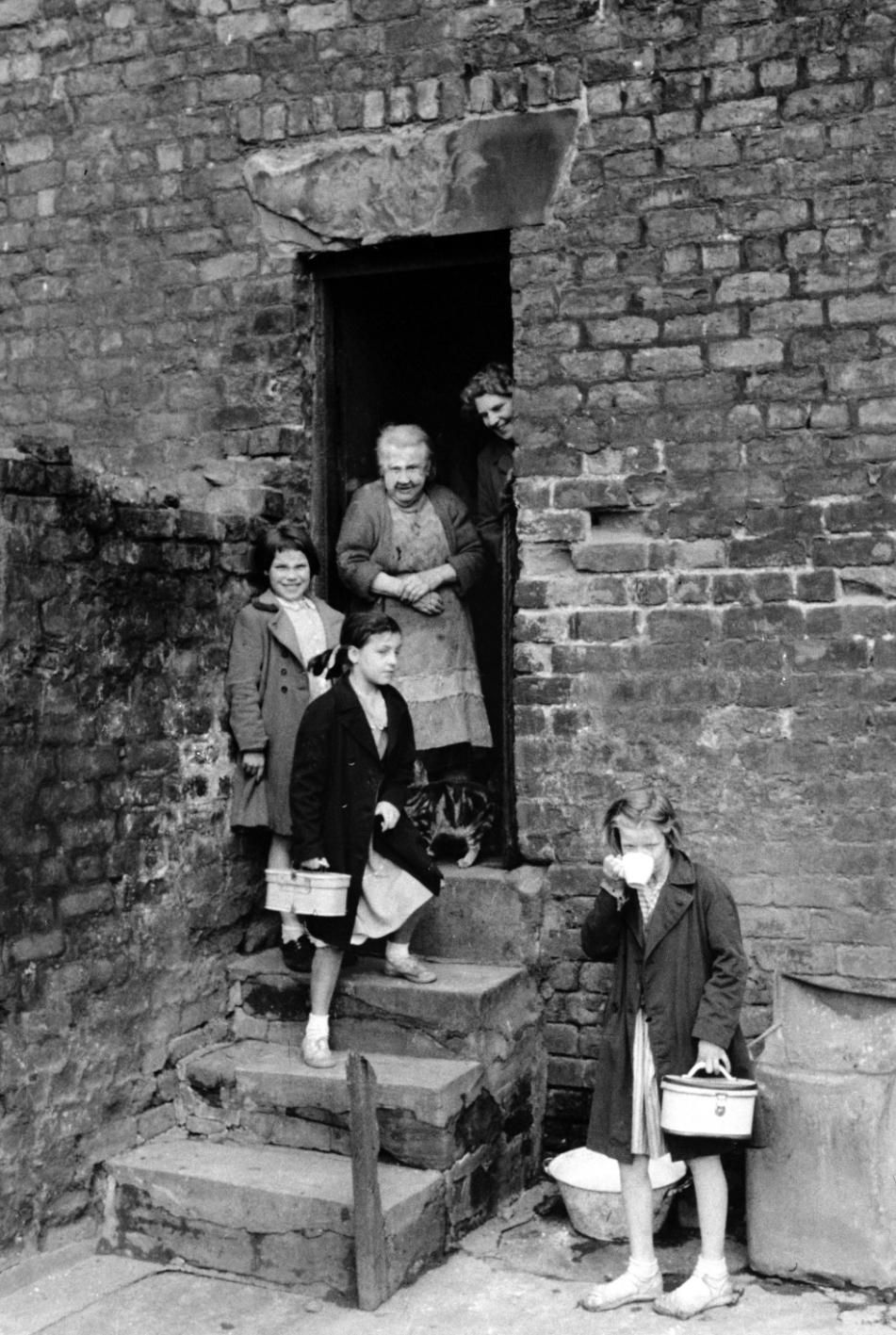
Three generations outside their grim terrace house, Liverpool, 1952/53. I did not manage to find out who the family was, unlike the three boys.
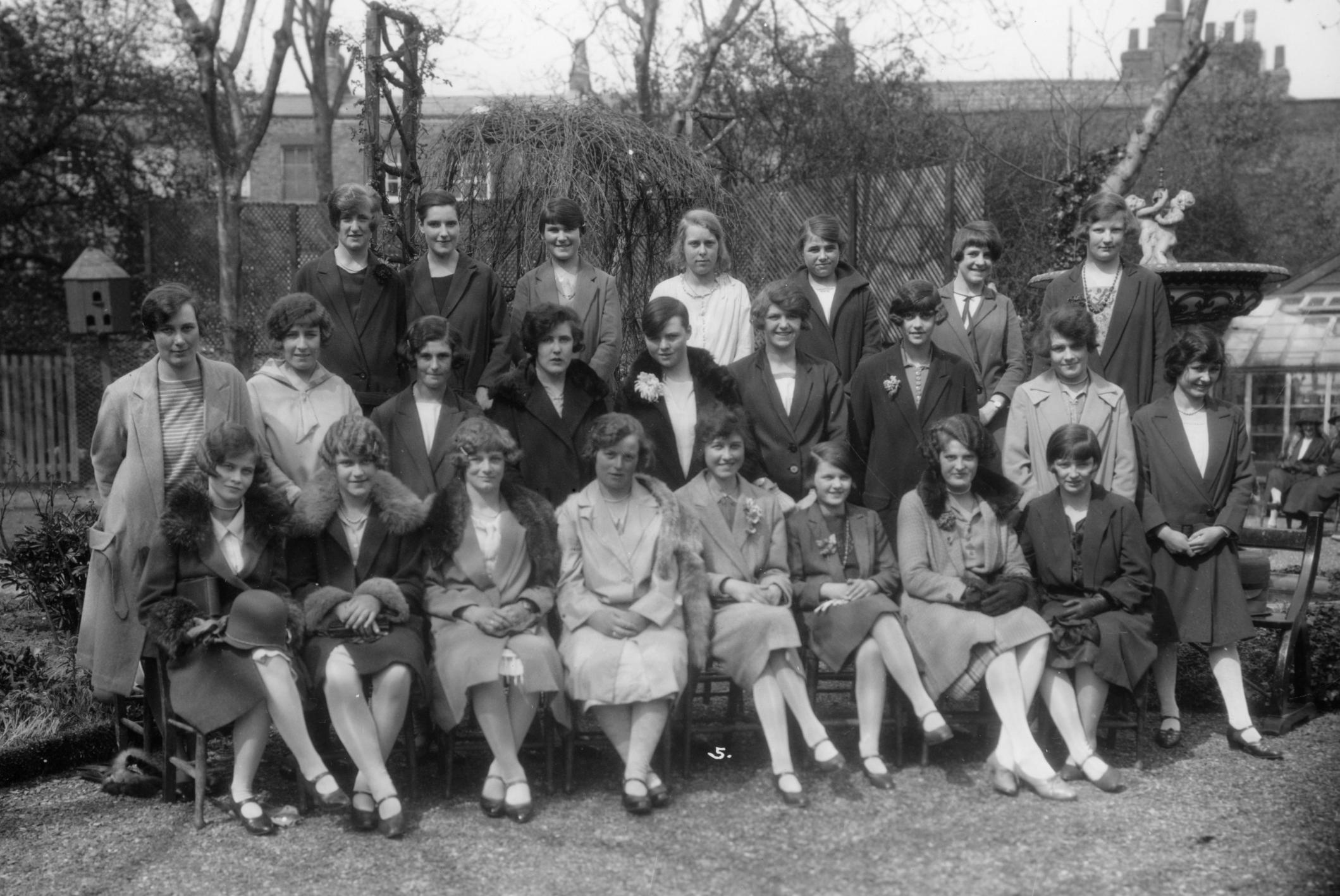
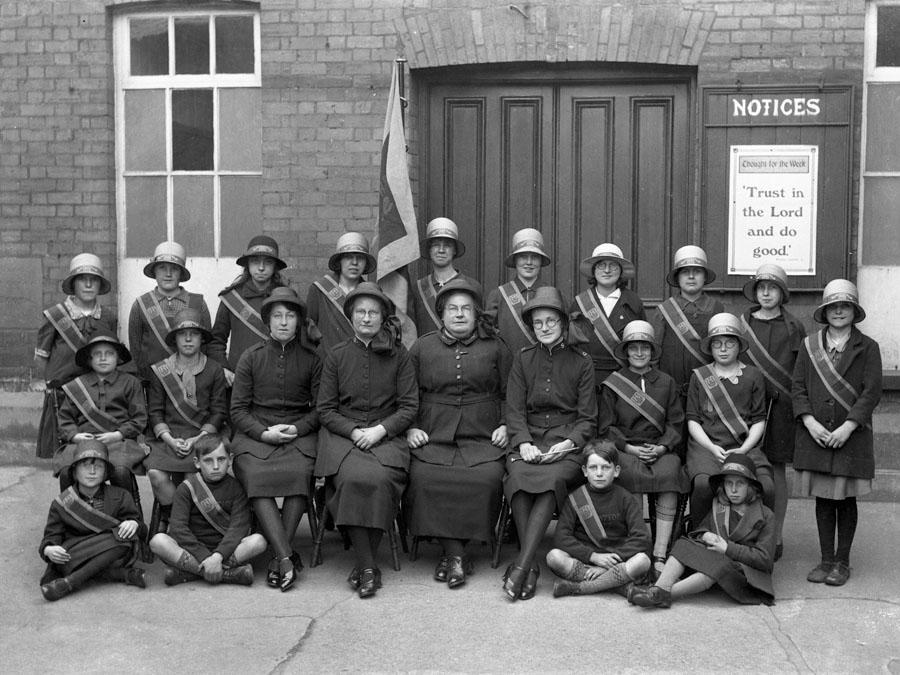
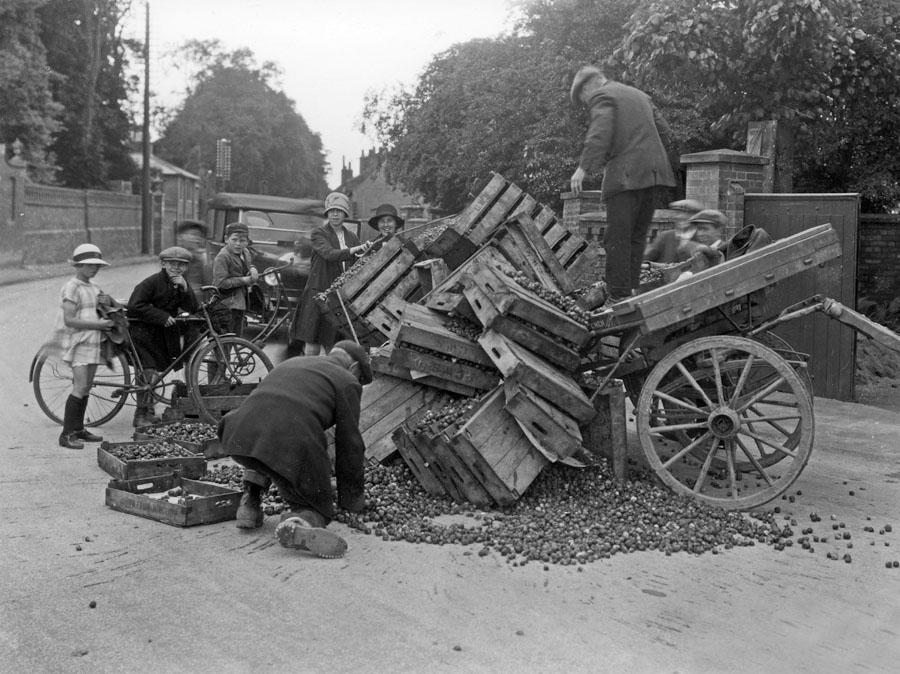
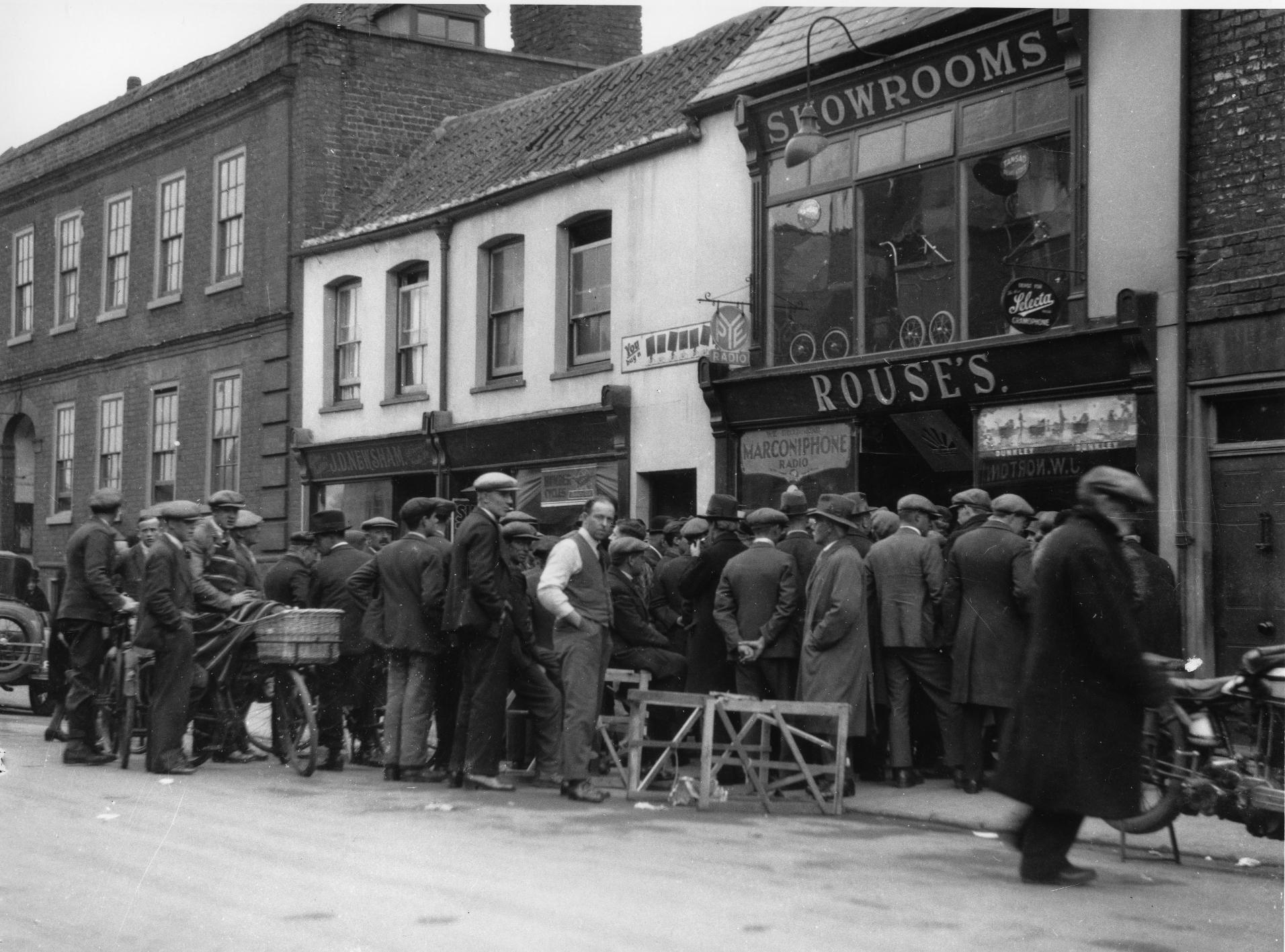
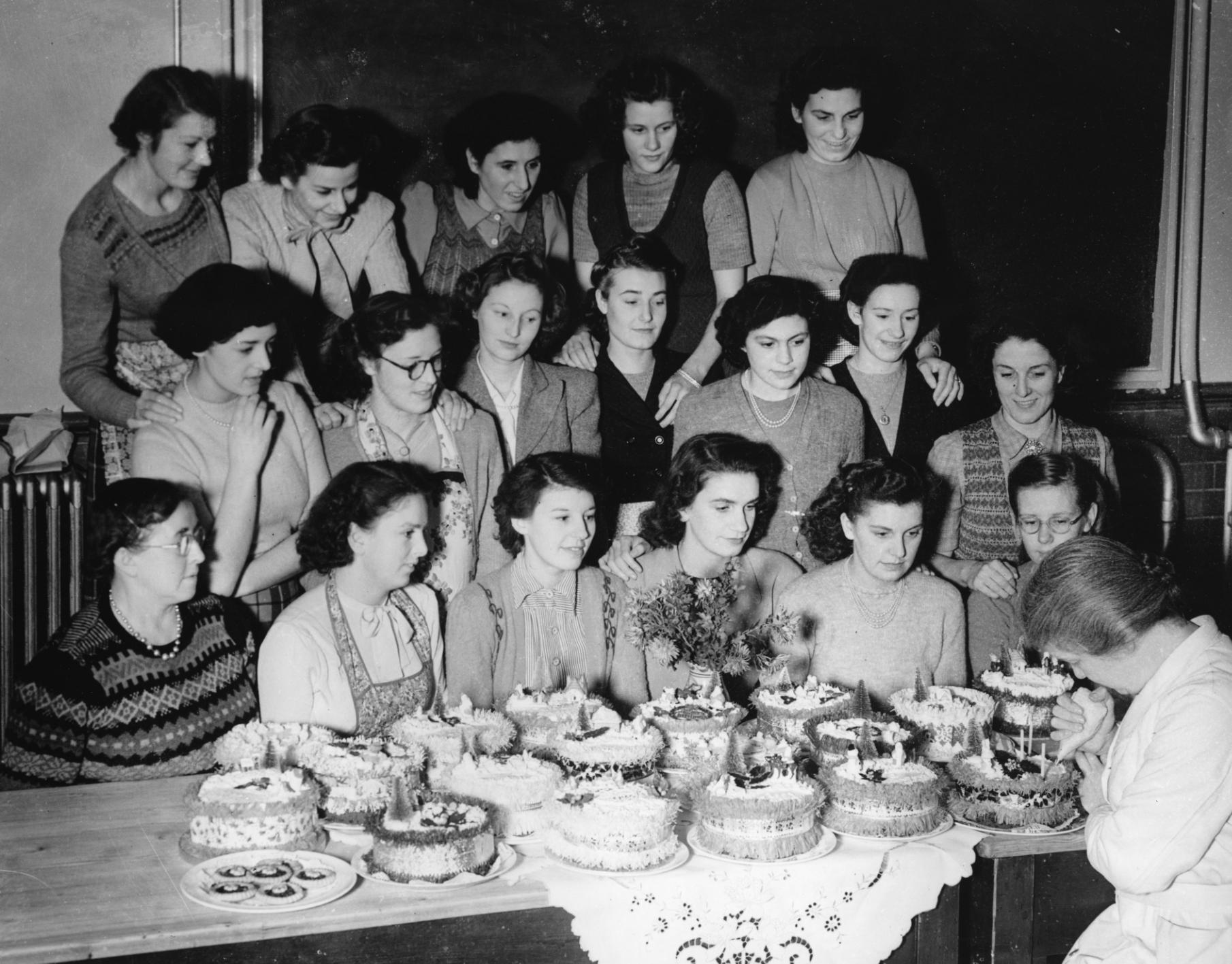
Lilian Ream's archive is of national importance, it captures life in a Fenland town during the interwar years. Ream was a canny operator; specialising as a portrait and wedding photographer, she also was the go-to source of images for the local press as well as publishing postcards of local events and landmarks. A speciality was group photographs: it made sense to maximise orders by reducing options to a small number of images.
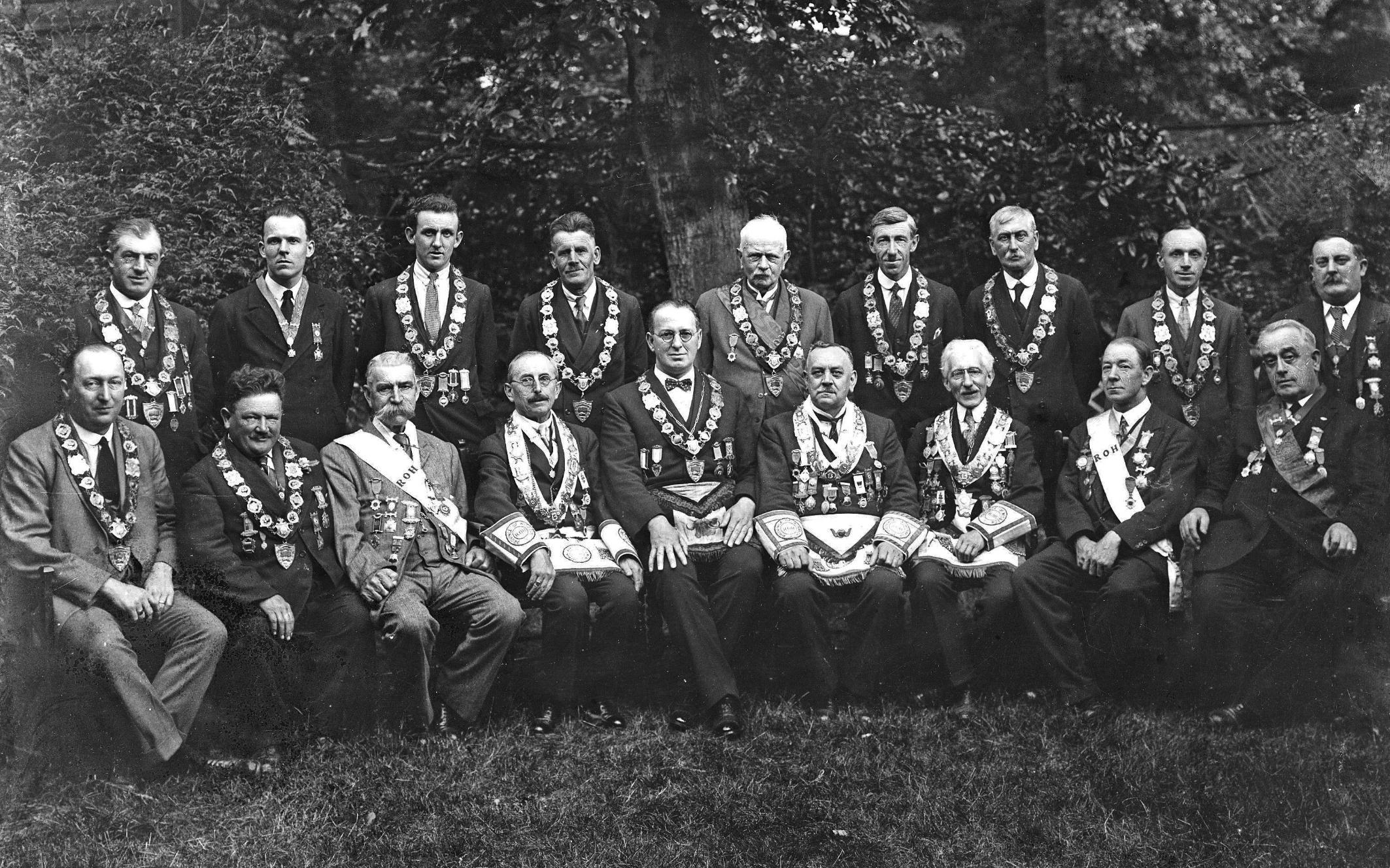
The Royal Antediluvian Order of Buffaloes, seen here in their official regalia, was one of several fraternal societies such as the Oddfellows, Shepherds, Masons and Foresters.
Wisbech Salvation Army Singing Company, known as the Songsters, 1931
Even the most minor events were captured for a possible newspaper article. Here a cart carrying strawberries has overturned much to the amusement of the children watching.
A different world: a crowd listening to the radio broadcast of the 1931 Boat Race between Oxford and Cambridge Universities.
Cake decorating demonstration, 1940s
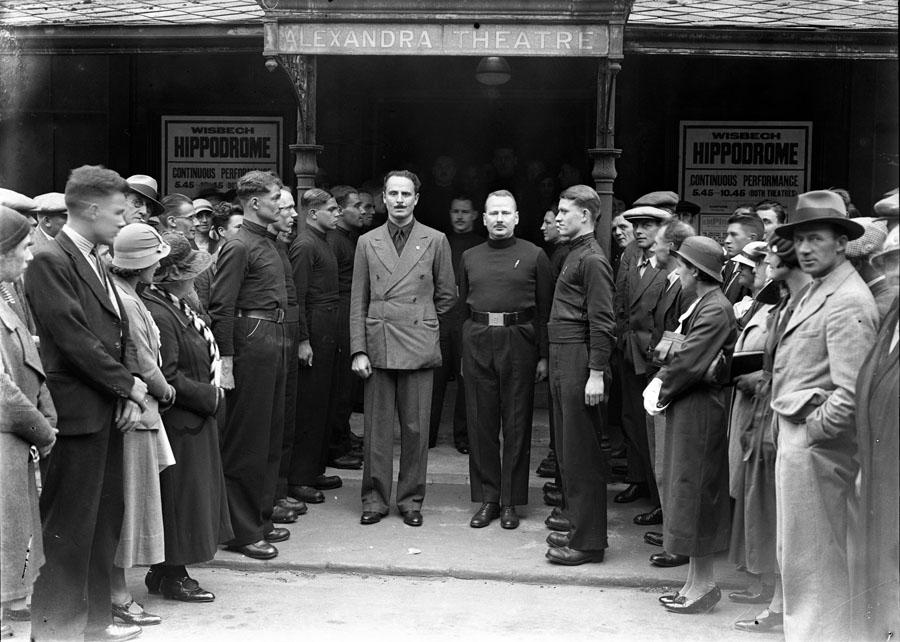
Mosely, leader of the British Union of Fascists leaving Alexandra Theatre, 1934. The absence of any demonstration suggests that Wisbech, a conservative town in all senses, was somewhat accepting of the Blackshirt movement.
Oswald
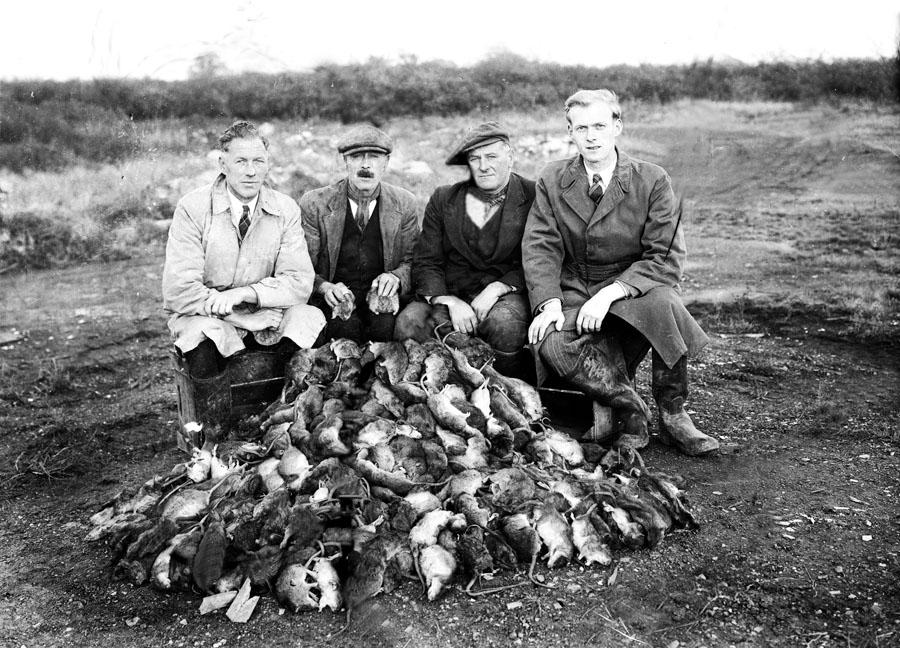
Mr Riches, second left, was a prodigious rat catcher, 1948.
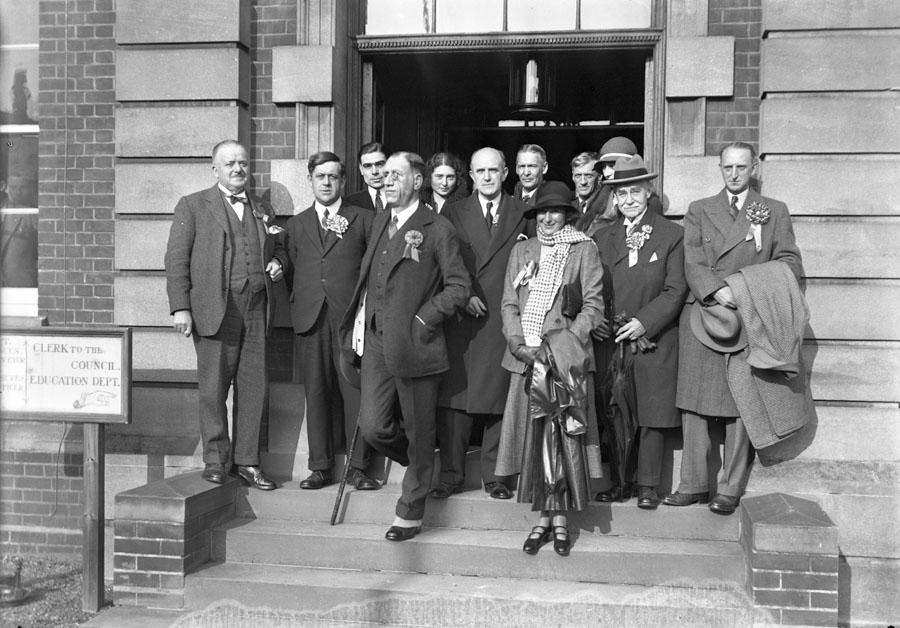
James de Rothschild (in spates) campaigning (and duly winning) during the 1929 General Election.
Image & Reality, my new imprint dedicated to British social documentary photography. The books have a design consistency that projects the idea of a unified whole. The design approach is not inflexible, it is never one size fits all, but I see the books I have published as an identifiable archive that gives voice to the lives of people usually neglected in accounts of our history.
Jim Mortram's Small Town Inertia is an epic work. He has published two volumes, representing 14 years of work.
Jim's work documenting those at the edge of society in the small town of Dereham in Norfolk is, in my opinion, the most important documentary work of our time.
Coal Town - a book showcasing Mik Critchlow's five decades photographing this home town of Ashington, once the heart of the Northumberland coalfield.
One of Mik's superb images from Coal Town
In the 1970s, Chris Hunt photographed and interviewed his neighbours in Beeton Grove, a short terraced street where he lived as a student. Beeton Grove epitomises my reason for publishing; the text and photographs together make a profound statement about that time.
Marie Smith, the girl on the right, shows her feelings about the lodger who has just moved in: ’He's been here a month, he pays about £5 a week and I have to cook his meals. My mum's started going out with him and they go to church together on Sundays. I don't get on with him really, tries to be the boss all of a sudden. Feels like he has been here for years. I am thinking ofjoining the WRAF.'
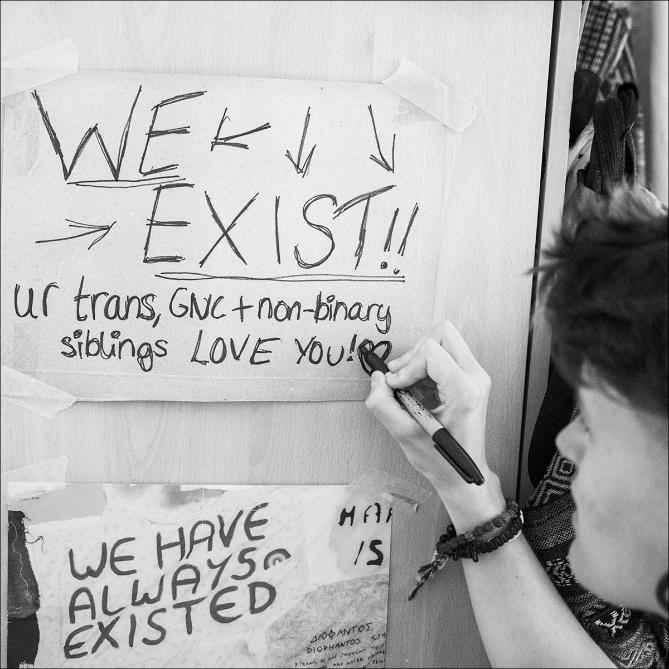
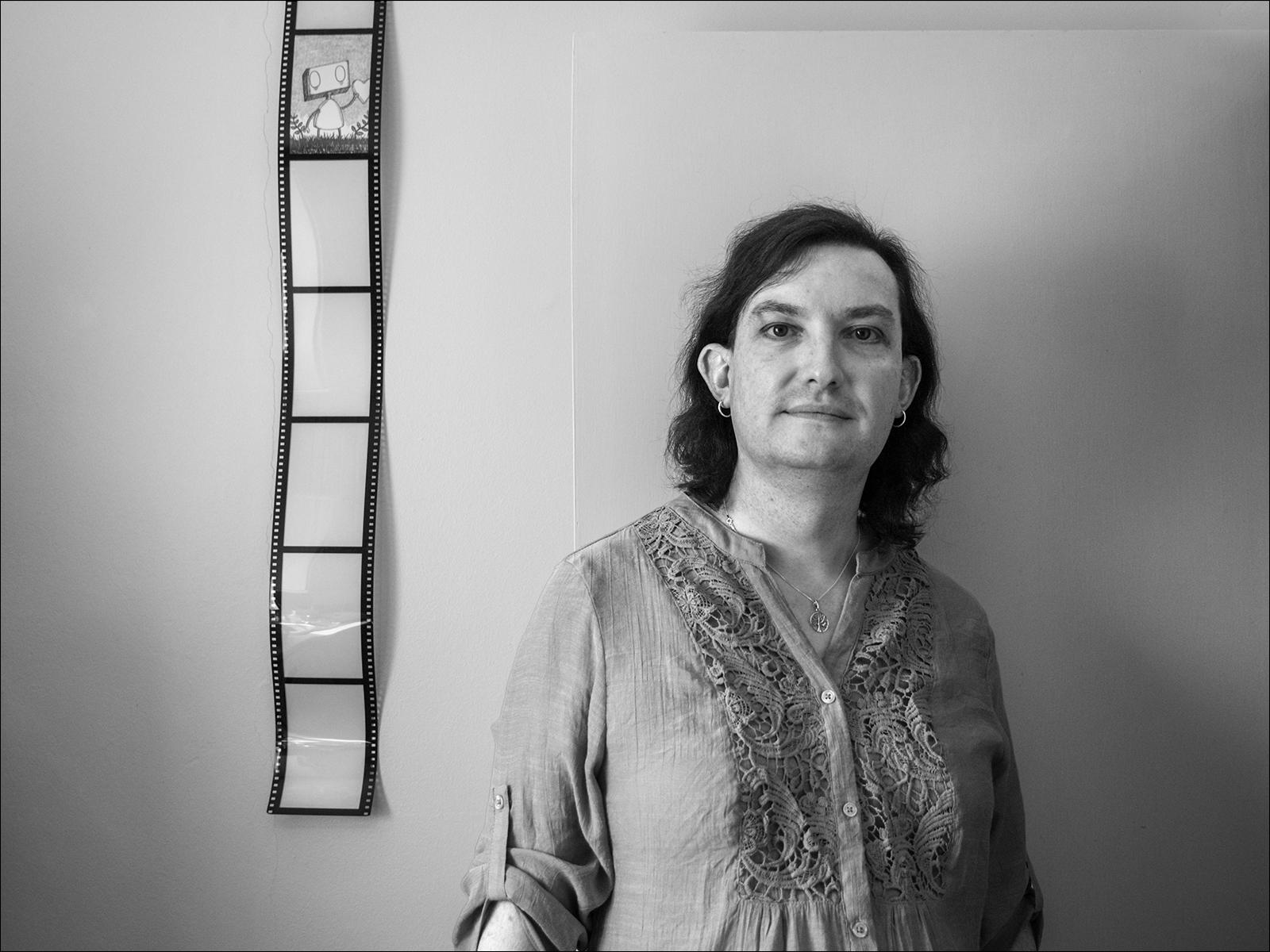
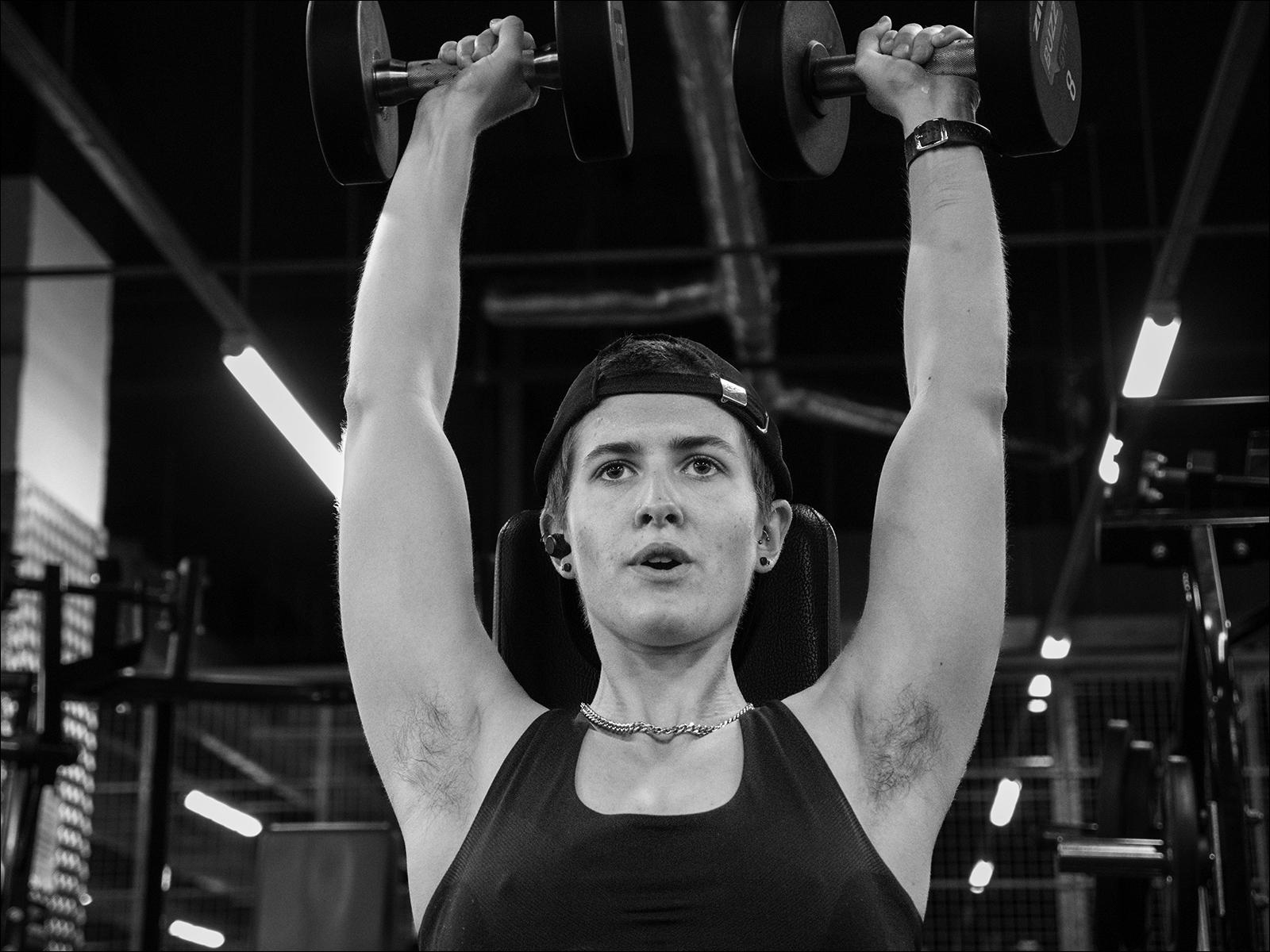
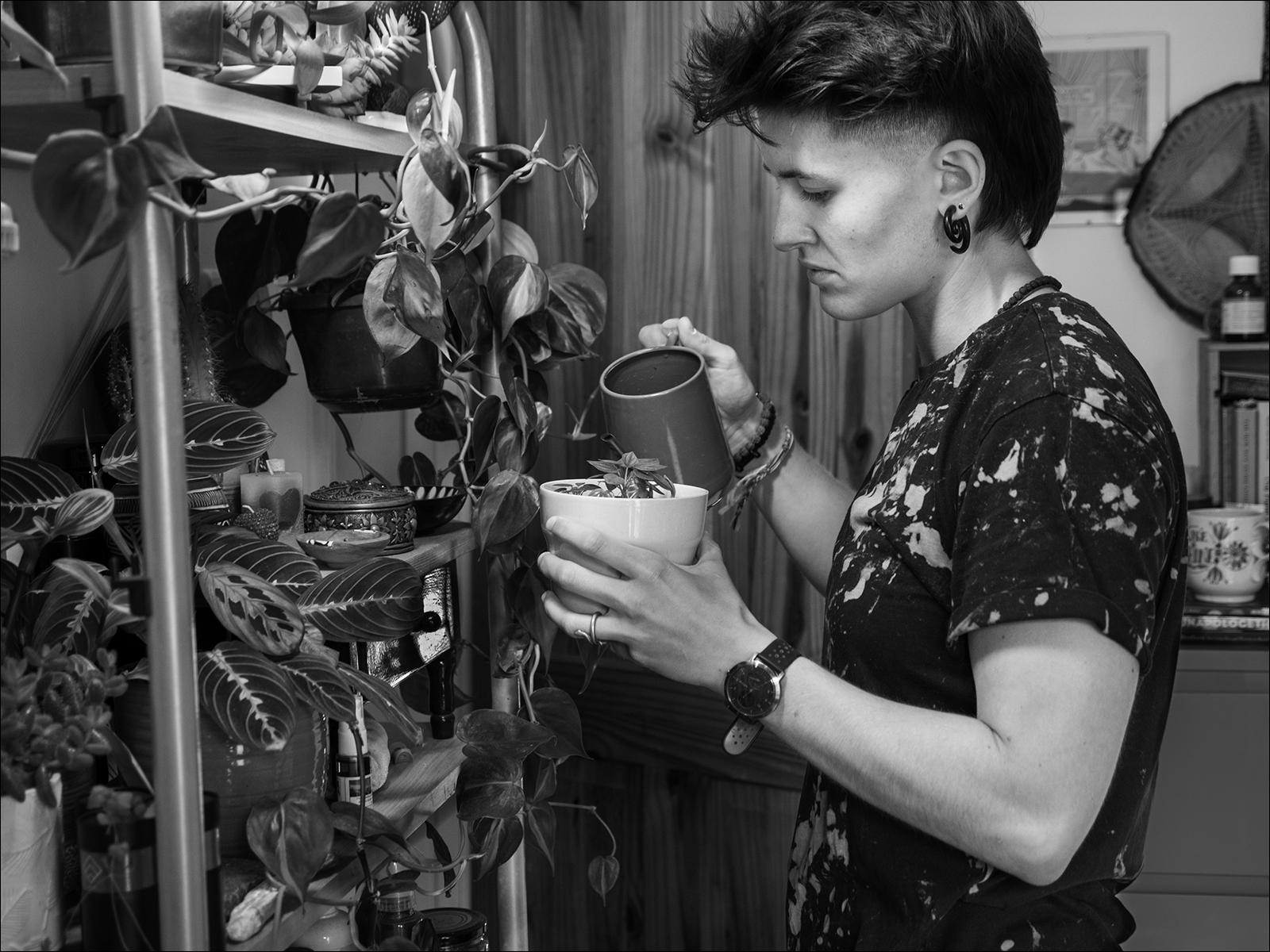
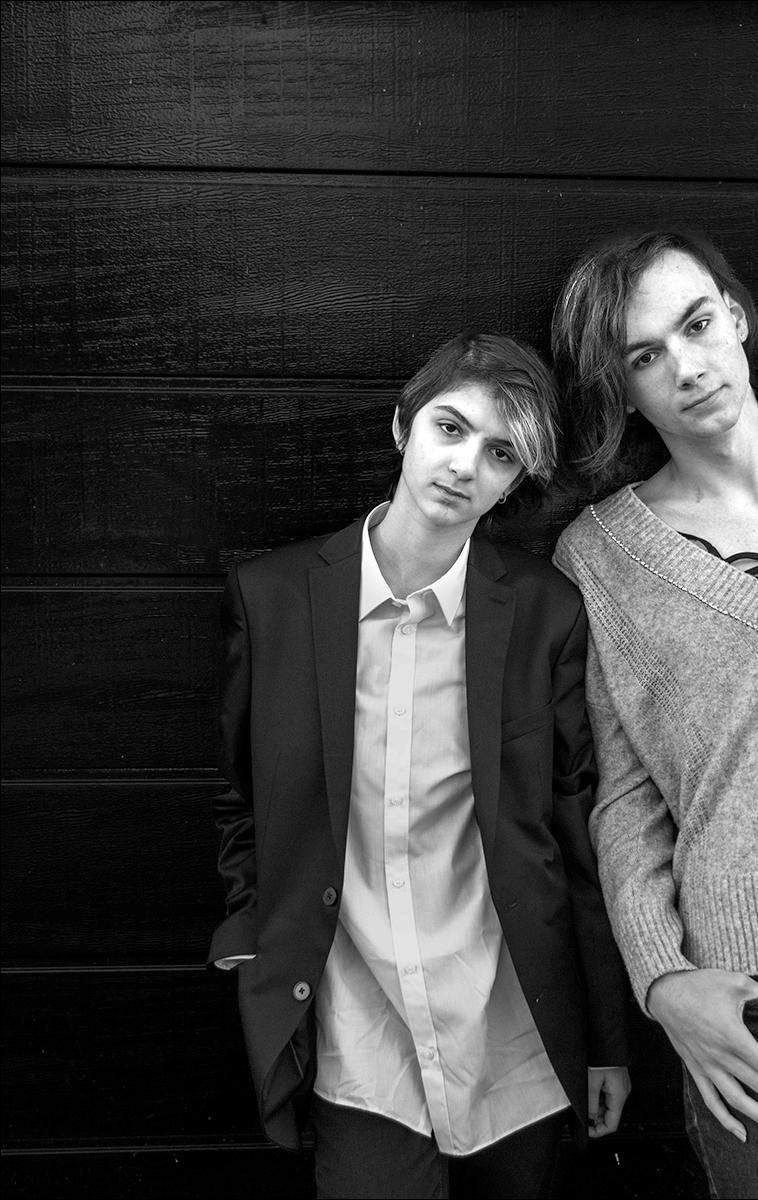
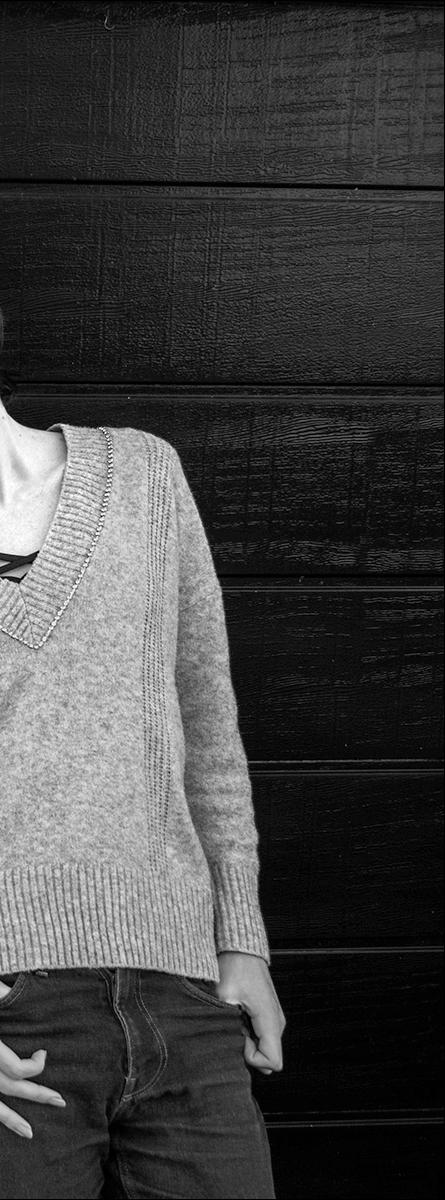
Fellowship Panel The Real Me
Statement of Intent
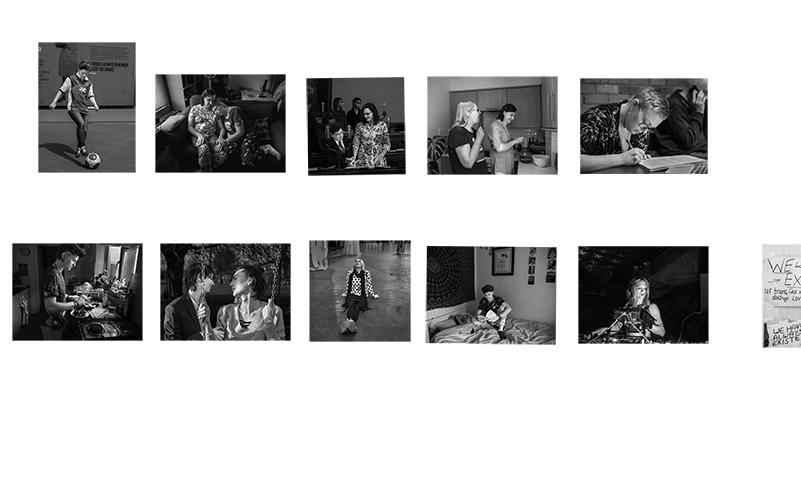
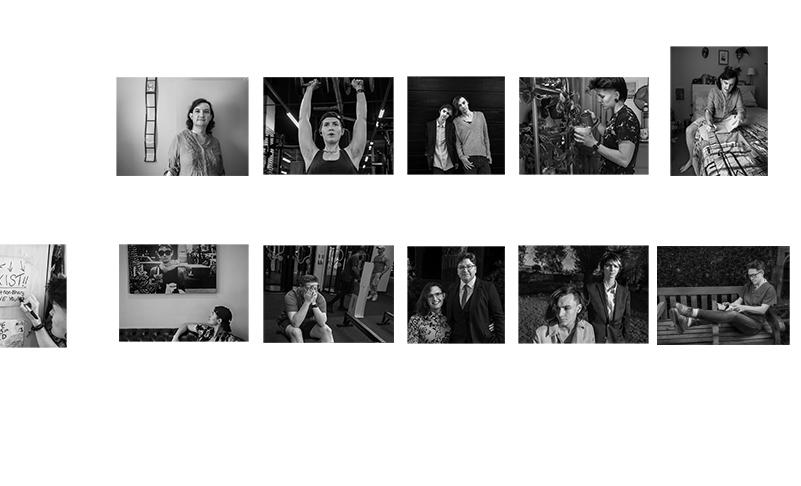
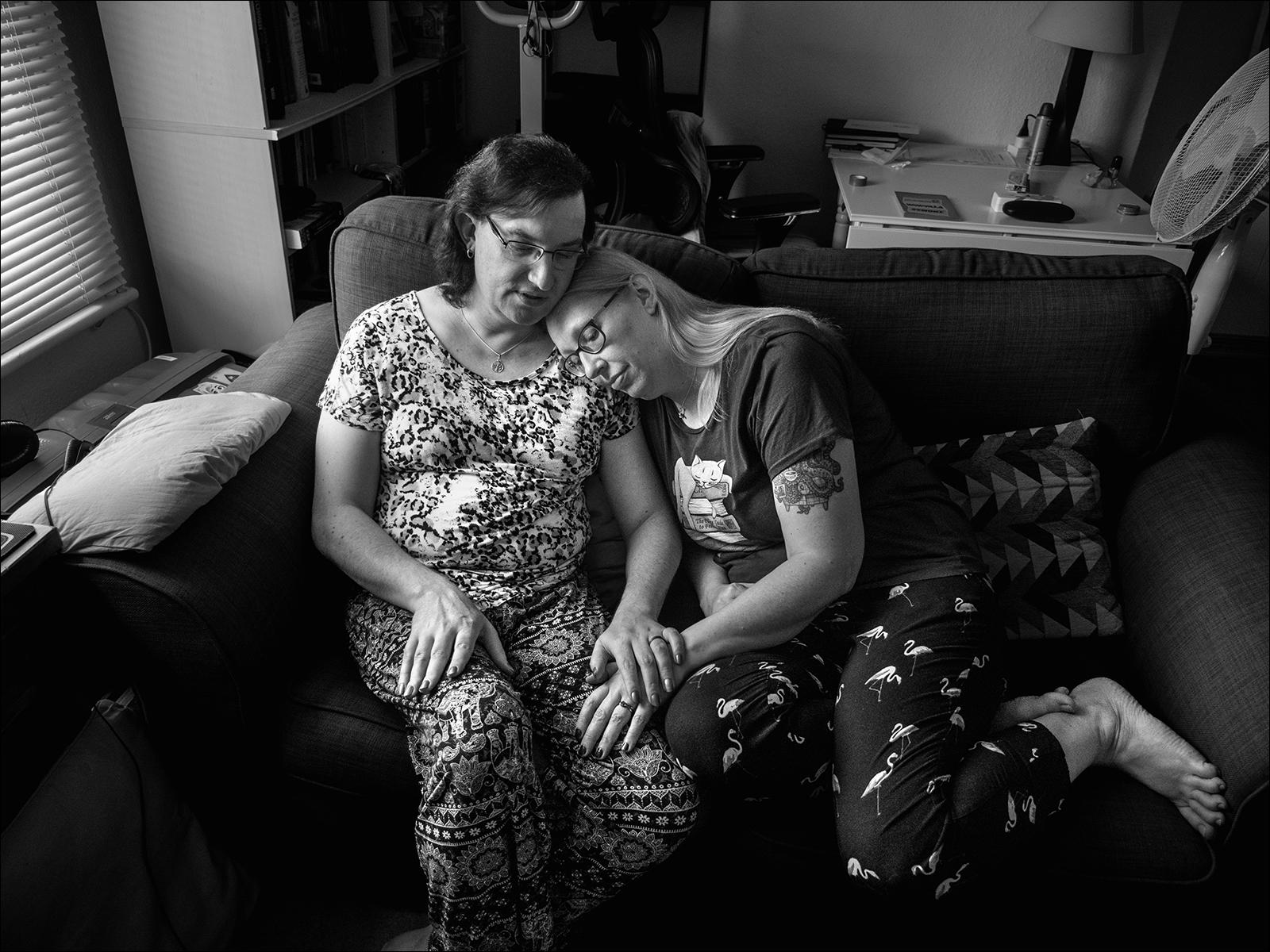
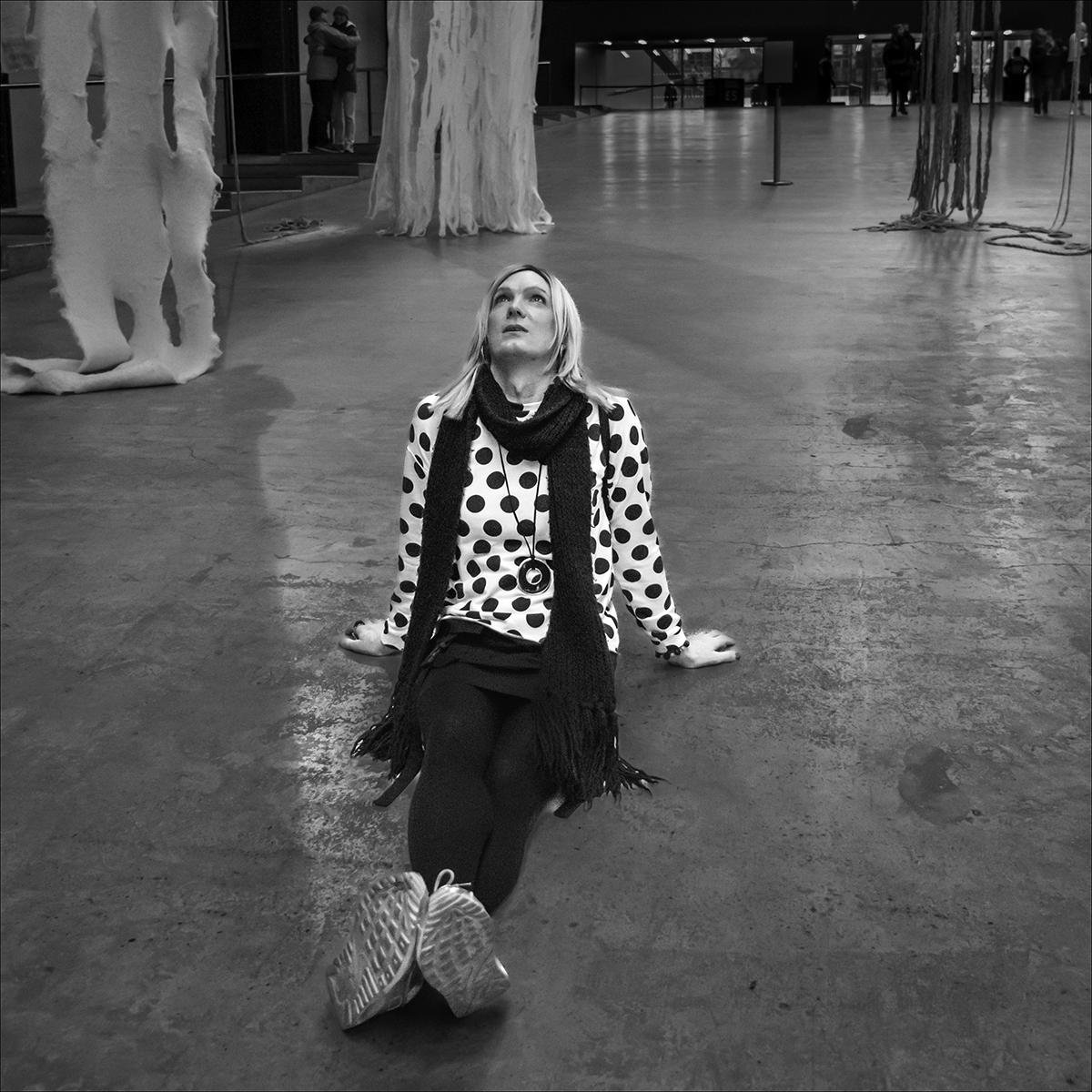
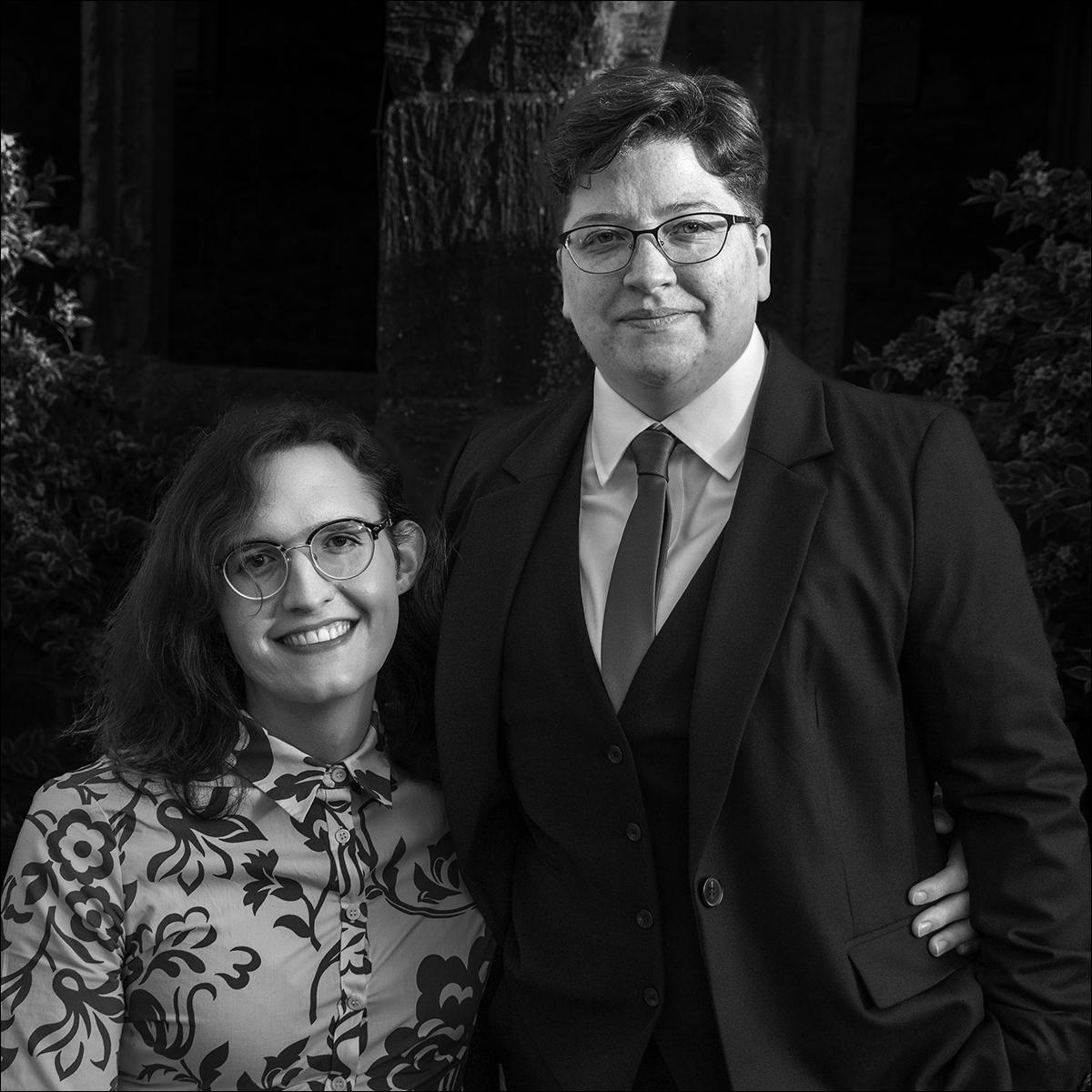
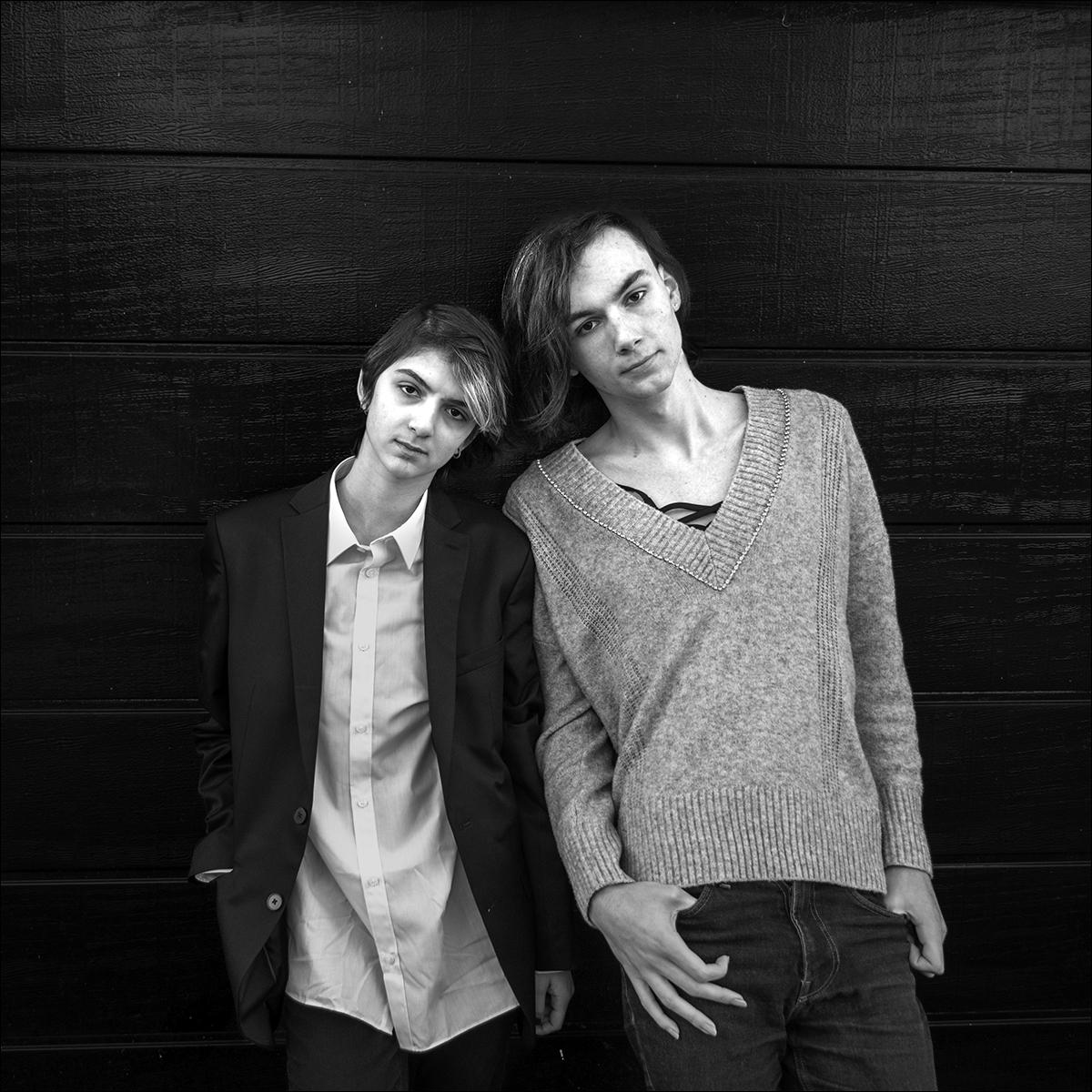
A few years ago, a close friend came out as transgender in their fifties. Their courage to undertake such a profound life change inspired me to use photography to challenge the often dehumanizing narratives surrounding trans lives in the media.
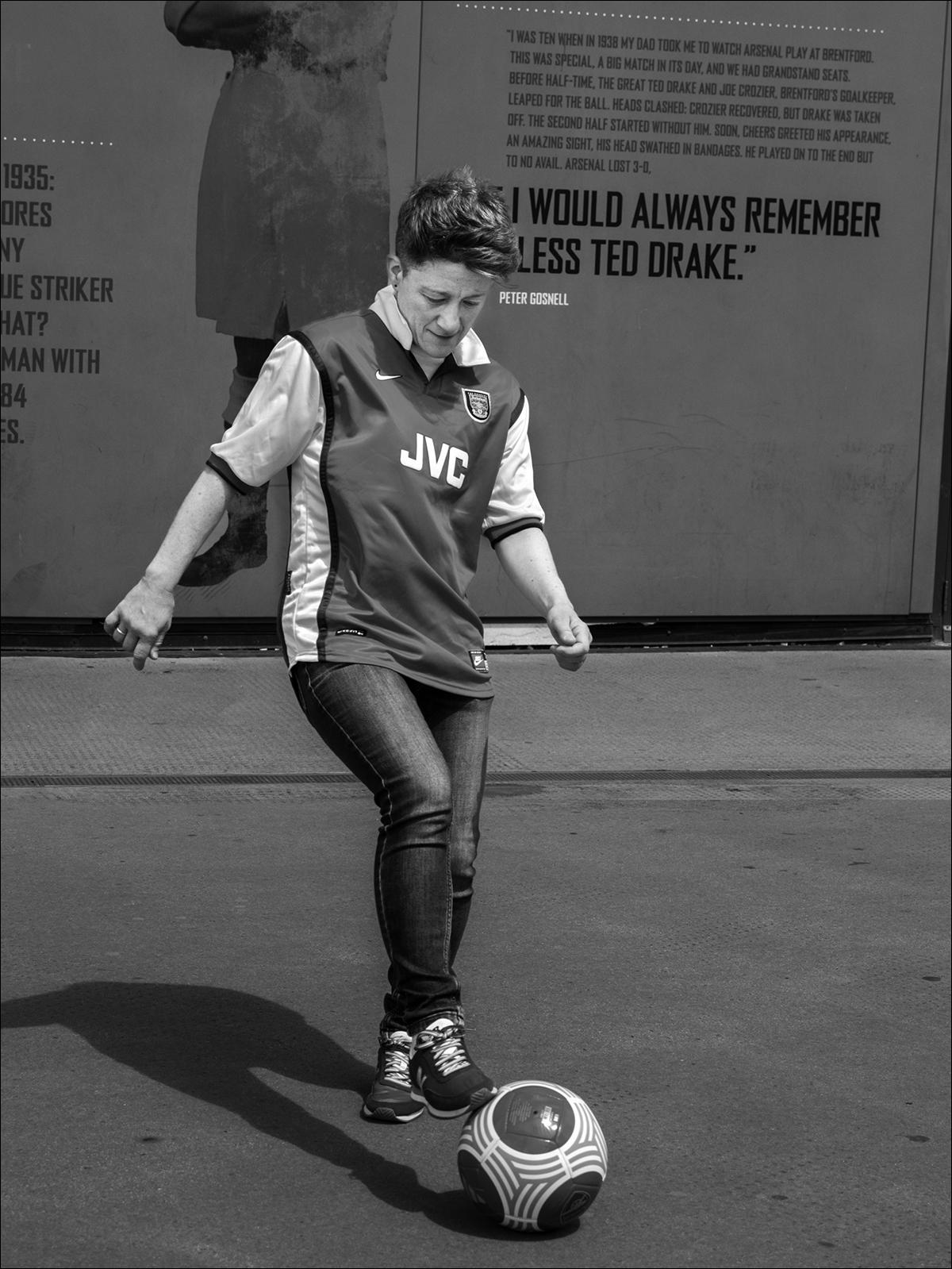
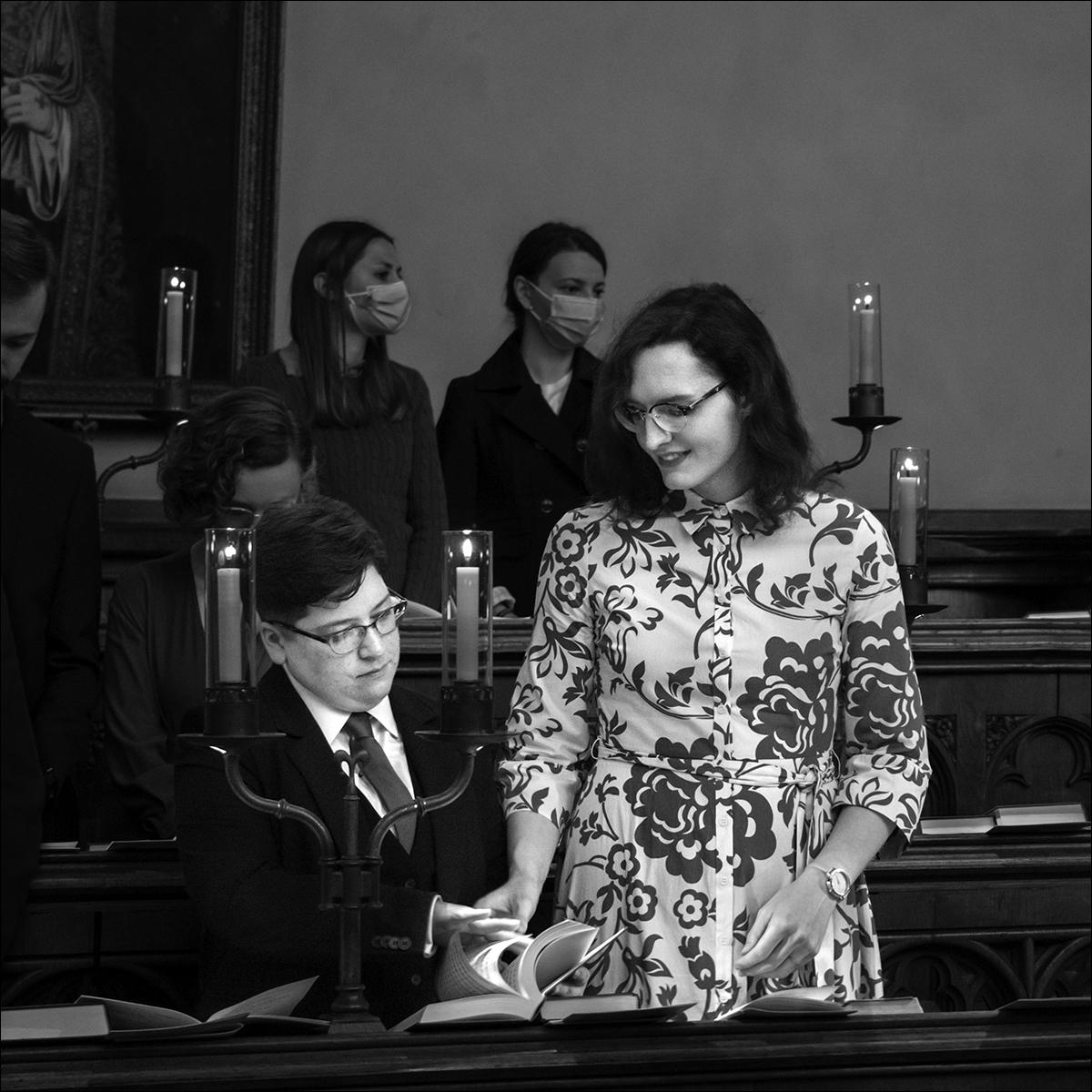
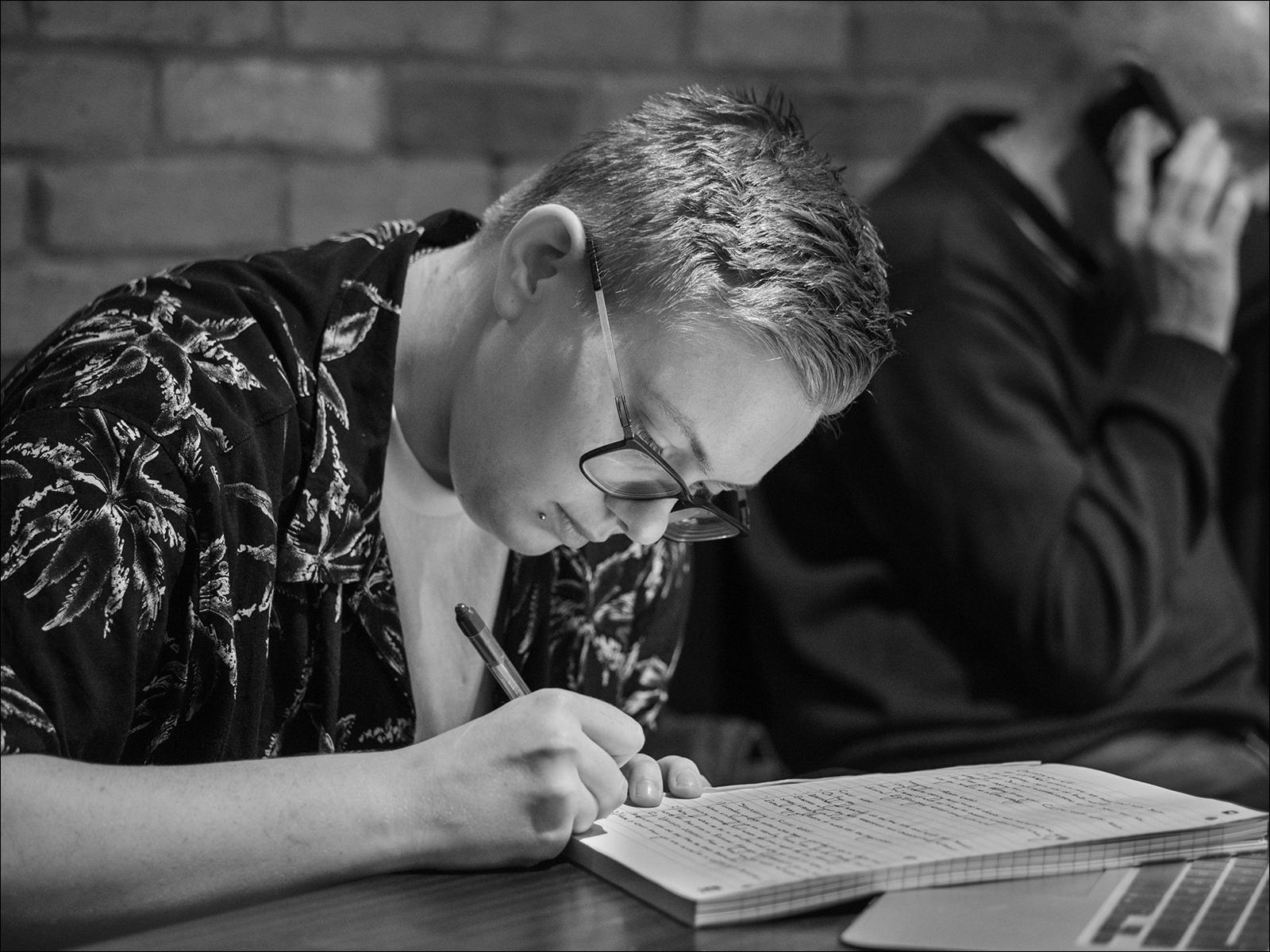
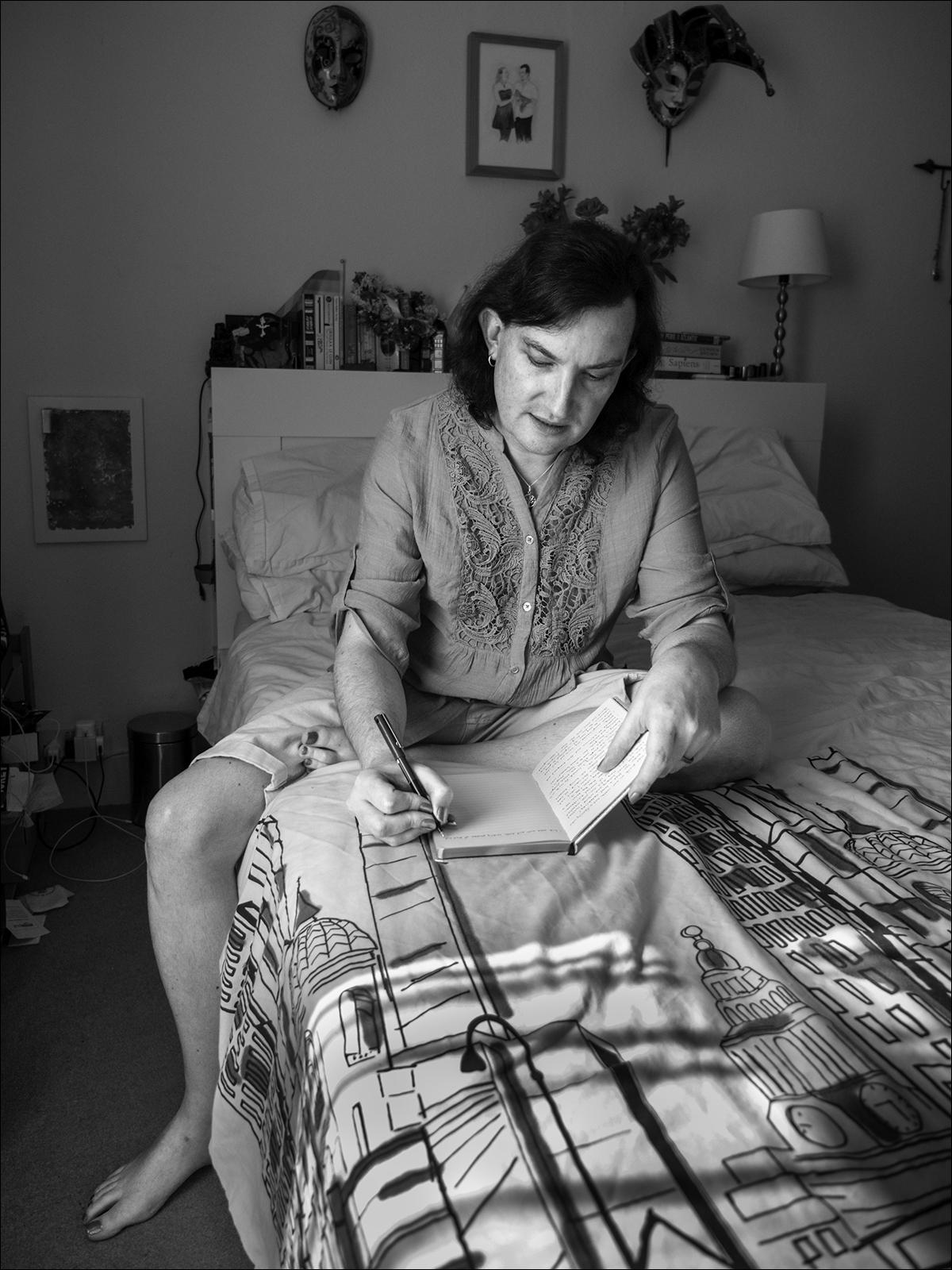
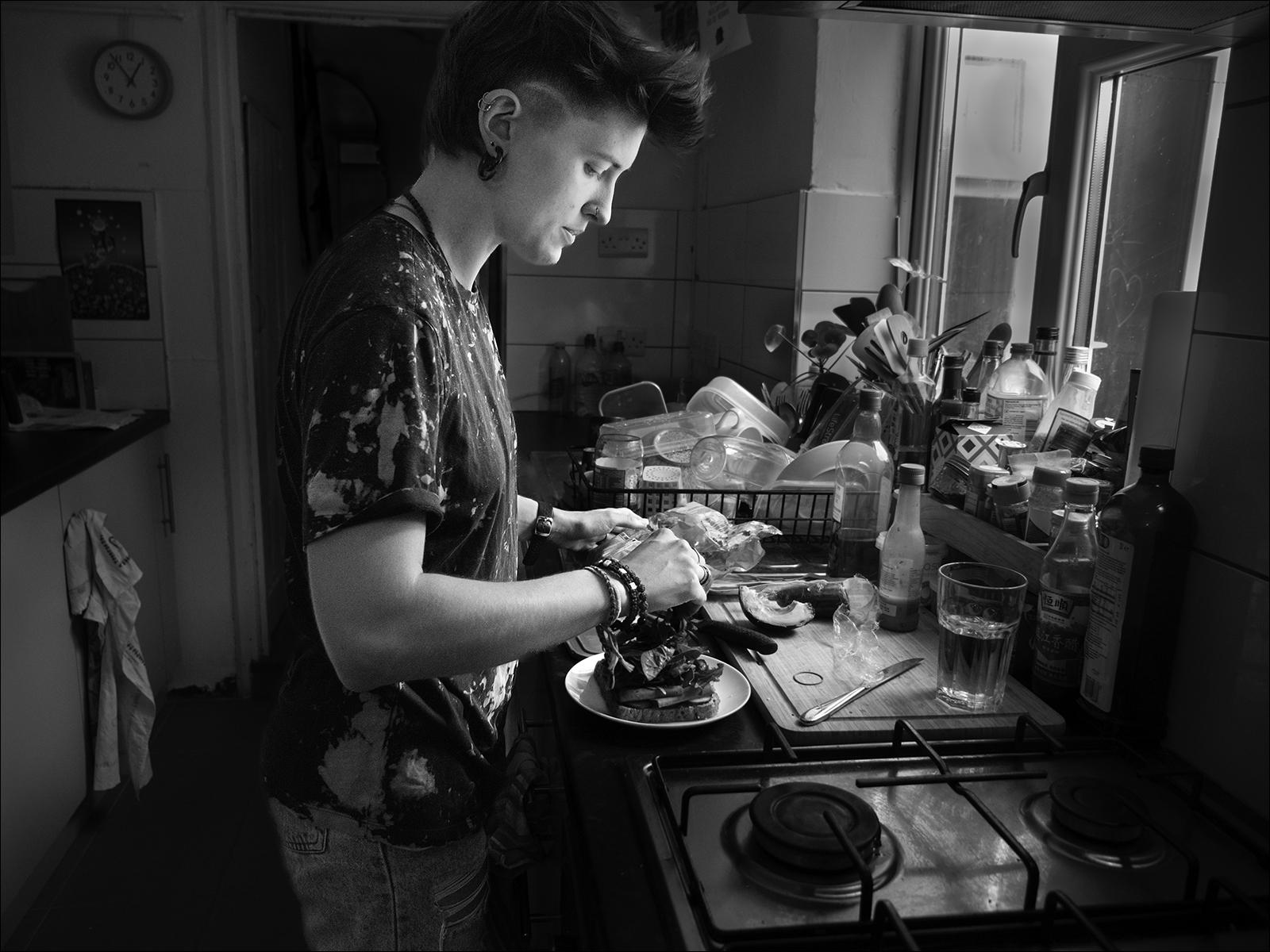
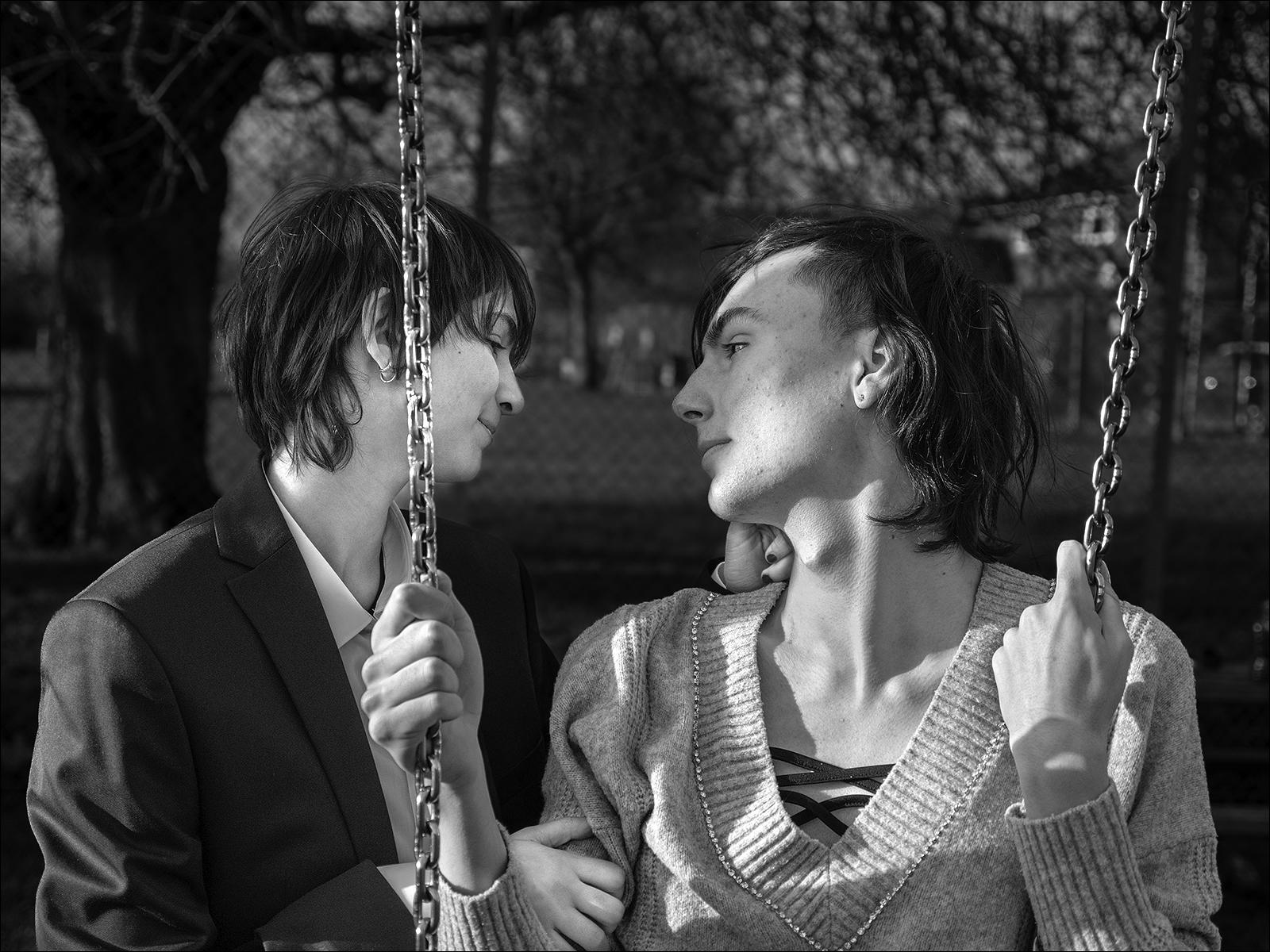
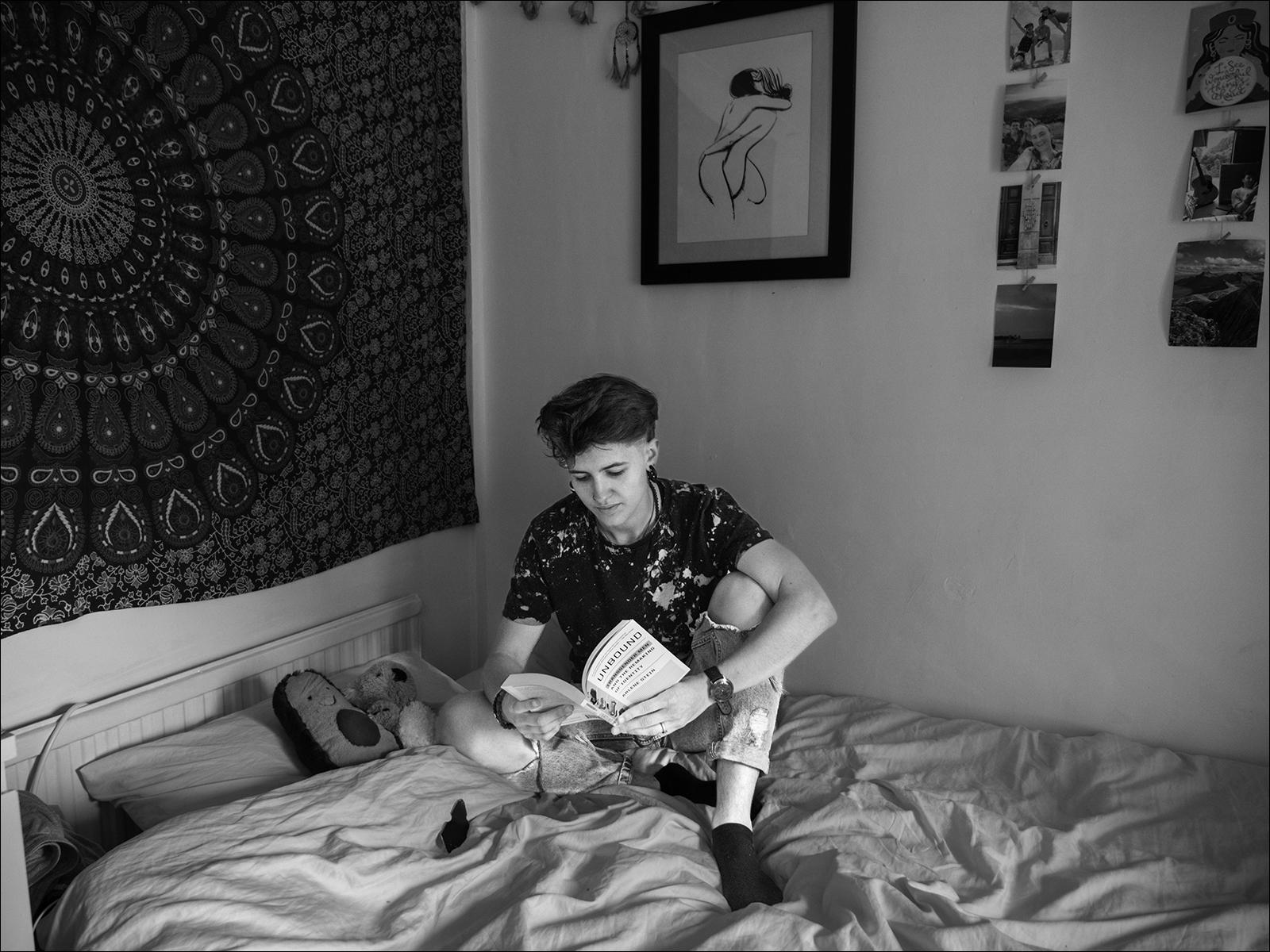
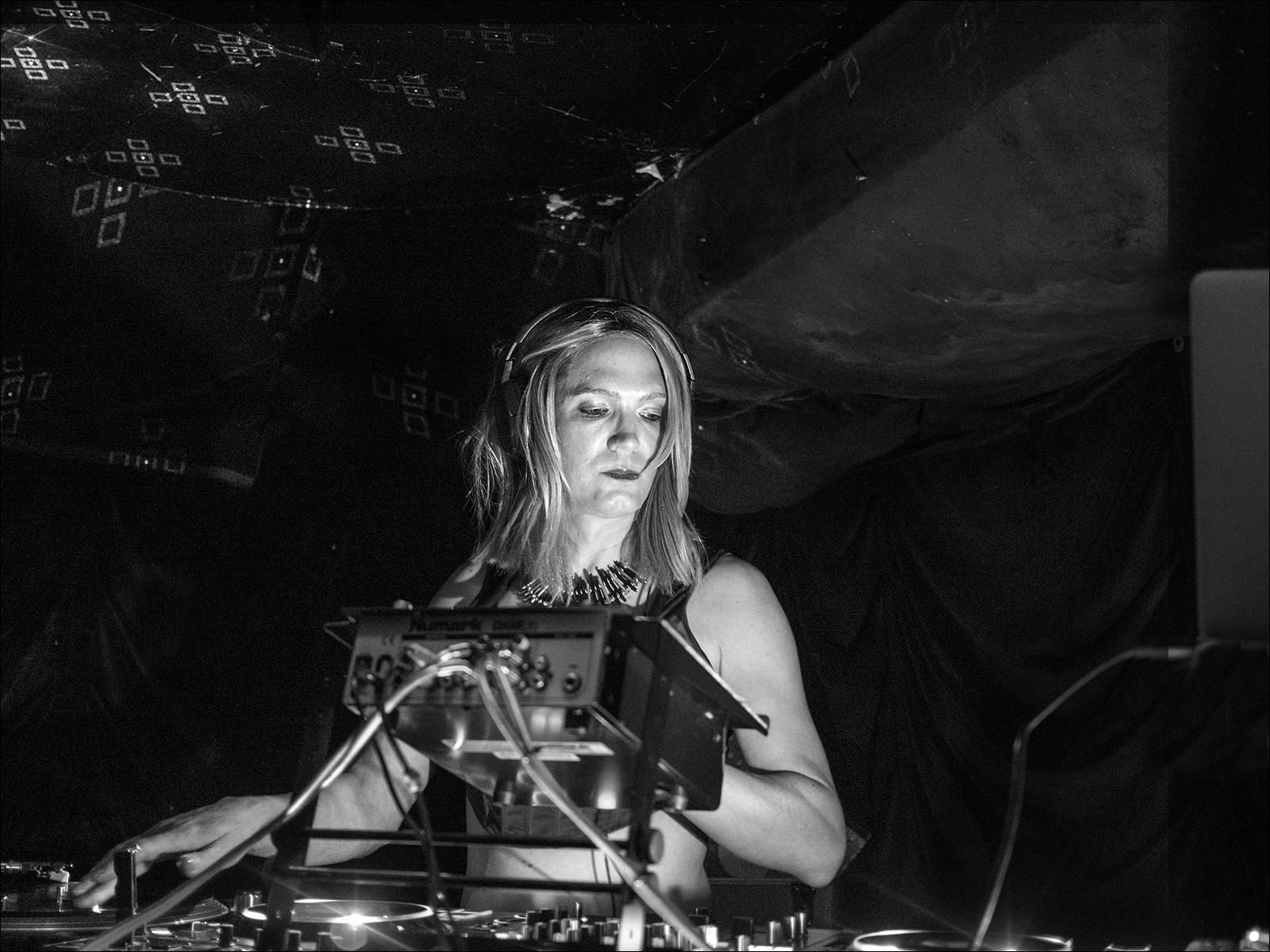
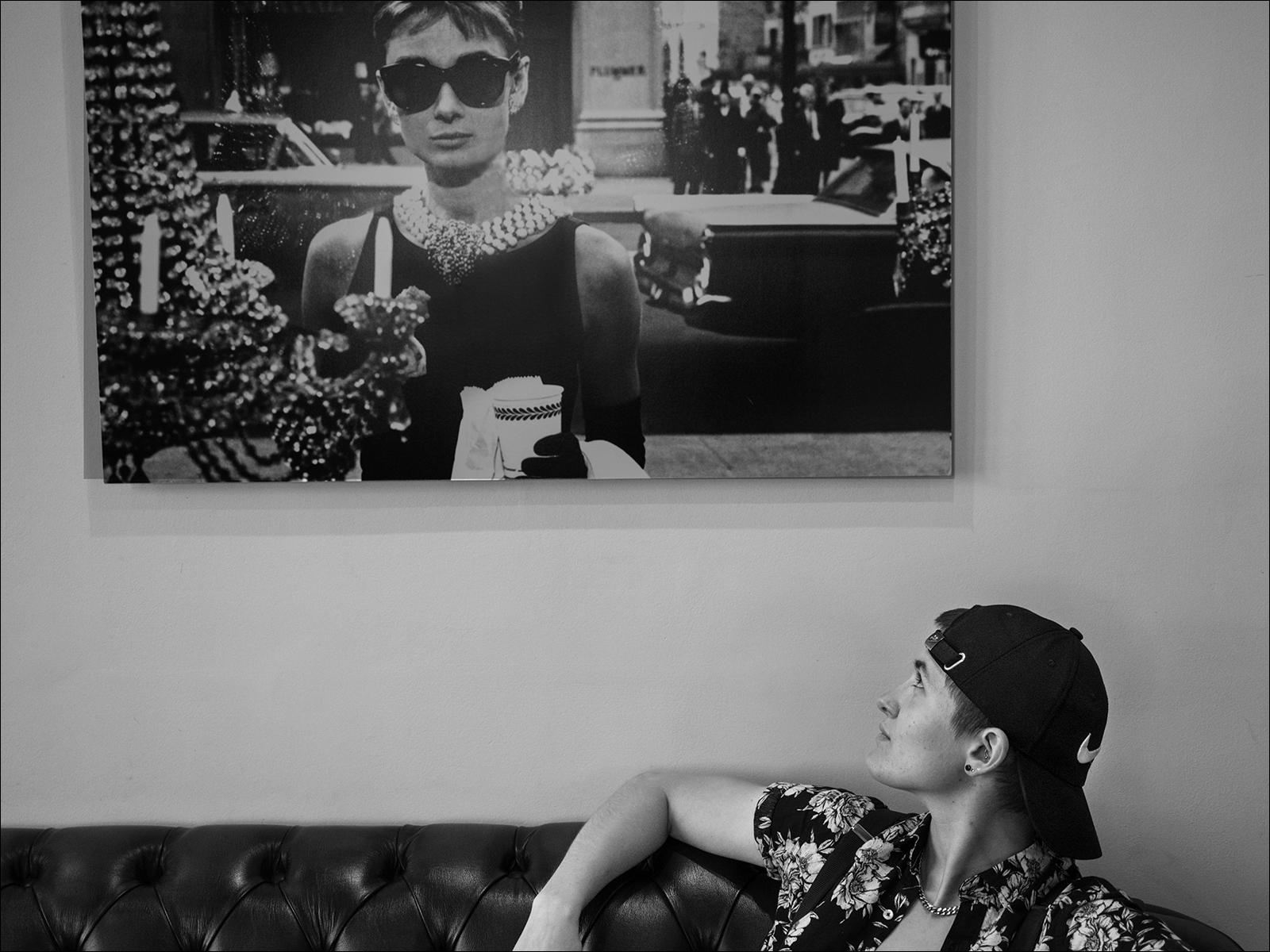
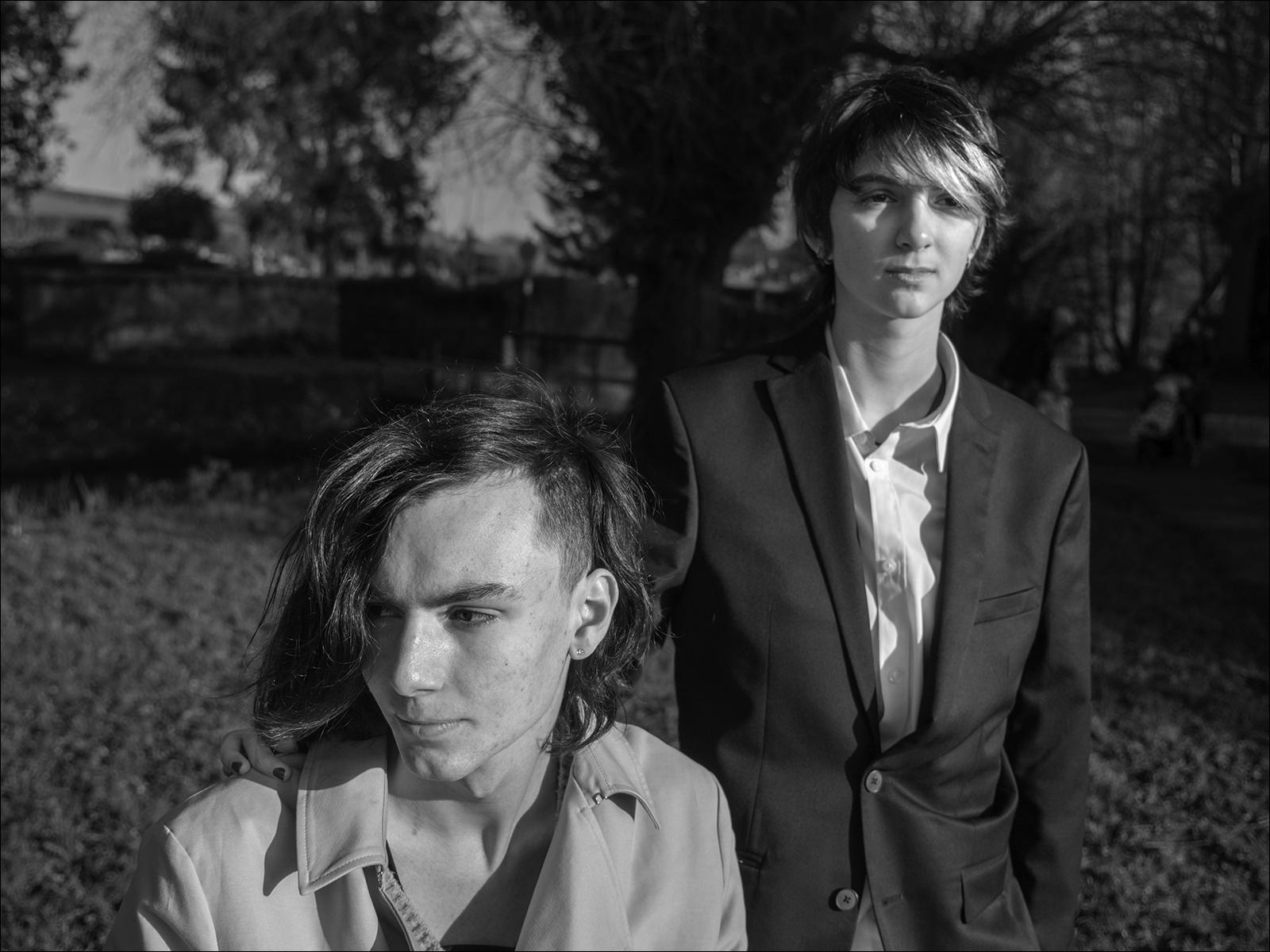
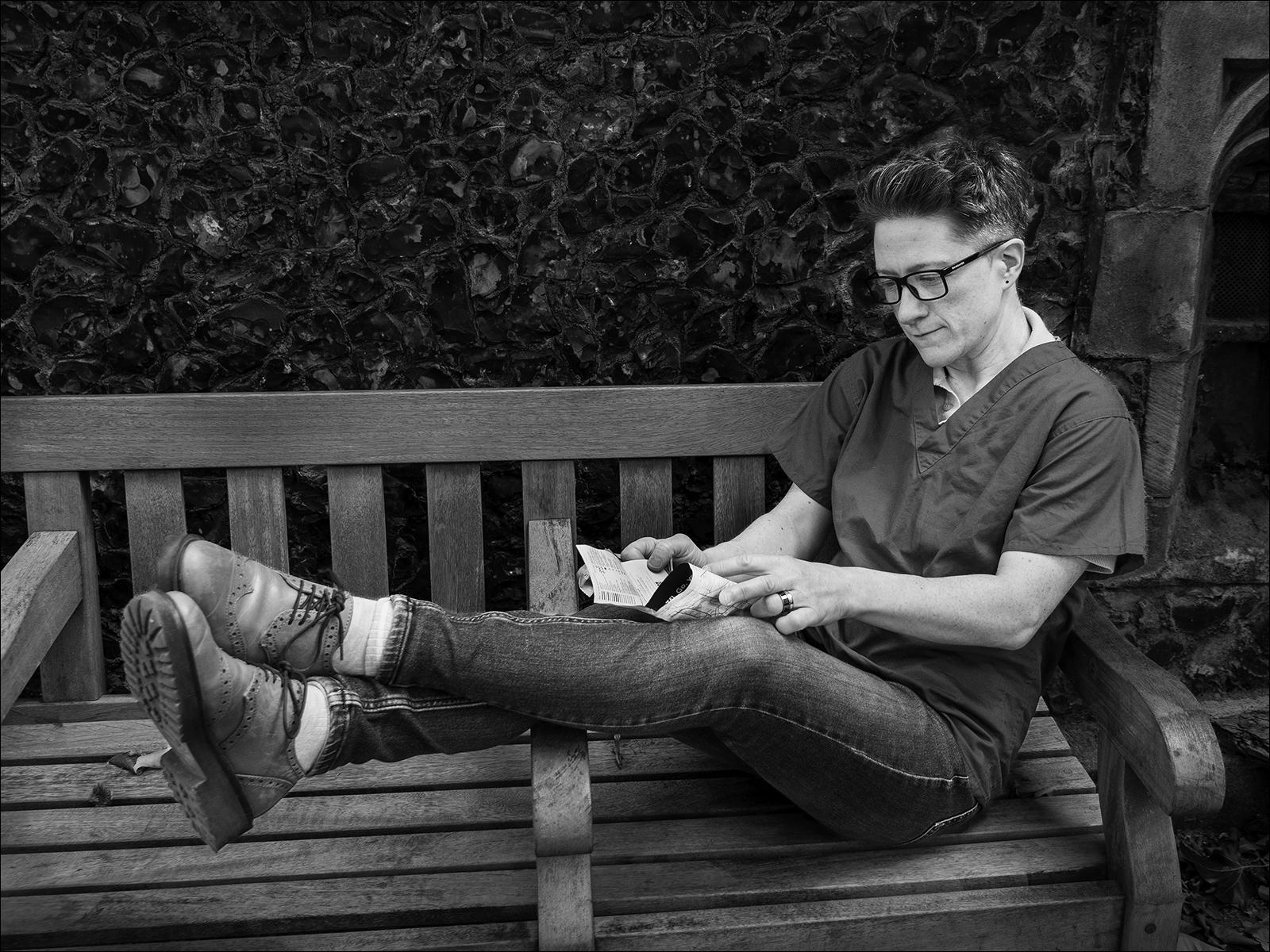
The Real Me documents seven individuals (some with their partners) who have experienced a gender transition. Each image presents them as they wish to be seen today. The project is a celebration of human uniqueness, free from stereotypes, commentary, or judgement.
As Jem, one of the participants, reflects:
“Looking back at my life before, it’s as if I lived with the volume turned down, trapped in an invisible box that made me sad without knowing why. I often felt like I was a consciousness piloting a body that was disconnected and separate from me. I want to live openly and authentically.”
Liz Vaz FRPS
Collaboration was at the heart of this work. Through conversations with each person, we built trust and shared life experiences, some harrowing, others joyful. Together we shaped photographic concepts that naturally unfolded into three themes:
Activities – daily life and rituals of meaning
Relationships – moments shared with partners
Portraits – expressions of presence and identity
I have chosen a layout for my images that is based on aesthetic coherence and reflects the dignity and individuality of each participant. This project leaves me with moments of connection, insight and friendship and a renewed conviction that, as we all progress on our human journey, more unites us than divides us.
DM - This project began with a close personal relationship. How did your friend’s transition shape the subject matter and your responsibilities as a photographer?
LV - My friend’s transition was a shock to me; I knew nothing about trans people, had never knowingly met one and felt completely ignorant. My friend had written an account of how life had felt, living in a body that did not seem to be their own, and of what it felt like to live with this secret which, in the end, became impossible to hide. I felt I wanted to learn more about trans people and wanted to use photography to help me do this. I wanted to do this in a way that had depth: getting to know the subjects of my images, collaborate on what pictures would work and show them as they are now. It was important that everything about this project was transparent and had participation and agreement.
DM - At what point did you realise this work needed to exist as a sustained project rather than individual portraits?
LV - I realised this from the start. I wanted to represent a variety of individuals as I thought this would be more representative of the trans community and I wanted to represent life lived as this provides more insight than just a series of portraits.
DM - The media often frames trans lives through crisis or controversy. Were there any specific narratives you consciously resisted?
LV - Yes. I didn’t want to show images of people in any kind of transition (medical or otherwise) as this is intrusive and personal and carries no message. I wanted to highlight the humanity of the people I was meeting, as I thought this was missing from media accounts.
DM - You describe presenting participants “as they wish to be seen today.” How did you ensure the participants had agency in the image-making process?
LV - I interviewed everyone first, we got to know one another a bit, we discussed things that were happening in our lives. We talked about the project, that I was looking to portray people as they see themselves. If the participant was interested in being involved (not everyone I spoke to was), we discussed what their life looked like (e.g. work, hobbies, partners, activities) and decided together what activities or scenarios might best represent them. All images taken were shared with them, and agreement obtained, before they were used in the selection that is shown here.
DM - Were there moments where collaboration meant stepping back or abandoning an image that might otherwise have been photographically strong?
LV - Yes, sometimes a participant did not like an image. At other times, they felt it might compromise them if a future employer saw it, so anything of this type was removed from any final selection.
DM - You emphasise conversations as central to the project. How did these conversations translate into visual decisions?
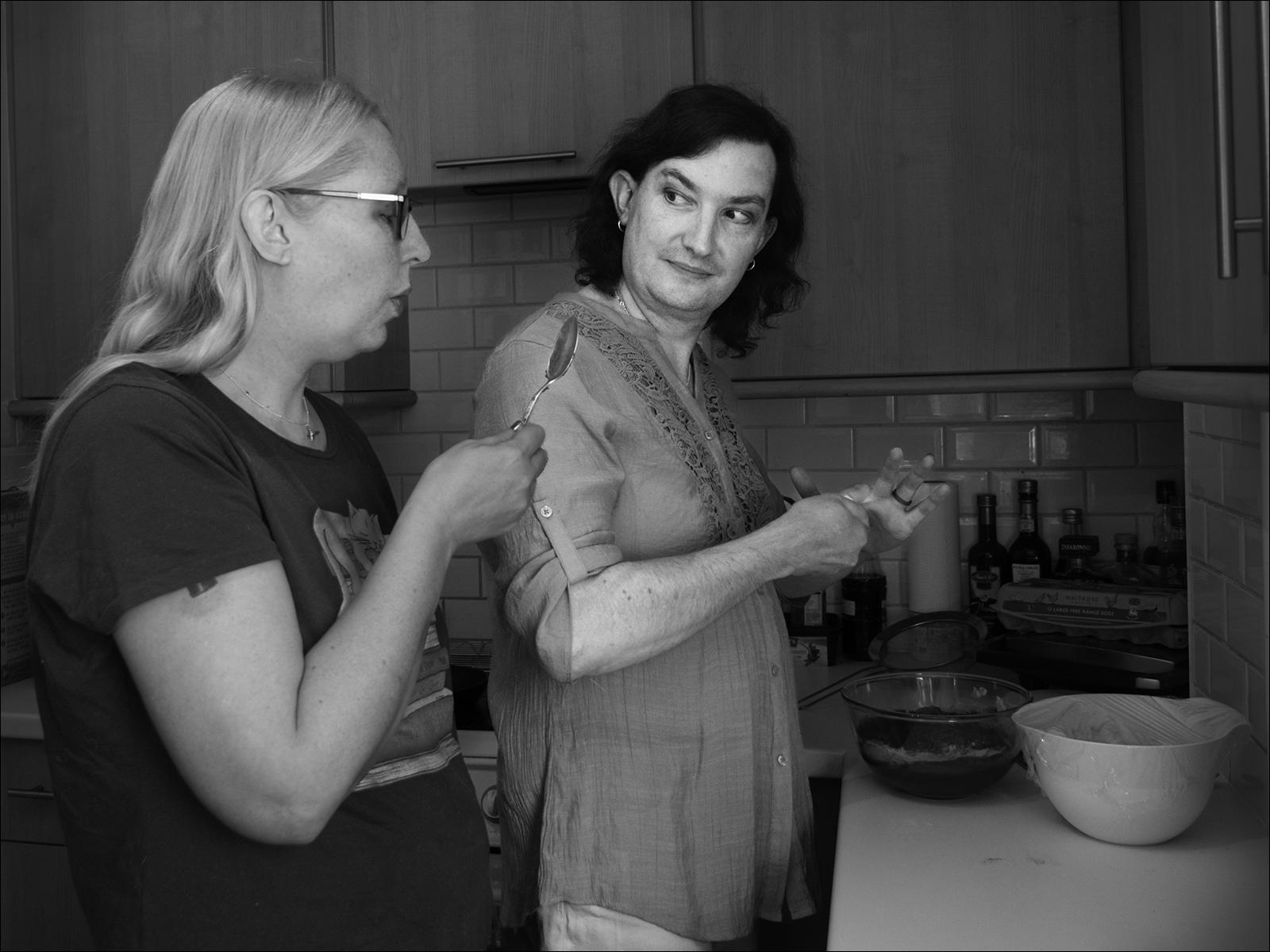
LV - For example, one participant talked about how they liked cooking. When I went to their home, they decided to make some cookies. I chatted to them whilst they were doing this and took pictures along the way. I didn’t want them to feel self-conscious, and this was best achieved by just talking (about life, about the cookie recipe etc). The specific images were not set up, they happened naturally. I liked, for example, the licking of a spoon, the mixing of the dough, the involvement of their partner in tasting.
DM - Can you describe a moment during the project when something intangible such as trust, became visually apparent?
LV - I feel that being invited into someone’s home to take pictures of them going about day-to-day activities is an example of this. Some felt free to be affectionate to partners and were comfortable for this to be photographed.
DM - How did you balance consistency across the series with the need to honour everyone’s uniqueness?
LV - I tried to edit all images in the same way, to not have repetition in terms of activities, and to choose images that, to me, really reflected each person as I had seen them during our photo sessions. I wanted to have a few portraits style images in the mix, and I felt that this helped the panel hang together. The portraits acted as an anchor.
DM - How has making this work changed your understanding of portraiture?
LV - It has made me see that my true interest is very much in environmental portraiture with no props, no special lights, minimal fuss, no studios, as natural as possible. And more than this, my type of environmental portraiture is based on trust, openness, collaboration and conversation.
DM - What do you hope viewers carry with them after spending time with theseimages?
LV - I would like them to see people for who they are (whether it be trans people or anyone else). To see that we are all on this human journey together. To see beyond what is said in the press about trans people. To see real people just living their lives.
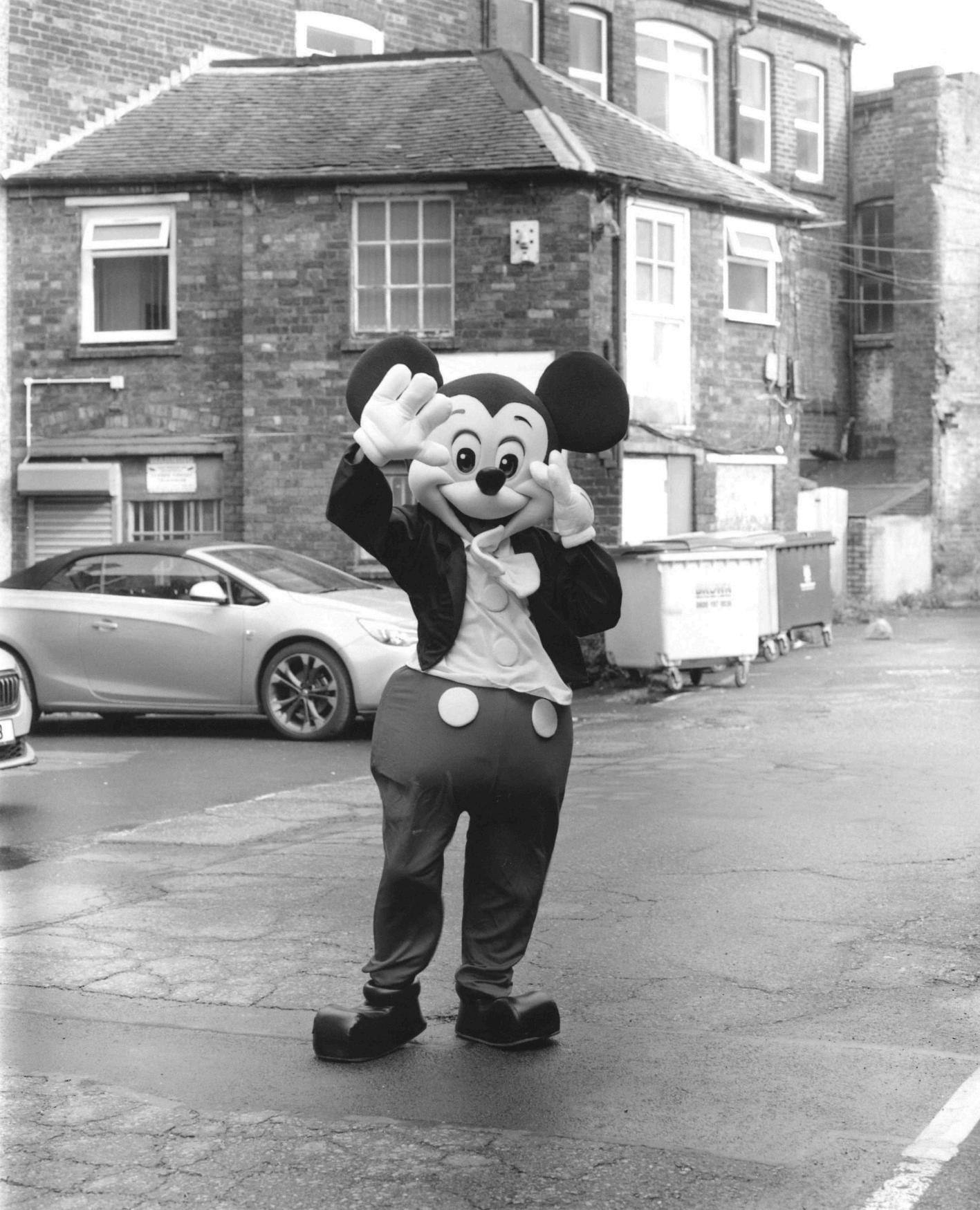
In this conversation, documentary group member Jake Wall reflects on his first solo exhibition, A Breath of Fresh Air in the City of Six Towns, a project rooted in his personal connection to Stoke-on-Trent. Revisiting earlier work with a clearer sense of purpose, Wall positions his practice within a broader effort to challenge reductive narratives about the city, instead foregrounding community, humour, and lived experience.
DM -Can you describe how A Breath of Fresh Air in the City of Six Towns came into being, and what compelled you to work in this place?
JW – Last year, as part of my university studies, we were asked to start a new project with the aim of raising our own voices as photographers and begin to define our own practices. I decided to revise and revisit my A-Level Photography project Stoke Odyssey, which I worked on in 2023-24. When the exam deadline came in 2024, I did not feel as though I had resolved this project, and I also felt that I had been somewhat directionless in what I was trying to say about the place I was photographing.
I come from Newcastle-under-Lyme, which borders Stoke-on-Trent. I think that, probably beginning with my college project, and as I have matured more as a person and have been more active within the local community, I have come to appreciate what the city has to offer: the people, the culture, the heritage, the community. Online, there are many people who are advocating for the city, fighting against the chain of online influencers who represent the city negatively from an outsider-in point of view. I was inspired by media producers like The Red Haired Stokie and The Knot, and so I wanted to reboot my college project with the purpose of contributing to this growing, optimistic documentation of the community, life, and love in Stoke-on-Trent.
Regarding how the exhibition came about, it was simply cold outreach. I felt that the best way to round up this project was to display it to the very people it aims to represent. It’s also great that I can show this project to people who are visiting the city.
the City of Six Towns
DM - What themes or ideas revealed themselves through the act of photographing, rather than at the outset?
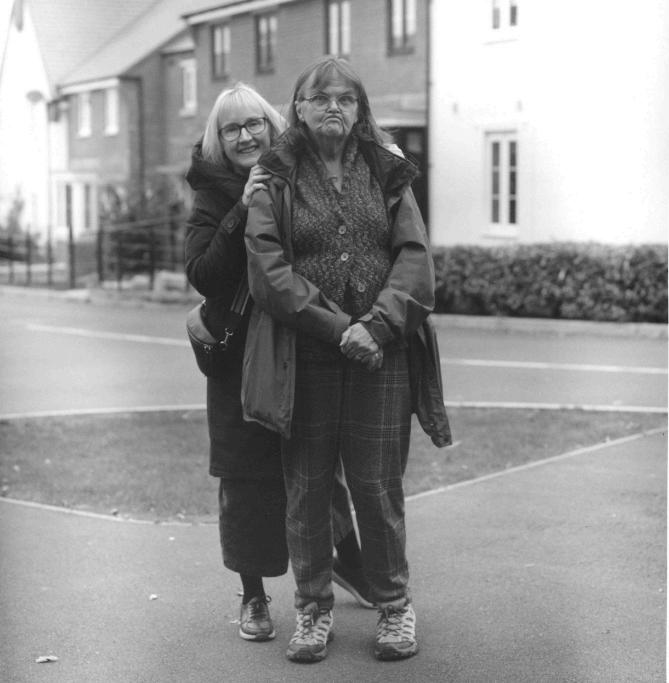
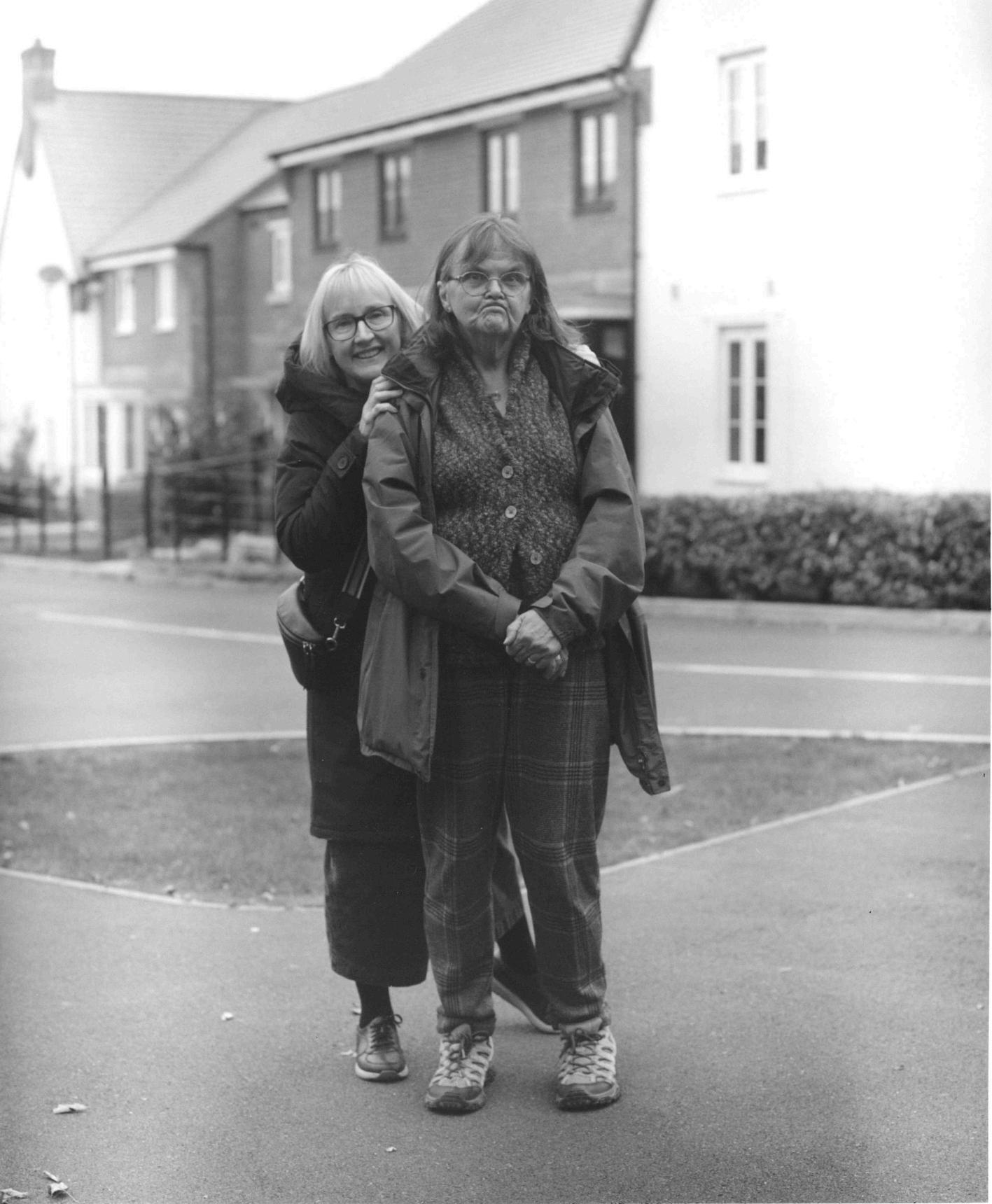
JW – I think it helped me realise that documentary photography can be fun and playful; I cite the portrait of the two ladies pulling funny faces. One photographer who’s inspired me since my first introduction to documentary photography was the late Martin Parr, who proved that humour and light-heartedness have a place in this genre, where perhaps there’s historically been a bias against it.
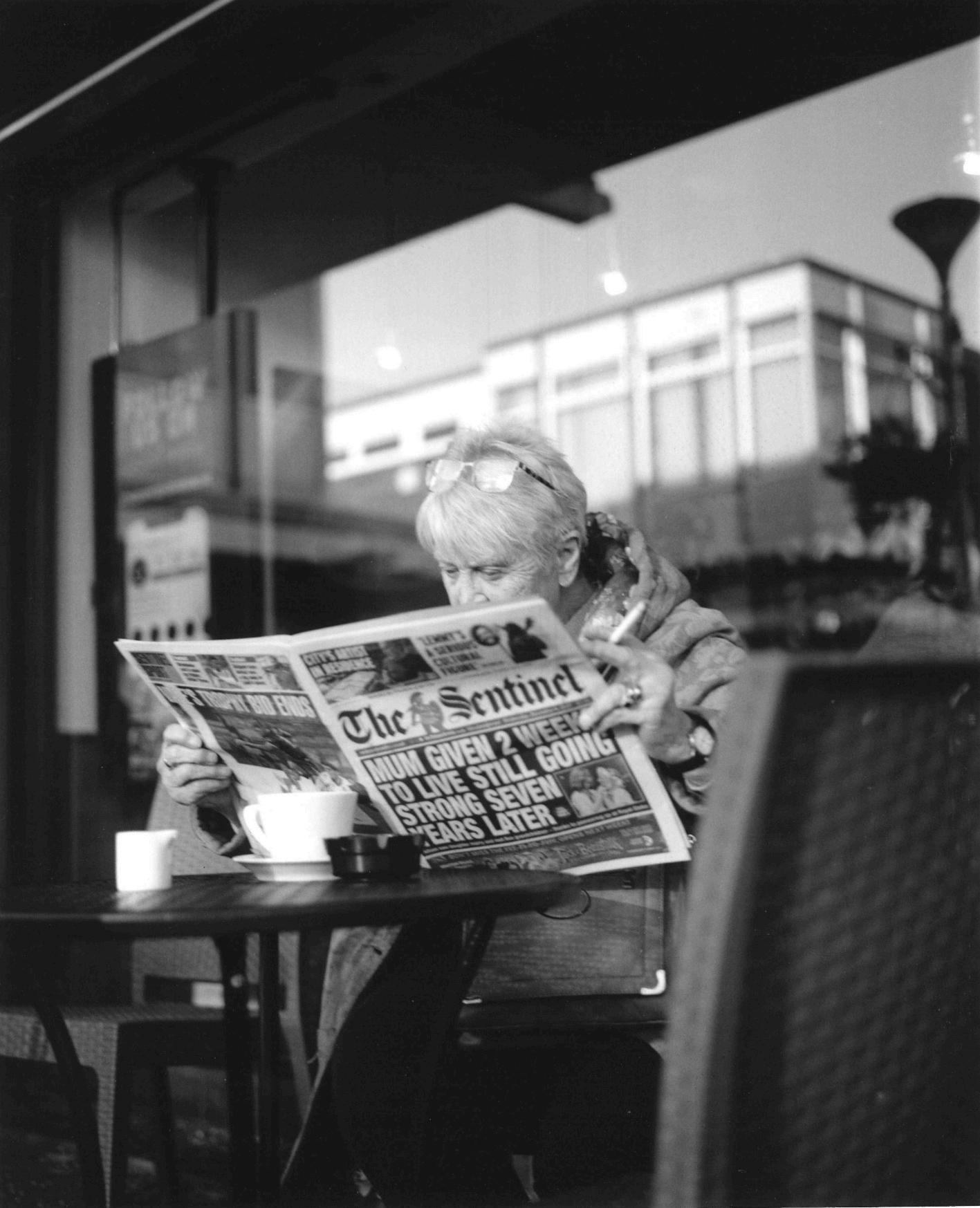
I also found myself having to wrestle with how to keep my work true and authentic. I had to balance being a director but also allow the portrait form naturally. For most of my portraits, I let the person I was photographing assume their own pose, within the environment that I found them. Going back to that portrait of the two ladies, I had a conversation with them beforehand and realised that they were a bubbly pair. When I proposed making the portrait, they made a joke of assuming that position, and I think they were surprised when I said YES! In other instances, I asked people to assume the position I found for them (for example, the lady reading the newspaper). I suppose really it was a case of asking them to be ‘as they were’ or allowing them to take some autonomy over how they represented themselves which I think is authentic.
DM - In editing the work for exhibition, what principles guided your selection and sequencing of images?
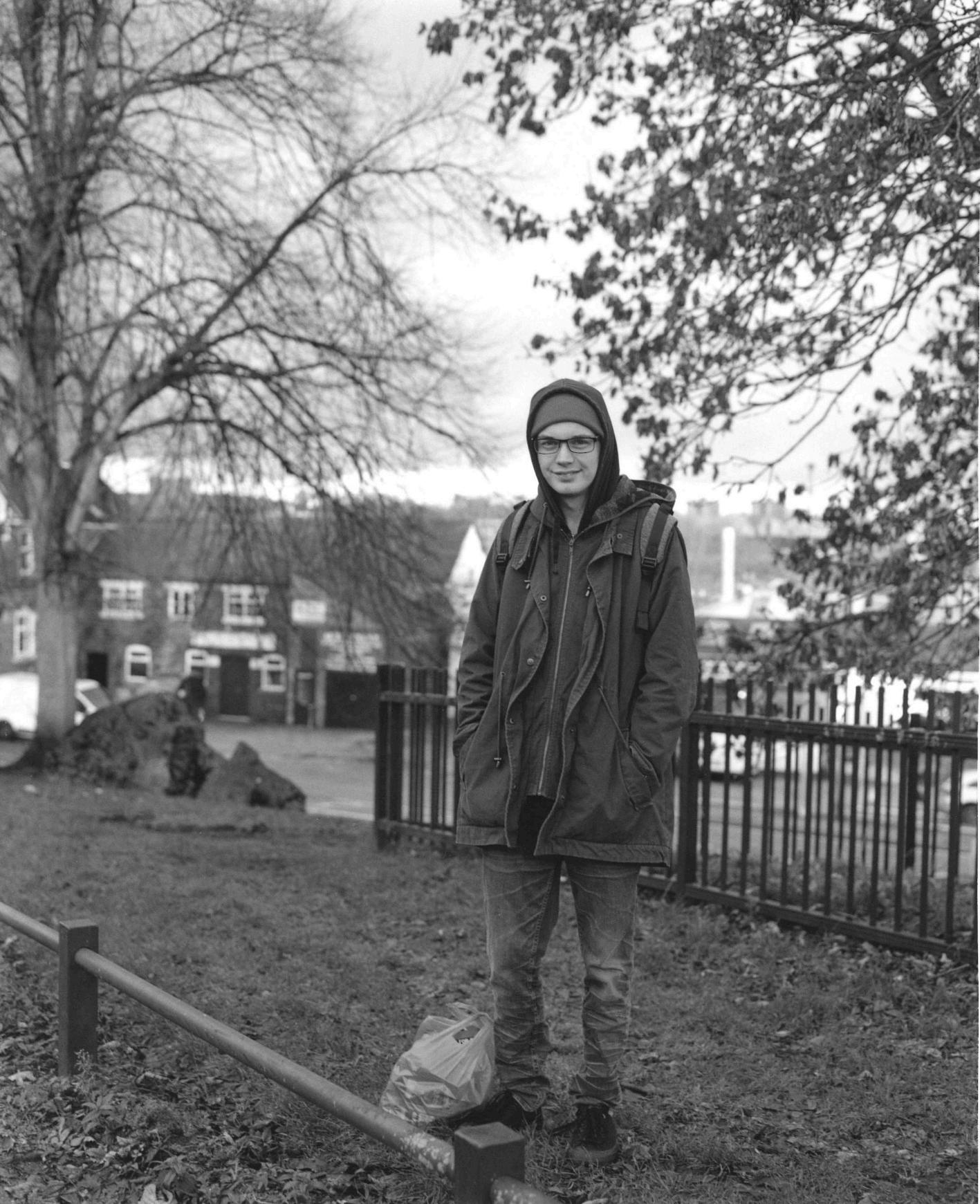
JW – I obviously wanted to include the portraits of people who reflected what I wanted to say about the city. I also wanted to make sure a diverse range of people were included within the final edit. These photographs were all made on 120mm film, and hand developed and printed in my university darkroom, so I wanted to make sure that the prints I displayed were technically good too.
For sequencing, I began by organising my edit into diptychs and triptychs, informed by many factors, be that similarity of form, content, feeling etc. It was from here I considered how to bring these groups of photographs into one.
It was then a matter of working with the space available. I didn’t feel that a simple, linear, left-to-right display was right for this display. It didn’t feel right to ‘order’ or ‘rank’ these portraits in the uniform one-after-another layout of, for example, a conventional photobook.
DM - Your first solo exhibition marks a significant moment in any practice. How do you situate this show within your development as a photographer?
JW – For me, it’s been a great learning process, having the experience of collaborating with a real gallery, alongside curating this display. I am very grateful to the staff at Middleport Pottery who I have been working with, for being supportive and patient with me throughout this process. I’ve been involved in a few group exhibitions before, primarily through open calls, but this has been my first time at the helm.
It has also been a great confidence booster and I know that, at least in the short term, I want Stoke to remain a central theme within my practice and future work. I am also aware that a key to progression in anything is momentum, which I really think this exhibition has lent to me.
DM - How did the transition from making photographs to presenting them in a gallery space shape the work?
JW – I’m not sure it shaped the work as much as it made me think about the consequences and ethical considerations around showing the work. As photographers, we have a great amount of power over how images are interpreted, not only through the contents within the frame, but also in evaluating where the images are circulated and exhibited, and under what greater social contexts the work is situated within. Therefore, having this opportunity meant taking on a greater level of responsibility over my own work, and on behalf of the people who were kind enough to be collaborators within the photographs.
I suppose, in a sense, it meant that I had to be much more deliberate and thoughtful, thinking critically about how and where the work was displayed, and what my anchoring artist statement would say.
DM - What kind of encounter or reflection do you hope the work prompts in a viewer?
JW - I think what caught me out during the A-Level chapter of this work, was that I thought photography could be objective. I have since come to appreciate that this is impossible. Behind every camera is an eye with a bias, and I accept that photographs are just as much a mirror of the photographer as they are a window into a time and place since past.
I hope, through presenting examples, I have encouraged people to think more positively about the city and its community – especially against a media landscape which so often represents the city unnecessarily negatively. Whilst yes, Stoke isn’t without its problems, I hope my project inspires people to critically think about their feelings towards the city, by contributing to the increasing number of people who are interrupting this echo chamber.
Wall is clearly a photographer attentive to the responsibilities embedded in documentary practice. His reflections move beyond image-making toward questions of representation, authorship, and the social life of photographs. The exhibition signals a consolidation of his engagement with Stoke-on-Trent and a commitment to developing a more deliberate, self-aware practice. In that sense, A Breath of Fresh Air in the City of Six Towns marks the beginning of a longer trajectory rather than a definitive statement. We look forward to seeing more of the story.
As he steps down as Chair of the Royal Photographic Society’s Documentary Group, Mark Phillips leaves behind a period of sustained growth and quiet structural change. During his tenure, membership has more than doubled, new platforms for engagement have emerged, and the Documentary Photography Awards have expanded into a nationally touring exhibition. In this conversation, Philips reflects on the evolution of the Group, the challenges of maintaining relevance in a shifting photographic landscape, and the enduring importance of narrative, integrity and community within documentary practice.
When you look back on your time as Chair of the Documentary Group how has the Group evolved?
The obvious one is membership which has grown from around 300 to nearly 700. We also have more events on.
A big change was creating the Documentary Photography Awards (DPA), it has evolved from a small internal Documentary Photographer of the Year competition to an Awards and Exhibition that still recognises members, and students and an open category. It has gone from a one week show in London to a touring exhibition in the UK. I see this as important as it works on different levels –obviously, to showcase members work but also to support the wider documentary photography community. We have also built good links with some regions as part of it.
Were there any projects, exhibitions, or initiatives that you feel best encapsulated your vision for the Group?
Apart from the DPA our Engagement Talks, which we started in early Covid lockdowns, have attracted some great photographers and upcoming talent. For me that is a balance we should try to maintain.
As I took over, we had just started “regional sub-groups”. Many of those are still going (we now refer to them as local teams) and some are run jointly with Contemporary. For a Group (or SIG), this is a good way to put local events on. I remember one of the first things I had to do as Chair was cancel some workshops as we had no attendance and would lose a lot of money. To me that reinforced thinking carefully about what we did in the main Group (and ‘centrally’) and locally. I still think there is opportunity to develop this further, and I would love to see more local groups putting events on. There is funding to support this.
Is there anything you would have liked to implement but did not have the opportunity to realise?
I would like to have taken education further but with a small team and challenges with our IT systems it would be too much. But I hope to do something on this now I have stepped down – provided Harry and the committee want to.
The RPS Documentary Group sits within the wider structure of the Royal Photographic Society. How do you view its distinctive role?
There is one thing that separates documentary from other groups and that is narrative – telling stories, making people think or question. It is also very socially engaged dealing with local and global topics which can be quite challenging –doing this with integrity and ethically has always been important.
In an era saturated with images, what do you believe distinguishes meaningful documentary practice?
Meaningful documentary practice encompasses authenticity, integrity and important or interesting stories. Documentary photographers working (at all levels) have the potential to tell important stories about something personal, about their community or the wider world.
Knowing it is the authentic work, by a real person (and not AI) is an important part of that story and its credibility. Having said that, the world moves on and documentary work like that of Picture Post and Life was well over half a century ago; practice has moved on. So, it is important that the Documentary Group and the RPS do too. If we do not, we lose relevance.
Are there photographers, writers, or filmmakers who have shaped your thinking in recent years?
The photographers who have influenced me include Martin Parr (who I personally knew and who critiqued my photography in the way only Martin could – but also helped me with research and ideas), Alec Soth (for his thoughtful narrative and photobooks), Mathieu Asselin (for his research based approach to Monsanto, that influenced the approach I took to ‘unbroken’). More recently, and probably less well known, are people like Federico Clavarino who use a ‘thread’ to link multiple stories together.
Your own photographic work has run alongside your role as Chair. How has your practice evolved over this period?
When I first joined Documentary, my focus was mainly street photography. But I found that for me it was a bit shallow, a bit like trophy hunting and some of the so-called ‘rules’ some leading proponents were espousing were just plain silly.
I still occasionally use ‘street-like’ approaches by building images through those layers and candid approaches, but it rarely forms the entire project. I now prefer to use a wider repertoire of approaches to try to tell more meaningful stories.
How can the Group continue to support emerging documentary photographers while also engaging established practitioners?
It is a big question and one the RPS itself grapples with. One of the things I have indicated I want to do is focus more on education and mentoring. That would help the group in part. My hope is to continue to do some basic courses on ‘documentary’ planning, research and field work and making the work. I’m hoping we can also run some in-person editing and sequencing workshops.
As well as that I have informally mentored a number of photographers working on projects and seeking distinctions. I hope to be able to continue to do this.
Engaging established practitioners is more of a challenge, as the RPS wrestles with the conflicting demands. For me ‘education’ is the key. I think the appointment of Anthony Luvera to RPS Director of Education will really take this forward.
What advice would you offer your successor?
Do not take on too much!
Expand the team and bring new team members in regularly.
As you step down, what are your plans?
I’m currently working on a photobook which is close to completion. It is in the final stages with a well-known book designer. I plan to make a book dummy and enter it into some awards (you never know). Then it will be trying to get it published.
I’m also working on a new project, this one focussed on where I grew up – in the Tamar Valley – I am looking to develop it as a series of stories (with the river as the connection) exploring the impact of history (environmental pollution, loss of industry etc) and how the area is recovering and finding solutions.
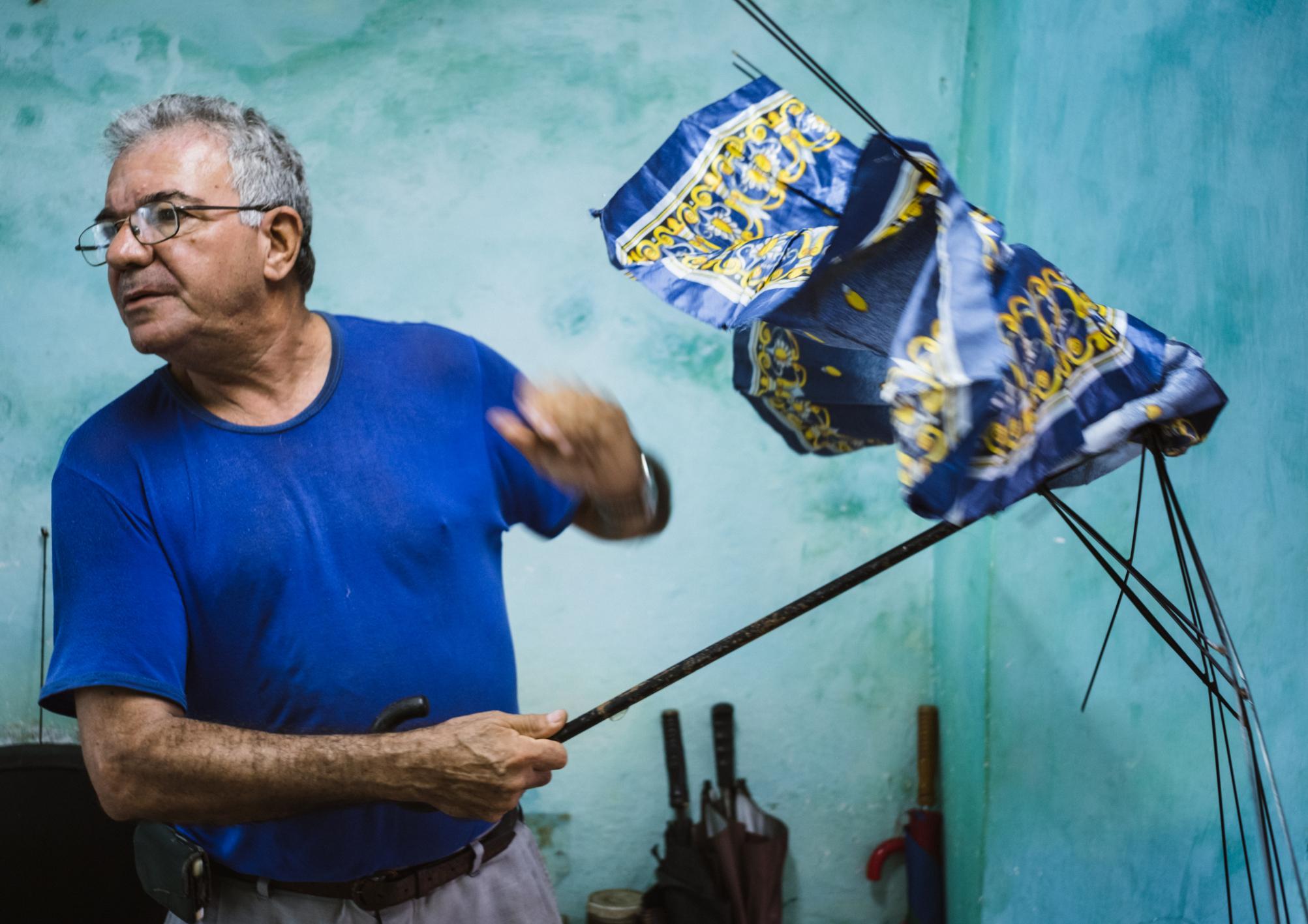
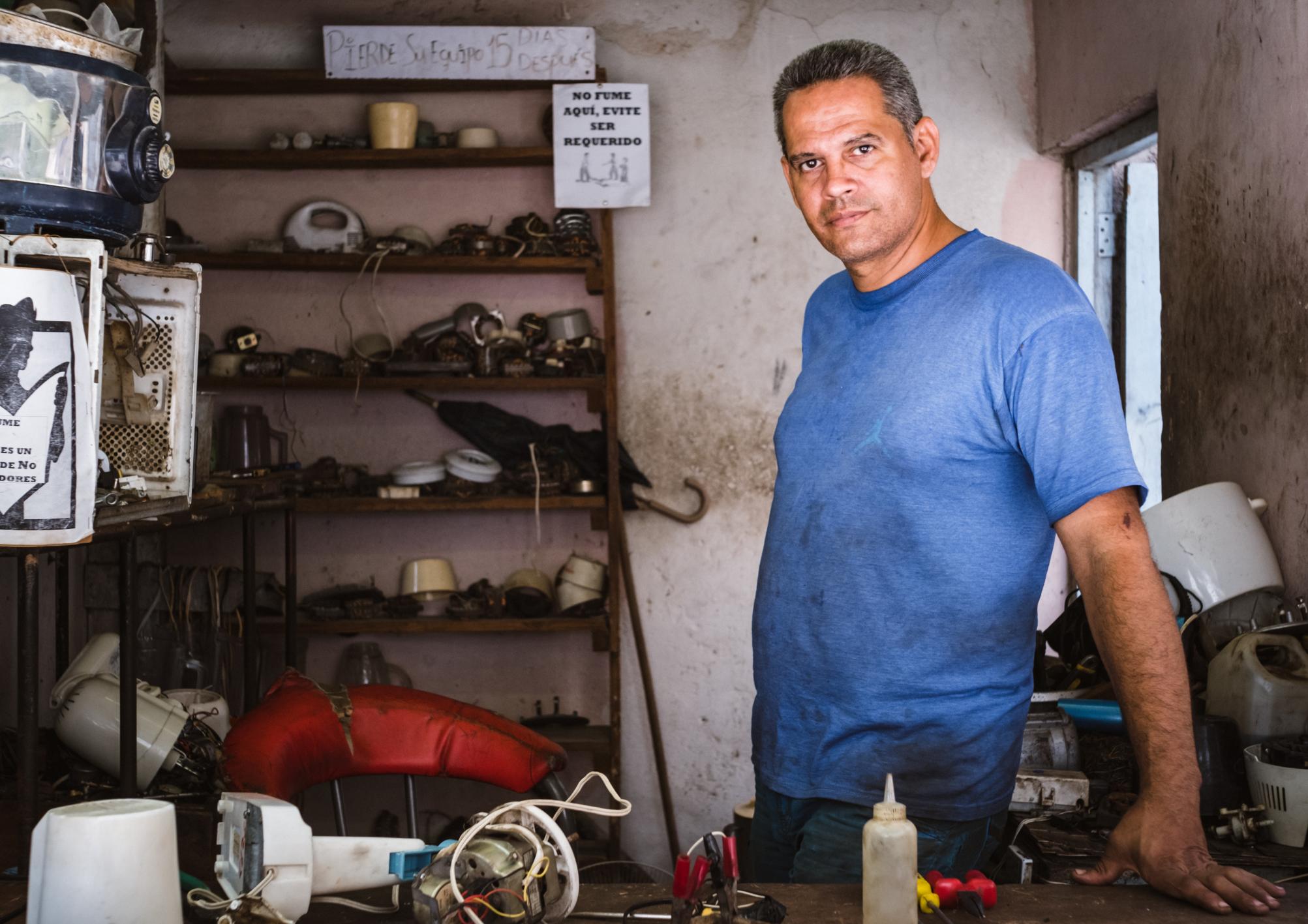
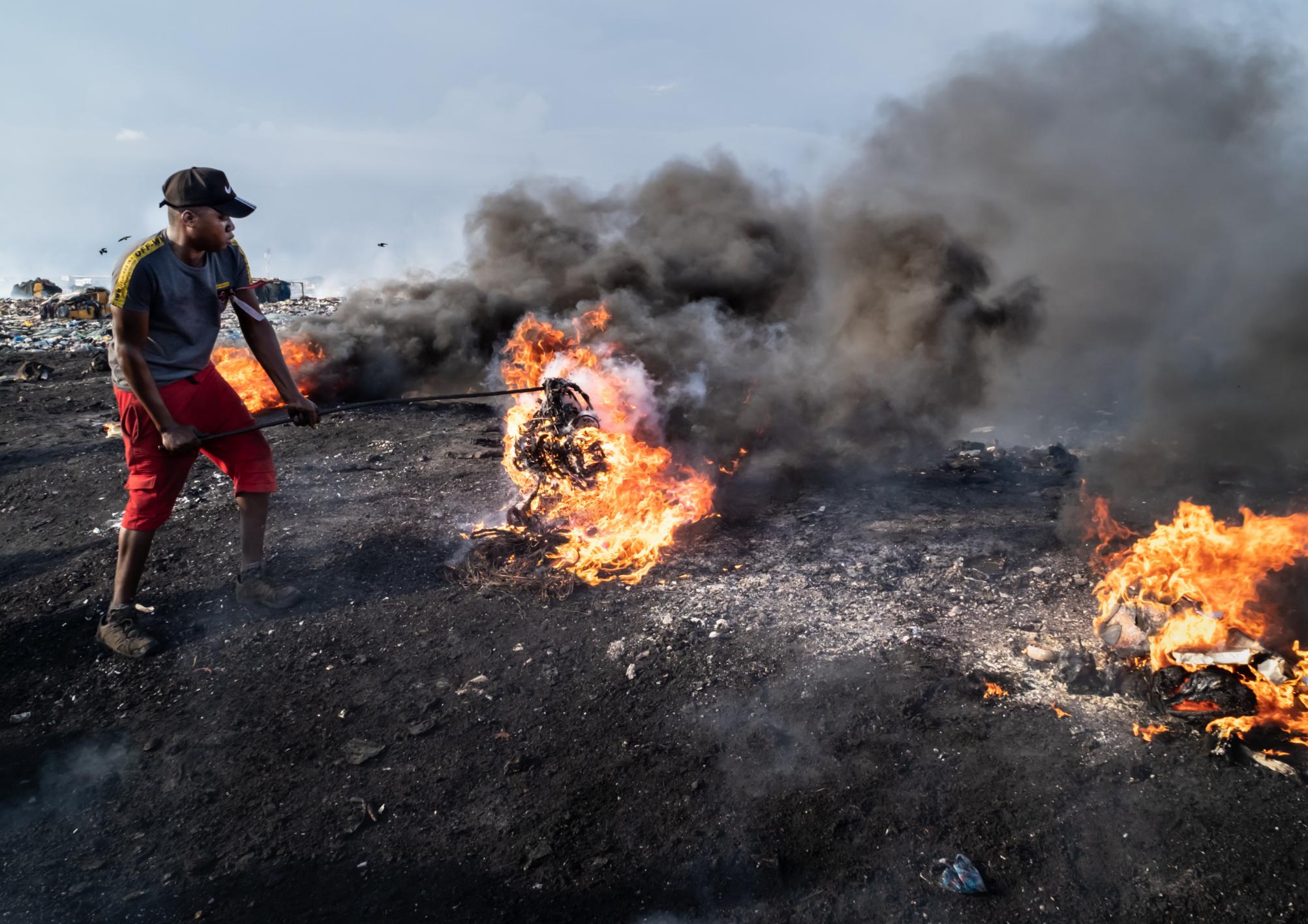
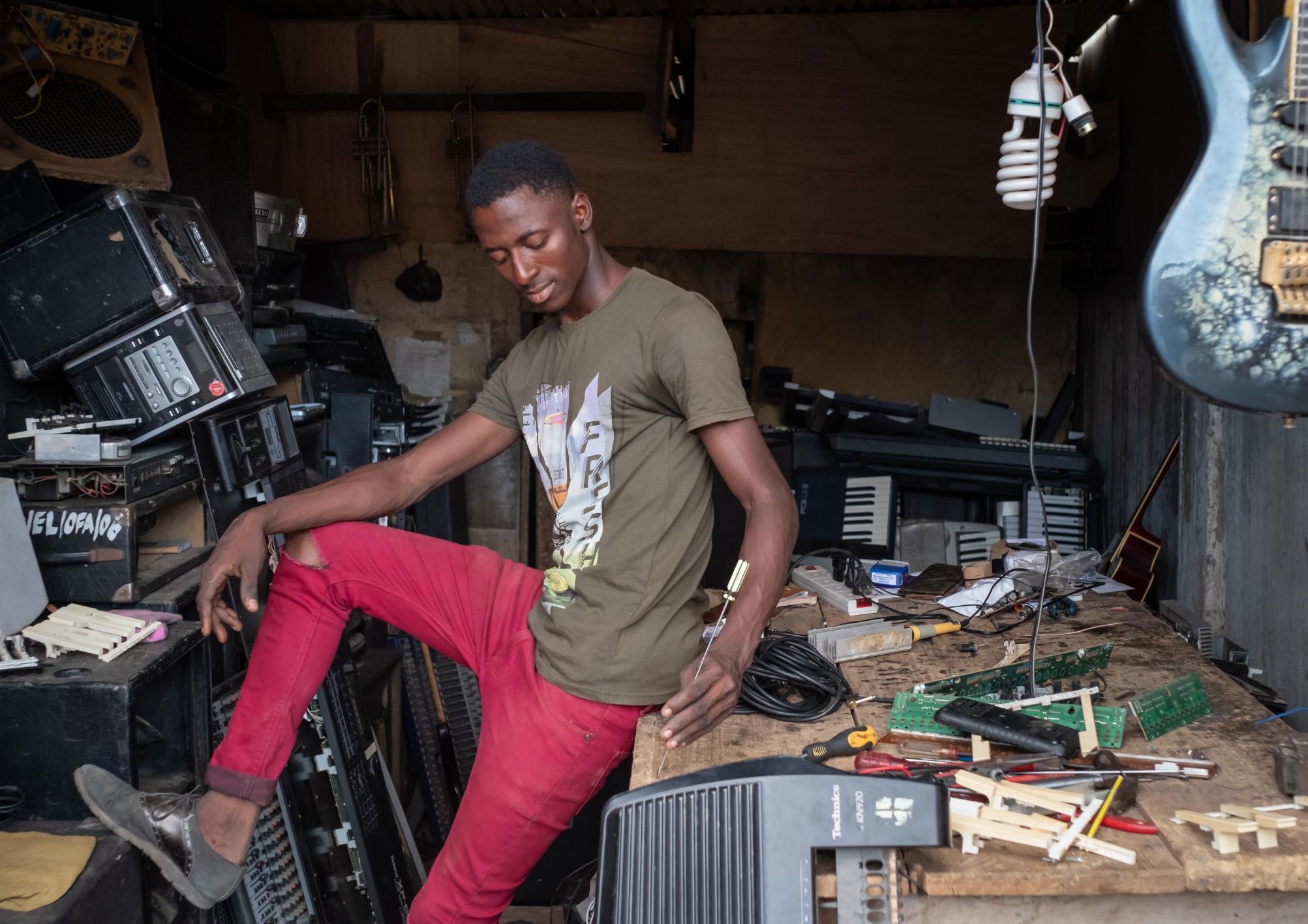
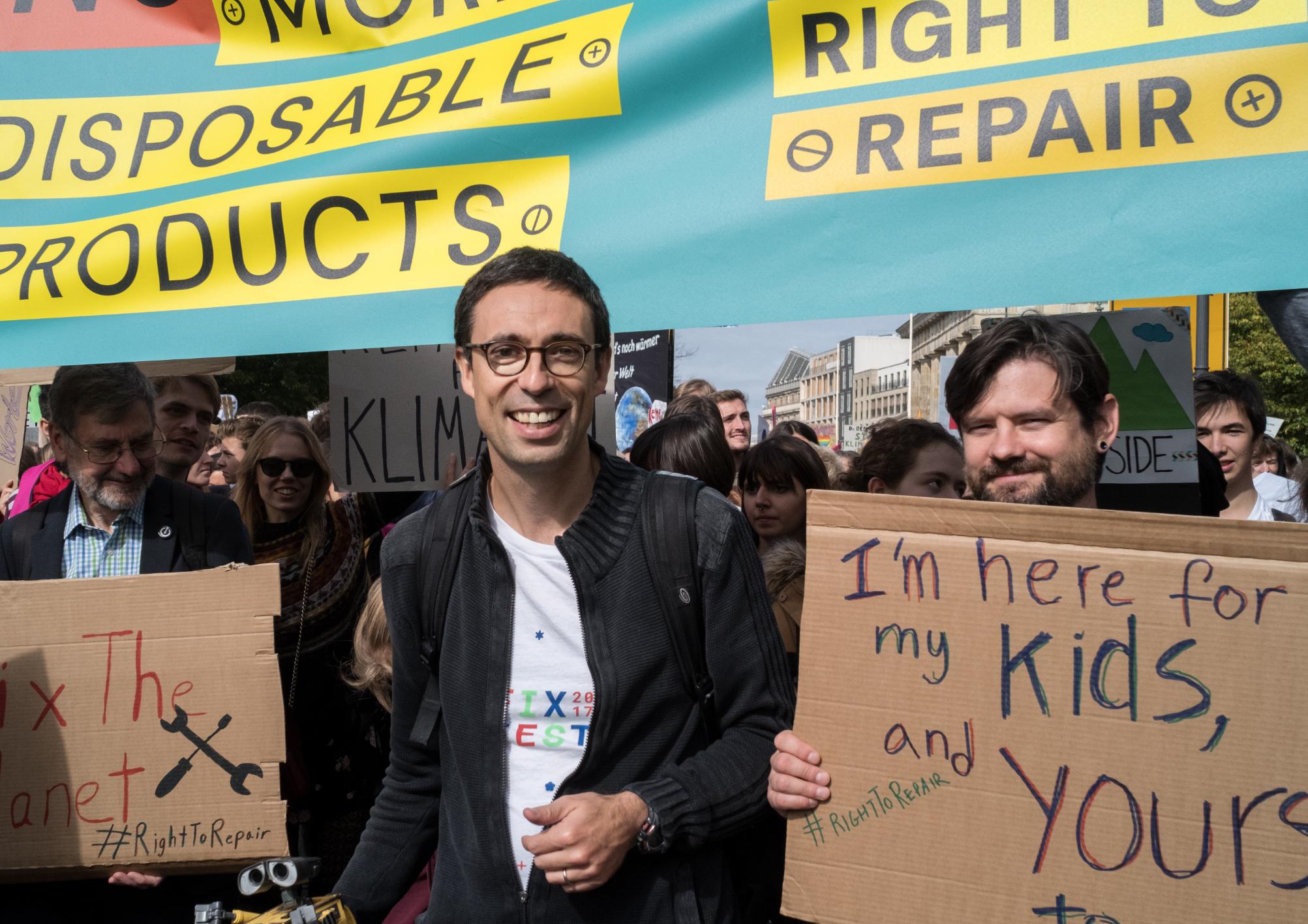
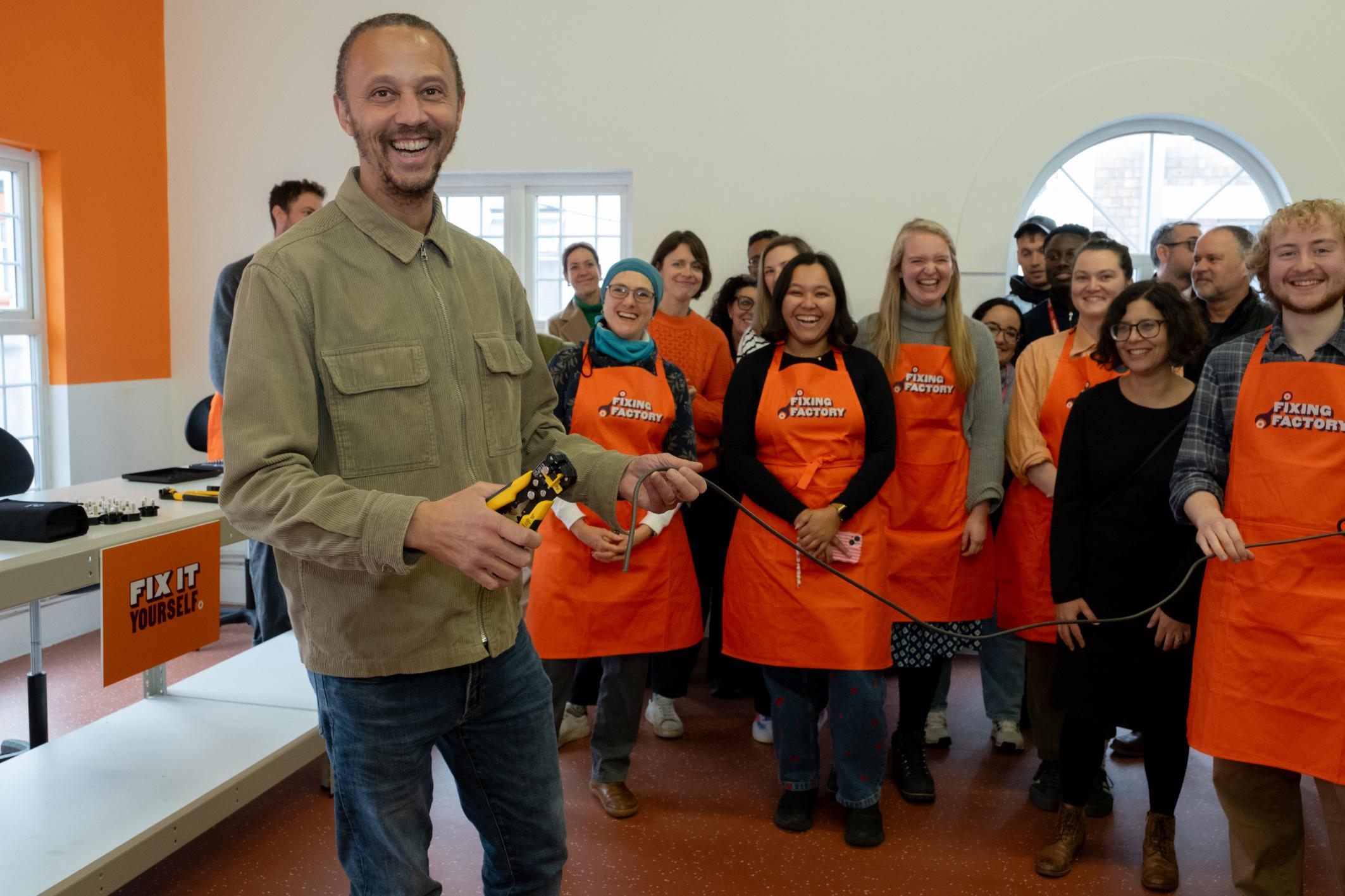
At the heart of all my projects – on repair, on urban sports, on enclaves – are solutions. Too often we hear bad news, stories of crises, disasters and problems but rarely do we hear of thoughtful stories of solutions. I do not mean the trite ‘end of news’ good news story, but something meaningful that points to things we can do better and improve our communities and more.
Philips’ reflections point to a consistent through line in both his leadership and his own photographic work, grounded in a commitment to depth, authenticity and socially engaged storytelling. As he turns his attention back to personal projects and future educational initiatives, his emphasis on thoughtful, solution-oriented narratives offers a clear indication of where his interests lie. For the Documentary Group, his departure marks not an endpoint but a transition, leaving a framework for continued growth and an open question about how documentary practice will adapt in the years ahead.
The Documentary Group extends its sincere thanks to Mark for his thoughtful leadership, sustained commitment and the lasting contribution he has made to itsdevelopment.
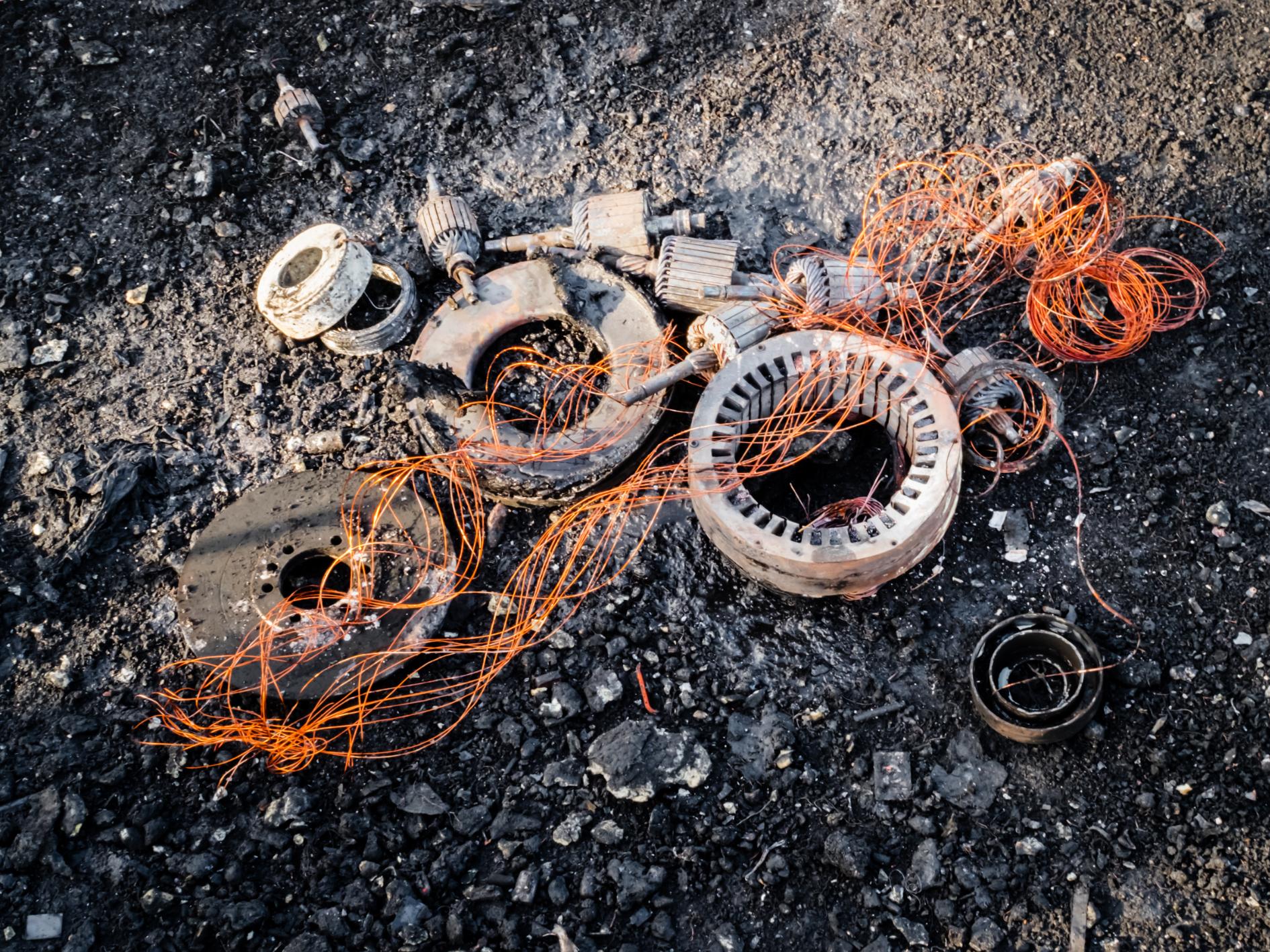
From the series - Entangled – Footprints of Europe
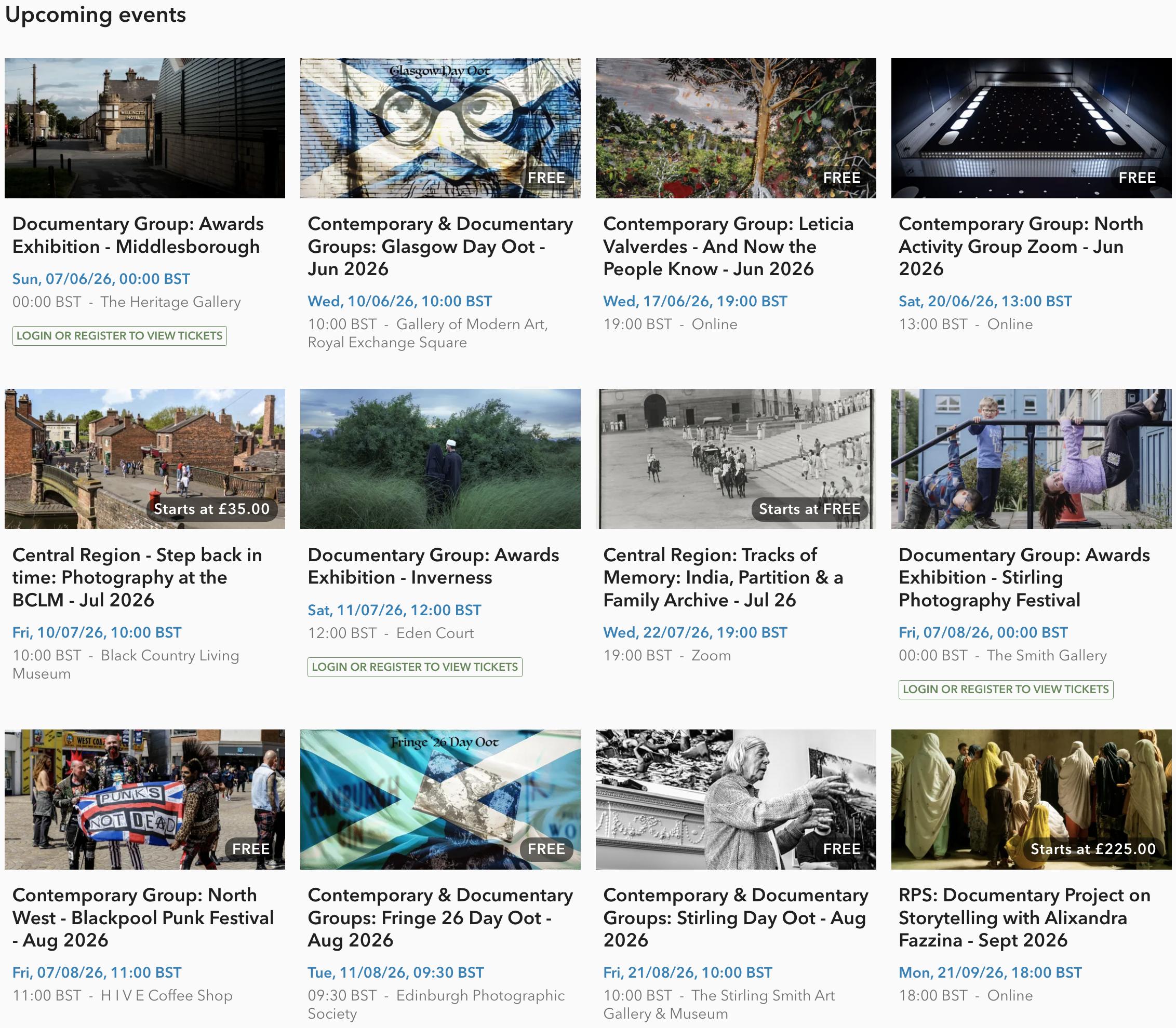
RPS Documentary Events
RPS Documentary Events can be found on our events page, which includes our Engagement Talks series, Documentary Events and Exhibitions.
Group Meetings:
As well as centrally organised events, our Local Groups put on numerous events. These include talks and presentations, workshops or exhibitions of members work, group projects, visits and photo walks, feedback and critique sessions and online Zoom meetings.
We currently have Groups in Northern, Yorkshire, East Anglia, Thames Valley, Southern, South East, and joint groups with Contemporary in Scotland, Central and North West.
RPS Documentary Photography Awards
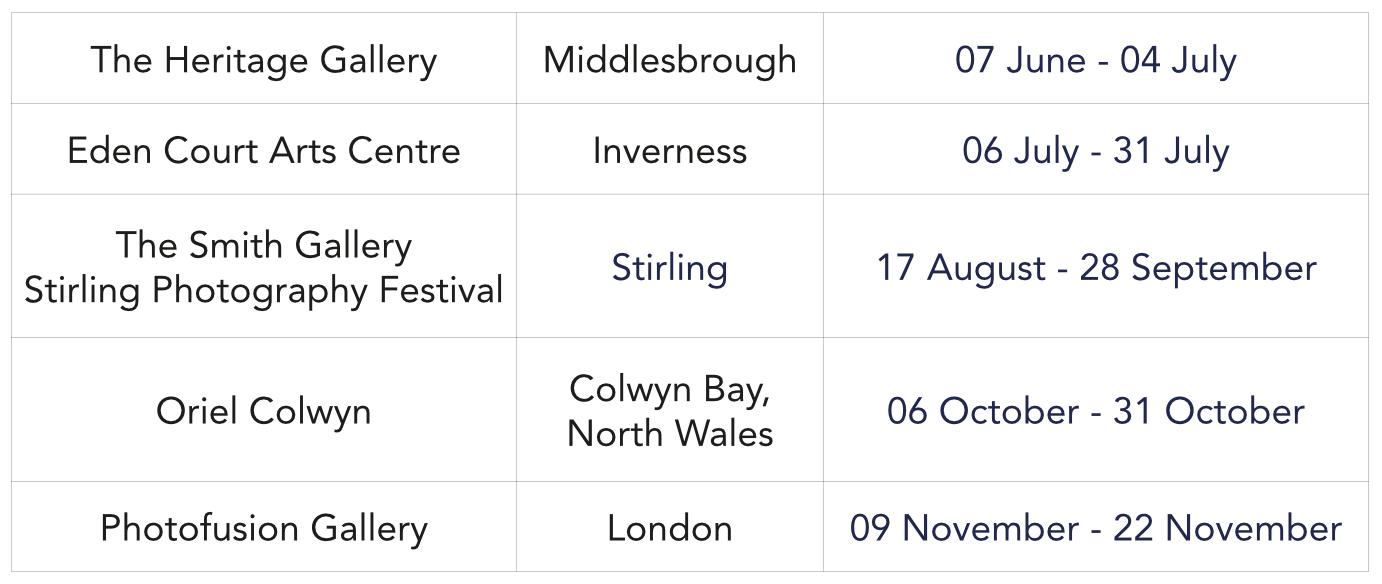
Touring Exhibition Dates - Confirmed venues and dates 2026
The RPS Documentary Photography Touring Exhibition Heritage Gallery, Middlesbrough
The RPS Documentary Photography Awards Touring Exhibition continues its national journey this year, bringing a selection of contemporary documentary practice to audiences across the UK. Among the host venues is the Heritage Gallery in Middlesbrough, a space with a growing reputation for thoughtful engagement with socially grounded visual culture.
We spoke with curator Jodie Athey ahead of the exhibition’s arrival to discuss the responsibilities of presenting documentary work, the challenges and opportunities of touring exhibitions, and what it means to stage a nationally significant photographic showcase in a regional context.
The Documentary Photography Awards often engage with complex social realities. From a curatorial perspective, what responsibilities come with presenting this kind of work within a regional gallery setting?
The subject of the photographs are often varied and engage with complex and sometimes challenging social realities. From a curatorial perspective, sensitivity to emotional impact is particularly important and needs to be considered throughout. Curators must ensure ethical representation to avoid exploitation and respect the dignity of the subjects displayed. They also need to provide strong contextualisation so audiences can fully understand the social and political issues behind the images. In a regional setting, we have an opportunity to connect global themes to local experiences, fostering meaningful engagement.
As you prepare to host the exhibition, what factors are shaping your approach to its installation at the Heritage Gallery?
It’s difficult to know exactly how the work will be displayed until all of the photographs come into the space. However, subject matter, composition and colour play a key part in determining what work will be placed alongside each other and helps shape the dialogue of the display.
Photography Awards Middlesbrough
From the series Anxious Frames by Amin Nazari RPS Member Category, DPA 2025. Selected for Exhibition
Documentary photography can be challenging or confronting. How do you plan to encourage visitors to engage thoughtfully and critically with thework?
Ultimately, my role is to create a space that encourages informed reflection rather than passive viewing. Clear but balanced contextual information alongside the work, can help to inform narratives and help visitors to better understand the background and intent of the work without prescribing a single viewpoint.
What opportunities does hosting this exhibition create for dialogue between photographers, local communities, and the gallery?
Hosting this exhibition creates a dynamic space for dialogue by enabling direct interaction between photographers and local audiences. The gallery provides a shared space of storytelling and interpretation; facilitating a collaborative opportunity that encourages discussions on identity, environment and social realities.
As a curator, in your view, what distinguishes strong documentary photography in 2026?
From a curatorial perspective, strong documentary photography is defined less by technical perfection and more by depth, ethics and intention. To be able to capture a moment that the viewer can step into and gain an awareness of the photographer’s position, is for me what makes a powerful photograph.
How important are touring programmes in widening access to contemporary photographic practice beyond major metropolitan centres?
Touring programmes play a crucial role by physically bringing work to new audiences; making photography available to people who might not normally experience it. It brings high-quality contemporary photography directly to the local community and can inspire young or underrepresented photographers.
What do you hope visitors will reflect on or reconsider after experiencing the Awards exhibition?
I hope visitors see something in the photographs that resonates with them personally and encourages them to reconsider their own perspectives, whether this be about the subject matter, the creative process, or the people behind the work. I hope they leave the Awards exhibition reflecting on the ideas and stories behind the work, inspiring them in their own creativity and consider what makes something award-worthy.
Looking ahead, how do you see the Heritage Gallery continuing to support documentary photographers and socially engaged visual practice?
The Heritage Gallery provides a platform for all emerging talents and will continue to host documentary projects like this in the future. We will continue to engage local communities and encourage collaborative exhibitions that bring artists, photographers and creatives together.
RPS Documentary Photography Awards
Touring Exhibition Dates - Confirmed venues and dates 2026
The Eye International Photography Festival
In 2009, photojournalist Glenn Edwards served as the official photographer for The International Ceramics Festival at Aberystwyth Arts Centre. His thoughts were that the template for the ceramics would work very well for a photography festival, so he approached Alan Hewson, then Director of the Centre, to ask whether it would be possible, and received a negative response. But at the next ceramics event in 2011, the reaction was different, and Hewson asked Edwards to consider getting something together for 2012. The Centre was keen to fill in the ceramics off-time and to hold a festival every year.
There was only a matter of months to put this together, so Edwards asked friends and colleagues he had worked with around the world to come and speak. David Hurn of Magnum, Glenn’s teacher at the Newport Documentary Photography course and a friend, was the first to be approached followed by Marco Longari of AFP, Edwards having worked with him on the Tanzanian elections in Zanzibar.
Hewson and Edwards successfully visited Panos Pictures in London to source an exhibition, and were recommended Abbie Trayler-Smith and Chloe Dewe Mathews, who were added to the list of speakers. Glenn had interviewed the late, multi-award-winning newspaper photographer, John Downing MBE, for a BBC radio programme, and he was happy to attend. And so the biennial Eye Festival was born in the summer of 2012.
The promise was to bring the very best image makers to Wales and over the years that promise has been kept. It has developed a reputation for traditional documentary storytelling and photojournalism and that has always been the core of the weekend but Edwards, when curating the event, has never wanted to have a theme, other than quality. This approach has included curve balls such as Andy Rouse - wildlife, Charlie Waite - landscape or Kasia Wozniak’s wet plate. Festival Director Edwards says ‘I want people to get something from every speaker and not be listening to the same stories from different people. That is why I have always tried to make each speaker very different in the subjects they cover’.
The festival, since its inception, hasn’t changed much other than fine tuning but this year a major decision had to be made. Aberystwyth has been a wonderful home with incredible world class facilities and staff, but the problem has been, like most festivals, attracting a big enough audience to make it sustainable. Edwards says, ‘I believe we have produced an amazing product but getting people to the west Wales coastal town was a problem that just couldn’t be cracked. With a heavy
Emily Garthwaite
heart we are moving to Newport, which many people consider to be the home of documentary photography because of its association with the famous Documentary Photography Course founded by David Hurn’.
Edwards added, ‘We are sad but excited at the same time, as we feel we have more of a chance to grow in Newport, but I have nothing but gratitude to Aberystwyth and the people that helped keep it going for seven festivals’. He explains ‘with The Eye coming to Newport, I wanted to make the first one very much DocPhot heavy and three of the four speakers are Newport alumni and the perfect example of what Newport gave to many.
Sian Trenberth has had an amazing career. She has been successful in every genre, whether in national magazines, weddings, or the performing arts field she is in now. She is an inspiration to any student on how to build and keep up with the ever-changing times and fashions.
Paul Stuart has become one of the most sought-after portrait photographers. He’s photographed many celebrities such as David Beckham, Daniel Craig, Justin Bieber, Dame Judi Dench, Benjamin Zephaniah and Eunice Olumide.
Jaap Buitendijk is an acclaimed film stills photographer whose images have shaped the visual identity of contemporary cinema. His work spans international productions including Gladiator, Barbie, 12 Years a Slave, Harry Potter, and Wuthering Heights.
Emily Garthwaite brings the weekend back to its solid documentary and photojournalism roots. Multi award winning and Leica Ambassador, Garthwaite has had work published in world newspapers and magazines including National Geographic, New York Times, Der Spiegel and Le Figaro etc. and has worked and exhibited internationally.
This festival will differ from Aberystwyth in that Clwb Ffoto will open with an exhibition by David Hurn in their Newport Arcade gallery on the evening of Friday, May 15th. Then, on Saturday 16th, it will be a speaker day with the four mentioned above. Sunday 17th May will be a little different with no speakers but plenty to see and do around the city. There will be pop-up exhibitions, workshops, portfolio reviews, meet the photographer, etc., with a timetable to be announced soon’.
Edwards says, ‘This is giving photographers an opportunity to contact me and have the chance to show their work at such a prestigious festival, and if there has been a problem this year, it’s been finding spaces at such short notice. But it is a problem that will be solved by 2028. With more time we can book more space well in advance. We have had amazing support from Newport Council, who are keen to have another weekend of culture in the city, and I believe if we can succeed and bring people to Newport, it will become a regular event in the City’s diary’.
He explains ‘the beauty of the festival is that it not only gives people a chance to speak to like-minded people but also to practitioners who are at the top of their game. The one thing I have found with speakers in the past is that they are very
happy to sit and talk about photography and share some of their experiences over coffee, and we have always encouraged people not to be shy. This year we are giving special time and space to meet the photographers on the Sunday in a very relaxed, informal and friendly environment. We will have some special ex Eye guest photographers, not speaking on stage, but who will be around to chat. Just part of a full day of things to do’.
But as with any event, the proof is in the pudding, and it needs support. Moving to Newport is creating a larger catchment area with a thriving photography community in the Valleys, the M4 corridor from Carmarthen to Bristol and with London and Birmingham not far away, the hope is that people will attend in numbers to create and improve what David Hurn already says, ‘is the best photography festival in the UK’.
As in the past, The Eye will continue to strive to bring the best documentary/ photojournalism to an audience. It is a time of change regarding working practice and public trust in the photographic industry, especially news. Events such as this must find a way to continue and give photographers a platform to tell the public true stories from around the world and so keep this form of storytelling truthful, trustworthy and alive.
www.theeyefestival.com
Sian Trenberth
Left to right: Paul Stewart, David Hurn, Jaap Buitenjuik
RPS Northern Documentary Sub Group
Back in 2015 it occurred to Gordon Bates that there must be other Documentary Group members in the North East of England. So, he sought them out and arranged a ‘Project in a Day’ meet-up in Newcastle. The 11 people who turned up enjoyed the activity and agreed to meet again. The seeds of the Documentary Group’s first regional organisation were sown. Still going strong with over 30 members, it has been joined by another nine regional groups since then.
Our monthly meeting are characterised members supporting each other to create projects. We invite members to show work, some of it complete, but much of it ongoing projects, to discuss ways in which they could be developed. We also have a visiting speaker programme.
During the summer months we meet in various locations and revisit Gordon’s original brainchild of a ‘Project in a Day’. Over the years we have also created several group projects in which each member contributes work to a common theme such as Cafe Society, the Coast and Summer Fairs. The themes are kept broad to enable a range of interpretations and methods of working.
The group also plays a pivotal role in the Documentary Photographic Awards touring exhibition. Our members volunteer to store the frames between exhibitions, refurbish them, then frame the images and pack the exhibition ready for travelling around the country.
We have only 2 rules:
We are always constructive about other people’s work.
We don’t hold competitions as there are plenty of them already.
We don’t have a committee, rather our flat management model relies on everyone contributing to the organisation, our only officer is our co-ordinator, Peter Dixon.
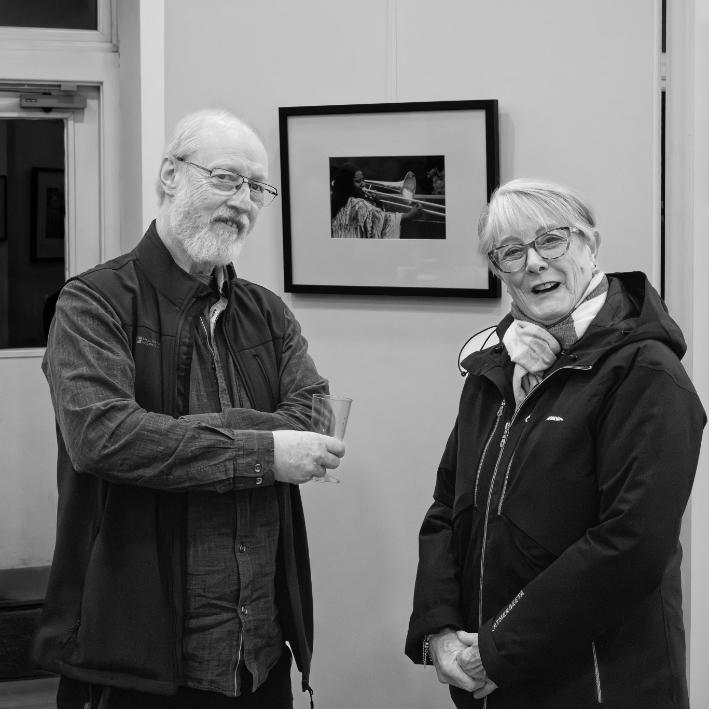
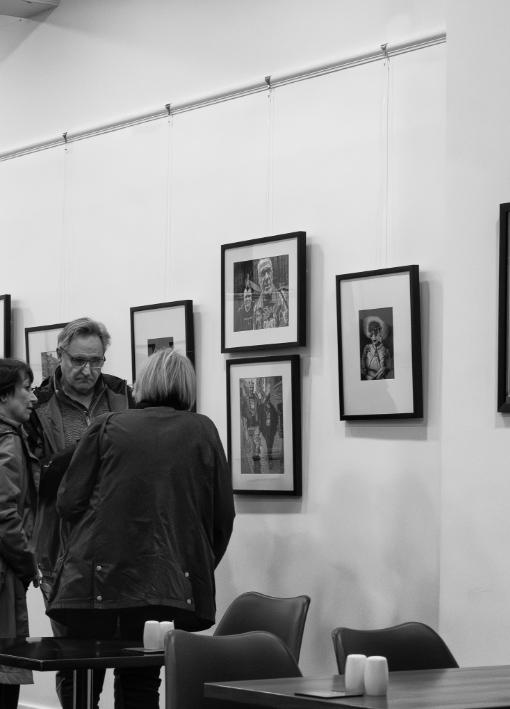
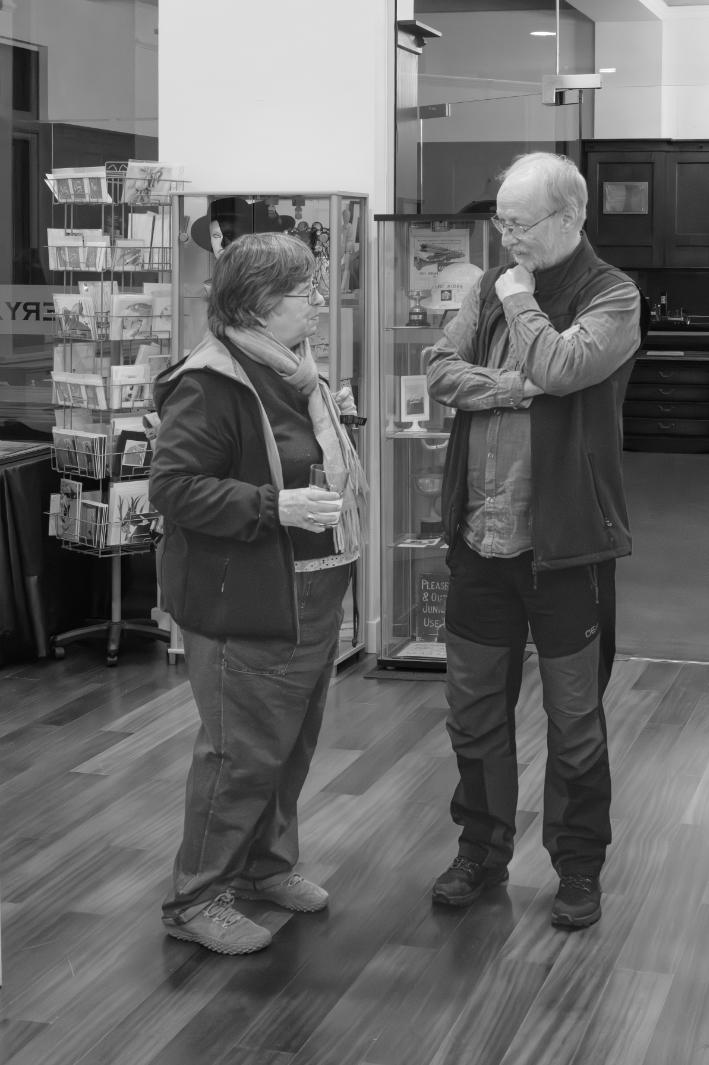
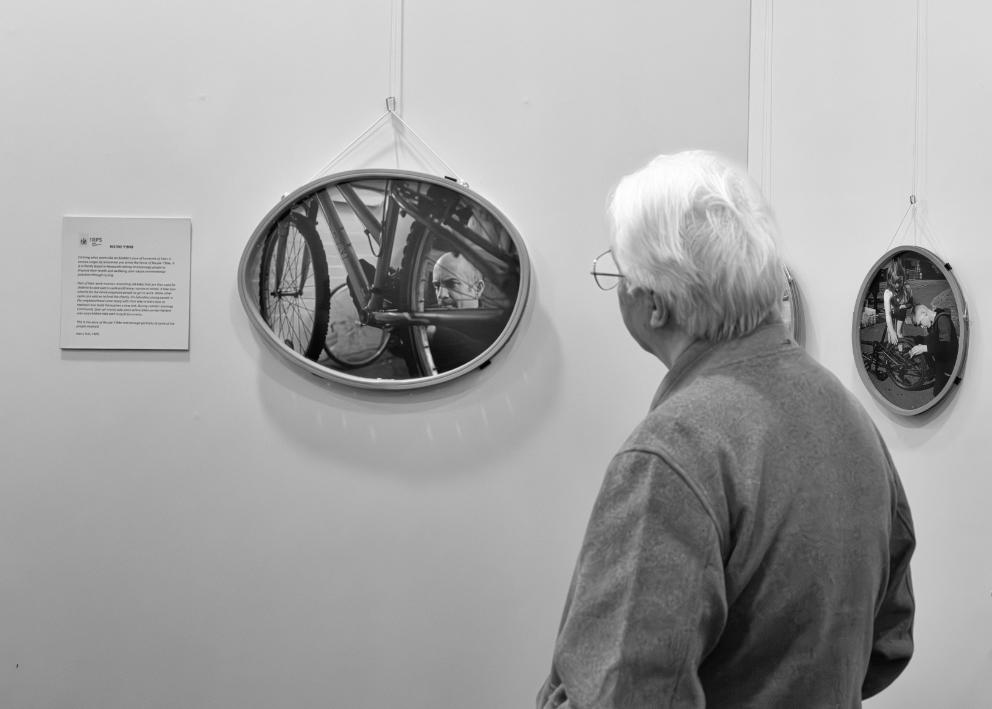
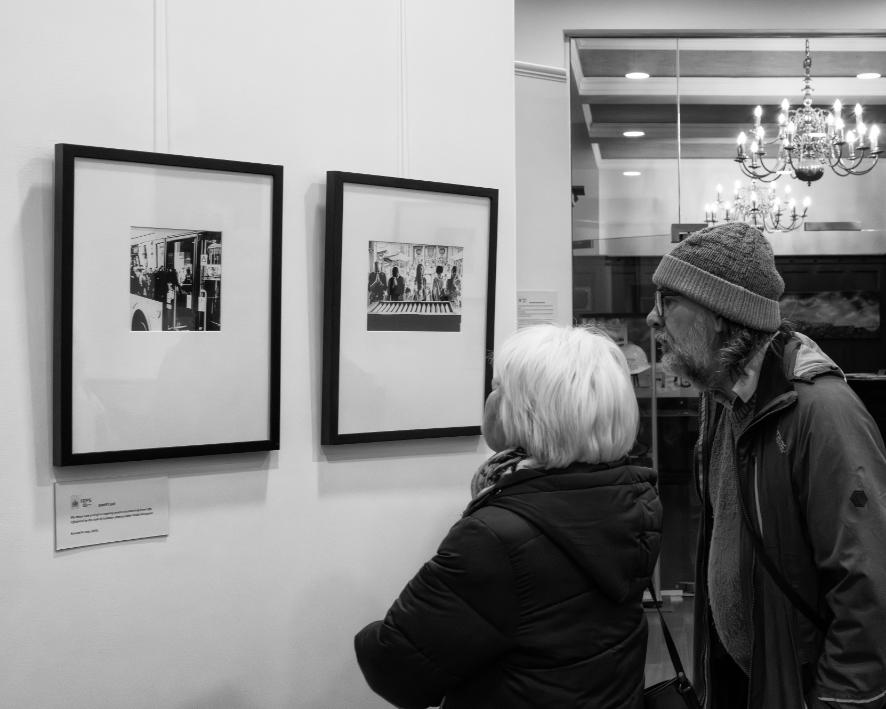
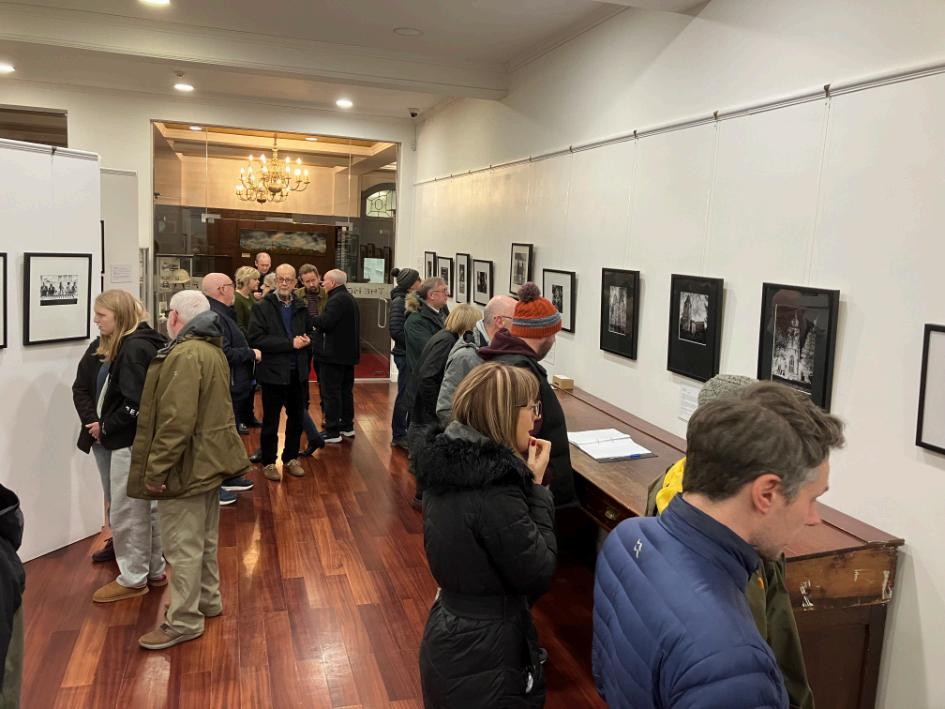
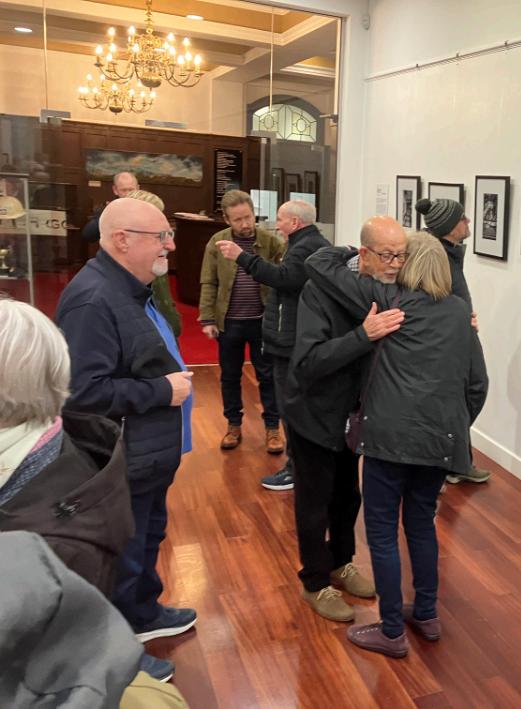
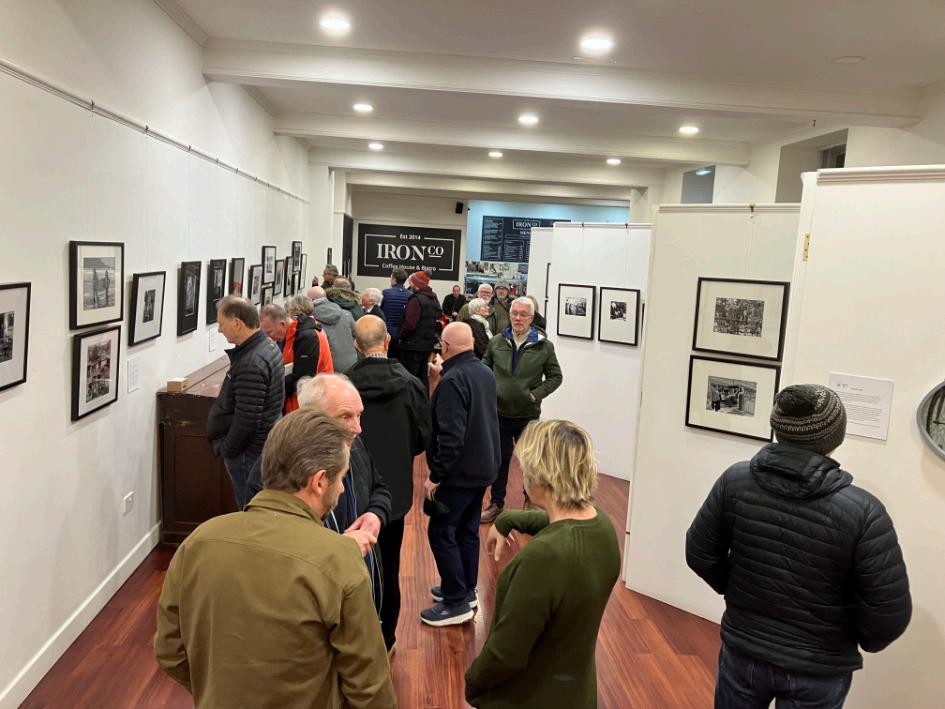
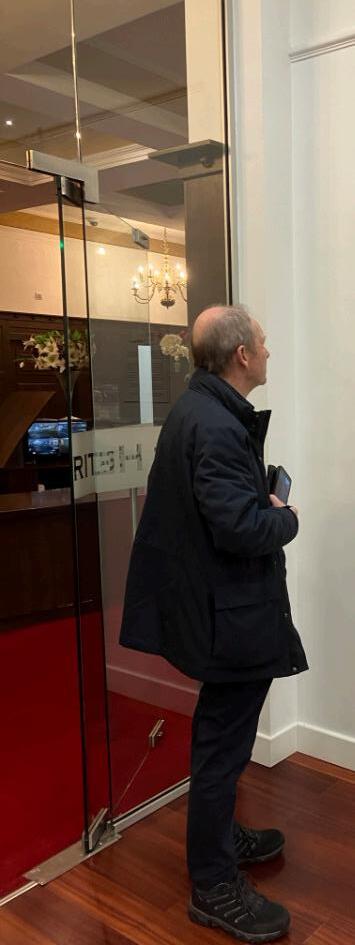
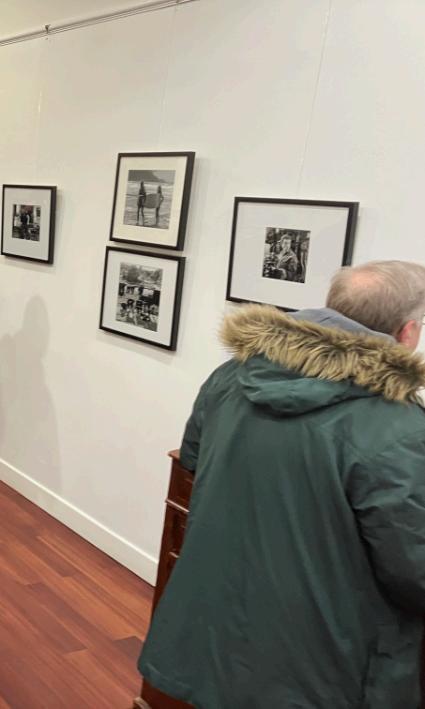
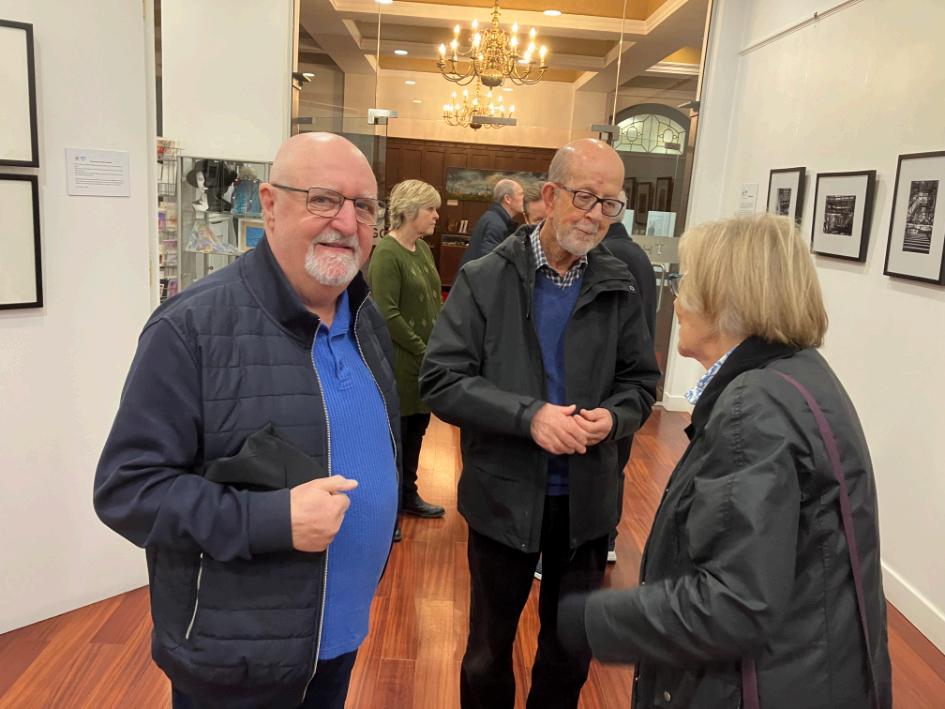
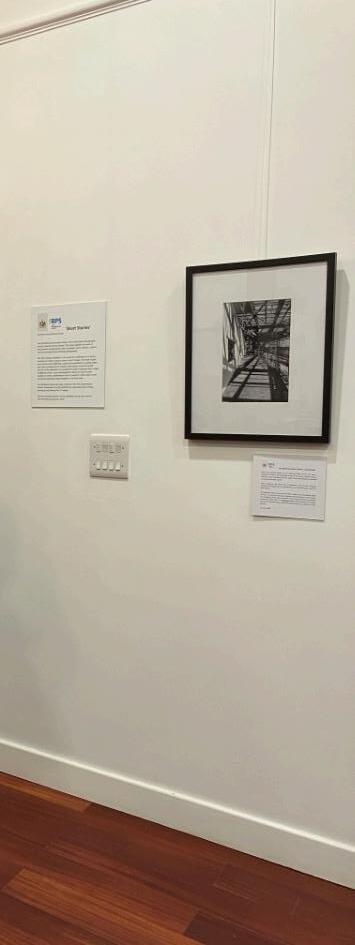
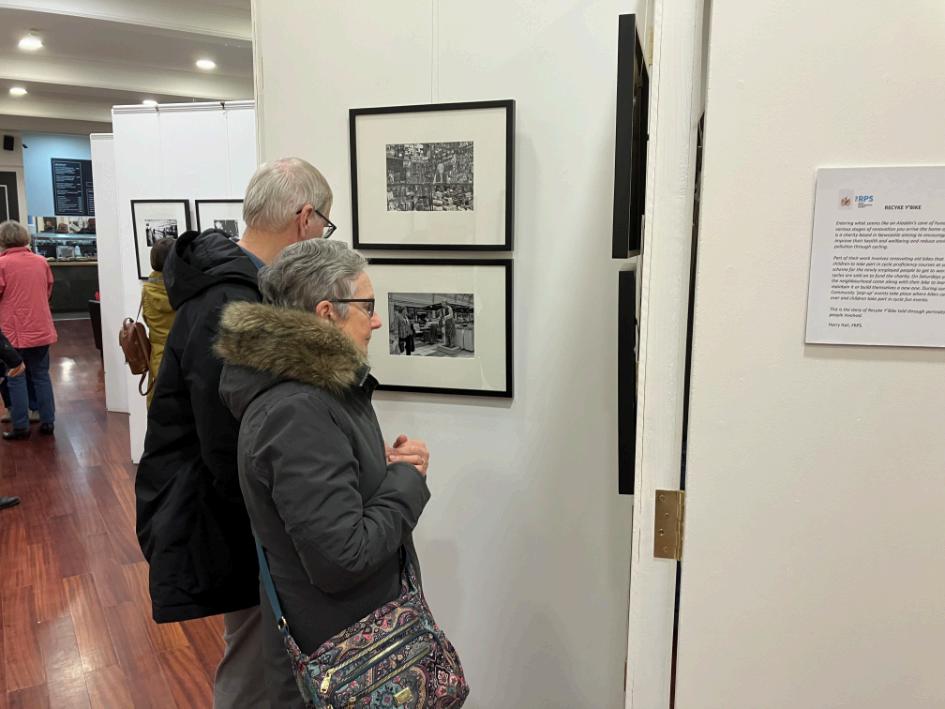
In January this year we held our second exhibition at The Heritage Gallery in Middlesbrough. There was no theme to the exhibition, rather members were tasked with telling a story in four images. All our members were invited to participate regardless of experience. Having an end result, such as an exhibition, spurs people on to get their projects completed. It's great to feel that the other people are enjoying the work. We must thank Jodie Athey the curator at the Heritage Gallery for all her help.
If you are interested in being involved in what we do, get in touch via (docnorthern@rps.org), and I’ll send you details of the group.
Peter Dixon ARPS Volunteer/Organiser
The
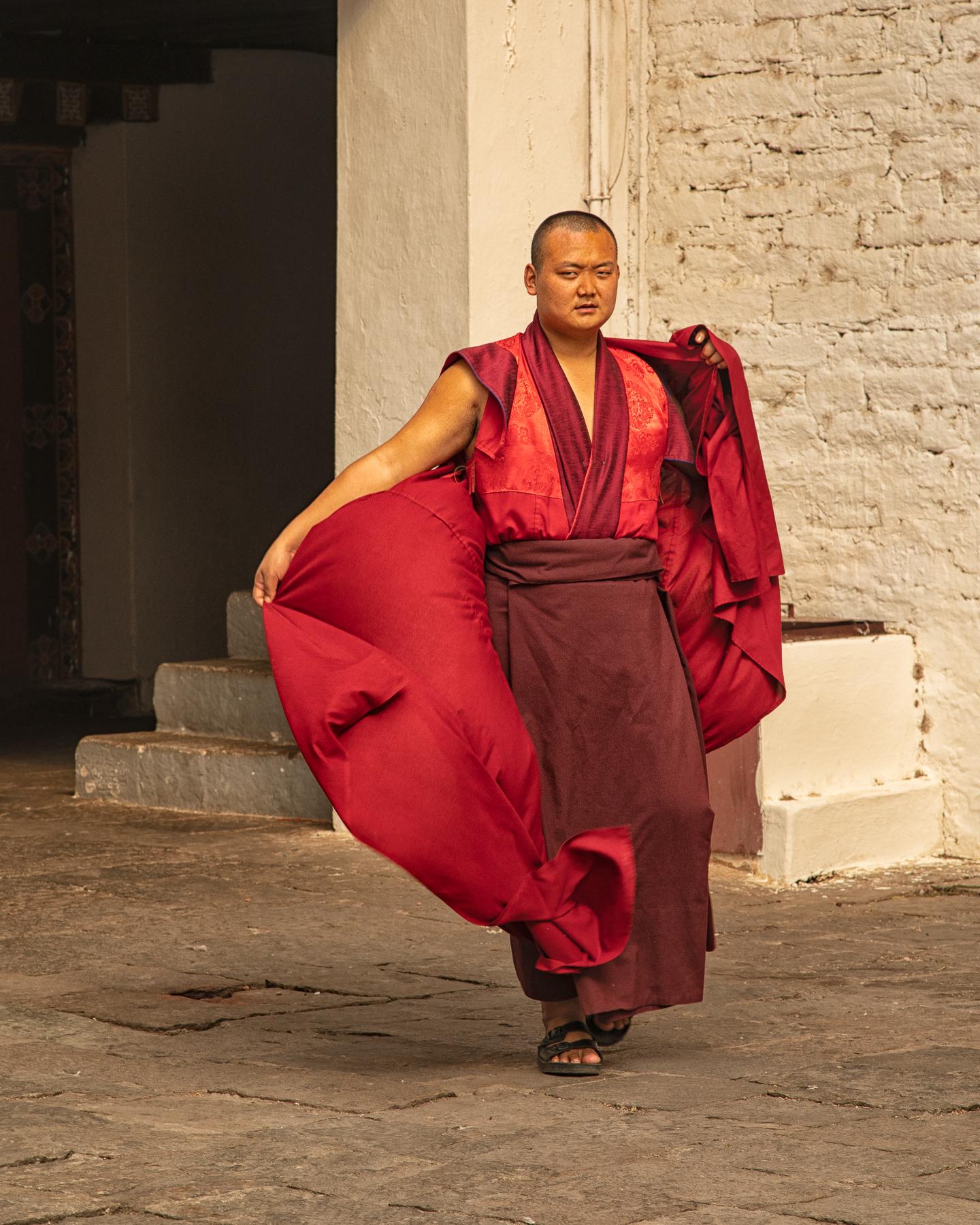
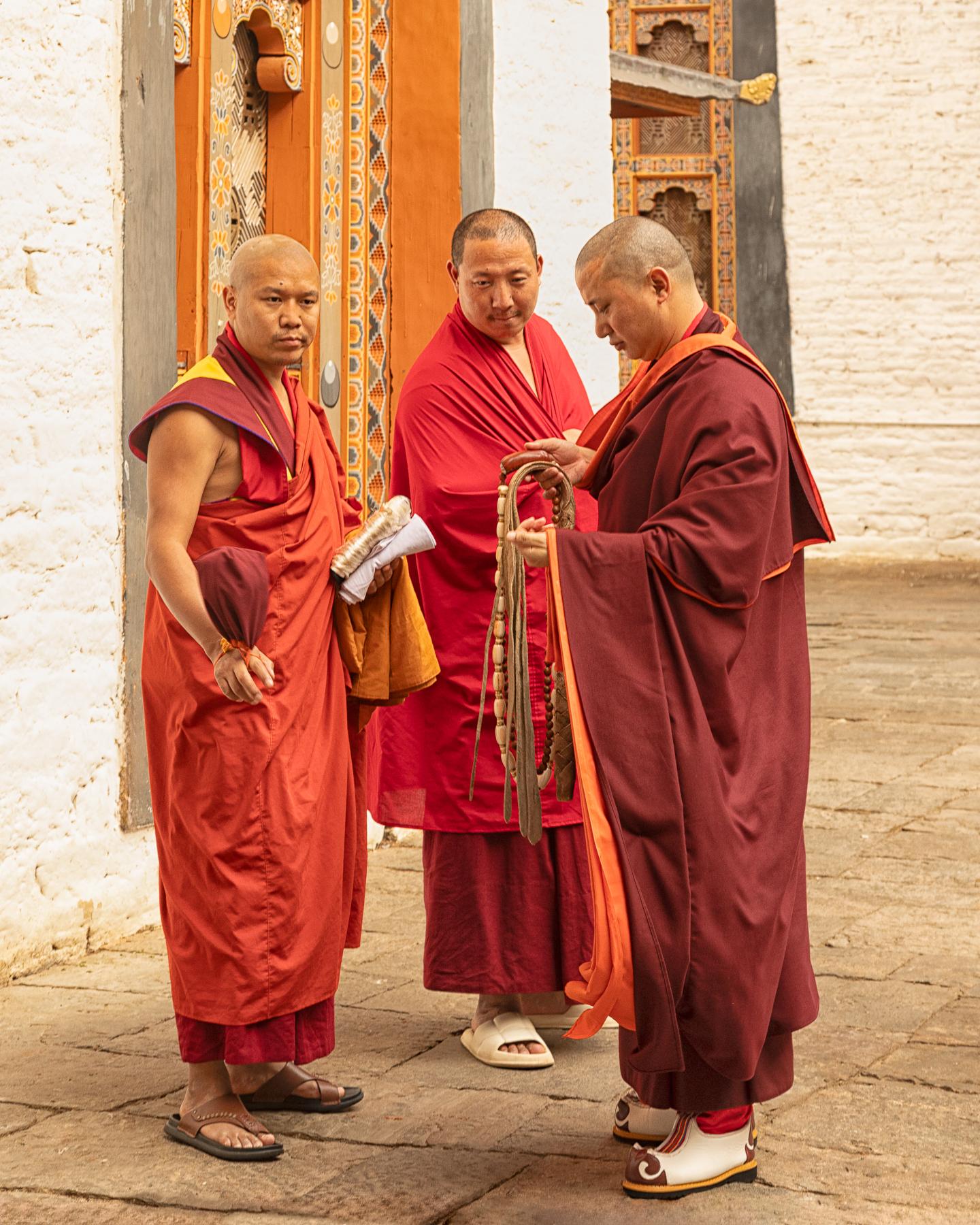
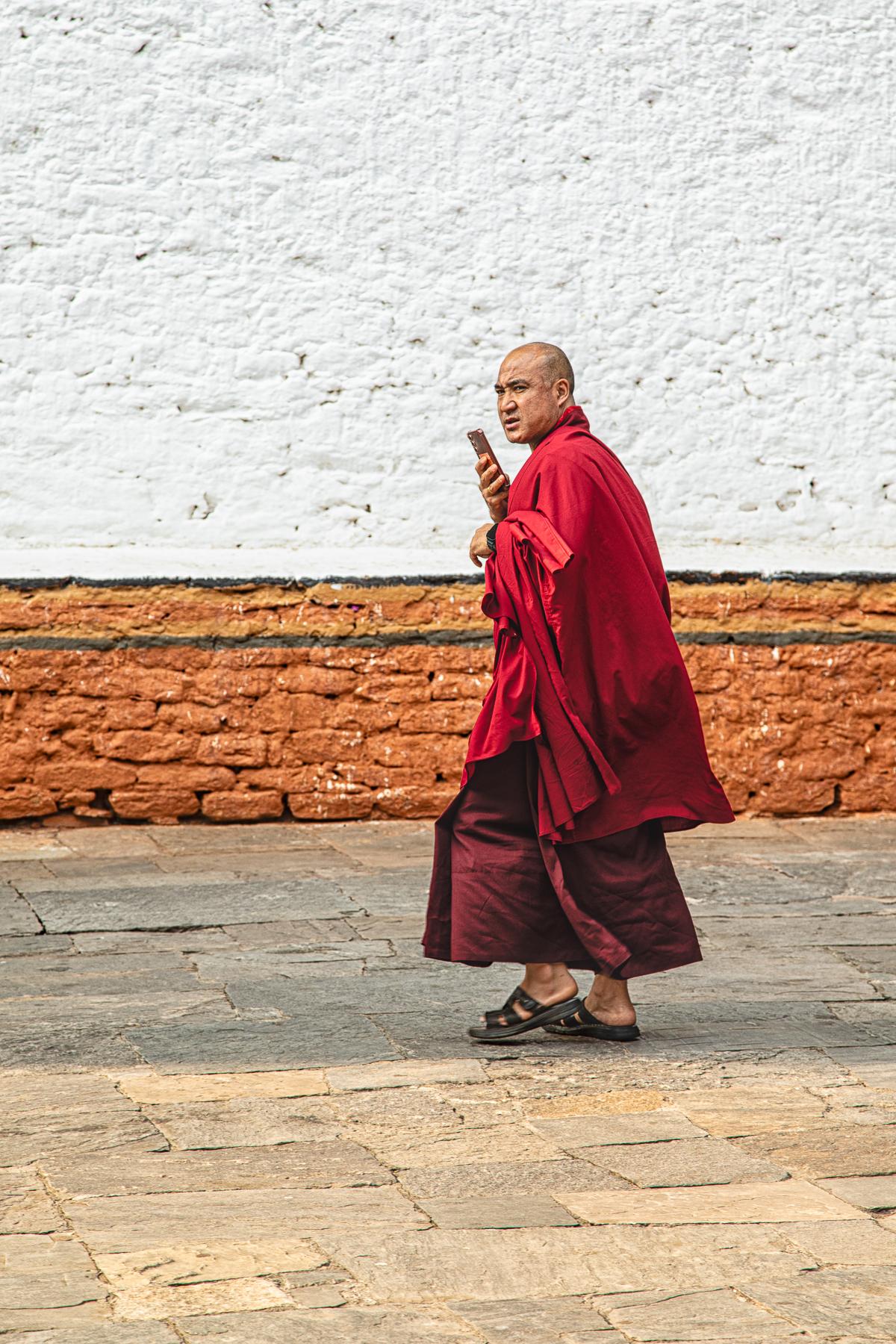
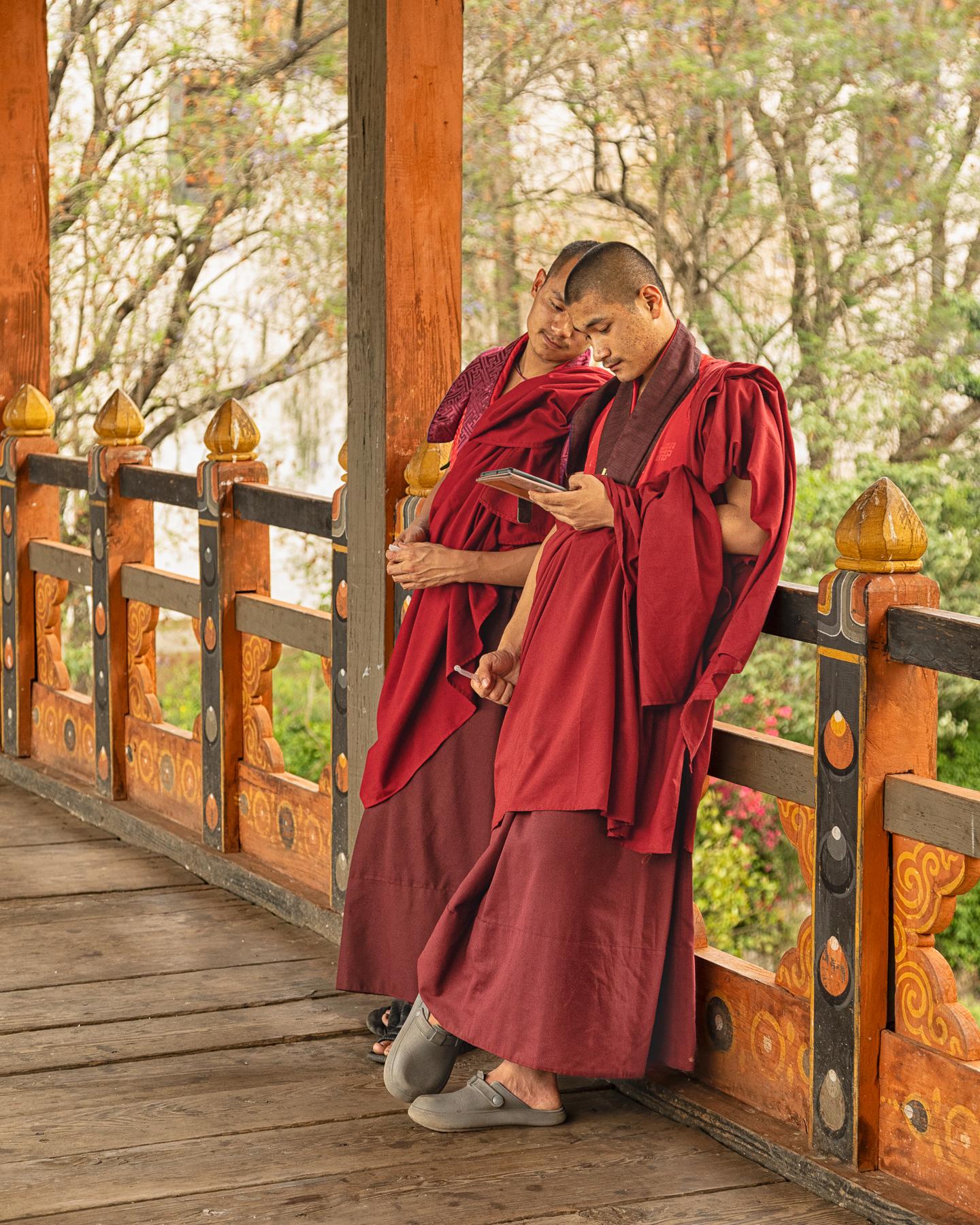
These four images were taken at the Punakha Dzong on the confluence of the rivers Pho and Mochu in Bhutan. Dzongs serve as the religious, military, and administrative / social centres of the district. Collectively they form the bedrock of Bhutan’s national identity, culture, and government.
Bhutan maintains a unique dual system where religious and secular governance are intertwined. Buddhist values inform state policy / public service. Monks stay connected to the world with mobile phones, using apps to learn chants, access religious text and stay connected to peers and family.
Alexandra Prescott MA, FRPS
Monks of Punakha Dzong – Bhutan
Left: A fully ordained monk – A Bhikku leaving the public administration rooms.
Right: The Khenpo (the abbot) with the Kudrung (discipline master) and a Bhikku. The whip is symbolic today but was commonly used to discipline novice monks and less than respectful members of the public.
A fully ordained monk ‘on the phone’.
Two novice monks sharing a light-hearted moment on a mobile phone.
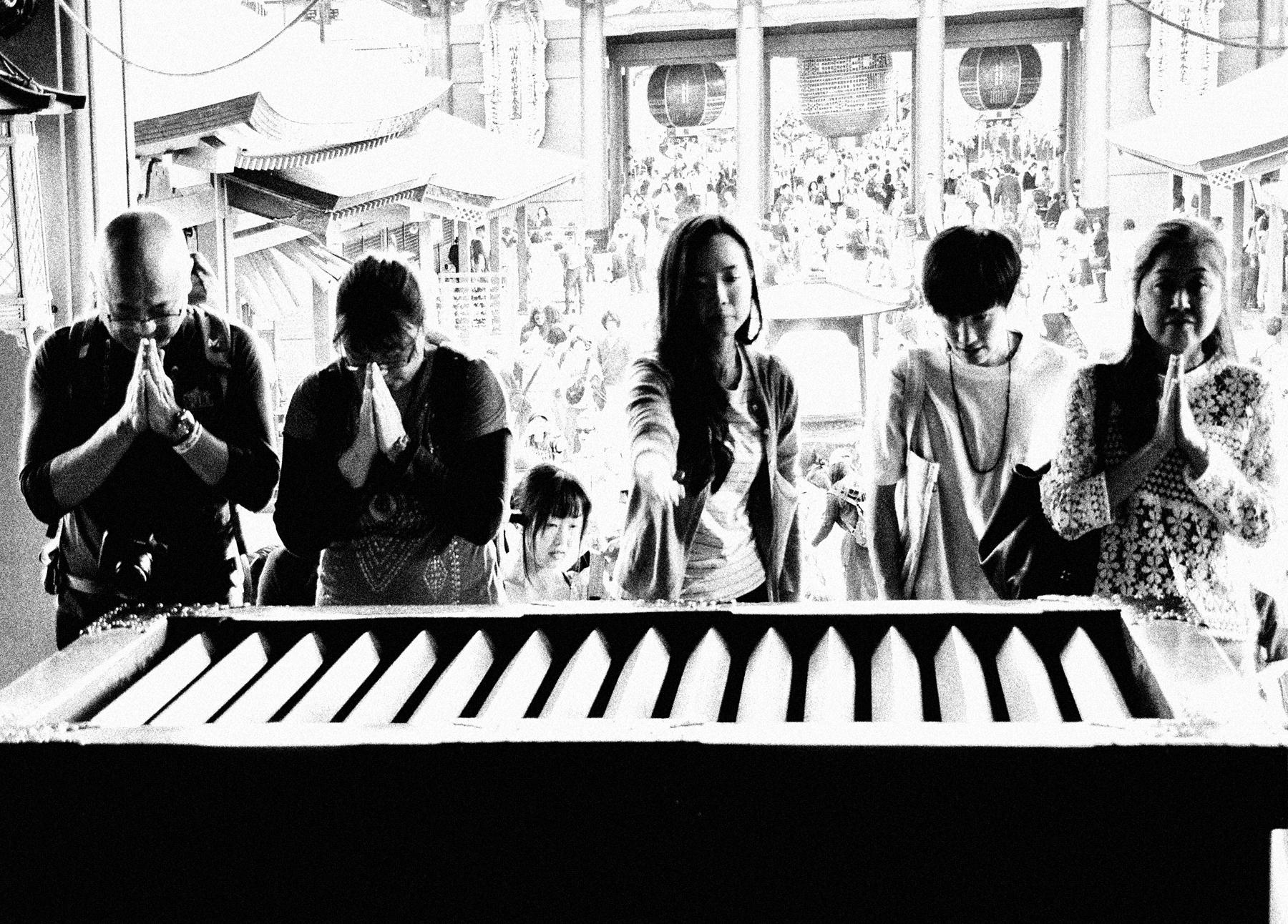
Street Life
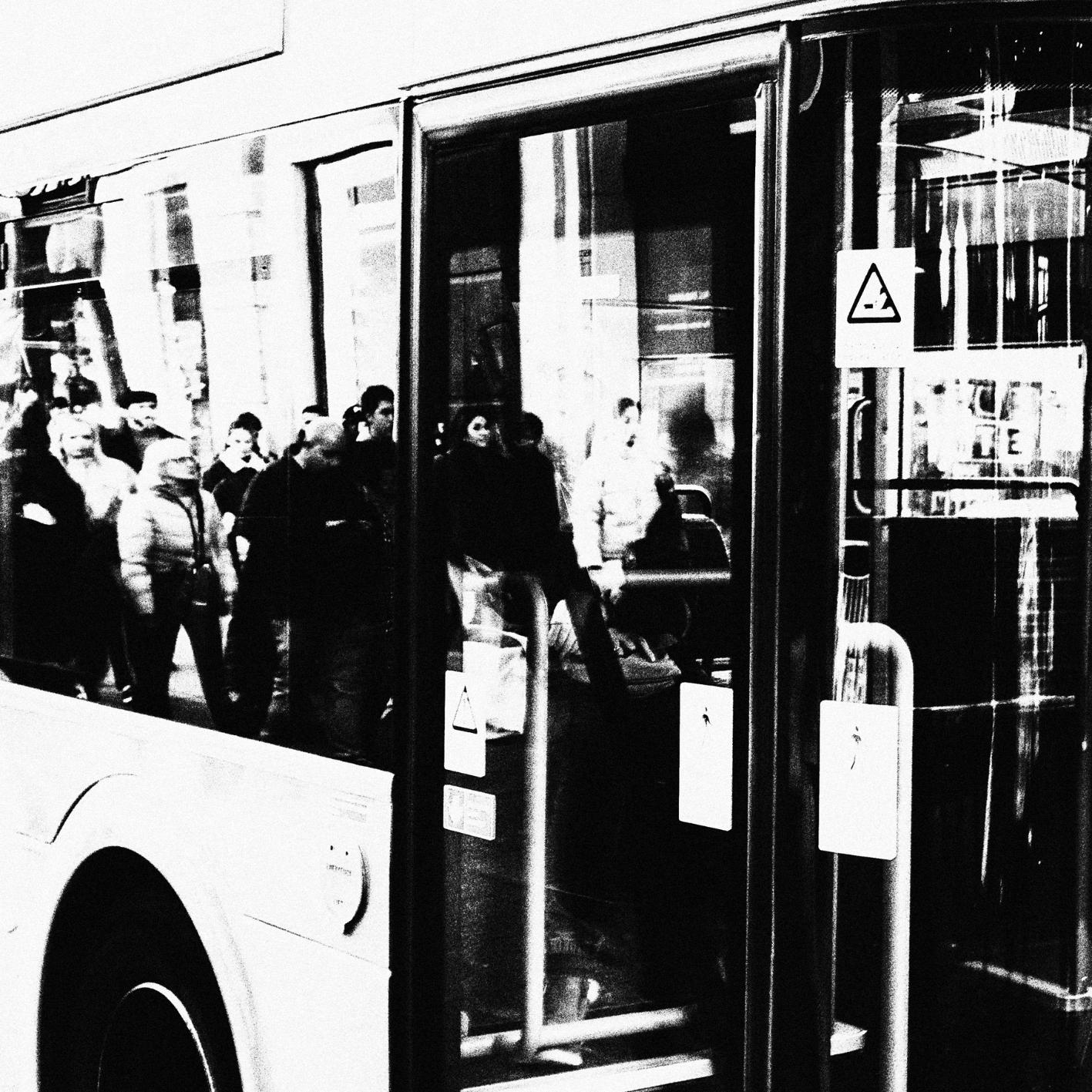
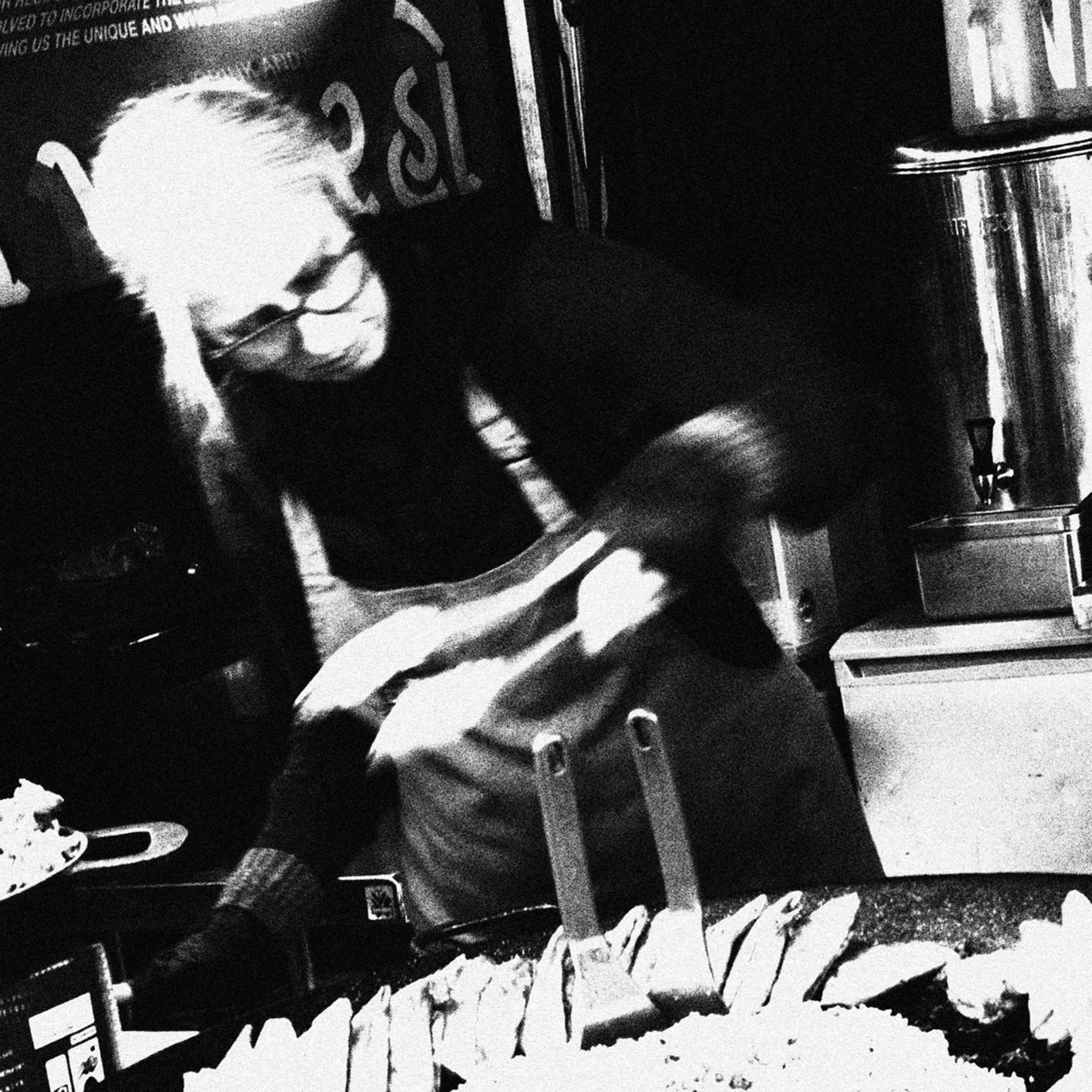
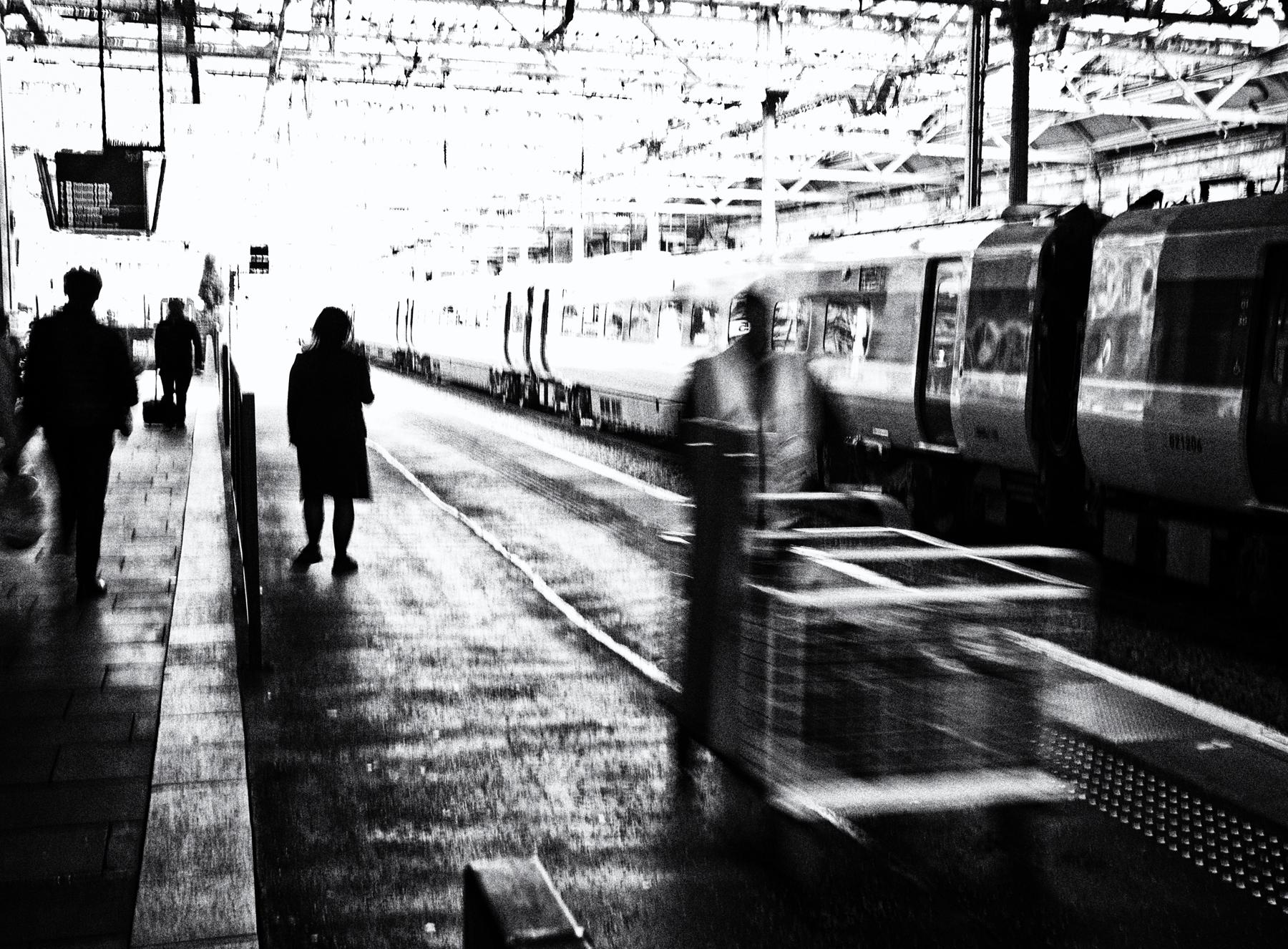
My images are part of an ongoing project documenting street life, influenced by the style of Japanese photographer Daido Moriyama.
Edward Forster, ARPS.
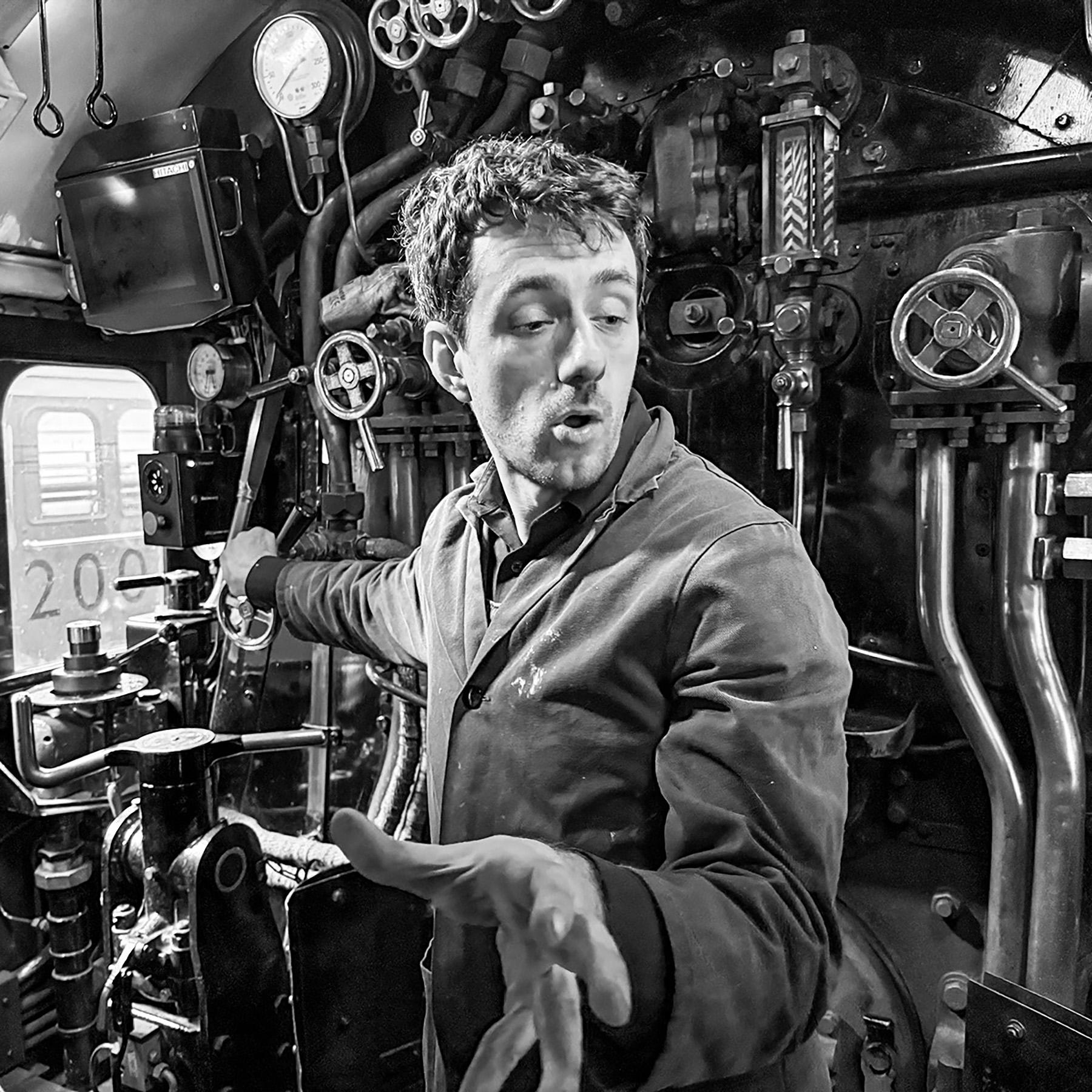
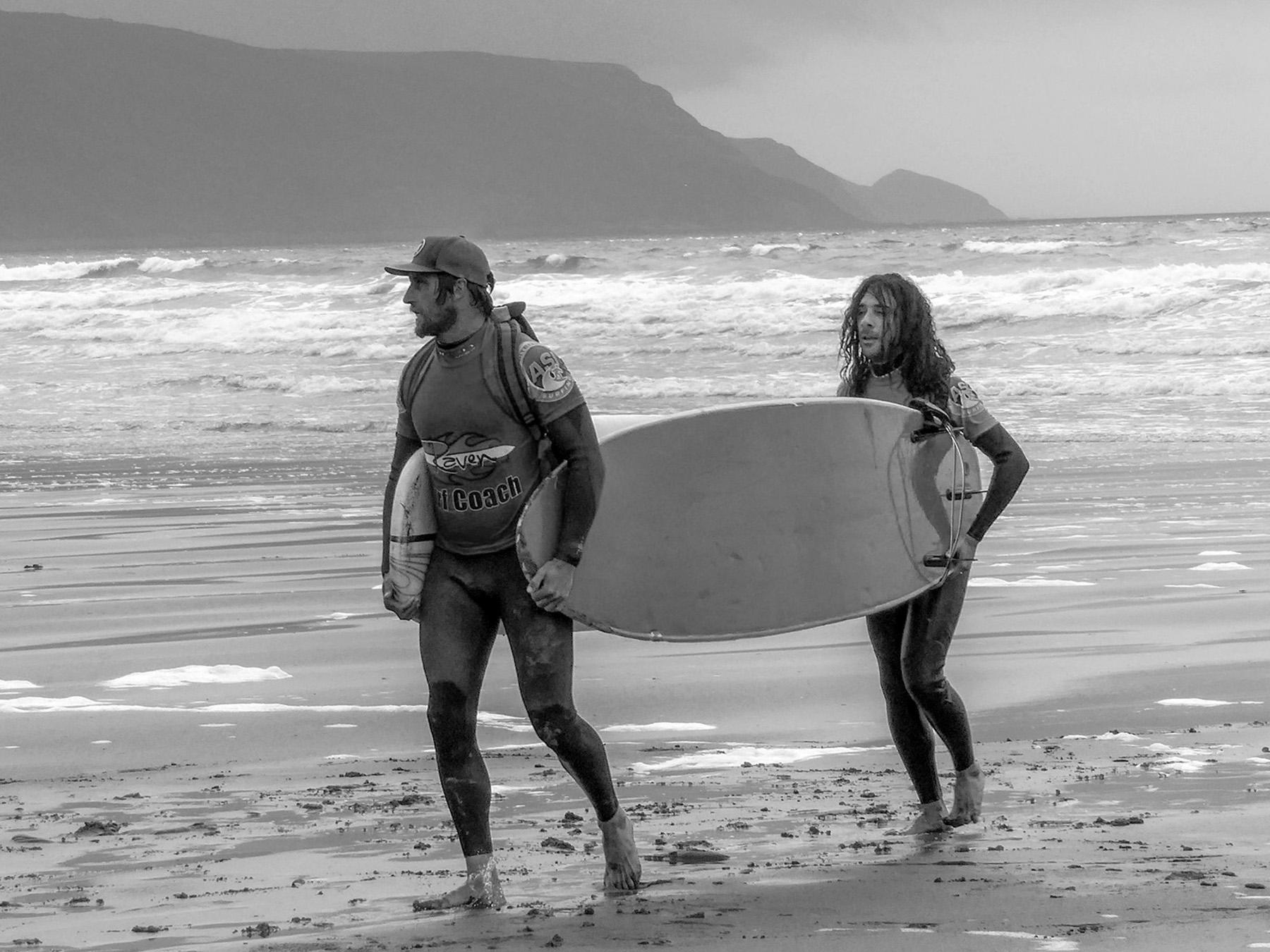
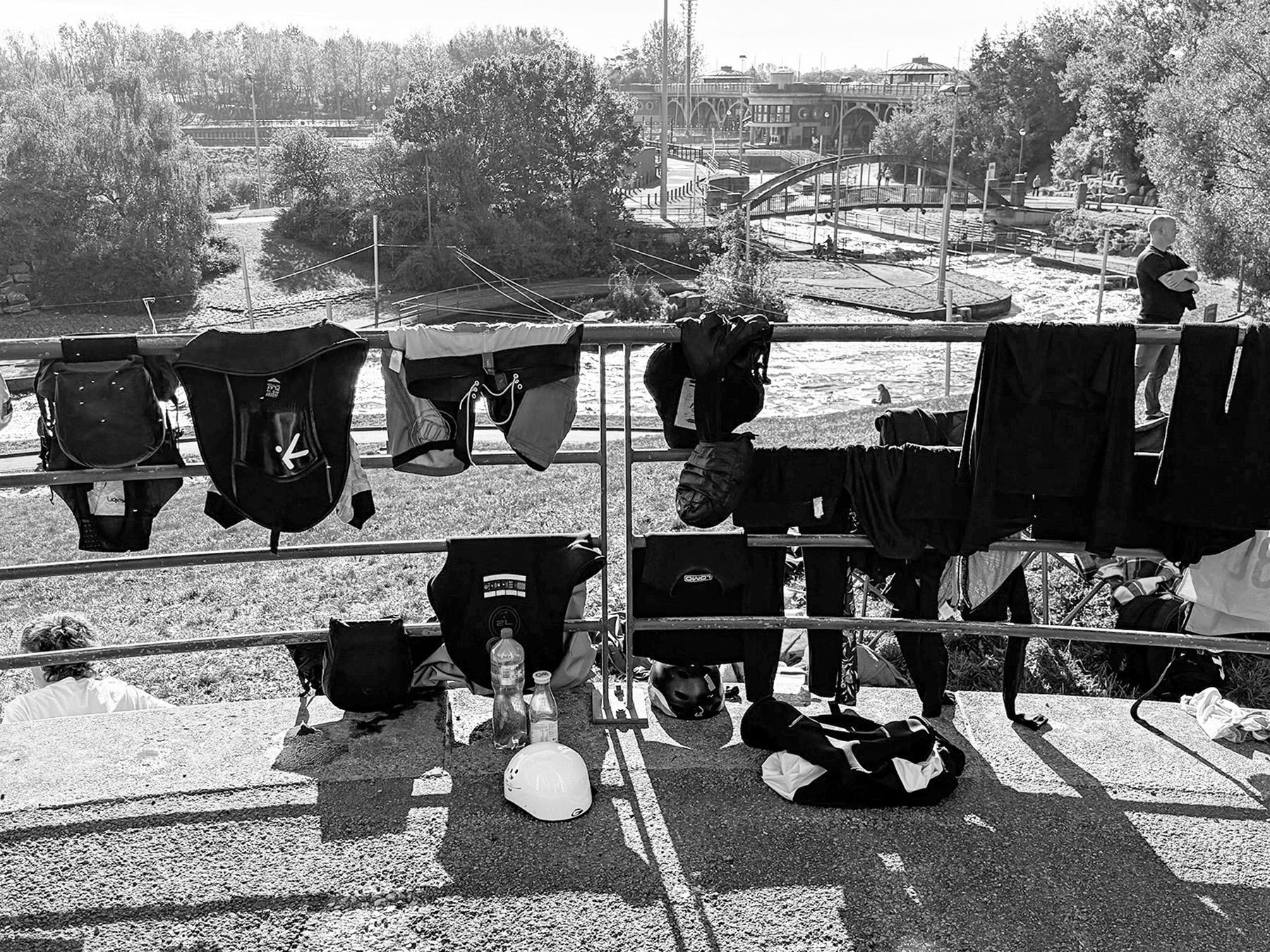
It’s All About The Movement
These images contribute to a common theme, concerned with movement.
‘Now This Wheel Here’ - we’re inside the cabin of the Tornado, where the fireman is explaining its controls. A candid shot catches the subject in three-way motion with his arms and head all pointing in different directions.
‘After Surf’ is in north Cornwall after a challenging session in the waves, with its weariness as well perhaps as some satisfaction. The subjects are dark while the sea is dancing more brightly.
‘Drying out’ shows the wet suits on the railings in bright light, after white water rafting at the Stockton Tees Barrage. Random arrangements of the suits in silhouette, are matched by an equally random couple at opposite edges of the image.
Francis Annett
In the documentary sense I tend to have a number of 'themes' ongoing and occasionally a new one will edge itself in. One theme of late has been "Durham Brass", a live open air event in the City of Durham. At these events I tend to concentrate on individuals and often in black and white (mono) but with Brass producing an exuberance of movement and music these are generally in colour.
John Stephenson, LRPS
Durham Brass
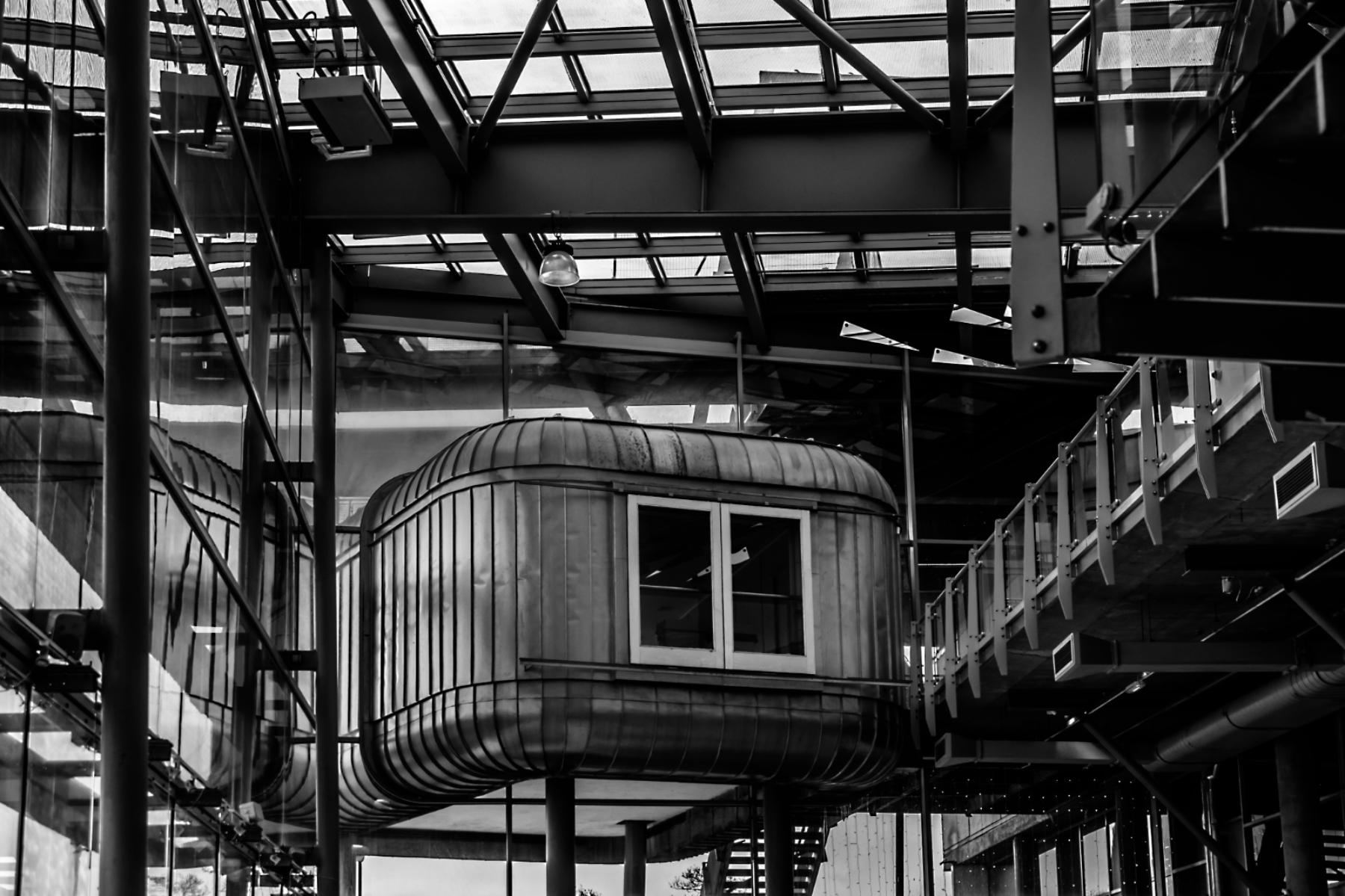
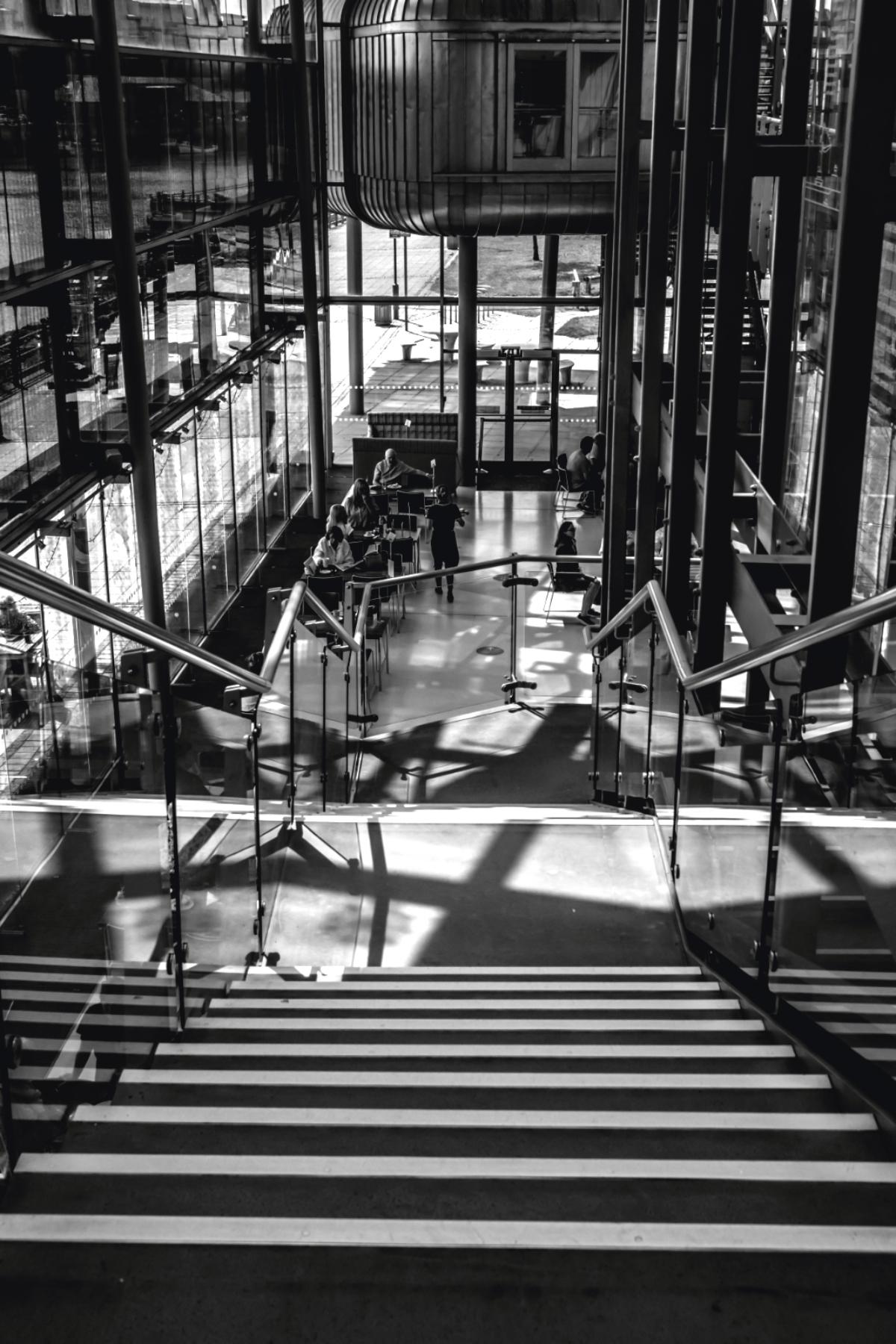
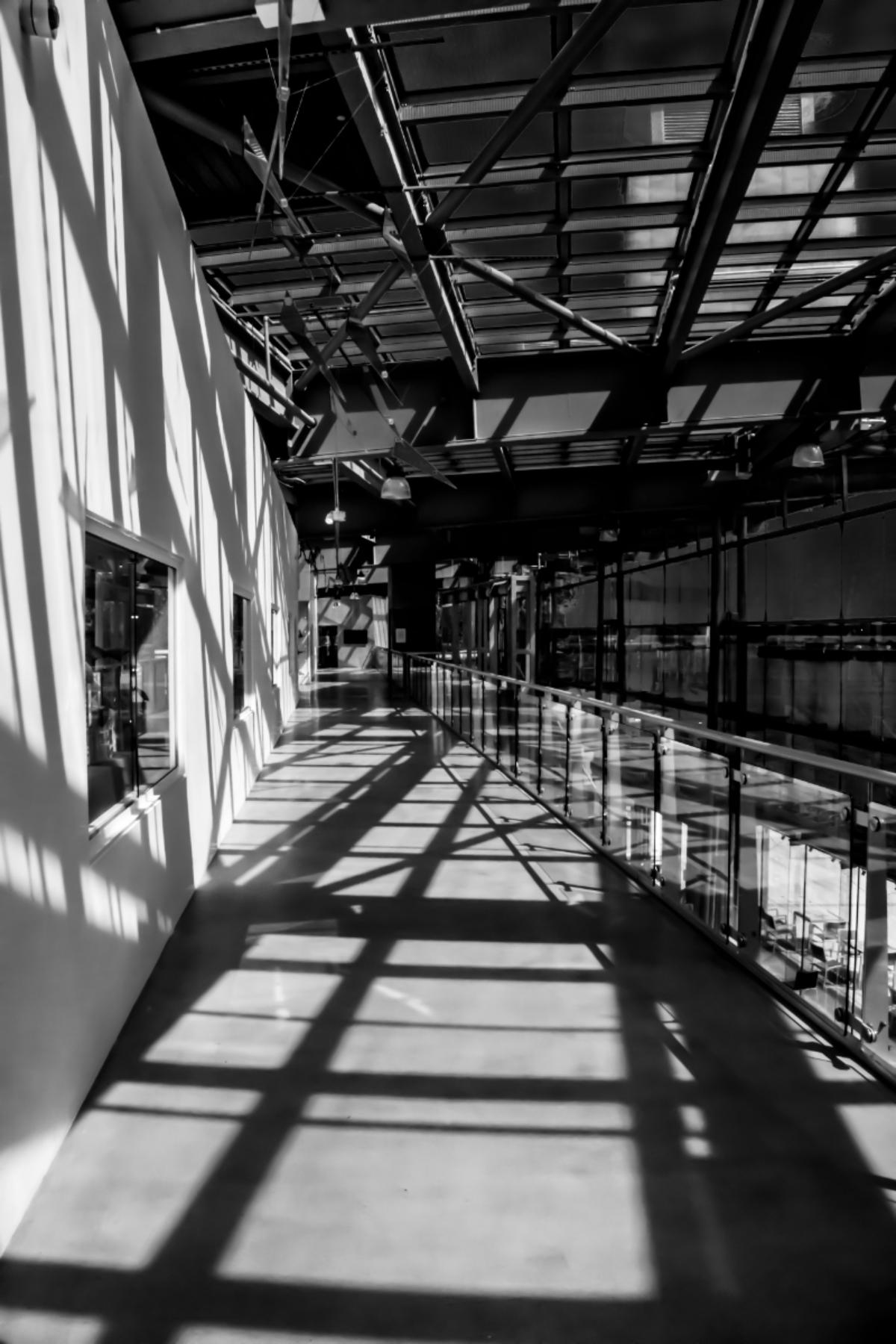
With the planned closure of the National Glass Centre this year I decided to make a photographic record of the glass making process and the unique building structure itself. These photographs represent a small part of that record.
Glass making in the North East of England is part of our heritage. Without this building future generations will not have easy access to that history.
The National Glass Centre, on the River Wear, is an interesting place to visit. You can see live glass blowing demonstrations, look around the exhibition areas, buy a souvenir at the shop and have something to eat and drink. This is The National Glass Centre (there is no other) and it is in the North East. Take the opportunity to go before it is lost forever.
The National Glass Centre – Sunderland
Les Hill, ARPS
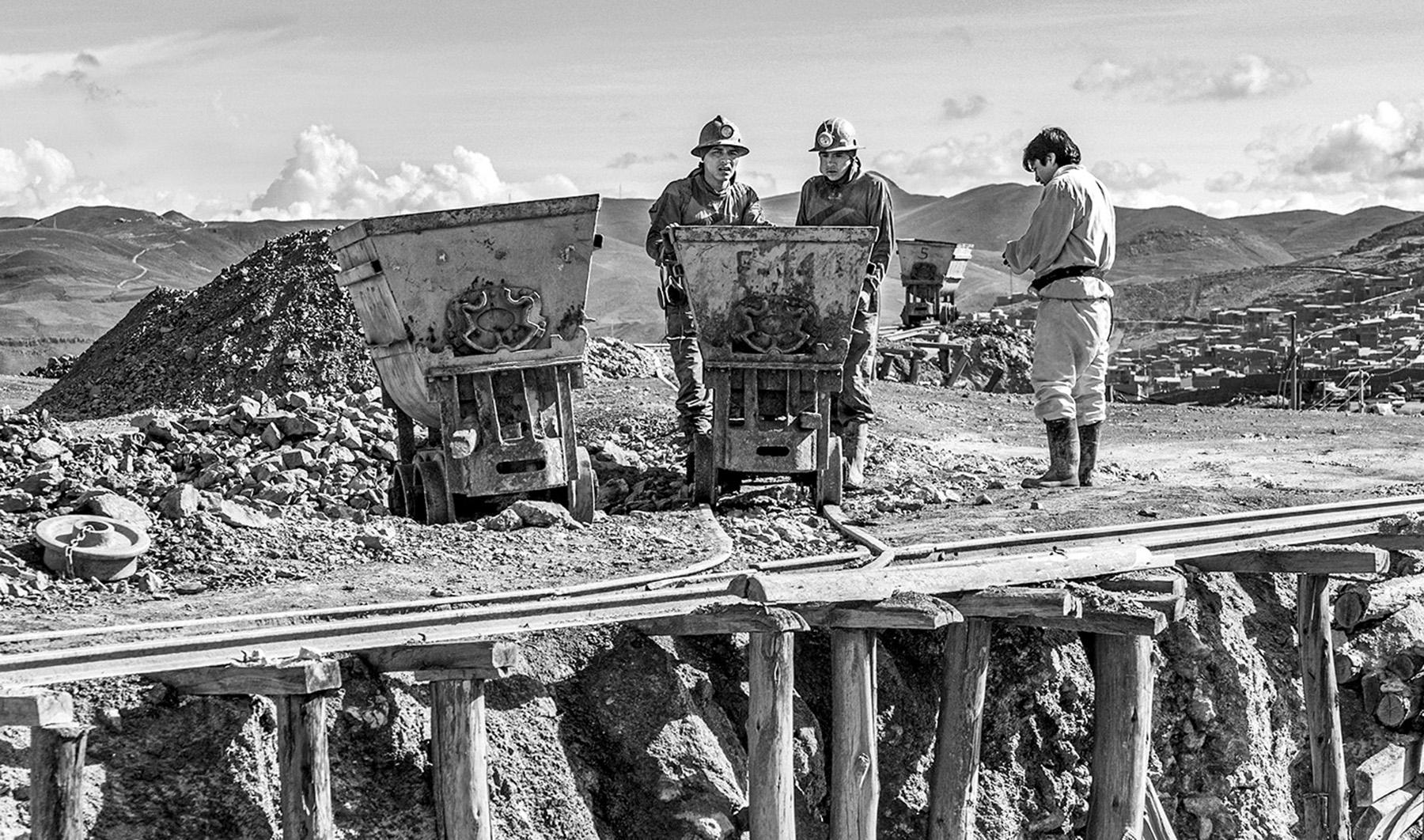
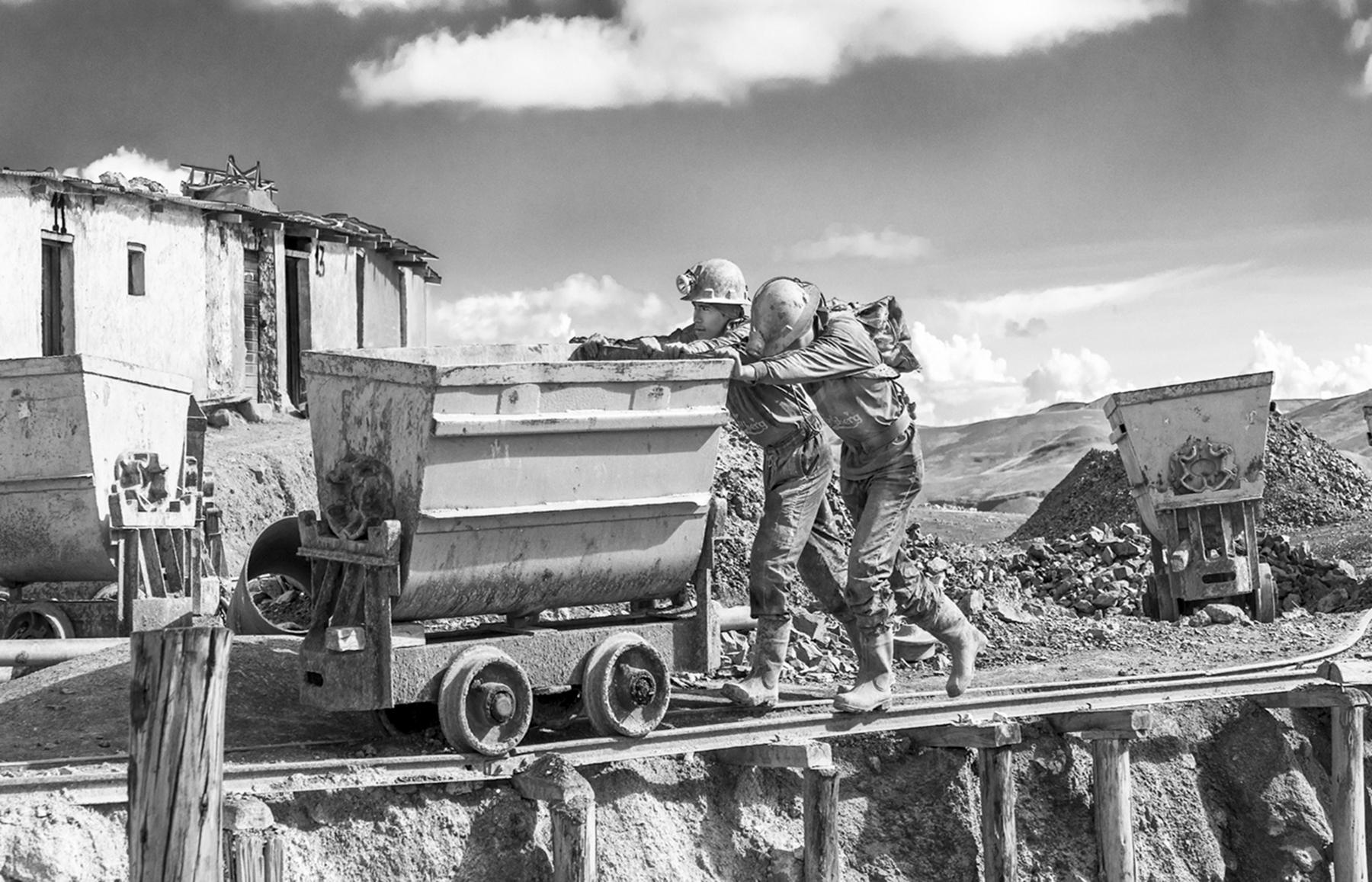
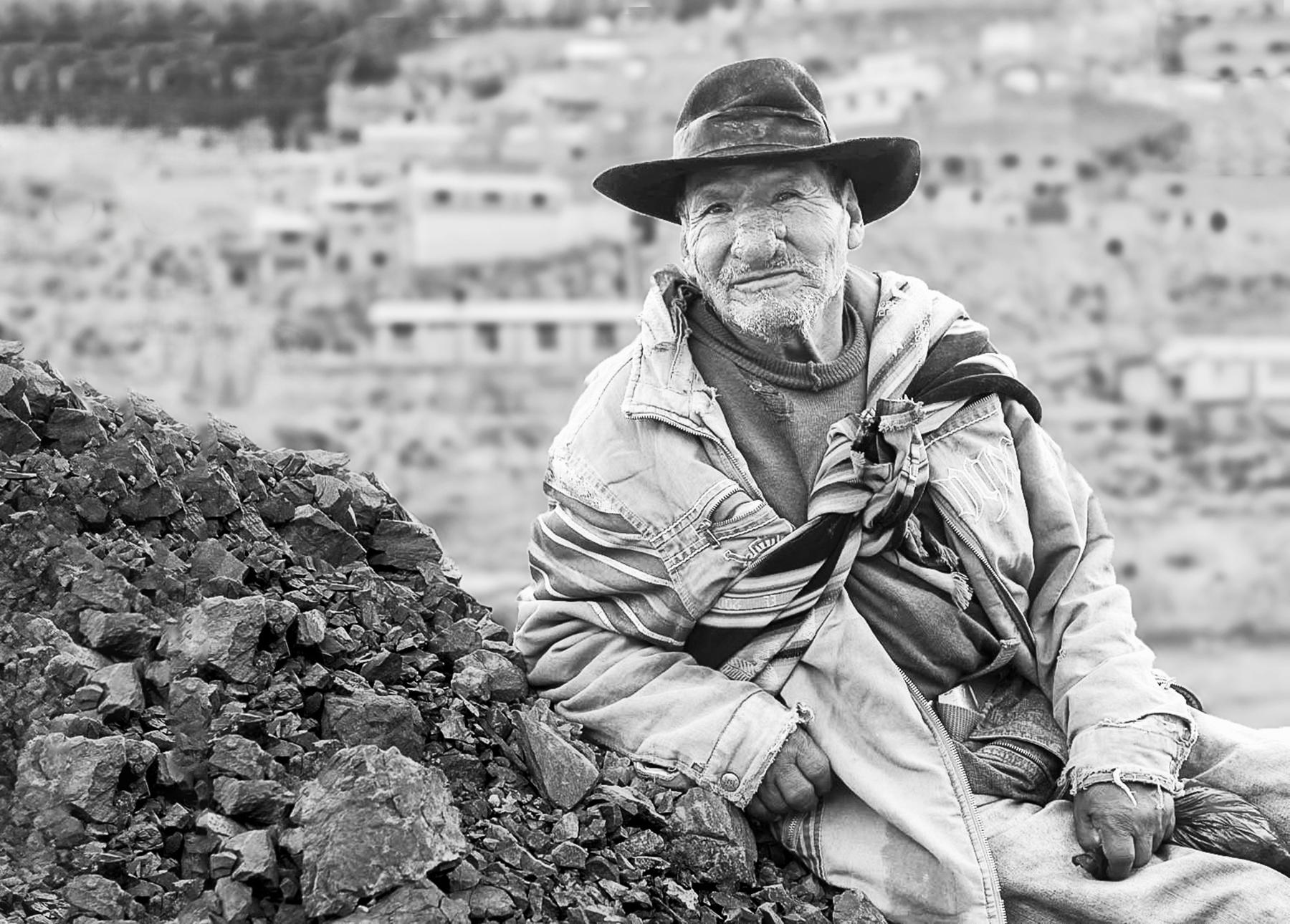
Silver Mining in Potosi, Bolivia
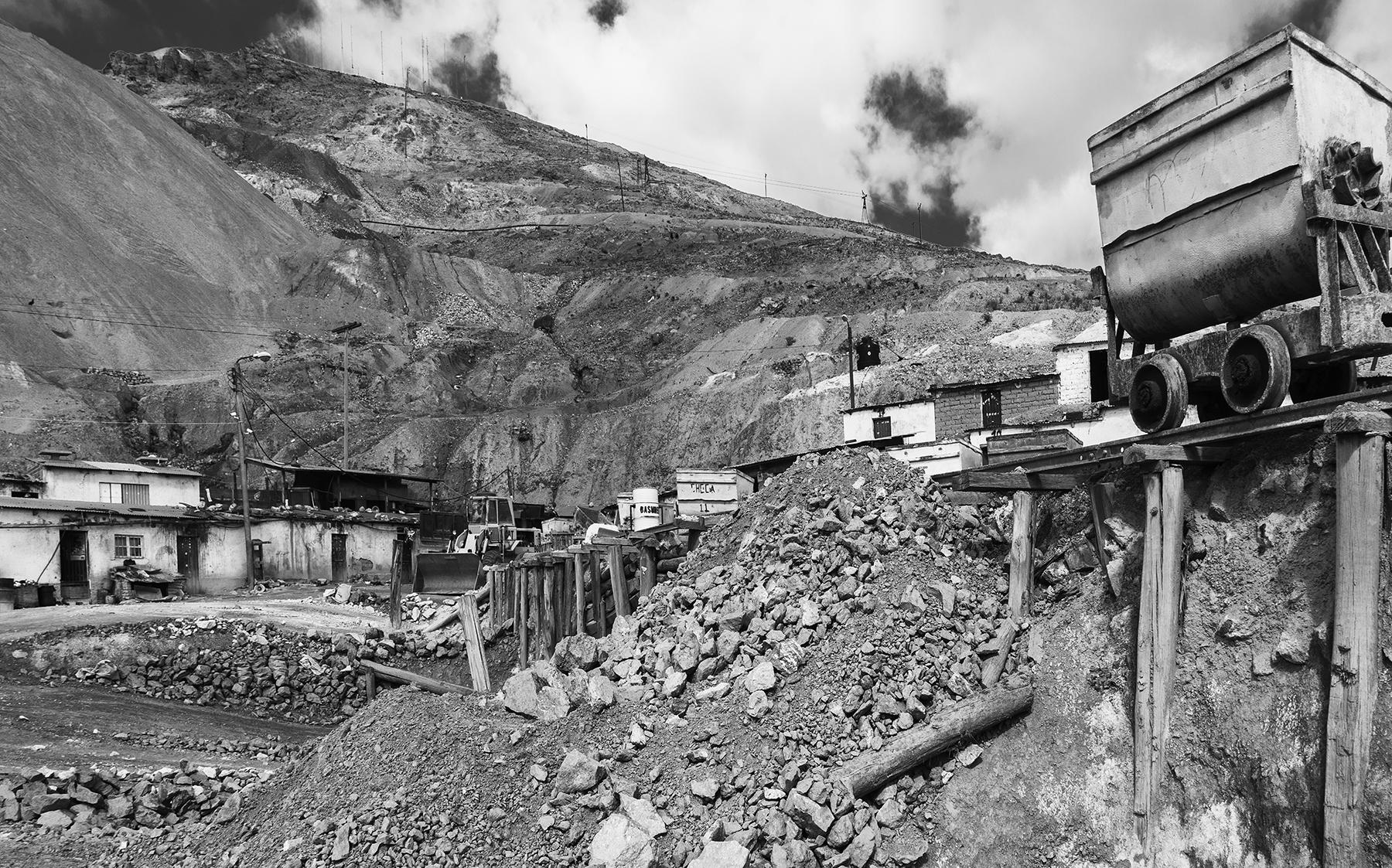
Small-scale mining cooperatives produce most of Bolivia’s gold and other minerals. The cooperatives grew after state-owned mining layoffs in the 1980s and today provide employment for tens of thousands of workers.
The mines are often in remote areas, with miners living on site for many months at a time. Working conditions are very dangerous: safety regulation is weak, ventilation poor and respiratory diseases common, shortening life expectancy. Conflicts between rival co-operatives, and between co-operatives and state-run miners are common, with disputes over lucrative deposits.
The images are from a working silver mine in Potosi that dates from the 16th Century. The mine is now very unstable with workers at risk from collapse and the frequent development of sinkholes. The mine is a UNESCO world heritage site but the site is listed as endangered due to the uncontrolled mining activities.
Lynda Golightly
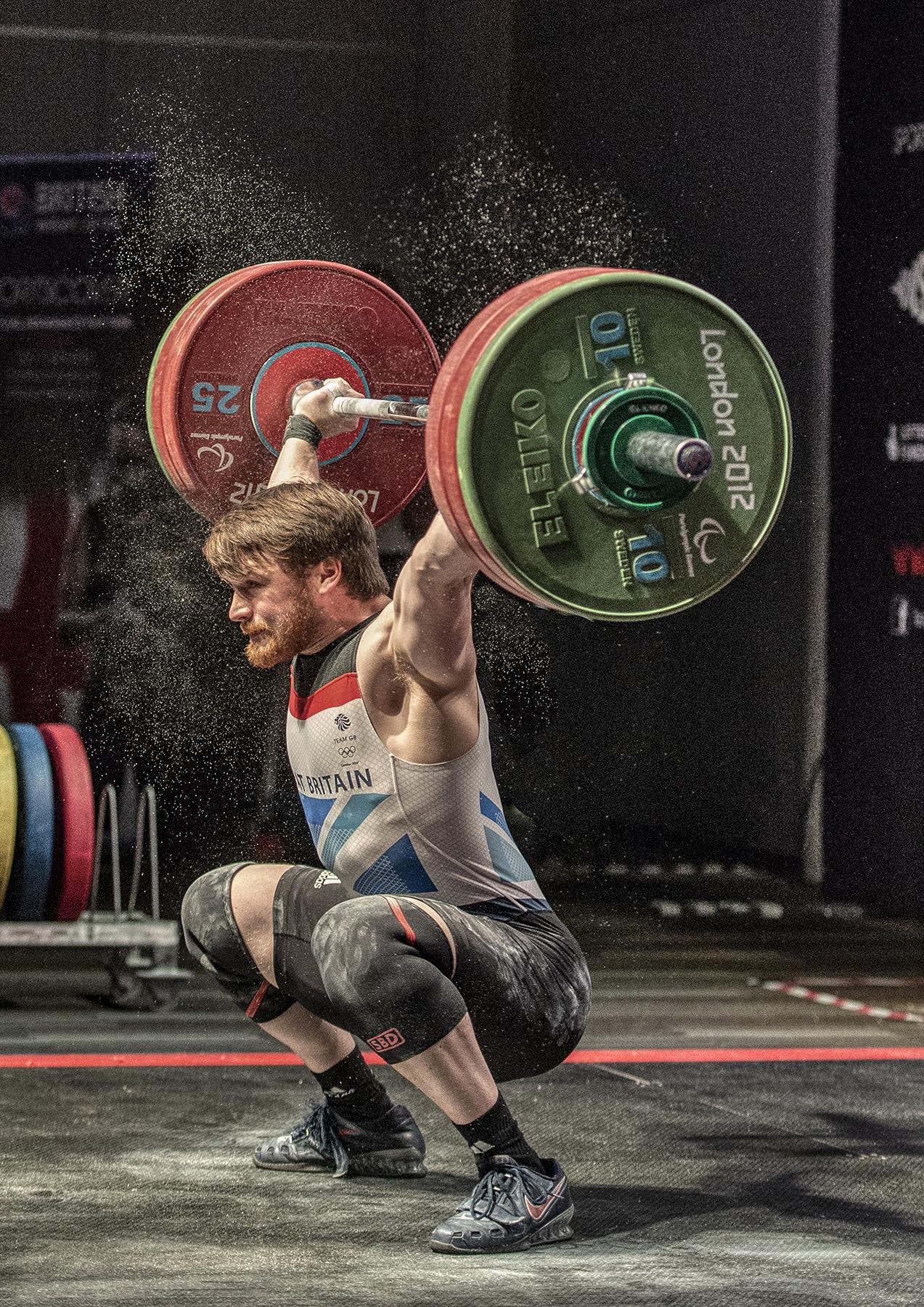
Olympic and Para Powerlifting
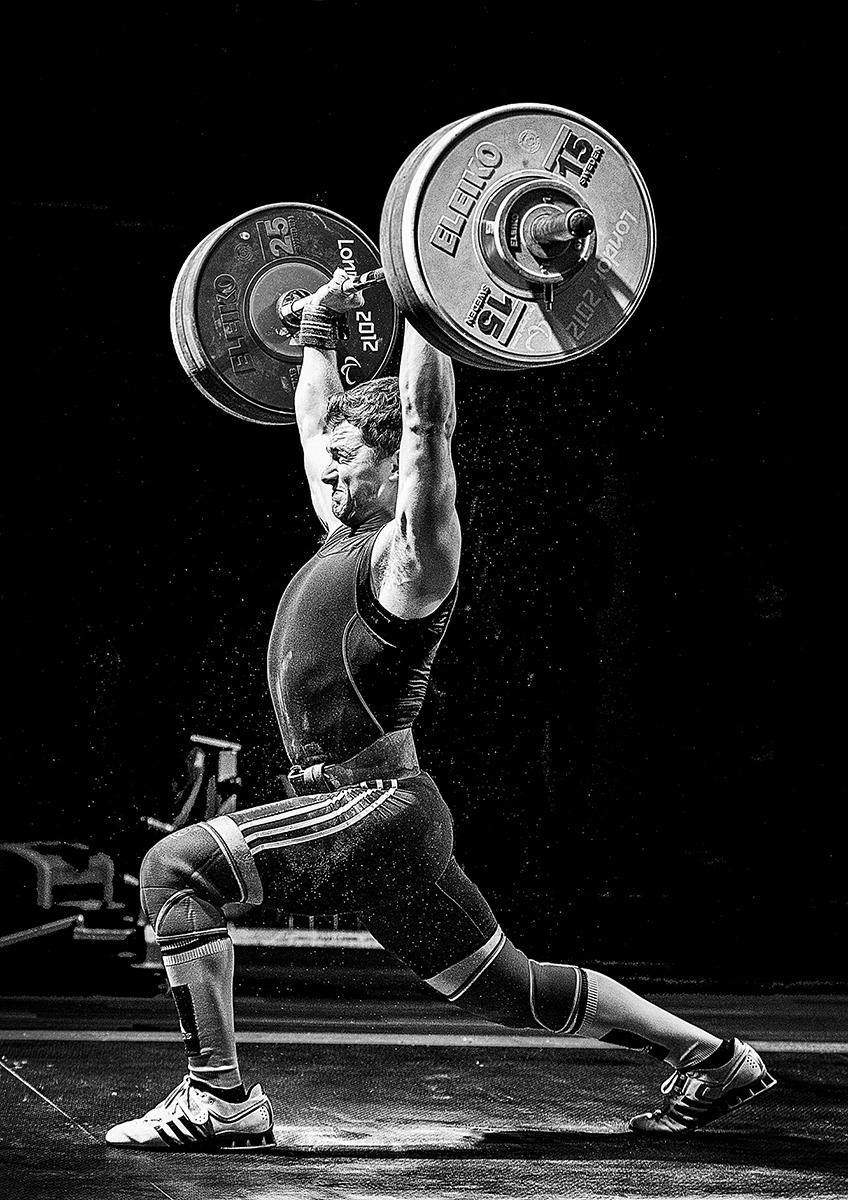
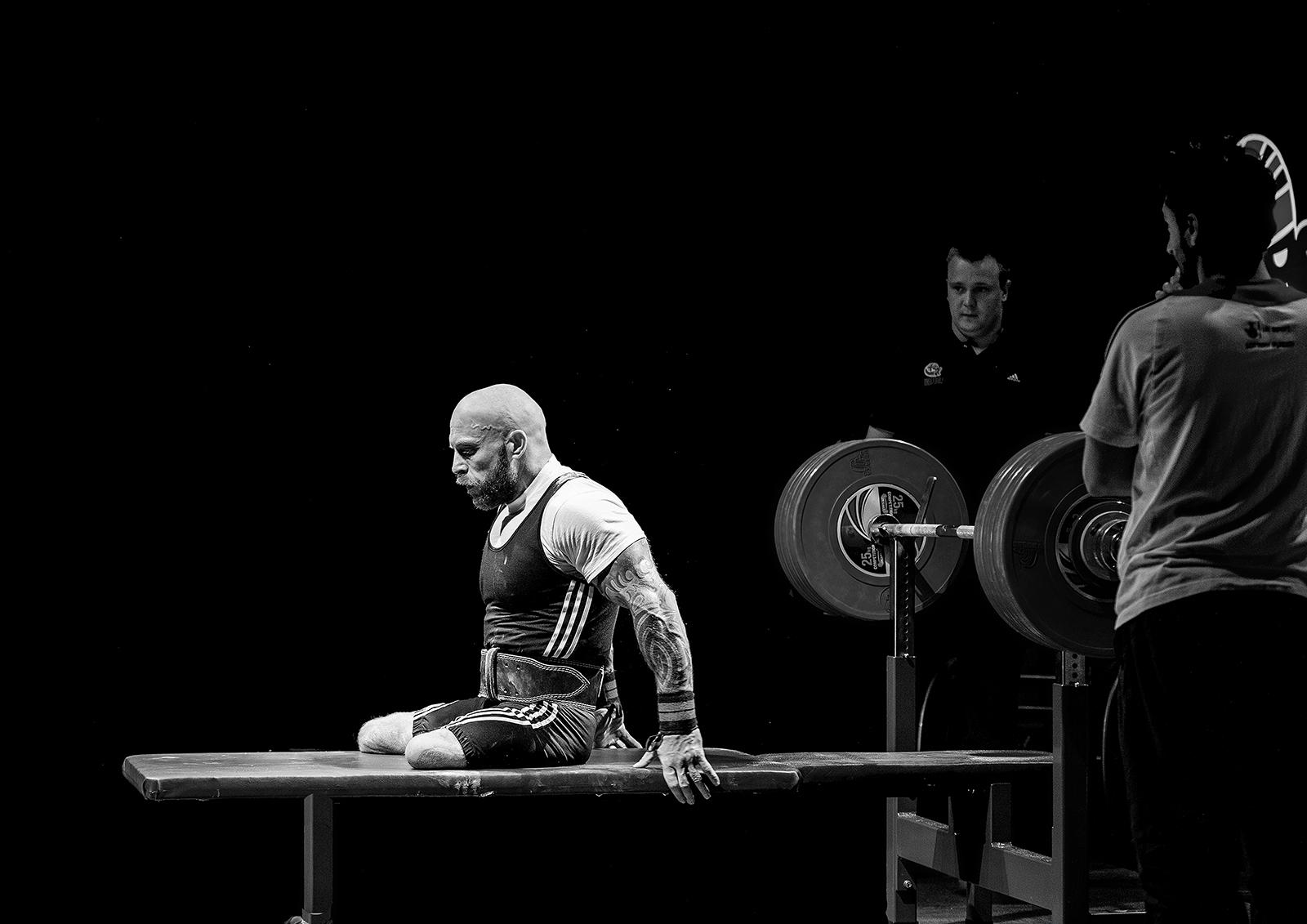
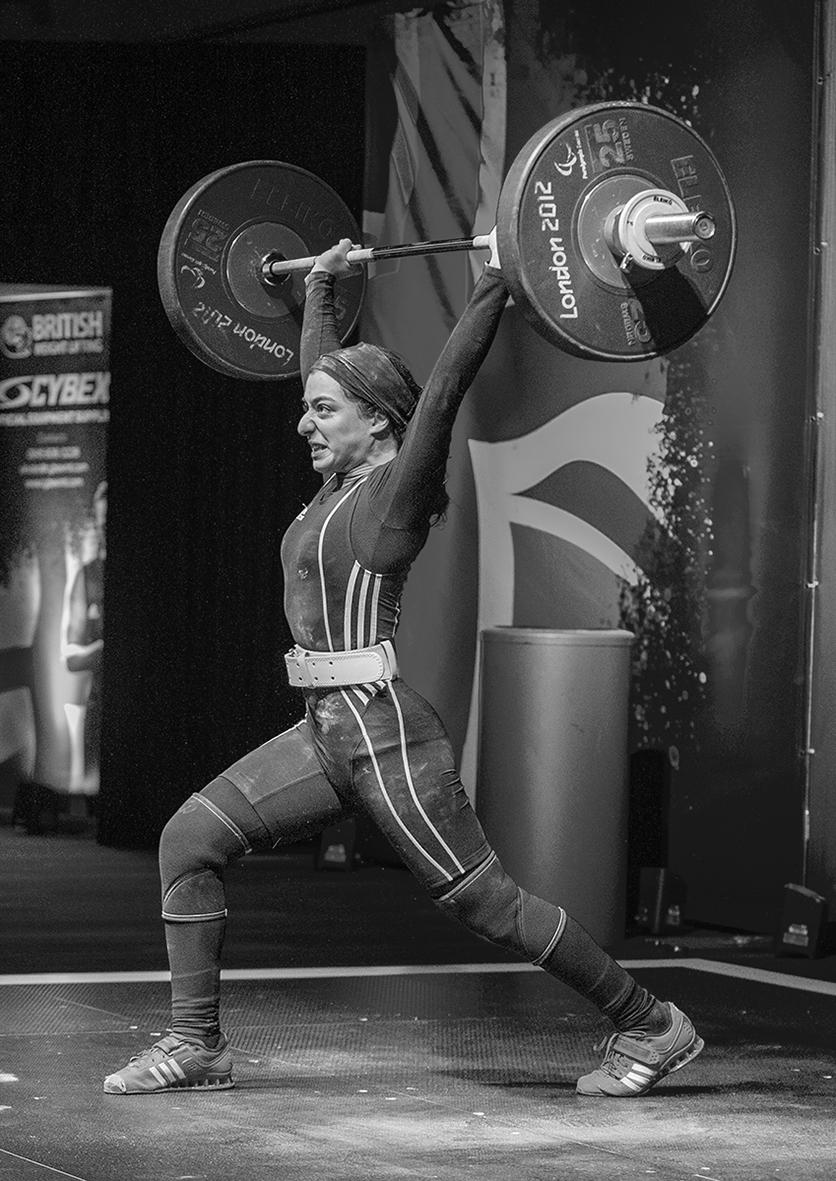
These shots are an appreciation of the sport of weightlifting, which is one of the oldest Olympic Games sports. These were taken at British Championships at an International qualifying event. The first is the Snatch with Jack Oliver lifting a British Record. The next photograph shows a lifter Jerking a heavy weight and captures the effort and determination of the weightlifter. The third is of a Para powerlifter mentally preparing himself before attempting to bench-press in excess of 40lbs. The powerlifter is Mickey Yule who was a serving Sargent in the Royal Engineers. He was injured by a land mine on a tour of duty in Afghanistan, as a result of his injuries, he lost both legs. Malcolm Boyd.
Pickering 1940s Weekend
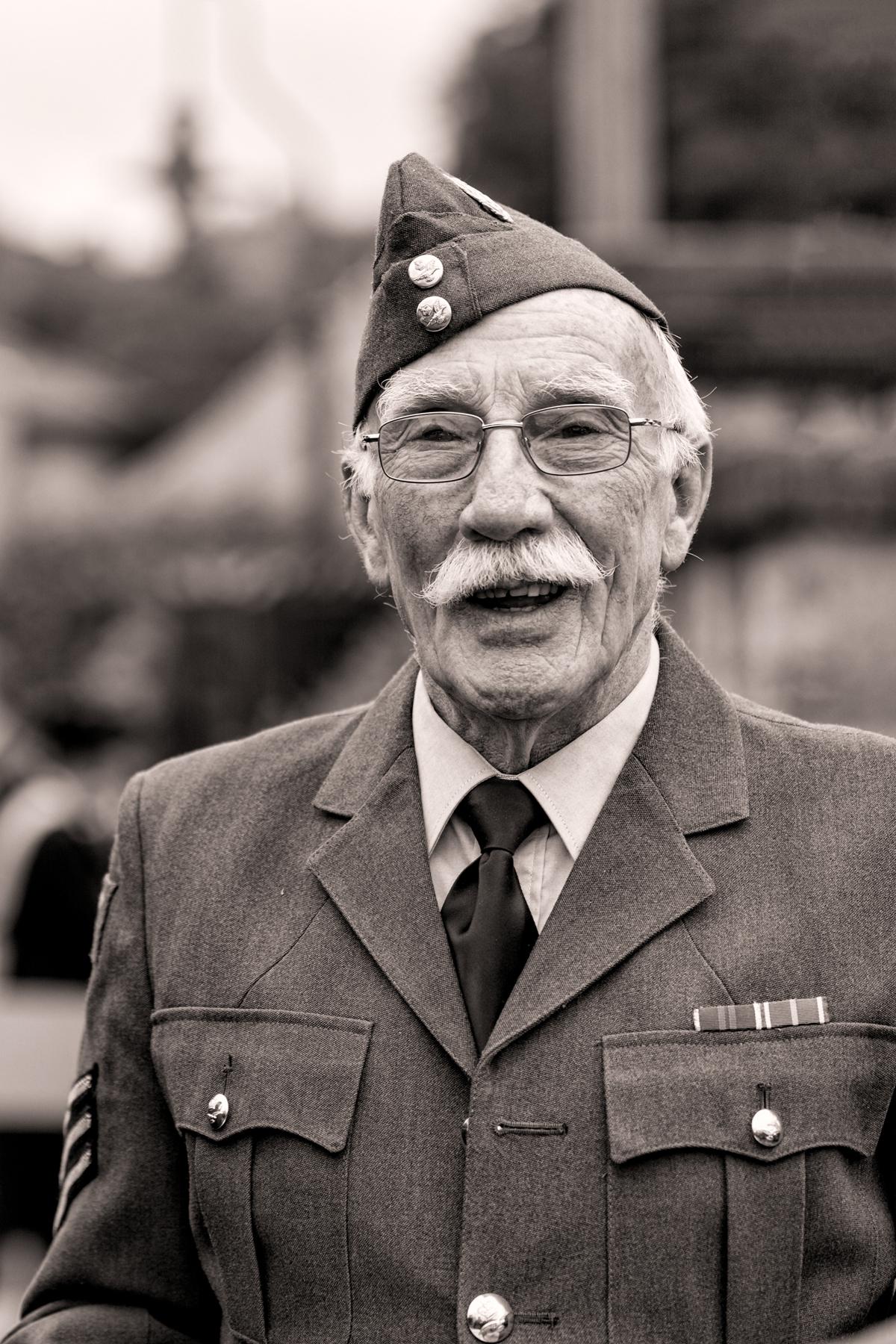
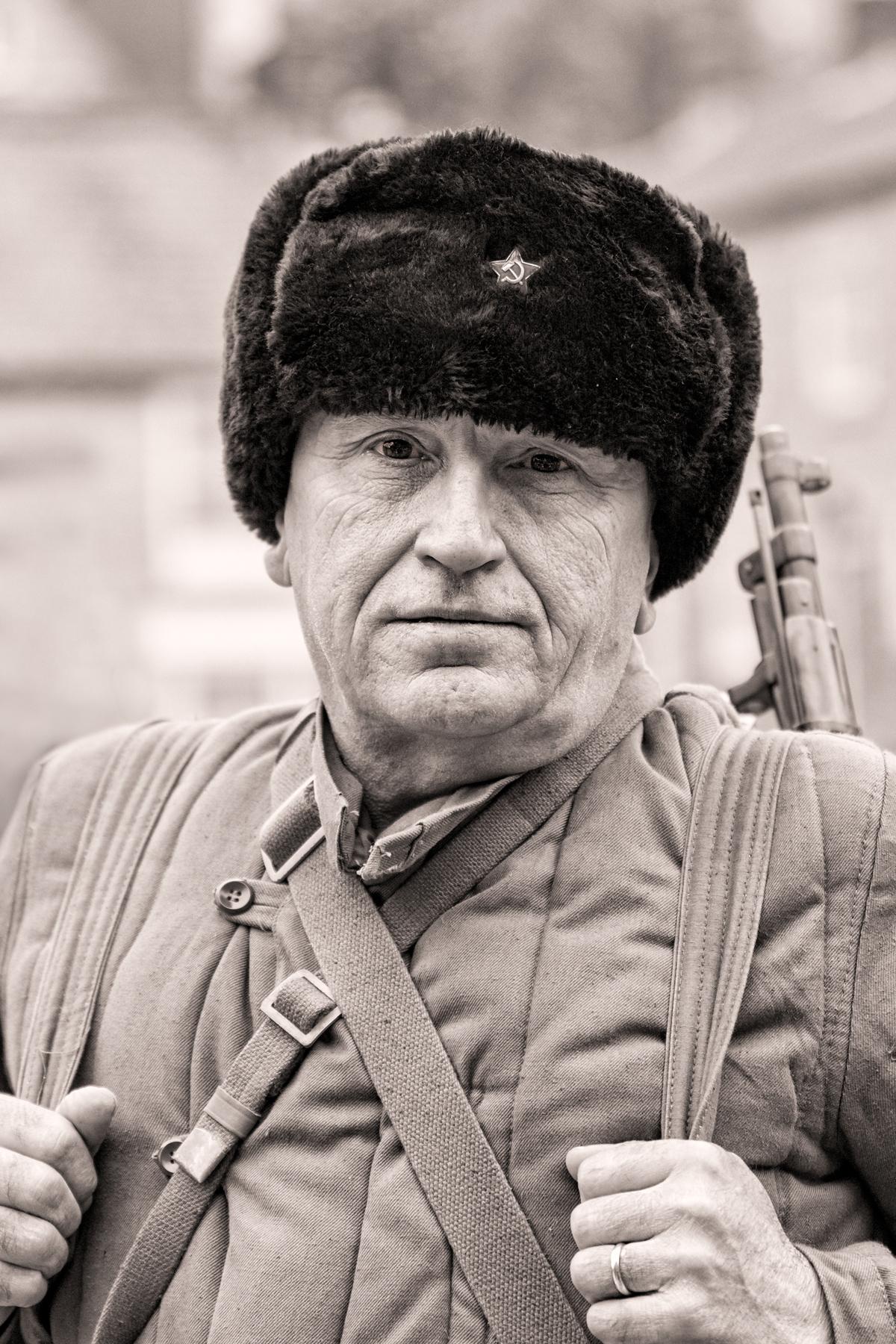
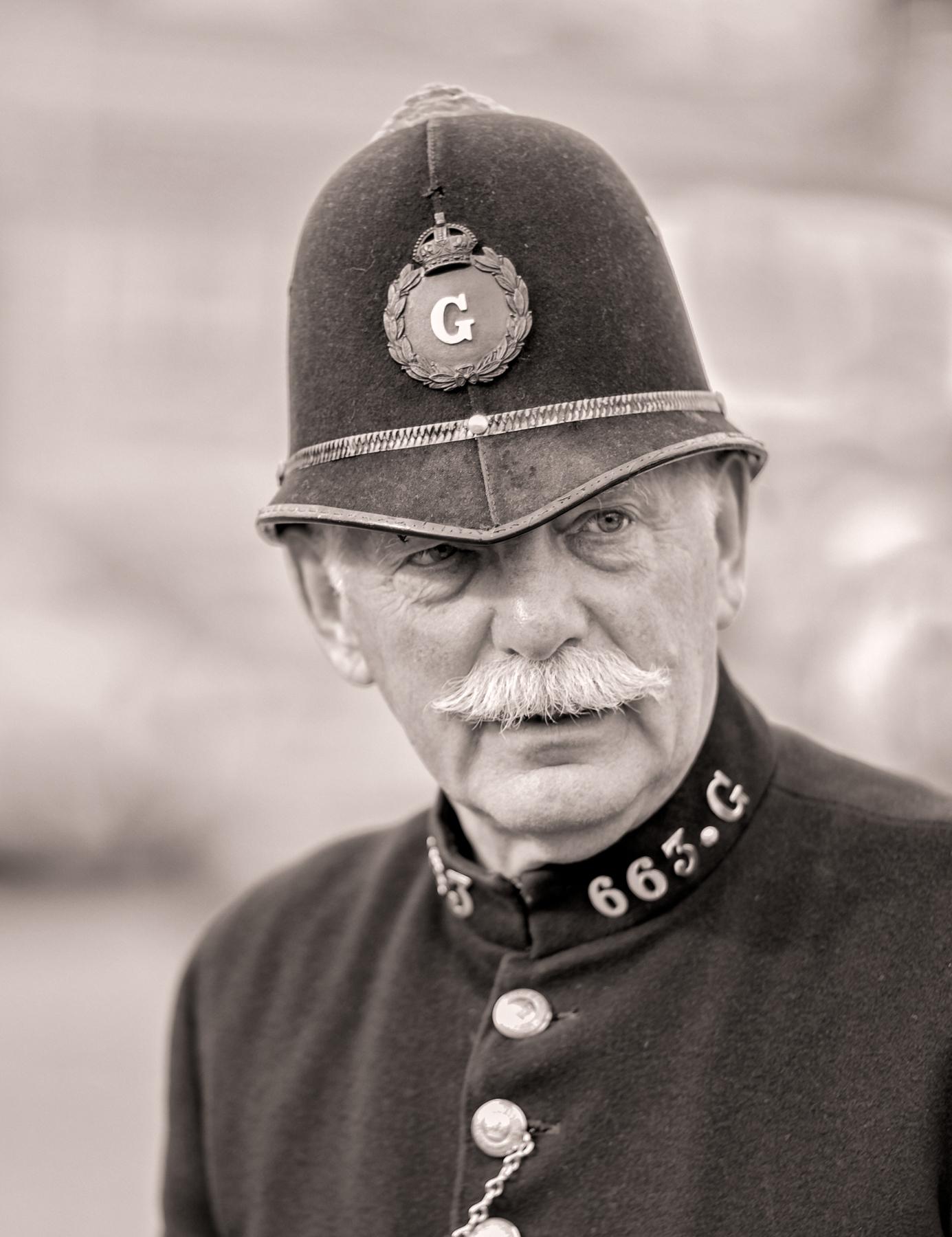
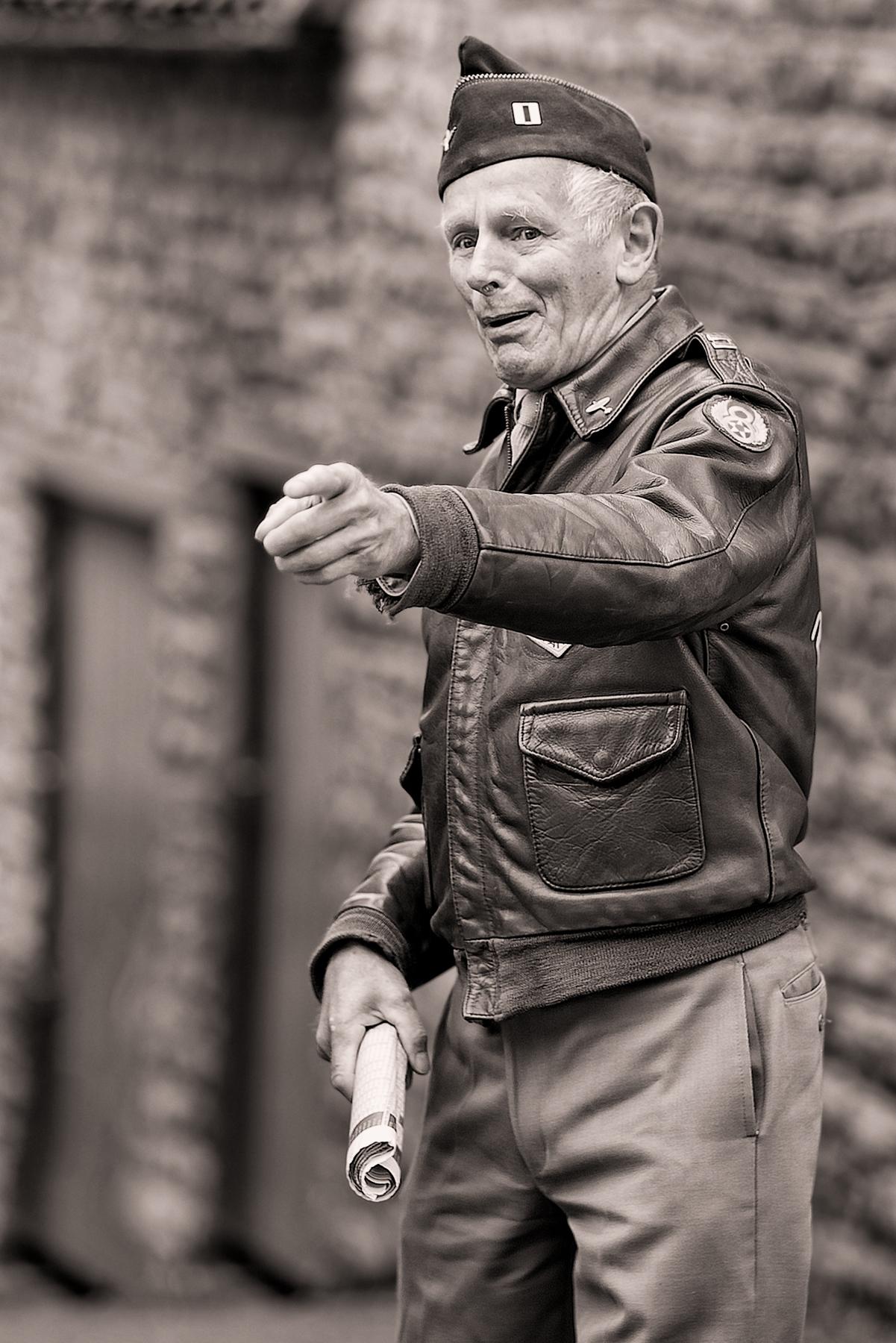
Usually every year in October, the North Yorkshire town of Pickering hosts a re-enactment of civilian life in WWII. The theme is loosely adhered to with attendees dressing in a variety of civilian clothes and military uniforms appropriate to the time.
The idea is to take part and enjoy the event, many of those taking part return year after year, often dressed in different uniforms and sometimes carrying replica weapons etc.
Here I’ve chosen to show four of the people who took part in the event in 2013, when I last attended.
Mark Corpe
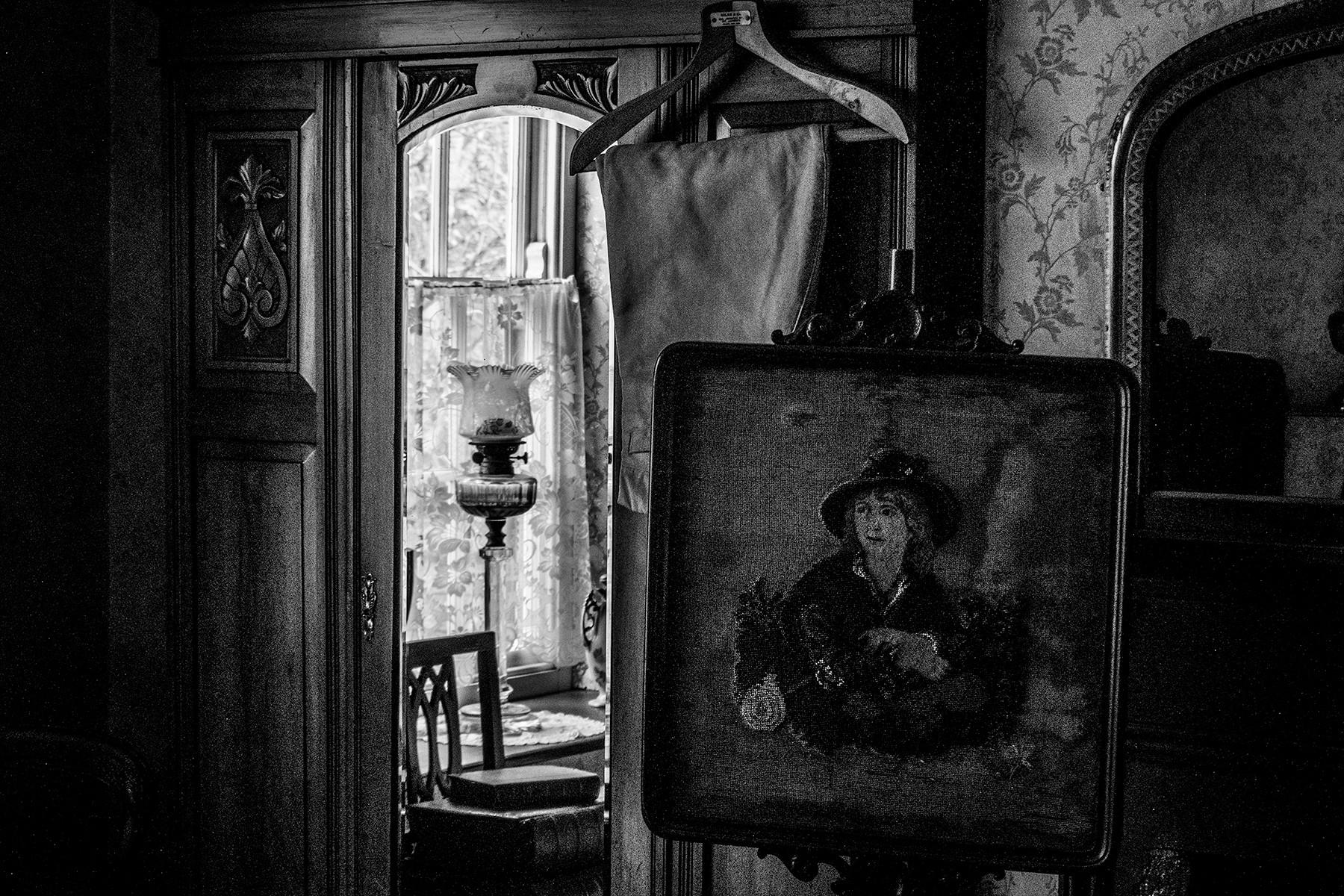
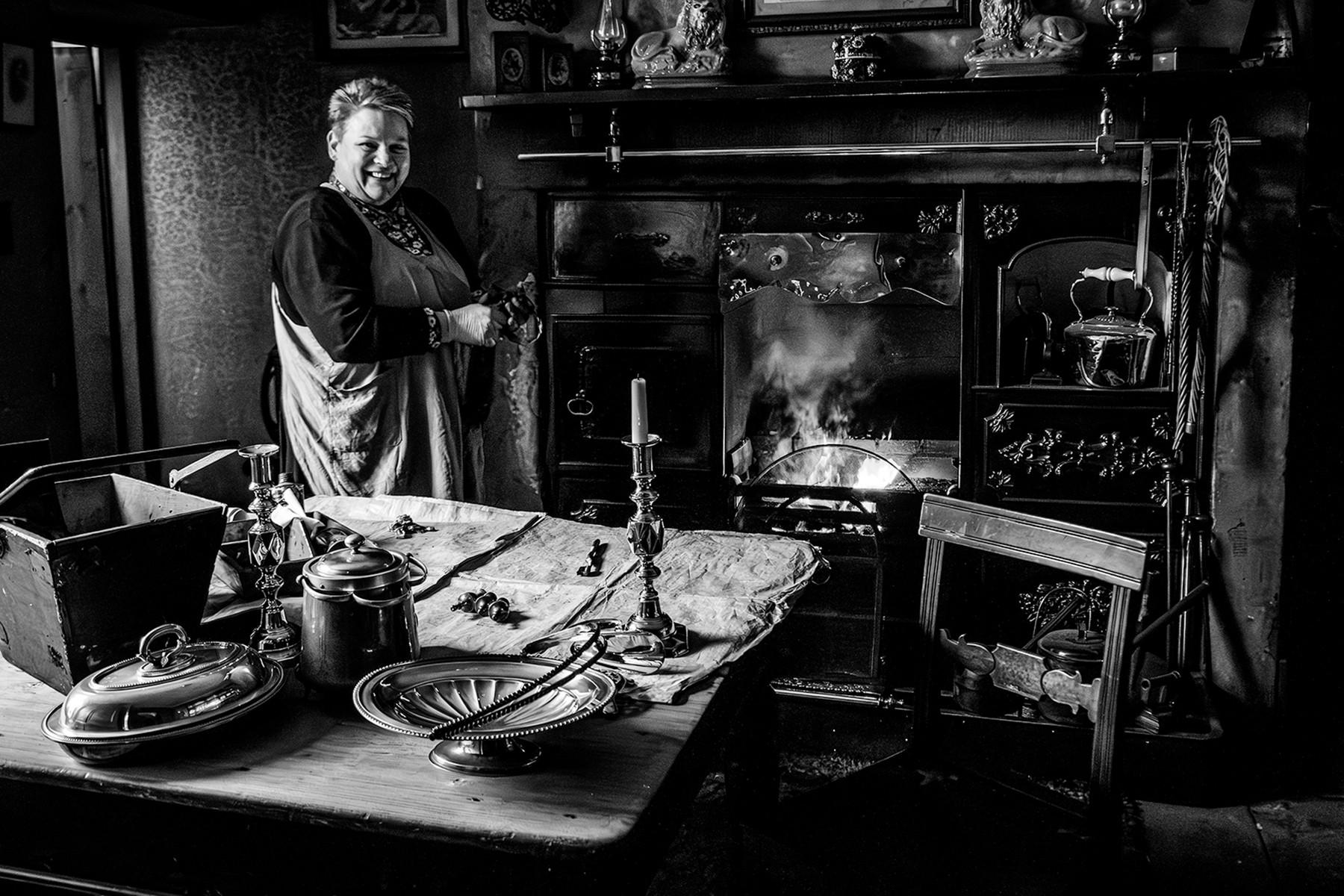
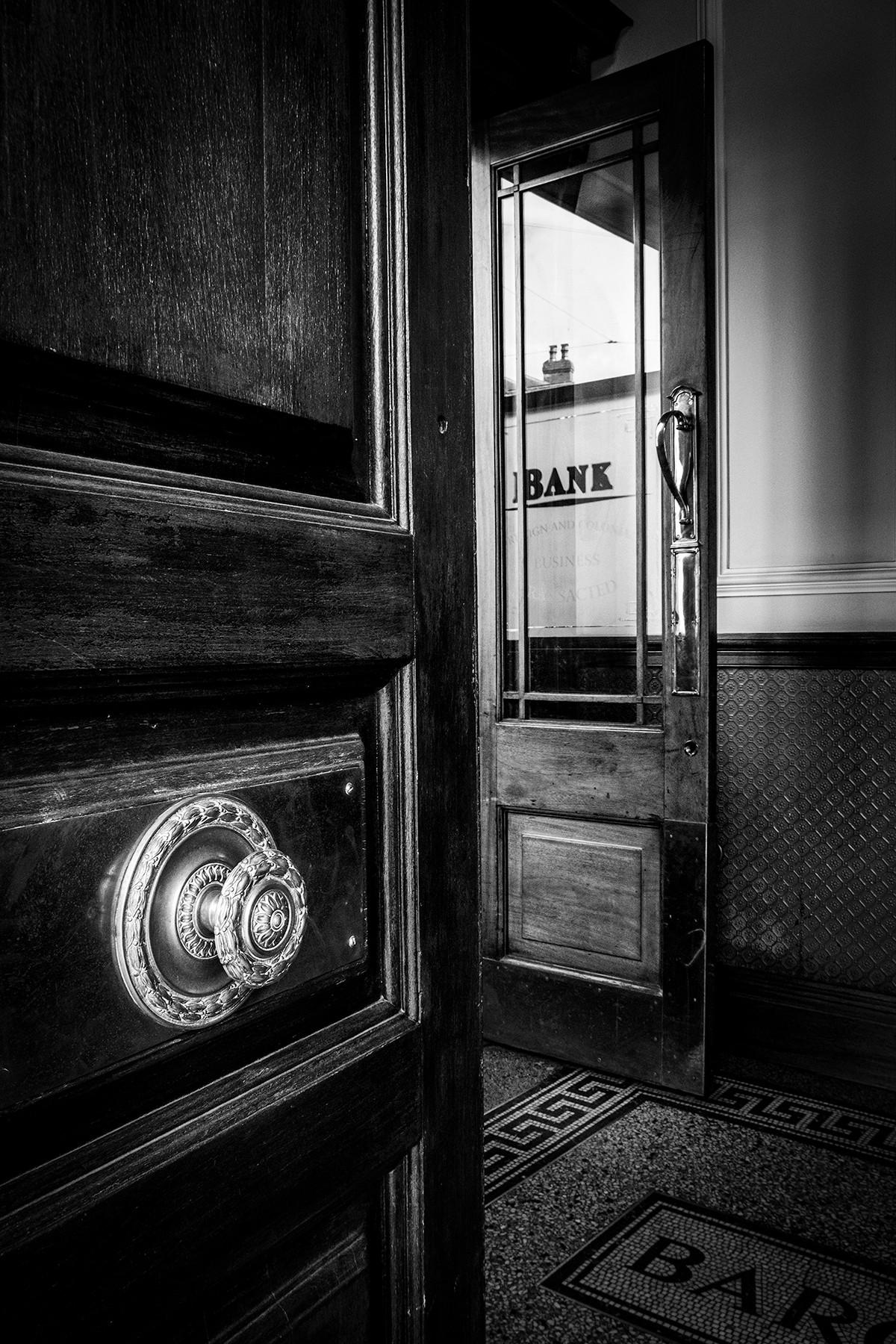
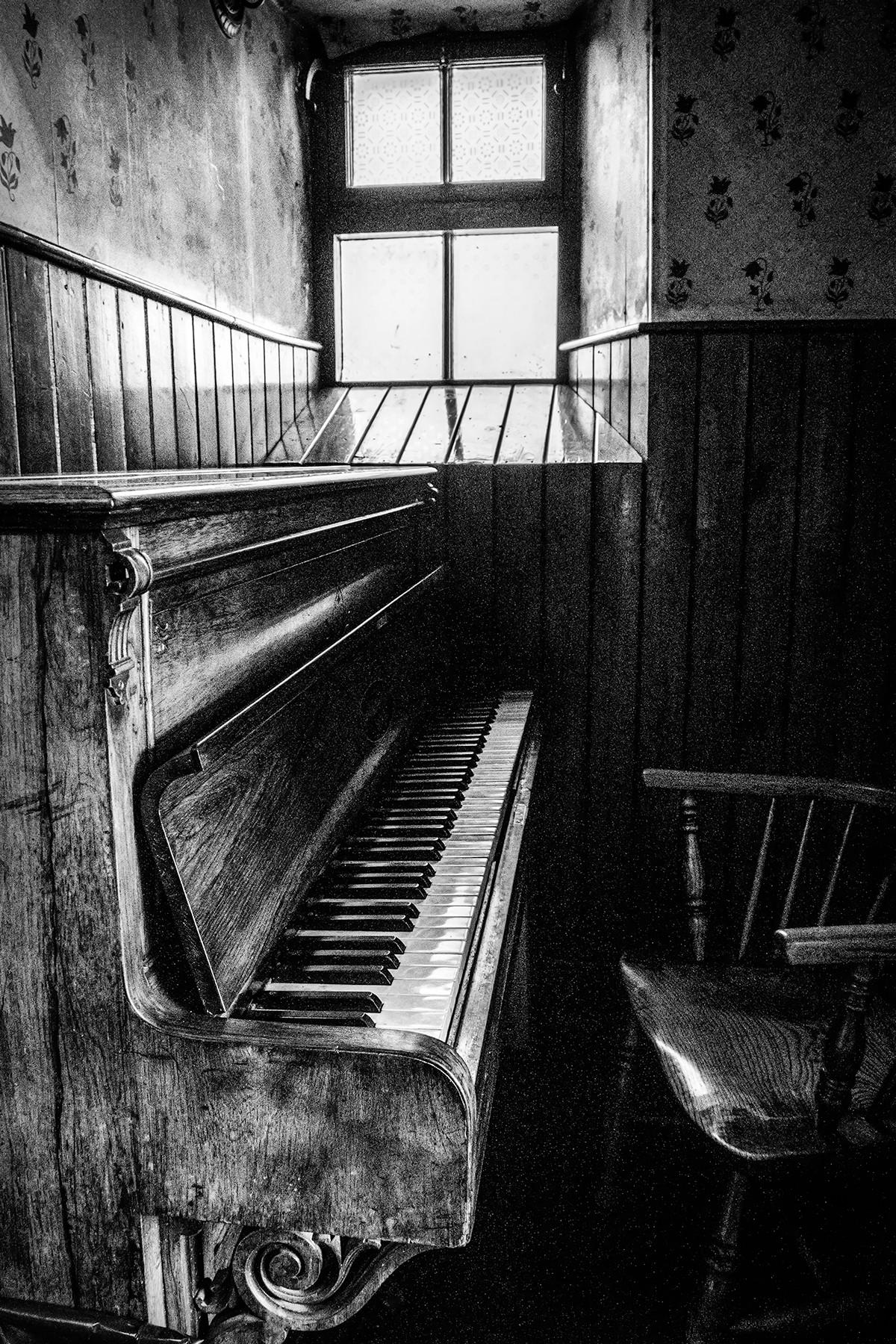
During my visits to Beamish, I have always been able to find something different to photograph, which quite often changes between each visit. Beamish is an open air museum where the staff dress in traditional dress, and share stories and history of the community, giving the visitor an insight into how people lived in the past.
Paul Hattam
Beamish Museum - Paul Hattam
Beamish Museum
Beamish Museum - Paul Hattam
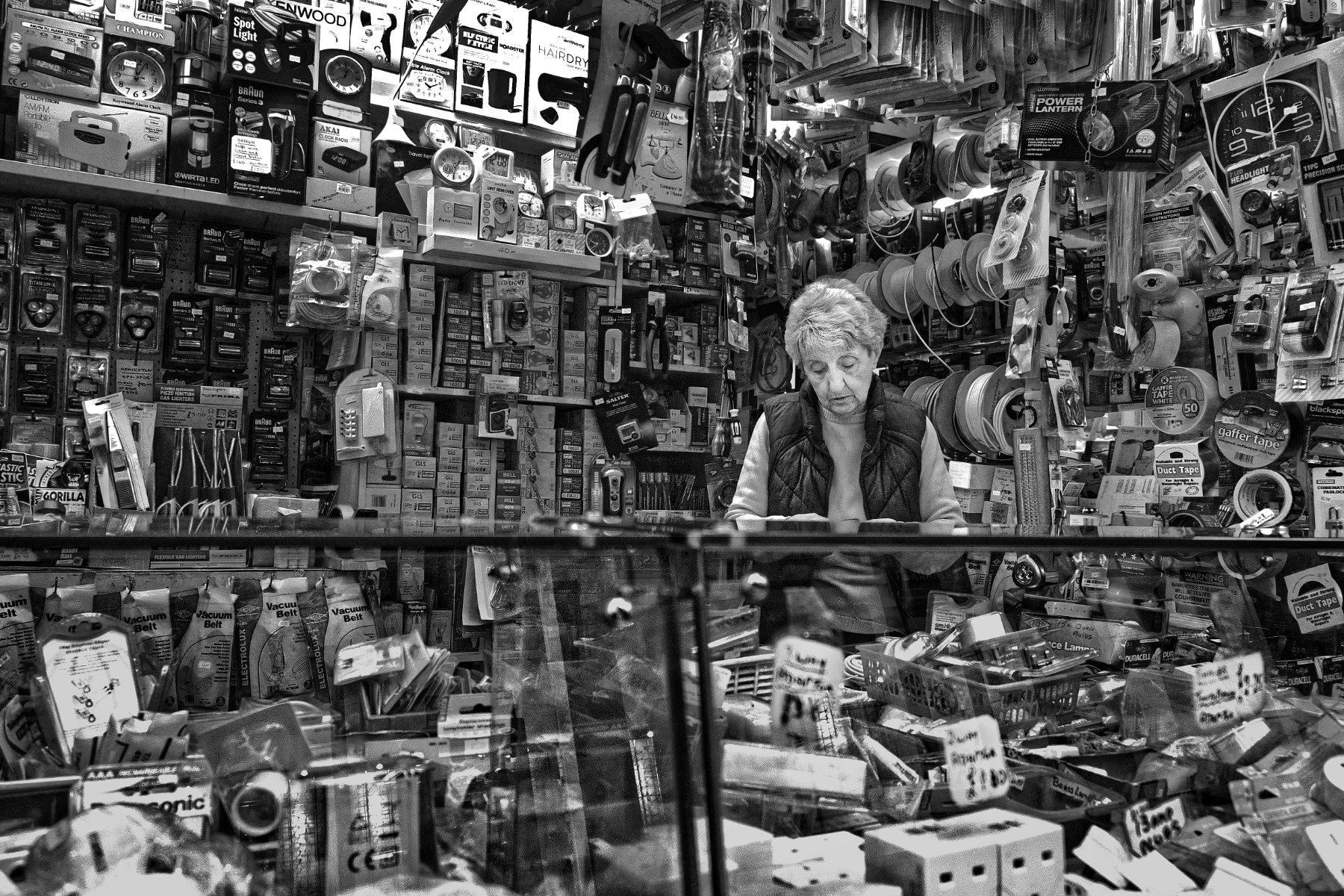
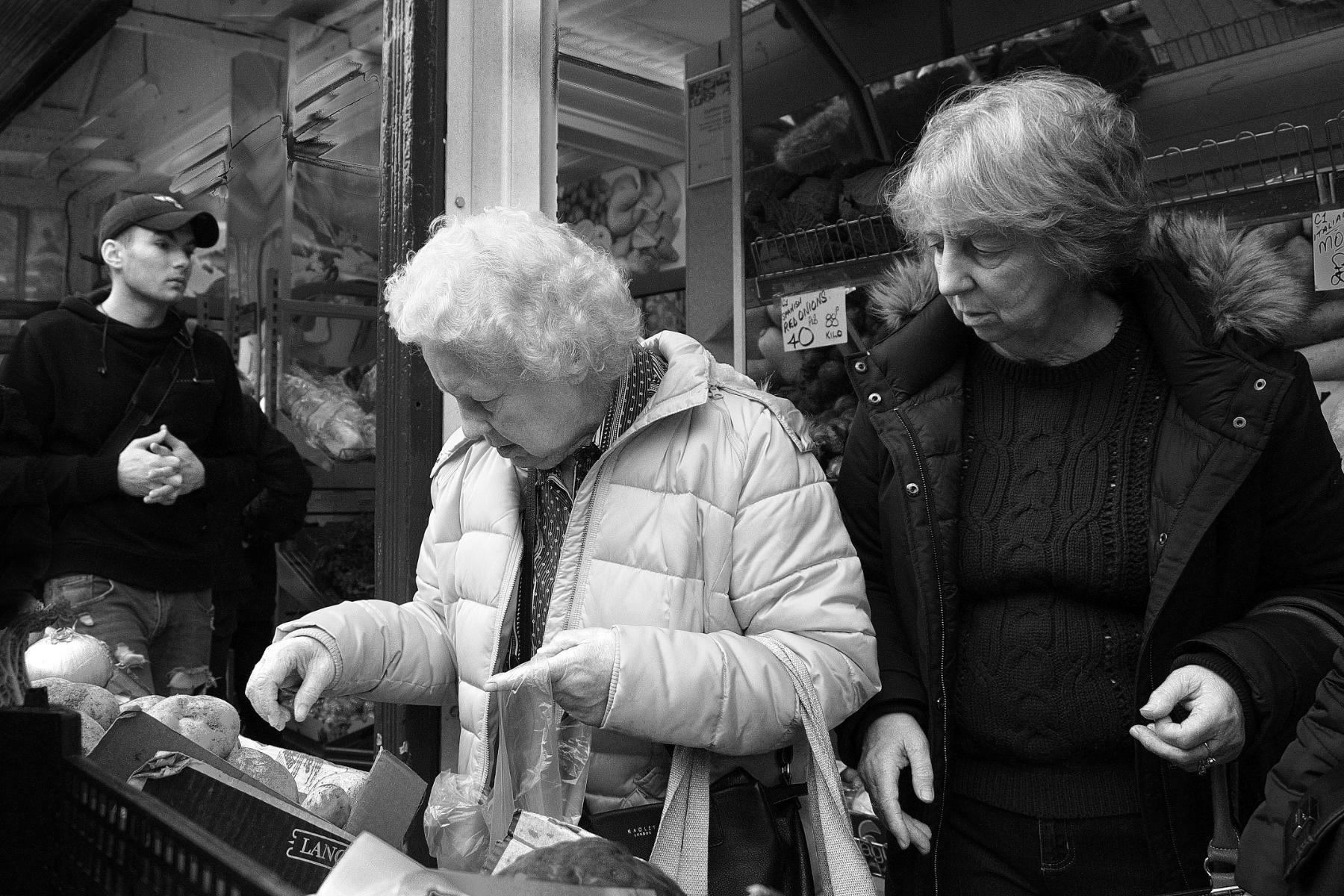
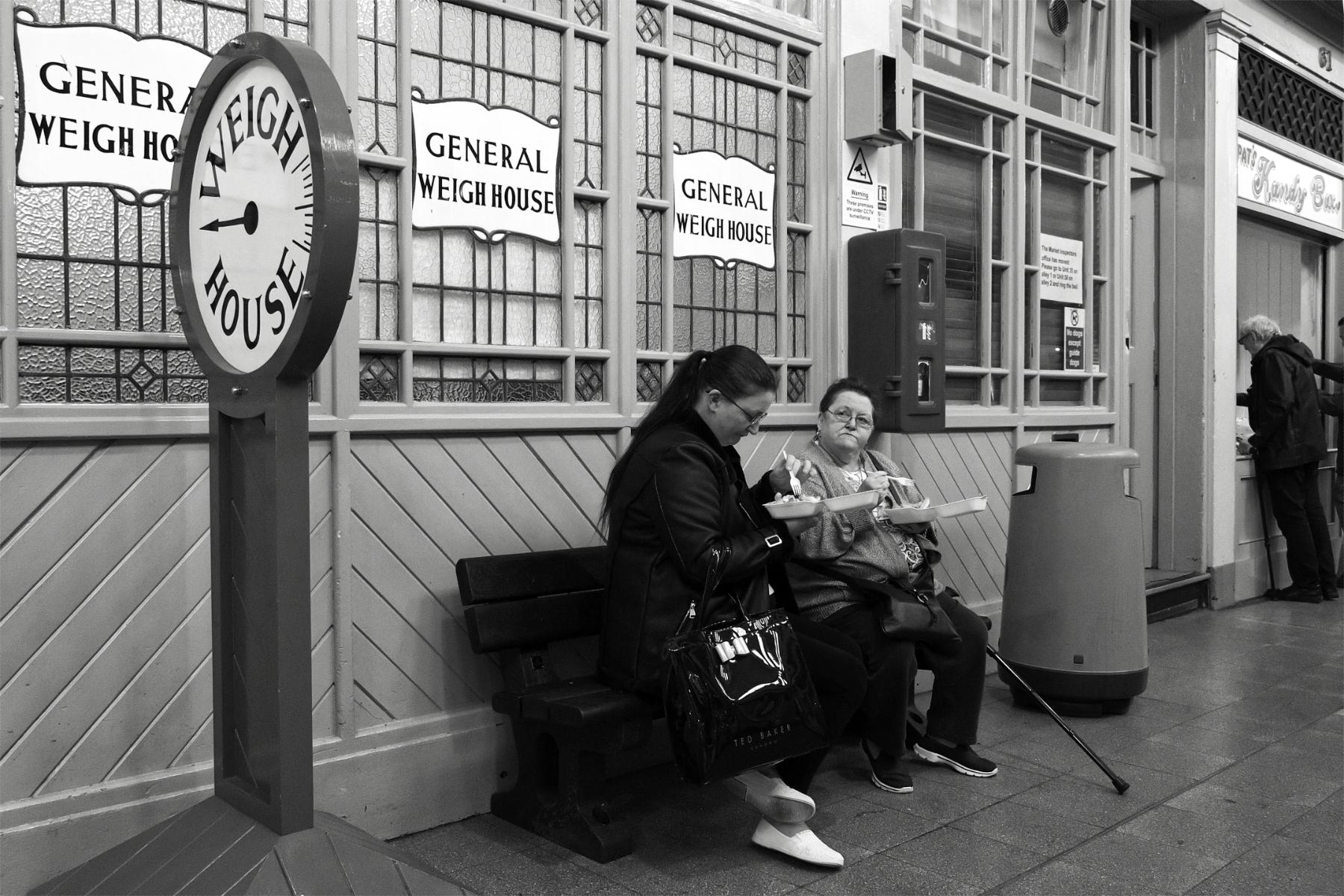
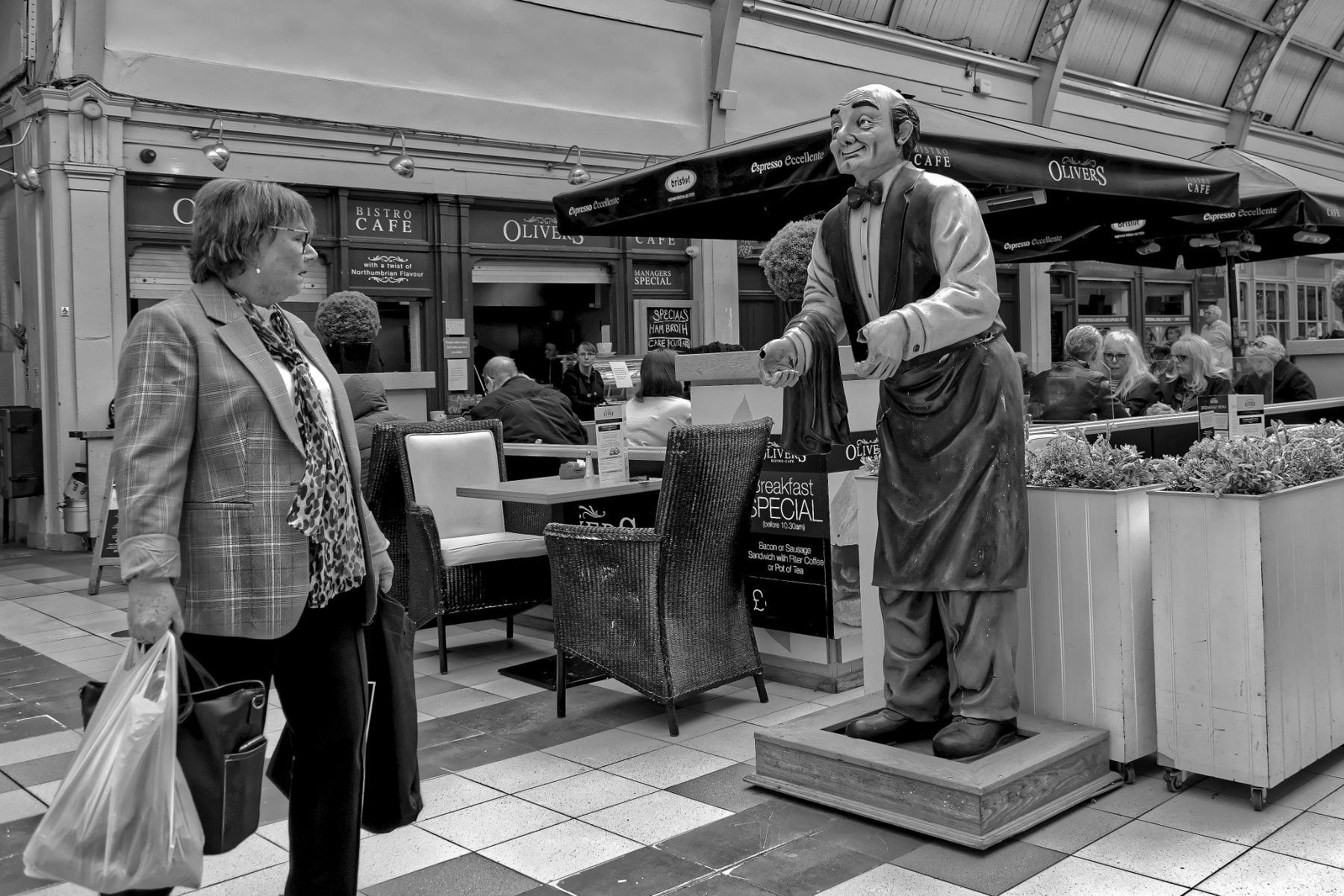
The Grainger Market has been a project of mine for a good number of years. There are 14 entrances into the market where you can meander along the alleyways. Photographing the market traders as well as the customers has been my main focus of interest.
Although the market has remained the same since childhood there have been extensive renovations taking place recently. I’m looking forward to seeing the modernization and adding more images to my collection.
Peter
Dixon, ARPS
Newcastle Grainger Market
Global Doom Scrolling
The term ‘Doom Scrolling’ appeared, very appropriately, around 2020. Originally defined as continuously searching for bad news on mobile phones, it now often refers to simply not being able to put our phones down.
These images from Paris France, Ho Chi Minh City Vietnam, Doha Qatar and Saltaire England are part of a growing collection of images that, although individually fairly mundane, collectively show that wherever in the world, and despite our regrettable, often petty differences, at a basic human level, we all have so much in common.
Tony Sheperdson
Images of the Exhibition Zine, produced by Lyn Newton ARPS
The Documentary Group Online
The documentary group has a presence on the following platforms, come and join in the conversation. We understand that not everyone has a social media profile or wants to create one. That’s why all our profiles are public and can be viewed by everyone, no matter whether you have an account or not. This means you will be able to view all our posts and book on to ticketed events. Checking our RPS page and searching for events is still a good way to keep informed with all that is happening in the Documentary group. If you have any questions you can always e-mail us – all our contact details are listed there.
Facebook
Facebook Page - facebook.com/rpsdocumentary
Our public Facebook page highlights projects and events related to Documentary photography.
Facebook Group - facebook.com/groups/RPSDVJ
We also have a closed group Facebook page, exclusively for our members. If you want to join us there, you can share your pictures with us, ask for advice, and engage with our online community.
Instagram @rpsdoc
Instagram is an image-based social media platform, so think of our profile as of anonlinegallery.Ifyoufollowusthere,youcanseepicturesfromourcompetition winners, DM contributors and members along with invitations to events and images from these occasions. Instagram is the place where we want to promote the work of our group and our members to the wider public and encourage them to follow and engage with our projects.
Flickr
Royal Photographic Society - Documentary Group
Documentary Group members run an active group on Flickr with plenty of images and the opportunity to discuss them with the group.
rps.org/documentary
Contact: docweb@rps.org
X
@rpsdoc
Our X/Twitter page is for short important updates such as events, exhibitions, call for entries or other announcements. If you do not have much time for scrolling on social media but still want to be in on the action, we recommend you to follow us there. We promise we’ll be short and concise.
Issuu
Issuu.com - Documentary Group, Royal Photographic Society
TheDecisiveMomentispublishedontheIssuuplatformwhereyoucanreadeach edition online or download pdfs to read offline. Please follow the Documentary Group in Issuu and use the buttons to like and share your favourite editions or individual features - it really helps support the Documentary Group.
Website rps.org/documentary
The Documentary Special Interest Group has a section on The Royal Photographic Society website. Here you can learn more about the group, hear about recent news and future events and access an increasing number of documentary photography resources.
Documentary is about developing a narrative or story using images. Our Documentary Group members have a common interest in documentary, urban and street, photography. The group offers a lively events programme, a regular e-journal and the opportunity to participate in other photographic initiatives.
Documentary photography communicates a clear narrative through visual literacy. It can be applied to social, cultural, historical and political events.
Documentary photographers’ work always has an intent; whether that is to represent daily life, explore a specific subject, deepen our thinking, or influence our opinions. rps.org/documentary
Members form a dynamic and diverse group of photographers globally who share a common interest in documentary and street photography.
We welcome photographers of all skill levels and offer members a diverse programme of workshops, photoshoots, longer-term projects, exhibitions, an online journal and newsletter and the RPS Documentary Photography Award (DPA).
Some longer-term collaborative projects are in the pipeline for the future. We have a active membership who participate in regional meetings, regular competitions and exchange ideas online through our social media groups.
The Documentary Group is always keen to expand its activities and relies on ideas and volunteer input from its members.
If you’re not a member come and join us. Find us on the RPS website at: rps.org/documentary