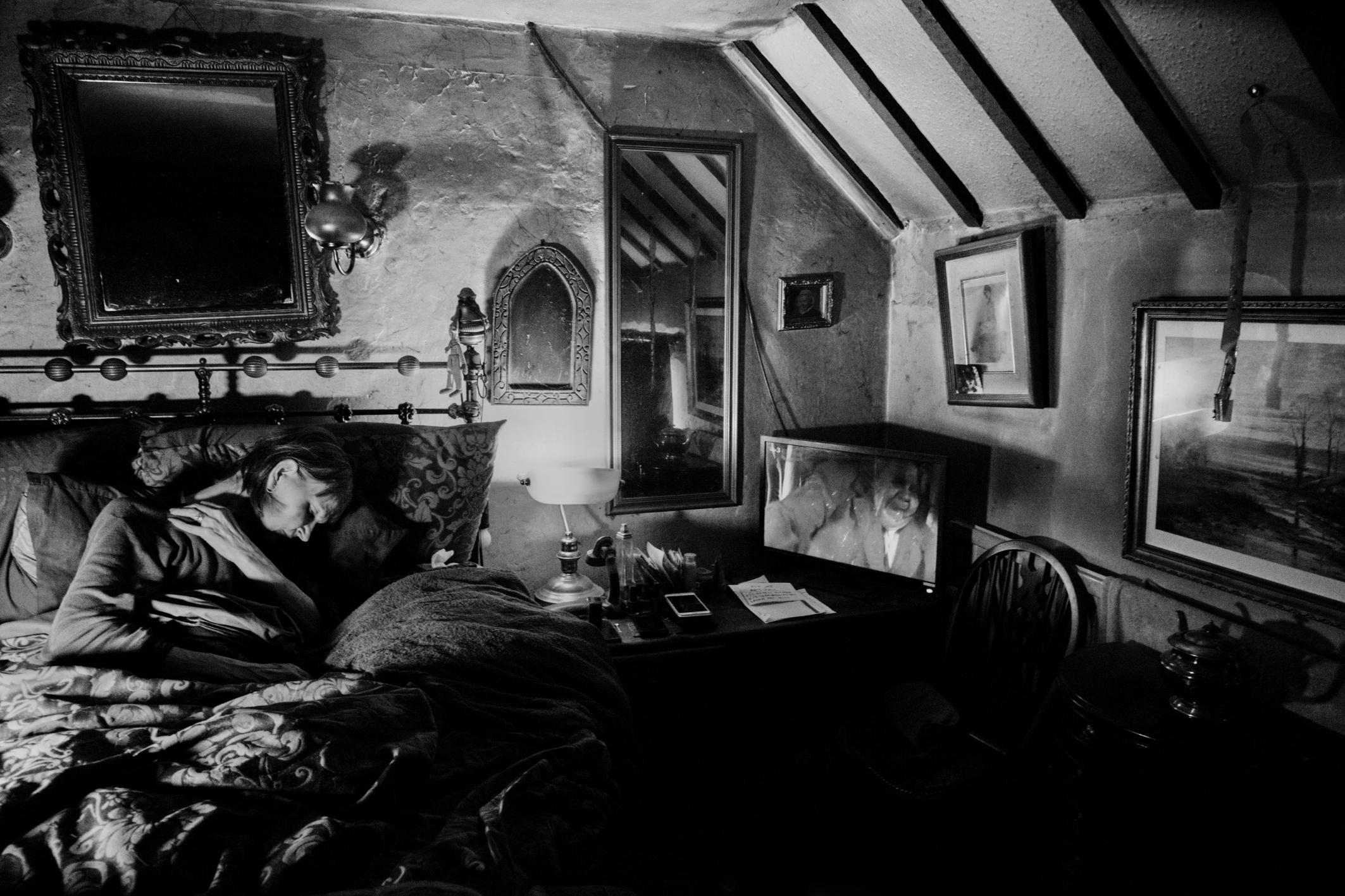
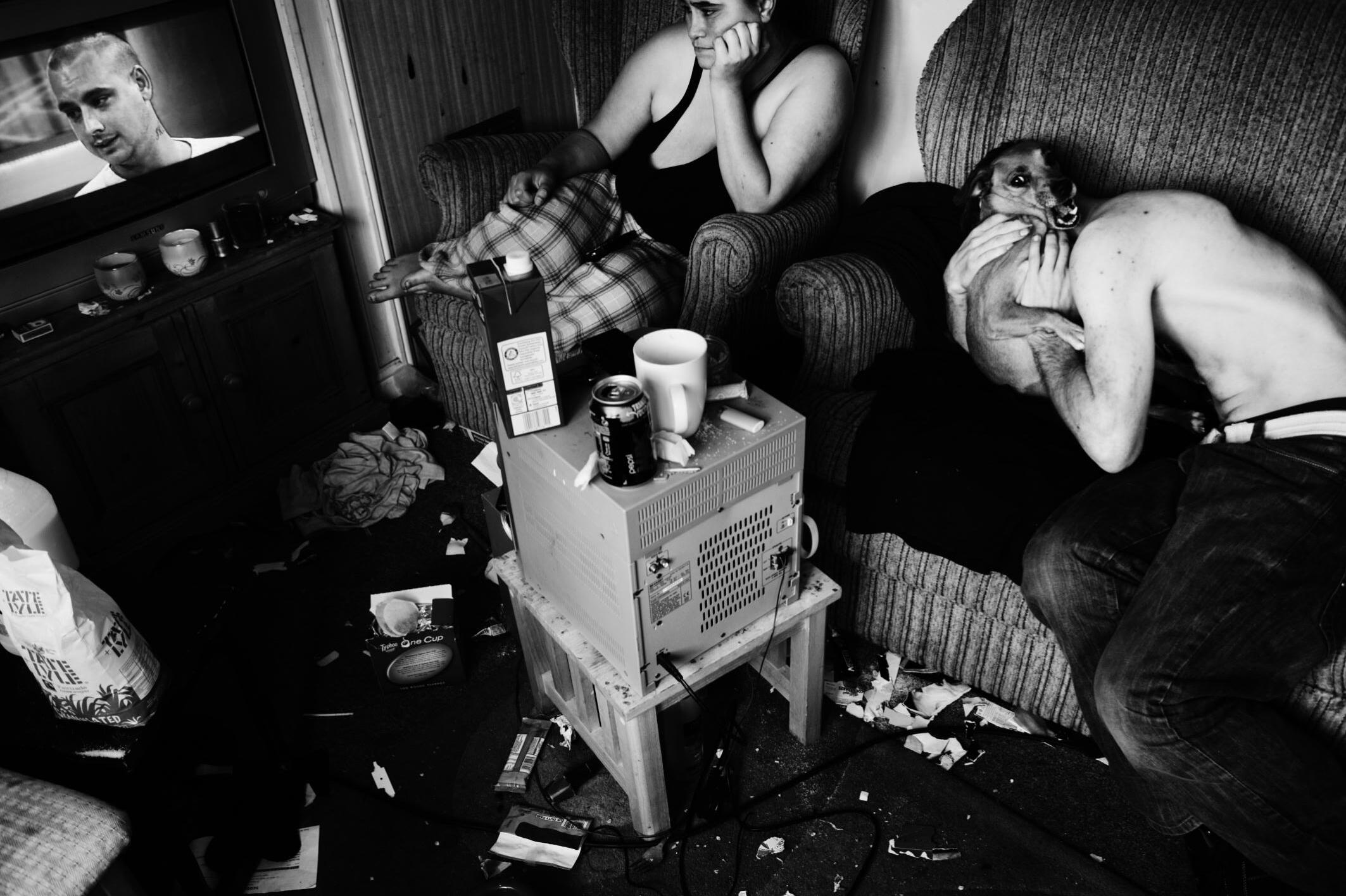
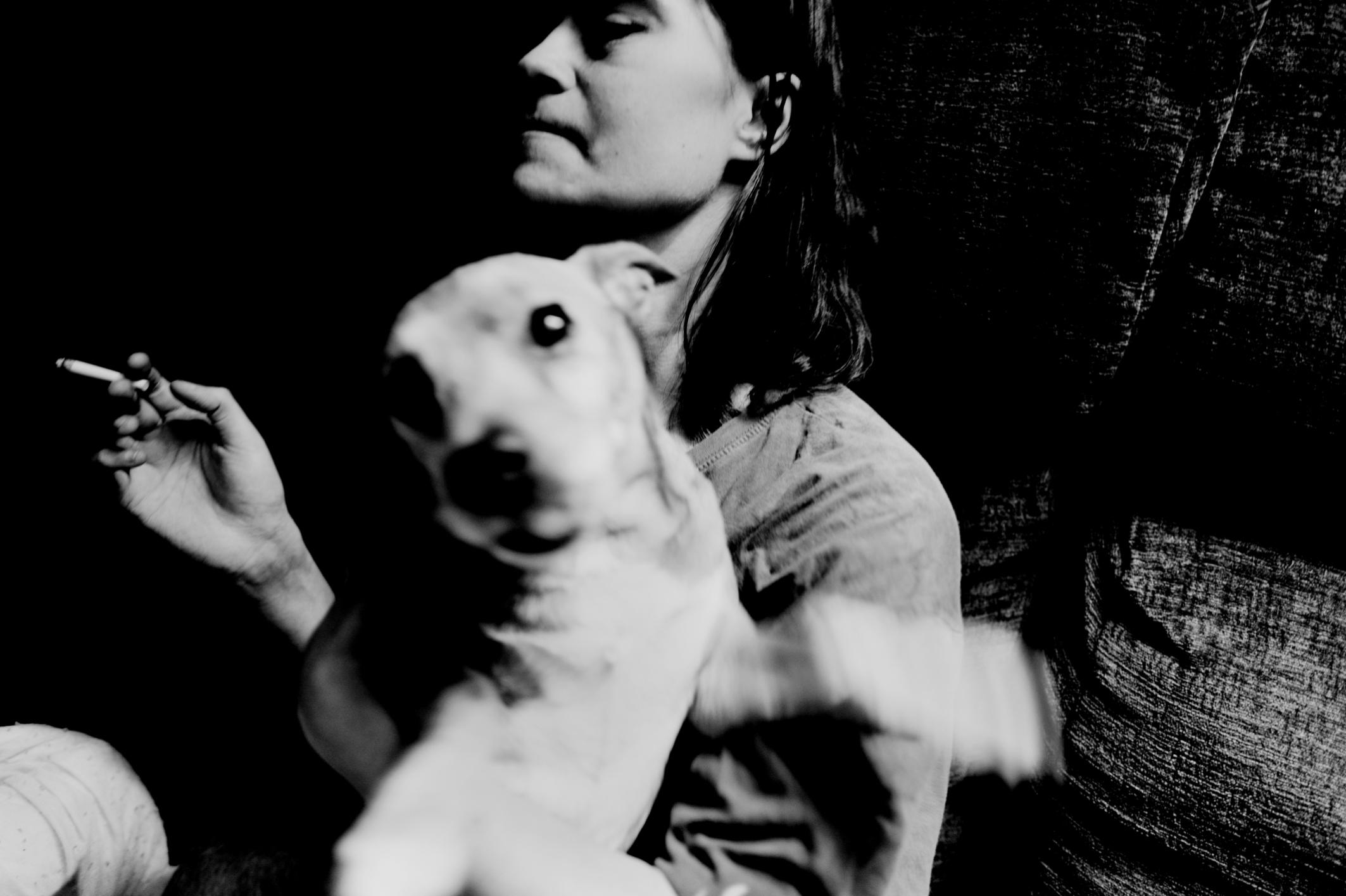
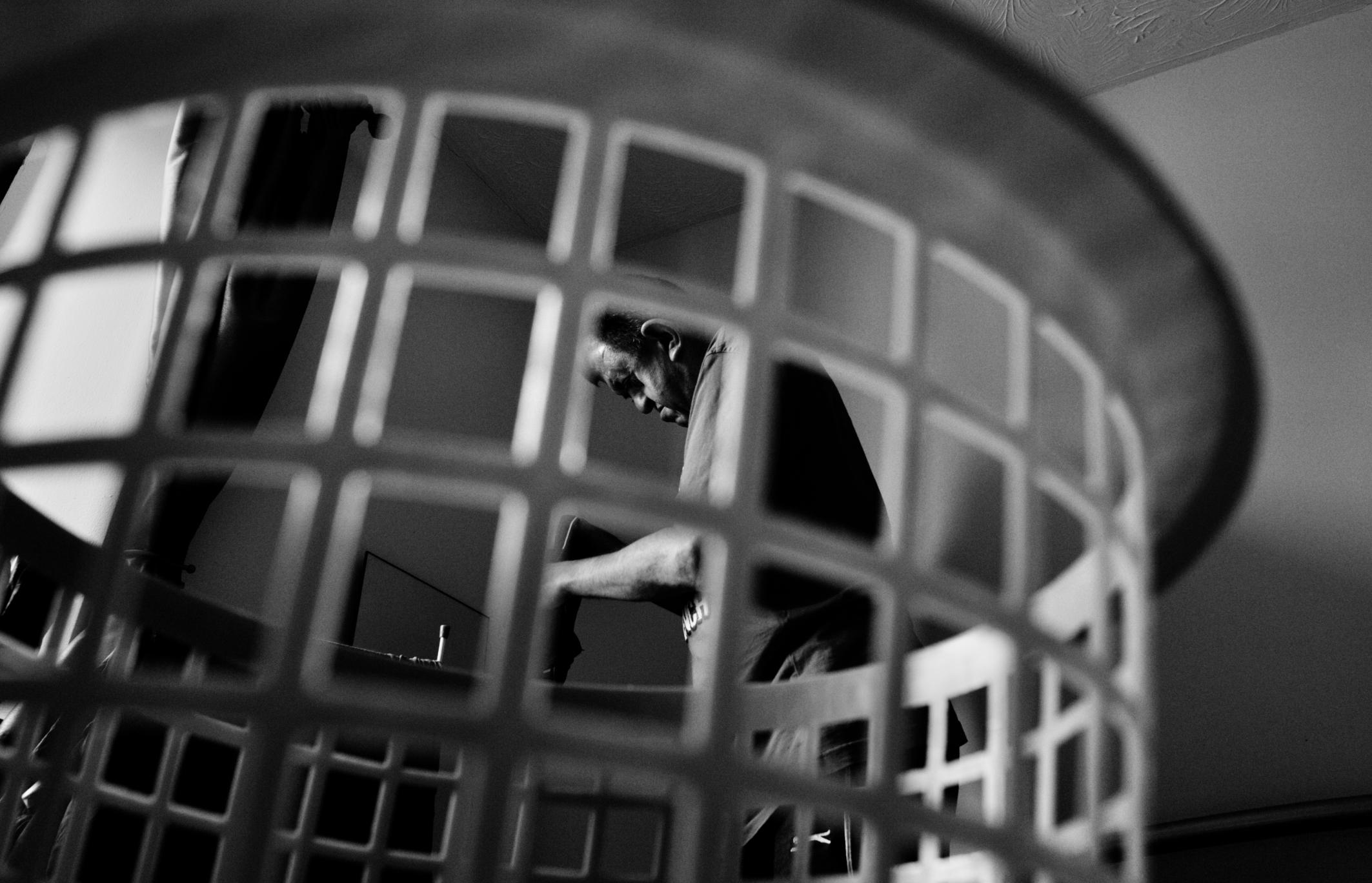
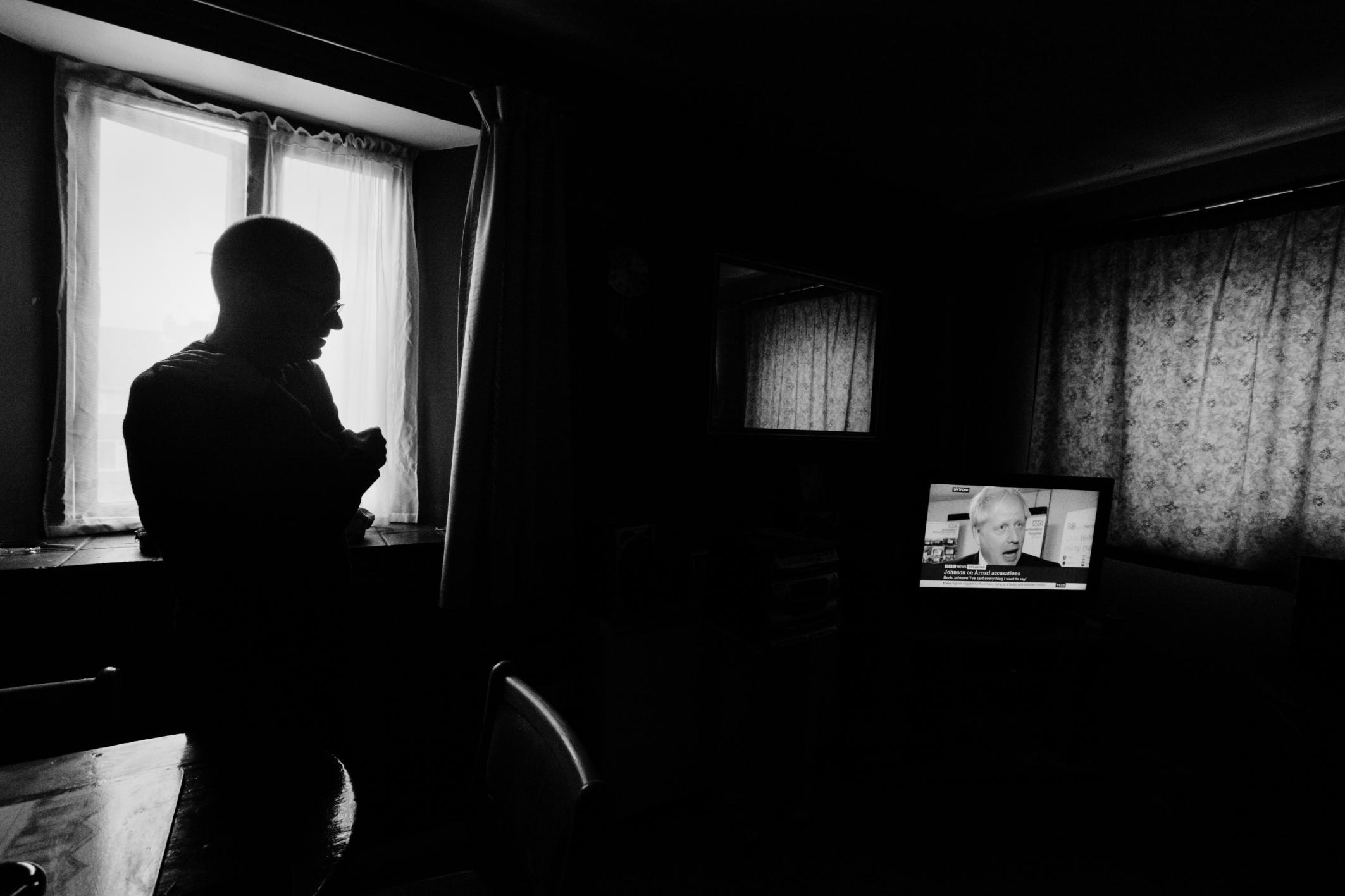
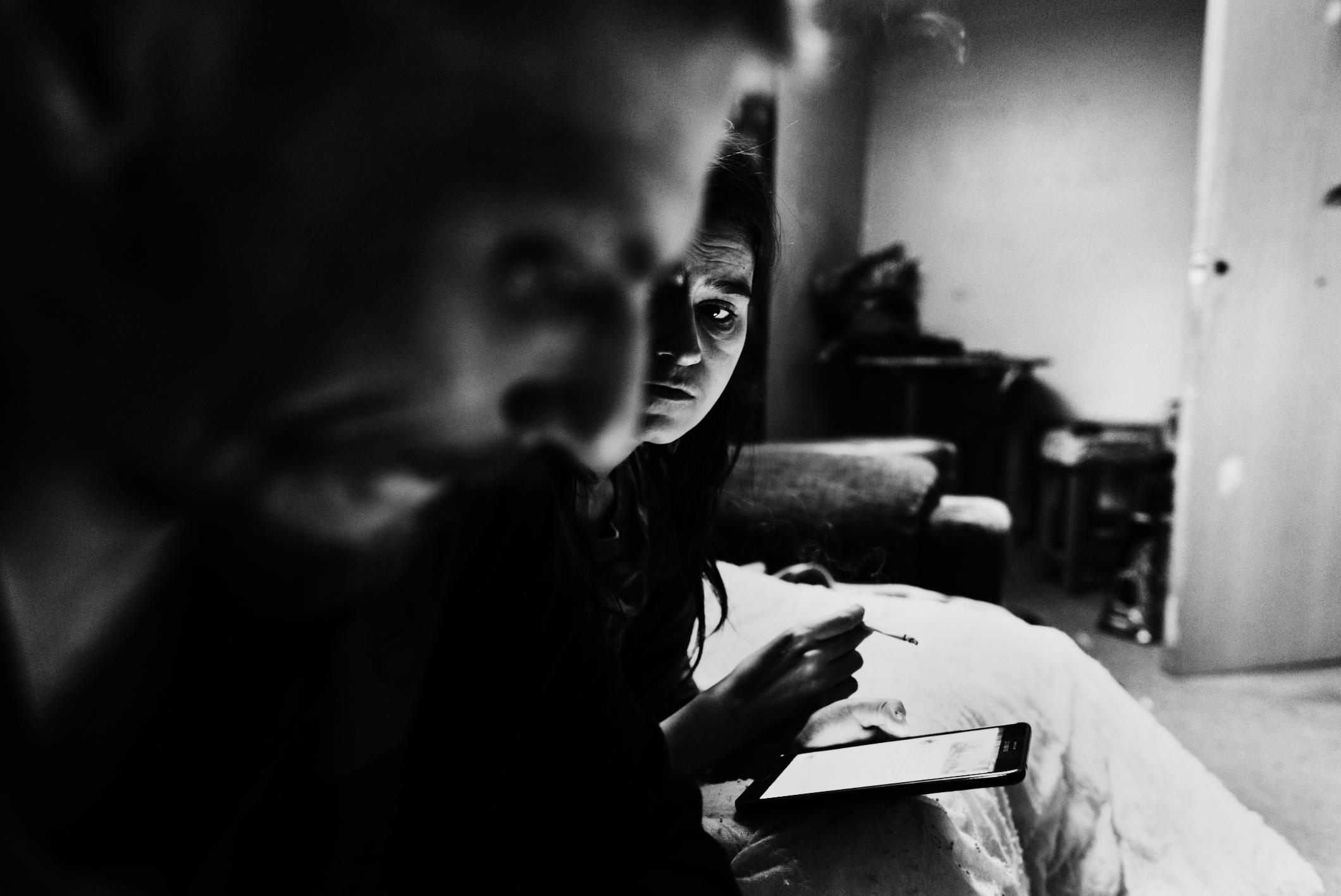
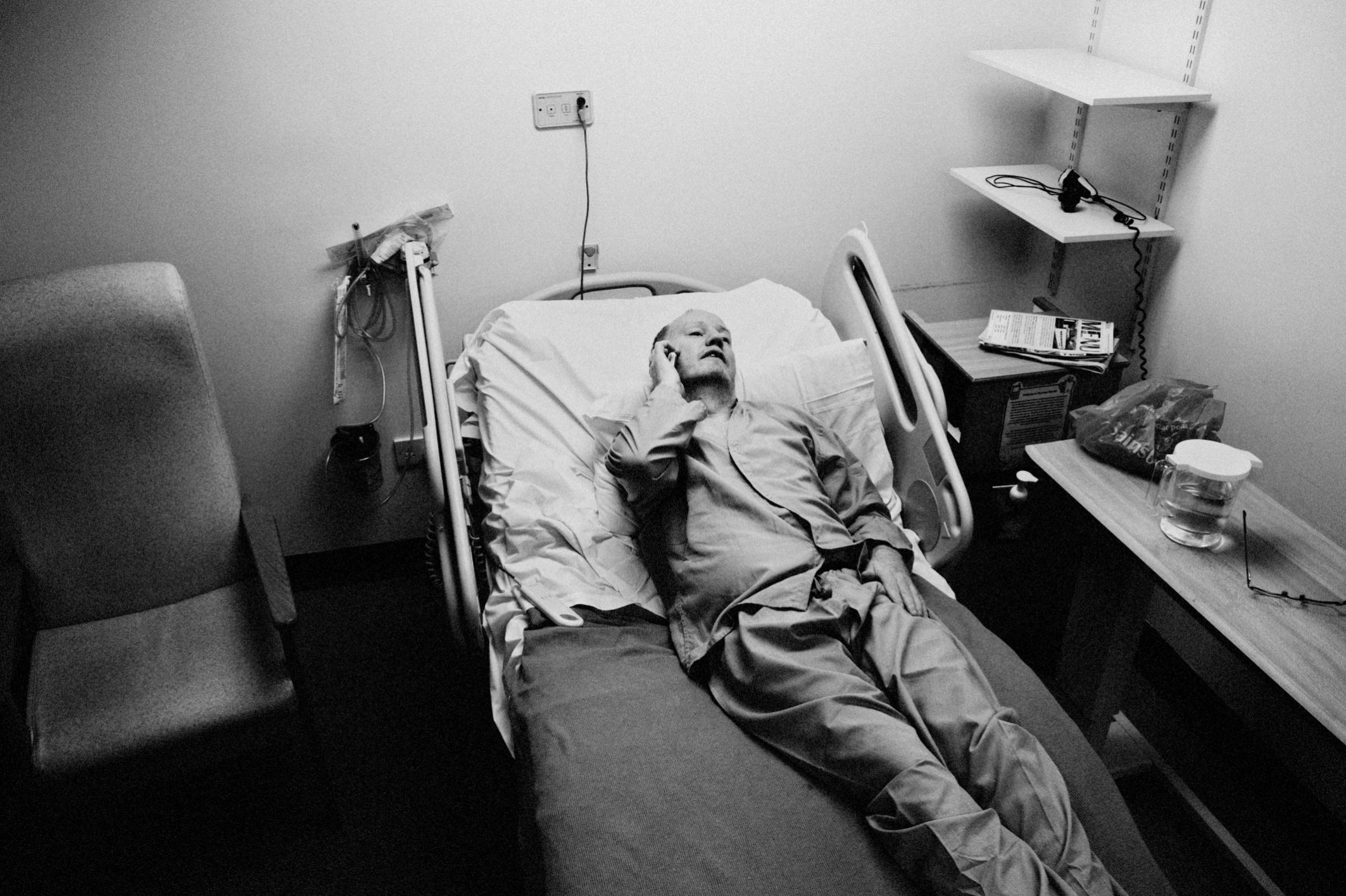
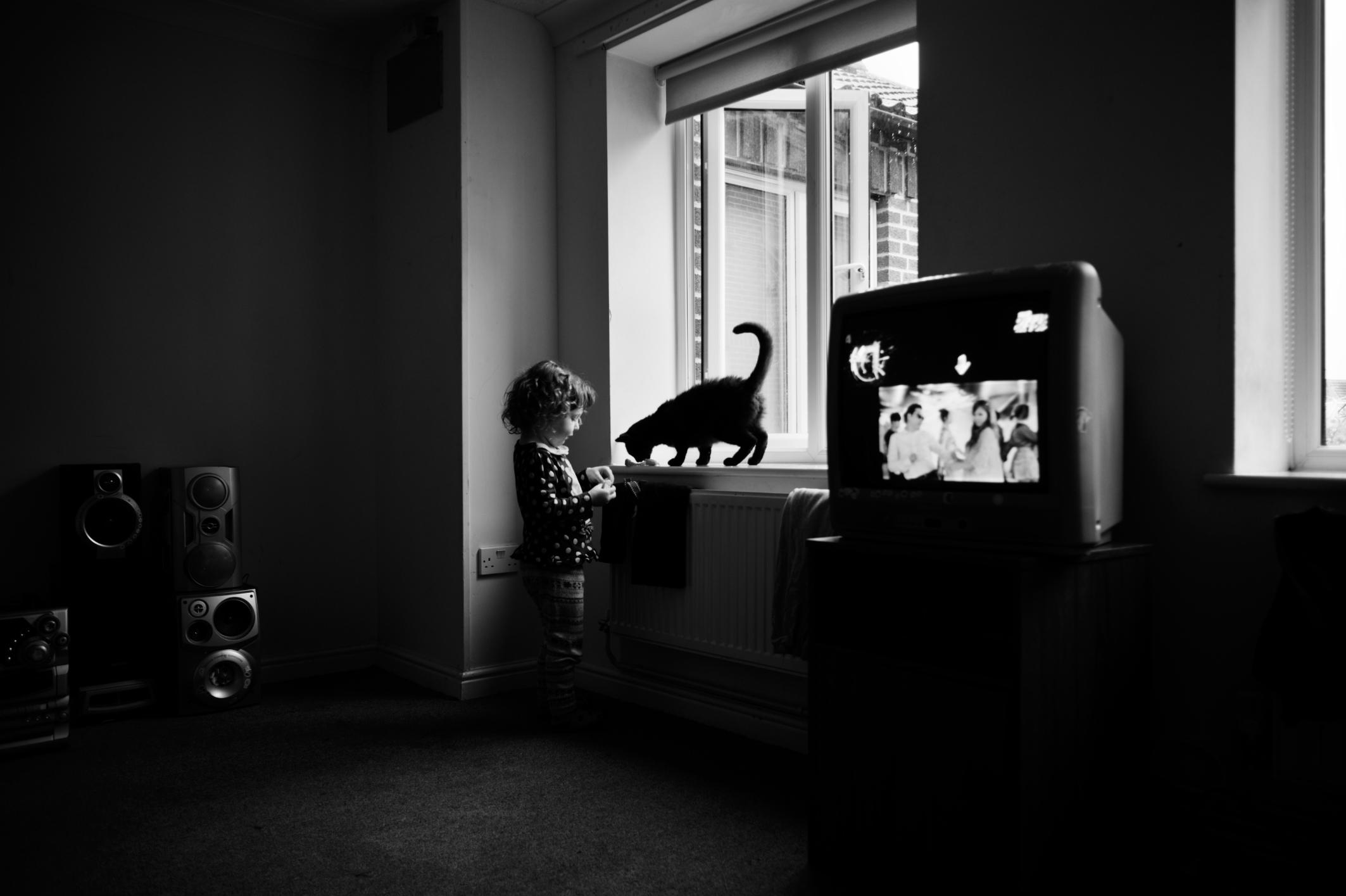
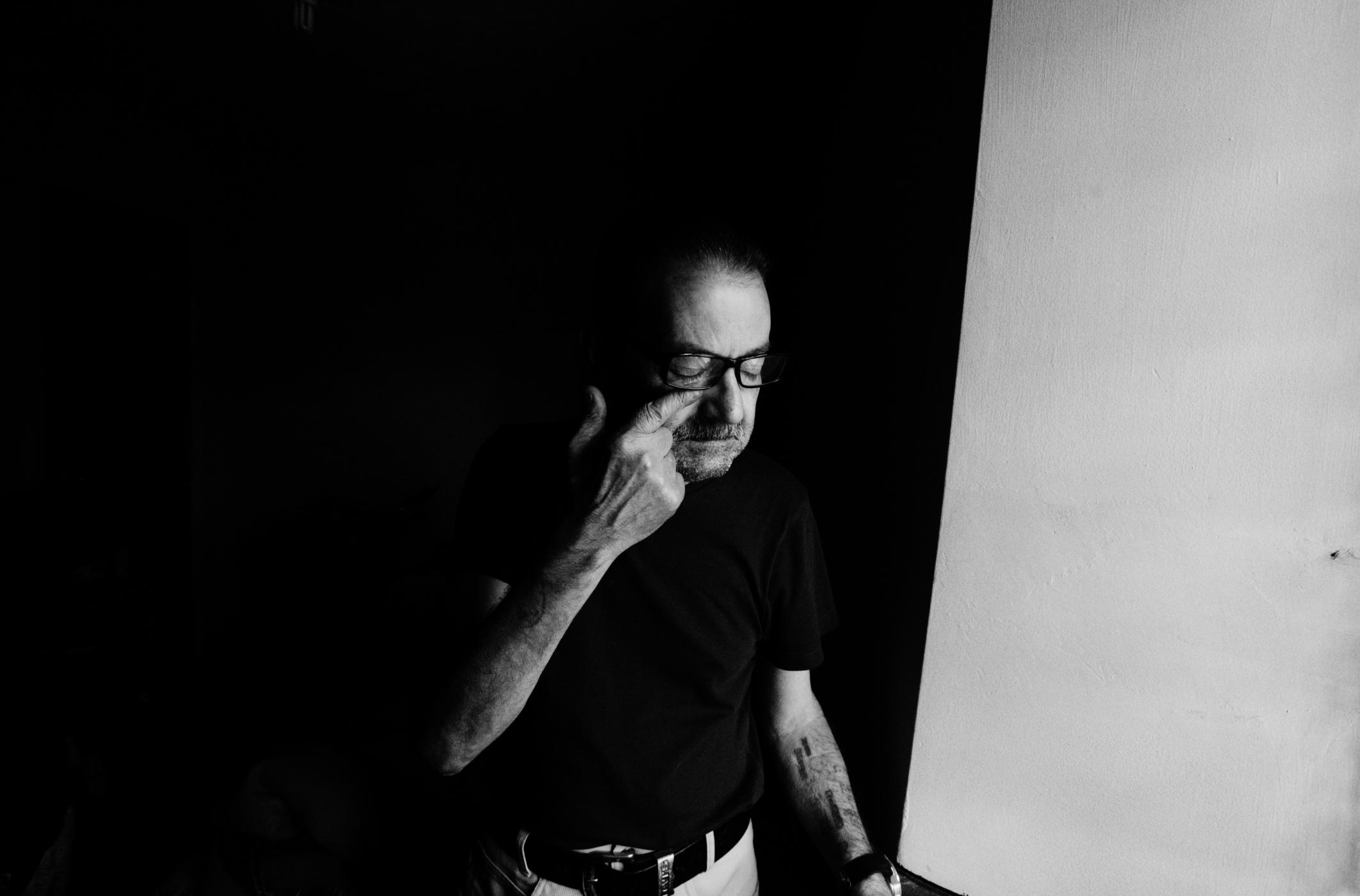
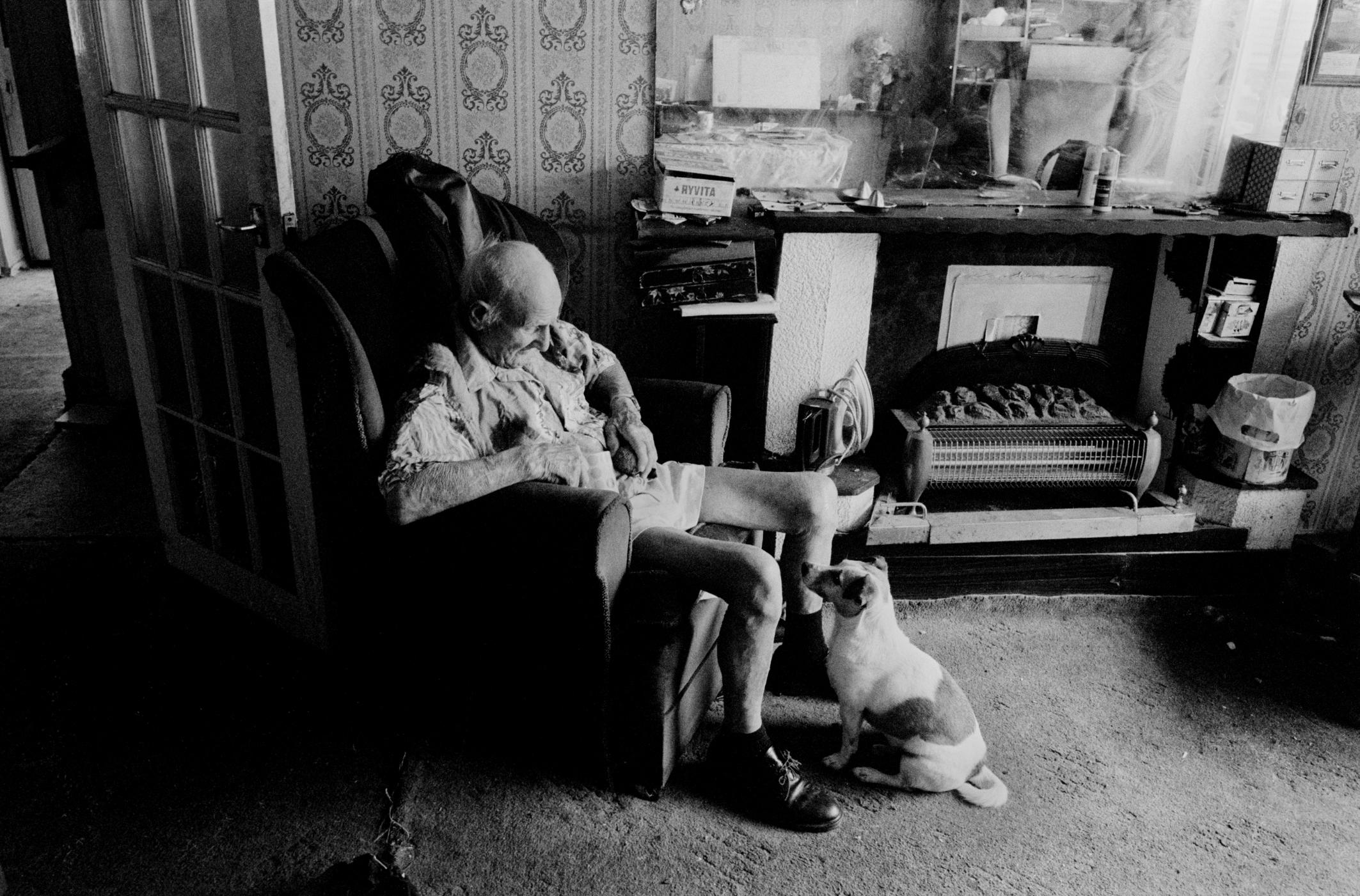
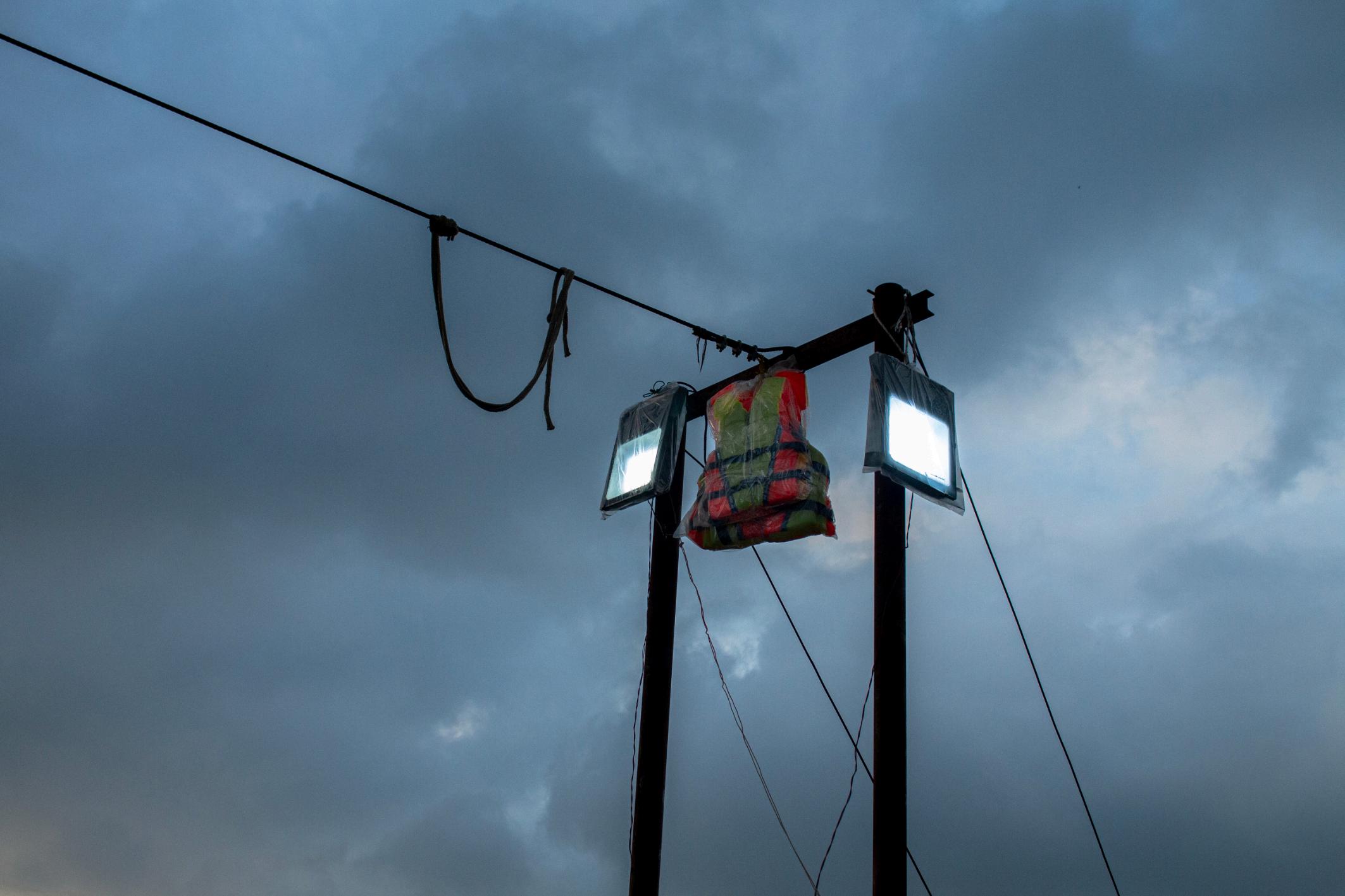
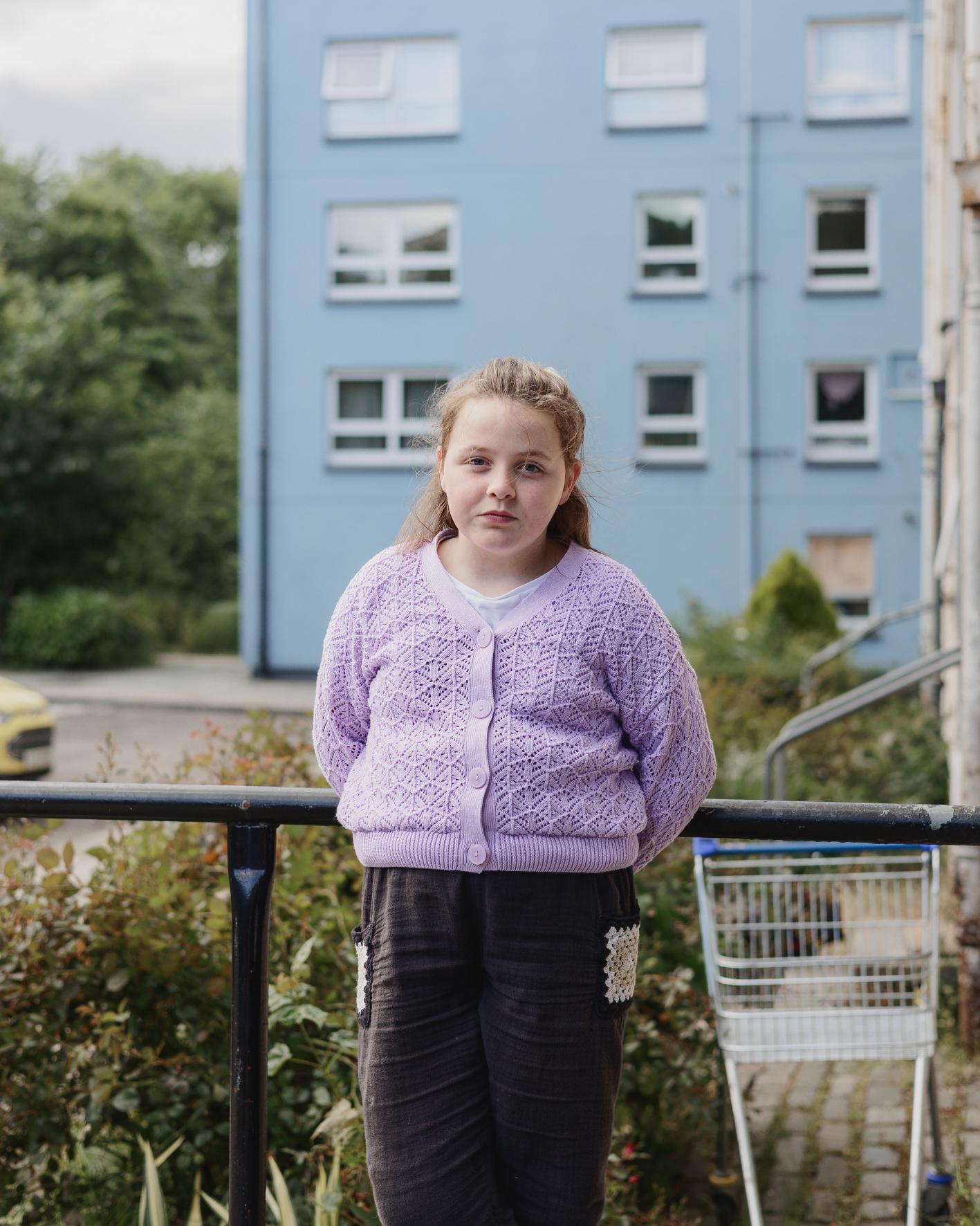
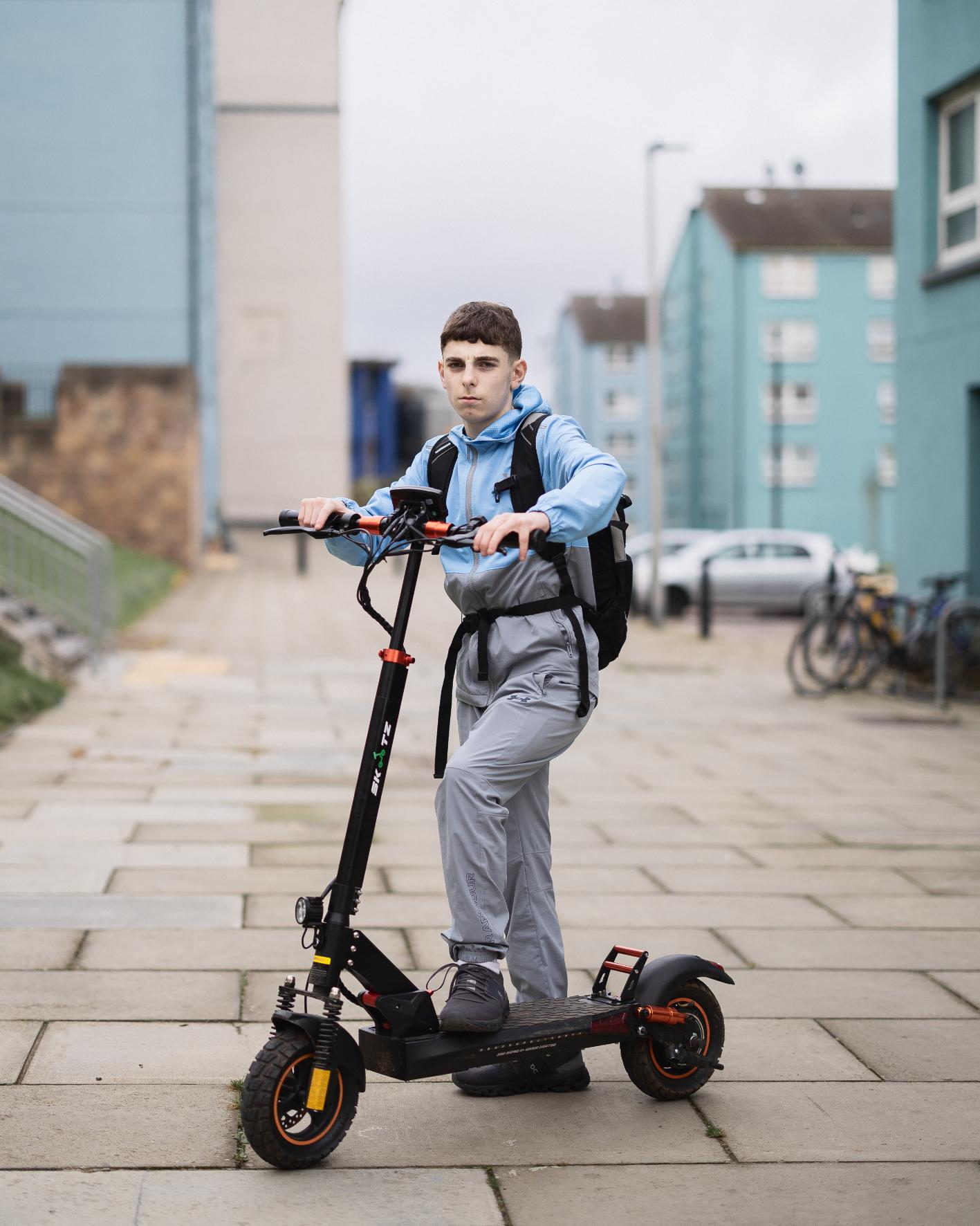
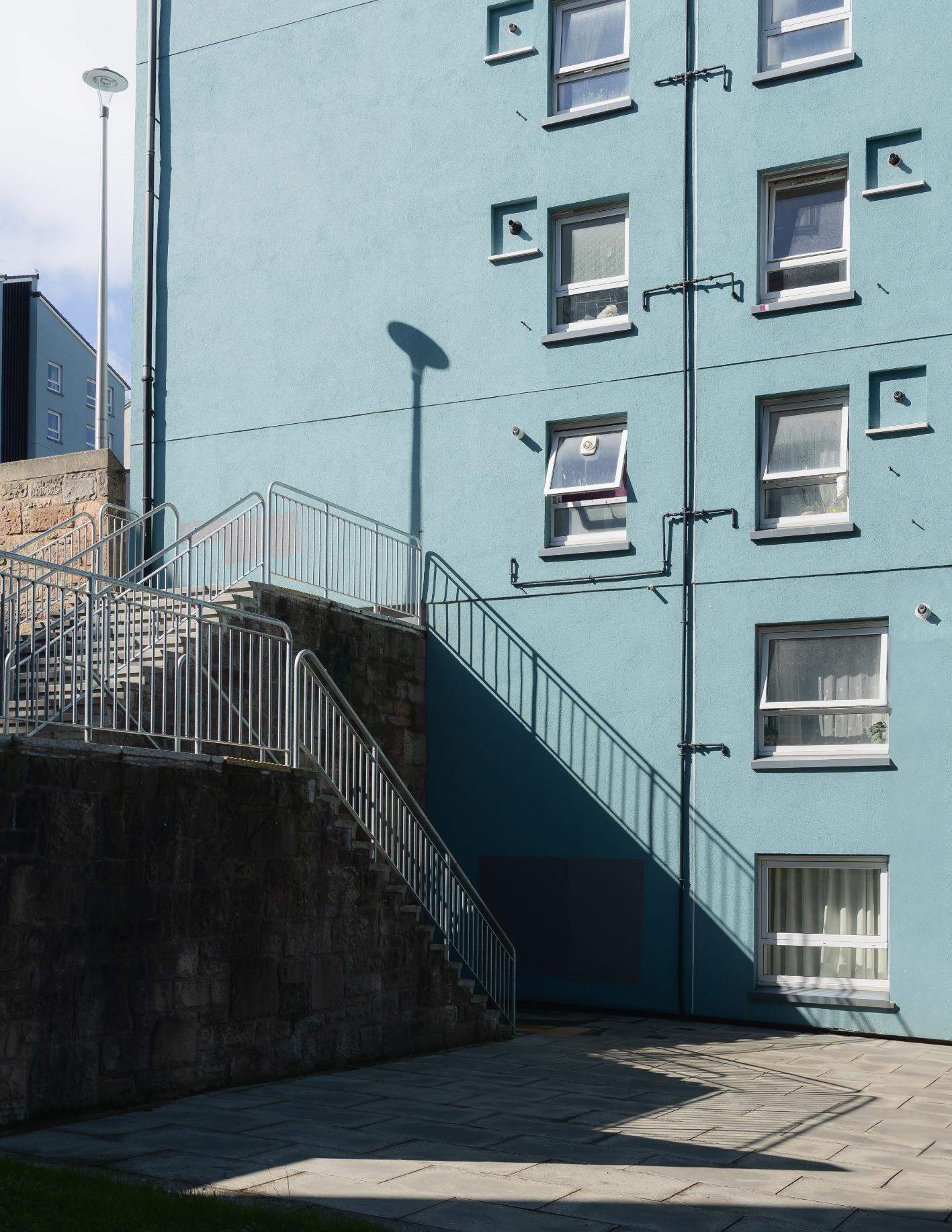
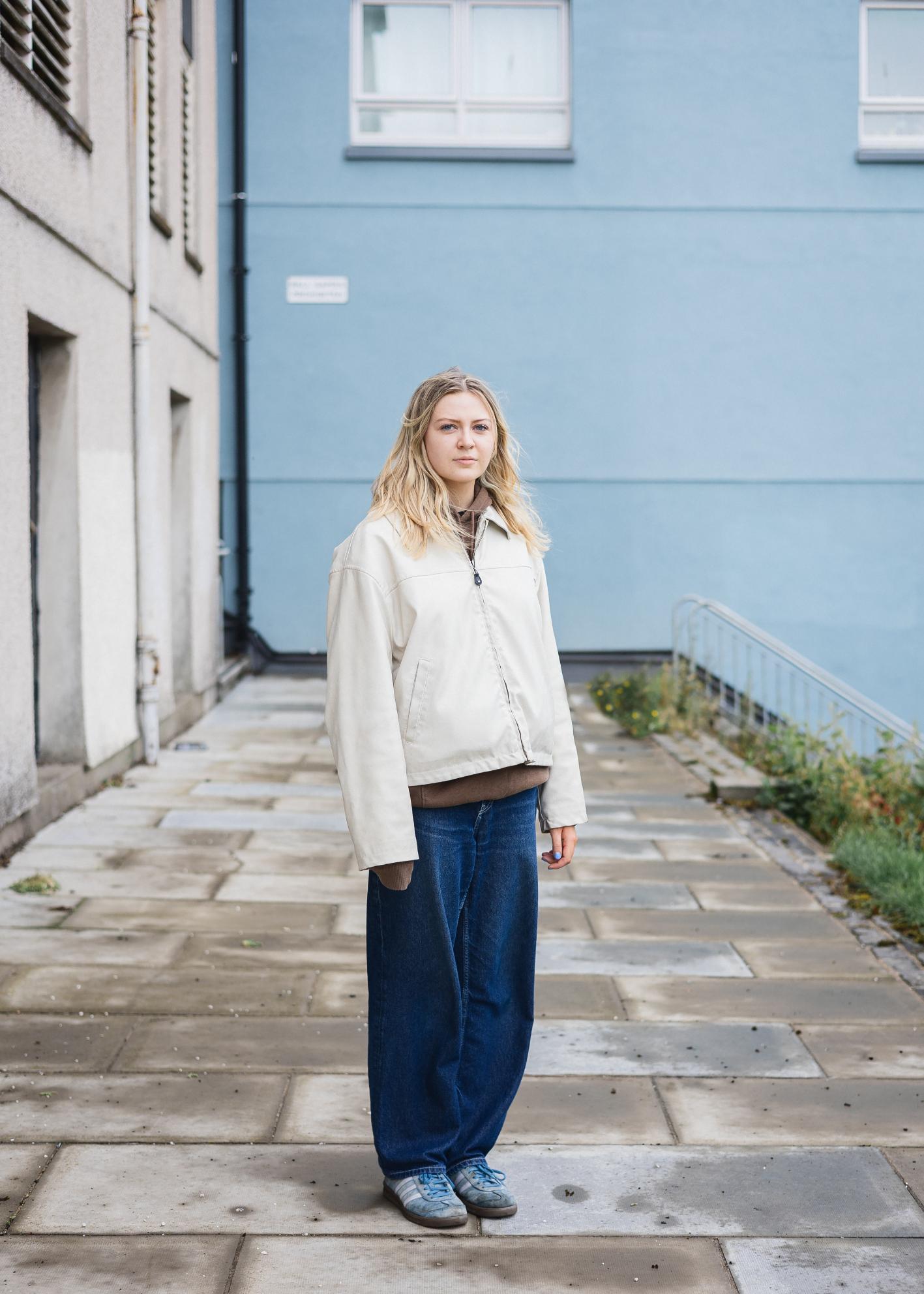
A somewhat belated Happy New Year and welcome to a bumper edition of The Decisive Moment (DM) to start 2026.
It was a very sad start to the year with the passing of Martin Parr. I knew him personally and he always was very encouraging and provided great advice. He was also very supportive of our Documentary Awards. He will be sorely missed. I met up with him at Northern Eye and at BOP in October last year where I handed him a copy of my repair project for his archive.
A significant part of this edition is devoted to our Documentary Photography Awards. We feature the work of all nine of the Awardees and you will soon be able to see these projects up close at our touring exhibition. There are five confirmed venues, and we hope to add a couple more soon. We also plan to have some associated talks - see our webpage for details: rps.org/groups/documentary/dpa
In this issue, we have another excellent example of a Fellowship panel from Jayne Odell FRPS, plus articles on David Shaw’s Jaywick Sands project and Photo North. Importantly, we have an article on ethics from the fabulous Margaret Mitchell. She is one of my favourite portrait and social documentary photographers and a lot can be learned from her words and work.
I’d like to welcome to Andrew Salerno-Garthwaite to the team who has taken over the web and social media roles. We still have some volunteer roles we would like to fill, spreading the load makes it much easier for everyone. We are still looking to recruit for roles to help us put more activities on. We currently have a need for people to help with:
Event organisation (i.e. putting on talks), and
Publicity and fundraising to support our touring exhibition.
Finally, this DM is likely to be the last that I will be contributing to as the Chair. After 10 years volunteering (and 8 as chair), I am not seeking re-election at the upcoming AGM. So, may I take this opportunity to thank all our volunteers for their hard work over the years and for the support of all our members.
"So long, and thanks for all the fish”
Mark A Phillips FRPS Chair, Documentary Group
Martin Parr: A Life in Colour, Curiosity, and the Everyday
With the sad passing of Martin Parr, the photography world has lost one of its most ardent advocates. Parr was a leading figure in contemporary documentary practice and a long-time Honorary Fellow of the Royal Photographic Society.
For more than five decades, Parr was responsible for how we view Britain and, indeed, how Britain views itself. Revealing the quirks, contradictions, and quiet dramas that make up modern life, his lens was affectionate yet unflinching, satirical but never cruel.
Parr had an unmistakable photographic accent, close-up detail, humour rendered with forensic precision, and an instinct for moments that hovered between the ordinary and the absurd. His breakthrough series, The Last Resort, exemplified his style, blending intimacy and social critique with aplomb. From Small World to Think of England, from global tourism to British class structures, Parr observed human behaviour with the curiosity of an anthropologist and the timing of a streetcomedian.
Parr was an insatiable collector and a tireless champion of the photobook. Through the Martin Parr Foundation in Bristol, he helped promote and preserve an extraordinary array of documentary work from across the globe. He was committed to supporting new generations of photographers, reflecting his belief in the democratic power of the medium.
As the doyen of British photographers, Parr leaves behind a legacy that is both vast and vibrantly alive. His images are embedded in Britain's cultural memory; his photobooks will continue to shape the documentary form and inspire photographers to look more closely and honestly at the world around them. Sometimes humour can reveal truths that seriousness overlooks, and Parr loved to remind us that the mundane is never truly mundane.
For many in the RPS Documentary Group, Parr's contribution is immeasurable. His vision redefined what documentary photography could be: sharp, compassionate, witty, and profoundly human. He saw us, in all our complexity, and showed us back to ourselves with clarity and love.
Martin Parr will undoubtedly be missed, but his images, vivid, bold, and wonderfully alive, will continue to speak for generations.
Colour, Everyday
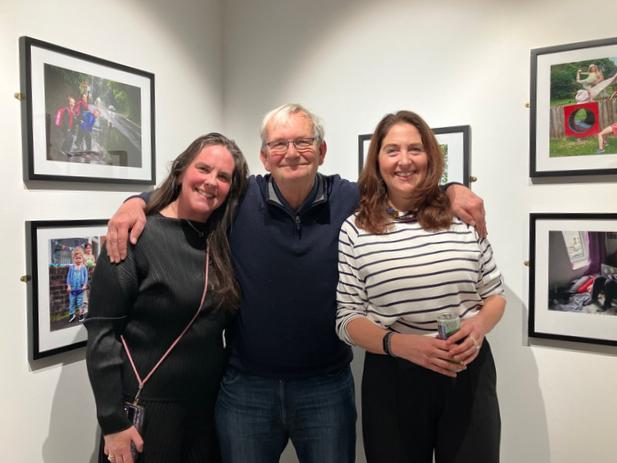
Martin Parr with Documentary Photography Awards 2023 Awardees Ruth Toda-Nation and Tamsyn Warde. RPS DPA Exhibition, RPS House, Bristol. 30 January 2025.
Photo: Mark A PhillipsFRPS FRSA
The Documentary Group Team
Documentary Group Committee:
Chair: Mark A Phillips FRPS doc@rps.org
Secretary: Nick Linnett LRPS docsecretary@rps.org
Finance Officer: Andrew Burton ARPS docfinance@rps.org
Decisive Moment: Wayne Richards decisive@rps.org
Projects: Valerie Mather ARPS docprojects@rps.org
Exhibition: Harry Hall FRPS docreg@rps.org
Social Media: Andrew Salerno-Garthwaite docweb@rps.org
Publishing: Dave Thorp docpublishing@rps.org
Events: tbc
The Decisive Moment:
Editor: Wayne Richards
Sub-Editors: Lyn Newton ARPS, Rachael Thorp
Editorial: Mike Longhurst FRPS, Arunanjan Saha
Publishing Dave Thorp
Local Group Organisers:
East Midlands: Volunteer Required docem@rps.org
South East: Jeff Owen ARPS docse@rps.org
Northern: Peter Dixon ARPS docnorthern@rps.org
Thames Valley: Philip Joyce FRPS doctv@rps.org
Central (with Contemporary): Steff Hutchinson ARPS
North West (with Contemporary): Alan Cameron
Yorkshire: Graham Evans LRPS docyork@rps.org
Southern: Christopher Morris ARPS docsouthern@rps.org
East Anglia: Richard Jeffries docea@rps.org
Scotland (with Contemporary et al): Steve Whittaker email Steve Whittaker
Documentary Group Plans for 2025-2026
Overall Objective
To support the RPS Strategic Plan Photography for Everyone 2021-2026 and to enhance the relevance for Documentary Photography by engaging more diverse audiences and ensuring our activities self-fund.
Inspiration – showcase inspiring photography and to shed new light on subjects of importance
These activities are focussed around showcasing and celebrating high quality photographic work and thinking:
Engagement talks
The Decisive Moment
Documentary Photography Awards (DPA)
DPA touring exhibition
Skills and Knowledge – encouraging a deeper understanding of photography and providing resources for photographic education and Recognition (such as distinctions and awards)
To develop the range and reach of our educational activities. We want to help photographers develop their practice, and also educate non-photographers about what is current in documentary photography:
Workshops
Engage university courses
Resources and support individual development
Distinction support
Community – promote belonging and inclusivity, by supporting and engaging widely
To engage with more people and connect with other communities, including those who are not photographers, to appreciate the value of documentary photography:
Work with groups outside RPS
Regional and local activities
Website and social media
Online competition
Newsletter
The Documentary Group is run by RPS members who volunteer their time. If you can help in any capacity, please email Mark using doc@rps.org to let him know.
rps.org/groups/documentary/about-us
Connection and Care: On the Ethics of Representation
Margaret Mitchell is an award-winning Scottish documentary photographer whose work centres on the human condition. Her work bridges social realities and psychological landscapes, and considers the relationship between individuals, place, and wider social structures.
Recognised for her in-depth practice, she has exhibited widely in the UK and internationally, including at the National Portrait Gallery, London, and the Scottish National Portrait Gallery, Edinburgh. Her work is held in the permanent collections of the National Galleries of Scotland, the Martin Parr Foundation, and the University of Stirling Art Collection.
Her monograph PASSAGE (Bluecoat Press, 2021) asks questions on the nature of disadvantage and privilege in a study over three generations. Recognition includes in the Marilyn Stafford FotoReportage Award, the Sony World Photography Awards, and the Royal Photographic Society IPE. In 2021, she was acknowledged as part of the Hundred Heroines initiative, which recognises women who have made a significant contribution to photographic practice.
The Decisive Moment invited Mitchell to speak on ethics in photography in recognition of her long-standing engagement with issues of representation, responsibility, and consent within documentary practice. Her work offers a considered perspective on how photographers navigate moral complexity while working with real lives and contested histories. Here is what she had to say.
Connection and Care: On the Ethics of Representation
Some years ago, a student approached me after a talk on my work and asked where I’d learned to treat people so well. What module had I taken? Had I been taught this at university when I was a student? Where could they also learn this?
At first, the question both amused and perplexed me; was I really being asked how to be a decent person? But it also left me somewhat concerned by what I was being asked. I had just delivered a talk reflecting on thirty years of practice and for me the way I work with people is not something I consciously learned or adopted but rather is ingrained. But for this student, full of apprehension on making the right choices in their work, they wanted to check that their own moral compass was operating as it should. That’s not a bad thing but it is rather concerning that as image makers this is not just a natural state of being, or one reflected on from the moment a camera is picked up to represent the lives of others.
For me, ethical practice is an extension of what it means to be human, to be a decent person. Of course, expecting others will also act likewise is a hopeful but likely naïve viewpoint, assuming that humankind is intrinsically good, because evidence to the contrary proliferates throughout.
Regarding my personal view and practice, an “ethics of representation” follows me throughout all my work, whether in short encounters or long-term projects. It covers context, meaning, relationships, engagement, and dissemination. Crucially, it is not only the practitioners, such as you and I, who create the work who must adhere to ethical practice, but also those we work with as partners: commissioners, editors, curators, or collaborators. I’m aware this is a subject for chapters not pages, so will limit myself here, reflecting on ethics relevance to documentary photography especially in the context of issues-based work.
The Premise of Care
My own work focuses on individuals and communities, with stories related to place, belonging, and personal history. In some photographic series, I look at how social and economic conditions shape life choices and paths. Some work is intimate and story-based; other work is more distant, abstract, and concept-led. My practice ranges from multi-visit projects developed over months or years to much shorter-term projects. Both are important and necessary for me to maintain balance in how I want to work.
Within my long-form documentary practice, a relational approach is central to maintaining trust. That might entail multiple visits, interviewing, talking and observing. In some ways, my work is about gaining knowledge through that trust and connection and translating it into images.
Within this, it is care that shapes my process. I can’t offer rules or tick boxes to reassure you that you’re being ethical. What I can do is describe briefly how I work.
I care how people are shown, what details are known about them, and what narratives are attached to their lives.
That care is a fundamental part of my work’s ethical structure.
Even then, each situation is unique, each person and each story requires its own approach. Some people want a lot of contact, some one-off – that is part of reading the situation. Ethical practice starts as soon as I first meet a person. I explain how and why I am making the work, what my intentions and interests are. I often show examples of previous projects and discuss where the work will likely be seen and under what conditions. People often tell you things that the public could unfairly judge them on and it is also the responsibility of the photographer to know what to share publicly and what not to share.
For me, this judgement call comes from knowledge gained over 30 years of photographing, exhibiting, publishing, teaching, and speaking about documentary photography. It is about understanding audiences, their potential reactions, and holding close the responsibility that comes with making work. A significant part of my work is built on challenging stereotypes, so what is released publicly concentrates on people as multidimensional human beings and not limited to just illustrating difficult life circumstances. People are more than their circumstances, and my work strives to show that complexity and nuance. Not every project is long-form or intimate, but the same approach sits underneath itall.
I’ve spent years pondering the work I do, discussing it, analysing it, pulling it apart and putting it back together. Sometimes metaphorically, sometimes literally. Nuance emerges within each situation and context, with questions about what photography is, who it is for, who it benefits, and how it does so. Since the early 1990s, my work has been grounded in this principle of care. I care how people are shown, what details are known about them, and what narratives are attached to their lives. That care is a fundamental part of my work’s ethical structure. If that basis of care is ignored when my work is shared, or, alarmingly, overridden by others, it puts at risk the trust the work depends on.
Meaning and Place
I have worked in many situations with different people, different lives, in different circumstances. Some meetings are transient; some are in-depth. Photographing a one-off street portrait is different from a four-year project on home, belonging and experiences of homelessness. The meaning of “place” works on at least three
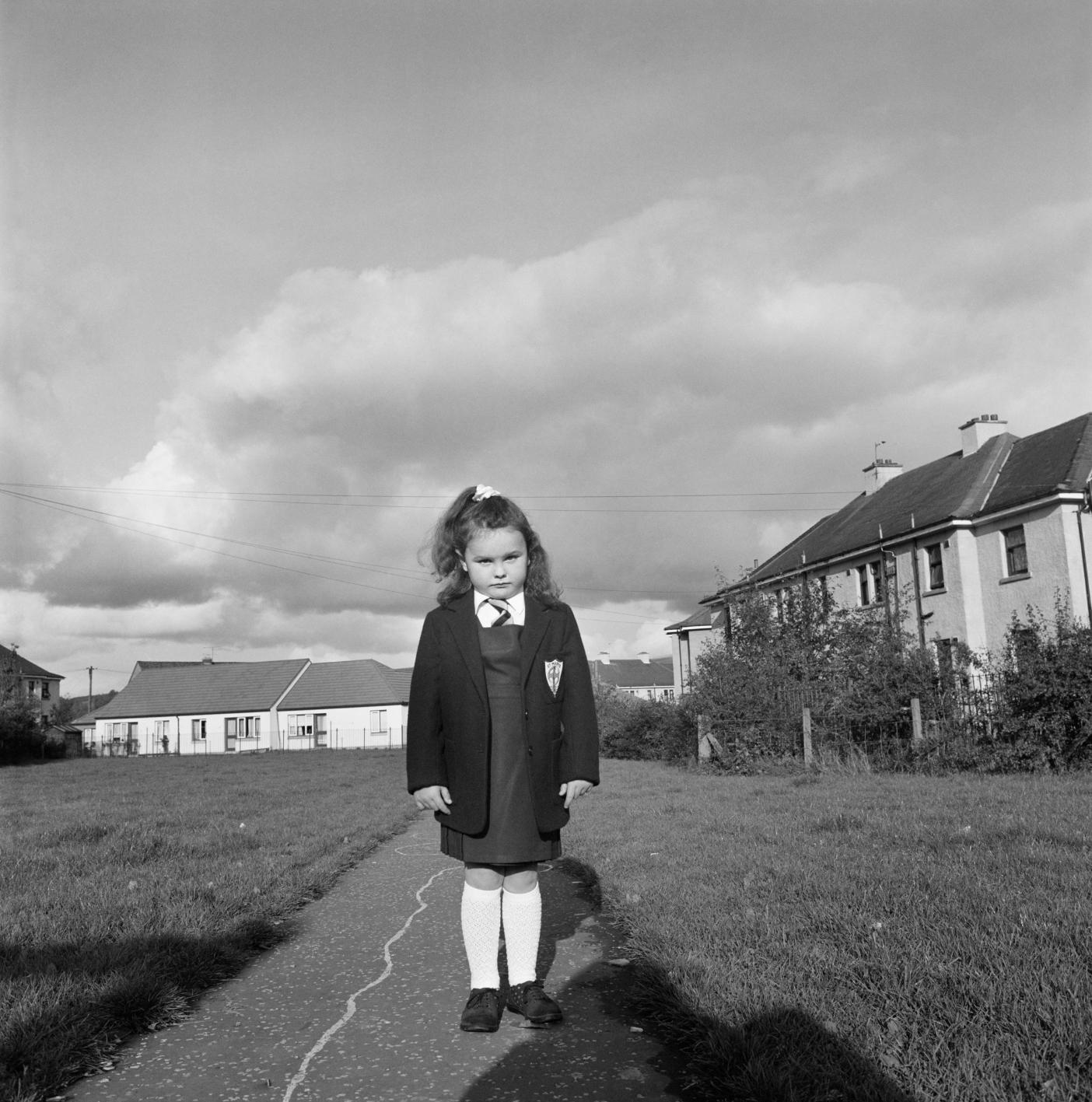
Lyndsay on her first day of school (1991)
levels in documentary photography. Firstly, there is the physical place where the photograph is taken, and the story and meaning that setting carries with it. Secondly, there is the social place, embedded in structures that enable or hinder the ease with which life is lived, fundamentally shaped by privilege and disadvantage. Thirdly, there is the place images are seen and “consumed”, whether that is a gallery wall, a book, a newspaper, a website, or social media. Each of these places shapes meaning, and each one carries its own ethicalresponsibilities.
Photographing a child, for example, is different from photographing an adult; photographing social conditions is distinct from more conceptual work. Ethical practice in photography is context-specific: the who, where, and why. Photography is both beautiful and powerful for it can stop a moment and hold it carefully, often with tenderness. The image on the opposite page is of a young girl on her first day at school in the early 1990s. As adults, we might recognise moments like this from our own childhoods, or those of our children, a rite of passage from one state to another.
Yet there is another layer in this image because the area fell within the top 5% on multiple deprivation measures in government statistics: a place and a community often judged, with assumptions made and stereotypes applied. My mum lived next door to this little girl’s family, having moved to the area shortly after I left home aged 17. I understood how this place, this community, was judged by others, for I saw it from a time my mum did not live there and then from the time she did. This recognition coincided with my start in photography and my growing interest in representation, identity, and how stereotyped views of people were created and reinforced. Views such as who lived in this community, what they did, and what they were like. Of course, there was a significant amount of stereotyped opinions, all based on glib and inaccurate assumptions about the area and itspeople.
Instead, I wanted to focus on those gentle markers of what it is to be human. This little girl was an example of our shared experiences, an emblem, perhaps a bridge to a common human experience. The ethics of taking the photo and sharing it, sit alongside the idea of making that common experience visible: not presenting her as mired in social issues but as a child in her new uniform, hair tied back, blazer a little stiff and scratchy, full of anticipation but also trepidation.
A copy of this image was given to the parents back in the early 1990s, and the image has featured in various exhibitions since. Questions could be raised on agency when photographing children, but this sits alongside how the work is made, for what reason it is made, and where it goes. It also takes us into the realm of censorship and how we as documentary photographers navigate both ethics and the act of documenting whilst creating meaning and legacy for the future. If work is not created and stories not told, then the narrative of history changes.
Publication and Responsibility
The ethics of care do not end with the taking of photographs but extend into a project’s dissemination, into how the work is seen and understood, where it is shown, who sees it, and under what conditions it is shared. An Ordinary Eden is a body of work I made over more than four years involving individuals who had experience of homelessness or precarious housing, asking how “home” is achieved when safety, stability, and belonging have been disrupted.
Ethics were built into the making and showing of this work, from writing text that reflected the interviews, to ensuring that the work remained truthful to the project’s meaning and to the people whose lives are represented across various platforms and media. A book which accompanied the exhibition also raised money for Shelter Scotland’s hardship fund, giving the project a circularity.
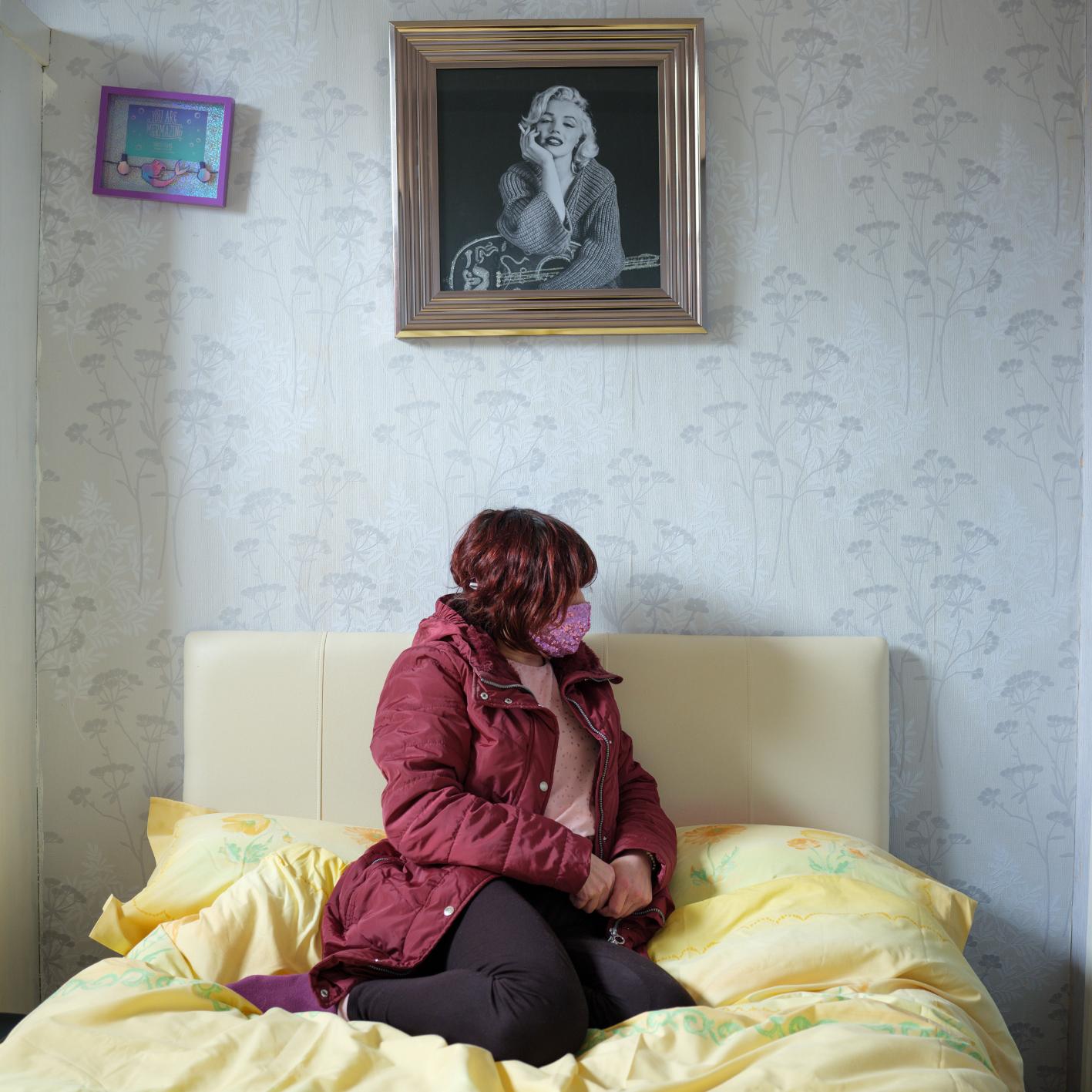
Ethics can influence how we photograph a person to the extent of whether or not to disclose their identity, and in this project such a situation arose. One woman wanted her story told but needed a level of protection, leading me to anonymise her identity due to the very real safety concerns connected to her situation. Working ethically meant respecting these safeguarding needs whilst also finding ways to observe, interpret and document a life lived.
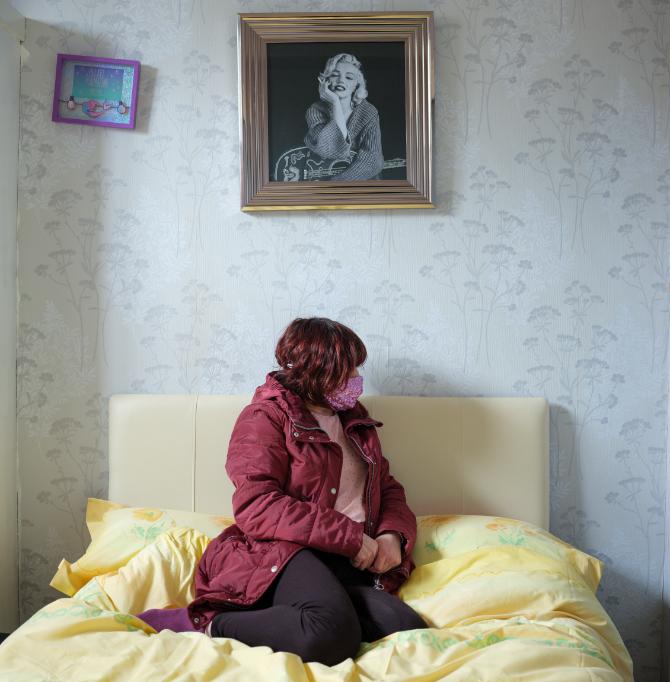
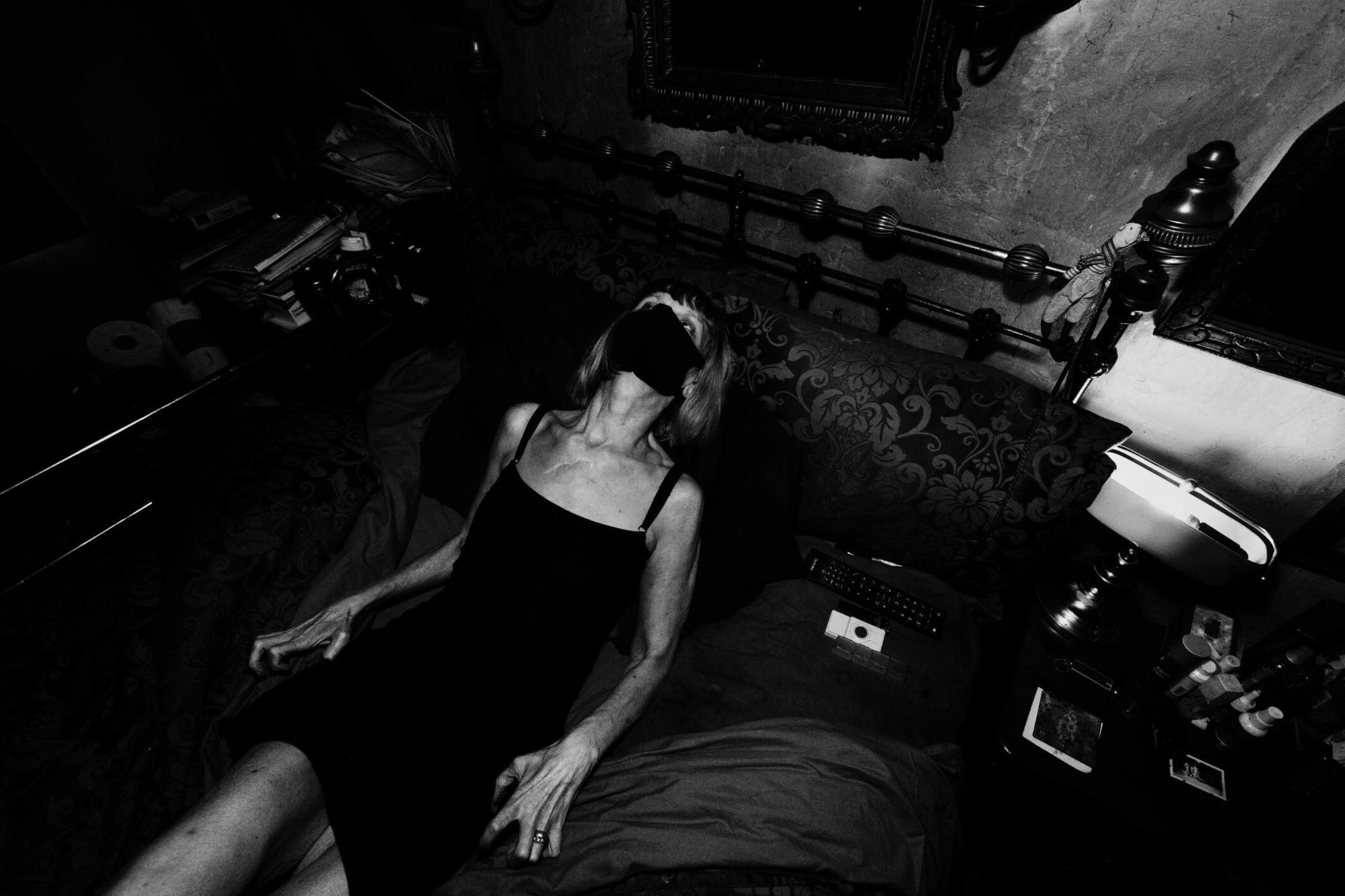
The image “Name Withheld” has levels of both reality and fantasy, of a life wished for and a life experienced. There are touches of glitter in the woman’s face mask and little sparkles in the images on the wall behind her. But she hasn’t taken her coat off because she had no heating. The accompanying text references her experiences of homelessness, domestic abuse, and the lasting impact of trauma.
After the main exhibition, this image also featured in the Taylor Wessing exhibition at the National Portrait Gallery and an article on the Shelter Scotland website. The text for these was all pre-approved by the woman. Work from the project was featured on multiple outlets online and in print, each time I managed that dissemination to ensure the integrity of the work and the trust put in me by those Iphotographed.
The
duty of care extends beyond the making of photographic work into its release and extended life.
Documentaryphotographersarenotservice
providers, they are creators of meaning, responsible for how stories are built, shaped, and how lives are represented.
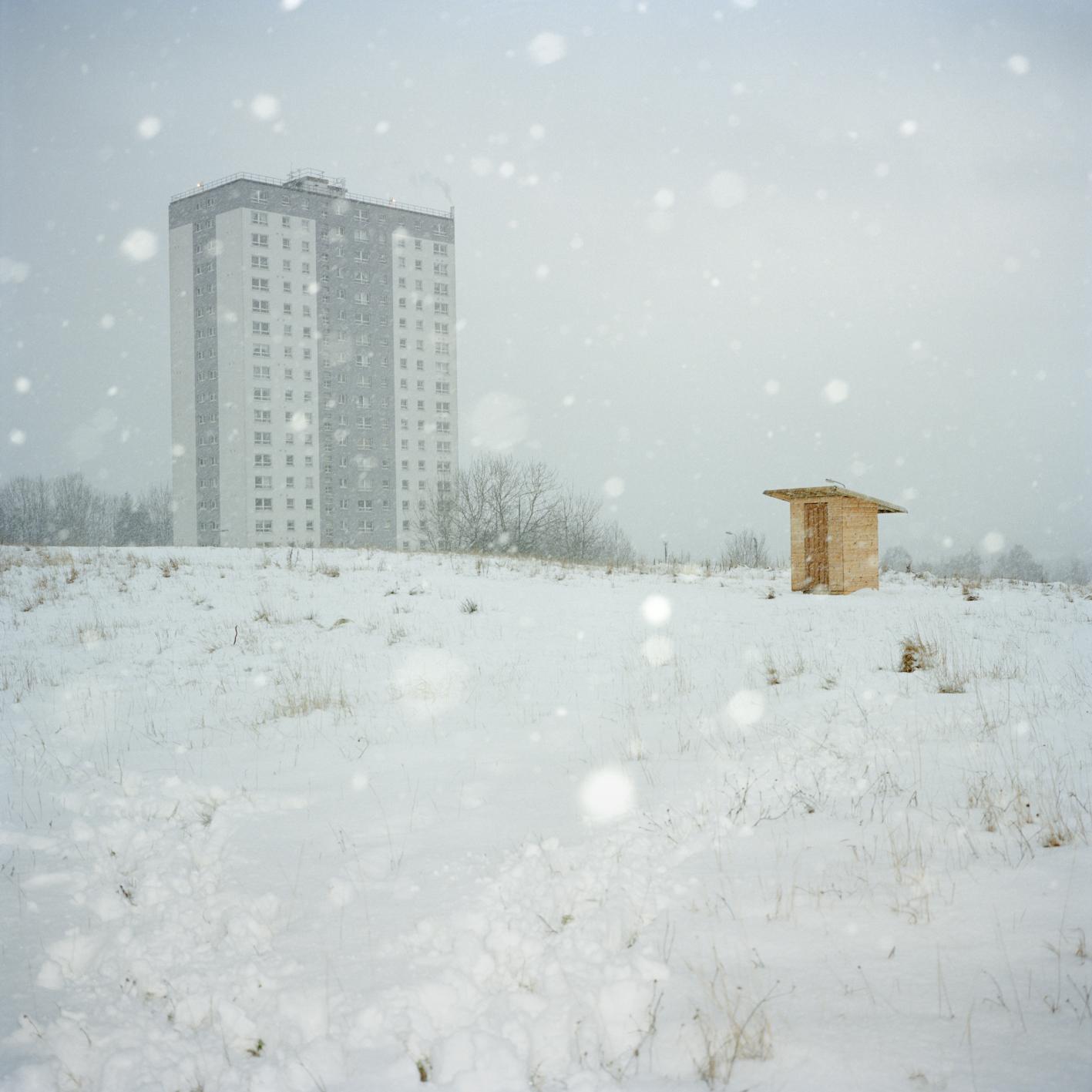
From An Ordinary Eden
The integrity of my work is paramount; it is about care in how images are first made, then encountered and understood. A photograph should never be detached from the conditions in which it was made.
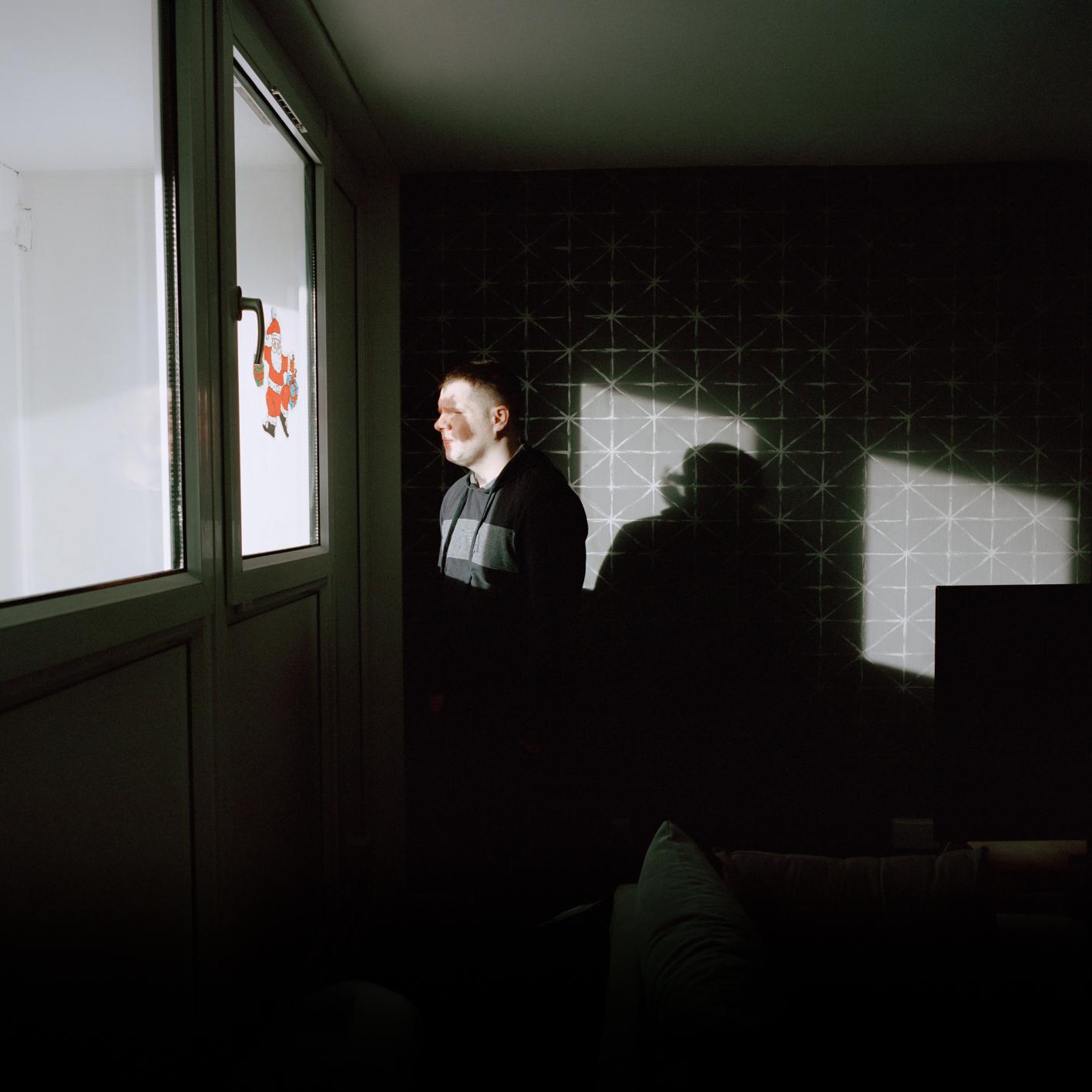
Marcus, age 31, in his first ever home at Christmas
From An Ordinary Eden
By age 31, Marcus had been homeless for more years than he’d had a permanent home for. How does that happen, that children are forgotten about before they’ve even grown up? On moving into his first flat, he initially kept all his possessions in the smallest room, like he was trying to decide how to start living.
Name Withheld
From An Ordinary Eden
After 3 years of living first in homeless hostels and then inadequate housing, the woman in this photograph sits on her bed after moving into a new, permanent home. She’d become homeless through domestic abuse and recounted that she felt doubly punished: she’d not only lost all that was associated with her previous life — both personal and material — but also had to endure the emotional and practical impact of being homeless.
This house is a new start for her, but the indelible trace of trauma remains significant.
“It’s tiring—this is your life, I’m safe now but it’s all limited, I don’t exist anymore.”
Beyond the Photographer: Considering the Ethics of Others
There is a clear power differential in photography, and it is here we have to be ever mindful of our moral compass and translate that into an ethics of representation. A useful starting principle is reversal: would you be comfortable being treated and shown like this if the roles were reversed? I’d like to think that this would rule out some bad behaviours but unfortunately, both individuals and organisations can be unreliable narrators, especially when ambition and ego appear, and their selfjustification can be persuasive, leading to unethical decisions. This applies not only to people creating the work initially, but also for those involved in its dissemination.
Ethical discussions in documentary photography are mostly framed as responsibilities exercised by the photographer toward those they photograph. Yet this obscures a critical dimension: ethics can also be breached against photographers, through the actions of others. This can involve, for example, disregarding authorship, consent, and the integrity of a body of work. And when ethical concerns challenge established power, when David goes against Goliath, upholding ethics can be treated by organisations as secondary to defensiveness and self-interest. We see similar dynamics across many sectors, particularly where accountability is at stake.
The duty of care extends beyond the making of photographic work into its release and extended life. Documentary photographers are not service providers, they are creators of meaning, responsible for how stories are built, shaped, and how lives are represented. The integrity of my work is paramount; it is about care in how images are first made, then encountered and understood. A photograph should never be detached from the conditions in which it was made. It is a protective measure, that agreements are honoured to those who entrust us with their representation, their stories. Photography must hold its power wisely, knowing the responsibility of image making, and keeping ethics at its centre.
Final Thoughts
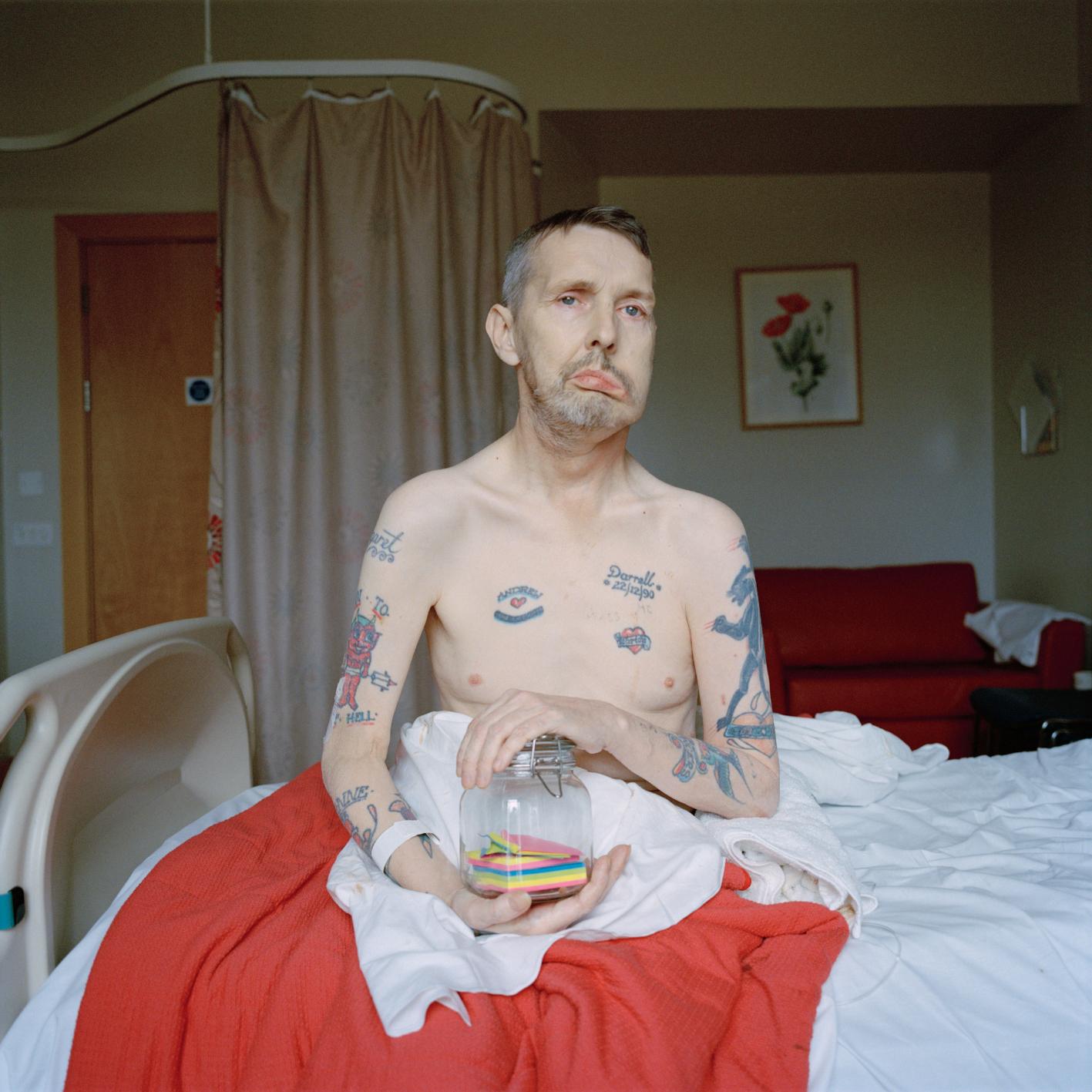
A final story from me, from work I did of people living with terminal illness. In As the Day Closes, the relationships I built with those I photographed allowed an insight into what preoccupied them at this juncture in their life story, when time itself had become limited. One man, I met exactly one month before he died, visiting him multiple times as trust and connection grew. I observed him reconnecting with his family. I met his daughter and granddaughter, sat with them, talked with them, documented and interpreted.
I noticed a jar holding a sticky-note pad; on my first visit it was sealed and unused, and by the second, small notes of love and loss had appeared, written for his baby granddaughter. This tender detail led to my portrait of him holding the jar.
When I first entered the hospice room, I did not know if I would stay to photograph, if my moral compass would guide me back out the door. I knew I would not take photographs if I judged the situation wrong. But over those visits I learned some aspects of his life, his childhood, his illness, and his reconnecting with family. And his joy in knowing his baby granddaughter, set against the reality of his situation.
Photography is a privilege as we enter people’s lives with the ability to make work from that closeness and time together. When I think of this work, I remember those visits, hours spent with him, and my reflections on how to translate the fragility of life before me, the intensity of impending loss, and the love for family. A man sitting proudly, somehow in defiance, despite all the vulnerability and sorrow. To represent a man after his death is one of the sharpest ethical questions a photographer can face.
I never begin a project or enter a situation with a preconceived idea. I evaluate, listen, and observe. And throughout, I remember the responsibility that comes with this work, as I did each time I entered that hospice room. Across the wider project, I made more than 30 visits to people, in their homes, in hospital and in hospices, and that responsibility and care stayed with me throughout.
Returning to the student’s question of where I learned ethics, to be a decent person. Part of the answer is simple as it comes from that moral compass we all carry, which should guide us through life. But it is also learned through life experiences, through in-depth work with people, through thinking, listening, and observing. I learned through caring about those I meet, their stories, and how others might see and perceive them. It is also about integrity, in believing in the work I do, and hoping it matters. Sometimes that is practical, such as raising funds for homelessness charities through a project. Sometimes it is because a person writes a quiet note to me about how an image resonated with them, after seeing it in exhibition. Other times it arrives unexpectedly, such as a politician’s deep engagement with my work and their observation that it portrayed the kind of lives and situations that had led them into public service in the first place.
I’m grateful to the student for that question, because it told me something important: that they were already thinking carefully about responsibility, and about the weight of representing another person’s life. Those are the same questions I have asked myself for years. I still do.
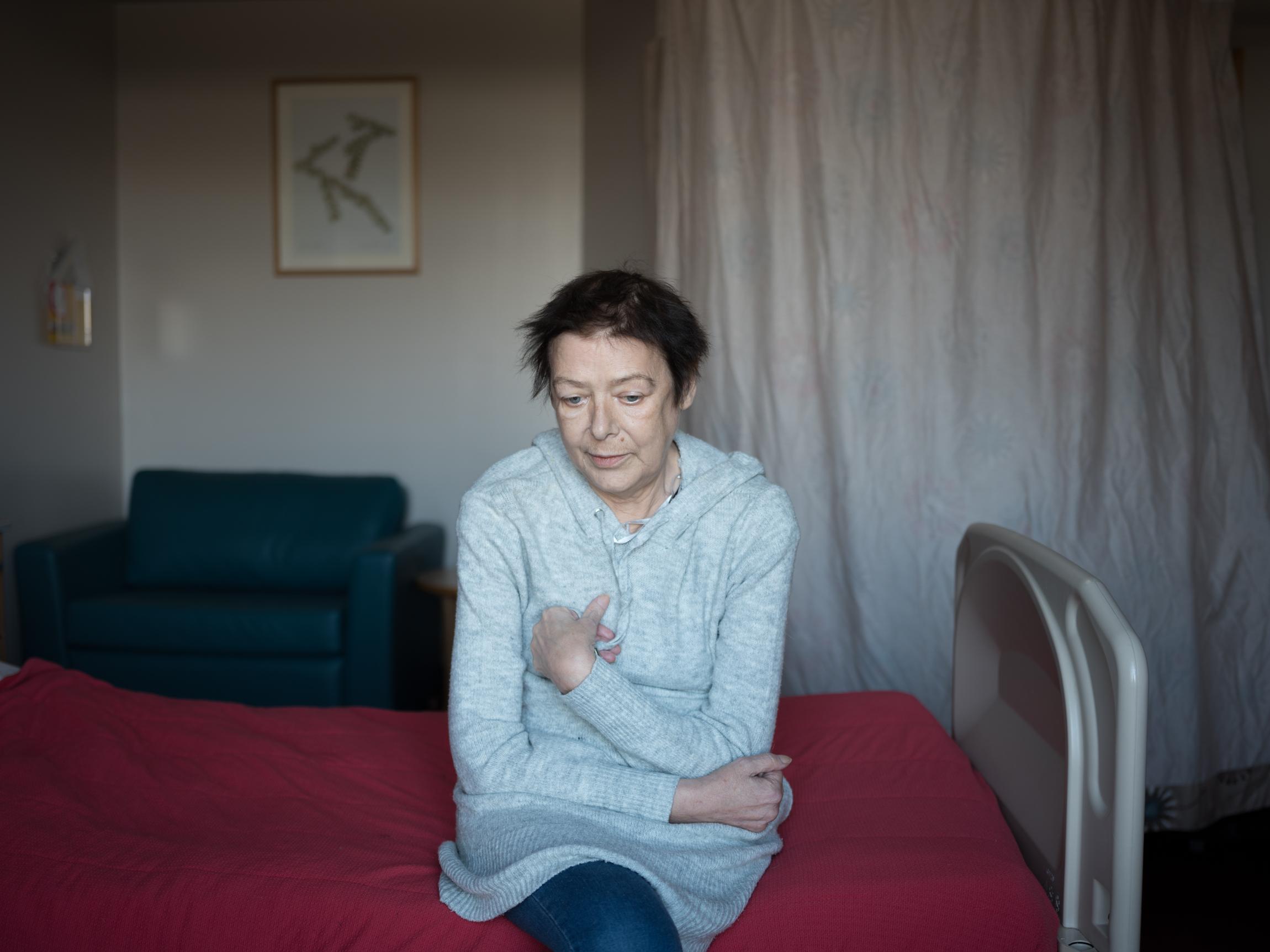
Margaret / Hospice
From As the Day Closes
On my last visit, Margaret had cut and dyed her hair in an act of quiet yet decisive rebellion. Yet, as she sat there that afternoon, she seemed to falter and fold into herself.
Andy / Hospice
From As the Day Closes
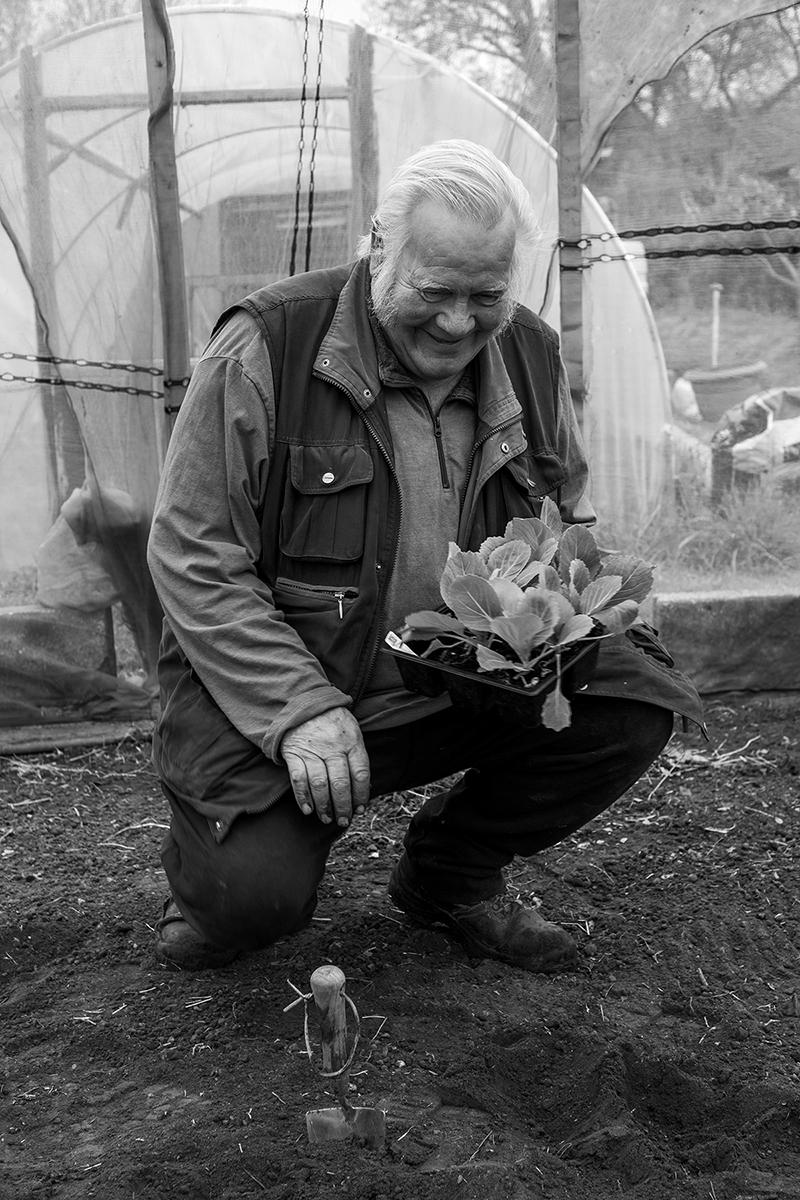
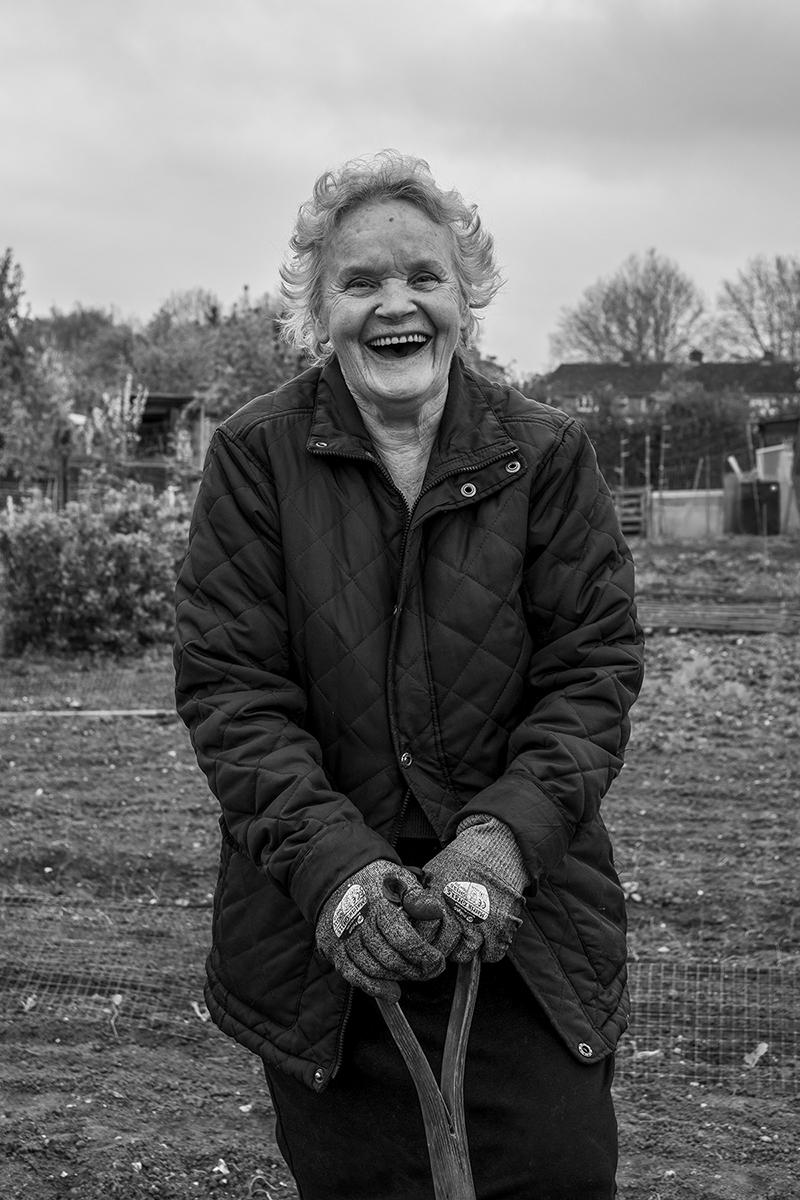
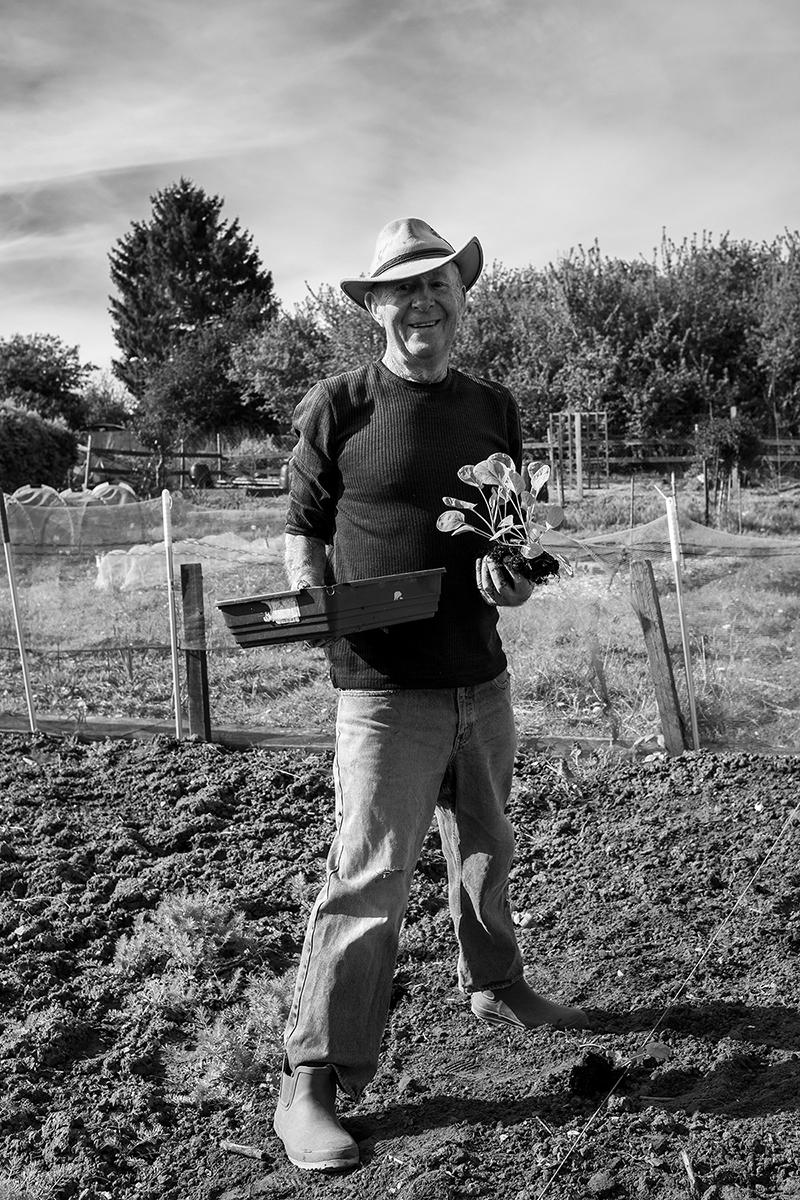
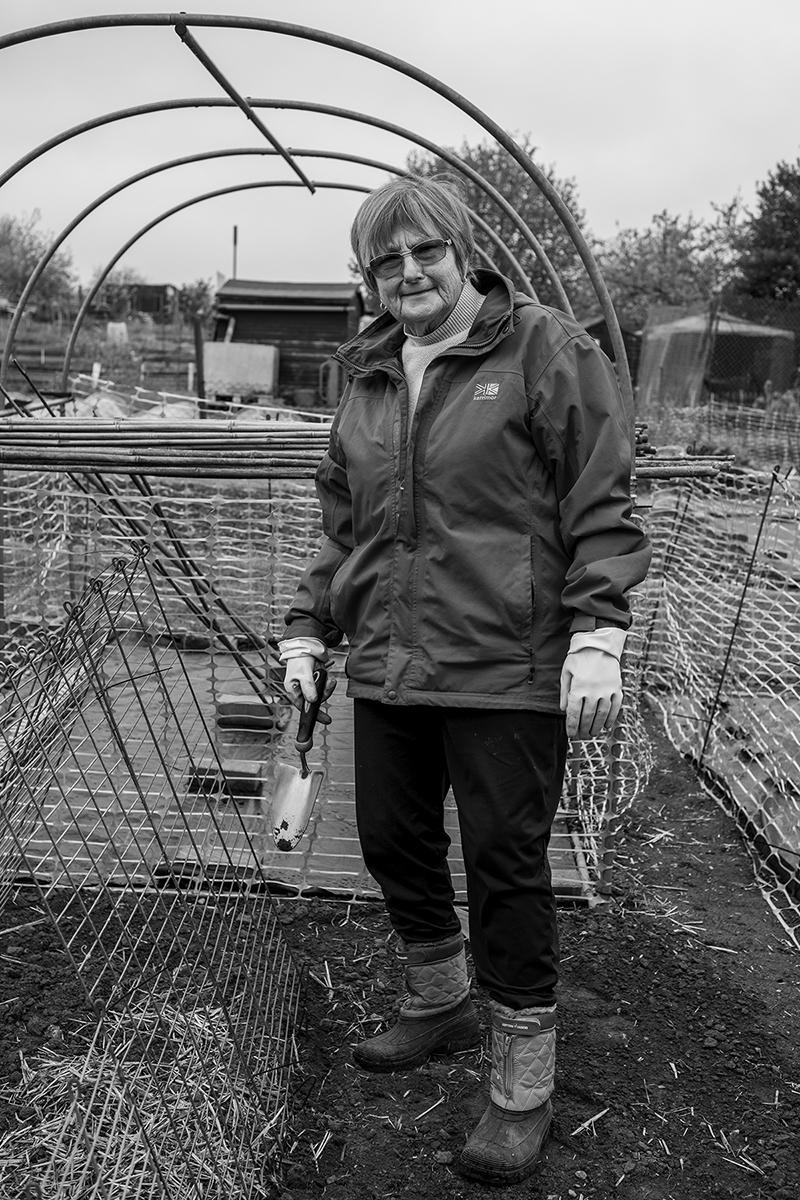
Documentary Fellowship Panel Where the good things grow
Introduction
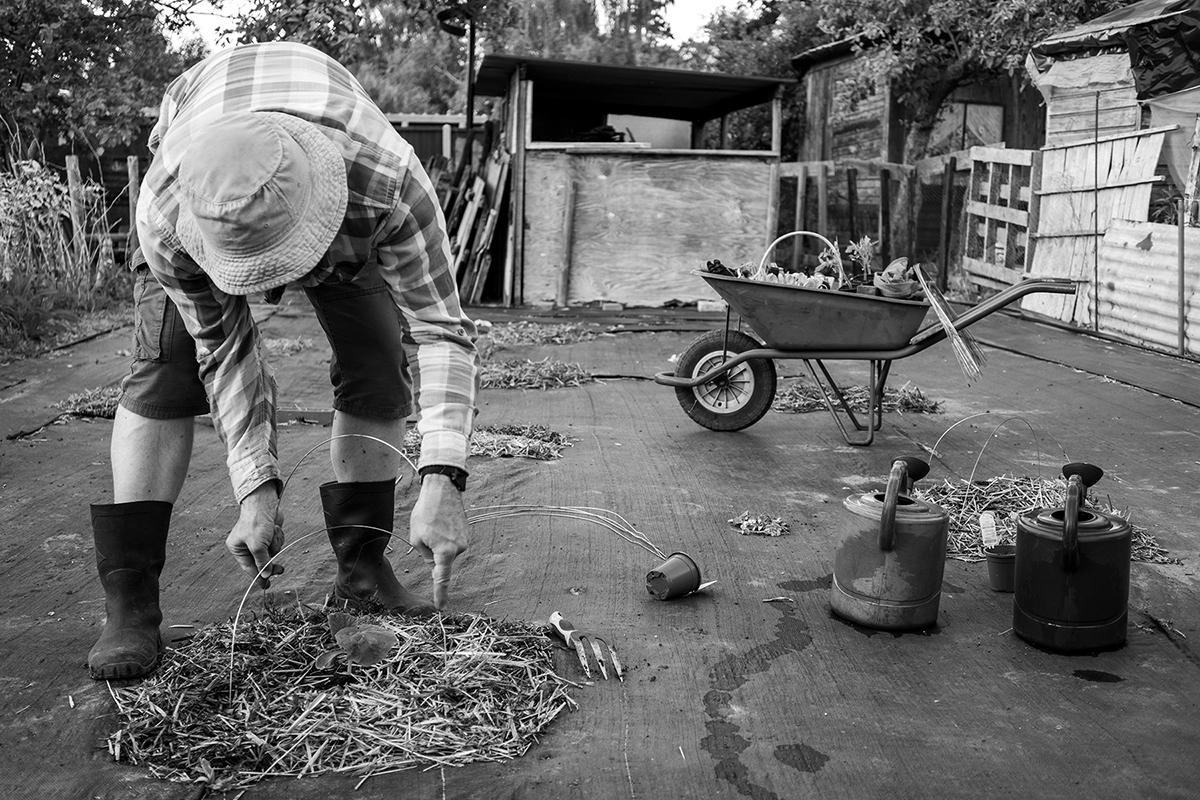
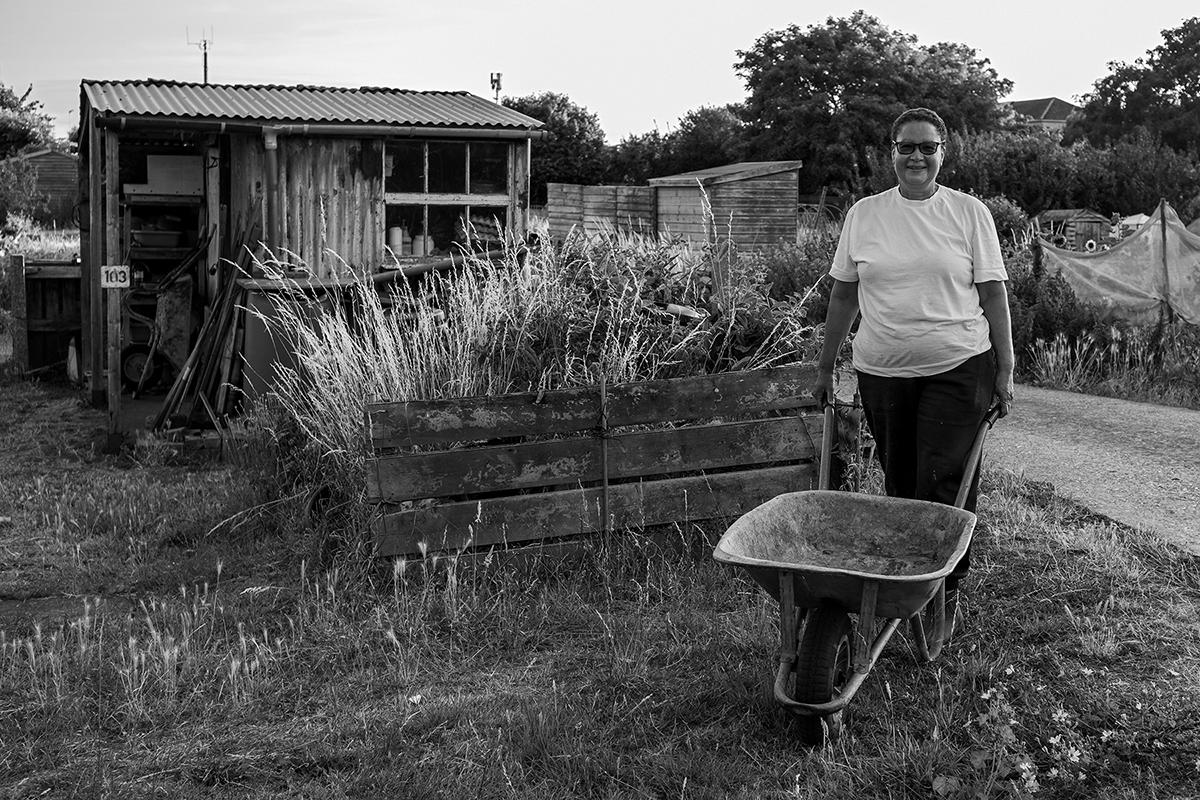
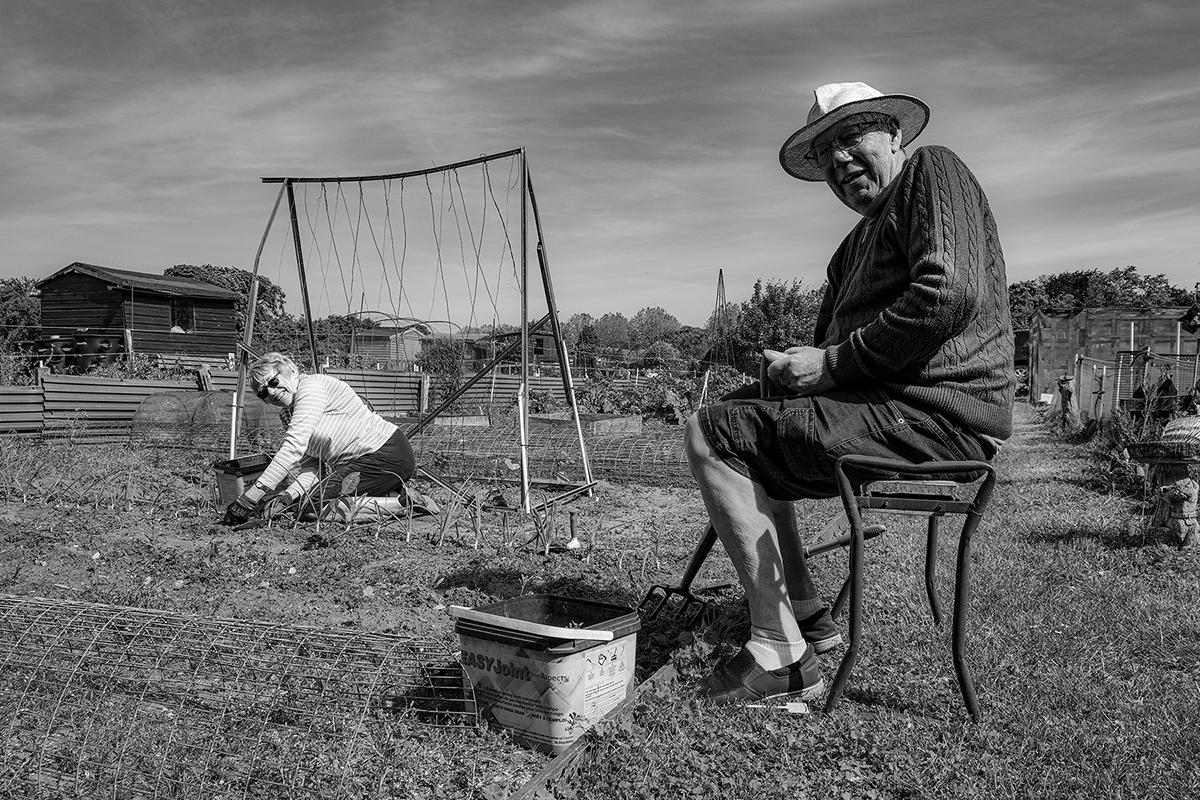
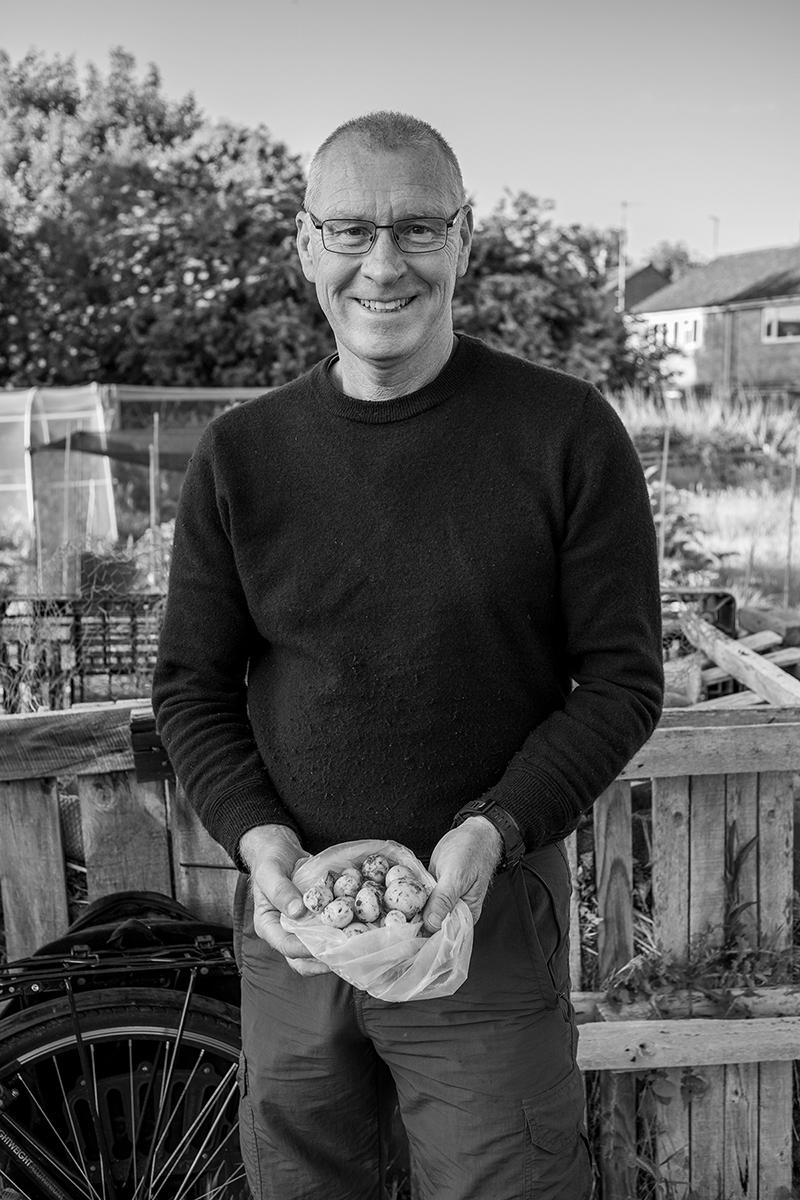
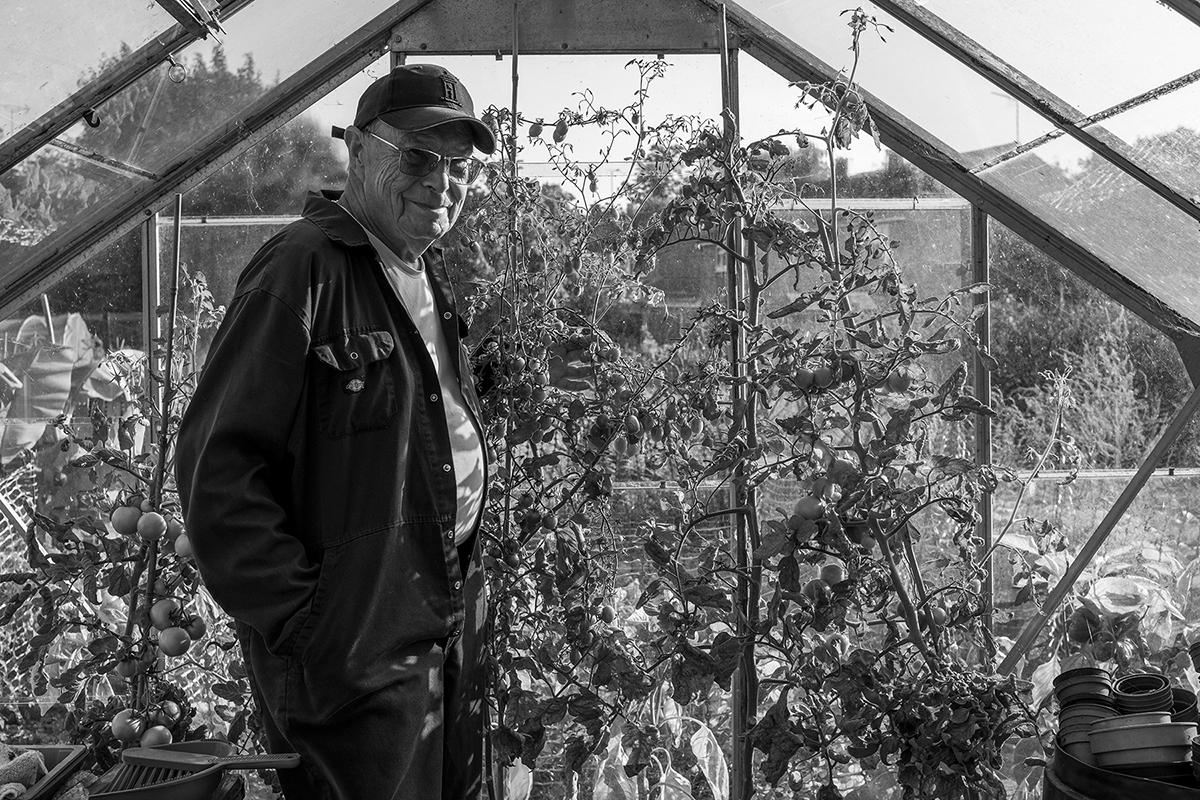
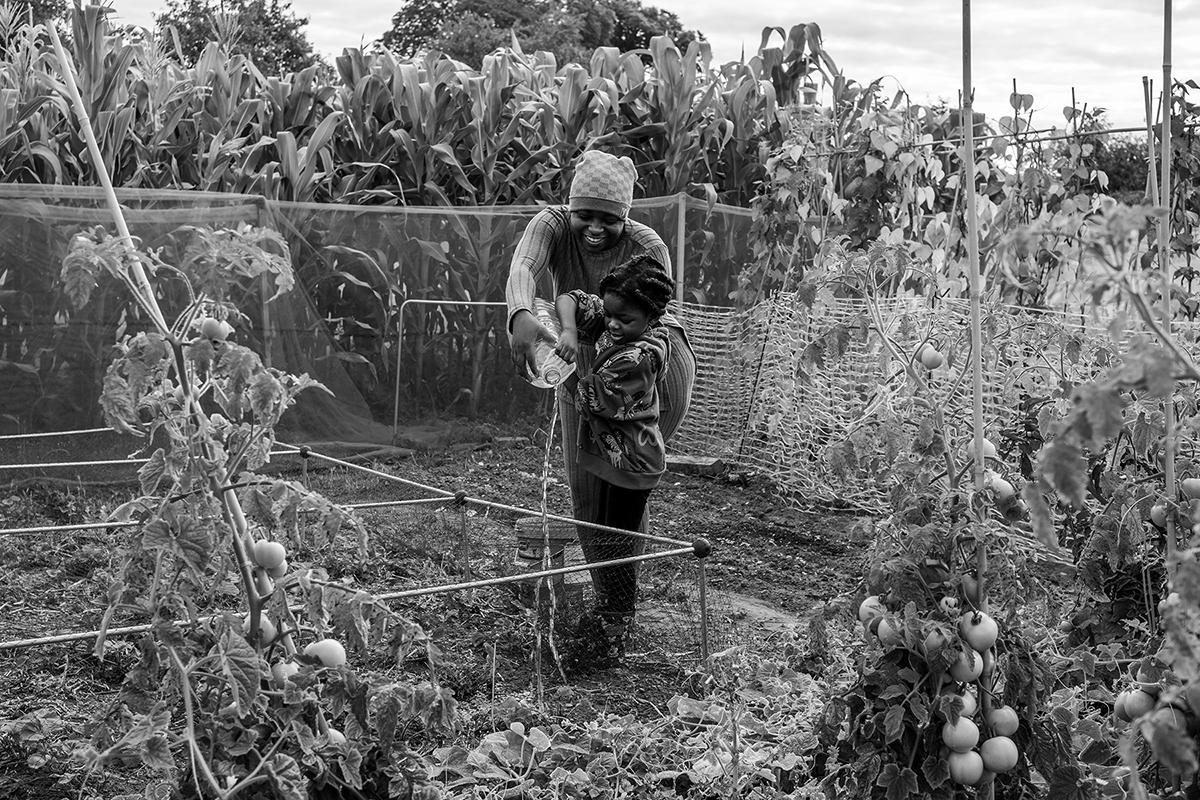
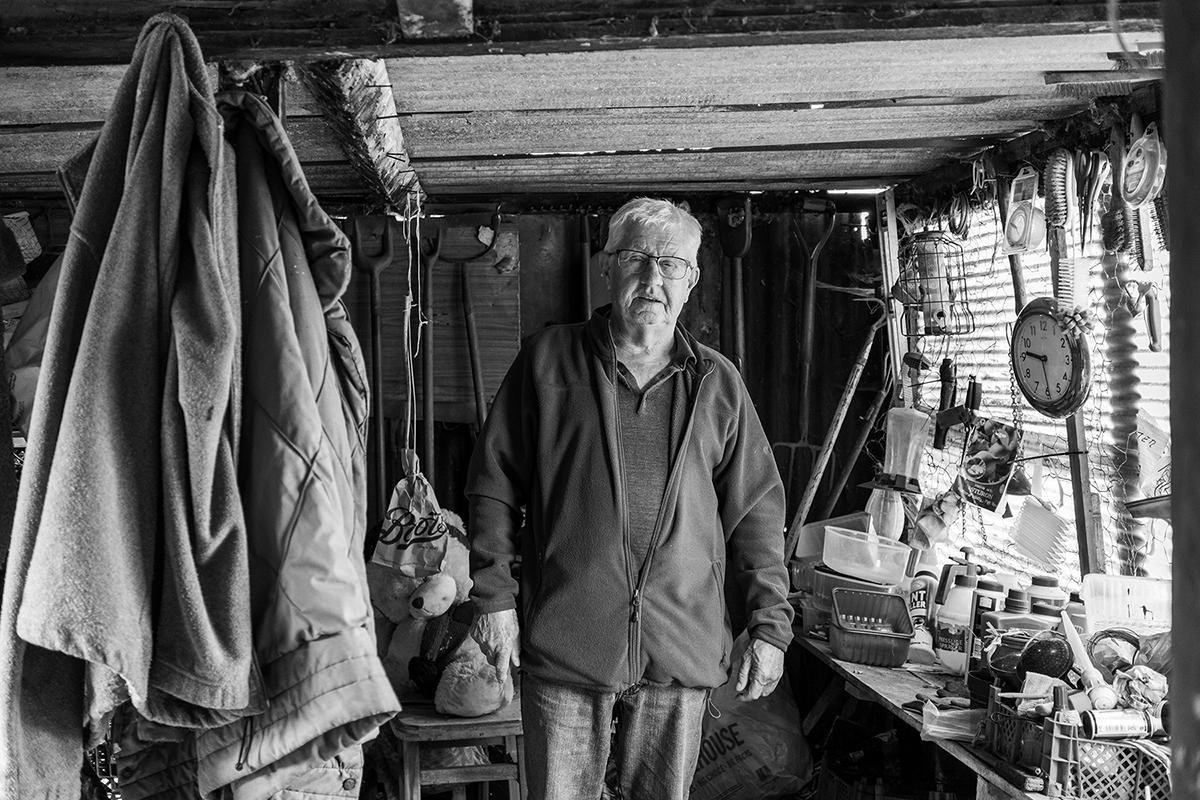
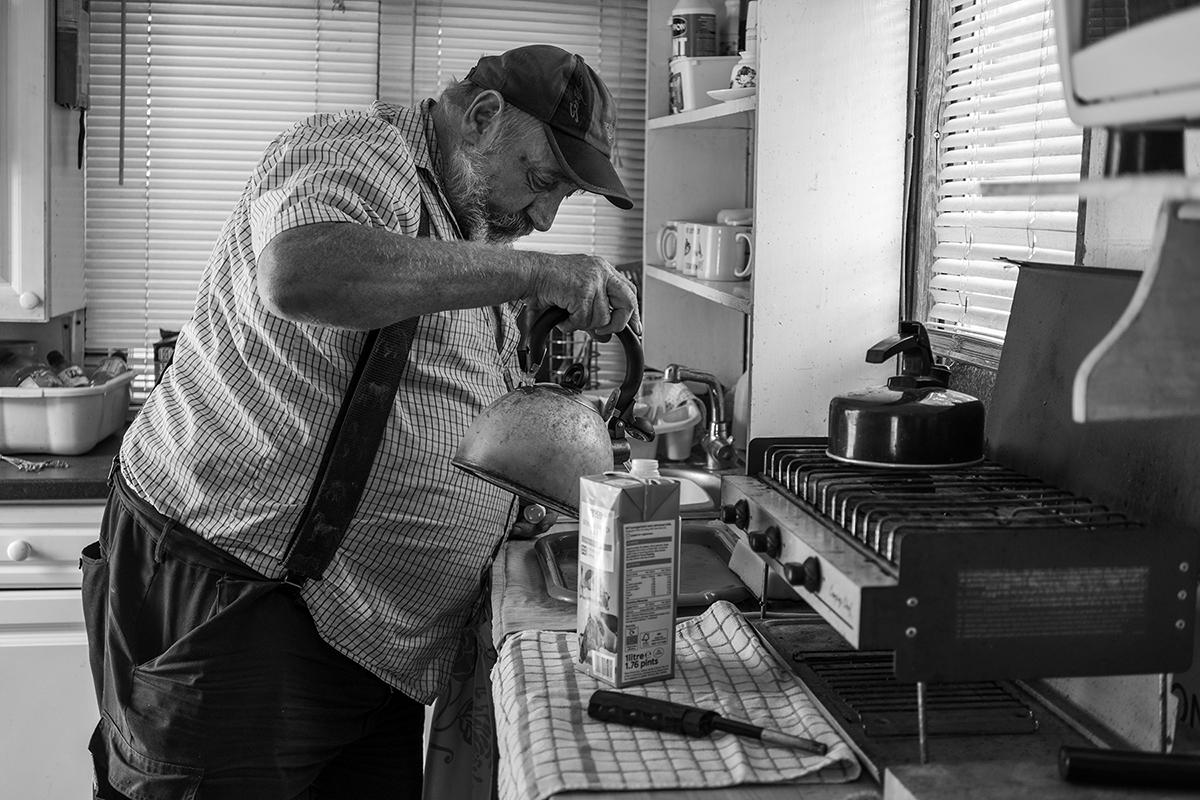
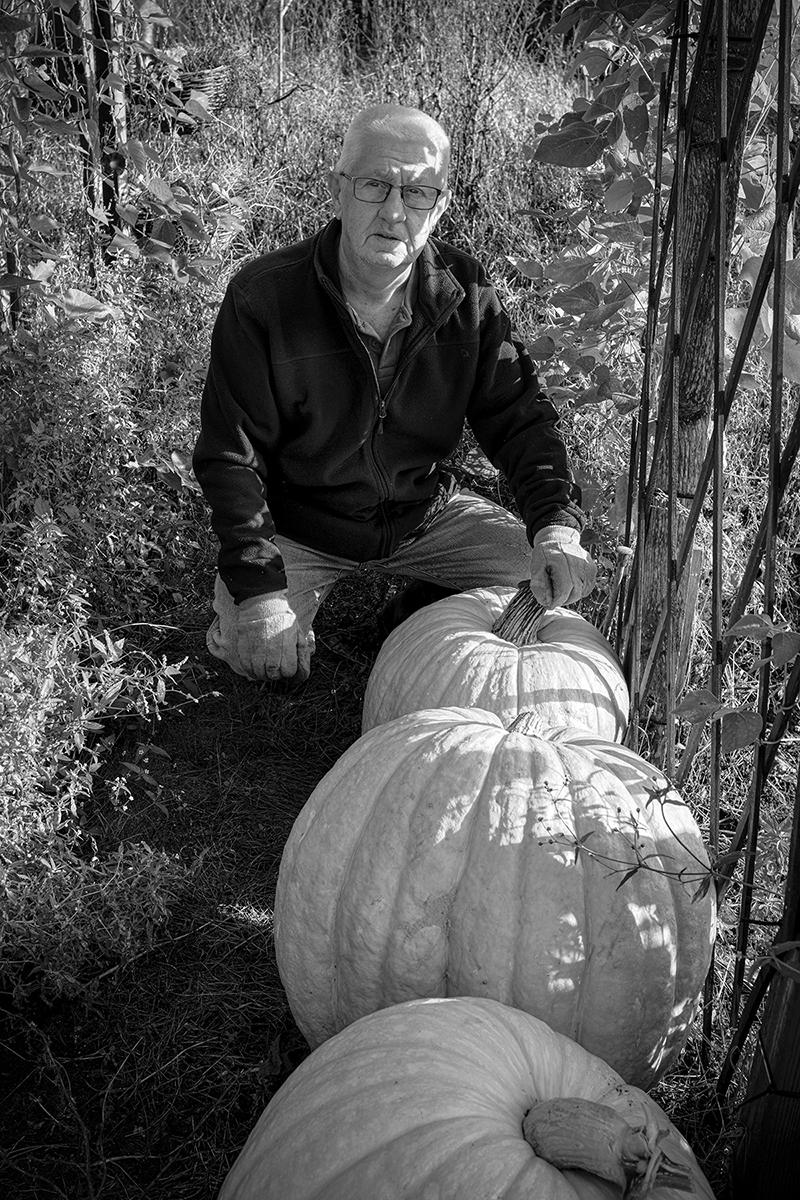
The Decisive Moment is always looking to celebrate members work. In this interview we speak with photographer Jayne Odell FRPS, whose newly awarded Documentary Fellowship explores the quiet rhythms and communal spirit of a local allotment community. Known for her reflective black-and-white imagery and her instinct for finding poetry in the everyday, Odell brings both artistic clarity and personal connection to her work. In this conversation, she reflects on the making of her Fellowship panel, the discipline of building a cohesive narrative, and the emotional sensibilities that shape her distinctive photographicvoice.
You can see more of Jayne’s work at: www.jayneodell.com
What drew you to this subject for your Fellowship?
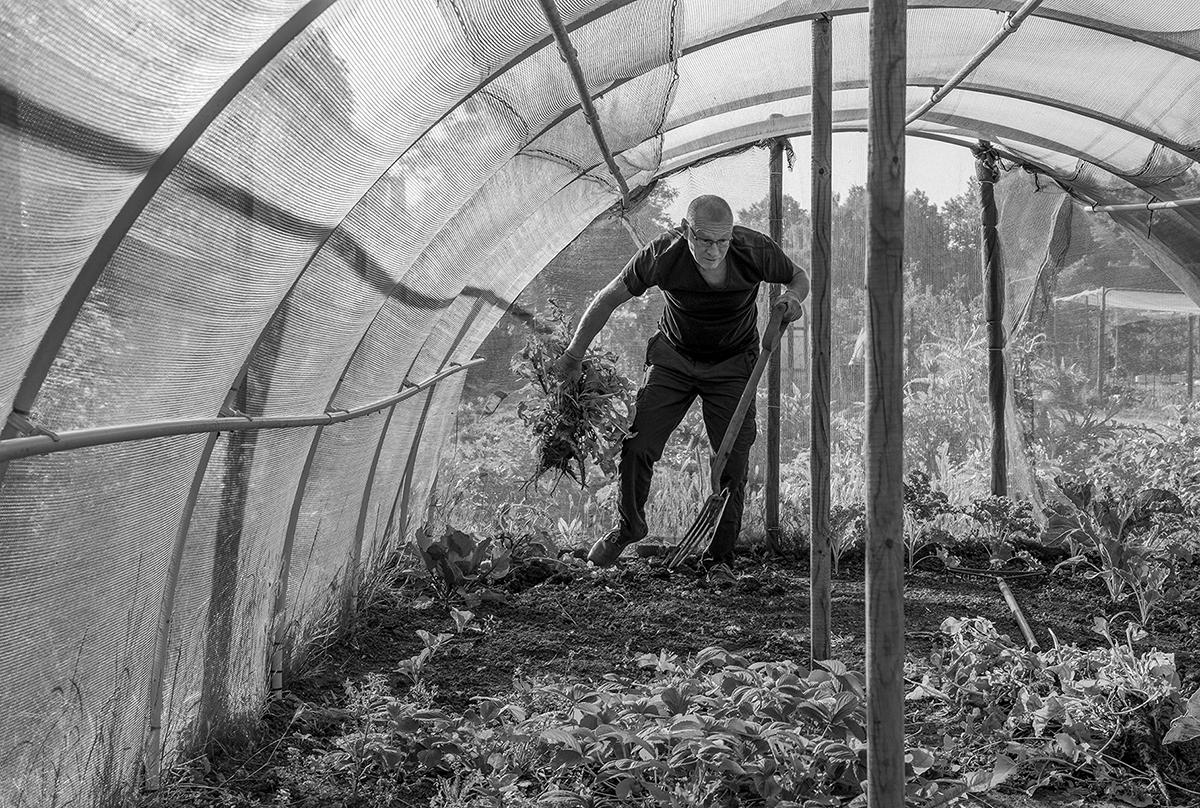
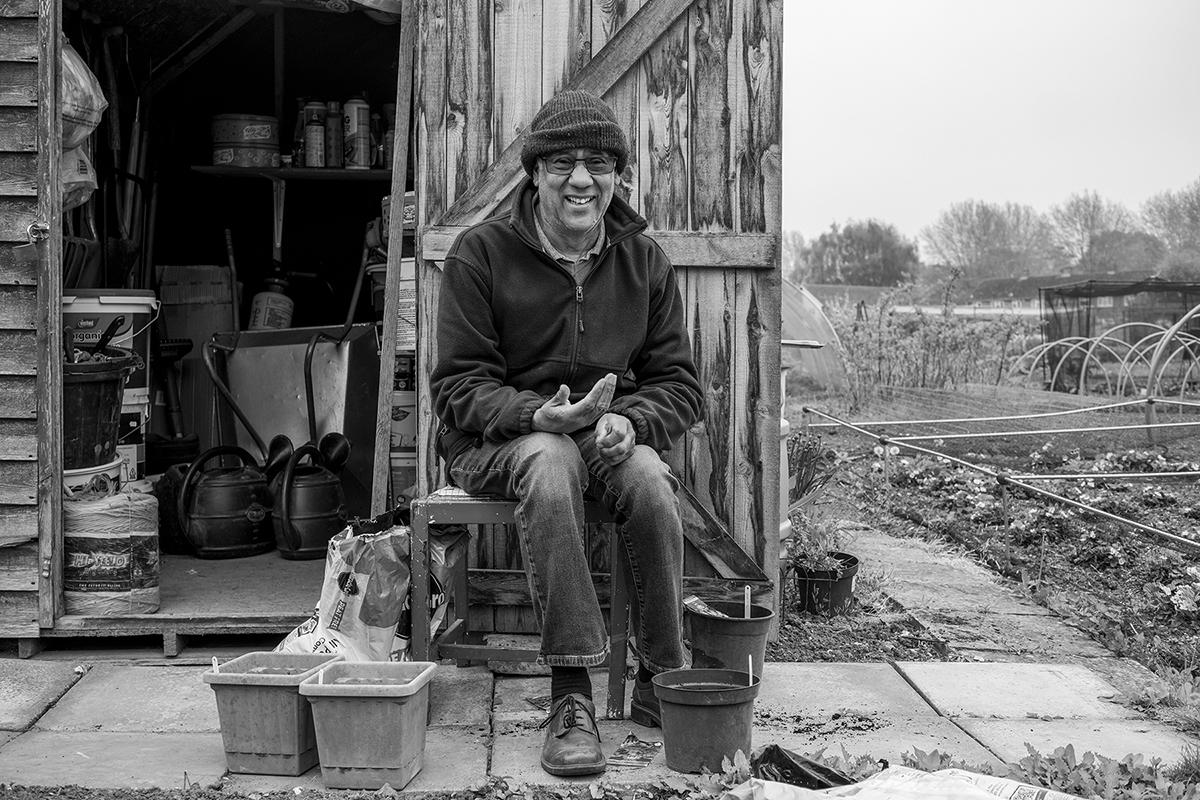
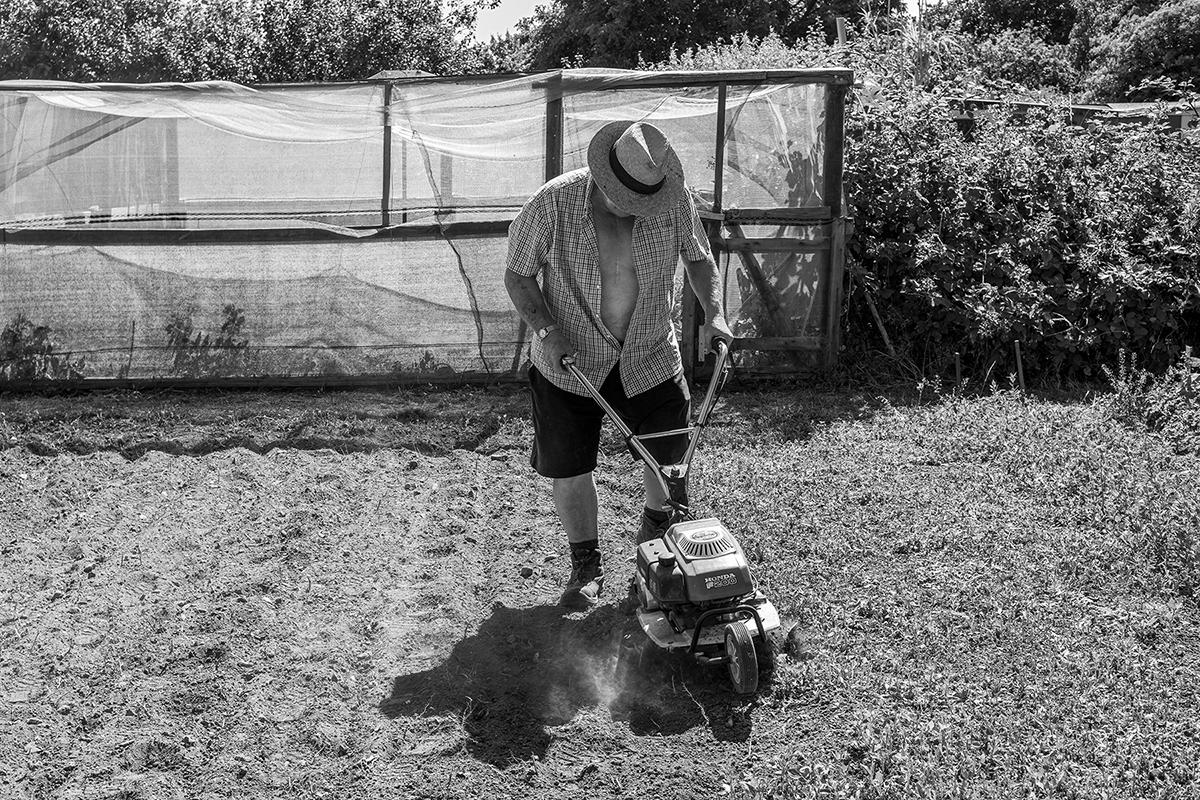
I was drawn to this subject for my Fellowship because I find it such a rich experience being a part of this community, developing friendships over the years and engaging with people who have different reasons and drives for doing what they love. The growing season – a process that I have hands-on experience with and that I know and understand. I wanted to share these moments from a documentary standpoint and champion the people who physically and emotionally gain so much from being outside, growing, being in the fresh air, sharing stories, laughter and knowledge. A snapshot of time through the season. A piece of local social history that has a strong visual narrative and wholesome value, using images that I could weave together into a cohesive Documentary Fellowship submission.
How did it differ from your previous submission?
It differed from my previous submission in that it was a Documentary panel, and my previous Fellowship was Applied. The common thread between them is that they are both black and white. The documentary genre requires a strong visual narrative, which this panel delivered. My intention was that you didn't really need to read the statement of intent to follow the story and engage with thepictures.
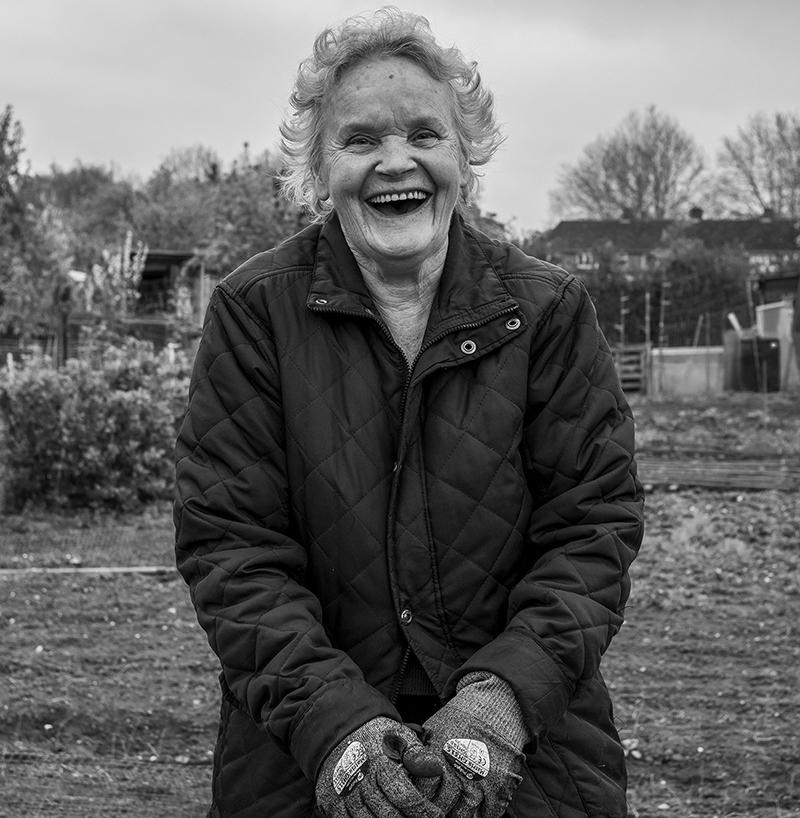
Jayne Odell FRPS
How did you balance personal expression with the technical and conceptual rigour required for an FRPS submission?
Personal expression within my images is a constant and vitally important to me as an artist. I always photograph in black and white. My intention is always for my work to be clearly my style and approach. Photographing this series in different weather and lighting conditions was something I worked hard on, with the obvious challenges – making sure I handled light and aperture sensitively and appropriately and embracing the conditions.
Were there any specific challenges in creating a cohesive narrative or visual flow across the panel?
I had built an extensive body of images for this project over a few years, so the selection and editing process were something I spent a long time on. Making sure that the images worked together and told that visual story as fully and richly as possible within the 20 images. I did have two slightly different ideas of how to put this submission together, so I gave this some serious thought and decided on a direction I felt was the strongest from a documentary point of view. Ensuring that pictures covered all the aspects of the storytelling I was aiming for meant careful selection and fine-tuning. There were images that were my 'favourites' that, in some cases, didn't make the cut because I felt they didn't work quite as well within the overall panel. It's important that all the images are cohesive and consistent, both in terms of technicality and artistic style.
Your work often feels very reflective and observational – how much of your own experience or emotion goes into it?
I am constantly observing; I never switch off! Light, tonality, texture, composition, expression, framing – I am literally seeing everything this way, all the time. So, in terms of observation, that is just natural to me. Reflective, yes, too. I am a sentimentalist, I love atmosphere and emotion, and that is so important to me as a photographer. Experience and looking have helped shape how I see the world, with and without the camera. Lots of emotion goes into my photography; I am constantly responding in my mind's eye, and when I have the camera, even better! This Fellowship project is personal to me. It narrates a very special snapshot of time, and hopefully that comes through in thework.
What emotions or ideas do you hope viewers take away from your Fellowship panel?
I want to share the story in a way that people can connect with. I hope these images bring warmth to the heart as well as interest and intrigue. I want people to spend time looking at the individual images, noticing the little details and the connection, expression, and emotion with the people in the frame.
What is the most valuable thing you learned through the Fellowship process?
I'm very honoured to have two Fellowships, and I am extremely proud of this achievement. The Fellowship process has made me a better photographer and more self-critical, for sure. It has made me really drill into what standard my work needs to be to attain this level of recognition. It's made me look objectively at my images to adhere to the criteria of the genre, not be swayed by my personal feelings and emotions, but to almost view the work as a third person. Of course, it's important to have that personal connection to the work, too, and I hope this is obvious from this panel – but in terms of meeting the criteria and selection, you must step back and view it constructively to make sure it's up to the mark.
What advice would you give to photographers preparing their own FRPSpanel?
Take time, make sure you are confident and completely happy that you have met the RPS criteria for your genre. If you can have a one-to-one, then that's highly recommended. Listen, take comments on board. Be open to constructive feedback. Check and check again that you have covered all bases for the level and genre you are applying for. Have fun. Enjoy the process of putting a body of work together that you are proud of, so that when you submit, you know in your heart that you have done the very best you can. If there is something that you are questioning, then there's probably a reason for that, so listen to yourself. Be proud of yourself and your work – it's a tremendous achievement to apply for aDistinction.
Are there themes or subjects you're eager to explore next?
There are many ideas buzzing around in my mind, yes. Always new projects on the horizon – I already have a list for 2026, and I know it will keep growing! I am so passionate about photography and excited about paths and directions that shift slightly, that help you grow and develop your work further. So, the short answer is yes, very much so!
If you could revisit one earlier project with the insight you have now, what might you change or do differently?
Do you know, I try not to do that. I look back at my work and former projects, and I embrace that the images were the defining moment at that point in my journey. I wouldn't change anything. I look back at my older work with affection and fondness, not criticism. As I evolve further, gain more experience and continue to create, I will be doing the same with the work I am producing now. The wheel keeps turning.
Conclusion
Jayne Odell’s Fellowship submission stands as a testament to the power of sustained looking—of patience, empathy, and commitment to craft. Her reflections offer a valuable insight not only into the rigour of the FRPS process, but into the deeper motivations that drive long-form documentary work. As she continues to evolve and pursue new ideas, her dedication to both storytelling and personal expression remains steadfast. For photographers preparing their own panels, her advice is clear: trust the work, be open, and embrace the journey.
RPS Fellowship Documentary Photography
Where the good things grow
Statement of Intent
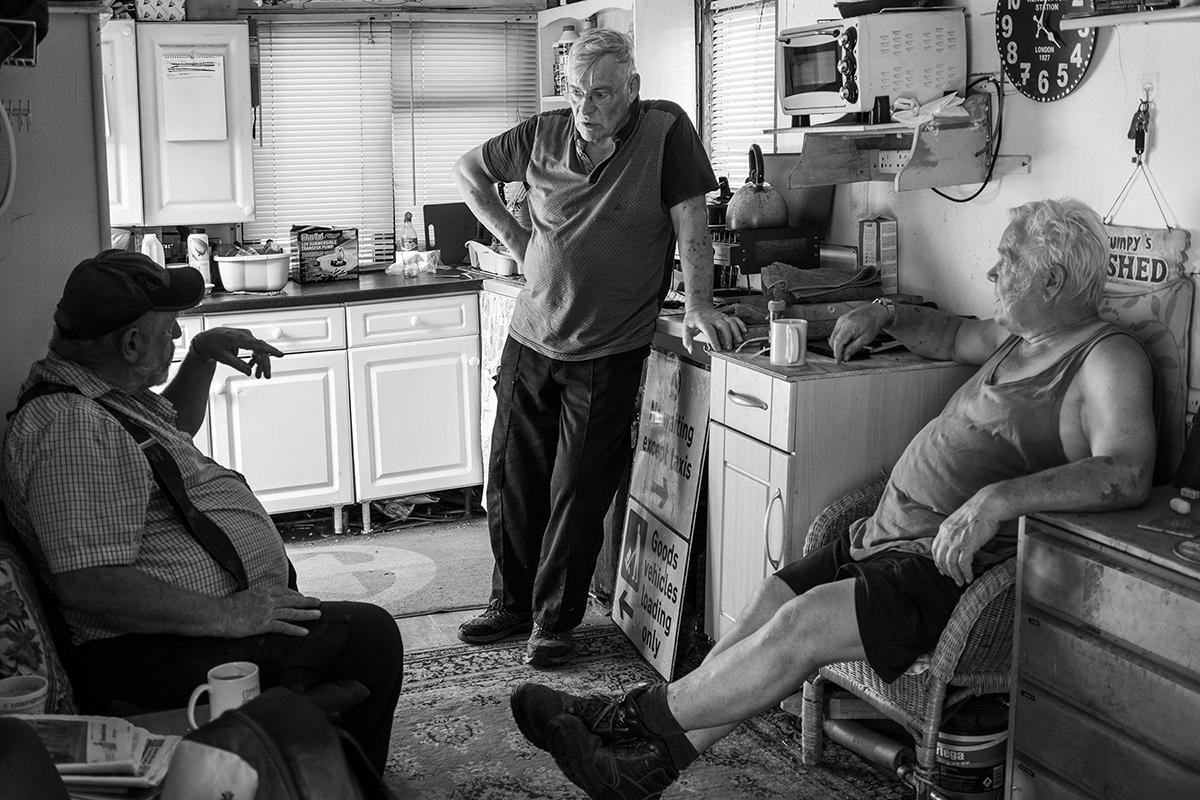
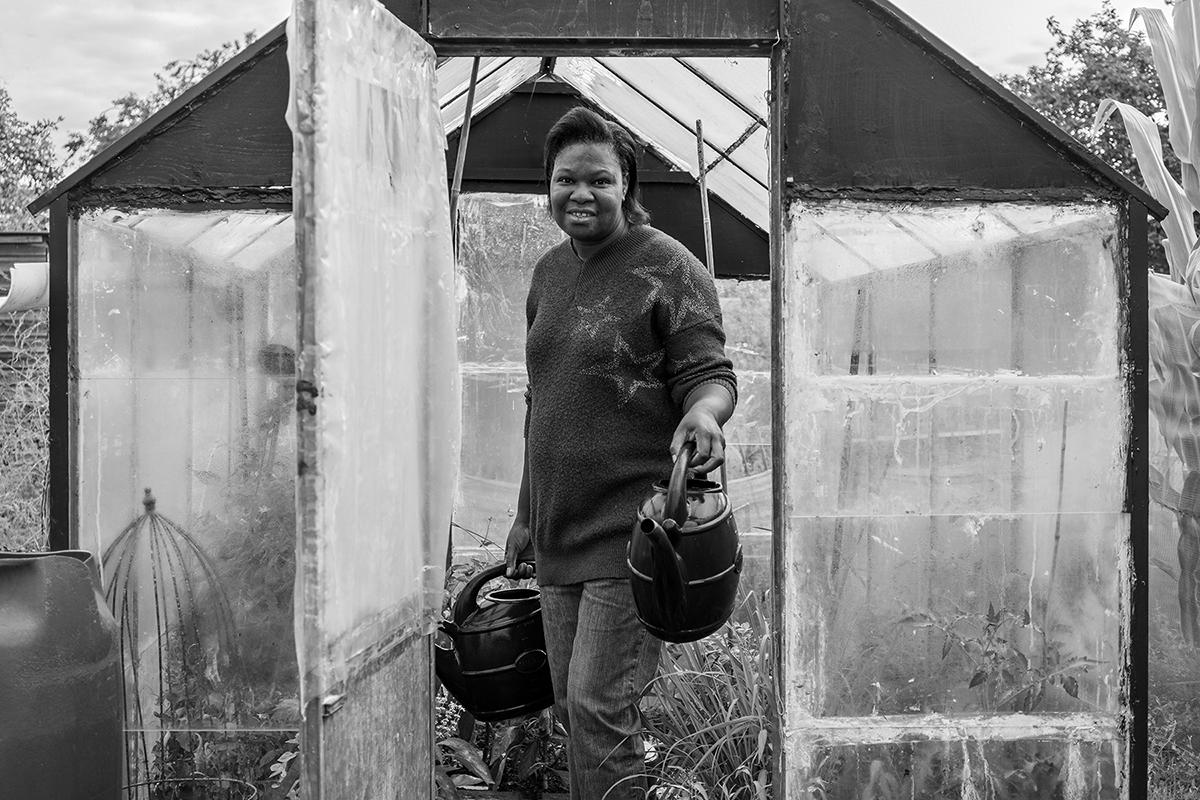
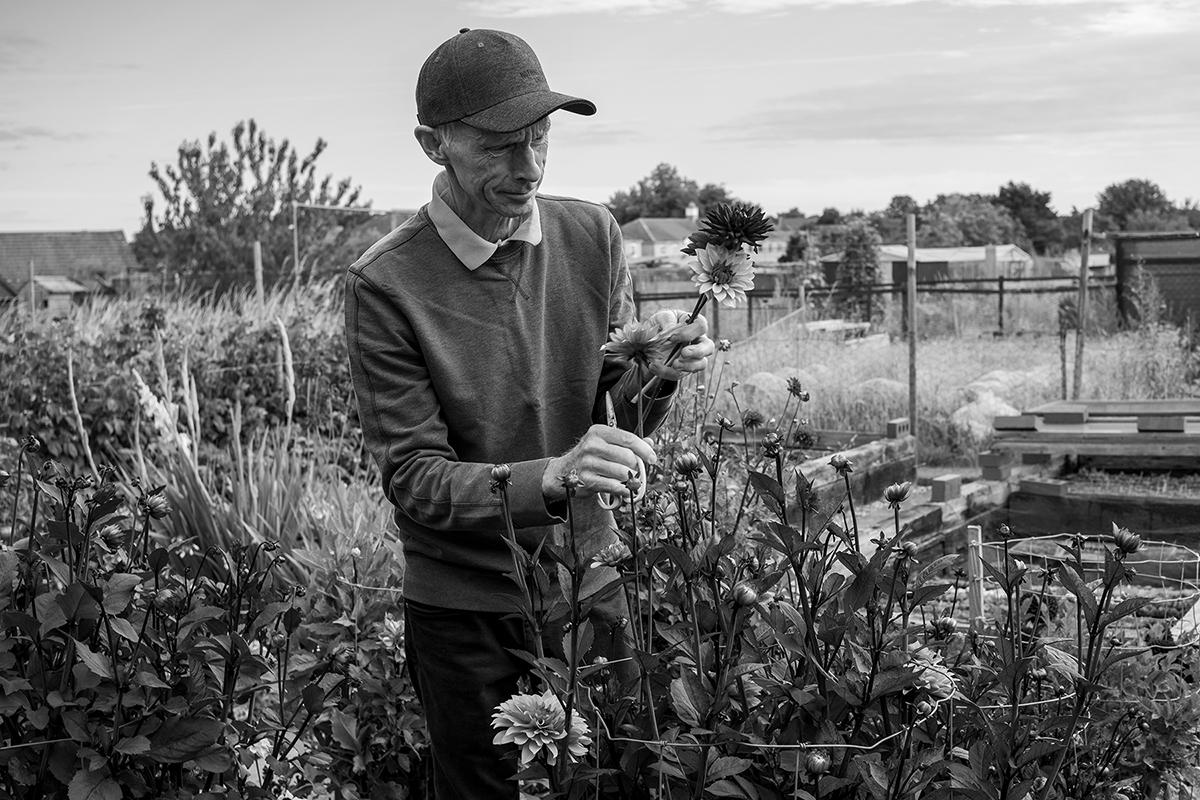
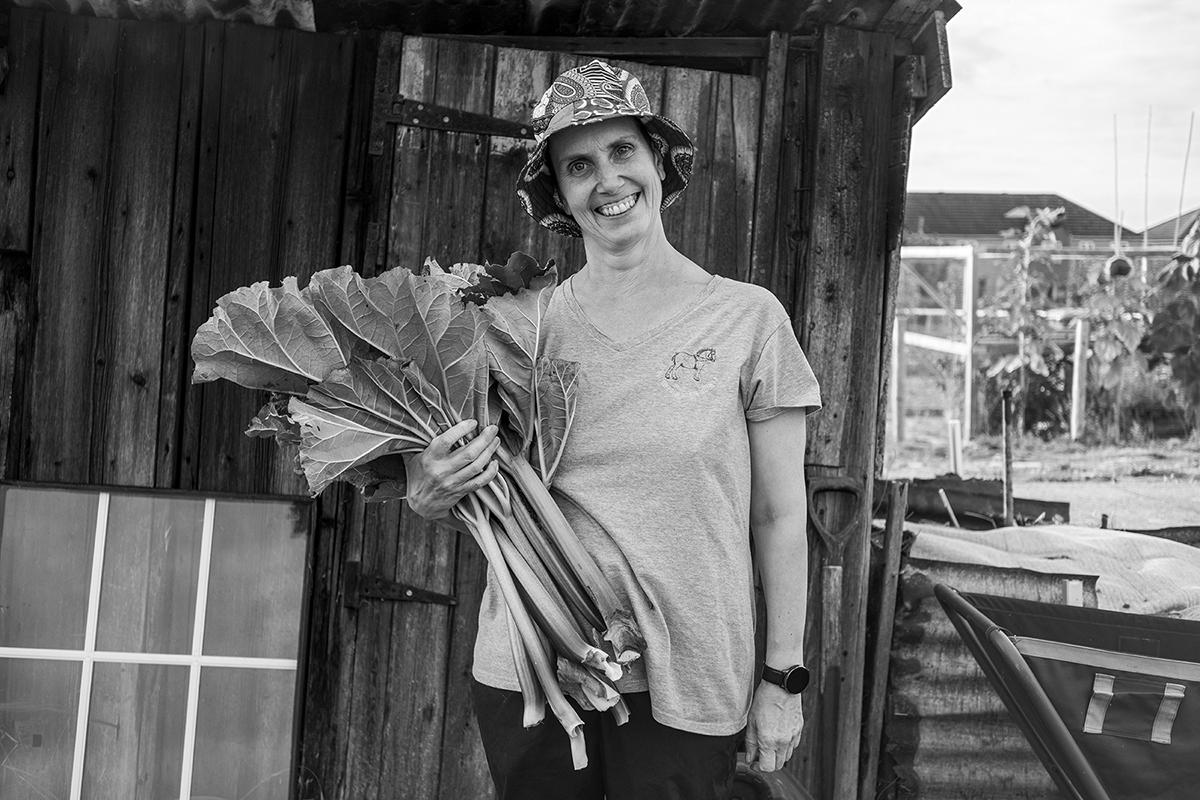
‘Our allotment site is an enriching place where like-minded folk gather to grow fruit, vegetables and flowers. Different characters with their own reason or purpose for taking time to be at one with the earth. Woven together with a shared passion and common intention. A sense of community. A haven of richness for their mental and physical well-being that pivots around the tea shed, where these folk meet, share stories and bond over a well-earned cup of tea. Over recent years I have photographed this kin, many of whom have become true friends. I’ve built trust and documented the essence of their growing and social activities, shaping a series of both candid and engaged portraits of the allotment holders engrossed in their endeavours and taking time at their plots and sheds. This series depicts some of these moments of wholesome value.’
Photo North
Photo North has established itself as one of the UK’s most engaging and socially conscious photography festivals, bringing together powerful visual storytelling with an inclusive, community-minded ethos. Their vision has helped create a space where established practitioners and emerging voices meet on equal footing, sparking conversations that extend far beyond the gallery walls. The Decisive Moment spoke with the founders and organisers, Sharon Price and Peter Dench to reflect on the festival’s origins, its continued evolution, and the values that drive their commitment to showcasing photography that matters.
DM - Photo North has grown into one of the UK’s most distinctive photography festivals. What was the original spark that led you both to create it?
Pete - Not so much a spark as a slow burn. We ran a photography gallery and events space, White Cloth Gallery, in Leeds from 2011 to 2015. It went well. In a way too well. We always wanted the exhibitions to lead but then when we were asked by the investor to ‘soften’ the content to encourage even more bookings, it was time to stop. Post White Cloth, we were searching for another opportunity. In 2018 we thought we’d give the festival a go in Harrogate where Sharon lives. It worked but wasn’t' quite the right vibe. We tried Manchester before deciding Leeds, where we’d established a reputation, was a good fit. The next Photo North will be the fourth consecutive one in Leeds and third at the same venue - The Carriageworks Theatre.
Sharon - For me, the original spark came from a sense of a gap, a feeling that there wasn’t enough space in the photography world for voices outside the usual circuits to be heard with the same seriousness and respect. I’ve always been interested in photography as a social practice, not just an art form, and I wanted to create something that felt genuinely welcoming to people at different stages of their lives and careers, particularly those who might not see themselves reflected in traditional arts spaces.
Photo North has grown out of conversations with photographers, our visitors, communities and educators, about access, confidence and visibility. The idea was never to create a festival that felt intimidating or overly polished, but one that encouraged curiosity, dialogue and exchange. From the outset, it mattered to me that emerging practitioners could show work alongside established names, not in a hierarchical way, but as part of a shared conversation.
That ethos has stayed with us as the festival has evolved. While the scale and
ambition have grown, the core motivation remains the same: to create a space where photography can engage with real social questions, where people feel seen and listened to, and where meaningful connections are made, not just between images on walls, but between people.
DM - Your festival has a strong emphasis on storytelling and socially engaged work. How did you shape that editorial vision, and why is it important to you?
Pete - I’ve been working as a photojournalist since 1998, and storytelling has always been the drive behind what I do. Generally, we easily agree on content for the festival. We’d rather provide a platform for work that affects change.
Sharon - The editorial vision has really grown out of listening to photographers, to audiences, and to the communities whose stories are being shared. I’ve always felt that photography is at its most powerful when it’s rooted in lived experience and approached with care, responsibility and empathy.
For me, storytelling is as much about context as it is about content. It’s not just about what’s photographed, but how and why, and who gets to shape the narrative. That’s why we’re drawn to work that’s collaborative, long-term or embedded in communities - projects that are accountable to the people they represent and that create space for conversation rather than easy answers.
DM - Building and sustaining a festival is no small undertaking. What have been the biggest challenges you have faced along the way, and how have you overcome them?
Pete - Focusing on one city, Leeds has helped. Moving the festival around we had to pretty much start from scratch each time, building awareness and reaching out to the arts community, businesses and beyond etc. Of course, the challenges didn’t end. Funding with a capital F consumes a huge amount of time, mainly Sharon’s. Working with the amazing team at The Carriageworks Theatre, we’ve developed an understanding of what works where. However, this presents new challenges as we don’t want each edition to become formulaic. We don’t see challenges as a negative. In a way they’re welcomed and keep us on our toes!
Sharon - For me, the biggest challenge has been balancing ambition with capacity. Securing funding, as Pete says, with a capital F, is vital. The festival is very much a labour of love for us, it’s something we run alongside everything else we do, so the support we receive really matters. Without the backing of our sponsors, Alumno, who cover venue hire, wall hire and installation, the festival simply wouldn’t be possible.
We always aim to improve on each festival from the last, which feels genuine from both of us and keeps the process exciting.
DM - Collaboration seems central to Photo North, from partnerships with photographers to community organisations. How do you choose who to work with, and what do you look for in a collaborator?
Pete - We like to think we’ve developed a core Photo North family of collaborators who understand what we’re trying to achieve - individuals and organisations. We feel blessed by the goodwill and generosity. We’ve tried to create an egalitarian environment and surround ourselves by personalities and attitudes that reflect that.
Sharon - We’ve found we have a kind of instinct for who fits with us, it’s not something we overthink. Over time, Pete and I have built a community of collaborators based on mutual respect and support, where people feel valued and ideas can grow. For us, it’s as much about the spirit someone brings as the workitself.
DM - Over the years, have there been any standout moments or exhibitions that encapsulate what Photo North is all about?
Pete - There’s been a few. Inviting Bradford documentary photographer John Bolloten, known for his compelling and unfiltered exploration of social and cultural issues to exhibit at our first festival. John has gone on to be a regular presence and good friend. The View is agrass-roots social enterprise and campaigning platform that gives voice to women in the justice system, providing an outlet for creativity, and creating financial independence. They gave a talk in Manchester that had a palpable impact on the audience. We Are RAGING! ‘Sticking two fingers up to women+ being seen and not heard’ brought incredible energy to last year’s festival. Most satisfaction comes from watching visitors connect and developrelationships.
Sharon - I absolutely concur with Pete, John Bolloten’s first show and We Are RAGING! are among my favourites. Beyond that, some of the most rewarding moments have come from watching our students thrive. We have fantastic connections with universities across the UK, and seeing young photographers develop their work and confidence through the festival is incredibly inspiring. I’m excited to grow this aspect even further in future editions.
DM - With the landscape for festivals and the arts constantly shifting, how do you see Photo North evolving over the next few years?
Pete - The Leeds festival is our showroom. We’ve evolved by delivering pop-up festivals in Bath, Birmingham and Sheffield and a Photo North Student Roadshow to over a dozen UK Universities. We’re always looking for collaborations: what have you got we need? What have we got you need? Together anything ispossible!
Sharon - I see Photo North continuing to grow as a platform for connection and experimentation. Beyond Leeds, I’m excited about expanding the Student Roadshow and deepening collaborations with other festivals, communities, and universities. It’s about finding creative partnerships where both sides bring something valuable. Together, we can create experiences that are bigger and more impactful than any of us could alone.
DM - What advice would you give to emerging documentary photographers hoping to present their work at a festival like yours?
Pete - Reach out, come and say hi, keep in touch. Enter our free annual student competition. Several winners and finalists have gone on to have solo exhibitions with us.
Sharon - Be confident in your voice and persistent in sharing it. Take opportunities to connect, whether through our student competition, workshops, or simply introducing yourself. Festivals like Photo North thrive on curiosity and initiative, and we’re always excited to support emerging photographers who are passionate and committed to their stories.
DM - Finally, on a personal note, what keeps each of you inspired and excited about the photographic community today?
Pete - There’s so much fantastic photography being produced, it’s a privilege, and hugely satisfying, to be able to at least bring a fraction to repeat and new audiences in the north whether it’s my own photo-heroes or taking a chance on an emerging name.
Sharon - For me, it’s the people, photographers, students, collaborators, and audiences. Seeing new talent grow, ideas spark, and communities connect through photography is endlessly inspiring. Being part of that exchange, and helping create spaces where creativity and dialogue thrive, keeps me excited and motivated every year.
In all honesty - it’s festival number seven next year - I’m still a bit surprised we made it to two!
As Photo North looks ahead, it is clear its strength lies not only in the quality of the work it presents, but in the care, conviction and openness with which it is shaped. Driven by a belief in photography as a social practice and sustained through collaboration, generosity and trust, Sharon Price and Peter Dench have built a festival that remains responsive to the communities it serves and prioritises dialogue over spectacle. As Photo North continues to evolve it stands as a reminder that photography remains most powerful when it is rooted in people, place and purpose. It offers a compelling model for how photography festivals can remain relevant, inclusive and deeply engaged with the world.
Photo North runs from the 13th – 15th March at The Carriageworks, Electric Press, Leeds, LS2 3AD.
Tickets include access to all exhibitions, events, talks, and screenings can be booked in advance or pay on the door.
Find out more at www.photonorthfestival.co.uk
Jaywick Sands - David J
Shaw
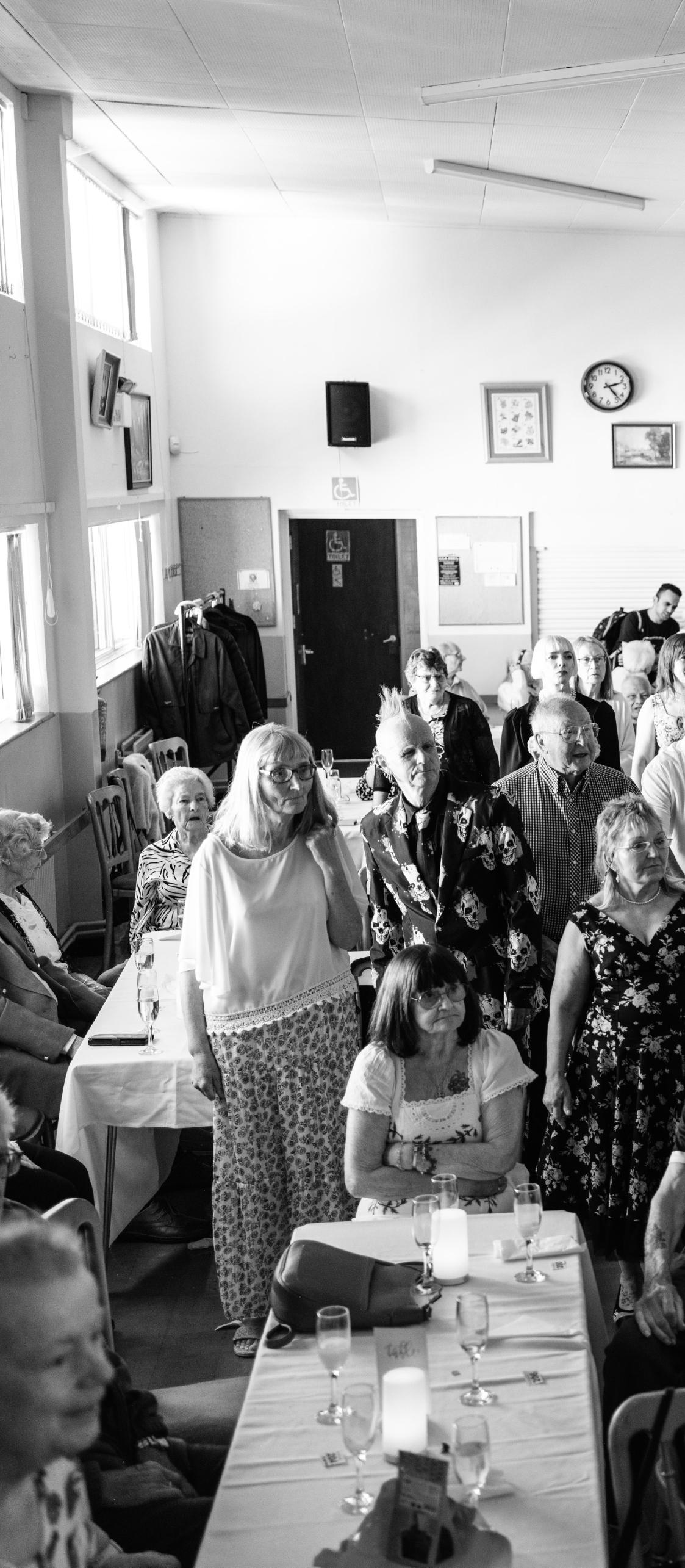
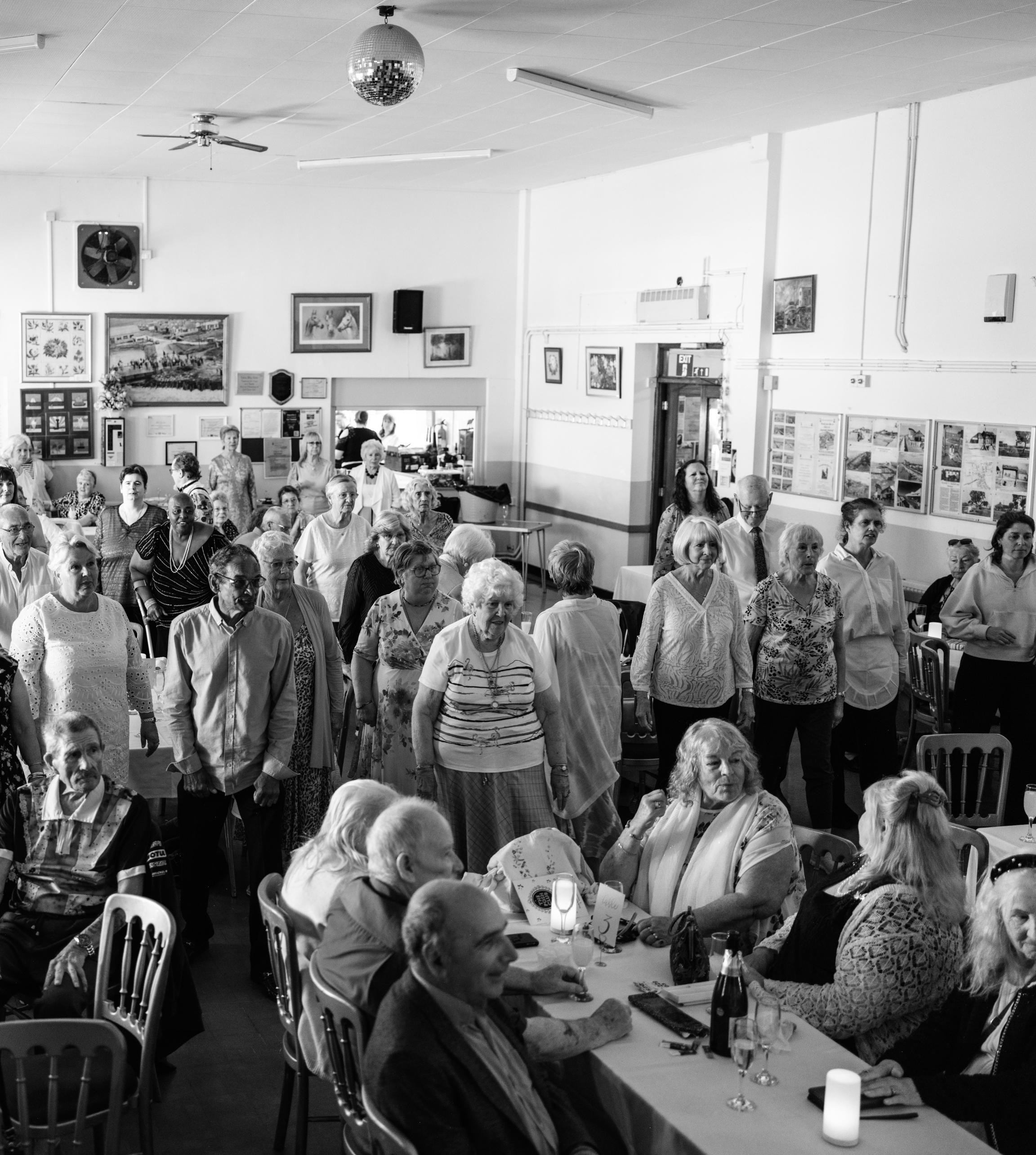
A line dance at Golf Green Hall.
Introduction
The Essex village of Jaywick Sands has long been a place wrapped in conflicting narratives. A seaside dream built on fragile ground; a community too often reduced to headlines and statistics. Photographer and journalist David J. Shaw walks its streets not with the haste of a news cycle, but with the quiet patience of someone willing to listen. His long-term project on Jaywick is less an exposé and more a study of place, revealing the textures of everyday life that rarely reach the national conversation. In this interview for The Decisive Moment, Shaw reflects on what it means to document a community so frequently spoken about yet seldom heard, and how photography can recalibrate our understanding of stories we think we already know.
DM - What first drew you to Jaywick Sands, and persuaded you that this was a story worth committing to over the long term?
DS - In the 2024 UK General Election, the right-wing populist party Reform UK gained five seats in parliament. This shocked me and felt like a precursor to the UK becoming closer to the polarised version of politics seen in the USA. I started looking at these constituencies, and I identified four of them were on the eastern coast of England soon going to be negatively affected by climate-change related sea level rise. One of Reform UK’s main policies is removing net-zero goals.
I started going to areas within these constituencies with a pretty open goal of learning about documenting why people were voting for this party.
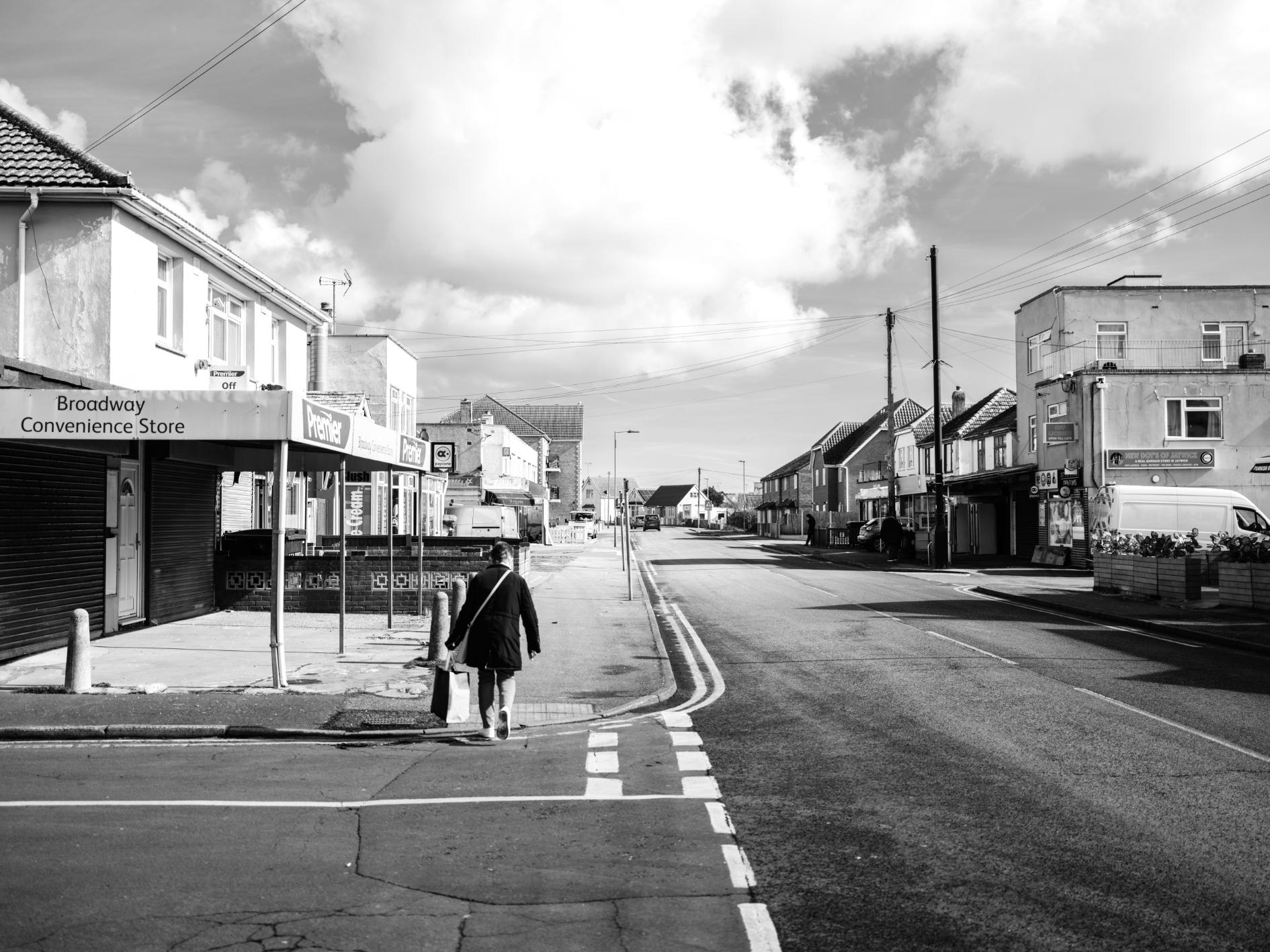
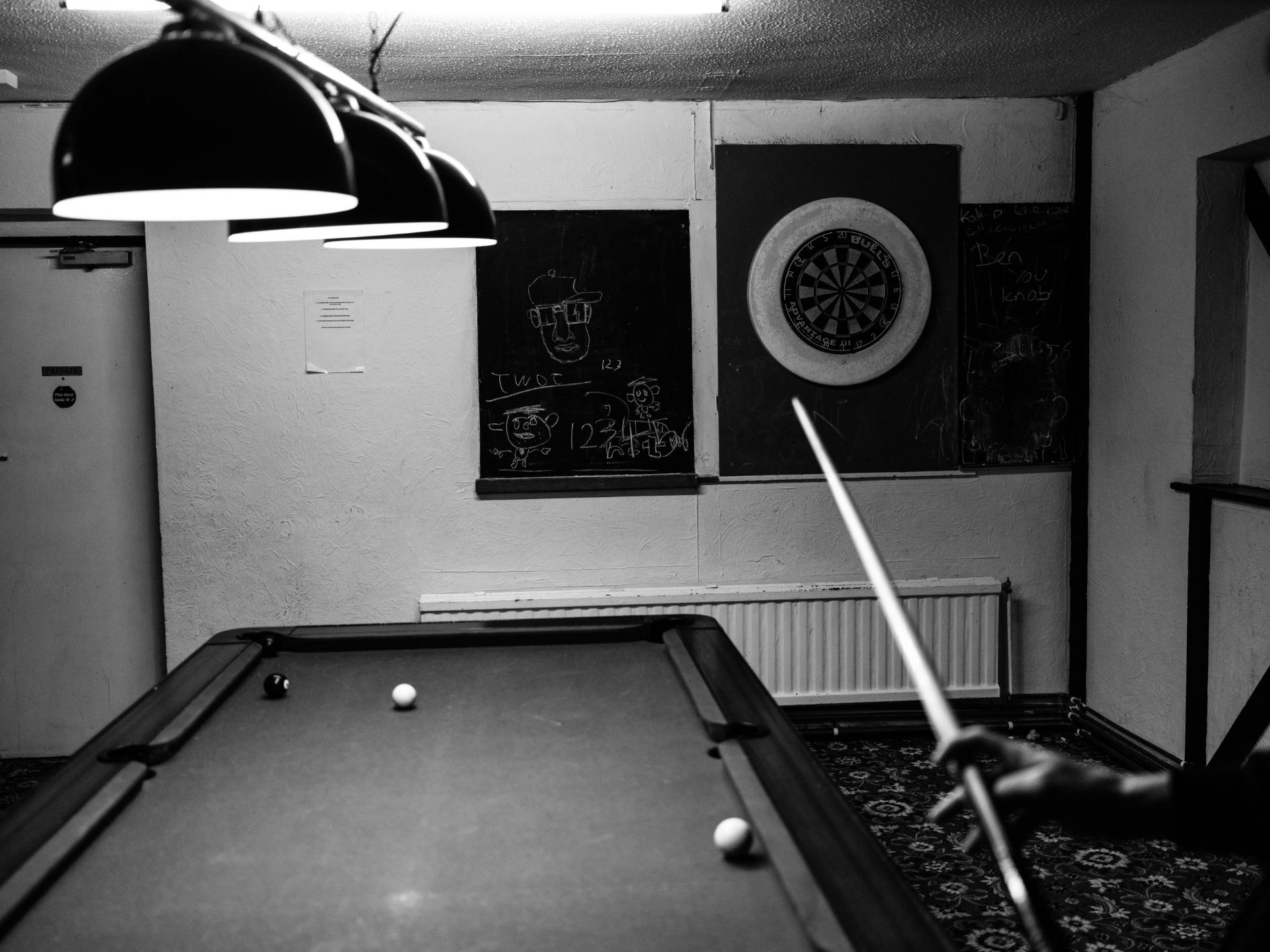
On my first day in Clacton-on-Sea, I walked down the coast to Jaywick, with no intention of making a project there. I met a man called Paul in a cafe, who informed me that Jaywick wasn’t what I had read about online, and that, in fact, there was a close and supportive community. He invited me to a karaoke party he was deejaying a few days later, and of course, I said yes. As I entered the Broadway Club on Jaywick’s high street, Paul announced my arrival over the speakers“you've just seen Dave walk in with a big backpack on, he is a journalist, he is a Charlton fan, but don’t beat him up”.
That night I spoke to everyone in the pub, many of whom invited me to photograph more things in the village, and a year later, I'm still working there.
I am not sure at what point I decided to make it a long-term body of work. It was more that I kept being invited to photograph things and kept meeting new people. My understanding of the village and community, and my role within it, became deeper.
DM - When you began the project, what assumptions were you carrying, and how quickly did the place rewrite them?
DS - On that first night at the karaoke party, it was apparent that the community were super aware of the derogatory representations made about them through documentaries and YouTubers. Someone literally said the word ‘please’ when asking me not to ‘bash them’.
When googling Jaywick, a long list of harsh YouTube videos appears with highly problematic headlines, describing the village as deprived, derelict and the worst town in England. This obviously influences anyone interacting with the place. I was also there because I wanted to learn about communities voting for Nigel Farage.
On my first day in the area, I took an image of fly-tipped furniture in the Brooklands area. Now I look at the image as problematic, as I made what is quite a heavy-handed representation of the village that was based entirely on my brief googling of the area before coming.
The content of my images has been in part led by those in the images. I keep being invited to photograph amazing events and stories or meet people, and each time, the narrative of this community has grown.
Whilst making this project, which celebrates the community, its resilience and culture of care, I do keep in mind that deprivation and poverty experienced by some in the village is real. It was, of course, the most deprived village in England for the fourth time running this year. It would be wrong to avoid these issues when telling their story. However, it is not the only or even the most important narrative in Jaywick, which has a quite beautiful society where a DIY community care system operates. Even the pubs and karaoke parties provide a space of support and social care.
In terms of politics, I have been surprised at how unpopular Farage is in Jaywick, as people feel that he is not present or really bothered about the area.
DM - How did you approach building trust and making your presence feel natural rather than extractive?
DS - I don’t think I have a certain approach for building trust. Every person or group I meet in Jaywick are individuals who interact with my project differently. I am always honest about myself and my intentions, and make sure, when possible, that those in the work either see my images or are well aware of how they may be used.
I'm also open about myself with the community, and being a Green Party voter can lead to some pretty interesting chats with people whose views differ from mine.
DM - Are there individuals or encounters that became compass points for the project, shaping the way you understood the town?
DS - From the first evening in Jaywick, I was struck by how eager people were to tell me they were proud to be from there, and this had a constant effect on how I felt towards the village.
In terms of compass points, the social and community spaces have become my central points. These include Sonny’s Army and their charitable events and carnival court, the resource centre and the cafe they run, the Revival foodbank - a DIY community help centre, the Broadway and Never Say Die pubs and of course the Happy Club. These locations have formed a significant part of my project, as I truly respected the drive to create spaces for the community, despite the real lack of financial resources.
DM - Is there a particular visual language you have developed for Jaywick? For example, are there certain motifs, rhythms, or details that became anchors for the series?
DS - I have used black and white for the project, and this is the second time I have used it after my recent ‘Caeadda’ project in Wales. I decided to use it in this project, as the work is in part about representation, and I wanted to use a classic style of narrative photojournalistic reportage to interrogate this. I find this style of photography can be regarded as trying to bring a dramatic or a more depressed view of a story, however, looking at the images of Chris Killip and others, the content and aesthetic they used is respectful, emotional and beautiful, and the visuals do not bring feelings of negativity.
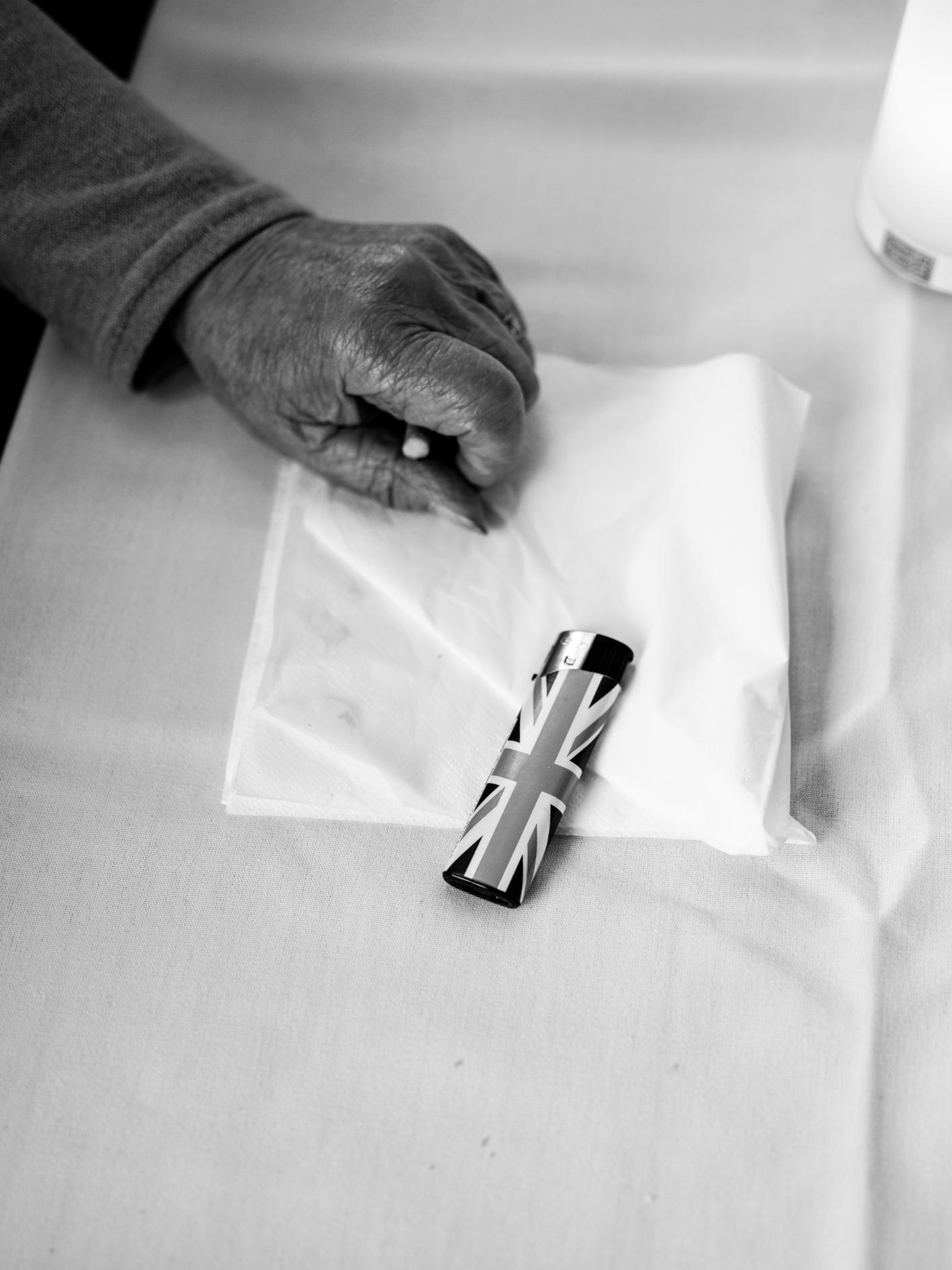
The sea and coast features heavily in the edit, alongside details of hands and references to Britishness. My edit is still in prints on my living room wall and is changing all the time.
DM - How do you decide when a scene belongs in the project and when it should be left outside the frame?
DS - Safeguarding is probably the first thing I would think about. I always try to keep in mind who is benefiting the most from the image I am taking and whether the making or publication of the image could harm those in it. I think it's part of your job as a photographer to be aware of where and when you are welcome to be making images.
Sometimes, when it feels necessary, I will take the photographs and then go back to check it is ok to use them. This is more common with images of children, people caught in the background, or people who have asked not to be included after a photo has been taken.
One of the best photos I took was of a lovely man singing to me on the seawall. After I suggested that we should do a portrait, he gave a very kind and fair explanation as to why he didn’t want to be in the book. The first photo is so nice,
I think he would love to see it and might then have liked to be involved in the wider project, so I have been walking round with a print for him but never found him again! For now, the photo will stay out of the project.
DM - Jaywick carries a national reputation it didn’t choose for itself. How do you navigate the responsibility of portraying a community?
DS - I do see it as a responsibility. In general, most of the scenes that I have been photographing, I have been invited to by those involved. So, by nature, the scenes I am showing are how the community wish to be portrayed.
A large part of my work in Jaywick has been a reaction to the previously mentioned YouTuber videos that come up when you Google Jaywick. I find with many of these videos, there is such a disconnect between the content creator and the community they claim to be documenting. Many in Jaywick have told me about their displeasure at seeing these come up so regularly.
My response to this is to seek the opinions on my work from the community and include their thoughts and ideas in the creation of the work. I have done this by showing the work on my laptop as I go, but I also did an interim exhibition at the Broadway Club - the first venue where I photographed karaoke, so the community could come and see a work-in-progress exhibition. There were feedback forms, both physical and anonymously online, so honest feedback was encouraged.
Since then, I have made my first dummy version of a book of the work and have taken this back for feedback as well.
Most of the feedback has been positive, but not all, and I was very happy to receive the constructive comments as well.
In a way, this has made the process of making the work somewhat collaborative. Whilst the picture making has been led by me, the content and message has been realised with the participation of the people featured.
DM - Can you recall any moments where you put the camera down because the ethics of the situation outweighed the image?
DS - Many times. This has ranged from a medical emergency to realising a person's vulnerabilities. I also go to community events such as monthly meet up at a church in support of men’s mental health. As it is a safe space for the attendees to speak about their lives, I don’t take my camera.
DM - How do you ensure that the people you photograph feel seen?
DS - I also try to ensure that people want to feel seen. I think that by making photographs closely with someone, part of the action is the statement ‘I see you and I see that you or the scene should be recorded’. It can be quite a personal act. There are then all the considerations to be made about how your images represent how you see this scene or person, and whether these are ethical andtrue.
I also hope that by people seeing the photographs as I make the project, they feel respected by the work. Throughout this work, I have become good friends with many of those in the project. I regularly visit and am in contact with them beyond just taking photos.
DM - What has working slowly over months allowed you to understand that shortterm reporting never could?
DS - It has given me a much deeper insight into the complexities of Jaywick and its story, whilst also allowing for more long-term engagement with people and groups. By coming back, again and again, I hope it also means that people in Jaywick see that my work and interest is genuine.
This has meant that I have been able to have real conversations with people about personal things such as politics, which again deepens my insight and representation of the issues and story there.
Spending this amount of time has also allowed me to experiment with the photography making also.
DM - Has this project changed you, either as a photographer or as a journalist?
DS - This project has made me think more about narrative, and how I and other photographers/ documenters should be aware of putting our perceived narratives on people.
Involving and showing the WIP edit to those featured in the work, as I have described, has also been a new process for me and a success. However, I don’t think it will be necessary or appropriate for every project that I make to work in this way, but I look forward to expanding my practice more in this engaged way.
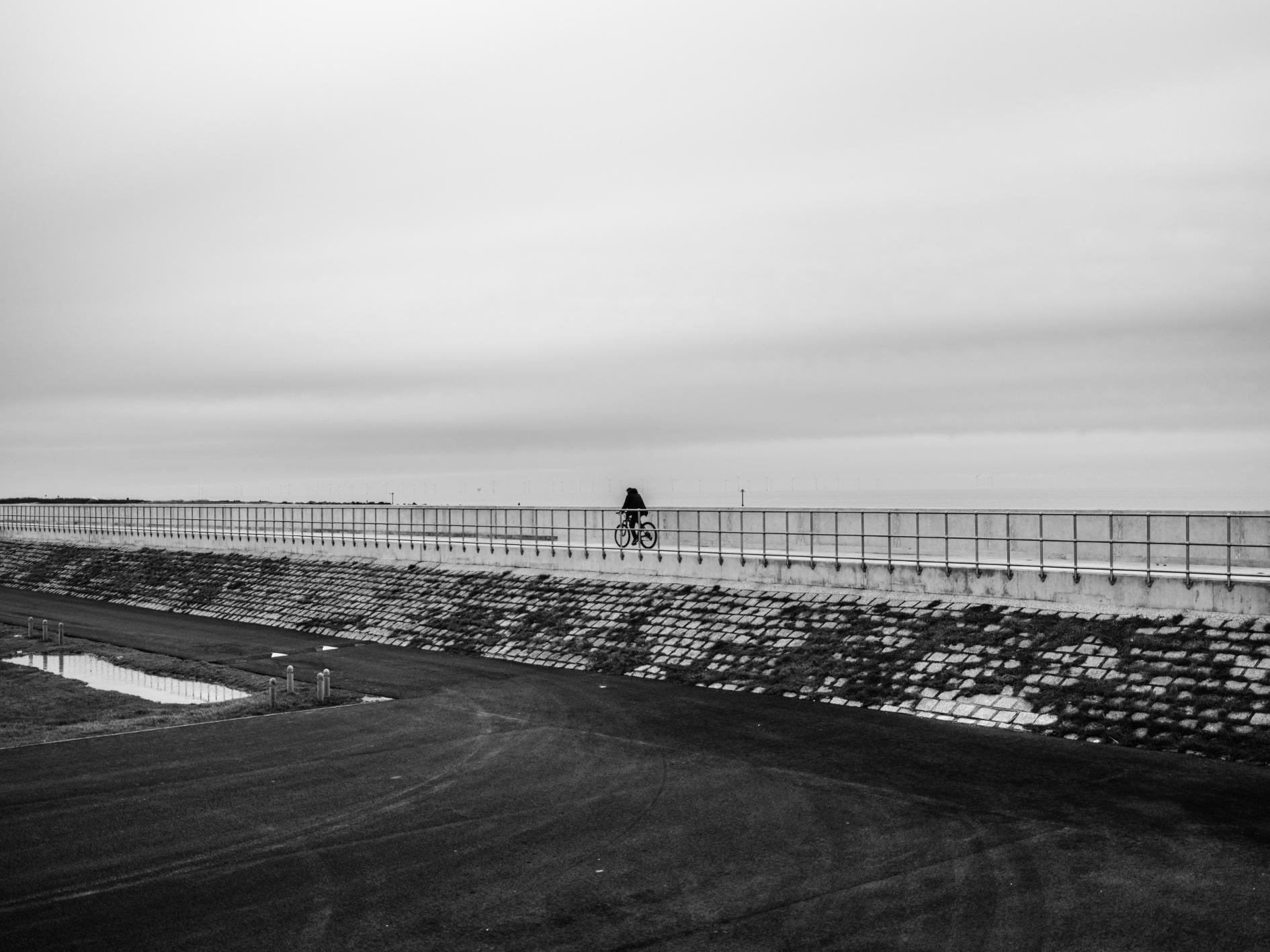
This has been a real lesson in subjectivity. One person didn’t like a picture of a man cycling over the seawall, saying that she felt it was isolating. Another person in the same circle wants to paint it as a mural. I have really enjoyed these conversations about the work and what I am trying to say and whether I am successful in that.
DM - How do think this project speak to broader themes in contemporary Britain?
DS - The project speaks about many themes and issues that are in play in Jaywick. These include climate change, the rise of Reform UK, representation issues and social issues. I hope that it also speaks to people about British culture, community and what's important within this.
DM - What conversations do you hope this project will spark among documentary photographers?
DS - I wouldn’t expect my work to spark much wider conversations. My conversations with my peers, beyond the ethics and process of the project, have been about the question of what the point of this kind of work is. I love talking through these projects, so if anyone reads this and has questions or something to say, then please get in contact!
DM - Is there anything that you feel remains undocumented or misunderstood about this community?
DS - One of the repeated issues I've seen in Jaywick is the rise of (amongst other living costs) rent. Jaywick’s property is now quite well sought after because the houses can be bought cheaply and then rented at a relatively high cost. It's a story repeated across the UK, however, when it is happening in officially ‘England’s most deprived area’, this stings quite a lot more.
DM - How close do you feel the project is to finding its final form?
DS - I have made my second (and maybe third by the time this feature goes out) book edit and am hoping to launch a Kickstarter for it in March 2026. I am also running a youth visual storytelling workshop in the village in 2026. The plan is to give skills to young people in Jaywick related to photography and storytelling and get them to make a collective representation of how they see and experience Jaywick. This will be made into a newspaper-style book, so watch this space.
DM - What are you hoping will be the outcome for the work?
DS - The project will be a book coming out quite soon, and I hope that what is produced through the youth workshop will be included alongside my own work. It will also be exhibited at the Photo North festival in March 2026, which I am really excited about. I will be there for the weekend, so hopefully see you there.
Conclusion
Jaywick Sands remains as a living landscape shaped by resilience, humour, and the steady force of human presence. Shaw's photographs remind us that documentary practice is at its strongest when it resists easy narratives and instead builds trust, pays attention, and returns to the same ground until the familiar becomes newly visible. The Jaywick Sands project stands as a testament to what documentary photography can still achieve: not the amplification of stereotypes, but the slow, humane widening of perspective.
Jaywick’ competition heading to the beach to have pictures taken.
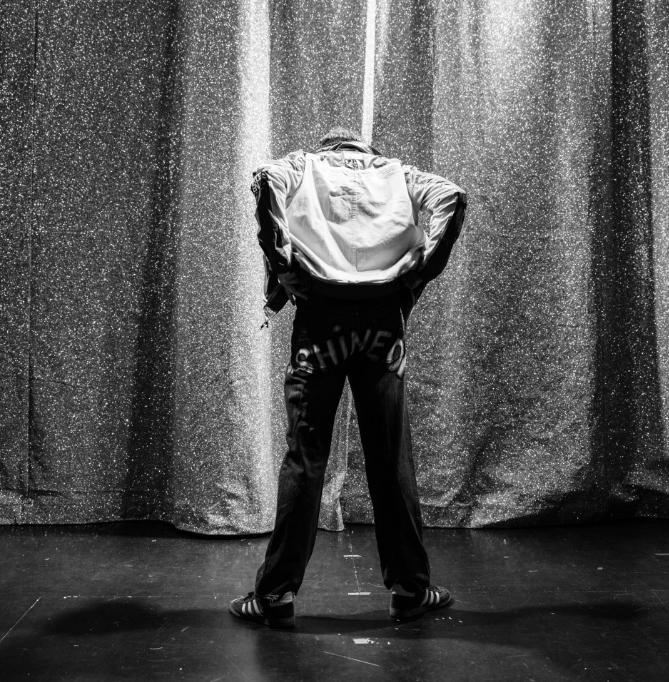
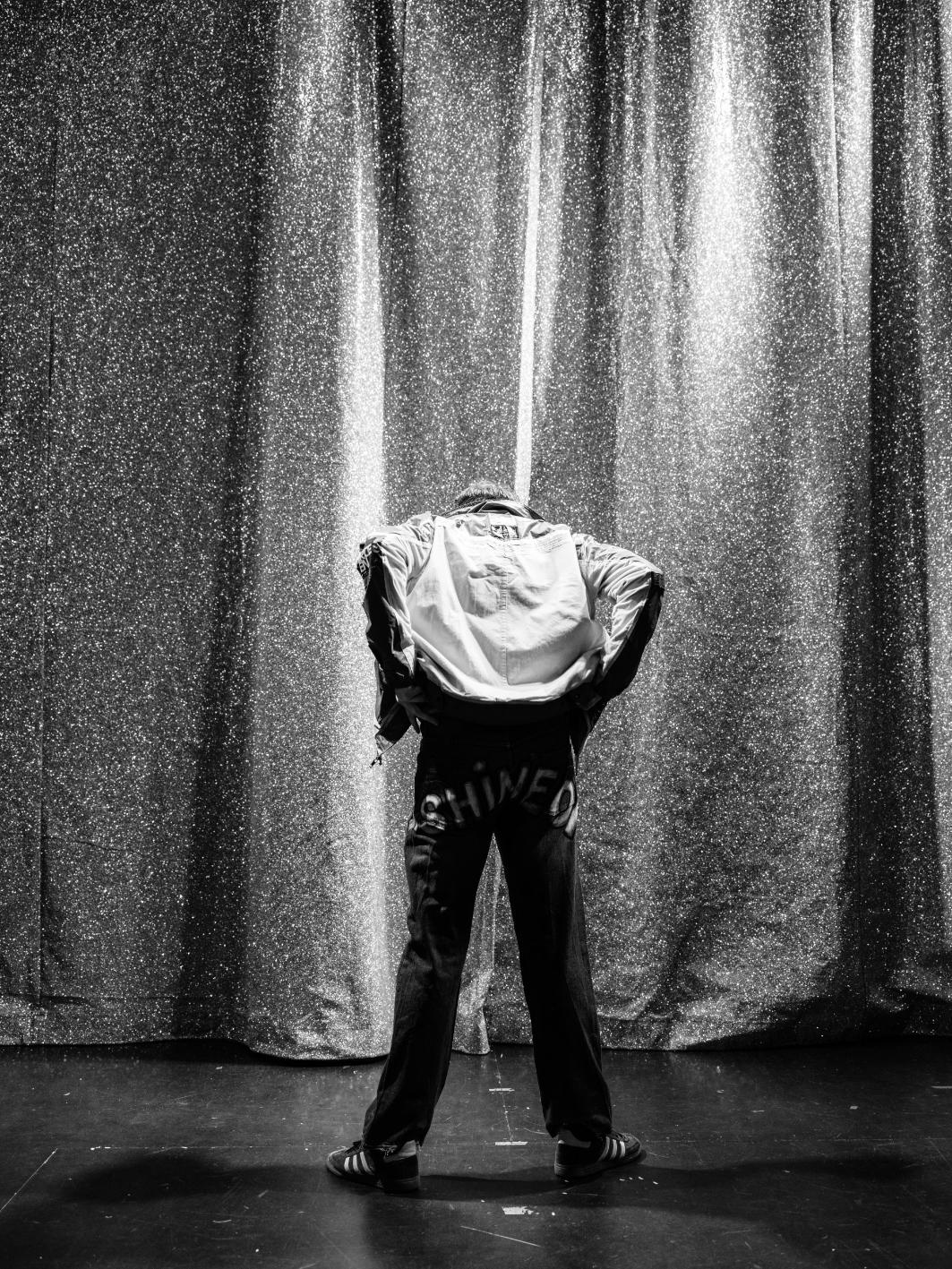
Danny Sloggett on stage at the Clacton Prince Theatre, which hosted a fashion show of the work of local designers using amateur models from Clacton and Jaywick. Danny’s phrase is ‘Shine On’, which he uses to promote a positive message about Jaywick and life in general.
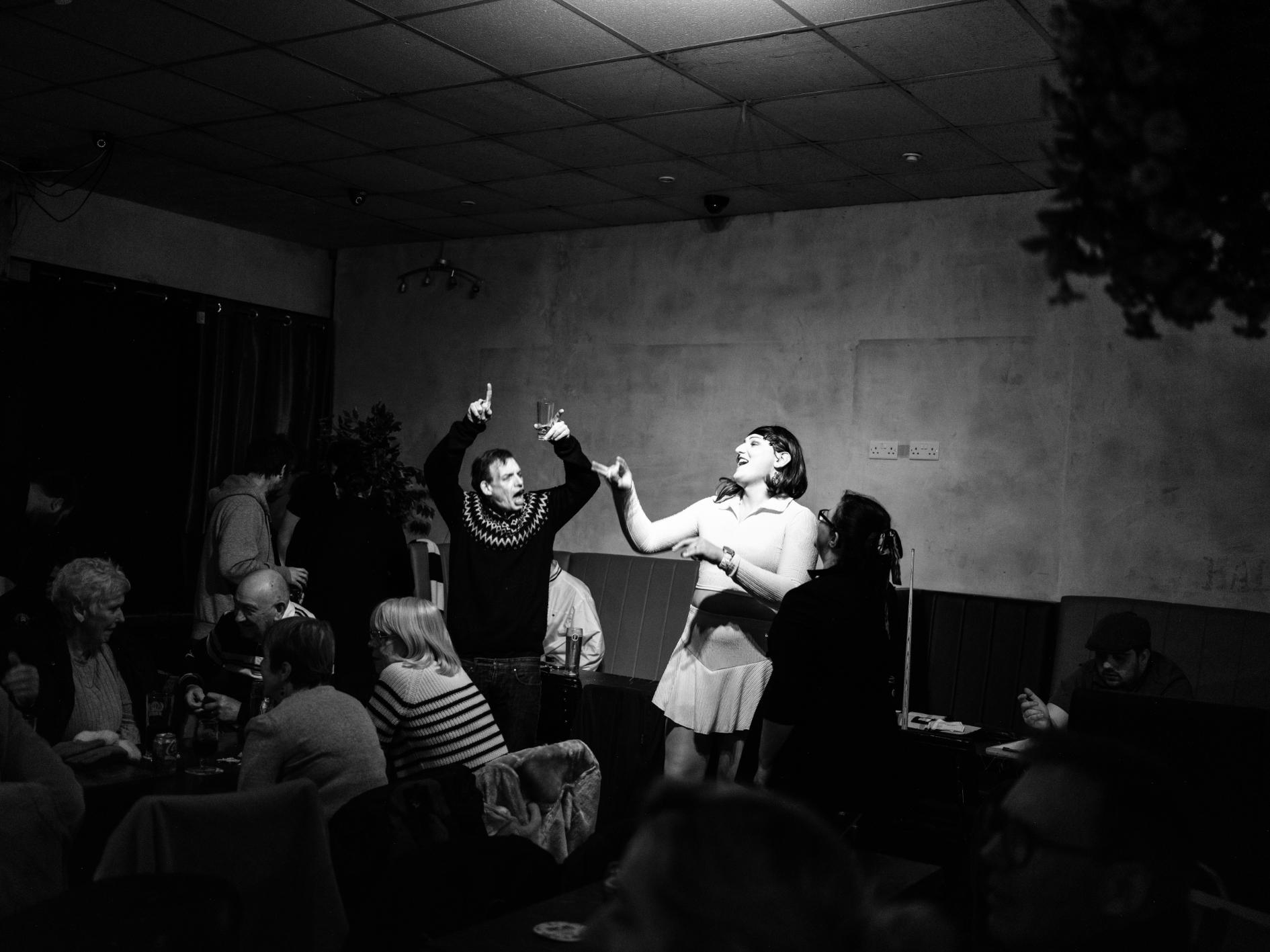
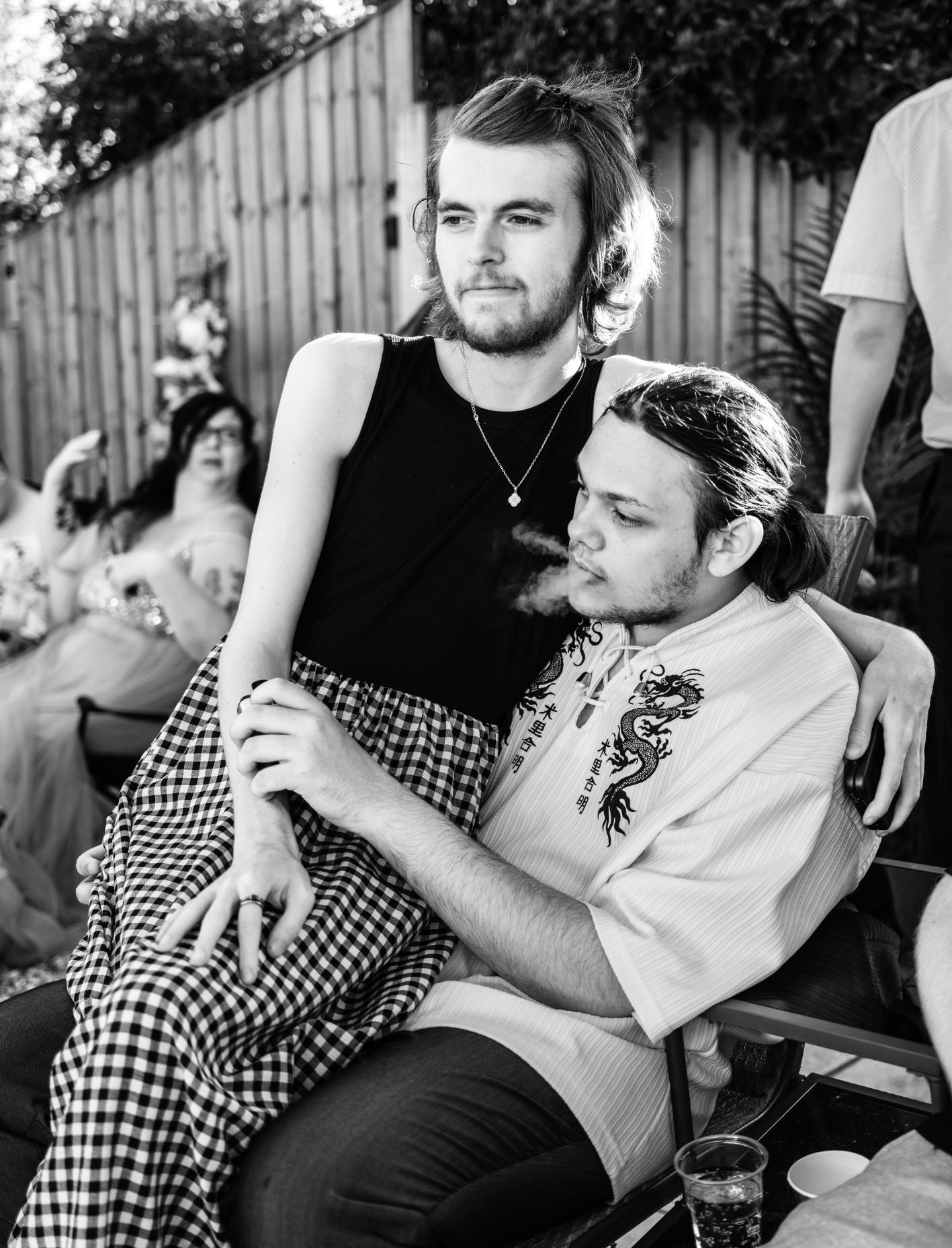
Elika and Suzanne (right) dancing with friends at the Broadway club. Elika is a trans woman and moved to Jaywick in 2019. They have found an accepting home in Jaywick and have recently been married.
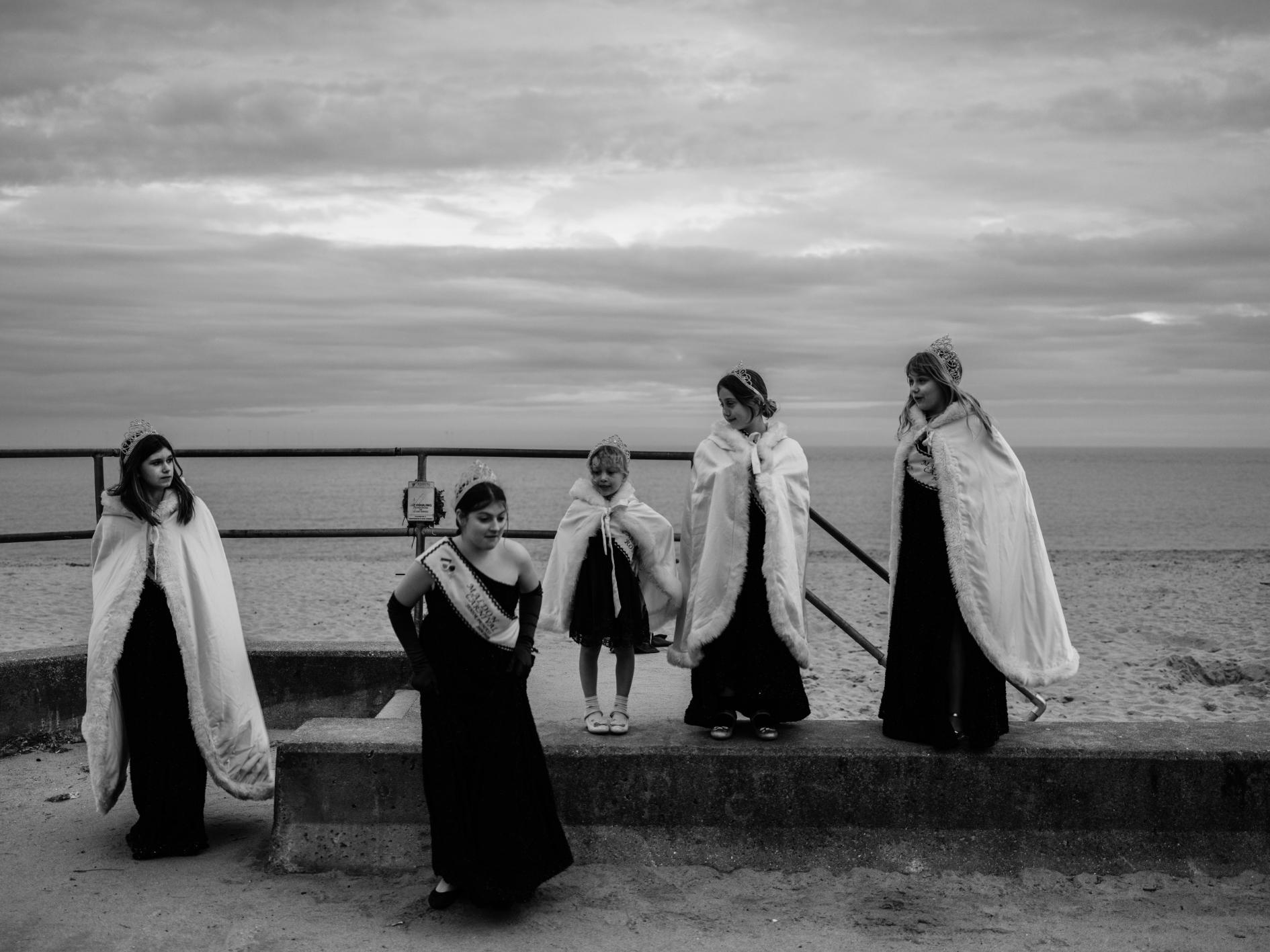
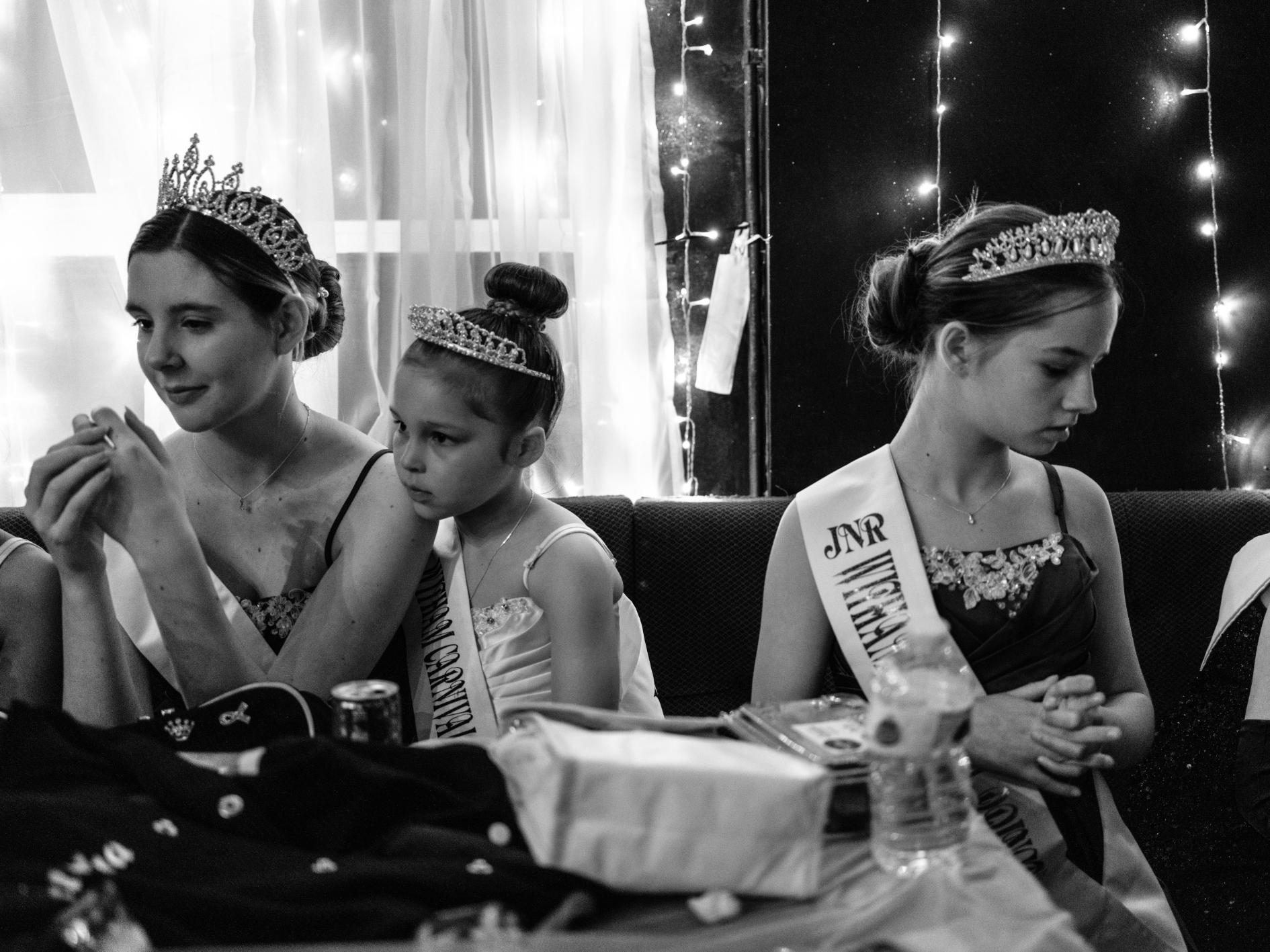
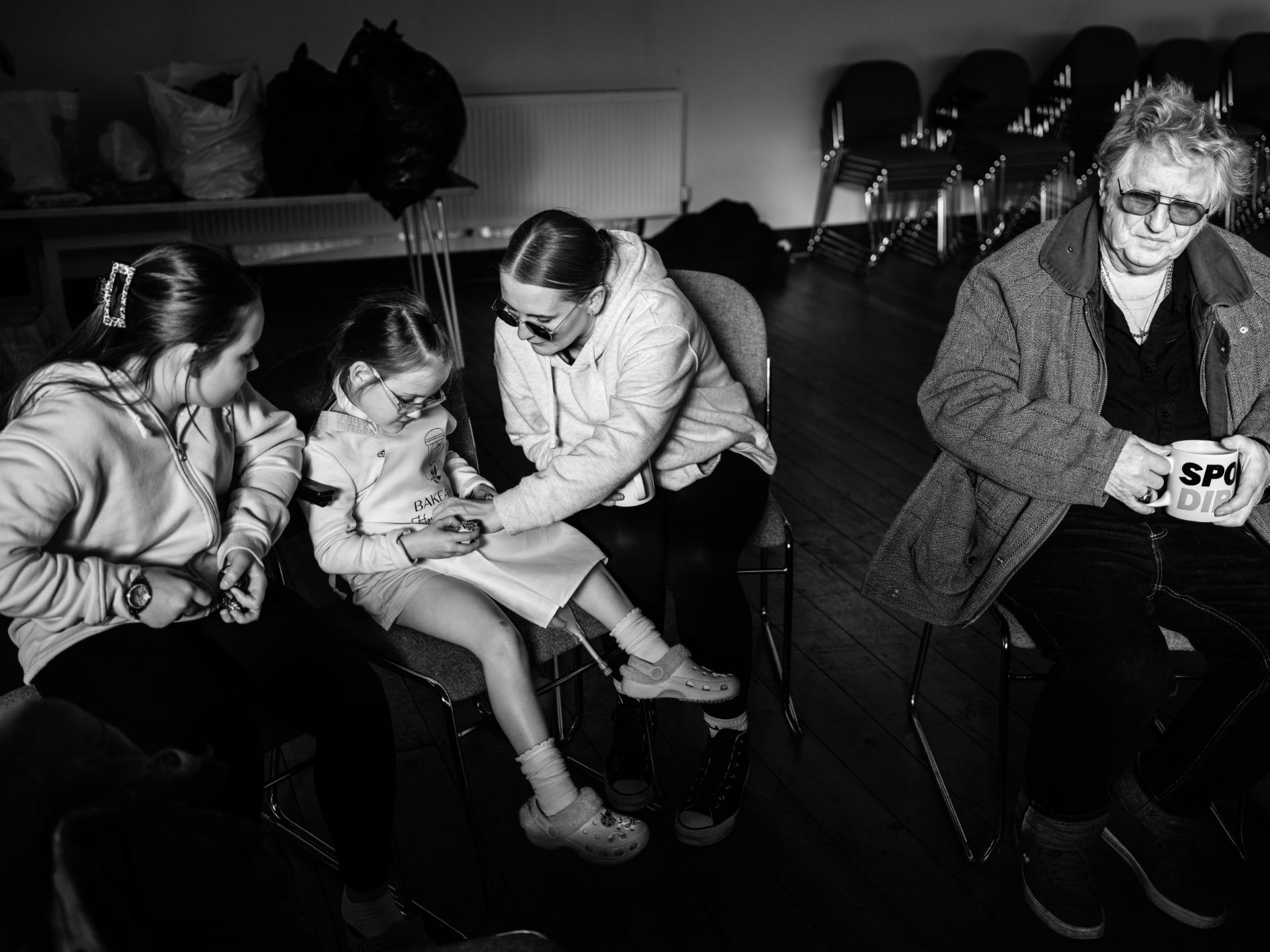
Participants of the annual ‘Miss Jaywick’ competition held at the Never Say Die pub. The event was hosted by local charity ‘Sonny’s Army’, who provide support to the families of long-term ill children.
even
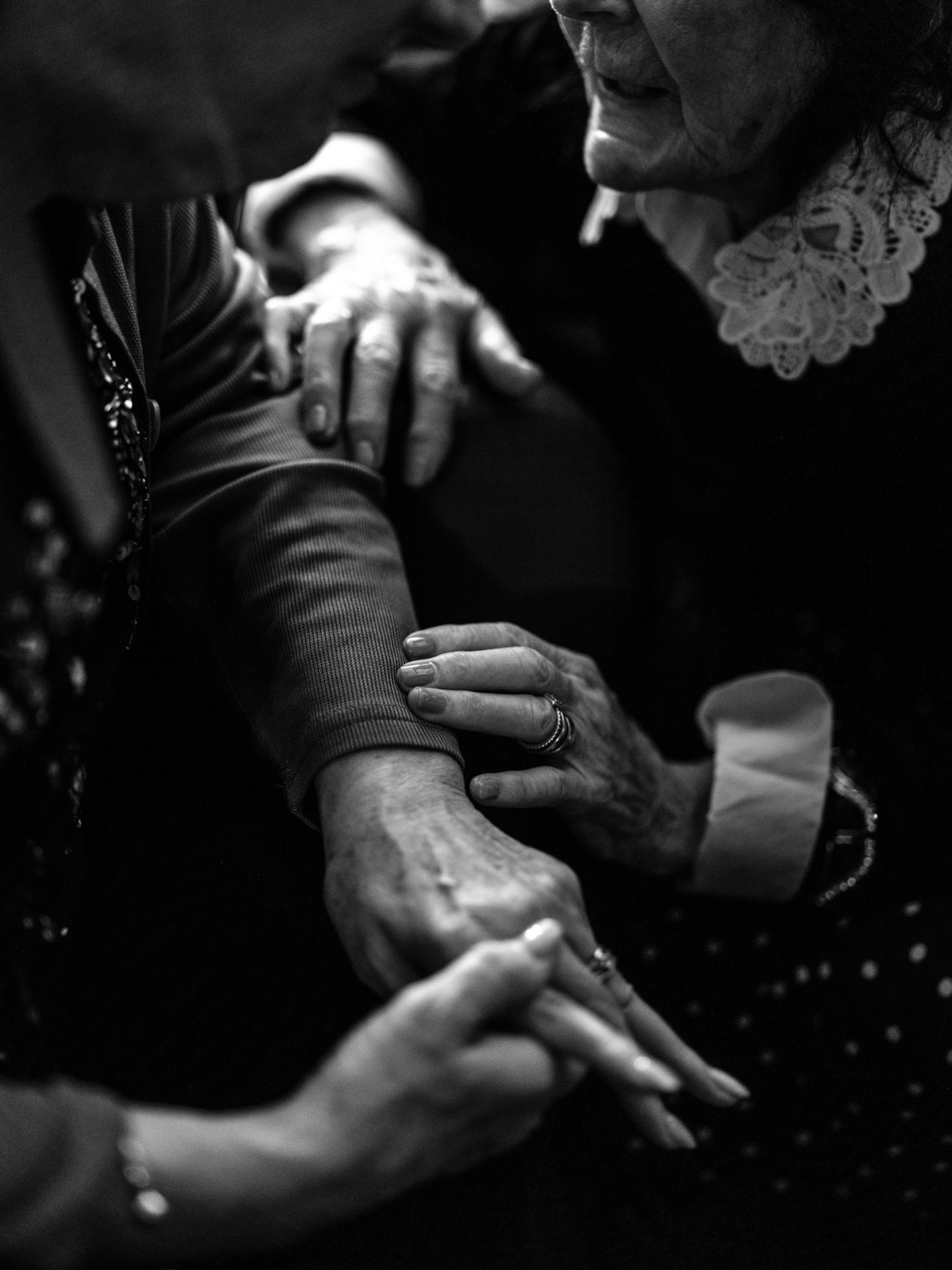
Josie and Lynn share words at the Never Say Die. Jaywick is a place with a strong community of care where
karaoke offers a place of social support.
The Broadway - Jaywick’s main high street. According to the ‘Climate Central’ coastal risk screening tool, much of Jaywick, including its town centre, is projected to be below the annual flood level in the 2030s, which is attributed to climate change.
The Oakmede social club, which hosts regular karaoke nights alongside being a Chinese takeaway during the summer.
A sea wall, as part of the coastal defence strategy, stretches the entire length of the town. Jaywick was flooded during the North Sea Flood of 1953, which tragically resulted in the deaths of 35 people in the village.
Jack and David at Elika and Suzanne's wedding.
Attendees of the Jaywick Sands Happy Club. The club is run by Danny Sloggett, a local community activist and champion. It is a monthly meeting for anyone to come and be social and discuss the goings on in Jaywick. Danny then takes the points raised to local councillors.
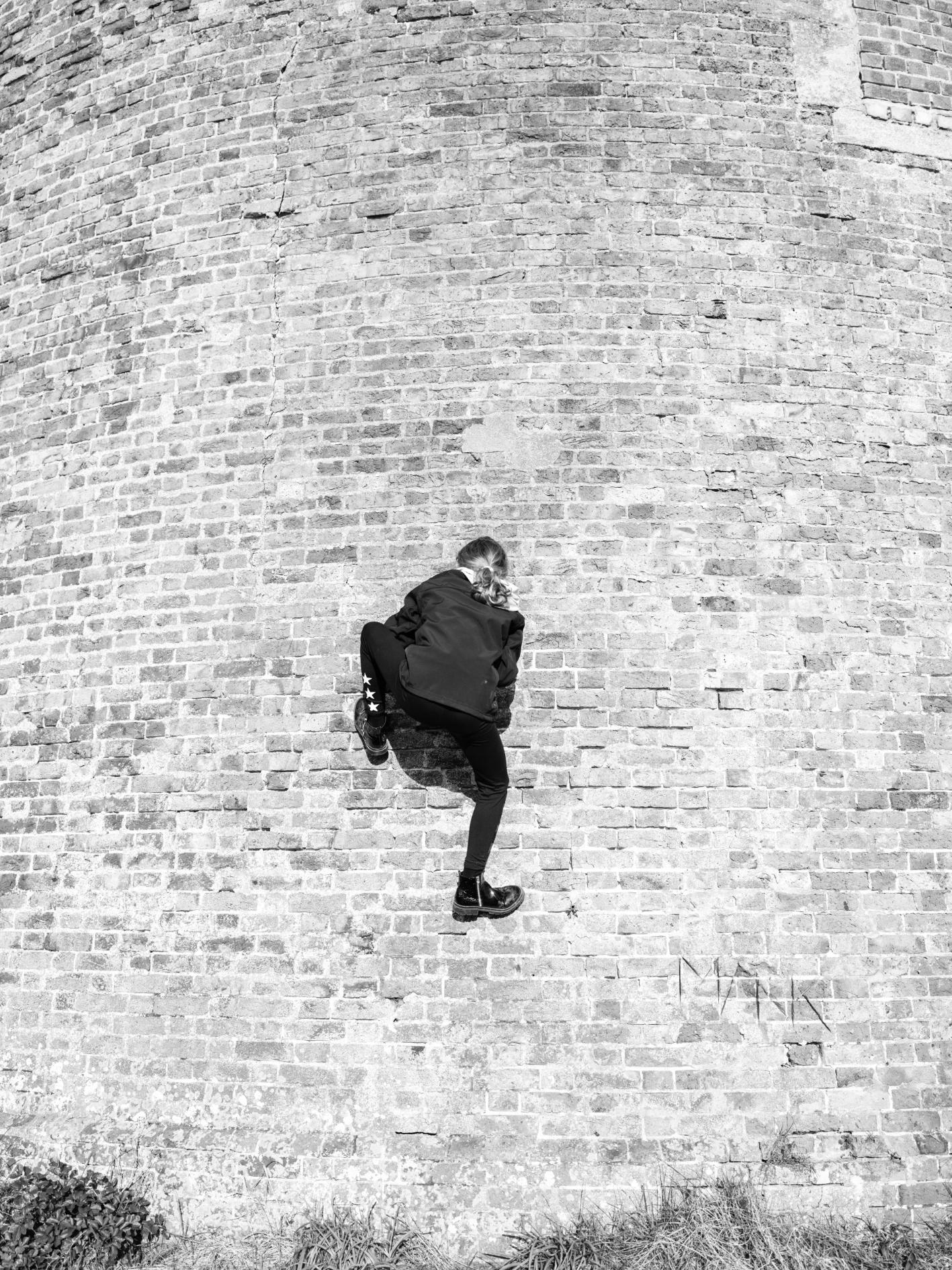
A child climbs a Martello Tower, an 18th-century naval defence tower. Many young people plan to move from Jaywick when they can. This is because there is little economy or opportunity for jobs and growth. Built for seaside tourism, which all but left during the 1980s after the closure of Butlins, there are no other large employers in Jaywick.
Jaywick sits within the leader of the Reform UK Party, Nigel Farage’s Clacton constituency.
Most residents disagree with Jaywick’s representation in the news and media however, for some in the town, life is hard with little opportunity for improvement. However, despite this, the village feel and culture of care means many would never leave.
Much of the local investment in the area goes to flood defences, including expensive upgrades to the sea wall that stretches the entire length of the town. Climate change related sea level rise is a serious threat to the ongoing survival of the town.
RPS Documentary Events
RPS Documentary Events can be found on our events page, which includes our Engagement Talks series, Documentary Events and Exhibitions.
events.rps.org - Documentary
Group Meetings:
As well as centrally organised events, our Local Groups put on numerous events. These include talks and presentations, workshops or exhibitions of members work, group projects, visits and photo walks, feedback and critique sessions and online Zoom meetings.
We currently have Groups in Northern, Yorkshire, East Anglia, Thames Valley, Southern, South East, and joint groups with Contemporary in Scotland, Central and North West.
Middlesbrough – The Heritage Gallery June 7th to July 4th
Inverness – Eden Court Arts Centre July 11th to August 7th
Stirling – The Smith Gallery, The Stirling Photography Festival
August 7th to September 28th
Colwyn Bay – Oriel Colwyn
London – Photofusion Gallery
October 6th to October 31st
November 9th to November 22nd
The exhibition schedule is currently being planned and will be updated shortly.
The RPS Documentary Photography Awards is an international event attracting exceptional documentary and visual storytellers from across the world.
In total 9 projects are exhibited, with 3 projects from each of a Members, Students and an Open category. This format enables us to show long-form documentary work from our own RPS members, plus work of student photographers, as well as from more seasoned and experienced photographers in the open category. The selected projects are diverse and provide an insight into the range of what can be documentary and how it can be used to tell stories.
rps.org - Documentary Photography Awards
RPS Documentary Photography Awards Member
Category
rps.org - Documentary Photography Awards
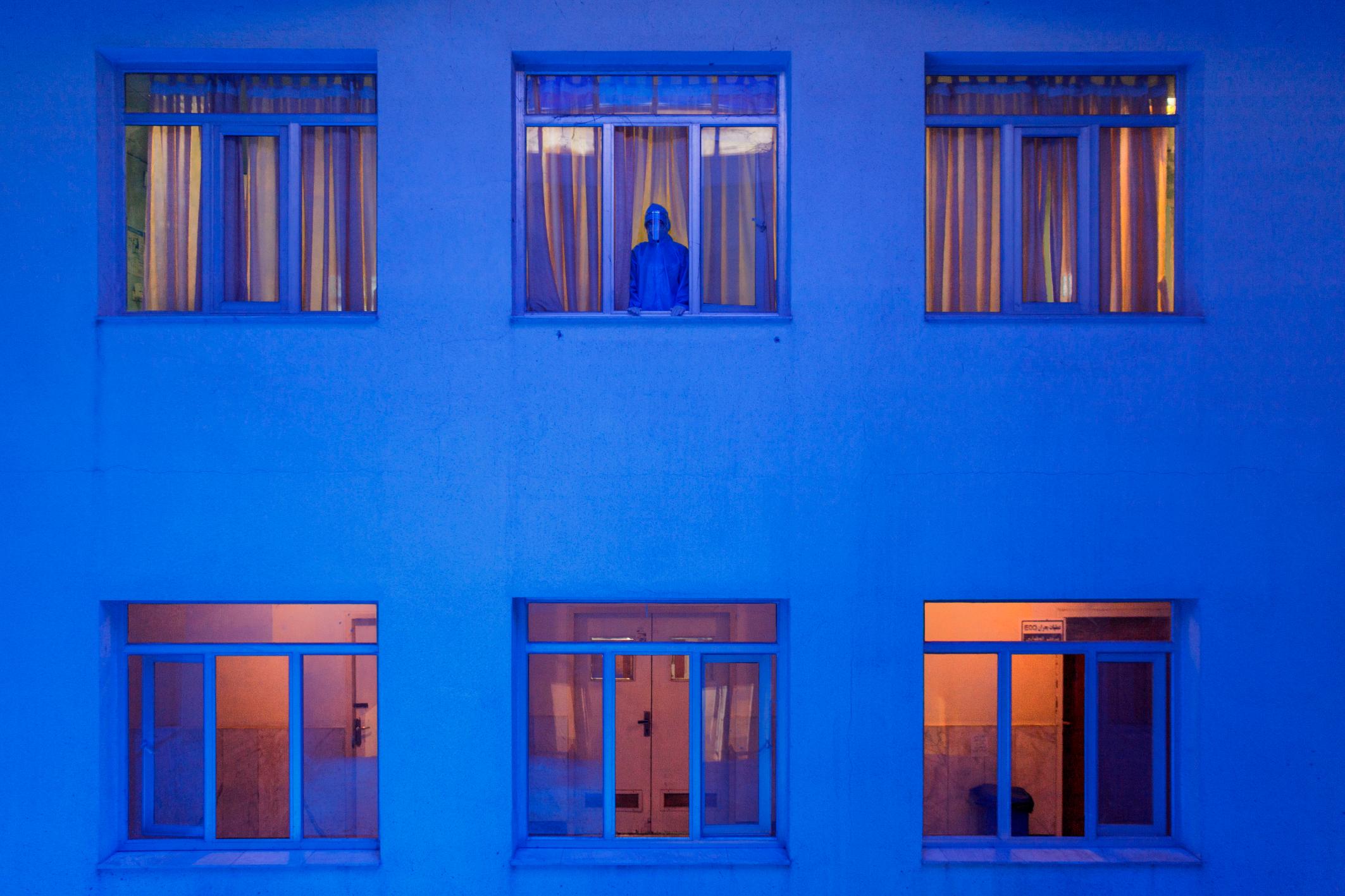
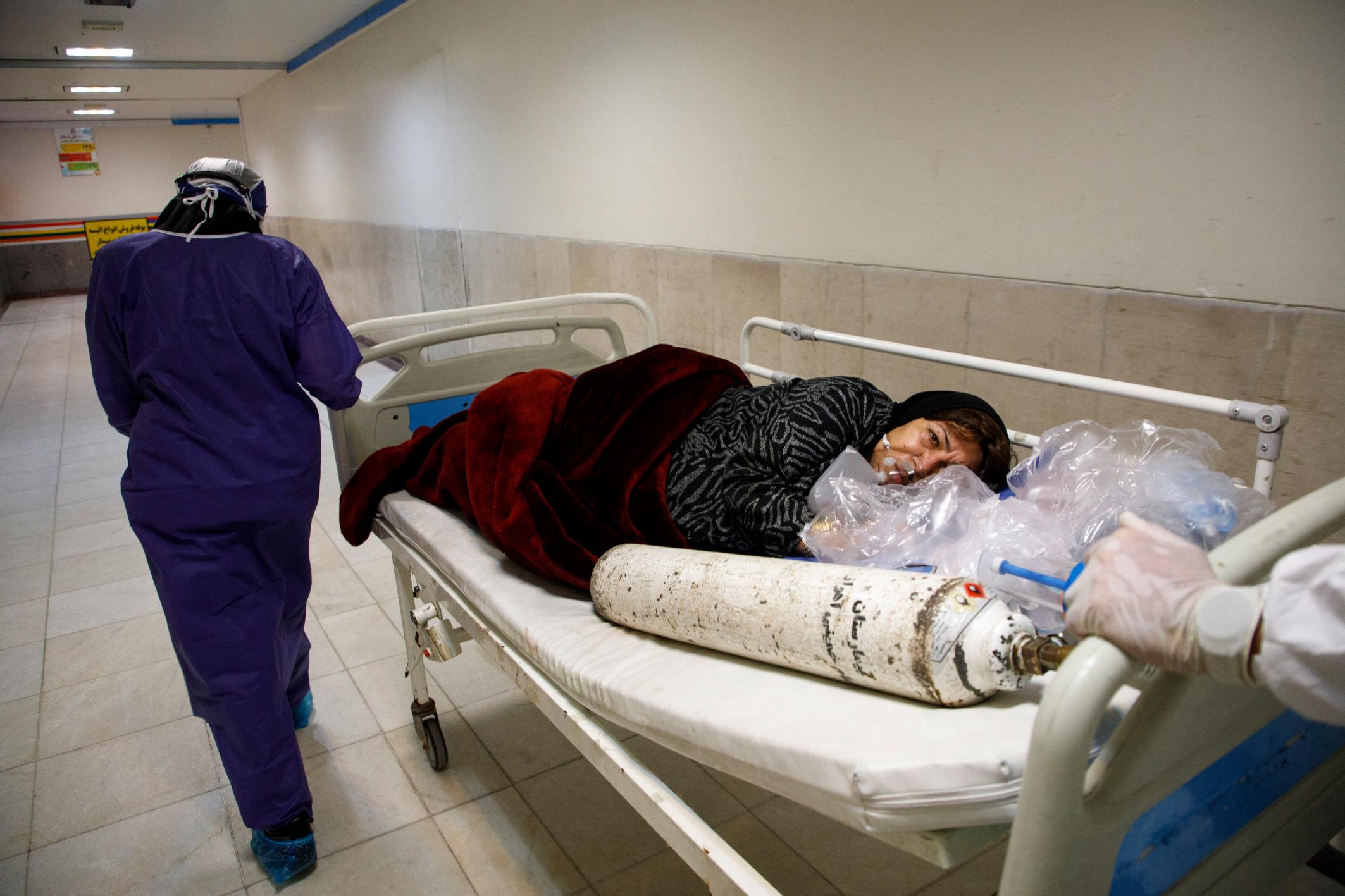
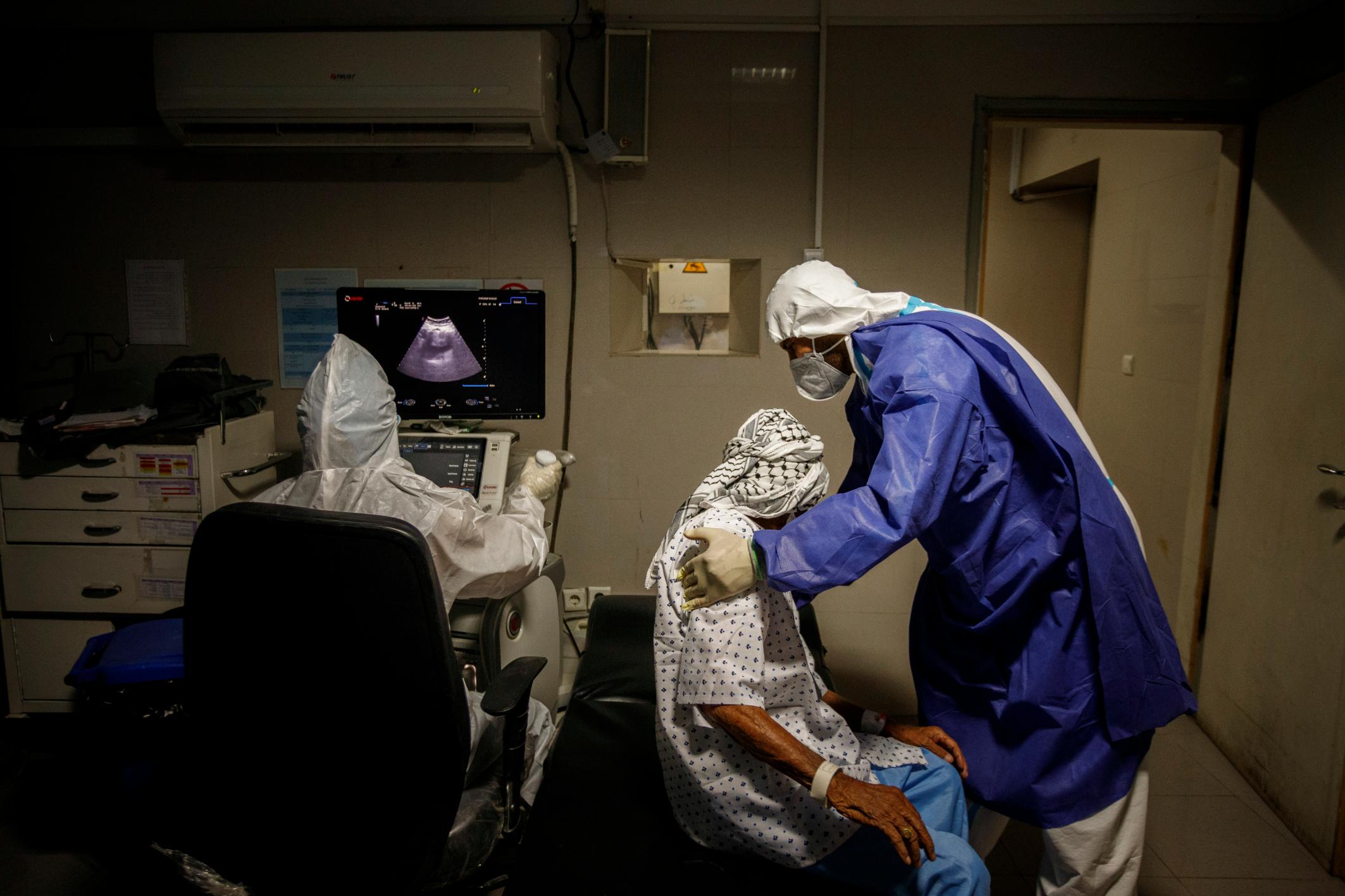
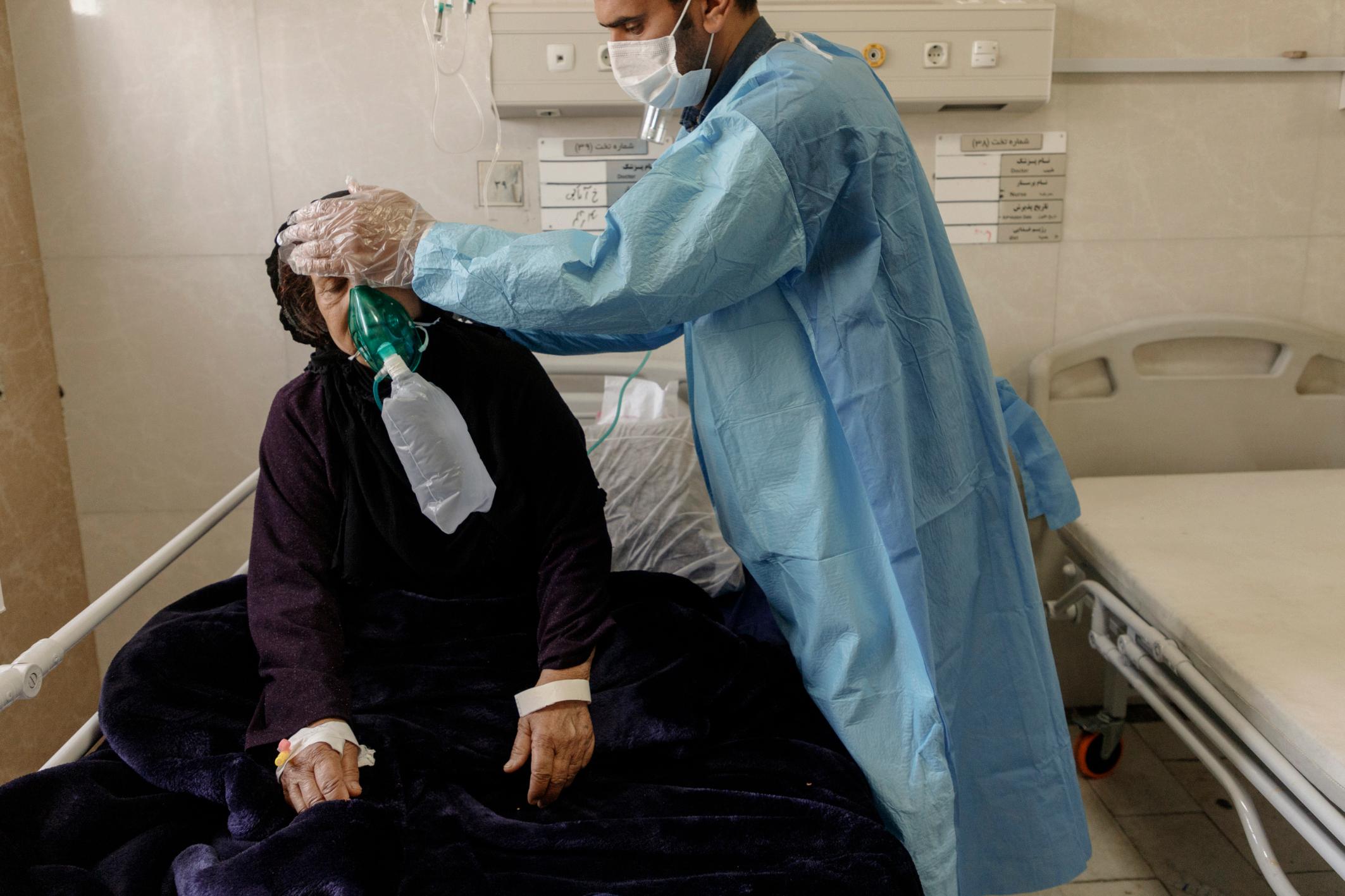
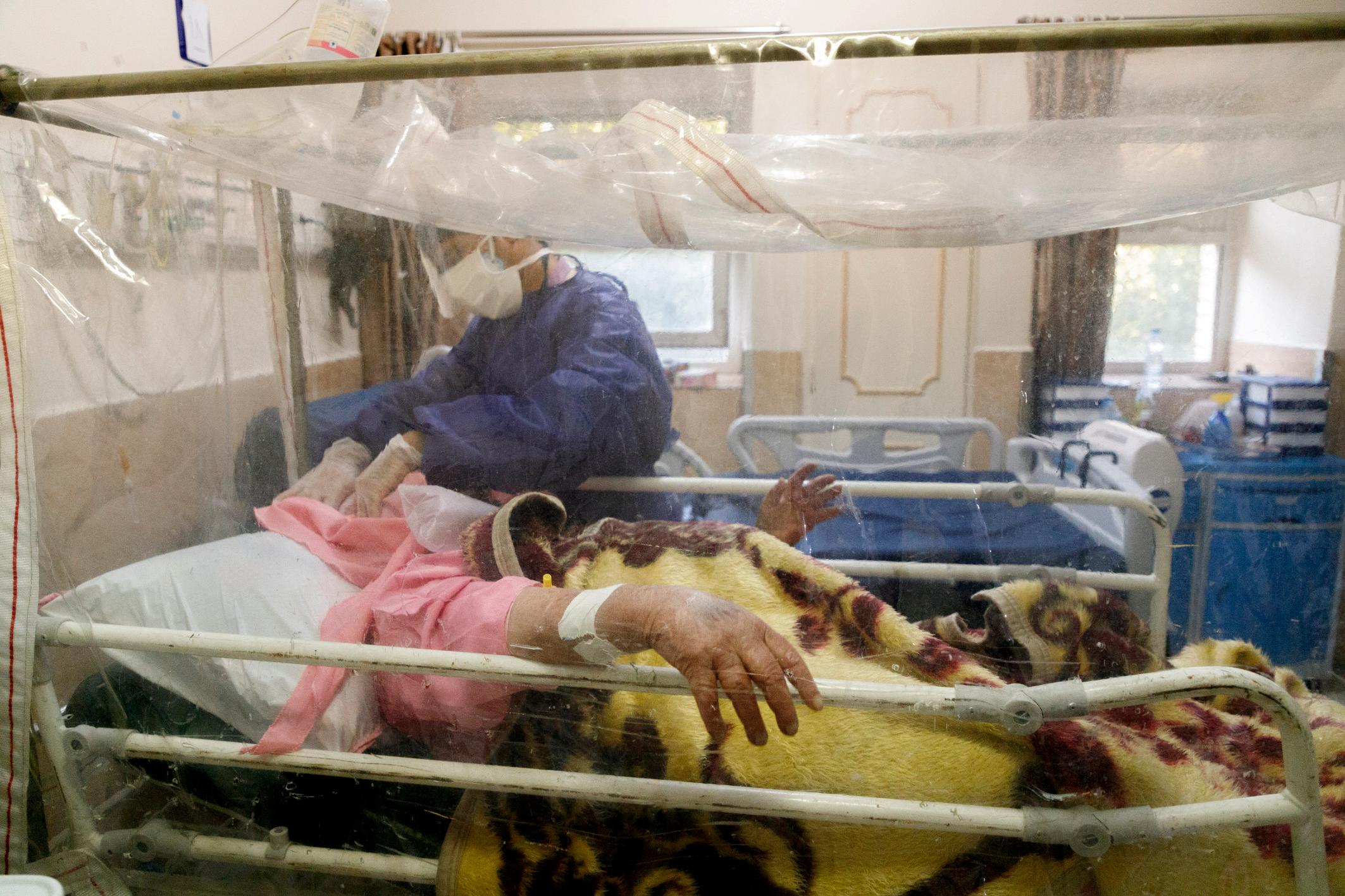
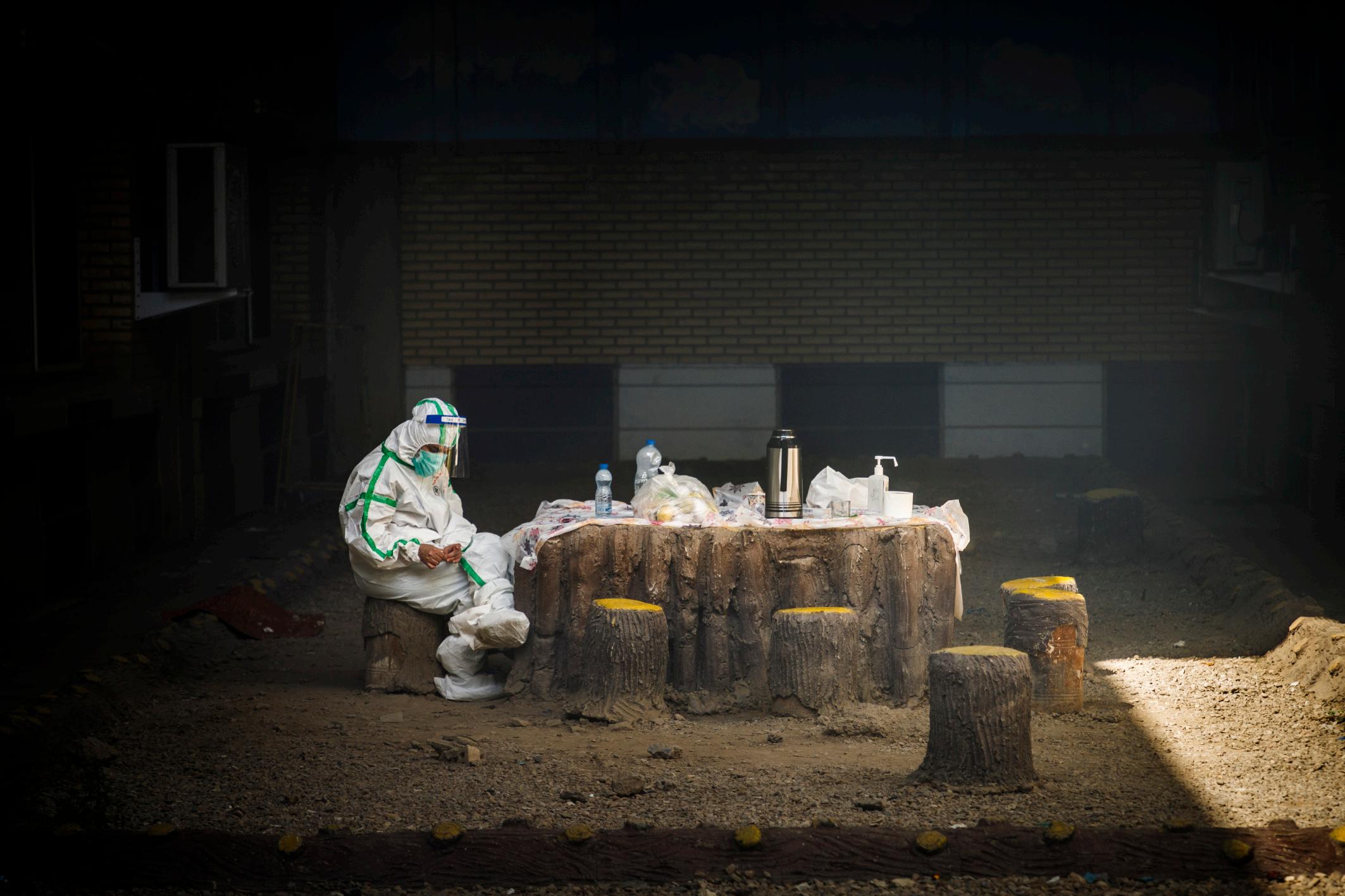
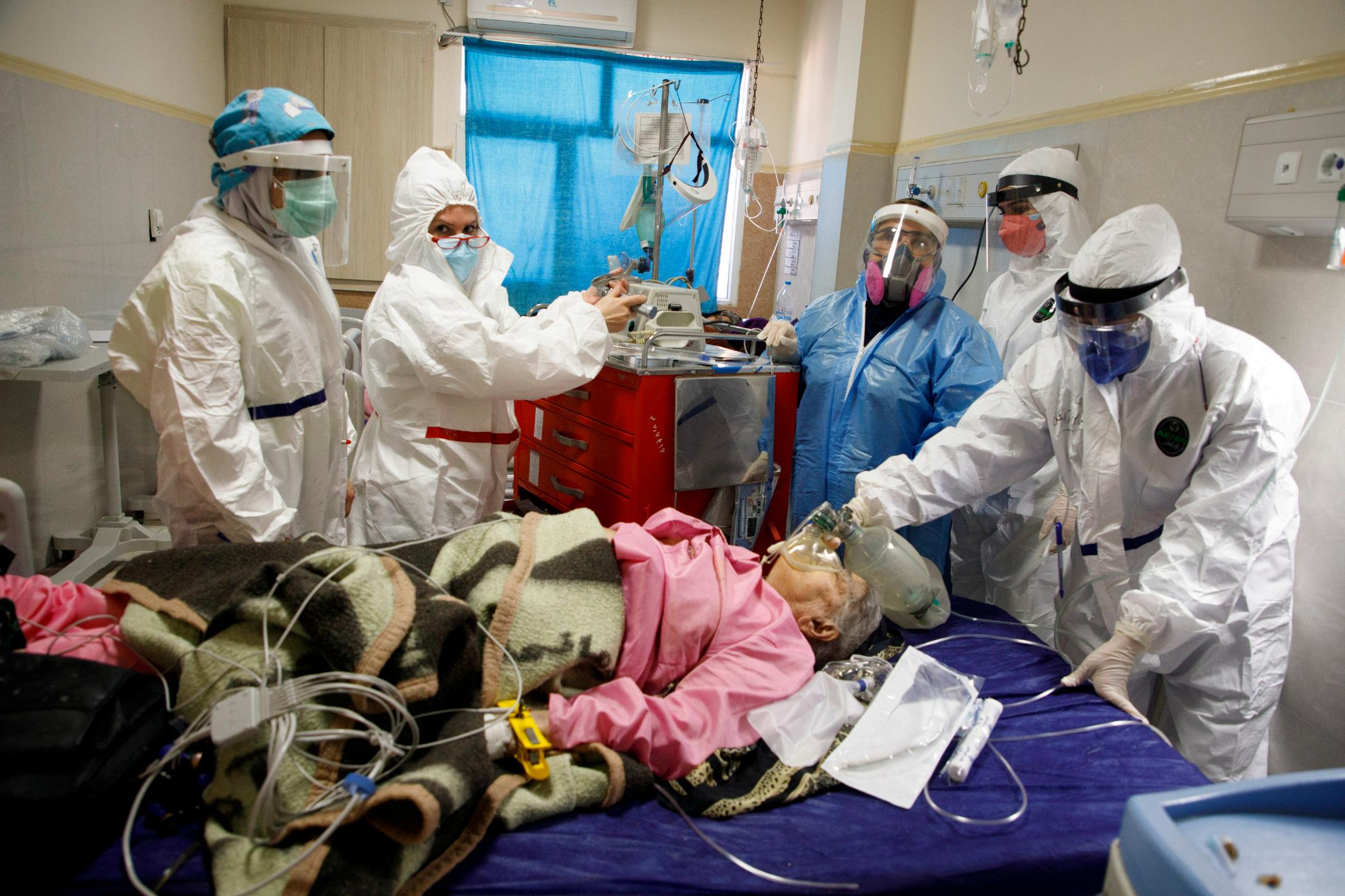
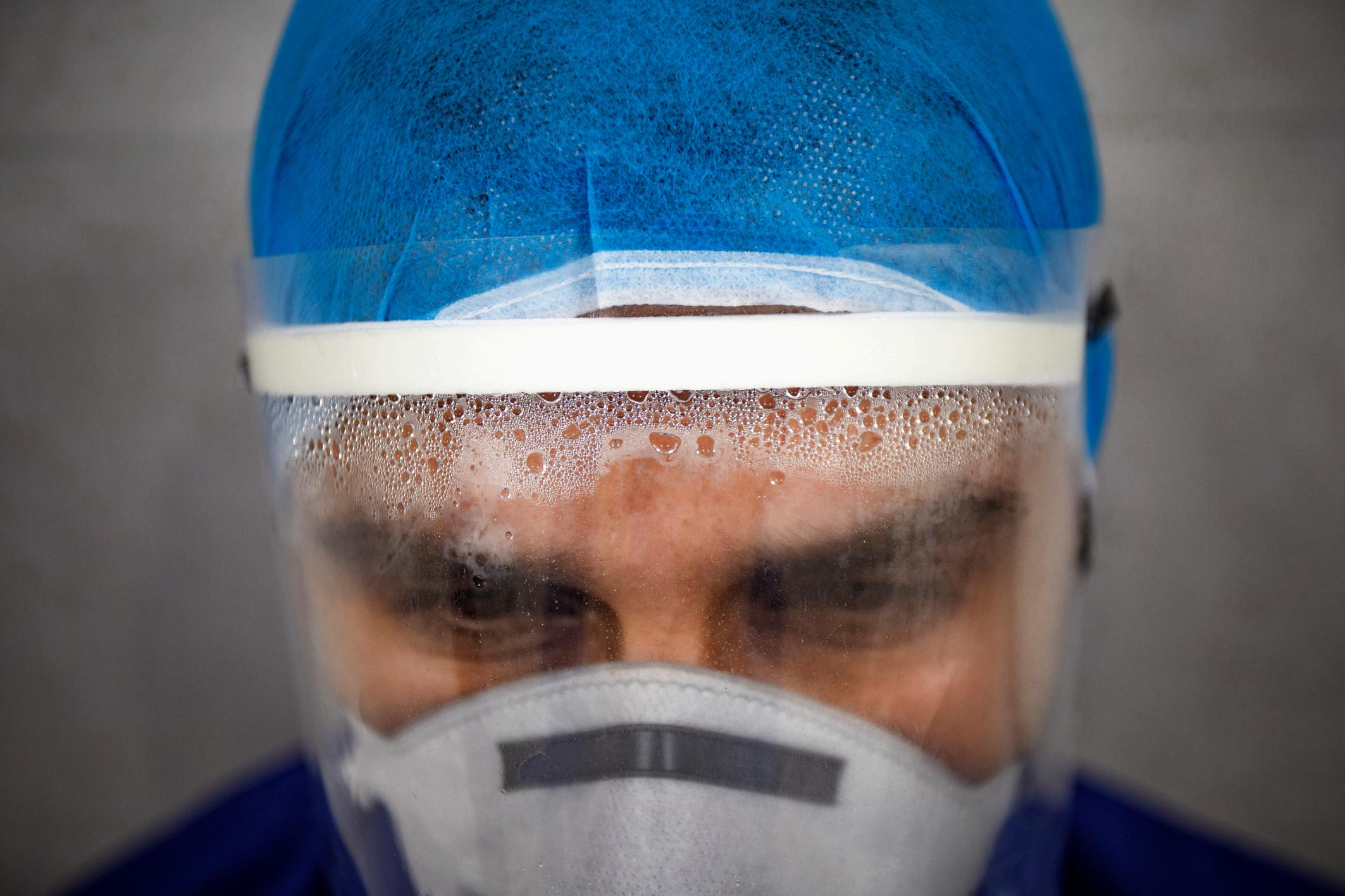
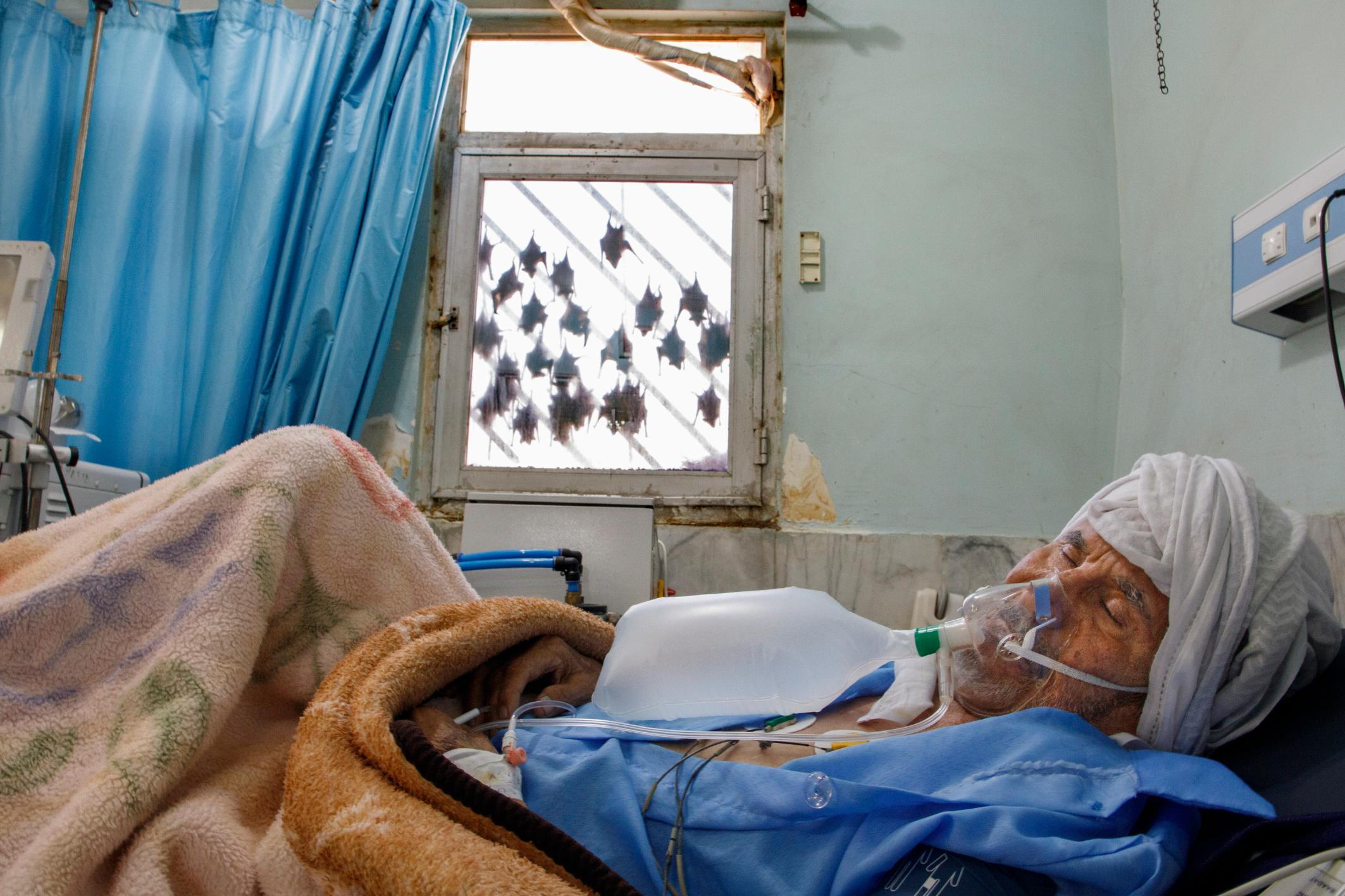
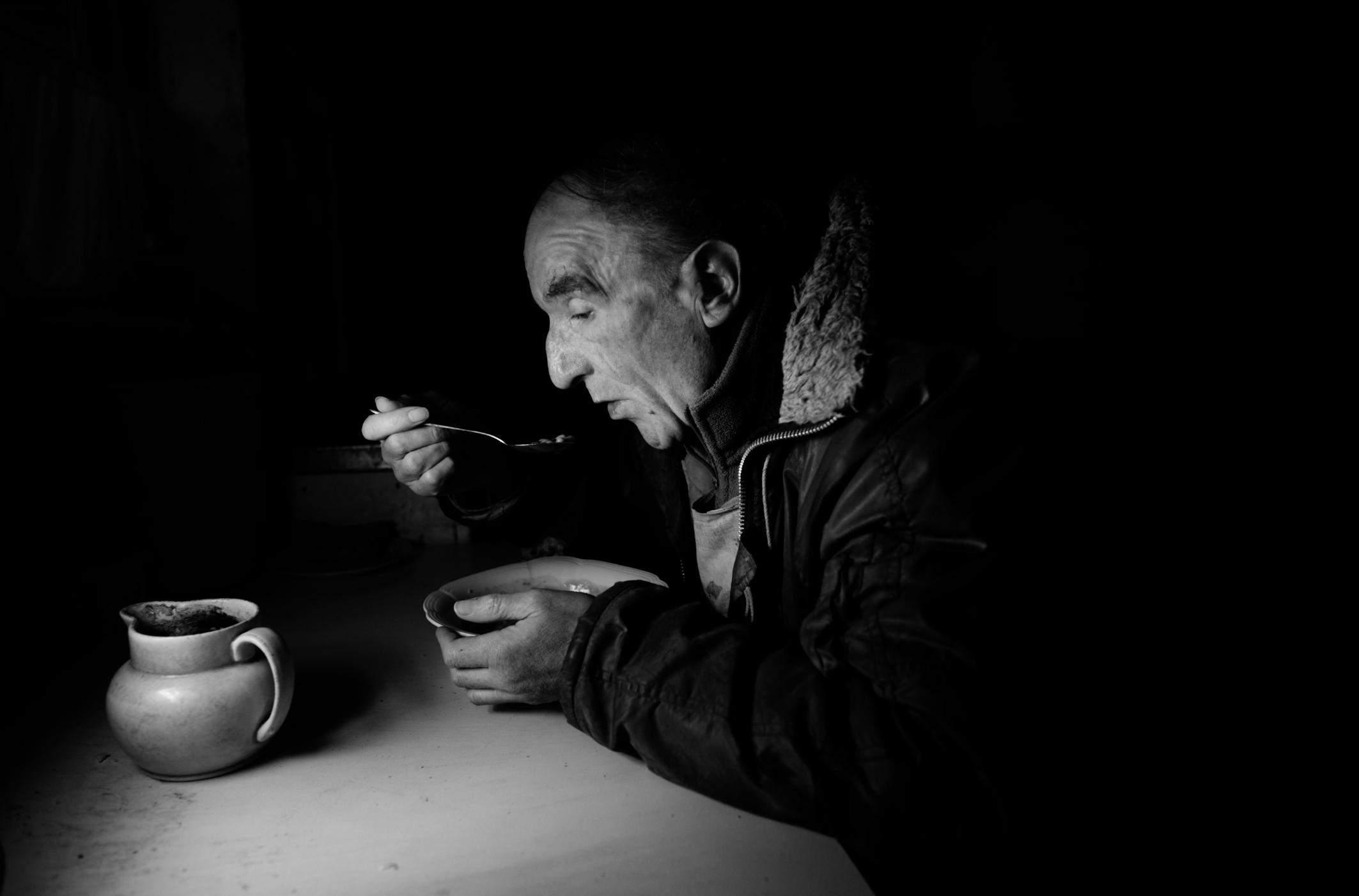
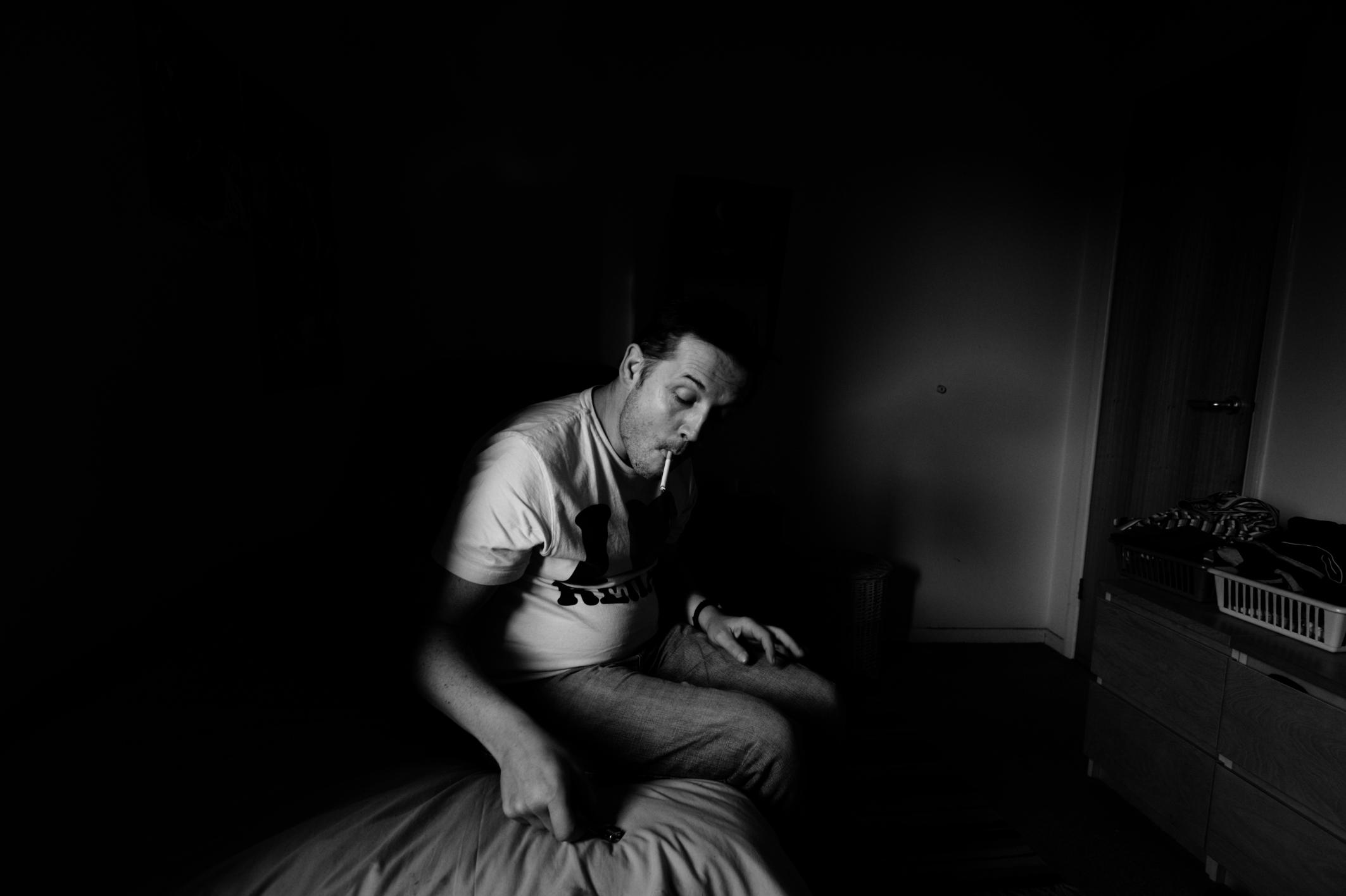
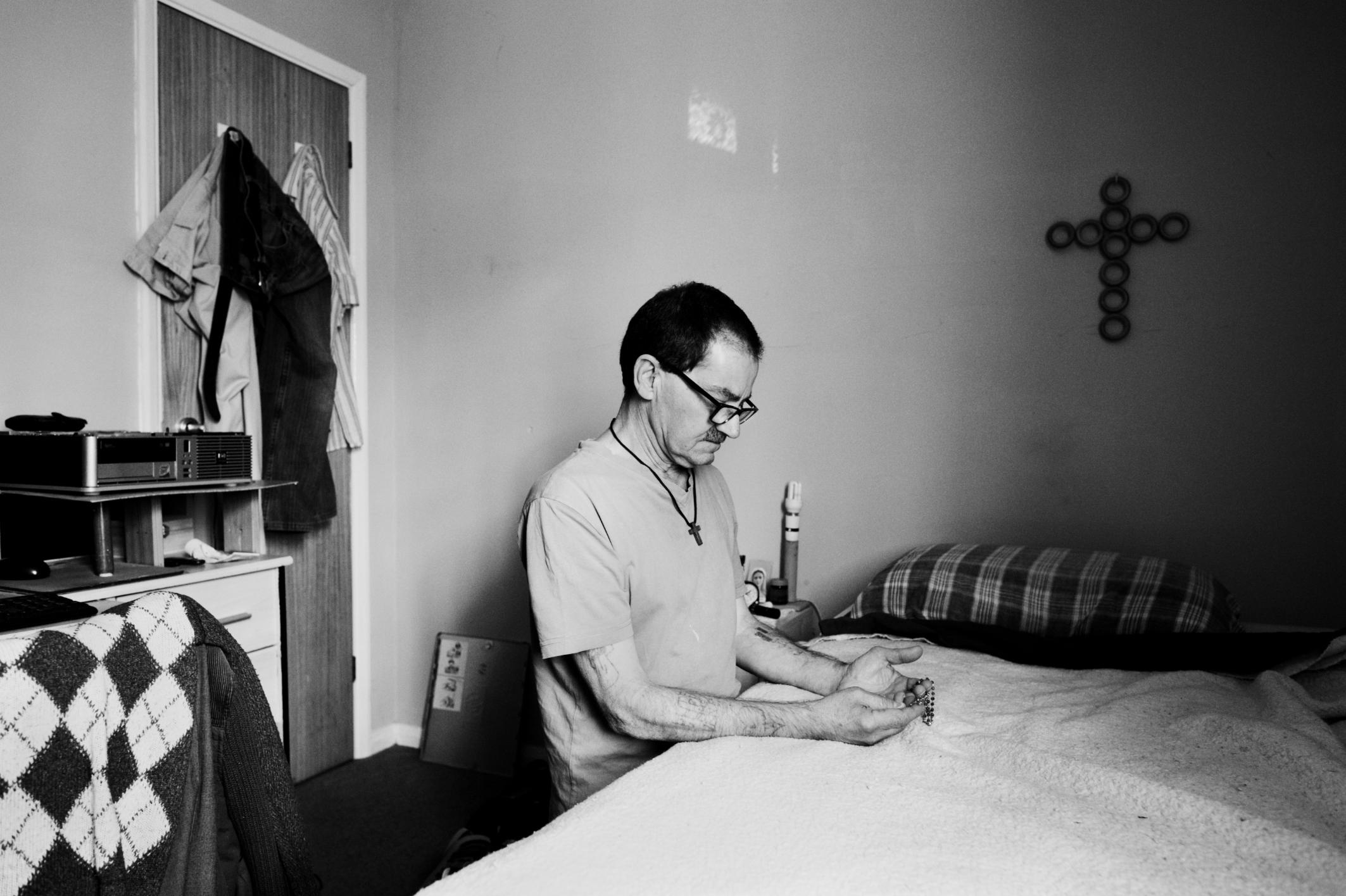
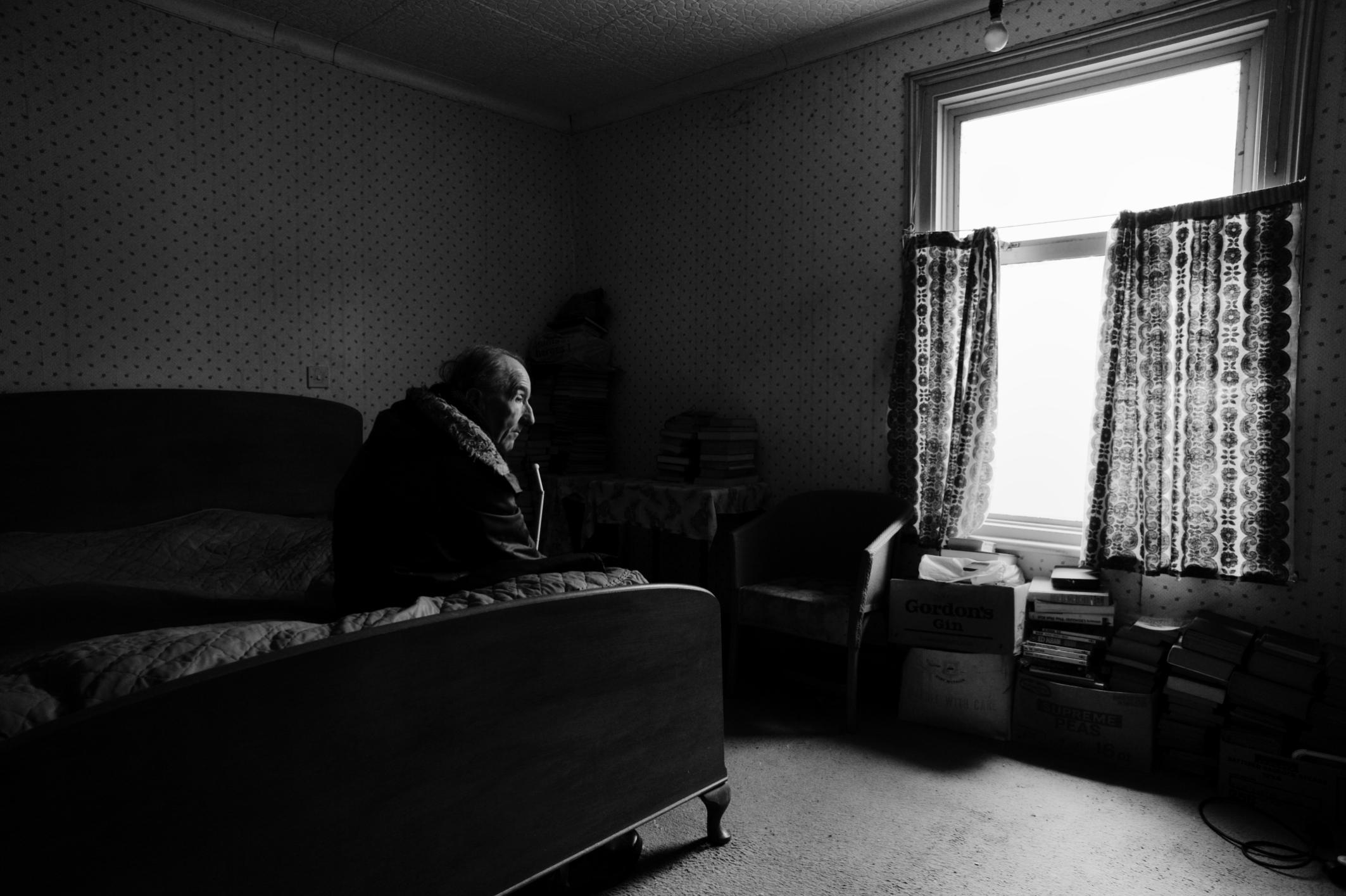
Anxious Frames Amin Nazari
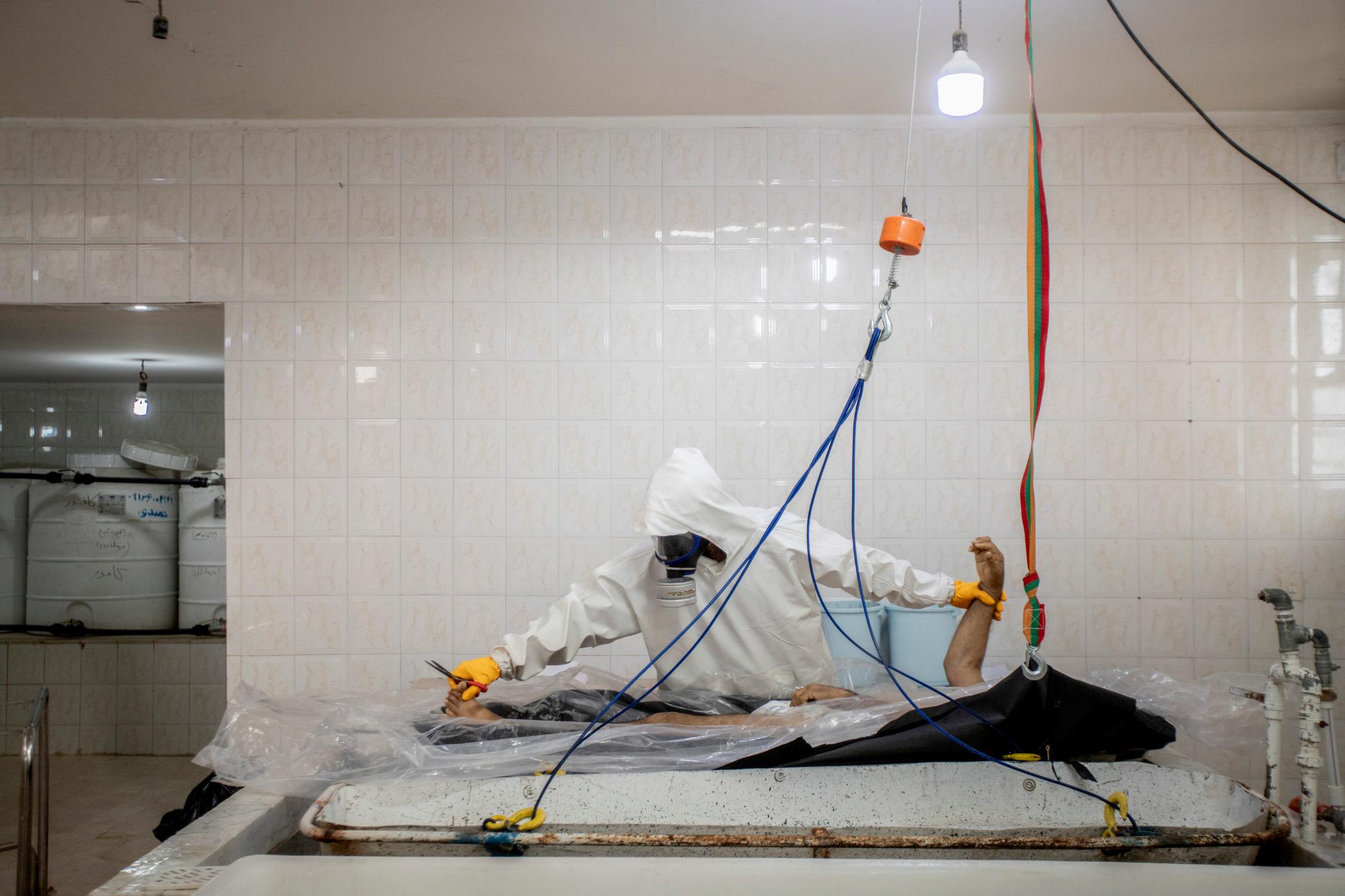
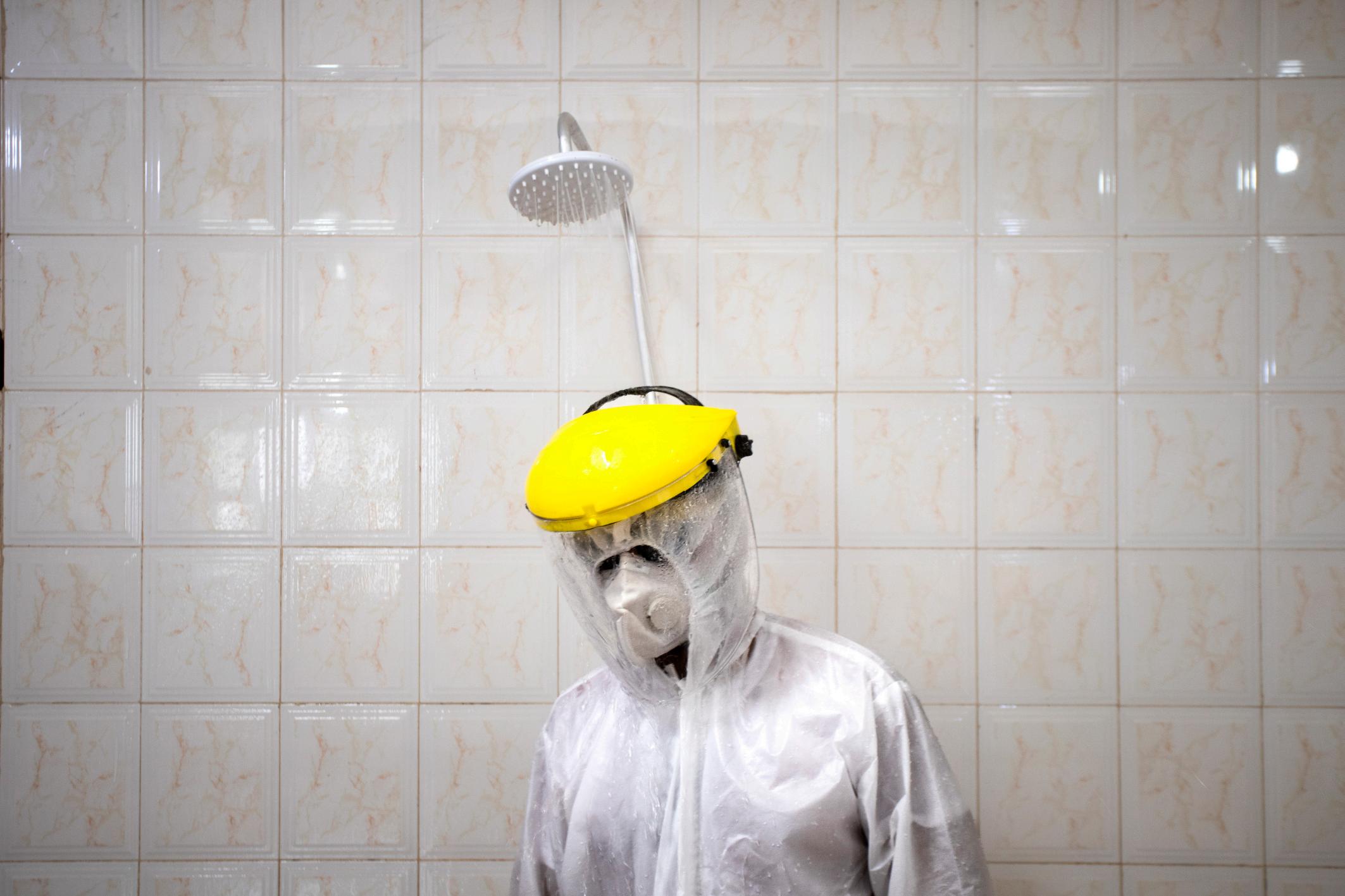
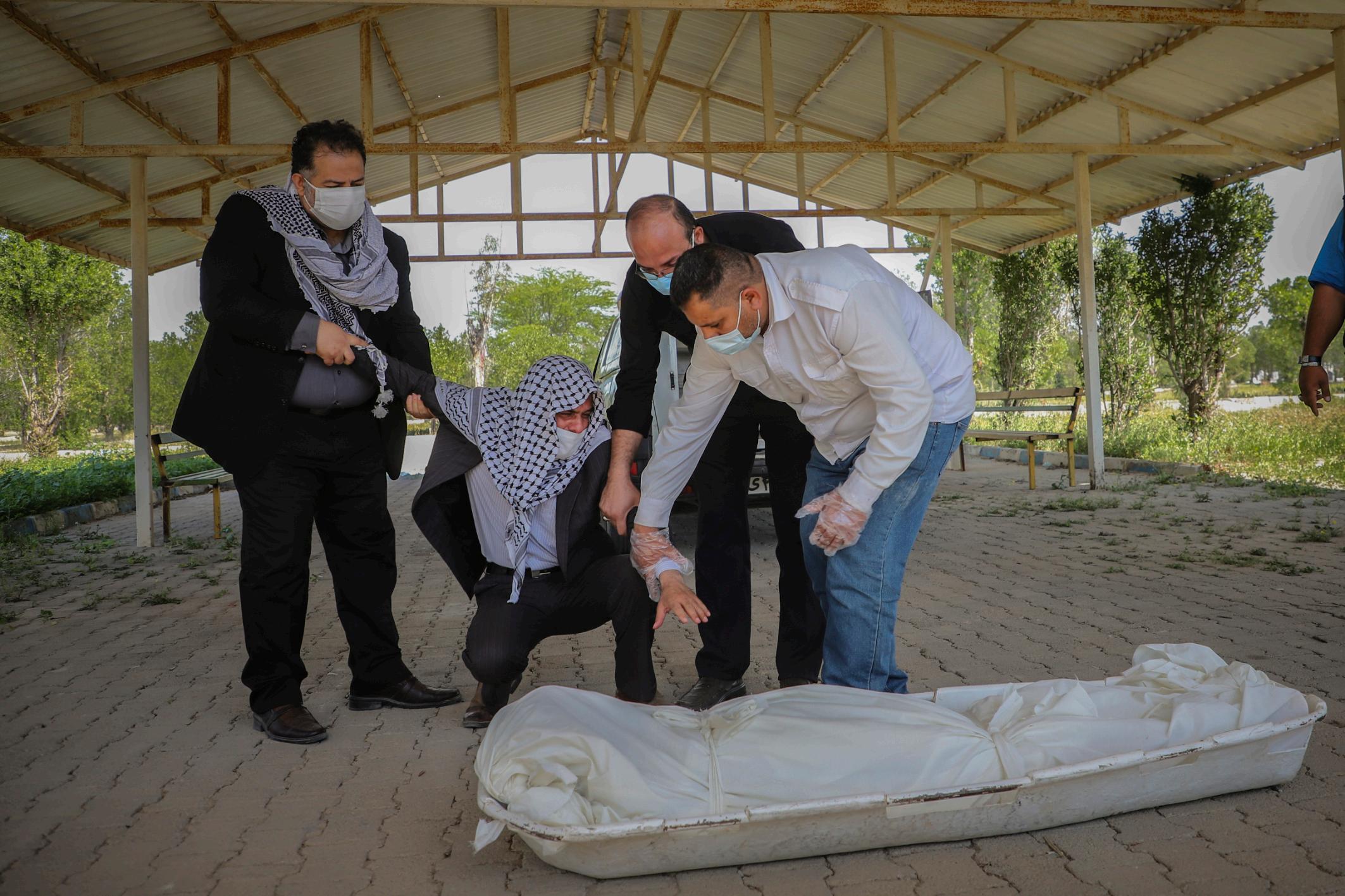
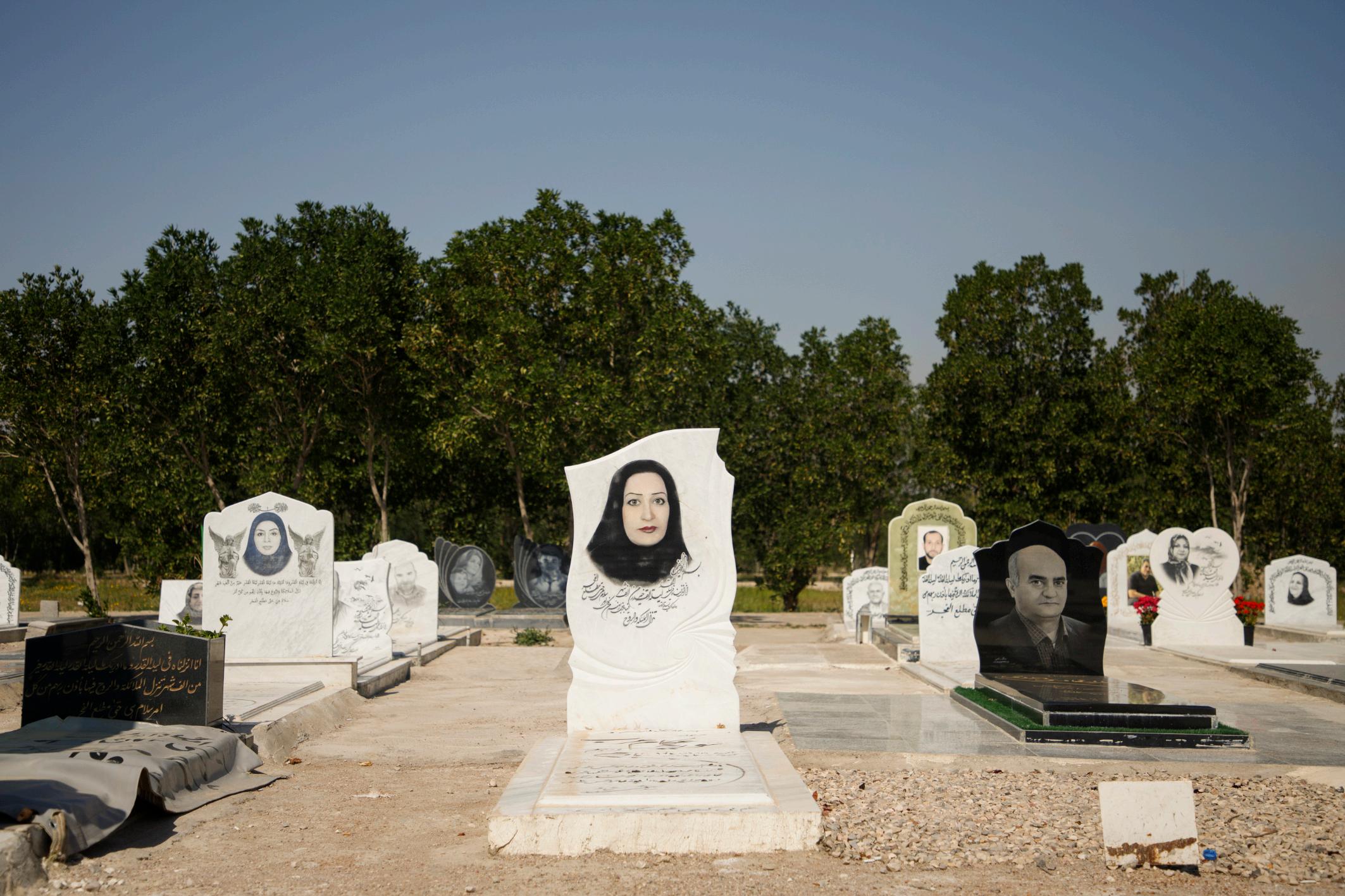
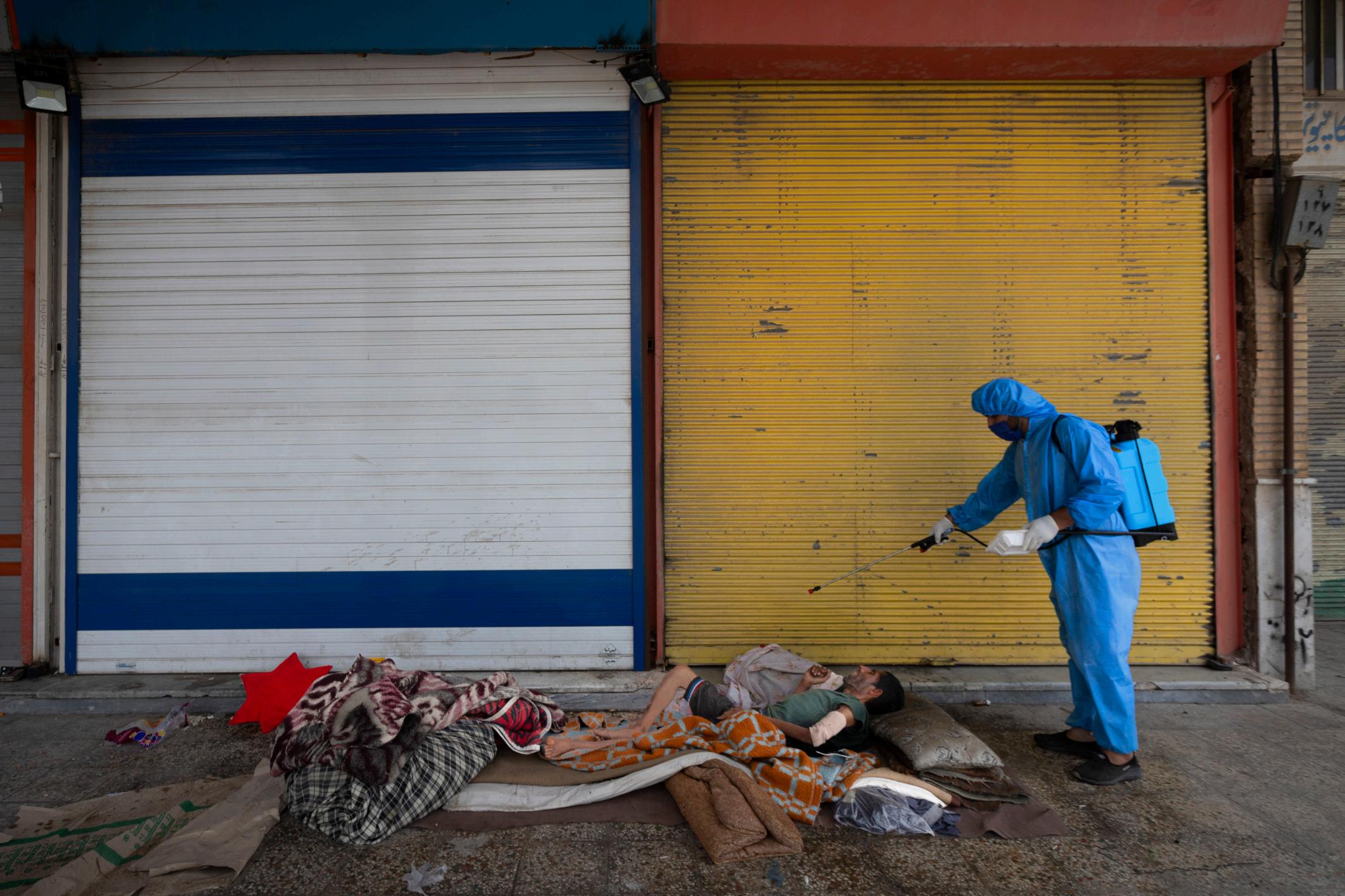
When the COVID-19 pandemic began, I was in the midst of a series of personal, emotional, and family crises. I was going through a divorce and facing legal difficulties, and my life was falling apart in many ways. I was looking for a way to escape from myself.
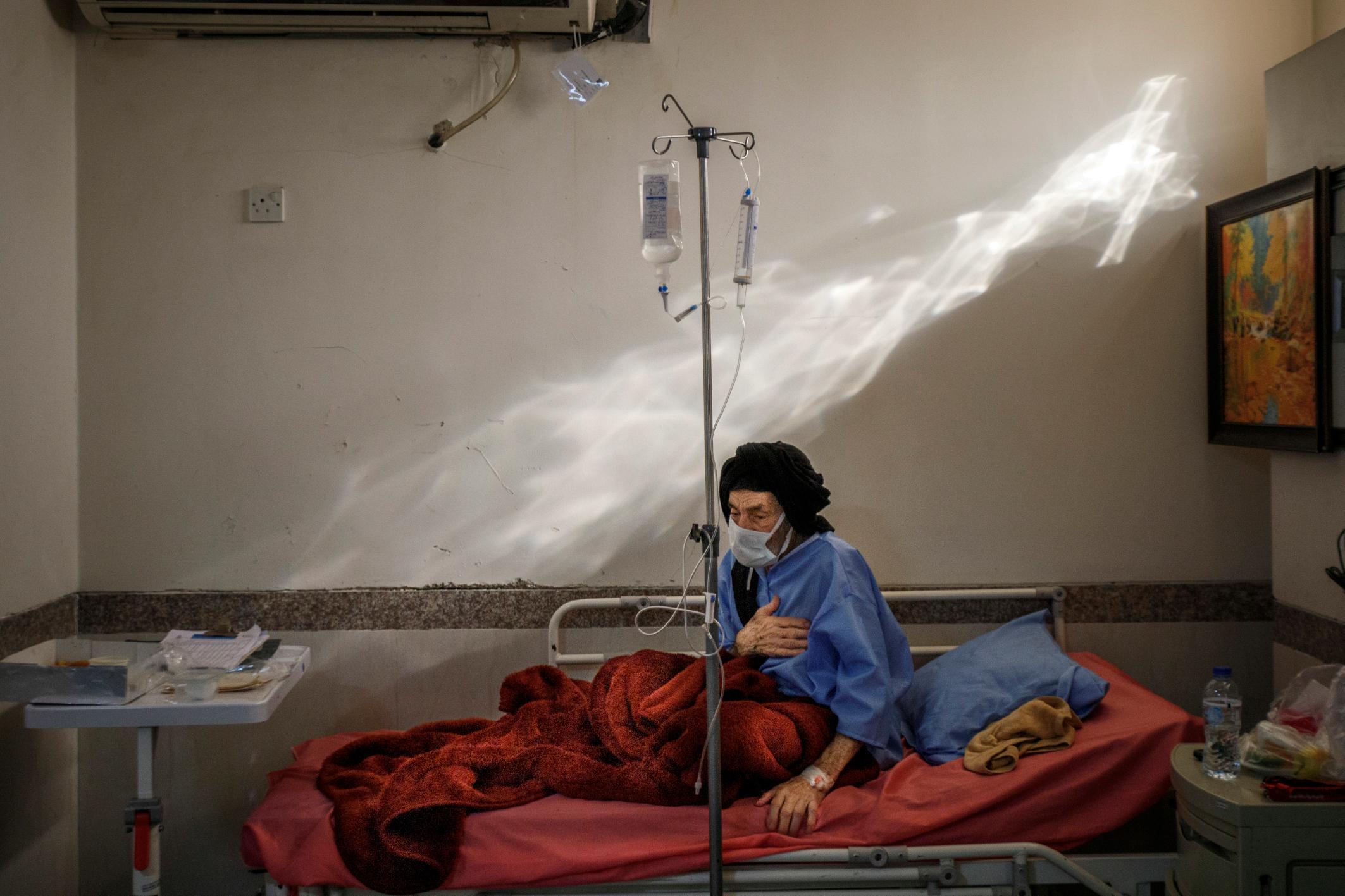
At that time, my camera gave me an opportunity to enter spaces that others were less daring to enter because they couldn’t risk getting infected with the virus and transmitting it to their families. I was living alone and had nothing to lose, so I could fearlessly enter crisis hotspots and high-risk, COVID-19-ridden environments. On this journey, I faced a world that was far beyond my personal problems—a world filled with sacrifice and suffering, from the anxious faces of nurses to the last moments of patients and the heavy atmosphere of cemeteries. When I came face to face with patients struggling between life and death, I realized how small and insignificant my own personal problems, despite all their weight, seemed in comparison to that suffering. This encounter lightened my burdens and pulled me out of myself, forcing me to confront a larger and more humane reality.
This collection is the result of those days; an attempt to document moments where the line between fear and courage, life and death, and individuality and community blurred, guiding me toward a more profound and human experience.
DM - What prompted you to explore the theme of anxiety through photography, and how did the concept behind Anxious Frames first take shape?
AN - The spark for exploring the theme of anxiety was ignited for me in the early days of the Covid-19 outbreak - days when fear, uncertainty, and unwanted isolation seeped into all our lives. Like many others, I was confronted with a wave of unfamiliar emotions, and photography became the only language through which I could understand and translate that inner turbulence.
DM - Your series blends atmosphere, emotion, and ambiguity in a distinctive way. How did you approach translating internal states into visual form?
AN - The anxious frames in this series were born from my own personal experience - an attempt to capture moments in which anxiety is not just a psychological state, but a space, a light, a texture, and even a silence. I wanted to show that the anxiety brought on by the pandemic didn’t reside only in faces; it existed in distances, in objects we avoided touching, in windows that remained closed, and in the way light fell on walls. For me, this project was a confrontation with my own fears, a visual dialogue that allowed me to express my emotions while hoping viewers might find fragments of their own shared experience within the images.
DM - Were there particular moments during the project that shifted your understanding of the subject or your own creative process?
AN – There were certainly a few pivotal moments that reshaped both my approach to the project and my understanding of the subject. One of the most significant happened when I realized that anxiety doesn’t always appear in dramatic or extreme situations: sometimes it reveals itself in the simplest, quietest moments. For example, while photographing an elderly man’s room, I noticed how the stillness and the soft light falling on the wall behind him captured the truth of anxiety far more honestly than any expressive or crowded frame could. That moment shifted my direction towards a more minimal, contemplative approach. In many ways , this project became a continuous learning process, I discovered a new and sometimes contradictory layer of anxiety.
DM - How does receiving recognition from the RPS Documentary Photography Awards impact your perspective on the project and your ongoing work as an RPS member?
AN - Receiving a commendation from the festival was not only a personal honour, but also an affirming response to my creative path. It highlighted the importance of visually documenting human experiences during extraordinary moments, and it reinforced the impact that careful, consistent storytelling can have. This recognition strengthened my motivation to continue my professional journey in documentary photography and deepened my sense of responsibility - reminding me that my projects should not only reflect my personal perspective, but also foster connection and deeper understanding for viewers. In many ways, the award expanded my view of documentary photography from a purely artistic expression into a broader cultural and social engagement.
DM - What do you hope viewers reflect on when they encounter Anxious Frames, especially in relation to the role photography can play in articulating mental and emotional experiences?
AN - I hope that when viewers encounter Anxious Frames, they not only see anxiety but also feel encouraged to connect with their own emotional and mental experiences. I hope they sense that photography can go beyond documenting external reality; it can become a language for expressing inner feelings, fears, and everyday tensions. For me, each frame offers an opportunity for viewers to face a shared experience - or even a moment of self-reflection. My hope is that these images remind us all that anxiety, although deeply personal, is also a universal human experience, and that art can serve as a bridge for expressing, understanding, and perhaps fostering a little empathy along the way.
Ov’era Jacapo Locarno
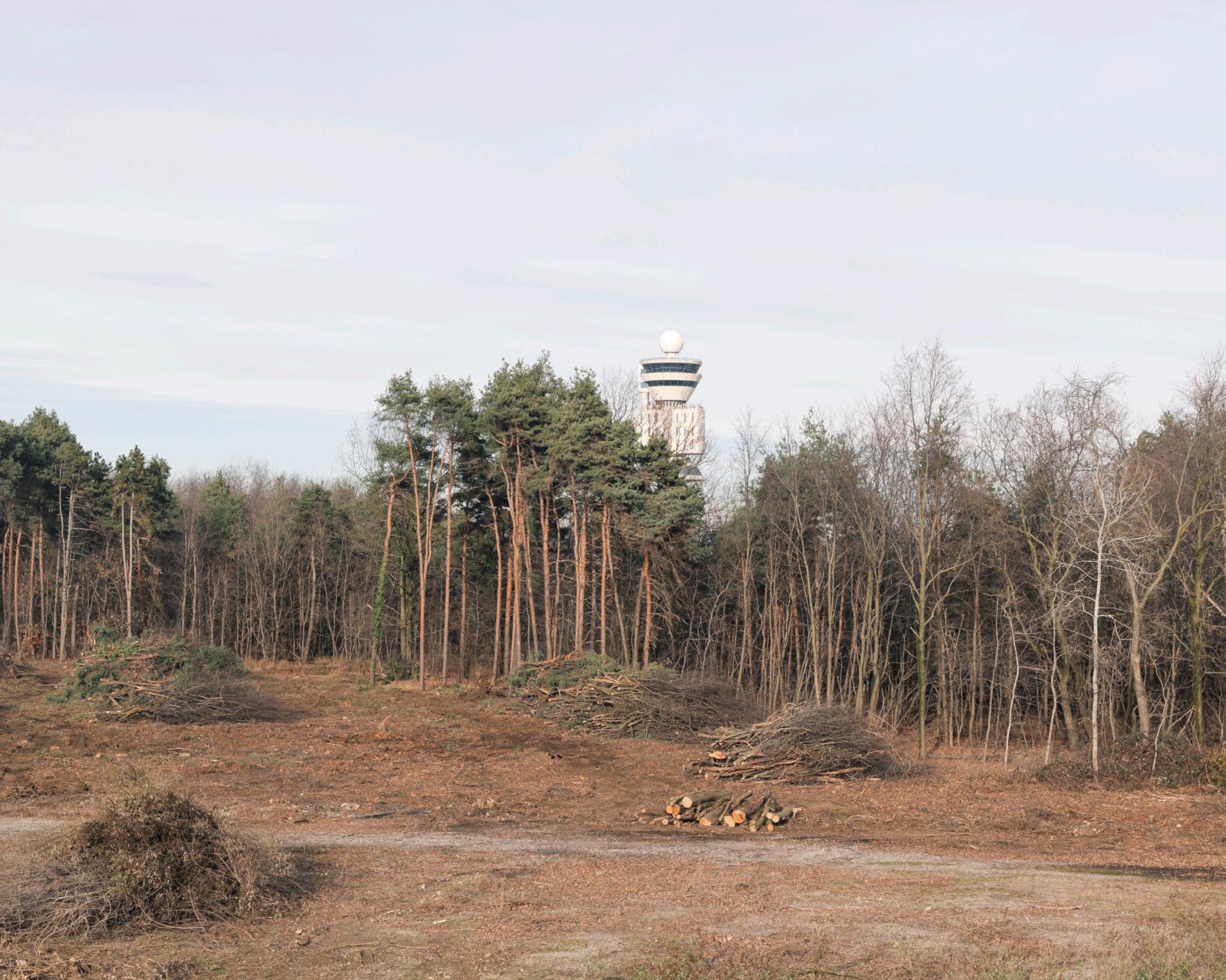
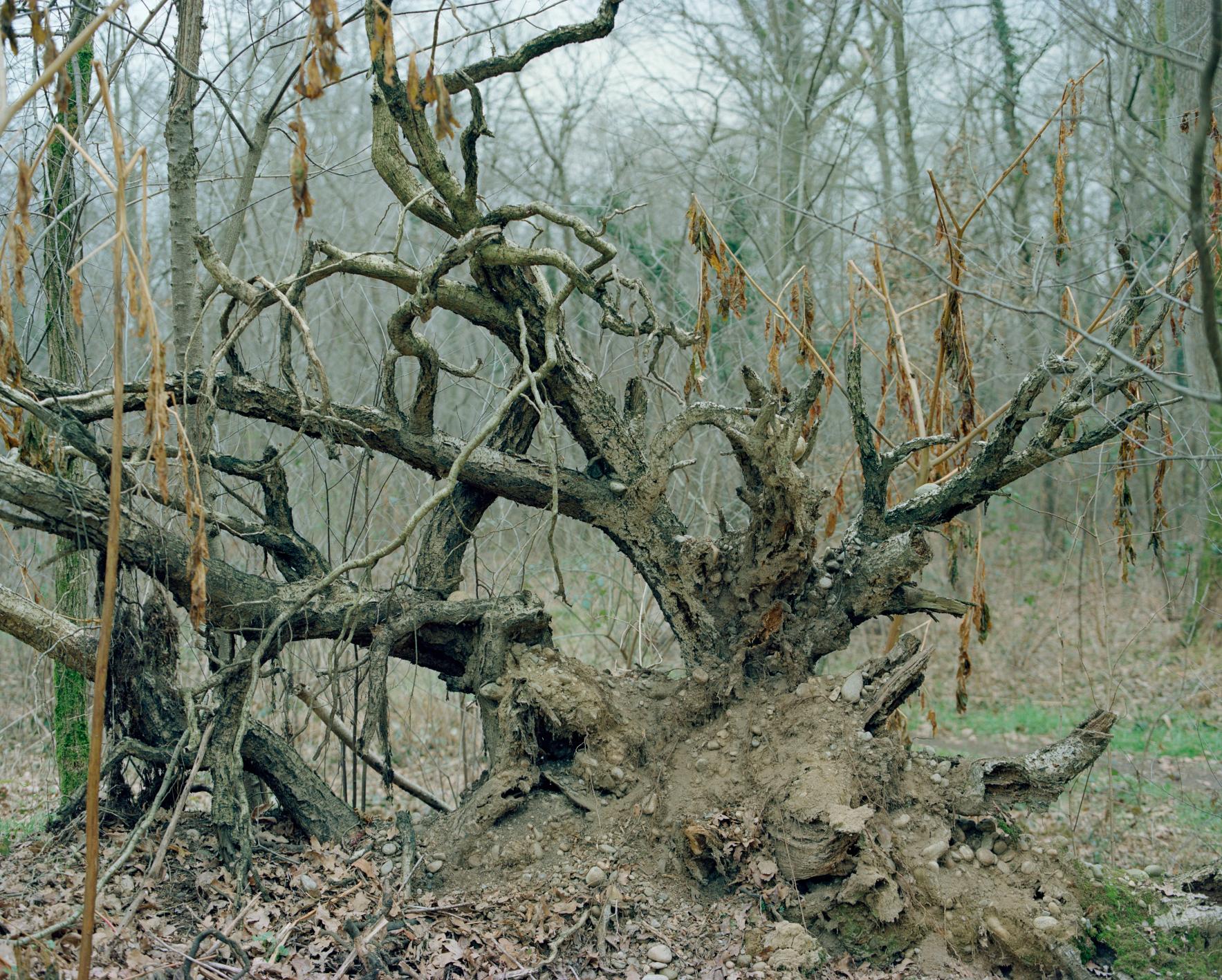
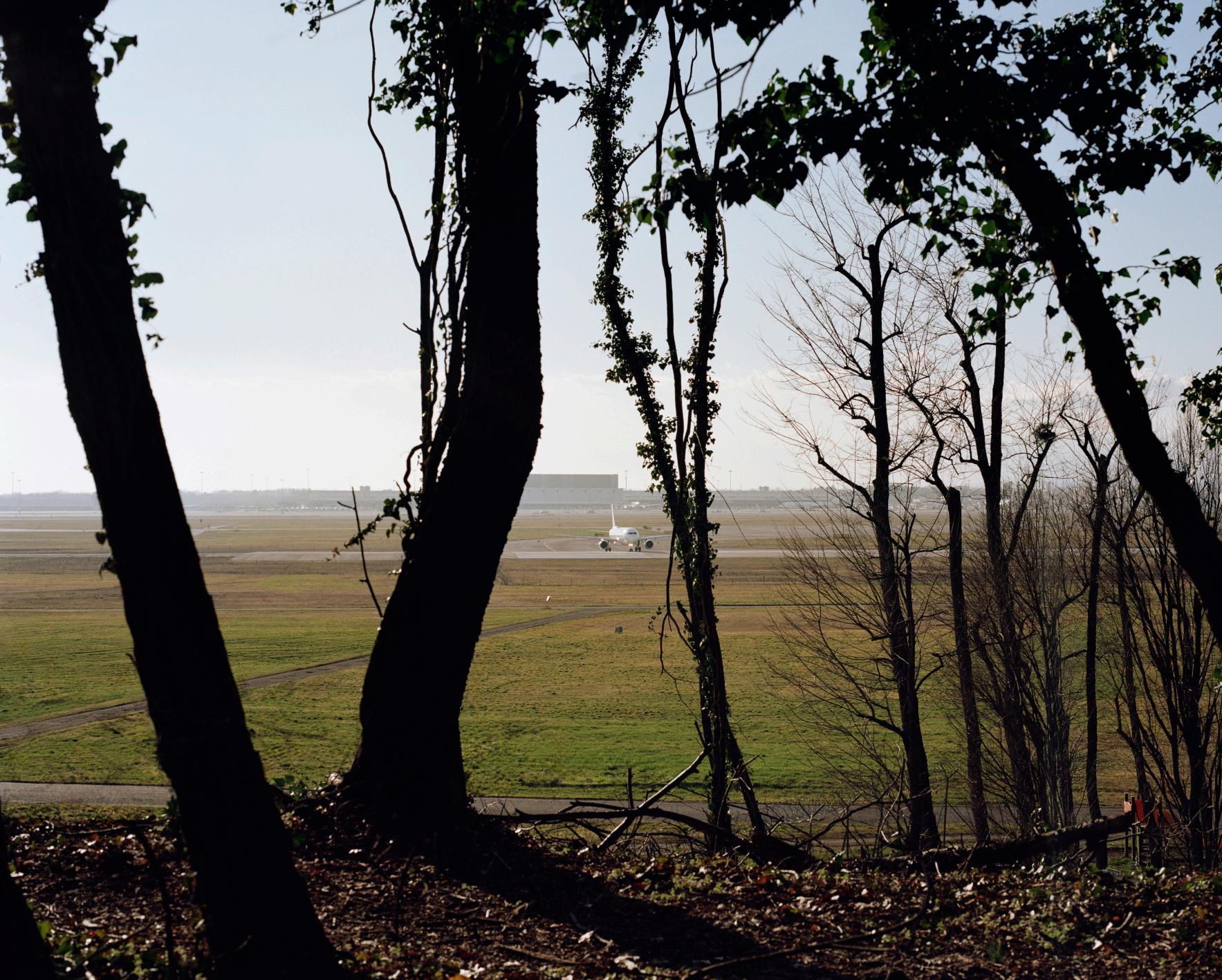
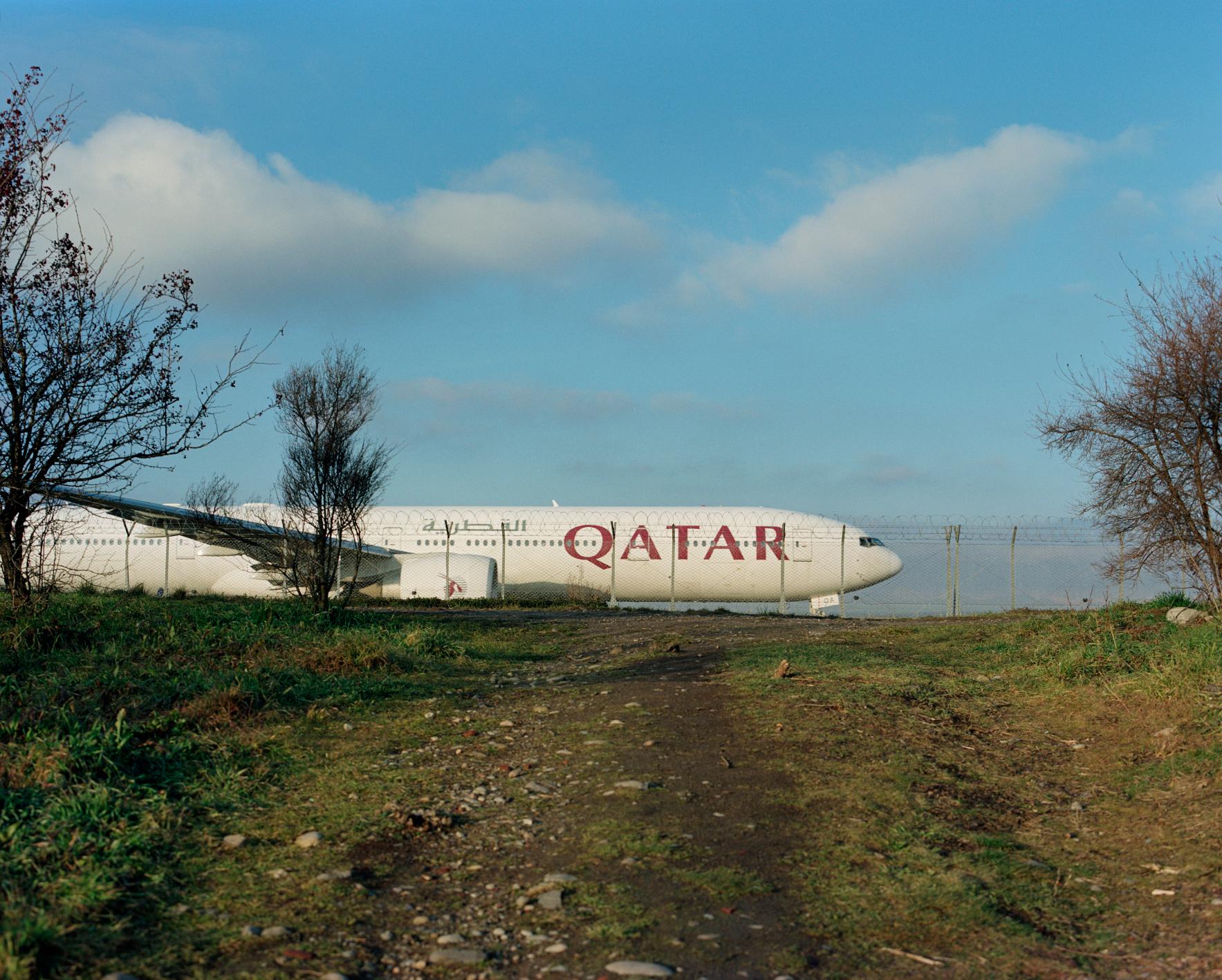
Ov’era, comes from an old Italian word meaning “where it was.” It reflects my intention to draw attention to a landscape under threat. I pose a twofold question: How can we preserve a vanishing environment for future generations? And how can what remains be represented?
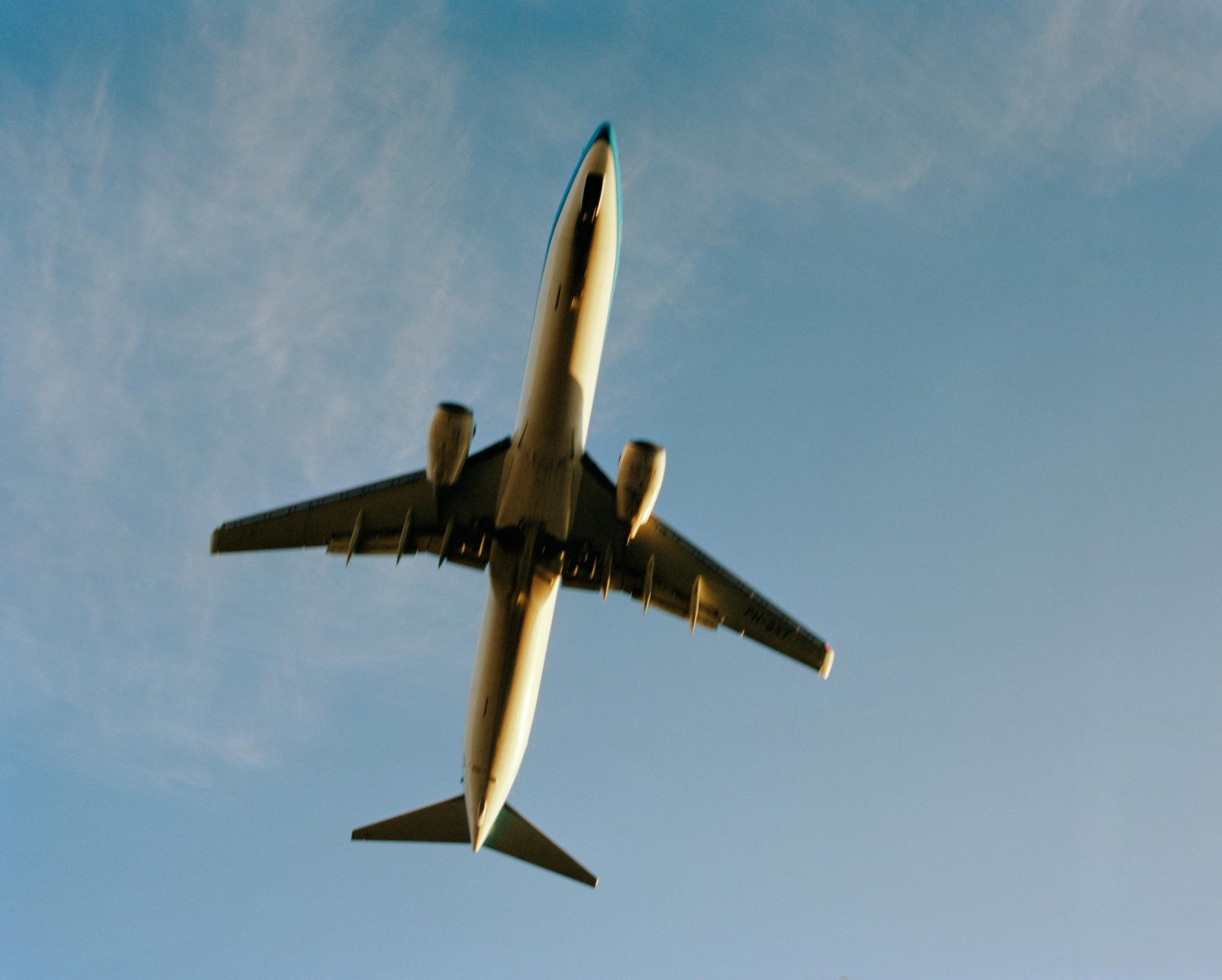
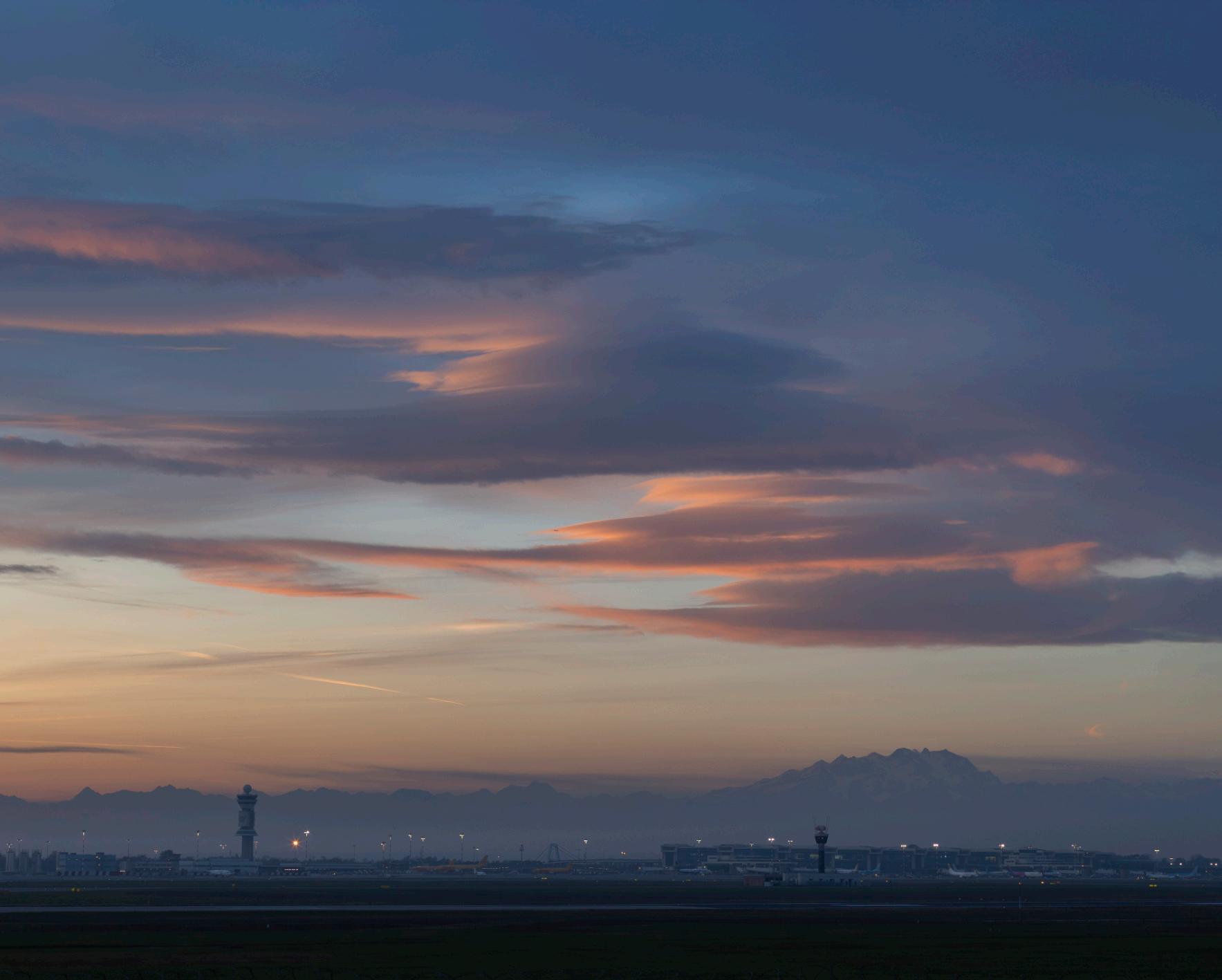
Milan’s Malpensa Airport sits in the Ticino Valley, south of the Alps. It is surrounded by vast heathland—low grasses and woods—where I was born and raised, in the village of Ferno. This landscape has remained largely unchanged throughout my life, offering a sense of rootedness andcontinuity.
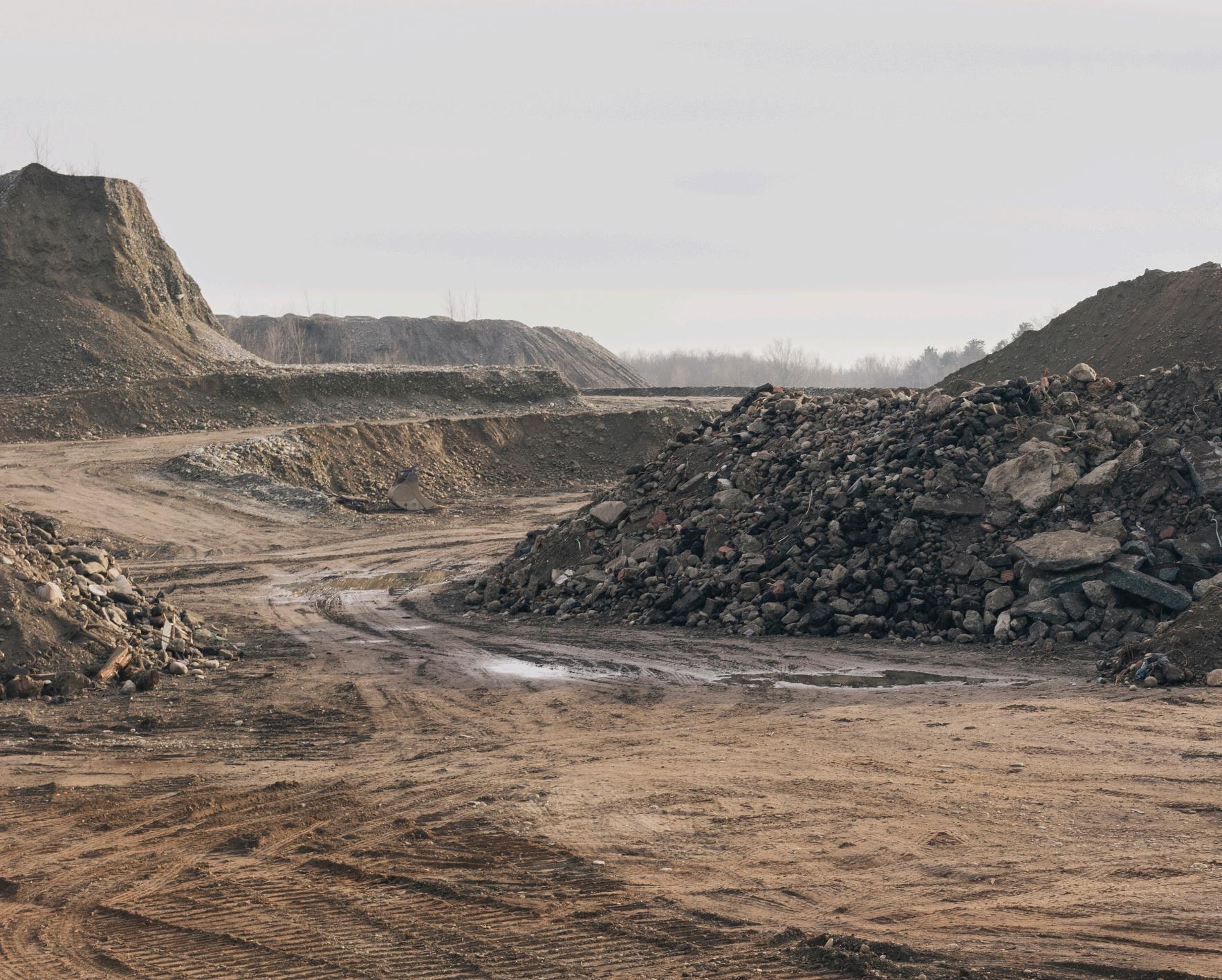
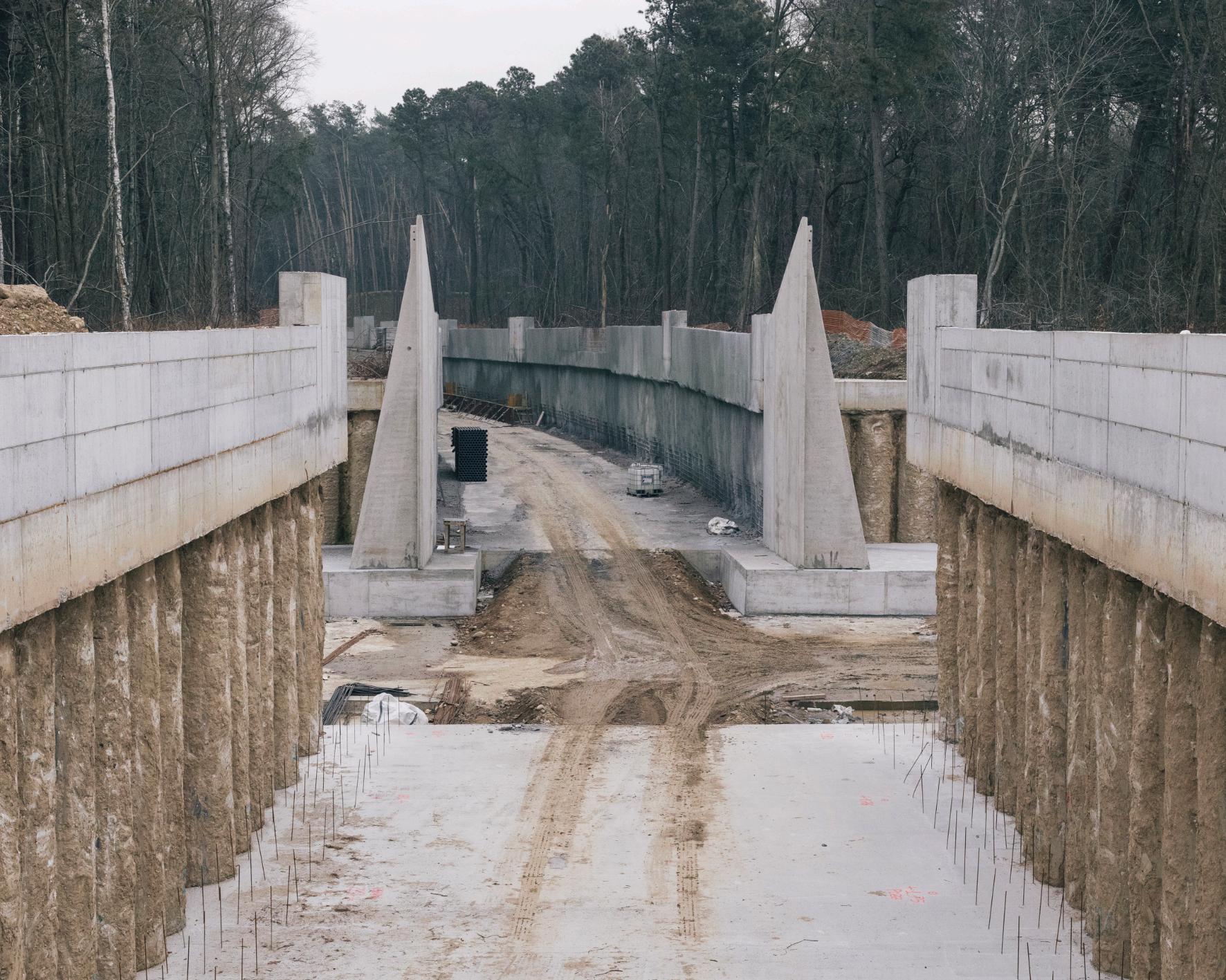
The planned expansion of the airport, first under Masterplan 2030 and now revised as Masterplan 2035, threatens to destroy hundreds of hectares of forest, erasing both natural and historical heritage. Despite interventions by environmental groups, the new plan still proposes significant damage, leaving irreversible marks on the emotional geography of this place.
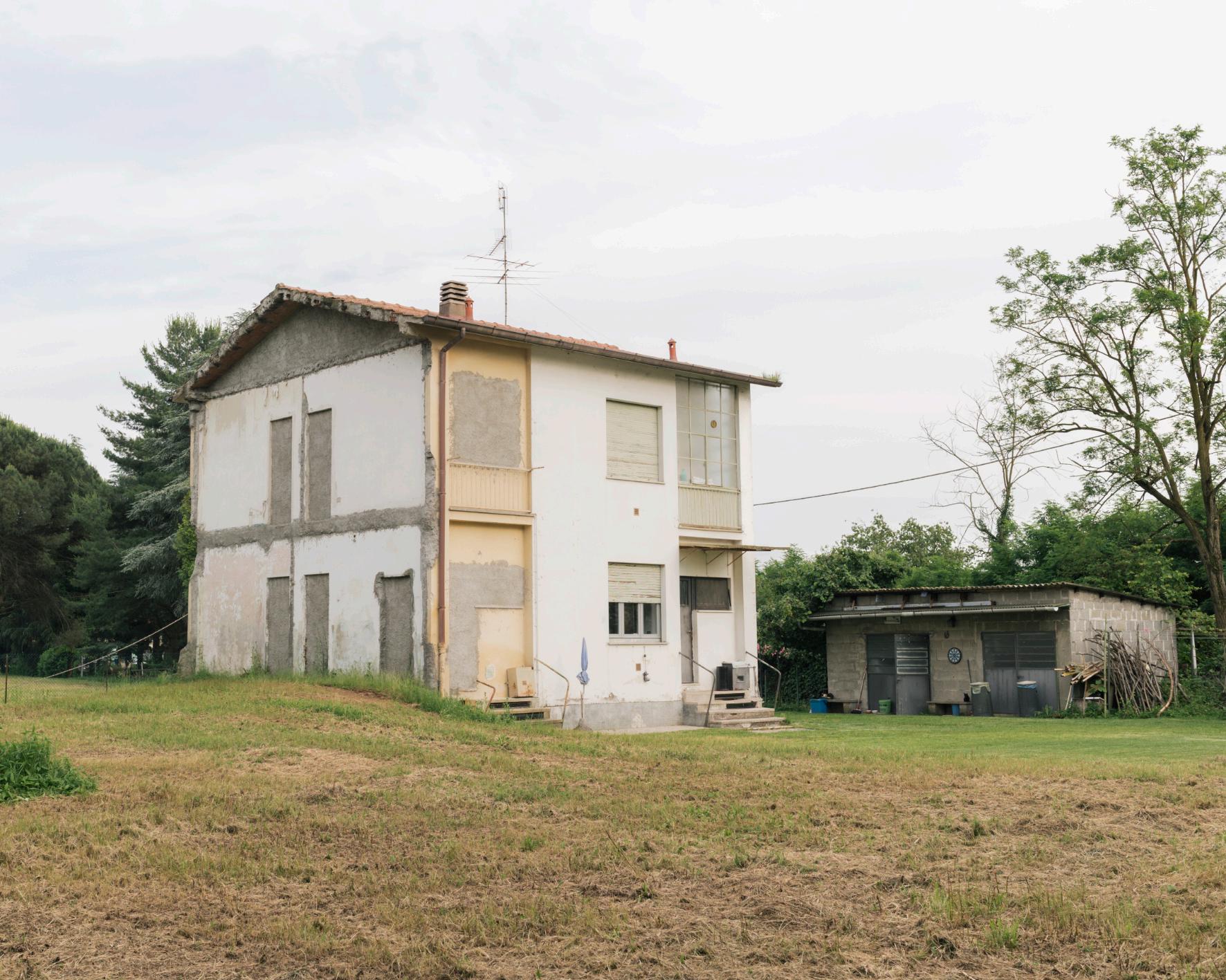
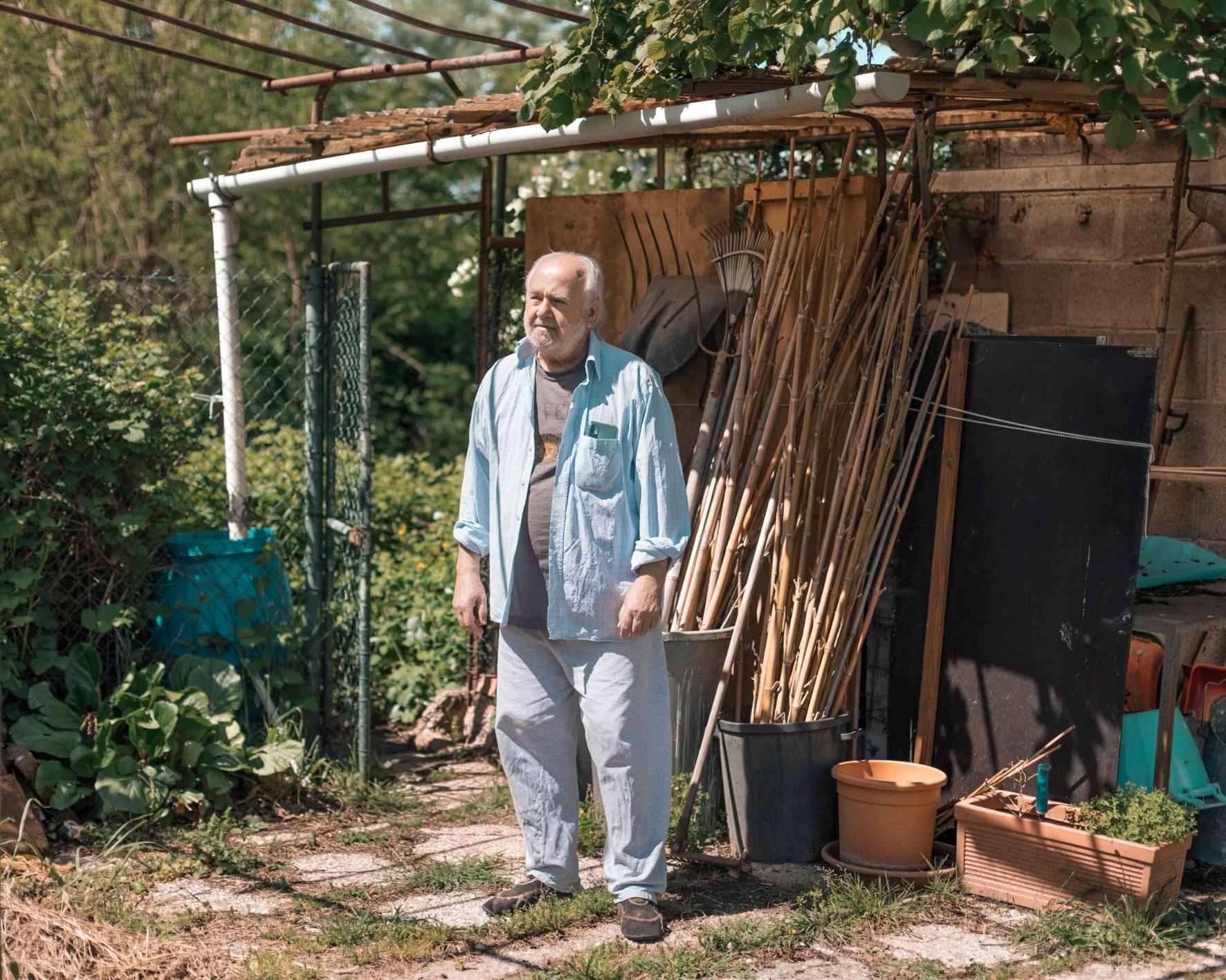
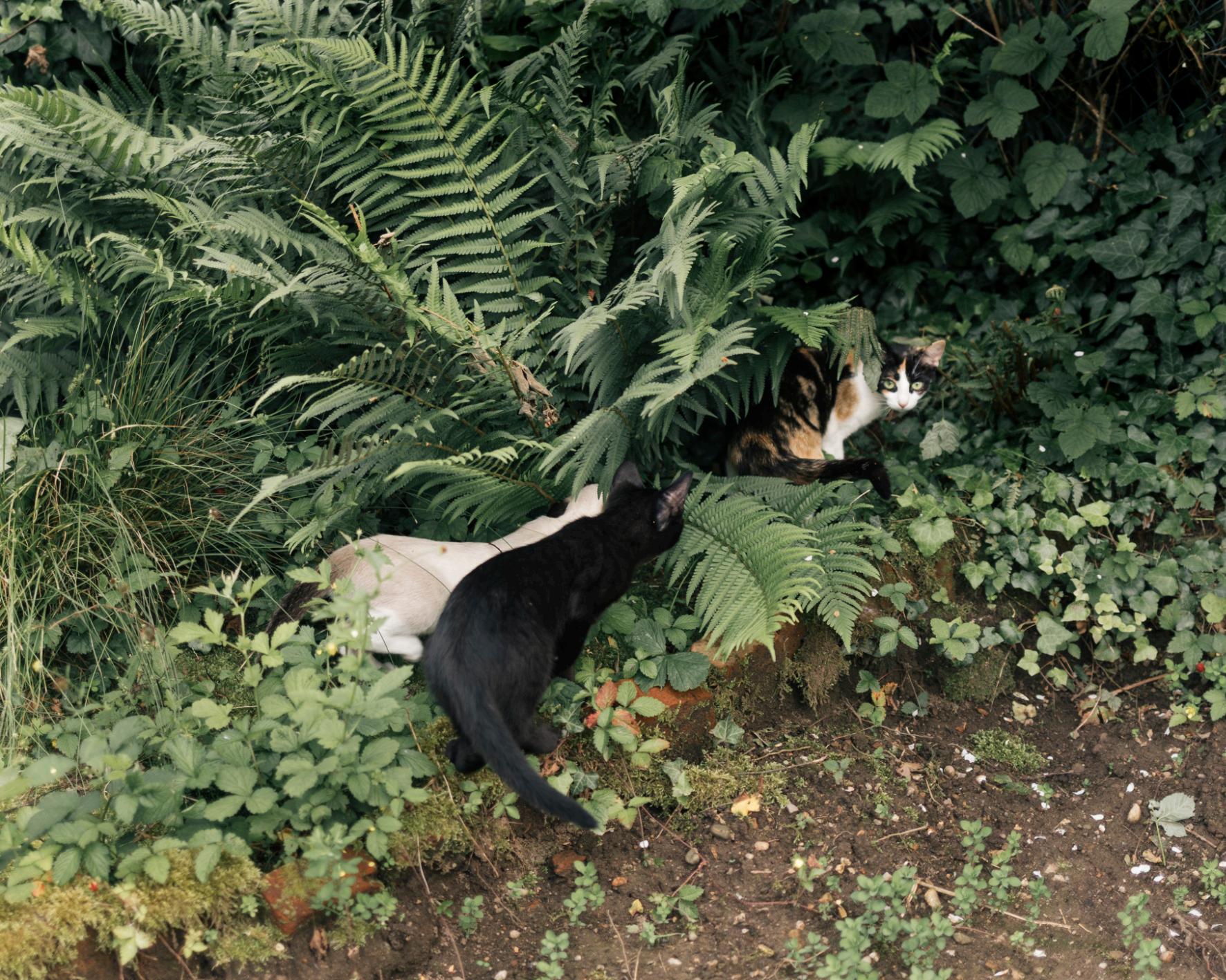
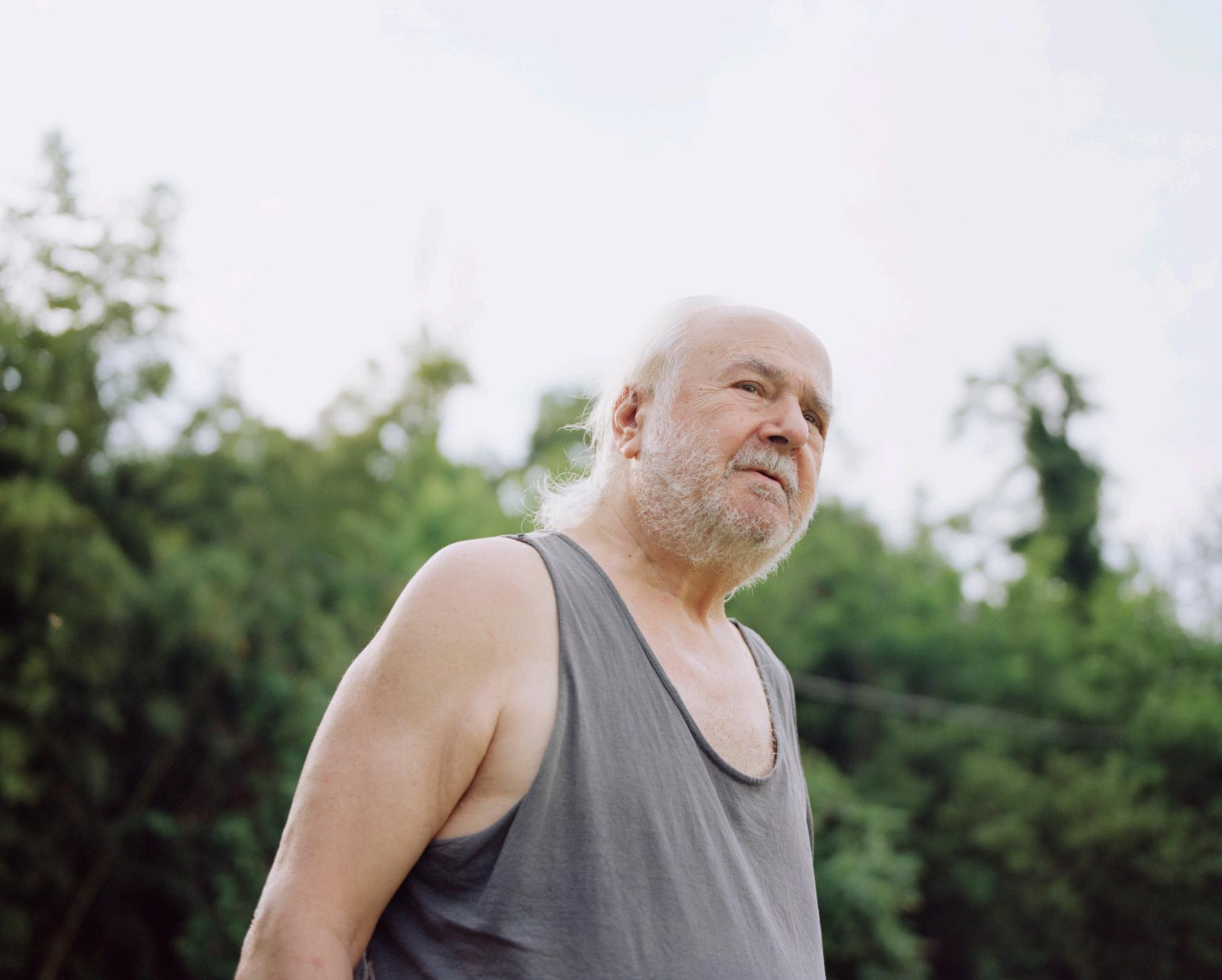
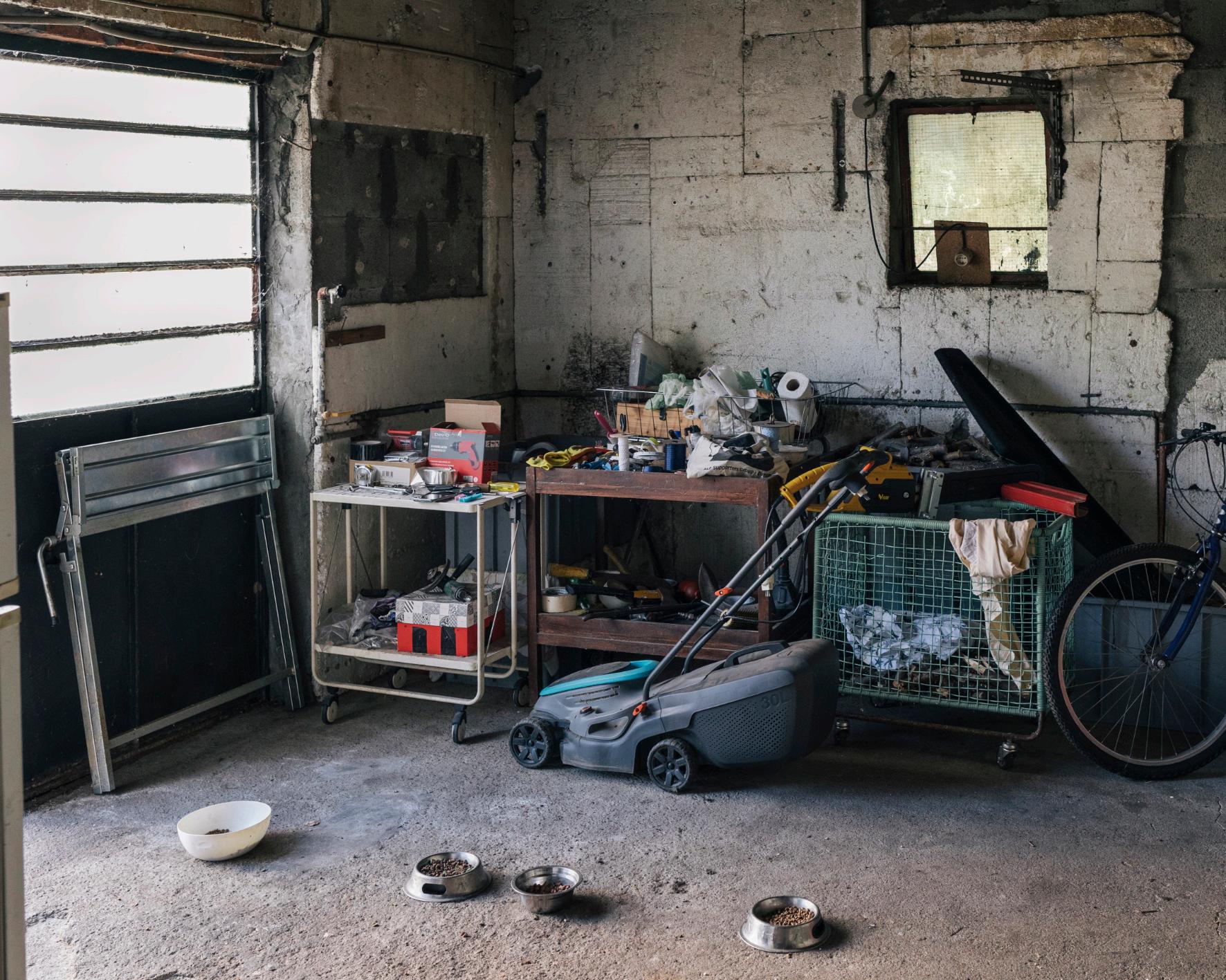
Among those affected is Salvatore, 77, who lives just over 500 metres from a runway. His home lies in what authorities call a “non-living zone”: a place of relentless noise, artificial light, and increasingly toxic air. Bureaucratic obstacles exclude him from relocation support, yet he remains—caring for his garden, his cats, and his memories. His presence becomes a quiet form of resistance, maintaining a fragile connection with the land.
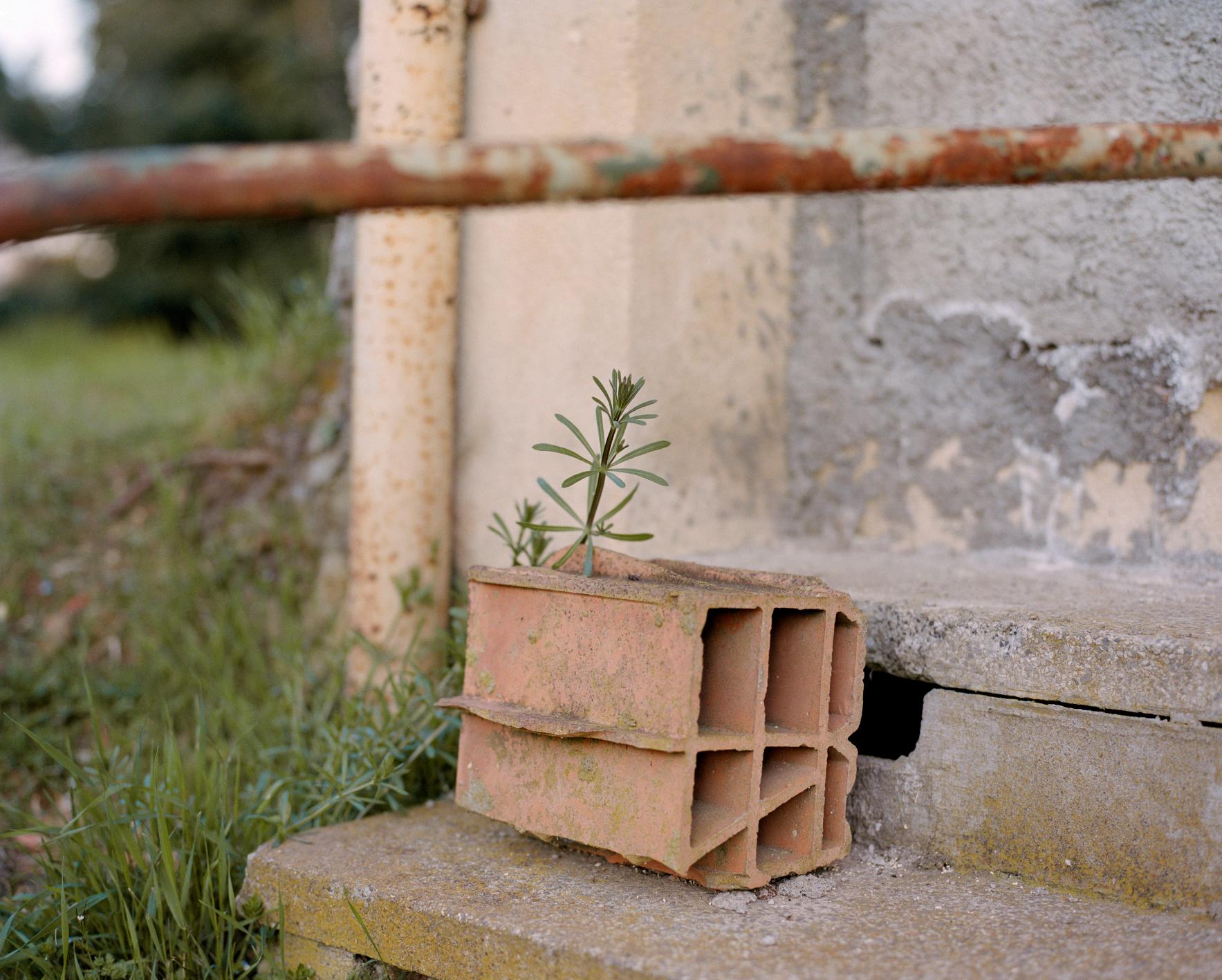
Ov’era is also engraved on a plaque that once marked a centuries-old oak tree along Via Gaggio, a dirt path running through the expansion area. The tree no longer stands, but the plaque invites us to contemplate its absence—an invisible but potent trace. Like the oak, this project seeks to preserve the image of a threatened heathland—an act of memory before the erasure becomes complete. DM - What drew you to the subject matter of Ov’era, and how did the project begin to take shape in your vision?
JL - I was born and raised in a small town next to the airport and my maternal grandparents lived in the neighbourhood directly next to it. The airport has always been part of my daily landscape and my family history. Bringing attention to what is happening in this area did not feel like a choice to me, but rather a moral responsibility.
DM - Your series captures a sense of time, place, and memory. How did you approach balancing aesthetic choices with documentary truth?
JL - Being poetic without betraying reality has always been the core of the project. It requires time and patience, and above all a willingness to stay with the place rather than impose a narrative on it. Contrary to what is often said, the medium is fundamental in finding one’s own language. It sets the rhythm, the distance, and ultimately helps convey a vision in the most honest way possible. As a young and emerging author, I’m deeply influenced by what I absorb from books and from images circulating online. I don’t believe an artist can ever fully grasp their own vision while they are inside it. In a way, the work is naturally shaped by a certain kind of chaos and I see this not as a weakness but as something necessary.
DM - Were there any particular challenges or surprises during the process that shaped the way the series ultimately developed?
JL - Yes there were situations that challenged the initial idea I had in mind, but I believe this is part of every project. These unforeseen moments give the work a new and unique shape and distance it from the visual references that are often present at the beginning of a project. At first, the series focused on construction sites and landscapes in transformation. As I continued photographing many of these areas became inaccessible without official permission. This limitation forced me to redirect my attention elsewhere. It was at that point that I began to look for the other side of the story. No longer the image of man as a force that destroys his territory, but a single man, Salvatore, who remains firmly attached to the roots of his home located just 300 meters from the airport boundary.
DM - How does recognition from the RPS Documentary Photography Awards influence your perspective on this project and your future work?
JL - I first came into contact with the RPS in the summer of 2022, and in 2024 I was selected for IPE 166. This was extremely meaningful for me as it represented my first major recognition. My interest in British and American photography has deeply shaped my visual language. From the very beginning of my engagement with photography British photographers played a fundamental role in forming my way of seeing. Martin Parr, in particular, was one of the figures who inspired me most to pursue this path. For this reason connecting with the RPS felt especially significant. Knowing that my work is appreciated in the UK within the photographic culture that influenced me so strongly has given me a sense of validation that goes beyond the idea of an award. RPS provides unique and extremely valuable opportunities for young foreign photographers like myself.As I continue my professional journey, I will always recognise the RPS as the first institution that truly placed its trust in my work.
DM - What do you hope audiences take away from Ov’era, and what conversations do you hope it sparks about the communities or themes you’ve documented?
JL - Ov’era addresses a theme that is both urgent and deeply contemporary. Even though the territory at the centre of the project may feel distant or unfamiliar, my hope is that viewers are encouraged to reflect on the dynamics that exist much closer to them.Rather than offering a clear message, I hope the work invites a slower form of attention towards places where large-scale transformations quietly reshape everyday life. The project is not about assigning blame, but about observing how the balance between human development and the land is negotiated, often at the expense of fragile communities.I hope Ov’era can open conversations about responsibility, proximity, and resistance. I want audiences to take away their own ideas about global forces manifesting in specific lives and places, as well as what it means to remain rooted in a landscape that is constantly being redefined.
Bellwether
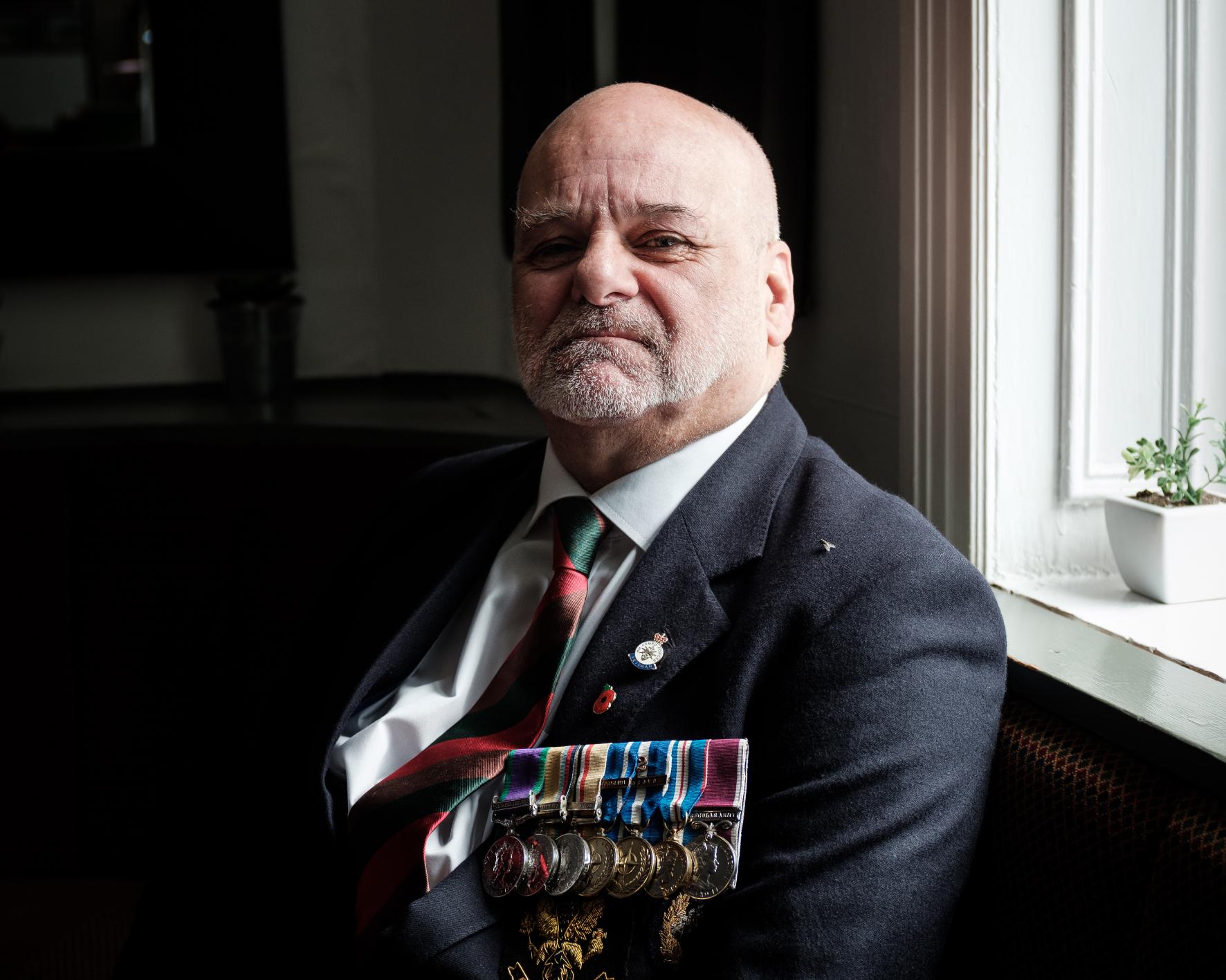
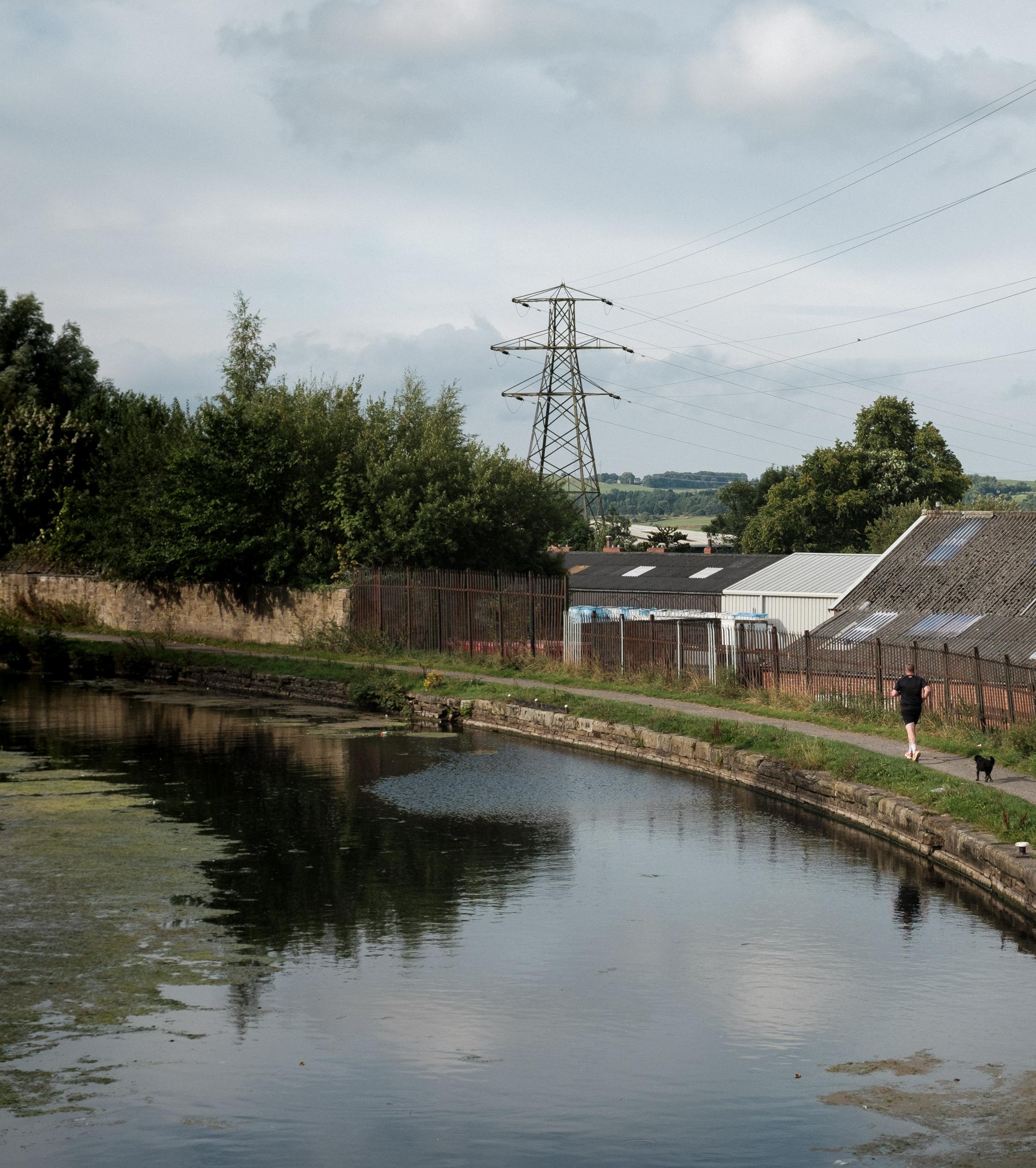
John Harrison
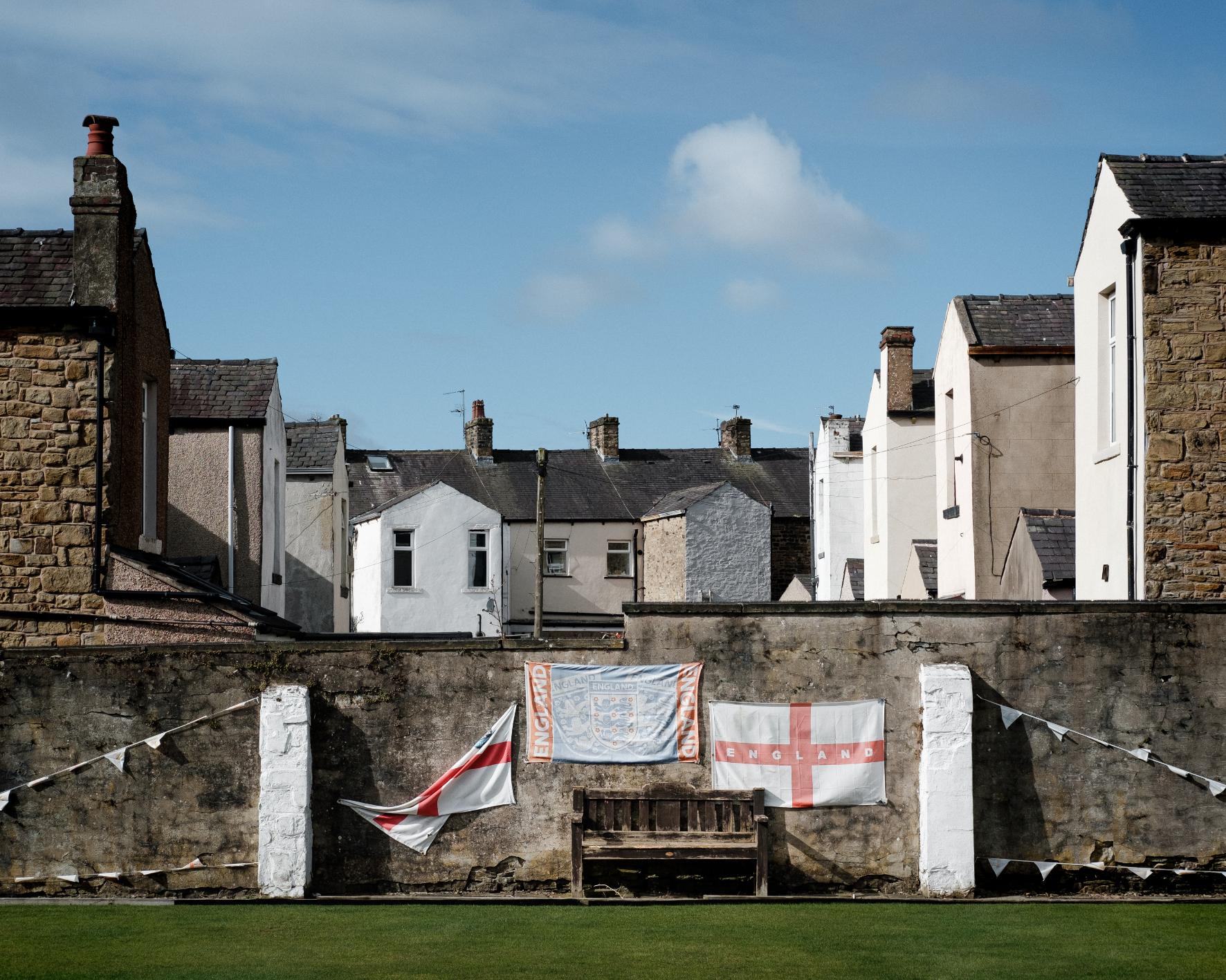
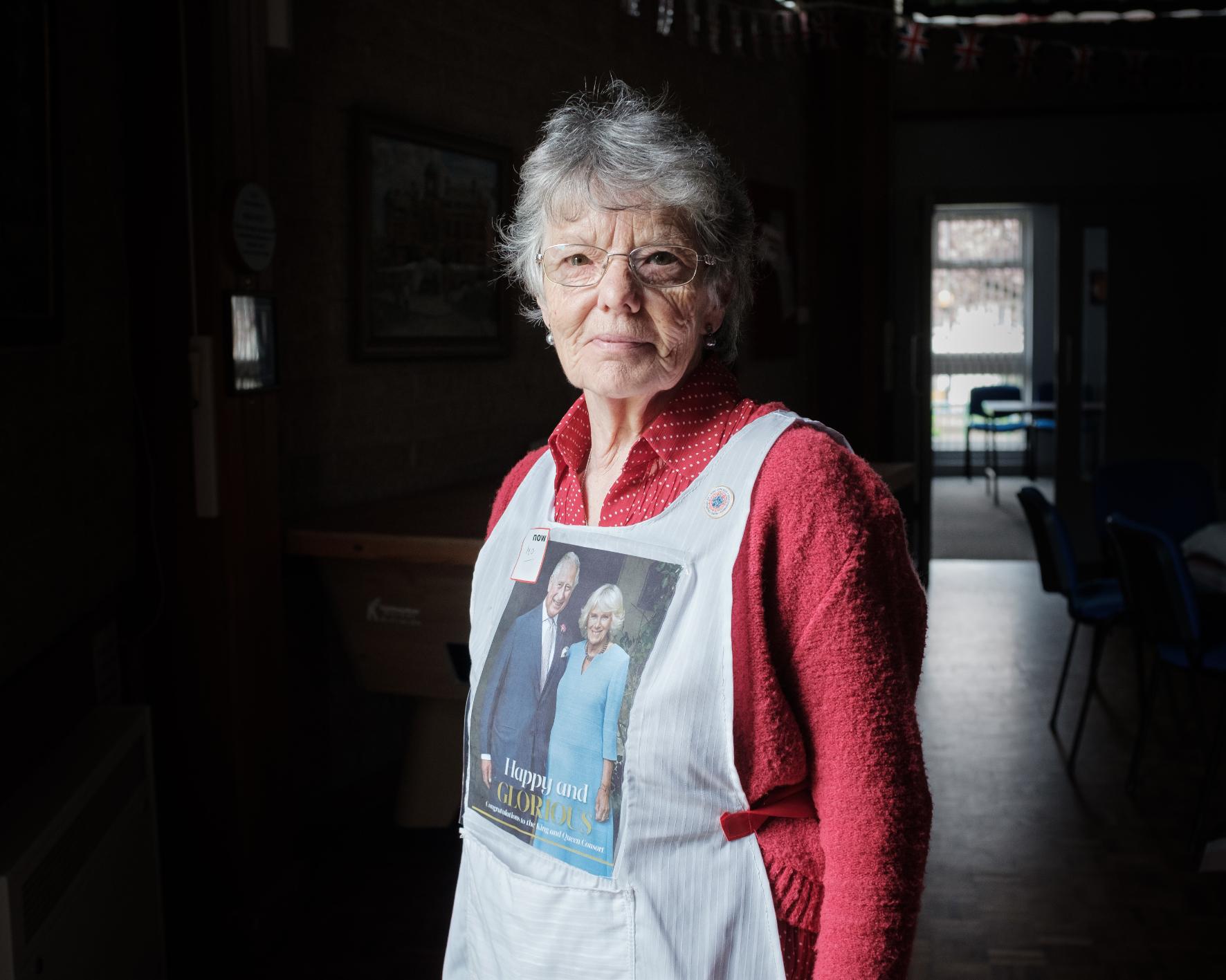
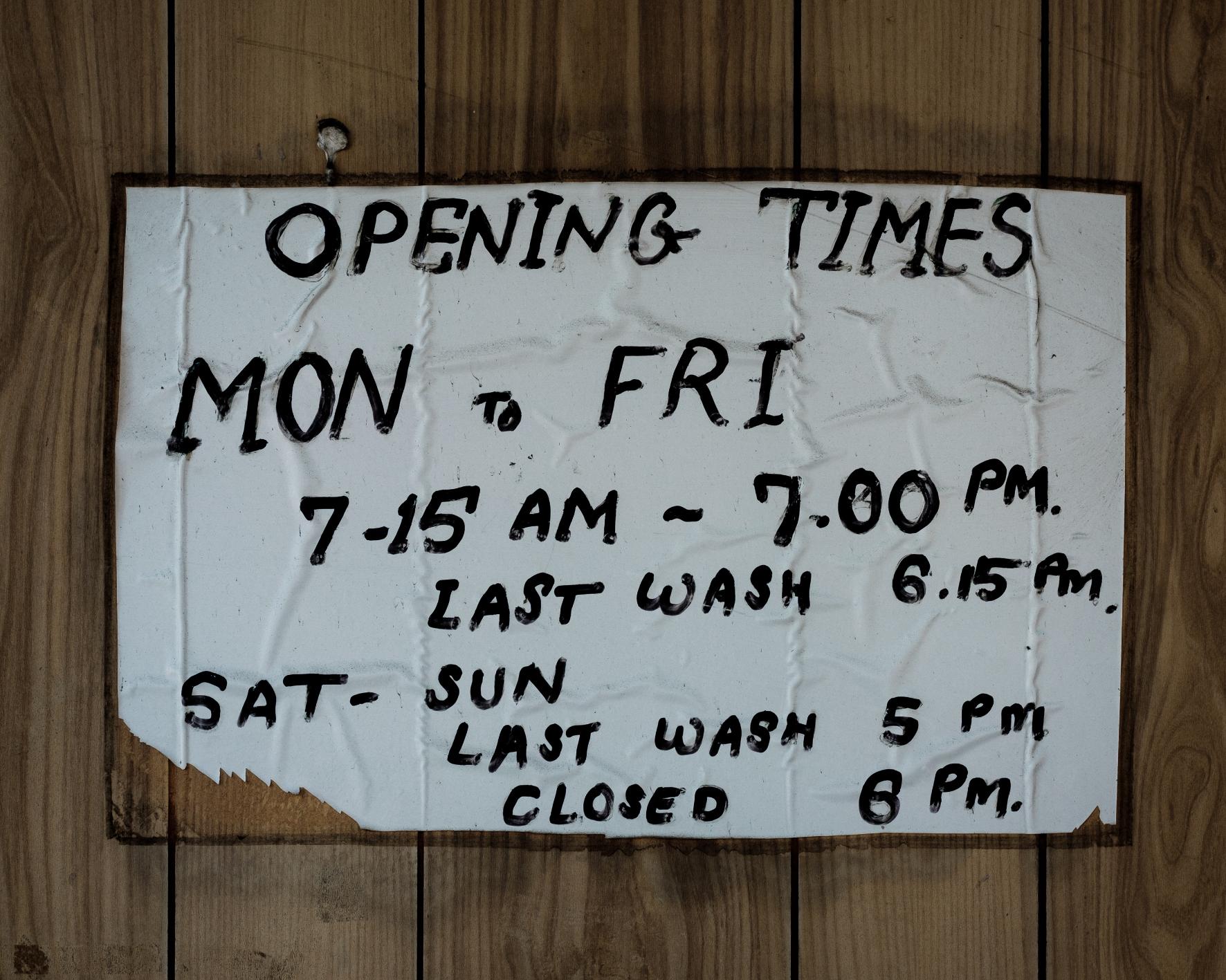
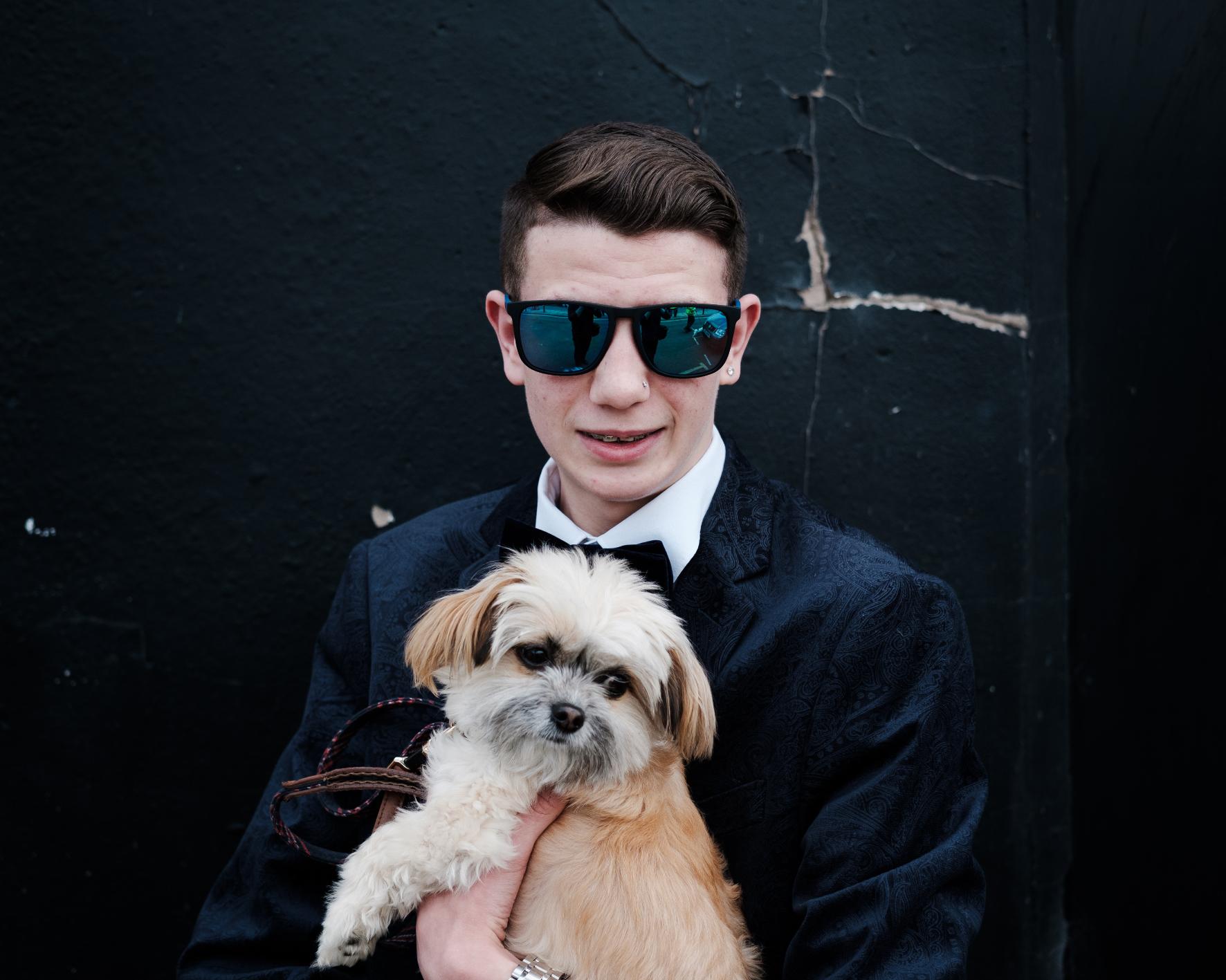
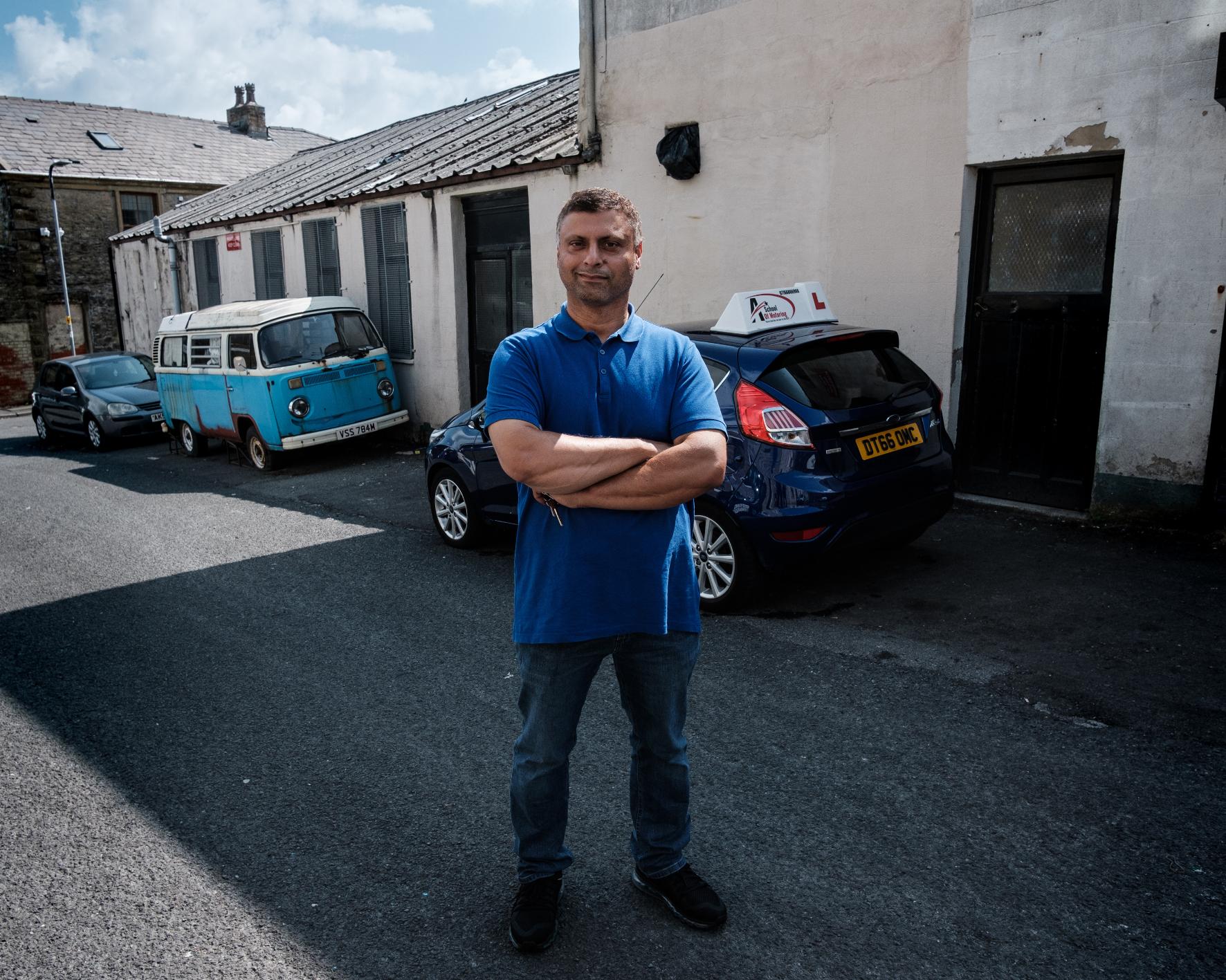
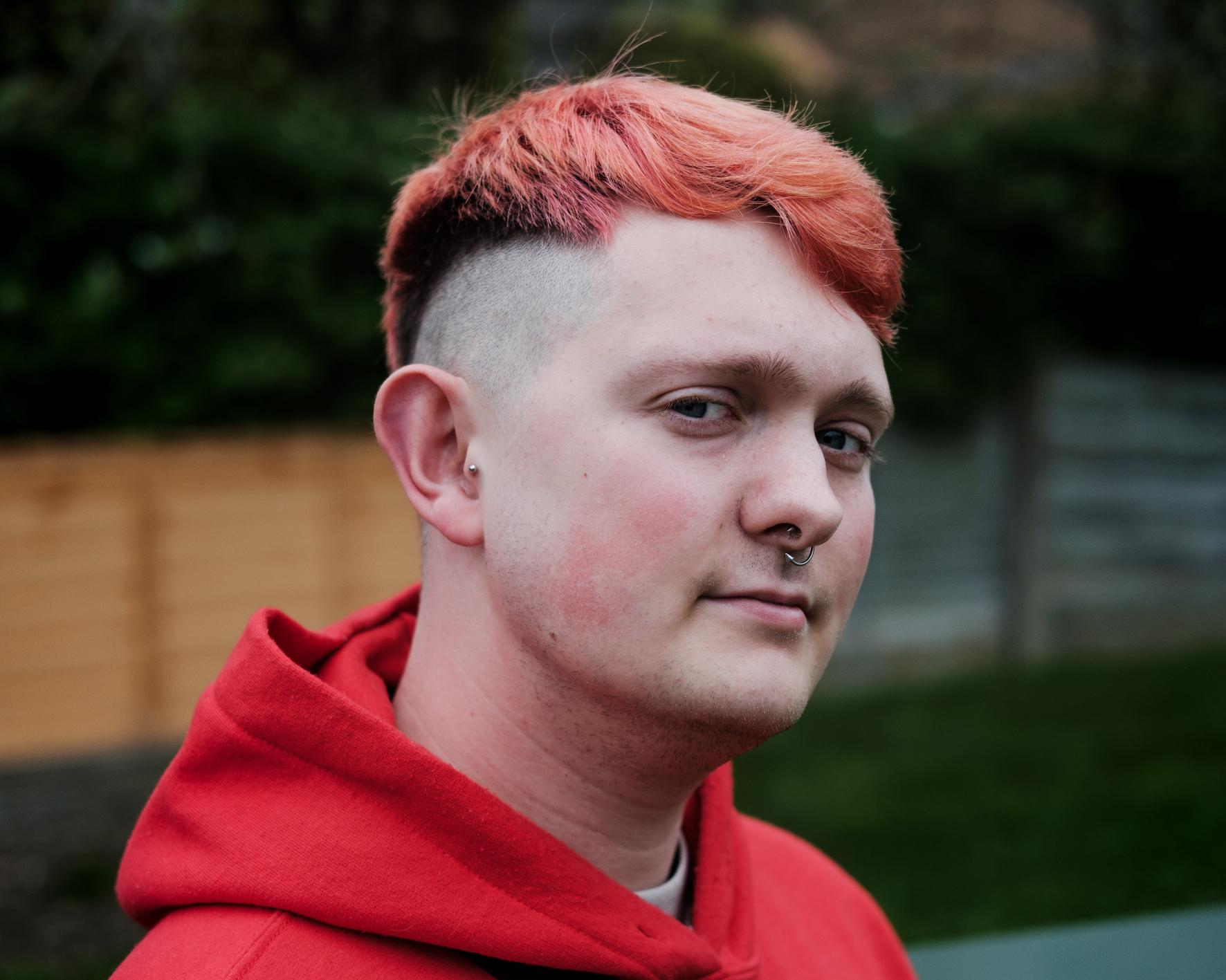
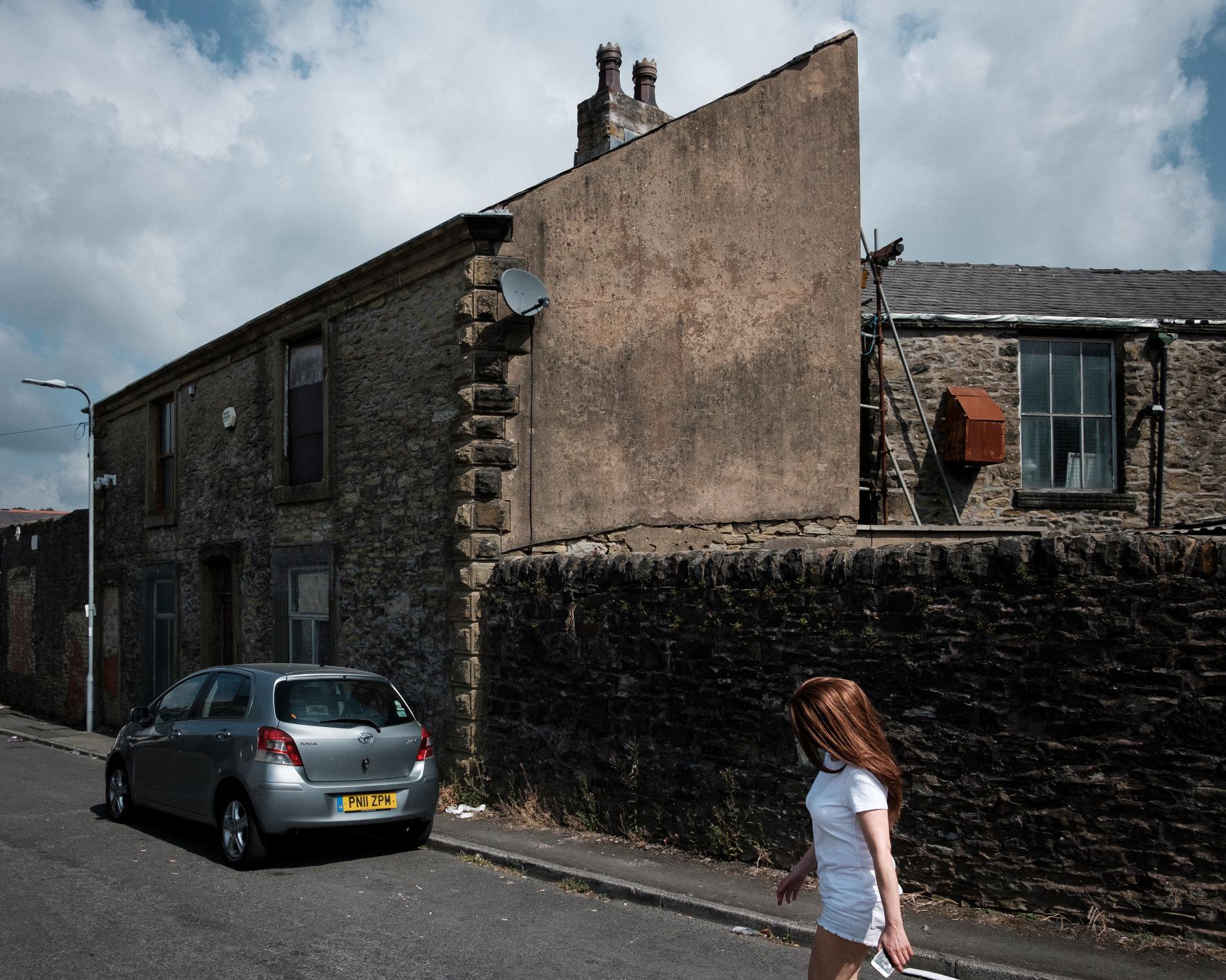
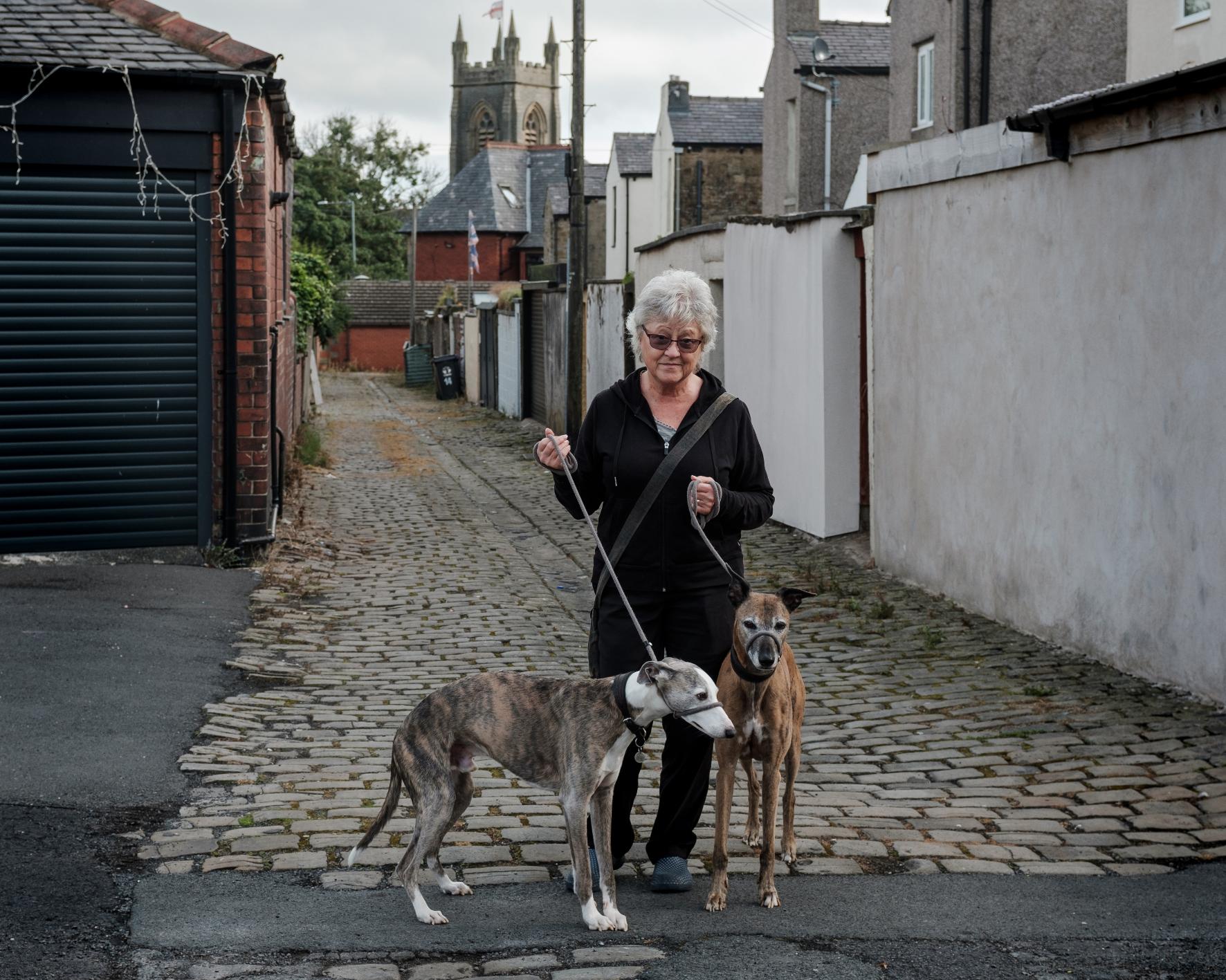
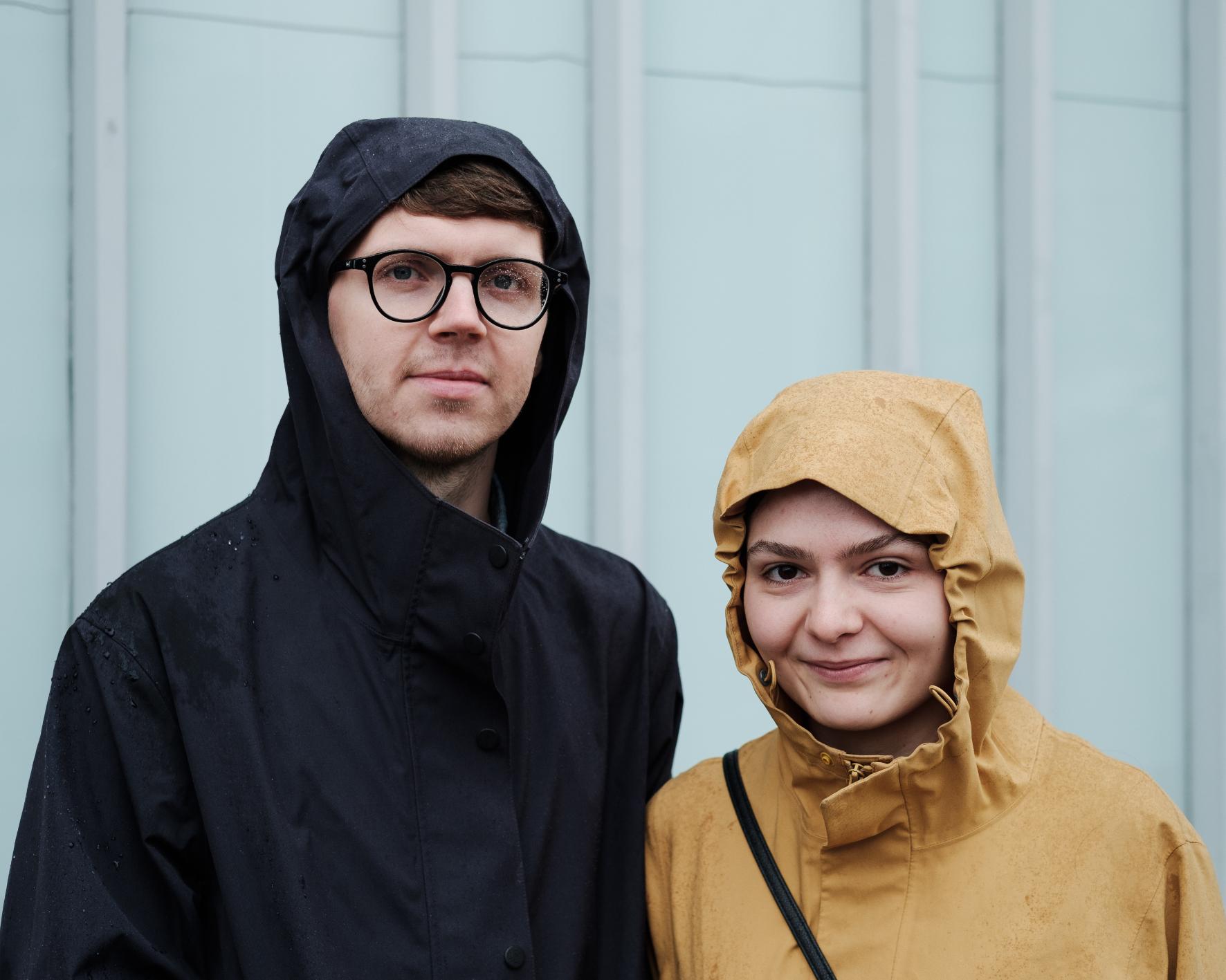
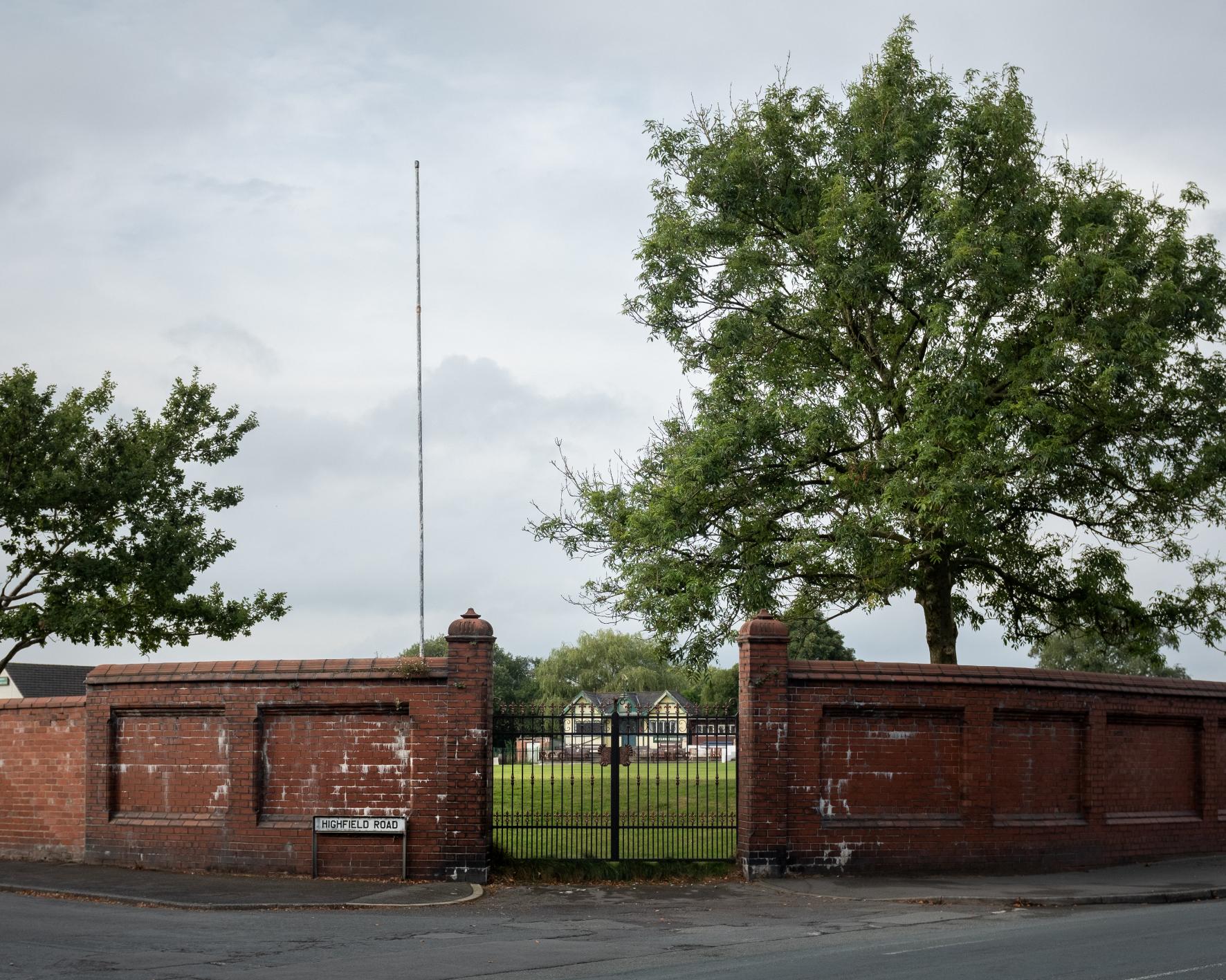
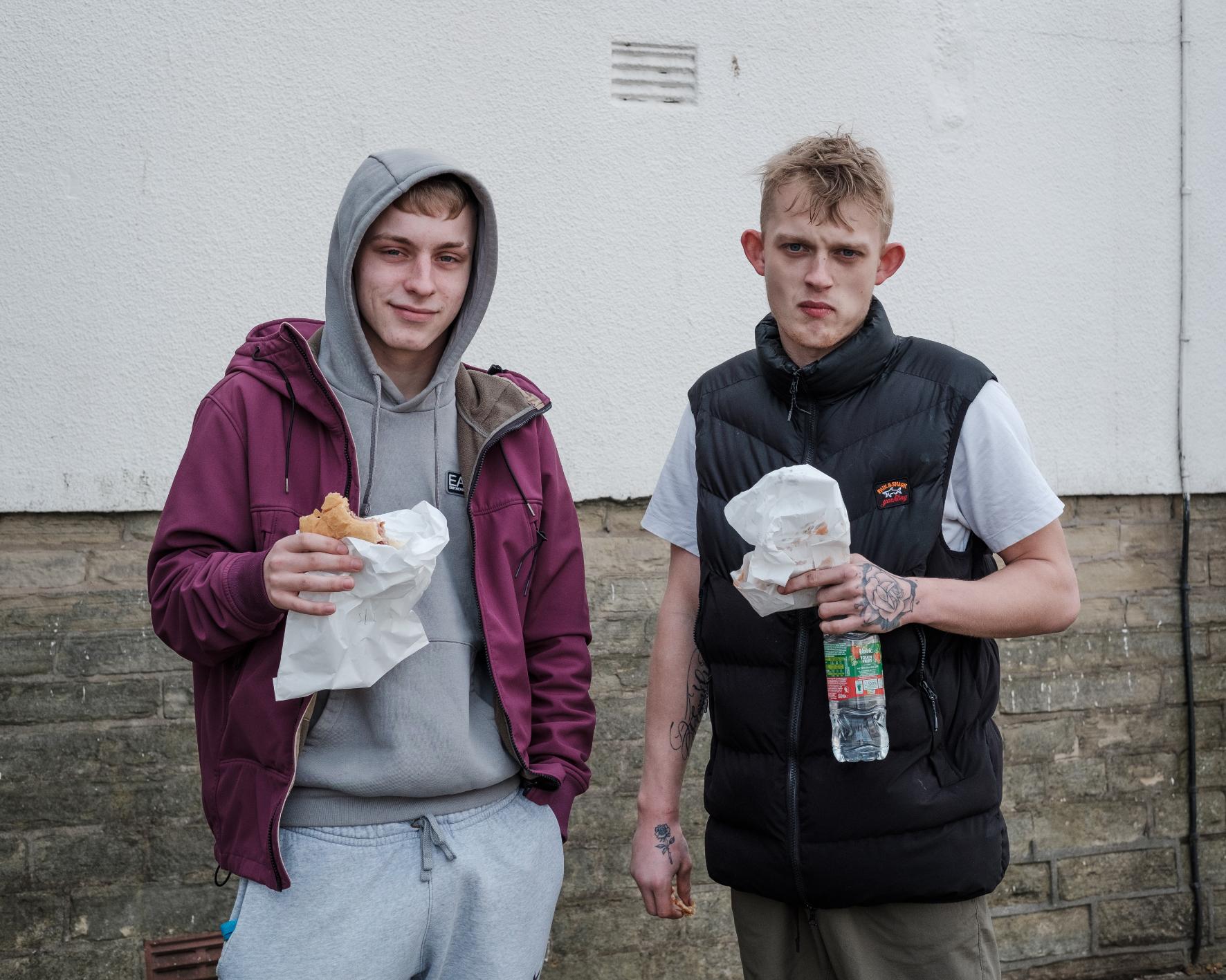
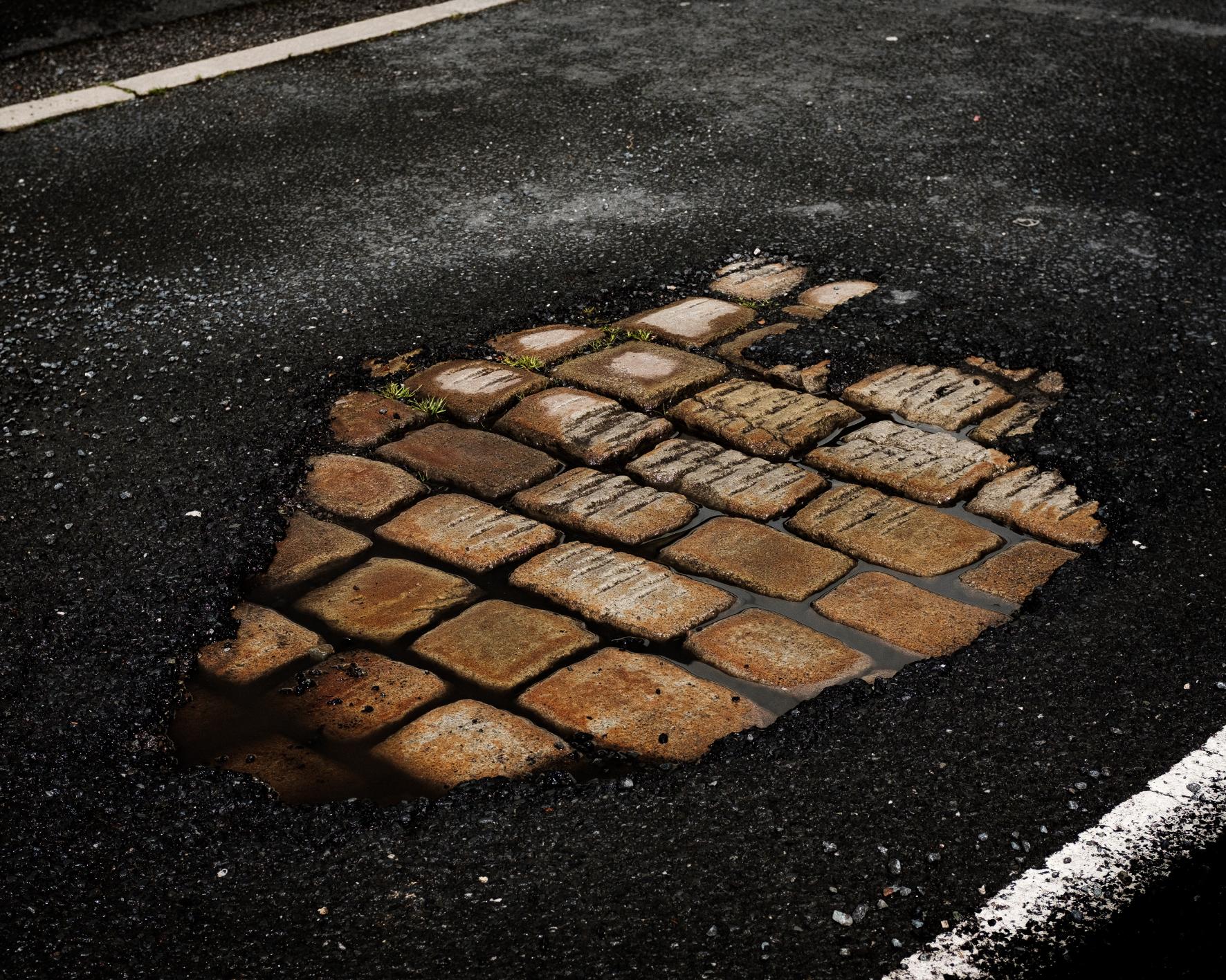
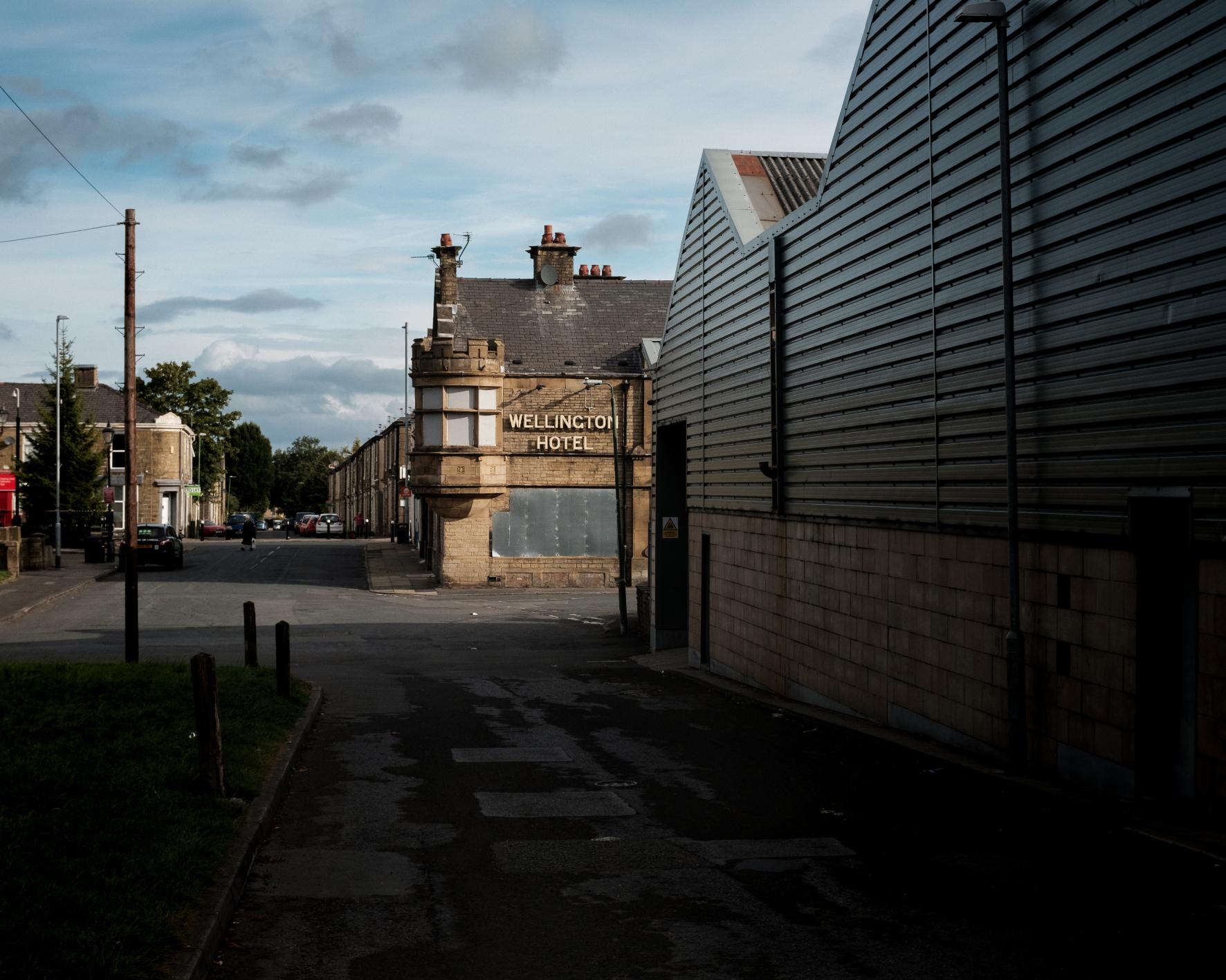
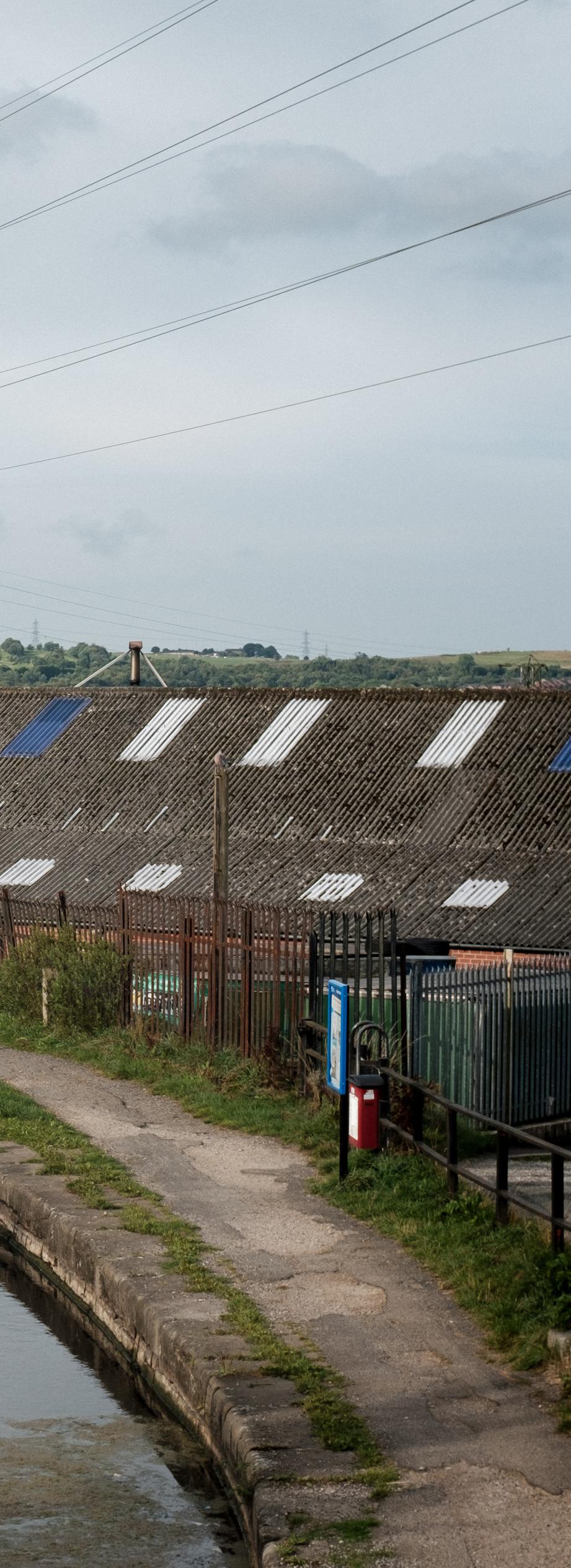
Bellwether is an ongoing portfolio of social documentary I’ve been making since 2020, developed within the Lancashire towns of Great Harwood, Rishton, and Clayton-le-Moors. The global pandemic, Brexit, and more recently a cost of living crisis, initially provided a wider context for the street photographs I would make, yet my work has become more intimate as I get closer to the communities I have since been making photographs of.
The portfolio of portraits, landscapes, and objects suggests a visual strategy more akin to a photo-essay, but I have attempted to portray these former mills towns in East Lancashire with a vibrancy of character often devoid in contemporary depictions of this part of the world.
My photographs are an attempt to recognise both historical and contemporary contexts in the UK north - for example, the indelible shadow of industrialisation - whilst communicating something of the resilience, character, and positivity of people here.
DM - What inspired you to explore the themes behind Bellwether, and how did the project first begin to take shape?
JH - That’s an interesting question. On the surface, my work is often prompted by social or political factors. In the case of Bellwether, I was driven by wanting to understand how smaller towns - those that might be suggestive of the greater population across the UK - were finding their way through challenging times. In 2021, when I first started thinking about this work, we’d had years of austerity, the EU referendum, and then we were completely unprepared for the Covid-19 pandemic that was tragic in so many ways. For all sorts of reasons, everything seemed fragmented, and things we’d relied on seemed lost. As people, we all seemed unsure, and even frightened. All around me, in these smaller towns across Lancashire, I could see the signs of struggle, but also of resilience. That was the context, the beginning. But, as with most photographers and artists, there was something personal too. Like many, during the lockdown I was suddenly afforded more time at home, more time with my family, more time in my local surroundings. And I was frustrated at not being able to connect with people on a fundamentally human level. So, as we emerged from the lockdown, I was hungry to reconnect, to talk to people, to make photographs ‘out there’ in the world. If there’s a directness or an energy about the photographs, or some positivity amongst the turbulence I’ve described that’s where I suppose it came from.
DM - Your series has a distinctive visual style. How did you approach balancing aesthetic choices with documentary integrity?
JH - There's an almost unlimited range of what people might define as documentary, influenced so much by early perceptions of photography as an objective medium. We know this to be fallible of course and, like all other mediums, it absorbs and can be manipulated by our intentions, prejudices, and feelings. You can trace the origin of documentary all the way back to photography’s invention, so it’s not new, and there’s been many styles, approaches, and subjects. But, being rooted in defining the world as we are learning it to be, or how we are experiencing it, that’s perhaps what connects all these approaches. For example, there’s a huge difference between the photography of John Thompson in the late 1800s and, say, Jim Mortram’s work
today. I’d say that, fundamentally, in these two very different cases it’s about the person who’s making that work, their position or perspective, how connected they are to the people they photograph, what they are trying to tell us about the world, and how they choose to work with the subjects of their photography. These are the things that, to me, define authorship and integrity in documentary photography. You can see that in Bellwether there’s a tendency for me to walk straight towards the subject. I’m trying to portray both the resilience of people here, but also the cracks that we’ve seen in towns like these across the country. I’m trying to be close, and to be direct in my observations. The UK isn’t on its own in confronting its changing role and influence in the world, but you can see it here in these towns - the past seeps through the tarmac, and the links to colonial and military histories seem indelible. And because of this, I’m trying not to look in from afar, or from an acute angle. Rather, I’m trying to give the viewer a sense of what it’s like here at this time, and how these communities wear their heart on their sleeve despite the challenges and the turbulence. And so, on a cold rainy morning, amongst the tightly packed terraced streets, I had to accept that I either photographed from a distance, or I had to walk straight towards people, explain what I was doing, and ask them if they would contribute. In places like New York, or London, you can make photographs up-close and personal, and most people won’t bat an eyelid. But here, in the narrow streets, out of the media’s eye, with the rain and the wind, people aren’t that forgiving about being photographed. So, I’ve worked hard to allow the viewer to get close to these amazing people - their smile or their frown, the buttons on their jacket or the medals on their chest. In that sense, the aesthetic of Bellwether as documentary photography is mostly a consequence of having to consider the best and most productive way of getting people involved.
DM - Were there any moments during the project that changed your understanding of the subject or the direction of the series?
JH - After each day I’d made photographs, I’d be critical in assessing them. Did the people I photographed seem nervous? Was there enough light on the subject to allow people to appreciate the colour of the streets and the town squares? There’s always so many questions when you are piecing together a story, and my early work was cautious, and lacked understanding. I suppose that the most significant development came once I’d figured out what I was trying to say. Then I could explain it, and then people suddenly seemed more interested and more relaxed about being photographed. I was also then more focussed on pinpointing the scene, people, places that reflected what I was trying to say. Once that happened, things seemed to click into place. Early in 2022, I photographed Bob at his allotment, where for many years he’d kept chickens and trained gun dogs. We talked for quite a long time, and I felt I really got to know him. A few weeks later, I visited his home to give him a print of the portrait we’d made. He was really excited to see it and loved that he had a photograph of himself on the plot of land where he spent so much time. As we talked in his garden, he called his wife over so that she could share in the moment. She took one look at the photograph and
said, “Look at the state of that!”, then walked straight back into the house. Bob laughed and so did I. In a way, it brought me back to earth - one photograph wouldn’t be enough to tell the story...there needed to be many more.
DM - How does being recognised by the RPS Documentary Photography Awards influence your perspective on this work and your broader photographic practice?
JH - It was a huge moment to be recognised in the RPS Documentary Photography Awards, and I’m really excited to see the work traveling across the UK in the touring exhibition in 2026. So many people that I respect, and whose work I admire, were either part of the judging panel, or were shortlisted themselves. Above all, to be connected to these practitioners through the process of the awards is really satisfying. I attended the awards ceremony, and I was on the call with all these amazing photographers, which in itself was a really positive experience. I’d encourage everyone who is thinking about submitting work to awards such as these to do so. I’ve entered so many over the last few years, but you are encouraged to reflect on your own work through the process of entering - having to write a summary of your photography, or having to caption your photographs is useful, especially when you are mid-way through a project. I think that being recognised this way has given me more self-belief. I knew that Bellwether was developing as a body of work, and I thought that the photographs spoke to a particular time in the UK, reflecting some of the strength and energy that are the backbone of communities in Lancashire. Being selected in the awards suggests that the judges could see this too. Overall, being recognised in the RPS Documentary Photography Awards has allowed me to see more clearly that what I set out to do was more achievable than I thought it was when I started out. This, again, is about self-belief, and I’m going to carry some of that confidence that into my current projects.
DM - What do you hope viewers take away from Bellwether, and what conversations or reflections do you hope it sparks?
JH - I think that’s the hardest question to answer. I’m not sure to be honest, because I’m conscious that once it’s out there, others will define what this work means to them, despite what it means to me. I hope the photographs tell viewers something about towns like this in North West England, about how they continue to thrive despite some very recent and significant challenges. I’d like for viewers to see a side of the north of England they may not have considered before. The colourful mixture of places and people. The amazing personalities that live amongst living-museums. Walled cricket grounds, and bowling greens set within fortress-like architecture - the remnants of an industrial age. Young people who eke out their own fashion and identity, away from the metropolises of Manchester and Liverpool. Older people who bring others together to celebrate, with a nostalgia for bygone times. And, of course given the context, the zeitgeist of fear that currently seems to dominate our communities and our politics, here in the UK.
RPS Documentary Photography Awards
Open Category
rps.org - Documentary Photography Awards
Faces of Genocide
Abdelrhman Alkahlout
Faces of Genocide: Gaza’s Silent Testimony. This project documents the ongoing genocide in Gaza through the silent testimony of civilians whose lives have been shattered by relentless violence. Each image reveals not only the visible destruction but also the profound human cost families displaced, children wounded, hospitals overwhelmed, and prayers carried out among ruins.
The series does not seek to sensationalize suffering, but to honour resilience and dignity in the face of systematic annihilation. It portrays how ordinary people endure the unendurable: searching for loved ones under rubble, carrying the weight of grief, and holding onto faith amiddevastation.
By focusing on faces and moments of raw humanity, this work aims to make visible the individuals behind statistics and headlines. It challenges the viewer to confront the reality that genocide is not an abstract concept but a lived experience unfolding daily for civilians in Gaza.
Through this narrative, the project offers a visual testimony against erasure. It asks: when the world turns its gaze away, who will remember these faces, these lives, these stories? The images stand as evidence, as resistance, and as a call for accountability an urgent reminder that the right to life and dignity belongs to all people, even in the darkest oftimes.
DM - What motivated you to undertake a project as emotionally and historically charged as Faces of Genocide, and how did you first begin shaping its narrative direction?
AA - Faces of Genocide was not a project I chose it was a responsibility born from living the reality of Gaza from the inside. I witnessed the destruction, lost people I love, and survived injuries while documenting the war. In those moments, the camera became my only way to protect these stories from disappearing. The narrative shaped itself through the path civilians were forced to take from the first airstrikes, to the chaos in hospitals, to displacement, loss, and finally the quiet strength of people praying and surviving among ruins. I didn’t create the story I lived it. My role was to preserve a truthful testimony of humanity under genocide.
DM - Your portraits carry a profound sense of presence and resilience. How did you approach building trust and creating space for the individuals you photographed to share their stories?
AA - Trust began with honesty and shared experience. Before I take any portrait, I live the same pain and reality as the people I photograph. I approach them not as an outsider, but as someone who has lost, feared, and survived beside them. I listen first, give them time and dignity, and never force a moment. The strength in the portraits is theirs; I only create the space for their truth to appear.
DM - Documenting trauma and its aftermath requires deep ethical consideration. What guiding principles helped you navigate the responsibilities of representation in this work?
AA - Ethics were the foundation of this entire project. When documenting trauma, my first principle is do no harm, the dignity and emotional safety of the people I photograph always come before the image. I never raise the camera without consent, and I never capture a moment that turns someone’s suffering into spectacle. My second principle is truth with respect. The stories I document are painful, but I present them with honesty and humanity, avoiding exaggeration or manipulation. The third guiding principle is shared humanity. I photograph people not as victims, but as individuals with strength, history, and identity. Ultimately, my
responsibility is not only to show what happened, but to protect the people who entrusted me with their stories.
DM - How does recognition from the RPS Documentary Photography Awards influence your thinking about the project’s future, and the audiences you hope it will reach?
AA - Recognition from the RPS Documentary Photography Awards strengthens the purpose of this project. It confirms that the stories from Gaza are reaching international audiences, and it pushes me to preserve and develop the work with even greater responsibility. This acknowledgment opens doors to new viewers, people who may not have seen the reality of genocide firsthand. My hope is that Faces of Genocide reaches institutions, educators, and future generations, so these stories are never forgotten. For me, the award is not an ending but a platform that amplifies the project’s voice and extends its impact.
DM - What do you hope viewers understand or reflect on when encountering Faces of Genocide, especially within the context of contemporary documentarypractice?
AA - I hope viewers understand that Faces of Genocide is not only a record of suffering, but a mirror of our shared humanity. In contemporary documentary practice where images are often consumed quickly and forgotten I want this work to slow people down, to make them feel the weight of each life, each story, each silence. I want viewers to see that genocide is not an abstract event; it is lived through faces, bodies, families, and moments that should never have existed. My hope is that the work challenges them to reflect on their own position what it means to witness, to acknowledge, and to respond. Ultimately, I want people to realise that documentary photography is not just about showing reality but about creating moral memory. If the project can stay with them, disturb them, move them, or change even one perception then it has fulfilled its purpose.
Memories of Dust Alex Bex
Memories of Dust is a documentary project exploring traditional masculinity in my home state of Texas.
In this series, I examine the cowboy, an important male figure shaped by popular culture, and its place in a fast-changing landscape. In a time marked by the resurgence of masculinist values in Western societies, it is essential to revisit classic representations of masculinity and highlight the impact of visual media on gender constructs. The cowboy remains a longstanding symbol of North America.
This hero of my childhood is still romanticized by popular culture as the “real man“: the strong silent type, lonesome, self-reliant, and emotionally distant. The myth of the cowboy has played a major part in defining an ideal of Western manhood.
As I travel across Texas and spend time on ranches and at rodeos, I immerse myself in the daily life of the local ranching community. I learn about the realities, routines, and hardships of the cowboy, and compare them to the conventions of the cultural myth. I aim to capture images that offer a more honest perspective of the rancher, moments among men that are rarely represented, yet important to normalize. By incorporating traditional visual codes and symbols of the Western narrative into my photographs, I present an alternative to common representations of the archetypal cowboy in order to explore the boundaries of this male stereotype. Through my project, I reflect on the romanticized male traits that shaped me and question the concept of manhood I grew up with.
By revisiting the narrative of an influential icon, I document my evolving relationship with masculinity to encourage meaningful conversations about its changing role.
DM - What first compelled you to explore the themes and landscapes that became Memories of Dust, and how did the project begin to take shape?
AB - I think masculinity is an important subject in our society, and I believe that questioning dominant male representations is part of my responsibility as a man and as a photographer. Growing up, movies such as Westerns and their strong male protagonists significantly influenced me, shaping my early perception of what a “real” man should be. While these portrayals can be inspiring, I now recognize how they can also be limiting or misleading, particularly for young people who identify with these heroes. Today, I am more drawn to images that approach the male hero from an emotional perspective. They opened my eyes to how traditional masculinity has historically been portrayed and to the role visual media artists play in shaping maleness.
As a man, I feel deeply connected to my emotions, something that I noticed was often absent from these male icons. For me, it became important to capture and revisit an aspect of masculinity that exists but still remains underrepresented. This led me to start a project about the realities of my childhood hero, the cowboy, which could examine the boundaries of this male stereotype. After a long period of research and travel around Texas, I was able to connect with ranchers who welcomed me and allowed me to photograph them in their day-to-day lives. I quickly realized that many of the cowboys I met were open to taking part in a documentary project about cowboy culture and manhood, and that a more honest and vulnerable side of them would eventually reveal itself over time.
DM - Your series feels both intimate and expansive. How did you navigate the balance between personal memory and broader social commentary?
AB - Even though it is a documentary, my series remains personal and closely intertwined with my identity. I was born to a Texan mother and a French father, grew up in Austin, and later moved with my family to Toulouse, France. I have always felt that a part of my Texan heritage had been sort of taken from me. Deep down, I know I wanted to reclaim that side of myself. Working on Memories of Dust allowed me to reconnect with where I’m from. While traveling in Texas, it was
both amazing and unsettling to realize how much I didn’t know about a culture I was supposedly raised in.
By documenting a specific demographic and approach to manhood, I explore the boundaries of traditional masculinity in contemporary culture. At the same time, I’m reclaiming a part of myself, something I wanted to be or something I could have become. Spending time on ranches allowed me to live the cowboy life, fulfilling one of my childhood dreams. In some way, it is a documentary series about my relationship with masculinity, in which I revisit the male traits that shaped me through each image I create. There’s a big part of me in the project, and I don’t think I could have made it without having a personal connection to it. But through this individual experience, it becomes a project that invites viewers to reflect on how masculinity can be constructed and how visual representations influencesociety.
DM - Were there any moments during the project where your understanding of the subject shifted in an unexpected way?
AB - In the ranching community of Texas, which is known to be more conservative, it was sometimes difficult for me to connect with other men. Many of the expectations I had about meeting and photographing cowboys on their ranches turned out to be true. But at certain times, a lot of these men confided in me. It made me realize that masculinity in this community is far more complex than the stoic, one-dimensional image we often see in popular culture. What touched me the most were the stories they shared with me. Many of the ranchers I met have lived difficult lives, and they carry a certain sadness that seems inseparable from both the work and the vast landscapes that surround them. For my project, I often interview the ranchers I meet and photograph, which also helps them open up to me. I then select quotes from these conversations that offer new perspectives on masculinity, which I then transcribe and arrange to provide narrative support for the photographs.
(Trigger warning / Suicide) One story, in particular, stayed with me. A rancher I spent time with spoke about his best friend of 40 years, who had taken his own life just a few weeks earlier. Diagnosed with cancer, he didn’t want to become a burden to his family, and he felt the illness had taken away the life he knew as a rancher. In his own words, “I’m not helping anybody. I can’t provide for anyone.” That story stayed with me because it revealed something deeply troubling about the pressures of masculinity, especially in a conservative environment. It made clear how societal expectations placed on men affect them profoundly, but also those around them.
DM - Winning the RPS Documentary Photography Awards is a significant milestone, how does this recognition influence your thinking about the series and your future work?
AB - I’m very grateful to have won the RPS Documentary Photography Awards. This recognition shows me that there is an interest in revealing new realities of
familiar subjects, and that documentary work can also be intimate, emotional, and introspective. It comforts me in the direction I’m taking with my upcoming projects, which will be more subjective and personal while remaining documentary in nature by capturing the zeitgeist of the moment.
DM - What do you hope viewers take away from Memories of Dust, especially when encountering it within a documentary context?
AB - It’s important to me that people understand there is no such thing as an objective documentary. That would be impossible, as we can’t show all aspects of the subject we explore. I hope viewers understand that this project, and the particular aspect of masculinity I am documenting, is not intended to further romanticize or promote so-called “traditional” men, but rather to comment on the historical representation of masculinity, whether in a documentary context or in Hollywood.
I believe that nothing is black or white; much of what has been portrayed in the past does exist, but the grey zones of who we are as humans are not represented enough. There are multiple truths and realities within a single story, and what is perceived through my photographs is only one part of it. The emotional perspective I present in Memories of Dust is one reality among many, but one that has historically been underrepresented within cowboy culture and mainstream portrayals of the classic male hero. This perspective is important to show, as I believe that, as visual artists, we need to revisit and offer a more honest representation of traditional male icons. One that can be better for society and for the changing role of masculinity.
Small Town Inertia
Jim
Mortram
An ongoing long 15 year (to date) amplification of a marginalised community’s testimony as they face the harsh realities of successive governments welfare policies, including Austerity in the East of England UK, made by a member of the community and unpaid carer.
“The Place Where I Used to Play…” is a deeply personal exploration of Dhaka, Bangladesh’s rapid urbanization, told through the transformation of Green Model Town—a neighbourhood central to my childhood. What was once a sanctuary of rivers, trees, and open fields was consumed by concrete. I remember swimming in the canal connected to the Balu River, gathering with friends under the shade of trees, and feeling a deep connection to nature and community. Today, that canal is a dry scar; the trees and open spaces have been replaced by schools, malls, and restaurants. Leisure, once free and communal, has become commodified; swimming requires a paid pool, gathering requires rented space. The very act of living has shifted from connection to transaction.
This local story reflects a global crisis. Bangladesh is projected to see over 56% of its population living in cities by 2050.While urban growth drives progress, it also brings profound loss: disappearing natural habitats, deteriorating well-being, and fractured community bonds. Conversations with residents reveal a collective grief—not just for the land, but for the culture of belonging it once nurtured.
For the past three years, I have documented this transformation, juxtaposing childhood memories with stark present realities. My work seeks to highlight not only what is being lost but also what this loss means for the future of our cities.
This project aims to contribute to a broader dialogue on balancing development with ecological preservation and human connection.
By telling Green Model Town’s story, I hope to raise awareness about the urgent need to reimagine urban spaces—not just in Dhaka, but globally—before we lose what makes them truly liveable.
DM - What sparked the idea for The Place Where I Used to Play, and how did revisiting these locations shape your understanding of memory and change?
JAA - The idea for The Place Where I Used to Play came from this mix of nostalgia and wonder - thinking about the streets, parks, and little corners of my childhood that are now gone or completely changed. Going back to these places was almost like stepping into a dream; some parts felt familiar, others unrecognizable. It made me realize how closely our memories are tied to physical spaces, and how quickly both can change. Revisiting them helped me understand that memory isn’t just about remembering - it’s about feeling, connecting, and sometimes grieving what’s been lost, even as life keeps moving forward.
DM - The series carries a strong emotional undercurrent. How did you balance personal reflection with the broader documentary narrative you wanted to convey?
JAA - For me, the personal and the documentary were always intertwined - my memories were the starting point, but they opened the door to bigger stories about change, urban development, and how communities experience loss. I tried to let my personal reflection guide the work without overpowering it, using my own experience as a lens to explore wider patterns. At the same time, I made sure to include voices, objects, and traces from the place itself, so the work could speak beyond me. It became a dialogue between memory and reality, personal and collective, nostalgia and transformation.
DM - As a student photographer, what were the most significant challenges or breakthroughs you encountered while creating such a personal body of work?
JAA - One of the biggest challenges was just being honest with myself. This project asked me to dig into my own memories and emotions, and sometimes that meant confronting feelings I hadn’t fully realized before. Balancing that personal vulnerability with creating something visually and narratively compelling was tricky. On top of that, financial limitations sometimes made it hard to move between locations, buy props, or experiment with creative shots. I managed by taking on some extra work to keep the project going. A breakthrough came when I realized that my emotional connection wasn’t a limitation - it was a strength.
Letting myself feel, pause, and reflect made the work richer, and every photograph, sound recording, or found object became a bridge between my memory and the audience’s experience.
DM - What does being recognised in the RPS Documentary Photography Awards mean to you at this stage in your development as a documentary storyteller?
JAA - Being recognized by the RPS Documentary Photography Awards at this stage feels really encouraging. It’s a reminder that the stories I care aboutpersonal, emotional, and connected to real-life change - resonate beyond just me. As a student and emerging documentary storyteller, it gives me confidence to keep experimenting, taking risks, and following projects that matter to me. It’s not just an award; it feels like a nod to the value of observing, listening, and preserving stories that might otherwise be overlooked.
DM - What conversations do you hope your project will spark about childhood spaces, loss, and the environments that shape who we become?
JAA - I hope the project sparks conversations about how the places we grow up in shape who we are, and what it feels like when those spaces disappear. Childhood spaces carry memories, imagination, and a sense of belonging, but rapid urban change often erases them without us noticing. I want people to reflect on their own experiences - on what we lose when our environments change, and how memory and emotion connect us to these spaces. Ultimately, I hope it encourages dialogue about valuing the environments that quietly shape our lives and identities.
Dumbiedykes
Ritchie Elder
The Dumbiedykes housing estate is uniquely situated beside Edinburgh’s Old Town and the Scottish Parliament. Built in the early 1960s on condemned tenement sites, Dumbiedykes stands in contrast to its affluent surroundings and continues to spark debate about social inequality in Edinburgh.
Both of my parents grew up on the estate. Although they moved away before I was born, my grandparents remained there, and we often visited. My childhood memories of the estate inspired me to return and document the area and its residents.
After more than twenty years away, revisiting Dumbiedykes challenged me to reconnect with a place that had shaped my early experiences.
DM - What inspired you to focus your documentary work on Dumbiedykes, and how did your relationship with the area shape the direction of the project?
RE - My parents both grew up and met on the Dumbiedykes estate. Although they moved away just before I was born, I often visited my grandparents, who still lived in the area. My visits stopped around the age of seven when my grandad passed away and my granny moved, but I held lots of positive memories of the area.
It was this personal connection that inspired me to return as an adult and document the area and its residents. After more than twenty years away, revisiting Dumbiedykes challenged me to reconnect with a place that had helped shape my early experiences.
DM - Your photographs reflect a strong sense of place and community. How did you approach capturing the everyday rhythms and identities of the people who live there?
RE - I would usually visit the estate after my college classes, though I often came away with nothing. With no shops or active community centres, it was often difficult to find people to engage with. Much of the project involved walking around the estate, photographing anything that caught my attention, and approaching residents when the opportunity arose.
Over time, I gradually gained the trust of several residents and was invited to take part in small community projects. Being transparent and clearly explaining my motivations for the work made a significant difference, particularly once I shared my personal connection to the area.
DM - As a student developing a substantial documentary series, what were some of the key learning moments or challenges you encountered along the way?
RE - One of the biggest challenges from the start was simply finding people to engage with. Cold-approaching residents can be an uncomfortable experience at times, and often the streets were empty. I had to take any opportunities that came my way, keep showing up, and not get too discouraged when things didn’t work out.
I think it's important to recognise that creating a meaningful body of work takes time but if your intentions are good and you’re genuinely invested in the project, things will start to fall into place.
DM - How does being recognised by the RPS Documentary Photography Awards influence your confidence and ambitions for future projects?
RE - Being recognised by the RPS Documentary Photography Awards has given me a huge confidence boost. Much of my past and present inspiration has come from projects recognised by the RPS, so to have my own work selected is a great feeling, especially as I move into photography as a career.
DM - What do you hope viewers understand about Dumbiedykes through your work, and why is this neighbourhood important to document at this moment in time?
RE - Although it wasn’t my initial intention with the project, it inevitably touched on socio-economic issues. While Dumbiedykes is situated next to the Scottish Parliament and the Old Town, there is a clear contrast in investment, housing quality, and public perception. My time with many of the residents I photographed highlighted some of the challenges faced by this community, and I hope the project can help bring attention to these issues.
The Sea Sustains Us
Tianxiao Wang
Lamalera, a village on the southern coast of Lembata Island, Indonesia, has upheld traditional whaling practices for centuries.
Settled since the 16th century, its people are devout Catholics who see the ocean’s bounty as a divine gift. Built on steep, rocky cliffs, the village offers few livelihood options—most men become Lamafa (whale hunters), while women often stay at home. Some families still practice bartering, but modern needs like food, fuel, and school supplies require cash. With jobs scarce and whale numbers declining, the community faces growing hardship.
The younger generation stands at a crossroads. Education and internet access have exposed them to the wider world, making city life increasingly attractive. Many elders now encourage youths to leave in search of opportunity, aware of whaling’s uncertain future. Yet, for many, the pull of tradition remains strong. They struggle between preserving their heritage and pursuing a different life.
Meanwhile, whaling faces mounting pressure—from environmental changes, conservation efforts, and global criticism. Some families have turned to fishing or tourism for income, but these alternatives often fall short. The village is caught in a fragile balance, trying to adapt while maintaining its identity.
Despite the challenges, Lamalera’s spirit endures. Its people’s resilience is seen in their faith, their deep bond with the sea, and their determination to protect their way of life. As waves crash against the cliffs, so too does the question linger—can this centuries-old tradition survive in the tide of modernity, or will it be washed away?
DM - What first drew you to explore the relationship between coastal communities and the sea, and how did The Sea Sustains Us begin as a project?
TW - “The Sea Sustains Us” began with my long-standing interest in how traditions survive in a rapidly modernising world. In 2024, while searching for a subject for my graduation project, I came across a report about Lamalera, a whaling village in Indonesia. The community has preserved a centuries-old hunting practice, deeply rooted in religion and collective memory.
I spent a month living in the village. Through early interviews, I realised that Lamalera is facing multiple pressures: climate change, modernisation, and the outflow of its younger generation. The most direct impact of climate change, as many locals told me, is the decreasing number of whales.
Because I was close in age to many of the young people in the village and spent most of my time with them the project naturally shifted towards a question that resonated deeply with me: how do individuals negotiate between tradition and the future at a time of immense transformation? While the younger generation is determined to preserve their ancestral skills, many elders hope they will leave the village for better opportunities. This generational tension became the emotional core of my work.
Ultimately, the project is not just about whaling. It is about how a coastal community continues to understand the sea, faith, and destiny amid forces far beyond their control.
DM - Your images convey both the beauty and precarity of life by the water. How did you approach capturing this duality in a way that feels authentic?
TW - To be honest, I was always aware that I did not belong to the village. I entered Lamalera as an outsider, and because of that, I felt a responsibility to spend as much time as possible communicating with people, living alongside them, and allowing them to gradually accept my presence. Building trust mattered far more to me than simply taking photographs.
This was especially important because I didn’t want viewers to look at my images with a sense of exotic curiosity. What I hoped to show was their genuine daily life and emotions rather than a narrative shaped by an outsider’s gaze. In that sense, the duality of beauty and precarity wasn’t something I tried to manufacture; it emerged naturally from being present in their everyday moments and observing their lives with honesty and respect.
DM - As a student photographer, what were the key challenges or discoveries you encountered while developing a long-form documentary series?
TW - One of the biggest challenges, without question, was financial. Long-form documentary work requires a significant amount of resources. For example, traveling from China to Indonesia took four separate flights. If I were a contracted photographer, perhaps those costs would be covered but as a student, everything had to come from my own pocket. Documentary work is very different from traveling and taking pictures; and as a graduation project, it felt like a once-in-alifetime opportunity. I wanted to treat it with the seriousness it deserved. There were also practical difficulties during the shoot. The water quality in the village wasn’t ideal, and by the second week I broke out in red rashes all over my body. But there wasn’t much I could do except continue working. The living conditions were also tough: the houses were simple, the rooms were drafty, and mosquitos could easily get in. With dengue fever present in the region, I had to be constantly vigilant.
But the discoveries and growth were far greater than the challenges. This was my first true long-form documentary project, and many aspects of it were completely new to me. After finishing the work, I realized how much I had learned from planning and shooting to editing, sequencing, and even managing the smallest details. I think this is one of the privileges of being a student photographer: you have the space to continually refine your methods, your visual language, and the way you engage with the world.
DM - How does being recognised in the RPS Documentary Photography Awards influence your confidence and direction as you move forward in your photographic practice?
TW - For me, this recognition is a very meaningful starting point. To be honest, it’s the first award I’ve ever received, and I’m genuinely happy to have my work acknowledged, especially by an international institution like the RPS. As a Chinese photographer, it’s not easy to receive a documentary photography award abroad, so I’m truly grateful.
This recognition has given me a great deal of confidence. At the same time, it reminds me to stay grounded and keep working with sincerity. Moving forward, I hope my future projects will prove that the RPS made the right choice. My goal is to continue improving and to keep pushing my practice in a deeper and more committed direction.
DM - What conversations or reflections do you hope your series will inspire in viewers, particularly around our changing relationship with the natural world?
TW - In today’s rapidly changing world, I don’t see tradition and modernity as simply opposing forces. Rather, they are two powers that continuously shape and tug at each other. Tradition is often seen as “something from the past,” yet in many communities, it continues to address everyday life, and serves as a source of identity, values, and emotional connection. Modern society with its opportunities, education, technology, and mobility constantly reshapes how people imagine their future.
In Lamalera, what struck me most was that tradition itself is not fragile; it is the people carrying it who feel increasingly conflicted. The younger generation wants to break free from intergenerational cycles and explore the wider world, yet at the same time, they struggle to fully let go of the sea, family, and cultural memory. The continuity and evolution of tradition happen through these deeply personal choices.
I believe tradition is not an “object” to be preserved or discarded, but a way of life that is continually reinterpreted as times change. Modernization brings challenges, but it also prompts us to rethink our cultural roots. For me, the value of documentary photography lies in capturing these subtle transformations as they unfold, showing how tradition continues to breathe and evolve within the gaps of modern life.
The Documentary Group Online
The documentary group has a presence on the following platforms, come and join in the conversation. We understand that not everyone has a social media profile or wants to create one. That’s why all our profiles are public and can be viewed by everyone, no matter whether you have an account or not. This means you will be able to view all our posts and book on to ticketed events. Checking our RPS page and searching for events is still a good way to keep informed with all that is happening in the Documentary group. If you have any questions you can always e-mail us – all our contact details are listed there.
Facebook
Facebook Page - facebook.com/rpsdocumentary
Our public Facebook page highlights projects and events related to Documentary photography.
Facebook Group - facebook.com/groups/RPSDVJ
We also have a closed group Facebook page, exclusively for our members. If you want to join us there, you can share your pictures with us, ask for advice, and engage with our online community.
Instagram @rpsdoc
Instagram is an image-based social media platform, so think of our profile as of an online gallery. If you follow us there, you can see pictures from our competition winners, DM contributors and members along with invitations to events and images from these occasions. Instagram is the place where we want to promote the work of our group and our members to the wider public and encourage them to follow and engage with our projects.
Flickr
Royal Photographic Society - Documentary Group
Documentary Group members run an active group on Flickr with plenty of images and the opportunity to discuss them with the group.
rps.org/documentary
Contact: docweb@rps.org
X
@rpsdoc
Our X/Twitter page is for short important updates such as events, exhibitions, call for entries or other announcements. If you do not have much time for scrolling on social media but still want to be in on the action, we recommend you to follow us there. We promise we’ll be short and concise.
Issuu
Issuu.com - Documentary Group, Royal Photographic Society
The Decisive Moment is published on the Issuu platform where you can read each edition online or download pdfs to read offline. Please follow the Documentary Group in Issuu and use the buttons to like and share your favourite editions or individual features - it really helps support the Documentary Group.
Website rps.org/documentary
The Documentary Special Interest Group has a section on The Royal Photographic Society website. Here you can learn more about the group, hear about recent news and future events and access an increasing number of documentary photography resources.
Documentary is about developing a narrative or story using images. Our Documentary Group members have a common interest in documentary, urban and street, photography. The group offers a lively events programme, a regular e-journal and the opportunity to participate in other photographic initiatives.
Documentary photography communicates a clear narrative through visual literacy. It can be applied to social, cultural, historical and political events.
Documentary photographers’ work always has an intent; whether that is to represent daily life, explore a specific subject, deepen our thinking, or influence our opinions. rps.org/documentary
Members form a dynamic and diverse group of photographers globally who share a common interest in documentary and street photography.
We welcome photographers of all skill levels and offer members a diverse programme of workshops, photoshoots, longer-term projects, exhibitions, an online journal and newsletter and the RPS Documentary Photography Award (DPA).
Some longer-term collaborative projects are in the pipeline for the future. We have a active membership who participate in regional meetings, regular competitions and exchange ideas online through our social media groups.
The Documentary Group is always keen to expand its activities and relies on ideas and volunteer input from its members.
If you’re not a member come and join us. Find us on the RPS website at: rps.org/documentary
rps.org/documentary
Martin Parr with Mark Phillips - Photo David Fletcher