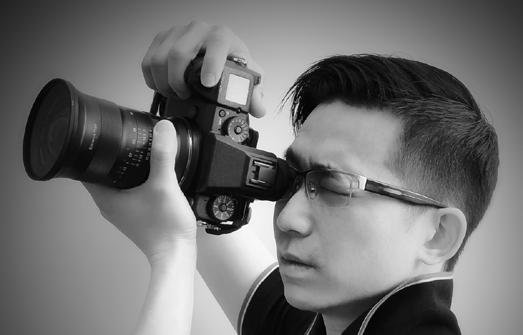
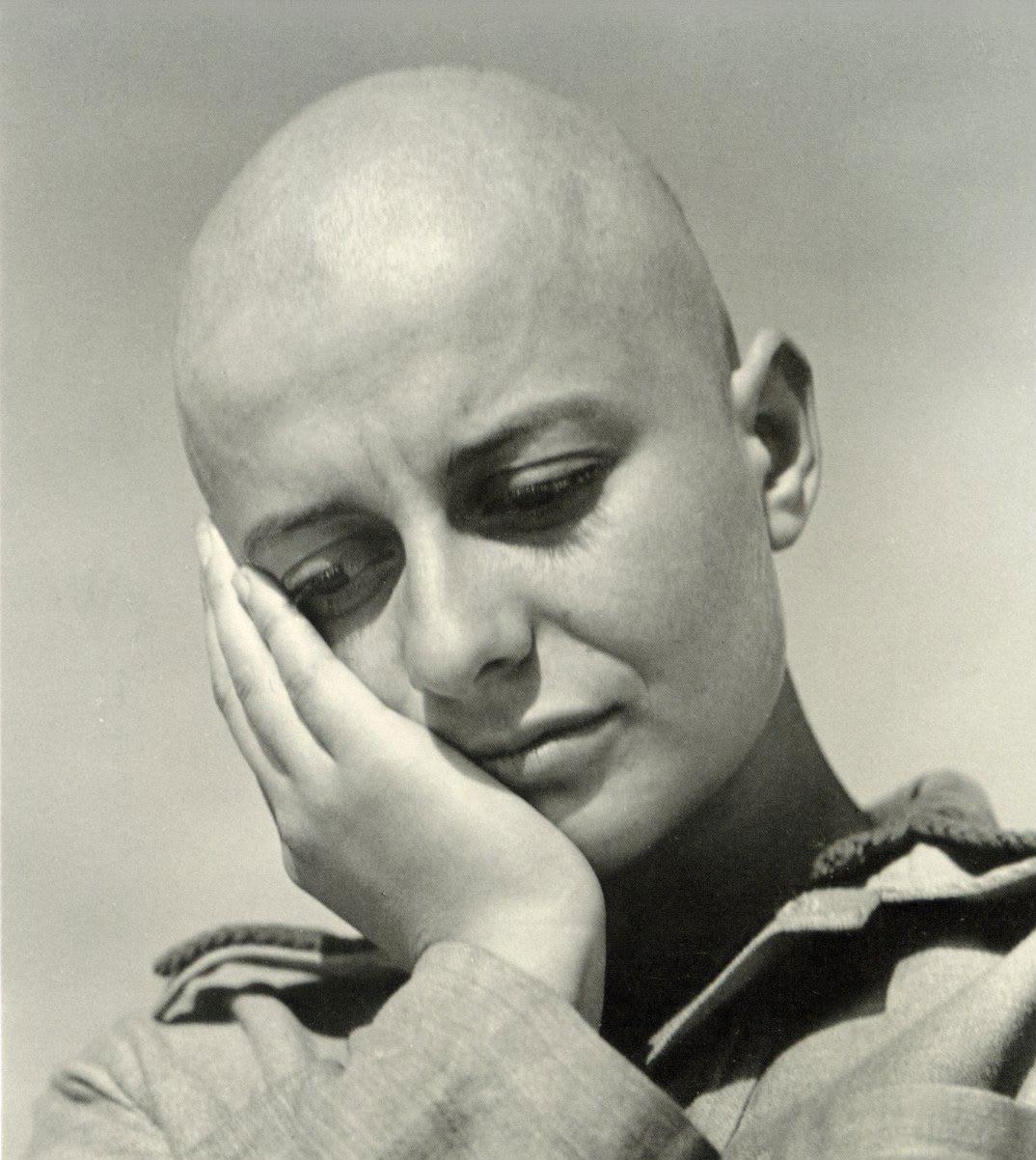
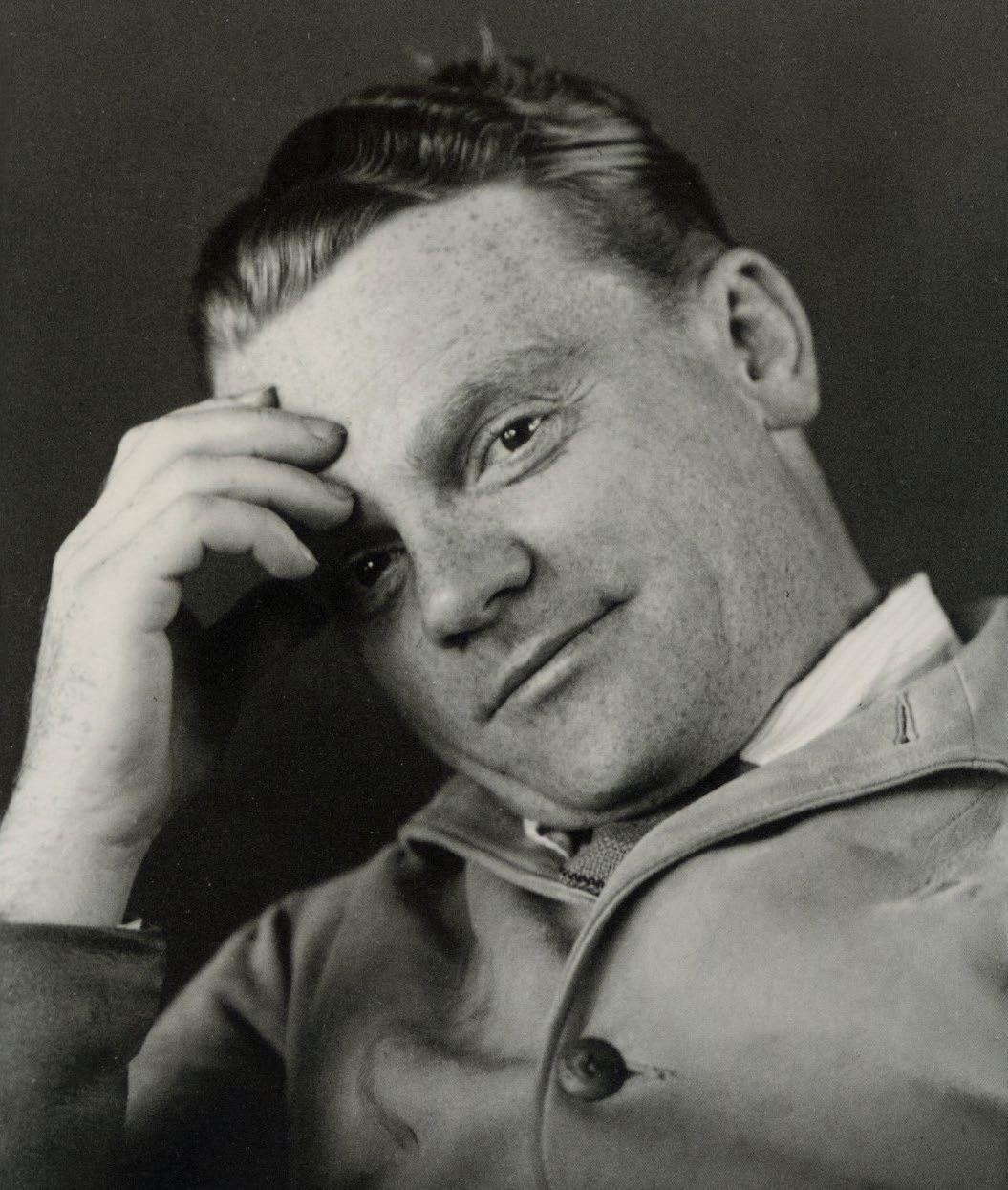
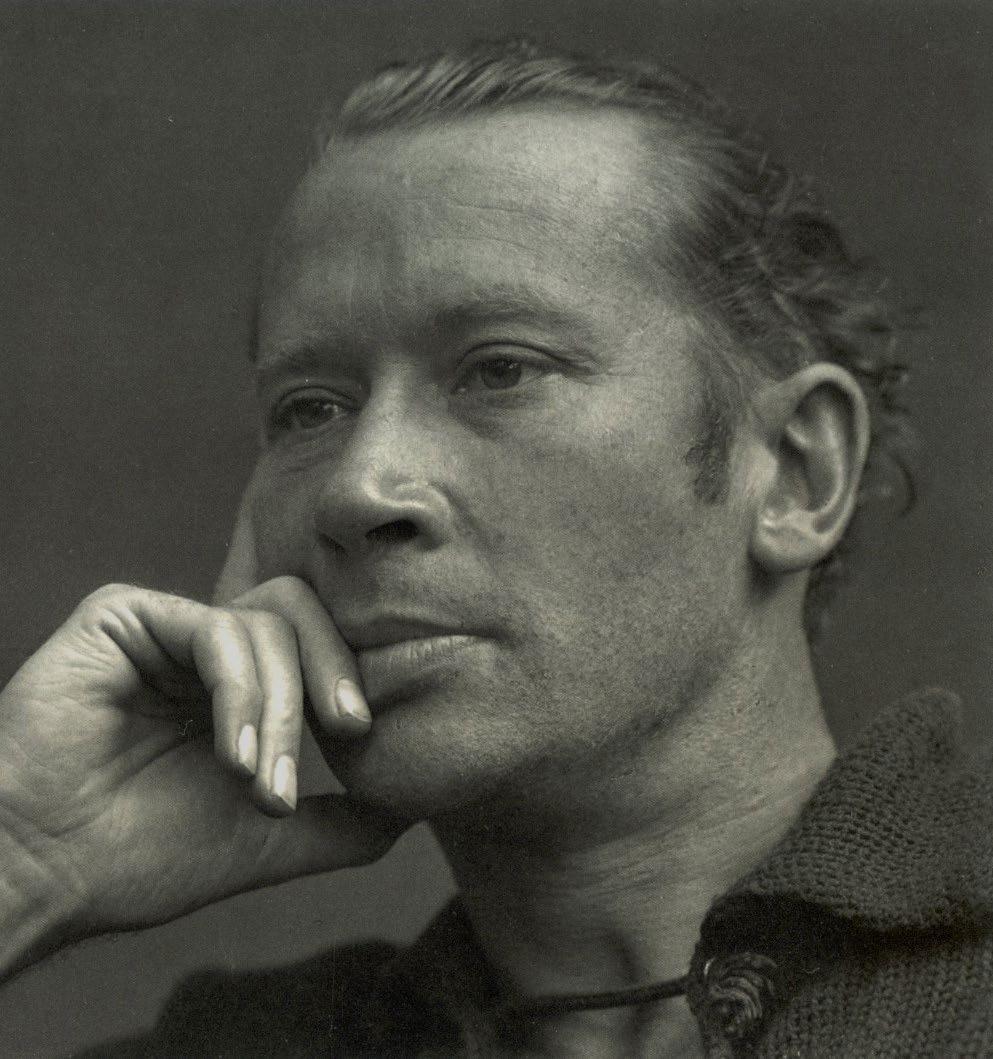
Honorary Secretary: Jacky Lee PFIAP JAPJA E: australiasecretary@rps.org
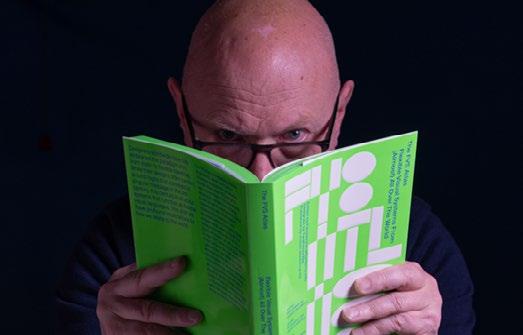
Newsletter Editor: Ian Brown E: australia@rps.org
You can flick through from page to page, or navigate straight to articles by clicking the article button, then return to the contents page by clicking the footer. Page 32
Page 5 What’s going on – News of upcoming events and talks
Page 36 Pondering Pollard 30: ‘Weston’s Westons
From your Secretary
Jacky Lee PFIAP JAPJA
Honorary Secretary Australian Chapter
Winter has well and truly arrived, and with it the quiet beauty this season brings to our photography. As the cold settles in, please keep warm, and for those of you living where the snow falls, I would especially love to see what winter looks like through your lens.
June also brings a run of meaningful days. Here in the ACT, 1 June was Reconciliation Day, a time to reflect on the shared histories and cultures of Aboriginal and Torres Strait Islander peoples. If you photographed any of the events, or found a quieter way to mark the occasion closer to home, I would love for you to share an image or two with the Chapter.
Then on 8 June, most of us across New South Wales, Victoria, the ACT, South Australia, Tasmania and the Northern Territory marked the King's Birthday, with our friends in Queensland and Western Australia celebrating later in the year. It made me wonder how you mark your own birthdays, so if a frame of yours captures a happy moment, please send it along.
Sharing work like this is exactly what brings us together, and on the Chapter front there is plenty taking shape. Our proposed photography competition is still awaiting clearance from Headquarters, and we remain hopeful it will be the first one held later this year. Alongside it, the Chartered Photographer pathway continues to draw genuine interest, and we received our first enquiry this month. I wish our member every success, and hope it encourages others to consider whether the designation might suit their own journey.
In the meantime, there is no shortage of opportunity elsewhere. For those drawn to conceptual work, the Mullins Conceptual Photography Prize 2026, closes at midnight on 12 June, with a cash prize of $30,000. Do take a look if it speaks to you.
Much of what makes this Chapter special, though, comes down to connection. This month we made initial contact with the Photographic Society of New Zealand to explore how our two communities might share news and support one another. If you have RPS friends living in New Zealand, please let them know they are warmly welcome to join the Australian Chapter. It is as simple as changing the "region" field on the profile page of the RPS portal, and from then on they will receive our news. As there is no individual Chapter in New Zealand yet, we would love to keep these connections alive.
Closer to home, I am delighted to announce our first State Representatives. Rosalie Dolan will represent Queensland, Malcolm Thornton will represent Victoria, and I will be looking after the ACT myself. In time, our Representatives may organise photo chats and photo walks, whether in person or online, to help members connect within their own state. If you live elsewhere and would like to take on this role, please do get in touch. And our circle continues to grow, so a very warm welcome to our newest member, Claire Filson. We are so glad to have you with us, and the Chapter now numbers 69 members.
On a personal note, I was lucky enough to visit Vivid recently and came away inspired. And looking ahead, as we continue our 40th anniversary year, my heartfelt thanks go to Elaine, who has kept all our previous newsletters. We hope to compile a special edition to celebrate, and I would love to know what this milestone means to you.
Until next month, wrap up warm, and I look forward to seeing your frames.
Welcome from the Editor
Ian Brown
Editor, Australian Chapter
I was wondering why I hadn’t heard from anyone about the Lightroom online lessons I advertised in last month’s Newsletter. Well, now I know the reason. The email address was incorrect. I’ve corrected the address and changed the dates. The first one will now be the first Tuesday next month. Apologies to anyone who tried to email and register their interest.
Thanks to our contributors this month. As always, there are some excellent images and informative articles.
Next month, we will launch a series called Members of distinction. In the series, Jacky will be conducting interviews with members who have attained a distinction to learn more about them and their experience attaining their distinctions. If you’d like to be a part of the series, let myself or Jacky know.
Thanks to Tony Healy for his article on the Vivid festival in Sydney. If anyone has visited Vivid this year, please send through your images, and we can include them in next month’s issue.
Thanks also to Simon Locke for his article, to Palli for his images and as always to Robin Williams for Pondering Pollard.
Specifications for contributors
When sending images for the Newsletter, the only requirement is that they are jpeg or png. Images can be 300 ppi and up to A4. Don’t forget you can also add captions for your images. If you don’t include a caption, we’ll assume you don’t need one.
Introduction to Lightroom online tutorials
I’m please to announce that I will be running a series of online tutorials on Adobe Lightroom.
There will be four tutorials for beginners, I’ll introduce the interface, how to import images, create image file structures and work through to editing and exporting images.
The first one will be 14 July 7:00-8:30 pm, and will continue on the second Tuesday for four months. Each session will have demonstrations and time for questions.
Email me at australia@rps.org and I will send you a link to the session.
Email images to australia@rps.org and keep those pixels and captions coming in! For non-image files (e.g. PDFs), under 5 MB is preferred and never 10 MB or more. If your images are too big to email, I have created a Dropbox folder you can upload your images to. Email me for permission, and I’ll grant access to the folder. I will need to delete your images once I have downloaded them.
Deadline for contributions to the next issue is 30 June 2026.
What’s going on?
A look around at what’s on in the Society, just in case you missed it.
Historical Group: Alfred Buckham: Daredevil Photographer
7 July 18:00 BST
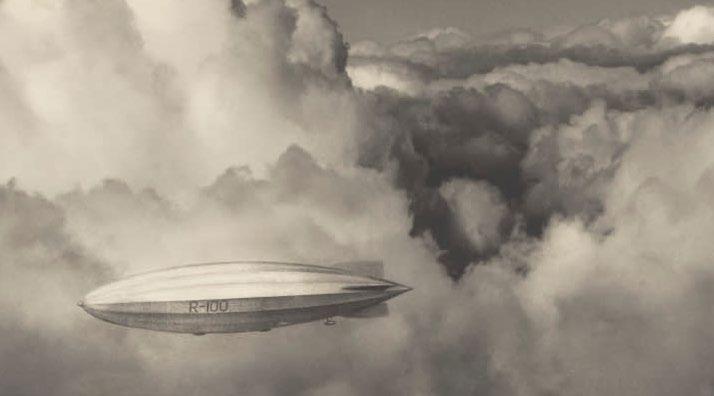
As part of the RPS Historical Group's series of talks looking at historical collections of photography, photographic archives, and those working historical and alternative processes this talk looks at the work of Alfred Buckham FRPS with Louise Pearson, curator of the recent exhibition at the Scottish National Portrait Gallery.
To book tickets click here.
Iain McFadyen ARPS, DPAGB, EFIAP/G – Deep Space
9 July 19:00 GMT
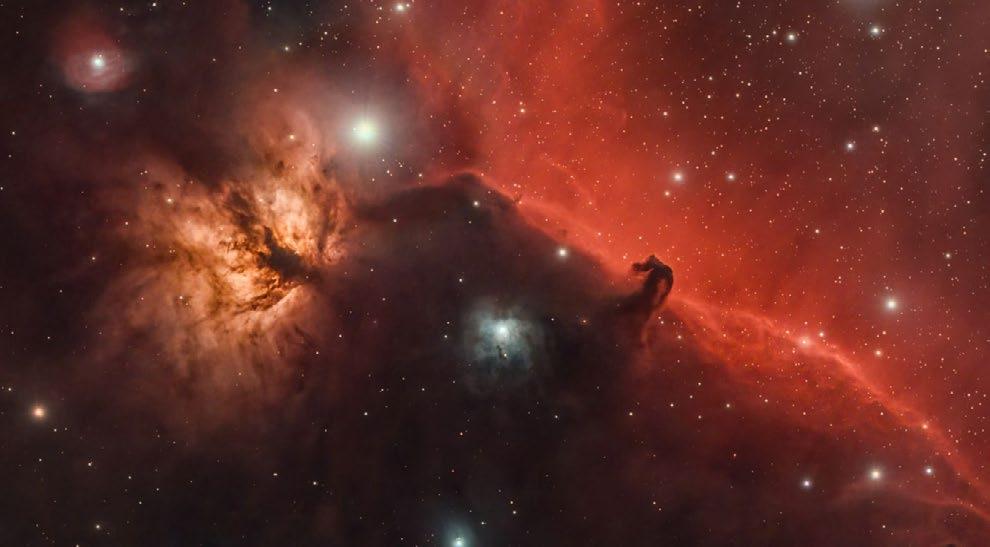
My talk is on deep space astrophotography where I aim to show the hidden wonders of the universe. I will be discussing nebulae, stars, distant galaxies, comets and solar system objects. I will also cover imaging methods, narrowband and broadband imaging, how to find your way around the night sky, types of telescopes, cameras and mounts required. I will demonstrate and explain how to process these images using free software. Find out more here.
Vivid memories
Images by Tony Healy ARPS – Words by Ian Brown
Last month Jacky asked if anyone would be attending Vivid Festival in Sydney this year. Tony Healy ARPS has sent a series of images he has taken at Vivid over the years. For those who don’t know anything about Vivid, I’ve added a brief outline of the event and some of the recent features to help put Tony’s images into context.
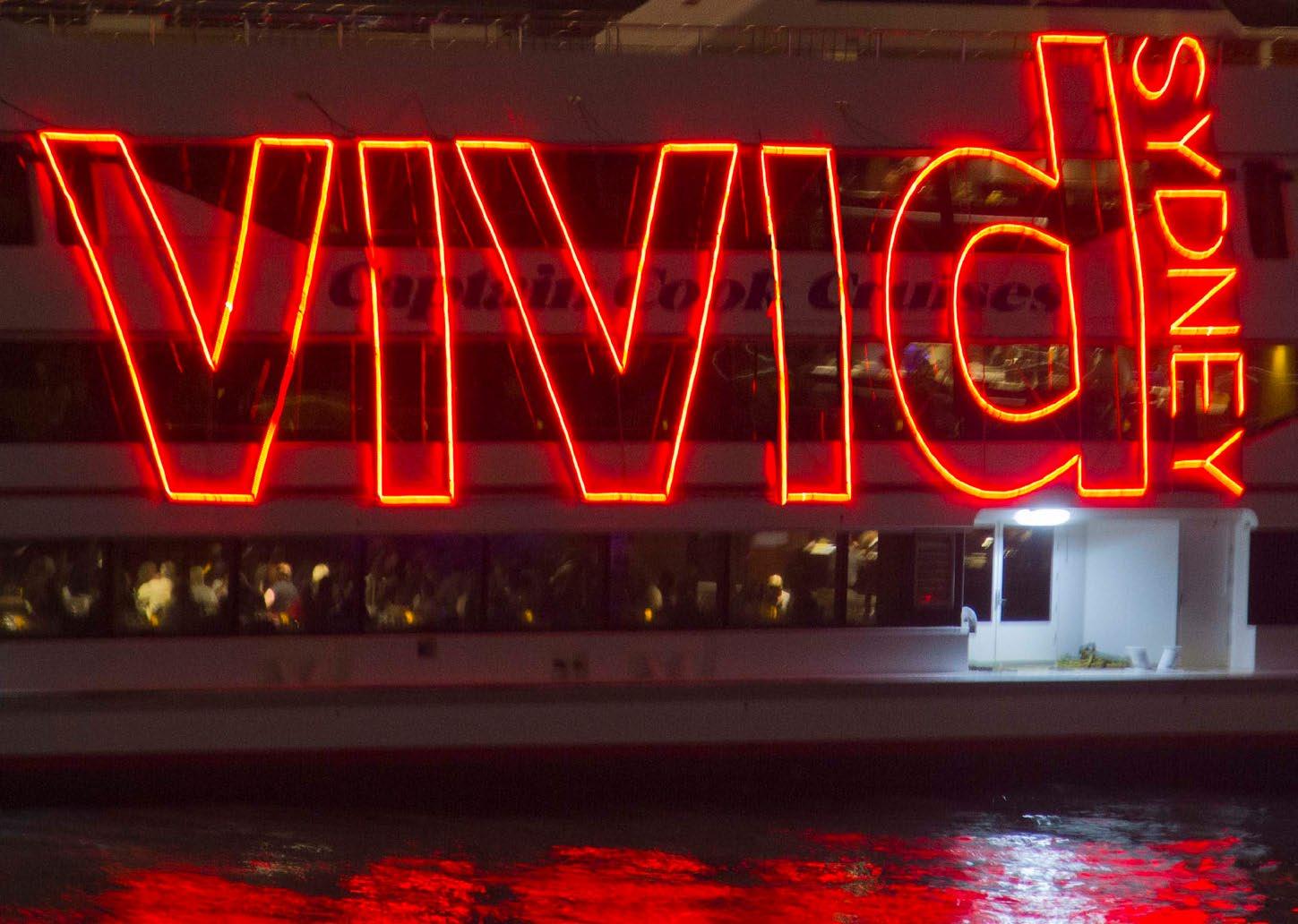
Each year, as autumn gives way to winter, Sydney transforms into a glowing canvas of colour, creativity and imagination. Vivid Sydney has grown from a relatively small lighting event into one of the world’s largest festivals of light. The festival illuminates Sydney Harbour and the city’s cultural precincts for 23 consecutive nights. Now in its sixteenth year, Vivid Sydney continues to attract millions of visitors who come to experience the unique blend of art, technology and storytelling that has become its trademark.
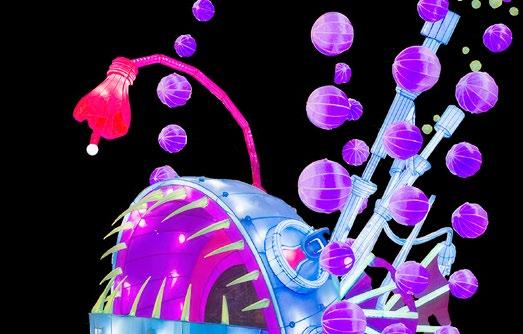
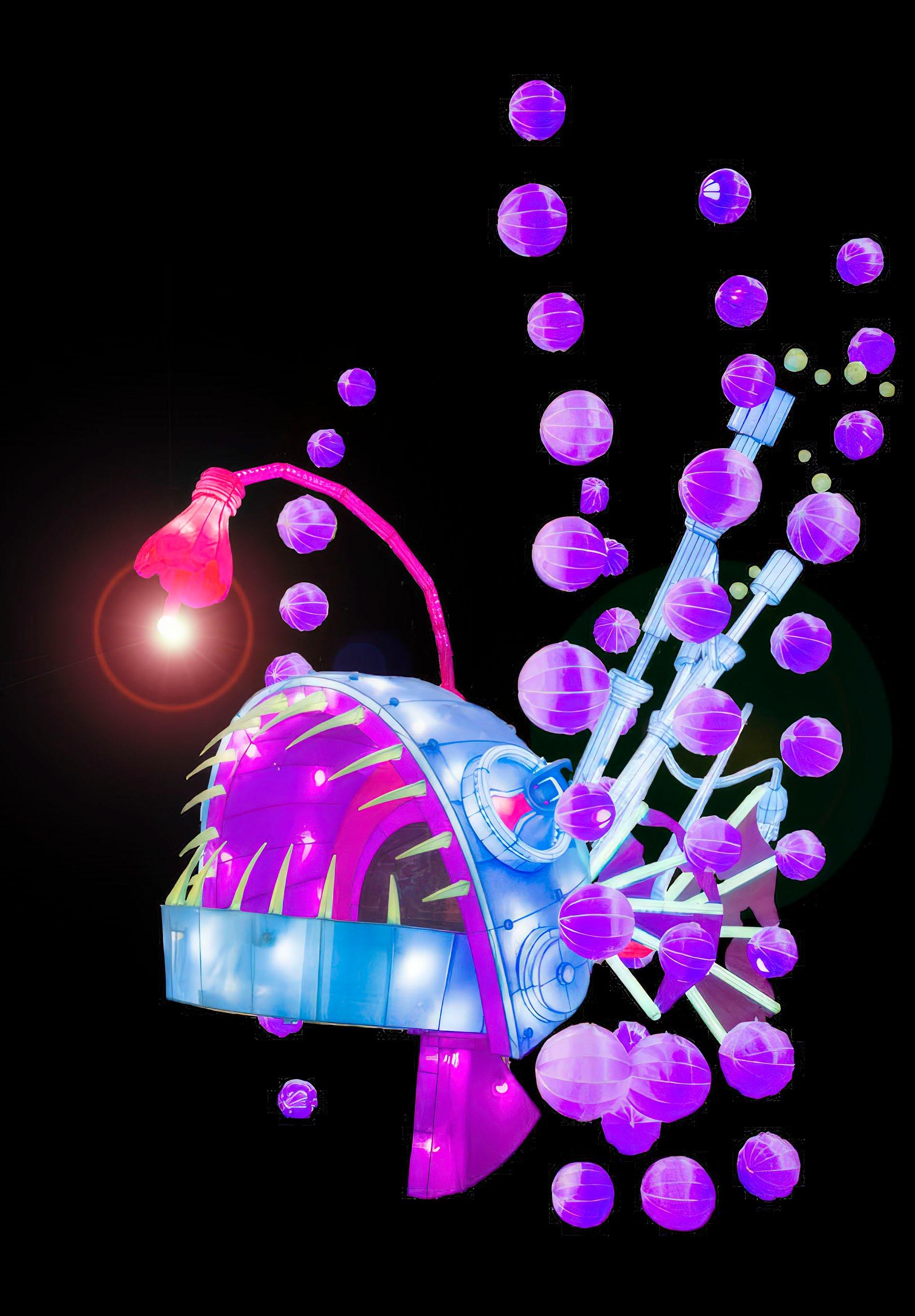
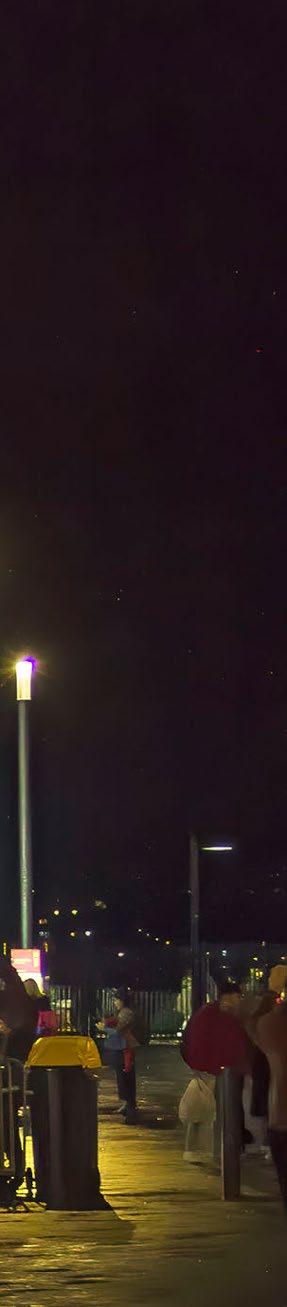
Fig 1 previous left page: Angler Fish
Fig 2 previous right page: Vivid sign
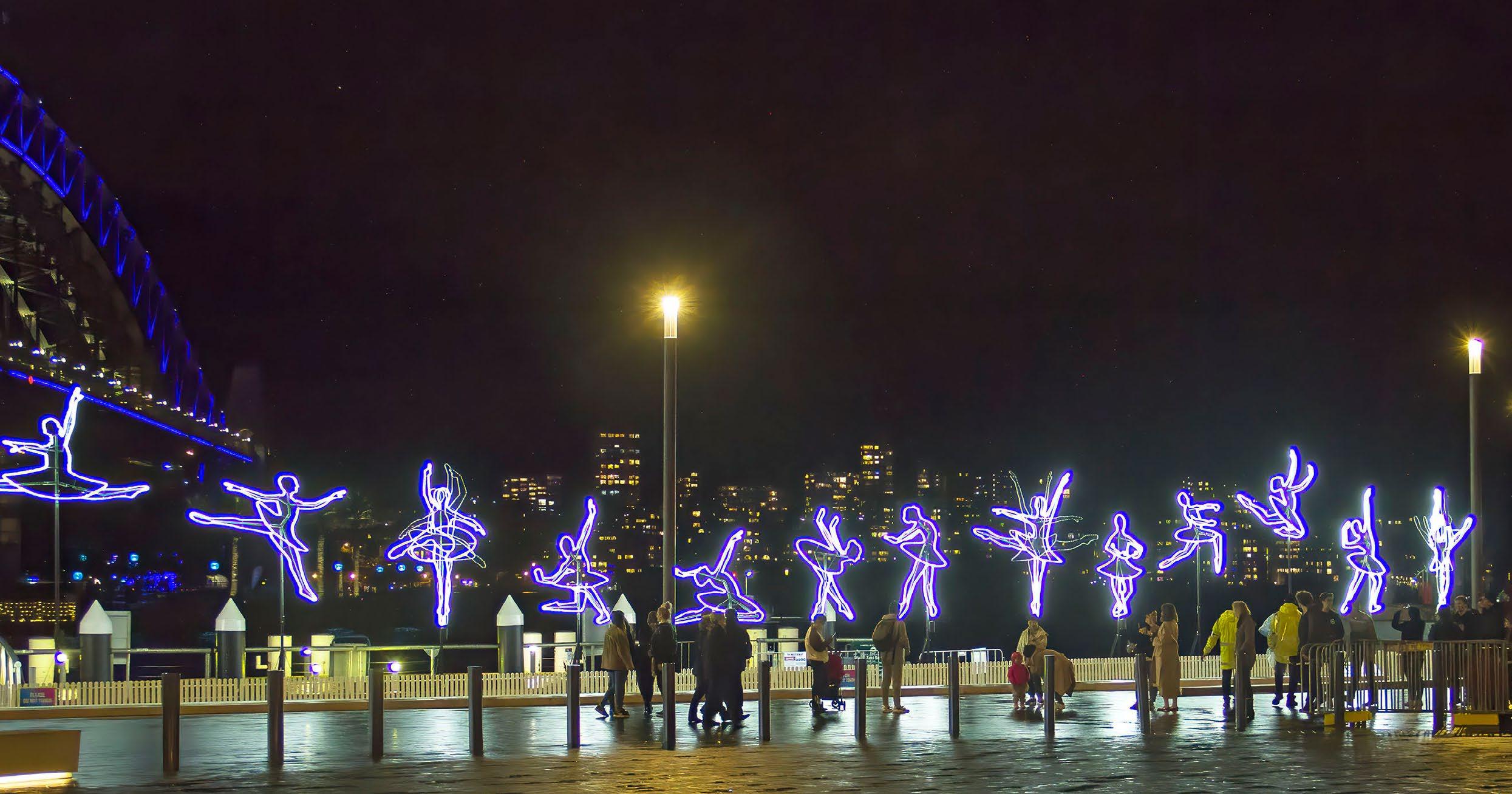
Fig above 3: Illuminated dancers
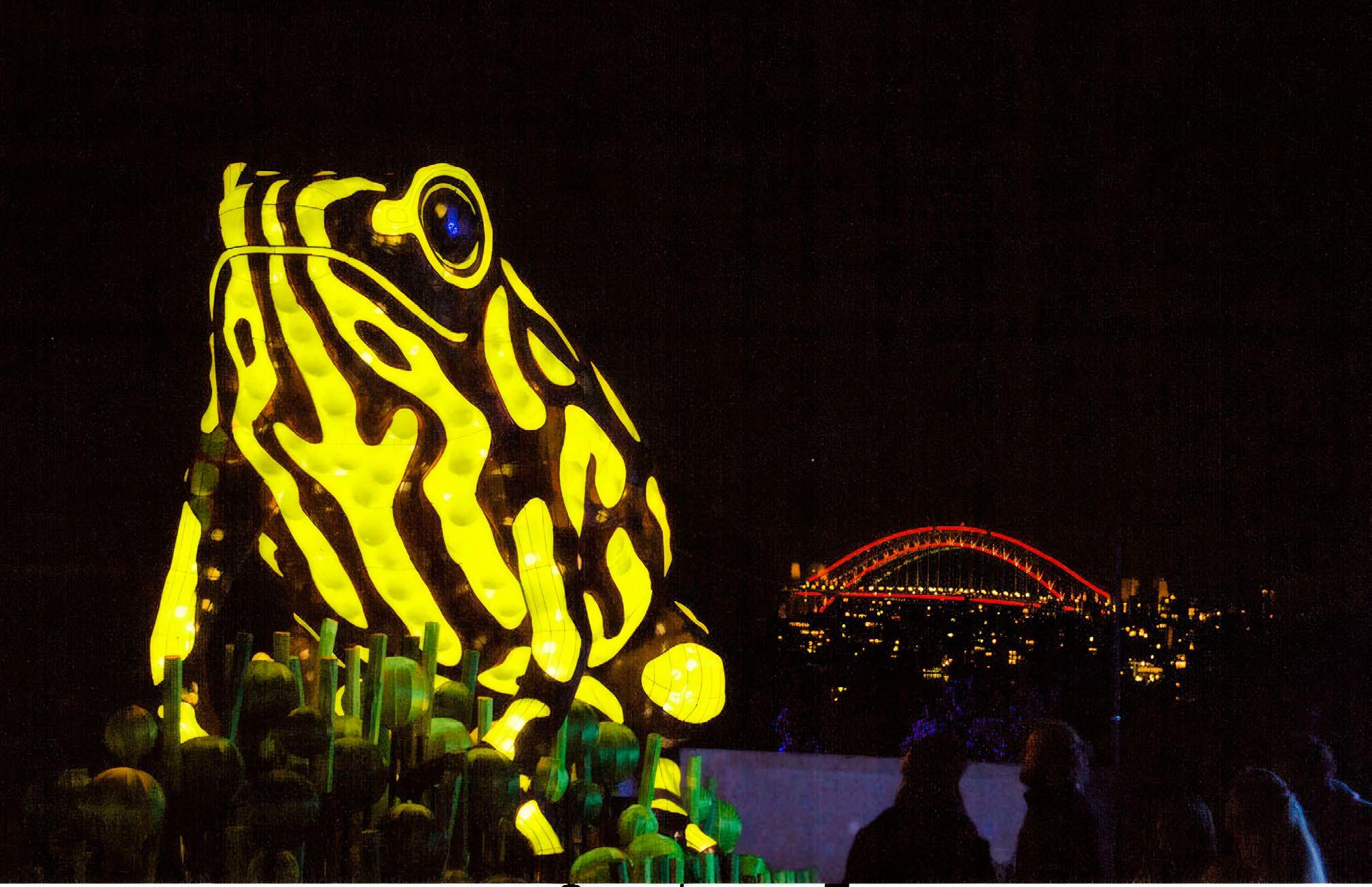
Fig 4 above right: Corroboree Frog
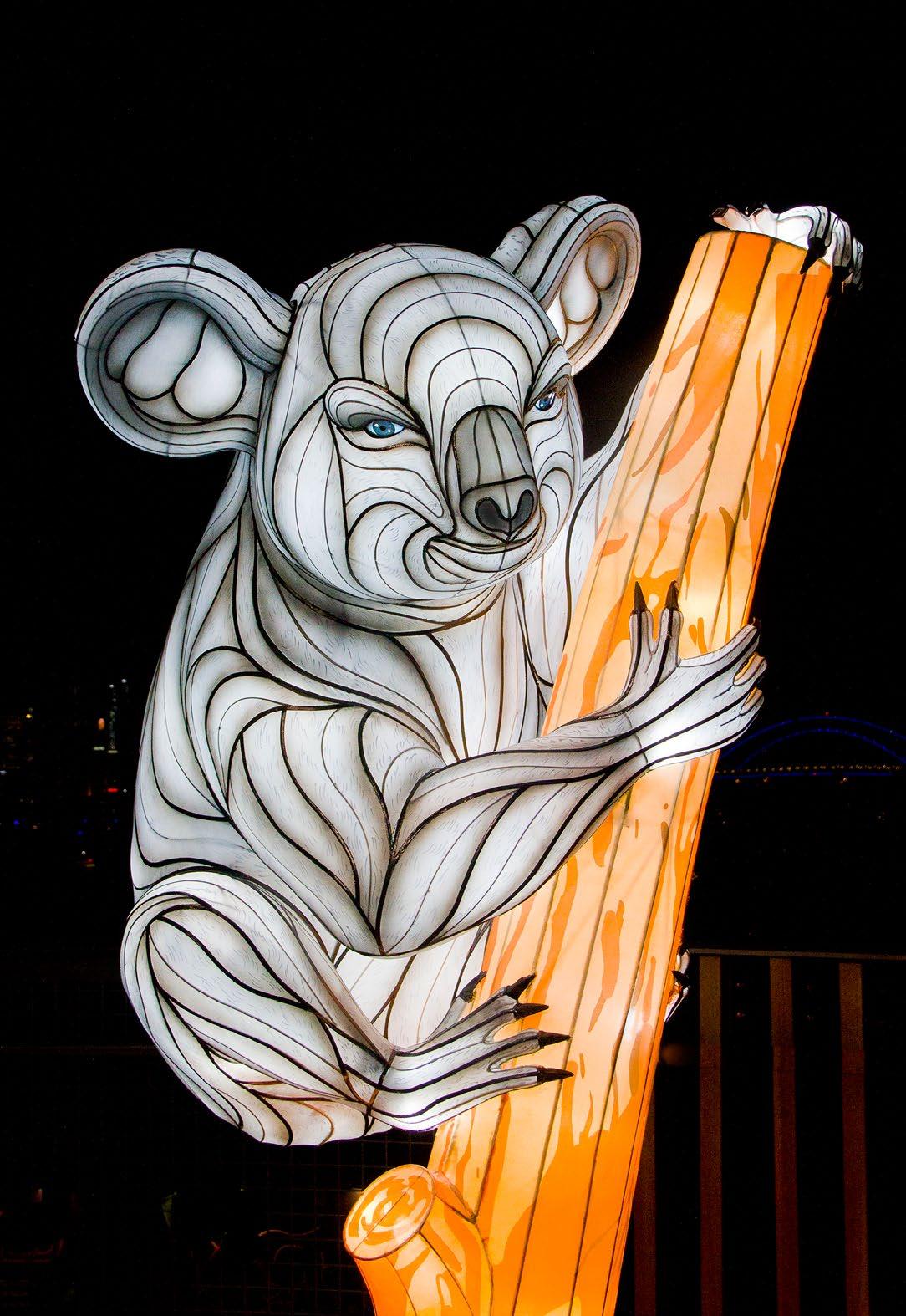
Fig 5 right: Koala
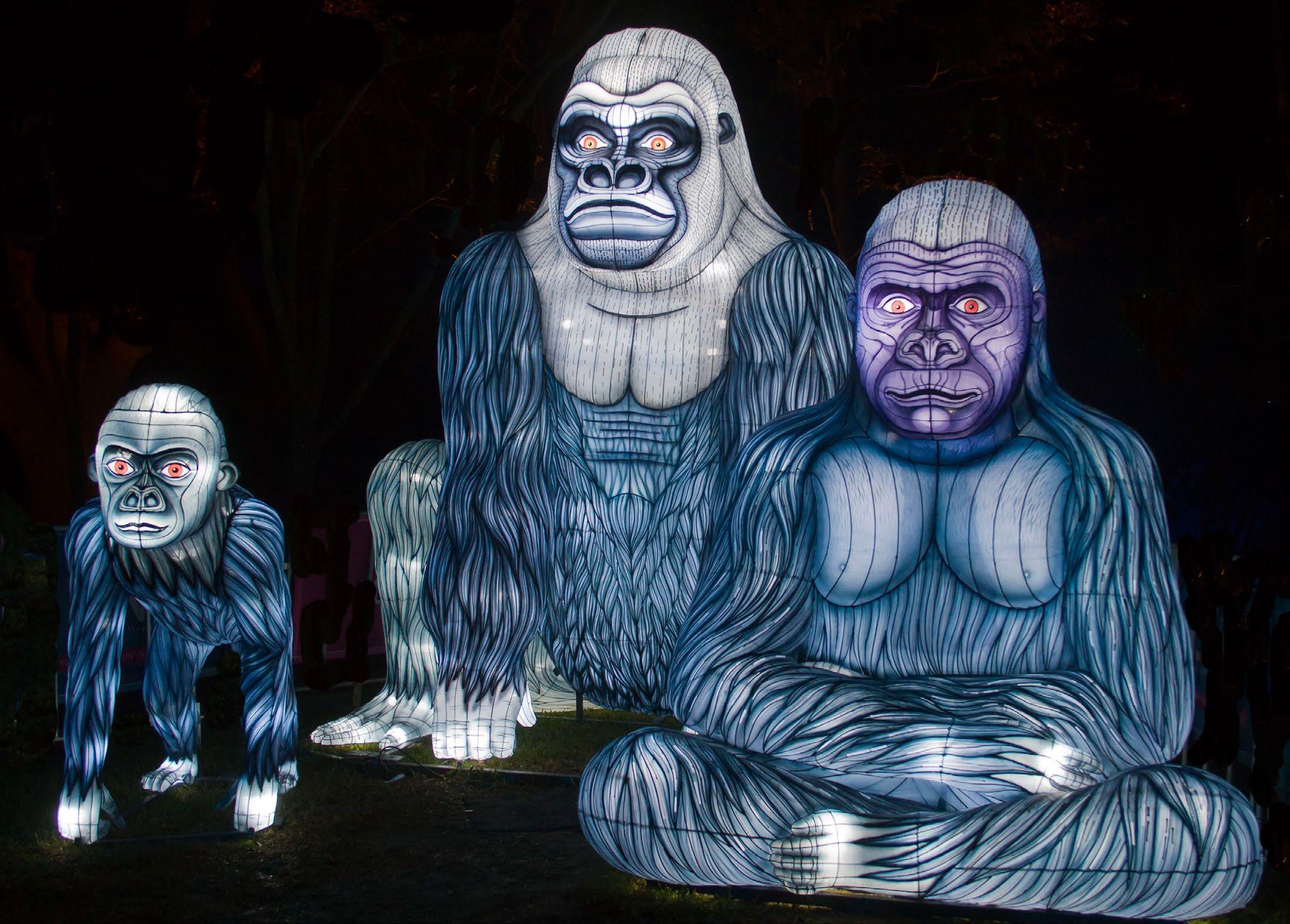
Fig 6 far right: Gorillas
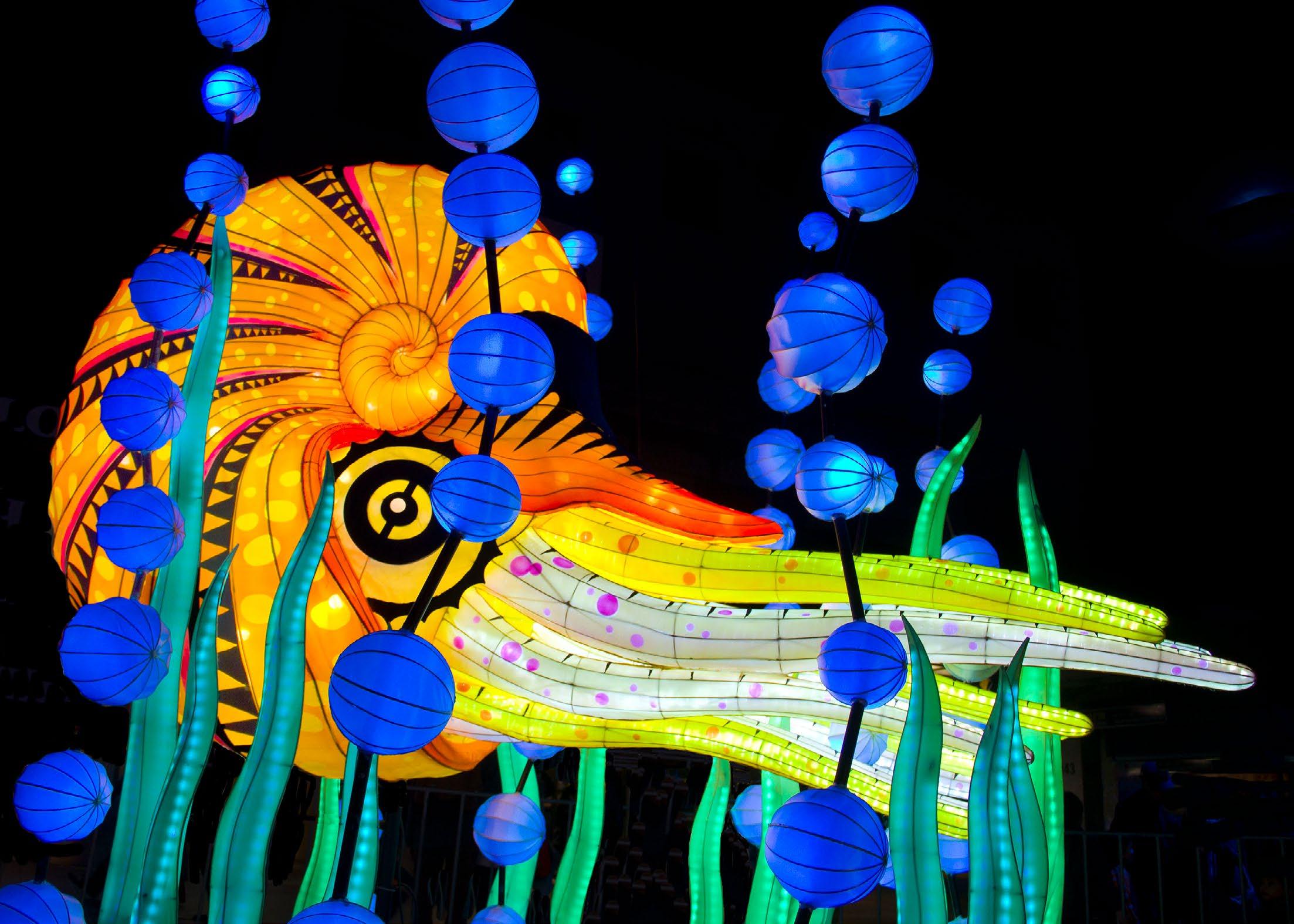
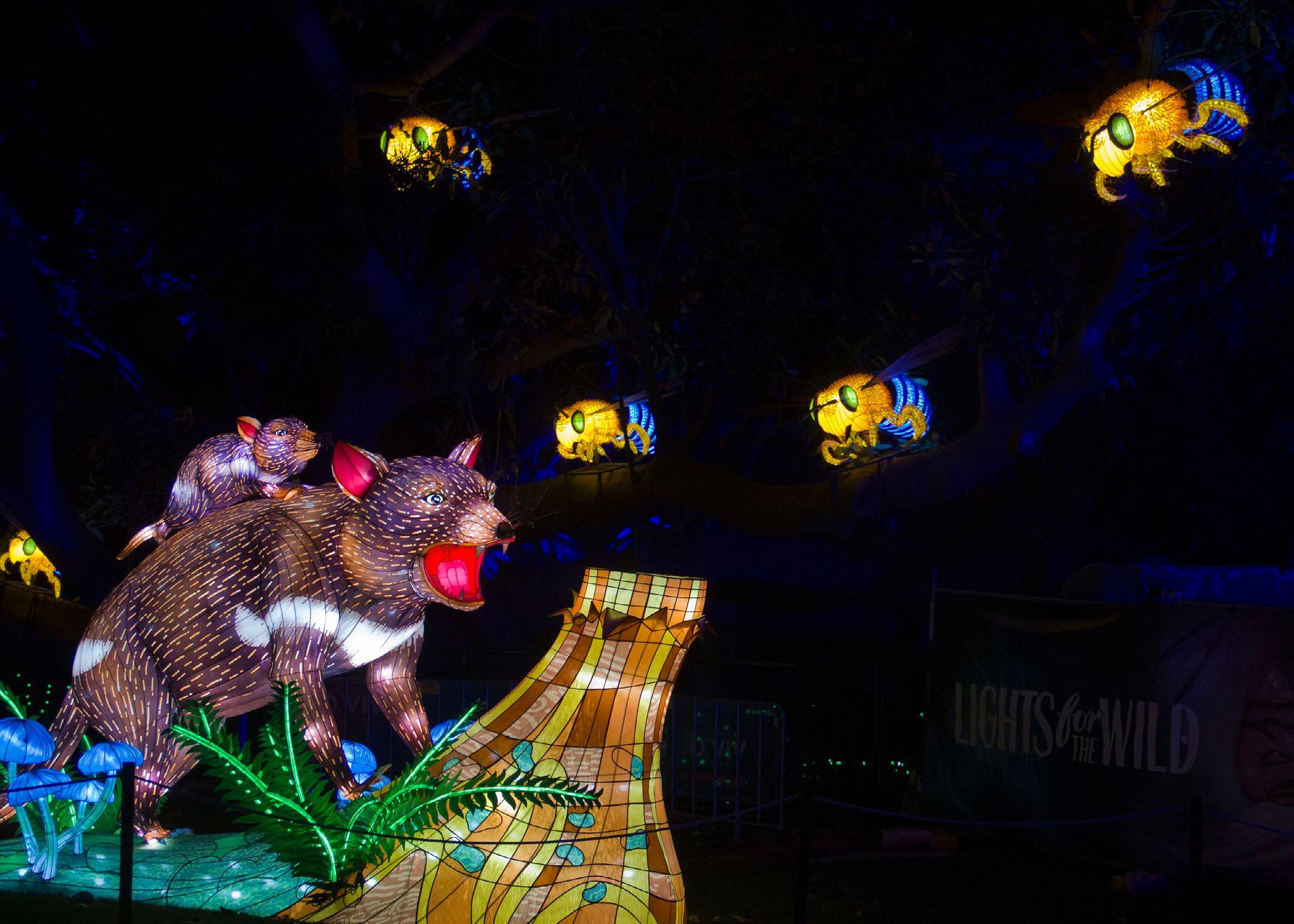
One of the defining features of Vivid Sydney is its celebration of Australian wildlife and the natural world through large-scale illuminated sculptures. Along the Vivid Light Walk, visitors encounter towering glowing creatures that appear to have emerged from a dreamlike landscape. Among the most memorable are the Angler Fish, with its luminous lure and deep-sea-inspired colours, and the brilliantly illuminated Southern Corroboree Frog, whose striking yellow-and-black markings become even more dramatic when rendered in light. Other favourites include the playful Gorilla Koala, a whimsical hybrid creature that combines two instantly recognisable animals
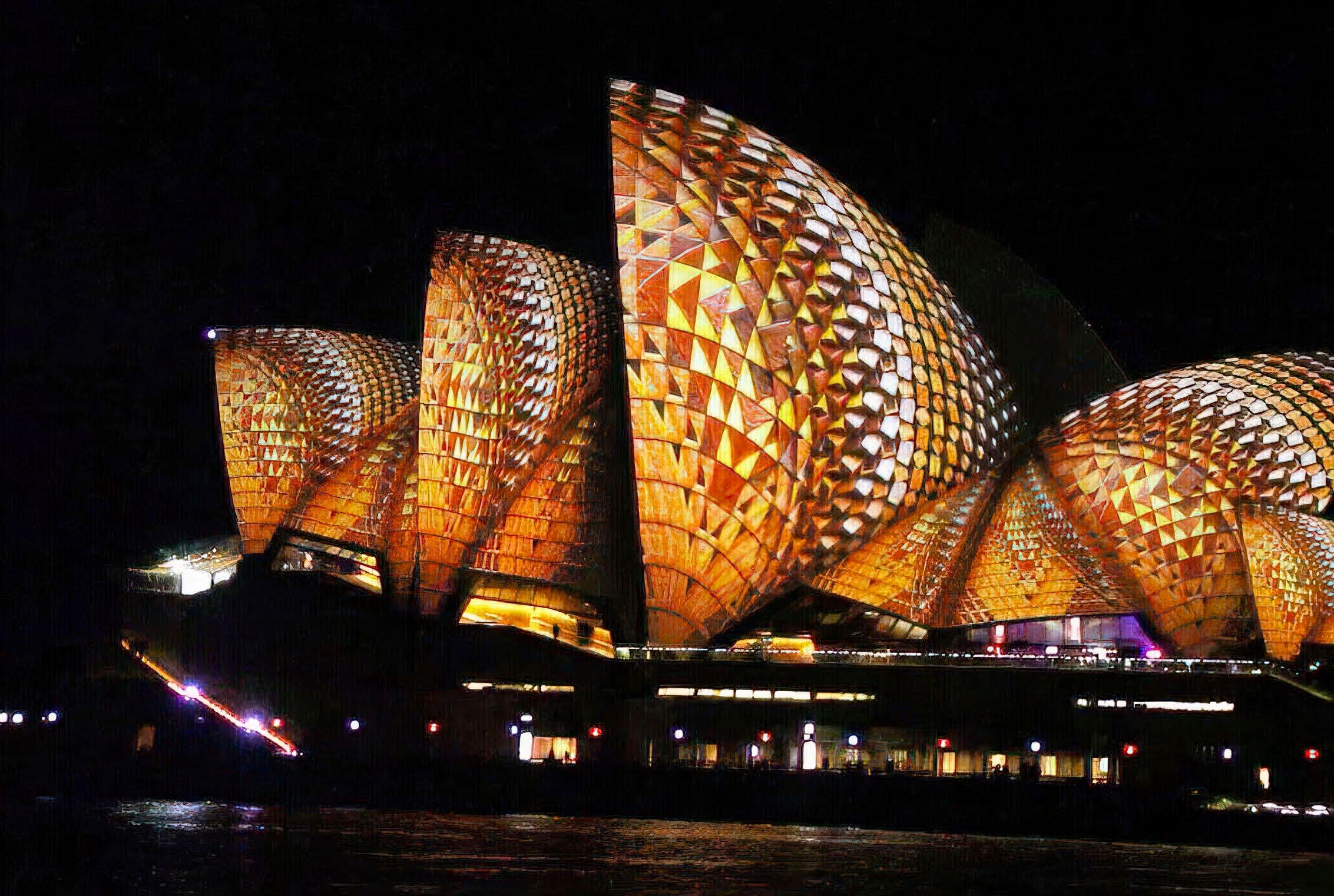
Fig 7 top left: Opera House
Fig 8 Bottom left: Opera House
into a single larger-than-life installation. Nearby, visitors may discover a glowing Nautilus shell, its spiralling form highlighted through intricate lighting effects that celebrate the mathematical beauty of nature. The fierce yet endearing Tasmanian Devil is another crowd favourite, brought to life through animation and illumination that captures the energy and character of Australia's famous marsupial.
These installations demonstrate one of Vivid’s greatest strengths: its ability to blend entertainment with environmental storytelling. By enlarging and illuminating native animals and marine life, artists encourage audiences to look more closely at the natural world while creating memorable photographic moments for visitors.
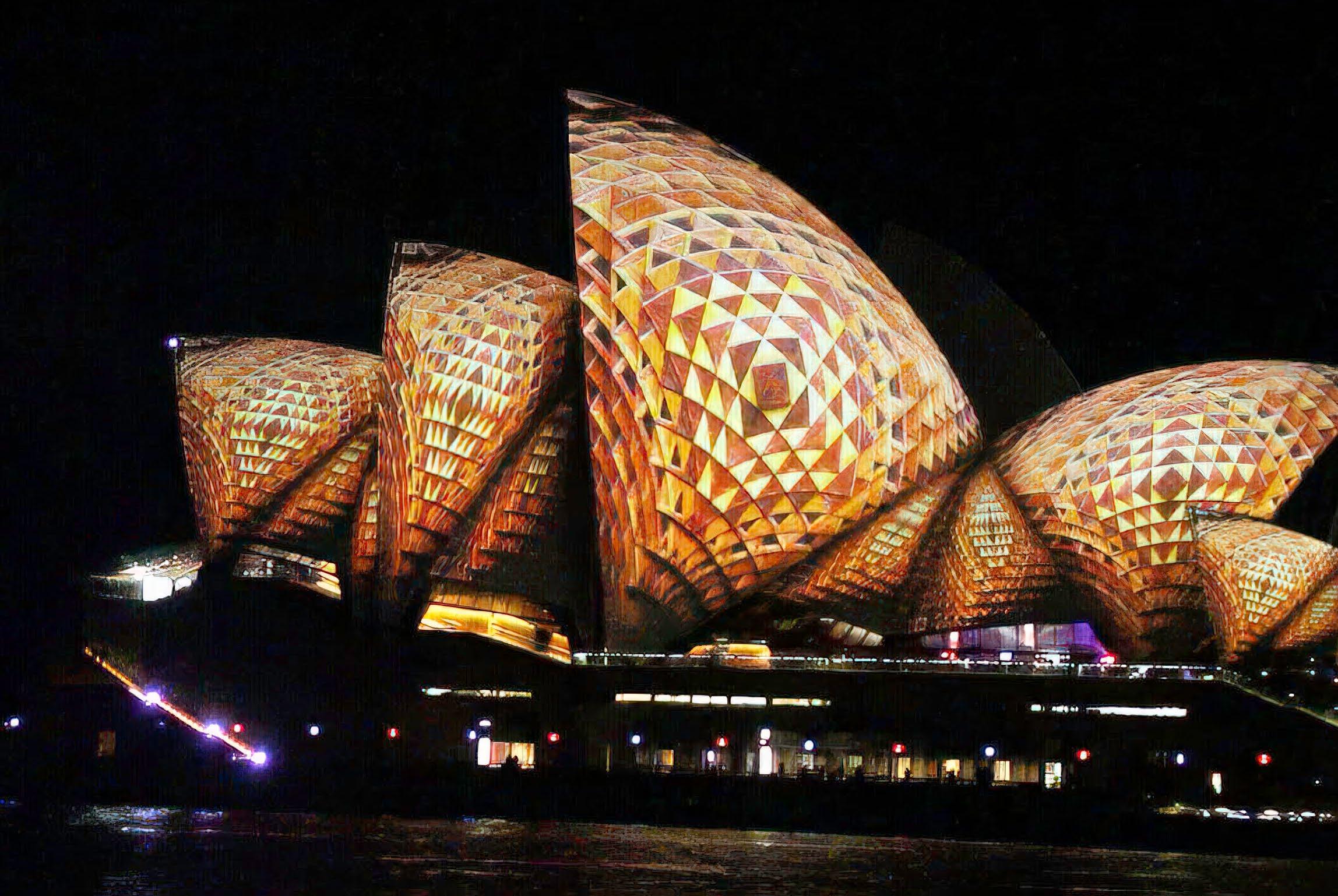
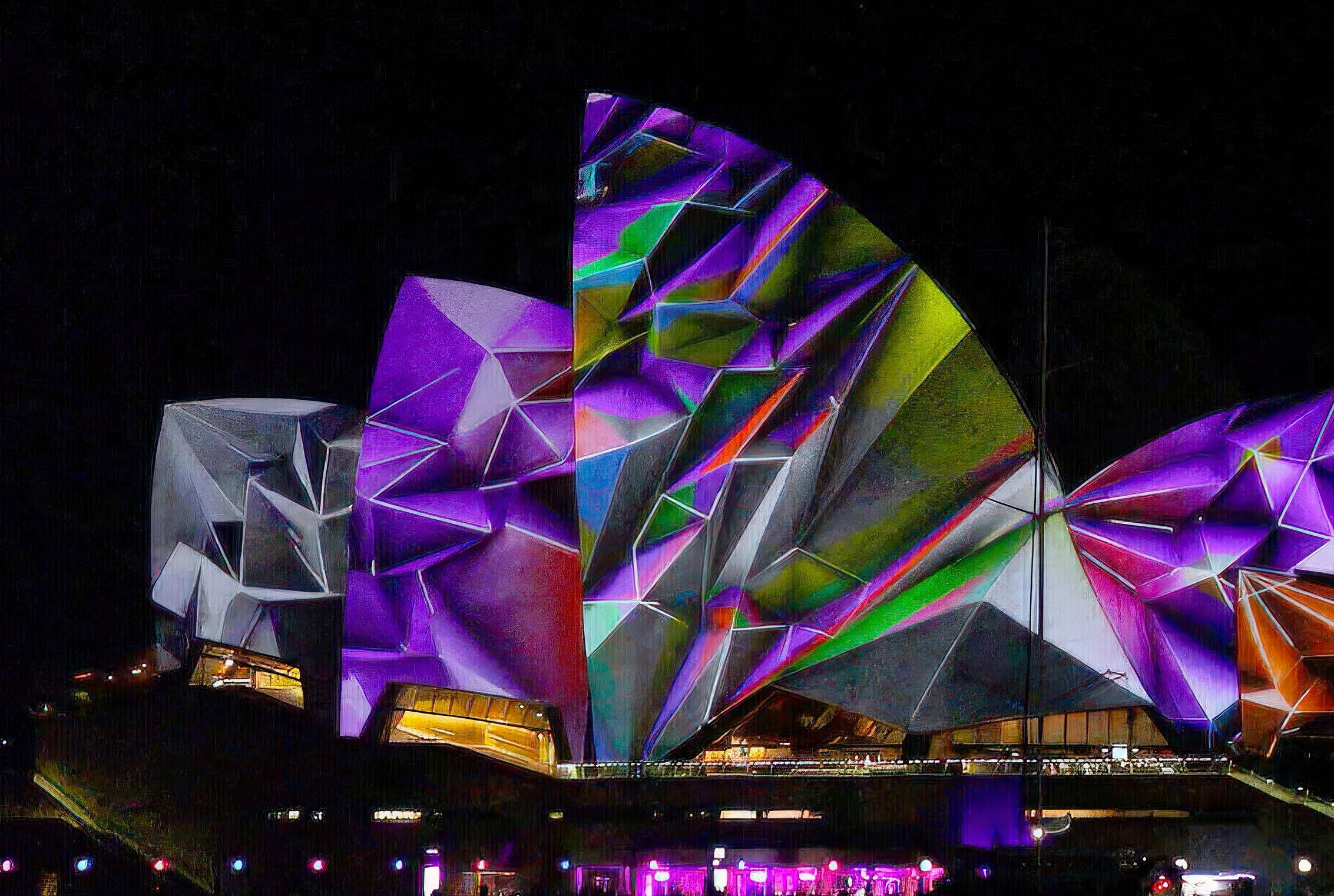
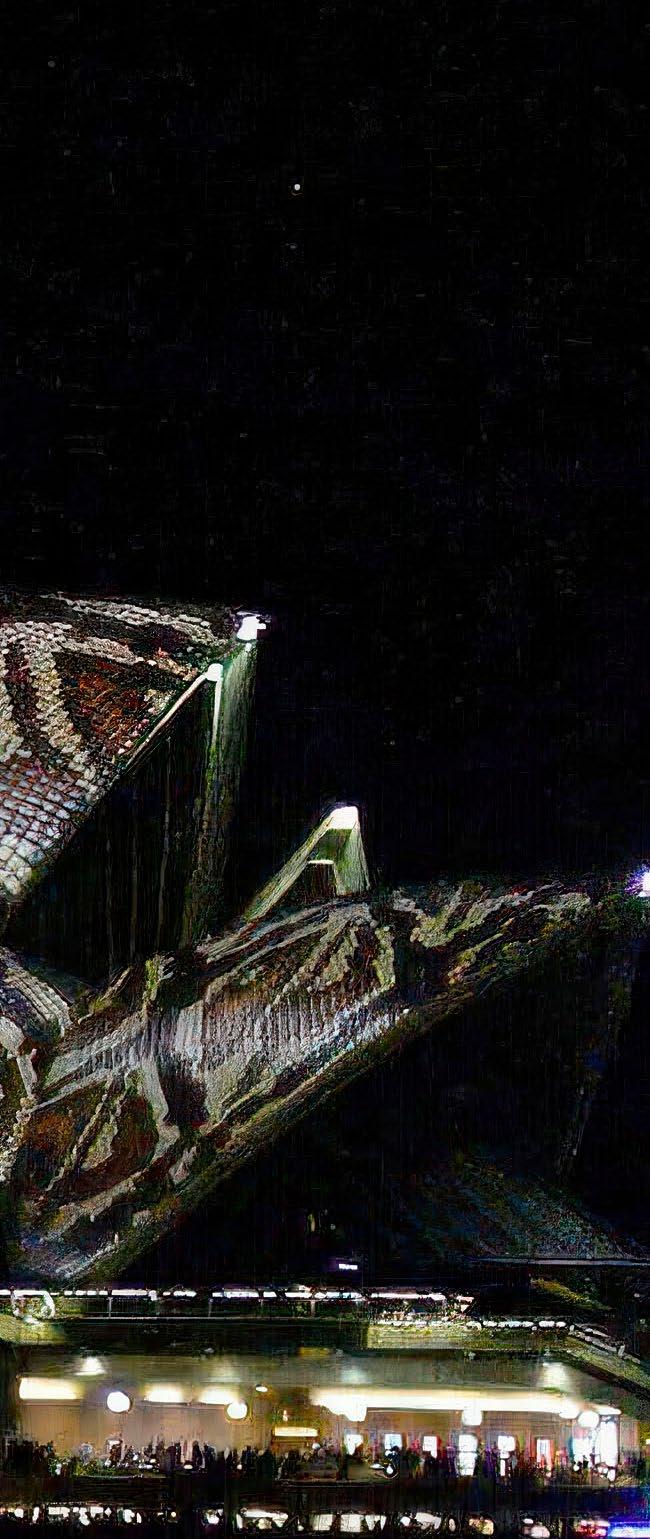
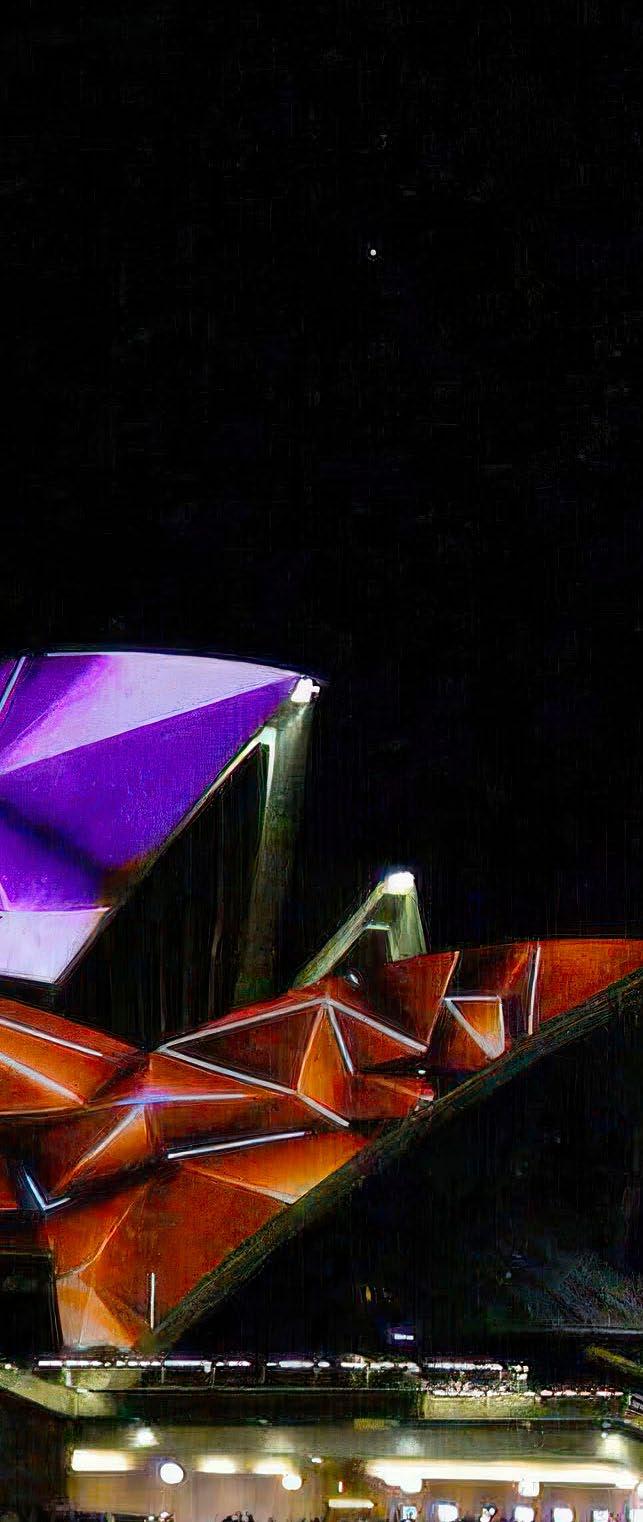
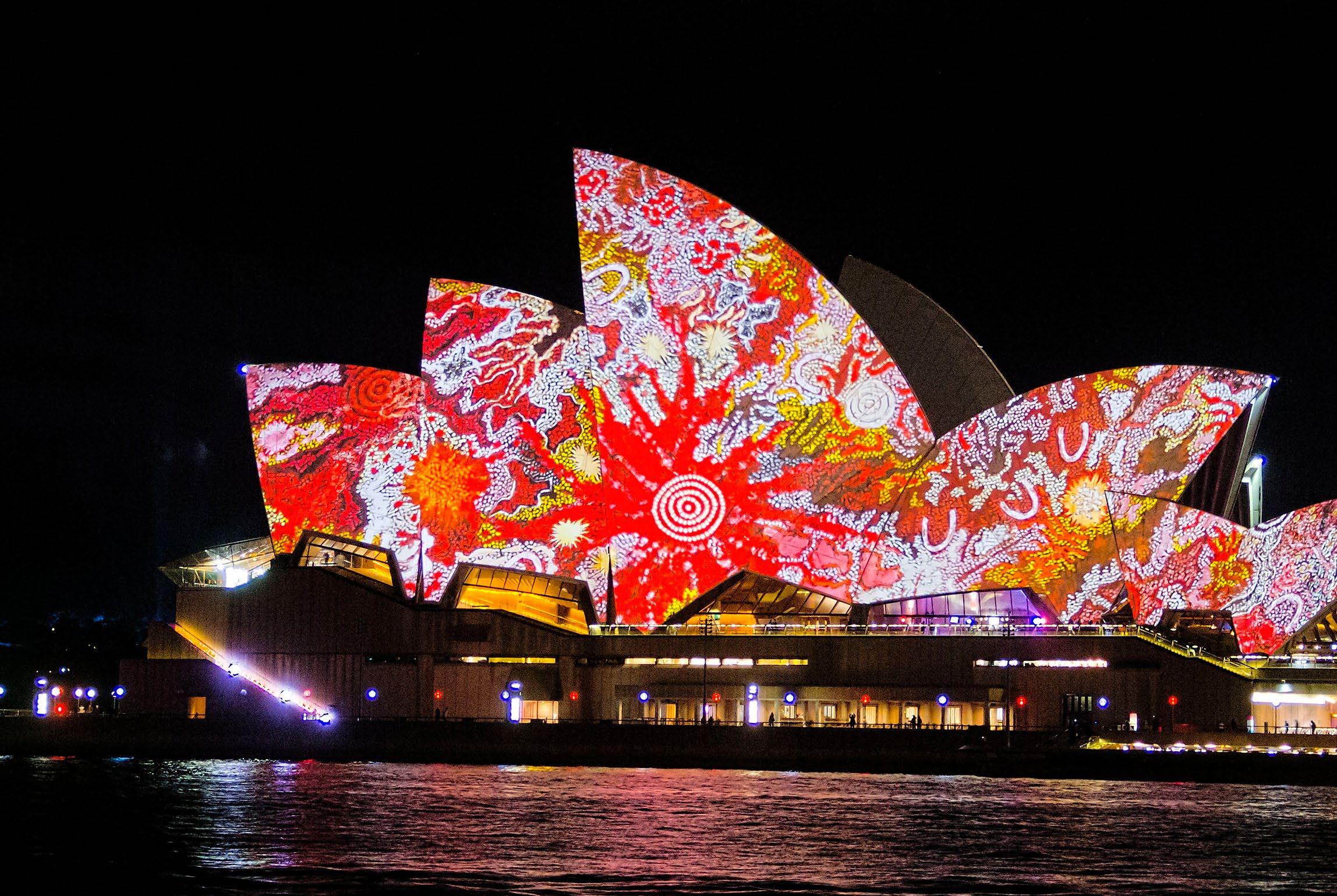
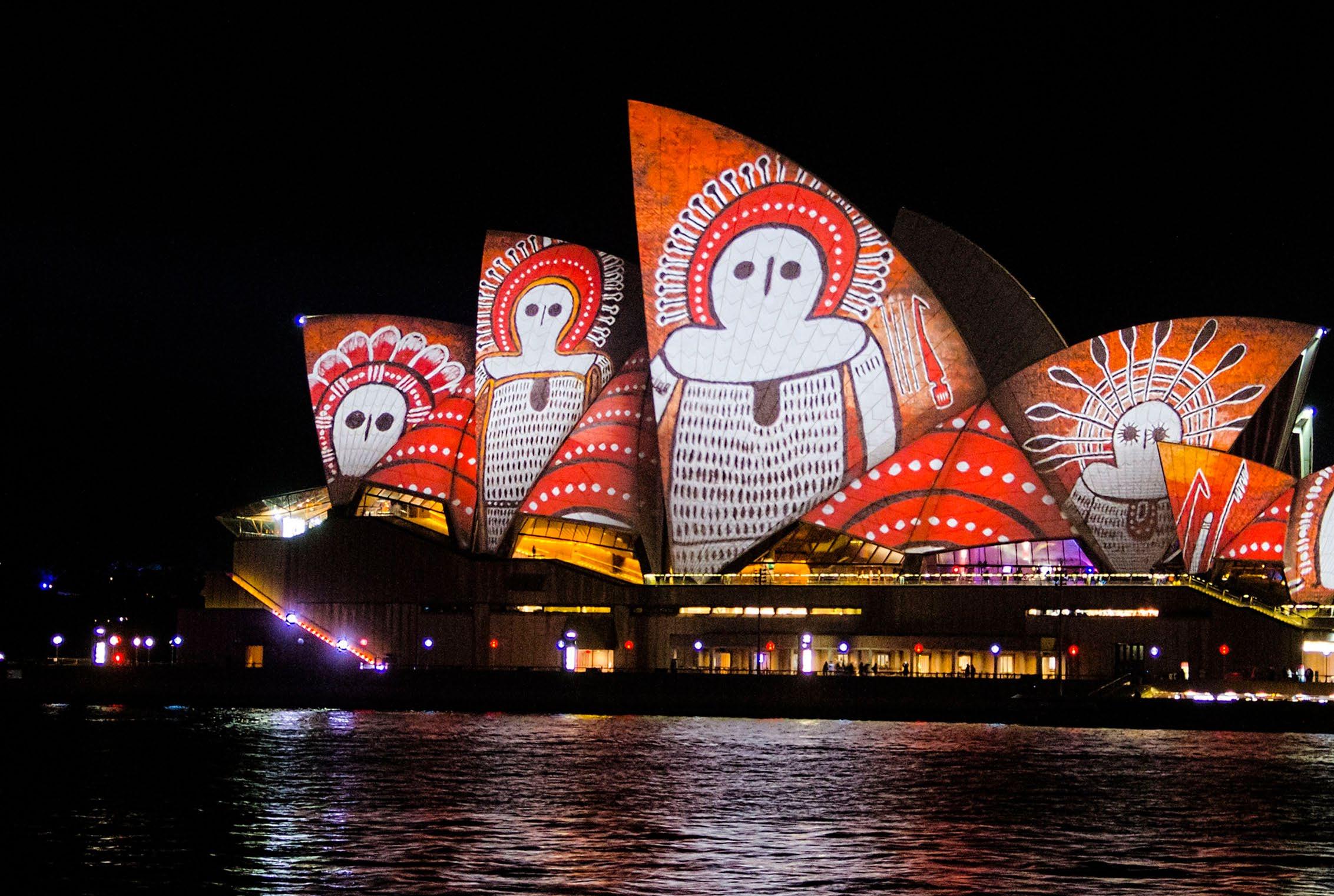
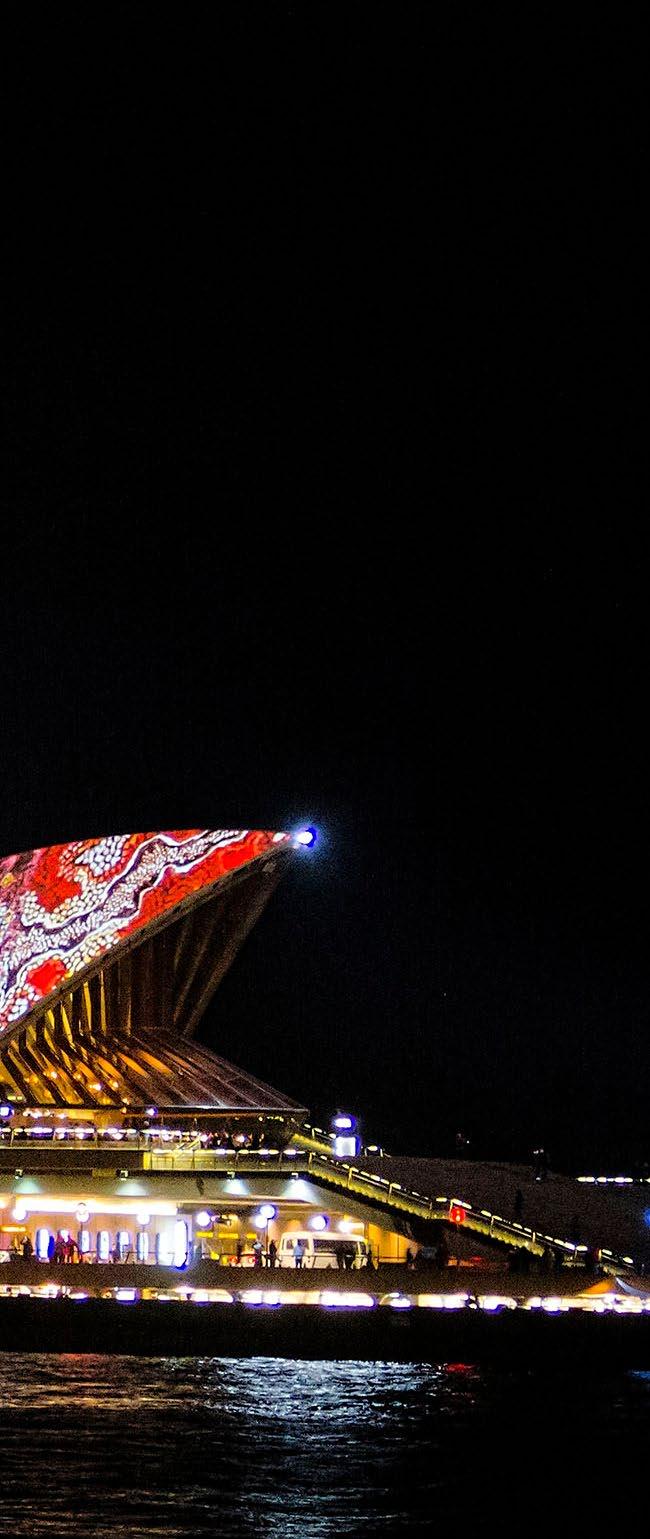
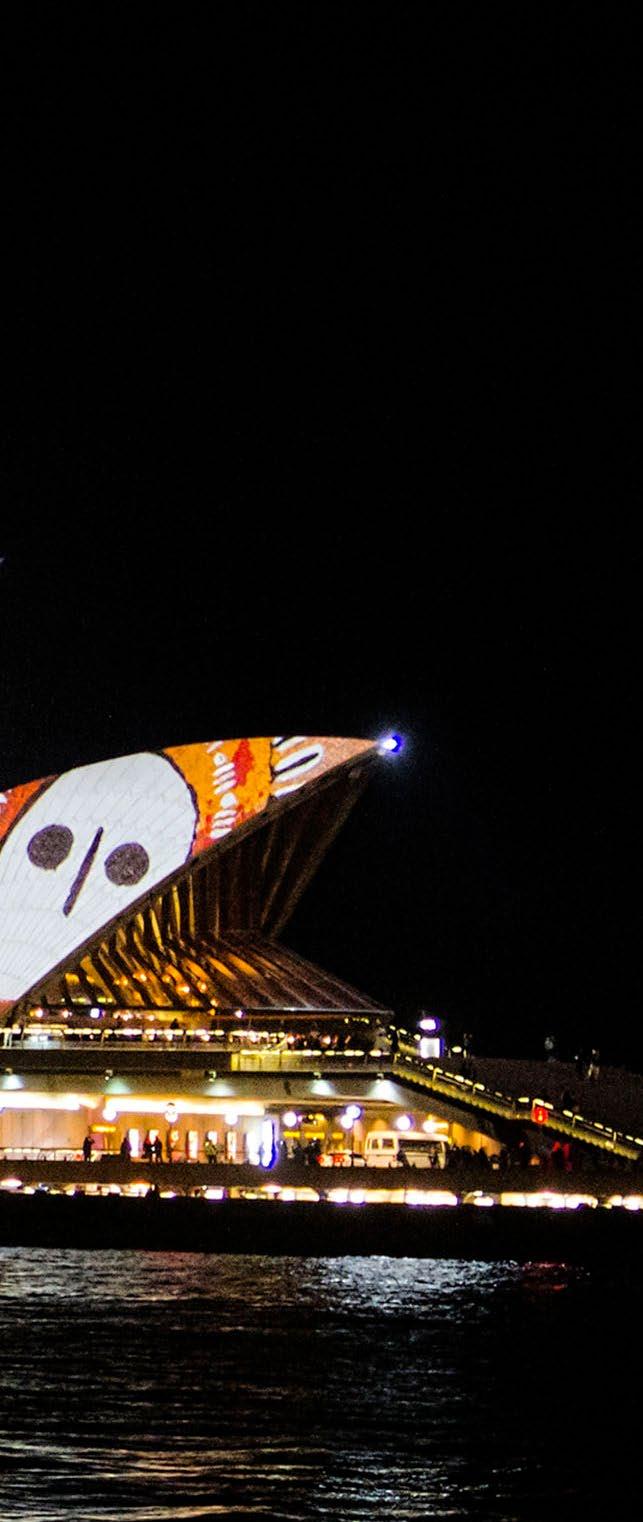
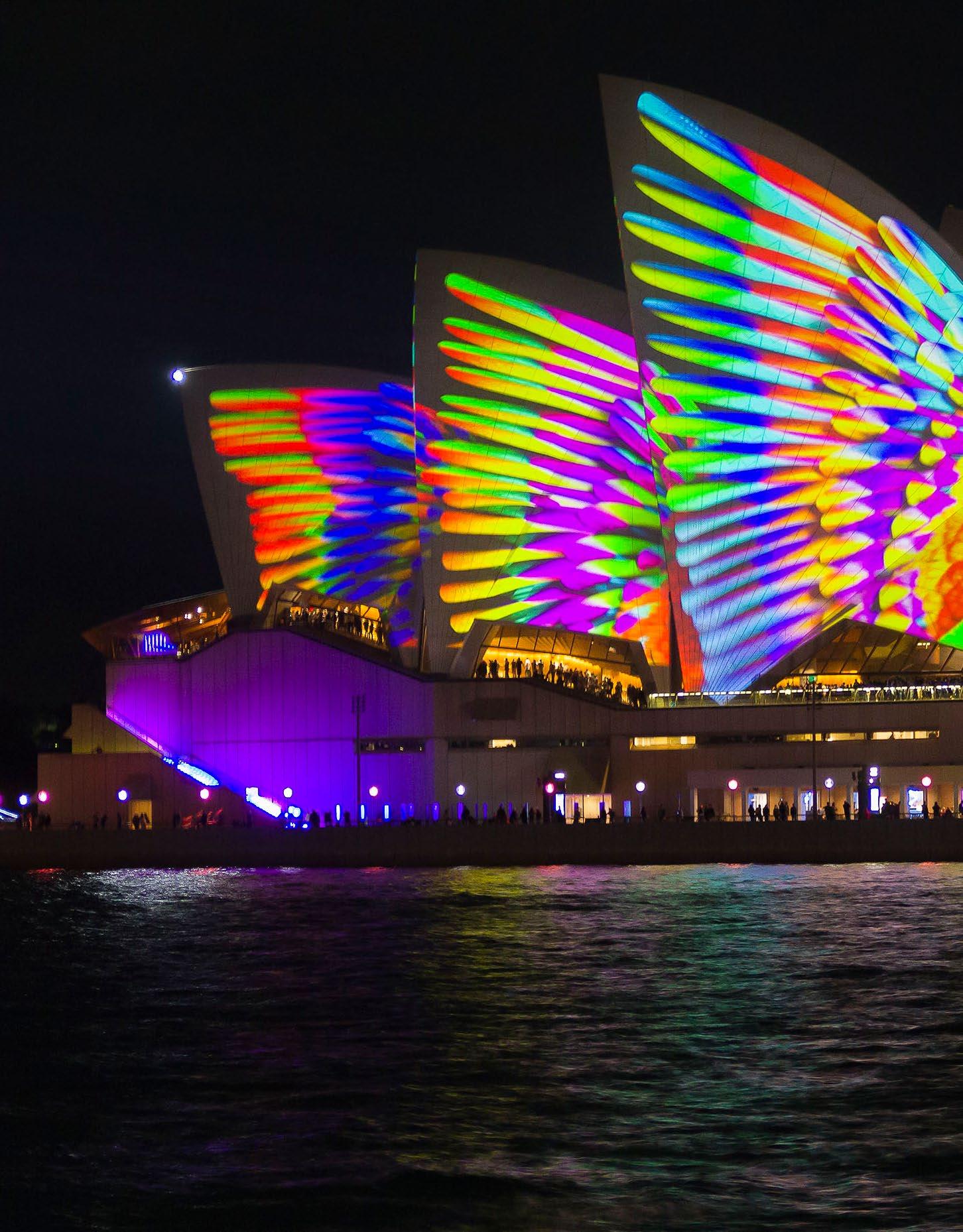
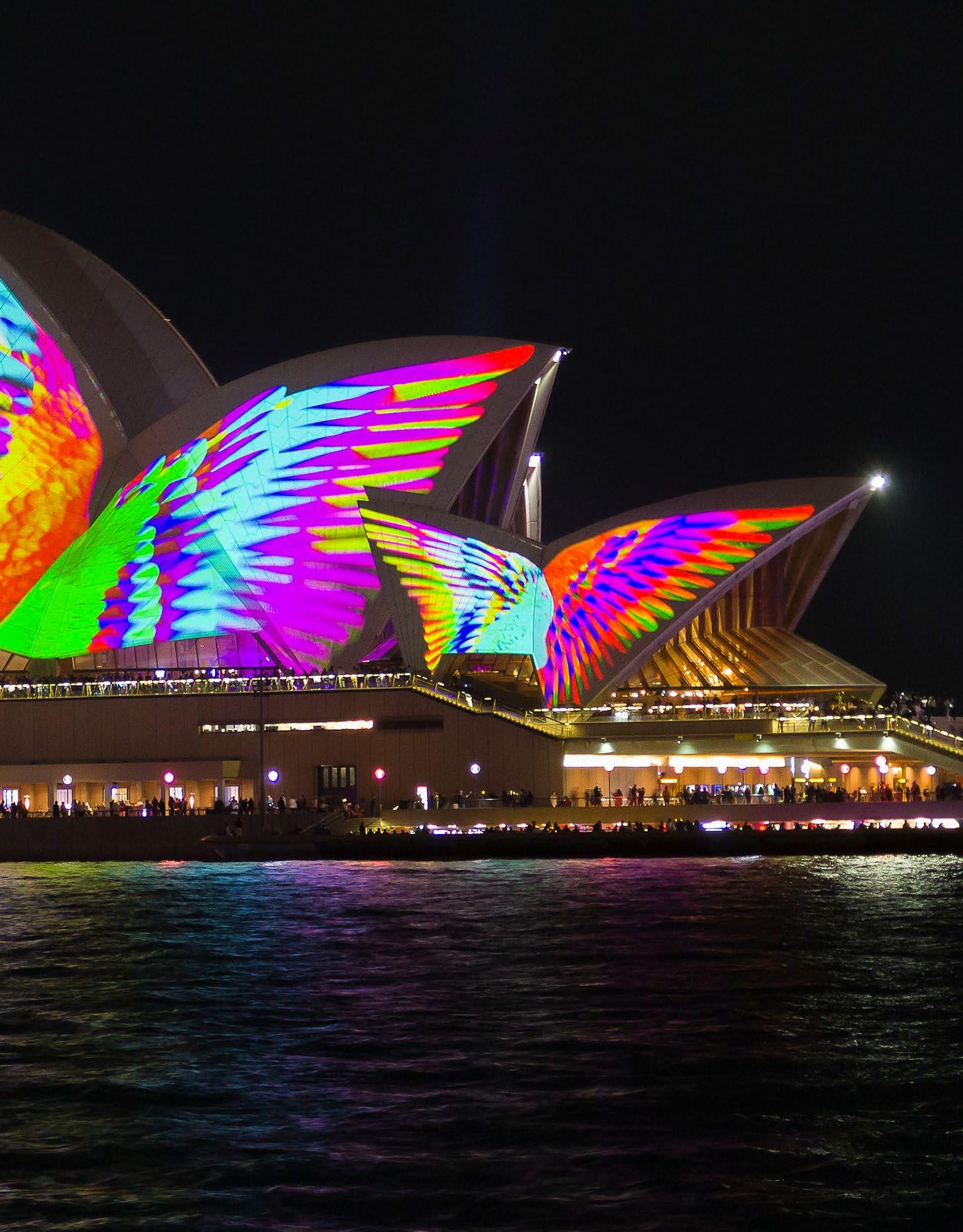
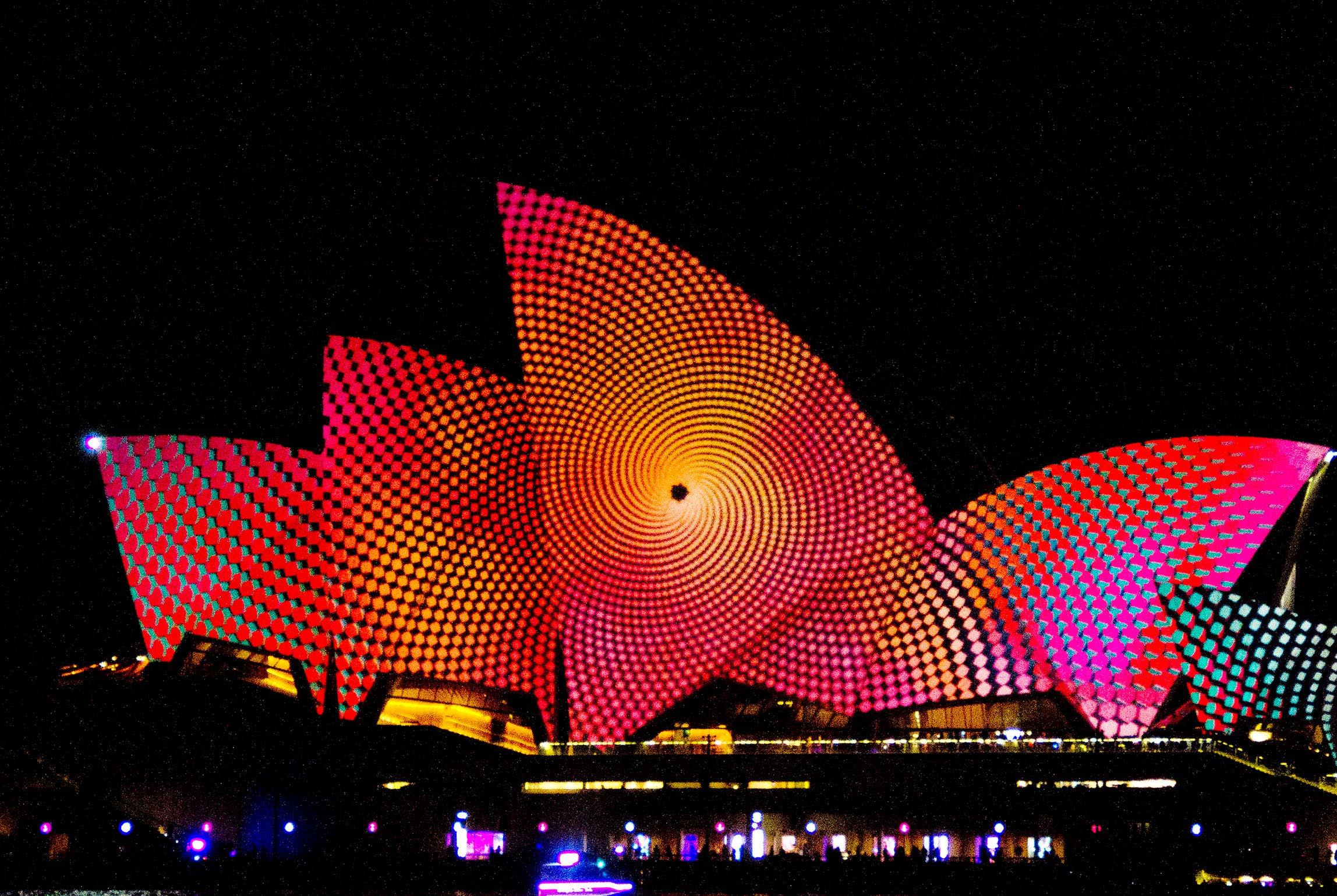
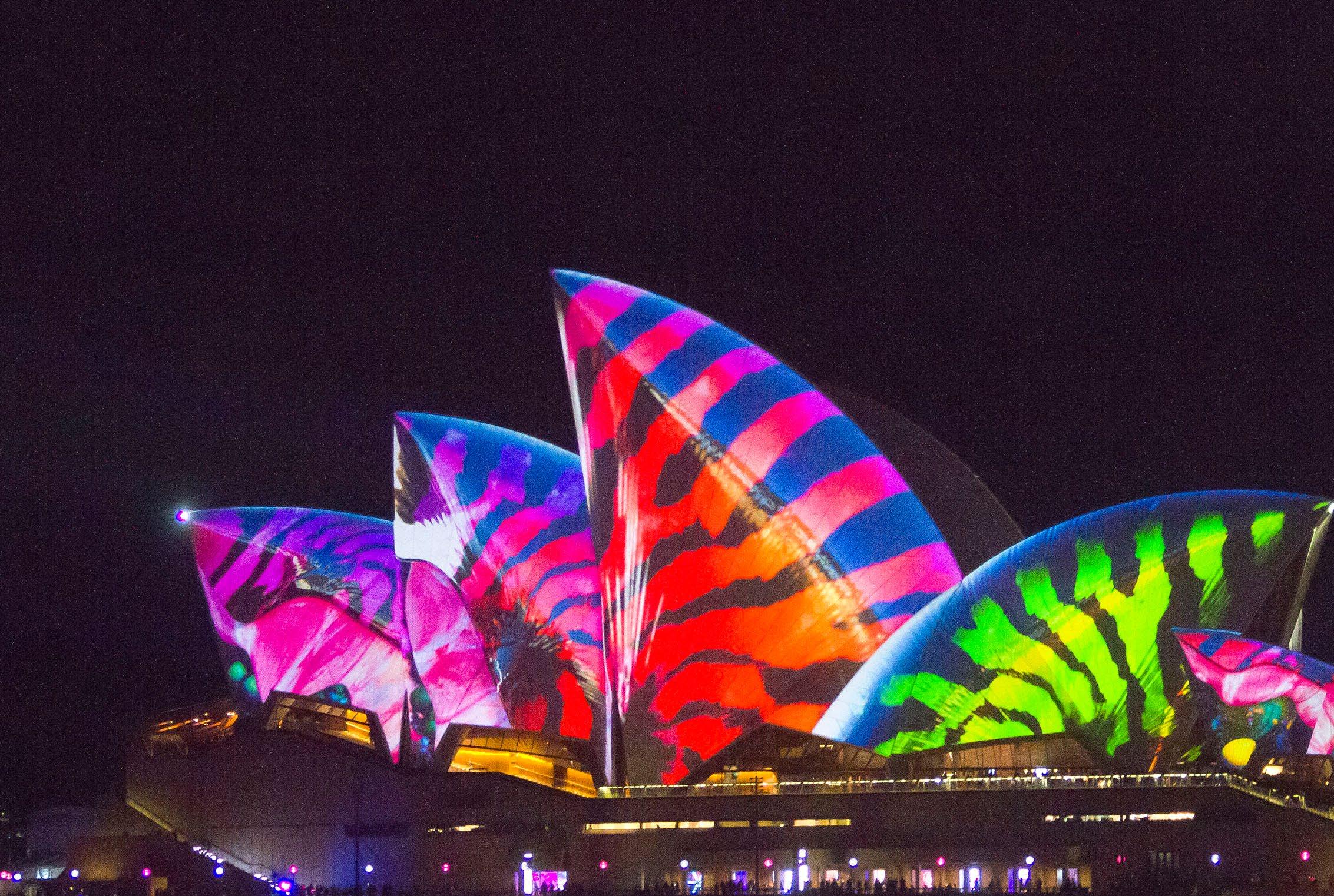
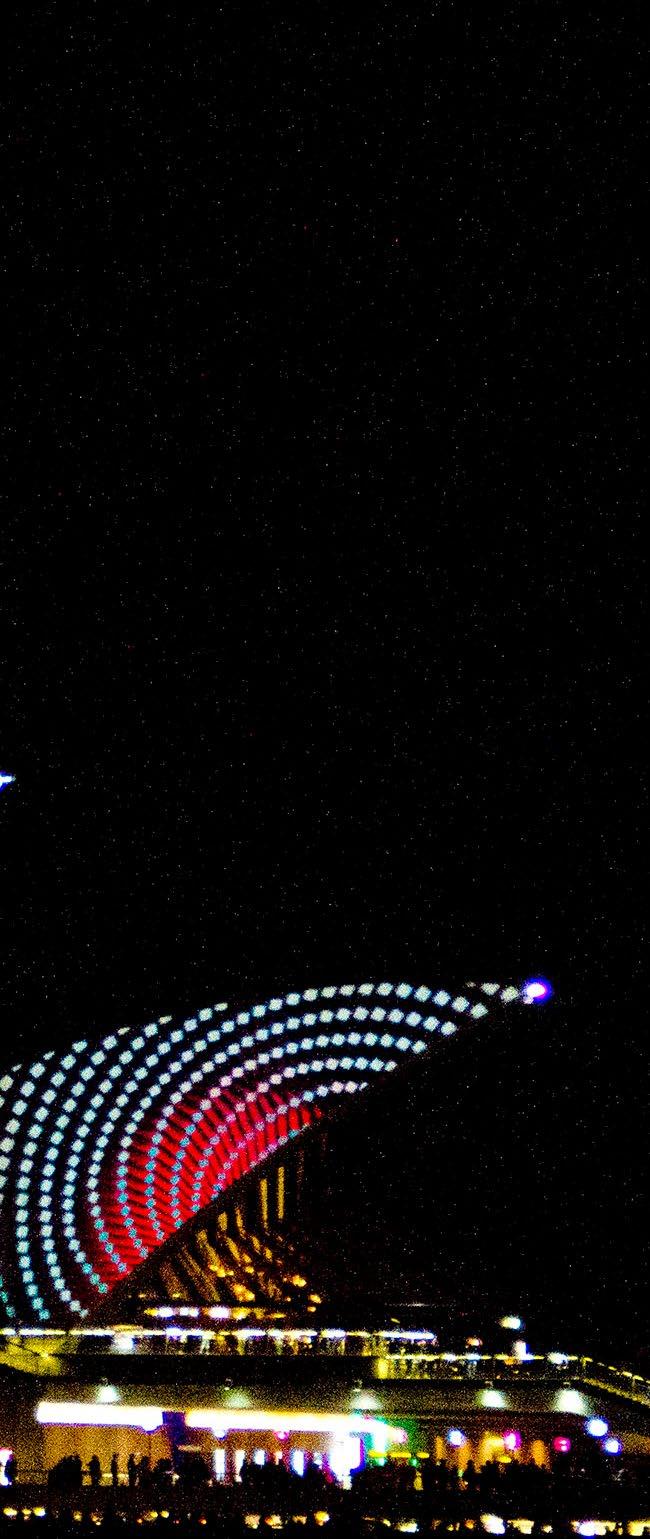
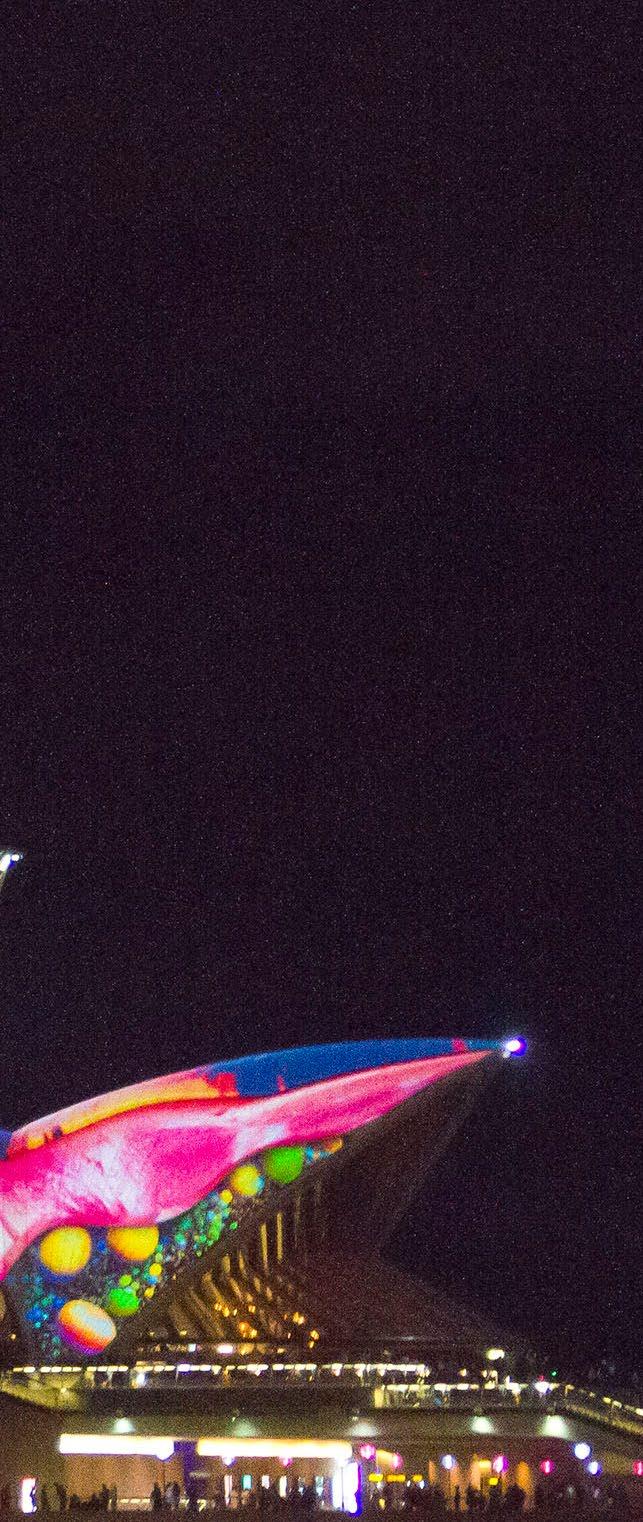
At the heart of the festival stands Sydney’s most iconic landmark, the Sydney Opera House. Since the earliest years of Vivid, the building's
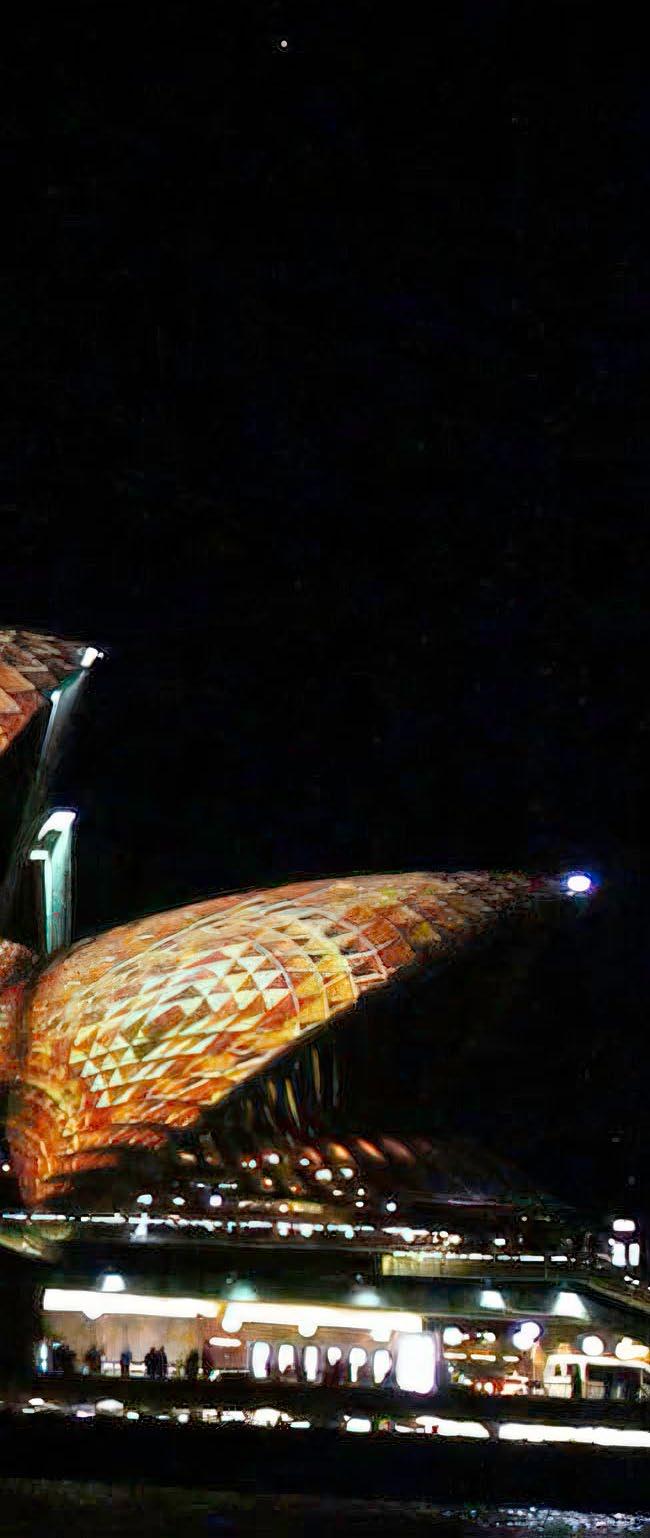
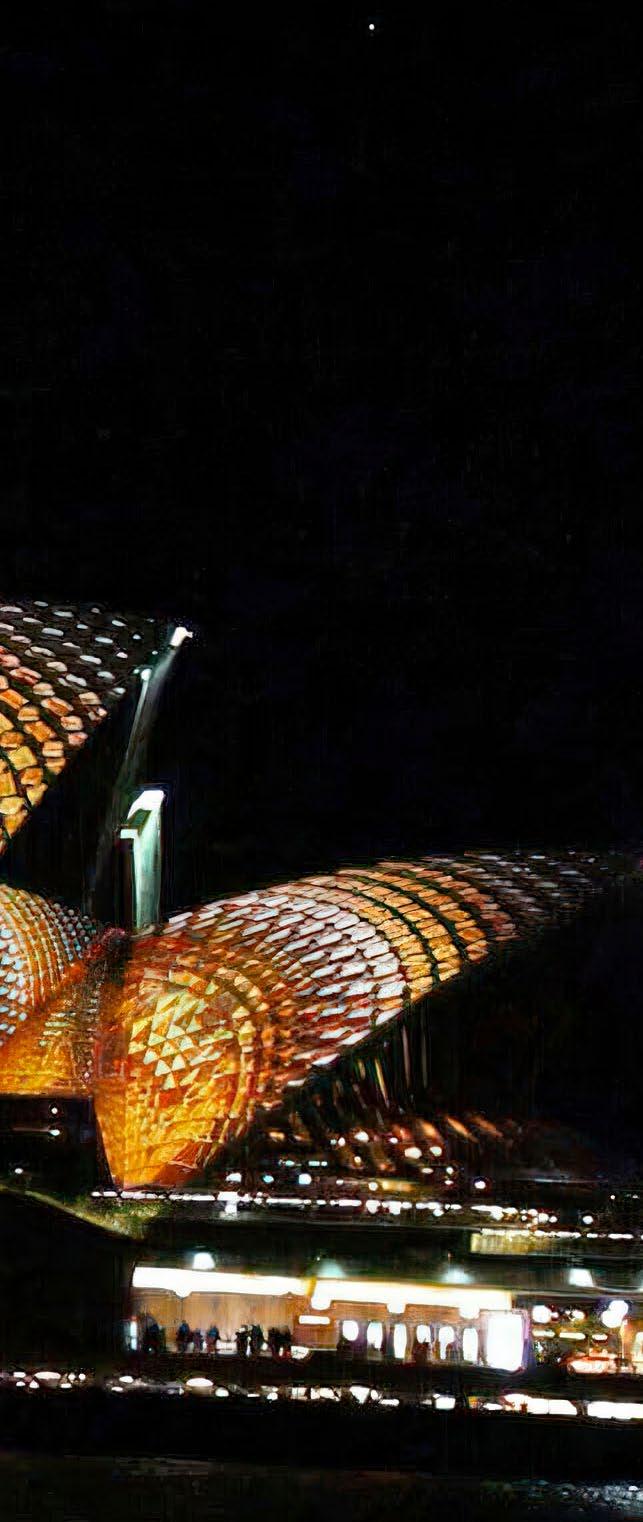
Fig 9 top left: Opera House
Fig 10 Bottom left: Opera House
famous sails have served as the festival's centrepiece. Each evening, powerful projectionmapping technology transforms the white ceramic shells into a vast animated artwork visible across the harbour.
For Vivid Sydney 2026, the Lighting of the Sails installation is “Opera Mundi”, created by renowned French multimedia artist Yann Nguema. Inspired by nature and the organic forms that influenced architect Jørn Utzon, the work explores the relationships between land, sea and sky through intricate animated projections. The result is a constantly evolving spectacle in which microscopic natural forms expand into vibrant patterns that appear to move across the building itself. Accompanied by a synchronised musical score by Romanian composer Mischa Blanos, the projection creates a powerful fusion of art, architecture and technology.
The Lighting of the Sails has become one of the most anticipated elements of every Vivid
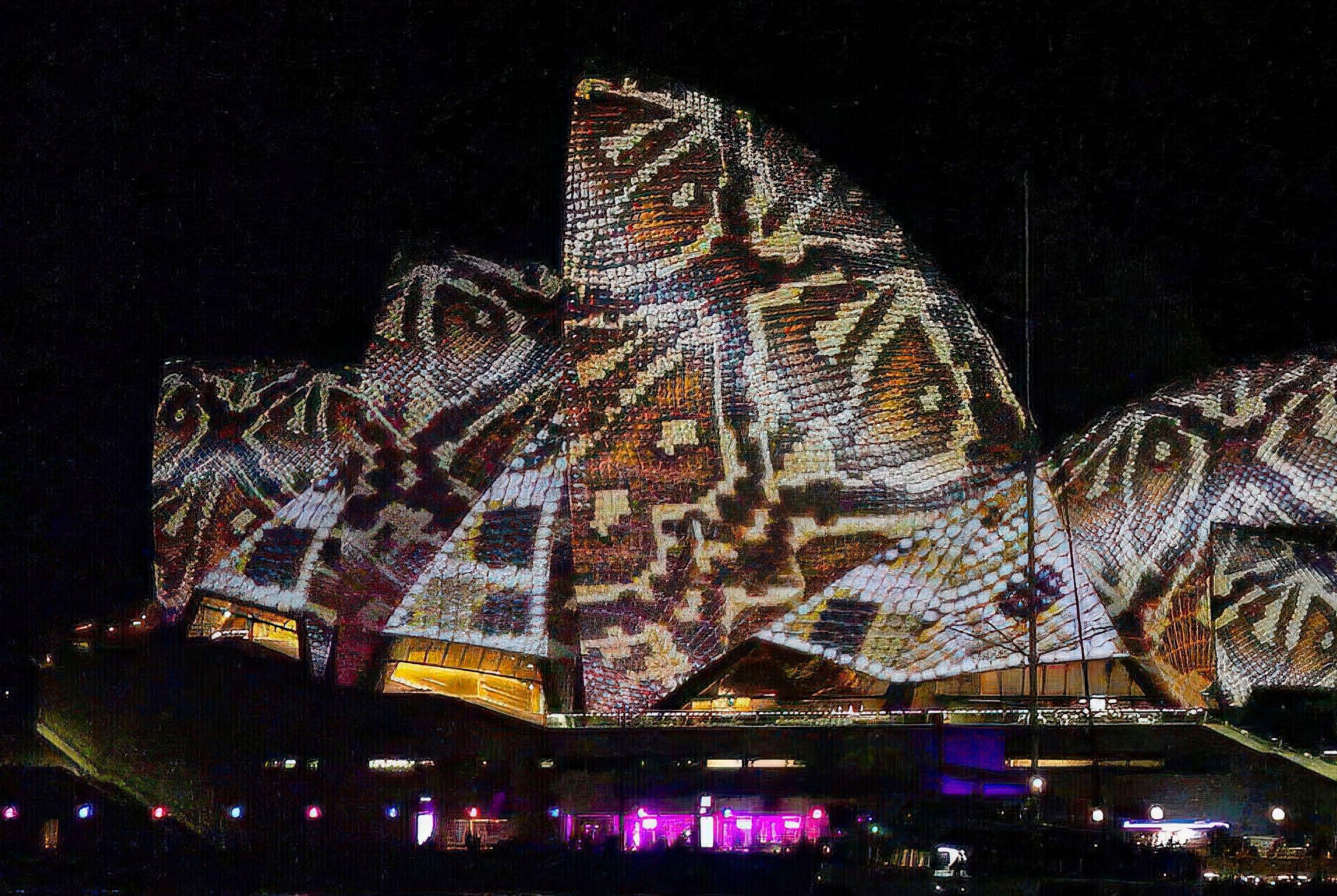
Fig 11 top left: Opera House
Fig 13 previous page: Opera
House wings
Fig 14 top left: Opera House
Fig 15 Bottom left: Opera House
festival. Previous years have featured celebrated Australian and international artists, including the 2025 projection “Kiss of Light”, which showcased the work of Australian artist and activist David McDiarmid. His colourful and energetic imagery transformed the Opera House into a celebration of creativity, diversity and self-expression.
What makes Vivid Sydney unique is its ability to turn an entire city into a gallery without walls. Visitors can wander through illuminated streets, discover interactive artworks, attend live performances, and experience large-scale projections that transform familiar buildings into works of art. Whether admiring a glowing Tasmanian Devil, photographing the spiral of a luminous Nautilus shell, or watching the Opera House sails come alive with colour and
movement, festival goers become part of a shared creative experience.
Vivid Sydney has become more than just a light festival; it has become a celebration of imagination itself – a place where art, technology and storytelling combine to illuminate both the city and the people who experience it.
If you visited Vivid this year, please send in your images for next month’s Newsletter.
Fig 16 top left: Nautilus
Fig 17 bottom left: Tasmanian Devil
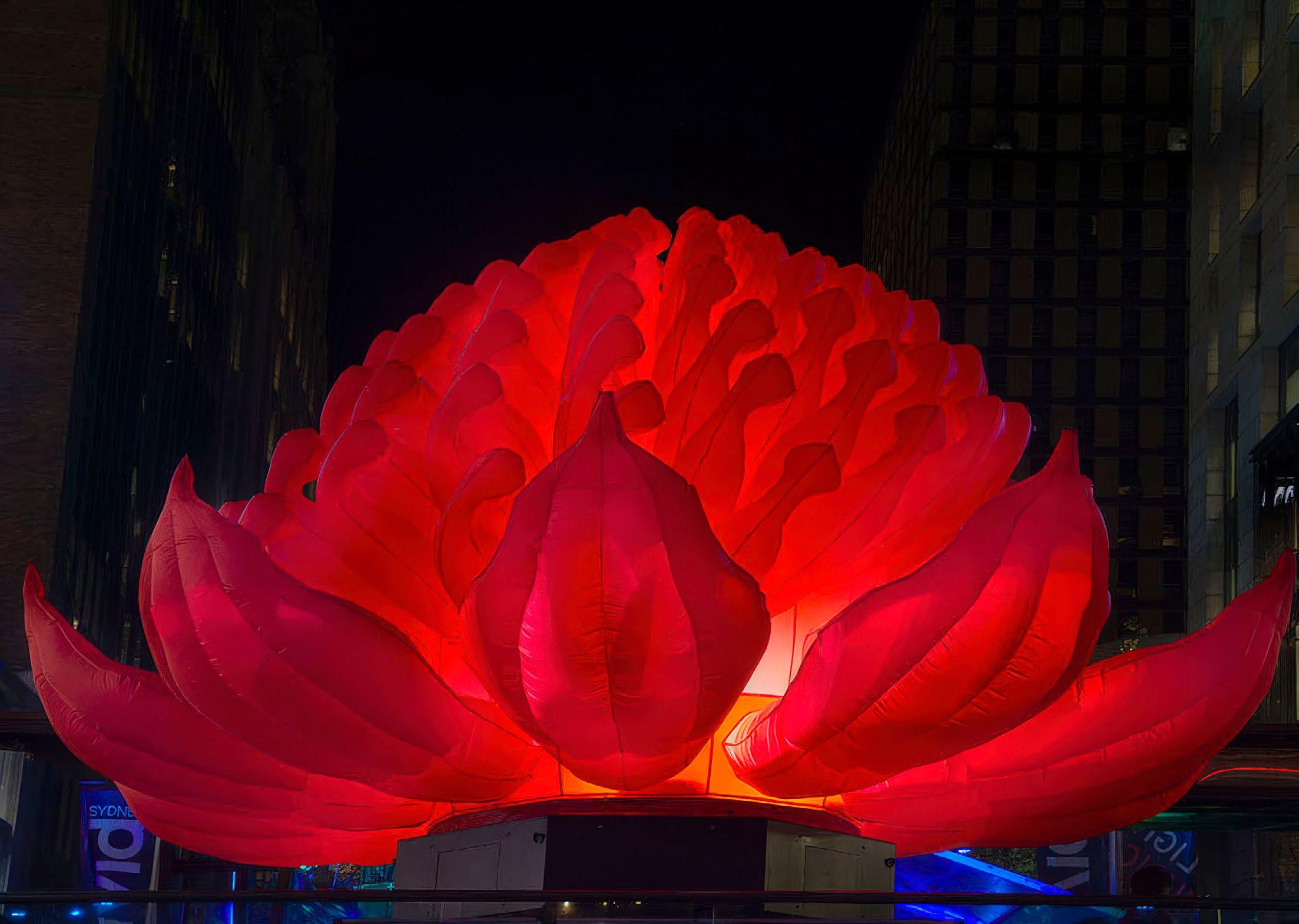
Fig 18 above: Waratah
Getting to know you
Fiona Harmsworth talks to Jacky Lee
Recently, our Honorary Secretary Jacky Lee interviewed Chapter member Fiona Harmsworth.
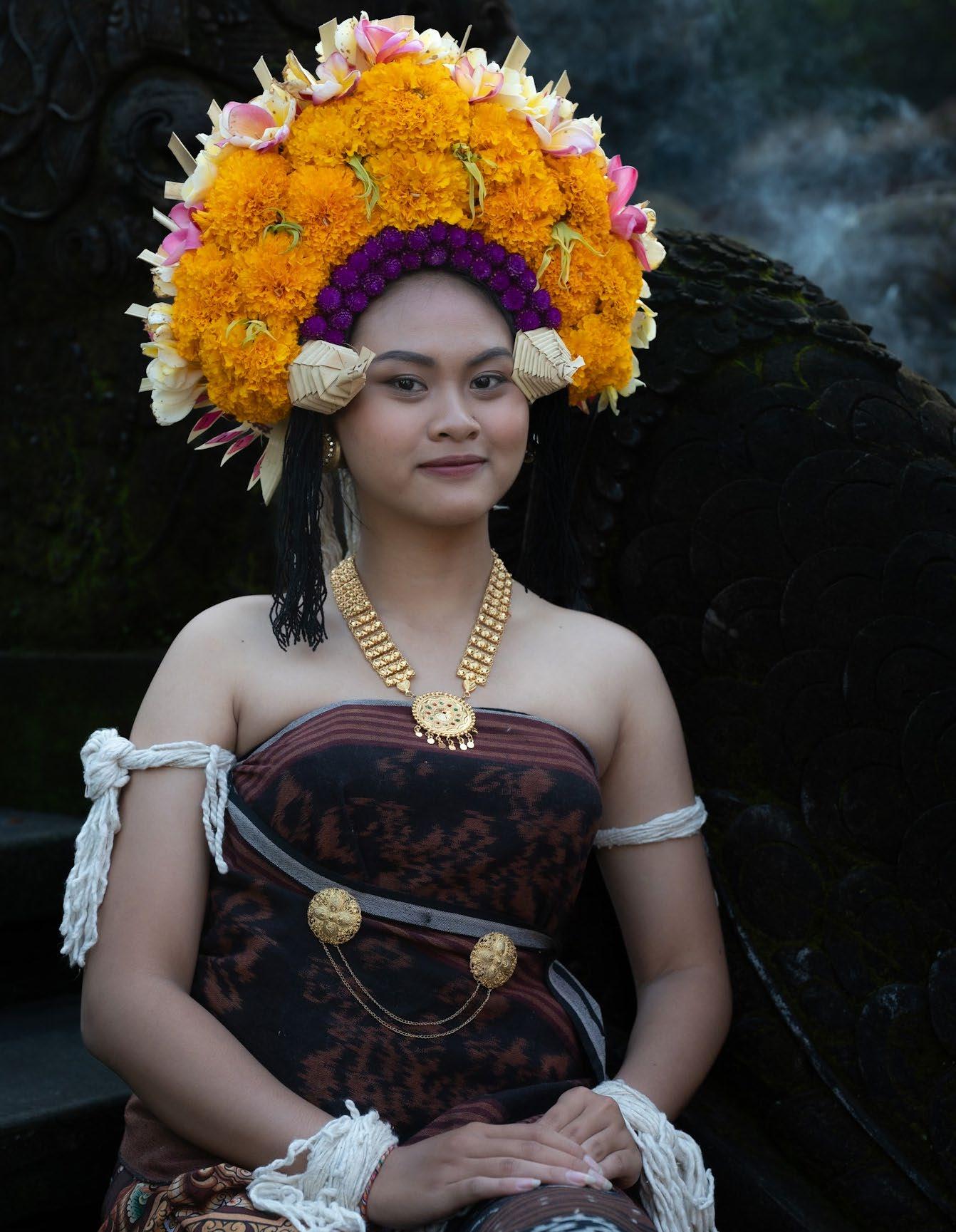
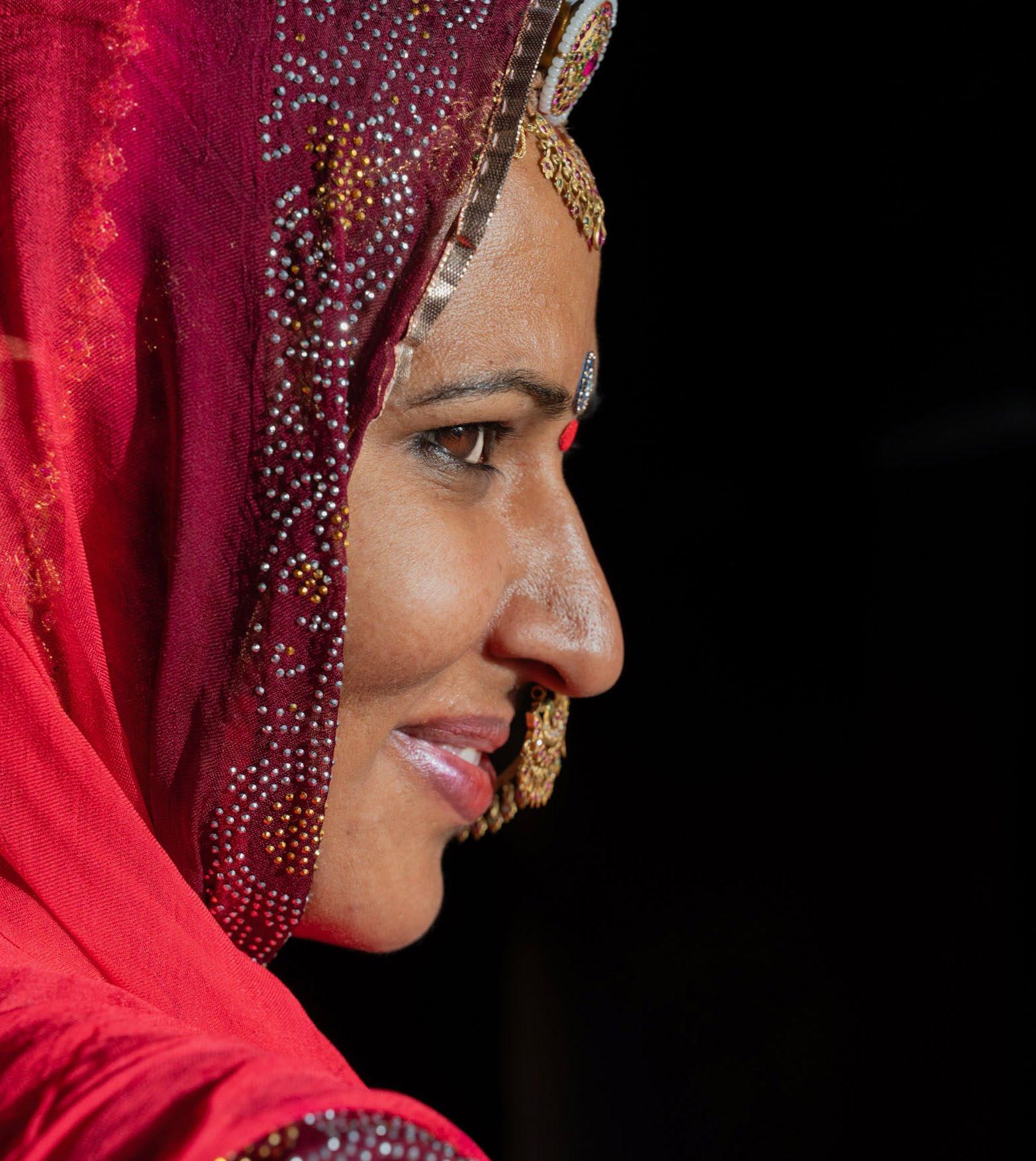
Fiona Harmsworth is an Australian documentary photographer whose work explores culture, identity, and embodied tradition across Asia. Her practice is shaped by an interest in observation, context, and human connection.
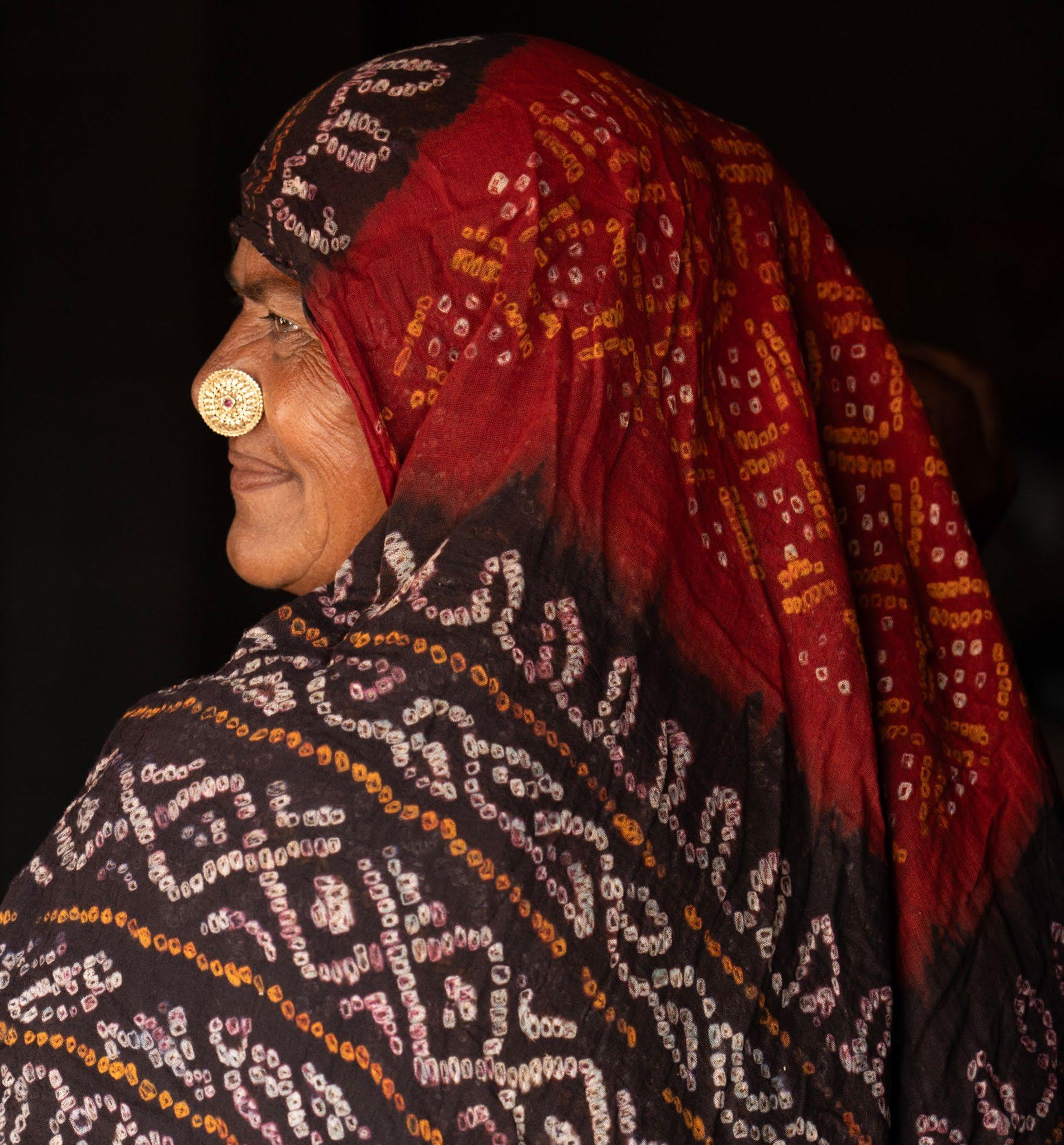
Working primarily in portraiture and visual storytelling, Fiona focuses on presence, gesture, the quieter moments of everyday life, and the details of traditional dress. Her images often explore how belief and tradition are expressed and maintained, offering space for reflection on identity, resilience, and lived experience.
Your academic background is in science and the environment, and much of your career has been in the corporate world. How have those experiences shaped the way you see the world, and the way you approach photography?
I’ve always been fascinated by the natural world – shaped early on by David Attenborough and National Geographic. At university, studying science and the environment, and later working in corporate roles, gave me a solid grounding in research, writing, and critical thinking, along with project management and the discipline of working to deadlines. It also shaped how I interpret what I see. Subjects like environmental law, ethics, and resource management helped me understand the broader context behind many issues we see globally. This was also reinforced through employment in international development, some volunteering with elephants/ other animals, and personal support for causes related to wildlife, animal welfare, human rights, education, and environmental protection.
I initially thought I would focus on wildlife or landscape photography, but over time that shifted. After spending time in India, Nepal, Bhutan, Sri Lanka, and Cambodia, I found myself drawn more to people. My work now centres on portraiture and storytelling – capturing culture, identity, and everyday life through details like clothing, jewellery, and gesture. Elements of my
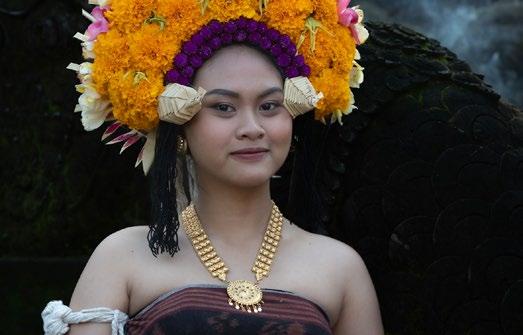
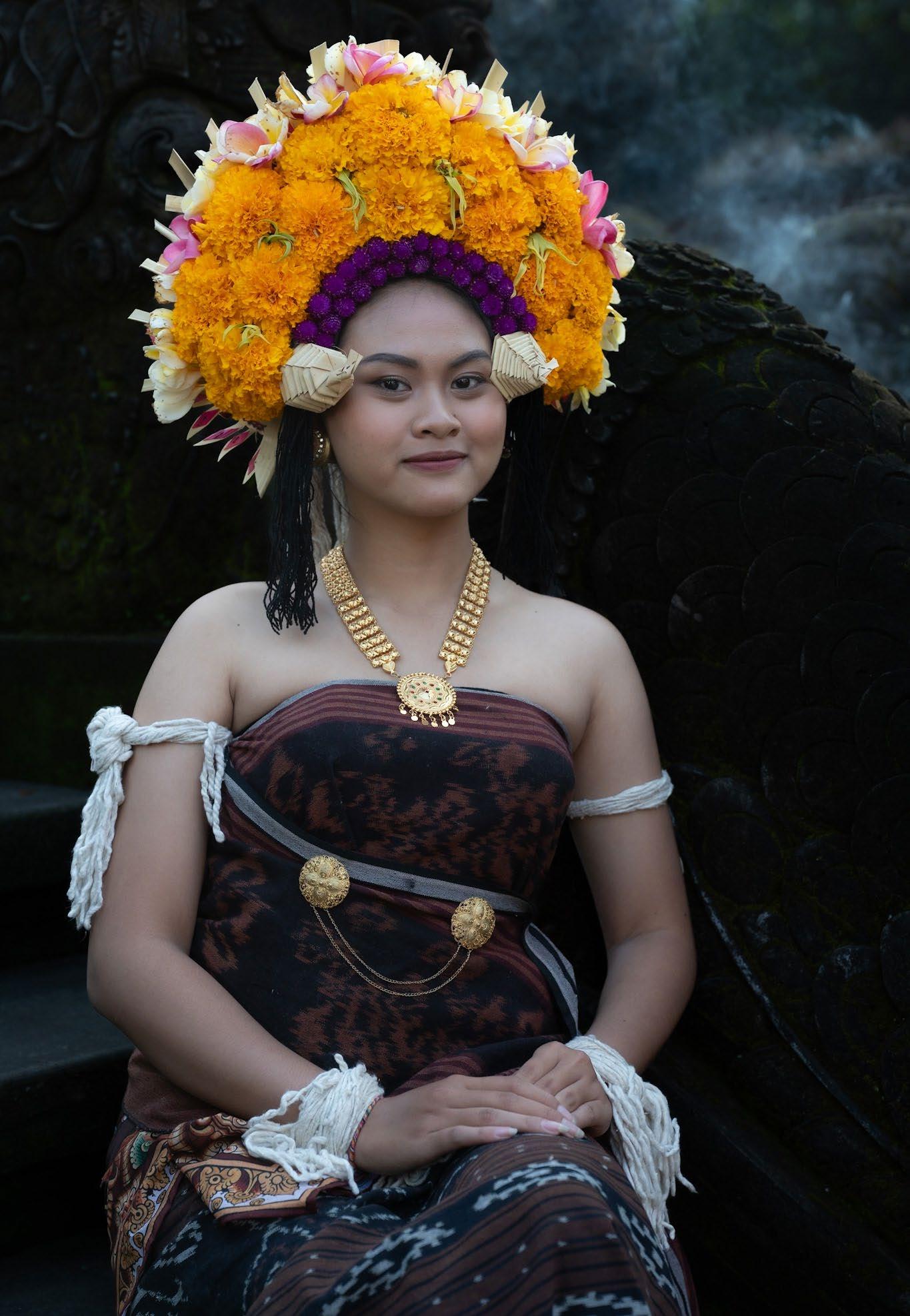
Fig 1: Dancer takes rest (Indonesia)
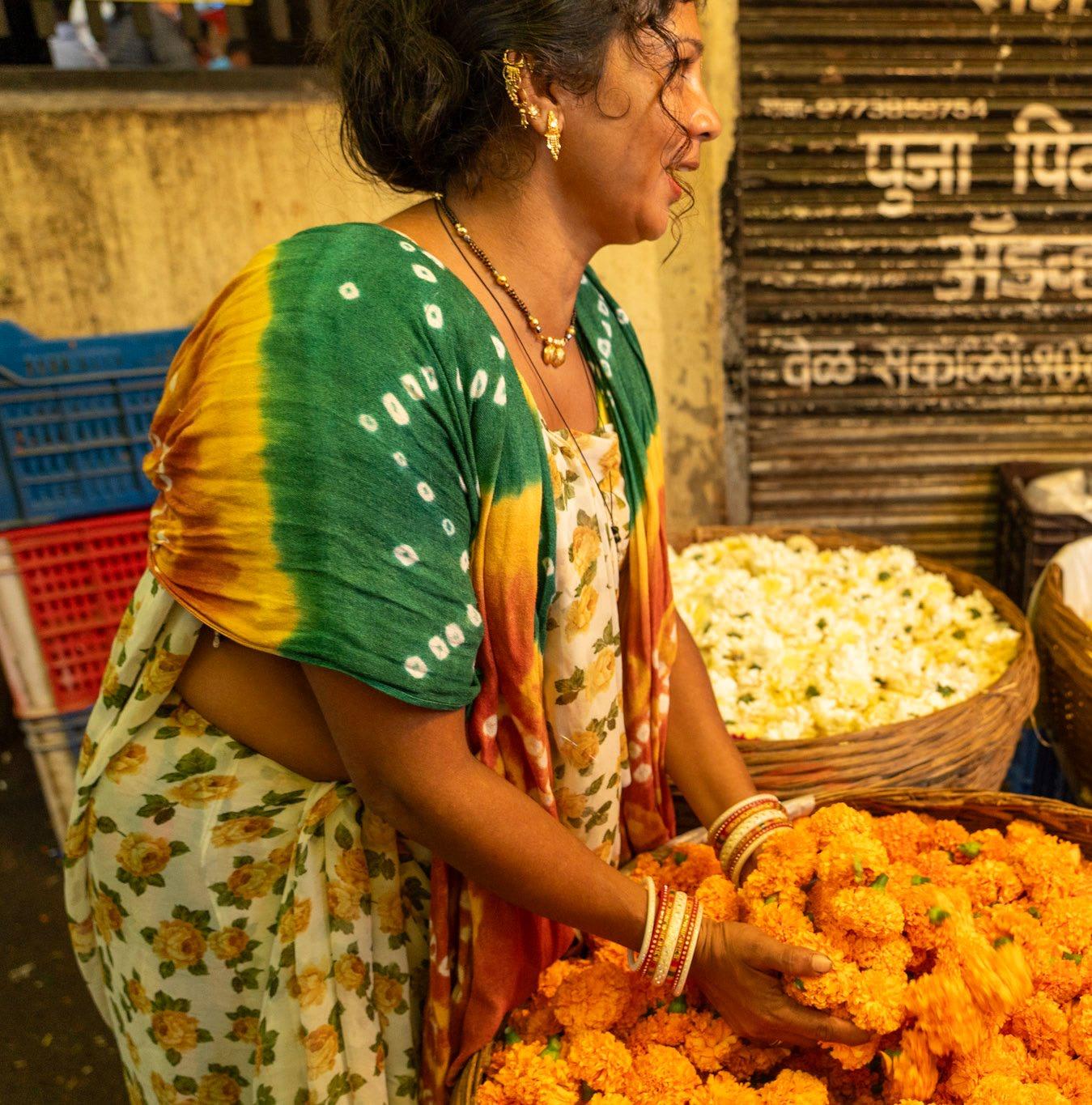
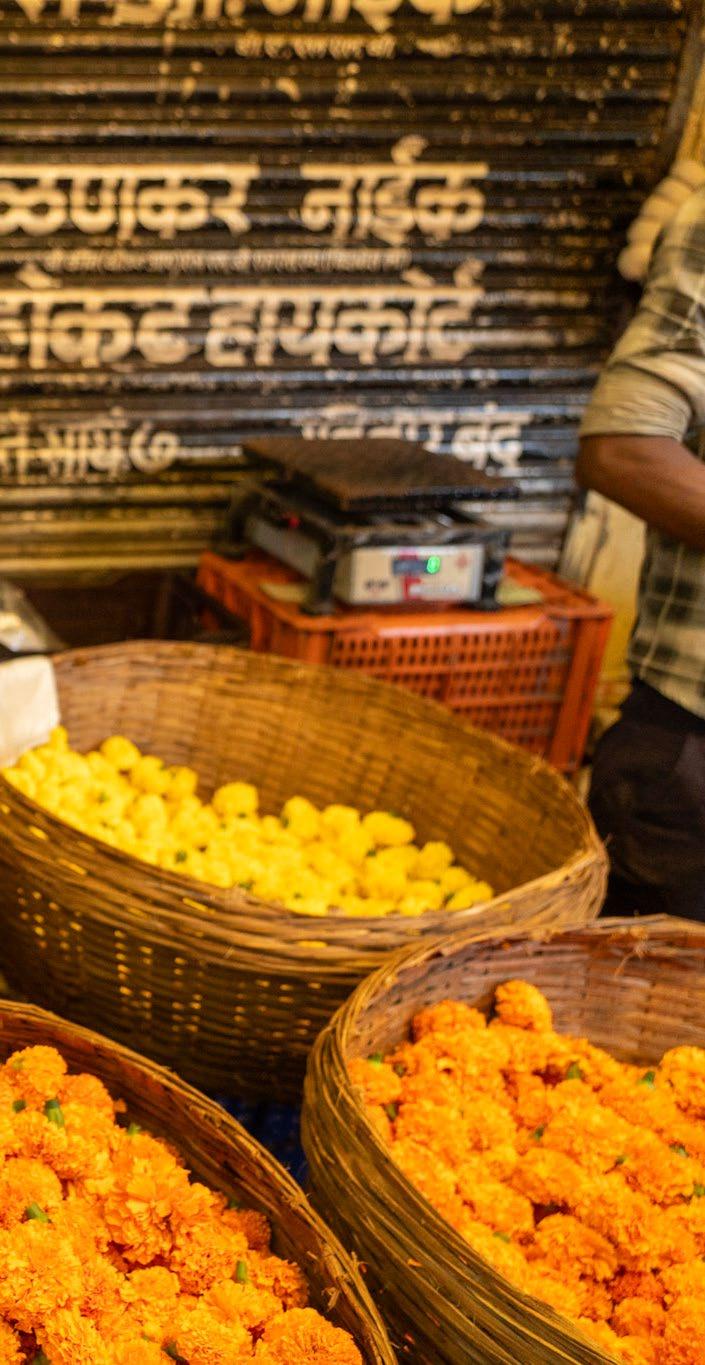
Fig 2: Marigold seller –Mumbai Flower Market
studies resurface when photographing communities where environment, land, and access to resources are closely tied to daily life.
You’ve described photography as a creative outlet alongside a busy working life. Was there a particular moment when you realised it had become something more meaningful than simply a hobby?
I’ve always taken photographs while travelling, but for a long time it remained quite instinctive — something I did alongside the experience, rather than as a way of fully engaging with it. That began to shift once I started travelling again after Covid, bought my Sony camera, and spent more time in India. In the last few years I have become more deliberate in my approach — seeking out guidance, undertaking online training, and attending camera expos.
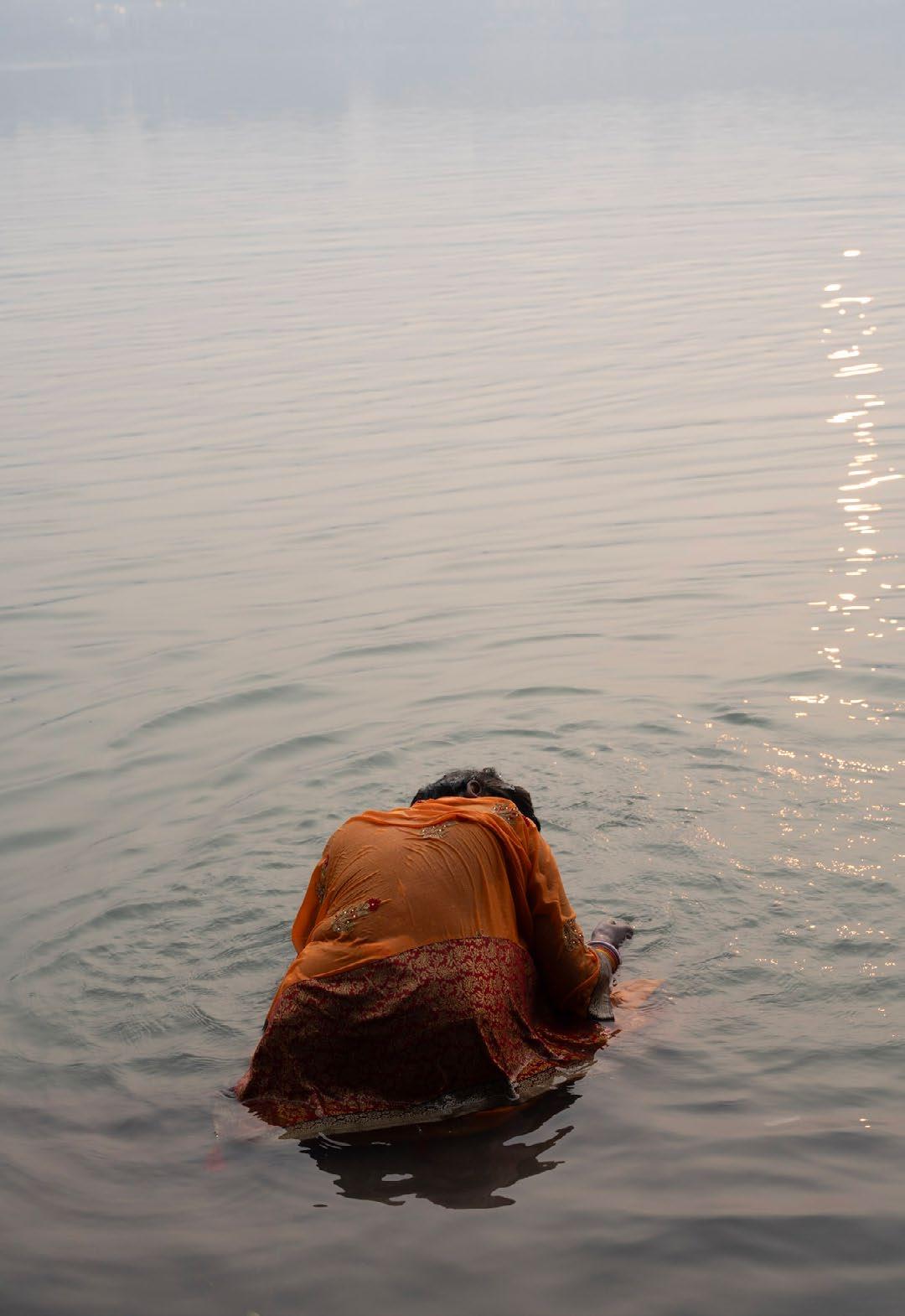
India is incredibly layered, and each visit feels different — whether in the landscapes of Kerala, the energy of a flower market in cities like Kolkata or Mumbai, or the atmosphere of festivals such as the Maha Kumbh Mela, alongside everyday life across regions. Over time, I found myself slowing down and paying closer attention to people, to gesture, and to small details.
The shift from “taking photographs” to observing more carefully and wanting to understand what I was seeing was when it started to feel more meaningful. Photography became less about documenting where I had been, and more about how I was experiencing a place and the people within it.
How has being part of the Royal Photographic Society helped you grow as a photographer and develop your visual storytelling?
Being part of the Royal Photographic Society has given me access to structured learning and a community of photographers working across different styles and levels of experience.
In September 2025, I joined the RPS Encounters programme led by Alixandra Fazzina, which focused on documentary photography and visual storytelling. The course was particularly valuable in helping me organise my thinking around a specific project. Through weekly lectures, assignments, and group critique sessions, we were encouraged to look more critically at our own work and that of others.
That process helped me move from individual images towards thinking in terms of a cohesive body of work — considering sequencing, narrative, and intent. It also gave me greater confidence in editing and refining images, with a view to how they might sit within a book or exhibition context.
India seems to hold a special place in your heart. What is it that draws you back there, and how has it influenced the kind of images you make?
I’ve travelled to India many times for different reasons — wedding celebrations, volunteering, attending and teaching at a yoga retreat, and more recently for photography tours. Over time, it has come to feel like a second home. It can be hectic, most definitely, but there is also a sense of calm within that constant movement that I don’t experience in Australia.
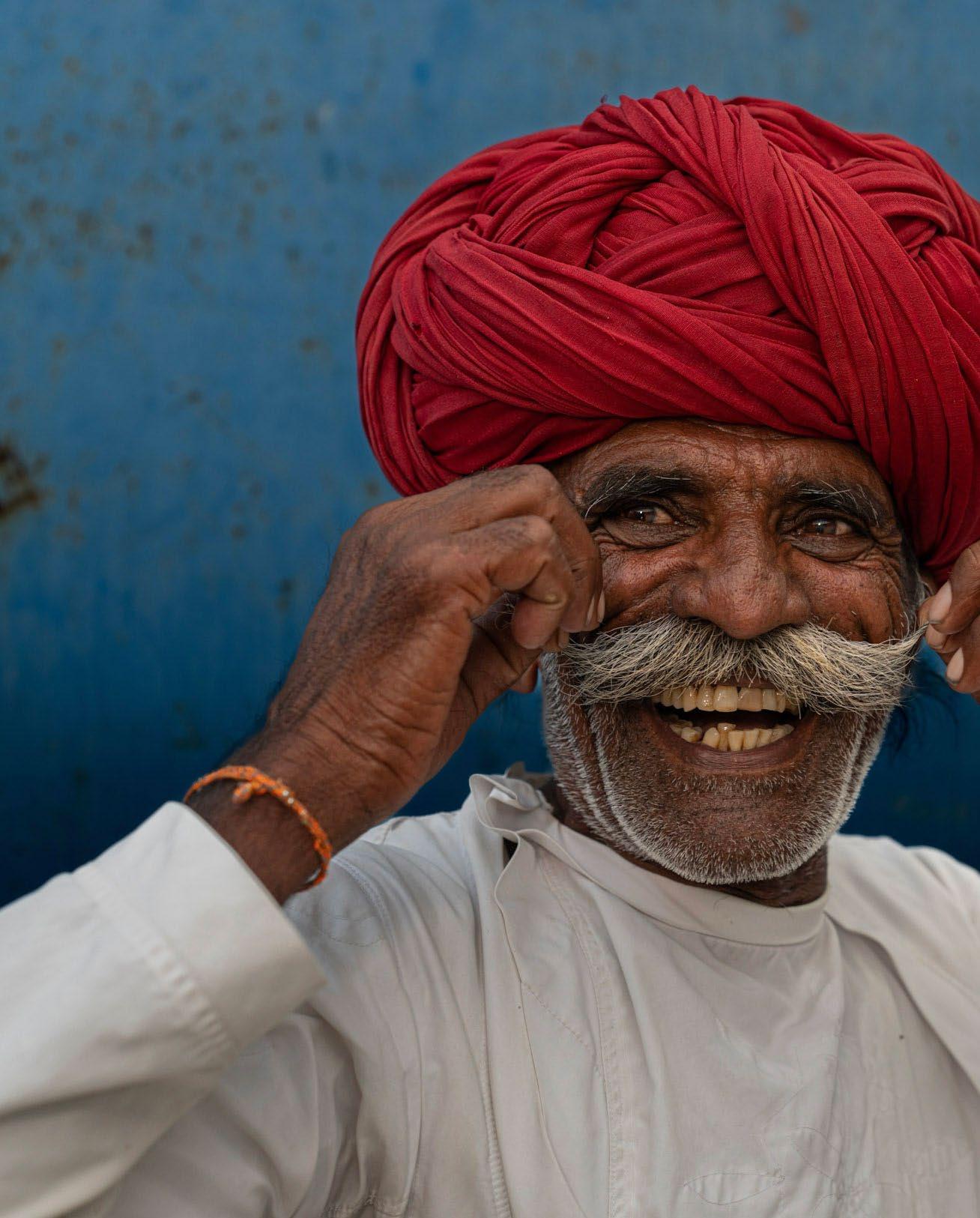
What continues to draw me back is the warmth, generosity, and openness of the people, and the diversity of everyday life, within cities and in more rural areas. The landscape can also be incredibly different between States. In some villages people may not have encountered many, if any, international visitors, even though
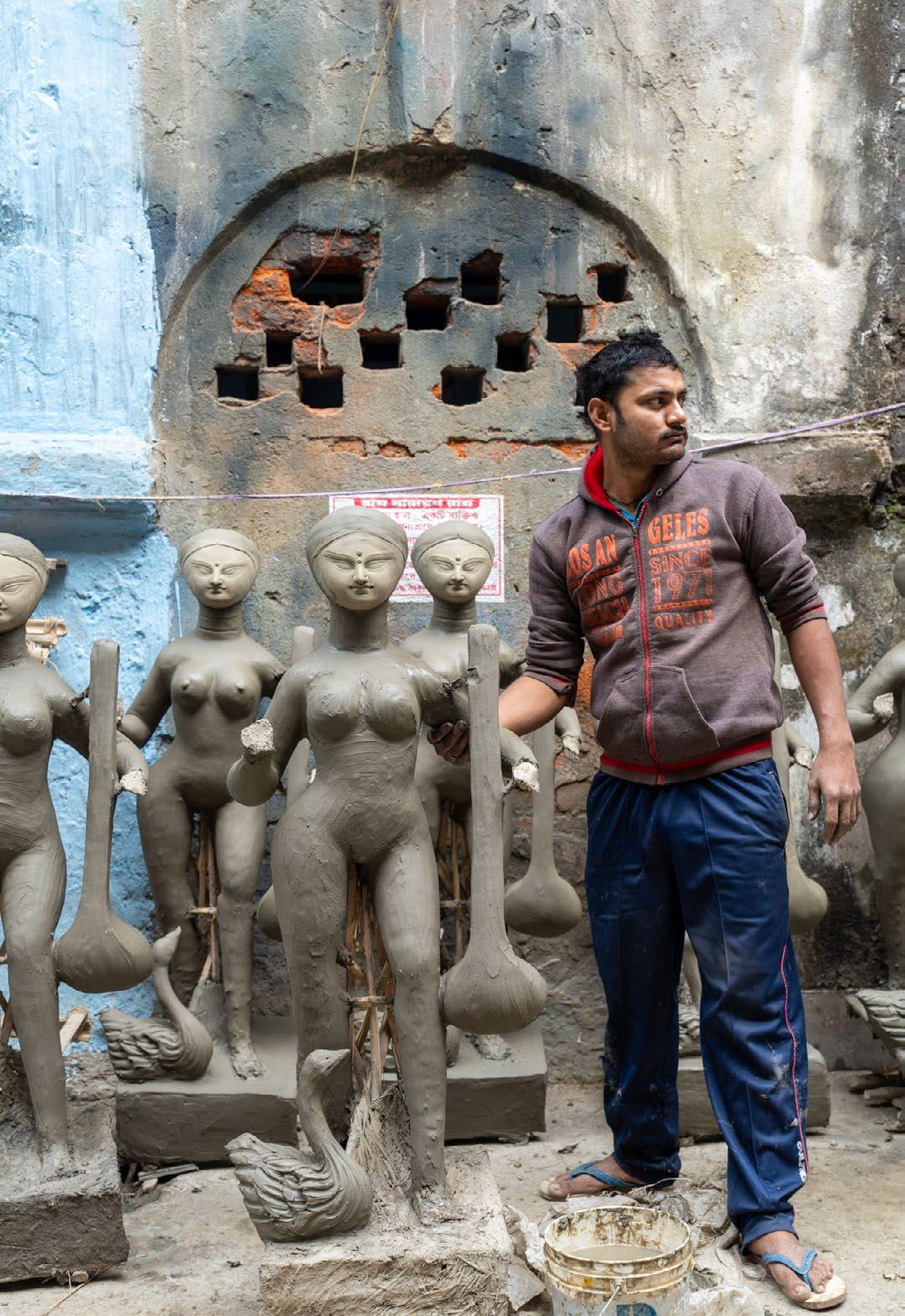
Fig 3 above left: Crafting a goddess
Fig 4 above centre: Devotion to the Goddess
Fig 5 above: Gujarati Tradition
Fig 6: Gujjar Man from Rajasthan
they are often connected to the world through mobile phones and social media. These encounters are very special.
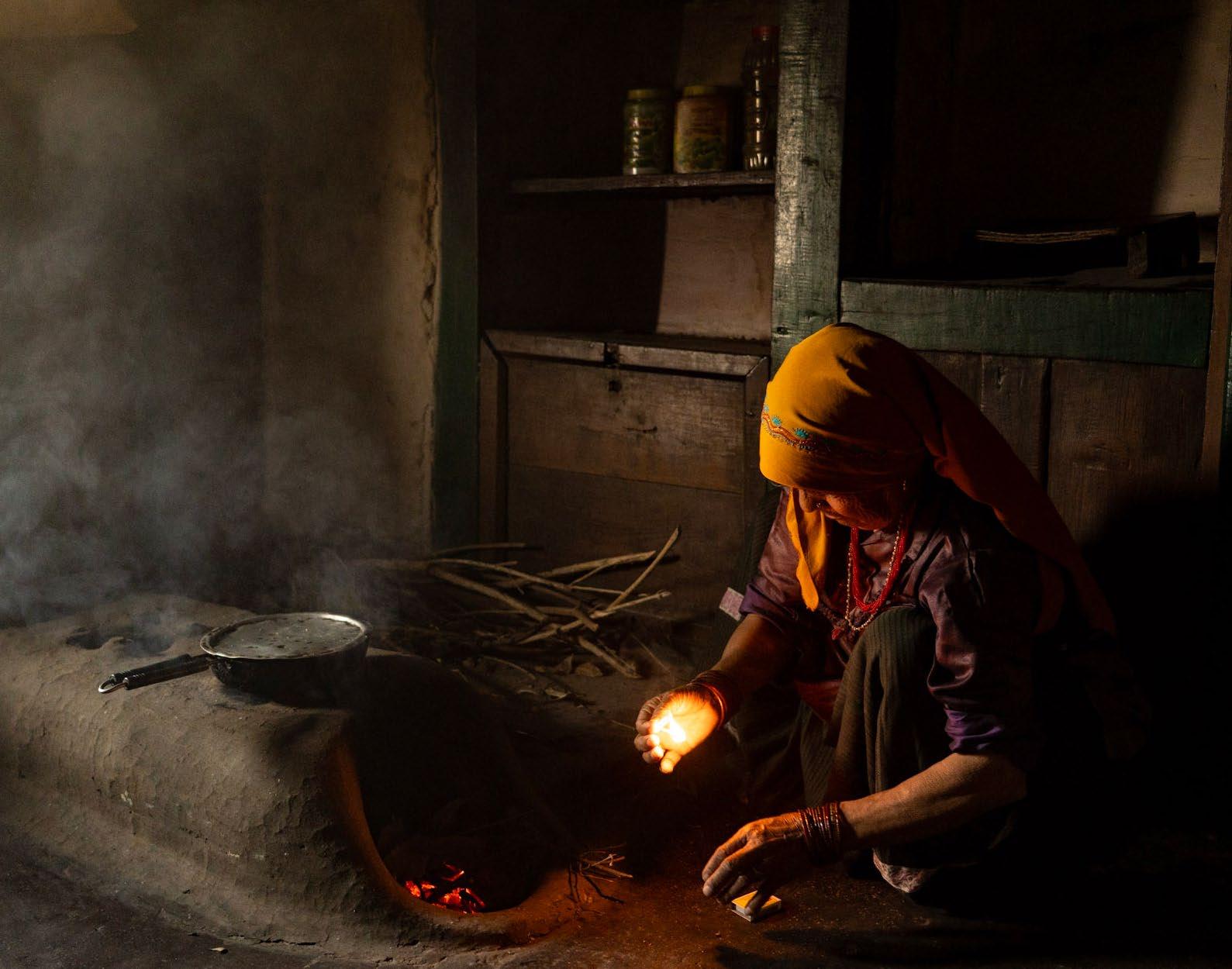
This experience has shaped the way I photograph. Alongside strong faces, eyes, and personal presence, I’m drawn to small, often overlooked details, such as how people dress, the objects they carry, or artefacts within daily rituals. I try to spend time observing and, where possible, understanding what I’m seeing, and then continue that process through research afterwards. For me, the images are less about capturing a place at a surface level, and more about offering a glimpse into everyday life. Not everyone has an opportunity to experience this firsthand.
Balancing a professional career with photography is not always easy. How do you make space for both, and what helps you keep that creative side alive?
It can be challenging at times balancing a corporate role, with its structure and deadlines, alongside a more creative practice. I’ve had to be quite intentional about how I use my time.
When I’m in Australia, much of that space is focused on learning and development – editing my work, building skills, and reflecting on what I’ve captured. I’ve also become more conscious of shooting less, but with greater intention, which has helped me focus on quality over quantity. Travel plays an important role. I tend to use annual leave for immersive photography trips, which allows me to step away from day-to-day routines and engage more fully with the work.
What helps keep the creative side alive is noticing people and places I may want to return to, along with ongoing reflection on the kinds of stories I’m drawn to. Even when I’m not actively photographing, that process continues in the background.
When you are out photographing, what matters most to you? Has a personal philosophy or way of seeing gradually emerged through your work?
When I’m out photographing, what matters most is staying close to a sense of truth in the image, building trust with the subject, and photographing people in a way that reflects their natural way of being, as much as possible. I also pay close attention to the situation and to people’s emotions. Part of the process is reading whether it feels appropriate to take a photograph at that moment. Consent is essential — particularly when photographing women or children — and I approach each interaction with
as much sensitivity and respect as possible. Over time, and with experience, a way of seeing is gradually emerging. I find myself drawn to quiet moments and to images that feel authentic, allowing space for interpretation.
What camera gear do you usually like to work with, and why does it suit the way you photograph?
I use a Sony A7R V when travelling and take my 28-70mm and 70-200mm lens setup. This gives me flexibility across different situations, particularly when moving between wider scenes and more intimate portraits.
Weight is always a consideration when
Fig 7 below: Rajasthani Beauty
Fig 8 below right: Lighting the Fire
travelling, so I try to keep my kit as light and practical as possible.
Looking ahead, are there any projects, places, or stories you would especially like to explore through your photography?
Looking ahead, I’m interested in continuing to explore stories around culture, identity, and everyday life, particularly within communities where tradition and modern life intersect.
Geographically, I expect to continue spending time in India and the broader region, as there is so much depth and diversity to understand. I’m also interested in exploring other parts of Asia over time.
In terms of projects, I’m beginning to think more about how bodies of work might come together – whether in the form of a book or exhibition – rather than focusing solely on individual images. That shift towards longer-term storytelling feels like a natural next step.
Australian systems shaped by time
Simon Locke
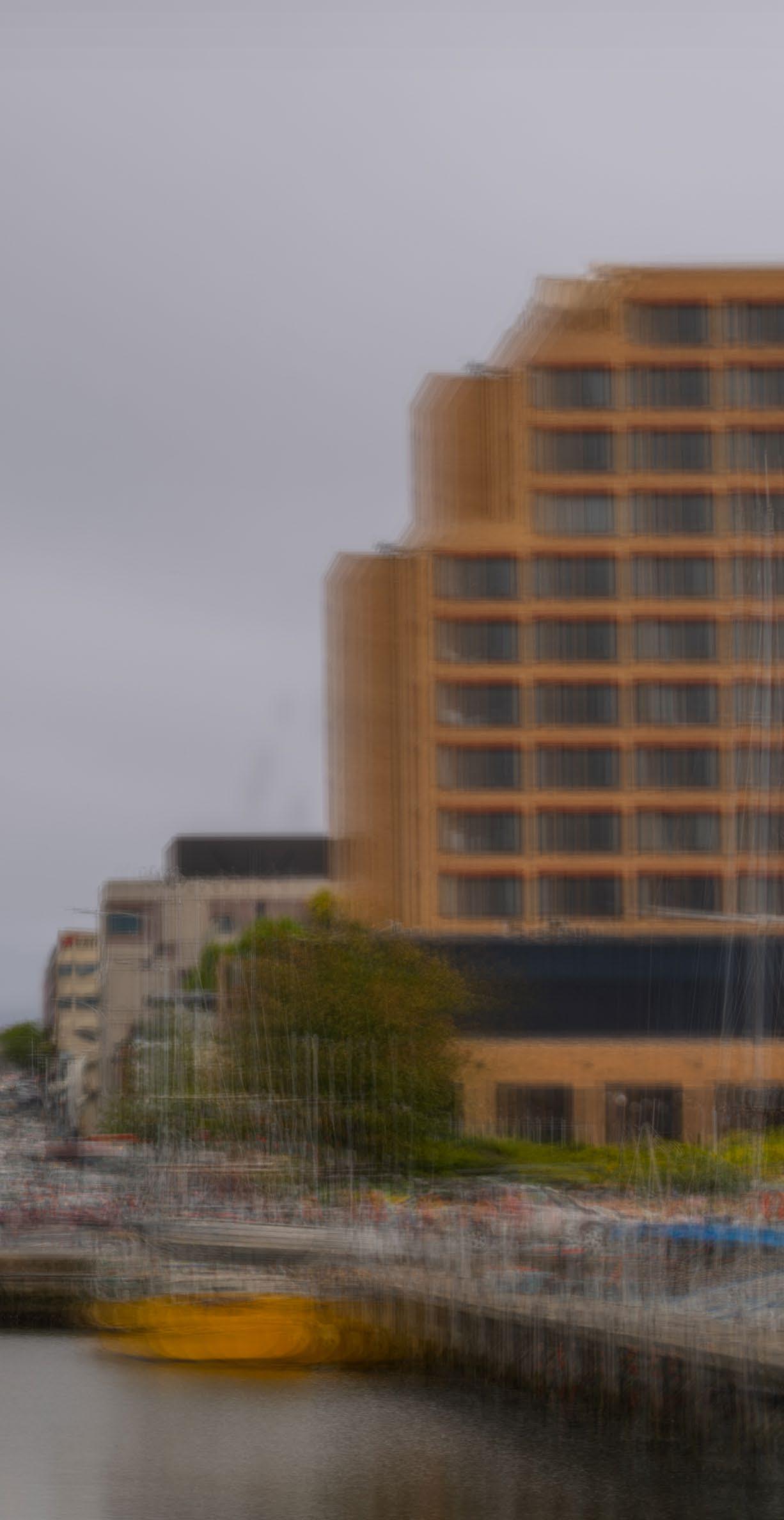
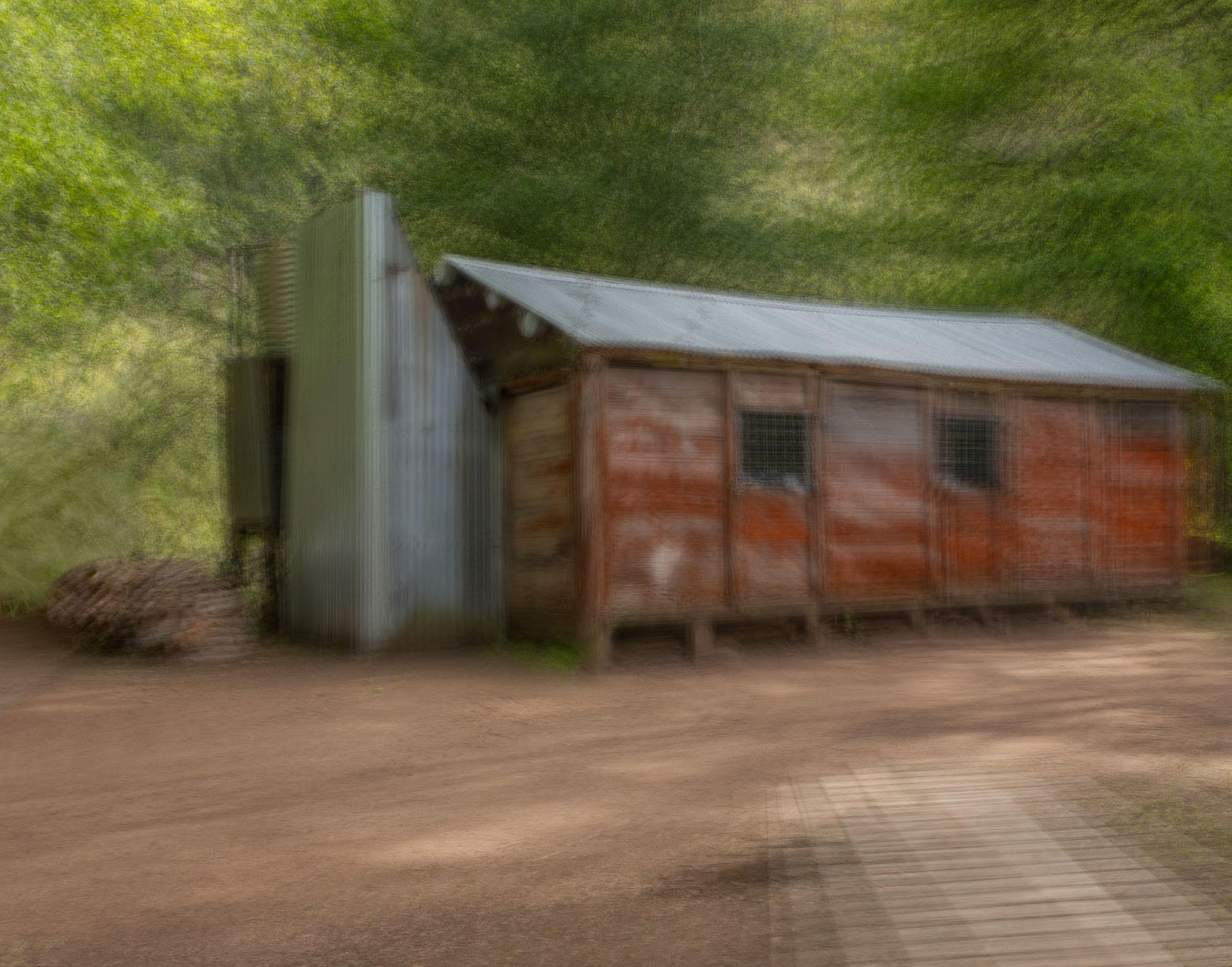
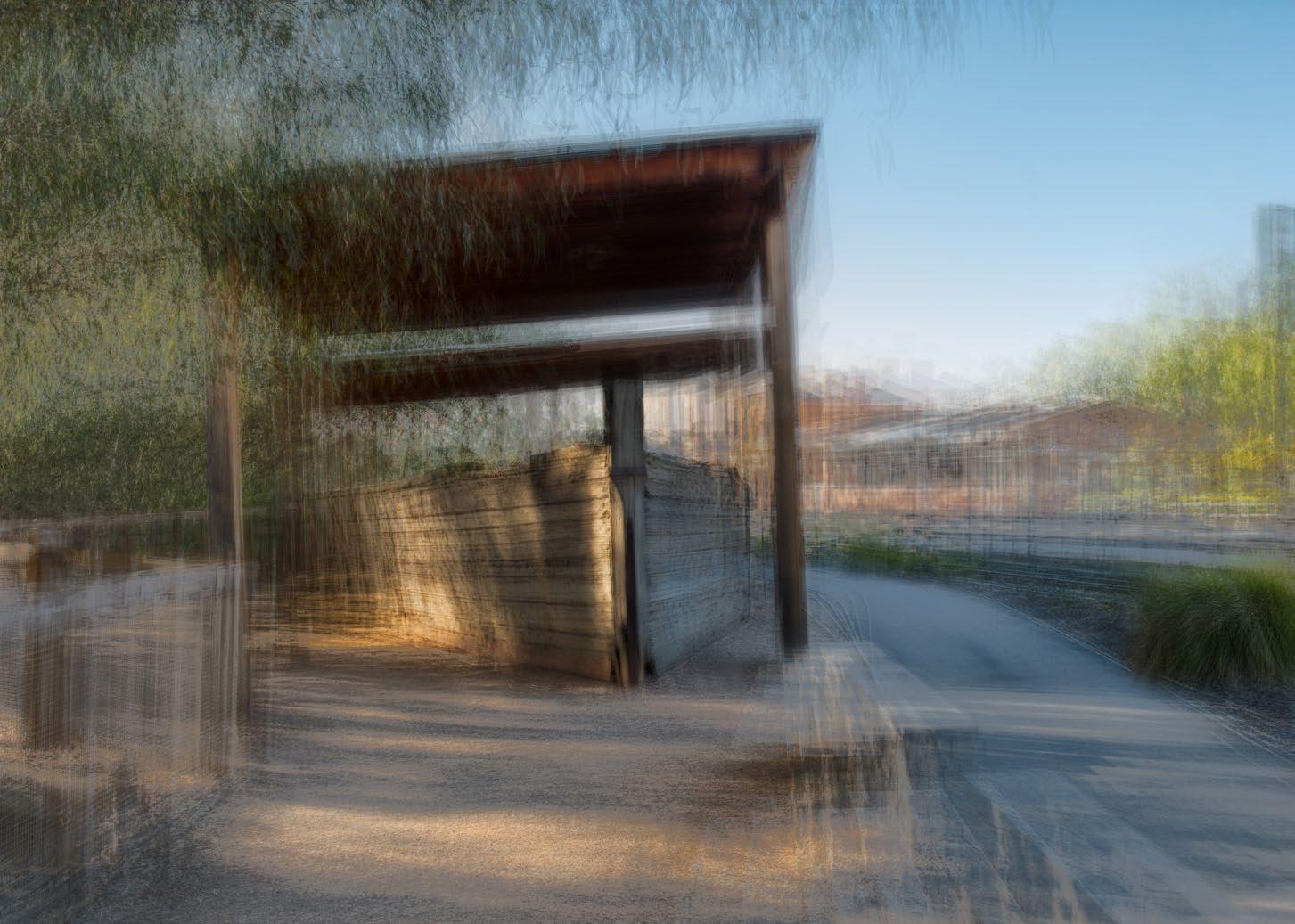
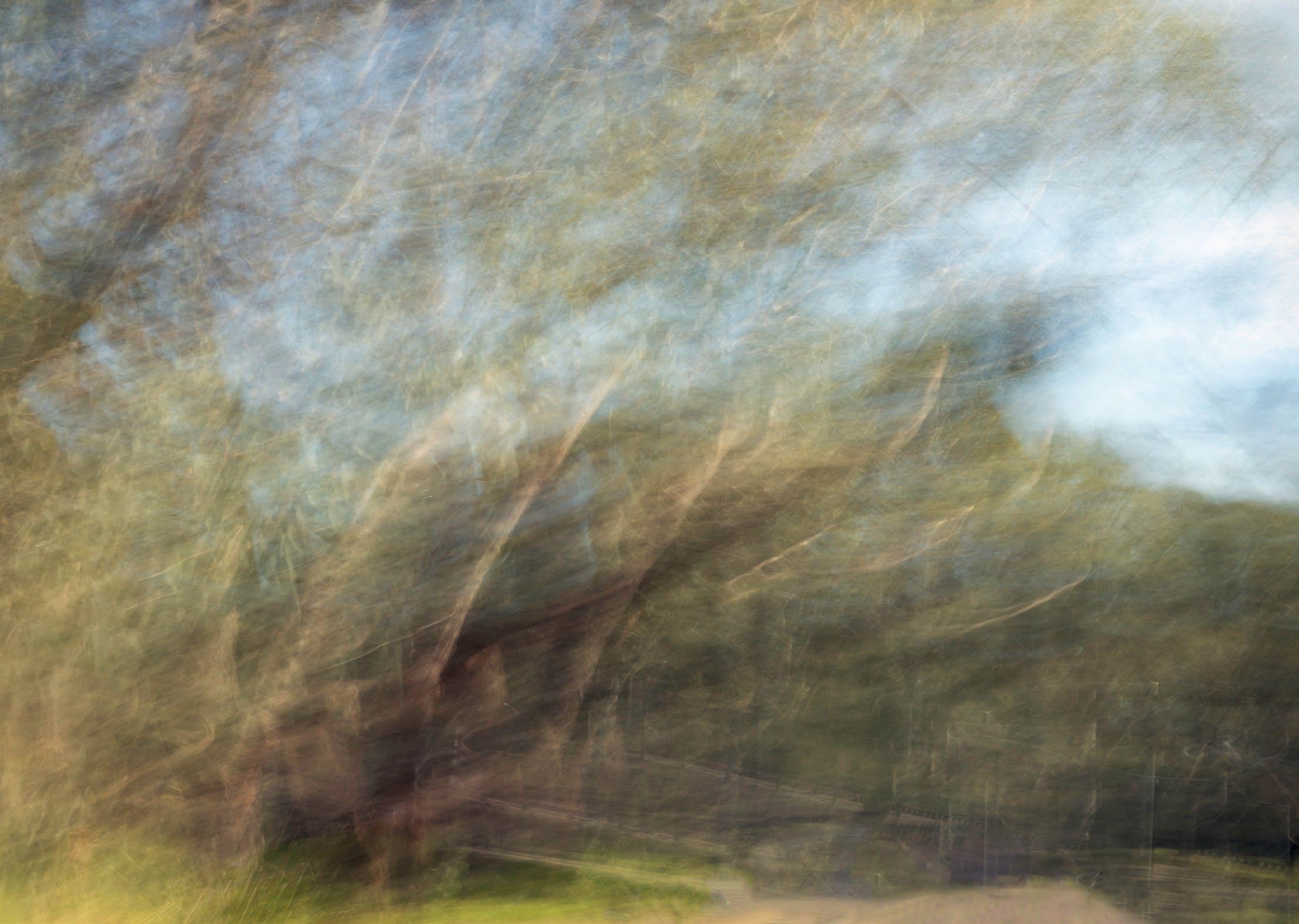
I am a photographic artist based in Moama, on the NSW/Victoria border, and much of my recent work has grown out of observing the regional structures around me. These are not always dramatic subjects. They are sheds, wharves, ferries, fire pits, old buildings, machinery, river edges and working spaces. They are ordinary structures, but they carry the marks of repeated use. Over time, they become records of labour, movement, gathering and survival.
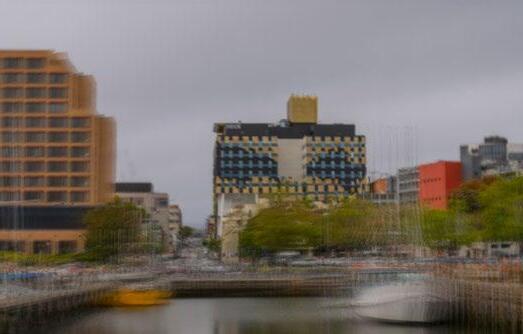
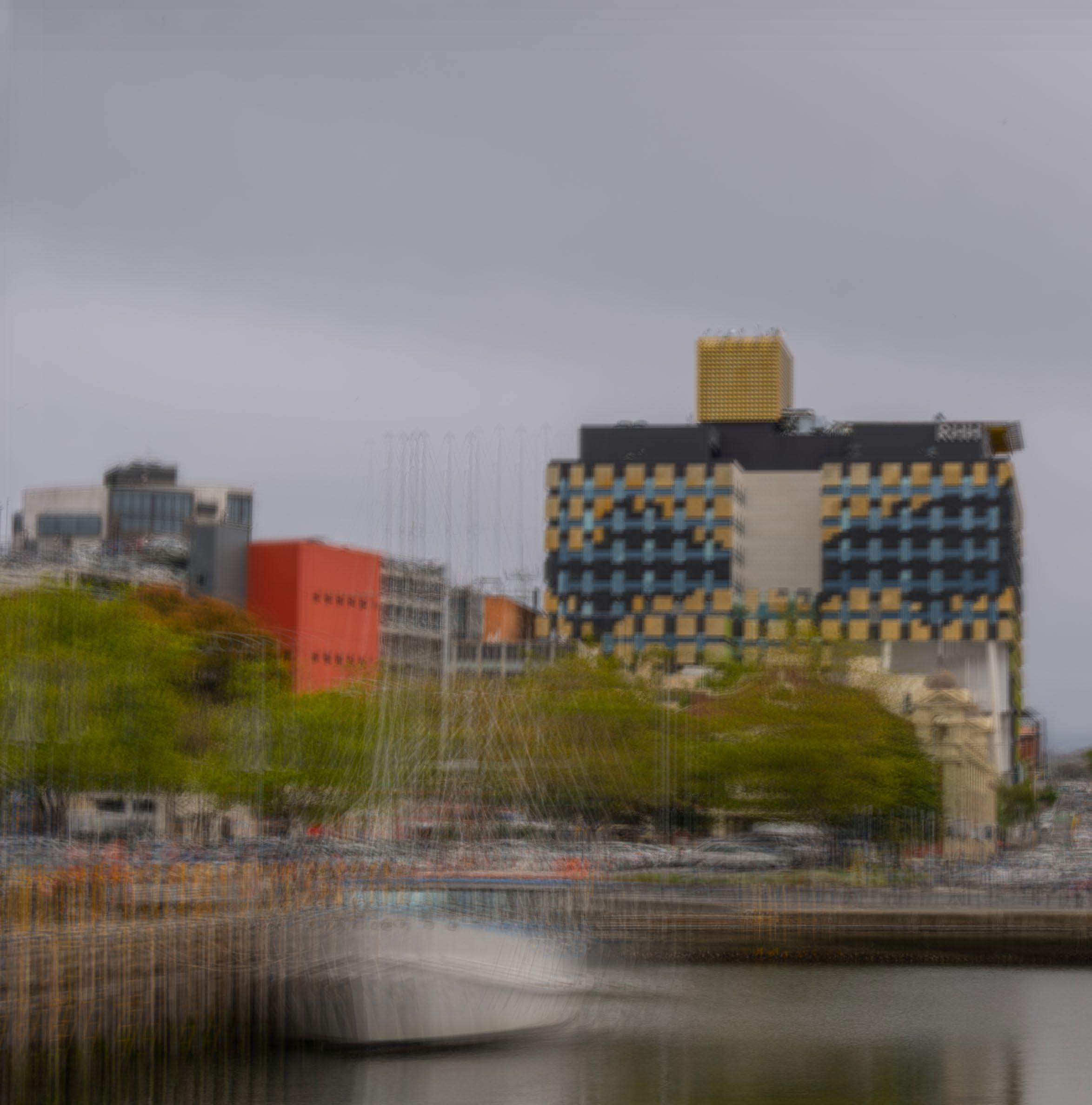
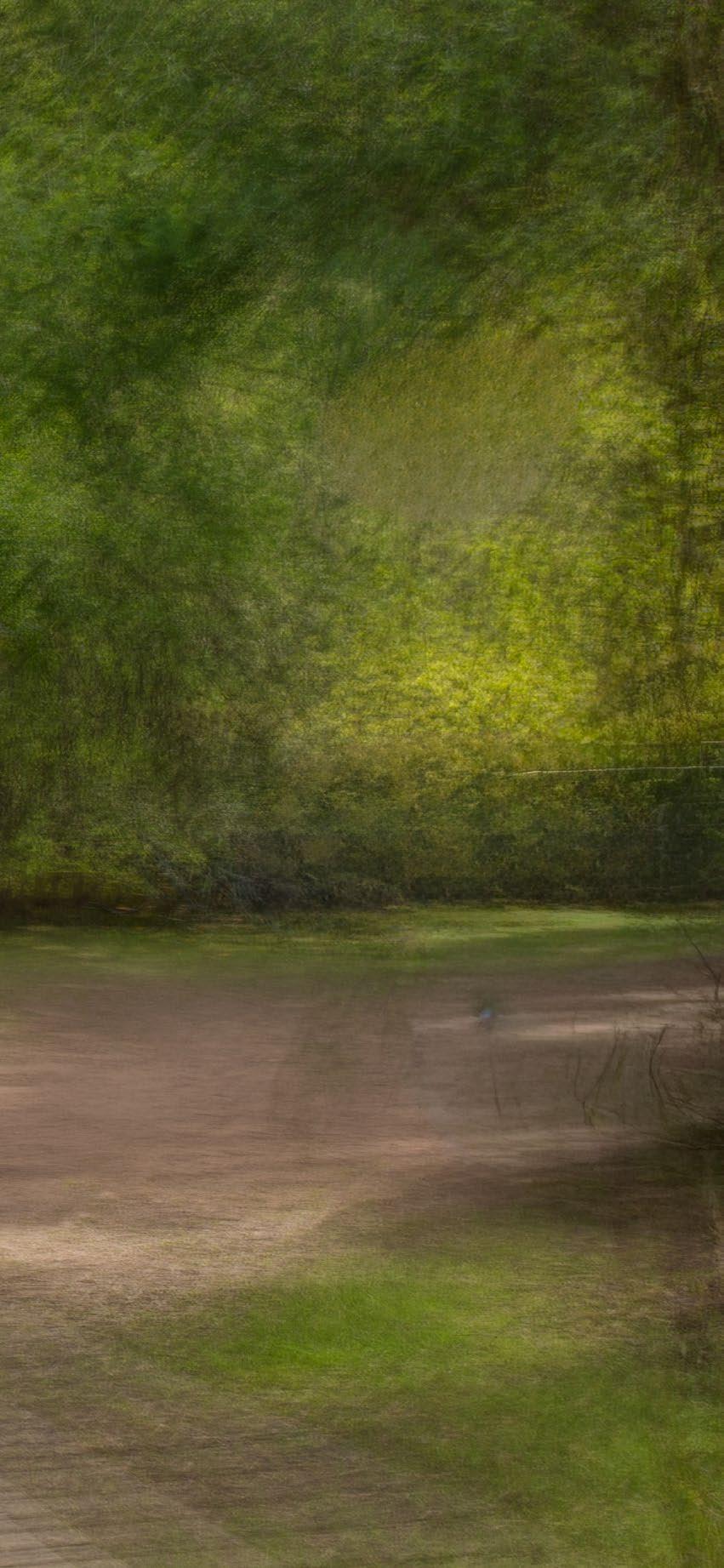
My current body of work, Australian Systems Shaped by Time, explores these places through multiple-exposure photography. I am interested in the way a structure can hold both physical presence and accumulated time. Rather than photographing a subject from a single fixed viewpoint, I take a sequence of images while moving gradually around it. The process allows the subject to remain clear while the surrounding environment begins to soften, shift and suggest repeated observation.
Technically, most works begin as a sequence of around 20 to 30 separate exposures made with small changes in camera position. I generally work in aperture priority, usually around f/8 or f/11, to preserve structural detail and depth of field while allowing the camera to adjust shutter speed to the available light. I try to keep the exposure consistent across the sequence, because the later blending process depends on control rather than accident.
The files are then brought into Photoshop, where I select a base frame, align the principal structure across the sequence, and blend the layers using controlled opacity changes. The aim
is not to create a special effect. It is to allow the main subject to retain authority while the surrounding system, road, dust, sky, grass, river, timber or machinery, carries a sense of movement, use and accumulated time.
As the series has developed, I have become increasingly interested in visual hierarchy. I try to make one subject carry the image. The surrounding environment remains important, but it should support rather than compete. Much of the final editing is therefore about restraint; deciding what to clarify, what to quieten, and what to leave unresolved. Tone and colour are refined with this in mind, using a restrained Australian palette rather than a more decorative
or saturated treatment.
The series is now moving toward exhibition. This has changed the way I think about the work. A single image can succeed on its own, but an exhibition asks a different question: how do the images speak to one another? I am beginning to see the series as a quiet study of regional Australian infrastructure and memory. The works are not nostalgic in a simple sense. They are about endurance, use, repair, repetition and the way communities leave traces on the built and working environment.
The exhibition process has also brought the practical realities of photographic practice into focus. Printing, framing, transport and
presentation are significant costs, particularly when producing work at a professional exhibition standard. I have therefore begun applying for grants and local arts support. South West Arts has already provided valuable and generous advice and practical assistance as I move through this process, and that support has helped clarify both the artistic and logistical steps required to bring the work to exhibition. This kind of regional arts support is important not only because it assists individual artists, but because it recognises that visual art contributes to community culture. Public support helps turn a private photographic project into something that can be shared, discussed and seen by others.
For me, this is where the project has widened. What began as a technical and visual exploration of multiple exposure has become a way of thinking about place. These structures are not monuments in the formal sense, but they are part of the lived history of regional Australia. They show how communities gather, work, travel, build, repair and adapt.
My hope is that the exhibition will give viewers time to look again at familiar regional subjects and see them not as background, but as evidence of systems shaped by human presence over time.
Australian photographer John Pollard FRPS died in 2018, leaving behind not just a grieving family and a substantial legacy of photographic work in public and private collections, but also an eclectic collection of books representing his varied interests over his life. In this ongoing column, I hope to stimulate interest and reflection on various aspects of photography based on the perusal of John’s collection of books. In the process, I also aim to periodically shine a light on John’s career and practice.
Dr Robin Williams ASIS FRPS
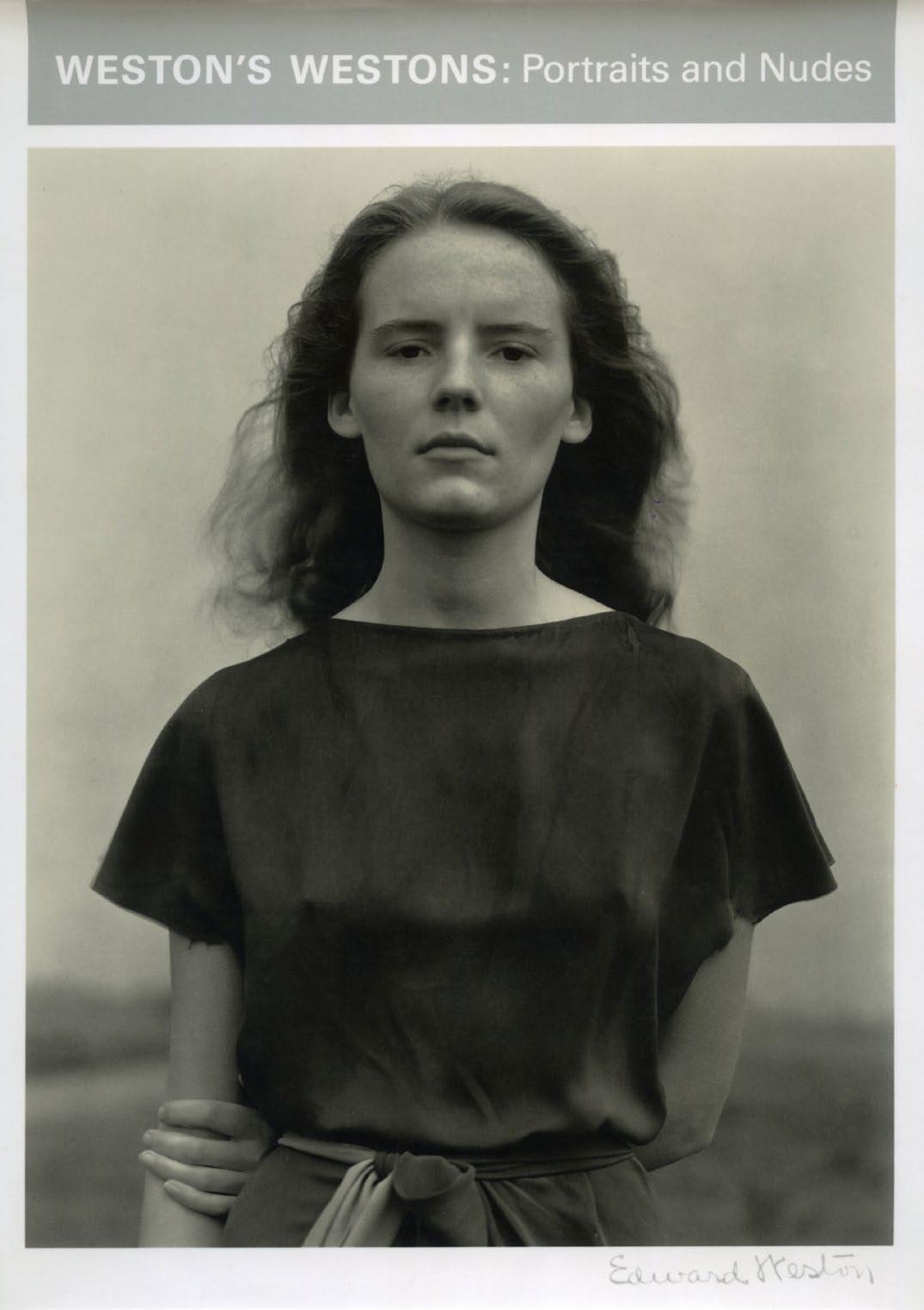
Pondering Pollard 30: ‘Weston’s Westons: Portraits and Nudes’ by
Theodore
Stebbins Jr.
Pub. Museum of Fine Arts, Boston. 1989.
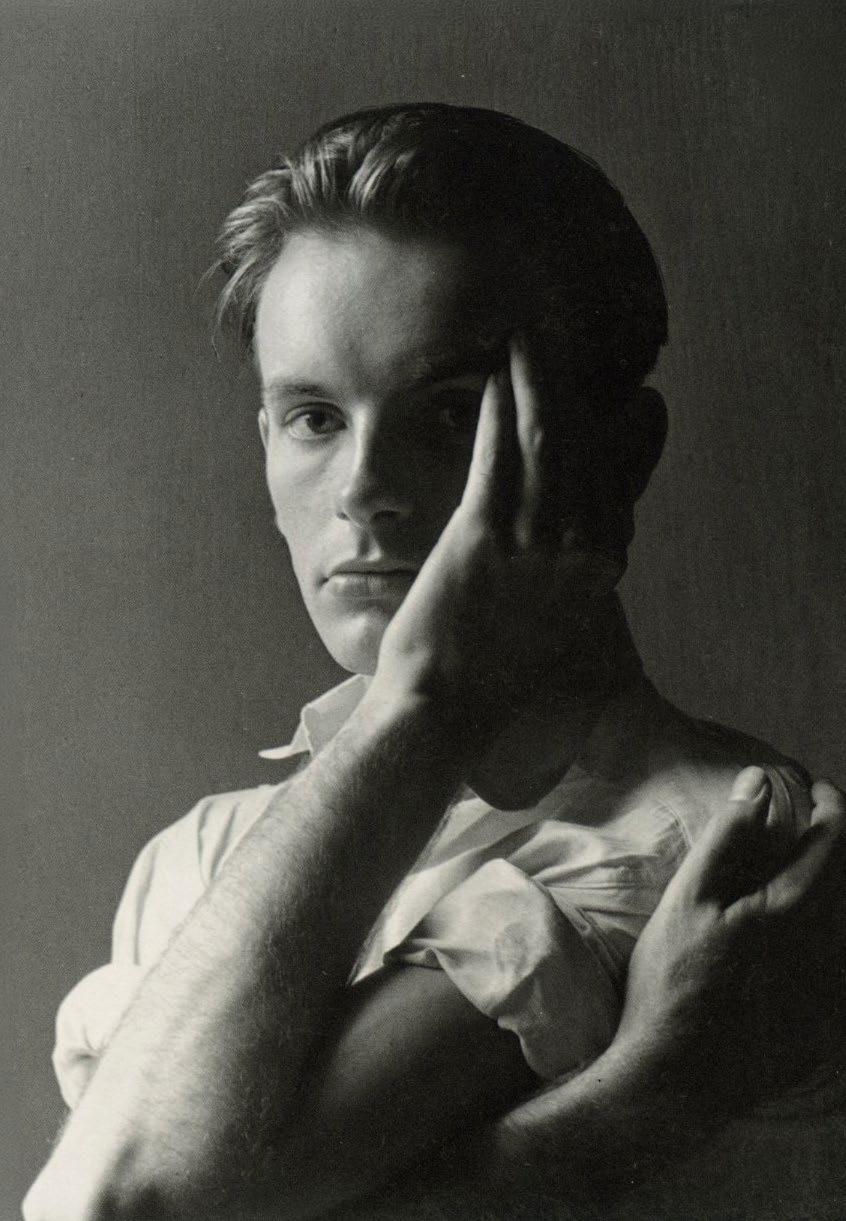
Edward Weston is one of the principal figures in 20th century photography and one of the most influential. He has justly been called the quintessential modern photographer. His absolute dedication to his art – his refusal to compromise his standards, his simple lifestyle and his constant struggle to survive economically, his emphasis on absolute formal control of his compositions, and his extraordinary abilities as a printer of fine photographs – have made him perhaps the most respected photographer of his age. As is often the case with innovative artists, Weston's genius was first recognised by his peers. His friend Ansel Adams considered him ‘one of the greatest artists of our
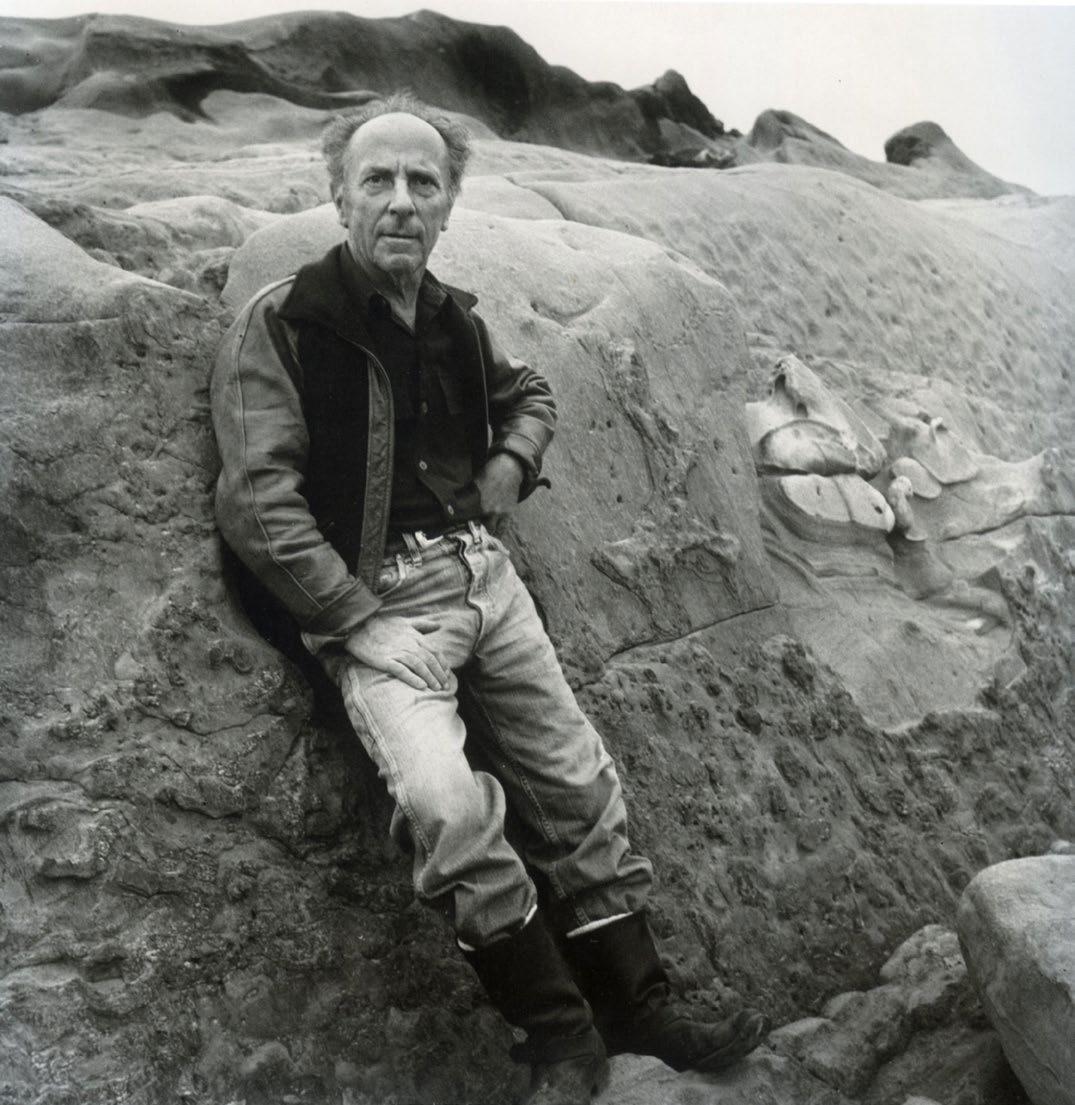
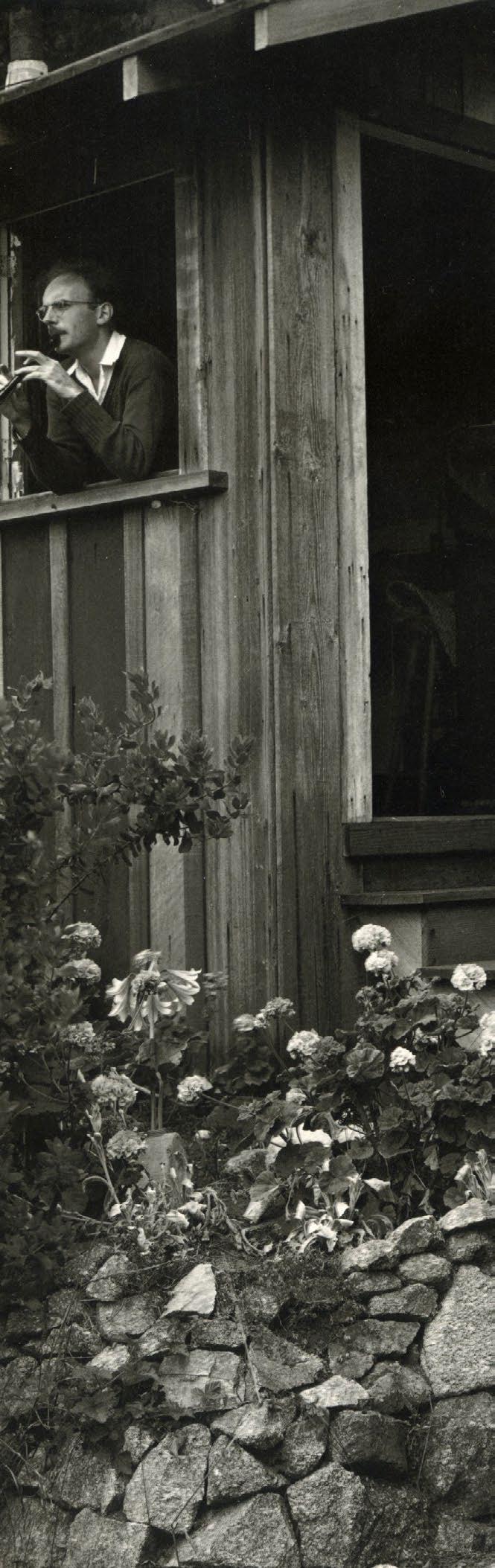
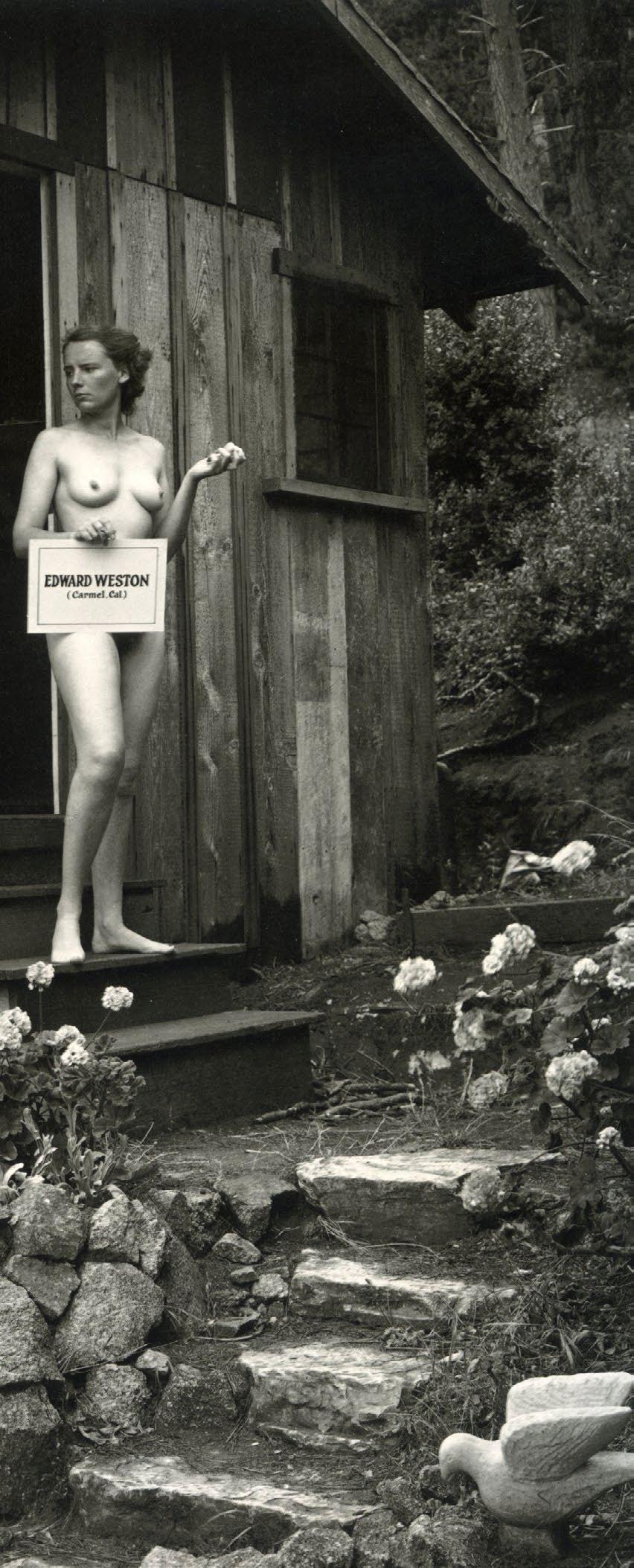
Fig.2 above: ‘Edward Weston at Point Lobos’, 1945, Imogen Cunningham.
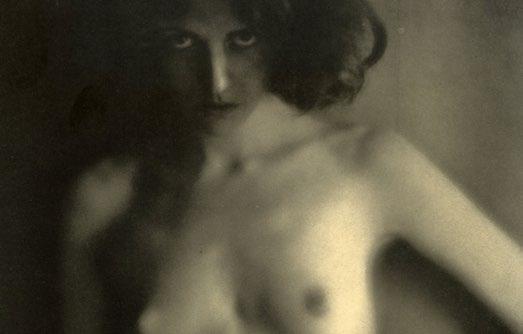
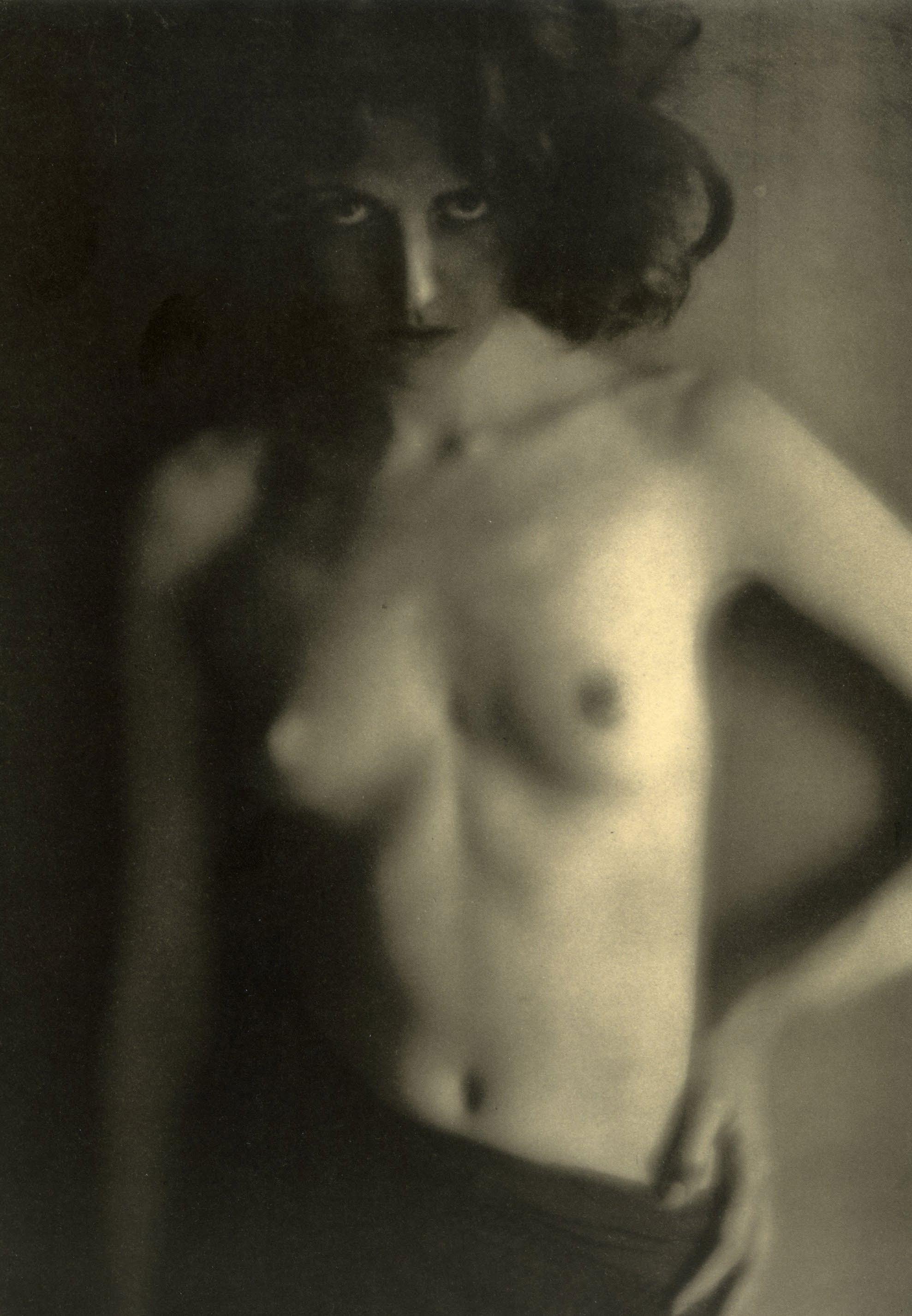
Fig.3 right: ‘Nude’, 1918.
Fig.1 top: Front cover of the book, ‘Weston’s Westons: Portraits and Nudes’. Portrait of Charis Wilson (Weston’s model, lover, muse and wife), 1936, by Edward Weston.
time – certainly the top man in photography.’ Likewise, Beaumont Newhall, the eminent historian of photography, reported on his visits with Weston: ‘There in Carmel, in the little shack on Point Lobos, I learned more about photography than ever before.’ By 1958, the year of Weston’s death, his work had been shown in more than 100 exhibitions, and since then, Weston's photographs have been celebrated and widely published. Even though Weston’s work had an enormous impact on succeeding generations of photographers, the variety and breadth of his photographic oeuvre are still relatively unknown, except to a handful of collectors and photography specialists. A few of his often-reproduced prints of natural phenomena, his well-known still lifes of peppers, rocks and local fauna and flora, have become synonymous with our notion of Edward Weston.
Due largely to the foresight and vision of wealthy Boston businessman and philanthropist William H Lane, the original exhibition in 1989 and this subsequent book give us the opportunity to see the less well-known work of Weston – his portraiture and nudes. In 1967, Lane became aware that Edward Weston’s definitive personal collection of his own vintage prints was beginning to be broken up; collectors and museums were just then ‘discovering’ photography and were going to Wildcat Hill to buy the prints singly or in small groups from his estate. Lane acted swiftly and effectively to keep the collection largely intact, buying from the photographer’s heirs 2,500 prints (over 50% of Weston’s personal work) showing the wide range of his aesthetic interests. These prints, all reproduced in this book in tritone plus tinted varnish, are a revelation to those of us who
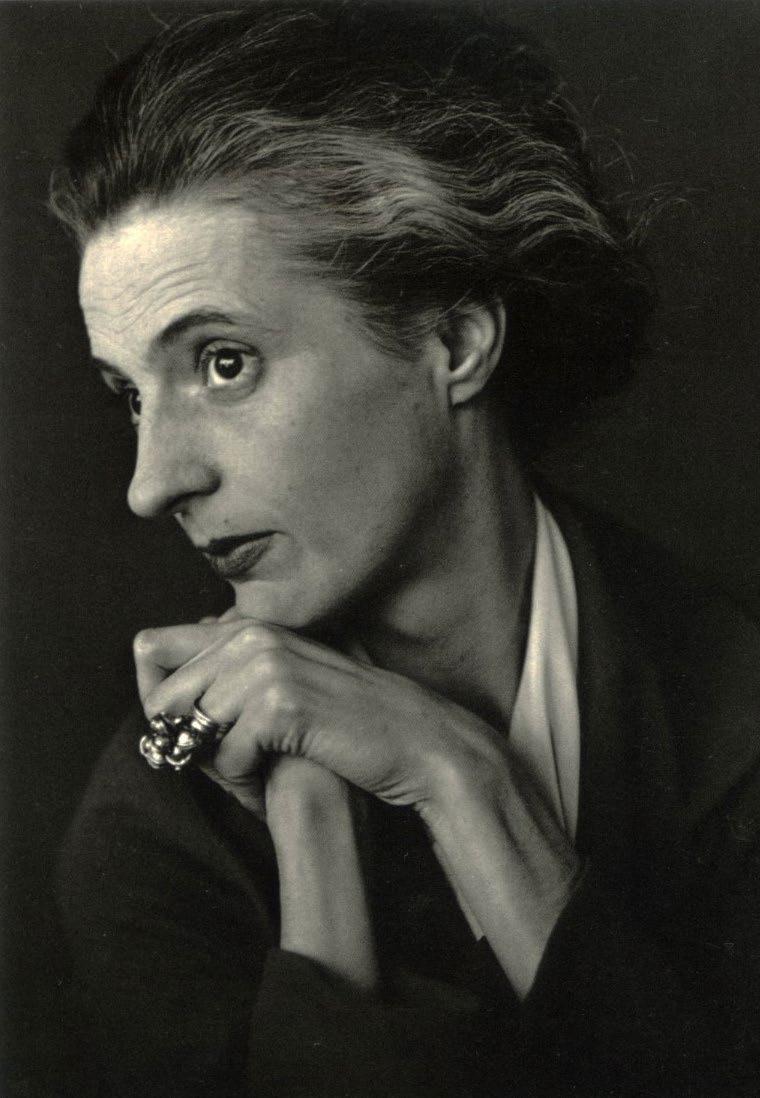
Fig.4 far left: ‘Alice Rohrer’, 1933.
Fig.5 left: ‘Elinore Weston’, 1933.
thought we knew Weston’s work. For the first time, we see in a concentrated fashion the extraordinary figural work and portraiture done by this iconic photographer. The book contains not only many unfamiliar images, but the very prints that Weston owned, studied and kept for himself. Seeing this aspect of his work is like strolling through Weston’s private study; through these objects, we begin to glimpse the man himself. Hence the title of the exhibition and book: ‘Weston’s Westons.’
Weston photographed more portraits than all other subjects put together. For most of his adult years he eked out a living as a commercial portrait photographer. He began as an itinerant,
very much in the American tradition, as he put it years later: ‘I turned to my camera and canvassed house-to-house, making postcards for a dollar a dozen – family groups on the porch, children and pets.’ Then he established his own portrait studio in Glendale, Los Angeles. Weston hated this commercial work and derided himself for undertaking it, but recognised that it provided him the means to pursue his own photography, which ironically included portraits of friends, artists, writers and famous personalities. His early commercial work was all made in the Pictorialist style and was quickly recognised and lauded by the leaders of that movement. The prints he sent to the London
Salon were singled out for their ‘charm, mystery and refinement’ (we should remember that John Pollard was a member of the London Salon). The style sold prints. For his personal work, he took a completely different approach – a thoroughly modernist style, moving away from Whistlerian settings to more radical Bauhaus-looking ones. Weston, speaking of his own development, reported, ‘I groped through all the stages of Pictorial fuzziness and intentional under or over exposure to get effects, until I awakened to a realisation of what photography really means.’ Weston criticised the overly planned and staged portraits that were popular at the time, emphasising the need for intuition, patience, and
sensitivity on the part of the photographer instead. In 1932, Weston ‘sold his soul’ for the last time, doing a $400 order for heavily retouched portraits of a ‘rather unattractive couple’; he spent the proceeds on a fine 4x5 Auto Graflex and never again undertook commercial portrait work.
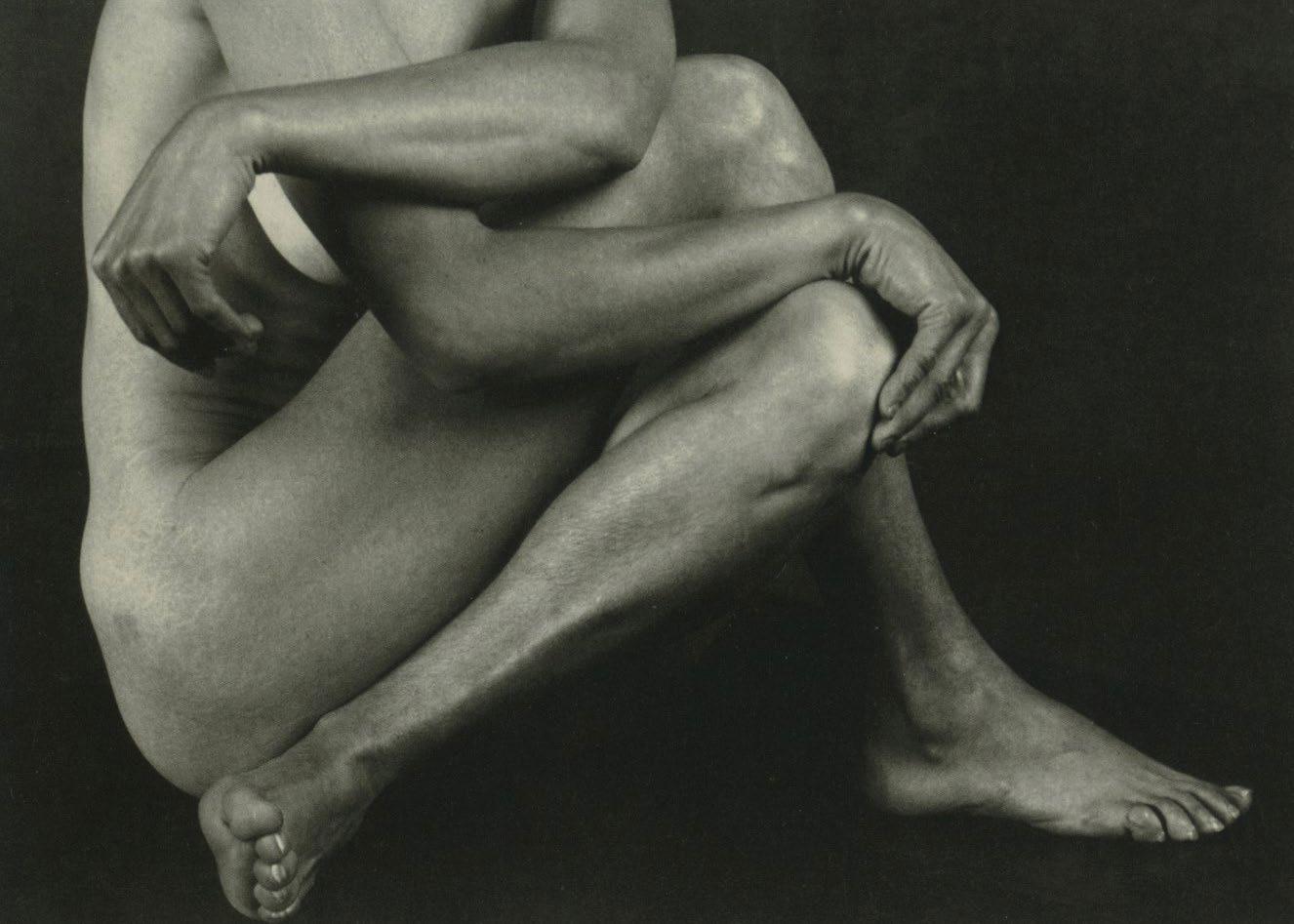
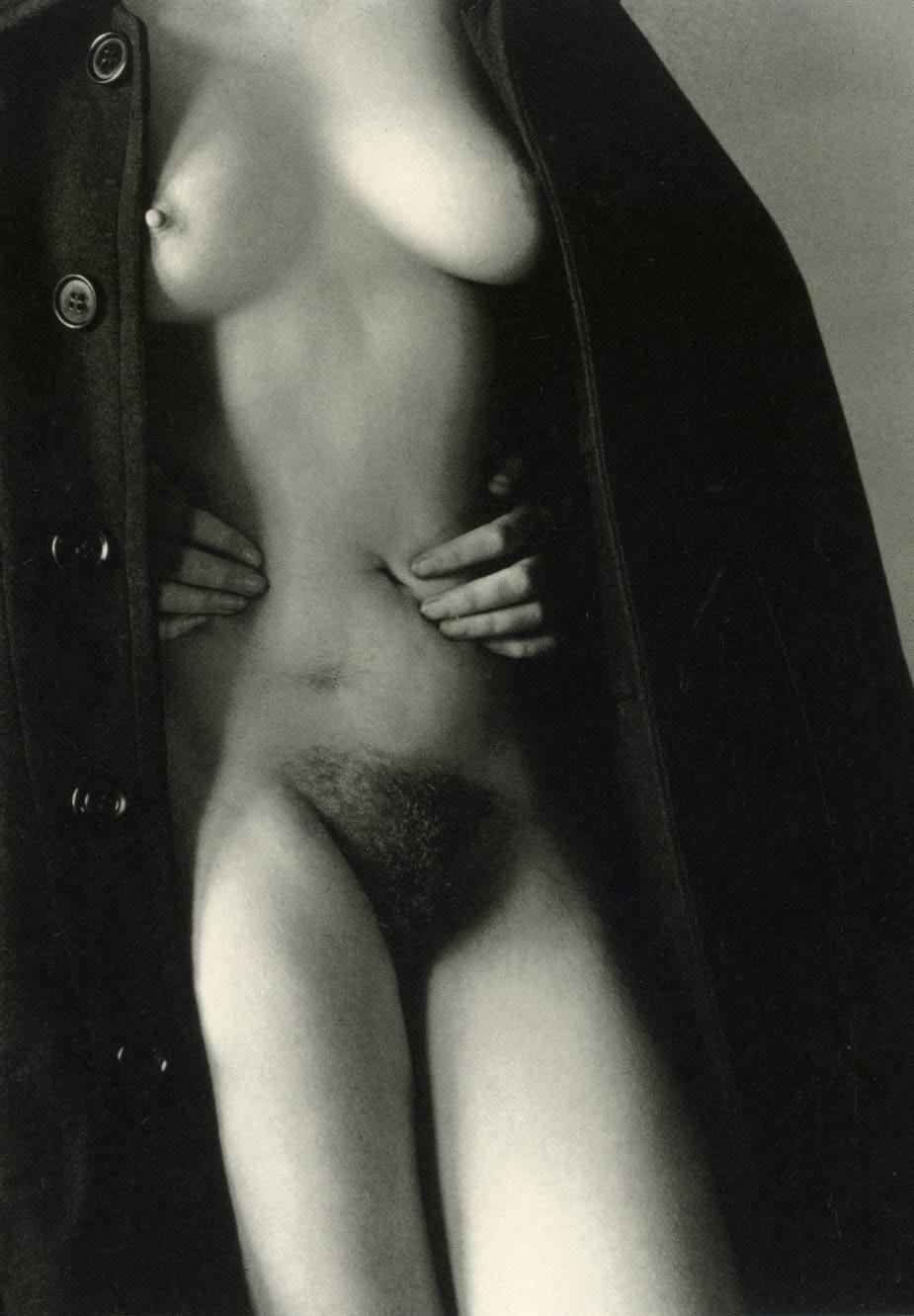
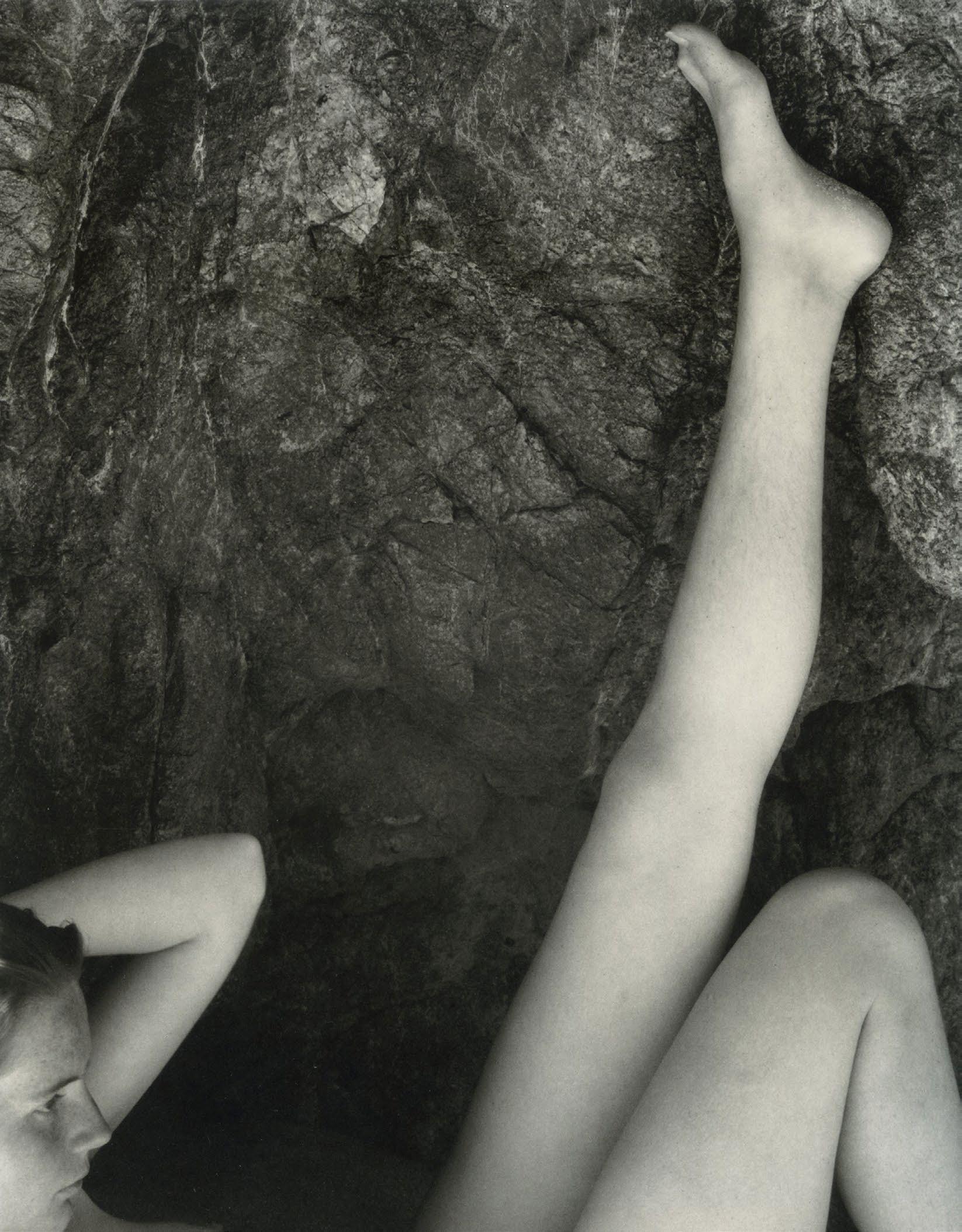
Weston is rightly considered the master of nude photography. Earlier nudes of Margarita Martha on the beach forecast the major series at the ‘Oceano Dunes’ in 1937. His nudes are aesthetic, perfectly balanced between reality, sensuality, and formal abstractions. Alfred Stieglitz undoubtedly played an important role in shaping Weston’s vision around the nude image
– the two regularly shared their images with each other – and Stieglitz was often critical of Weston’s work. As Ansel Adams wrote, speaking of Stieglitz, ‘He has no idea how much his nudes influenced Weston’s nudes – yet Weston’s are totally different.’ Weston’s nudes are brightly lit, specific, and absolutely here-and-now. Stieglitz’s images seem personal and sensual, but Weston’s are somehow universal, while at the same time more sexual. With Stieglitz, hands, breasts and materials become one, while Weston’s pictures are very much about different surfaces: skin, hair, nipples, sand, wood, and cloth. They are, in their way, as abstract as Stieglitz’s images, and for a viewer at the time, they would have been even more shocking.
Edward Weston wrote more than almost any other American artist, and he wrote as he lived; openly, caringly and energetically. He kept a diary from his earliest days but destroyed all of his early writings. What does survive are his diaries from 1923 to 1934 (he called them his ‘Daybooks’). In them, Weston writes about his
Fig.9 above: ‘Nude’, 1934.
Fig.10 right: ‘Nude’, 1935.
daily life, politics, money problems, relationships, his work, his ambitions, and his moments of self-doubt. What results is a self-portrait that seems about as open and honest as such a work can be. Because Weston exposed so many sides of himself, it is tempting to employ a biographical rather than a critical art historical approach to his work. Weston’s work can be usefully divided into three main periods: the Pictorialist, up to 1920; the high style, close-up modernism on which his reputation mainly rests up to 1938; and the late work of his last active decade, which is darker, moodier and entangled with gloom. By late 1944 Weston had begun to lose control of his body – Parkinson’s disease
steadily wore away at his physical and mental health. But until his death a long decade later he struggled to keep in touch with his sons, his friends and wife, with the extraordinary determination and grace that marked everything he did.
Fig.11 far left:‘Nude’, 1935.
Fig.12 left: ‘My Little Gray Home in the West’, 1943.
RPS Australian Chapter Social Media Launch
We are busy in the background launching a social media account on Instagram for the Australian Chapter. This will be a new way for us to connect with new audiences, attract prospective members and share events and news that is outside of the newsletter cycle. Instagram will also allow us to present our members' photography. A well-curated social presence demonstrates both the quality of our members' work and the breadth of photographic practice across the Society.
Regularly sharing member images, exhibitions, and activities helps communicate not just what we produce, but who we are as a chapter of RPS. Importantly, it lowers the barrier to entry. Potential members can follow, observe, and interact before committing, building familiarity and trust.
All content will follow the RPS brand guidelines and will tie in with our newsletter content and stories our members are interested in. We can also share your images around curated topics with wider audiences.
Setting up an Instagram account is a simple way to stay connected with the photographic community. By following the RPS Australia Chapter page, you’ll see members' work, events, and opportunities, and we can connect with you in return.
What do we need from you?
We are building a library of images for social media to support specific stories on the channel. We are asking you to submit some photos for the following stories:
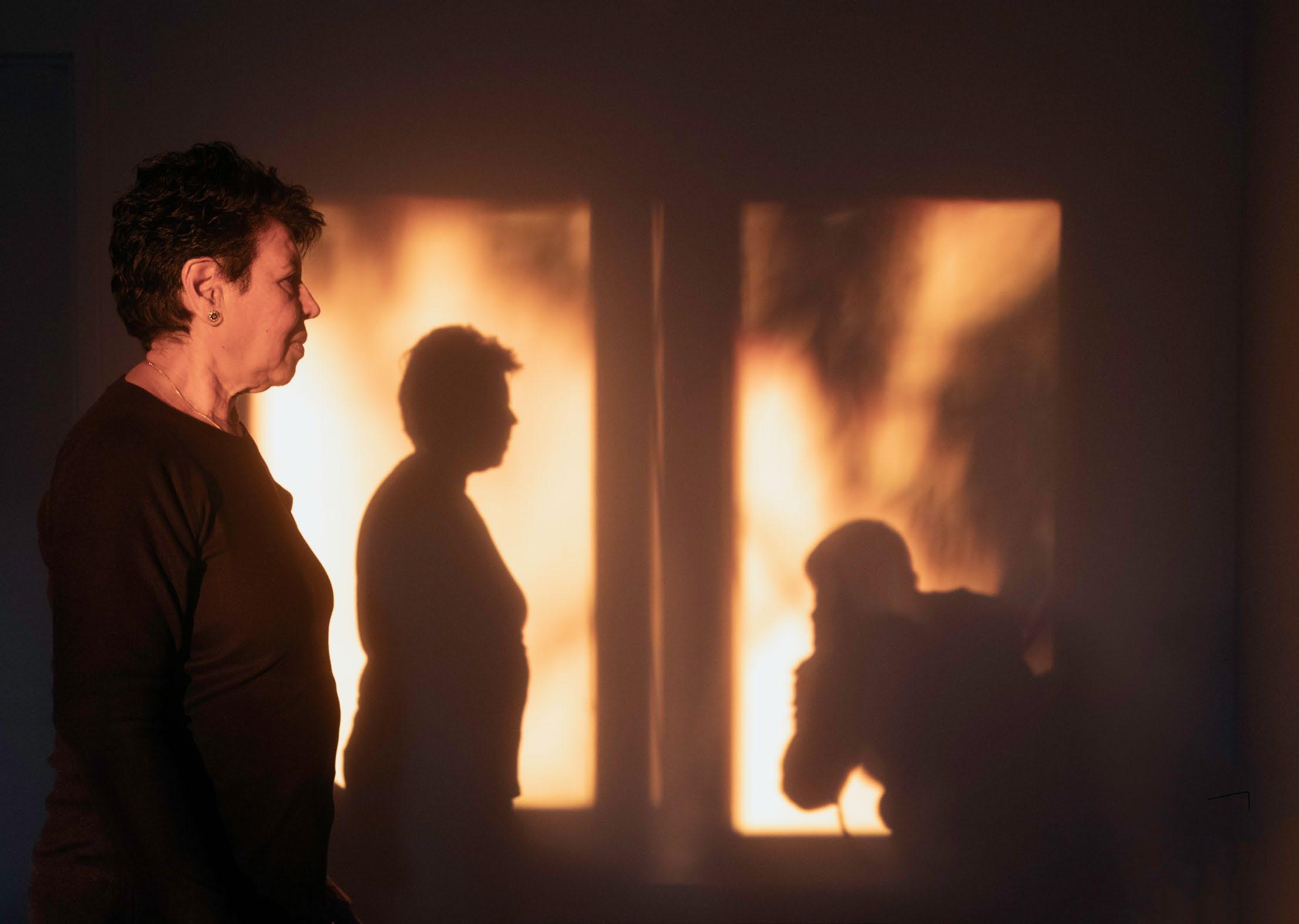
1. Photos using backlight as the directional light (say where the photo was taken and why you like it)
2. Photos in monochrome – again, what you like about the photo and where it was taken. Feel free to submit several images for each category. All images will be attributed to the photographer, and we will tag you in your online account.
So, how do you join our page?
Our address is: https://www.instagram.com/ rps_australian_chapter
1. Create your account
• Download Instagram from your app store or visit the website
• Tap Sign up
• Register using your email address or phone number
• Create a username (this is how others will find you)
• Set a secure password
2. Set up your profile
• Profile photo: a portrait or one of your images
• Name: your real name (recommended for community connection)
• Bio: a short description (e.g. photographer, interests, location)
3. Find and follow our page
• In the search bar, type: rps_australia_chapter
• Or click on the link here
• Tap Follow
• Once you are following the page we will then follow you back
4. Start engaging
You don’t need to post immediately. You can simply:
• Like images
• Leave comments
• Follow other photographers
5. (Optional) Share your own work
If you wish to participate more actively:
• Tap + (Create)
• Upload a photo
• Add a short caption
• Share
This allows others in the community to discover your work.
Members’ Gallery
Palli Gajree OAM HonFRPS MFIAP
HonEFIAP FRPS FAPS
Fig.1 above: Orton Effect
Fig.2 above right: Chasing shadows
Fig.3 below right: Wreaking havoc
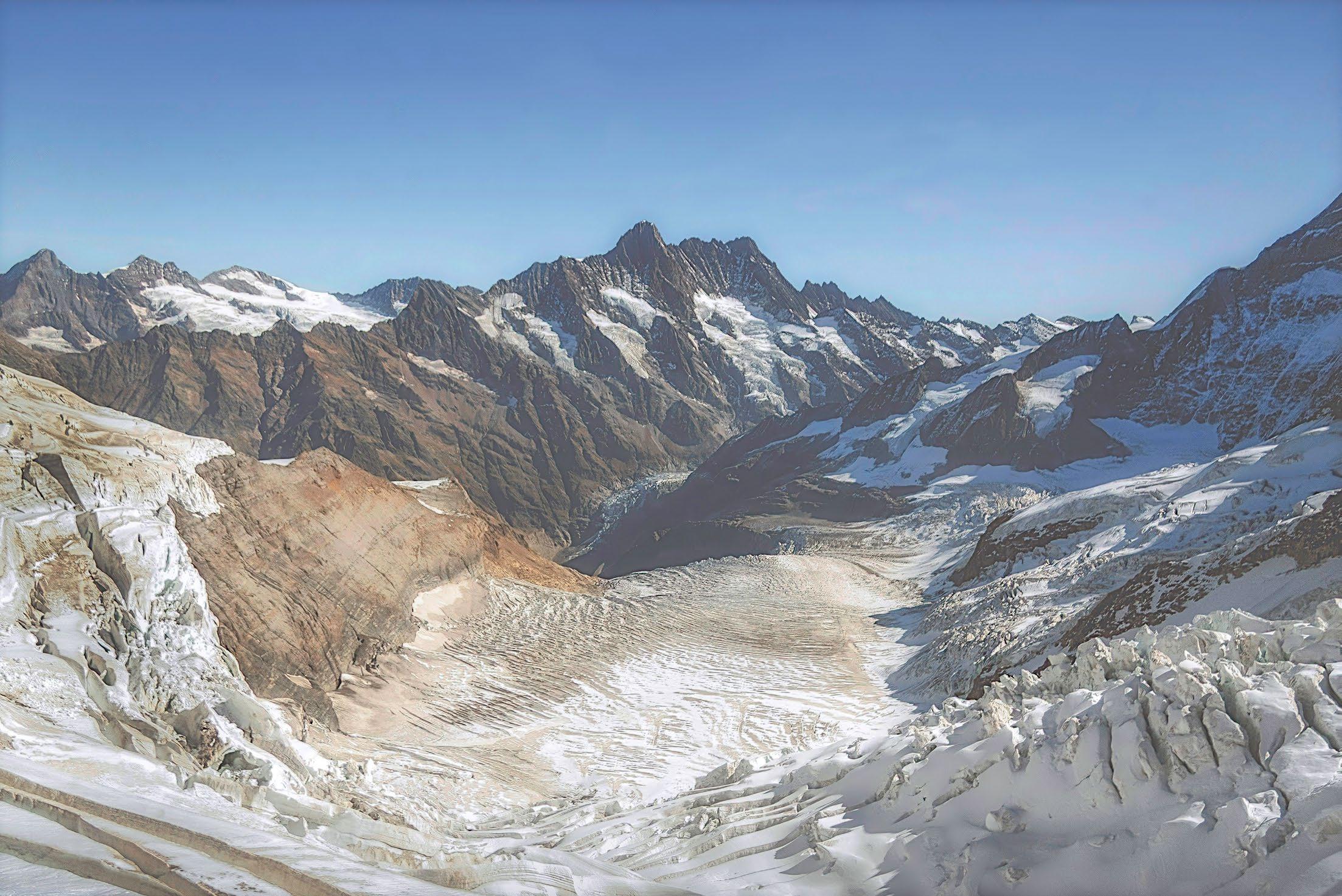
The Orton effect in Figure 1 creates a dreamy, ethereal look by combining sharp detail with a soft glow. Originally developed in the 1980s by Michael Orton, the effect was created by sandwiching together two transparencies of the same scene, one sharply focused and one deliberately out of focus. The result was an image that retained detail while appearing luminous and painterly.
The effect is popular in landscape and nature photography, where it can enhance the mood of forests, waterfalls, misty mornings, and sunset scenes.
What’s on in June & July?
Exhibitions
New South Wales
World Press Photo Exhibition 2026
The exhibition is hosted at Art Gallery of New South Wales precinct-adjacent cultural facilities in central Sydney and is well worth a dedicated visit if you’re in Sydney.
South Australia
Waterhouse Natural Science Art Prize
Exhibition
Although broader than photography alone, the Waterhouse Prize regularly includes strong photographic finalists working in environmental, wildlife and conservation themes. The 2026 finalists exhibition runs until 19 July at the South Australian Museum.
Victoria
SITHOA – Shot in the Heart of Australia 2026
Docklands, Melbourne
Exhibition dates: 6–16 June 2026
Presented by the Australian Association of Street Photographers.
Features contemporary Australian street photography from photographers around the country.
Polaroid Polaroid Polaroid
MARS Gallery, Melbourne
Exhibition dates: 20 June – 4 July 2026
A group exhibition celebrating the creative possibilities of Polaroid photography. Includes works by artists, curators and photographers using the instant format in diverse ways.
Western Australia
Kimberley Art & Photographic Prize 2026
Derby, Western Australia
Exhibition dates: 6–17 July 2026
One of regional Australia's significant photographic and visual arts exhibitions.
Competitions
The Mono Awards 2026
Deadline extended to 21 June 2026
Dedicated entirely to monochrome photography. Winning and finalist work published in Australian Photography magazine.
Epson International Pano Awards 2026
Early-bird deadline: 22 June 2026
Final deadline: 13 July 2026
One of the world's most prestigious panoramic photography competitions and based in Australia.
PX3 – Prix de la Photographie Paris 2026
Deadline: 22 July 2026
Open internationally and popular with Australian photographers seeking international exposure.
The Illume Awards 2026
Deadline: 31 July 2026
Focuses on outdoor, action, adventure and mountain photography.