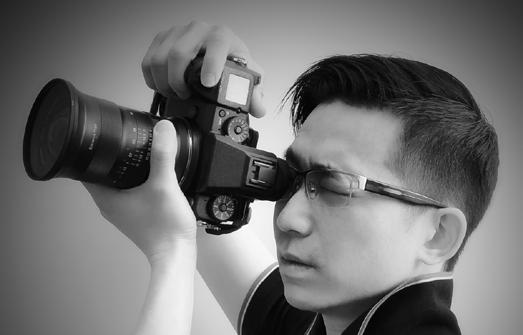
Honorary Secretary: Jacky Lee PFIAP JAPJA E: australiasecretary@rps.org
Newsletter Editor: Ian Brown E: australia@rps.org
Page 3
From your Secretary – Jacky Lee
Page 6
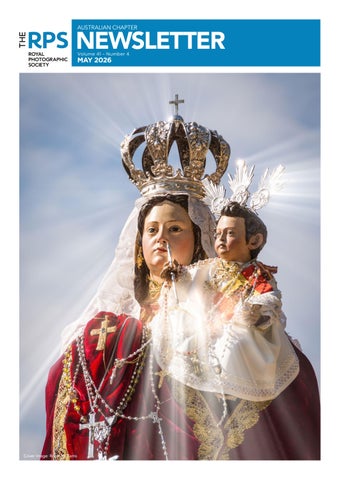
Festival of the Virgin of the Light – Robin & Gigi Williams
Page 32 Australian Chapter social media launch
Page 4
Welcome from the Editor – Ian Brown
Page 16
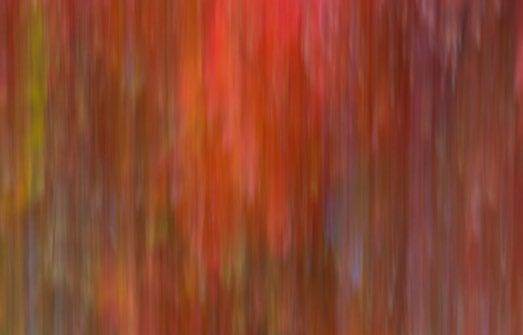
Reading the blur – Jacky Lee
Page 34 Members’ Gallery
Page 5
What’s going on – News of upcoming events and talks
Page 20
Pondering Pollard – The digital art studio
Page 42
What’s on in May & June?
From your Secretary
Jacky Lee PFIAP JAPJA
Honorary Secretary Australian Chapter
April has come and gone, and with it ANZAC Day, which always feels like one of those moments when the country pauses together. I find these days particularly meaningful as a photographer. There is something about the early light at a dawn service, the quietness of a wreath laid down, or the small details on a veteran’s lapel that asks for a different kind of attention behind the camera. Did any of you photograph this year’s commemorations, or perhaps something quieter closer to home? If so, I would love for you to share an image or two with the Chapter. Even a single frame can carry a great deal.
On the Chapter front, I am pleased to share that we have received initial guidance from RPS Headquarters regarding our proposed photography competitions. We are now working through financial and insurance matters, and once those are settled, we hope to launch properly. Thank you for your patience while we make sure the foundations are right. Alongside this, the Chartered Photographer pathway has generated genuine excitement. We have received our first enquiry from a member, which is wonderful to see, and I hope it encourages others to consider whether the designation might suit their own photographic journey.
Lately I have also been busy judging for several PSA affiliated clubs as well as clubs here in Australia. It has been a privilege to see the breadth and quality of work being made, and a reminder of how much we benefit from feedback and community. If you are looking to grow your photography, I would warmly encourage you to join a local club or share your work with others whose opinions you trust.
On the same theme of connection, I am particularly excited about our State Representative programme. We are looking for
interested members to help build stronger local ties, whether through a casual photo walk, a coffee or beer photo chat, or an online sharing session. You may already have seen an email about this initiative. I am delighted to share that ACT, Queensland and Victoria are now on board. If you would like to meet more photographers in your state and help shape these gatherings, please do get in touch.
It is also my pleasure to welcome a new member to our Chapter this month, Martin Reftel. A very warm hello, Martin — we are glad to have you with us.
On a personal note, I am happy to share that the Australian Photographic Society launched its first Portfolio Bronze Distinction this year. I was fortunate enough to receive the Bronze in this inaugural round alongside four other photographers, and it felt like a lovely milestone to share with such good company. It also reminded me that we are all at different stages in our photographic journeys, whether just beginning, refining our craft, or working towards distinctions.
Looking ahead, the committee has also been discussing virtual exhibitions for our members. Nothing is confirmed yet, but it feels like a natural way to celebrate the work being made across the country, and beyond, without everyone needing to be in the same room. If this interests you, I would love to hear your thoughts.
As always, thank you for being part of this Chapter. As we continue our 40th anniversary year, I keep coming back to the same hope: that what we are building feels less like an organisation and more like a circle of friends who happen to love photography.
Until next month, take care, and keep making pictures.
Welcome from the Editor
Ian Brown Editor, Australian Chapter
Thanks to our contributors this month. As always there are some excellent images and informative articles. The number of different contributors is down from last month, the quality as always is right up there.
Love your work, and thank you.
Qualifications
My main reason for joining the RPS was to learn from my peers. As continue to learn from what I see, I’ve been investigating other ways to learn directly from member, and from the Society.
There are few things I found. There is the main qualifications you can apply for. What I didn’t know was the different ways in which members can qualify for distinctions. I found the qualifications page really useful. As I’m still study my qualifications can count towards a distinction. Take a look here to see if you have a recent qualification that could contribute towards a distinction. There are also industry pathways, which may suit some. Another way to start the process could be to look at a portfolio review. Details available here.
Introduction to Lightroom online tutorials
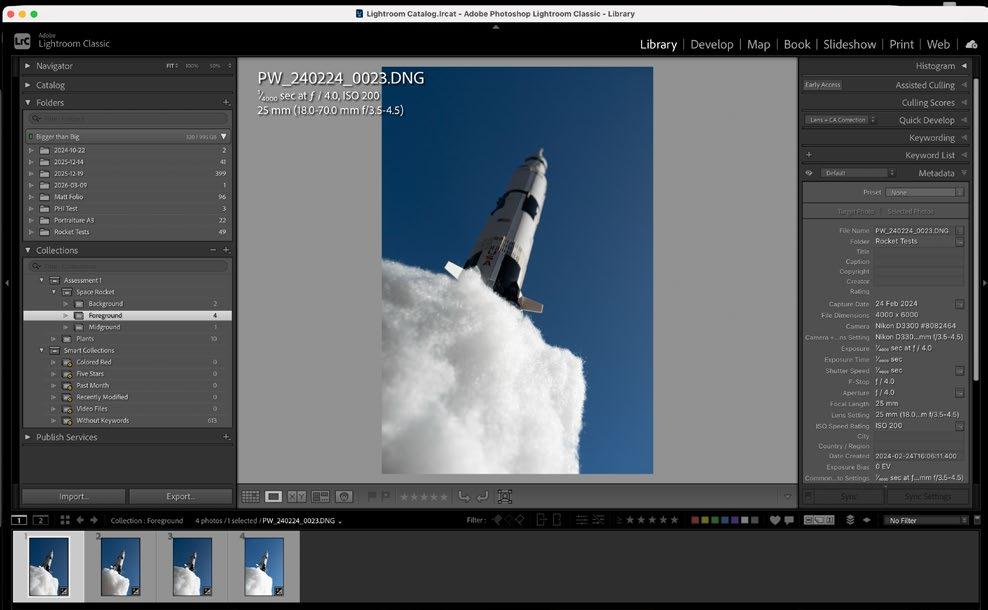
I’m please to announce that I will be running a series of online tutorials on Adobe Lightroom.
There will be four tutorials for beginners, I’ll introduce the interface, how to import images, create image file structures and work through to editing and exporting images.
The first one will be 16 June 7:00-8:30 pm, and will continue on the second Tuesday for four months. Each session will have demonstrations and time for questions.
Email me at australia.rps.org and I will send you a link to the session.
Specifications for contributors
When sending images for the Newsletter, the only requirement is that they are jpeg or png. Images can be 300 ppi and up to A4. Don’t forget you can also add captions for your images. If you don’t include a caption, we’ll assume you don’t need one.
Email images to australia@rps.org and keep those pixels and captions coming in! For non-image files (e.g. PDFs), under 5 MB is preferred and never 10 MB or more. If your images are too big to email, I have created a Dropbox folder you can upload
your images to. Email me for permission, and I’ll grant access to the folder. I will need to delete your images once I have downloaded them.
Deadline for contributions to the next issue is 31 May 2026.
What’s going on?
A look around at what’s on in the Society, just in case you missed it.
Creative Fungi Photography with Guy Edwardes
Saturday 07 November 16:00 GMT
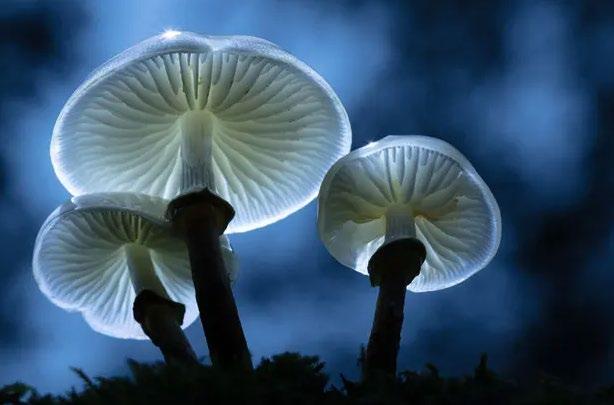
Landscape, nature and travel photographer Guy Edwardes has an online presentation later in the year. In his talk Guy will explain both his techniques to capture the images and his post-processing. Check out Guy’s work on his website. The presentation is intended to inform and inspire you to head out and capture the beauty of nature for yourself. To book tickets click here.
Eurovision, well sort of.
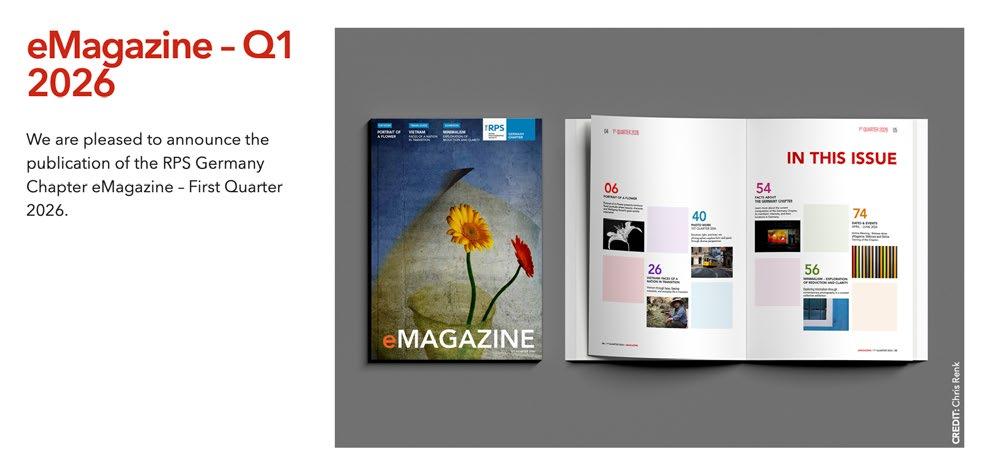
Our sister chapter in Germany have launched their quarterly magazine. It includes a broad range of work from their members from Portraits of Flowers to the compelling human stories in Vietnam. Chris Renk has kindly shared it with us. Check it out here.
Digital Imaging – Conception to Crumpets with Janey Devine FRPS
Saturday 23 May 16:00 BST
Janey Devine FRPS demonstrates how you develop the seeds of an idea into a long term project and ultimately to deliver a creative outcome.
Check out the talk and book tickets, click here.
RPS award talks
The RPS has recorded a series of conversations with previous recipients of the internationally respected RPS Awards. In each video the RPS talk to a previous recipient about their work. These conversations are free to view online Check them out here.
Festival of the Virgin of the Light
By Gigi Williams FRPS & Robin Williams ASIS FRPS
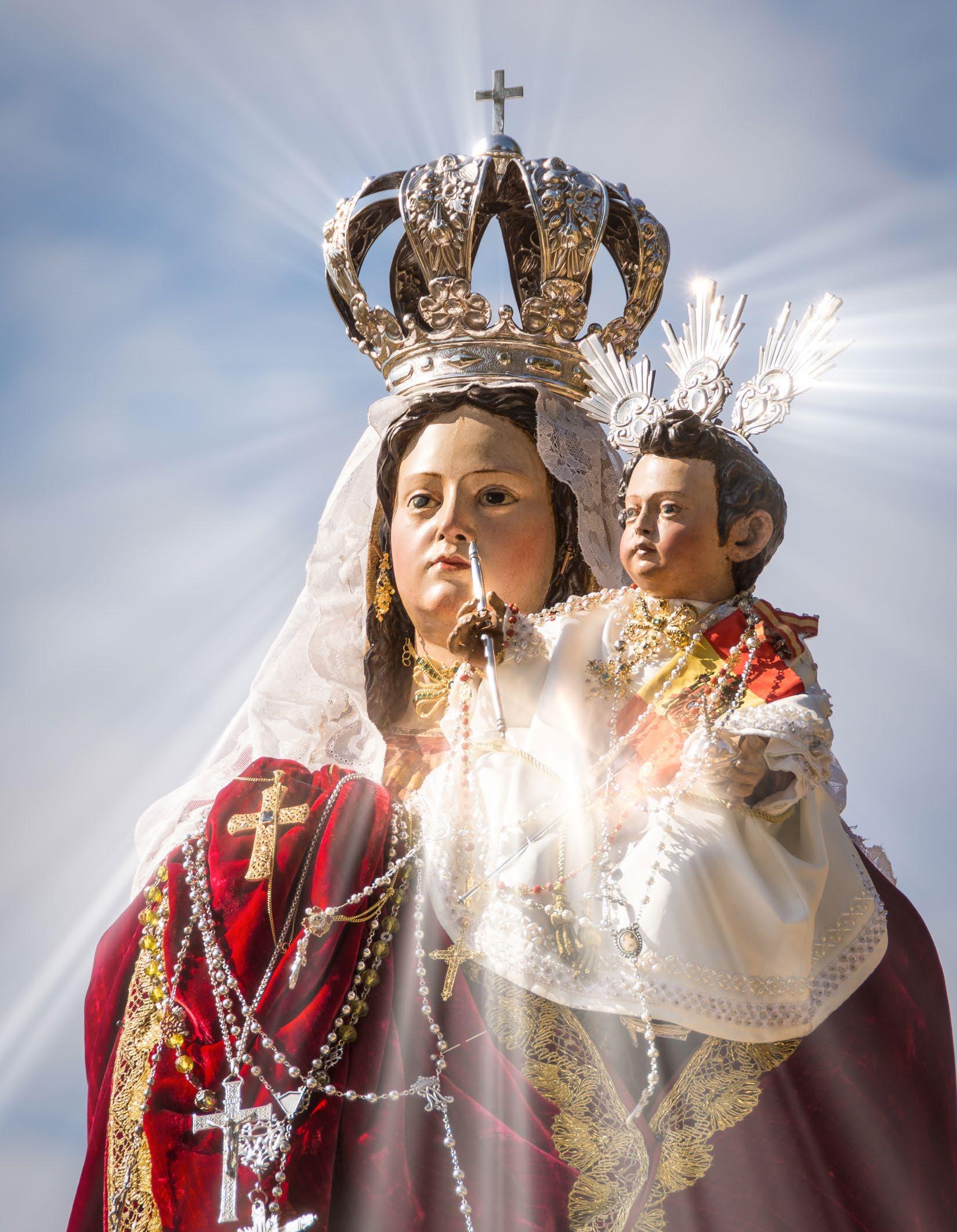
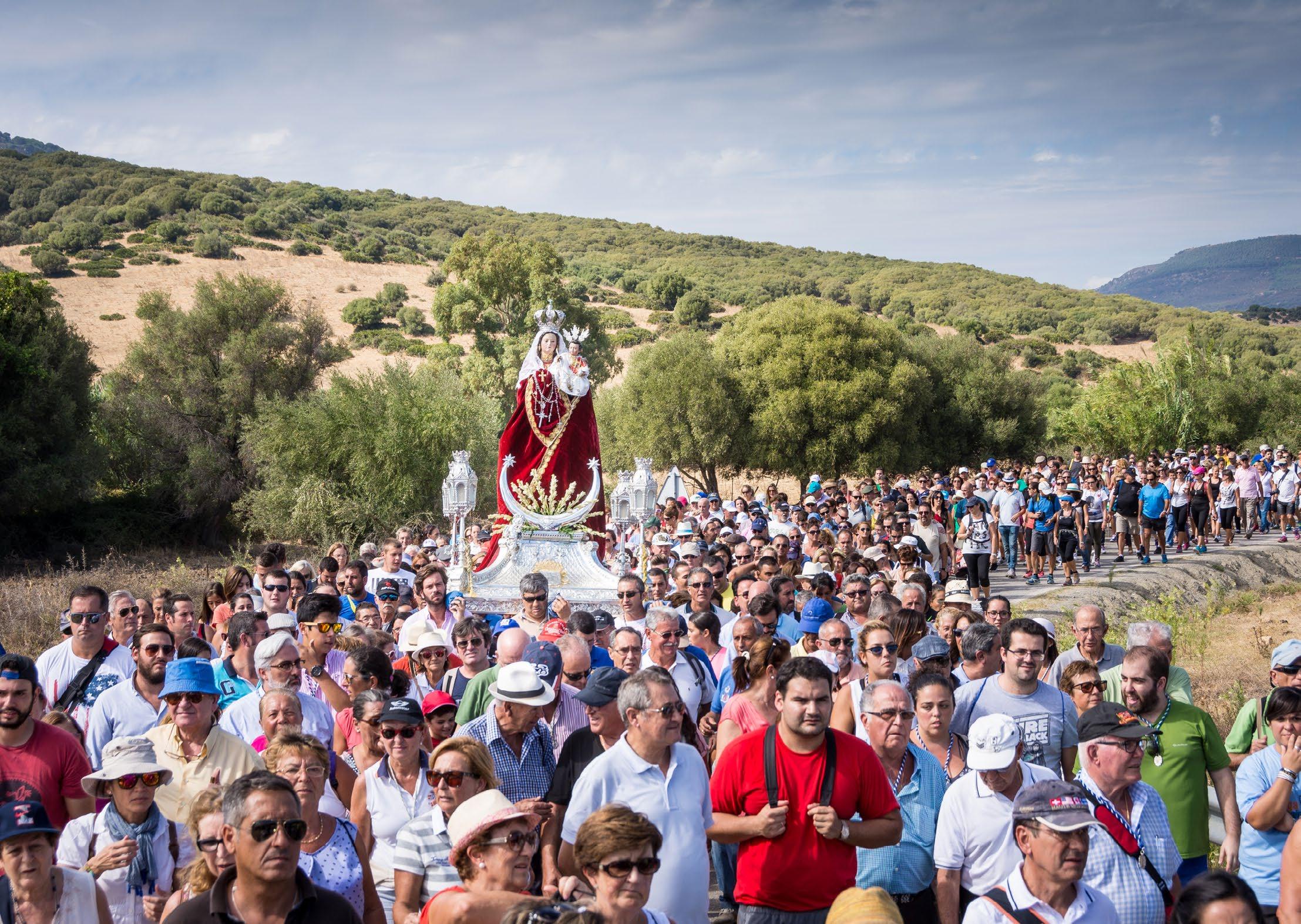
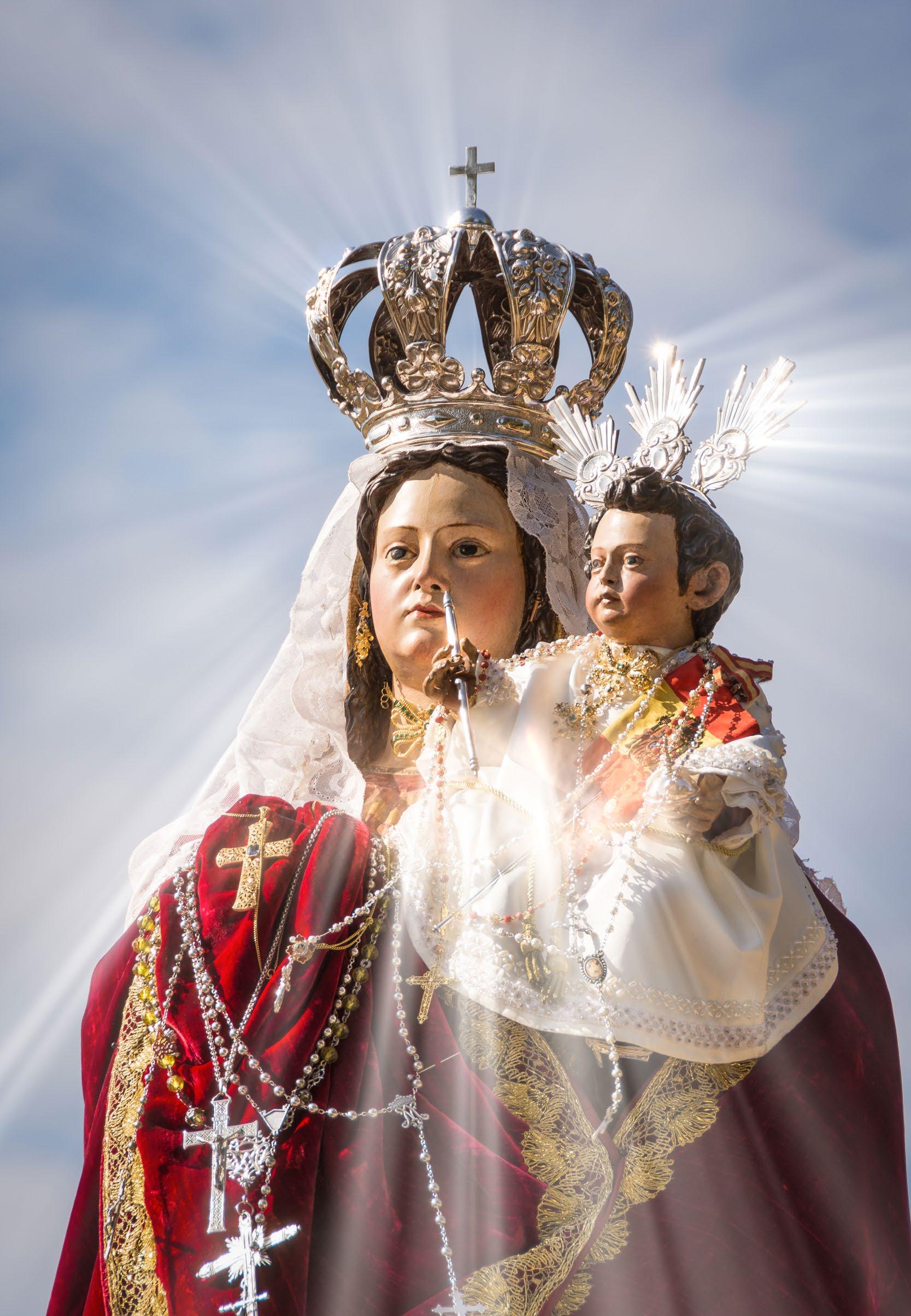
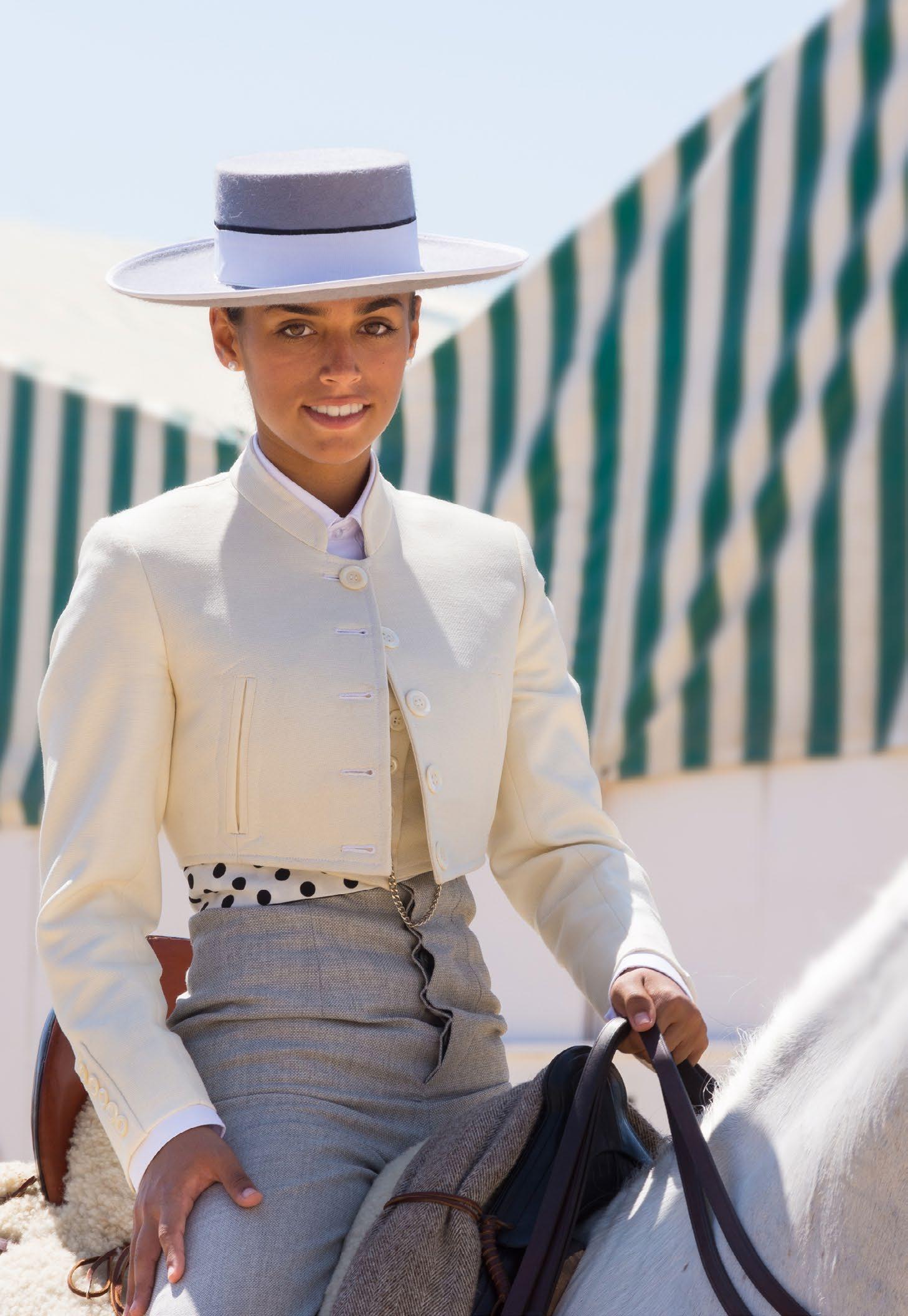
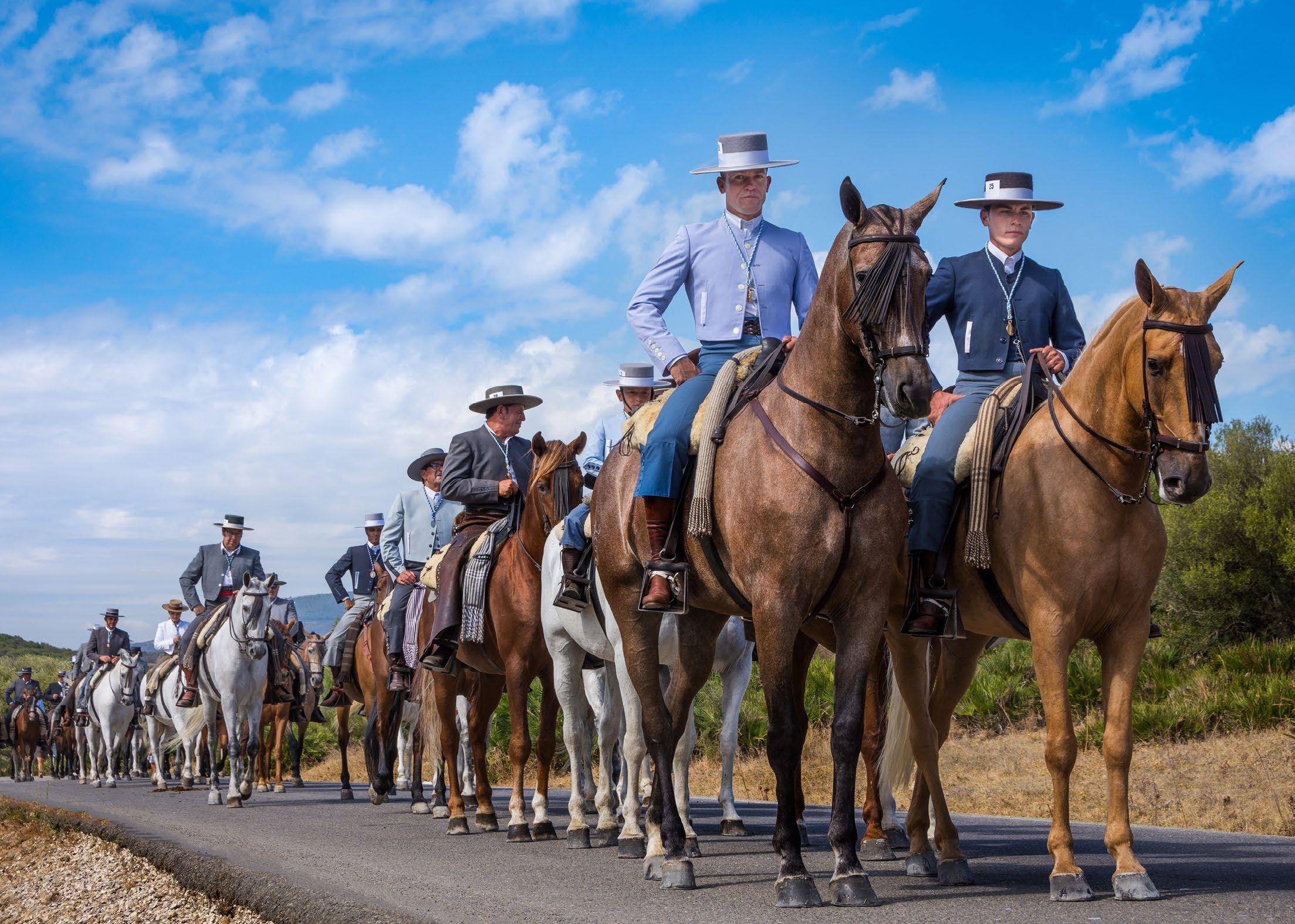
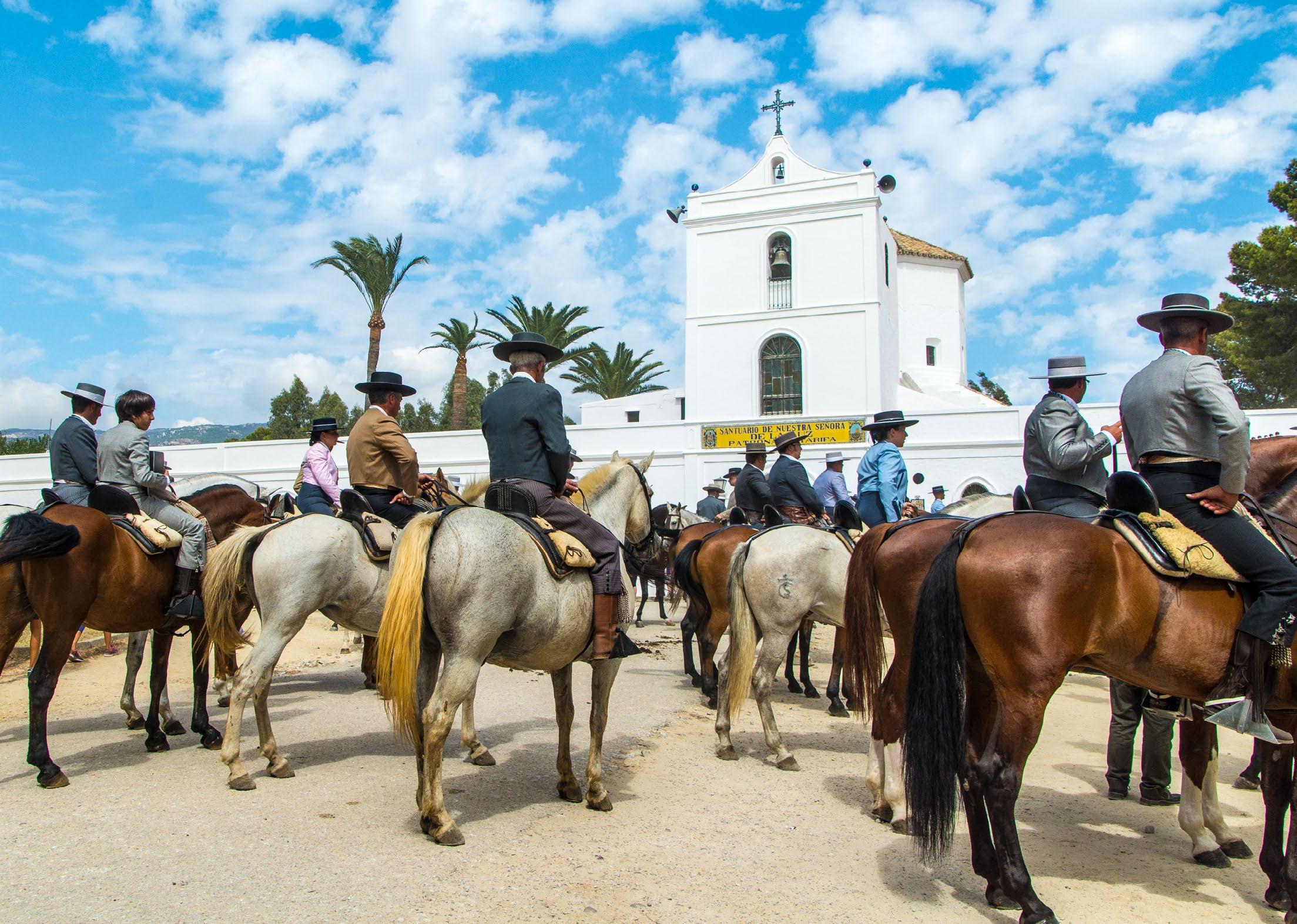
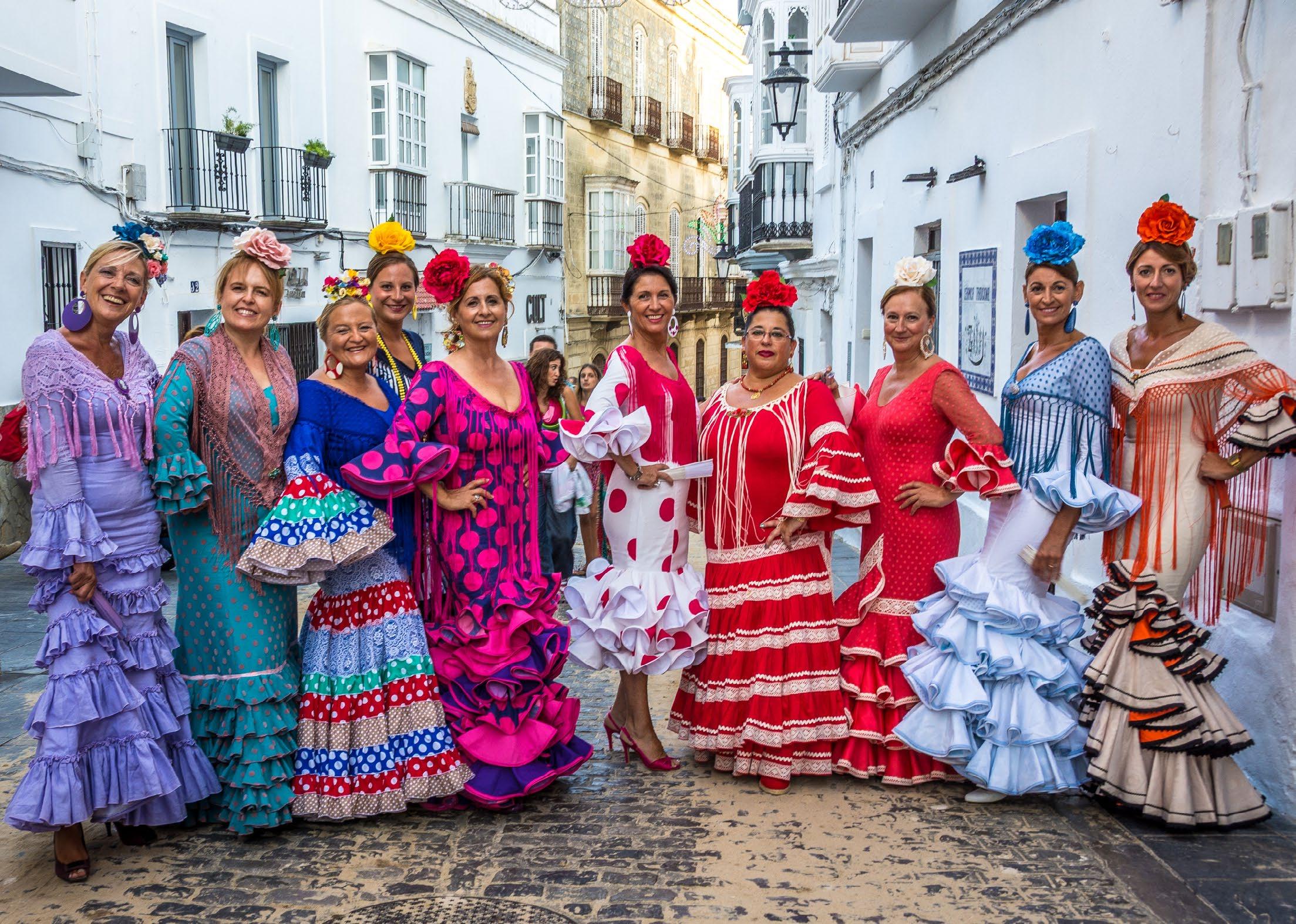
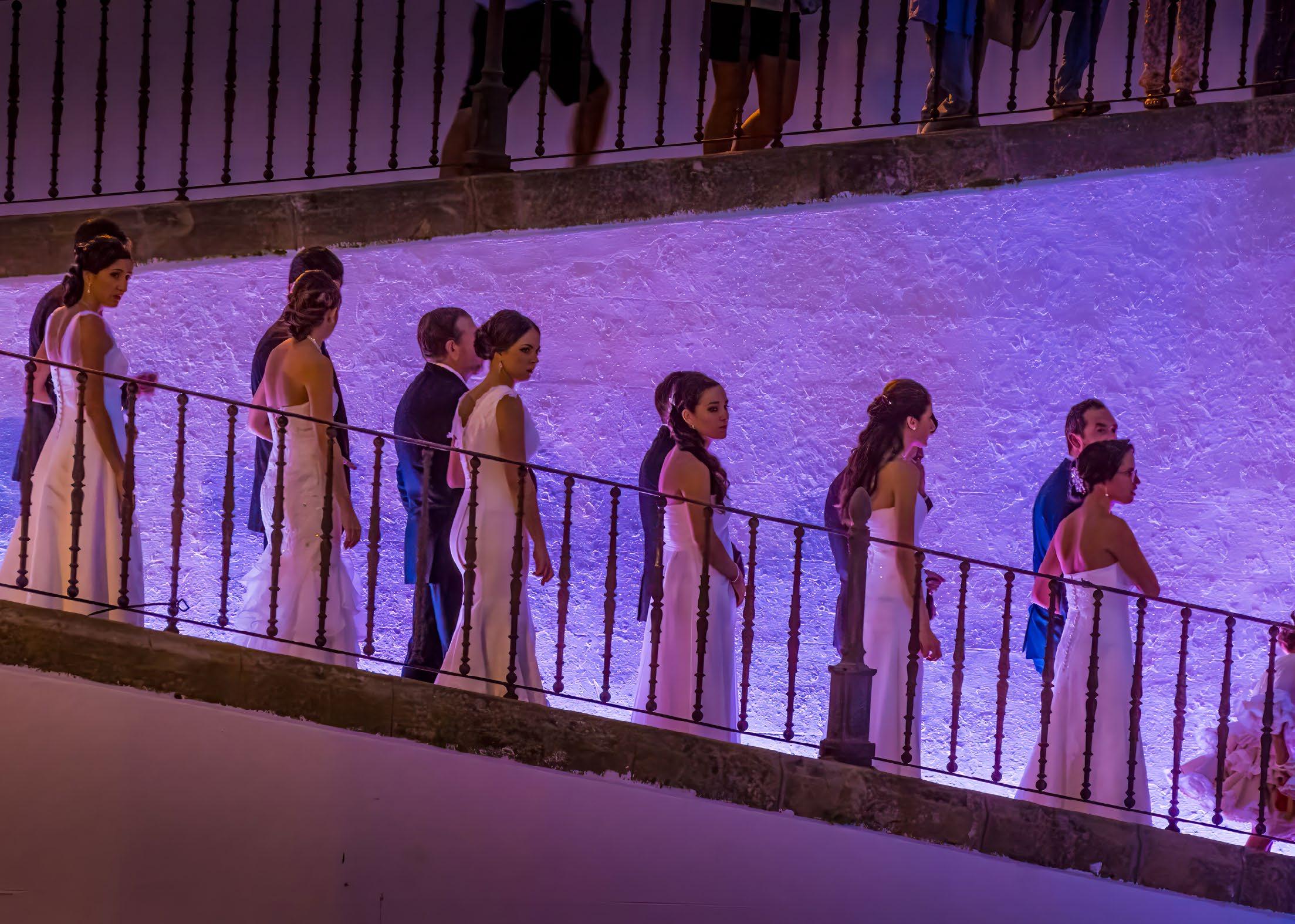
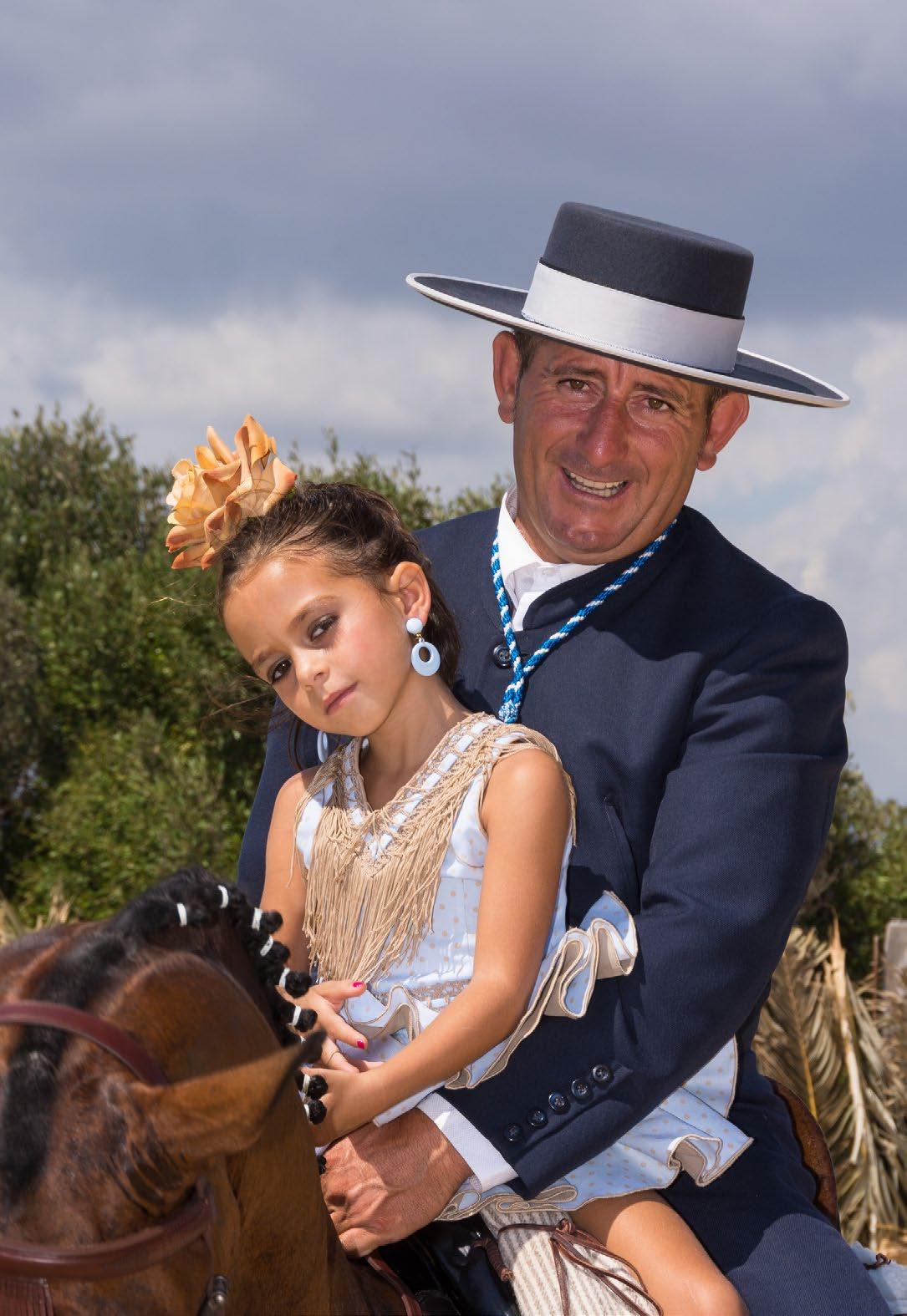
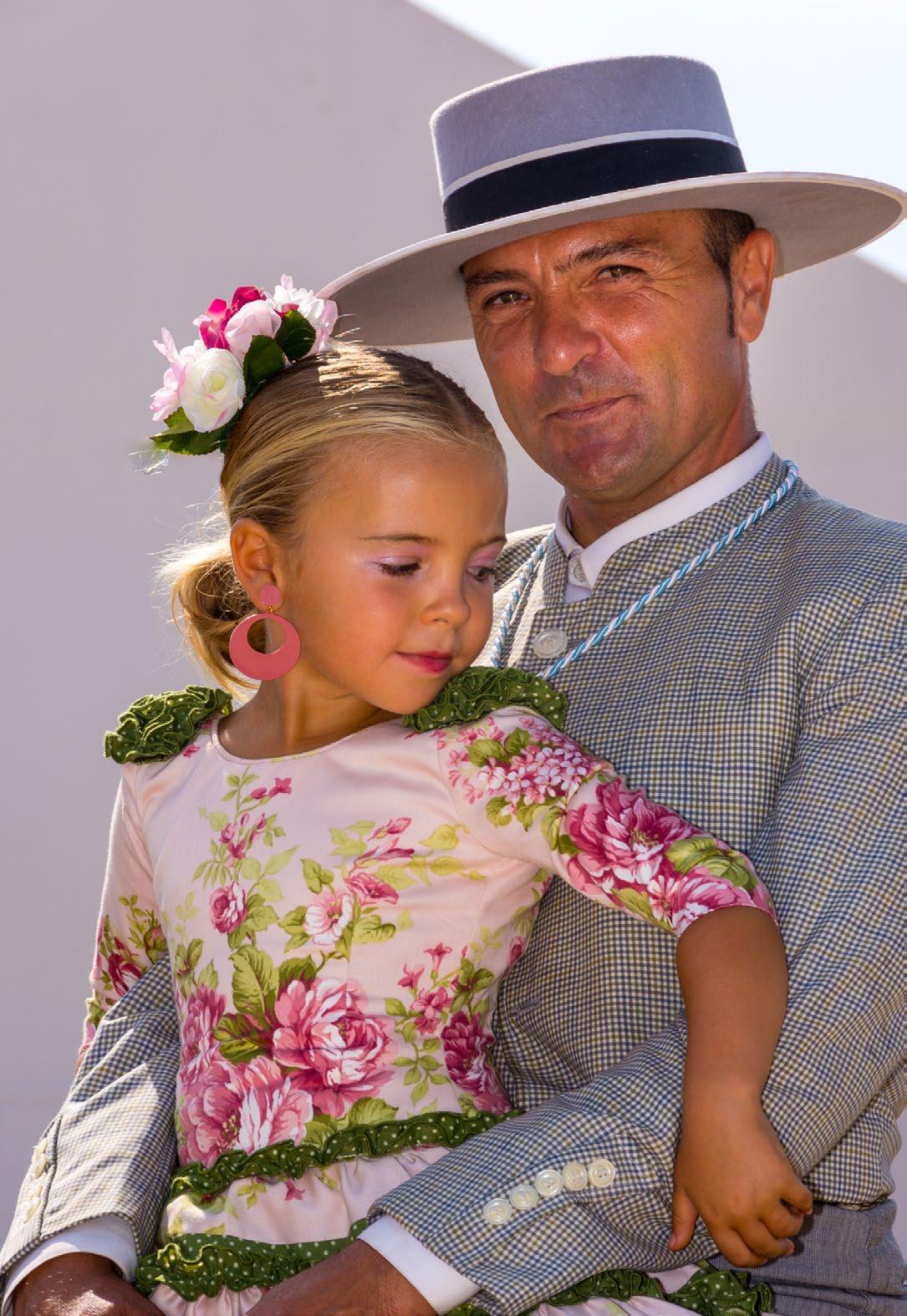
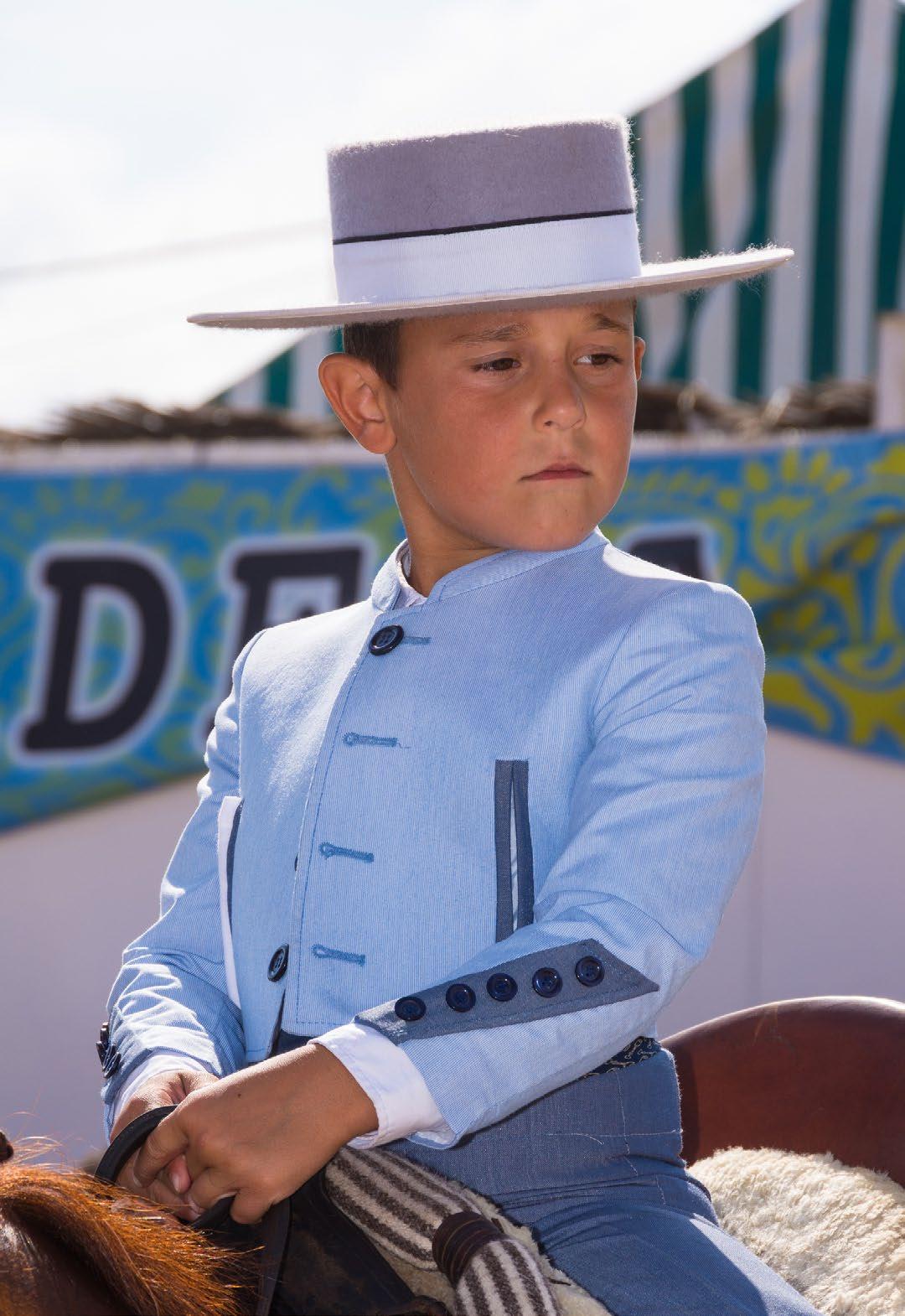
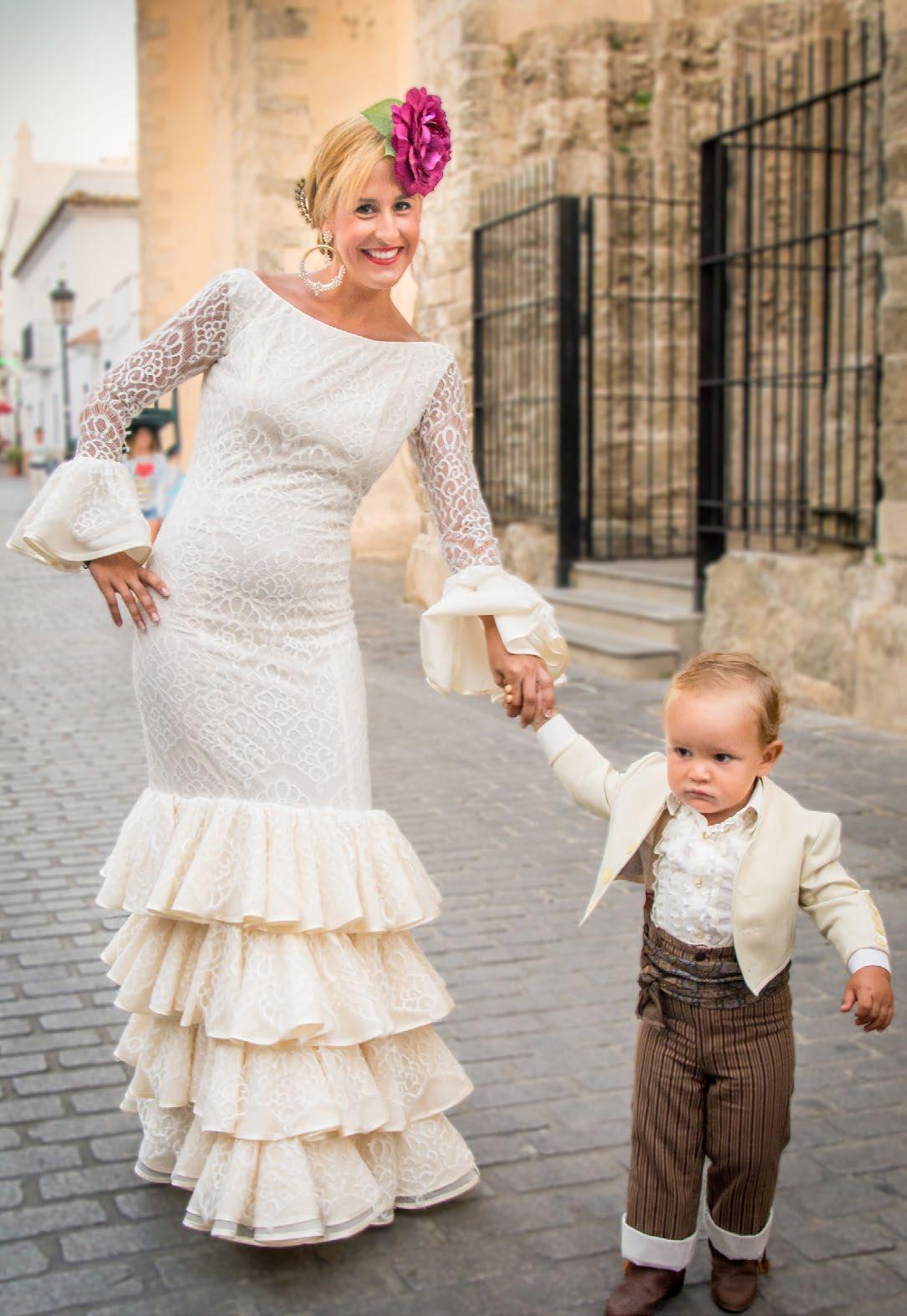
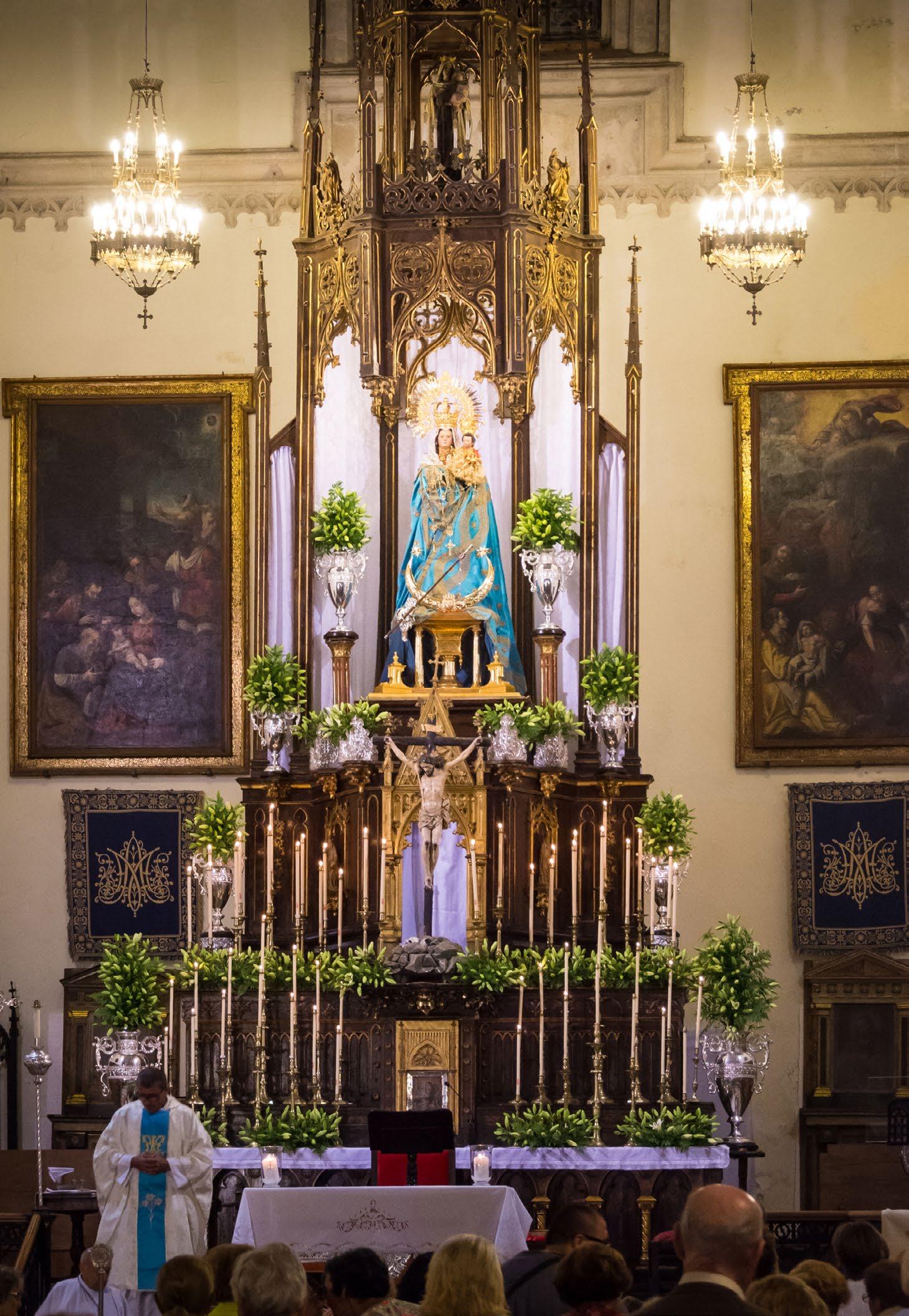
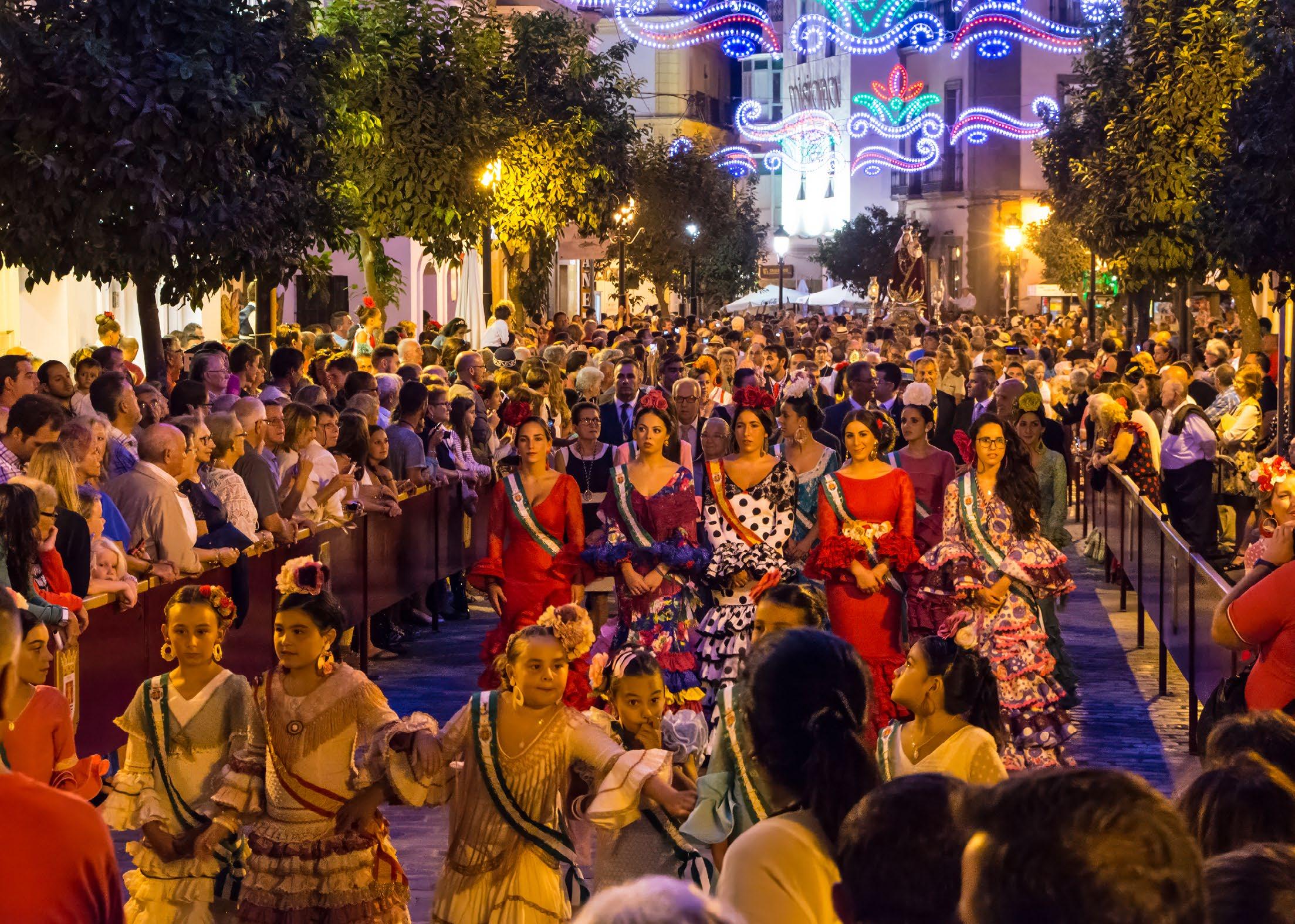
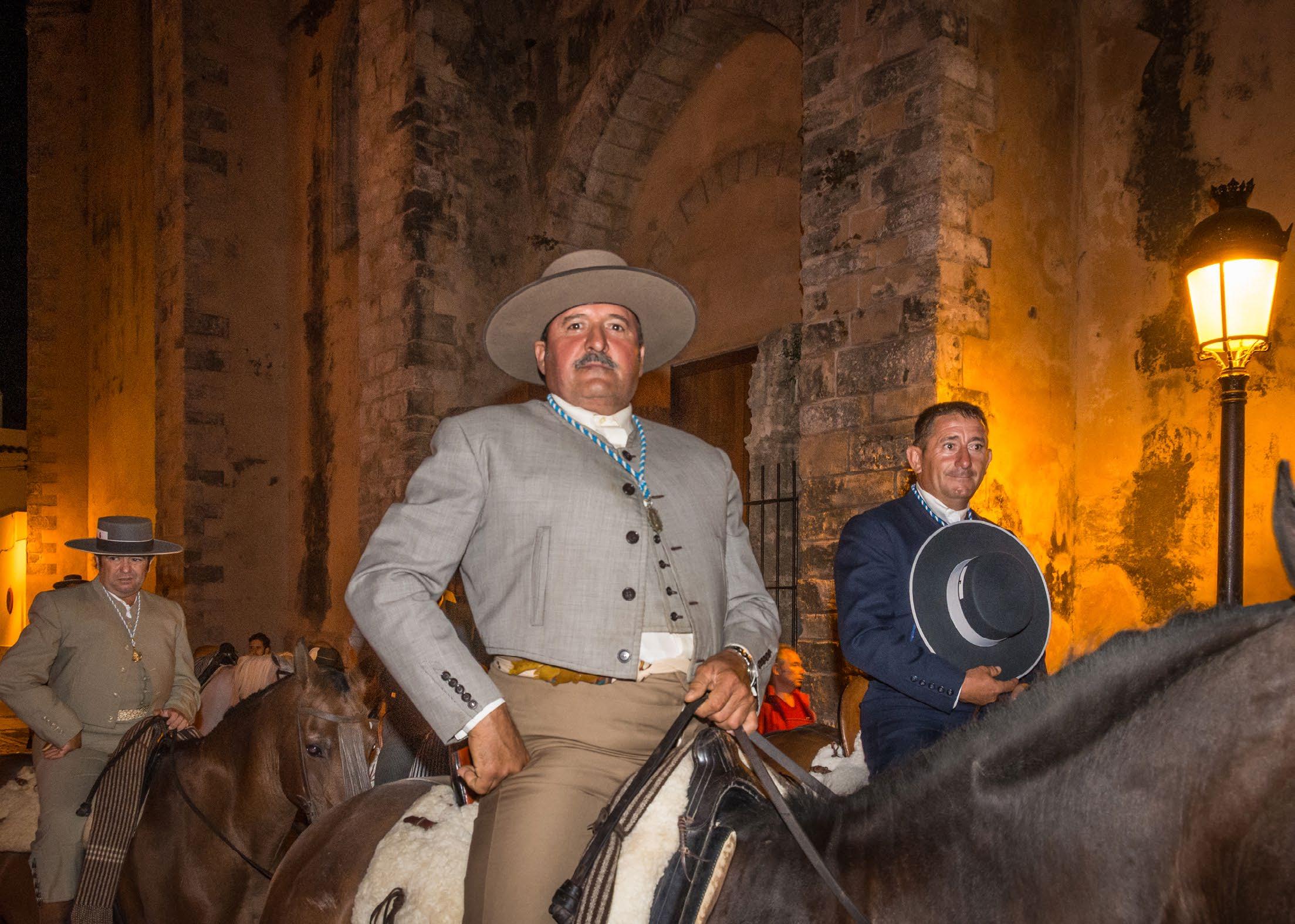
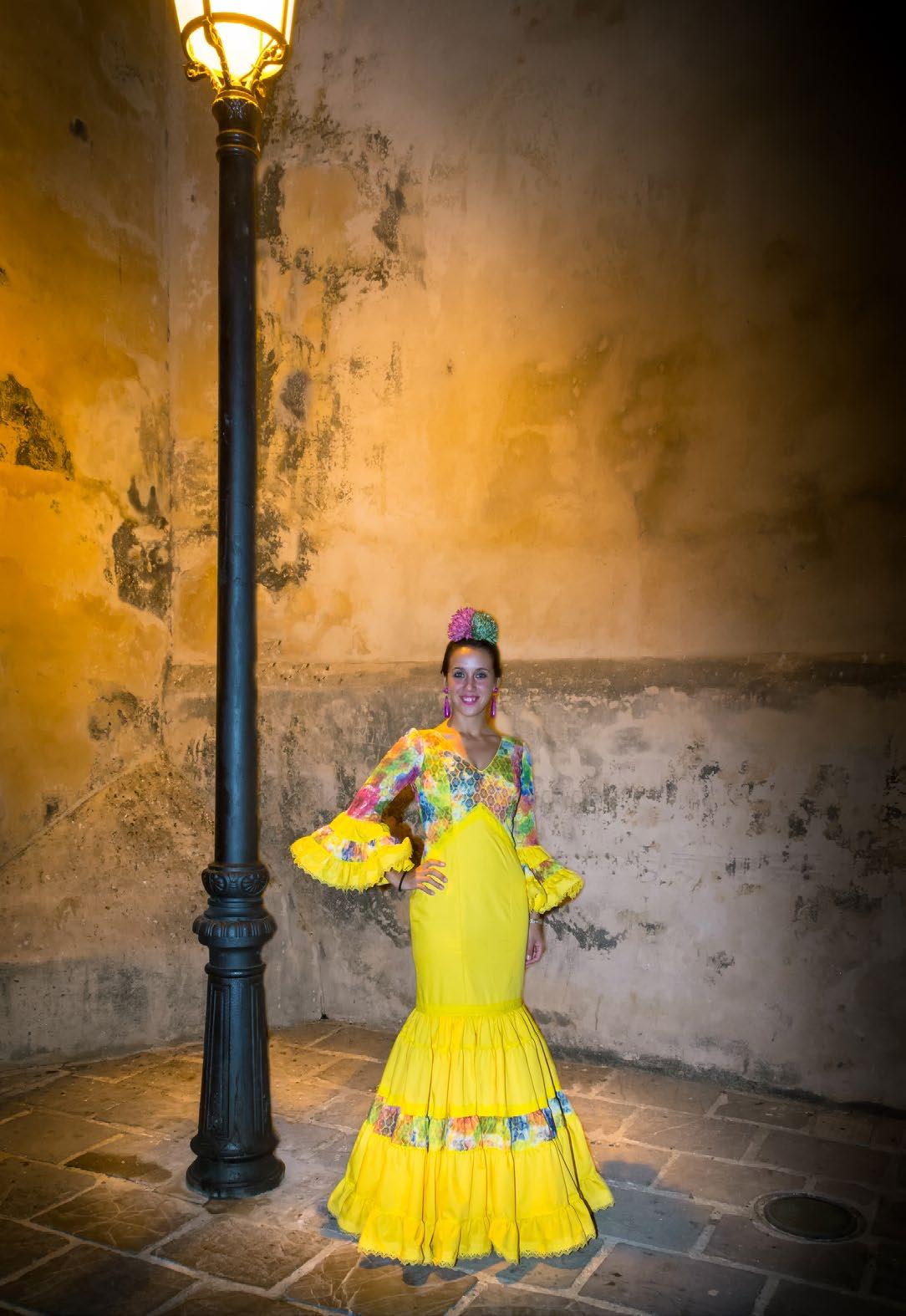
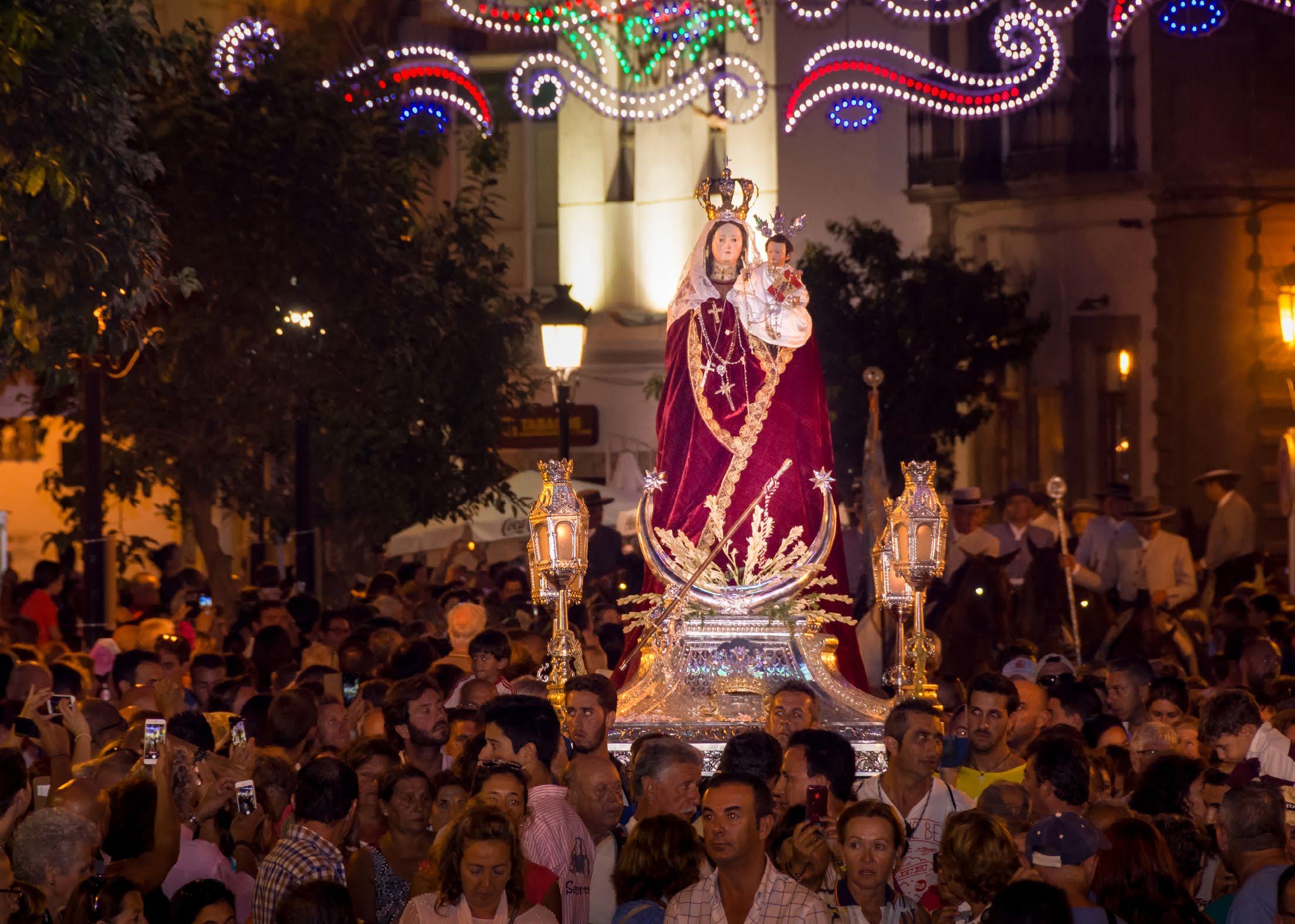
Photography means ‘drawing with light.’ Photographers are nothing without light: we record with it, we shape it, we wait for it and we chase it. What could be more appropriate then, than for two professional photographers to pay homage to the “Blessed Virgin of the Light“? So we travelled 18,000Km to Southern Spain to photograph the incredible Festividad De La Virgen De La Luz.
We recorded the celebrations of the town folk of Tarifa in Andalusia in honour of their Patron Saint. The Festival is held in honour of The Virgin of the Light who was summoned by King Alfonso XI during the Battle of Salado in 1340 to protect the town against invasion by the Moors. The statue of the Virgin of the Light is carried 8km from her normal resting place in the hills high above the town down to the Cathedral, accompanied by hundreds of horsemen and thousands of pilgrims. The Camino takes all day and it is night before the Virgin reaches town.
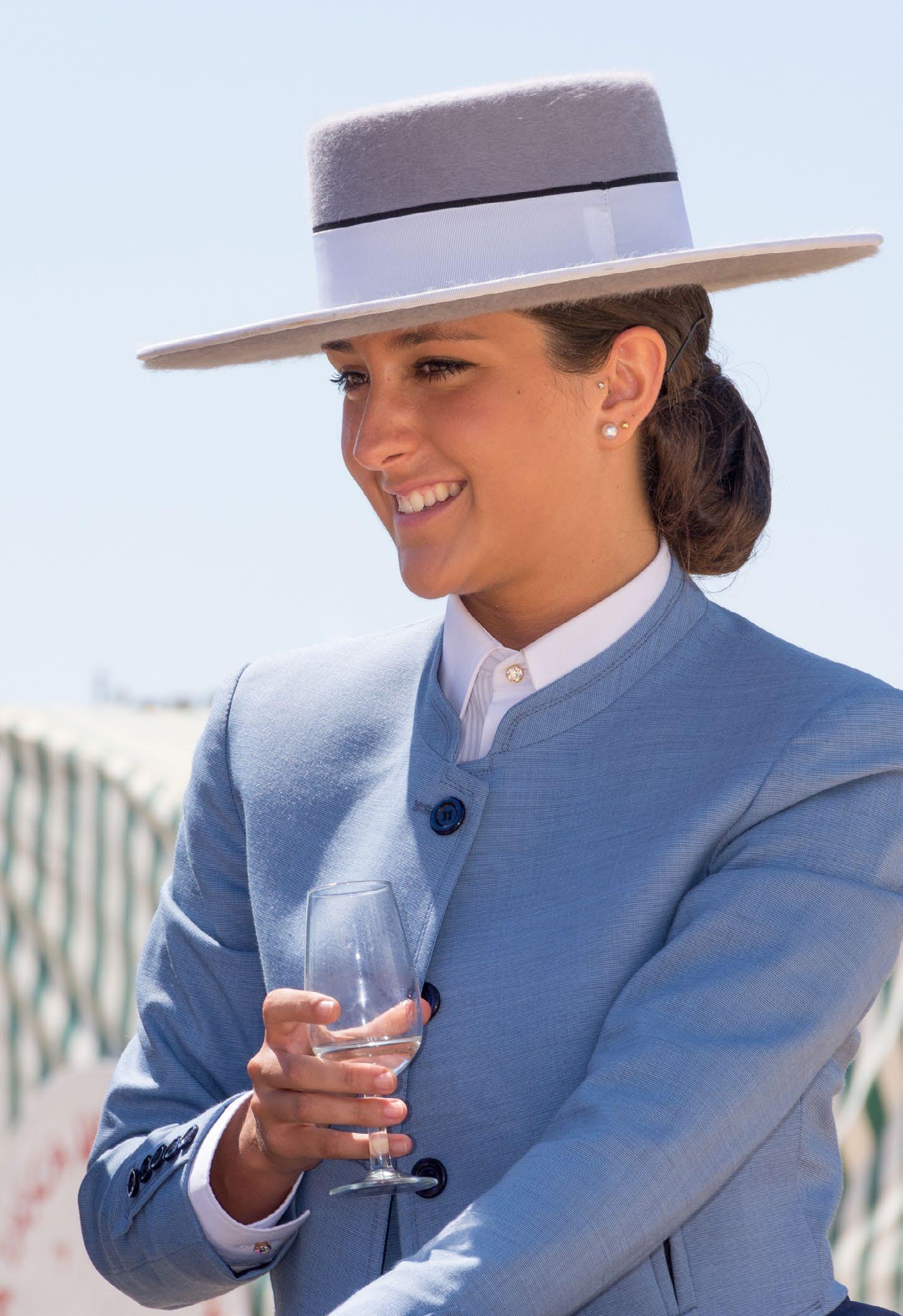
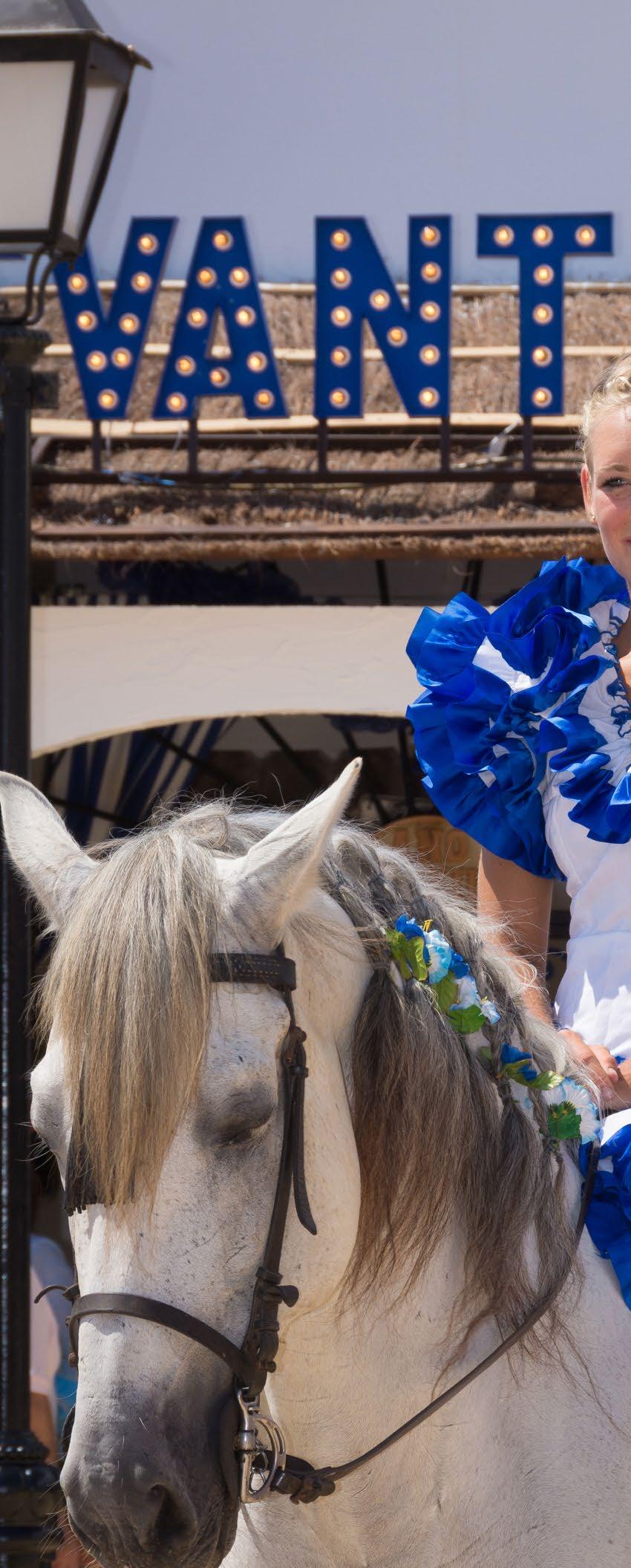
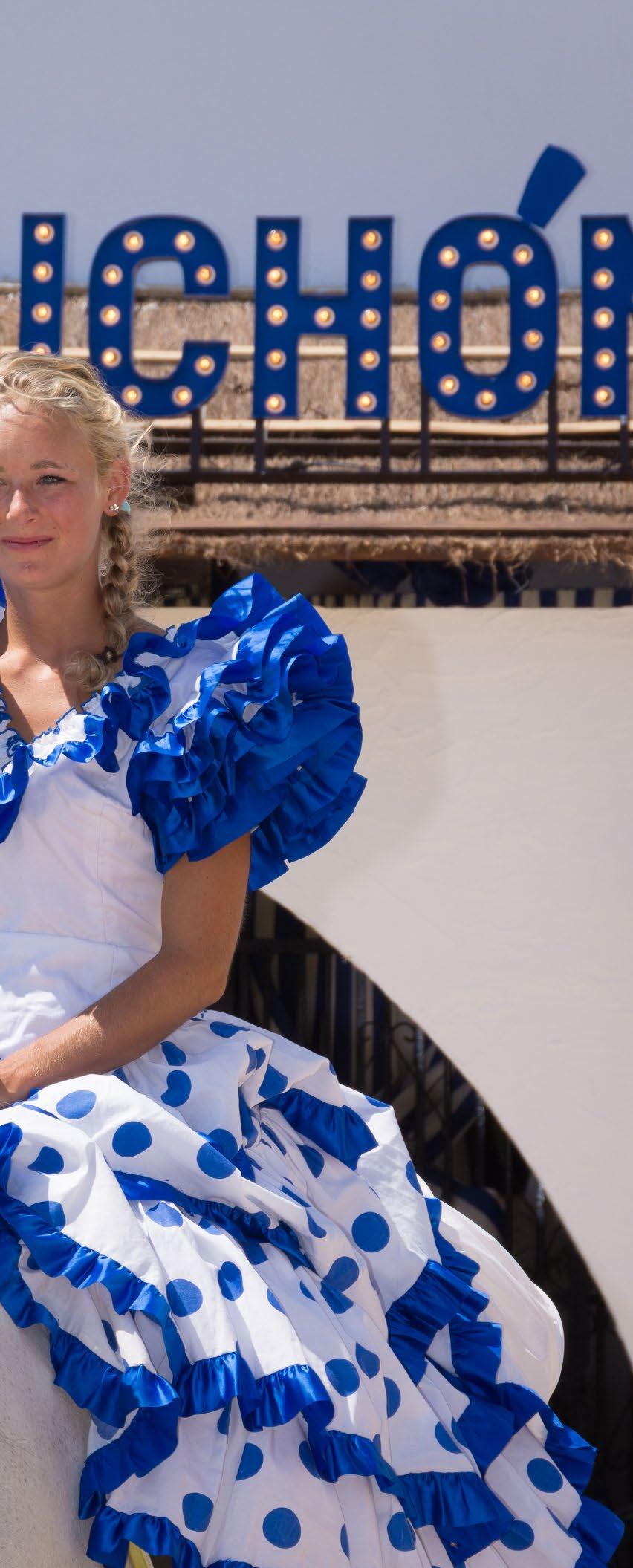
The week long celebrations include A Holy Mass, the crowning of a Festival Queen, Horse Championships and a funfare. All generations participate in the Feria with traditional Andalusian costumes being worn by many. We'd like to thank the many citizens of Tarifa who so willingly allowed us to share in their celebrations and to be photographed for this project.
Reading the blur
Jacky Lee PFIAP JAPJA
Notes on ICM, made with a phone in my hand
Intentional camera movement divides a room. Mention ICM in a photography group and someone will say it is just out of focus, no subject, no idea what the photographer was trying to express. Someone else will lean in and call it painterly, full of imagination, the closest thing photography gets to brushwork. Both responses are honest, and I think both are right more often than we admit.
A lot of work labelled ICM does not reach exhibition standard. That is the part many of us avoid saying out loud. Pulling the camera while the shutter is open is easy. Making something worth looking at twice is not. When the smear has no anchor, no rhythm, no relationship between colour and shape, the criticism is fair. The image is a record of motion, not a piece of art.
But when ICM is done well, something else happens. The picture stops describing the world and starts evoking it. You read the image the way you read a painting. Your eye finds a structure in the colour, a tension in the lines, a feeling that may not arrive with a name. This is where I think the conversation about ICM should sit. Art is not only what the maker intended. It is what the viewer feels in front of the work. ICM, more than most genres, hands that responsibility back to
the viewer. Different people will find different meaning in the same frame, and that openness is not a weakness. For me, it is the most generous part of making art.
So my small plea, before I get to technique, is this: give an ICM image time. Look past the blur and ask what the colours do, where your eye wants to rest, whether the picture asks anything of you. If it does, the photographer earned it.
Now for the making.
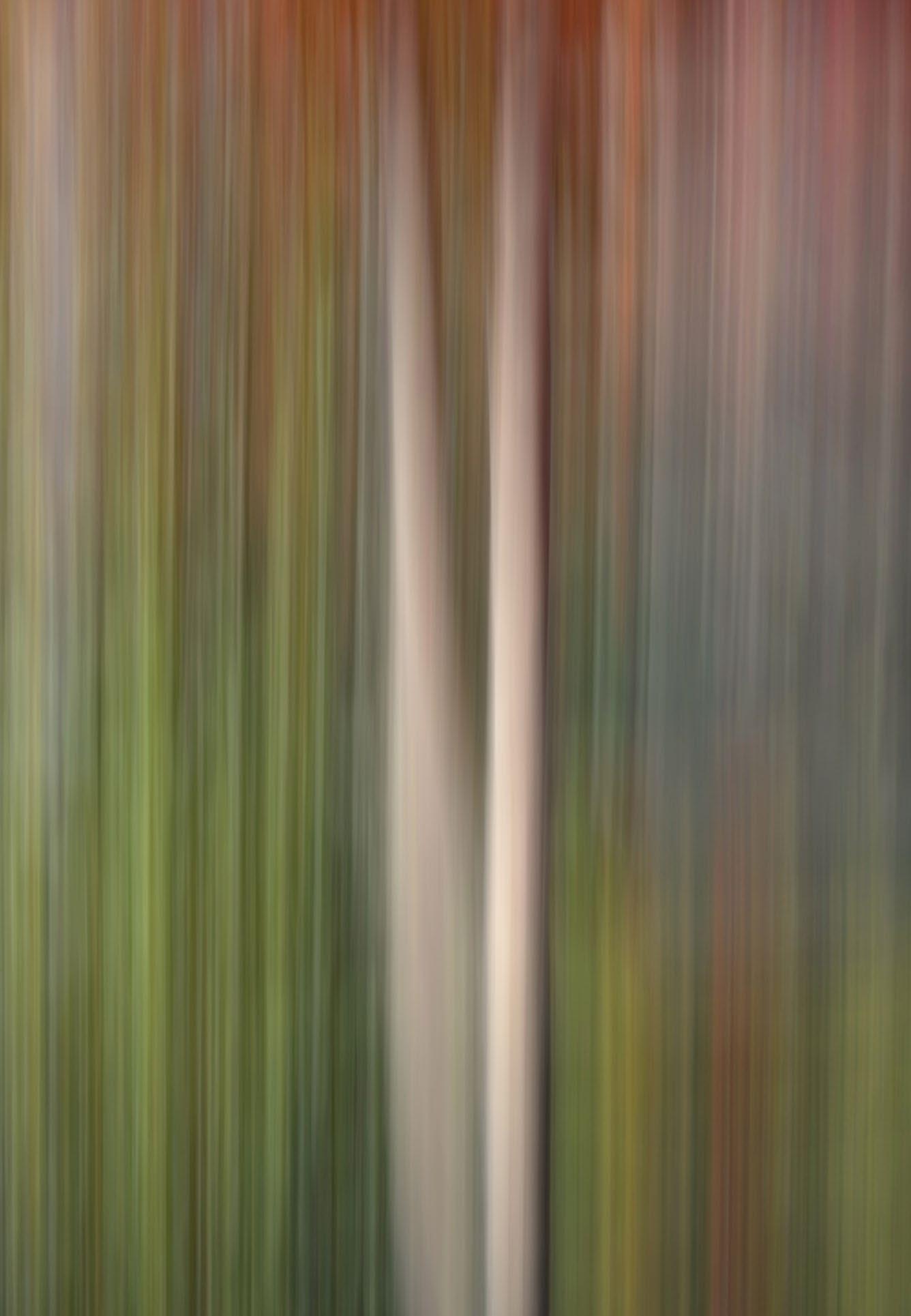
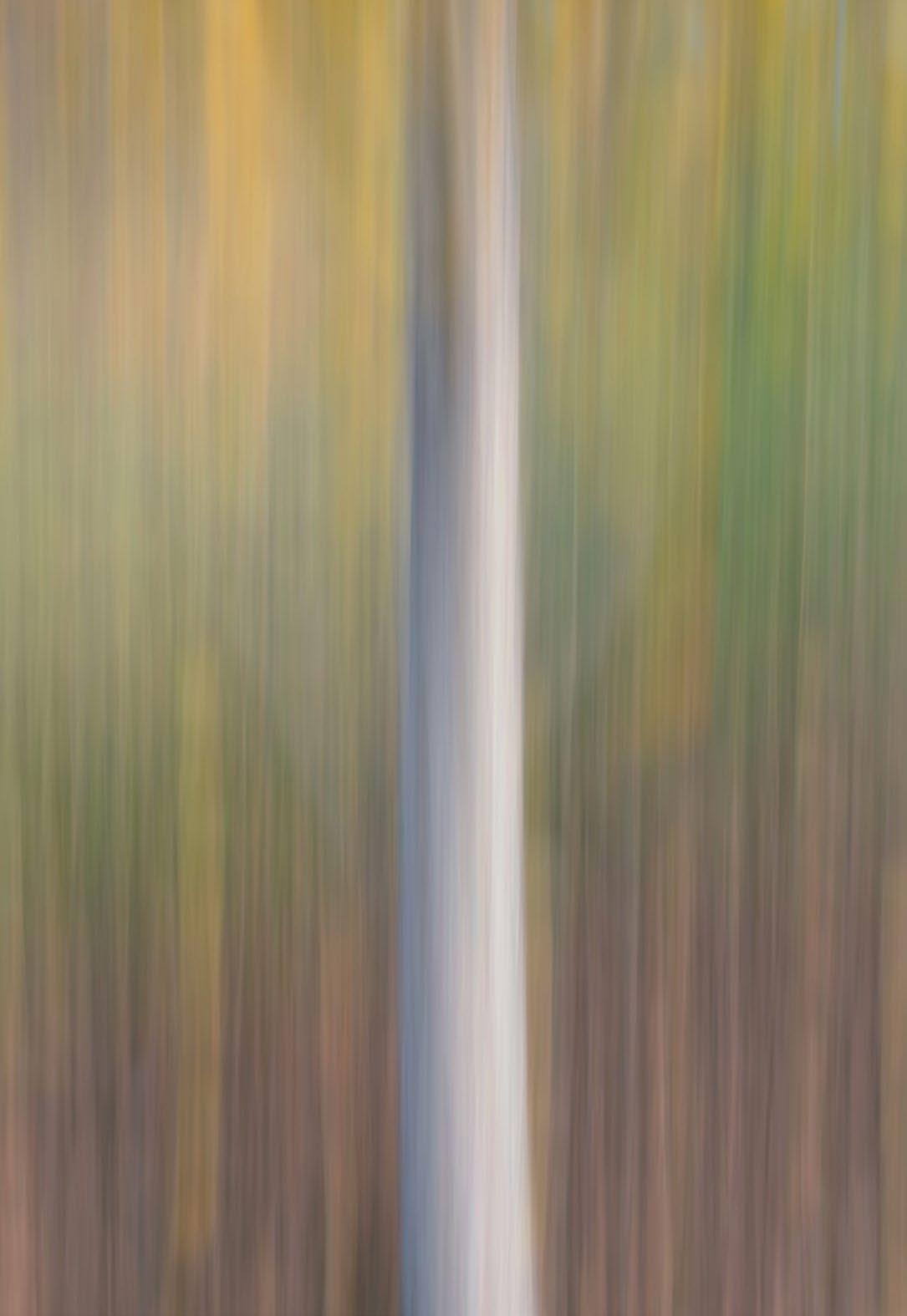
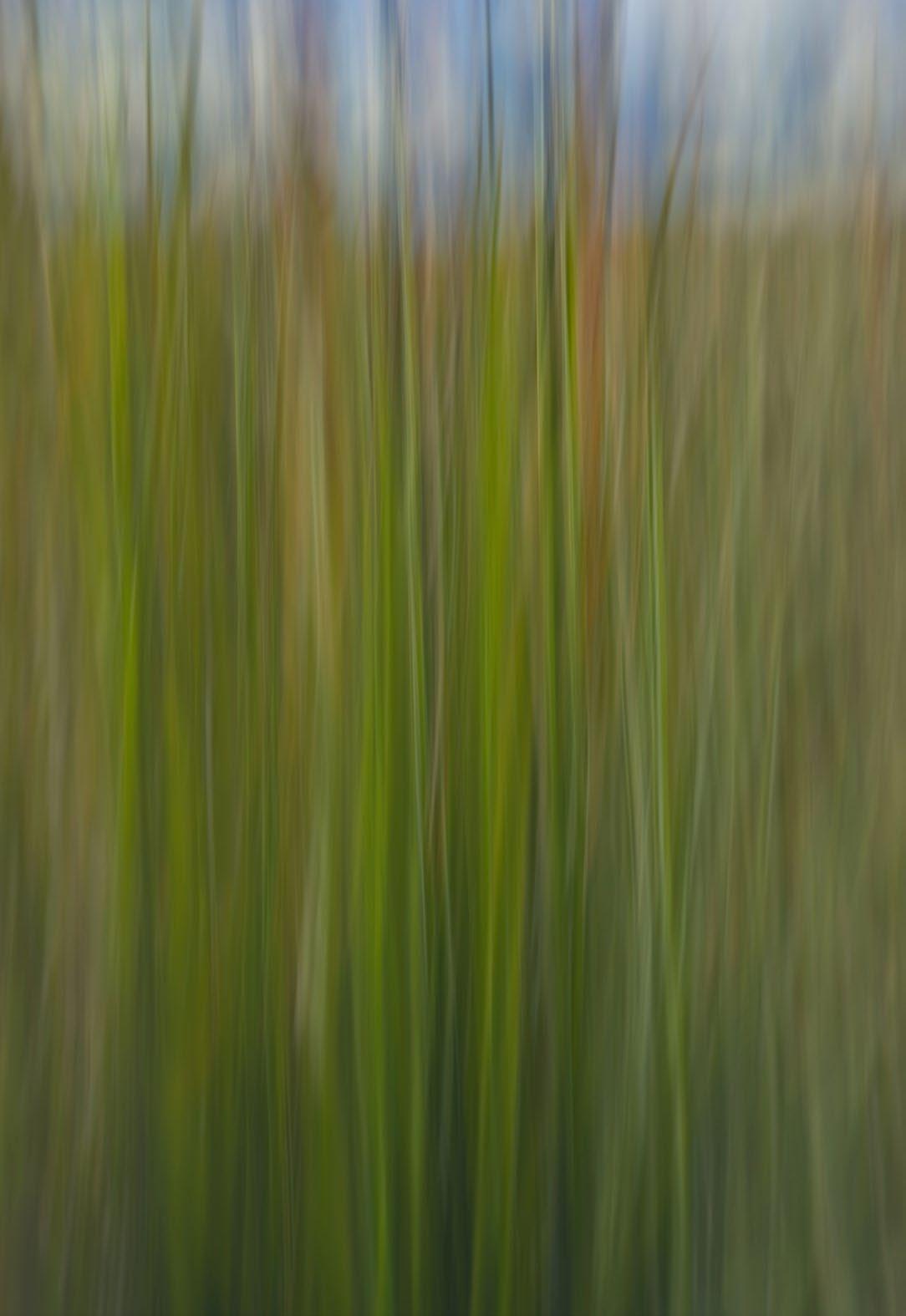
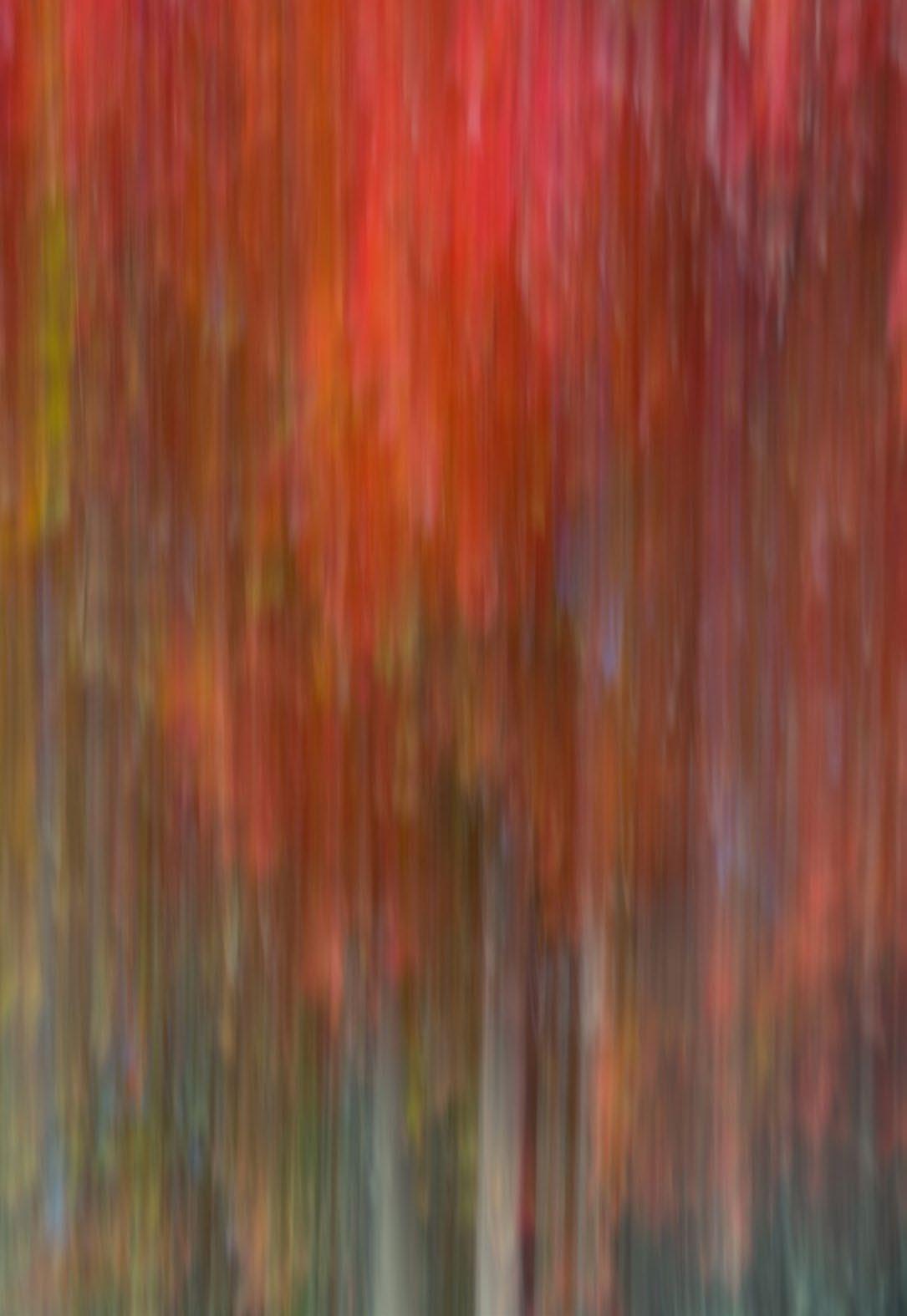
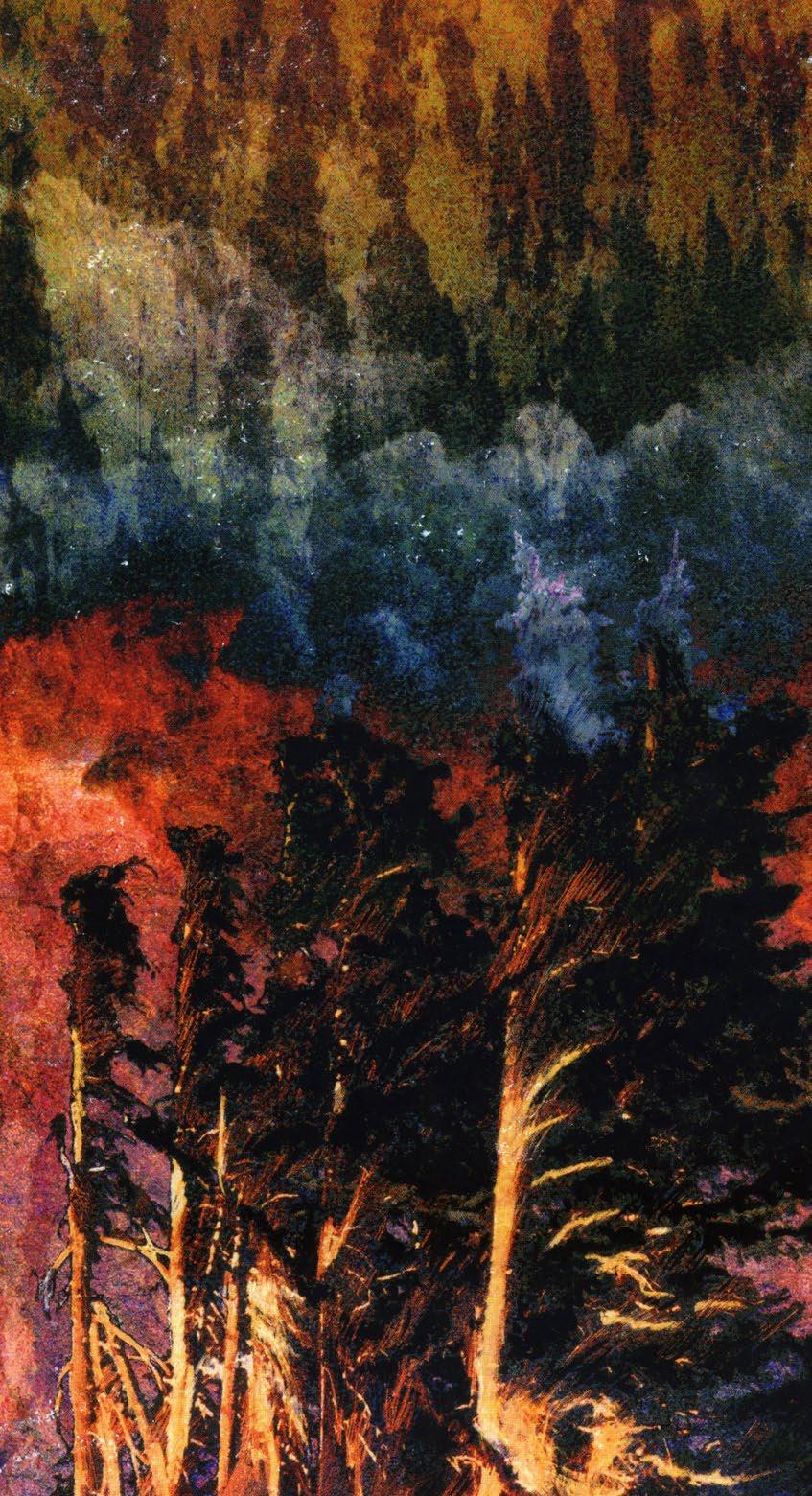
ICM is a form of long exposure with the camera in motion during the exposure. For this autumn series in Canberra, taken in April when the trees here put on their best colour, I did not use a camera at all. I used my phone. I want to say that plainly, because I hear so many people tell me they have no time to make personal work. The phone is already in your pocket. There is no excuse.
The method is simple. On my iPhone, I shoot at 1x, roughly 24mm, with Live Photo turned on. I frame a tree, a stand of grasses, a cluster of branches. Then I move the phone slowly and
steadily from top to bottom while pressing the shutter, about once a second, so I end up with a series of Live Photos along that vertical sweep.
After the sweep, I open each Live Photo in the album and apply the Long Exposure effect. It is worth being clear about what is actually happening here. A real camera long exposure records light continuously on the sensor, optically, while the shutter stays open. The phone does not work that way. It takes the short exposures captured inside the Live Photo and blends them into one image to simulate the long exposure look. The result belongs to the same family of marks, but the process is computational rather than optical, and I think that distinction is worth naming honestly rather than papering over.
From there, I import the file into Photoshop for light work only. A little distortion control, a few fixes where the blending leaves an awkward seam, then small adjustments to colour, levels and contrast. Nothing heroic. The picture is already there.
The part I love most is the wait. When the phone is processing the long exposure, it takes a moment, and that small pause reminds me of standing in a darkroom watching a print come up in the tray. You do not quite know what you have until the chemistry, or the silicon, decides. After all the digital immediacy we live with, that little gap is a gift.
ICM will keep dividing rooms, and that is fine. The work that earns its place will speak for itself. Until then, pick up whatever camera you already own, even the one in your pocket, and go and make something.
About the Author
Jacky Lee is an award-winning photographer based in Canberra, Australia, originally from Hong Kong. His work has been recognised internationally, including a winning entry in the National Geographic Photo Contest. He is a qualified photographic judge with the Australian Photographic Judges Association (APJA), the Photographic Society of America (PSA), the Photographic Society of Queensland (PSQ), the South Australian Photographic Federation (SAPF) and the Victorian Association of Photographic Societies (VAPS). In 2025 he was recognised by the Australian Government as a Distinguished Visual Artist, and in 2026 he was appointed Ambassador of the International Association of Art Photographers (IAAP).
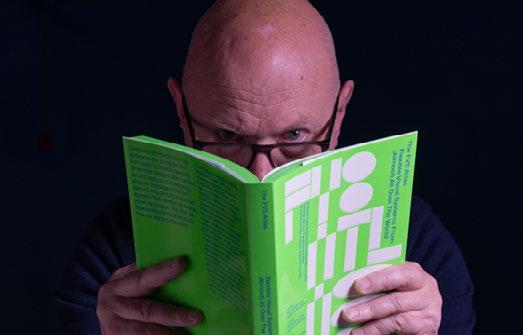
Australian photographer John Pollard FRPS died in 2018, leaving behind not just a grieving family and a substantial legacy of photographic work in public and private collections, but also an eclectic collection of books representing his varied interests over his life. In this ongoing column, I hope to
stimulate interest and reflection on various aspects of photography based on the perusal of John’s collection of books. In the process, I also aim to periodically shine a light on John’s career and practice.
Dr Robin Williams ASIS FRPS
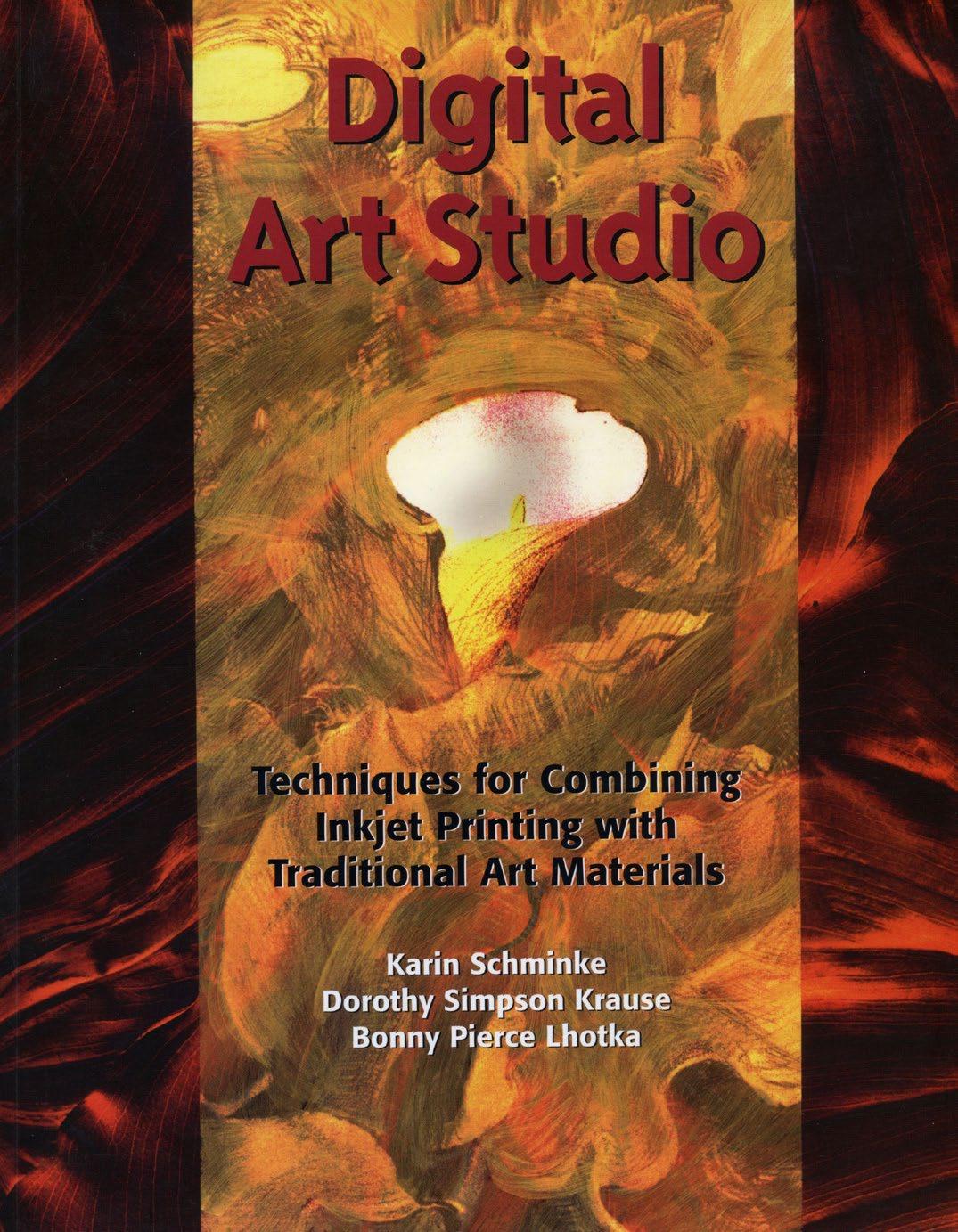
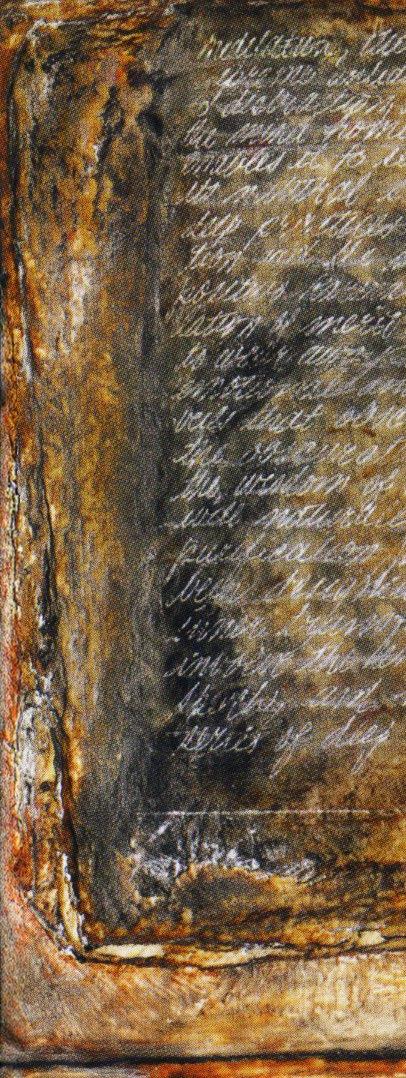
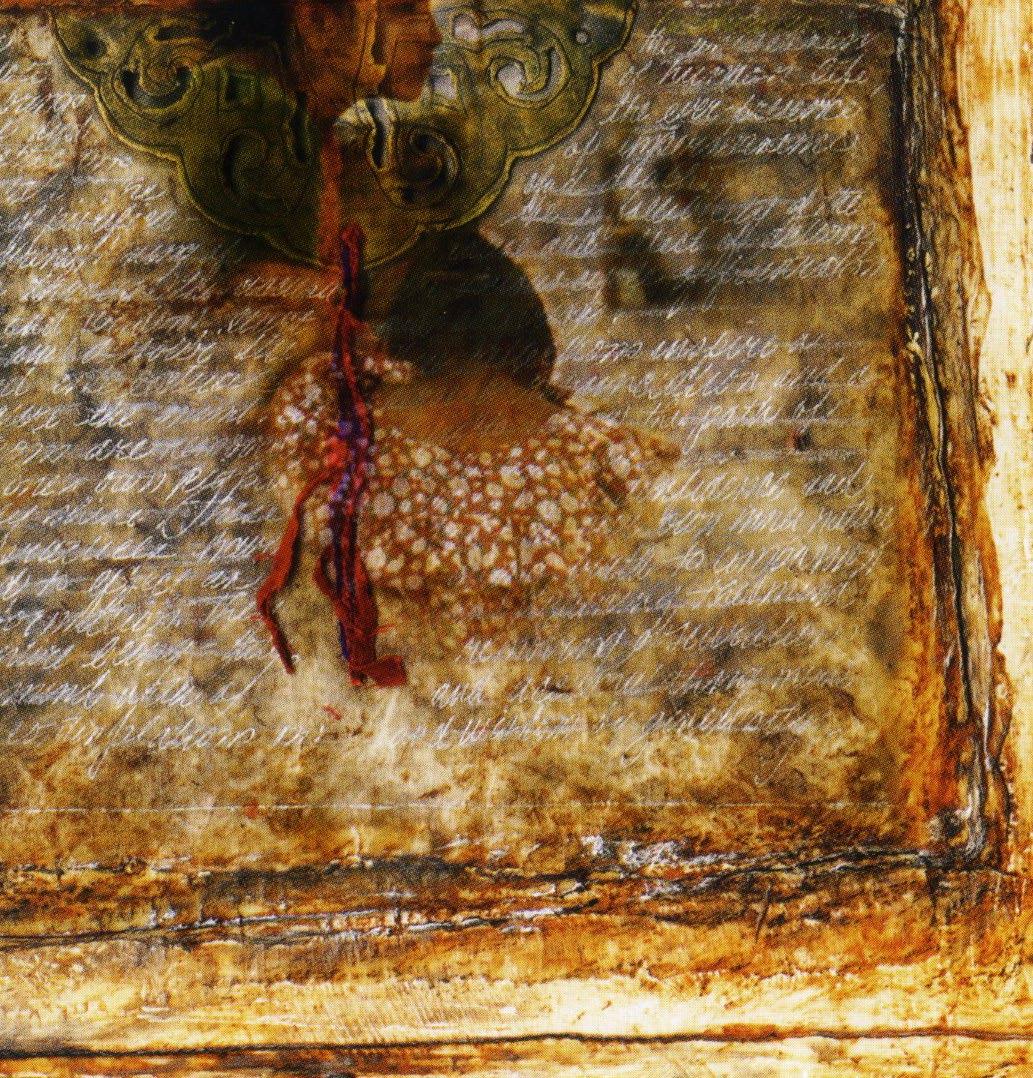
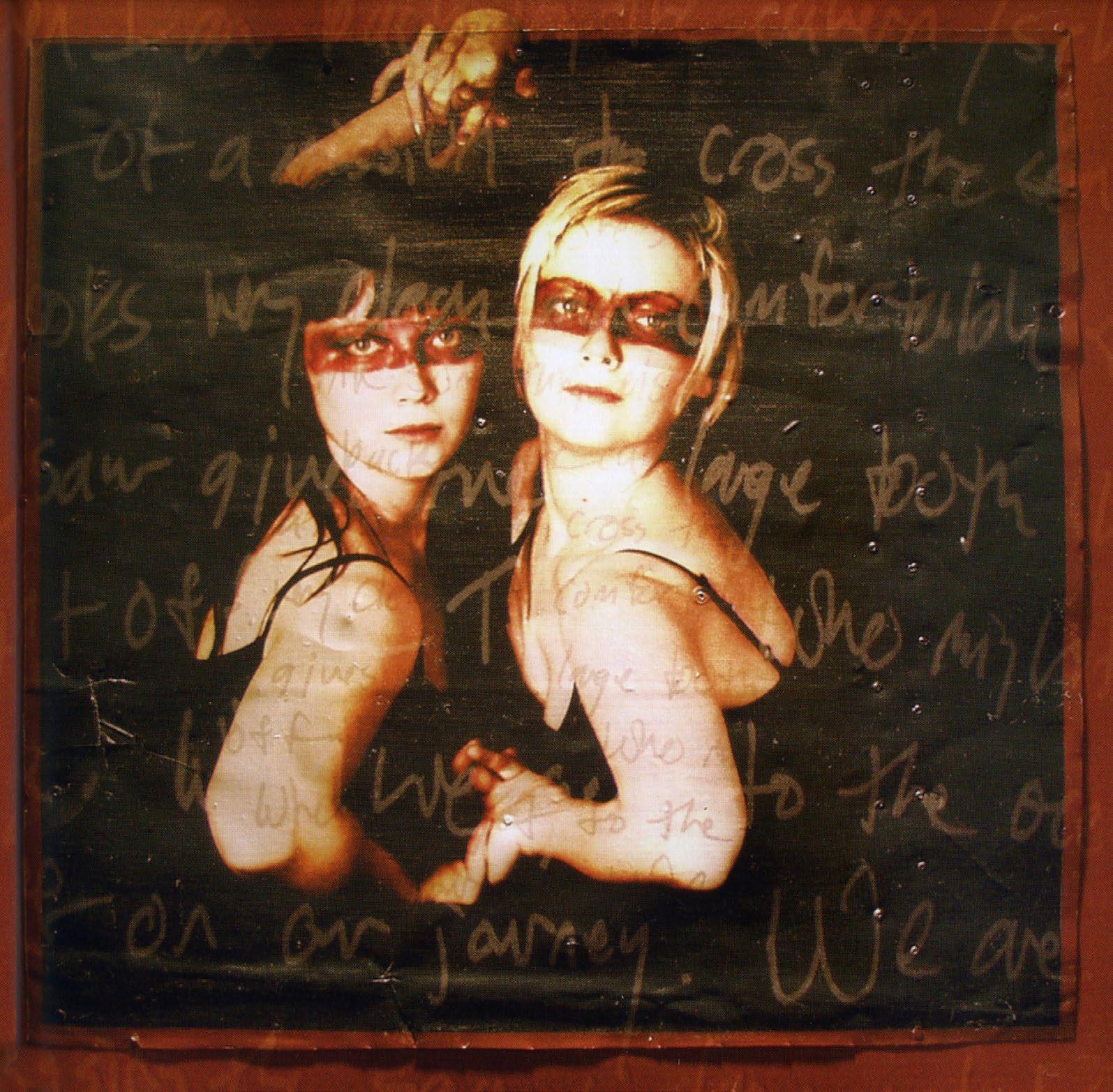
Fig.1 below: Front cover of the book, ‘Digital Art Studio’ by Karin Schminke, Dorothy Krause and Bonny Lhotka.
Fig.2 right: ‘Flint’ by Dorothy Simpson Krause. Inkjet print on heavily textured non-woven fabric, 2000.
Pondering Pollard 29:
‘The Digital Art Studio’ by Schminke, Krause & Lhotka.
Pub. Watson-Guptill Publications, New York. 2004.
Although he earned his living from photoengraving, commercial photography and multi-image audio-visual production, John Pollard was at heart an artist; one of the most creative and innovative photo-artists in Australia in the late twentieth century. His expertise in printmaking and gum bichromate was
left: ‘Dance 6’ by Dorothy Simpson Krause. Ultraviolet cured inkjet print on painted metal nailed to plywood, 2002.
Fig.4 centre: ‘Malachite’ by Karin Schminke. Wet transfer inkjet to sized paper with black watercolour.
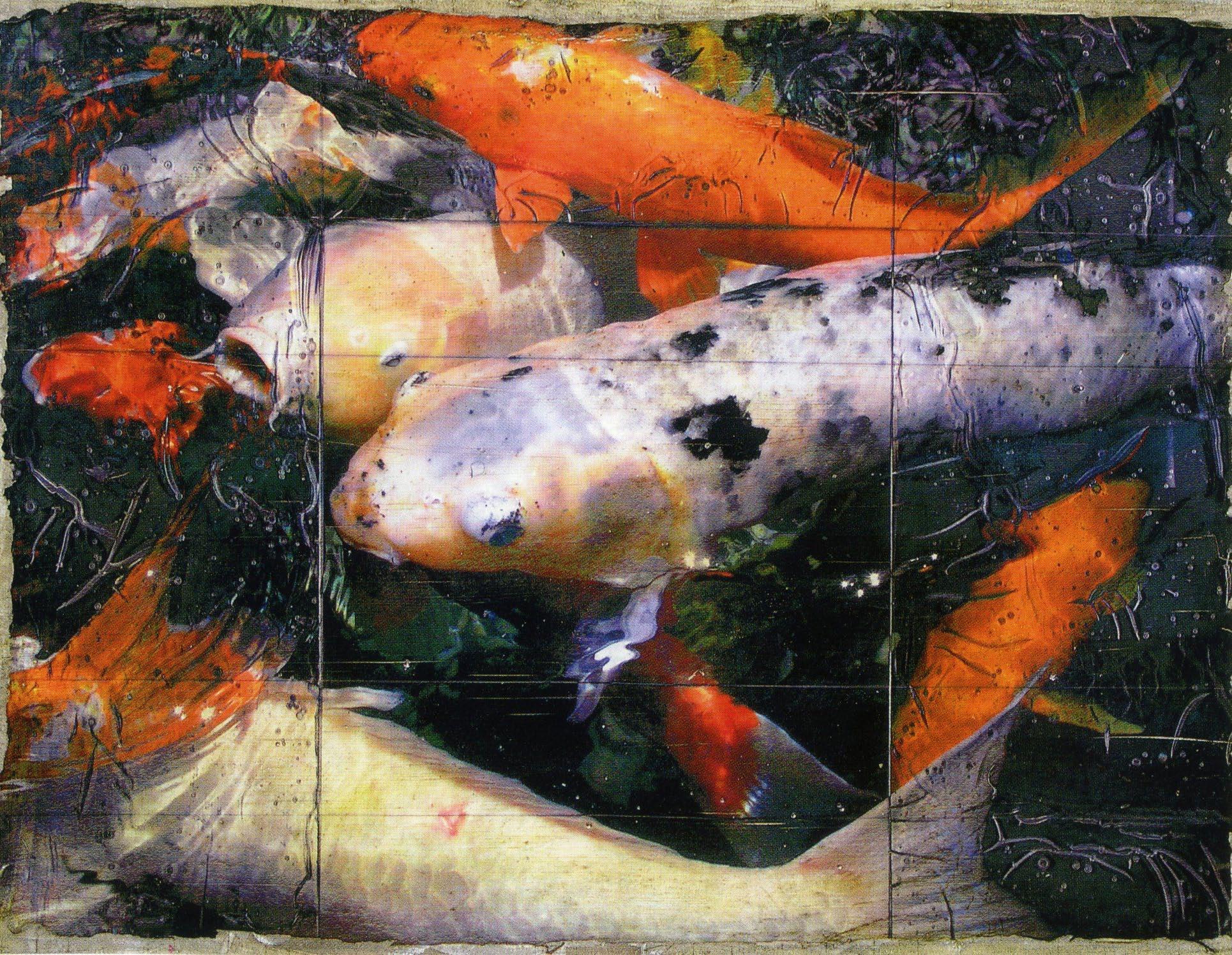
Fig.5 right: ‘Spotted Fish’ by Bonny Lhotka. White emulsion transfer adhered to board, burnished with oils, wax and shoe polish, 2003.
recognised throughout the world. His library contained many works on art and artists beyond the scope of this series, but also included many practical ‘how-to-do-it’ books on photo-artistic practice – ‘The Digital Art Studio’ falls into this category. The title of the book belies its actual content; one might imagine that it would cover creative ways to use Photoshop or other image editing software, but in fact it surveys a number of what might be called mixed-media artistic practices. Although we commonly see artwork
Fig.6: Nude in the studio
Fig.3
produced either in-camera, e.g., Intentional Camera Movement, or in post-capture software, e.g., layer masking and blending in Photoshop, it is rare to see professional printmaking techniques used to create mixed-media work in mainstream photographic practice. It is clear from John’s handwritten notes and ‘stickies’ throughout the pages of ‘The Digital Art Studio’ that he was interested in printing digital files onto fine art papers that might subsequently be overpainted. He was probably exploring how he
might modify his gum bichromate prints.
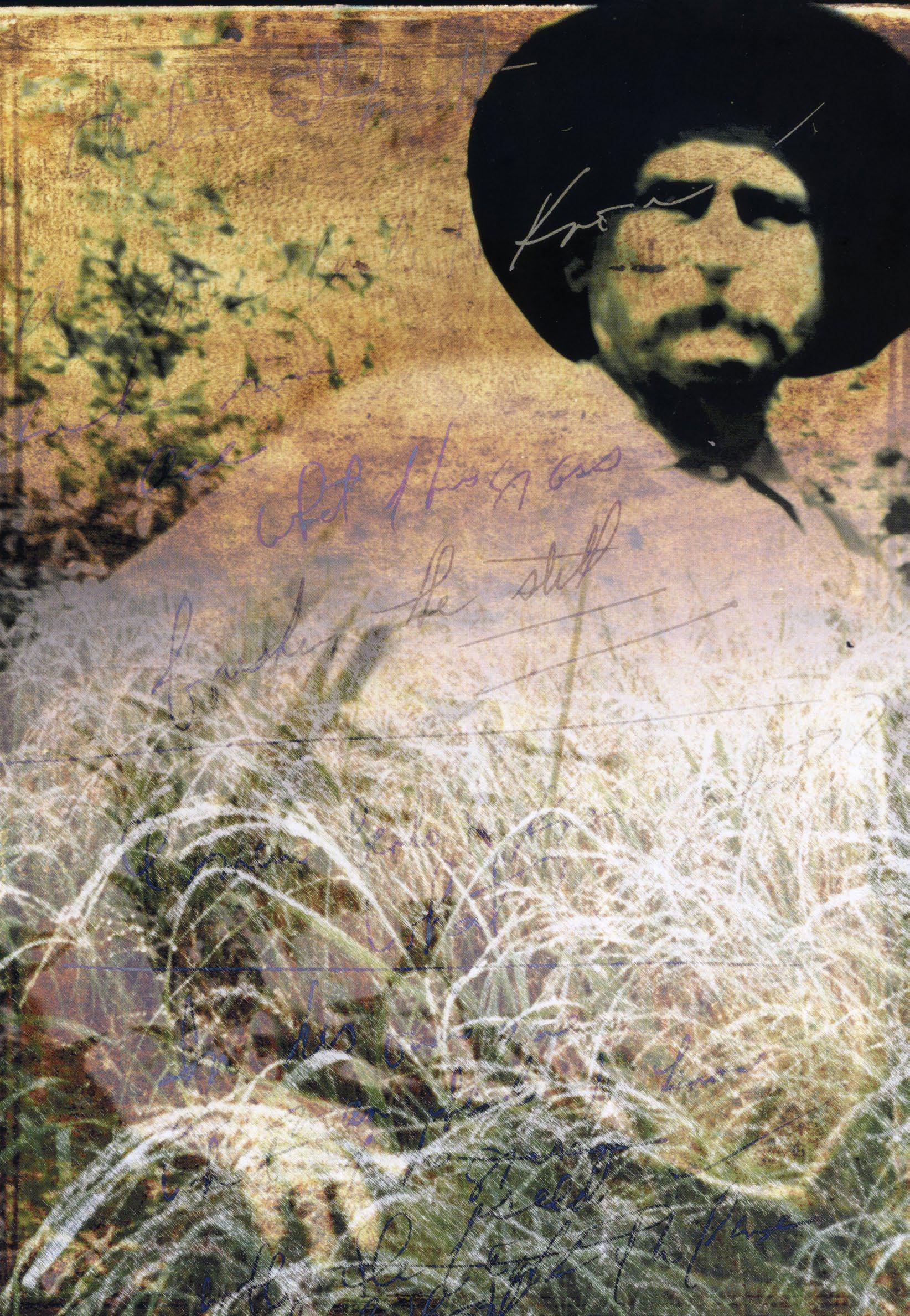
‘The Digital Art Studio’ is authored by three American artists famous for their mixed media practices: Karen Schminke based in Seattle, who uses layered print techniques to reflect the complexities of the natural world; Dorothy Krause based in Boston who is a professor of computer art at Massachusetts College of Art and specialises in richly surfaced work which embeds archetypical symbols and fragments of image and text into multi-layered works; and Bonny
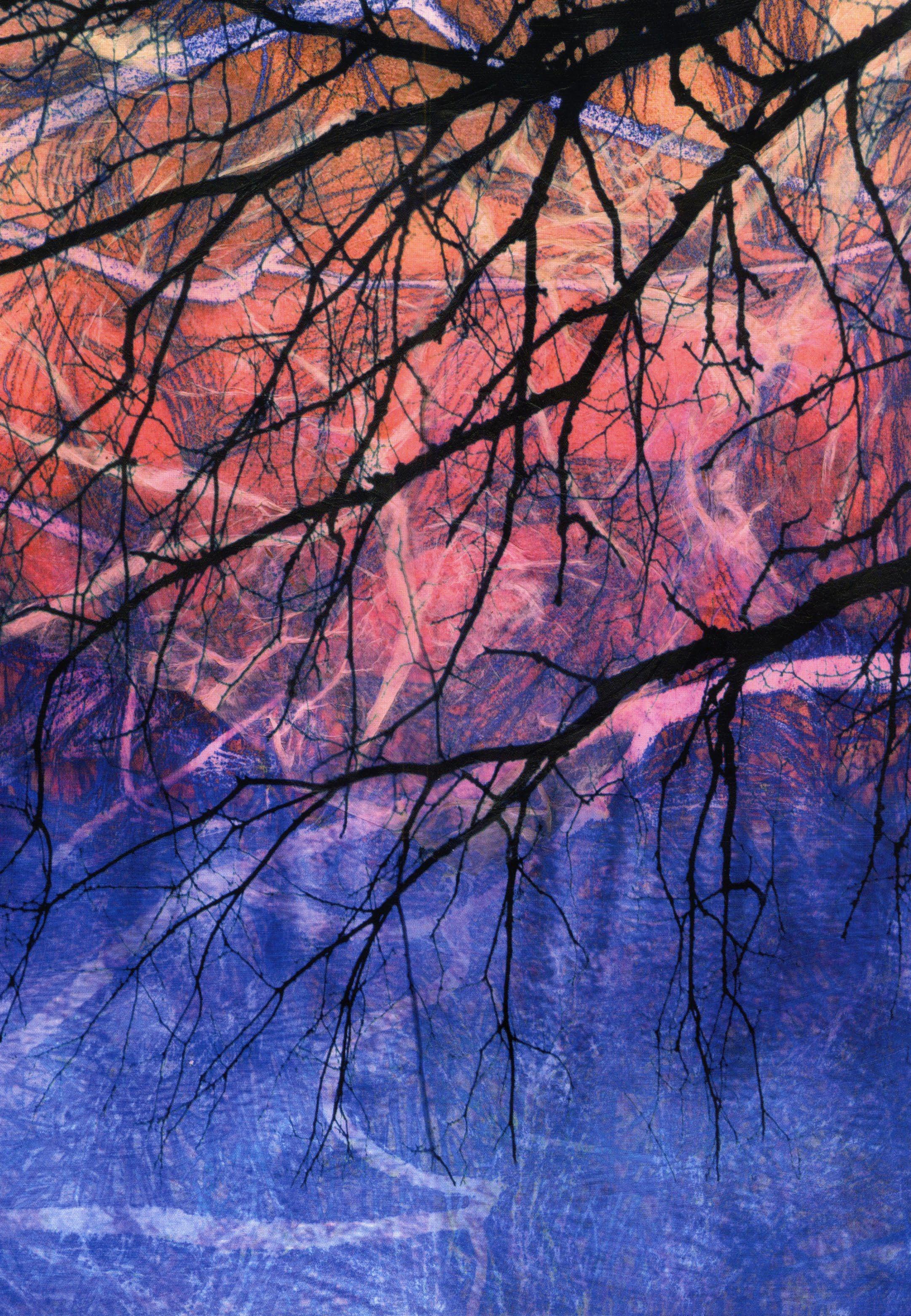
Fig.7 right: ‘Fragments: Early Morning’ by Karin Schminke. Inkjet printed in layers with collaged rice paper, 1998.
Fig.6 above: ‘In his own acre’ by Dorothy Krause. Transfer to white gelatine Fresco with incised marks, 1999.
Lhotka based in Boulder, Colorado, who is an experimental artist and print maker who creates work that encompasses fragments of objects, real and imaginary, to illuminate the connection between life and death, technology and the human spirit. The three have collaborated over many years as artists in residence, workshop leaders and co-exhibitors under the name ‘Digital Atelier.’ The artists of the ‘Digital Atelier’ combine their expertise in conventional media with digital imaging to produce fine art, but it is
their unique vision, ingenuity and finesse that create compelling art, not the combination of tools and materials in some mechanistic manner. The book is a treasure trove of information for anyone wishing to print onto a range of non-standard surfaces or to create works of art by combining digital imaging with other artistic processes and media. This book is processoriented and is recommended for intermediate to advanced mixed-media artists and photographers who want to explore digital print
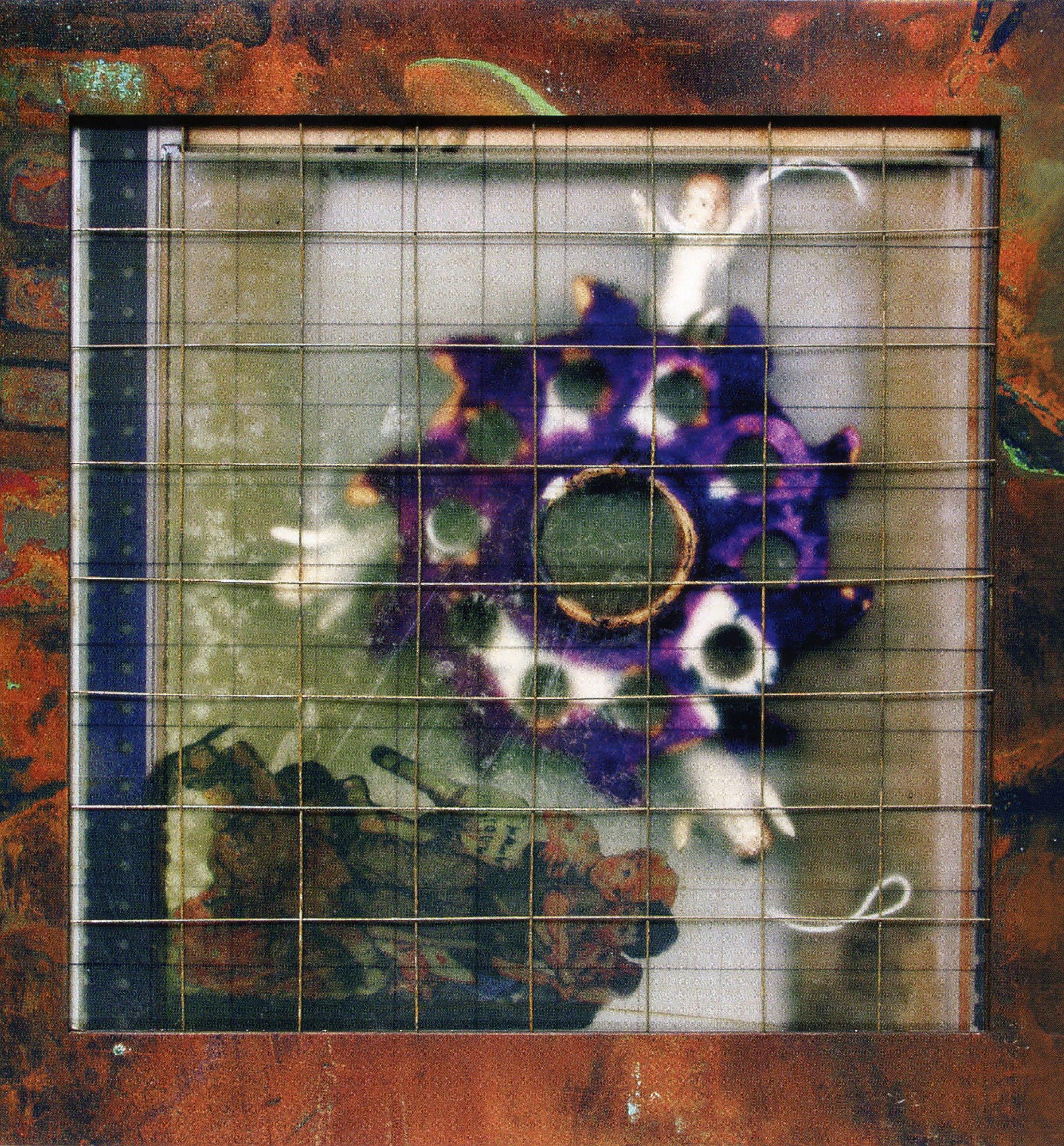
Fig.8 above left: ‘Joy’ by Bonny Lhotka. Inkjet print on acrylic and polycarbonate under rusted steel rods within a surround of inkjet print on Baltic Birch, 2002.
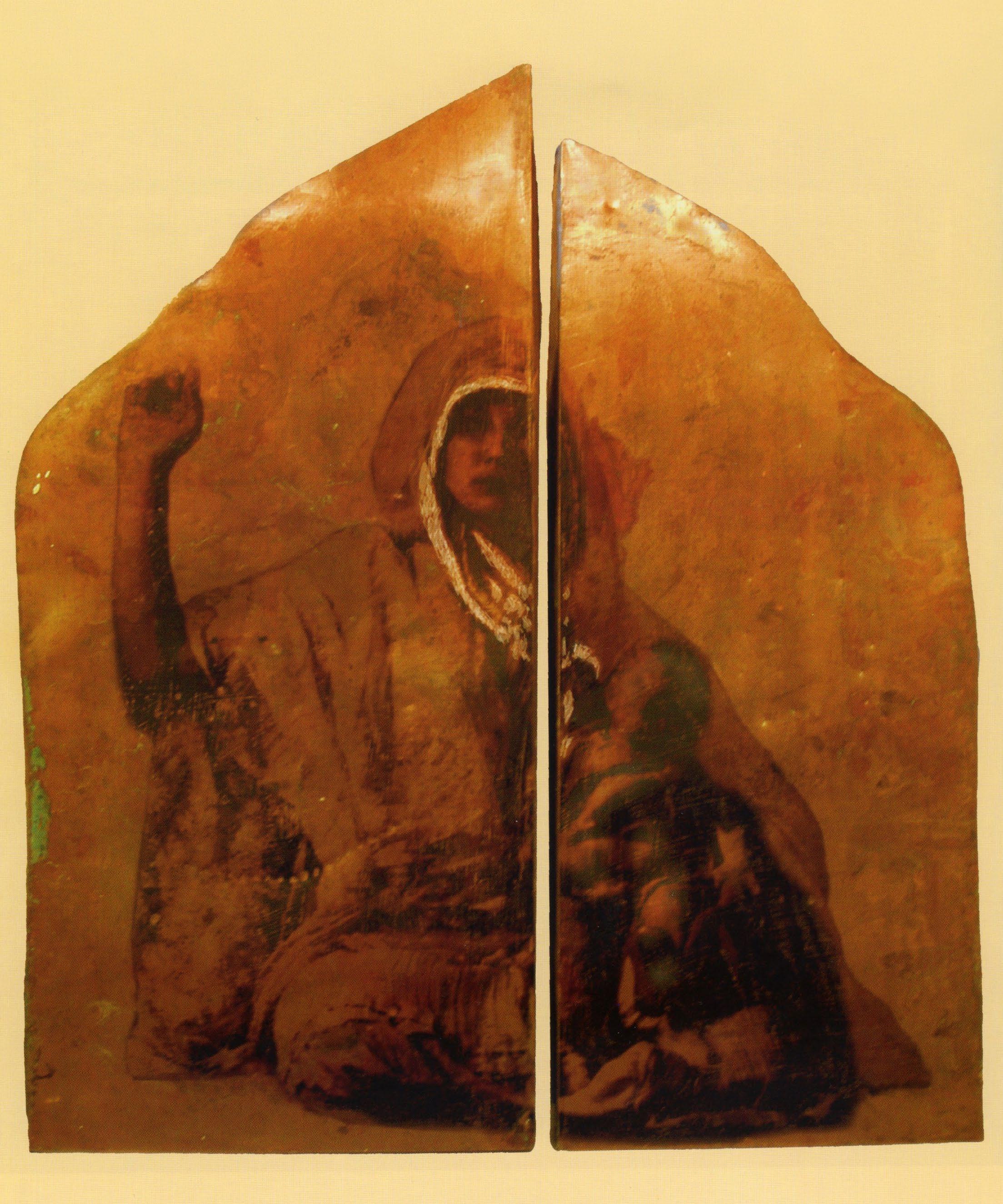
Fig.9 above: ‘Name of the Mother’ by Dorothy Krause. Inkjet transfer to Copper Diptych, 2002.
making. They show you how to use your inkjet printer, albeit the more expensive and professional models, to print onto practically any substrate: fabrics, plastics, metals, papers, etc. The authors give step-by-step instructions (with pictures) for various image transfer and ‘emulsion’ transfer (similar to Polaroid) techniques as well as some unusual printmaking and layering ideas: gelatine transfers, frescoes, digital over-printing and under-printing, and collage. There's a whole chapter on transferring or printing images onto fabrics for both wearable and non-wearable art. You can also work on your printed images with traditional art media, such as pastels, coloured pencils, acrylics, and even
encaustics. The only limitations to the usefulness of this book are that it was published in 2004 –astonishingly, a quarter of a century ago – that’s a long time in personal computing, and that it is exclusively targeted at the American reader in terms of the pages of useful resources, suppliers of equipment, papers, chemicals, etc. It is nonetheless a useful and comprehensive work, although contemporary practitioners will undoubtedly look to the web to source more current information on products. The content is structured across ten chapters, ranging from tools and materials, through creating customised surfaces, under-printing and over-printing, wet transfers to absorbent surfaces, dry transfers to
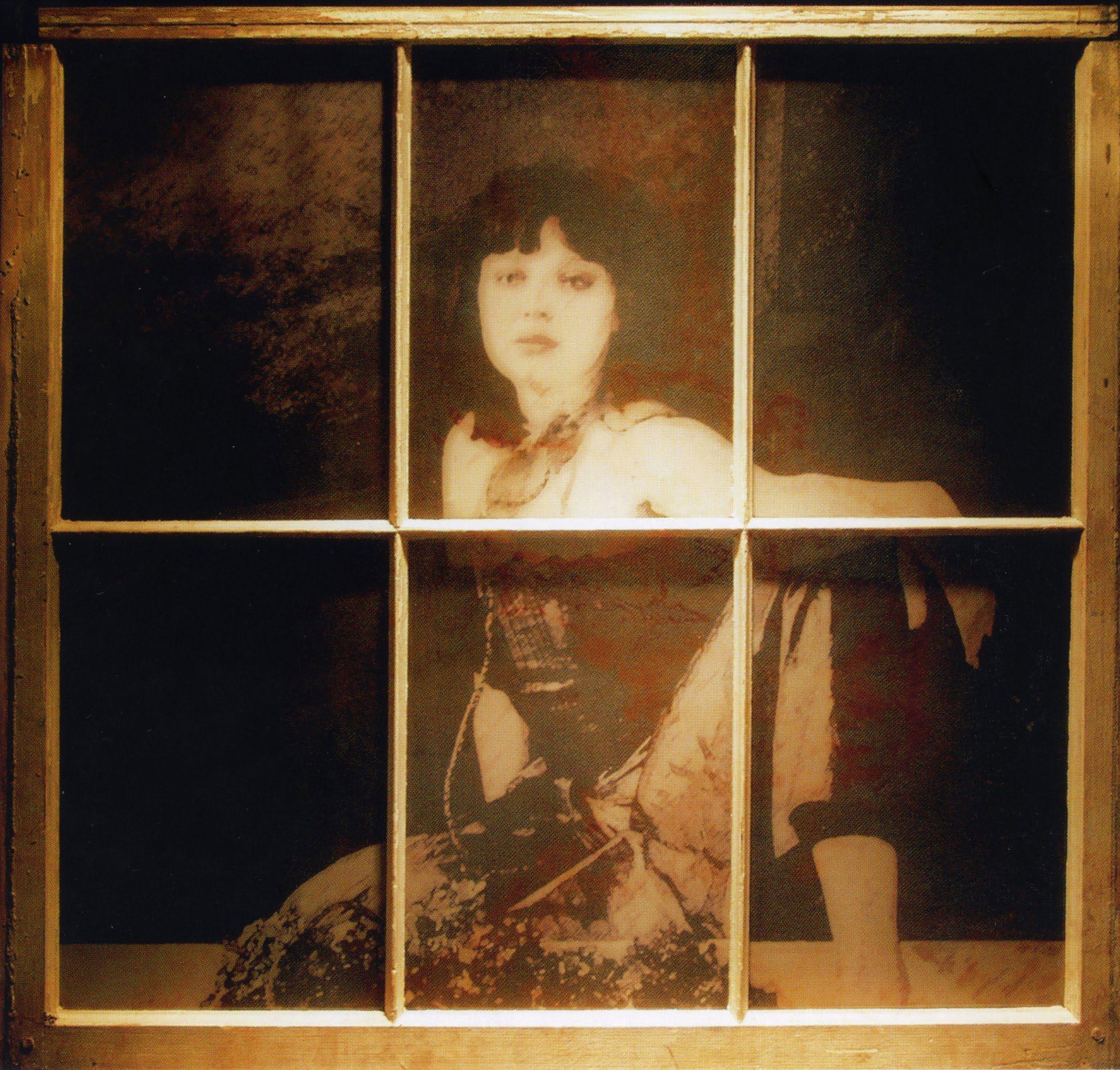
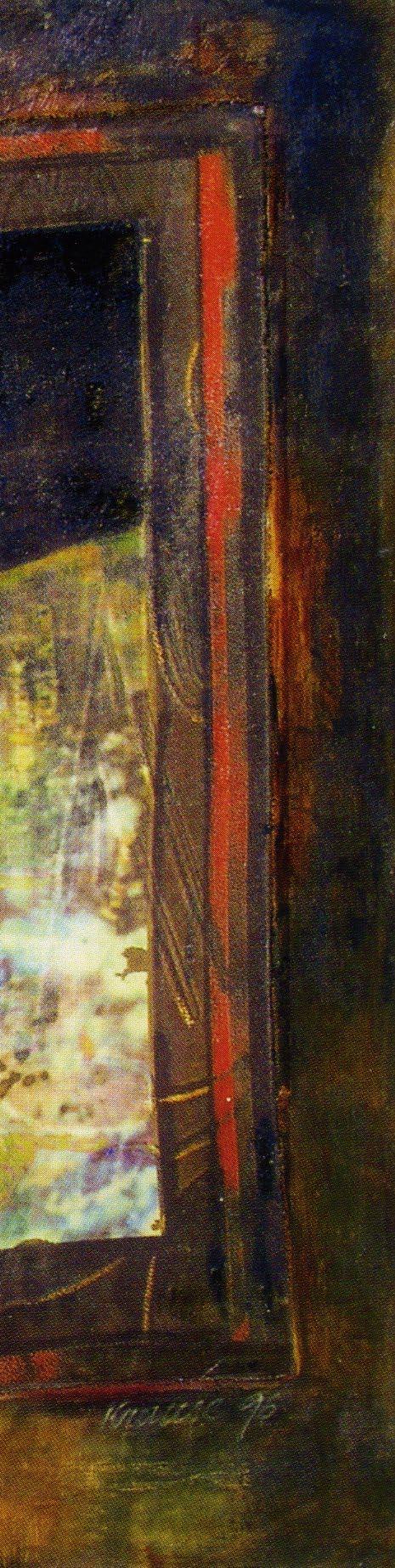
Fig.10 above left: ‘Behind Glass’ by Dorothy Krause. Inkjet print on translucent film behind old wooden window.
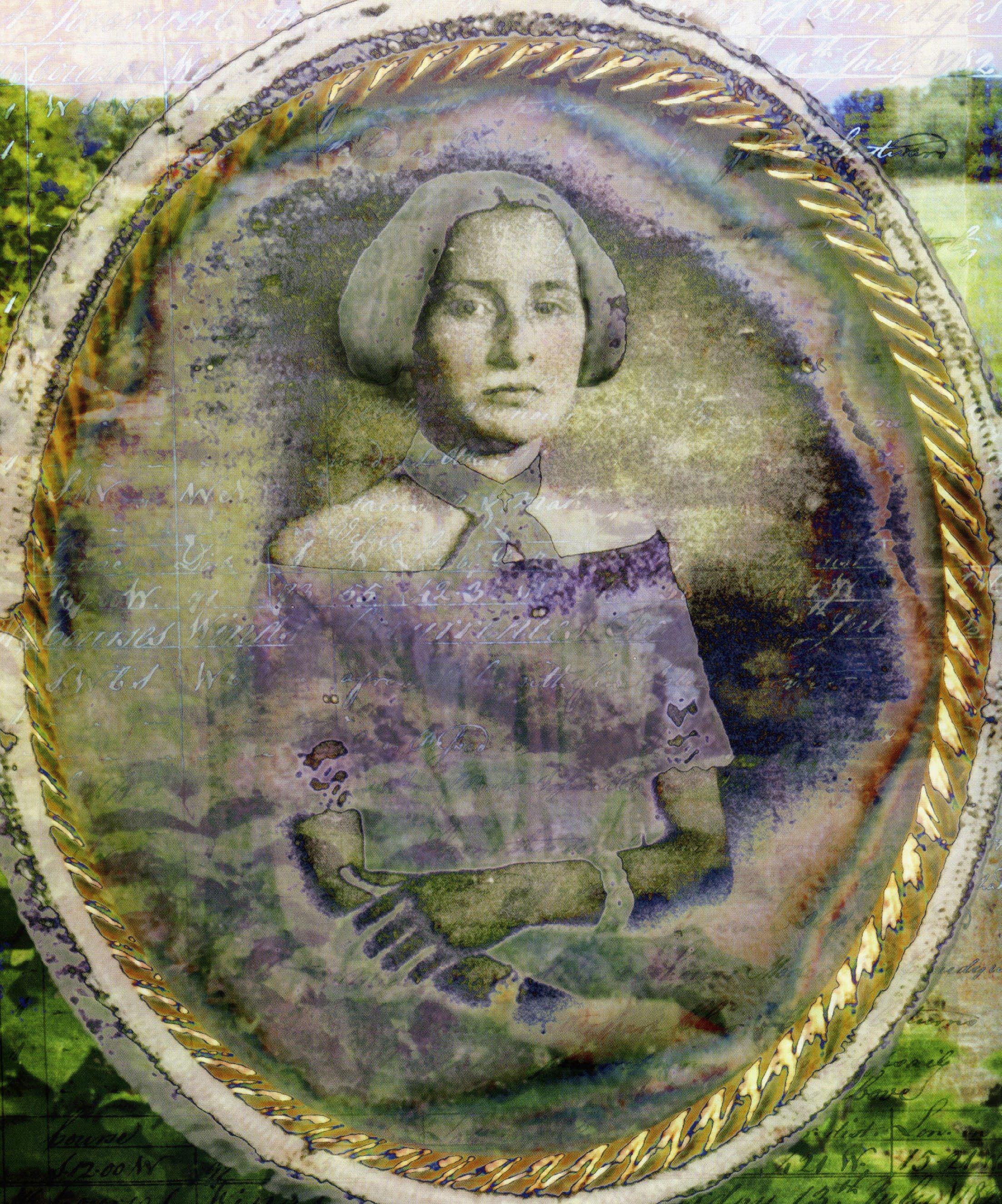
Fig.11 above: ‘Joanna’s Will’ by Dorothy Krause. Inkjet print on satin polyester with gold leaf, 1999.
non-absorbent surfaces, Gelatine transfers, layering prints with collage and paint, printing onto fabrics, to creating three-dimensional work. I have chosen to include this book in the series because it reminds us that there is an important body of knowledge in the art world about how to use and present photographic images – printing
onto silk, metal or wood, for example – this is the world of the professional print maker. A world that John Pollard occupied early in his career. I think many of us spend too much time thinking about how to create dynamic images and too little time thinking about how our audience will engage with our finished work. For many, our
only output is electronic and ephemeral. I also chose to feature the book because the many examples of work by the authors are worth seeing, not only as an end product but also as a stimulus to our own thinking in developing the physical realisation of our concepts.
Fig.12: ‘Against the Wall’ by Dorothy Krause. Inkjet print on cotton adhered to painted plywood surround, 1996.
RPS Australia Chapter Social Media Launch
We are busy in the background launching a social media account on Instagram for the Australian Chapter. This will be a new way for us to connect with new audiences, attract prospective members and share events and news that is outside of the newsletter cycle. Instagram will also allow us to present our members' photography. A well-curated social presence demonstrates both the quality of our members' work and the breadth of photographic practice across the Society.
Regularly sharing member images, exhibitions, and activities helps communicate not just what we produce, but who we are as a chapter of RPS. Importantly, it lowers the barrier to entry. Potential members can follow, observe, and interact before committing, building familiarity and trust.
All content will follow the RPS brand guidelines and will tie in with our newsletter content and stories our members are interested in. We can also share your images around curated topics with wider audiences.
Setting up an Instagram account is a simple way to stay connected with the photographic community. By following the RPS Australia Chapter page, you’ll see members' work, events, and opportunities, and we can connect with you in return.
What do we need from you?
We are building a library of images for social media to support specific stories on the channel. We are asking you to submit some photos for the following stories:
1. Photos using backlight as the directional light (say where the photo was taken and why you like it)
2. Photos in monochrome – again, what you like about the photo and where it was taken. Feel free to submit several images for each category. All images will be attributed to the photographer, and we will tag you in your online account.
So, how do you join our page?
Our address is: https://www.instagram.com/ rps_australia_chapter/
1. Create your account
• Download Instagram from your app store or visit the website
• Tap Sign up
• Register using your email address or phone number
• Create a username (this is how others will find you)
• Set a secure password
2. Set up your profile
• Profile photo: a portrait or one of your images
• Name: your real name (recommended for community connection)
• Bio: a short description (e.g. photographer, interests, location)
3. Find and follow our page
• In the search bar, type: rps_australia_chapter
• Or click on the link here
• Tap Follow
• Once you are following the page we will then follow you back
4. Start engaging
You don’t need to post immediately. You can simply:
• Like images
• Leave comments
• Follow other photographers
5. (Optional) Share your own work
If you wish to participate more actively:
• Tap + (Create)
• Upload a photo
• Add a short caption
• Share
This allows others in the community to discover your work.
Members’ Gallery
Palli Gajree OAM HonFRPS MFIAP
HonEFIAP FRPS FAPS
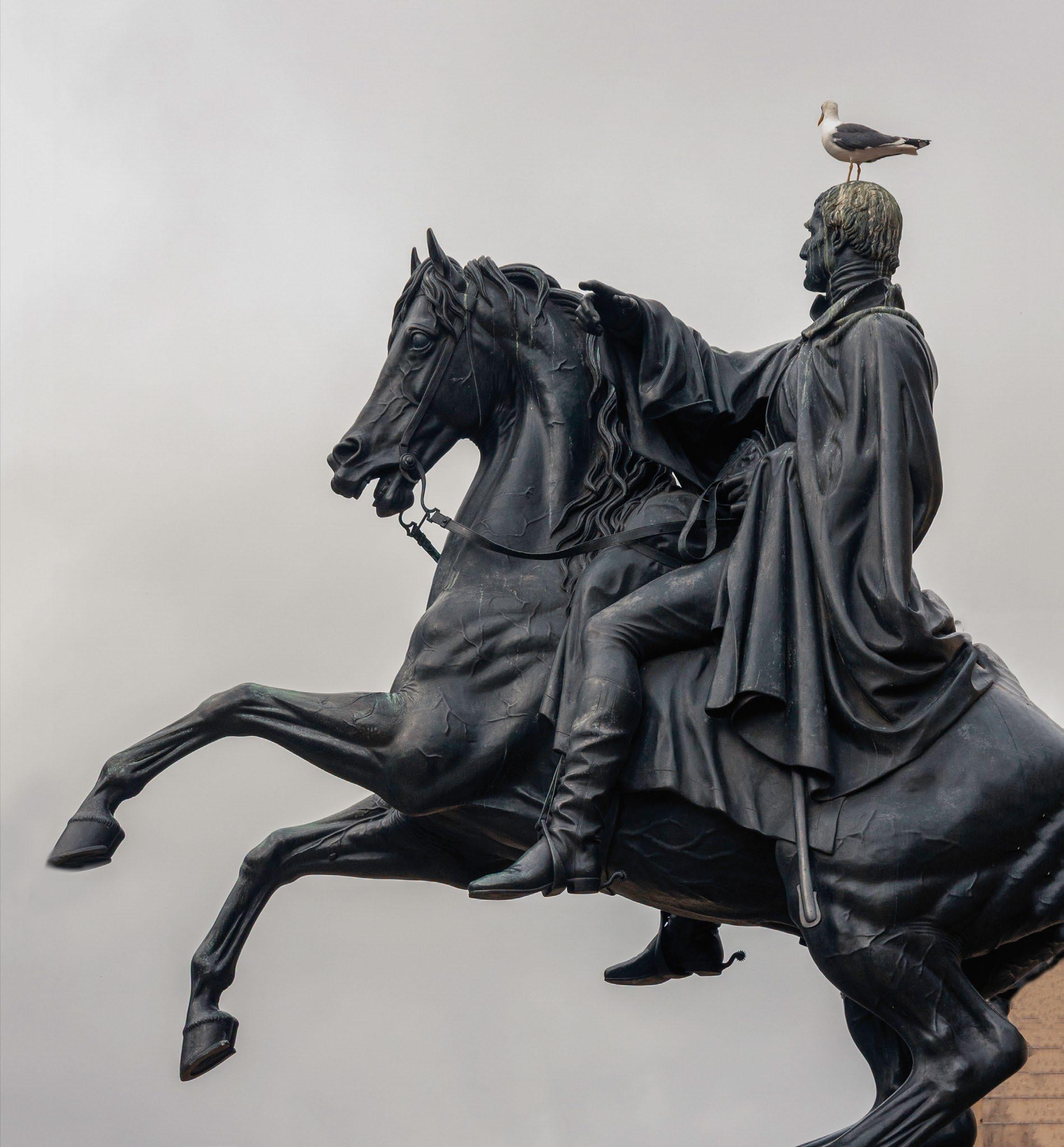
Fig.1: Do you see what I see?
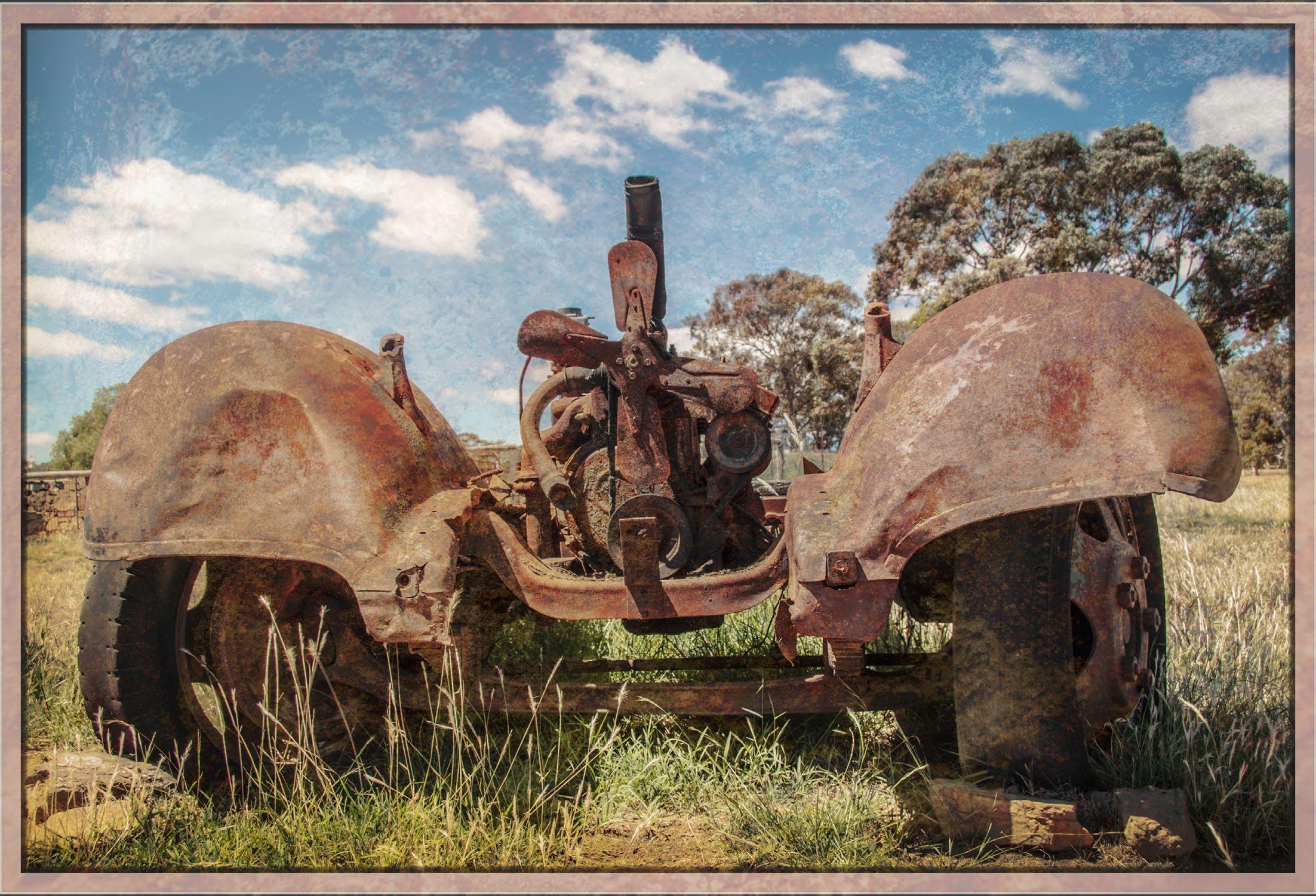
Fig.2: Abandoned
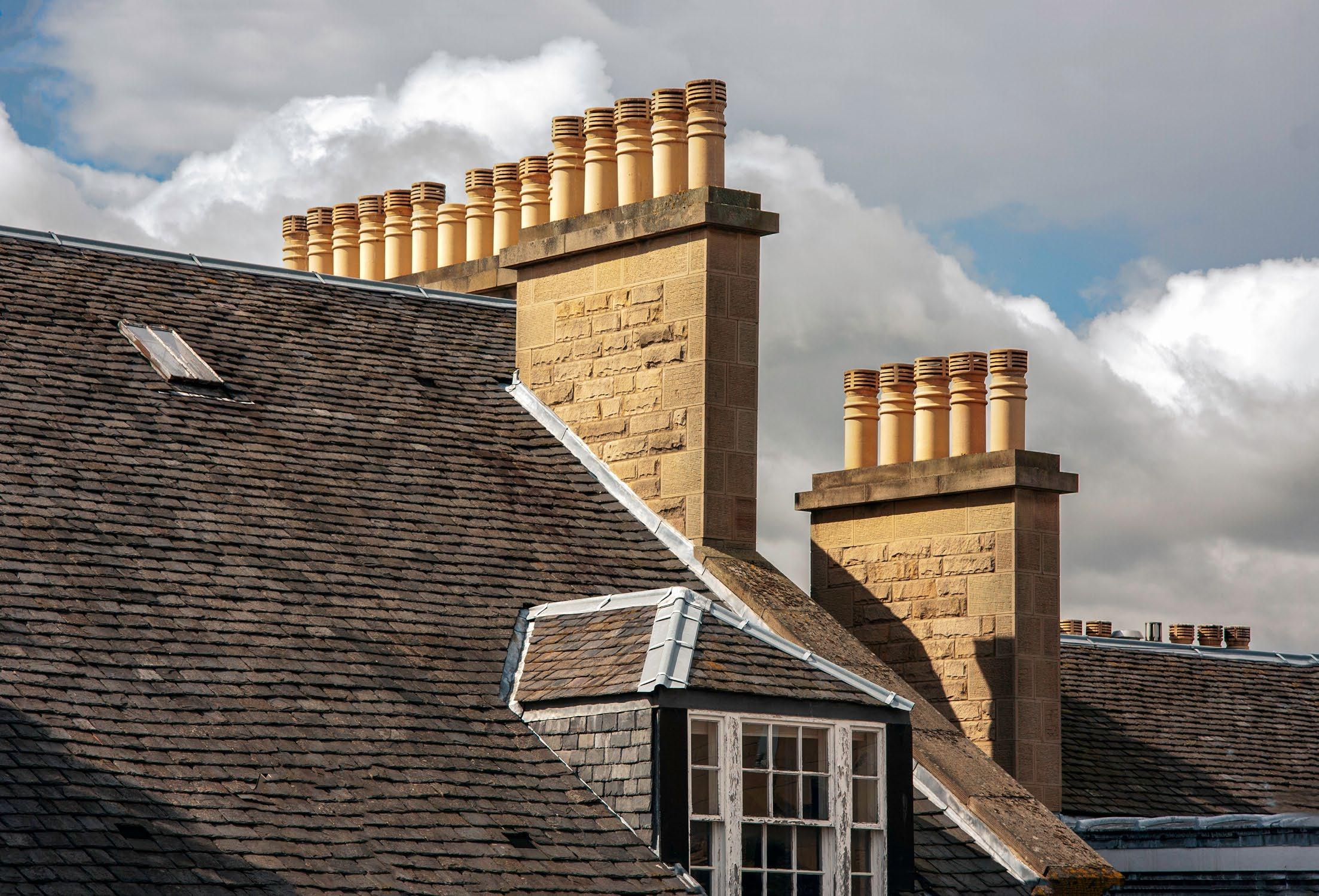
Fig.3: Chimneys
Members’ Gallery
Gigi Williams FRPS
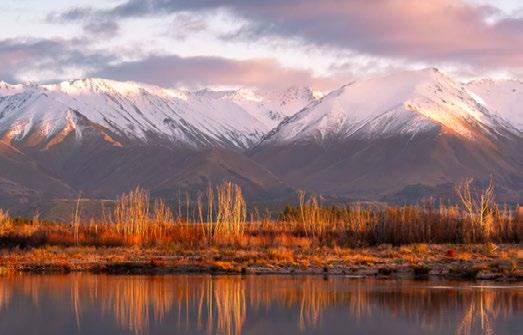
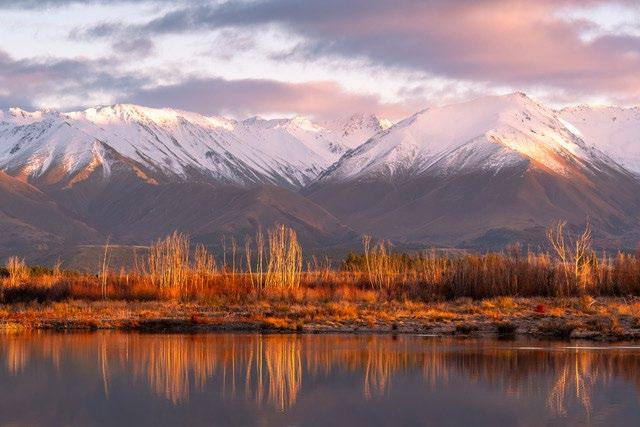
Fig.1: Dawn at Lake Poaka
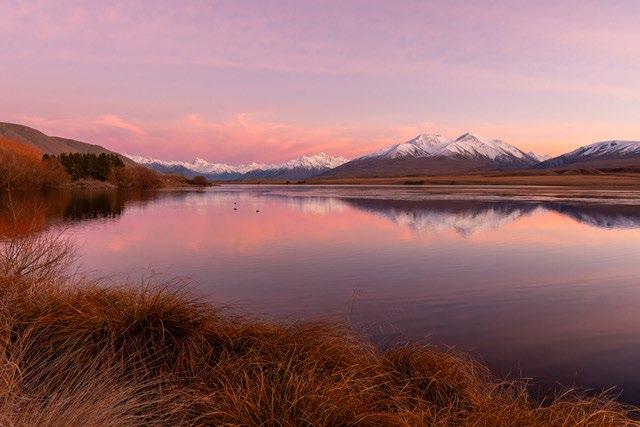
Fig.2: Dawn at the Ashburton Lakes
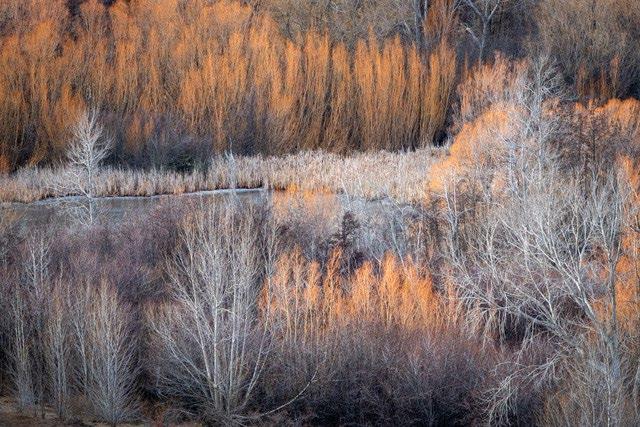
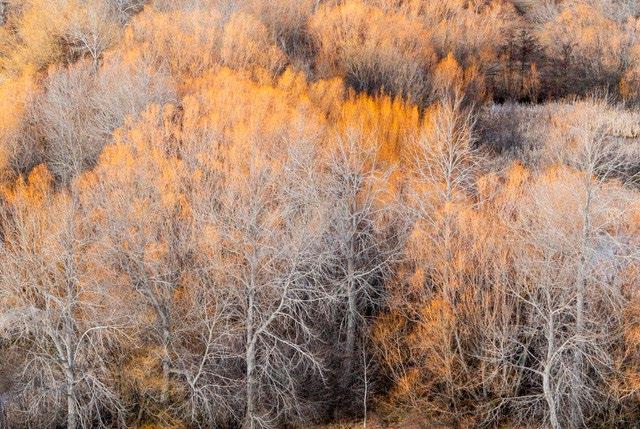
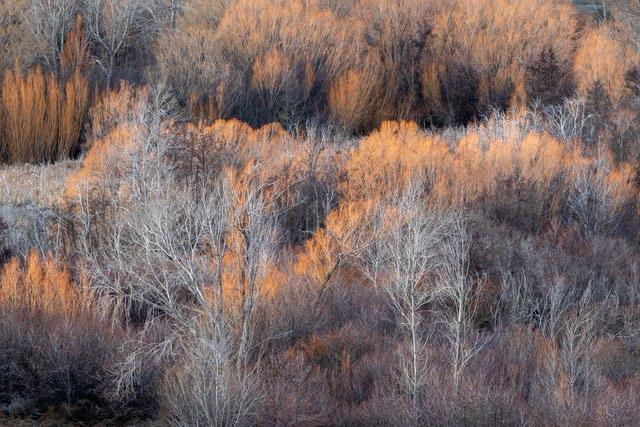
Fig.3: Winter trees
Members’ Gallery
Gigi Williams FRPS
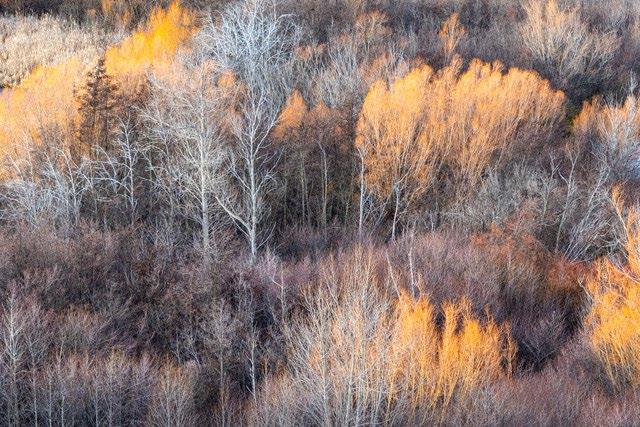
Fig.4: Winter trees
Fig.5: Winter trees
Fig.6: Winter trees
What’s on in April and May?
Exhibitions
Victoria Museum of Australian Photography (MAPh)
“Coded Blooms” until 24 May 2026
“TOPshots 2026” until 5 May 2026 –
Contemporary photography exhibitions with strong conceptual and historical framing (Mapplethorpe influence in Coded Blooms).
City Gallery (Melbourne Town Hall)
“On the Street Where I Live: Viva Gibb” 5 March – 7 August 2026
In Focus Festival
Melbourne (Footscray & Yarraville)
21 April – 31 May 2026 – Outdoor/public photography festival.
Boroondara “Love from Boroondara” Exhibition – Melbourne – 6 May – 27 June 2026
Community competition + exhibition hybrid (useful for emerging photographers).
Head on Photo Festival, Sydney
Major annual festival May & June – One of Australia’s largest photography festivals with multiple exhibitions, projections, and awards. Check out specific events here.
“Into the Wild” Group Photography Exhibition, M2 Gallery Surry Hills Sydney 12–16 June 2026 – Mix of emerging + established photographers exploring “wild” themes (conceptual, documentary, experimental Julian Kingma: The Power of Choice, NSW Parliament House, Sydney 2–25 June 2026 – Deeply human documentary series on voluntary assisted dying across Australia. Biennale of Sydney (includes photography works)
Runs until 14 June 2026 – Multi-venue (White Bay, AGNSW, MCA, Campbelltown)
Primavera 2026 – Museum of Contemporary Art (Sydney)
Opens late June 2026 – Features emerging artists including lens-based and photographic work.
Julian Kingma: The Power of Choice
Holmes à Court Gallery, West Perth – 13 June to 11 July 2026
Competitions
The Mono Awards 2026 (black & white)
Large Southern Hemisphere competition
~A$10,000 prize pool
Mullins Conceptual Photography Prize
Closes 12 June 2026
Strong focus on conceptual and fine art practice
Australian Photographic Society National Exhibition 2026