Article Commissioners: JACKY LEE internationalsubmissions@rps.org
SOMDUTT PRASAD internationalnews@rps.org
JANET HAINES ARPS digchair@rps.org
Web Administrator
KATHERINE MAGUIRE ARPS
THE RPS
Chief Executive Officer: VICTORIA HUMPHRIES
Finance Director: NIKKI MCCOY
Director of Marketing and Membership: TOBY TETRAULT
Director of Education
ANTHONY LUVERA
Membership Community Manager: NATHAN WOODMAN membership@rps.org
Membership Assistant: DEBBIE CANT
IFC - All right reserved.
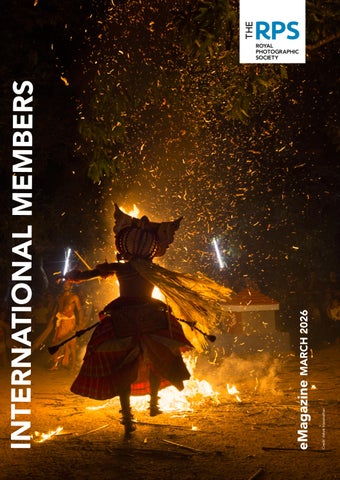
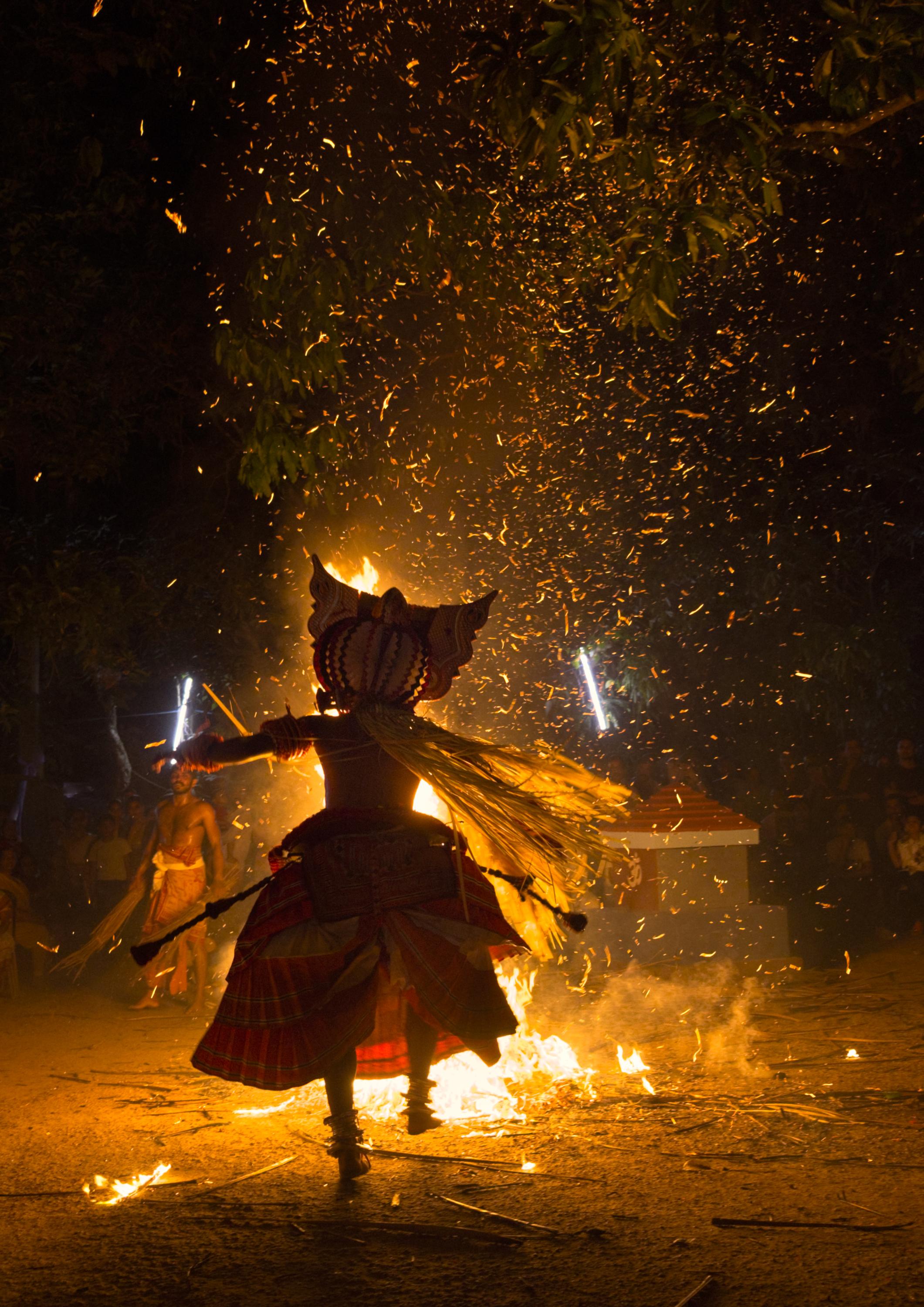
COVER PHOTO
ASHOK VISWANATHAN
Dance of the Gods
Theyyam is a dance festival in North Kerala, India often referred to as the ‘Dance of the Gods’. It is performed between December & April in remote village temples and ancestral homes. The festivities are attended by local villagers and a few visitors from nearby villages. They are not normally accessible to the general public. The people consider Theyyam as God and seek his blessing and advice. There are around 400 forms of Theyyam, each with its own rituals, costumes, make-up and style. Body painting and costumes vary. The Theyyam dances around the fire to the beat of drums and wind instruments, whilst reciting myths and stories about the gods of the temple. Performances are late at night and can go on for several hours. It requires low-light photography without flash or tripod, but a photographer who is able to attend can come away with very unique images.
03 WELCOME
Welcome to the March 2026
International eMagazine
04 AN UPDATE FROM RPS HQ
06 QUARTERLY INTERNATIONAL UPDATE
News from the International Team
08 AI News
Quarterly AI update
12 MY HOME
Sammy Somekh
Capturing the ancient port of Jaffa City, a place where culture, history and modernism converge.
24 INTERNATIONAL MEMBER PHOTO PROJECT
Daniel Courtice
Photographing the hidden corners of South Western France
40 INTERNATIONAL MEMBER INTERVIEW
Q&A with Luca Arfini
Amsterdam, The Netherlands
50 INTERNATIONAL MEMBERS GALLERY
A selection of images from our international members
58 INTERNATIONAL TEAM INTERVIEW
An interview with Claudine Hart Basel, Switzerland
72 DISTINCTIONS OVERVIEW
74 DISTINCTIONS INTERVIEW
An interview with Minke Groenewoud-van Velden (ARPS) West Friesland, The Netherlands
86 RPS EVENTS
In-person and online events
92 WHAT TO READ
RPS Publications available online
94 SPECIAL INTEREST GROUPS
What is an RPS Special Interest Group (SIG) and why are they of interest?
98 CHAPTERS UPDATE
RPS Chapters quarterly update
110 INTERNATIONAL TEAM UPDATE
Meet the Team
112 CONTRIBUTIONS
Contribute to the International Members eMagazine!
WELCOME TO THE MARCH 2026 EDITION OF THE INTERNATIONAL MEMBERS EMAGAZINE.
Very best wishes to you all for 2026. Spring has sprung! A lot of snow arrived in the Swiss mountains in recent weeks but as I write, spring has suddenly appeared in Basel. It is now sunny and almost 20° Celsius. A lot of snow arrived in the Swiss mountains in recent weeks but as I write, spring has suddenly appeared in Basel.
This is now the fourth edition of the International Members eMagazine publication, and I am very happy to bring you this quarter’s news, events and special features from our international member community.
In our main features, we hear from some of our international members: Sammy Somkeh tells us about life in the historical and vibrant port of Jaffa City; Daniel Courtice in the Corrèze presents his background in design and photography and his imagery of rural France; and in our Q&A, we speak with Luca Arfini about his growing interest in photography, his regular attendance of an in-person, ‘fully offline’ event and how this influences his imagery.
Minke Groenewoud-van Velden was recently awarded her Associateship (ARPS). She shares her photographic journey, her inspiration and the process she followed to select and panel her images, and how she achieved her Distinction.
It is now my turn as a member of our International team to share a little more about my background, my photographic experience and current focus. I share some images from a recent exhibition, and from my various diving trips and photographic projects over the years.
We present a new feature about Artificial Intelligence (AI) which we aim to include on-going in this eMagazine. We are discussing this topic in each of our quarterly International Members Forums and so will share the key topics covered here as well.
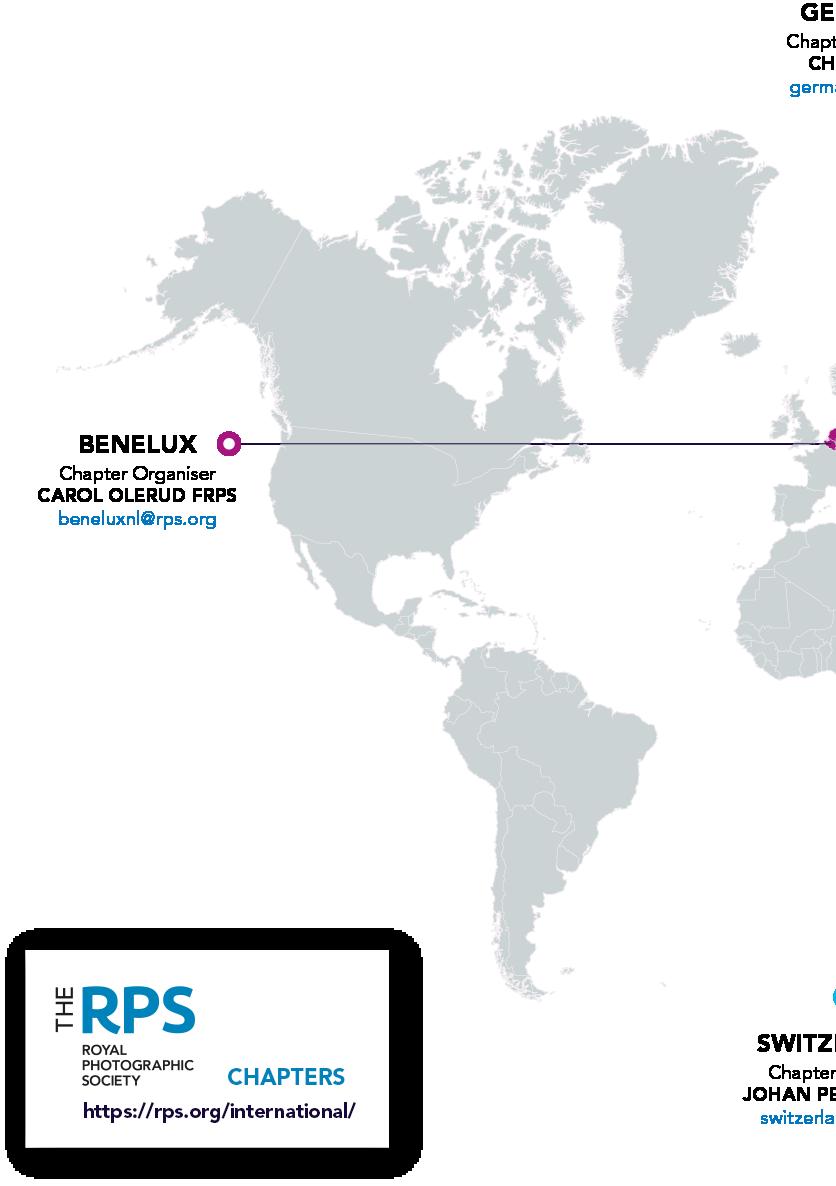
Our update from the Chapter Organisers provides information about on key events happening locally. Please view http://www.rps.org/international for further information. There are also different events organised regularly by the Special Interest Groups (SIGs) at www.rps.org/groups or upcoming RPS events, talks and exhibitions at www.rps.org/ what-s-on/
Thank you again to those who have sent their photography to us, your contributions from all corners of the world are showcased in our International Members Gallery. Finally, the International team held the 3rd International Members Forum at the end of January. It was a another great session. Further details can be found on the following page.
We welcome your thoughts, recommendations and contributions to the International Members eMagazine. Details about how and what you can contribute to a future edition are provided in the Contributions pages at the back.
Wishing you a fun and sunny spring and we will return with our June edition in a few months time.
With very best wishes,
Claudine
International Representative International@rps.org
AN UPDATE FROM VICTORIA HUMPHRIES AT RPS HQ
Hello from the RPS in Bristol and here is our quarterly update to you.
Appointment of Director of Education
The big news at our end is that we have appointed Anthony Luvera as our new Director of Education.
Anthony has previously served as Associate Professor and Course Director at Coventry University and has held Lecturer roles at a number of universities, including Central Saint Martins in London and the University for the Creative Arts in Farnham. Alongside his academic work, he has designed education and mentorship programmes, facilitated workshops, and delivered public lectures for the National Portrait Gallery, Tate, Magnum, the Royal Academy of Arts, The Photographers’ Gallery, Barbican Art Gallery, and community photography projects across the UK.
His long-term collaborative work with individuals and communities has been exhibited widely in galleries, public spaces, and festivals, including the UK House of Commons, Tate Liverpool, the British Museum, London Underground’s Art on the Underground, the National Portrait Gallery London, Belfast Exposed Photography, PhotoIreland, Les Rencontres d’Arles, and Landskrona Foto Festival.His writing has also appeared in a range of publications including Trigger, Photography and Culture, Visual Studies, Photoworks, Source, and Photographies, and he is the editor of Photography For Whom?, a periodical on socially engaged photography.
Anthony’s focus will be to create a joined-up, clearly defined, signposted education journey for both members and non-members.We will provide education opportunities for everyone, whether they want to undertake simple, bitesize learning, embark on their Distinction journey, or anything in between.All very exciting and a warm welcome to Anthony.
PE166
Our IPE166 exhibition, which was shown at Saatchi Gallery last summer, has now moved to the Royal Geographical Society in London. The exhibition will be open from 23rd March -28th April 2026.
The Photography Show
If you happen to be in the UK from 14th - 17th March 2026 and are visiting the Photography Show at the NEC in Birmingham, please drop by and say hello. We are located at stand H72.
13th International Photographic Conference
Some of our members in India may well have had the opportunity to meet our President, Simon Hill recently when he was Guest of Honour at the 13th International Photographic Conference in Kolkata in January 2026. I gather it was a big success, and he loved his time in India. Thank you to everyone who made him feel so welcome.
Wishing you a great year in 2026.
Best wishes, Victoria
Humphries
NEWS FROM THE INTERNATIONAL TEAM
Each quarter passes very quickly for our small volunteer team. An update on some of our key activities:
International Members eMagazine
We continue to develop the eMagazine by expanding the variety of features and creating new content. We have received many proposals for articles, thank you very much for these. We would be very interested to hear from you regarding the following:
- sharing your equipment journey with us
- if you are showing or have recently shown your work in an exhibition
- a photo project you are working on or have completed
- submitting images for the International Members Gallery or the cover
- if you have been awarded Distinction
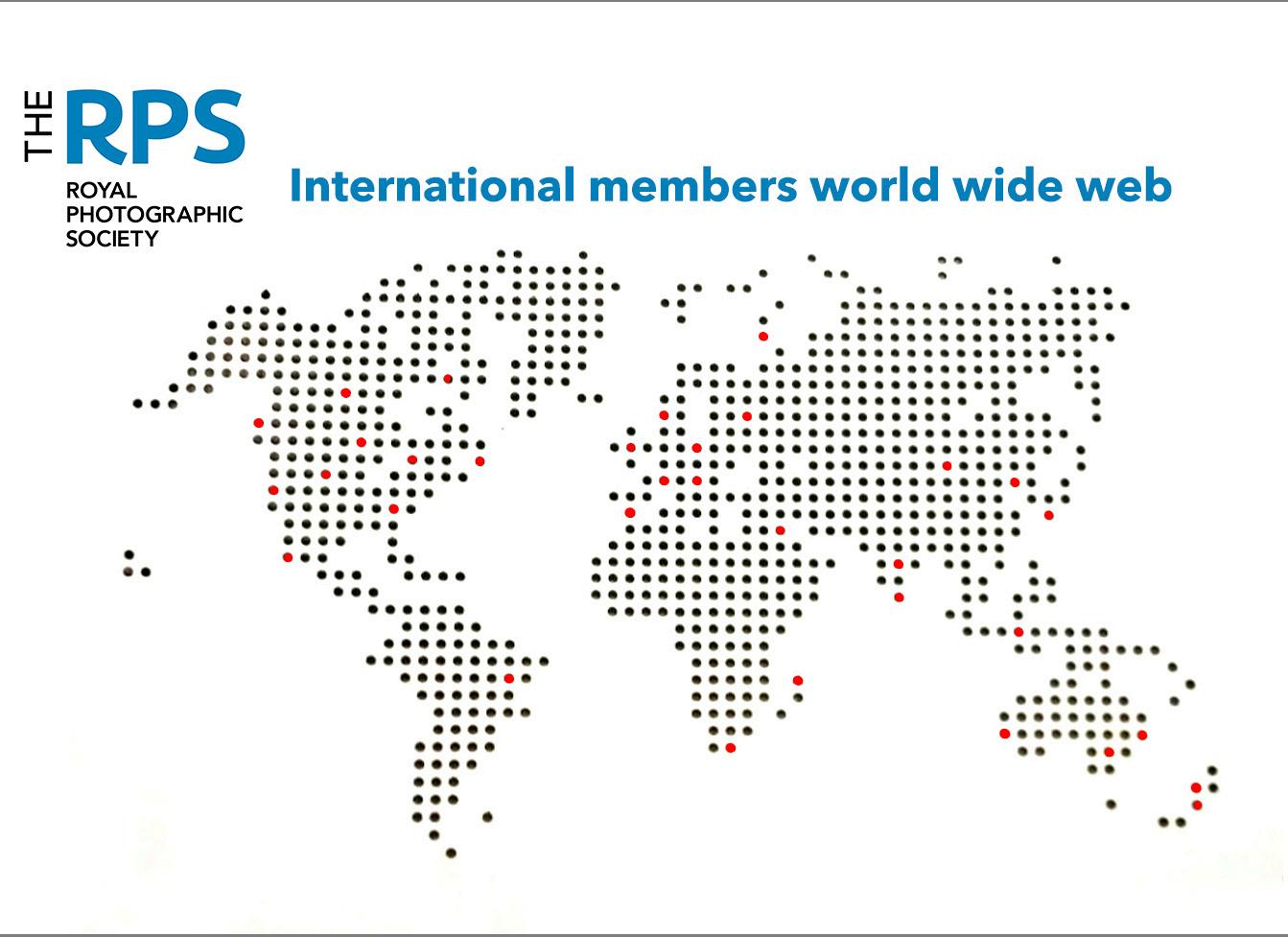
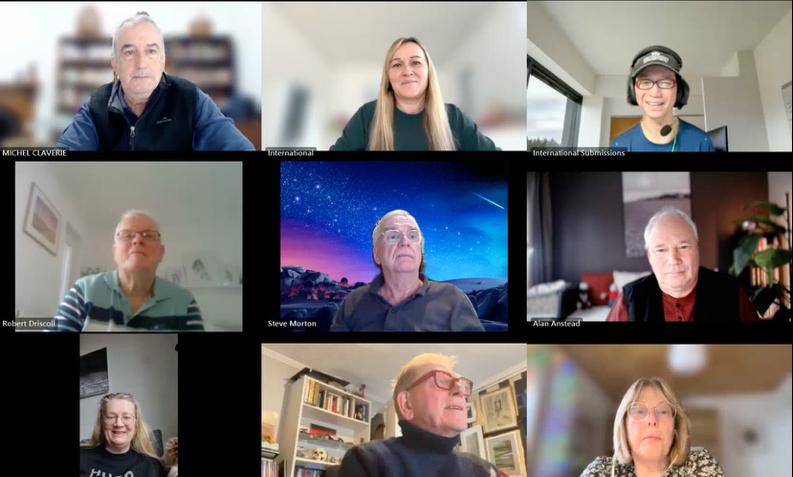
We held the 3rd International Members Forum on January 26th, 2026. Thank you to all those who attended. It was great to see new faces from around the world and some new members who have recently joined the RPS. We have developed a core group of members who have attended each session – our aim is to expand this group further.
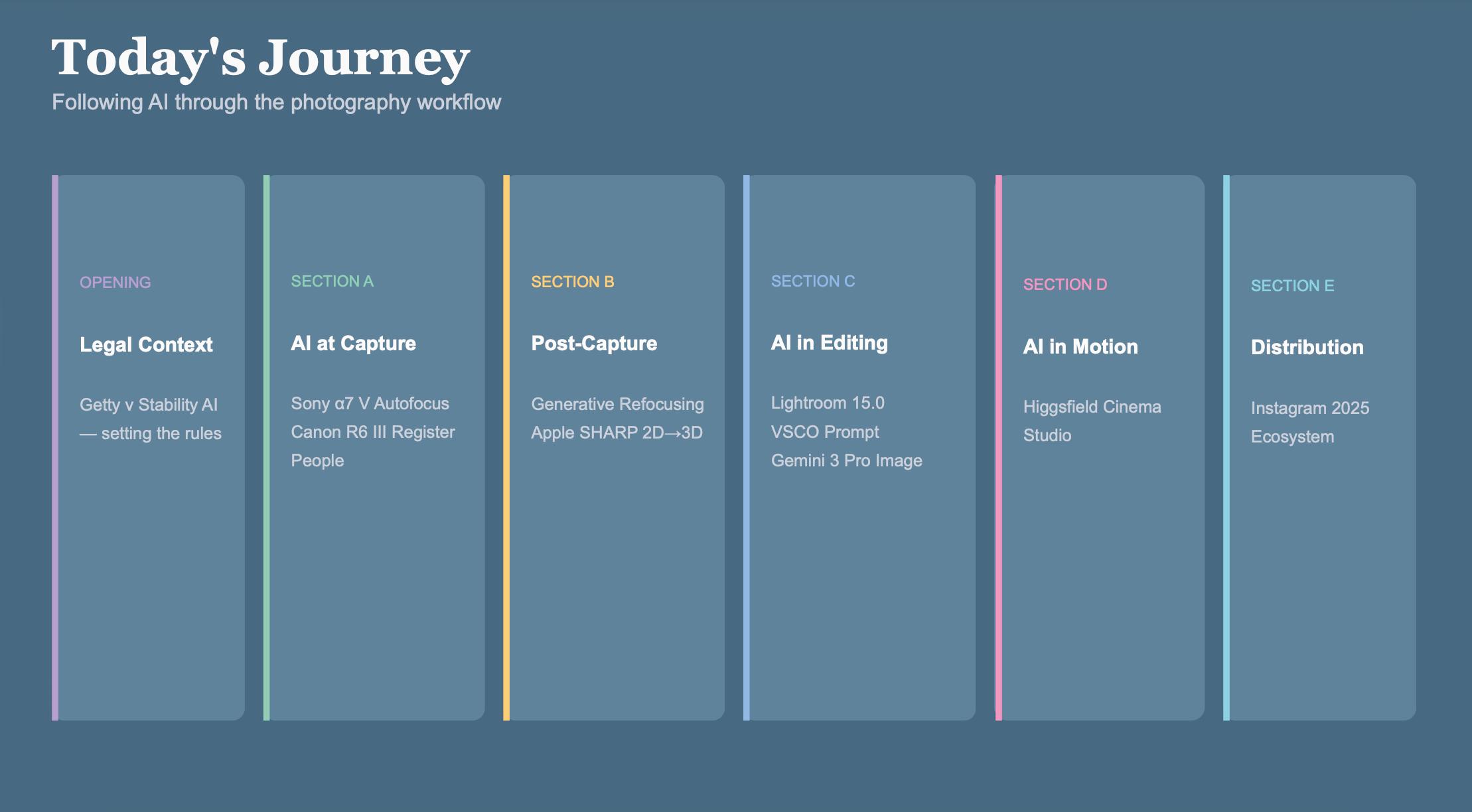
Following introductions which are an important part of the session as we get to know each other better, we had a fascinating presentation by Jacky Lee about the progression of AI and its impact on our photography, whether from a wider legal perspective, on the cameras we use to capture our images to the tools we use to edit and distribute our images. Our updates and discussions about AI will continue to form a regular part of each session to keep us up to date on this topic.
We also had a presentation by Steven Morton about his panoramic photography who shared how he built his own camera set up to take panoramic images and how he created his beautiful imagery. You can see a selection of his images in the International Members eMagazine December 2025 issue.
Thank you to both Steve and Jacky for their fantastic presentations. If you would like copies of the presentations given on AI and Panoramic Photography or have any questions, please contact Claudine at international@rps.org.
The 4th International Members Forum will be held on April 30th at 12pm CET (11am GMT). Again, please contact Claudine at international@rps.org if you would like to join this event. All previous attendees will be invited automatically invitations / agenda will be issued in March.
Photo Critique Corner
The International email Photo Critique Corner is up and running for 2026. This is a welcoming space where members can send up to five images (JPEGs, longest side 3000px) along with a short note about what inspired them or the kind of feedback they’d find most helpful. Whether you’re seeking tips to refine your technique, fresh ideas to strengthen your storytelling, or simply a new perspective on your work, this corner is here to support you. The critique corner is run by Jacky Lee, professional photographer, who is part of our international team. Jacky brings extensive judging and mentoring experience across RPS, APS, CAPA and PSA. Our aim is to create a lively, supportive environment where international RPS members can learn, grow, and inspire one another.
Please submit your images to internationalsubmissions@rps.org
Finally, please do come back with any suggestions you may have to international@rps. org
QUARTERLY AI UPDATE
The progression of AI and its impact on our photography is wide-ranging. Our monthly updates and discussions about AI continue to form a regular part of our work and we aim to include a quarterly update for you also in the International Members eMagazine. This update is provided to you by Jacky Lee who is part of our International team. Below is the summary of key points from our recent 3rd International Members Forum in January 2026.
Legal context — UK High Court case
In the landmark Getty Images v. Stability AI judgement on 4 Nov 2025, the court held that training generative models outside the UK meant that UK copyright law could not be applied; model weights were considered statistical correlations rather than copies. However, AI-generated images that reproduced Getty’s watermarks constituted trade-mark infringement. The decision underscores the importance of territoriality for copyright and warns that brands’ logos or watermarks could be infringed by generative models.
AI at capture – advanced autofocus
Sony’s α7 V camera uses an AI processing unit trained on human pose data to track subjects using eye detection, head position and body pose. This allows the camera to maintain focus even when a subject’s face is obscured, using body language cues to predict movement. Canon’s EOS R6 Mark III introduces “Register People Priority”, letting photographers pre-select up to ten specific faces; the autofocus system then prioritises these individuals in crowded scenes, keeping them sharply in focus even as they move.
Post-capture AI – refocusing and 3D reconstruction
Researchers have developed generative refocusing, which first uses a diffusion model to deblur an all-in-focus base image and then synthesises controllable bokeh effects. Photographers can adjust the focus plane, aperture size and even the shape of the bokeh after the photo is taken. Apple’s SHARP model goes further: from a single 2D photo, a neural network produces a 3D Gaussian representation, enabling real-time rendering of photorealistic novel views with sharp detail and interactive browsing. This process takes less than one second on a standard GPU
Editing – from showpieces to everyday efficiency
Adobe’s Lightroom Classic 15.0 pivots AI from dramatic, style-driven transformations to mundane but essential tasks. The update includes an AI-assisted dust-removal tool and batch cleanup features, integrating AI into regular pro-editing workflows to save time and improve efficiency. This reflects a shift from using AI for “wow factor” to emphasising speed and profitability.
Natural-language editing becomes mainstream
VSCO’s “Prompt” feature allows users to describe a desired look — such as shaping light or shifting tones — in plain language. The in-app AI engine interprets these instructions and applies non-destructive edits while preserving image quality. The technology, once a niche lab curiosity, is now designed as an intuitive, fast tool that positions AI as a “production assistant”, not a replacement.
Controllable image generation for commercial use
Google DeepMind’s Gemini 3 Pro Image (also known as “Nano Banana Pro”) combines image generation and editing in one model. It emphasises stronger reasoning, real-world knowledge and improved text rendering. Rather than producing unpredictable “pretty pictures”, the model generates controllable, usable visuals with legible text suitable for ads, layouts and mock-ups.
AI in motion – the cinema studio paradigm
Higgsfield’s Cinema Studio provides a director’s console where users can control camera motions, lighting and editing timelines. The system uses simulated physics and deterministic control, allowing precise shot composition and consistency across scenes. This lowers barriers to professional-quality video production and moves AI generation from trial-and-error prompt art toward craft-oriented filmmaking.
Big-picture trend
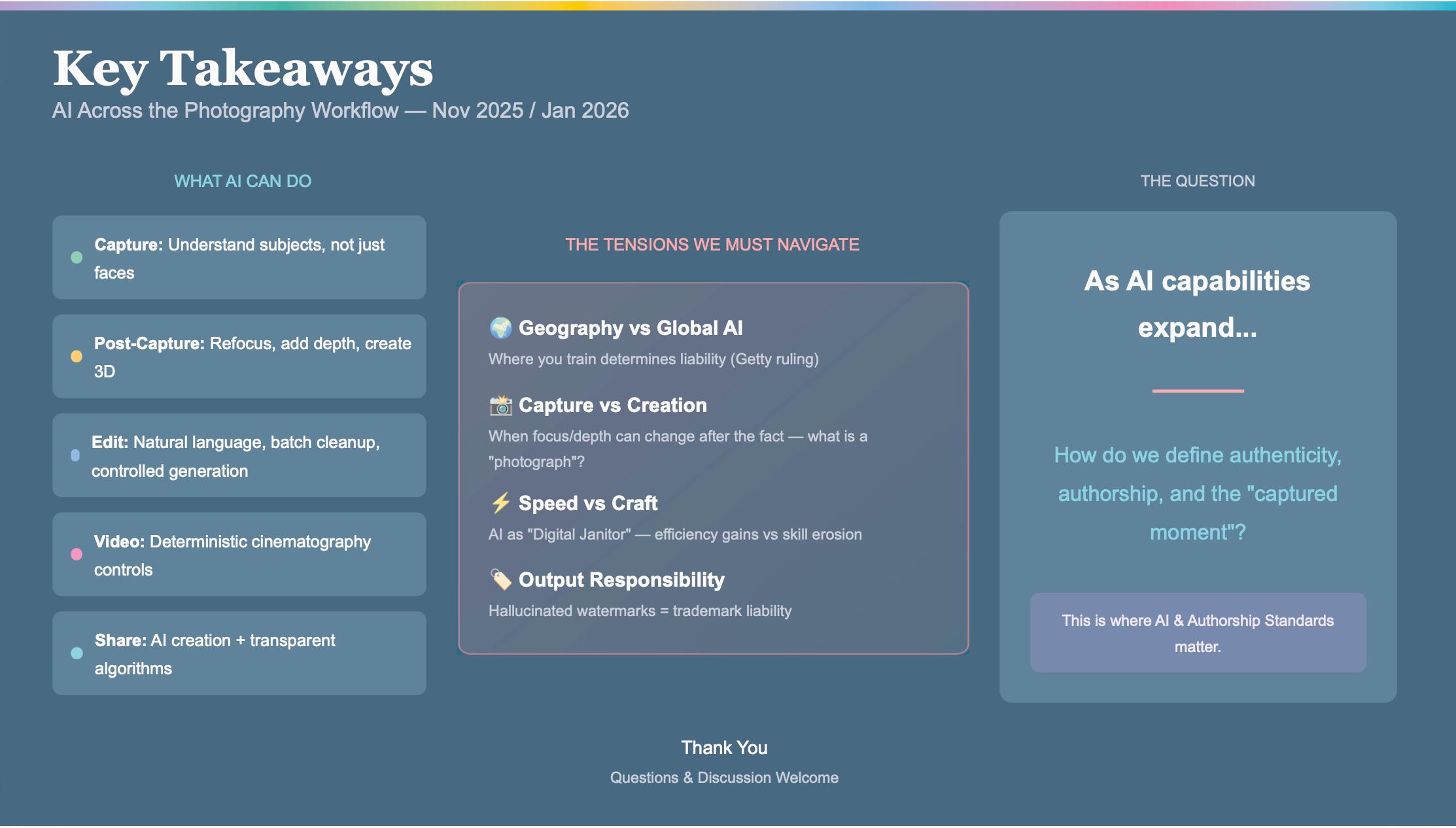
Across capture, post-capture editing and motion, AI tools are becoming more controllable, integrated and production-ready. The question raised in the final slide — whether AI’s role is “assistive or generative?” — captures the ongoing shift: tools are moving beyond assisting with mundane tasks to generating new content while still giving photographers and creators meaningful control.
Please contact Jacky Lee at internationalsubmissions@rps.org with any questions you may have on this fast-moving topic!
CAPTURING THE ANCIENT
PORT OF JAFFA CITY
Sammy Somekh, ARPS
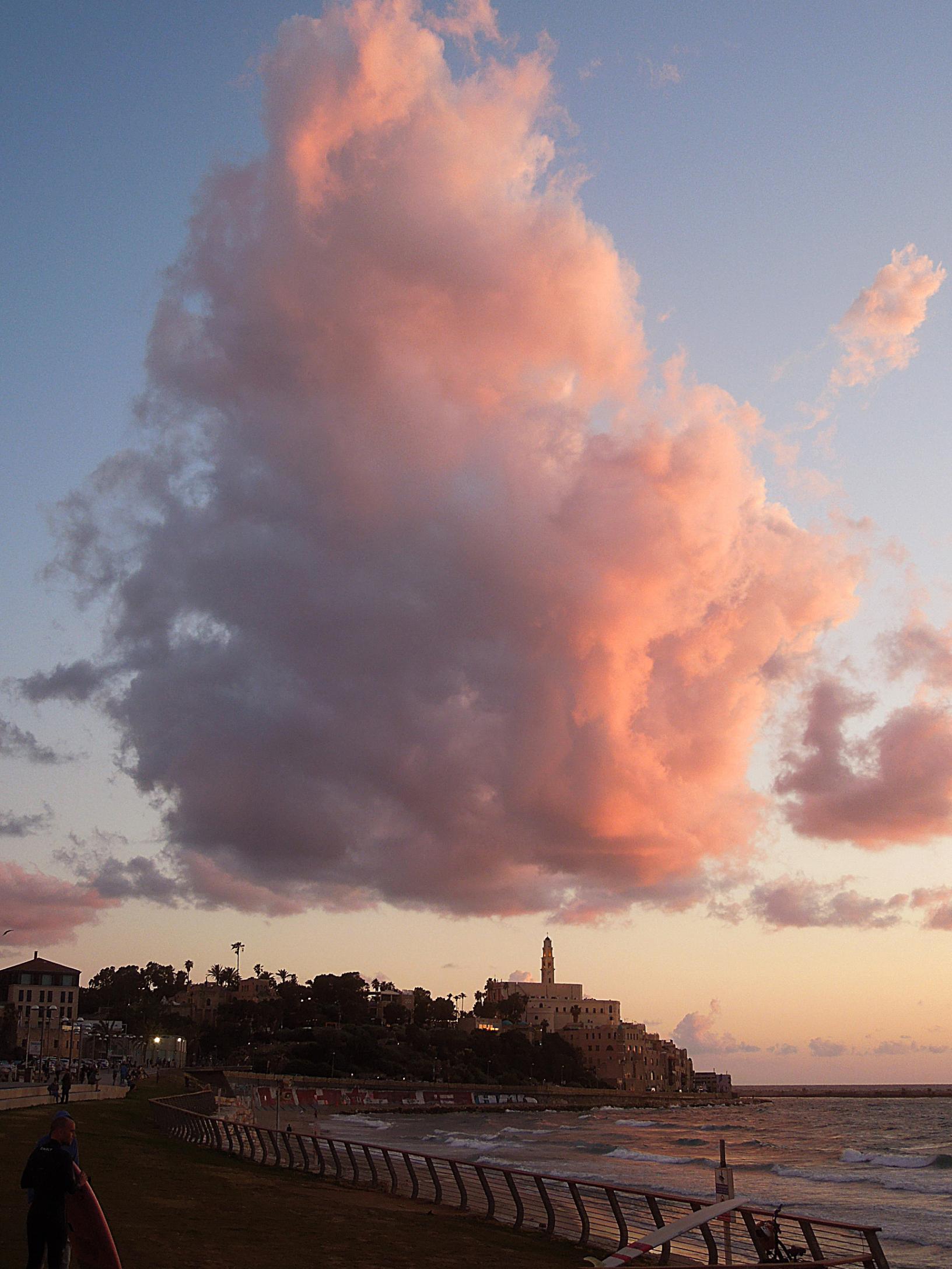
Fair Weather Cumulus Over Jaffa
CREDIT: Sammy Somekh ARPS
A PLACE WHERE CULTURE, HISTORY AND MODERNISM CONVERGE. SAMMY SOMEKH, AN INTERNATIONAL
MEMBER OF THE RPS DOCUMENTS HIS EXPERIENCE OF PHOTOGRAPHING JAFFA CITY.
Jaffa City was known in the not-too-distant past as the City of Oranges. An exporter of the famous Jaffa oranges, its history goes back over 4000 years, beginning with the Bible, and then through many empires including the Egyptians, Canaanites, Phoenicians, the Hellenes, the Romans, the Crusaders and the Muslims, the latter represented by Islamic conqueror Saladin and the Turkish Ottomans. British General Allenby walked Jaffa’s lanes at the start of the British Mandate of Palestine at the beginning of the 20th Century.
CREDIT: Sammy
Somekh ARPS
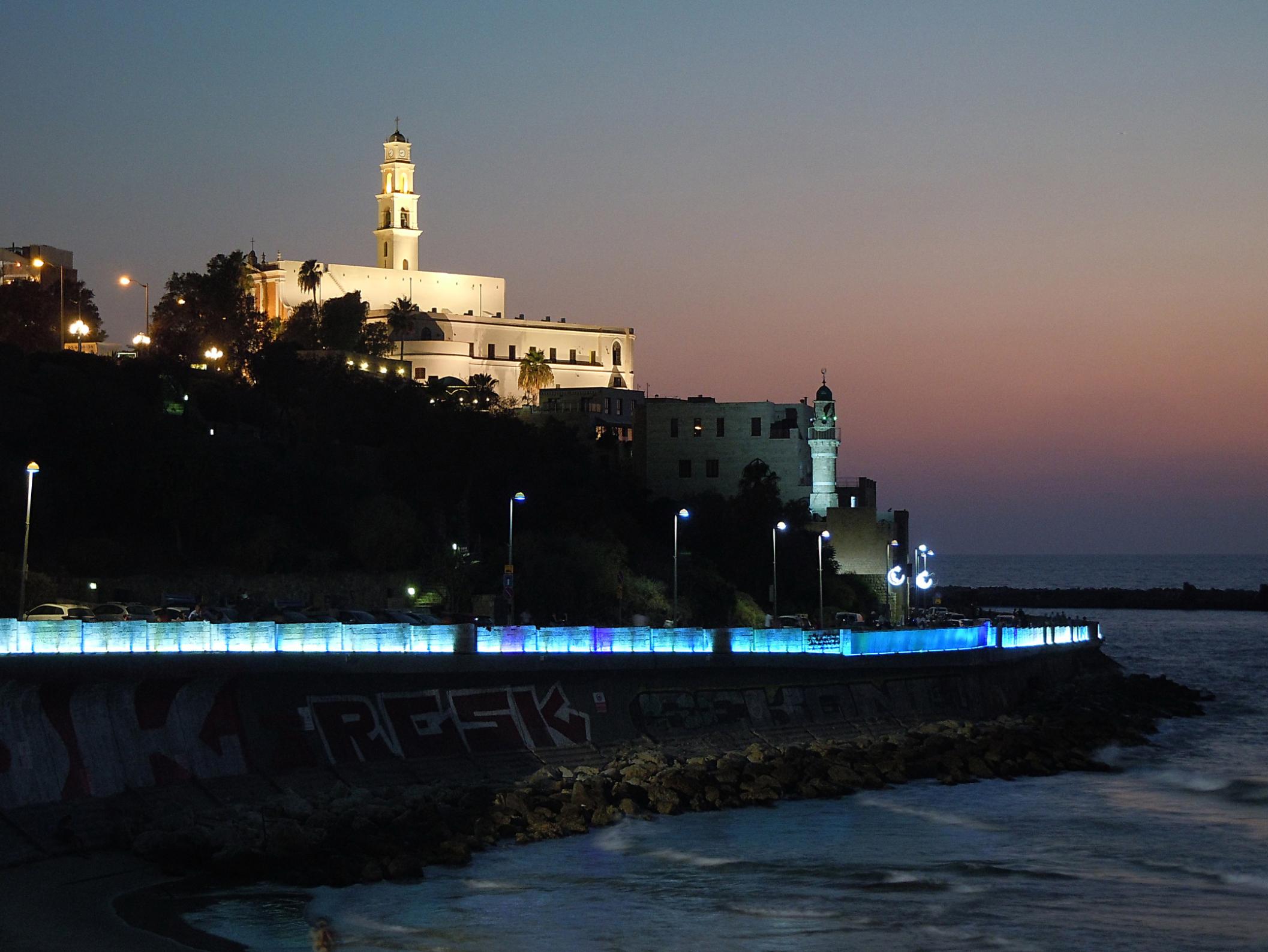
The Church & the Mosque
Nocturnal Jaffa Port. St. Peter's Church on Hilltop
CREDIT: Sammy Somekh ARPS
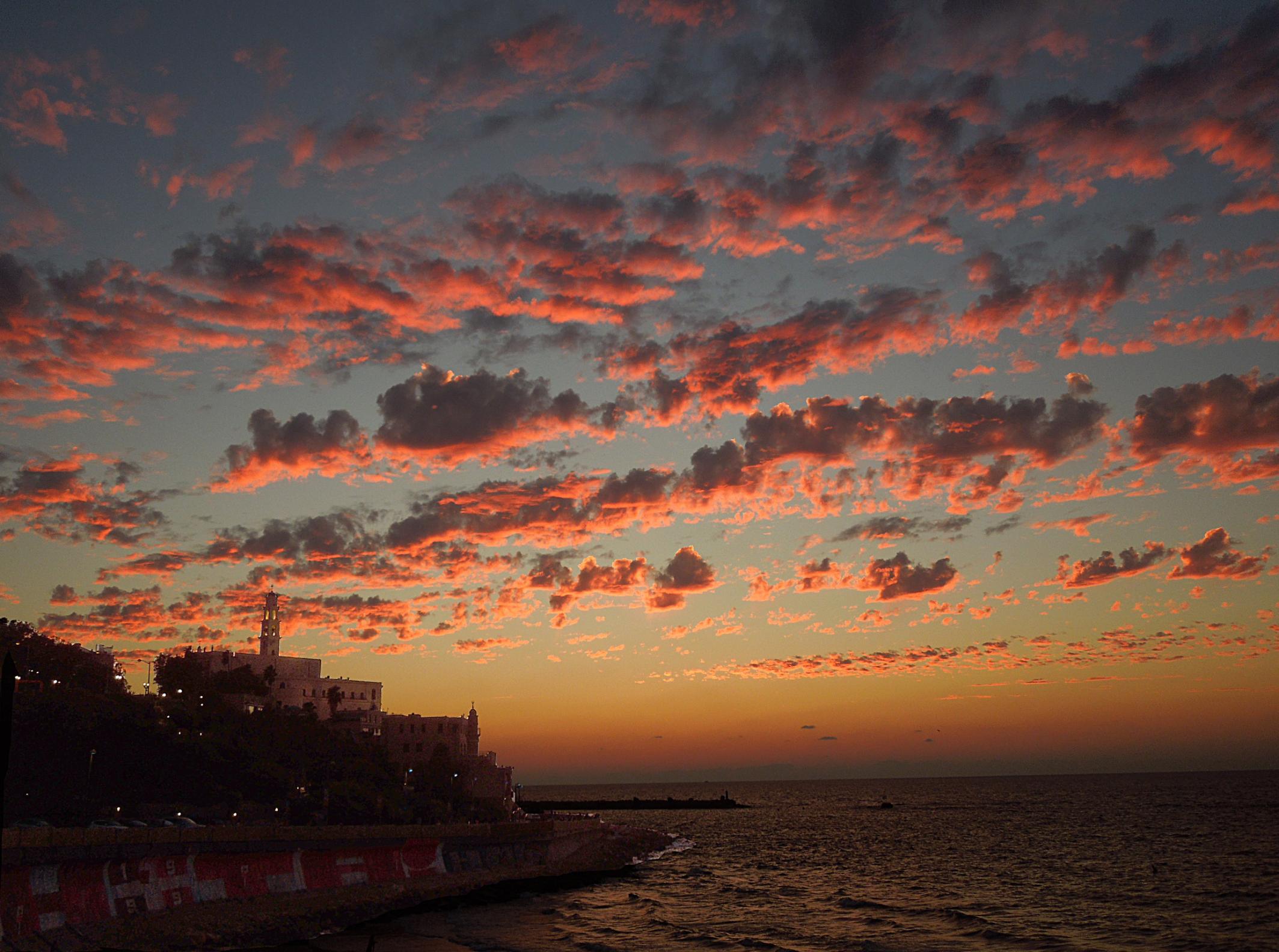
Fortunately, some of Jaffa’s old stone buildings still stand intact in their original locale on a promontory overlooking the Mediterranean. Crowned by St. Peter’s church, they provide arresting photographic compositions when viewed from the seaside promenade. Not too far away, the Wishing Bridge with signs of the Zodiac is floodlit by alternating colours at night.
Twilight Time
CREDIT: Sammy Somekh ARPS
Sammy Somekh ARPS
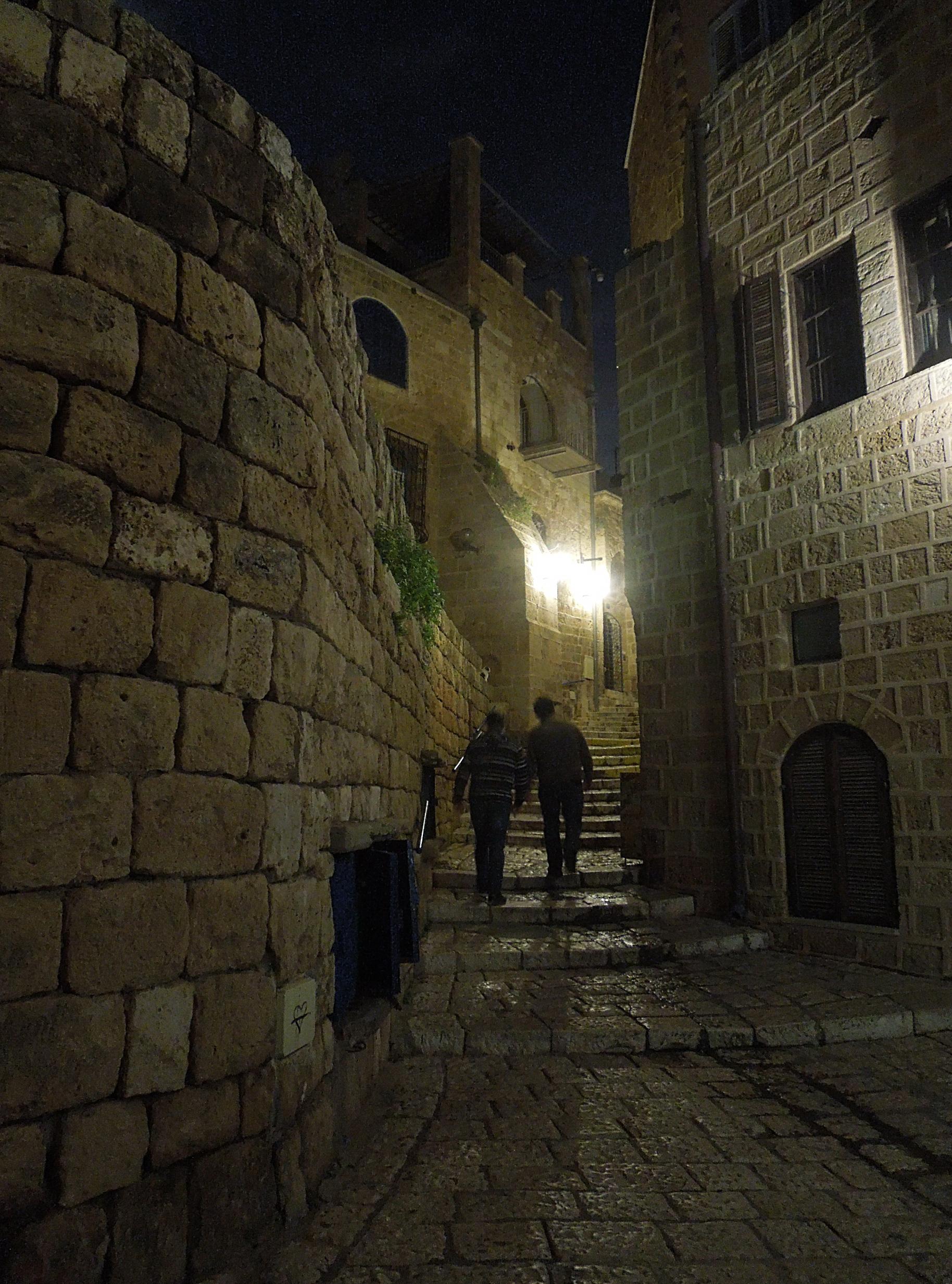
Old Jaffa's Nocturnal Alleyways
Strolling through the narrow, labyrinthine alleyways of Jaffa’s old city is a unique experience, in particular at night. It evokes a sense of bygone times when the ravages of motorisation were as yet unheard of, when quiet and tranquillity reigned supreme and the only audible sound were footsteps or the voices of casual passersby. Nowadays, some of these buildings house art galleries, artefact shops and boutiques.
Originally an Arab city before the establishment of Israel, many Arabs reside in Jaffa which boasts restaurants serving typical, tasty Arab specialties such as Falafel, Hummus and dishes of fresh fish, kebab as well as vegetarian dishes topped by delicacies such as Knafeh and baqlava.
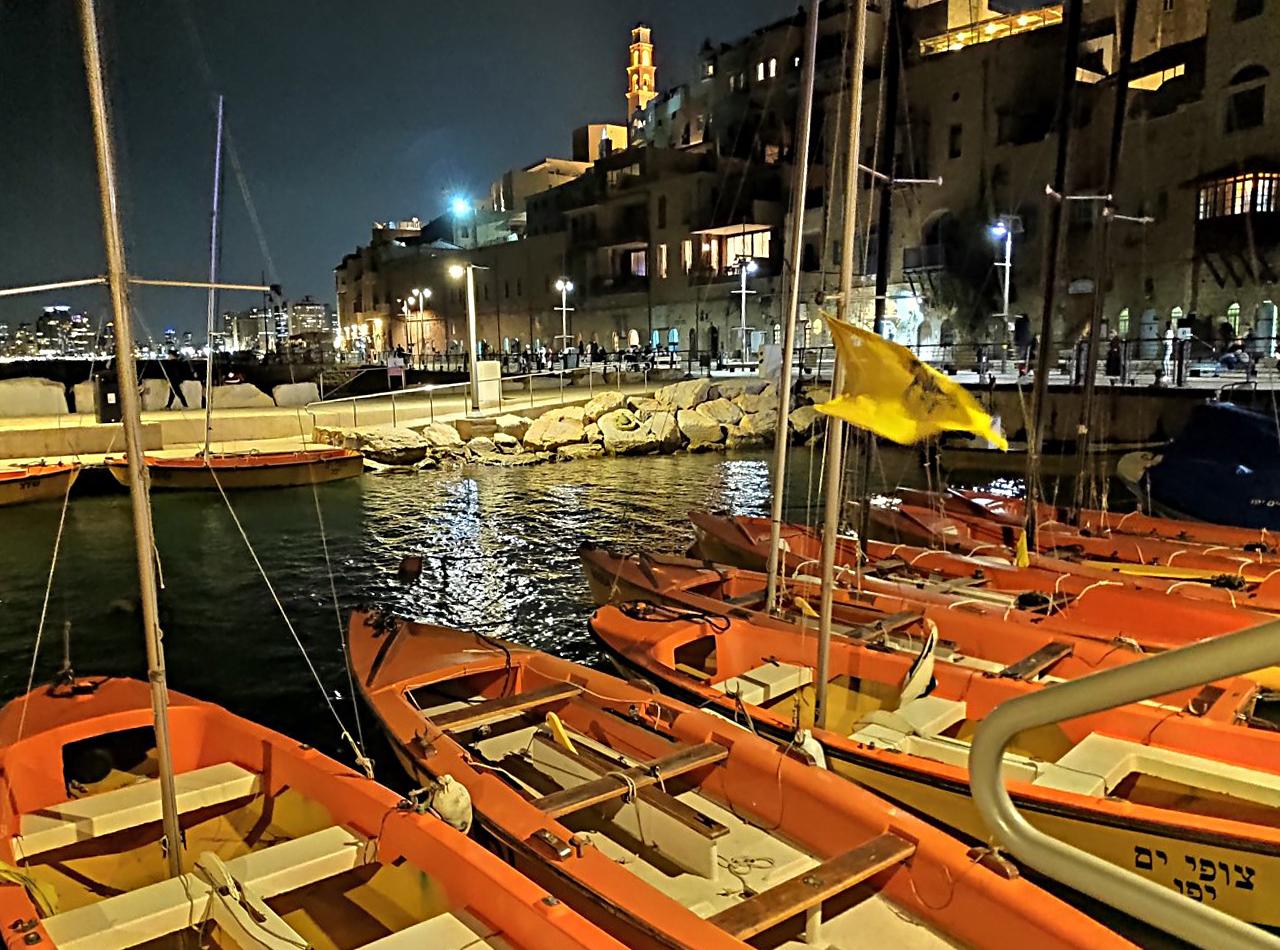
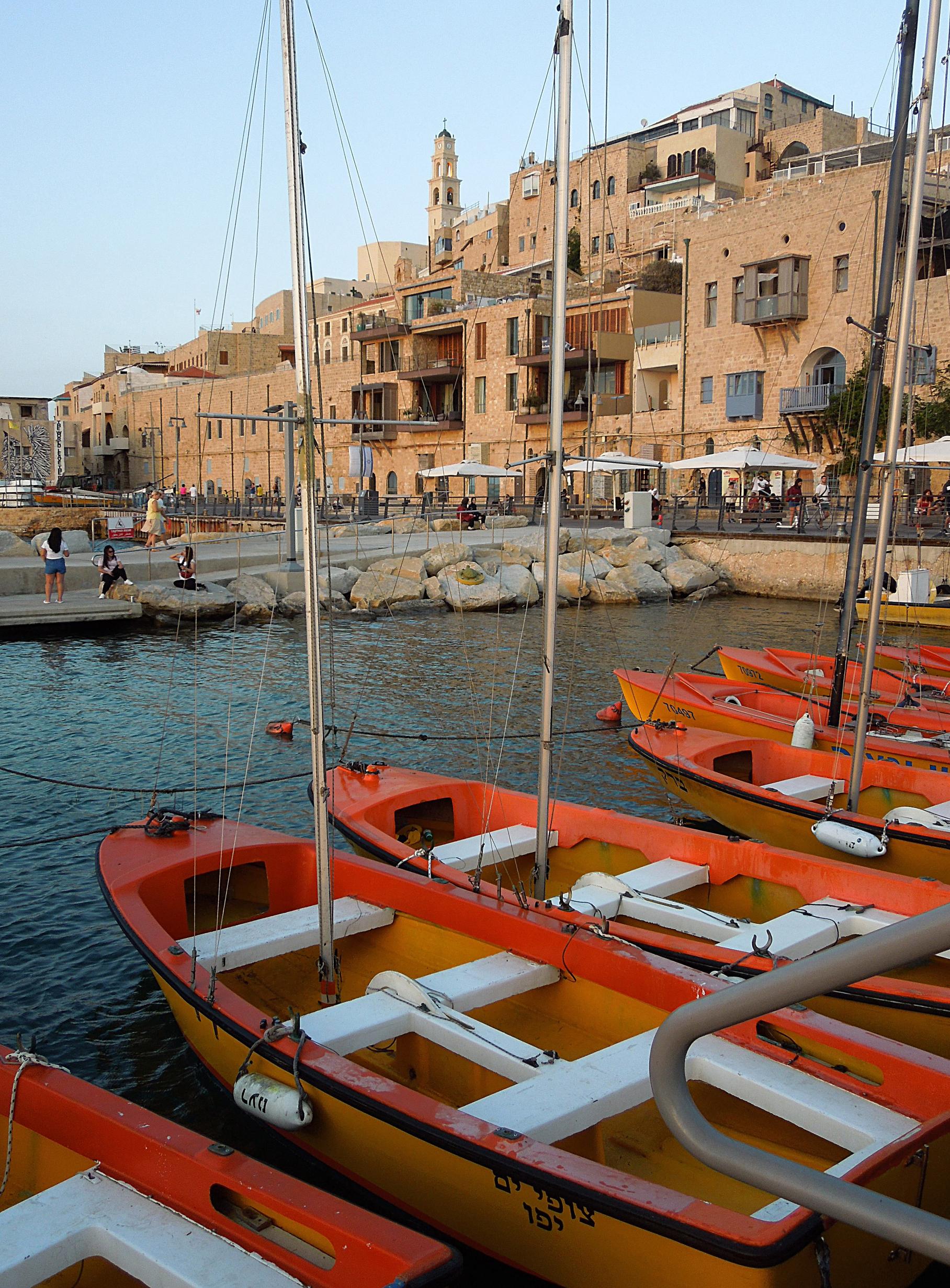
Port's Fishing Boats & Yachts.
Jaffa’s seaport is considered the world’s oldest still in use. However, its old-time naval facilities are no longer suitable to accommodate modern ships, and it therefore currently
CREDIT: Sammy Somekh ARPS
serves
a
a
a
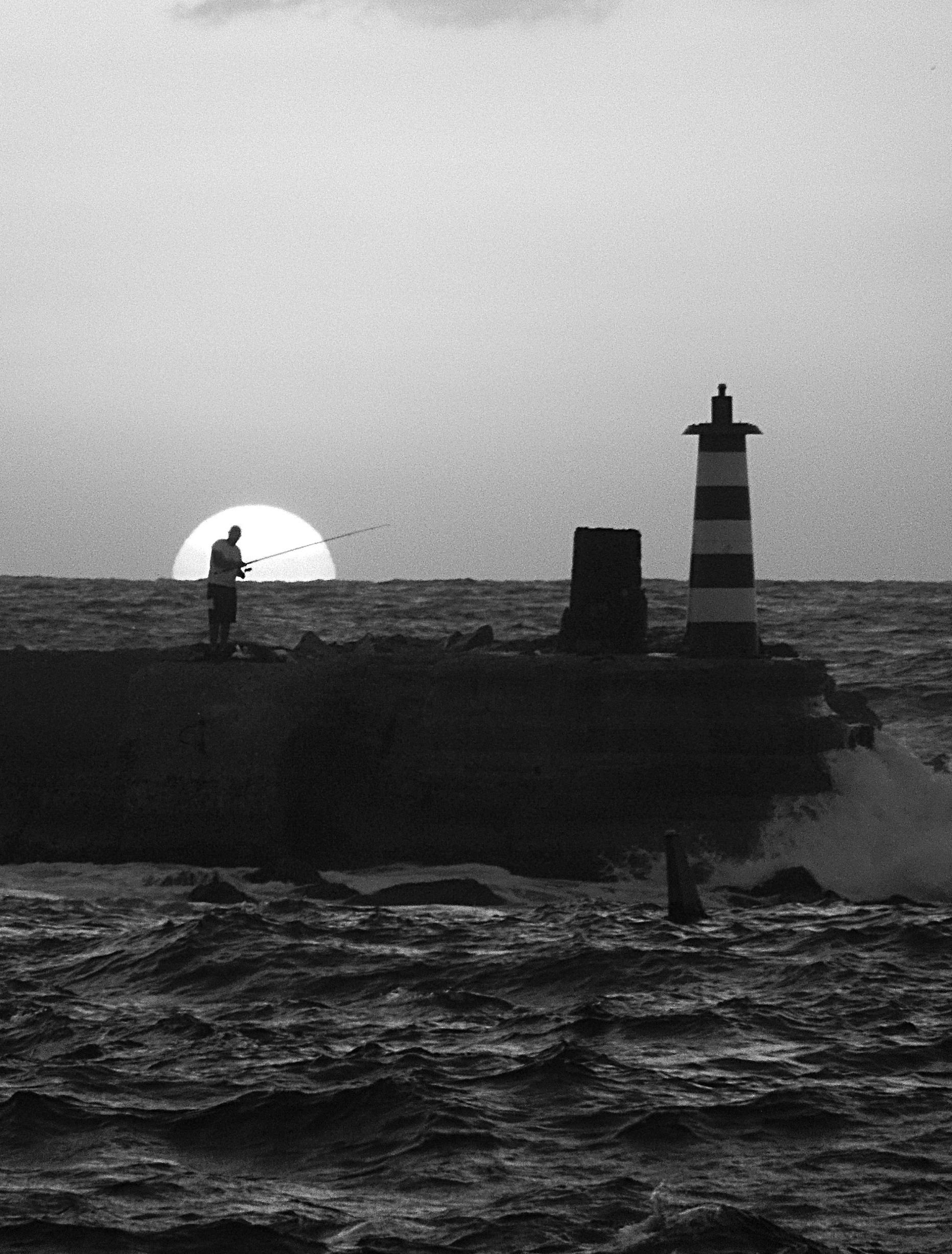
Jaffa's Fisherman
as
fishing port,
dock for small yachts and
training facility for sailboats and sailor cadets
CREDIT: Sammy Somekh ARPS
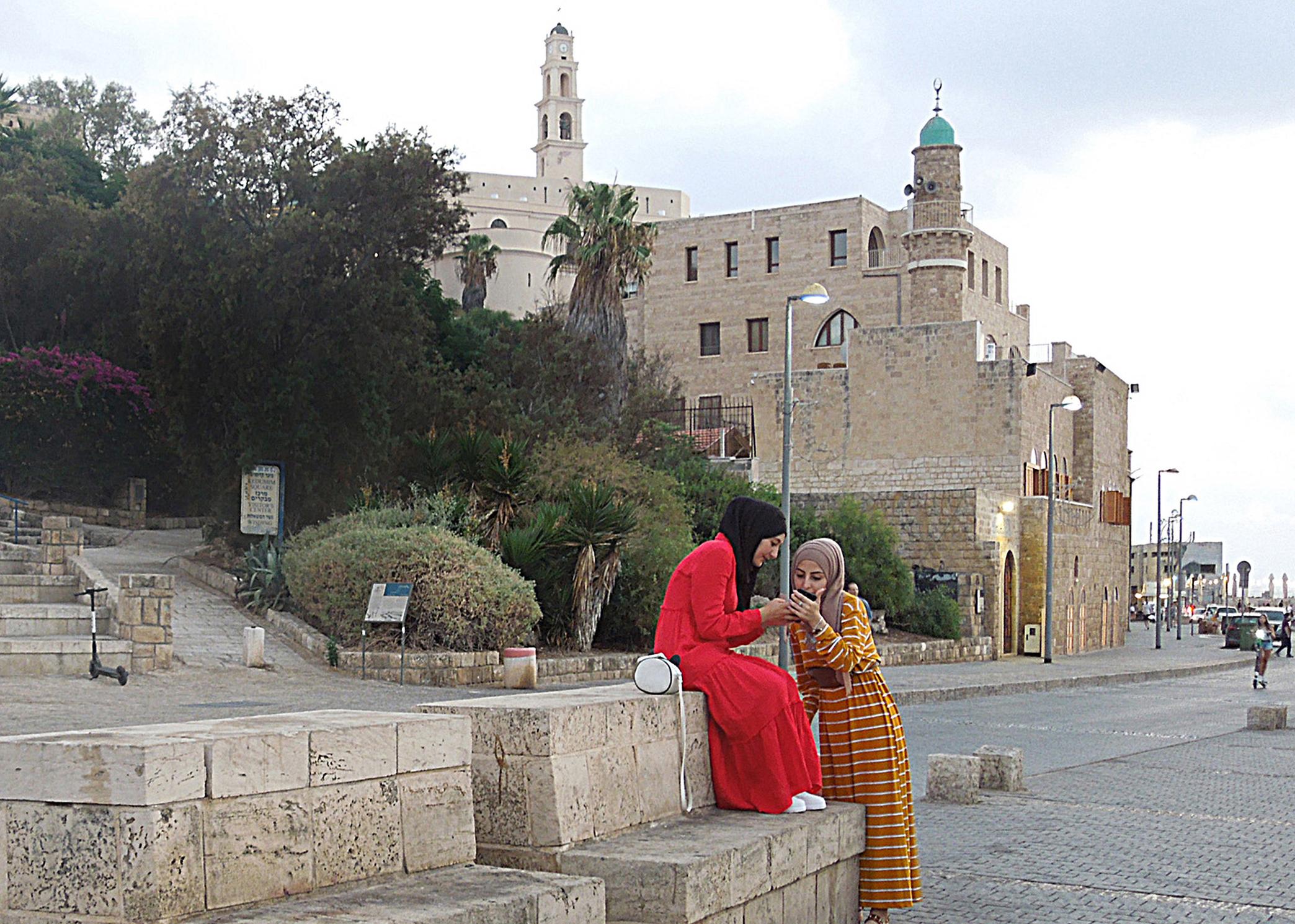
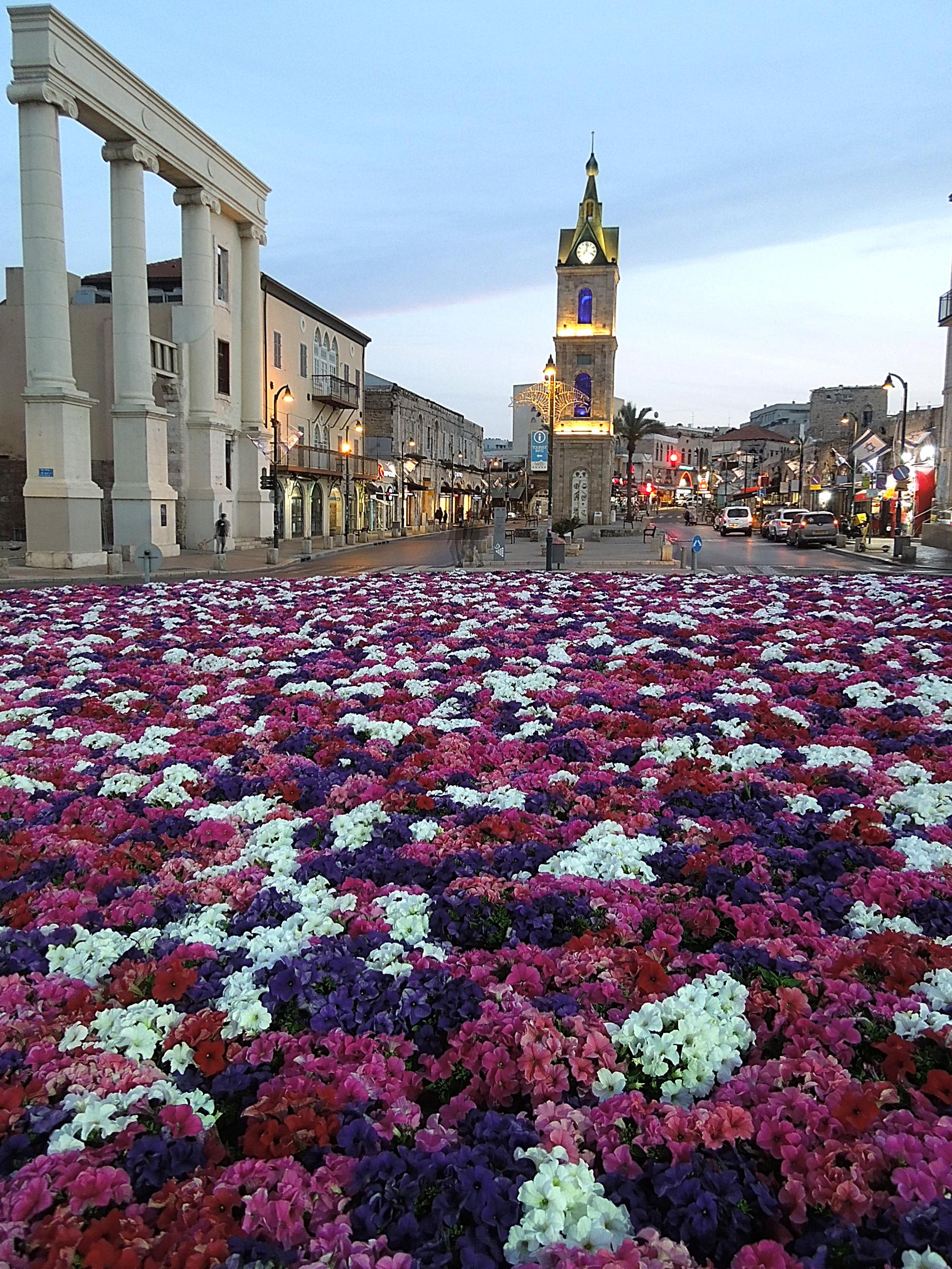
Another prominent landmark is the clock tower standing in the main square. Built in 1901 by Turkish Sultan Abdul Hameed II during the Ottoman occupation of Palestine,
Clock Tower Square
CREDIT: Sammy Somekh ARPS
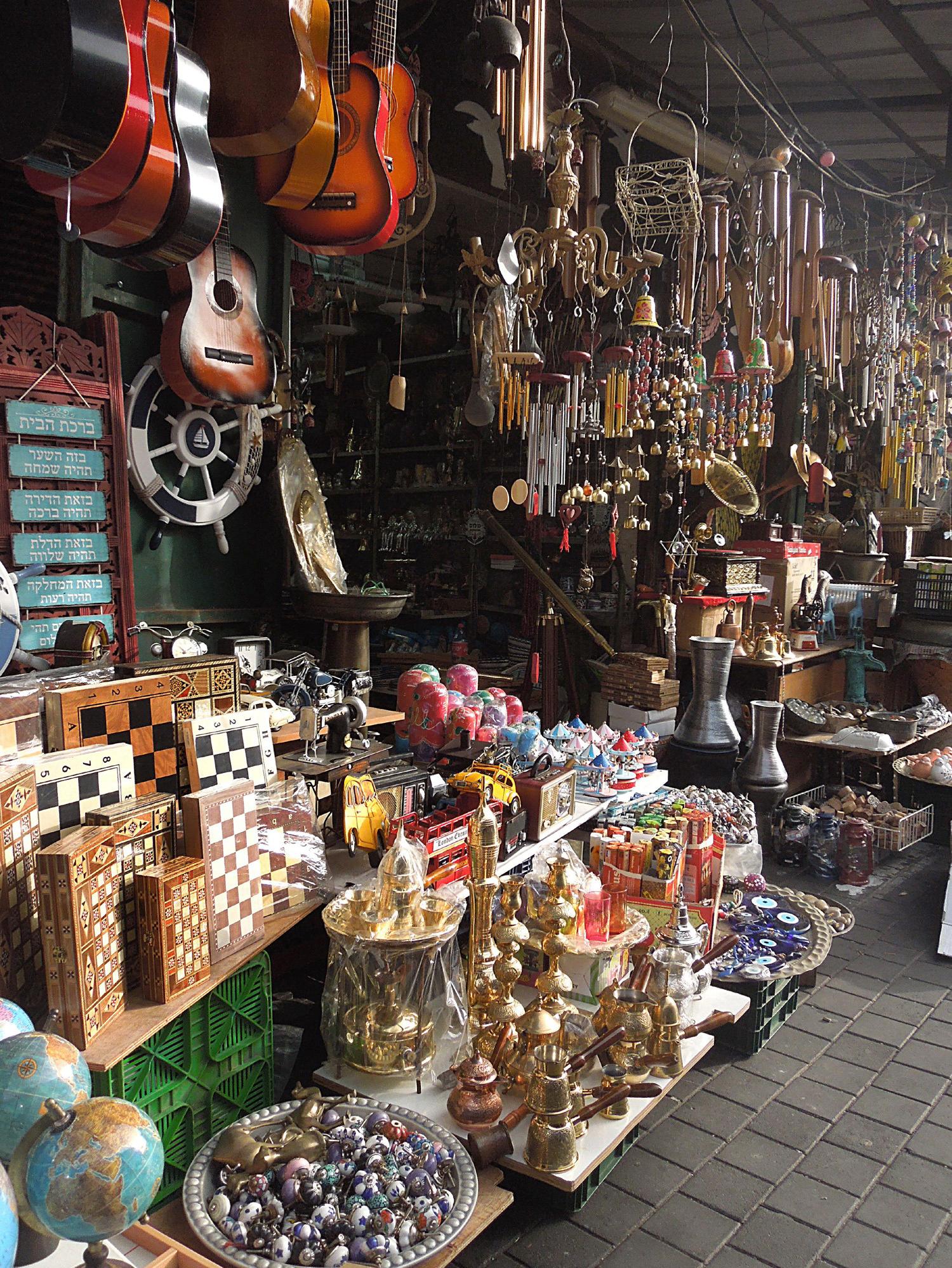
local lore relates that it was initiated by a local shop owner who wanted to stop locals popping in his shop to ask the time on their way to the nearby train station. A short walk away is the Flea Market which offers a vast array of knickknacks, antiquities and coins.
Jaffa's Flea Market
CREDIT: Sammy Somekh ARPS
Visting Jaffa City
- Jaffa can be visited all year round. July and August may experience some haze and humidity.
- An 18-200 wide-angle zoom lens will be sufficient for photography both within the alleyways and in open spaces.
- Travel time is one hour from Ben Gurion Air terminal to Jaffa.
- Recommended Restaurants:
The Old Man & The Sea 85 Kedma Street, Jaffa.
Abu Hassan The best hummus 14 Shivtey Israel Street, Jaffa.
Aboulafia The best Arab bakeries and delicacies, 22 Yotvat St. Jaffa.
Jaffa's Sunset
CREDIT: Sammy Somekh ARPS
Sammy Somekh
I am an architect by profession. I took up watercolour painting and sketching with India ink when I was still a young boy. Shortly after receiving my architect’s diploma in 1980 from the Technion, Israel’s Institute of Technology and a university with three Nobel prizes, I switched to photography because work and civilian life afforded little time for painting.
I gained my Licentiateship (LRPS) in 1982 which was a source of considerable encouragement. This however was nothing in comparison with the indescribable jubilation which swept me off my feet when two years later, I gained my Associateship (ARPS). For several weeks, I walked with my head in the clouds—so to speak.
My favourite photographic subject is photojournalism. I am currently Chairman of the Photojournalism Division (PJD) of the Photographic Society of America. Since 2013, I have also been editing and writing a monthly photojournalism column in the PSA Journal. I have also written several articles in the PSA Journal. Thank you, Sammy
PHOTOGRAPHING THE HIDDEN CORNERS OF THE CORRÈZE DEPARTMENT AND SURROUNDING AREA IN SOUTHWESTERN FRANCE
By Dan Courtice
Dan is an international member of the RPS, originally from Bristol, England who now calls the Corrèze in France his home. In this article, he tells us about his background in graphic design and photography, his distinctive photographic style, his inspiration from the untouched beauty of the surrounding countryside and the resulting images he creates.
Iwas born in South Bristol in England. Our house backed on to the countryside beyond and so growing up, I had the best of both worlds, from the hustle and bustle of a large city to a haven of nature to which I regularly retreated. For as long as I can remember, I have been inspired by images of all kinds, from cartoons and illustrations to fine art and photography. In the summer holidays, I spent my time with my grandparents in Somerset, playing in the woods and getting lost in my own world with very little distraction to influence my imagination.
I spent my late teens studying graphic design whilst developing a growing passion for photography, before moving first to the county of Somerset and later to Devon which were my final years in the United Kingdom.
In 2008, I moved with my family to the Lot department in the Occitanie region of France.
A year later, we crossed the border to Corrèze, a department located in the NouvelleAquitaine region and the area I now call home. The countryside is similar to Devon, but with a lower population and more open space. Agriculture is always evident, with walnut orchards, vineyards and farmsteads scattered here and there, but there are also plenty of hidden corners to explore.
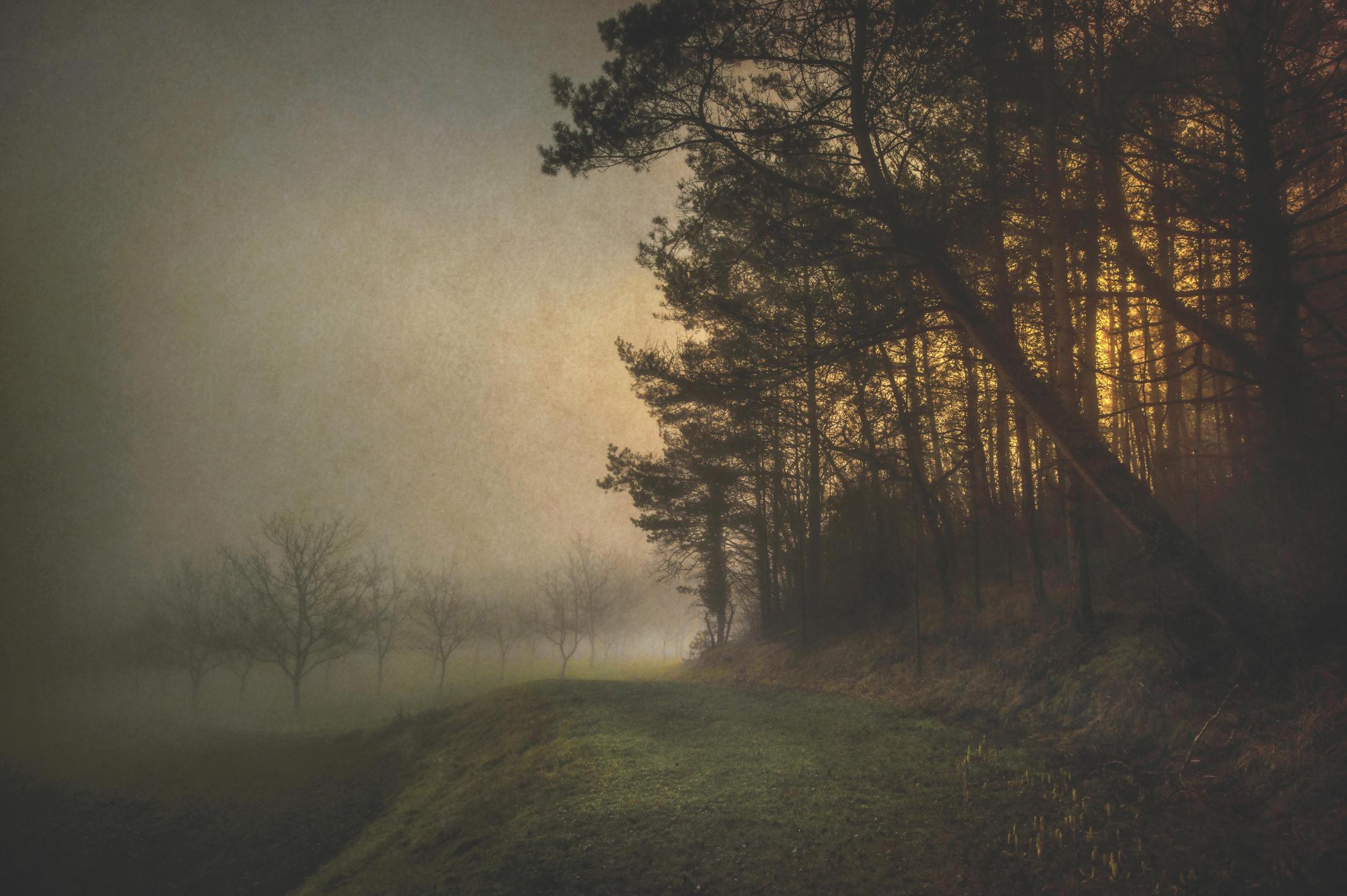
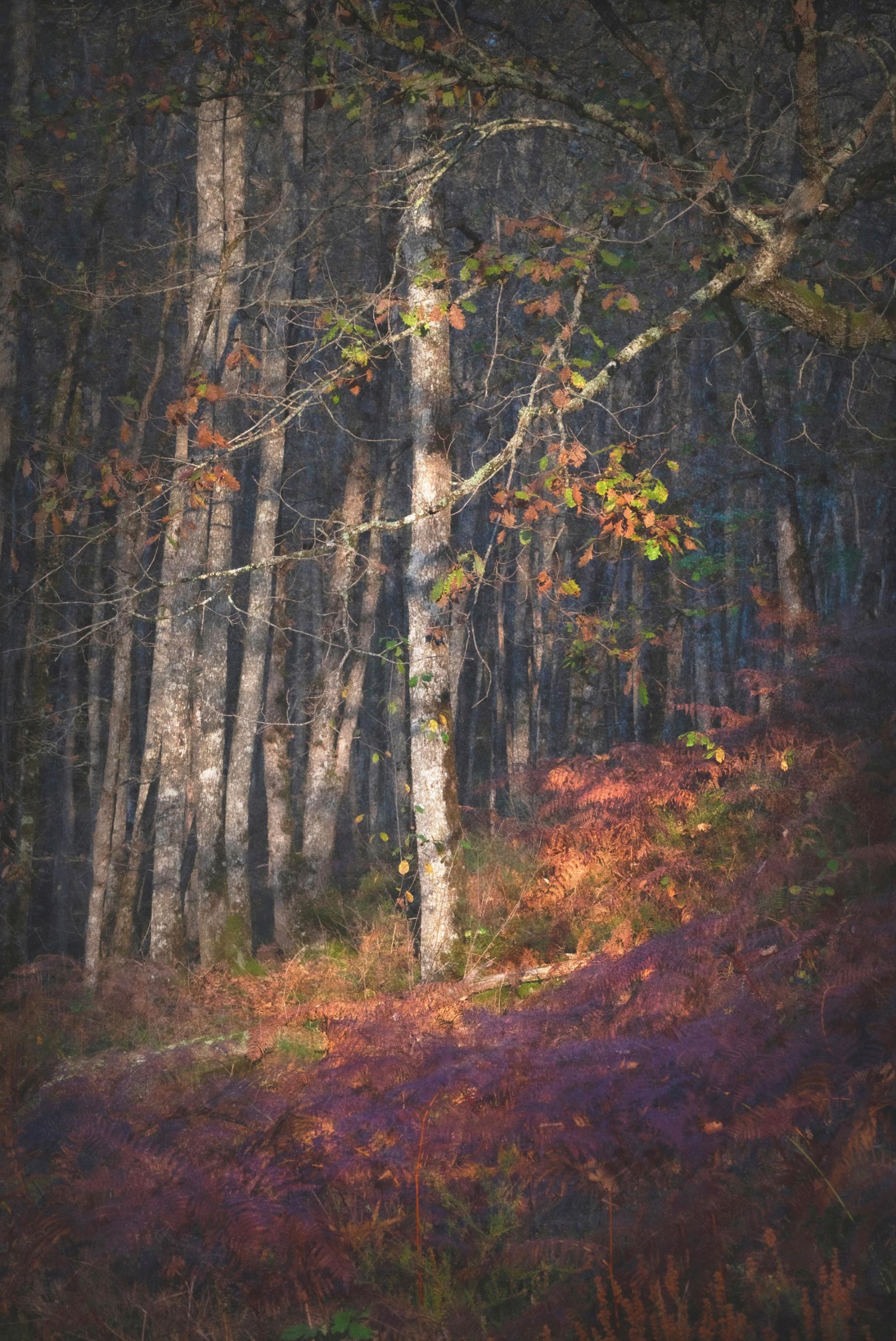
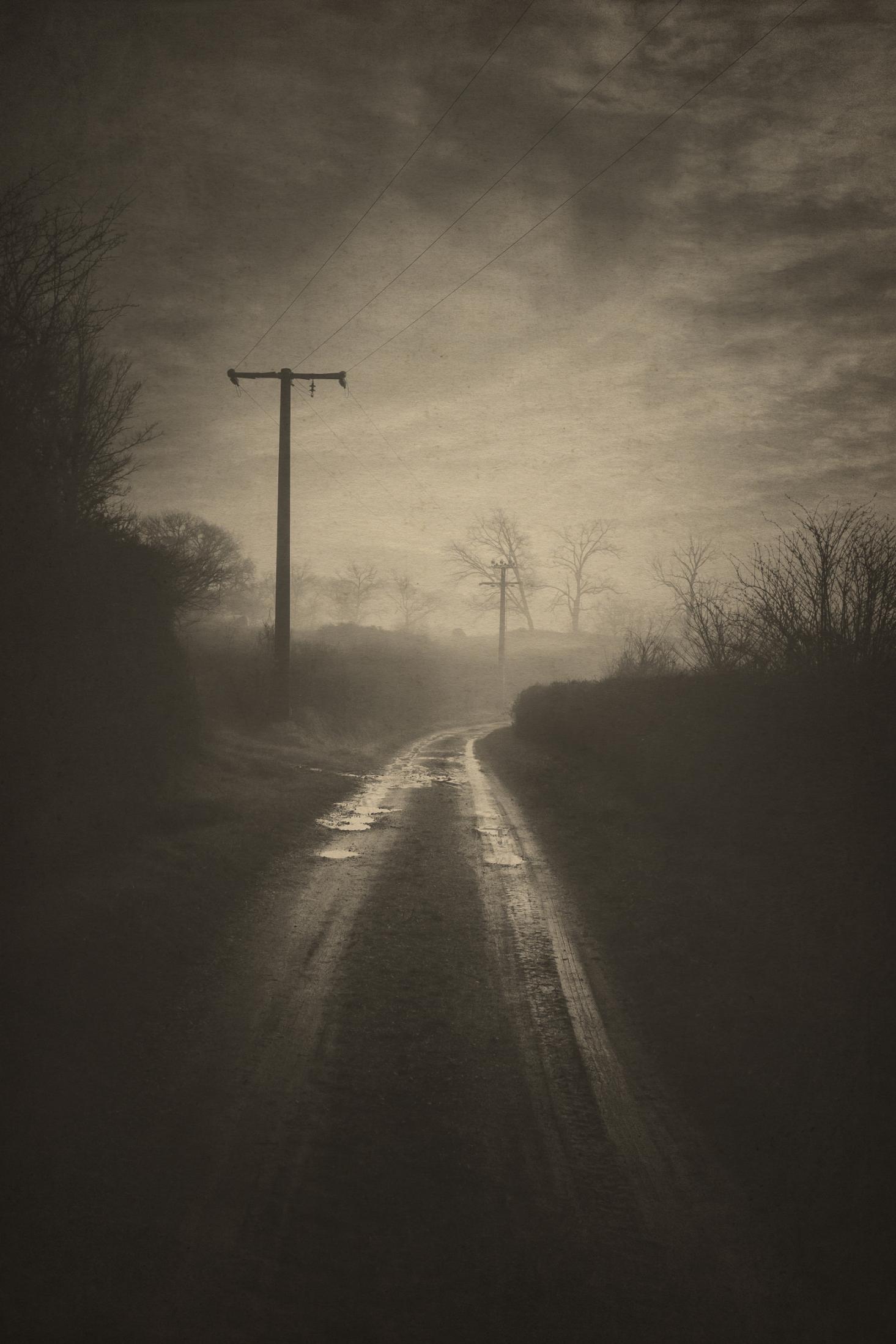
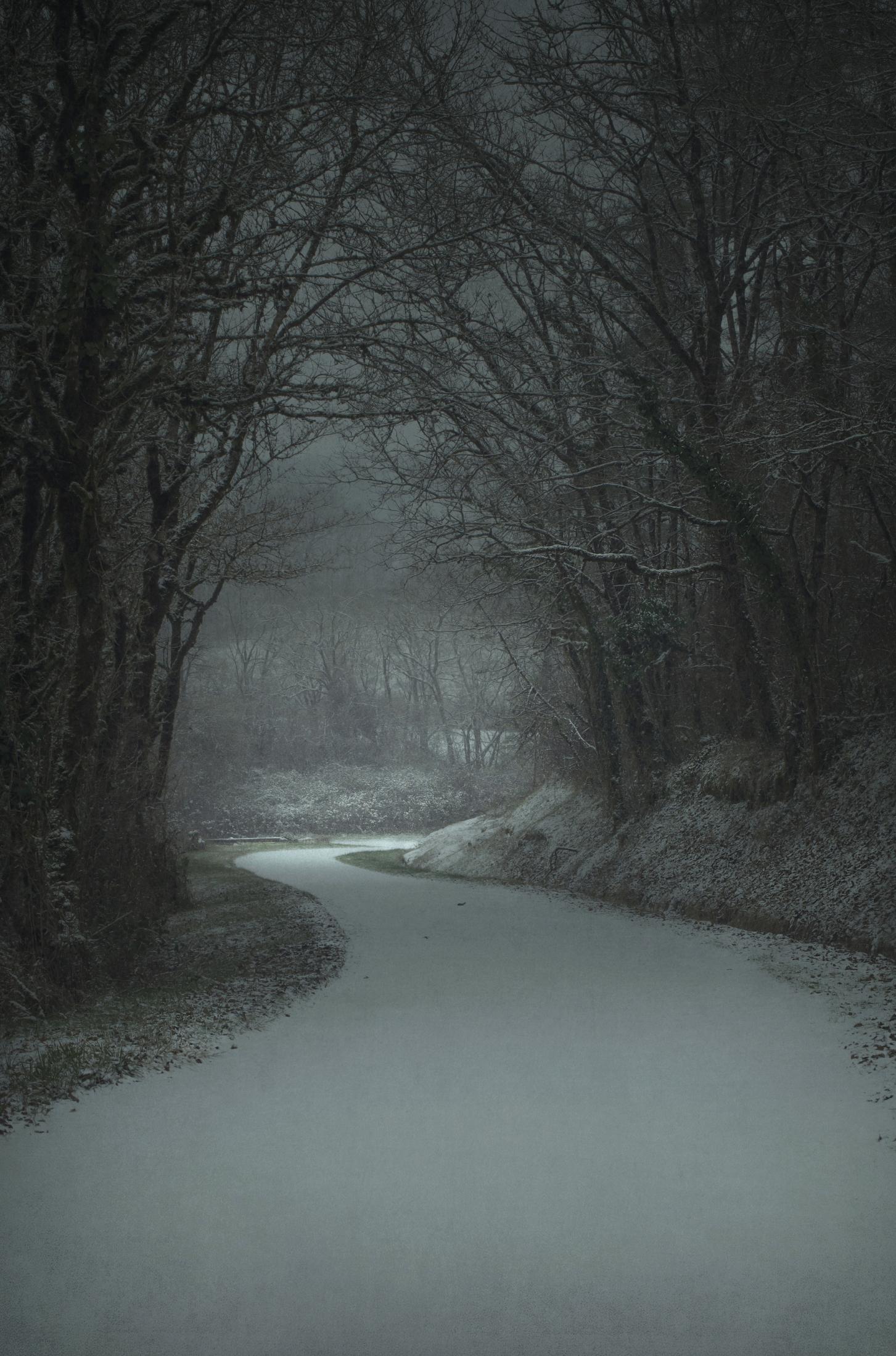
Dark Light on a Winter’s morning
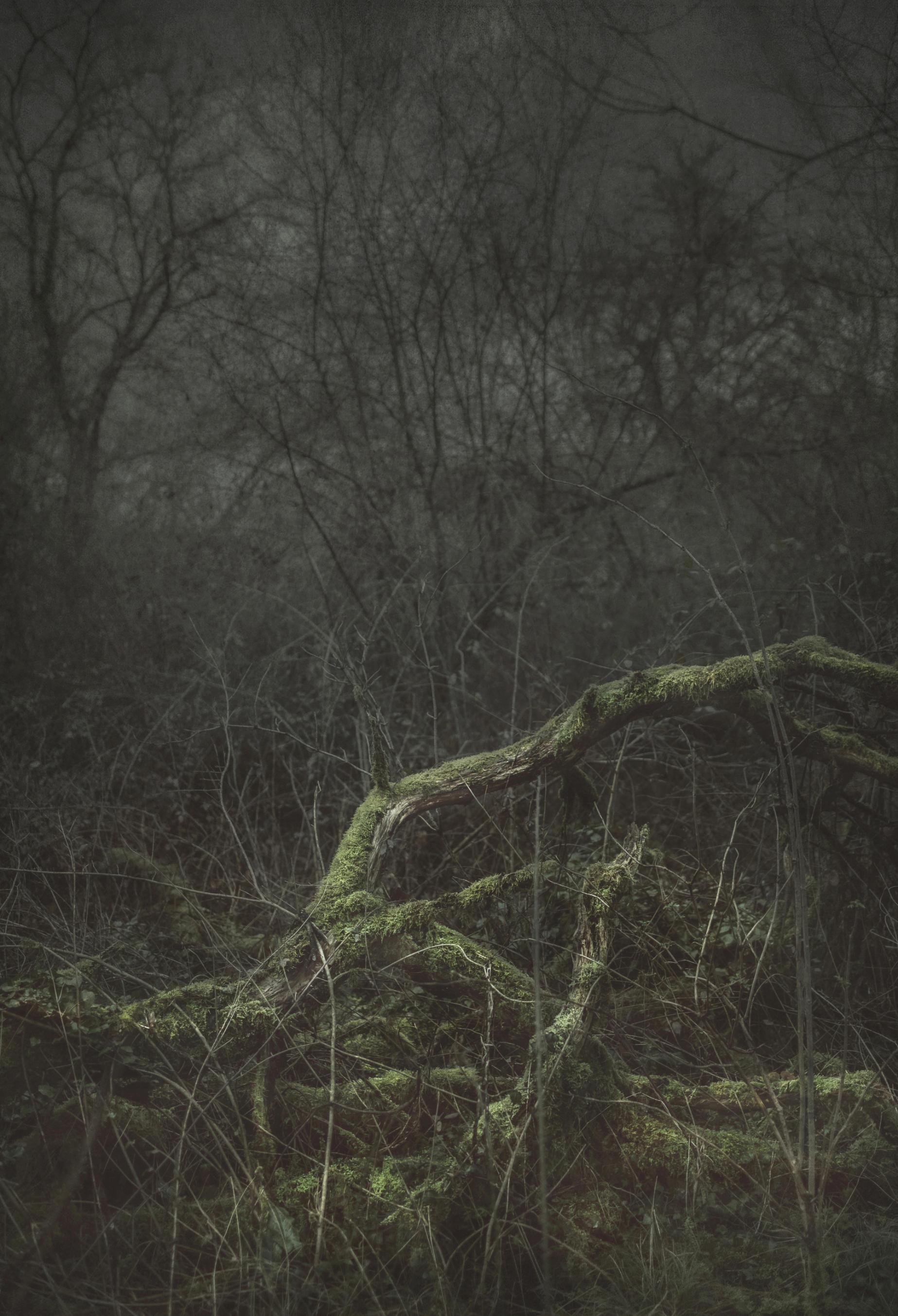
Moss on Fallen Branch
Autumn Woodland
The Corrèze department is well positioned. The adjacent Cantal department and its mountains are approximately 1.5 hours away, the Mediterranean four hours and the Pyrenees three hours away, with plenty of châteaux, quaint villages and varied landscapes in between. I can reach the magnificent Dordogne River in under fifteen minutes, and have spent many early mornings there, capturing the mist hovering over fast-flowing waters, or trees which sit quietly on the banks of its tributaries.
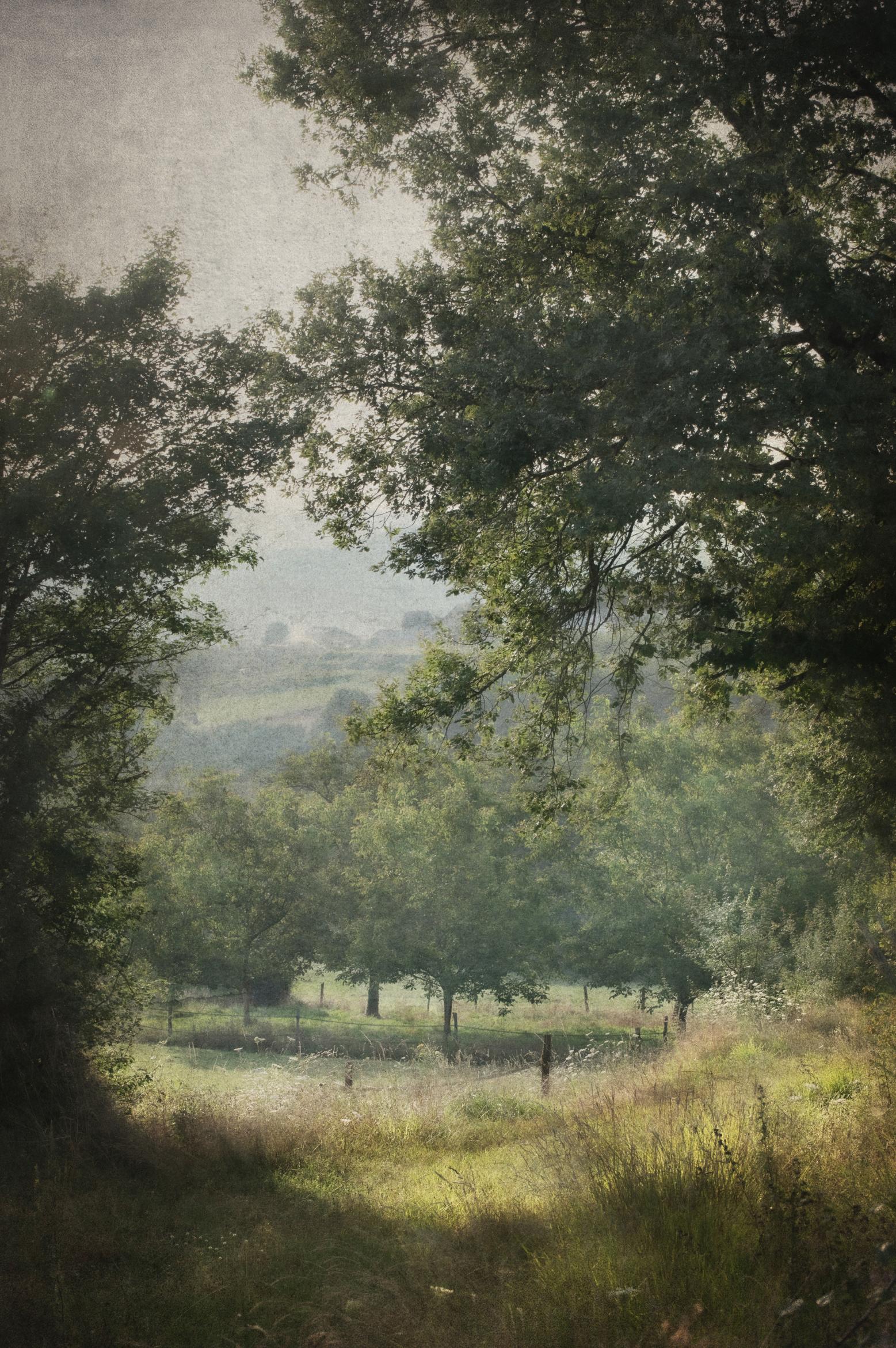
Summer Scene
The pace of life here in the Corrèze is much slower. The priority is to take the time to enjoy nature and each other’s company, something the French people value greatly. Local markets held in most towns and villages at least once a week are a great place to observe this relaxed way of life. The agricultural influence is also very apparent, with many farmers growing their own vegetables and making their own cheese.
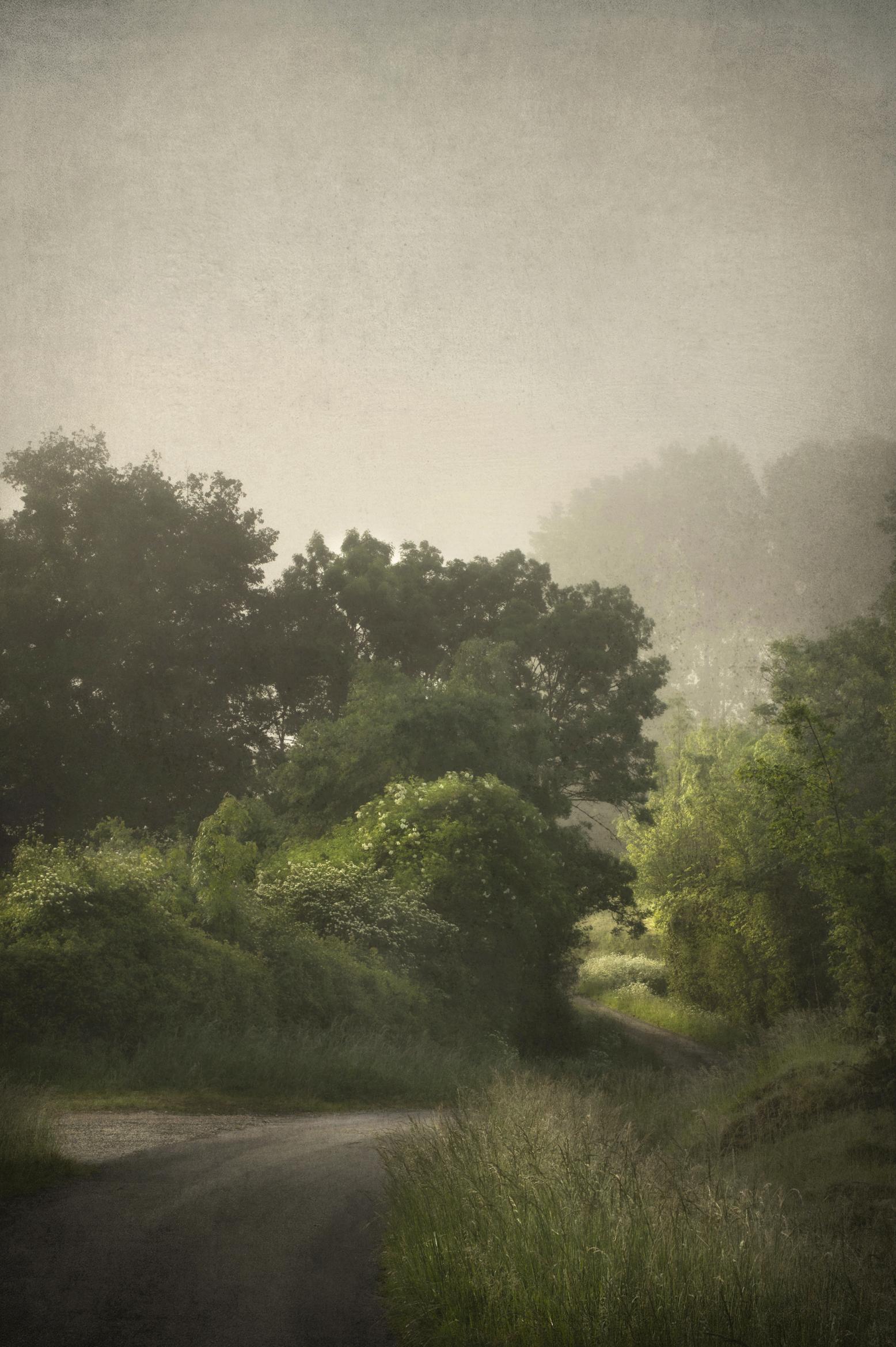
Spring Light
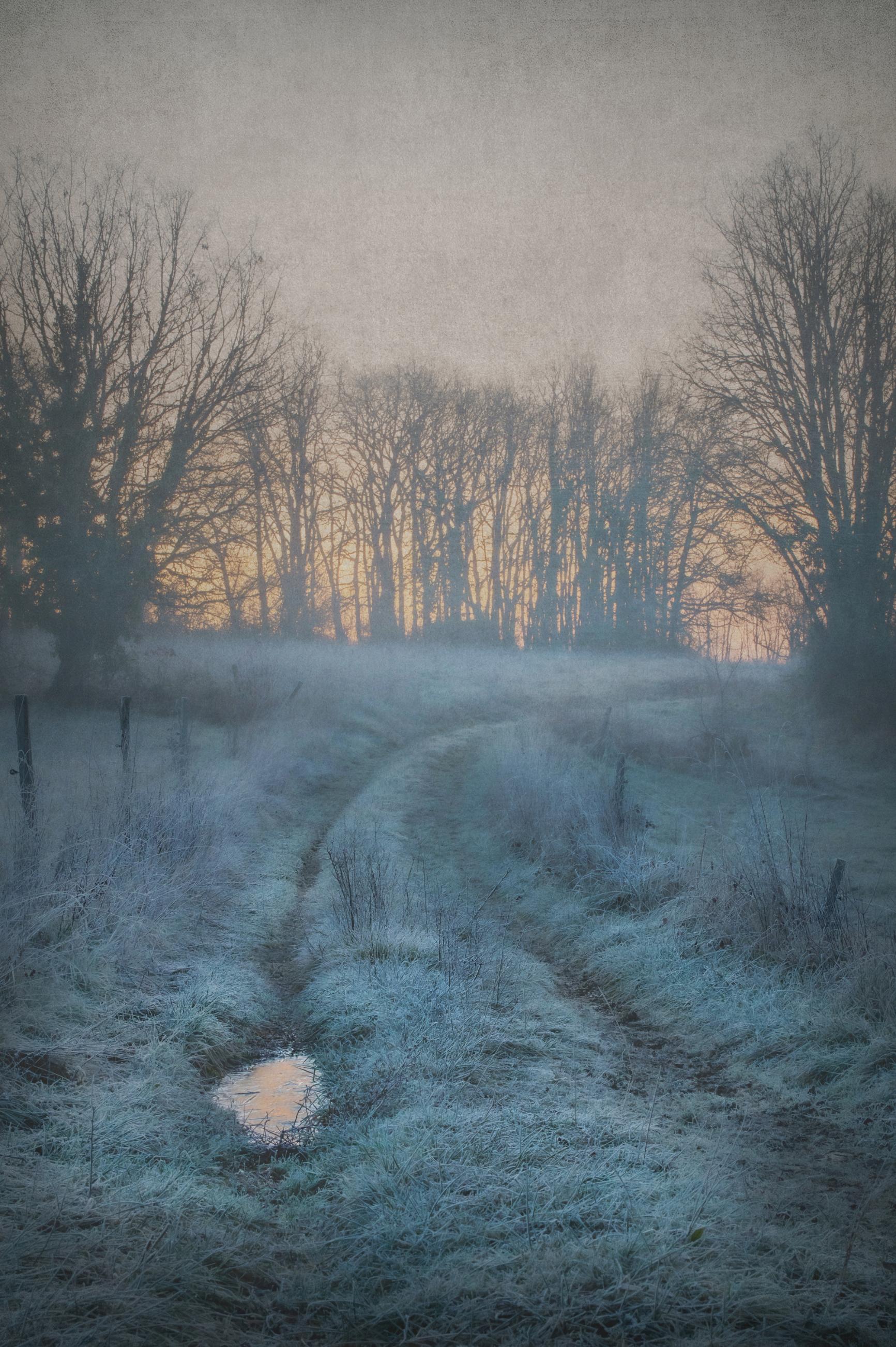
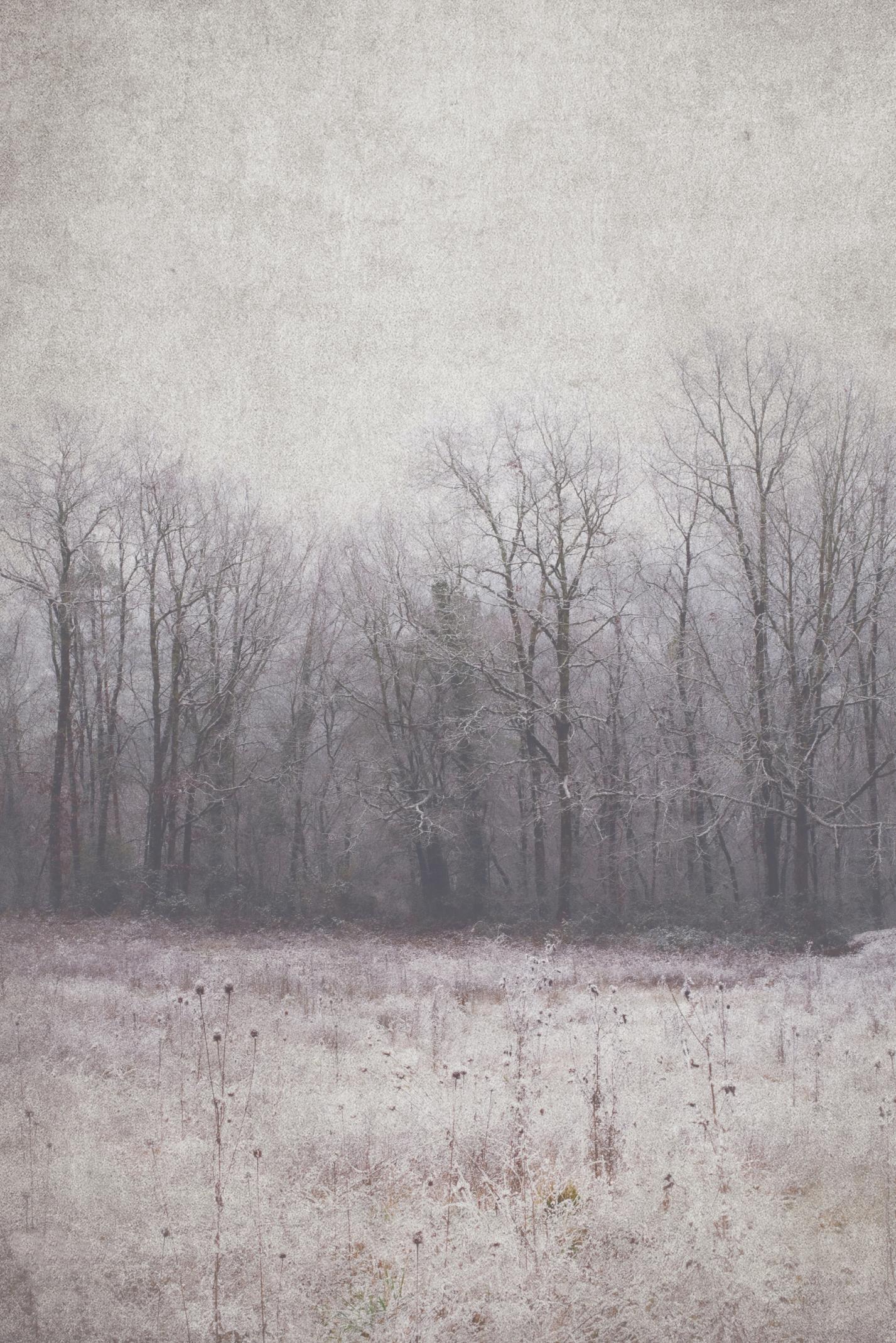
The changing of the seasons is well marked with temperatures often reaching 40° Celsius in the summer and as low as -10° Celsius in the winter. Snow is rare, but heavy frosts can cast an equally beguiling veil over the landscape. The abundance of trees in spring is the star of the show, with fresh green leaves appearing almost overnight, accompanied a few weeks later by the sound of crickets. As the summer kicks in, the cicadas take over. The Dordogne River attracts a microclimate as the rocks and cliffs which follow it alongside, absorbing the warmth of the sun. September in turn brings a mist that ebbs and flows between the hills and valleys.
Leading lines
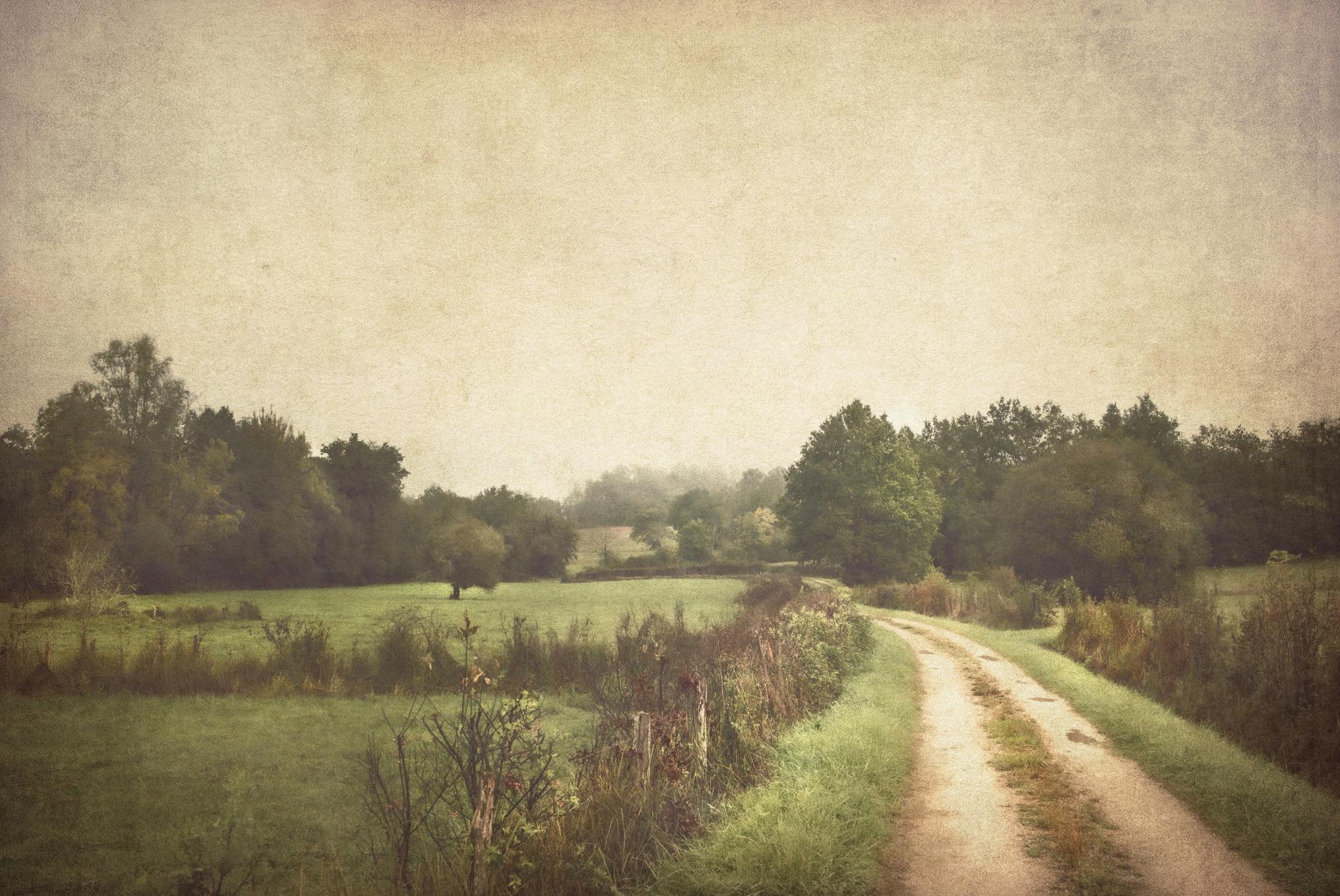
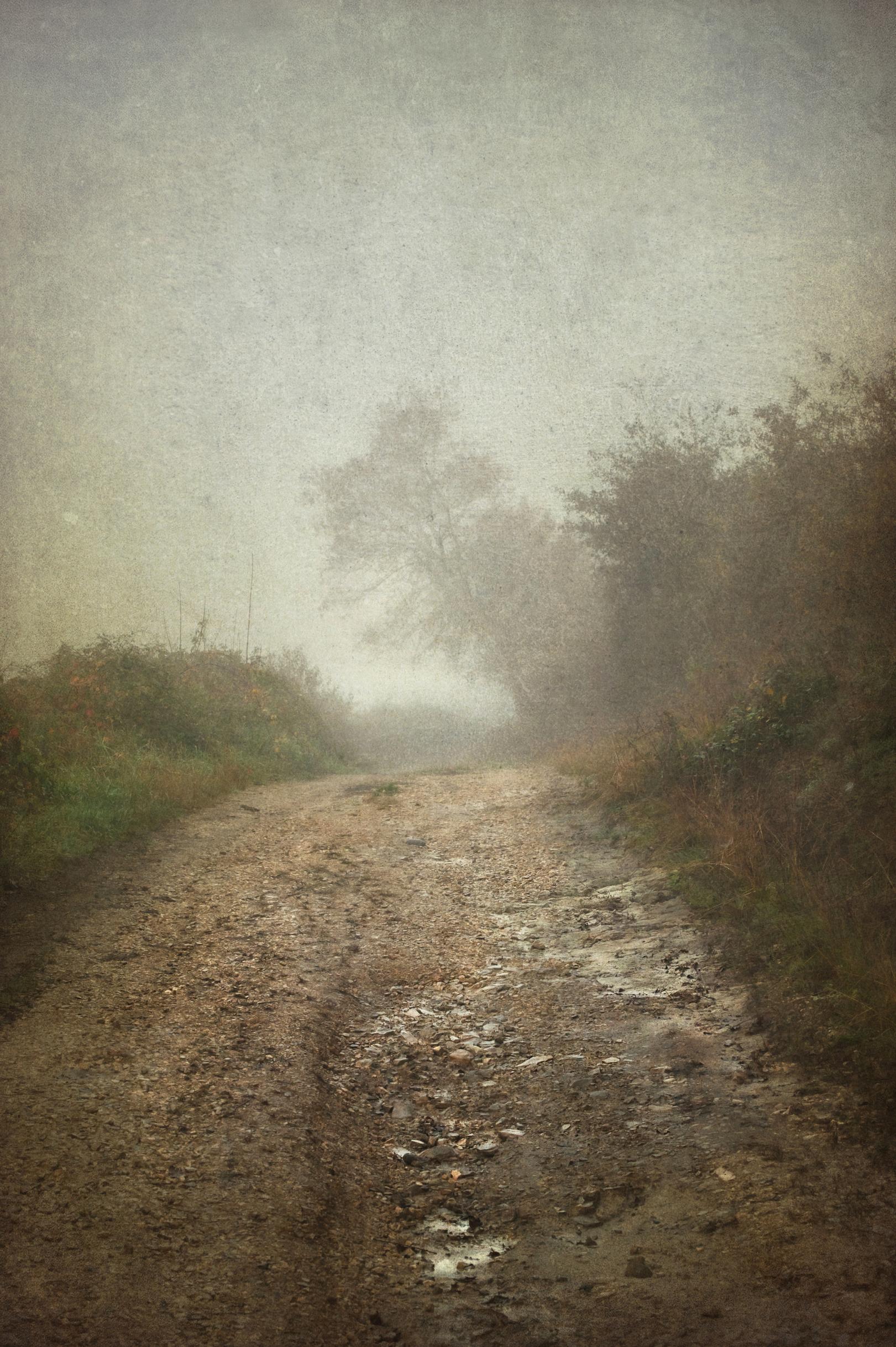
I almost always photograph nature, specifically trees. Composition is important, as well as context, and the country lanes and tracks which criss-cross the landscape provide the perfect opportunity to draw the eye beyond.
The French Countryside
The images in this article represent my own interpretation of the countryside of the Corrèze. I aim to share my personal view of the natural, untouched beauty of this area and to draw attention to things that would ordinarily appear unremarkable. The mornings are the best, I always prefer an atmospheric early morning mist to a sunset. The vast majority of images I take are also within ten minutes of my home.
Each season is marked by a multitude of subtle changes which I aim to capture. However, unlike in spring and summer when picturesque scenes effortlessly present themselves, most of my inspiration is from autumn and deep winter, when the fallen leaves reveal a darker, more mysterious landscape, and one looks at nature in a different way. This is when my artistic influences really kick in, namely the romantic painters of the 18th/19th century and their mastery of light: Camille Corot, Caspar David Friedrich, and the Danish realist Peder Mørk Mønsted.
Winter Gold
My style has been described as ‘painterly’. However, if I had to categorise my work, it would be ‘modern pictorialism’. My discovery of Léonard Misonne was a revelation. His mastery of light, texture and composition has a profound effect on my photography and has proved to be the greatest influence of all. The Pictorialists of the late 19th and early 20th century were the first photographers to strive to be identified as artists. They were driven to go beyond merely recording a moment in time, and by incorporating their own artistic influences, they paved the way for a new era in photography: to be accepted as a form of art.
Winter Trees
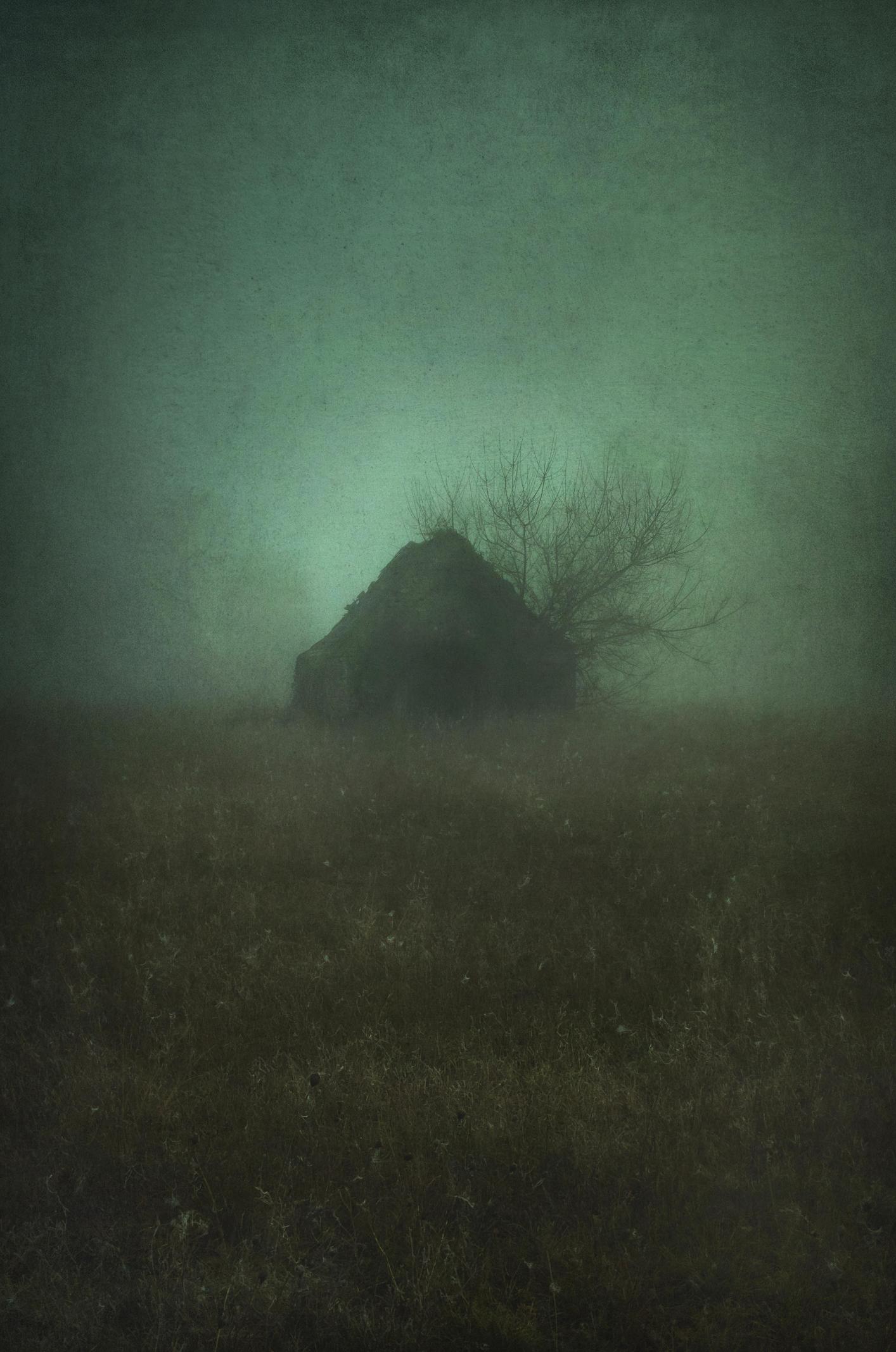
Abandoned
To achieve this style, I use Lightroom to finesse the basics then open in Photoshop to add texture. I then work on the photograph itself (no multiple layers, just directly with the image), with some subtle dodging and burning to add or reduce contrast where I feel it is required. I spend no more than two hours in total on each image.
What I enjoy most is the peace and tranquillity of this beautiful landscape. Whatever time of year, it is easy to find somewhere to escape to, whether it being taking a canoe down the river or strolling along one of the many established walkways that criss-cross the countryside. I always love visiting Bristol and the memories I have of the place, but the Corrèze suits me just fine.
Gravel Track
About the area
Tourism is significant in the Dordogne Valley, and the pull to experience the lifestyle and history is great. As a photographer for a number of tourist offices, I have spent many hours visiting the places which make this area so special: Sarlat-la-Caneda with its medieval streets; Beynac and many other castles which are liberally dotted about; prehistoric sites for which the region is renowned, such as the Lascaux centre for prehistoric art; and Rocamadour, an important religious site with its impressive buildings set into the rocky hillside. All are well worth a visit.
If you are a keen photographer of the stars, then Causses du Quercy might be the place for you. A 30–40-minute drive takes you there, where a black triangle appears between Rocamadour and the Célé Valley. This dark area has the lowest light pollution in mainland France, with August the best time to see the Milky Way.
About Dan Courtice
I have been a graphic designer for well over 30 years and a photographer for over 20 years. I have worked in the tourism industry here in France over the past 15 years which has given me the experience to photograph in some of the most beautiful places in France, from hot air balloons over the Dordogne to within caves deep below ground. My website primarily presents my fine art photography, but a portfolio of my design and commercial photography can be seen as well.
www.penngraphics.info penngraphics@me.com
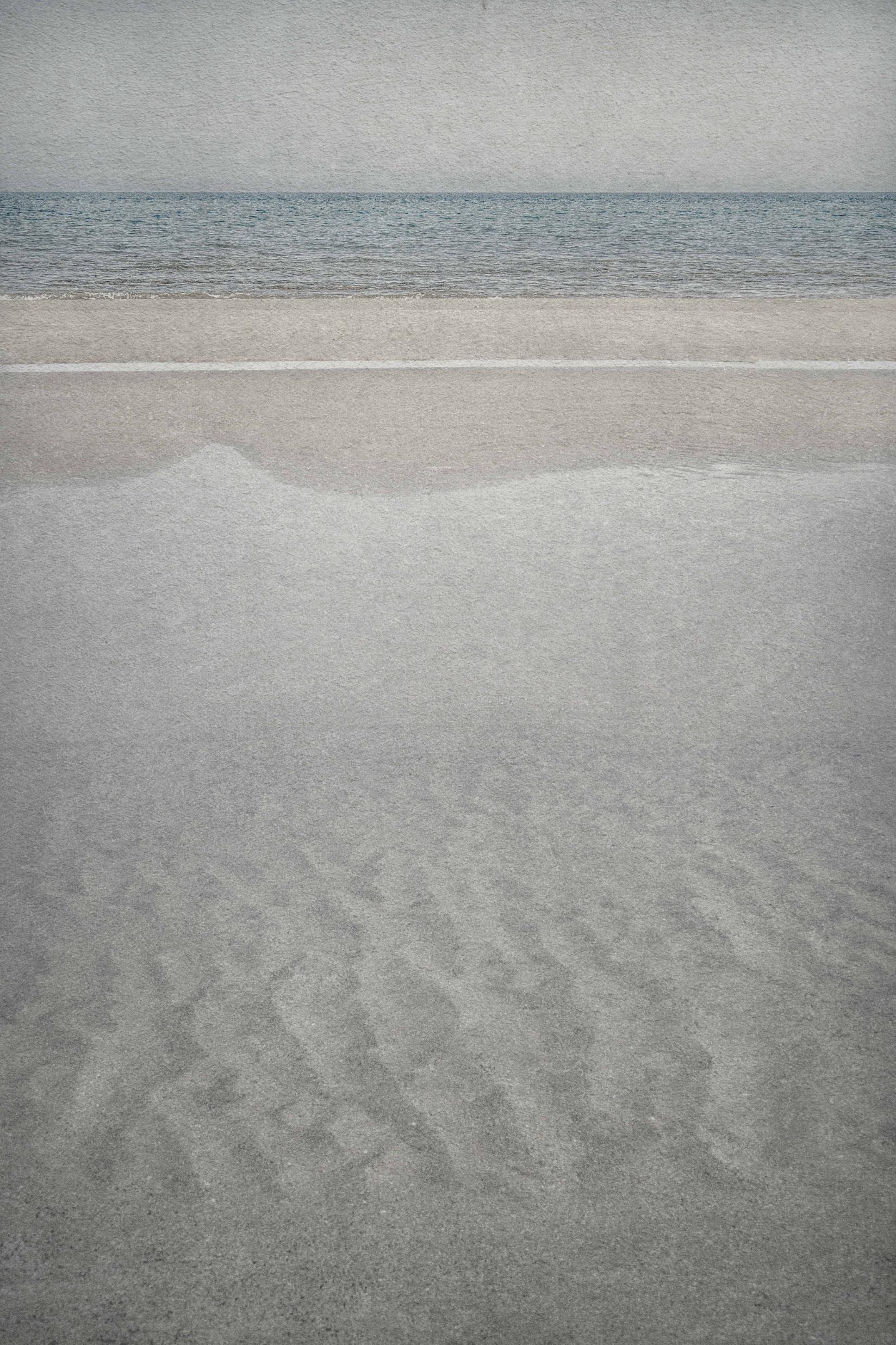
Sand and water
Thank you very much Dan for sharing your unique images with us, and your powerful desciptions of your inspiration, where you like to photograph and your current focus. You live in a very beautiful and rural part of France!
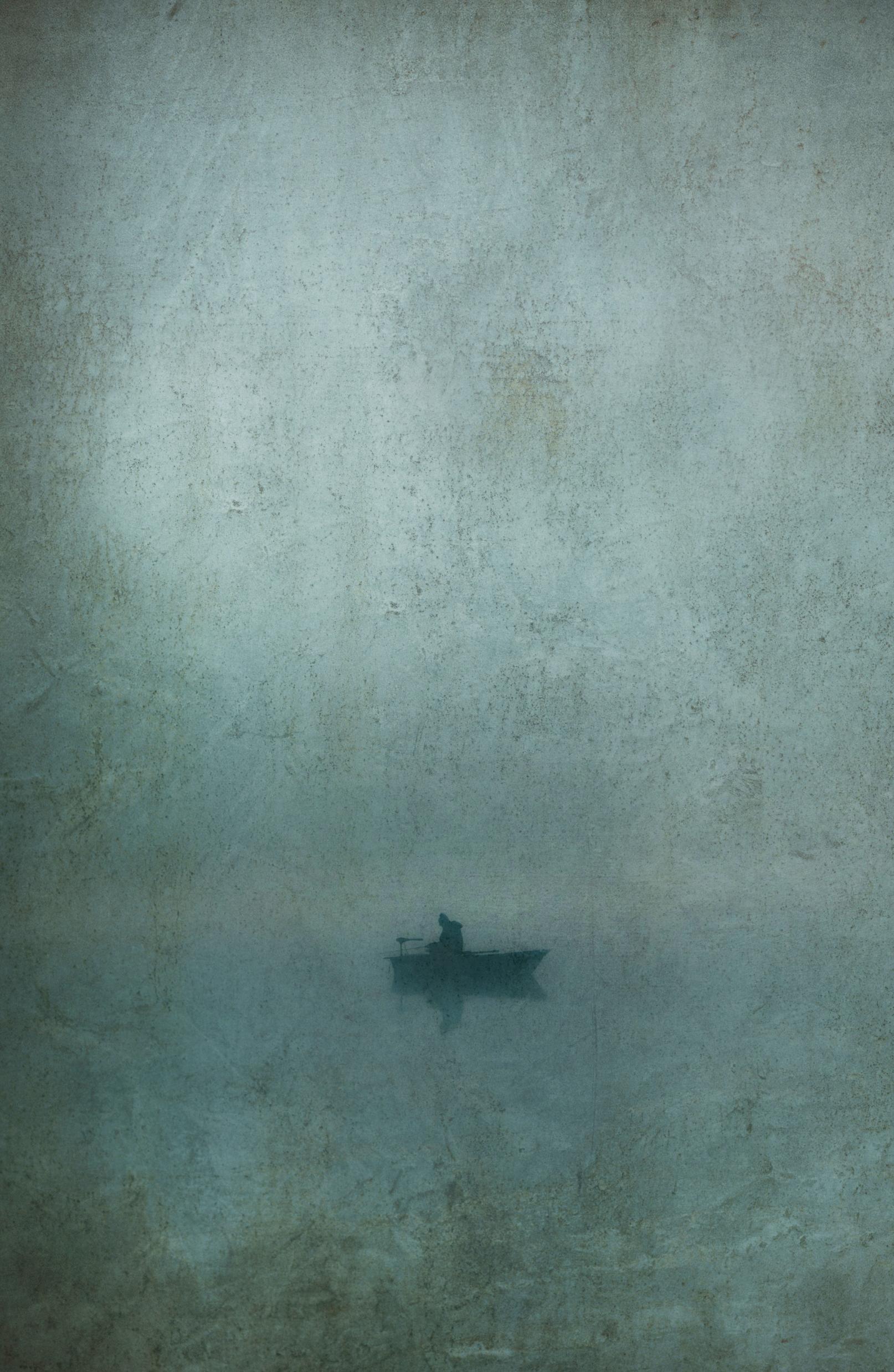
The Fisherman
Q & A WITH LUCA ARFINI
Luca lives in Amsterdam in The Netherlands and is an international member who joined the RPS last year.
He talks to us about how his photography began, his interest in portraiture and urban imagery and how his attendance of Queer Unplugged, a series of in-person gatherings created for LGBTQI+ people, has influenced his photography.
Please tell me a little bit about yourself, your background, and where you live now.
Although I am Italian, I have spent most of my adult life abroad. Living abroad taught me to adapt swiftly, stay curious, and view my culture through a new lens. Over the years, my identity and personality have been influenced by the countries in which I have lived, the people I have encountered and the relationships I have built. These experiences increased my sensitivity to cultural differences, made me more at ease in changing environments, and strengthened my appreciation for stories that go beyond a stereotypical view of the world.
How and when did you first become interested in photography?
Photography has been part of my life since I was young, even before I took it seriously. For many years, I photographed instinctively with my phone without focusing on technique. Last year, I attended a photography course in Amsterdam taught by an Italian teacher who inspired me to look more in depth at my photographic practice. This experience motivated me to pursue photography more professionally, improve my skills, and discover how images can enhance my storytelling and communication.
When did you to join the RPS and what was your interest to do so?
I joined the RPS last year with a clear goal: to learn and improve. I was excited to connect with fellow professional photographers, share ideas, and develop through discussion and feedback. It felt like I had joined a community of like-minded individuals who could support and guide me on my photography journey.
What do you like to photograph and what is your photographic style and focus?
I am drawn to portraits and urban photography, particularly images which convey a message or provoke thought. I prefer photos which raise questions rather than just record reality. I am currently exploring a number of formats, with a growing interest in analogue and instant photography. Using instant film encourages me to slow down, disconnect from constant digital feedback, and focus on the present moment.
Please tell us a little more about a number of images which are special to you?
These two images were among my first taken with a professional camera, marking a key milestone in my development. Both were displayed last year at a photography exhibition in Trieste called ‘Trieste Photo Days’. Viewing them publicly was a rewarding acknowledgement that others also value my work.
Thirsty
Skywalkers
You have written an article which follows. Please introduce us to it?
The following article comes from my curiosity about being present and how things change when we slow down and disconnect. It combines my photography with personal experience, highlighting simple, genuine moments of connection that occur when screens are set aside and people truly interact.
Rediscovering Calmness in an Overstimulating World
In a world where almost seven hours a day are spent on screens, silence has become rare. My days usually take place behind a computer, working alone but constantly connected. Writing, editing, creating, and publishing, my routine revolves around digital tools and online interactions. I truly enjoy my work, but the nearly constant online presence and being surrounded by screens can become overwhelming and isolating.
Queer Unplugged offers something I didn’t realise I was missing: intentional silence, shared presence, and a form of connection that exists entirely beyond the digital world. It is a series of
in-person gatherings created for LGBTQI+ people who would like to slow down and reconnect with themselves, with others, and with the world around them.
The concept is simple but powerful: leave your phone at the door, no notifications, no scrolling, no documenting for social media. Just people, time, and space. Crucially, it all takes place in an environment of acceptance, where participants can exist without fear of judgement, harassment, or the hostility that often thrives online.
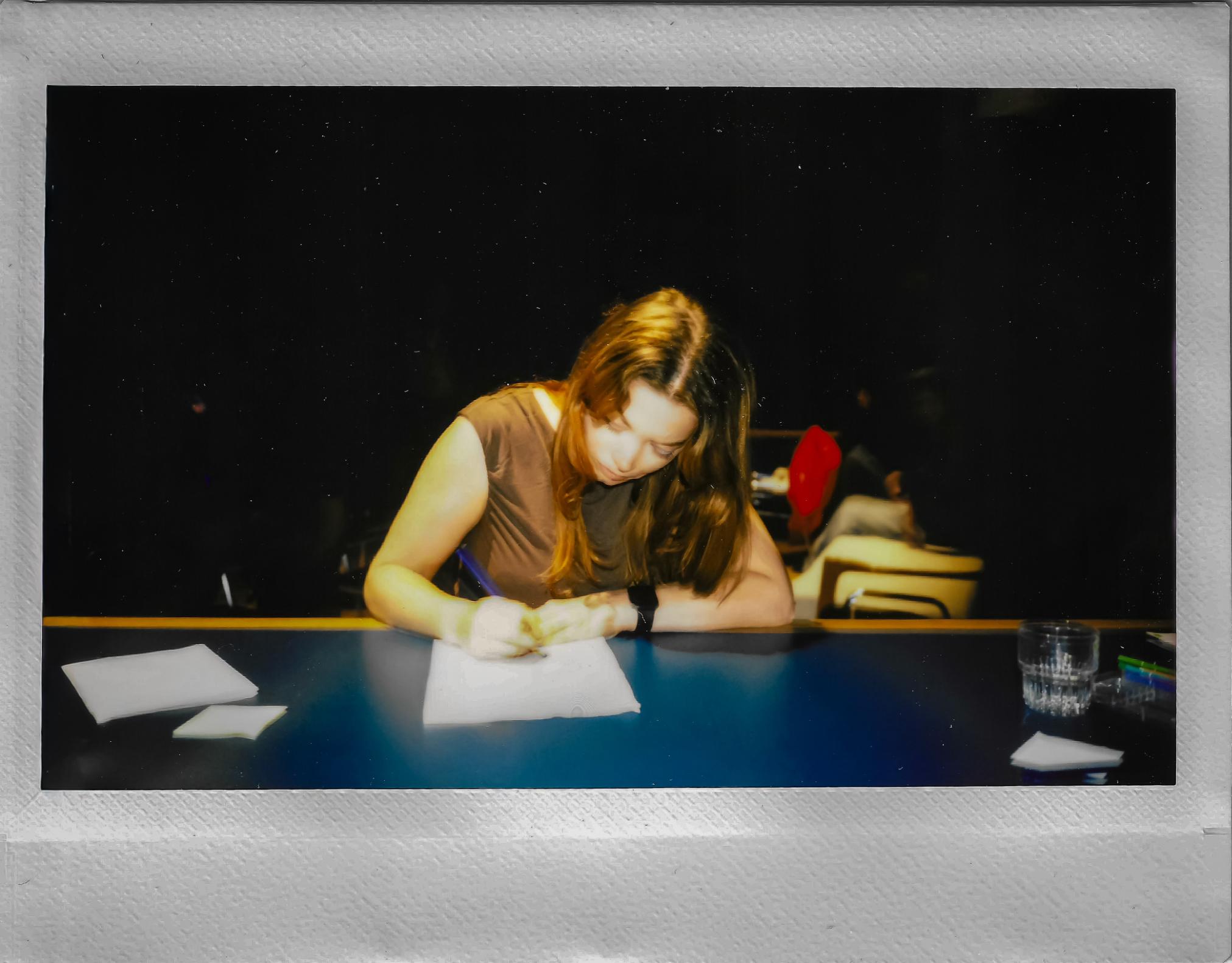
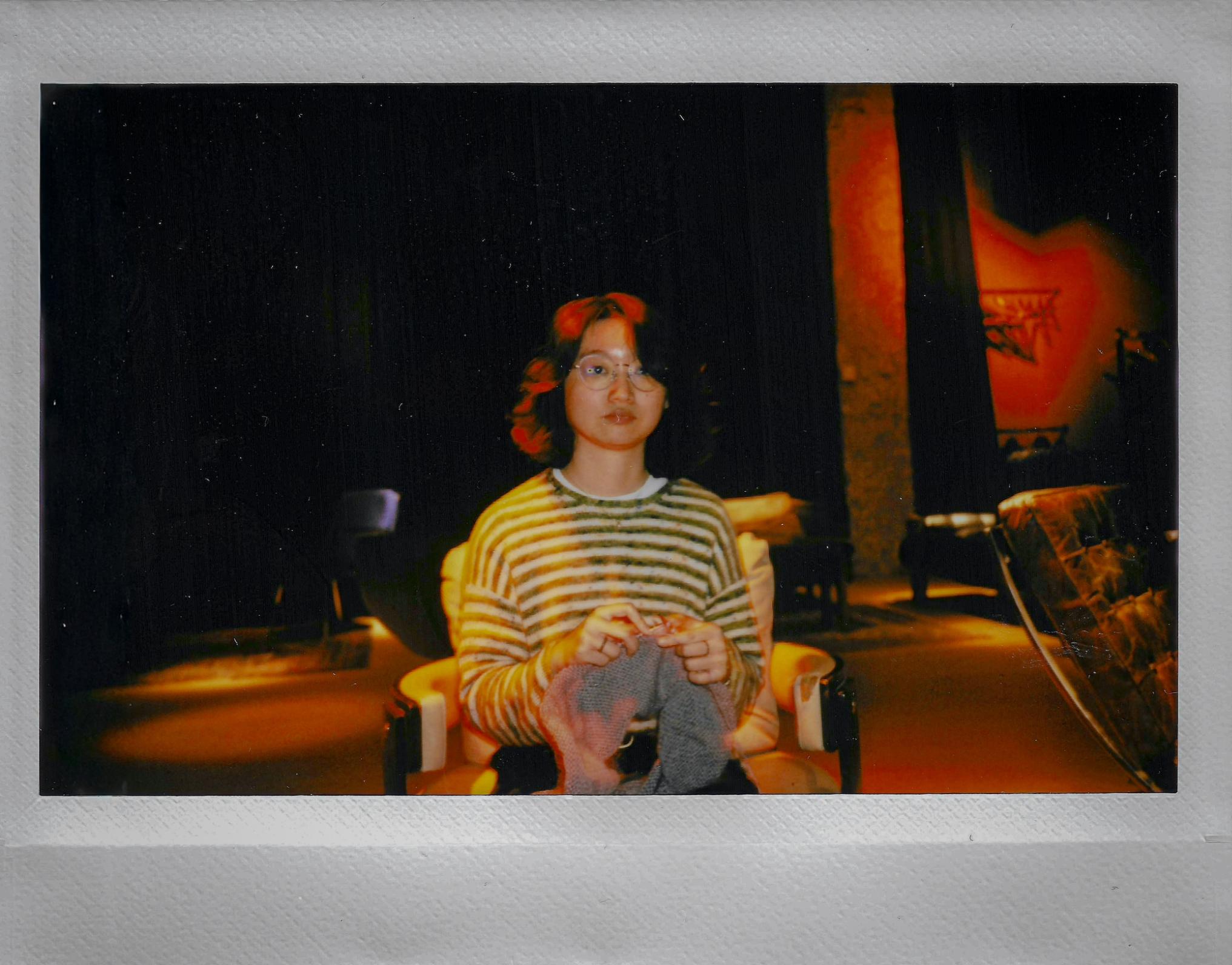
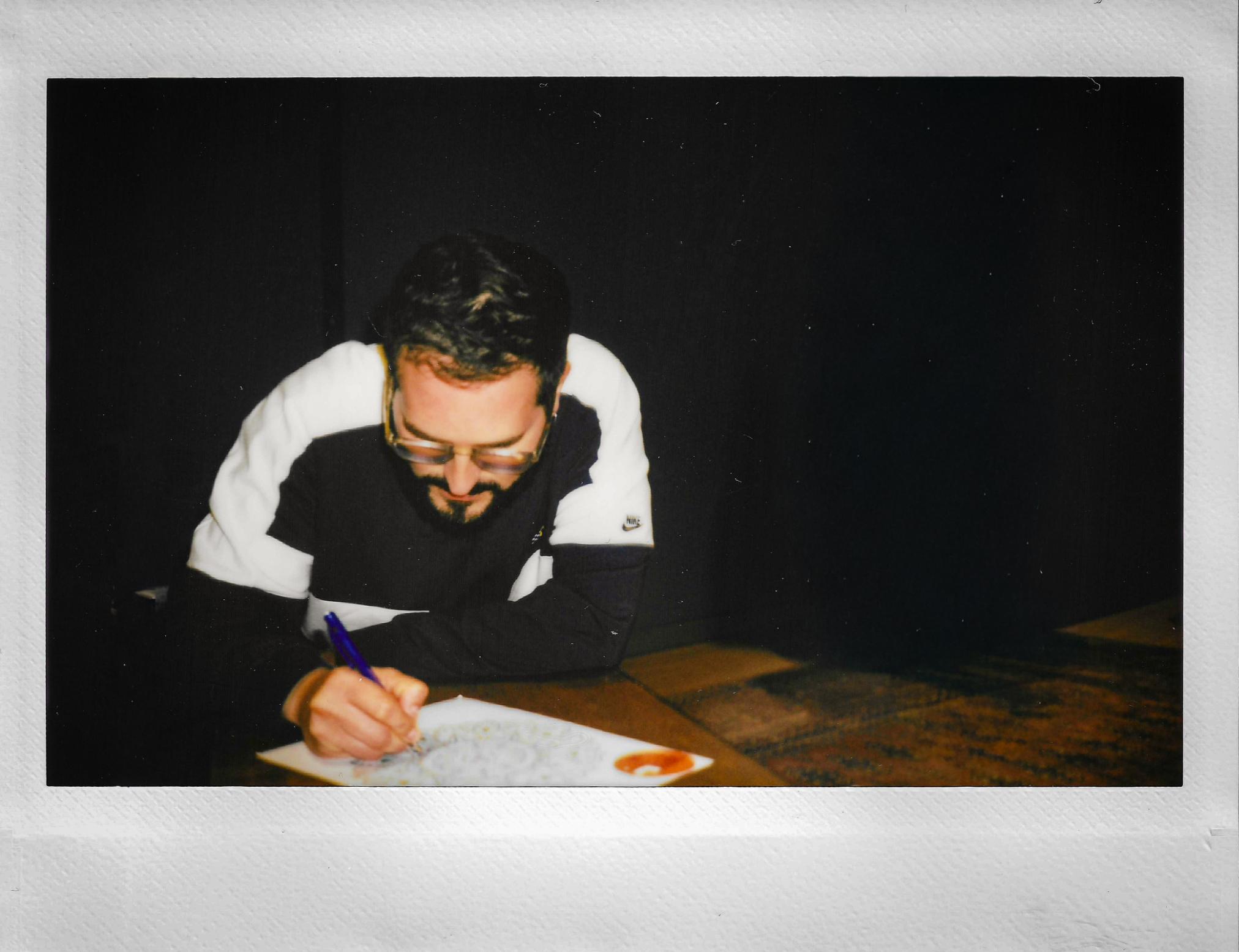
Each gathering follows a gentle, deliberate rhythm. Beginning with a quiet, introverted phase, participants are invited to spend time alone, together: reading, drawing, journaling, knitting, meditating, or simply sitting in stillness. There is no pressure to talk, perform, or be productive. This was the moment I feared the most as I am not used to extended silence without a device within reach. At first, it felt uncomfortable, but slowly it became liberating.
What resonated with me was how seamlessly the silence settled in once I stopped resisting it. Being around others without the need to talk created a special sense of calm. It allowed everyone the freedom simply to be present, to connect with their inner thoughts, and to feel supported by those around them. The second part of the gathering is more social. Food is shared, conversations flow naturally, and the vibe becomes bubblier. Some attendees collaborate on art; others just talk. The mood shifts, but without phones, interactions stay focused and genuine. The day closes with Queer Talents, a space where community members share music, poetry, performances, or small workshops – a celebration of creativity and self-expression, particularly for artists who are often underrepresented in mainstream cultural spaces.
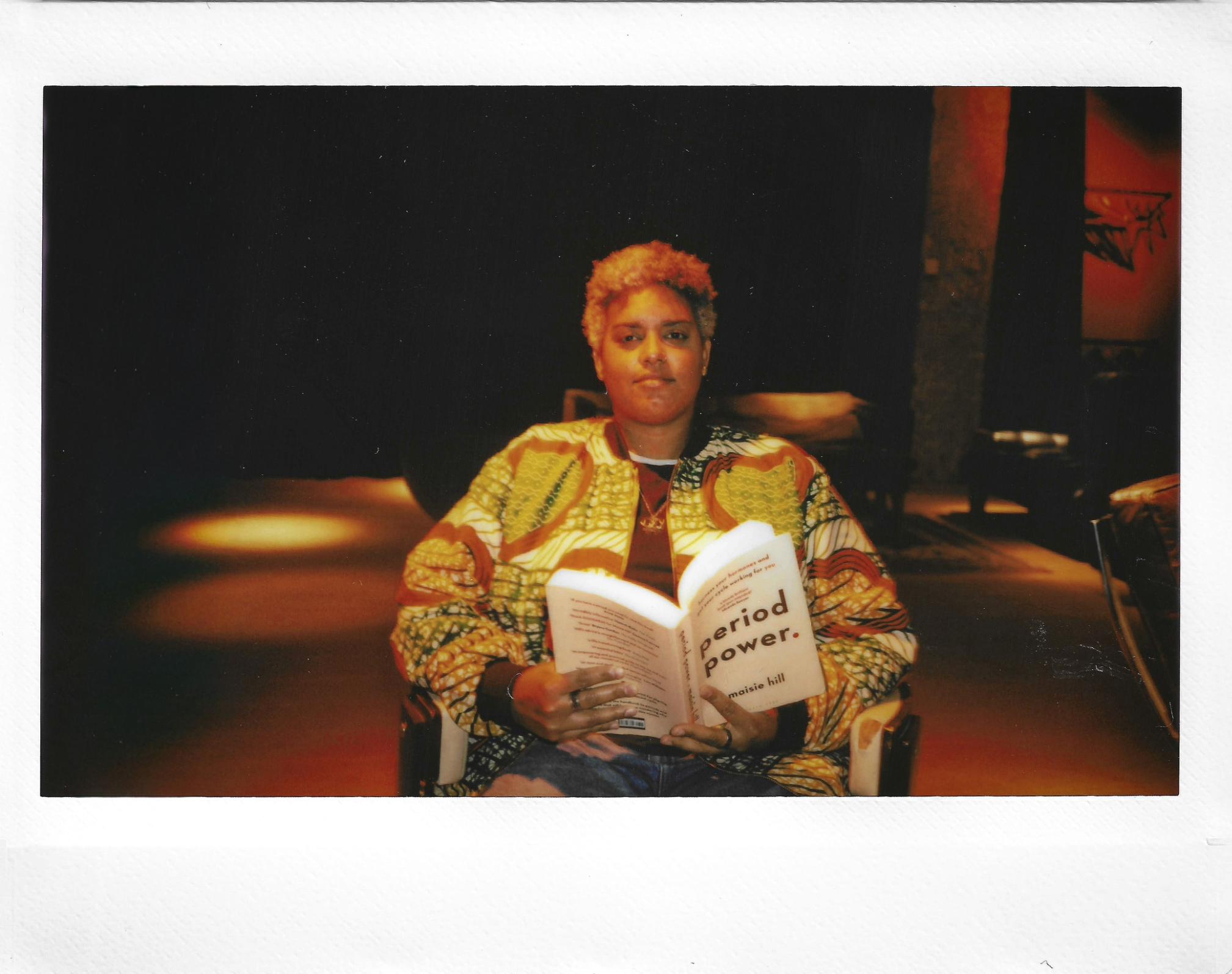
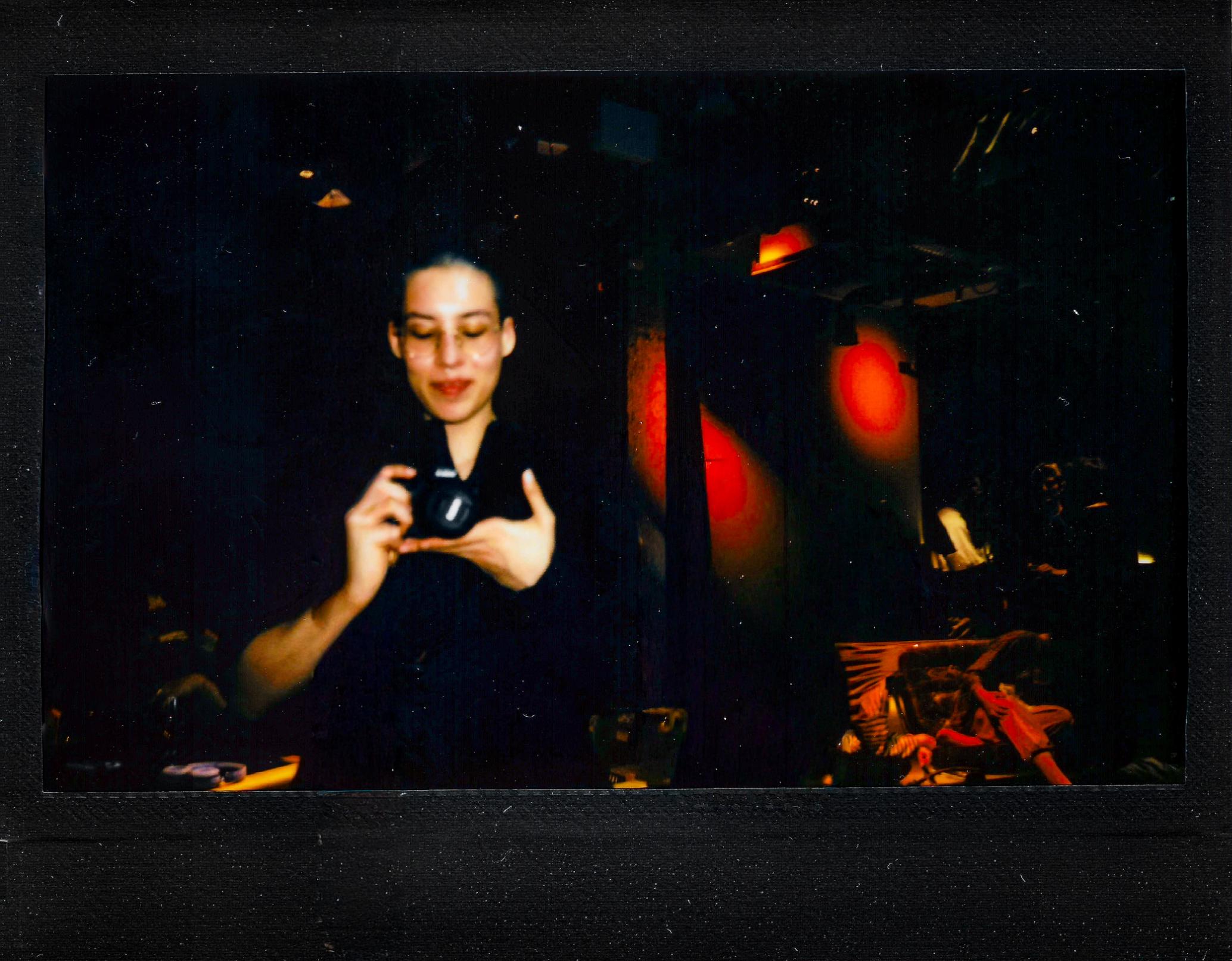
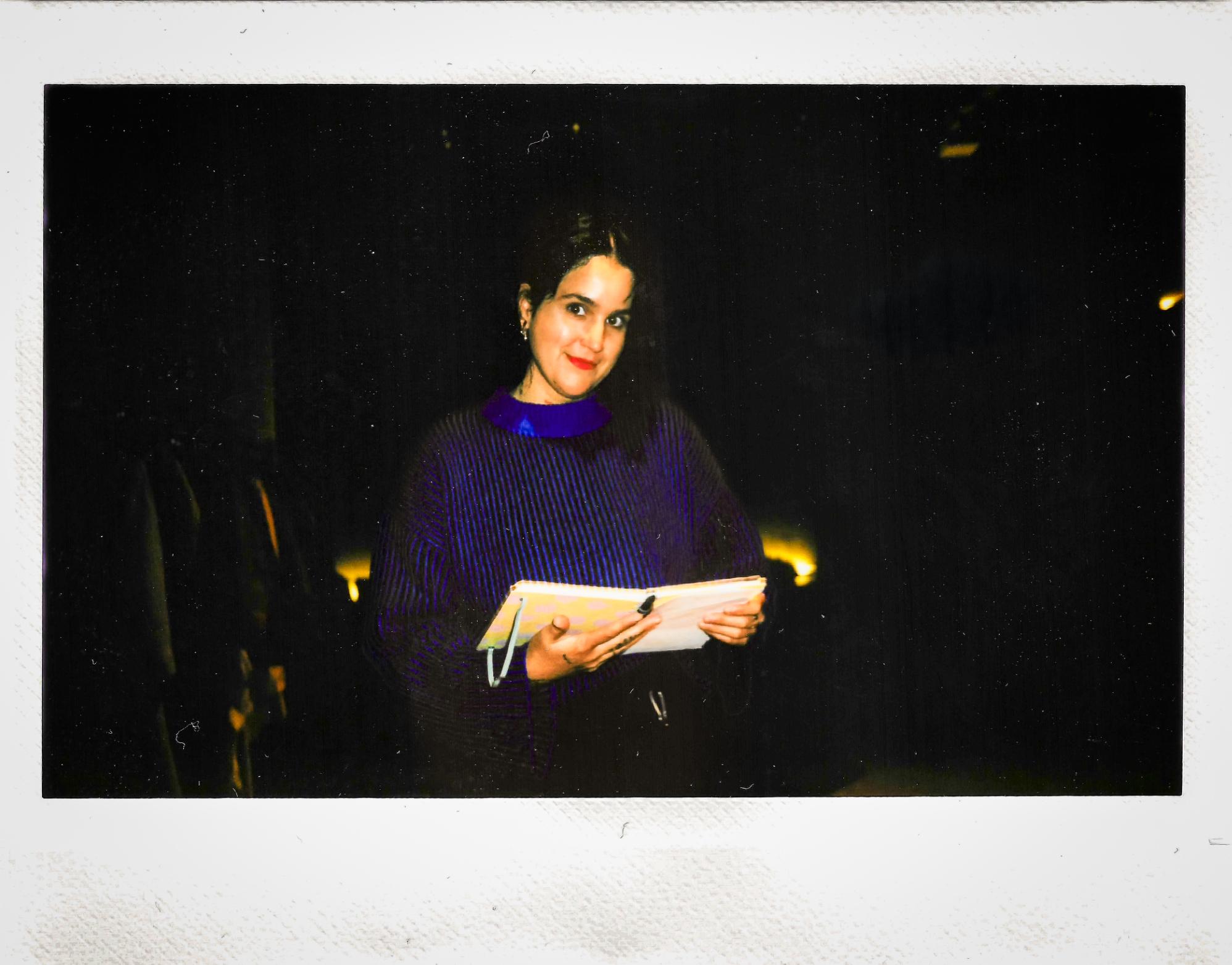
My Lomo’Instant Wide Glass camera felt like the perfect companion for this environment. Instant photography mirrors the event's philosophy: slow, intentional, unfiltered. You take one photograph, wait as it develops, and then hold it in your hands. There’s no editing, no retakes, no algorithm to please. Just the image, exactly as it is. Using instant film shifted my role from observer to participant. The camera became a tool for listening rather than capturing. Each portrait was shaped by conversation: why people chose to be there, how they felt stepping away from the digital world, what silence meant to them. Photographing became an exchange, not a transaction.
As a remote creative, most of my daily interactions happen via a screen. Queer Unplugged was the opposite of that reality. No filters, no webcams, no distractions lurking just outside the frame. I was fully present, and so were the people around me. These images capture those moments: it is about stillness, attention, and the quiet power of being together without mediation. Sometimes, the deepest forms of connection emerge when the screens go dark, and life unfolds quietly and beautifully in real time.
‘I really wanted to de-stress more, be in the now, and connect on a deeper level with myself and others. Getting the creative flow back in my life.’ Daisy
‘Both concepts really spoke to me. Phone addiction is real, and my brain rarely gets a rest from it, so this feels like a reset. Apart from that, most queer events are mostly focused on party and nightlife, so it is really refreshing to see a different kind of gathering, especially in combination with the no phone!’ Julie
‘I came here just because I'm curious about attending a queer daytime event
:D.’ Lia.
‘I really enjoyed the silence. I feel like my mind and soul need that more often. At the same time, it felt much easier with others doing the same around. It was fun capturing that atmosphere with my camera.’ Mirjam.
‘I
joined because I wanted to connect with other people in a safe environment. I was also in the mood for relaxing and enjoying without social media and mobile.’ Oscar.
‘I came here because I'm super introverted and need to connect with people more and forget about my phone!’. Tatiana
Thank you Luca for your great images and fascinating article. We look forward to seeing how your photography develops.
Welcome to the International Members Gallery which showcases a selection of images submitted by our international members around the world each quarter.
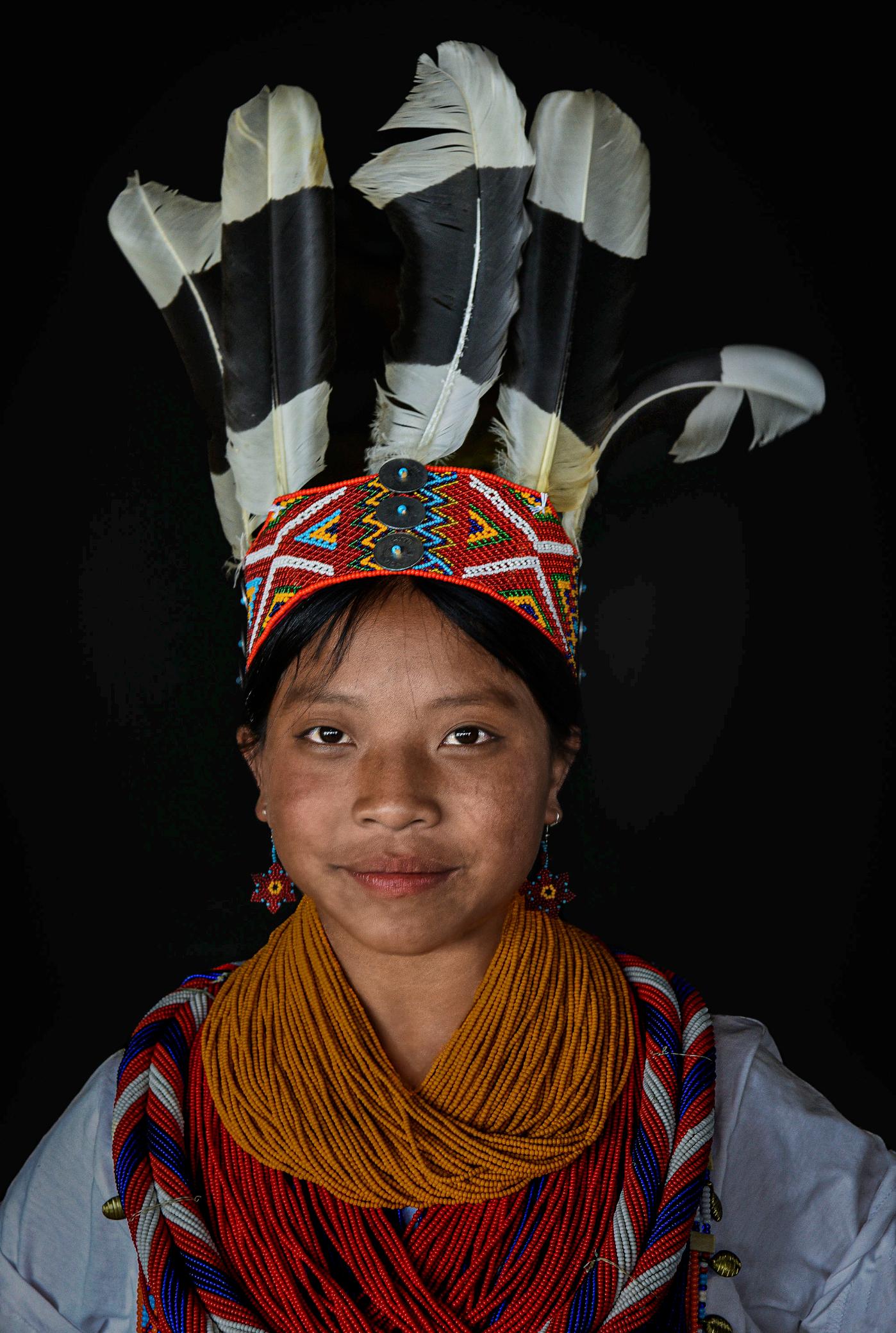
This portrait features a young indigenous woman adorned in traditional tribal attire. She wears a vibrant, handbeaded headdress adorned with large black and white feathers, as well as multiple layers of colourful beaded necklaces in red, yellow, blue, and white. Her calm expression and the rich cultural detailing of her attire highlight her ethnic identity and heritage against a dark background, creating a powerful and dignified image.
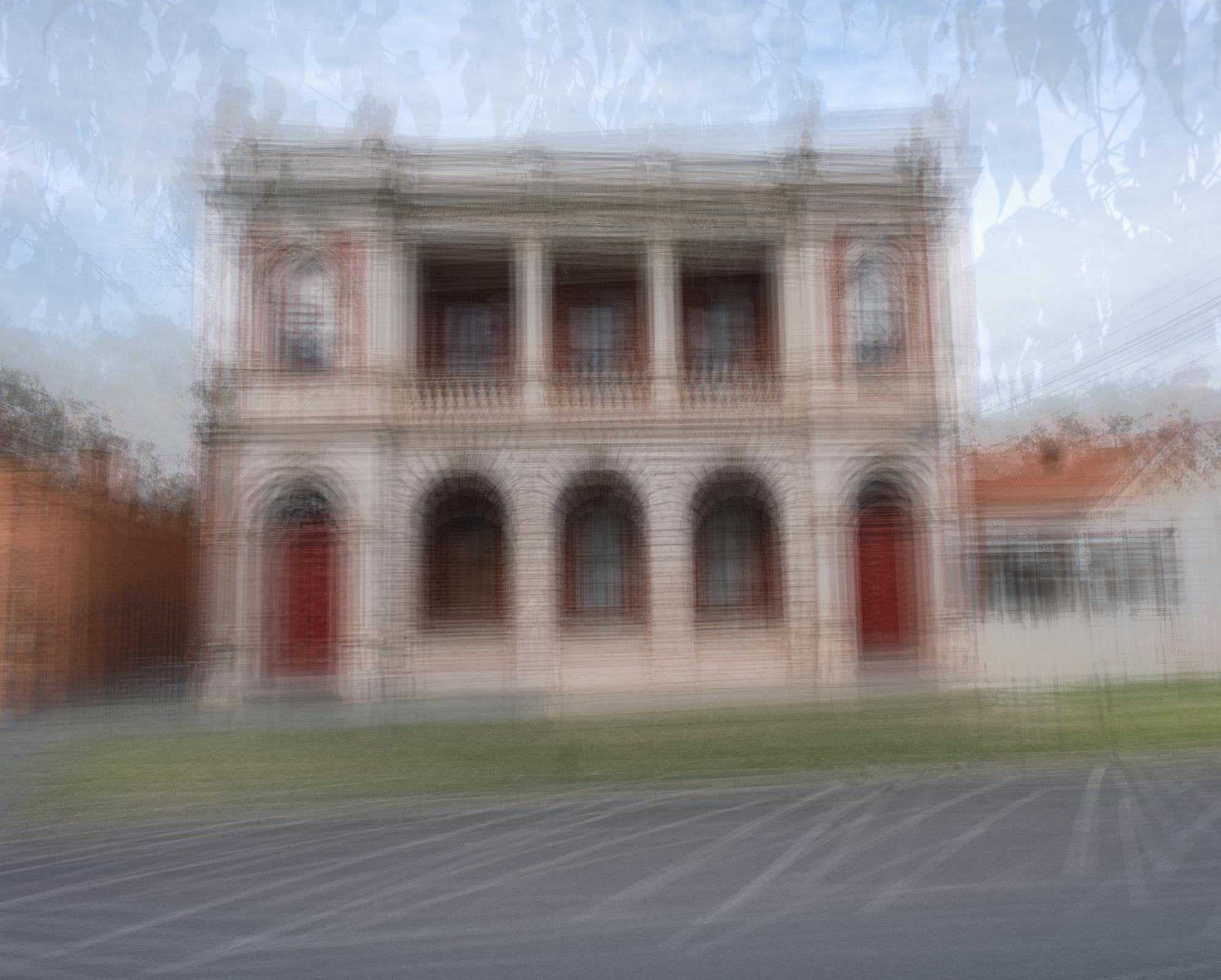
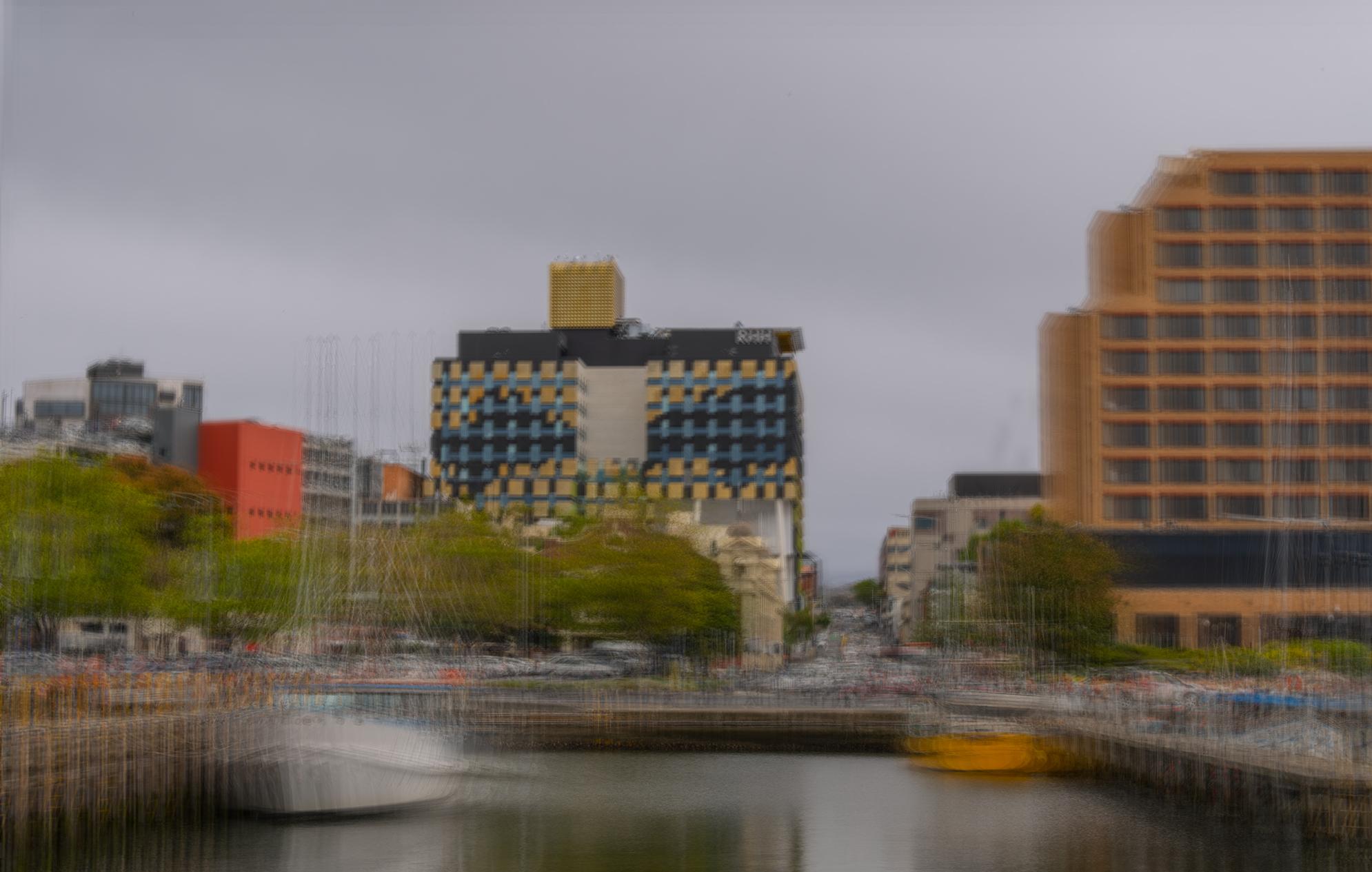
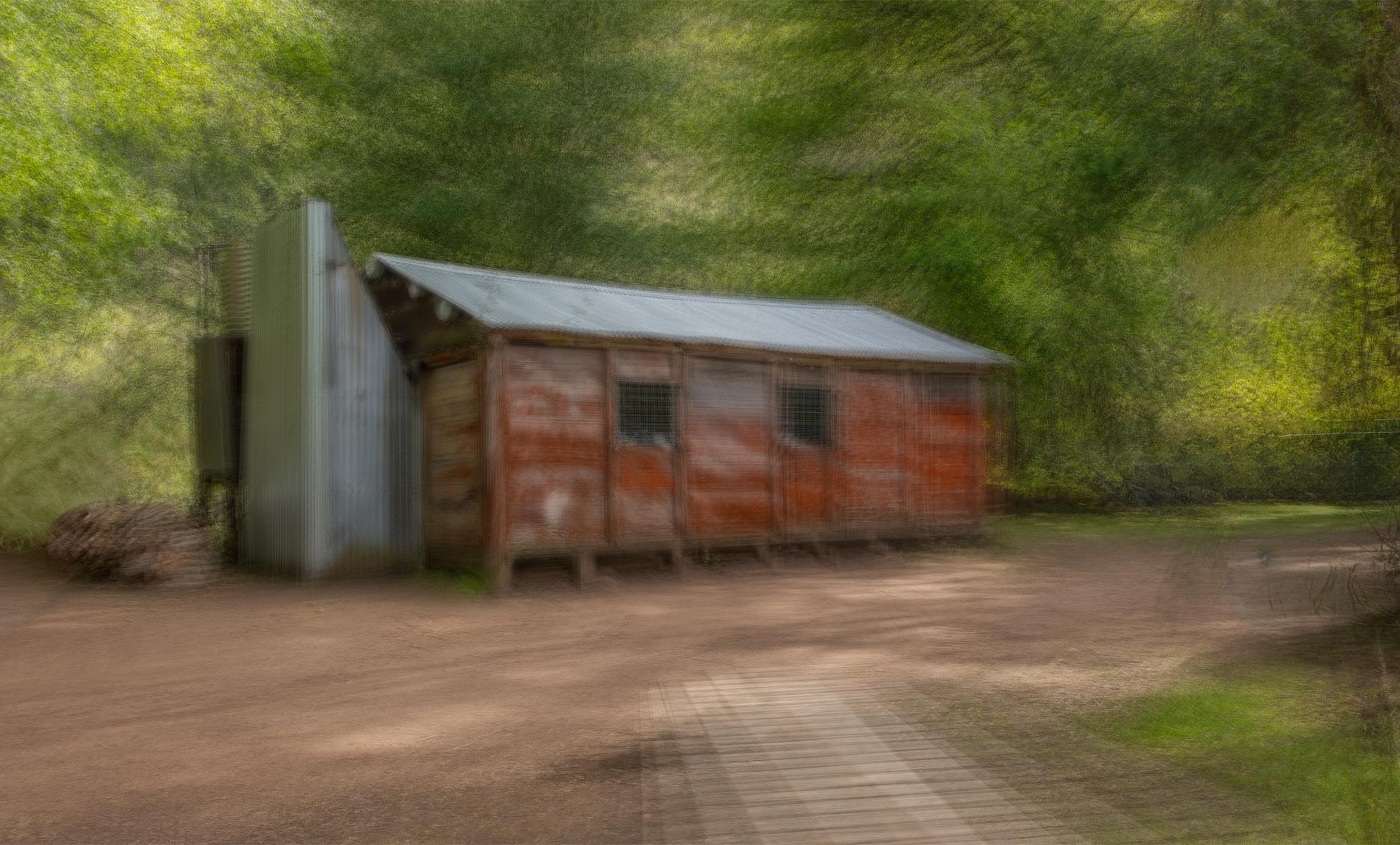
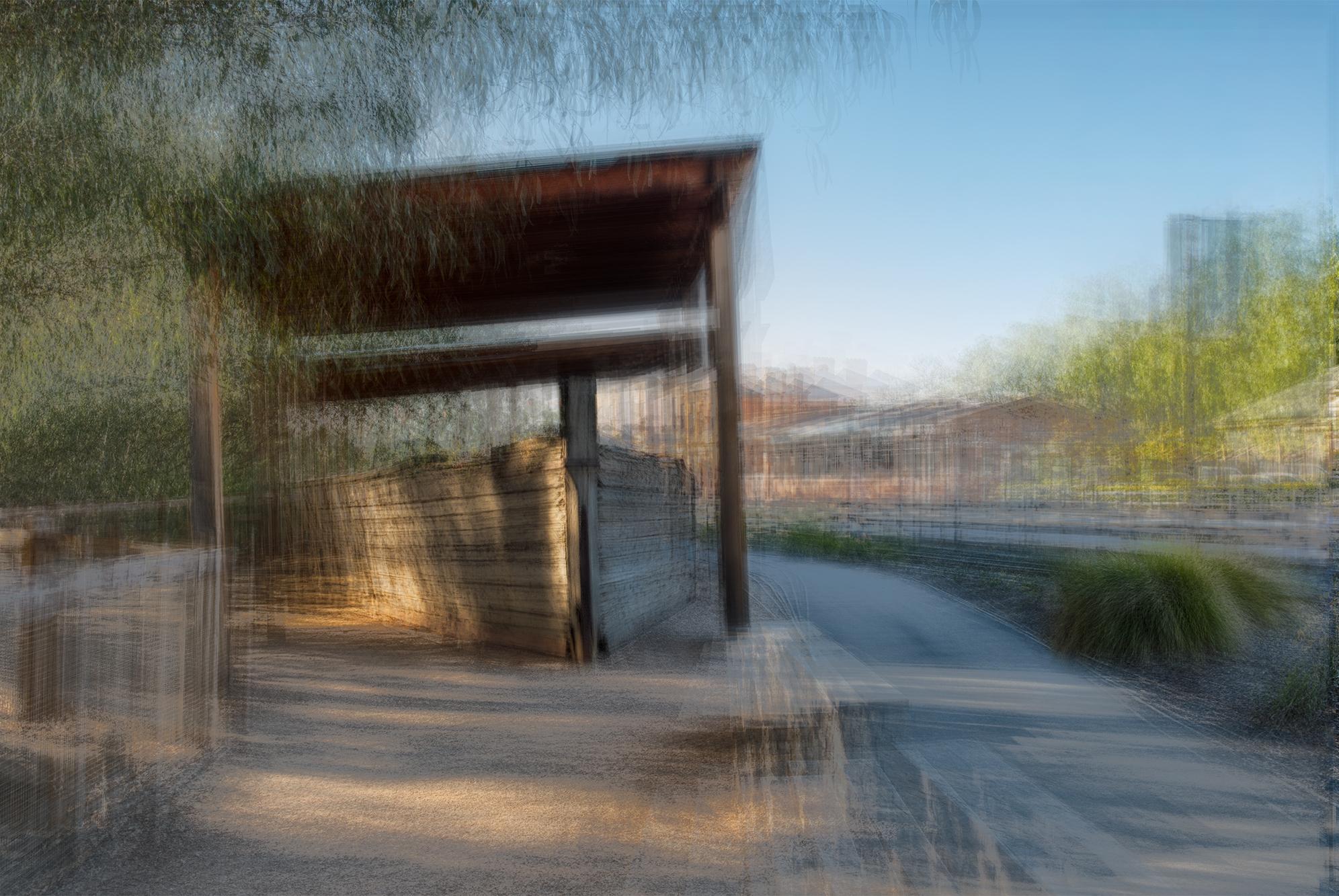
This project examines Australian rural, civic, and waterfront environments as systems shaped by use over time. Using a multiple-exposure approach, the images accumulate small movements and shifts rather than isolating moments or individual subjects. The work moves from rural structures through civic order to the working waterfront, using restrained colour and controlled motion to suggest activity, persistence, and function without spectacle or narrative emphasis.
Bio: Feng Yan is a Chinese-born photographer from Shanghai, based in the Netherlands and working between Europe and Asia. His work has received international recognition through photography salons and has been published in fashion and art magazines.
Story / Description
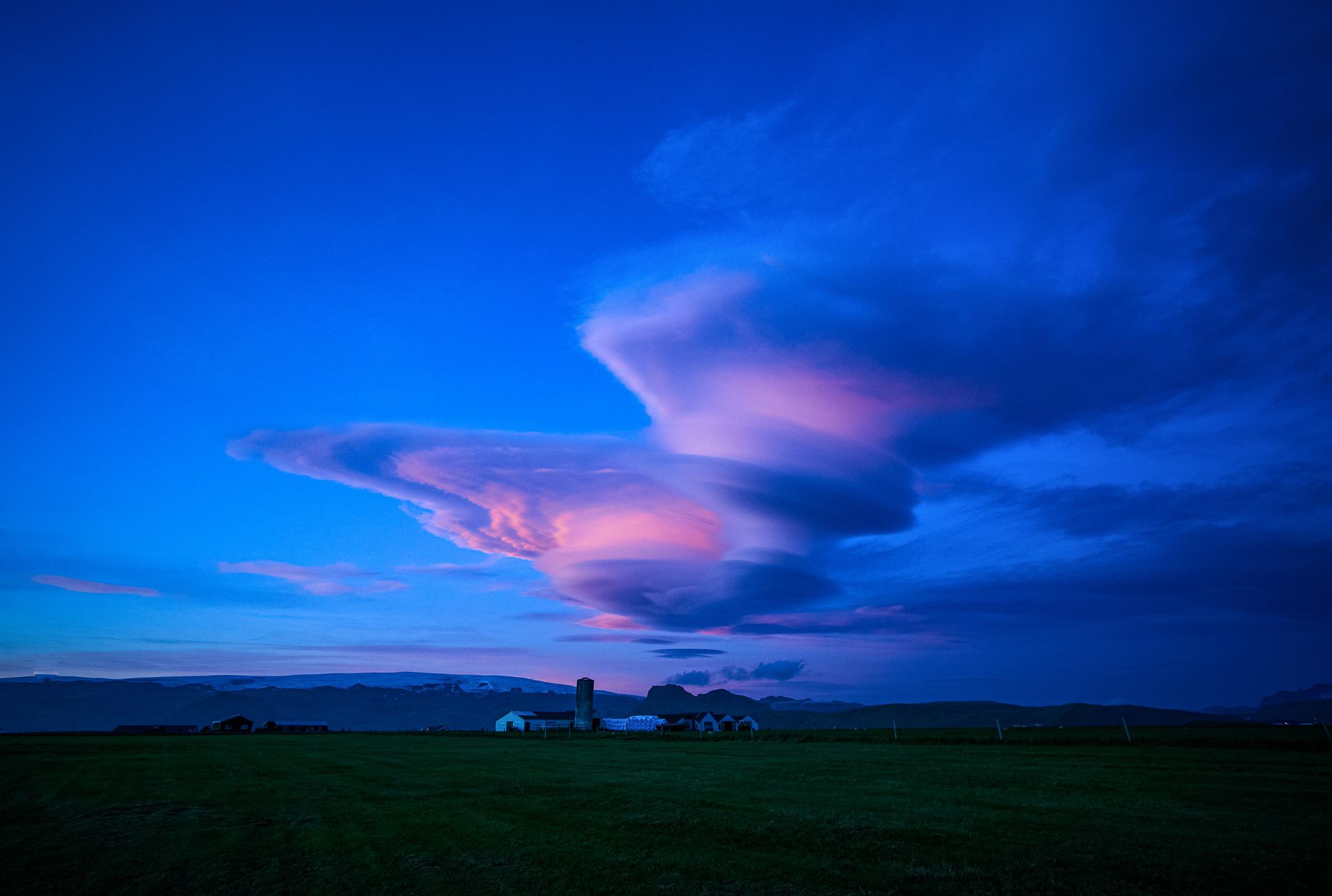
This image was made in Iceland during the final minute before sunset, when blue hour and golden hour briefly overlap. The sky was in motion, clouds folding into layered forms, while the land below remained quiet and grounded. I waited without adjusting position, allowing the light to resolve itself. In that fleeting moment, colour became structure, and atmosphere became form, an image shaped by patience rather than pursuit
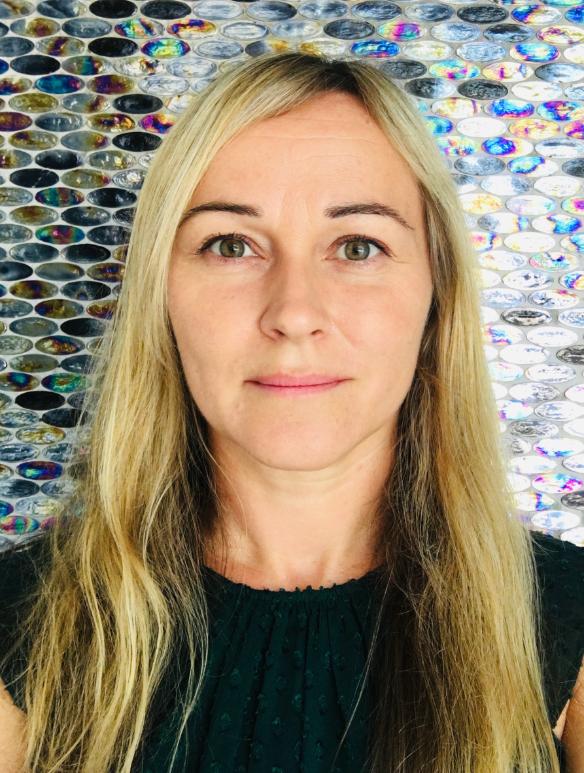
Claudine is a business consultant by profession, who lives in Basel, Switzerland. Claudine tells us about her background, her photographic focus and her interest in underwater imagery including a recent visit to The Maldives to photograph the mantas. She also shares some images from an exhibition of White Sands National Monument in New Mexico, USA and the UK.
Jacky: Tell me a little bit about yourself, your background, where you grew up, and where you live now.
Claudine: I was born and raised in London, England and lived there throughout my childhood and adult life. I have a German mum and a British dad. My dad remarried when I was eleven years old and so the other part of my family is Swedish. We are all a bit of a mix: celebrations as a child were German on Christmas Eve, English on Christmas Day and Swedish on Boxing Day and this is how it continued! A lot of my childhood included many family visits to Germany and journeys across Europe.
From 2013 onwards, I moved with my husband to Australia for two years, then Singapore for four years, and now Basel for the past six years. This was never in the plan (if I ever had one!). However, the experience we have had as a family is amazing: the mix of cultures and perspectives you acquire from travelling and living in different parts of the world is inspiring and invaluable. Our two sons have also grown up in this multi-cultural and diverse environment with different languages, backgrounds and experiences the norm. All our moving about, means that this enriching experience only seems to continue! With all this said, I firmly remain a Londoner and return there regularly, also to Bridport, Dorset, a vibrant and creative market town where I lived for a few years.
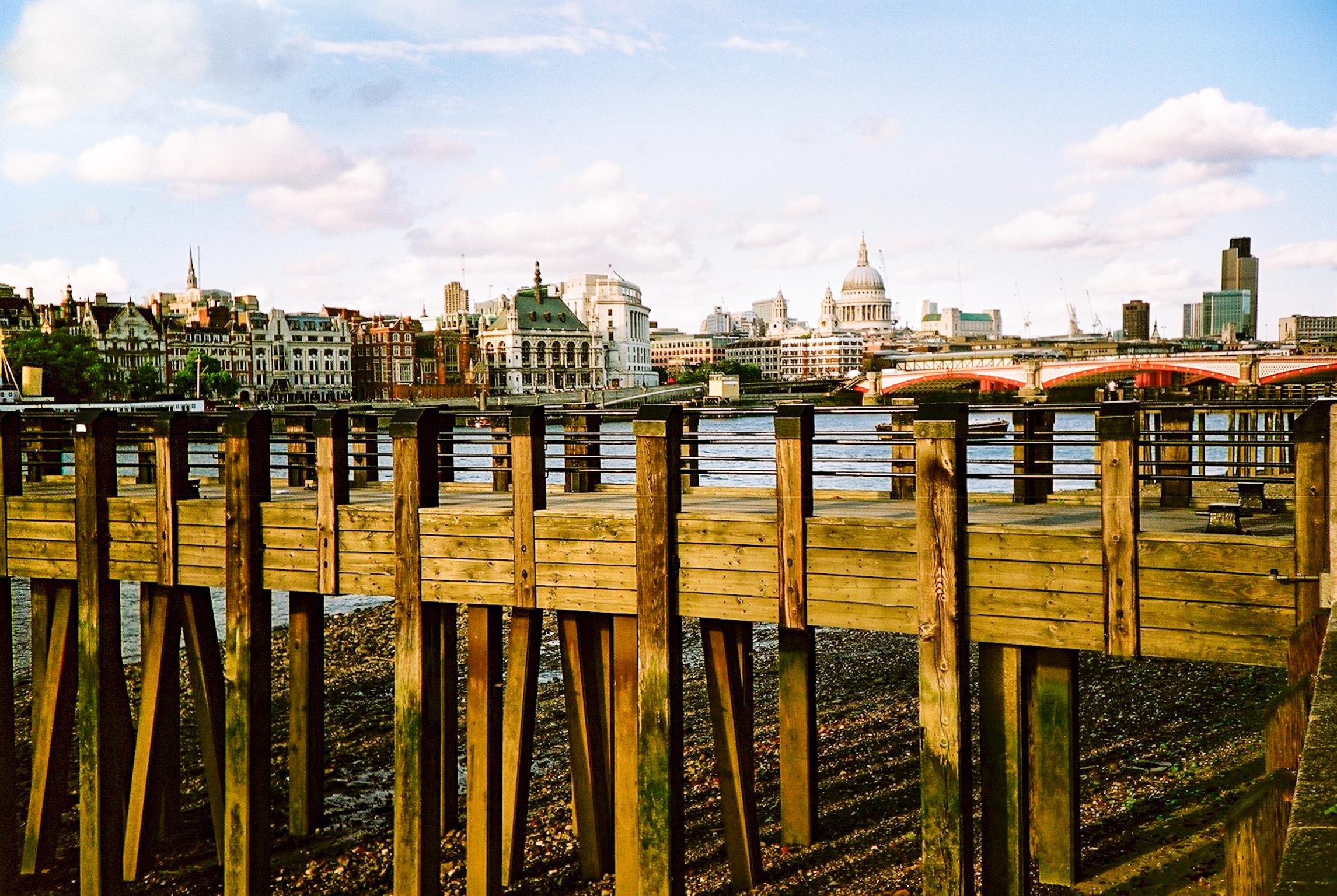
View to the City of London from the South Bank (taken before all the skyscrapers appeared) Nikon FM3a
Jacky: What is your professional background?
Claudine: After studying French, German and Information Systems in Bristol, England, my career over the past 30 years has been in communications, organisational change and managing programmes of work across Europe and internationally, My first job was with a print and reprographic business in Old Street in London which started a lifetime interest in design, photography and the printed image. I have worked independently since, advising businesses from design and production agencies, to corporate clients. Alongside, I photograph for exhibition, undertake some family portraiture, and edit and copywrite. I also mentor and coach and undertake some public speaking.
Jacky: What interested or prompted you to start photography?
Claudine: I always had a camera for as long as I can remember. I still have a drawer full of old compact Nikons and Agfa cameras from when I was around eight years old and well as a pre-war Leica from my German grandfather. I was always photographing something it seems: the mountains in Austria, the woodlands and fields in England, family and friends, London. Later I began documenting my travels across Europe, the Middle East, the Americas, Asia and Australasia. In 2003, I began diving and photographing more underwater. A lot of my friends in London were also photographers and designers and with my work, it fully immersed me into this world. I continue to photograph digitally and with film (35mm and 120mm), with a focus on travel, landscape, underwater and street photography.
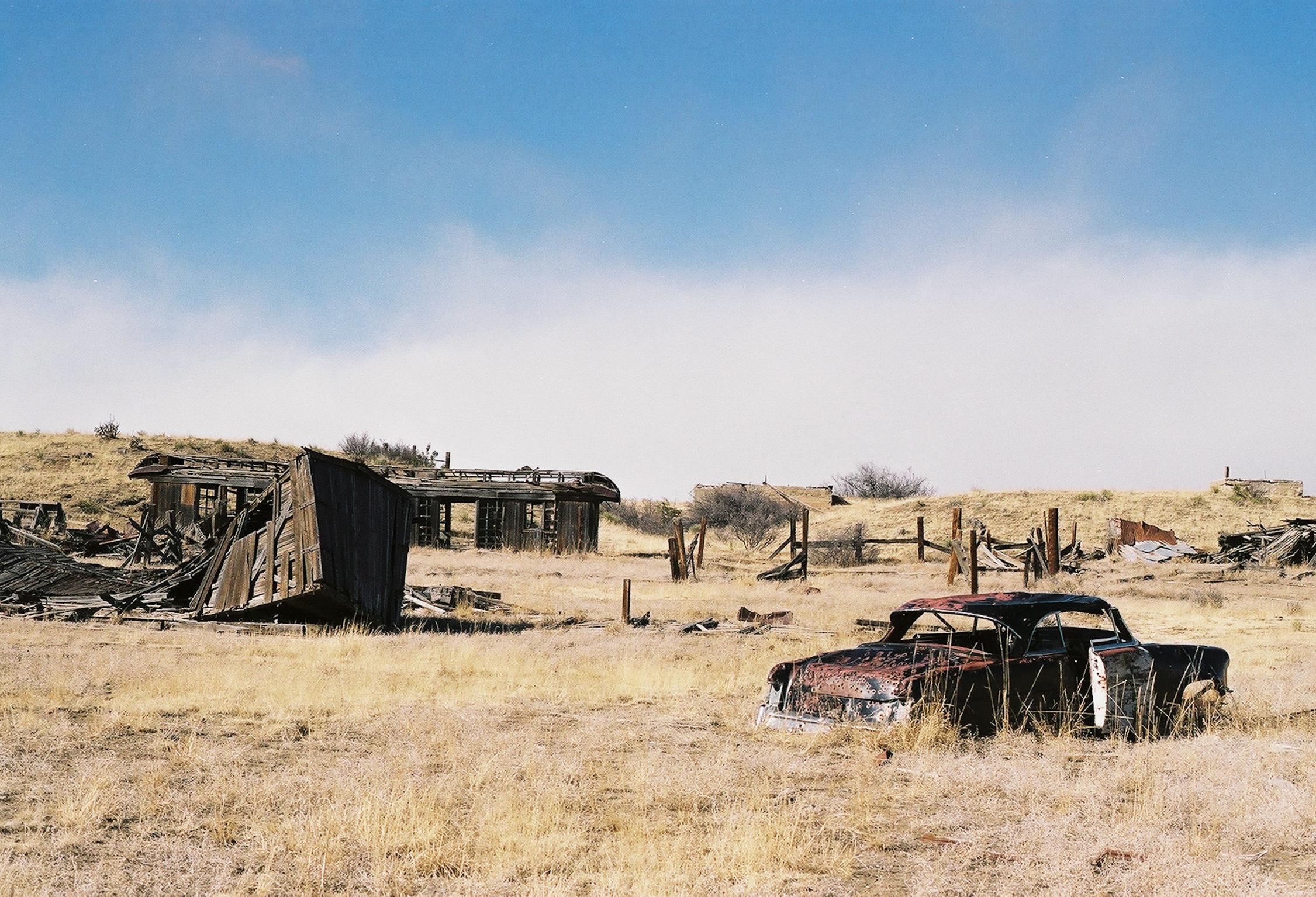
Bullet-ridden Car, Highway 64, New Mexico, USA
Nikon FM3a
Jacky: How would you describe your own photographic style or philosophy?
Claudine: I like the sense of peace I get from both the photographic process and from the subject matter and I like to portray this calm through the resulting images. This applies in particular underwater. Simply put: the calmer you are, the better you breathe, the better you photograph, and the longer you can stay down there! I have dived for over 30 years and became a qualified instructor in 2008. Although I loved teaching, I primarily did it so I could work on a diving liveaboard in the Revillagigedo Islands in Mexico where the Giant Pacfic Mantas live, and a lot of sharks. Over the years, I have dived in different parts of the world including the Galapagos Islands in Ecuador, Raja Ampat in Indonesia, the Philippines, the Middle East and the Caribbean. Being underwater is my peaceful, calm and happy place!
Finally, I use a lot of black and white and love to put together panels of work which are then printed and ready for exhibition. This process and the printed result for me is as rewarding as the shooting the image. I like choosing the substrate to suit the image, from paper to acrylic or metal and achieving high-quality result.
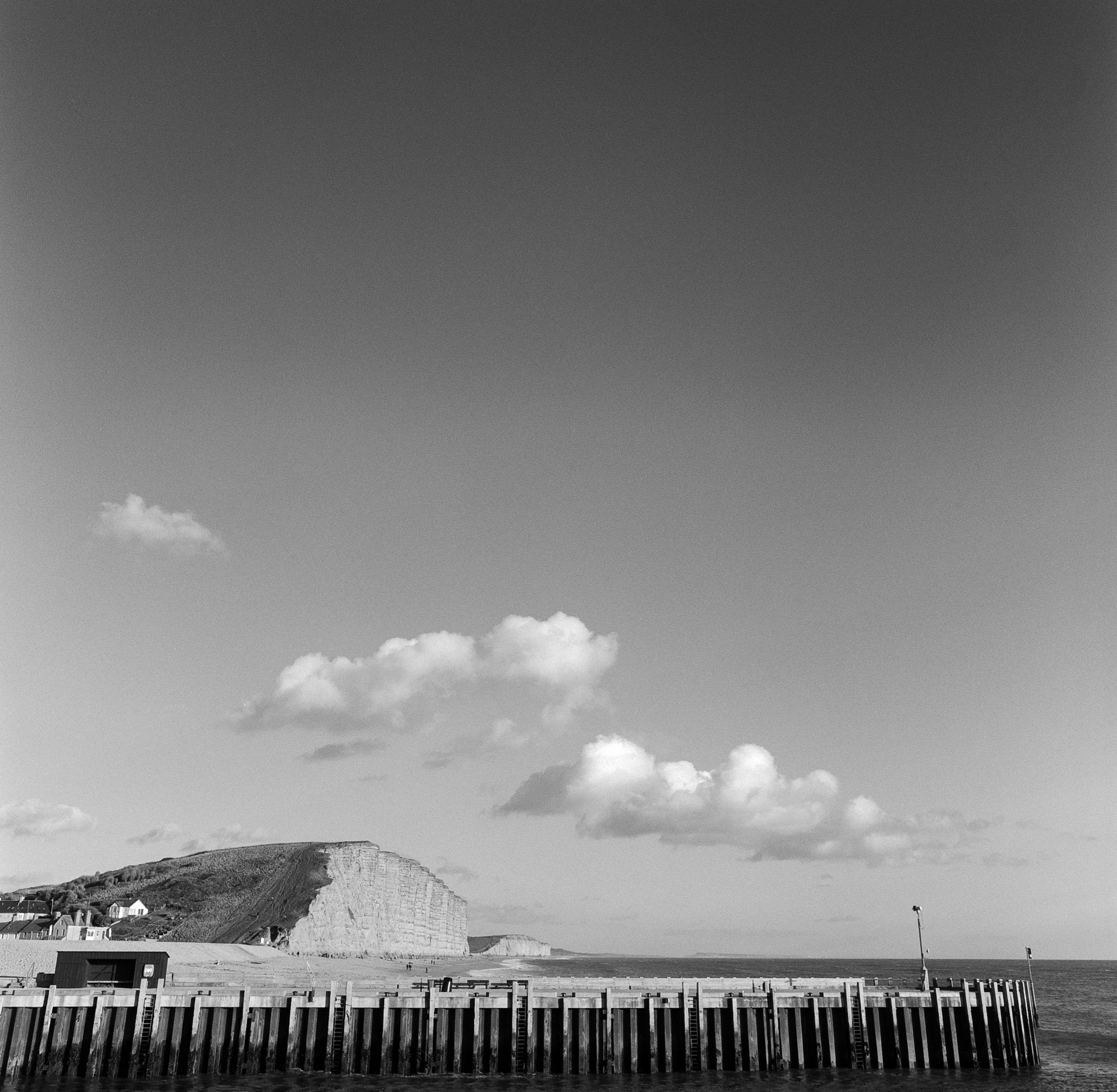
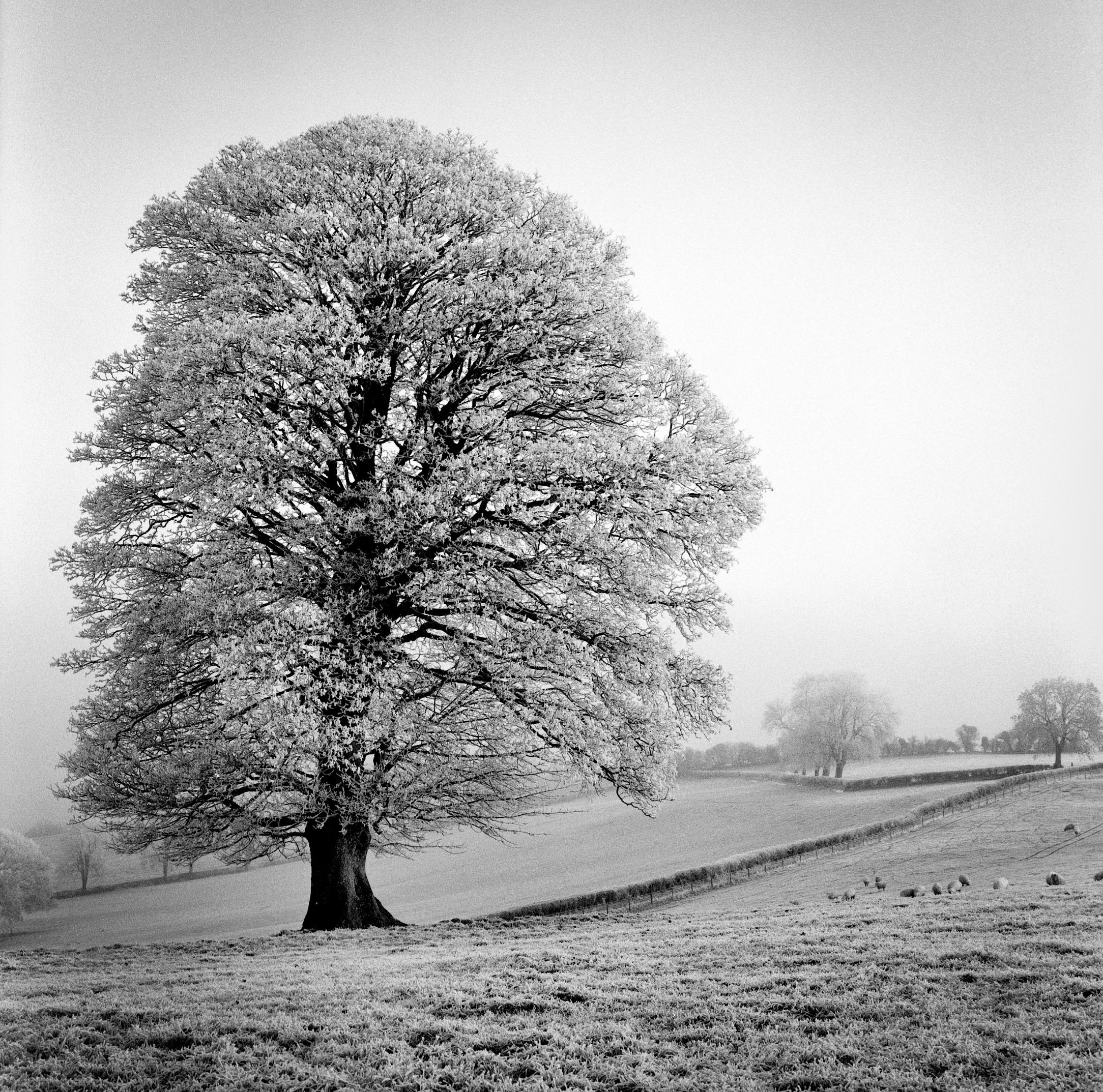
West Bay, Dorset, England
Bronica SQ-AI
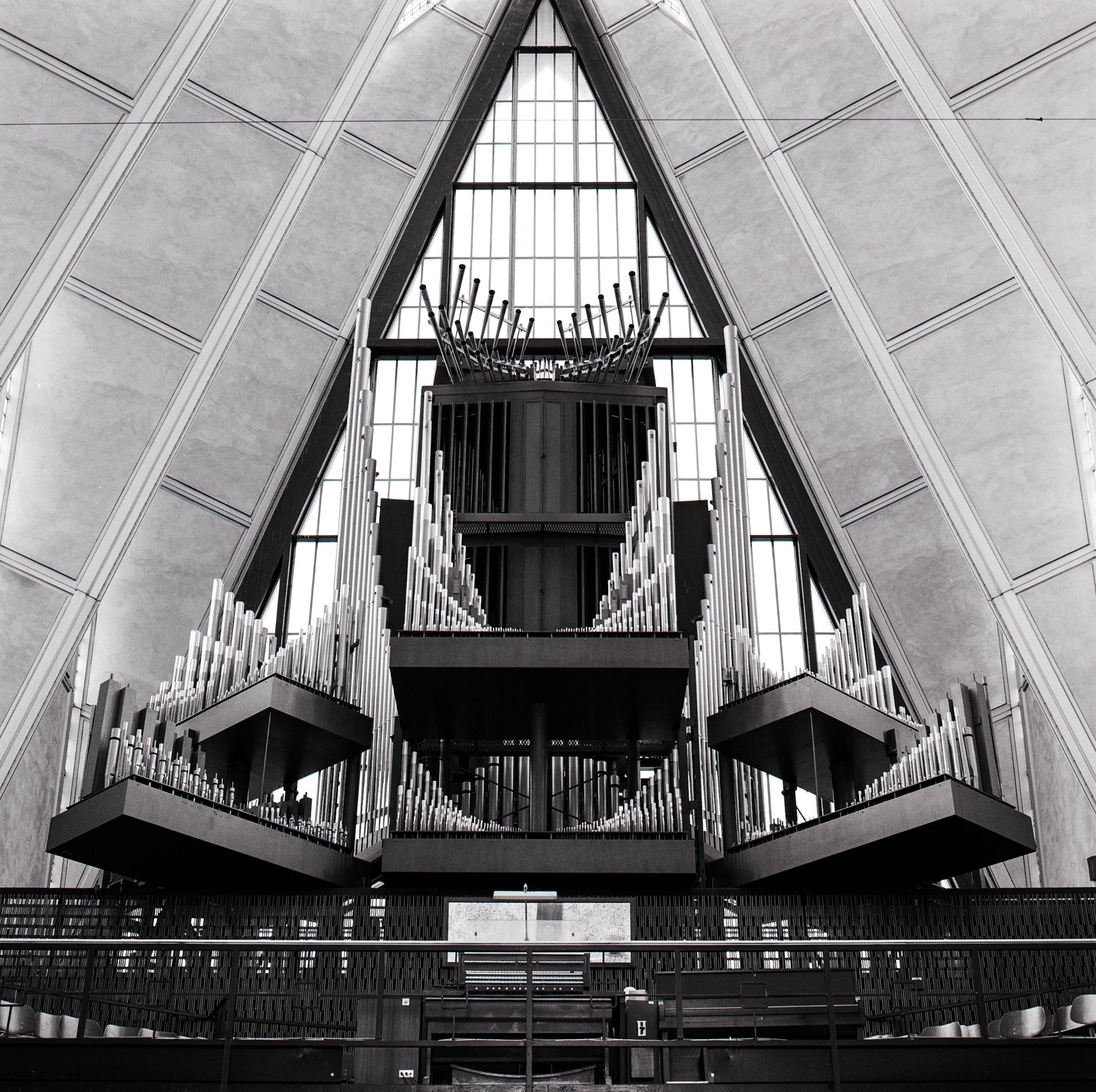
US Air Force Chapel, Colorado Springs, USA
Bronica SQ-AI
Jacky: Please tell us about some images which show your photographic interest?
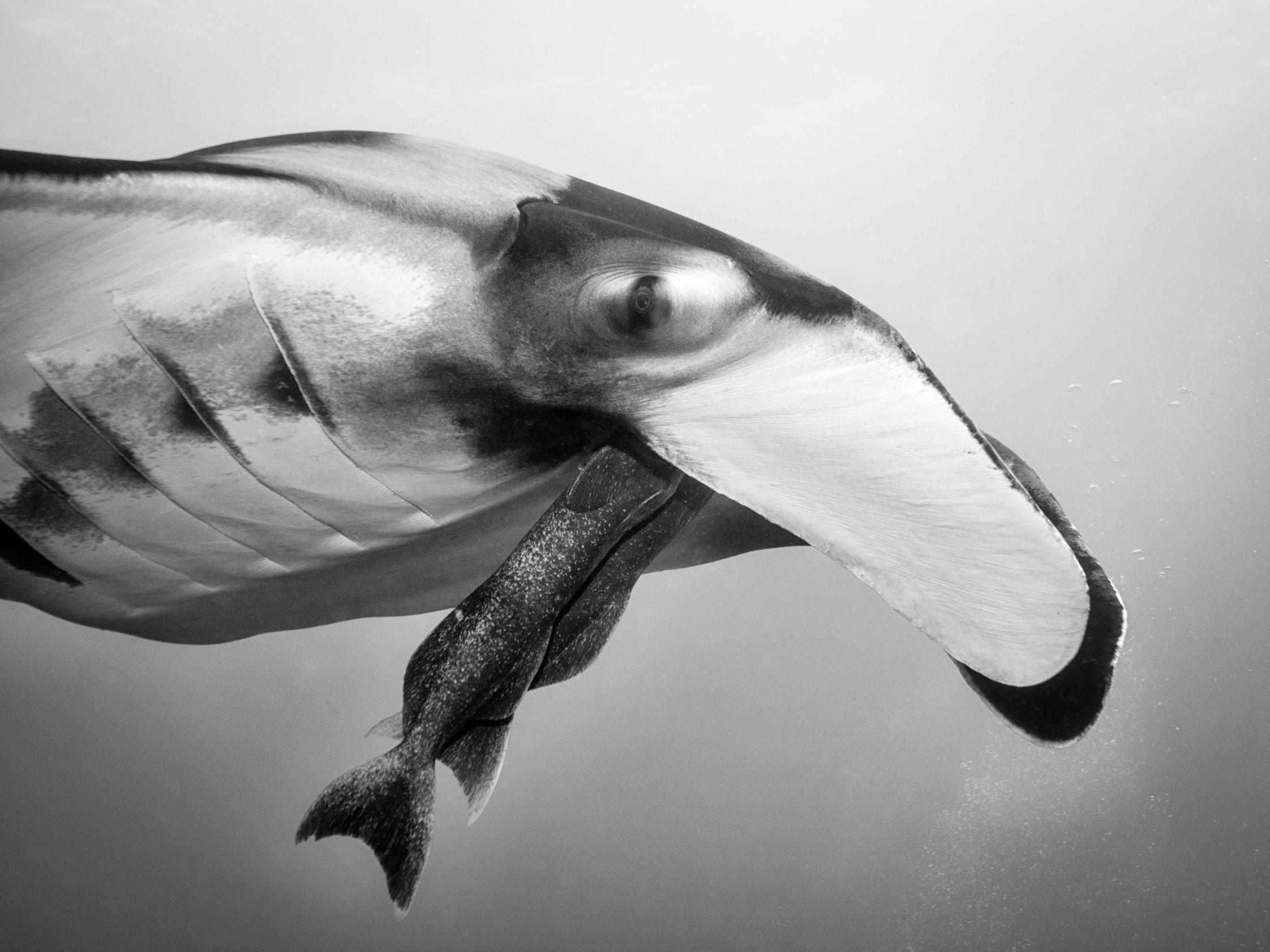
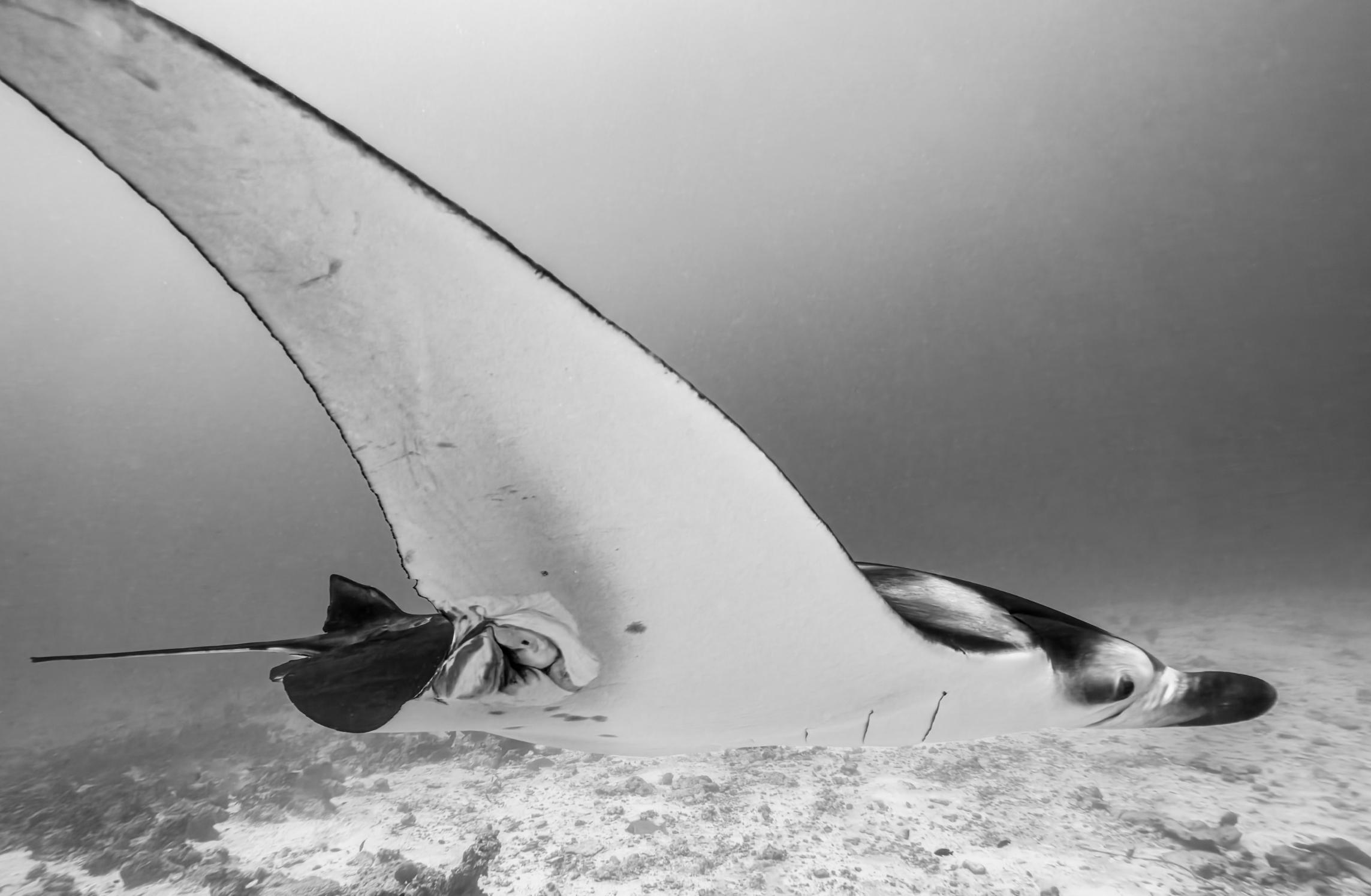
Claudine: I have just come back from a liveboard diving trip to The Maldives. Instead of my usual, hefty underwater set up, I invested in a Insta360 Ace Pro 2, to see what it would be like underwater. There is a beauty and simplicity to focusing on diving without a camera or just with a small one. It has a large 1/1.3-inch CMOS sensor with a Leica lens for 8K video recording at 30fps and 50-MP image resolution and some of the images from it are surprisingly good. Below is a black-and-white shot of a Reef Manta with no lights, which I think shows the quality of something which in fact is more suited to video and is just 7cm x 5 cm. Quite amazing although I do like my larger set up.
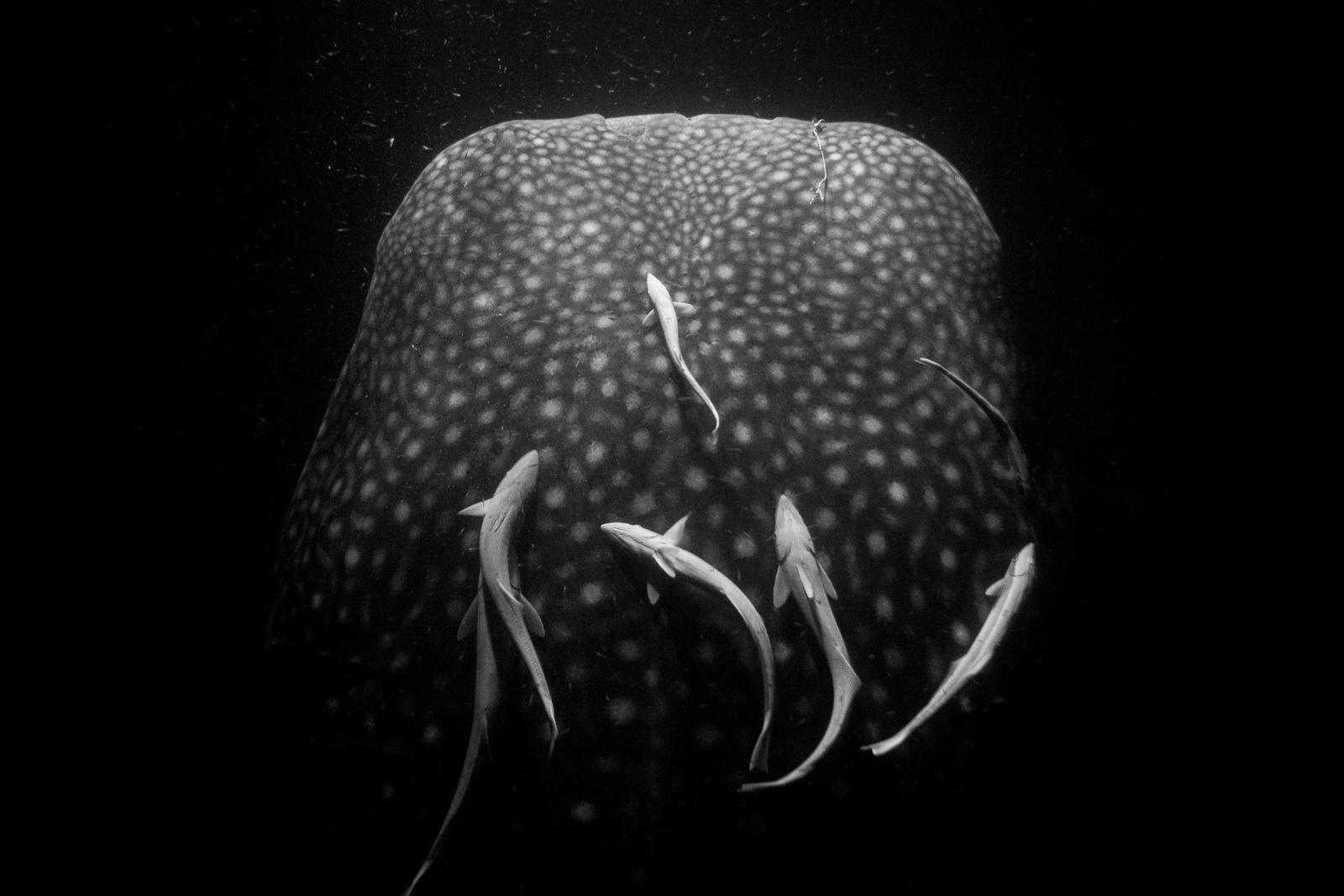
Whaleshark, Maldives, Indian Ocean Nikon D800 with housing
Reef Manta, Maldives, Indian Ocean Insta360 Ace Pro 2
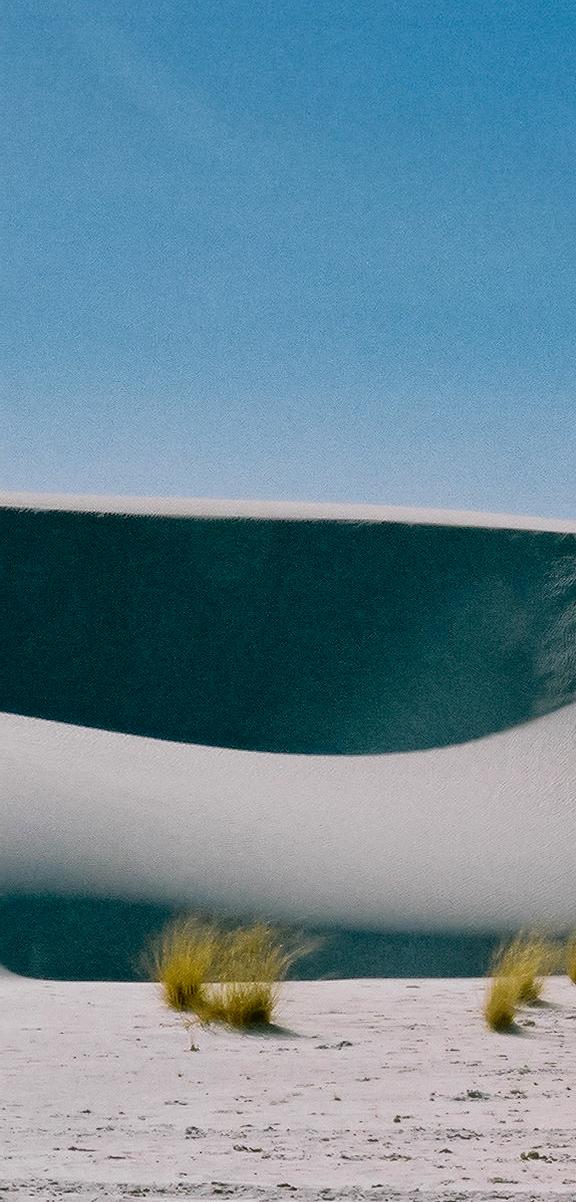
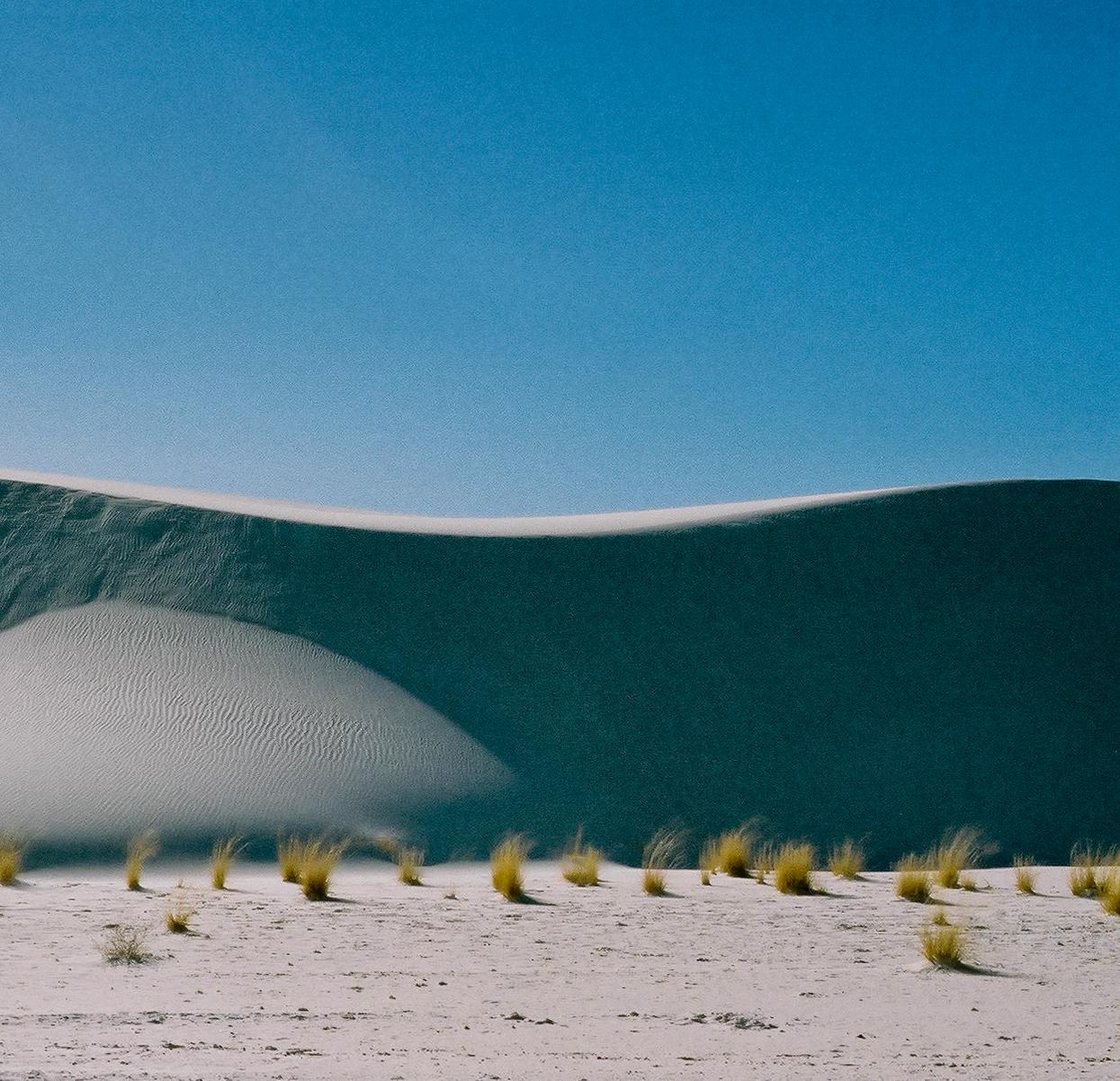
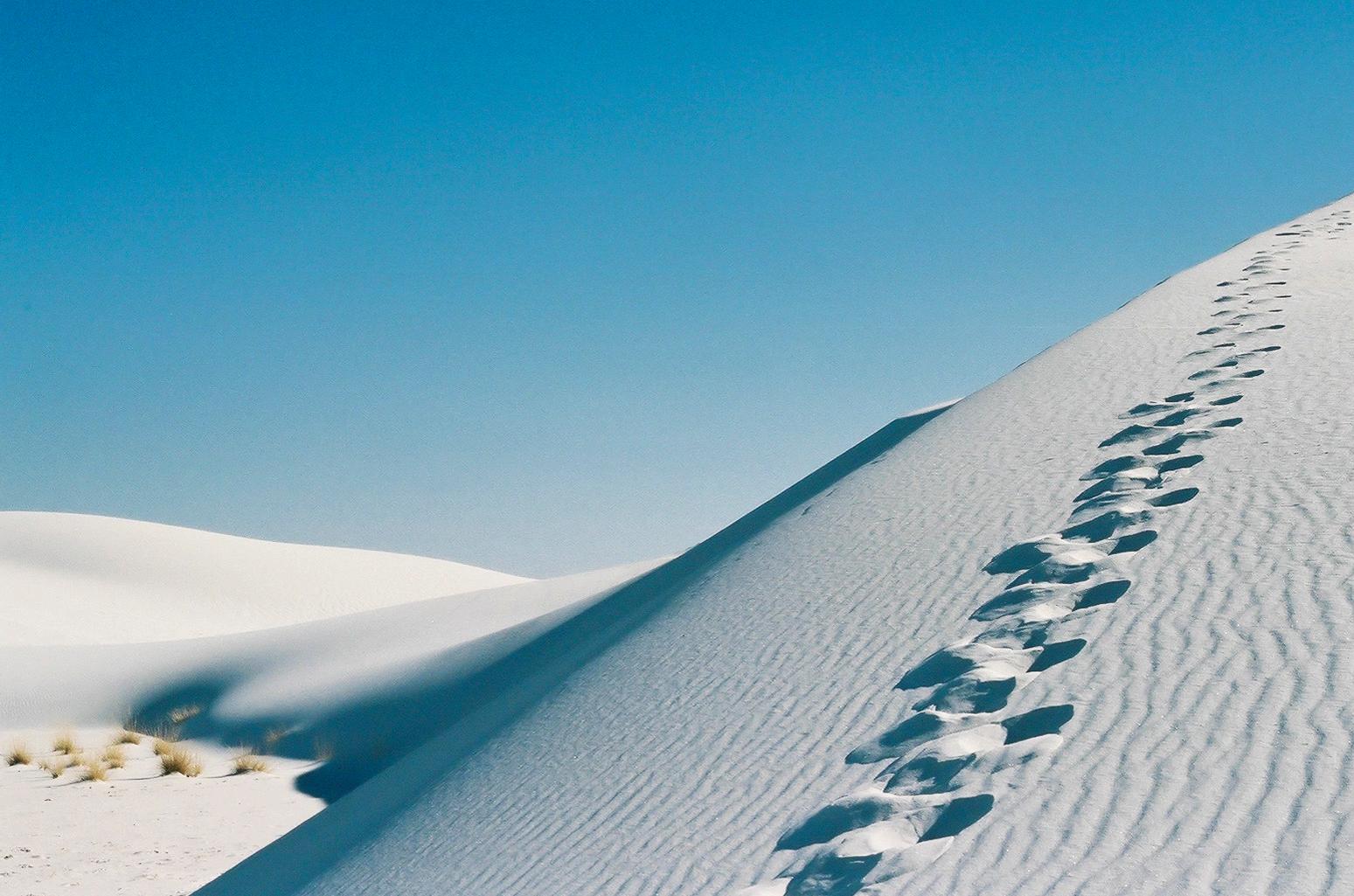
This set of images was taken with a Nikon FM3a in White Sands National Monument in New Mexico, USA for exhibition. It is the world’s largest gypsum field at over 700 sq km. It is an exposed, barren and ever-changing landscape of snow-white sands, undulating with dark shadows created by the intense light.
White Sands National Monument, New Mexico, USA
White Sands National Monument, New Mexico, USA
White Sands National Monument, New Mexico, USA
Jacky: What led you to join the Royal Photographic Society?
Claudine: In 2010, I embarked on a two year Distinctions Course in Professional and Applied Photography. This was taught by Ron Frampton (FRPS), an RPS assessor and Fenton Medal holder, at Dillington House in Somerset near to where I was living at the time. I was awarded my Licentiateship Distinction in 2012. Ron had an incredible breath of technical knowledge and experience and was an amazing tutor and mentor. Occasionally he would bring his work in to show us and every time we were blown away by the images that he presented.
Whitstone Hill, Somerset Levels Bronica SQ-AI
Aside from the theory, we really learned by osmosis! We spent our time out on location (whether for people, architecture, still life or landscape photography), learning the art of monochrome photography, with a specialism in fine silver gelatin printing in the darkroom, or developing and writing photographic stories for publication.
This time taught me how to approach a Distinction, from writing a Statement of Intent, selecting and panelling images, and to being my own critic. We were a group of around twenty students with different photographic experience and submissions for all three levels of Distinctions. Much of the training over the two years was to present your work to the group, receive and discuss feedback, then refine your work and refine again!
Jacky: What is your role at the RPS and how did this happen?
Claudine: I was very pleased to be appointed the International Representative role in Febuary 2025. I applied partly because of my professional background but primarily because I love being in touch with members from all over the world and hearing about their photographic endeavours and stories. The themes and interests are so varied and to curate the submissions into articles ready for reading is incredibly rewarding. I would like these stories to be shared and celebrated by our international members.
Jacky: What are your plans photography-wise over the next few years?
Claudine: I have a few photographic projects in progress currently, one of which is underwater. The other is documentary based here in Basel. Both projects will be prepared for exhibition, and one may end up as a submission for an ARPS Distinction. I am increasingly spending more of my time on photography including my work for the RPS and may well at some point soon switch over completely. It has been in the plan for a long while, but we’ll see!
Thank you very much for your time, Claudine to share your background, your photographic journey and your lovely images.
RPS offers three levels of Distinctions.
Licentiate (LRPS)
To become a Licentiate of The Society, applicants must show variety in approach and techniques but not necessarily in subject matter. Demanding but achievable for most dedicated photographers.
See the RPS website for for details
Associate (ARPS)
Requires a body of work/project of a high standard and a written Statement of Intent. Strong technical ability using techniques and photographic practices appropriate to the subject.
See the RPS website for for details
Fellowship (FRPS)
Our highest level of Distinction. Requires a distinctive and cohesive body of work/project accompanied by a written Statement of Intent.
See the RPS website for for details
Distinctions Successes
The following International Members have been award a Distinction since the last quarterly publication of the International Members eMagazine. Congratulations on your success!
We aim to bring you details of the journey our members took to achieve their Distinction - their inspiration, aims and the path they followed from idea to submission.
No new successes reported to the team.
If you have recently obtained a distinction, please let us know by emailing international@rps.org
AN INTERVIEW WITH MINKE GROENEWOUD-VAN VELDEN ARPS
Minke Groenewoud-van Velden is a member of the RPS
Benelux Chapter who lives in the region of West-Friesland in The Netherlands. In May 2025, she was awarded her Associateship with a successful submission of her panel ‘Transience’. Minke shares with us her inspiration, aim and theme for her panel of work, the process and path she followed from idea to submission and her recommendations if you are embarking on your own Distinctions journey.
Claudine: What gave you the inspiration for your Distinctions panel?
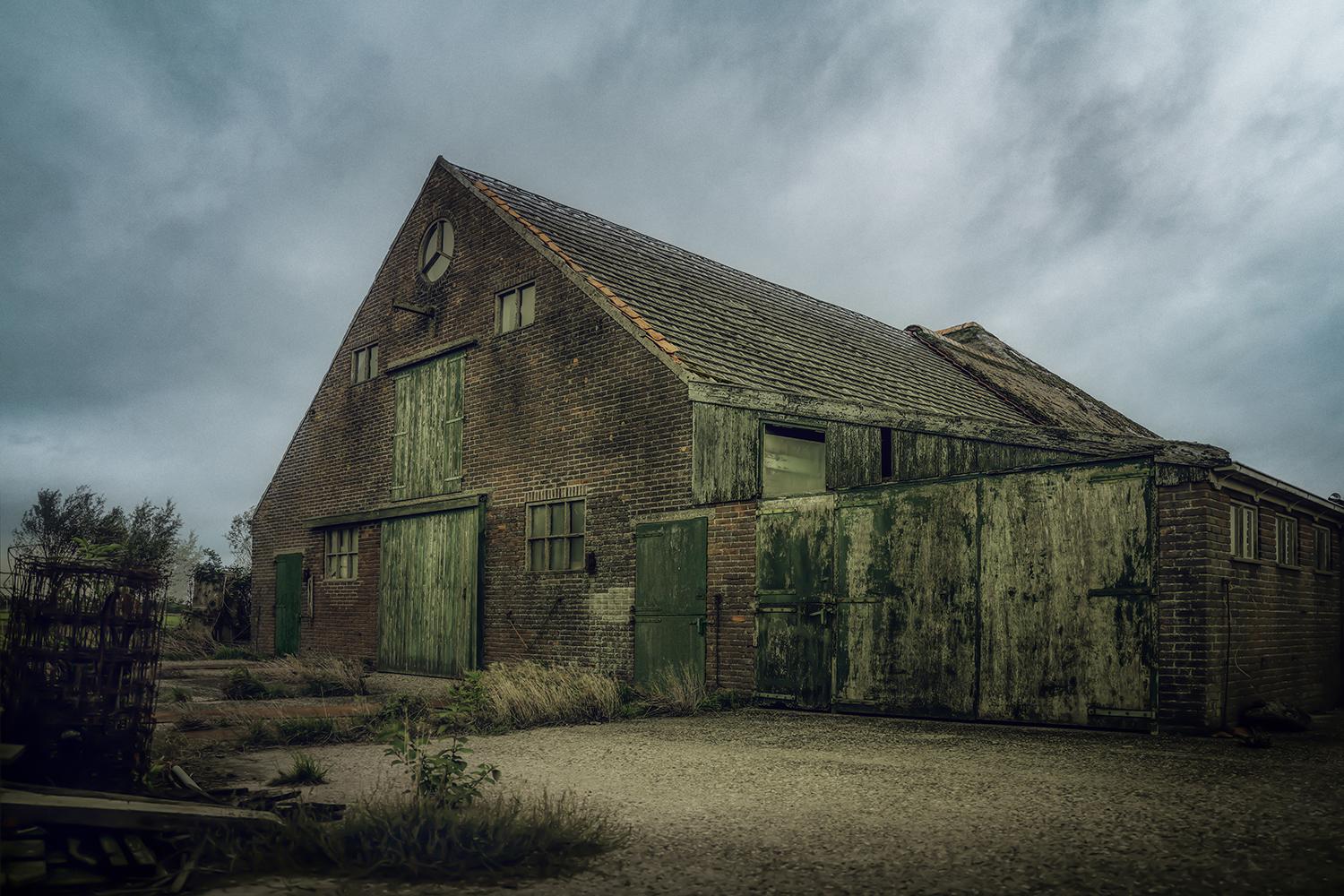
The inspiration for my ARPS panel Transience came from an abandoned farm in WestFriesland, the region in the Netherlands where I live. The farm is just a five-minute bike ride from my home. This place became a metaphor for impermanence, not only of buildings but also of time, culture and human presence. The farm offered me the opportunity to explore transience in a restrained and contemplative way, which closely aligns with my way of working as a photographer.
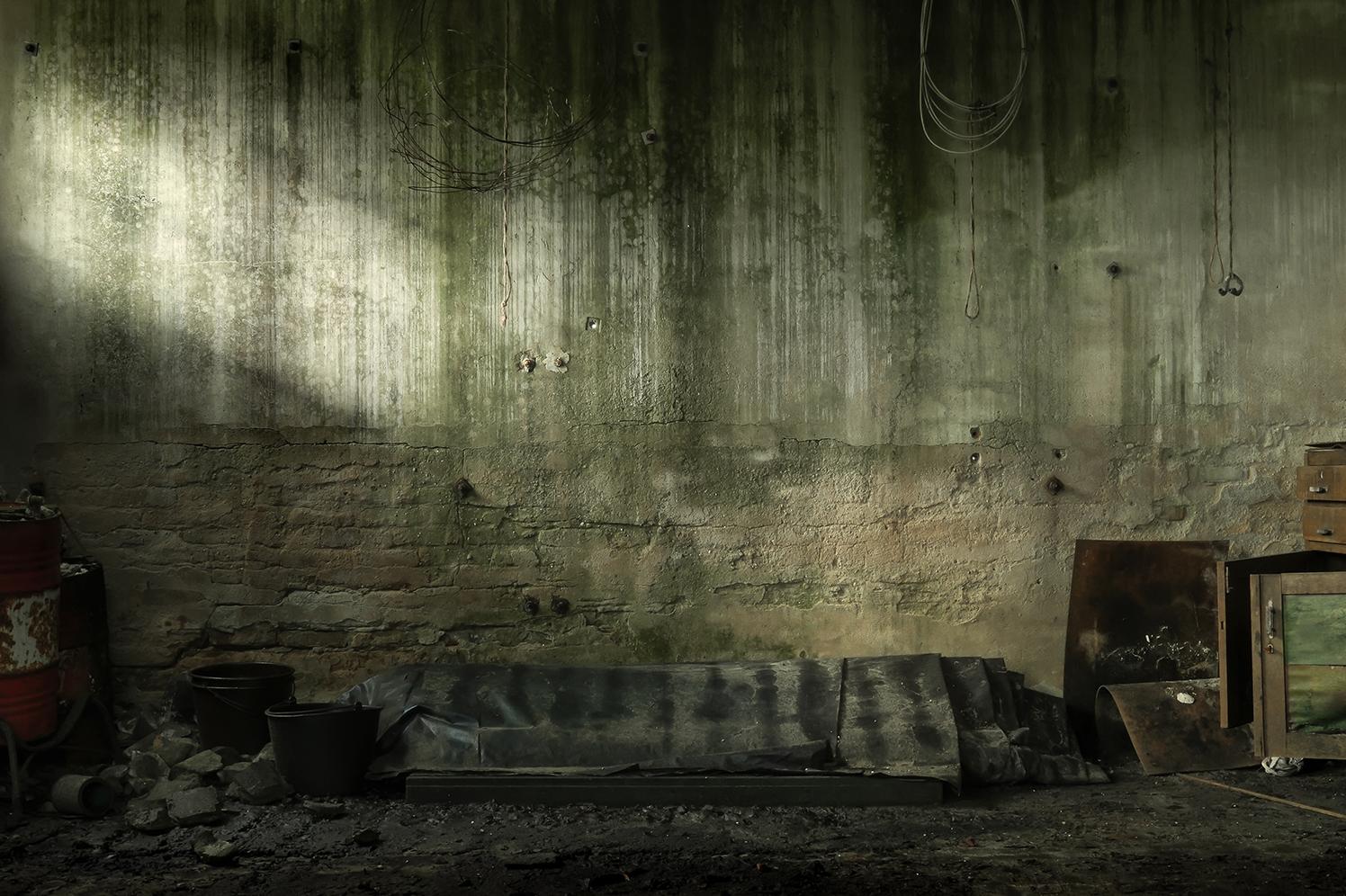
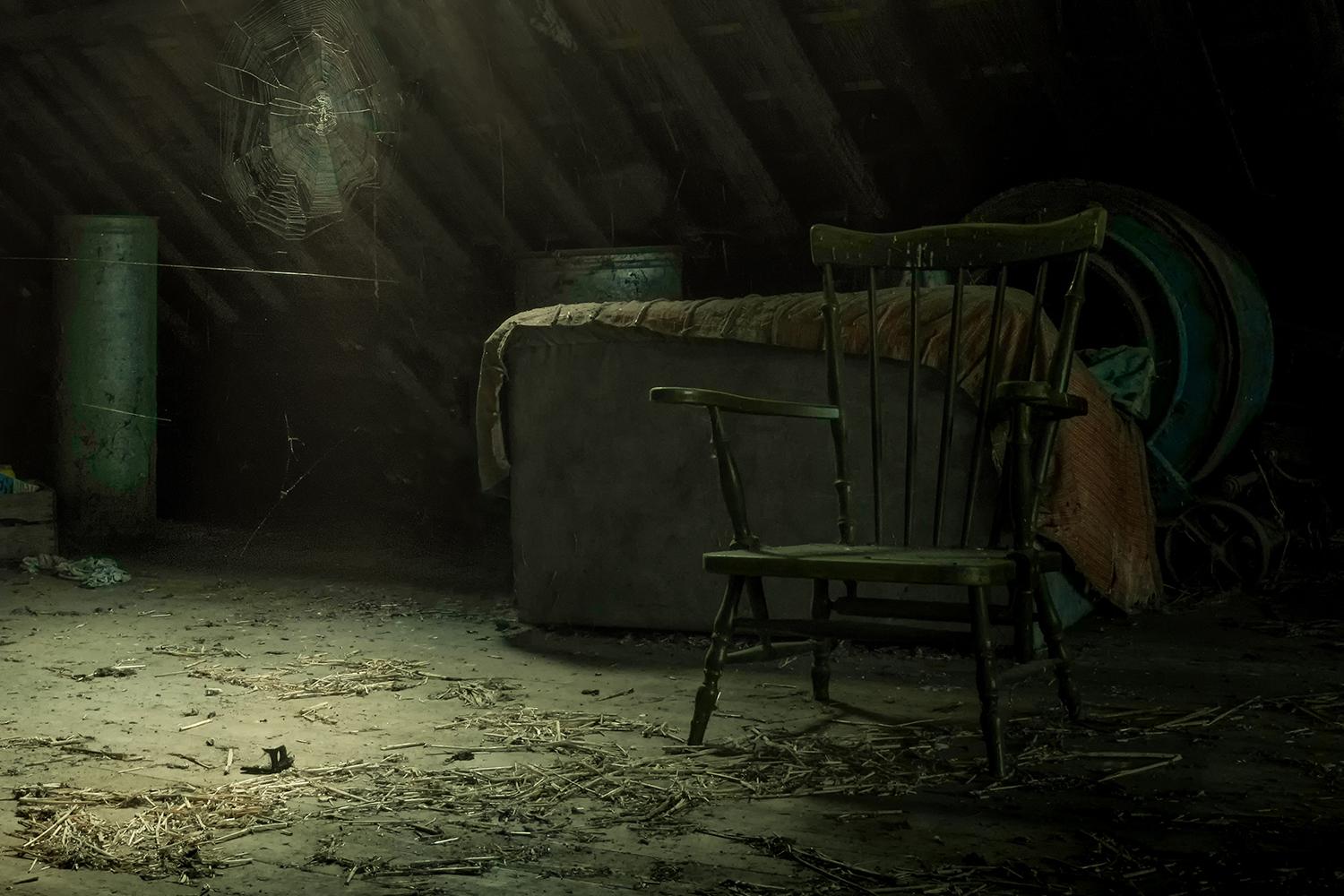
02 Layers of time - Stains, textures and traces on the wall reveal years of slow decay and neglect.
Claudine: Did you set out with a clear theme, or did it emerge through the process?
Although the idea of impermanence was present from an early stage, the series developed organically while photographing the farm. Already as I took my first images of the location, I realised that this work had the potential to develop into an Associate panel.
At the start, I worked very intuitively, responding to light and shadow, texture and atmosphere. Only later, when reviewing the work as a whole, did the coherence of the series become clearly visible. I recognised which elements were still missing and returned one final time to the location with a clearer sense of what I was looking for. From that point onwards, I consciously refined the project, strengthening its visual and emotional consistency so that the theme of transience was not explained literally, but that it was also felt.
CREDIT: Minke Groenwoud-Van Velden ARPS
DISTINCTIONS INTERVIEW
Claudine: How did you select your images?
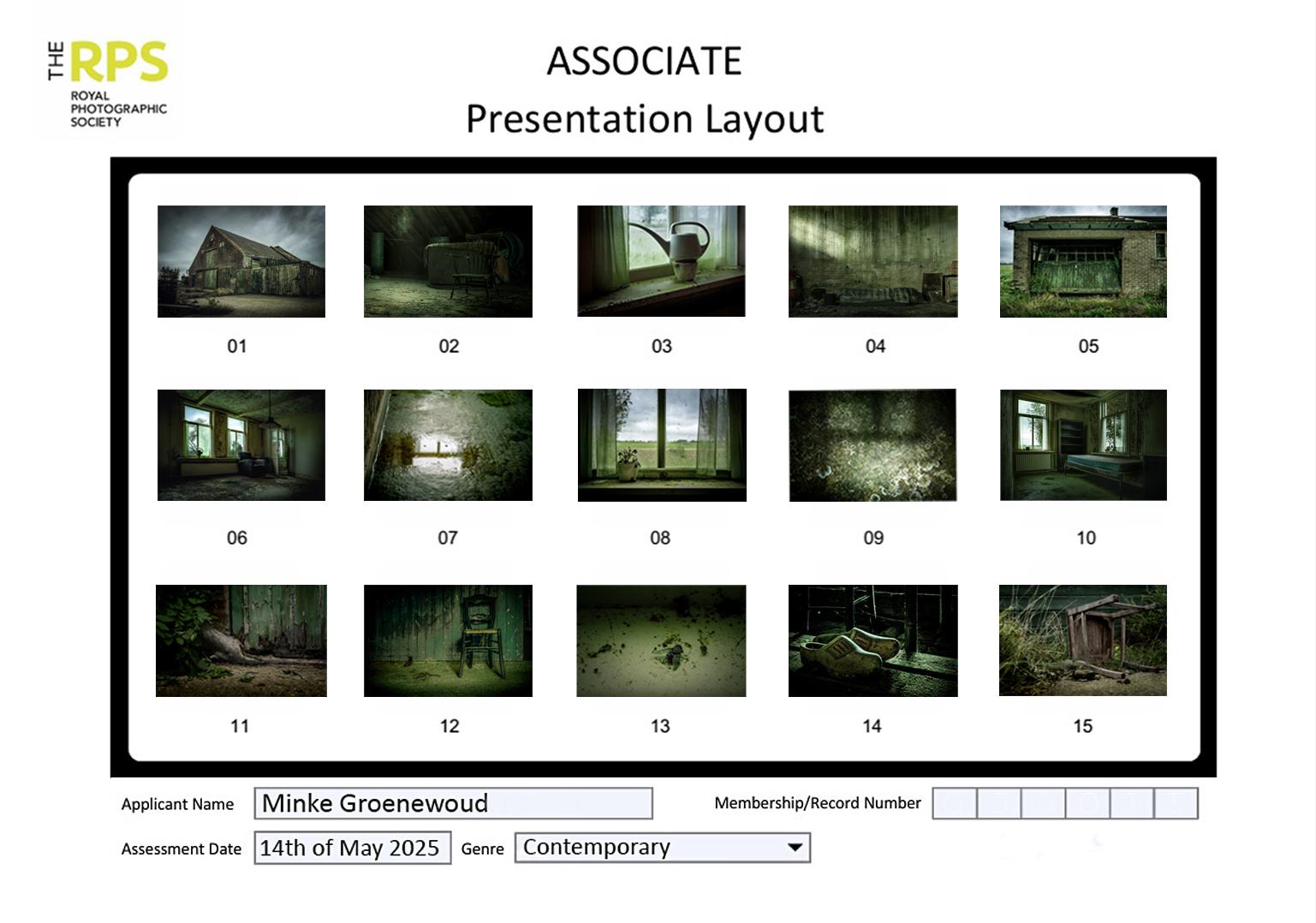
Image selection proved to be one of the most demanding stages of the process. Each photograph needed to stand strong on its own, while also contributing to the coherence of the panel as a whole. I paid close attention to tonal consistency, the balance between interior and exterior spaces, and a calm visual flow throughout the series.
The decisive question was whether an image genuinely contributed to the narrative of slow decay and the gradual reclaiming by nature, and whether it visually supported what I articulated in my Statement of Intent. A number of ‘darlings’ had to be removed because they disrupted the overall balance and quiet rhythm of the panel.
Claudine: Are there images that are particularly important to you?
Yes, several images are especially representative of what I aimed to achieve with this series. The exterior view of the farm in the opening landscape image acts as an anchor for the panel and firmly places the story in its context.
01 Transience - The exterior of the abandoned West Frisian farm anchors the series in place, history and impermanence. CREDIT: Minke
DISTINCTIONS INTERVIEW
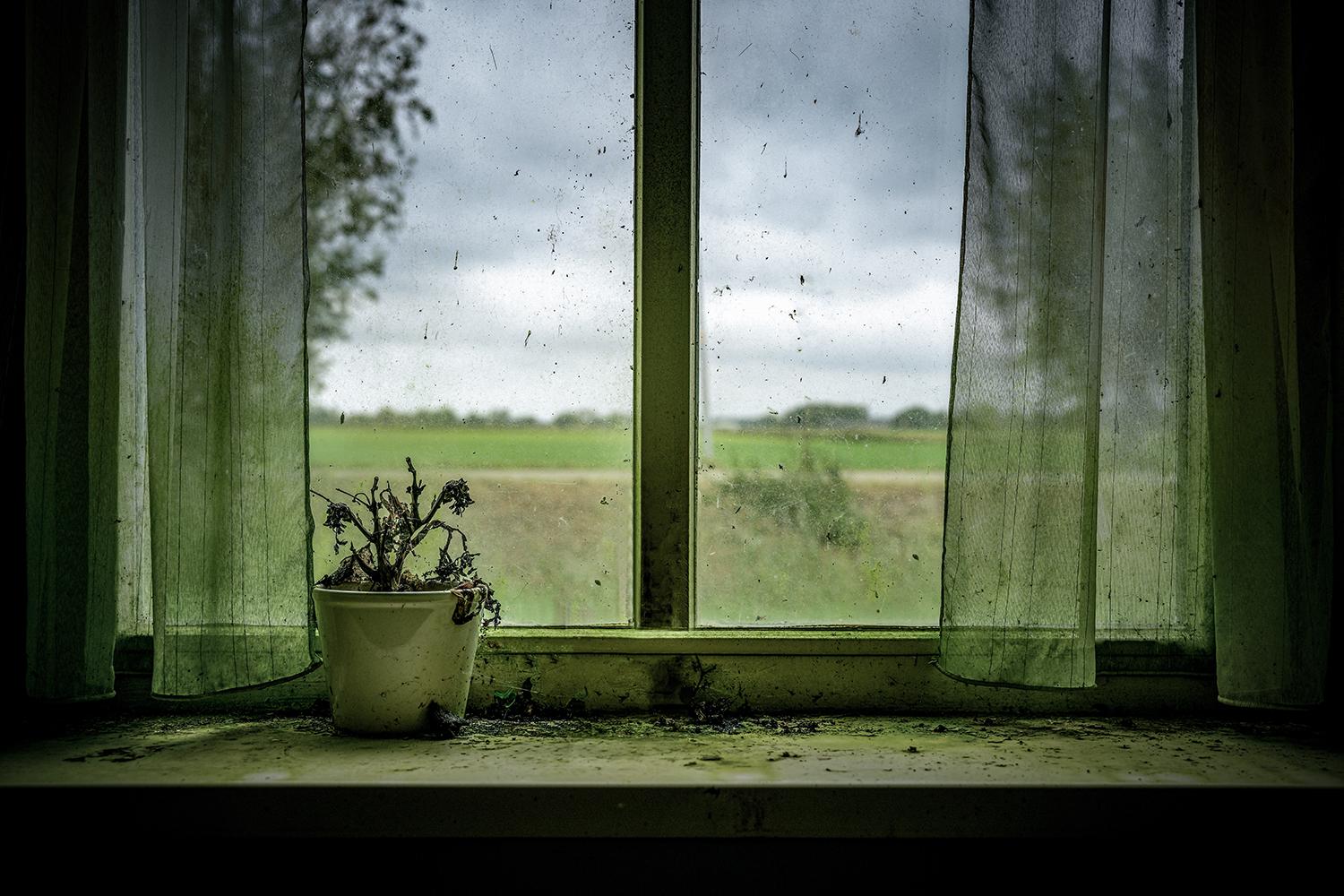
My narrative centres on this farm and many others like it, as increasing numbers of such monumental buildings disappear. The recurring and characteristic green colour remains a constant visual element throughout the panel. This green paint, so defining within the West Frisian landscape, plays an important role here and symbolizes a fading aspect of regional culture which I wanted to preserve visually. The interior images featuring windows function as transitional images between inside and outside, past and present.
08 Withered - A dead plant on the sill frames the open fields beyond, where life continues.
CREDIT: Minke Groenwoud-Van Velden ARPS
DISTINCTIONS INTERVIEW
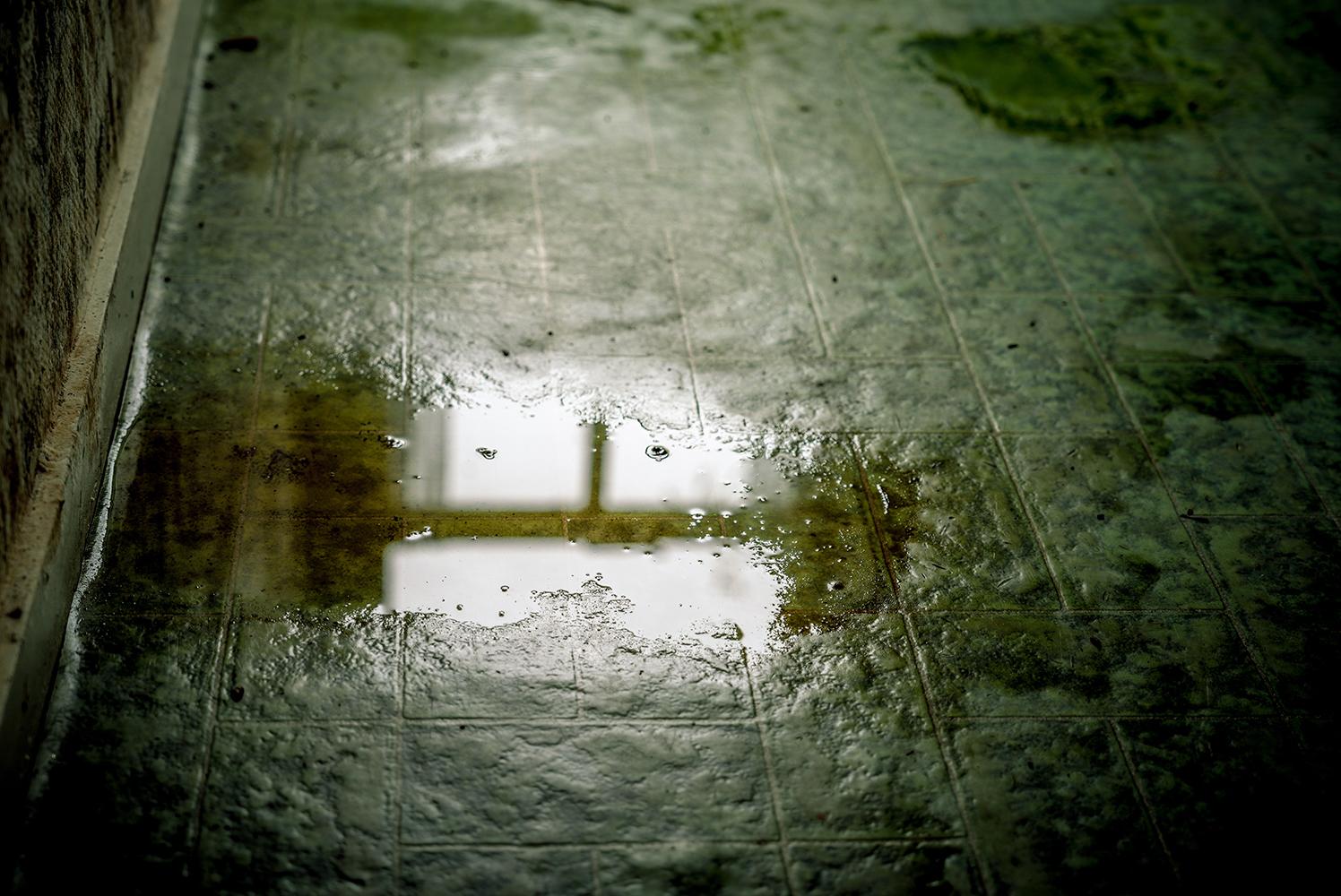
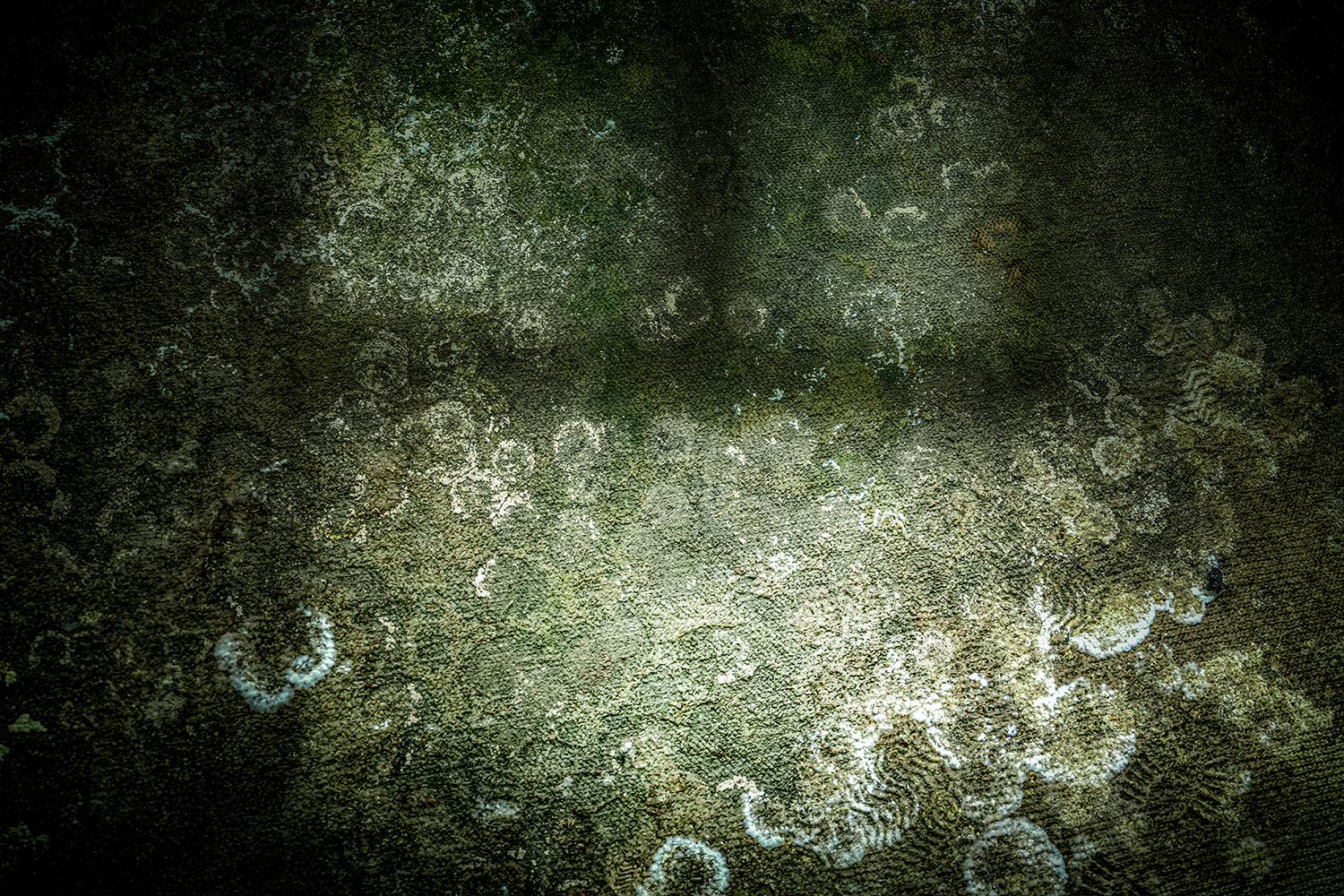
The more abstract detail images slow the pace of the panel and invite contemplation, for example, the puddle of water on the groundsheet reflecting the window silhouette and the mould-covered flooring with a visible footprint, and the central image of the window with a withered plant on the windowsill are among my personal favourites. Together, these images convey both physical decay and cultural impermanence.
07 Reflection - A shallow puddle holds the window’s silhouette, turning decay into a quiet mirror of time.
CREDIT: Minke Groenwoud-Van Velden ARPS
09 Footprint - Mold and dust preserve a faint footprint, a lingering trace of human presence
Claudine: How did you approach the layout and presentation of your panel?
The layout was carefully defined to guide the viewer calmly through the series. I aimed for a balanced rhythm in which wider contextual images alternate with more intimate details. Transitions between images were deliberately chosen based on tone, colour and visual weight. Not only does the sequence read coherently horizontal and vertical within each row, but the diagonal relationships across the panel were also consciously considered.
CREDIT: Minke Groenwoud-Van Velden ARPS
Associate Panel Layout ‘Transience’
Claudine: Did you have any support during the process?
I received valuable feedback from Richard Hall during a RPS one-to-one mentoring session. He pointed out a subtle halo in the sky of the landscape image featuring the farm (01) which I subsequently corrected. He also gave me the advice to keep the Statement of Intent concise and to the point. Beyond that, his response was very encouraging. The session gave me greater confidence and confirmed that I was on the right path.
TRANSIENCE
This panel explores the concept of transience through the quiet and relentless decay of an abandoned farm in West-Friesland, The Netherlands.
The images examines how nature gradually and relentlessly reclaims manmade structures, I see this process as a metaphor for the impermanence of life and the passage of time.
In my series, I aimed to incorporate the signature of the typical 'West Frisian' green color of paint found on (and in) the traditional old farms in this particular region. This is also the region where I live. This color represents a fading aspect of Dutch culture that I wanted to preserve and showcase in a style that is recognizable as my own."
112 words
Minke Groenewoud-Beerda
Date of assessment: 14/05/2025
Statement of Intent ‘Transience’
Claudine: What surprised you most during the process?
What surprised me the most was how my pursuit of perfection continued to grow. There never seemed to be a moment when the panel felt finished. Initially, I opted for a digital submission but I later realised that my work would benefit even more from being presented as prints. However, my increasing perfectionism meant that I ultimately missed the deadline for a printed submission. As the deadline for the digital submission approached, there came a moment when the panel finally felt complete to me.
Claudine: What was the outcome?
I was awarded my Associateship in May 2025. This achievement was both affirming and clarifying. It was not only a recognition of the work itself, but also a confirmation of my artistic direction and capabilities. The process strengthened my confidence as a photographer and deepened my understanding of building a coherent photographic narrative and working in series.
02 Layers of time - Stains, textures and traces on the wall reveal years of slow decay and neglect.
CREDIT: Minke Groenwoud-Van Velden ARPS
Claudine: What advice would you give to someone embarking on a Distinctions submission?
Allow yourself time to grow into your series so that you can recognise what is missing and what can be removed. Ensure you have sufficient time and enough images to choose from. Be critical. Be more critical. Place prints somewhere in your living space and walk past them regularly. Additionally, create an overview image on your smartphone so you encounter the series frequently.
It is easy to overlook issues on a computer screen, while they often become apparent when seen repeatedly in a domestic environment. Also consider the overview image as a standalone photograph: does the balance of colour, line and symmetry work? This image is assessed very critically.
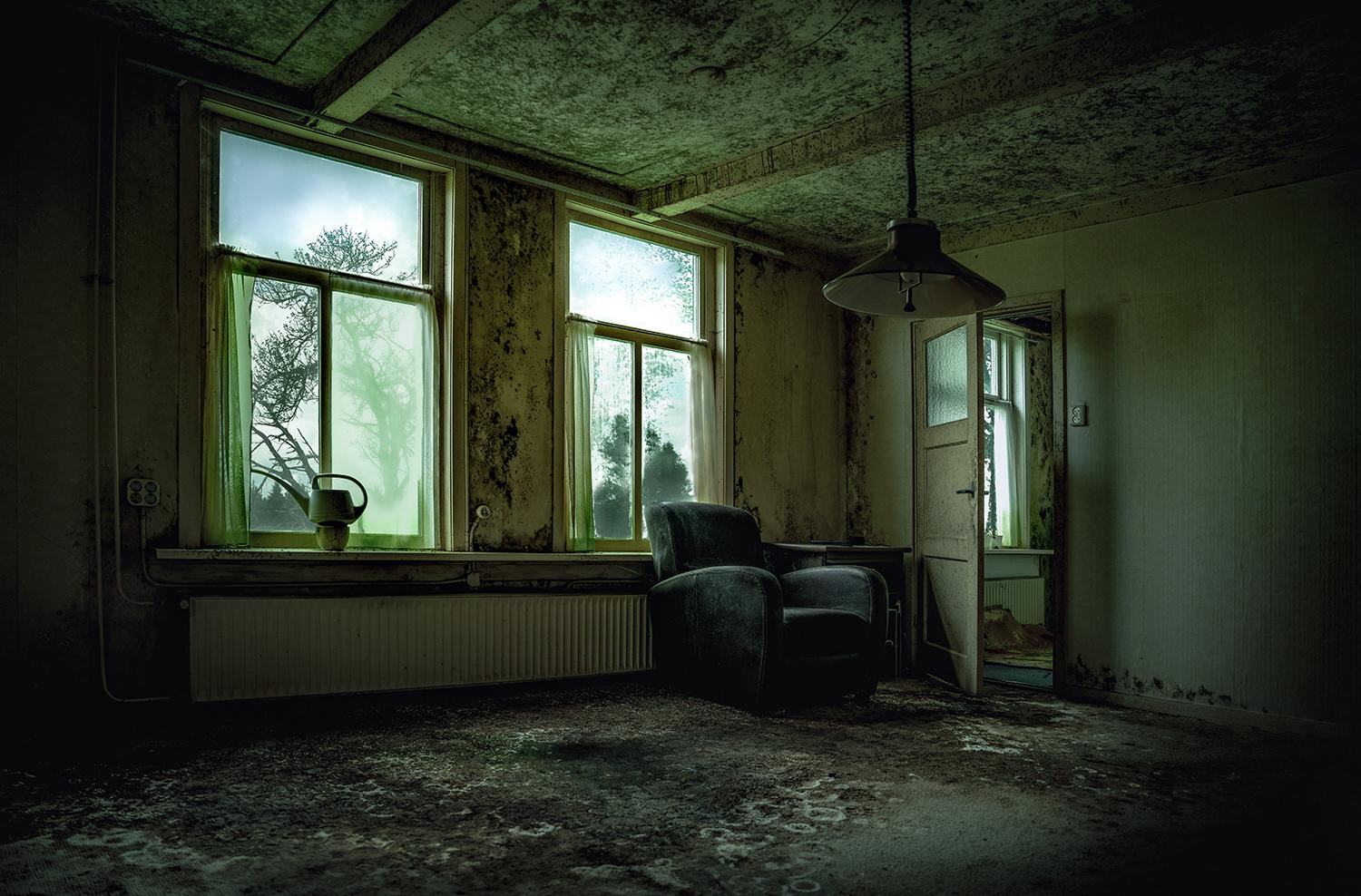
06 Green light - Soft daylight filters through green glass and curtains, hinting at the past within a fading interior.
CREDIT:
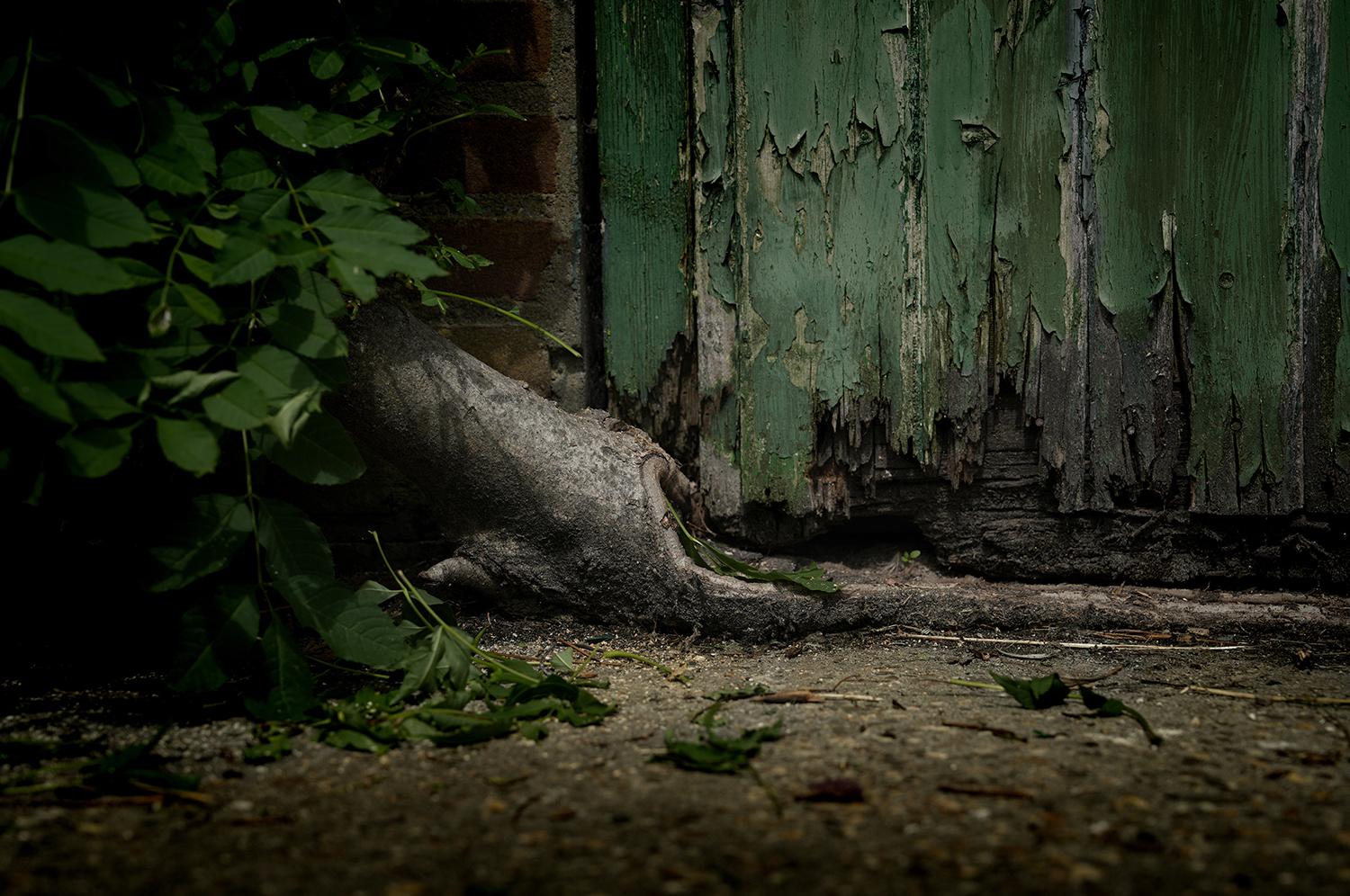
11 Slow Advance - Vegetation penetrates like a threshold beneath a door covered in peeling West Frisian green paint, marking the gradual return of nature to the buildings.
Claudine: Finally, what’s next for you, and where can people see your photography?
Alongside several smaller projects, I am currently focusing more on discussing and judging photography. This is something which I enjoy immensely and wish to develop further. Due to health-related reasons, I went through a long period during which I photographed less, but ideas for new work continued to surface and were captured in notes. As soon as my health allows, I look forward to developing these ideas and returning fully to photographing.
I also intend to continue working on long-term projects. I am currently preparing a new series titled Cuckoo’s Child. This is an autobiographical project about discovering a different biological father after 51 years, suddenly gaining nine siblings, and how my maiden name of Beerda changed to van Velden. Maybe this will become a Fellowship submission? Time will tell.
CREDIT: Minke Groenwoud-Van Velden ARPS
In my opinion, Distinctions are not an end point, but a framework which builds confidence. From that confidence, growth becomes possible.
‘The journey towards achieving a distinction is a photographer's growth’.
My ARPS panel can be viewed on the RPS International Members - Distinctions website: https://rps.org/international/distinctions/minke-groenewoud-beerda-arps/ My website: http://www.photostudiobeautifulpeople.com/ Facebook: https://www.facebook.com/PhotostudioBeautifulPeople
15 Back to Roots - Once born from wood, the discarded object has been returned to nature, gently accompanied by encroaching weeds.
Thank you very much Minke for sharing your fabulous panel of work and process with us. You have a beautiful and harmonious set of images.
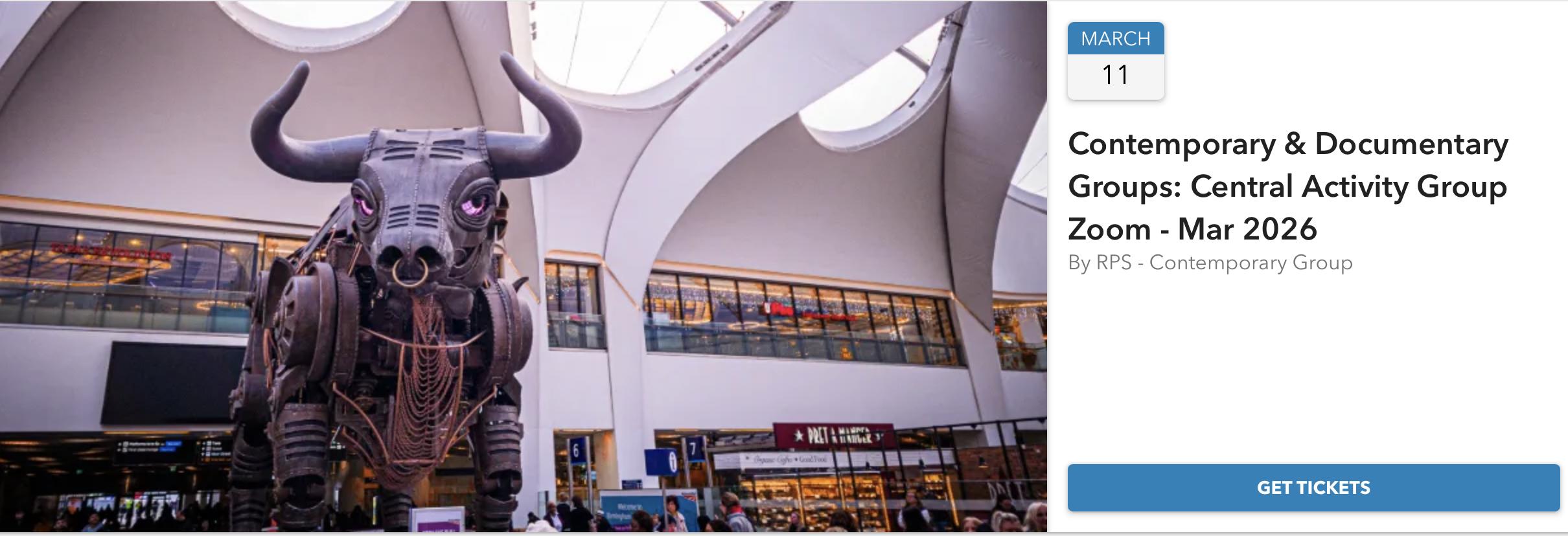
The next meeting of the Central Contemporary/Documentary group is due to take place on Wednesday 11th March on Zoom. https://events.rps.org/en/contemporary-and-documentary-groups-central-activity-group-zoom-mar-20265a2NN2B1sOD/overview
Another Talk in our Engagement Talk series with Jesse Alexander https://events.rps.org/en/rps-documentary-engagement-talk-jesse-alexander-5a2NN2B1p6z/overview
Lee-Ann Olwage is a visual storyteller from South Africa who uses collaborative storytelling to explore gender, identity, and community as well as the relationship between humans and nature through intimate portraits and documentary projects.
Choose a book, perhaps a Christmas present, or perhaps just an old favourite, and give us a small talk, open up a discussion about it. It’s all about the sharing.
The monthly on-line meeting of the East Anglia Contemporary Group (EACG). https://events.rps.org/en/contemporary-group-east-anglia-activity-group-zoom-apr-2026-5a2NN2B1s4r/overview
The next meeting of the Central Contemporary/Documentary group is due to take place on Wednesday 8th April on Zoom.
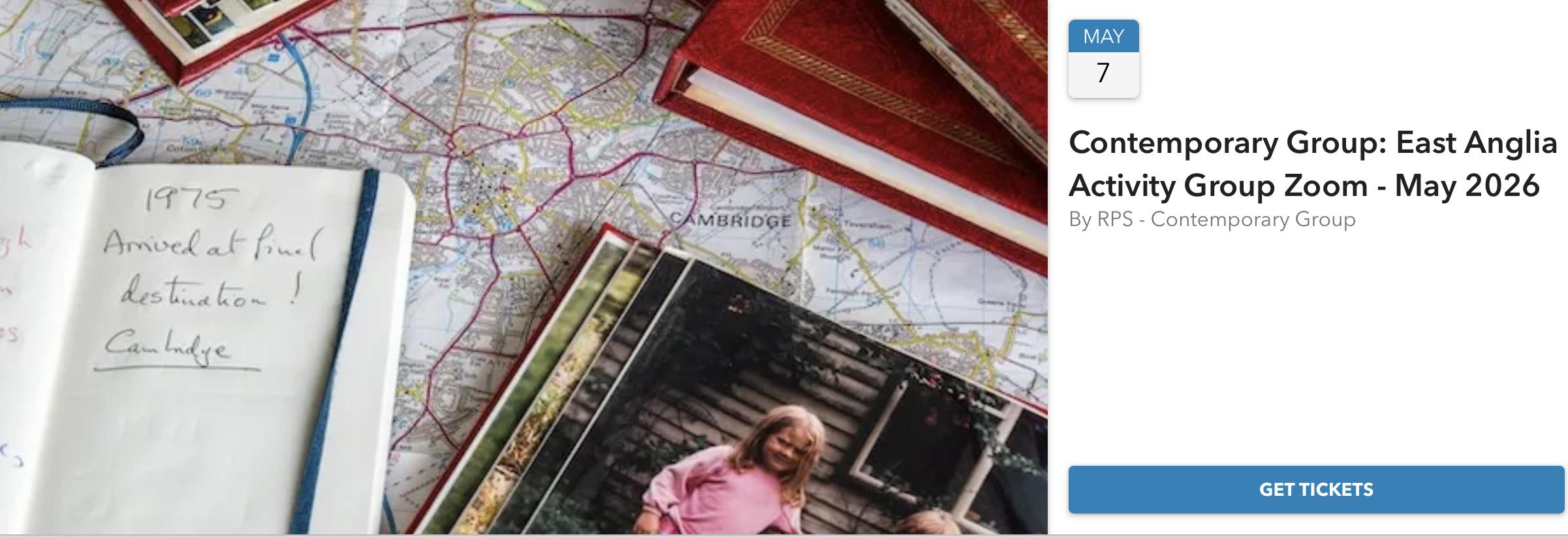
The monthly on-line meeting of the East Anglia Contemporary Group (EACG). https://events.rps.org/en/contemporary-group-east-anglia-activity-group-zoom-may-2026-5a2NN2B1s6T/overview
The monthly on-line meeting of the East Anglia Contemporary Group (EACG). https://events.rps.org/en/contemporary-group-east-anglia-activity-group-zoom-jun-2026-5a2NN2B1s85/overview
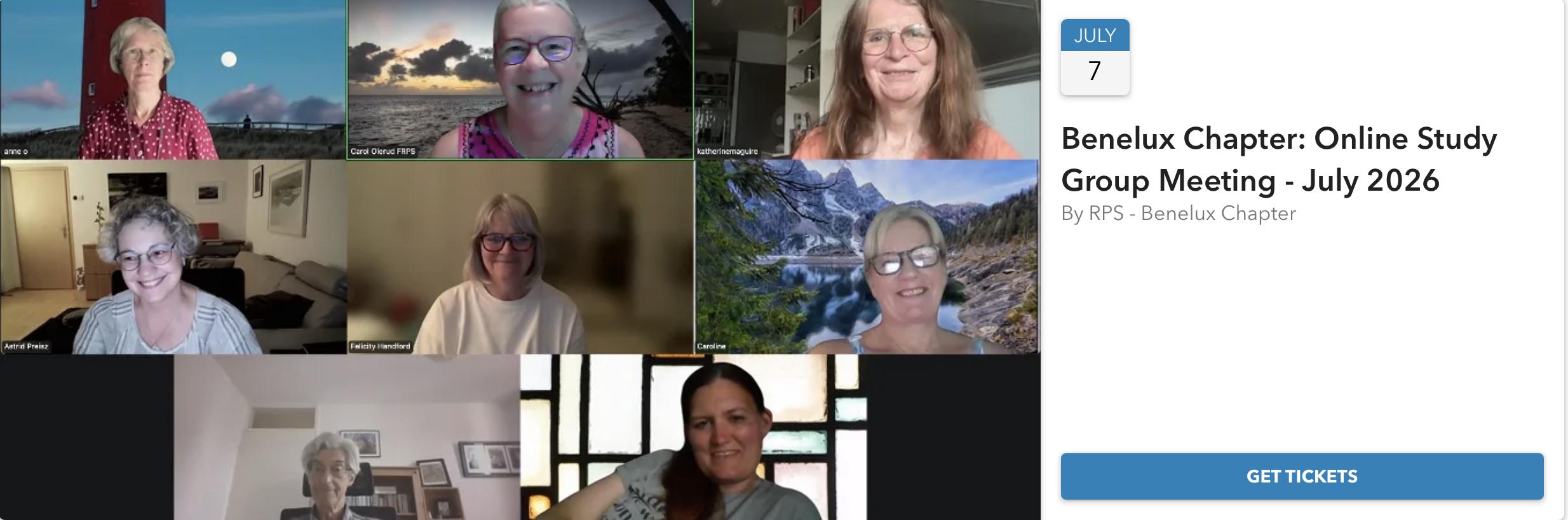
Monthly Benelux Chapter Online Study Group Meeting. https://events.rps.org/en/benelux-chapter-online-study-group-meeting-july-2026-5a2NN2Az6if/overview
CHAPTER AND SPECIAL INTEREST GROUPS PUBLICATIONS
RPS Chapters and Special Interest Groups (SIGs) issue their respective publications either on a monthly or quarterly basis. Please find an overview of available publications below.
WHAT IS AN RPS SPECIAL INTEREST GROUP (SIG) AND WHY ARE THEY OF INTEREST?
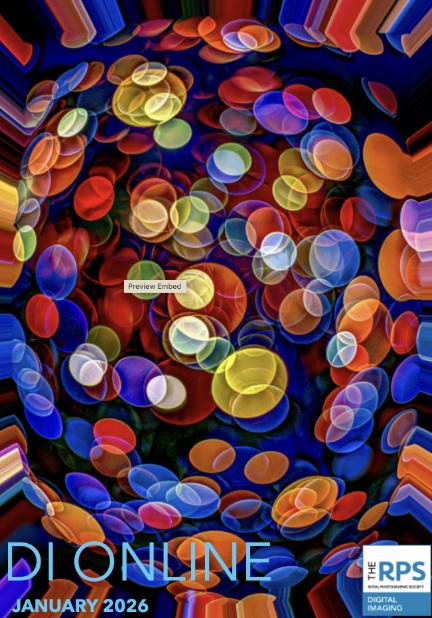
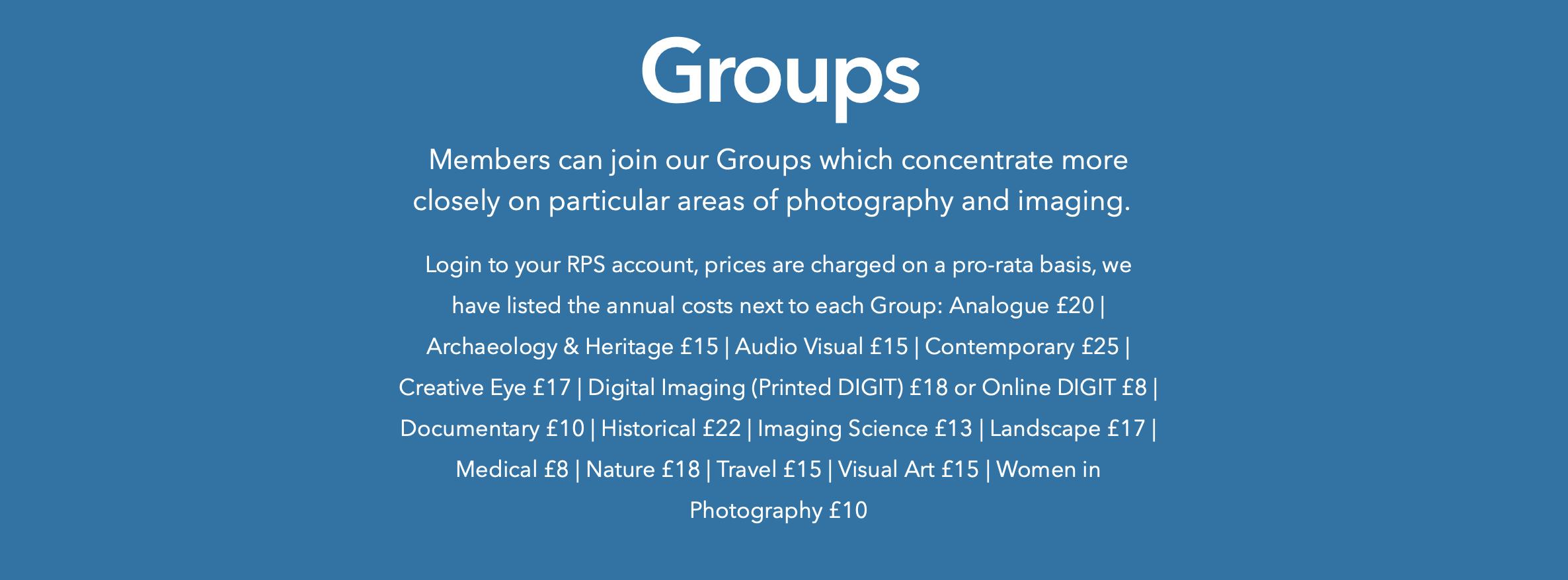
Special Interest Groups (SIGs) are established based on a particular genre or aspect of photography such as Landscape, Nature and Travel. To the right you can see a list of the different SIGs offered by the RPS.
Each group is funded by a small annual subscription and occasionally additional fees for talks, workshops or other activities. They are run exclusively by volunteer teams who do not charge to organise their programmes. With this, costs are kept to a minimum which provides amazing value for individuals members who wish to join.
The life blood of the RPS is via these community-based groups. You are able to engage with a wider variety of opportunities, gain inspiration and work closely with other RPS members. All SIGs are currently working towards increasing the availability of their events either by recording them for viewing later or by arranging them at times suitable for international members. Please click on the links to view what each SIG offers.
Finally, the staff team at RPS headquarters run educational workshops, provide Distinctions advice days, organise exhibitions and produce the printed magazine, The Journal. Please take a look at whats on for further information.
Schedule of Special Interest Groups
Analogue. https://rps.org/groups/analogue/
To foster community among enthusiasts and a practitioners in analogue photography; facilitating skill sharing, resource exchange, and collaborative projects; to promote appreciation for traditional photographic techniques and processes; and advocate for the continued relevance of analogue techniques in modern photography practice.
To facilitate collaboration among photographers and archaeologists, promoting best practices in the documentation, preservation, and dissemination of photographic records of archaeological sites, artefacts, and cultural heritage; and to contribute to public awareness and education about the use of photography in these fields.
To explore, discuss, and promote various forms of temporal (time-based) art, including video, film, sound, and multiple-media performances and presentations; to foster collaboration among artists, researchers, and enthusiasts; and to advance techniques, theories, and appreciation for time- based artistic expressions across diverse audio and visual disciplines.
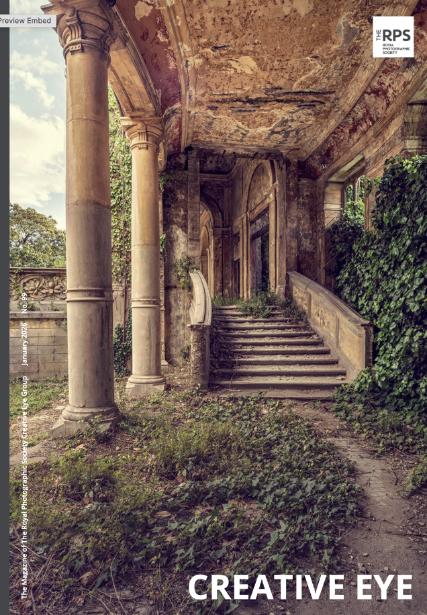
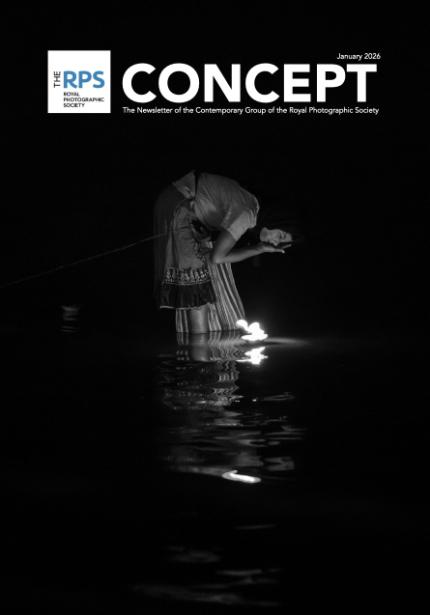
To inspire, educate, and connect photographers exploring innovative and artistic approaches; we provide a platform for sharing ideas, techniques, and critiques, fostering a supportive community that encourages experimentation and pushes boundaries in visual storytelling and expression.
To provide a forum for the encouragement and representation of its members in the pursuit of the production of coherent bodies of photographic work that “convey ideas, stimulate thought and encourage interpretation; photographs about rather than of.
Digital Imaging. https://rps.org/groups/digital-imaging/
To facilitate learning, collaboration, and advancement within the realm of image-making in which digital photography is the principal medium; we provides a platform for discussing new technologies, sharing techniques, critiquing work, and exploring the evolving landscape of digital imaging, enhancing skills and fostering creativity.
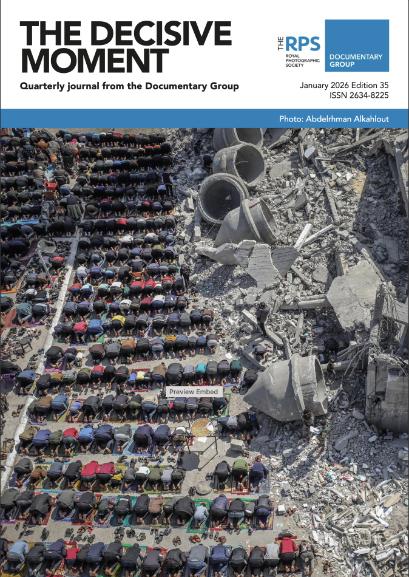
Documentary. https://rps.org/groups/documentary/
Documentary photography seeks to capture and present truthful narratives through visual storytelling; we support photographers dedicated to documenting social issues, cultures, and historical events, fostering discussion, education, and advocacy to promote understanding, empathy, and social change through the power of documentary imagery.
Schedule of Special Interest Groups
Historical. https://rps.org/groups/historical/
To act as a forum for photographic history, from the early nineteenth century to the present day; to promote knowledge of the history of photography and to encourage the preservation of photographs, photographic equipment and documents relating to the history of photography.
To provide a forum for the exploration and understanding of the science behind photography and other imaging systems; we facilitate interdisciplinary collaboration among scientists, engineers, and practitioners to discuss and drive progress in research, development, and real-world applications of imaging systems.
Landscape. https://rps.org/groups/landscape/
To encourage the art and practice of landscape photography and advance the skills of those photographers working in this genre; and to spread understanding and enable development of these techniques through practical use and collaboration.
Medical. https://rps.org/groups/medical/
To promote the use and advancement of imaging in all branches of medical and allied sciences to support medical developments, patient-care, medical education, research and publications.
Nature. https://rps.org/groups/nature/
We seek to celebrate, conserve, and share the beauty and wonder of the natural world through photography; we foster a community of photographers passionate about wildlife, landscapes, and ecosystems, promoting environmental awareness, education, and appreciation through reliable and accurate images, visual storytelling and advocacy.
Travel. https://rps.org/groups/travel/
To promote the enjoyment of photography that captures the spirit of a place; and to encourage and support the development of the skills necessary to achieve this ambition.
Visual Art. https://rps.org/groups/visual-art/
To support and encourage all types and styles of photography that shows evidence of a personal vision or style which conveys a sense of design, emotion, mood or some meaning which encourages the viewer to look beyond the subject.
Women in Photography. https://rps.org/groups/women-in-photography/
We are not a genre! We facilitate the celebration, education and collaboration of female and female-identifying photographers. We are the discussion that drives a greater awareness of the importance of women photographers past, present and future.
Subscription fees vary but as you can read none are very expensive and represent excellent value for money.
To join a SIG first go to the top right hand corner of the www.rps.org web page and click ‘Login’. Once you are logged in you will see a screen that says ‘Welcome’ and your name. Next to this is a blue link that says ‘Join a Specialist Group’ – click on this and you find a list of all SIGs. You simply check the box next to any/all you wish to join. If you have any difficulties with this process then email membership@rps.org for assistance.
News
New committee: Our AGM on 3 December 2025 brought a significant changing of the guard. We said a warm thank you and farewell to Rob Morgan ARPS and long-serving Honorary Secretary Elaine Herbert ARPS, who both stepped down from their roles. The new committee is Ian Brown (Organiser and Newsletter Editor), Jacky Lee (Honorary Secretary), John Chapman ARPS (Treasurer) and Caleb Lee (Website). We’re pleased that Elaine Herbert ARPS and Emma Parker continue on the committee. We’d love to welcome more members — do get in touch if you’re interested in joining.
Membership: Our Australian membership currently stands at 69, down from 82. We have 2 Honorary Fellows, 9 Fellows, 21 Associates and 6 Licentiates, and roughly half our members belong to Special Interest Groups. Sadly, we lost two valued members during 2025 — Dr David Hollands OAM ARPS and Jeff Cutting ARPS. They will be greatly missed.
Mentoring programme: Off the back of a member survey, we’ve set up a mentoring scheme pairing experienced photographers with those looking for guidance. It’s been well received and will continue into 2026. Whether you’d like to mentor or be mentored, we’d be delighted to hear from you.
40th anniversary: 2026 is a special year — it marks the Chapter’s 40th anniversary! To celebrate, we’re collecting members’ stories and photographs that capture our history. If you have memories or images to share, we’d love to include them.
Communications: Our monthly newsletter remains the Chapter’s main communication channel, and Robin Williams’ popular “Pondering Pollard” series has now reached 25 articles. We’ve also asked HQ for approval to set up Chapter social-media accounts to help us reach a wider and younger audience.
Awards & honours: Congratulations to astronomer David Malin AM FRPS, who received the RPS Progress Medal for his ground-breaking work in astrophotography. We’re equally proud that Elaine Herbert ARPS was awarded the RPS President’s Medal in recognition of her decades of service — she collected the medal in person at RPS HQ, which was a lovely moment. Gigi and Robin Williams’ digital exhibition “Salt/Water/Rock” was displayed at the Kingston Arts Centre in Melbourne, a wonderful showcase for the Chapter.
https://rps.org/chapters/australia/
Events
Annual General Meeting
The 2025 AGM was held online on 3 December with 8 members present and 9 apologies. The meeting covered approval of the accounts, a review of the year’s activities and the election of the new committee.
Local meet-ups and online events
We are looking at ways to boost engagement, including social-media channels such as Instagram for photo challenges and in-person meet-ups organised by state. We’ve also been exploring the idea of inviting members from the e-Circles Critique group.
Educational talks
Ian Brown worked with RPS HQ to make Gigi and Robin Williams’ “50 Shades of Grey” monochrome photography presentation available on the RPS YouTube channel. Do have a watch and consider submitting your own black-and-white images!
There were no new distinction applications this quarter, but we hope to see some coming through before long!
Support for LRPS applicants
The RPS Digital Imaging Group has very kindly opened its LRPS Support Group to Australian members free of charge, offering guidance to those working towards their Licentiateship. If you are thinking about putting together an LRPS panel, do take advantage of this, it is a great resource.
News
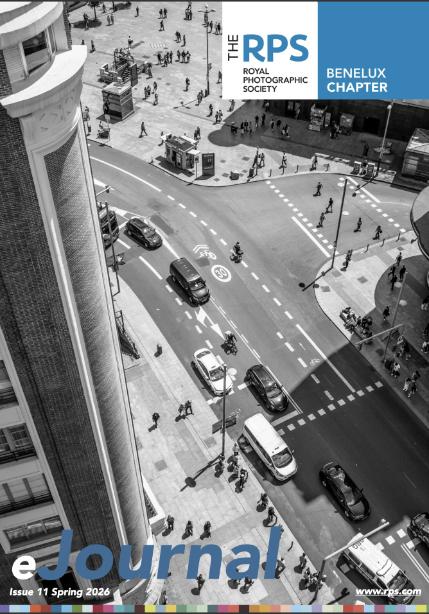
Please see more information at: https://rps.org/chapters/benelux/
Events
RPS Benelux Chapter Study Group Zoom
3 March 2026
RPS Benelux Chapter Meeting in Rotterdam
7 April 2026 in Het Palet, Rotterdam
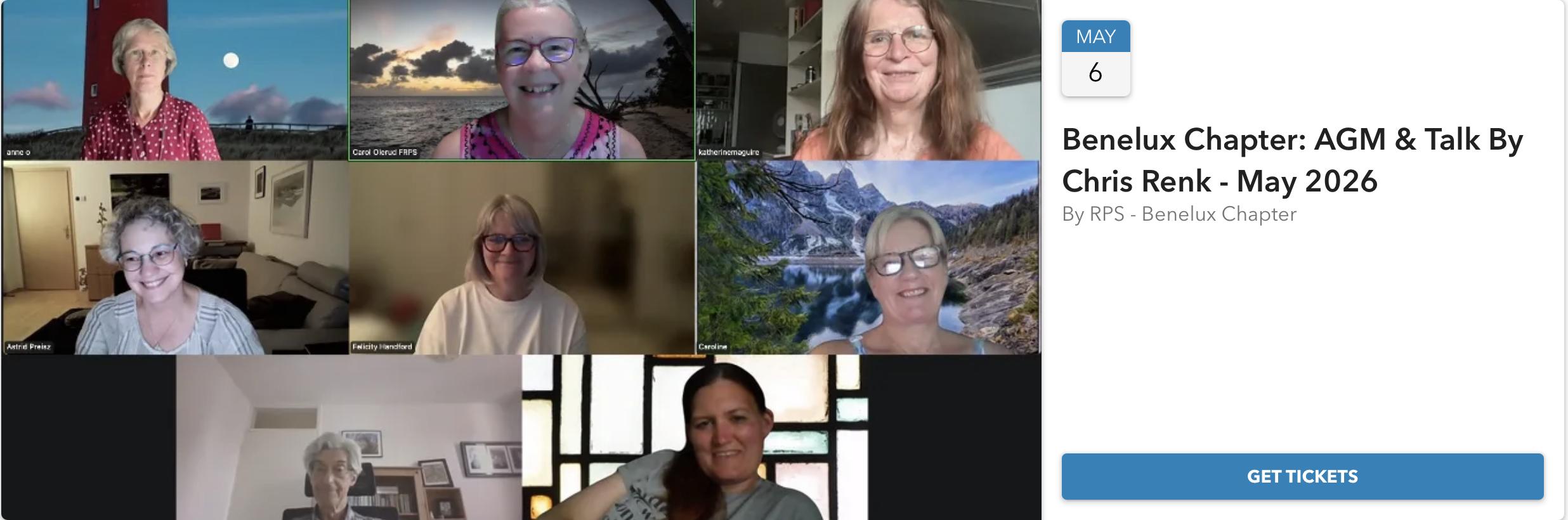
RPS Benelux Chapter AGM & Talk by Chris Renk, Germany Chapter Organiser (Zoom)
6 May 2026 at 7:45 – 8:30pm CET (members only) + talk at 8:30 – 10pm CET (Same link and open for all)
Every first Tuesday of the month is either a Zoom or physical meet up. Alternating each month to give everyone a chance to join in.
Contact
Carol Olerud, RPS Benelux Chapter. Email beneluxnl@rps.org
eJournal Publications
Please see our archive of our quarterly eJournals
https://rps.org/chapters/benelux/journals/
Distinctions
No new successes this time.
News
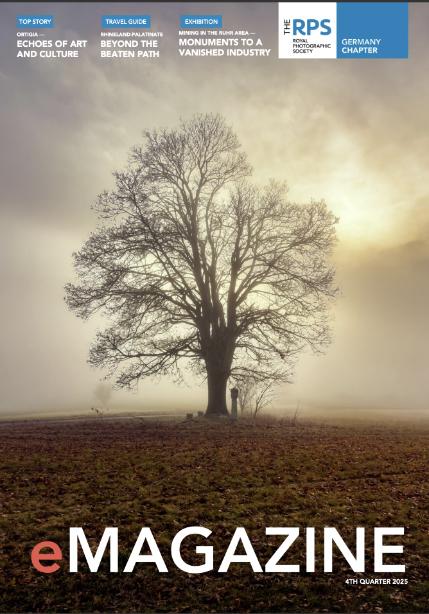
RPS Germany Chapter Strengthens Its Programand Welcomes New Secretary
The Germany Chapter continues its preparations for the upcoming exhibition Minimalism. The Chapter’s Zoom Talks remain very well received, with member participation steadily increasing.
Alongside the exhibition, the Chapter continues to host its regular monthly Zoom meetings, providing members with opportunities for exchange, inspiration, and discussion.
Looking ahead, the Chapter is preparing an extensive programme of online talks and in-person workshops for later in 2026. The online talks will include sessions in both English and German, covering topics such as minimalist photography, photographic essays, waterfall photography, landscape photography, and aerial photography.
In addition, a live street photography workshop in Berlin is planned for the second half of 2026. Further details will be announced in due course.
https://rps.org/chapters/germany/
Events
RPS Germany Chapter Monthly Zoom Meetings
Always from 7pm to approximately 8:30pm CET
Dates 09 March 2026
13 April 2026
11 May 2026
Online Talks in German (Planned)
Details to be confirmed
Behind the Lens
- 21 May 2026 (English)
- Creating the Essay Nature’s Tiny Wonders
Date Poetry in Motion: Mastering Waterfall Photography Earth, Light, and Silence: Capturing the Essence of Landscapes The Beauty of Less: A Journey into Minimalist Photography
From Takeoff to Touchdown
- 04 November 2026 (German)
- A Photographer’s Aerial Journey
Life Workshops
Details to be confirmed
- Street Photography 2nd Half of 2026 (Berlin)
Chapter Exhibitions
Minimalism 29 May to 28 June 2026 (Vernissage 29 May 2026)
Distinctions
No applications currently.
News
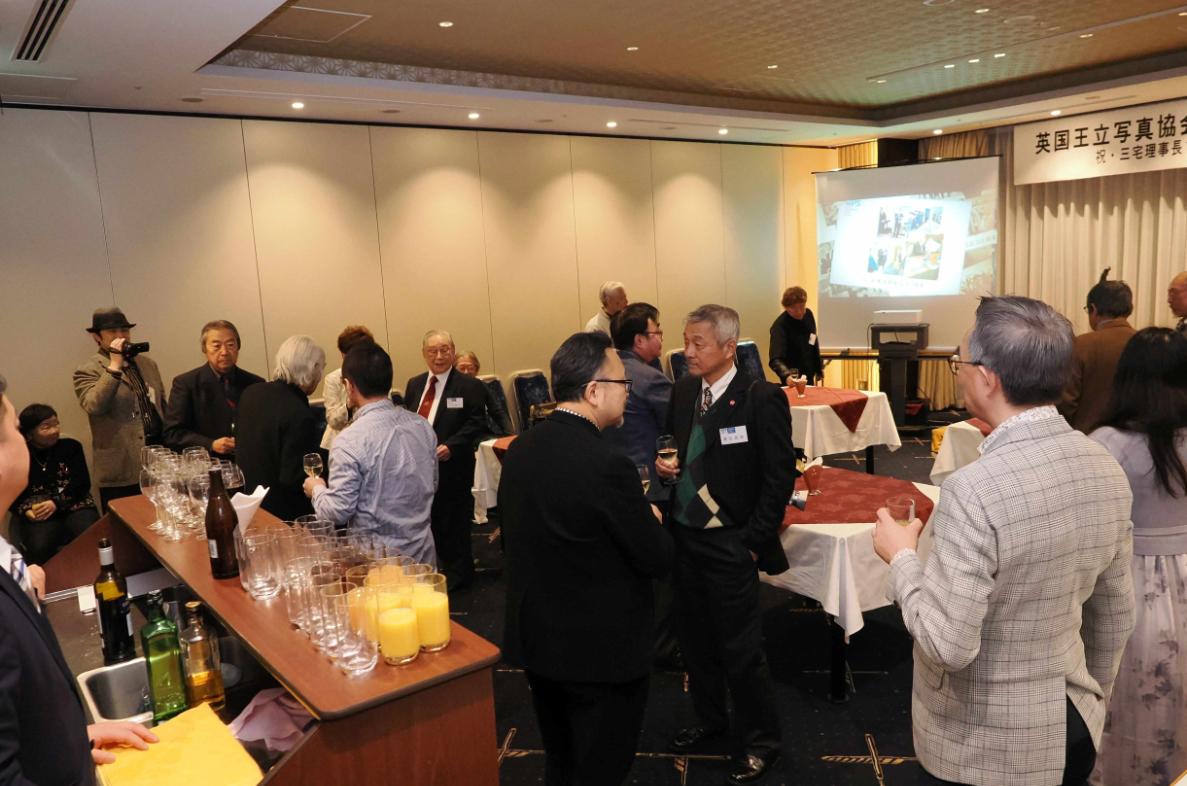
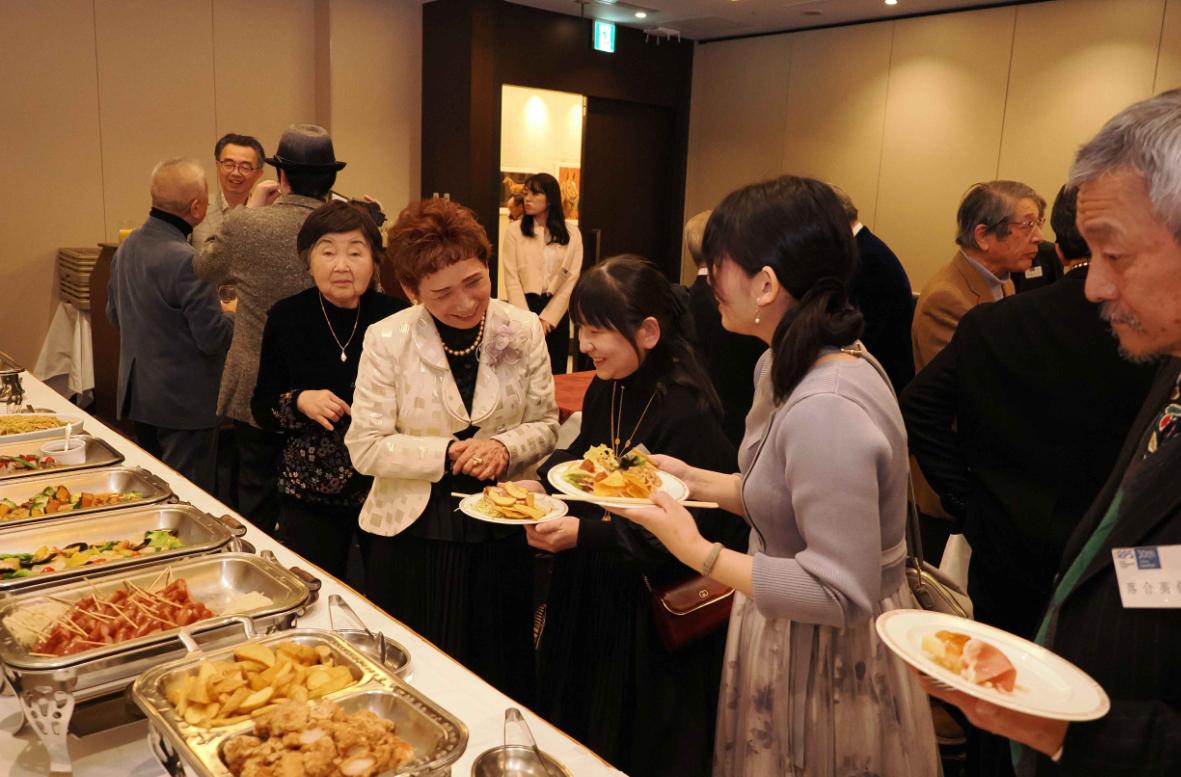
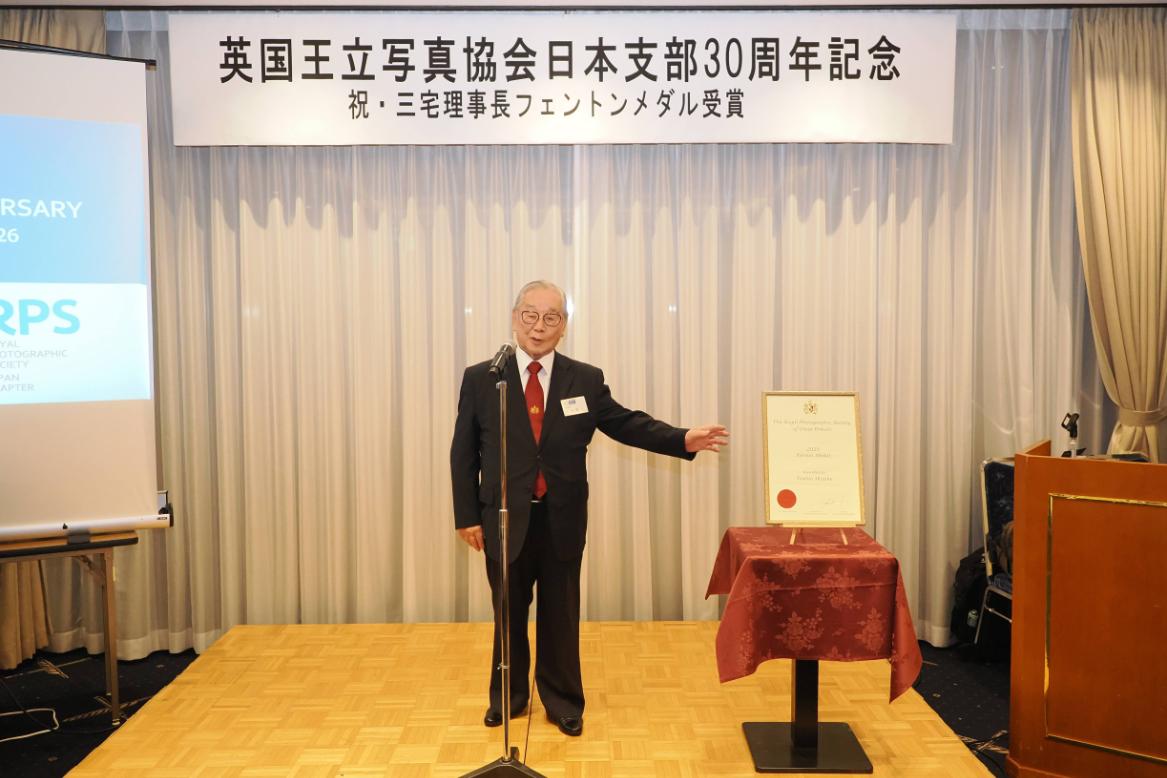
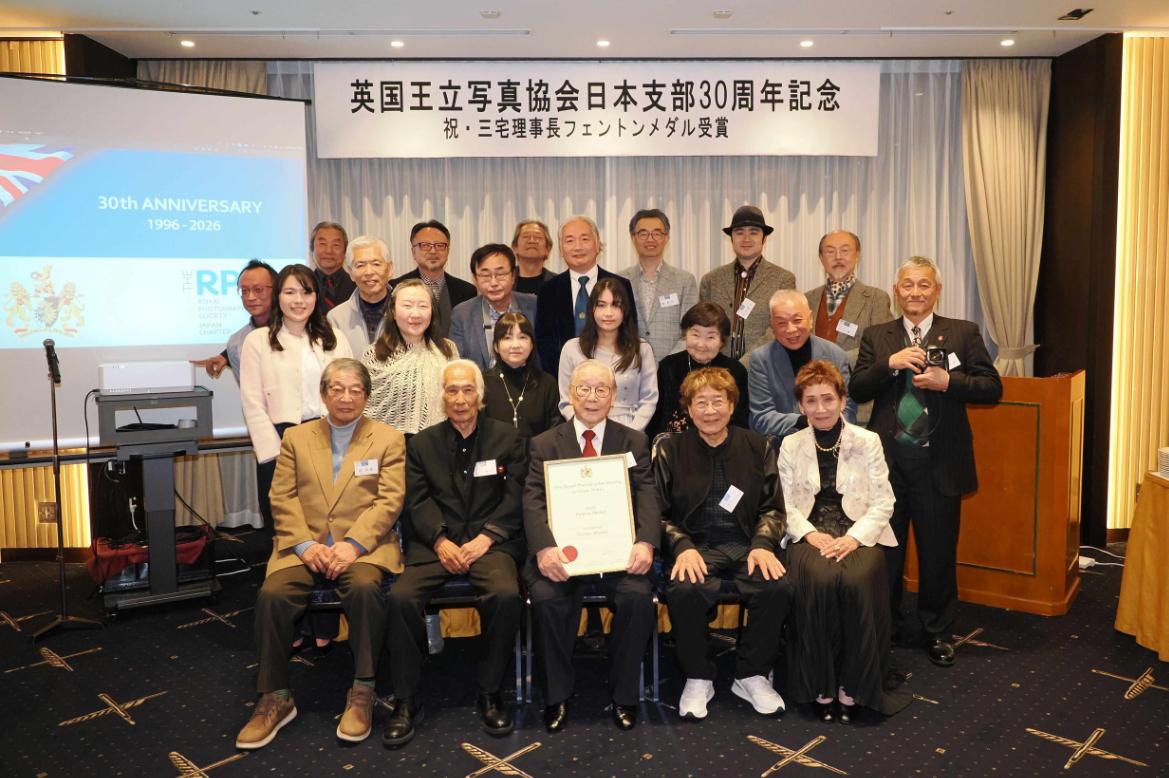
On February 7th, we held a party at the Foreign Correspondents' Club in Tokyo . This was to celebrate the following:
- 30th anniversary of the RPS Japan Chapter
- Our Chapter Chairman Mr. Yoshio Miyake receiving the Fenton Medal for his longstanding support and dedication to the RPS
- Around 25 members gathered at the party, and we enjoyed socialising and celebrating together. We also pledged and agreed to continue to promote RPS Japan Chapter activities.
Here you can see a selection of some of our pictures from the day.
https://rps.org/chapters/japan/ Contact
Shun Hosokawa, Organiser, RPS Japan Chapter. Email japan@rps.org
Distinctions
No applications currently.
News
Regular quarterly chapter meeting
Our last get together for 2025 took place in December - another very interesting day which started off with a presentation by William Ewing former director of the Musée de l'Elysée and Editor-at-Large for Thames & Hudson, London. William shared some wonderful insights into the traveling exhibition “Civilization”. As a curator, William has accompanied this thought-provoking exhibition from its inception to today. Beat Suter FRPS then shared how he achieved his fellowship by “breaking the rules” and how he found a way to honor the photographic work of his grandfather.
Distinctions Advisory Day
Our annual DAD event took place in Olten on a very snowy day! Despite the weather challenge, the event was well attended with members bringing prospective panels for review. It was a great opportunity to share and learn, and several members plan to submit their work now for assessment. Our huge thanks to Max Robinson FRPS for his engagement and motivational advice.
On-Line Study Groups
We launched this new initiative in November 2025 as an informal online discussion for members to share work & ideas at any stage and get feedback. The first session was highly appreciated with everyone enjoying the open and lively conversation and input they received. We held a second one in February and will repeat them regularly.
https://rps.org/chapters/switzerland/
Events
Next Quarterly Swiss Chapter Meeting – March 2026
Highlights from our agenda include:
- Presentation: Helmut Fischer will give us a fascinating insight into ALPA. He will present some images and bring along some equipment kindly lent for the day by ALPA
- Swiss Chapter Exhibition: Chapter discussion on concept, timelines and participation
Date Saturday, 28 March 2026
Time 10.00 - 16.30
Location Restaurant Le Jardin, 3286 Muntelier, Switzerland
Fee CHF 50 (including lunch)
Contact: Johan Peijnenburg, Organiser, RPS Swiss Chapter. Email: switzerland@rps.org
Landscape Photography Trip to Donegal, Ireland April 20, 2026, to April 27, 2026
Donegaloffers world-class coastal and inland landscapes, waterfalls, and castles. Weather permitting, we aim to explore:
- Coastal Wonders: such as An Port, Arranmore or Tory Island, Bád Eddie and Sabrina shipwrecks, Bloody and Boyeeghter Bay just to name a few!
- Inland locations: Poisoned Glen, a beautiful hike along a mountain river towards mountains
- Northern Ireland Bonus: includinglegendary spots like the Giant's Causeway, Ballintoy Harbour, White Rocks Beach
Future Events
Münsingen Photo Exhibition: Join us on Sunday 17th May for a last chance to see this wonderful out/indoor photo exhibition. https://photomuensingen.ch/phm2026/
On-line Study Group: Next session will take place in May.
Next Quarterly Swiss Chapter Meeting: 20 June 2026
Location & agenda to be confirmed
‘Civilization – Our Life in Focus’ Photographic Exhibition: This exhibition will be in Zurich from March 13 – July 19, 2026. Date/Time of our chapter visit to be confirmed. https://museum-gestaltung.ch/en/exhibition/civilization-our-life-focus
Contact: Johan Peijnenburg, Organiser, RPS Swiss Chapter. Email: switzerland@rps.org
Distinctions
No applications currently.
INTERNATIONAL TEAM UPDATE
Our small and relatively new volunteer team is in place and working efficiently to support the International Members community. There are no further additions to the team for the time being but later in the year we may well ask for your support so we can extend and further improve what we offer to you.
We continue to focus on the International Members eMagazine on a quarterly basis, and over the course of this year we will gradually improve the content on the RPS International website pages.
Our International Members Forum is now well-established, and we look forward to the next session at the end of April 2026. Our informal email Photo Critique Corner run by Jacky Lee is also up and running. Please view the Quarterly International update at the start of this edition for further information.
Finally, Claudine Hart, our International Representative who oversees the International team features in the International Team Member Interview, where she shares her background, her photographic focus and current projects.
Thank you for your support.
THE TEAM
CLAUDINE HART LRPS international@rps.org
I am a dual British / German national living in Basel, Switzerland since 2020. I joined the RPS in 2010 and obtained my LRPS in Professional and Applied Photography in 2012. I am now finally working towards my ARPS! I grew up in London but always travelled with my family, and for work and leisure. Since 2013, I have also lived in Australia and Singapore. In addition to my role as International Representative, I also work with the Swiss Chapter.
KATHERINE MAGUIRE ARPS internationweb@rps.org
I joined the RPS in 2009. I obtained my ARPS in 2021, with a documentary panel “Damaged Retinas” a series of images that demonstrates how I see the world. I started volunteering for the RPS Benelux Chapter first as the webmaster and then adding the eJournal editor role. In 2024 I joined the International Support Group as Web Administrator and in 2025 became the International Newsletter layout editor.
JANET HAINES ARPS digchair@rps.org
I joined the RPS in 2003 and am Chair of the Digital Imaging Group. I have been a member of several committees, an LRPS panel assessor and an RPS Trustee for two years. I spent five years as the Benelux Chapter Organiser when I lived in the Netherlands which gave me experience of being an international member. My aim is to make the RPS member experience as good as we can regardless of location.
JACKY LEE internationalsubmissions@rps.org
I joined the RPS in 2023 and am a Committee Member of the Australia Chapter and Content Manager for the international team. Originally from Hong Kong and based in Canberra, I’m a chartered building professional, and a photographer who likes connecting cultures through visual storytelling and blending landscape, architecture, and b&w expression. I serve on the APS Management Committee, CAPA AI Advisory Committee and as a photo mentor with PSA.
SOMDUTT PRASAD internationnews@rps.org
I joined the RPS in 2022. As a busy medical specialist for two decades in the UK and another decade back in India, photography took a back seat to my profession as an ophthalmologist. I started focusing again on photography during the Covid pandemic. International members often feel isolated from the main UK-based activities so I hope we can help the international members build connections together.
I joined the RPS Scottish Region in 2014 and obtained my LRPS later that year. Two years on, I decided to try for my ARPS which I achieved in 2016. In 2018, I became the RPS Scottish Regional Treasurer until my emigration to New Zealand in 2021. I gained my FRPS in documentary in 2022 whilst living in New Zealand, and so I feel I am well placed to encourage international members.
SYLVIE DOMERGUE sylvielft@gmail.com
I live in Madagascar and know only too well how isolated an international member can feel. When I discovered the RPS in 2019, I knew that I had found my haven of peace and my home of artistic creation with a team whose values I admire and who have a commitment to enable international members to participate in the great adventure that the art of photography represents.
Contribute to the International eMagazine.
We welcome you to be part of this quarterly eMagazine. The different ways in which you can contribute are detailed below but please do get in touch with your ideas for articles and content.
What can you contribute?
1. Cover Image
You can submit an image to be considered for the front cover of the eMagazine. If your image is not chosen for the front cover, it will appear in the International Members Gallery in the next issue of the eMagazine.
Please provide:
- Max. two images
- Portrait format only, image may be cropped to fit A4 (210x297mm) page.
- Short description of the image(s)
- 3000px max on longest side,, sRGB, image quality 8, min dpi 192.
- No watermark or text within the image. No border
- Use naming convention: FirstName_LastName_Cover_Title.JPG
- Mark your email: Fullname – For Front Cover
2. Single Image for International Members Gallery
Please send us a single or a few images from which we can choose.
To note, depending on the number of submissions we receive, we may move your submissons to a later edition.
3. Main Article
There generally 2-3 main articles in each newsletter. This could be for example, a personal photography project or exhibition you are holding.Please do get in contact first if you have any questions about the article you would like to submit.
Pleaseprovide:
- Wordcount:max1000words. Please provide in a Microsoft word document with low res images as placeholders.
- Images:include10-15images. 2000px max on longest side, min dpi 192. sRGB.
- Please provide images separately.
- Mark your email: Fullname – Main Article
4. My Home Article
My Home is about the photography that you enjoy in the local area you call home. This could be your village, town, wider region or country. Simply, it is wherever home is to you. Tell us what inspires you in your patch - this is a fascinating way for us to learn about all corners of the world. The following questions may be useful to prompt your thoughts but feel free to omit or add as you need.
The following questions may be useful to prompt your thoughts.
- Where do you live? What is it like? What do you like about where you live?
- What do you like to photograph and why?
- What key sites / locations would you recommend to a visitor to take photographs and why?
- Are there any difficulties to be considered? What would it be useful for them to know before they go?
- Do you have recommendations about how they could travel to the places you suggest?
- What is the best time of year to visit?
Pleaseprovide:
- Word count: Max 800 words. Please provide in a Microsoft word document with low res images as placeholders.
- Images: include 8-10 images. 2000px max on longest side, min dpi 192. sRGB.
- Please provide images separately.
- Mark your email: Fullname - MyHome
5. Member Q&A - Interview
The Member Q&A is a short interview by email about you and your photography, with 5-6 questions and a submission of 2-4 images. Please send us a quick email with a little bit about yourself and we can follow up with relevant questions for you to answer.
Pleaseprovide:
- Wordcount:Max800words. Please provide in a Microsoft word document with low res images as placeholders.
- Images: include 2-4 images. 2000px max on longest side, min dpi 192. sRGB. Please provide images separately.
- Mark your email: Fullname – Member Q&A
6. New Member Introduction
Introduce yourself and tell us a little bit about you, where you live and your photography!
Pleaseprovide:
- Images: max 2 images: 2000px max on longest side, SRGB, min 1000px, min dpi 192.
- Wordcount: max 200 words biography.
7. Reach Out
If you would like to get in contact with like-minded members in your location, post a reach out note!
Pleaseprovide:
- A photo of yourself: max 1000px max on longest side, min dpi 192. Portrait only. sRGB.
- A short introduction and with whom you would like to be in touch. Max 150 words.
- Email address for contact
8. Events
Please let us know if you are:
- holding an exhibition
- know of a local exhibition in your country to look at online which may be of interest to our international community (or they can attend if they happen to be there)
Please provide for the event:
- Name, description, location, dates, website link, (contact person / email if relevant)
SUBMISSIONS
Submission deadlines and publication dates are as follows. Contributions received after the given dates will be included in the subsequent issue.
Please send your submission by email to: internationalsubmissions@rps.org
If you are sending multiple high-resolution images, please send via WeTransfer.com to internationalsubmissions@rps.org
Some alternatives to WeTranfers.com are: KPNFileTransfer; SwissTransfer; Filemail; Boomrang
Issue Deadline
March 1st of February
June 1st of May
September 1st of August
December 1st of November
Liability Disclaimer
The submitter of the article(s) and / or image (s) is responsible for compliance with Data Protection and Copyright Acts. The author of an article is responsible and liable for all content, text and images provided by them, including copyright. The author will be required to confirm that they hold copyright to the article and image(s) submitted. Neither the RPS nor the editor is responsible or liable for any content therein.