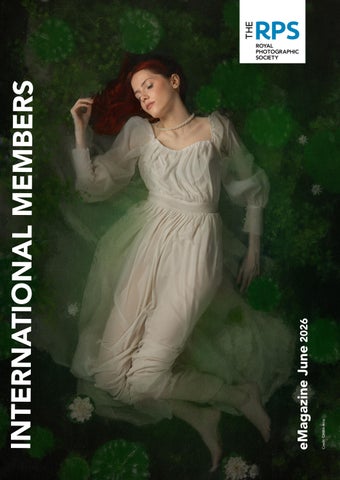
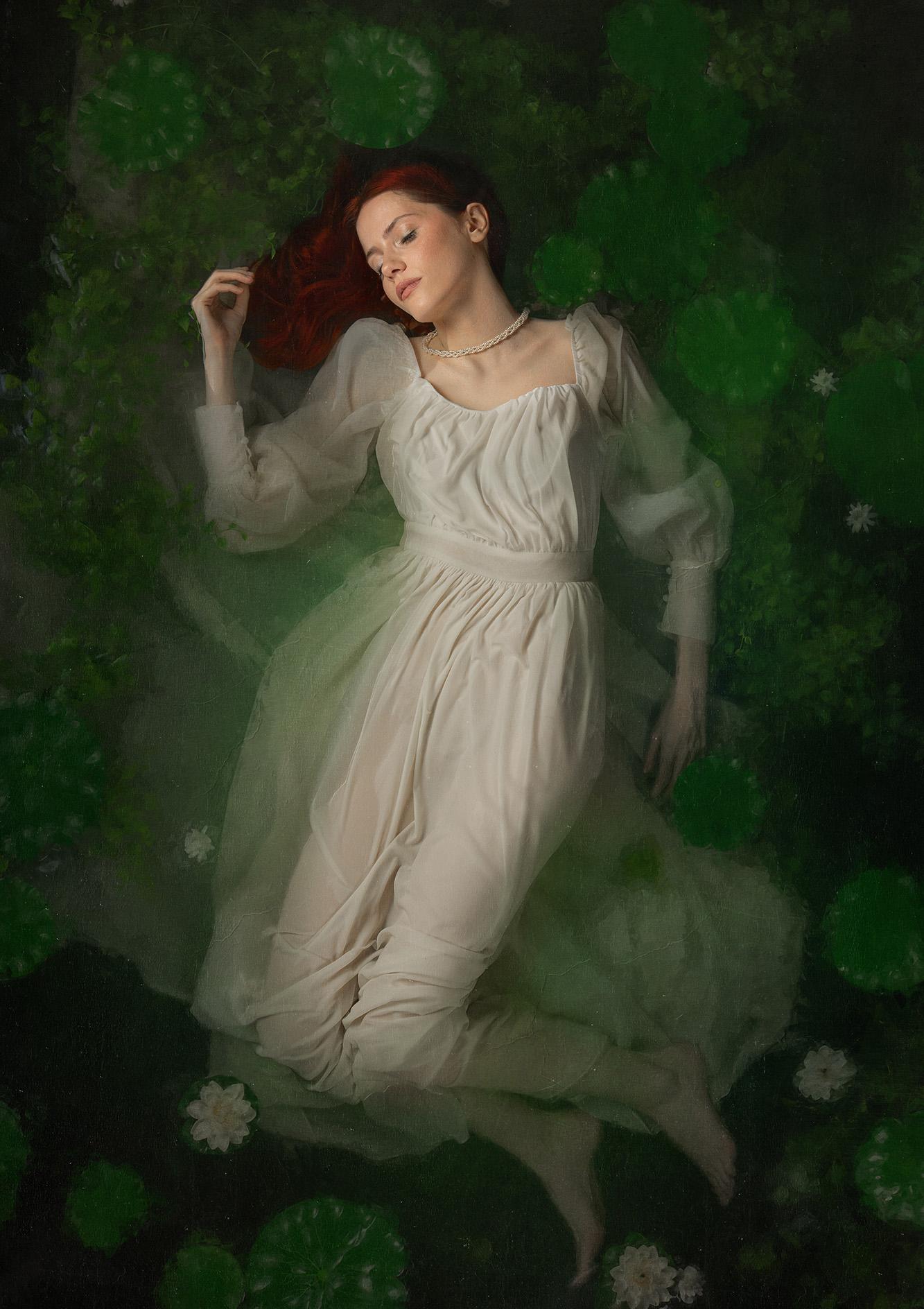
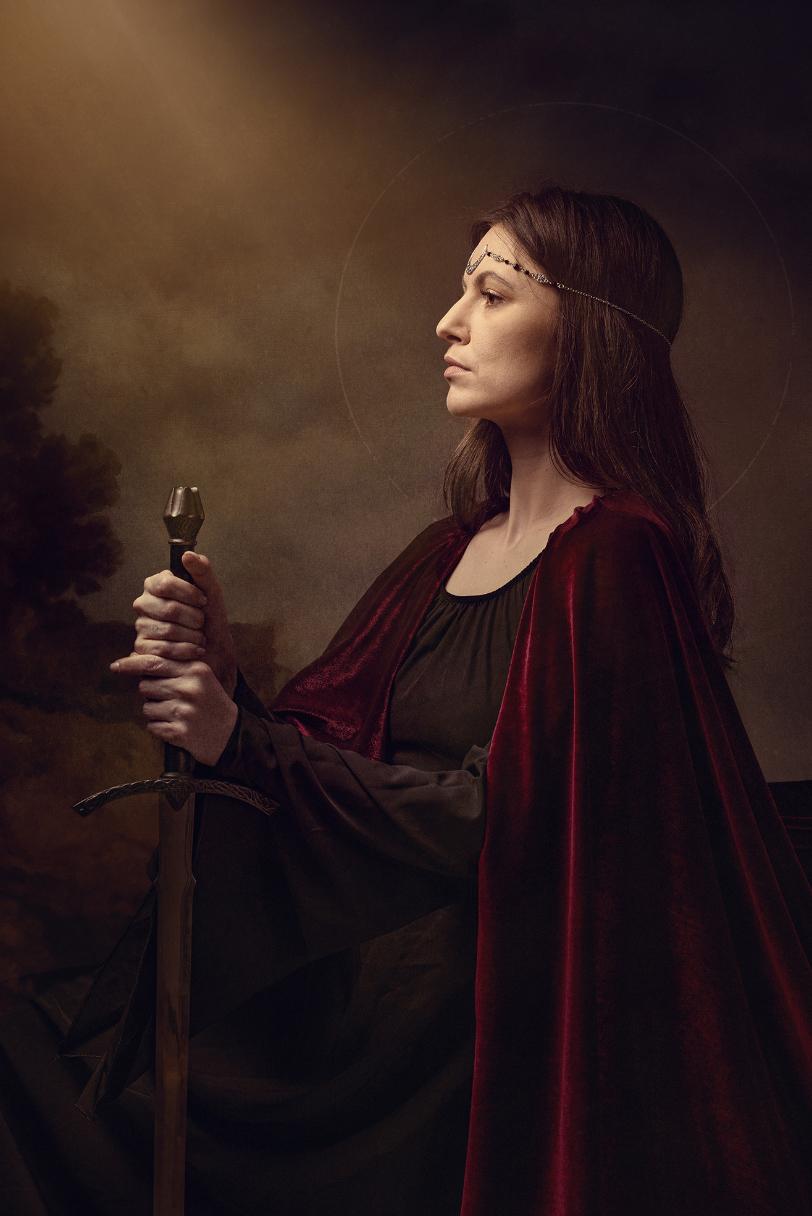
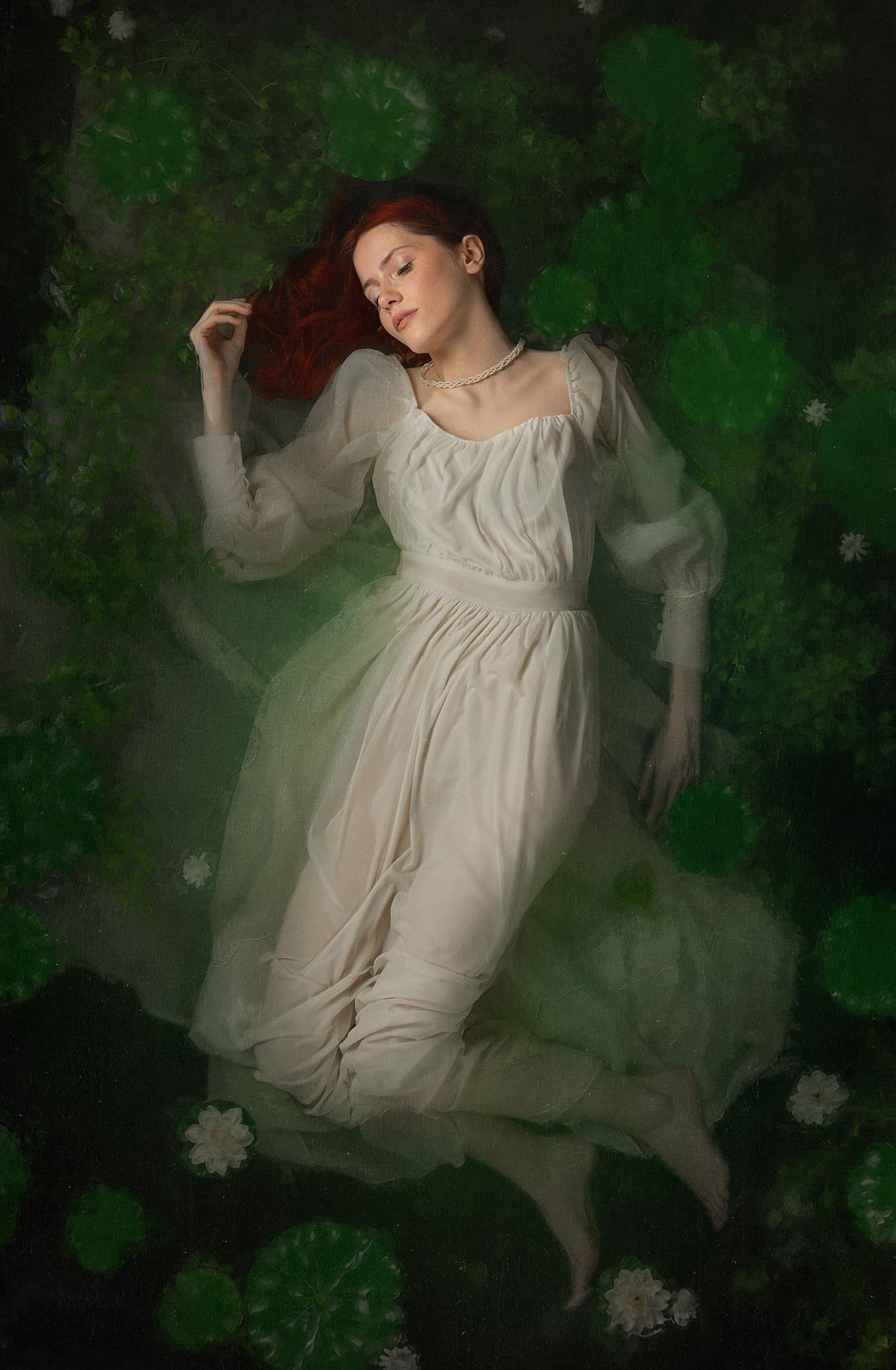
A contemporary reinterpretation of Shakespeare's Ophelia and Millais' iconic 1852 painting, exploring transformation rather than tragedy - the moment of surrender becomes a passage into peace.
What
WELCOME TO THE JUNE 2026 EDITION OF THE INTERNATIONAL MEMBERS EMAGAZINE
Summer has arrived in Basel and it is extremely hot and sunny, not just here, across the whole of Europe. No complaints though, it is nice to see everything grow and blossom after the winter months and to see everyone out and about.
This is now the fifth edition of the International Members eMagazine publication, and I am very happy to bring you this quarter’s news, events and special features from our international member community.
In our main features, we hear from some of our international members: Liz Hardley tells us about life in Auckland, New Zealand. Cătălin Arcu presents his portraiture inspired by classical painting, mythology and folklore; Francesca Menghini presents her research project about the lives of Ukrainian refugees living in The Netherlands; and Natalia Maiboroda tells us about her journey to the rice terraces in Yunnan Province, China;
For our Q&A, we speak with Carol Olerud, Benelux Chapter Organiser about her photographic background and focus, and images which are special to her. If you would like to write a similar article for one of the two remaining editions in 2026, please get in touch.
In our AI and Photography – A Turning Point feature, we focus on key themes following some recent legal decisions, industry announcements and artistic debate regarding generative artificial intelligence, and how photographers must confront the reality that they are able to create images that look photographic but have no reference in the real world.
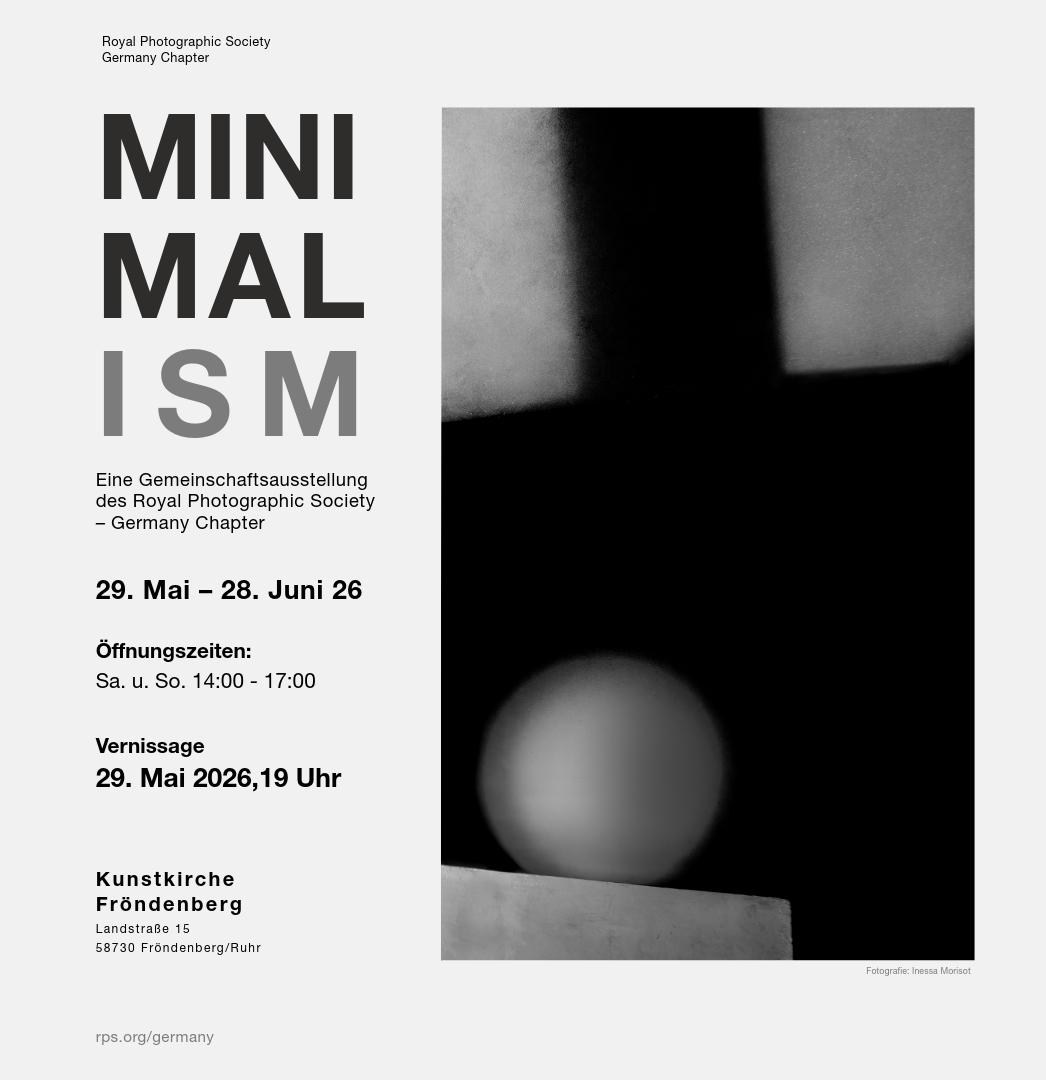
Following her previous exhibition in 2024, Kazue Suzuki presents Chapter Two of her upcoming Photo Exhibition ‘ Switch -Tokyo x London Bus’ in Tokyo, Japan. The German Chapter opened its Minimalism exhibition on 19th May 2026 at the Kunstkirche Fröndenberg and presents a range of minimalist photographic interpretations.
Our update from the Chapter Organisers provides information about on key events happening locally. Please view http://www.rps.org/international for further information. There are also different events organised regularly by the Special Interest Groups (SIGs) at www.rps.org/groups or upcoming RPS events, talks and exhibitions at www.rps. org/what-s-on/
Finally, the International team held the 4th International Members Forum at the end of April. It was another great session. Further details can be found on the following page.
Thank you again to those who have sent their photography and articles to us, your contributions from all corners of the world are much appreciated. We are open to and welcome member submissions for the International Members eMagazine. Details about how you can contribute to a future edition are provided in the Contributions pages at the back.
Wishing you a fantastic few months whether summer or winter, and we will return with our October edition in a few months time.
With very best wishes, Claudine
International Representative International@rps.org
NEWS FROM THE INTERNATIONAL TEAM
An update on some of our key activities:
Developing our international community
We continue to focus on expanding our international community via the quarterly International Members Forum and by increasing direct contact with members and Chapters.
Developing the RPS international website pages
We will shortly begin to make changes to the current RPS International website pages. Work in the background is already in progress as part of the overall RPS strategy to redesign and relaunch the website.
Social Media
We are also introducing a new International social media presence on both Facebook and Instagram. Here we will publish some of the fantastic content which appears in our International Members eMagazine, whether for example, a project, event or member’s photography, or updates from the wider RPS network.
We are also looking for a Social Media Manager to join our team. Please see the International Team Update at back of this edition for further details.
International Members eMagazine
We continue to expand the eMagazine and increase the variety of features and new content. We have received many article submissions, thank you very much for these. Ongoing, we are interested to hear from you regarding the following:
- sharing your equipment journey with us
- if you are showing or have recently shown your work in an exhibition
- a photo project you are working on or have completed
- submitting images for the International Members Gallery or the cover
- if you have been awarded Distinction
4th Quarterly International Members Forum
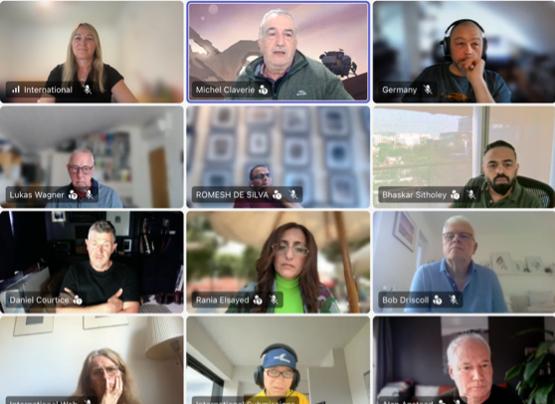
We held the 4th International Members Forum on April 30th, 2026. Thank you to all those who attended. Again, it was great to see both new faces and regular attendees.
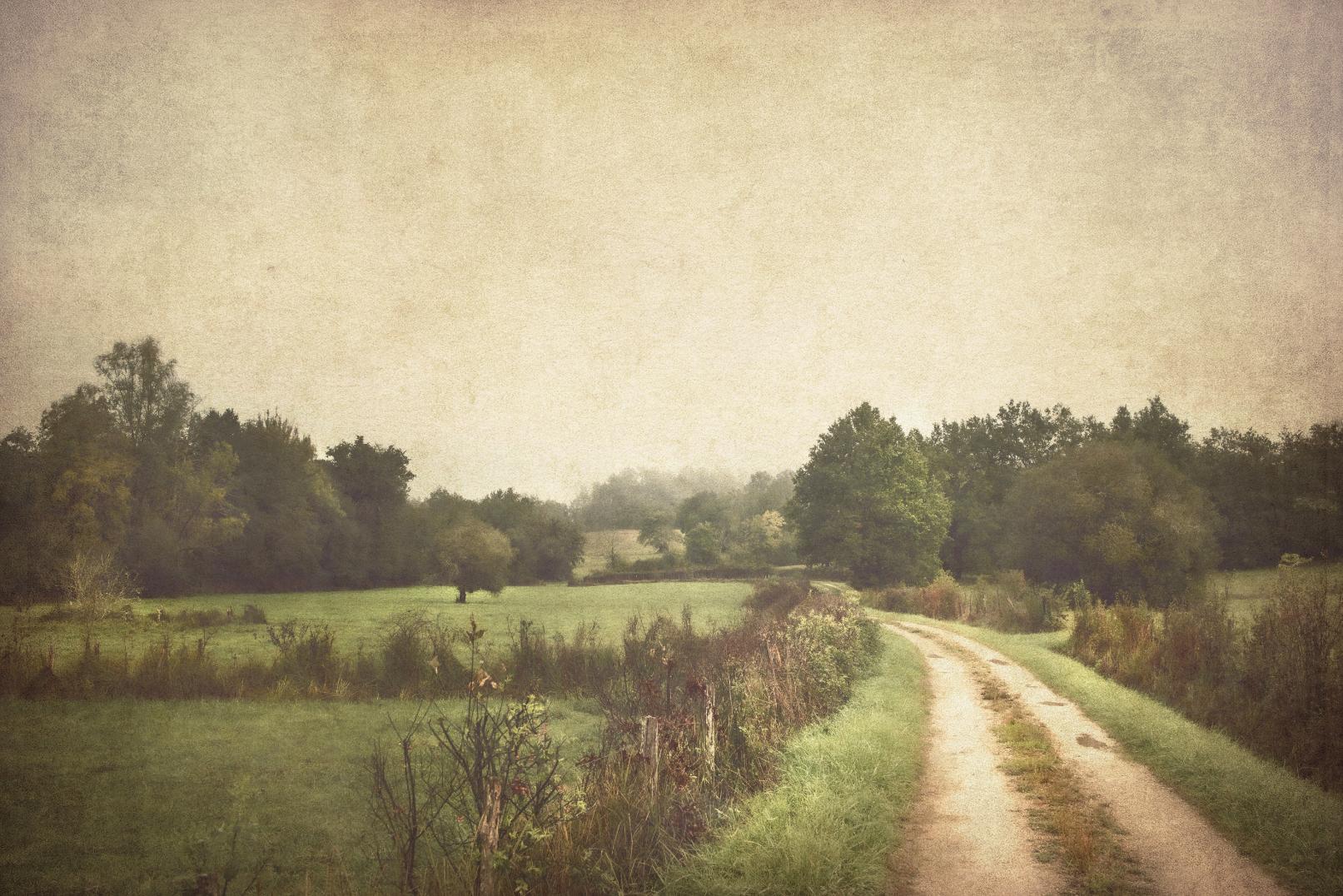
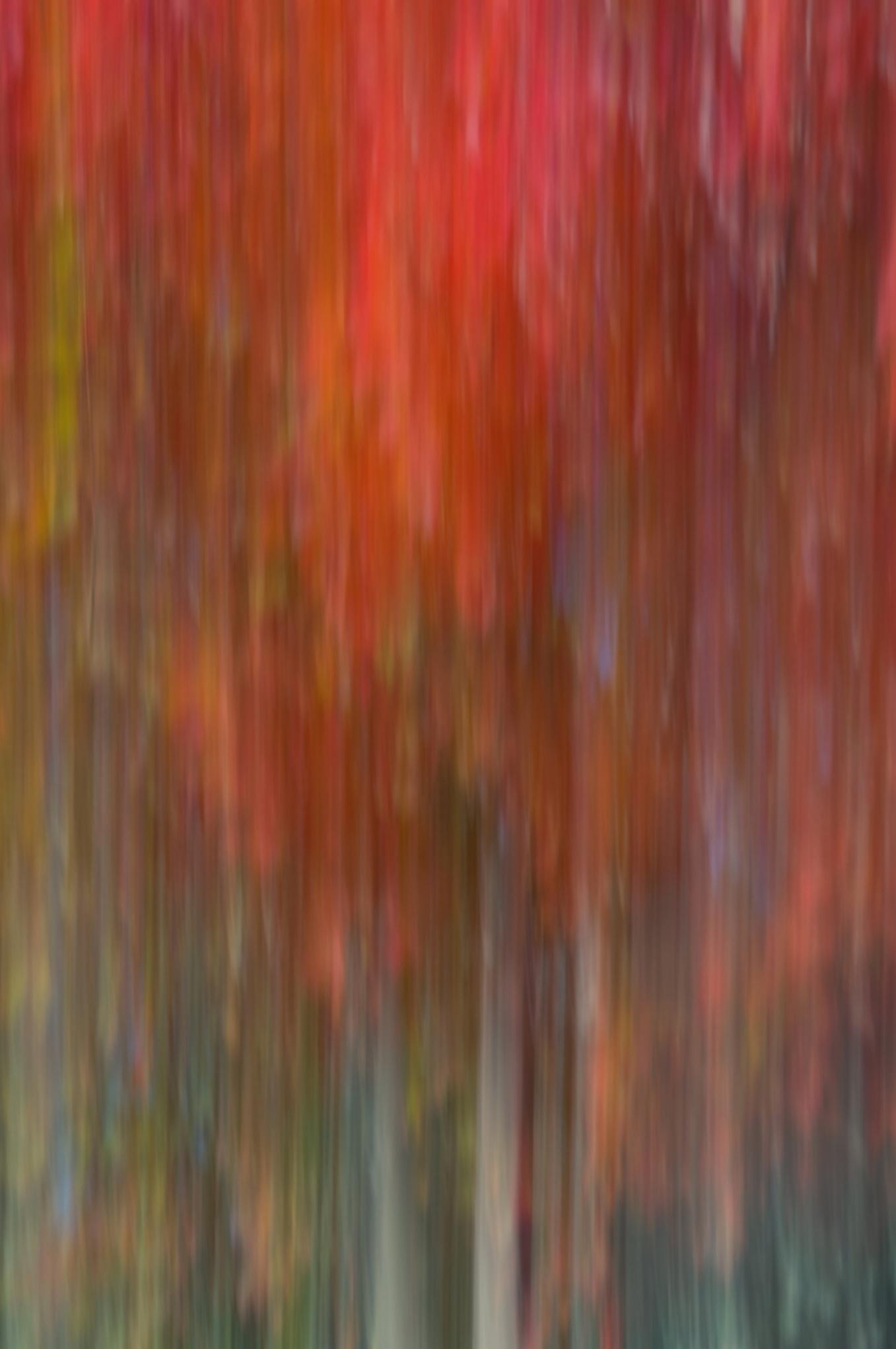
French Countryside
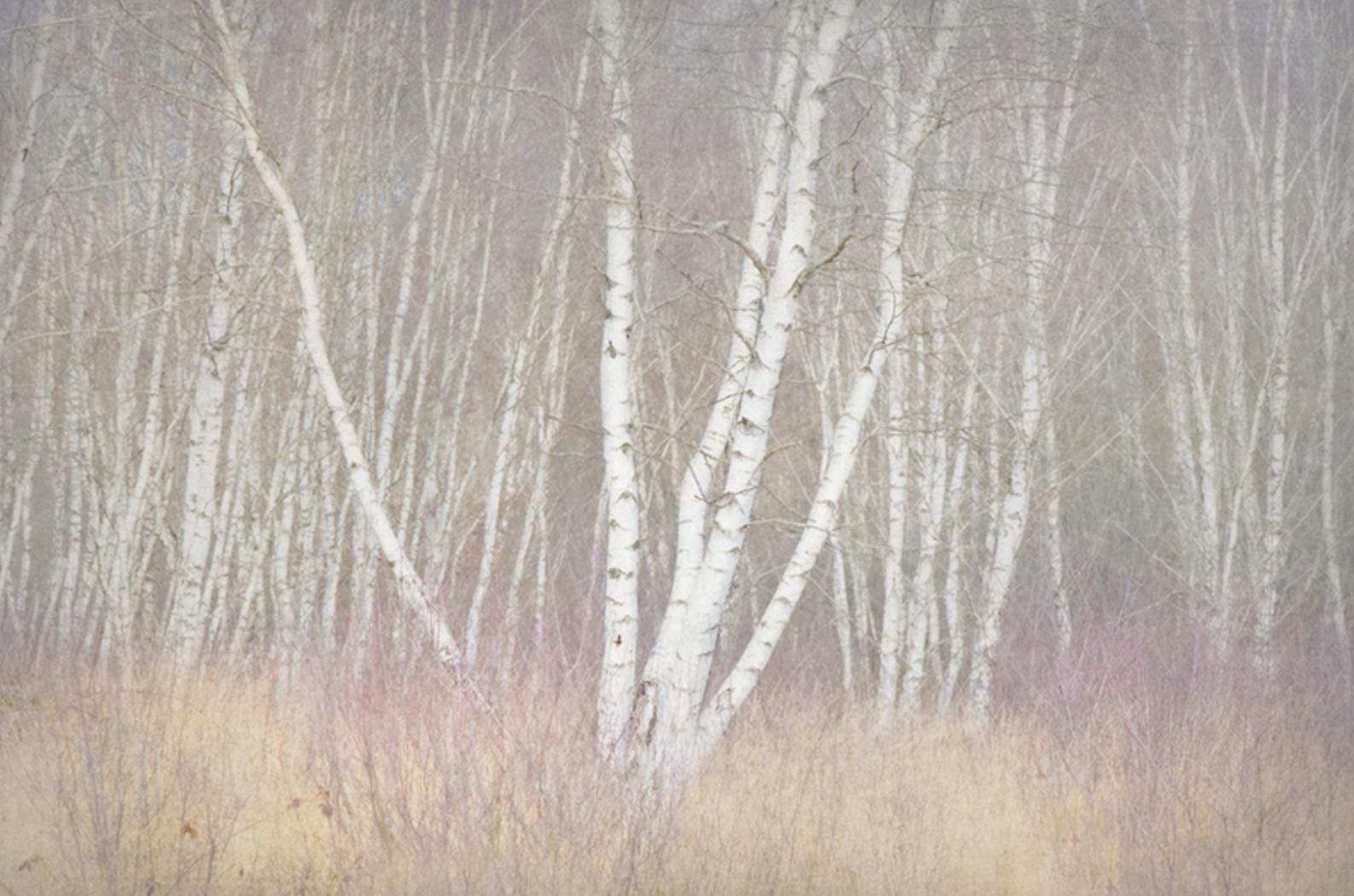
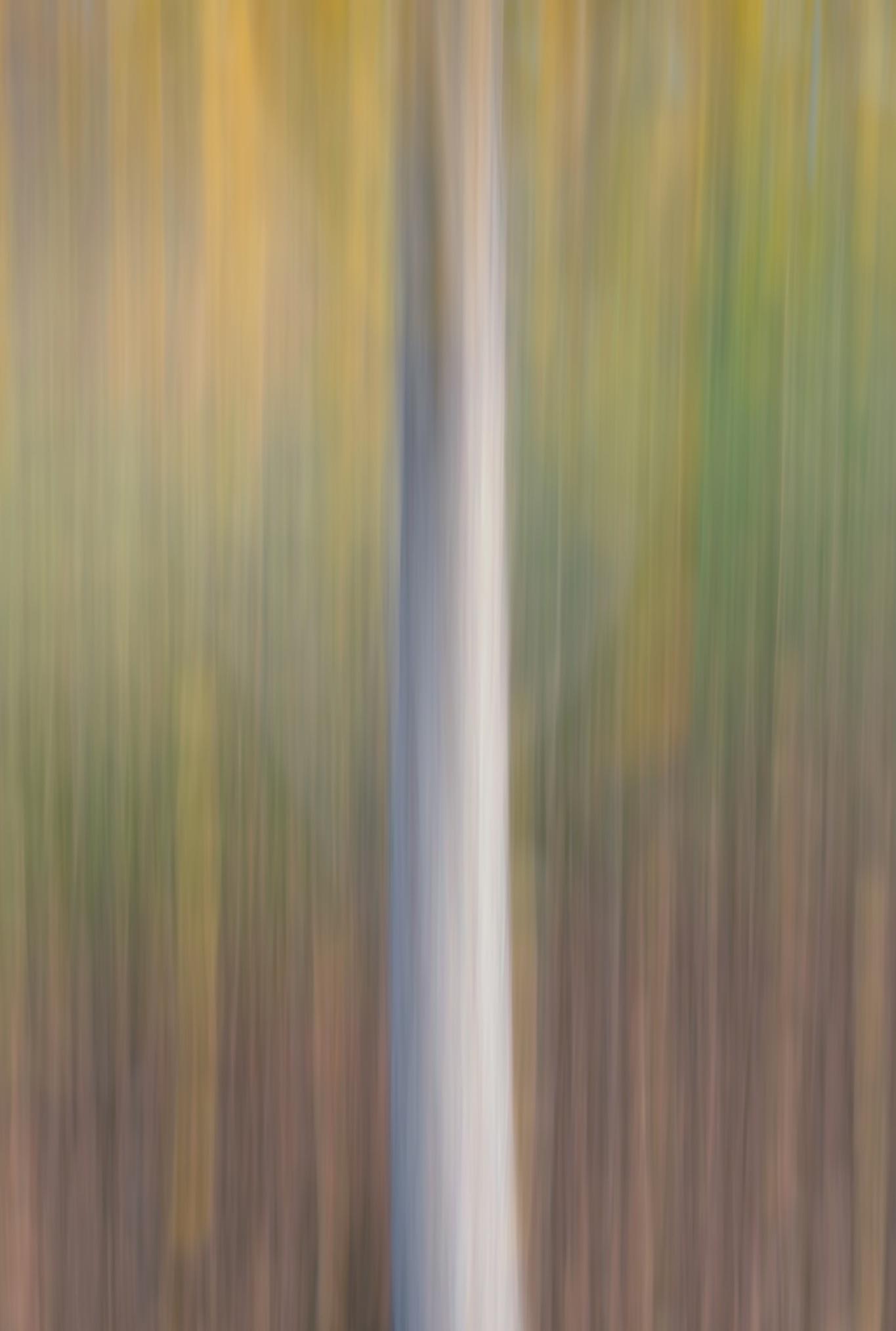
Birch and Grass
Following introductions and an RPS update, we had a fascinating presentation by Dan Courtice, an international member who lives in the Corrèze in France. Dan talked to us about his ‘modern pictorialism’ photography, presented a number of his images taken in his local area and explained how he creates his unique style. You can see a selection of his images in the International Members eMagazine March 2026 issue.
This was followed by a presentation by Jacky Lee about the recent legal cases regarding generative AI and its impact on our photography. Our updates and discussions about AI will continue to form a regular part of each session to keep us up to date on this topic.
Thank you to both Dan and Jacky for their presentations. If you would like copies or have any questions, please contact Claudine at international@rps.org
The 5th International Members Forum will be held the week of July 27th, 2026. Dates and sessions to be confirmed. Please contact Claudine at international@rps.org if you would like to join this event. All previous attendees will be invited automatically, and the agenda will be issued early July.
Photo Critique Corner
The International email Photo Critique Corner is a welcoming space where members can send up to five images (JPEGs, longest side 3000px) along with a short note about what inspired them or the kind of feedback they would find most helpful. Whether you are seeking tips to refine your technique, fresh ideas to strengthen your storytelling, or simply a new perspective on your work, this corner is here to support you. The critique corner is run by Jacky Lee, professional photographer, who is part of our international team. Jacky brings extensive judging and mentoring experience across RPS, APS, CAPA and PSA. Our aim is to create a lively, supportive environment where international RPS members can learn, grow, and inspire one another. Please submit your images to internationalsubmissions@rps.org
Finally, please do come back with any suggestions you may have to international@rps. org
CAPTURING THE CONTRAST AND BEAUTY OF NEW ZEALAND’S LARGEST CITY
Liz Hardley LRPS, Auckland, New Zealand
We are very pleased to introduce Liz, an international member of the RPS who lives in Auckland, New Zealand.
Located on the North Island, Auckland is both a multicultural hub of food and wine, music, art and culture, and a city of contrasts with native bush and beaches very close to the urban centre. Liz tells us more about her photographic background, and the inspiration behind her images of the city in which she lives.
Iwas born in England, and in 1995 when I was forty years old, I emigrated to Auckland on the North Island of New Zealand. Prior to arriving, I had lived in North Wales for eight years, where I was a member of the Hawarden Camera Club. This active period was followed by a hiatus of ten years before I took up photography again after I was gifted a Nikon D70s, my first digital SLR.
My photographic interests have always been eclectic and continue to be so. I have been a member of the Auckland Photographic Society since 2006, and in 2010, I gained a Fellowship of the Photographic Society of New Zealand. I am also a member of several international societies. My current camera is a Nikon mirrorless Z7ii.
Paradoxically, I find that I now take more photographs when I travel outside New Zealand, than I do in Auckland. I think that it is a truism that photographers often take their own locality for granted and find other places photographically more inviting. However, writing this article has prompted me to contemplate why Auckland, New Zealand’s largest city, is actually a great place for photography. Additionally, why I should photograph here more frequently, and why I should encourage photographers to visit the Auckland region.
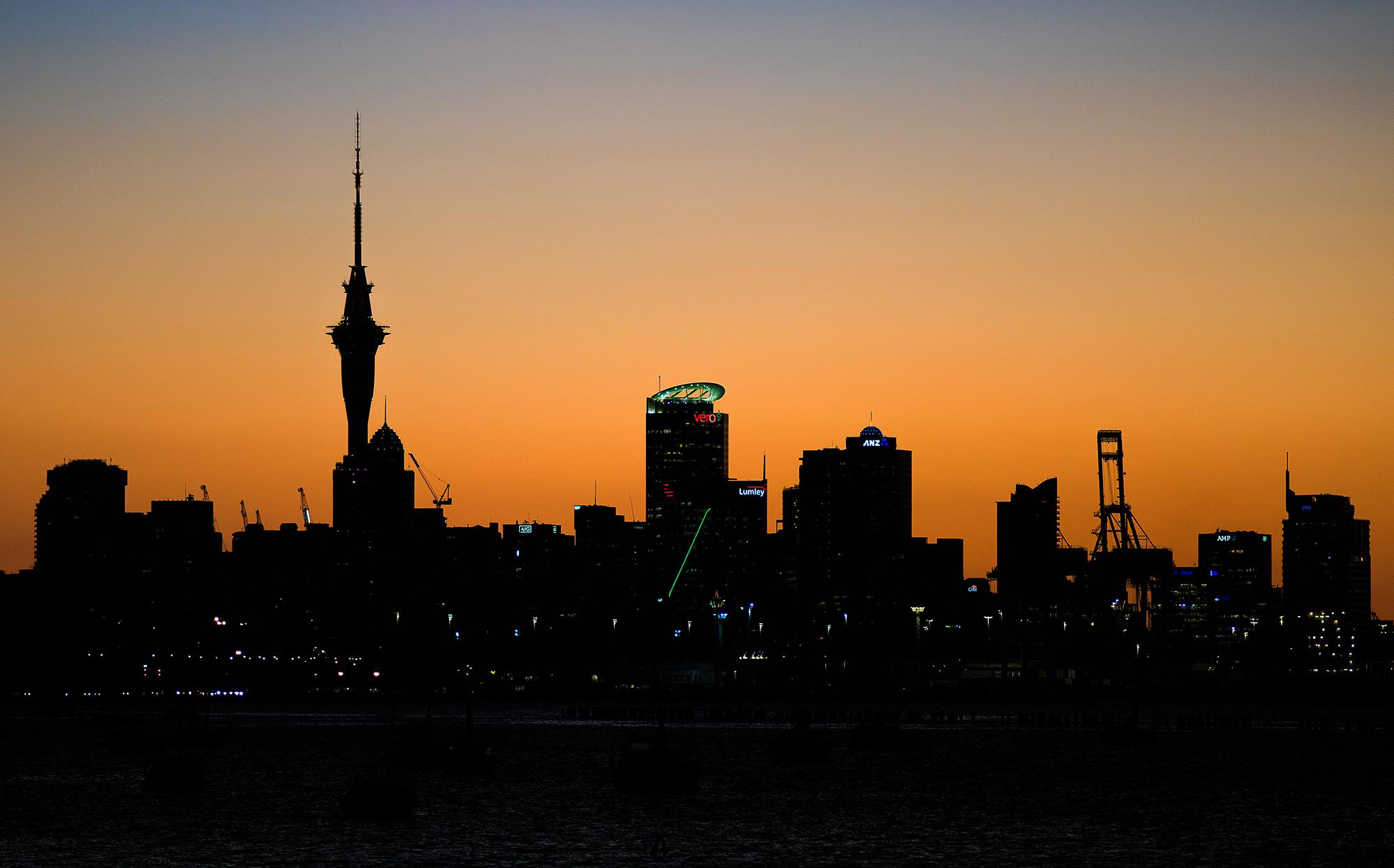
Auckland Skyline Silhouette at Sunset showing the iconic Sky Tower
I live in Glendowie, an eastern suburb of Auckland, which is close to the city, water and open spaces. Hence, I am fortunate to be able to take street, sport, architecture, landscape and nature images. The mild sub-tropical climate here means that getting out and about easily is possible all year round.
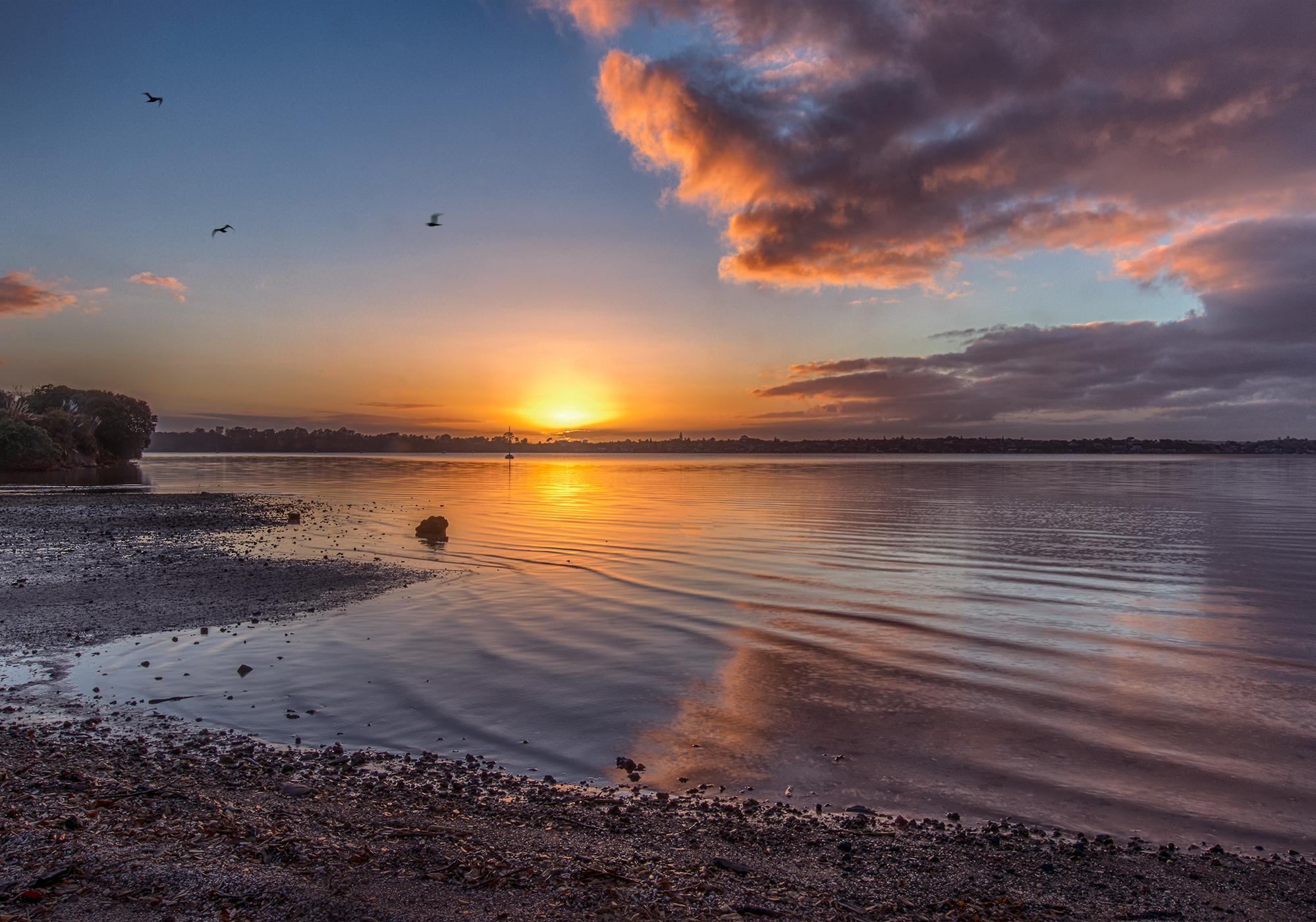
Sunrise at Glendowie Estuary
CREDIT: Liz Hardley LRPS
Auckland sits on an active volcanic field. The most recent volcano which emerged from the sea only 600 years ago is considered an Auckland icon. It is located on Rangitoto Island which is a short boat trip from where I live. The island has the largest pohutukawa forest in the world. The pohutukawa is a tree native to New Zealand which blooms in our summer.
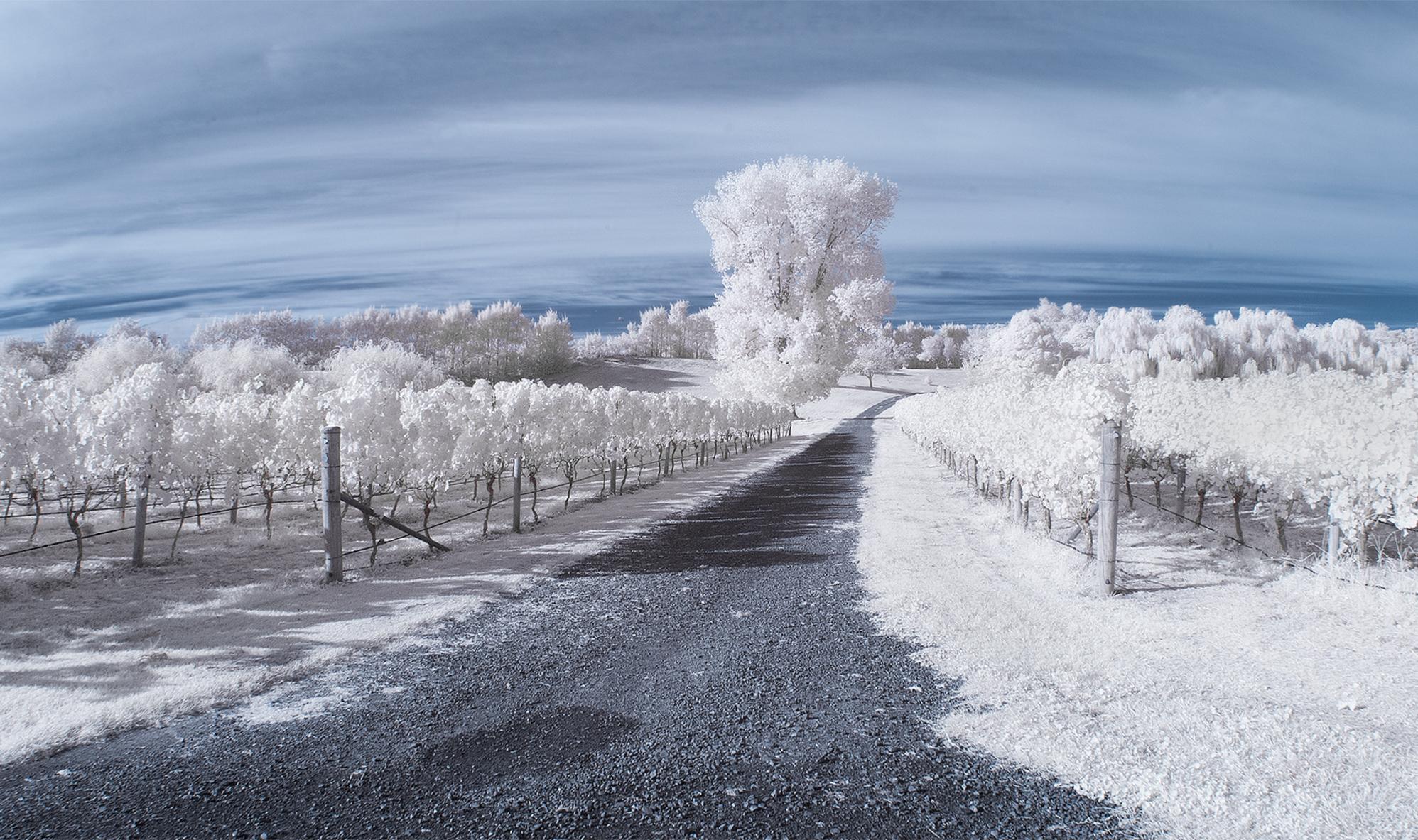
Villa Maria Vineyard, Mangere, Auckland - Infra red
CREDIT: Liz Hardley LRPS
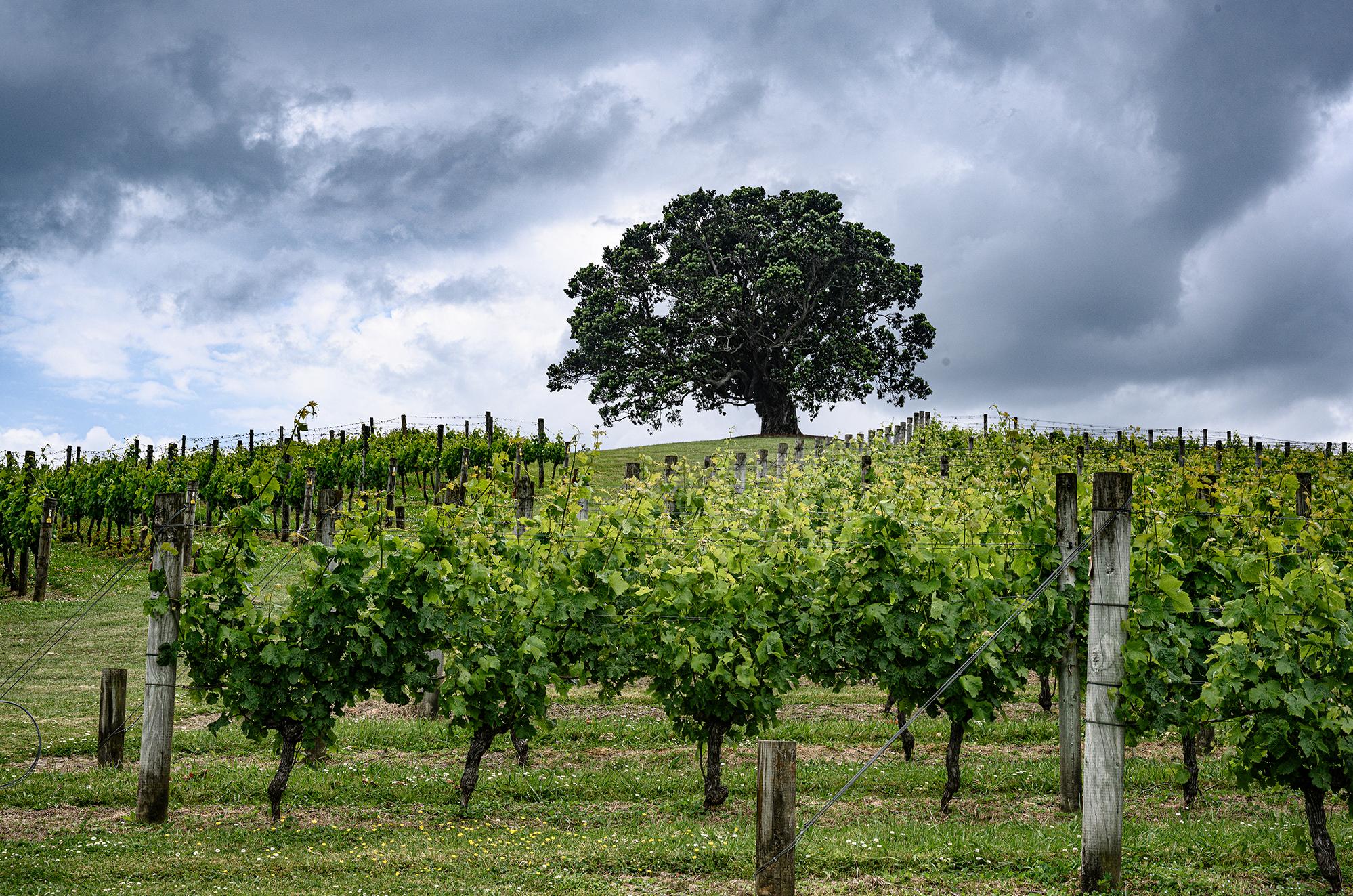
Goldie Estate Vineyard on Waiheke Island
Auckland is one of the oldest wine growing regions in New Zealand, and a vineyard tour can readily be combined with some interesting photography. Most Auckland wineries are located on Waiheke Island, a short ferry ride from Central Auckland; Kumeu in West Auckland, and Matakana, north of the city. Sadly, the large Villa Maria winery, close to Auckland International Airport, where I took some infrared images, is now closed.
CREDIT: Liz Hardley LRPS
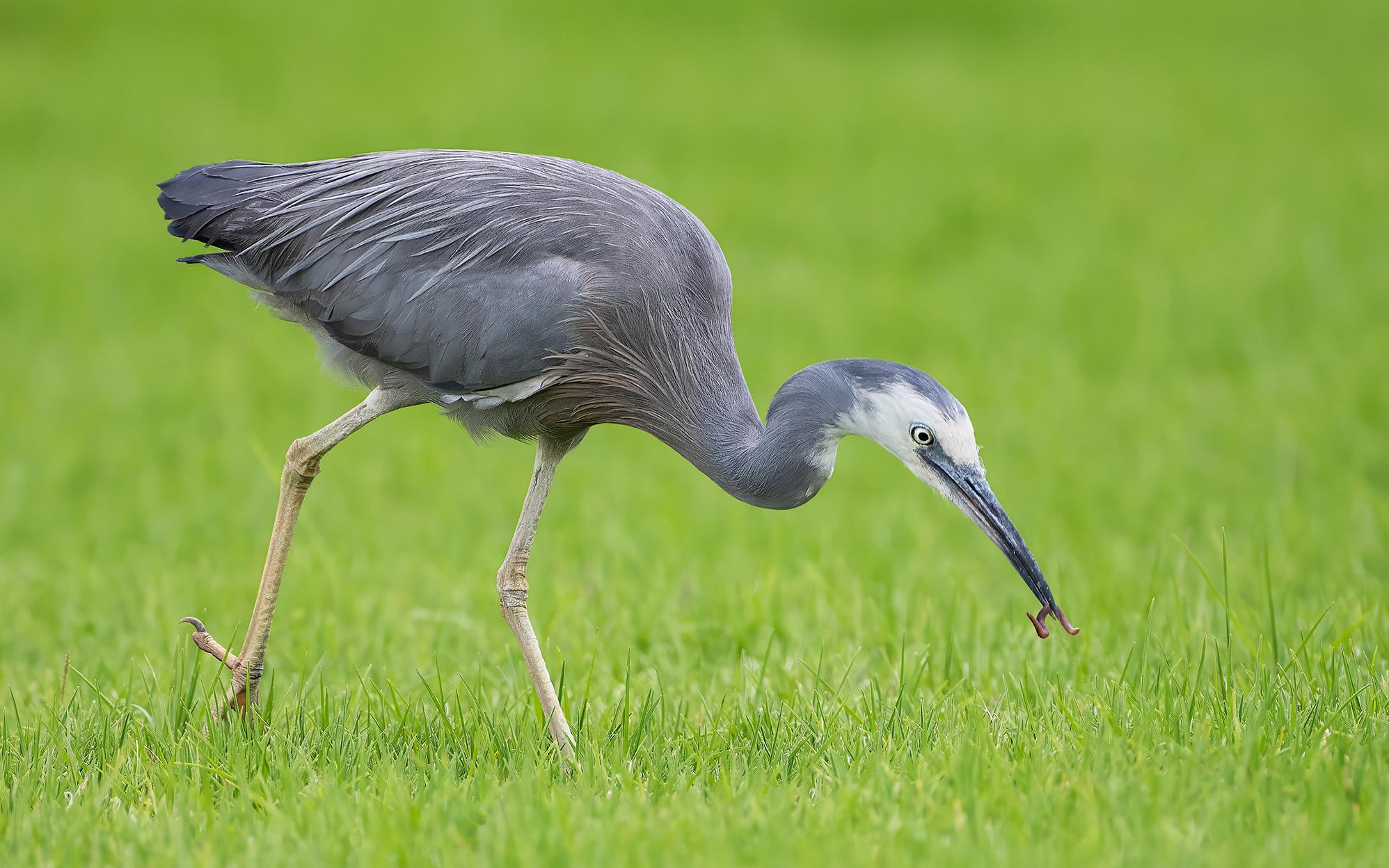
White-faced Heron feeding on worms at the Roberta Reserve next to the Glendowie estuary
Although wildlife photographers may prefer to visit Australia for its diversity of fauna, Auckland does provide ample opportunities to photograph birds and sea mammals. I can walk out of my house with my camera and within a few minutes be at the local reserve and estuary. This is home to black swans, cormorants, pukekos, spoonbills, tui, kingfishers, herons, pied stilts, cormorants, and oystercatchers.
CREDIT: Liz Hardley LRPS
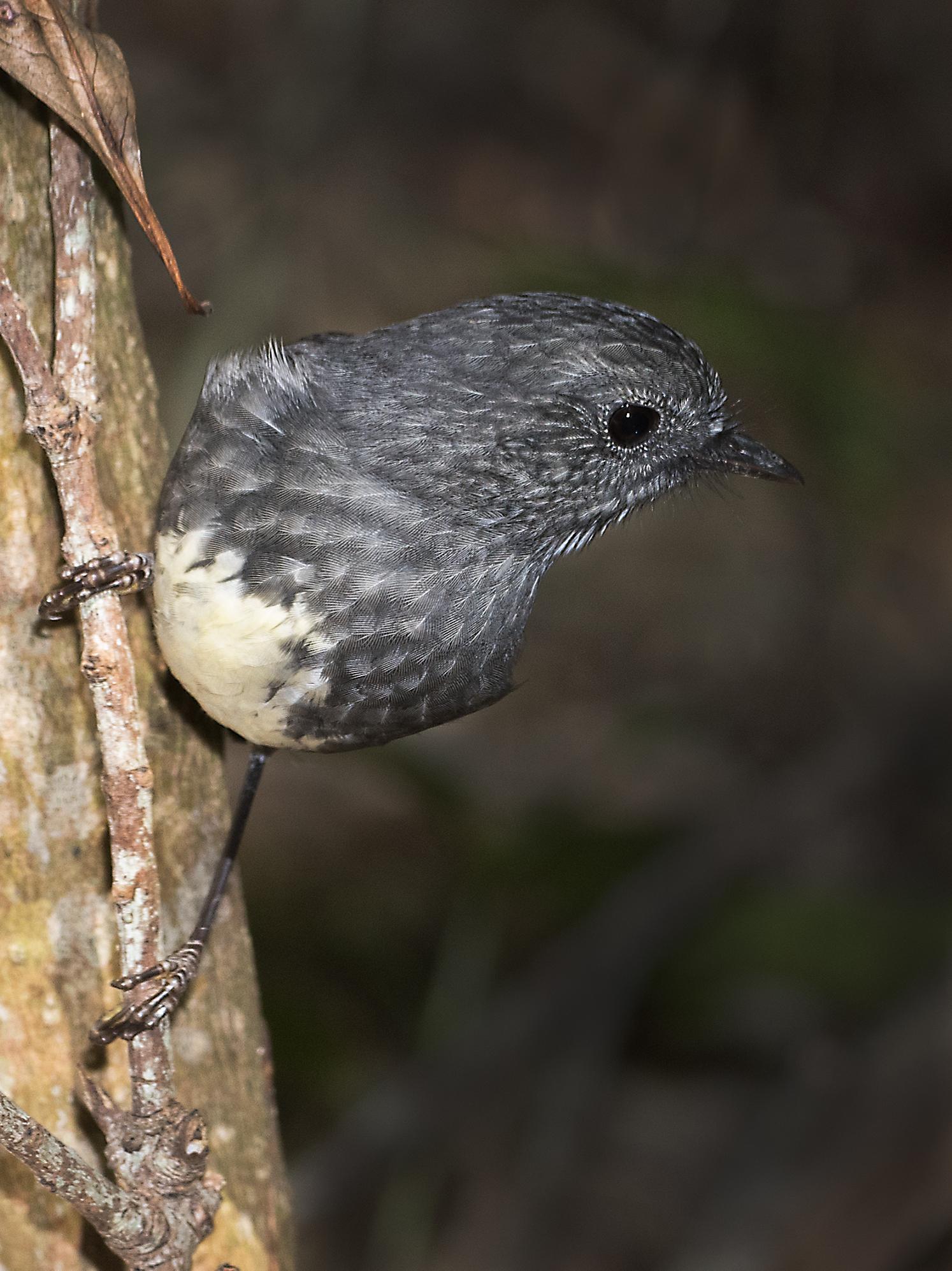
North Island Robin, Tiritiri Matangi Island
It is a short ferry ride from Auckland city to the predator-free island of Tiritiri Matangi. Here there are opportunities to take photographs of rare native birds, including bellbirds, saddlebacks, North Island robins, riflemen, kaka (a large forest parrot), takahe (the world’s largest rail) and brown teals (one of the world’s rarest ducks). If you stay overnight on the island, you may be lucky enough to observe kiwis, which are nocturnal flightless birds. I have only seen kiwis in captivity at the Auckland Zoo but they can be found in the wild in several places in the Auckland region. Between August and March, there are also opportunities to photograph a large breeding gannet colony up close at Muriwai, west of Auckland.
Dolphin and whale watching cruises around the Hauraki Gulf can be booked from downtown Auckland. Sitings are virtually guaranteed, but if you are lucky, you may also observe these mammals from the shore: for example, orcas will often come very close to the beaches near where I live when they hunt stingrays.
Aucklanders tend to be outdoor people, so there are many opportunities to capture people participating in different sports such as rugby and athletics, in particular at grassroots level. Surrounded by water, sailing is a very popular pastime in Auckland which has hosted and won the America’s Cup three times, in 2000, 2003 and 2021. Auckland is often referred to as ‘The City of Sails’.
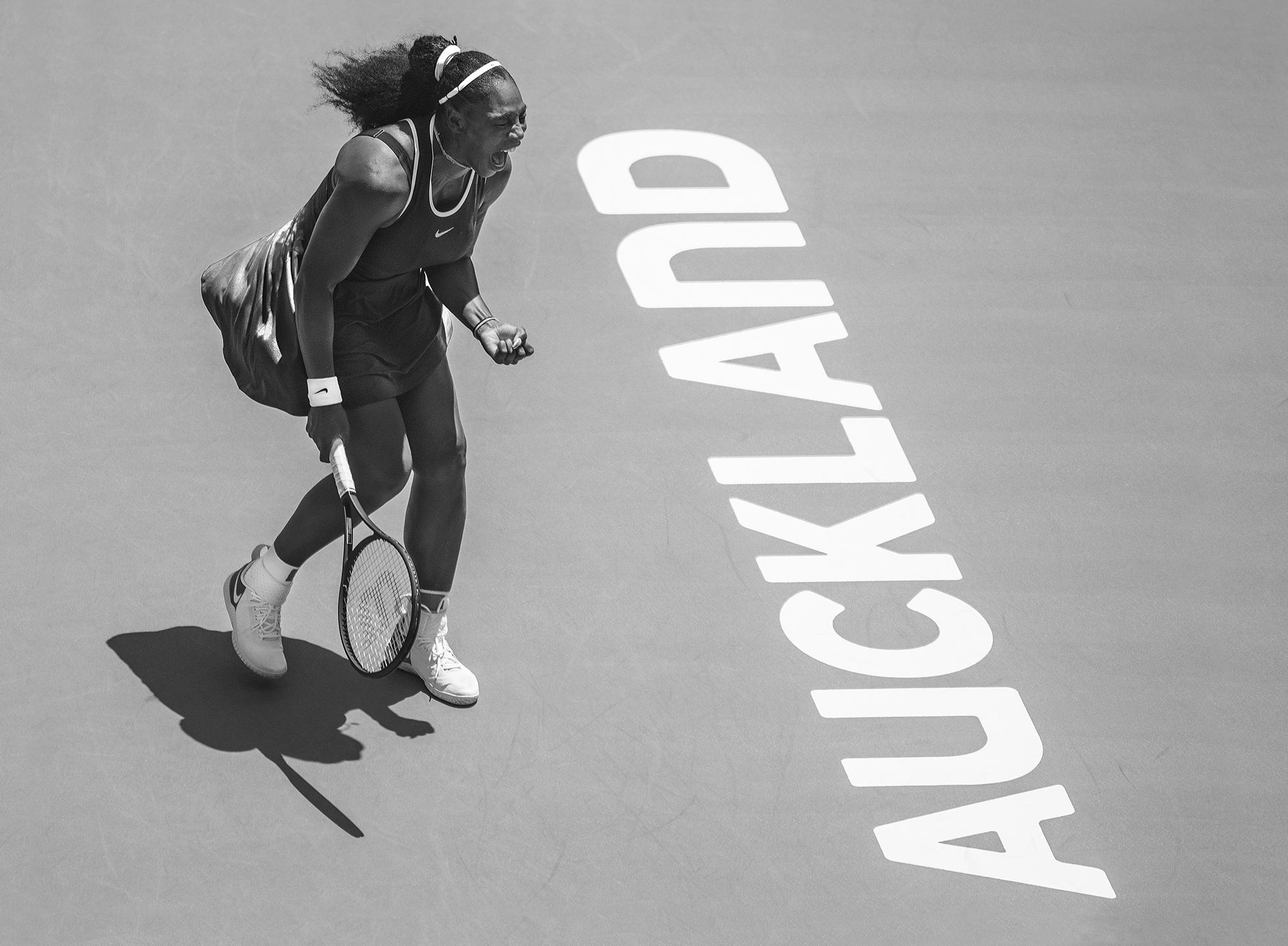
Serena Williams at the Auckland ASB Classic tennis tournament, 2021
CREDIT:
Liz Hardley LRPS
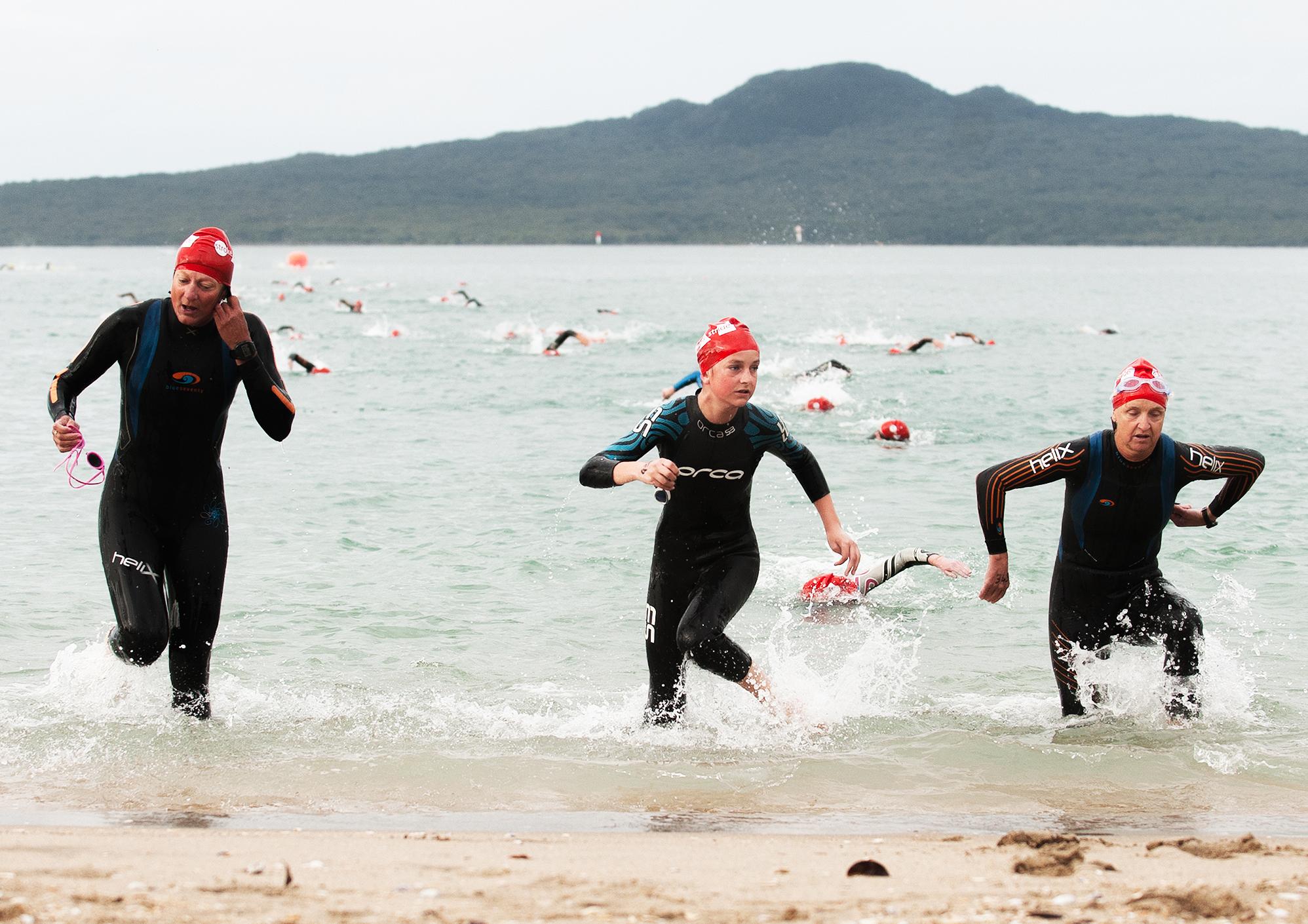
Stroke and Stride Swim Run event 2014, Mission Bay with Rangitoto Island in the background
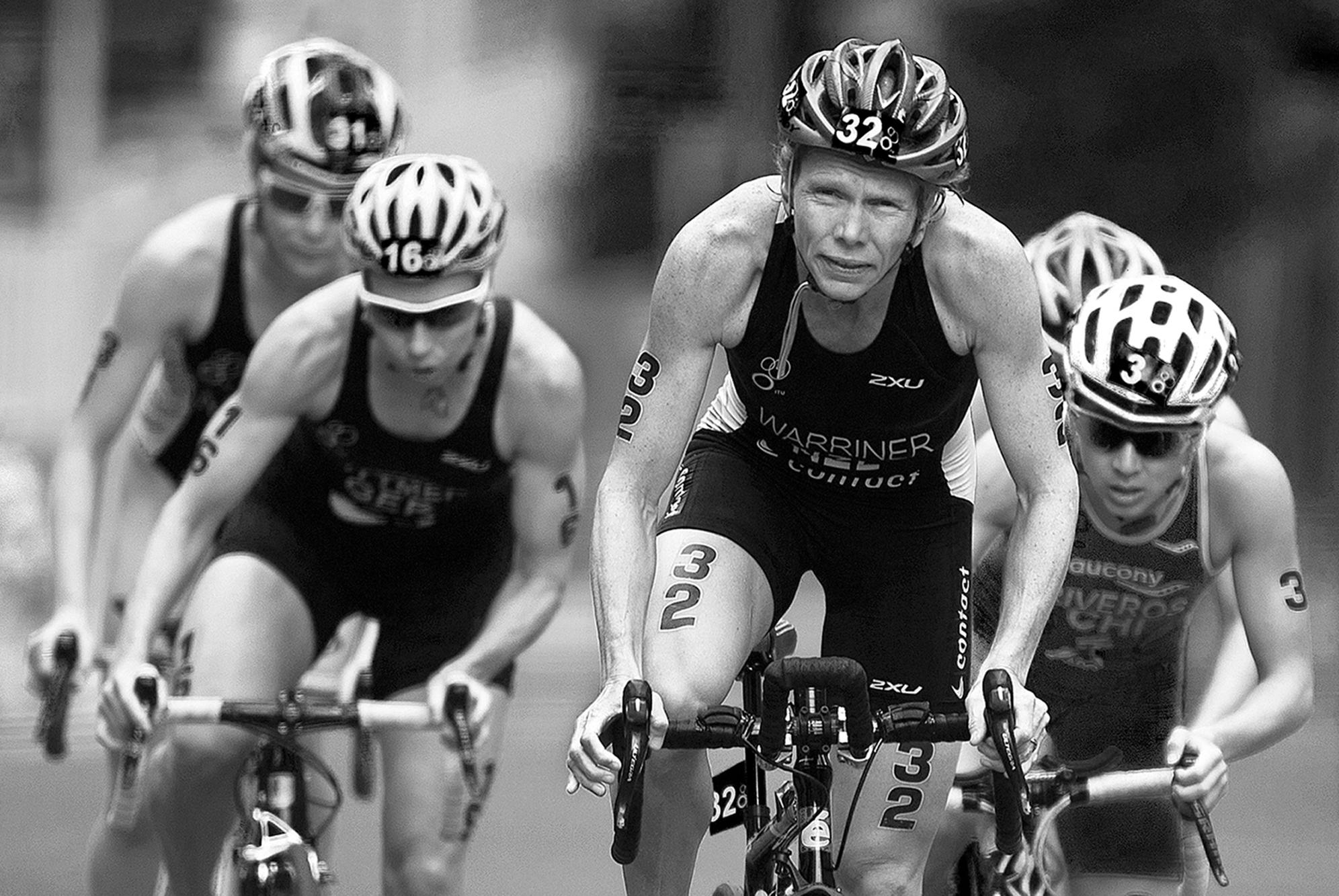
Each year in January, the city holds the Auckland ASB Classic, New Zealand’s biggest tennis tournament. Major spectator-friendly Ironman and Triathlon events are also held in the city and its suburbs.
CREDIT: Liz Hardley LRPS
Samantha Warriner leads the pack at the ITU World Triathlon 2013, Auckland city centre
Auckland is a multicultural city and holds many vibrant cultural events and festivals throughout the year to celebrate occasions such as Matariki: Maori New Year, Chinese New Year, Diwali and St Patrick’s Day. These offer great photo opportunities if your trip coincides with one of them.
CREDIT: Liz Hardley LRPS
I hope that I have inspired photographers sufficiently to come to Auckland when they visit New Zealand and are able take away their own photographic memories.
Liz Hardley FPSNZ, EFIAP/d2, EPSA, GMAPS, LRPS
Thank you very much Liz for telling us about Auckland, and for sharing your fantastic images with us.
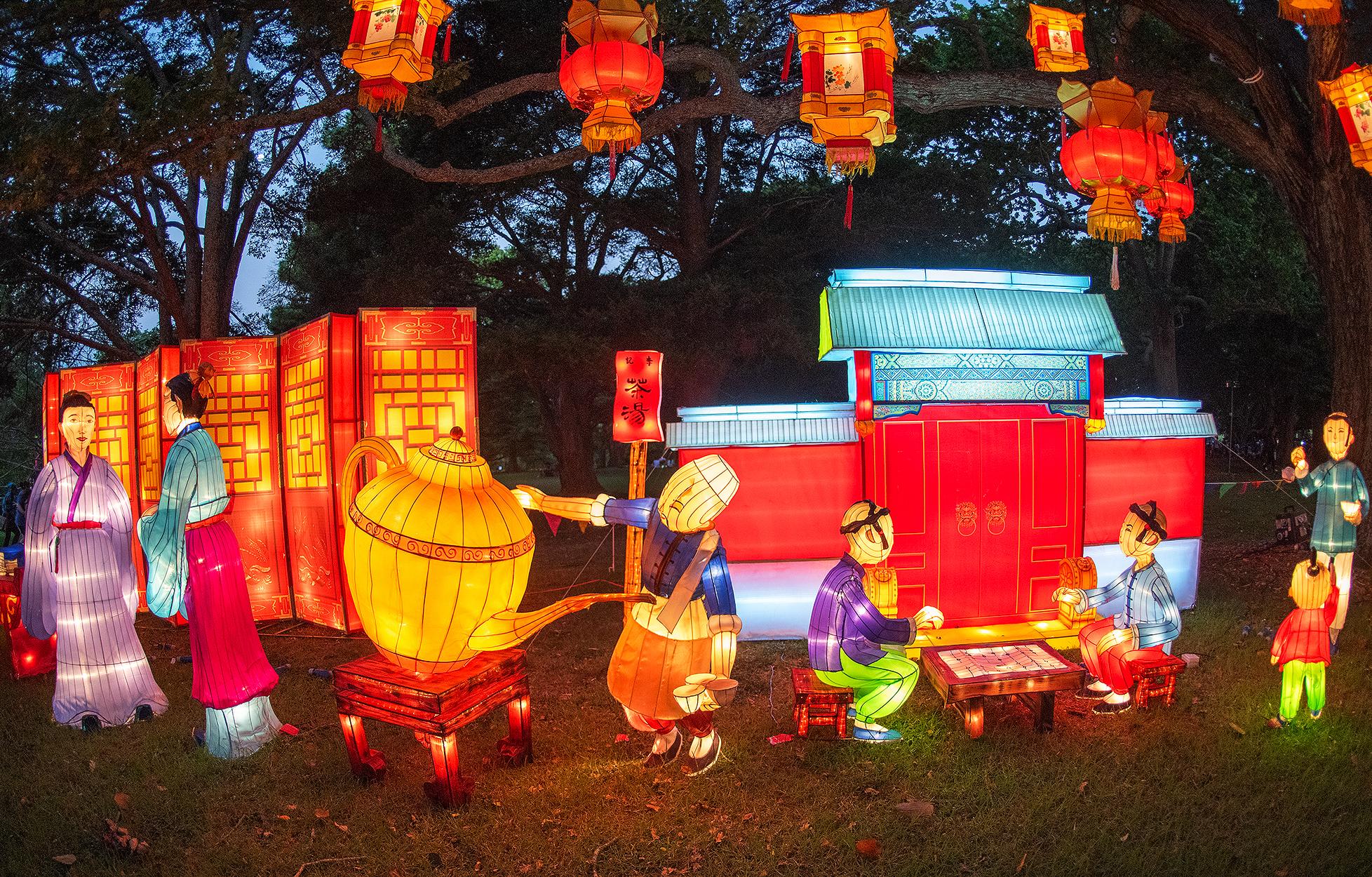
Chinese Lantern Festival, celebrating Chinese New Year, Auckland Domain 2016
CREDIT: Liz Hardley LRPS
BUILDING MYTHOLOGY: STUDIO CRAFT IN THE AGE OF AI
By Cătălin Arcu
Cătălin is an international member of the RPS, and a fine art photographer based in Cluj, Romania. Cătălin tells us about his portraiture which is inspired by classical painting, mythology and folklore, shares with us the digital images he creates in his studio, and how these compare to those which AI could generate.
In an era where artificial intelligence (AI) can generate a photorealistic image in seconds, why spend hours soaking paper in coffee, carrying buckets of warm water, or meticulously arranging hourglasses around a university professor dressed as a Greek titan? Because the craft is the art. Because the struggle matters. Because an AI-generated image, however visually pleasing, is fundamentally hollow. It lacks the emotional connection between a photographer and model, the problem-solving that turns limitation into creativity, and the irreplaceable human moments that happen when real people collaborate to build something tangible.
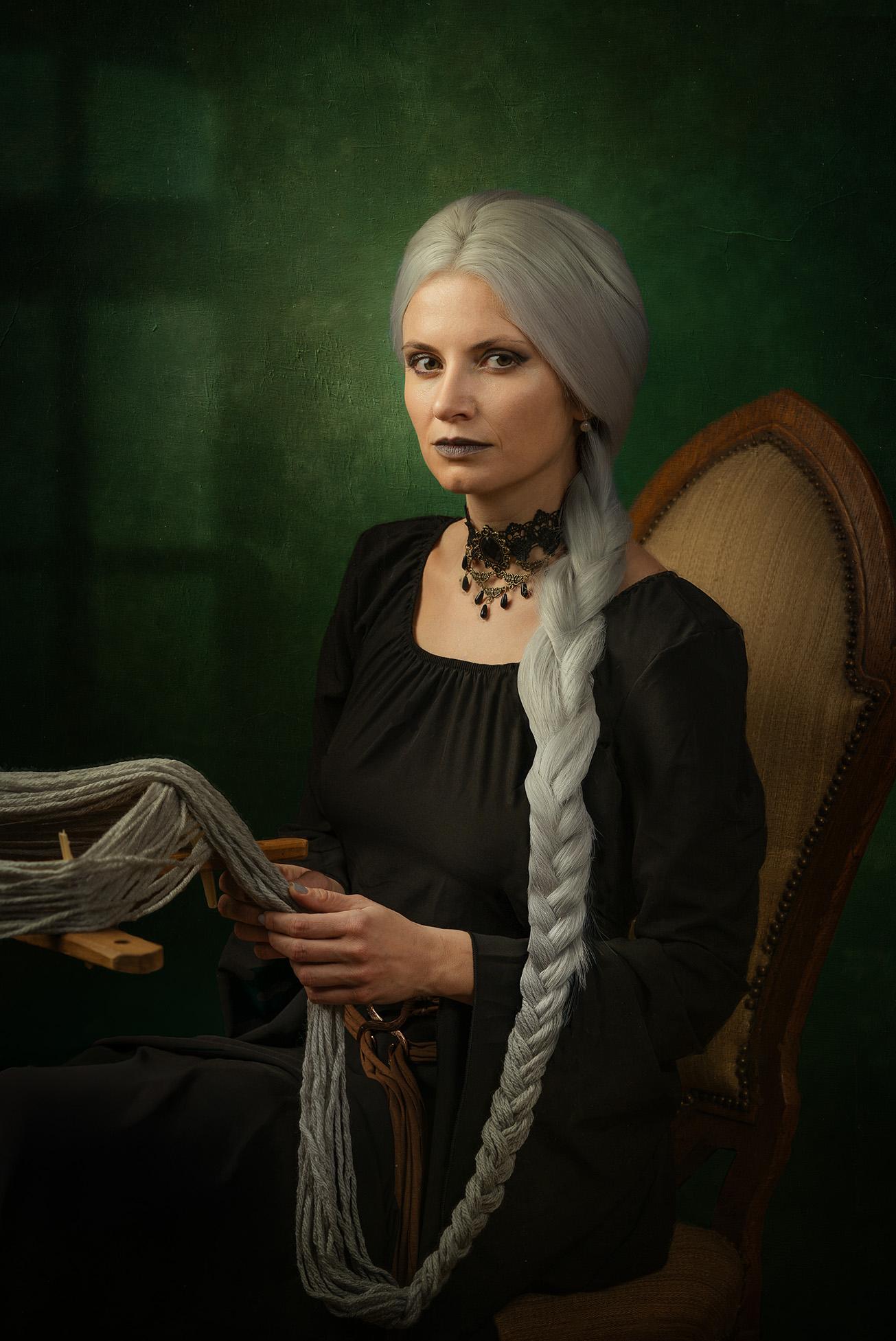
I work from my studio in Florești, near Cluj-Napoca in Romania, creating conceptual portraits inspired by classical painting, mythology, and folklore. My process is deliberately analogue in a digital age. Every element you see in my images - the props, the costumes, the staging - is physically present during the shoot. Nothing is generated or conjured from text prompts. Everything is built, borrowed and improvised, or constructed by hand.
This isn't a rejection of technology. I embrace digital tools for post-processing, and compositing when necessary. However, I have drawn a clear line for my art: I create photographs, not illustrations. The difference matters.
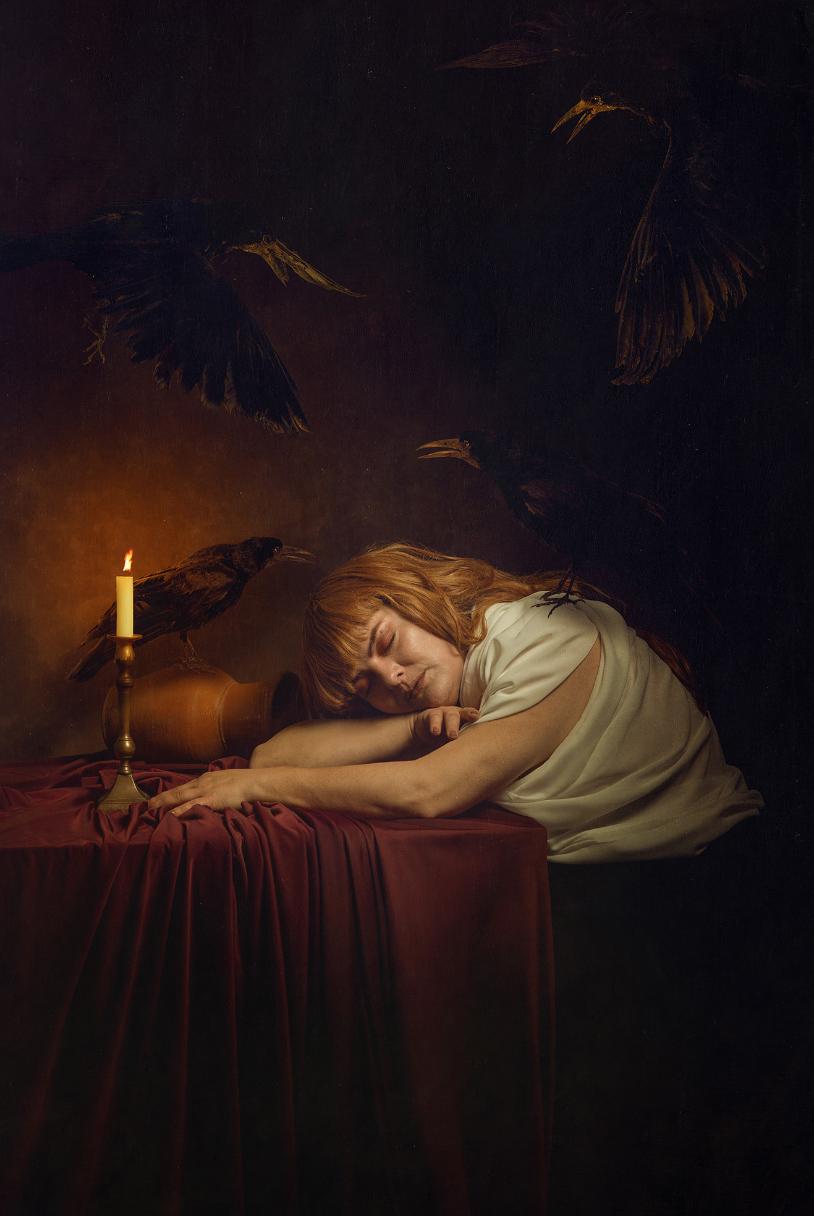
The Weight of What Was Sleep of Reason
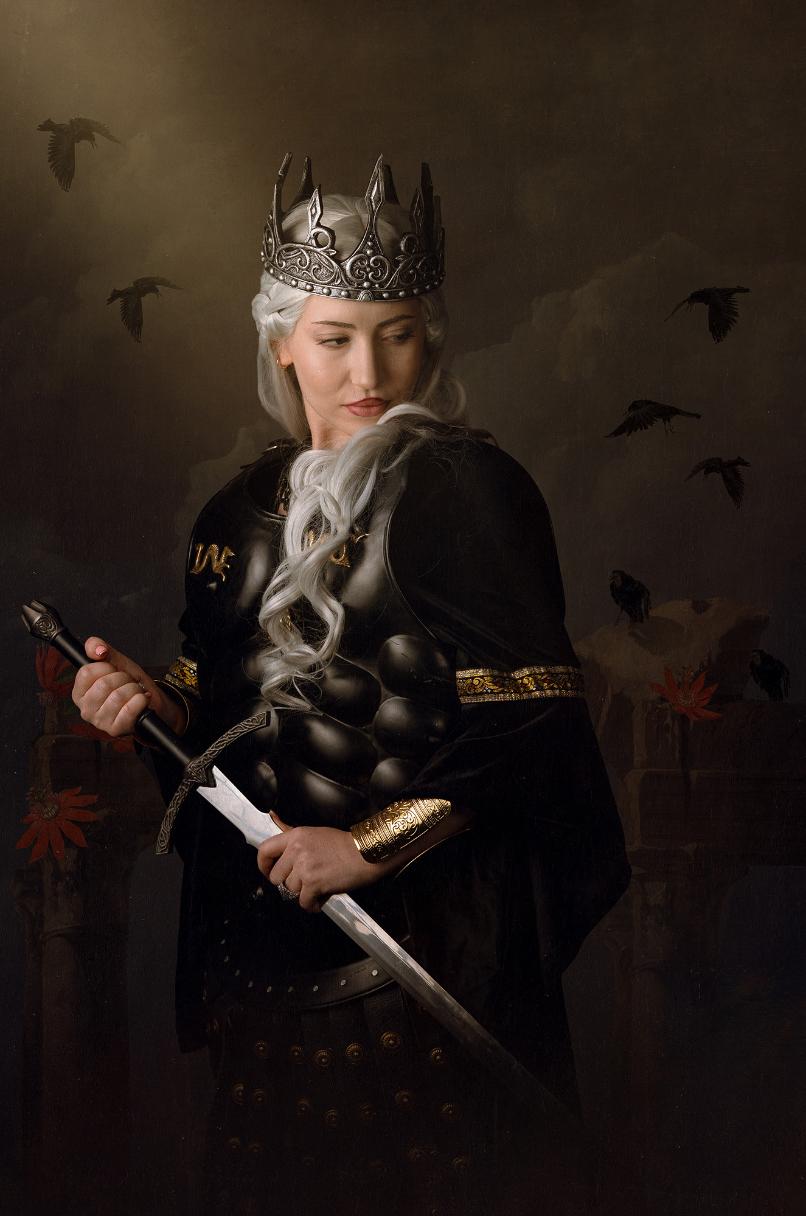
Queen Elowen II
Craft as narrative
Sometimes the best work happens when plans collapse. ‘Ophelia IV’ was supposed to be shot outdoors in a classical pre-Raphaelite aesthetic, natural water, golden hour light. Then it rained that afternoon. So, we brought a kid’s pool into my living room.
Patricia, my model, needed to stay in the water for nearly an hour to get the shot right, so we carried warm water, bucket by bucket to keep her comfortable throughout. The pool was bright blue plastic, so we covered every inch with black fabric to avoid colour contamination. Light reflections on the water surface became a constant challenge, so we adjusted angles and shot multiple takes until we got clean water texture. It was absurd. It was uncomfortable. It worked out perfectly.
This image has won many international awards and accolades since, including IAAP, FIAP and GPU Gold Medals. However, more importantly, Patricia and I created something together which wouldn't exist without both of us being fully present, fully committed and problem-solving in real time. AI couldn't generate this collaboration, and it couldn't generate Patricia's patience, or the specific way the light caught the water after we had repositioned the key light for the seventh time. AI couldn't generate the single perfect take where everything aligned.
Ophelia
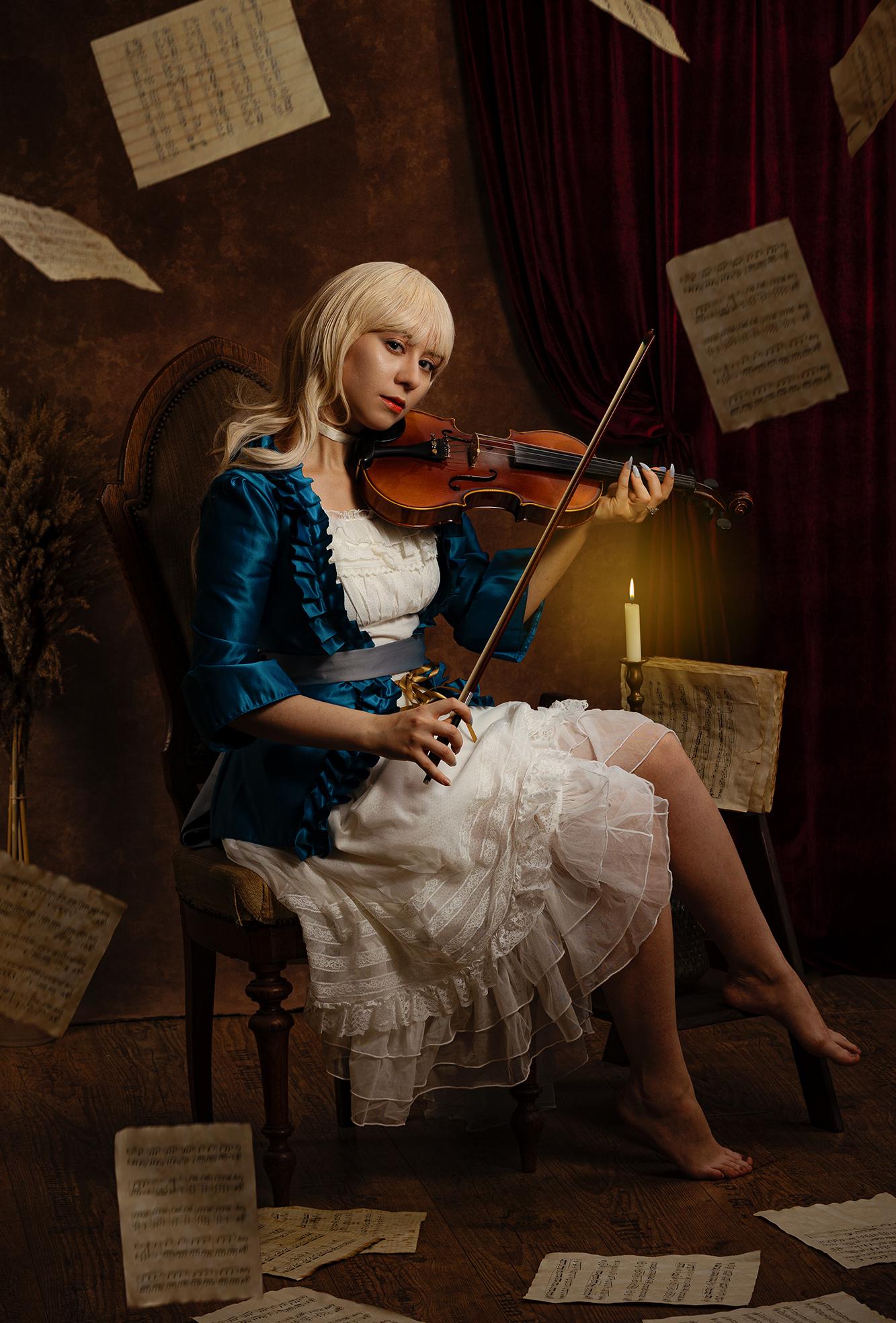
For ‘Elise von Walden’, I wanted to create the atmosphere of a 19th-century music room - candlelight, aged sheet music scattered across the floor and flying around the model, a young composer and violinist lost in music. The music sheets needed to look authentically old, not freshly printed. So, I soaked them in coffee solution and dried them in the oven, watching carefully so they would age without burning.
Alis, my model, wore period costume. We used a small antique table, real candles carefully managed for safety, heavy drapes and an ornate chair. All physical elements were arranged in-camera. The result feels like a painting, but it is entirely photographic. Every element was there, each one tangible and real.
CREDIT
Cătălin
Arcu
Elise von Walden
Elise von Walden II
Would AI be able to generate a similar image in a few minutes? Definitely. However, it wouldn’t generate the moment when Alis picked up the violin and we realised the candlelight was creating a shadow pattern we hadn't planned for, one which made the final image stronger. It wouldn’t be able to generate the creative conversation which happens when you're physically building a scene together.
Arcu
Inia Dinia
Qeshtara II
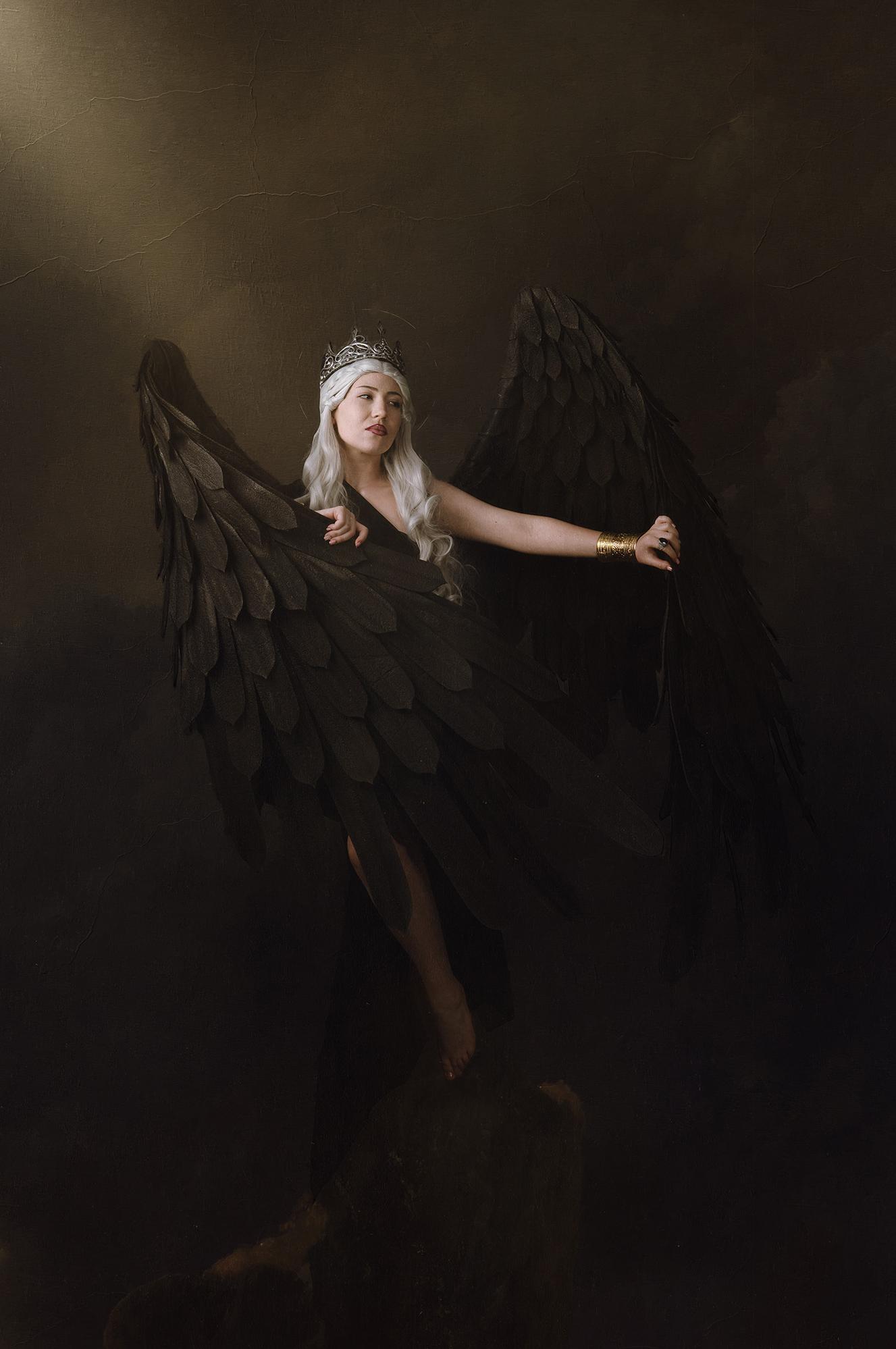
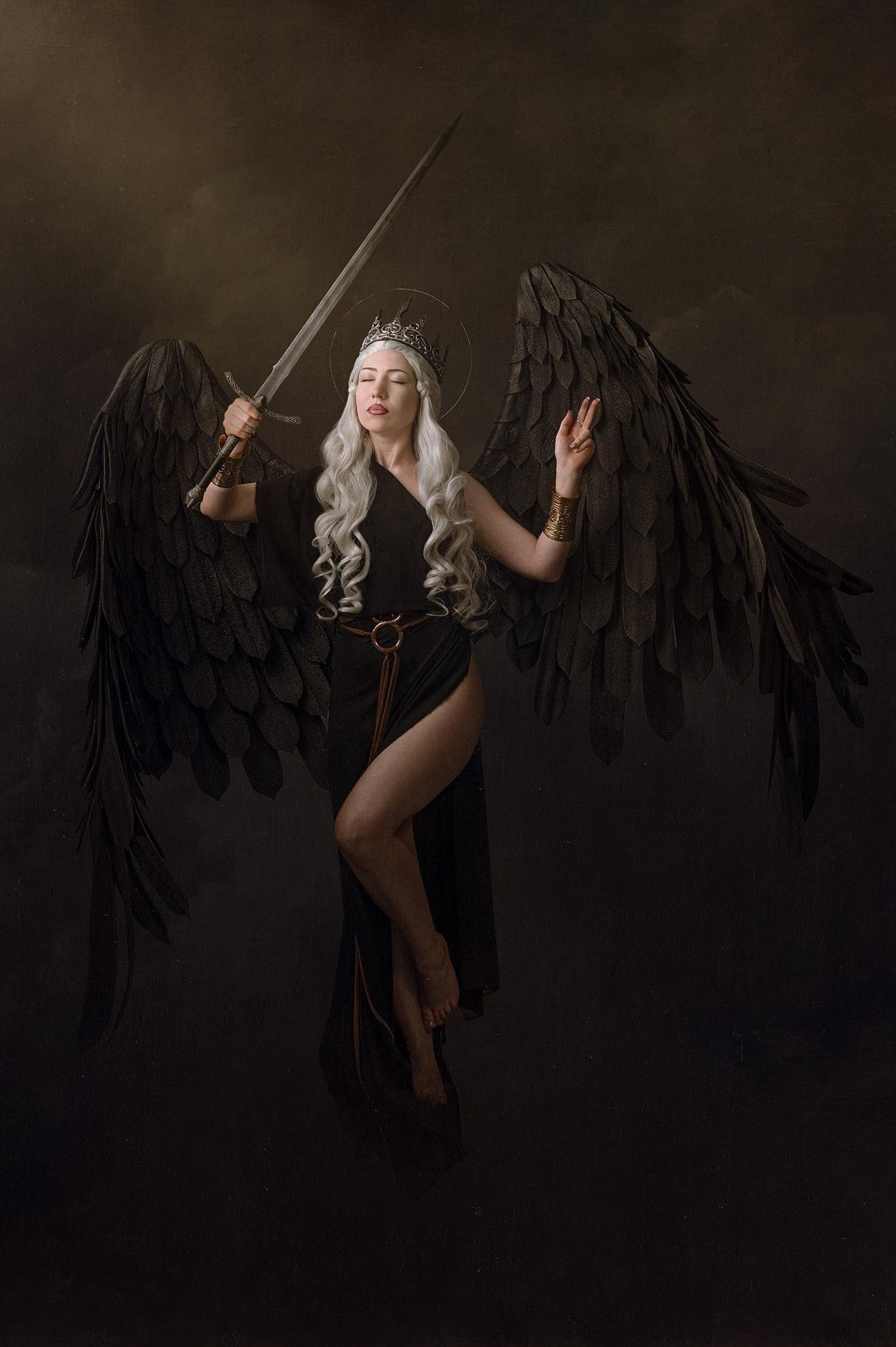
Not everything needs to be expensive or antique. For ‘Inia Dinia’, I bought rope from a local textile shop and a wig from a Chinese online marketplace known for inexpensive props. My model, Ioana, braided the wig herself to show interconnection between the ropes and her hair, creating visual continuity. The materials were humble, but the collaboration made them meaningful and told the story. Qeshtara’ took this further with a real decorative sword, real wings which were heavy and awkward to pose with), and jewellery and a crown from the same marketplace. We shot two separate photos, one with Anastasia balanced on one leg and another with her support leg visible.
CREDIT
Cătălin Arcu
Qeshtara II
We then composited them to create the illusion of levitation. This is a technical trick but one which required Anastasia to hold an incredibly uncomfortable pose while we achieved the perfect lighting and framing. Anastasia’s commitment to the character made the image work.
AI can simulate levitation instantly, but it couldn't simulate Anastasia's focused expression, born from the physical effort of holding that one pose. It couldn't simulate the trust required when I said, ‘one more, I promise this is the last one’, and then asked for three more. Or furthermore, to use the experience I gained from this session in other sessions where I needed to ‘levitate’ the model.
Father Time
The Keeper of Time
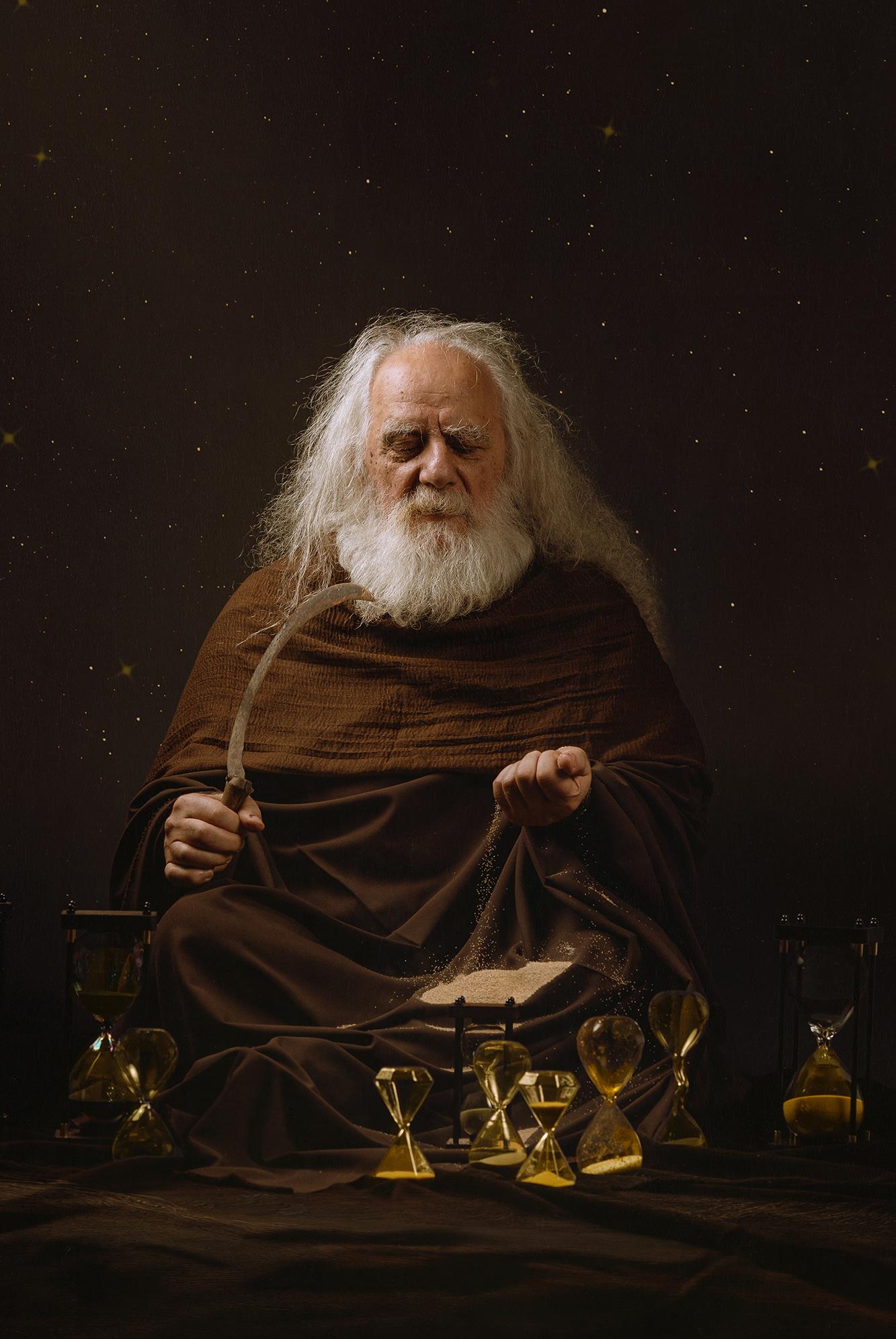
For my ‘Cronos’ series, I worked with Professor Dorel Găina, a university professor who brought gravitas and presence to the concept of the titan of time. We built an elaborate set using multiple hourglasses, real sand, and photographed elements of ancient ruins and starlit skies from my astrophotography days. These were all layered to create a mythology which felt both classical and contemporary.
Professor Găina brought his own interpretation to Cronos - weary, carrying millennia with a feeling close to unending madness. That interpretation couldn't come from me alone, and it certainly couldn't come from an algorithm. It came from collaboration, from two people building something together.
Why it matters
I often say, ‘Without a good idea, good light, and a real connection with your model, any equipment is just a piece of plastic.’ The same applies to AI. Without genuine human collaboration, without the struggle and improvisation and trust that comes from creating something physical together, an image remains empty, however technically and visually perfect it is.
AI generation has its place. It's a tool, like Photoshop or a faster lens. However, for me, the art is in the making. It is in Patricia sitting in a kid’s pool in my living room because we are both stubborn enough to make this work. It is in Alis throwing around century-old sheet music I aged in my kitchen oven. Finally, it is in Anastasia holding an impossible pose because she trusts that the final image will be worth the discomfort or Loana braiding the perfect pattern between two very random materials to make it work.
The images I create are collaborations between my models and I, between concept and execution, and between limitation and creativity. They are tangible proof that we were all there, working together, building mythology one prop, one pose, one carefully managed reflection at a time.
Technology evolves and tools change. However, the human connection at the heart of portrait photograph, that is the collaboration between photographer and subject creating something neither could make alone, stays as irreplaceable as it was for the masters who painted by candlelight. That is worth fighting for.
About Cătălin Arcu
Cătălin Arcu (AFIAP, QPSA, PIAAP) is a fine art photographer based in Cluj, Romania. He specialises in conceptual narrative portraiture inspired by classical painting, mythology, and folklore. His work has received international recognition in international salons and contests. He is a member of Varadinum Foto Club and believesfirmly that the best camera is the one in the hands of someone who cares about the story being told.
https://catalinarcu.ro
https://www.tiktok.com/@catalinarcu
Thank you Cătălin for your fascinating article and insight into how you create your beautiful images.
Carmilla CREDIT
Cătălin
Arcu
BEYOND THE HEADLINES THE LIVES OF UKRAINIAN REFUGEES
By Francesca Menghini
Francesca is an international member of the RPS from Italy, and a documentary photographer. She focuses on research-based projects, employing visual narratives to delve into themes centred around identity and social issues. Through her work, Francesca seeks to encourage dialogue and invite her audience to reflect on how we perceive and engage within society.
When we look at the news, war is often presented as a series of loud, chaotic and devastating images. However, after these first headlines fade, a different and silent reality emerges. ‘Beyond The Headlines’ undertaken in 2023, is a photographic project which aims to provide a window into the lives of Ukrainian refugees, whilst placing them within the broader global context of the refugee crisis.
This body of work is my attempt to look at what happens in the space between a life lost and a future that hasn't started yet. It focuses on the small, everyday ways people hold onto their identity, and the community they have built to survive their wait.
CREDIT Francesca Menghini
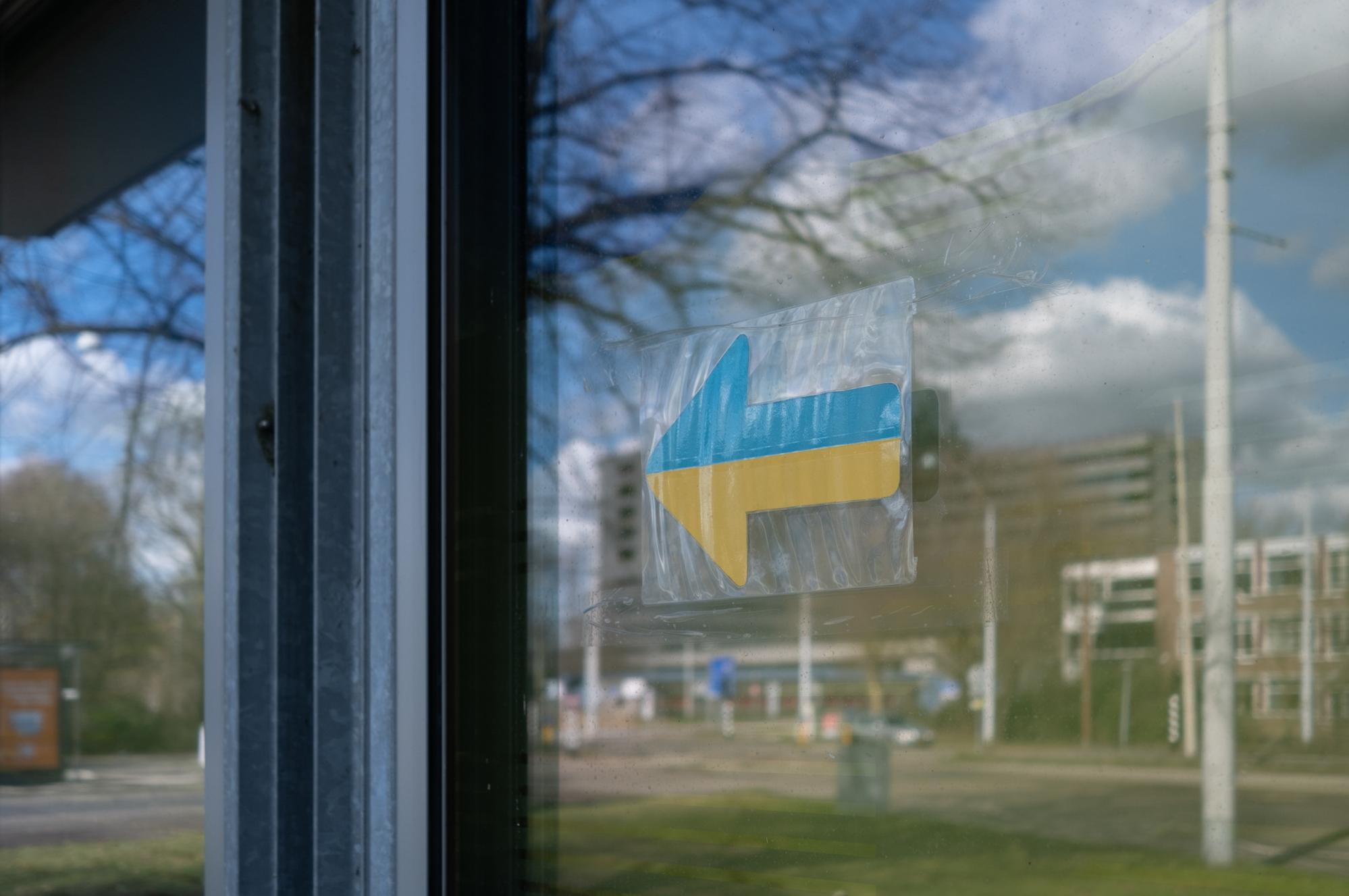
The Way In
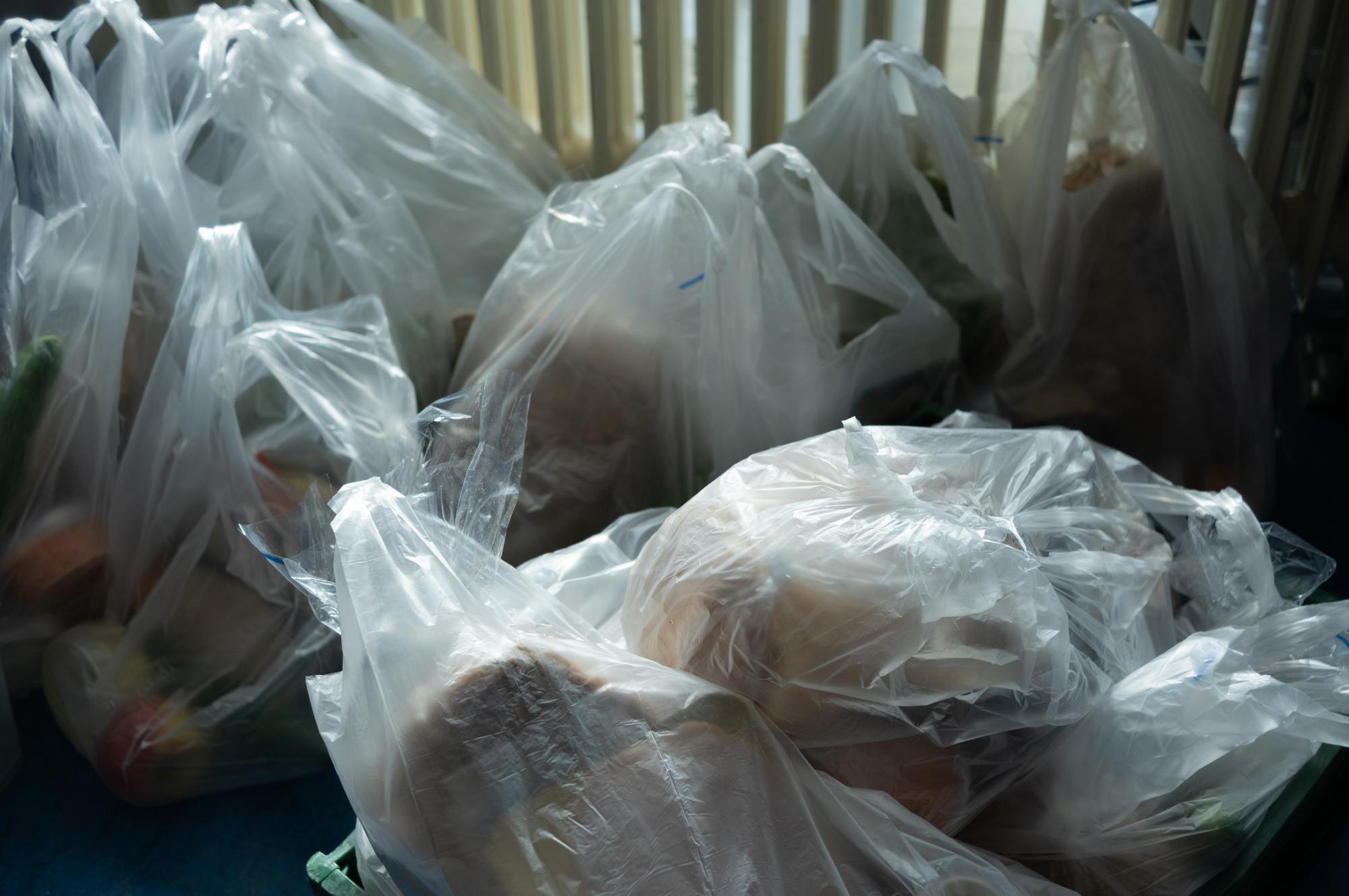
Food Collected
During my time working on this project with the organisation ‘Volunteers with No Limits’ which supports Ukrainian refugees in the Netherlands, I realised that for the women I met, the war doesn’t stay behind the border but lives with them every day.
CREDIT Francesca Menghini
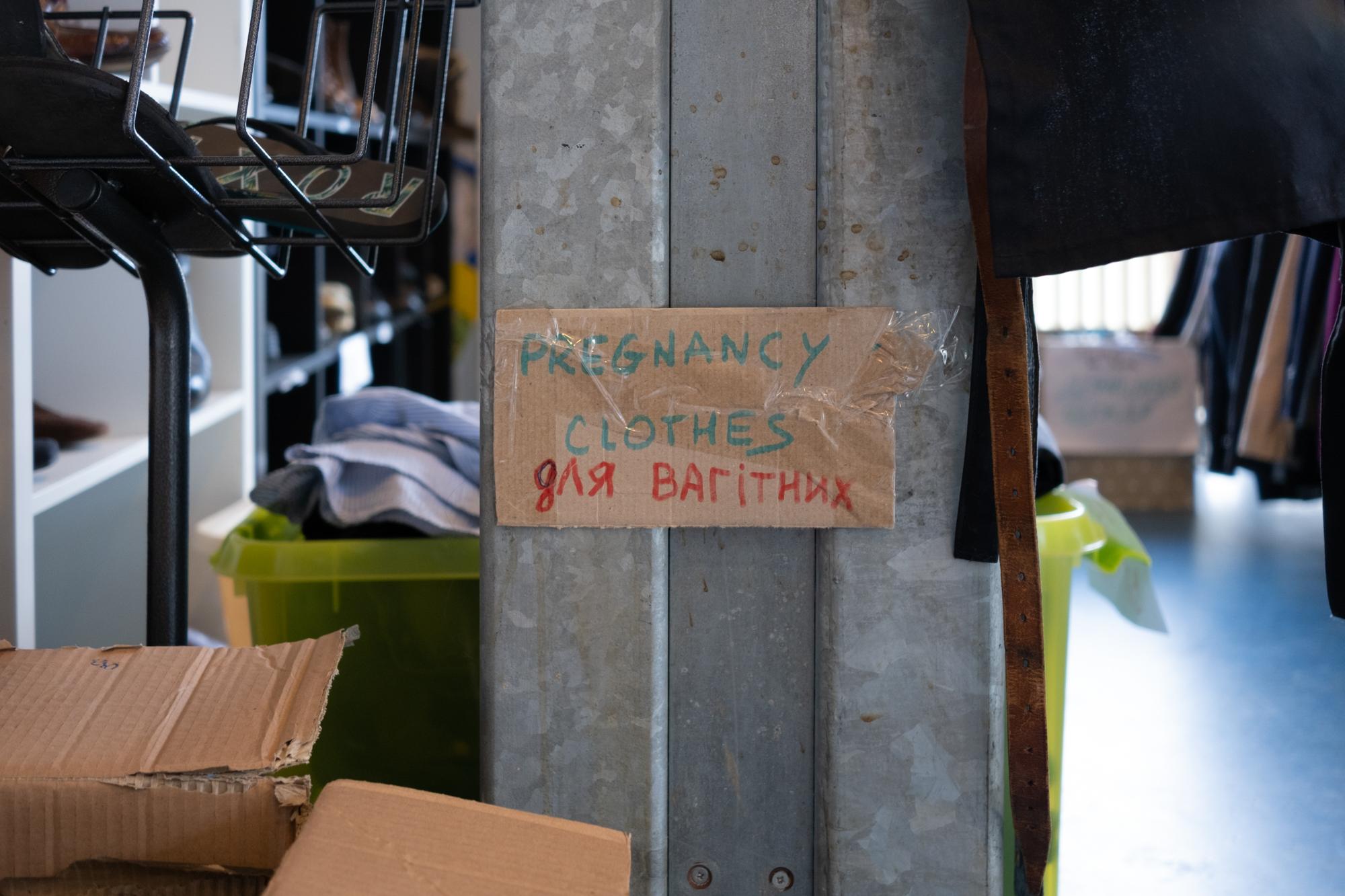
Pregnancy Clothes
By combining their portraits with their own words, I wanted to show that being a refugee is not just about surviving a conflict. It is about the exhausting, daily effort of staying connected to a home under attack whilst trying to exist in a place that isn't yours. It is a state of being entirely drained and often devastated by the loss of loved ones and the complete destruction of the life they knew. Most of the time, their hearts remain firmly back home, and despite finding safety, their deepest desire is simply to return.
CREDIT Francesca Menghini
CREDIT
Francesca Menghini
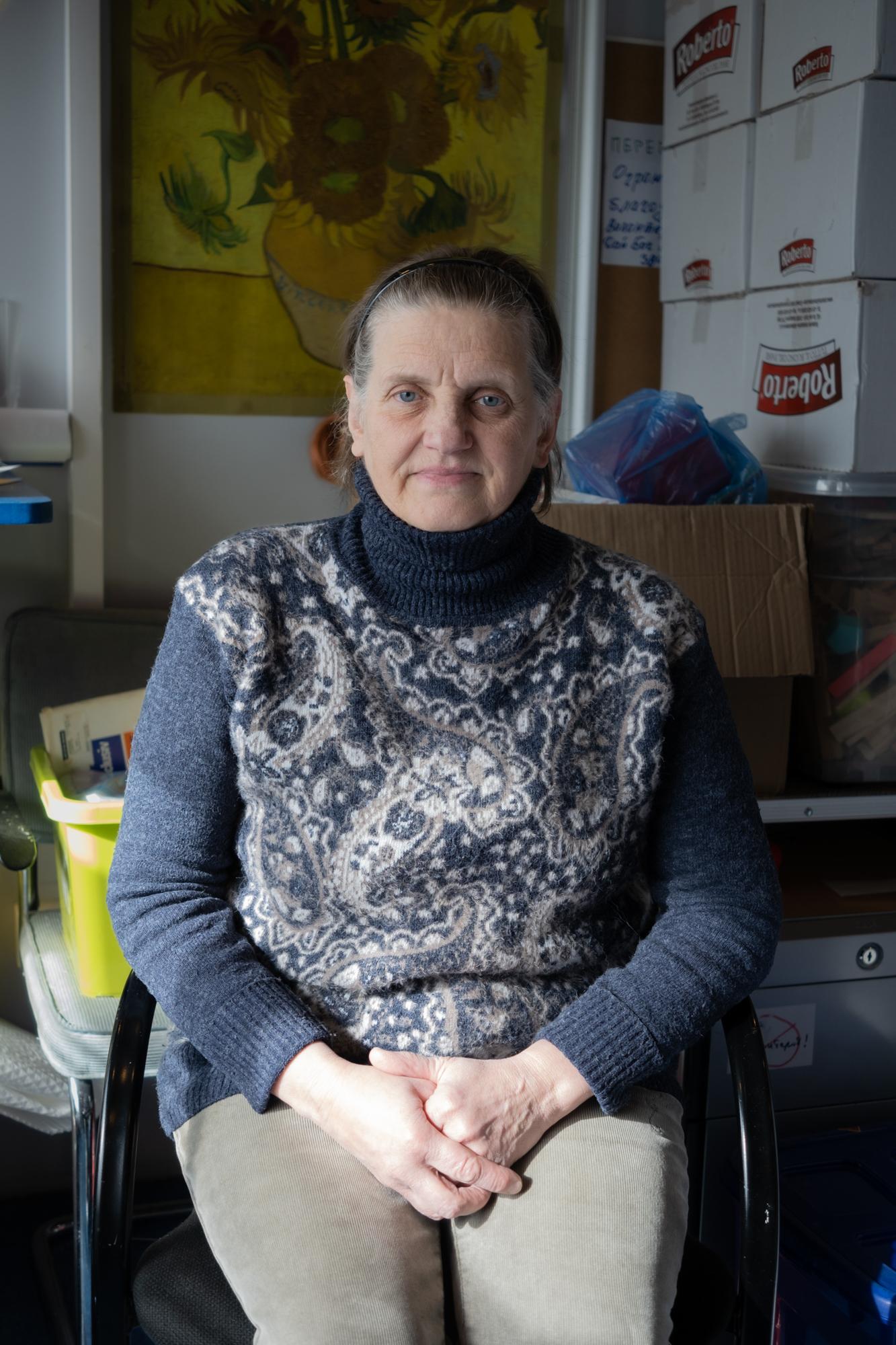
Natalia
Natalia is one of the first people I met at the volunteer centre, who stands out for her quiet but intense presence. Daily life for her after reaching safety is a constant negotiation with her feelings and her survival. At 64 years old, finding work is a struggle and without employment or significant monetary support, the high cost of living in a new country is another invisible burden to carry. She is looking forward to returning home.
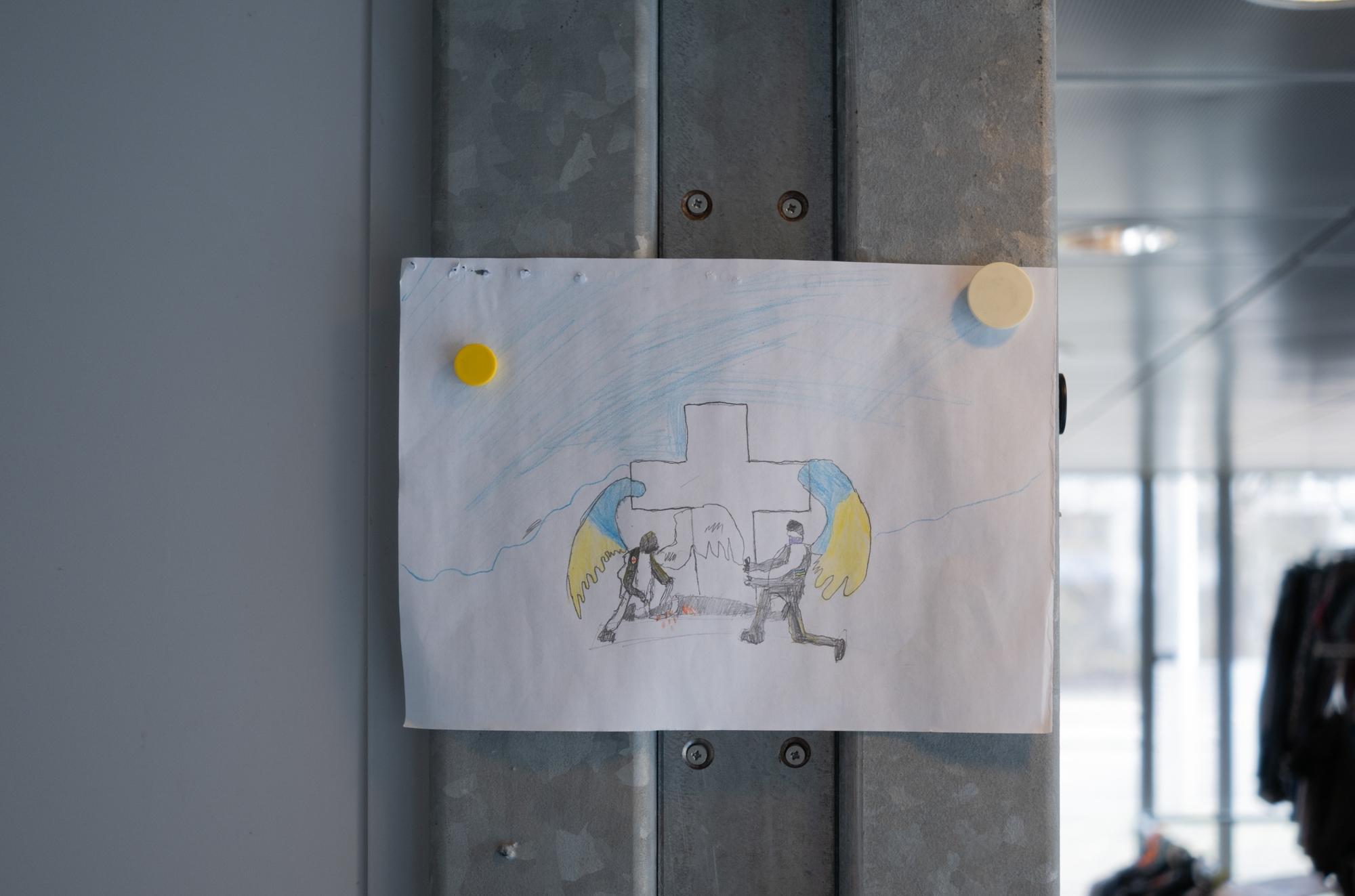
Natalia has five children, and their locations form a map of displacement: one is in Kyiv, another is in Canada, one was lost to the war, one is in the Netherlands, and another is currently in occupied territory where communication is nearly impossible. During our conversations, I was told that for many in the Ukrainian community, nurses and soldiers are often seen as angels who come to their rescue in the war zones. On the walls of the centre, I found this sentiment captured in a drawing depicting military corps and doctors as angels.
Angels
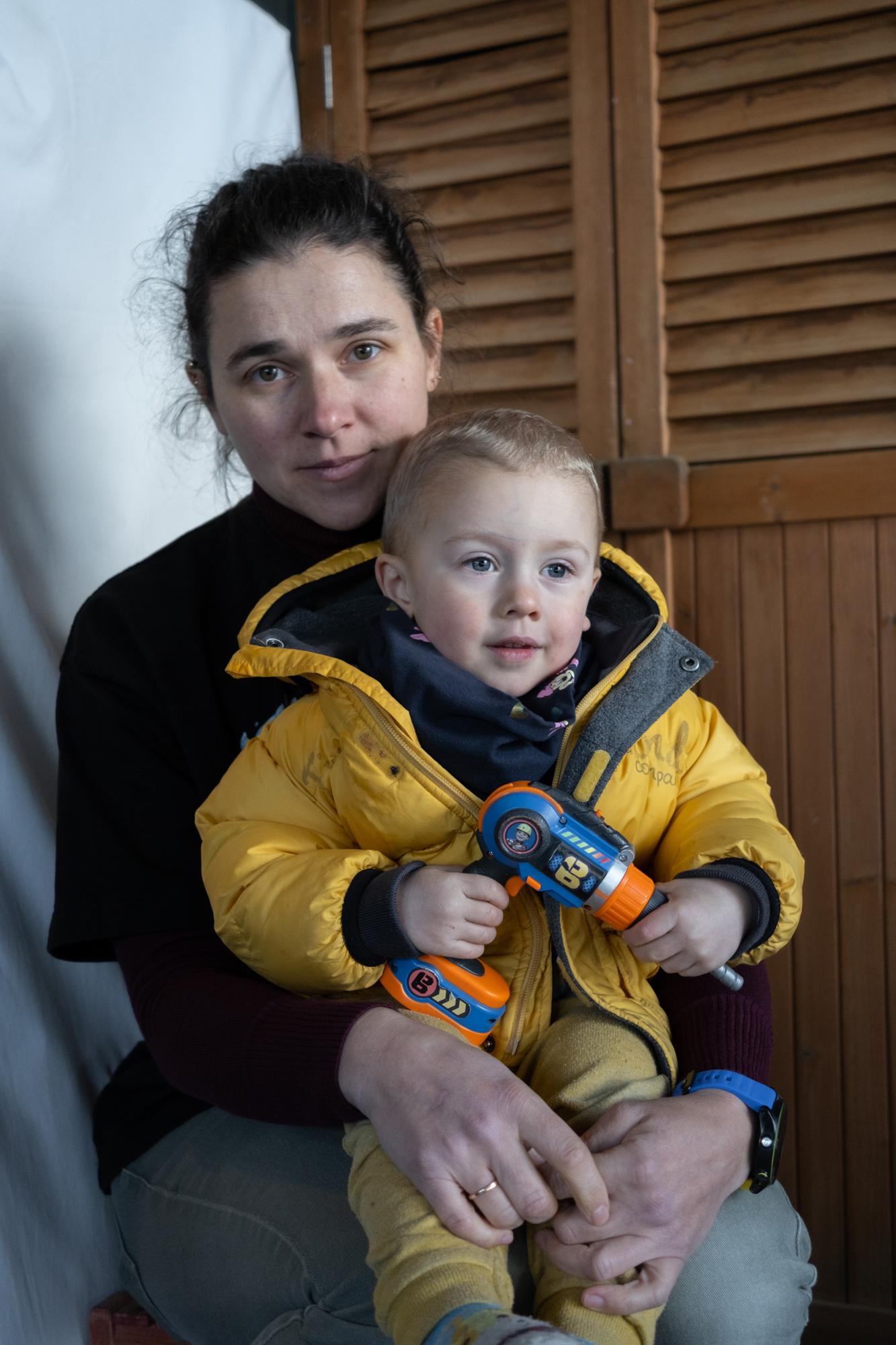
Later that day, I interview Kira who comes from Irpin. Kira expresses a clear intent to share her story and views her testimony as necessary for others to understand the reality of the conflict. As Kira describes her escape with her son Hector, crossing the ruins of the Irpin bridge and travelling from Irpin to Lviv, she reflects on it as more than just a physical journey. It marked the end of the life she had chosen. During this tumultuous time, her relatives lost not only their homes but also their cars and apartments. This period culminated in the loss of her parents' house to the war.
In the Netherlands, Kira lives in a constant state of duality. Whilst waiting patiently for the right moment to return to Ukraine, she is grateful for the help. However, she is also drained by a profound lack of control over her own life.
‘If you come here as a tourist, you like animals, and flowers, everything is good, but if you are forced to come here, animals are not good for you, nothing is beautiful for you, because this is not your choice’’, she told me. This thought serves as a powerful reminder of how displacement takes away an individual’s agency, transforming a safe environment into a hollow experience when it is not a matter of choice.
CREDIT Francesca Menghini
Kira and Hector
CREDIT
Francesca Menghini
Signs of War and The Shelter
CREDIT
Francesca Menghini
CREDIT Francesca Menghini
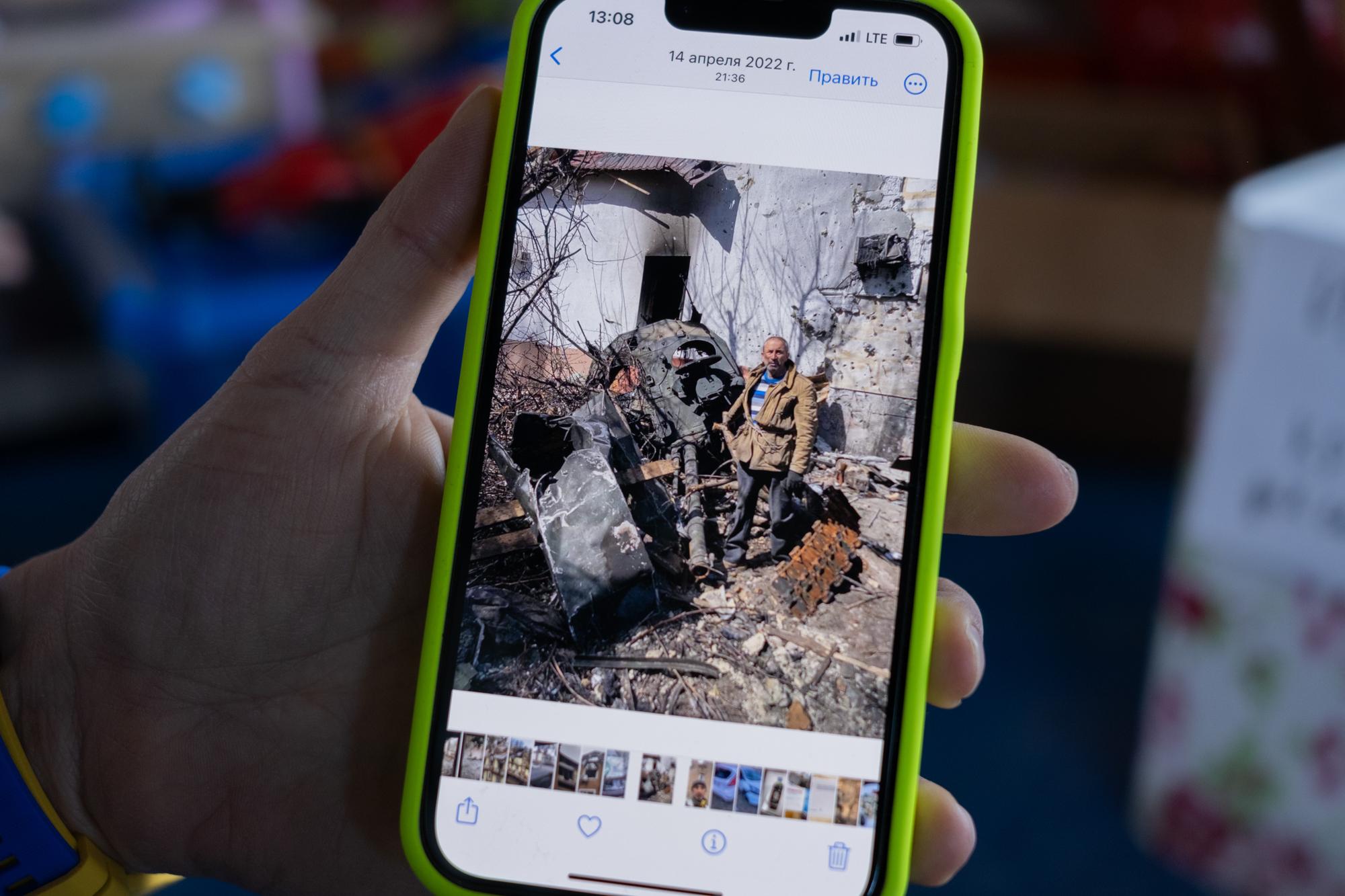
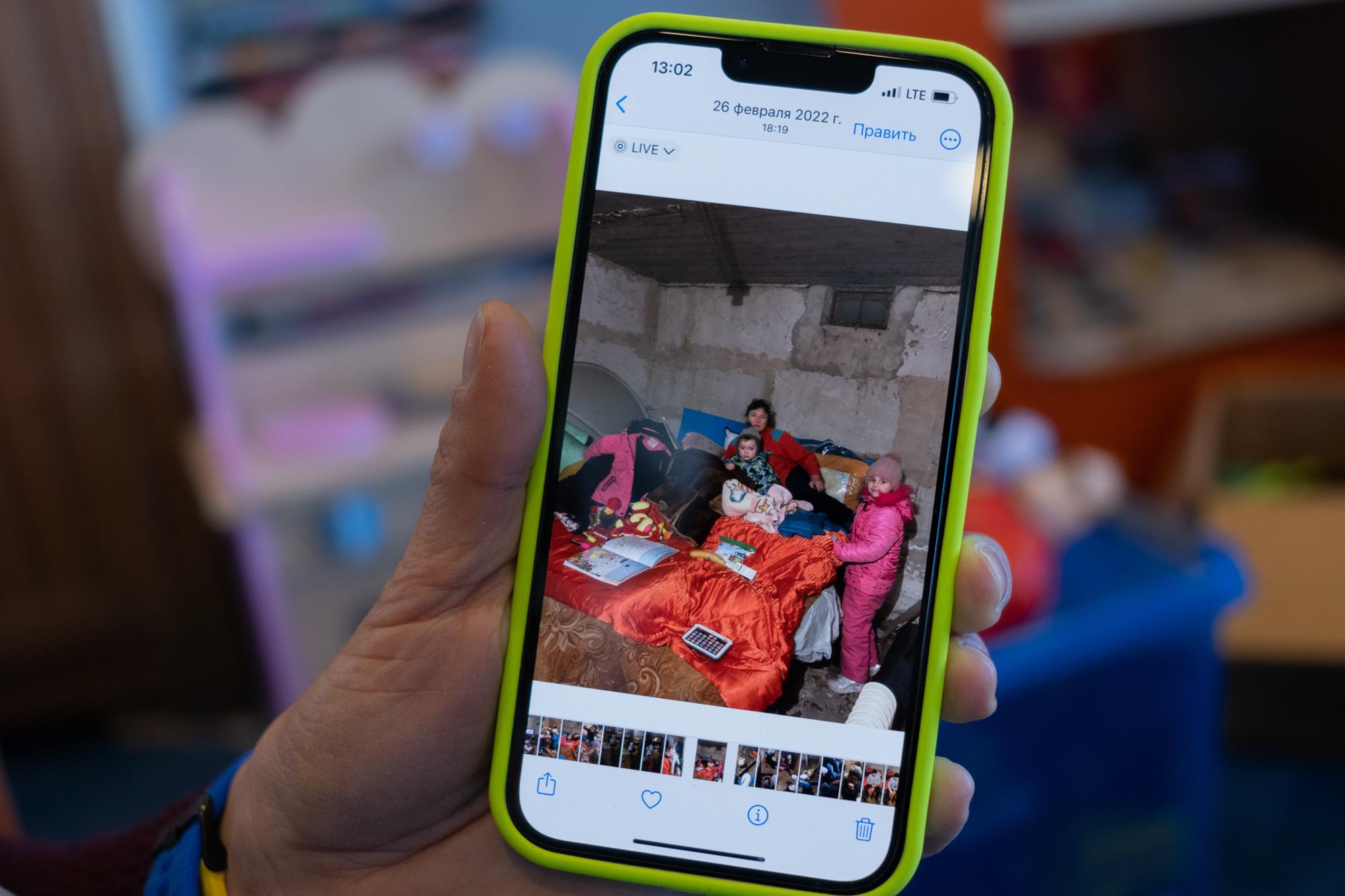
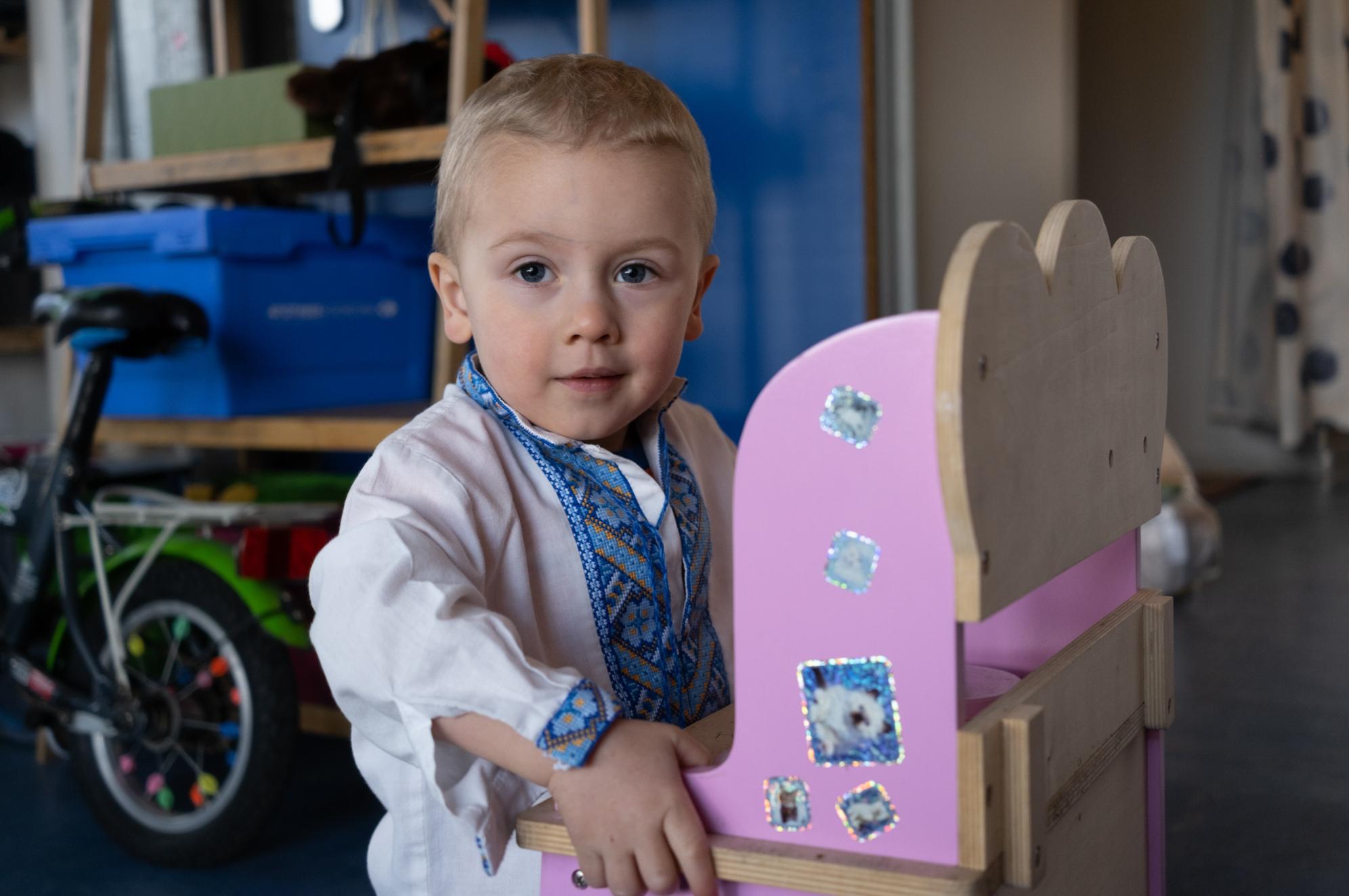
The images on her phone show the first days following the start of the war and they contrast sharply with the safety of Amsterdam. The first picture shows her family hidden in a basement, the second shows Kira's father near a destroyed Russian tank. In this uncertainty, Kira finds pride in the small fragments of her identity which remain. She speaks with a visible smile about the coloured blouse worn by Hector. It was a gift they received in Lviv when they had nothing. Today it serves as a precious memory and a physical link to the solidarity of people.
CREDIT Francesca Menghini
Hector’s Blouse
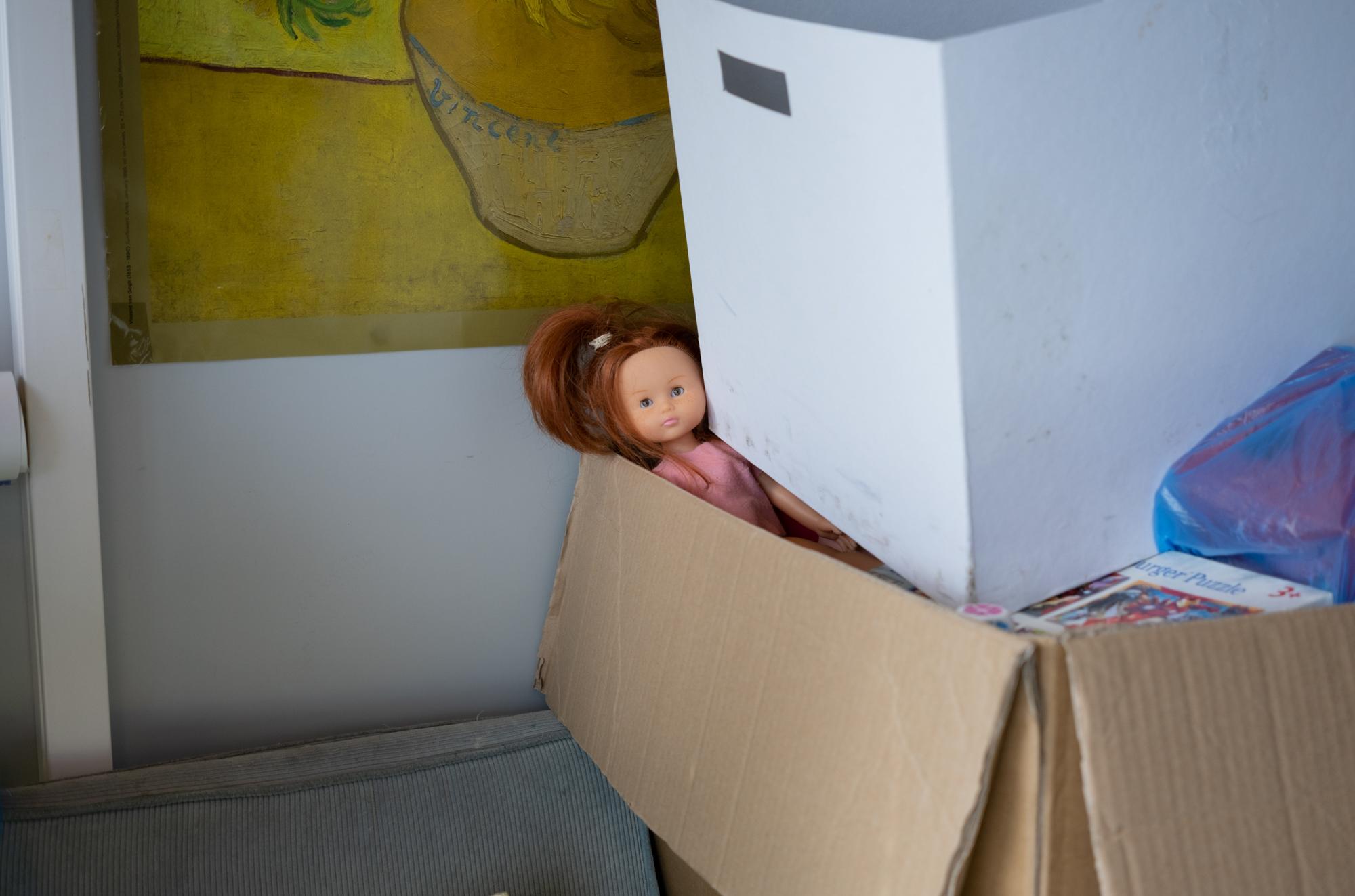
This image struck me as a metaphor: the doll represents Ukrainians whilst the boxes which constrain it and leave no room for movement, symbolise their burden and suffering.
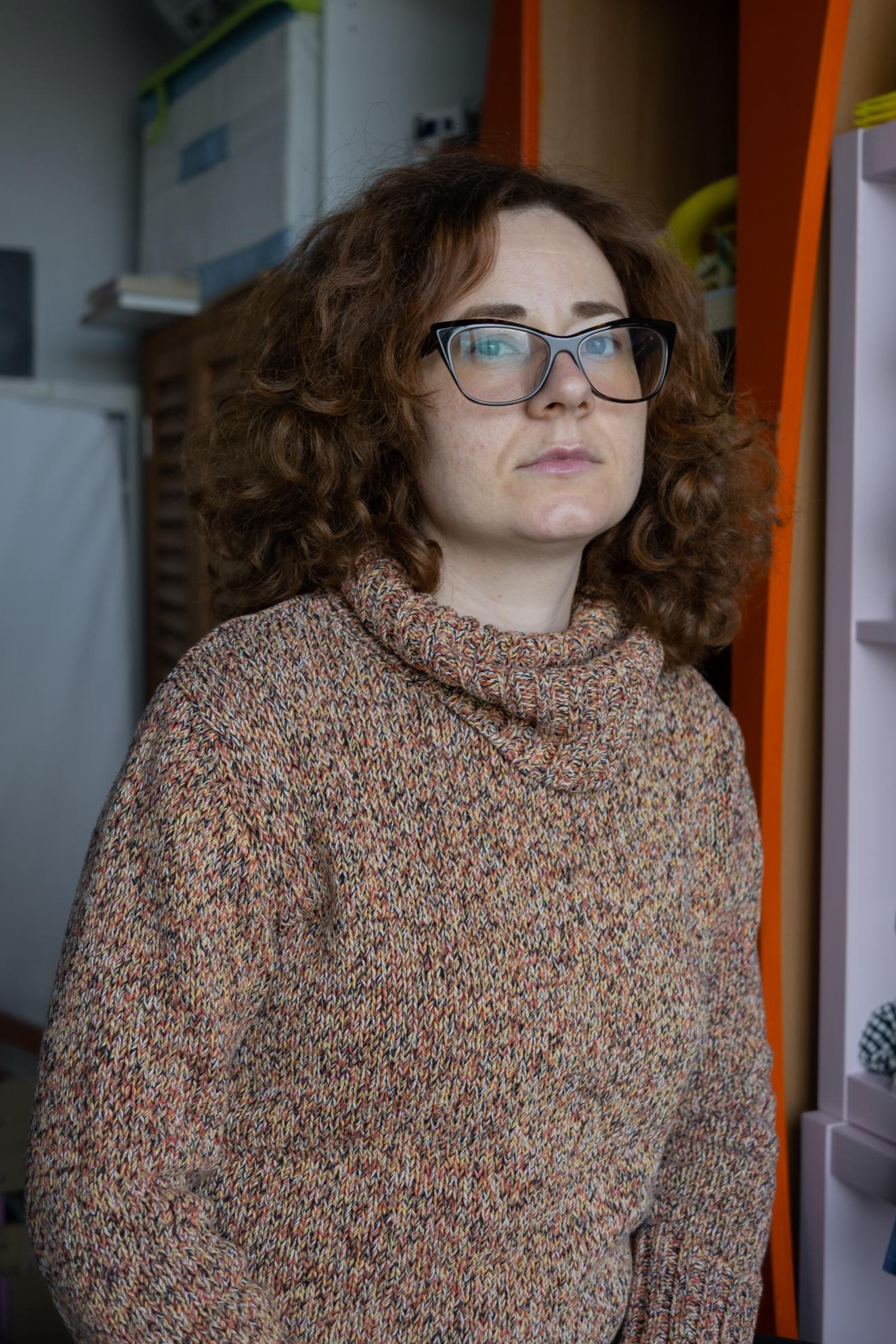
I also had the opportunity to interview Olha who shares her personal experience with me. Olha’s story begins in Kherson, under the suffocating silence of occupation. After a month and a half, she reached the Netherlands, where she now lives with her uncle, aunt and grandmother. The transition from being a victim in a war zone to becoming a refugee in a foreign land is a significant challenge as it deprives one of their dignity. However, Olha is now grateful as she has found a way to bridge her two worlds by joining ‘Volunteers with No Limits’ and becoming an active participant in her community’s survival.
CREDIT Francesca Menghini
Untitled
CREDIT
Francesca Menghini
Olha
As a photographer, my goal was to raise awareness of the lasting impact of war on civilians. Through the stories of Natalia, Kira, and Olha, I hope we can see that the perceived safety of the West is often only a partial refuge.
While developing another work titled The ‘Center Of The World’ which also focuses on displacement, a number of individuals with whom I collaborated, remarked that they had less empathy for Ukrainian refugees because they perceived them as ‘less grateful’ than others, simply because they wanted to return home. This left me with a profound sense of unease. It led me to reflect that what is often mistaken for a lack of gratitude, is simply the exhaustion of individuals who have been stripped of the lives that they once had. As Kira stated, it is impossible to simply ‘enjoy’ the beauty of a host country when your presence there is forced.
The war in Ukraine continues to have a profound effect on Ukrainian lives. By sharing their stories, I hope to encourage viewers to see beyond the headlines and statistics, and to connect with the human experiences which lie at the heart of the refugee crisis.
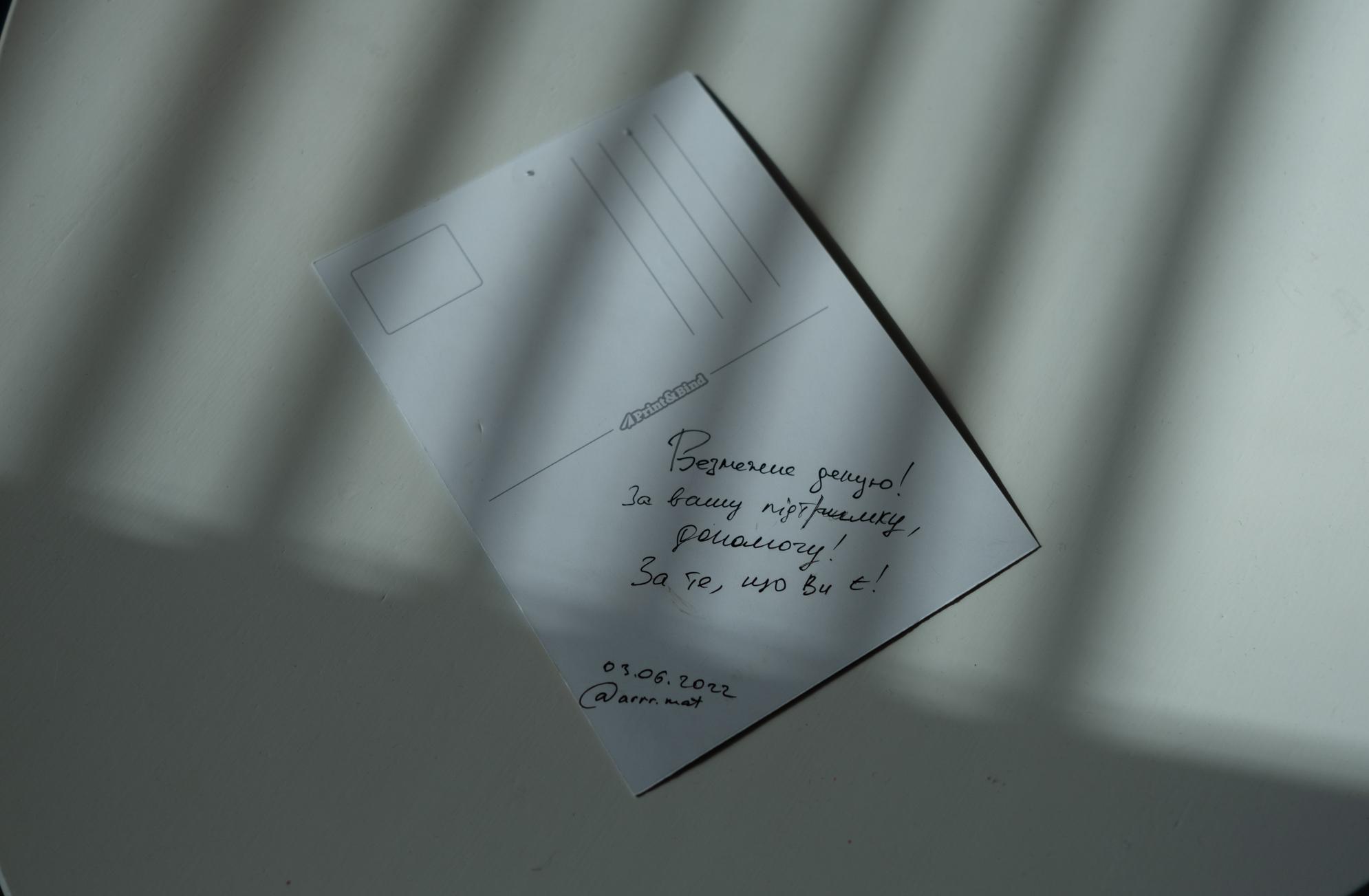
Thank You A postcard left at the ‘Volunteers with No Limits’ reads ‘Thank you very much! For your support and help! Thanks for being here.’
Francesca Menghini
https://francescamenghini.com
www.instagram.com/francescamenghini
CREDIT
Francesca Menghini
AN INTERVIEW WITH CAROL OLERUD
Carol is a Fellow of the Royal Photographic Society and Chapter Organiser for the Benelux Chapter. Based in The Netherlands, Carol tells us about her background, her photographic style and her focus on people photography.
Katherine: Tell me a little bit about yourself, your background, where you grew up, and where you live now?
I’m an Australian born, Dutch woman living in The Netherlands for longer than I care to admit. It has now been 32 years, the longest I have lived in any one place!
Katherine: How and when did you first become interested in photography?
I have been interested in photography for as long as I can remember. Both my parents took many photos, and my dad filmed all our family activities. When I turned 12, I happened to be in The Netherlands, my Aunt and Uncle gave me my first little camera. I was delighted! There was no turning back after that.
Katherine: What led you to join the Royal Photographic Society?
I joined the RPS in 2016. Speaking with expatriates and locals in English about photography really appealed to me, and I had been a member of Dutch photo clubs since 1997, so it was another new world to join! An English friend introduced me to the RPS. I applied for my Associate in 2018 and then my Fellowship in 2021. Luckily, I was successful with my first submissions. I had spent a lot of time on each panel before I was ready to submit them.
Katherine: What do you like to photograph and how would you describe your own photographic style and focus?
Generally, I am a people photographer. I focus on social documentary / documentary, street photography, contemporary photography, events, weddings and funerals. I have also photographed one birth. I also take photos of many types of performances in my local theatre.
I document my life in photography. As I travel a lot, I am very lucky to see a lot of new and different things and even take photos of landscapes and nature. For me, it is a visual diary of my life - what I see, where I go, what happens. Some of my favourite photos are of a more personal nature, where my emotions come into play. People close to me know I will photograph them and also know they will be good photos.
My wide-angle 16 – 35mm f2.8L is my favourite lens on a full frame Canon 5DM4 body, followed by my 50mm f1.4 and my iPhone. I use Lightroom Classic as my editing software.
Katherine: Please tell us about some images which show your photographic interest and are special to you?
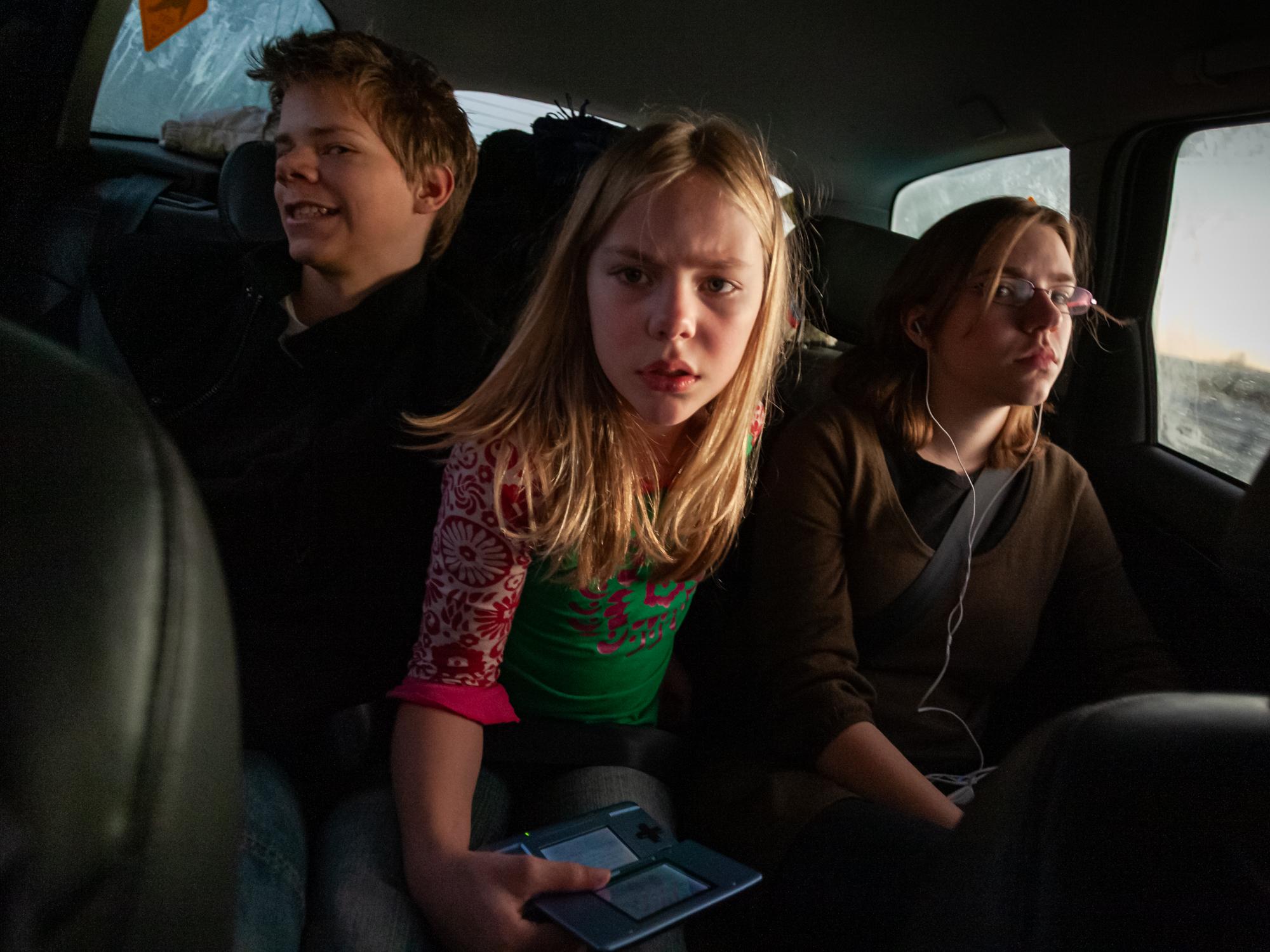
This photo was taken in December 2007 when we were driving to Sweden and shows my three kids in the back seat of our car. Typical of their young relationship together, the boy teases the youngest one who complains strongly. The oldest daughter tries hard to block the goings on and is in her own world, listening to her music. I love the light and their expressions. I was awarded a bronze sticker in the yearly national photo club competition with this photo. Later it was also published in a book on how to appreciate photography, and to learn about what is a story inside a single photo.
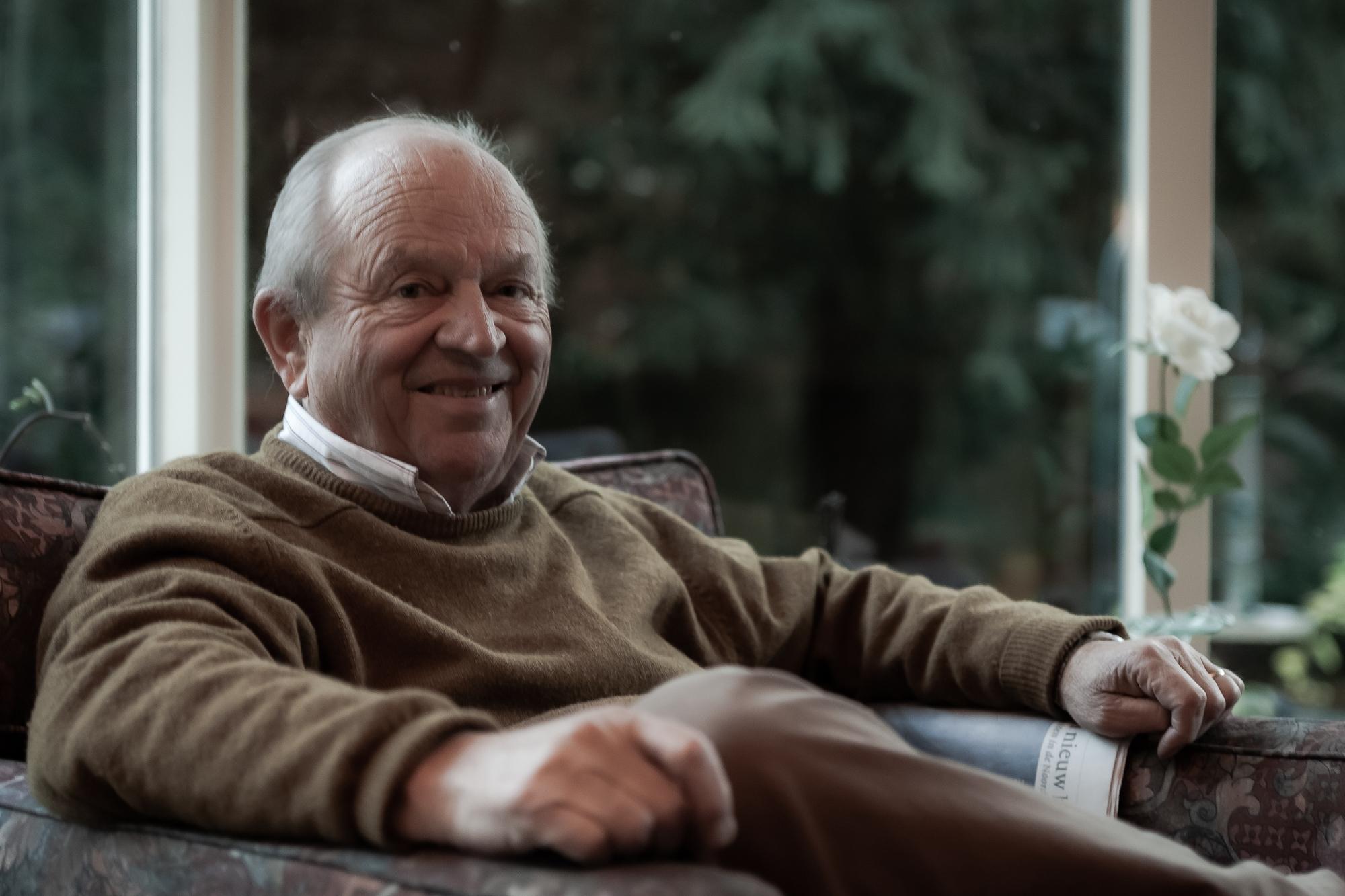
This photo of my father was also taken in 2007. He had just returned from his last trip to Australia. He smiled at me the way he always did, and I knew it really was a genuine look at me, with love. Not long later, he became very sick and passed away. I did my Fellowship panel on his last 18 days which was very emotional and sad. So, this photo of him looking so well is how I like to remember him.
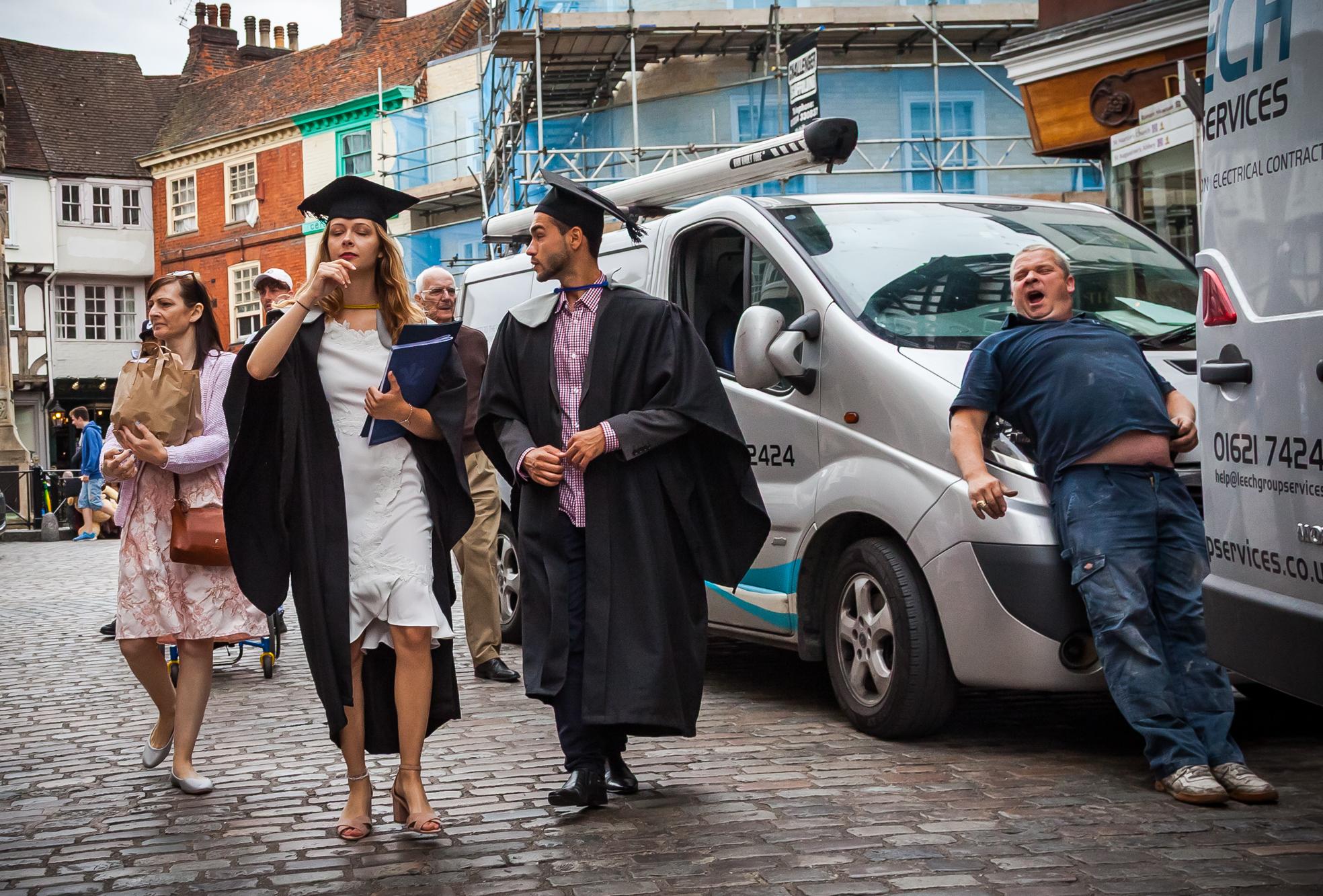
I took this photo in 2017 in Canterbury when graduates where walking everywhere, all around the town. As a street photographer, my camera is always in my hand, ready for anything. I couldn’t believe what was happening in front of my eyes: the yawning tradesman and the classy graduates in their finery. More of a contrast of two worlds could not have been captured even if one had set it in scene! Achieving humour in a photo is difficult. I saw it here and thought yes! I was awarded another bronze sticker in the national photo club competition in 2018 with this photo. It has also been published and exhibited. People laugh when they see it.
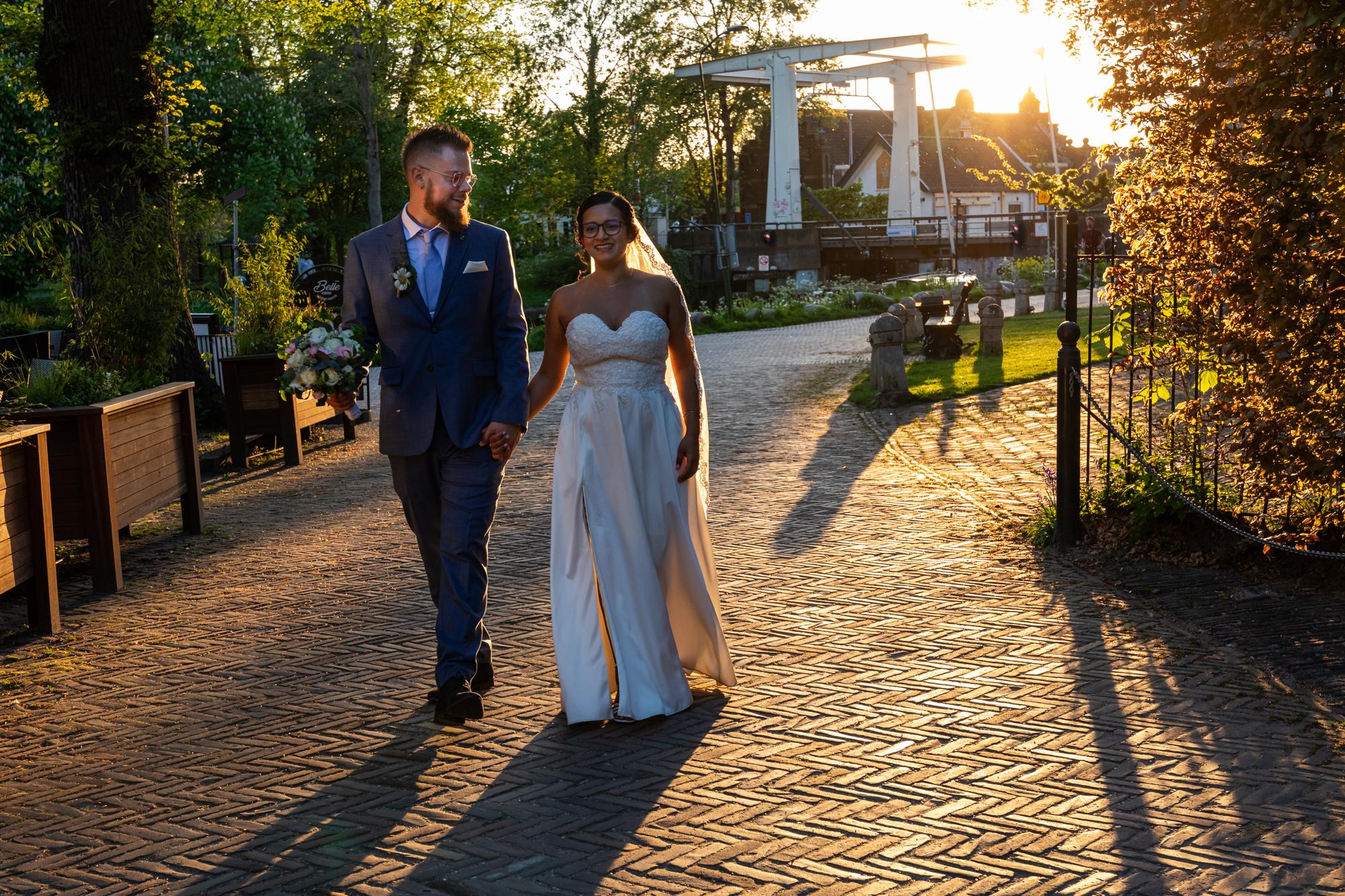
My son married his Mexican sweetheart in 2025. I was their photographer, so a big job! I like this photo as the light was perfect, the party was over and everyone was happy. I captured them glowing in the late evening light. It is a romantic image, and I like the bridge in the background which is typically Dutch. I find this symbolic somehow, who knows where they will end up living, but it is a memory for them in the future! I have just had it printed on an HD-metal print, as a gift for their first wedding anniversary. They are in Mexico now and I will soon see them there and surprise them with it!
Carol Olerud FRPS www.carololerud.com
Thank you Carol for your words and sharing your images which are special to you.
CHINA: THE RISE OF RICE
By Natalia Maiboroda
Natalia is an international member of the RPS and an award-winning photographer. In this article, she tells us about her long journey to document the miracle rise of the rice terraces in Yunnan Province in China and the people behind it – the Hani, one of China’s ethnic minorities.
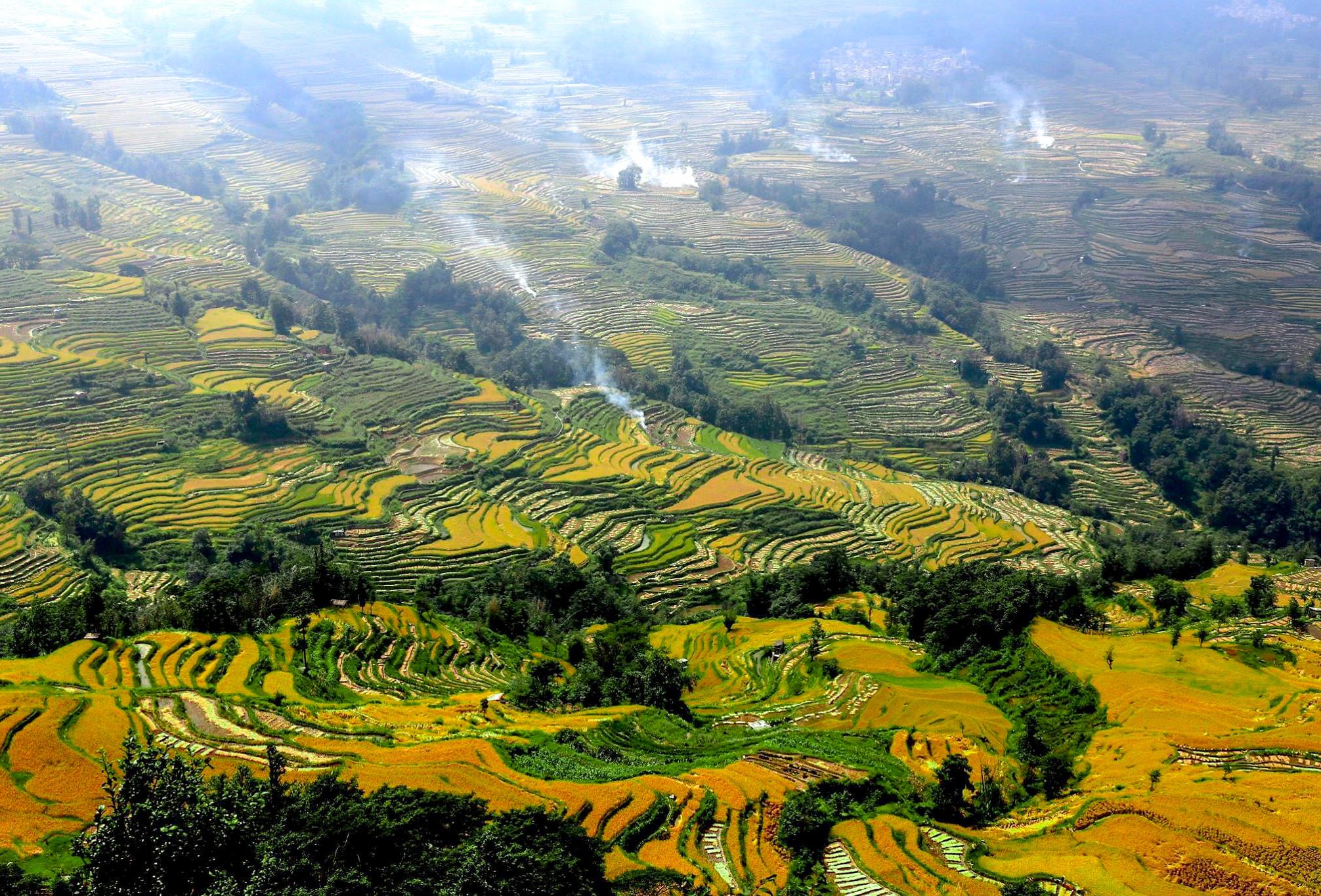
They turned the mountain slopes of Yunnan Province into cascading terraces now listed as a UNESCO World Heritage Site. They even made the fog work for them and enlisted ducks, fish and buffalo into one of the most sophisticated agricultural ecosystems on Earth. All for one purpose - to grow rice, the crop that has shaped Asian civilisations. They have lived and farmed this way for nearly fourteen centuries.
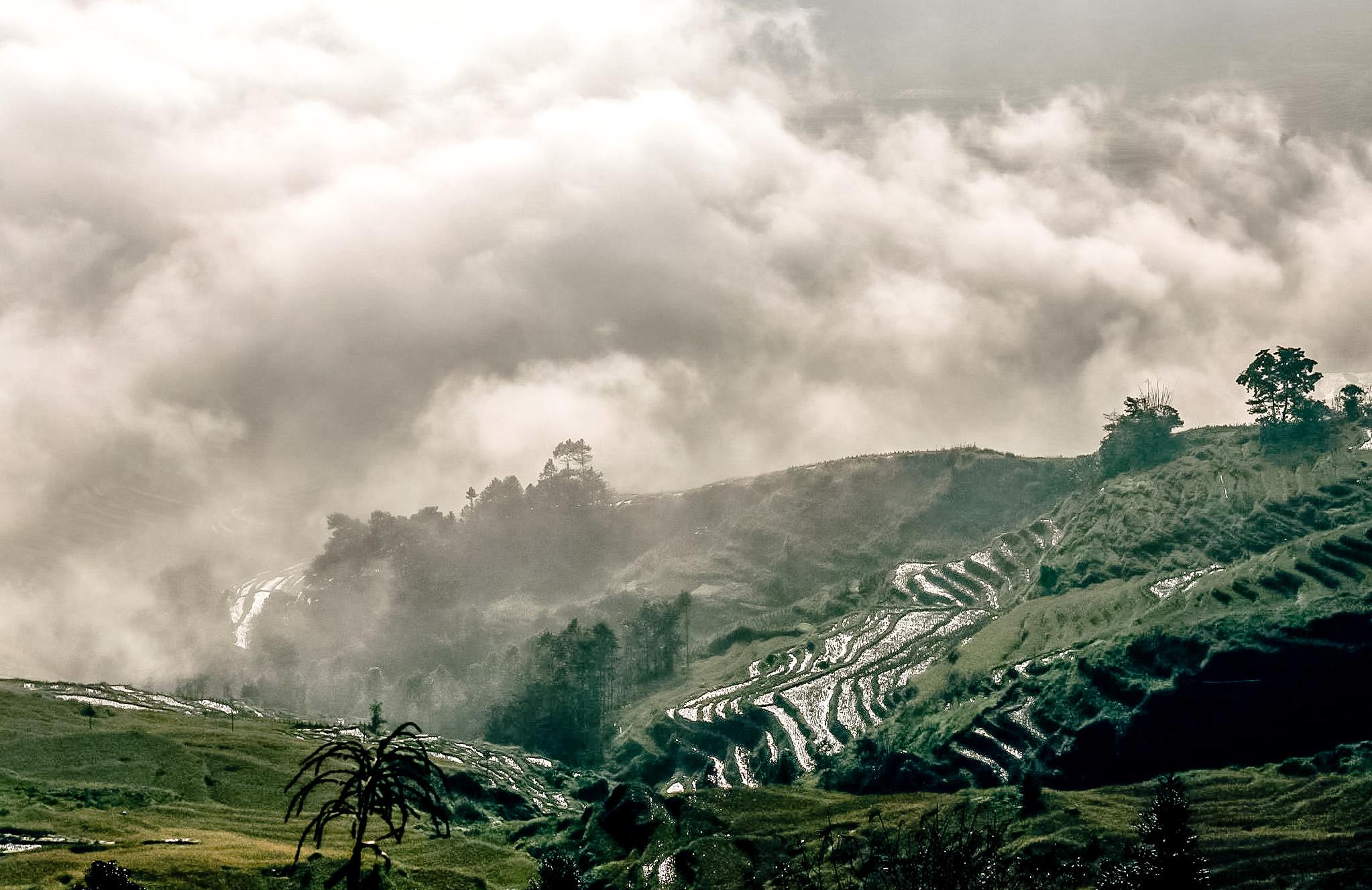
There is a moment, just before dawn, when you understand why photographers have been making the journey to Yuanyang. The valley below is invisible. Fog fills it completely, right up to your feet like a white sea with no surface. You cannot see a single terrace. Then the light comes and the fog begins to release its hold. Suddenly the terraces are visible and there are thousands of them
The cascading terraces, listed as a UNESCO World Heritage Site,where the fog slowly reveals 1,300 years of human engineering.
CREDIT: Natalia Maiboroda
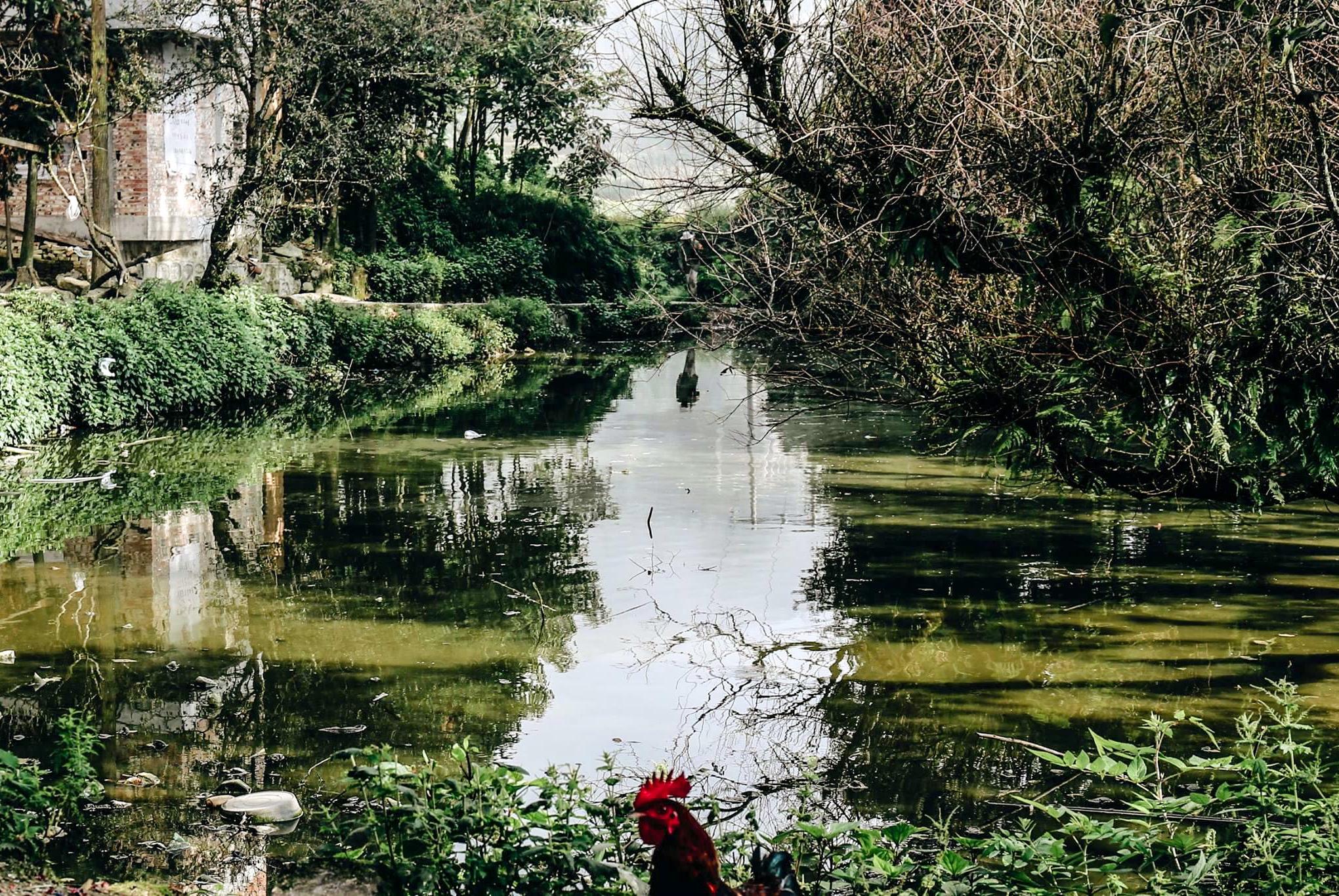
The fog in which I had been standing at dawn was not incidental, it was part of the system. The water rises up as vapour, the trees catch it, it returns as dew and rain, and water flows back down through the channels. This cycle has been running every single day for over a millennium.
Morning fog over the terraces. No two terraces are the same.
CREDIT: Natalia Maiboroda
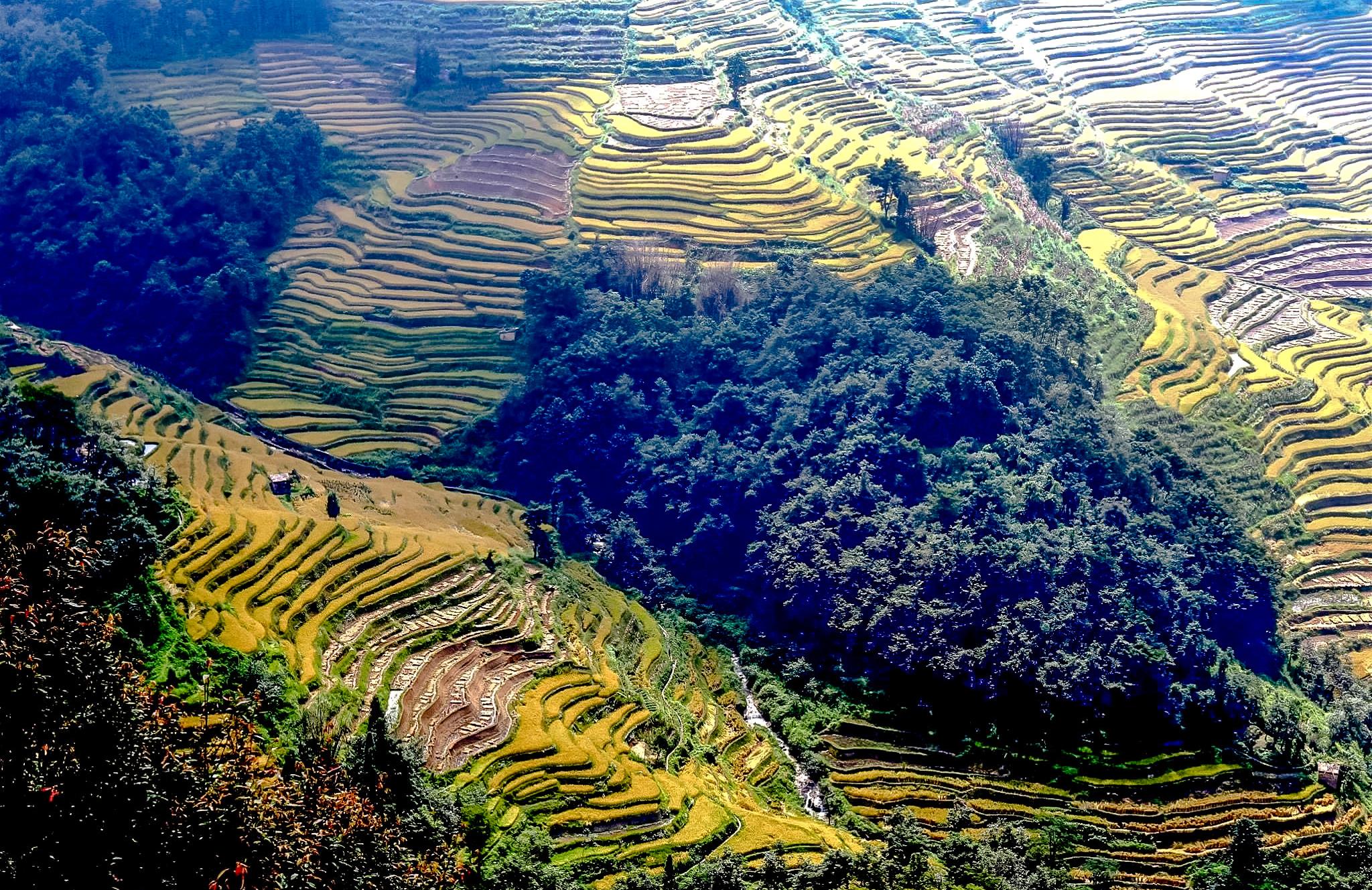
Flooded fields descend the mountain in broad, sweeping curves, like shards of a broken mirror. The geometry is extraordinary - no two fields share the same shape, each one following the mountain's natural contours. Yet together they read as a single composition as if someone had been designing it for a very long time. As it happens, someone has for roughly 1,300 years.
The Hani turned gravity itself into an irrigation system, turning steep slopes into one of the world’s most sophisticated agricultural landscapes.
CREDIT: Natalia Maiboroda
The Honghe Hani Rice Terraces cover 126 square kilometres of steep mountain terrain in Yuanyang County, cascading southward towards the borders with Vietnam, Laos, and Myanmar. They were declared as a UNESCO World Heritage Site in 2013. This declaration changed very little for the Hani people, who have farmed these slopes since the Tang Dynasty. They were already doing what they had always done.
What makes this place a photographer's puzzle is that the terraces refuse to look the same. Seen from above, the terraces look like brushwork, like something between an abstract painting and a topographic map. Seen from within, at ground level, you feel enclosed by walls of standing rice, the air thick with moisture and the sound of water moving through narrow concrete channels.
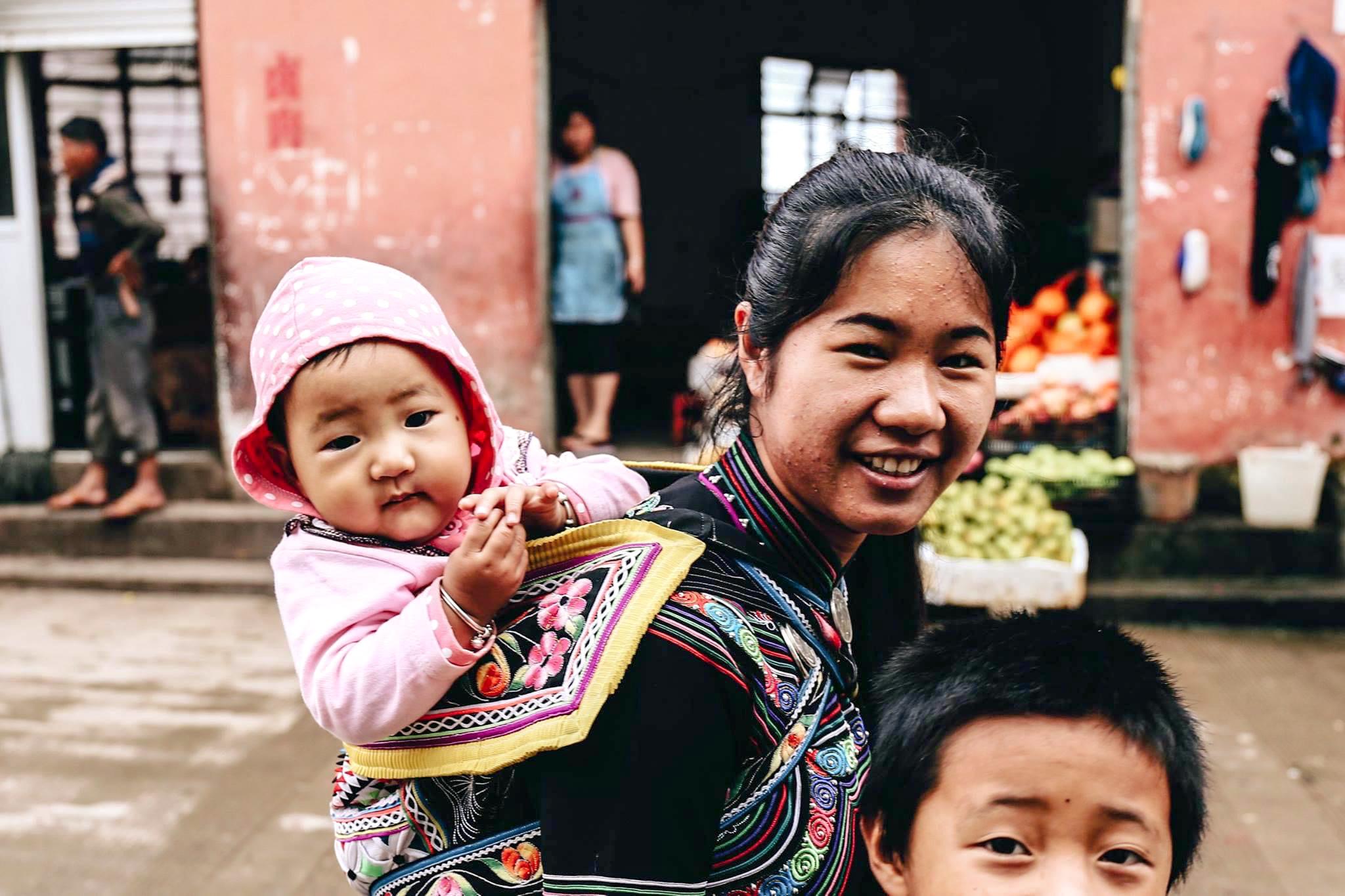
Yunnan is one of China’s most ethnically diverse regions, home to dozens of ethnic minorities, including the Hani people who shaped these extraordinary rice terraces.
CREDIT: Natalia Maiboroda
Water is the governing principle of everything here. The Hani have engineered an irrigation system of extraordinary sophistication, drawing water from the Ailao Mountains down through a network of canals that span the entire vertical drop of nearly 3,000 metres, from the mountain ridgeline to the Honghe River below. The system is gravityfed, self-regulating and maintained by the villages collectively. Even during the severe drought of 2010 when much of southwest China suffered widespread crop failure, the Hani terraces delivered a full harvest.
An elderly man I met resting in the village square explained it to me with quiet pride. ‘The canals are cleaned every two to three years’ he said. ‘The sluice walls between terraces at different levels are repaired by the whole community. We have been doing this longer than anyone can remember.’ He said this not to boast but as simple fact, the way you might describe something that simply is so.
CREDIT: Natalia Maiboroda
The best light came without fail, in the forty minutes after dawn. The fog, which in a sense the Hani manage themselves by planting forests on the upper slopes specifically to trap moisture and return it to the water cycle, creates a natural diffuser for the early sun.
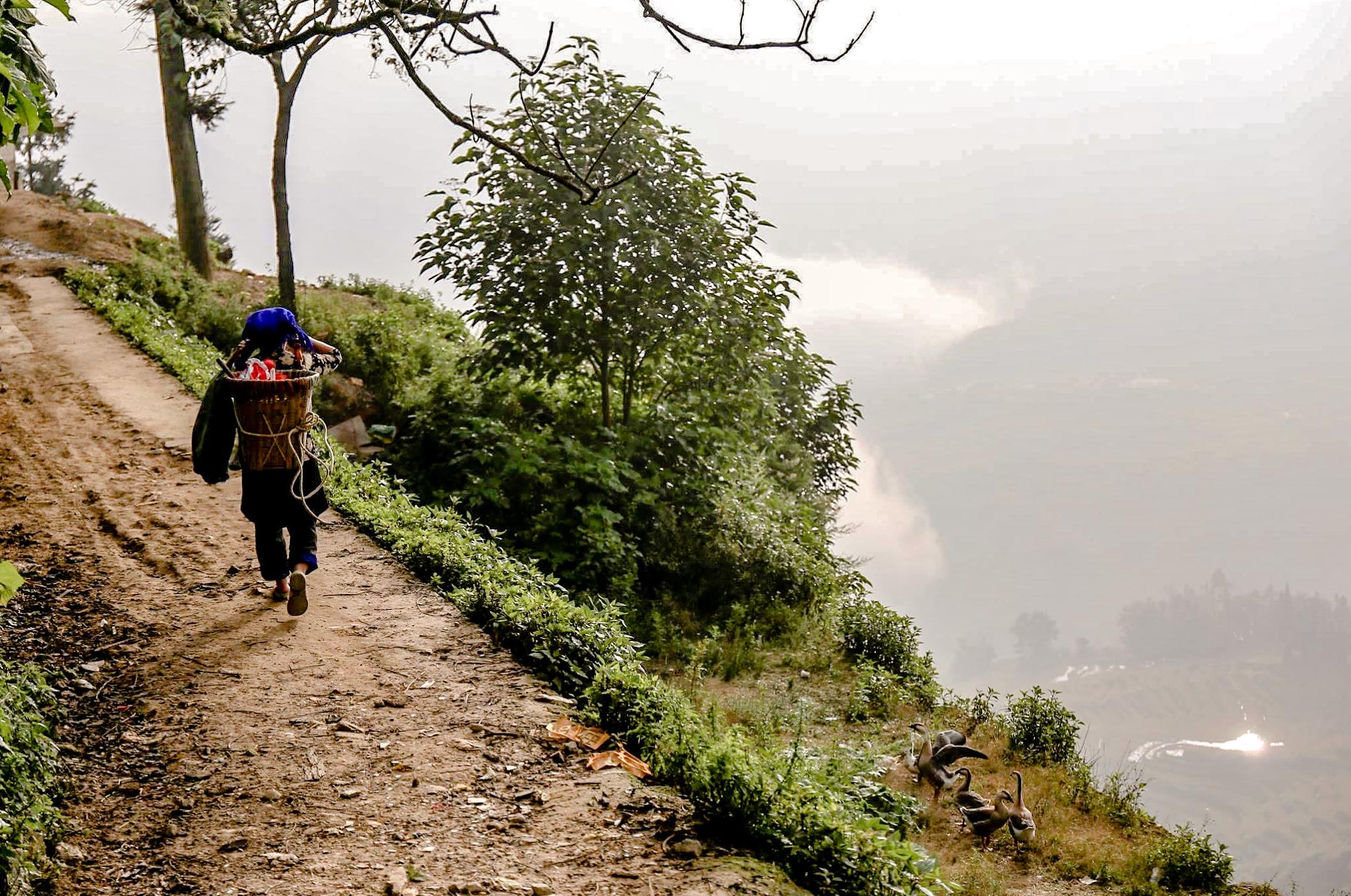
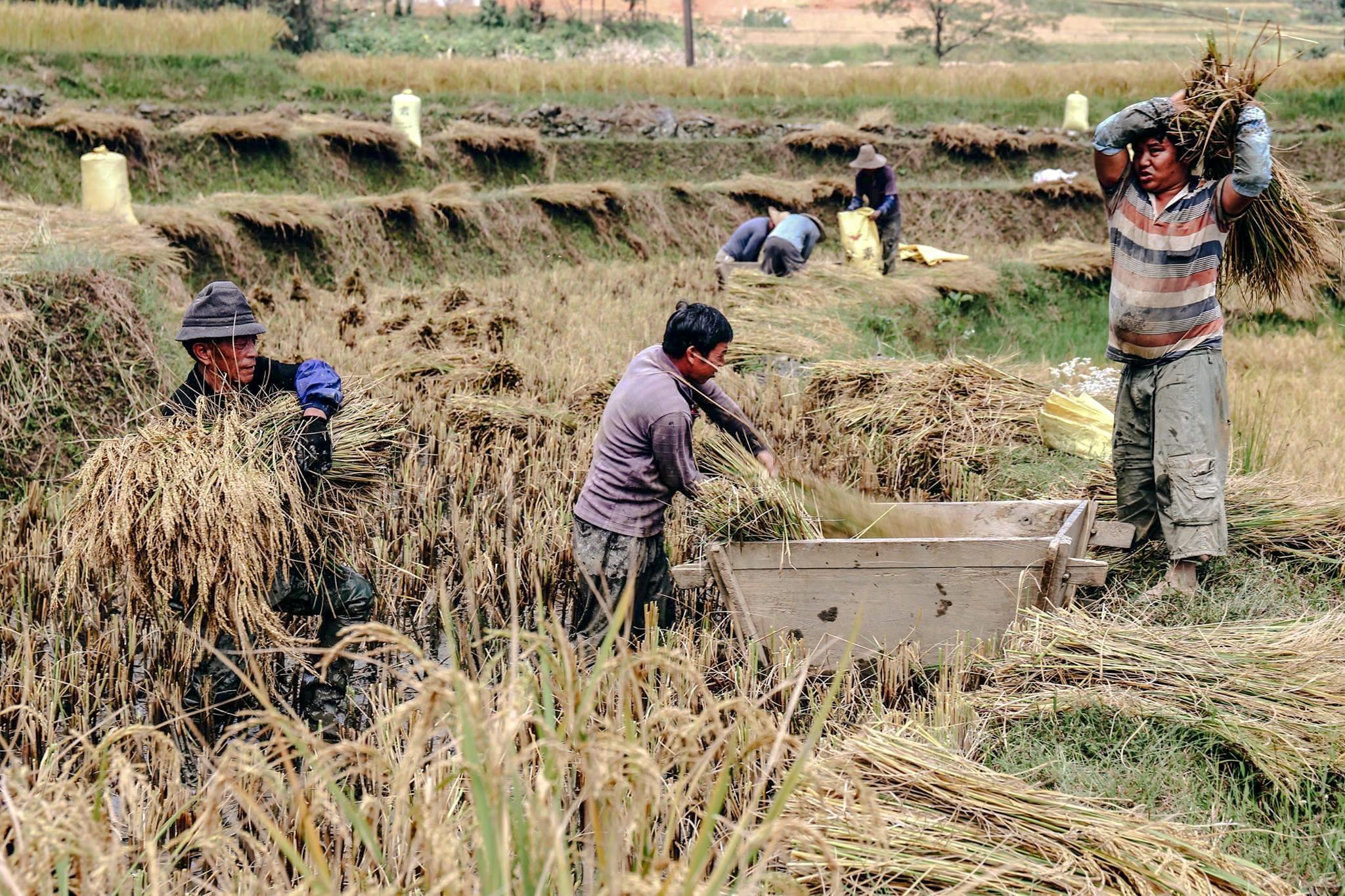
The ecosystem within the terraces is equally remarkable, and it changed how I looked at what I was photographing. The flooded fields are not monocultures, they are small, managed wetlands. Walking the narrow earthen bunds between paddies during harvest, I watched women knee-deep in muddy water cutting rice with sickles, whilst ducks worked the edges of the same field by eating insects and weeds.
CREDIT: Natalia Maiboroda
The Hani created a gravity-fed irrigation system so resilient that even during the severe drought of 2010, the terraces still delivered a full harvest.
A young farmer named Li was crouching by an open sluice with a basket, catching eels and snakehead fish which had spent the growing season in the paddy alongside the rice. He explained the logic without any sense that this was remarkable - the fish live among the paddies, feeding on insect larvae and algae while enriching the soil with phosphorus and nitrogen essential for rice cultivation. When they die in the fields, their bodies decompose and return the nutrients to the earth, becoming a natural fertiliser. The ducks undertake the same work on the surface and the water buffalo ploughs the field in the spring, becoming, in Li’s words, ‘a member of the family.’ Three harvests from a single flooded field: rice, fish, duck. All managed without synthetic inputs. It has been working for over a thousand years.
Rice harvest on the terraces.
CREDIT: Natalia Maiboroda
What the Hani built here is not simply an agricultural system. It is, in the truest sense, a sculpted landscape. Every terrace wall is hand-laid, every channel is hand-dug and the entire mountain has been rearranged over centuries to hold water at precise angles across sheer slopes. Those who encountered them across the dynasties had a name for the Hani that has stuck ever since. They called them the sculptors of mountains.
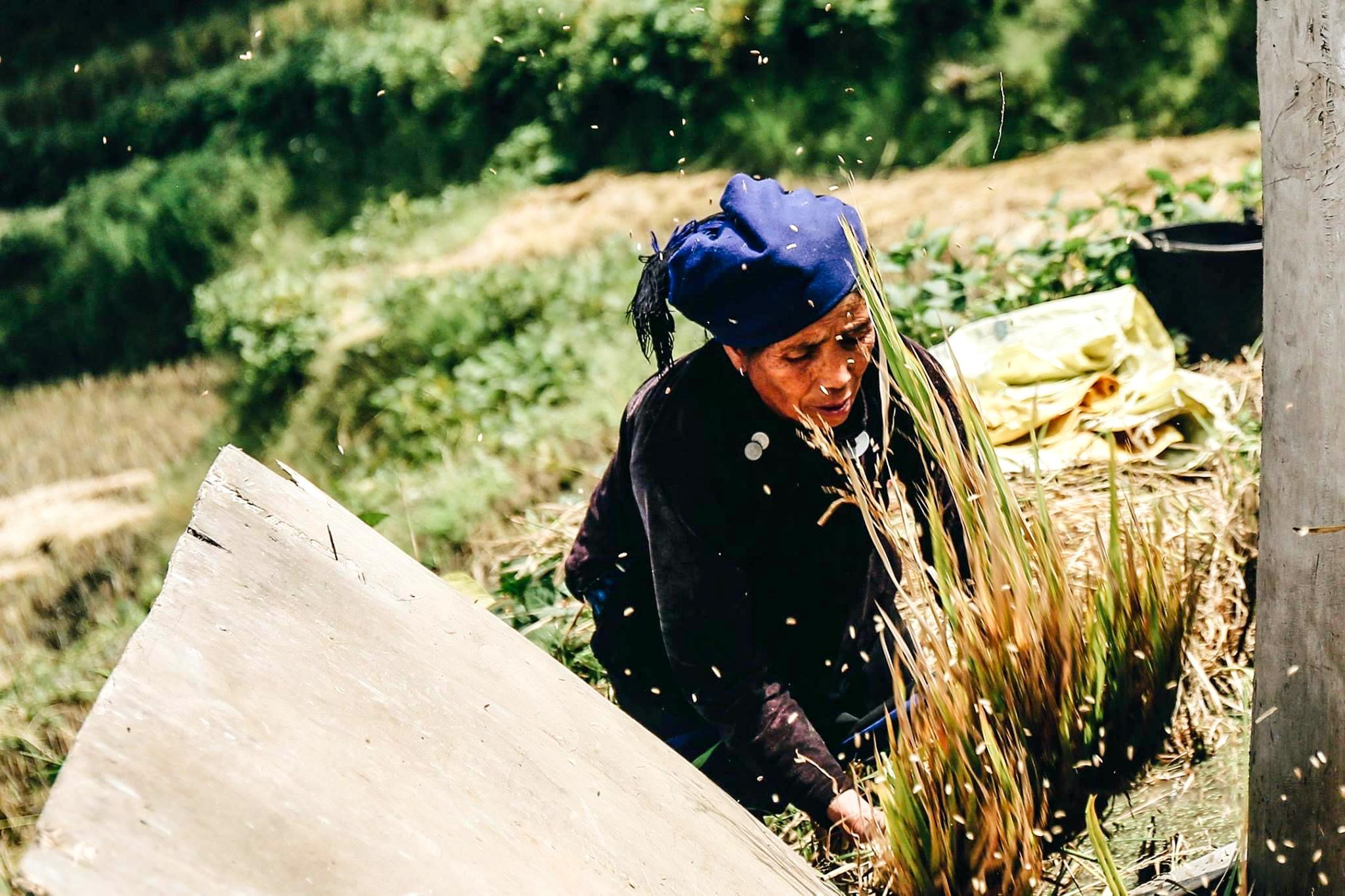
The Hani people’s way of life is closely tied to rice farming, a central agricultural tradition across Asia.
CREDIT: Natalia Maiboroda
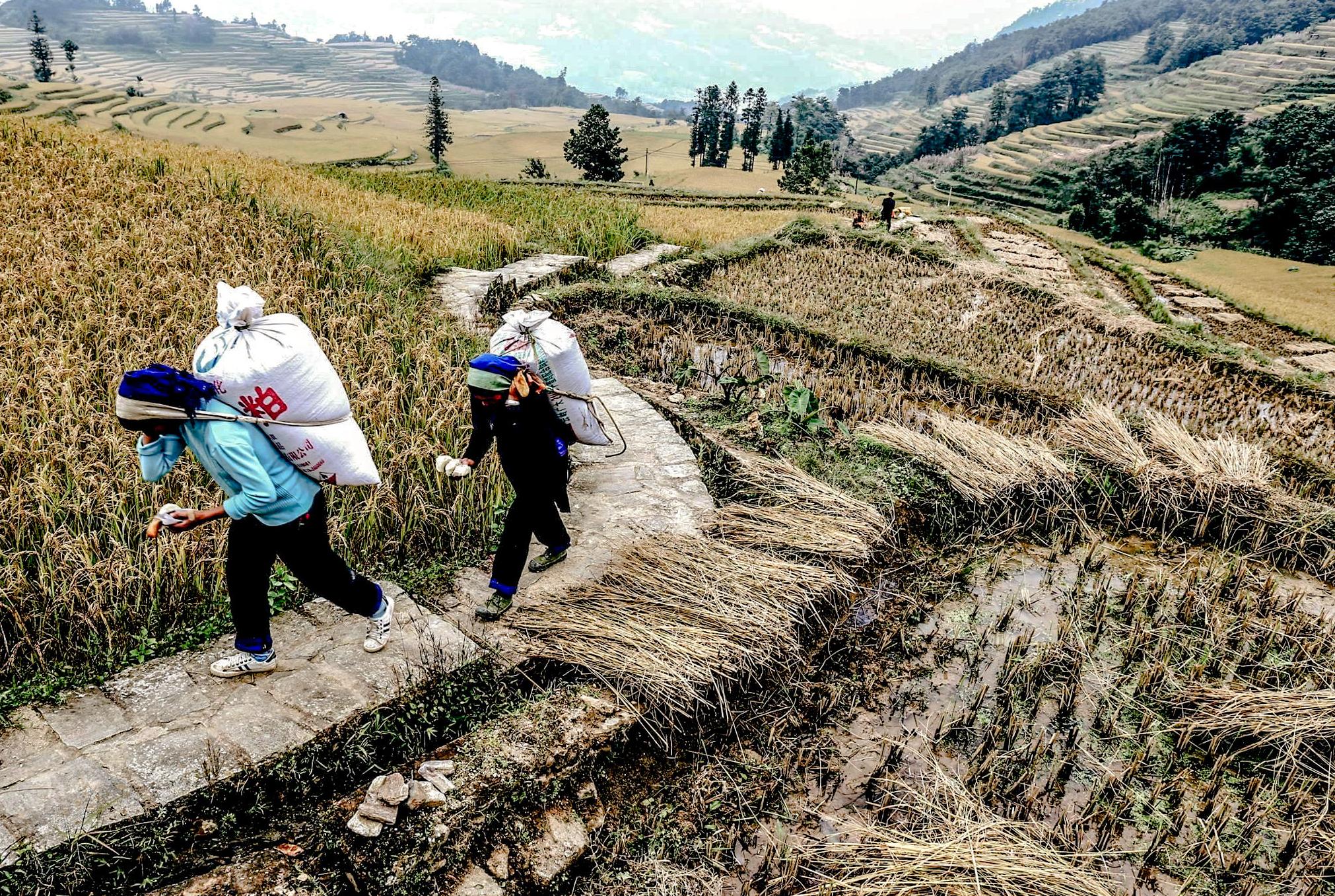
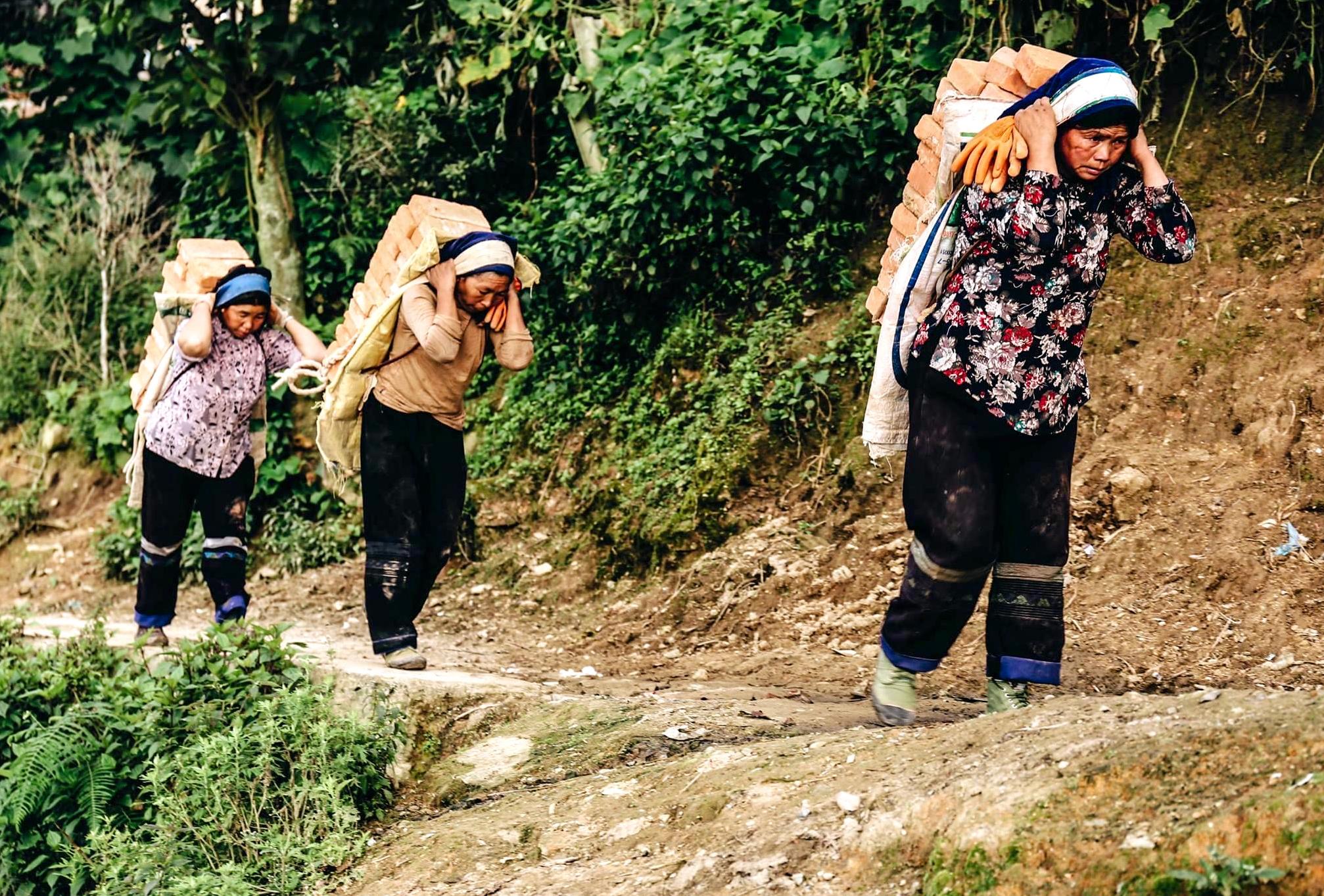
The women are remarkably strong, hauling heavy bags of rice and bricks across the fields on their backs.
CREDIT: Natalia Maiboroda
Women from the Hani ethnic minority carrying bricks as part of their difficult everyday life.
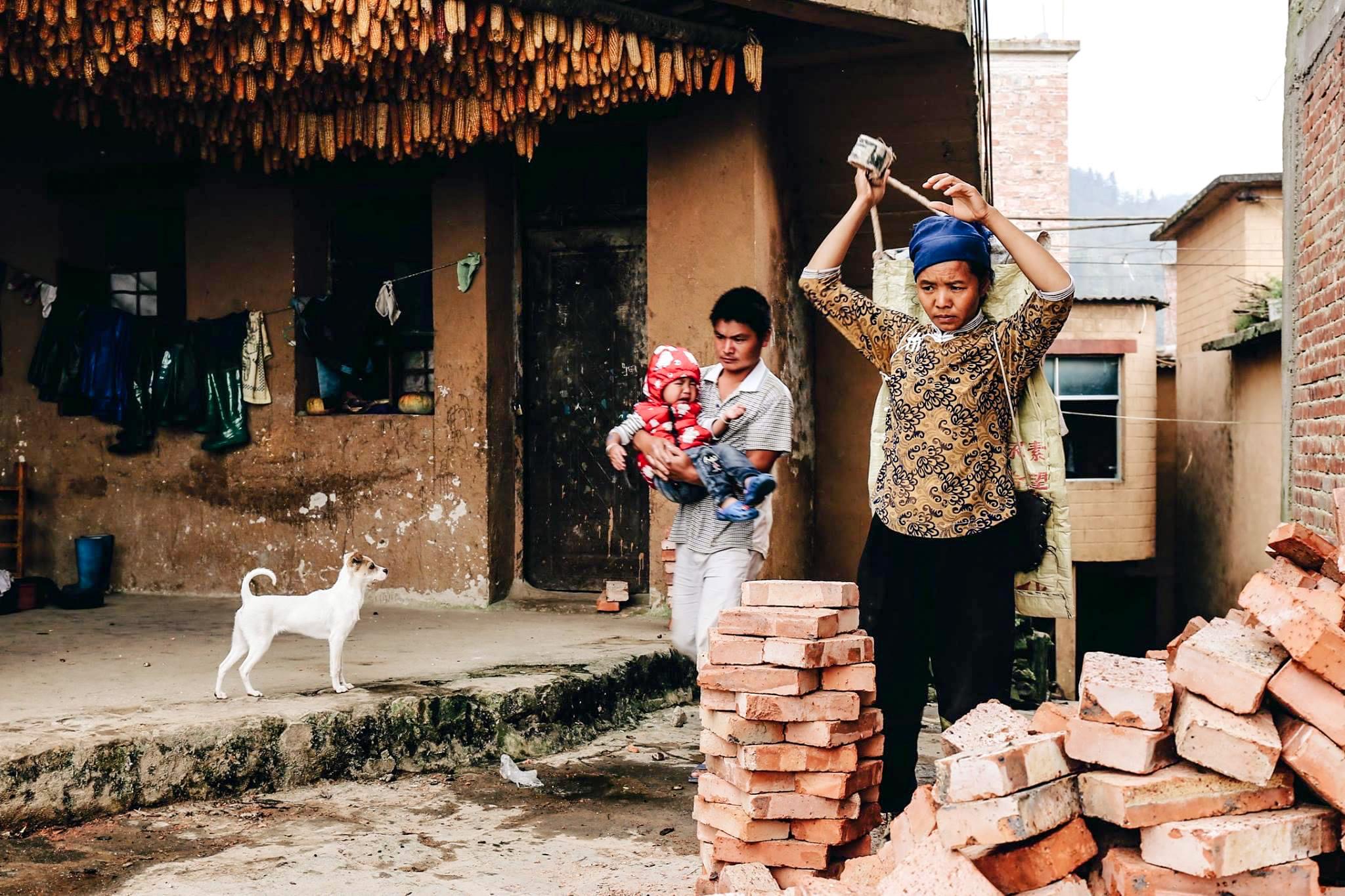
A glimpse into rural everyday life.
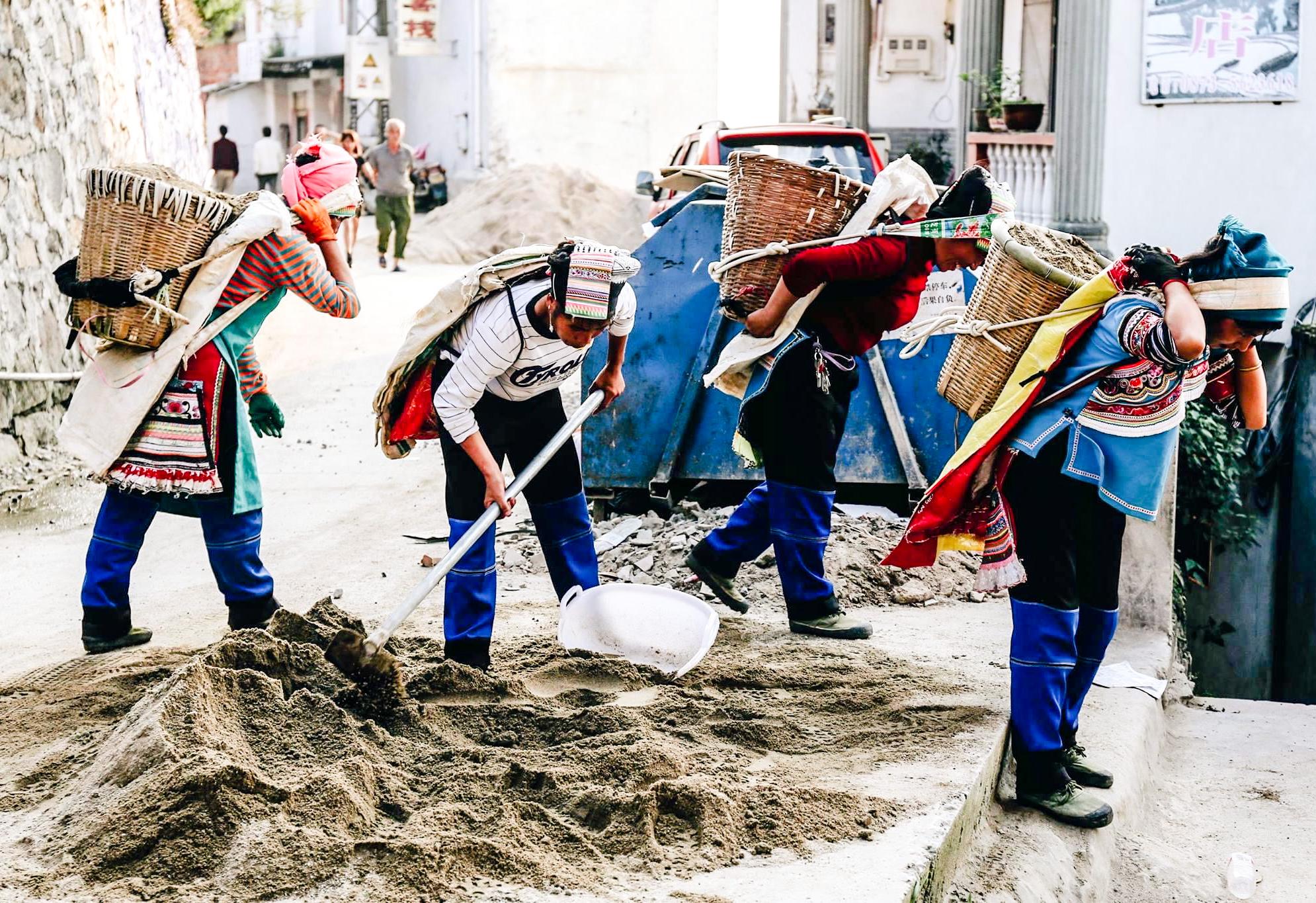
Even the most difficult work, Hani people do in their traditional national costumes.
CREDIT: Natalia Maiboroda
About Natalia Maiboroda
Nataly Maiboroda is an award-winning photographer working in long-form documentary and visual journalism for 15 years.Her stories have been published by National Geographic, Forbes and GEO, and have been featured by The New York Times and The Guardian.
Natalia is a member of the Royal Photographic Society (UK) and a 2025 Photographer of the Year nominee (1836 Award).
Among her signature projects are:
- rare-access stories, including theunderground world of Paris
- the isolated life of Nepal’s Living Goddess.
- the death and rebirth of a 500-year-old UNESCO-listed tradition - shrimp fishing on horseback.
Latest professional achievements:
- Exhibition, Glasgow Gallery of Photography (2026)
- Exhibition, London — ARRIVAL Gallery (2026)
- Exhibition, Paris Art Show (2026)
- Exhibition, ARRIVAL Gallery Art Show, Brooklyn, NYC (2026)
- Book:Hundred Best Selected 2026
- Quality Shortlist, CREA OPEN — Cantieri del Contemporaneo 2026
- Highly Commended Artist, Homiens Art Prize, Fall 2025
natalymaiboroda.com
AI AND PHOTOGRAPHY —
A TURNING POINT
Introduction
Over two centuries, photography has been anchored in a simple alchemy: light reflected from a scene passes through a lens and reacts with chemicals or pixels to record a moment in time. By early 2026, this comfort was shaken. Between February and April a series of legal decisions, industry announcements and artistic debates forced photographers to confront the reality that generative artificial intelligence can create images that look photographic but have no reference in the real world.
Human authorship becomes law
The highest-profile development came from the U.S. Supreme Court. Computer scientist Stephen Thaler appealed after the U.S. Copyright Office refused to register a visual artwork which he said was created autonomously by his AI system. Thaler argued that the Copyright Act should allow protection for AI-generated art. On 2nd March 2026, the Court declined to hear the case, leaving in place lower-court rulings that human authorship is a ‘bedrock requirement’ of copyright protection. The D.C. circuit held that the Copyright Act requires a copyrightable work to be authored in the first instance by a human being.
The practical message for photographers is that purely AI-generated images without sufficient human creative contribution, are unlikely to receive copyright protection in the United States. However, works made with AI assistance may still be protectable where the human photographer or artist contributes copyrightable expression.
This decision is important because it draws a clear line between images produced by humans and those generated entirely by algorithms. It assures artists that their photographs remain protected and underscores that AI-generated pictures are public-domain unless a person contributes sufficient creative input. Photographers who incorporate AI into their workflow should therefore document their role in directing and selecting images to establish authorship.
Camera makers draw a line in the sand
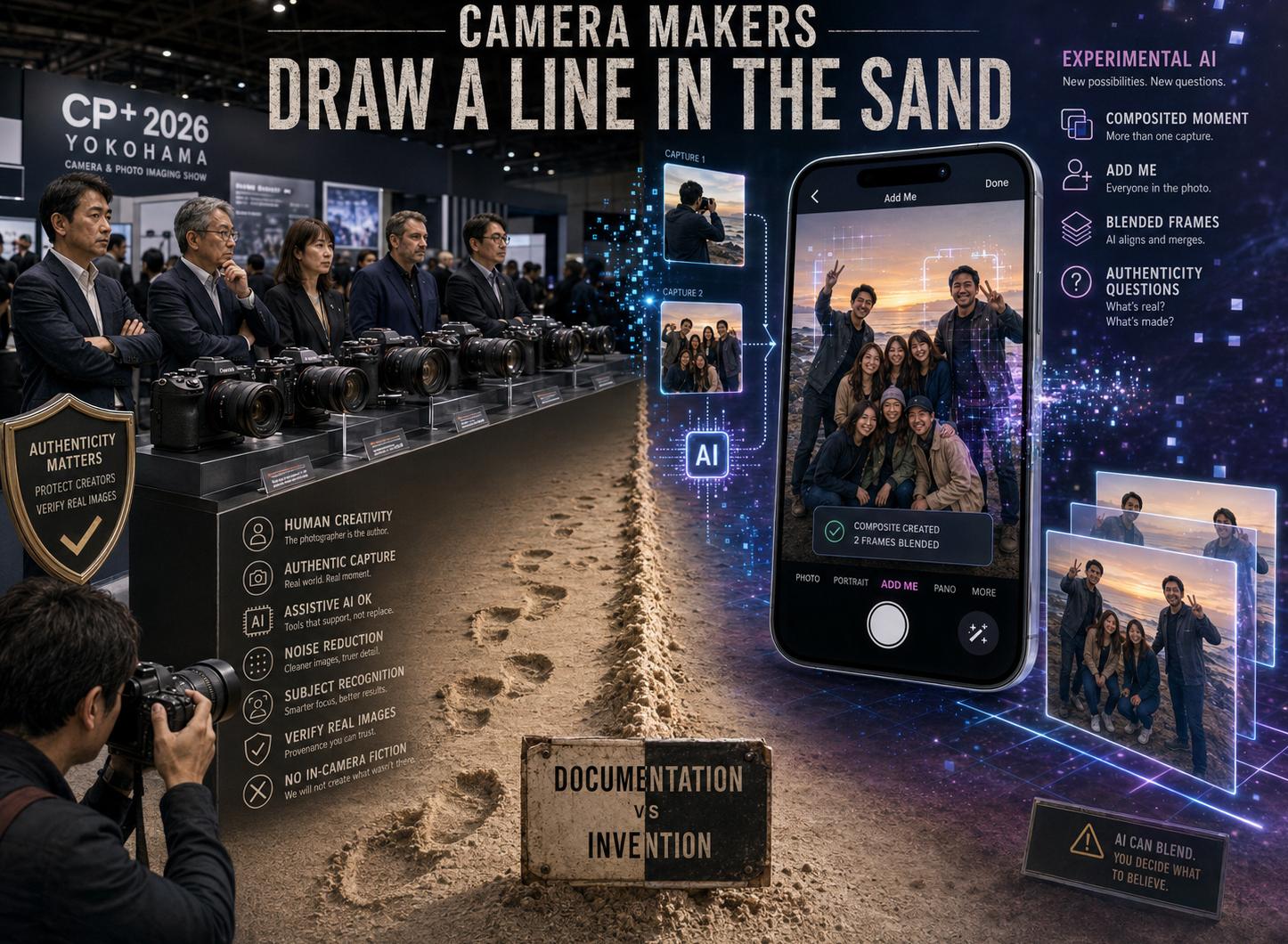
While major technology companies are rapidly embedding generative AI into smartphones and consumer devices, camera manufacturers have taken a more cautious stance. At CP+ 2026 in Yokohama, Japan, executives from Canon, Nikon, Sony, Fujifilm, OM System, Panasonic and Sigma broadly rejected the idea of using in-camera generative AI to create artificial or fictional photographic content.
Kazuto Yamaki, CEO of Sigma, emphasised the value of the photographic process itself, not just the final result. Fumiko Kawabata, Senior Vice President of Marketing and Planning at Nikon Inc., said the company would continue to support the human element of creativity and warned that generative AI poses risks to originality.
Kazuhiro Togashi at OM System’s, supported AI as an assistive tool for functions such as noise reduction and image-related features, but stressed the importance of preserving the real experience of taking a photograph.
Sony expressed a similar position. Yasufumi Machitani, General Manager of Sony’s Camera Business Department, stated that Sony uses AI technologies such as subject recognition, while also aiming to protect creators and their rights. This approach is reflected in Sony’s participation in the C2PA steering committee and its Camera Authenticity Solution, which supports verification of authentic camera-captured images and video.
The overall message was clear: computer-based tools which help photographers capture or verify real-world images are welcome. However, generative AI which fabricates scenes inside the camera risks undermining the photographic process and blurring the line between documentation and invention.
Google’s Pixel phones have taken a more experimental approach. The ‘Add Me’ feature launched with the Pixel 9 series, combines two photos taken in the same scene so that the person who took the original group shot can also appear in the final image. The feature uses augmented-reality overlays to help align the second frame, together with machine-learning models to blend the images. It solves a common group-photo problem and has also been used for playful “twinning” shots, where the same person appears twice in one image.
While technically impressive, such AI-assisted compositing raises questions about photographic authenticity, because the final image may depict a scene that never existed in front of a single lens at one moment in time.
Authenticity at the moment of capture
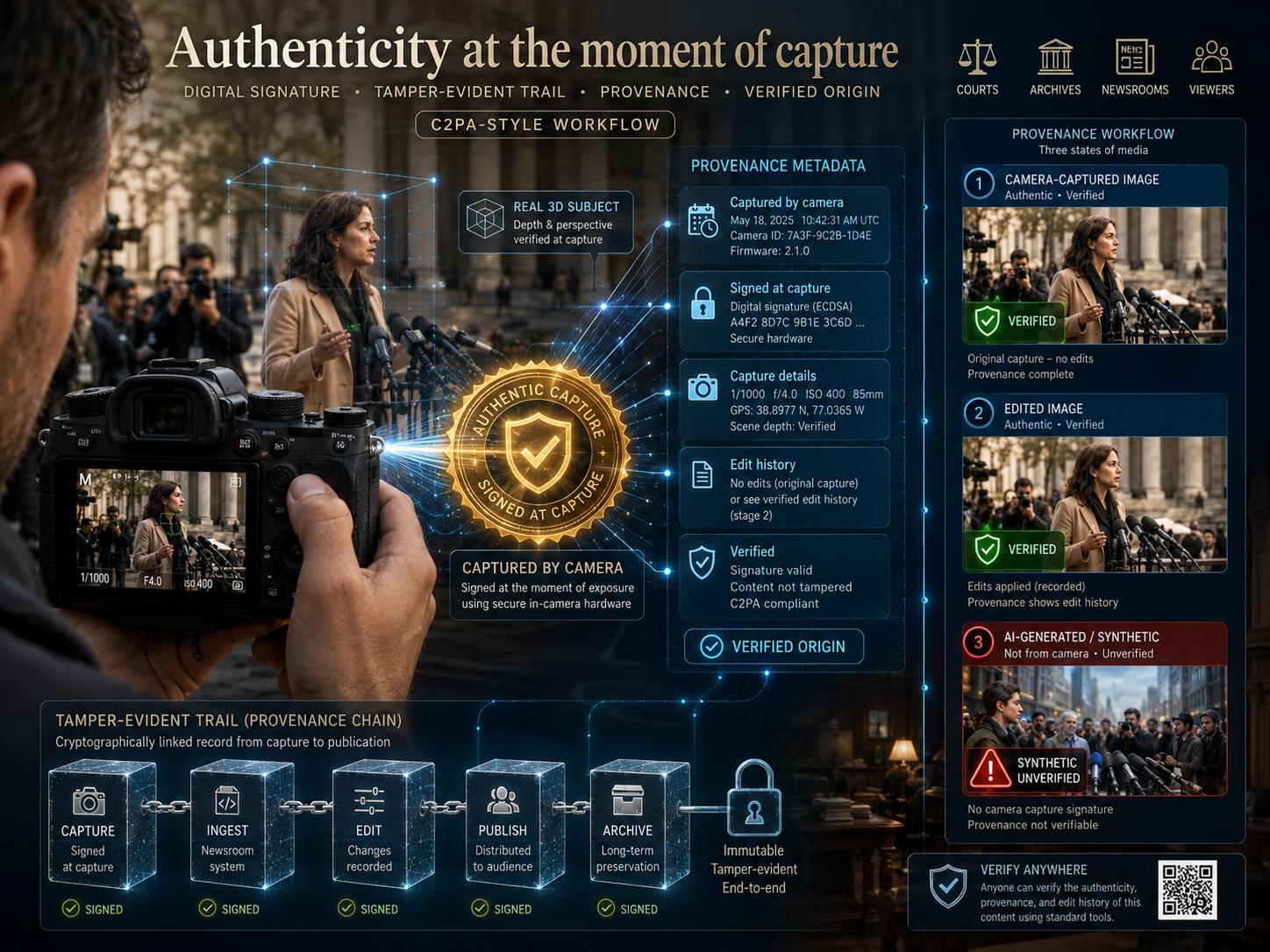
The camera industry’s resistance to generative AI also reflects a growing emphasis on provenance. To defend the integrity of photographic evidence, some manufacturers are integrating cryptographic signatures into cameras.
Sony’s Camera Authenticity Solution, for example, can digitally sign images at the point of capture, creating a hardware-based in-camera signature that helps verify that a file was captured by a supported Sony camera. Sony also uses 3D-depth metadata to help determine whether a real three-dimensional subject was photographed, rather than an image or video displayed on a screen. These signatures support the C2PA standard, an open specification used to attach verifiable provenance metadata showing the origin and editing history of digital content.
By signing images at the moment of exposure, these systems create a tamper-evident trail, rather like a digital wax seal. In compatible workflows, news organisations can verify that a photo was captured by a camera, view supported authenticity information, and check whether subsequent edits have been recorded through C2PA-compliant tools.
Such provenance systems are likely to become increasingly important as synthetic media proliferates. They cannot solve every problem of misinformation, but they can help publishers, courts, archives and viewers better distinguish between camera-captured photographs, edited images and AI-generated media. RPS members who document events should therefore monitor developments in C2PA-compliant cameras, software and publishing workflows.
A debate over naming: algorithmic photography vs promptography
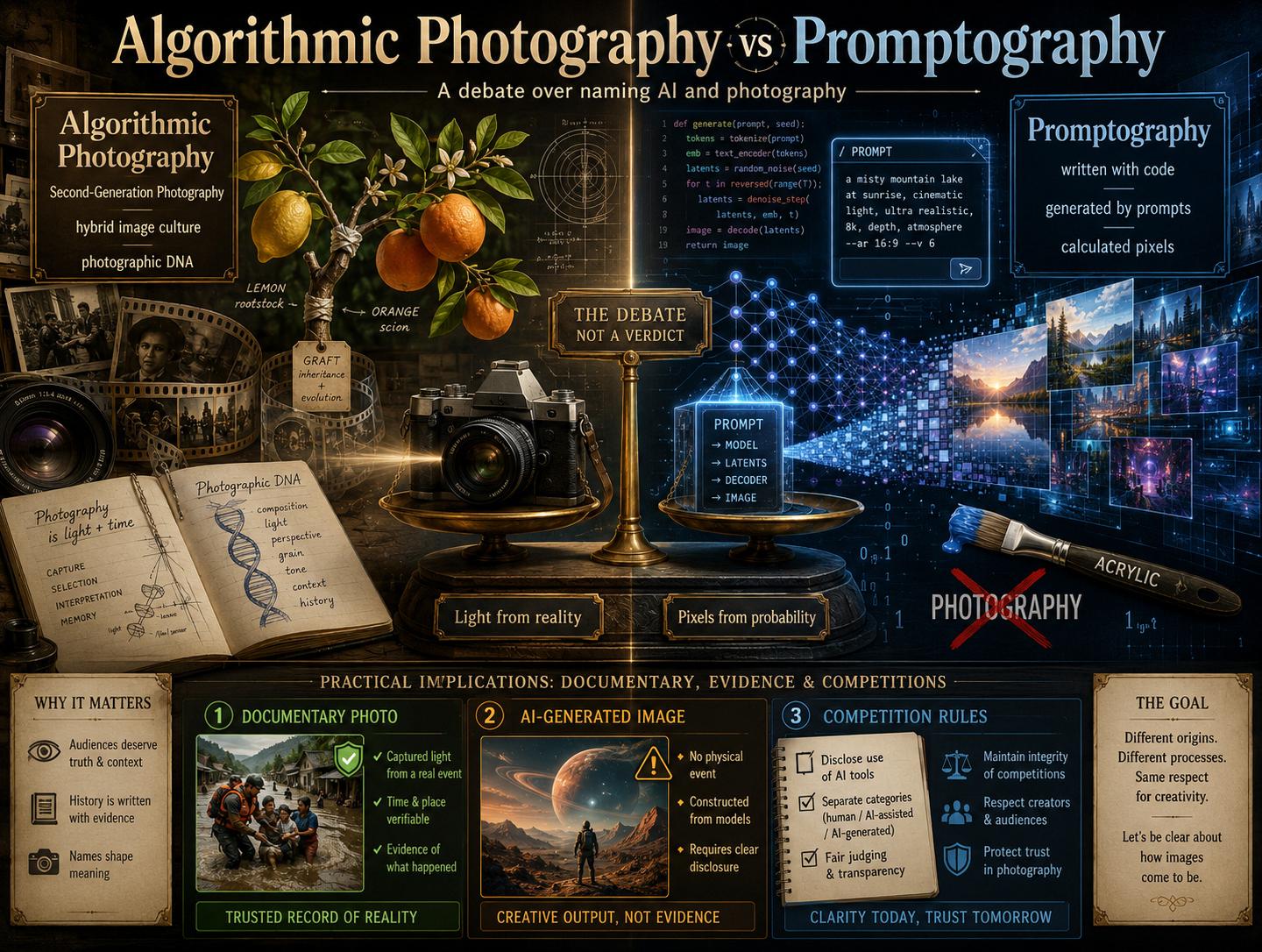
The collision of AI and photography is also playing out in the art world. In March 2026, Spanish conceptual artist and photographer, Joan Fontcuberta, published ‘Immagini latenti. La fotografia in transizione’ in Italy. The book’s concluding chapter discusses AI and photography, proposing that AI-generated pictures may be understood as ‘SecondGeneration Photography”’ and uses the term ‘Algorithmic Photography’.
Fontcuberta likens generative AI to a citrus graft: in his analogy, a lemon tree begins producing oranges because an orange branch has been grafted onto it. Since AI models are trained on vast numbers of photographs, he argues, their outputs inherit a kind of photographic DNA and may be seen as hybrids of optical and computational image culture.
His proposal sparked a strong rebuttal. In an April 2026 opinion piece titled ‘A Necessary Critique of Fontcuberta’s Algorithmic Photography’, German artist Boris Eldagsen and artist-photographer Miles Astray argued that process matters more than appearance. A photograph is created when light from a real scene hits film or a sensor, and an AI image is created when a neural network calculates plausible pixels based on statistical patterns.
They argue that calling an AI-generated picture ‘algorithmic photography’ is like calling a photorealistic painting ‘acrylic photography’ which collapses distinct mediums and risks eroding photography’s evidentiary authority.
Eldagsen favours the term ‘promptography’ for works produced through prompting AI systems, while Astray emphasises that photography is written with light, whereas AI imagery is written with code.
For documentary photographers and competitions such as World Press Photo, this distinction has practical implications. Works which lack a physical referent should not compete directly with images that document real events. Some contests have already banned AI-generated entries, while others require disclosure when generative AI has been used.
From optical realism to informational realism
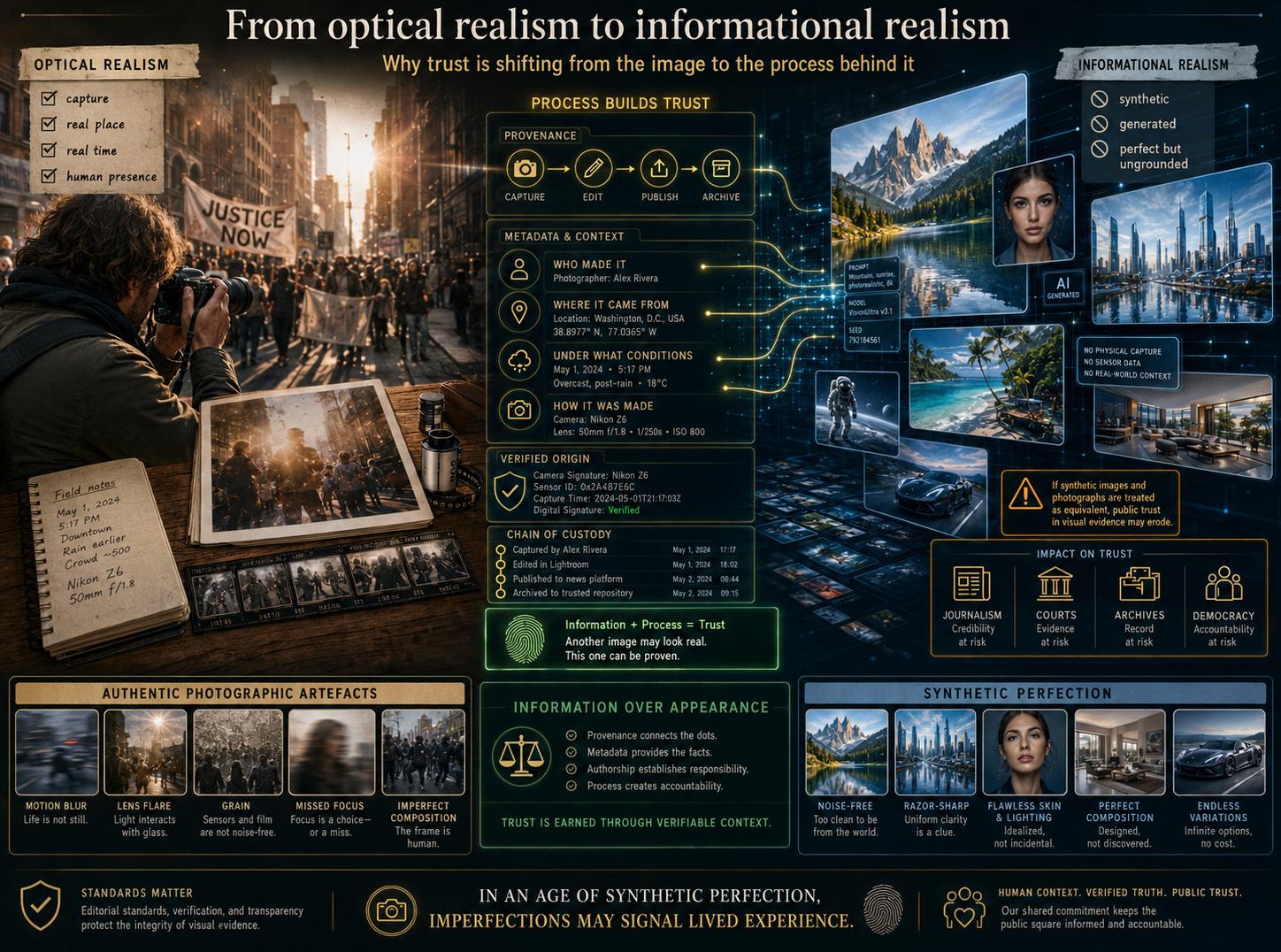
Underlying these debates is a broader cultural shift. In the Fontcuberta debate, the language of ‘optical realism’ giving way to ‘informational realism’ captures a world in which images are judged not only by what they show, but also by the metadata, provenance and context attached to them.
Eldagsen and Astray push this further by arguing that trust is shifting from the image itself to the process behind it: where it came from, who made it, and under what conditions. In a world of generative tools, the image alone is no longer enough. They warn that if AI images and camera-made photographs are treated as equivalent, public trust in visual evidence may erode, with serious consequences for journalism and democratic accountability. The solution, in their view, is not to discard photography, but to build clearer distinctions between capture and synthesis, supported by institutions, editorial standards and provenance systems.
As AI floods digital feeds with polished synthetic images, a paradox emerges. The aesthetic of the perfect shot - noise-free, razor-sharp and compositionally ideal - has long been prized. Yet when visual perfection can be generated quickly, the value of authentic photographic artefacts may increasingly lie in their imperfections: motion blur, lens flare, grain, missed focus or other traces of a human being working in a real place and time.
Whether this becomes a lasting market preference remains to be seen, but early cultural signals suggest that audiences are becoming more receptive to images that feel raw, imperfect and genuinely connected to lived experience.
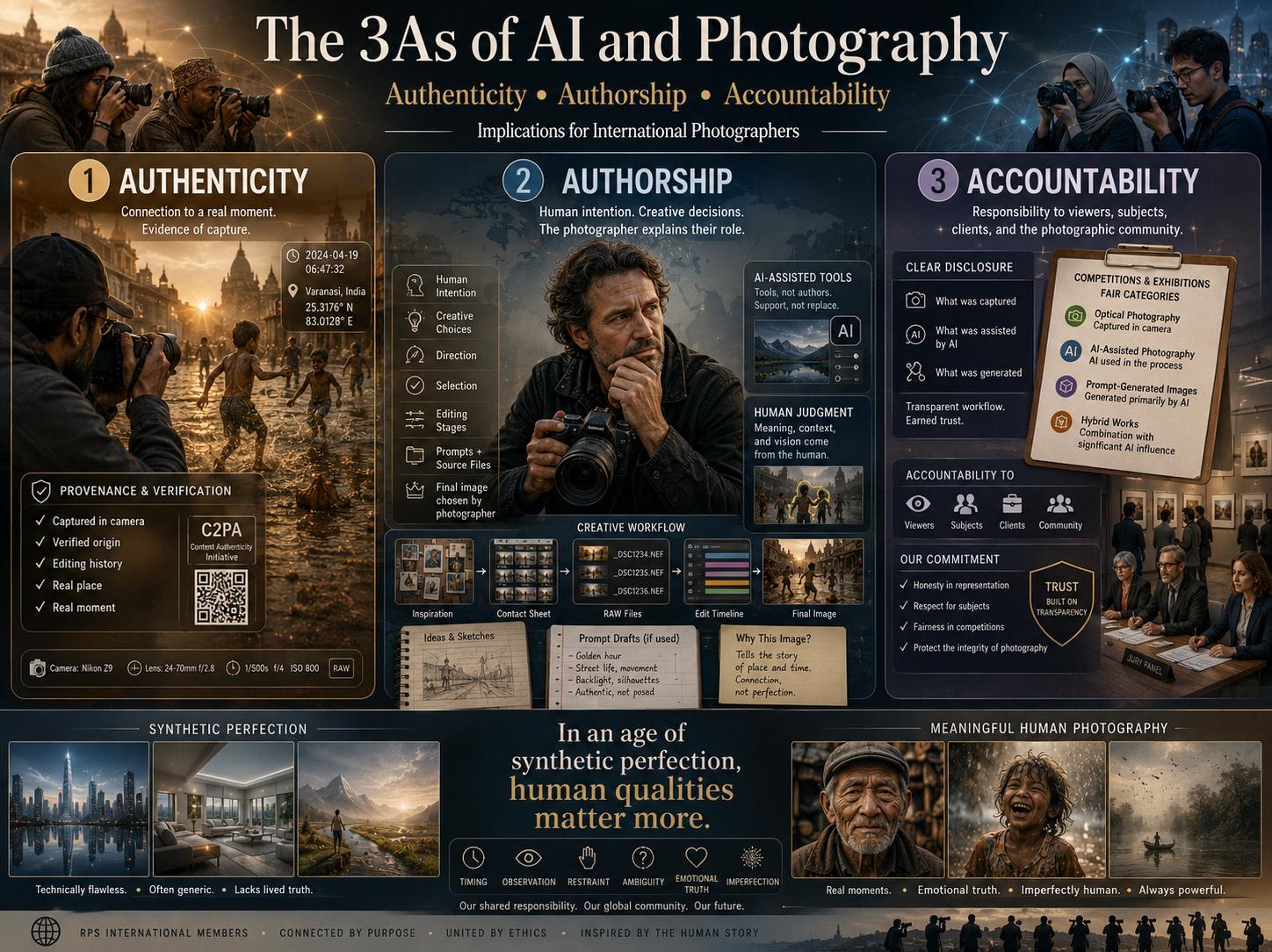
Implications for RPS International Members: The 3As of AI and Photography
The developments of early 2026 carry both challenges and opportunities for photographers. For RPS International members, the issue is not simply whether AI should be accepted orrejected, but how we can respond thoughtfully through three guiding principles: Authenticity, Authorship and Accountability.
Authenticity asks whether an image is connected to a real moment, a real subject and a real act of seeing. As generative AI becomes capable of producing flawless photorealistic images, photographers may need to place greater value on the evidence of capture: the light, the place, the timing, the subject and the human presence behind the camera. Provenance tools such as C2PA, camera-based digital signatures and transparent editing histories may become increasingly important, especially for documentary, press and evidential photography.
Authorship asks who made the creative decisions. The recent legal emphasis on human authorship reminds us that photographers should be able to explain their own role in the creation of an image, particularly when AI tools are used. This may include keeping records of drafts, prompts, source files, editing stages and final selections. In creative or fine art contexts, AI may become part of the process, but the photographer’s intention, judgment and direction should remain clear.
Accountability asks what responsibility we have to viewers, subjects, clients, competitions and the wider photographic community. If generative AI is used for composites, creative ideation, retouching or finishing, clear disclosure helps maintain trust. Competitions, exhibitions and photographic societies may also need clearer categories and guidance to distinguish between optical photography, AI-assisted photography, prompt-generated images and hybrid works.
In this new visual environment, the future value of photography may not lie only in technical perfection. As synthetic images become smoother, sharper and more idealised, the human qualities of photography such as imperfection, timing, observation, restraint, ambiguity and emotional truth, may become even more meaningful. The challenge for photographers is not only to use new tools wisely, but to protect the integrity of the photographic act itself.
Please contact Jacky Lee at internationalsubmissions@rps.org with any questions you may have on this fast-moving topic!
KAZUE SUZUKI PHOTO EXHIBITION
SWITCH – TOKYO × LONDON BUS CHAPTER TWO
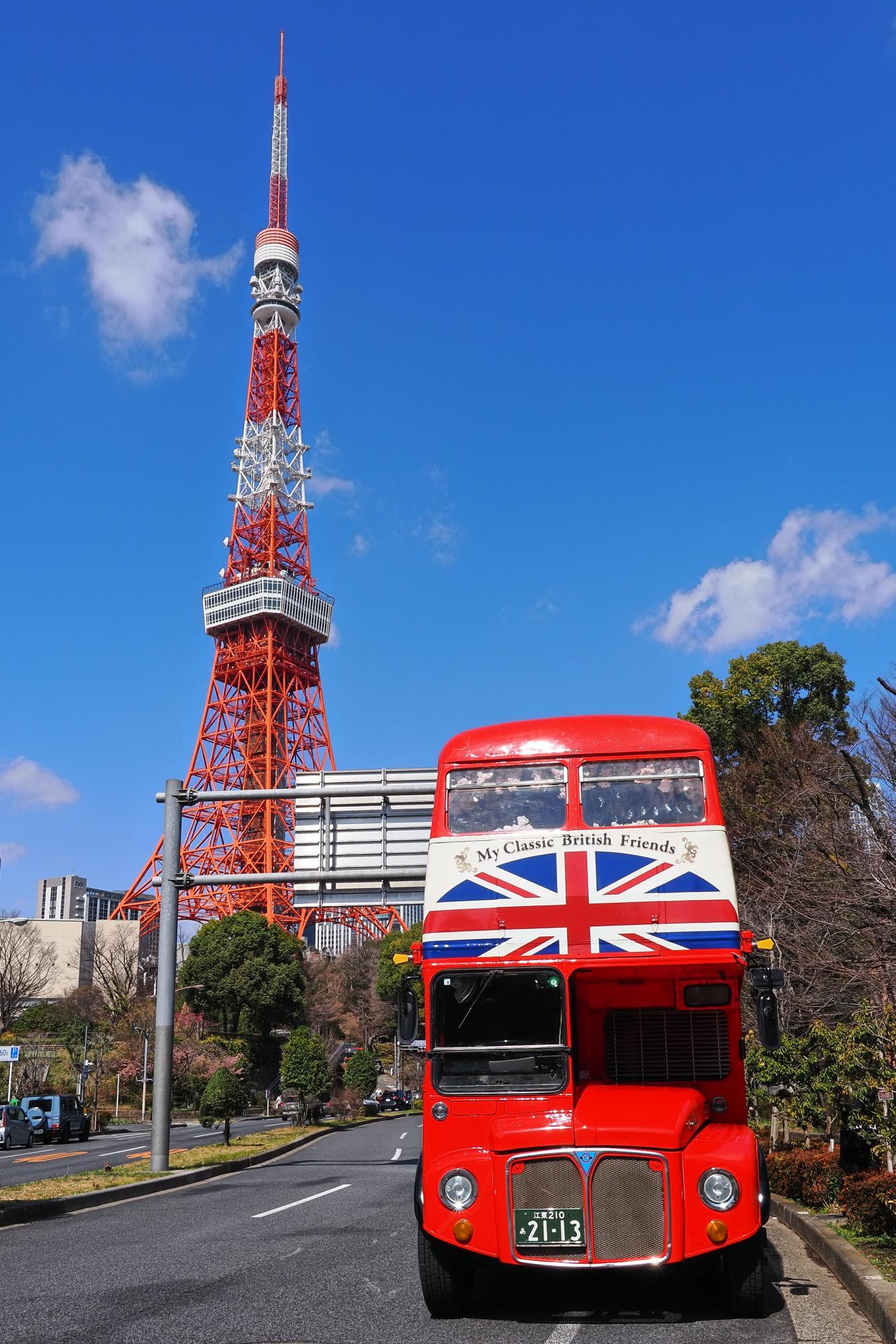
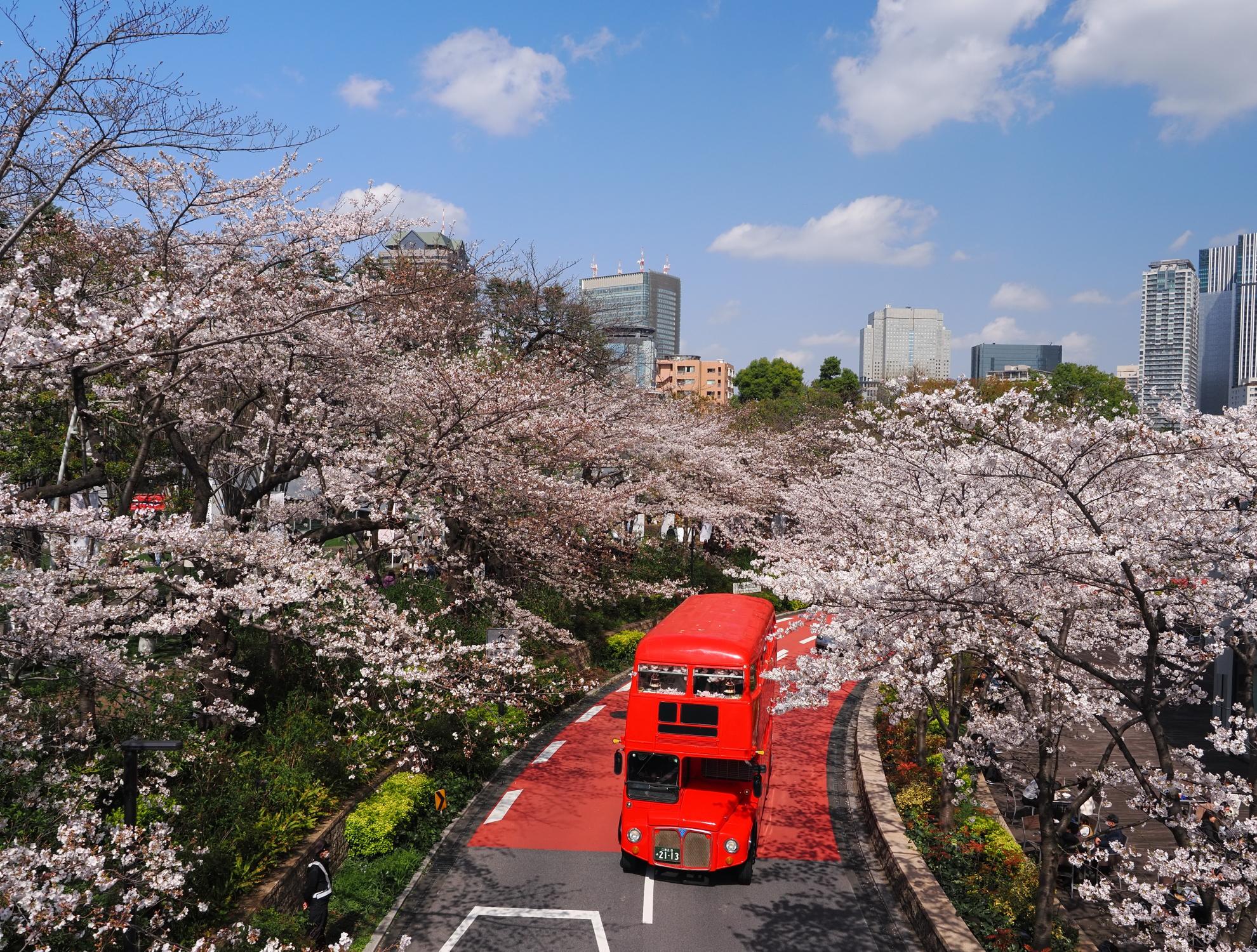
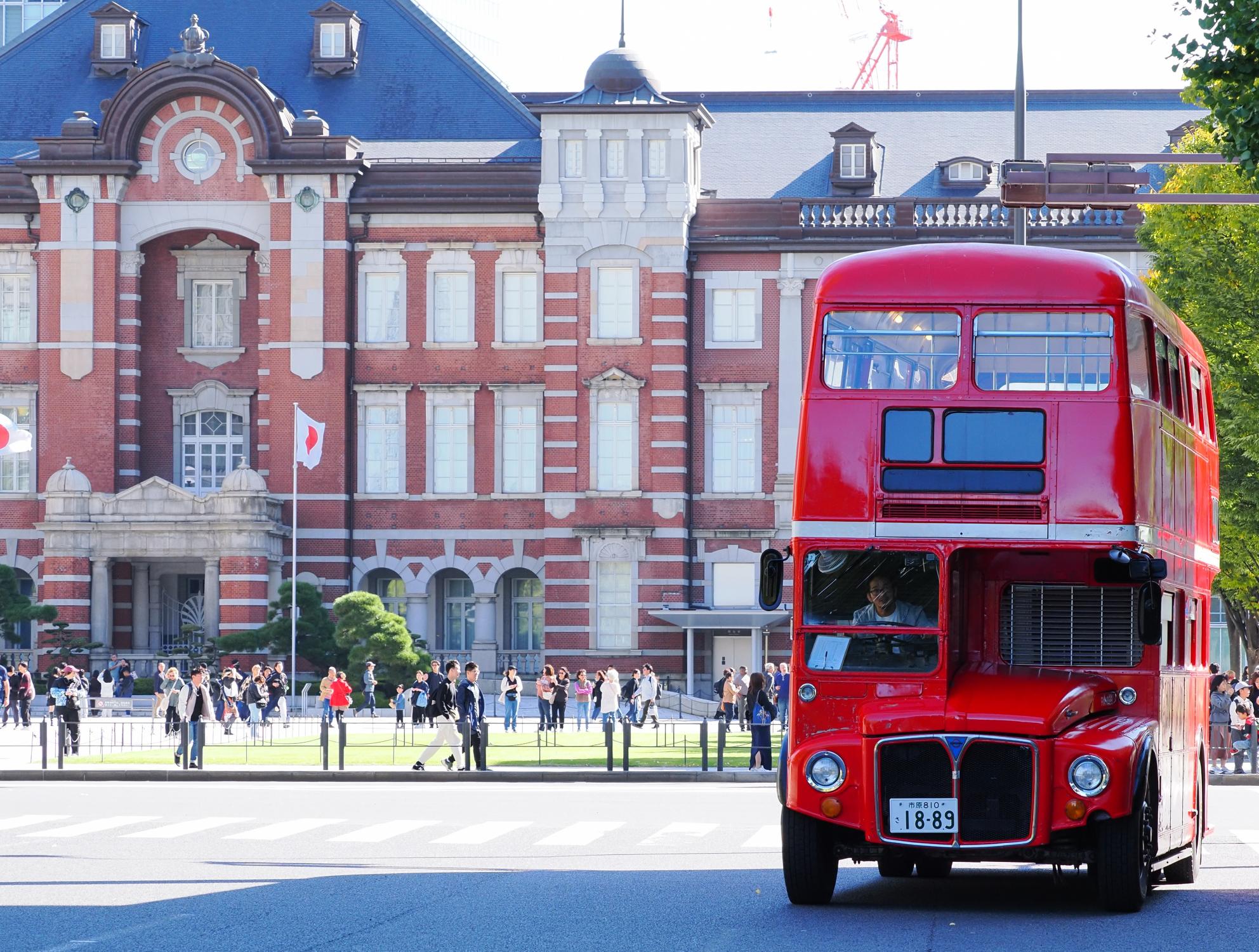
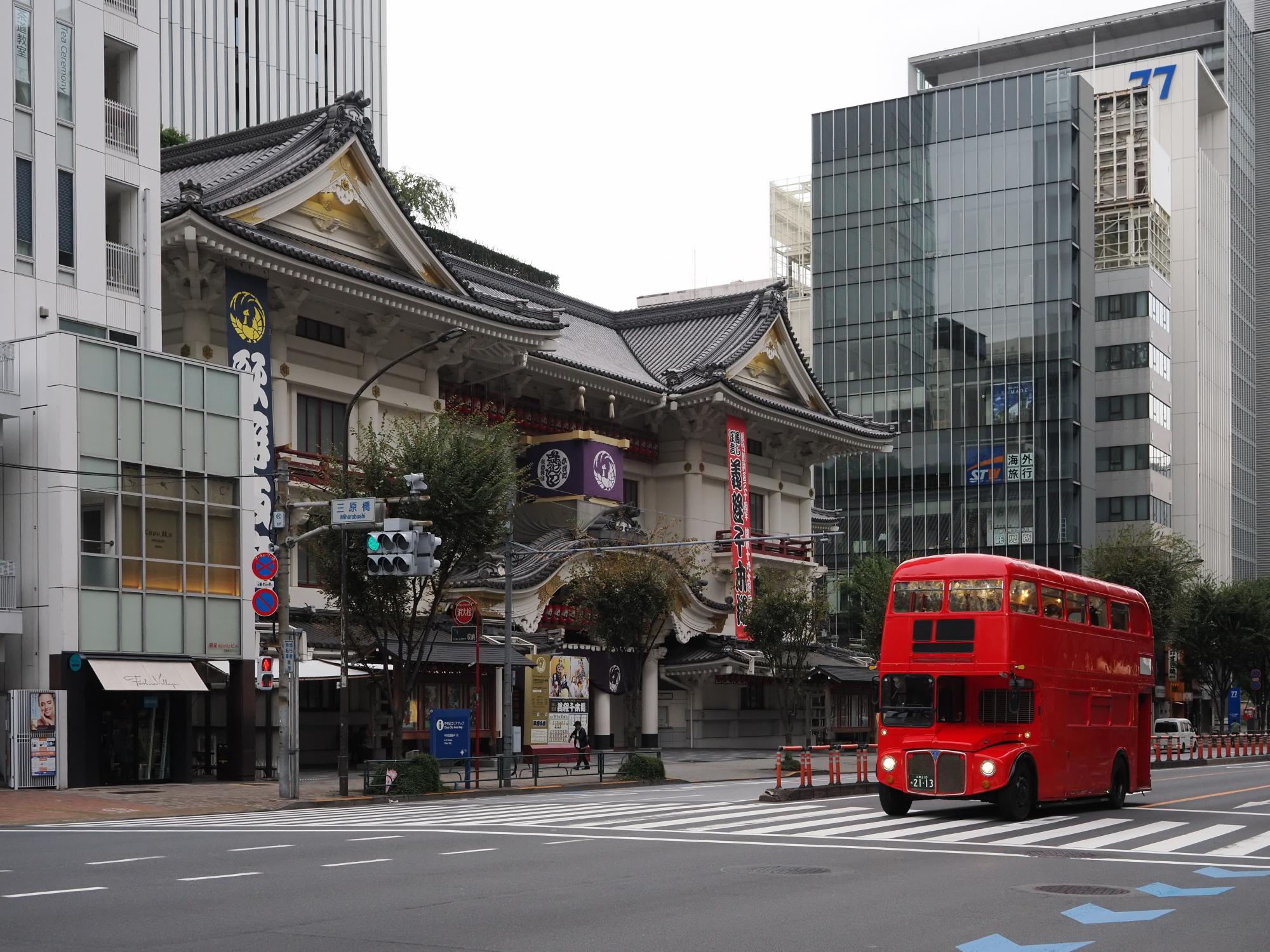
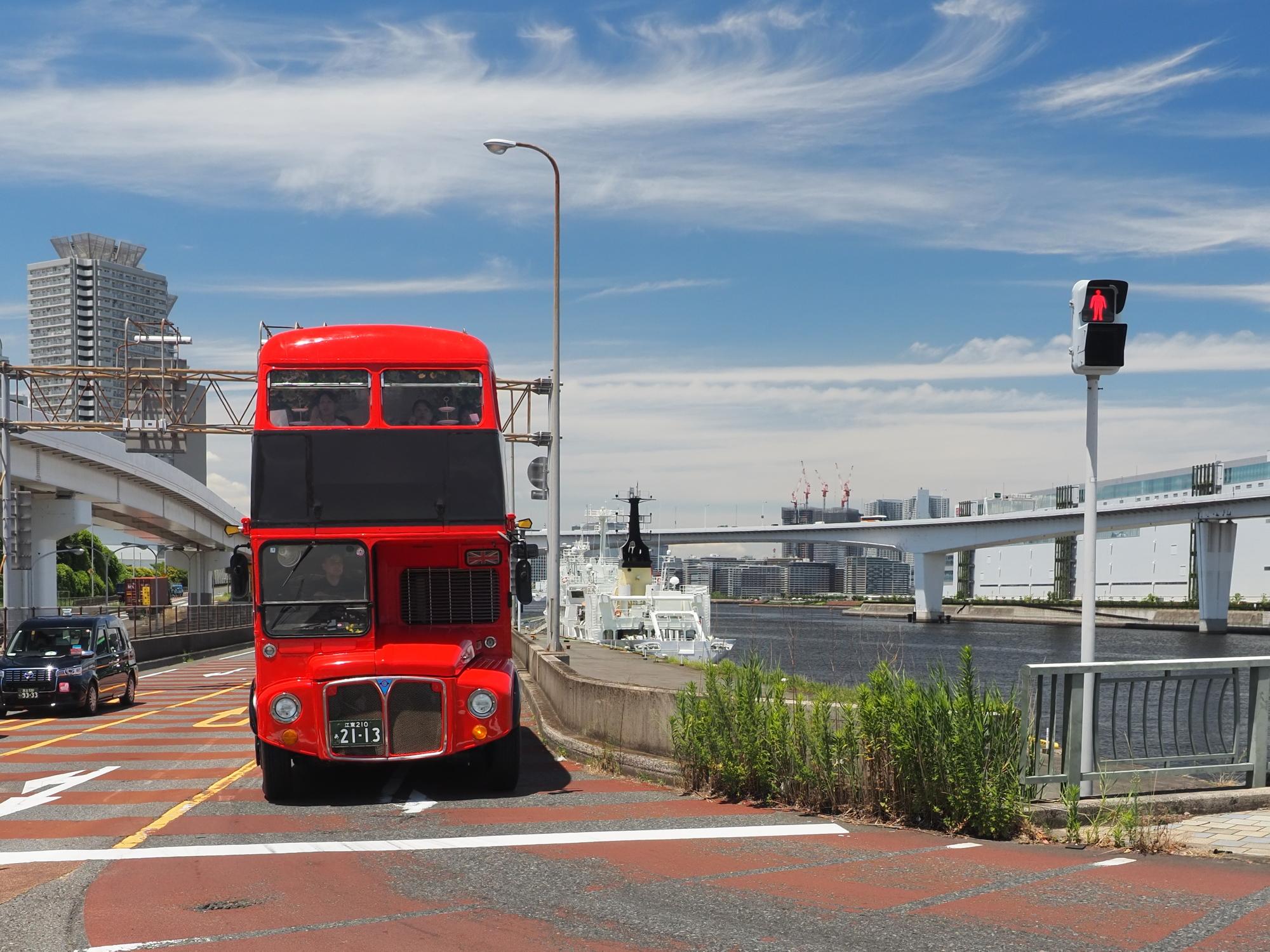
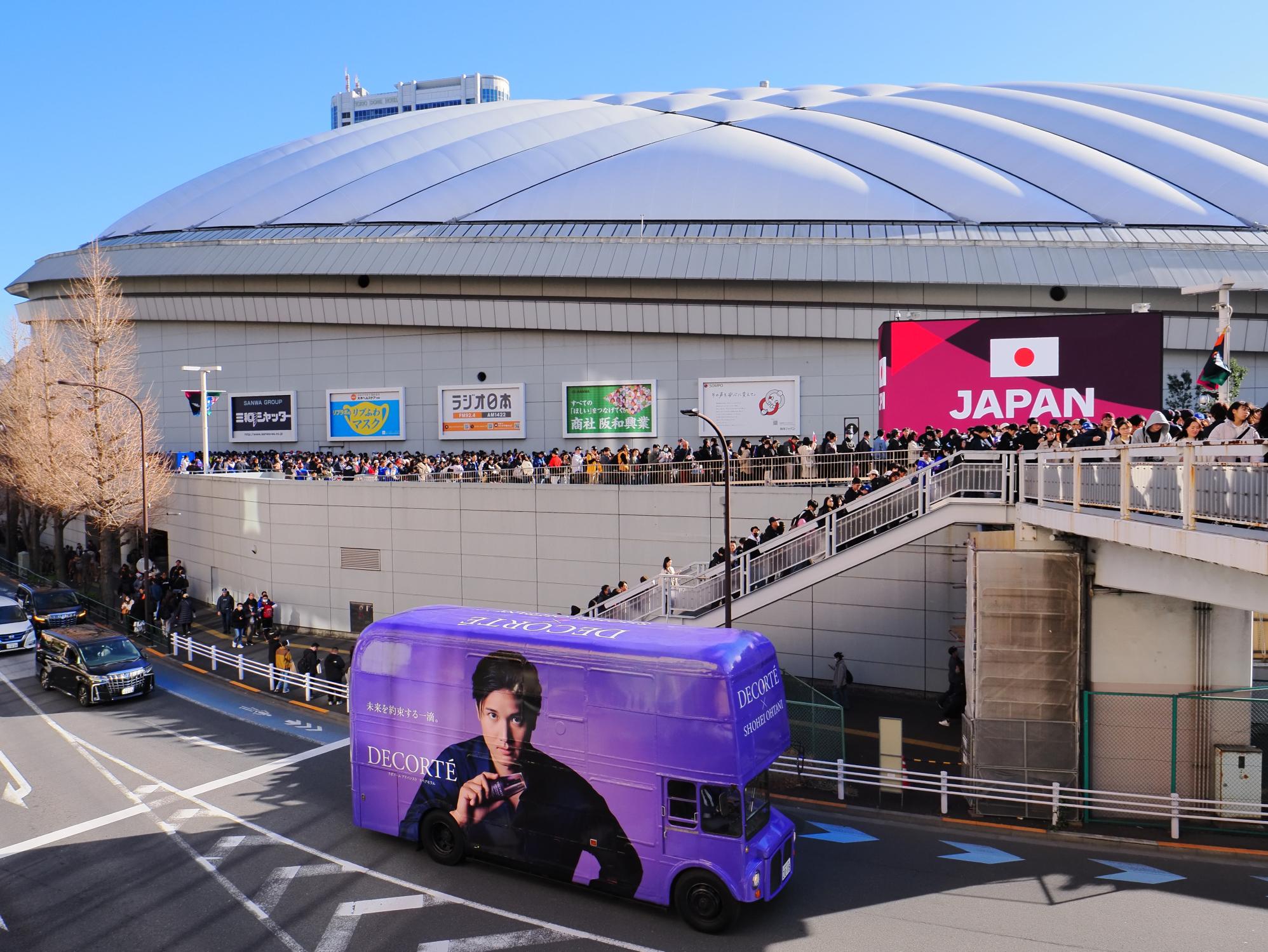
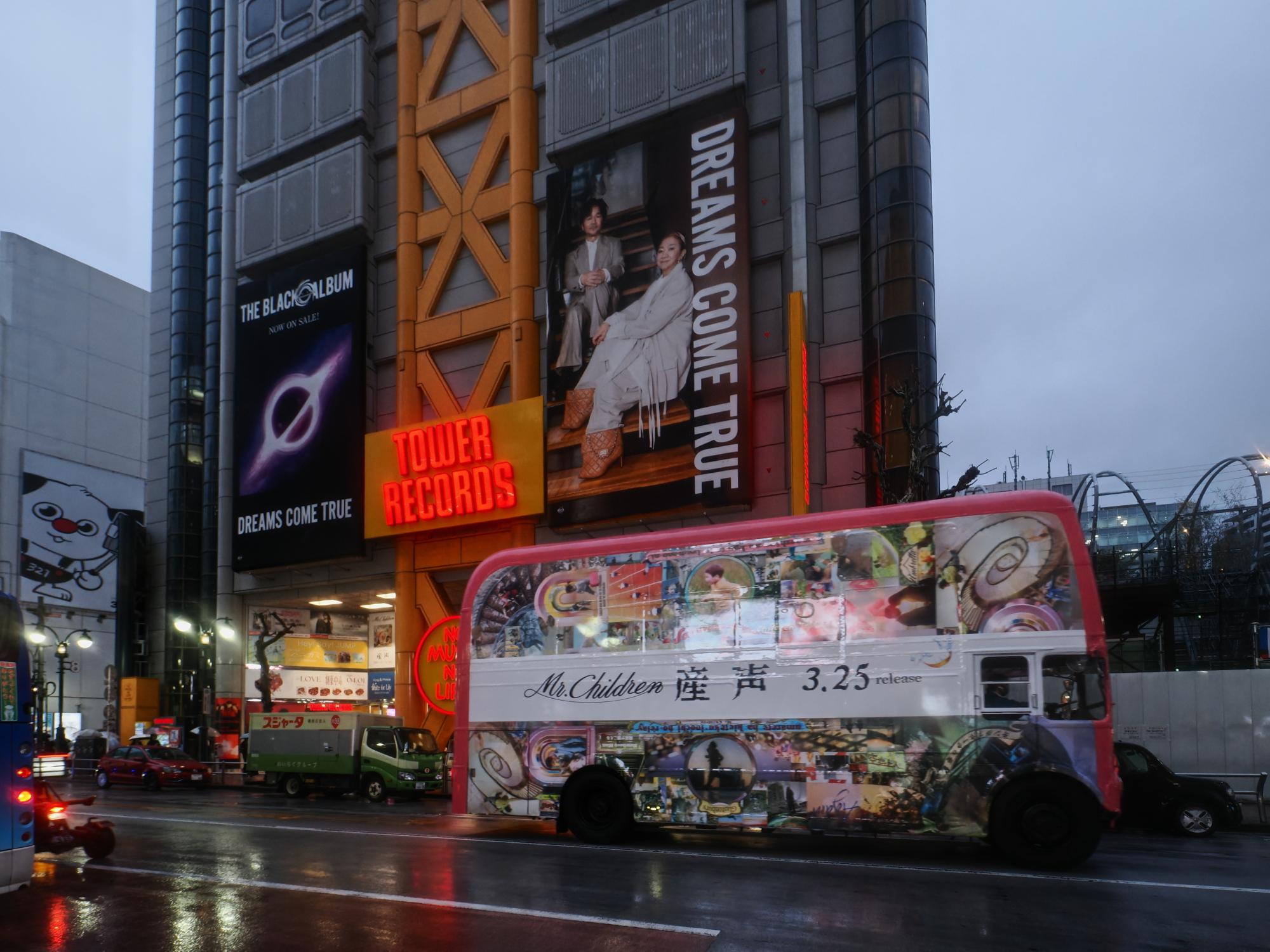
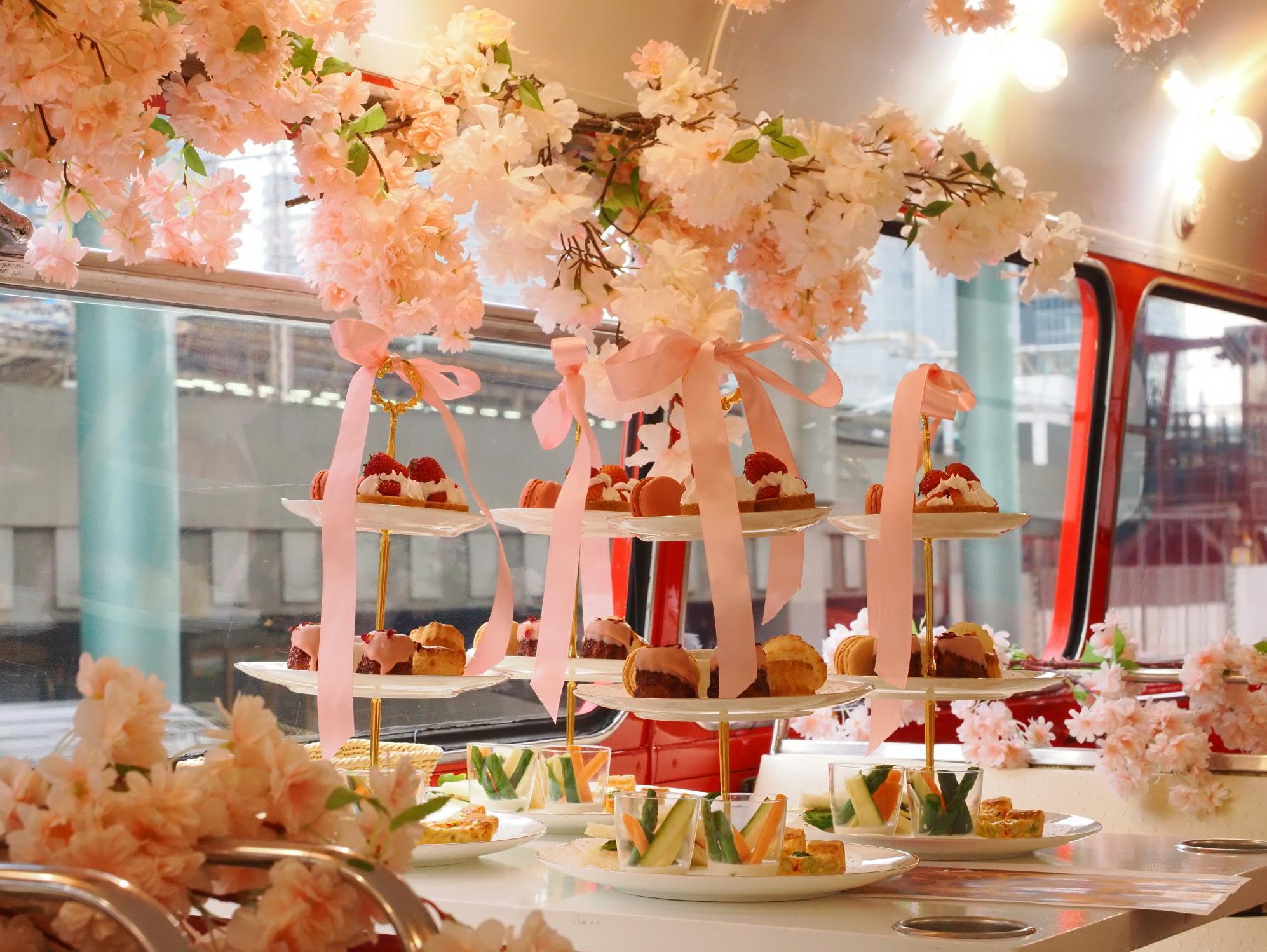
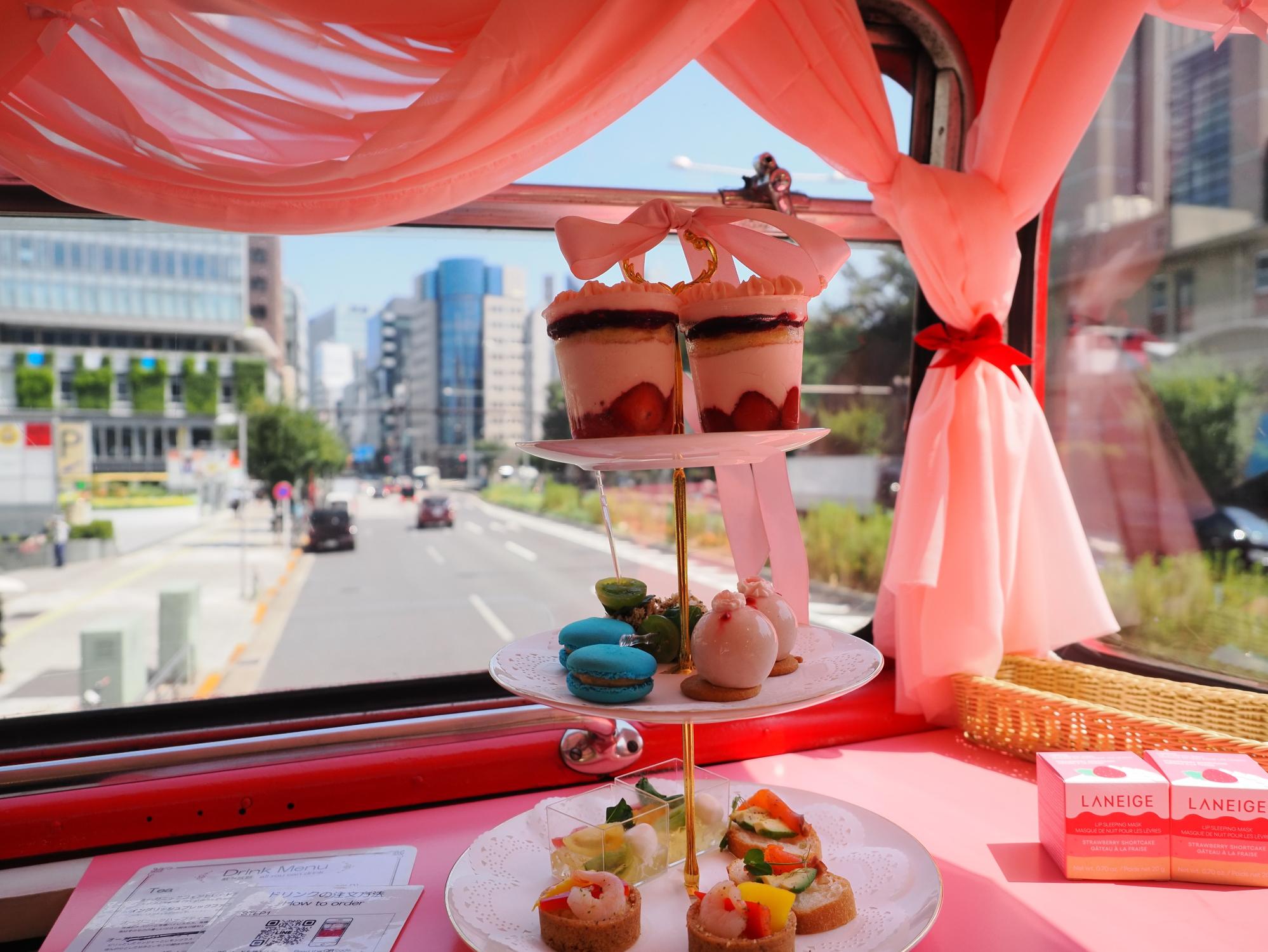
Aclassic London bus that once operated in London in the 1960s now travels through the streets of Tokyo, transcending both time and borders. Its dignified presence within the contemporary cityscape creates a striking dialogue between past and present. The nostalgic design of the bus is set against iconic urban scenes such as Ginza, Nihonbashi, Shinjuku, Shibuya, and Roppongi.
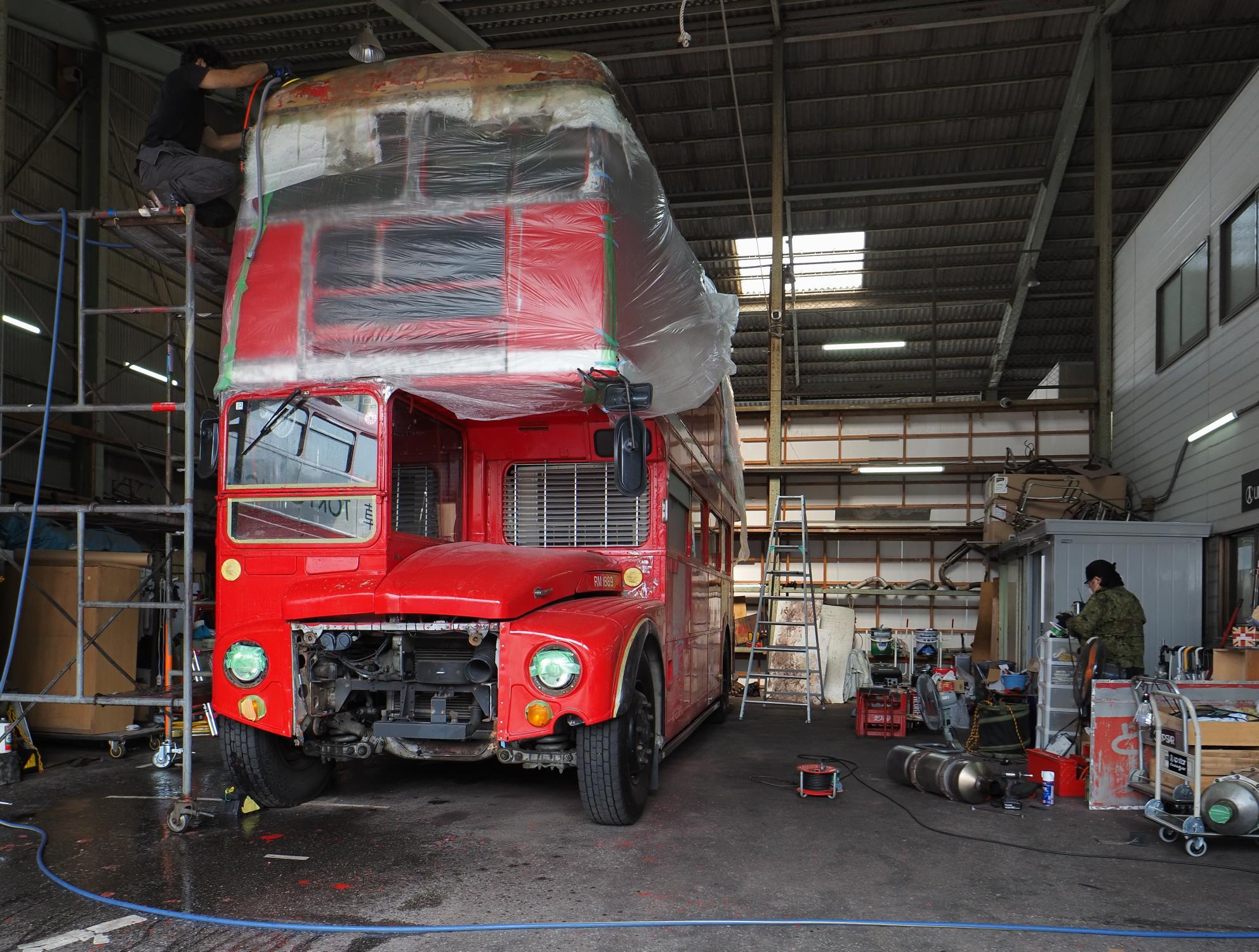
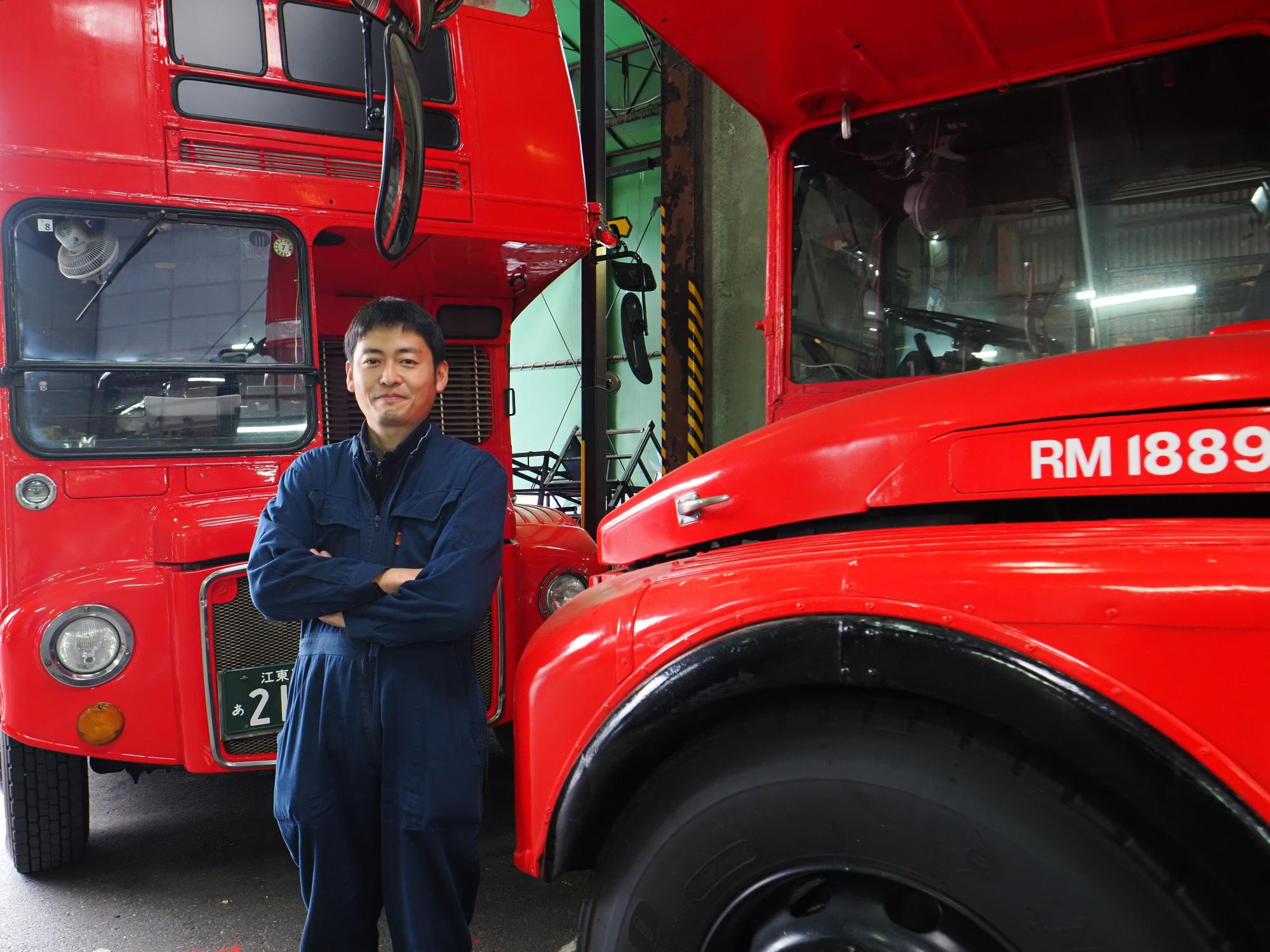
Following the 2024 exhibition, this second chapter presents newly captured works of the bus in motion across Tokyo, alongside scenes that reflect its careful preservation in Japan and the cultural experience of the Afternoon Tea Bus Tour. Through these works, the exhibition explores the enduring presence of the London bus within the urban landscape of Tokyo.
Exhibition Dates
19 June to 25 June 2026
Weekdays: 10:00 – 19:00
Weekends: 11:00 – 17:00
Final day closes at 14:00
Venue
Fuji Photo Gallery Ginza, Space 3 (Tokyo) Free Admission
Official Website https://note.com/tokyo_london_bus/
Kazue
Suzukia
SWITCH – TOKYO × LONDON BUS
The sight of a London bus from the 1960s, having crossed both time and borders to arrive in Japan, moving through the streets of Tokyo, reveals moments that feel both distinctly Japanese and curiously un-Japanese. Within these layered impressions lies a unique sense of nostalgia, joy, and discovery—marking the beginning of my photographic journey, “SWITCH”.
CREDIT Kazue Suzukia
London Bus in the Streets of Tokyo
This series focuses on the classic London bus as it travels through Tokyo’s iconic urban landscapes. Its presence stands out vividly within the modern cityscape, while also taking on new roles such as advertising wraps. These images capture the diverse expressions of a London bus that continues to live and evolve in Tokyo.
CREDIT
Kazue
Suzukia
CREDIT
Kazue
Suzukia
CREDIT
Kazue
Suzukia
CREDIT
Kazue
Suzukia
CREDIT
Kazue
Suzukia
Afternoon Tea Bus Tour
Another charm of the London bus lies in the unique experience of enjoying afternoon tea on board. Time spent within the classic interior evokes the sensation of London itself being gently transported into Tokyo. These scenes capture moments of elegance and tranquility, offering a glimpse into British culture as experienced within the moving city
CREDIT Kazue Suzukia
CREDIT
Kazue
Suzukia
Garage and Maintenance
Having travelled far from the UK to Japan, these London buses are carefully maintained by Japanese staff who did not experience their original era of operation. With replacement parts often difficult to obtain due to the age of the vehicles, maintenance involves ongoing ingenuity, fabricating components and sourcing parts from decommissioned vehicles. Through such dedicated efforts, the life of each bus is sustained. This series presents the time, care, and continuity that support the buses behind the scenes.
CREDIT Kazue Suzukia
Member of The Royal Photographic Society, The Royal Photographic Society Japan Chapter, Japan Travel Photographers Association, The Photographic Society of Japan and The Japan–Britain Society.
Enquires to tokyo.london.bus@gmail.com
About Kazue Suzuki
CREDIT
Kazue Suzukia
MINIMALISM
Preparing an Exhibition of Silence, Space and Structure
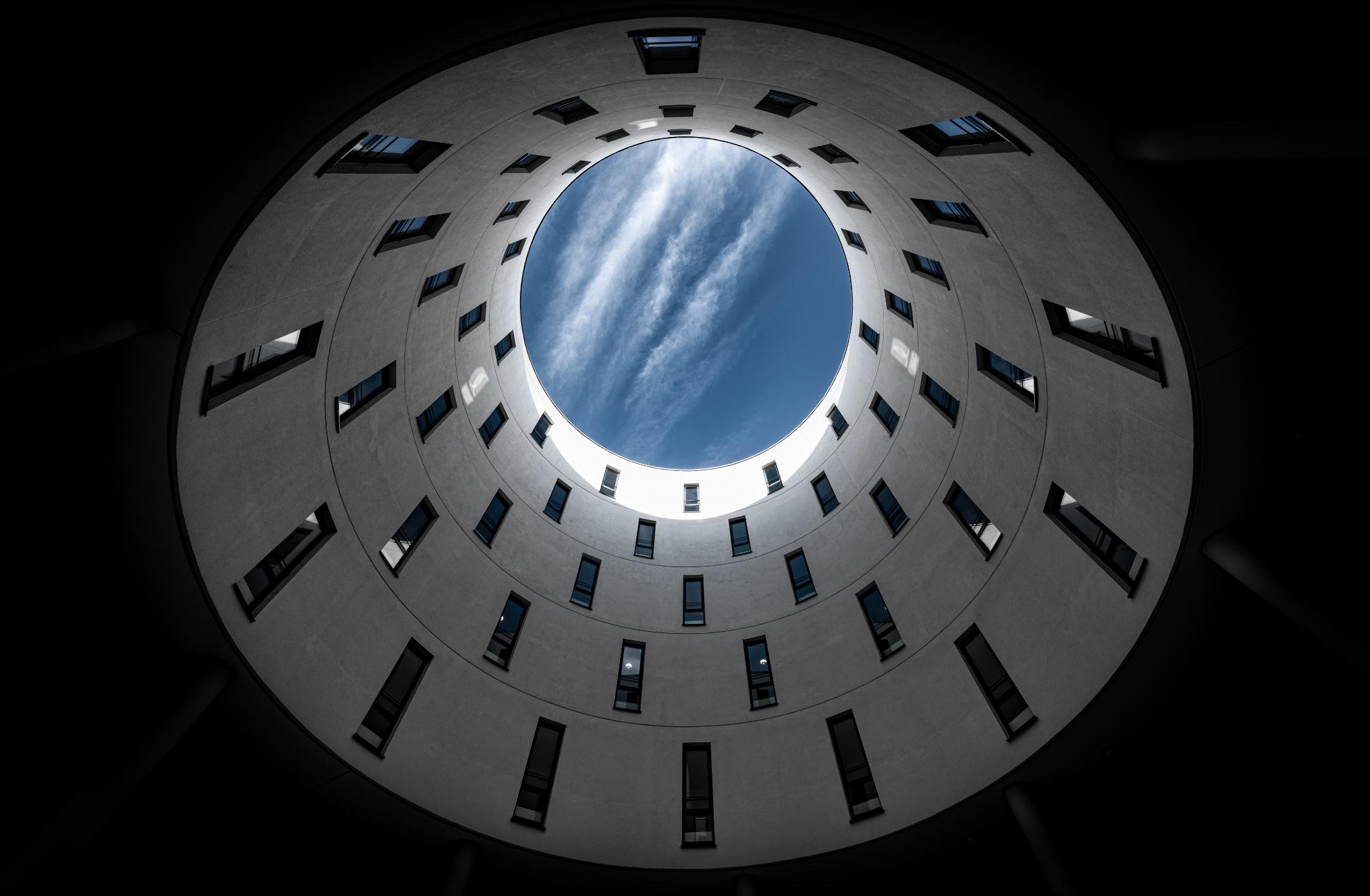
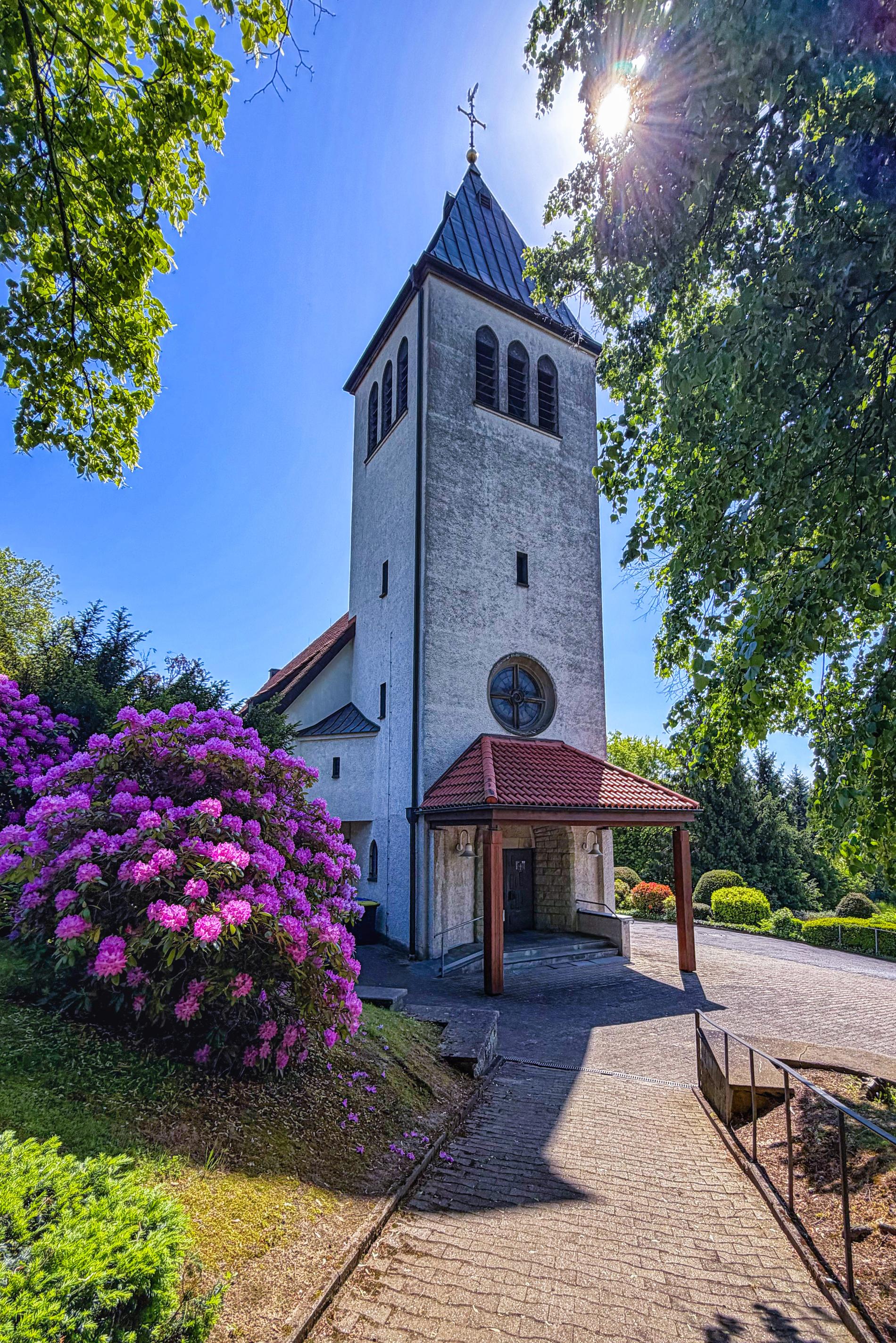
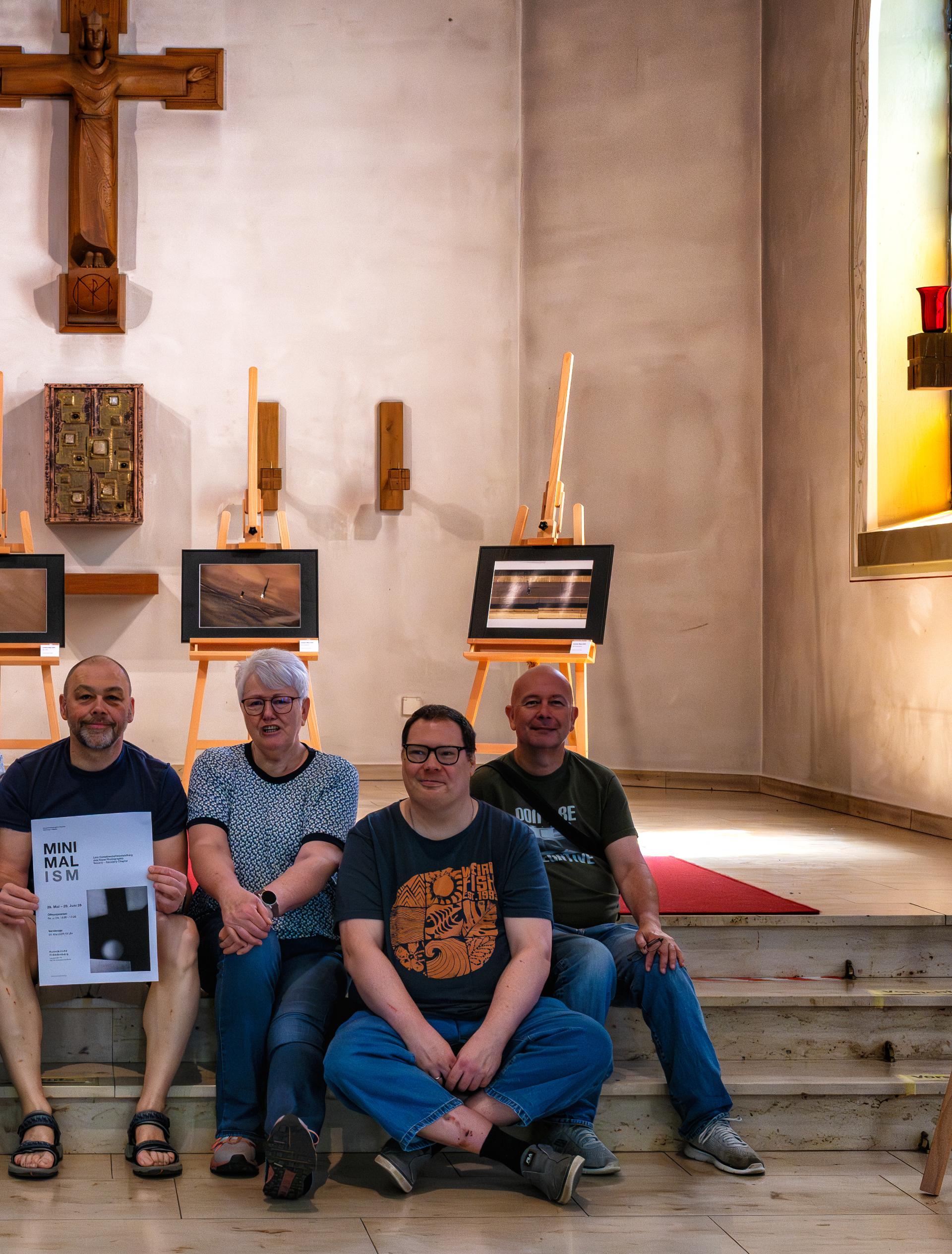
On 29th May 2026 at 7pm, the German Chapter of the Royal Photographic Society will open its chapter exhibition MINIMALISM at the Kunstkirche Fröndenberg — a deconsecrated church transformed into a contemporary cultural and exhibition venue. Bringing together photographers from different artistic backgrounds, the exhibition explores reduction, visual clarity and the expressive power of simplicity in photography.
Minimalismus
Kunstkirche Fröndenberg
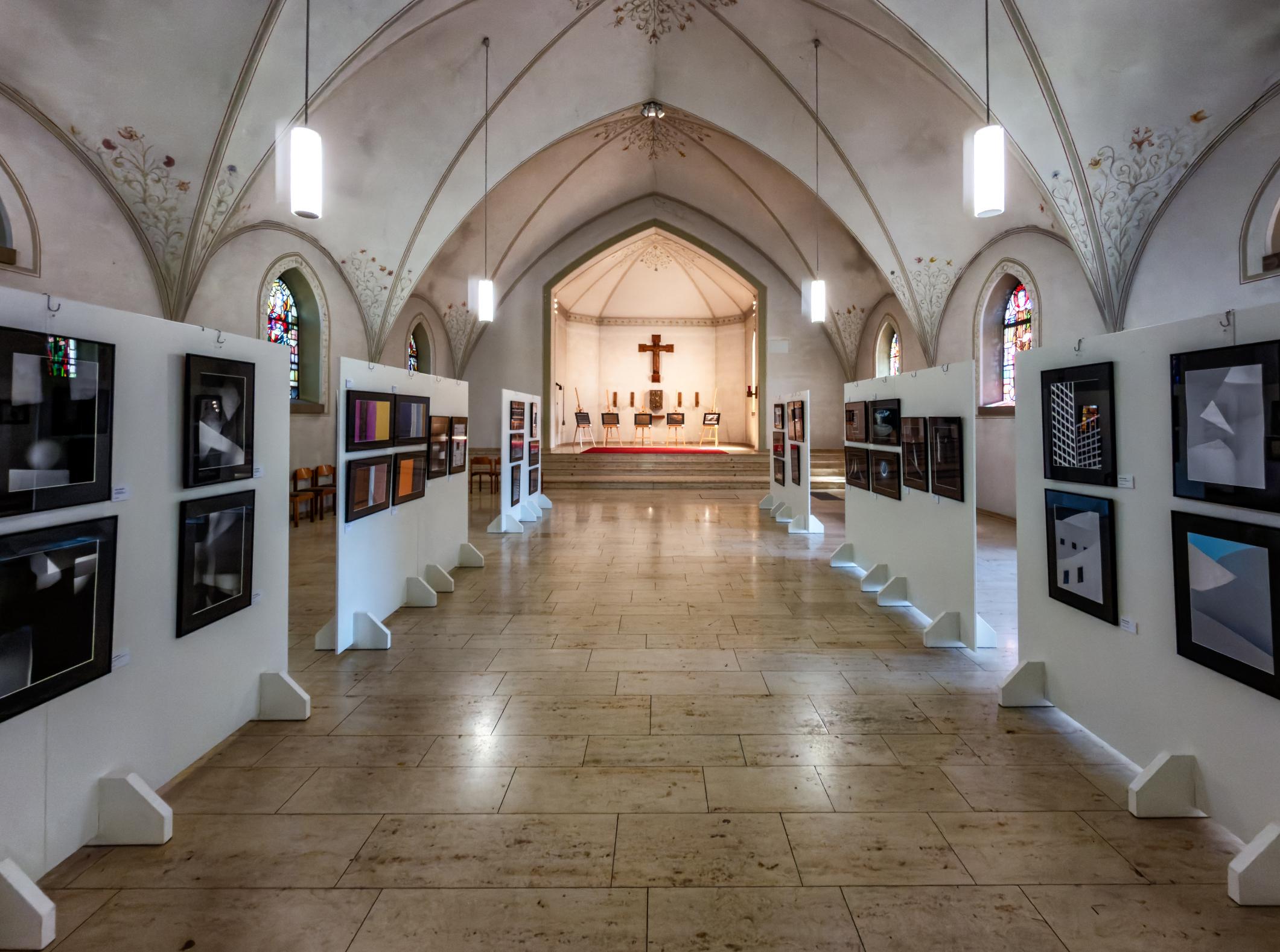
The unique architectural setting of the Kunstkirche-Warmen forms an essential part of the curatorial concept. With its vaulted ceilings, restrained colour palette and calm atmosphere, the former church offers an environment that naturally complements minimalist visual language. Rather than competing with the photographs, the space enhances them, allowing form, geometry, light and negative space to become central elements of the viewing experience.
The exhibition features a broad spectrum of minimalist photographic approaches, including abstract architectural studies, quiet landscapes, monochrome works and highly reduced compositions. While each photographer brings an individual perspective to the subject, the curatorial concept creates a coherent visual dialogue throughout the exhibition space.
Kunstkirche Fröndenberg interior
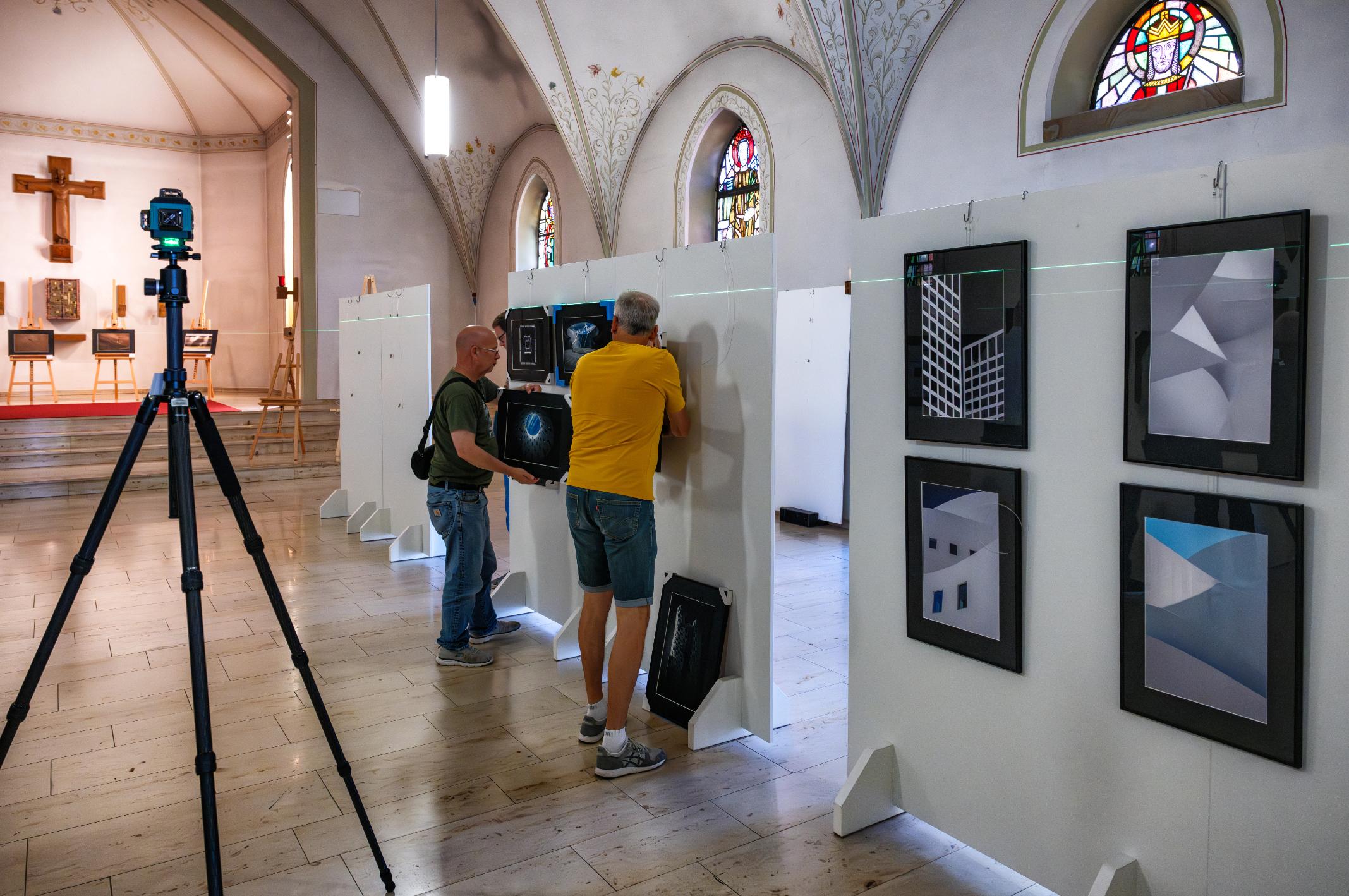
A major focus of the project has been the curatorial preparation and installation design. Instead of relying exclusively on the church's existing walls, the exhibition team developed a freestanding hanging system of large white display panels positioned symmetrically throughout the nave. This approach creates rhythm, structure and carefully controlled sight lines for visitors moving through the exhibition.
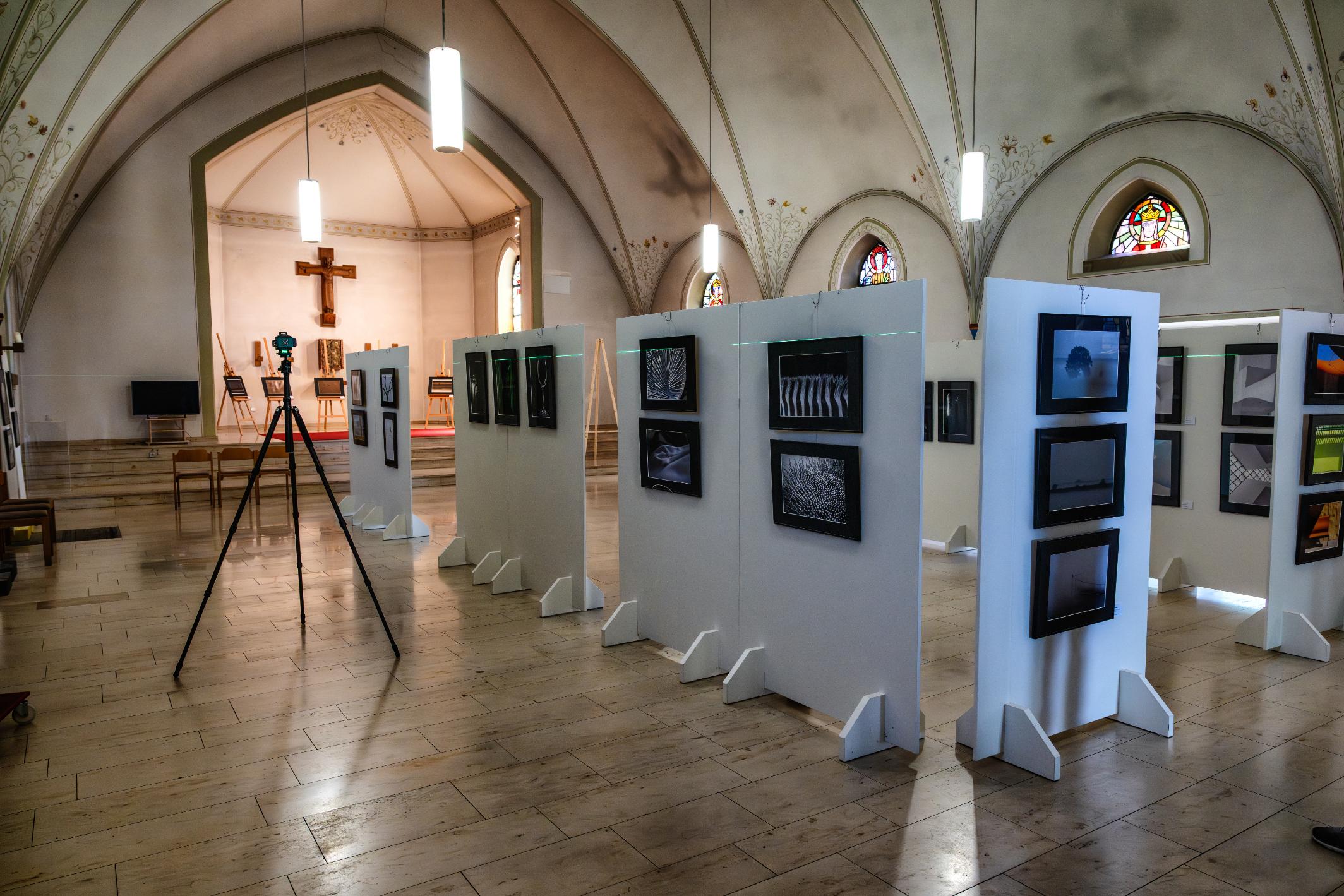
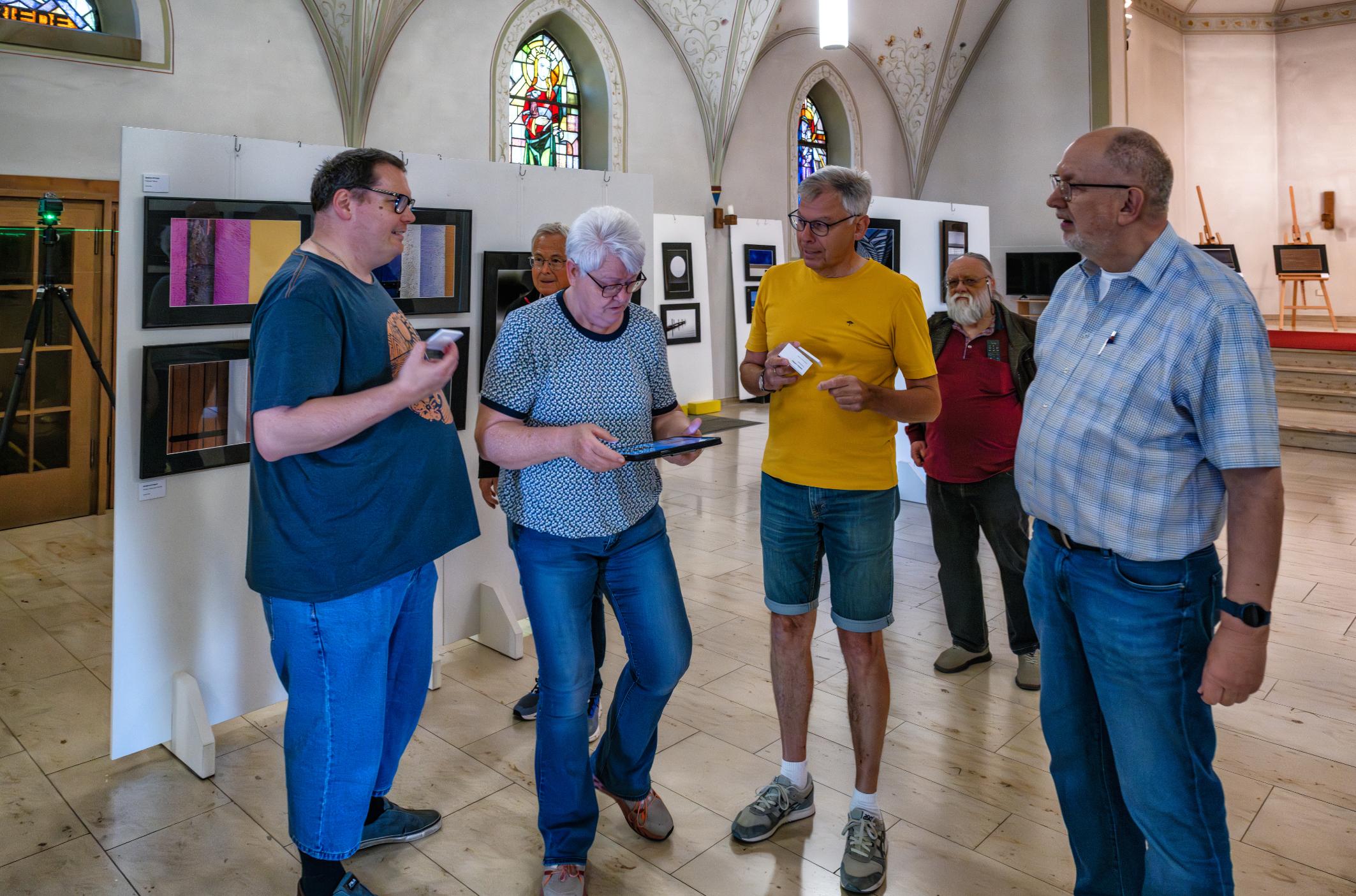
The installation process itself became an important collaborative exercise. During the setup phase, participating members worked closely together to refine the placement of individual works, balance visual weight between neighbouring images and establish a calm and immersive viewing experience. Considerable attention was given to sequencing, spacing, and alignment to maintain a consistent minimalist aesthetic throughout the exhibition.
Setting up the exhibition
Uniform framing, restrained typography and carefully considered presentation standards play an important role within the exhibition design. The curatorial team intentionally avoided visual overload, allowing each image sufficient “breathing space” and encouraging visitors to engage more slowly and attentively with the photographs.
Getting the images in line
Beyond the exhibition itself, MINIMALISM also reflects the strong collaborative spirit within the German Chapter. Members contributed not only as exhibiting photographers, but also through planning, logistics, catalogue production, installation and curatorial coordination. The project demonstrates how collective curatorial work can strengthen both individual artistic voices and the overall narrative of an exhibition.
Working together
At a time when visual culture is often shaped by speed and excess, MINIMALISM seeks to create a quieter space for observation and reflection. The exhibition invites visitors to rediscover the emotional and structural impact of reduction — and to experience how simplicity in photography can reveal unexpected depth and resonance.
The vernissage and official opening of MINIMALISM will take place on 29th May 2026 at 19:00 hours at the Kunstkirche Fröndenberg .
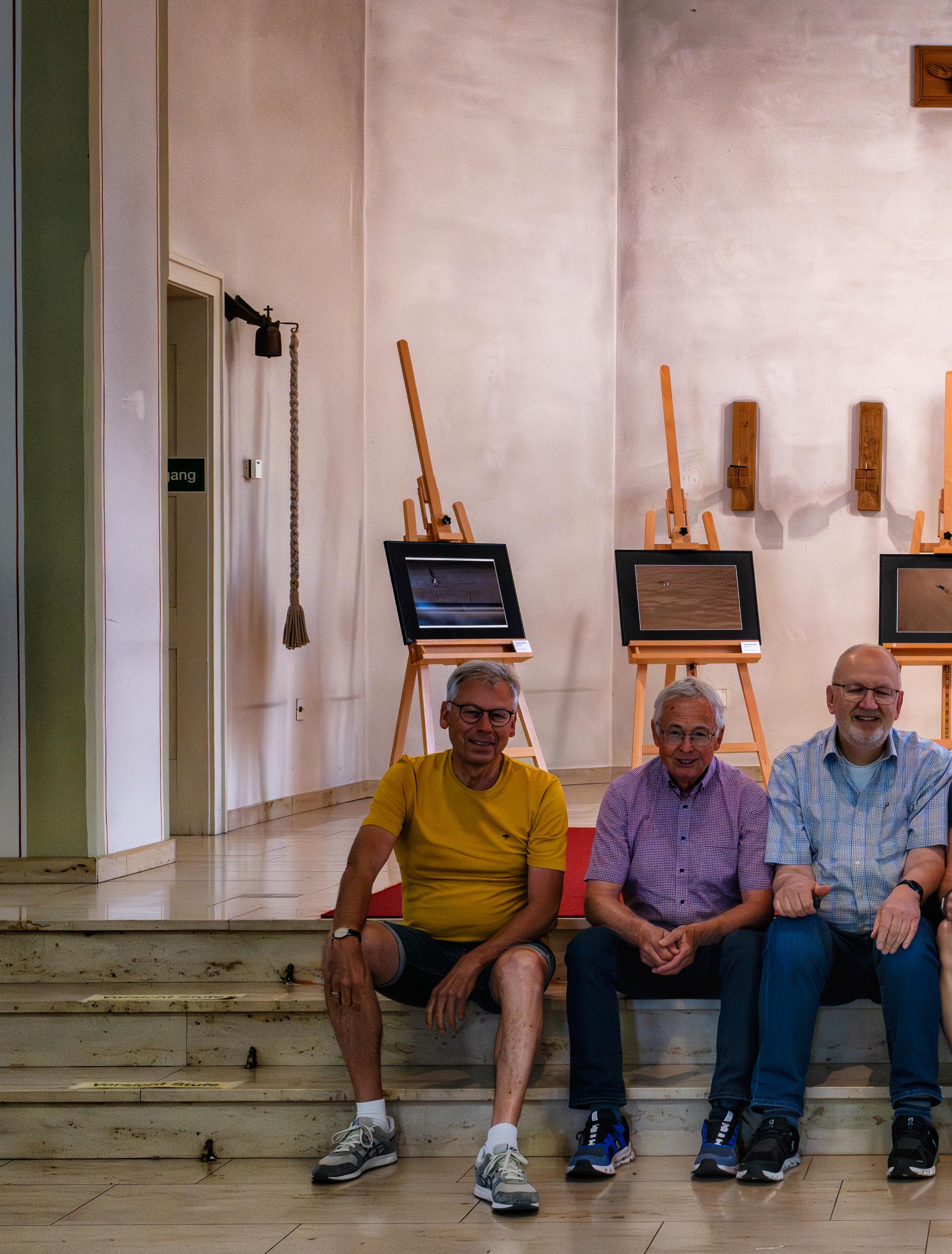
Group Photo!
Welcome to the International Members Gallery which showcases a selection of images submitted by our international members around the world each quarter.
Photographer Ted Richards, ARPS
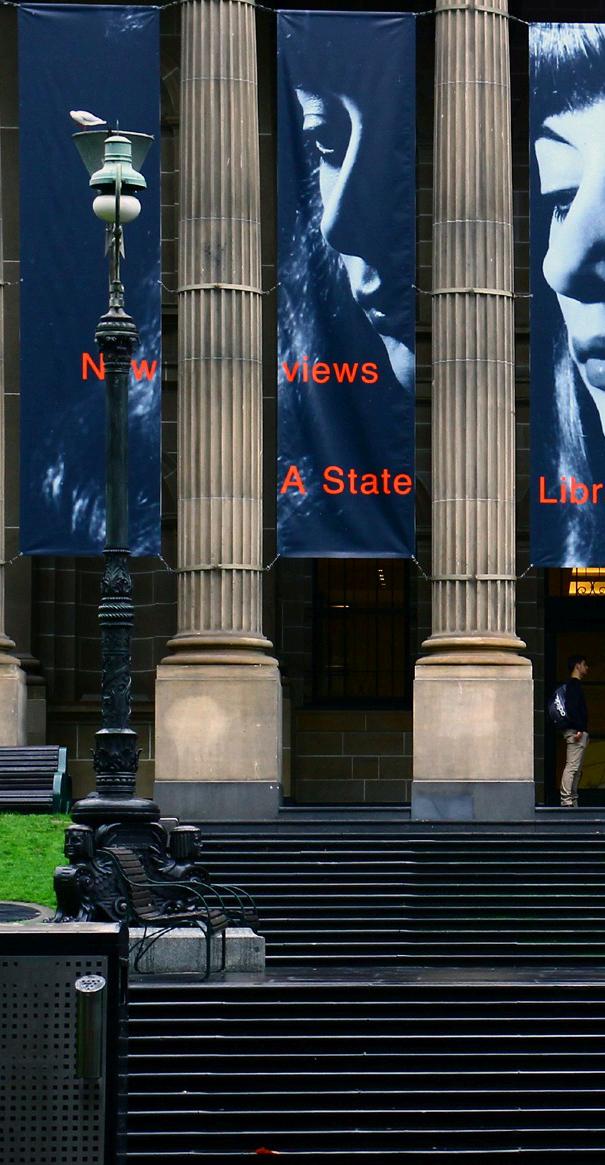
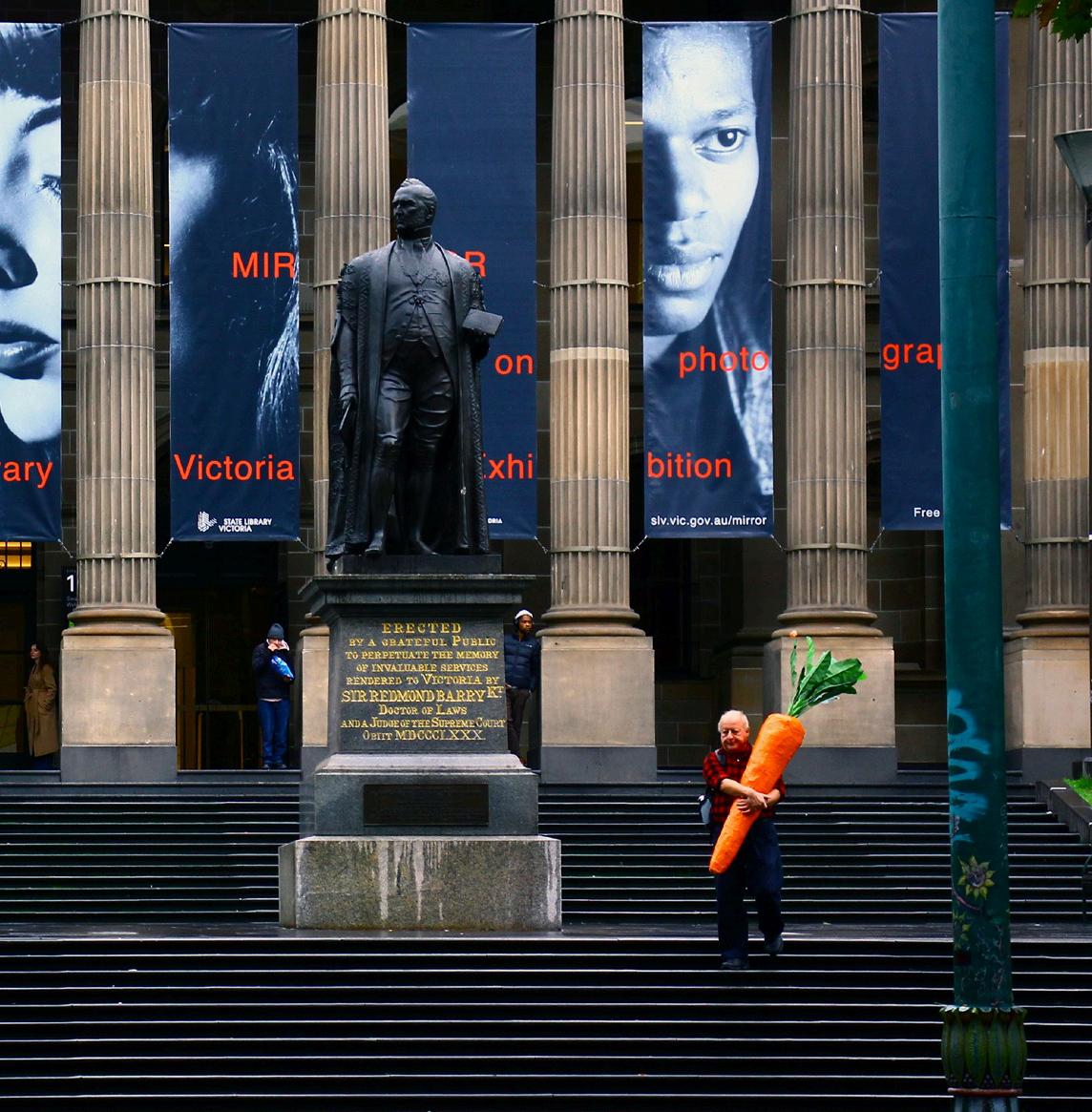
This photograph is a classic example of being in the right place at exactly the right time, and shows how Nathan uses the built environment in a very unexpected way.
I was on the footpath outside the State Library, when I noticed a man carrying a huge model carrot and took this 'one shot wonder'. I had no ideawhat it was about and thought perhaps someone was moving a prop from a stage production.I later found out that 'the carrot man' is Nathan who is quite well known and almost a tourist attraction as he carries his carrot around inner Melbourne streets. Nathan has carried his carrot for many years now and his motive is a simple one: ‘to make people happy’.
This image was a successful submission to Public Records Office in Victoria, Australia as one of 12 images included in their recent exhibition ‘Rehearsing the City’.
The Carrot Man
INTERNATIONAL TEAM UPDATE
Firstly, a few changes to our team. Many thanks to Janet Haines, the previous Interim International Representative who has provided valuable support to our team in the background over the past months. Also, to Sylvie Domergue who helped us with sourcing information about successful Distinctions projects and to Christine Etherington who was managing the closed Facebook member group.
Our team continues to focus on the following:
- Developing and expanding our international community via the quarterly International Members Forum, the sourcing of content for the International Members eMagazine and by increasing direct contact with members and Chapters.
- Updating the current RPS International website pages.
- Introducing a new International social media presence on both Facebook and Instagram.
Our International Members Forum is running well, and we look forward to the next session at the end of July 2026. Our informal email Photo Critique Corner run by Jacky Lee is also established and supporting our international members with their photography. Please view the Quarterly International update at the start of this edition for further information.
We are looking for a Social Media Manager to join our team, who will have the following responsibilities:
- Manage the International Facebook and Instagram accounts
- Manage and develop the Facebook closed user group
- Further develop the strategy and plan for social media
- Write, edit, and publish engaging content about international activities, events and content from our international year members magazine
- Manage the online community, respond to comments and direct messages
- Work together with our Content Manager to generate ideas and content for publication
- Work together with our Website Administrator to coordinate content for the website
- Track engagement metrics
Skills required:
- Experience of social media management – Instagram, Facebook or other social media platforms
- Good at generating ideas, marketing and promoting content on social media
- Solid copywriting and editing skills
- -Familiarity with data analytics
If you’re interested in this role, please do get in contact with international@rps.org for further information. We look forward to hearing from you!
Finally, you can see some of the photography from our team members within the International Team Gallery.
Thank you for your support.
THE TEAM
CLAUDINE HART LRPS
International Representative. RPS committee representative and lead of International team. Member communications, editor and curator of International Members eMagazine and lead of International Members Forum. Based in Basel, Switzerland.
I am a dual British / German national living in Switzerland since 2020. Prior to this, I lived in Australia for two years and in Singapore for four years. I joined the RPS in 2010 and obtained my LRPS in Professional & Applied Photography in 2012, with several panels of work including a set of darkroom-printed, silver gelatin images of coastal landscapes in the UK. I grew up in London and work as an independent consultant leading international programmes of work. I am also an active member of the Swiss Chapter.
Contact Claudine at international@rps.org
KATHERINE MAGUIRE ARPS
Design, layout & production of International Members eMagazine. International Web Administrator. Based in Amsterdam, Netherlands.
I joined the RPS in 2009 and obtained my ARPS in 2021 with a successful documentary panel ‘Damaged Retinas’. This is a series of images which demonstrates how I see the world. I started volunteering for the RPS Benelux Chapter first as the webmaster and later became editor of the Benelux eJournal. In 2024, I joined the International team as Web Administrator and in 2025, I also took on layout and production of the International Members eMagazine.
Contact Katherine at internationweb@rps.org
JACKY LEE
Content Manager for International Members eMagazine. Photography and AI Expertise. Presenter at International Members Forum and interim Social Media manager. Based in Canberra, Australia.
I joined the RPS in 2023 and since 2025, I joined the International team as Content Manager. Originally from Hong Kong and based in Canberra, I’m a chartered building professional, and a photographer who likes connecting cultures through visual storytelling and blending landscape, architecture, and B&W expression. I serve on the APS Management Committee, CAPA AI Advisory Committee and as a photo mentor with PSA. I am also the Honorary Secretary of the Australian Chapter.
Contact Jacky at internationalsubmissions@rps.org
SOMDUTT PRASAD
Article Commissioner for International Members eMagazine. Based in Kolkata, India.
I joined the RPS in 2022. As a busy medical specialist for two decades in the UK and another decade back in India, photography took a back seat to my profession as an ophthalmologist. I started focusing again on photography during the Covid pandemic. International members often feel isolated from the main UK-based activities so I hope we can help the international members build connections together.
Contact Somdutt at internationnews@rps.org
Welcome to the International Team Gallery which showcases a selection of images from the international team.
Jacky Lee
All images were taken in Canberra, Australia, using an iPhone 17 Pro Max. Each image was created using intentional camera movement, with Live Photo mode switched on and later converted into a long-exposure effect
Claudine Hart LRPS
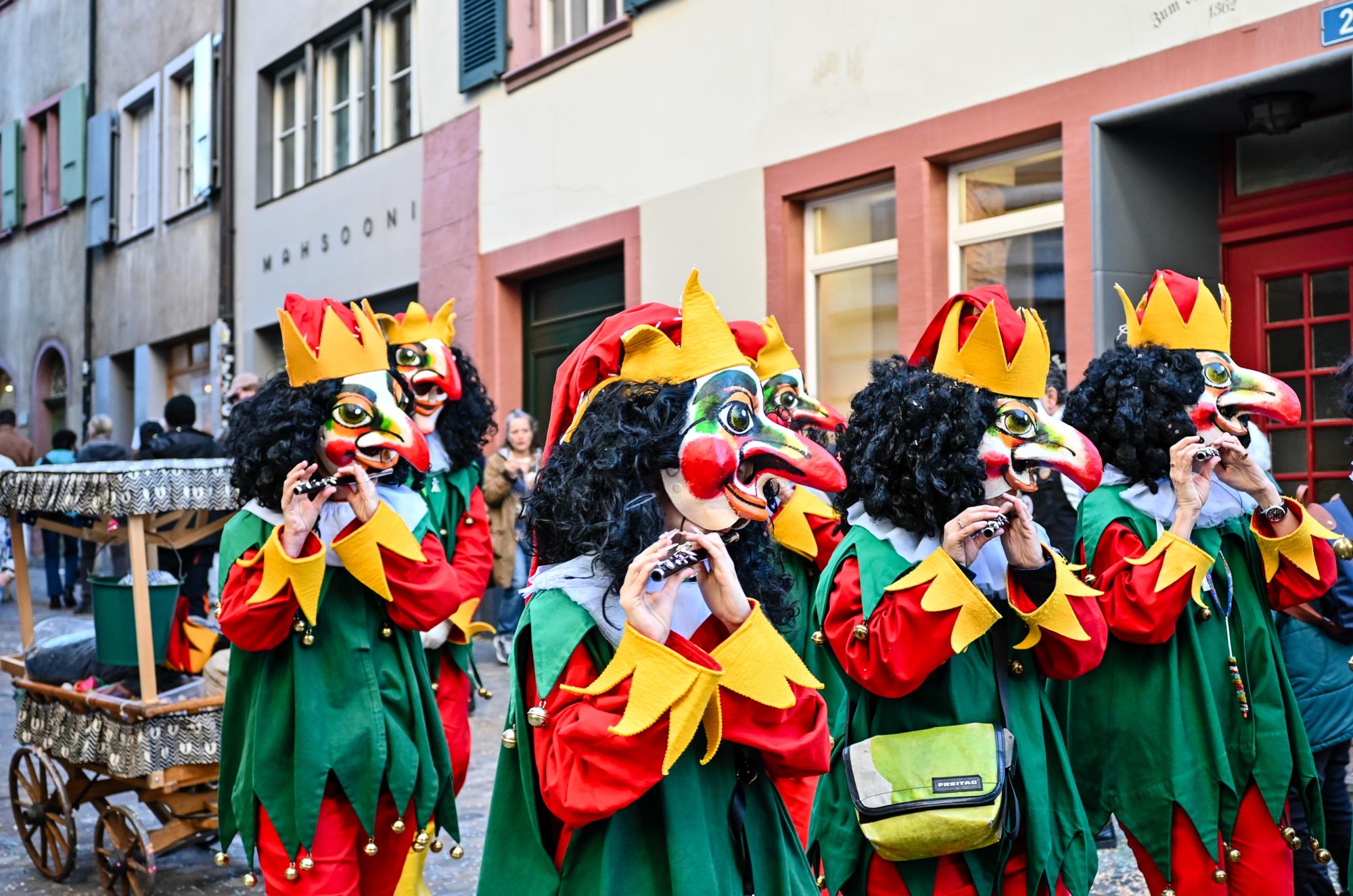
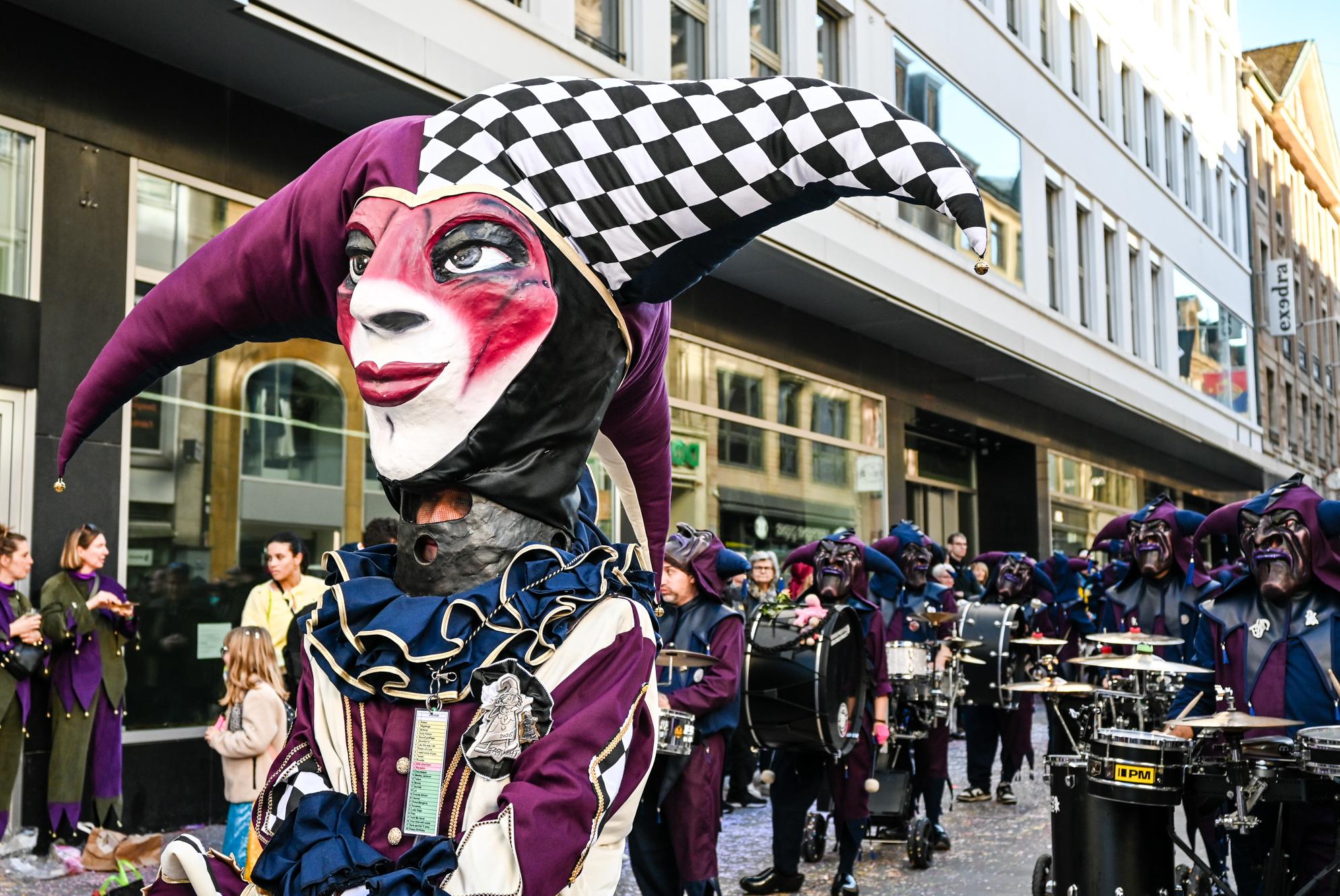
The Basler Fasnacht, a UNESCO Cultural Heritage, is Switzerland's largest and most famous carnival. It is celebrated each year over three days, starting on the Monday after Ash Wednesday at 4am with ‘Morgestraich’ which turns the city centre into a sea of illuminated, hand-painted lanterns and thousands of costumed summers and pipers.
Participants belong to a Clique (crew), Gugge (a brass band), or a more informal Schyssgiessli. They wear elaborately handcrafted ‘Masgge; (masks) and display socio-political themes on their costumes and masks.
Pipers in the old town at Spalenberg
On Monday and Wednesday, there are traditional parades by the Cliques with huge floats. The Cliques and Guggen play traditional tunes on drums and piccolos, and many also have large brass bands. Räppli (confetti) is thrown everywhere by those in the processions, and fruit, vegetables, sweets and flowers are thrown to the crowd if they are lucky!
The Basler Fasnacht is a wild celebration of music, creativity, humour along with quite bit of eating and drinking. It ends at 4am on Thursday morning with the ‘Ändstraich’ procession
An elaborate Clique with drummers on Freie Strasse in Gross Basel
Katherine Maguire ARPS
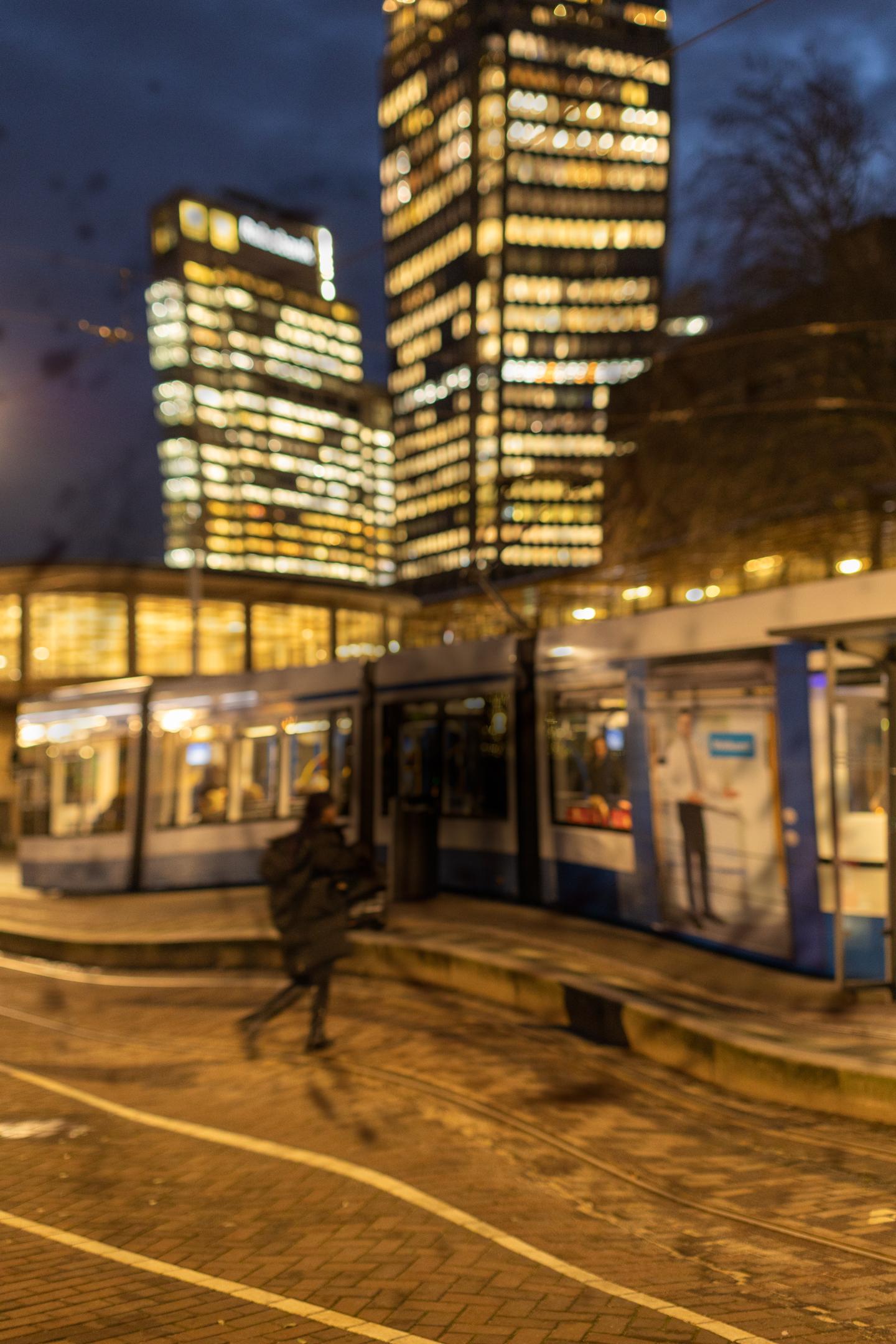
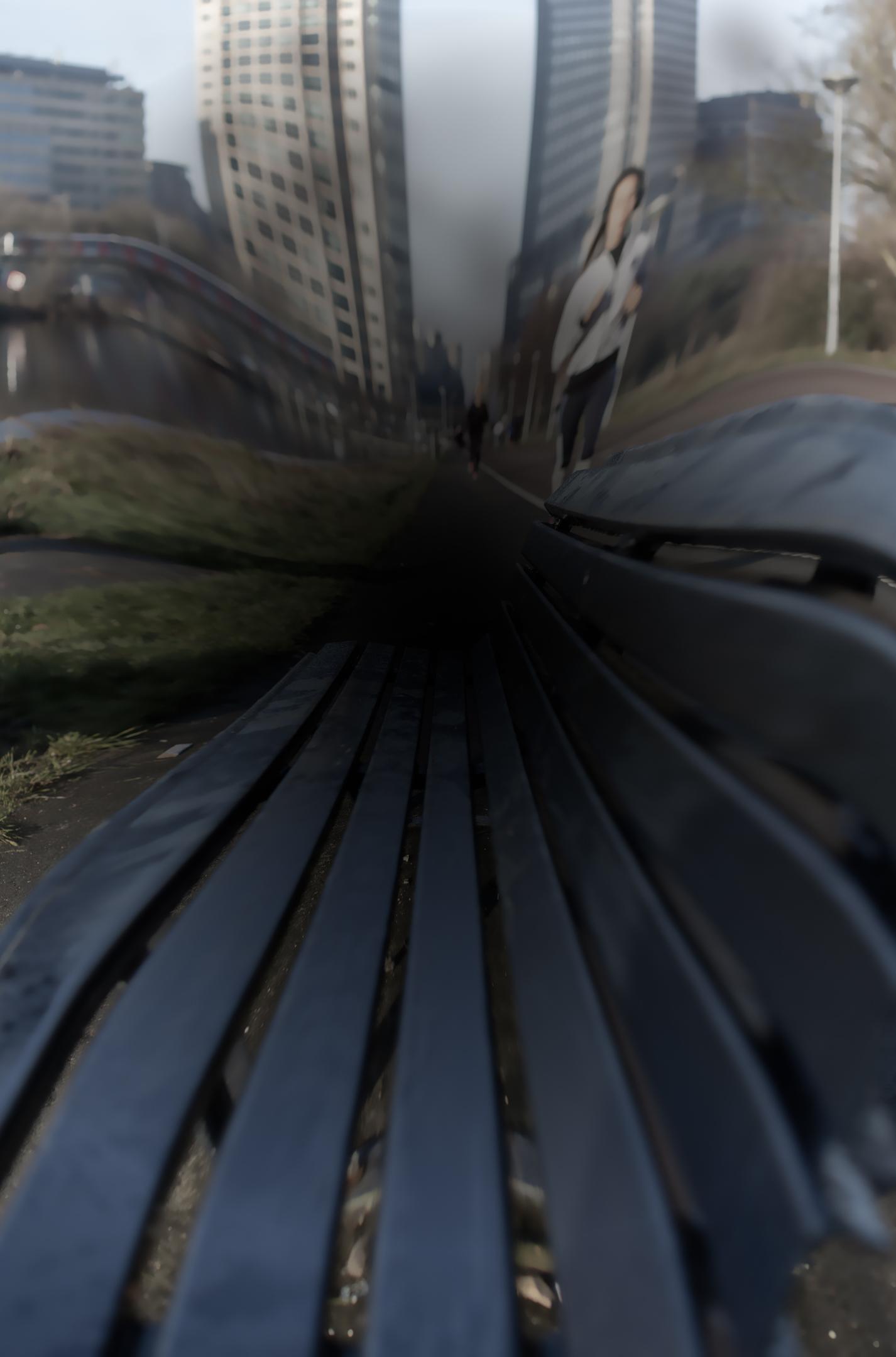
These two images from a series about my vision called “Deteriorating vision”. As I suffer from an retina disease, my images represent what could happen to my vision if my condition worsen, a kind “what if” project.
On the following page, is the first few sentences from my Statement of Intent regarding this project.
Deteriorating vision at night
My eyes are the window of my soul; it’s in anguish as I view Amsterdam around me. Sadly, my eyesight is failing, I have a retina disease. I am fearful for the future. My own ‘lenses’ are fading away; my vision is blurred and distorted. These photos are about what I see, what I don’t see and possibly what I won’t see! After years of stability, unwarranted complacency has set in, I’m using my camera to help me visualise what may be coming.
Deteriorating vision
News
Three months on from our last update, the Australian Chapter is finding its rhythm again. The new committee has settled into the practical work of rebuilding momentum, and that effort is starting to show in more conversations, more contributions and more ways for members to feel part of what we're doing. Much of the groundwork has gone into governance and our working relationship with RPS Headquarters: social media approvals, newsletter processes and planning for what comes next.
Social media
The most visible result so far is the launch of our Australian Chapter social media channels, which received HQ approval in March and went live in April. Particular thanks go to Emma Parker, who took the initiative to develop the social media plan that helped make this possible. It is good to now have a more flexible space alongside the newsletter, somewhere to share member images, exhibitions and Chapter news as they happen rather than holding everything for the next monthly cycle. We hope these channels will also help us reach prospective members and reflect the genuine breadth of photographic practice within the Chapter.
Our Instagram is @rps_australian_chapter, and we would be glad to see you there. Every follow helps us reach more photographers and friends of the Chapter.
Newsletter
Our monthly newsletter remains the heart of how we stay in touch. From February it moved to a slightly later broadcast schedule to allow time for HQ review, so members now receive it around the middle of each month. Contributions are still due near the end of the previous month, and they keep arriving thoughtful and varied. Recent issues have featured Emma Parker's Western Australia Wildlife Photography Trip, Herman Lee's The World Revealed Through the Camera Lens, Jacky Lee's Navigating AI Rules in Australian Photography Competitions, Palli Gajree OAM HonFRPS's My Life in Photography, Rob Morgan ARPS's My McCurry Moment, Simon Locke's Echuca Through My Eyes, and Robin Williams ASIS FRPS's continuing Pondering Pollard series. Alongside these articles, the newsletter regularly flags exhibitions, competitions and opportunities of interest to members across various states, along with national and international competitions open to Australian photographers.
Mentoring and image feedback
Two member-facing initiatives are also taking shape. Our mentoring programme continues to pair experienced photographers with members looking for guidance and creative encouragement, with sessions held online or in person where geography allows. We are always glad to hear from members keen to mentor or to be mentored, and we do our best to match interests and genres thoughtfully. Alongside this, we recently opened an image feedback corner, a friendly space where members can receive considered comments on their photographs. Across Australia's wide geography, both have quietly become useful ways to feel connected.
Planning a Chapter photography contest
A Chapter photography contest has been on our minds for some time, and we are now actively working towards it. The committee is currently seeking advice from HQ on the financial and insurance arrangements that would underpin a contest of this kind, and we are hopeful these can be settled before too long. Members will hear more as plans firm up, and we are looking forward to opening up something members can take part in together.
Welcoming members in New Zealand
We have also been asked whether RPS members in New Zealand might join the Australian Chapter, given there is no New Zealand Chapter at present. The answer is yes, and very warmly so. New Zealand members who would like to come on board are welcome to write to us at australiasecretary@rps.org and we will arrange the rest.
40th anniversary
The Chapter is marking its 40th anniversary throughout 2026, and we would love to hear from members about it. Photographs, memories, stories from earlier years: anything you would like to share. Our hope is to celebrate not just the formal history but the friendships and creative journeys that have shaped the Chapter along the way.
Mentoring Programme. Open to mentors and mentees alike, with flexible online or face-to-face meetings. Contact: australia@rps.org
Image Feedback Corner. A supportive space for thoughtful comments on members' photographs. Contact: australiasecretary@rps.org
RPS International Members Forum. We continue to encourage Australian Chapter members to take part in the quarterly online forum, a lovely way to connect with the wider international community. Our honorary secretary, Jacky Lee, contributed to the January session with reflections on AI and photography, and we will keep flagging upcoming forums through the newsletter.
Looking ahead. The committee has been talking through ideas for online tutorials, short practical photography tips, and conversations with Members who hold Distinctions. Some of these are starting to take shape. The aim is simply to make the Chapter feel more active and welcoming.
Ted Richards, Melbourne Laneways. Australian Chapter member Ted Richards exhibited Melbourne Laneways at Batemans Bay Library from 16 April to 7 May, capturing the visual character of Melbourne's laneway culture.
Rob Morgan ARPS, Is it Travel or is it Art? Rob presented Is it Travel or is it Art? to the RPS Travel Group in April, a welcome example of Australian Chapter members contributing across the wider RPS Special Interest Group community.
As of 30 April, the Australian Chapter has 68 members. Of these, 37 hold RPS Distinctions, including 2 HonFRPS, 9 FRPS, 20 ARPS and 6 LRPS.
Our congratulations go to all members who have recently achieved new Distinctions. We are also exploring ways to feature Members with Distinctions through interviews, articles or online conversations, so they can share their photographic journeys with the wider Chapter.
News
The Spring Challenge: Street Photography in Colour was held with a closing date of June 1st, 2026. More to follow in the next quarterly update in September.
Please see more information at: https://rps.org/chapters/benelux/
Events
RPS Benelux Chapter Study Group meet up 2 June in Het Palet, Rotterdam €5,00 per person
T-W-T Sites of Religious Significance – visit to Antwerp Cathedral of our Lady
19 June at 11:30am outside the entrance. More information: https://talkwalktalk.org
RPS Benelux Chapter Study Group Zoom
7 July
Summer holiday
4 August
RPS Benelux Chapter Study Group Zoom
1 September
6 May 2026 at 7:45 – 8:30pm CET (members only) + talk at 8:30 – 10pm CET (Same link and open for all)
Every first Tuesday of the month is either a Zoom or physical meet up. Alternating each month to give everyone a chance to join in.
Contact Carol Olerud, RPS Benelux Chapter. Email beneluxnl@rps.org
eJournal Publications
Please see our archive of our quarterly eJournals https://rps.org/chapters/benelux/journals/
Distinctions
No new successes this time.
News
The Germany Chapter continues to enjoy an active and creative period, with strong member participation in its regular activities and ongoing preparations for future projects.
The Chapter’s Zoom Meetings are very well attended and remain an important platform for inspiration, discussion, and exchange among members. The format is currently being expanded with short presentations on camera techniques, image development workflows, and free editing software available for both Mac and Microsoft Windows users.
The Chapter is also initiating several long-term documentary photography projects. The first project called Kiosks of the World, will primarily focus on kiosks throughout Germany, whilst also offering opportunities for future collaboration with other Chapters internationally. A second project will explore the theme of ‘Funny Signs’, encouraging members to document humorous, unusual, and visually striking
https://rps.org/chapters/germany/
Events
RPS Germany Chapter Monthly Zoom Meetings
Always from 7pm to approximately 8:30pm CET
Dates 8 June 2026 13 July 2026 10 August 2026
Online Talks
Details to be confirmed
From Takeoff to Touchdown: A Photographer’s Aerial Journey 04 November 2026 (German)
Life Workshops
Details to be confirmed
Street Photography (Berlin) 2nd Half of 2026
Exhibitions
Traces — Christian Weiß
Member Christian Weiß recently presented his ‘Traces’ exhibition in Frankfurt am Main. The documentary project explores the traces and personal stories left behind by refugees at European borders and received very positive feedback from visitors and members alike. The exhibition opened on 28 May 2026 at Klapperfeld, Frankfurt am Main.
Minimalism — RPS Germany Chapter
The Chapter’s joint exhibition ‘Minimalism’ opened with a Vernissage on 29 May 2026 at the Kunstkirche Fröndenberg and presents a wide range of minimalist photographic interpretations created by members of the Germany Chapter.
Exhibition period
29 May – 28 June 2026
Training, Talks, and Other Activities
The Germany Chapter continues to prepare a programme of live workshops for the second half of 2026, providing members with additional opportunities for practical learning and personal exchanges.
Further online talks and educational activities are currently in development and will be announced in due course.
Distinctions
No applications currently.
News & Events
From 19 – 25th June 2026, we will be holding a photo exhibition at Tokyo Ginza featuring works by 25 members of the Japan Chapter.
The theme of the photo exhibition is ‘Feel British, Feel Japanese.’ Each member will submit two works expressing their own interpretation of theme
Please click the link below for further information about this exhibition. https://www.rps-japan.com/information/2026/05/07/757.html
We will also be holding an opening party on the evening of the first day. https://rps.org/chapters/japan/
Contact
Shun Hosokawa, Organiser, RPS Japan Chapter. Email japan@rps.org
Distinctions
No applications currently.
News
Regular quarterly chapter meeting
Our March meet-up featured a very engaging presentation by our chapter member Helmut Fischer. Helmut shared examples of his own work, the techniques he uses, e.g. ICM, what is important to him in image making, and what images have a special meaning. He also gave us a fascinating introduction to the Swiss Camera company ALPA and brought along some equipment for members to experience. Hearing from other members is always very valuable, and the resulting cross-pollination of ideas is inspiring.
In the afternoon, we heard more about the Chapter exhibition planned for November as well as sharing and discussing images that the participants had brought along.
On-Line Study Groups
Our second session was again well attended and with everyone enjoying the open and lively conversation and input they received including how to extend an image using the AI tools available. The next one takes place in May.
Trip to Donegal, Ireland
April saw a group of chapter members heading off to County Donegal for an intensive week of landscape photography. Our itinerary was ambitious, taking us from the dramatic Cliffs of An Port and the iconic Crohy Head Sea stack to the haunting shipwrecks of Bad Eddy and Sabrina. We explored the wild beauty of Bloody Foreland, the secluded sands of Murderhole and Portsalon, and stood at the northernmost reaches of Malin Head and Fanad Head. Inland, the atmosphere at Dunlewey Lough and the sculptural Great Pollet Sea Arch provided even more diverse subject matter.
The weather mostly played its part perfectly, often offering the kind of shifting light and "moody" Atlantic skies that make Donegal a photographer’s dream. Beyond the captures, the highlight was the social interaction within the group. Living together in the cottages allowed for a constant exchange of ideas; we spent our lunches and dinners discussing the day’s work and learning from each other’s different perspectives and technical approaches. Combined with excellent local food and a few well-earned pints of Guinness and Smithwick’s Red Ale (and the occasional "Zero" alternatives), it was a fantastic week of shared passion and camaraderie.
Location Restaurant Le Jardin, 3286 Muntelier, Switzerland
Fee CHF 50 (including lunch)
Contact: Johan Peijnenburg, Organiser, RPS Swiss Chapter. Email: switzerland@rps.org
‘Civilization – Our Life in Focus’ Photographic Exhibition: Zurich 5. July
As a follow-up to William Ewing's excellent presentation about curating this exhibition, we will visit the exhibition at the Museum für Gestaltung Zürich. We’ll meet between 10.00-10.30, tour the exhibition and then have lunch. https://museum-gestaltung.ch/en/exhibition/civilization-our-life-focus
Next Quarterly Swiss Chapter Meeting: 5. September 2026
Location & agenda to be confirmed
Chapter Exhibition: ‘Impressions of Switzerland’ – 6. – 29. November 2026
Taking place in Galerie Pellegrini, Deutsche Kirchgasse 31, Murten, our exhibition will feature the work of chapter members taken or created in Switzerland.
Contact: Johan Peijnenburg, Organiser, RPS Swiss Chapter. Email: switzerland@rps.org
To become a Licentiate of The Society, applicants must show variety in approach and techniques but not necessarily in subject matter. Demanding but achievable for most dedicated photographers.
See the RPS website for for details
Associate (ARPS)
Requires a body of work/project of a high standard and a written Statement of Intent. Strong technical ability using techniques and photographic practices appropriate to the subject.
See the RPS website for for details
Fellowship (FRPS)
Our highest level of Distinction. Requires a distinctive and cohesive body of work/project accompanied by a written Statement of Intent.
See the RPS website for for details
Distinctions Successes
The following International Members have been award a Distinction since the last quarterly publication of the International Members eMagazine. Congratulations on your success!
We aim to bring you details of the journey our members took to achieve their Distinction - their inspiration, aims and the path they followed from idea to submission.
No new successes reported to the team.
If you have recently obtained a distinction, please let us know by emailing international@rps.org
Leticia will be speaking primarily about her recent project And Now the People Know, a participatory photographic work developed in collaboration with the Indigenous Munduruku people of the Brazilian Amazon. Both a witnessing exercise and an invitation, the project expands documentary photography through collective artistic intervention
As part of the RPS Historical Group's series of talks looking at historical collections of photography, photographic archives, and those working historical and alternative processes this talk looks at the work of Chris Killip in Askam-in-Furness through the Signal Archive. https://events.rps.org/en/historical-group-chris-killip-in-askam-30-june-2026-5a2NN2B4OtR/overview
The monthly on-line meeting of the East Anglia Contemporary Group (EACG). https://events.rps.org/en/contemporary-group-east-anglia-activity-group-zoom-jul-2026-5a2NN2B1s9h/overview
As part of the RPS Historical Group's series of talks looking at historical collections of photography, photographic archives, and those working historical and alternative processes this talk looks at the work of Alfred Buckham FRPS with Louise Pearson, curator of the recent exhibition at the Scottish National Portrait Gallery.
Photographer Jason Scott Tilley joins the RPS Central Region to share a deeply personal body of work made in India, interweaving his own photographic portraits from India taken between 1999 and 2009, with those of his grandfather, the Anglo Indian press photographer Bert Scott, who worked for The Times of India until the Partition in 1947.
The monthly on-line meeting of the East Anglia Contemporary Group (EACG). https://events.rps.org/en/contemporary-group-east-anglia-activity-group-zoom-aug-2026-5a2NN2B1sBJ/overview
RPS Chapters and Special Interest Groups (SIGs) issue their respective publications either on a monthly or quarterly basis. Please find an overview of available publications below.
WHAT IS AN RPS SPECIAL INTEREST GROUP (SIG) AND WHY ARE THEY OF INTEREST?
Special Interest Groups (SIGs) are established based on a particular genre or aspect of photography such as Landscape, Nature and Travel. To the right you can see a list of the different SIGs offered by the RPS.
Each group is funded by a small annual subscription and occasionally additional fees for talks, workshops or other activities. They are run exclusively by volunteer teams who do not charge to organise their programmes. With this, costs are kept to a minimum which provides amazing value for individuals members who wish to join.
The life blood of the RPS is via these community-based groups. You are able to engage with a wider variety of opportunities, gain inspiration and work closely with other RPS members. All SIGs are currently working towards increasing the availability of their events either by recording them for viewing later or by arranging them at times suitable for international members. Please click on the links to view what each SIG offers.
Finally, the staff team at RPS headquarters run educational workshops, provide Distinctions advice days, organise exhibitions and produce the printed magazine, The Journal. Please take a look at whats on for further information.
Schedule of Special Interest Groups
Analogue. https://rps.org/groups/analogue/
To foster community among enthusiasts and a practitioners in analogue photography; facilitating skill sharing, resource exchange, and collaborative projects; to promote appreciation for traditional photographic techniques and processes; and advocate for the continued relevance of analogue techniques in modern photography practice.
To facilitate collaboration among photographers and archaeologists, promoting best practices in the documentation, preservation, and dissemination of photographic records of archaeological sites, artefacts, and cultural heritage; and to contribute to public awareness and education about the use of photography in these fields.
To explore, discuss, and promote various forms of temporal (time-based) art, including video, film, sound, and multiple-media performances and presentations; to foster collaboration among artists, researchers, and enthusiasts; and to advance techniques, theories, and appreciation for time- based artistic expressions across diverse audio and visual disciplines.
To inspire, educate, and connect photographers exploring innovative and artistic approaches; we provide a platform for sharing ideas, techniques, and critiques, fostering a supportive community that encourages experimentation and pushes boundaries in visual storytelling and expression.
To provide a forum for the encouragement and representation of its members in the pursuit of the production of coherent bodies of photographic work that “convey ideas, stimulate thought and encourage interpretation; photographs about rather than of.
Digital Imaging. https://rps.org/groups/digital-imaging/
To facilitate learning, collaboration, and advancement within the realm of image-making in which digital photography is the principal medium; we provides a platform for discussing new technologies, sharing techniques, critiquing work, and exploring the evolving landscape of digital imaging, enhancing skills and fostering creativity.
Documentary. https://rps.org/groups/documentary/
Documentary photography seeks to capture and present truthful narratives through visual storytelling; we support photographers dedicated to documenting social issues, cultures, and historical events, fostering discussion, education, and advocacy to promote understanding, empathy, and social change through the power of documentary imagery.
Schedule of Special Interest Groups
Historical. https://rps.org/groups/historical/
To act as a forum for photographic history, from the early nineteenth century to the present day; to promote knowledge of the history of photography and to encourage the preservation of photographs, photographic equipment and documents relating to the history of photography.
To provide a forum for the exploration and understanding of the science behind photography and other imaging systems; we facilitate interdisciplinary collaboration among scientists, engineers, and practitioners to discuss and drive progress in research, development, and real-world applications of imaging systems.
Landscape. https://rps.org/groups/landscape/
To encourage the art and practice of landscape photography and advance the skills of those photographers working in this genre; and to spread understanding and enable development of these techniques through practical use and collaboration.
Medical. https://rps.org/groups/medical/
To promote the use and advancement of imaging in all branches of medical and allied sciences to support medical developments, patient-care, medical education, research and publications.
Nature. https://rps.org/groups/nature/
We seek to celebrate, conserve, and share the beauty and wonder of the natural world through photography; we foster a community of photographers passionate about wildlife, landscapes, and ecosystems, promoting environmental awareness, education, and appreciation through reliable and accurate images, visual storytelling and advocacy.
Travel. https://rps.org/groups/travel/
To promote the enjoyment of photography that captures the spirit of a place; and to encourage and support the development of the skills necessary to achieve this ambition.
Visual Art. https://rps.org/groups/visual-art/
To support and encourage all types and styles of photography that shows evidence of a personal vision or style which conveys a sense of design, emotion, mood or some meaning which encourages the viewer to look beyond the subject.
Women in Photography. https://rps.org/groups/women-in-photography/
We are not a genre! We facilitate the celebration, education and collaboration of female and female-identifying photographers. We are the discussion that drives a greater awareness of the importance of women photographers past, present and future.
Subscription fees vary but as you can read none are very expensive and represent excellent value for money.
To join a SIG first go to the top right hand corner of the www.rps.org web page and click ‘Login’. Once you are logged in you will see a screen that says ‘Welcome’ and your name. Next to this is a blue link that says ‘Join a Specialist Group’ – click on this and you find a list of all SIGs. You simply check the box next to any/all you wish to join. If you have any difficulties with this process then email membership@rps.org for assistance.
Contribute to the International eMagazine.
The different ways in which you can contribute are detailed below but please do get in touch with your ideas for articles and content.
What can you contribute?
1. Cover Image
You can submit an image to be considered for the front cover of the eMagazine If your image is not chosen for the front cover, it will appear in the International Members Gallery in the next issue of the eMagazine.
Please provide:
- Max. two images
- Portrait format only, image may be cropped to fit A4 (210x297mm) page.
- Short description of the image(s)
- 3000px max on longest side,, sRGB, image quality 8, min dpi 192.
- No watermark or text within the image. No border
- Use naming convention: FirstName_LastName_Cover_Title.JPG
- Mark your email: Fullname – For Front Cover
2. Single Image for International Members Gallery
Please send us a single or a few images from which we can choose.
To note, depending on the number of submissions we receive, we may move your submissons to a later edition.
3. Main Article
There generally 2-3 main articles in each newsletter. This could be for example, a personal photography project or exhibition you are holding.Please do get in contact first if you have any questions about the article you would like to submit.
Pleaseprovide:
- Wordcount:max1000words. Please provide in a Microsoft word document with low res images as placeholders.
- Images:include10-15images. 2000px max on longest side, min dpi 192. sRGB.
- Please provide images separately.
- Mark your email: Fullname – Main Article
4. My Home Article
My Home is about the photography that you enjoy in the local area you call home, whether your village, town, wider region or country. Tell us what inspires you about your home. Use the following questions to prompt your thoughts but feel free to omit or add as you need.
- Where do you live? What is it like? What do you like about where you live?
- What do you like to photograph and why?
- What key sites / locations would you recommend to a visitor to take photographs and why?
- Are there any difficulties to be considered? What would it be useful for them to know before they go?
- Do you have recommendations about how they could travel to the places you suggest?
- What is the best time of year to visit?
Pleaseprovide:
- Word count: Max 800 words. Please provide in a Microsoft word document with low res images as placeholders.
- Images: include 8-10 images. 2000px max on longest side, min dpi 192. sRGB.
- Please provide images separately.
- Mark your email: Fullname - MyHome
5. Member Q&A - Interview
Please send us a short email about yourself and we will follow up with questions for you to answer.
Pleaseprovide:
- Wordcount:Max800words. Please provide in a Microsoft word document with low res images as placeholders.
- Images: include 2-4 images. 2000px max on longest side, min dpi 192. sRGB. Please provide images separately.
- Mark your email: Fullname – Member Q&A
6. New Member Introduction
Introduce yourself and tell us a little bit about you, where you live and your photography.
Pleaseprovide:
- Images: max 2 images: 2000px max on longest side, SRGB, min 1000px, min dpi 192.
- Wordcount: max 200 words biography.
7. Reach Out
If you would like to get in contact with like-minded members in your location, post a reach out note.
Pleaseprovide:
- A photo of yourself: max 1000px max on longest side, min dpi 192. Portrait only. sRGB.
- A short introduction and with whom you would like to be in touch. Max 150 words.
- Email address for contact
8. Events
Please let us know if you are:
- holding an exhibition
- know of a local exhibition in your country to look at online which may be of interest to our international community (or they can attend if they happen to be there)
Please provide for the event:
- Name, description, location, dates, website link, (contact person / email if relevant)
SUBMISSIONS
Please send your submission by email to: internationalsubmissions@rps.org
If you are sending multiple high-resolution images, please send via WeTransfer.com to internationalsubmissions@rps.org
Some alternatives to WeTranfers.com are: KPNFileTransfer; SwissTransfer; Filemail; Boomrang
Submission deadlines and publication dates are as follows. Contributions received after the given dates will be included in the subsequent issue.
Issue Deadline
March 1st of February
June 1st of May
September 1st of August
December 1st of November
Liability Disclaimer
The submitter of the article(s) and / or image (s) is responsible for compliance with Data Protection and Copyright Acts. The author of an article is responsible and liable for all content, text and images provided by them, including copyright. The author will be required to confirm that they hold copyright to the article and image(s) submitted. Neither the RPS nor the editor is responsible or liable for any content therein.