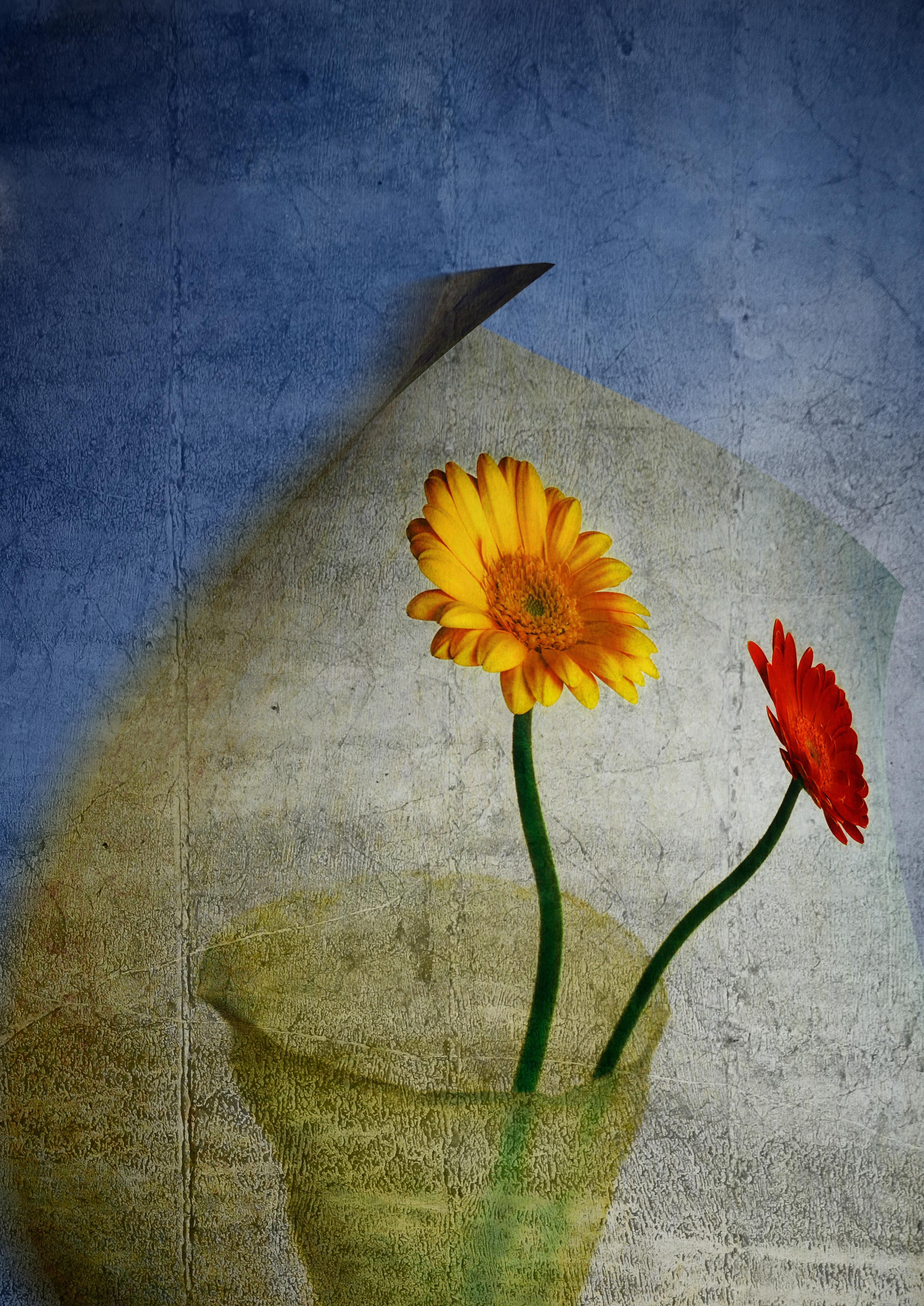
IMAGE TITLE: Picking Daisies for Sunday or Dance of the Daisies
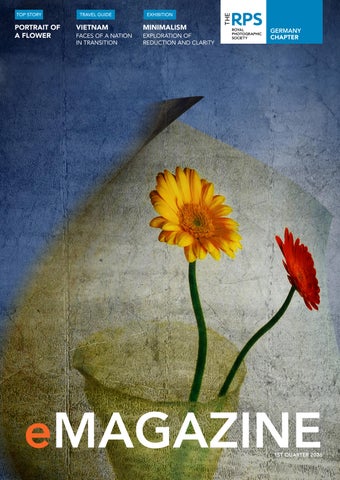
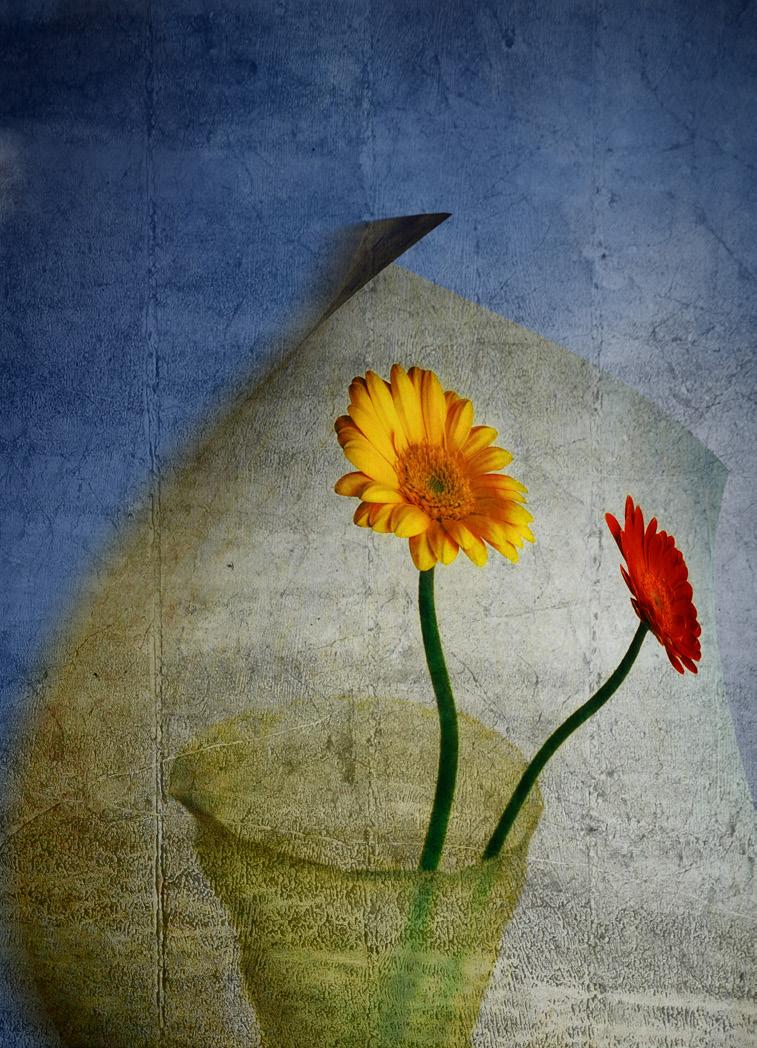
CAPTION: Two Transvaal Gerbera daisies stand gracefully in a glass vase, their stems gently guided by hidden wires. Florists will be able to supply such strong, yet very fine wires, these can easily be pushed up inside the stem until they reach the actual flower.
With natural diffused daylight and against a pure white backdrop, I captured their quiet elegance before blending the image in Photoshop with two abstract artworks from my archive. The fusion of such soft floral detail and bold distortion creates a still life that feels both familiar and dreamlike.
nagelestock.net
Get featured as well
Would you like to be featured on the front page as well? Then please send us your favourite image, including the title of the photo, the place where you took it, and a short caption.
We would love to hear what motivated you to take this photo and what emotions it triggers in you. You can send us the photo as a JPEG, TIFF, or PSD file. Please make sure that the photo has a minimum resolution of 3000 x 3000 pixels and 300 dpi.
Of course, we must also adhere to the regulations for data protection and the rights of use according to copyright law. Therefore, we ask you to make a short statement in the email regarding the declaration of consent of the person(s) depicted and to allow us to use your photo.
Please use the following email address to send the photo: germany@rps.org
EDITORIAL
DEAR MEMBERS AND FRIENDS OF THE RPS GERMANY CHAPTER
With great pleasure, we present the first issue of our eMagazine for 2026 — a publication that once again reflects the diversity, creativity, and commitment within our community.
This edition brings together a compelling range of photographic voices, from the quiet elegance of Portraits of Flowers to the human narratives explored in Vietnam: Faces of a Nation in Transition, and the structural perspectives showcased in our quarterly Photo Work selection. Each contribution reveals not only individual vision but also a shared passion for meaningful image-making.
This magazine would not exist without you. We would like to extend our sincere thanks to all members who contributed their work, ideas, texts, and time. Whether through submitting images, participating in discussions, or supporting the editorial process behind the scenes, your input continues to shape and strengthen this platform. It is this collaborative spirit that defines our chapter and allows us to grow together.
A special focus in this issue is our upcoming exhibition on Minimalism – Exploration of Reduction and Clarity. We are delighted to see how smoothly the preparation process is progressing. From thoughtful image selection to consistent presentation formats and clear curatorial direction, the project is coming together with remarkable cohesion.
The level of engagement and professionalism shown by all participating members is truly encouraging, and we are confident that the exhibition will resonate strongly with its audience.
Beyond the exhibition, this issue also provides insights into our chapter itself—its composition, activities, and the people behind it—alongside a curated overview of upcoming dates and events.
These elements underline our ambition not only to showcase photography but to actively foster exchange, learning, and connection within the photographic community.
Looking ahead, we are excited about the second half of the year. A wide range of activities is already planned, including workshops, meetings, collaborative projects, and further opportunities to exhibit and publish work.
Our goal is to bring these ideas to life in a way that remains open, engaging, and valuable for all members—whether you are just beginning your journey or are already deeply established in your practice.
We hope this issue inspires you, sparks new ideas, and encourages you to continue contributing to our vibrant chapter.
Chris Renk Editor & Chapter Organiser RPS Germany Chapter
PORTRAIT OF A FLOWER
Portrait of A Flower presents luminous floral portraits where beauty, character, and Wolfgang Strassl’s gaze quietly intertwine
26
VIETNAM: FACES OF A NATION IN TRANSITION
Vietnam through faces, fleeting moments, and everyday life in transition
40
PHOTO WORK 1ST QUARTER 2026
Structure, light, and lines—six photographers explore form and space through diverse perspectives
IN THIS ISSUE
54
FACTS ABOUT THE GERMANY CHAPTER
Learn more about the current composition of the Germany Chapter, its members’ interests, and their locations in Germany.
56
MINIMALISM – EXPLORATION OF REDUCTION AND CLARITY
Exploring minimalism through contemporary photography in a curated collective exhibition
74
DATES & EVENTS
APRIL - JUNE 2026
Online Meeting, Release dates eMagazine, Webinars and Online Training of the Chapter.
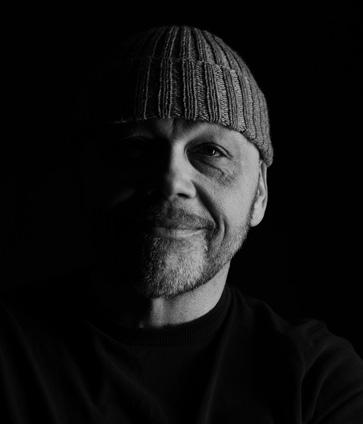
Wolfgang Strassl FRPS
PORTRAIT OF A FLOWER
BEAUTY, CHARACTER, AND THE POETRY OF PERCEPTION.
Wolfgang Strassl FRPS
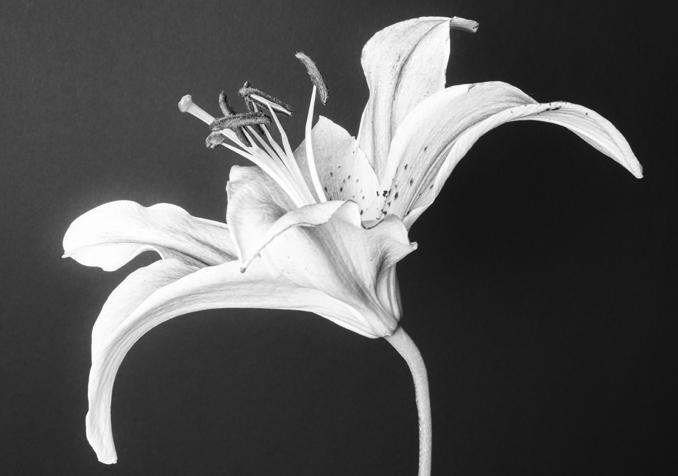
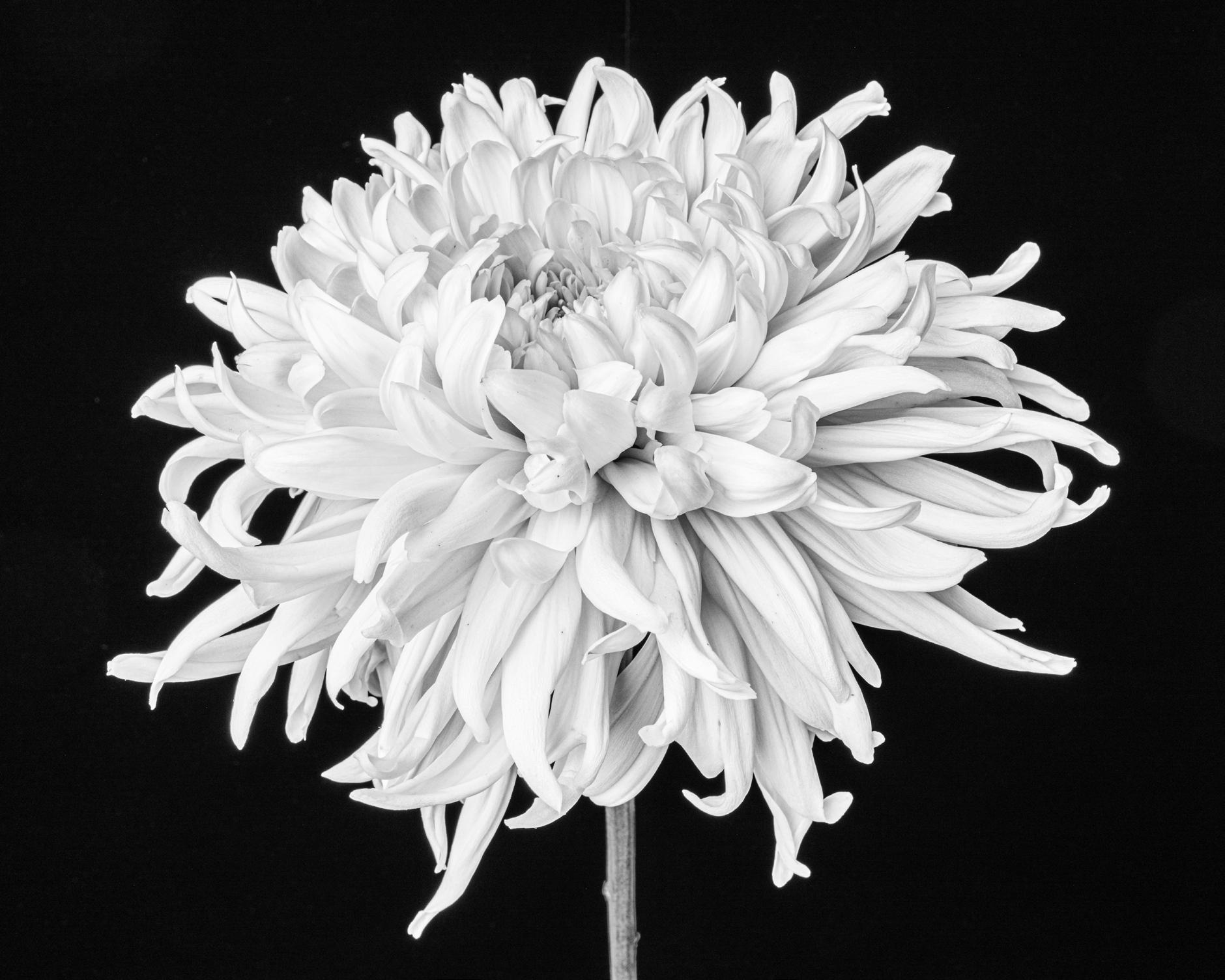
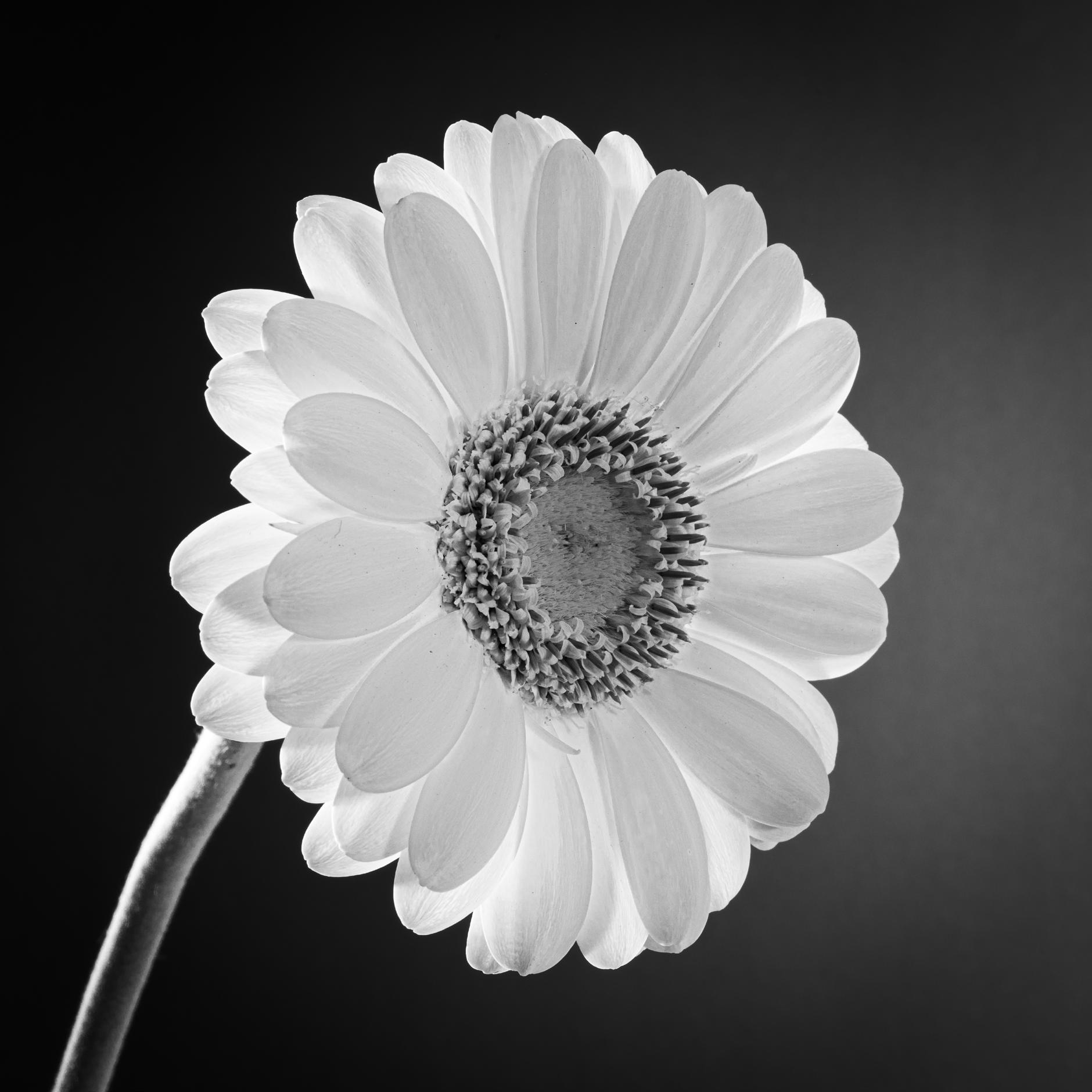
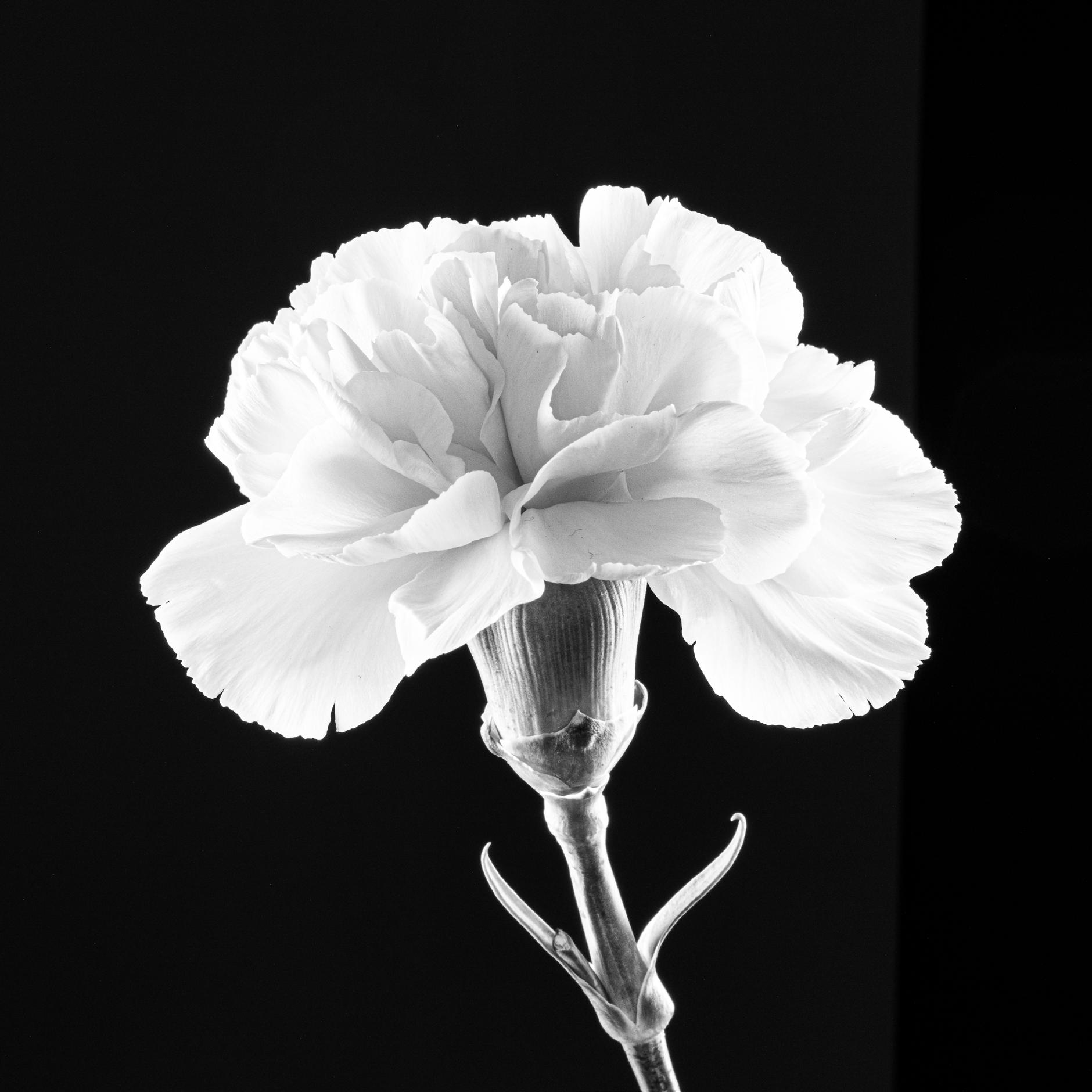
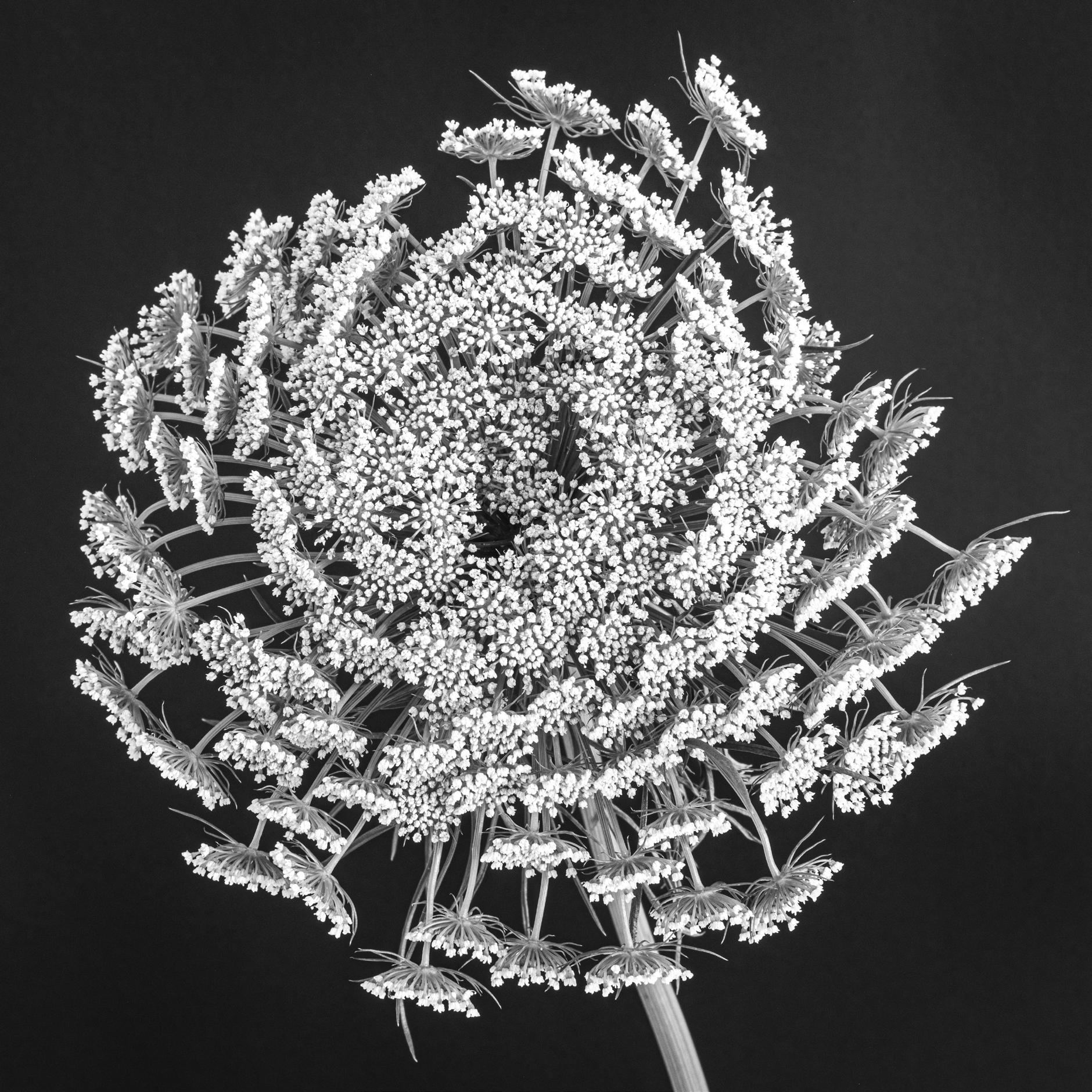
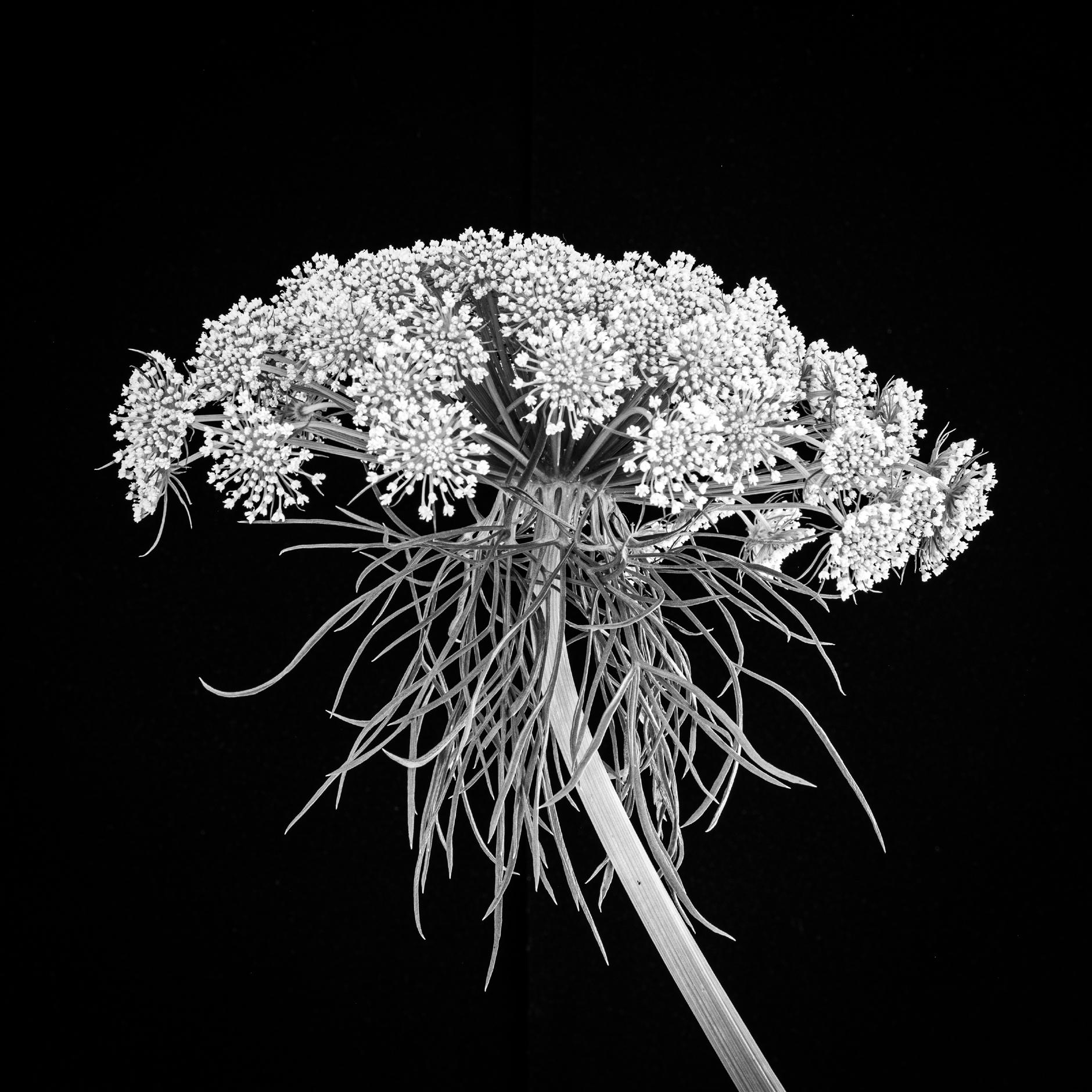
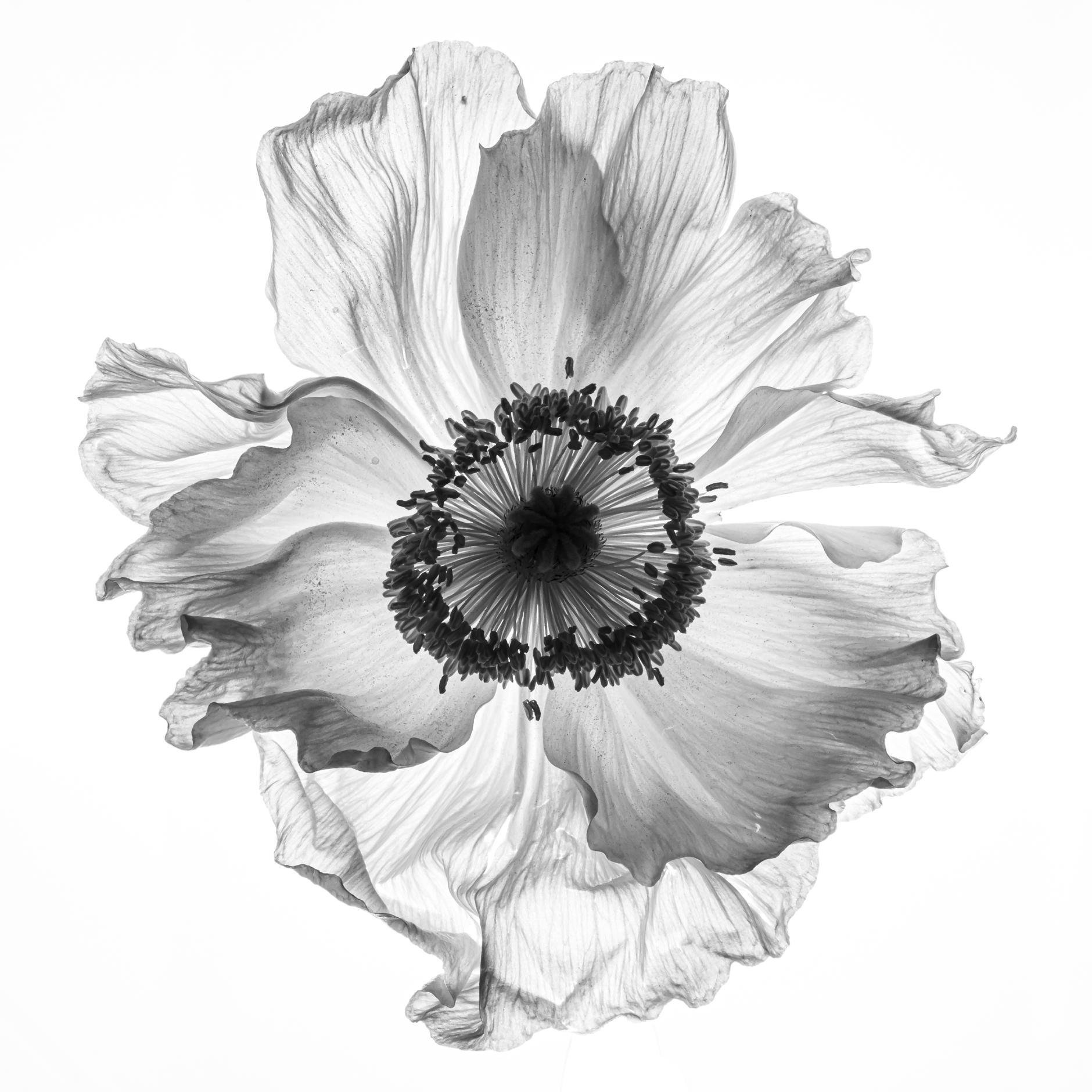
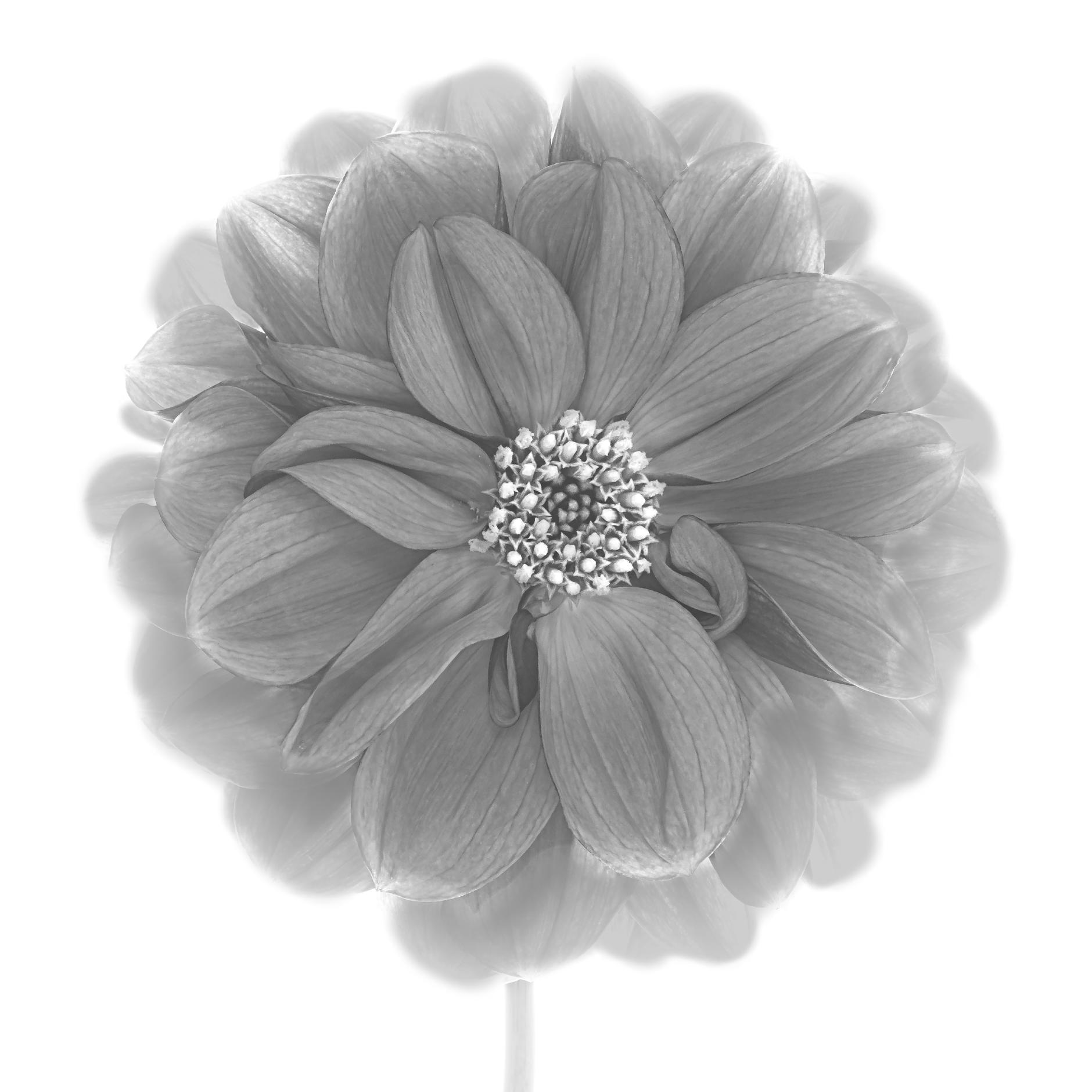
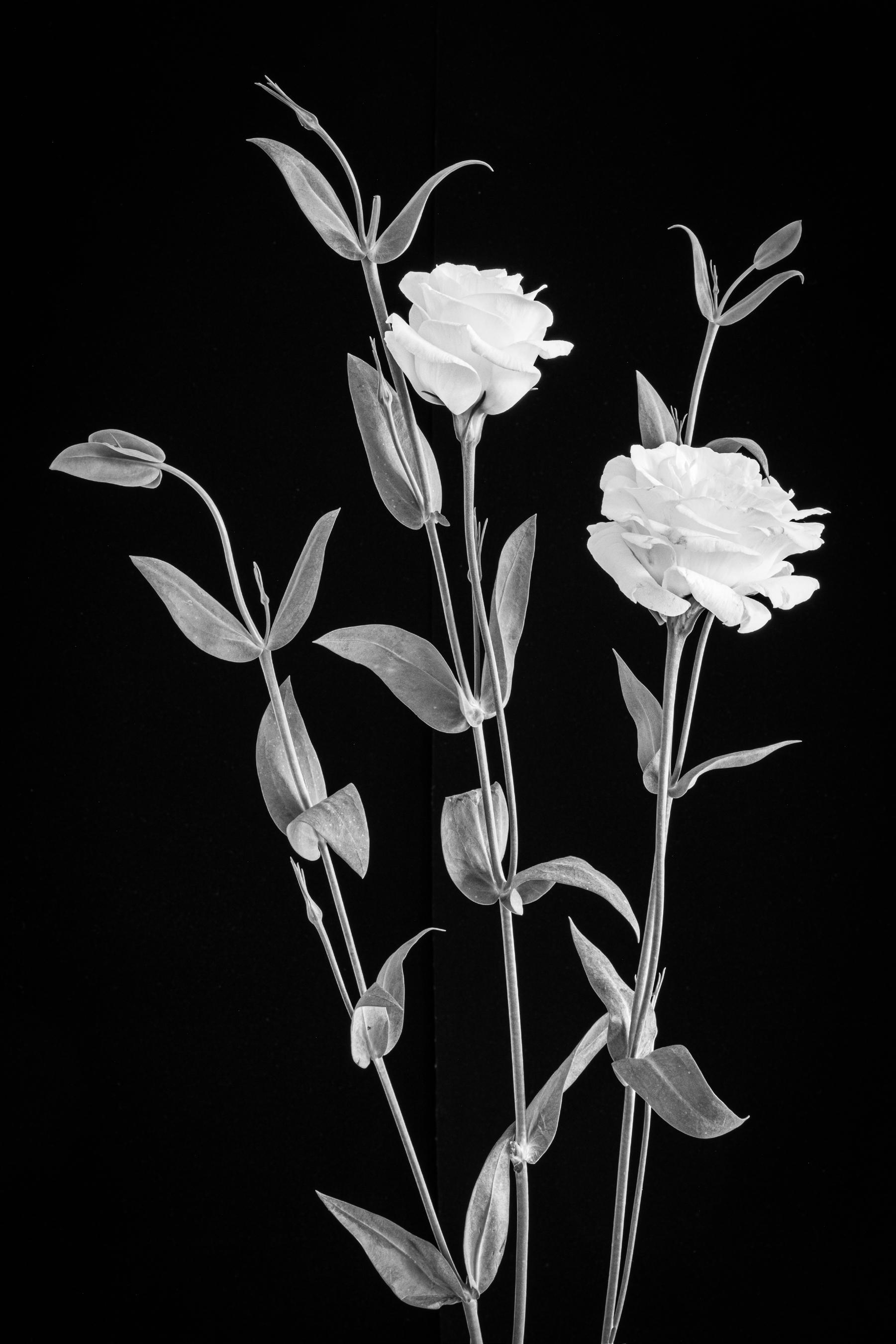
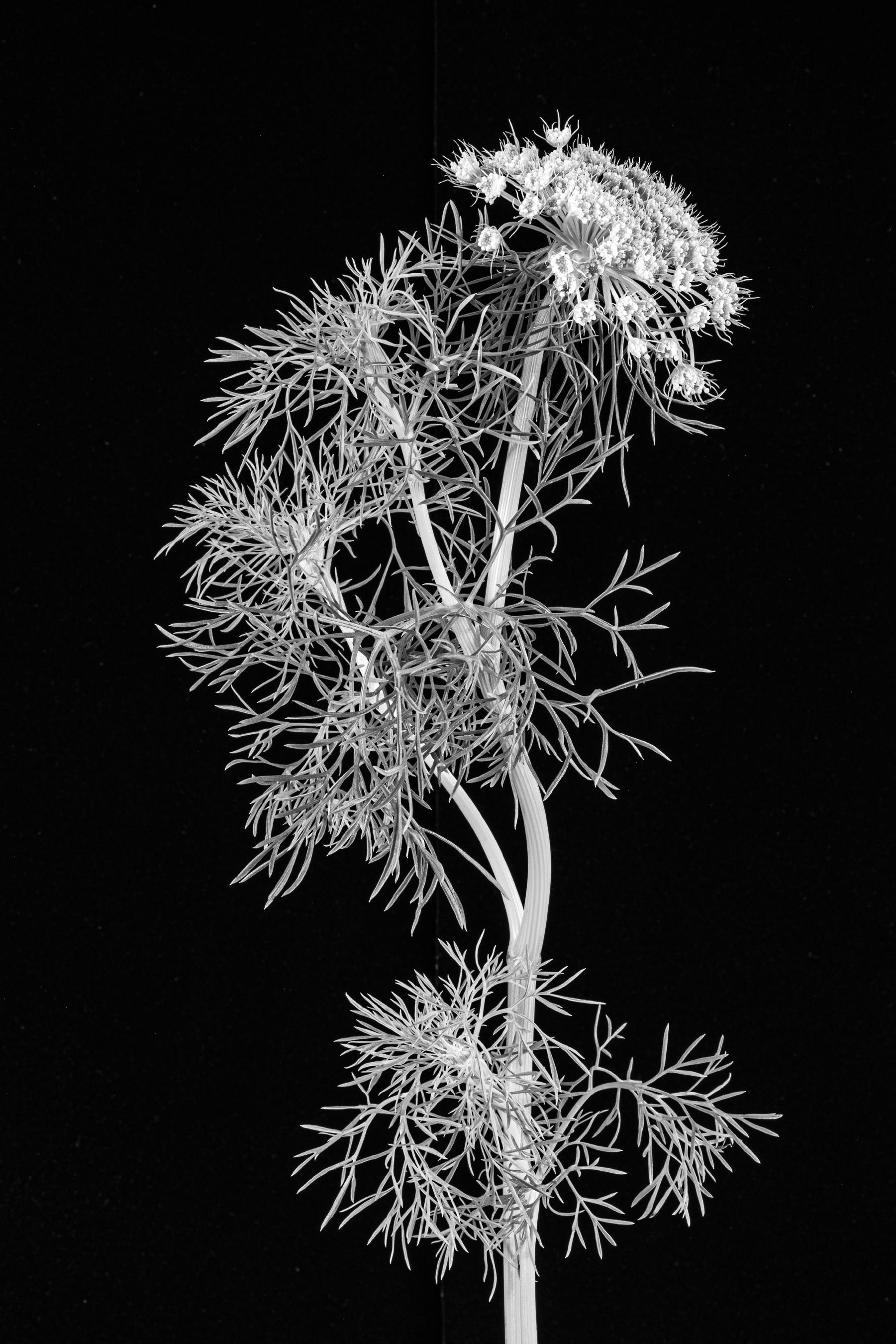
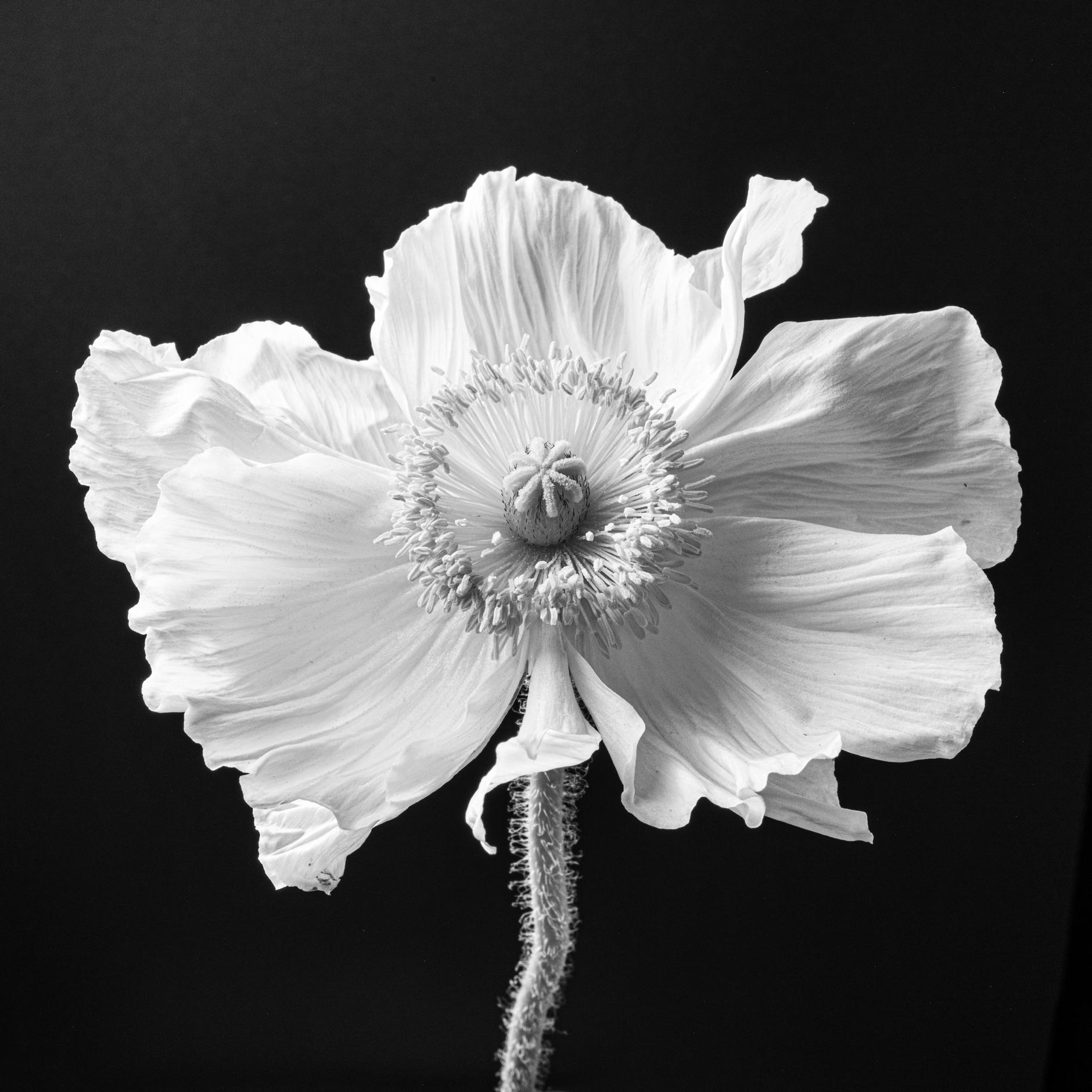
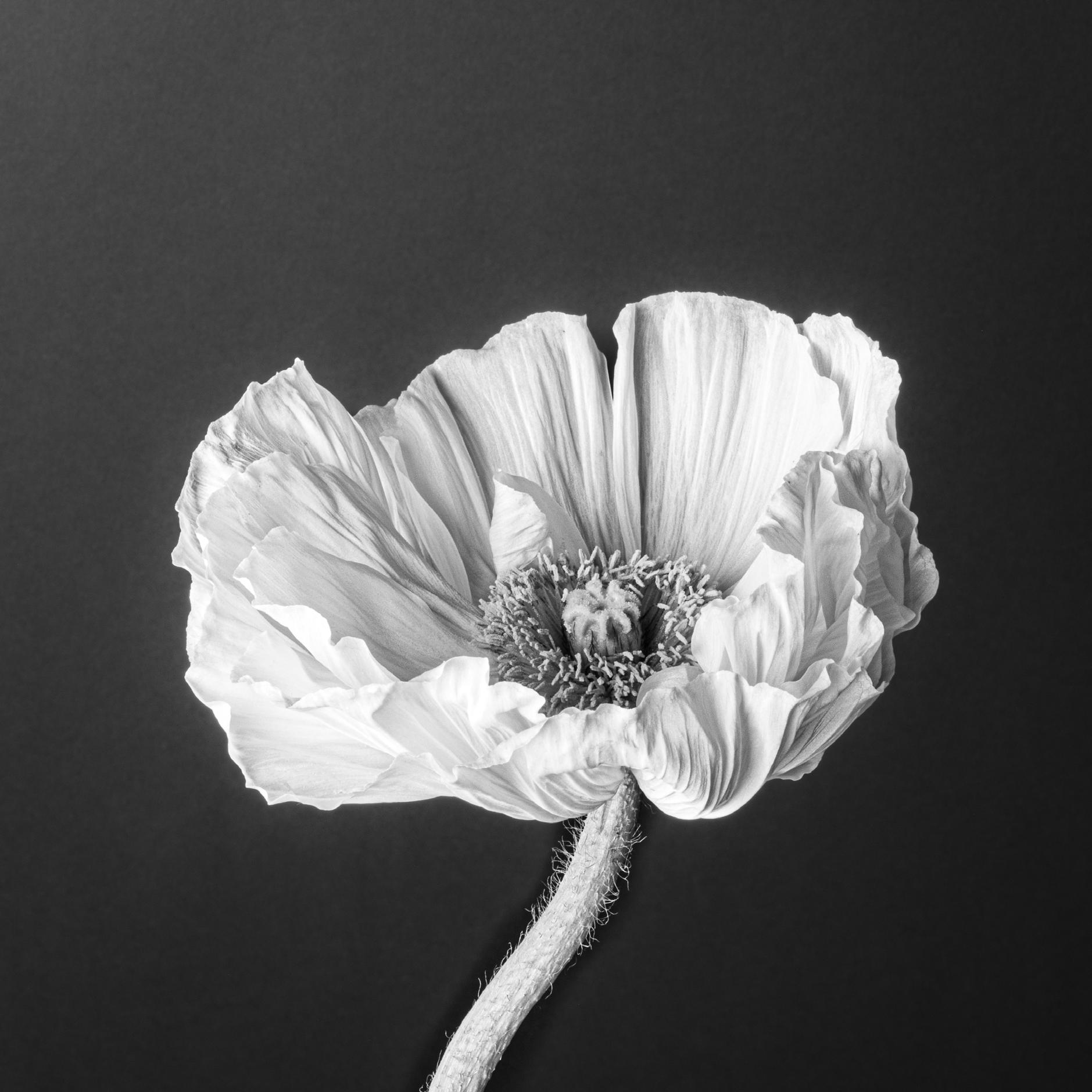
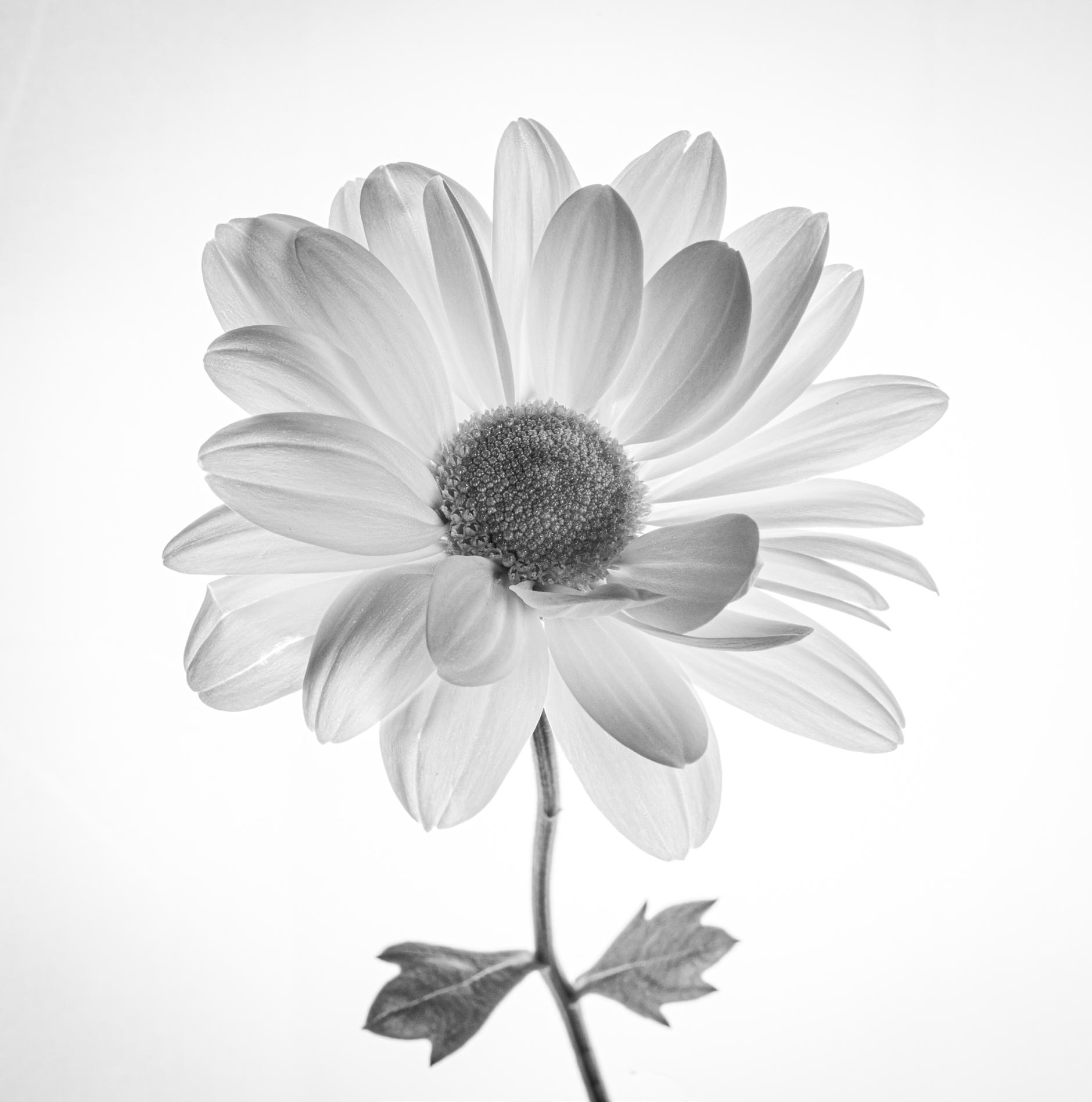
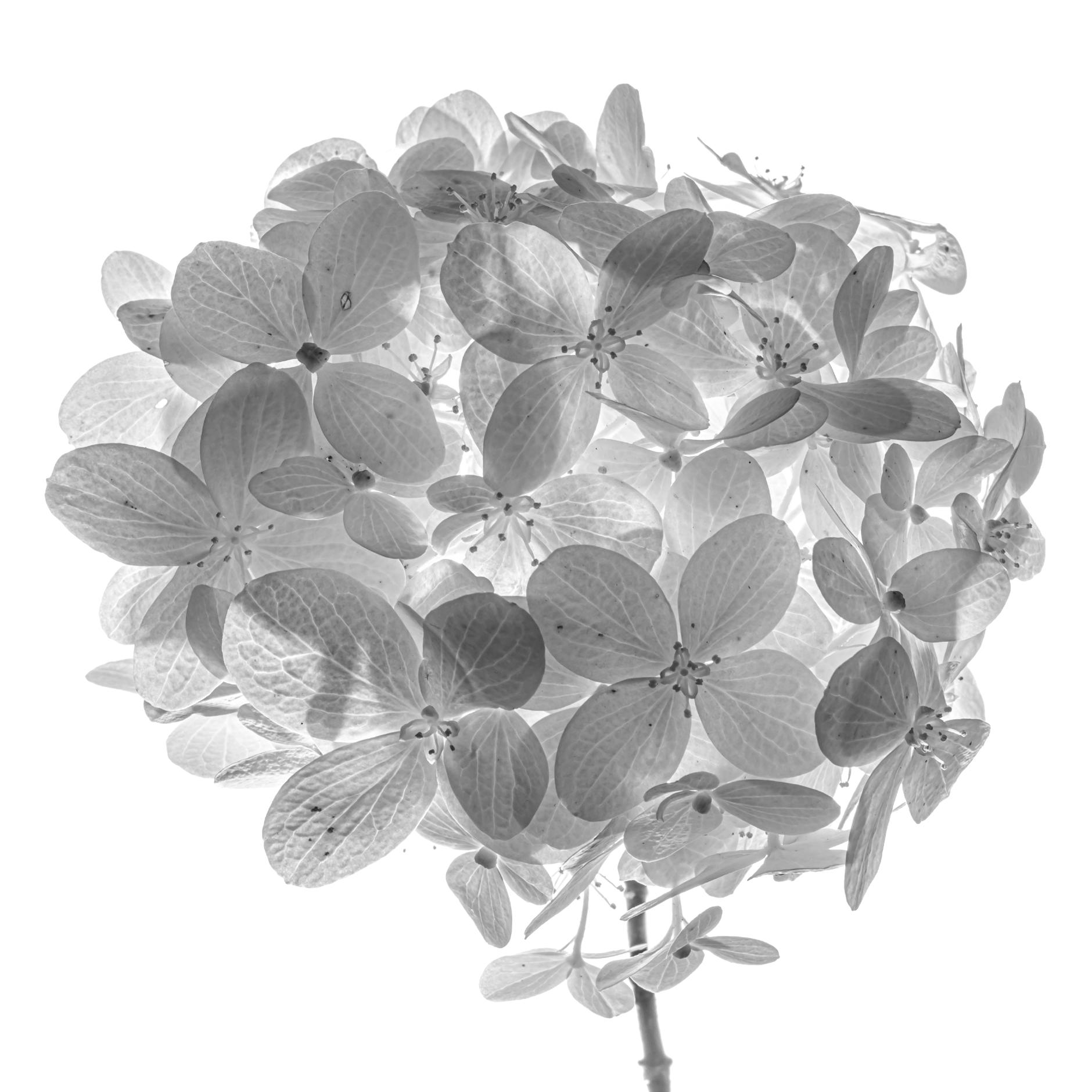
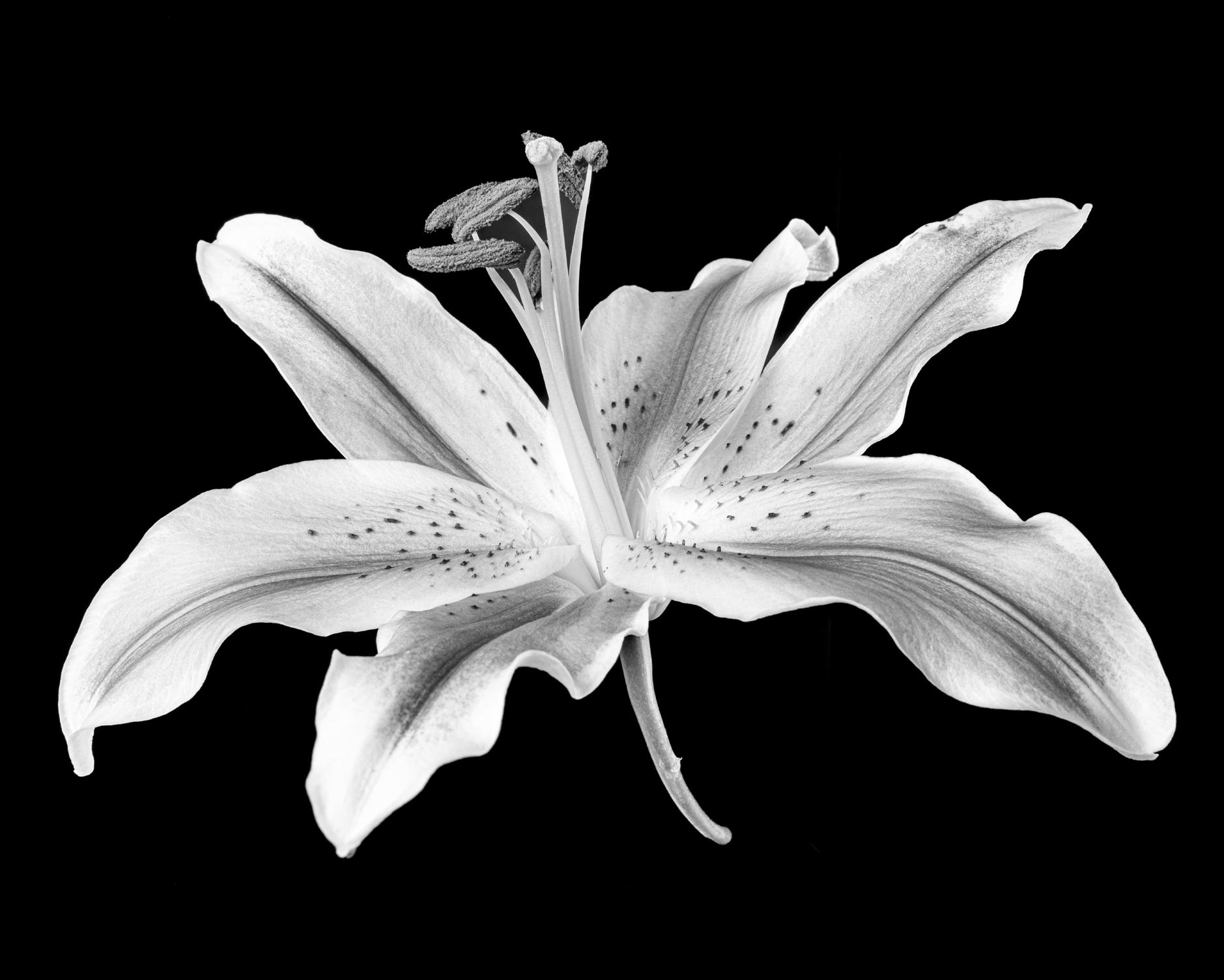
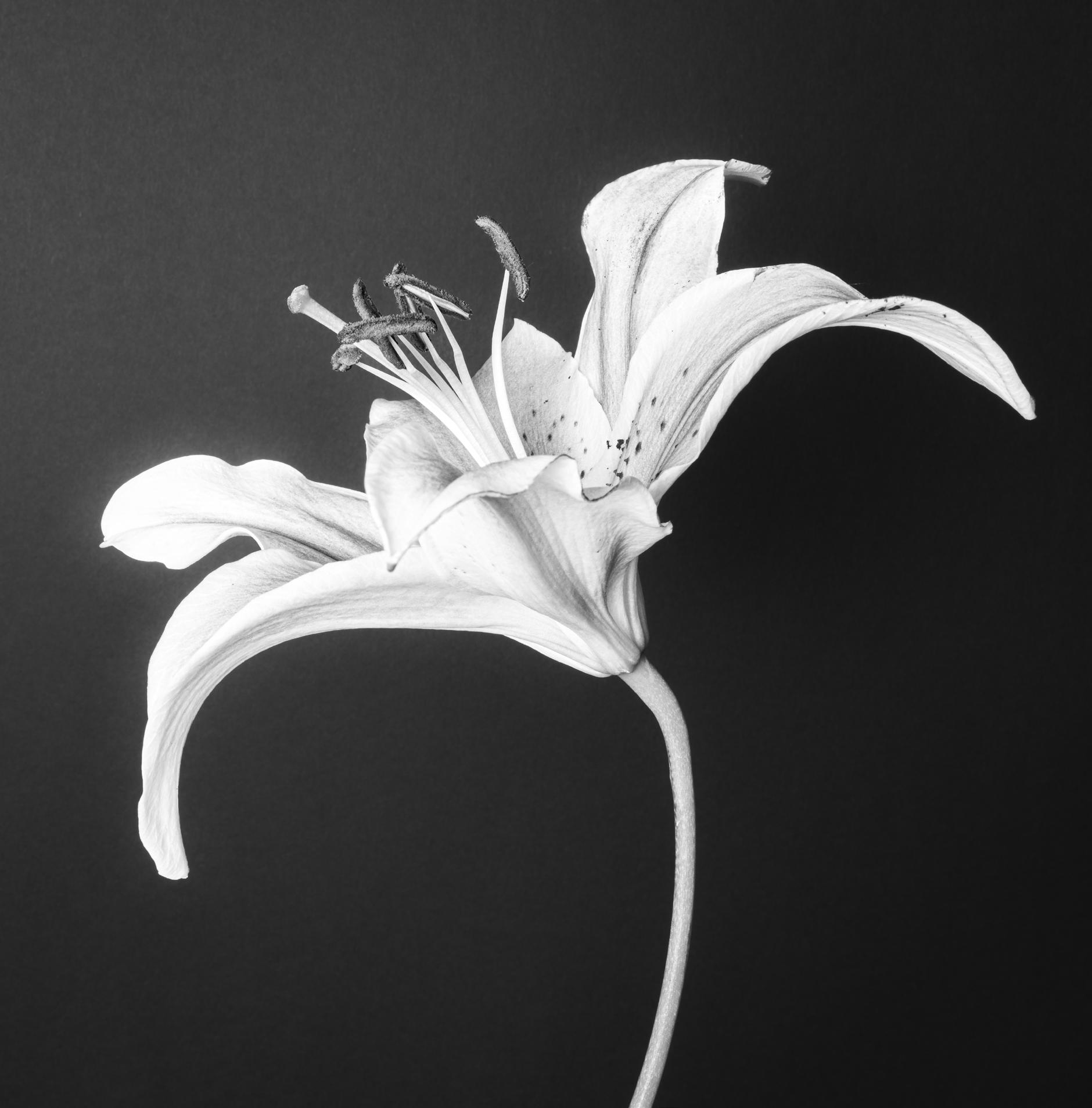
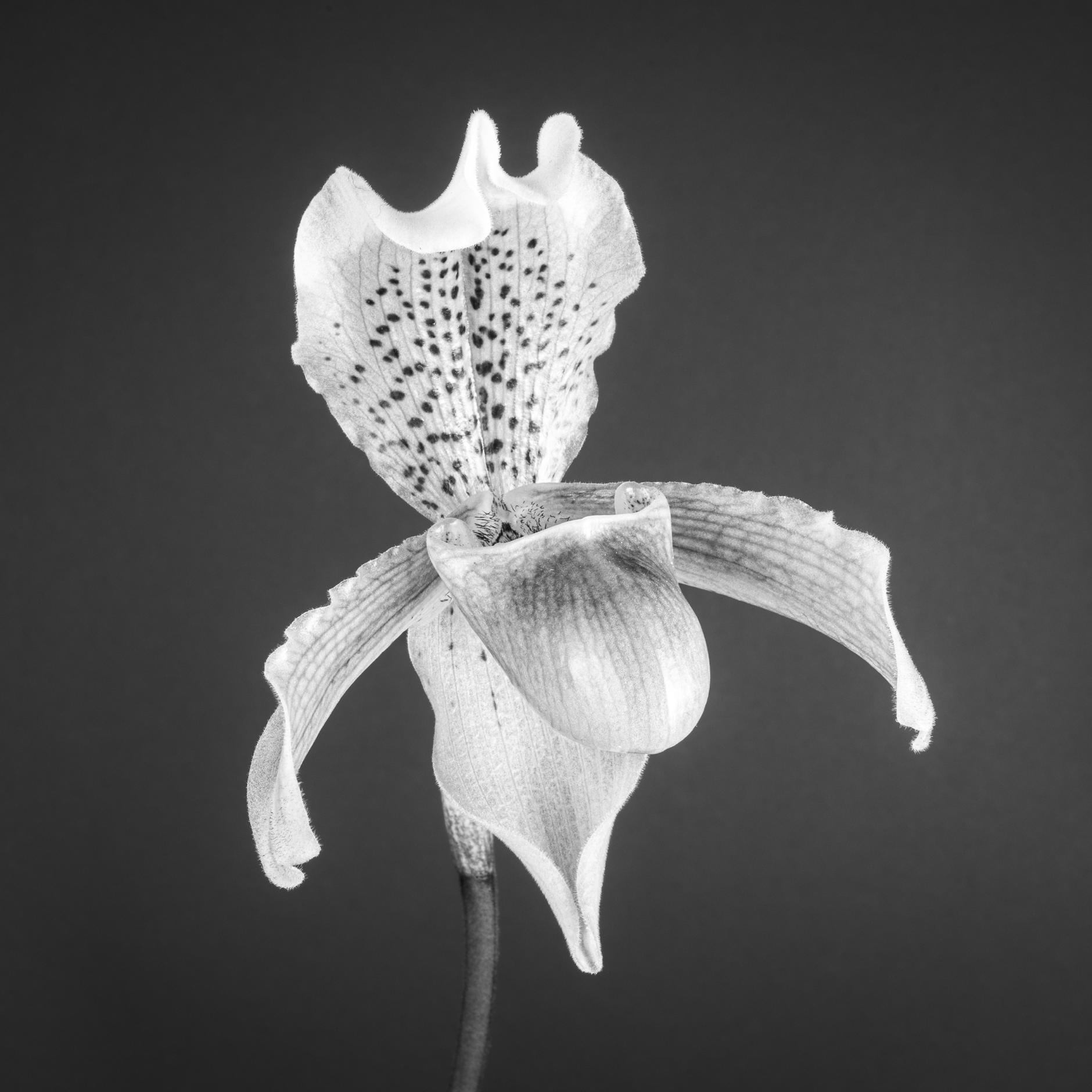
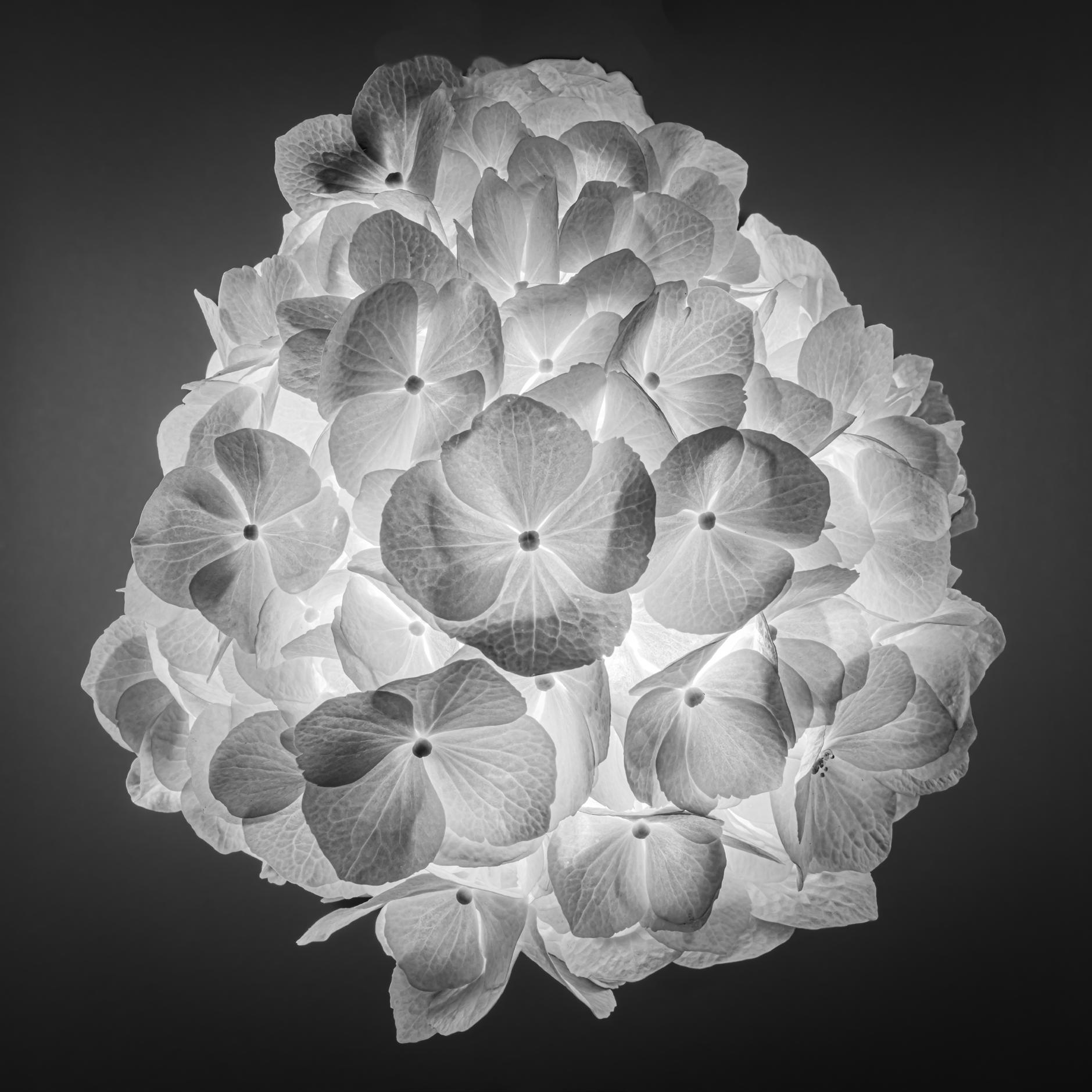
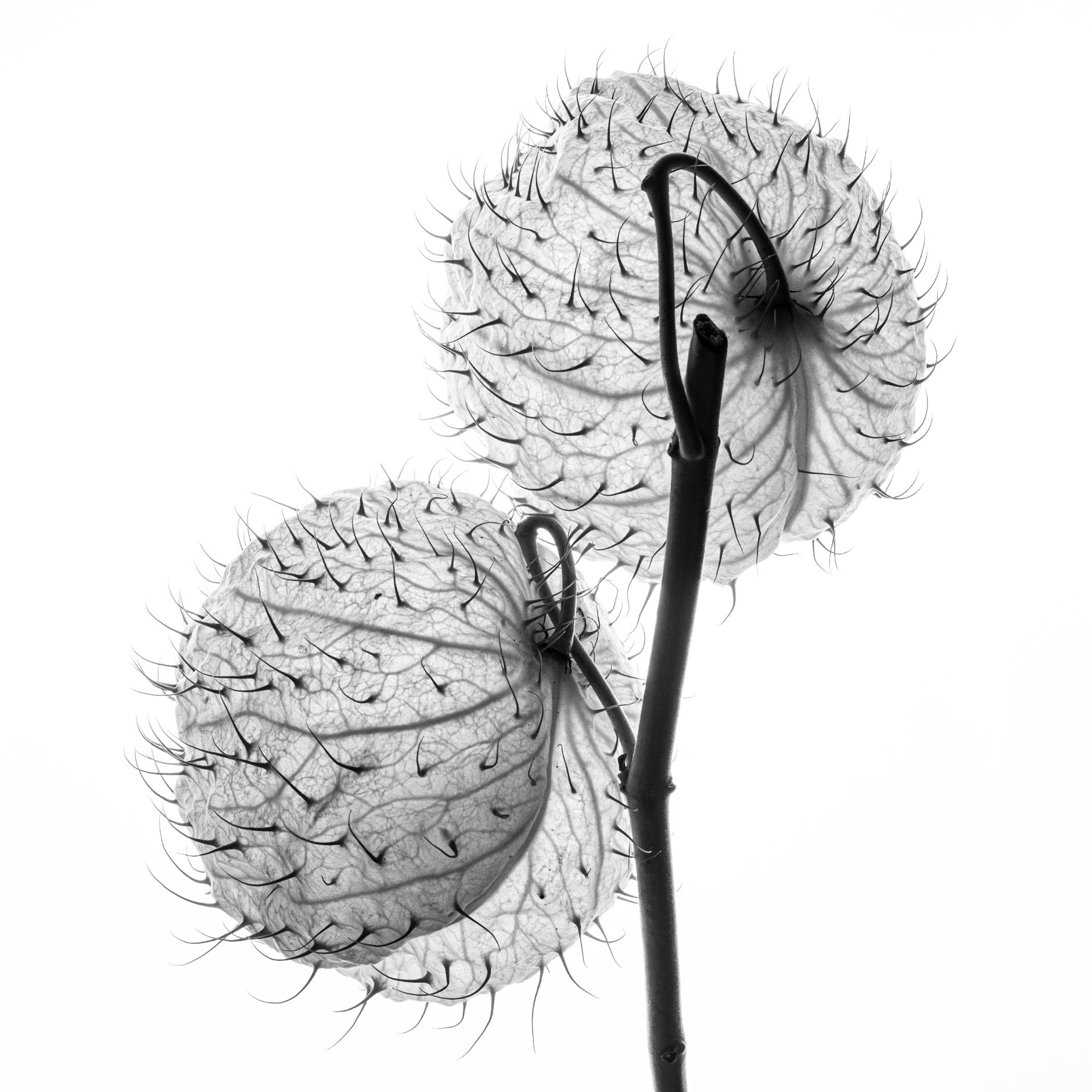
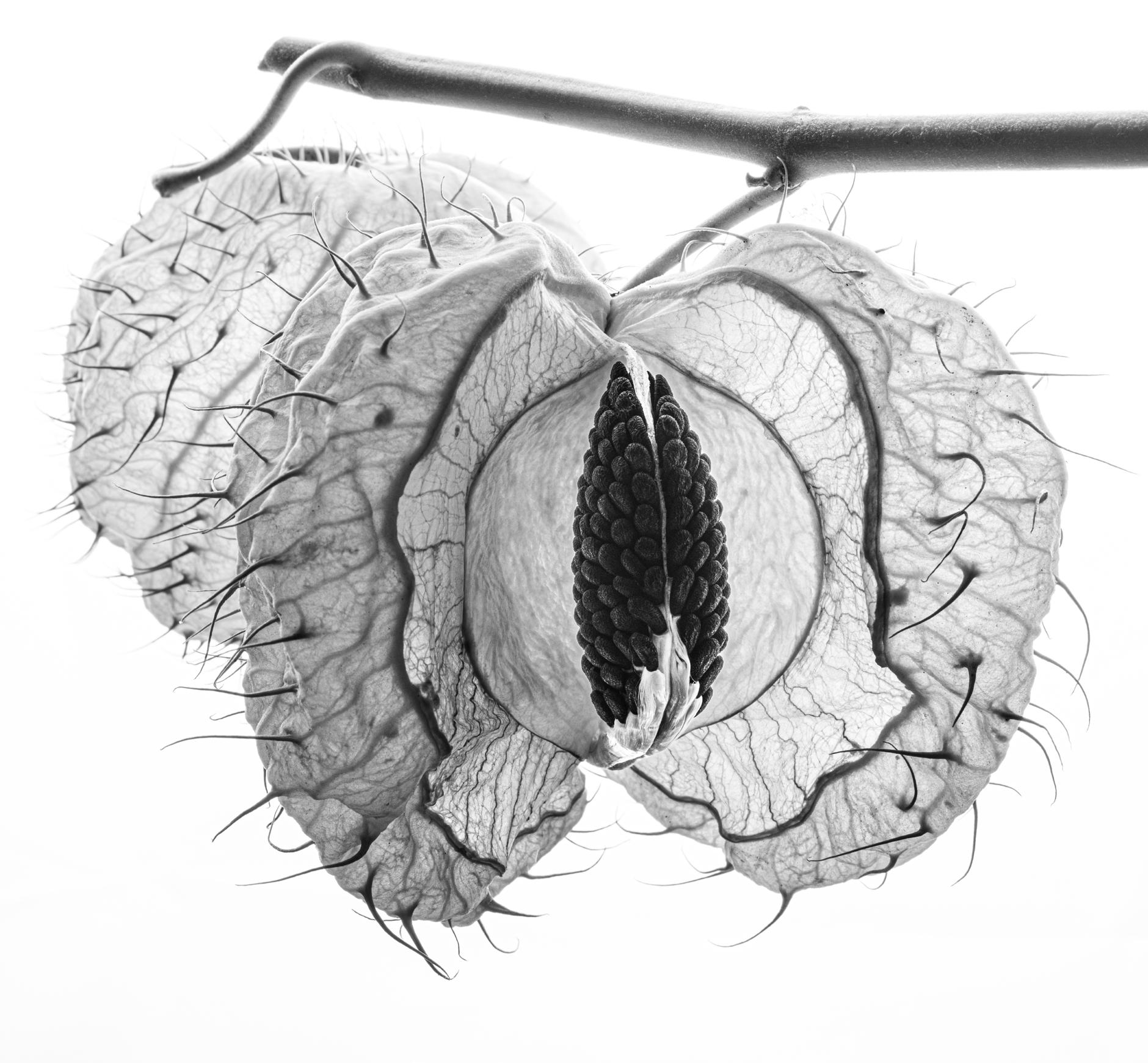
In this series, Wolfgang Strassl reduces botanical subjects to their essential form—light, structure, and presence. Detached from their natural context, each flower becomes an object of quiet observation. The monochrome palette eliminates distraction, inviting the viewer to explore texture, fragility, and symmetry. What remains is not documentation, but interpretation—an intimate dialogue between light and nature.
When looking at other people, I cannot help but explore what their visual appearance is telling me about them, or rather what I am able and willing to see, recognize and understand about their personality, character or emotional state.
This also applies to any depiction of a human being.
The same even happens when I see something which just remotely resembles a human face or figure, i.e. it has at least some human features. This is the case with all kinds of animals since they may all have facial or physical expressions which inspire my imagination.
It even goes so far that when I look at individual flowers, I am so fascinated about their beauty, character and even charisma, that I cannot help but imagine what personality they might have even though I am well aware that they probably don’t have one.
To visualize my imagination about their personality, I started taking pictures of these flowers in the style of classic black and white portrait photography by removing them from their natural habitat, putting them into a non-distracting studio environment, exposing them to artificial light and stripping them of their blaze of colour, hoping to uncover and distil their essence, character and charisma.
I am well aware that these portraits are highly subjective and might even distort reality. They do not tell the only truth about my floral subjects and cannot actually capture their character and personality which do only exist in my imagination.
These portraits are rather about what I am wanting to recognize and imagine when I see them. Thus, collectively they say more about myself than my subjects and become self-portraits as much as they pretend to be portraits of a flower.
STREET SCENES, FLEETING ENCOUNTERS AND HUMAN MOMENTS FROM A COUNTRY MOVING BETWEEN MEMORY AND MODERN LIFE
Stefan Löffler
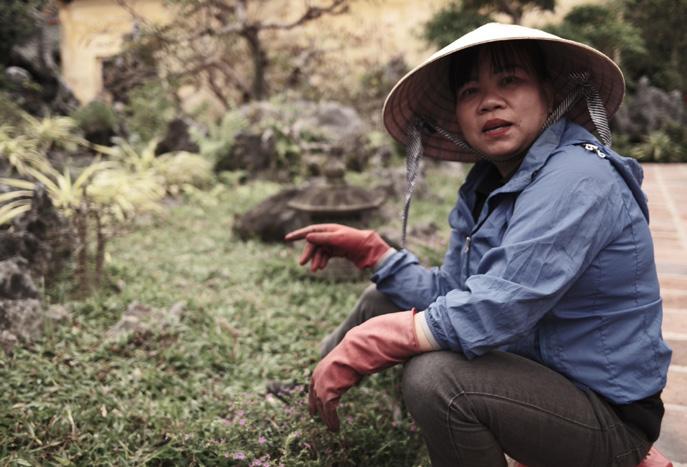
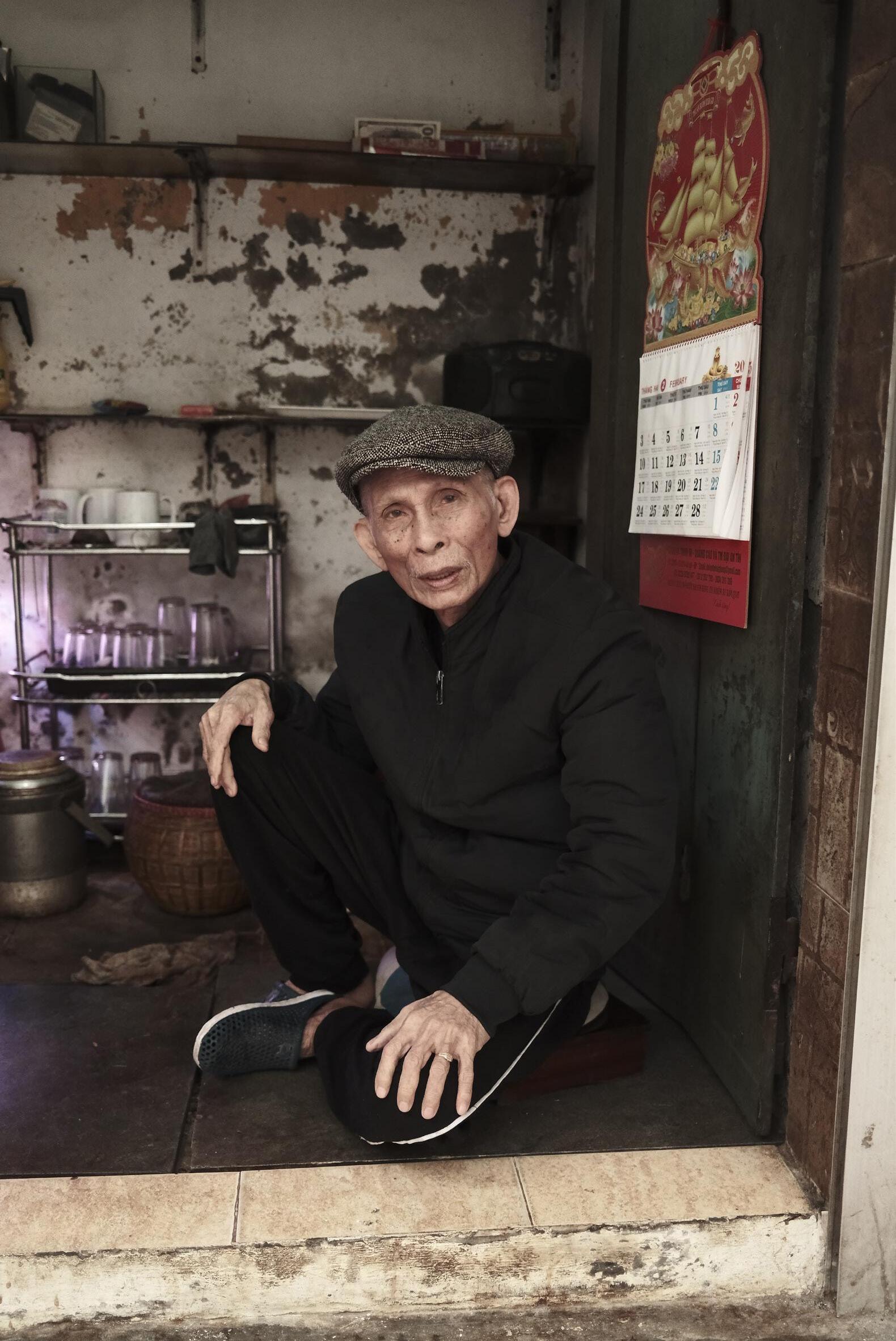
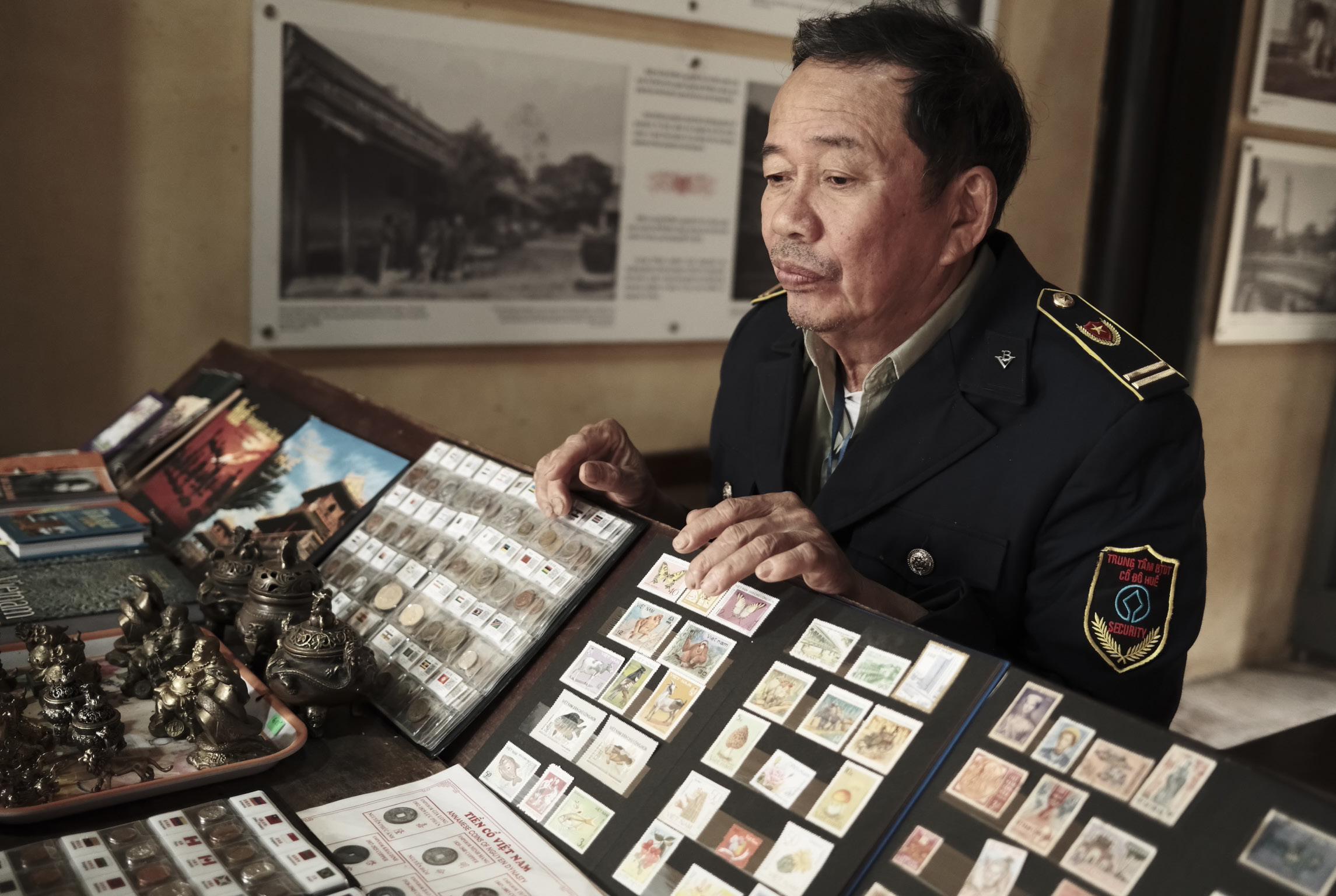
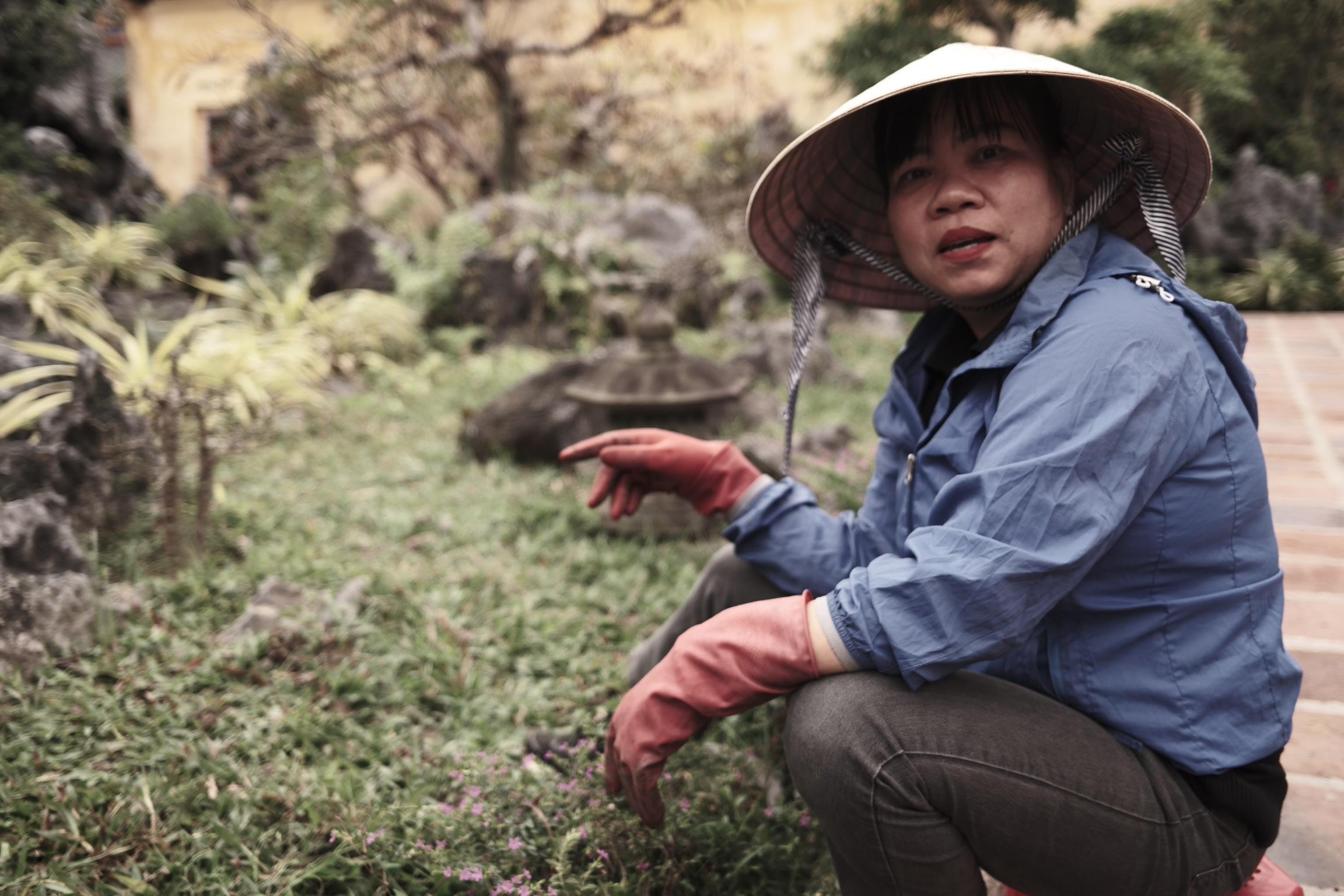
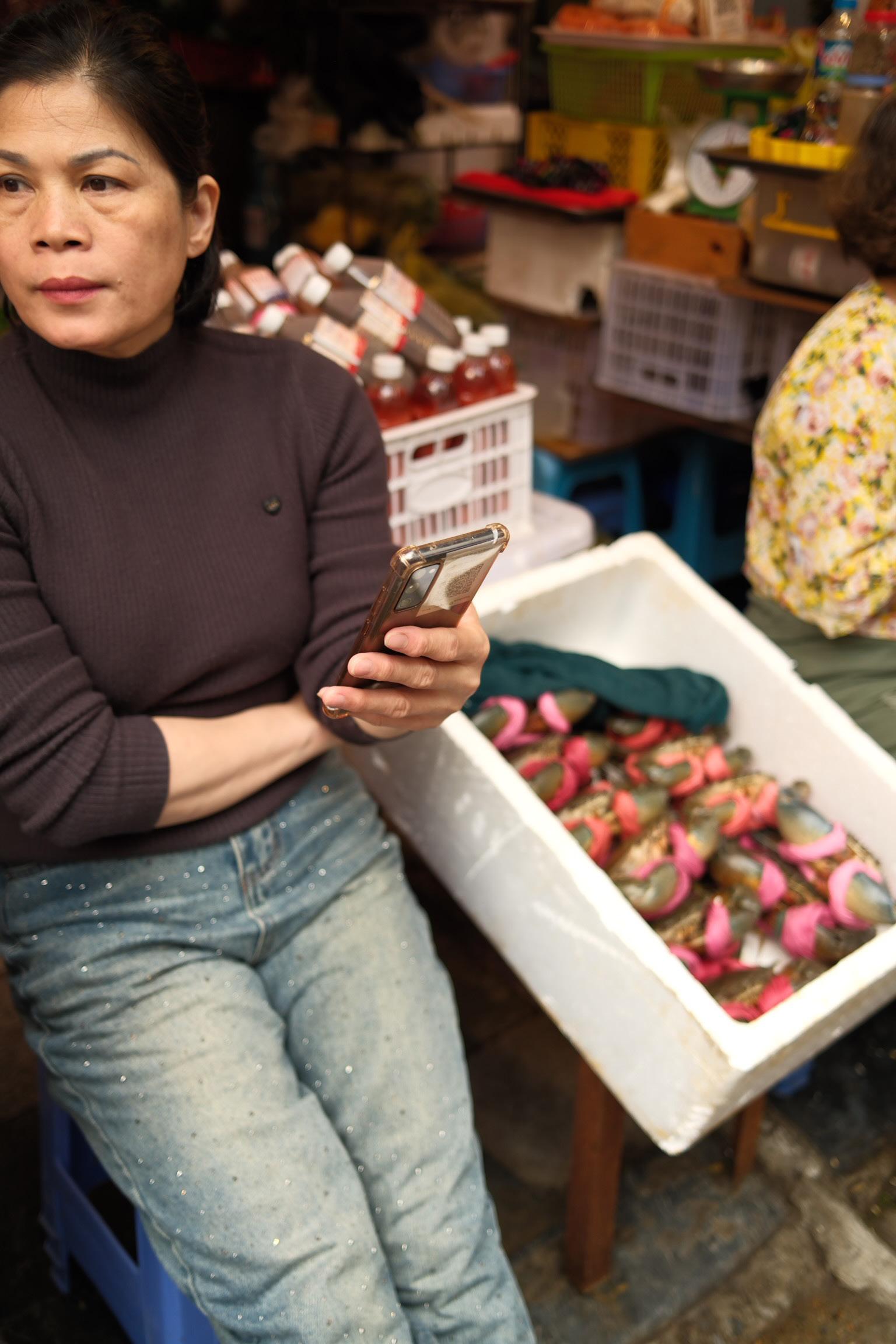
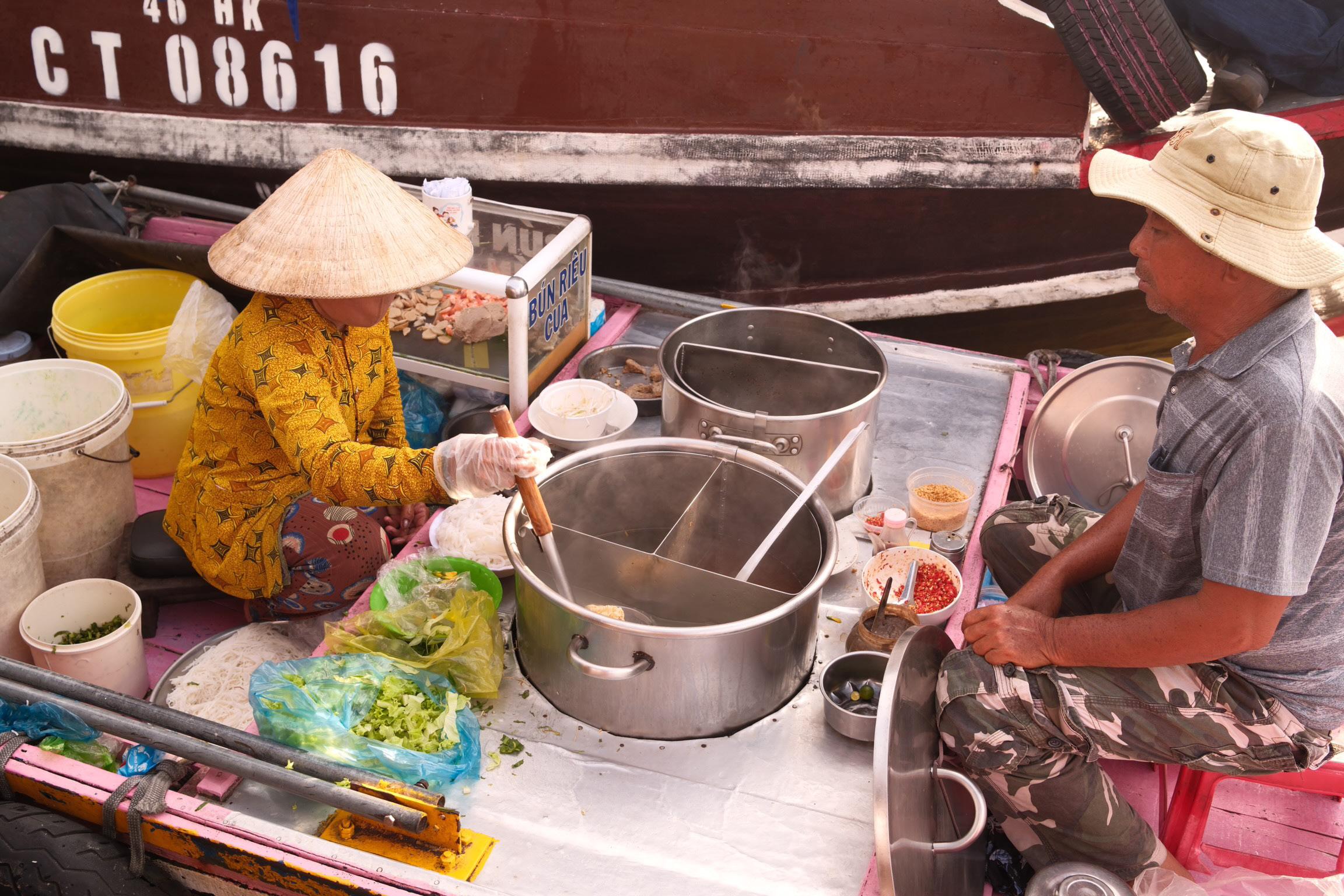
In this article, Stefan Löffler turns his camera toward the ordinary— and finds something far more revealing. Across Vietnam’s streets, alleys and waterways, he photographs the gestures, encounters and routines that shape everyday life. His images move between stillness and motion, intimacy and distance, tradition and change. What unfolds is a portrait of a country in transition, seen through the people who carry its rhythm—vendors, workers, children and passersby, observed with sensitivity and quiet precision.
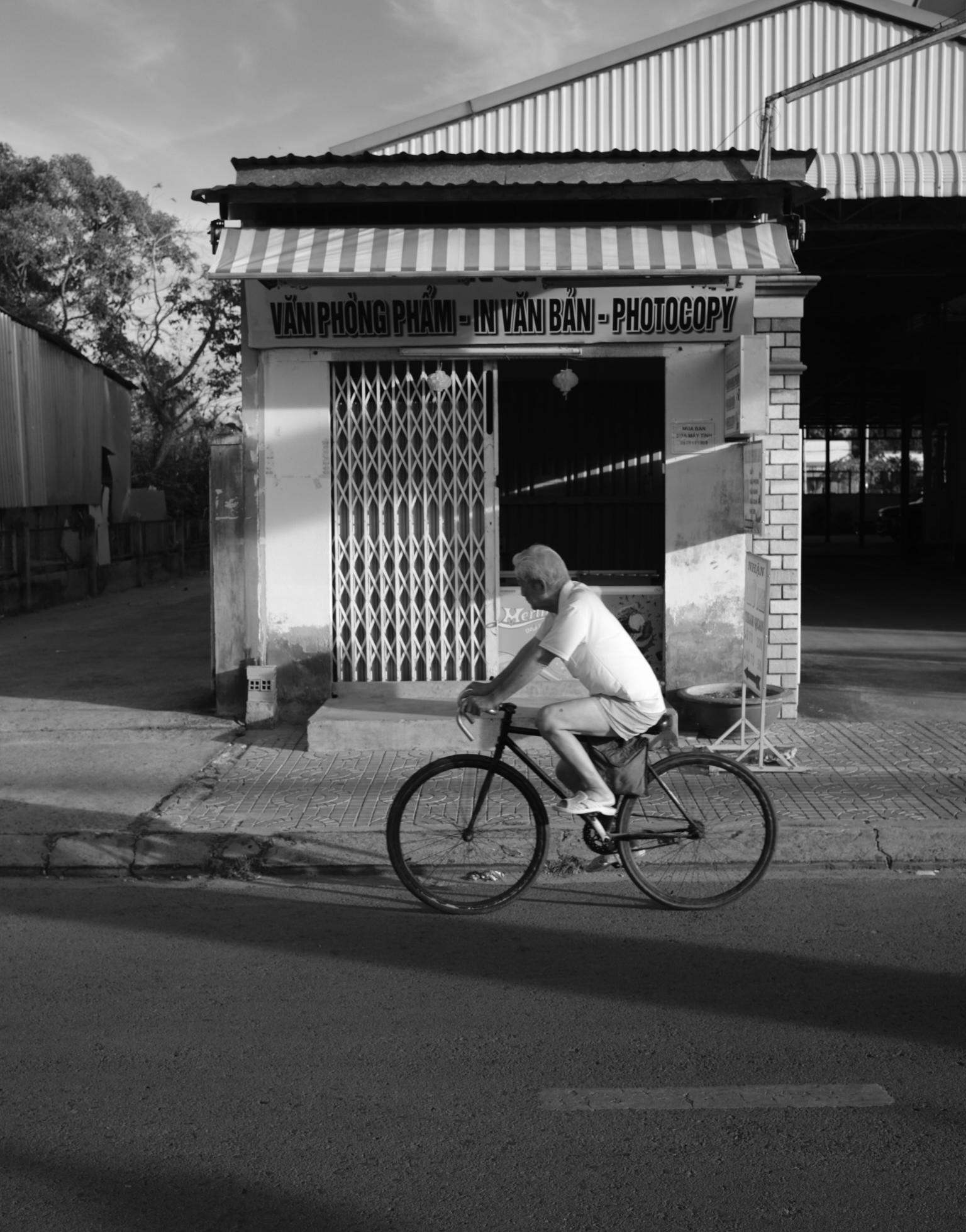
Vietnam didn’t reveal itself to me all at once. It began with a small, almost ironic moment—a man cycling past a shuttered photography shop.
Standing there with my camera, I became aware of something fundamental: in Vietnam, you are never just an observer. You are part of the scene.
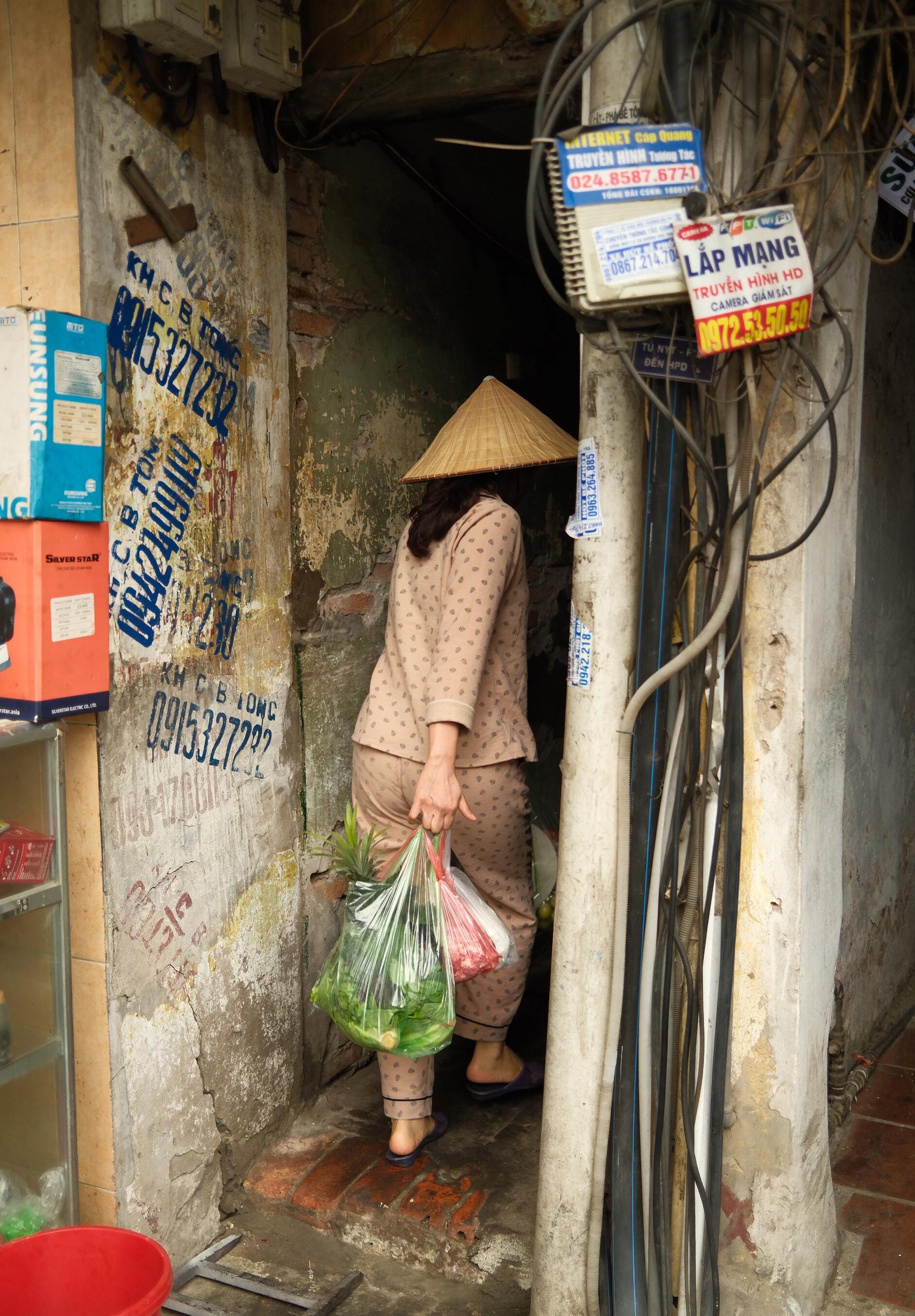
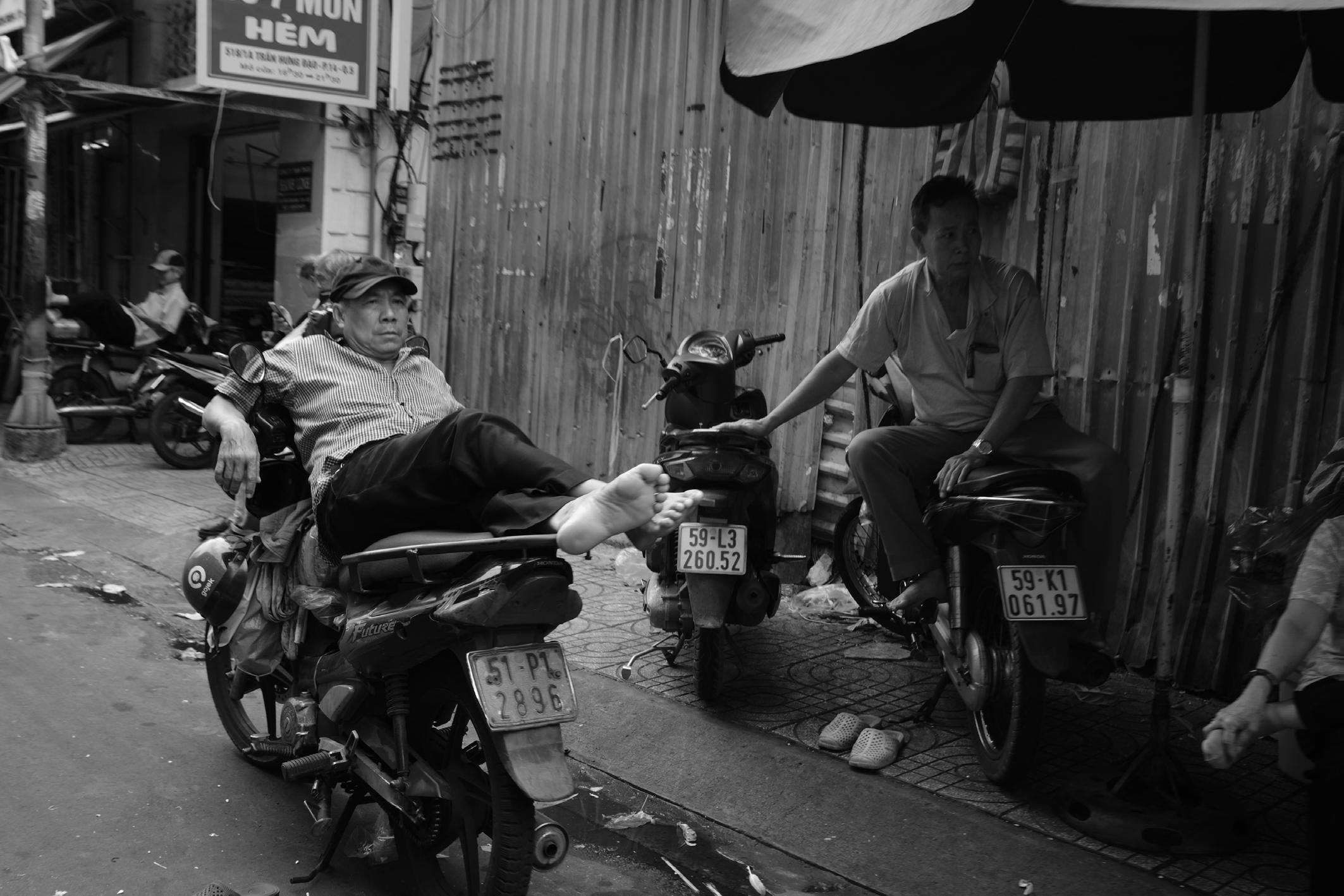
From that moment on, the country unfolded slowly— street by street, face by face. In Hanoi, elderly men sat quietly in doorways while, just meters away, vendors scrolled through their smartphones.
Tradition isn’t disappearing here—it coexists, sometimes uneasily, with a rapidly accelerating modern life.
I didn’t come to Vietnam looking for spectacle. I was searching for something quieter—moments of authenticity, of routine, of human connection.
What I found were not “subjects,” but people moving through their daily lives with resilience, dignity, and often a quiet grace.
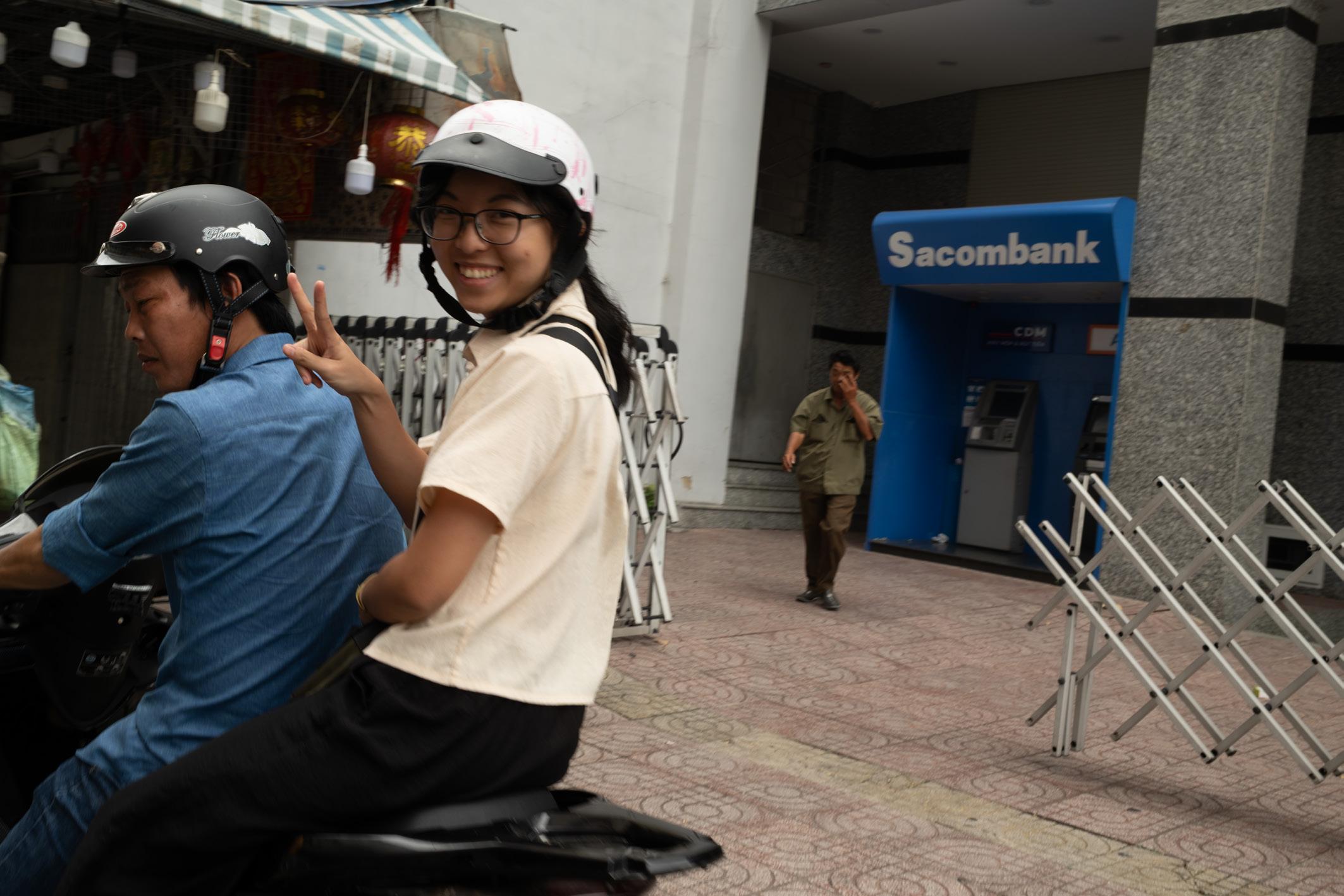
I remember hesitating for a split second before taking the picture. The scene felt almost too perfect—too self-referential. And yet, that was exactly the point. For a brief moment, the observer became part of the observed. It was a reminder that photography doesn’t just capture reality—it participates in it.
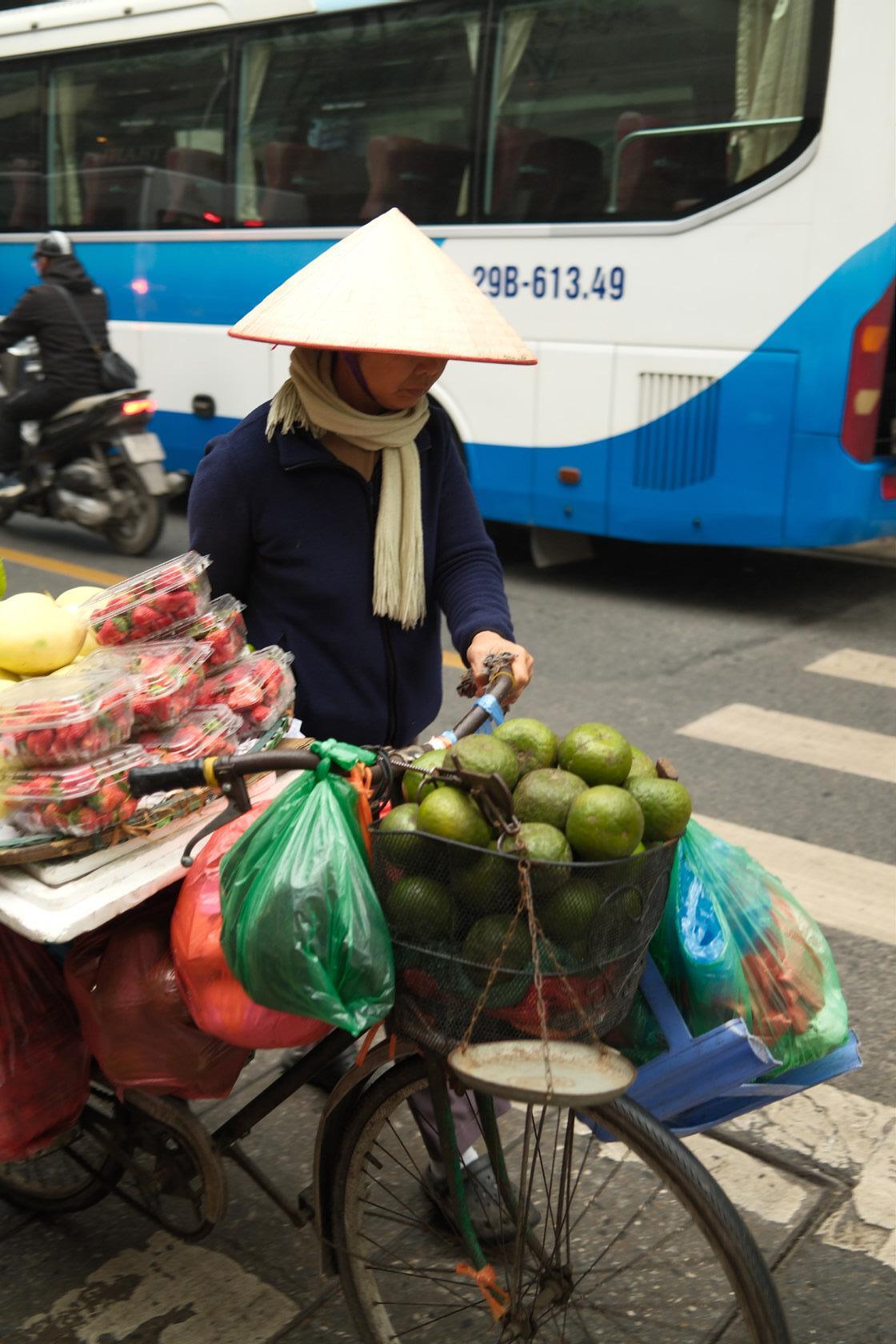
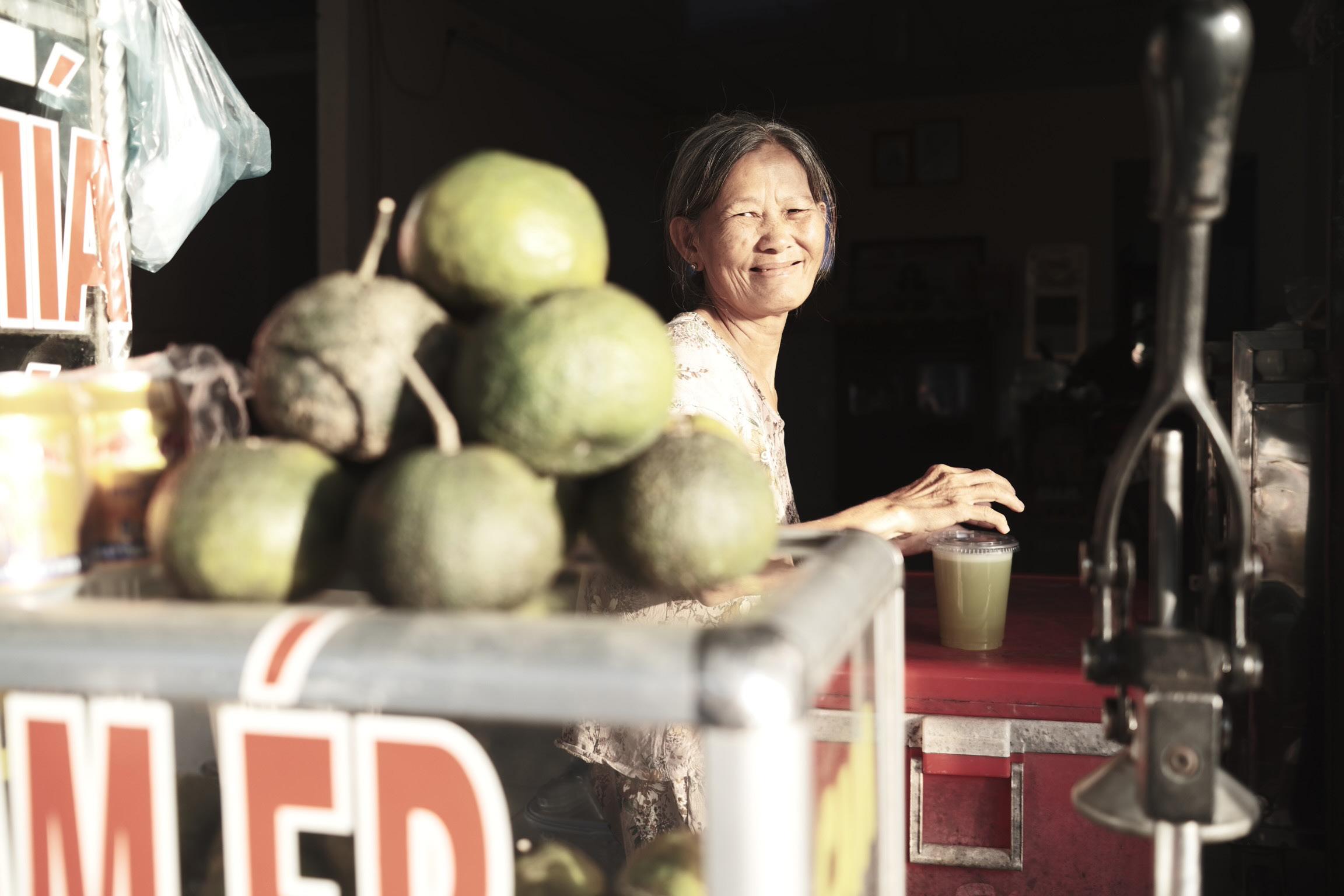
Late afternoon light catches a vendor’s warm smile behind a pile of green-skinned oranges — in Vietnam, ripe fruit stays green, a small surprise for the uninitiated traveller.
I spent three weeks traveling through Vietnam, moving between north and south, cities and waterways.
Most encounters were brief. A glance, a nod, sometimes a smile. I worked with available light and kept my distance, trying not to interfere more than necessary.
I
didn’t try to explain Vietnam. I wouldn’t know how.
But through these moments, I tried to come a little closer to understanding it.
Shot on Fujifilm X100VI using available light. Minimal post-processing.
MEMBER’S PHOTO WORK
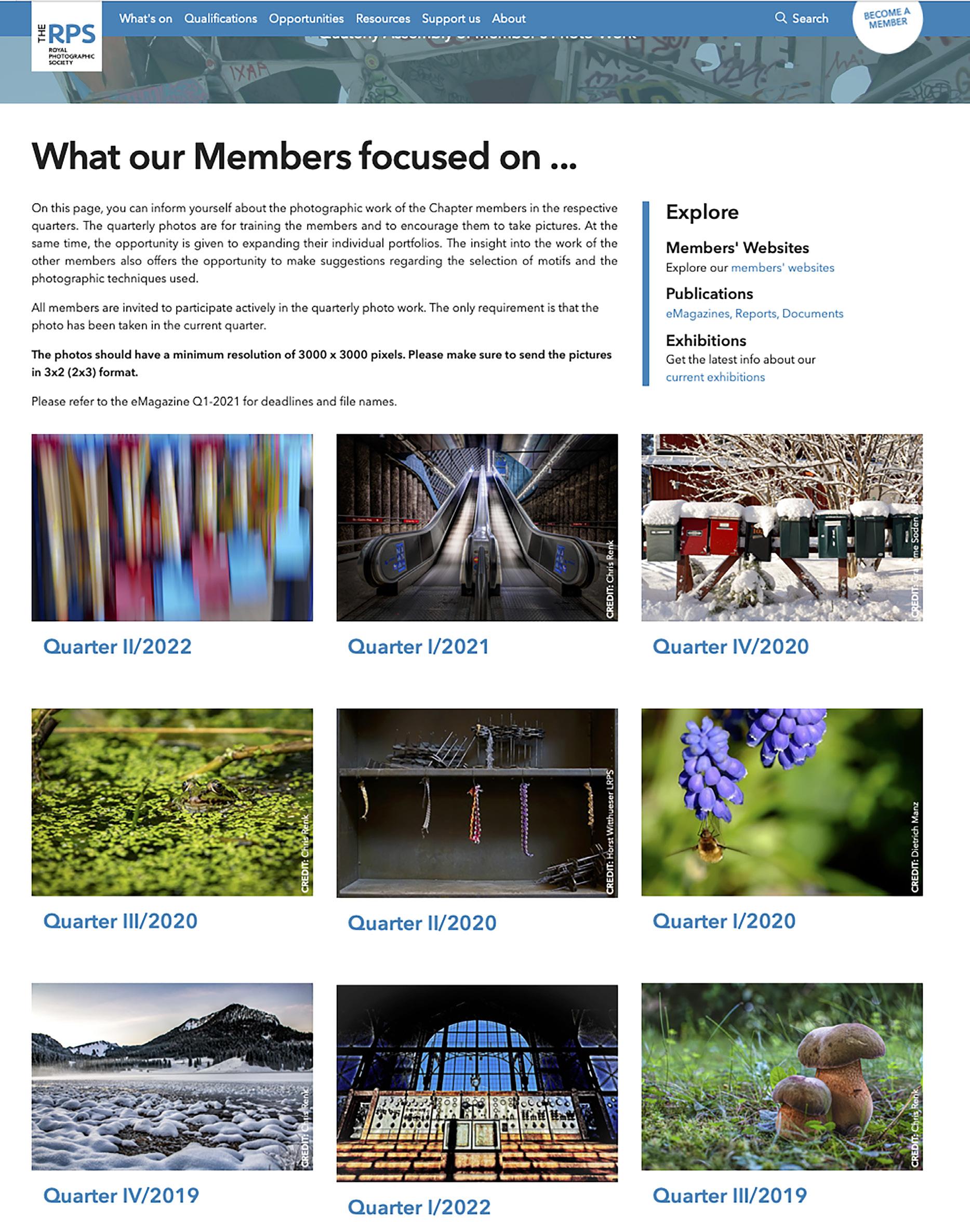
Every quarter brings a new selection of members’ finest images, submitted to inspire, provoke thought, and fuel creative exchange.
1st quarter 2026
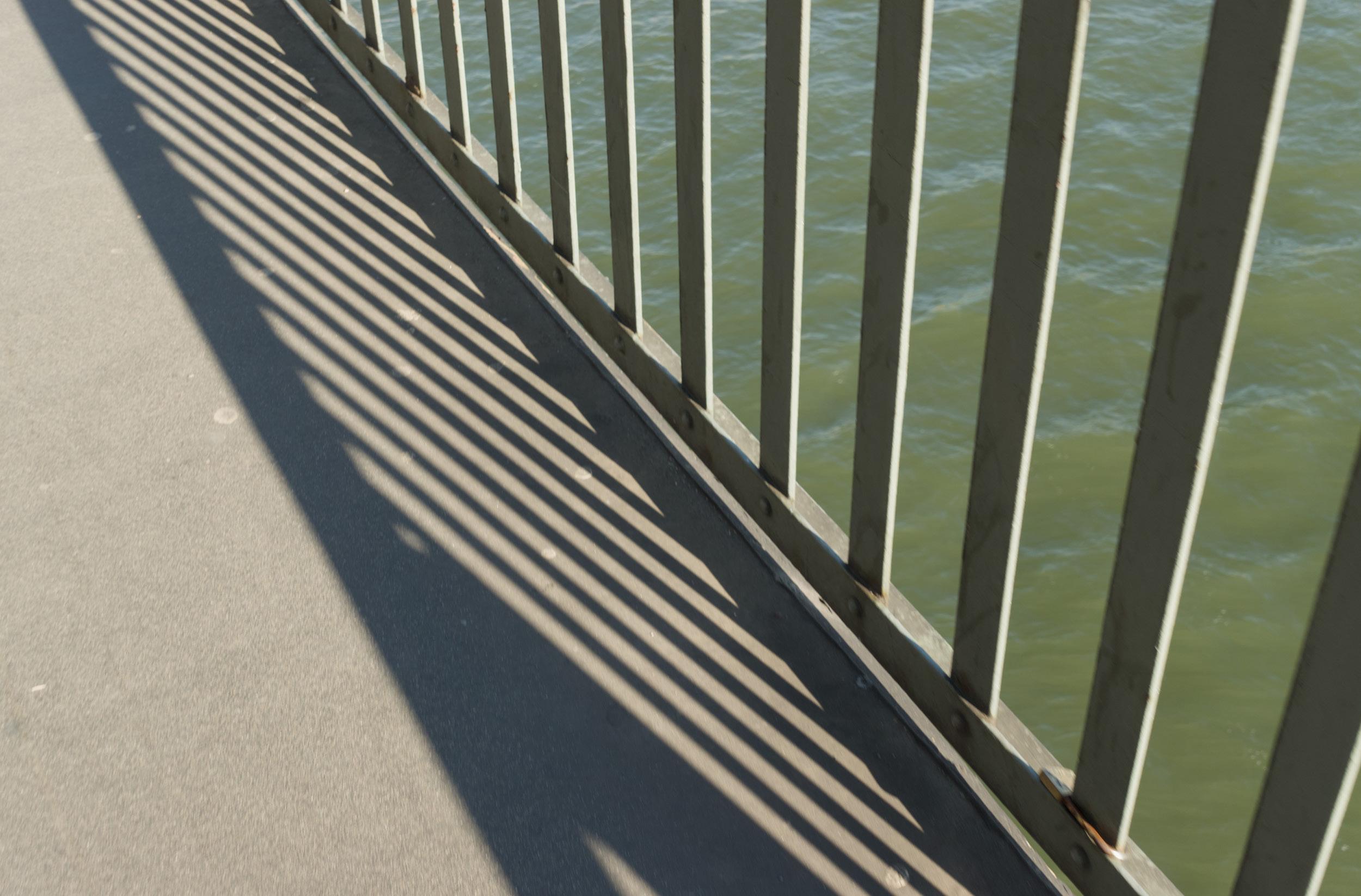
The latest Members Quarterly Photowork brings together a refined and diverse set of images, united by a shared sensitivity to structure, composition, and the visual language of lines—yet each photographer approaches these elements with a distinct voice.
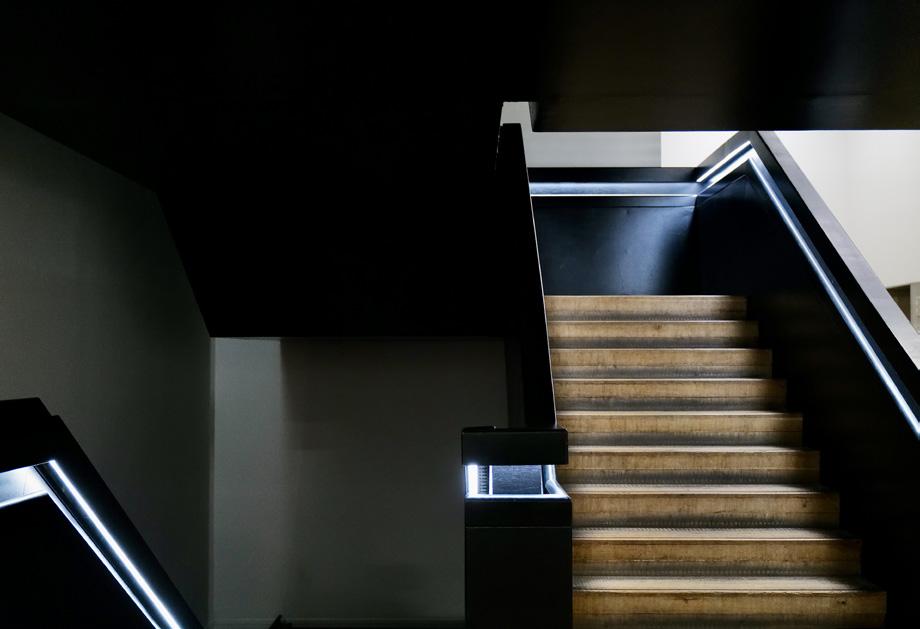
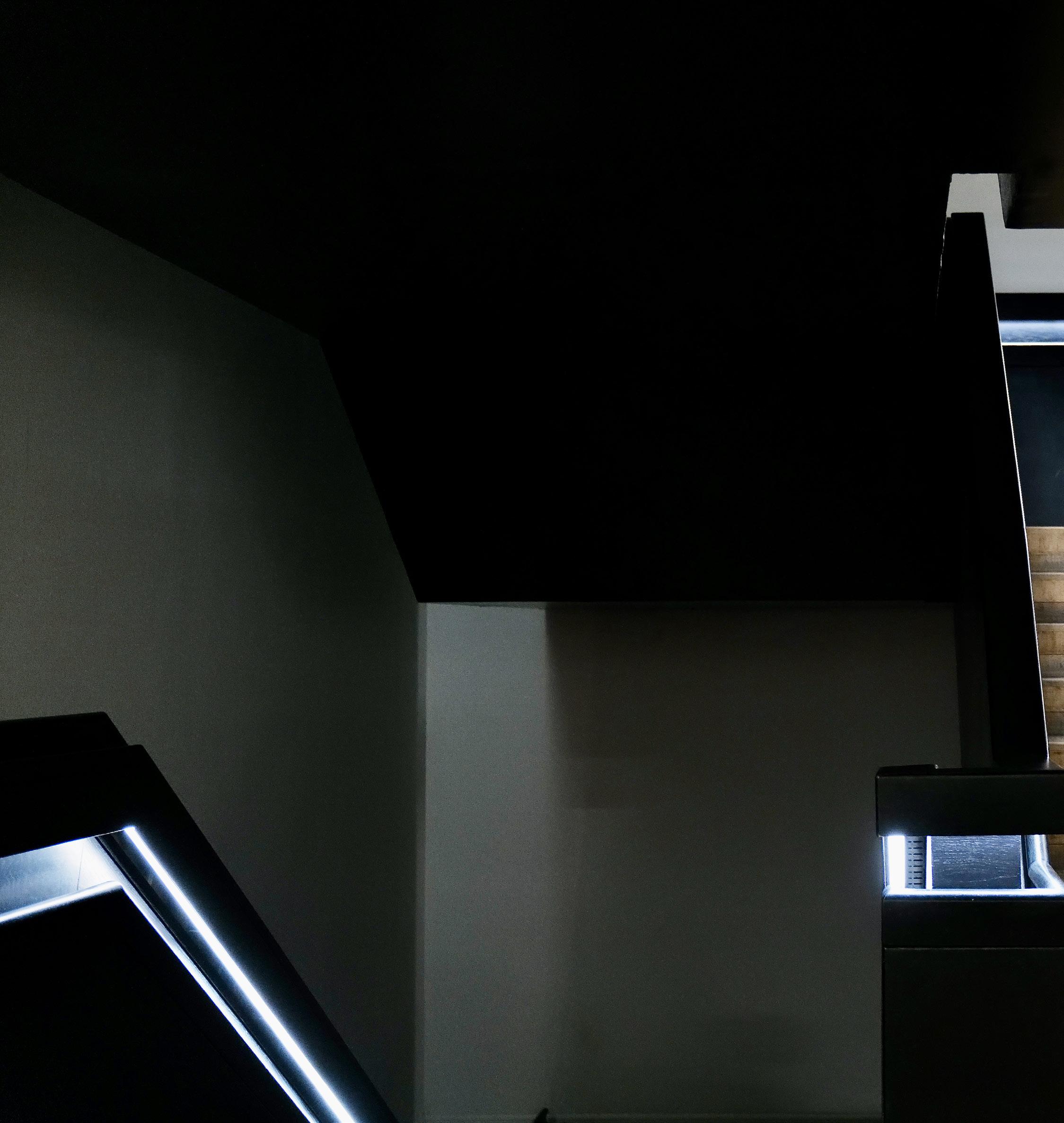
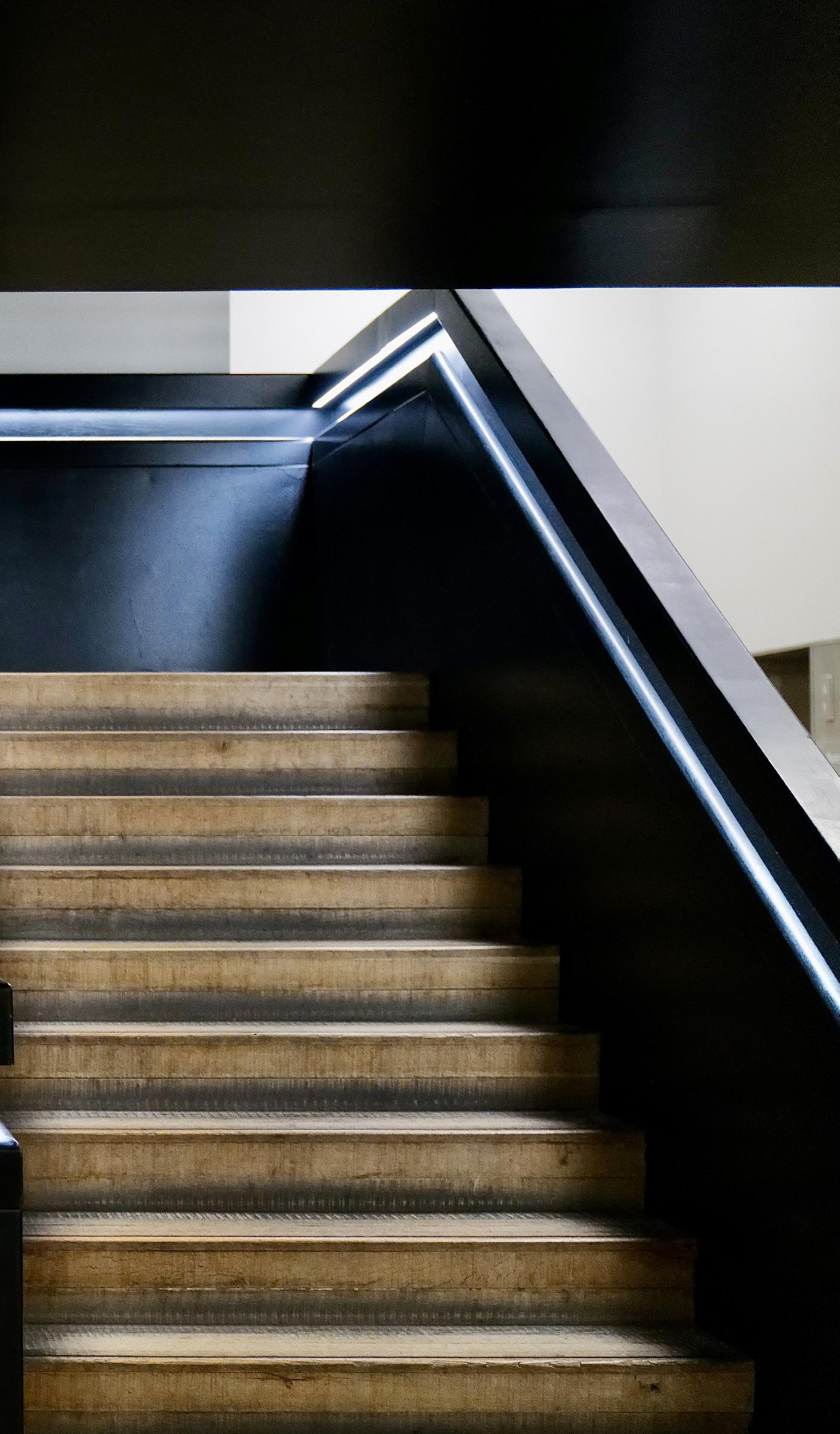
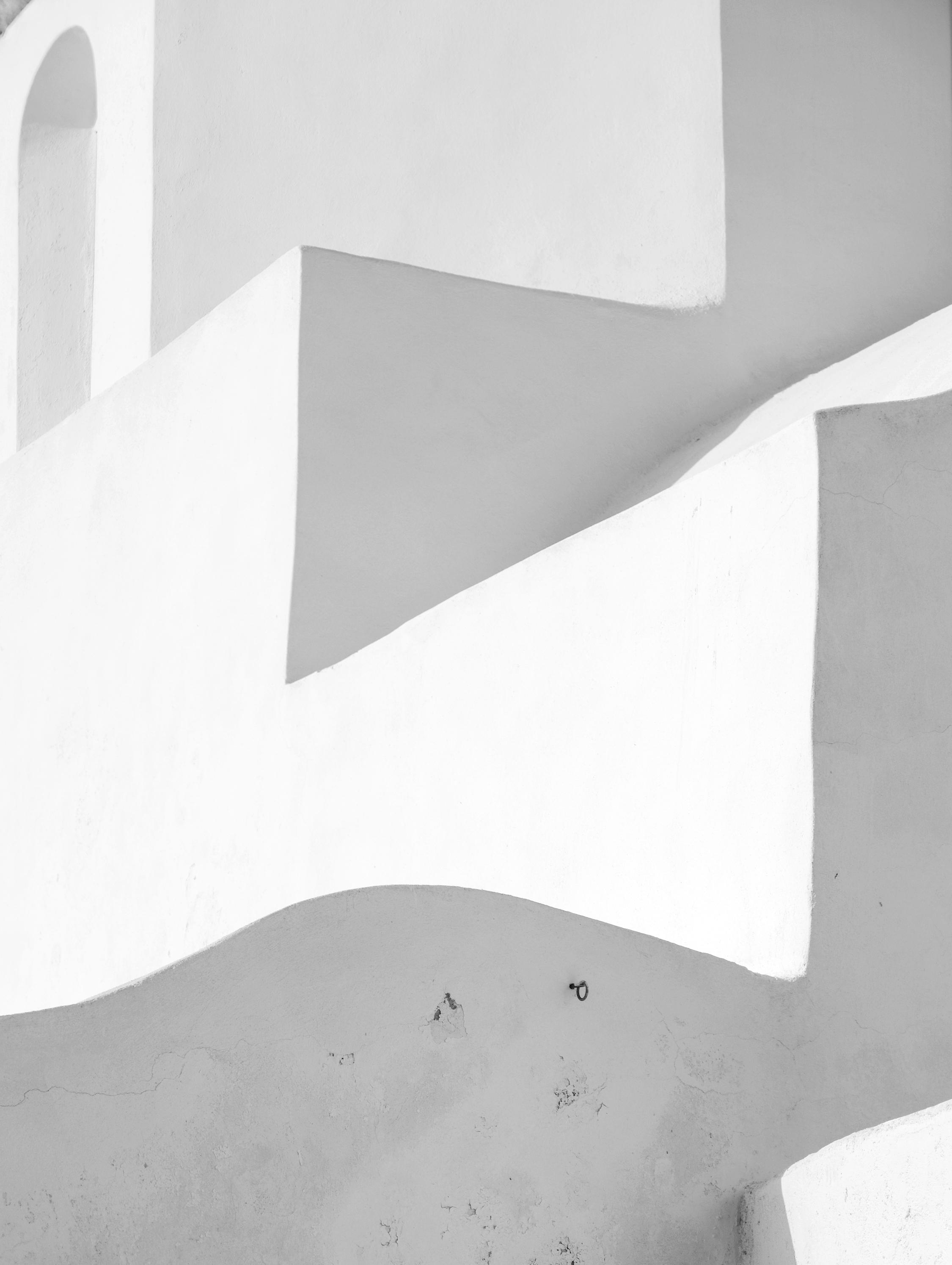
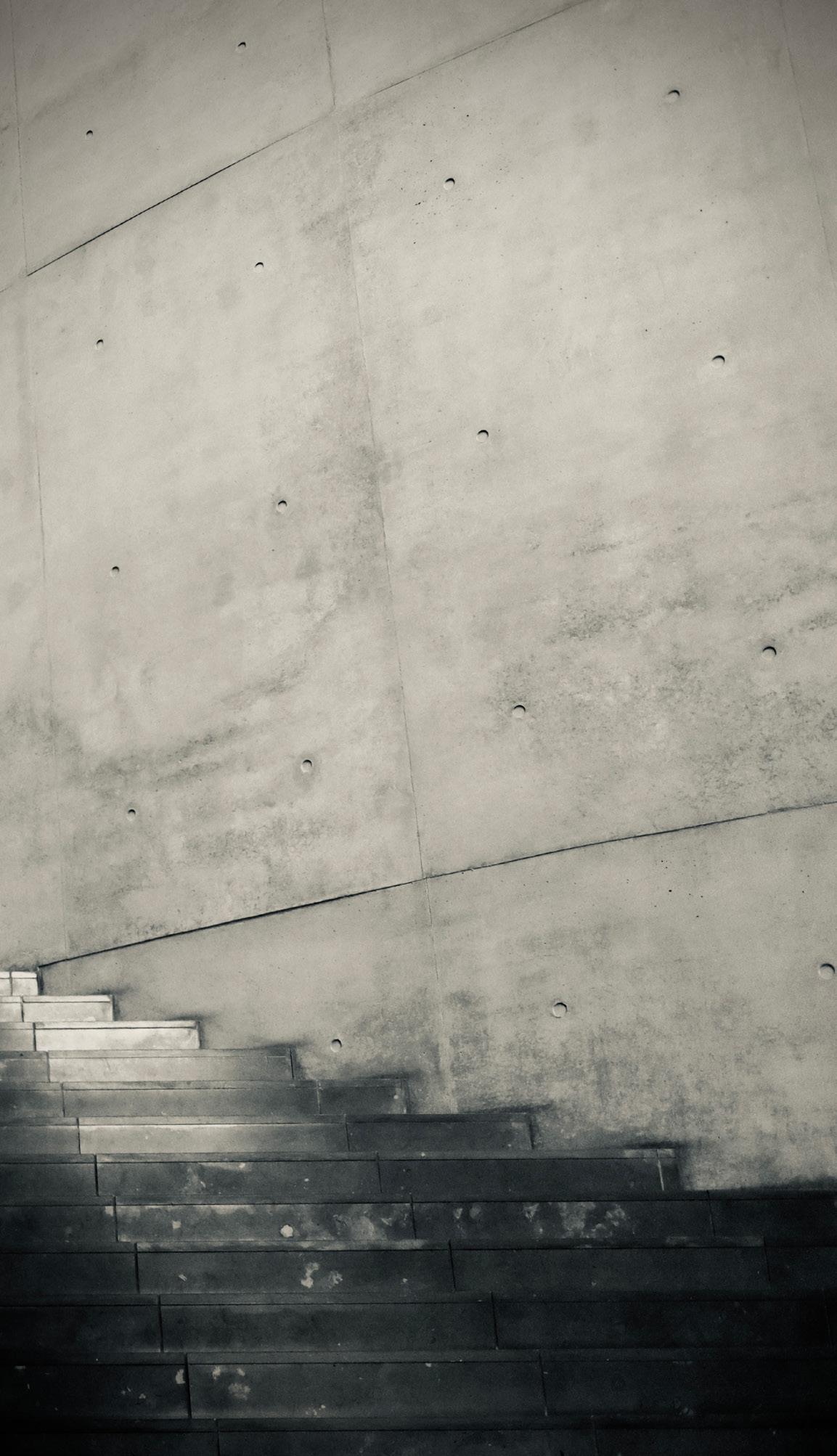
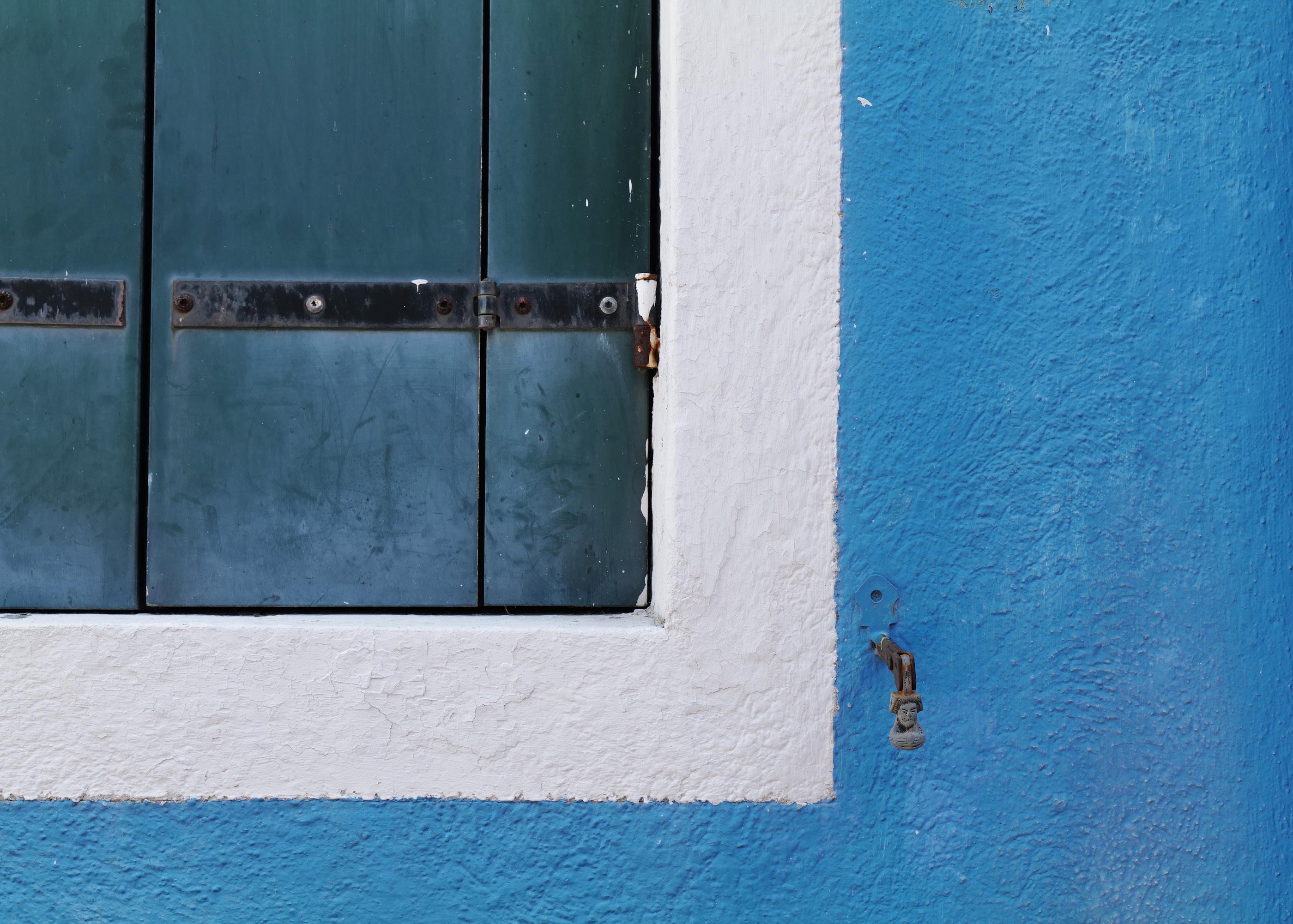
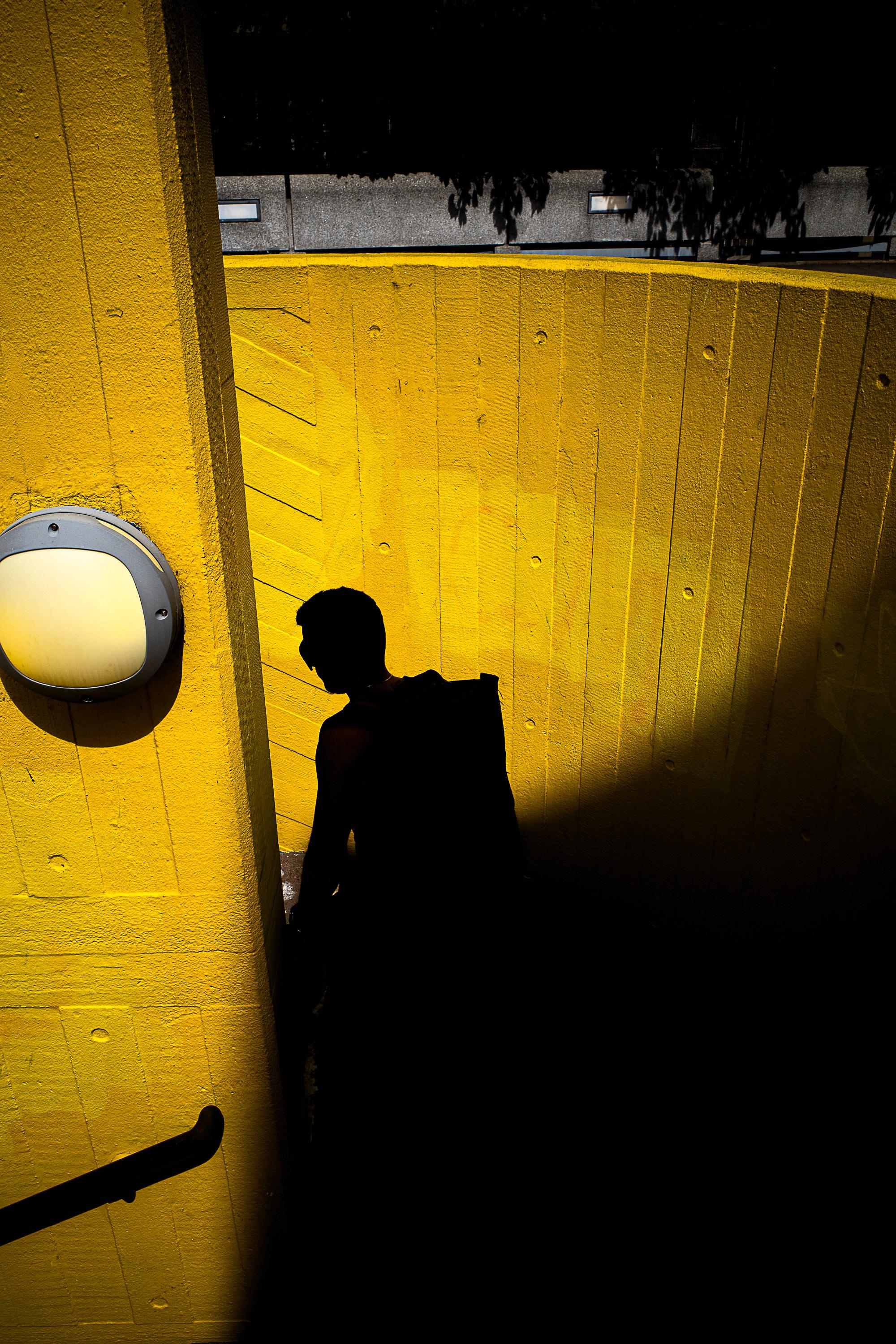
Siegfried presents a minimalist architectural study where light becomes the primary subject. His image of a staircase is stripped to its essentials, allowing geometry and illumination to define the scene. The careful balance between shadow and highlight creates a quiet, almost meditative atmosphere, inviting the viewer to slow down and engage with subtle spatial relationships.
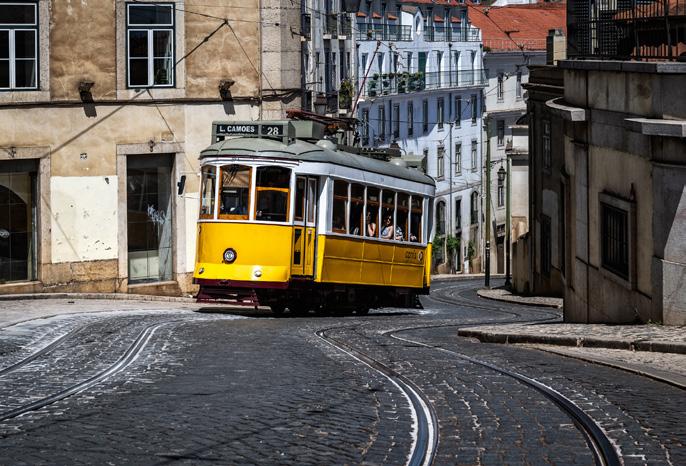
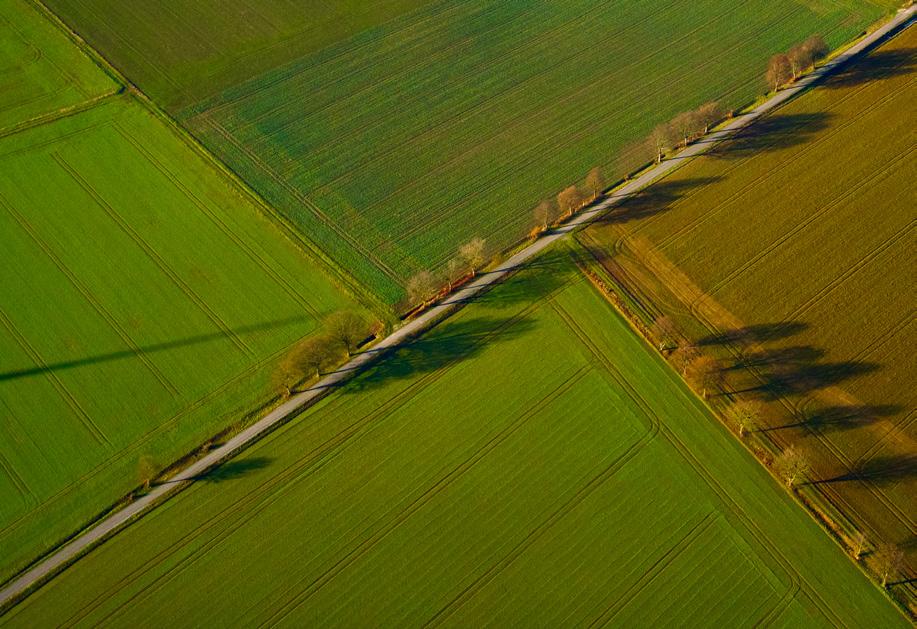
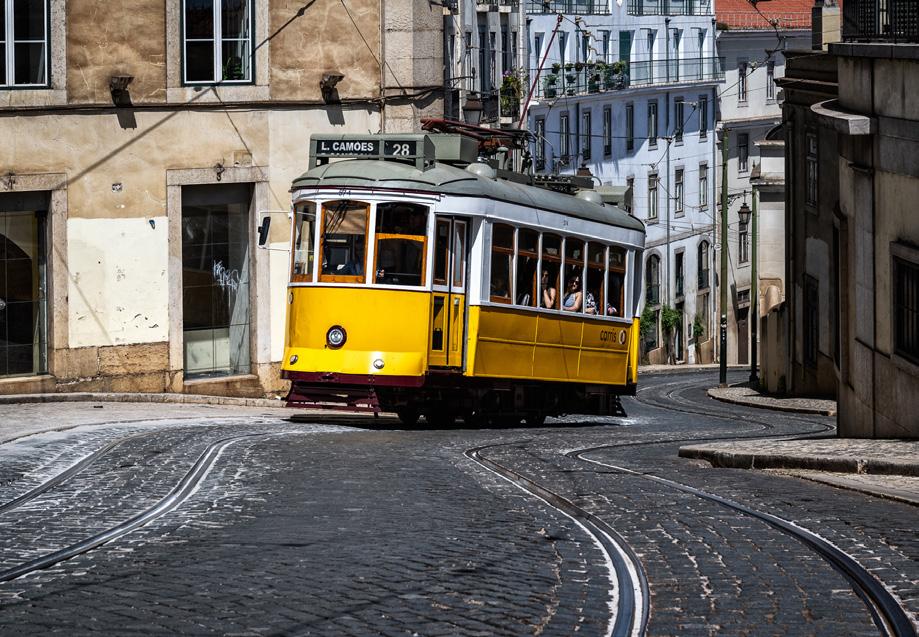
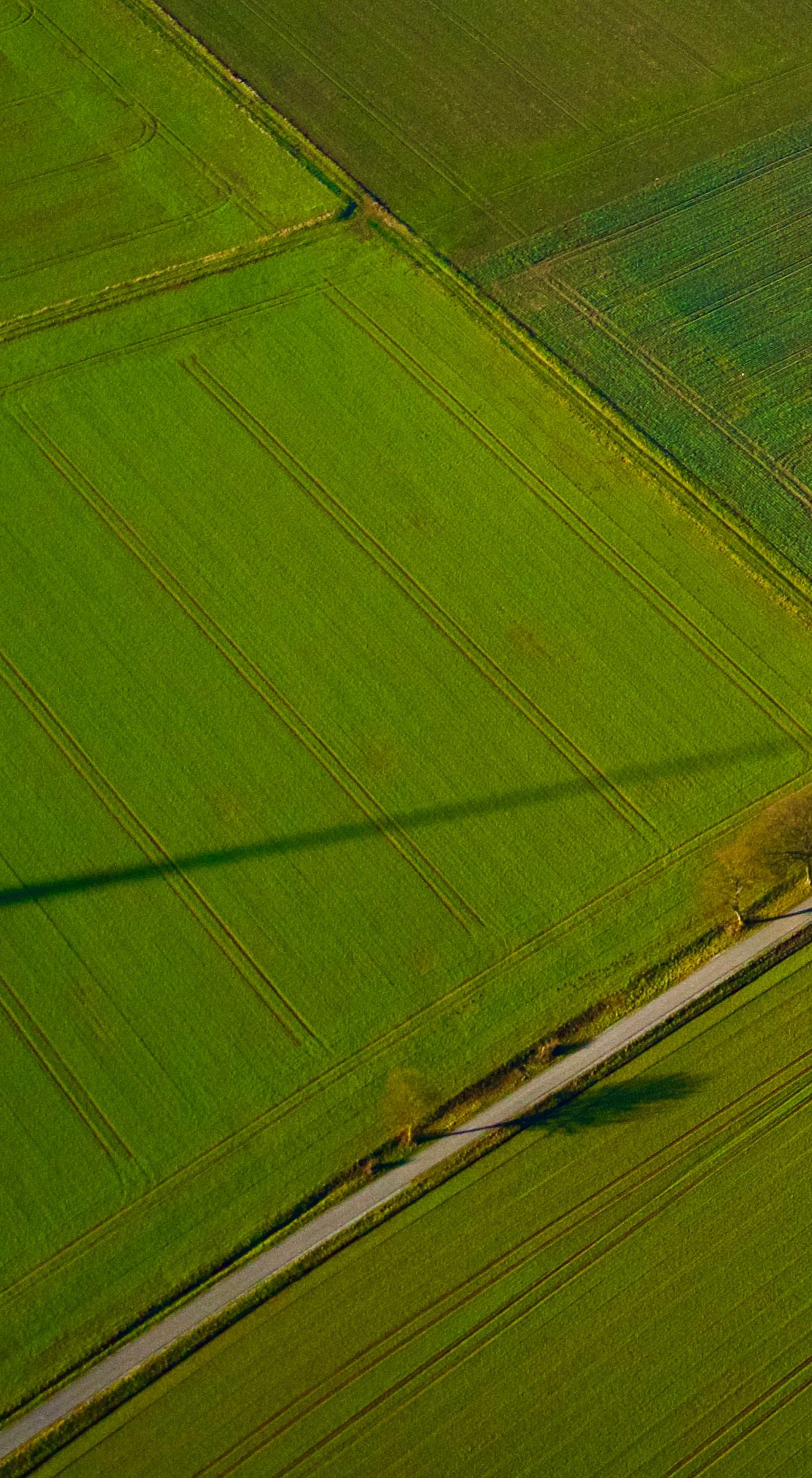
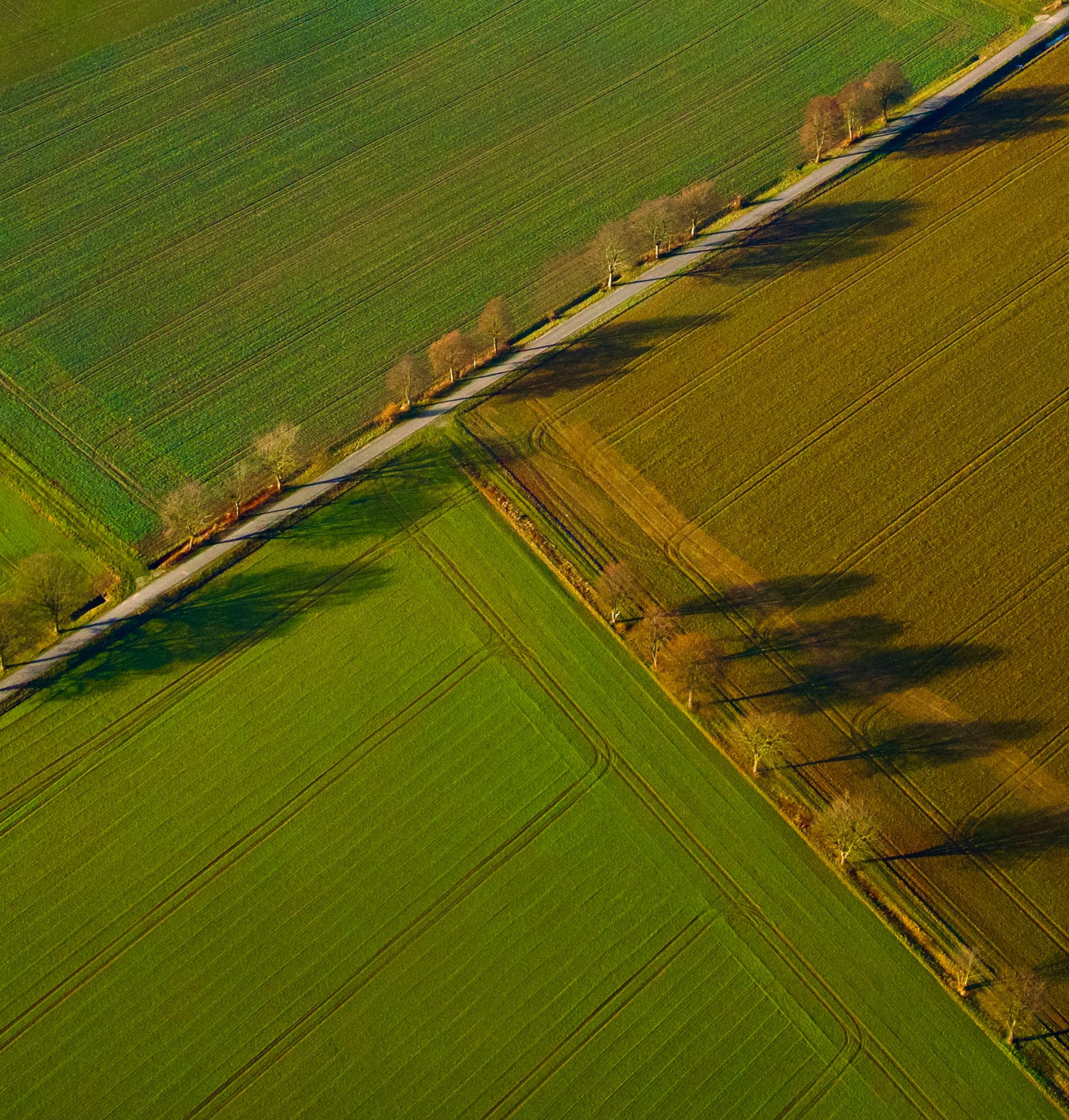
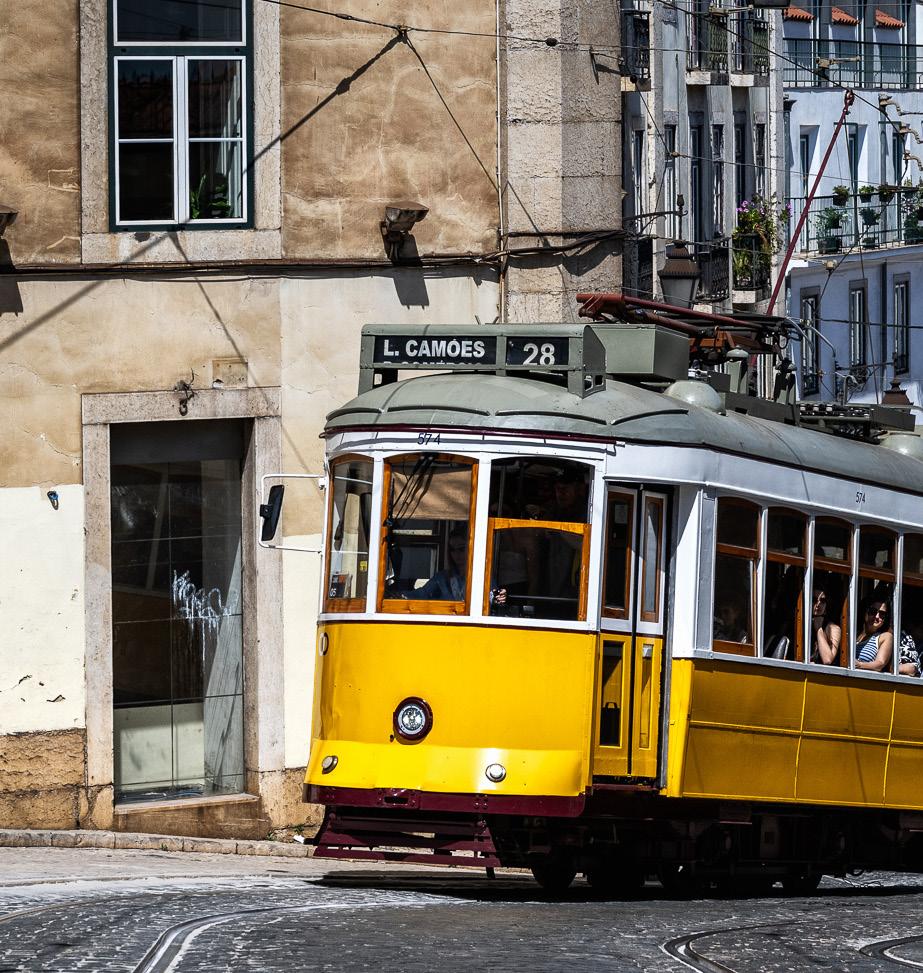
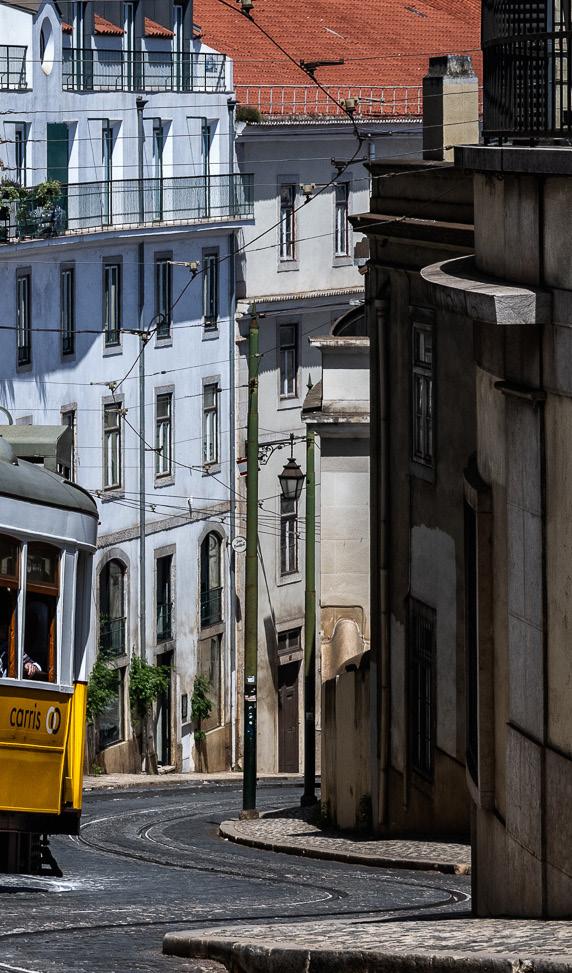
In contrast, Chris introduces a dynamic urban moment. A tram navigates a curved street, its movement echoed by the rhythm of the tracks beneath it. The composition skillfully combines structure with spontaneity, capturing both the energy of the city and the elegance of its visual flow. The presence of people adds a layer of narrative without overwhelming the formal clarity. With a shift toward abstraction, Eberhard transforms the landscape into a composition of color fields and intersecting lines. The diagonal path cutting through the fields introduces tension and direction, while elongated shadows add a temporal dimension. The result is an image that hovers between representation and pure graphic design.
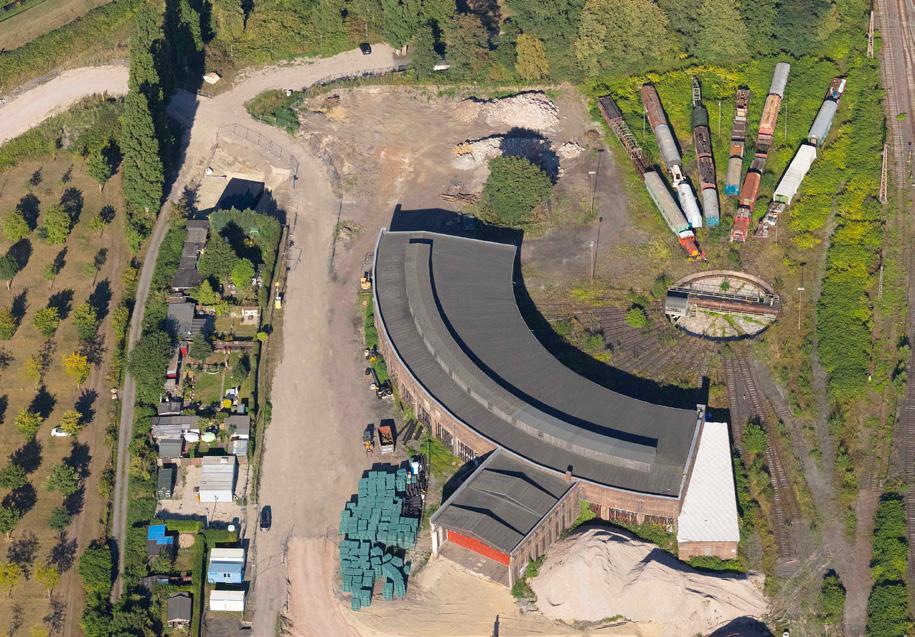
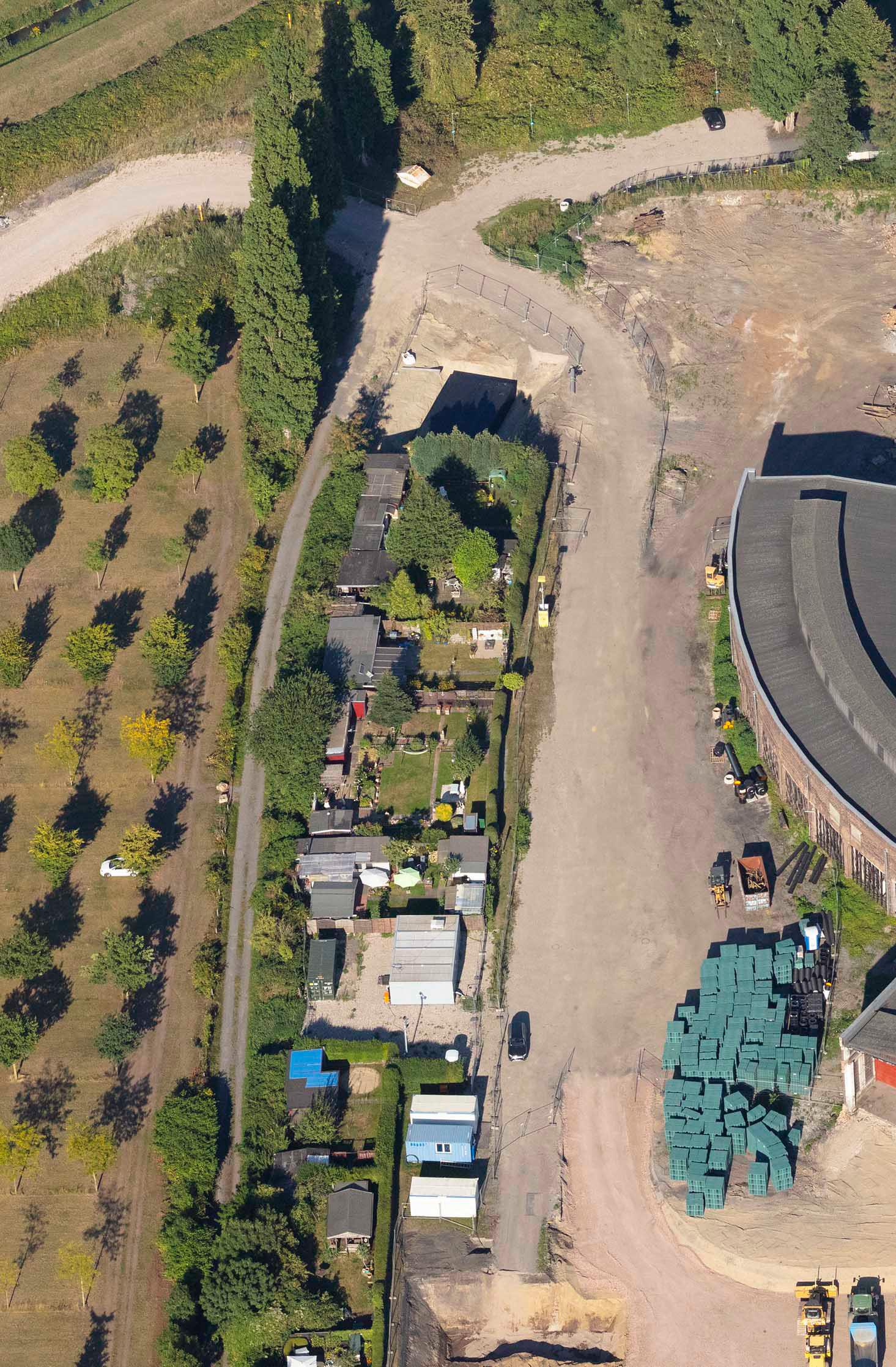
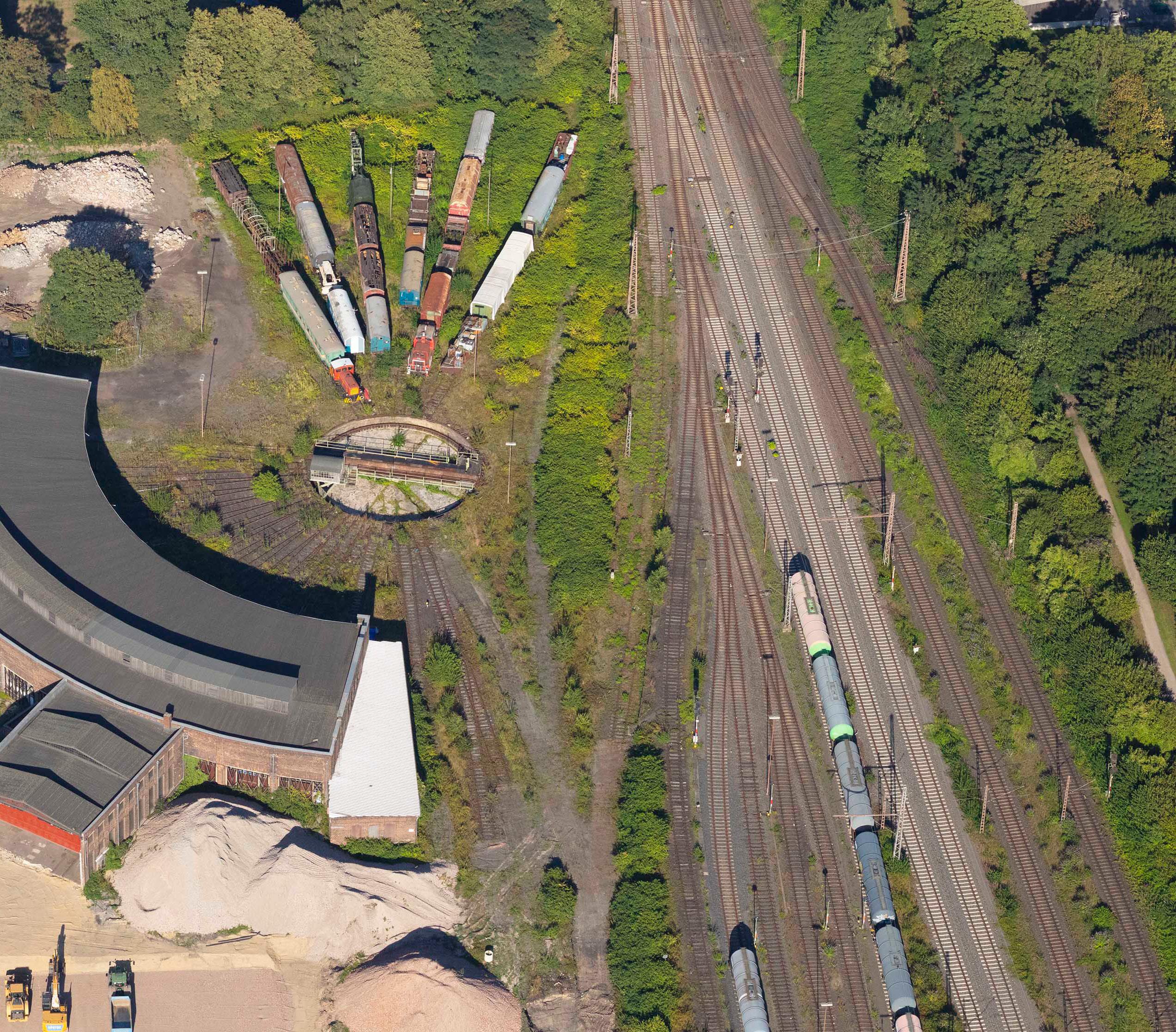
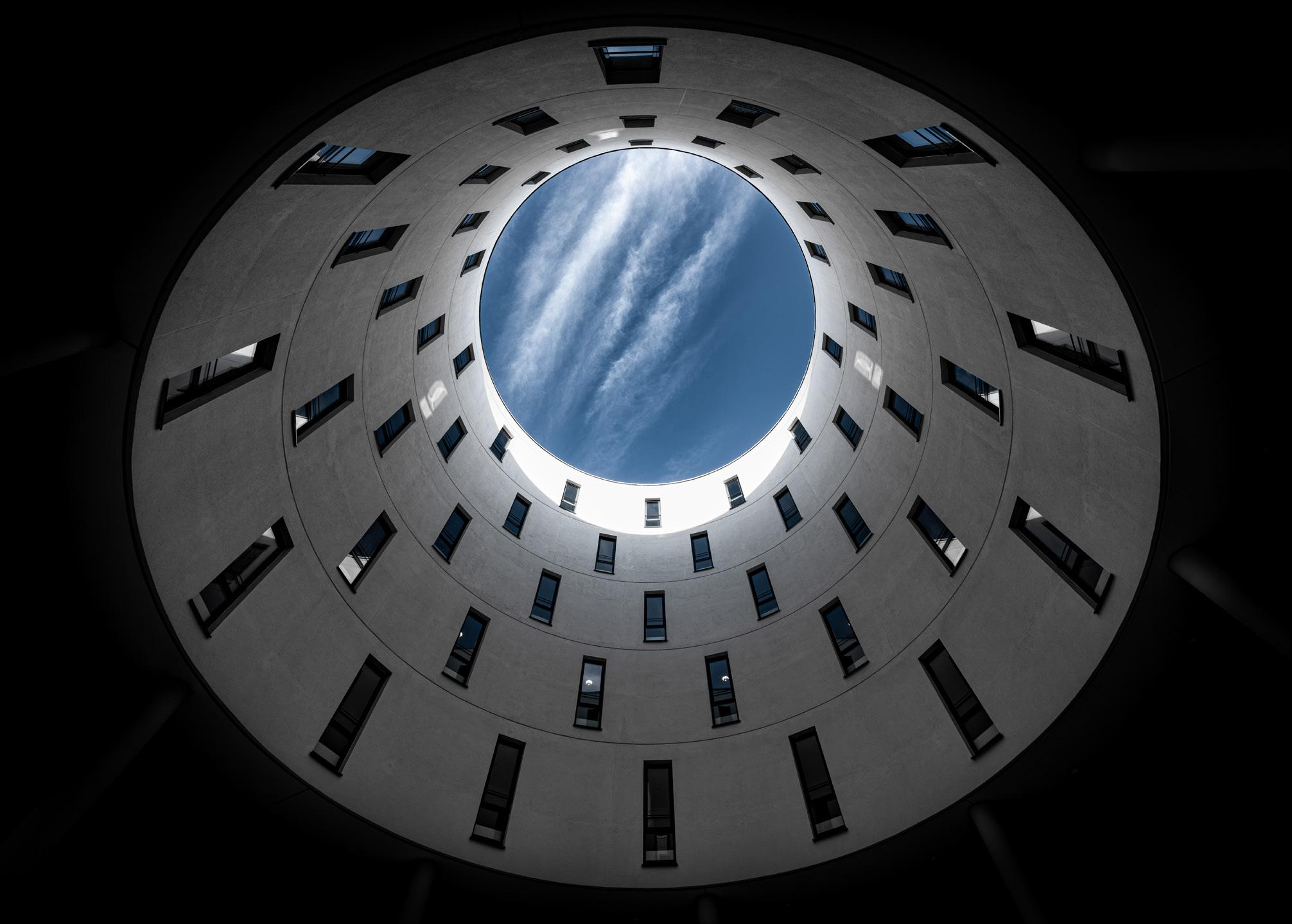
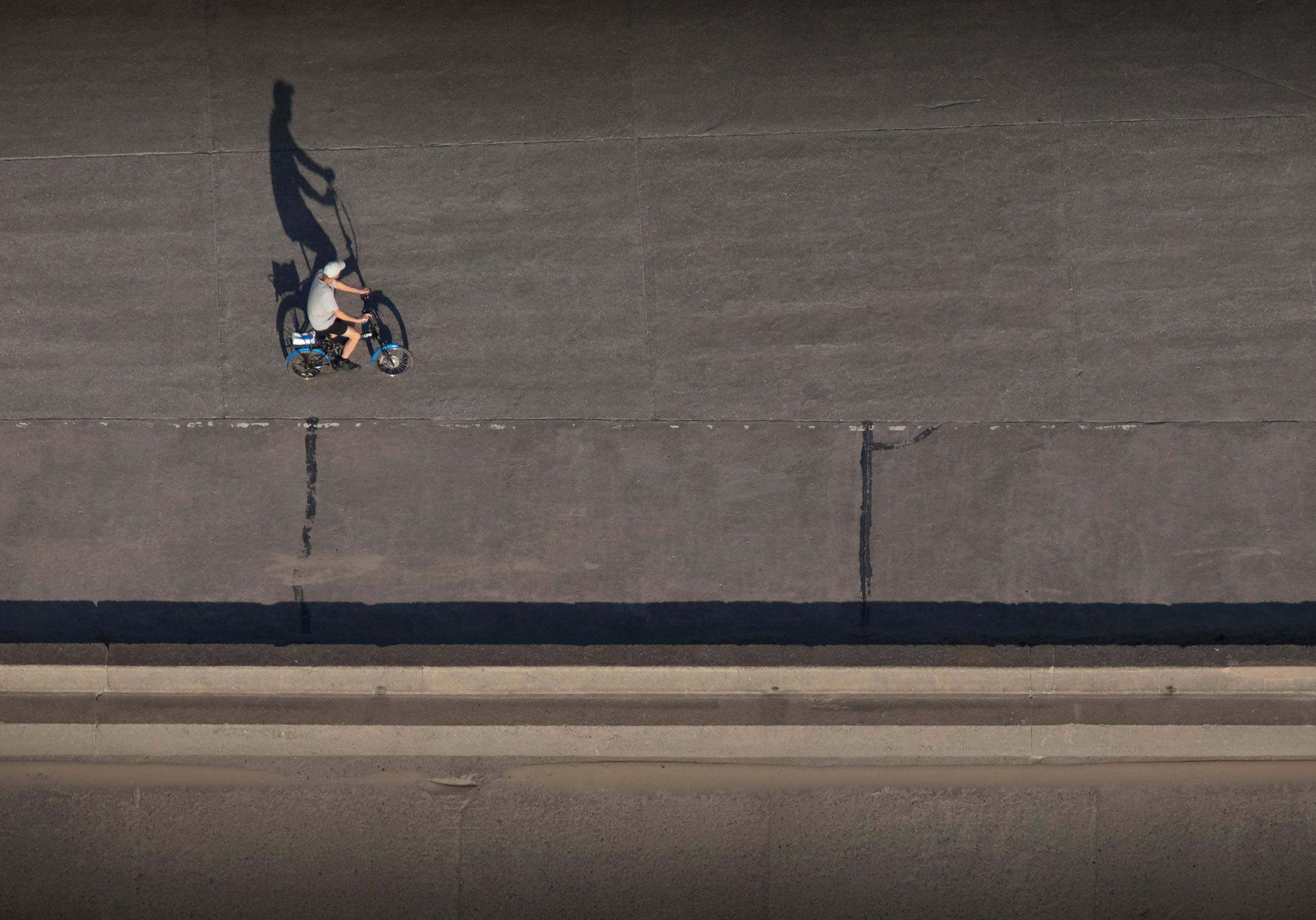
Jonathan explores industrial space from an elevated perspective, revealing patterns that are often hidden from ground level. The sweeping curve of a building contrasts sharply with the parallel lines of railway tracks, creating a visual dialogue between organic form and engineered precision. His work encourages the viewer to reconsider familiar environments through a more analytical lens.
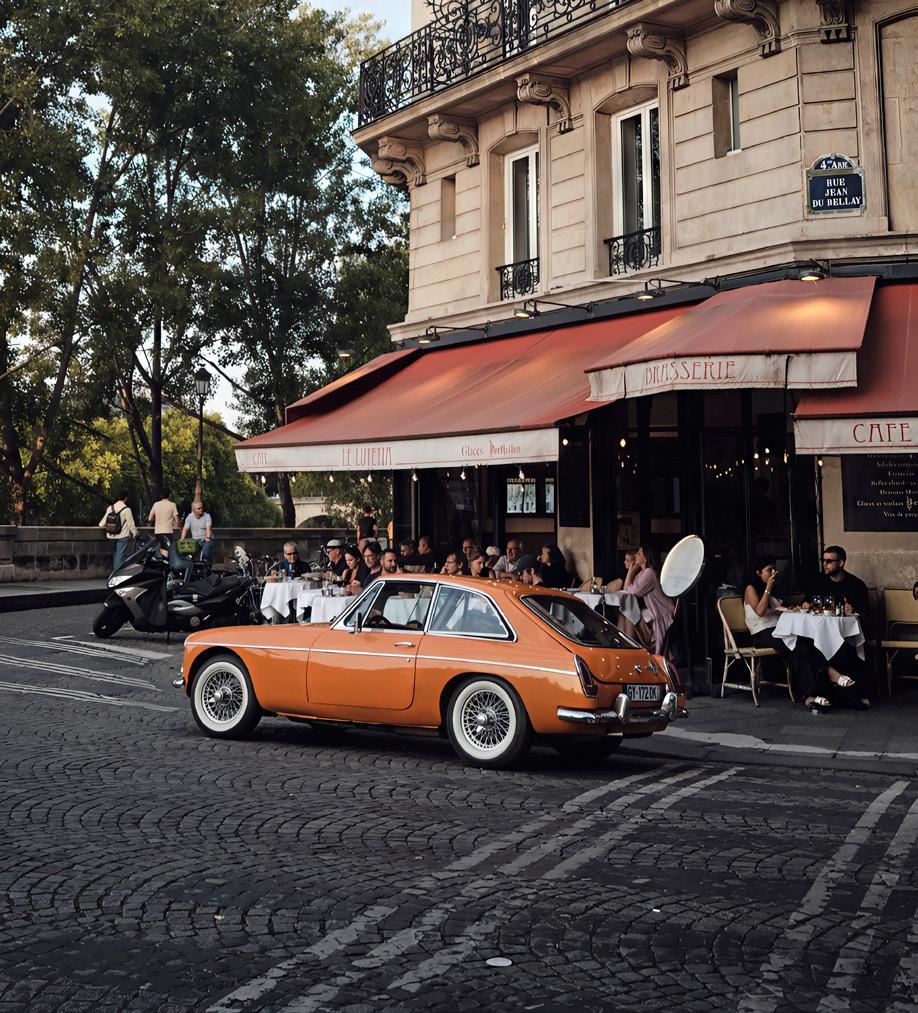
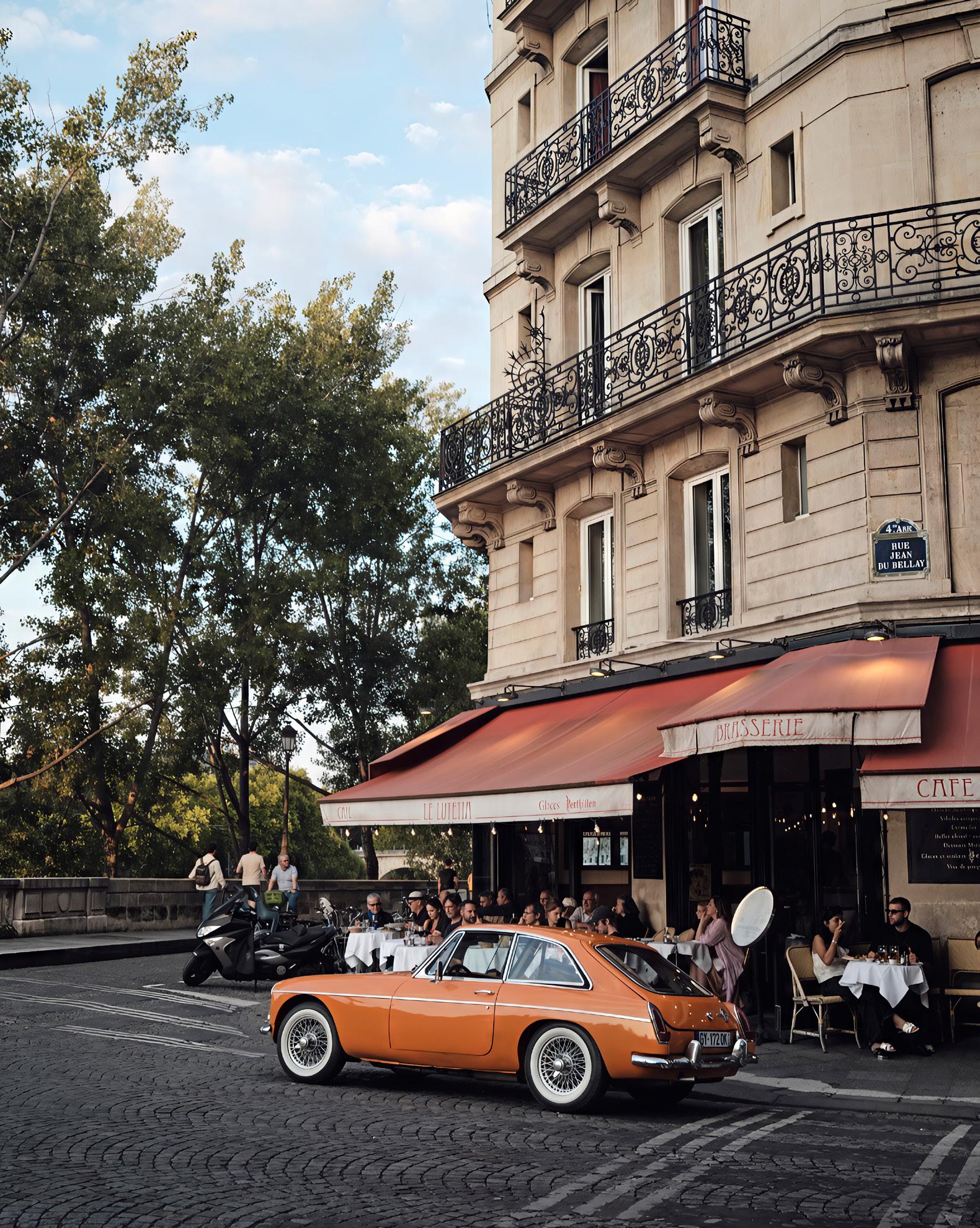
A more narrative-driven approach emerges in Paul’s street scene. The combination of a classic car, café setting, and warm light evokes a sense of timelessness. Yet, the image remains lively and immediate, filled with small human interactions that anchor it firmly in the present. Paul captures not just a place, but a mood.
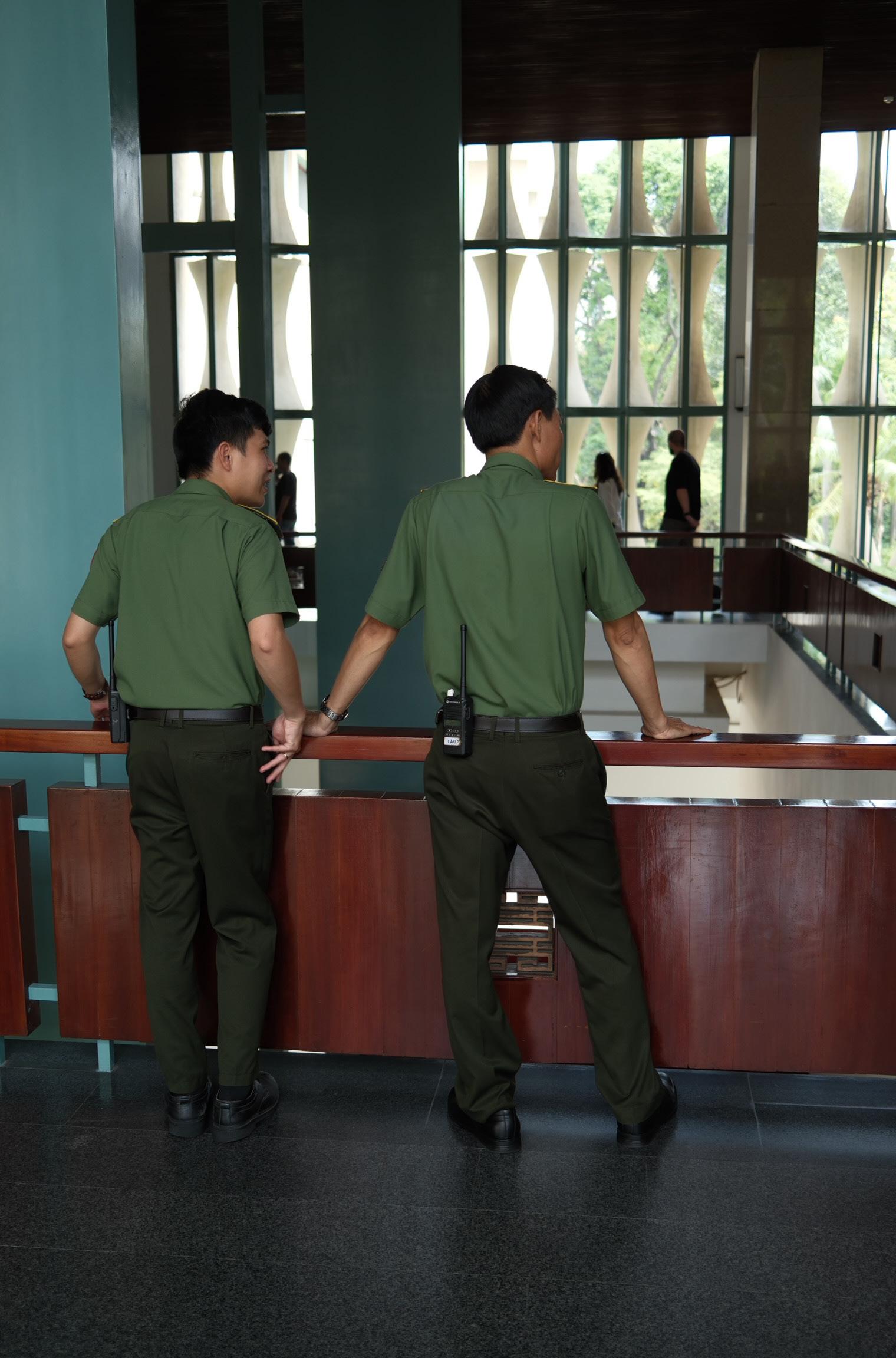
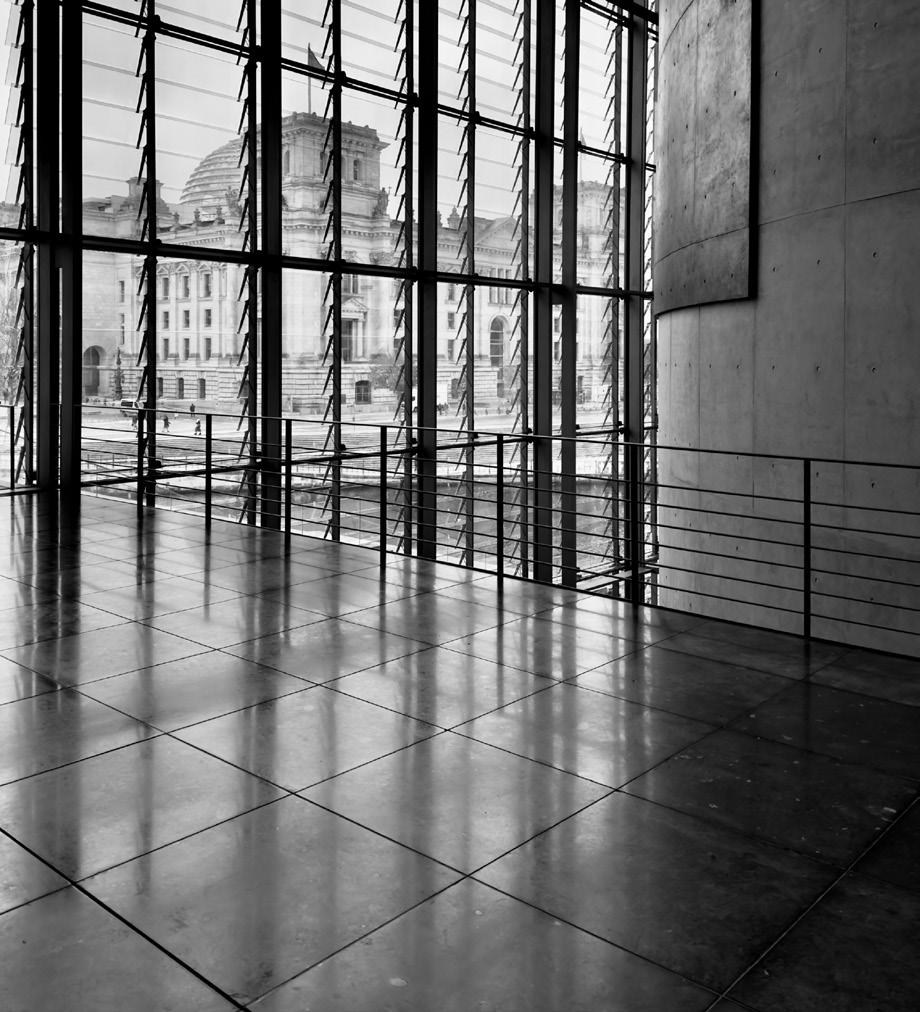
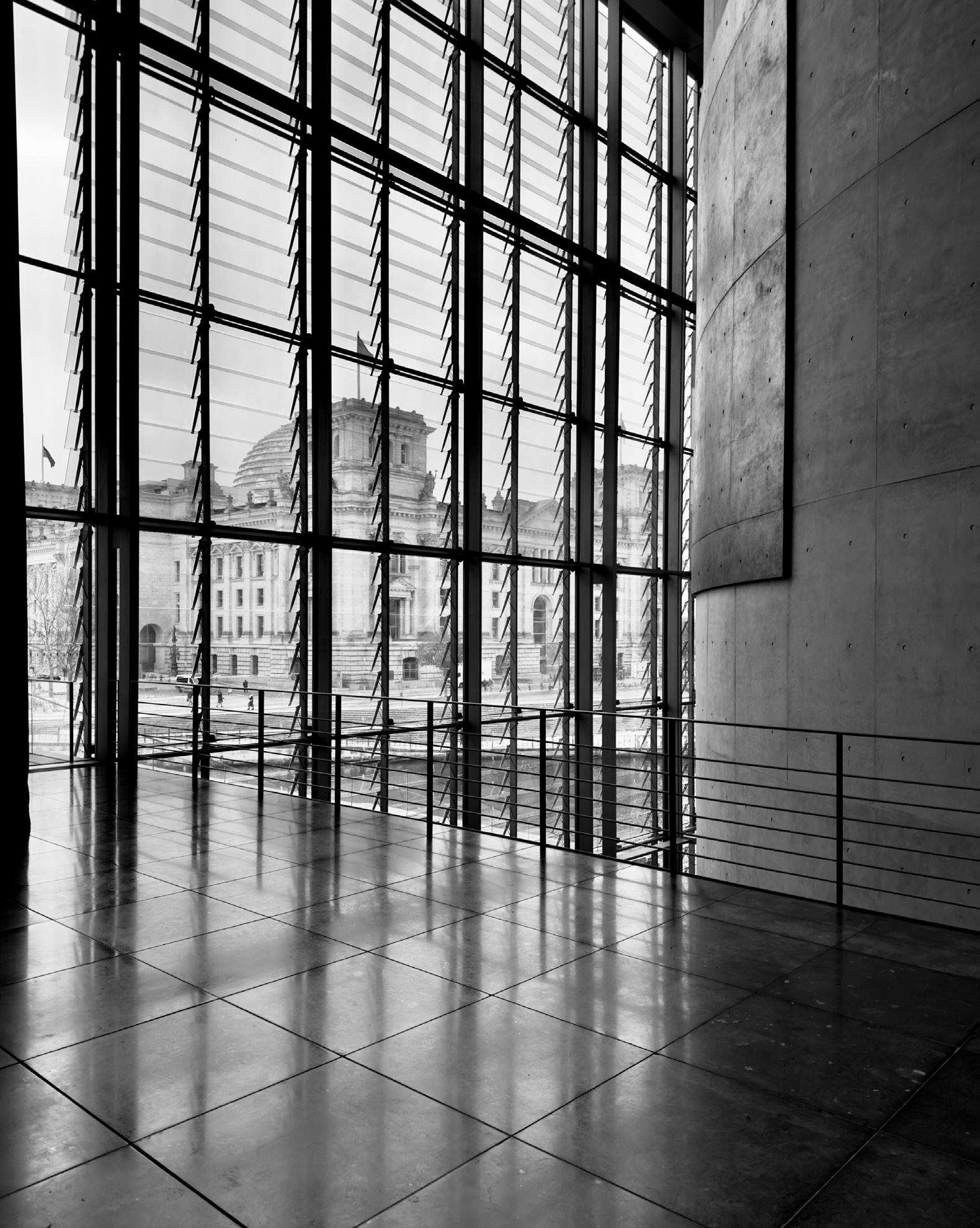
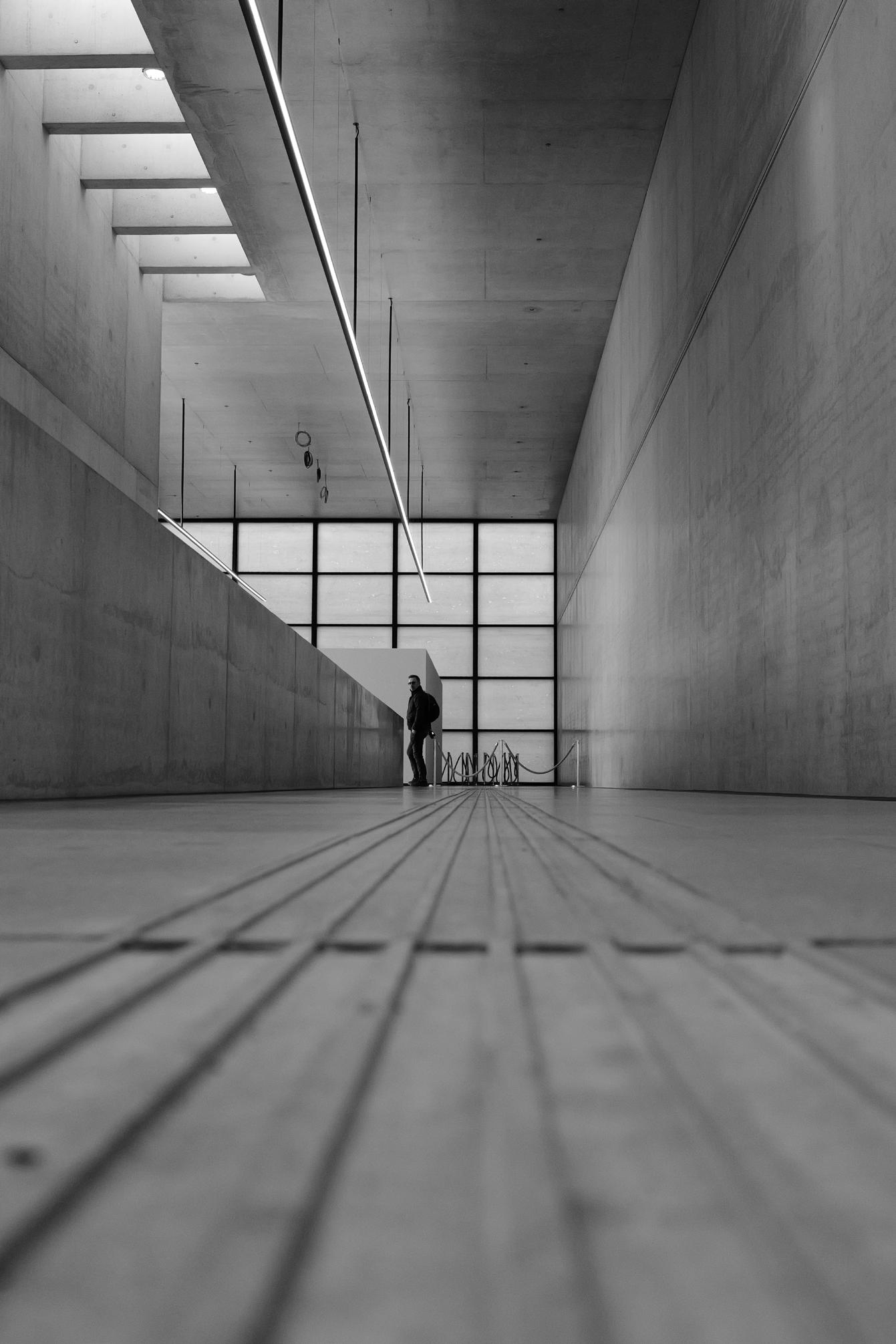
Finally, Bernhard offers a contemplative architectural interior, where transparency and structure take center stage. The view through a grid of glass toward a historic building creates layers of depth, while reflections on the polished floor extend the composition beyond its physical boundaries. The monochrome palette reinforces the graphic strength and conceptual clarity of the image.
Together, these works form a cohesive yet varied exploration of how photographers interpret structure—whether in architecture, landscape, industry, or everyday life.
Each participant is responsible for compliance with the Data Protection Ordinance and the Copyright Act.
Participants please send the photos to the following email: germany@rps.org
FACTS ABOUT THE GERMANY CHAPTER
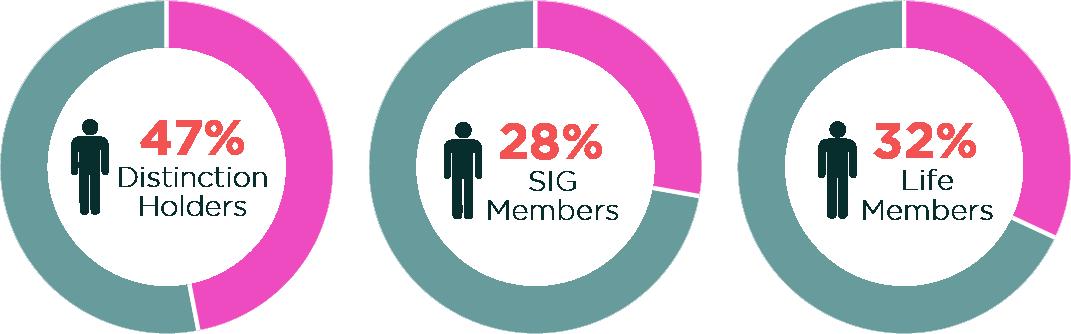
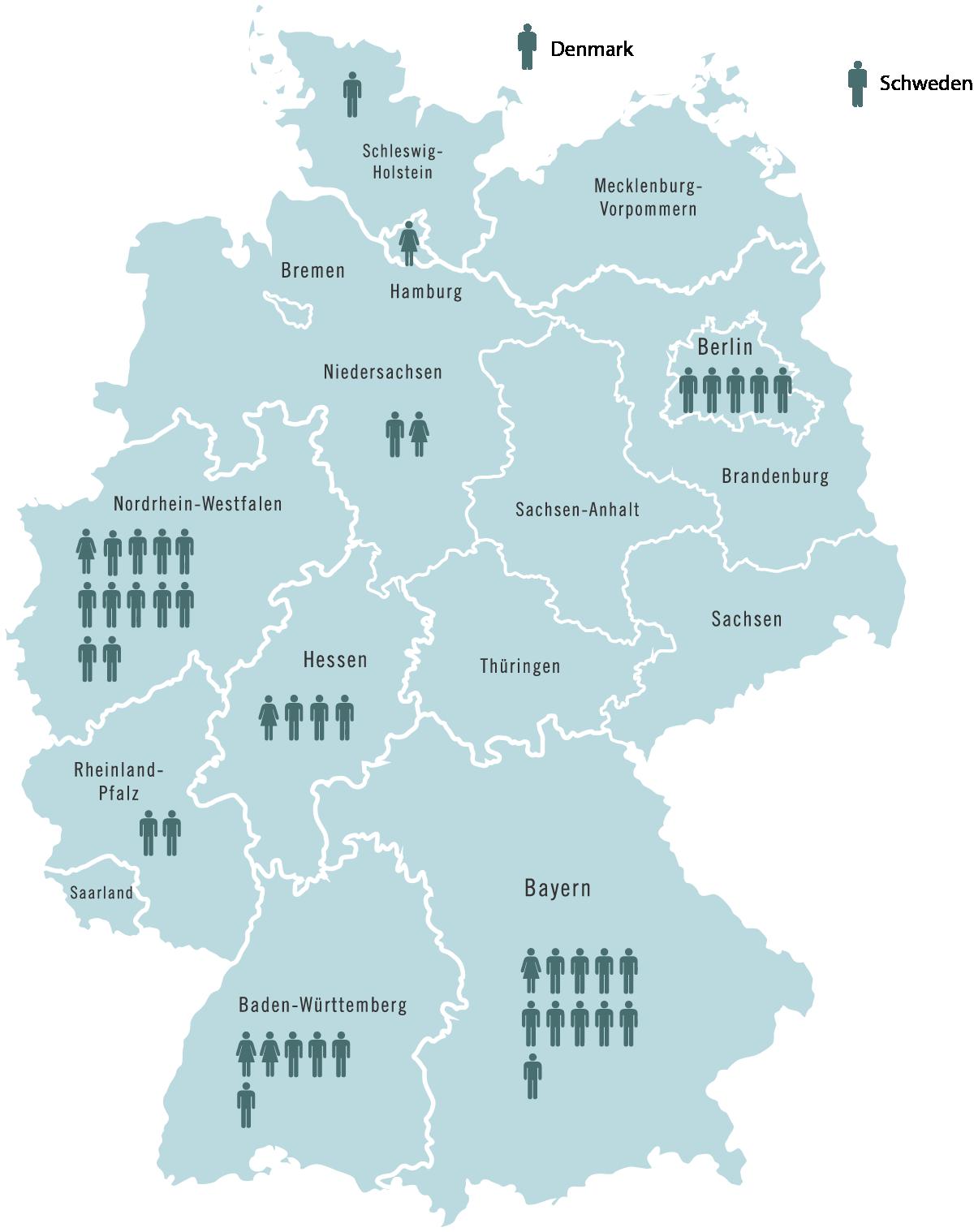
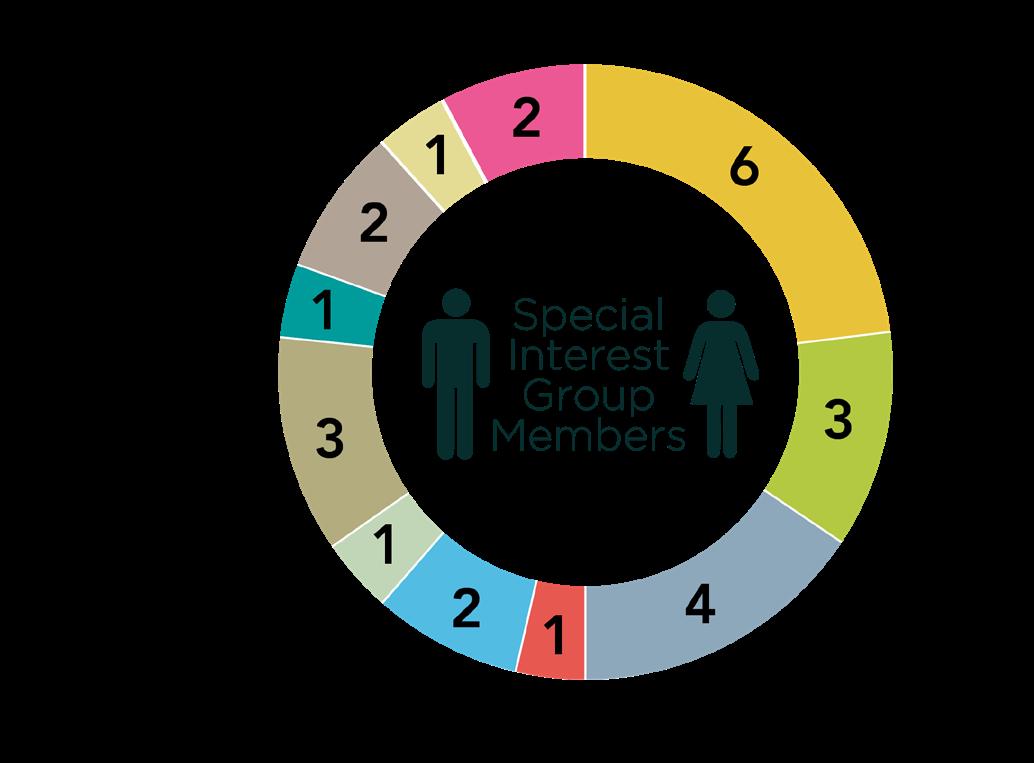
Learn more about the current composition of the Germany Chapter, its members’ locations in the federal states, its Distinction Holders, and the Special Interest Groups in which the members participate.
44 Members
3 Countries
INESSA MORISOT
MINIMALISM
A Curated Exploration of Reduction and Clarity
Chris Renk
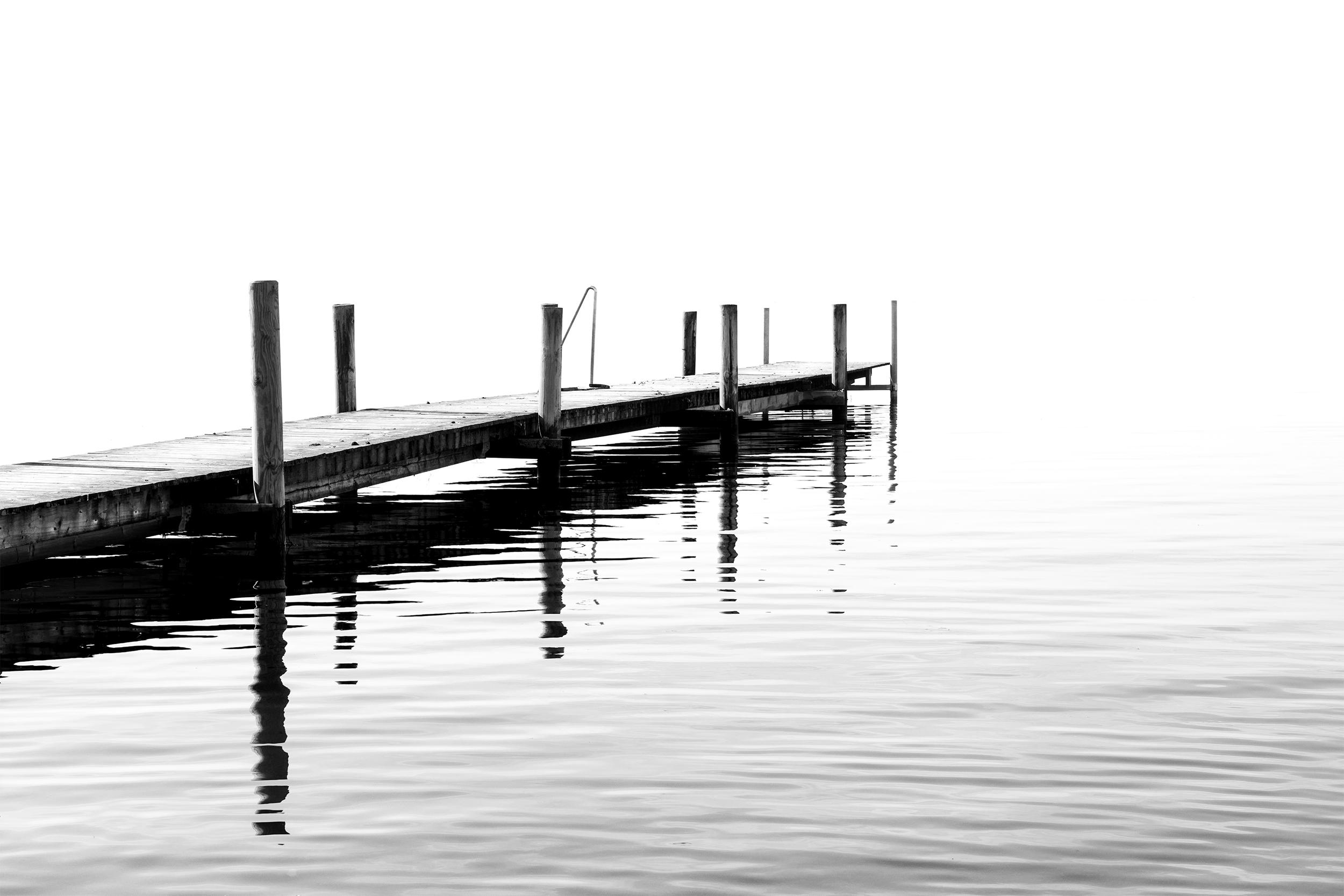
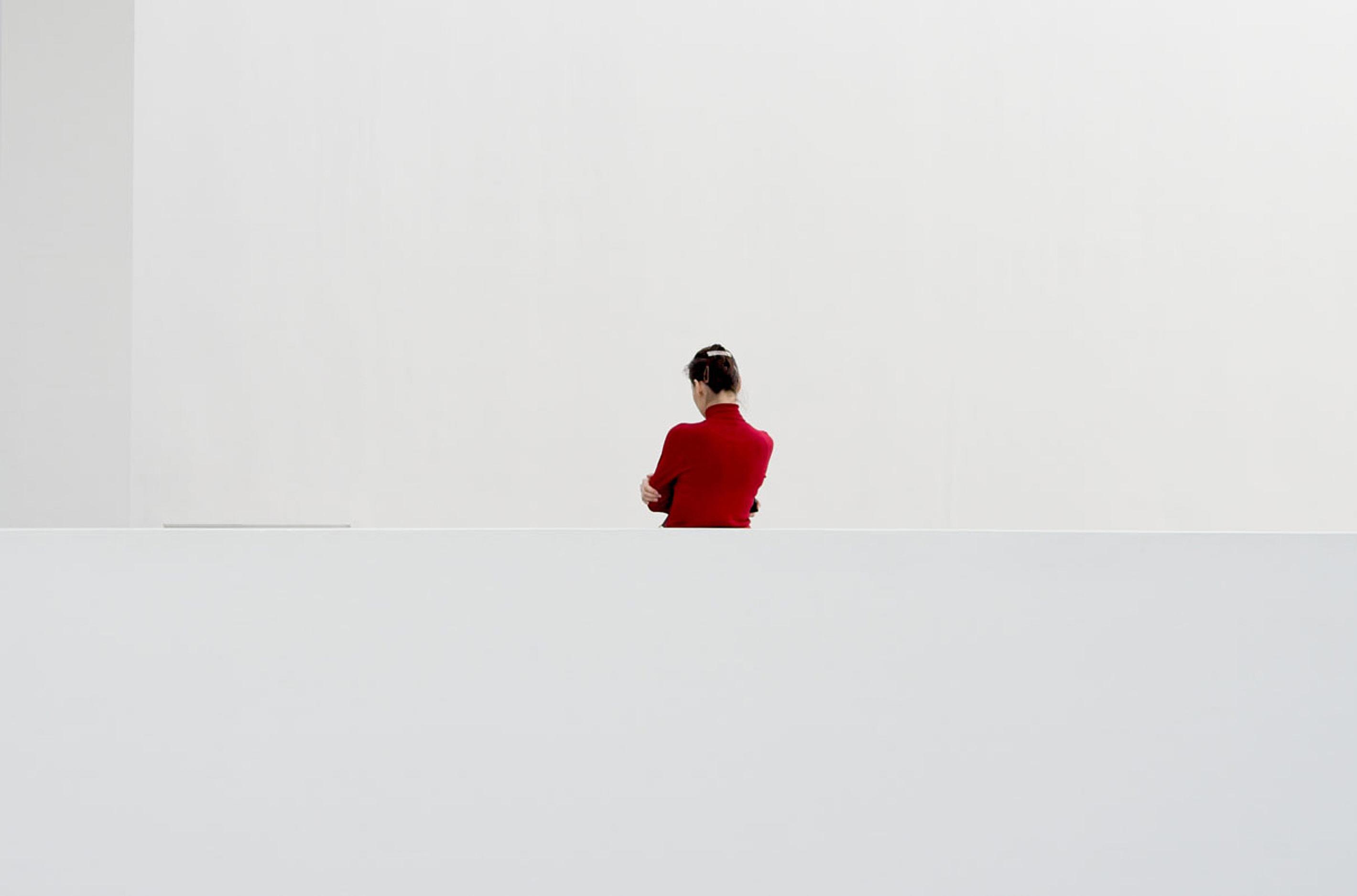
Beyond complexity lies precision. Minimalism presents a curated selection of works by 17 photographers who refine their visual language to its core elements—light, form, and space.
The exhibition unfolds as a sequence of measured compositions, each encouraging attentive viewing.
Hosted at Kunstkirche Fröndenberg from 29 May – 28 June 2026, with a vernissage on 29 May at 19:00, it offers a compelling perspective on how simplicity can intensify visual impact.
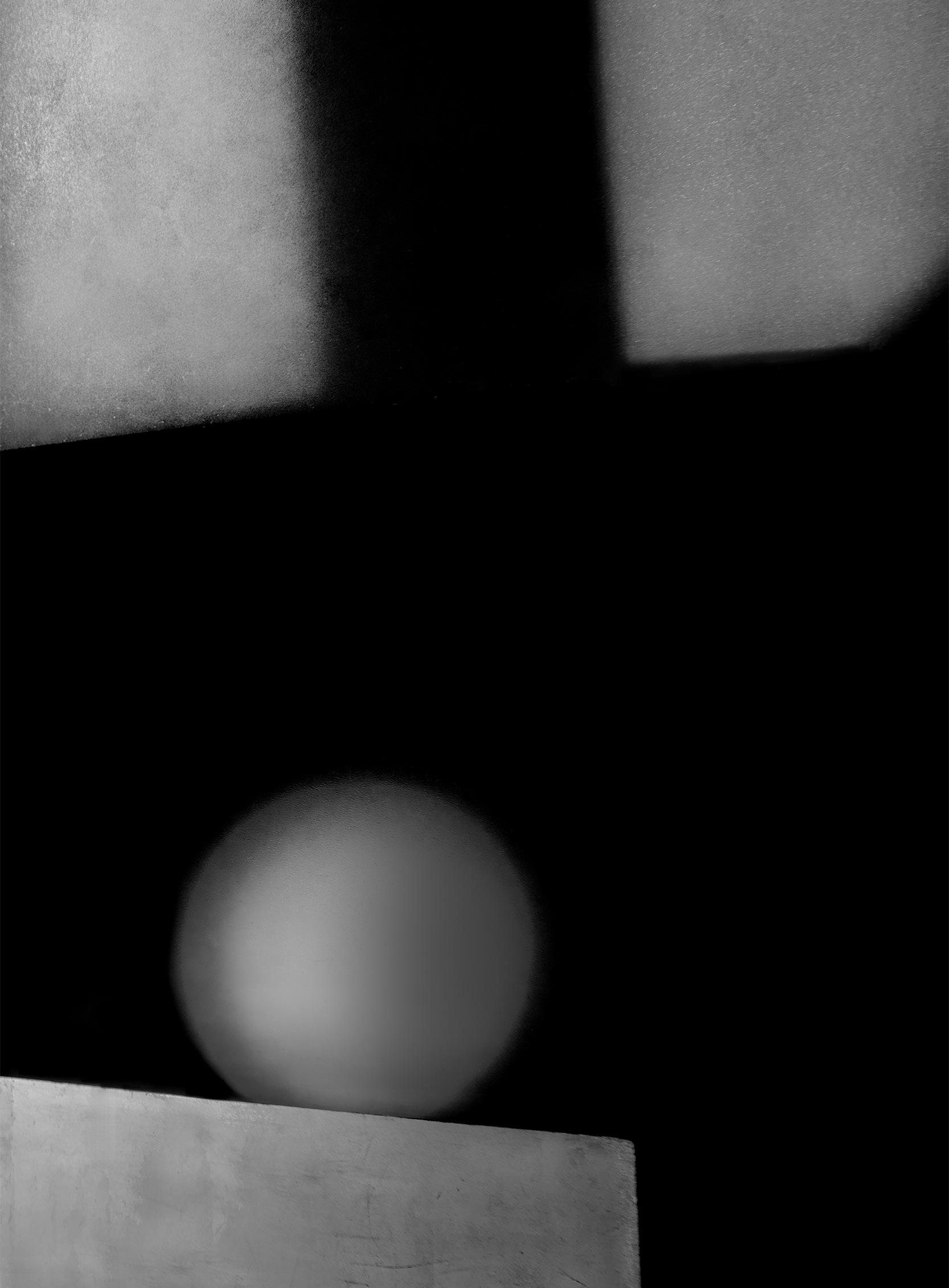
The exhibition Minimalism, presented by the Royal Photographic Society Germany Chapter, offers a thoughtful and carefully curated exploration of contemporary minimalist photography. Bringing together 17 photographers, the exhibition reflects a shared interest in reduction—not as limitation, but as a conscious creative strategy.
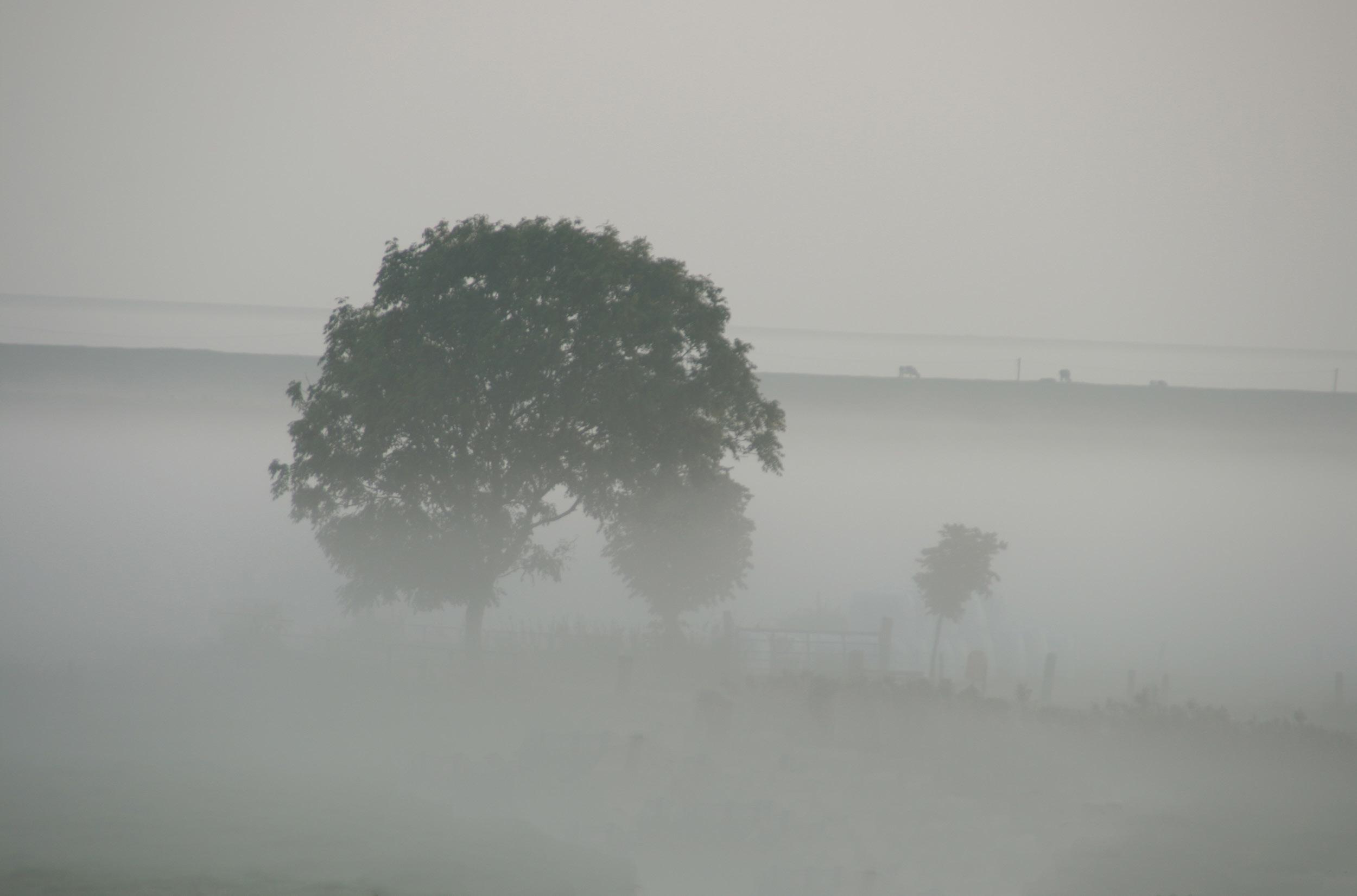
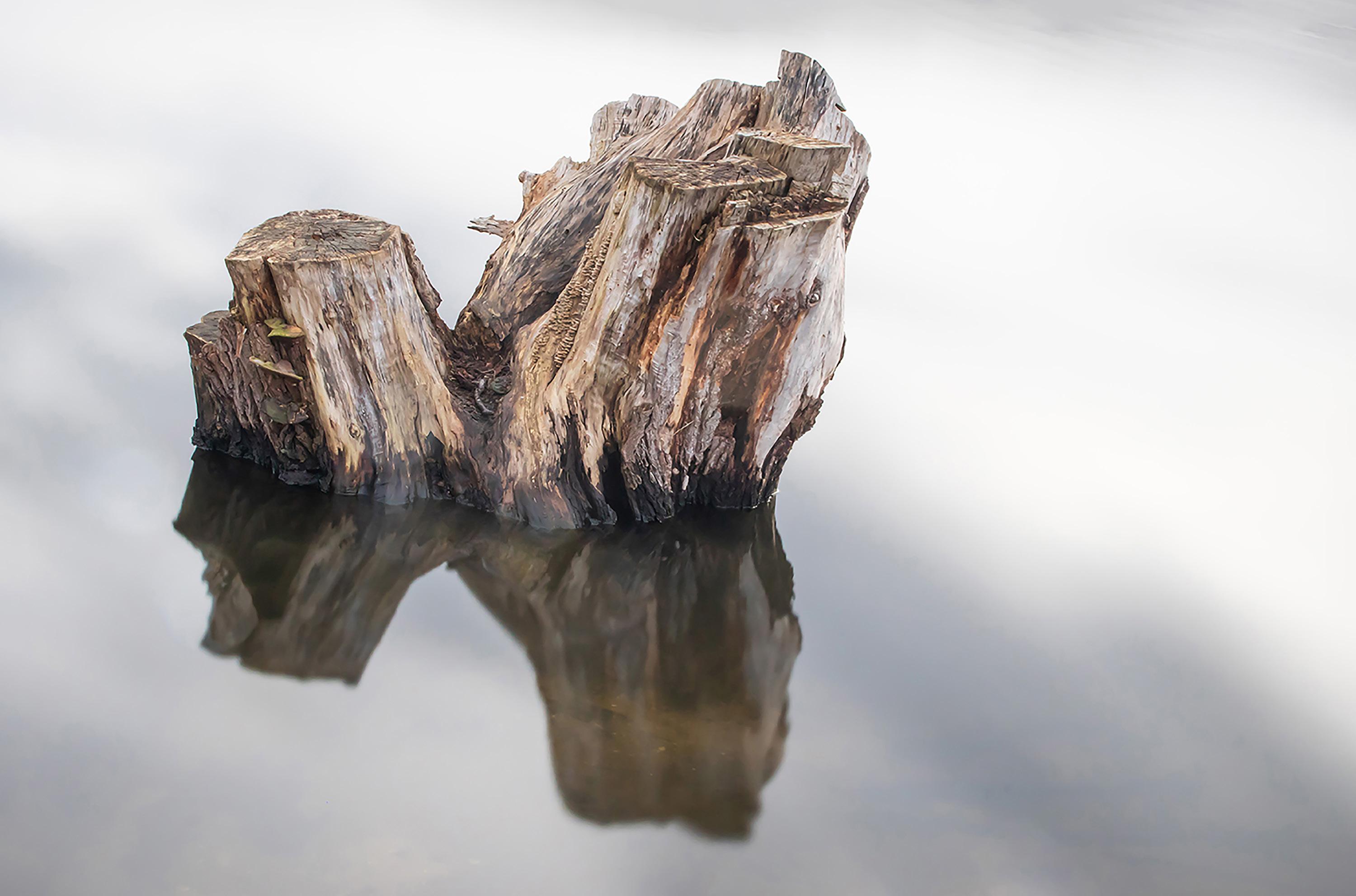
Minimalism in photography is rooted in clarity. By reducing visual information, photographers direct attention to essential elements such as form, light, structure, and spatial relationships. The absence of excess allows each component within the frame to gain significance. In this exhibition, minimalism is not defined by a single aesthetic, but by a consistent attitude: a commitment to precision and visual restraint.
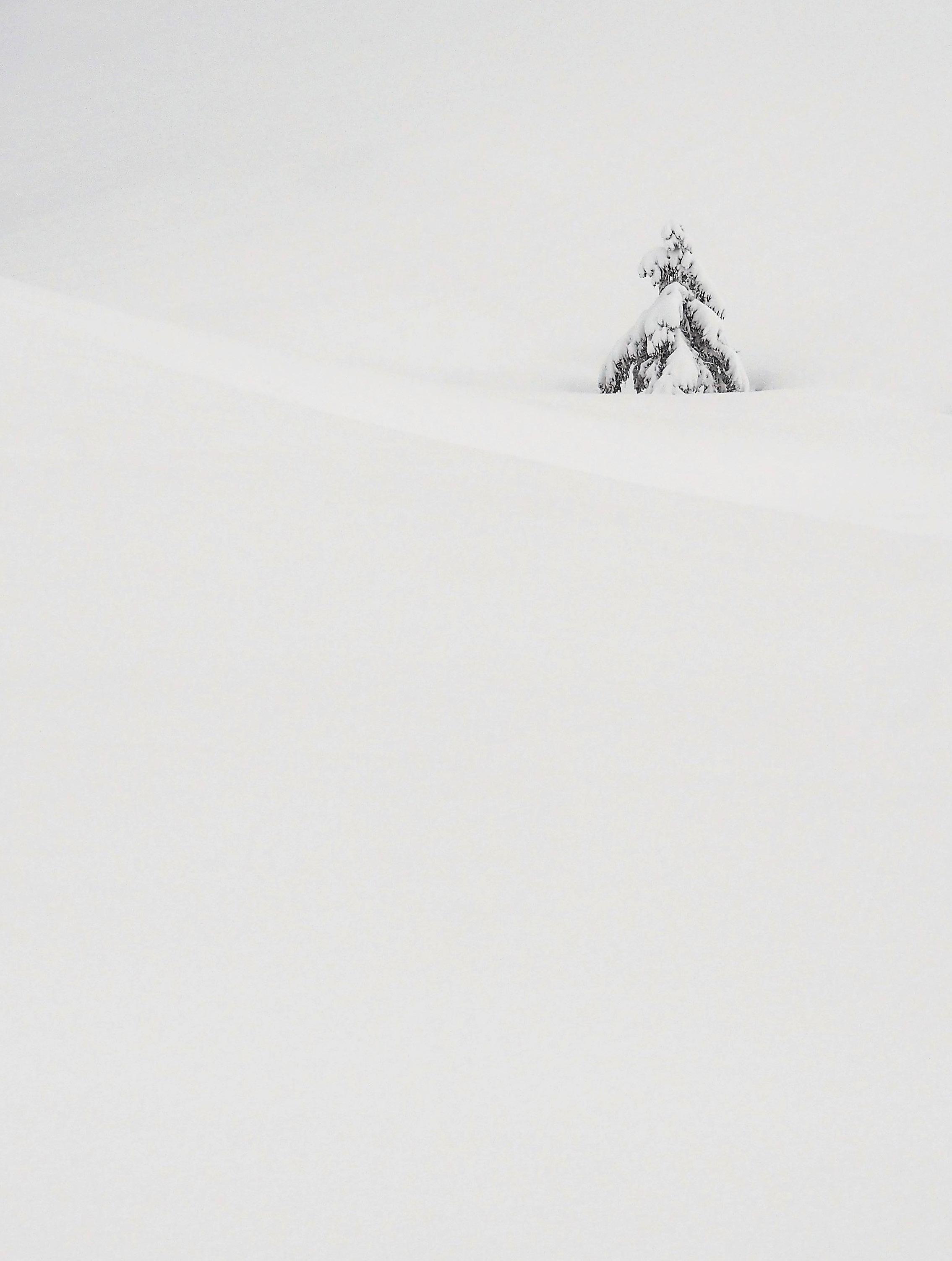
The participating photographers approach the theme from a wide range of perspectives. Architectural works emphasise geometry, rhythm, and surface, often transforming built environments into abstract compositions. Landscape images explore stillness and atmosphere, using space and emptiness as active visual elements.
Other works focus on isolated objects or subtle moments, where light and form create quiet yet powerful images. Despite their diversity, the images are united by a clear curatorial framework.
Each series has been refined to maintain coherence and avoid unnecessary visual complexity. The result is an exhibition that values consistency over variety, encouraging viewers to experience the work not only as individual images, but as interconnected visual statements.
The choice of venue plays an important role in shaping this experience. The Kunstkirche Fröndenberg, a former church, provides a unique architectural setting defined by openness, height, and a sense of calm. The spatial qualities of the building reinforce the principles of minimalism, allowing the photographs to breathe and creating a natural rhythm between density and emptiness throughout the exhibition.
The presentation of the works follows a deliberate curatorial logic. Rather than overwhelming the space, the exhibition creates moments of pause, inviting viewers to move slowly and engage attentively. This approach reflects a central idea of minimalism: that less information can lead to deeper perception.
Minimalism ultimately invites the audience to reconsider how images are read and understood. By removing the non-essential, the exhibition highlights the power of simplicity and the importance of visual discipline. It is an exploration of seeing—where reduction becomes a tool for clarity, and restraint opens space for interpretation.
CHRISTOPHER WILLS LRPS
WALTER SCHMITT
UTE GERLING
Minimalism — A Common Exibition of
SIEGFRIED RUBBERT
ROBERT DRISCOLL
BERNHARD LÜCKE
STEFAN LÖFFLER
SIEGFRIED RUBBERT LRPS
CHRIS RENK
ANNA LISA LOHMANN
Minimalism — A Common Exibition of the Germany Chapter
MARTIN GERLING LRPS
MICHAEL TOBIAS
— A Common Exibition of the Germany Chapter
ANDREAS PFEIFER
Minimalism
Minimalism
PAUL JOYCE LRPS
Minimalism — A Common Exibition of the Germany Chapter
JONATHAN WEBB ARPS
Minimalism — A Common Exibition of the Germany Chapter
EBERHARD POTEMPA
G. ZÖRNER
GERALD
CHAPTER ZOOM MEETING 2026
Meetings
MONTHLY ZOOM MEETING
STARTING 19:00 EST
11.05.2026
08.06.2026
13.07.2026
10.08.2026
14.09.2026
12.10.2026
09.11.2026
14.12.2026
Links will be provided via email. If you aren’t a member of the DEU Chapter and wish to participate as well, don’t hesitate to get in touch with us via the following email: germany@rps.org
CHAPTER TALKS & WORKSHOPS
For upcoming meetings and events, please visit frequently our Chapter Page on RPS.org.
https://rps.org/germany
RELEASE DATES FOR e MAGAZINE
Here is an overview of the specific publication dates:
2ND QUARTER 2026: 05.07.2026
3RD QUARTER 2026: 05.10.2026
4TH QUARTER 2026: 05.01.2027
1ST QUARTER 2027: 05.04.2027
The Magazine will be published via email as well as on the RPS’s account on ISSUU.
Credit: Chris Renk
DEADLINES FOR PHOTO WORK
You would like to submit pictures to the quarterly project “Members Photo work”?
Here is a list of the deadlines for each quarter:
2ND QUARTER 2026: 05.07.2026
3RD QUARTER 2026: 05.10.2026
4TH QUARTER 2026: 05.01.2027
1ST QUARTER 2026: 05.04.2027
Please send us the photos with a minimum resolution of 3000 x 3000 pixels and 300dpi.
For the naming of the photos please use following naming convention: FIRST3LETTERSOFYOURSURENAME_ QNUMBEROFQUARTER-YEAR_IMAGETITLE.JPG
Each participant is responsible for compliance with the Data Protection Ordinance and the Copyright Act. Participants please send the photos to the following email: germany@rps.org
EXIBITIONS
Kunstkirche Fröndenberg
29.05.2026 - 28.06.2026
Vernissage: 29.05.2026 19:00 CEST
DEADLINES ENTRIES e MAGAZINE
Since the magazine is published by the chapter itself, we are very flexible regarding the time schedule for submitting texts, pictures, and dates for events.
We ask for enough time in advance to avoid complicating the editor’s life.
As a rule, the editor should receive contributions about 30 days before the publication date.
Otherwise, inform us that you need additional time to contribute.
Please take the publication dates from the adjacent column. April 2026 - June 2026