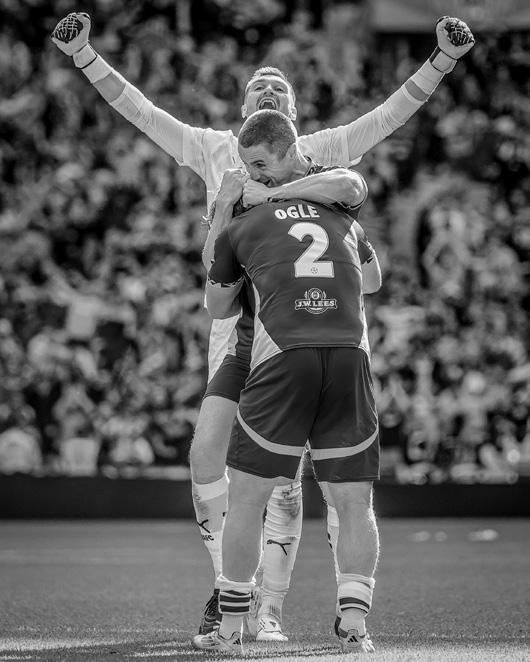
For me this is our premier event of the year – not a competition but a selection of the best prints from our DI members. For 2026 our annual ‘exhibition in a book’ showcases a superb cross-section of some great work.
Ultimately, the three selectors are asked to select what they considered to be the 30 best images submitted by our members for the Portfolio. Our selectors first whittled the entries down to the 50 best images, and then assessed closely each of those 50, before coming up with their final selection - no easy task, as you can judge for yourself, those prints which didn’t make it past round 2 are also reproduced in the Portfolio. The selection is a tough job, especially when the final images are printed beautifully on papers which enhance the composition and subject. I thank Linda Marshall, Peter Brisley and Ralph Snook for their hard work. As you will see in this Portfolio they did a splendid job and the work exhibited is of a very high standard.
Printing well on the best choice of paper does improve the chance of being selected and, sadly, the print process used for the Portfolio cannot always match that of the original print. The best example of this was the work from Sue Brown. Her work might not look so amazing in this Portfolio but printed on the stunning paper she used it came alive and positively radiated quality. So next year really think about this as you prepare your prints for the Print Portfolio 2027.
Finally it is ‘team work’. This year the back room team were Robin Price, Fintan Healy, Neill Taylor and Chas Hockin. My thanks go to them for their contribution to making it all happen.
Janet Haines
DI Chair
Our Portfolio Selectors
Peter Brisley EFIAP DPAGB BPE2
As a well-established event in the DIG calendar, the annual Print Portfolio runs on well-oiled wheels. Janet and her team provided the selectors with a seamless and faultless production, so many thanks to them and to all the entrants whose images gave us such a wonderful day.
The prints were generally of a very high technical standard and the subject matter wide-ranging. Several genres were well represented but for me the stand-out images were monochromatic with some exceptional skill evidenced in postproduction.
Narrowing down our selection to just thirty images proved to be a challenging process with several excellent images just missing out in the final cut. In the end, I believe that our final selection represents the very best of the RPS Digital Imaging Group’s work and I am looking forward to the publication of the latest Portfolio.
It was a real pleasure to participate in the selection of the RPS DI Print Portfolio 2026.
Janet’s organisation of around 240 prints was outstanding as was the support from Chas Hockin and Neill Taylor in recording results and organising the prints as we selected during each round.
The range of work was a joy to see and ponder in our own time. It was impressive and, of course, selection became increasingly challenging at each stage. Debate at times was quite lively but eventually peace broke out and we were very happy with our contributions and decisions resulting in the final selection of 30.
Congratulations if your work appears in this Portfolio and to all those involved; prints - you gotta love ‘em!
It was a pleasure to be a selector for the RPS Digital Group’s Print Portfolio. The approach provided the opportunity to spend a little more time considering each image and to taking into account the choices of paper made by the entrants, rather than the speed and limited time available when judging many Salons and Exhibitions. The standard was high and I enjoyed the wide variety of subject matter and treatments that were presented to us. This of course made it more difficult to get to the final selection, but having the time to view and handle the prints individually helped enormously and made it an enjoyable process and experience.
The approach to the exhibition was refreshing and thought provoking and very much to be commended. Ensuring each entrant had one image selected for consideration in the later rounds provided the inclusivity that can easily be overlooked, and the final selection of only the images and not choosing the ‘best’ etc., also makes it a true exhibition rather than a contest.
Linda Marshall FRPS
Ralph Snook ARPS
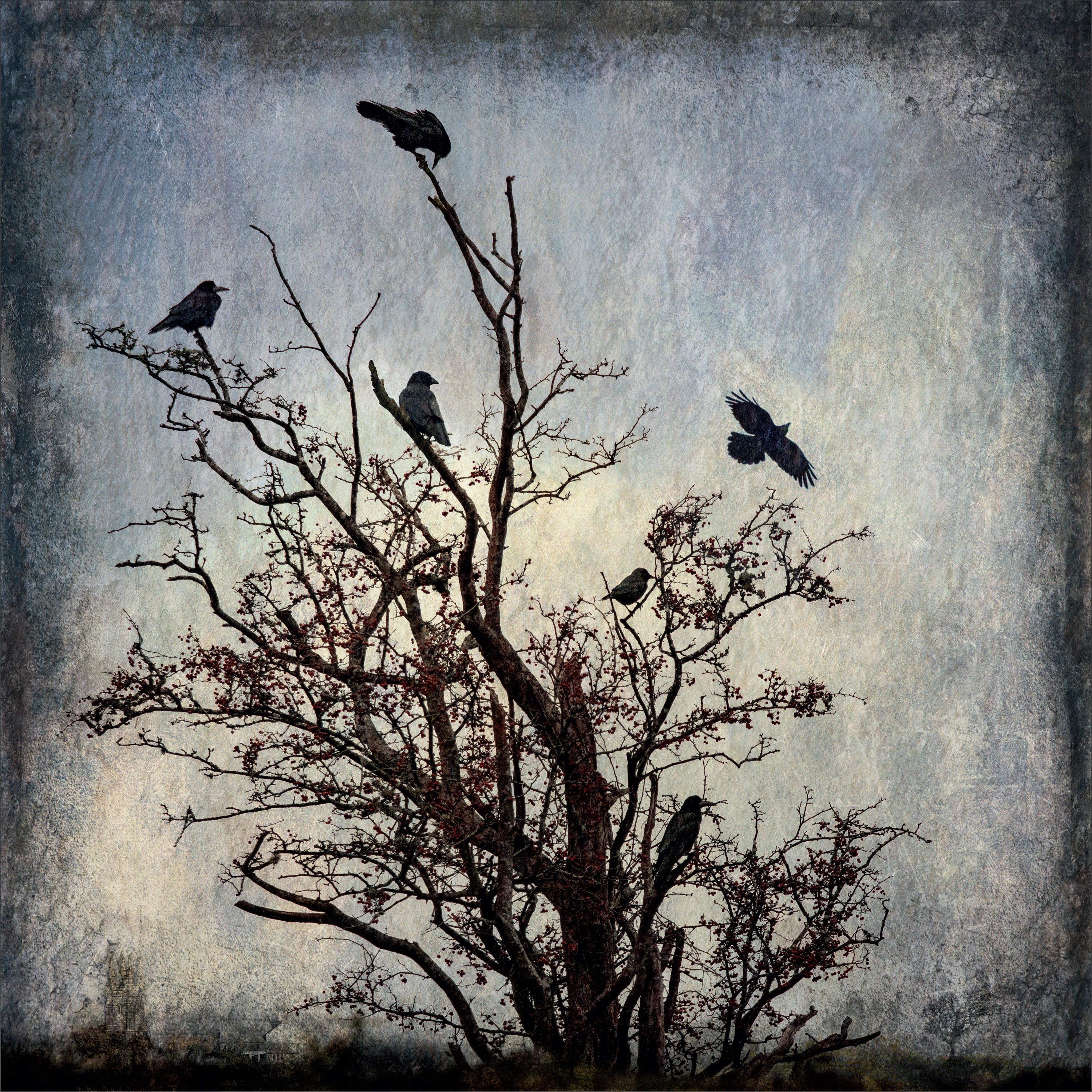
A Clattering of Jackdaws
We were staying on Dartmoor next to a cottage with a bird feeding station that attracted many different corvids. They also sat in a hawthorn tree and I liked the idea of a shot of them all perched there looking rather solemn, thinking of a ‘parliament’ of crows. But if I went out in the garden I scared them away so I was reduced to standing on a chair looking out through a window with the lens pressed tight up against the glass. The results were pretty indifferent, but I realised with some manipulation I did have the makings of a more creative shot using birds from different frames and adding some texture over the bland sky, which I enjoyed doing. As I checked, I realised that my crows were correctly jackdaws and I really liked their collective noun, ‘clattering’, hence the title.
I’m very much of the ‘it’s not finished until it’s printed’ school, and love using different matt papers with different textures that enhance the finish. Fotospeed’s NST Bright White is my default paper, but I had just been experimenting with a sample pack of Hahnemühle FineArt papers and used Albrecht Durer with its rather linear ‘weave’ for this print.
Lorna Brown FRPS
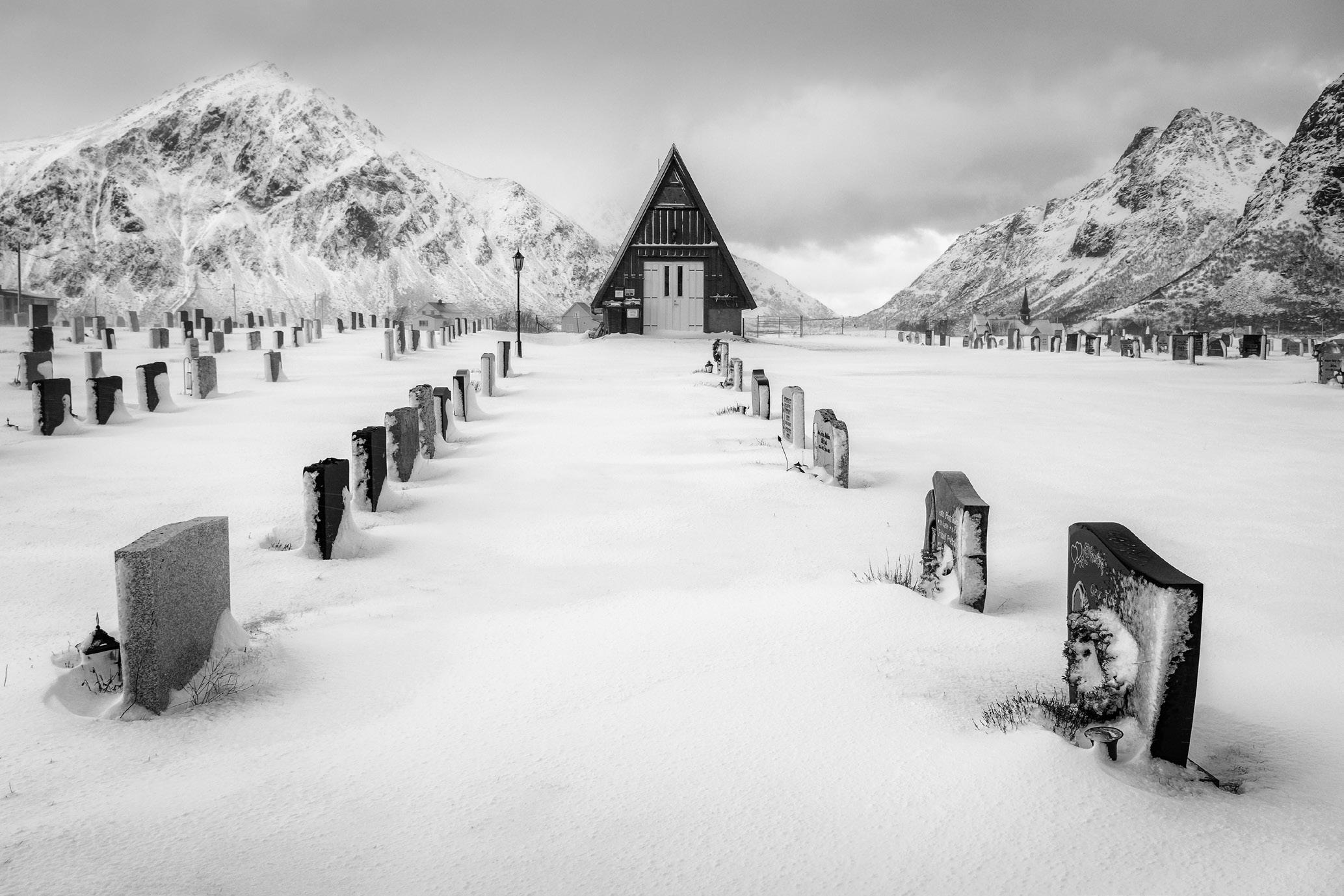
A Cold Day at Flakstad Cemetery
I am over the moon to have my picture selected.
I was in Norway in a place called Flakstad and I worked around the scene until I found a composition that conveyed the feeling of cold and isolation and the stark beauty of the chapel and memorials. The snow was key to the picture of course but I had to wait for a break in the weather which had been very dull. It was one of those compositions that had to be precise so a tripod was essential. Black and white was the obvious choice and it was printed on a bright matte paper that didn’t have a prominent texture - Fotospeed High White Smooth.
Robert Johnston ARPS
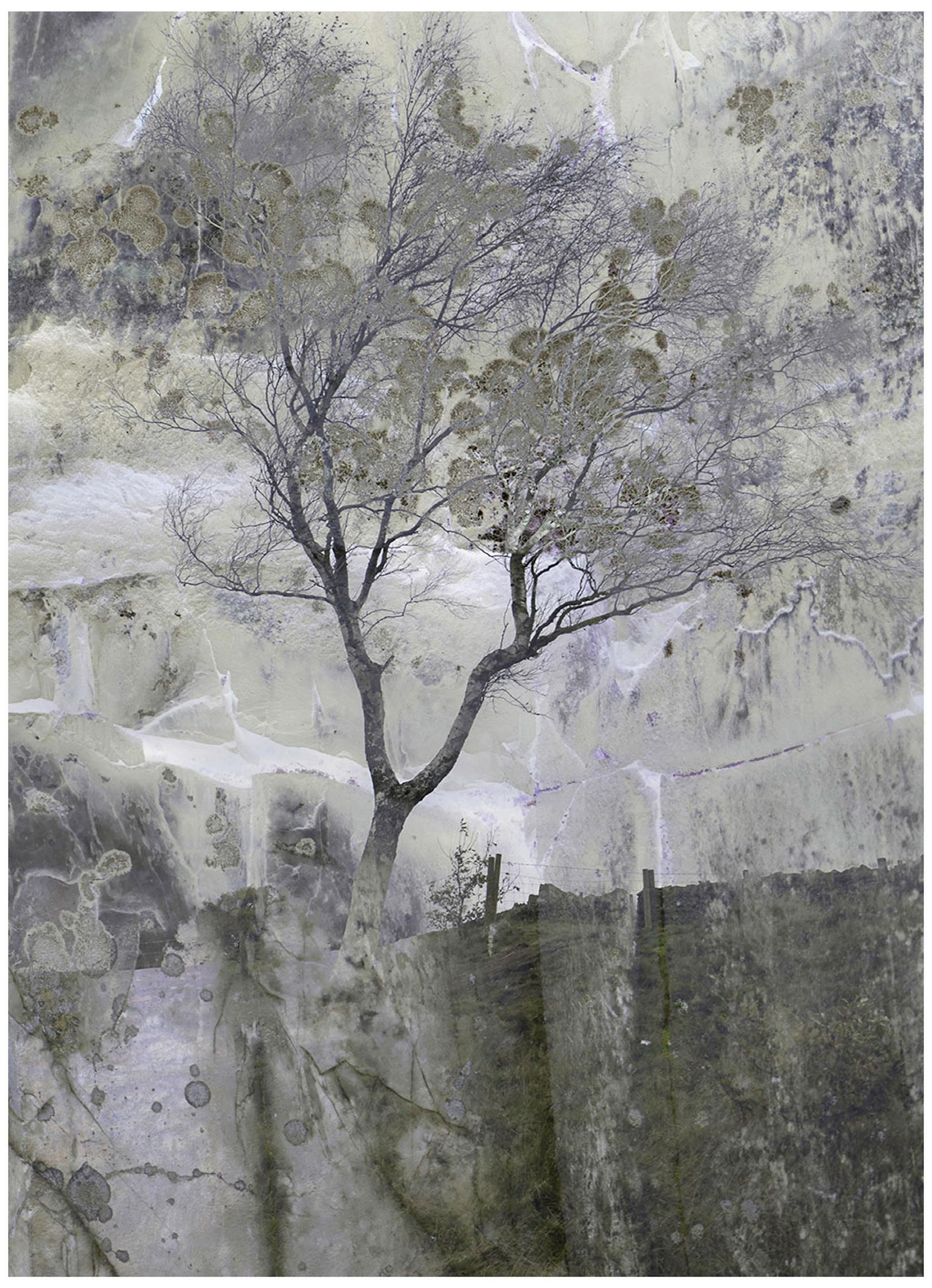
Ancient
This photograph is part of a series of images I took using multiple exposures, I love experimenting with the camera to try and catch something out of the ordinary and am often drawn towards elements of abstraction in my work. This image is made of two exposures, one is of the rocks on Beacon Hill in Leicestershire which are some of the oldest rocks in England and Wales, formed when fine, volcanic ash settled in an ocean some 600 million years ago. The second layer in the image is the view taken looking out from the rocky outcrop at the surrounding landscape. When I combined the two layers the image seemed to come alive and capture both the unchanging, ancient rocks and the world that now surrounds them in a way that felt perfect to me.
I love to see printed work and have printed this image several times on different materials and in different sizes and it remains a favourite. Many thanks for including it in the Portfolio selection.
Nick Linnett
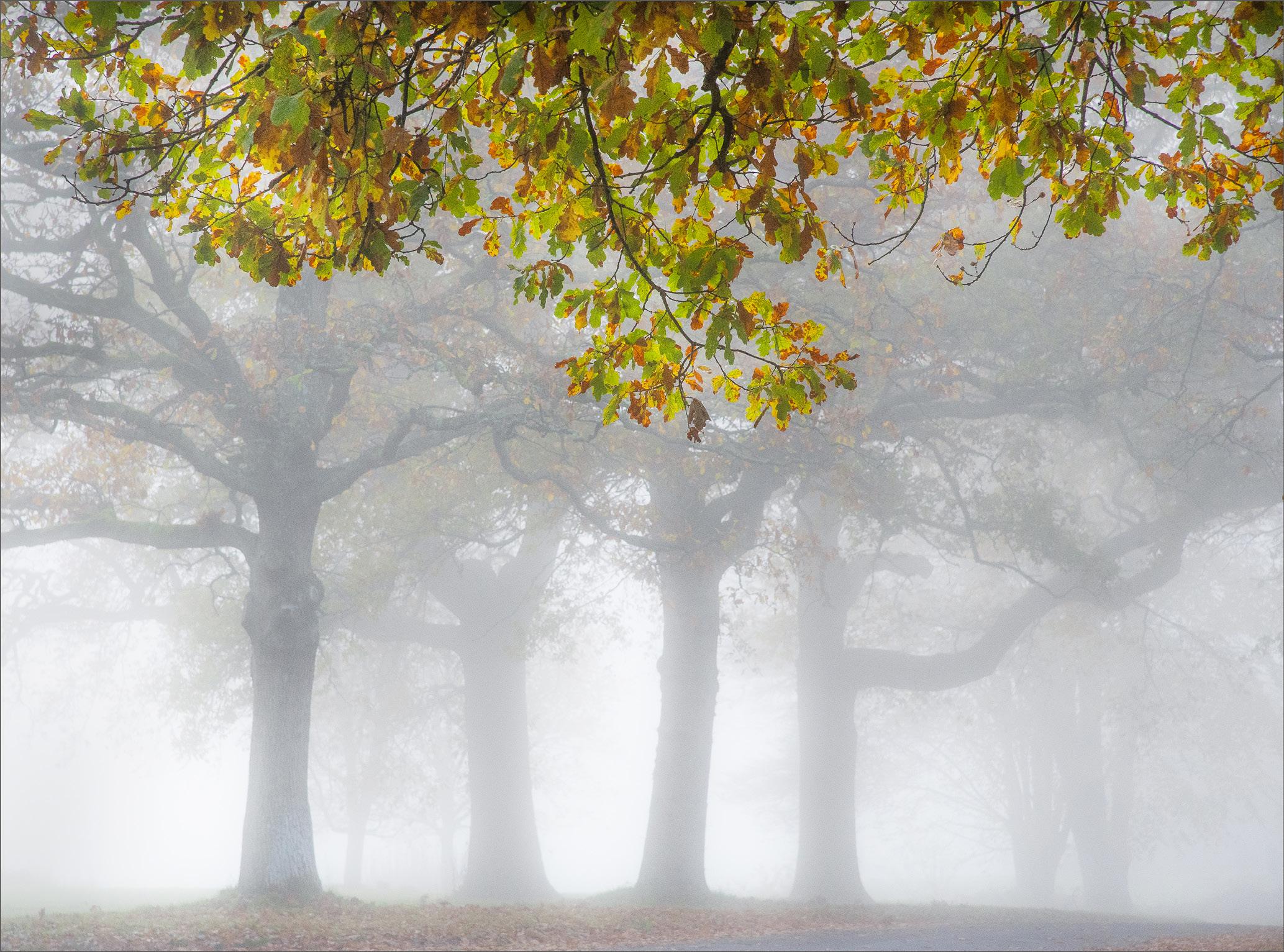
Autumn Oaks
What a pleasant surprise to have my picture Autumn Oaks accepted for the RPS DI Print Portfolio 2026.
Most of my photography is of natural subjects within my local area and this was no exception. Herstmoncuex Castle Estate has provided me with inspiration for many years. This particular day there was a wonderful mist which lasted most of the morning. I’m not an early riser, so to have these conditions at a sensible hour of the day was a real treat. It was taken last November and the oaks were hanging on to their beautifully coloured leaves while the other trees had shed most of theirs. I have done very little to the image, a little dodging and tonal adjustment, but the scene was very much as it appears in my picture. I chose to print it on Permajet Museum Heritage Fine Art paper as I thought the texture was suitable for the mood of this glorious morning.
Liz Scott ARPS
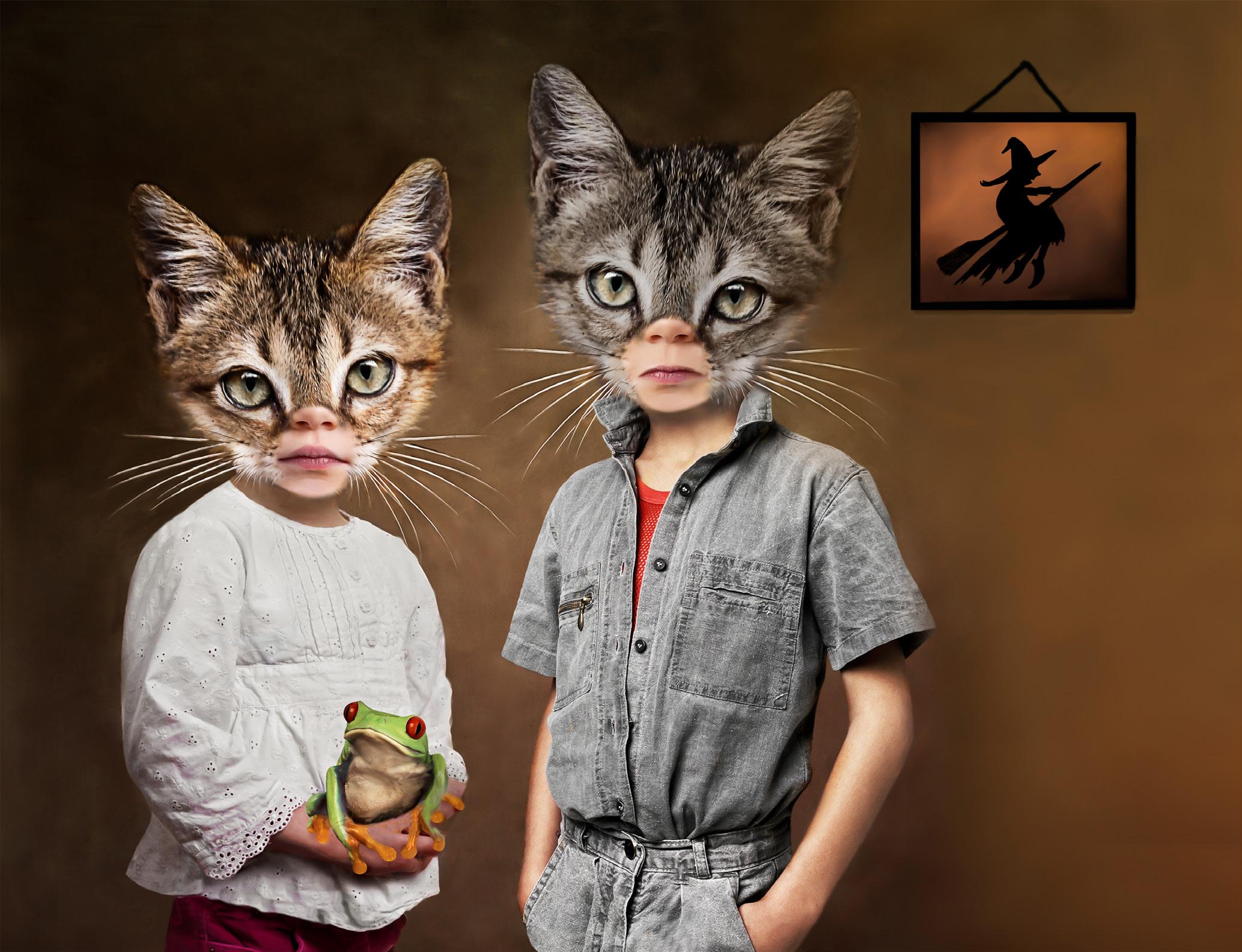
Bewitched and Bewildered
This is one of the few composite images I have ever made, because as a commercial photographer I had to get the images required by my clients ‘in camera’, with no re-touching expected. I had, of course, to scan the two trannies to make this image.
In this composite the girl and boy were shot in my studio on transparency using Hassleblad. The expressions I created by asking them to think of something really sad. The cat, with the soulful eyes, was a stray I found on a holiday trip to Cuba and was shot on a Canon 40D. The frog, also a studio shot, replaces a doll, which the girl was holding in the original shot. Any extra bits and bobs were taken with an Olympus OM1 Mk.I, now my main camera.
Initially, I only replaced the heads, but then realised that the image needed more of a story so I used the frog and drew the witch which I put on an orange ‘moon’ but this didn’t really work, so I created the picture frame.
I did enjoy making this image but it took much longer than my usual camera shots. (Ten minutes being the attention span of an infinite number of small people.)
The print was made using an Epson SureColour P800 printer on Permajet’s Fibre Based Royal Gloss 310 paper.
Fiona Senior FRPS
Maggie Bullock ARPS
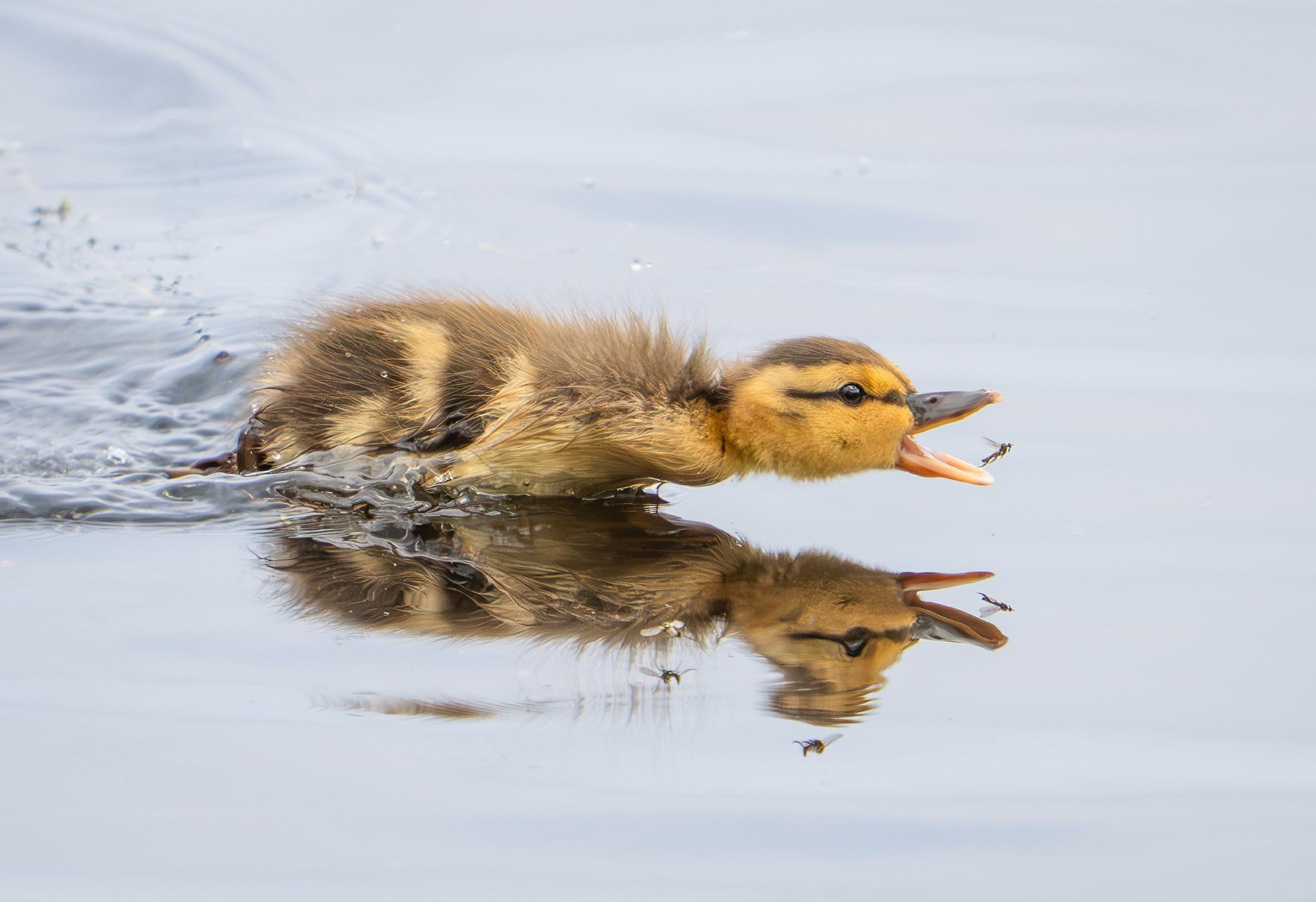
Dashing Duckling
On our way to North Norfolk, a wonderful place to watch and photograph birds, we stopped at RSPB Lakenheath Fen for a couple of hours.
On one of the pools I spotted a Mallard Duck with some young ducklings and I watched the youngsters as they practised chasing across the water, attempting to catch flies. They moved so quickly and looked like they were having so much fun that I decided to have a go at photographing them in pursuit of their prey!
I used a reasonably fast shutter speed to capture the action and though the ISO was quite high Lightroom Denoise did a great job in tidying this up.
I had to take quite a few shots before I got some that I was reasonably happy with.
Settings: focal length 35mm equiv - 947mm,1/1600s at f/6.3, ISO 2500.
This image was printed on Permajet FB Gold Silk paper, which has a soft sheen and seems to work well with nature and wildlife images.
Display
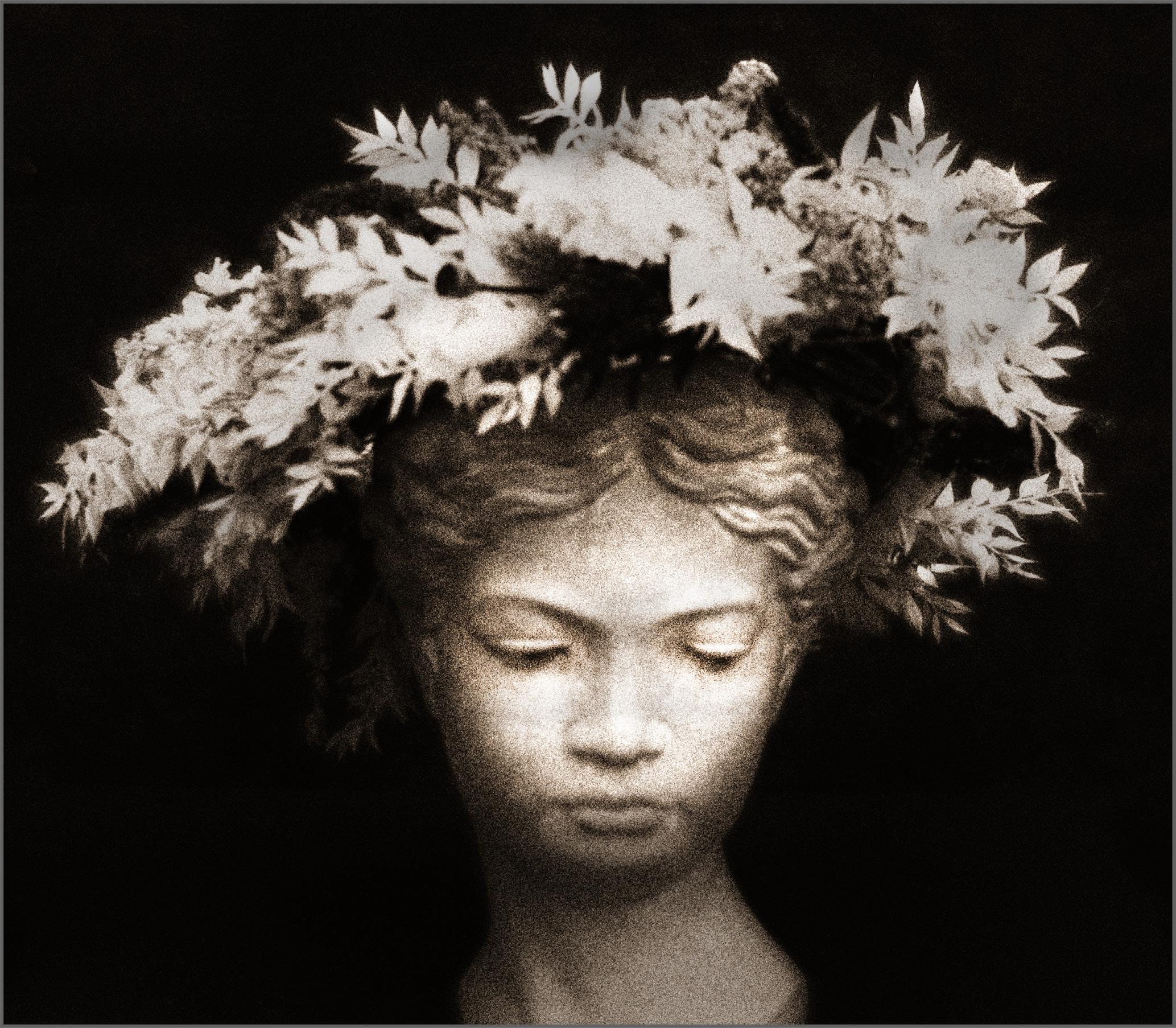
When I first joined a camera club many years ago I was told to avoid burned-out highlights and blocked-up shadows in my prints. Indeed, I was given the same advice when applying for my LRPS (in monochrome prints). Excessive digital noise was also to be avoided. Times change. I’ve changed. An on-line workshop with Polina Plotnikova FRPS got me into the world of Lensbaby, and I have accumulated quite a collection of their lenses. Now I am quite happy to use soft focus, digital noise, high contrast, solid blacks, whatever it takes to add some emotion to my photographs.
This image was taken in 2025 at a flower show in Rutland and features an entry in the flower arranging competition. Taken on a Nikon Zf with a Lensbaby Soft Focus II optic (ISO200 1/60sec f/2.5) and processed initially in Affinity 2. It was then transferred to DxO Nik Silver Efex where it was converted to monochrome, sepia toned and grain added. Printed on Fotospeed Platinum Etching paper.
Trevor Rudkin LRPS
Fishing in Constable Country
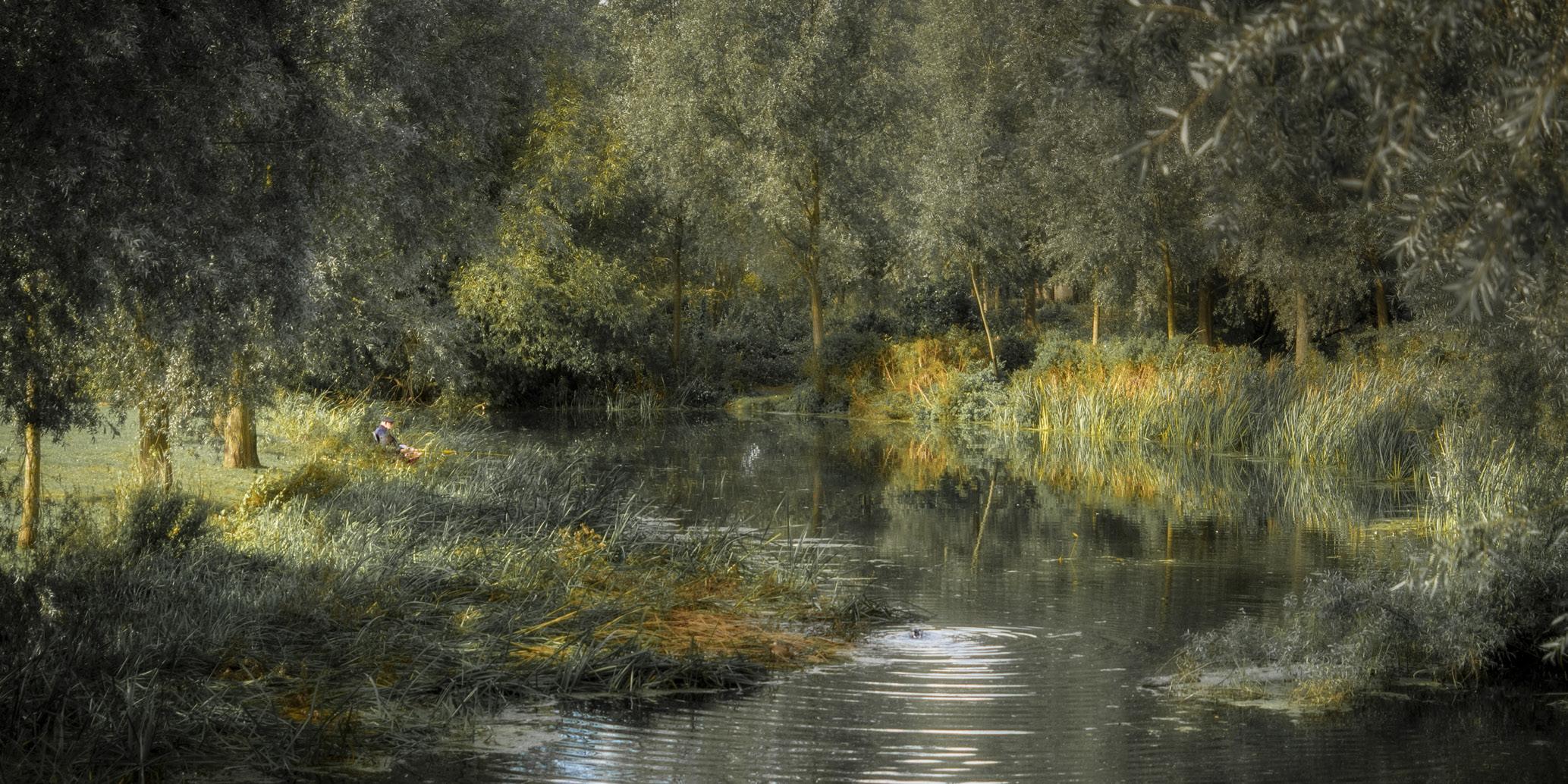
My image was taken on a week away in Essex, using Justin Minns’ Fotovue book as a guide. Without the guide I am not sure we would have visited Bures, but I am so glad we did.
I am very fond of a panoramic crop and it found it just perfect for this scene. I love the curve in the river, the framing of the trees, the low angle light, the fisherman and the duck making ripples; everything just seems to be in harmony.
I processed it with a soft, painterly feel with a dab of Orton for good measure. Feedback from members of my Landscape e-critique circles helped me correct a few things I had overlooked and improve the overall appearance.
The print I submitted was made on using my Epson ET-8550 on Fotospeed Natural Soft Textured Bright White 315 paper, as it seemed to make the most of the image. I did try a more textured paper but at A4 I found it just too textured.
Steve Hartley LRPS
Flying Over Water Patterns
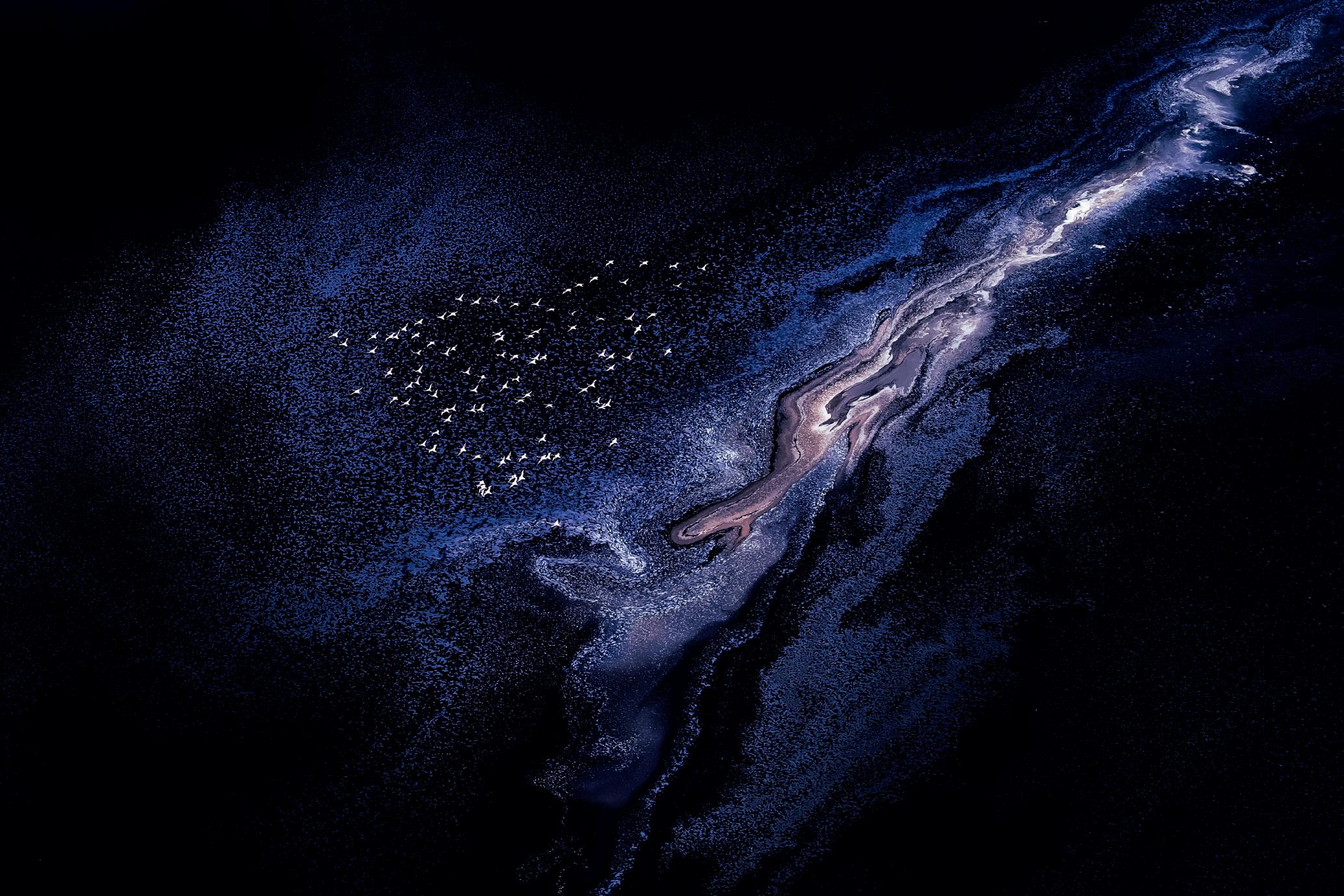
This image captures the surreal, almost extraterrestrial landscape of Lake Magadi, Kenya, viewed from the open door of a light helicopter. The intense evaporation characteristic of this soda lake creates mesmerizing, swirling patterns of salt and minerals, forming a striking natural canvas that changes by the minute. Against this dramatic backdrop, a flock of flamingos is caught in flight, their forms reduced to bright, kinetic specks against the deep, textured flow below. I chose to process this image as a semi-abstract, utilizing a moody, high-contrast aesthetic to emphasize line and form over literal colour. Crucially, however, the capture is authentic; it is a single frame and no elements were added or removed from the scene, presenting a heightened yet truthful reality of this extraordinary environment. Whilst I like to explore diverse genres, my core passion remains wildlife photography. I am endlessly fascinated by the natural world and the challenge of documenting life in wild spaces, seeing this as a toll to raise awareness about the fragility of many environs in our planet. This image occupies the intersection of my interests, blending large-scale landscape abstraction with essential wildlife documentation of wildlife in a rather unique environment. It perhaps validates a quip I picked up long ago from a fellow wildlife photographer friend who insisted, “You have to include an animal or a bird in any photograph!” Even when presented with a stunning abstract vista like sulfurous springs bubbling from the soda beds of lake Magadi from the air, I find the scene is ultimately completed by the presence of life.
Somdutt Prasad (IND)
Derwood Pamphilon ARPS
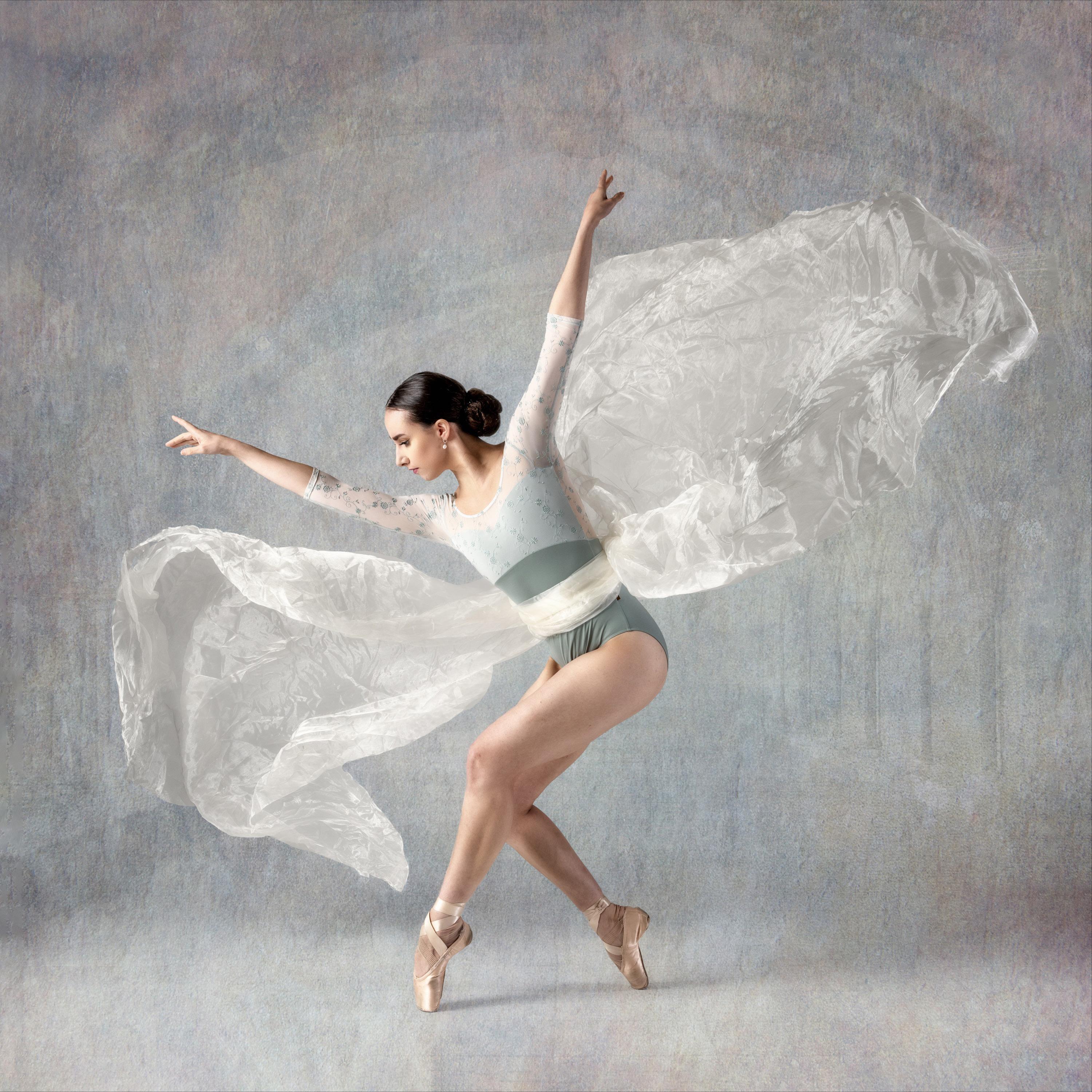
Gossamer
I have taken pictures of the ballerina Erica Mulkern many times; her poise and elegance are always a marvel to behold and a joy to photograph. On this occasion she was photographed in the studio against an infinity cove wearing a pale green leotard and pointe shoes. A long piece of pale organza material was tied round Erica’s waist which she wafted to make beautiful patterns and we took several shots to get a largely symmetrical pattern.
After initial adjustments in Lightroom the image was then further processed in Photoshop adding texture layers and architectural elements. The blend modes and opacities of these additional layers are varied to create a harmonious composite image. The architectural elements of the image add depth to it and the use of different textures helps to bring the whole image together. The image was printed on Pinnacle Silk Baryta 310 paper which I feel is particularly suited to my dance composites.
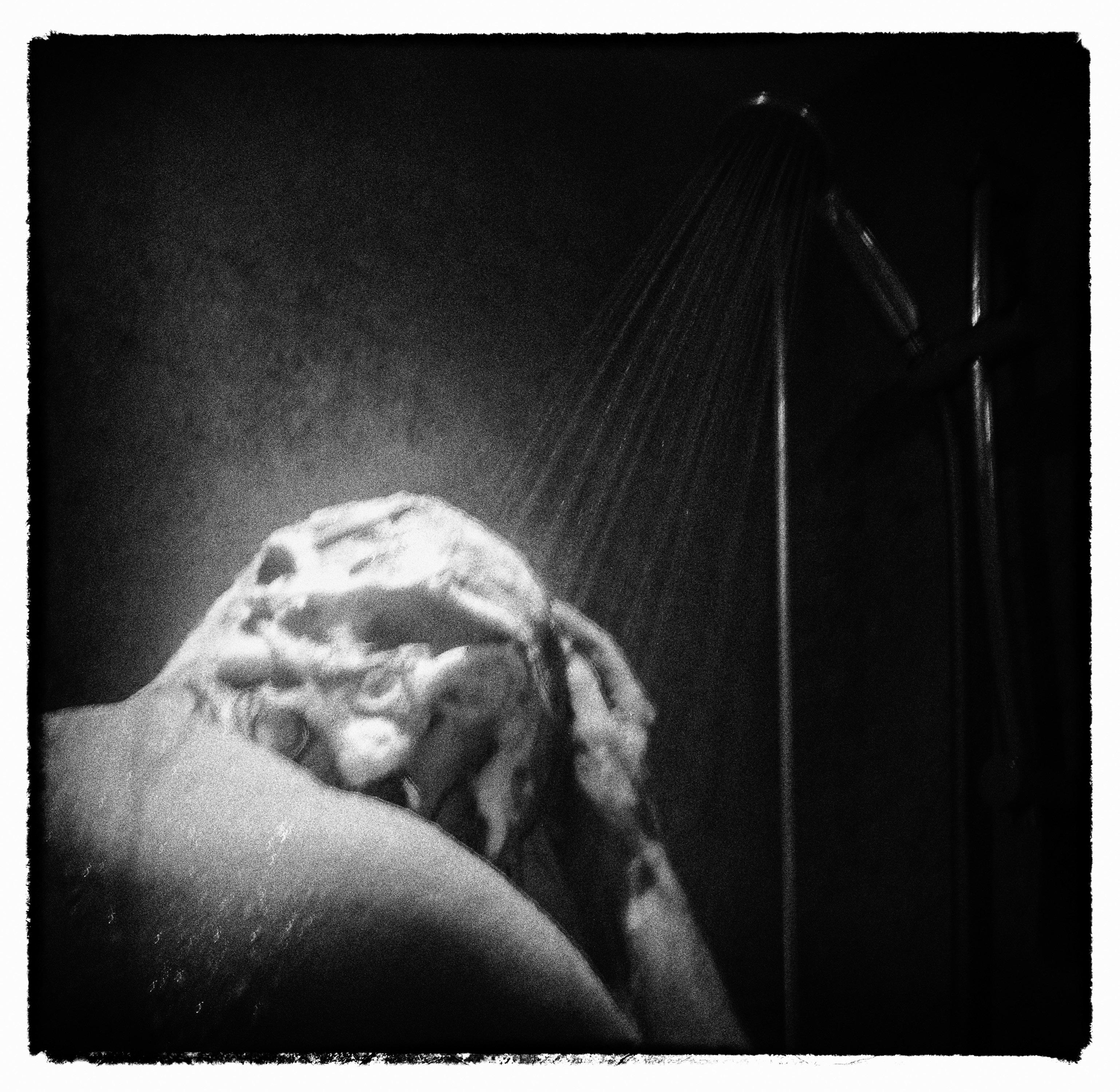
Hairwash Noir
Sometimes it is fun to just experiment with ‘daft’ ideas such as snapping one’s spouse while she washes her hair. The challenge in Hairwash Noir was to select a shutter speed which would not produce too much blur in the hands and head of the subject but allow the spray of the shower to be shown. In the end this photograph was captured at ¼ sec., f/8, ISO 200 using a Fuji X-T5 camera with a 16-80mm lens at 16mm. Happily the in-body image stabilisation of the Fuji allows the camera to be hand-held at relatively long shutter speeds.
Post-exposure processing was in Lightroom with mono conversion in Nik Silver Efex. The print submitted for the Portfolio was produced on an Epson SureColor P600 printer using Fotospeed Platinum Baryta paper which I chose because its semi-lustre finish gives a good range of tones.
Eric Begbie LRPS
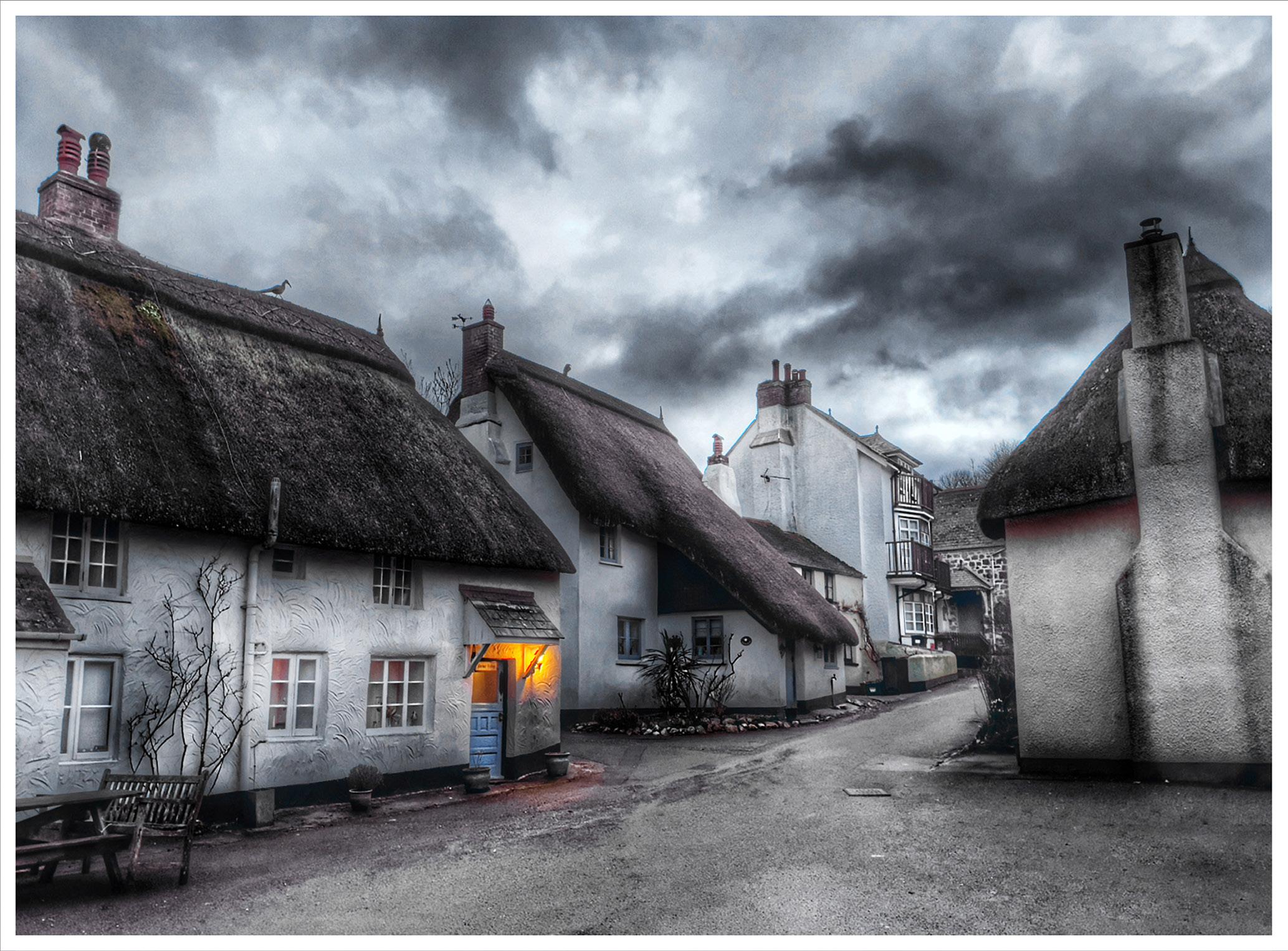
Hope Cove Village
During an evening stroll in this Devonian village, to shake some feeling into my legs after a four hour drive, I found Hope Cove to be deserted on a wild and wet evening. A singular light shed its warmth on to the street scene.
My camera was still in the car, so the iPhone camera (waterproof!) came out to play.
Post production involved brightness, contrast and saturation, plus the removal of an incongruous television aerial.
In conclusion, the image file was rendered on to a slightly textured matte paper that enhanced the final image reflecting the visual feelings I had when I saw this village for the first time.
Robert Bracher ARPS
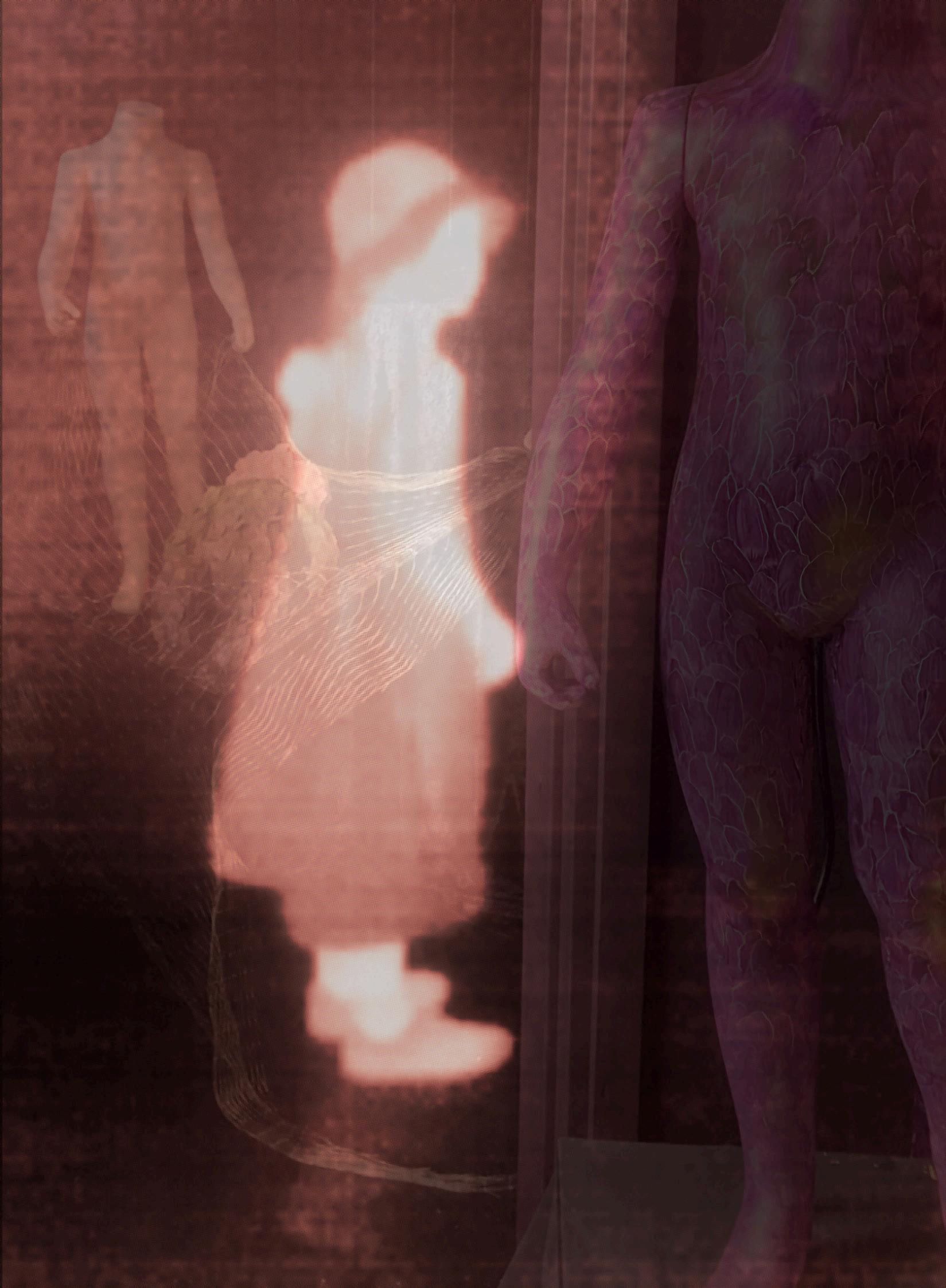
In the Wonderland
Photographing the invisible may be a rather controversial project.
During the pandemic I photographed my hometown in infrared. The intention was to reveal something that the human eye does not see. Next I wanted to take this idea past the conventional near-infrared truly towards the unseen wavelengths.
Consequently, I sought to explore if a thermal camera can be used in creating photographic art. Initially I rejected the idea because the resolution is so limited. The first thermal picture was taken as early as 1840 by Sir John Herschel. In modern photography, Antoine d’Agata has recently created a series Figures of worship using this method.
My picture here is a thermal image of my granddaughter. Its a composite where the background comes from a community art installation called Mynä-Mynä Maa, a Finnish wordplay on Never-Never Land. Thus the title: In the Wonderland.
This photo was taken with the Seek Thermal miniature camera attached to my smartphone. The background image was taken with my iPhone.
I put them together in Pixelmator Pro. The colours have been adjusted to create a harmonic look.
Markku Salonen (FIN)
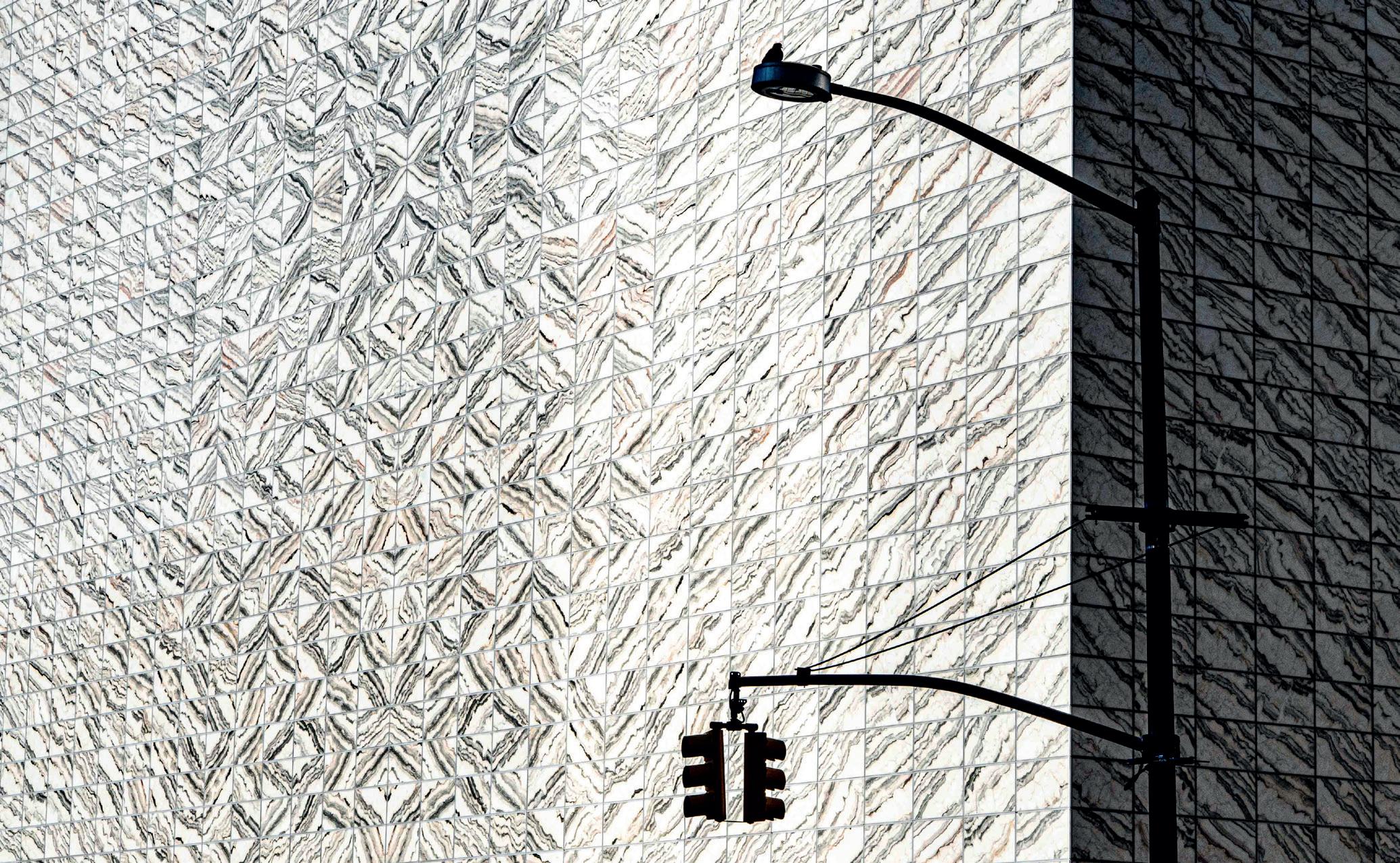
Light Post
My interests in photography are varied. Recently my focus has been more towards taking documentary images within a urban environment; particularly buildings, man-made structures and shapes. Objects we often take for granted; objects we regularly pass-by without really noticing. This image was taken on a bright, sunny but bitterly cold January day in New York. Even when it is extremely cold in New York the streets and avenues are still bustling, busy places to be. Your attention is distracted all the time.
On this occasion my intention was to go out and try to ignore the interesting ‘chaos’ all around and photograph buildings. To attempt to isolate elements of the structures that dominate the environment and to emphasise their graphic shapes, textures, and colours.
To isolate the area of this building I wanted to capture from the hustle and mayhem of the Manhattan street I attached a 24105mm lens to a Sony A7iv camera body.
Negative space can be very important in many of my images as I feel this can often have a strong and positive influence on the overall scene/subject. Elements are to be seen in this photo.
For me what works is the graphic nature of the image and this has been strengthened by the prevailing sunlight. Looking more closely into the photo shows the textures, shapes and subtle colours of the building wall. This is enhanced by the single lamp post which helps to give a sense of scale and context in which the image was captured.
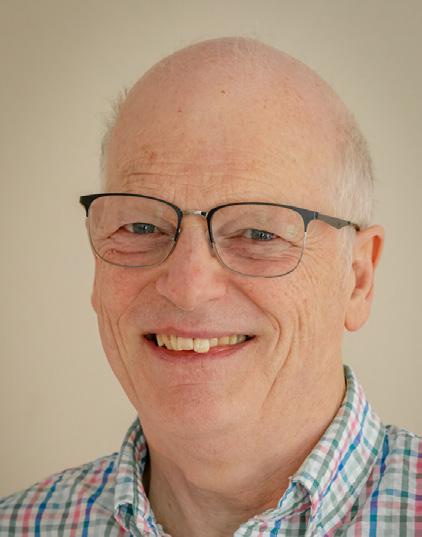
Paul Clarke ARPS
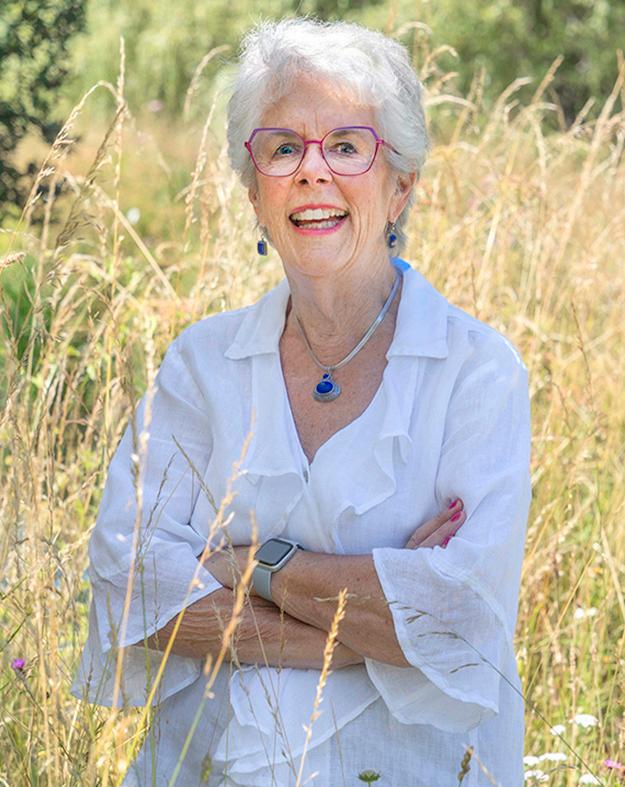
Martin Tomes LRPS
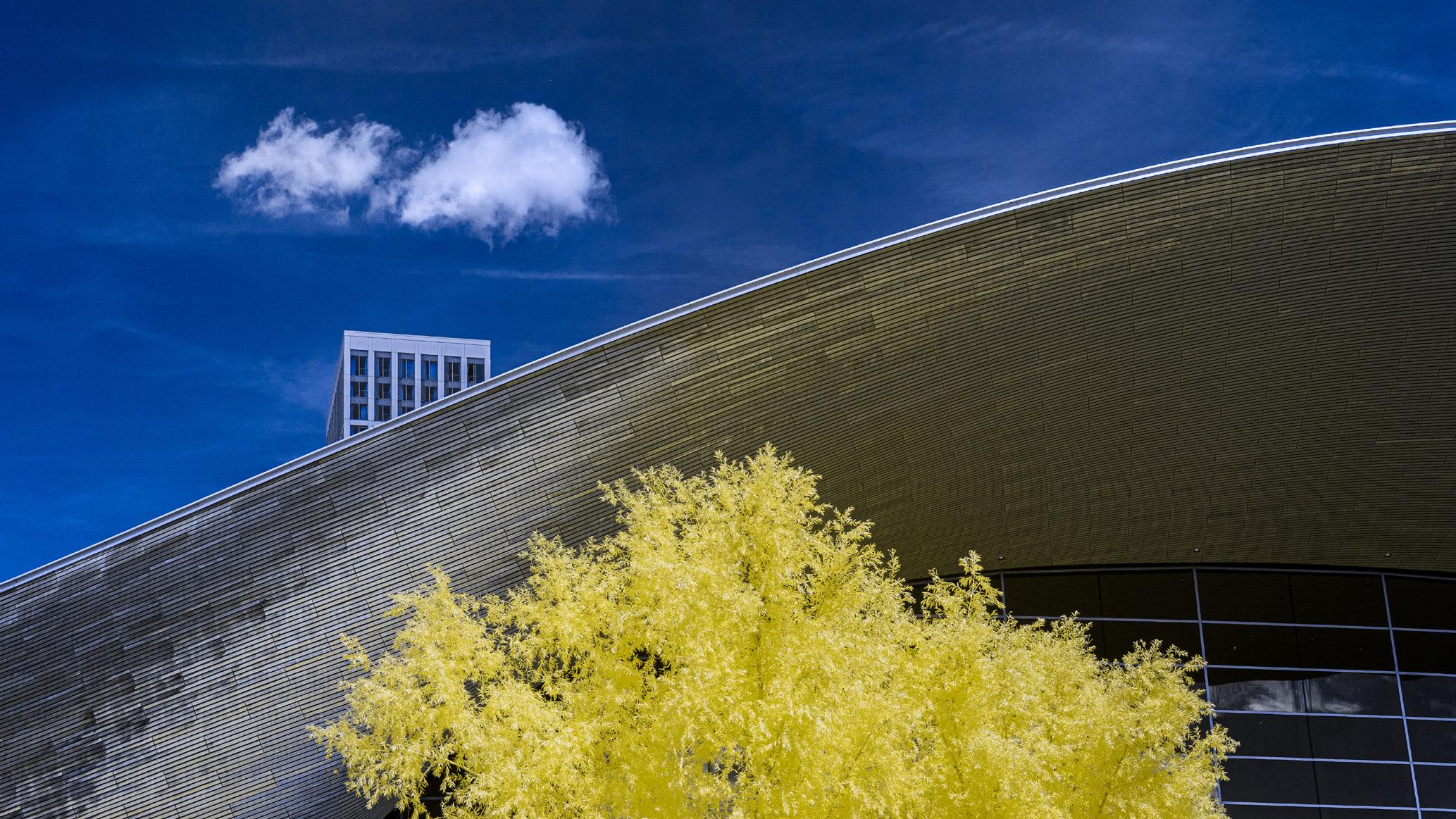
London Aquatics Centre
At the start of 2025 I had my Sony A6000 camera converted to full spectrum and acquired 720nm and 590nm infrared filters which fit behind the lens. I then realised I had no idea how to use an IR camera so booked into a workshop and got to grips with 720nm IR photography. In July a group of us went to the World Press Photo exhibition which was on show at the Olympic Park, it was a bright day so I decided that after we had looked around the exhibition, I would try the 590nm filter, do some false colour, and see what I could come up with.
When I saw this scene, I thought the tower block looked a bit like a chimney on the aquatics centre with a puff of steam above it and had to take a shot of it. Being summer there were leaves on the tree so I knew that would be bright in the infrared image.
With IR, and especially false colour IR the processing is what makes or breaks the image. After the usual cropping and setting the white and blacks I swapped the red and green channels which results in a blue sky (although not the normal blue) and yellow foliage. I then shifted the blue and yellow luminance which darkened the yellow and brightened the blues. The vibrance was then ‘turned up to eleven’ and I printed it on Fotospeed Metallic Gloss paper which kept the strong colour and gave it a metallic sheen.
All processing was done in Lightroom, even the colour swap which can be achieved using profile lookup tables exported from Photoshop and imported into Camera Raw/Lightroom.
Making Waves
My attraction to swimming pools just keeps going. However, I have progressed from tidal to indoor pools usually taken on a holiday. If the pool has good outdoor natural lighting and interesting graphics I usually get permission to go to the pool before it is open when it is clean and tidy and no one else around.
In this image I did get into the pool with my camera and created the movement myself just by moving my legs, I was amazed at the different effects I could get depending on the motion, whether it be circular, straight or splashing. In this image just gentle movement up and down made gentle waves. It is a multiple exposure in camera with the colour temperature changed between exposures.
When I came to print this image it just had something missing, I thought about trying gold leaf but in the end I experimented with different papers. I am a Permajet Ambassador and my favourite paper is Photo Art Silk, which did make a good print but I then tried Hahnemühle Photo Rag Metallic. Wow - it came to life! Permajet do make a metallic paper but as it isn’t in their archival range and as I exhibit I couldn’t use it. This paper just lifted the yellows to a golden glow transforming the image. A beautiful paper for the right print, it wouldn’t suit everything. I think many people underestimate how much difference the choice of paper can make.
Thank you Digital Imaging for including my image.
Susan Brown FRPS
Lesley Peatfield ARPS
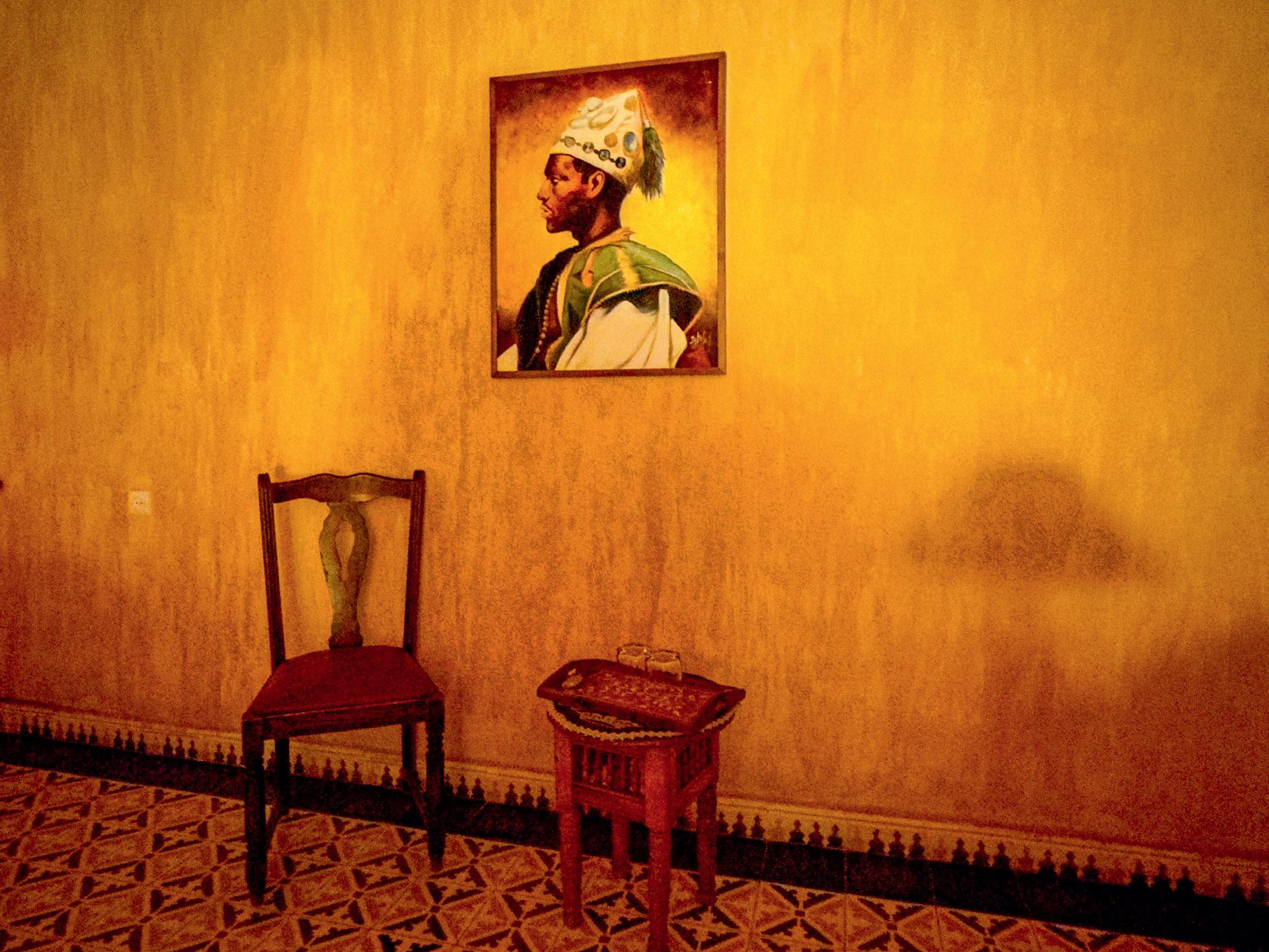
Morocco in the shadows
I was delighted when this image was selected for the exhibition, as it represents the kind of quiet, contemplative scene I am drawn to photograph. The picture was taken during my first visit to a beautiful riad in Morocco where the light, filtered and warm, seemed to settle gently onto the textured walls. What immediately caught my attention was the simplicity of the arrangement: a single wooden chair, a small carved table, and above them a striking portrait of a man in traditional dress.
I spent some time carefully composing the frame, wanting to balance the strong vertical lines of the wall with the geometric pattern of the tiled floor. The rich amber tones were very much part of my intention, enhancing the atmosphere and giving the image a timeless, almost painterly quality. My photography often focuses on the dialogue between objects and light. I am particularly interested in how colour and texture can evoke memory and mood. In printing this image, I paid close attention to preserving the warmth and the fine detail in the wall’s surface, ensuring that the final print retained the depth and subtle tonal transitions that first drew me to the scene.
Barbara Brown (AUS)
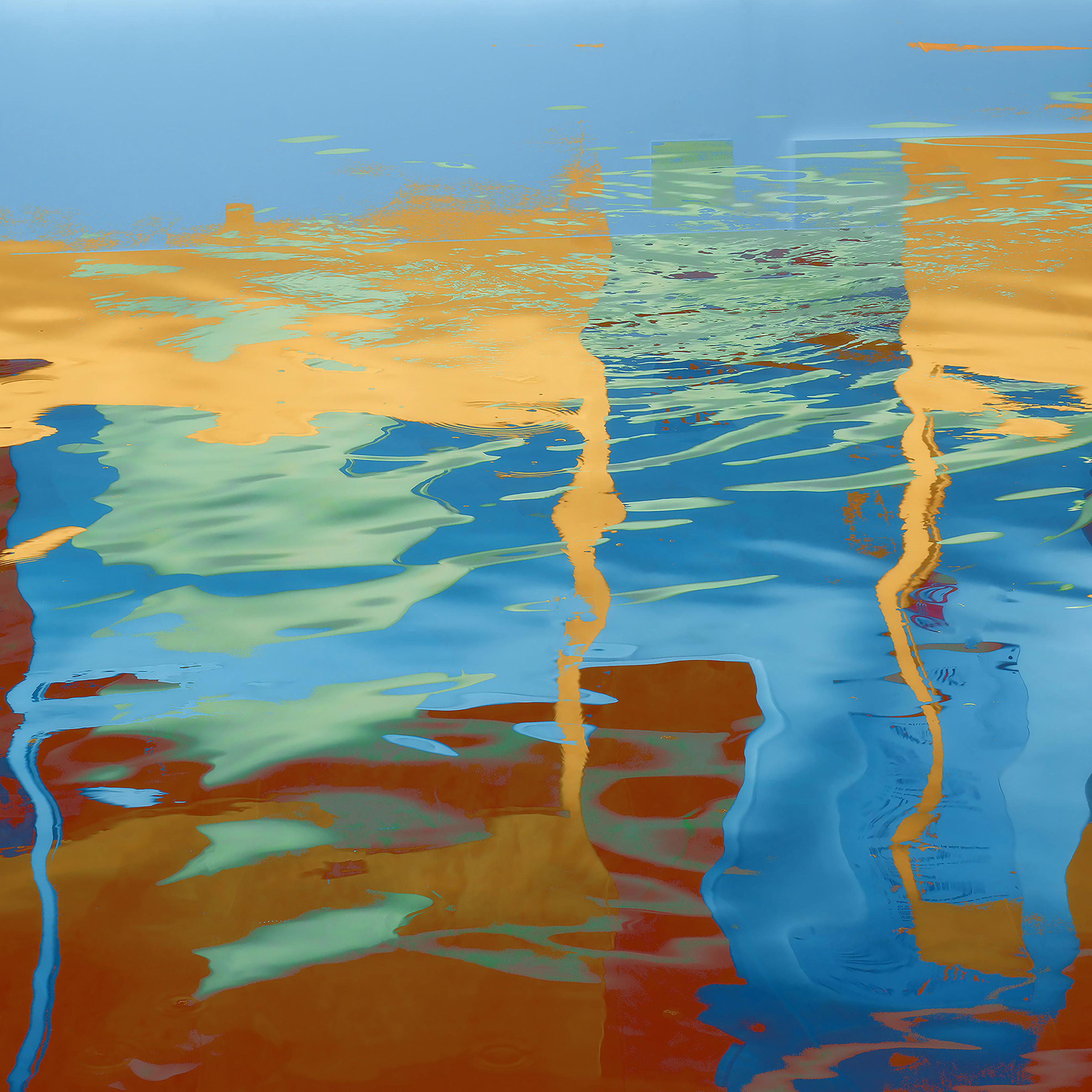
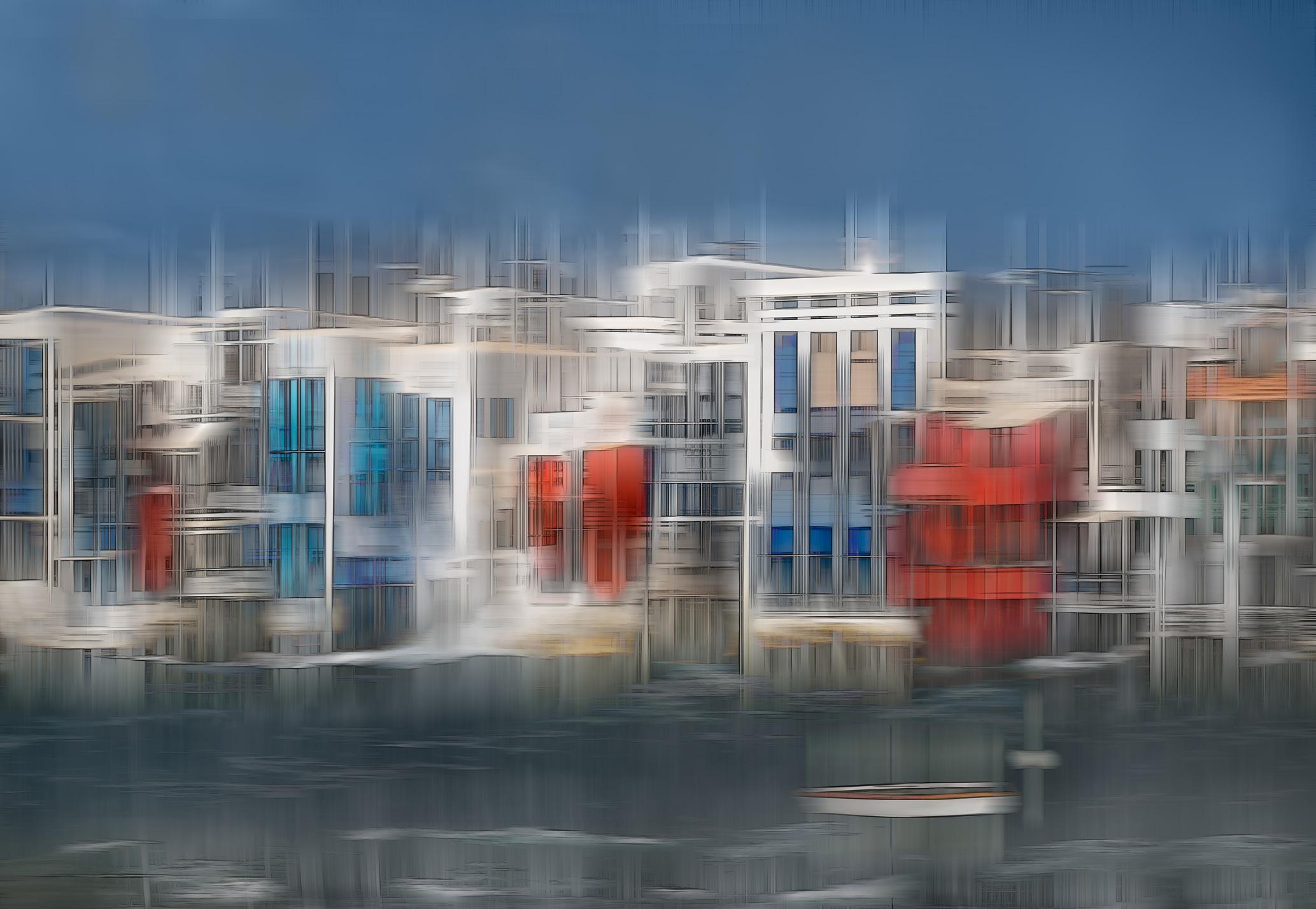
Mykonos
I am a Perth-based, Western Australian photographer. I enjoy using composite techniques in post-production to create my own original photographic art.
My image Mykonos depicts the colours of Little Venice on the seafront of Mykonos Town. The impressionist feel of this image was achieved in post-production by applying vertical and horizontal motion blur to separate, duplicated layers. Further enhancements were achieved using the find edges filter, levels, and hue and saturation adjustments.
I would print this image on Canson Rag Photographique. This is a smooth matte rag paper, which I think works well with this type of image.
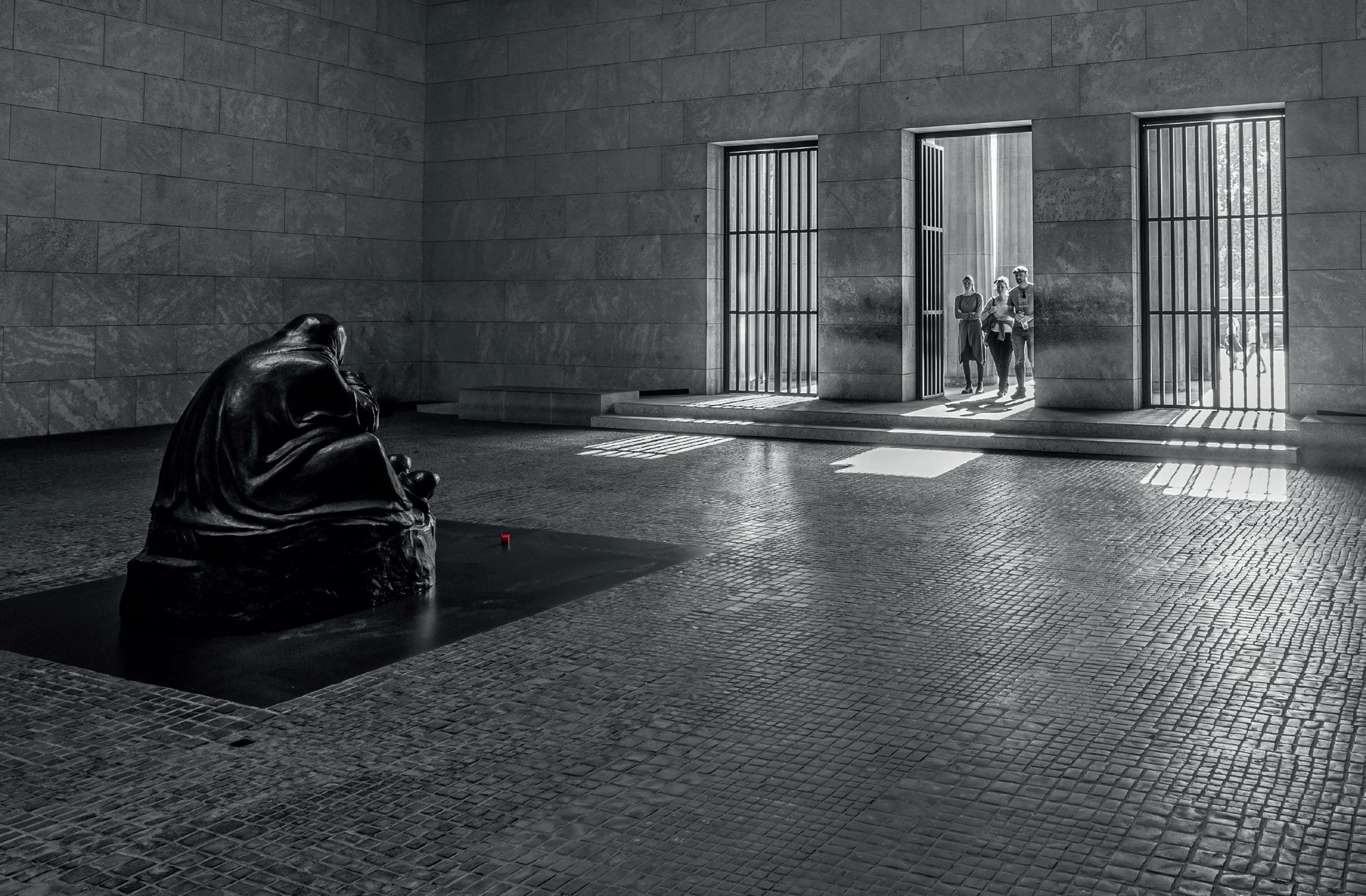
Neue Wache Memorial
Berlin is a city that seems to be full of monuments and memorials to some of the darker episodes in human history. This Neue Wache Memorial stands as Germany’s central memorial to the victims of war and tyranny. It comprises the sculpture Mother with her Dead Son by Käthe Kollwitz, housed in a large, stark, empty room, illuminated only by an open hole in the roof. Beneath the statue is the tomb of an unknown soldier and also the remains of a nameless concentration camp victim. In front of the sculpture burns a small red candle.
Stepping into this space from the bright sun and busy city outside, one is struck by the stillness and sombre ambience within. The sight of the statue is very moving and one is drawn into the spirit of contemplation and quiet reflection. Having experienced this myself I attempted, in this shot, to capture that moment as three visitors pause at the entrance, taking in the sight before them.
Shot with an Olympus E-M1 Mk.II with 12-40mm f/2.8 lens, 1/25s f/5.6 ISO 200. Printed on Permajet Photo Lustre 310 which reproduces well the full range of tones in this image.
Neill Taylor LRPS
Susan Champion LRPS
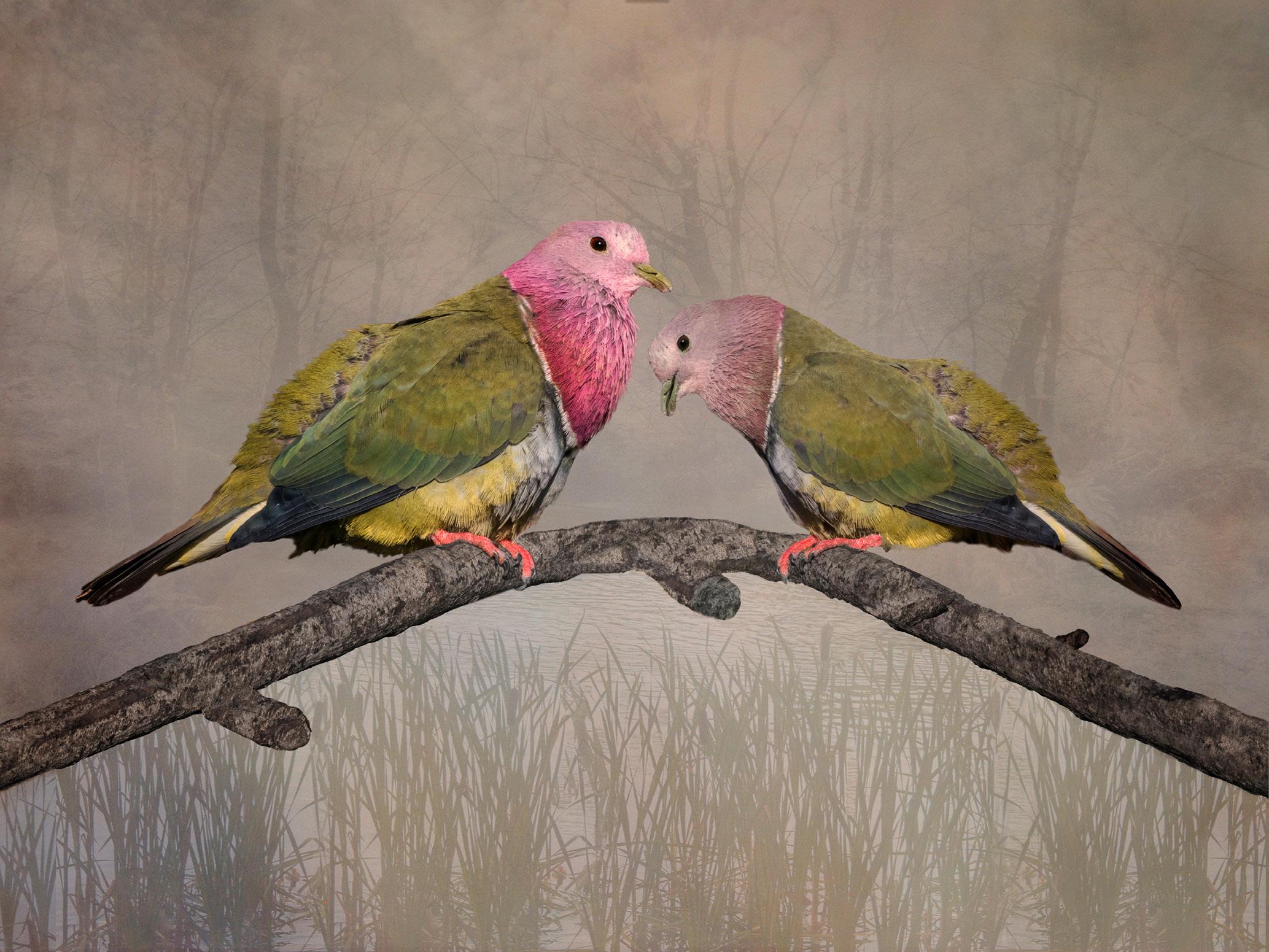
Pink Headed Fruit Doves
I was delighted to have a print chosen for this year’s Digital Imaging Portfolio. A member of Chester Photographic Society since 2009, I have served on the committee for many years and am the current Publicity Secretary. l Iive near to Chester Zoo where the Pink Headed Fruit Doves were photographed using a Nikon D750 full frame camera, 55-300mm lens at 140mm, hand held at 1/400 sec.
These doves are resident breeding endemic birds in the mountain forests of Sumatra, Java and Bali in Indonesia; but alas I had to contend with an ugly zoo enclosure wall. I enjoy creating composites to make more pleasing images, so the doves and branch were selected in photoshop. A texture overlay was made for the background by selecting colours from their feathers, then I added a layer containing the reeds and another with the trees. To finish the scene, more textures were overlaid, then some warmth and a very slight vignette was added.
I used an Epson R3000 to print on to Permajet Portrait White paper, which has a matte finish but retains all the fine detail.
Peter Knight LRPS
Queen Of The Alley
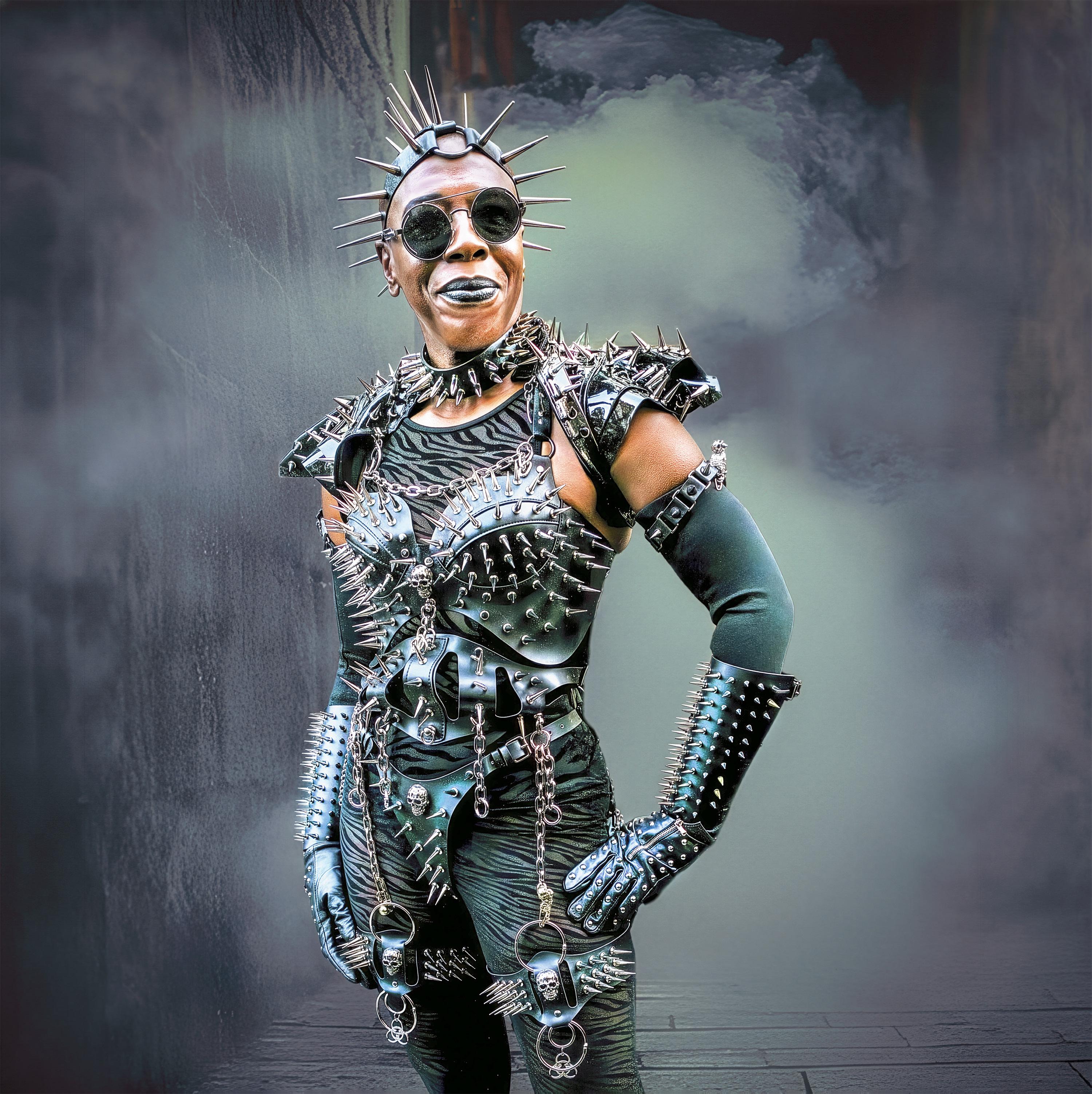
I was delighted to receive confirmation from the RPS that my image Queen of the Alley has been selected for inclusion in the RPS DI Print Portfolio 2026. The photograph began life at the Whitby Goth Weekend, held over the Halloween period in October/November 2025. The town was exceptionally busy, with an extraordinary range of Gothic fashion on display and models more than happy to pause, pose, and talk about their outfits.
This particular model stood out immediately. She posed for me in the middle of the crowd on Church Street, and her striking costume inspired me to lift her from the original scene and place her into a more surreal, atmospheric setting that I felt complemented her dramatic look.
For the final print, I chose PermaJet’s FB Distinction 320. Its subtle gloss and bright white base suited the image perfectly, helping to bring out the fine detail and metallic textures in her elaborate outfit.
Resting
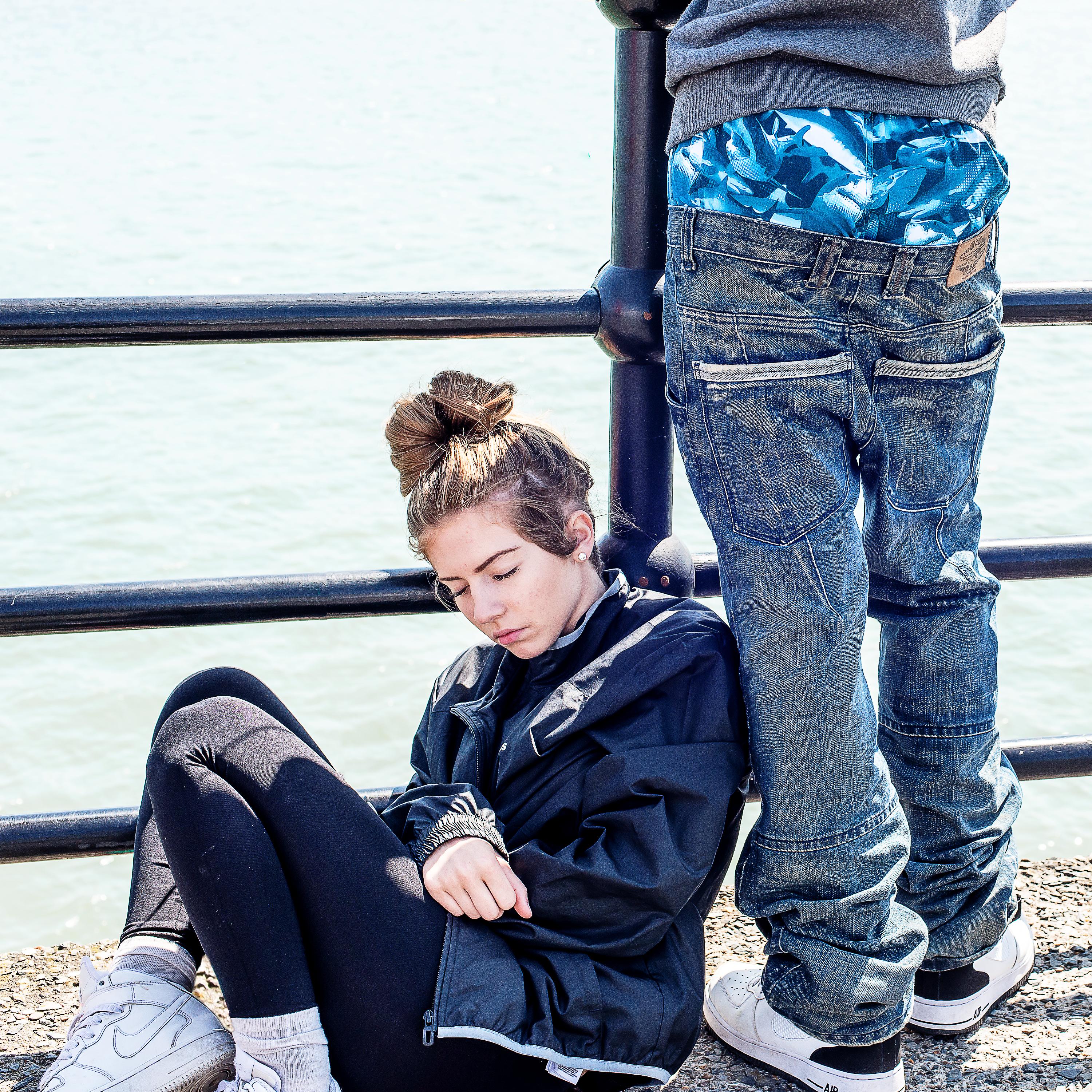
In the summer months, the populations of the North Devon ports of Bideford and Appledore are swollen by an influx of tourists and visitors. This makes these lovely estuary towns a rich hunting ground for street-style photography. Often, among the many visitors, are school groups attending outdoor activity centres for water sports and other coastal pastimes. Usually from the larger cities, these groups would camp or stay at a hostel.
The young people shown in my picture were part of a larger group quietly enjoying the sunshine on Appledore embankment. Like many teenagers I imagine they had spent the night talking, rather than sleeping. Hence, this young woman was taking the chance to have a nap – she was not the only one; several were asleep on various benches, along the water’s edge. Meanwhile, her friend stood by, leaning on the rail, looking out across the estuary and exhibiting the latest fashion for jeans wear.
I am honoured that my photograph has been included in this Portfolio.
Robin Mellor ARPS
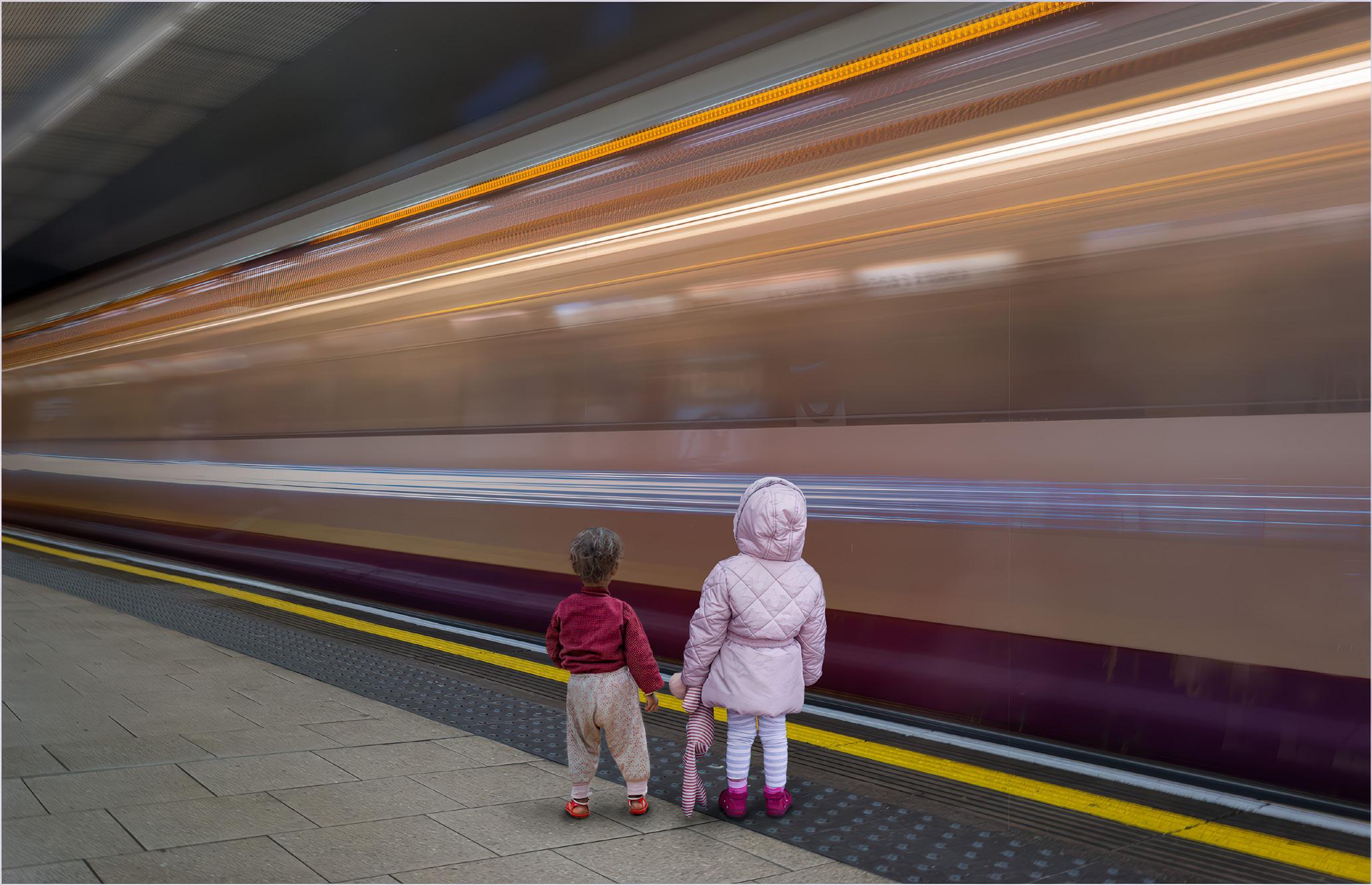
Subway Siblings
I enjoy making composite images just as much as taking straight photos. It allows for a bit of free thinking. One can incorporate abstract ideas, and it also provides a second chance to use material if I didn’t get it right in camera!
The tube-train background was developed from some experiments in motion blur of trains arriving at Kings Cross. Shutter speeds varied between 0.5 and 1.5sec. In most cases the blur was too short, but the shots were hand-held, so I didn’t risk longer exposures. I merged three images and tidied up the brighter lines to get continuous lines
The two ‘siblings’ come from street photos at the Edinburgh Festival. Luckily their clothes match the colours of the tube train. They didn’t need much adjustment, just a slight shadow added. The image was printed on Permajet Distinction which has a nice surface lustre and shows rich tones using my Epson P700.
Roger Hinton LRPS
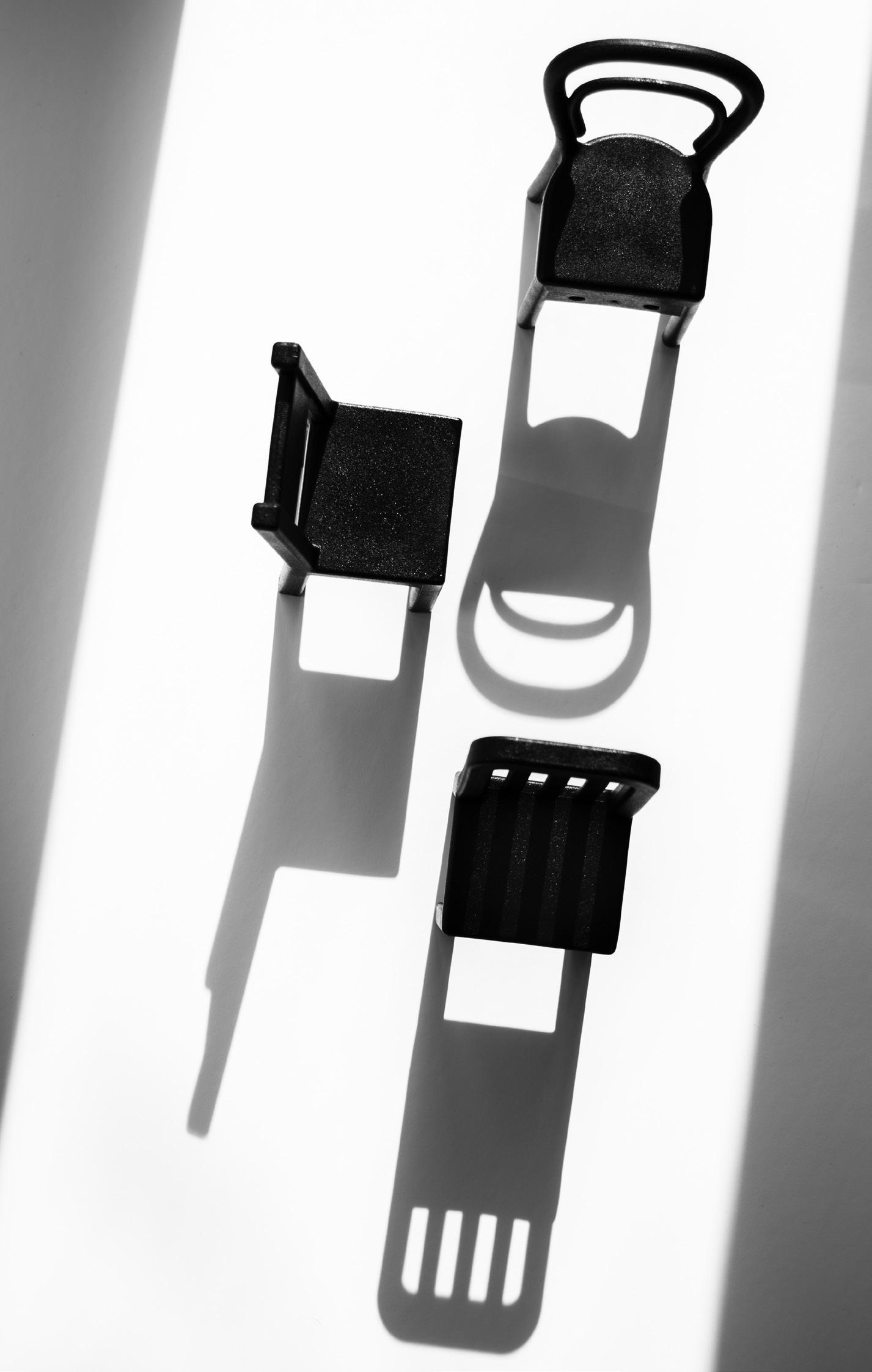
Take a Seat
I noticed that the sunshine streaming through a long window in my home was making strong shadows from plant on the floor, so it inspired me to think of using that harsh light to create an ‘alternative’ still life image.
I placed a sheet of white foam board on the floor using the window struts to make a channel of light; I then placed the three styles of chairs so that their designs made different shadows in the suggested alleyway.
After processing into black and white in Lightroom, it turned out just as I hoped.
The alternative aspect of this still life is that the chairs are tinycoat hooks from a well known Swedish store.
I really enjoy minimalism, fine art and still life photography and endeavour to think creatively in making my images.
To have this image selected for the RPS DI Print Portfolio 2026 is just wonderful.
Linda McGregor LRPS
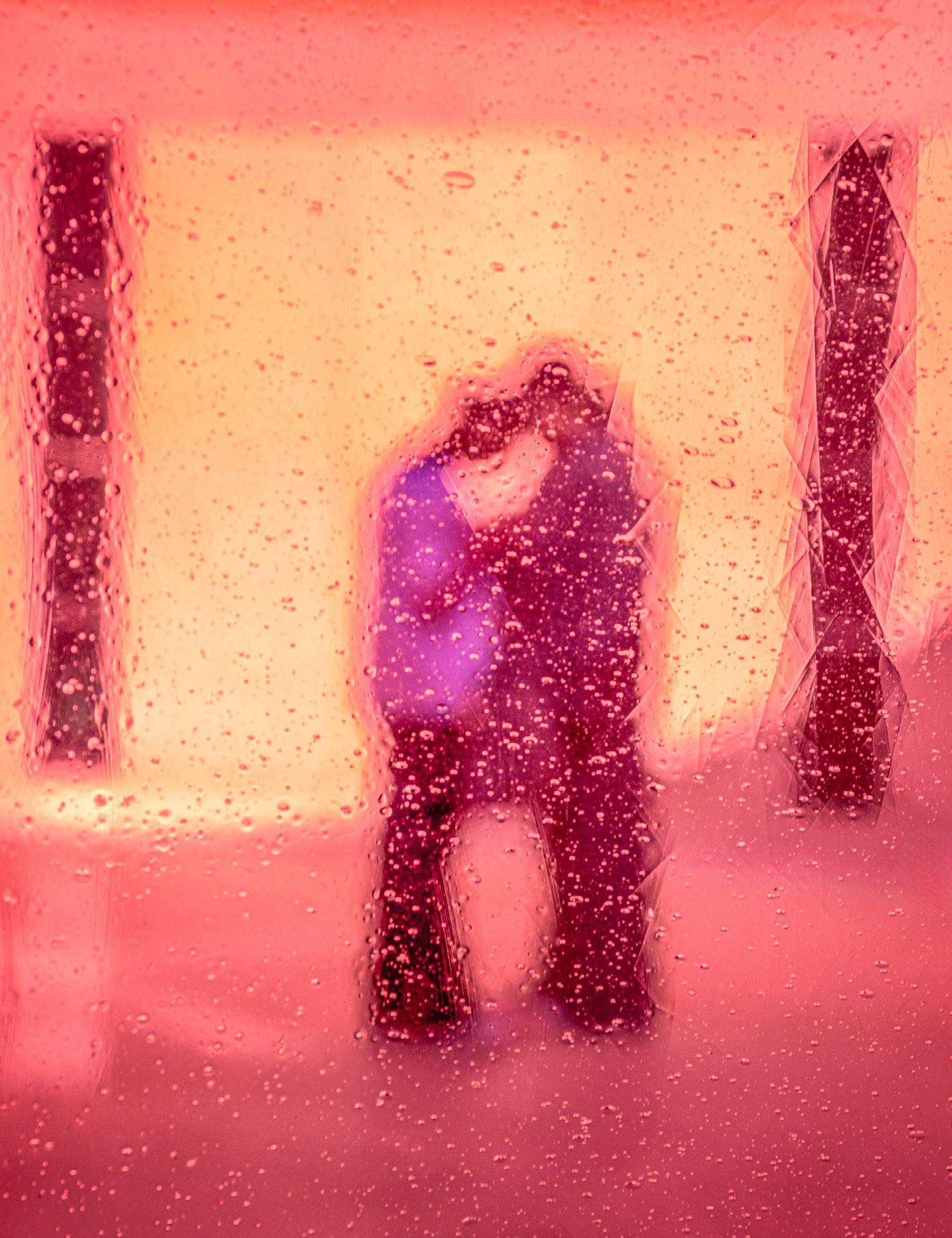
The Embrace
This photograph, The Embrace, is a personal favourite, and I was overjoyed that it was chosen for the RPS DI Print Portfolio 2026. I took the image of a couple embracing at the Yves Saint Laurent Museum in Marrakesh, Morocco, through an art glass window. Whilst waiting for family, I was drawn to the coloured glass windows and the way the glass diffused the people behind. The colours worked well together, and the splash of blue helped draw my eye along the ‘heart’ shape made when the couple put their heads together.
To me, this image worked very well as a print, and I chose the Fotospeed Platinum Etching Cotton 310 paper to print. A matte paper with a lovely texture that shows up all the details.
David Turner ARPS
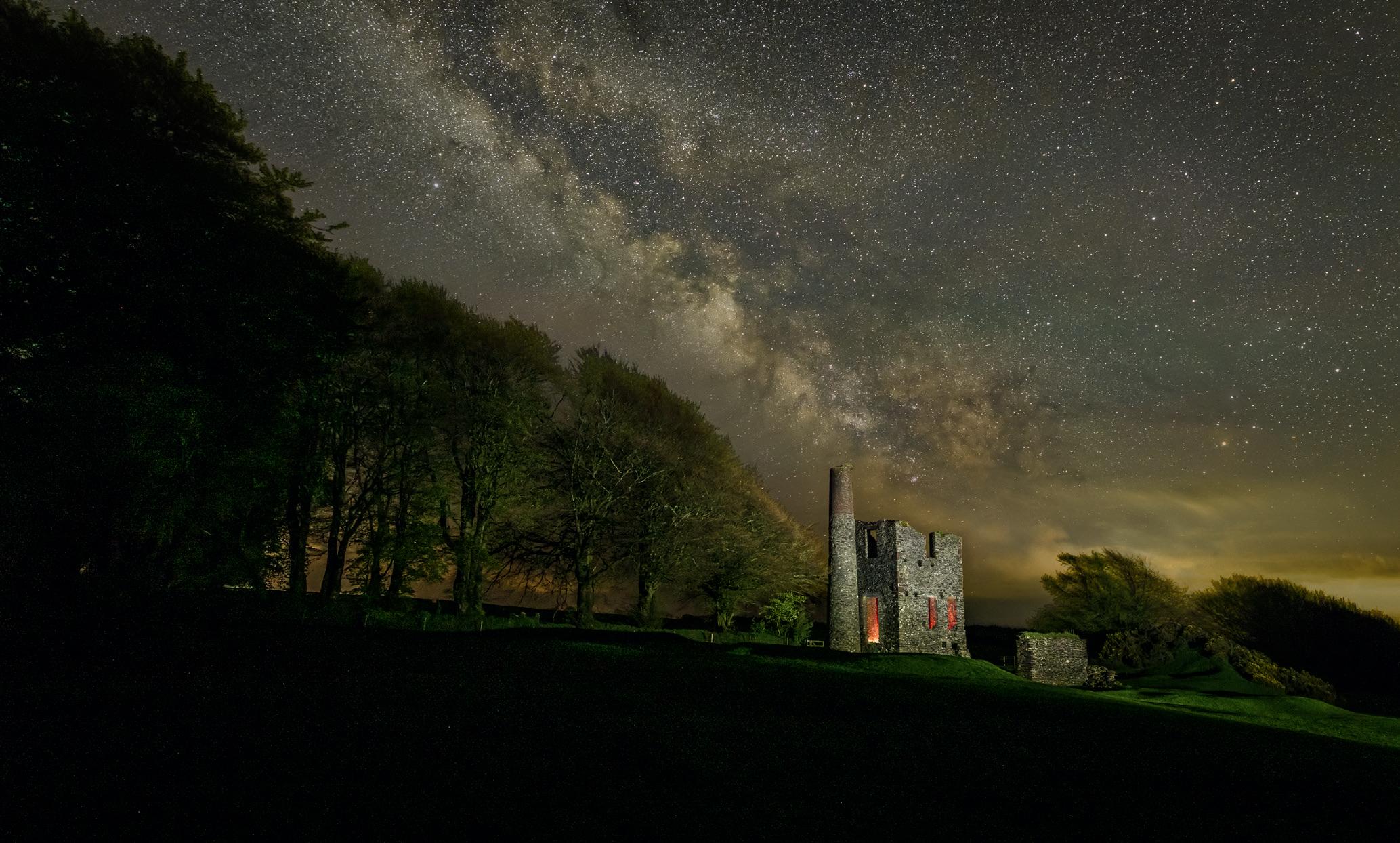
The Star Factory
I first encountered the engine house as a line drawing on a jar of jam, and with the help of Google and an Ordnance Survey map, I was able to identify the building and whether there was any public access to its location. Once I knew those details, I used the Photopills app to see when the Milky Way aligned with the engine house. The weather was against me the first time I scheduled the photo as it was too cloudy, so I tried again a year later.
Capturing the stars involved 30 or so individual photos of the stars which were blended together in Sequator to create the sky portion of the picture. The foreground photo was created using a torch to provide side light on the building. Creating the fiery interior was done by putting a flashgun inside a red plastic microwave container that was fired off a few times using a handheld remote release while the shutter was open on the camera.
The final stage was to blend all three elements together using Lightroom and Photoshop. When it came to printing the result, I tried a couple of different papers before settling on Canon Platinum Pro paper.
Clive Dunkey
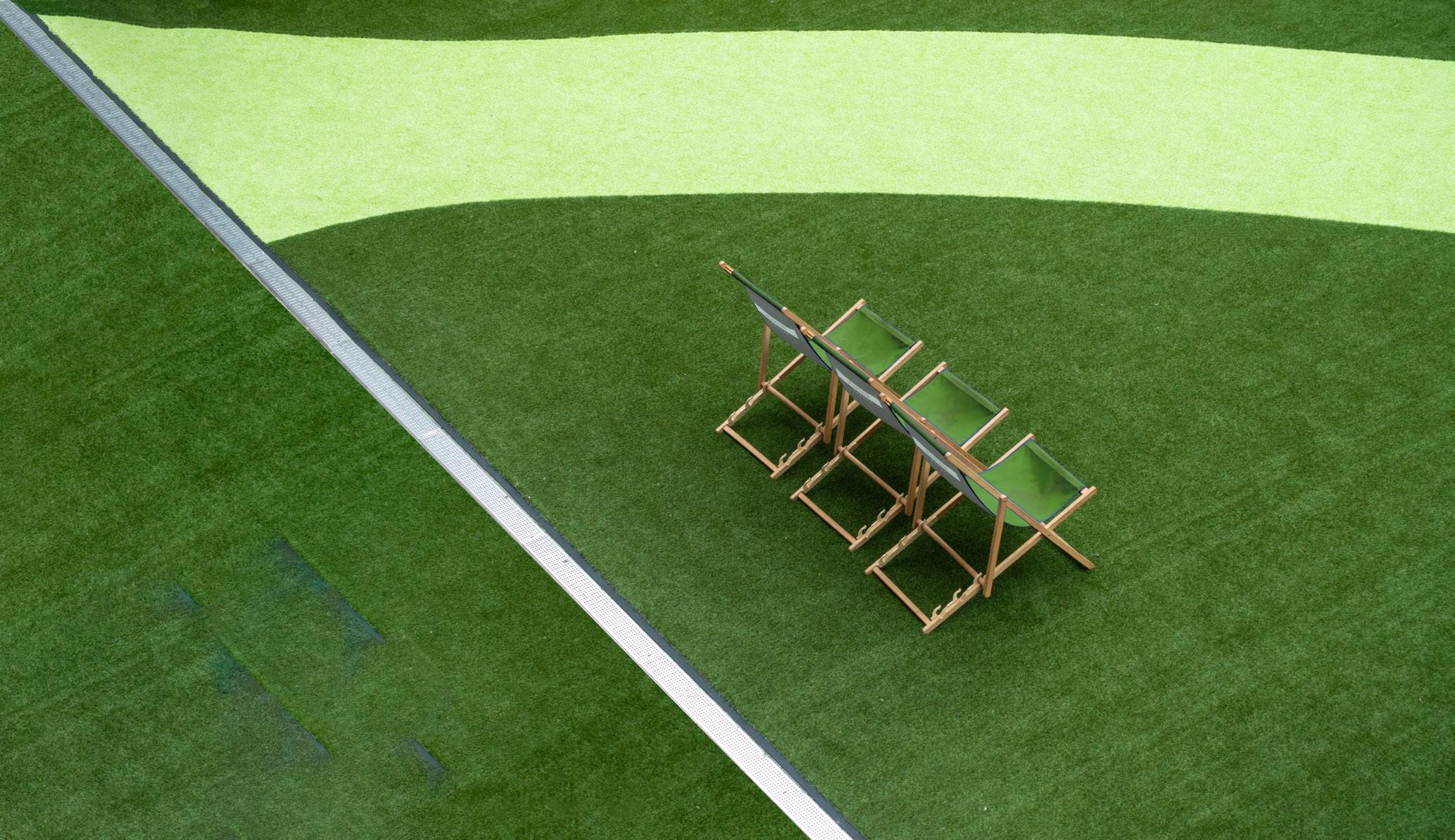
Three Greens
I like repeating patterns and was therefore attracted by these three deckchairs, seen from above. The nearest chair, being slightly out of alignment, breaks the symmetry, which adds interest.
In the original shot there were floor tiles to the left of the ‘chrome’ diagonal. I cloned in some more artificial turf and extended the image a little to the left, until the diagonal reached the top left corner. The deck chairs were blue, which didn’t suit the green background, so I changed them to another shade of green.
John Bull LRPS
Paul O’Flanagan LRPS
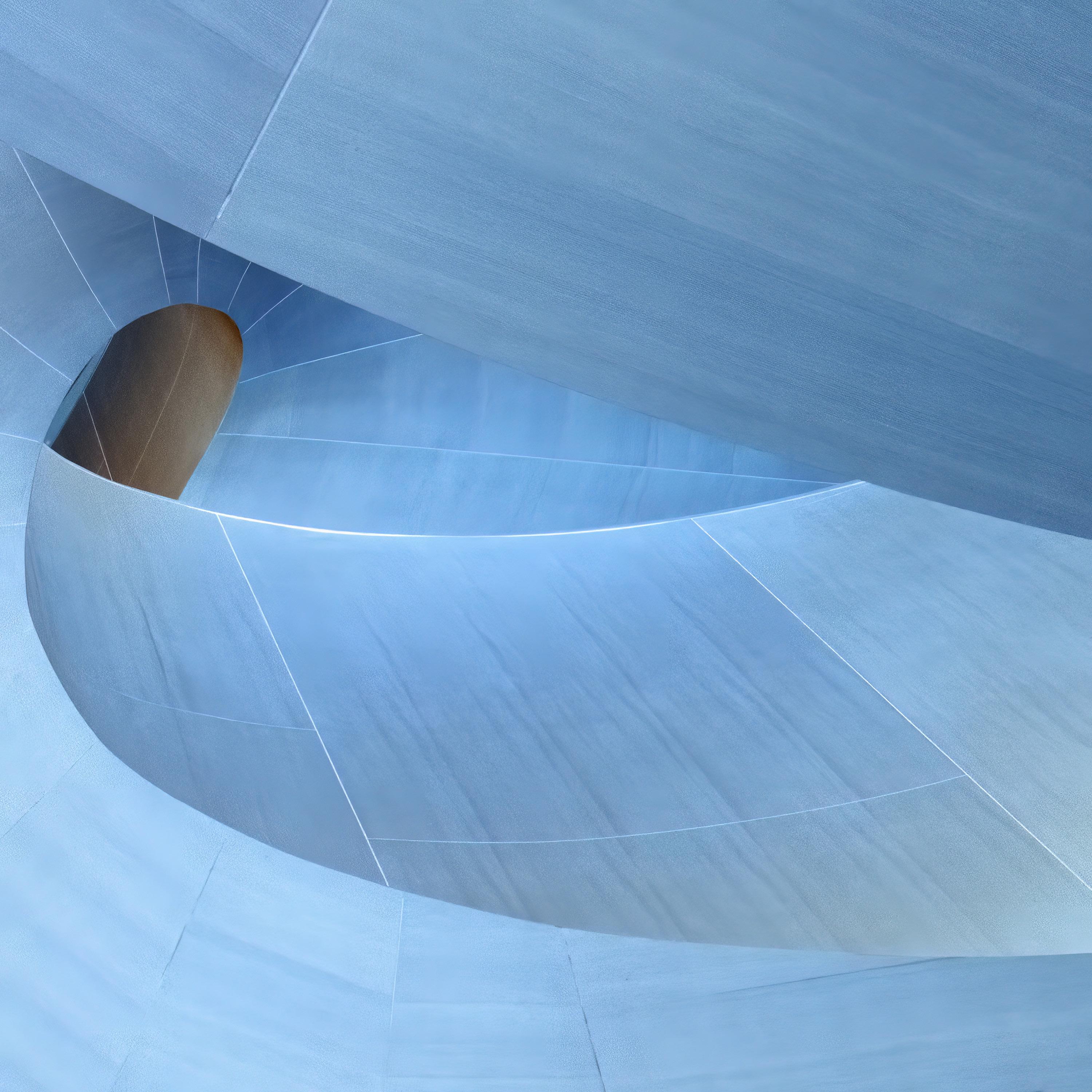
The Kernel
I was very pleased to discover that this photograph was chosen when nobody knew what it represented. It is a design by one of my heroes, Frank Gehry. When I saw this staircase, Douglas-Fir clad, I was determined to photograph it in a way that was different to other Spiral Staircase photographs. It is beautifully simple in its design, which I wanted to capture. The wood looks like maple. The photograph was taken up close to the sides and shooting upwards. This excluded the staircase but allowed me to capture elements of the spiral in an abstract way. The lines show the edges of the handrails. After processing I inverted the colour as the original yellow colour was unattractive.
The staircase is found in the Art Gallery of Ontario, which I visited last year. It is situated at the rear of an otherwise old building in a modern lobby which Frank Gehry created using part of the old structure. Though he lived in California he was born in Toronto, in a street almost opposite the gallery. The picture became more poignant for me when I discovered that he died in December 2025.
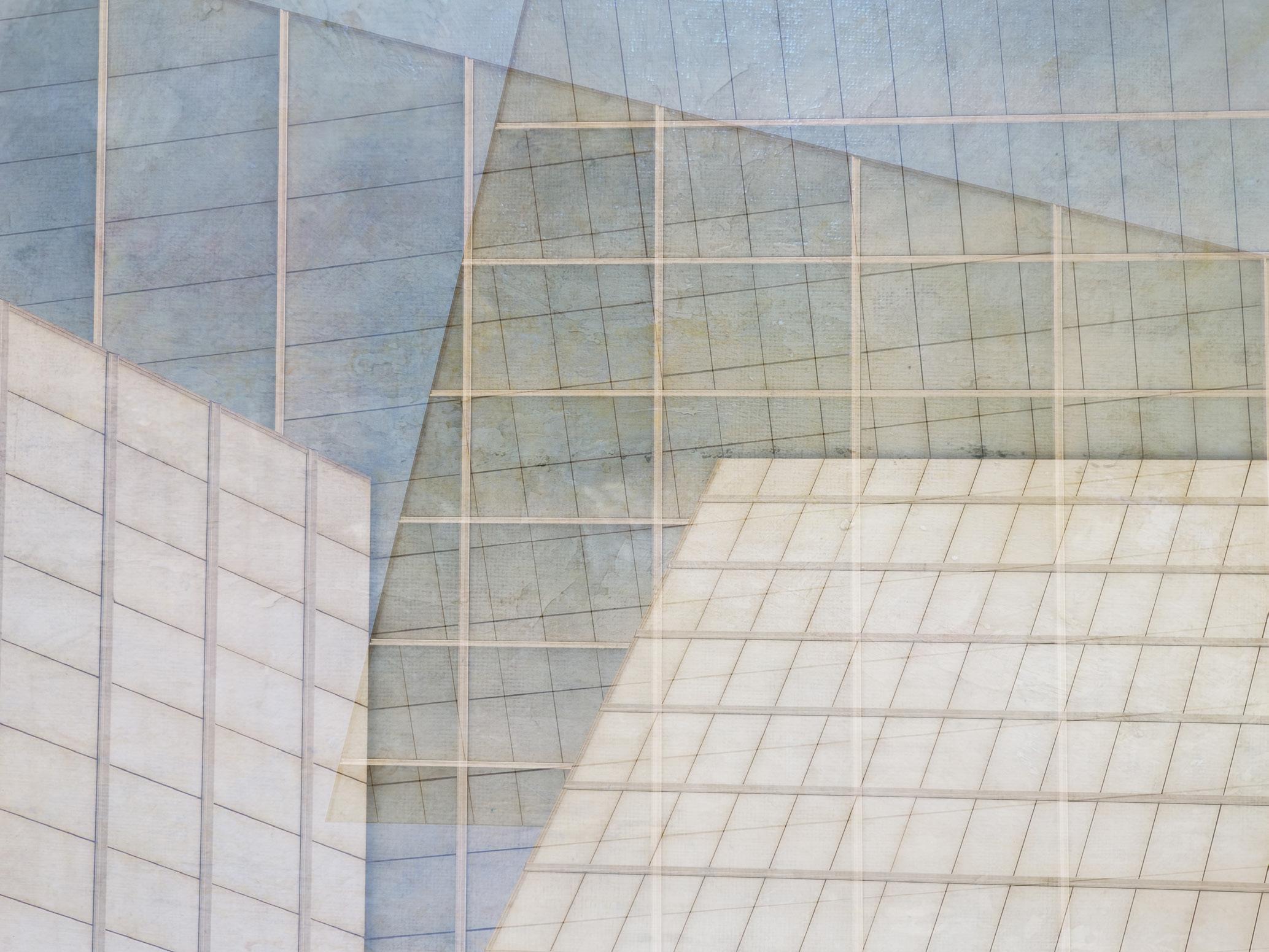
Turner Contemporary
It was amazing to have this print accepted in the Portfolio. I took several photos of the architecture with the intention of combining them in post production. I then went into the gallery and took a close up image of part of the Turner painting Waves Breaking on a Lee Shore at Margate they had on display. I used this as a very subtle texture overlay so it truly became a Turner. My engineering design background meant I had to get as many of the lines as possible to flow through the print to keep it looking clean.
I used Fotospeed Platinum Etching paper to add a little more texture to the print and I have found this paper also retains fine detail.
Dave Balcombe ARPS
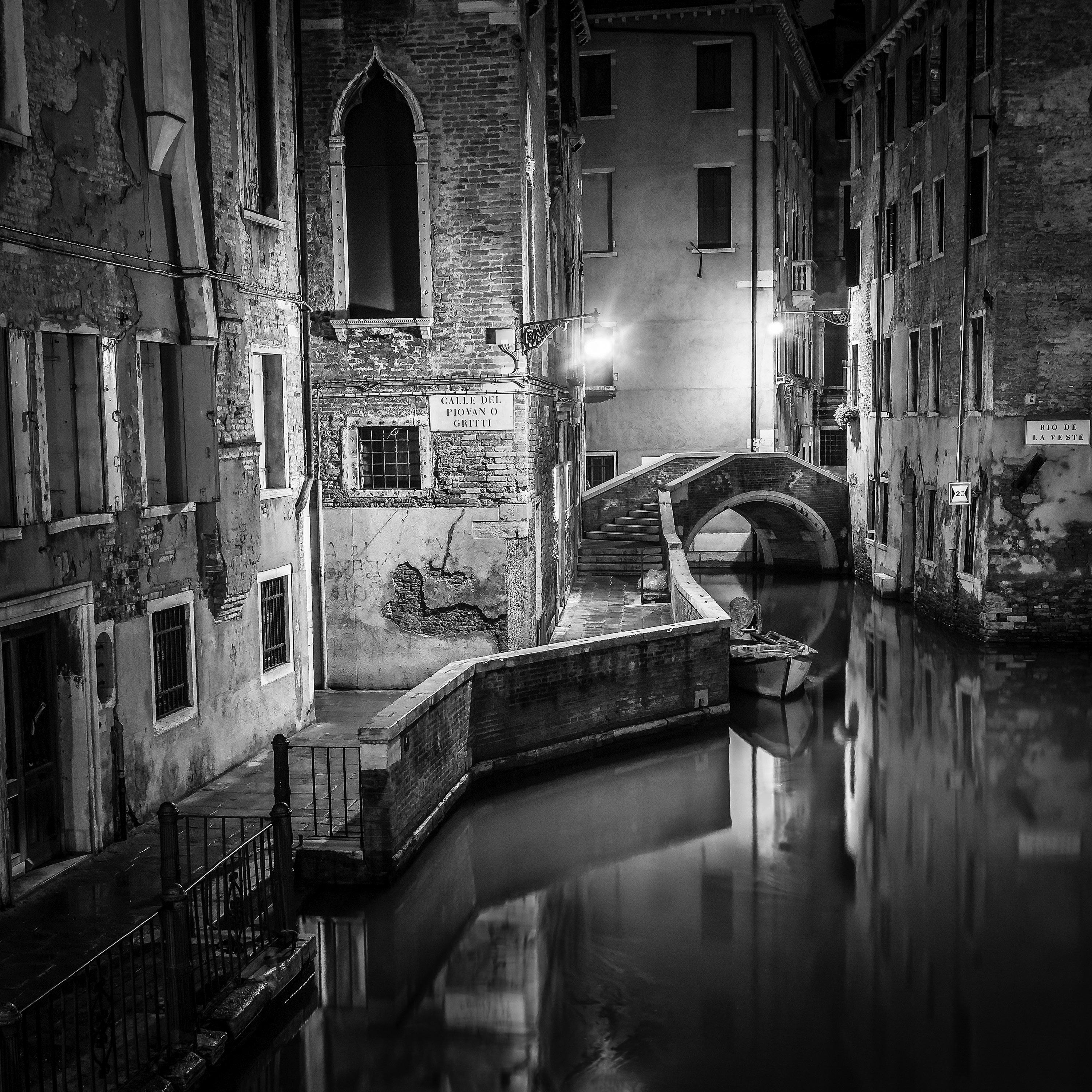
Venice Solitude
I was absolutely delighted that my image Venice Solitude was accepted into the RPS DI Print Portfolio 2026. The image was taken on a trip to Venice in 2011. I went out late one evening, and walked around the city for a few hours, looking for interesting nighttime images. I had seen this scene earlier in the day, and decided to return and take it again in the dark. The image is a four second exposure and was taken on a tripod.
The post processing was fairly straightforward, with some effort required to minimise the strong highlights created by the street lighting.
My photography is almost all monochrome, my main interest is in producing black and white prints on the many beautiful fine art papers which are available to us today.
The paper I used for the prints entered into the RPS DI Print Portfolio 2026, was Canson Arches BFK Rives White. This is a fine textured paper with a slightly off-white base, which I think is well suited to this type of image.
Hugh Rooney FRPS
Selected
in round 2
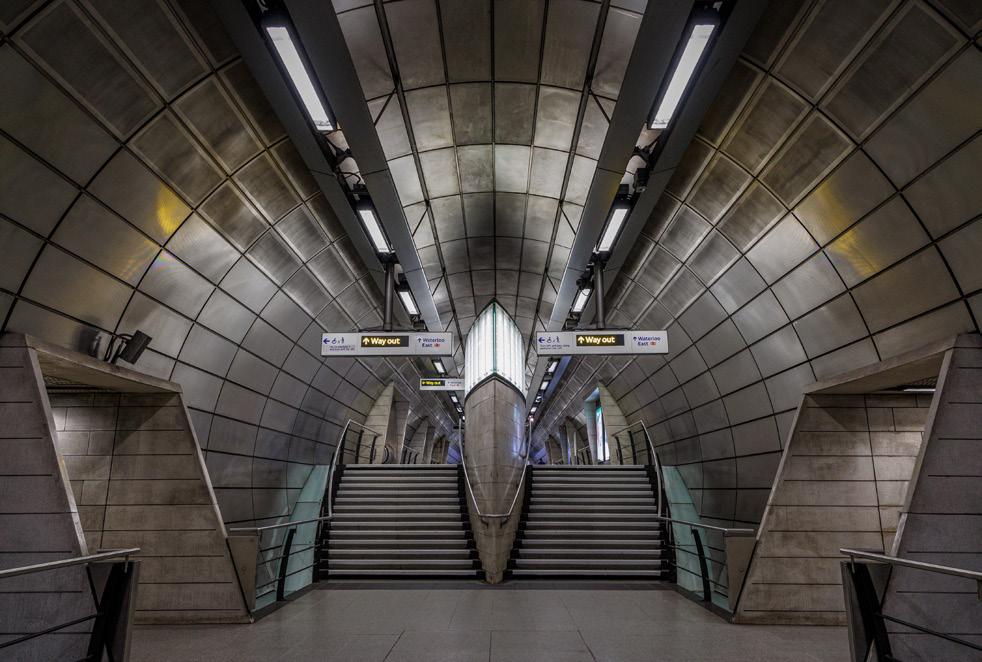
Art Deco Southwark
Bridget Codrington
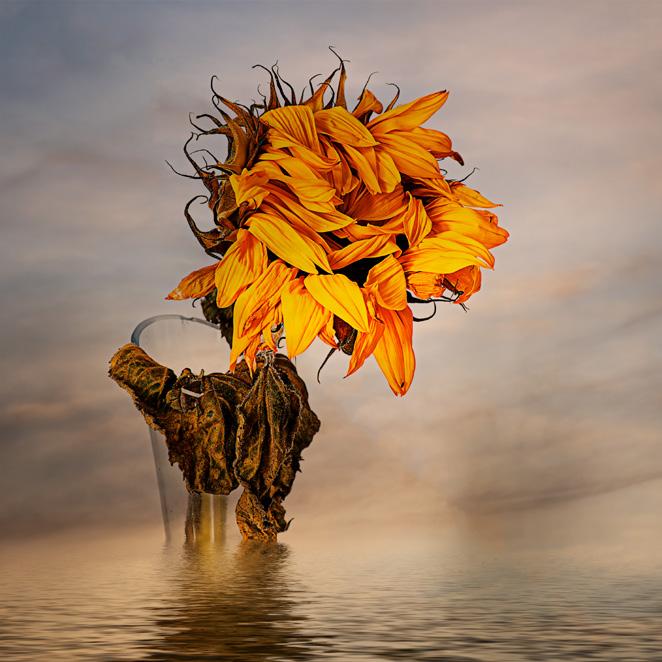
As The Sunflower whispers
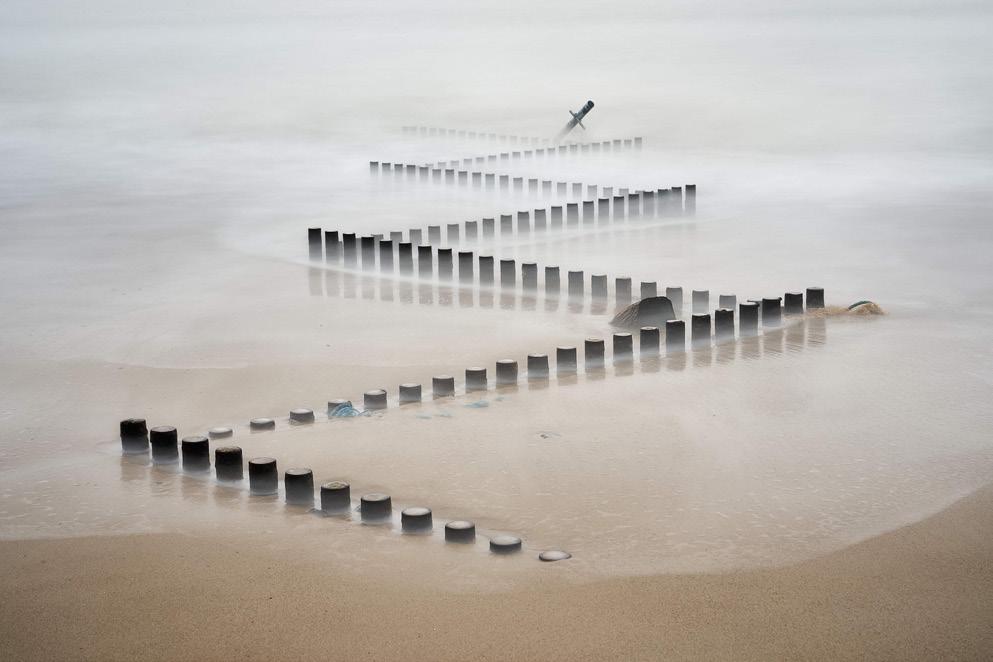
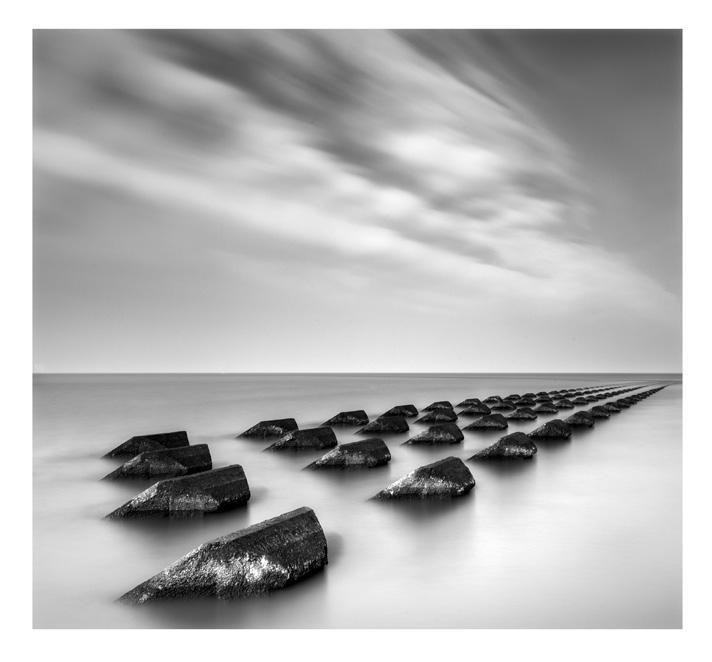
Caister on Sea groyne
Peter Orton ARPS
Dennis Russ LRPS
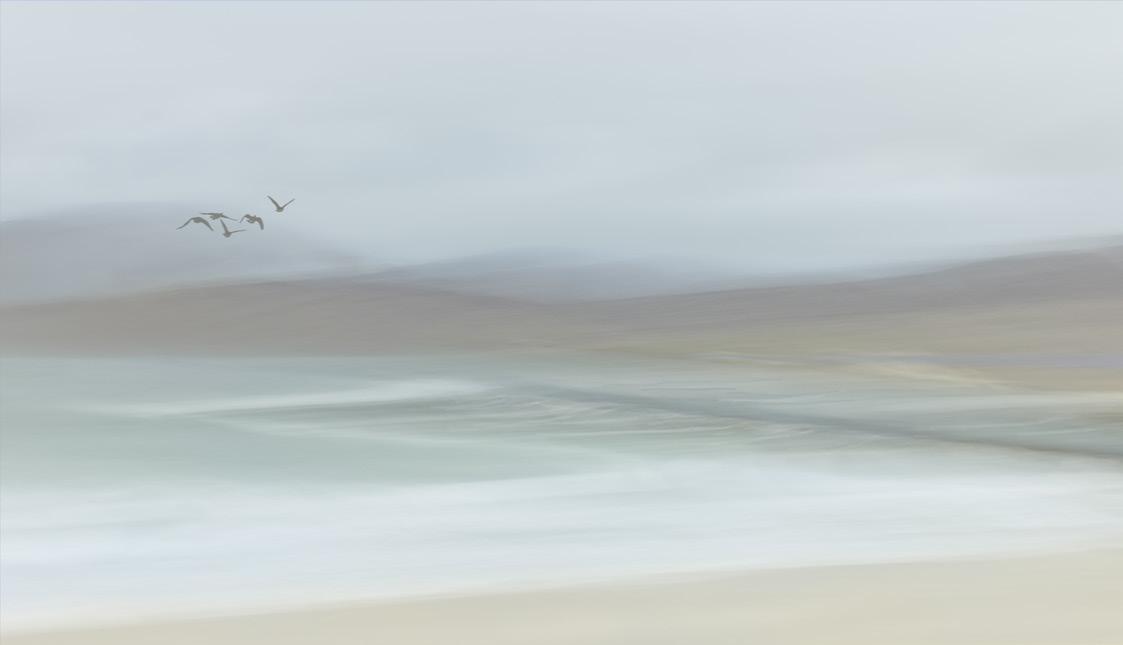
Colours of Luskentyre
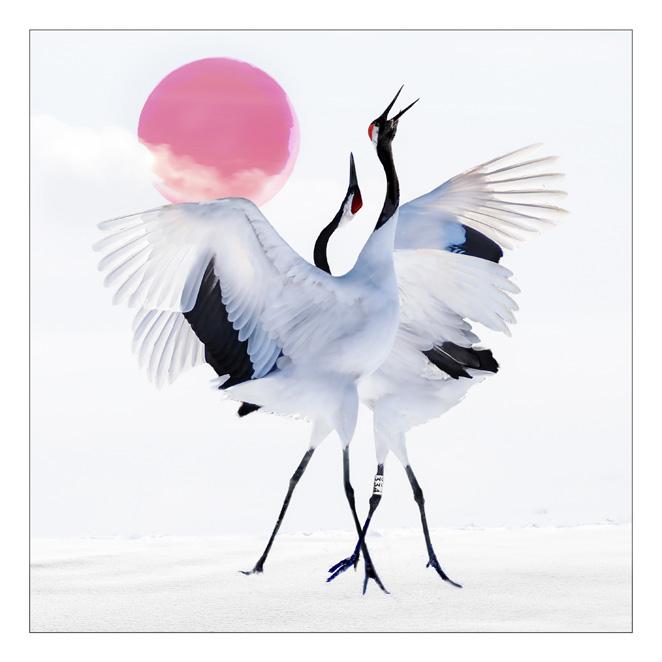
Courting Ritual of Red Crowned Cranes
Marilyn Taylor FRPS
Hilary Bailey LRPS
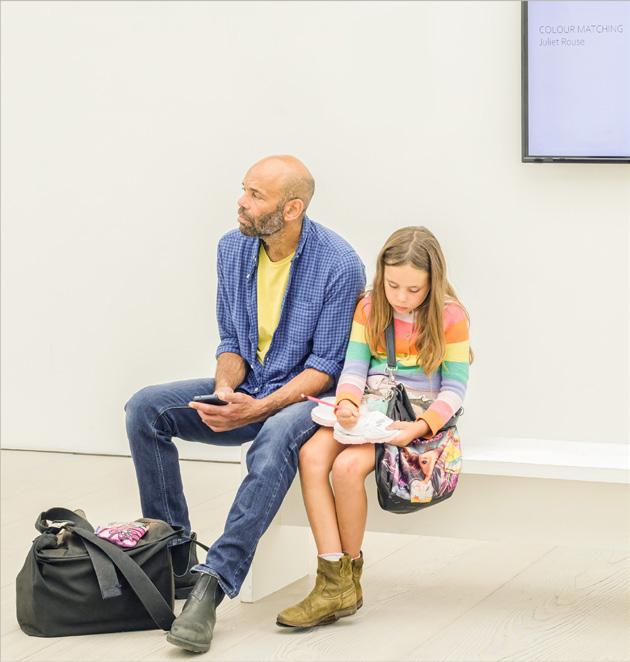
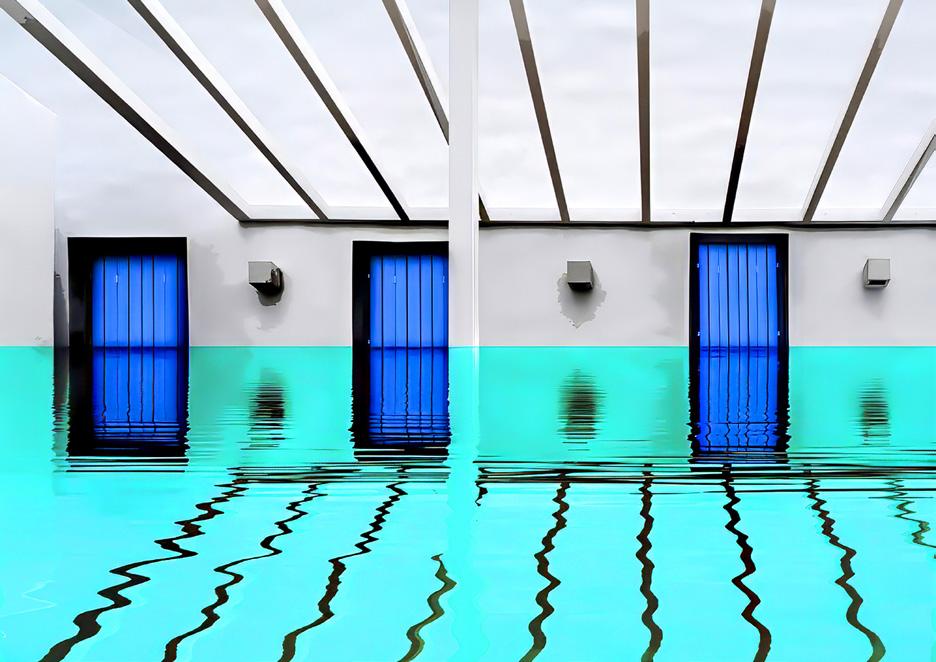
Colour Matching
Carol Walker
Selected in round 2
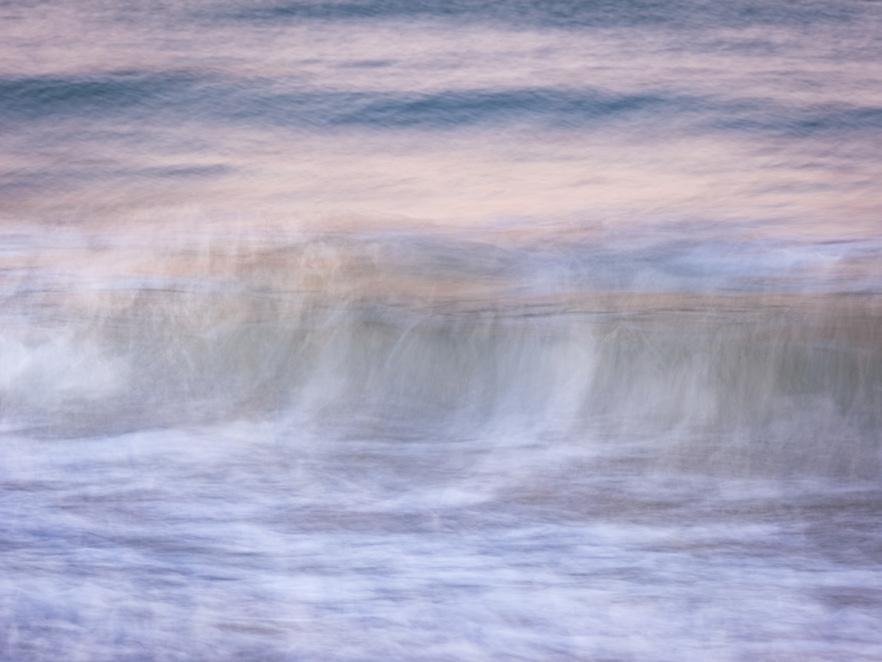
Evening Wave
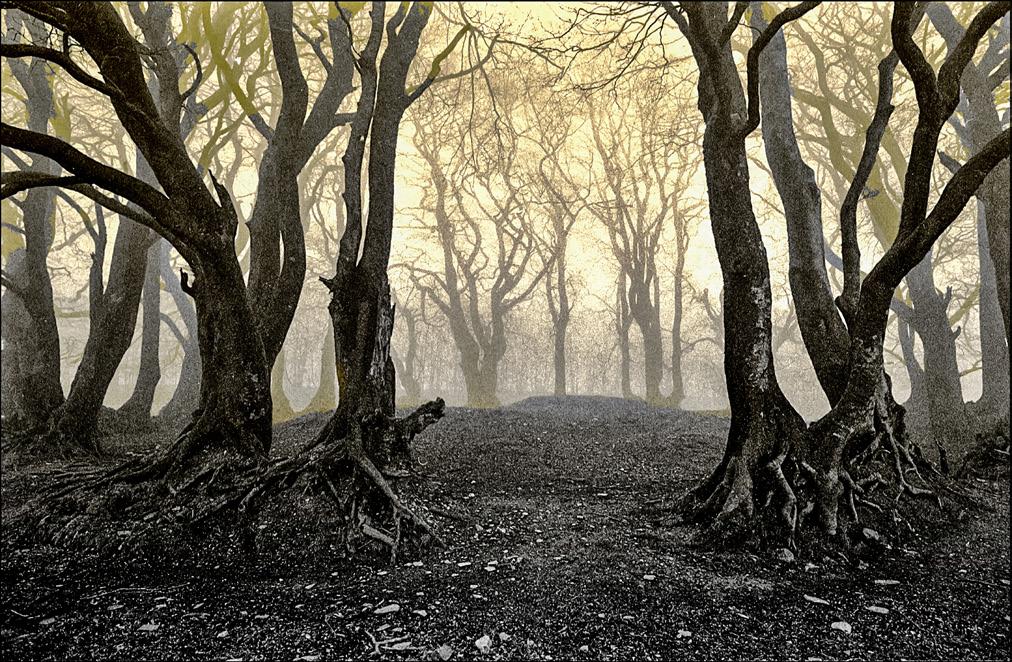
Exmoor Wood
Barry Senior HonFRPS
Martin Farrow ARPS
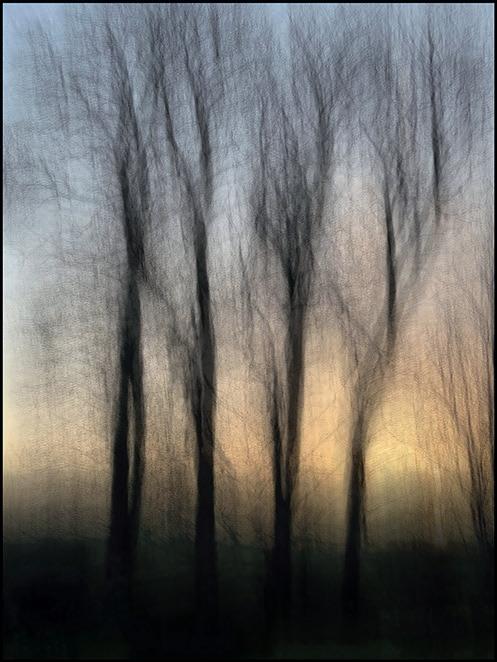
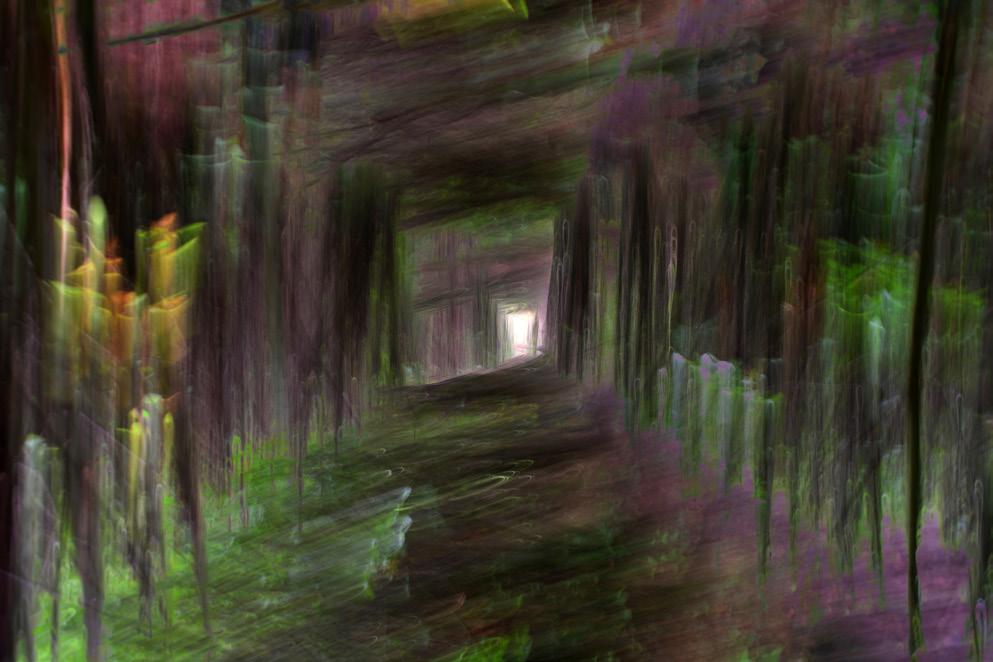
Dreamy Sunset
Sylvia Moorhouse LRPS
Selected in round 2
Look through
David Scrivener ARPS
Liquid Mirror
Katherine Rynor ARPS
Philip-Barker ARPS
Selected in round 2
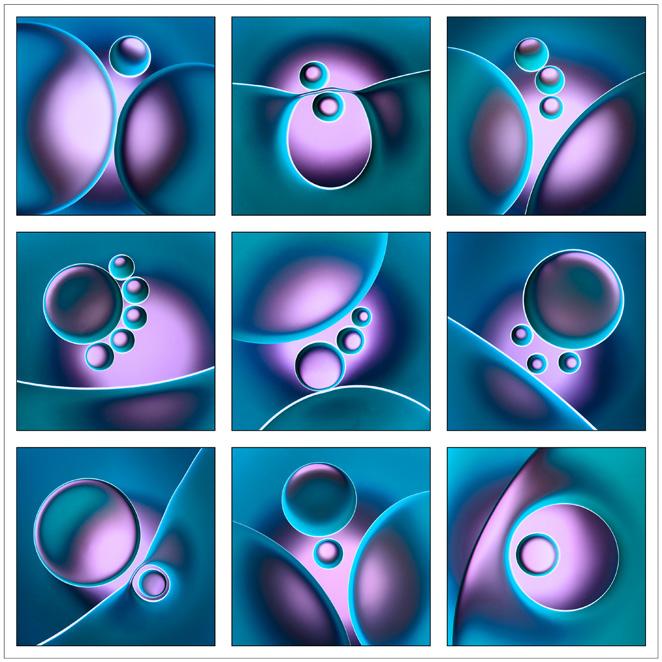
Oil Drop Adventures 3
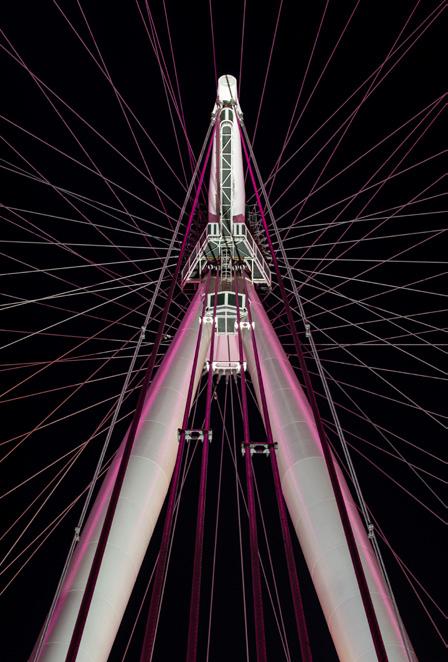
Pink Eye, London
Howard Klein LRPS
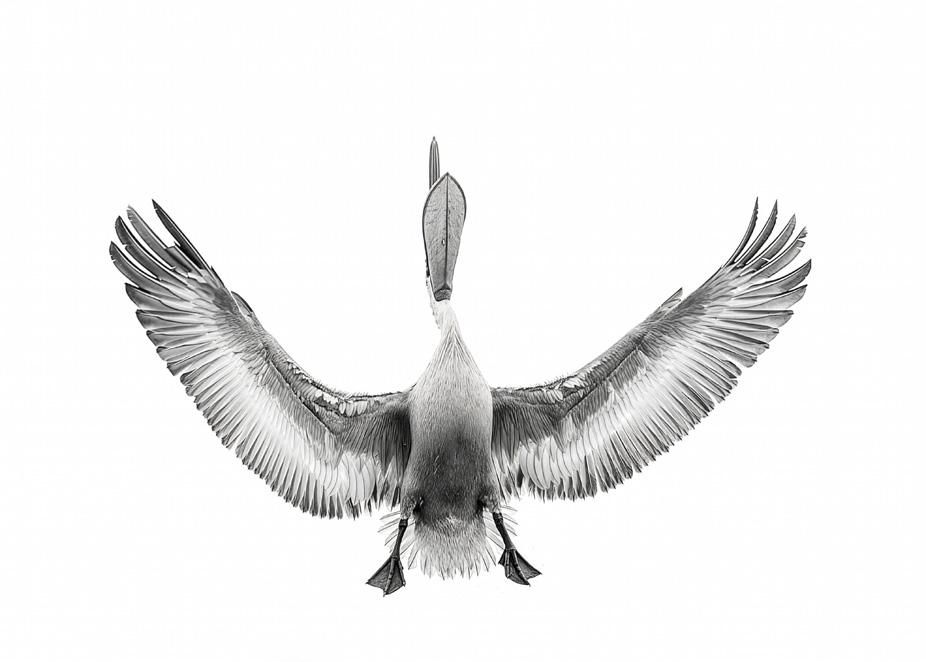
Pelican Angel
Christine Holt ARPS
Martin Parratt FRPS
Selected in round 2
Surfers
Susan Hendrick FRPS
Stars and Stripes
David Pearson FRPS
Puff of Smoke
Helen Otton LRPS
We are Sailing
Brian
Connolly
LRPS
Winners
Roger Robinson LRPS
Remaining short listed entries
Title Photographer
A Moment in Time
Affection
Autumn Leaves in the Winter Ice
Boats at Stiffkey
Bungles Finger
Childs Play
Corroded
Covent Garden
Cyclamen Flower
Determination
Early Bean Shoot
Fading Rose
Feather Wiggle
Fountains
Steve Oakes LRPS
Robin Claydon ARPS
Olivia Costello
Linda Gower
Graeme Knibbs LRPS
Carol Olerud FRPS (NLD)
John Eaton ARPS (USA)
Ian Boulton LRPS
Melanie Chalk ARPS
Rob Morgan ARPS (AUS)
Valerie Williams ARPS
Brian Cooke ARPS
Pat Wood
Peter Harvey ARPS
Title Photographer
Hairy Shieldbugs Mating with Rival Attacking John Nash ARPS