Celebrating RPS Digital Imaging Members’ Distinctions
Welcome to Accolade 18
Putting this edition together has been a joy as always but especially in times when good news is in short supply. Photography can be a great source of positivity in our lives; being out with our cameras, processing our images, creating a print, working on a project, connecting with like-minded people and maybe working towards a distinction. All these things can give us a something positive to focus on.
Accolade has been mentioned by one of our contributors as a valuable resource when they were working on their LRPS submission. Understanding the LRPS Criteria and selecting images to meet them can be a daunting task but reading about how other people have approached this and been successful can be a great help. Whilst the main purpose of Accolade is to celebrate success, it is also about inspiration. Back issues are available HERE.
The contributions we receive from successful ARPS and FRPS submissions are always fascinating to read. Regardless of genre, the inspiration behind them and how this is expressed is deeply personal to the individual. Fitting this experience into the limited space we offer is not easy. Understandably, not everyone we invite wishes to share this personal journey, so we are grateful to those, at all three levels, who do.
Invitations for Accolade 19 will be going out shortly and you can look forward to more great stories and wonderful images later in the year. As always, if you have any comments or questions, you can contact us HERE.
Enjoy the edition.
Sue Vaines
Accolade Editor
Caroline Petch Accolade Contributions
LICENTIATE LRPS
LICENTIATE
Liz Webb LRPS
Having belonged to the RPS for approximately 3 years, I felt it was time to set myself the challenge of aiming to achieve this distinction.
The Process
My first approach was to familiarise myself with the criteria by reading a couple of issues of Accolade to gain an understanding of how successful panels were assembled to achieve the cohesive requirement. The first challenge was to select a range of images and then whittle those down to a core group that might be worthy of a panel.
Having spent time choosing 30 images, I decided to take a methodical approach by creating a spreadsheet to record my critique for each one against each criteria. It was interesting and illuminating exercise and it proved quite hard to critique one's own work objectively. I took a bit of time on this and sifted down to 20 potentials.
I took advantage of the free group feedback sessions where I attended the first as an observer and the second as a participant. However, it was the subsequent one2one held online via Zoom that was especially invaluable in helping to decide my panel submission. 50% of my images need to be changed for others or required editing tweaks.
Skills & Techniques
I think for the LRPS distinction, sound technical camera work and post processing are a fundamental plus some demonstration of creativity. Over the last couple of years, I have mainly concentrated on improving my post processing ability.
Personal Insights
I have learned to be more reflective when assessing my own work. Whilst images need to be technically sound, it has made me aware that I should embrace being more creative e.g. using different depths of field to perhaps vary the mood of the image.
My Favourite Images
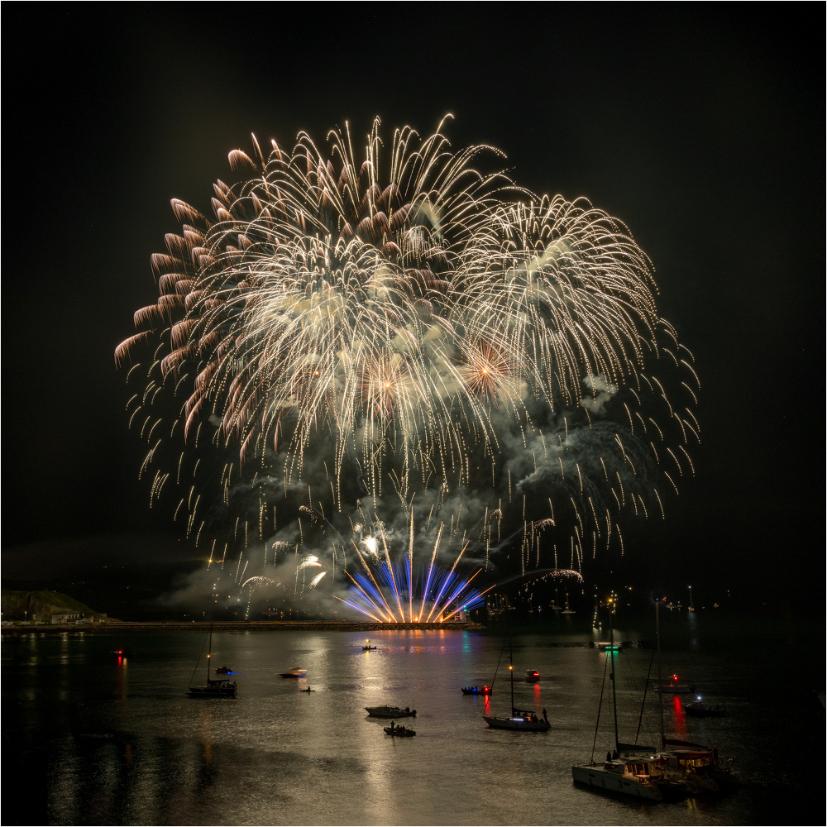
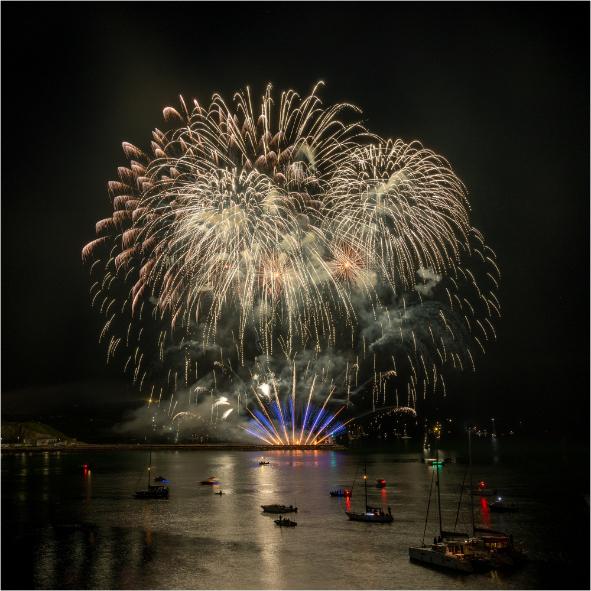
'Fireworks Spectacular' (previous page) was taken at the British Fireworks Championships held in Plymouth each year. I love fireworks and aimed to get just the right shutter speed and exposure to do it justice.
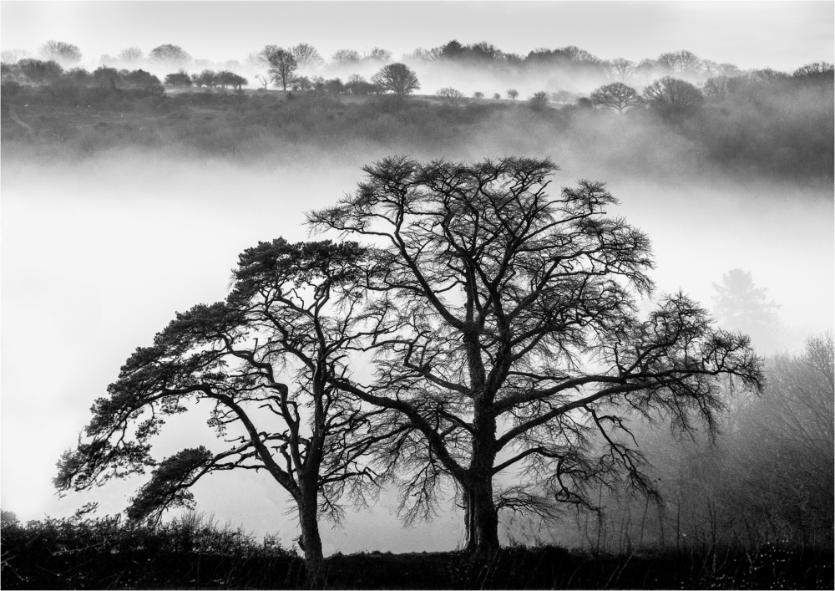
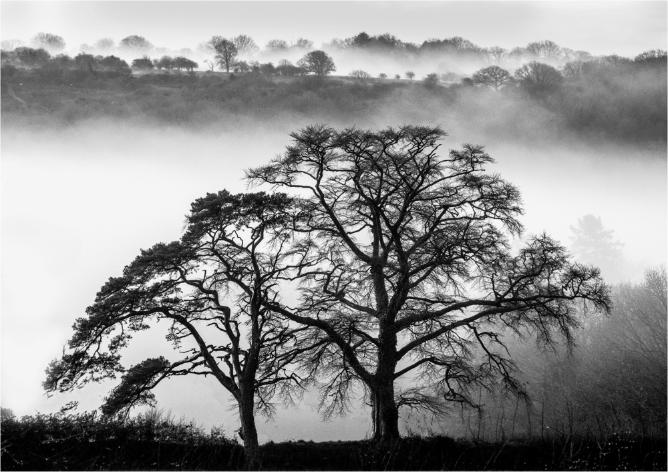
'Trees in the Mist' (this page) was just a grab shot from my bedroom window in January 2024 taken with a long lens and only a short time before the mist changed. I love the skeleton of the trees against the mist rising from the river below.
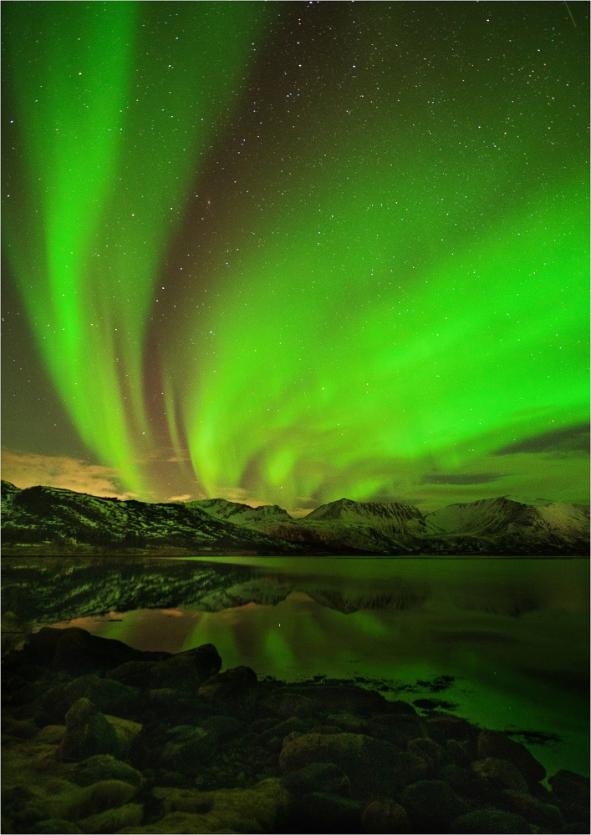
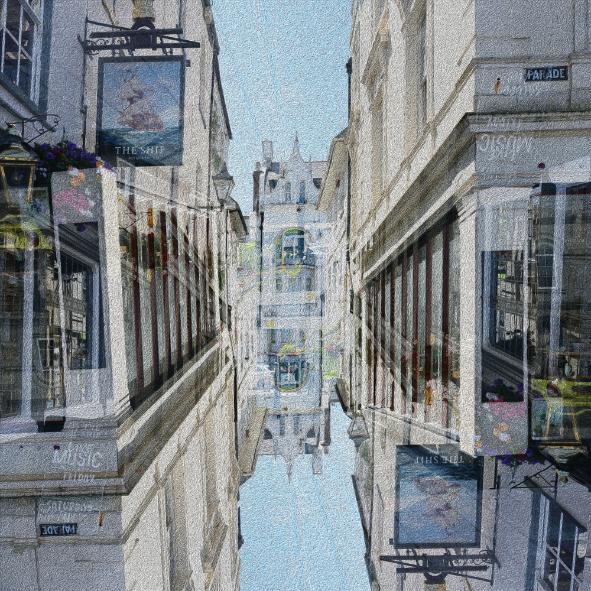
'Aurora Reflection' (next page) although technically competent was not too dissimilar to the fireworks image. I needed to have something more creative. Hence the inclusion at No 3 of the 'Barbican Alley' multiple exposure.
Future Plans
I love the variety of our weather even if cold and grey. I live on the edge of Dartmoor, and my project is to visit specific places within 10 miles of my home once a week to photograph them throughout the year in all types of weather and at different times of the day. I will be aiming to photograph from different viewpoints, low to head height, and vary exposure times and where I focus. I'm hoping that within a year I'll have a portfolio of images that show our weather as it is now.
My aim is to undertake an ARPS and feel that the above project is potentially one way of achieving this with a submission hopefully in 2027.
Advice for Others
Get to know what the criteria mean and look at previous successful submissions, not to copy, but to give you an overall impression especially with putting together your panel. Seek feedback from others who are experienced photographers. There are opportunities available through the RPS as well as the DI LRPS Support Group. Most of all, enjoy the process, see it as a challenge with an opportunity to learn and improve.
On Reflection
I feel that my photography has improved as it has given me pointers and I am much more mindful of what and how I take images. The most rewarding part was getting the feedback. I'm personally very pleased that I have achieved it. It has motivated me to improve further on my photography journey.
Chris Field LRPS
My reason for applying for the LRPS Distinction was that, whilst I felt I was achieving a good standard of photography in my camera club, I wanted to be able to have some recognised proof of my ability. It would also provide a platform from which I could move forward to an ARPS.
The Process
My initial attempts to form a panel failed. I had put together a panel based on what I thought were my best images, but I realised that they did not show enough variety.
After thoroughly reading the LRPS guidance document I realised I needed to show a greater range of skills and be able to form a cohesive panel. I tried to find images that showed different skills and then reduced the number by looking at which could form a balanced panel. By this I mean a balance of portrait and landscape format images with similar aspect ratios, images leading to the centre of the panel and a balance of colour and mono images.
I did not attend an RPS Advisory Day, but I did book a one2one session. My Mentor was a tremendous help. They provided more information about how the procedure worked. Above all else they told me "as it was" pulling no punches and this helped me finalise my panel choice and layout. They also spotted numerous small details I had missed. Their advice and encouragement were invaluable.
Skills & Techniques
I think when you are getting ready to apply for your LRPS you need to keep your skill set wide and not specialise. To this end I attended a number of local workshops which included studio photography, street portraits and landscape techniques.
Getting suitable material to include in your panel can be a matter of opportunity. The workshops took me to many locations that I had not previously known about and resulted in half of the images in my final panel. I also found attending meetings and outings at my camera club helped develop ideas.
My Favourite Images
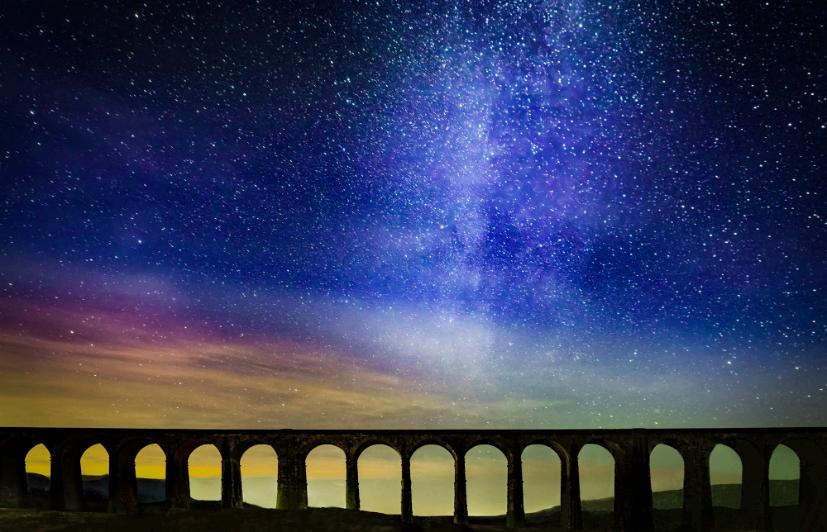
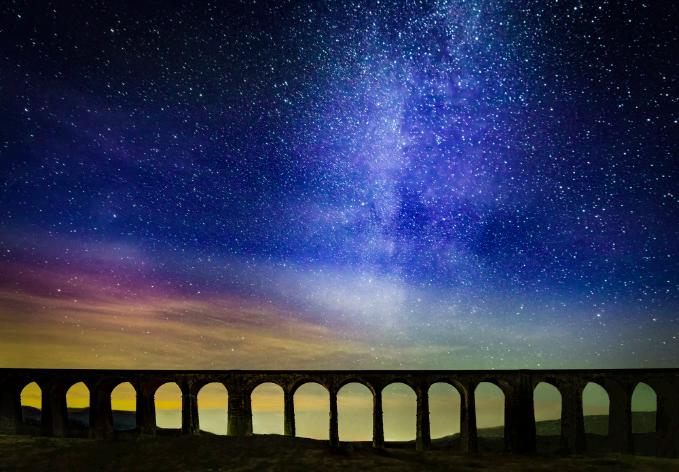
The image of the Milky Way over the Ribblehead Viaduct (previous page) is my personal favourite. After the first few shots it became obvious that the Milky Way was visible and fairly central over the viaduct. My next shot was taken with a thirty second exposure, but this had the effect of elongating the stars. By shortening the exposure time to around twentythree seconds I got the image shown here. What a lucky chance!
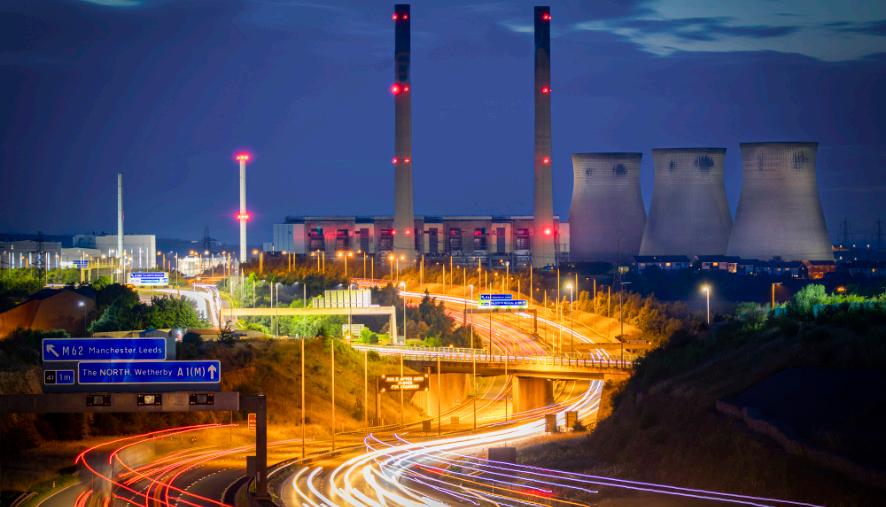
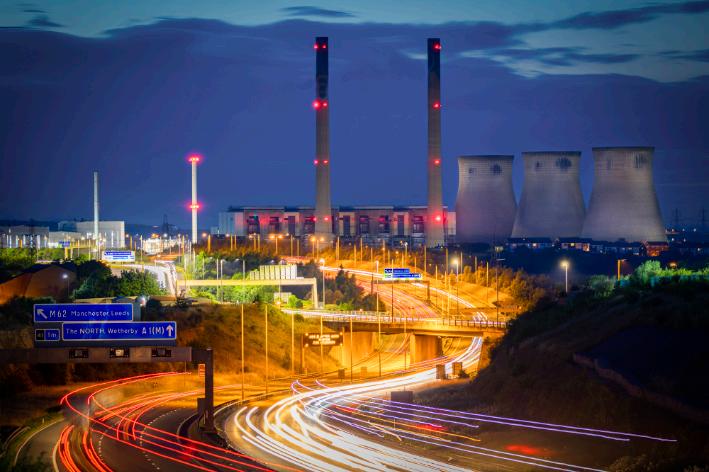
The image of Ferrybridge Power Station (this page) was taken at short notice when it was announced the cooling towers were to be demolished a few days later. The difficulty was getting the full depth of field from the nearby motorway signs to the power station chimneys and cooling towers in the distance.The image had to be right as the scene would not exist in a few days. I had to take care to use a long enough exposure to catch the necessary detail without the white vehicle light trails becoming over exposed.
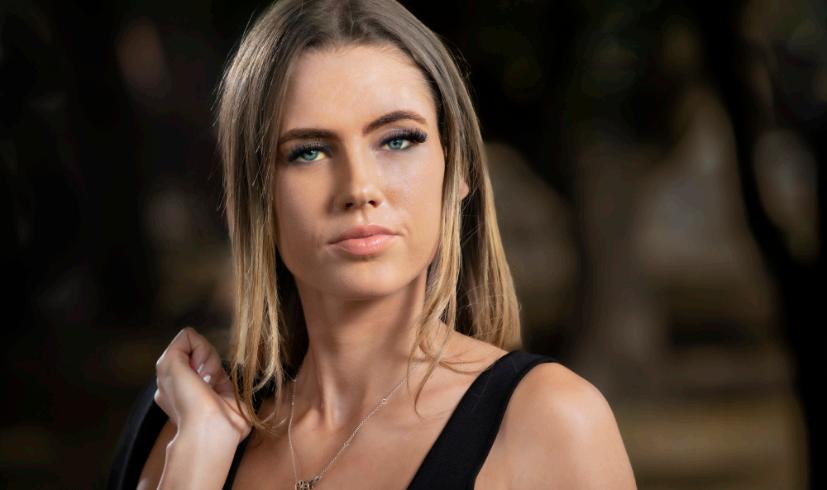
The portrait on the next page was taken under the cover of trees. I rejected it for a number of reasons. There are a couple of highlight areas on her face and some 'floating' hairs that were difficult to remove. Balancing the skin tones was also problematic and the model was not looking directly at the camera.
Personal Insights
Images submitted for an LRPS distinction have to be high quality: sharp, blemishes removed and processed to a high standard etc. but they must also demonstrate the broader skills required by the RPS.
Following my LRPS success I have gained more confidence in my skills, and I have been inspired to try and find a subject worthy of an ARPS.
Future Plans
Since achieving my LRPS I have targeted two main areas. The first was to fulfil a long held a passion to visit the Outer Hebrides, which I did last October. I have also discovered that I particularly enjoy urban night photography and living near York gives me plenty of opportunity to pursue this. It’s an area I intend to develop.
Advice for Others
If I was to recommend anything to fellow photographers hoping to apply for an LRPS distinction it would be to make sure you apply for a one2one mentoring session or attend an Advisory Day. Secondly, I would advise you to read the guidance notes carefully.
On Reflection
In summary I think the whole process has taught me to check my images carefully. I think it has also given me confidence in my skills as the LRPS standard speaks for itself.
Gordon Rhind LRPS
I joined my local cameral club some ten years past and remember clearly how awe struck I was at the images the members produced and hoped one day I would be able to equal their quality and impact. I was encouraged to enter club competitions and my confidence grew. Then gradually the idea of a distinction crept into my thoughts – perhaps I could achieve a distinction if I worked at it with enthusiasm!
The Process
The process of working up a panel took me the best part of two to three years, as initially I wanted to have a collection of 40-50 reasonably presentable images using a range of camera techniques. This was a problem as I mostly took landscapes, so I had to consciously photograph material out of my comfort zone, however the result was a more interesting library of photos.
One piece of advice I was given, and I never forgot was "read the distinction brief" and consolidate, this cannot be over emphasized as this is the basis of the distinction. The other was just show you can "work a camera" which is very much pragmatic advice.
To get a feel of what is required I spent many hours trawling through, studying and contemplating many online panels and perhaps judging them against the brief and how well the images fitted together. I also logged onto the RPS Assessment Days to hear the assessors' comments (unfortunately this is no longer available online but in person only).
Help & Advice
I joined the DI LRPS Support Group with Janet, John and Marie-Ange, who were the confidence lifters for me and encouraged me to push on and make a submission. The team also advised me to have a one2one which thankfully I did as there were unseen editing mistakes. This was money well spent as otherwise a certain failure would have resulted.
Personal Insights
The journey to attaining an LRPS has immensely improved my photography and made me appreciate a quality, carefully crafted photograph. I now look beyond the initial impact, composition, colour toning and ask why was the image taken and what is it communicating?
My Favourite Images
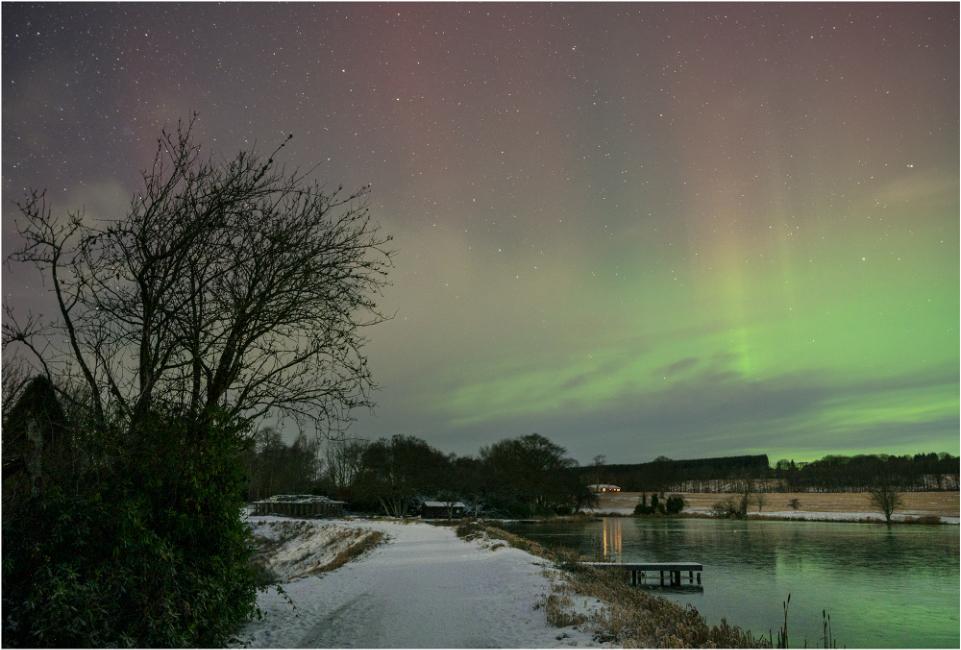
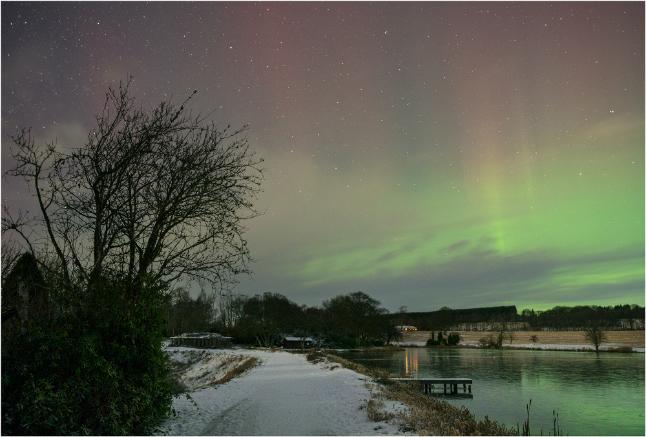
My first is the night shot on the previous page showing a winter snow landscape and the aurora. There was a decisive moment with this landscape, so being patient, keeping a lookout and anticipating when the aurora might appear were key. You must be ready as there may only be a narrow time window to capture the beauty.
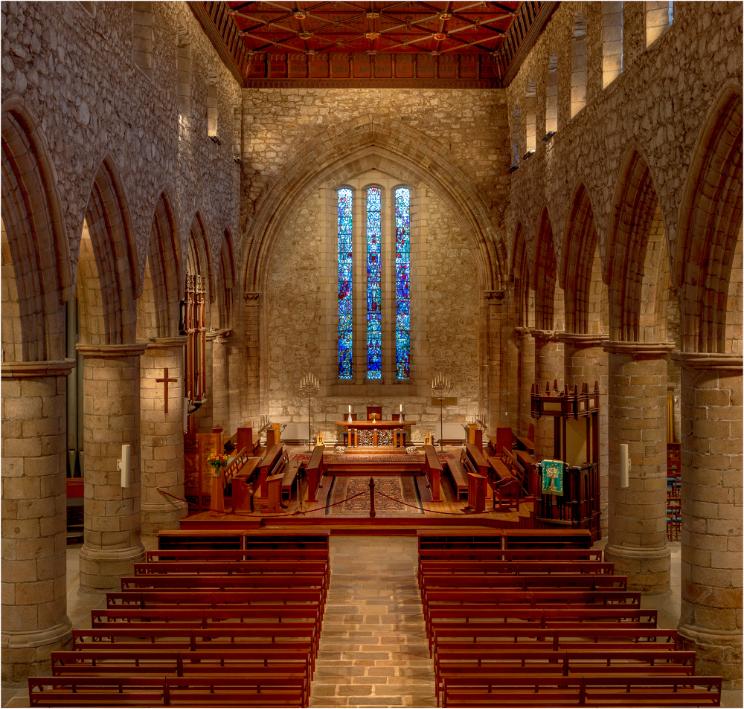
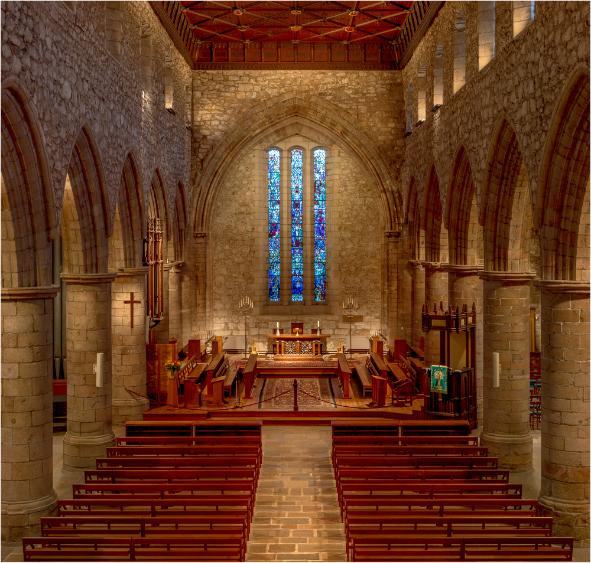
In the image to the right, I wanted to capture the grandeur of St Machar's Cathedral, Aberdeen particularly in the winter blue hour as the light shines through the stainedglass window. Stained glass windows are always nice to photograph but in St Machar’s the colours are so complementary to the textured stonework of the time.
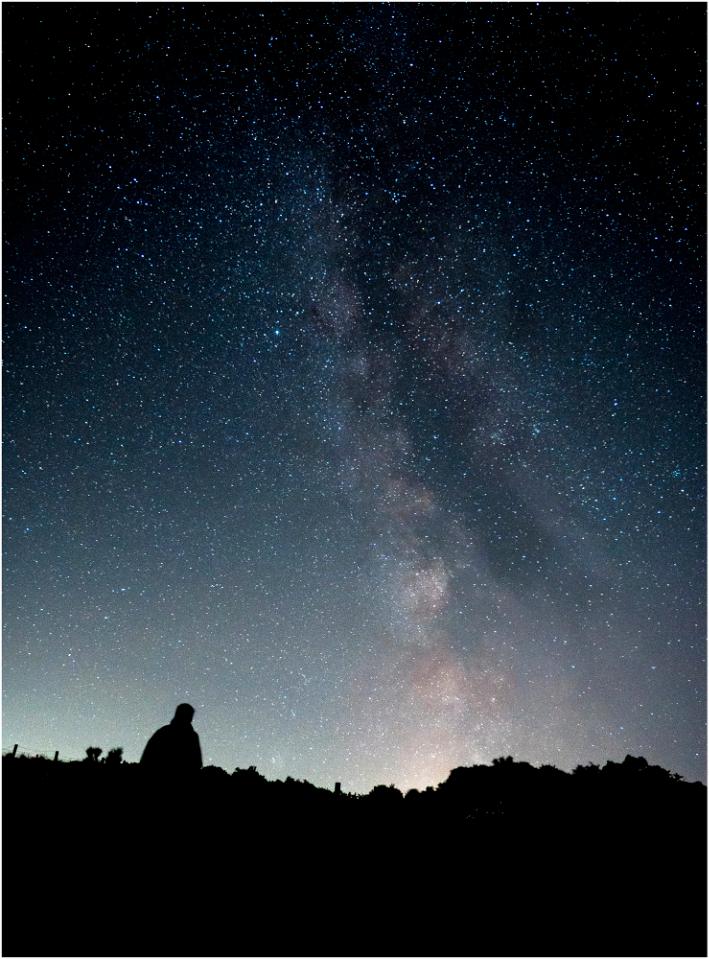
The image of the Milky Way showing the twin spirals (below) is one I would have liked to include but as I had already included a long nighttime exposure, I felt that including another may have been detrimental. Also, the aspect ratio of this image made it difficult to fit it into my panel. This was an issue with many of my shortlist of possibilities.
Future Plans
I am on the lookout for a new project or challenge and of course, to find my style. Perhaps an Associate one day, which will mean spending a winter looking through past A panels, all good fun.
Advice for Others
My advice to photographers aiming for an LRPS is simple: read the brief and consolidate.
On Reflection
To me without question, the LRPS journey has made me a better photographer, to appreciate a good image and to be aware of how to be constructively critical of my own work.
Ian Clements LRPS
I originally joined my local camera club as a means of sharing an interest with my father who had been a member for some years. As time went on, I discovered that photography involved a great deal more than just pointing a camera at a scene and clicking a button. I eventually realised I needed another photographic challenge. In the end, it took my attendance of some enjoyable and informative RPS Talk-Walk-Talk events as a guest to finally decide that it was only 'right and proper' that I should apply to join!
I was inspired to seek this LRPS qualification after I attended a talk on Zoom by Simon Hill HonFRPS. Further encouragement came from Janet Haines of the South West Digital Imaging Group (and DI Chair).
The Process
I needed some encouragement to start the journey, and this came in the form of Janet Haines. After talking with her, I searched my portfolio for something which I thought would be suitable. Through that process, I identified gaps in the Panel and took some further images to remedy this problem. I then sought advice from friends who had the Licentiate or Association distinctions. This, of course, led to some of my choices being withdrawn and further replacements being made.
The greatest challenge I had was never really knowing whether my selection would be of the required standard. When I felt that the Panel was worthy of
submission, I joined the DI LRPS Support Group. I followed the advice given, tweaking the Panel a bit further and it was at this point that I was encouraged to apply for an Advisory Day place or a one2one. I chose the one2one route and the information I received was most valuable; I followed the advice given and submitted my application.
Skills & Techniques
Patience and tenacity! Patience - the process taught me to slow down and be more mindful of the images I'm taking. Tenacity - the determination to carry on when it seemed that the Panel would never be completed. Furthermore, the encouragement I received from friends and family showed me that I was never alone on this journey.
I have found the RPS Zoom lectures to be of considerable help in acquiring new techniques and improving those with which I am already familiar.
My Favourite Images
The image on the previous page was taken at the National Trust property, Saltram House, Plymouth. Originally, it had a texture layer over the top, but those giving advice did not necessarily feel this enhanced the image. I was unsure if I should leave it there for the Panel but ultimately, decided to remove it. The textured version has done very well competitively but that does not mean it is suitable for an RPS distinction.
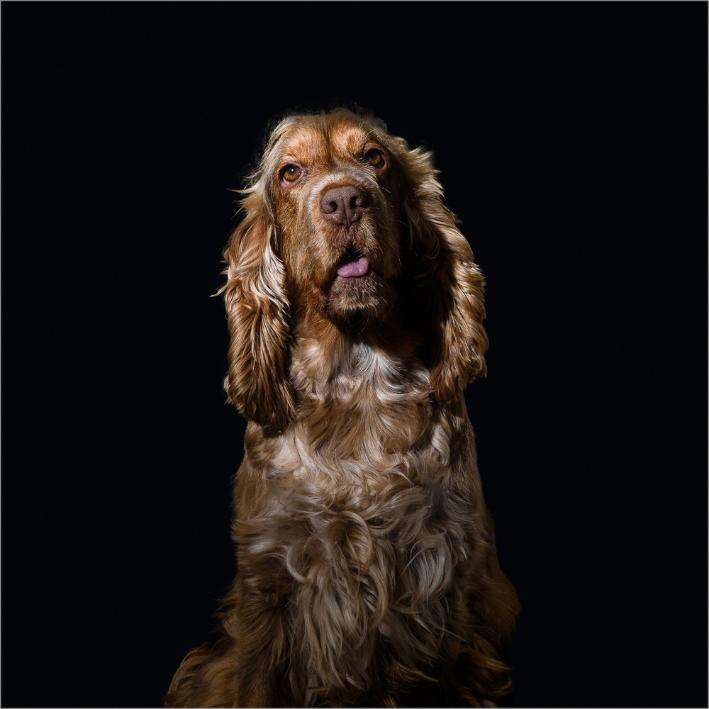
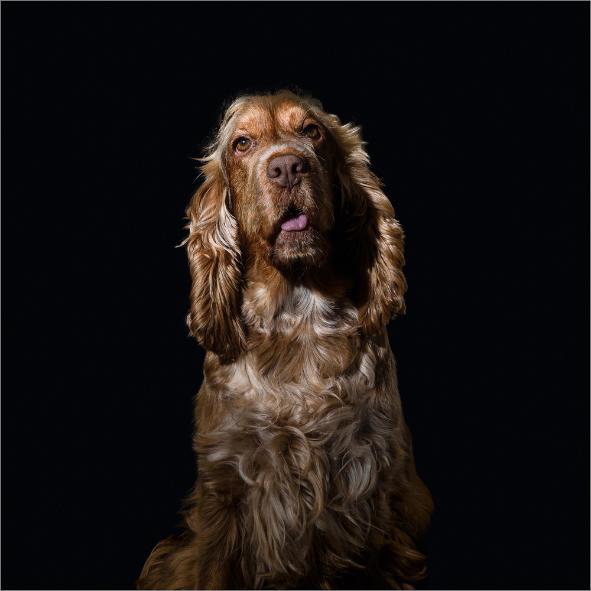
The image on this page is of Flossy - one of my sister's dogs. It was taken specifically for the Panel, but on the strength of it I have been asked to lead a dog portrait photography session!
‘ Bluebottle’ (next page) was taken out as it was felt it didn't fit within the Panel very well. I had seen an image in a magazine showing something similar and Bluebottle was my take on it.
Personal Insights
It was nice to know that the skills I learnt through club competitions has prepared me for this distinction. It has helped me to realise that I do take reasonable images. Despite this, I have become more critical of my work and am always looking for ways to improve. The process of selecting and rejecting work has led me to a better understanding of what constitutes a good photograph.
Future Plans
I recently attended an Advisory Day as an observer to ascertain the standard for an Associate level and intend to produce a series of panels. If the consensus of opinion is positive, then I may consider trying for an ARPS.
Advice for Others
Always shoot what you enjoy, but going out of your comfort zone can be rewarding.
I have no regrets about any parts of the process. Everybody I have approached has been very enthusiastic and helpful and the advice given has been paramount. The only thing I would change is to have more confidence in myself!
On Reflection
I feel that my photography has definitely improved and perhaps this has been the most rewarding part of the entire experience. I also felt that the outcome of my one2one was a huge pat on the back.
At first, I found it difficult to believe that I had achieved my LRPS! However, the good news eventually sank in, and the qualification has been very useful to confirm my skills. My confidence has also greatly increased.
Stuart Knight LRPS
I am relatively new to photography, taking it up when I retired in 2022. Prior to this I’d always liked to take photographs but never saw it as a creative medium akin to water colours or calligraphy which I’d excelled at in my twenties. It was technical, complex and daunting. Yet with the prospect of retirement, someone introduced me to an online foundation course which provided sufficient clarity that I purchased a Nikon Z5 and didn’t look back.
I joined the local photography club where a member had recently completed her LRPS. I determined that this was what I needed, a challenge that would crystalise my understanding of photography, provide a goal and recognised attribution.
The Process
Where to start though? As a novice photographer, I spent about a year just taking photos, listening to competition feedback, watching YouTube videos and repeatedly looking at the example panels on the RPS website.The LRPS Criteria document was invaluable in providing a structured approach to understanding the strengths and weaknesses of each photograph, and I spent a lot of my time trying to be my own worst critic.
Finally, I felt I had about 30 photos which I was happy with and booked a one2one session. The feedback was constructive and generally positive, drawing attention to distracting details, compositional errors and levels of engagement in the image. Buoyed by this feedback I revised some photos, discarded others and submitted
revised panel to the last LRPS Advisory Day in Bristol. From the feedback I made just one change, by replacing one image. It was an image I liked, but neither advisor felt it was strong enough.
Skills & Techniques
I guess, like many, I’d never had to think about how to present a panel, and whilst I had seen on the RPS website how photos in a panel relate to one another, I had never considered how the format of the panel impacted the viewer. In my one2one I presented my 10 images in a 2/3/5 layout comprising five different aspect ratios. I was advised that this was “structurally confusing” and distracting and should be simplified it to two rows of five with one, maybe two aspect ratios. In other words, keep it simple!
My Favourite Images
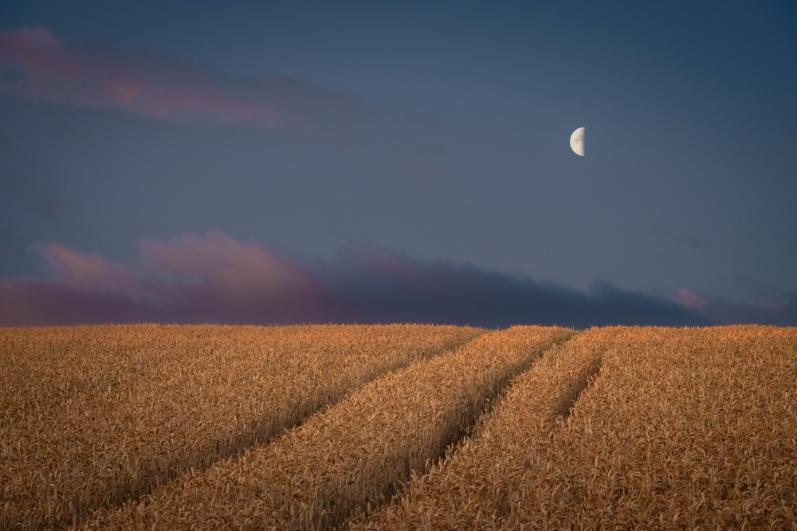
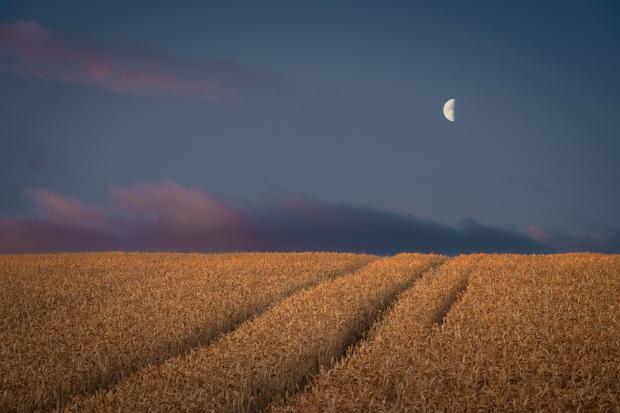
‘Harvest Moon’ on the previous page was a late addition to the panel and not one I’d really considered until a colleague insisted I include it. It’s not a grand landscape, doesn’t have the drama of a thundering waterfall or mystery of a fogshrouded woodland. However, it exemplifies one of my key learnings from the LRPS experience…keep it simple. The three elements of sky, moon and harvest field combine in a simple landscape. Editing was limited and the only significant change I made was to flip it so that the leading diagonals flow left to right. It has since been selected for inclusion in the Landscape Group Calendar.
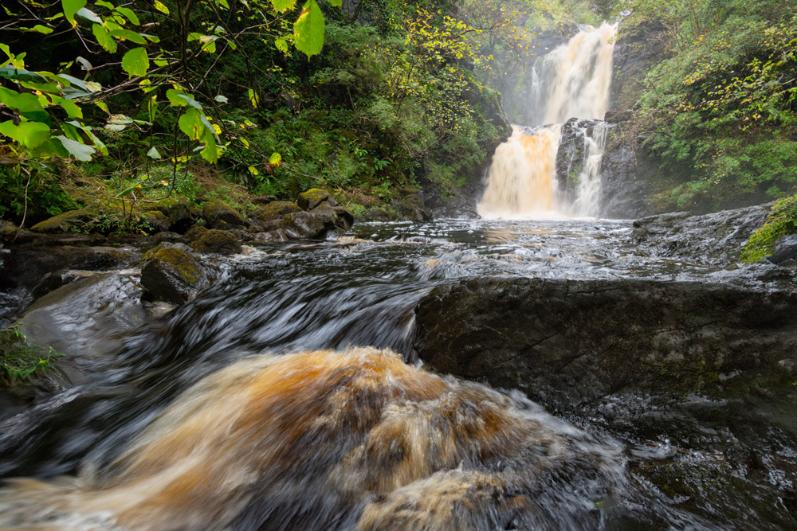
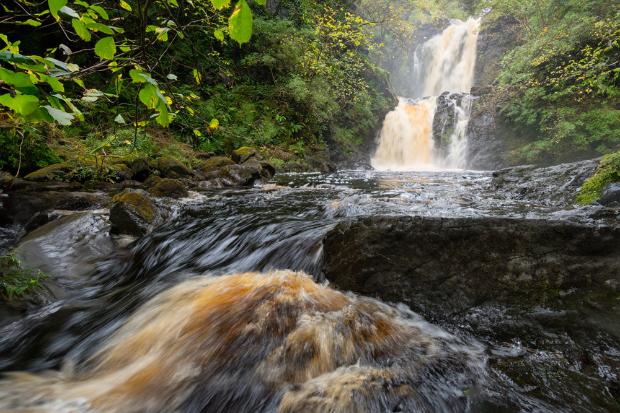
I love waterfalls, and I knew that I wanted to include ‘Rha Falls’ (this page). For me, it has it all! Crashing turbulent water that I can hear even now, coloured by the peaty soil of the earth, set in a crowded woodland. The river was full as I stood with water lapping around my boots to take three shots to focus stack in post processing. The challenge was the leaves in the top left, which could easily be a distraction, and which I toned down on advice from the Advisory Day session.
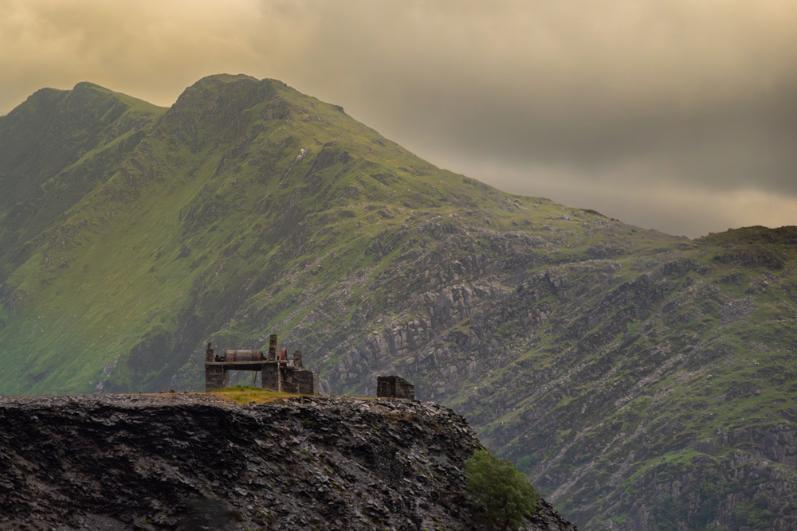
‘The Wheelhouse’ (next page) was taken at Dinorwic Quarry and I went back several times in search of the right light. Again, a simple scene which, for me conveys the
drama of the quarry in its mountainous setting. However, as noted above, the advisors considered it wasn’t as strong as others in the panel, and I duly swapped it out with a reserve photo. This led to one area of criticism of my panel at the Assessment, that photos 06 and 10, and 07 and 09 were a little similar in composition, and I feel I came very close to not making the grade.
Personal Insights
As a novice photographer the LRPS was just what I needed. A challenging path to refine my skills, with a clear purpose. I feel I condensed years of craft knowledge into one year of focused study bringing me to a recognised level of competence.
Future Plans
I have looked at doing my ARPS and identified a couple of subjects. However, it’s not something I feel I need to rush into. I’m enjoying my photography, still have a lot to learn and don’t necessarily want to direct all my efforts into one area yet.
Advice for Others
Perhaps the most significant learning from my LRPS experience is to keep it simple. Whether that’s the panel layout or the composition, colour, balance and story of each photo. Simplicity gives the assessors nothing to dislike!
On Reflection
Achieving the LRPS marks a major step in my short photographic journey, giving me confidence in my ability and the quality of my work. Above all I’ll remember the generosity of the RPS community, of advisors and of fellow photographers, sharing their knowledge, giving their time and challenging me to do better. They all contributed in some way.
ASSOCIATE ARPS
ASSOCIATE
Hilary Lumley ARPS Landscape
I have always enjoyed the challenge of undertaking photographic projects and producing images based on a theme as I believe they are often more impactful than single images. However, the idea of producing a panel of images for an ARPS distinction came only ten months before submitting them.
I had previously achieved the LRPS in 2017.
About the Panel
I fell in love with landscape photography many years ago after discovering Jo Cornish's gallery close to where I grew up in North Yorkshire. I moved to Surrey over fifty years ago and developed a passion for walking in the local woodlands with my camera. As a long-standing member of a local camera club, I was inspired by two members who presented their successful FRPS panels on the theme of woodland. After this the idea of submitting an ARPS panel based on my favourite area of local woodland started to form. The subject and genre of my panel were based on my passion, but the style developed slowly over a number of years.
The Process
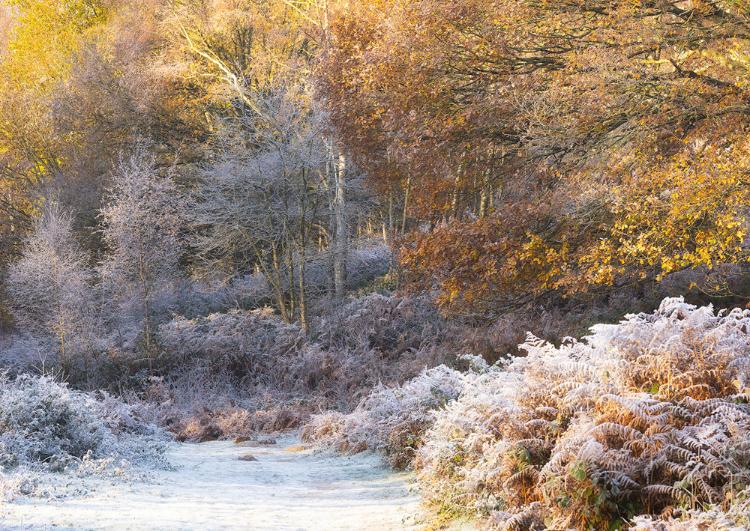
The images are all of Headley Heath which is an area of heathland, woodland and chalk downland in Surrey. They were taken over a five-year period initially for my own enjoyment. The principal challenge I faced was having sufficient time to go to the woodland when the conditions were optimal as light, mist and frost are often transient. The other challenge was putting the images
together to form a cohesive panel in respect of colour and aspect ratio. My initial Statement of Intent was largely a factual description of Headley Heath but following a very helpful one2one session I was advised to include some indication of my passion for the place. Apart from the one2one session I sought the opinion from a fellow member of my camera club on a substitute image.
Skills & Techniques
I have picked up tips from several distinguished woodland photographers over the years but mostly it has just been about spending time in the woodland and slowly developing my own style.
Personal Insights
Over the years my images of woodland have become increasingly intimate, and I am better able to recognise the optimum weather and lighting conditions.
My principal influences have been Jo Cornish, Paul Mitchell, Ian Cameron and fellow members of Bookham Camera Club.
My Favourite images
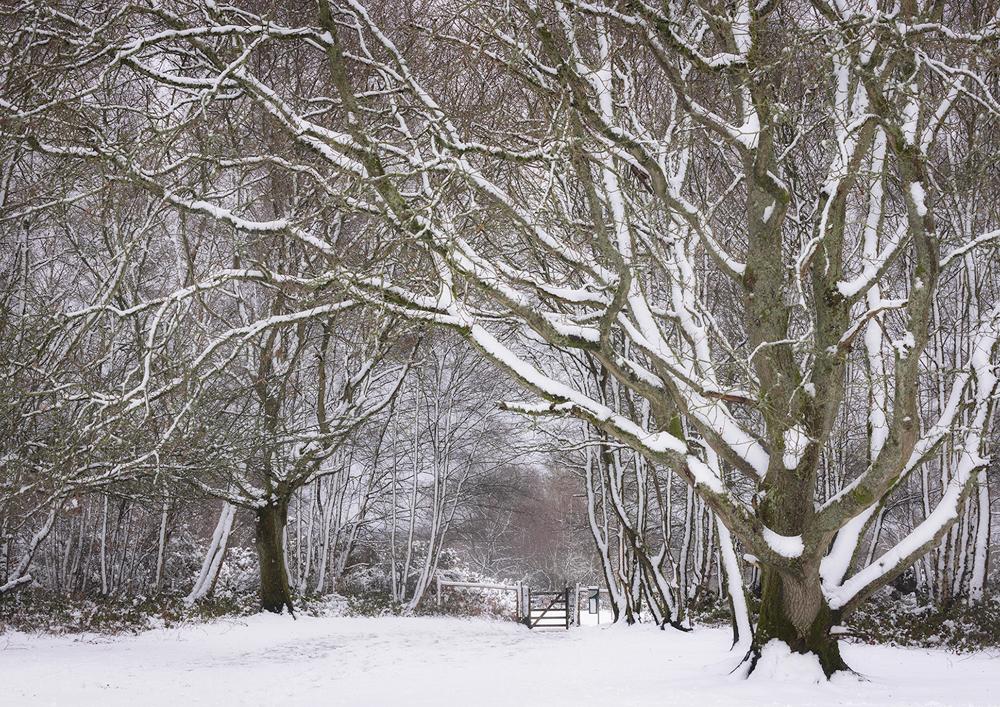
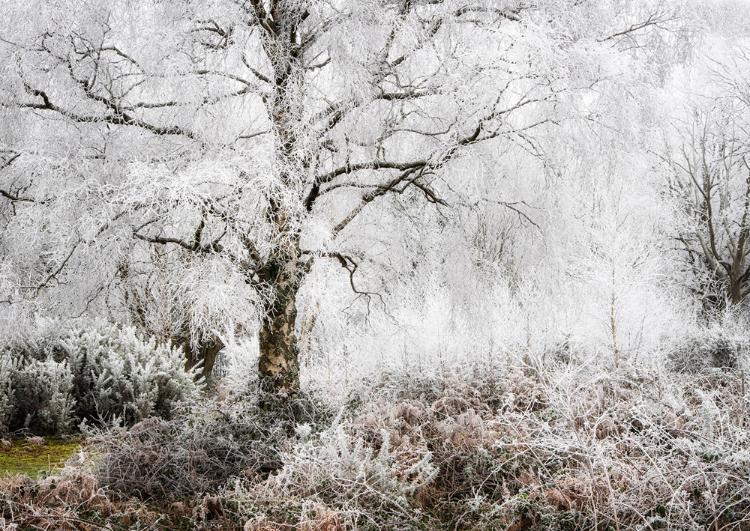
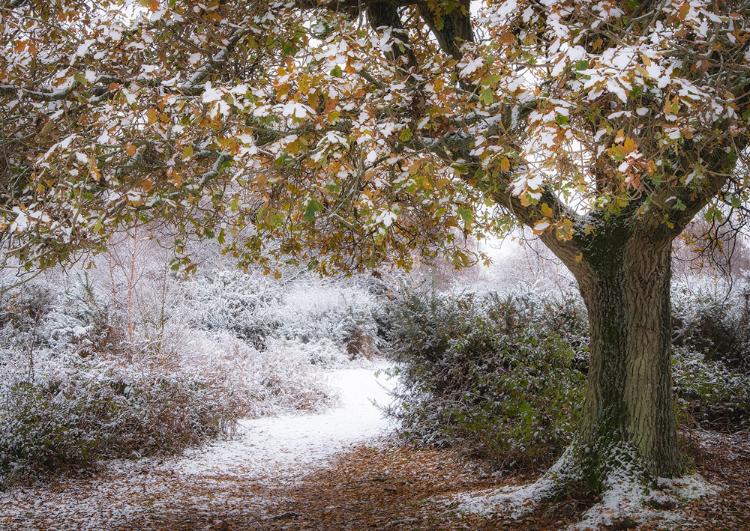
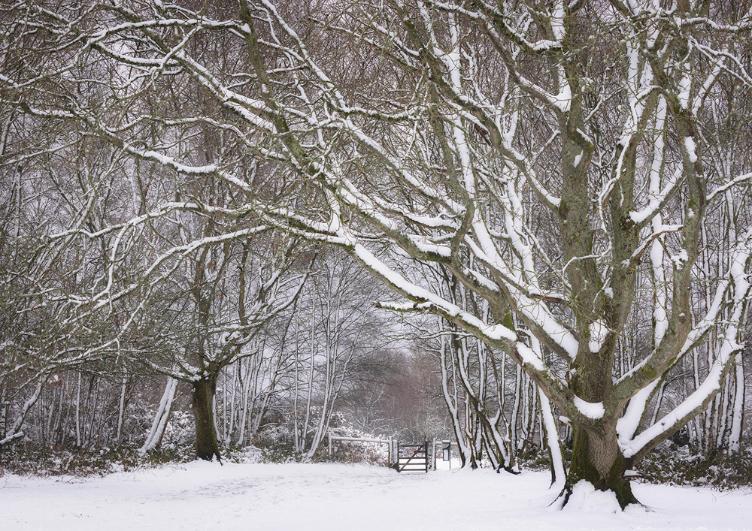
Image 5 from my panel is my personal favourite (previous page). There was a sudden late snowfall in early March 2023, so I dropped what I was doing and went to the heath. The light was perfect with a dark sky but the with sufficient light to illuminate the snow on the branches of the trees. I spent two hours looking for images, but this was the only image I liked that morning.
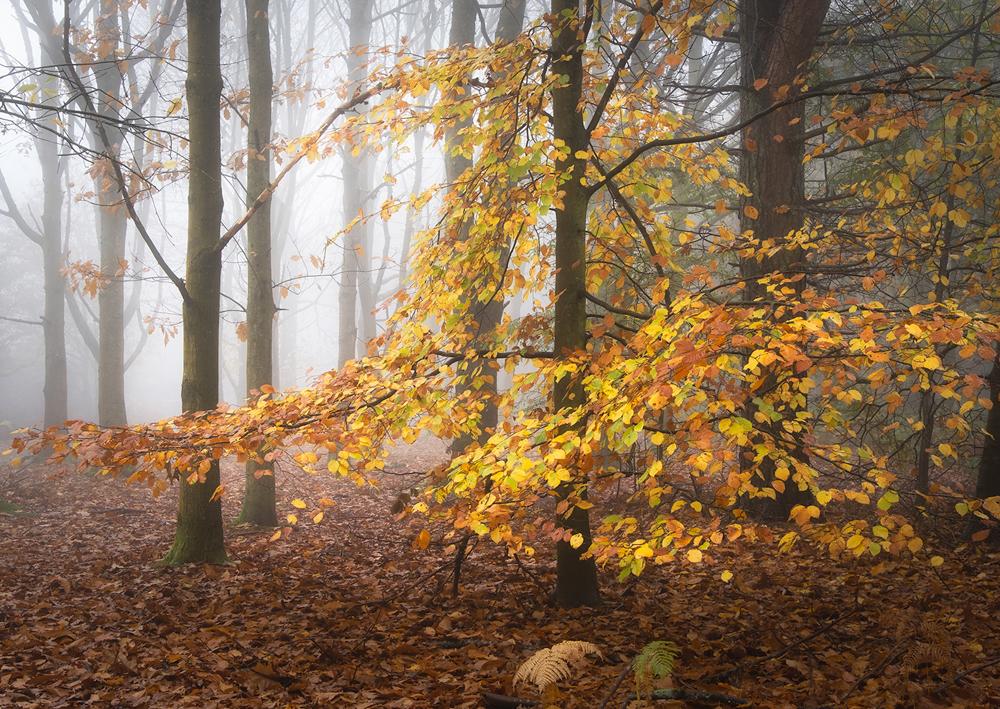
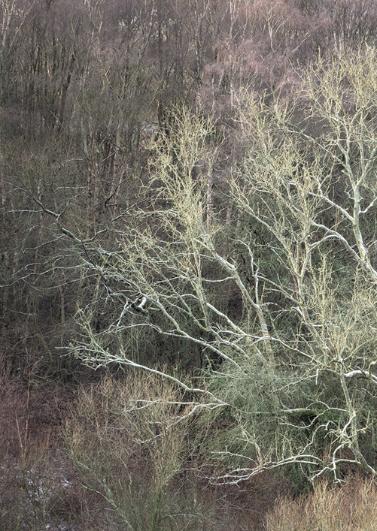
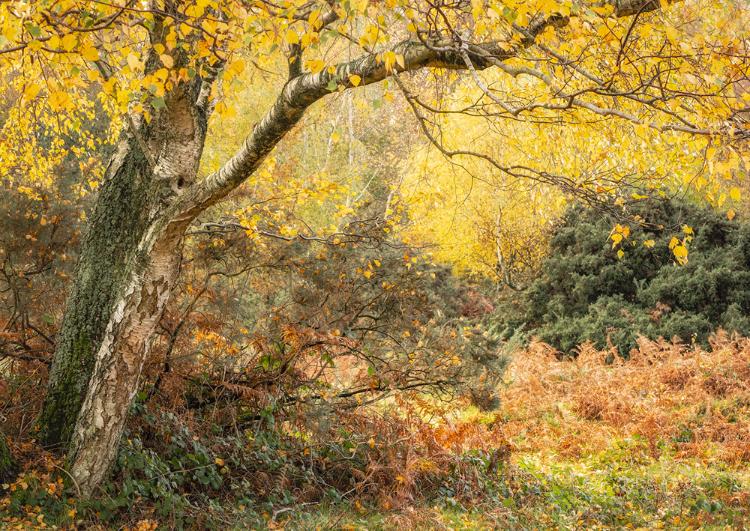
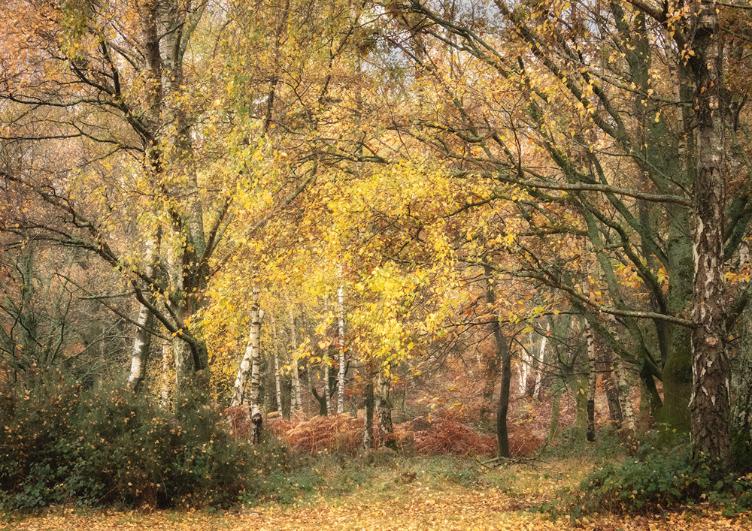
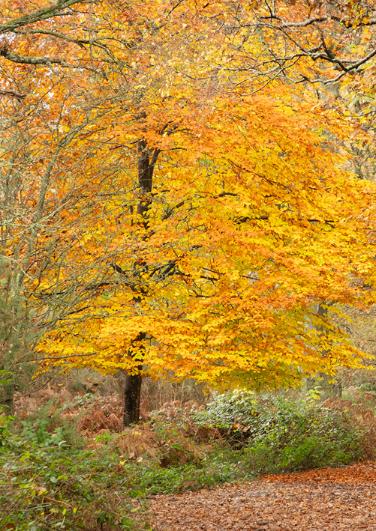
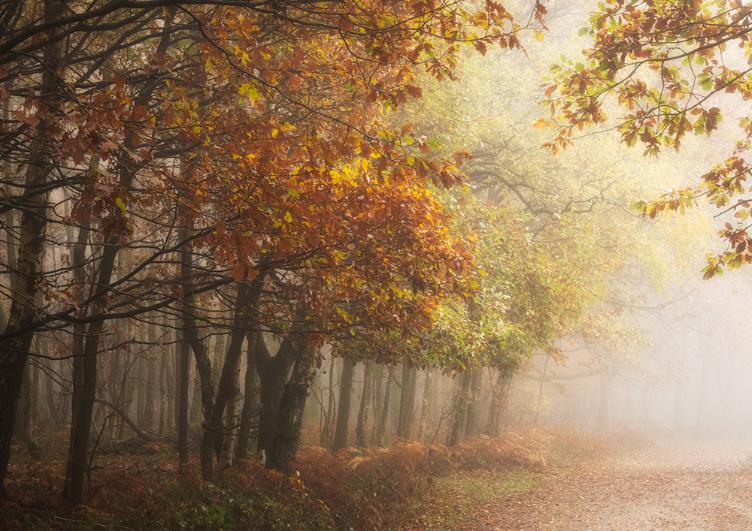
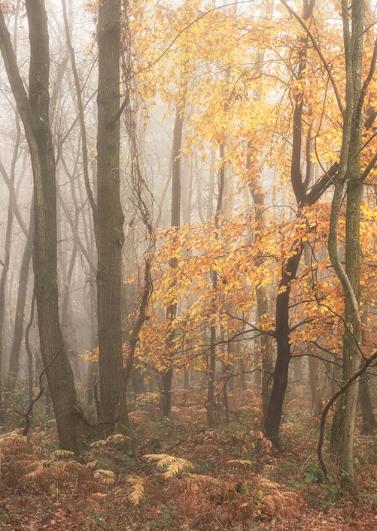
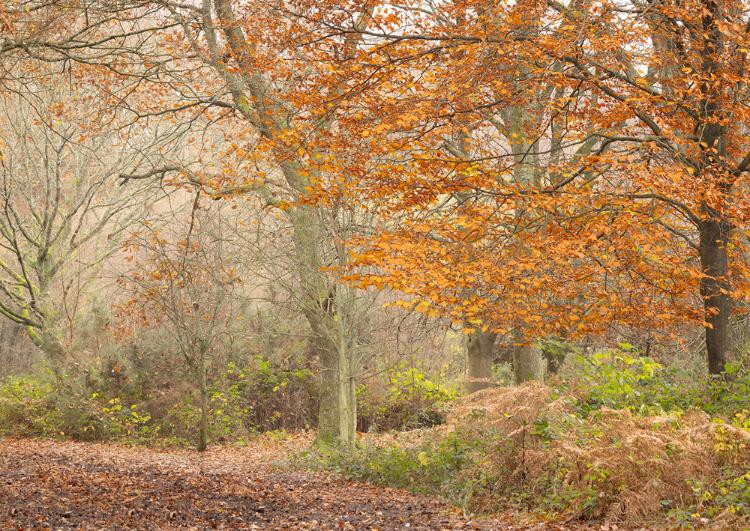
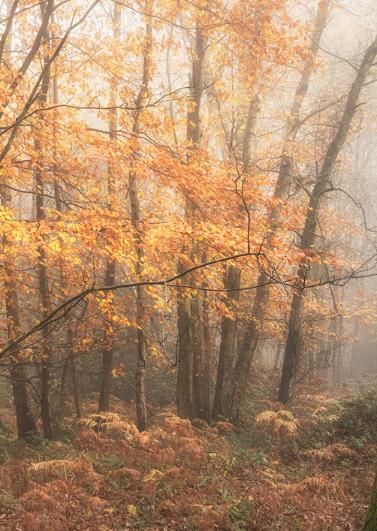
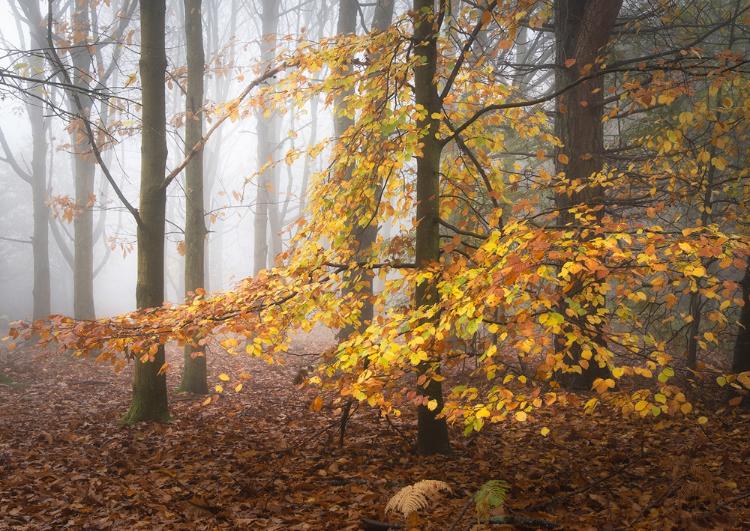
In the image on this page, I love the way beech trees in the autumn display their branches in what I imagine to be a balletic style. The mist adds an element of mystery to the woodland.
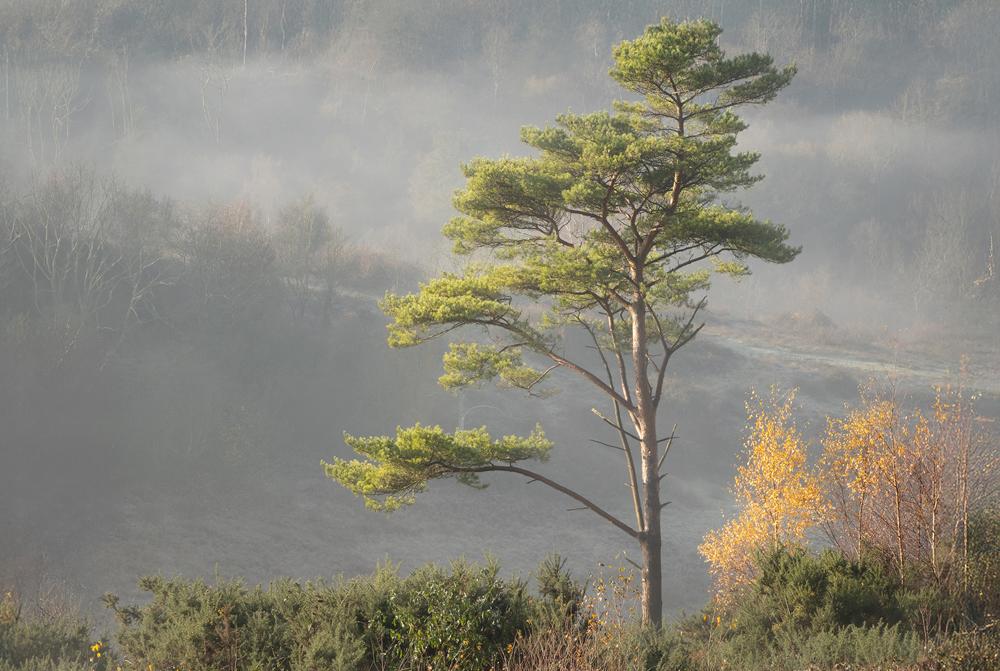
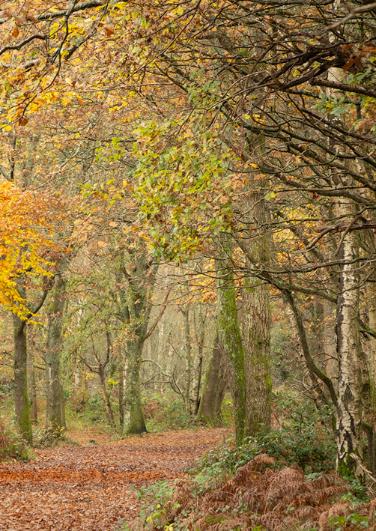
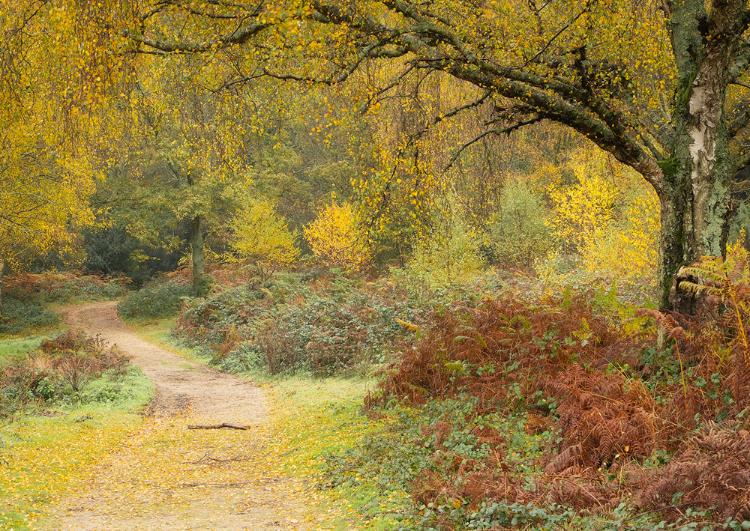
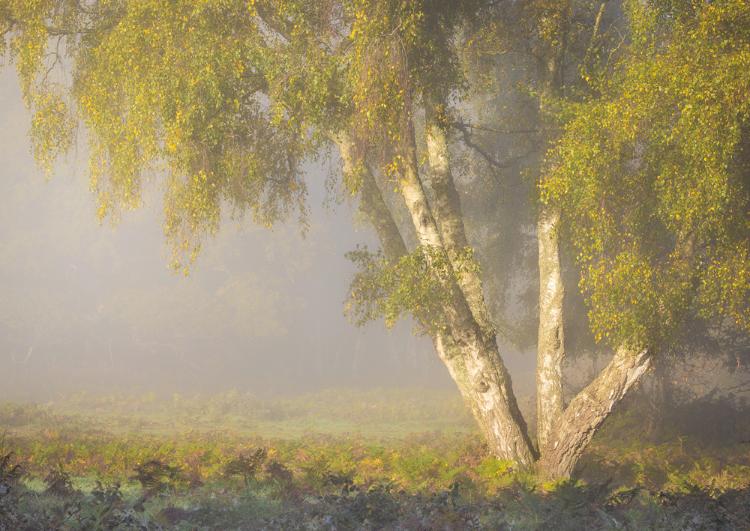
'Morning Mist on Headley Heath' (below) was rejected as the Scots Pine didn't fit with the flow of the panel.
Future Plans
I would like to explore photographically some of my favourite places, in particular the Dolomites and develop my flower photography.
At the moment I am unsure about attempting to obtain an FRPS distinction. I really enjoy the printed image and so I would consider it if the print format continues.
Advice for Others
My advice would be to be patient and not to rush into producing a panel.
On Reflection
I think my photography is slowly evolving all the time but not specifically in relation to the ARPS distinction. However, producing a panel did motivate me to spend more time in the woodland taking pictures. The most rewarding aspect was finally seeing the printed panel put up at the Assessment.
Gaining the ARPS has given me belief in my photography.
STATEMENT OF INTENT
I have lived in Surrey for many years now and I am fortunate to be surrounded by woodland. Whilst I have always had a passion for the local woodland the pandemic allowed me more time to explore in depth a particular local area called Headley Heath. This is 530 acres of heathland, woodland and chalk downland which was given to the National Trust in 1946. It is a fascinating and varied landscape which supports an enormous biodiversity.
I visit the area regularly throughout the year, most often on my own as I enjoy the solace, peace and tranquillity it provides. These images were taken over a five-year period in the autumn, winter and spring when the colours and the lighting conditions are at their best. I want to share with the viewer my passion for this this amazing landscape, with its spectacular colours, beautiful trees and fluctuating light.
Adrian James ARPS Photobook
I had already been awarded my LRPS but had twice failed my ARPS with panel submissions, so when I started this project, I had no intentions of submitting it for the ARPS. When I'd completed the book, however, I was pleased with the result and decided to have a one2one advisory session just to see if it might stand a chance as a book submission. The feedback I received was very encouraging, so I decided to try my luck one last time!
About the Book
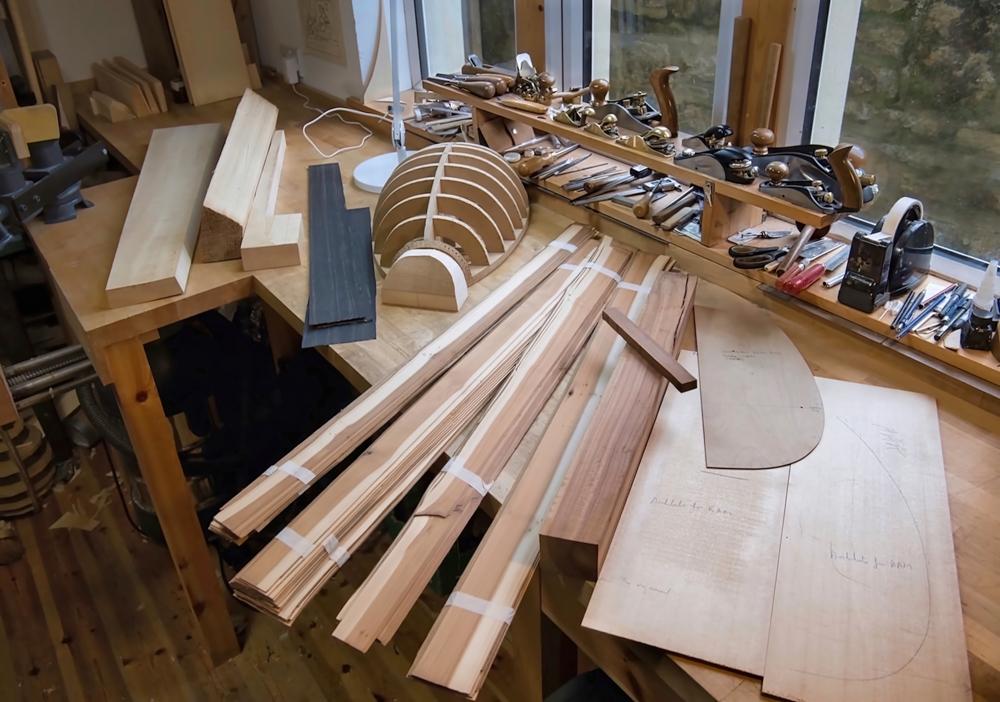
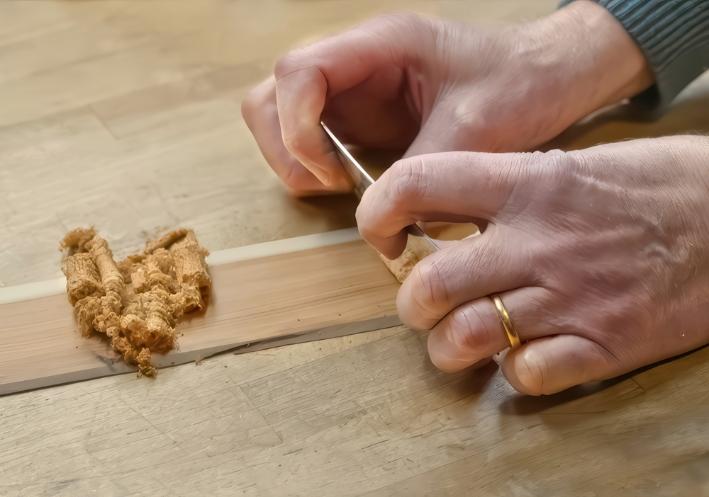
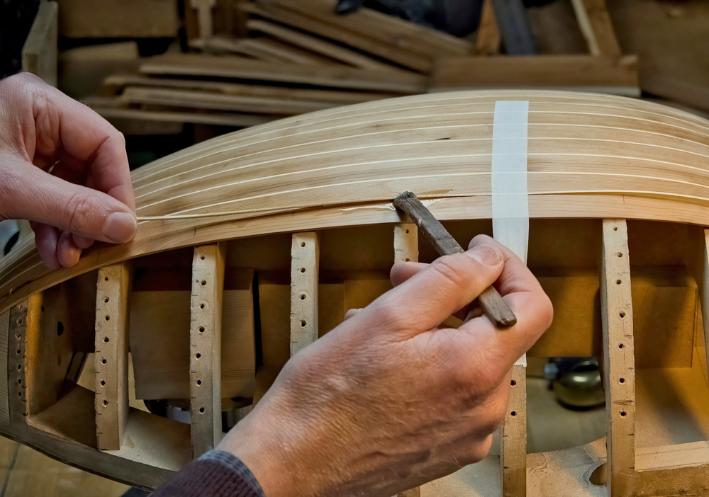
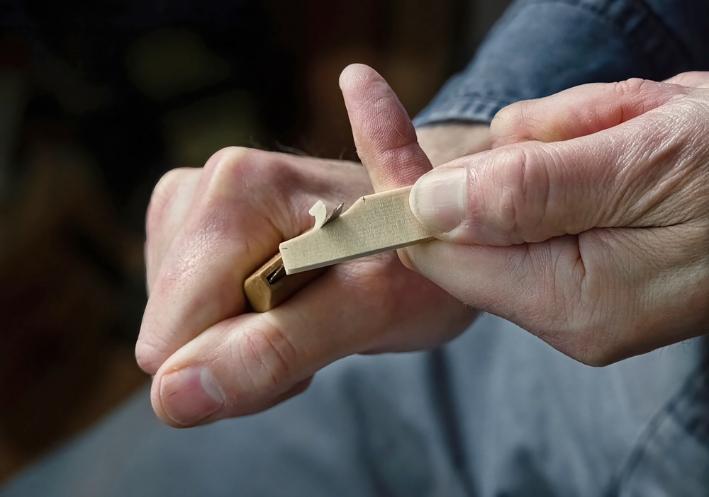
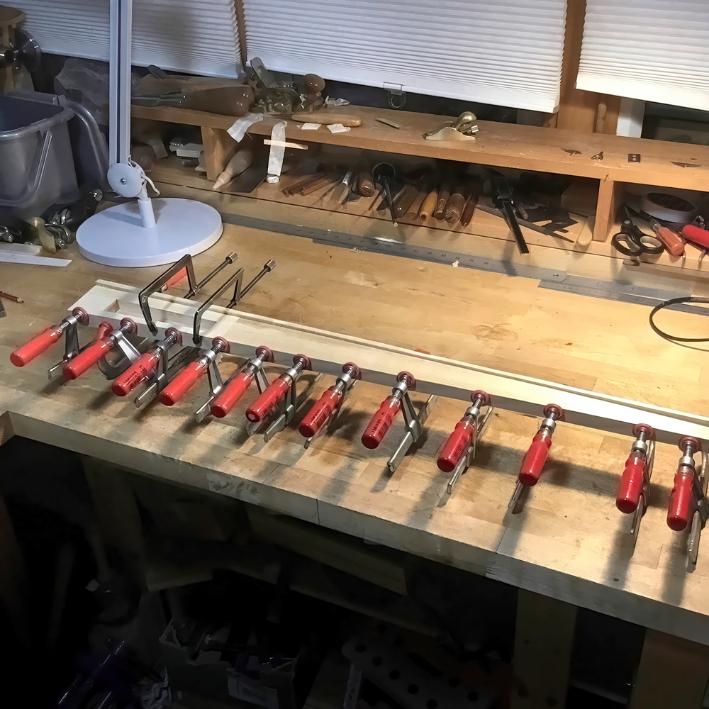
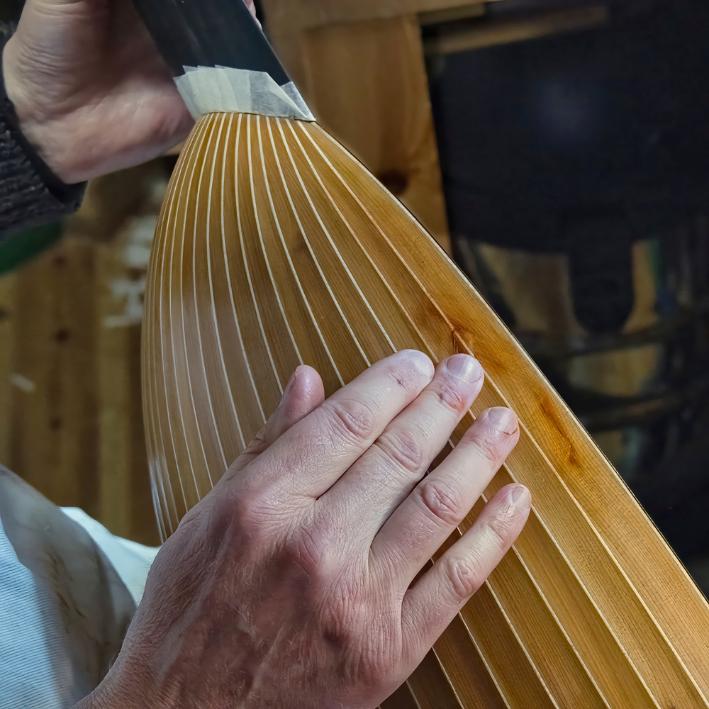
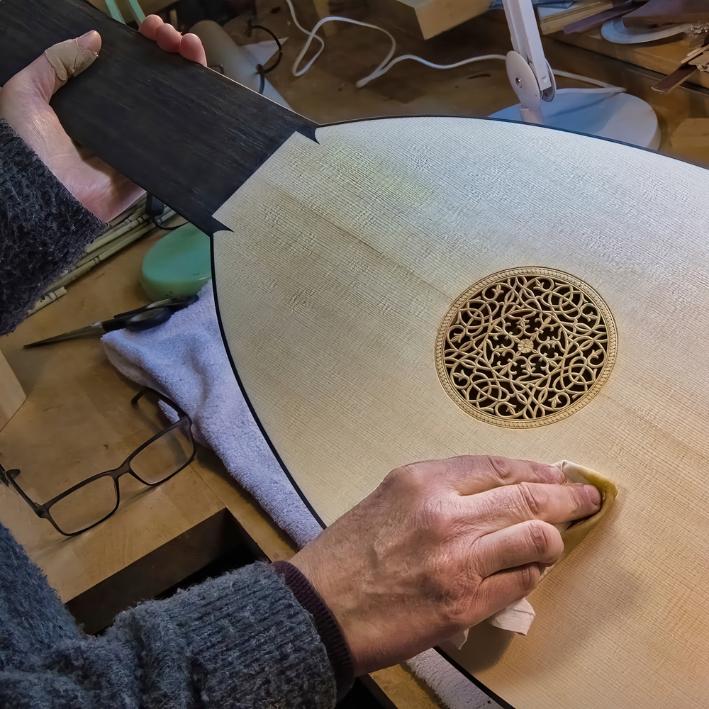
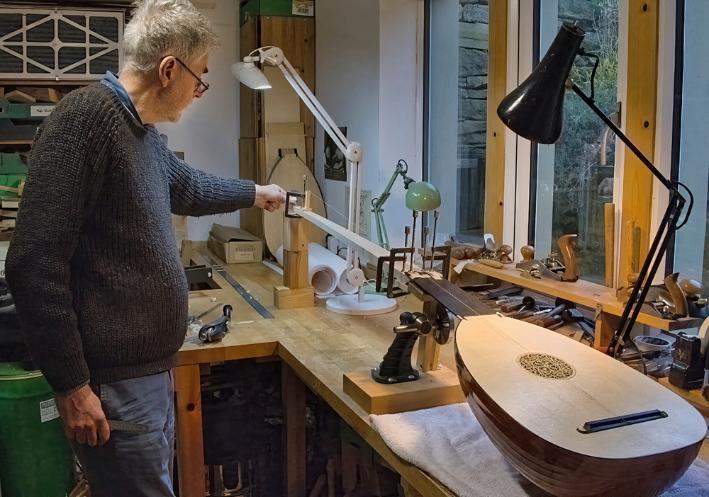
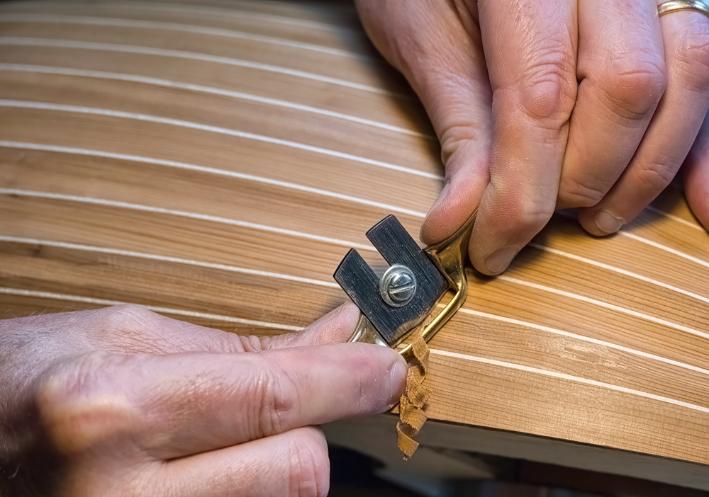
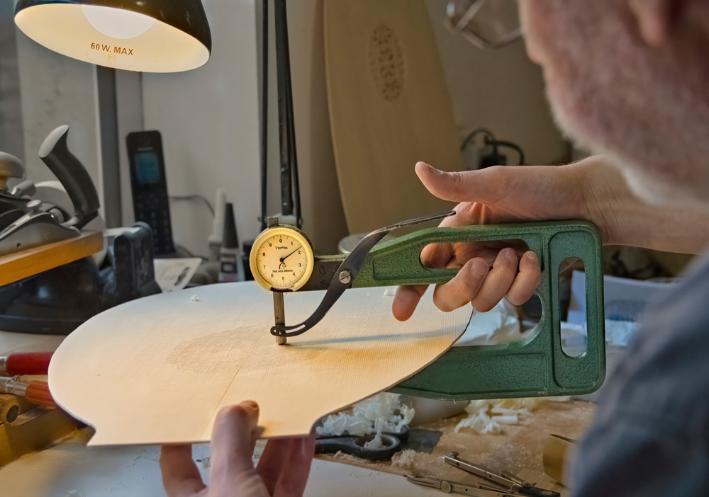
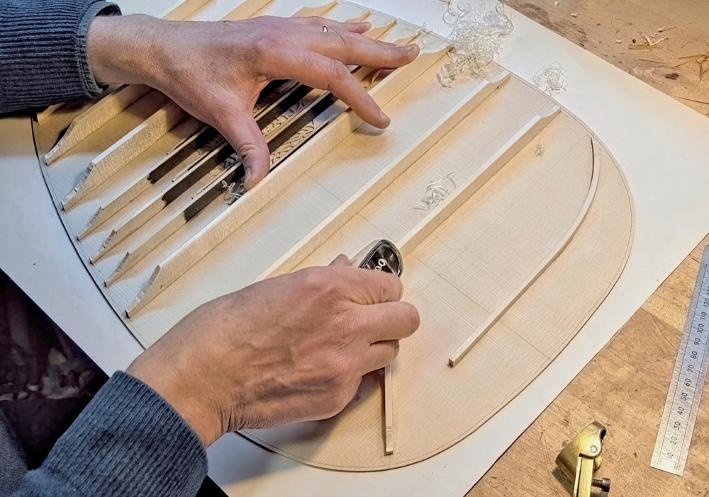
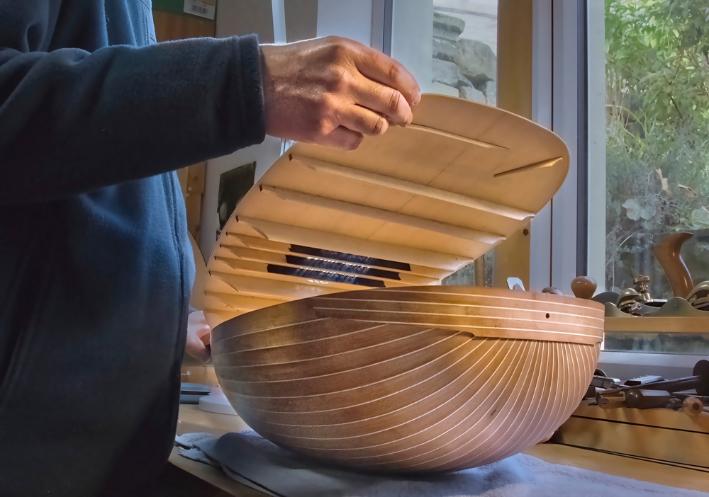
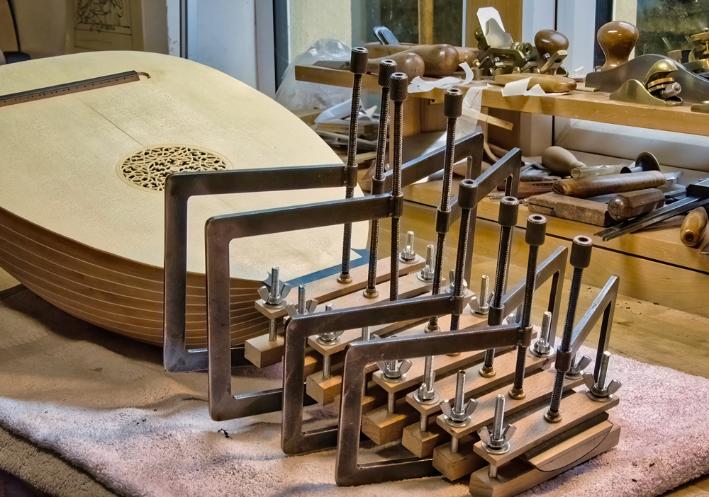
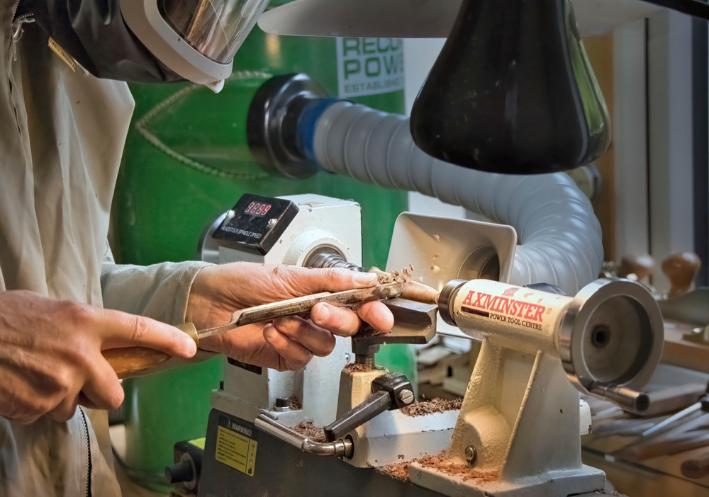
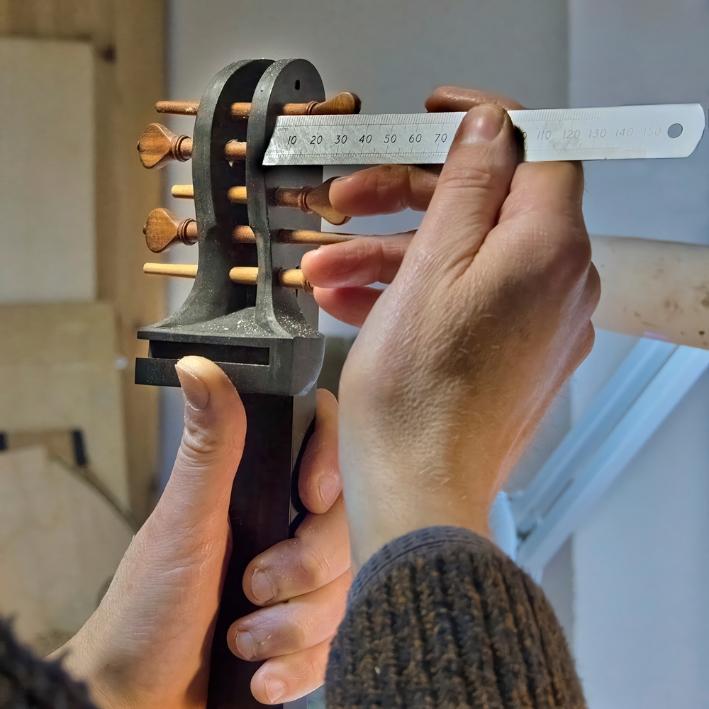
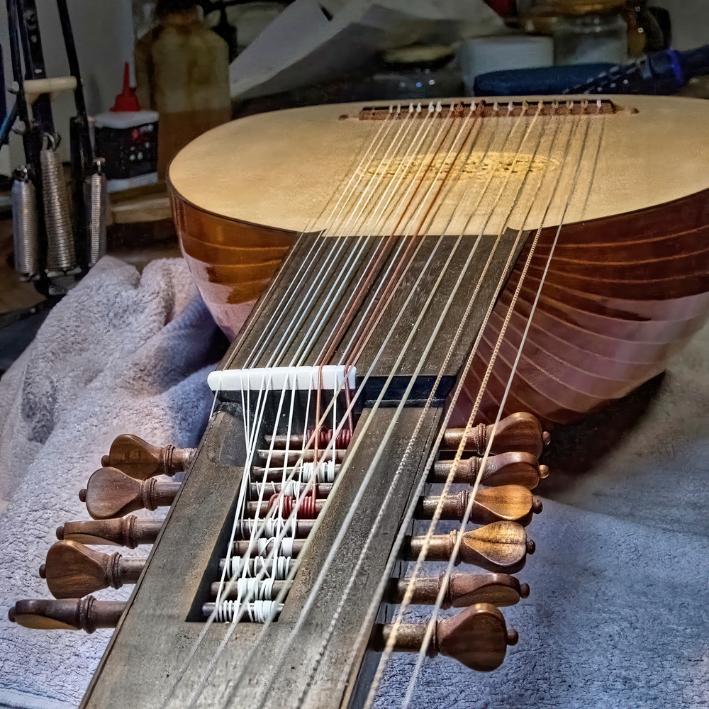
The images that appear here are a small selection made from the over 160 images that were included in the book, which provided a documentary record of the making of an archlute. Consequently, while they hopefully provide a good representation of the project as a whole, they cannot reflect the fine detail of the process that the book encapsulates.
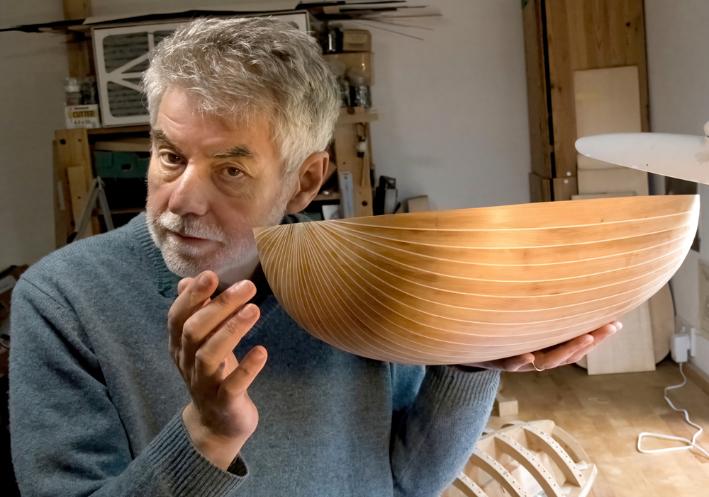
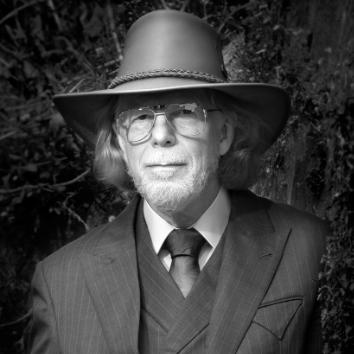
The book is entitled “Alchemy: the making of an archlute”. The luthier who is the central figure in this project, Tony Johnson, is a highly regarded maker of lutes and a craftsman with whom I had worked before so, I offered to put together a book that documented the making of the lute he was working on.
Tony was later commissioned by the Royal Academy of Music to make an archlute for use by their staff and students, and they asked if I would make a similar book for them and the charitable foundation who were funding the project.
The focus of this second book is, therefore, on the process of constructing an archlute and on capturing the techniques and skills used by the luthier to make this unusual instrument. However, importantly, there is also a strong human
element at the heart of this project since this archlute is also an expression of Tony's unique and personal mastery of his craft which, of necessity, combines an intimate knowledge of not only the construction techniques involved but also the different qualities of the various types of wood used and how these affect not only the appearance but also the sound of the instrument.
The Process
The images in this book were chosen from a long shortlist of the many hundreds of photographs that I took during this 12-month project. The final selection has had to balance the importance of selecting the strongest images with the need to design a book that provides a full and accurate record of the lute being made.
My Statement of Intent was refined as a result of my one2one, which was a very positive experience. I was also supported throughout the project by a friend and fellow camera club member who already had his ARPS.
Skills & Techniques
The main challenge was managing the camera settings. Light conditions were very low, and the use of flash would have been a serious distraction to the luthier, but I also needed to manage shutter speeds to freeze movement whilst he was working as much as possible — the images weren't posed! — whilst also getting the depth of field I needed for a particular shot.
Selected Images
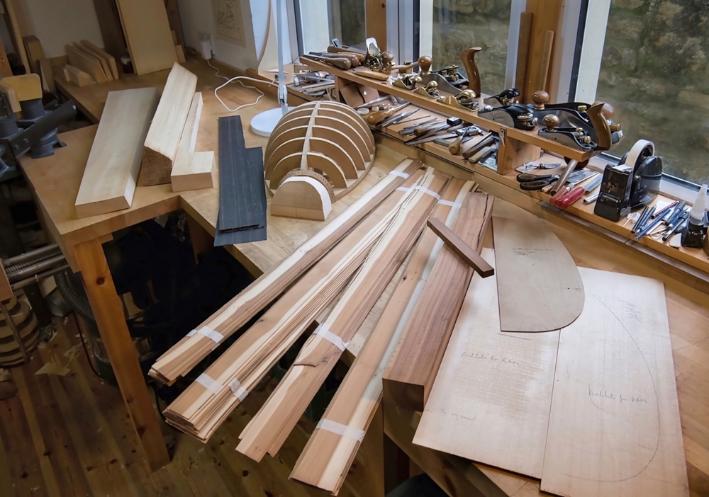
Although they are not the strongest images, I've chosen two that show most clearly why I called the book "Alchemy: the making of an archlute". Image 1 on the previous page shows the raw materials stacked on the luthier's bench and some of the many tools he used to make the lute. It also gives some sense of the limited space in which we had to work together.
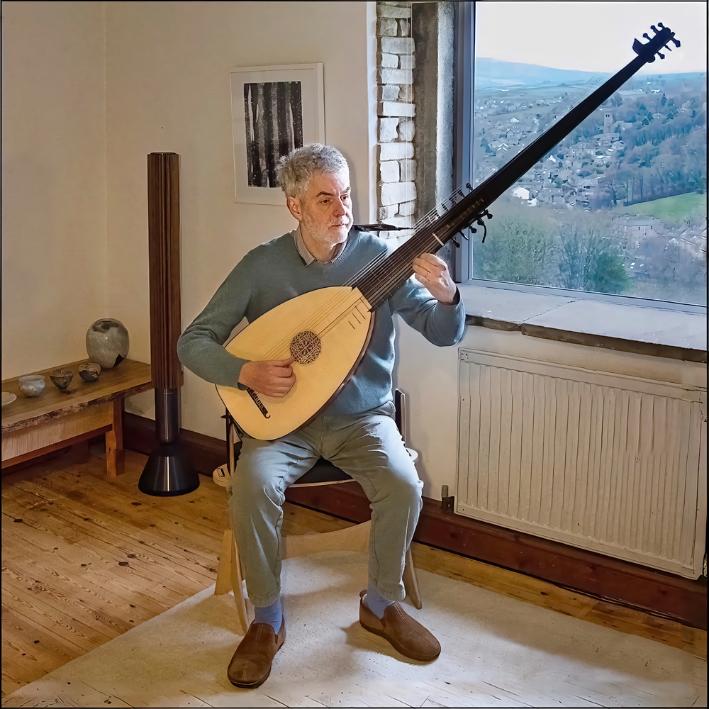
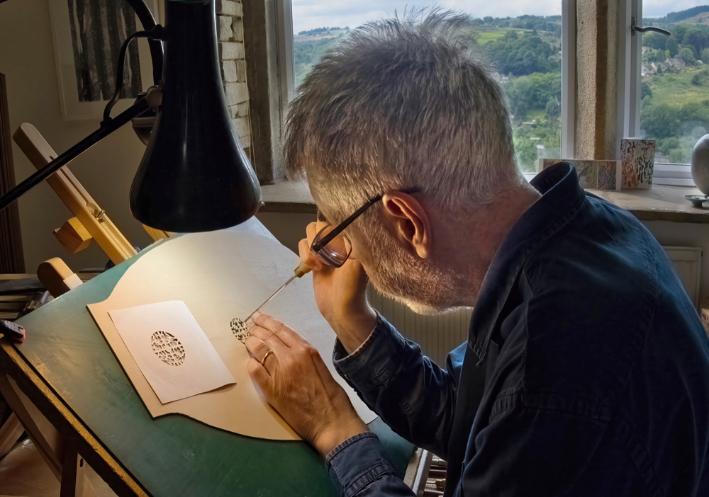
Image 20 (previous page) shows the luthier in his sitting room, with a beautiful view across the Holme Valley behind him, playing the finished instrument, which he has transformed from a pile of wood into something precious and beautiful. It is also surely a revelation for those who have never seen or heard of an archlute.
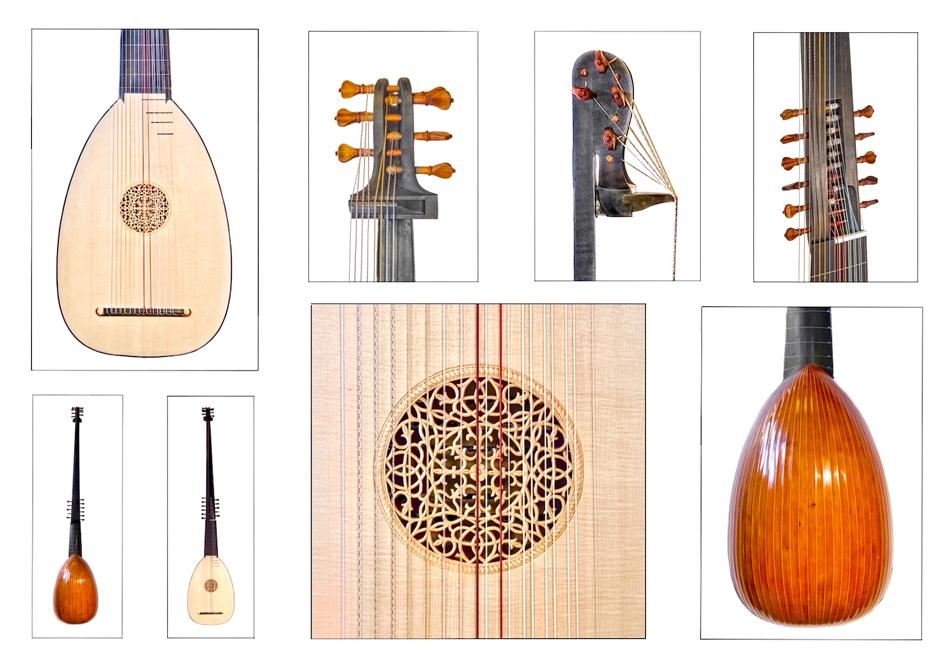
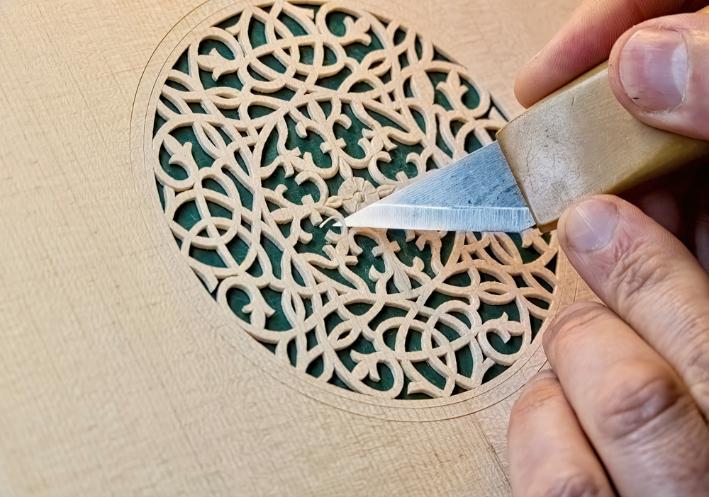
The final image (below) is not one that didn’t make it into the book - rather it is a collage made from images of the finished archlute, each of which appears in the book, and which hopefully reveals the beauty and complexity of this amazing instrument and demonstrates the astonishing transformation that took place.
Advice for Others
Personal Insights
This project was an incredible learning experience for me, and not only photographically. Over the months it took for the archlute to be made, I learned much about the history of the instrument, the traditional techniques and materials used in its construction, and its role in the history of music. To see something so complex, delicate and musically sophisticated being fashioned from a few pieces of wood was a truly remarkable experience that I wanted to share with others by making this book.
Look at panels that have been successful, attend Distinction open days, seek a one2one. Be prepared for a lot of hard work, potential disappointment, but hopefully a great reward at the end.
On Reflection
Because I didn't set out with the intention of submitting images from this project for the ARPS, it gave me the freedom of being able to concentrate on and enjoy a fascinating project without the pressure that inevitably comes from trying to put together a submission for a distinction. Gaining this distinction is a validation, and successfully challenges the impostor syndrome from which I and, I suspect, many amateur photographers suffer.
STATEMENT OF INTENT
All lutes in the UK are still hand-made by craftsmen using traditional methods. This book is a documentary photographic record of the creation of an archlute by one of the UK’s leading luthiers. Both the lute and this book were commissioned by the Royal Academy of Music and copies will go to their library. My intention was not only to record the luthier's working environment but also to provide a detailed photographic account of the crafting of this unique instrument. It was therefore necessary to document every step of its construction. For me, however, this book of images is also a means of sharing, with others, my sense of wonderment and fascination at both the craftsmanship and the highly complex technical processes involved in making an archlute. I was so privileged to witness and photograph both the craft and the craftsman.
Peter Orton ARPS Landscape
This journey started after retiring from a career as a medical doctor, some four years ago. In order to pursue the art, craft and science of photography I completed the two joint RPS and OU courses “Digital Photography: Creating and Sharing Better Images" and "Digital Photography: Discover your Genre and Develop your Style". These courses were truly inspiring, and I was awarded a course distinction on completion. As a result the advice for me was to progress directly to the ARPS rather than the LRPS.
About the Panel
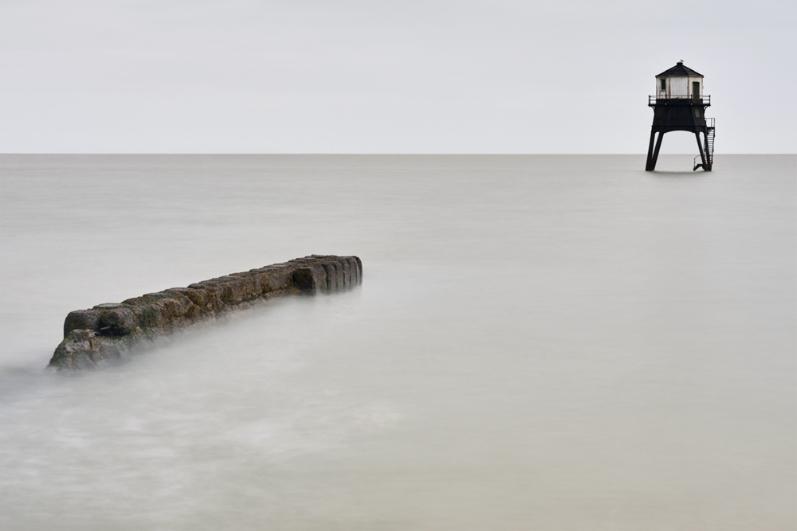
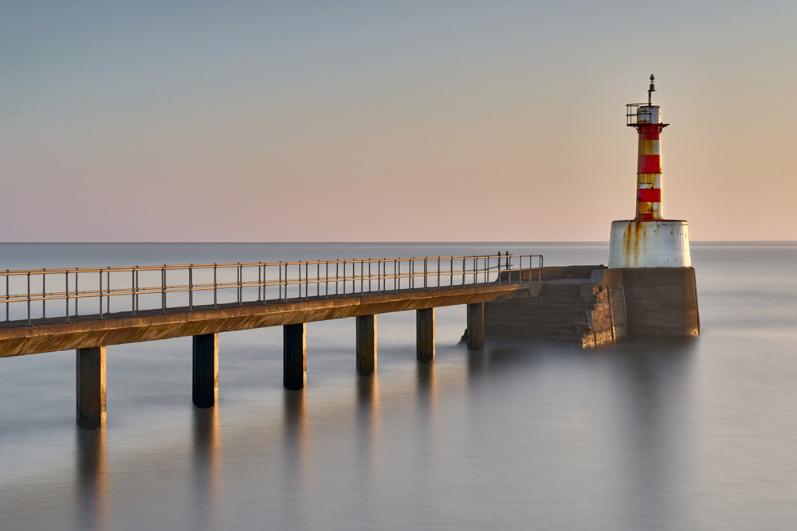
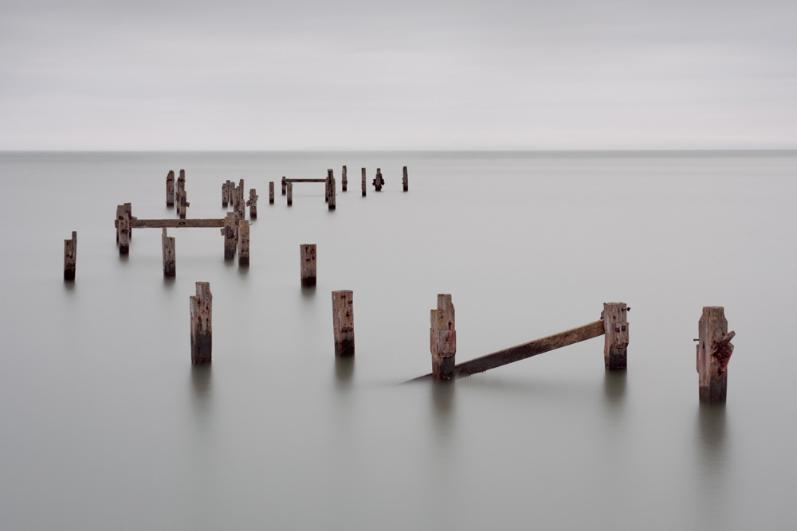
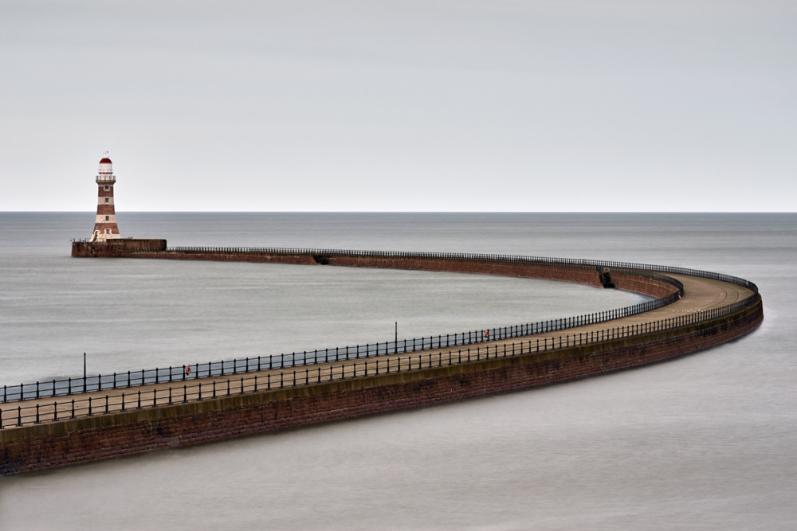
This submission represents my first cohesive body of work and my entry into fine-art landscape photography. The idea for this series was born from direct observation of coastal and estuarine environments, where human-constructed structures: groynes, piers, and flood defences, reveal the persistent effort to create and maintain coastlines against nature’s relentless destructive power.
The inspiration was in the striking contrast: these once-functional elements, built over centuries to harness or resist the sea, were now being overtaken, rendered ineffective, abandoned, and hazardous.
The Process
I had to develop technical proficiency, conceptual depth, and panel cohesion while mastering printing, editing, and sequencing. Key difficulties included achieving uniform tonality, colour balance, and print quality across 15 images taken in diverse coastal lighting conditions.
Creating a cohesive narrative flow demanded ruthless editing from hundreds of images to form a clear typology progression without repetition or weak links.
I completed two valuable one2ones early in the process. These provided expert, targeted feedback on cohesion, technical consistency, sequencing, and alignment of the Statement of Intent — significant guiding refinements. However, subsequent RPS rule changes prohibited any further one2ones, cutting off personalised advice at a critical stage.
I was encouraged to submit rather than defer. The panel failed as I anticipated, with feedback largely echoing the earlier advice. Following this I sought expert guidance from an experienced, independent distinctions mentor. This mentorship bridged the gap, transformed failure into actionable improvements, and directly enabled my successful ARPS pass on resubmission, marking a pivotal step in developing my artistic voice from a beginner’s starting point.
Skills & Techniques
Technical mastery: precise exposure, tonal consistency, colour accuracy, and print calibration across variable coastal lighting conditions, was essential for demonstrating complete control. Cohesive sequencing of the images created a unified narrative, ensuring strong panel flow and “16th image” impact.
My Favourite Images
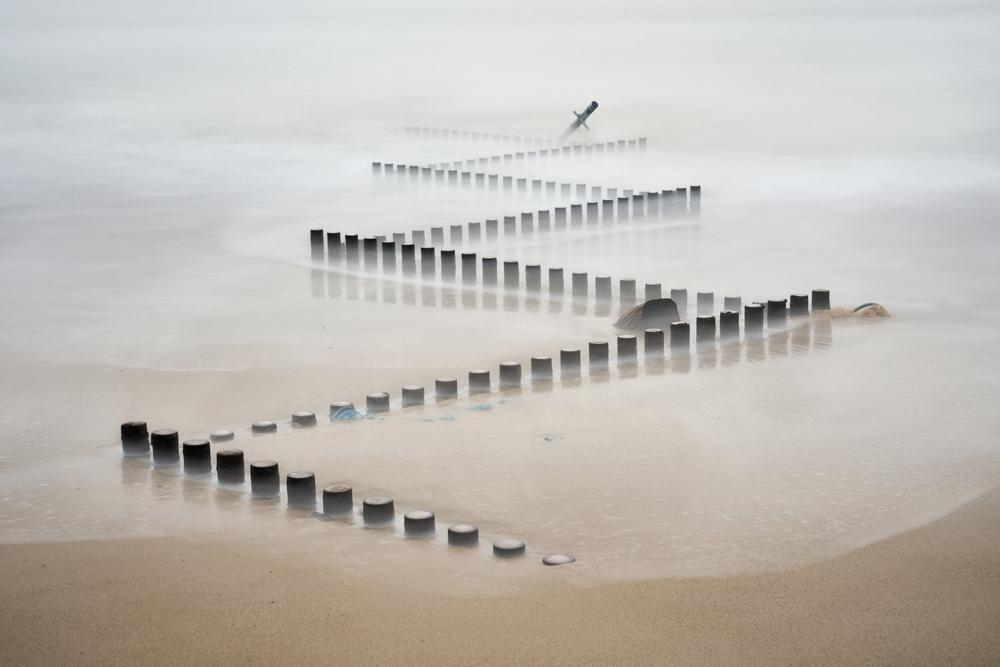
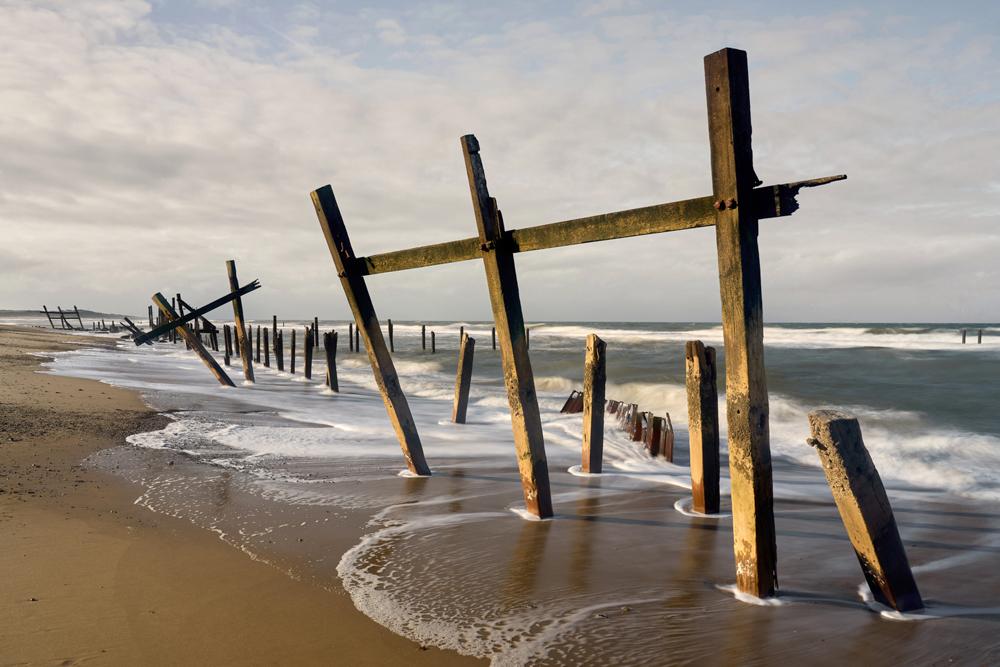
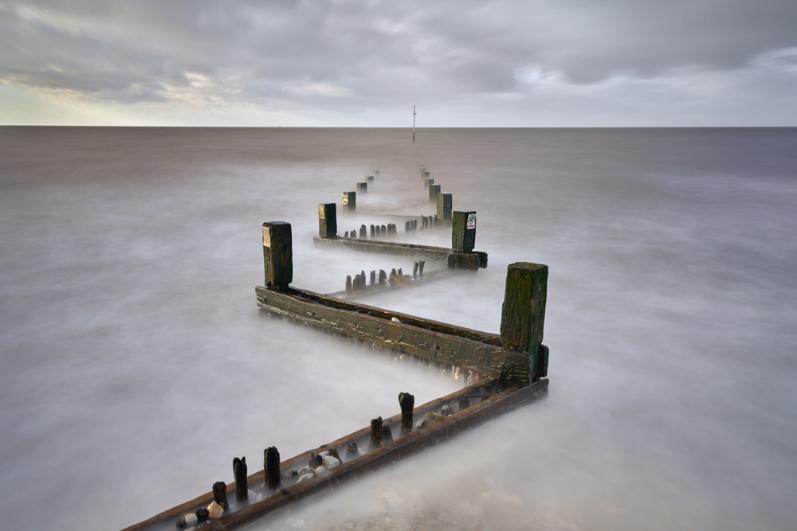
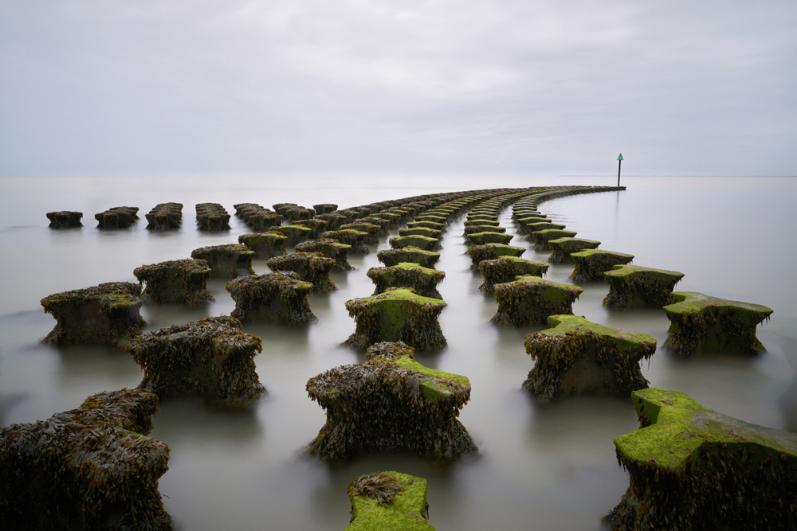
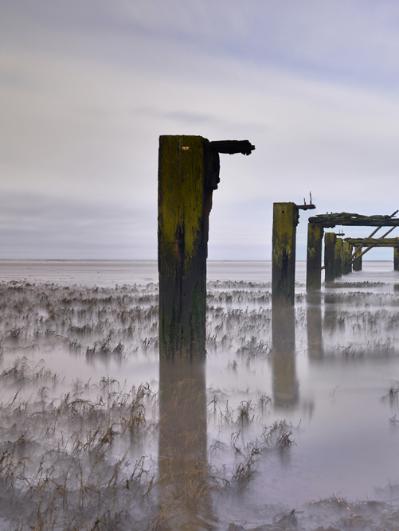
Two key images from my ARPS panel highlight the theme of coastal structures succumbing to nature. The first, Caister-on-Sea (previous page), was chosen for its rhythmic pattern, visual tension, and powerful depiction of futile human order against natural chaos, evoking impermanence and the sublime.
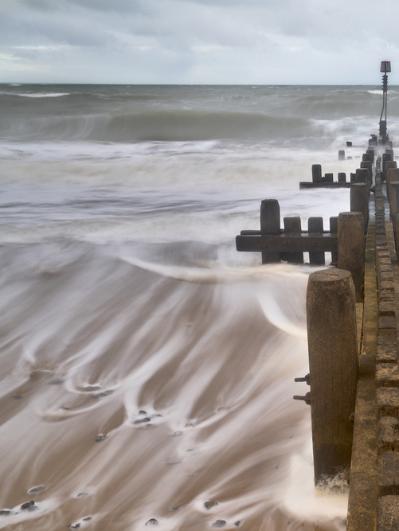
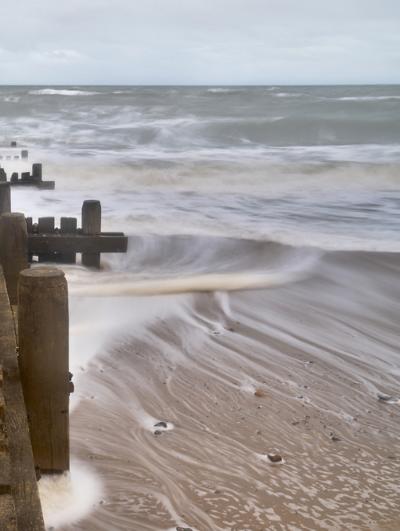
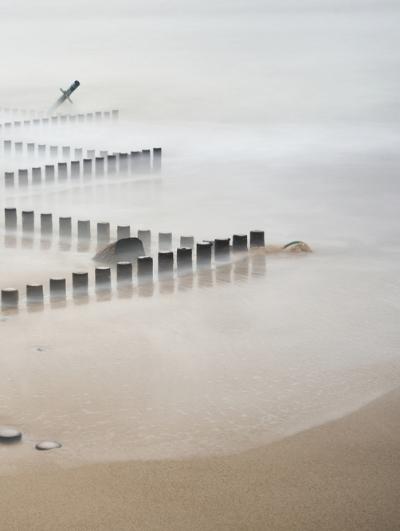
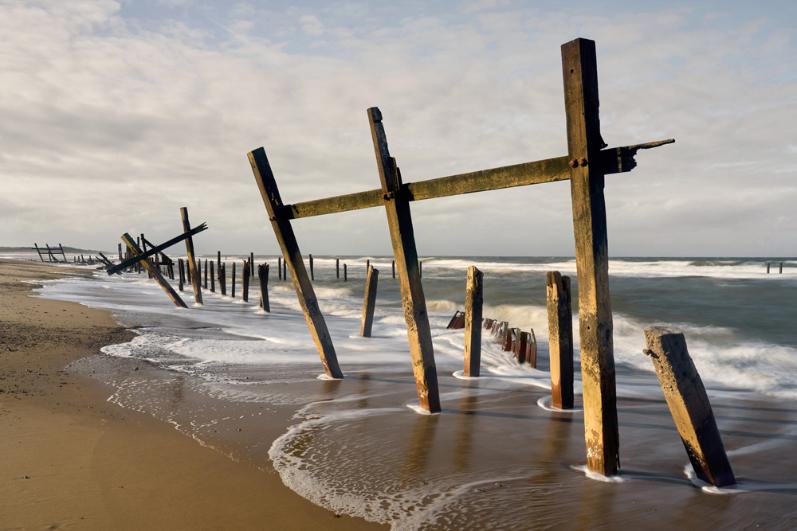
The second, Happisburgh Beach (this page), was selected for its stark geometry contrasting with organic flow, symbolising obsolescence and hazard from a bygone era, advancing the panel’s narrative of being overwhelmed and adding emotional weight through precise composition and mood.
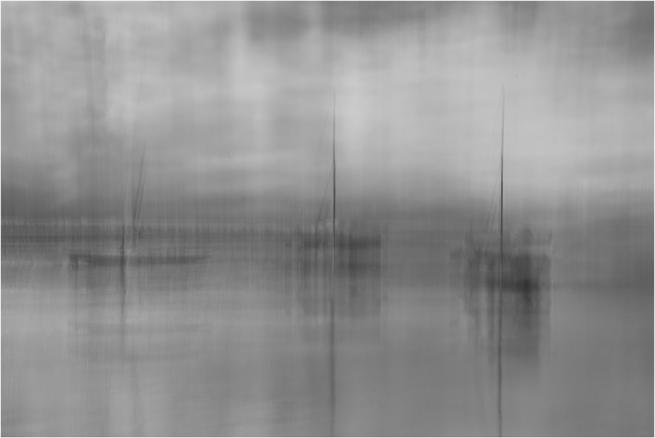
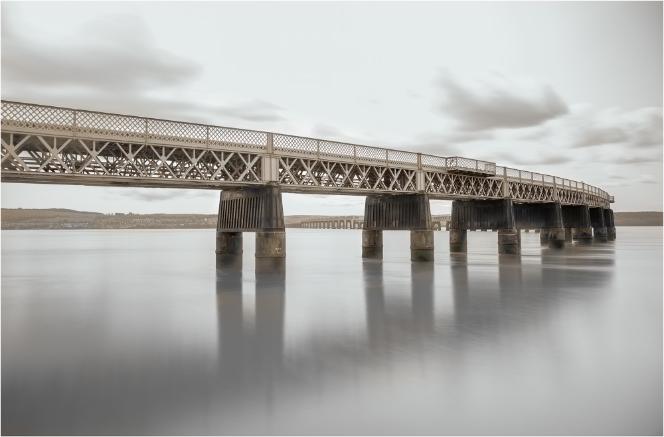
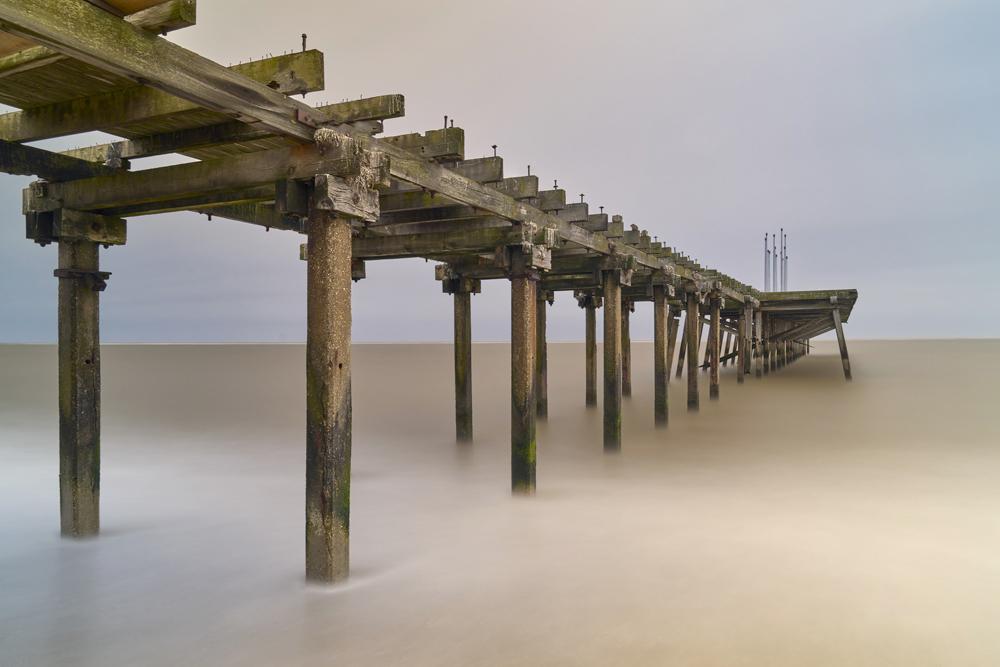
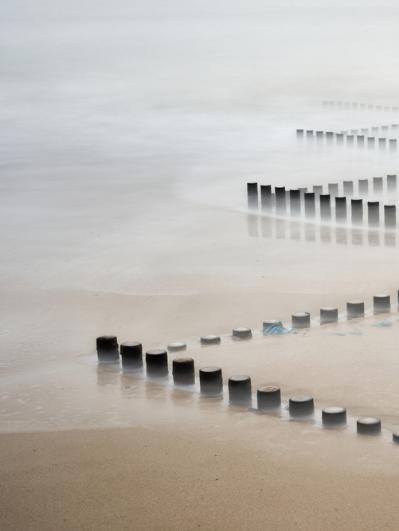
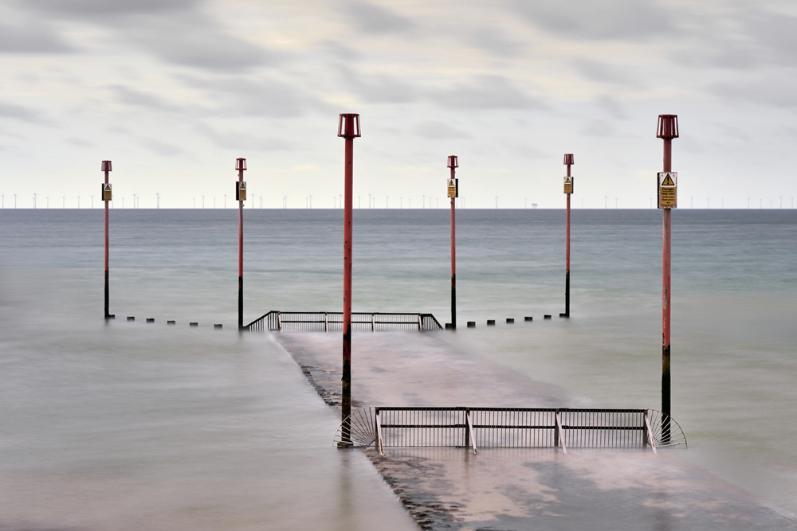
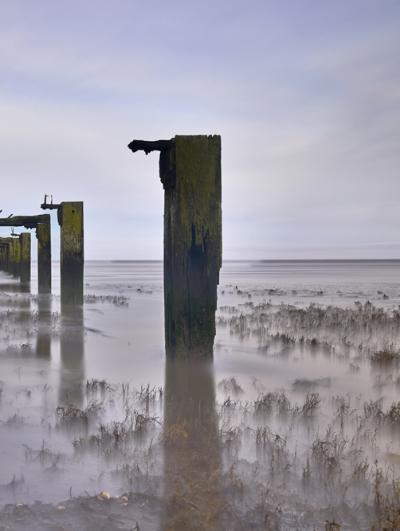
Claremont Pier (below), though atmospherically captured with long-exposure smoothness and strong leading lines, was excluded for multiple critical shortcomings which made it philosophically and technically misaligned.
Personal Insights
My photographic style evolved rapidly, starting with exploratory, coastal documentation into a deliberate fine-art landscape approach over a 18–24 month period.
My influences stem primarily from Romantic traditions: Turner’s sublime turbulent seas evoking nature’s destructive grandeur, Constable’s atmospheric mood and transience, Friedrich’s contemplative diminishment of man before vast forces. This inspiration guided my use of observed reality to evoke awe, spiritual reflection, and insight into human fragility against nature’s power.
Future Plans
My next photographic pursuit is the RPS Fellowship, the highest level of distinction. I have already begun this ambitious project, focusing on fine-art woodland photography with one of the UK's finest photographers as my mentor.
Advice for Others
Only pursue an ARPS with a genuine, cohesive body of work and clear personal vision. Don’t force a project for the distinction. Study RPS guidelines and successful examples thoroughly to understand the criteria. Shoot extensively, edit ruthlessly and prioritise print consistency. Seek advice at an early stage. Build resilience and an authentic voice. Success rewards disciplined preparation over speed.
On Reflection
The most rewarding aspect was the personal transformation: turning the failure of the first submission into success through persistence. Building a cohesive body of work from scratch and seeing it recognised by peers, affirming my late-start artistic voice and the power of disciplined creative growth.
STATEMENT OF INTENT
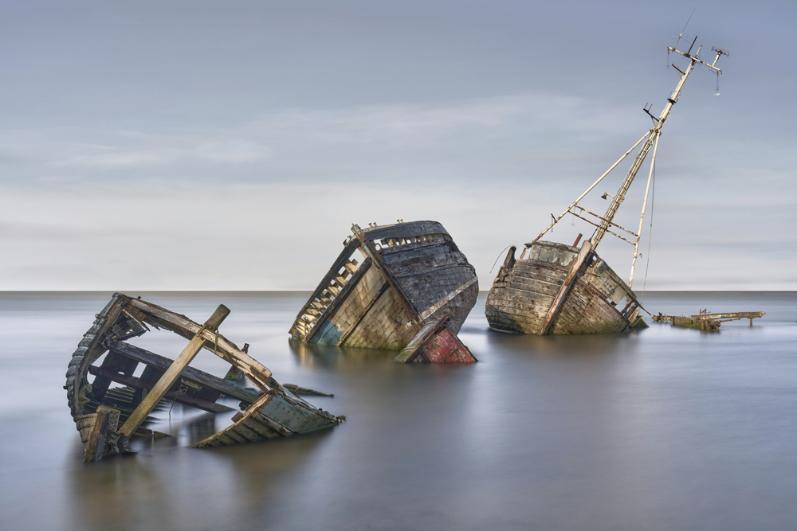
This series of images are presented, with a fine art perspective, depicting coastal subjects, piers and boats, both on the coast and in estuaries. The photographic typology is of functional structures on the pathway towards dereliction and abandonment.
The intent originated from noticing the effort of mankind to create and to maintain these structures, together with the destructive power of nature.
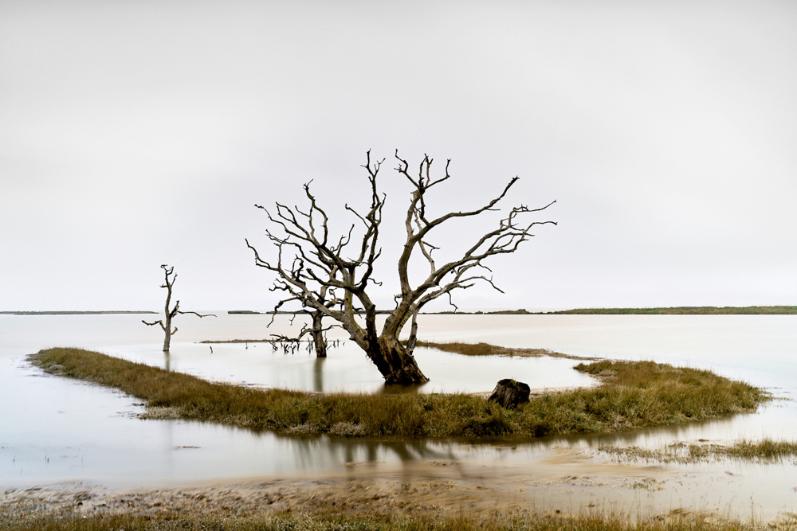
The groynes continue to be overtaken by nature and are no longer effective in reducing coastal erosion. The piers have been created by mankind to use the sea, in a bygone era, and are now no longer functional. The coastal flood defences have been breached, resulting in inland flooding and the death of trees. This process has been occurring for several hundred years, is present now and ongoing, in the sea, estuaries and rivers.
All have become overwhelmed, becoming abandoned and derelict, and are now a hazard to mankind.
FELLOW FRPS
FELLOWSHIP
Alan Bousfield FRPS Documentary
Having obtained an BA (Hons) in Wildlife Photography at the age of 60, I was awarded an ARPS by Exemption. So, the next step was to apply for an FRPS. I attended an FRPS Advisory Day and was encouraged to submit my panel in the Visual Art genre in June 2014. However, my submission failed and like many who fail, I was put off resubmitting as my confidence had taken a blow.
About the Panel
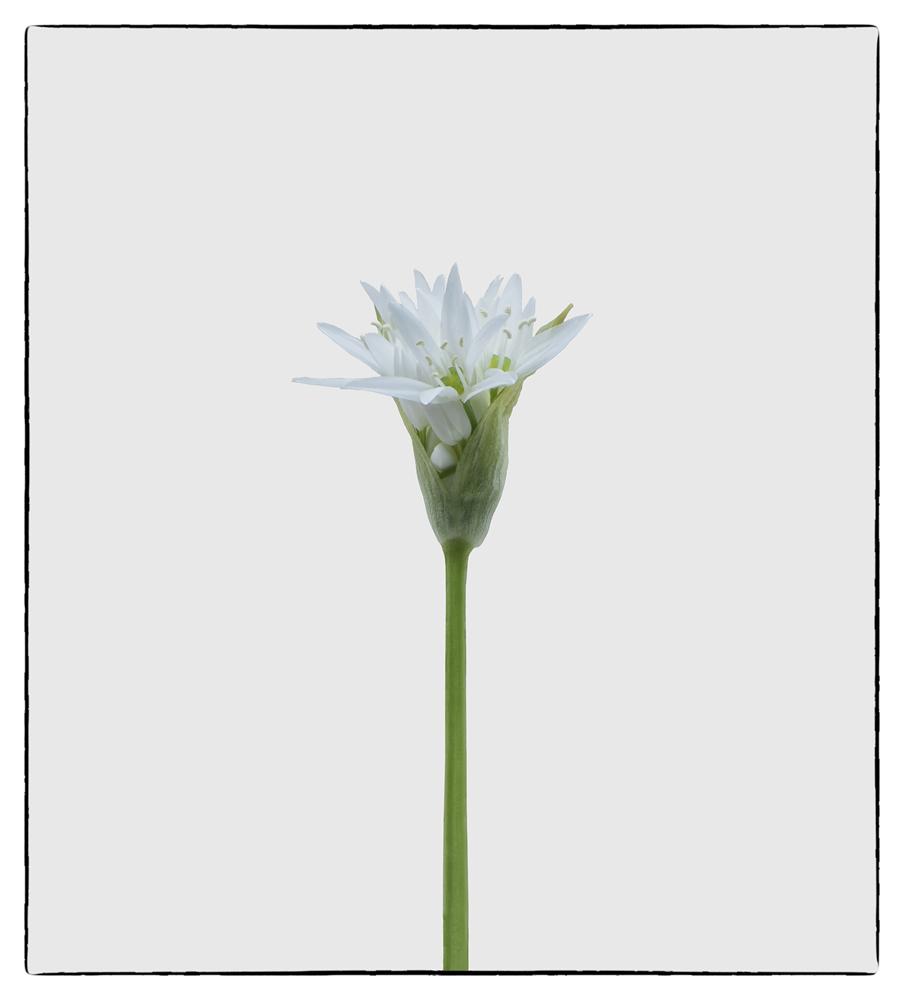
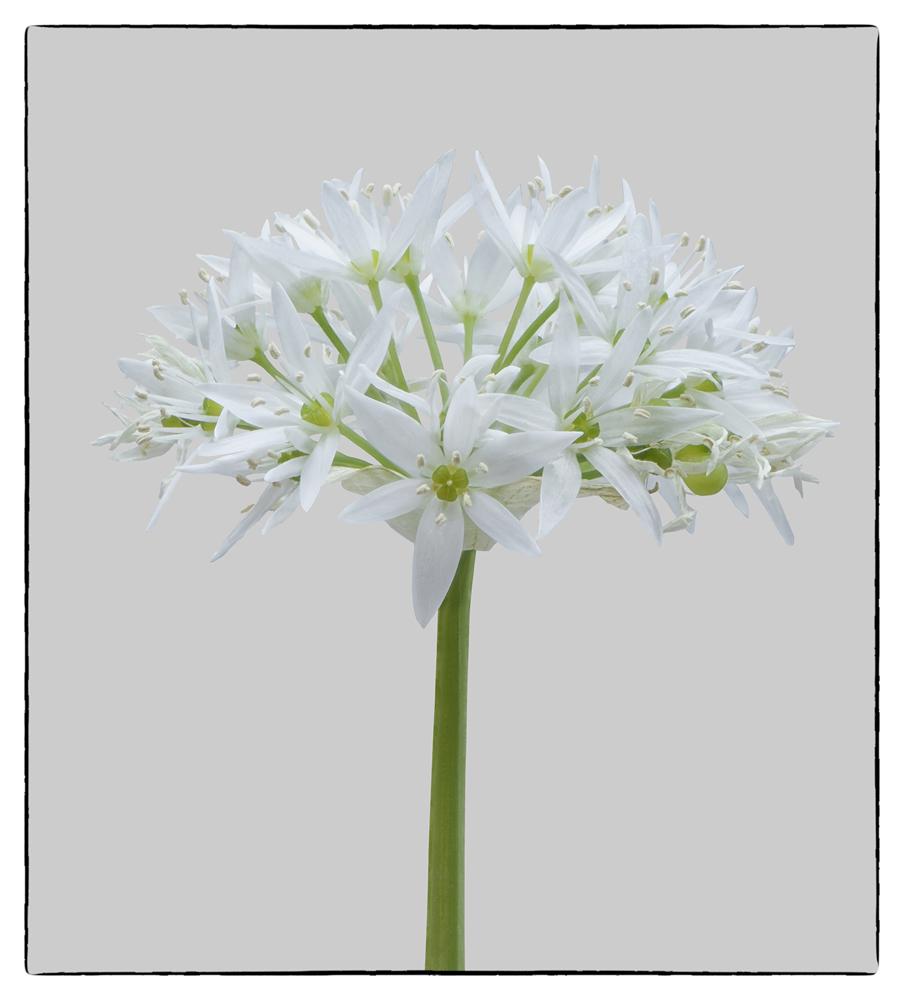
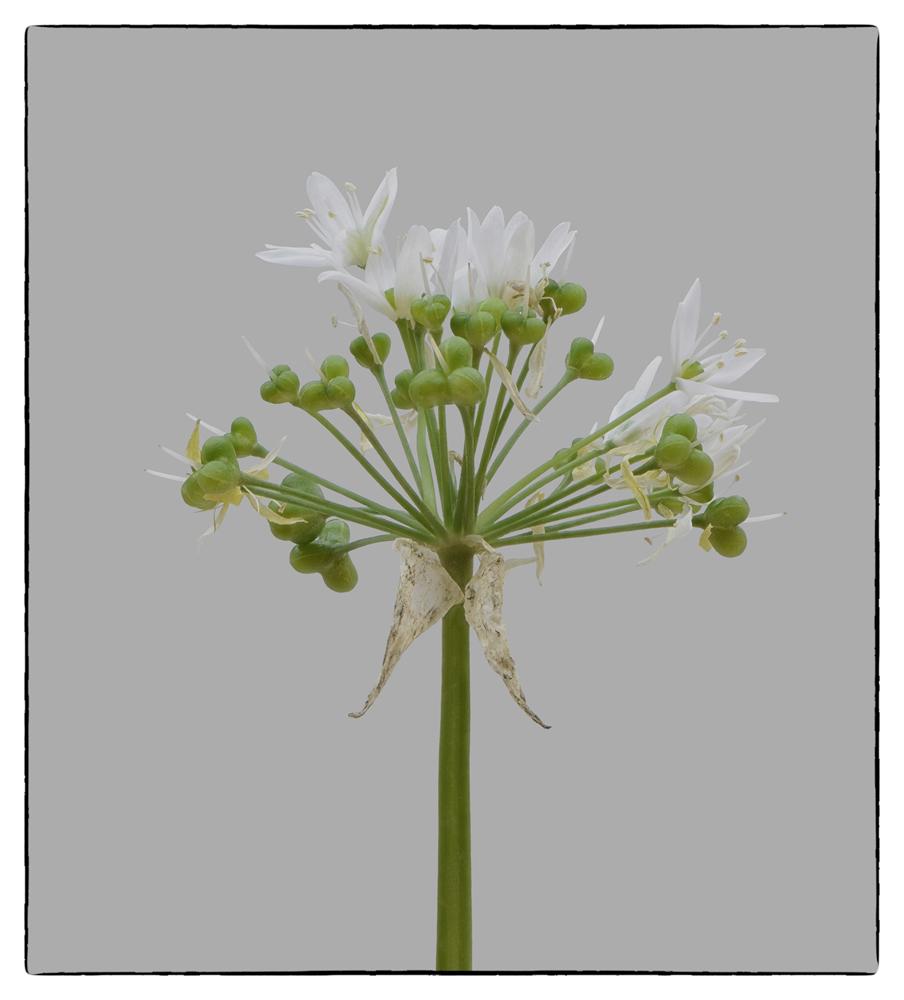
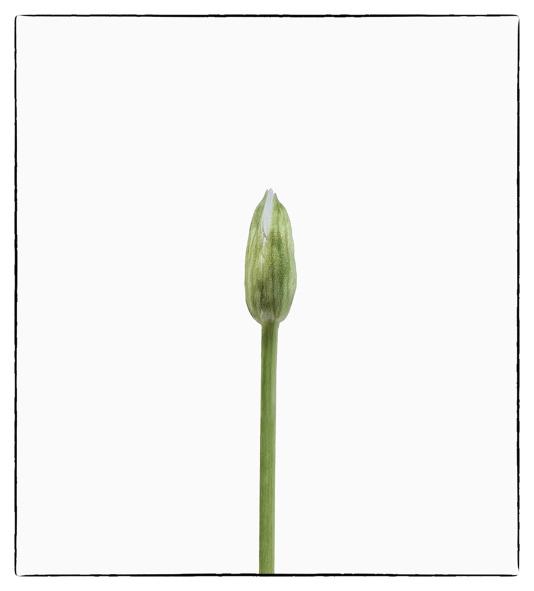
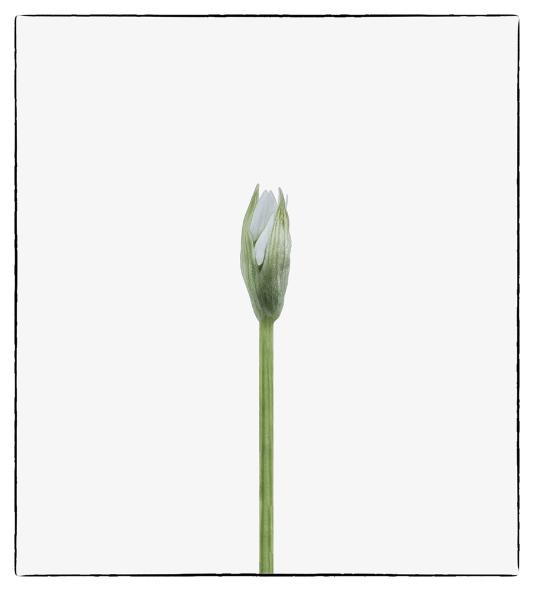
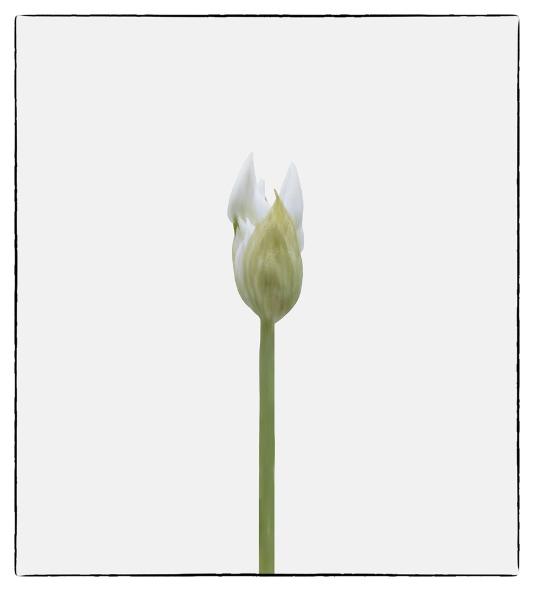
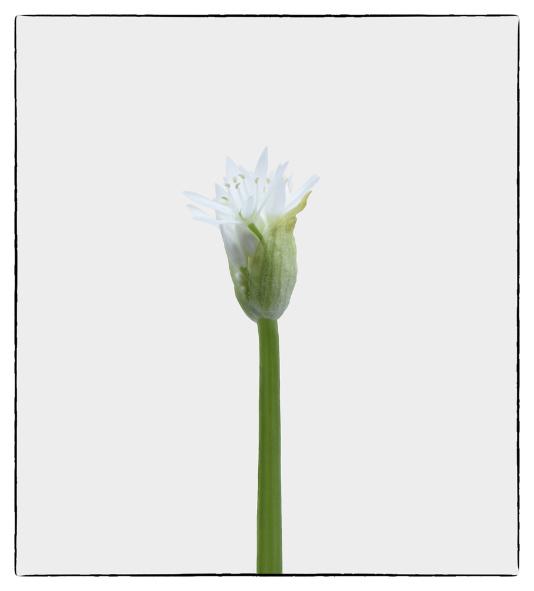
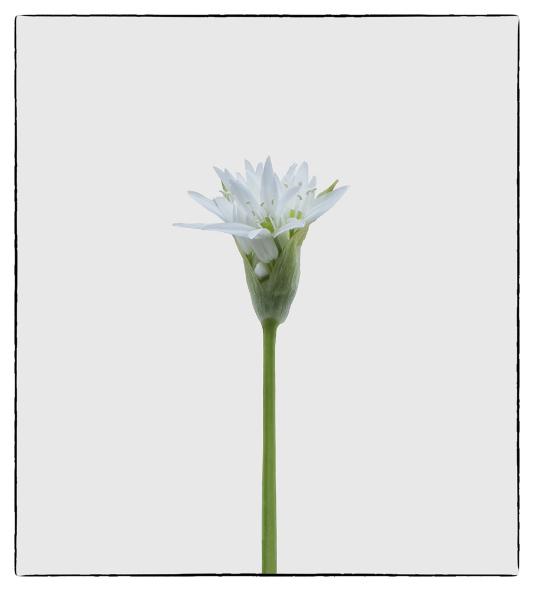
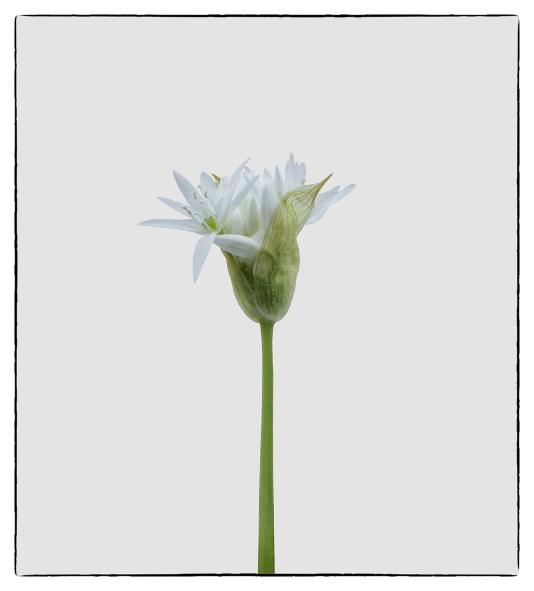
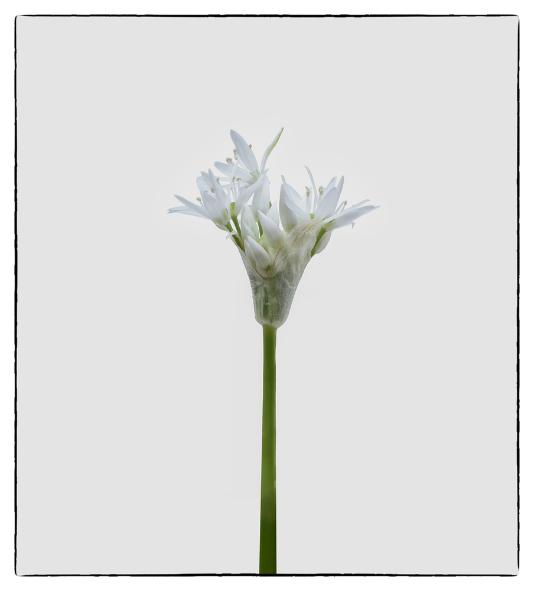
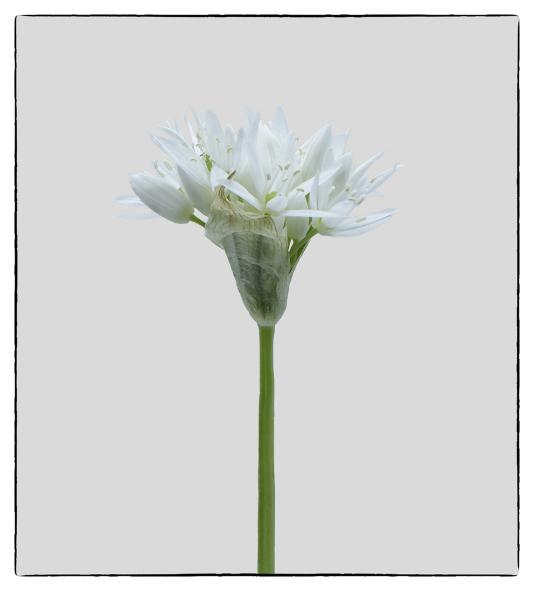
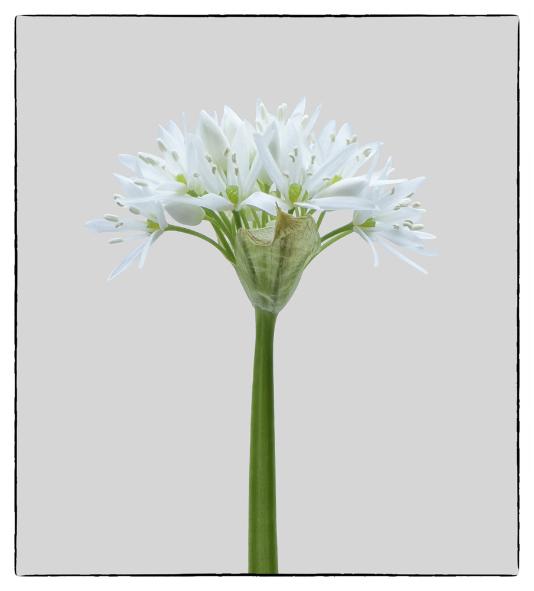
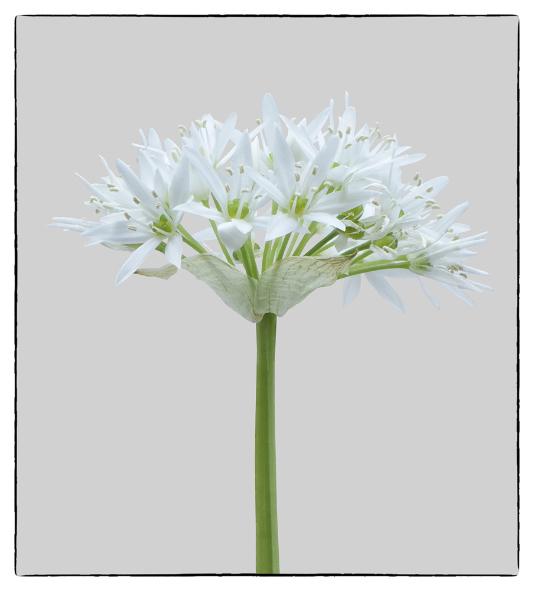
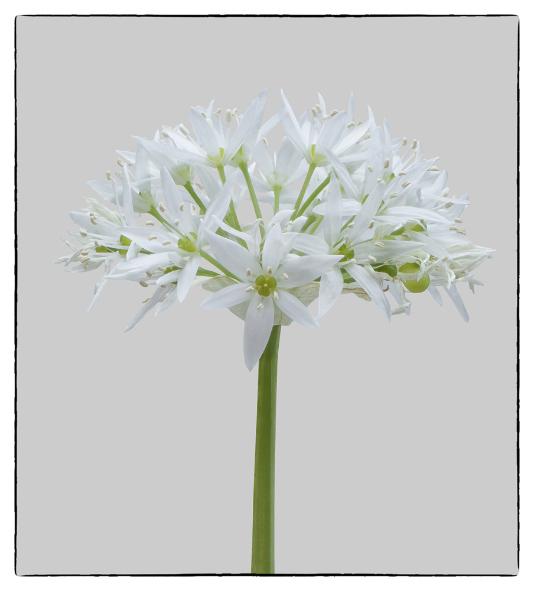
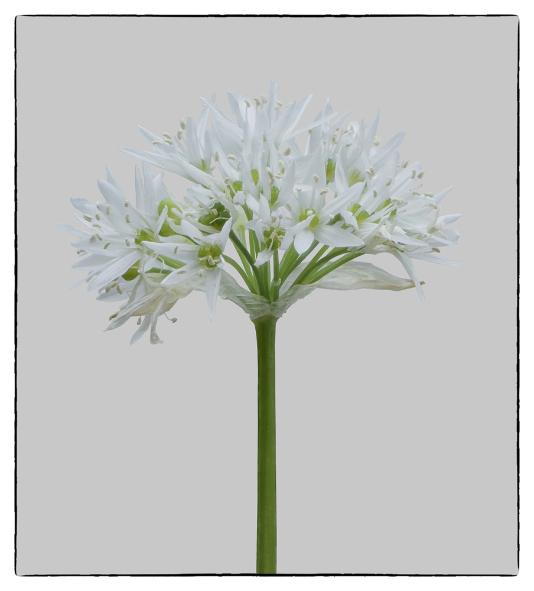
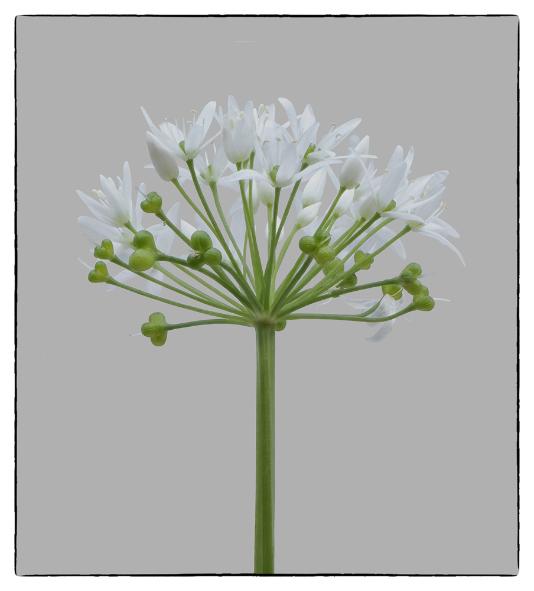
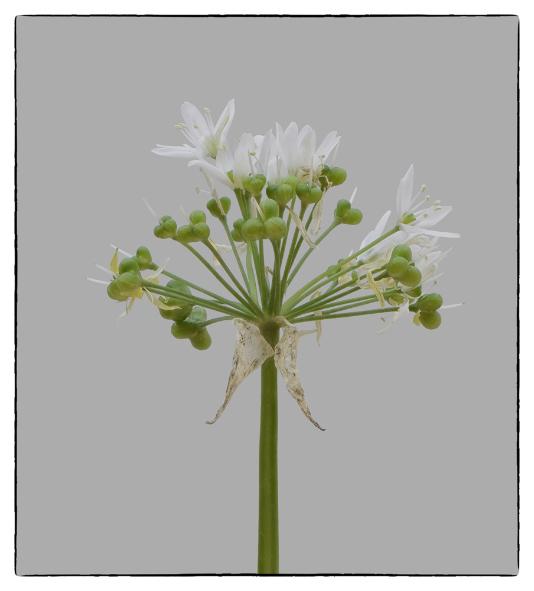
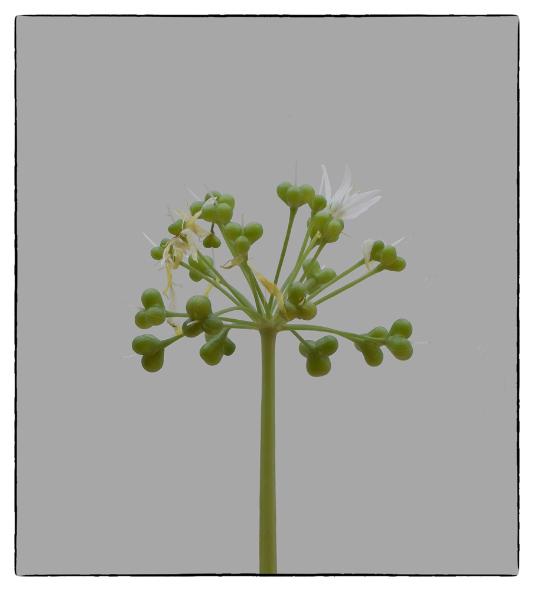
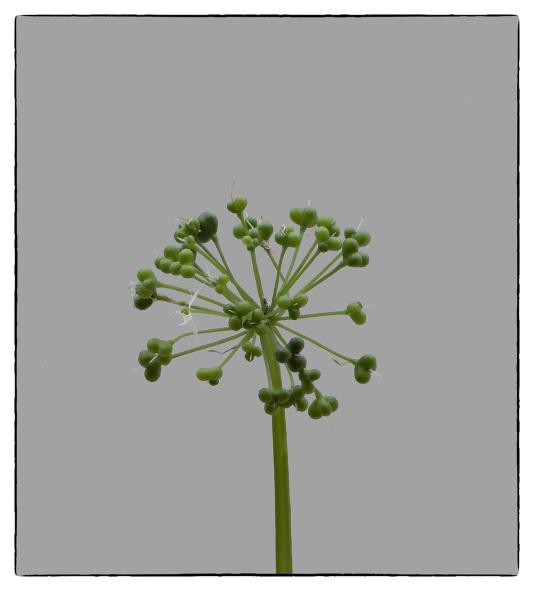
In March 2020 the country was hit by Covid-19 and a national lockdown. We were allowed to go for a walk each day and as I live in a rural area, it was possible to walk along some country lanes nearby and this coincided with the flowering of wild garlic.
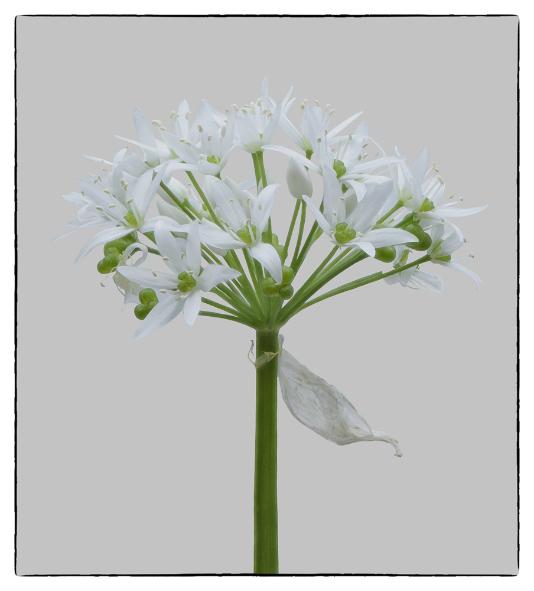
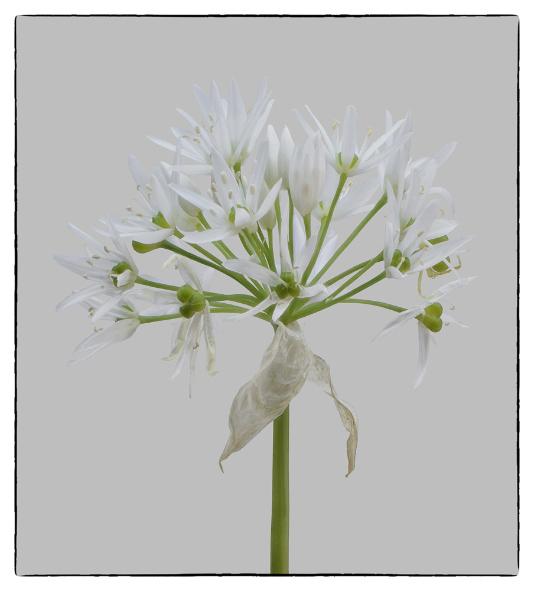
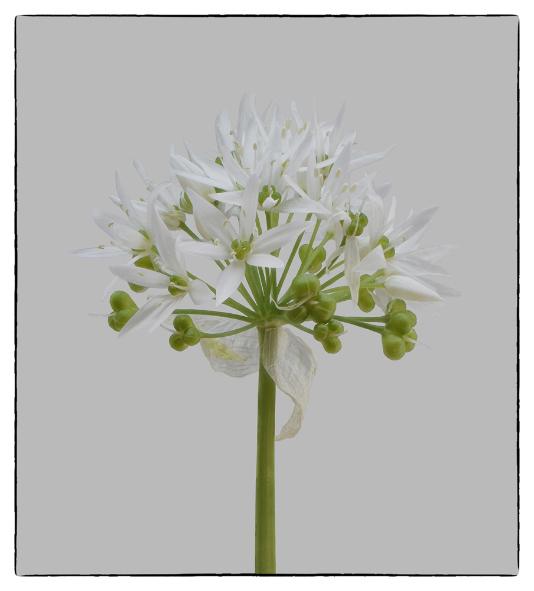
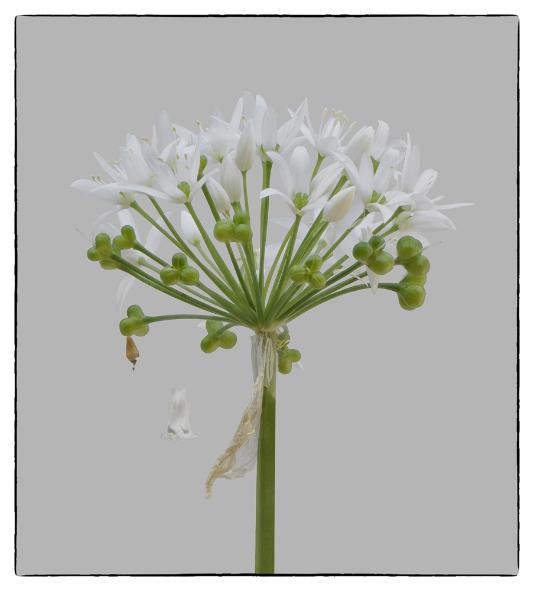
Not being allowed to take the time to photograph these flowers in situ, I picked a flower and took it home, allowing me to examine it in detail and photograph it under controlled conditions. The following day another walk and another flower etc, until the Government released a press release on the 27 May 2020 “61,795 Dead in the UK due to Covid-19”.
This was the catalyst for the start of my submission. Analysing the evidence, the older you were the more likely you were to catch Covid and die.
I used the garlic flower, from bud to a flower past its best, as a metaphor for people aging. I also reduced the luminosity of each successive image, making them darker through the lifecycle to represent the risk of contracting Covid-19 and dying. Also, the symbol of the Covid-19 virus is reminiscent of the head of a wild garlic flower.
As the panel is based on several metaphors, Contemporary was the only suitable genre. It is definitely not the genre I am used to working in.
The Process
The hardest part of the submission was trying to communicate my thoughts and what I wanted my images to portray to the Assessors. I had two one2ones prior to my first submission, which was digital, and produced several versions of my Statement of Intent. Unfortunately, I failed due to repetition, a too sudden dropoff in luminosity and some masking errors which showed up when the images were projected onto a large screen.
I was aware that there were changes being proposed for the Fellowship Distinction and I thought it best to have another attempt before that happened and to make use of the resubmission I had been given.
I watched several Assessments online and it was clear that having a precise Statement of Intent was the key to either passing or failing, irrespective of how good your images were.
I sought out an Assessor who I thought might be best placed to help me with a Contemporary submission and asked for a one2one. The advice they gave me was invaluable as they made me break down the feeling I was trying to express with my panel.
Rather than submitting a projected image panel again, I decided that the resubmission should be in print, but what size? For the panel to work the layout needed to be in one continuous line, so the width of the room determined the size of the portrait format mounts. I decided on an A5 print set in a double mounted A4 white mount.
When it came to the day of the Reassessment, I felt it was touch and go as I had forgotten to include in my Statement of Intent, the 27 May 2020 headline that had started the whole process off. However, one of the Assessors spotted that the wild garlic flower has a similarity to the Covid-19 Symbol.
Skills & Techniques
To ensure the flowers were totally in-focus, I used focus stacking. I also had to ensure the lighting conditions were the same for each image, so that the linear luminosity reductions were correct.
Advice for Others
Most importantly, your Statement of Intent must explain what you are intending to portray with your panel and leave no chance for misinterpretation. Also, the benefits of having a one2one are invaluable and finally, it has been said many times, by others, “a panel subject finds you rather than you find it”.
Future Plans
I have reworked the images used in my 2014 Visual Art Fellowship submission and I hope to submit it into the 4 June Assessment. I have other ideas in the pipeline, but it will be very much depend upon what changes are made to the Fellowship criteria.
STATEMENT OF INTENT
During the Covid-19 lockdown, I began photographing wild garlic as a way of observing and recording its natural cycles. What started as a repetitive process developed into a metaphorical framework for understanding the pandemic.
By removing the flowers one by one, from their environment and placing them in the studio, I was able to examine them in isolation. This process paralleled social distancing: individuals set apart so that their characteristics and vulnerabilities could be studied more clearly.
The focus on lifecycle became central. As the flowers aged, I reduced their luminosity, mirroring the way human vulnerability increases with age. This shift in tone provided a direct metaphor for mortality and the heightened risks faced by older populations during Covid.
The use of a progressively darker background, reinforced the greater the suggestion of danger and the inevitability of decline, evoking the spread of the virus and its consequences.
Finally, by arranging the flowers in a linear sequence, the work established a clear temporal structure. This alignment emphasised progression through time, both in the natural life of the flower and in the unfolding of the pandemic within human society.
RESOURCES
RPS DISTINCTIONS
Find out how to start – or continue – your Distinctions journey:
LRPS is a general assessment of your photographic skills, for which you provide a panel of 10 projected images. ARPS and FRPS assessments are assessed in specific genres, namely Applied, Contemporary, Documentary, Film, Landscape, Natural History, Photobooks, Travel, and Visual Art. For prints and digital submissions, you provide 15 and 20/21 images for A and F respectively, as a panel or a wordless book.
Each of the pages below includes handy links to guidelines and genres for distinctions, assessment dates, example submissions and a “how to apply” document:
• Licentiate(LRPS) – the process for LRPS is digital only – see below for more details.
• Associate (ARPS)
• Fellowship (FRPS)
Changes to LRPS
The LRPS application process uses a dedicated portal for digital submissions only – no prints or books will be assessed. There is lots of supporting info on the RPS website.
Changes to ARPS and FRPS
A working group is currently looking at changes to both these distinctions with revised guidelines expected later this year. We’ve been advised that applicants who aren’t already well on with their submissions might wish to wait until 2027 to apply to see what the changes are; but in the meantime, ask the team on distinctions@rps.org if you have concerns. ARPS and FRPS submissions continue to support print-based assessments as well as digital ones and photobooks.
Photobooks
The Photobook genre has its own special guidelines and submission process (as opposed to an ARPS or FRPS submission in book form). You can find out more here: Photobooks. You might also like to see a talk hosted by Stewart Wall which is both informative and inspiring.
Preparing for submission
Whatever your readiness for LRPS, we offer an LRPS Support Group to DI members only. We’ll be offering DI members their own dedicated LRPS advisories in due course – watch out for details.
Advisory Days for all levels can be booked here; these may be online, in person, or both, and are offered at various venues. You can generally attend as an observer if you aren’t ready to step up yet (usually advertised a week beforehand on the Facebook group). In addition, some Chapters and Regions offer online Distinctions Study Groups. You may be able to find these by searching the RPS website.
You can request a one2one portfolio review – an online session with a panel member appropriate to your genre/ distinction. See how to book a one2one for more information. Demand for these is high and you may have to wait for slots to become available.
There has been some confusion over what happens next – someone from HQ will find you an advisor and put you both in touch to arrange a date and to send images/ presentation plan. This can take time depending on how many volunteer assessors in your genre or at your level are available, and you are advised to make your request at least 4 months before an assessment.
As for Assessment Days, you can sign up to observe an Assessment Day (in person only). It can be very helpful to hear what assessors say about other panels, successful or not.
And don’t forget, as well as projected and printed images, you can also apply for a Film, Video and Multimedia Distinction at any level, and also a written Research Distinction: Film and Research.
More avenues of support
You can find successful applicants talking about their experiences in a number of Distinctions Live podcasts on the RPS Distinctions Channel on YouTube.
This talk from Stewart Wall gives advice on How to Pass Your Licentiate.
The private Facebook Group RPS Distinctions **Official Group** is still growing after 5 years, and now has over 5500 members. It includes news and notices of events from HQ, links for booking in-person observer places at assessments, and posts celebrating distinction successes to inspire you. It’s a civilised venue to ask questions, share your successes –and disappointments – and ask for critique or expert advice on your proposed submissions.
If you aren’t sure which genre or level to apply for, you can post 6 images (plus your SOI if appropriate) and request moderator advice.
You’re reading issue 18 of Accolade, which celebrates Digital Imaging members’ distinction successes, and is useful for insight into the process in many different genres and at all levels. All the back numbers are also available on the DI website.