The copyright of photographs and text in this eJournal belong to the author of the article of which they form a part, unless otherwise indicated
Liability Disclaimer
The author of an article is responsible and liable for all content, text and images provided by them. Neither the RPS Benelux Chapter nor the editor is responsible or liable for any content therein.
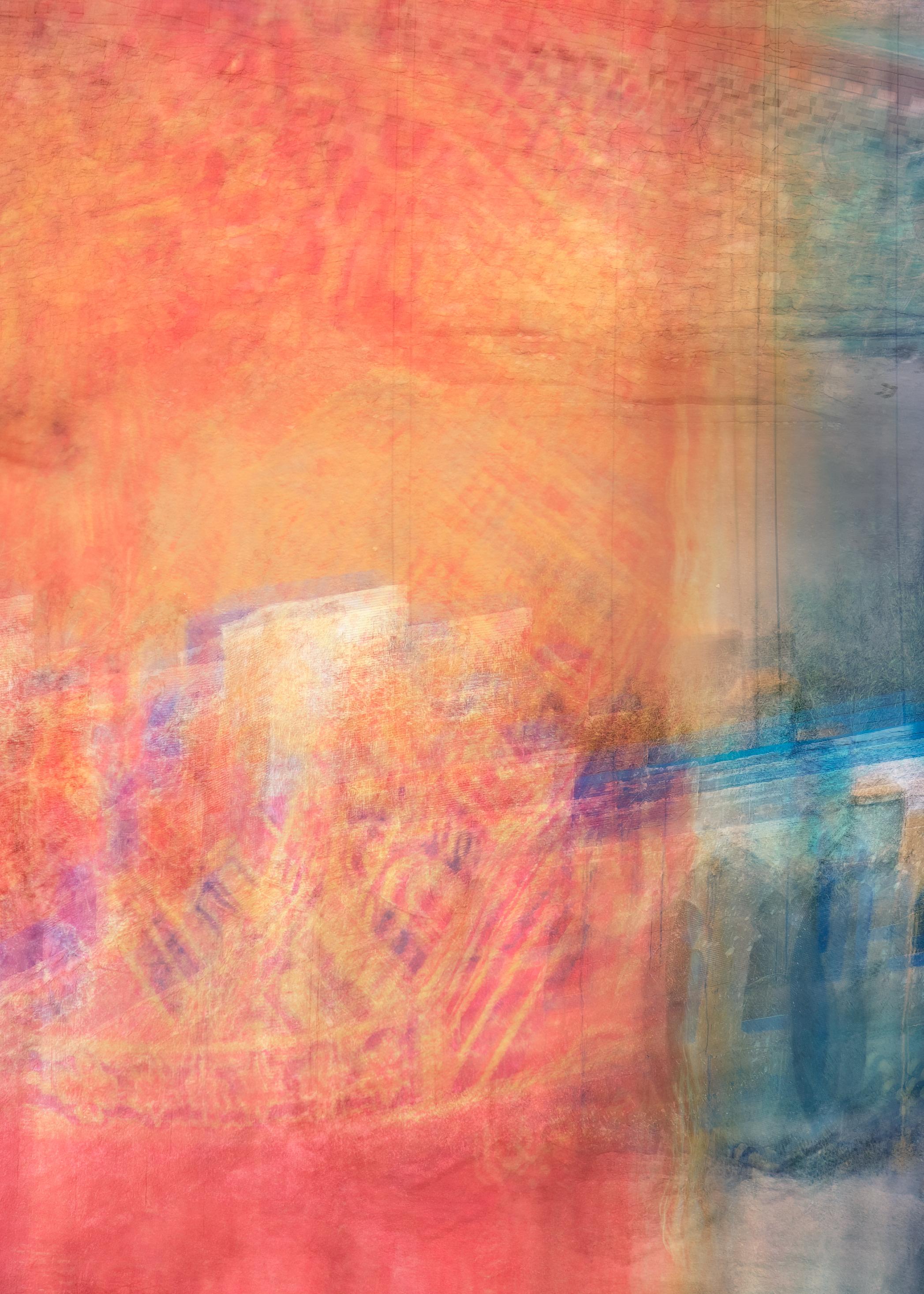
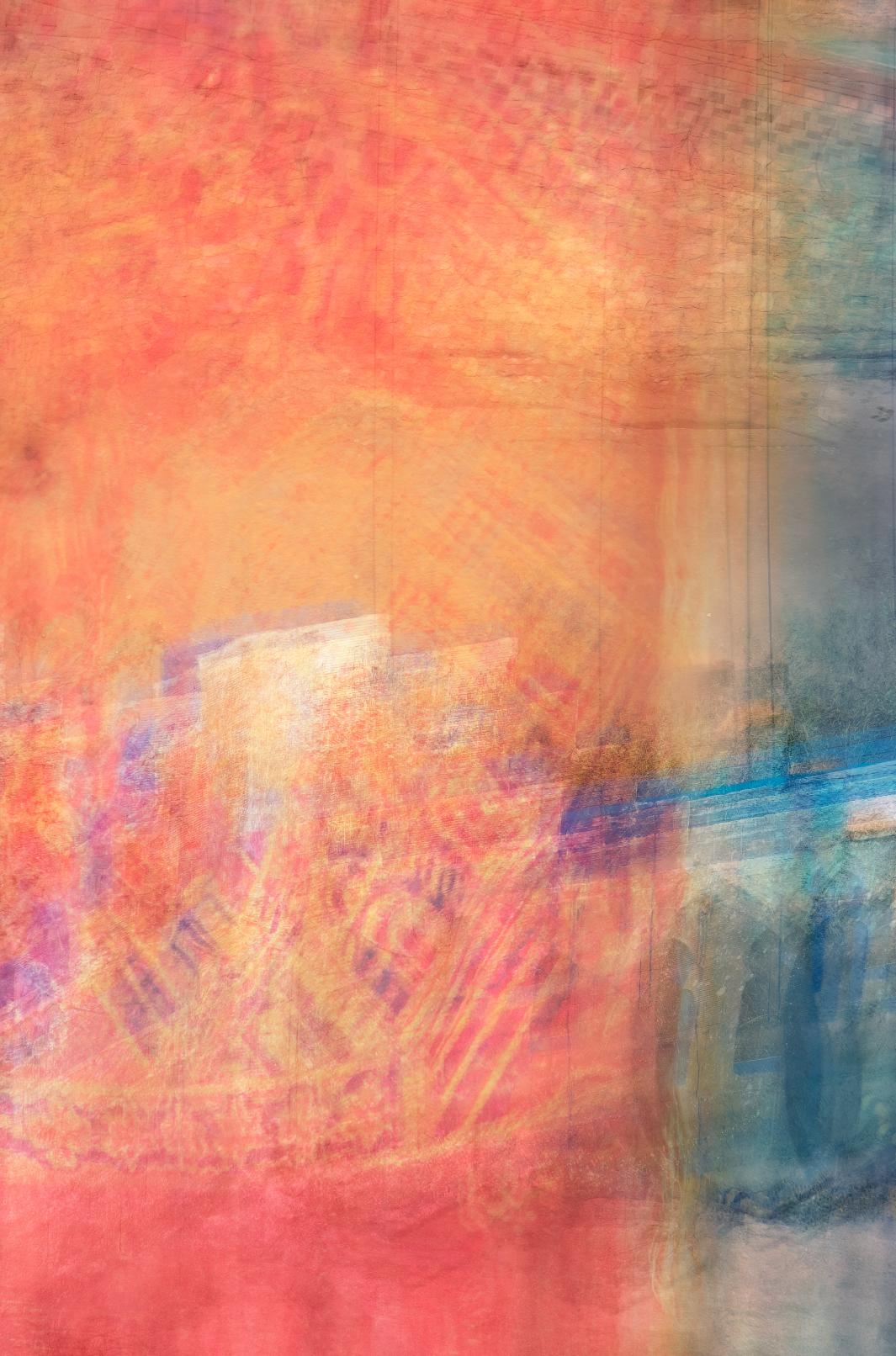
Cover photo
Astrid Preisz Issue 12 Summer
Views from the Benelux Chapter Organiser – eJournal Issue 12 Summer 2026
Welcome to our newest edition of the eJournal! It truly is an internationally flavoured one! Our members travel far and wide. It’s a real inspiration to see the photos and read the articles. Thank you to everyone for submitting them. We especially want our members to submit photos and small articles to keep the eJournal interesting. Don’t hesitate, submit!
We want to give you, our members the chance to have your photo on the cover, so please – send us your photos in portrait size. Photos should be cheerful, colourful (though black & white is fine as well!). Do consider where the logo and eJournal text is placed. No text in the image is better as well. It’s a nice surprise to be selected for the Cover photo – people all around the world will see it! Send them in!
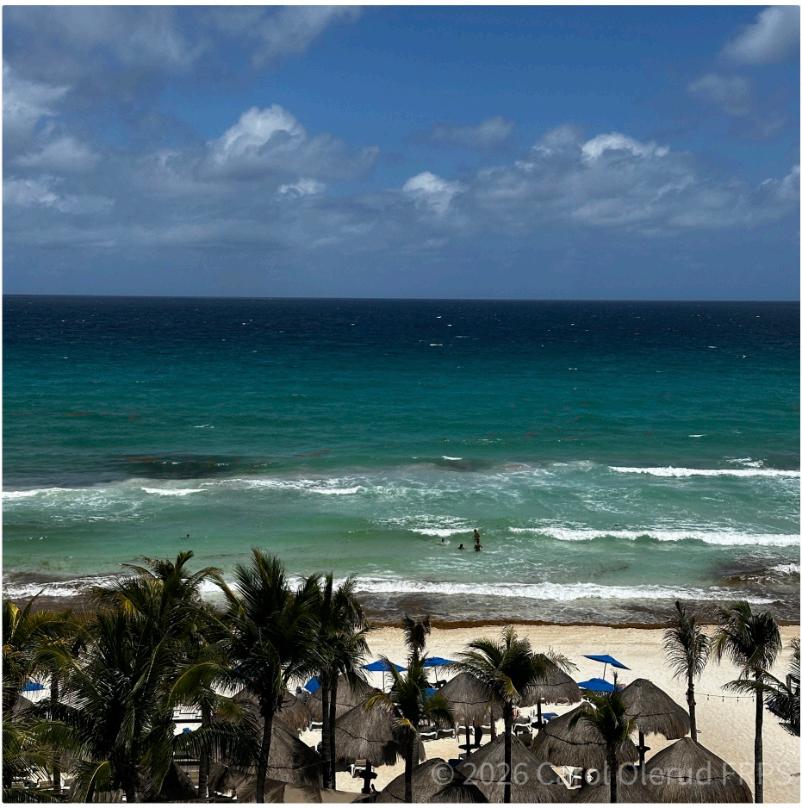
Our AGM this year was on 6th May, held from Mexico, online in a Zoom. I was there for a two-week trip, mainly to go to a Wedding. It was a hot, noisy, hectic and chaotic visit, but so worth it. The last days were spent relaxing at the beach in Cancun, luckily the seaweed problem of Sargassum wasn’t too severe, but it certainly was there! (photo of my view)
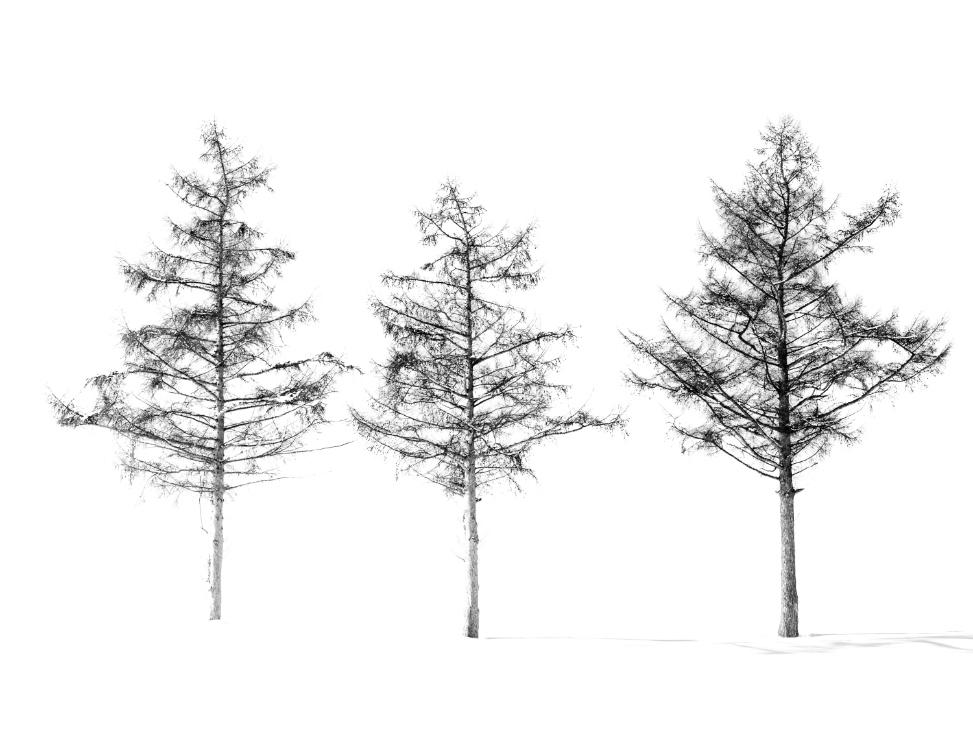
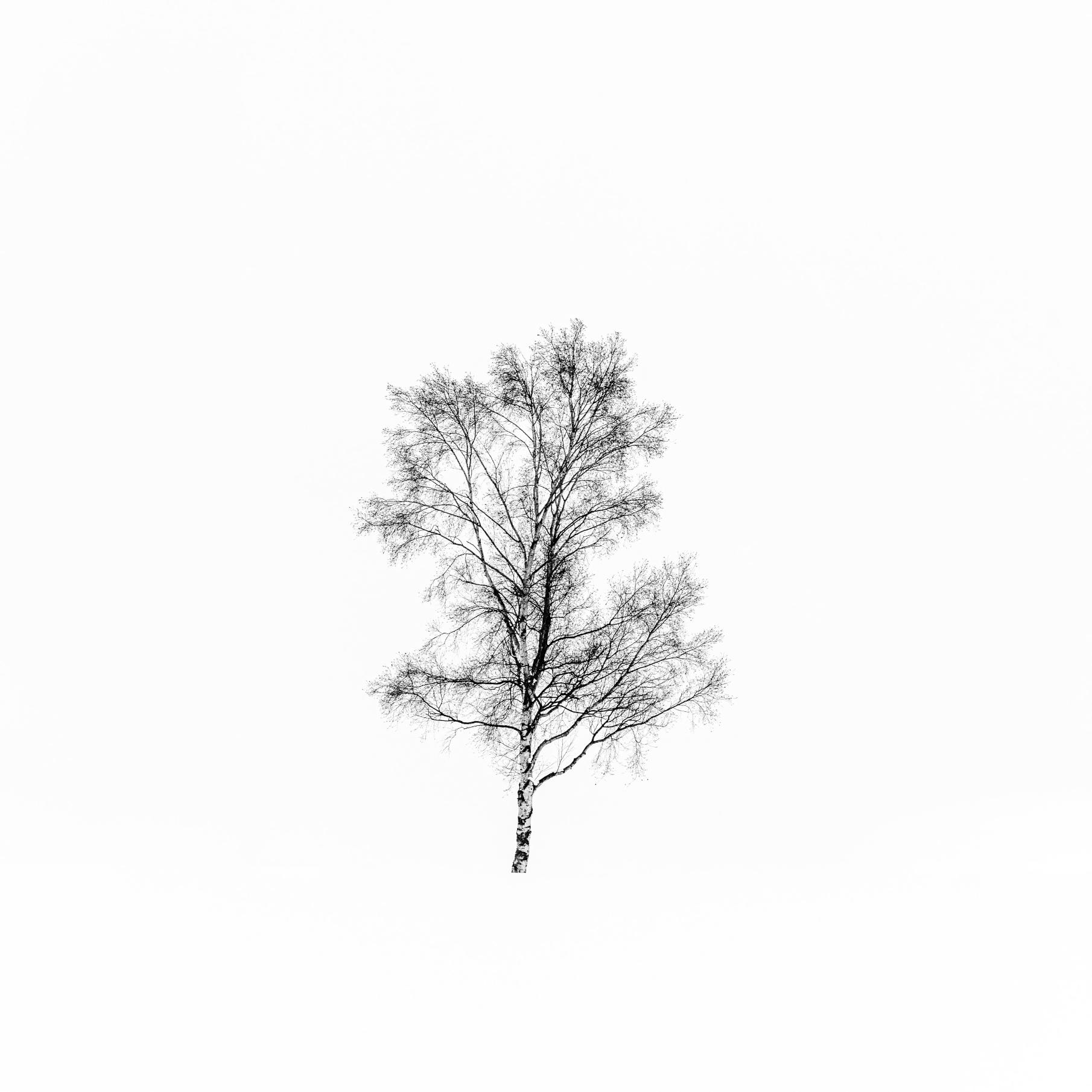
After our AGM, Chris Renk, who is Organiser of the German Chapter, gave us an inspirational presentation on Minimalism in Photography –Techniques and Vision for Strong Visual Impact. For those of you who missed it, you really did!
It’s a little disappointing that not more of you turn up for our Zooms, or in this case Chris’s presentation, we work hard to give you interesting and inspiring presentations. We hope to see more of you in the future. You can always ask questions about joining, just send us an email.
Our Study Groups continue, in Zooms and Face to Face meetings, every month. A very nice opportunity to share your work, meet other members and talk about photography.
The walk on 19th June still has place for a few more people, we will be in Antwerp at the Cathedral of our Lady from 11:30am. Sites of Religious Significance is the topic. Let me know if you are interested!
Don’t forget to submit your three best Street Photography photos for our Spring Challenge, deadline is 1st June! I look forward to seeing your results!
Check our Events pages for more details on everything we do. Thank you Katherine and Sue, for your work in again making us a really good edition!
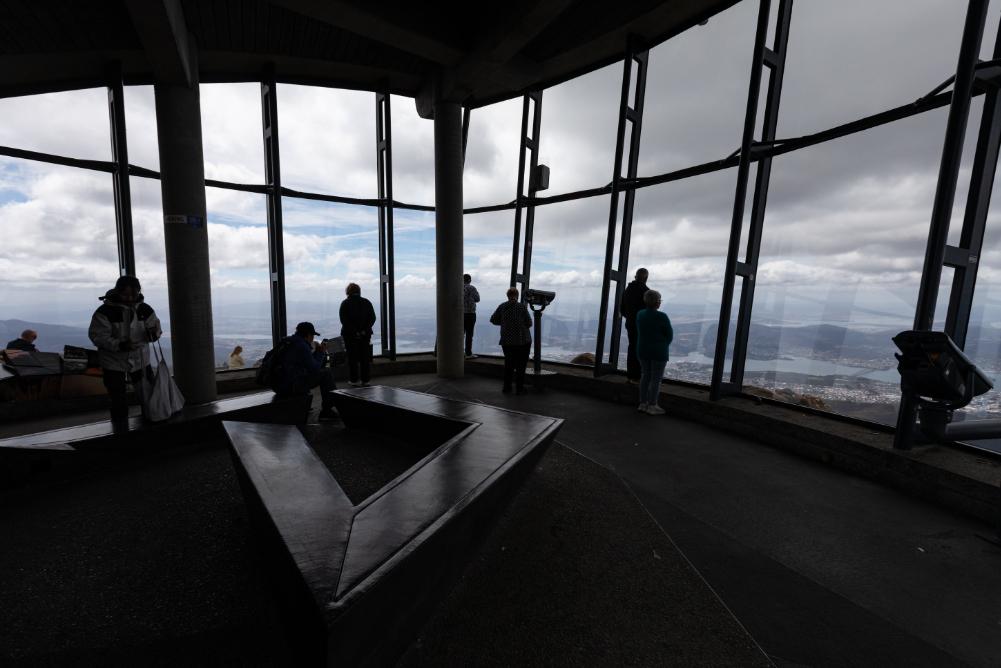
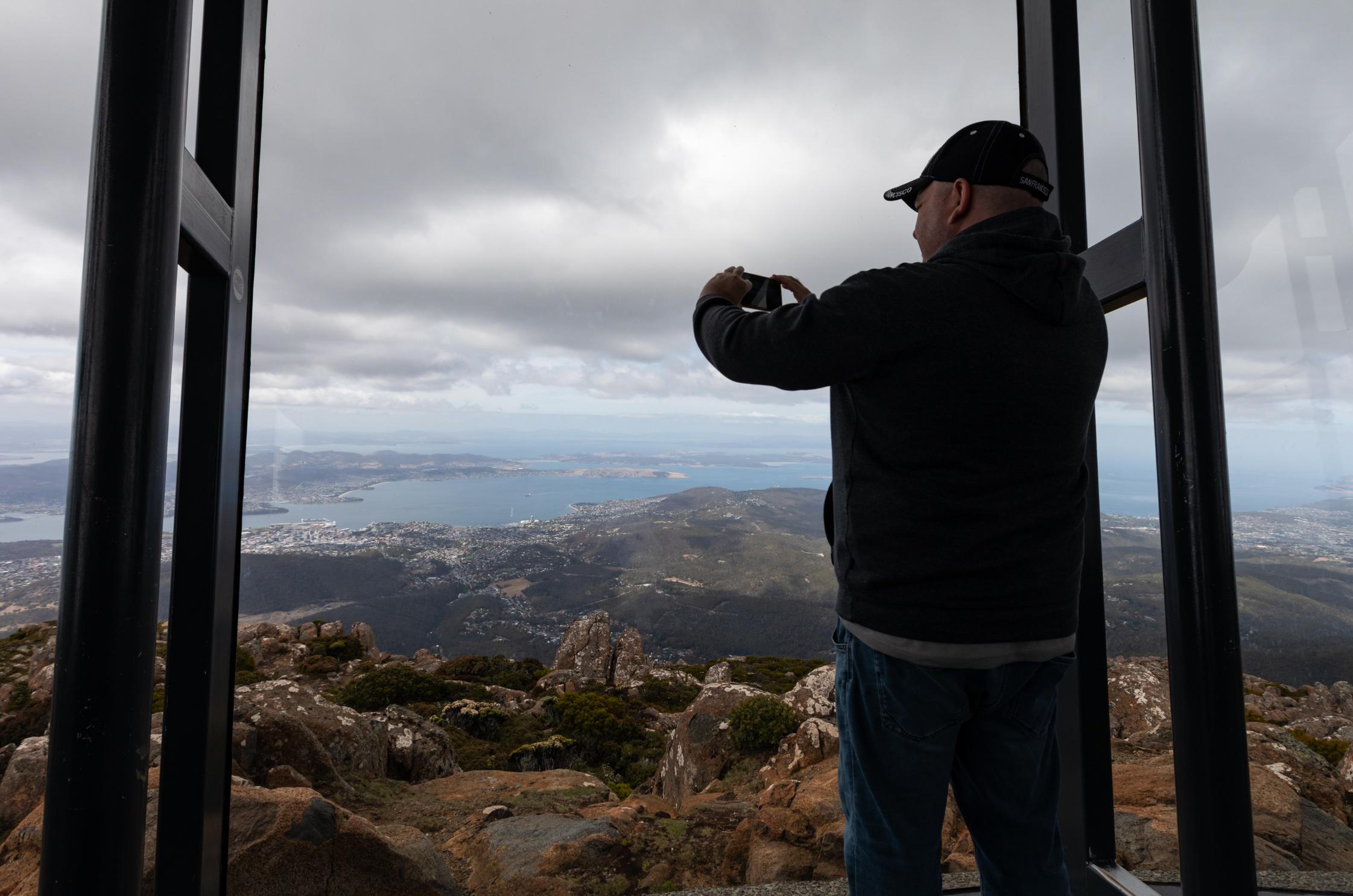
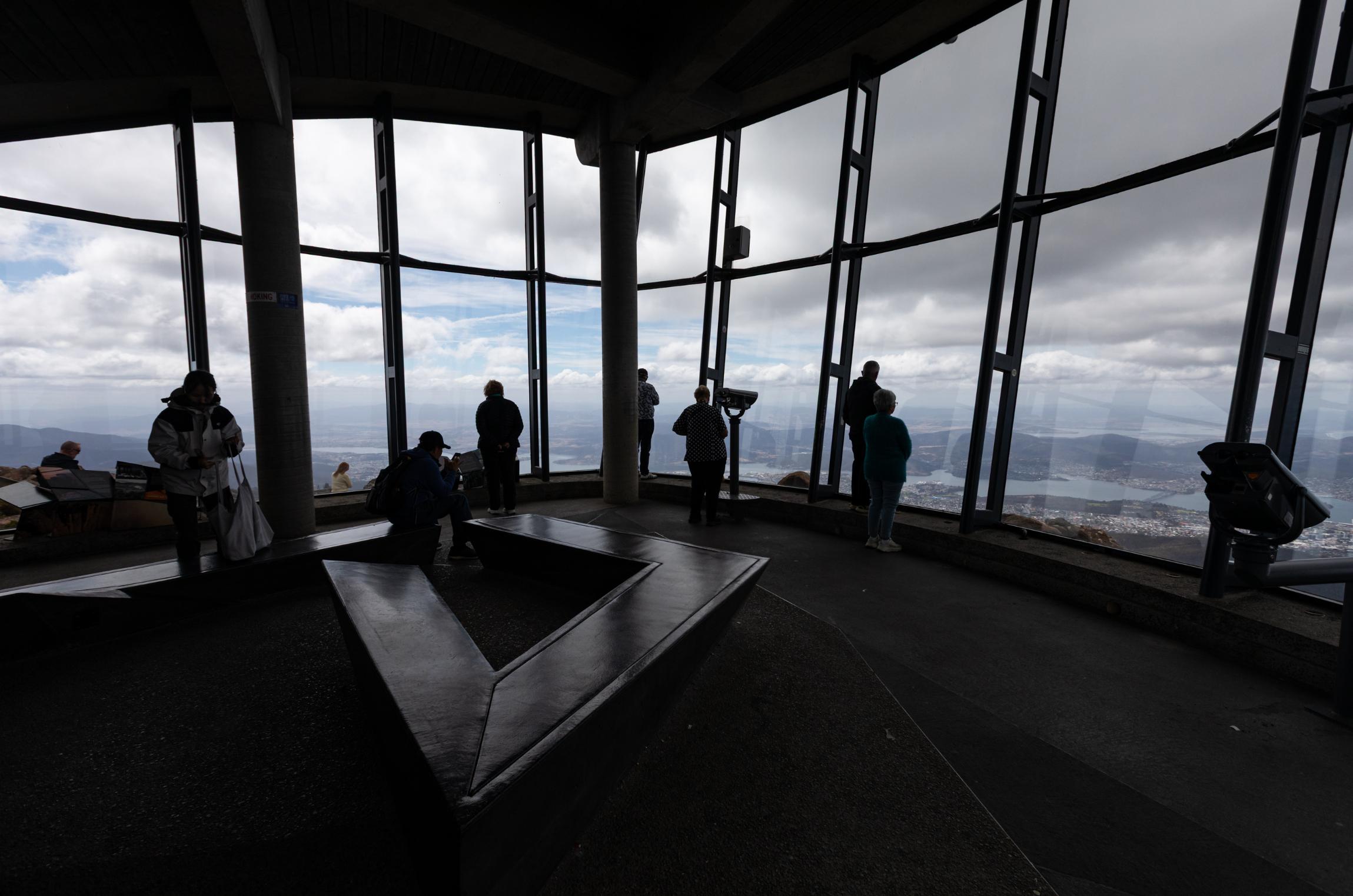
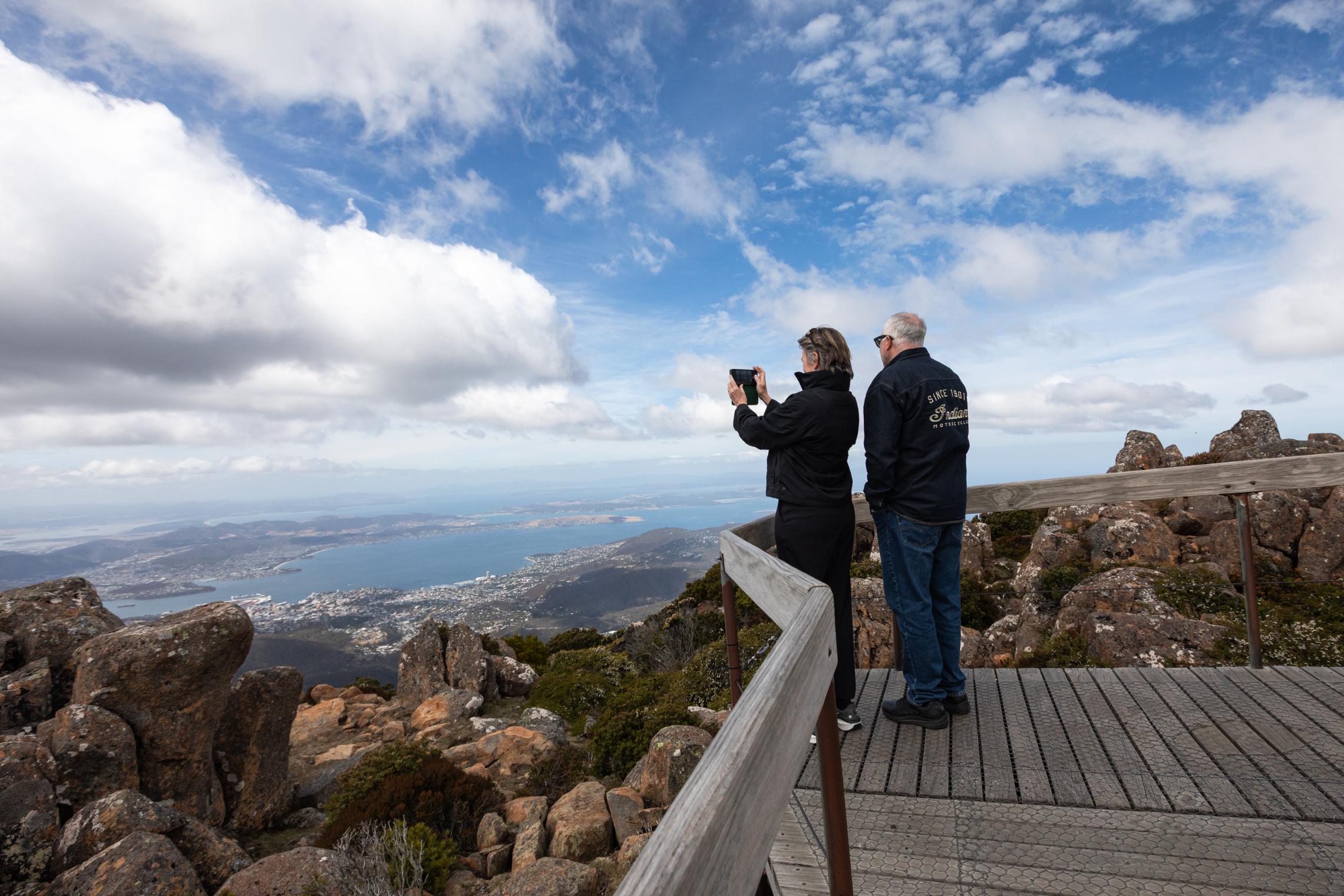
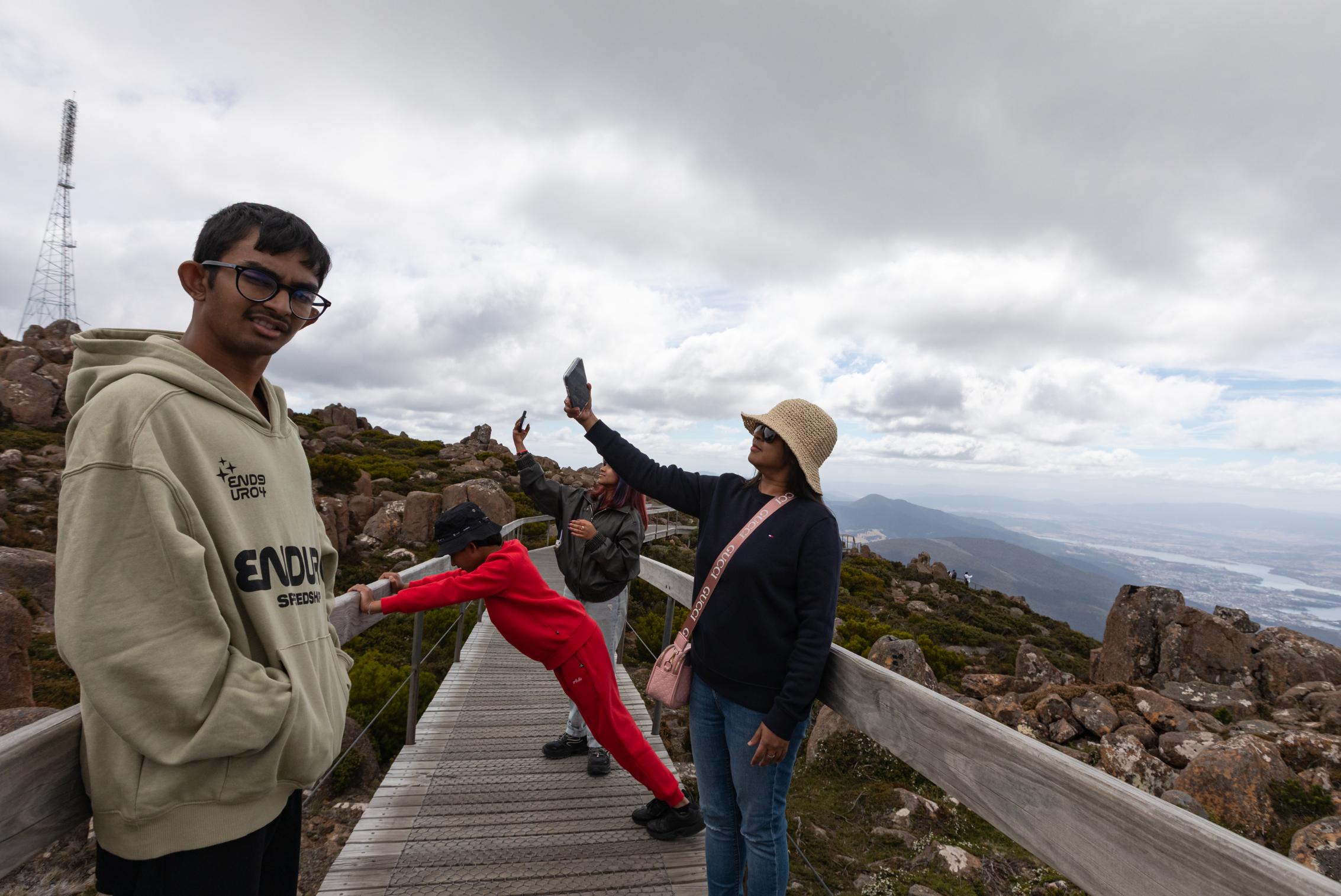
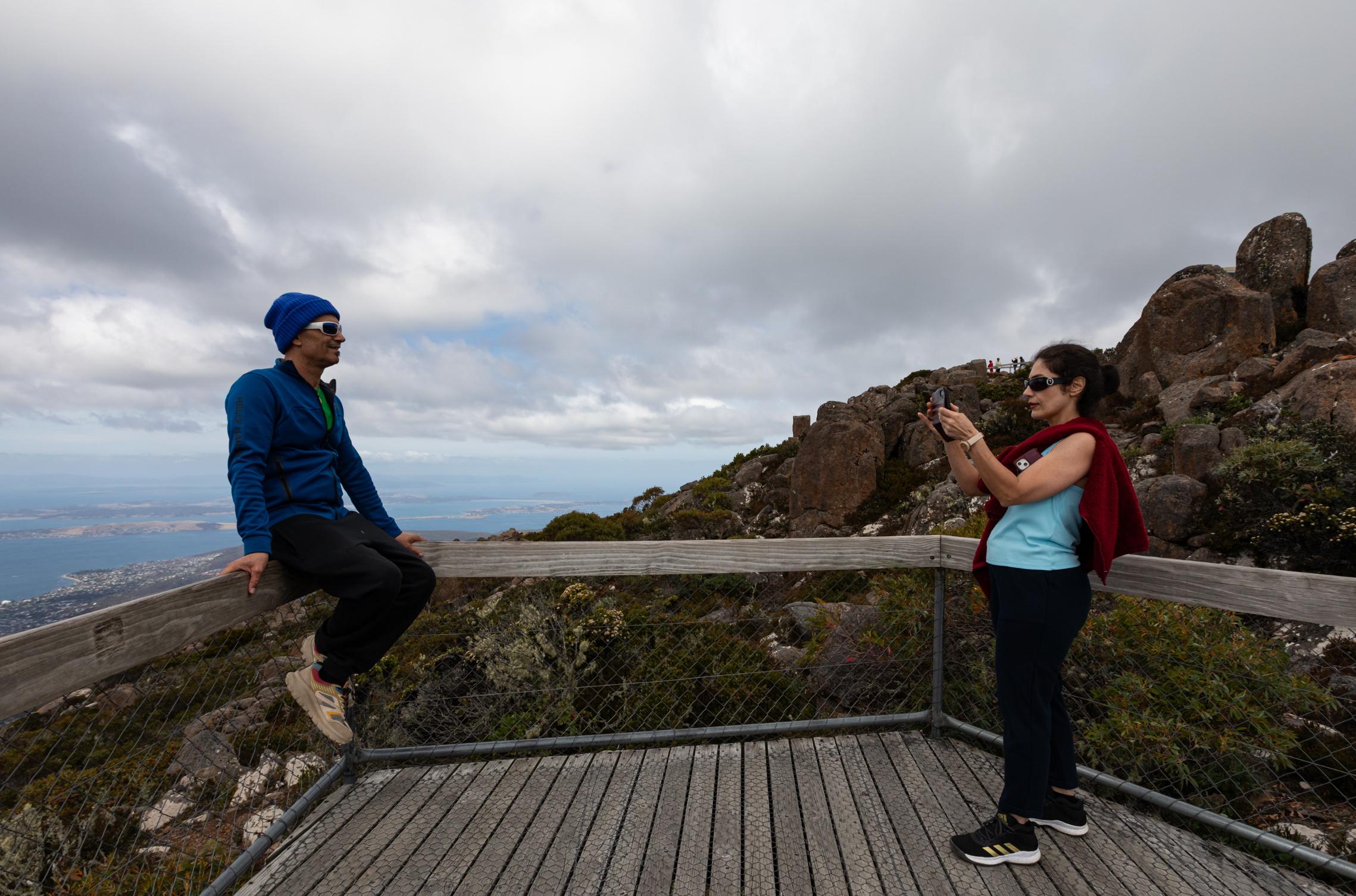
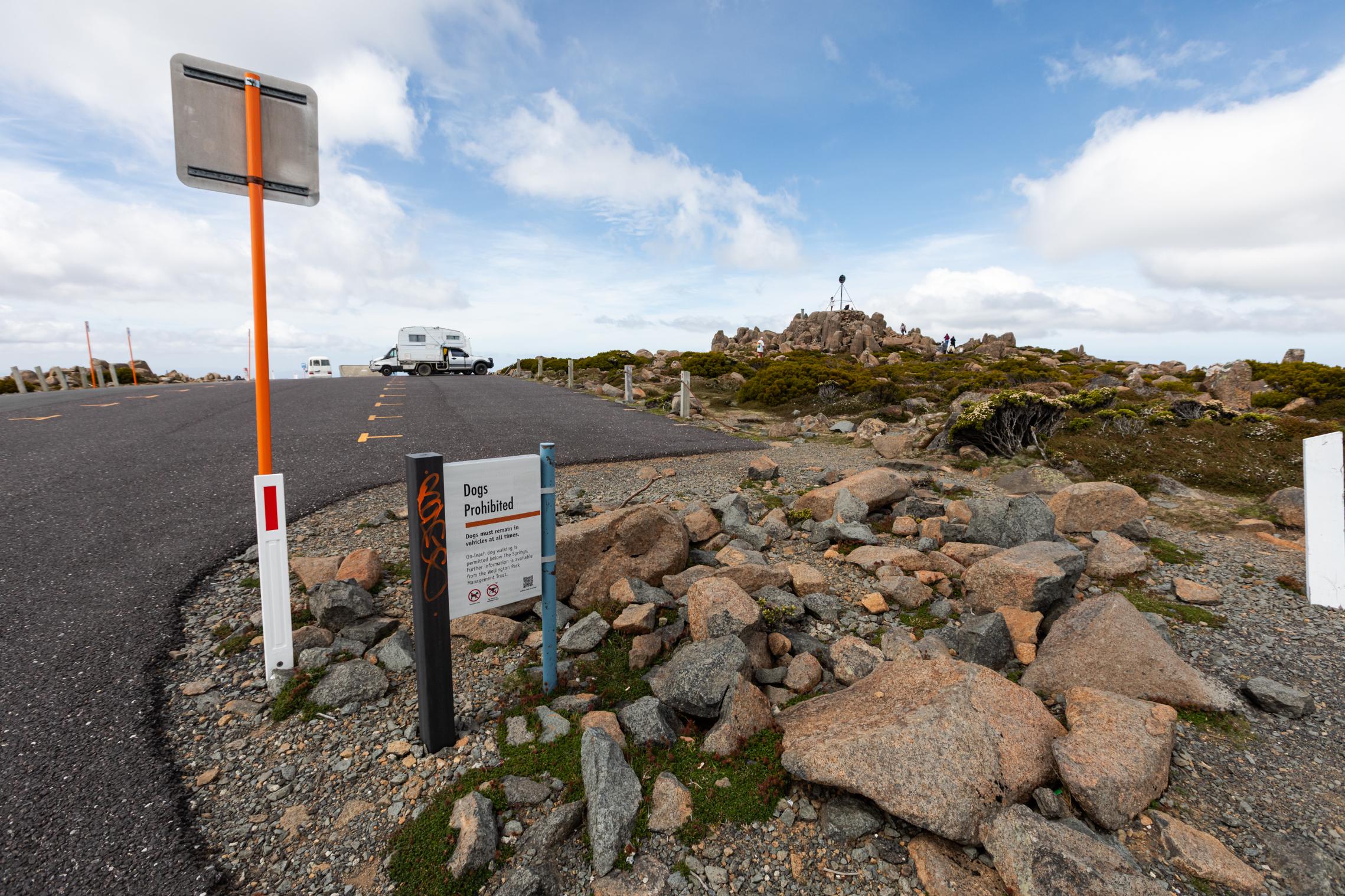
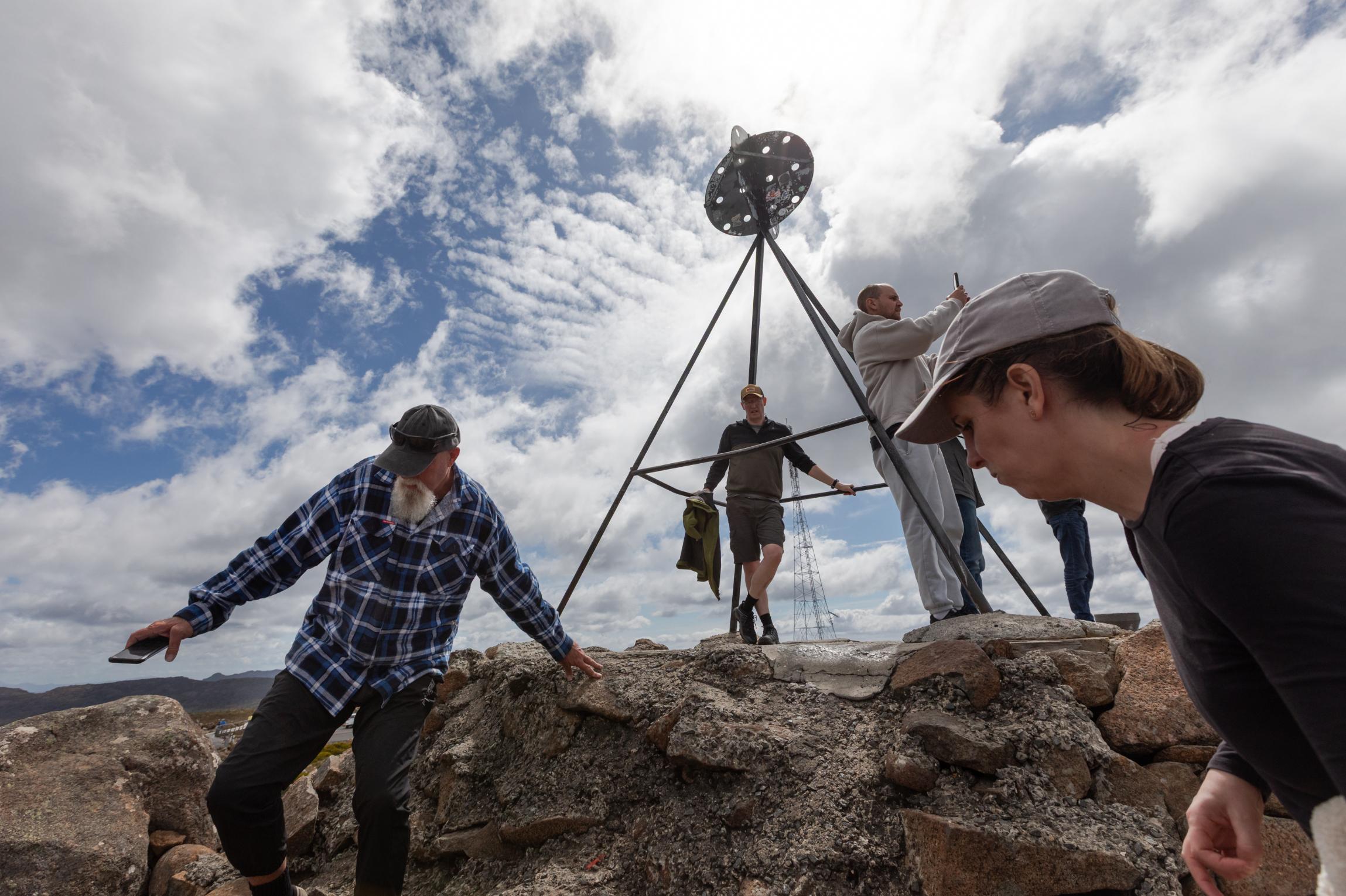
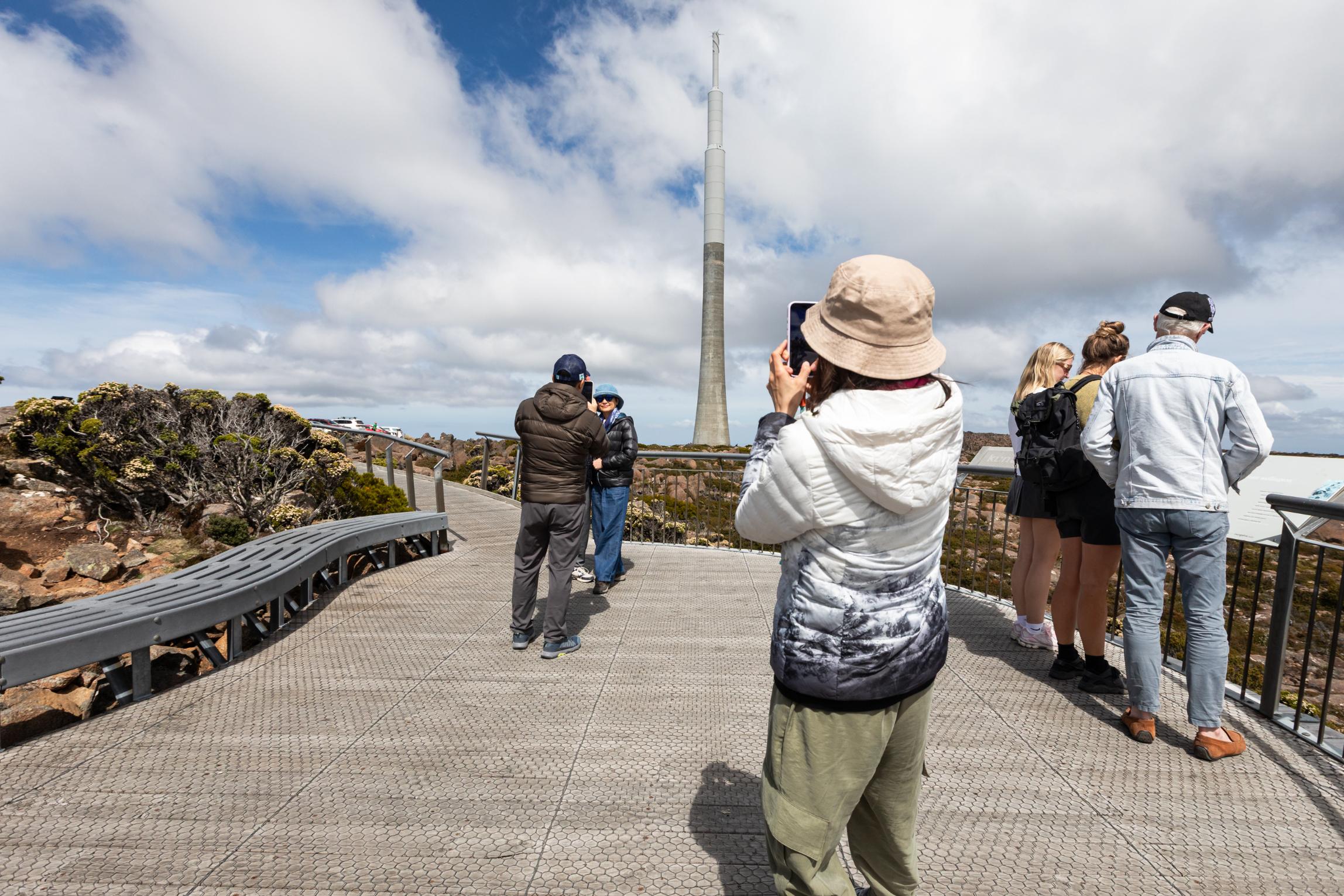
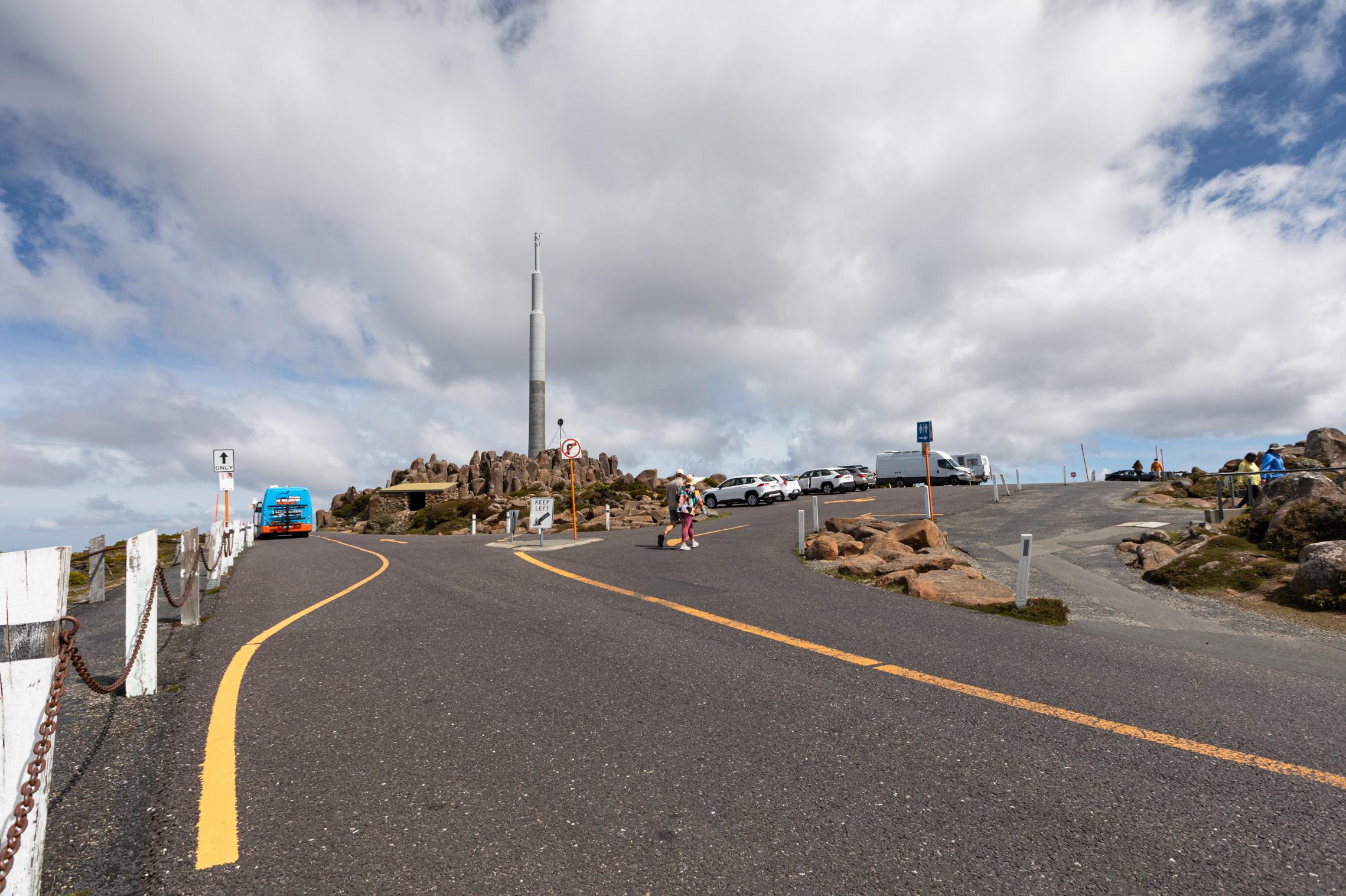
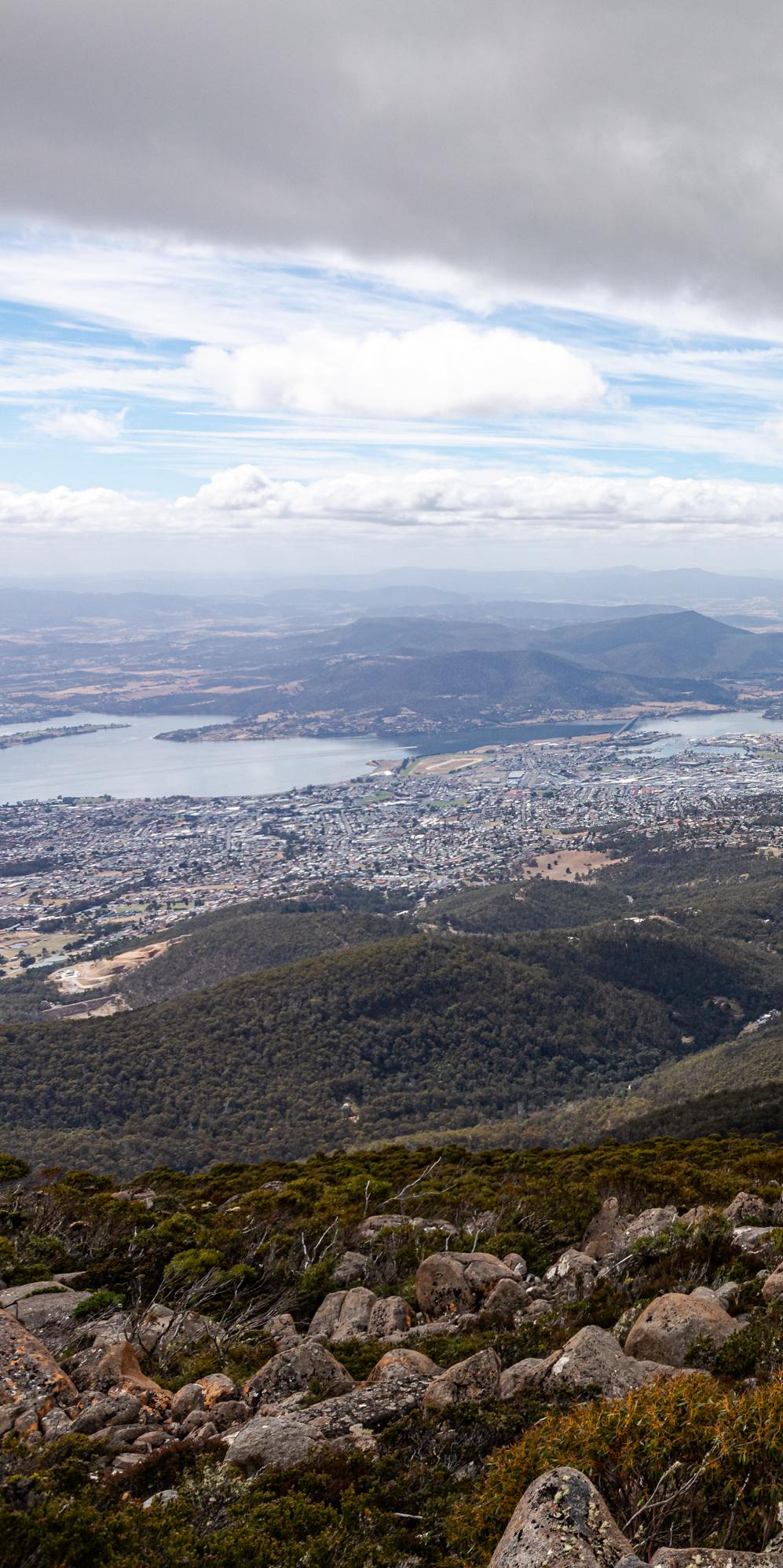
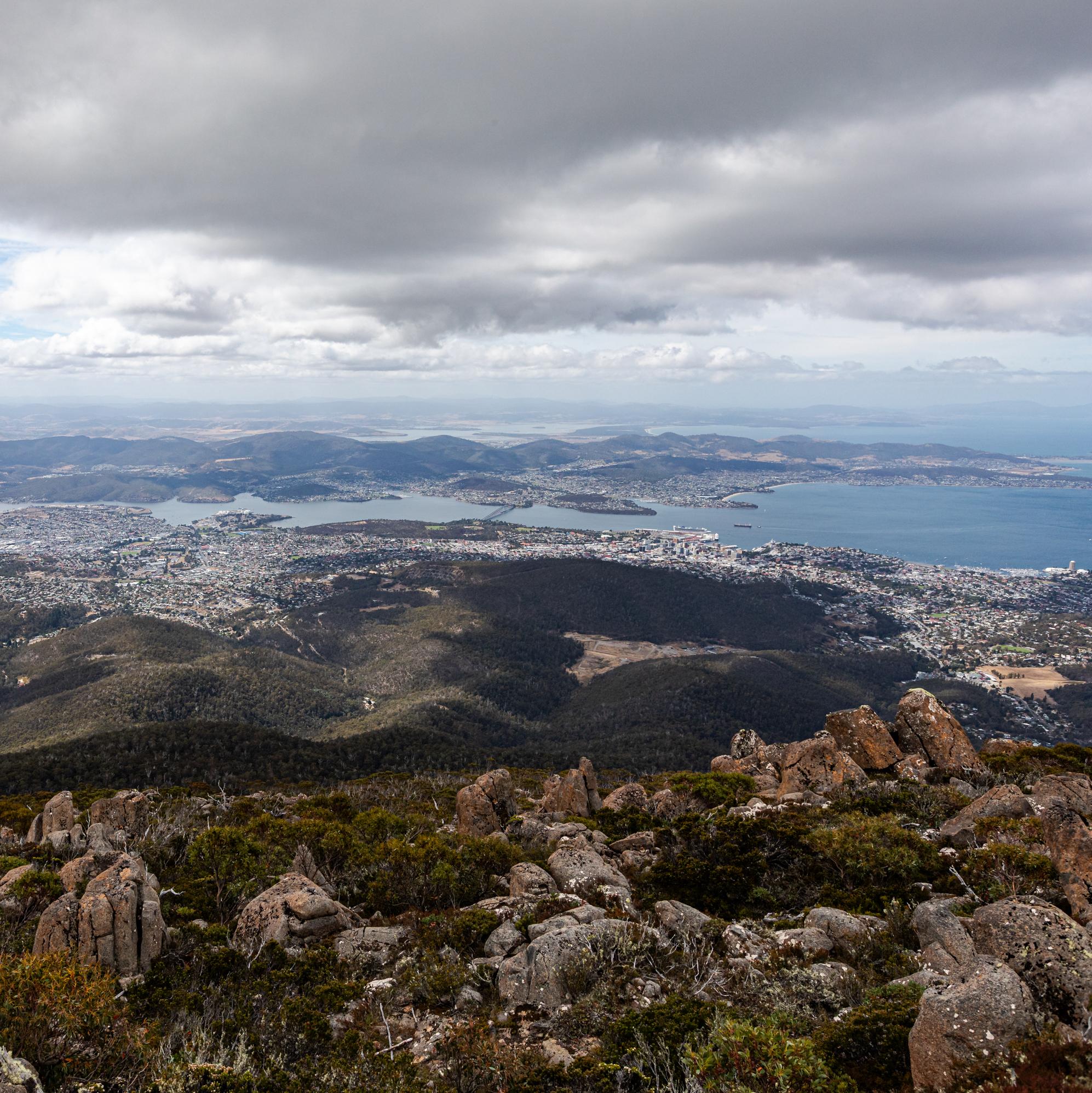
I went up to the Pinnacle by car to see the view over Hobart. The sky had cleared enough, and it did not rain so it was worth going up there. Kunanyi overlooks the city of Hobart from its 1,271m height above sea level. You get a fabulous view of the Derwent estuary as it meanders into the sea. The city of Hobart is spread all along both sides of the river.
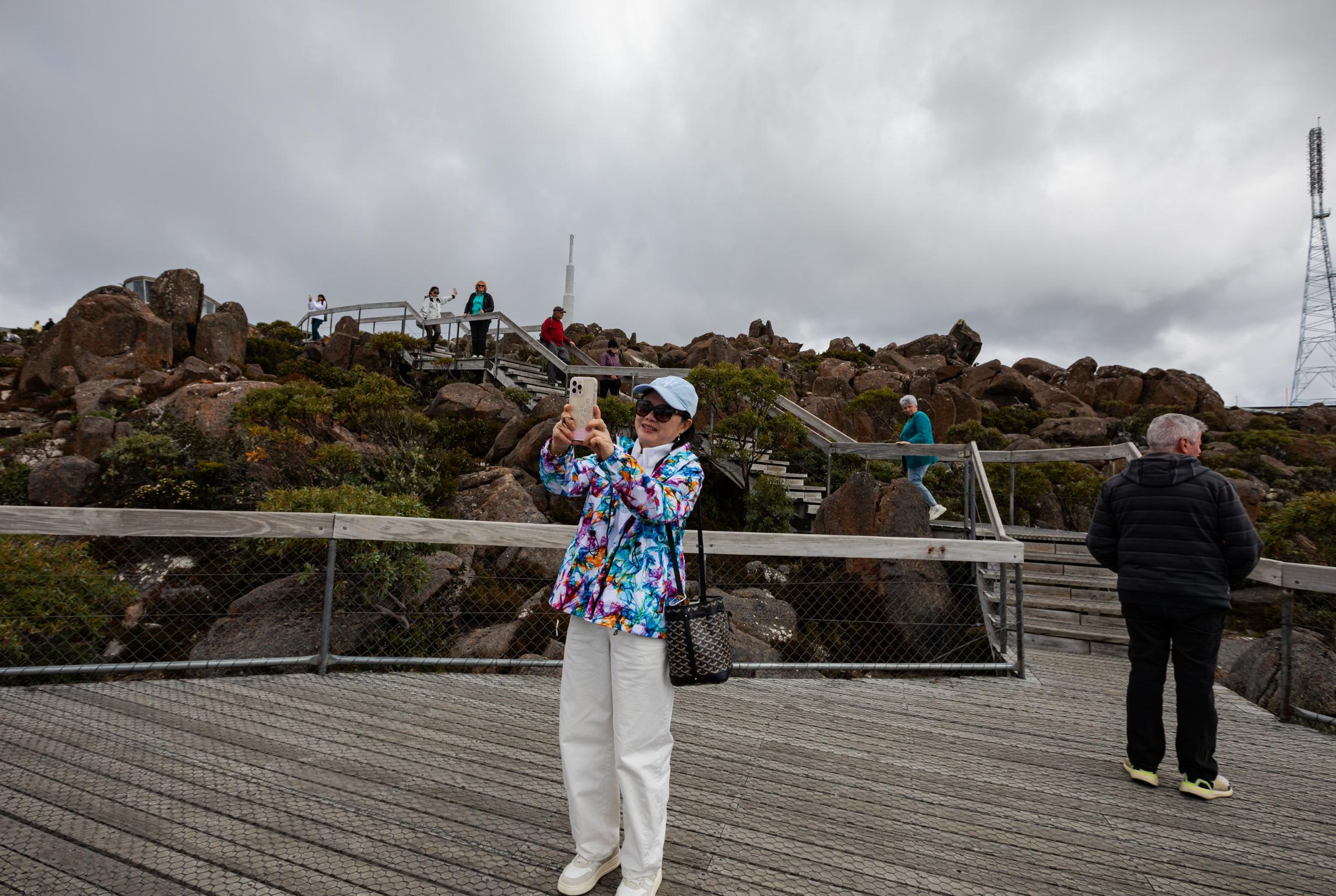
It was also a perfect opportunity for me to also take some photos of the other people up there admiring the view with their mobile phones. It is always fun to see the antics while they get their selfies.
In 1836 Charles Darwin climbed the mountain, he wrote about it in his book, “The Voyage of the Beagle”.
The Tasmanian government gave the mountain its dual name in 2013 to include the Aboriginal name Kunanyi.
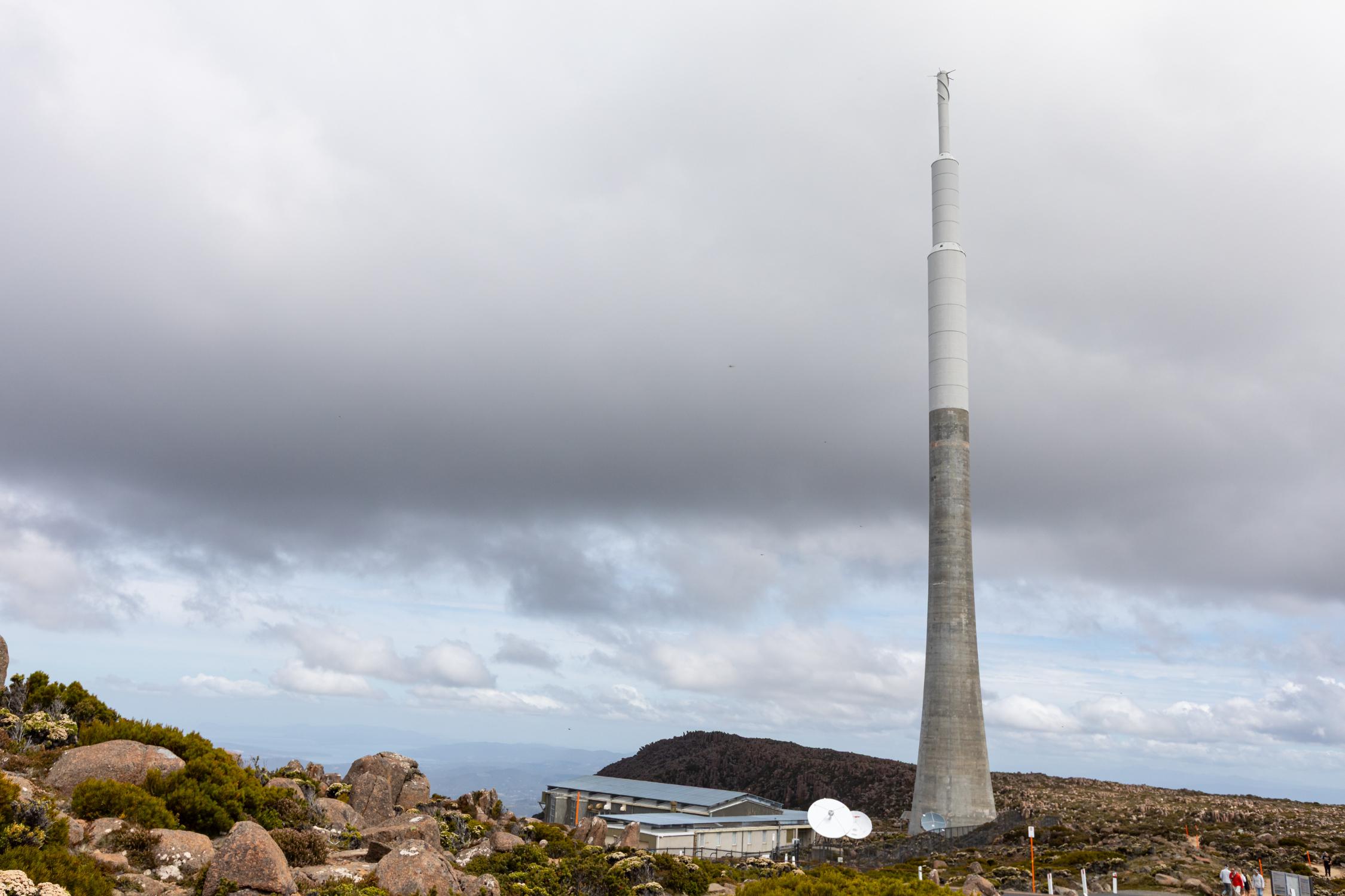
The tower is actually a communications tower called the NTA Tower, (National Transmission Agency) which stands 131m tall. It is built to withstand the harsh weather conditions. There is also a weather station recording the climate, since 1895.
It is certainly worth the half hour drive up. There are many hiking paths also, just beware of the weather; people get lost and lose their lives up there, still!
Not a Hunter-Gatherer
Astrid Preisz
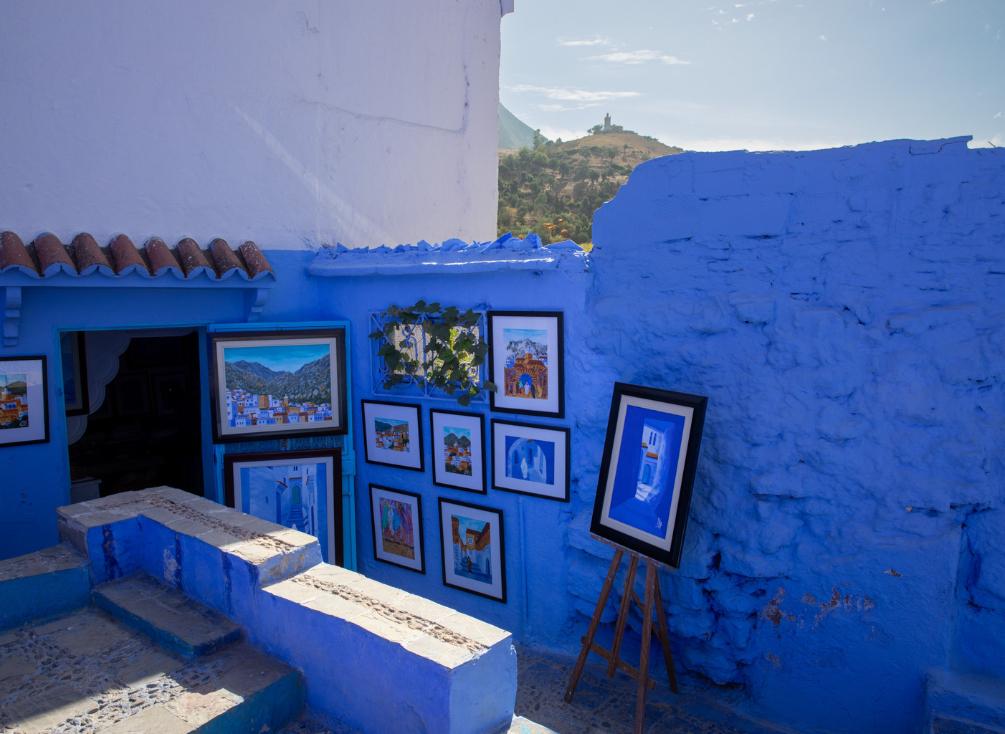
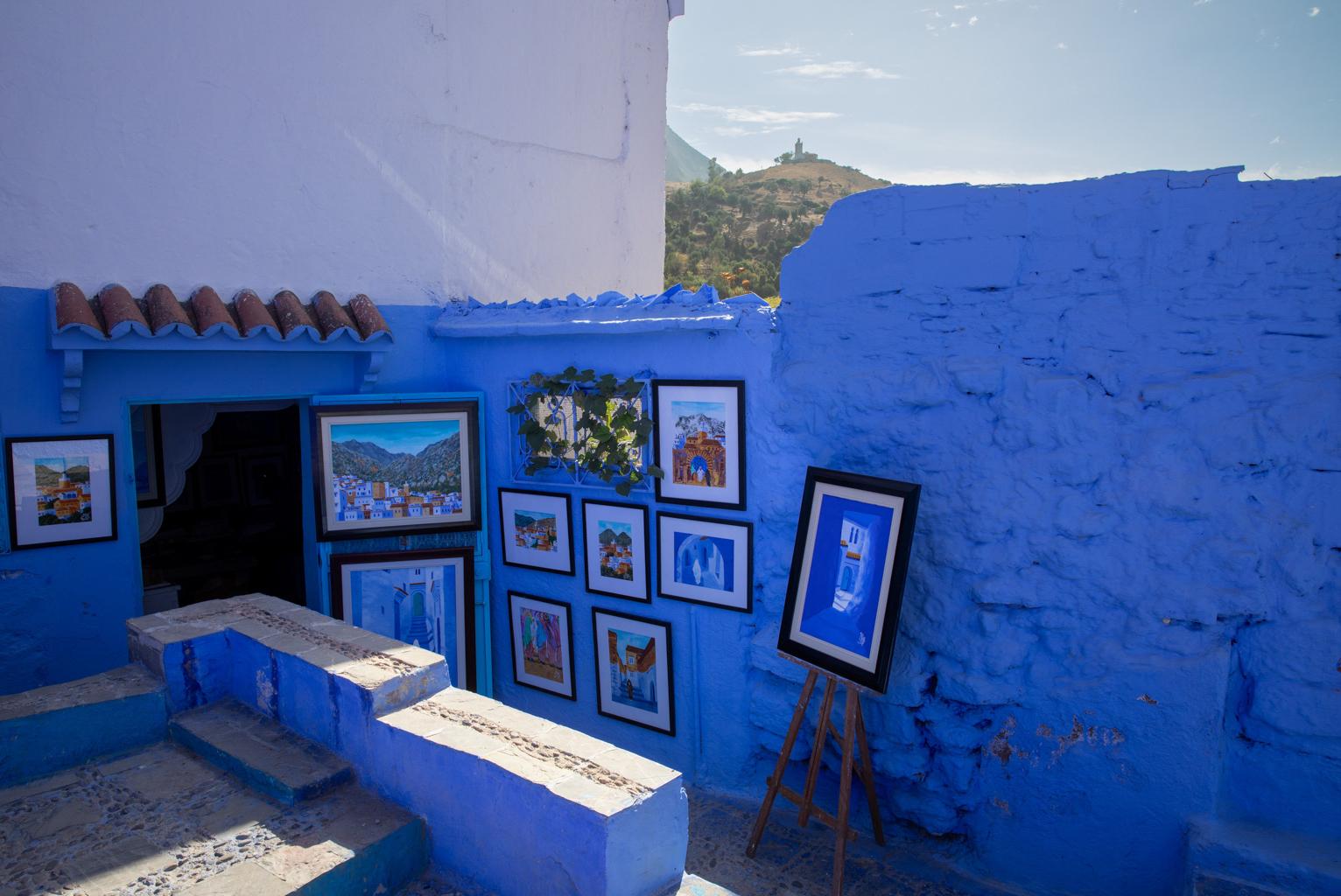
It has been some time now since I returned from two wonderful weeks in Morocco. Upon arriving home, I was intensely aware that this was my first photo trip of 2026—and that it would be my only one for the year.
Listening to others talk about their next adventures, I initially felt a tangled mix of longing, jealousy, and a fear of missing out. But then, I realised something.
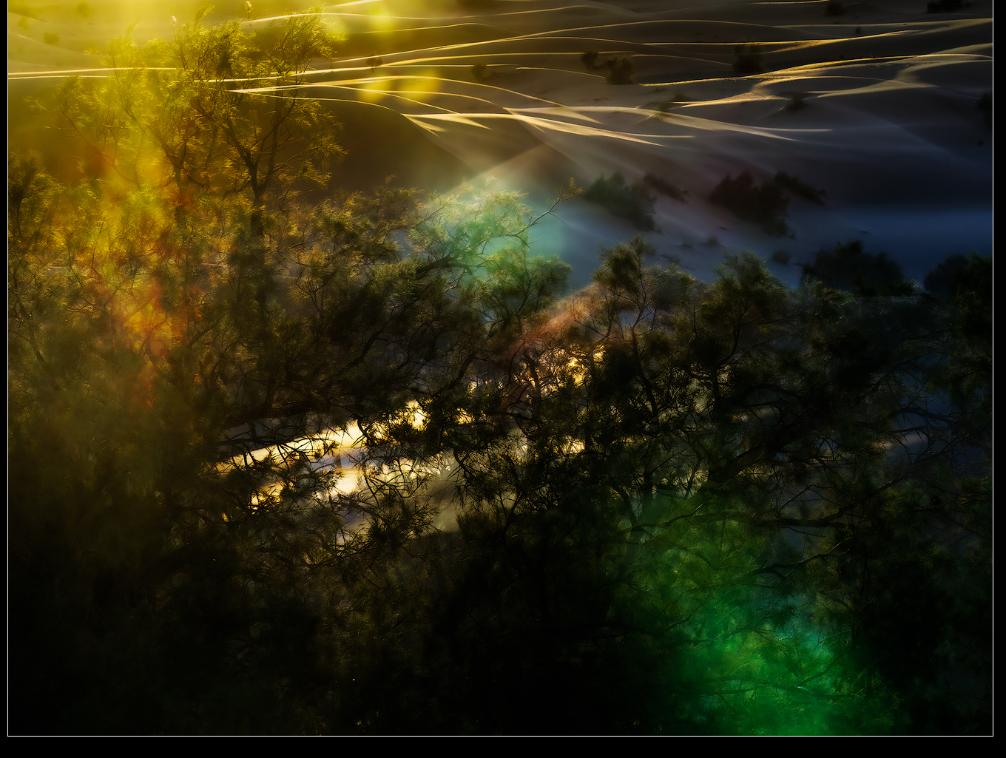
My recent journeys have morphed. They are no longer just photography workshops; they have become experiences of deep connection—with place, with time, and with the landscape around me. I’ve begun to focus on the feelings, moods, and thoughts that every single moment in nature elicits within me. The images I create are the fruits of this connection; they are the results of love affairs. Some are long, some short; some passionate, others calm; some exciting, some peaceful. But all of them are deep and meaningful. There is no "speed dating" here.I realised that I don’t actually want to return from
one trip only to immediately plan the next, and the next, and the next. I want to stay in the feeling a little longer. I want to linger—to taste the essence of a place and time on the tip of my tongue, like the finish of a fine wine. I don't want to wash that flavour away with a quick swig of the "next trip."
I don’t want my journeys to be fast food. I want them to be slow, expansive meals shared with friends, where we cherish every bite, familiarising ourselves with unknown tastes and taking the risk of letting something new in. I don’t want one love affair to be instantly replaced by another.
I am not a hunter-gatherer, collecting experiences just to put them on a shelf to gather dust. I’ve learned that I want less, but deeper. I need time to withdraw and process the visual and emotional stimulation I've gathered.
The images I bring back now feel more personal, and I find myself feeling more protective of them. I no longer feel the need to share them immediately. I want to keep them to myself for a while—like gifts from a beloved that I wish to enjoy in private. I will share them eventually, of course—just as I am doing now, here, with you.
I have come to learn that the slower I walk, the deeper I see.
For more images from Morocco please visit: Selection Morocco
The Magic of Curio Bay
Lenagh FRPS
Madeleine
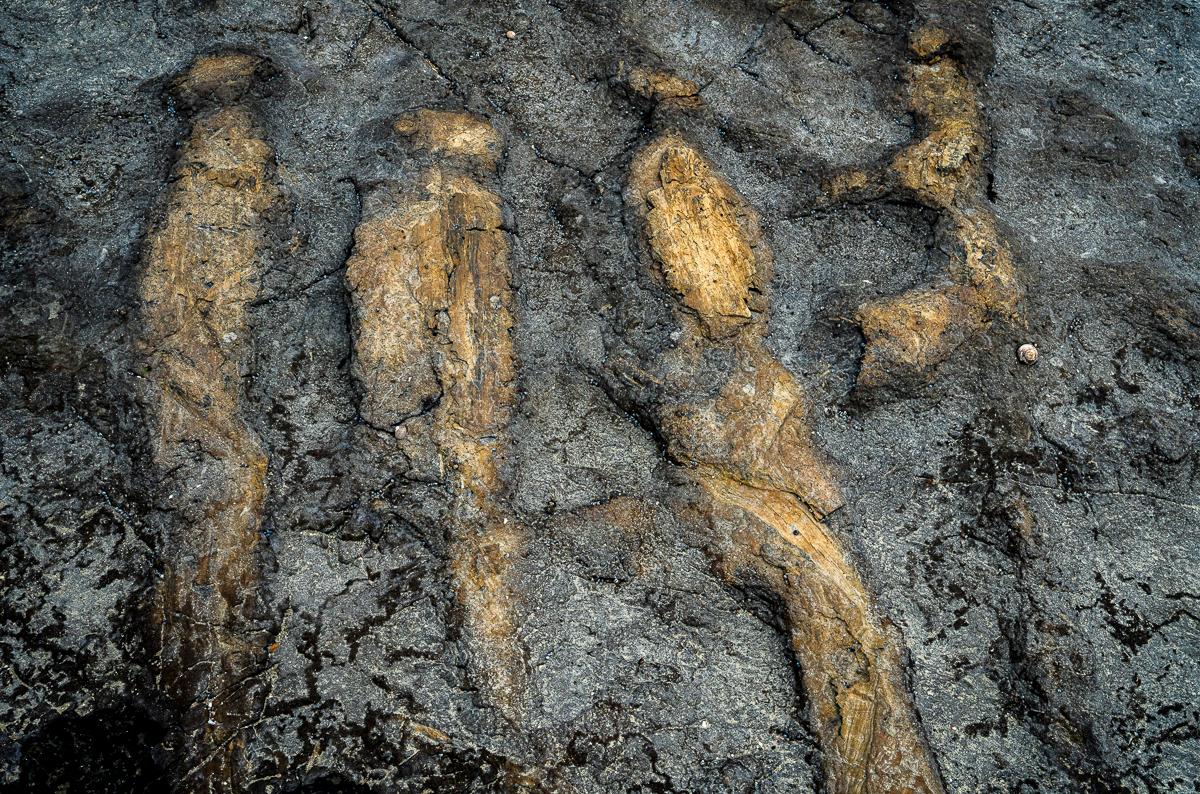
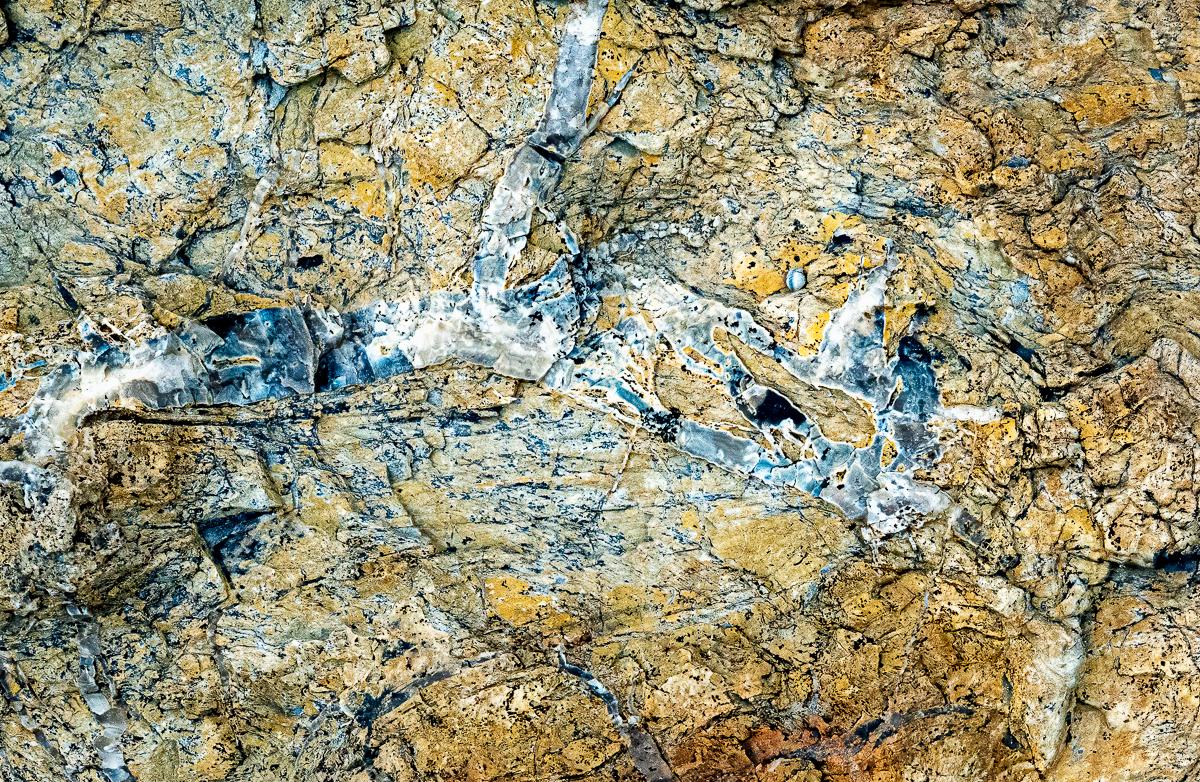
Aotearoa New Zealand is a place filled with strange and wonderful discoveries, from flightless birds like the Takahe and the yellow-eyed Hoiho penguins to geological wonders like the Moeraki Boulders and the rugged and inaccessible Southern Alps. And for me, the 170-million-year-old petrified forest at Curio Bay is at the very top of this list.
I had stopped off there during a visit in 2022 and wasn’t quite sure what all the fuss was about. The tide was pretty low, and, from the observation platform, I saw some oddly shaped rocks protruding from the water that I figured must have been the petrified trees.
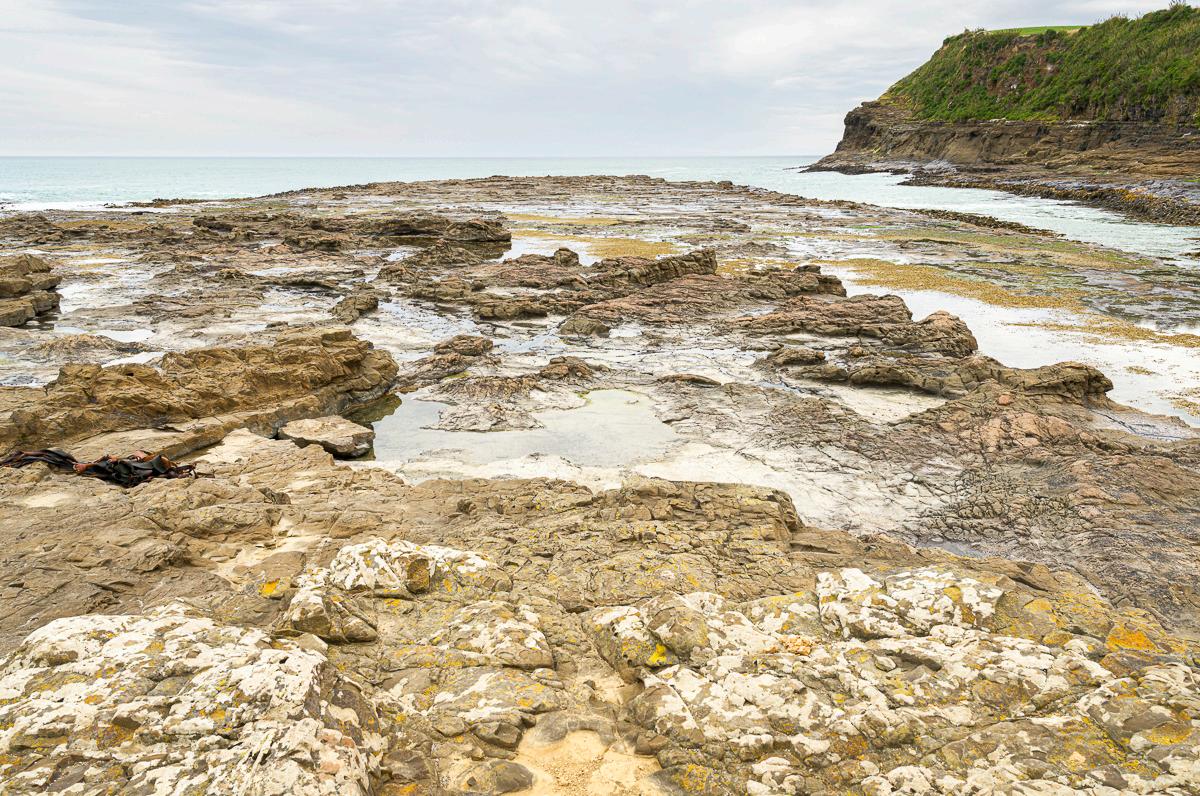
During my recent visit in March, I went back to the Curio Bay beach. This time it was a true dead low springtide. As I climbed down to the exposed seabed, I searched for something that might resemble trees. But I gradually realized that this wasn’t about recording interesting science at all: I was surrounded by beautiful works of art!
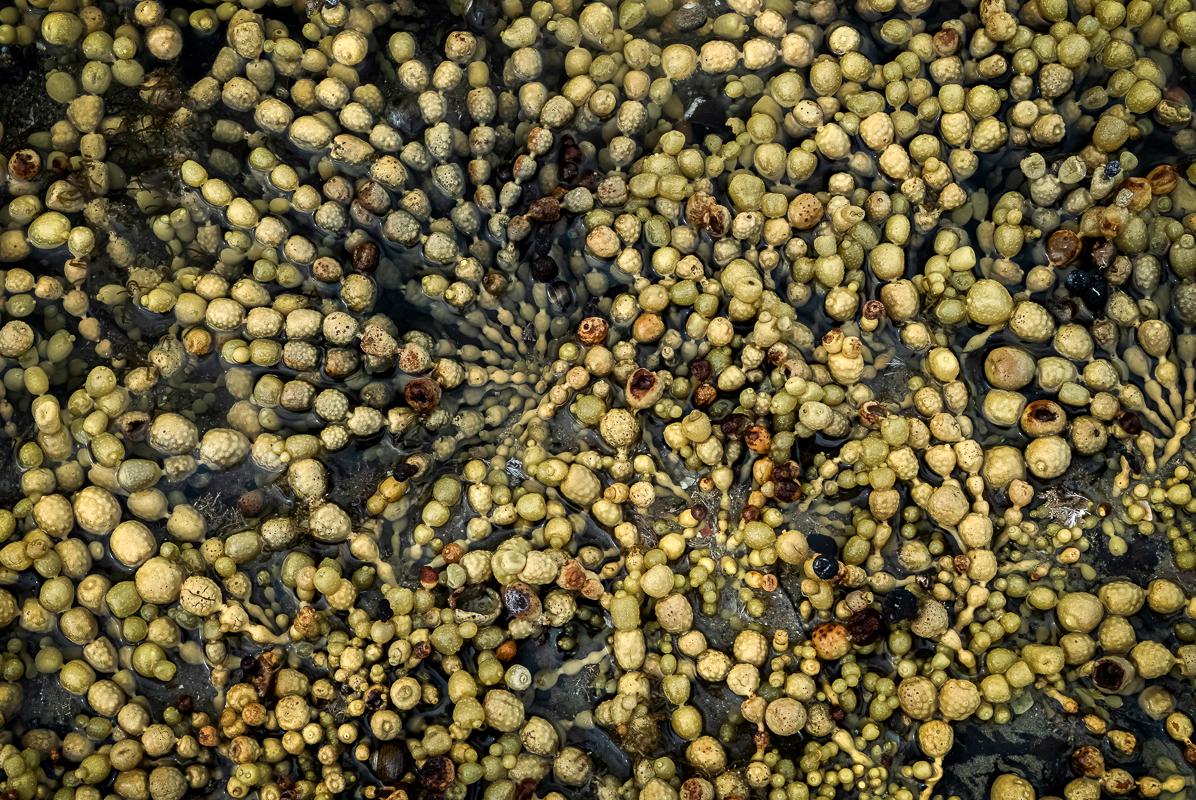
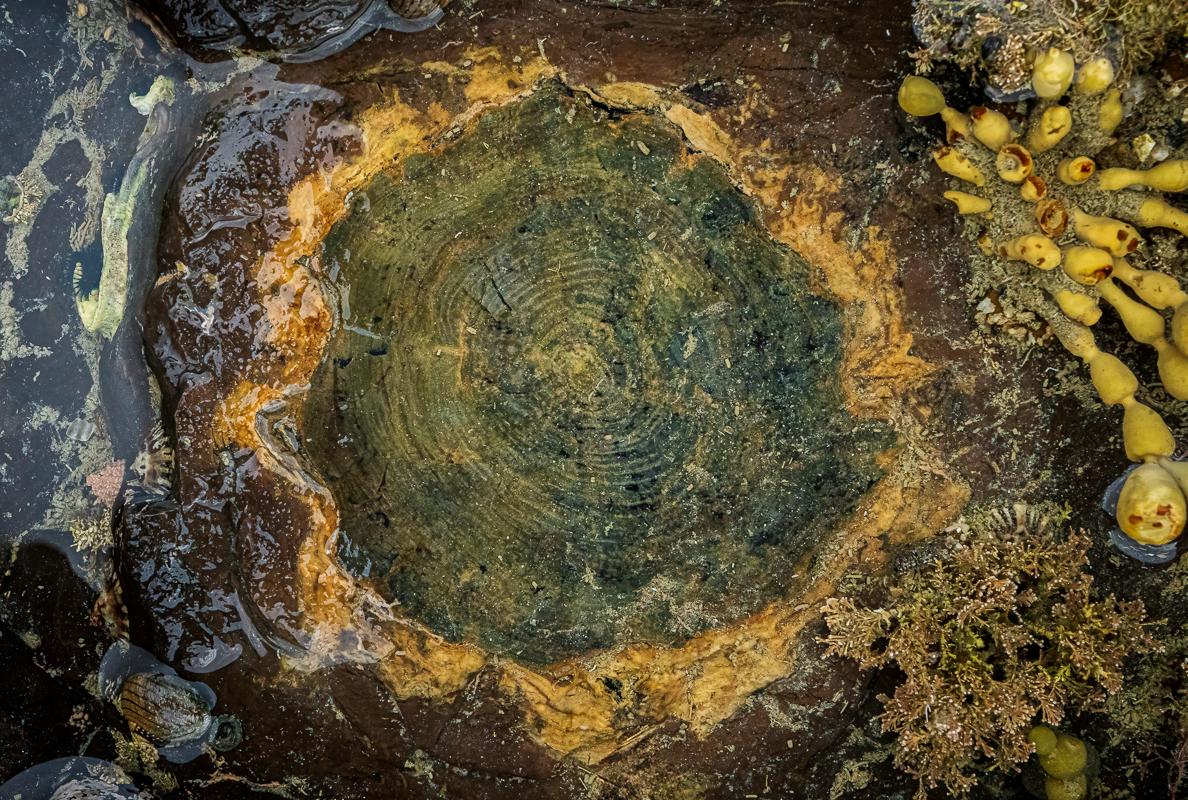
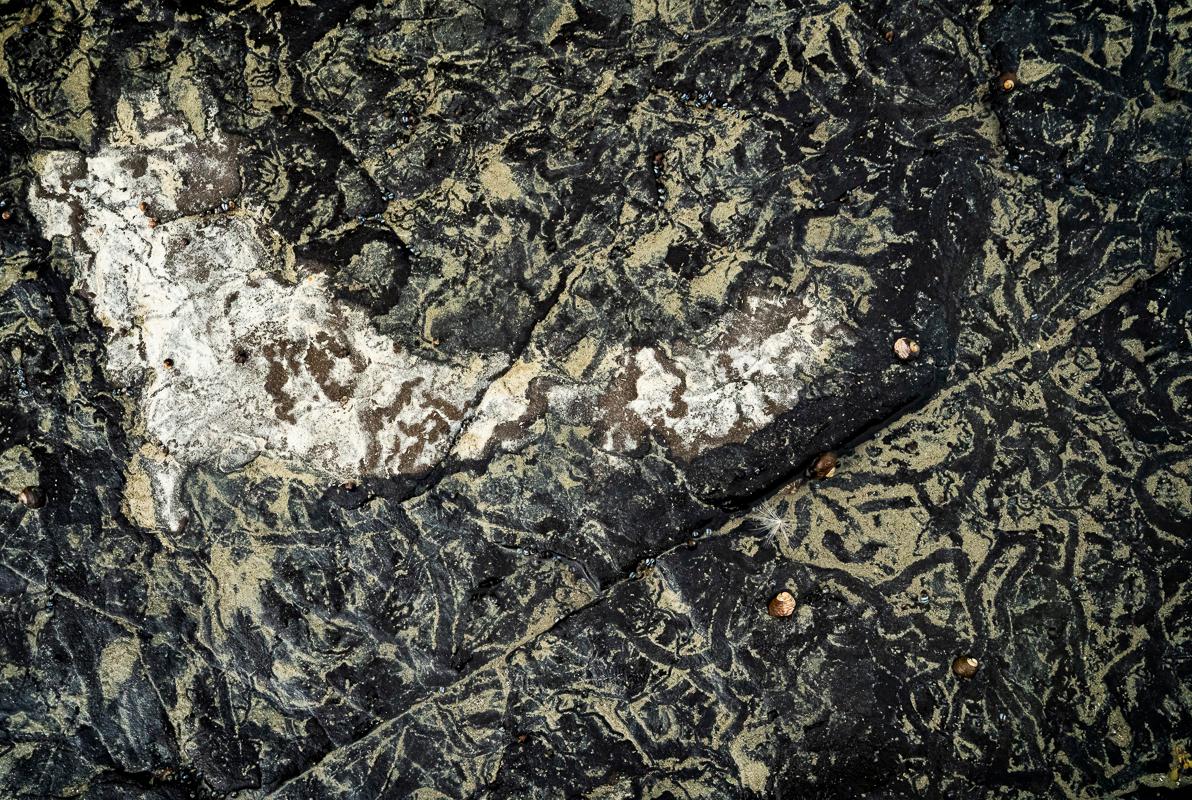
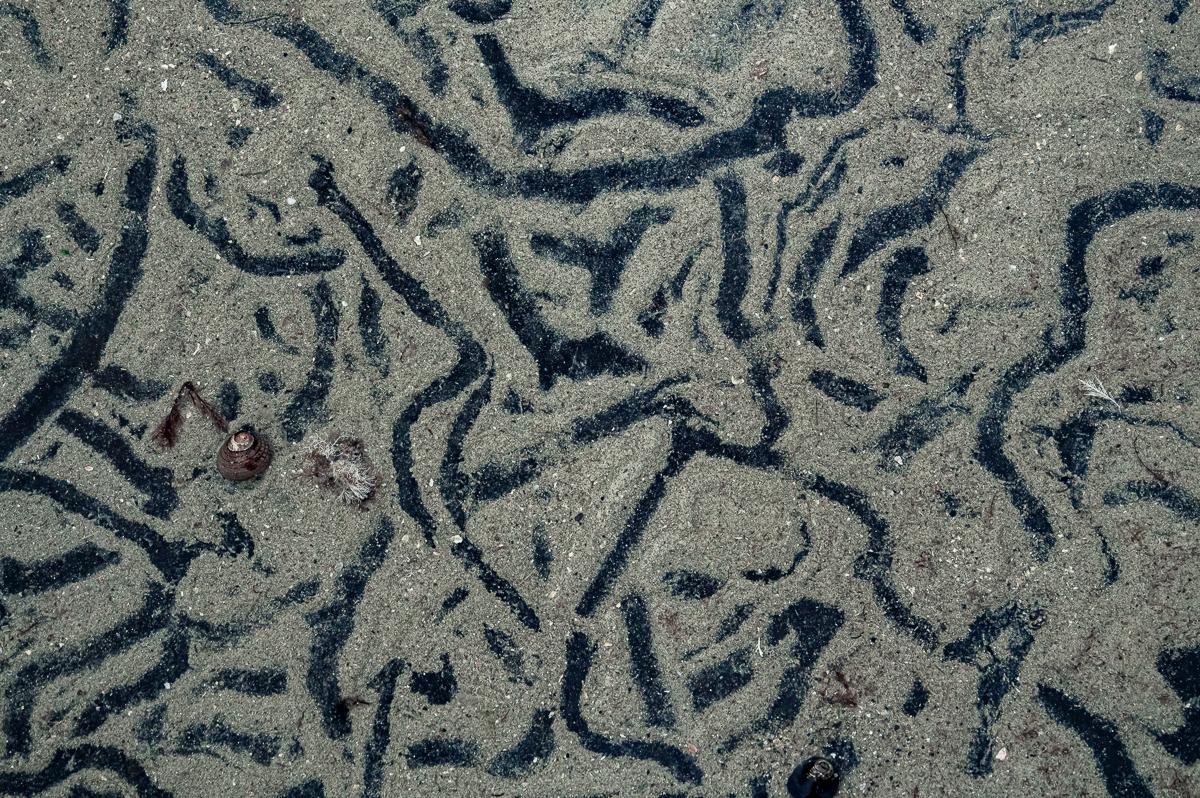
Sometimes it was embedded wood, where the texture and even the tree rings were still visible. Sometimes it was strings of seaweed blisters resembling golden jewels. At other times, the snails made tracks across sand covering ebony-black stone like a Jackson Pollock painting in monochrome. Everywhere there were splashes of unexpected colour across the rocky sea bottom.
I would probably have stayed there for hours if the returning tide wasn’t so relentless. I wandered from treasure to treasure, recording everything with my 24-70 mm lens, using a polariser when a thin layer of water obscured the view.
I felt unbelievably lucky to be able to witness this underwater art gallery, created by wood, water, and stone. The elements sacred to the Māori, who understand that all creation is imbued with spirit.
These images are a modest selection of what I found at Curio Bay.
Winter in Hokkaido
Joaquim Capitao
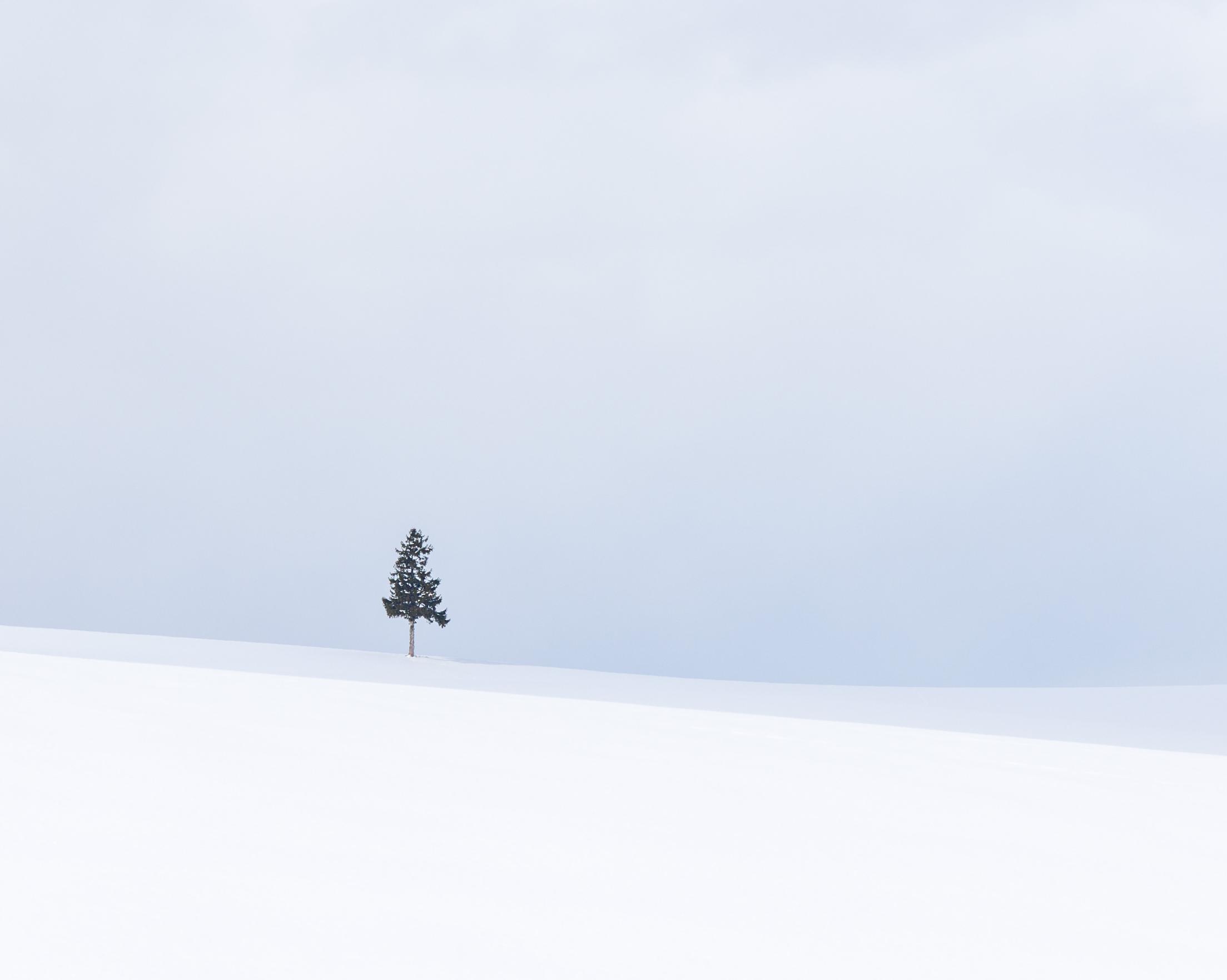
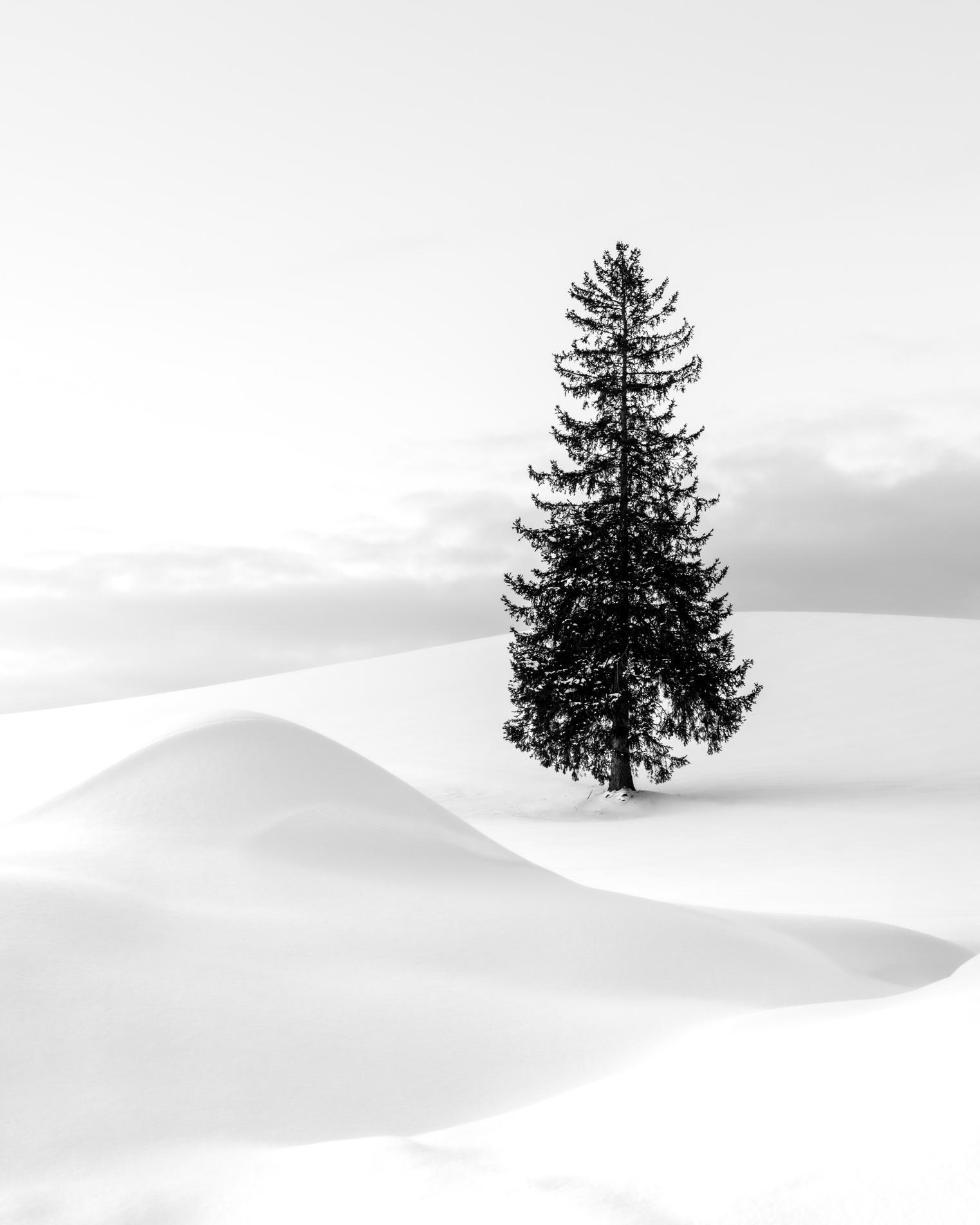
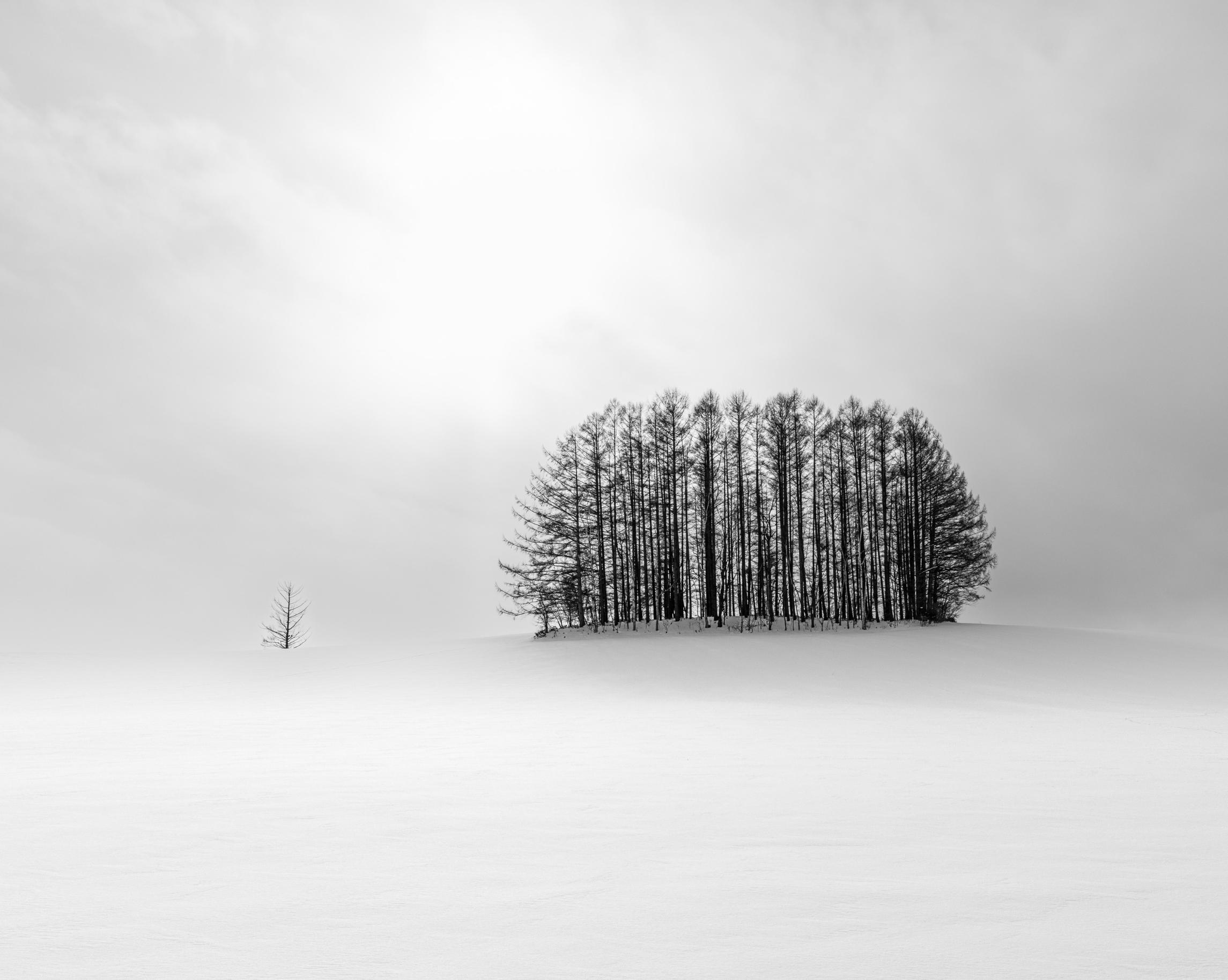
My fascination with Hokkaido and, more specifically, with minimalist winter photography in Hokkaido, was born when I visited an exhibition of photos by Michael Kenna in Brussels, a few years ago. I had seen some photos of Hokkaido before, but the smallish prints in black and white made a very strong impression on me.
I finally had an opportunity to go to Japan in January 2026, and while I also spent some days in Tokyo and Kyoto the main objective of that trip had to be the snow-covered landscapes in the island of Hokkaido.
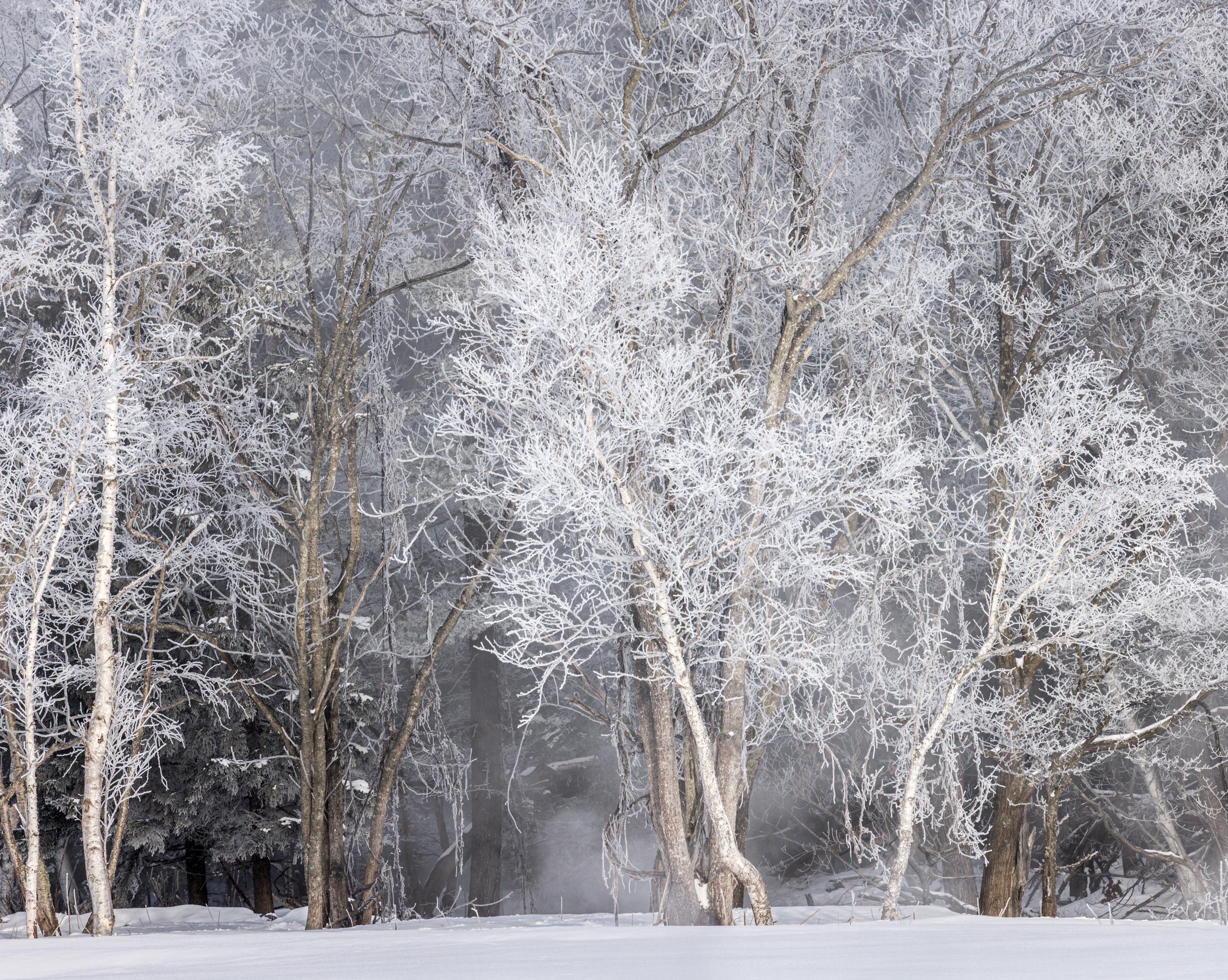
Hokkaido is the northernmost of the main islands of Japan. Although it is roughly at the same latitude as Southern France, it is very cold in winter and is usually covered in snow. Most of the time I spent in Hokkaido I was in the
central part of the island, around Biei, and the temperatures varied between -19 and -5 degrees Celsius. The temperature was slightly higher near the coast, but always below zero. However, in all the places where I was, the absence of wind and the low humidity meant that the cold was bearable, and I have felt much colder in other places with higher temperatures. With such conditions, it is not surprising that the landscape was covered with snow for as far as the eye could see!
For photographers, one interesting fact about Hokkaido is that almost all the land is private farmland, and signs are posted everywhere to remind photographers and sightseers that stepping onto the farms is strictly forbidden. This does limit the range of compositions available for photographers, but it has one big advantage; it ensures that there are no footprints on the snow apart from those left by wild animals, mostly foxes.
In Hokkaido I joined a photography workshop led by Jonas Paurell and Andy Mumford. The group was bigger than what I usually look for (11 participants plus the two leaders, a local guide and a driver), but the access limitations worked well for that, as they practically eliminated the possibility that someone in the group would get in my frame. I generally prefer to join this type of trip or workshop, not only for the learning opportunities from the leading photographers and from other participants, but also for the social interactions.
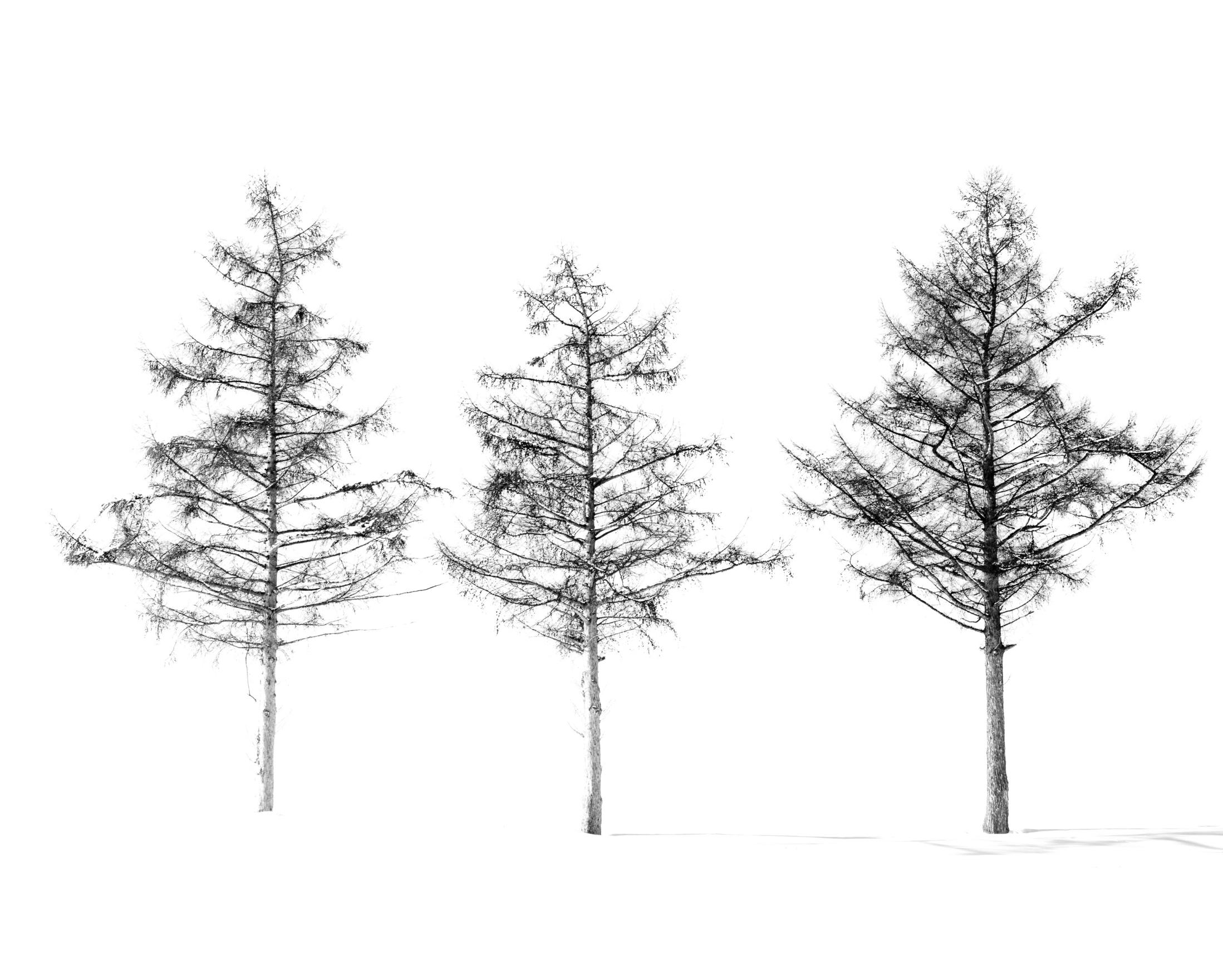
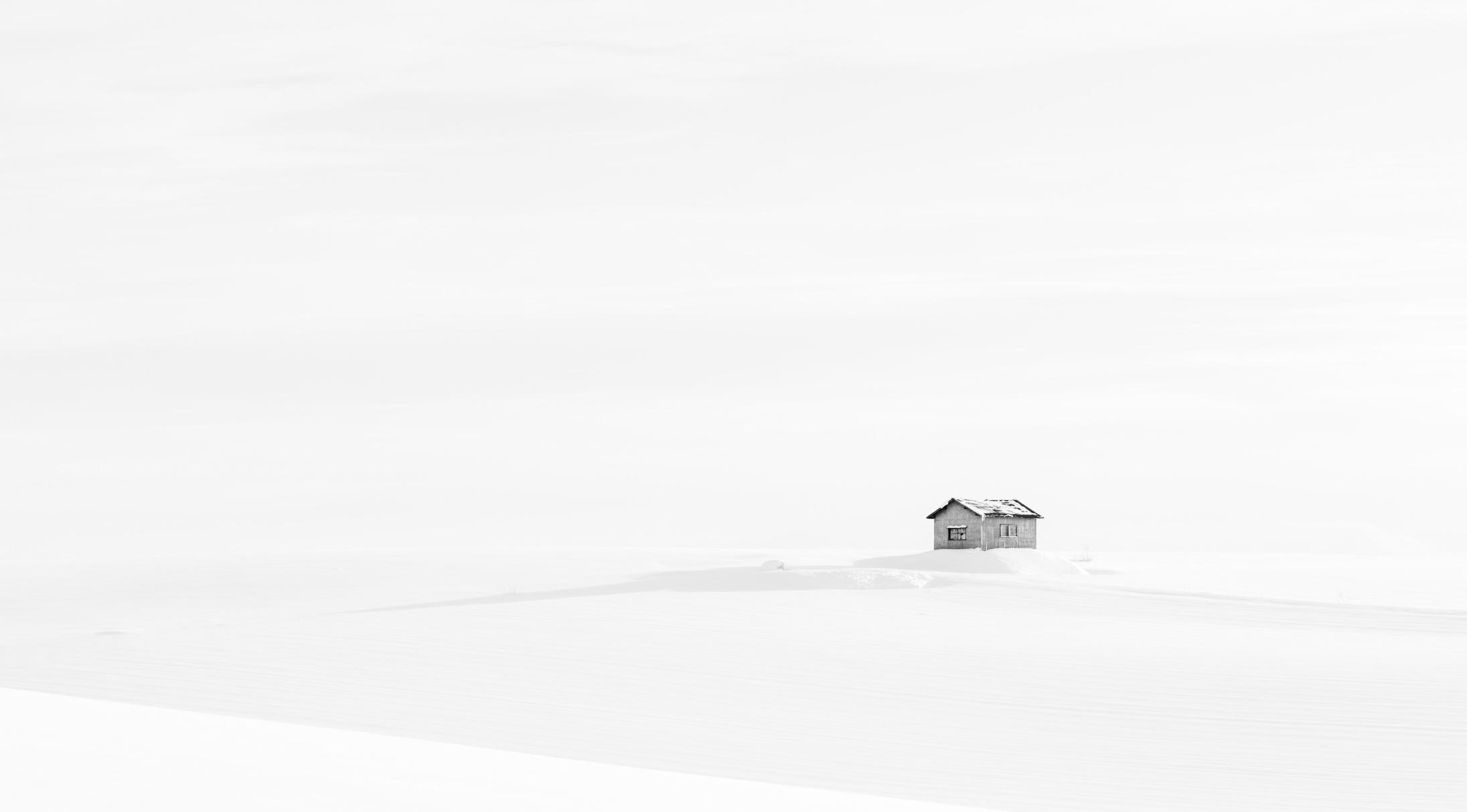
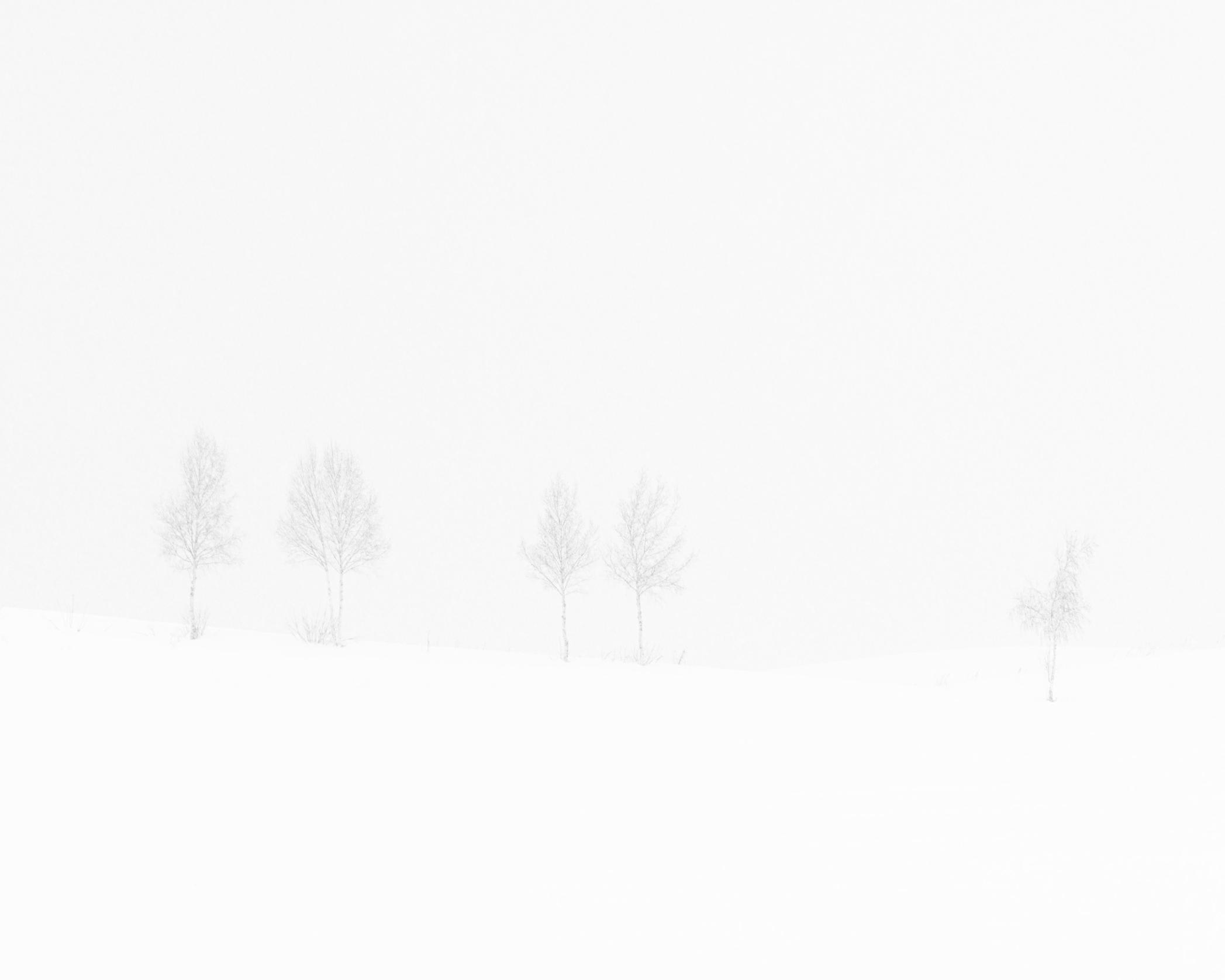
My main objective for these days in Hokkaido was to improve my minimalist photography, starting with the identification of “the right compositions”. Lone trees, small groups of trees or small woods were in good supply, but some work was needed to find compositions that were not cluttered by small but potentially distracting features of the landscape. One possibility that I had not considered before, but which was also widely available, was the presence of isolated houses in a “sea” of snow.
When photographing snowy landscapes, it is also important to consider how to compensate exposure to make sure that the snow appears as white in the photos as it does in real life. The exposure controls in cameras are designed to ensure that the average tone in the whole frame is mid-grey. If snow takes a large portion of the frame, this will push the exposure values down and the snow will appear greyish. I generally base my exposure values on the histogram in my back screen or viewfinder and do not pay much attention to what the camera tells me should be the right exposure, but in general I
believe I was over-exposing, compared to the camera recommendation, by 1.3 to 2 stops.
Although most of our time in Hokkaido was spent around Biei, in the central part of the island, we started in the area around Lake Kussharo, on the Eastern part of the island, and ended on the West coast.
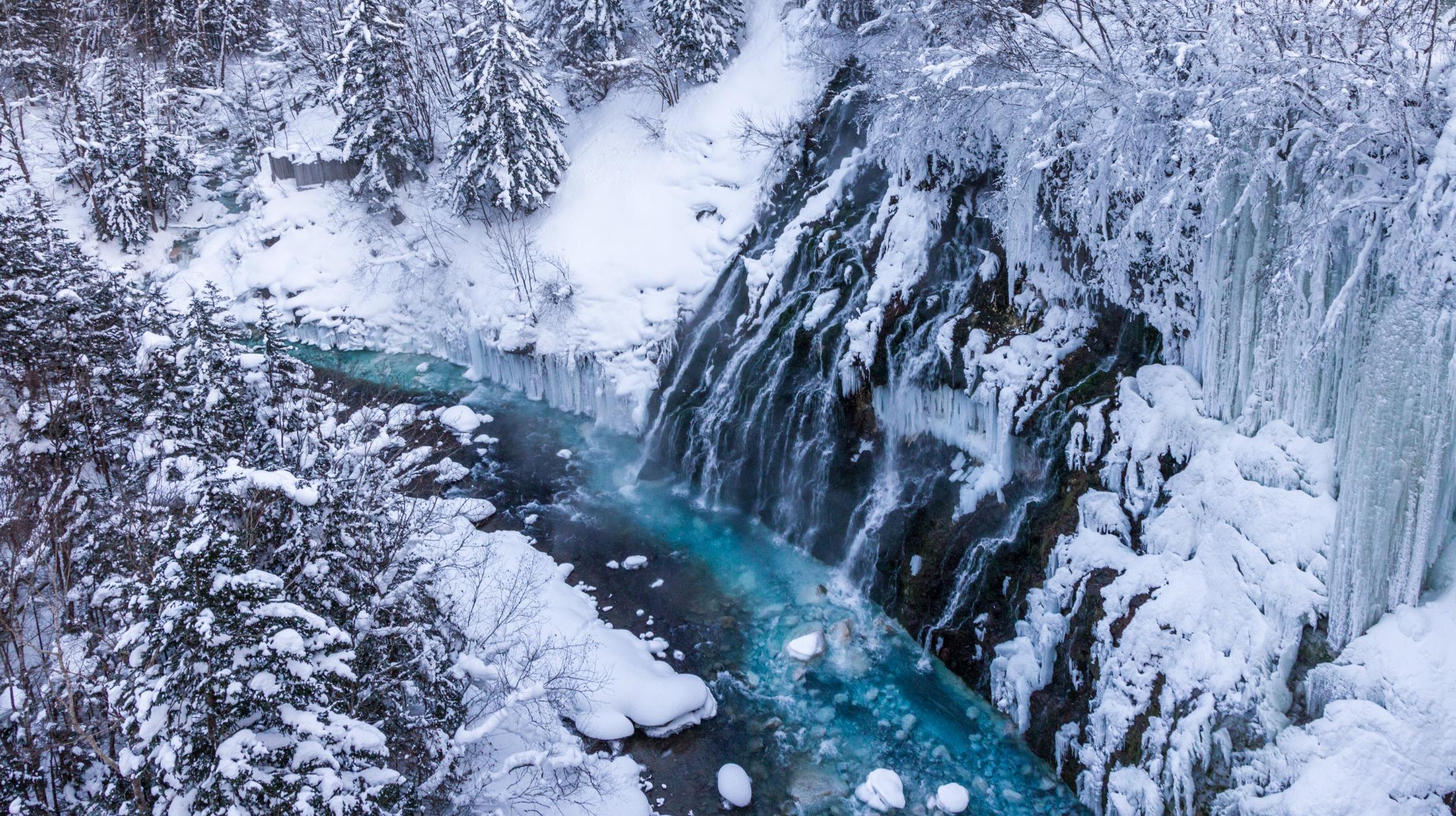
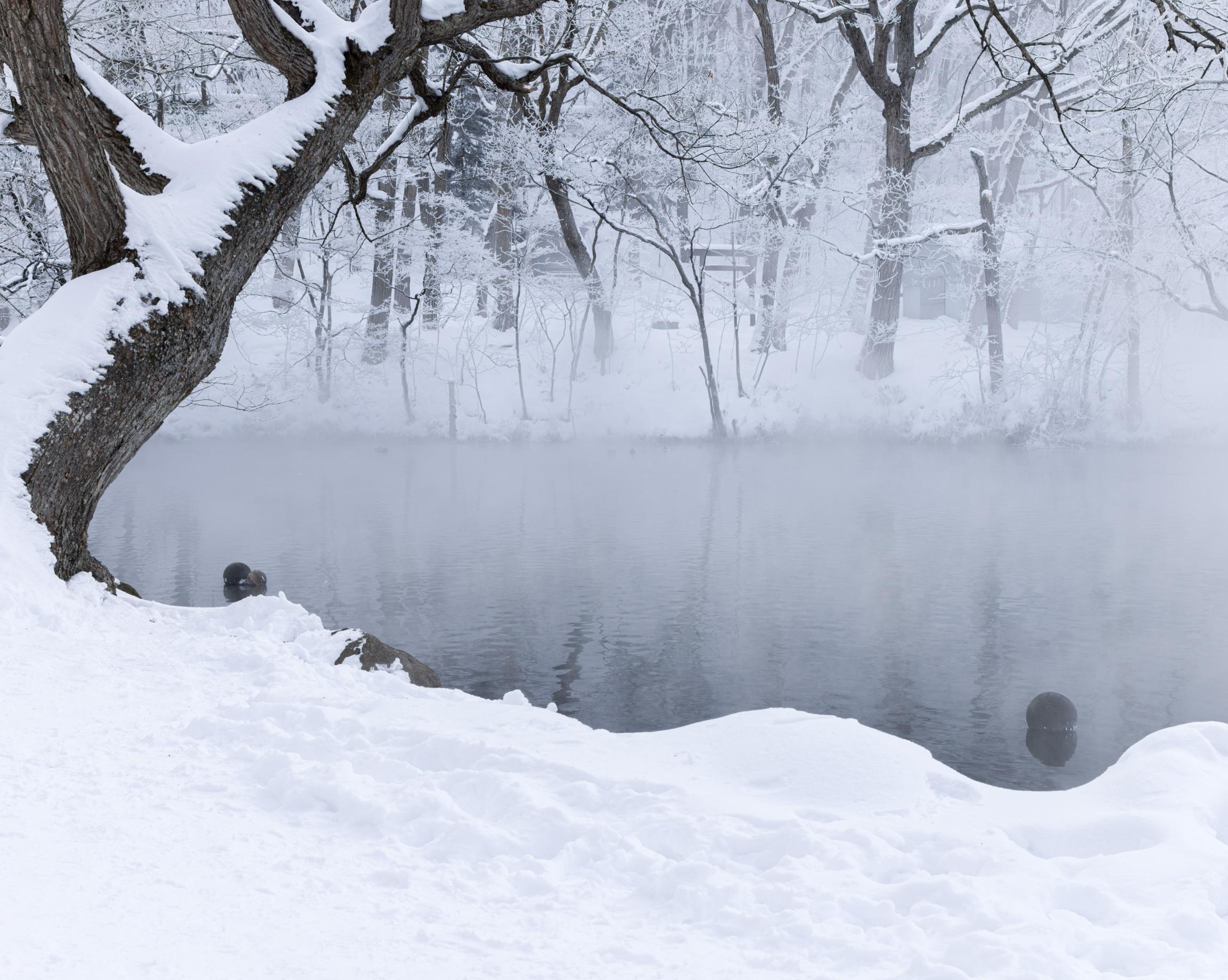
In the area around Lake Kussharo there are beautiful viewpoints over the lake and the surrounding mountains, but the area is also very interesting because of the contrast between the snow that covers practically the whole area, and the numerous hot springs.
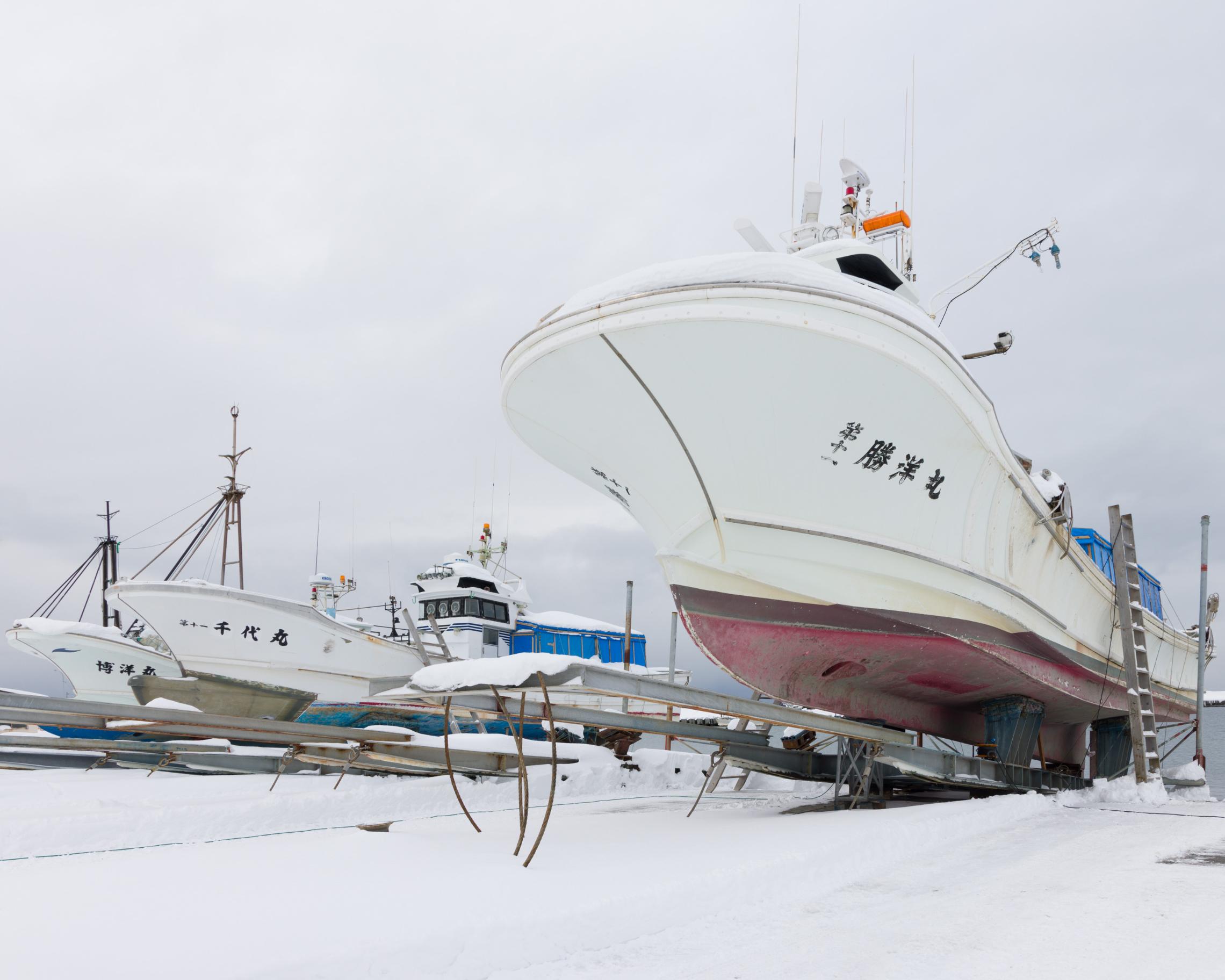
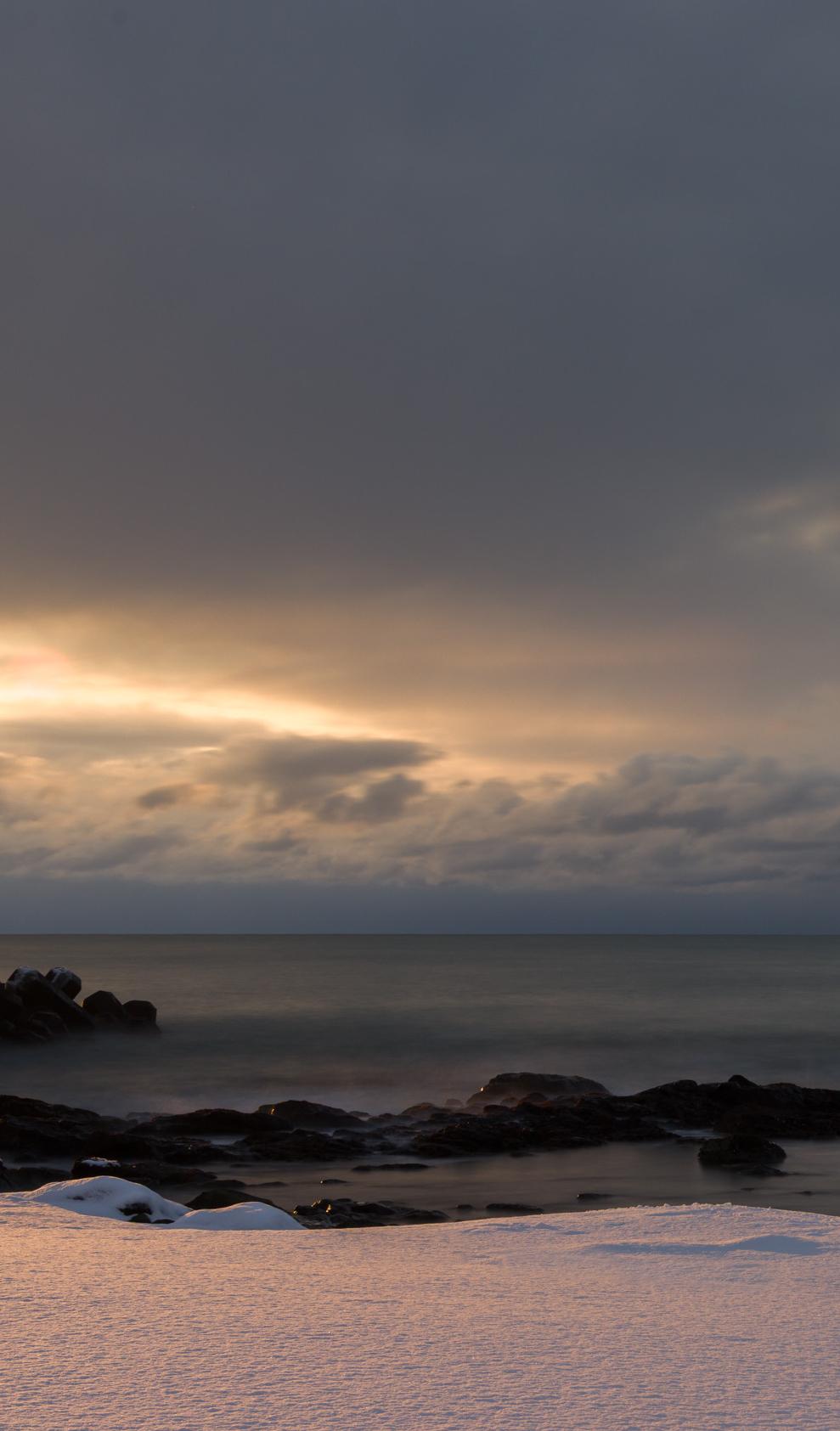
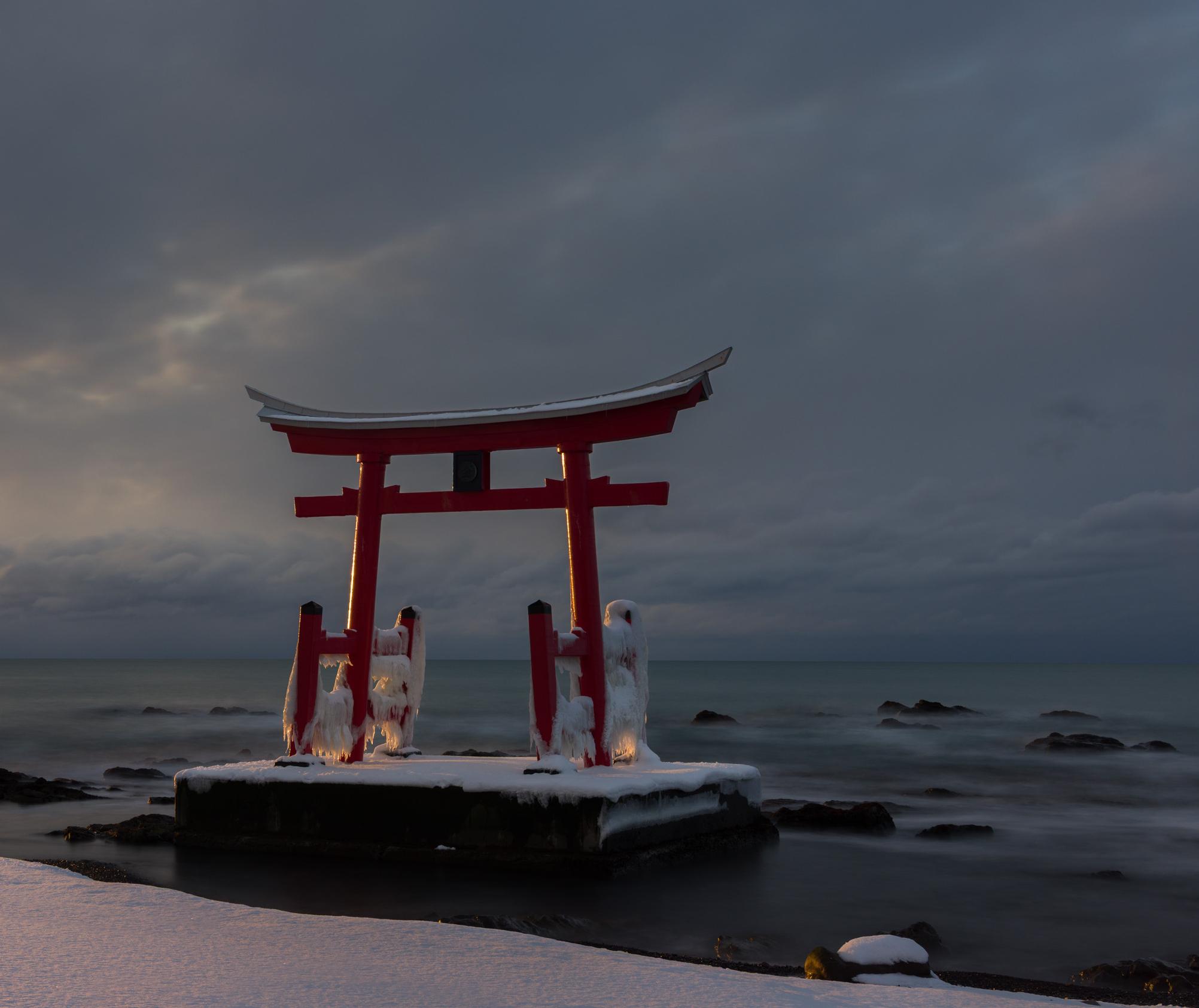
On the West coast of Hokkaido our objective was to photograph a small fishing harbour in Tomamae and a beautiful Torii gate in Shosambetsu. The Torii are the traditional gates found at the entrance of Shinto shrines. In this case, the actual shrine is tiny and inserted in the cliff next to the sea, and the Torii is its entrance from the seaside. We were lucky to have a wonderful sunset at this location, with beautiful light illuminating the red Torii against a relatively calm sea.
This was a great way to conclude a week-long trip with good company and excellent guides/tutors, and I can only hope this will not be my last trip to Hokkaido, even if distance and cost are important limiting factors.
NAMASTE INDIA
Armando Jongejan FRPS
During Autumn 2025 I travelled to India. India is busy and chaotic. India had over 1.46 billion inhabitants in 2025, making it the most populous country in the world. Delhi has been the capital of India since 1931, and with approximately 35 million inhabitants, it is one of the largest metropolitan areas in the world.
The country is 3,214 kilometers long from north to south and a maximum of 2,993 kilometers wide from east to west. India is bordered mostly by water: the Arabian Sea to the west, the Laccadive Sea to the south, and the Bay of Bengal to the east. To the north, India borders Pakistan, China, Tibet, Nepal, Bhutan, Myanmar, and Bangladesh.
NAMASTE
Namaste comes from Sanskrit, the sacred written language of India, and literally means "I bow to you." A slight bow is made, the hands are pressed together, palms touching, fingers pointing upwards and toward the head. This is often accompanied by the word namaste. It's used in everyday life to greet each other and show respect.
REPUBLIC OF INDIA
India had been a British colony since the eighteenth century. The country gained independence in 1947. On January 26, 1950, it received its own constitution and became the official name "Republic of India." British influences are still evident in India. For example: traffic drives on the left and English is widely spoken. New Delhi, founded by the British in 1912, still bears some colonial influences. Because of the architecture and infrastructure, this part of Delhi looks the least like an Indian city.
Varanasi
SACRED COW
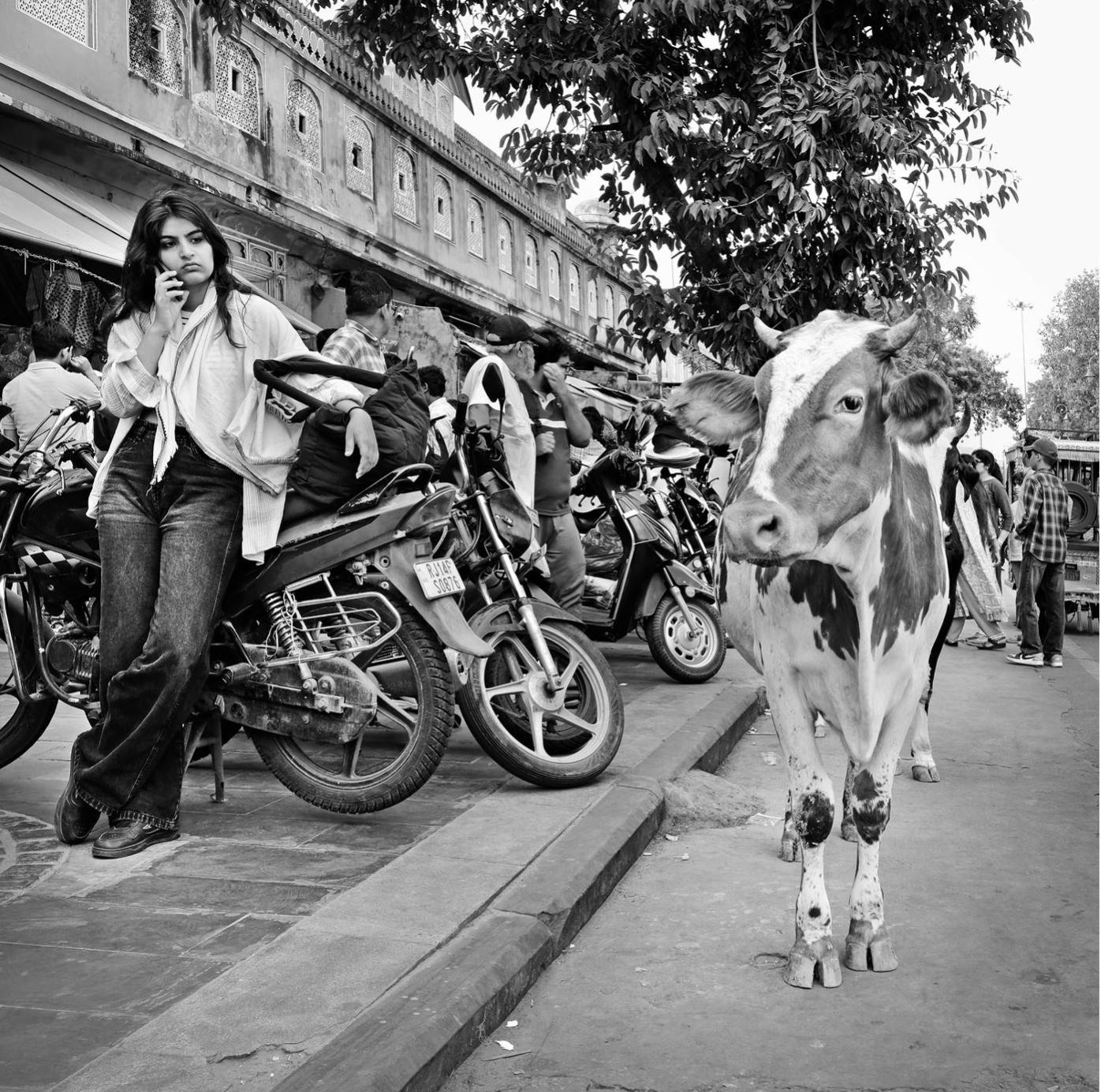
Hinduism is the largest religion in India. In Hinduism, the cow is considered a sacred animal. Millions of stray cows roam the streets and highways of India. Surplus cows are not allowed to be slaughtered, and illegal slaughter can result in tough prison sentences.
No one bats an eye when a cow wanders the streets of Jaipur. A young woman is talking on her phone and ignores the cow walking next to her. Despite their sacred status, cows regularly cause inconvenience. They search for food, cause traffic accidents, and sometimes someone is gored by a bull.
Jaipur, ignoring the sacred cow
GANGES
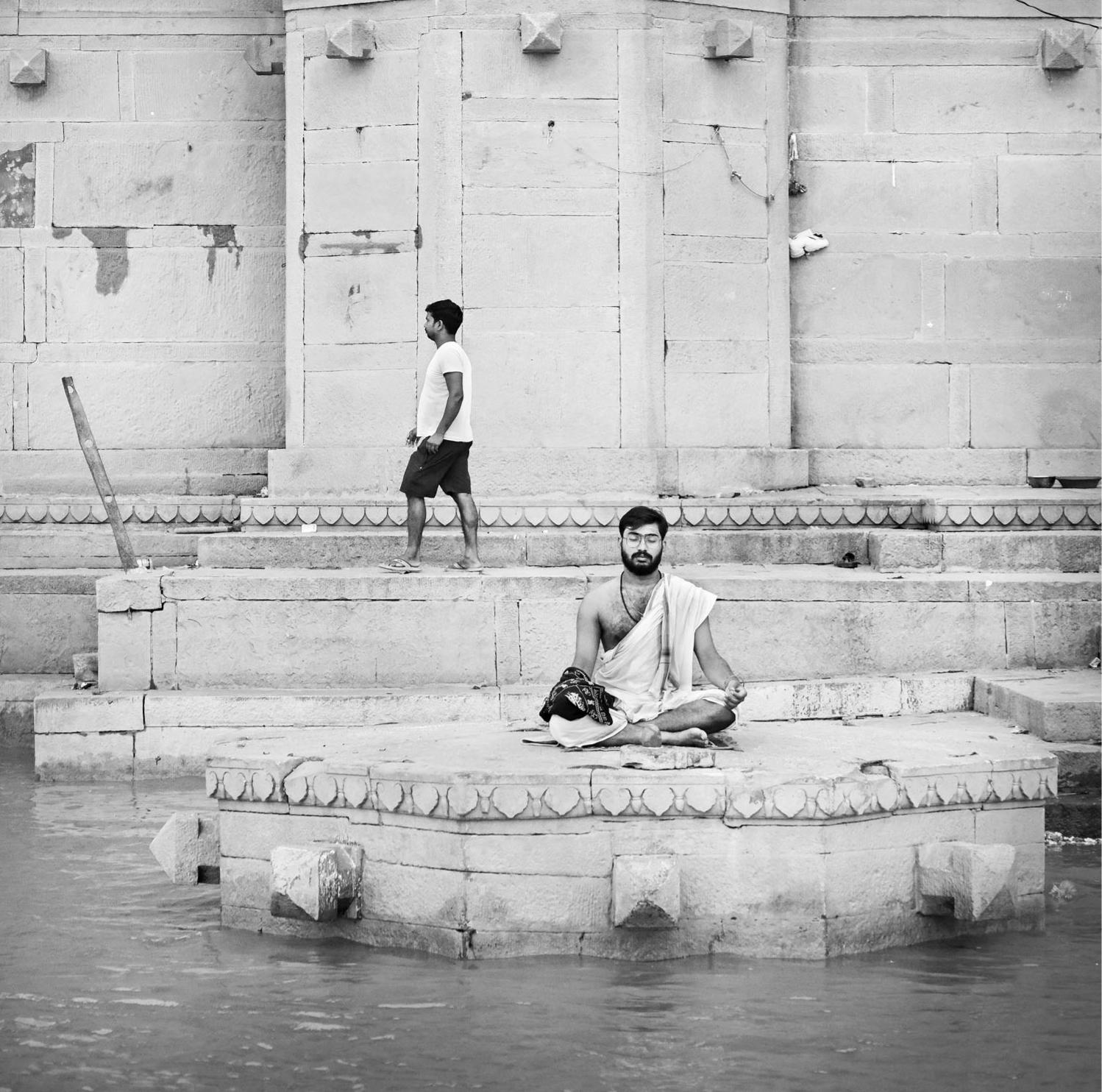
For Hindus, the Ganges is a sacred river. Due to waste, human remains, and chemicals, it is one of the most polluted rivers in the world. Yet, people wash in the river to "purify their souls," performing rituals such as pouring water into the river. It is also a place of meditation.
Varanasi
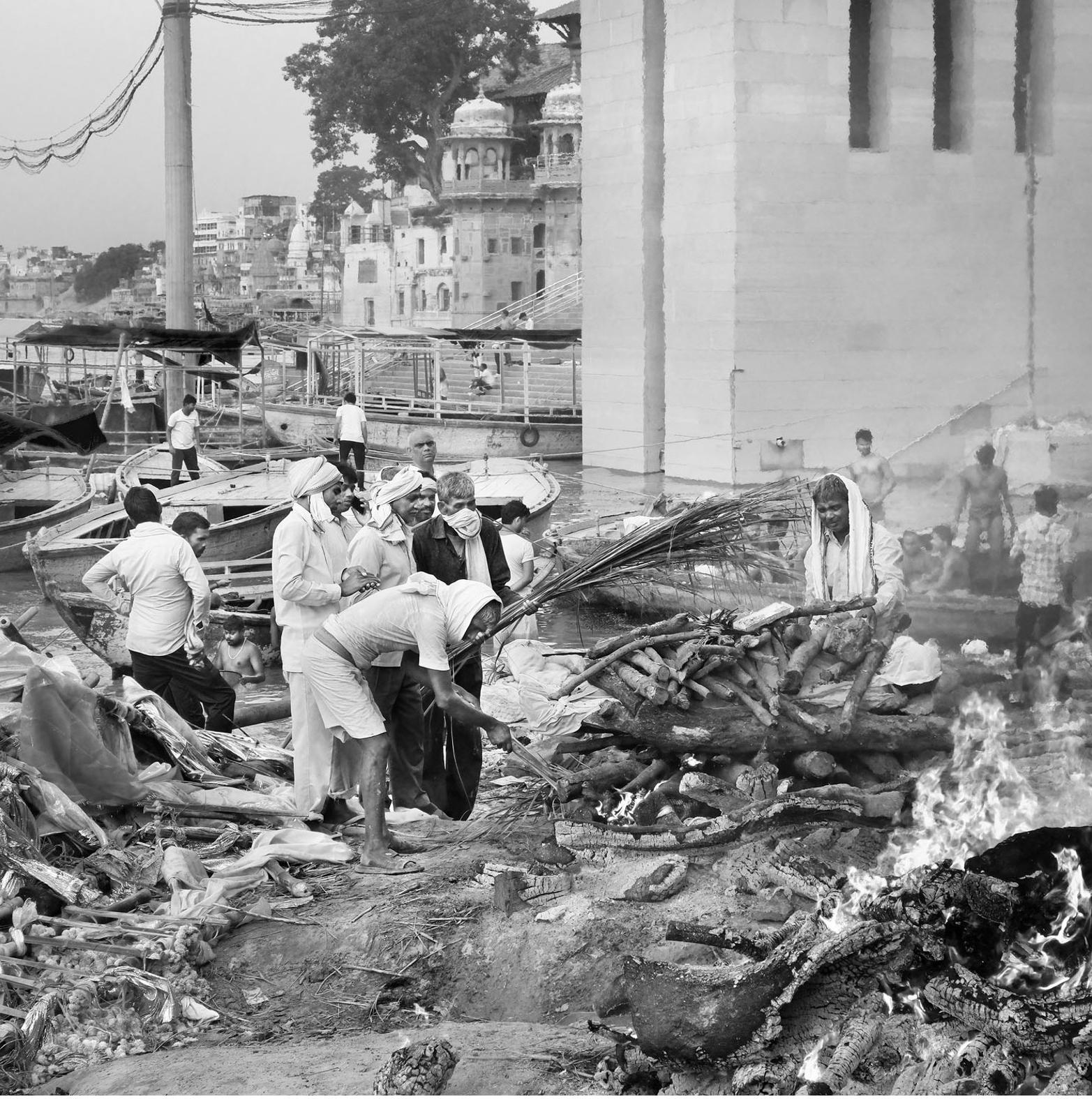
The Manikarnika Ghat in Varanasi is one of the holiest and oldest cremation grounds on the banks of the Ganges. Each cremation requires approximately 300 kilograms of wood. The wood is brought by boat and sold by local traders.
The deceased is carried to the ghat by relatives through narrow streets on a bamboo handbarrow. First, the deceased is washed in the Ganges and then cremated at the public cremation ground. The eldest son lights the fire, and the relatives perform various rituals. During one of the rituals, the eldest son's hair is shaved off, except for a small tuft of hair at the back of his head.
Near the Manikarnika Ghat in Varanasi
A cremation can last several hours. According to Hinduism, a cremation on the Ganges River in Varanasi is considered the best way to break the cycle of birth, death, and rebirth and thus achieve eternal rest. The ashes of the body are scattered in the river, helping the soul detach from earthly existence. Manikarnika Ghat, where approximately 200 cremations take place daily, 24 hours a day, 365 days a year, is busy.
The farewells are respectful, but the activities on the ghat feel chaotic. People, dogs, and cows walk among the fires, and wood and rubbish are scattered everywhere.
Varanasi
STREET LIFE
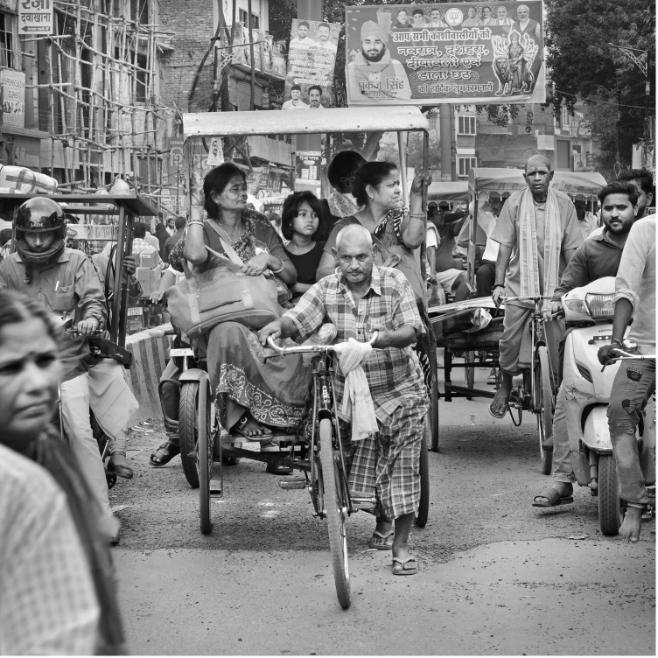
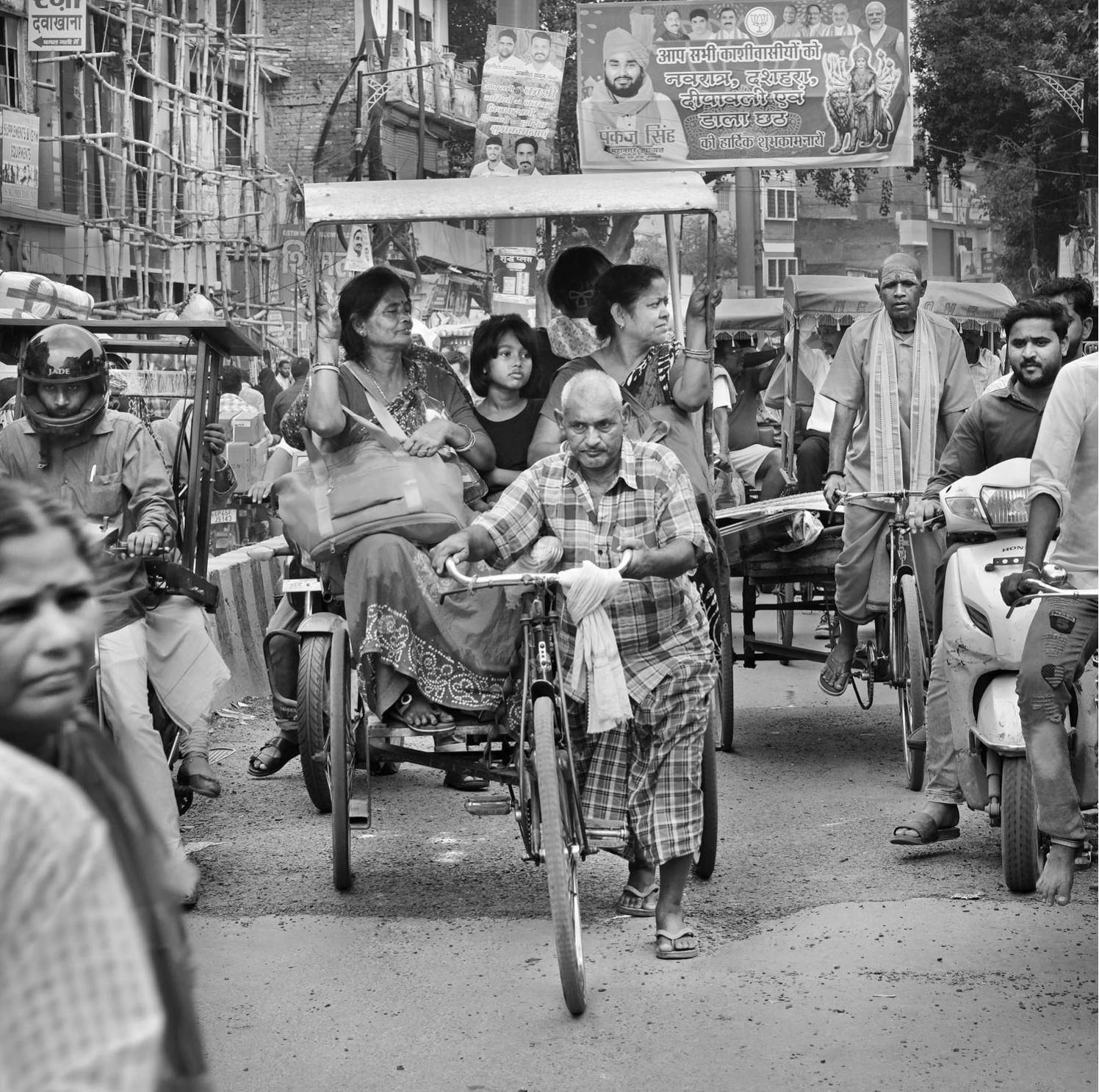
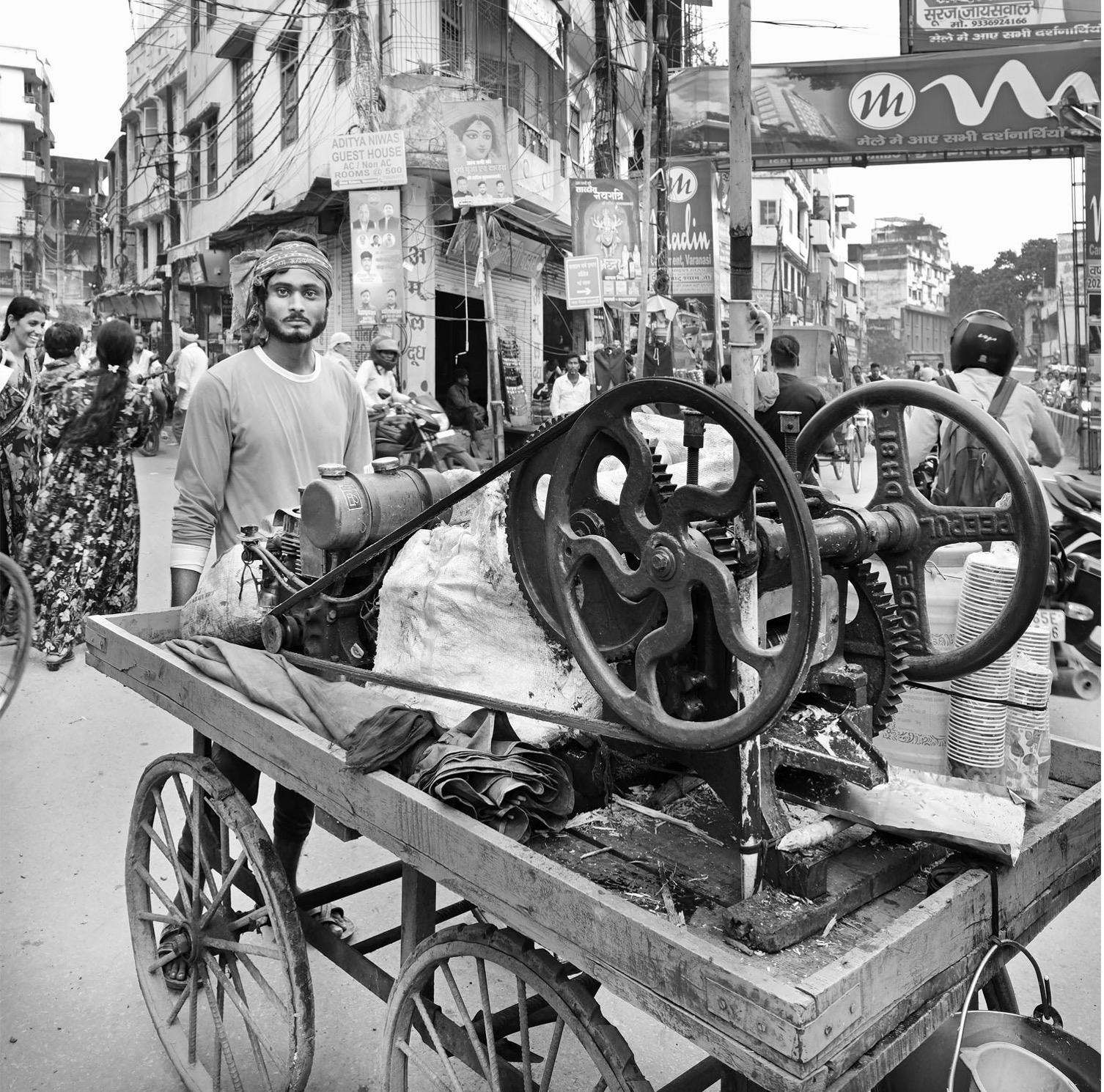
Old Delhi, with its many narrow streets and roads, is, like Varanasi, a true Indian city. The massive amount of traffic and constant honking make it a hive of activity. Trucks, buses, cars, tuk-tuks, motorcycles, scooters, handcarts, tricycles, bicycles, rickshaws, pedestrians, and animals crowd one another in the narrow streets, making the streetscape seem chaotic to Westerners.
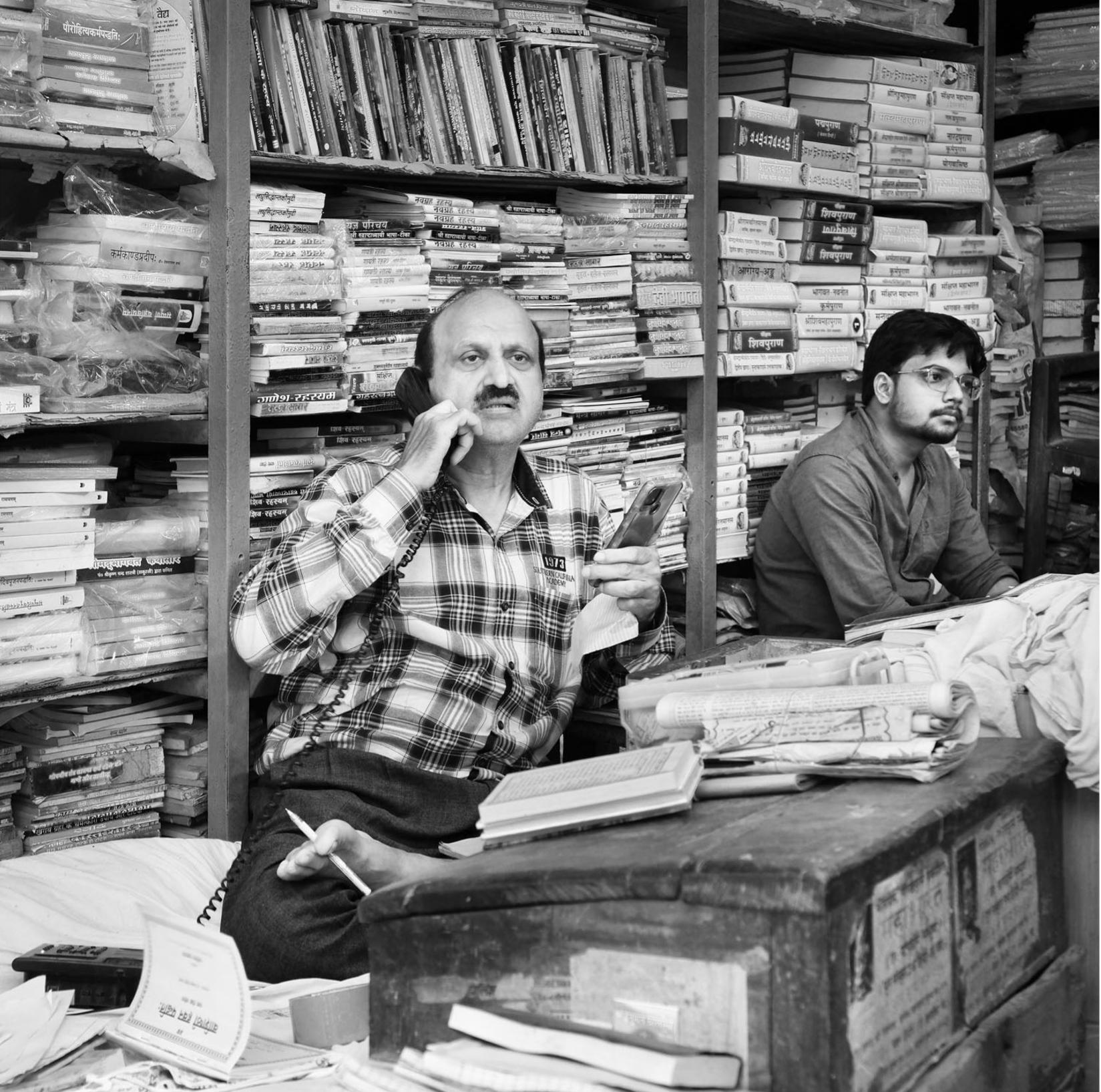
Bookstore in Varanasi, writing with his toes
There's plenty to see on the streets, such as people transporting all sorts of things on flat carts and other vehicles. All sorts of things are sold. Barbers serve their customers on the street or in a barbershop. A bookstore in Varanasi is apparently very busy. A man holds two phones simultaneously and holds his pen between his toes
COUNTRYSIDE
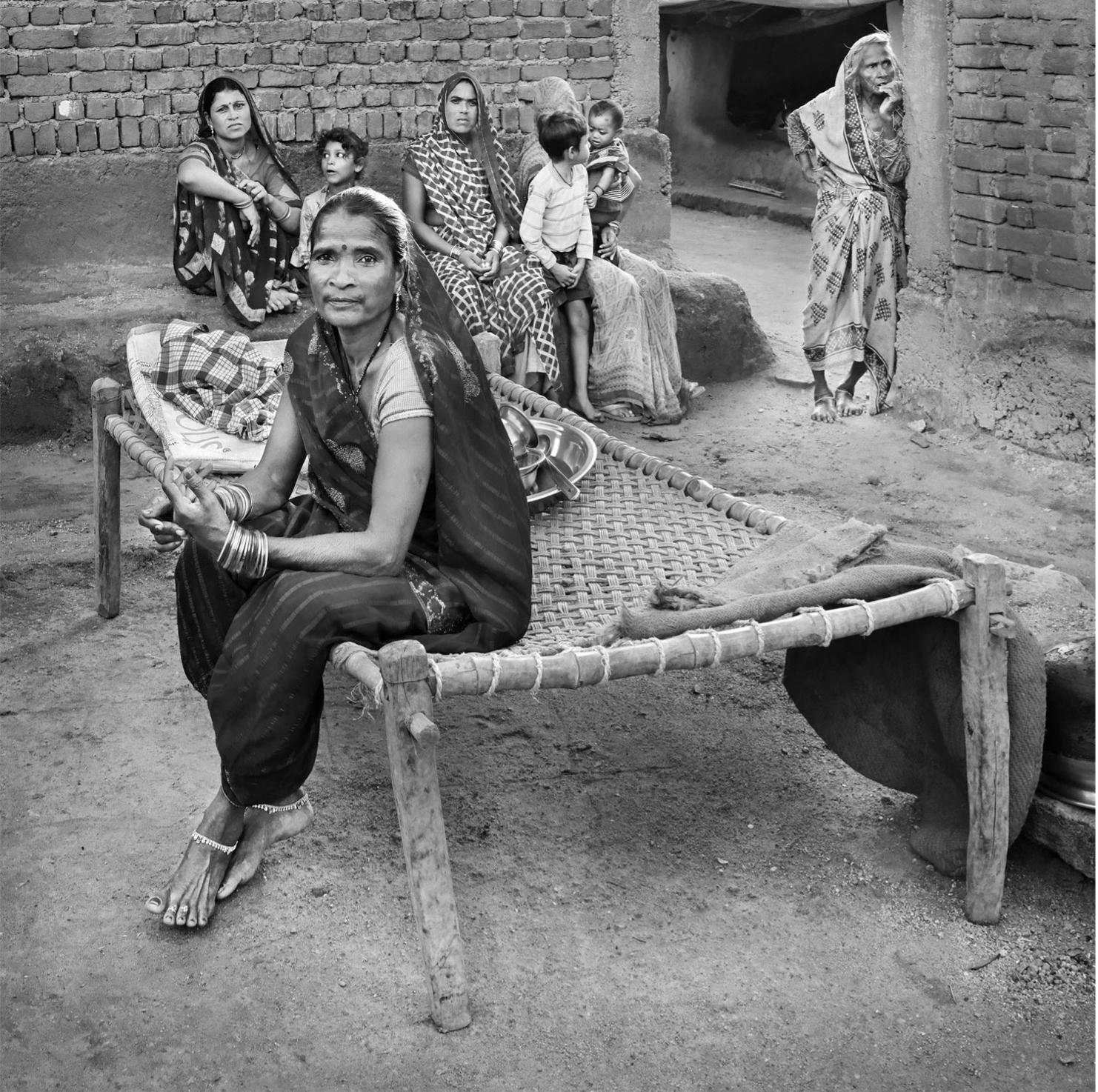
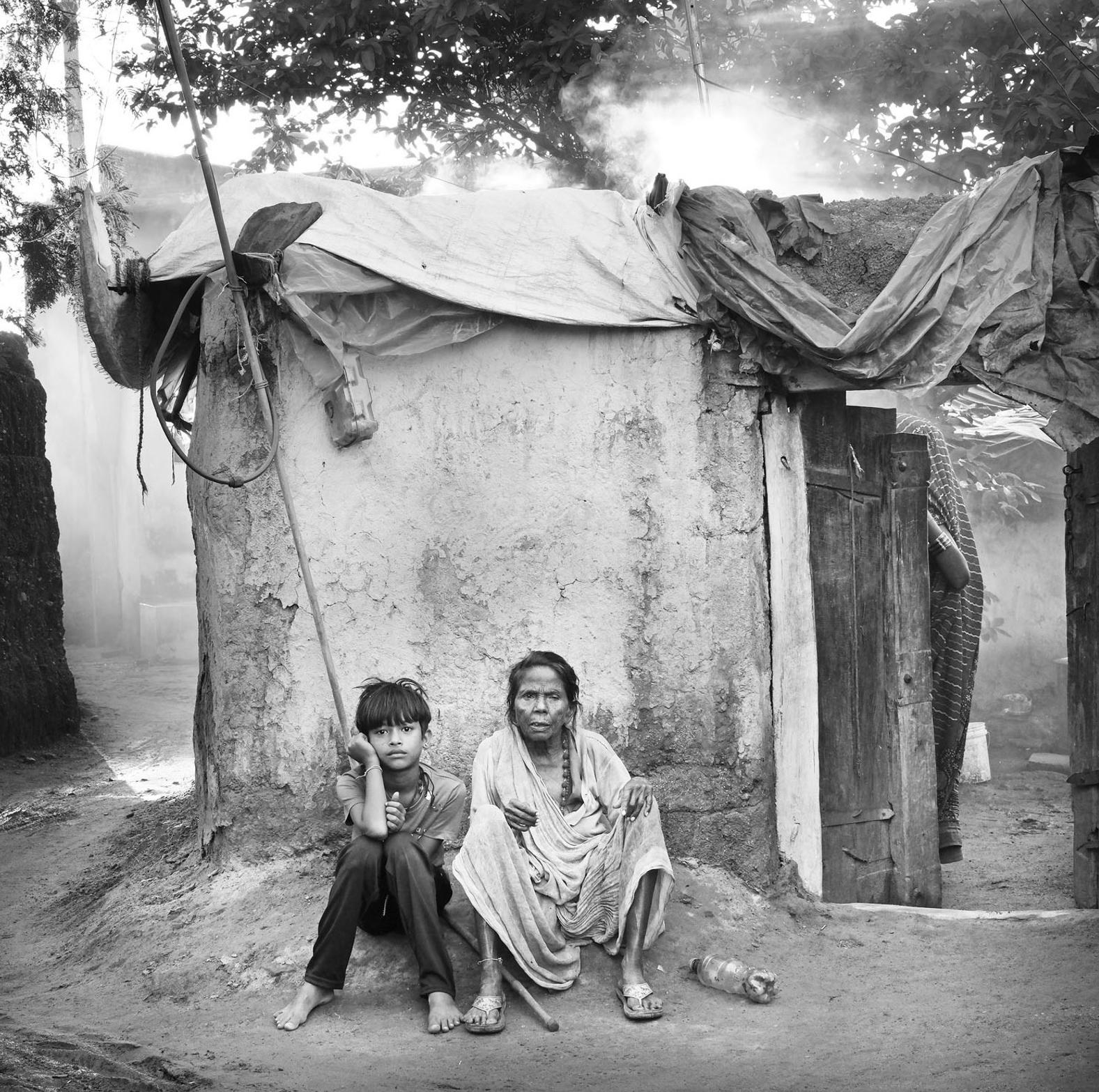
The gap between rich and poor is vast, as evidenced in Agra, where, just a few kilometers from one of India's most important tourist attractions, the Taj
Khajuraho
Mahal, people live under canvas or thatched roofs. They survive on the land's bounty and on the buffalo that forage between the houses for food. The buffalo dung is collected for fuel or as building material for a shed or house.
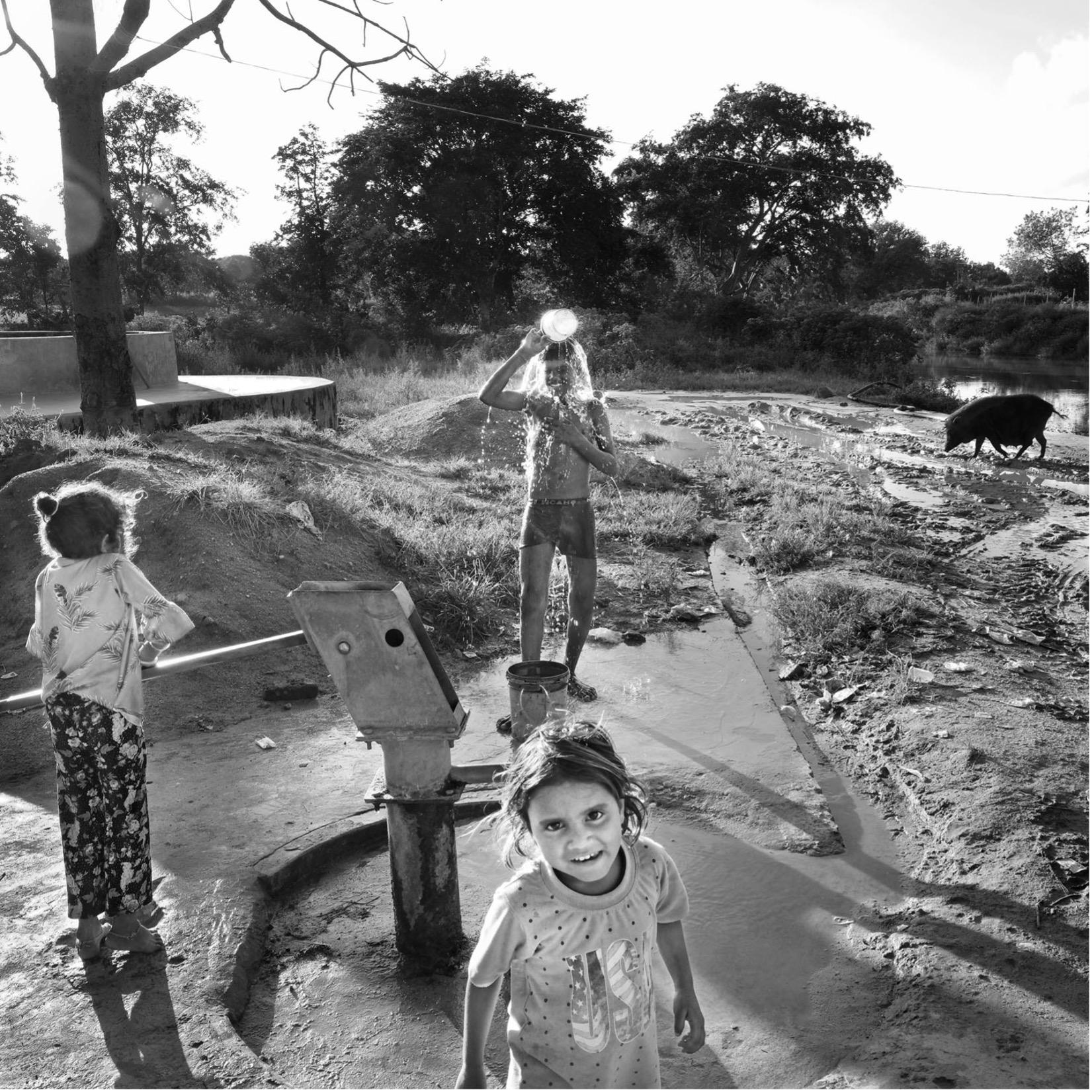
At another tourist attraction, Khajuraho, known for its temples with erotic images, people in the countryside live simply. Water is pumped from a central location. Children wash while a pig walks in the background.
Khajuraho
LANGAR
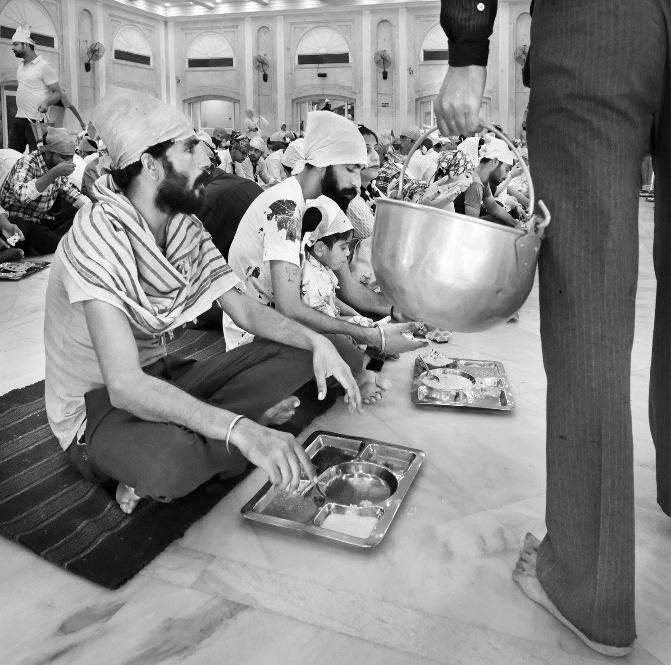
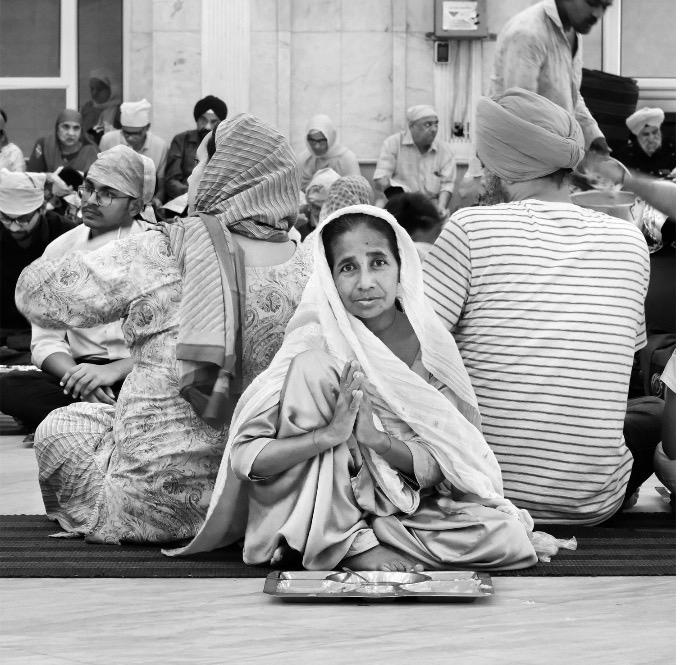
Tens of thousands of vegetarian meals are prepared daily in the langar, the communal soup kitchen of the Gurudwara Bangla Sahib Sikh Temple in Delhi. Everyone, regardless of religion, gender, or wealth, can enjoy a free meal. The free provision of meals is made possible by donations and is part of the Sikh values of selfless service and equality.
Khajuraho
The meals are prepared by volunteers. A dish often on the menu is dhal, a soup made from spiced legumes such as lentils, peas, and beans, which is eaten with rice and naan.
Meals are served in the dining hall, where guests sit in rows on the floor. Visitors thank the volunteers for their meal. India namaste.
Preparing food in the kitchen and eating in the dining hall of the Gurudwara Bangla Sahib Sikh Temple in Delhi
Preparing food in the kitchen and eating in the dining hall of the Gurudwara Bangla Sahib Sikh Temple in Delhi
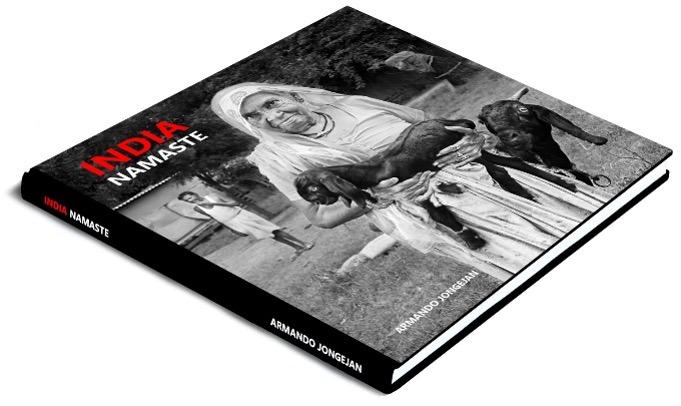
For more information about the photos or the book, please contact Armando. Hardcover 30x30cm, 132 pages and 120 black and white photos printed in full colour (colour settings gives better nuance and quality to black and white prints).
Brent Curtis LRPS
Ten photos in 30 Mintues
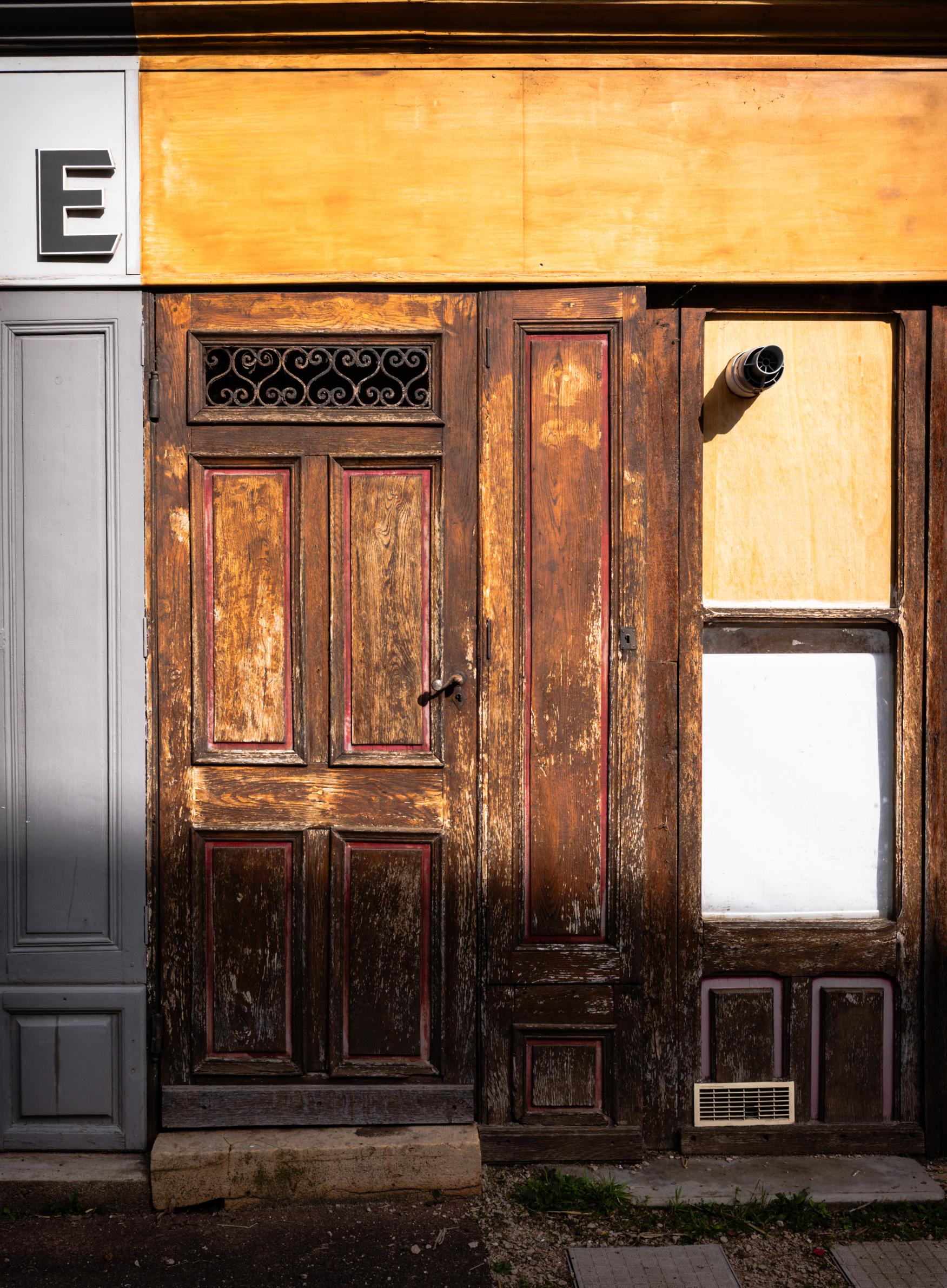
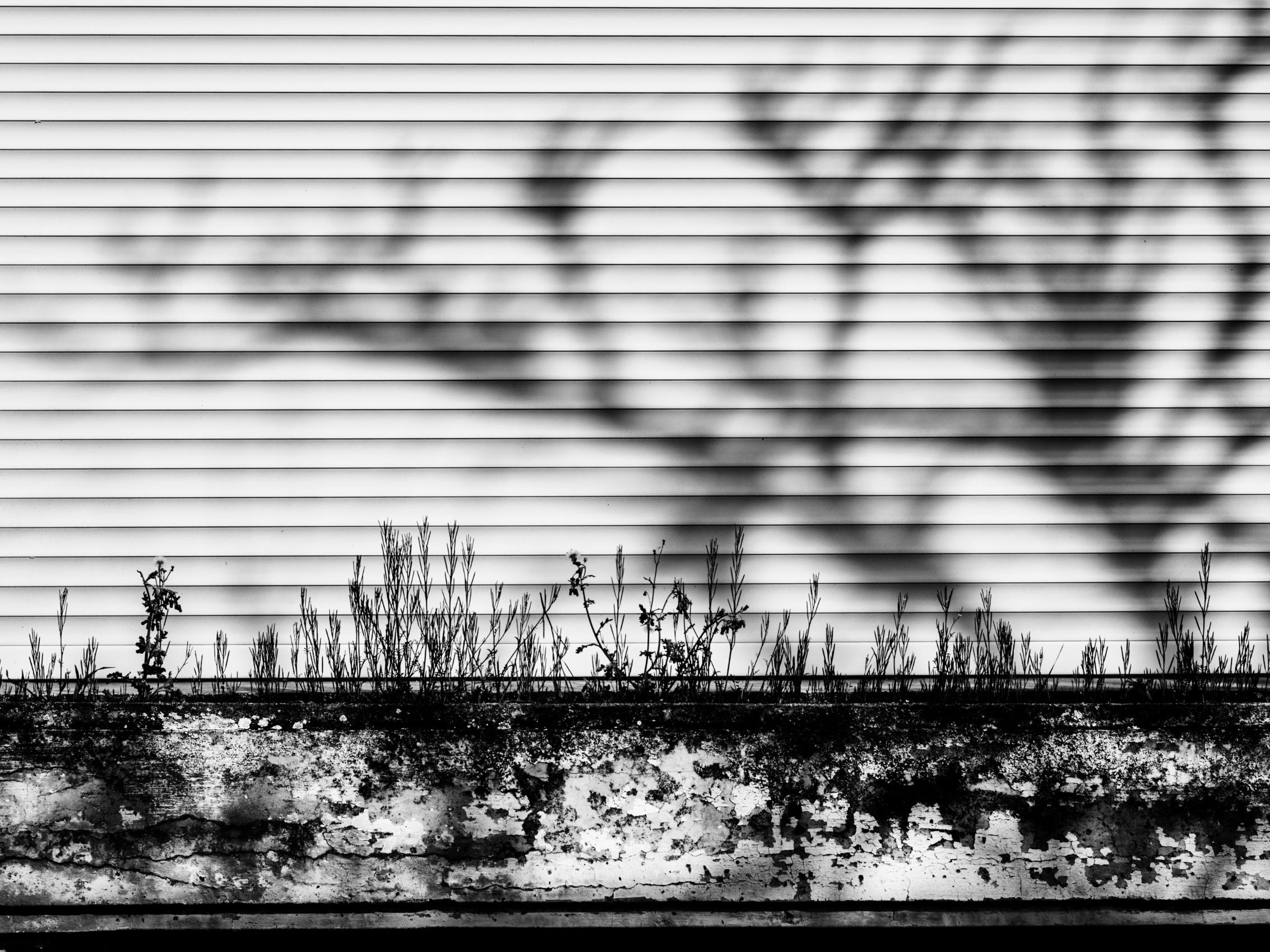
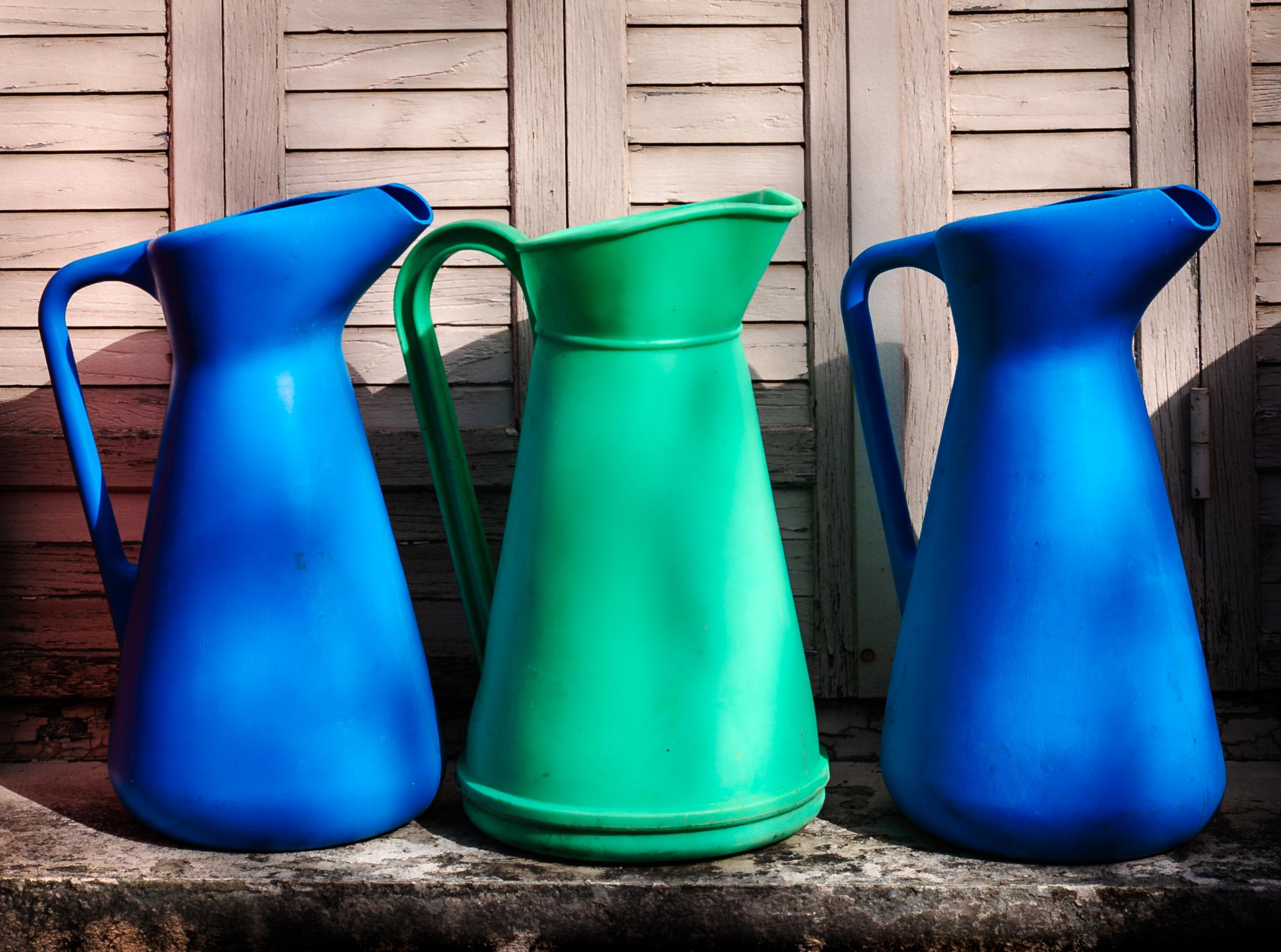
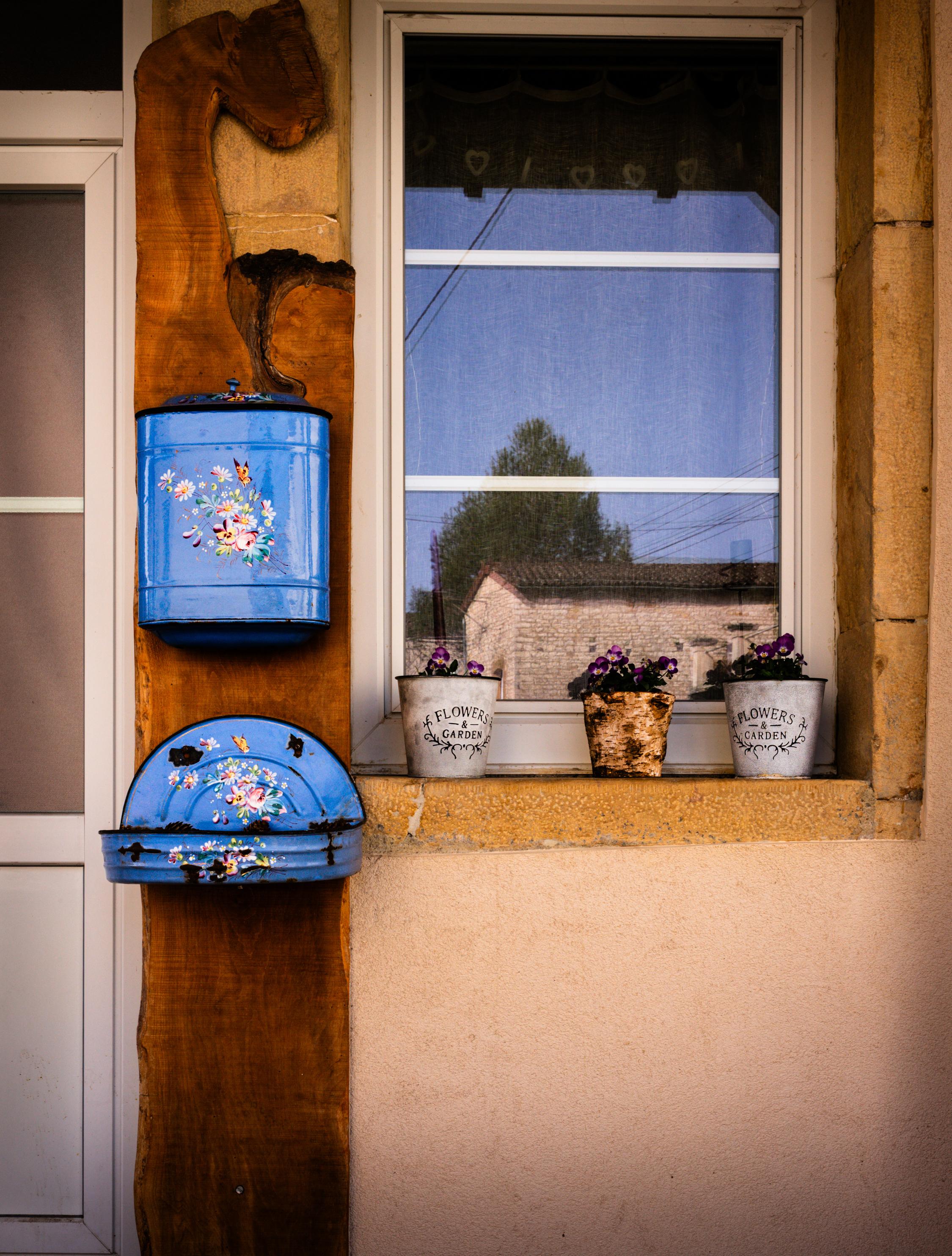
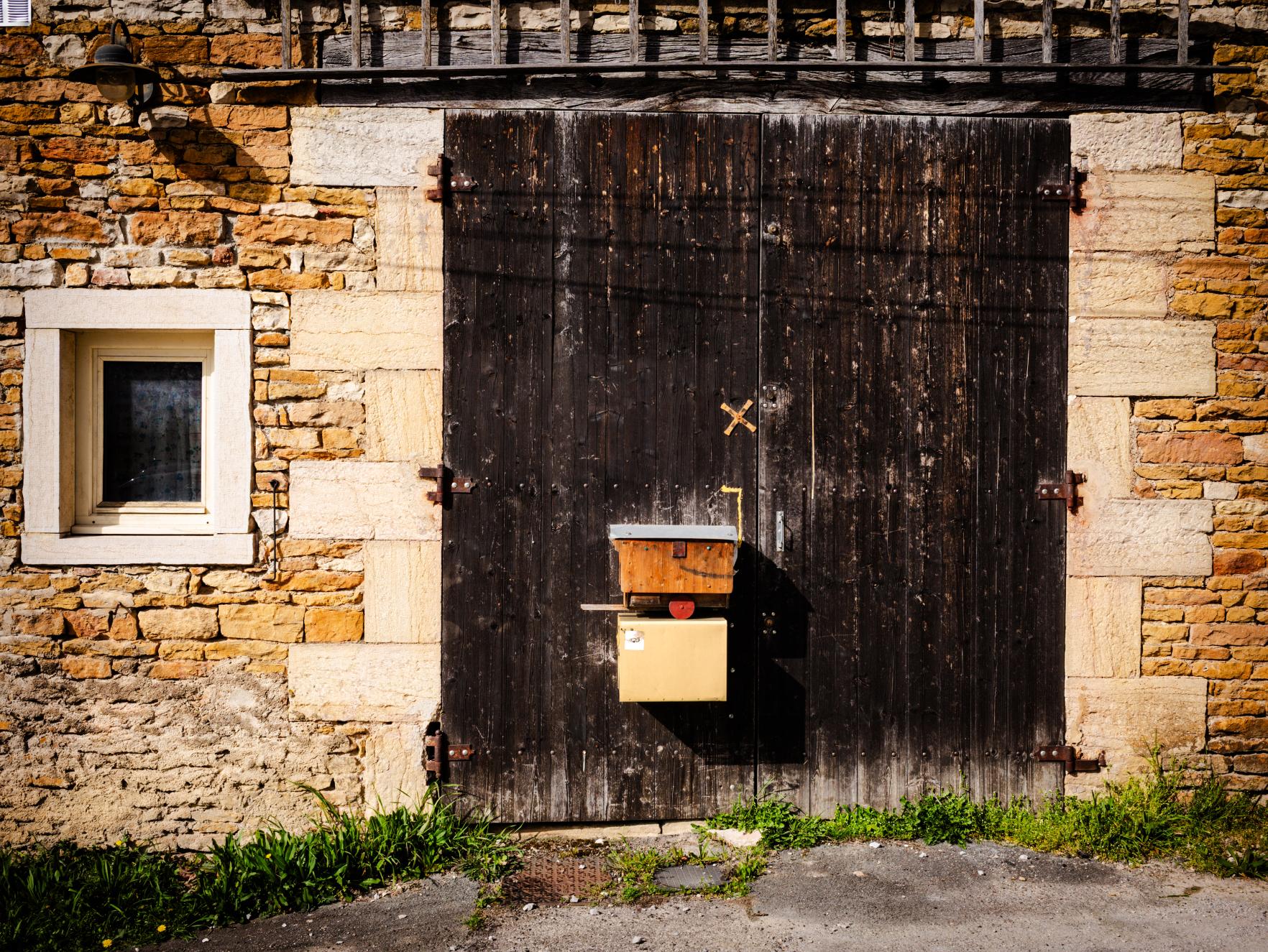
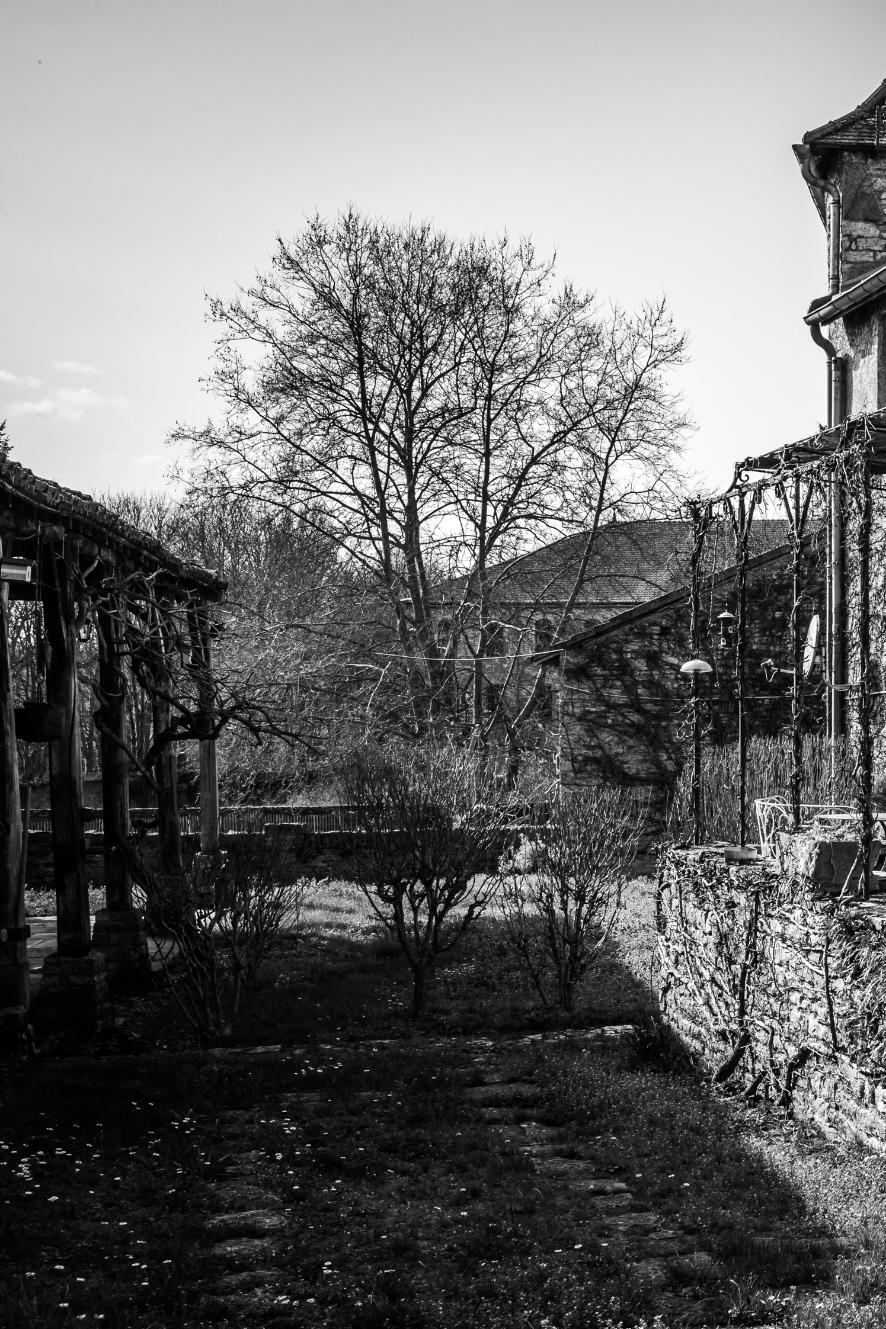
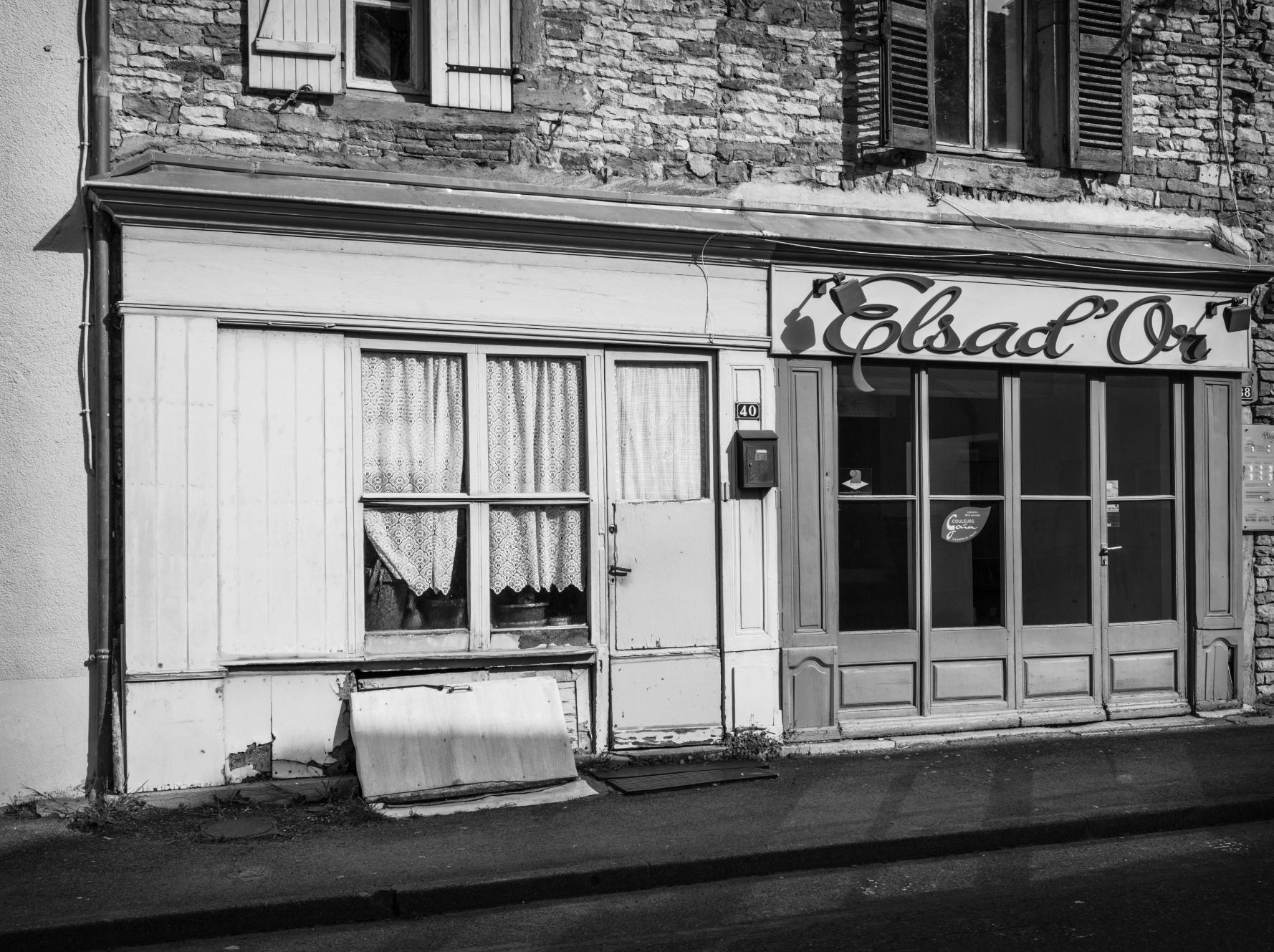
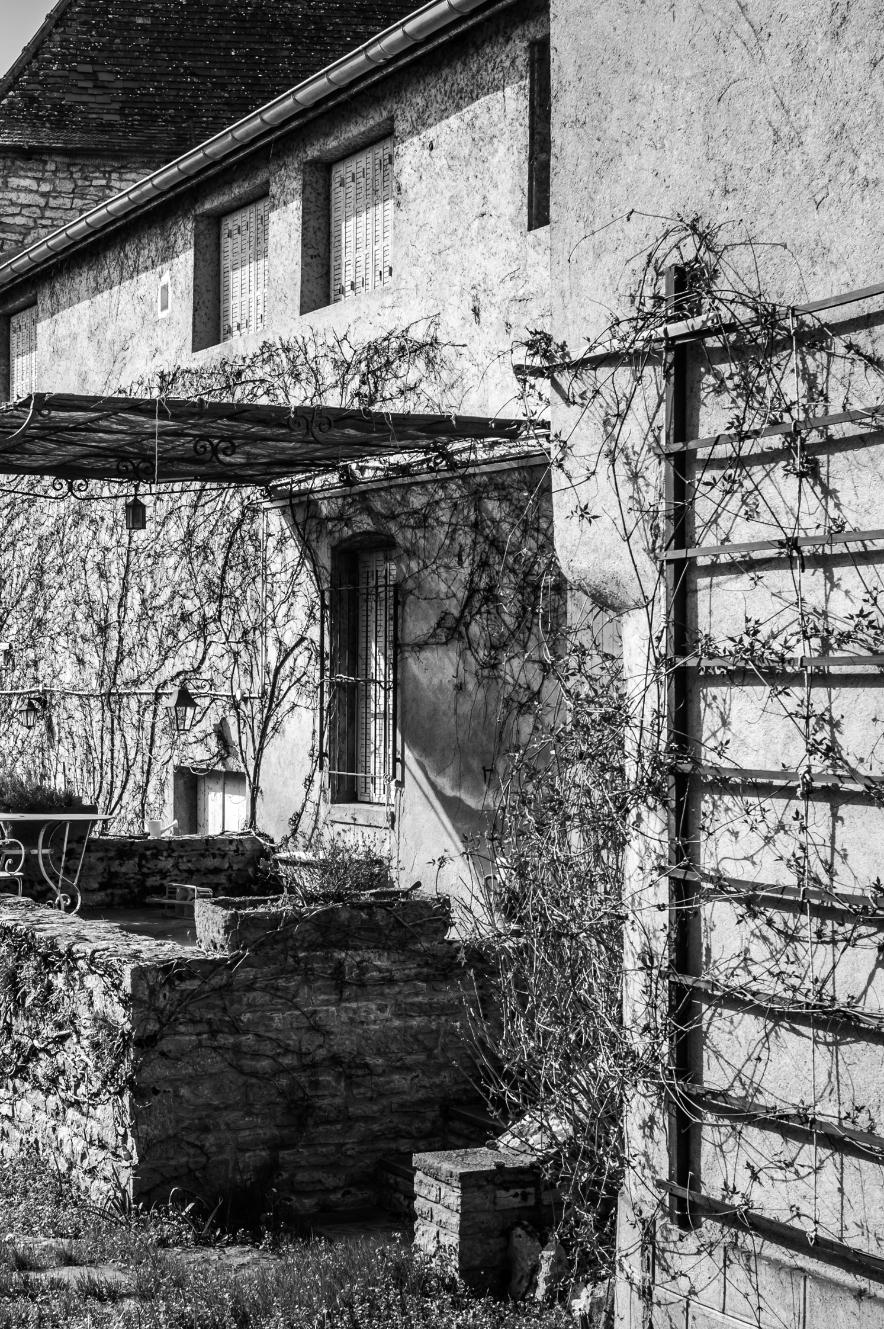
After many, many weeks of rain, fog, snow and freezing temperatures the beginning of March saw a welcomed change in the weather. A lunch with friends in a nearby village followed by a short walk around the village was a treat, especially with blue skies for a change.
It’s not easy for me to join the Chapter for TWT events, but on this occasion, I gave myself the challenge to take 10 photos in 30 minutes. It made me look for scenes that, perhaps, one would normally pass without a thought.
Darkrooms Uncovered
An interview series
By Marcel Borgstijn
“Darkrooms Uncovered... A peek into a photographer's mental creative darkroom”
Marcel Borgstijn
This interview has been previously published on Marcel’s site Darkrooms and is with photographer Susanne Helmert
See the original interview on the Darkrooms site.
Marcel has given his permission for it to be republished in the RPS Benelux eJournal.
What does your creative ritual look like? Do you have specific habits or conditions that spark your creativity?
I don’t have any specific rituals or habits when it comes to photography. Most of it happens while I’m out walking - in my neighborhood or other familiar (and unfamiliar) places. I simply walk and stay open to what catches my attention. I suppose that in itself might be my ritual: moving through the world with a heightened awareness, camera in hand, ready to notice whatever reveals itself.
When you're feeling creatively blocked, what's your go-to method for breaking through?
Writing helps me a lot. When I reflect on the challenges I’m facing or the roadblocks in my way, things start to shift. Just putting it all down on paper often makes the source of the blockage feel clearer. Walking also works wonders for me. I get some of my best ideas when I’m out on a walk. When the body is in motion, it seems to loosen the mind, too. And then there’s the simple act of looking at a good photobook. It is always a reliable way to find inspiration and motivation.
Describe a moment when your creative perspective shifted dramatically. What triggered it?
In 2016, I attended a five-day mixed-media workshop in Canada. One of the elements of the workshop was to explore our creative process on a deeper level, to understand the forces that drive it and the different meanings behind why we make art. That experience helped me understand why I kept returning to certain subjects in my art and photography. It gave shape to instincts I hadn’t fully articulated before.
What recurring themes or elements do you find yourself naturally drawn to capture?
One overarching theme I return to in my work is the passage of time. There are countless facets to it, and I’m drawn to how it reveals itself in the most ordinary objects. That quiet, everyday evidence of transience holds a certain appeal for me. In exploring it, I find a kind of peace with the idea that I, too, will one day be just a piece of the past. Nothing stays the same. In fact, everything eventually will become nothing but a memory.
What non-photographic influences (books, music, films, etc.) most impact your work?
Mmmh. This is a good question. Nature is probably one of the biggest inspirations for me. But more often, it’s the smaller, less obvious things that leave the deepest impression on my work: my own well-being, a good book, a visit to the museum, a conversation with a friend. Moments that stir something in me, that make me feel or reflect. Those quiet influences often have the most lasting impa
What photograph of yours feels most personally revealing, and why?
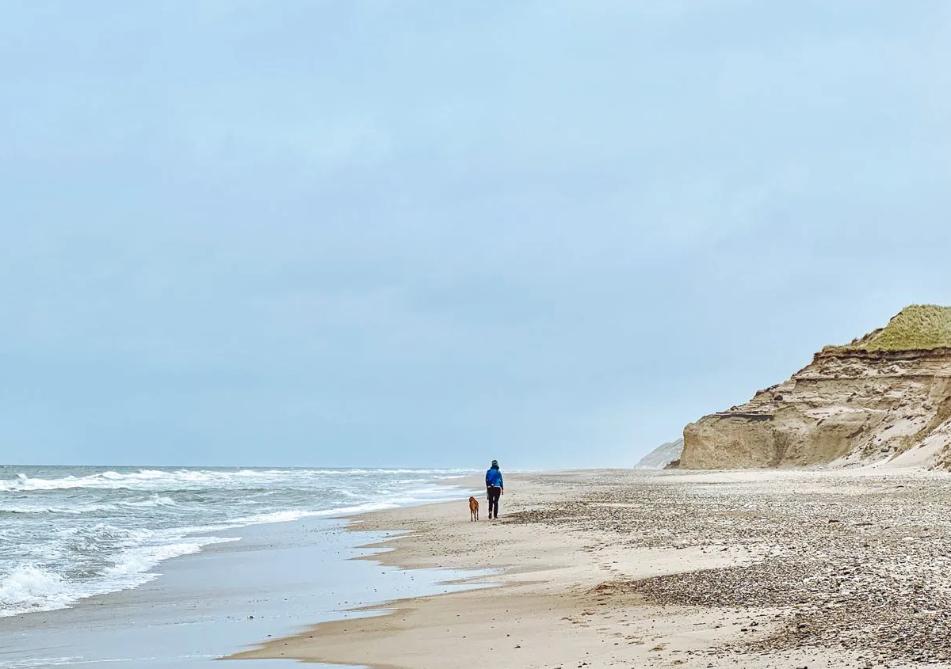
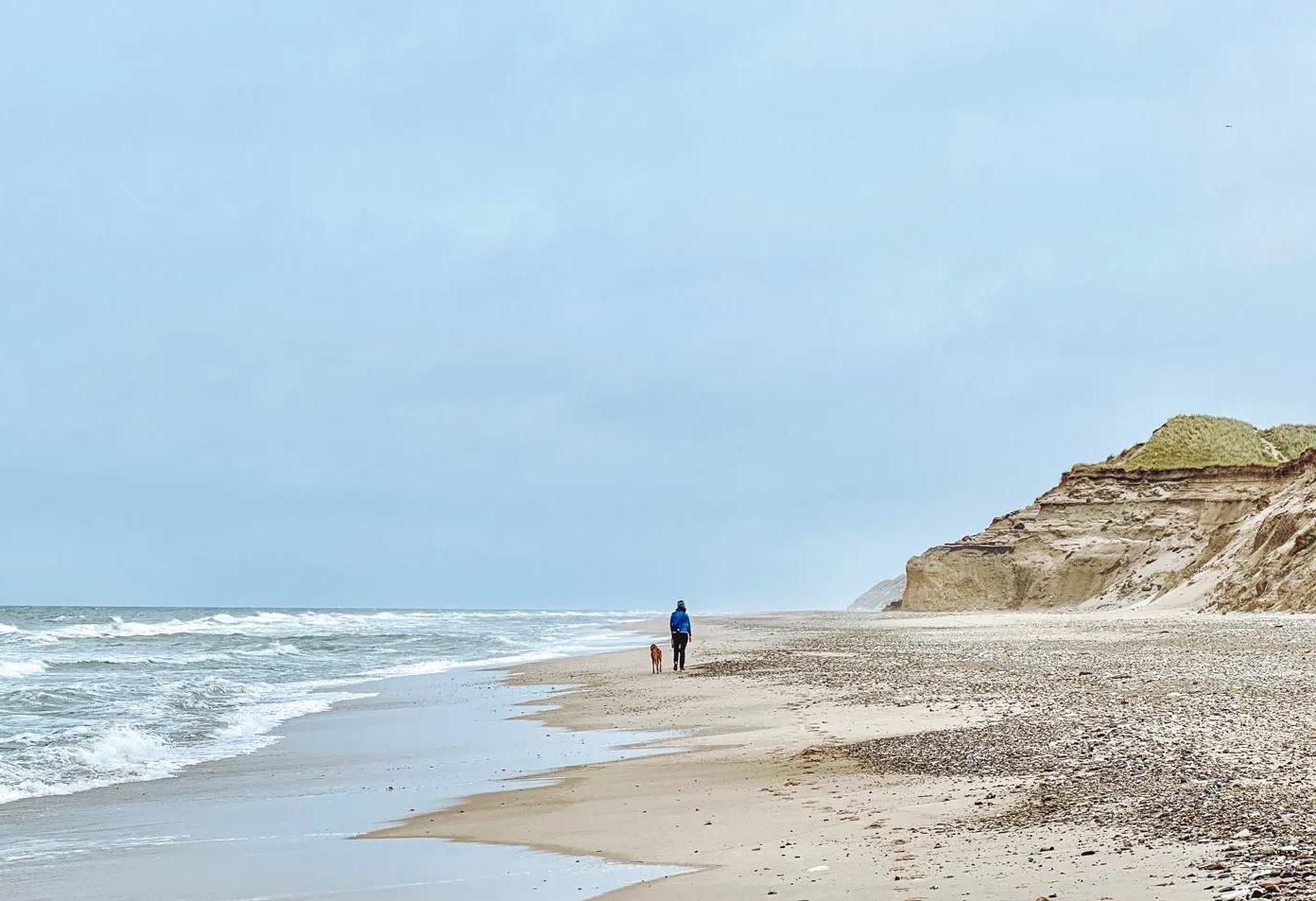
I am cheating a little bit to answer this question because the photo was actually taken by my husband, but it encapsulates many things I value: walking alongside my dog, enjoying nature—preferably in a quiet place like this lonely beach in Northern Denmark—with a camera over my shoulder in case something catches my eye. All these things are crucial to my wellbeing and invaluable to me.
Find out more about Susanne Helmert
Website: Susanne Helmert
Members’
Photos
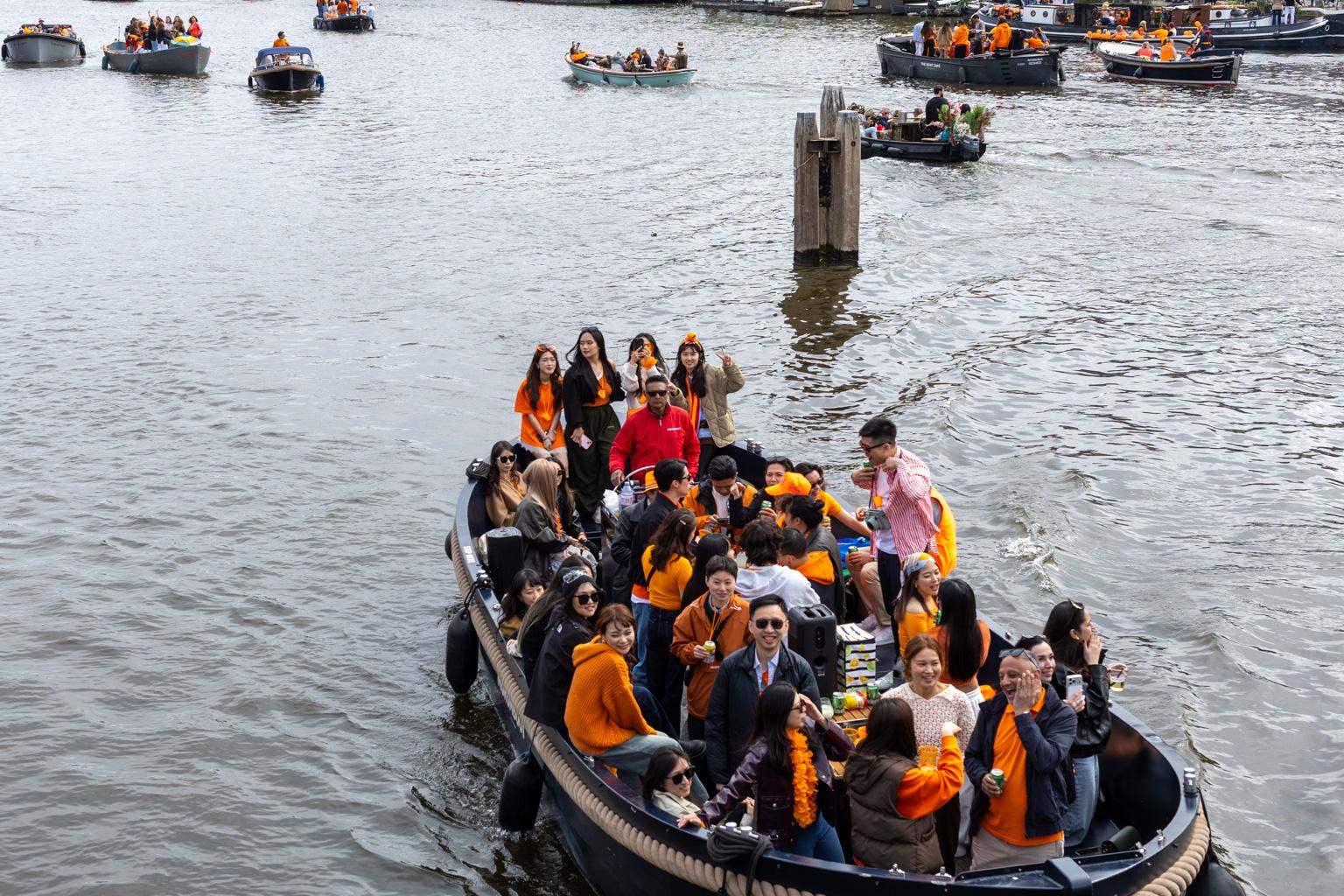
In this section, you can see photos from our members.
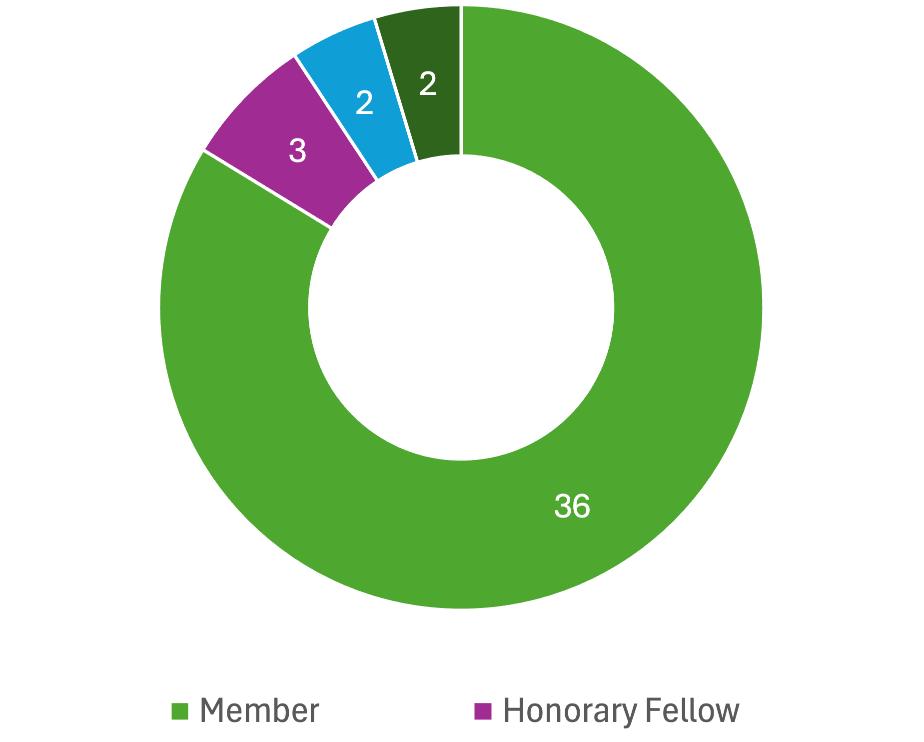
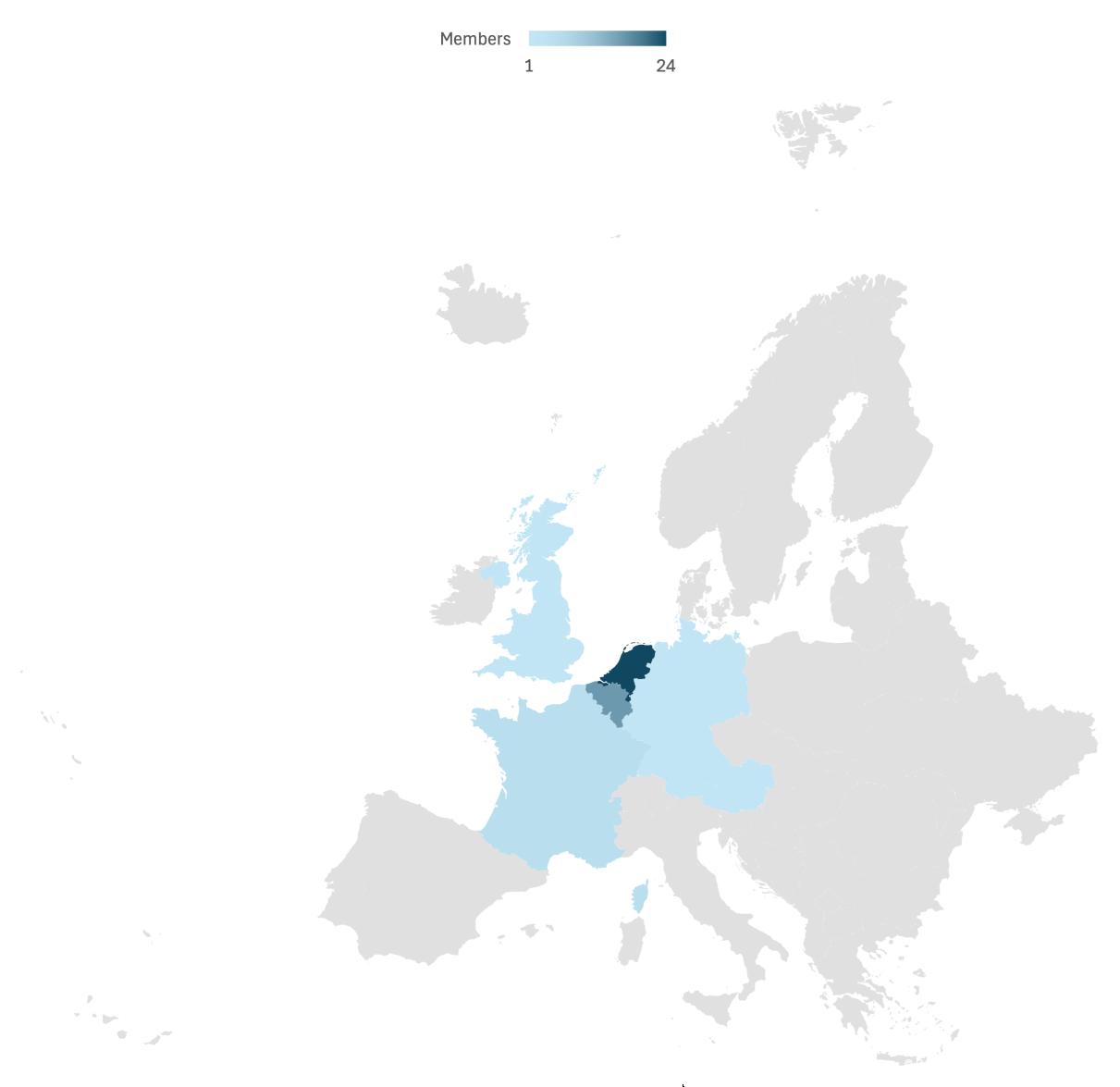
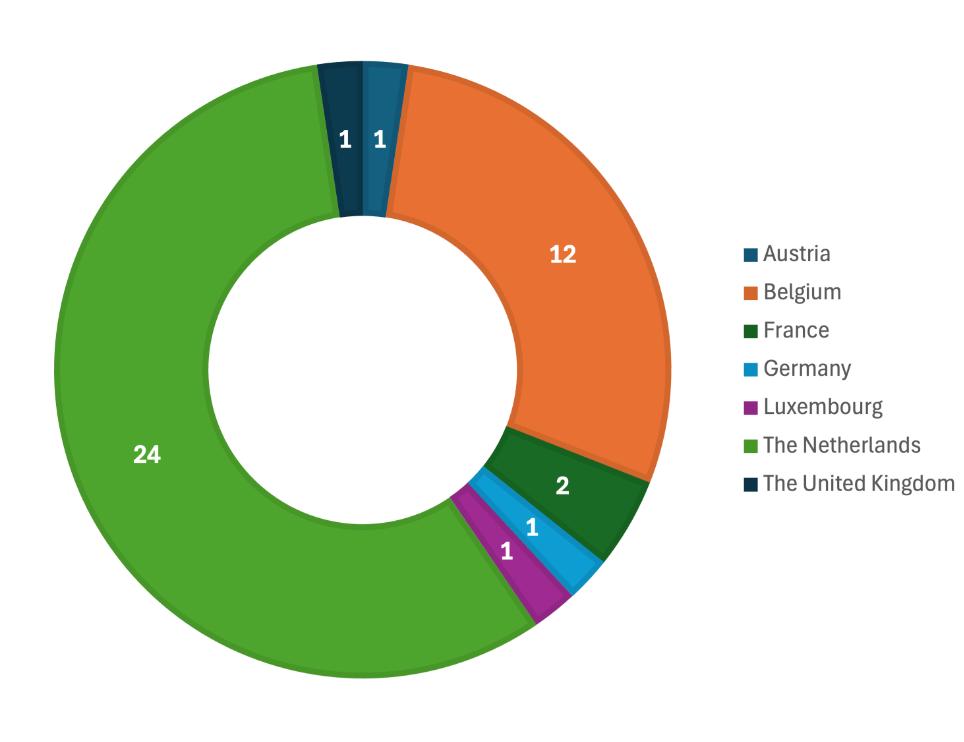
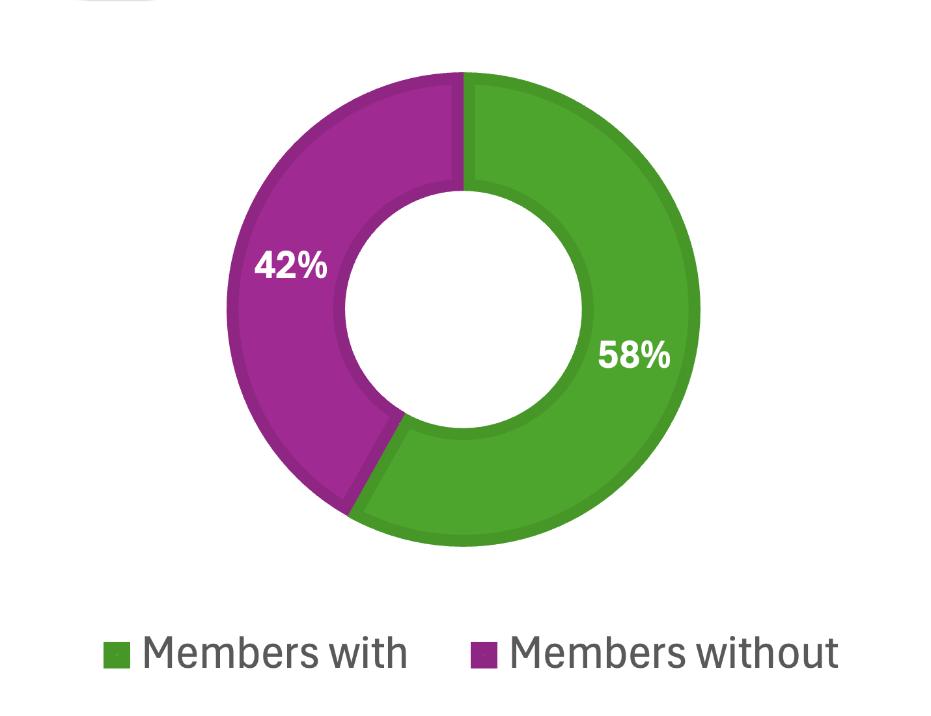
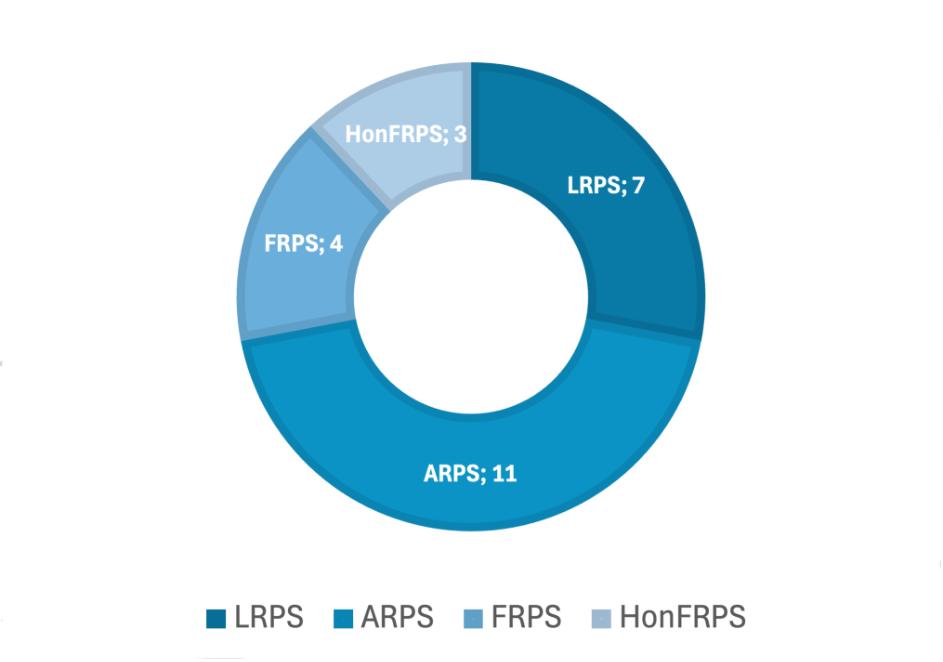
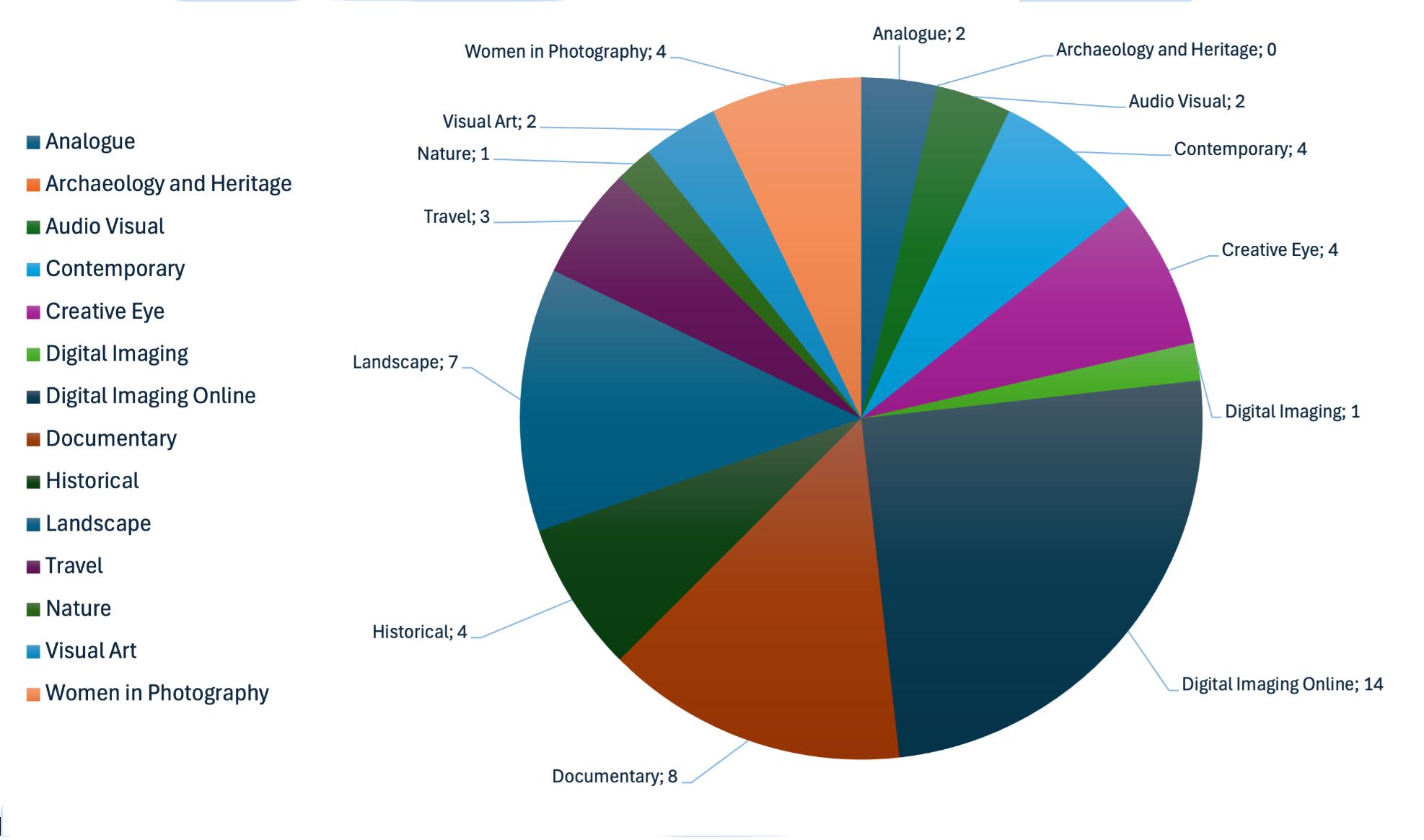
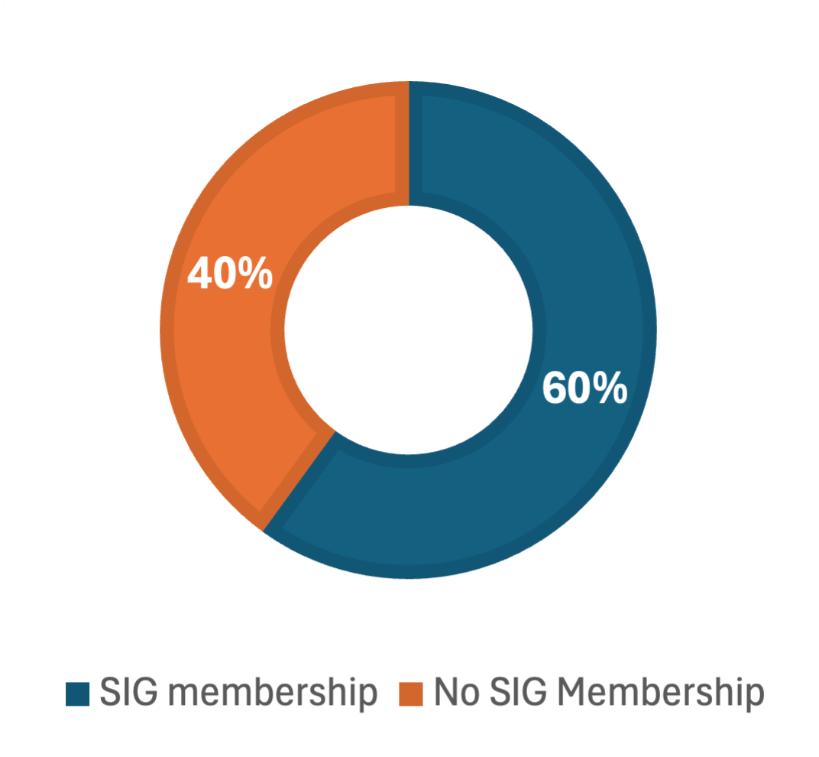
Here you can find the break down of chapter membership, the number of distinctions obtained, the special interest groups joined and the various countries the members are located in.
43 Members
Members
7 Countries
Countries
Special Interest Groups
What’s
On
Current and upcoming photo exhibitions in the Benelux countries.
The Netherlands
Amsterdam Foam
Keizersgracht 609 1017 DS Amsterdam
Verena Blok
LoveShit until 25 May 2026 Exhibition website
Julia Kochetova until 25 May 2026
War is Personal Exhibition website
Martin Parr
Very Modern and Rather Ugly until 12 August 2026 Exhibition website
Huis Marseille Museum for Photography
Keizersgracht 401 1016 EK Amsterdam
Yumna Al-Arashi until 21 June 2026
Body as Resistance Exhibition website
Wunderkind 27 June until 18 October 2026 Exhibition website
Het Scheepvaart Museum
Kattenburgerplein 1 1018 KK Amsterdam
Ekō - Japan in two visual narratives until 30 August 2026 Exhibition website
H'ART Museum
Amstel 51 1018 EJ Amsterdam
American Identities: until 6 September 2026
David Levinthal & Chicano Prints Exhibition website
De Nieuwe Kerk Amsterdam
Dam, 1012 NP Amsterdam
World Press Photo Exhibition 2026 until 27 September 2026 Exhibition website
Amersfoort
Museum Flehite
Westsingel 50 3811 BC Amersfoort
Carla Kogelman until 30 August 2026
A closer look Exhibition website
The Hague
Fotomuseum Den Haag
Stadhouderslaan 43 2517 HV Den Haag
Eighty years of UNESCO until 31 May 2026
She Makes a Difference Exhibition website
Ruben Lundgren until 23 August 2026 Flowers in the Mirror Exhibition website
Farren van WYK until 23 August 2026
Mixedness is my Mythology Exhibition website
Letizia Battaglia until 23 August 2026
Life, Love and Death in Sicily Exhibition website
Mauritshuis
Plein 29 2511 CS Den Haag
Pentimenti until 23 August 2026
Exhibition website
Hilversum
Fotomuseum Hilversum
Kerkbrink 6, 1211 BX - Hilversum
Layered Realities: Photography & Collage 21 May until 18 October 2026 International group exhibition Exhibition website
Leiden
Japanmuseum SieboldHuis
Rapenburg 19 2311 GE Leiden
Tokyo Tokyo Exhibition website
Maastricht
Fotomuseum aan het Vrijthof
Vrijthof 18
6211 LD Maastricht
My Circus until 13 September 2026 Exhibition website
Rotterdam
The Nederlands Fotomuseum
Brede Hilledijk 95 3072 KD Rotterdam
Rotterdam in focus until 24 May 2026
Exhibition website
Awakening in Blue until 7 June 2026
Exhibition website
Belgium
Antwerp
FOMU
Waalsekaai 47 2000 Antwerp
Families until 23 May 2026
Exhibition website
Diane Severin Nguyen until 7 June 2026 If revolution is a sickness Exhibition website
Carrie Mae Weems until 23 August 2026 The heart of the matter Exhibition website
Brussels
Espace Vanderborght
Rue de l'Ecuyer, 50 1000 Brussels
I am here (Marci Bayona) until 31 May 2026 Exhibition website
Gallery Louise Linthout
Rue de Linthoutstraat, 90 1030 Brussels
Vibrant solitude until 31 May 2026
Eddy Verloes meets Bertrand Florizoone, Tim Neels & Pascal Dubar
Gent
S.M.A.K.
Jan Hoetplein 1, 9000 Gent
Aziz Hazara until 9 September 2026 Bow echo Exhibition website
Narcisse Tordoir until 13 September 2026 Fake Barok Exhibition website
Upcoming Events
2 June 2026
Study Group Meeting
An opportunity to share your work and get feedback from a friendly group of people. Everyone is welcome - members and non-members. It costs €5 per evening, which includes a drink and biscuit. For further details please the event page.
Time: 19:30 until 22:00
Location: Het Palet, Duikerstraat 29,Rotterdam.
7 July 2026
Online Study Group Meeting
An opportunity to share your work and get feedback from a friendly group of people. Everyone is welcome - members and non-members. This is a free online event. Zoom link will be sent out before the event. For further details please see the event page.
An opportunity to share your work and get feedback from a friendly group of people. Everyone is welcome - members and non-members. This is a free online event. Zoom link will be sent out before the event. For further details please see the event page
Time: 20:00 until 22:00
Location: Online Zoom Meeting
6 October 2026
StudyGroupMeeting
An opportunity to share your work and get feedback from a friendly group of people. Everyone is welcome - members and non-members. It costs €5 per evening, which includes a drink and biscuit. For further details please the event page.
Time: 19:30 until 22:00
Location: Het Palet, Duikerstraat 29,Rotterdam.
3 November 2026
Online Study Group Meeting
An opportunity to share your work and get feedback from a friendly group of people. Everyone is welcome members
and non-members. This is a free online event. Zoom link will be sent out before the event. For further details please see the event page.
Time: 20:00 until 22:00
Location: Online Zoom Meeting
1 December 2026
Study Group Meeting
An opportunity to share your work and get feedback from a friendly group of people. Everyone is welcomemembers and non-members. It costs €5 per evening, which includes a drink and biscuit. For further details please the event page.
Time: 19:30 until 22:00
Location: Het Palet, Duikerstraat 29,Rotterdam.
5 January 2027
Online Study Group Meeting
An opportunity to share your work and get feedback from a friendly group of people. Everyone is welcomemembers and non-members. This is a free online event. Zoom link will be sent out before the event. For further details please see the event page.
Time: 20:00 until 22:00
Location: Online Zoom Meeting
About the eJournal
We plan to produce an eJournal on a regular basis.
Contributions from the members and friends of the Benelux chapter are welcome, whether that be an article or details of the current photo project that they are working on.
• Up to 12 photos (a subset will be chosen by the editor)
• maximum 800 words
The editor reserves the right to restrict the length of the article.
Member photos
We also wish to encourage members and friends to submit individual photos for the Members’ photos section.
New Members
The eJournal can also be a place that gives our new members an opportunity to introduce themselves to the chapter.
• 2 - 3 photos
• maximum 300 words for Bio.
Cover Photos
Individual photos are also welcome for the cover page, preferably portrait orientation
Photo Submission Requirements
Please send images with the following specifications:
• 3000 pix long side
• Image quality 8
• no watermark or text in the image
• no borders around the image.
When naming your photos please use the following convention.
FirstName_LastName_For_eJournal_Title.JPG
The submitter of the article(s) or photo(s) is responsible for compliance with Data Protection and Copyright Acts.
The author of an article is responsible and liable for all content, text and images provided by them. Neither the RPS Benelux Chapter nor the editor is responsible or liable for any content therein.
Please send your photos via KPN File Transfer; SwissTransfer; Filemail; Boomrang or WeTransfer.com to the following email address
beneluxweb@rps.org
For articles, please send an email to beneluxweb@rps.org
Remember to include “for eJournal” in the subject line.