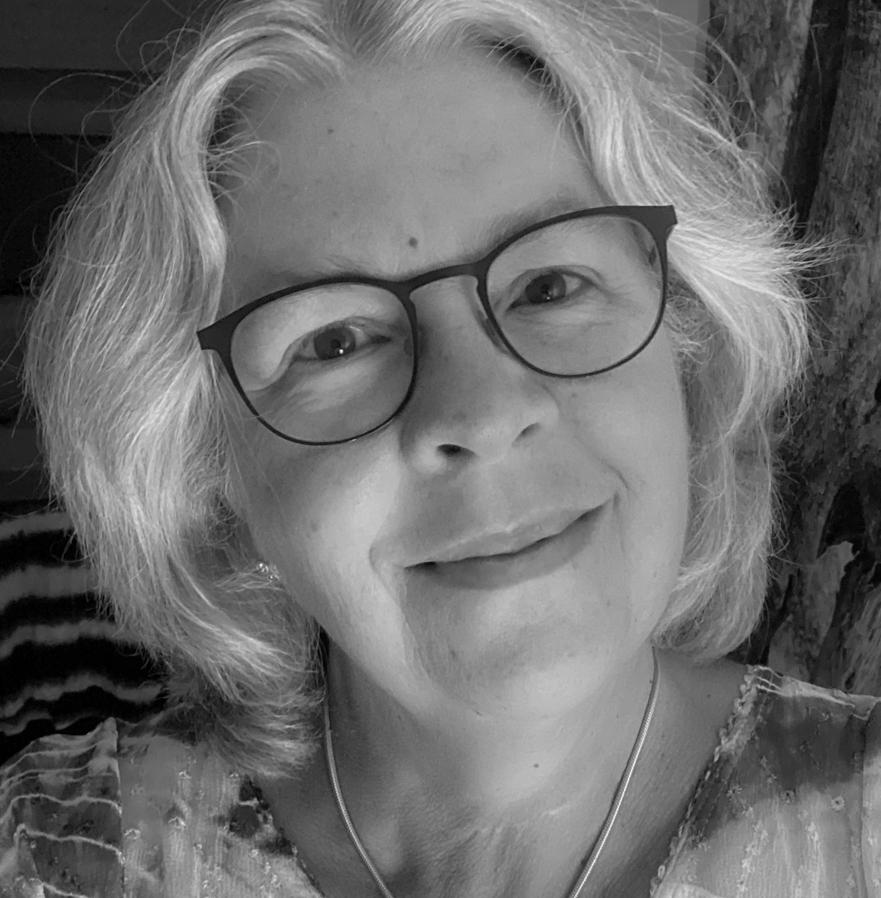
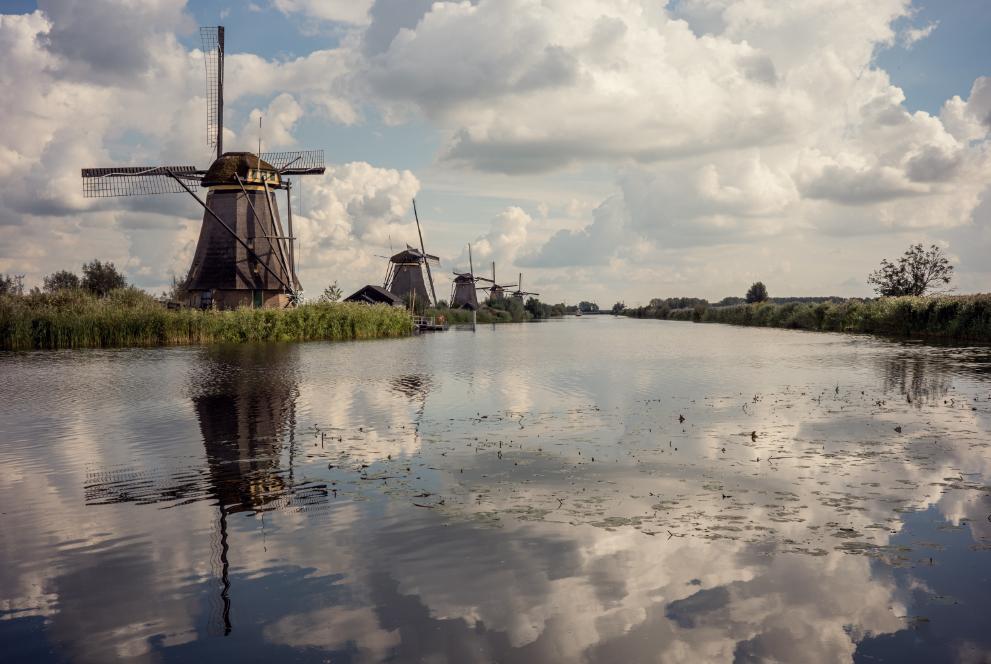
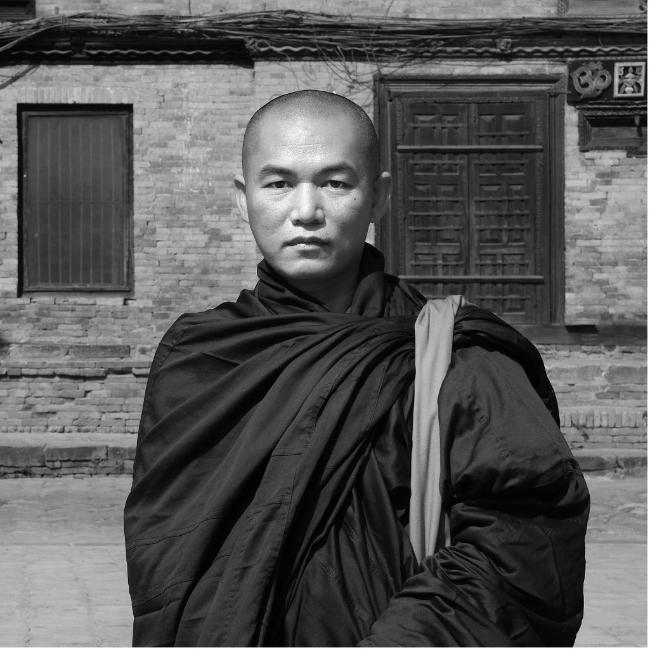
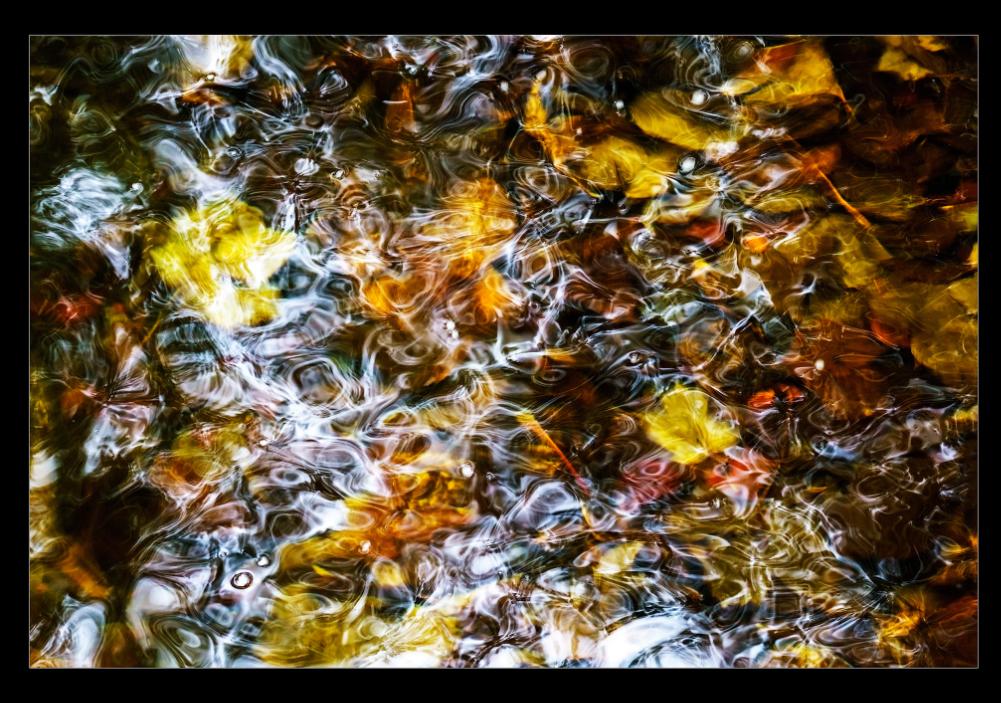
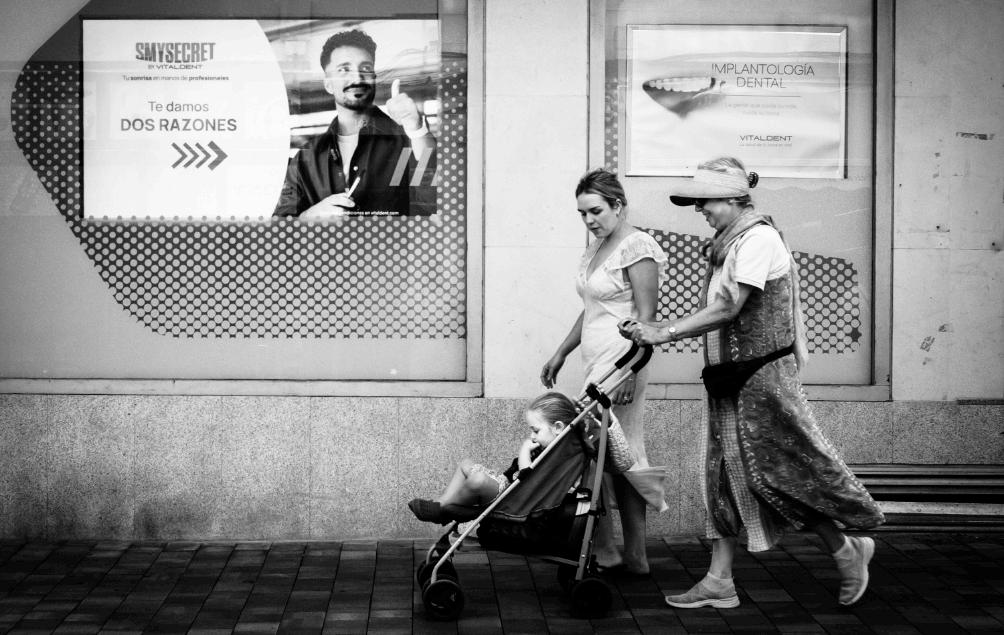
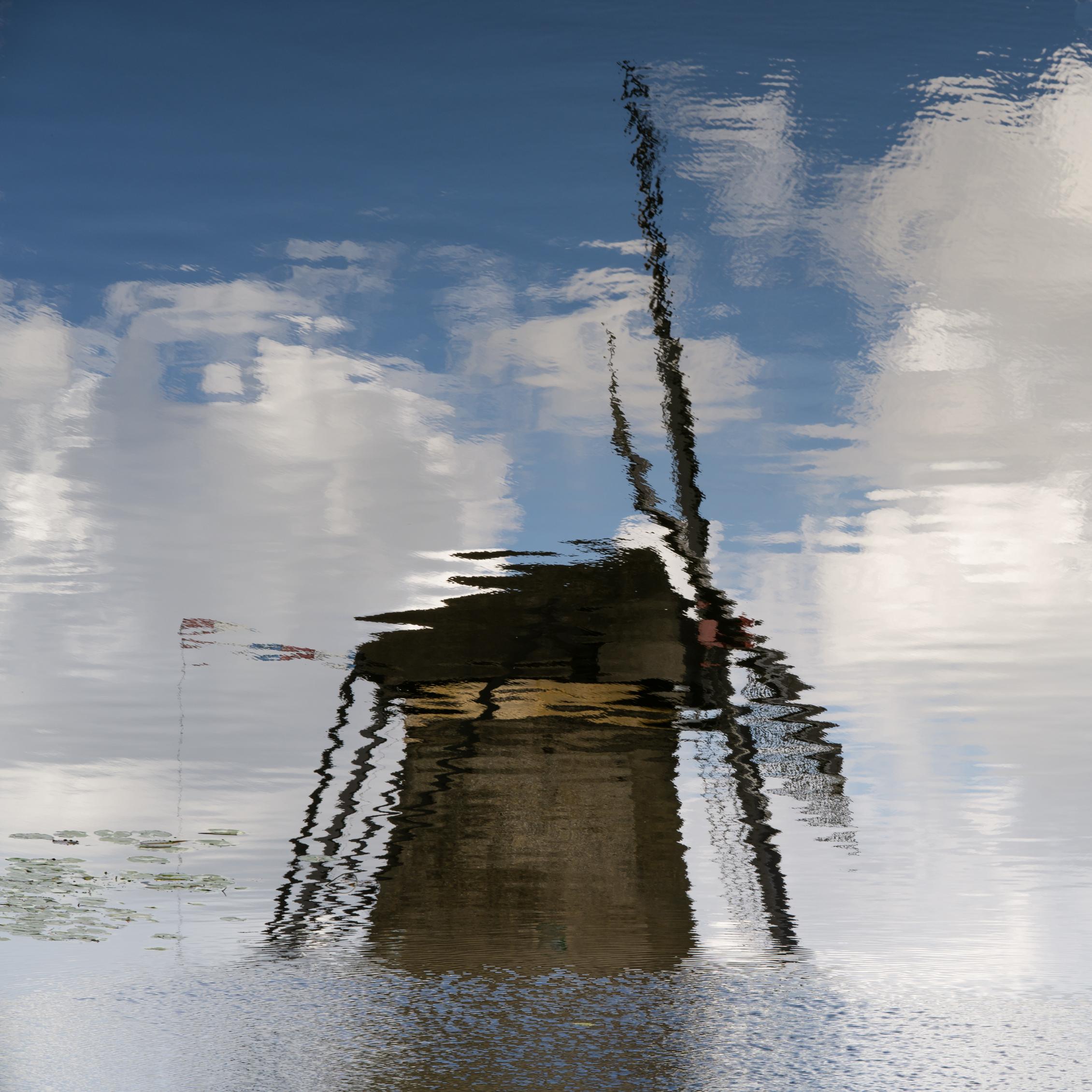
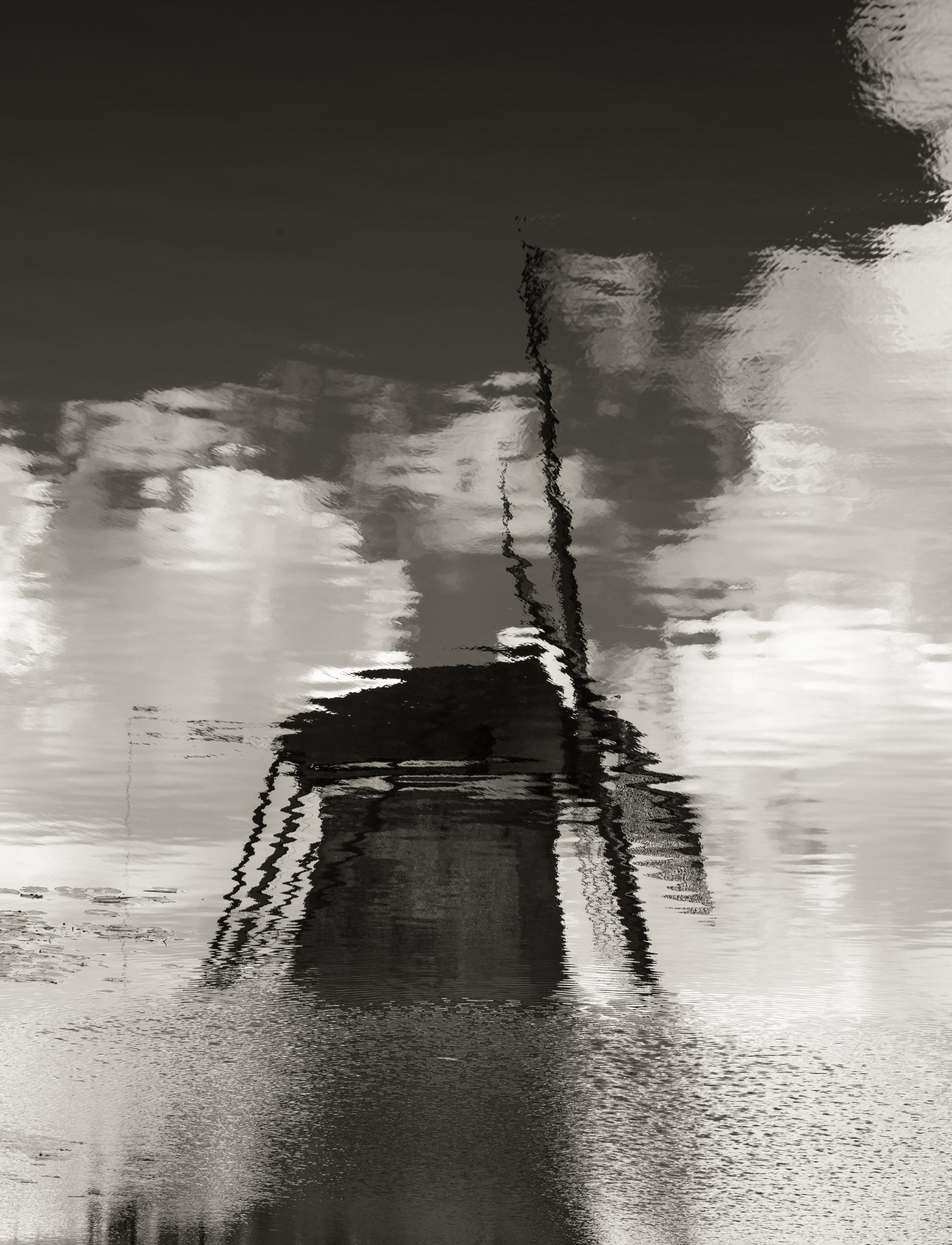
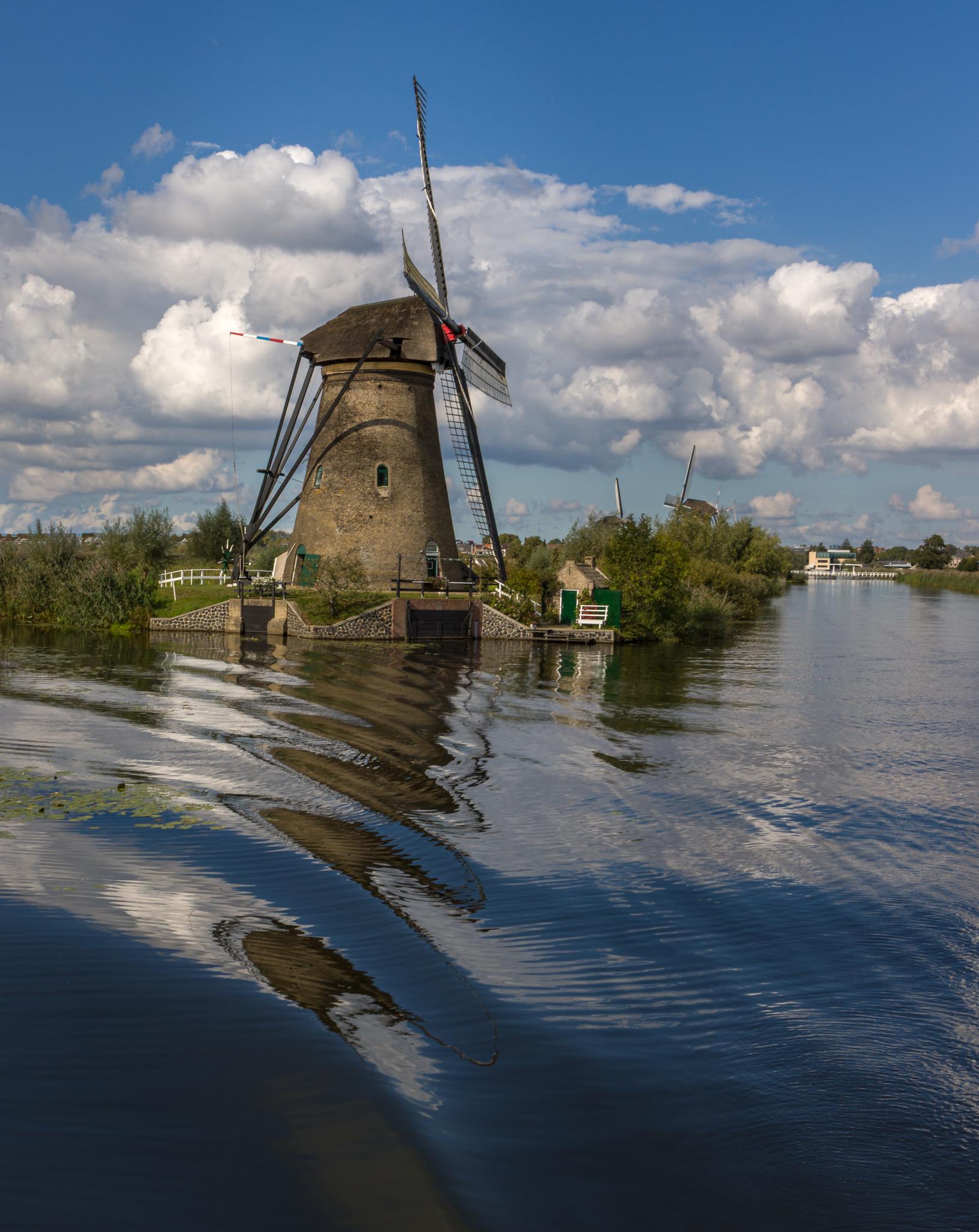
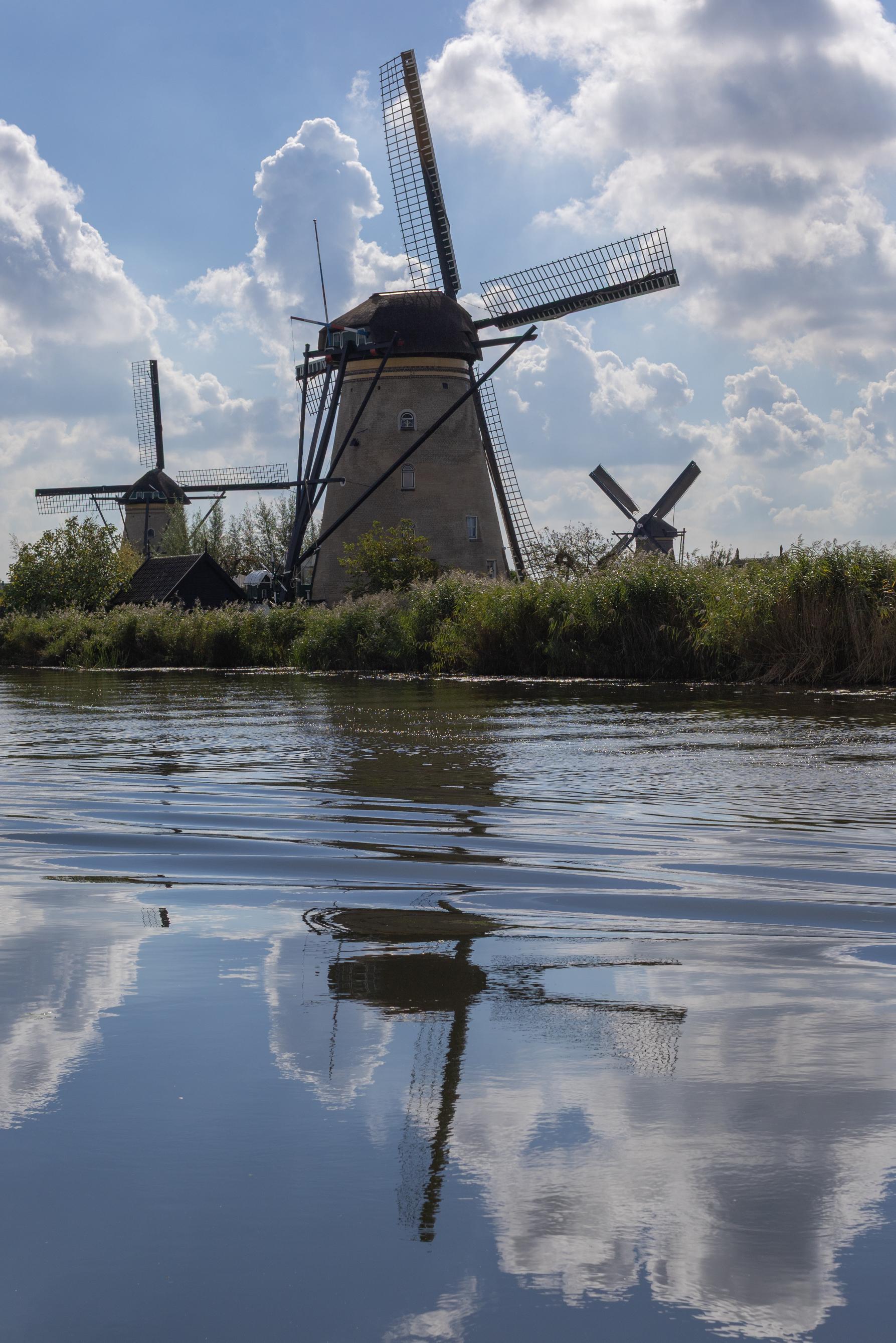
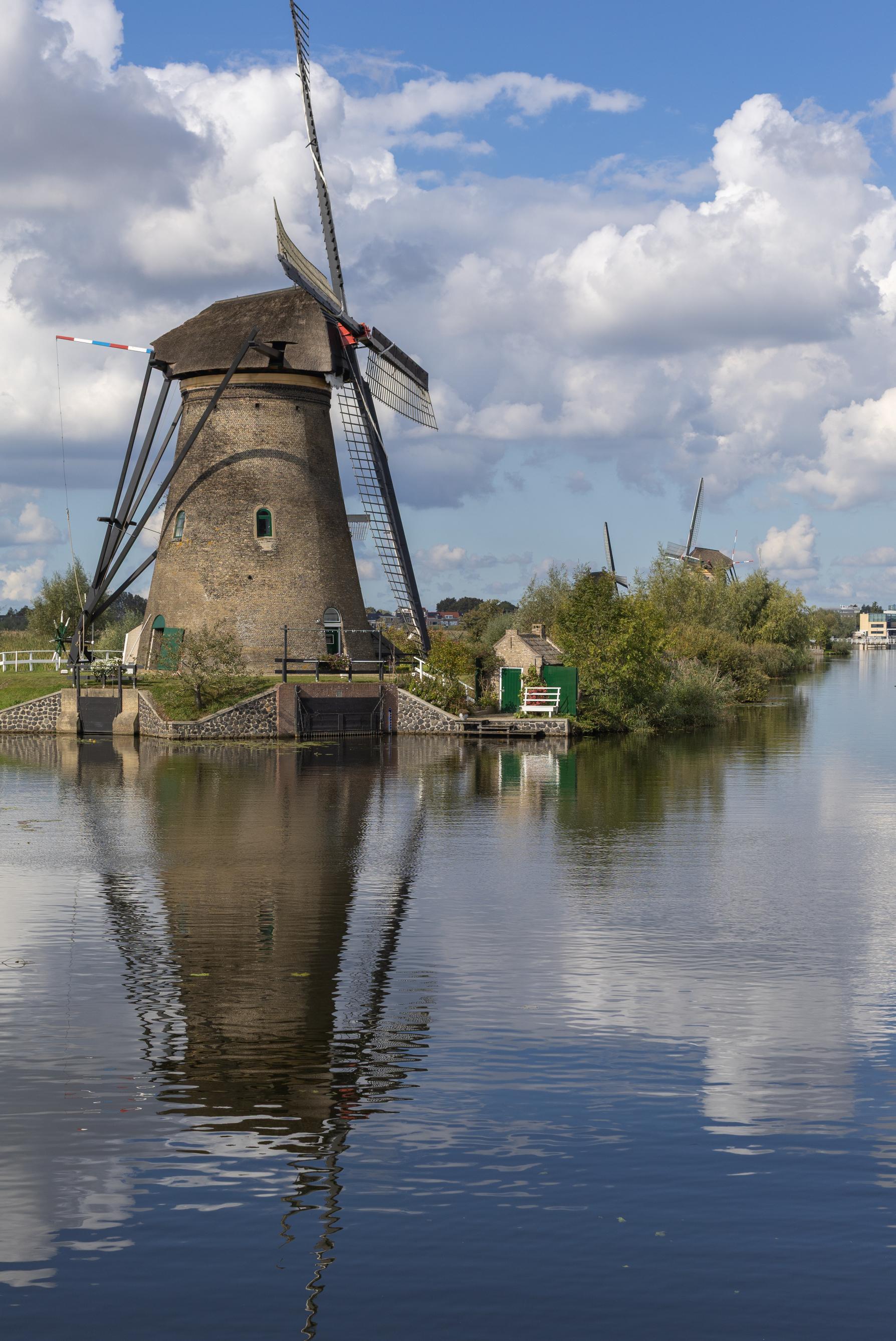
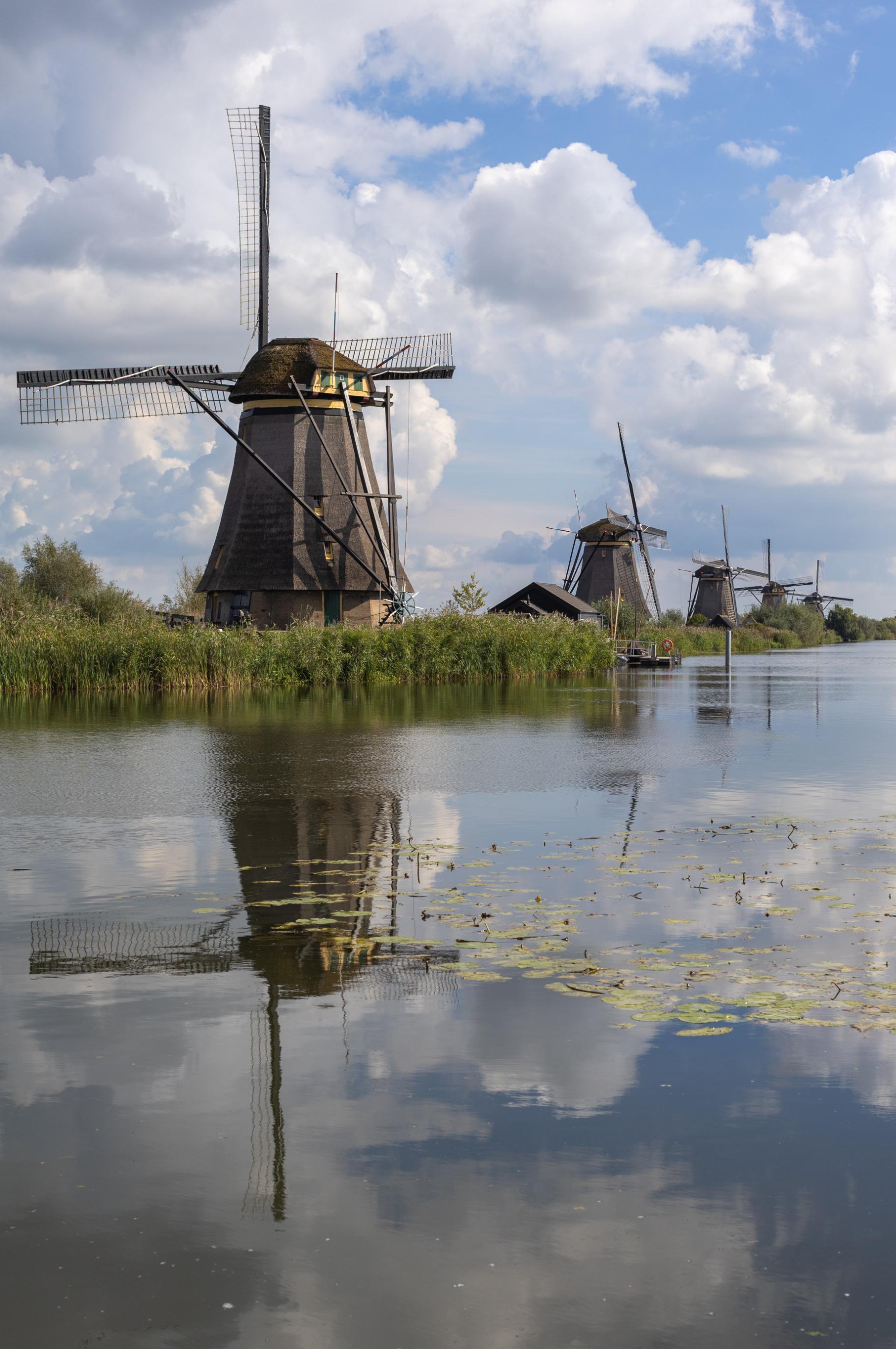
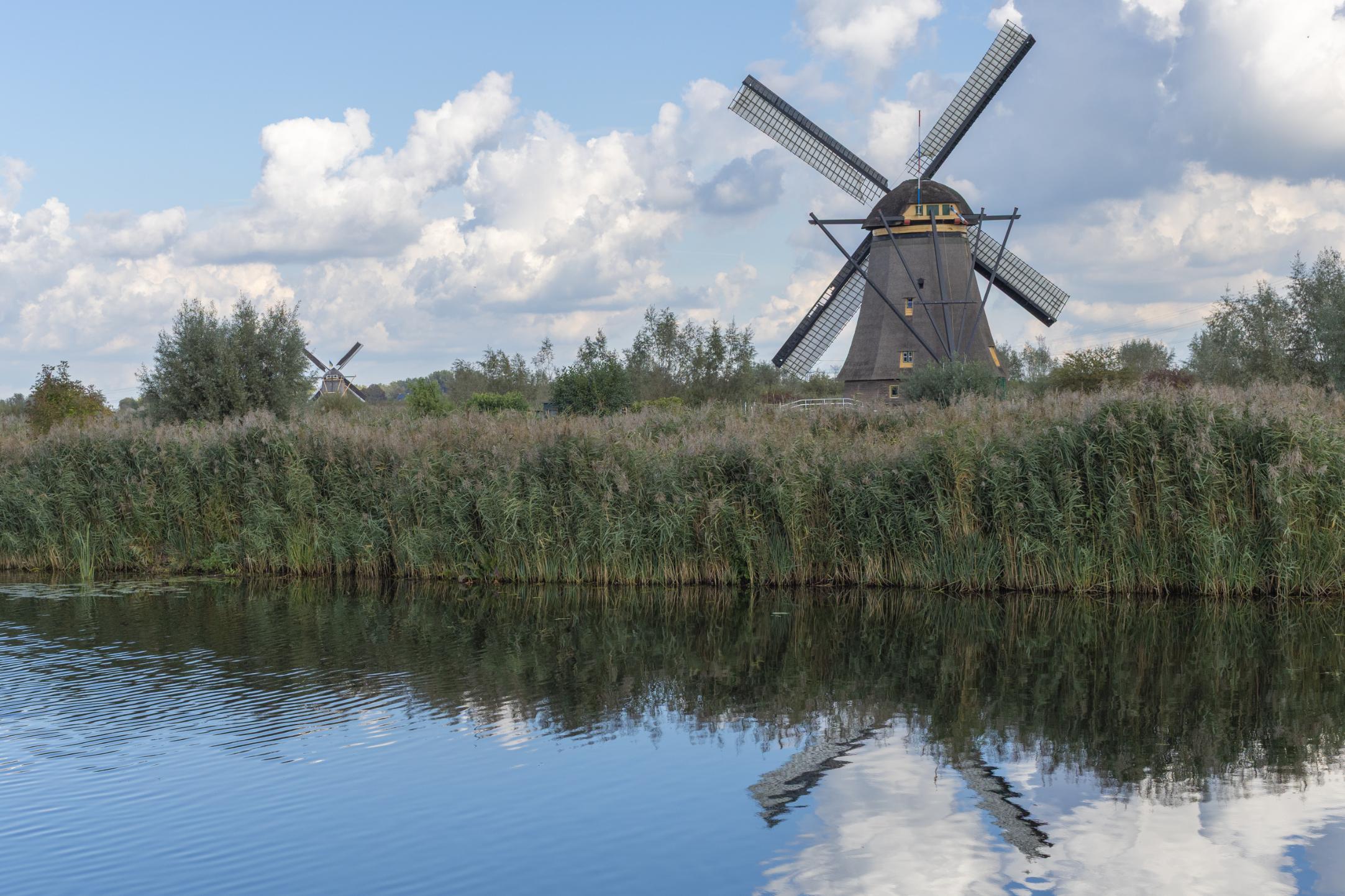
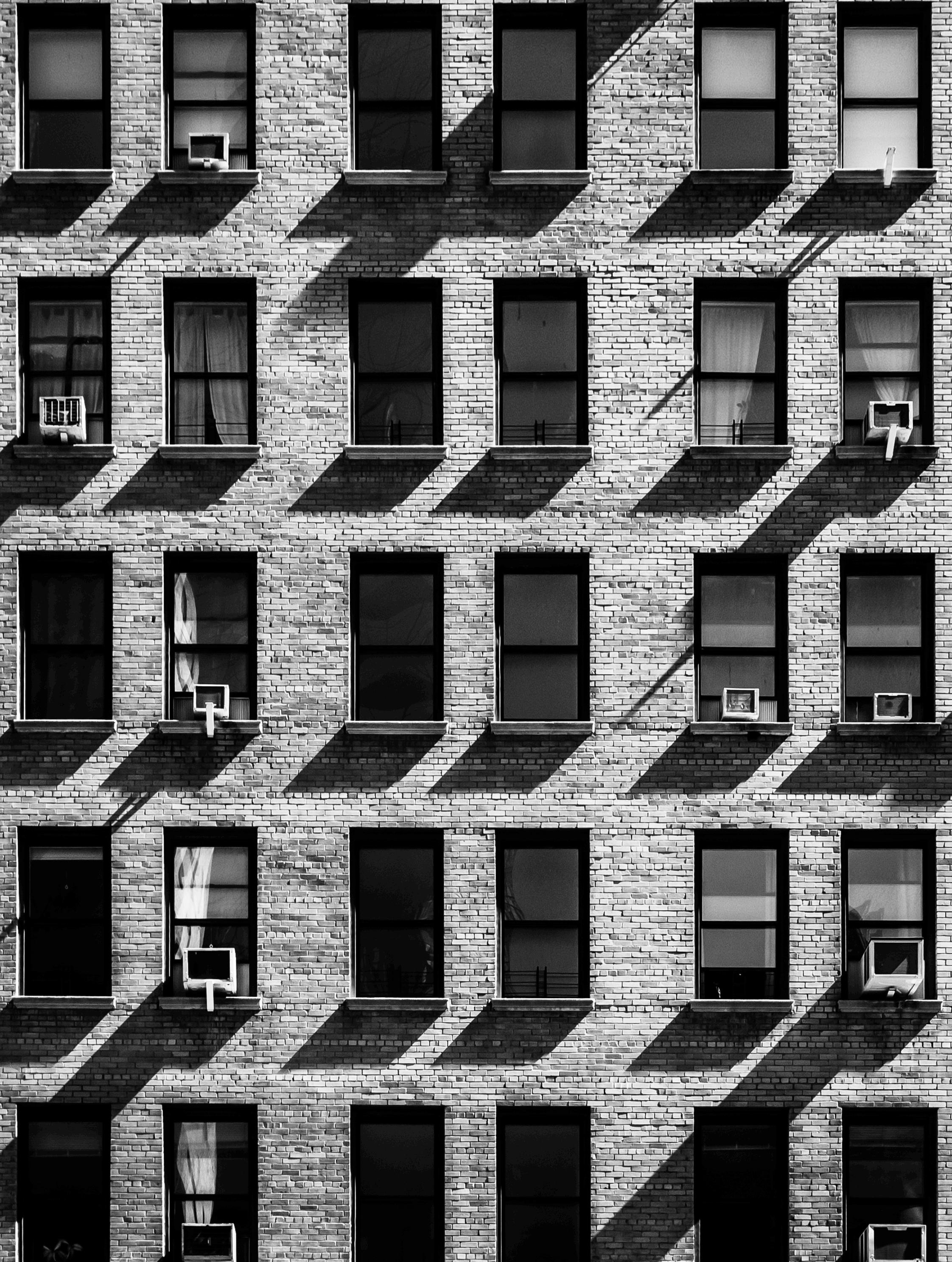
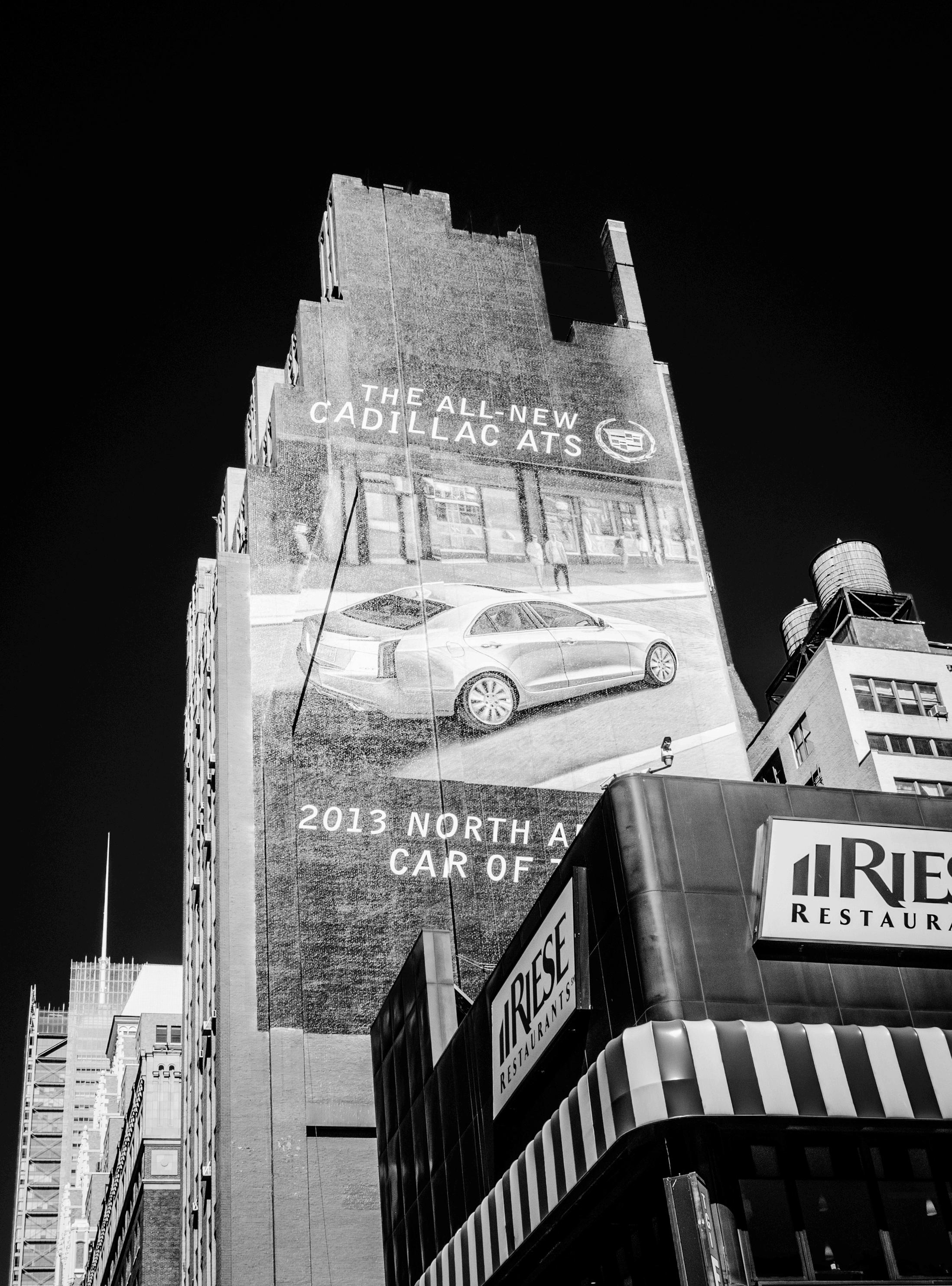
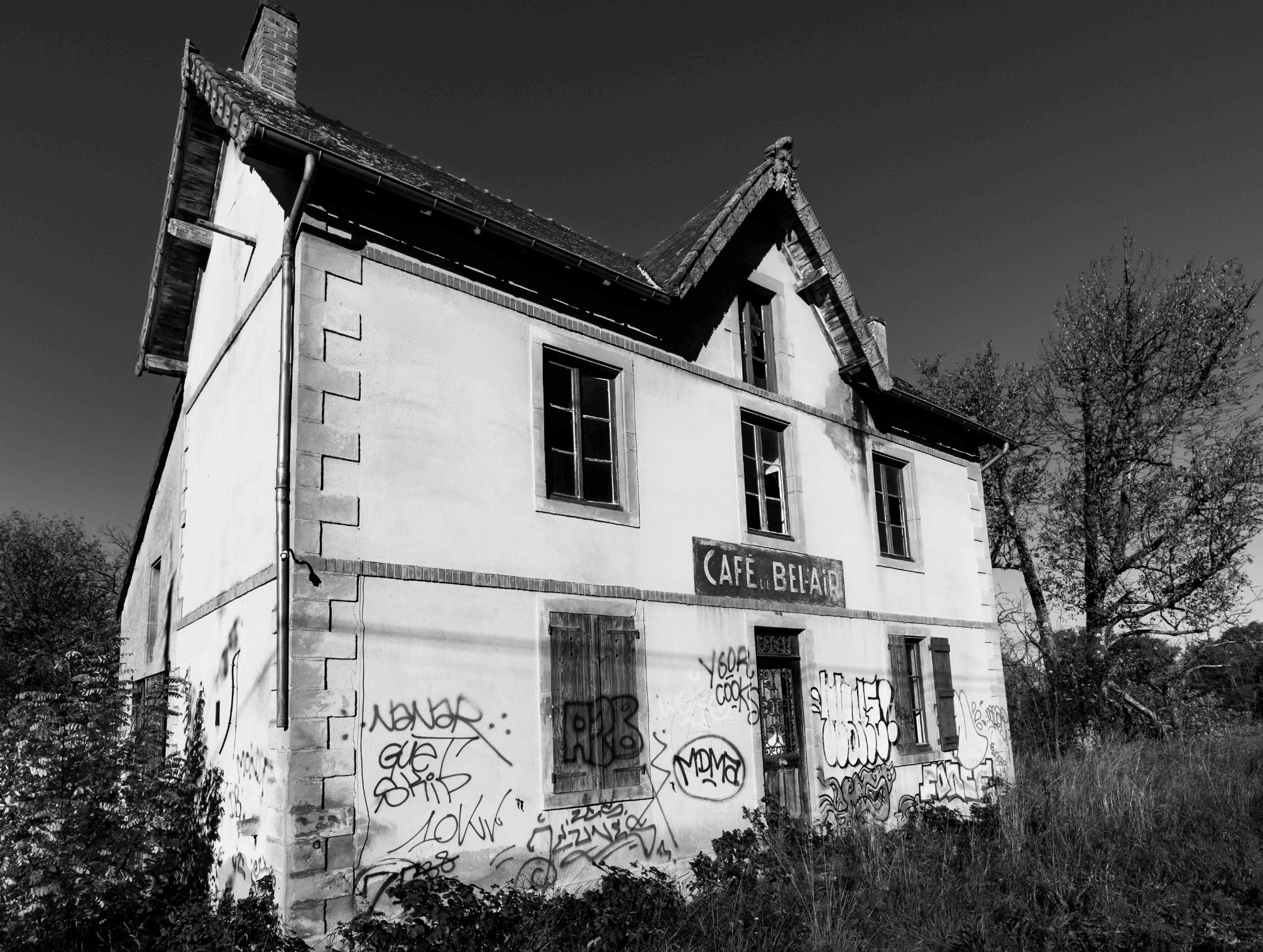
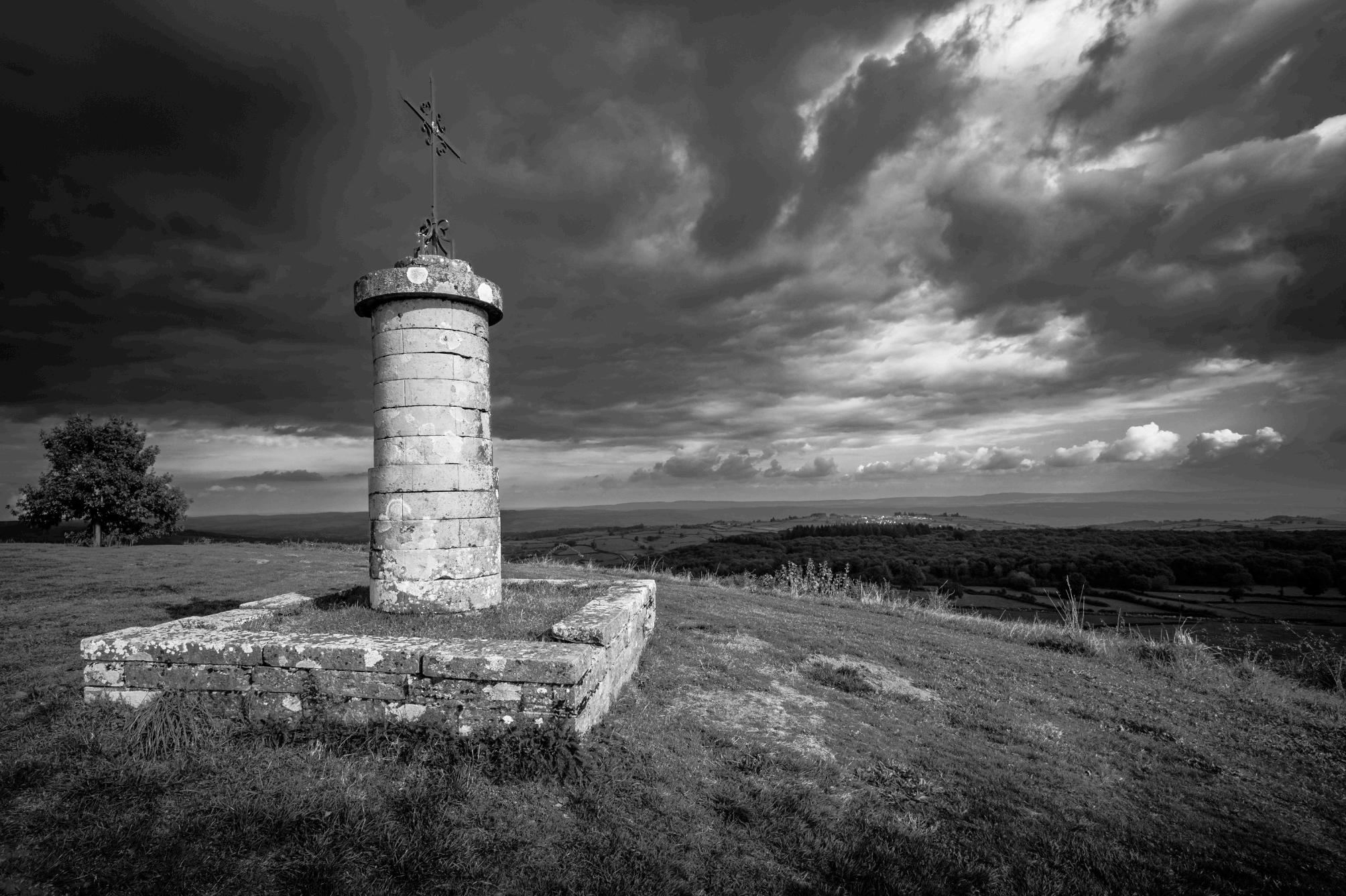
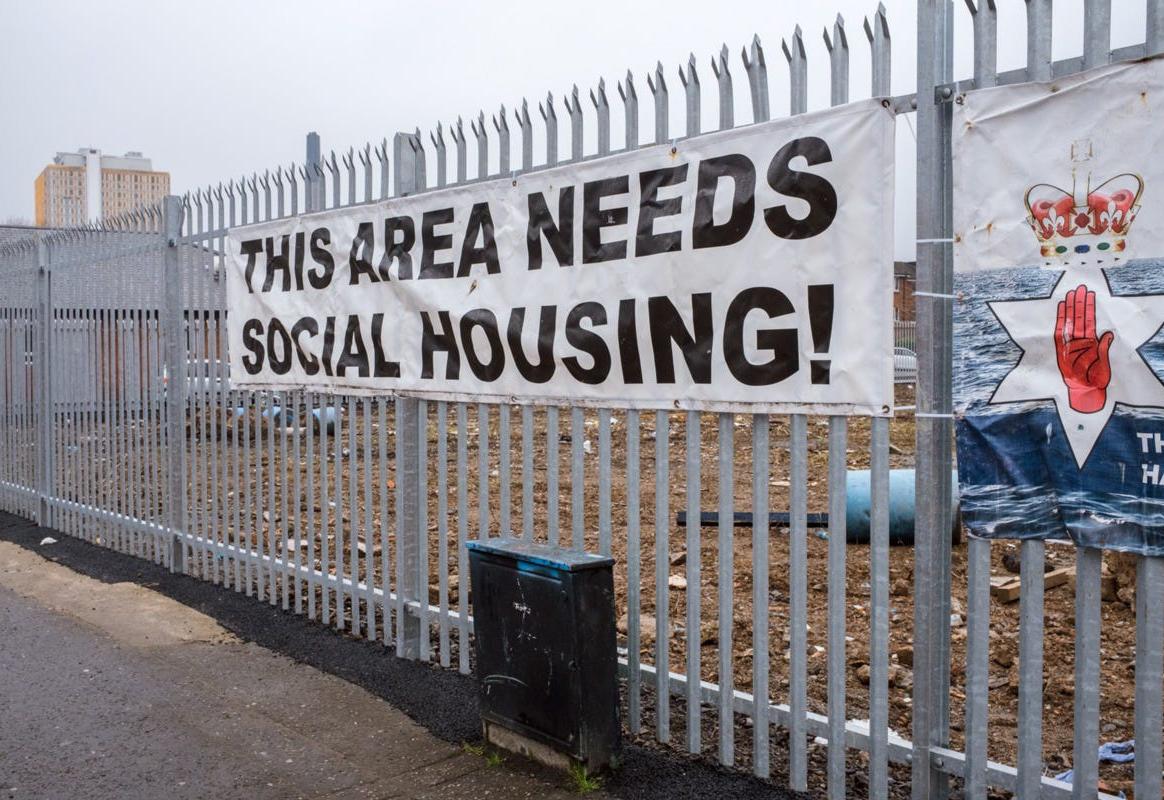
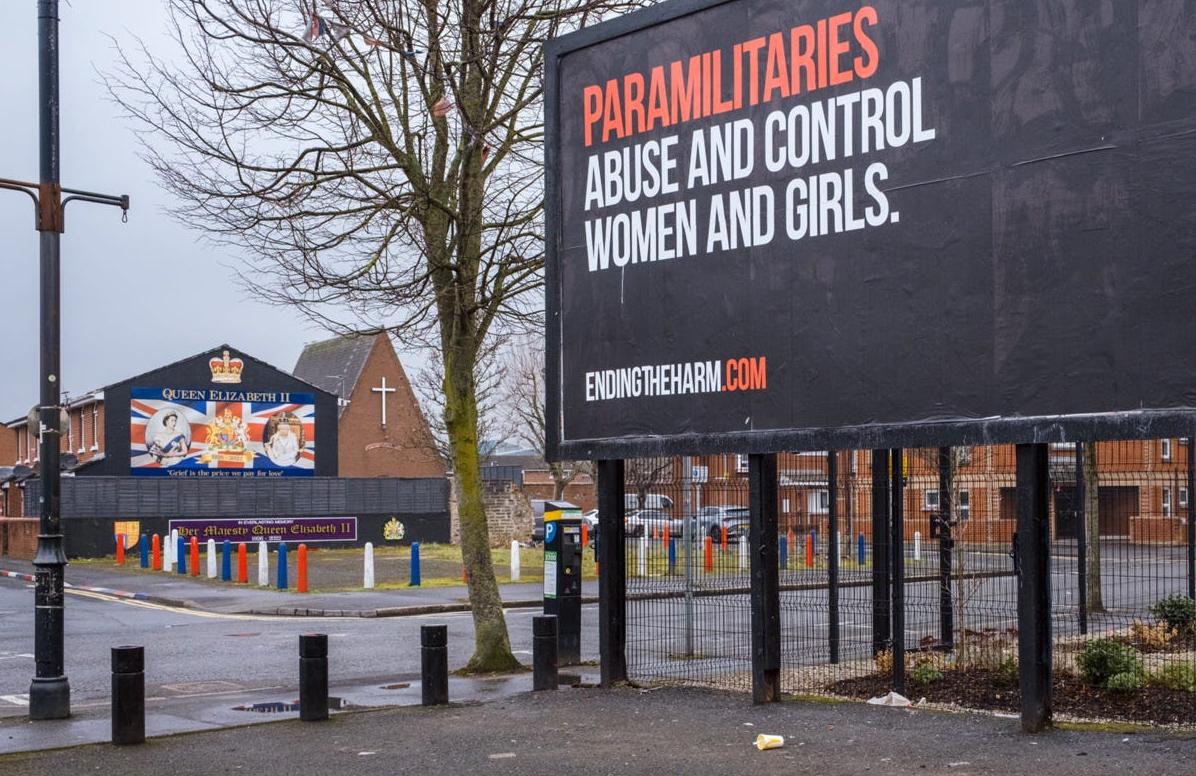
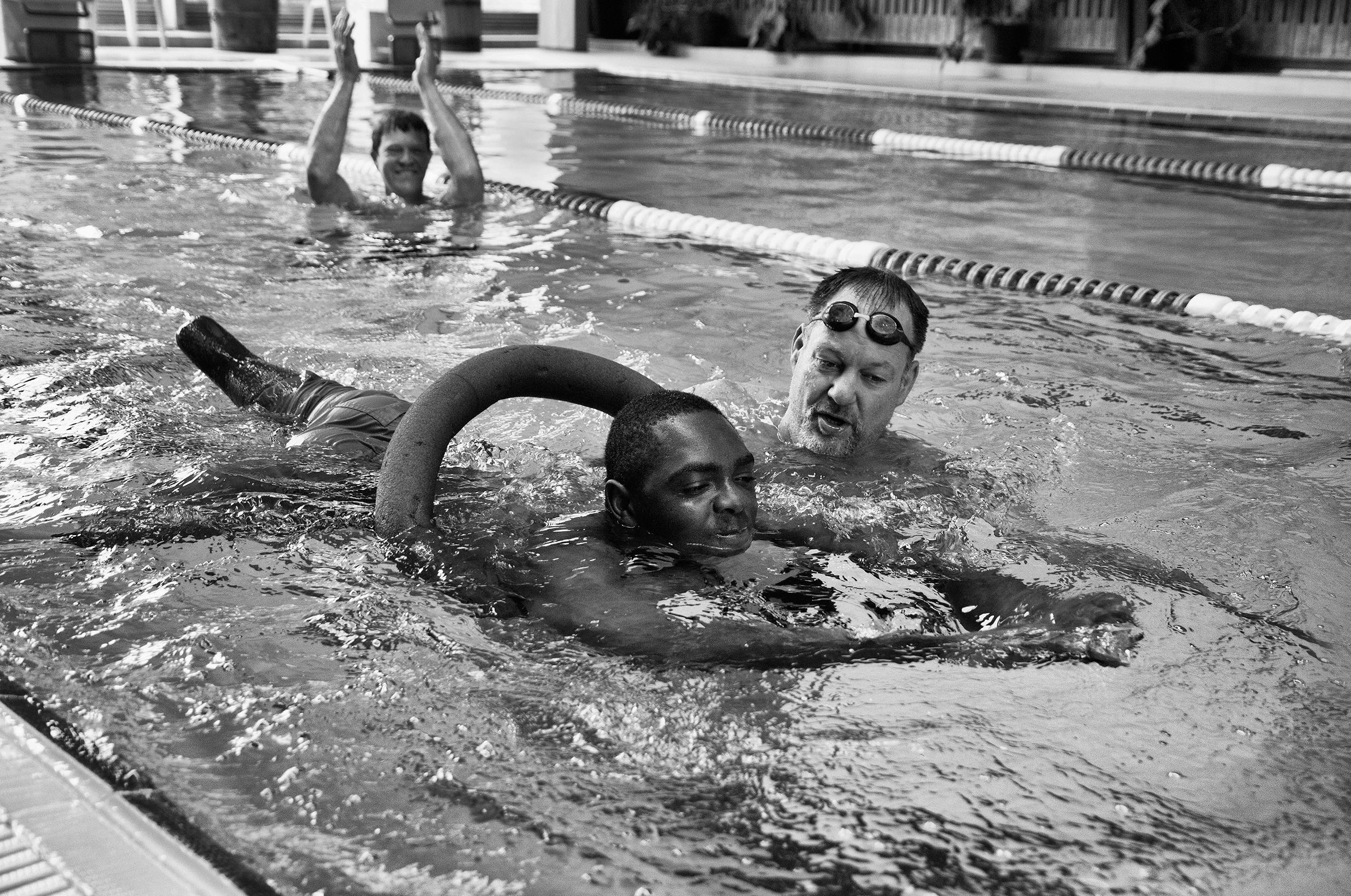
The copyright of photographs and text in this eJournal belong to the author of the article of which they form a part, unless otherwise indicated
Liability Disclaimer
The author of an article is responsible and liable for all content, text and images provided by them. Neither the RPS Benelux Chapter nor the editor is responsible or liable for any content therein.
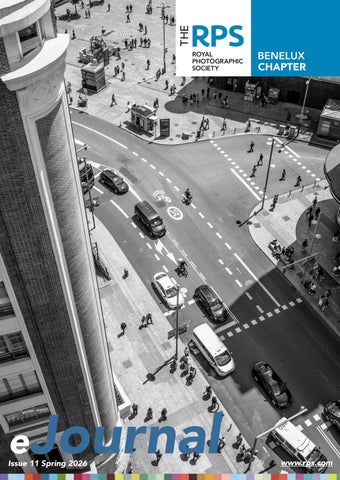
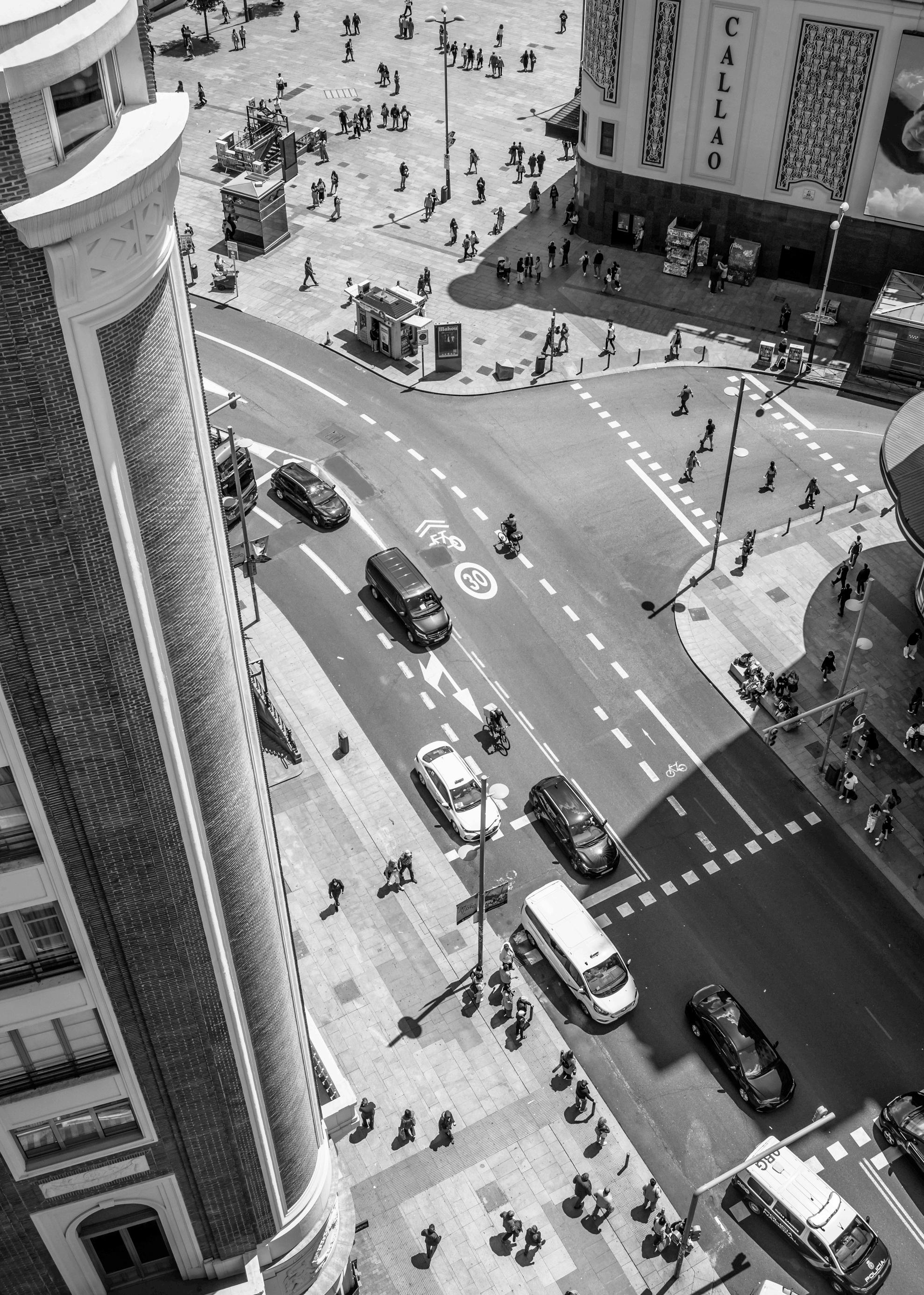
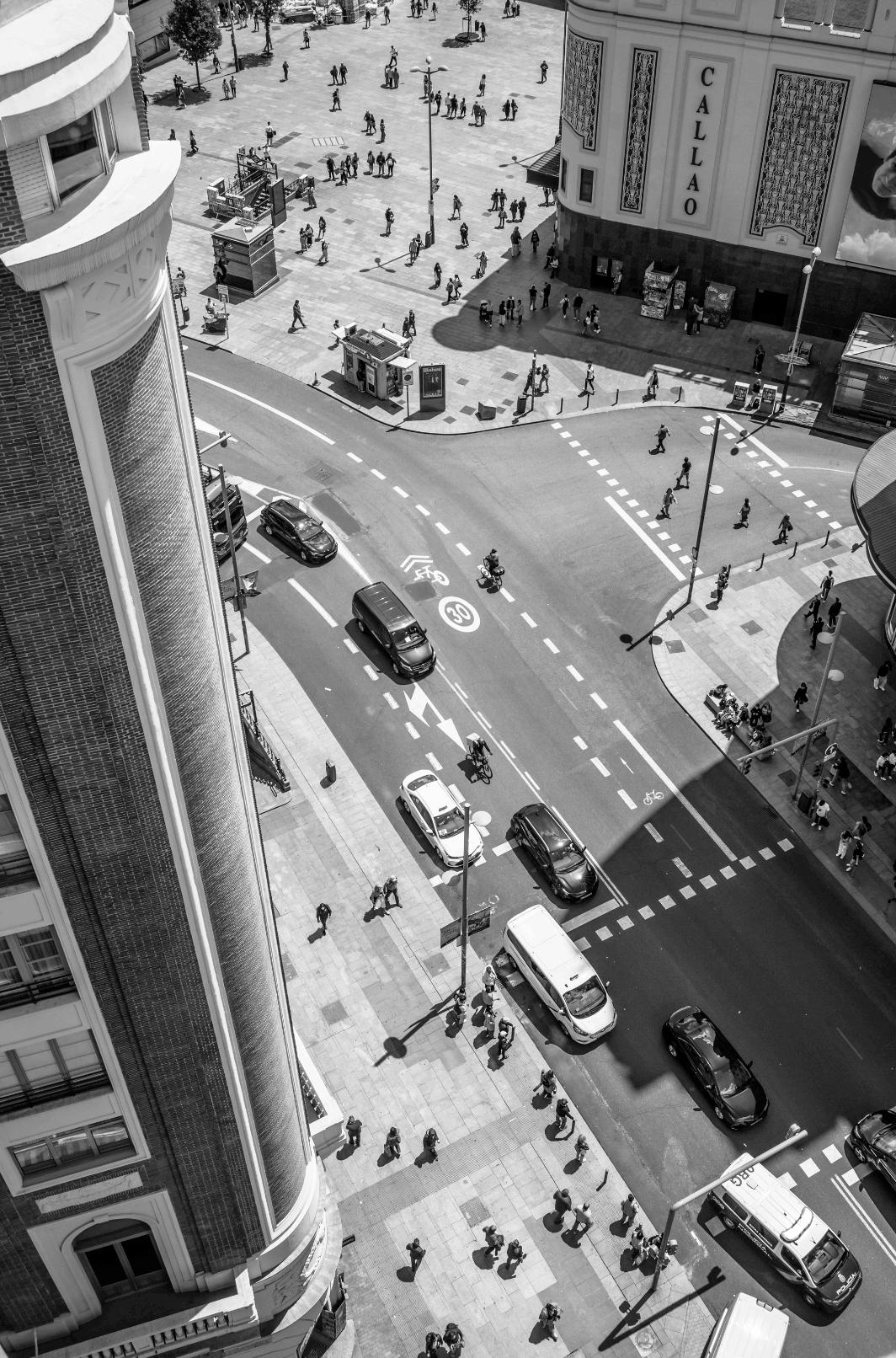
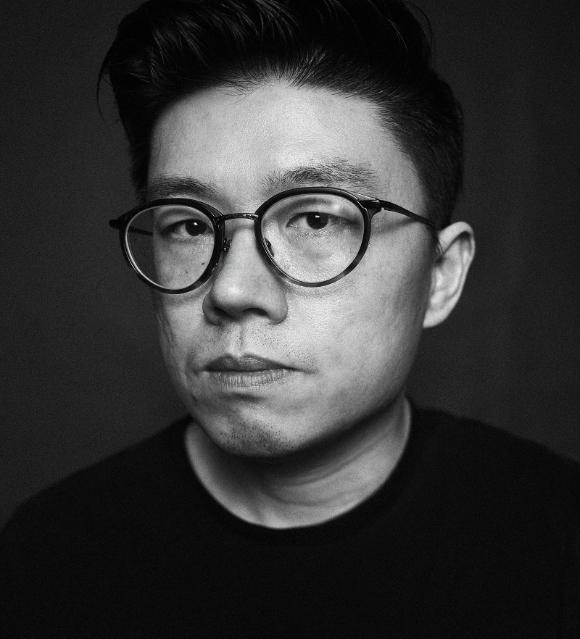
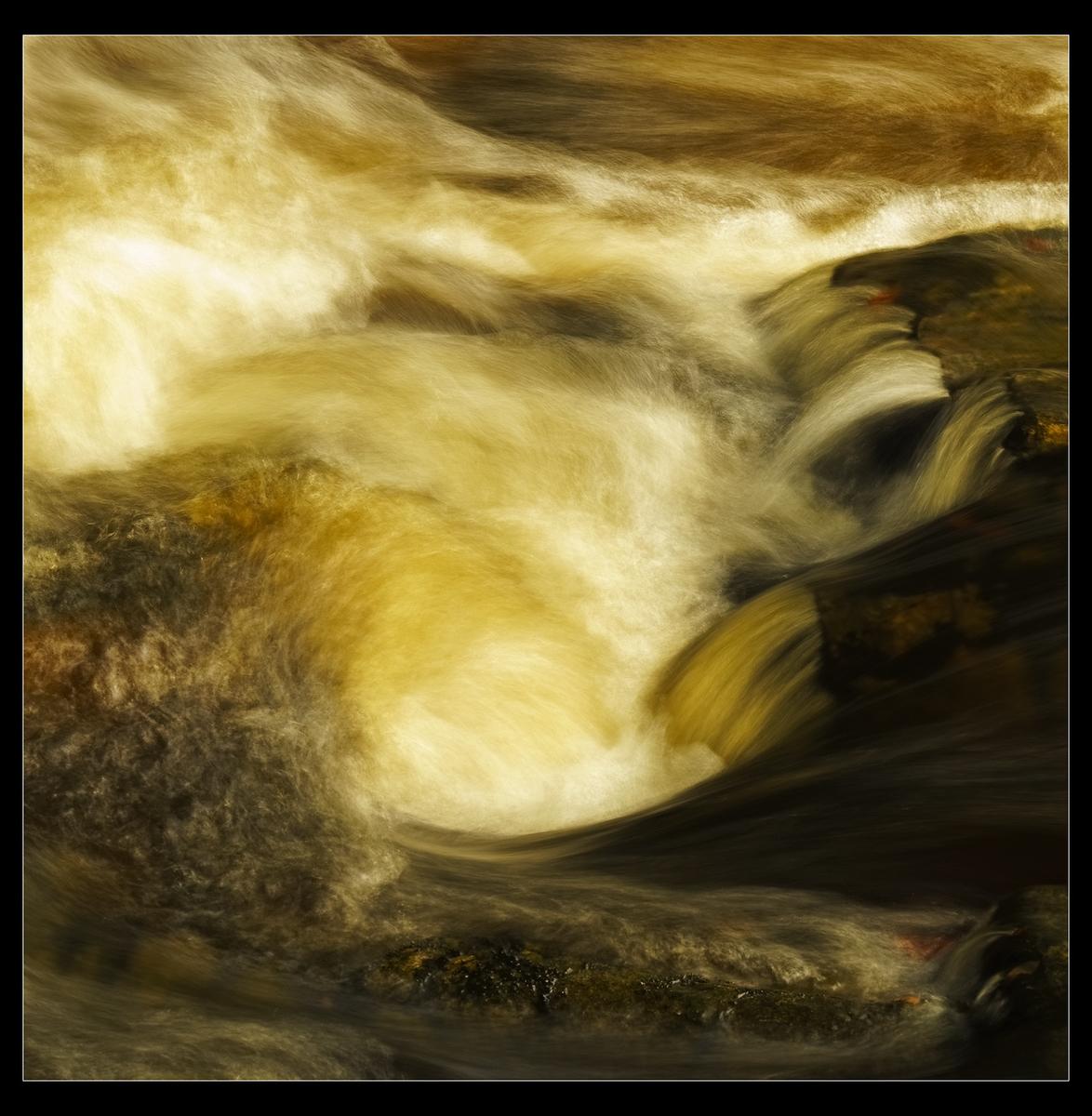
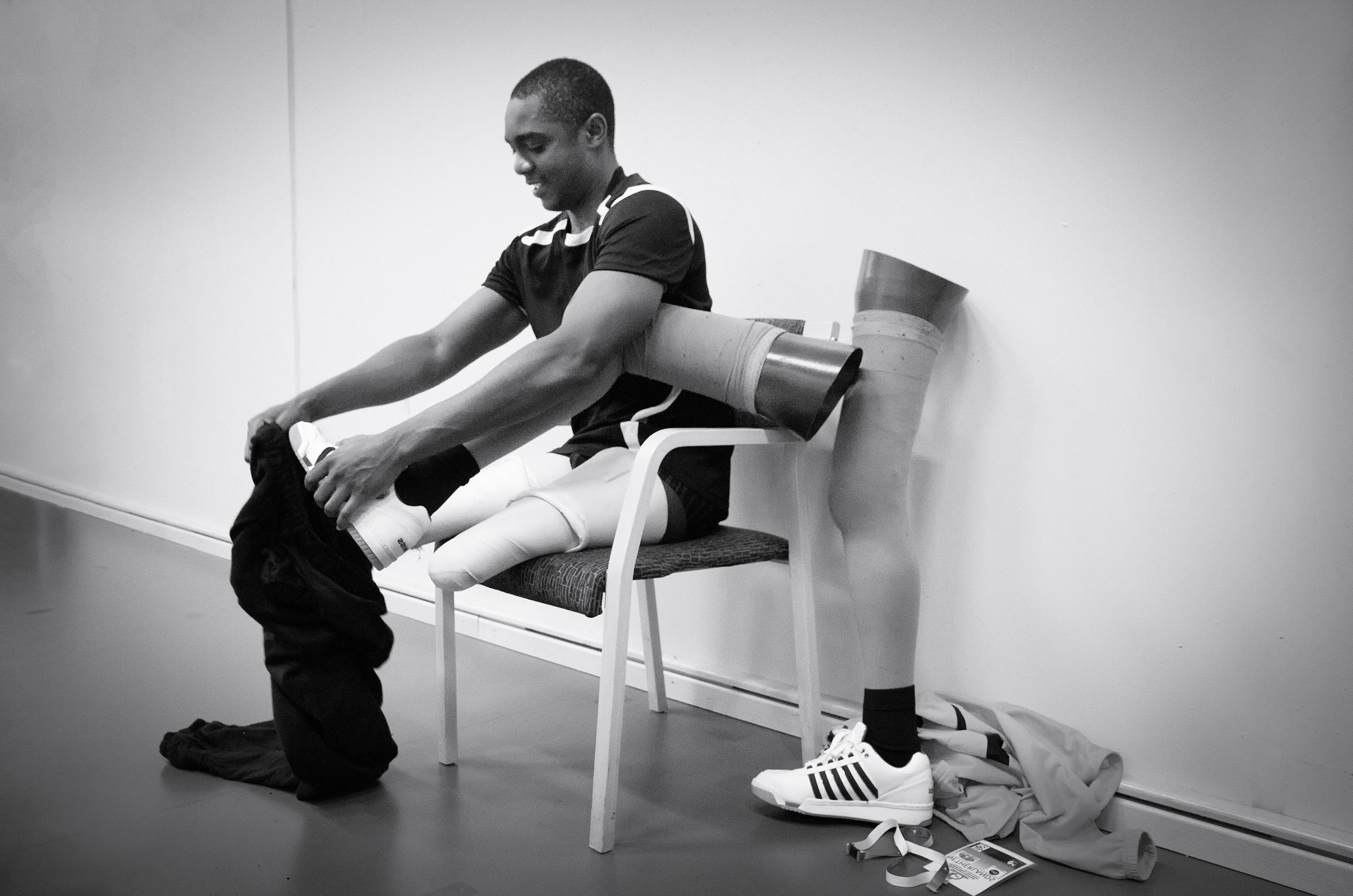
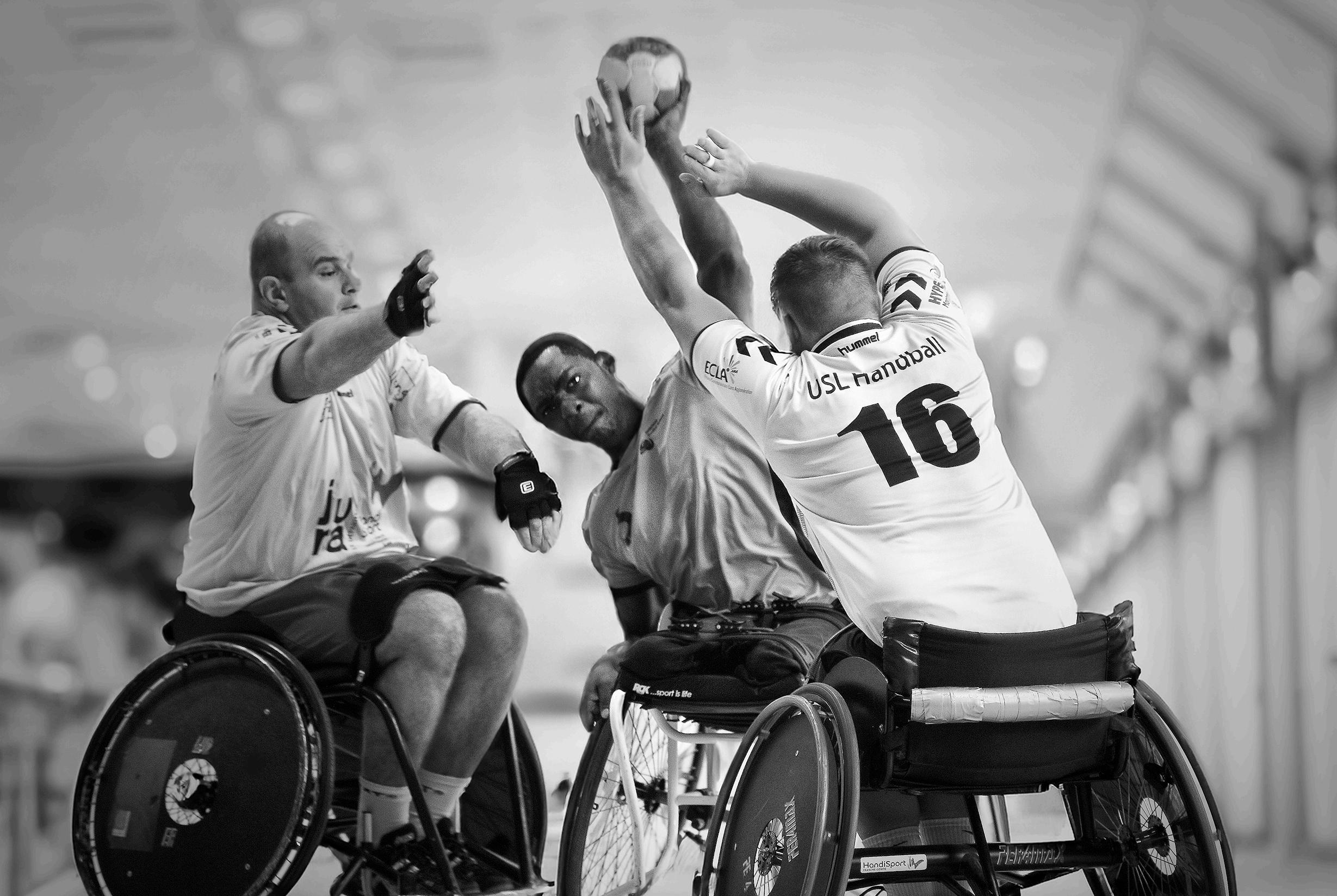
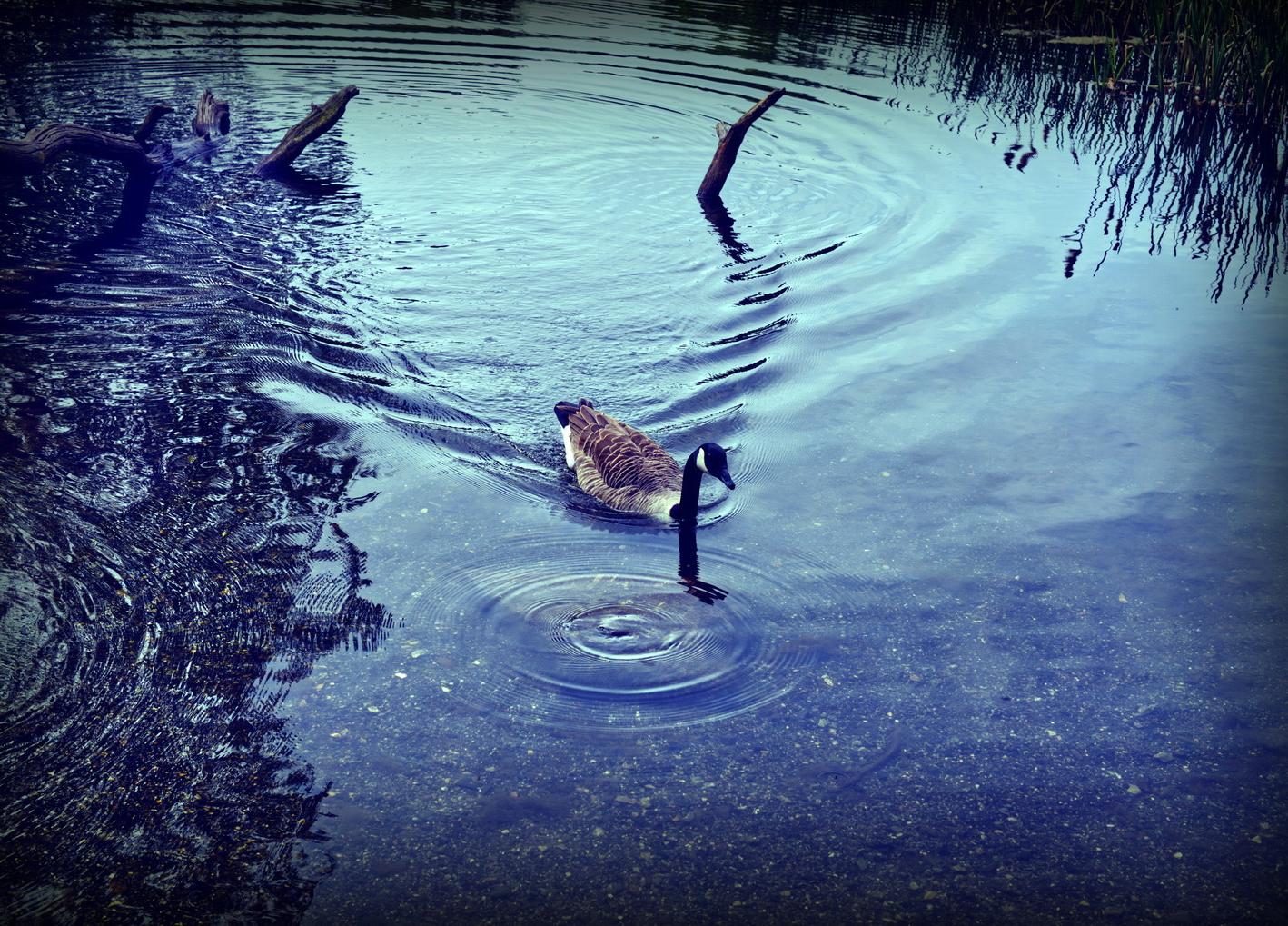
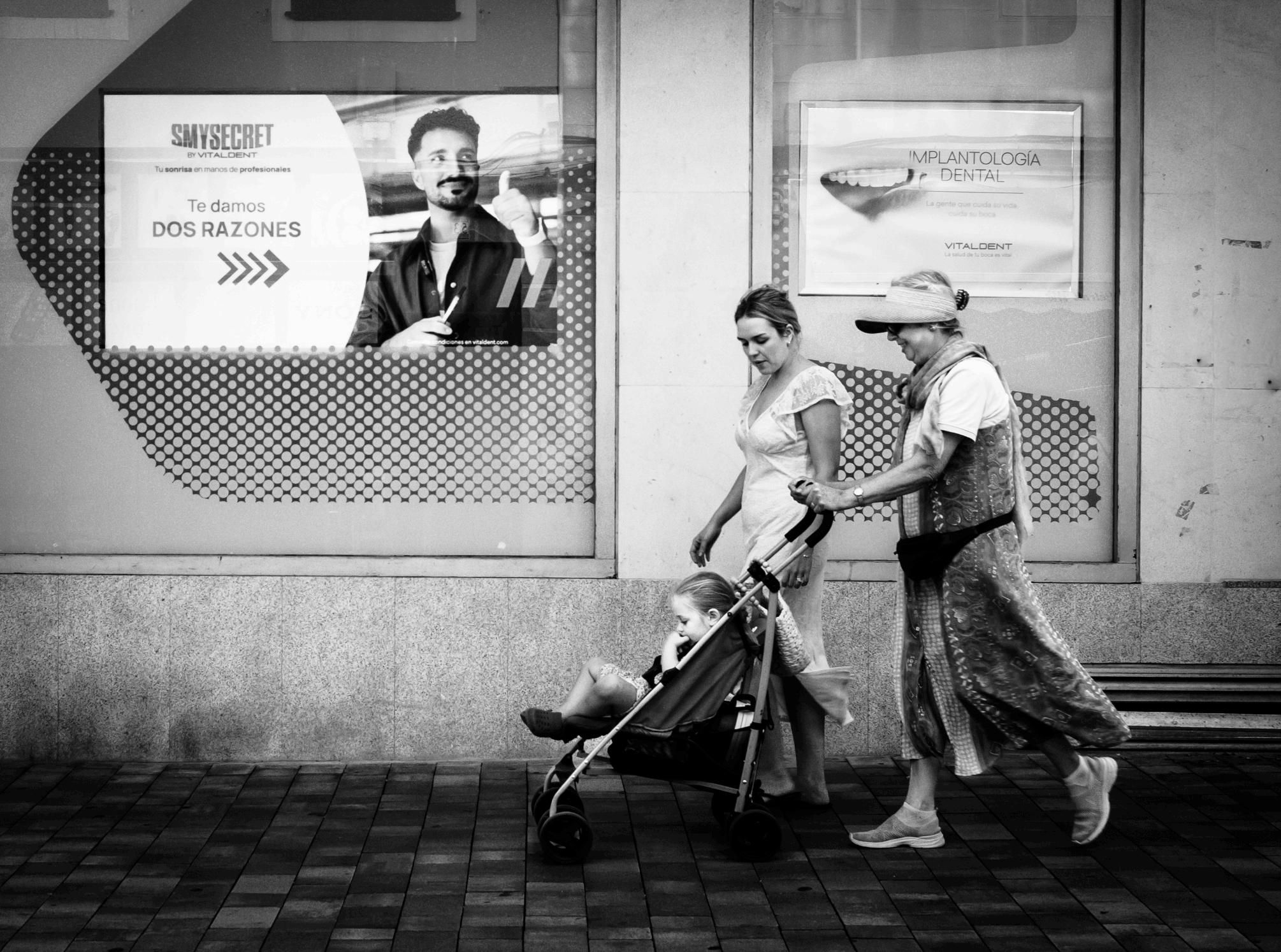
Cover photo
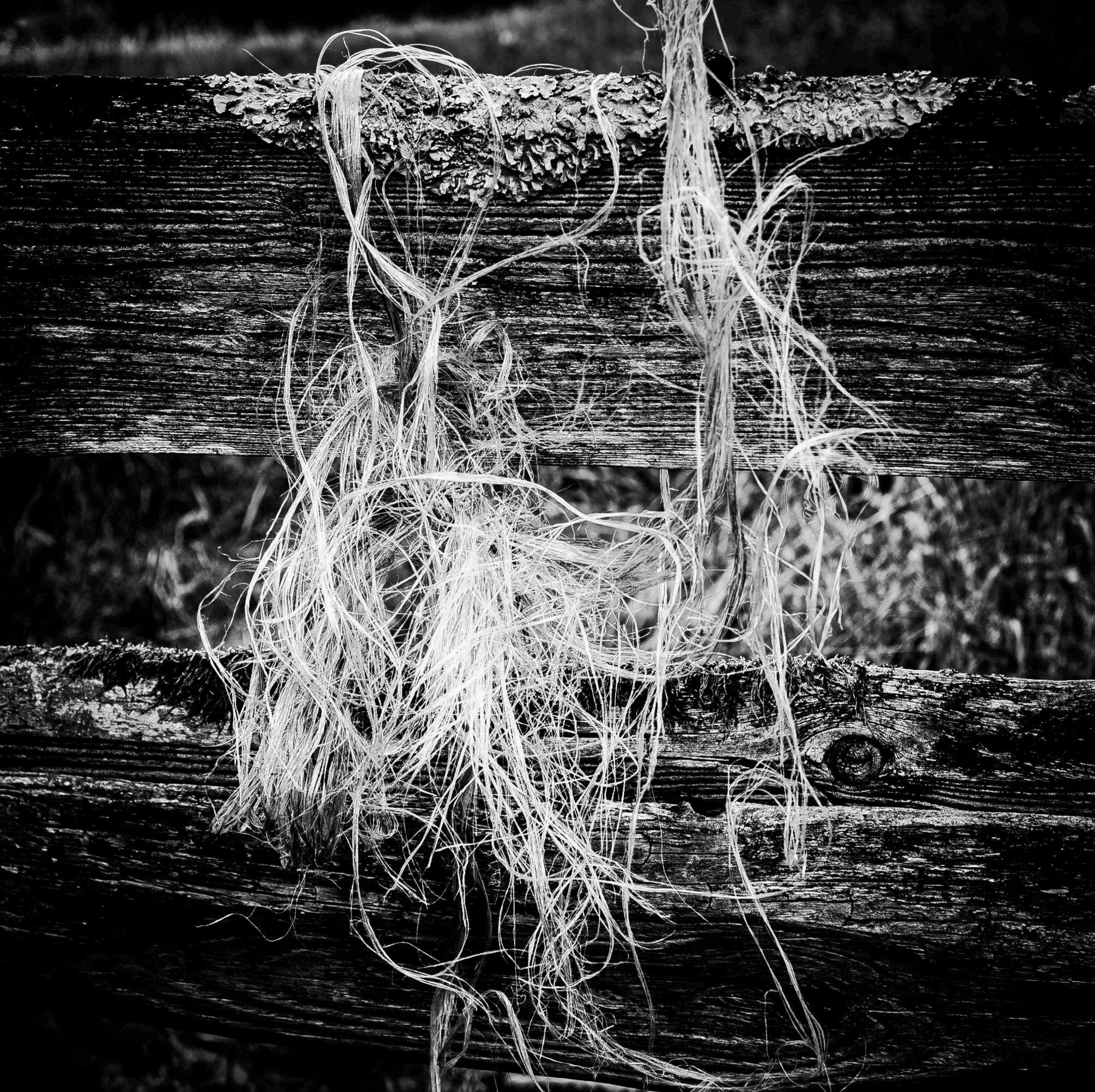
Brent Curtis LRPS
Views from the Benelux Chapter Organiser – eJournal Issue 11 Spring 2026
As the days are getting longer, more light for us photographers comes too. Get inspired by some of the articles inside this new edition we have put together for you.
We are thinking about where to go for the next Talk-Walk-Talk which is on Sites of Religious Significance. Do you have any suggestions? Please send them in an email to the organiser. Read more about it inside, and also enjoy our photos from the Inland Waters T-W-T. A really nice day out!
Furthermore, we really want to receive more photos from you, our members! We need portrait format photos for the cover. Photos by our members can also be showcased inside, include text, or even write an article. Your photography may inspire others to go out and try the same! If you have tips and tricks on any techniques, share them!
We will be holding our AGM on Wednesday 6th May in a Zoom this year. After our AGM, we have invited our neighbour Chapter, Germany, which is led by Chris Renk; he has kindly agreed to give us a talk on “Minimalism in photography - Techniques and Vision for Strong Visual Impact”. This will start straight after the AGM at 8:30pm and will be open to all. Chris is a wonderful photographer and speaker, so the talk will certainly be inspiring for all!
Adventures await in 2026, personally I shall be off on a trip to Australia – I haven’t been back for seven years (shock). Photographic opportunities abound. I can’t wait! Because of this I will miss the next Study Group Zoom on 3rd March, but we have a member in Brussels, Felicity, who will host it (Thank you!) – so save the date and join in. You can share photos, or just come and listen and talk to our online members. Zoom is one of the best things to come out of the Covid-19 period!
Stay positive and keep taking photos. Share them here! Thanks again to our Editor Katherine and Proofreader Sue for this new Spring edition! Enjoy the read!
Carol Olerud FRPS Benelux Chapter Organiser
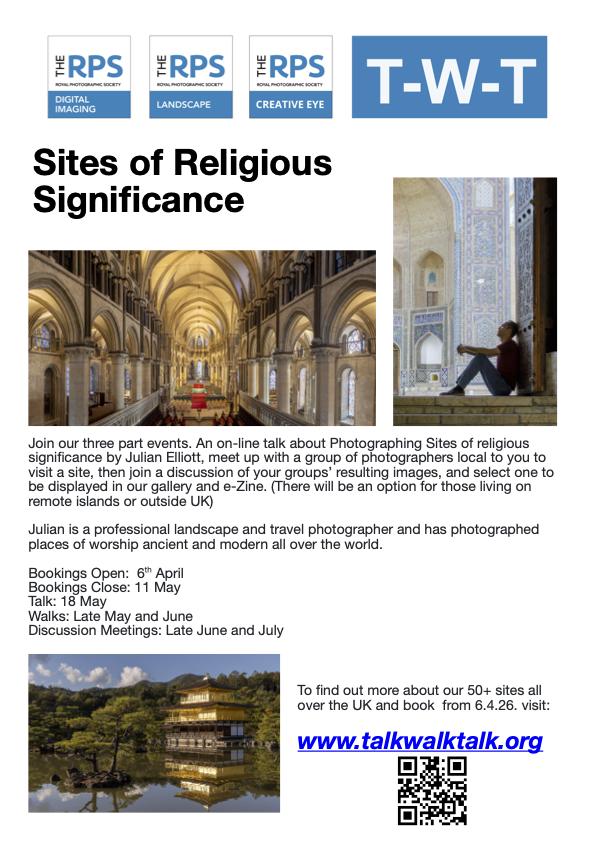
Talk Walk Talk
Inland Water Benelux 48
RESPECT IN NEPAL
My “Wintering” Astrid Preisz
Introducing our newest Member(s)
Armando Jongejan FRPS
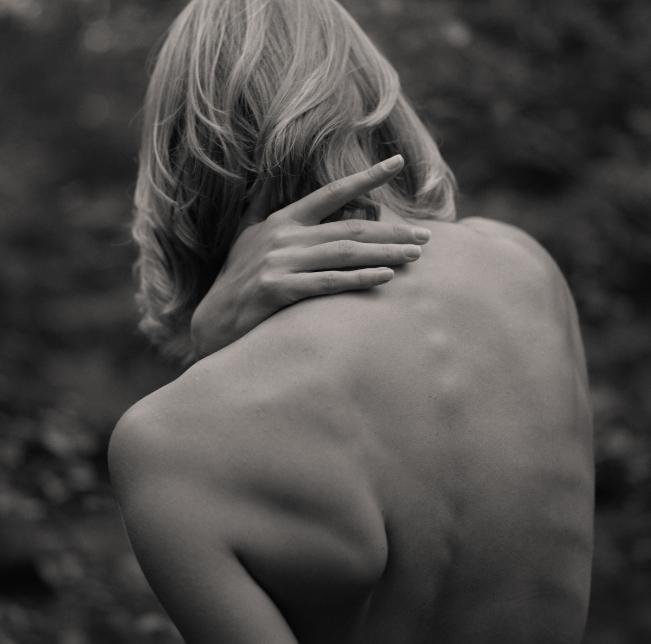
The Shape of Breathing - Bodies as Structures
Feng Yan
Why walking transforms your photography
Marcel Borgstijn
Introducing the Photography of
Darkrooms Uncovered
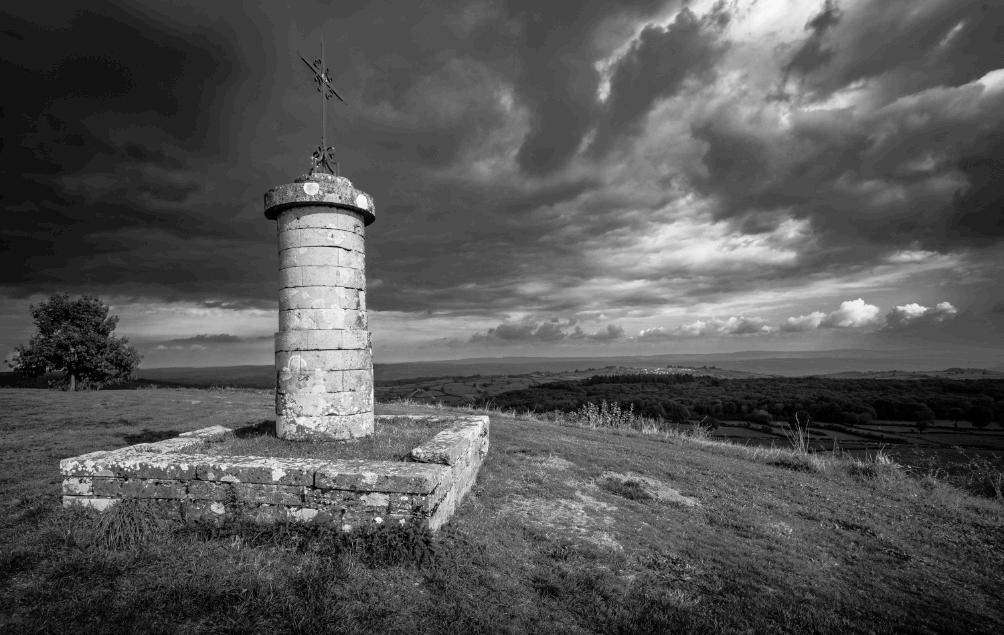
Brent Curtis LRPS
Members’ Photos
Upcoming Events
Inland Water Talk Walk Talk
Benelux
Talk-Walk-Talk to Kinderdijk
for Inland Waters on 30 September 2025
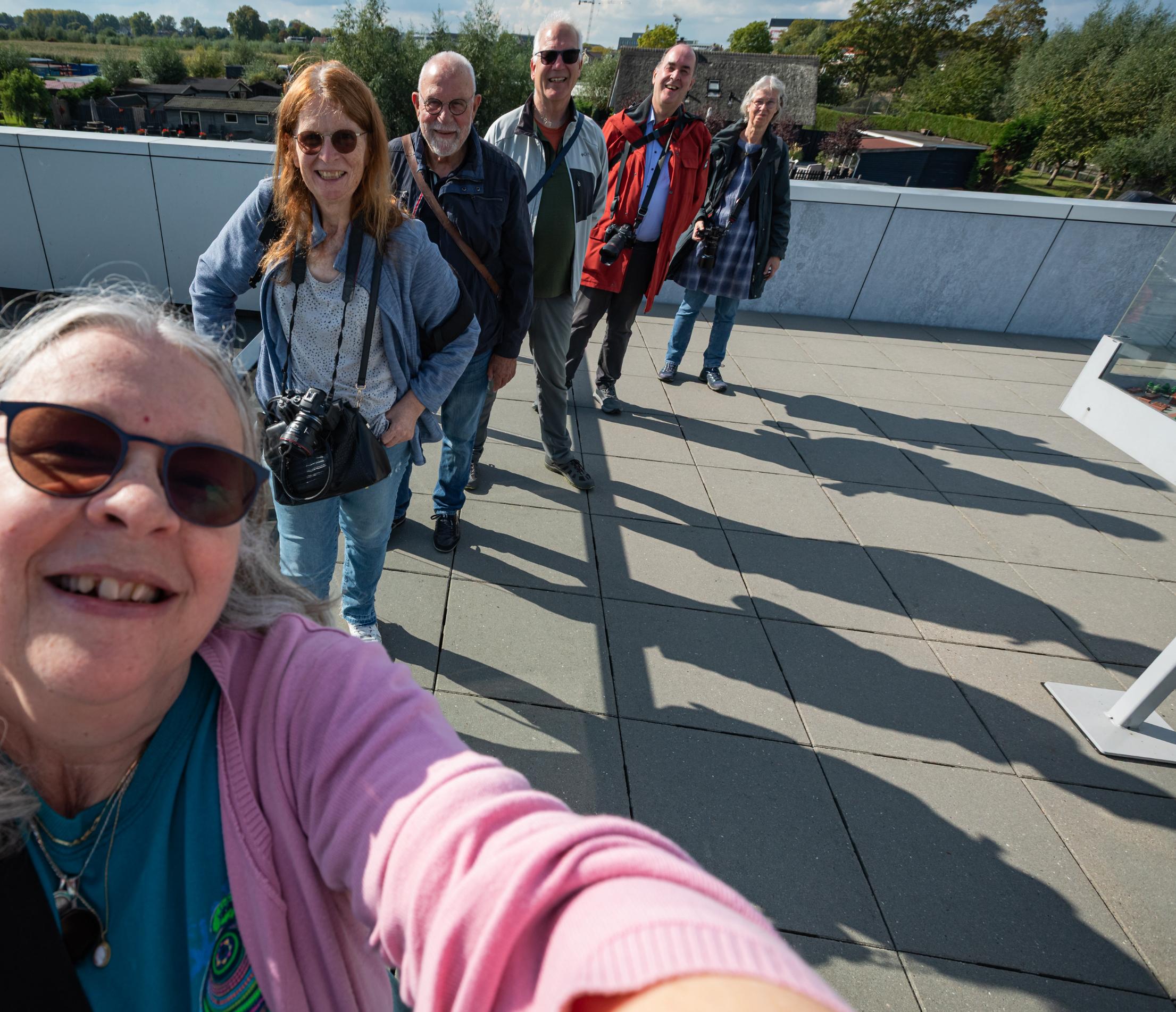
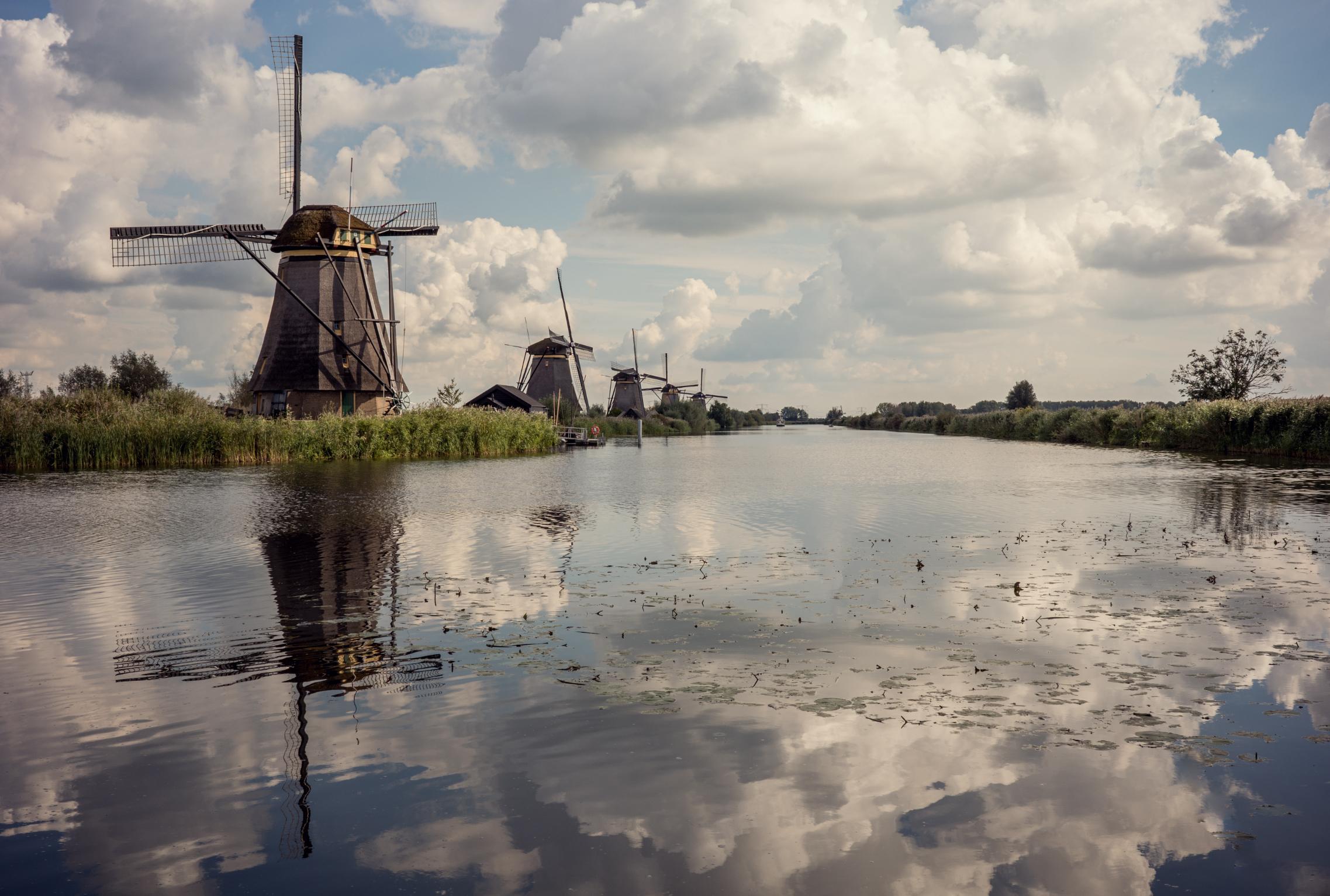
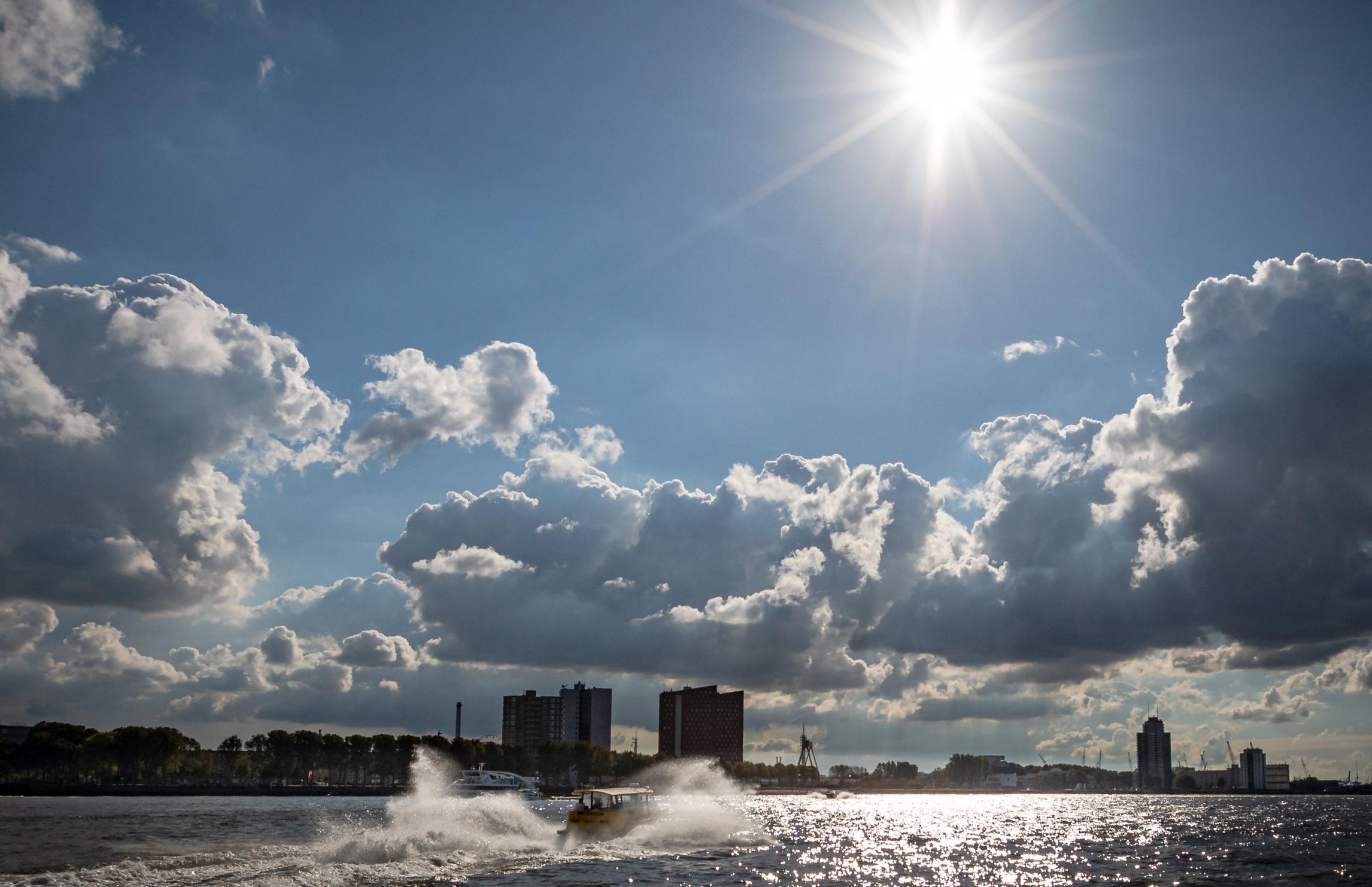
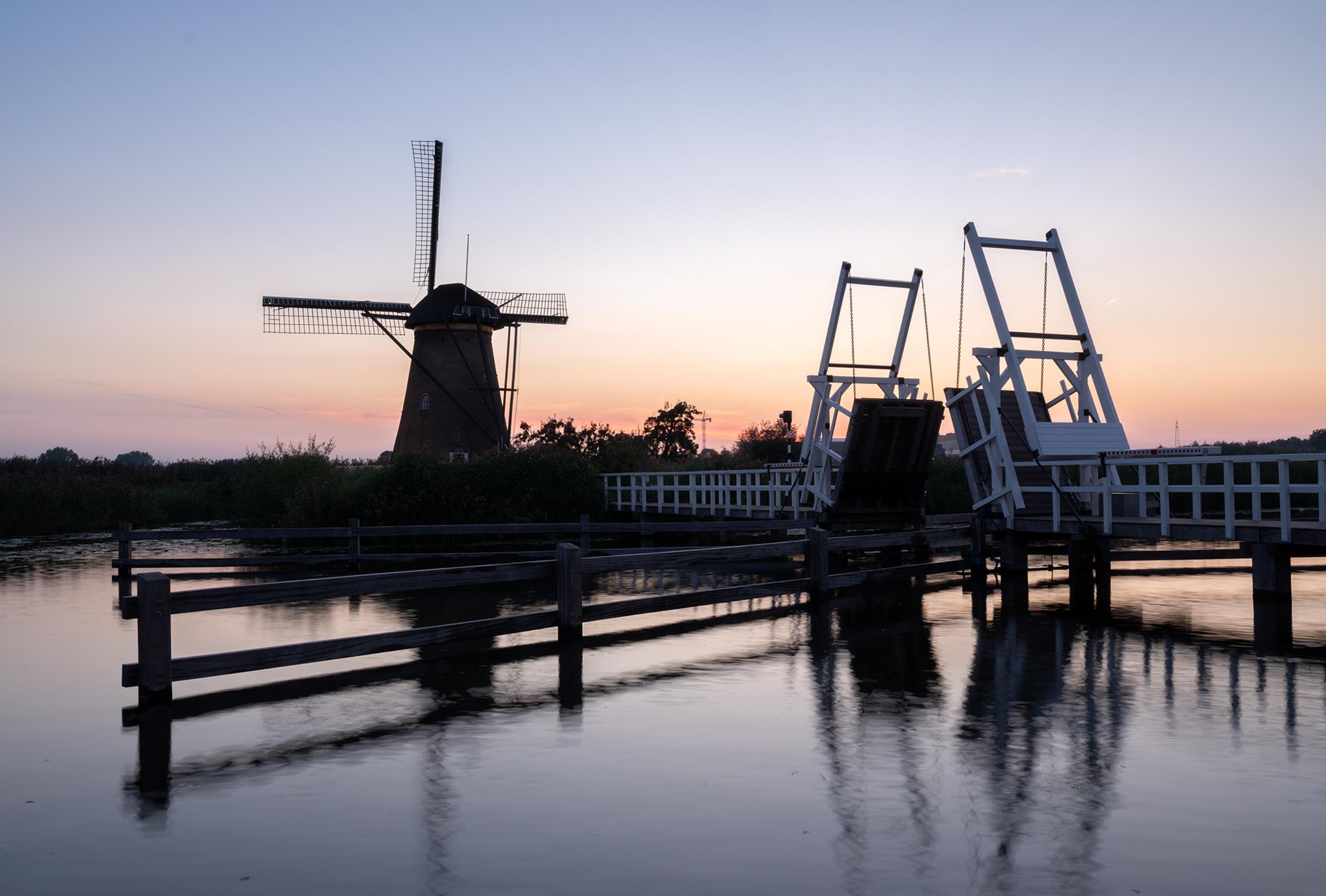
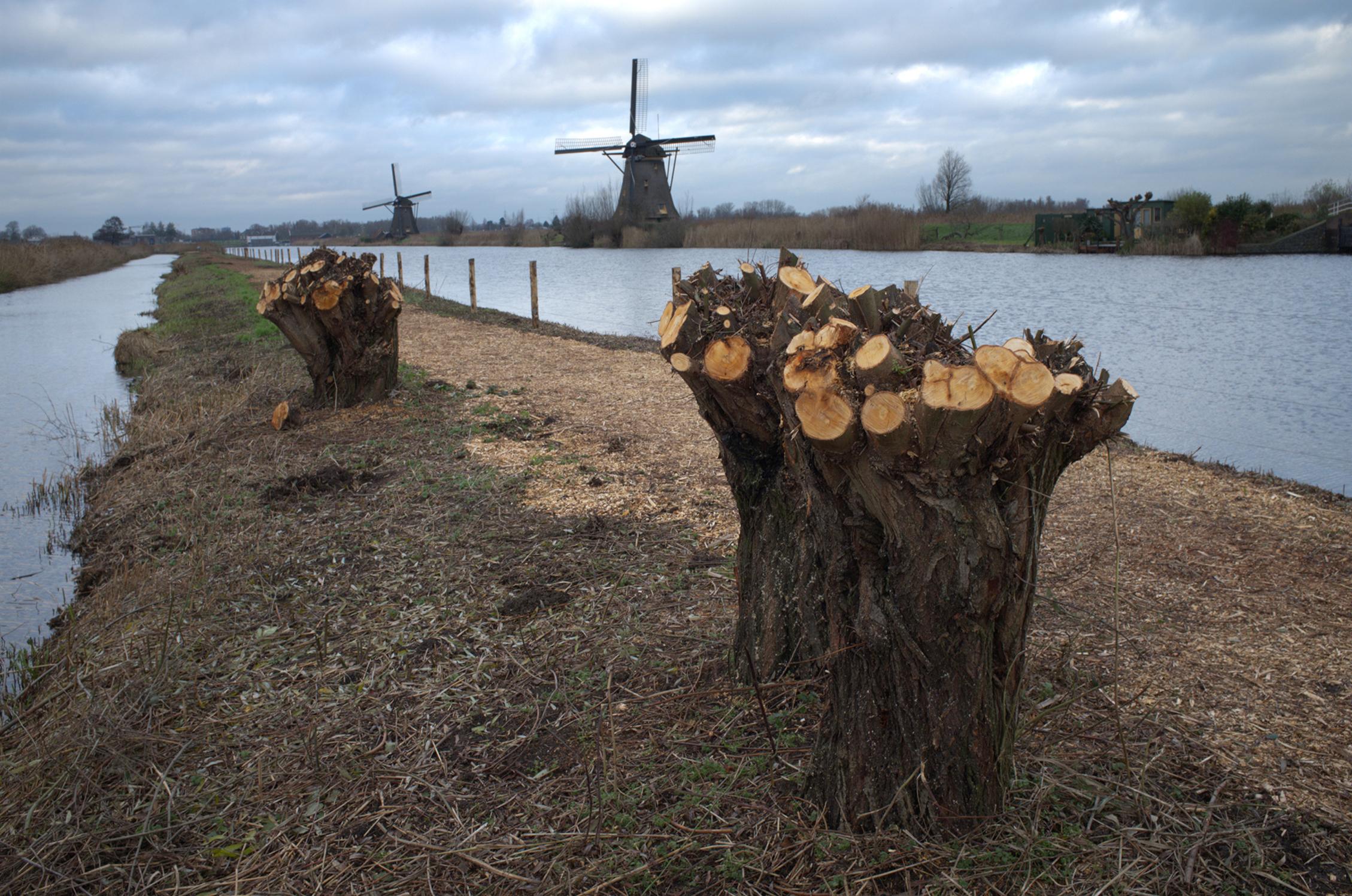
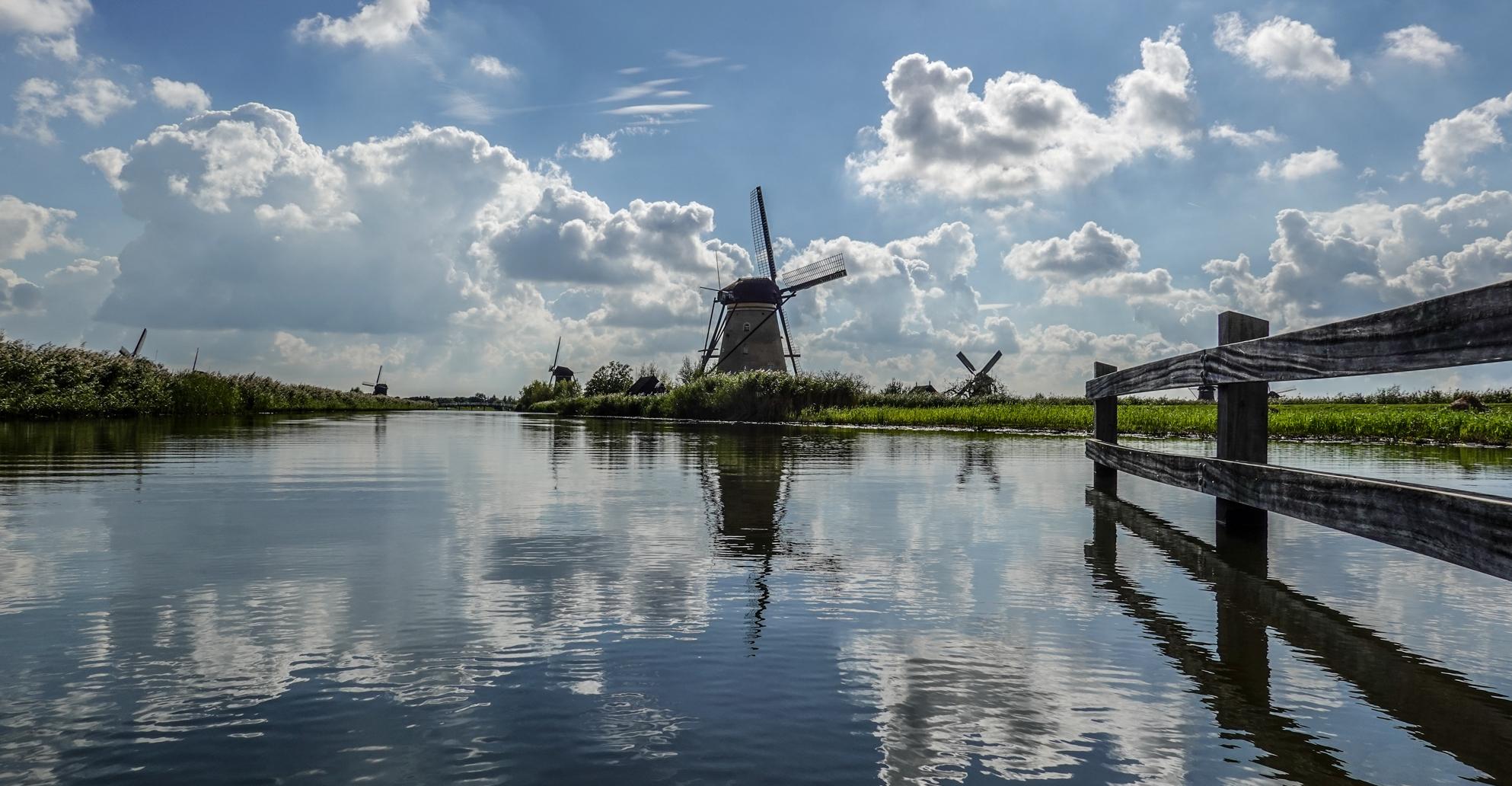
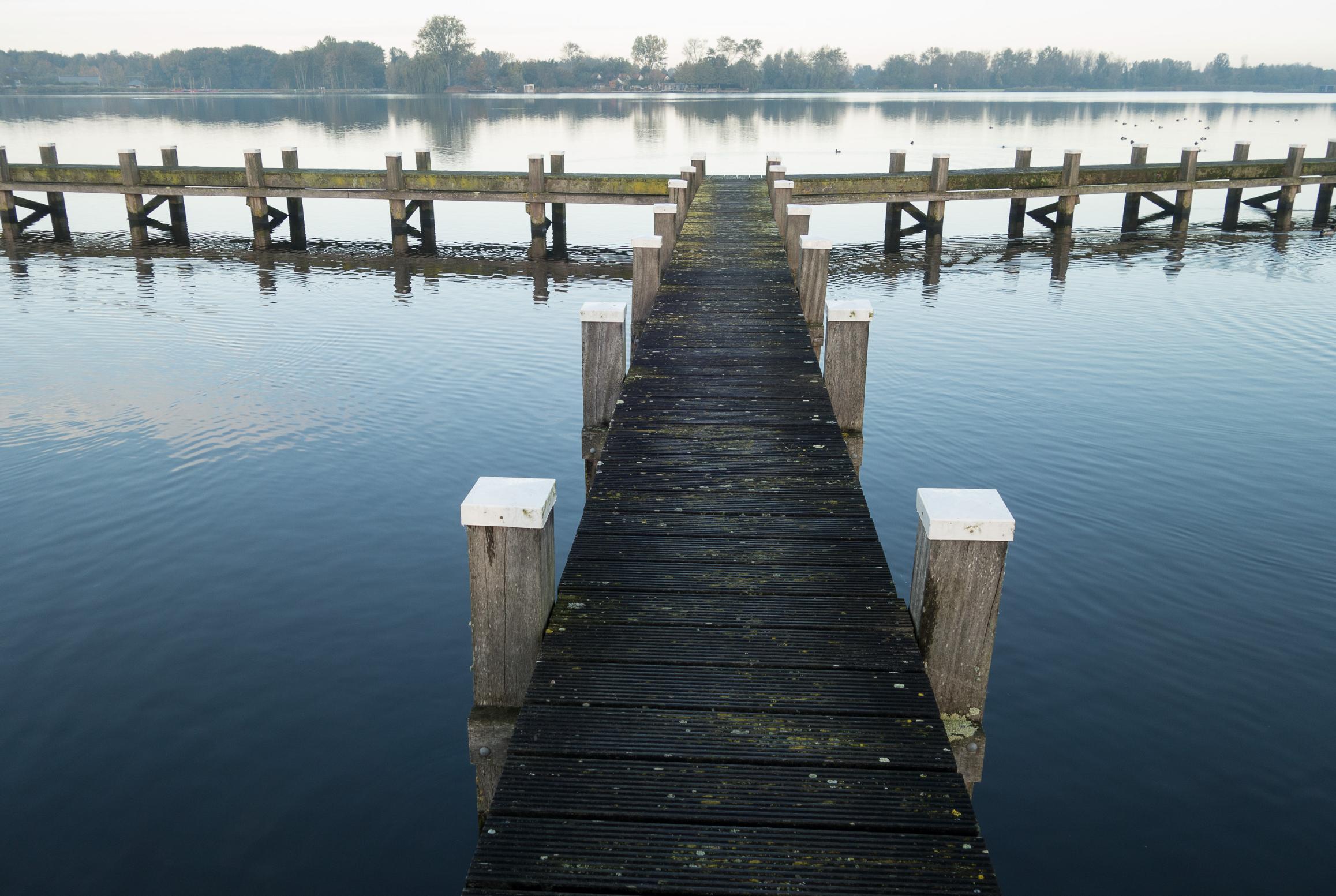
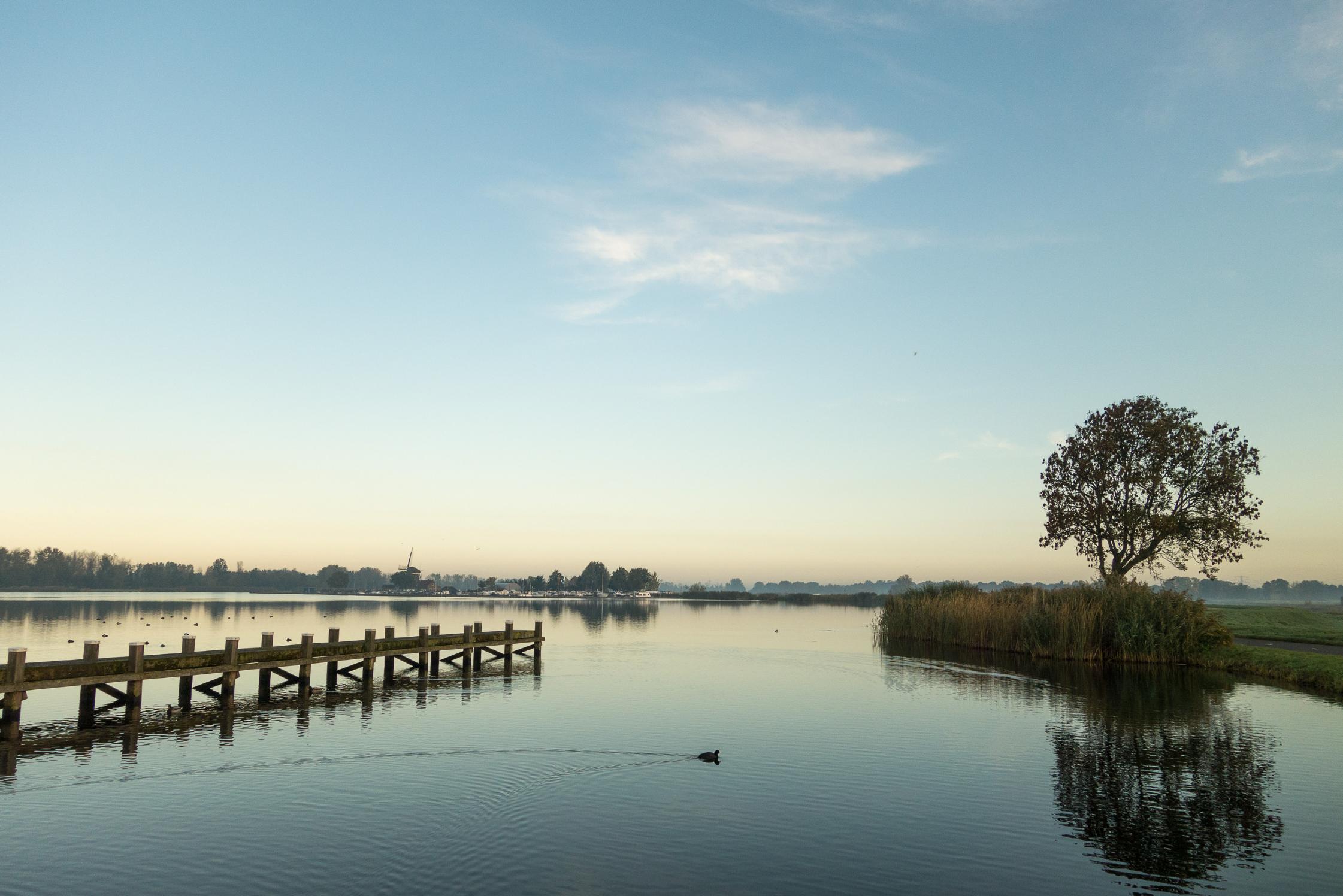
Six members of the Benelux Chapter participated in our walk at Kinderdijk. We had glorious weather which was wonderful! Four of us took the waterbus from Rotterdam which was fun and a great start to the watery day. The journey took around 50 mins and we arrived at Kinderdijk where we soon met up with Jan and Jeroen.
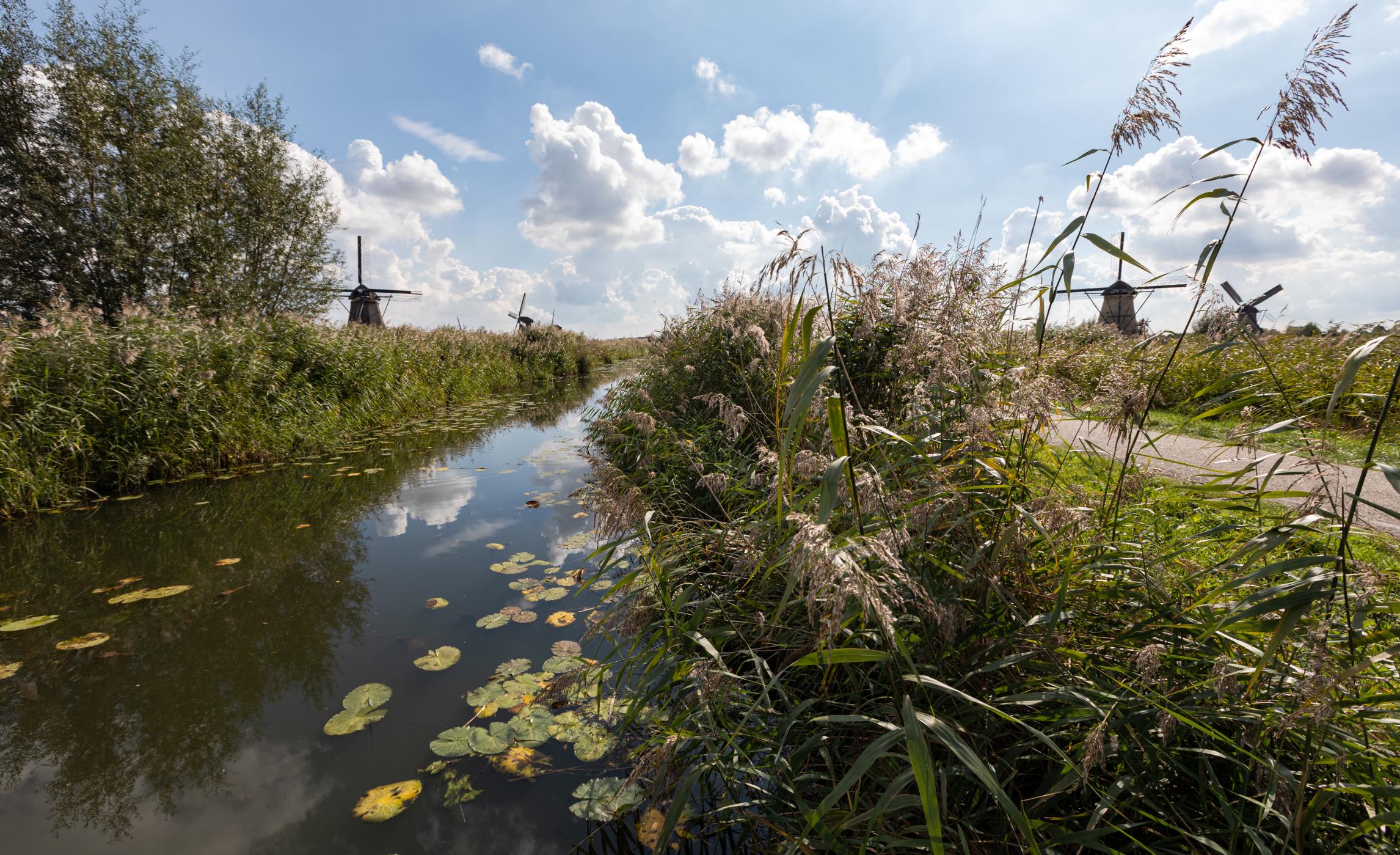
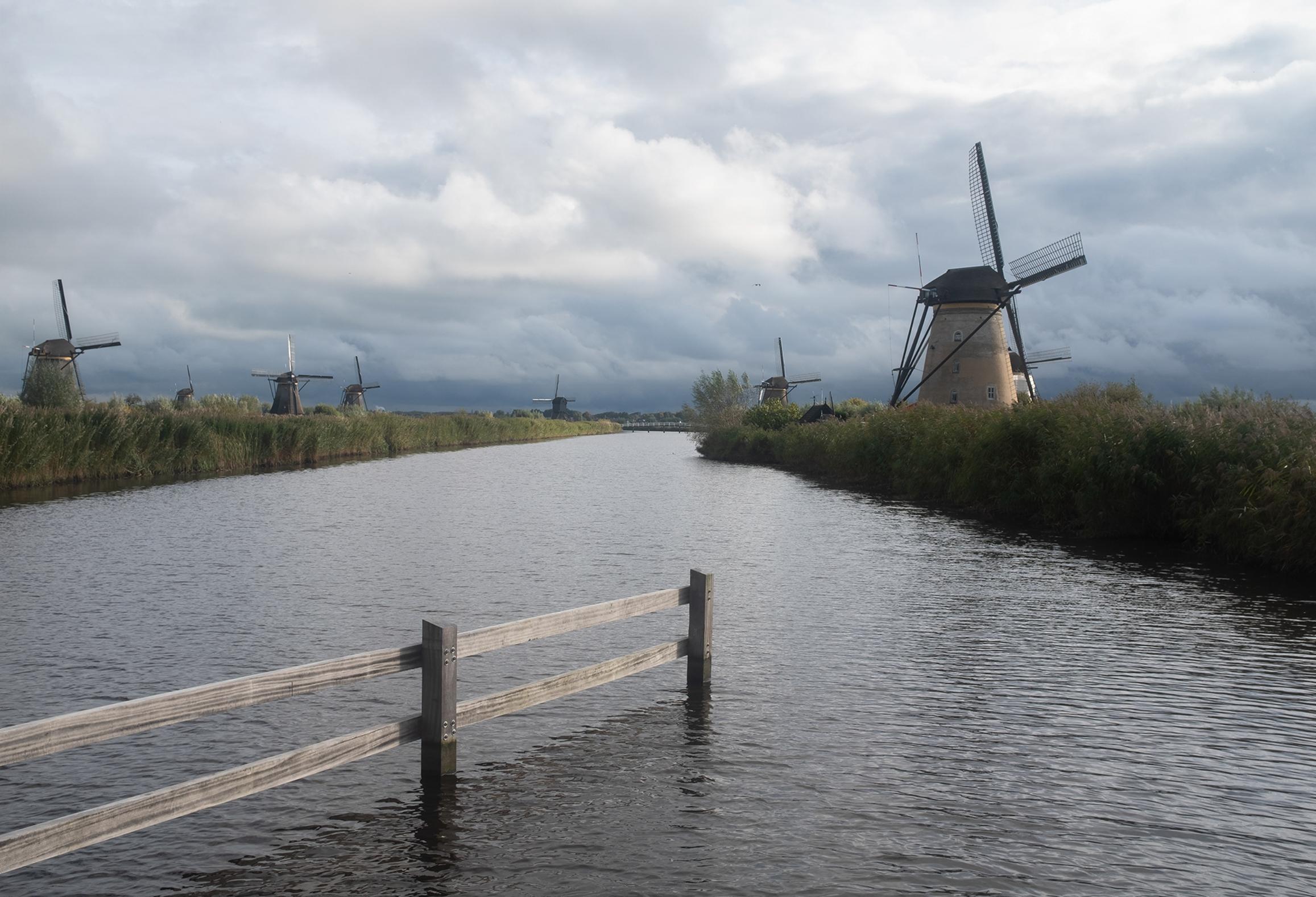
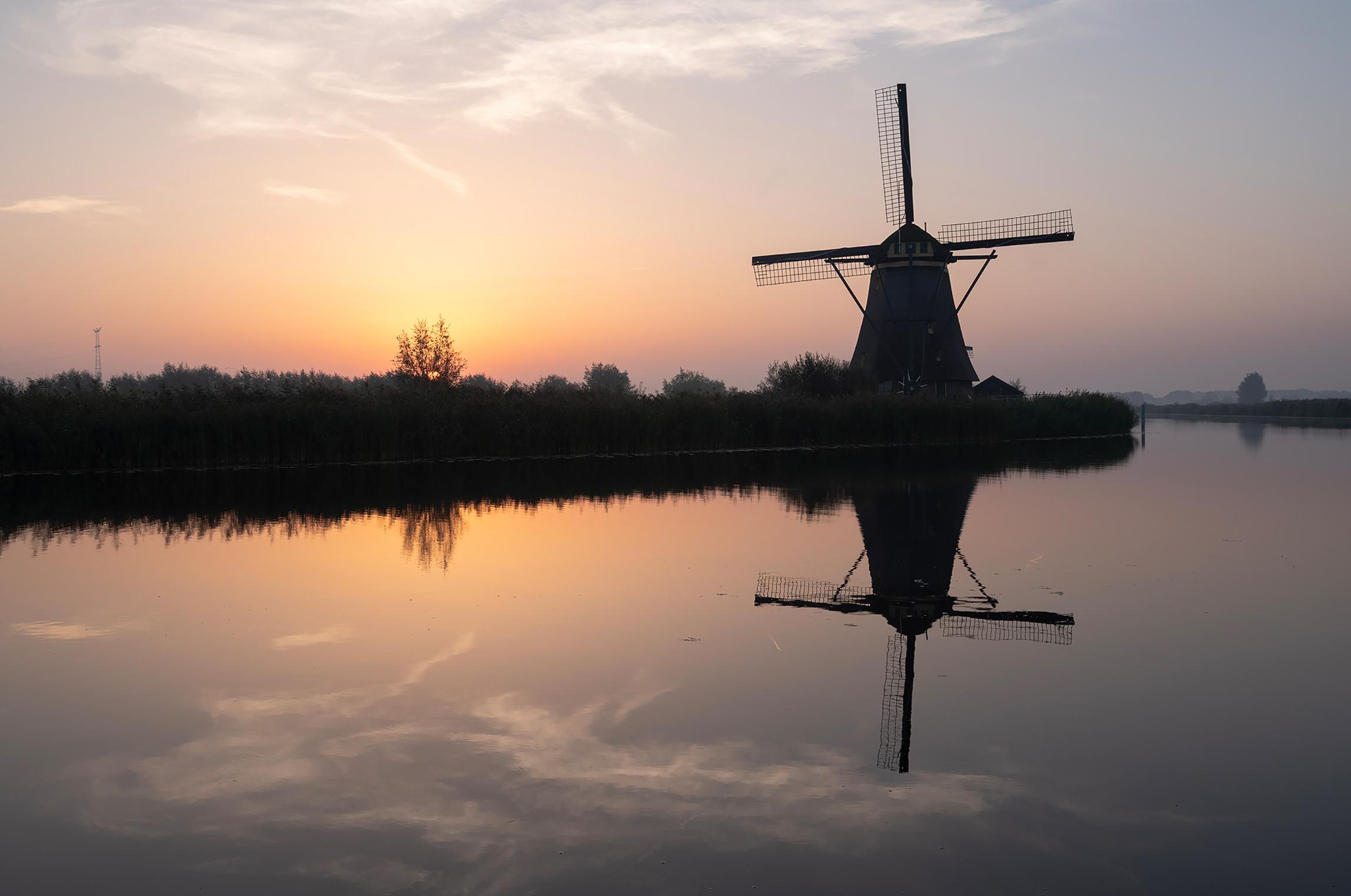
We had some coffee & lunch first, then off we went, walking down the road and viewing all the windmills. Kinderdijk is a UNESCO Heritage Site and usually many tourists are wandering around. Luckily, we were more at the end of the tourist season and it wasn’t so busy.
A few Chapter members did their own Solo Walks, which is also an option if you can’t join on the day.
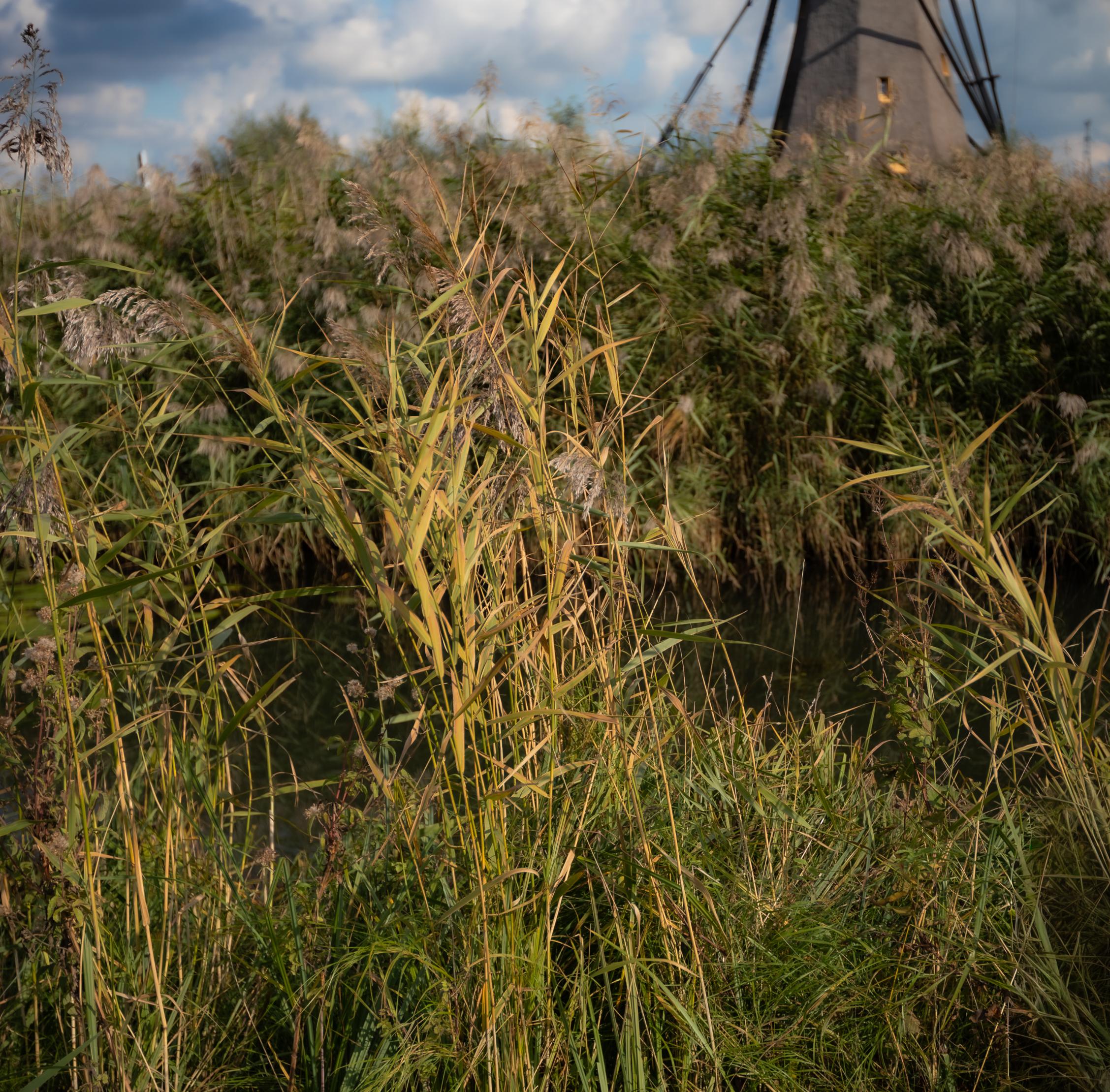
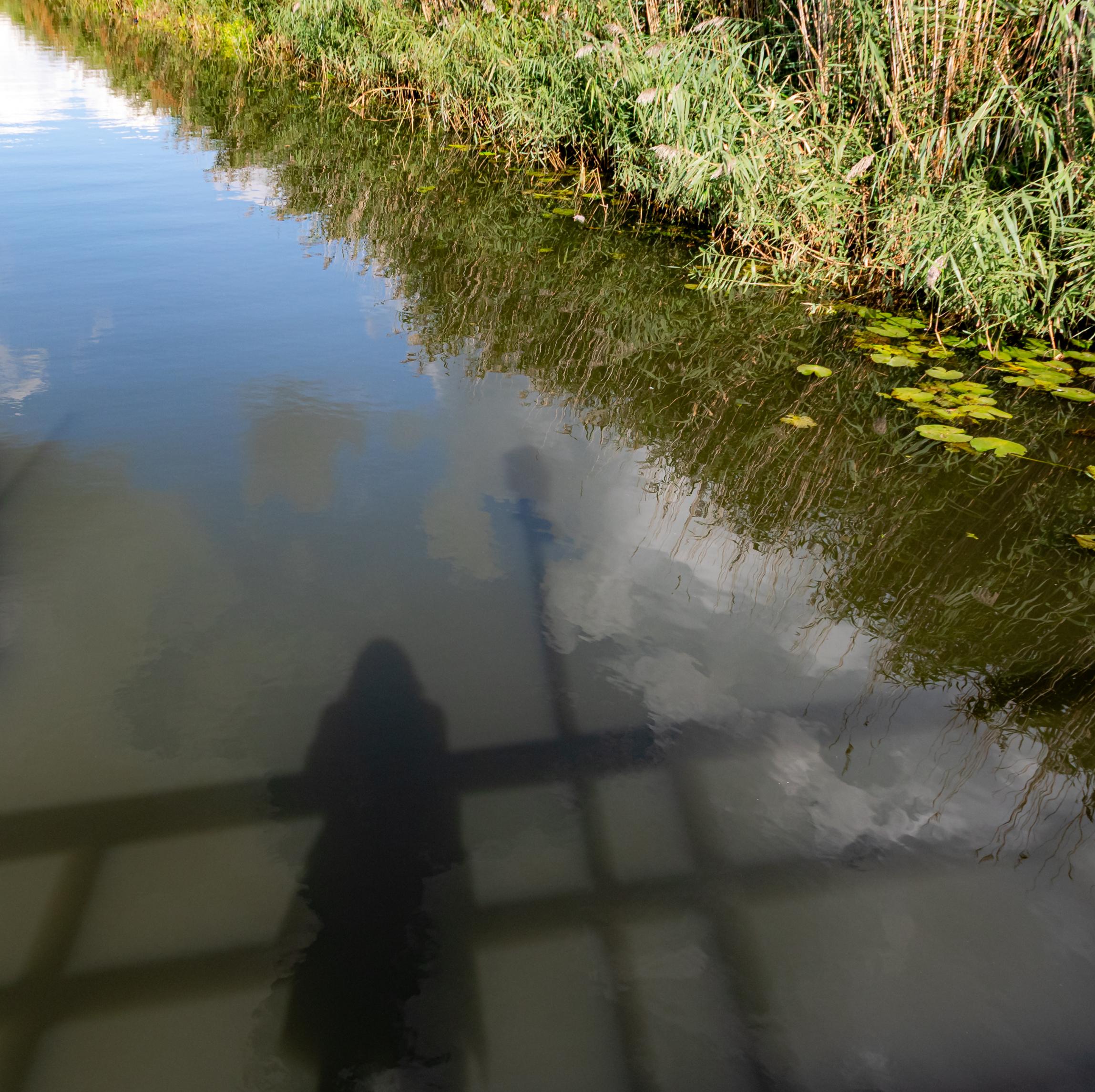
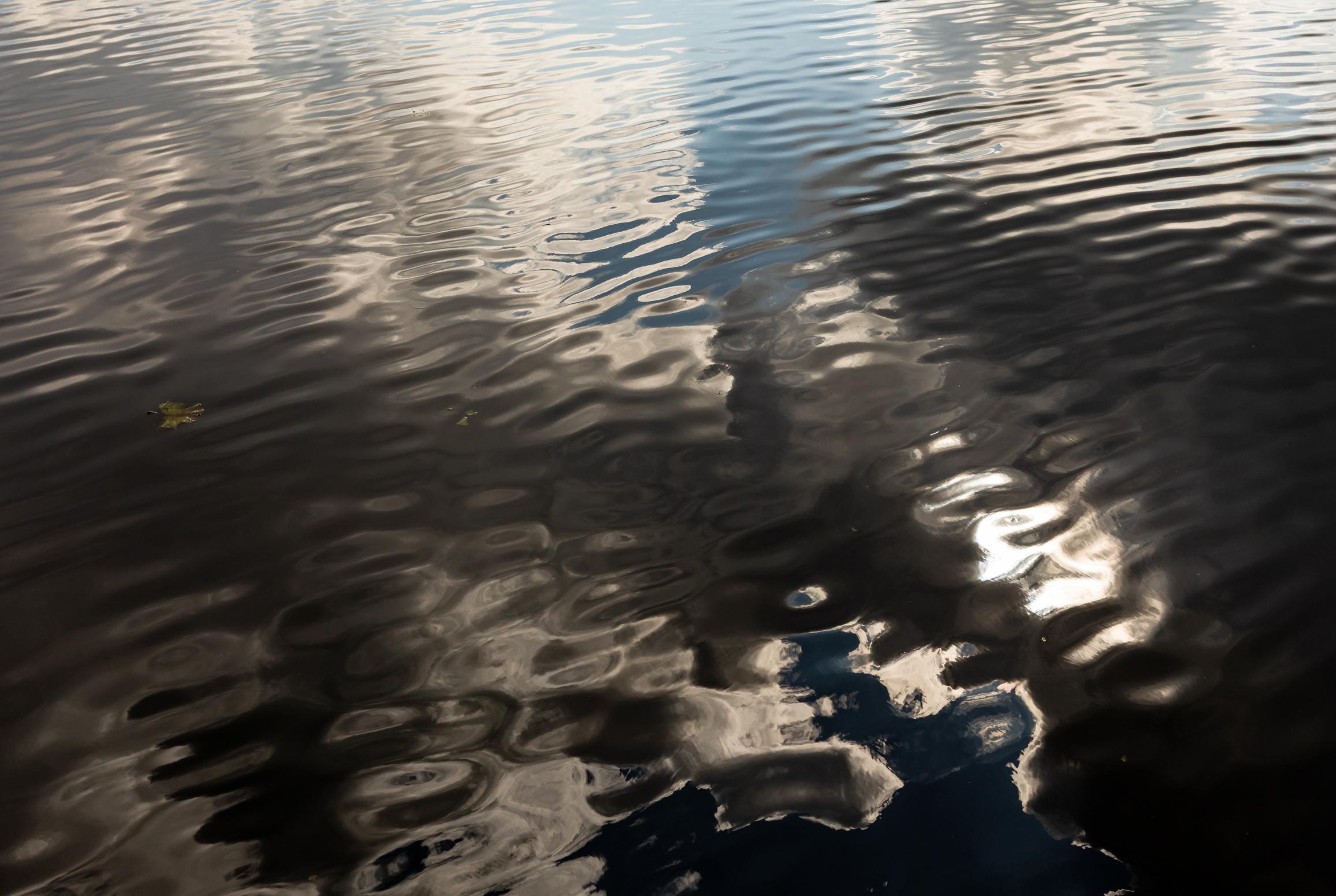
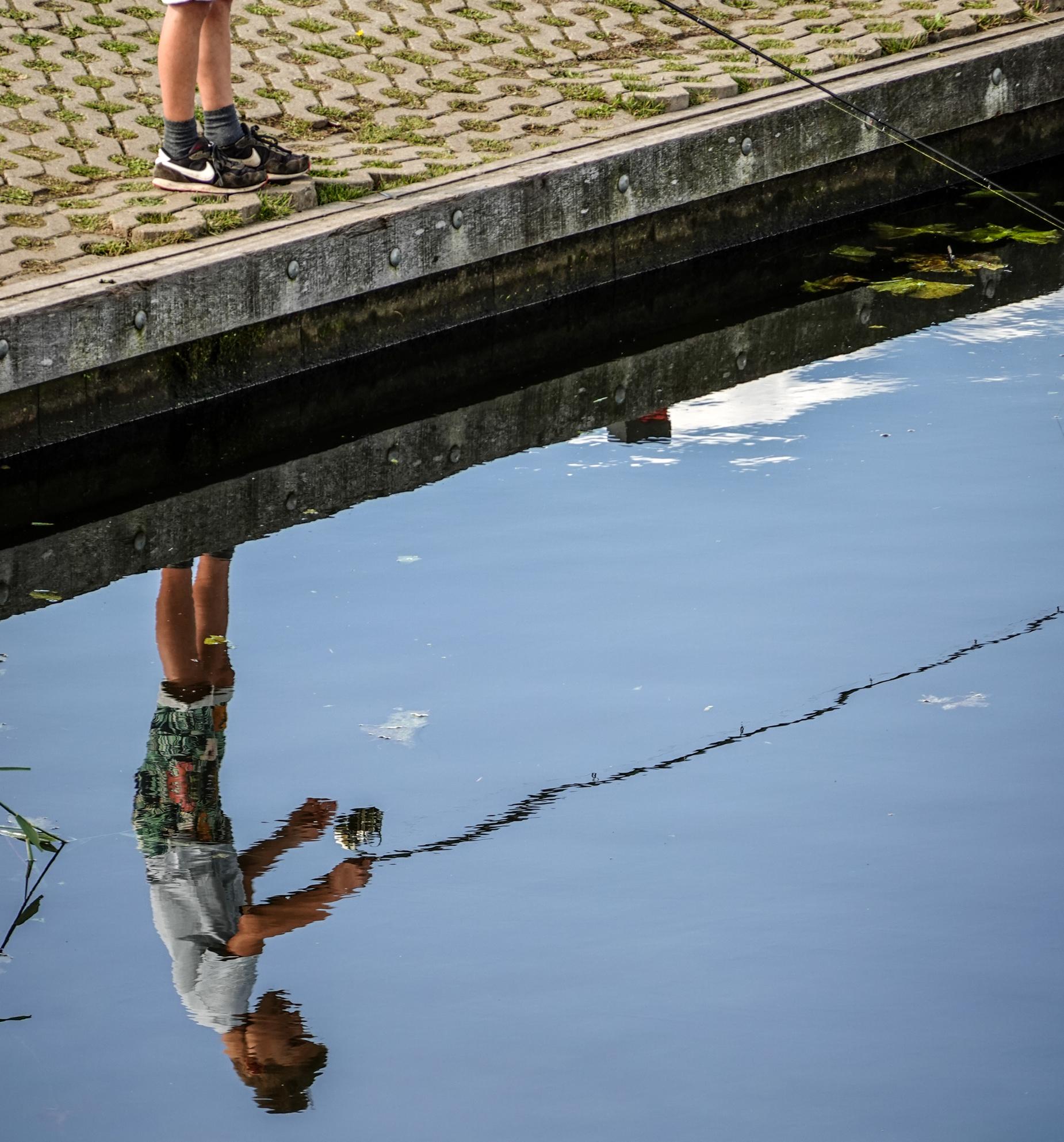
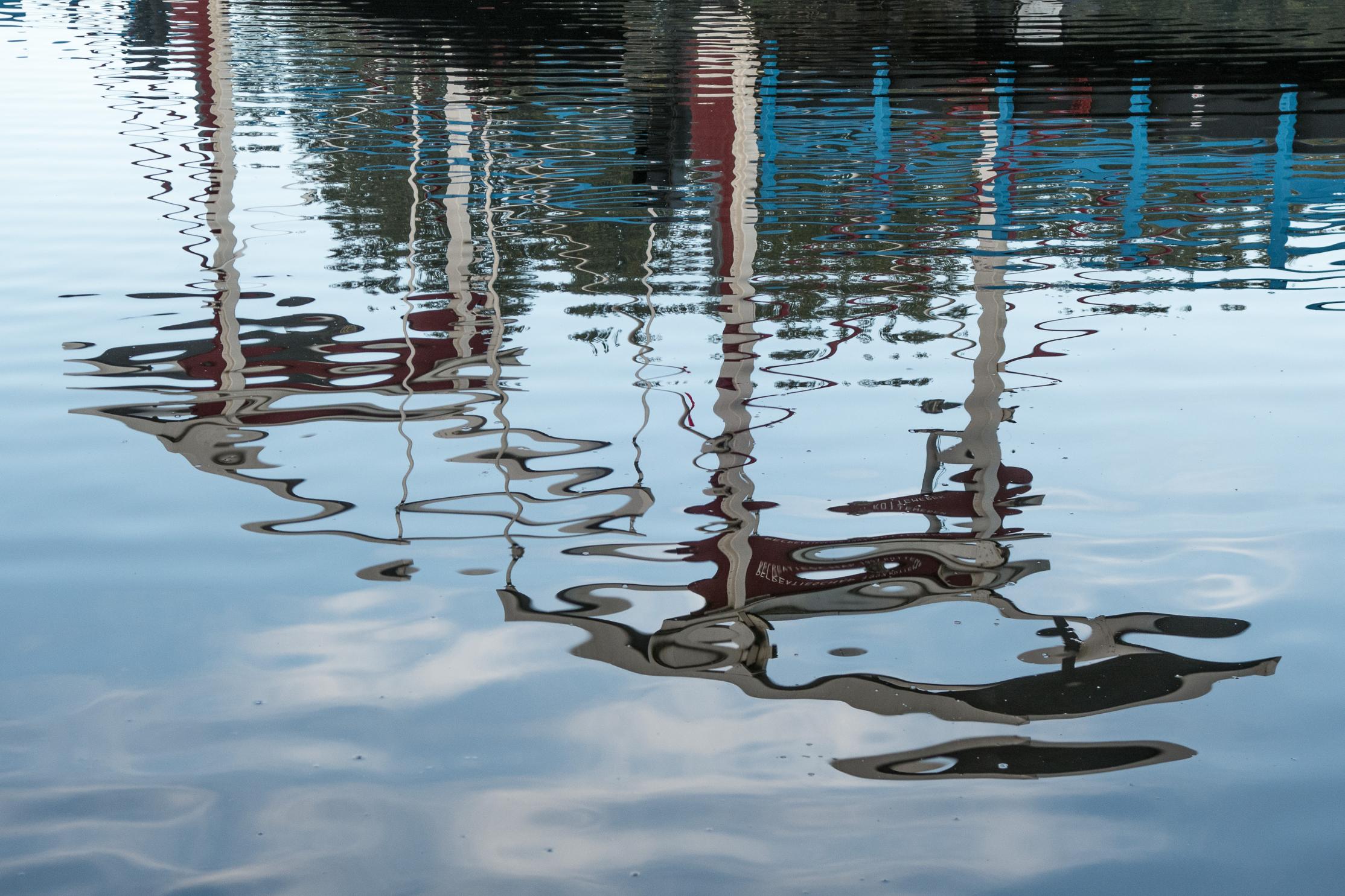
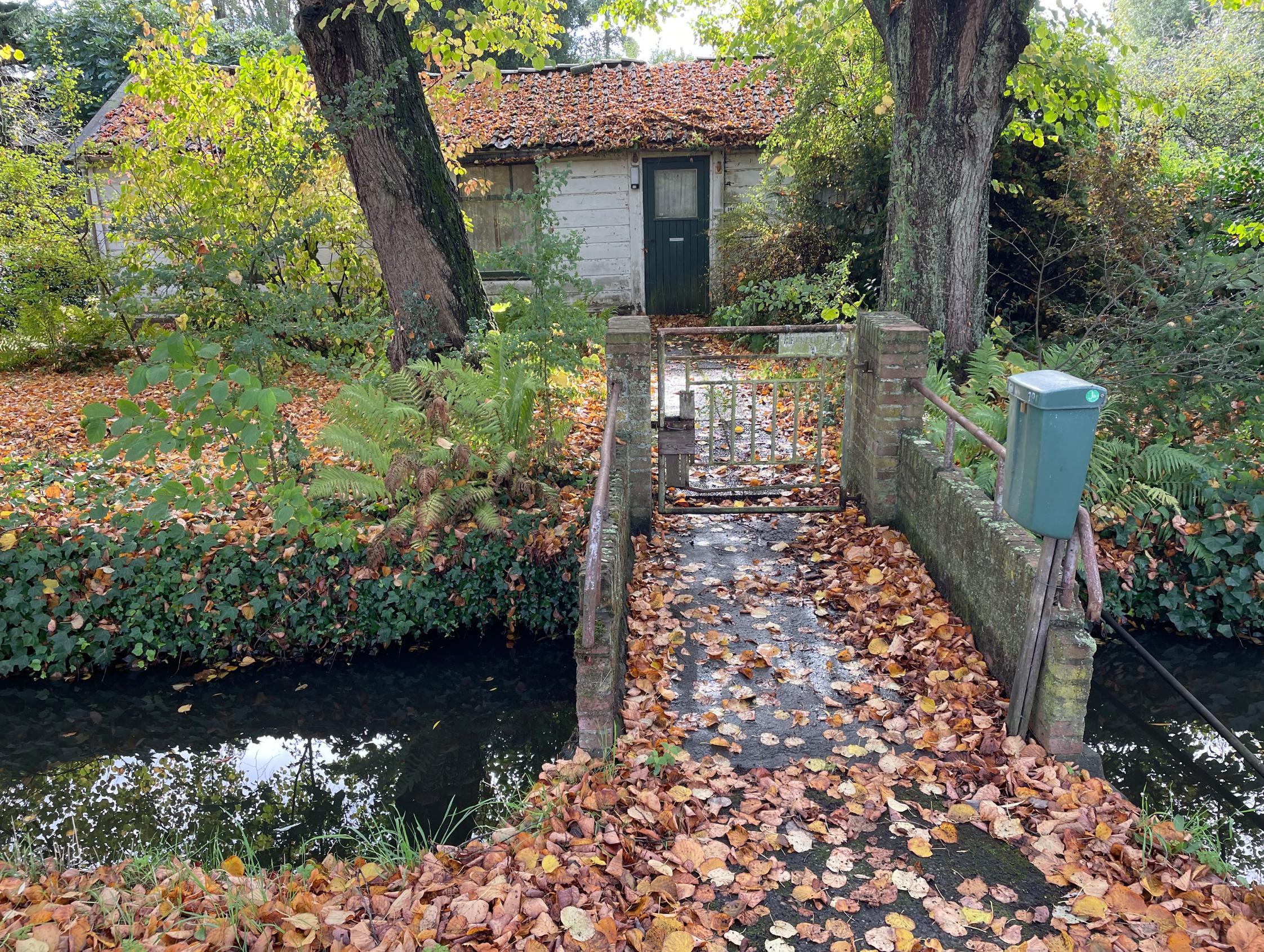
Please enjoy our results of photographing ‘Inland Waters’.
To get to our results we all selected these photos and had a Zoom session on the 18th of November. We voted and decided on two ‘best’ photos for publishing in the group T-W-T eZine. Congratulations to Anne and Sue! We also made our own eZine, thanks to Katherine!
The next T-W-T is on Sites of Religious Significance (Walks end May/June); we plan to find a location for our walk. Perhaps an old Cemetery? Maybe go to Belgium? If you have ideas, please drop an email to the Organiser. See elsewhere for more information.
Thanks to the DI and Landscape Groups for this excellent initiative!
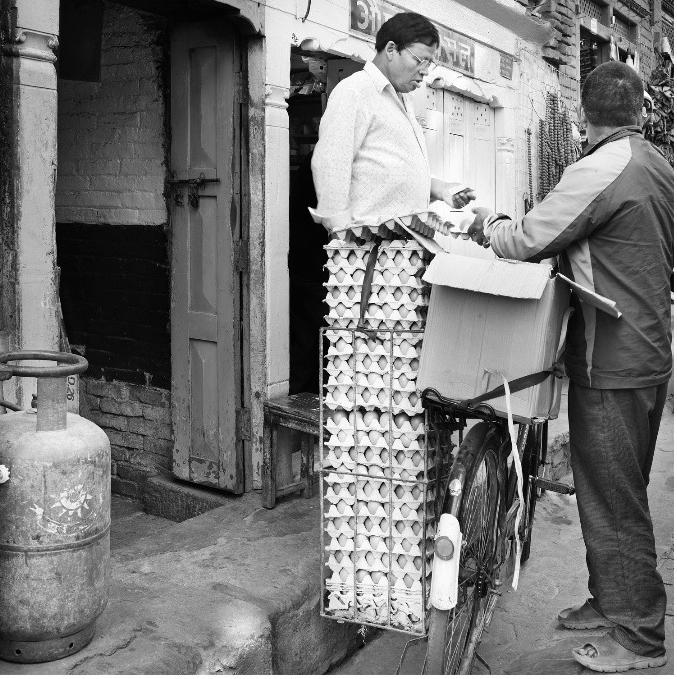
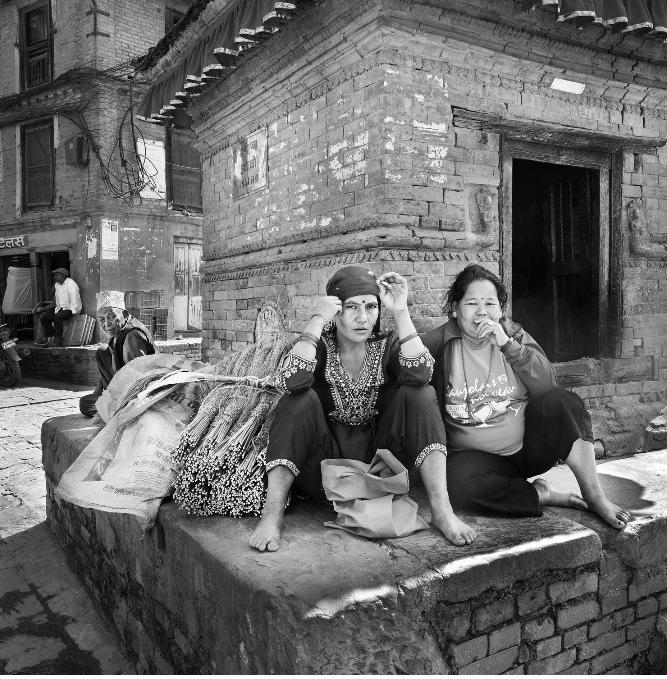
Last year I travelled to India and Nepal. It was impressive. India is busy and chaotic, and somehow Nepal feels different. You notice it right at the border crossing. It's quieter in Nepal. There's less trash on the roads. The roads are less well-maintained, and even the main roads can be unpaved
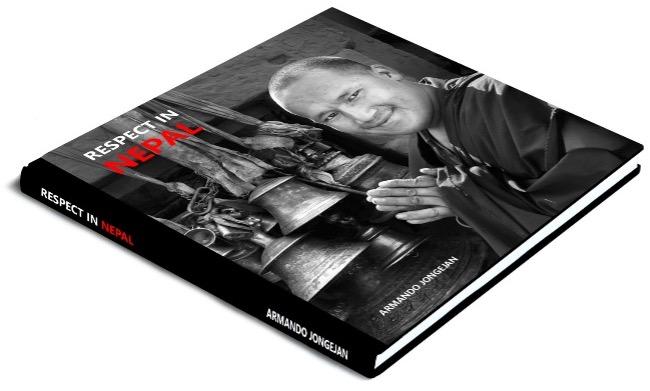
What do you do with your photos when you return from such a trip? Leave your files on the computer? That's not my style. I prefer a tangible result. A beautiful print or compiling the photos into a book. I've done the latter with my report on Nepal.
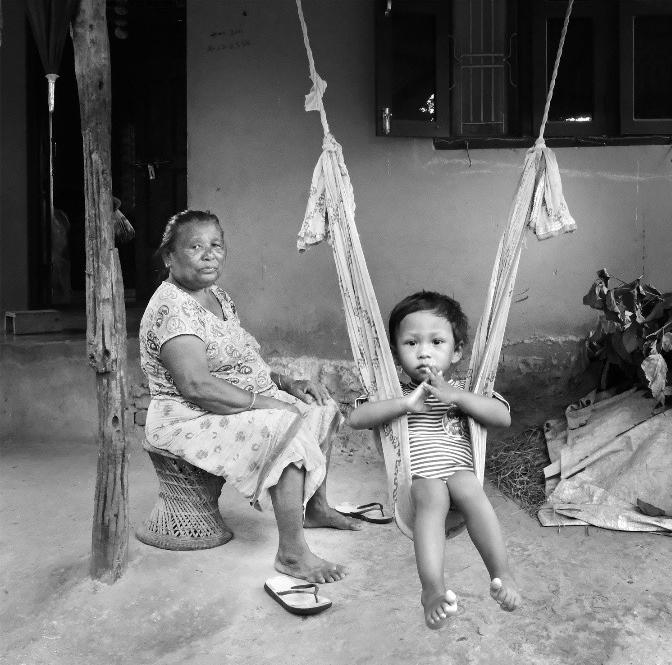
Sauraha village and in the countryside
Nepal borders on China to the north and on India to the west, south, and east. The south is the so-called lowland region, which becomes increasingly hilly towards the north. The northern border lies in the Himalayas. Nepal is over four times larger than the Netherlands and has a population of about 30 million.
RELIGION
Hinduism is the largest religion in Nepal, accounting for approximately 80 percent of the population. Hinduism doesn't have a Bible, but it does have 3,500-year-old sacred texts and thousands of gods. Approximately 10 percent of the population is Buddhist. According to tradition, Buddha was born around 450 BC in Lumbini, Nepal. He lived in northern India and in Nepal, where the teachings of Buddhism developed. It is a religious and philosophical doctrine characterized by the development of the mind and by behaving ethically, such as not stealing or lying; one might say, by living a respectful life.
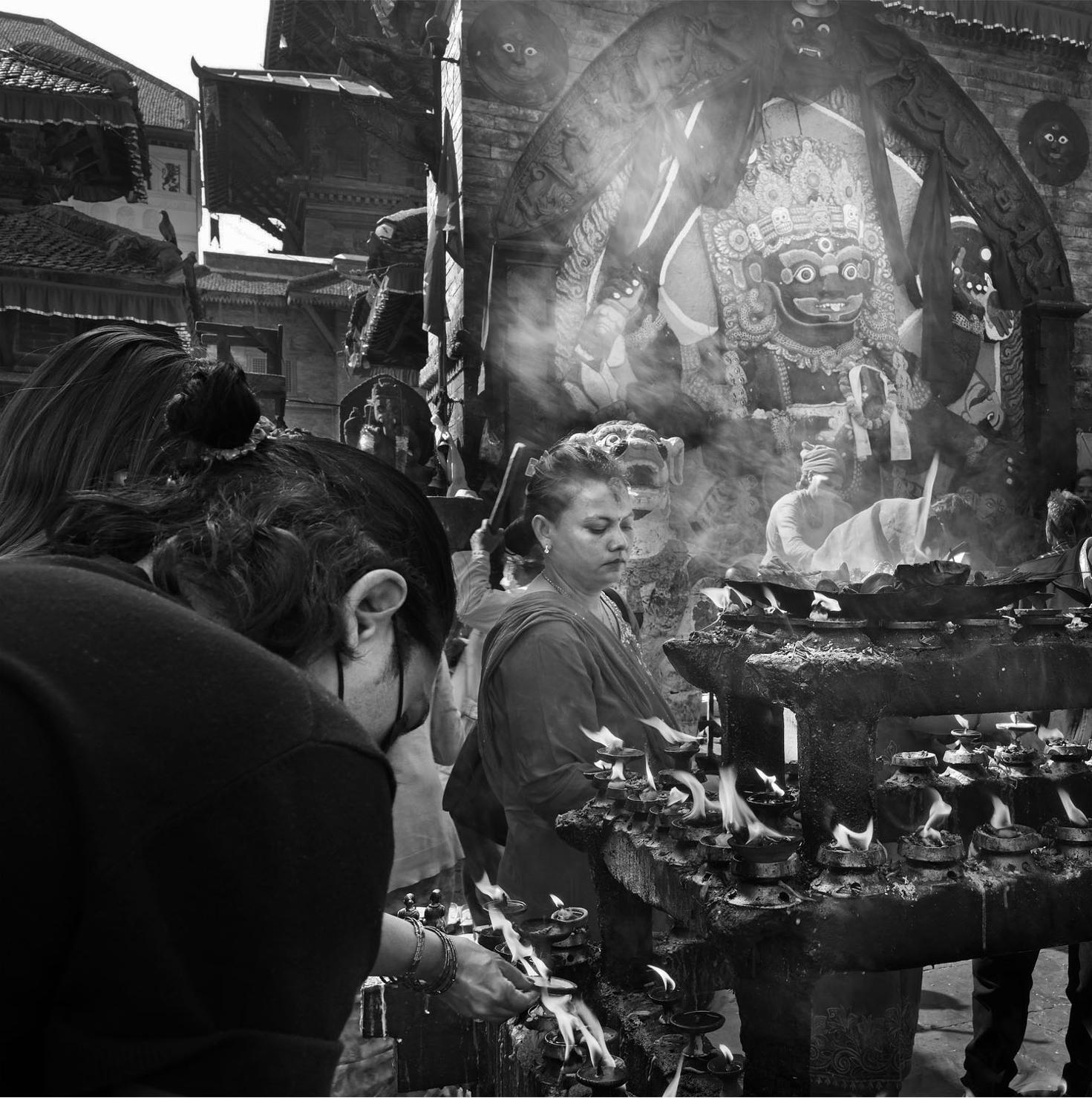
Kaal Bhairav a hindu shrine at Dunbar square in Kathmandu
Buddhist monks and nuns live in monasteries and are recognisable by their red or orange robes. In Nepal, monks are also seen on the streets. Mixing Hinduism and Buddhism is common in Nepal. Various spiritual festivals are celebrated together.
Buddhist monk in Bhaktapur
REPUBLIC
Unlike several other Asian countries, Nepal was not a colony. The country has a turbulent recent past, marked by internal conflicts. In 1962, Nepal adopted a new constitution that largely vested power in the monarchy. Between 1996 and 2006, the country was embroiled in a civil war. The monarchy was abolished in 2008, and the country became the Democratic Federal Republic of Nepal.
In September 2025, protests erupted after the government blocked social media online. During subsequent anti-corruption protests, government buildings were set on fire, and several demonstrators were injured or killed during the riots. Under pressure from the protesters, the ban on social media platforms was lifted, and the government announced changes.
In the streets of Bhaktapur
RITUALS
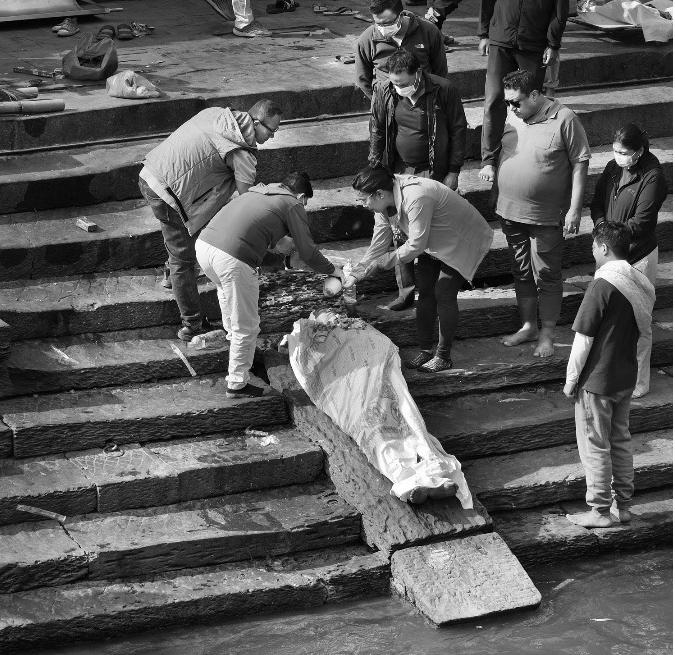
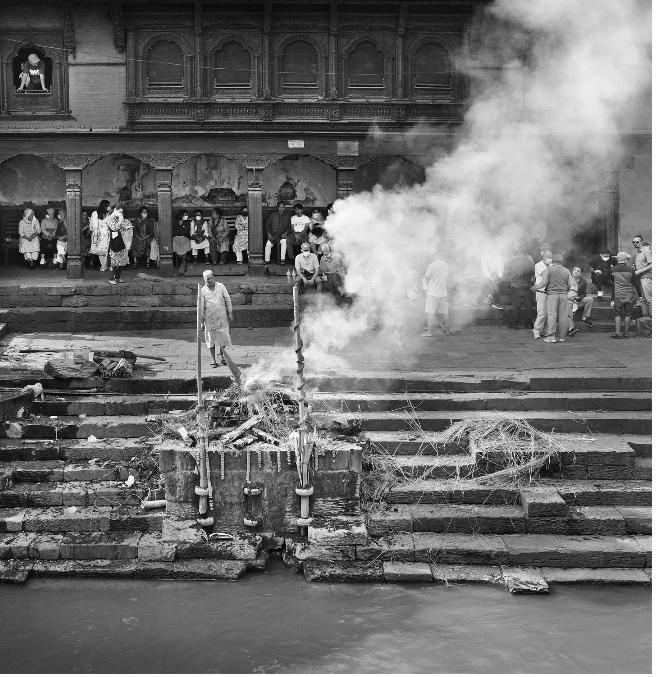
Public cremations are taking place in Nepal, particularly at the Pashupatinath Temple in Kathmandu on the Bagmati River, both of which are considered sacred. The family washes the body of the deceased, after which it is wrapped in cloth. Before the deceased is cremated on a ghat, a plateau near the river, the bereaved perform rituals. According to Hindu belief, this marks the end of the cycle of birth, death, and rebirth. The remaining ashes are scattered in the river.
Public cremations at the Pashupatinath Temple in Kathmandu on the Bagmati River
SADHU
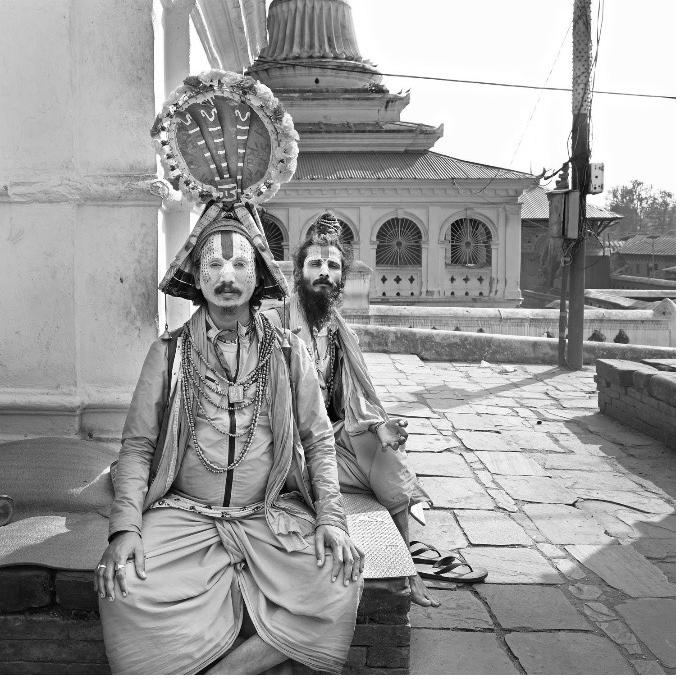
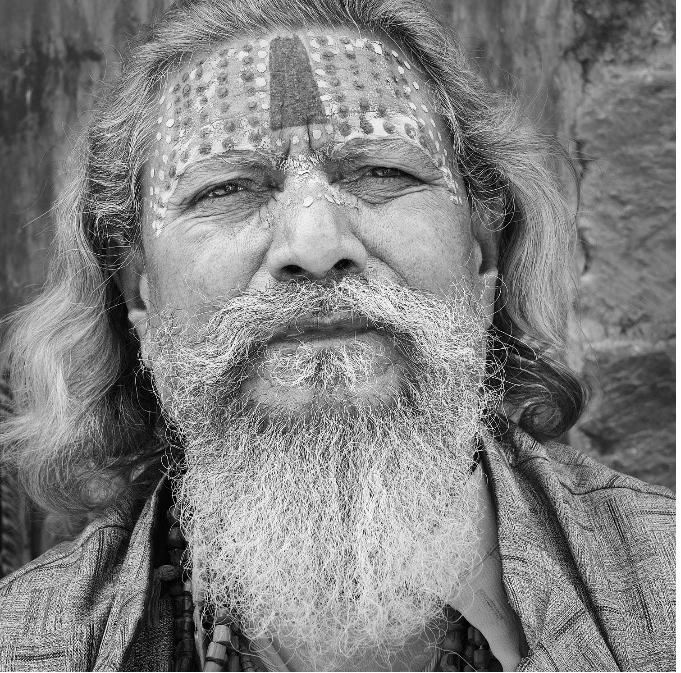
On the streets and also at the Pashupatinath temple, you'll encounter Hindu sadhus, holy figures. A sadhu is an ascetic or yoga practitioner. It is a sadhu's religious endeavour to live a frugal life, to achieve a form of purity, and to attain spiritual liberation through meditation. The goals can vary from sadhu to sadhu: sacrifice to a god, penance, a disciplined life, or preparation for the afterlife. Sadhus can live alone, in small groups, or in monasteries and often own only what they carry with them.
The clothing and jewellery they wear vary according to personal beliefs or taste. They shave their heads, twist their hair into a bun, or wear it under their head covering or loose on their shoulders.
Hindu sadhus at the Pashupatinath temple in Kathmandu
INFRASTRUCTURE
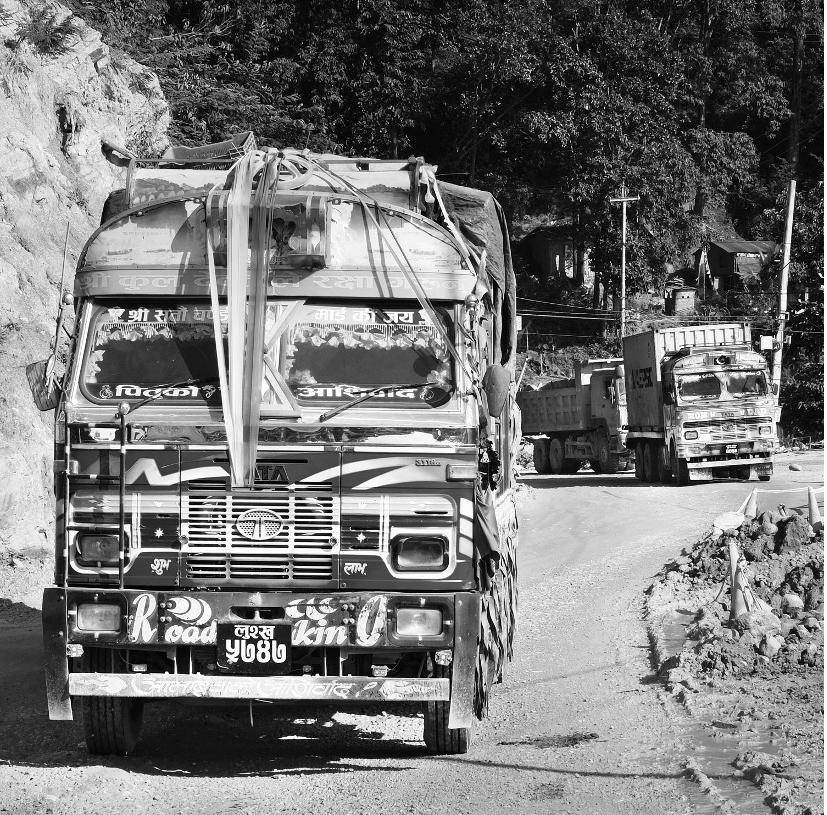
Traffic drives on the left side of the road, unless you're driving on the right. That last part sounds unusual, but cars, trucks, buses, and motorcycles regularly drive in the opposite direction. Large parts of Nepal have two-lane roads. These are often unpaved and have quite a few potholes. Therefore, distances are often indicated in hours. For example, the distance from Pokhara to Kathmandu is 200 kilometres and takes about nine hours by bus or car.
Trucks, cars, motorcycles, and scooters regularly turn a two-lane road into a three- or four-lane road, and honking is common. A striking feature of the trucks is that they are often decorated, with windshields covered with all sorts of tape and adorned with curtains and ribbons. It looks cheerful, but whether it improves road visibility is questionable.
Unpaved road in Dumkibas at the Mahendra Highway (the longest of Nepal)
CAPITALS
Bhaktapur, founded in the 8th century, has a population of approximately 82,000. It is the former capital of Nepal (12th-15th centuries). It lies approximately 12 kilometres southwest of the current capital, Kathmandu. Despite several earthquakes, Bhaktapur has been relatively well preserved over the centuries. The city boasts several squares, such as the centrally located Durbar Square. Adjacent to these squares are several Hindu temples, decorated with sculptures and carvings.
At the 17th-century Kedaranatha Temple, a woman performs a ritual in which water is poured over a stone lingam. The lingam has a stone yoni, which collects the offered water. The lingam and the yoni represent the creation of humanity.
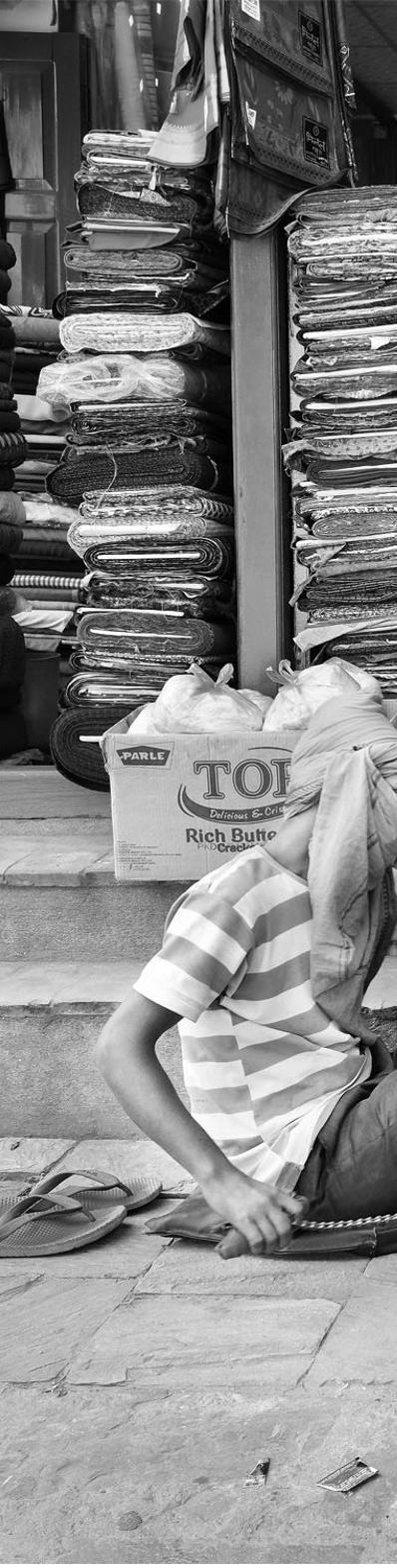
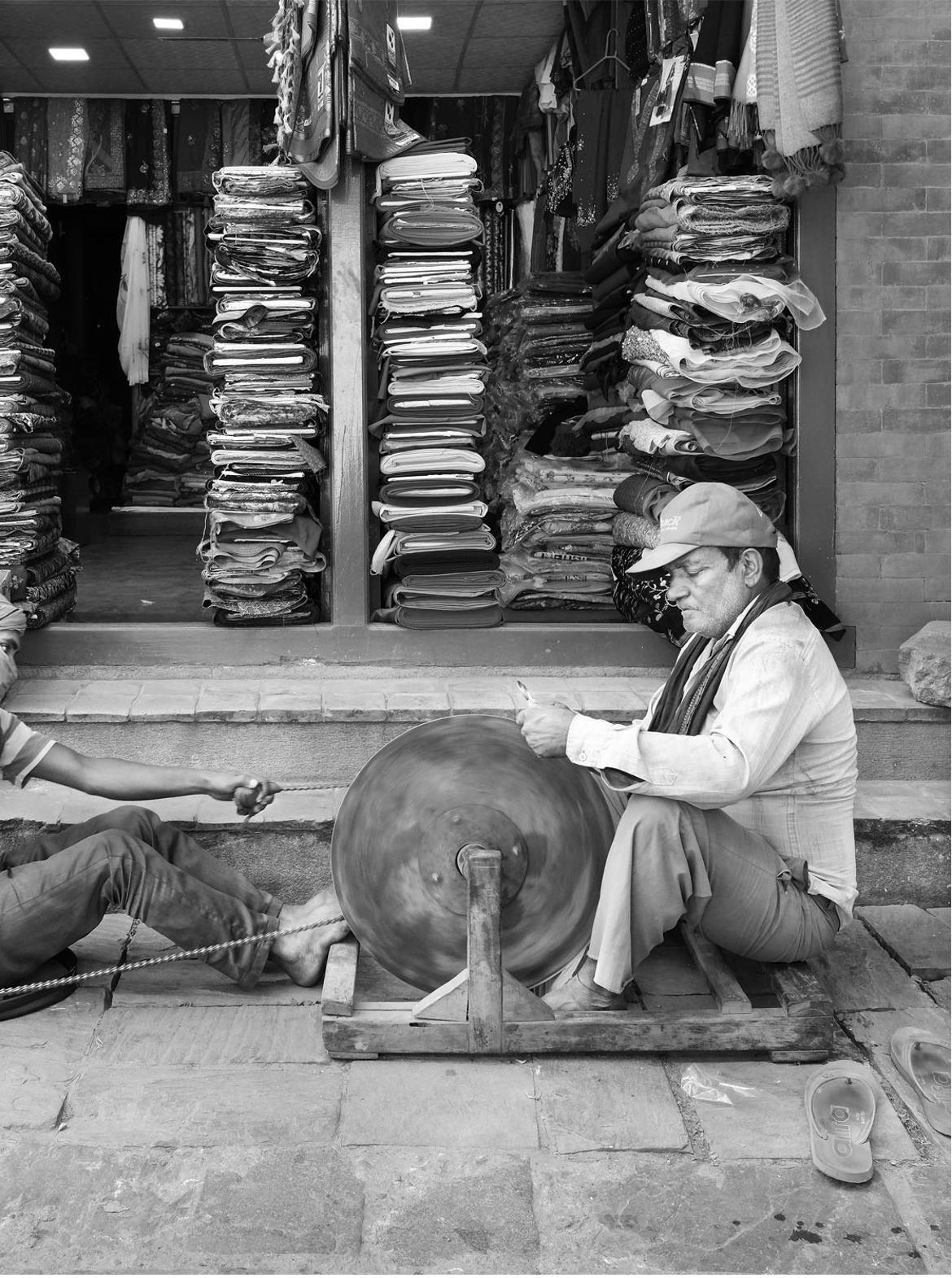
This old city is bustling with shops and artisans. A scissor grinder, no longer seen in the Dutch streets, is working with his hand-powered whetstone, sharpening the scissors of a fabric shop.
Kedaranatha Temple at Bhaktapur
Scissor grinder is sharpening the scissors of a fabric shop in Bhaktapur
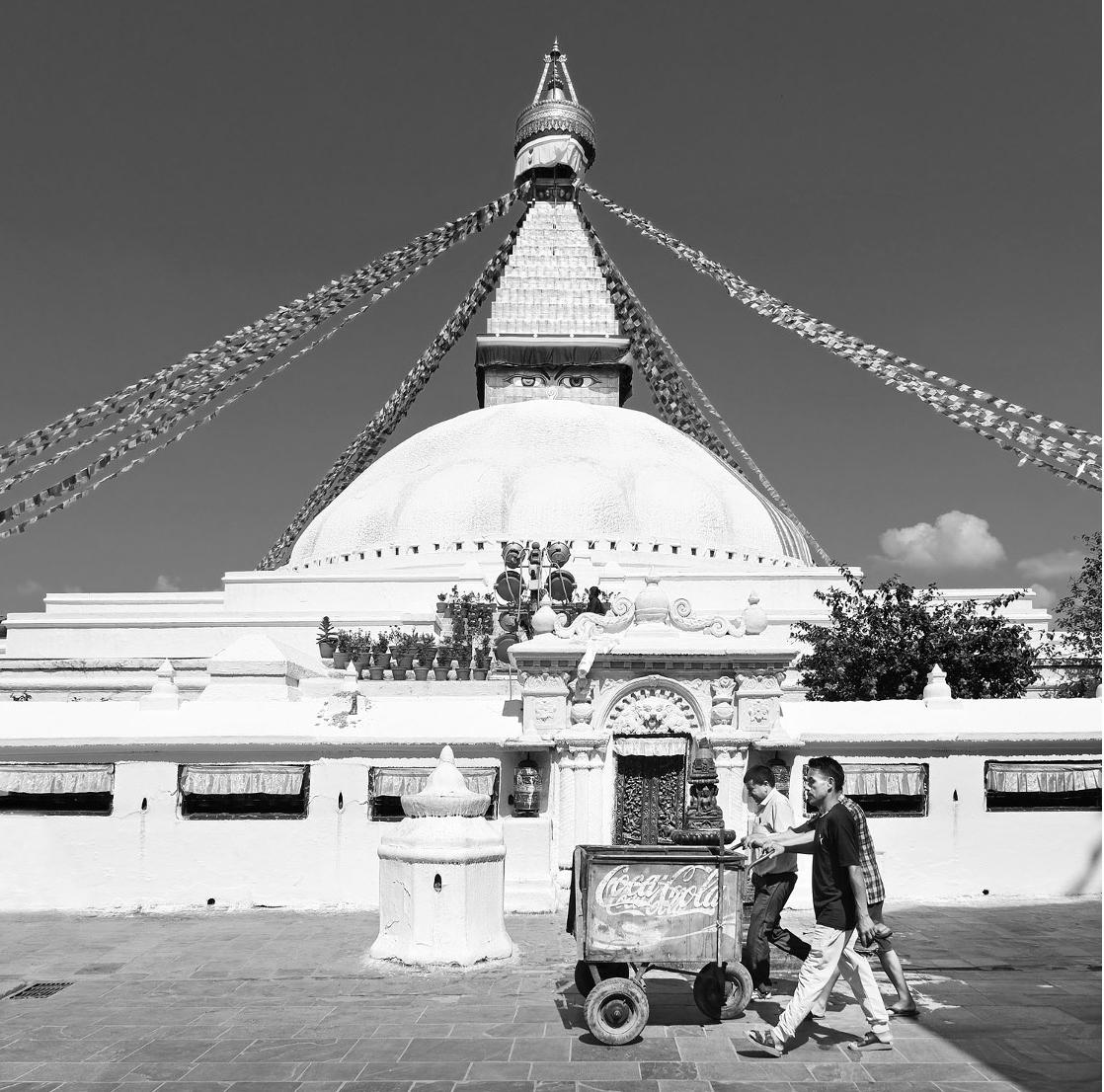
A Coca-Cola trolley passes the Buddhist Boudhanath stupa in Kathmandu
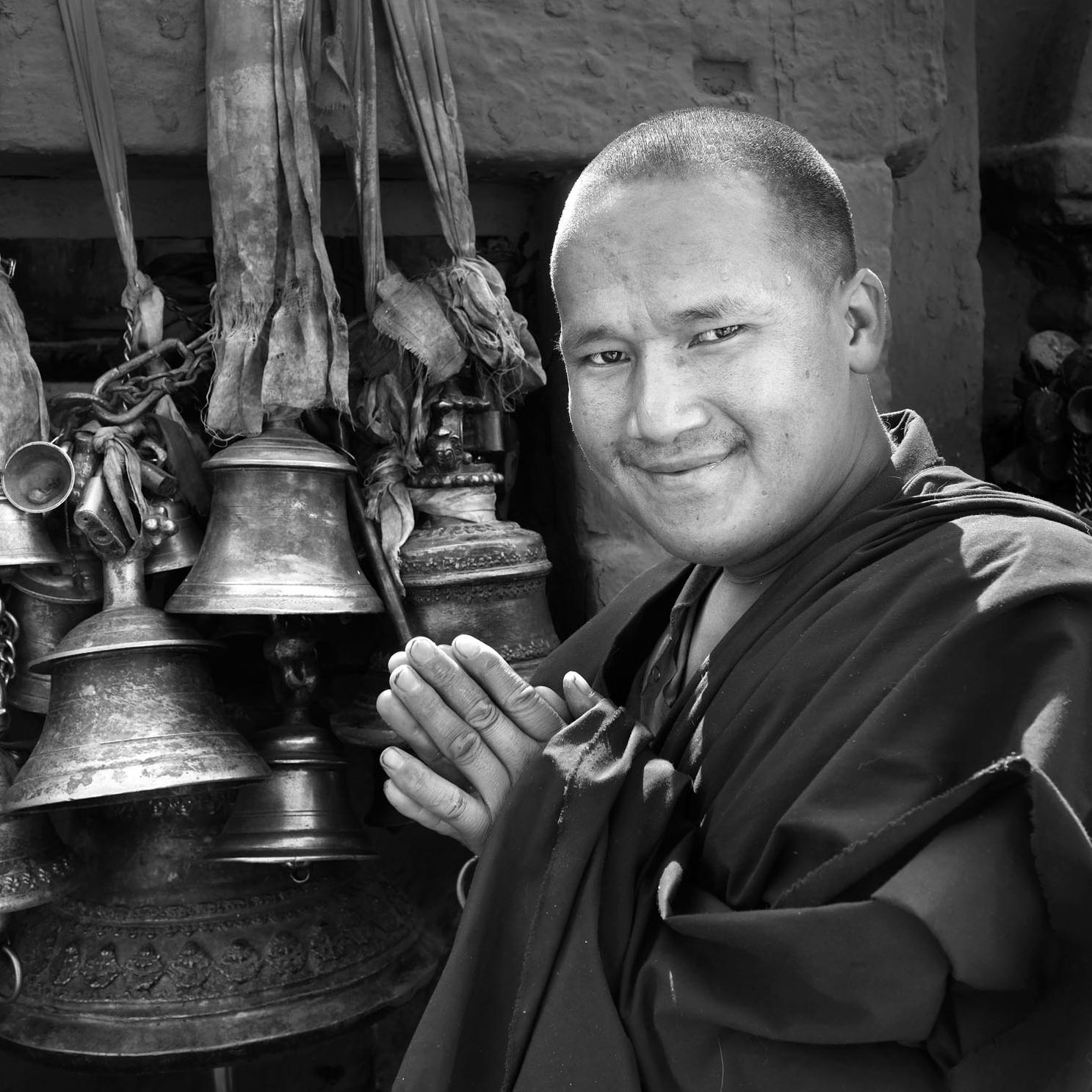
Kathmandu has over a million inhabitants and is located 1,350 meters above sea level. There are various monuments, temples, palaces and squares. In the old town, tourist postcards are framed and stockpiled, residents are meeting at a temple, young children are grooming each other, and offerings are being made to the gods. A Coca-Cola trolley passes the Buddhist Boudhanath stupa, and a monk greets you at the entrance. His hands are clasped together. This gesture is used by Hindus and Buddhists to greet and show respect. Respect in Nepal.
Buddhist monk at the entrance of the Boudhanath stupa in Kathmandu
For more information about the photos or the book, please contact Armando.
Hardcover 92 pages, 80 black and white photos printed in full colour (colour settings gives better nuance and quality to black and white prints).
Next time, an impression about my experiences in India.
My “Wintering”
Astrid Preisz
The past months I have been taking it slowly: experimenting, exploring, recharging, and concentrating on a nurturing relationship with myself. Slowly, I started to say "yes" to myself more often and "no" more often to a world that tends to have expectations I struggle to fulfil. I started to take better care of my body. I spent a lot of time outside. I acknowledged my need for quiet, a slower pace, and a deeper connection with nature and the people I care for.
A few days ago, I stumbled upon Katherine May's beautiful quote and what she has to say resonates deeply.
“Doing those deeply unfashionable things—slowing down, letting your spare time expand, getting enough sleep, resting—is a radical act now, but it is essential. This is a crossroads we all know, a moment when you need to shed a skin. If you do, you’ll expose all those painful nerve endings and feel so raw that you’ll need to take care of yourself for a while. If you don’t, then that skin will harden around you.”
— Katherine May, Wintering: The Power of Rest and Retreat in Difficult Time
In a way, I have been "wintering", existing in a state of introspection, questioning the importance (and definition) of success, and carefully probing for new ways of finding "fulfilment."
For a long time, I had done what Katherine May warns us about. I had let the skin harden around me. Until I finally realised that even with all that is going on in the world right now, letting that skin harden around me wouldn't do me any good. I need to stay vulnerable, but I also need to protect my sanity.
My "Wintering"
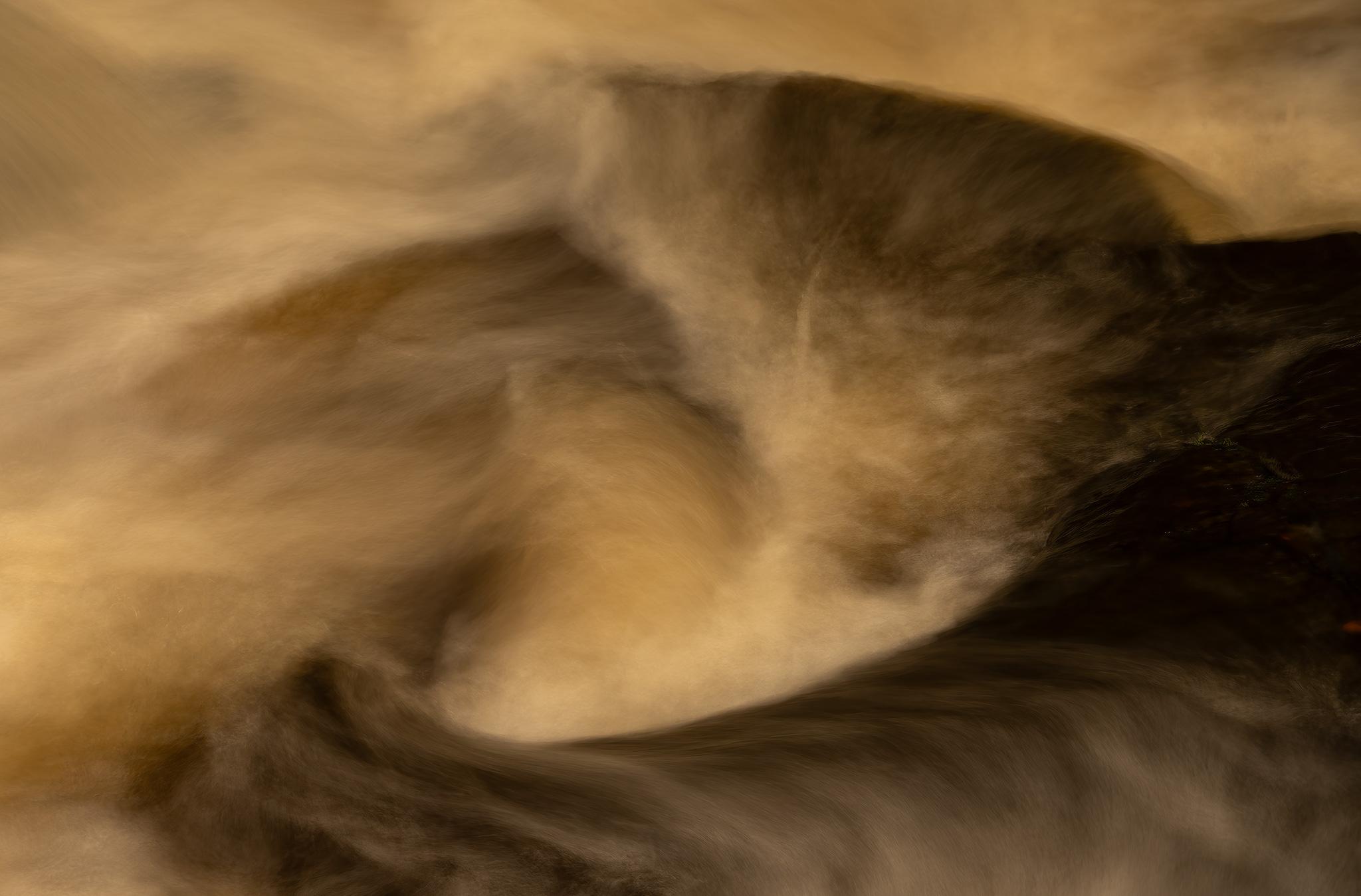
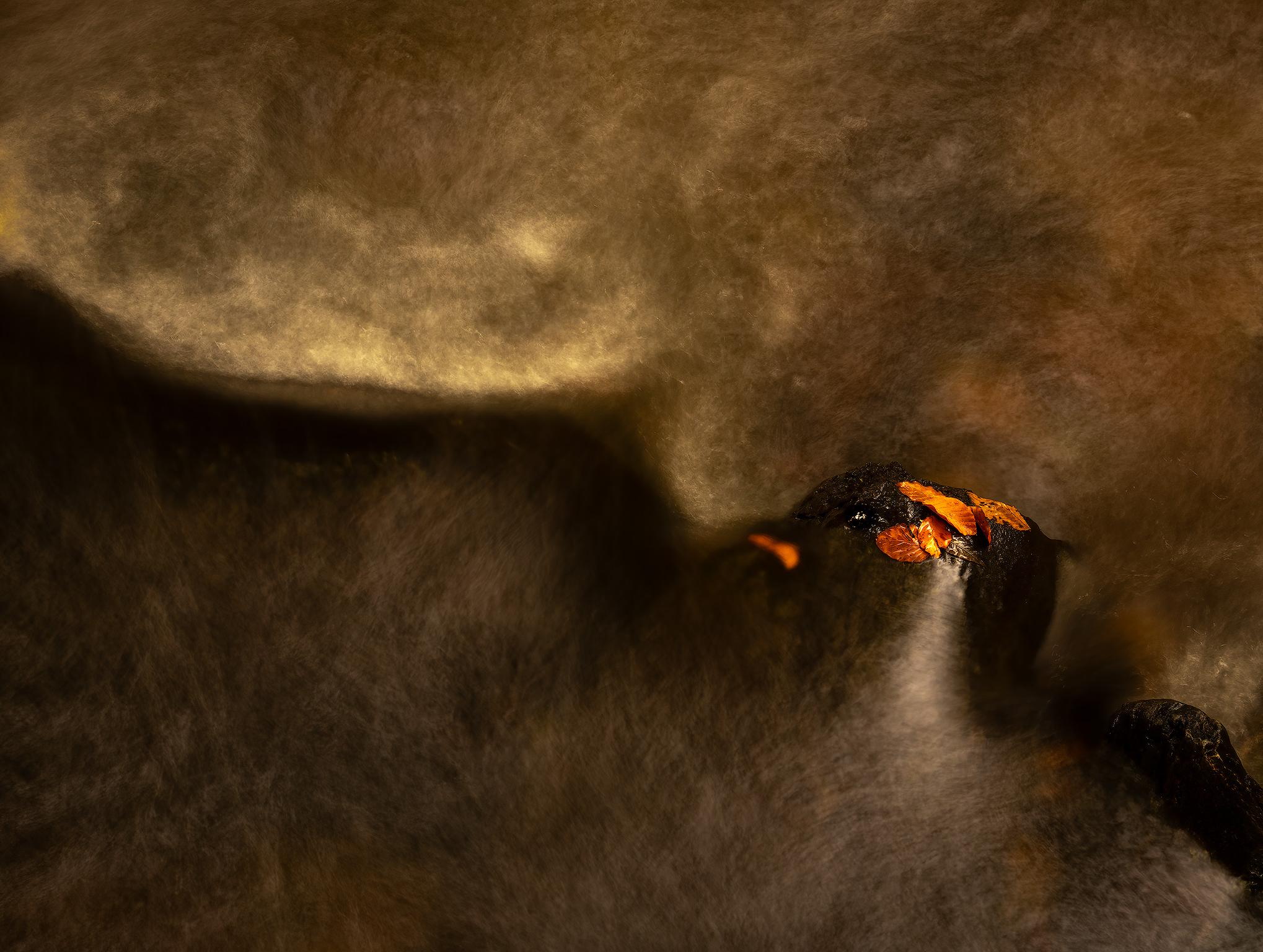
I wander, both with and without my camera, finding joy in the ice patterns on the frozen river, water jumping over rocks, and the sun peeking through the final golden leaves on the trees. I realise that "more" and "faster" are being replaced by "less" and "more slowly"; the need for coming up with a perfect image is being replaced by the joy of being in the moment and simply "creating"
Last October, I was on a wonderful retreat in Scotland, spending valuable moments with people who shared my contentment with just being present in the experience. We spent time together, meandered, explored different directions, and met again. Connecting by appreciating togetherness and solitude alike.SinceIreturned,IhavefelttheurgetosharewhatItookaway
Issue 11 Spring 2026
My "Wintering" from that time and the richness of the gift it was. But somehow, the words wouldn't come. I was digesting, processing, and nursing the quiet hours of meditation, the solitary dialogues with trees, and the making of images, not of or about, but with the landscape, in a beautiful and deep cooperation.
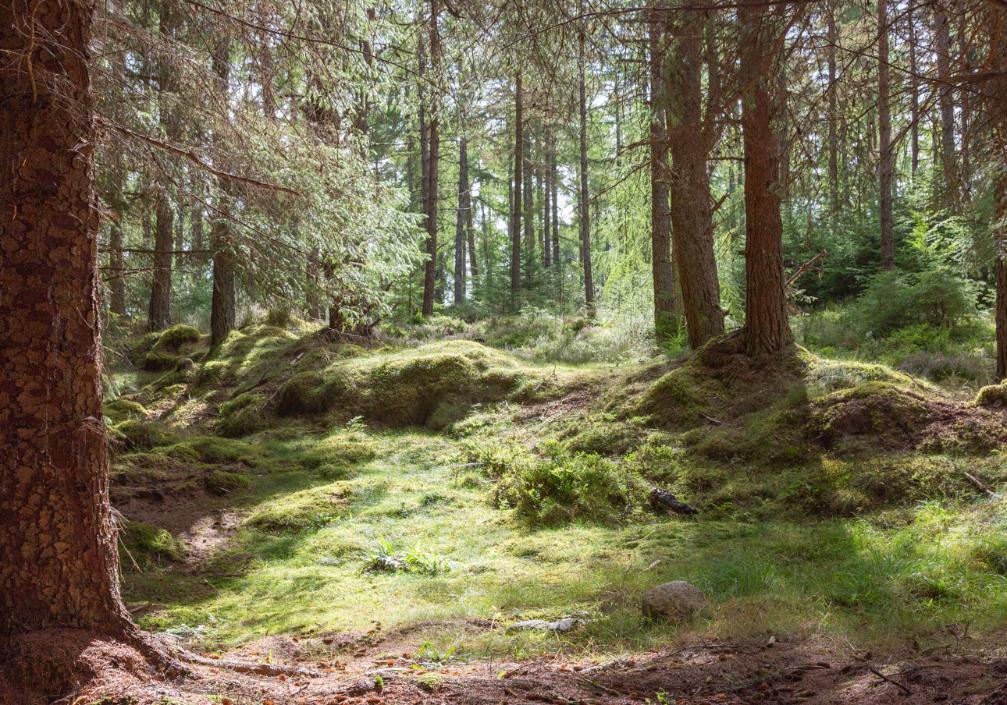
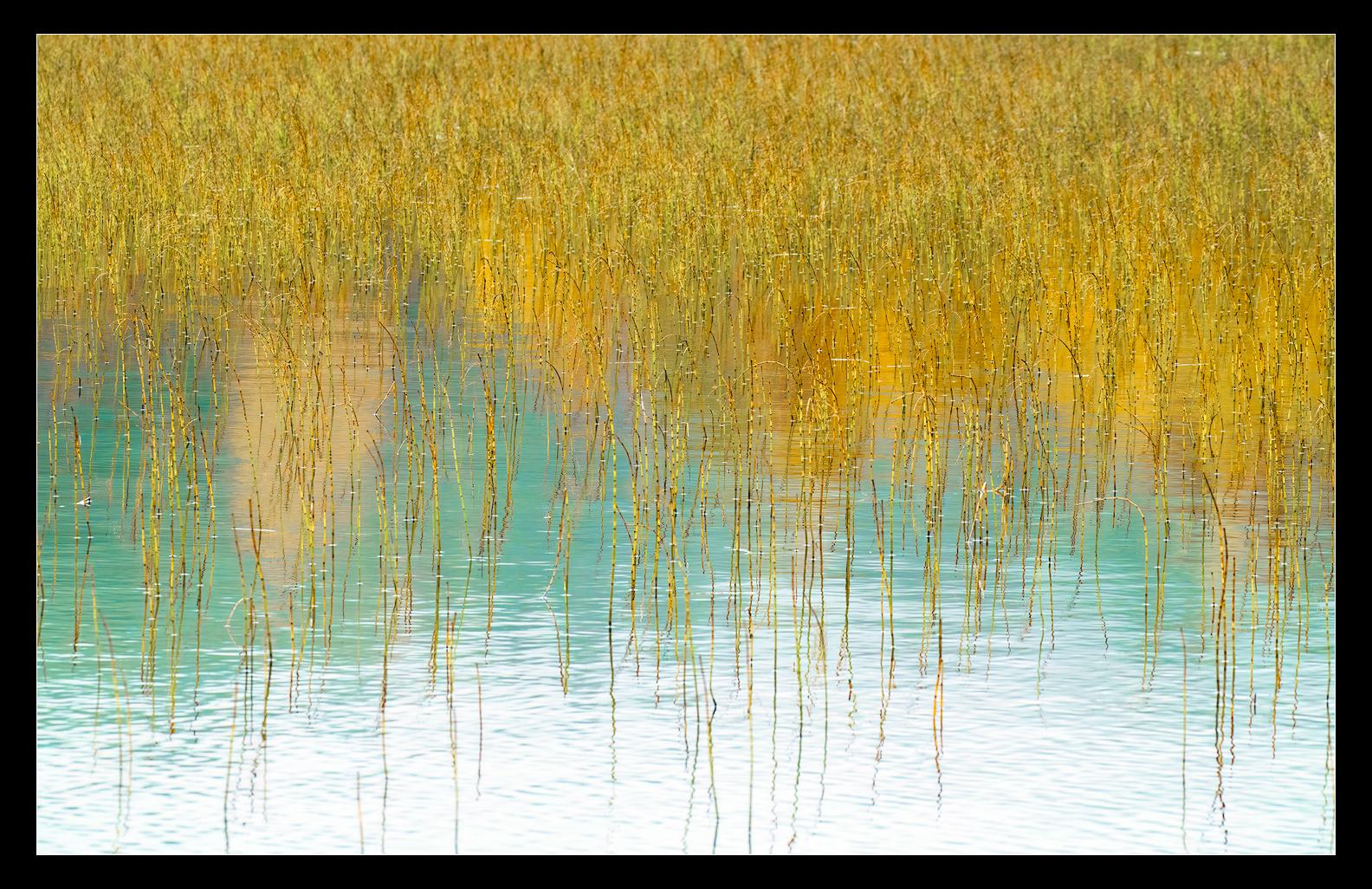
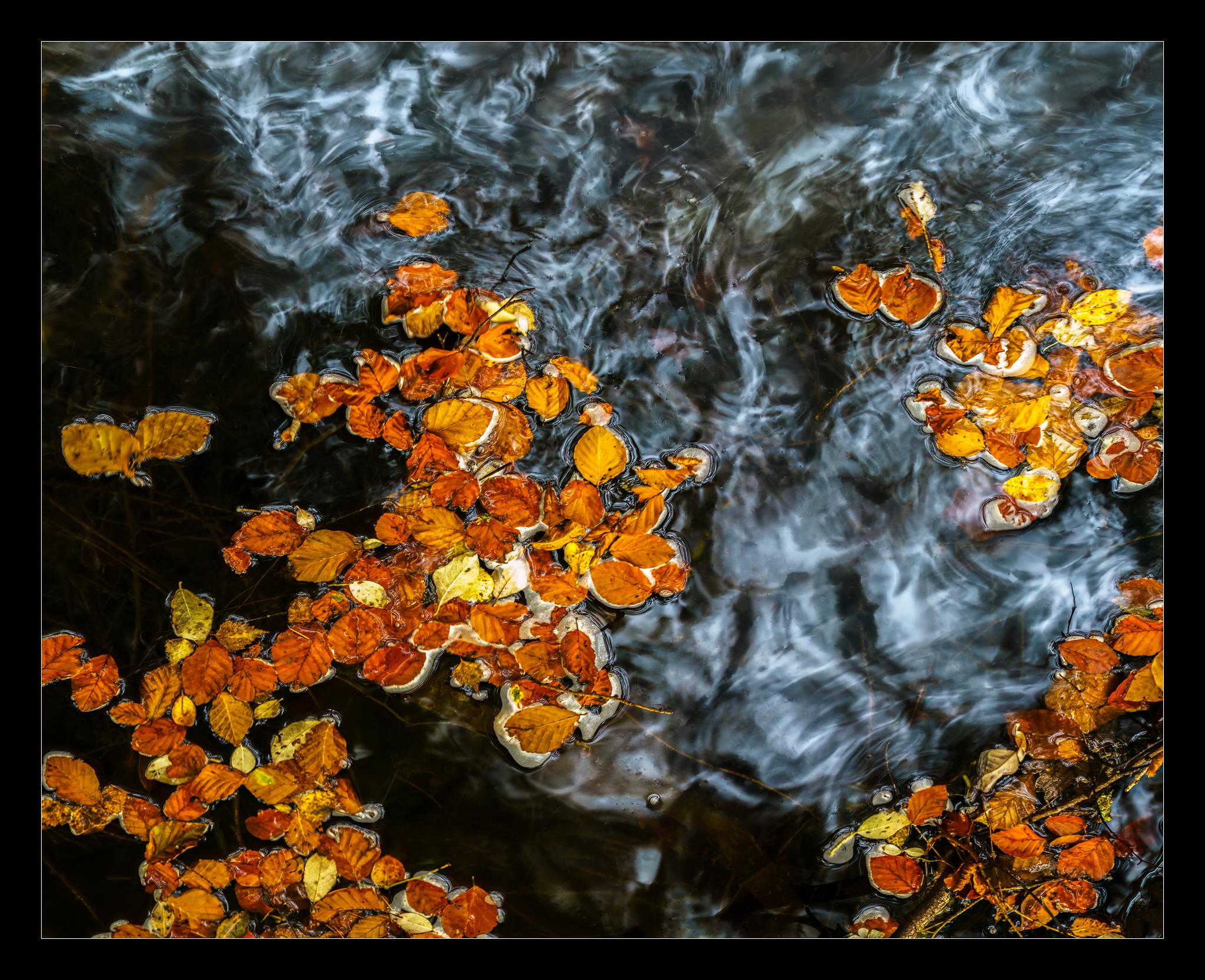
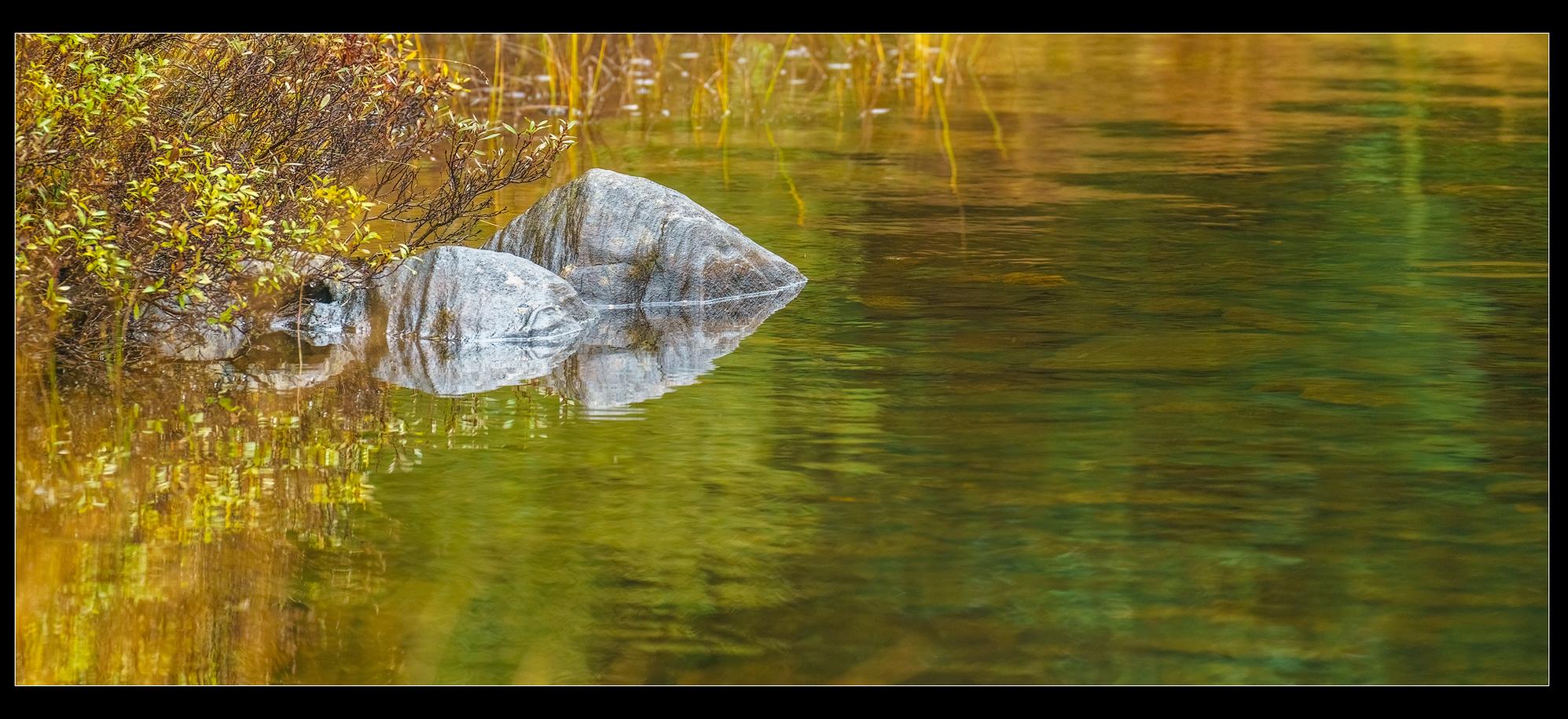
The images you see in today's musing are an expression of my connection with nature and every single precious moment of being in tune with time and place. A friend called them "honest." A wonderful compliment.
My "Wintering"
Issue 11 Spring 2026
This wasn't meant to be a New Year's Musing, but the past months have opened my eyes to what is truly important. Among other things, I wish you:
An open mind
Moments (plenty of them)
Spaciousness (inside and outside)
Connection
Friendship
Nature
Sparkle
Perspectives (new ones!)
Being able to see the small things
Layers (because nothing is flat)
A hand when you need one
A hug when you need one
And space for “Wintering” no matter what season it is
More images from my Scotland retreat: Autumn in Scotland
Introducing our newest Member(s)
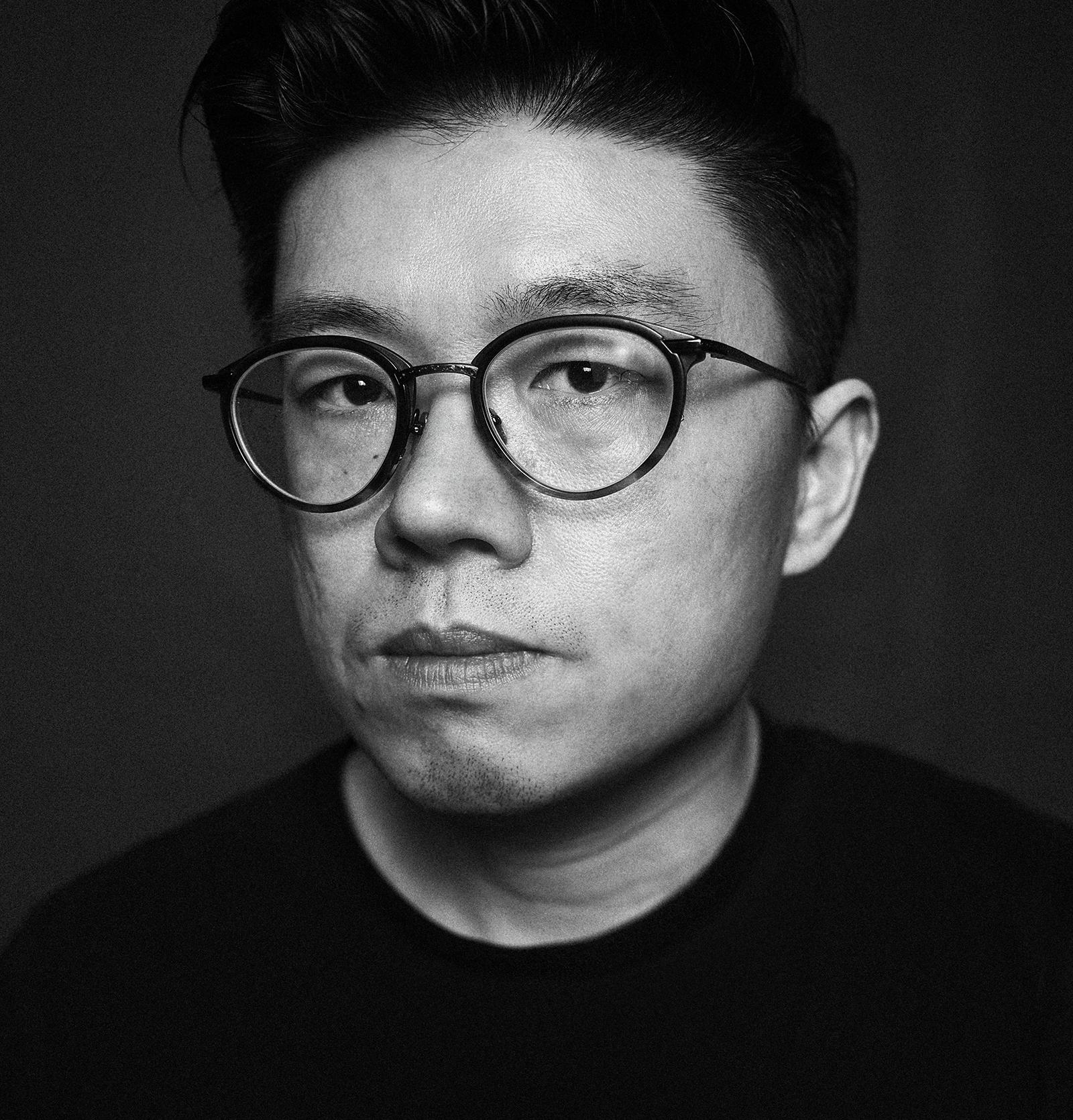
Feng Yan
BIO
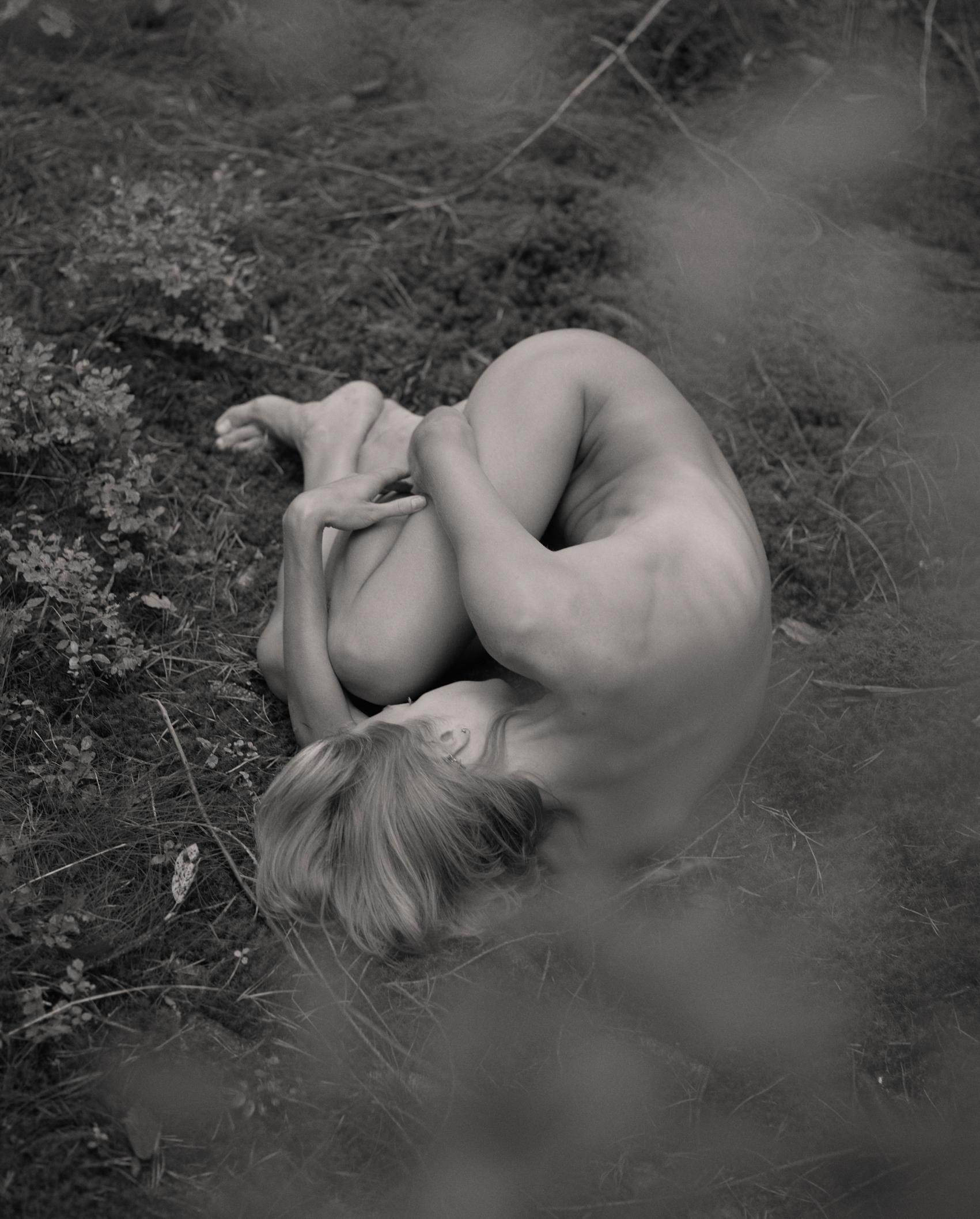
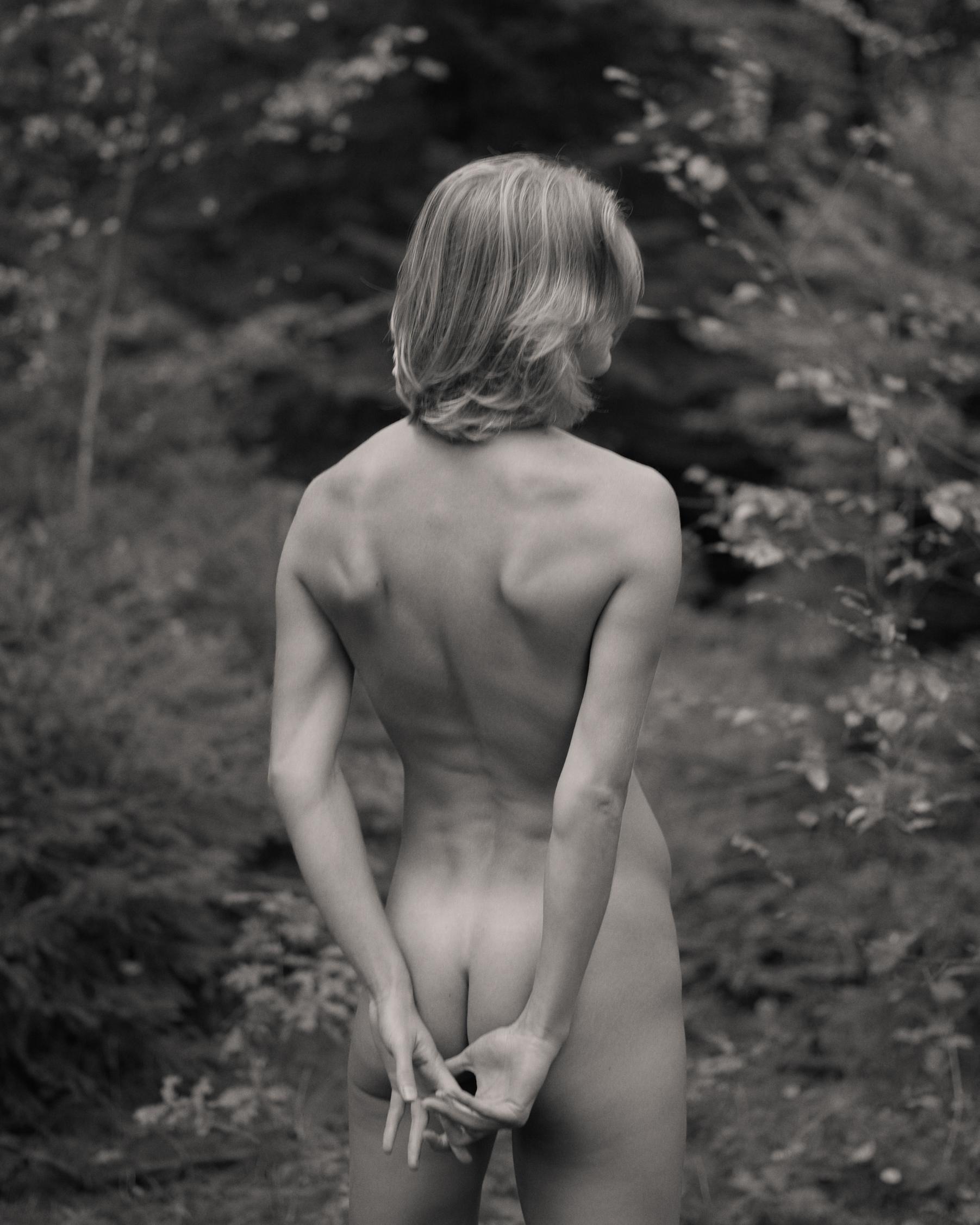
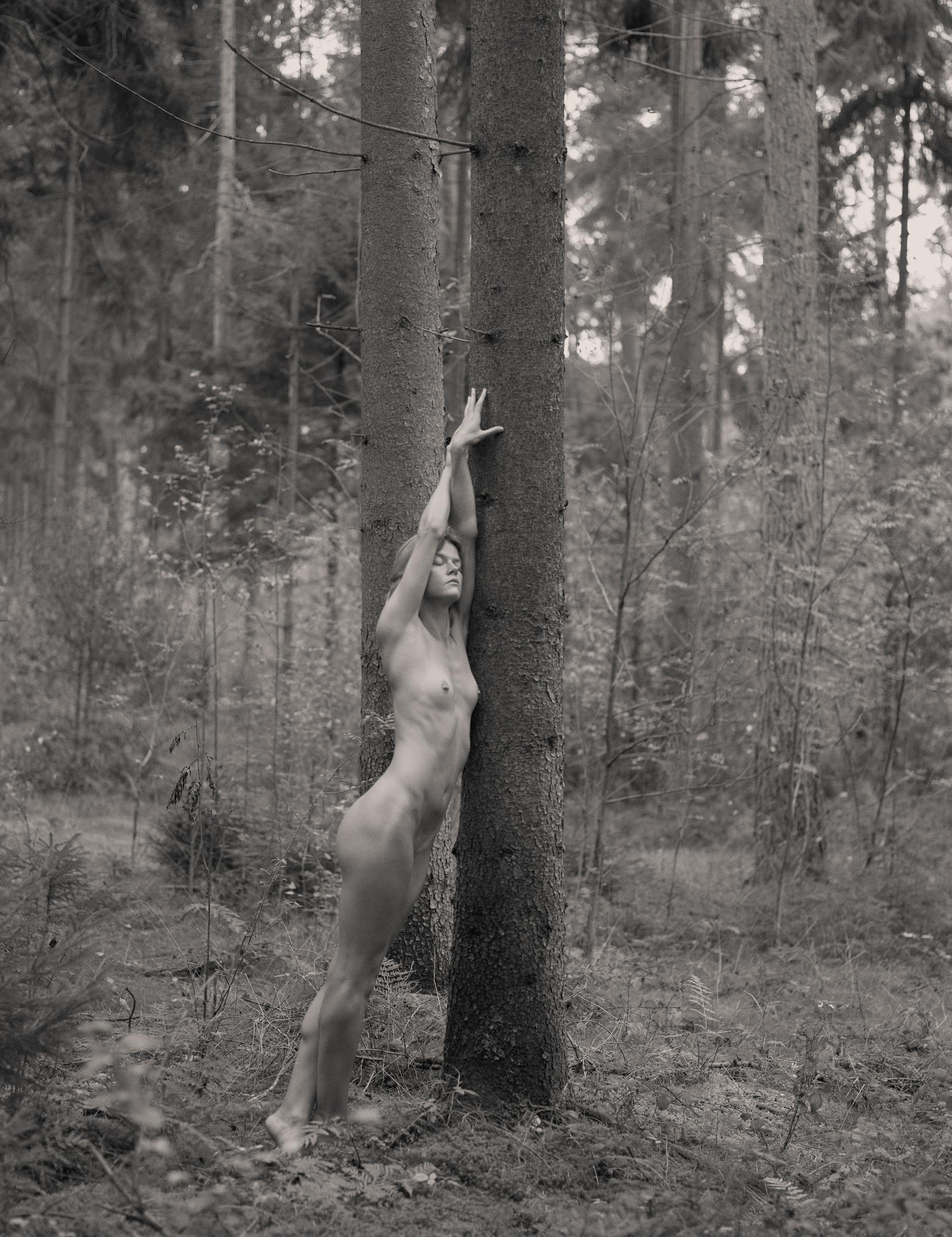
Feng Yan is a Chinese-born photographer from Shanghai, based in the Netherlands and working between Europe and Asia. His practice centres on the body as structure, where vulnerability and strength coexist, and where form takes precedence over identity and narrative.
Working across analog film, traditional darkroom printing, and digital processes, his approach is shaped by a sustained commitment to materiality and time. Rather than pursuing immediacy, he values slowness, repetition, and physical process as essential parts of seeing. This philosophy is most clearly expressed in his ongoing long-term project The Shape of Breathing — Bodies as Structures, which explores the body as a temporary architecture shaped by breath, gravity, and restraint.
Introducing our newest member(s)
Issue 11 Spring 2026
Alongside this project, Feng’s work spans nude, street, and documentary photography, unified by a consistent attention to how bodies and moments occupy space and leave visual traces.
His images avoid overt storytelling, instead focusing on presence, gesture, and structural relationships within the frame. His work has received international recognition through photography salons and has been published in fashion and art magazines. Feng continues to develop long-term bodies of work that investigate form, presence, and the quiet tension between fragility and endurance.
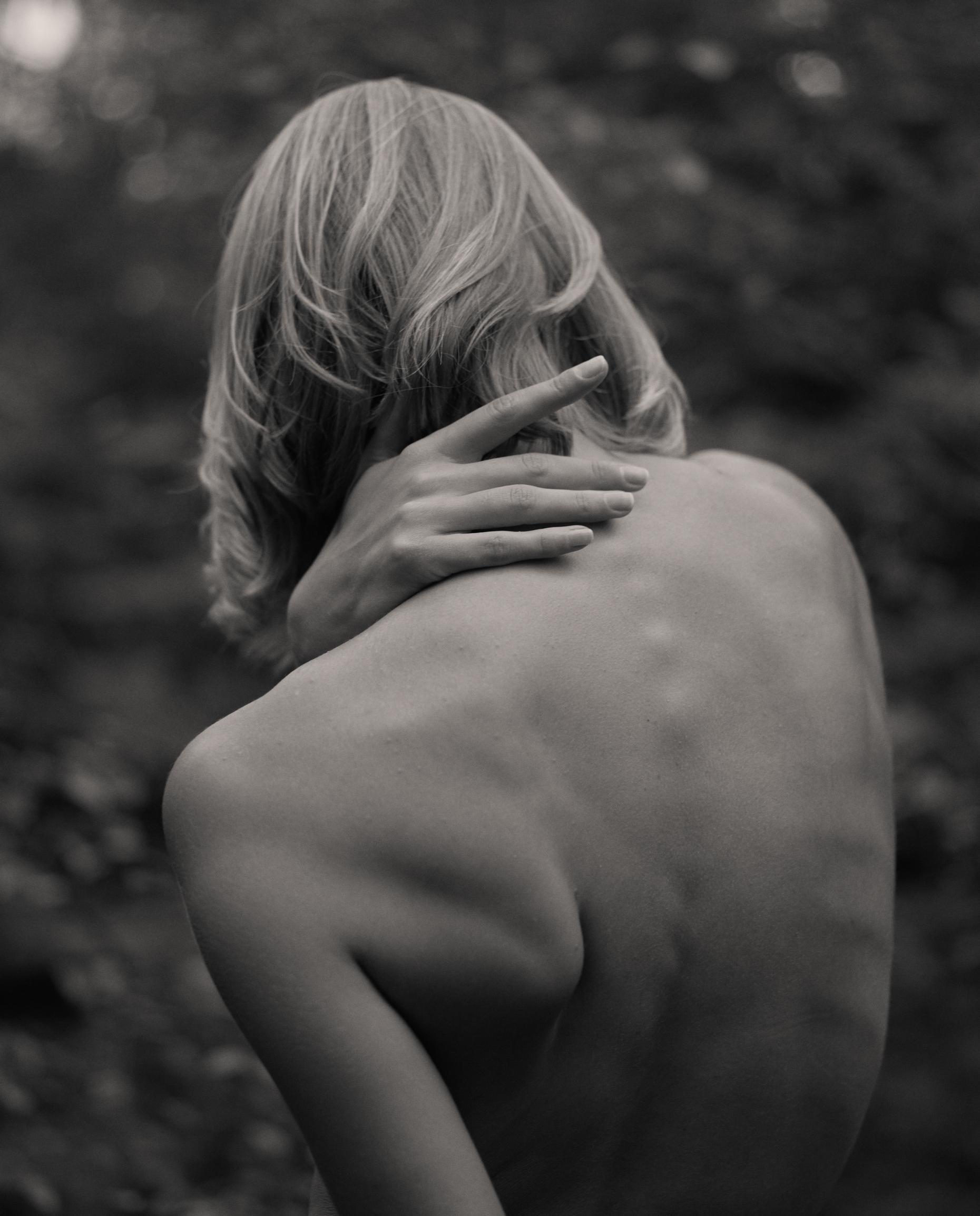
The Shape of Breathing Bodies as Structures
The Shape of Breathing
This body of work explores the human body not as a subject of identity or narrative, but as a structure — a form that carries weight, tension, rhythm, and breath.
The Shape of Breathing
In The Shape of Breathing, I approach the body as an architectural presence: something that bends, supports, compresses, and resists. Breath becomes both a physical action and a visual principle. It is visible in the expansion of the chest, the stretch of skin, the subtle imbalance between effort and rest. Rather than capturing moments of expression or emotion, the images focus on states of being — suspended between softness and strength.
The series originates from a long-term interest in how bodies occupy space. In many classical representations, the body is framed as an ideal or a symbol. Here, I am more interested in its function as a living structure. Muscles are treated like beams under load, joints like hinges, skin like a membrane responding to internal pressure. The body becomes a temporary architecture, shaped by gravity, posture, and breath.
Breathing plays a central conceptual role. It is the most basic, involuntary rhythm of life, yet it constantly alters form. A breath changes volume, tension, and balance. In still photography, this fleeting movement must be suggested rather than shown. I rely on subtle signs: the lift of the ribcage, the compression of the abdomen, the quiet tension held just before release. These moments create a sense of presence — a body that is alive, yet held in suspension.
The visual language of the series is intentionally restrained. I avoid dramatic gestures, strong narratives, or overt symbolism. Light is used to describe form rather than mood. Shadows are treated as structural elements, shaping volume and depth. Whether working in black and white or muted colour, the palette remains controlled, allowing the physical qualities of the body to take precedence over stylistic expression.
Intimacy in this work is not driven by erotic intention, but by proximity and attention. The camera moves close, often fragmenting the body to remove individuality and biography. Faces are frequently excluded, allowing the viewer to encounter the body without the immediate cues of identity. What remains is form, texture, and spatial relationship. This distance from personal narrative opens a space where the body can be read universally, rather than psychologically.
This chapter of The Shape of Breathing focuses on softness as a form of strength. The bodies depicted are not posed to display dominance or perfection. Instead, they reveal vulnerability as a structural condition. A relaxed shoulder, a curved spine, or a folded limb carries as much visual weight as tension or extension. The body is shown as adaptable, responsive, and quietly resilient.
The work also reflects on the relationship between the body and the viewer. By removing narrative cues and facial identity, the images resist quick consumption. They ask for slower looking. The viewer is invited to read the body the way one might read a building or a landscape —through balance, proportion, and material presence. In this sense, the photographs are less about seeing a person and more about encountering a form.
The Shape of Breathing is an ongoing project. Across its broader structure, it moves from intimate bodies to trained athletic forms, and eventually to bodies without faces or human reference, such as plants and organic structures. This progression follows a single question: how do living forms hold themselves together, and what does that reveal about existence, effort, and fragility?
In presenting this chapter, I aim to share a way of seeing the body beyond identity, beyond narrative, and beyond spectacle — as a structure shaped by breath, time, and gravity.
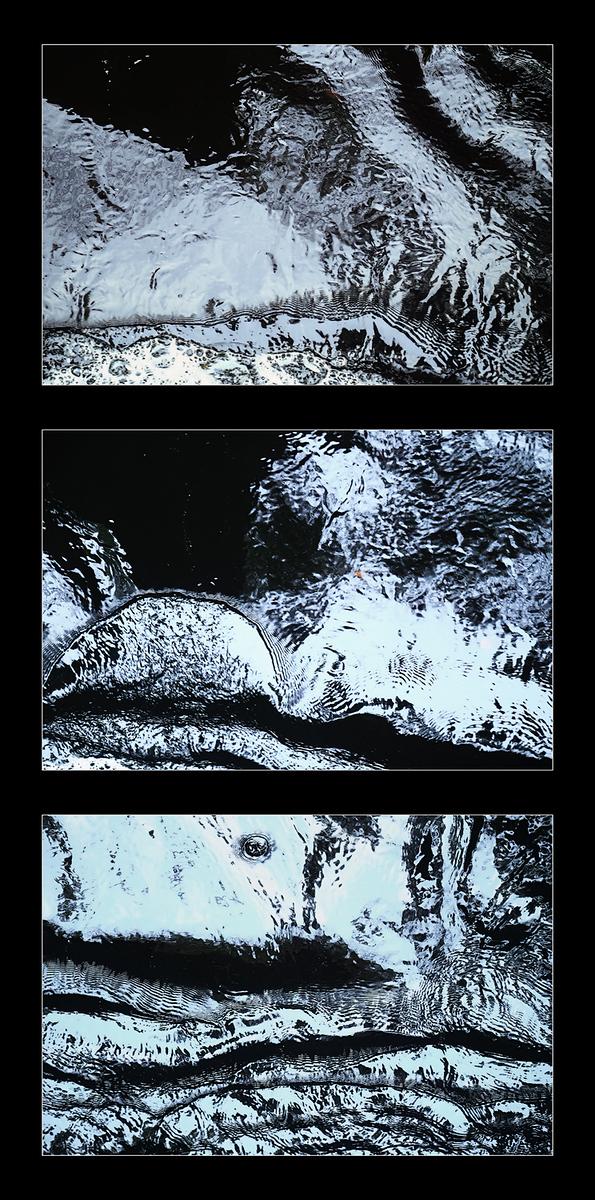
Introducing the Photography of
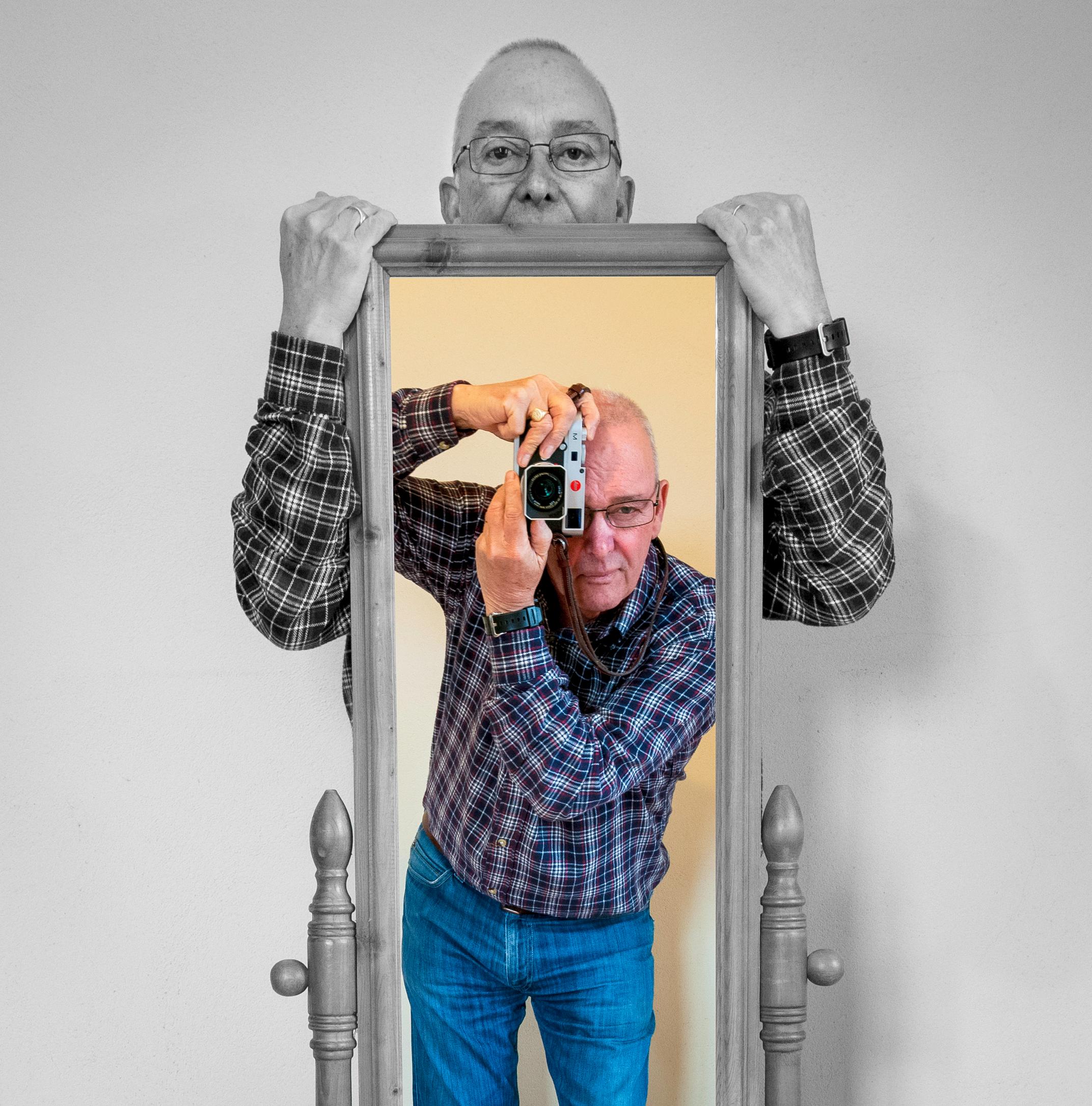
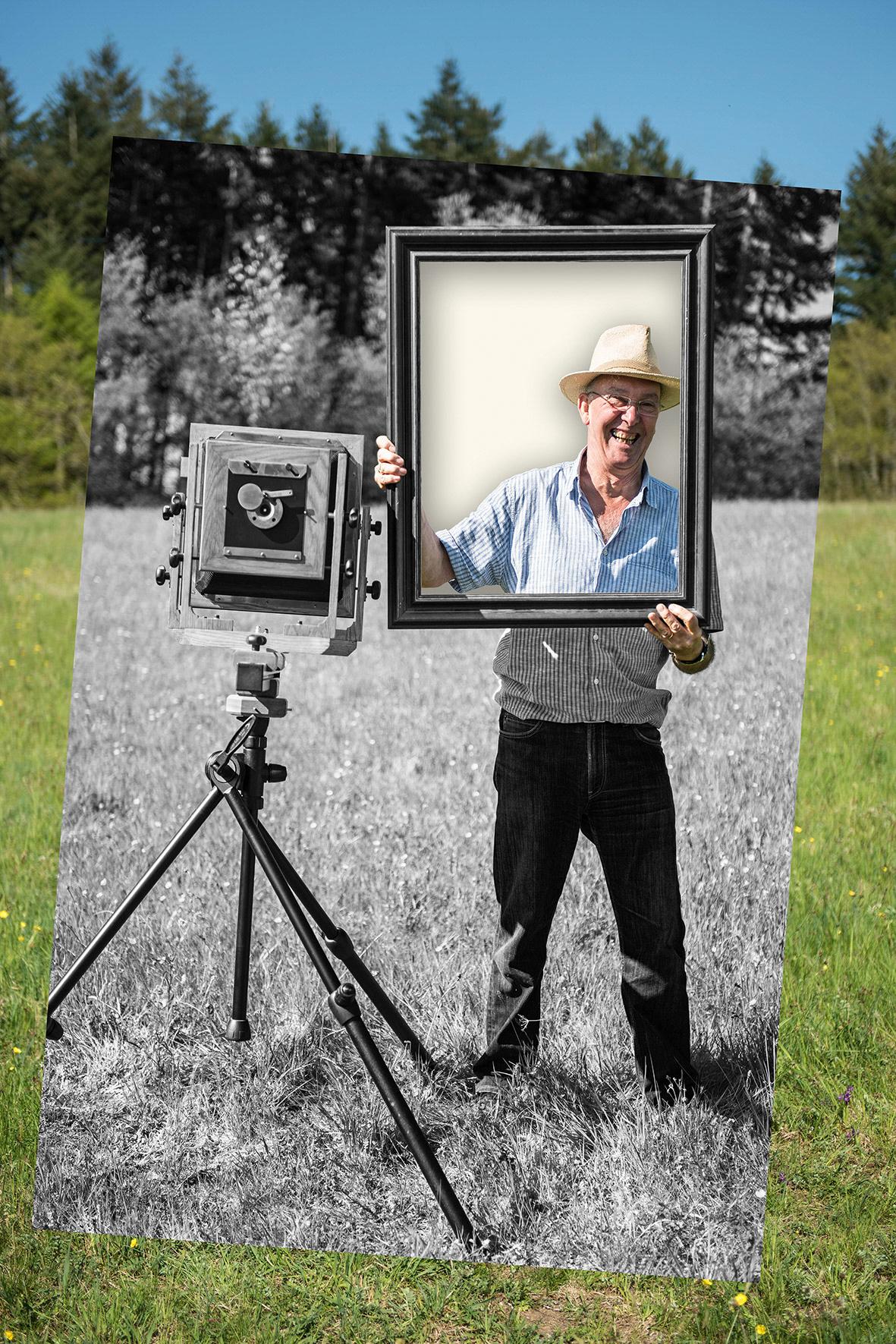
Brent Curtis LRPS
BIO
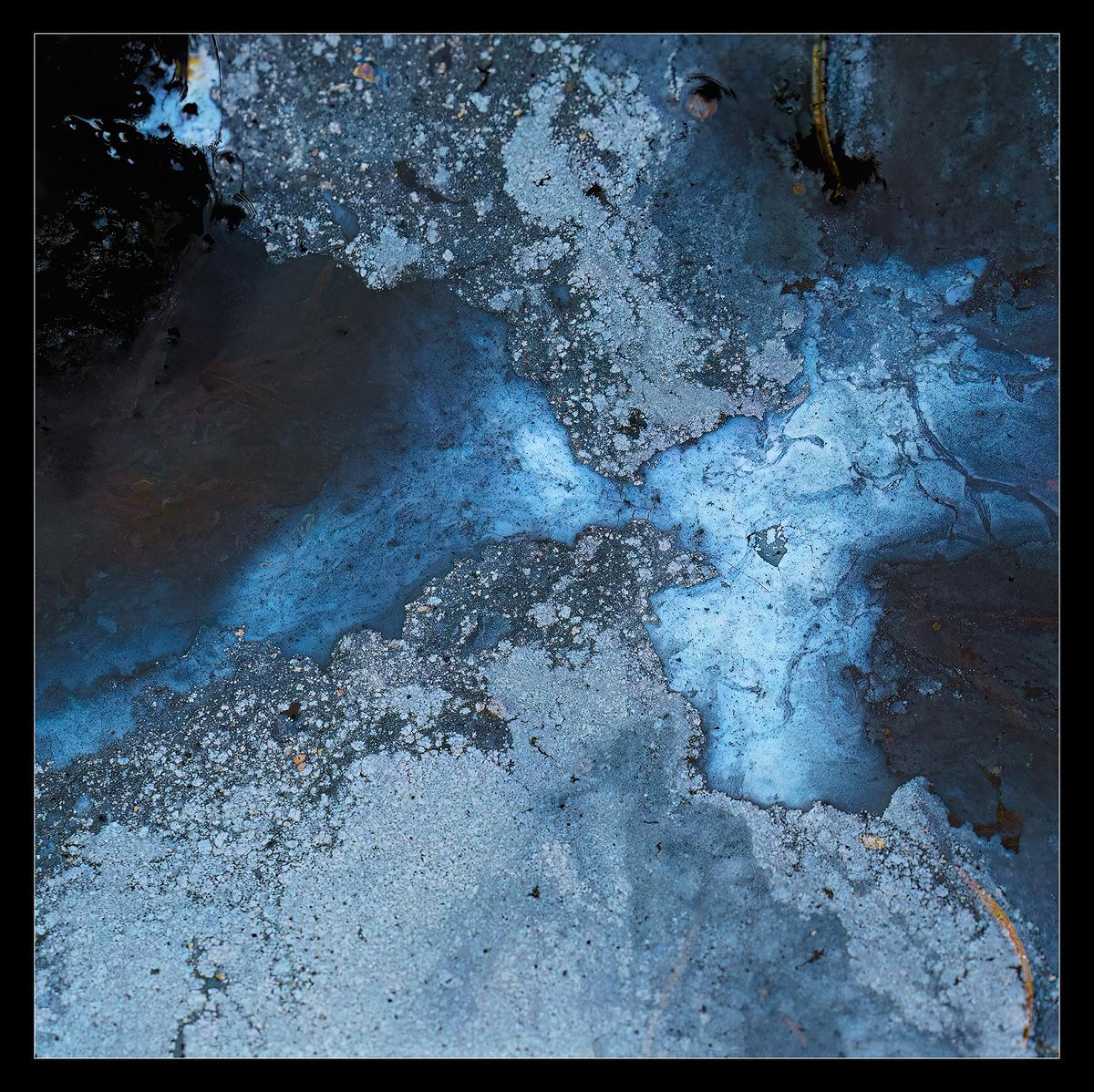
My passion for photography truly began in 1970 when I was gifted my first camera, a Praktica FX2. At university the photographic society had a well equipped darkroom. This allowed me to practice and hone my skills. Most of my photography was in black and white simply because it was far easier and more affordable than using colour film.
Having spent so much time using black and white film I still tend to imagine a potential photograph in monochrome and constitutes about 95% of my work. I was dragged screaming and shouting into the world of digital photography in 2008 but I soon realised its enormous potential, especially with the advantages of image editing software. The ease of manipulating colour images and converting to ‘black and white’ is breathtaking.
I have been mentored by some very experienced and skilled photographers who I met at various camera clubs. A few members had achieved distinctions from the Royal Photographic Society. Their detailed help and encouragement was greatly appreciated and very formative. The goal was always to learn and improve both technically and artistically with the aim of expressing what you visualise and communicating it to others. I eventually joined the RPS with the intention of achieving LRPS accreditation, which I did in September 1999.
I have been inspired by many eminent photographers. Ansel Adams is definitely at the top of my list of influential people. He once said, ‘The single most important component of a camera is the twelve inches behind it.’ It is perhaps more relevant in a world full of easy-to-use image making devices.
Landscape is a favourite genre, but I enjoy capturing anything that I feel is worth a photo and will perhaps interest a viewer.
While I joined some of the ZOOM meetings around the time of Covid and followed the Chapters activities since then, this is the first time I have actively contributed. My intent is to become more involved with the RPS and the Chapter. My objective is to attain ARPS accreditation.
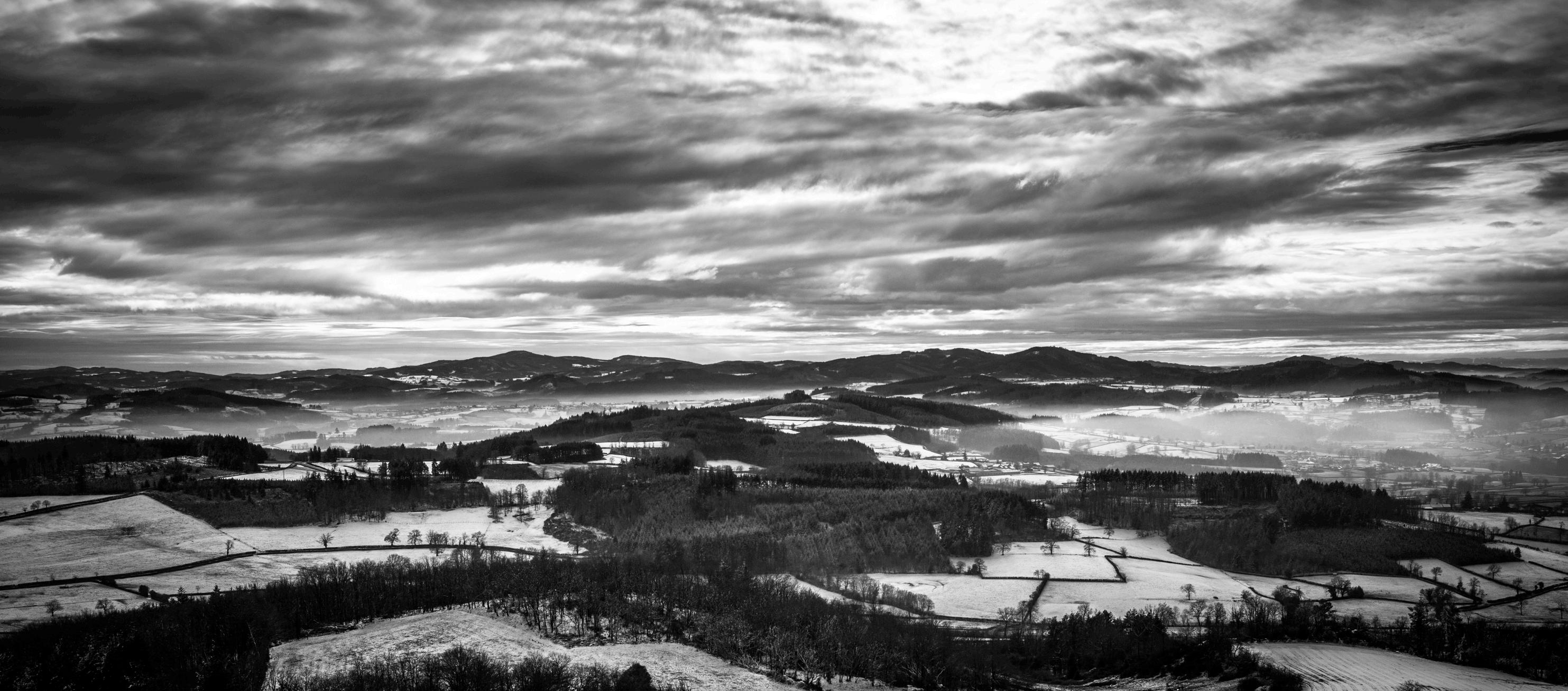
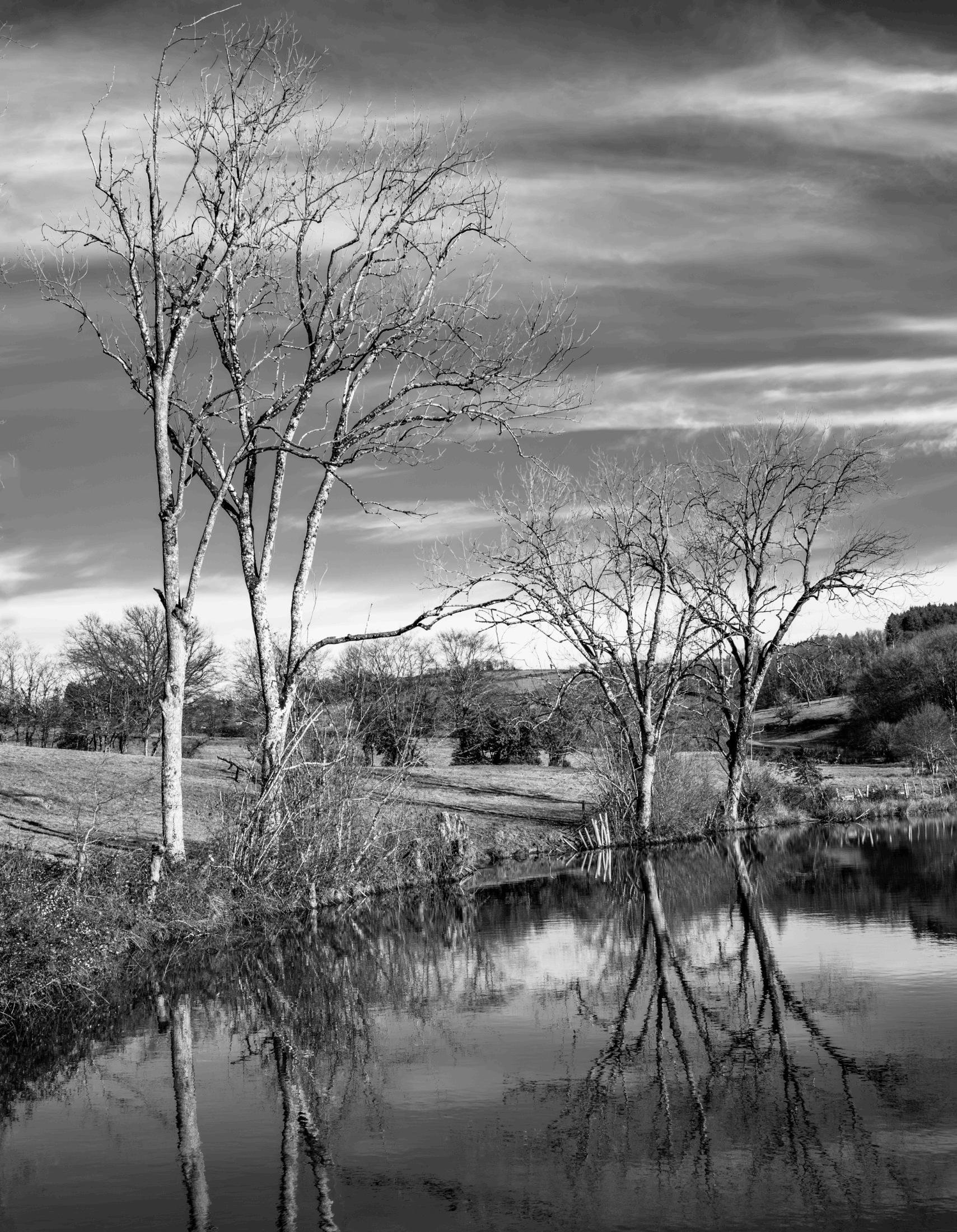
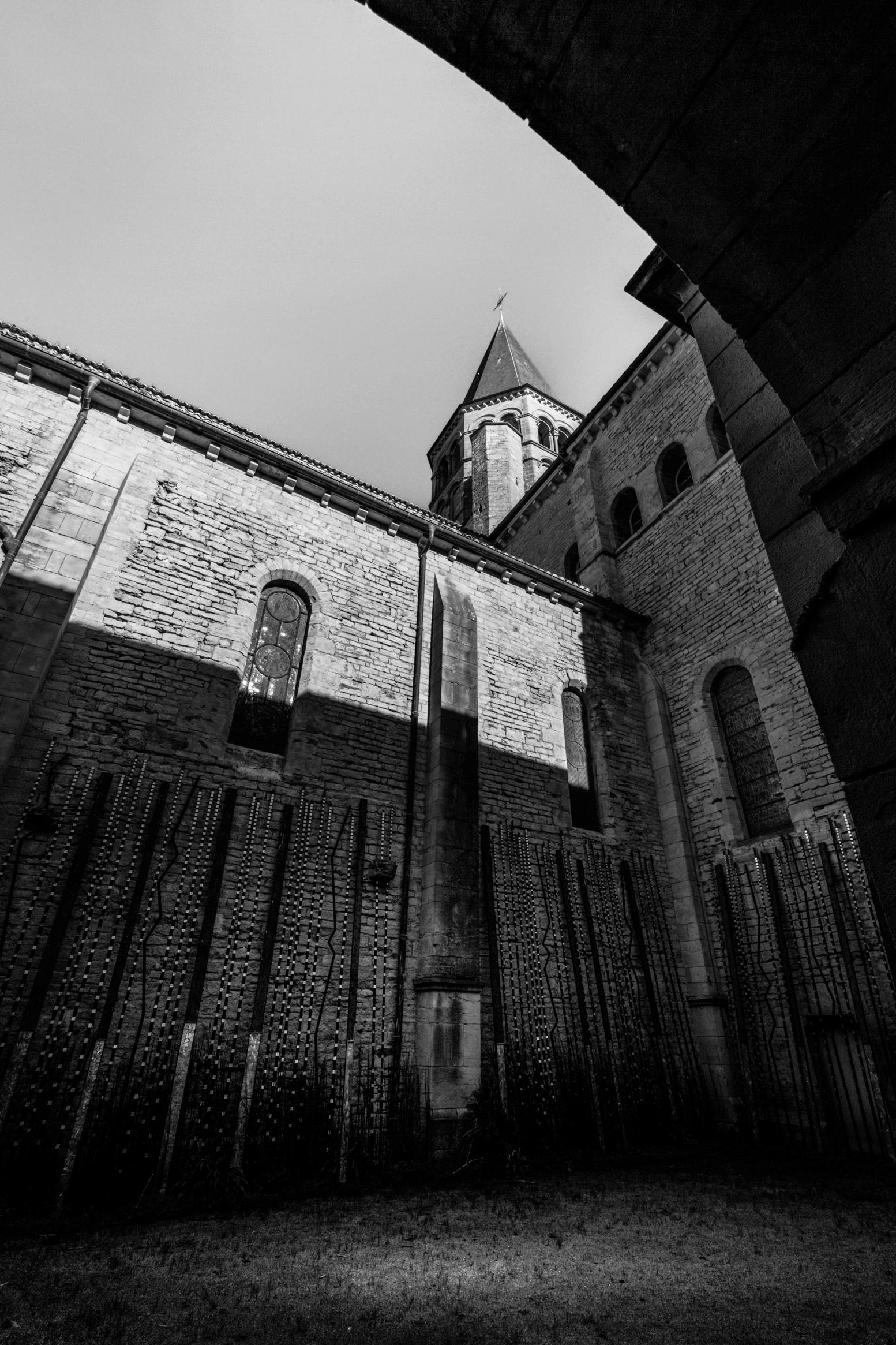
As a first submission to the Chapter, I have selected an eclectic selection of photographs for the eJournal. I hope they are of some interest to the members, and any feedback would be most welcome.
Why walking transforms your photography
Marcel Borgstijn
Study shows walking stimulates divergent thinking
See the original article on the Darkrooms site.
Issue 11 Spring 2026 Why walking transforms your photography
March 2020. The world fell silent, but I started walking. Every day, more or less the same route through my neighbourhood with my camera. No plan, no assignment, just walking and looking. What began as a way to stay sane during lockdown became something else. The photos I took during those daily walks felt different from anything I’d made before. Sharper. More authentic. More seen. Eventually, this became my project ‘Descended Silence’.
Recently, I discovered this wasn’t coincidence. Stanford scientists measured precisely what was happening to me: walking increased my creative output by 60%.
Marily Oppezzo and Daniel Schwartz from Stanford University tested 176 people on creative tasks, both sitting and walking1. The results were unequivocal: 81% of participants became more creative while walking, with an average increase of 60% in creative output.
But here’s where it gets really interesting for photographers: the researchers tested four different scenarios:
1 Sitting indoors at a table
2 Walking indoors on a treadmill (facing a blank wall!)
3
Walking outdoors on a path
4 Sitting outdoors (pushed in a wheelchair along the same path)
The surprising result: both walking situations produced twice as many creative responses as sitting. Walking indoors on a boring treadmill worked just as well as walking outside in a beautiful environment.
“I thought walking outside would blow everything out of the water,” said Oppezzo, “but walking on a treadmill in a small, boring room still had strong results, which surprised me.”
The photographic advantage
We photographers have a unique advantage: walking is already part of our work. But there’s a crucial difference between aimlessly wandering with a camera and consciously walking for creativity.
The Stanford researchers discovered that walking particularly stimulates divergent thinking, the ability to generate many different ideas and solutions. Interestingly, participants performed slightly worse on tasks requiring one correct answer. So walking doesn’t help you solve technical problems, but it does help you find new perspectives.
1. Walking without camera (pure divergent thinking)
As that treadmill test proves: the movement itself activates creative thinking. No camera, no pressure to “deliver”. Just your brain generating solutions, combining ideas, finding new perspectives. The Stanford research showed this creative effect even persists after you sit down again; a “residual creative boost” you take home with you.
2. Walking with camera, without assignment (receptive mode)
This was my ‘Descended Silence’ ritual. Camera along, but no specific intention. The creativity boost plus visual alertness. Your brain makes connections you’d never see at your desk.
3. Walking with a creative question (focused exploration)
Take a specific photographic problem out the door with you. But remember: walking stimulates divergent thinking, not convergent thinking. So not for technical problems (”How do I get that exposure right?”), but for conceptual questions (”How can I approach this subject differently?”).
My Corona-walk lesson
What ‘Descended Silence’ taught me wasn’t that walking helps. It was that daily walking transforms.
The Stanford researchers had subjects walk 5-16 minutes—short sessions. But my experience was: consistency beat duration. Every day, more or less the same route. No spectacle, no new locations. That very repetition created space for deeper seeing.
My brain knew: here I don’t need to think about navigation, about processing new stimuli. Here I can simply see.
Why walking transforms your photography
11 Spring 2026
Science confirms this: it’s about the movement, not the environment. That boring treadmill facing a blank wall works just as well as a walk through nature. The creativity boost doesn’t come from inspiring views, it comes from your feet moving while your brain is free to wander.
From theory to practice: RBNXPLRNG
That lesson from ‘Descended Silence’ that constraints stimulate creativity led to an experiment that brings the Stanford research into practice: RBNXPLRNG.
The Situationists experimented with exactly this concept as far back as the 1950s: dérive, the aimless drifting through the city to open yourself to unexpected encounters and observations.
Guy Debord described dérive as a technique to break free from habits and predetermined routes. By consciously surrendering to randomness, to the “psychogeography” of the city, you activate a different way of seeing. Exactly what the Stanford research now measures as “divergent thinking.”
RBNXPLRNG is essentially dérive with an app. Where the Situationists used dice or simply followed their intuition, you now use a random generator. But the principle is the same: by giving up control over your route, you gain control over your perception.
(Want to know more about dérive and RNBXPLRNG? I wrote about it in more detail in a previous article)
The difference is that we now know why it works. Stanford exposes the neurological basis: that 60% creativity boost isn’t a romantic idea, but measurable brain work.
The concept is simple: start at a random spot in your city. Take a photo. Click “Next Direction”. The app gives you a random direction. Walk to the next intersection and take a photo along the way. Repeat until you have five photos.
No choice about where you’re going. No planning. No looking up “beautiful spots”. Just walking and being forced to see what’s there, not what you expected to find.
And here something fascinating happens: because you’re not thinking about where you’re photographing, you have all the mental space to think about how you’re photographing. The app takes over navigation, exactly like that treadmill in the Stanford experiment took over the environment. What remains is pure movement and pure perception.
It’s the anti-Instagram algorithm. No trending locations, no “best spots for photography in your city”. Just your feet, your city, your eyes, without any control over your route.
When I launched RBNXPLRNG two years ago, I expected maybe a handful of submissions. Instead, series came in from Montreal, Hamburg, New York, Barcelona, Glasgow, photographers sharing the same experience. “I ended up in places I’d never been, even though I’ve lived here for ten years.” Or: “I had to be creative, I had no choice.”
This resulted in an entire special issue of Darkrooms Magazine featuring 11 photographers who documented their RBNXPLRNG routes. Eleven different cities, eleven completely different visual stories, but all emerging from the same constraint: follow the app, photograph what you encounter.
That’s exactly the point. Stanford proved that walking activates divergent thinking. RBNXPLRNG forces you to actually use that divergent thinking. No escape to familiar compositions or trusted locations. Just the question: what do I see here, now that I’m here anyway?
They’re usually not the most beautiful photos you make during RBNXPLRNG. But they are the most surprising. Because your brain enters a state that the Stanford research describes: open, exploring, willing to make unexpected connections.
Try it this week:
Go to borgstijn.nl/rbnxplrng
Or download the PDF with all directions
Five photos, random route, your city
I’m curious what creativity your feet will unlock
Darkrooms Uncovered
An interview series
By Marcel Borgstijn
“Darkrooms Uncovered... A peek into a photographer's mental creative darkroom”
Marcel Borgstijn
This interview has been previously published on Marcel’s site Darkrooms and is with photographer Jon Nicholls
See the original interview on the Darkrooms site.
Marcel has given his permission for it to be republished in the RPS Benelux eJournal.
What does your creative ritual look like? Do you have specific habits or conditions that spark your creativity?
Firstly, I don’t really consider myself to be a photographer. I prefer to say that I’m a photography teacher who makes photographs. This may seem like semantics but my approach to photography is strictly amateur in nature. I’ve never needed to earn a living from it and I’m not that bothered how many other people see it. I make photographs because I like looking at things, including photographs. I make most of my pictures by going for a walk wherever I happen to be. I often listen to an audiobook whilst I’m walking because it distracts me from over-thinking the business of looking. I find that it frees up my eyes to do their thing, relatively independently. My brain is busy processing the words in the book, rather than giving my subconscious instructions about where to look and how to see.
When you're feeling creatively blocked, what's your goto method for breaking through?
I tend not to pre-conceptualise my photographs. I don’t really experience creative blockage because the real fun, for me, is in not knowing what I’m going to see when I go out for a walk with my camera. I can walk for hours without taking a picture and I’m fine with that because I’ve seen so much. I’m open to the unexpected. Carrying a camera changes the way I look at everything. I don’t need to make a lot of pictures. I like visiting new places but I find myself repeatedly photographing familiar locations too. The light is never the same twice.
Describe a moment when your creative perspective shifted dramatically. What triggered it?
When I was younger, I photographed with a manual SLR and slide film. I then experimented with digital photography. In recent years, I have used film again. And now I am using both medium format film and digital cameras alongside one another. I find that each camera/material I have used has changed the way I photograph in subtle ways. Returning to film, however, has induced the biggest change because I find it thrilling and this has massively impacted on my motivation to take pictures. I’m photographing more now than I ever have. I recently bought a medium format mirrorless camera which can be used in conjunction with my Hasselblad 500 C/M. This hybrid way of photographing is very exciting.
What recurring themes or elements do you find yourself naturally drawn to capture?
As a younger person I was fascinated by American documentary photography. I attempted to make pictures of people in public places with a slightly ironic or surreal quality, using odd juxtapositions or spatial arrangements. The marvellous in the everyday. My hero was Joel Meyerowitz. These days, I tend not to photograph people. I’m more drawn to the urban and suburban environment and the way light plays across surfaces. I am still interested in everydayness - mundane, in-between places - and the way that light can transform even the most unspectacular of scenes. My current hero is Guido Guidi.
What non-photographic influences (books, music, films, etc.) most impact your work?
I enjoy listening to audiobooks when I’m out walking and photographing. I like listening to a series of books by the same author. e.g. Paul Auster, Iris Murdoch, Graham Greene and Haruki Murakami. Sometimes, I will choose a book that relates to a place I’m visiting. I’ve just come back from Florence and listened to ‘A Room with a View’ and ‘Up at the Villa’ for a bit of cultural context. My children help to keep me up to date with great music and I love listening to old favourites too. I like going to see live music but prefer to sit down these days. I play the guitar (badly). I like seeing contemporary dance with my daughter.
I used to visit the cinema regularly but I don’t go much anymore, unless there is a ban on popcorn consumption! I watch films at home and I’m a fan of Hitchcock and French cinema, particularly the work of Eric Rohmer.
What photograph of yours feels most personally revealing, and why?
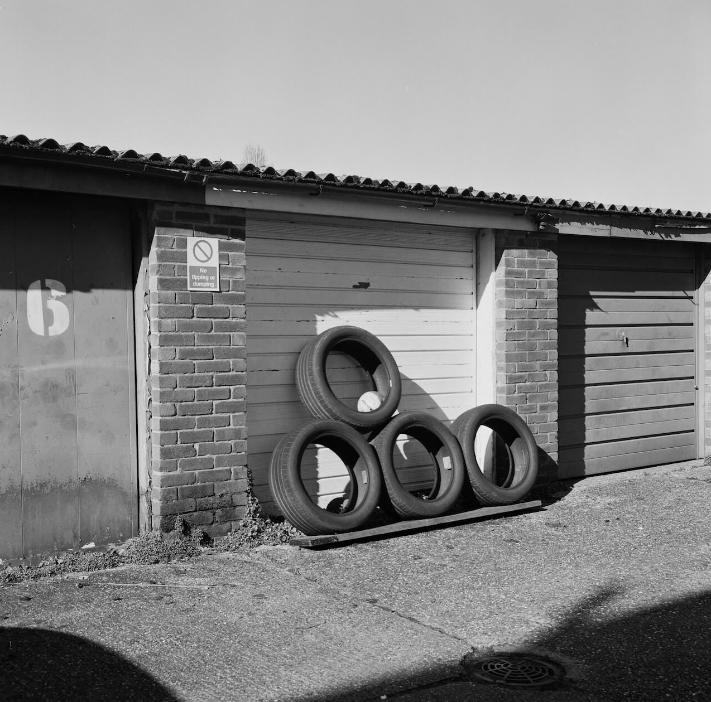
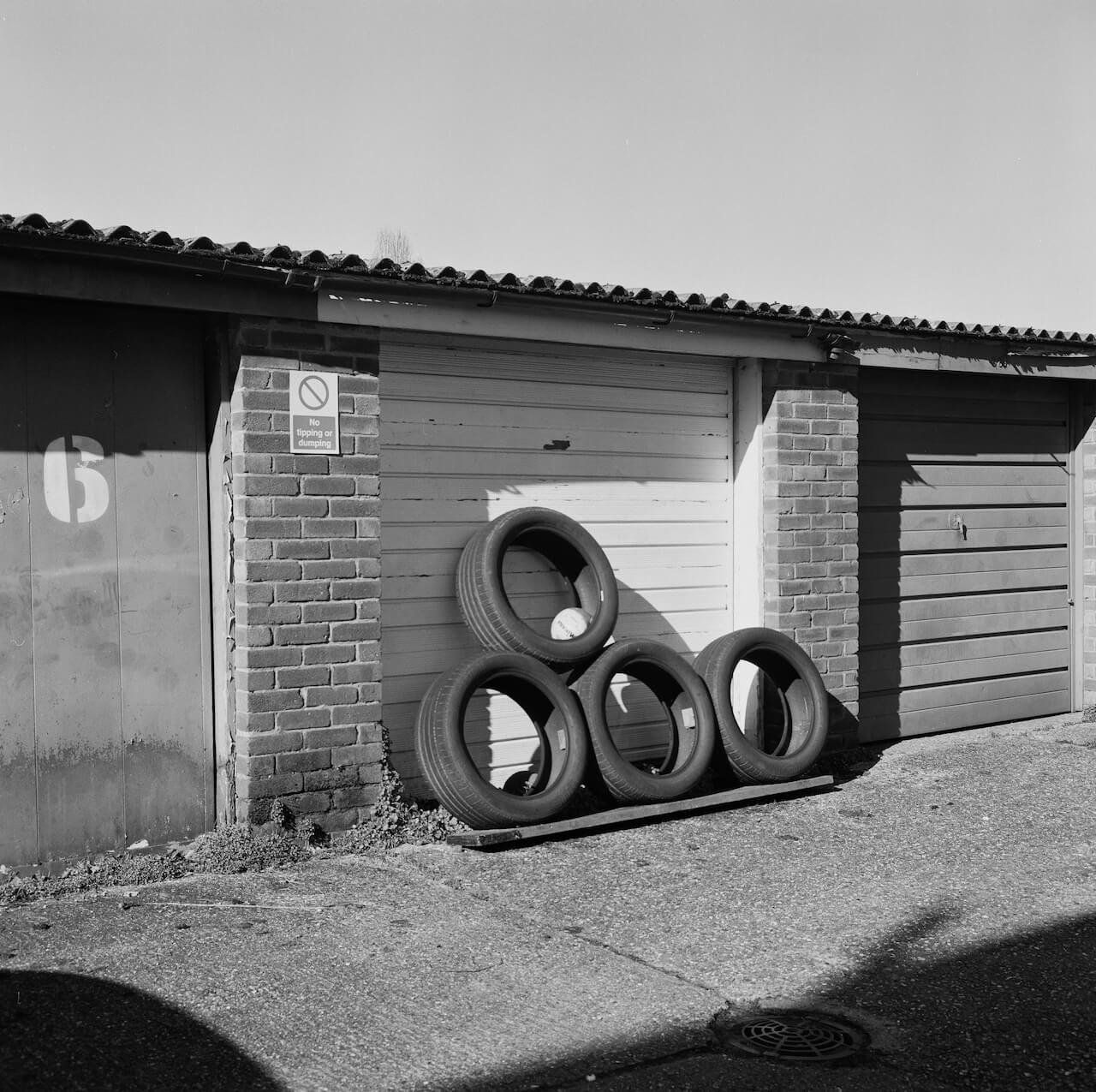
I don’t really do “personally revealing”! To borrow Garry Winogrand’s comment, photography is a way for me to get out of myself, close to not existing. It’s something to do with the rhythm of walking, listening to riveting prose and looking intently, simultaneously, that generates an almost out-of-body experience (except for the distraction of increasingly sore feet, of course). I love turning a corner and discovering something marvellously ordinary, so this picture of some tyres stacked against a garage door, taken about 10 minutes walk from where I live, is probably typical of my way of seeing the world. I’m fascinated by everyday creativity and the way an innate spirit of human playfulness and poetry leaks out in gestures like this.
Find out more about Jon Nicholls
Website: https://www.jonnichollsphotography.co.uk
Members’
Photos
In this section, you can see photos from our members.
Cobi achieved 1st place in the Kennemerland theme competition with 2x9 points.
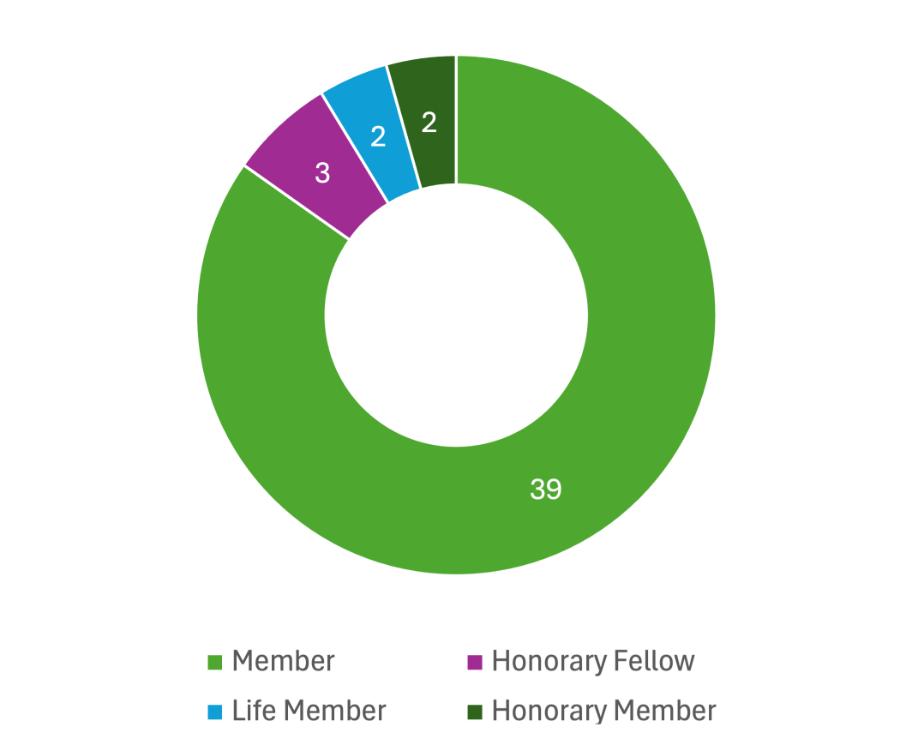
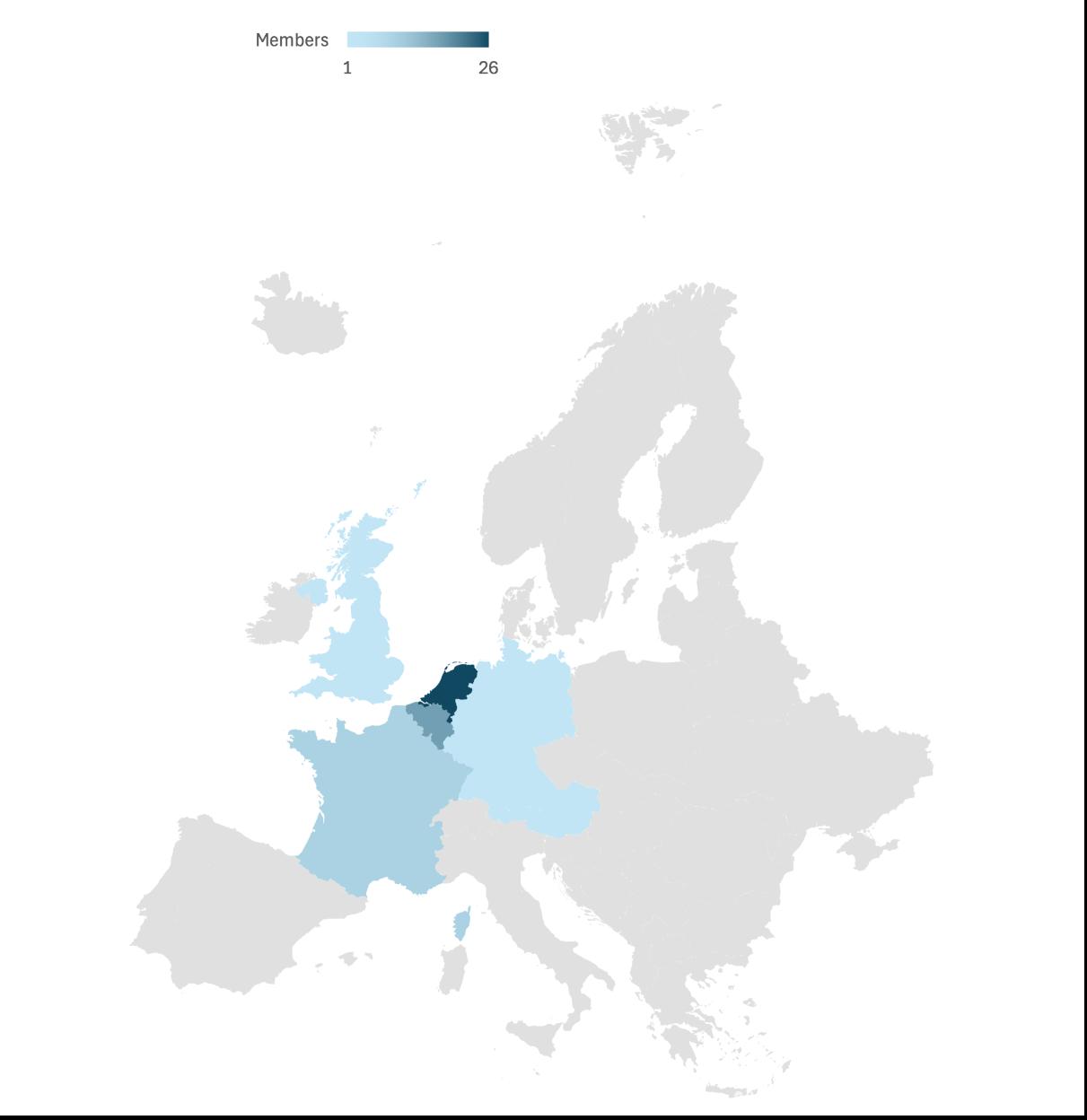
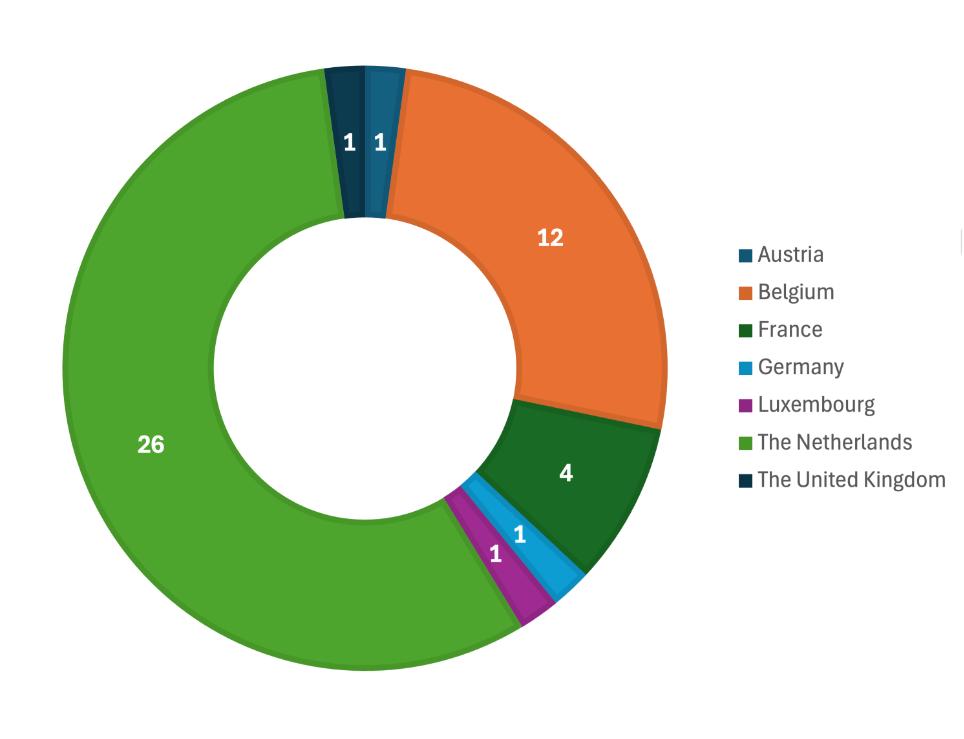
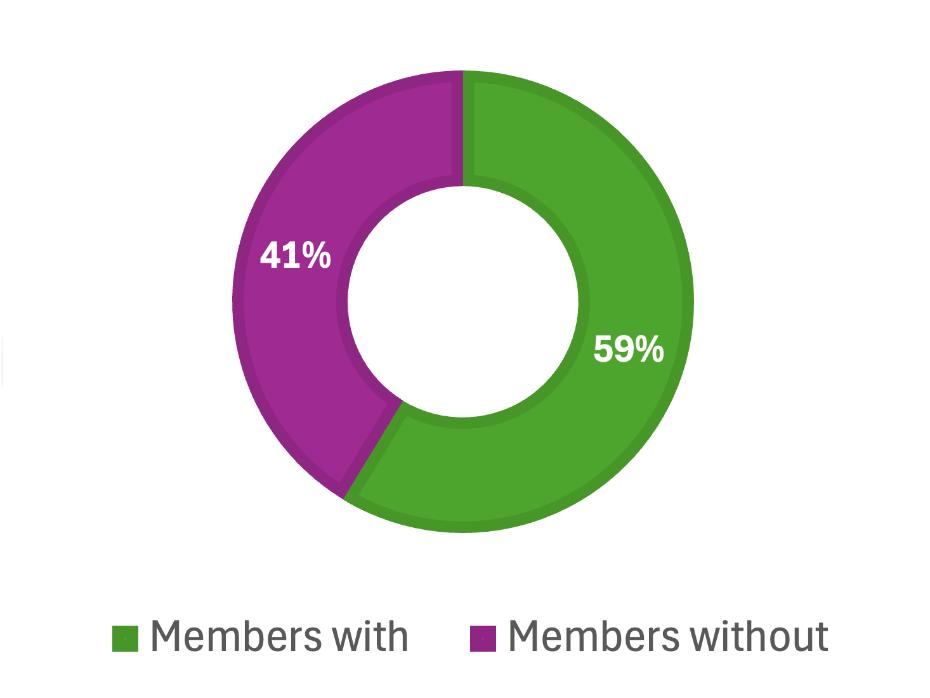
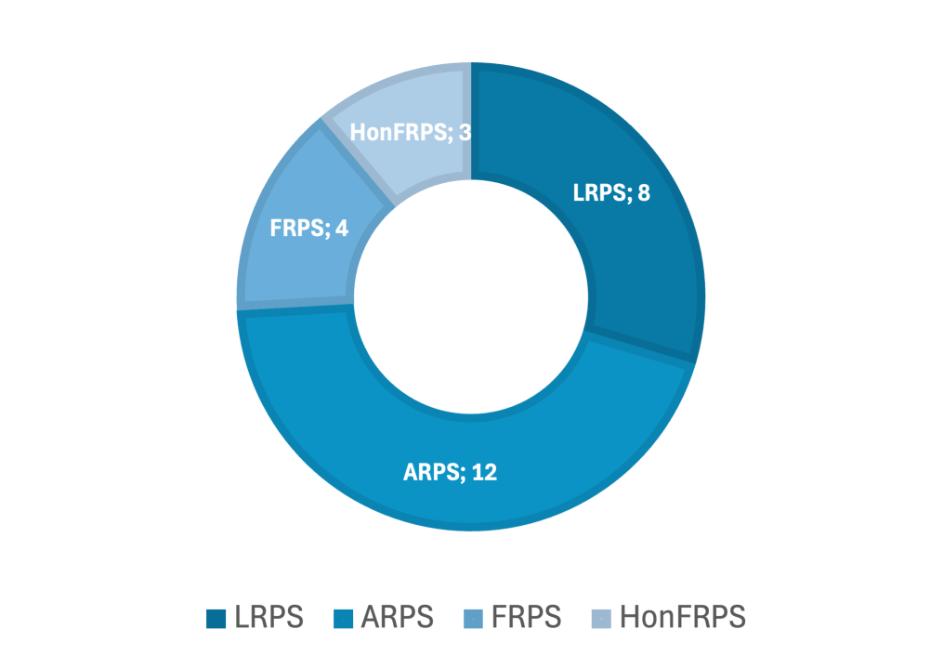
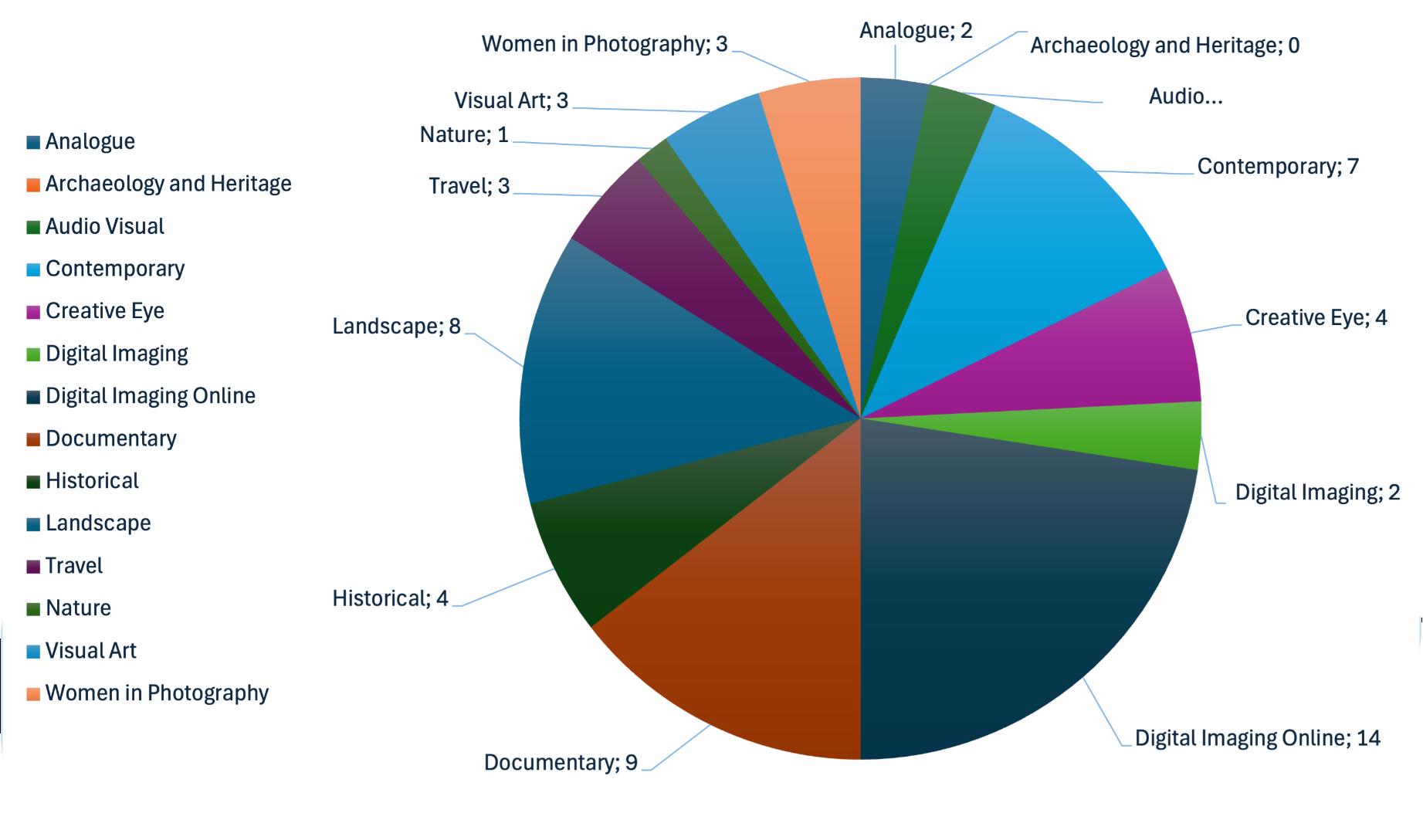
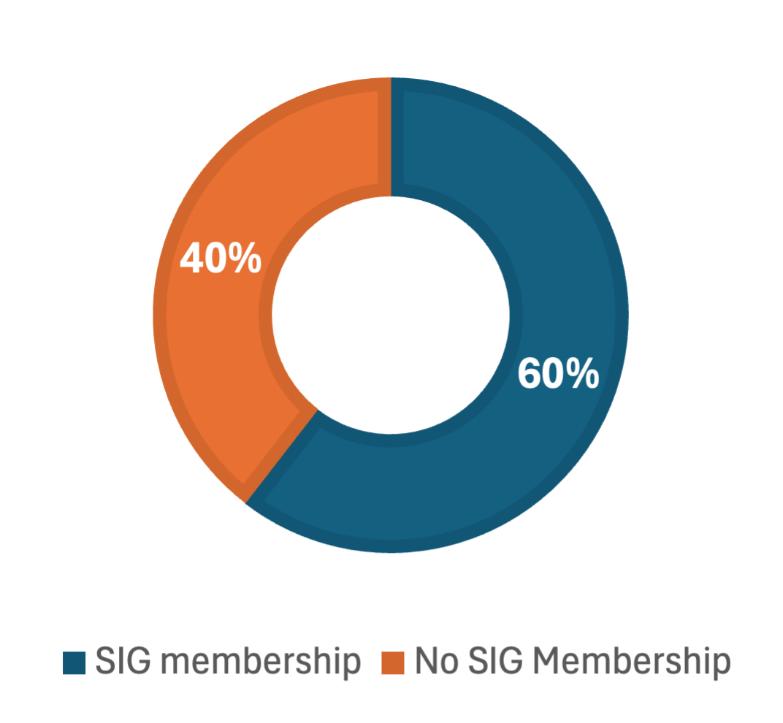
Here you can find the break down of chapter membership, the number of distinctions obtained, the special interest groups joined and the various countries the members are located in.
46 Members
Members
7 Countries
Countries
Special Interest Groups
What’s
On
Current and upcoming photo exhibitions in the Benelux countries.
The Netherlands
Amsterdam Foam
Keizersgracht 609 1017 DS Amsterdam
Blommers & Schumm Mid-Air until 23 February 2026 Exhibition website
Hajar Benjida
Atlanta Made Us Famous until 25 March 2026 Exhibition website
Jasmijn Vermeeren until 1 May 2026 You Don't Look Sick Exhibition website
Huis Marseille
Museum for Photography
Keizersgracht 401 1016 EK Amsterdam
Yumna Al-Arashi 14 February to 21 June 2026 Body as Resistance Exhibition website
Stedelijk Museum
Museumplein 10 1071 DJ Amsterdam
Erwin Olaf until 1 March 2026 FREEDOM Exhibition website
H'ART Museum
Amstel 51
1018 EJ Amsterdam
Jan Dibbets 1966-1976 until 5 April 2026 Toward Another Photography Exhibition website
Amersfoort
Museum Flehite
Westsingel 50 3811 BC Amersfoort
Carla Kogelman until 30 August 2026 A closer look Exhibition website
The Hague
Fotomuseum Den Haag
Stadhouderslaan 43 2517 HV Den Haag
I'll be Your Mirror until 22 March 2026
Women’s Self-Portraits from the Collection Exhibition website
Generasi 3.0 until 22 March 2026
The Stories we Carry Exhibition website
Eighty years of unesco until 31 May 2026 She Makes a Difference Exhibition website
Hilversum
Fotomuseum Hilversum
Kerkbrink 6, 1211 BX - Hilversum
Jan Banning: Bloedbanden until 15 March 2026
Verzoening na de genocide in Rwanda Exhibition website
Rotterdam
The Nederlands Fotomuseum
Brede Hilledijk 95 3072 KD Rotterdam
Rotterdam in focus until 24 May 2026
Exhibition website
Awakening in Blue until 7 June 2026
Exhibition website
Tilburg
Natuurmuseum Brabant
Spoorlaan 434 5038 CH Tilburg
NEW: Comedy Wildlife Awards 2025 until 3 may 2026
Exhibition website
Antwerp
FOMU
Waalsekaai 47 2000 Antwerp
Early Gaze until 1 March 2026
Unseen Photography from the 19th Century Exhibition website
Carrie Mae Weems 20 March until 23 August 2026 The heart of the matter Exhibition website
Gent
S.M.A.K.
Jan Hoetplein 1, 9000 Gent
Marc De Blieck until8March2026 Point de voir Exhibition website
Charleroi
Musée de la Photographie
11 avenue Paul Pastur
6032 Charleroi
Gregory Crewdson 7 February until 17 May 2026 Eveningside Exhibition website
Liège
LA BOVERIE
Parc de la Boverie BE 4020 Liège
Robert Doisneau until19April2026
Discover the work of renowned photographer Robert Doisneau Exhibition website
Upcoming Events
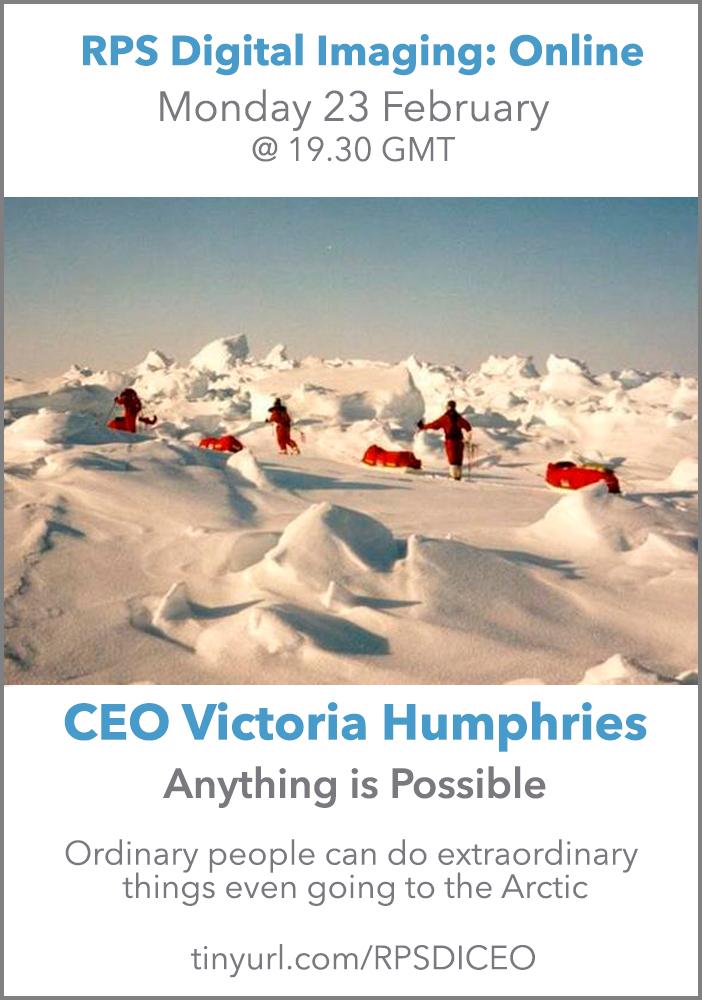
23 February 2026
DI : Anything is possible with Victoria Humphries
In Victoria Humphries the RPS has a most ‘extraordinary’ CEO – who knew that in the late 1990’s Victoria was part of the first all-women’s relay team to the North Pole? That she is not only a polar adventurer, but a three times Guiness World Record holder, a mountain climber, marathon runner,
author and businesswoman. She says she is just a ‘normal person’ but one who happens to believe that ‘Anything is possible’ if you put your mind to it.
An opportunity to share your work and get feedback from a friendly group of people. Everyone is welcome - members and non-members. This is a free online event. Zoom link will be sent out before the event. For further details please see the event page.
Time: 20:00 until 22:00
Location: Online Zoom Meeting
7 April 2026
Study Group Meeting
An opportunity to share your work and get feedback from a friendly group of people. Everyone is welcome - members and non-members. It costs €5 per evening, which includes a drink and biscuit. For further details please the event page.
Time: 19:30 until 22:00
Location: Het Palet, Duikerstraat 29,Rotterdam.
Wednesday, 6 May 2026
AGM
Time: 19:45 until 20:30
Location: Online Zoom Meeting
Minimalism in photographyTechniques and Vision for Strong Visual Impact
Chris Renk the Germany Chapter Organiser
Time: 20:30 until 22:00
Location: Online Zoom Meeting
2 June 2026
Study Group Meeting
An opportunity to share your work and get feedback from a friendly group of people. Everyone is welcome - members and non-members. It costs €5 per evening, which includes a drink and biscuit. For further details please the event page
Time: 19:30 until 22:00
Location: Het Palet, Duikerstraat 29,Rotterdam.
7 July 2026
Online Study Group Meeting
An opportunity to share your work and get feedback from a friendly group of people. Everyone is welcome - members and non-members. This is a free online event. Zoom link will be sent out before the event. For further details please see the event page.
Time: 20:00 until 22:00
Location: Online Zoom Meeting
1 September 2026
Online Study Group Meeting
An opportunity to share your work and get feedback from a friendly group of people. Everyone is welcome - members and non-members. This is a free online event. Zoom link will be sent out before the event. For further details please see the even page.
Time: 20:00 until 22:00
Location: Online Zoom Meeting
6 October 2026
Study Group Meeting
An opportunity to share your work and get feedback from a friendly group of people. Everyone is welcome - members and non-members. It costs €5 per evening, which includes a drink and biscuit. For further details please the event page.
Time: 19:30 until 22:00
Location: Het Palet, Duikerstraat 29,Rotterdam.
3 November 2026
Online Study Group Meeting
An opportunity to share your work and get feedback from a friendly group of people. Everyone is welcome - members and non-members. This is a free online event. Zoom link will be sent out before the event. For further details please see the event page.
Time: 20:00 until 22:00
1 December 2026
Study Group Meeting
An opportunity to share your work and get feedback from a friendly group of people. Everyone is welcome - members and non-members. It costs €5 per evening, which includes a drink and biscuit. For further details please the event page.
Time: 19:30 until 22:00
Location: Het Palet, Duikerstraat 29,Rotterdam.
5 January 2027
Online Study Group Meeting
An opportunity to share your work and get feedback from a friendly group of people. Everyone is welcome - members and non-members. This is a free online event. Zoom link will be sent out before the event. For further details please see the event page.
Time: 20:00 until 22:00
Arcadian Gallery
International Nature Photography Competition & Exhibition Launches in Cumberland, Maryland; Juried by Renowned National Geographic Photographer Brian Skerry
CUMBERLAND, MD — January 27, 2026 — The International Nature Photography Competition & Exhibition, organized by Arcadian Gallery, is now open for submissions, inviting photographers from around the world to share powerful visual stories that celebrate and protect the natural world.
Juried by award-winning National Geographic photographer Brian Skerry, the competition honors excellence in nature photography across multiple categories, with $5,000 in total awards. Selected works will be featured in a juried in-person exhibition at Arcadian Gallery in Cumberland, Maryland, along with an online exhibition accessible to a global audience.
Located in the heart of the central Appalachian Mountains, Cumberland is emerging as a vibrant arts destination within easy reach of Washington, DC, Baltimore, and Pittsburgh. The exhibition will highlight both established and emerging photographers while fostering dialogue around environmental stewardship, conservation, and humanity’s relationship with nature.
In addition to awards and exhibition opportunities, 10% of Arcadian Gallery’s commission from artwork sales during the exhibition will be donated to support environmental and conservation initiatives, reinforcing the competition’s mission to give back to the natural world that inspires it.
Arcadian Gallery Director and former Art Director of National Geographic magazine, Christopher Sloan, emphasized that Skerry’s influence extends well beyond photography. “One of the reasons I chose Brian as a juror is his deep commitment to conserving sea life, including whales and sharks, ” Sloan said. “I hope his involvement in this competition helps raise awareness of ocean conservation issues here in the middle of Appalachia. Without healthy oceans, we can’t have a healthy planet.”
Entry Deadline: Friday, May 15, 2026 (11:59 PM ET)
Opening Reception: Saturday, September 5, 2026
Exhibition Dates: September 4 – October 10, 2026
Location: Arcadian Gallery, Cumberland, Maryland
Photographers may submit entries and view the full prospectus at: CaFÉ - International Nature Photography Competition & Exhibition
Media Contact: Christopher Sloan naturephoto@arcadiangallery.com
About the eJournal
We plan to produce an eJournal on a regular basis.
Contributions from the members and friends of the Benelux chapter are welcome, whether that be an article or details of the current photo project that they are working on.
• Up to 12 photos (a subset will be chosen by the editor)
• maximum 1000 words
Member photos
We also wish to encourage members and friends to submit individual photos for the Members’ photos section.
New Members
The eJournal can also be a place that gives our new members an opportunity to introduce themselves to the chapter.
• 2 - 3 photos
• maximum 300 words for Bio.
Cover Photos
Individual photos are also welcome for the cover page.
Photo Submission Requirements
Please send images with the following specifications:
• 3000 pix long side
• Image quality 8
• no watermark or text in the image
• no borders around the image.
When naming your photos please use the following convention.
FirstName_LastName_For_eJournal_Title.JPG
The submitter of the article(s) or photo(s) is responsible for compliance with Data Protection and Copyright Acts.
The author of an article is responsible and liable for all content, text and images provided by them. Neither the RPS Benelux Chapter nor the editor is responsible or liable for any content therein.
Please send your photos via WeTransfer.com to the following email address beneluxweb@rps.org
For articles, please send an email to beneluxweb@rps.org
Remember to include “for eJournal” in the subject line.
Some alternatives to WeTranfers.com are: KPN File Transfer; SwissTransfer; Filemail; Boomrang