
Sites of Religious Significance
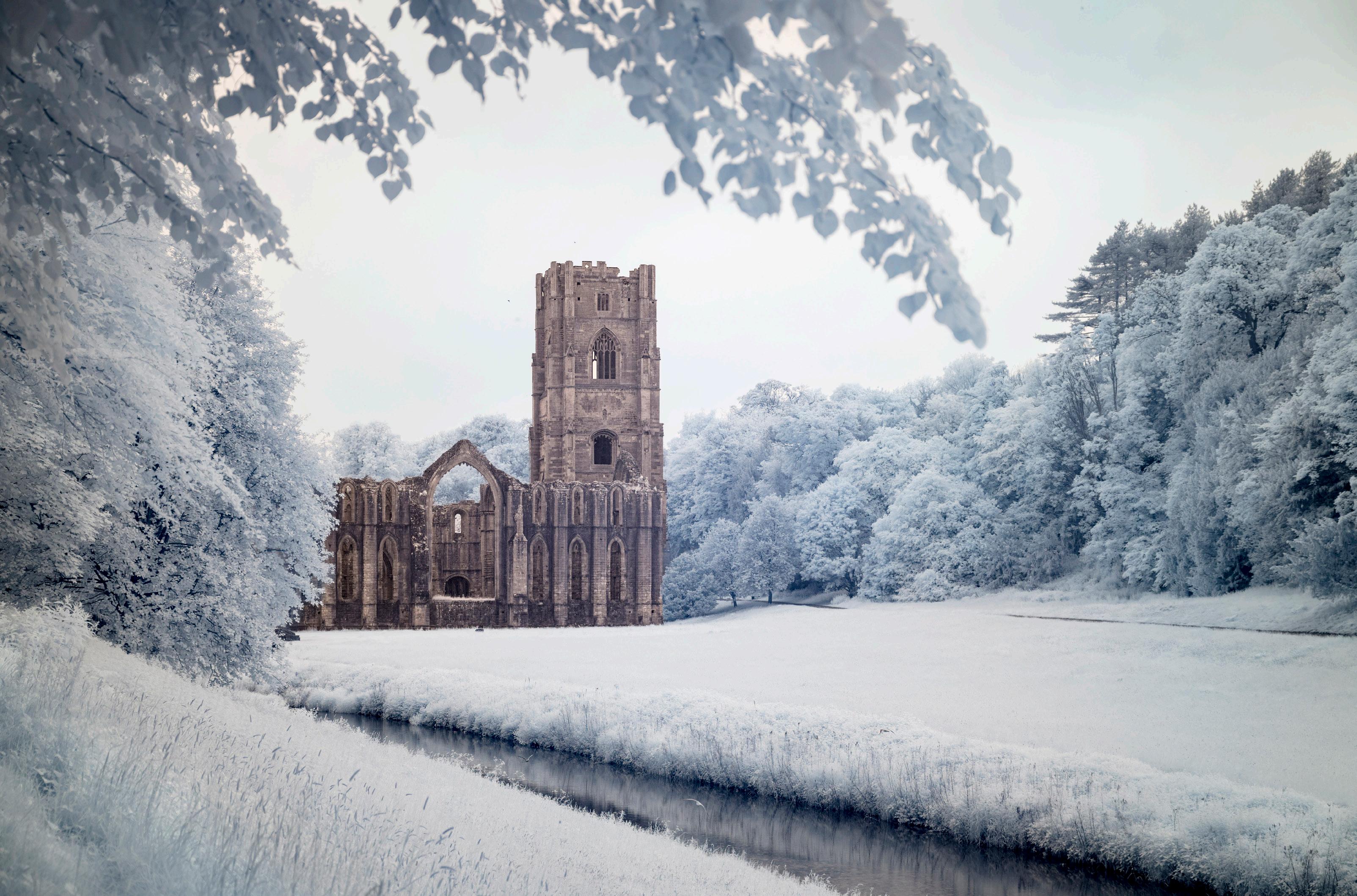
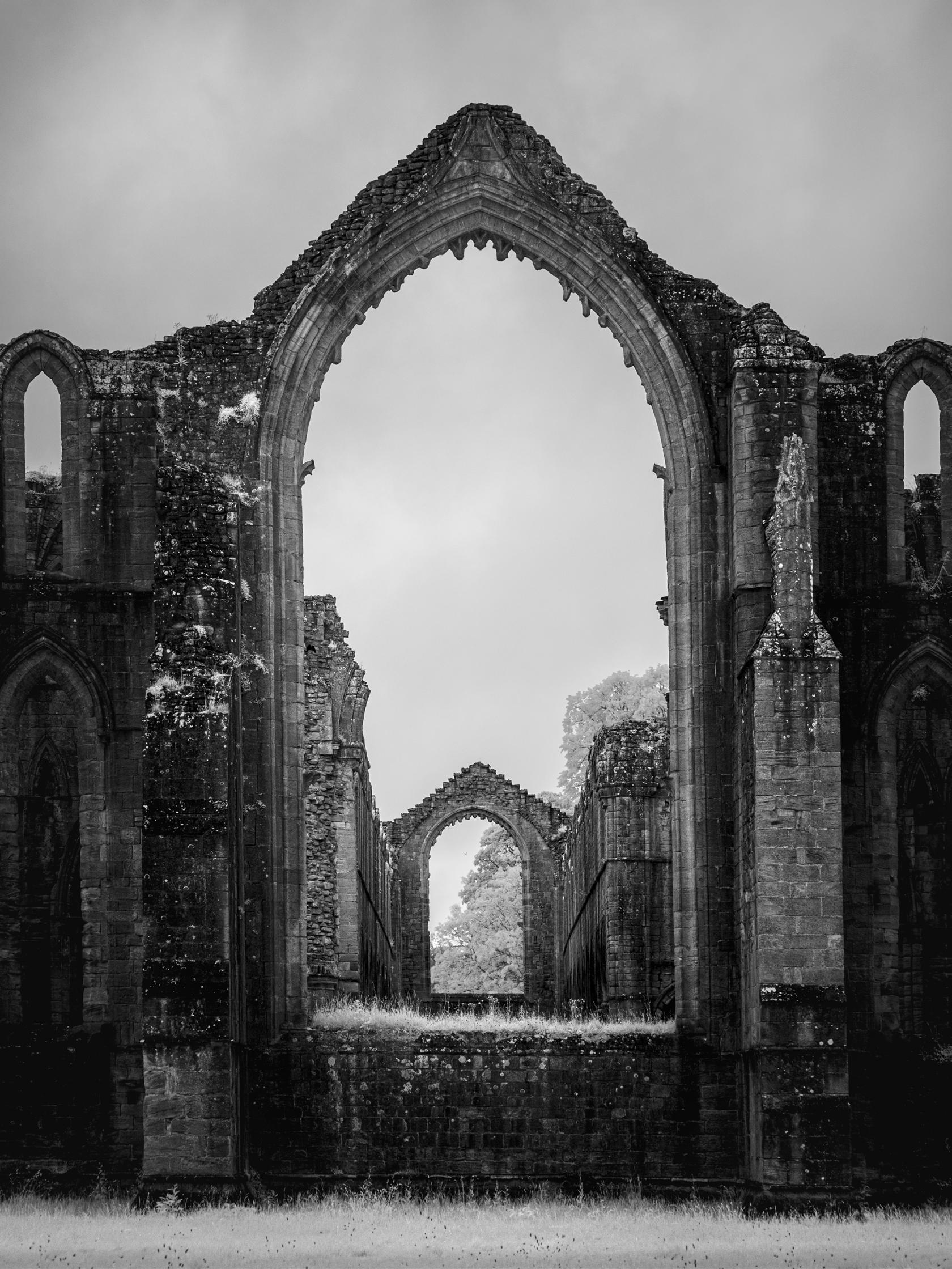
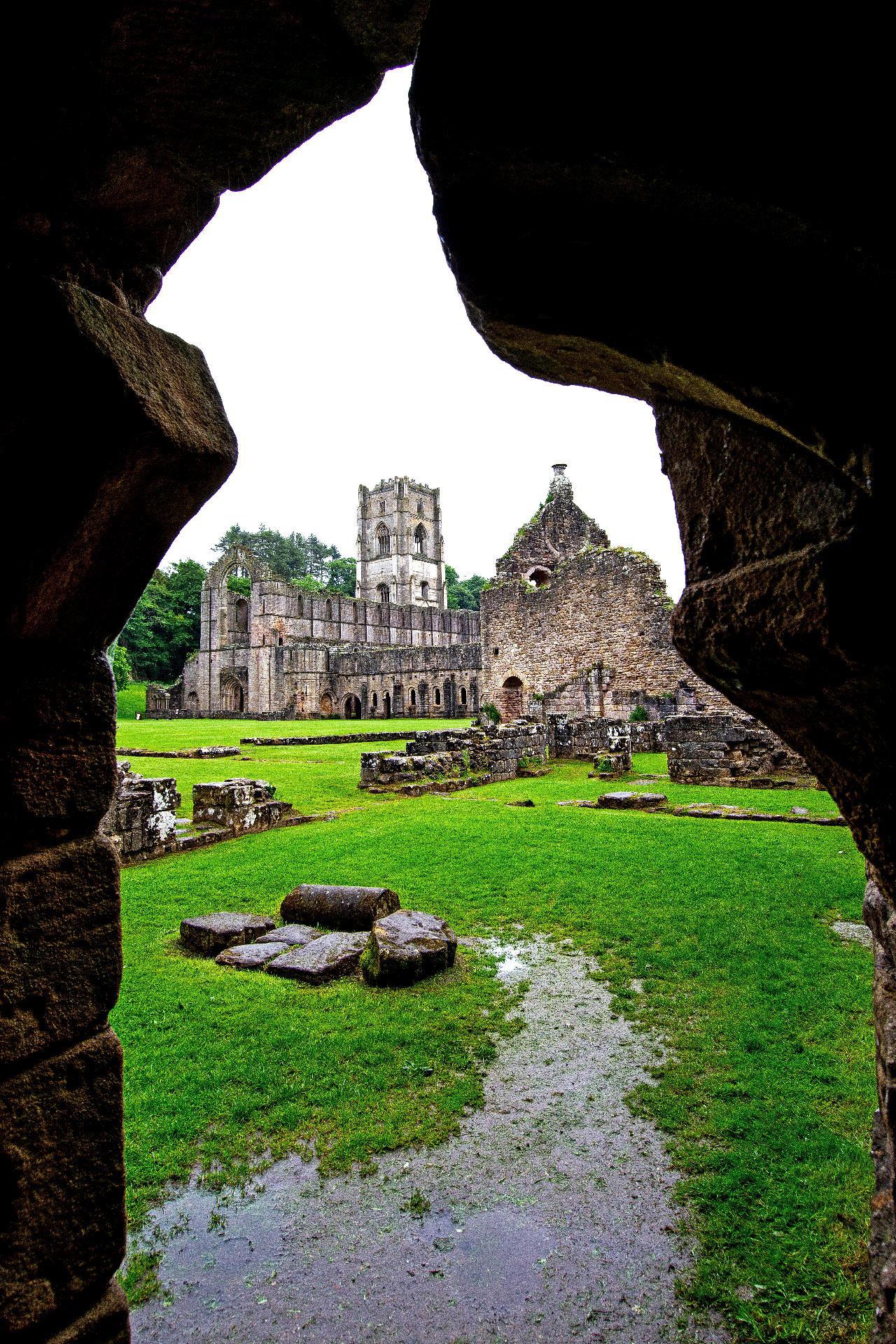
Fountains Abbey
Wednesday 3rd June 2026
Leader: Leigh Foster LRPS
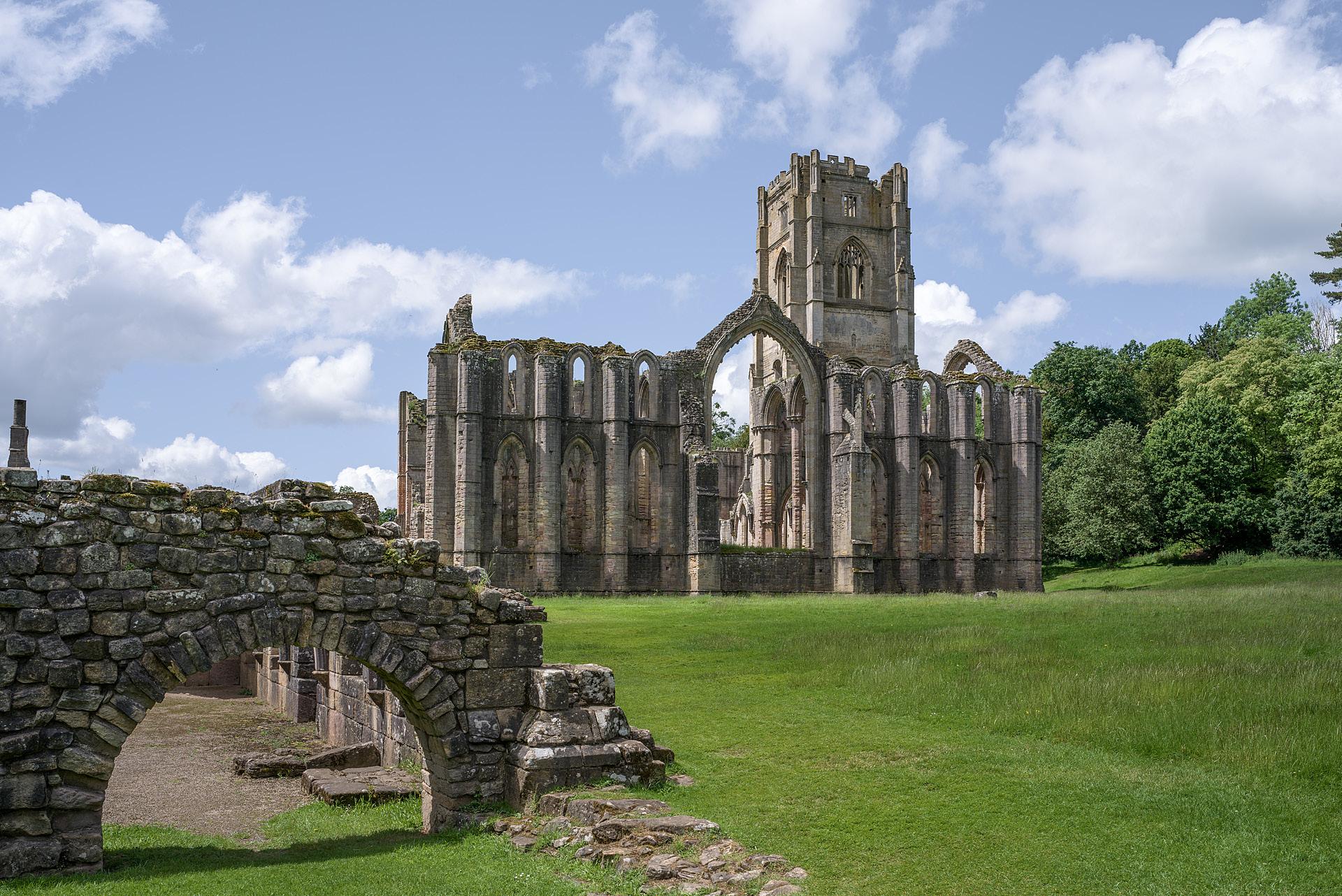
Fountains Abbey & Studley Royal
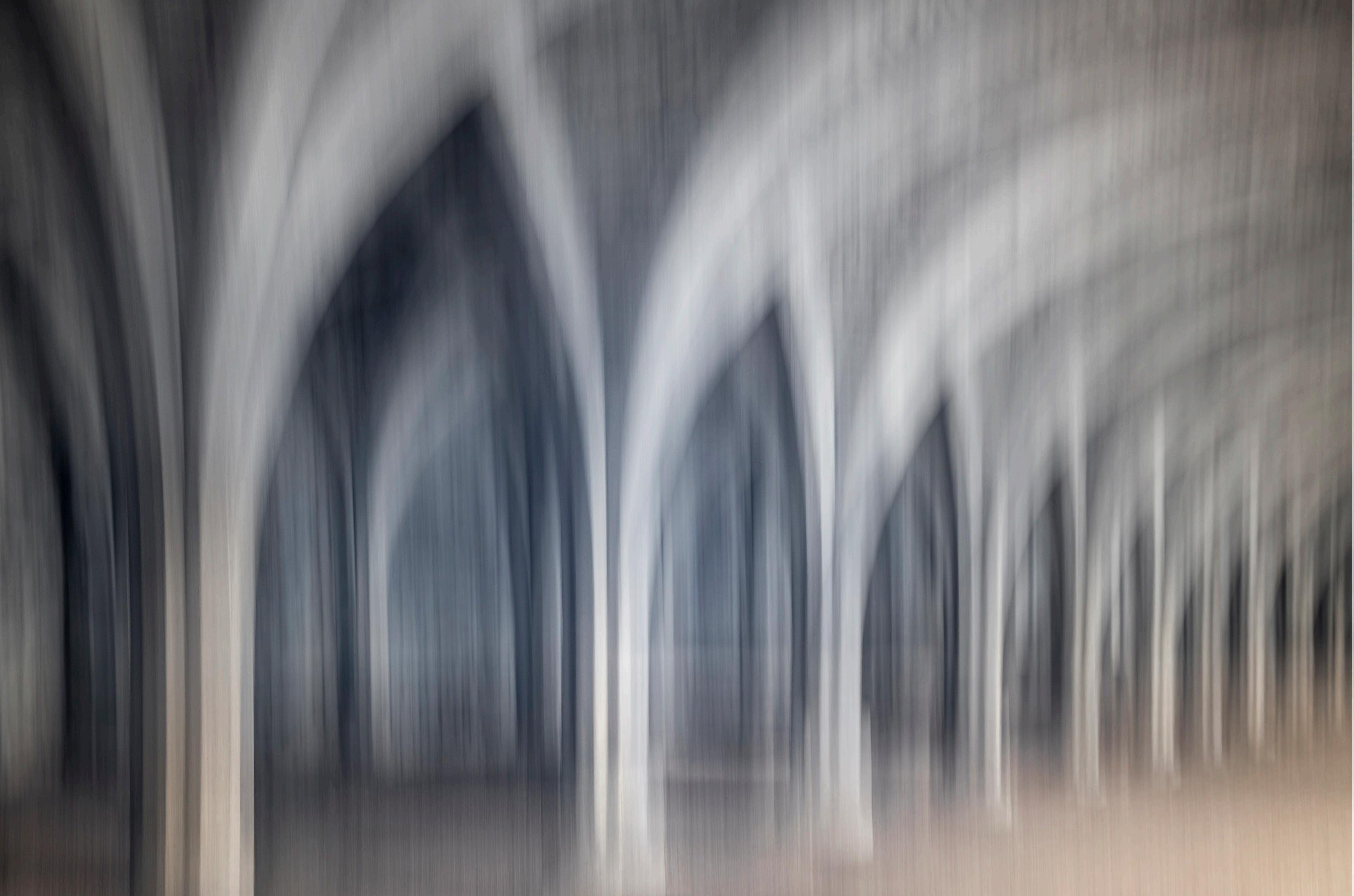
On 3rd June 2026 ten photographers met to photograph Fountains Abbey and despite inclement weather conditions produced an extensive wide-ranging portfolio.
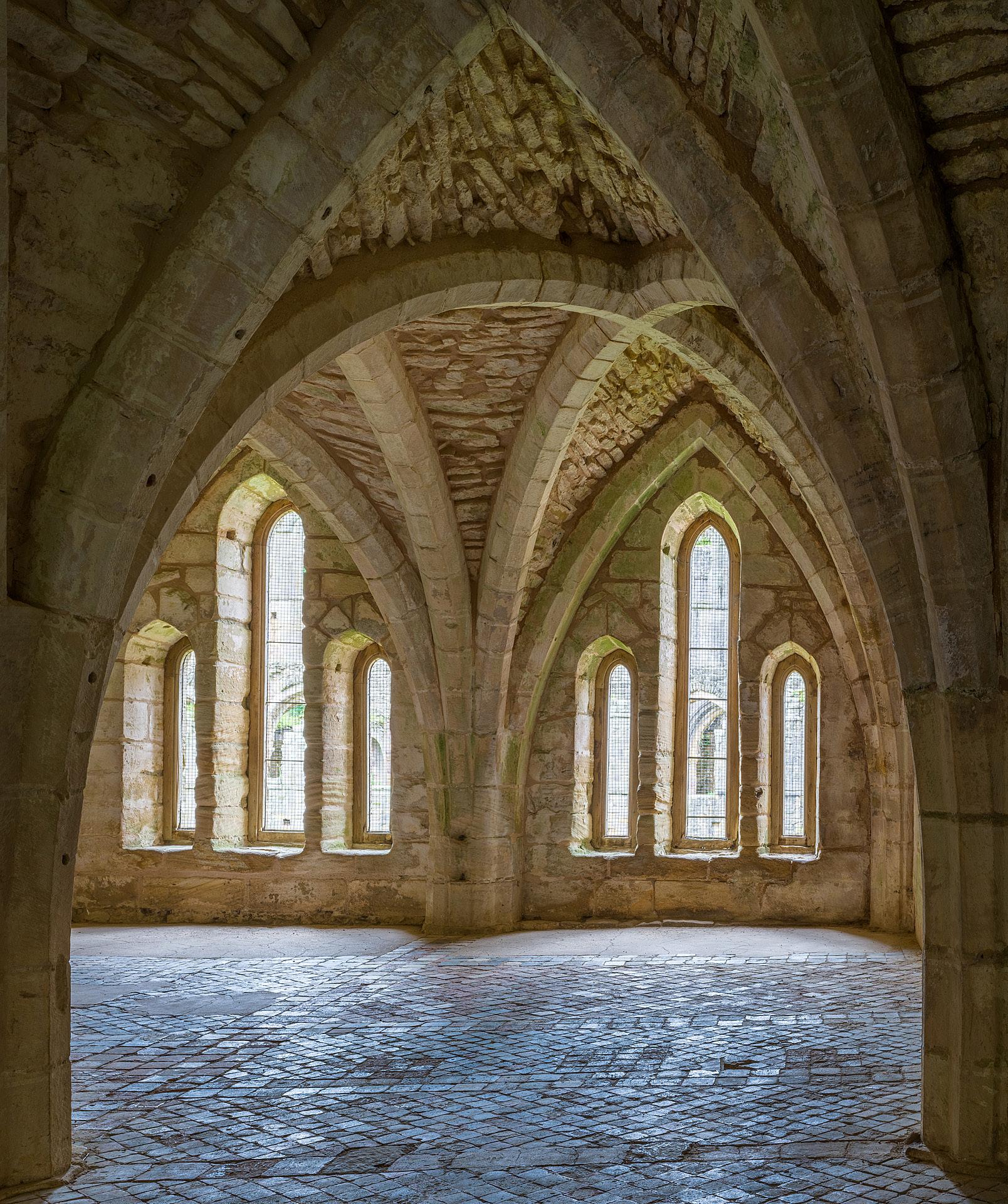
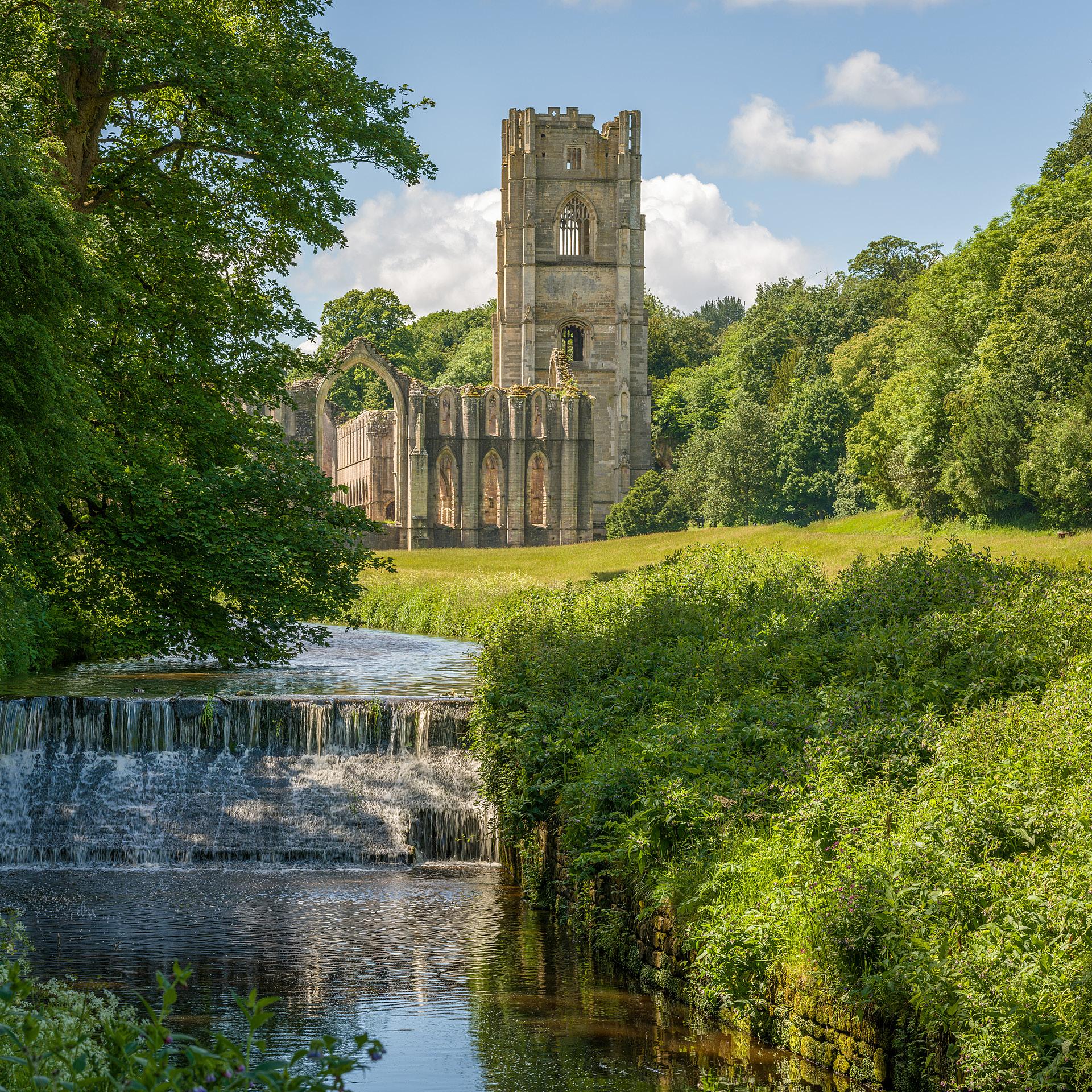
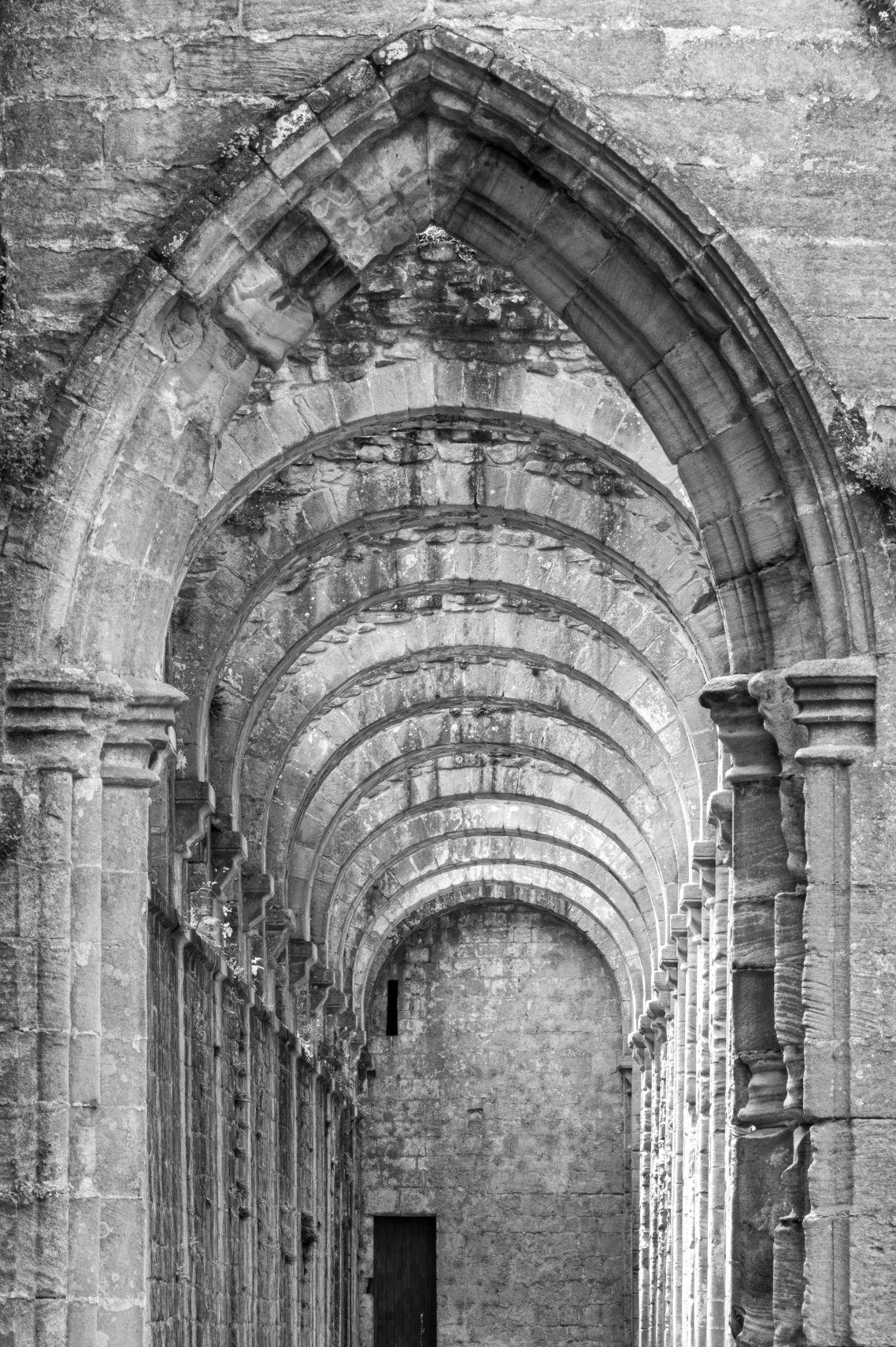
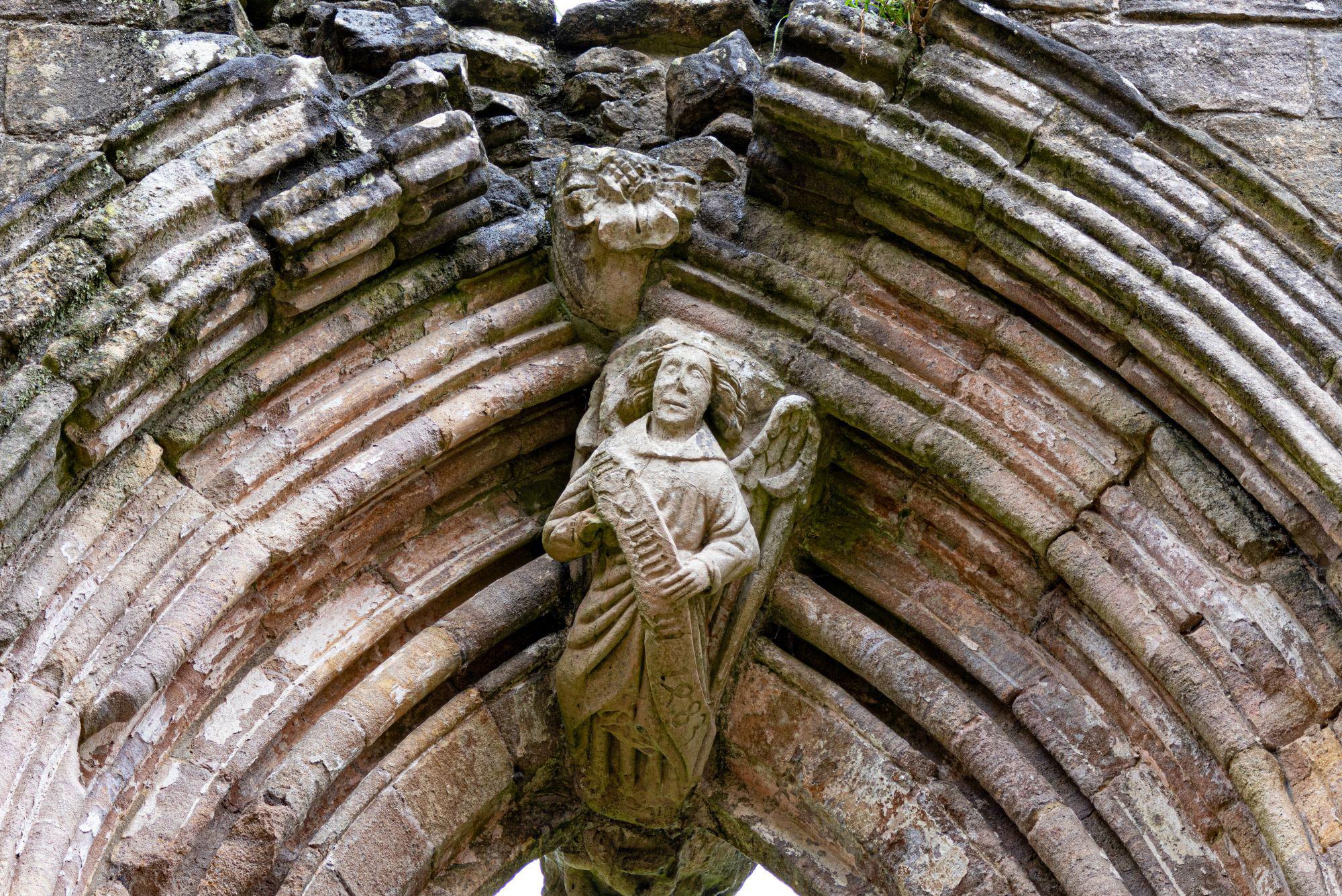
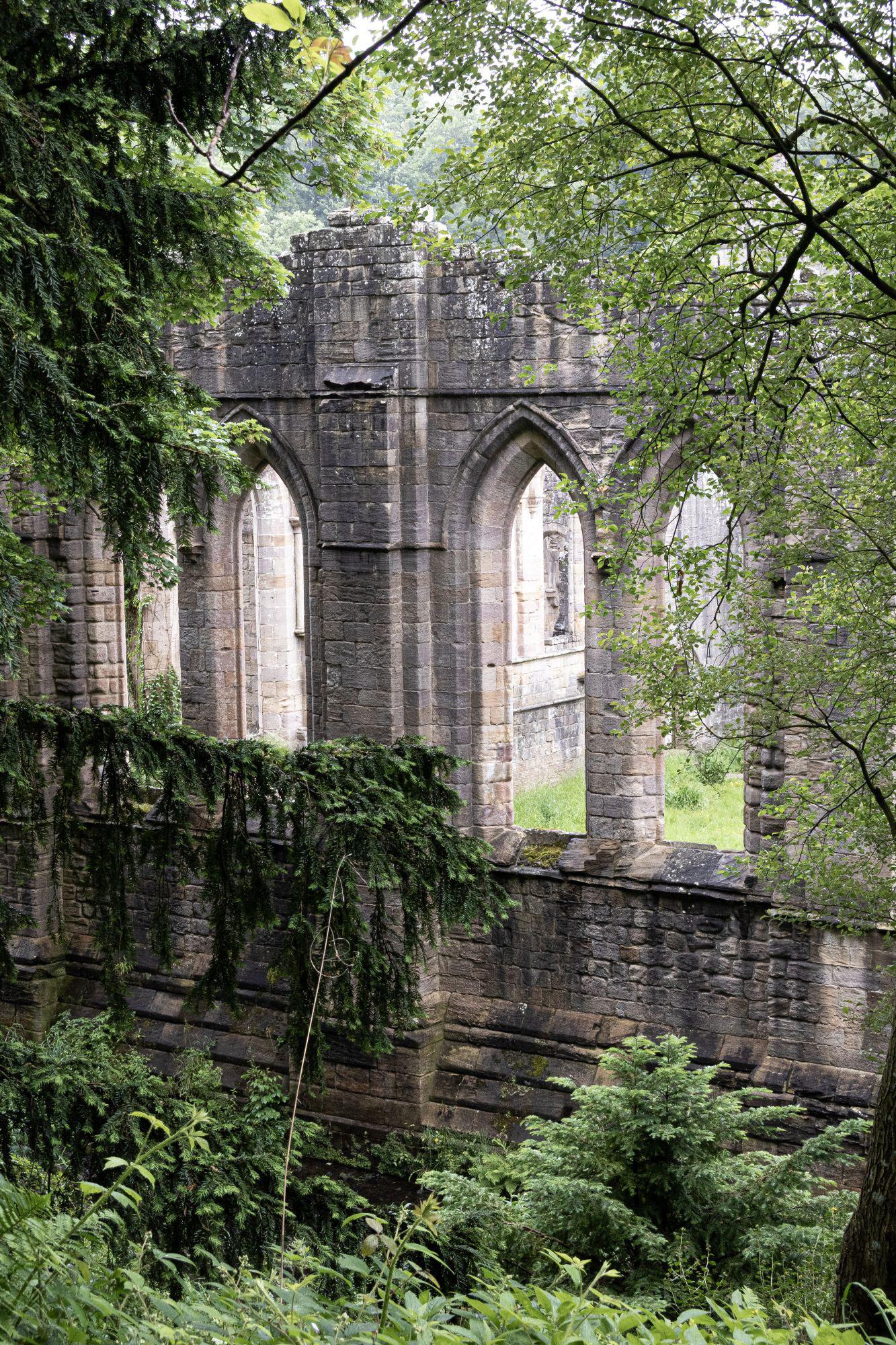
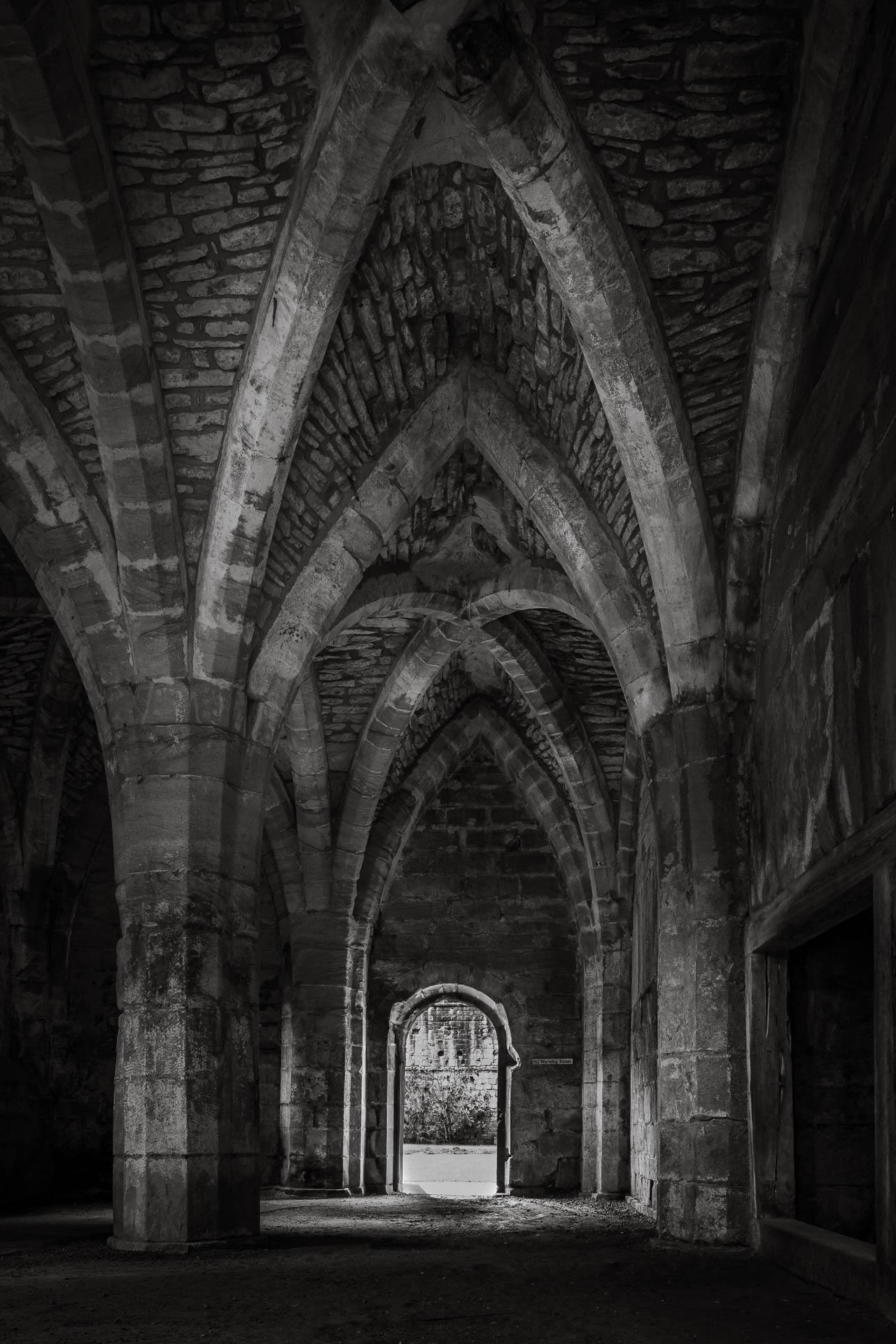
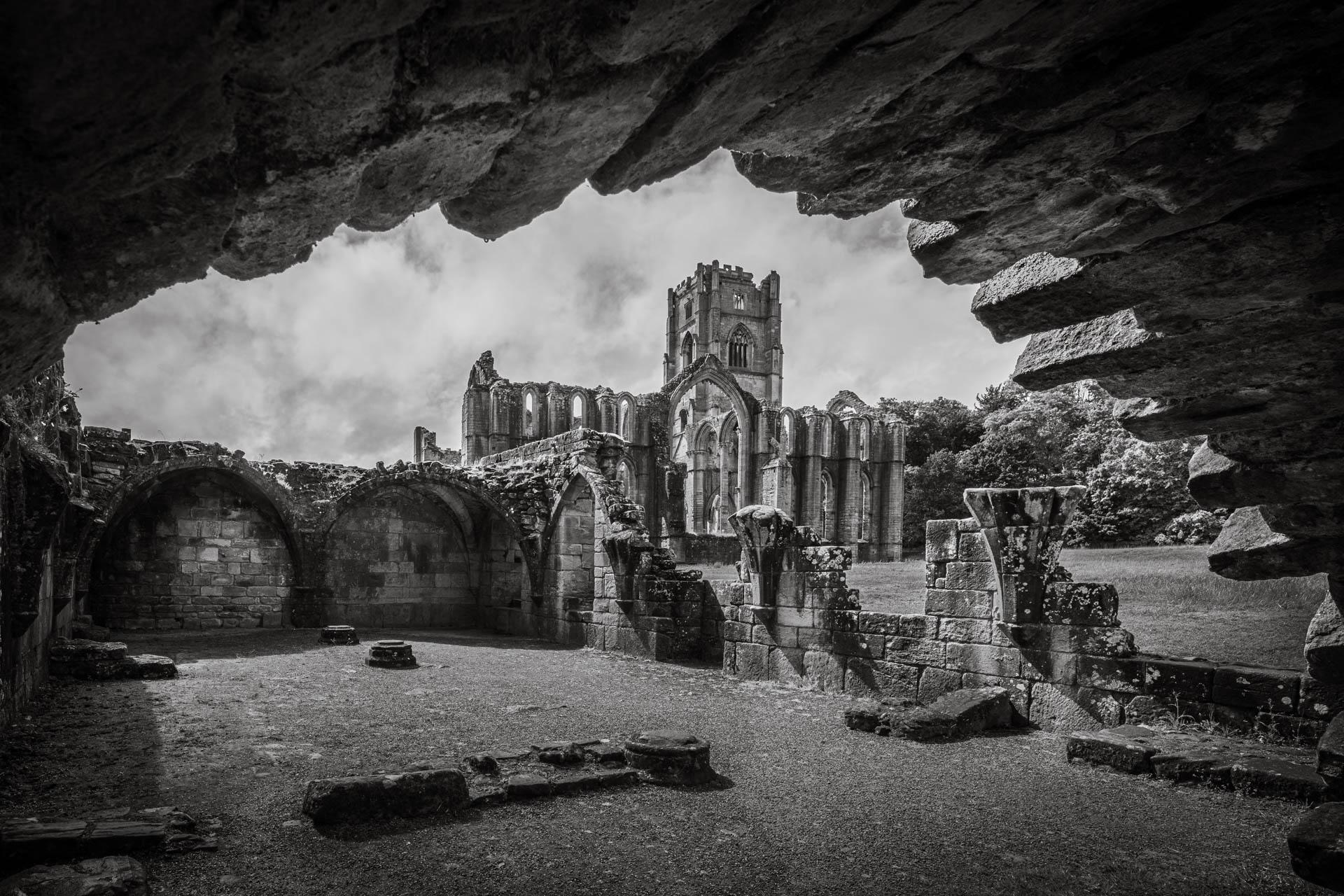
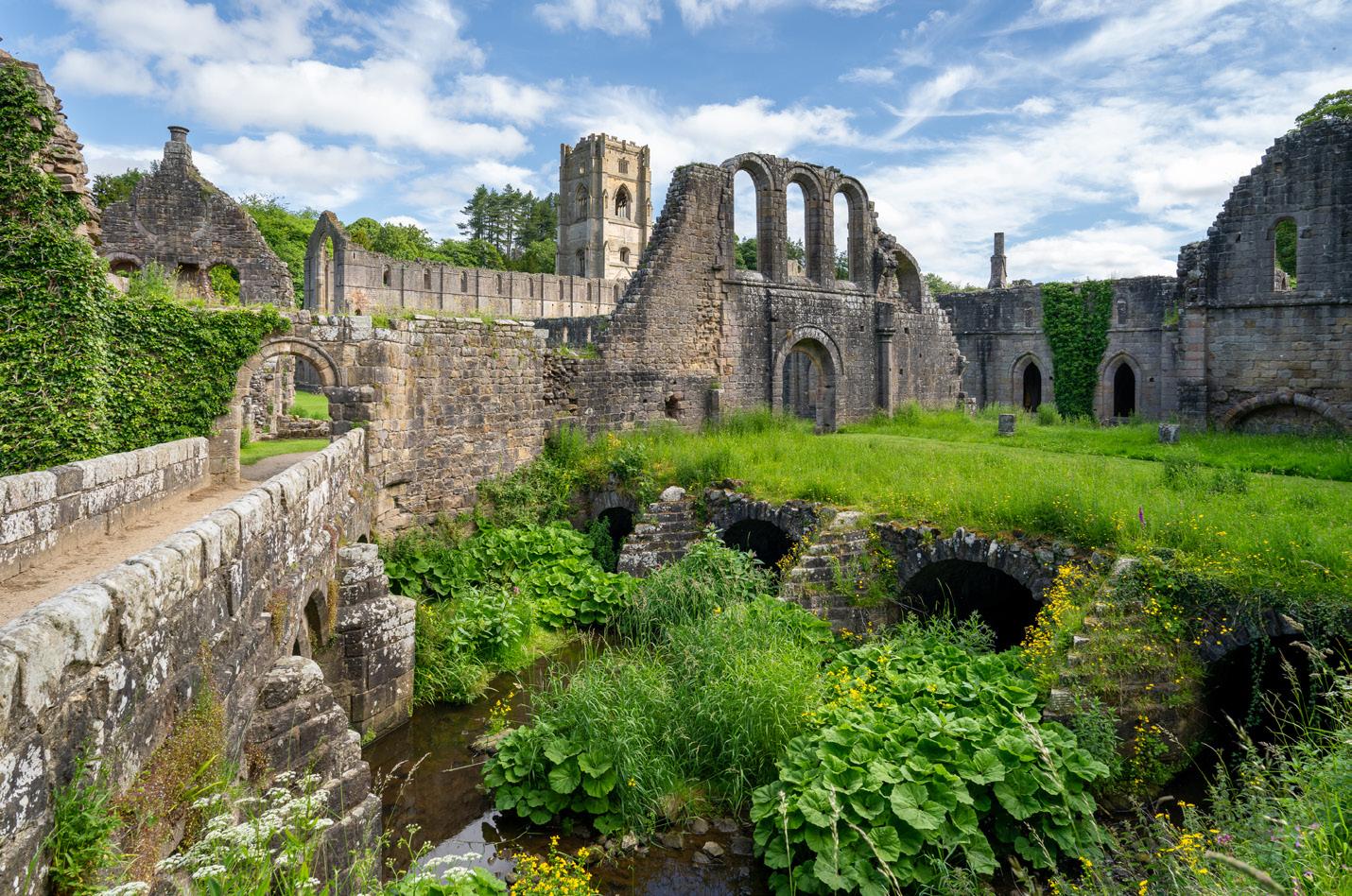
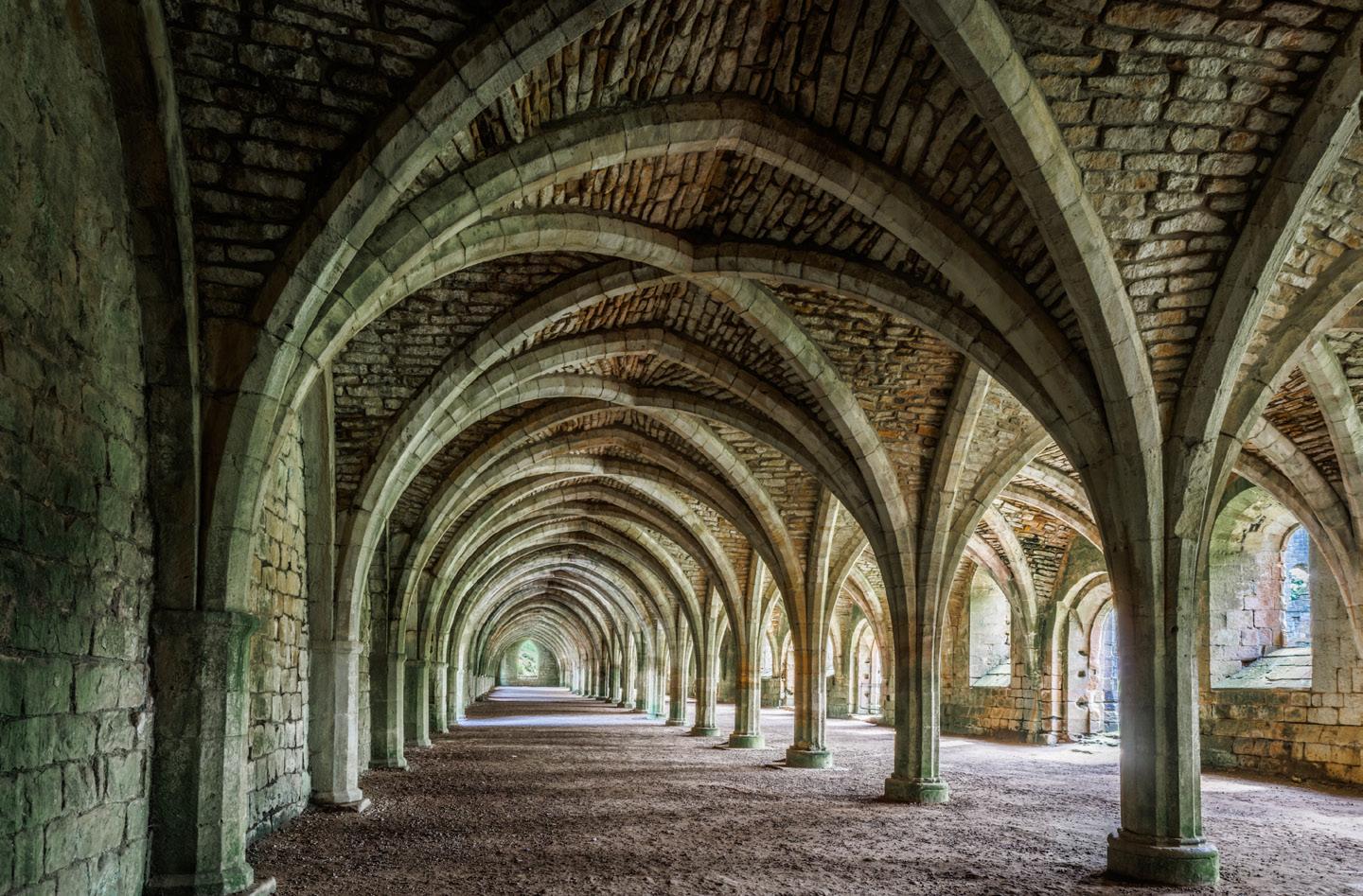
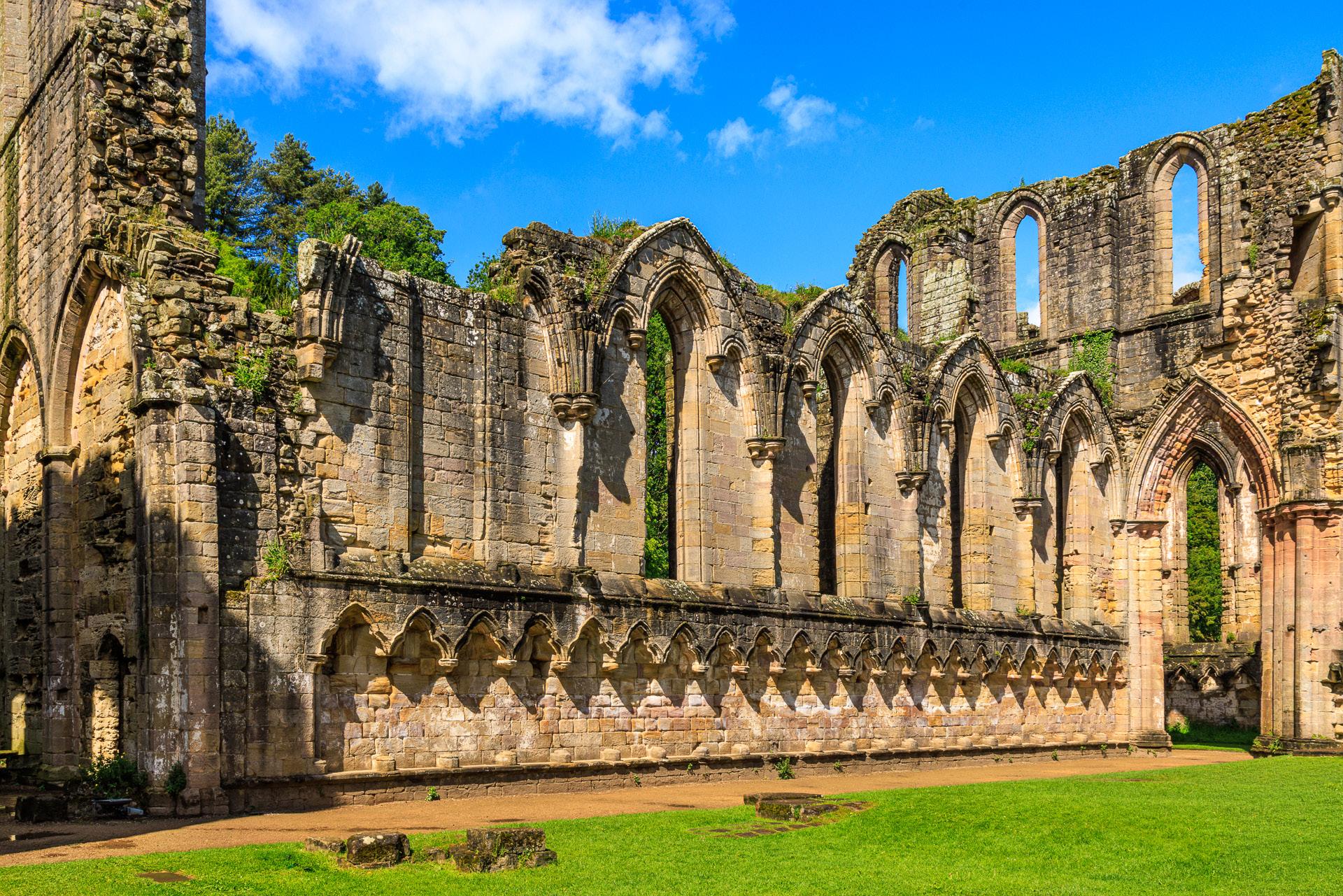
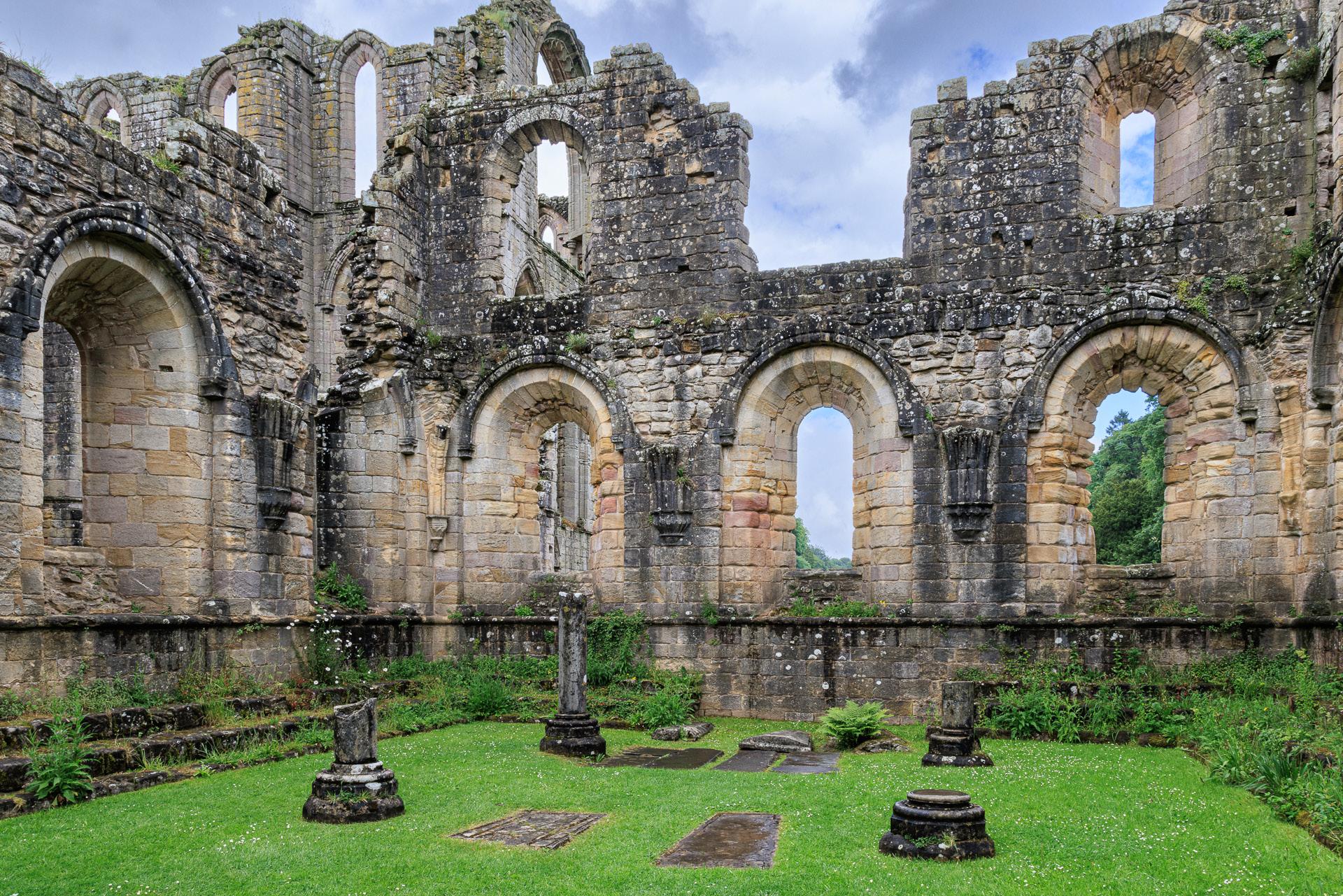
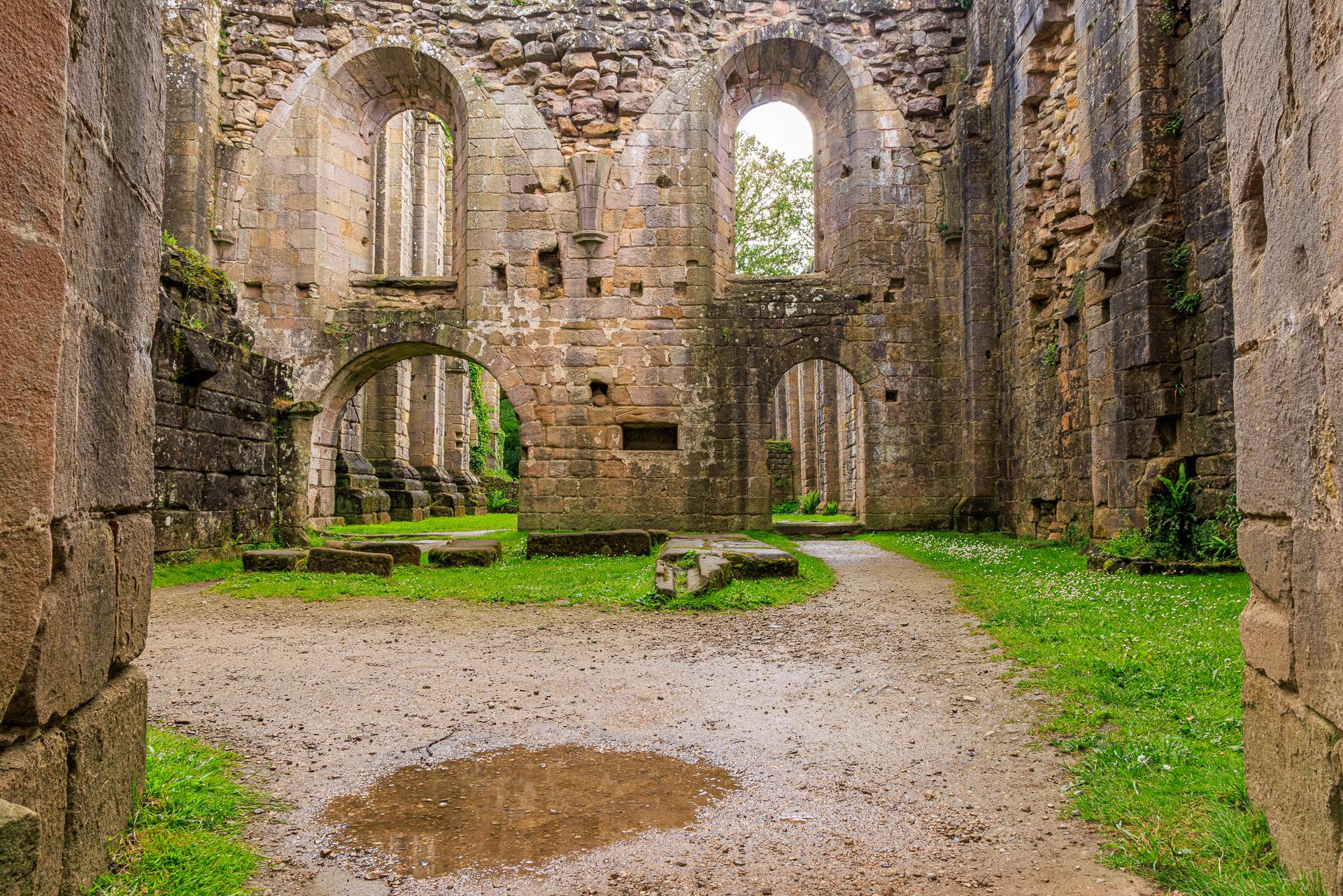
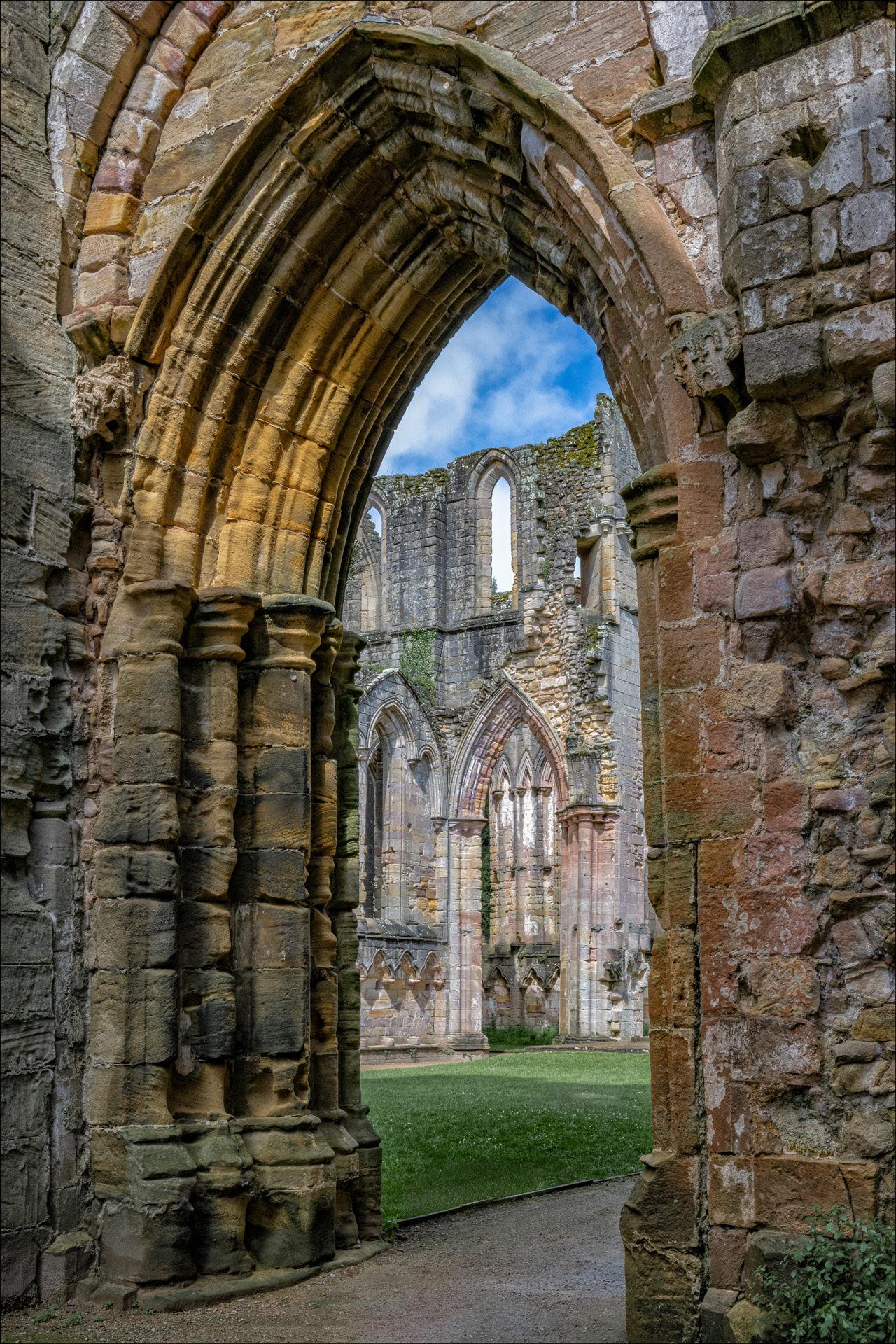
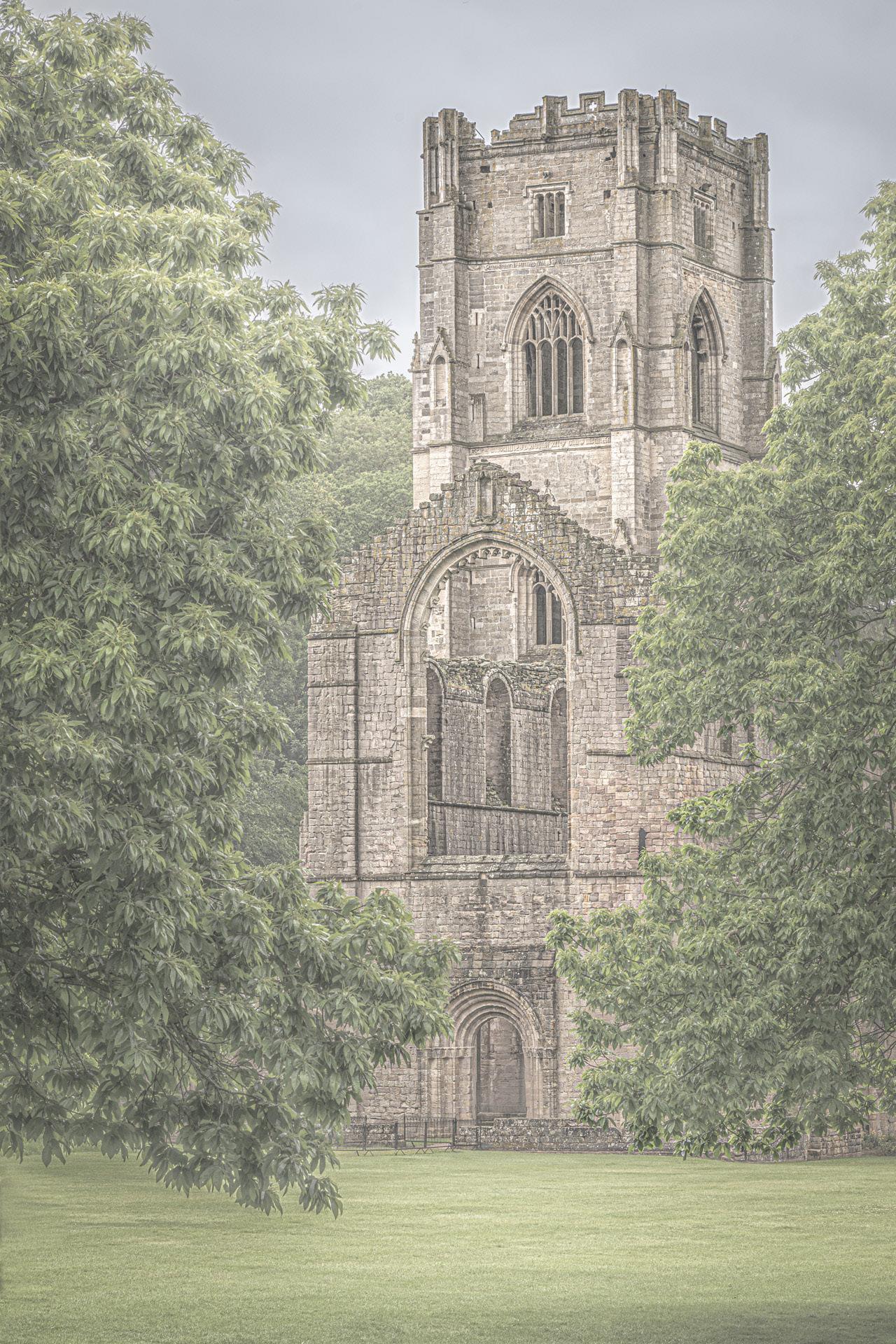
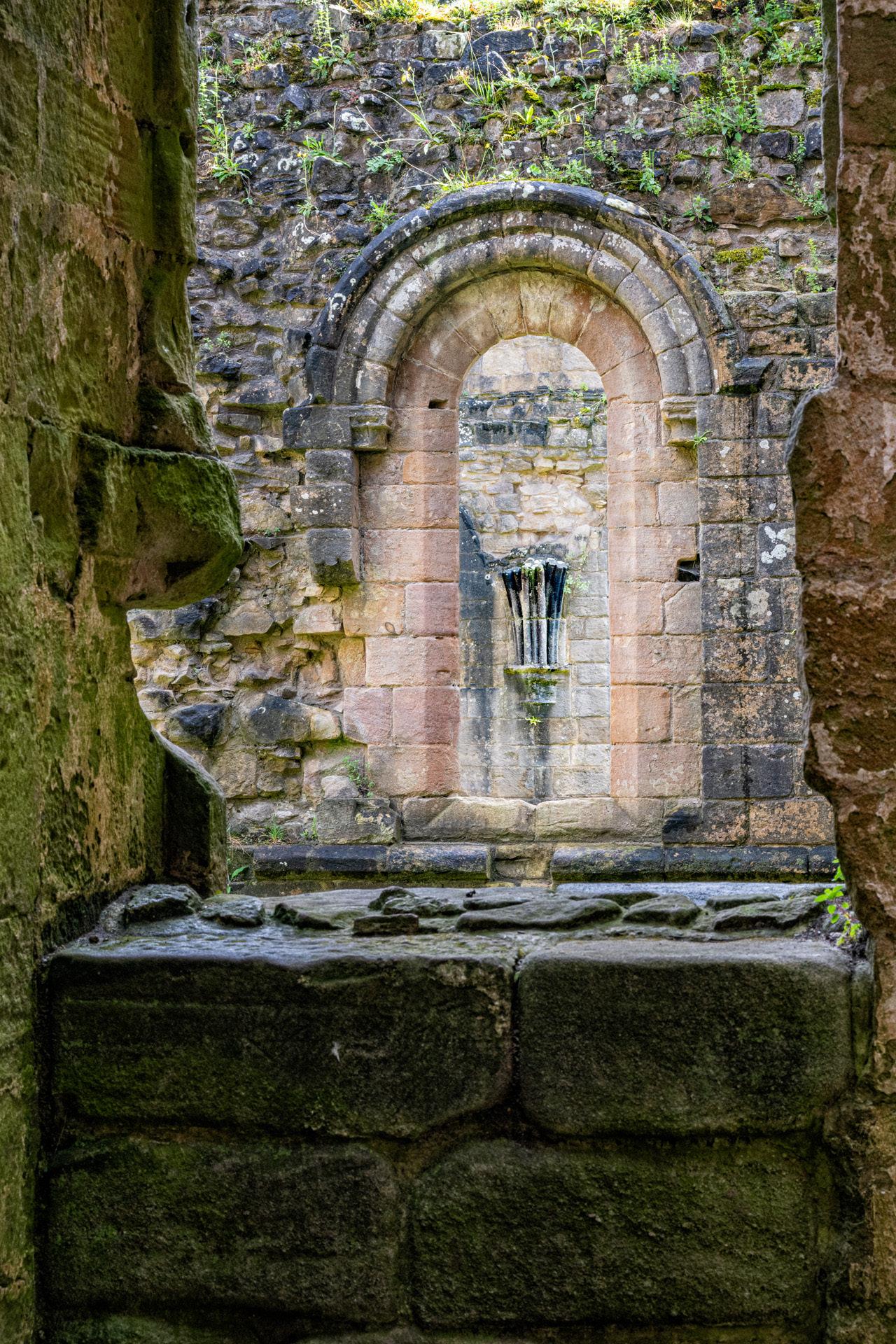
Fountains Abbey, is a World Heritage Site in North Yorkshire. It is the largest and best-preserved Cistercian monastic ruin in Great Britain. Key religious ruins include the massive 12th-century abbey church, the extensive medieval cloisters, the 16th-century Huby Tower, and the rare, functioning 12th-century Cistercian corn mill.
13 Benedictine monks founded the Abbey in 1132, deep in the Skell valley near Ripon. It was remote, but it had access to natural resources, including water, wood, stone and earth. Three years later the Abbey was accepted into the Cistercian Order.
Fountains Abbey rose to become the largest and richest abbey in the north of England. The choir monks lived in the Abbey and followed the rule of St Benedict; they adopted a life of simplicity, solitude and austerity. The lay brothers, who also lived in the Abbey, were not monks but provided labour to ensure that it ran smoothly. This allowed the monks to spend their time in prayer and worship. It was because of the help of the lay brothers that Fountains Abbey became wealthy through wool production, lead mining, cattle rearing, horse breeding and stone quarrying.
During the 400 years that the Abbey was a religious site, its wealth and power grew, only to end abruptly in 1539 with the Dissolution of the Monasteries under Henry VIII.
The Photographers
Suzy Braye LRPS
Alan Buchan
Paul Cayton LRPS
Paul Crawshaw
Leigh Foster LRPS
John Gerhold LRPS
Fintan Healy LRPS
Phil Oliver
Antony Walsh
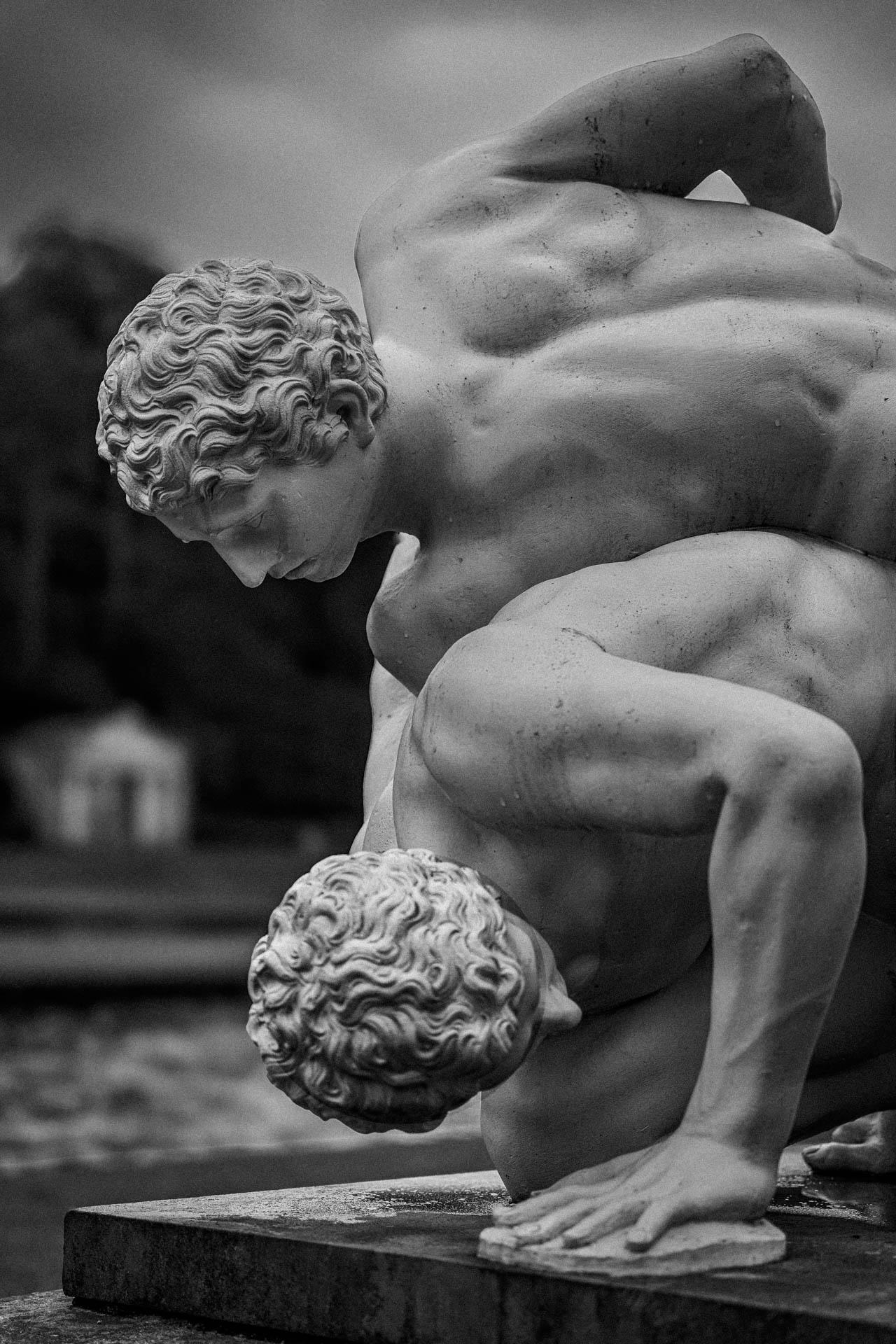
Chosen Images

Suzy Braye LRPS
Alan Buchan LRPS
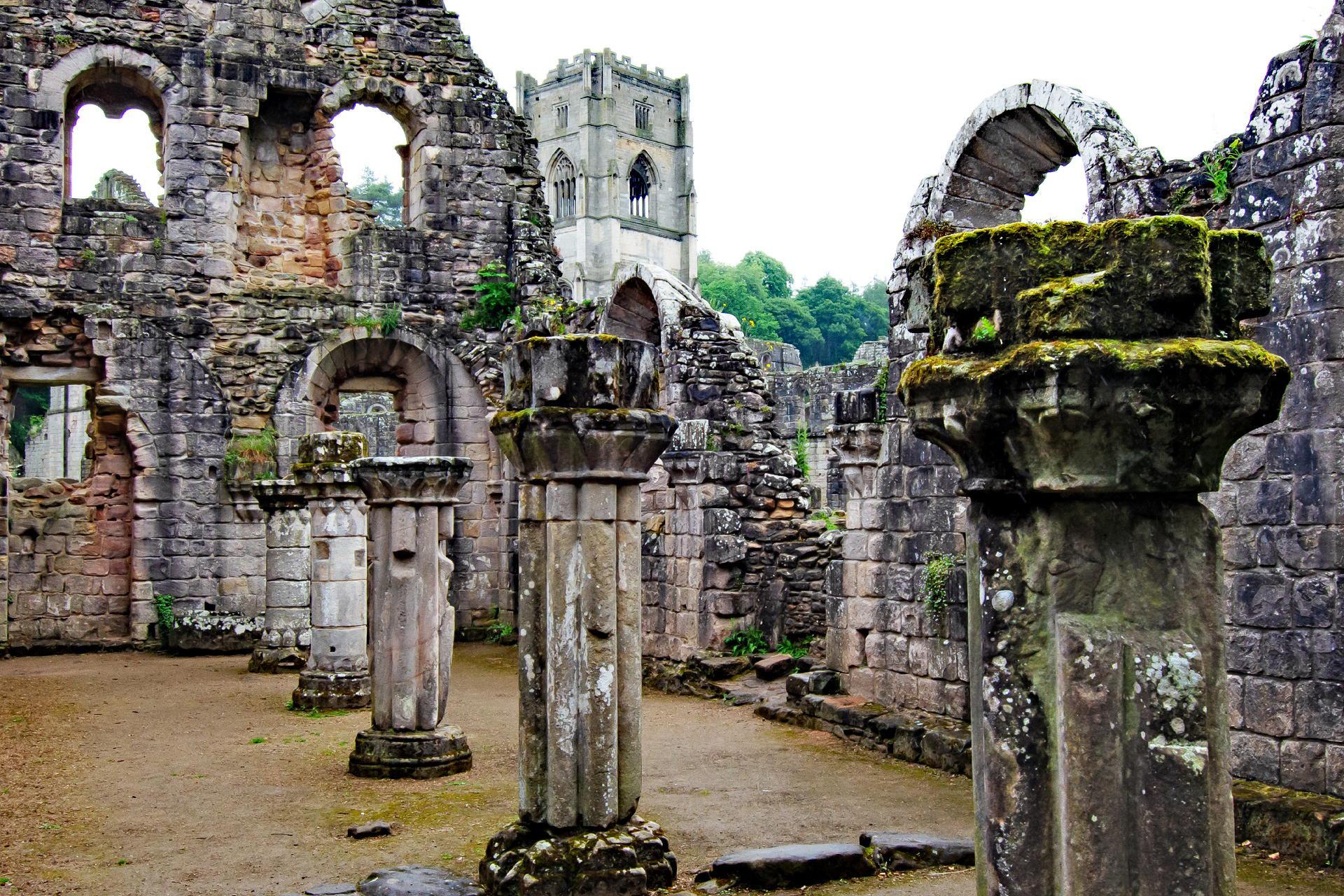
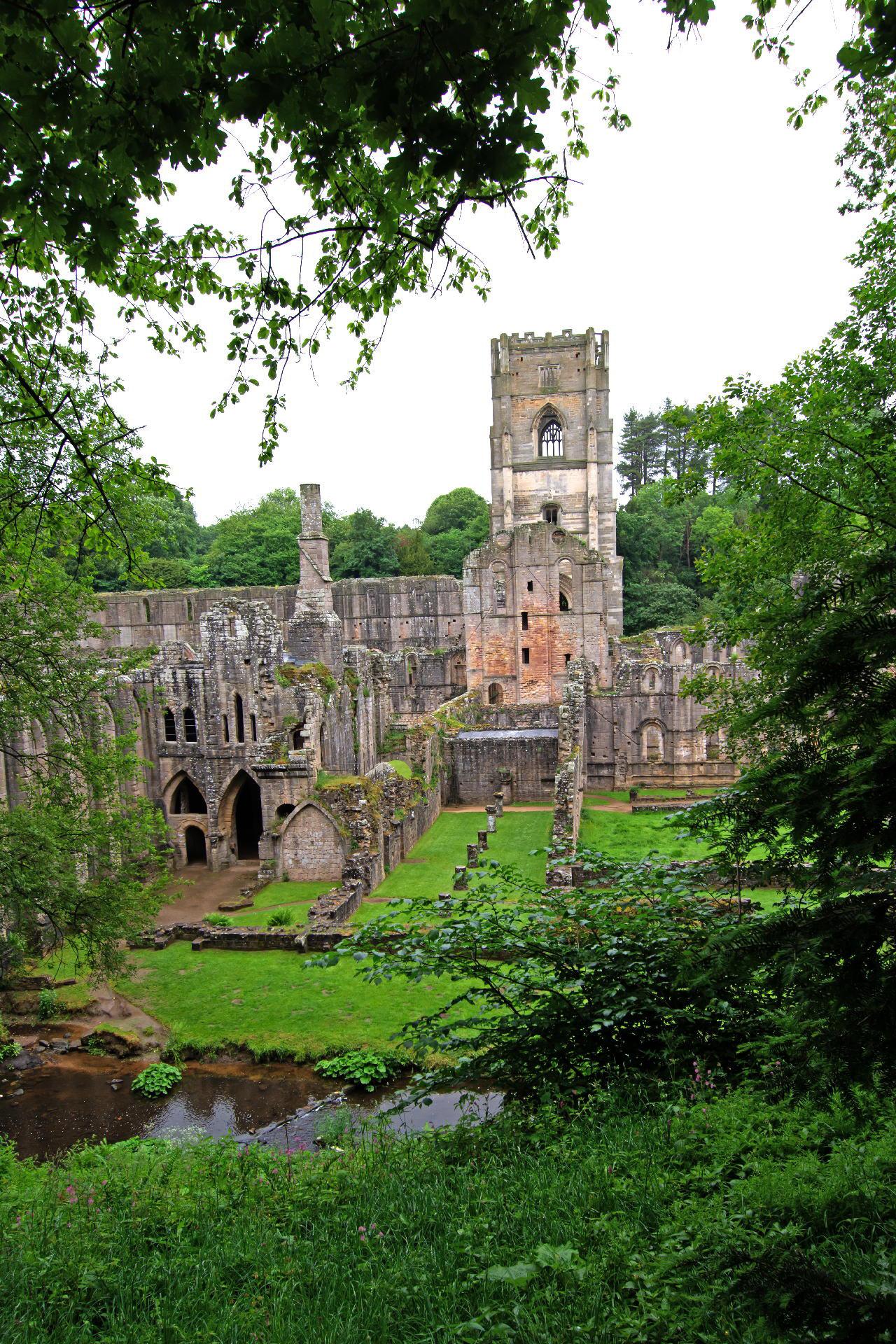
Paul Cayton LRPS
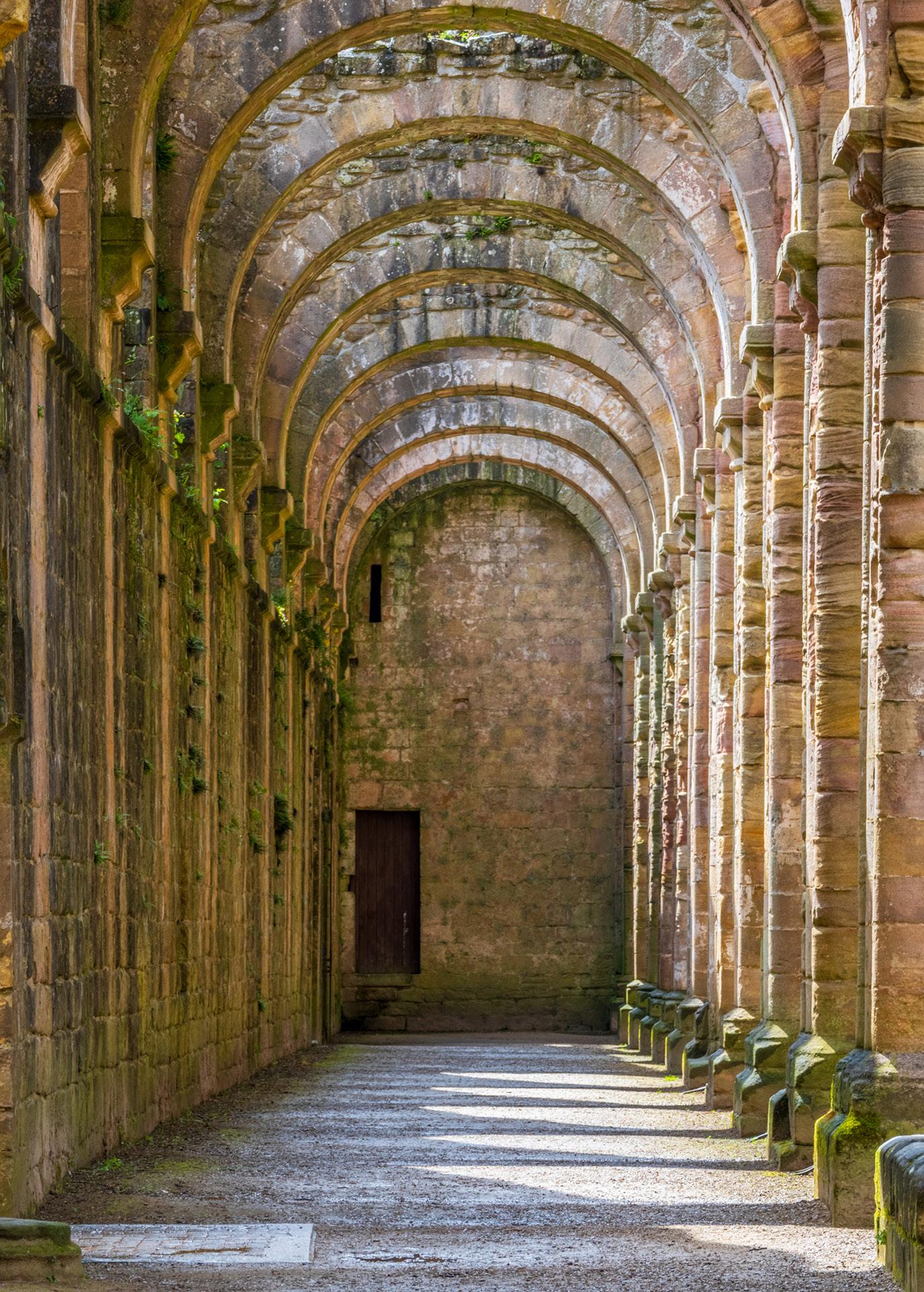
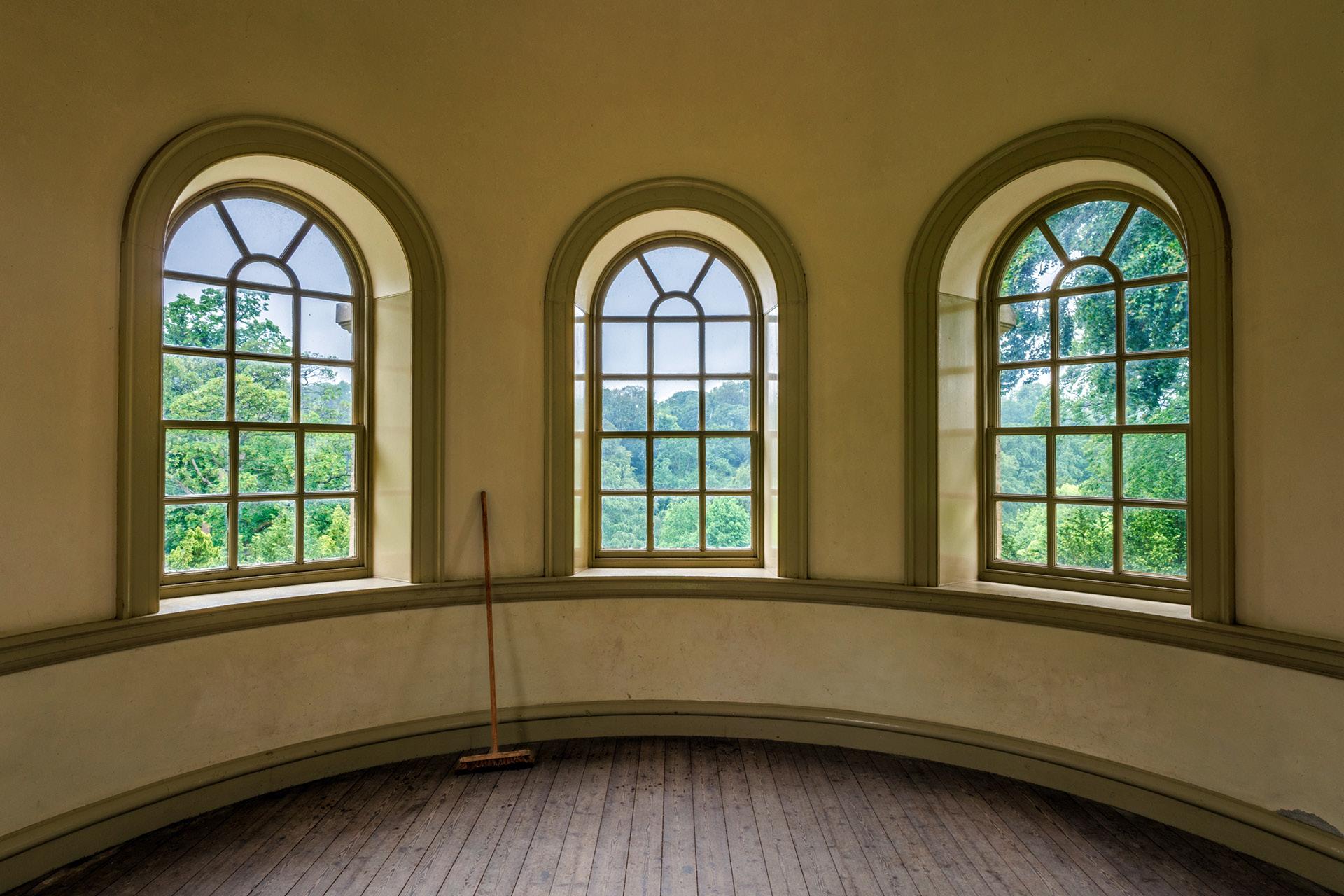
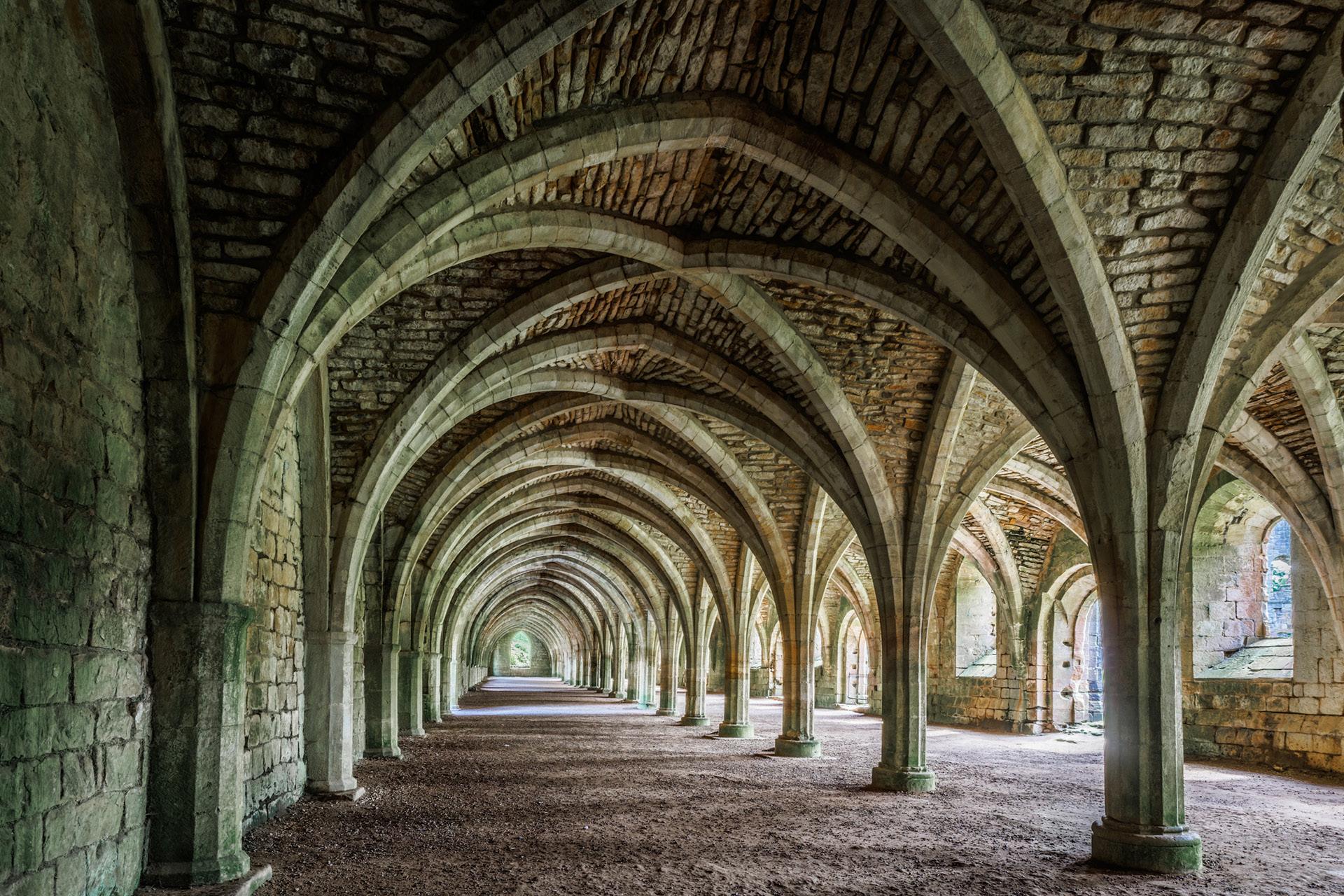
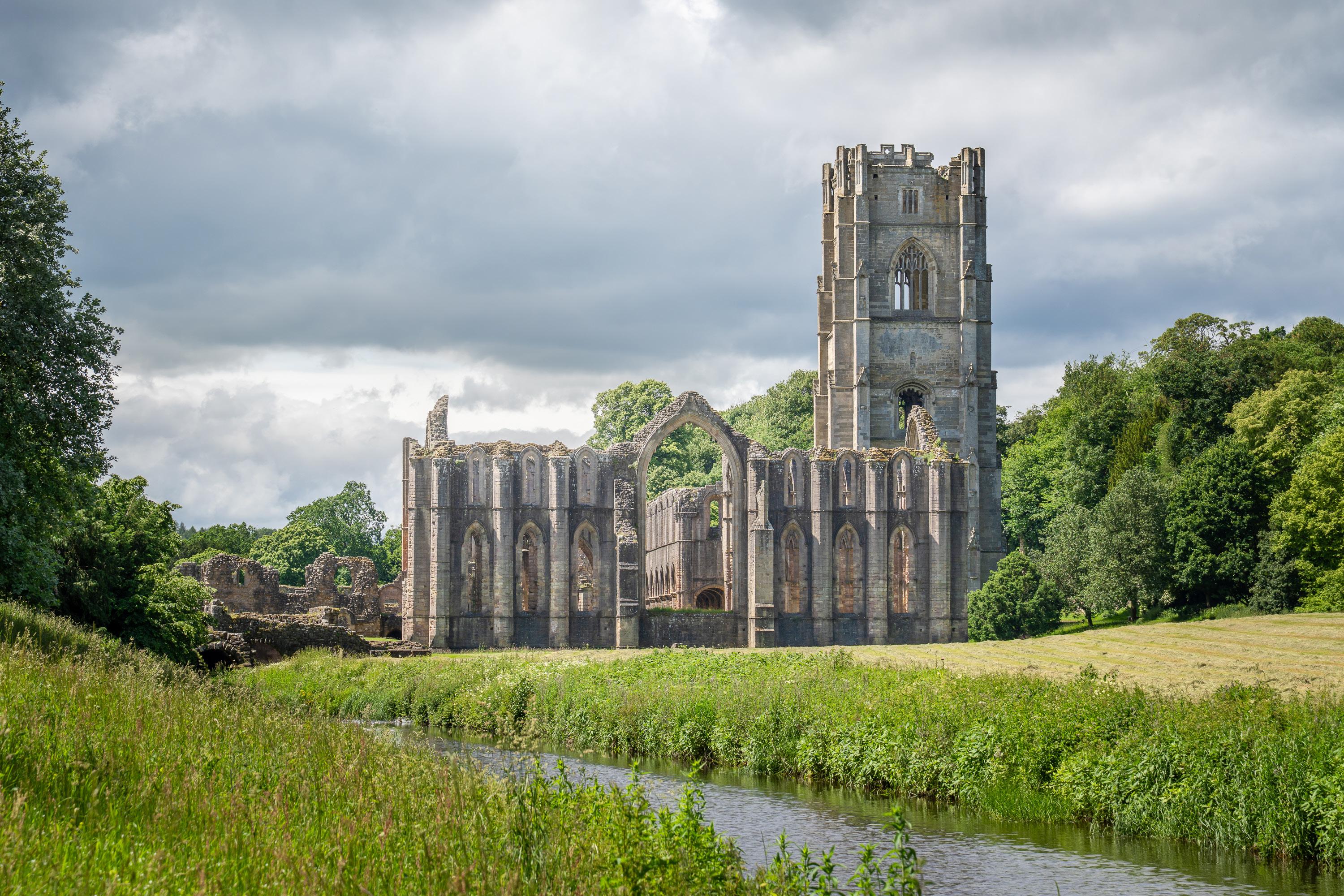
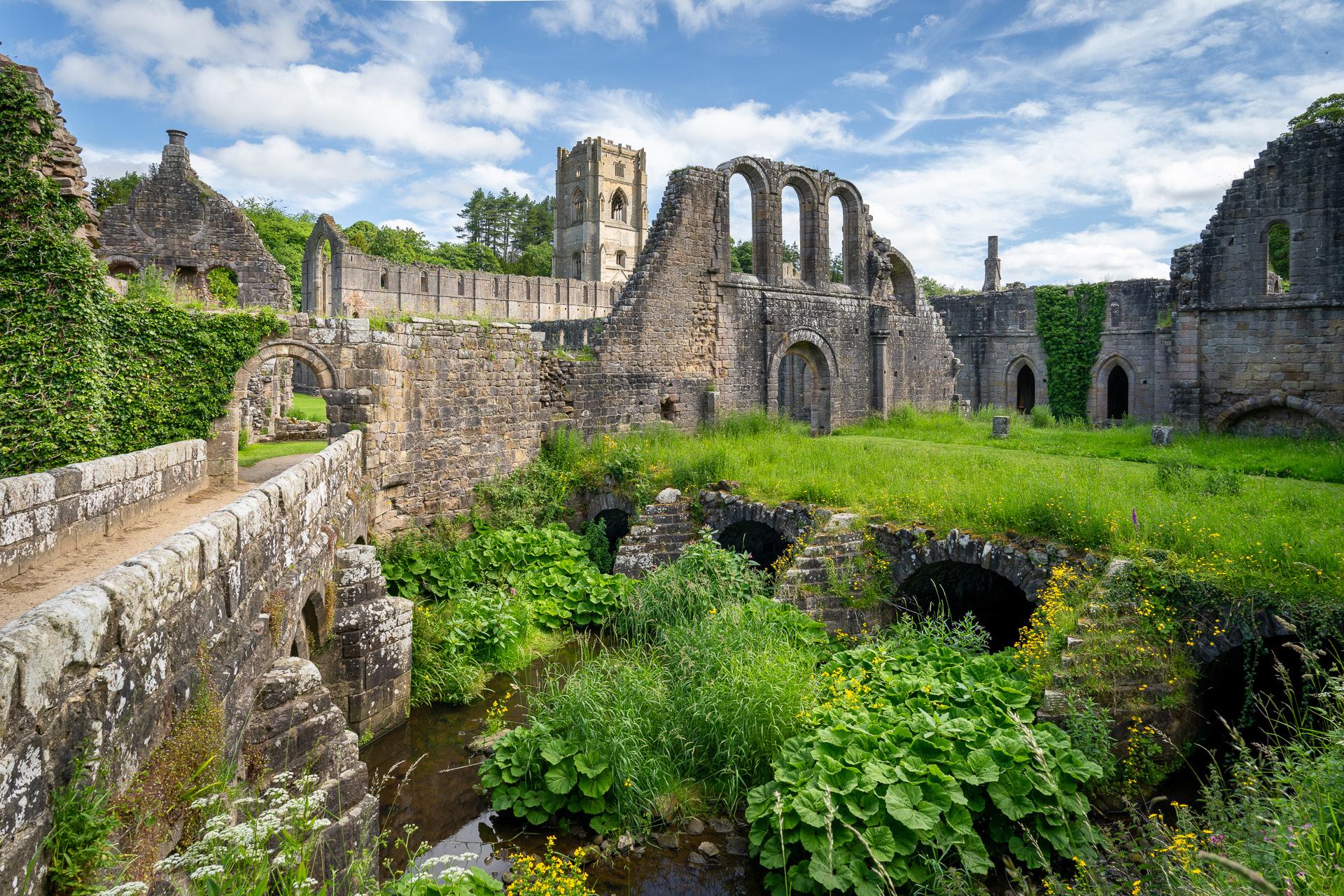
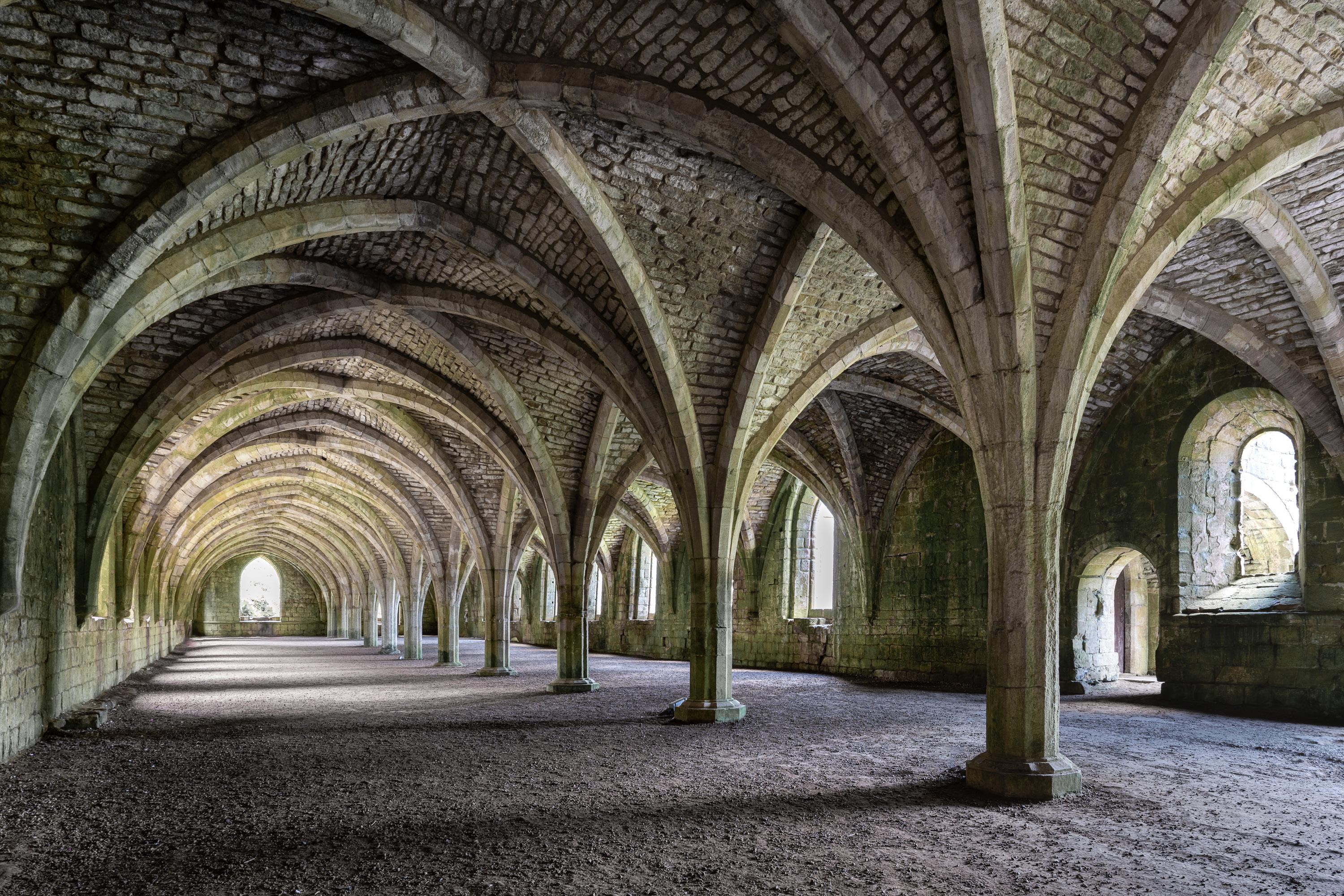
Leigh Foster LRPS
John Gerhold LRPS
Fintan Healy LRPS