
Older Adult Drowning in Australia
Understanding Risk and Mapping Prevention Efforts
Royal Life Saving is focused on reducing drowning and promoting healthy, active and skilled communities through innovative, reliable, evidencebased advocacy; strong and effective partnerships; quality programs, products and services; underpinned by a cohesive and sustainable national organisation.
Royal Life Saving is a public benevolent institution (PBI) dedicated to reducing drowning and turning everyday people into everyday community lifesavers. We achieve this through: advocacy, education, training, health promotion, aquatic risk management, community development, research, sport, leadership and participation and international networks.
© 2025 Royal Life Saving Society – Australia
This publication is copyright. Except as expressly provided in the Copyright Act 1968 and the Copyright Amendment Act 2006, no part of this publication may be reproduced, stored in any retrieval system or transmitted by any means (including electronic, mechanical, micro copying, photocopying, recording or otherwise) without prior permission from Royal Life Saving Society – Australia.
For enquiries concerning reproduction, contact RLSSA on: Phone 02 8217 3111; Email: info@rlssa.org.au
Every attempt has been made to trace and acknowledge copyright, but in some cases this may not have been possible. Royal Life Saving apologises for any accidental infringements and would welcome any information to redress the situation.
Please contact: PO Box 558 Broadway NSW 2007 Australia Phone: 02 8217 3111
Email: info@rlssa.org.au
Royal Life Saving Society – Australia
The drowning prevention research of the Royal Life Saving Society – Australia is proudly supported by the Australian Government.

Suggested citation: Miller L, Dahiya A, Pidgeon S. (2025)
Older adult drowning in Australia - understanding risk and mapping prevention efforts. Royal Life Saving Australia: Sydney.


SNAPSHOT: Drowning among people aged 65 years and over (2015/16 and 2024/25)
PEOPLE AGED 65 YEARS AND OVER DROWNED IN AUSTRALIA.
1.77 DROWNING DEATHS PER 100,000 POPULATION.
26% OF TOTAL DROWNING DEATHS DURING THIS PERIOD.
54%
WERE BETWEEN 65 AND 74-YEARS.
1.71 DROWNING DEATHS PER 100,000
46%
WERE OVER THE AGE OF 75-YEARS.
1.86 DROWNING DEATHS PER 100,000
OLDER ADULTS ARE OVERREPRESENTED IN DROWNING STATISTICS: Comparing proportion of older adults in the population to the proportion of all drowning deaths.
% of population aged 65+-years
% of drowning deaths
% of population aged 65-74-years
% of drowning deaths
% of population aged 75-84-years
% of drowning deaths
% of population aged 85+-years
% of drowning deaths
STATE AND TERRITORY BREAKDOWN
The Australian Water Safety Strategy 2030 identifies people aged 65 years and older (65+ years) as a priority area for reducing drowning (1). Australia has an ageing population, and people are living longer and more healthier lives, including actively participating in a range of aquatic based activities. However, the rates of drowning among older people are increasing, with pre-existing medical conditions and medications playing a role in drowning among this cohort.
This report adds to our limited understanding about drowning among older people in Australia through two key studies: 1) A rapid desktop review was conducted to map the current research and programs focused on drowning prevention among older adults, and 2) A 10-year analysis of fatal drowning among people aged 65+ years across Australia.
The drowning data analysis reported that during the study period, 736 older people drowned, an average of 74 drowning deaths per year. The overall fatal drowning rate for people aged 65+ years was 1.77 / 100,000, however rates differed when broken down by life stage.
Overall key findings:
The numbers and rates of drowning among older adults have increased over the past 10 years.
Swimming was the leading activity for both genders
Males overall were found to drown at beaches and river/creeks
Females were found to drown in swimming pools and bathtubs, particularly in the older age groups.
For males, the top activity prior to drowning was boating, and the top activity for females was swimming
Unlike general drowning trends of drowning on the weekend, drowning deaths among older people mainly occurred during mid-week (Tuesday and Wednesday), in the morning and afternoon (34% and 39%).
Key risk factors for drowning among this age group include pre-existing medical conditions and medication use. Overall, alcohol was present in 17% of drowning cases. Of cases that had alcohol involved, 10% of cases had a blood alcohol concentration (BAC) greater than 0.05%. Drugs, including both illicit and prescription medication, were reported in 39% of drowning cases. Specifically, over three-quarters (77%) of drowning cases where drugs were recorded were prescription medications.
Over 50% of older adults in this study recorded having a pre-existing medical condition, the majority being cardiac-related conditions. Out of the 417 cases with a pre-existing medical condition, almost one-third (31%) involved a medical condition that contributed to the drowning event. Given the role of health conditions in some drowning cases, it is important to consider how these risks may affect older adults.
Older adults may overestimate their swimming abilities, and when combined with reduced mobility and other health conditions, this can increase the risk of falls and drowning.
This research found that when broken down by life stage, risk profiles for drowning changed, including the location of drowning, activity prior to drowning and the proportion of co-morbidities (e.g. pre-existing medical conditions and/or medications) that directly contributed to the drowning fatality. As people aged, they were more frequently to drown within the home environment in a swimming pool because of an unintentional fall into water, compared with drowning in natural water environments further away from home.
By identifying the complexities of drowning among older people, Royal Life Saving aims to provide a strong evidence base for collaborative water safety and drowning prevention advocacy and action to reduce drowning among older people as a priority area of the Australian Water Safety Strategy 2030 (1).

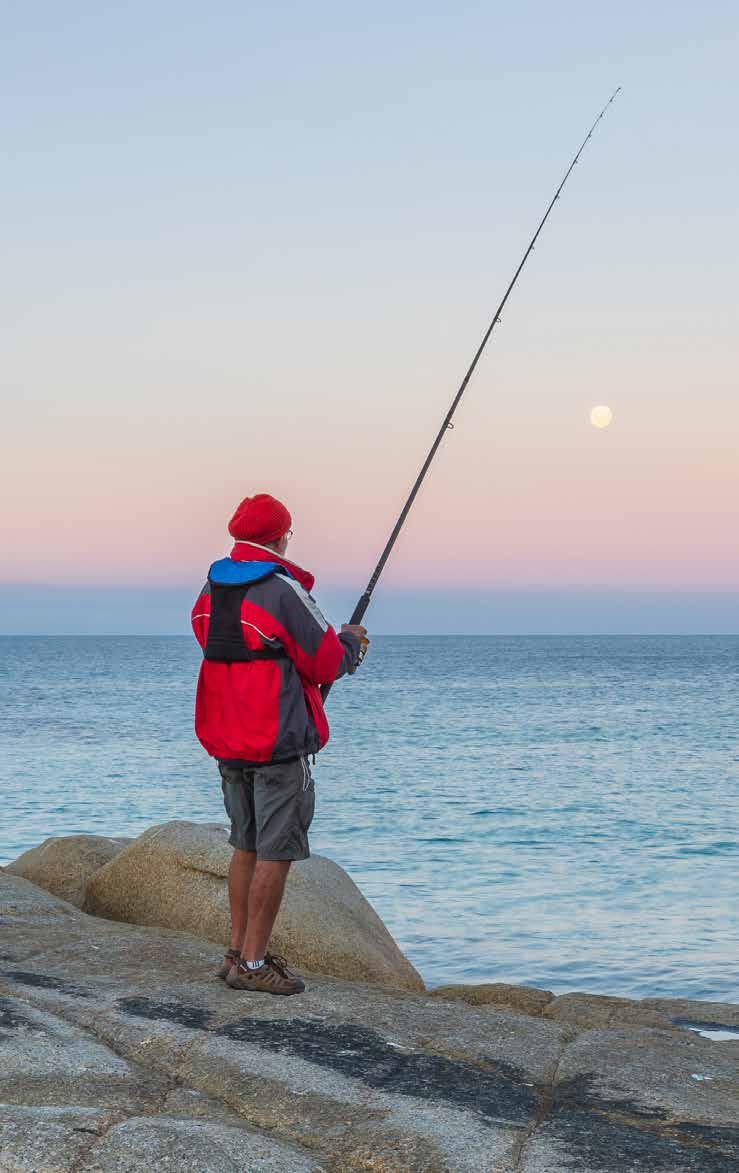
Drowning remains a major public health concern in Australia, with older adults (aged 65 years and over) now representing a disproportionately high burden of fatalities. In the 2024/25 financial year, this age group accounted for 33% of all drowning deaths (2). Alarmingly, the number of drowning deaths among older adults in 2024/25 represented a 74% increase compared to the 10-year average, and the crude fatal drowning rate, which accounts for changes in population of this age group, was 48% higher than the 10-year average at 2.51 per 100,000 population (2).
The Australian Water Safety Strategy 2030 (AWSS 2030) identifies adults 65 years and over (65+ years) as a priority population for drowning prevention (1). Like most developed nations, Australia’s population is ageing, driven by declining fertility rates and increased life expectancy (3). Between 2000 and 2020, the proportion of Australians aged 65+ years increased from 12.4% to 16.3%, with growth observed across all States and Territories (4). This demographic shift highlights the growing national importance of addressing health and injury prevention among older Australians (4).
Physical activity plays a vital role in maintaining and enhancing physical, mental, and emotional health, particularly in later life, where increased longevity does not necessarily equate to improved quality of life (5). Aquatic activity is especially suitable for older adults due to its low-impact nature, making it a preferred form of exercise for those with physical limitations or chronic conditions. However, participation in water-based activities also introduces increased risk, particularly for those with pre-existing medical conditions, medication usage, or reduced physical capacity (2).
Research has identified an increased risk of drowning among older adults, with a high proportion of incidents resulting from unexpected falls into water (6). Falls are among the most common causes of drowning later in life, yet regular physical activity has been shown to significantly reduce the risk of falls and fall-related injuries in this population (5). This highlights the dual importance of promoting safe physical activity, including aquatic participation, to enhance health outcomes while reducing injury risk.
The AWSS 2030 recommends stronger alignment between drowning prevention efforts and the healthy ageing and falls prevention sectors (2). There is an opportunity to align messaging and policy development and to learn from the falls prevention field, which has developed and implemented successful interventions in community settings. These interventions include structured exercise programs, environmental modifications (e.g., home safety improvements), and medical strategies to manage chronic conditions and medication regimens (7).
To further understand drowning risk and appropriate prevention strategies for this cohort, this report presents two complementary components: a review of drowning prevention research and initiatives prioritising this population and, an update of current drowning fatality data among adults aged 65+ years. Together, this research aims to build a clearer picture of the issue and inform future efforts to reduce drowning among older Australians.
AIMS AND OBJECTIVES
This study aims to:
1. Identify recent drowning prevention research that focuses on older adults
2. Identify recent Australian water safety programs and interventions for older adults
3. Analyse long-term trends of drowning among people aged 65+ years
4. Identify key risk factors for drowning among this age group
5. Identify emerging issues for drowning among this age group
6. Provide new or enhanced recommendations for prevention strategies
Part 1: Desktop rapid review
This desktop rapid review of literature and programs was conducted in two phases. For phase 1, a desktop rapid review of peer-reviewed literature was conducted to identify global research focused on drowning data and prevention strategies for older adults (aged 65+ years) between 2015 and 2025. Searches were carried out using PubMed and Google Scholar. Titles and abstracts were screened for relevance based on drowning prevention, adult populations aged 65+ years. Full-text articles meeting these criteria were retrieved and analysed. Key data was analysed to capture intervention types, target population characteristics, delivery settings, and any outcomes or recommendations.
A second desktop rapid review was conducted to identify swimming and water safety programs and interventions implemented within the past five years in Australia, that specifically focused on older adults. This involved reviewing grey literature from the websites and publications of major water safety organisations, including Royal Life Saving – Australia, Surf Life Saving Australia, and their state and territory branches. Additional searches were conducted via Google Advanced Search to locate relevant reports, newsletters, and evaluations. Sources were screened for relevance to older adult drowning prevention and analysed to describe key program components, delivery approaches, and any reported outcomes, barriers, or enablers.
Part 2: An analysis of fatal drowning among older adults
This section presents an epidemiological analysis of unintentional fatal drowning among people aged 65+ years who drowned in Australia between 01 July 2015 and 30 June 2025. Drowning data was extracted from the National Coronial Information System (NCIS), and triangulated with media reports, police reports and Royal Life Saving’s state and territory member organisations. As of 01 July 2025, 25% of cases remained open.
Drowning rates per 100,000 population for those 65+ years were calculated using population data from the Australian Bureau of Statistics (ABS) publication ‘Australian Demographic Statistics’ (Cat 3101.0). Percentages and averages are presented as whole numbers and have been rounded up or down accordingly – some graphics may not add to 100% due to rounding. The 10-year averages in this report are calculated from drowning death data, among people aged 65+ years, from 2015/16 and 2024/25 inclusive.
All data in the Royal Life Saving National Fatal Drowning Database are checked against those in the NCIS on a regular basis.
Ethical approval for Royal Life Saving’s fatal drowning research is granted by the Victorian Department of Justice and Community Safety Human Research Ethics Committee (JHREC) (CR/19/25126.)
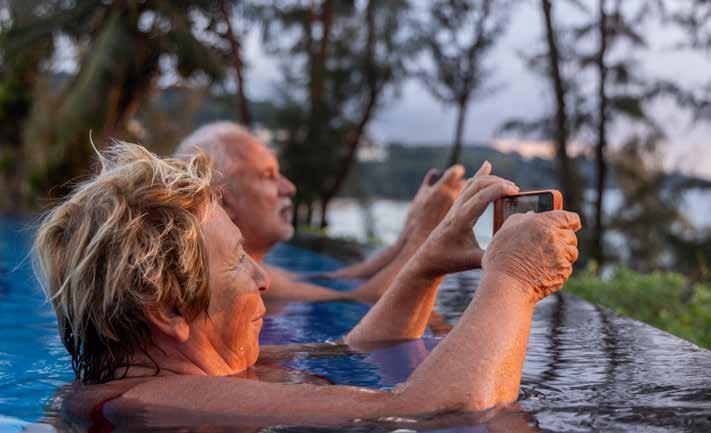
The following results present the findings of rapid review of re levant published research and a review of current programs and initiatives supporting drowning prevention in older adults, followed by a ten-year analysis of fatal drowning incidents among those aged 65-years and older.
Part 1: Desktop review of literature and programs
This rapid desktop review of the research identified published research addressing drowning among older adults aged 65+ years between 2015 and 2025. The published peer-reviewed papers found were from highincome countries including Australia, Canada, Japan and New Zealand.
Epidemiological studies have identified an increasing trend of older adults drowning in high-income countries, with older adults predicted to account for a significantly higher proportion of drowning by 2050 (6), a trend also identified in the AWSS 2030 mid-point review (8). Locations for drowning differed across countries, with bathtubs the most common location for drowning among older adults in Japan and Canada (6,9), whereas Australia and New Zealand recorded natural waterways such as beaches and rivers/creeks (6). However, location of drowning was found to change as people aged, with people aged 85 years and older most commonly drowning in bathtubs across all countries (6,9). Along with bathing, older people most frequently drowned as a consequence of an unintentional fall into water and non-aquatic transport (e.g. driving a vehicle into water) (6).
Unsurprisingly, chronic medical conditions were identified as contributing factor for drowning among older people, with medication and alcohol also identified as risk factors (6).
Two studies from Australia and New Zealand reported on aquatic participation and attitudes towards water safety among older adults (10,11). The New Zealand study reported that adults aged 65+ years were significantly less likely to have participated in any water activity in the past 12 months, with less than half having swum in a pool, and slightly more had been boating. Older adults also reported a perceived lack of water safety skills such as being able to float or swim for 5 minutes in open water, however a high number reported being aware of their limitations in the water, especially in different environments and scenarios (10).
The Australian study identified barriers and enablers to aquatic participation from the perspective’s older adults, including awareness of physical limitations, presence of medical conditions and a fear of water (11). Conversely, older adults identified the benefits of swimming for physical, mental and social health and wellbeing. Both studies identified an attitude of ‘drowning happens to other people’ not themselves (10,11).
In addition to the papers found as part of this rapid desktop review of literature, Royal Life Saving has produced several reports looking into the risk factors for drowning among older adults, with an emphasis on falls, and co-morbidities such as medical conditions, medications and alcohol.
These studies highlight the importance of addressing drowning among older people, and provides the evidence for tailored, age-appropriate strategies and interventions.
The second part of the review identified water safety interventions focusing on older people
A desktop search of programs and initiatives across Australia was conducted in March to June 2025 with the aim to identify drowning prevention or water safety initiatives focusing on older adults. The desktop search identified six programs that primarily focused on water safety education programs, with a focus on adults aged over 65-years, including, aquatic exercise classes, boating safety, safety around natural water bodies, and water safety education on the risks associated with pre-existing medical conditions and medication use and preventing falls into water (refer to the methods section for further details).
These interventions are typically delivered by key aquatic and lifesaving organisations at both national and state levels, with many adapting content to suit the needs of older populations, including those from culturally diverse backgrounds. Common features include accessible training in CPR and rescue skills, promotion of safe aquatic participation, and a growing emphasis on social engagement to reduce isolation. The aim of these programs was to build water safety knowledge, practical skills, and community connection.
National and State-Level Interventions
This section summarises initiatives delivered by RLSSA and Surf Life Saving Australia (SLSA) States/Territories members across the country, highlighting unique approaches to improving safety and supporting healthy ageing through aquatic activity.
Royal Life Saving Australia (RLSSA)
The Grey Medallion (12)
This initiative addresses older adult drowning prevention, developed by RLSSA and is delivered nationally via state branches. It is a flexible, evidenceinformed program designed for Australians aged 55+, focusing on water safety knowledge, survival skills, basic rescue techniques, CPR, and first aid). The program accommodates all skill levels, including nonswimmers, with an emphasis on gradual confidence building (12). By promoting aquatic activity within a safe framework, it supports both drowning prevention and healthy ageing. The Grey Medallion program has been adapted to address different community needs in their State/Territories.
For example, in Western Australia, Aqua Skills 55+ is delivered for older people (a tailored version of the Grey Medallion) (13), a free four-week course that includes CPR training and in-water safety practice. Program evaluation found that participants reported increased water confidence and readiness to engage in aquatic activities safely after completing the program (13). In Victoria, the Grey Medallion program has been incorporated into the Seniors Water Recreation Program (SWRP) to engage culturally and linguistically diverse (CALD) seniors. Since 2016, the SWRP has delivered a structured four-week program focusing on survival skills, water confidence, and community connection (14). These sessions are community-delivered, flexible in format, and support improved awareness and emergency response capacity among older Victorians (14).
In New South Wales (NSW), practical skills training for Older Adults are combined with awareness campaigns. The Active Adults campaign promotes safe aquatic lifestyles, emphasising risk factors like alcohol, falls, medication interactions, and low physical fitness (15). It incorporates education, physical activity, and social connection to address both drowning risk and isolation.
Surf Life Saving Australia (SLSA) Silver Salties
Nationally, SLSA has developed the Silver Salties initiative, supported by Sport Australia’s Move It AUS –Better Ageing grant (16). This program invites seniors to join surf life saving clubs in their local community for activities such as beach fitness, ocean swims, and social walks. This initiative promotes physical activity, reduces isolation, and reinforces water safety knowledge by operating in patrolled environments and through exposure to lifesaving culture (16). In Queensland, the Water Safe Seniors initiative is a free beach-based program for adults aged 50 years and over, covering beach safety, rip identification, basic rescues, and CPR (17). The program concludes with a social morning tea, encouraging community connection.
Other water safety initiatives
Boating safety agencies across the country also promote safe boating messages, including older people through programs such as the Old 4 New Lifejacket exchange programs, Boat safe retail programs and at Boat Shows.
Broader healthy ageing initiatives
During this review, a number of broader healthy ageing programs and physical activity interventions were identified for older people that may offer opportunities for the water safety sector to learn and partner with these program providers who have the expertise in older adult health and wellbeing.
The last National Strategy for Ageing was released in 2001, however, there are State/Territory and local government strategies or plans that focus on supporting older people in the community to live healthy lives as they age. Many organisations focus on older adult safety and wellbeing, such as the Council of the Ageing, and deliver programs that offer valuable models for partnership and integrating water safety. Many physical activity programs for older people focus on falls prevention, being a leading cause of injury morbidity and mortality among older people in Australia but also address mental and social health and wellbeing aspects that aquatic-based programs can also provide.
Catholic Healthcare’s Stepping On Falls prevention program targets adults aged 65+ through a seven-week workshop combining strength and balance exercises with education on medication, vision, footwear, and home safety (18). Delivered in community settings, it builds older adults’ confidence and functional mobility, thus reducing falls risk near water bodies.
Northern Sydney Local Health District’s (NSLHD) Stepping On program reinforces the importance of integrated community health promotion in reducing injury risk among older adults aged 65+, providing further support for incorporating aquatic-specific safety within broader active ageing strategies (19).
Injury Matters in Western Australia delivers a falls prevention program for older people which focuses on improving balance, strength and removing hazards (20). This program consists of various activities throughout Western Australia, including training for health and community workers, local community events for older adults, resources, community grants, and advertising on television and social media. This program is currently focused on landbased low impact activity for seniors; there may be the potential to integrate water safety messaging into resources and low-impact physical activities.
Exercise & Sports Science Australia’s Exercise Right for Active Ageing initiative, funded through the Move It AUS grant, provides low-cost group exercise classes for Australians aged 65+ to improve strength, flexibility, and balance (21). These attributes directly influence water safety by reducing fall likelihood and improving ability to self-rescue.

Part 2: Drowning deaths among older people aged 65 years and older
Between the 1st of July 2015 and 30th of June 2025, there were 2,855 total drowning fatalities, of which 736 involved those over the age of 65 years, representing 26% of all drowning deaths over the 10-year period.
The 10-year average crude rate was 1.77 drowning deaths per 100,000 population. The average number of drowning deaths was 74 deaths per year. The annual crude rate for this financial year (2024/25) was 2.45 per 100,000, a 38% increase from the 10-year average. The number of drowning deaths for the same period was 115, a 55% increase on the 10-year average.
The five year average fatal drowning rate for 2020-2025 was 65% higher than that of the previous five years (2015-2019).
736
adults aged 65+ years drowned between 2015/16 and 2024/25
81%
32% were male
were born overseas
Annual drowning frequency and crude rate in people 65+ years from 2015/16 to 2024/25
2015-20162016-20172017-20182018-20192019-20202020-20212021-20222022-20232023-20242024-2025 10-yearaverage
Number of drowning deaths Annual crude rate per 100,000 5-year average 2015-20 5-year average 2020-25
Who drowns?
Overall
54% were aged 65 - 74-years
34% were aged 75 – 84 years
12% were aged 85+ years
Compared to the Australian population
Adults aged 65+ years represent 16% of the total Australian population, with those between 65-74-years representing 9% of this cohort.
Overall, all life stage cohorts were found to be overrepresented in the total drowning data despite them being a small portion of the Australian population.
Breakdown by life stage
Adults 65+ years are overrepresented in drowning statistics:
Comparing proportion of adults aged 65+ years in the population to the proportion of all drowning deaths
% of population aged 65+-years
% of drowning deaths
% of population aged 65-74-years
% of drowning deaths
% of population aged 75-84-years
% of drowning deaths
% of population aged 85+-years
% of drowning deaths
Location of drowning
The largest number of drowning deaths occurred in NSW (n=259, 35%) followed by Queensland (n=152, 21%) and Victoria (n=133, 18%). Beaches were the leading location for drowning deaths (n=173, 24%) followed by rivers/creeks (n=161, 22%) and ocean/harbours (n=125, 17%). Where residential address was known, drowning deaths mainly occurred at home or 0-5km away from home (n=228, 51%). Leading activity was swimming and recreating (n=180, 24%) followed by boating (n=128, 17%) and an unintentional fall into water (n=101, 14%).
Breakdown of drowning by State/Territory
When did they drown?
The largest number of drowning deaths occurred in summer (33%), however the highest month for drowning was January (13%) followed by March (12%). Drowning deaths among older people occurred mainly in the middle of the week (31%), in contrast to overall drowning trends where most drowning deaths occur on the weekend.
Drowning deaths were found to occur in the afternoon between 12:01pm and 6pm (39%).

Pre-existing medical condition
57% of drowning deaths recorded a pre-existing medical condition
Out of the 736 total number of drowning deaths, 31% had a medical condition that contributed to the drowning event
The most common conditions recorded among older people who drowned were cardiovascular diseases (75%), hypertension (14%), diabetes (10%), Dementia/Alzheimer’s (6%), Depression (5%), cancer (5%).
39% of drowning deaths recorded drugs present (this includes both medication and illicit substances)
The majority (77%) were medications.
17%
Alcohol was reported in 17% (n=123) of drowning cases
10% had a BAC >0.05% Alcohol Drugs
54% of drowning deaths in this study were aged 65 – 74 years.
Those aged 65-74-years had the highest number of drowning deaths, however reported the lowest drowning rate compared to the other older age groups.
Table 3: Life stage breakdown by gender, location and activity
Location of drowning and activity prior to drowning differed when broken down by life stage and gender.
Drowning deaths among people aged 65 - 74 years (numbers and rates), 2015/16 to 2024/15
2015-20162016-20172017-20182018-20192019-20202020-20212021-20222022-20232023-20242024-2025
Drive distance between residence and drowning location
Drowning Deaths aged 75-84-years
recorded a medical condition that contributed to the death
Risk factors recorded drugs (medication & illicit substances) present
recorded alcohol present
Drowning deaths among people aged 75 - 84 years (numbers and rates), 2015/16 to 2024/15
Drive distance between residence and drowning location
Drowning Deaths aged
recorded a medical condition that contributed to the death
Risk factors recorded drugs (medication & illicit substances) present
recorded alcohol present
Drowning deaths among people aged 75 - 84 years (numbers and rates), 2015/16 to 2024/15
Australia has an active ageing population, with those 65+ years representing 16% of the total population. Unfortunately, those over the age of 65-years are overrepresented in the drowning data from this study, representing 26% of drowning deaths over the past 10-years. As such, older adults (65+ years) are a priority population of the AWSS 2030 (1). The mid-point revision of the AWSS shows that if drowning fatalities continue to increase among this cohort, the target of halving drowning by 2030 will not be met (8).
Unlike previous generations, today’s older adults are increasingly active and are often engaging in aquatic activities to maintain health and well-being. In 2024, the average retirement age was around 65-years (22), many older adults now have more time to engage in aquatic activities. With a growing number of older individuals entering the water, it is essential to assess whether swimming skills and water safety knowledge are adequate and up to date. Additionally, ageing brings increased risks due to factors such as medication use and pre-existing medical conditions, which need to be considered when promoting safe participation in the water.
Health promotion initiatives have encouraged aquatic activities, such as swimming and aqua aerobics, as a way to keep active, as it supports cardiovascular health and is considered a low-impact activity. Therefore, ensuring accessible water safety initiatives for this age group is increasingly important to achieving the 2030 target to decrease drowning.
This research report had two parts; a rapid desktop review exploring both drowning research and prevention initiatives; and a drowning analysis of older people. The next section will discuss the findings of each section and provide key recommendations aligned with the AWSS 2030.
Part 1: Learnings from the review of literature and initiatives
This study identified a range initiatives across Australia that have been designed for older people, with more inclusive aquatic programs, better equipped swimming facilities, promoting safe use of natural water bodies, and awareness around medication management.
Overall, the goal of the programs identified in the review were not only to decrease drowning among older people, but to encourage safer choices around the water without taking away autonomy, such as never swimming alone, not drinking while boating or swimming, and to be mindful of physical limitations and current level when swimming or participating in other aquatic activities.
This review identified a number of swimming programs and water-safety initiatives, though there are many barriers for older people in engaging with aquatic activities. Programs should strive to create accessible, welcoming opportunities rather than placing the responsibility on individuals to seek out and engage with these programs. Further research is required into the barriers to aquatic participation among this cohort, particularly in understanding how to effectively reach those who lack access to social media, or digital devices.
The literature review highlighted that while swimming was identified as a leading activity prior to drowning for older people, unintentional falls into water remain a key risk factor for drowning, as people age. Falls prevention research has identified both intrinsic and extrinsic risk factors relevant to older adults. Intrinsic factors include a prior history of falls, impaired mobility, muscle weakness, balance and gait deficits, cognitive impairment, visual decline, chronic health conditions, medication use, and sedentary behaviour (20). Extrinsic risk factors encompass environmental hazards, improper footwear or clothing, and inappropriate mobility aids (23). Additionally, exposure to risk, linked to lifestyle, behaviour, and activities, has been recognised as a critical factor influencing fall and injury likelihood (23). These same risk factors are relevant when considering drowning prevention, particularly in uncontrolled or unfamiliar aquatic environments.
Collaboration is needed between the drowning and broader injury prevention health sector to adequately address drowning and water safety among older people. For example, allied health services should work with water safety agencies to incorporate water safety messages and aquatic exercise into health programs for older people, especially when recommending low impact physical activity. As more older adults engage in aquatic activities for physical health, rehabilitation and social connection, there is an increasing demand for a trained workforce to be adaptable to meet the needs of older adults. Conversely, the water safety sector should work with the aged care sector to improve staff training and knowledge in order to to deliver appropriate water safety programs, and to ensure that aquatic facilities have the capacity to meet the needs of an ageing population, without compromising safety or engagement.
Part 2: Findings from the drowning data – what does this mean?
This study highlighted that older adults are overrepresented in the drowning data accounting for 26% of all drowning deaths over the 10-year study period, while this cohort comprises only 16% of the Australian population. This study highlighted an increasing trend of older adults drowning over the past decade, with a sharp increase over the most recent five-years.
New findings from this study identified differences in drowning trends across the different life stages.
65 - 74 years
The 65 – 74 years cohort accounted for over half of all drowning deaths (54%) among older people and drowned at natural water bodies such as beaches. This cohort was found to participate in recreational activity (such as swimming or boating) and drowned at a location further away from home compared to their older aged peers (33% drowned 50km or further away from home).
This may be indicative of people who are newly retired, have more time and are more likely to travel. This age group also recorded the highest proportion of drowning fatalities with alcohol present.
75 - 84 years
Drowning deaths among those 75-84-years also commonly occurred at beaches and rivers/creeks, with almost half (48%) of all deaths occurring within 5km of where the person lived, including within their home environment. Risk factors for drowning in this age group included: unintentional falls into water, medical conditions and medications, and alcohol consumption.
85+ years
The majority (85%) of drowning deaths in the 85+ cohort occurred at or close to their home, usually due to an unintentional fall into water. This cohort was most likely to have a medical condition that contributed to their drowning death. Over half of people who drowned in this age group were taking medications. In contrast, only a small proportion (11%) of cases involved alcohol compared to the other age groups.
Other interesting trends identified were that drowning among older people most frequently occurred midweek (Tuesday, Wednesdays) when compared to general drowning trends where drowning most commonly occurs on the weekend.
Contributing risk factors for drowning
Overall, medical conditions directly contributed to the drowning in one-third of all drowning fatalities among people aged 65+ years in Australia. An even higher number (57%) recorded having some type a pre-existing medical condition, the most common diagnosed were cardiovascular-related conditions. Pre-existing medical conditions combined with medications are a risk factor in this cohort. While not all medical conditions contribute to drowning, there may be side effects that can impact a person’s mobility or balance when around water. Additionally, medications may impact cognitive function and decision making. This concern has been acknowledged in the AWSS 2030 (1), which highlights the need for increased awareness of how certain comorbidities may impact safety while participating in aquatic activities.
It is evident that as people age, there are different needs in terms of physical ability, health considerations, safety awareness and accessibility, all of which need to be considered when designing inclusive aquatic programs and prevention strategies. These findings have implications for tailored prevention strategies for the different life stages.
These findings show that older adults continue to pursue active lifestyles, with aquatic recreation being one of several ways they engage in physical activity. However, certain risk factors increase their vulnerability to drowning. These findings underscore the need for targeted, age-appropriate drowning prevention strategies that address both environmental and individual risk factors.
This study stresses the importance for targeted strategies that address complex factors such as chronic medical conditions and medication use.
The challenge to target these specific cohorts will be dependent on the ability to identify and engage at-risk older adults through tailored approaches. Community based approaches need to recognise that not all individuals have access to social media, or any social outlets. Socially isolated individuals, including those who live in rural or remote areas may not have access to programs or the means to participate in water safety education, access supervised swimming locations, or receive timely emergency support. The drowning data shows that most older adults drown when swimming or partaking in aquatic activities at beaches and rivers/ creeks close to home, and in some cases on their own property. Therefore community-based programs promoting safer swimming environments such as swimming pools is a starting point towards encouraging this cohort to get into the water and refresh their watersafety skills.
1. Healthy Ageing Agenda
Identified in the rapid review, there are many community programs that promote healthy living for older adults such as fall prevention programs, and water-related activities. There is a need to bridge the gap between water-safety and falls prevention frameworks and embed water safety into existing policies and strategies that address shared risk factors, such as reduced mobility, balance issues and age-related health conditions, while still encouraging an active lifestyle.
Making sure everyone can access aquatic facilities and have what they need to feel supported at these facilities as they age, should be a priority to ensure equitable access, improved safety outcomes and increased engagement in aquatic activity for this age cohort.
2. Engagement for lifelong aquatic activity
We want to encourage and support an active aquatic lifestyle for our ageing population; however, it is important to be mindful of the risks of drowning, especially with older adults. Raising awareness on the risks of drowning should not deter people from participating in aquatic activities but educate everyone on the risks, and encourage safer choices and behaviour when around water. Educational campaigns need to focus how to target older age groups without discouraging people from wanting to go into the water. Campaigns should promote awareness of their safety while also encouraging an active lifestyle around water.
3.
Strategies for managing medical conditions
One third of drowning fatalities recorded a medical condition that directly contributed to the drowning event. This is crucial in bringing awareness on how to manage pre-existing medical conditions when participating in aquatic activities and encouraging older adults to get regular medical checks. At different stages in life, older adults have varying needs, which is why drowning prevention efforts must be tailored for each life stage. As mobility changes as people age, the risk of falls also increases, therefore aquatic activities can play a role in maintaining quality of life when pursued safely. Partnerships between the ageing sector and the water safety sector may help to encourage safer participation in water for older people.
Australian Water Safety Strategy 2030 - revised priority actions for Older People
Healthy ageing agenda
Position water safety and drowning prevention for over 65’s as a core element of Australia’s healthy ageing agenda. Embed water safety into ageing and falls prevention frameworks by partnering with groups that represent and work with older adults. Support pathways for engaging with aquatic activity later in life and ensure aquatic facility design welcomes older adults with considerations for accessibility and comfort.
Engagement for lifelong aquatic activity
Encourage ongoing participation in aquatic activities across different life stages by promoting safe, supervised opportunities for older adults. Support active aquatic lifestyles with thoughtful campaigns and educational initiatives that raise awareness of drowning risks specific to older people and promote the benefits of aquatic activity for physical and mental well-being.
Strategies for managing medical conditions
Promote awareness and early identification of medical conditions and physical limitations that may increase vulnerabilities to drowning among older adults. Encourage regular medical check-ups prior that consider aquatic activity and changing abilities in later life. Deliver respectful, age-appropriate messaging to informed decisionmaking, especially related to swimming alone, alcohol use, and recognising personal limits.
Research
Conduct longitudinal research on fatal and non-fatal drowning trends among older people.
Explore the role of co-morbidities in drowning among older people, such as pre-existing medical conditions and medication use.
Evaluate drowning prevention programs that target older age groups.
Policy
Identify and review opportunities to incorporate aquatic activity into healthy ageing strategies at the National, State and Local level, including physical activity guidelines for older people.
Integrate water safety within broader health promotion and injury prevention strategies such as falls prevention, medication awareness, and emergency preparedness, reducing social isolation for older people.
Advocacy
Raise awareness of drowning risk focusing on acknowledging of one’s limitations when swimming in different locations.
Develop awareness messages and campaigns to encourage medical checkups before participating in aquatic activity.
Educate the public and medical professionals on managing medical conditions and medication among older people when pursuing aquatic activities.
Practice
Develop or revise current water safety programs to cater to the different needs of each life stage.
Develop water safety messages that are inclusive to older people of all age groups and backgrounds to encourage positive behaviour around water (e.g. go with a friend).
Create programs or guidelines that are tailored to different ages and cultures.
Drowning among people aged 65+ years is an increasing concern, particularly as this cohort is more physically active than previous generations. Rivers/creeks and beaches were the most common drowning locations. As people aged, they were more likely to drown closer to home, including in their own home environment.
Almost one-third of drowning incidents among this cohort were directed impacted by a pre-existing medical condition, the majority of which were cardiovascular diseases. Managing these conditions is becoming an increasingly important focus in drowning prevention for this population, highlighting the need for routine health check-ups and greater awareness of medications that may elevate drowning risk.
Current swimming and water-safety programs targeting older age groups have made progress, promoting safe aquatic participation without compromising individual independence. However, future strategies and research should prioritise collaboration with fall-preventions, and the healthy ageing sectors to prevent drowning among Australia’s ageing population.
1. Australian Water Safety Council. (2021). Australian Water Safety Strategy 2030. https://www.royallifesaving.com. au/research-and-policy/australian-water-safety/australianwater-safety-strategy
2. Royal Life Saving - Australia. (2025). National drowning report 2025. Sydney: Royal Life Saving https://www. royallifesaving.com.au/__data/assets/pdf_file/0004/118273/ National-Drowning-Report-2025-V2.pdf
3. Australian Bureau of Statistics. (2019, December 19). Feature Article - Population by Age and Sex, Australia, States and Territories (Feature Article). Abs.gov.au; Australian Bureau of Statistics. https://www.abs.gov.au/ ausstats/abs@.nsf/0/1CD2B1952AFC5E7ACA257298000F2E76
4. Australian Bureau of Statistics. (2020, December 17). Twenty years of population change. Australian Bureau of Statistics; Australian Bureau of Statistics. https://www.abs. gov.au/articles/twenty-years-population-change
5. Piercy, K. L., Troiano, R. P., Ballard, R. M., Carlson, S. A., Fulton, J. E., Galuska, D. A., George, S. M., & Olson, R. D. (2018). The Physical Activity Guidelines for Americans. JAMA, 320(19), 2020–2028. https://doi.org/10.1001/ jama.2018.14854
6. Clemens, T., Peden, A. E., & Franklin, R. C. (2021). Exploring a Hidden Epidemic: Drowning Among Adults Aged 65 Years and Older. Journal of Aging and Health, 089826432110147. https://doi.org/10.1177/08982643211014770
7. Gillespie, L. D., Robertson, M. C., Gillespie, W. J., Sherrington, C., Gates, S., Clemson, L. M., & Lamb, S. E. (2012). Interventions for Preventing Falls in Older People Living in the Community. Cochrane Database of Systematic Reviews, 9(9). https://doi.org/10.1002/14651858.cd007146. pub3
8. Australian Water Safety Council (2025). Australian Water Safety Strategy 2030 Mid-point review. Australian Water Safety Council: Sydney
9. Hsieh, W. H., Wang, C. H., & Lu, T. H. (2018). Bathtub drowning mortality among older adults in Japan. International Journal of Injury Control and Safety Promotion, 26(2), 151–155. https://doi.org/10.1080/1745730 0.2018.1515231
10. Stanley, Teresa and Moran, Kevin (2021) “Perceptions of Water Competencies, Drowning Risk and Aquatic Participation among Older Adults,” International Journal of Aquatic Research and Education: Vol. 13: No. 2, Article 6. DOI: https://doi.org/10.25035/ijare.13.02.06
11. Abercromby M, Crawford G, Nimmo L, Leavy JE. “I never had a thought about drowning”. Exploring water safety attitudes and practices among older adults in Western Australia. Health Promot J Austral. 2022; 33: 524–532. https://doi.org/10.1002/hpja.522
12. Royal Life Saving - Australia. (2020). Grey Medallion. Royal Life Saving Society – Australia: Sydney. https://doi. org/10.62977/35179
13. Royal Life Saving Western Australia. (2024). Aqua Skills 55+. Royal Life Saving Western Australia: Perth https:// royallifesavingwa.com.au/programs/make-the-right-call/ aqua-skills
14. Life Saving Victoria. (2024). Seniors Programming - Life Saving Victoria: Melbourne https://lsv.com.au/educationalprograms-seniors/
15. Royal Life Saving New South Wales. (2024). ACTIVE ADULTS. Royal Life Saving NSW: Sydney https://www. drowningprevention.org.au/campaigns/active-adults
16. Surf Life Saving Australia. (2025). Silver Salties; Fun, fitness, and friendship for older Australians. Surf Life Saving Australia: Sydney www.sls.com/silver-salties/
17. Surf Life Saving Queensland Water Safe Seniors. (2025). Surf Life Saving Queensland: Brisbane. https://lifesaving. com.au/community-programs/water-safe-seniors
18. Catholic Healthcare (2023). Stepping On: Fall Prevention Program for Seniors. https://www.catholichealthcare.com. au/news/2024/10/stepping-on-fall-prevention-program
19. Northern Sydney Local Health District. (2008). Stepping On. https://www.nslhd.health.nsw.gov.au/HealthPromotion/ ActiveAgeing/Pages/SteppingOn.aspx
20. Injury Matters (2025). Stay on your Feet. Injury Matters: Perth https://www.injurymatters.org.au/programs/stay-onyour-feet/move-improve-remove-campaigns/
21. Egan, N. (2020, December 3). Grant for affordable group exercise program extended. Australian Ageing Agenda. https://www.australianageingagenda.com.au/clinical/grantfor-affordable-group-exercise-program-extended/
22. Australian Bureau of Statistics. (2024) Retirement and Retirement Intentions, Australia, May 2024. Retiree statistics and the retirement plans of people aged 45 years and over. Reference period 2022-23 financial year https://www.abs.gov.au/statistics/labour/employment-andunemployment/retirement-and-retirement-intentionsaustralia/latest-release
23. Todd, C., & Skelton, D. (2004). What are the main risk factors for falls amongst older people and what are the most effective interventions to prevent these falls? In iris. who.int. World Health Organization. Regional Office for Europe. https://iris.who.int/handle/10665/363812