
Charitable Company Information
President
Chair of the Council
Members of the Executive Committee, who are also the trustees under charity law and directors under company law
Professor Jo Wolff
Professor Lucy O’Brien
Professor Ben Colburn
Professor David Edmonds
Professor John Haldane Resigned July 2025
Professor Susan James
Professor Hallvard Lillehammer
Professor Beth Lord
Professor Lucy O’Brien
Dr Lea Salje
Professor Constantine Sandis
Professor Sarah Sawyer
Professor James Wilson
Dr. Rachael Wiseman
Managing Director & Secretary
Joint Editors of Philosophy
Academic Director
Editor of Think
Finance Director
Solicitors
Bankers
Registered Offce
Registered Charity Number
Registered Company Number
Independent Examiner
Melanie Nightingale
Professor Maria Alvarez
Professor Bill Brewer
Professor Edward Harcourt
Dr. Stephen Law
Rebecca Davis, CPFA Resigned March 2025
Brett Nicholls, CA (NZ) Appointed April 2025
Blake Morgan LLP
Seacourt Tower, West Way, Oxford OX2 0FB
HSBC, 16 King Street, London WC2E 8JF
7 Bell Yard, London, WC2A 2JR
Telephone: 020 7664 4851
313834
205110 (A Company Limited by Guarantee)
KM Chartered Accountants
1st Floor, Block C The Wharf
Manchester Road
Burnley
Lancashire
BB11 1JG
Trustees’ Annual Report

Doing philosophy equips people with life skills – how to listen to others, how to make a case, how to change one’s perspective, how to reason, how to defend one’s view, how to acknowledge what one does not know or understand. Philosophy teaches skills integral to cultivating social values and conduct... It changes people’s minds.”
Lucy O’Brien, Chair of the Board of Trustees
The Royal Institute of Philosophy (TRIP) was incorporated as a company limited by guarantee on 6th April 1925 and it is governed by its memorandum and articles. The Royal Institute was registered as a charity with the Charity Commission in England and Wales on 7th October 1963.
Our Purpose
The Royal Institute of Philosophy was founded a hundred years ago ‘to advance the education of the public in the subject of philosophy’. That remains our mission today. But our conception of ‘the public’ has broadened beyond the small highly educated Bloomsbury audiences of the 1920s to include diverse online audiences, young people at risk, prisoners and school students. In this centenary year, the Royal Institute of Philosophy is the UK’s largest independent charitable foundation devoted to sharing philosophical thinking as widely as possible. Addressing ourselves to fundamental questions across the whole breadth of philosophy, we aim to bring these questions to the curious of every age and background, and to empower them to consider them for themselves.
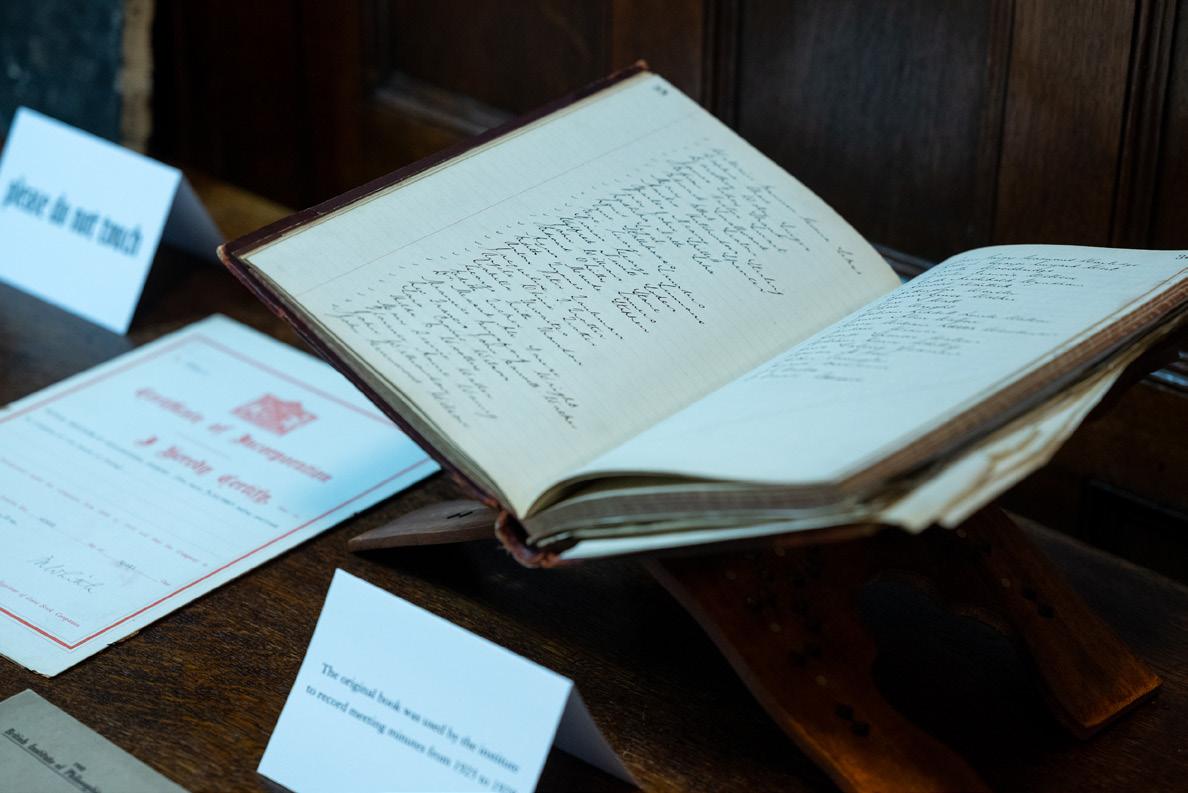
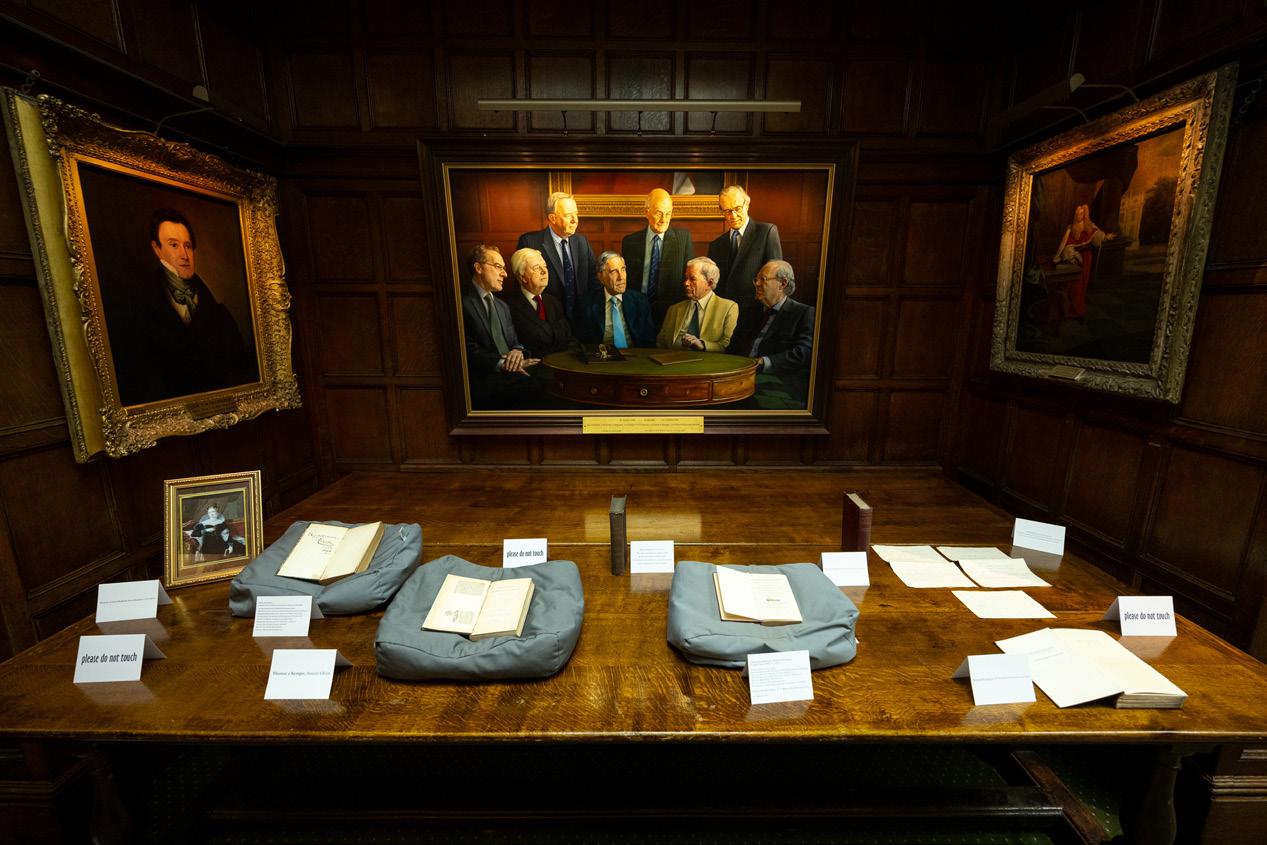
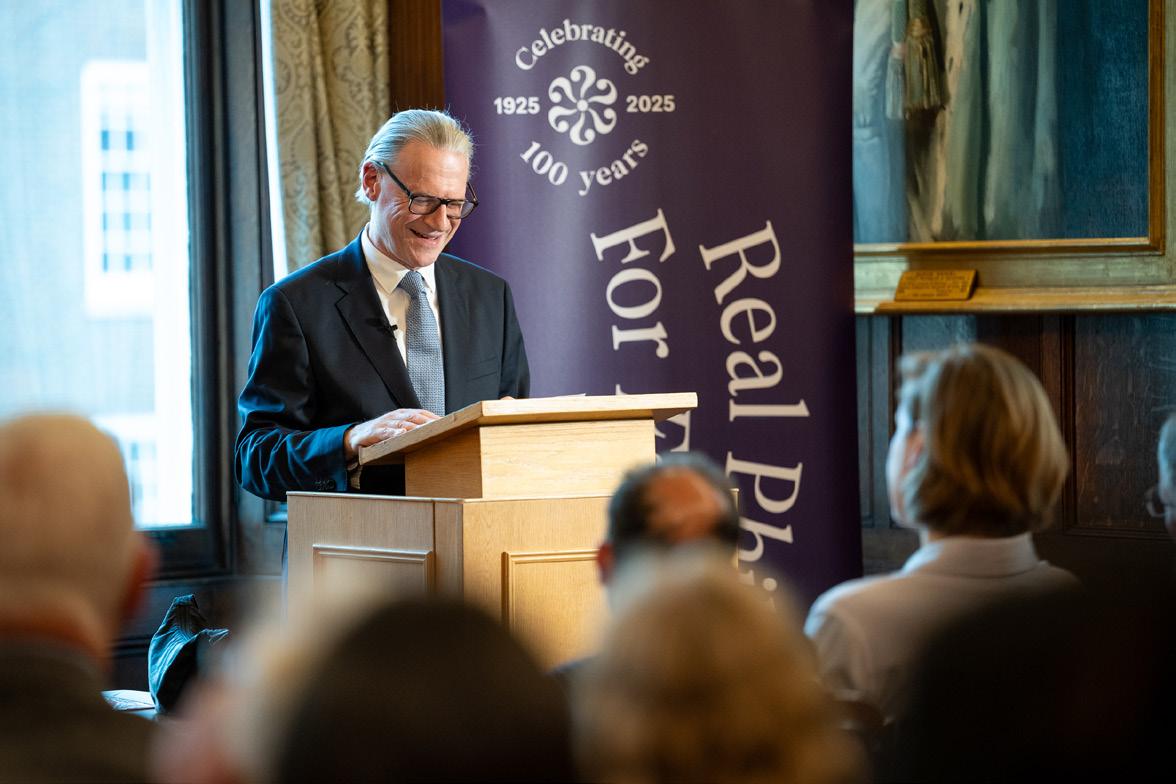
Centenary: A Celebration of a Century
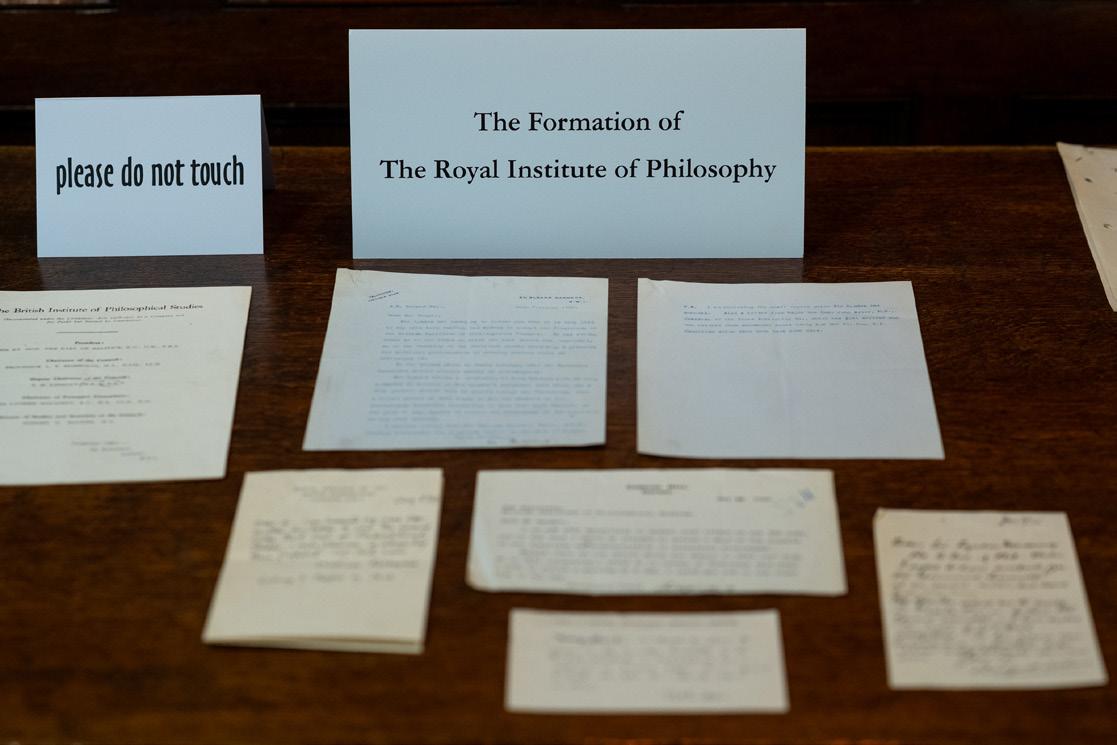
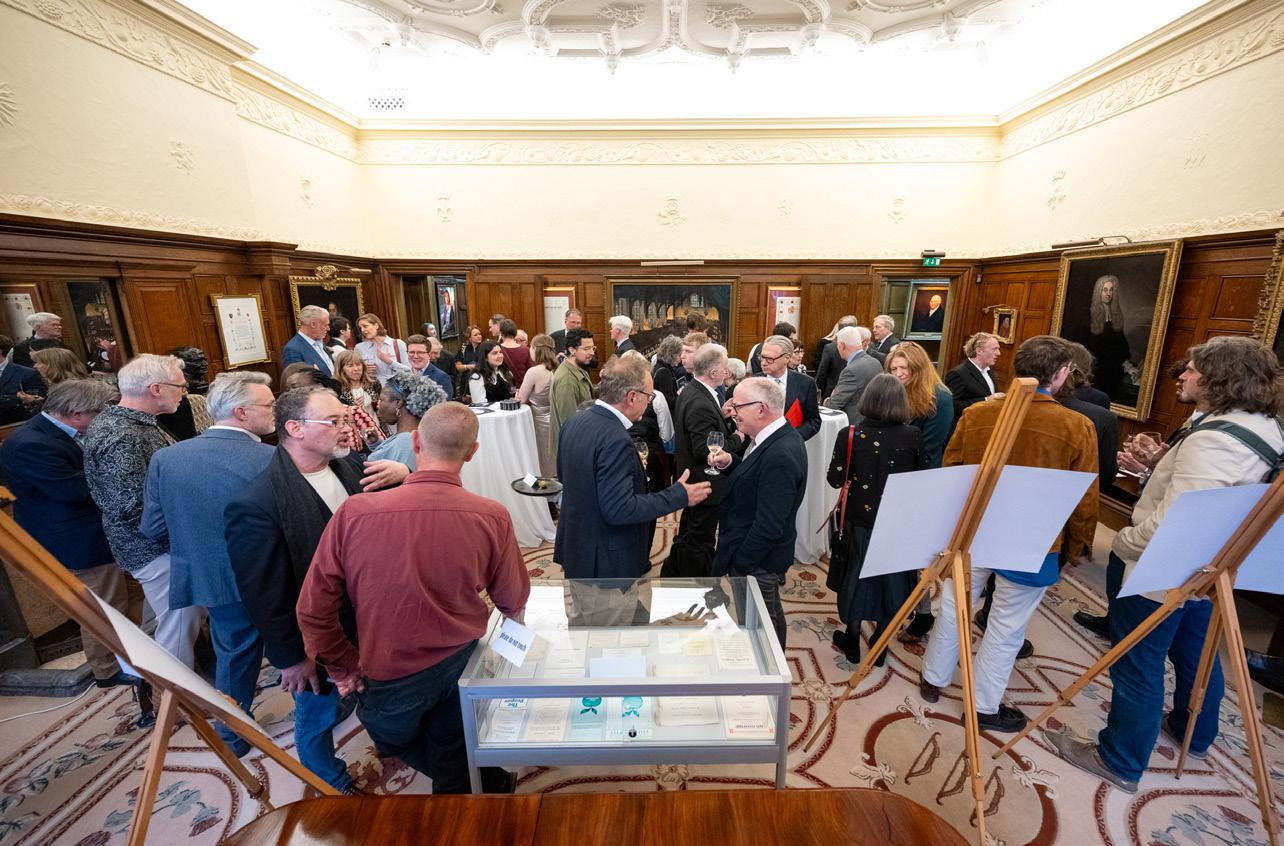
We welcomed 70 long-term supporters at Middle Temple, where the Royal Institute held its inaugural meeting in 1925.
2025 marks a triple Centenary for TRIP: celebrating 100 years as an organisation, the inception of our frst Lecture Series, and the launch of our fagship journal, Philosophy. The founding of the Institute relied on thougthful people who understood the value of philosophy, including an extraordinary range of academics, lawyers, business people, one Archbishop of Canterbury, one Prime Minister and four past Prime Ministers. We still rely on those who understand the value of philosophy to continue our work, expanding and enhancing our founders’ vision, making the best in philosophy available and accessible to everyone.
Our Audiences
The Royal Institute offers philosophical materials and activities to both those already familiar with philosophy, and to those discovering it for the first time.
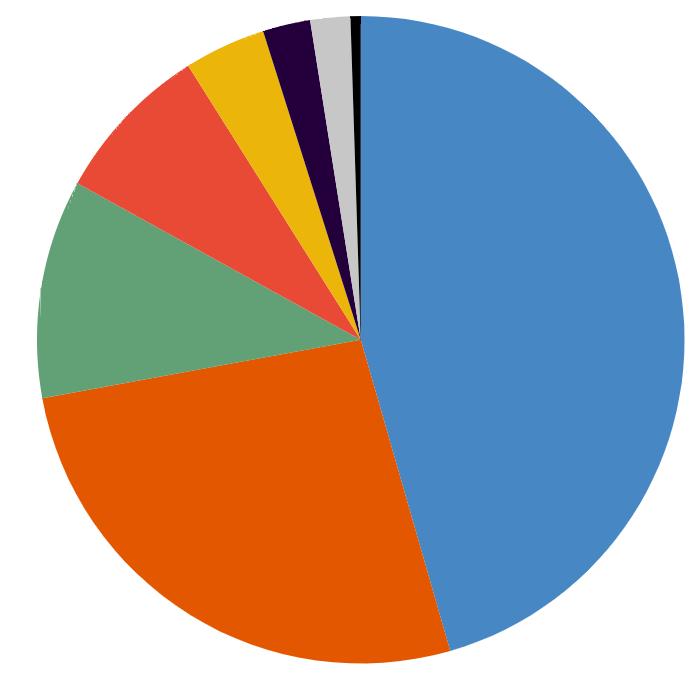
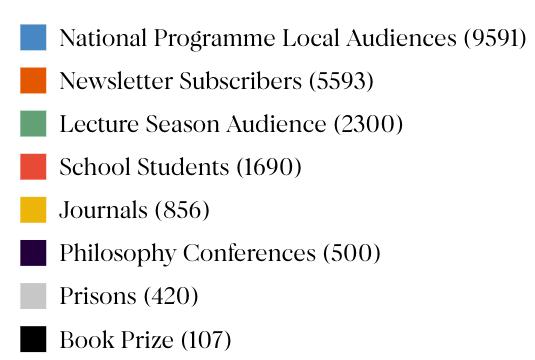
We are pleased to report that in this financial year over 45,000 people engaged with the work of the Royal Institute virtually or in person.

Our volunteer programme goes from strength to strength, with many of our 136 volunteers now undertaking projects to support the delivery of programmes and activities across the Royal Institute.
With a full volunteering programme that will expand to offer internships to students in active study, we are determined to continue to offer opportunities for volunteers to learn new skills within a philosophy environment.
A Look at Our Audience
2025 saw the second Royal Institute survey for stakeholders, a valuable opportunity to listen to our audiences and refect their feedback in the ongoing design of our philosophical materials and activities.
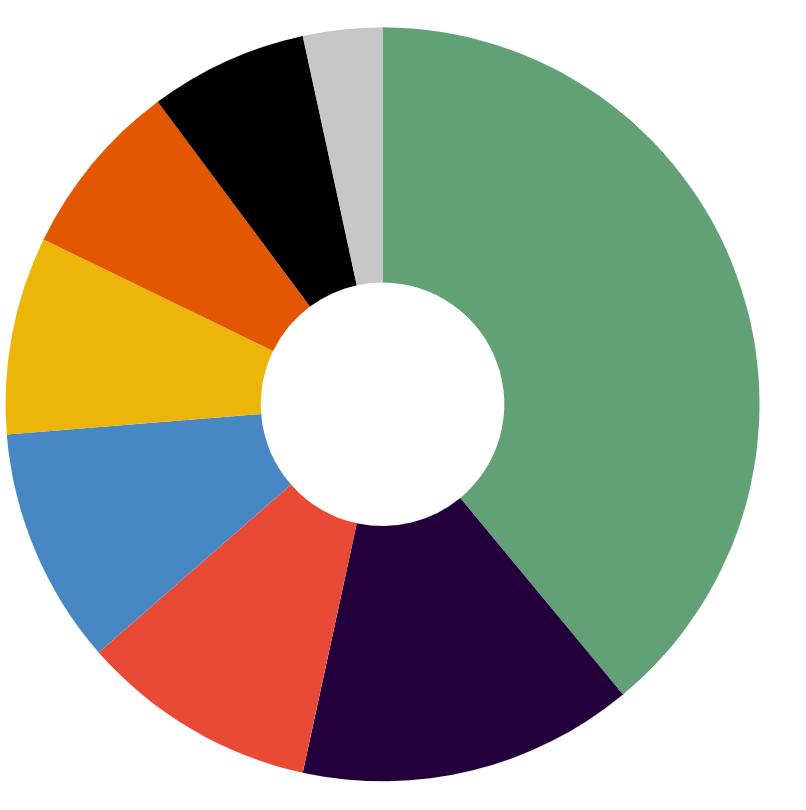
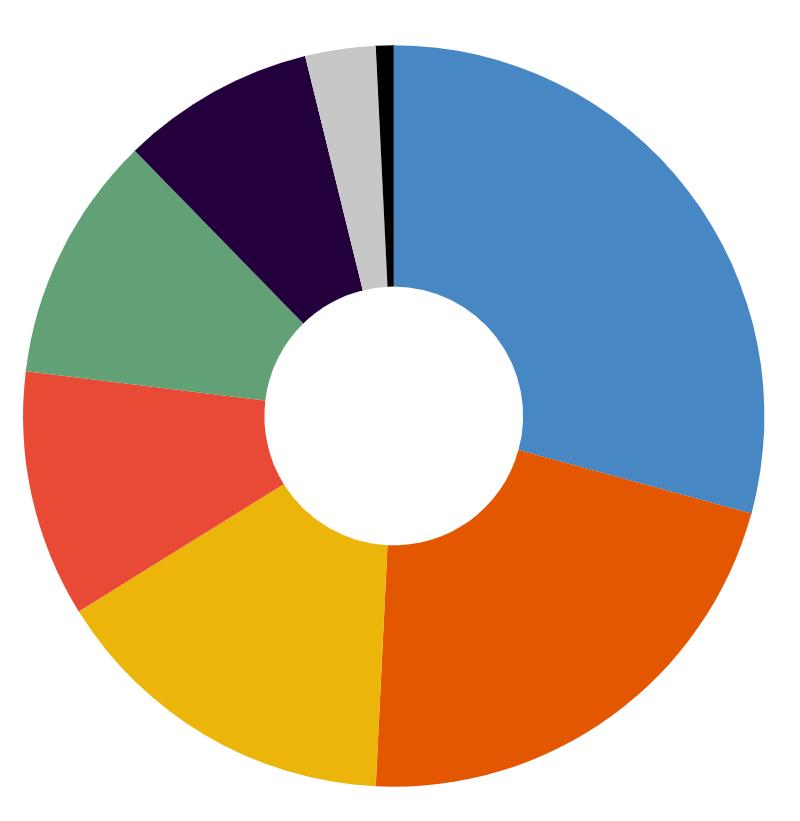
Over 2024-2025 the Royal Institute continued to concentrate its resources to enable people to engage with philosophy. through research-based and introductory activities, and using both digital platforms and in person programmes. Our audiences overwhelmingly told us that they value encounters with like-minded people and with ideas that enable them to apply philosophical concepts in real-life situations.
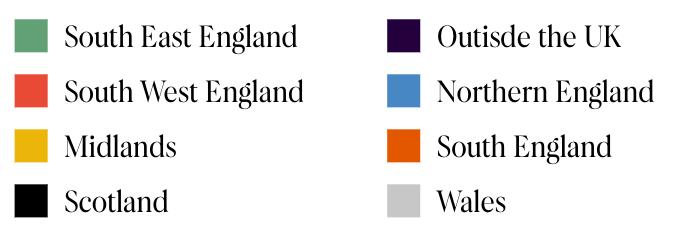
Location
Philosophy Background
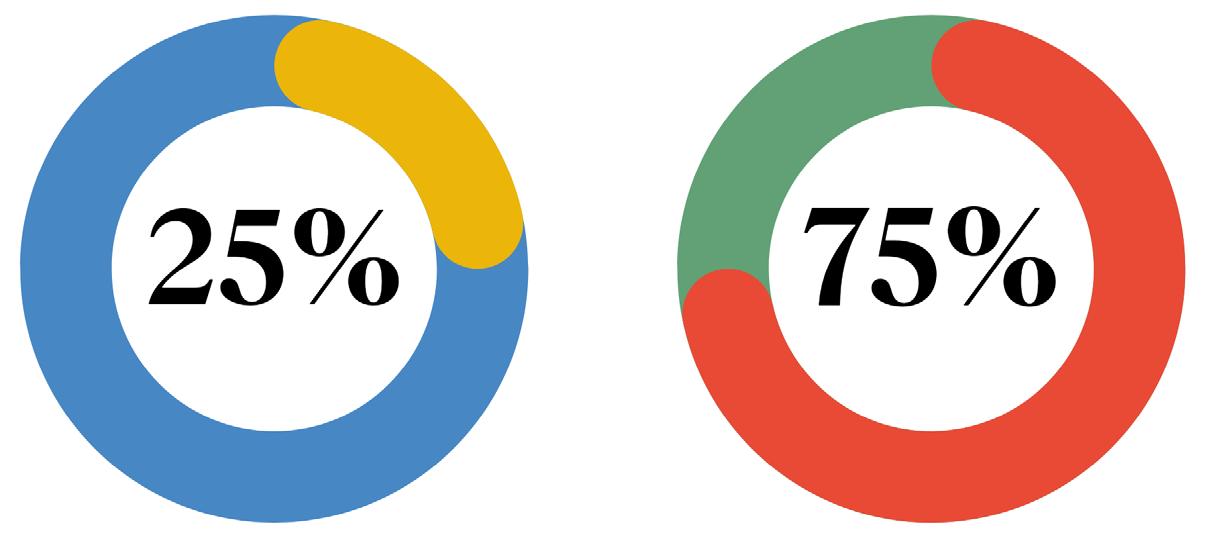
Time Involved


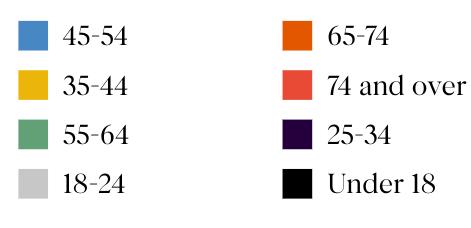
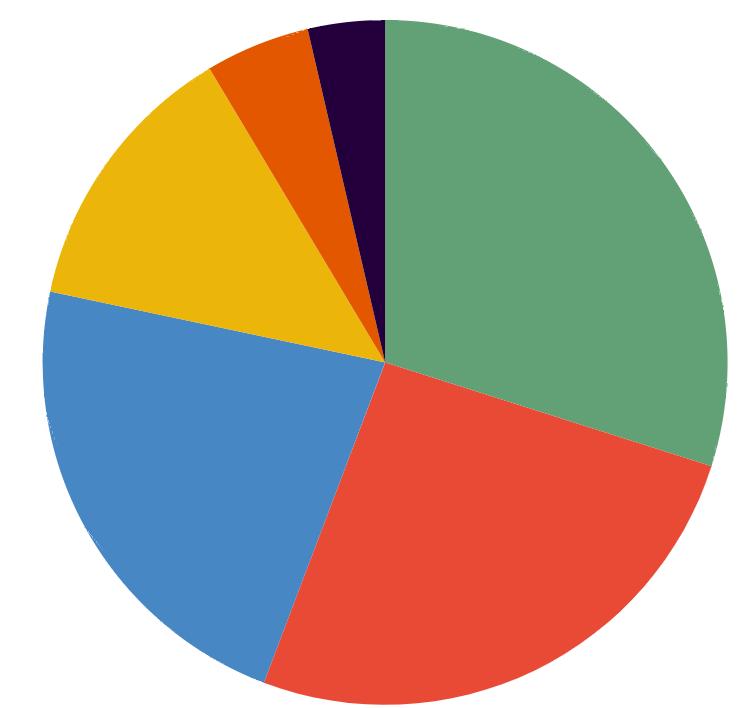
Age
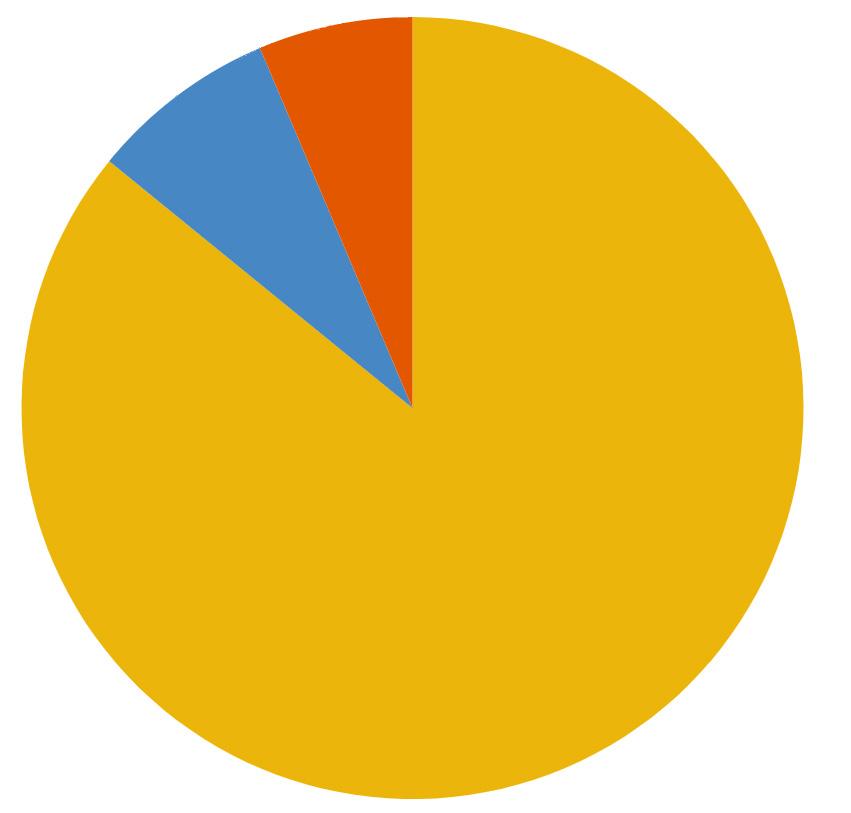
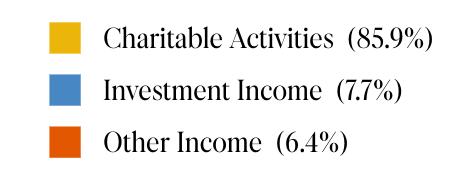
At a Glance... How Our Money was Used
The
year ended July 31, 2025
The trustees hereby present their annual report and the fnancial statements of the charity for the year ended 31st July 2025 which are also prepared to meet the requirements for a directors’ report and fnancial statements for Companies Act purposes. This report and the fnancial statements comply with the Charities Act 2011, the Companies Act 2006, the Memorandum and Articles of Association, and Accounting and Reporting by Charities: Statement of Recommended Practice applicable to charities preparing their accounts in accordance with the Financial Reporting Standard applicable in the UK and Republic of Ireland (FRS l02) (effective l January 2019).
Income Spending
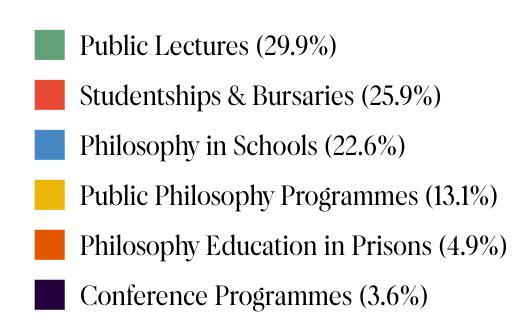
Studentships and Bursaries
Refecting the philosophical interests of Mr Jens Jacobsen, these studentships and bursaries support research students in certain fundamental parts of philosophy, including speculative metaphysics, critical metaphysics, the philosophy of mind, epistemology, philosophical logic, philosophy of life, determinism, the nature of life, evolution, moral philosophy, and political and social philosophy — all broadly conceived.
The Royal Institute of Philosophy funded 6 studentships and 7 bursaries in 2024/5 thanks to the generosity of the Jacobsen Foundation.
The Institute received many high-quality applications and could only support a small fraction of the them.
13 Awarded
Conferences
£78,600 Spent
Four grants totalling £4,400 were awarded to support graduate student conferences. This annual programme enables graduate students to gain experience in organising conferences, giving talks, and getting feedback from peers, and to hearing work from both other students and established philosophers from across the world.
Graduate Conference Grants Awarded:
University of Bristol
The University of Manchester
University of Oxford
British Postgraduate Philosophy Association
155 Attenders in total
A further annual grant to deliver a conference for a mixed audience was awarded to the University of Glasgow who welcomed 50 people to their ‘Connecting with Nature’ conference.
London Lecture Series
Remembering and Forgetting
What we remember is a central expression of who we are. So what should we remember, and what is best forgotten? This year’s talks focused on various aspects of this question, from trauma and forgiveness to memorialization and constructing identities on- and off-line.
We deliberately keep ticket prices at a low or zero cost to ensure accessibility. All are welcome, whether they have any prior exposure to philosophy or not.

14
Lectures 990 in attendance
18,081 Views on Youtube
Participating in the LondonLectureSeries put on bythe Royal Institute of Philosophy will likely stand to be one of thehighlights of mycareer. It is an experience like no other to engage in serious intellectualdiscussion withboth professional philosophers and the interestedpublic alike. It is thrillingtoknowthat on abusyThursday night in London, there are those that seek out a philosophylecture,anditishumbling to be the one giving it. ”
speaker on10October, 2024, ‘The Importance of Forgetting’
Rima Basu(AssociateProfessor of Philosophy, Claremont McKenna College),
I very much enjoyed giving my talk in the Royal Institute of Philosophy lecture series. It was a refreshing change to have such an enquiring audience, and I can honestly say the probing questions led me both to clarify and then change my views. The whole experience, from beginning to end, was a joy... It is marvellous to think that a tradition that goes back to people such as Balfour and Russell is still giving the opportunity for such interesting philosophical interactions. The organisation of the event was impeccable.”
Derek Matravers (Professor of Philosophy, Open University), speaker on 13 March, 2025, ‘Choosing How We Represent the Past’
Annual City Lectures and Symposia
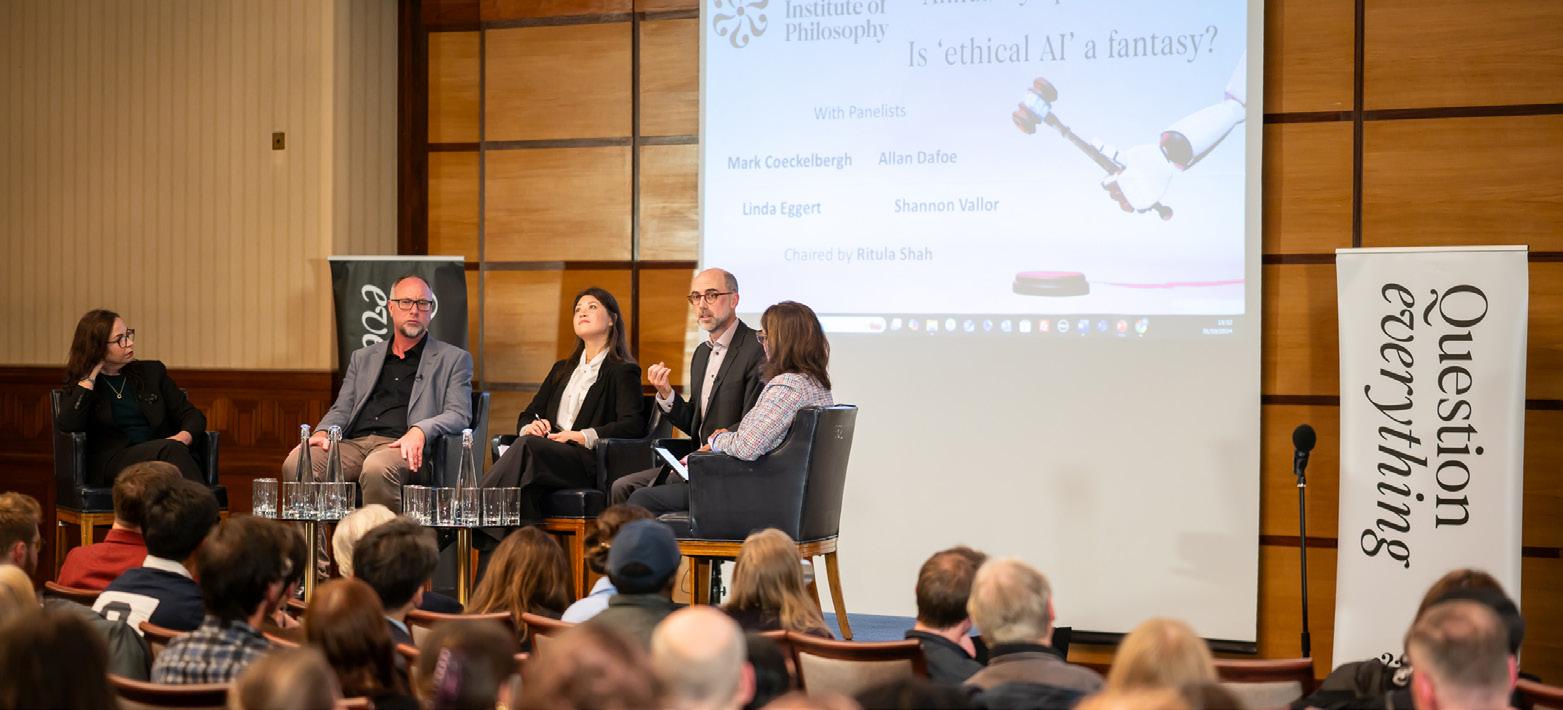
On 31 October 2024, we hosted a symposium ‘Is Ethical AI a Fantasy?’
4
City Lectures in Cardiff, Edinburgh, London, Dublin
Whilebringingdiverse perspectives to bear on the evening’s question, all speakers found includingwitha wonderfully engaged audience — as a shared intellectual enterprise. ” commonground.It was a stimulating example of engaging in philosophical debate –LindaEggert,Annual Symposium contributor
Ihada terrifc time giving the [annual] London lecturebecause the audience seemed so attentive and engagedand the questions were excellent.... So, allin all, well worth the trip from New York.”
Kwame Anthony Appiah, Annual London Lecturer
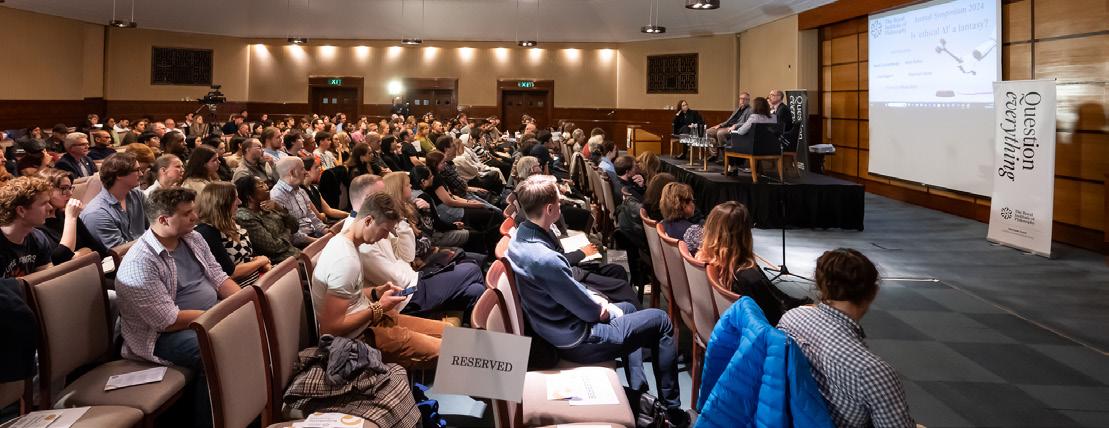
750
Attenders across events
Philosophers are very much needed to contributeto understanding and evaluating today’s challenges. The Royal Institute is doing excellent work inbringingphilosophy to the general public.” Mark Coeckelbergh, Annual Symposium contributor
Membership
As part of the expansion plan to bring new members to the Royal Institute, in 2025 two new membership options were launched offering student members and non-student members opportunities to engage in members-only sessions with philosophers and to access digital platforms to share ideas, questions and academic research. Since then hundreds have chosen to take a Royal Institute membership and we look forward to continuing to welcome new members.
Publishing
Philosophy Supplement
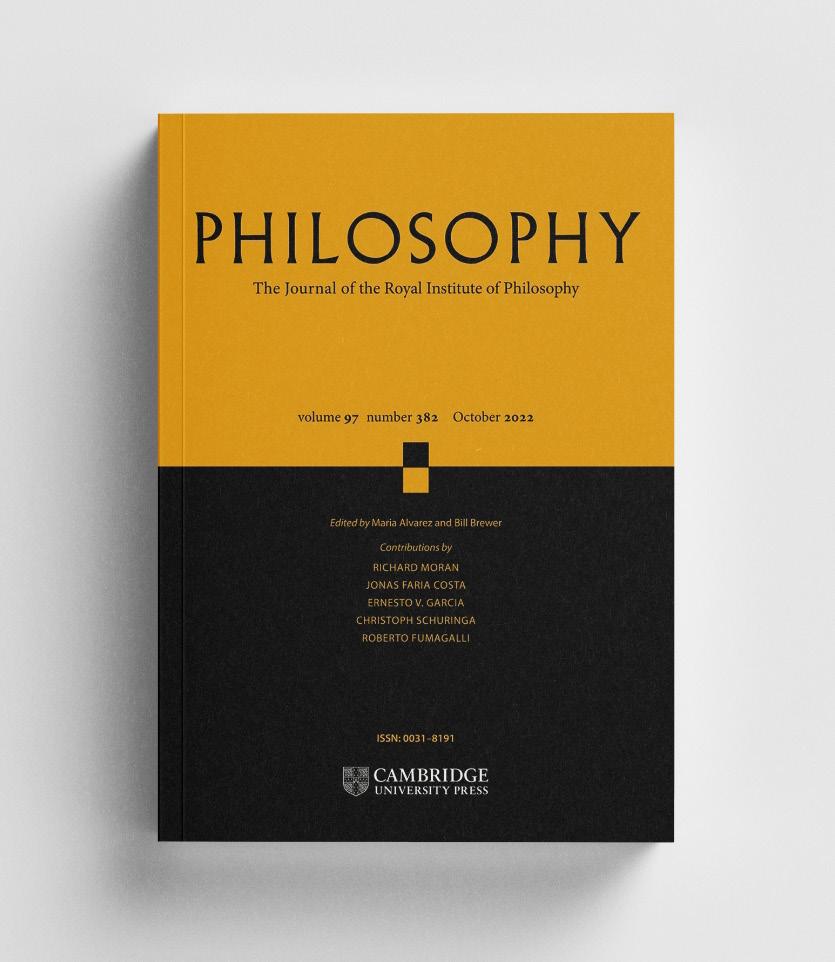
Now in its 100th year, the highly respected journal Philosophy continues to publish articles of high quality. Published in four issues per year, the journal appeals to both institutional and individual subscribers across the world
Submissions to Essay Prize
Professors Maria Alvarez and Bill Brewer, co-editors of the journal, oversee the publication of peer-reviewed articles, reviews, the Philosophy Annual Essay prize, and articles based on our City Lectures. Submissions – from early career researchers, well established academics, and independent scholars – ensure the journal remains an important one for an extensive international audience.
Congratulations to last year’s essay prize winners Emily Caddick Bourne and Craig Bourne for ‘Overactive (and Underactive) Imagination’.
To celebrate our centenary, we have been releasing papers weekly from our archive, with members receiving exclusive commentary from the Preident of the Royal Institute, Professor Jo Wolff.
The Royal Institute of Philosophy Supplements publish the London Lectures and the proceedings of the annual Philosophy Conference. The latest issue is The Philosophy of Comedy, edited by Simon Kirchin and published in October 2024.
Think

Our second journal, Think, continues to offer philosophy for all, publishing accessible insights on the whole range of philosophical topics. For the second year, we hosted the Think Essay Prize, open to 15-18 year old students. Our panel of volunteer judges were overwhelmed by the quality of the hundreds of submissions received. The prizewinner was Kan Zhang from BASIS International School, with his essay titled: ‘Could a Person Migrate to Another’s Body? A Realistic Solution to a Fanciful Problem’.
747 Applicants 5 Shortlisted 23 Longlisted
We would like to thank our judging panel, consisting entirely of volunteers.

Local Partnership Programmes
The Royal Institute continues to build local partnerships and fund philosophy within the local community. Partners include elders charities, local and national philosophy groups, the Open University and universities across the UK. received the Institute’s support to organise thesepublic engagement events which otherwise wouldn’t be possible in the current climate ofresearch funds scarcity.” UEAhas a very small Philosophy Department andwe are very grateful that we have Universityof East Anglia

459 Local Partner Events
27 Local Partner organizations
9,591 people attended
Attendees reported having gainednew skills and knowledge,have have been able to participate. ” formed new social connections and without thesefreeevents being offered in a safe supportive environment, they[would]not We thoroughly enjoyed delivering the programme ofpublic engagement events supported by TRIP this year, and the whole department participatedin the efforts.We created new powerful links with charities and cultural venues, and we hope these connections willbeinstrumental [in] bringing even more philosophy into people’s lives in theyears to follow.” University of Birmingham

The StuartLowTrust performingthe Metaphysical Play: The Cogito. Next year’s funding may produce a similar ethics anddramatisations of other hypothetical encounters ofphilosophers and scientists. “ outcome and ideas are being discussed in the group for a new series of seminars about Ourfunding has enabled us to take on more ambitious projects such as writingand St Ives (Cambs) U3A PhilosophyGroup
Philosophy in Schools Programmes
Among today’s most pressing questions for young people, it’s hard to think of one that doesn’t have a philosophical dimension. How do we share the burdens of addressing the climate crisis equitably between generations? How do we balance rights to freedom of expression with protection from harm –especially perhaps online? How does social media affect our relation to ourselves and others? Why do people believe conspiracy theories? Our young people need philosophy now as never before and the Royal Institute’s mission is to provide it

26
Videos to support the A Level Curriculum

1,410 students received a programme from a Royal Institute philosophy tutor

94 philosophy in schools programmes delivered across the UK

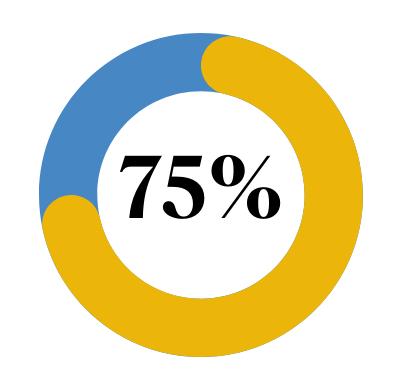
82,000 views of videos designed to support the A Level Curriculum of schools receiving a programme are unable to support philosophy at A Level
£15,000 Allocated
300 Participants
Teaching Philosophy in Prisons
20 Weeks of Class
Over the year, TRIP provided grant funding to our long-term partners delivering philosophy education in prisons. Our partners were able to deliver multiple programmes in HMP Swaleside and HMP Wormwood Scrubs where over 120 student prisoners were able to attend courses. The student feedback showed overwhelmingly the courses were valued and further opportunities to join this type of exploration regularly asked for. This year saw the launch of a Royal Institute pilot project delivered to 35 prisoners in HMP High Down where philosophy was delivered using materials from popular culture such as flm and music. With greater funding secured this successful pilot will be rolled out across the UK.
Hated school,dropped out at 11, can’t read, can’t write. But I can do this!”
I thought if you’ve got a life sentence you’ve got no hope... but thinking about what hope is and talking with you all like this... maybe you do?”
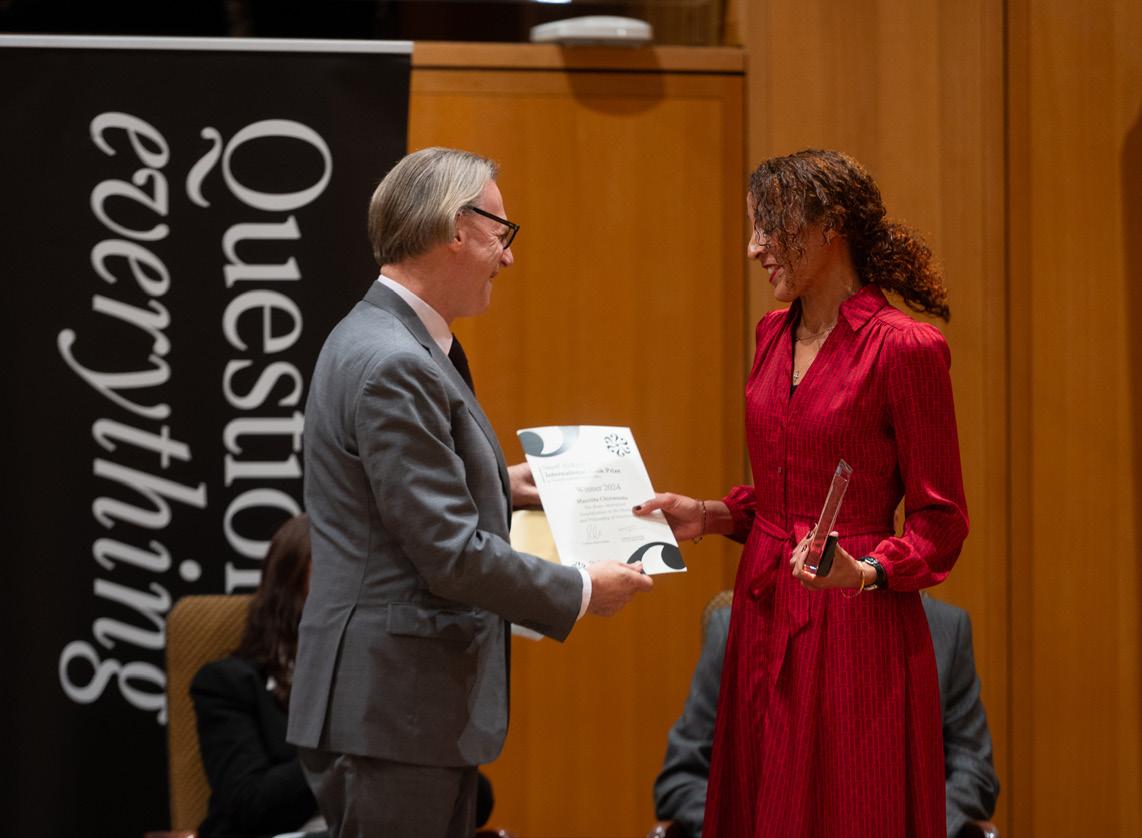
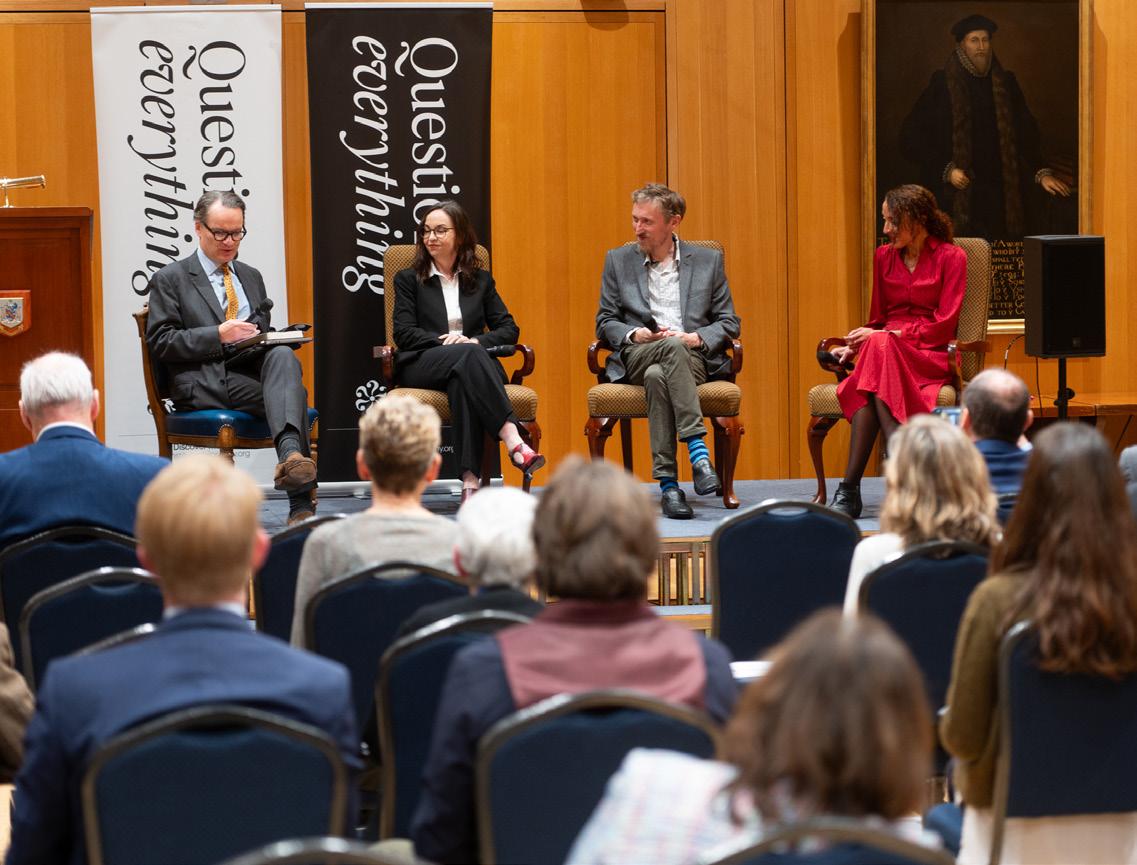
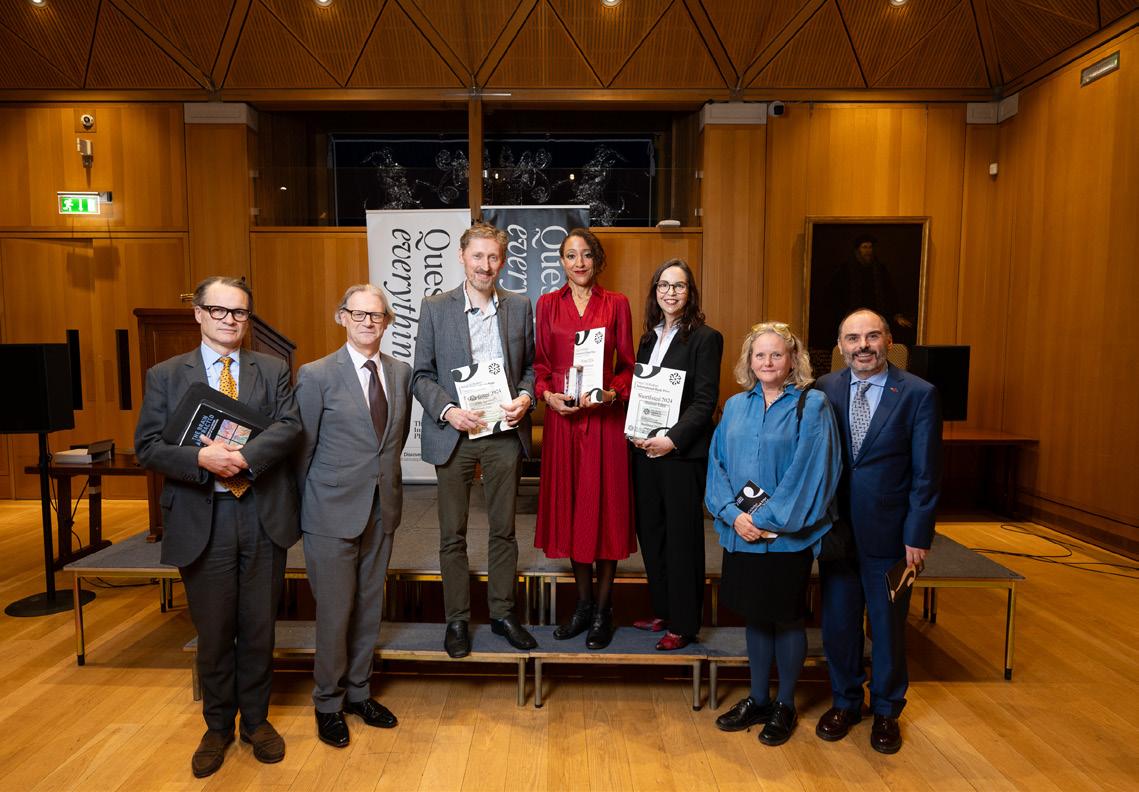
The Nayef Al-Rodhan International Book Prize in Transdisciplinary Philosophy

Our warm thanks to Professor Nayef Al-Rodhan for sponsoring this £20,000 prize for the second of fve years.
6
Submissions
3
Shortlisted
Authors
Longlisted
Authors
Winner:
We are approaching an era that will be defned by highly disruptive technolc insights, cascading geopolitical crises and social transformations redefning what it means to be human. Game-changing transdisciplinary innovations will change both subject and theoriser alike. This will demand deeper philosophical introspection in equally transdisciplinary ways, to keep pace with the impending ethical and moral challenges as well as their political and societal implications.
Transdisciplinary Philosophy and creative co-operation between academics in diverse felds will be invaluable in acquiring new knowledge. Together, we can help humanity progress towards more sustainable dignity, peace, security, and prosperity for all.”
— Professor Nayef Al-Rodhan

Future Plans
Building on the success of our centenary year, the Royal Institute of Philosophy will continue to expand and enhance our core mission of making real philosophy accessible to all. We will implement the recommendations from our Finance Committee to ensure our investment strategy maximises returns while maintaining our low-risk approach, enabling us to sustain and grow our programmes of studentships, bursaries, conferences, lecture series, and publications for years to come.
Financial Report & Review
Structure and Governance
The 50-70 Council members are The Royal Institute’s members (in effect custodians of The Royal Institute’s charitable object) and a smaller body of 10-15 members appointed by the Council serve as trustees within an Executive Committee, executing policy as determined by Council. The governing document is the Memorandum and Articles.
All new trustees are briefed and receive copies of the Institute’s key policies and procedures, guidance on the structure and governance of the Royal Institute and the Charity Commissions key documents, including ‘The Essential Trustee’ and the ‘how to’ guides. Each trustee completes a conflict of interest questionnaire and eligibility declaration in advance of taking on their role.
The Executive Committee is supported in its work by a Finance sub-committee that meets two times a year ahead of the relevant Executive Committee meetings to scrutinise all aspects of the financial activity associated with the Royal Institute and during this year commissioned the Finance Director to undertake a robust examination of the Institutes investment and risk policy management. Resulting recommendations from the Finance sub-committee to the Executive Committee are expected to recommend robust policies that maximise return on all the Royal Institute’s investment decisions.
A Nominations Committee makes recommendations to Council for new Council and Executive Committee members all of whom are elected for an initial term of five years. The Nominations Committee is comprised of members of the Executive Committee and a member of Council.
The day-to-day management of The Royal Institute has been delegated by Council, to those holding the roles of Editors, Academic Director, Managing Director & Secretary and Finance Director. The officers operate within an annual budget approved by the Executive Committee. Their employment and remuneration is determined by the Executive Committee.
Financial Report
The Statement of Financial Activities of The Royal Institute is set out on page 13. The principal funding sources are income from the sale of the journal “Philosophy” via Cambridge University Press, which is received annually, investment income and restricted donations. The publication accounts run on a calendar year January to December. The Institute’s annual accounts, therefore, always include the income for the previous calendar year plus an estimate for the period January – July of the current year less estimate made the previous year.
During the year, income of £469,318 (2024: £562,428) was recognised and total resources of £565,447 (2024: £554,728) were expended, of which £27,337 (2024: £28,729) was on governance costs. There was also an unrealised loss from investment assets of £9,083 (2024: £410) giving a net decrease in funds for the year of -£105,212 (2024: £7,290 increase). The total funds of The Royal Institute at 31st July 2025 amounted to £1,514,520 (2024: £1,619,732), being held in a Designated Fund of £1,240,394 (the ‘Core Activities Reserve Fund”, primarily held in investments and cash), the General Fund of £267,875 (primarily held in cash and working capital) and a Restricted Fund of £6,251 Notes 18 and 19 show the detail of these holdings.
Policy on Reserves
The Royal Institute retains funds from year to year - these are called reserves. The majority of the Institute’s funding is released once a year in the second half of the financial year, and the majority of its expenditure commitments are made at the start of the financial year. Accordingly, Council considers that a designated reserve fund is necessary in order to protect a core activities programme, which includes production of its journals, bursaries, grants to local partners, and the conference and lecture series in real terms for a period of up to three years, in case of a significant fluctuation in income. The Executive Committee reviewed the purpose and size of the Core Activities Fund at its June 2021 meeting. In the succeeding two financial years, the value of the Core Activities Fund has been maintained at its real terms value by transfers from the General Fund (a) to cover activity expenditure and (b) to make the CAF up to its real terms value.
The General Fund value of £267,875 is equivalent to approximately 5 months of unrestricted expenditure.
Investment
The Institute’s investments form part of the Core Activities Fund and Council has previously set out the permitted type and weighting of investments in order to achieve a balance of low risk and return. The General Fund is held in working capital (current assets less current liabilities).
In the new financial year, the Institute is conducting a review of its investment strategy with the aim that its longer-term investments will maintain their real terms value year on year, and that the yield on cash held at bank will be maximised, subject to maintaining the low risk stance.
The liability of each of the members of the Royal Institute in the event of a winding-up is limited to £1. This liability applies to all members whilst they are members and for one year after they cease to be members. At 31st July 2025, there were 55 members of the Royal Institute.
Statement of Trustees’ Responsibilities
The Charity’s trustees, who are also the directors of The Royal Institute of Philosophy for the purposes of company law, are responsible for preparing the trustees’ annual report and the financial statements in accordance with applicable law and United Kingdom Accounting Standards (United Kingdom Generally Accepted Accounting Practice) including FRS102 “The Financial Reporting Standard applicable in the UK and Republic of Ireland”.
Company law requires the Charity trustees to prepare financial statements for each financial year which give a true and fair view of the state of affairs of the charity and of the incoming resources and application of resources, including the income and expenditure, of the charitable company for that year.
In preparing these financial statements, the trustees are required to
• Select suitable accounting policies and apply them consistently
• Observe the methods and principles in the Charities SORP (Statement of Recommended Practice)
• Make judgements and estimates that are reasonable and prudent
• State whether applicable UK accounting standards have been followed, subject to any material departures disclosed and explained in the financial statements.
• Prepare the financial statements on the going concern basis unless it is inappropriate to presume that the charity will continue in operation
The trustees are responsible for keeping adequate accounting records that disclose with reasonable accuracy at any time the financial position of the charitable company and enable them to ensure that the financial statements comply with the Companies Act 2006. They are also responsible for safeguarding the assets of the charitable company and hence for taking reasonable steps for the prevention and detection of fraud and other irregularities.
The trustees are responsible for the maintenance and integrity of the corporate and financial information included on the charity’s website.
Small companies provision statement
This report has been prepared in accordance with the small companies regime under the Companies Act 2006
Approved by the Executive Committee on 20th November 2025
And signed on their behalf by:

Professor Lucy O’Brien Chair of the Executive Committee
The Royal Institute of Philosophy
Independent Examiner's Report to the trustees of The Royal Institute of Philosophy ('the Company')
I report to the charity trustees on my examination of the accounts of the Company for the year ended 31 July 2025
Responsibilities and basis of report
As the charity’s trustees of the Company (and also its directors for the purposes of company law) you are responsible for the preparation of the accounts in accordance with the requirements of the Companies Act 2006 (‘the 2006 Act’)
Having satisfied myself that the accounts of the Company are not required to be audited under Part 16 of the 2006 Act and are eligible for independent examination, I report in respect of my examination of your charity’s accounts as carried out under section 145 of the Charities Act 2011 (‘the 2011 Act’). In carrying out my examination I have followed the Directions given by the Charity Commission under section 145(5)(b) of the 2011 Act.
Independent examiner’s statement
Since the Company's gross income exceeded £250,000 your examiner must be a member of a body listed in section 145 of the 2011 Act. I confirm that I am qualified to undertake the examination because I am a member of the Association of Independent Examiners , which is one of the listed bodies.
I have completed my examination. I confirm that no matters have come to my attention in connection with the examination giving me cause to believe:
1. accounting records were not kept in respect of The Royal Institute of Philosophy as required by section 386 of the 2006 Act; or
2. the accounts do not accord with those records; or
3. the accounts do not comply with the accounting requirements of section 396 of the 2006 Act other than any requirement that the accounts give a ‘true and fair view' which is not a matter considered as part of an independent examination; or
4. the accounts have not been prepared in accordance with the methods and principles of the Statement of Recommended Practice for accounting and reporting by charities [applicable to charities preparing their accounts in accordance with the Financial Reporting Standard applicable in the UK and Republic of Ireland (FRS 102)].
I have no concerns and have come across no other matters in connection with the examination to which attention should be drawn in this report in order to enable a proper understanding of the accounts to be reached.
Mark Heaton FCCA FCIE DChA
KM
1st Floor, Block C
The Wharf Manchester Road
Burnley
Lancashire
BB11 1JG
20 November 2025
The Royal Institute of Philosophy
Statement of Financial Activities for the Year Ended 31 July 2025 (Including Income and Expenditure Account and Statement of Total Recognised Gains and Losses)
The notes on pages 6 to 15 form an integral part of these financial statements. Page 3
The Royal Institute of Philosophy
Statement of Financial Activities for the Year Ended 31 July 2025 (Including Income and Expenditure Account and Statement of Total Recognised Gains and Losses)
The Royal Institute of Philosophy
Statement of Financial Activities for the Year Ended 31 July 2025 (Including Income and Expenditure Account and Statement of Total Recognised Gains and
charity's activities derive from continuing operations during the above two periods. breakdown for 2024 is shown in note 18
All of the charity's activities derive from continuing operations during the above two periods
The funds breakdown for 2024 is shown in note 18.
The notes on pages 6 to 15 form an integral part of these financial statements. Page 4
The notes on pages 6 to 15 form an integral part of these financial statements. Page 4
The Royal Institute of Philosophy (Registration number: 205110) Balance Sheet as at 31 July 2025
For the financial year ending 31 July 2025 the charity was entitled to exemption from audit under section 477 of the Companies Act 2006 relating to small companies.
Directors' responsibilities:
• The members have not required the charity to obtain an audit of its accounts for the year in question in accordance with section 476; and
• The directors acknowledge their responsibilities for complying with the requirements of the Act with respect to accounting records and the preparation of accounts.
The financial statements on pages 3 to 15 were approved by the trustees, and authorised for issue on 20 November 2025 and signed on their behalf by:
Prof L O'Brien Trustee
The notes on pages 6 to 15 form an integral part of these financial statements. Page 5
The Royal Institute of Philosophy
Notes to the Financial Statements for the Year Ended 31 July 2025
1 Charity status
The charity is limited by guarantee , incorporated in England and Wales, and consequently does not have share capital. Each of the trustees is liable to contribute an amount not exceeding £1 towards the assets of the charity in the event of liquidation.
The address of its registered office is: 7 Bell Yard London WC2 2JR
These financial statements were authorised for issue by the trustees on 20 November 2025.
2 Accounting policies
Summary of significant accounting policies and key accounting estimates
The principal accounting policies applied in the preparation of these financial statements are set out below These policies have been consistently applied to all the years presented, unless otherwise stated.
Statement of compliance
The financial statements have been prepared in accordance with Accounting and Reporting by Charities: Statement of Recommended Practice (applicable to charities preparing their accounts in accordance with the Financial Reporting Standard applicable in the UK and Republic of Ireland (FRS 102)) (issued in October 2019) - (Charities SORP (FRS 102)), the Financial Reporting Standard applicable in the UK and Republic of Ireland (FRS 102) and the Companies Act 2006.
Basis of preparation
The Royal Institute of Philosophy meets the definition of a public benefit entity under FRS 102. Assets and liabilities are initially recognised at historical cost or transaction value unless otherwise stated in the relevant accounting policy notes.
Going concern
The trustees consider that there are no material uncertainties about the charity's ability to continue as a going concern nor any significant areas of uncertainty that affect the carrying value of assets held by the charity.
The Royal Institute of Philosophy
Notes to the Financial Statements for the Year Ended 31 July 2025
Income
Income is recognised when the charity has entitlement to the funds, any performance conditions attached have or can be met and it is probable that the income will be received and the amount can be measured reliably. Incomes are recognised as being attributable to an accounting period with a corresponding accrual if the income relates to the current period e.g. the CUP accounting period is a calendar year so the income for the period January to July in the current year is estimated as seven twelfths of the yearly amount. An assessment is made by management regarding the estimated income for the last seven months of the RIP financial year based on the CUP actual income from their previous calendar year results and a forecast (if available) of their following calendar year, pro rata (using 7/12) to establish a trend of income and hence accrual. Members' subscriptions (net of transaction costs) are recognised as being for the twelve months following the date of receipt and accordingly a deferred income is recognised, income on sale of "Philosophy" and "Think" are recognised when invoiced, funds from the Jacobsen Trustees are recognised when due in respect of an accounting period, and interest receivable is accounted for on a receivable basis. Dividend income is recognised in the period when the investment goes "ex-dividend". Other incomes are treated as income of the period in which they are receivable.
Expenditure
All expenditure is recognised once there is a legal or constructive obligation to that expenditure, it is probable settlement is required and the amount can be measured reliably. All costs are allocated to the applicable expenditure heading that aggregate similar costs to that category. Where costs cannot be directly attributed to particular headings they have been allocated on a basis consistent with the use of resources, with central staff costs allocated on the basis of time spent, and depreciation charges allocated on the portion of the asset’s use. Other support costs are allocated based on the spread of staff costs.
Charitable expenditure comprises those costs incurred by the charity in the delivery of its activities and services for its beneficiaries. It includes both costs that can be allocated directly to such activities and those costs of an indirect nature necessary to support them.
Governance costs
These include the costs attributable to the charity’s compliance with constitutional and statutory requirements, including an independent examination, strategic management and trustees meetings and reimbursed expenses.
Taxation
The charity is considered to pass the tests set out in Paragraph 1 Schedule 6 of the Finance Act 2010 and therefore it meets the definition of a charitable company for UK corporation tax purposes. Accordingly, the charity is potentially exempt from taxation in respect of income or capital gains received within categories covered by Chapter 3 Part 11 of the Corporation Tax Act 2010 or Section 256 of the Taxation of Chargeable Gains Act 1992, to the extent that such income or gains are applied exclusively to charitable purposes.
Intangible assets
Intangible assets are stated in the Balance Sheet at cost less accumulated amortisation and impairment. They are amortised on a straight line basis over their estimated useful lives. The annual rate used for this purpose is 20%.
Tangible fixed assets
Tangible fixed assets are stated in the Balance Sheet at cost less accumulated depreciation and impairment. They are depreciated on a straight line basis over their estimated useful lives. The annual rate used for this purpose is 25%.
The Royal Institute of Philosophy
Notes to the Financial Statements for the Year Ended 31 July 2025
Fixed asset investments
Fixed asset investments, other than programme related investments, are included at market value at the balance sheet date. Realised gains and losses on investments are calculated as the difference between sales proceeds and their market value at the start of the year, or their subsequent cost, and are charged or credited to the Statement of Financial Activities in the period of disposal.
Unrealised gains and losses represent the movement in market values during the year and are credited or charged to the Statement of Financial Activities based on the market value at the year end.
Trade debtors
Trade debtors are amounts due from customers for merchandise sold or services performed in the ordinary course of business.
Trade debtors are recognised initially at the transaction price. They are subsequently measured at amortised cost using the effective interest method, less provision for impairment. A provision for the impairment of trade debtors is established when there is objective evidence that the charity will not be able to collect all amounts due according to the original terms of the receivables.
Trade creditors
Trade creditors are obligations to pay for goods or services that have been acquired in the ordinary course of business from suppliers. Accounts payable are classified as current liabilities if the charity does not have an unconditional right, at the end of the reporting period, to defer settlement of the creditor for at least twelve months after the reporting date. If there is an unconditional right to defer settlement for at least twelve months after the reporting date, they are presented as non-current liabilities.
Trade creditors are recognised initially at the transaction price and subsequently measured at amortised cost using the effective interest method.
Fund structure
Unrestricted income funds are general funds that are available for use at the trustees discretion in furtherance of the objectives of the charity.
Designated funds are unrestricted funds set aside for specific purposes at the discretion of the trustees.
Restricted income funds are those donated for use in a particular area or for specific purposes, the use of which is restricted to that area or purpose.
Pensions and other post retirement obligations
The charity operates a defined contribution pension scheme which is a pension plan under which fixed contributions are paid into a pension fund and the charity has no legal or constructive obligation to pay further contributions even if the fund does not hold sufficient assets to pay all employees the benefits relating to employee service in the current and prior periods.
Contributions to defined contribution plans are recognised in the Statement of Financial Activities when they are due. If contribution payments exceed the contribution due for service, the excess is recognised as a prepayment.
The
4 Income from charitable activities
"Philosophy" and "Think" are published by Cambridge University Press (CUP) as a joint arranagement whereby they account for gross subscription and non-subscription revenues, printing, distribution, commissions, overheads and other costs. CUP then remit the net result to The Royal Institute following the issuance of an invoice. As such, the income on sale of "Philosophy" and "Think" stated above is the net amount.
5
During the year, a prior period adjustment was made to correct an error where VAT of £13,685 had been incorrectly credited to dividend income in the previos year. The adjustment has been reflected by reducing the dividend income and adjusting the brought forward funds and corresponding VAT control balance.
Dividend income for the prior year was previously reported as £25,834 and has been restated to £12,149 following this adjustment.
6 Other income
The
Royal Institute of Philosophy
7 Expenditure on charitable activities
In addition to the expenditure analysed above, there are also governance costs of £27,337 (2024 - £28,729) which relate directly to charitable activities See note 9 for further details.
8 Other expenditure
The
9 Analysis of governance and support costs
10 Staff costs
The
were as follows:
The monthly average number of persons (including senior management / leadership team) employed by the charity during the year expressed as full time equivalents was as follows:
No employee received emoluments of more than £60,000 during the year
11 Independent examiner's remuneration
Royal Institute of Philosophy
The Royal Institute of Philosophy
The Royal Institute of Philosophy Notes to the Financial Statements for the Year Ended 31 July 2025
19 Analysis of net assets between funds
1,619,732
20 Related party transactions
Four trustees were reimbursed £853 for travel during the year (2024: Nil). There were no related party transactions in the year.