Rowland Hall

2026 Volume 21
Rowland Hall

Tesserae are tiny stones or pieces of glass cut to the desired shapes to use in mosaics. With the shimmer of reflected light, tesserae work together to create a sense of the hieratic, a Byzantine method of representation that gives the effect of the super-natural, dissolving matter and leaving the light of the spirit. The mosaics in the church of St. Mark’s in Venice use tesserae to form an interior space that is otherworldly.
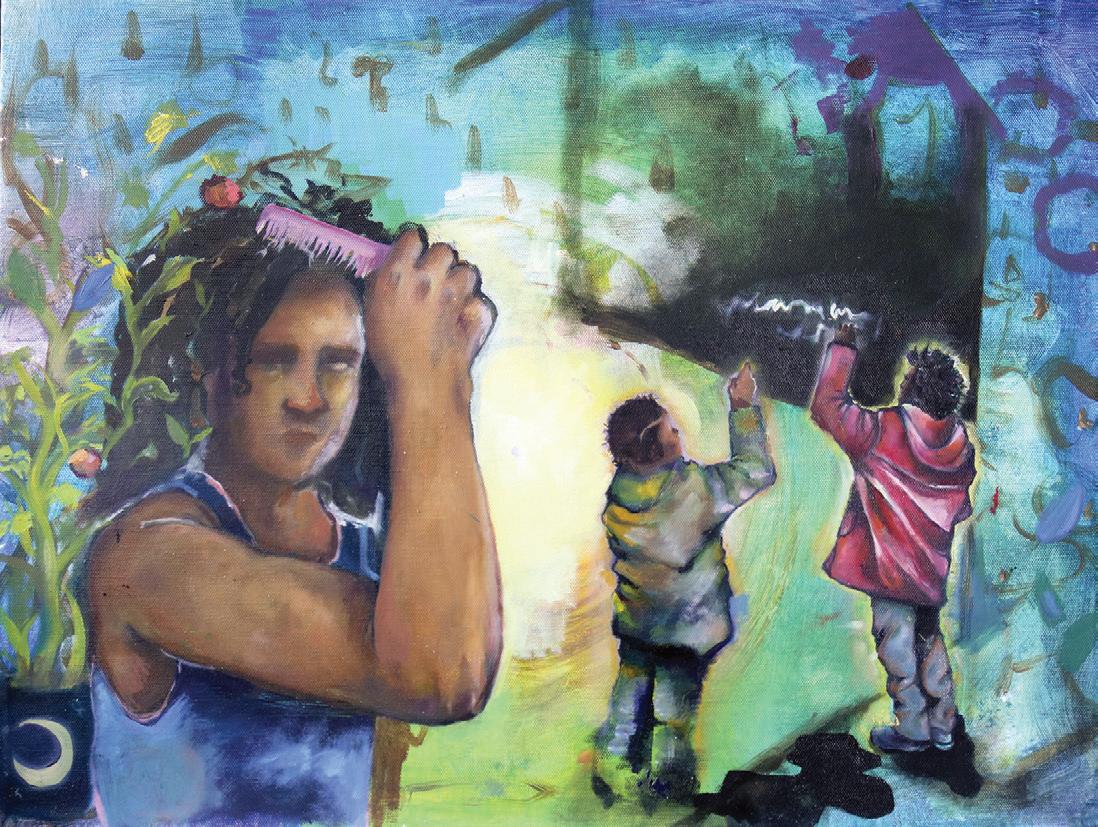
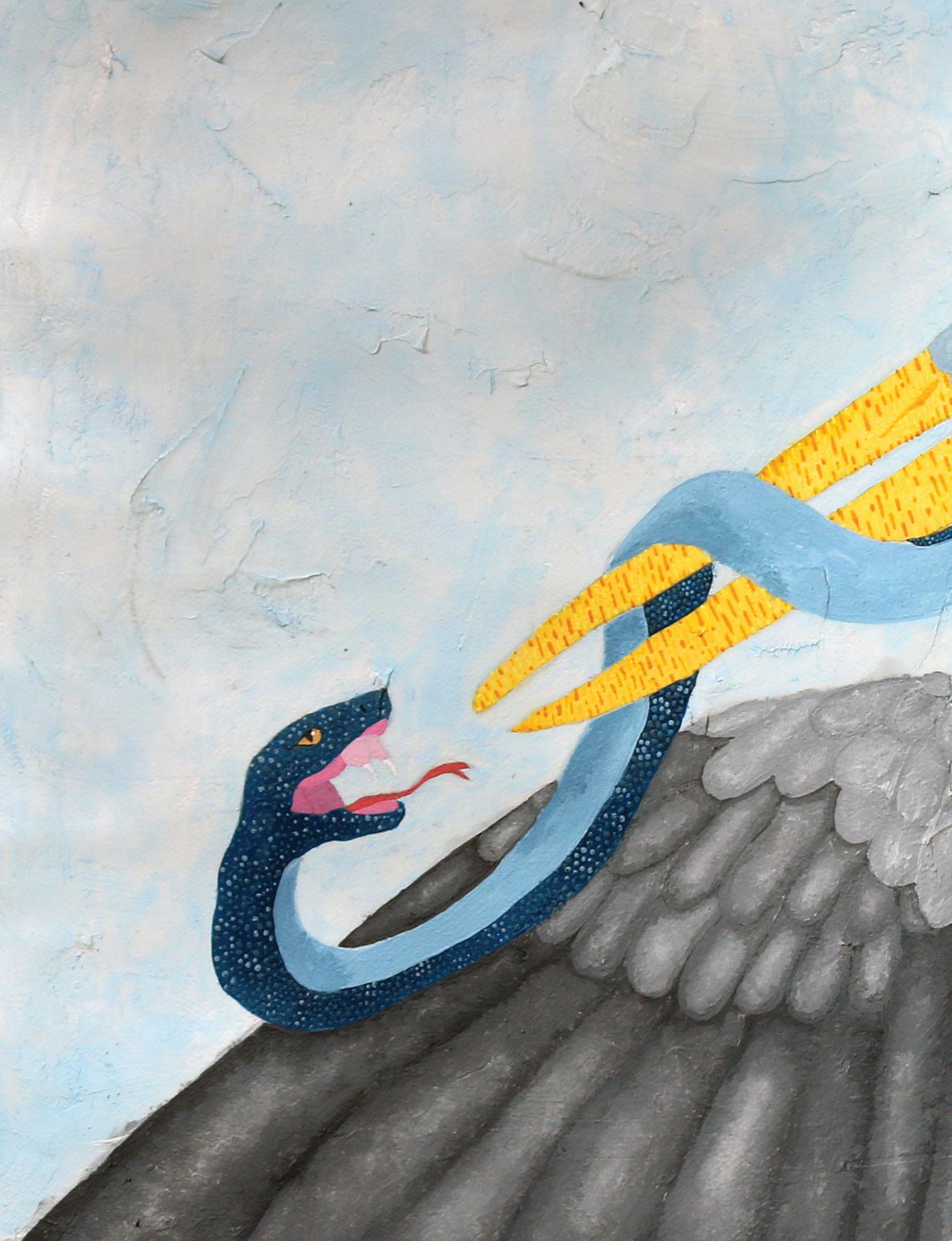
I.The kingfisher rises out of the black wave like a blue flower, in his beak he carries a silver leaf. I think this is the prettiest world—so long as you don’t mind a little dying,
- Mary Oliver,
“The Kingfisher”
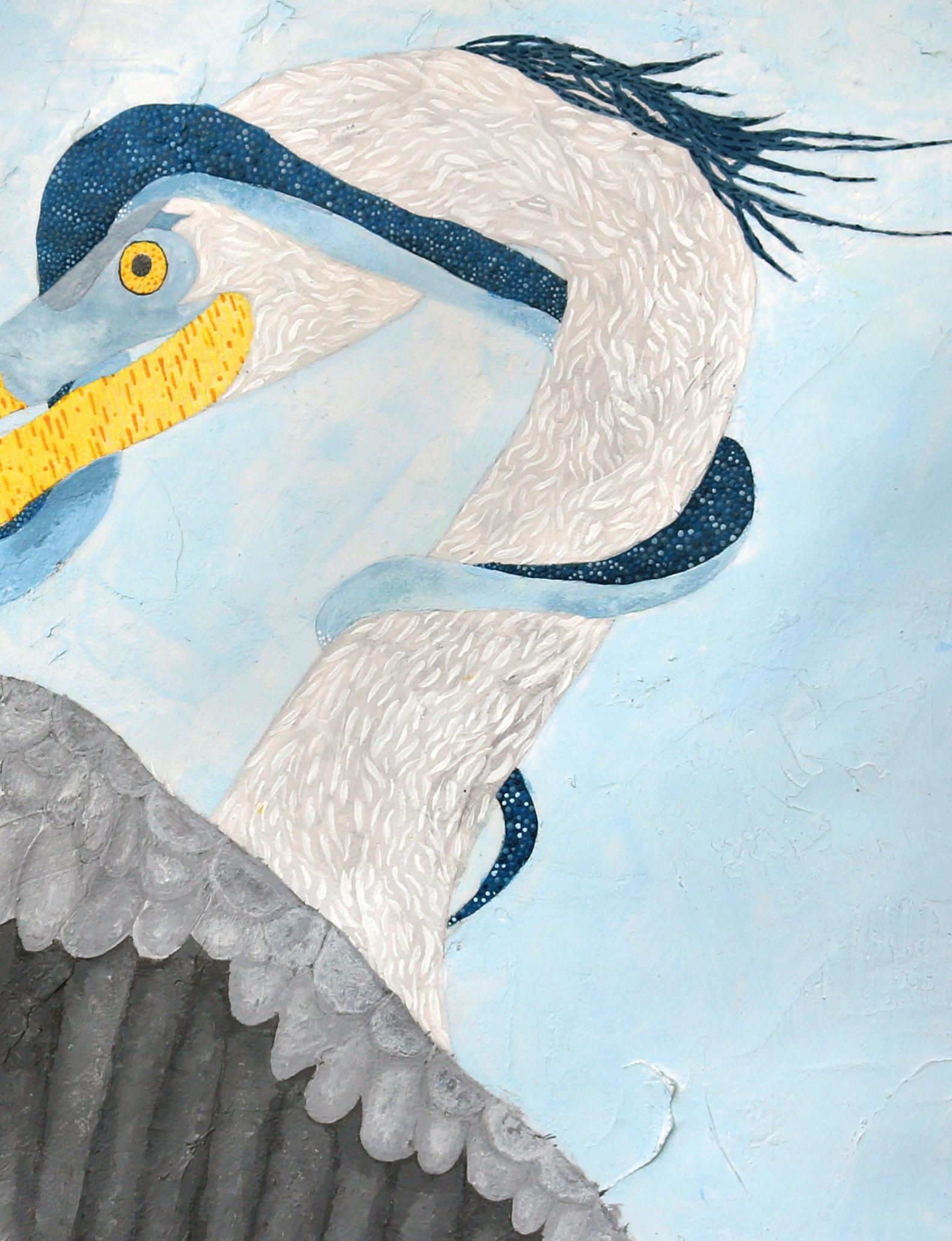
Kendra Larson
The air stills in the early morning, deer solitary mourners. Hooves crunch through frost-rigid grass, ears rotating forward, backward, searching for the groundskeeper laden with hay and garden sheers, both careful to avoid the small blocks of marble sunk into earth.
Hooves crunch through frosted grass, rigid ears rotation forward, backward, listening for coyotes, eyes searching the salted edge of aging shoreline, all careful to avoid the large blocks of limestone cutting into earth, sockets waiting for the ground water to return.
Listening for coyotes, we search the salted edge of the aging shoreline, hands rigid against shining mahogany and brass bars, lifting sockets and waiting for the ground water to recede, feet sinking to grass waiting to be split 7 feet by 3.
Hands rigid against shining mahogany, brass bars mirrored again, again, again in cumulonimbus clouds waiting for feet sinking into grass split: 7 feet by 3.
Do you think she ever stuck out her tongue to taste swift rain?
Mirrored over, over, over, again in cirrostratus clouds, turkeys peck at acorns and worms in the scrub oak just past–Do you think she ever stuck out her tongue to taste swift rain?–The smooth form of a mower abandoned in sun-crisped grass.
Turkeys peck at acorns, worms, scrub oak beyond my great-grandfather’s chain link fence, quail topped and, rusting, the smooth form of a mower abandoned amongst sun-crisped grass, take the elk bones to the big-tooth maple, leave them till the snow.
A great-grandfather’s chain link fence, quail topped and rusting waits to be buried beneath wild rose hips, the geese take the elk bones past the big-tooth maple, leaving before the snow. Only their heads will touch, Marriott, Wilcox
They lay at the mouth of Weber canyon, rail road, red rock, Waiting to the buried beneath wild rose hips and goose feathers Heads ever touching, Marriott, Wilcox. Forget the quiet deer and moose half sunk into a pond.
Rowland Hall
I wait at the mouth of the Cottonwood canyons, quartz, douglas fir, air stilling in early mornings, solitary mourners forgetting quiet deer, moose, porcupine sinking in the earth, searching for a groundskeeper laden with heavy eyes and a sneaking sigh.
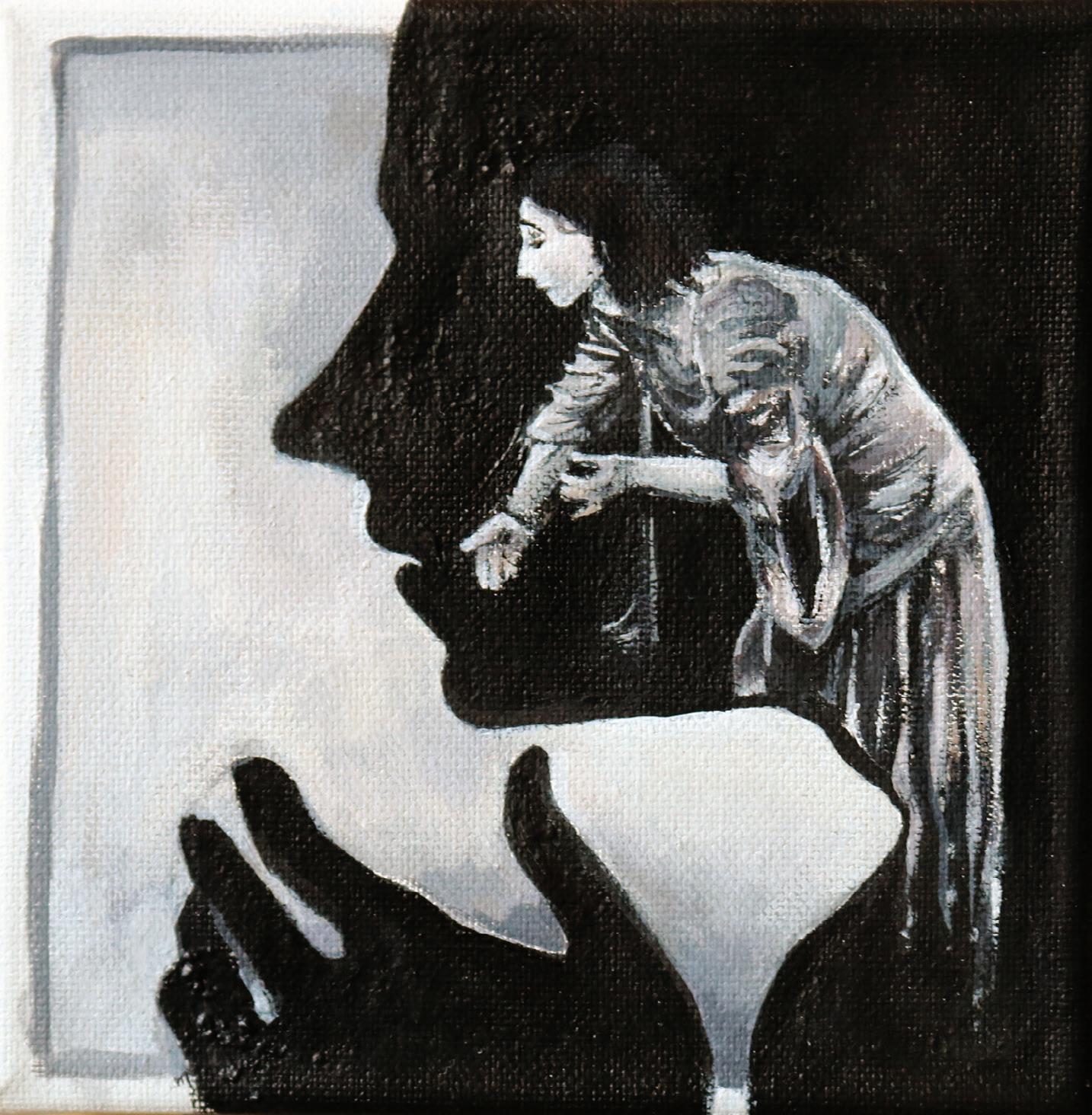
Claire de Witt
Moon crests high atop the clouds, full as you are empty. No one will sleep tonight.
You look at me expectedly, eyes like everglade waters hoping, dreaming for something beyond this, beyond me.
Dark pools of ebony swirl inside your stomach, twisting your mind and soul. No one will sleep tonight.
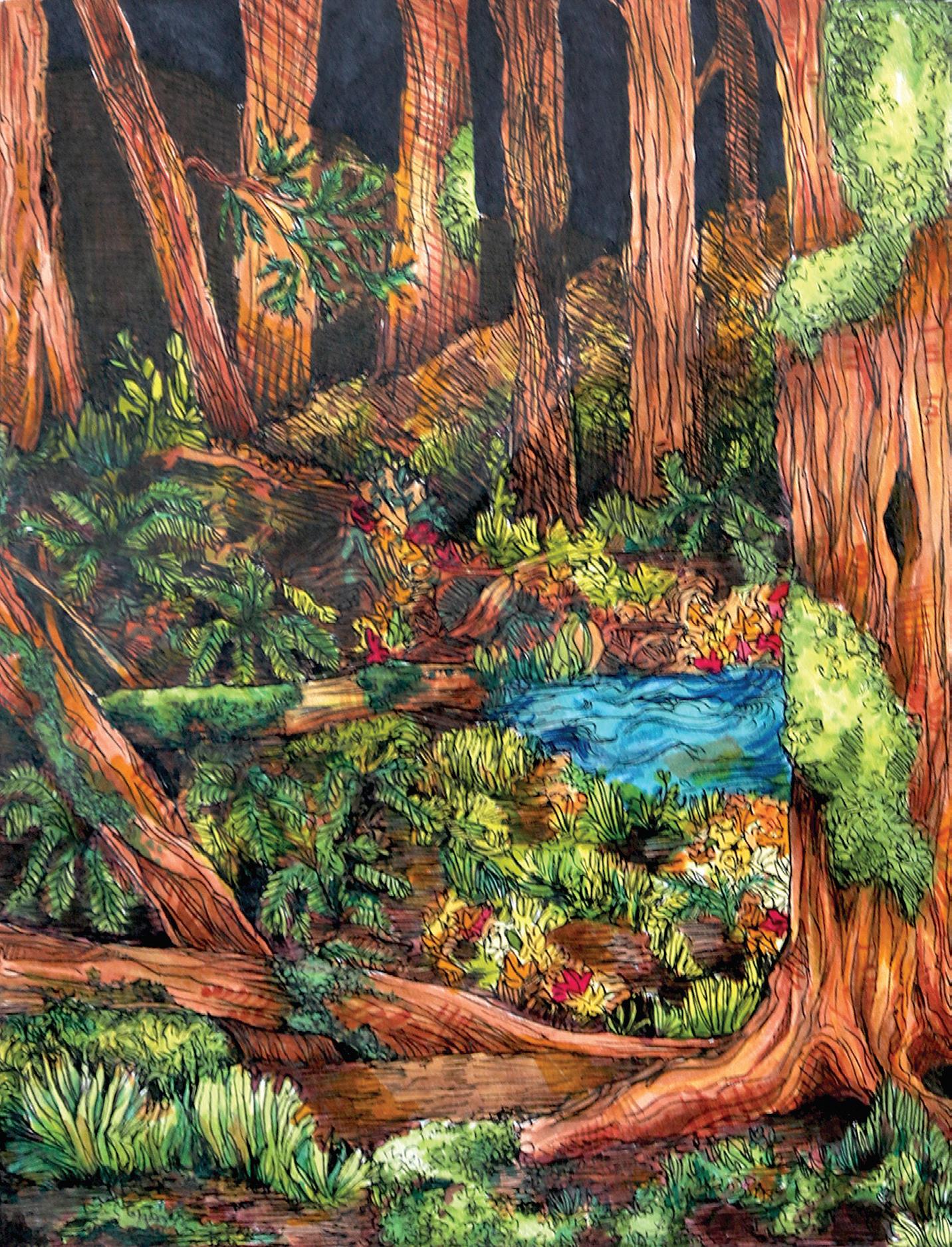
I have known you since the river trip where the redwoods seemed to whisper wonder when we could still count our ages, using only one hand.
Another boy comes and goes, for you only wish to be loved, to be held. You sit still as a grass frog looking for hawks, for your fate is set in stone, it seems.
Be gone my dear, for you are free. You will not sleep tonight.
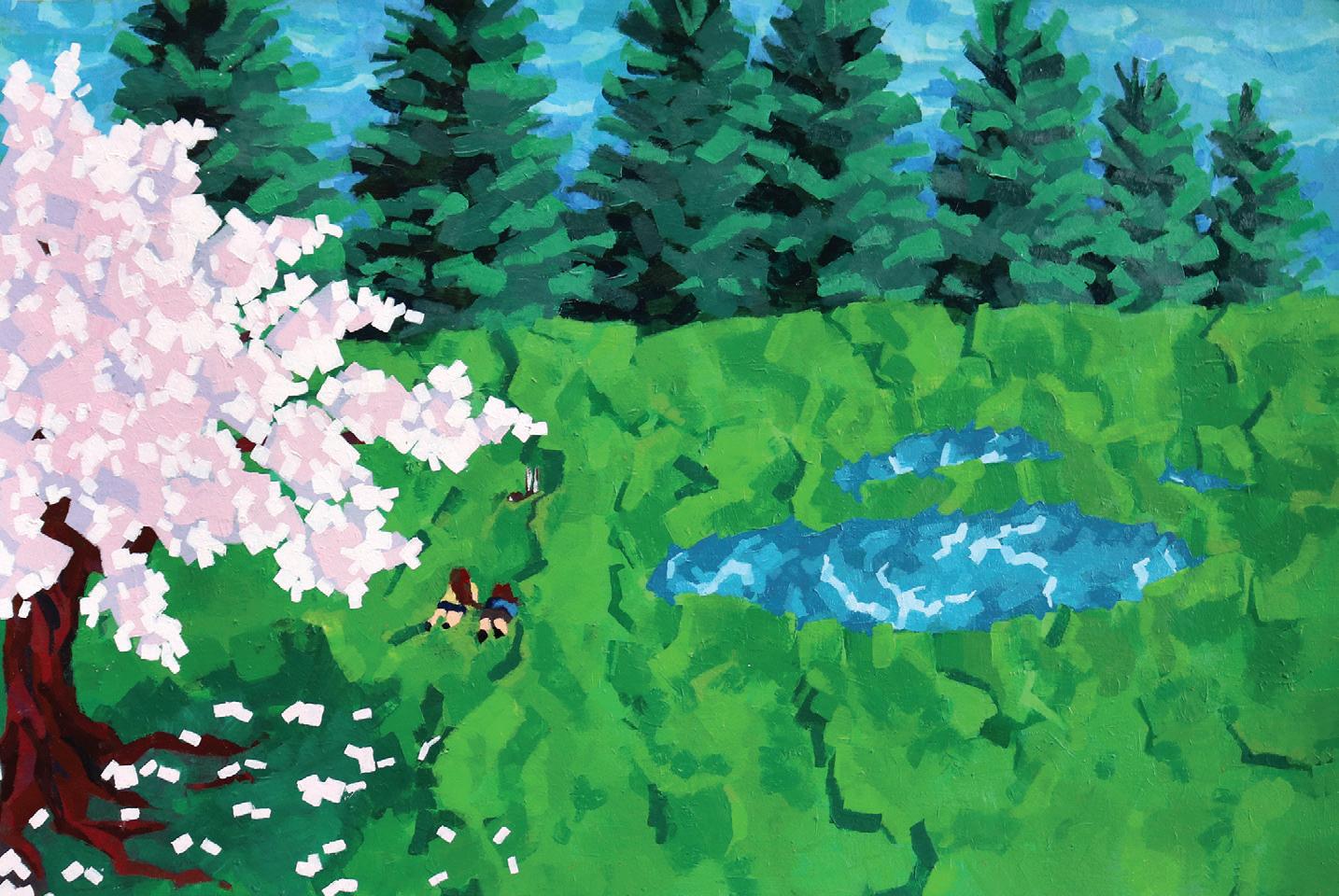
Isabel Himoff
La Nuit Étoliée.
Rivulets of fleshy texture
slide gossamer over water.
Thin wool scratches the entire body.
Friction snagging invisible hooks, stuck deep in the skin. It is too warm for snow but wind promises Winter is coming.
This is the night of the bumblebee, the glaze of honey chalked in stars.
The dark is cloudy in the mouth filtering along teeth.
You’ve come to taste the world.
An aria of marmalade, light follows across buildings, a gradation weathering the sharp panes of sour faces, milky wax pocked skin and brows puckered in worry, acidic in the fresh evening.
In the night, they are young again
The dark forgiving tired eyes and rest silky, unfurls the spine like young fern.
Frozen vertebrae smoothing, chutes of green extending to soothe laboring bones.
Landscape, shadows braid wrestling grasses, fitting interchangeably olive, linked between lapis and sage.
The world is precarious again, youthful and smeared. Reflection of paint sticky on my fingers.
Delicate veins of sugaring, broken easily over water.
I stay to gather night on my hands, scraping deeper into canvas, I want sleep, but it never falls heavy over my eyes, only weighing conscious under fingernails.
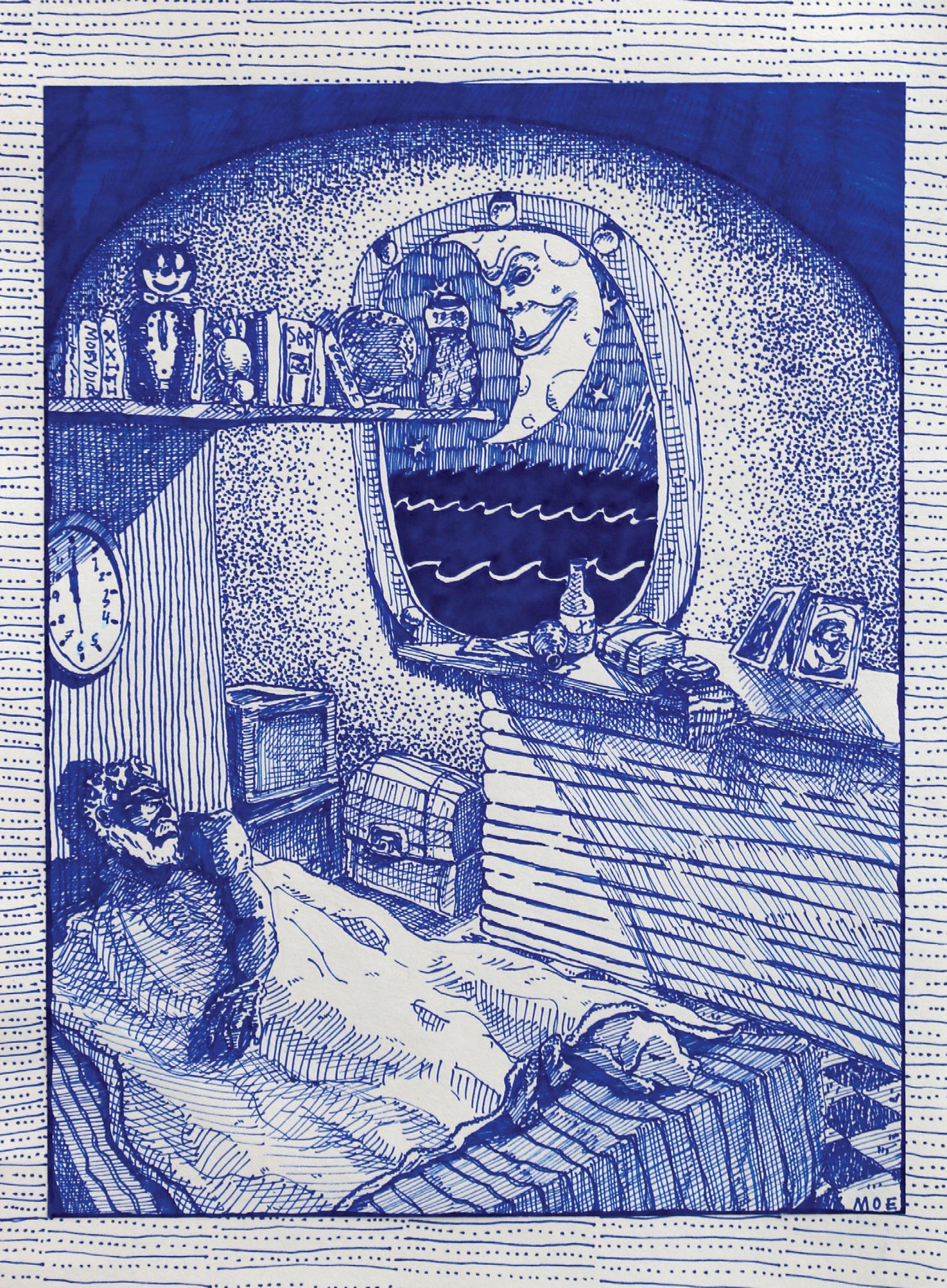
Fatima Asad
Red
Red blood oozes from the raw flesh of a creature whose deformed features betray a lineage of shadows. Wretched, yellowed teeth bared in a snarl, a hairless, translucent body pulsing with the rhythm of a failing heart. It captivates the viewer, thickening the air with its pungent, sour smell. Red blood tasting of copper, sweet and tangy, scarlet dots dribbling down the chin. A flavor one would not desire. Juicy, sour meat that repels the watcher.
Orange
Bruised, weeping, moldy oranges left to rot in the heat of the room. The skin, fermented and bitter, melts on the tongue like a toxic wax, leaving a trail of sour, citrus, acrid rot. A dry, astringent taste that pulls the moisture from the throat, causing the body to recoil in disgust. Liquid pools in the mouth as stomach acid and burning bile surge into the esophagus. It leaves a metallic scorch on the palate, coupled with the slow, rhythmic throb of nausea and heartburn.
Yellow
A cool, serrated kitchen knife slices fingers into the warm achu soup. Chunks of human flesh float like islands atop the thick, earthy broth. Shredded yellow skin drifts on a sea of mayonnaise-colored liquid, oils separating like fat on a cooling corpse. A rotten black bone juts out, jagged as a mountain. Strands of coarse yellow hair are sprayed across the white flour like dead grass, the kitchen air heavy with the smell of stale sweat and fresh blood, impenetrating the nostrils.
Green
A rotten carcass oozes pale yellow liquid, gelatinous and slick. It’s wobbly, smooth texture
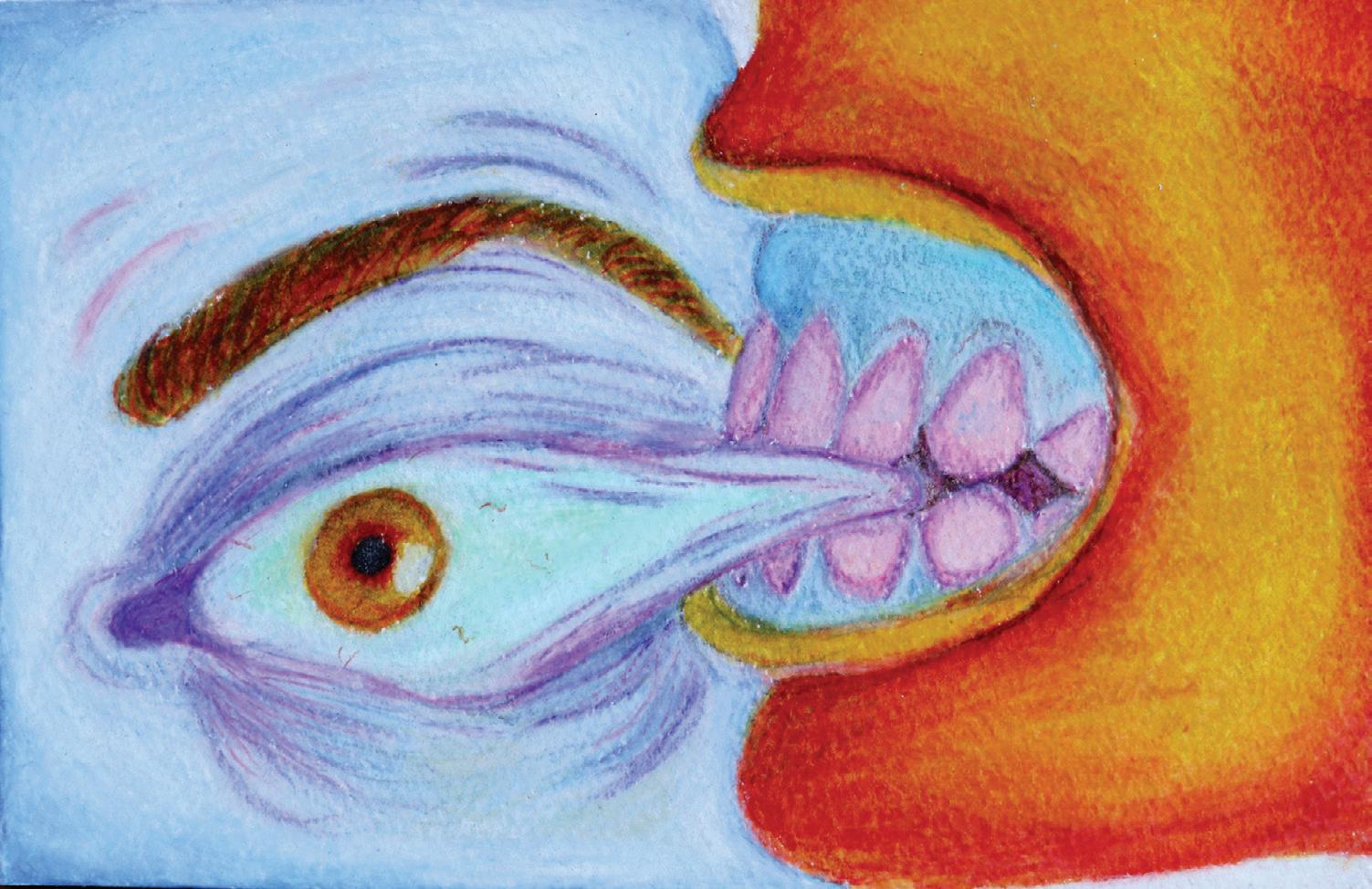
slides down the throat, foul nourishment barely filling the empty, aching pits of my stomach. The jaw works in a frantic rhythm, trembling beneath the weight of metallic teeth gnawing fibrous, stringy flesh. The skin remains vibrant and glossy, a deceptive shell, until the insides turn into a liquefied mesh a putrid slurry barely satisfying the hunger of needless desire.
Blue
Spheres of ice, venom eating away at the insides. They roll through the intestines like leaden marbles, leaving a trail of frostbitten tissue and a sapphire-tinted trail. Veins become a roadmap of indigo, stiffening as the blood turns to slush, choking the organs. Air in the lungs crystallizes into shards of pale glass, shredding breath until the only sound left is the low, electric hum of a body turning to stone.
Purple
The skin is a bruised canvas where blood oozes out of its violet, extravasated pores. A hematoma blooms like a nightshade flower, deep, dark plums ripening beneath the surface. The flesh is a map of extravasation, throbbing with a heavy ache that tastes of grape-skin and rust. A royal cloak for the mangled. A glistening, iridescent swelling that threatens to burst, releasing a torrent of pressurized, dark wine from the jagged landscape.
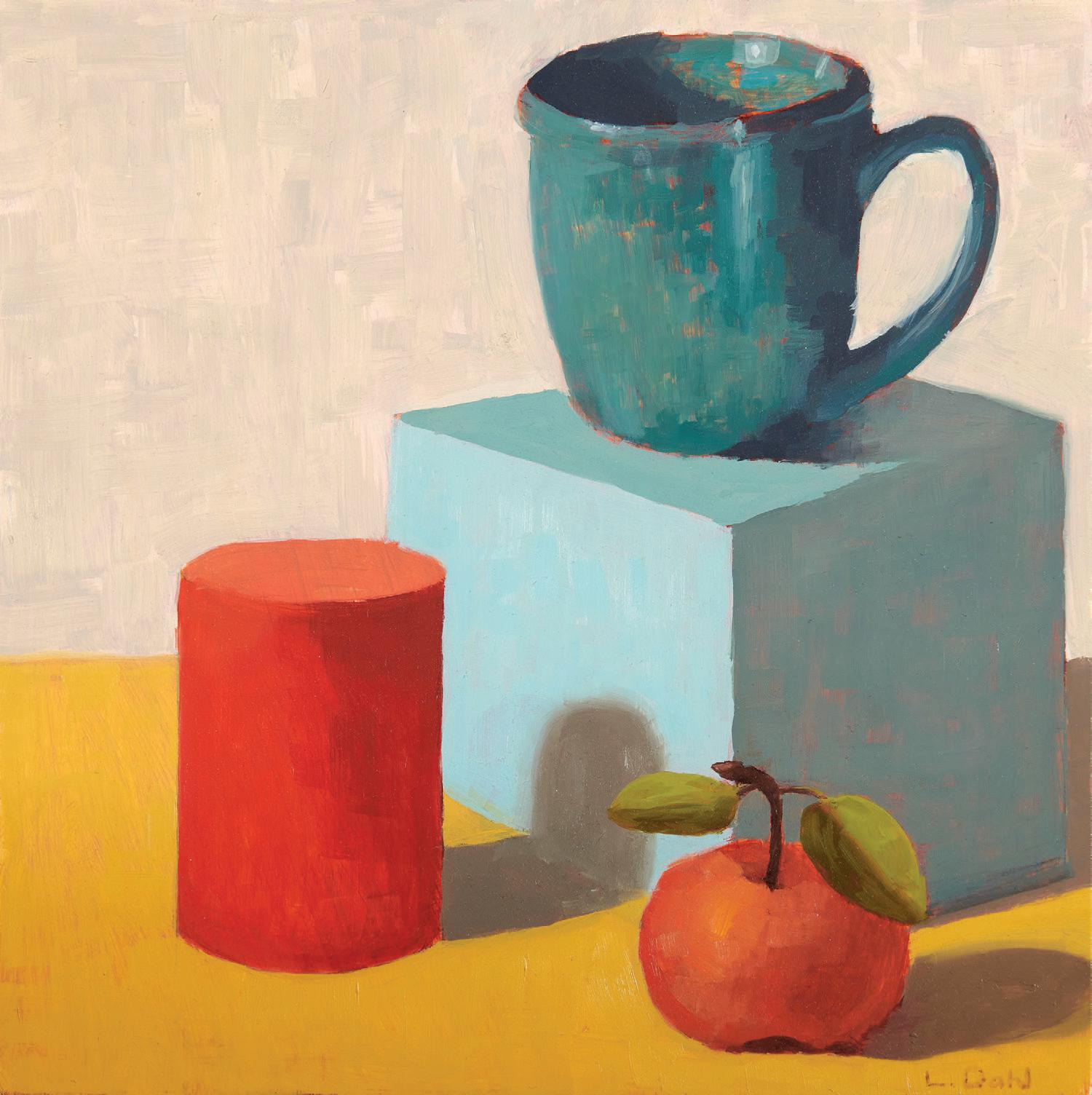
Isabel Himoff
The lodgepole pine towers above, a cathedral dome encapsulating forest. Since time immemorial spent on this earth. Fragility fractures within the limbs of antiquity. Slender caution in the wind carries the underlying scent of danger to cross underneath dry, creaking wood. Huddled together, the trees support the weight of the dead. Corpse on corpse, they wait until the fall. Thousands of interwoven twigs, darkened by death, form the lace of a mourning veil.
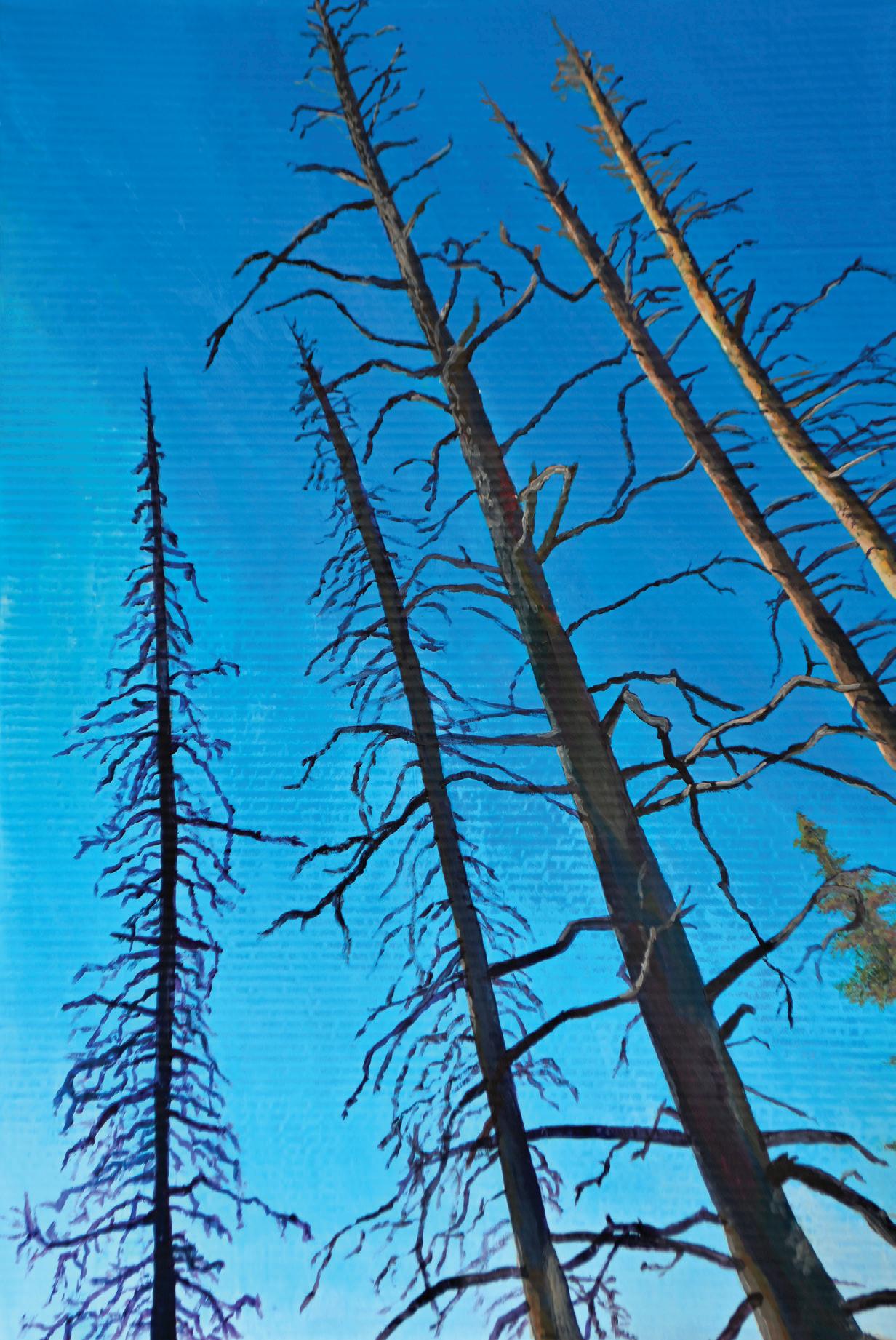
Chloe Vezina
A sprawl of harvest –hearty and rounded with syrup and splendor. Amorphous atmosphere entombs glistening bounty, born from earth and seed. Beads of wax verdancy and crimson and ebony plucked from the vine. Gold and grain hold space, carving delicate shapes into a mossy ground.
Halos dance on the cheeks of peaches, embedding luminosity into velveteen skin. And what of the creatures that wander this lavish landscape? The feet of the fruit fly sticky with juice, and gossamer wings disappear in auric light. Beetle jaws snap under the veil of sable and onyx, balanced on the edge of seclusion.
Streaks of star and sun in the winged night of butterflies and birds nests, pale eggs speckled and nervous under the gaze of fruits and the steps of insects, a tether between the unborn, alive, dying.
It is impossible to sever the salamander from the succulence of apples and apricots, a coexistence – each being an unwilling participant, partaking in a timeless game. Pebble and plum shy into the shadows beneath yawning leaves of jasmine and auburn. Curlicue tails trace a tale of growth and separation, divorced from the giver and slowly falling toward the rotting clutch of expiration. Bearing the beauty of life on a forest bed is a dangerous thing—for perfection is only a moment, captured radiant against the bright eye of darkness.
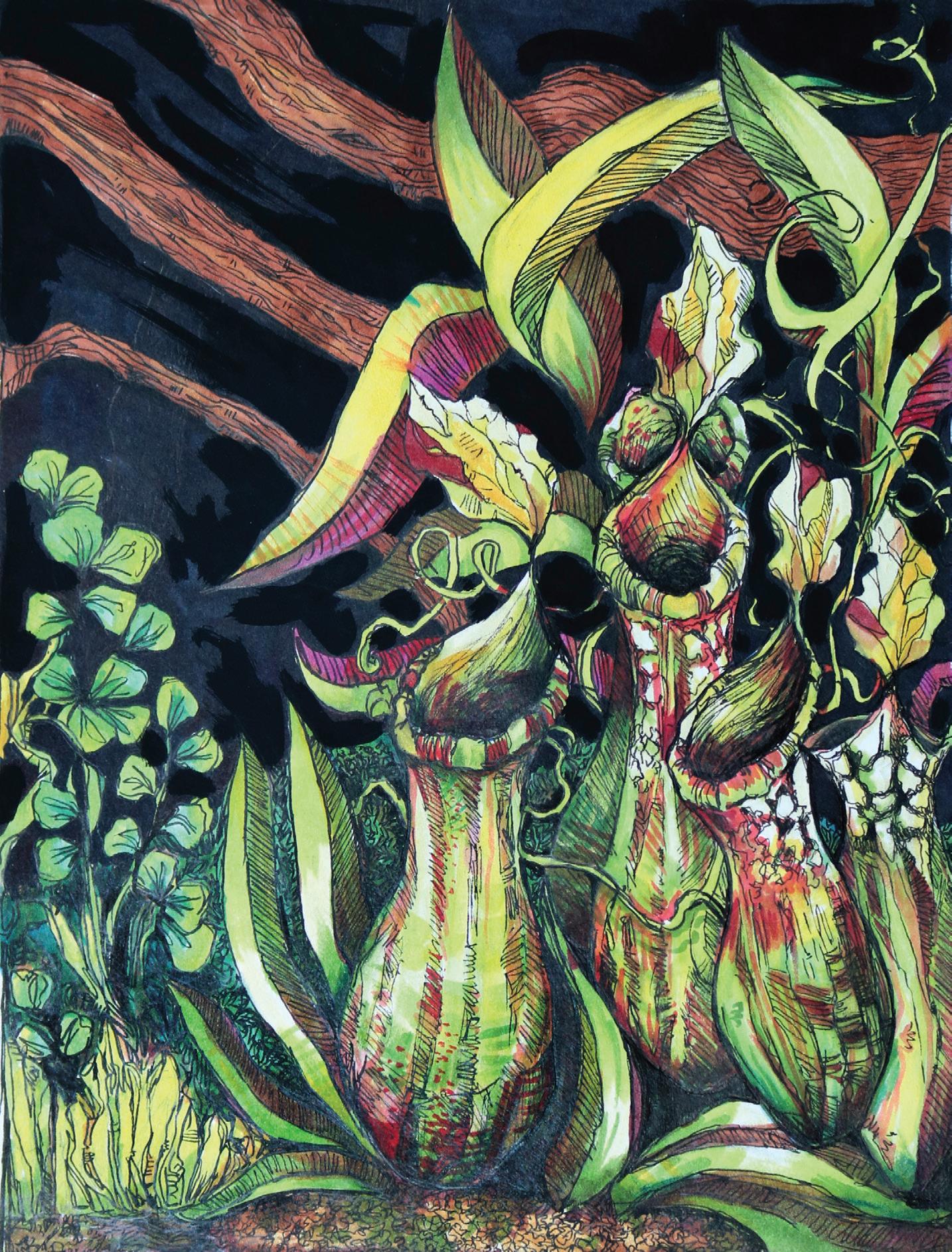
Pitcher Plants
Dylan Johnson De Lacy Ink and Marker
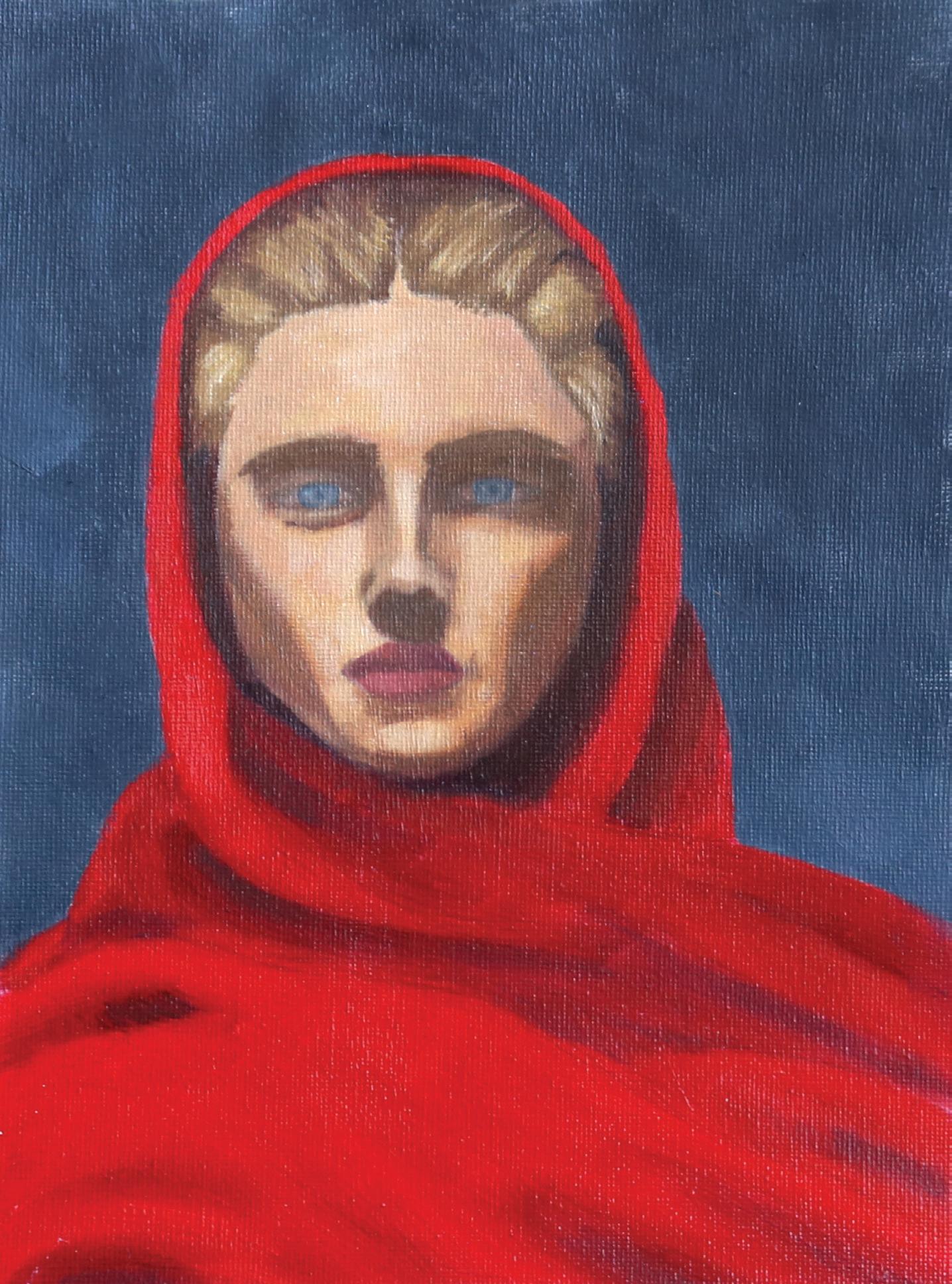
Stella Fry
You smile as you stab me, as my blood pools between the cracks of the stone floor, the ten plagues of Egypt pouring out of my body, writhing, exorcised by your arrow. You know who I am. Your lips frame my name, Teresa bitten and blackened between your teeth. Again and again, you wrack me, as my ribs crack and splinter, as the wound yawns open, a gaping maw drawing out the pain. Make it last, this fire, don’t stay your hand, because if this is death, I’m surely in heaven. I do not beg for mercy. I will not ask for anything again–why ask for more, when the fever I have braved all my life is now cooling?
My body is a piece of glass being melted, molded, burnt, bent, and you’ll put me in your church window, put me up there next to Christ and grin up at me from your knees. You scald me, still smiling.
I can feel death’s halo, above me, lingering, never touching, and I welcome you in, let you destroy me, be you Angel, God, or Death itself.
Bronwyn Andrus
Blown down broken fences and latches, the gate swings open over and over, relentless.
No one talks about the wind, the wind, the wind.
No one noticed the storm, the fractured sky, grey clouds curled like whirlpools, spinning.
All they could see were the men, the men, the men.
Sharp-tongued beasts who kept on taking bites of the world, bites of the best meat, leaving only bone.
And they kept going, and going, and going.
There was nothing left of the earth’s savage garden, no land untouched, no wine or bread left unsavoured.
Nothing matched the breadth of their sin, their sin, their sin.
The world was torn open by a greedy American.
Kendra Larson
The moon doesn’t sink into the ponds here. Pomegranate groves after a 9 P.M. twilight pluck swan feathers and elderflower amidst lily pads heavy with croaking. Ruth and Mary sank last winter, tongues laden with earrings, gold, diamonds, and the spatula Mary got for Christmas. The ice gave way, a perfect circle. A pomegranate lay open on the pond, 6 seeds missing from the pith.
George loves to go ice fishing, always eats oranges down to the pith. She watches housewives and bankers walk, empty, between flower buds, pomegranates.
He always calls, “Ruth, Ruth! Find the drill! It needs to be a circle!”
Her mother told her in the spring, “It needs a little more, maybe an elderflower?” I know we needed gold, but George only gets me diamonds. She planted poplar, killed mint, mixed rose buds with lethe, “Surely they will not sink.”
Mark, too tired when he comes home, just sits in a chair and sinks. “Sapphires for the sky, topaz too, I can make them all from pith.”
I told him I wanted something pretty. He gave me a spatula studded with fake diamonds.
It will not be the sun, she glares, “Yet look, I’m growing pomegranates.”
I made him tea tonight, chamomile for sleep, “for the nerves?” I use elderflower. My mother will find us–she knows the earth–“Yet she walks in circles.”
The ferryman moves a long wooden oar in slow circles in the thick water, splashing wedding rings and mortgages. Each sinking again. He reaches out a hand, rasping gold or a gentle elderflower.
The women unwrap cheese-cloth-covered jewelry, taking off the pith. He never speaks, the ferryman, dressed in robes of pomegranate and a hood of poppies, “Ruth, I think his eyes are diamonds!”
She sleeps as they silently stud stalactites with diamonds.
In dreams, even laurels lose their leaves while her mother walks in tight circles in the cave of Hecate, grain-golden crown glinting in pomegranate red torches. You could ask Helios, seek him as he sinks.
Below, below, below, “who,” he peeled the earth to its pith. “Mary, did you feel that, the earth trembled like an elderflower!”
Thin, quiet, her footsteps echo against walls like ripe elderflower berries. She follows poplar trees, leaves shimmering like diamonds in Ixion’s light, and winds through quiet groves littered with pith and emerald leaves. There a table lies, circular pebbles laid in silver, the legs never tarnish, only sink. A plate, sunflower yellow, laden, split in half, with a pomegranate.
The seeds, shaped like circle drops of ice, lie quietly against the pomegranate skin, so cold the pith ices over with the gentle pattern of an elderflower. Her teeth, like abalone shell, sink into each seed, her head already laden with diamonds.
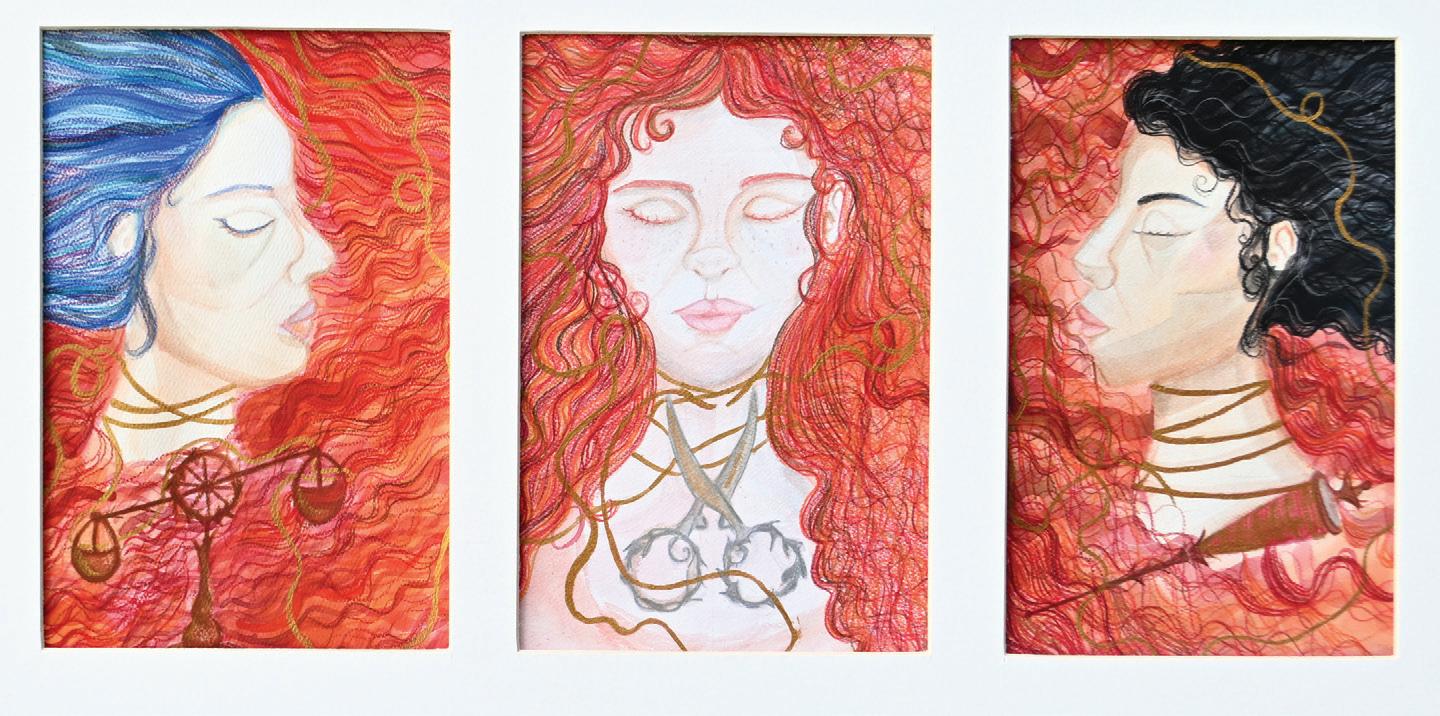
Greta Filippone
You called it paradise when the latch gave way to rib, the gate learning the curve of leaving.
Every day, it felt possible. The moss did not stop us. The edge did not speak.
It is not true that we fled. Instead, we said no. As if our words could cleanse the body of its leaning forward, feet already convinced.
We opened the gate with the confidence of those who mistake reaching for permission.
Paradise was never the place, but what followed after— the way we agreed not to call the opening an end.
Now, I stand where we left Eden, counting what was taken for proof, wondering what closes behind us when nothing resists the opening.
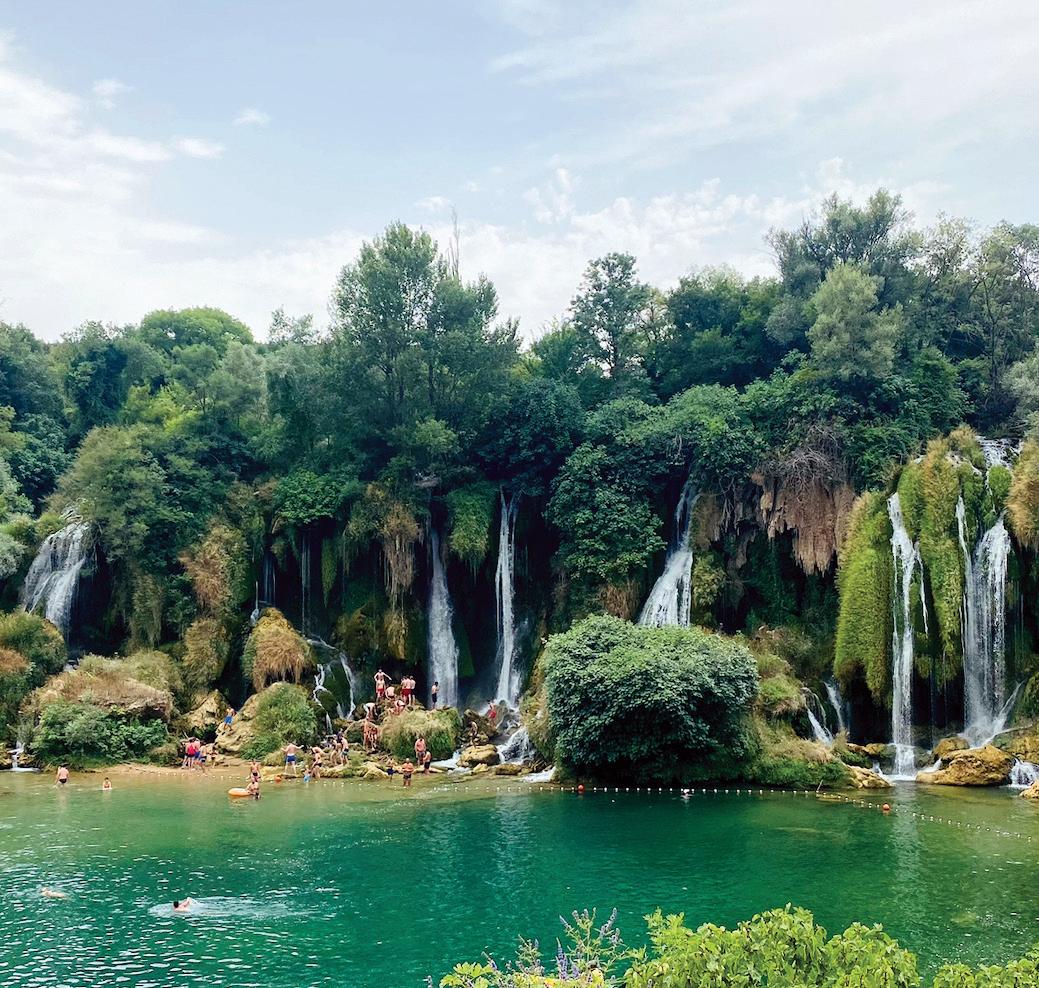
Milo van Ispelen
Squalls of tongue-licked wind etch veins of sandstone and shale, the mother deer cleaning the soft-spotted fur of her dead son who didn’t look both ways. He lies on the dirt road outside the old hat shop, whose owner still sweeps clean checkered floors, the kind of carpet that stays stained with spilled drinks, clumps of hair, dust on cowboy hats no one buys. A vulture stalks the clouds overhead, a singular greedy eye on each side of its head twitching in the reflected light of the sun.
A left road leads to a dead end of sour blackberry bushes and fat squirrels, the pear trees’ lingering scent like quivering teaspoons of honey, drops of luck and insolence on dark nights in the field when even the bees are silent.
A hard right-hand turn might send stained glass bottles to the ground inside the library, startling the hat shop owner’s son who liked to drink homebrewed wine— watery and nearly flavorless, the stale taste of grape skins and cheap sugar coating his heavy tongue, settling in his cheekbones, cornea, lips chapped from talking to himself too much. He likes it that way, thumbing gaps in bookshelves where books were not returned, tracing lines into wood with bitten fingernails. More permanent than charcoal or dust, he says to the bird perched outside.
Geese are still loud in the ashless sky as the wind blows a hat to the gutter and shows a spoiled squirrel how to eat a neighbor’s daffodils and choke on its own matted fur. Doors cover untouched skin and an egret, neck long and angled like the broken pipe that flooded downtown, leaving a harsh washboard road no one liked to cross.
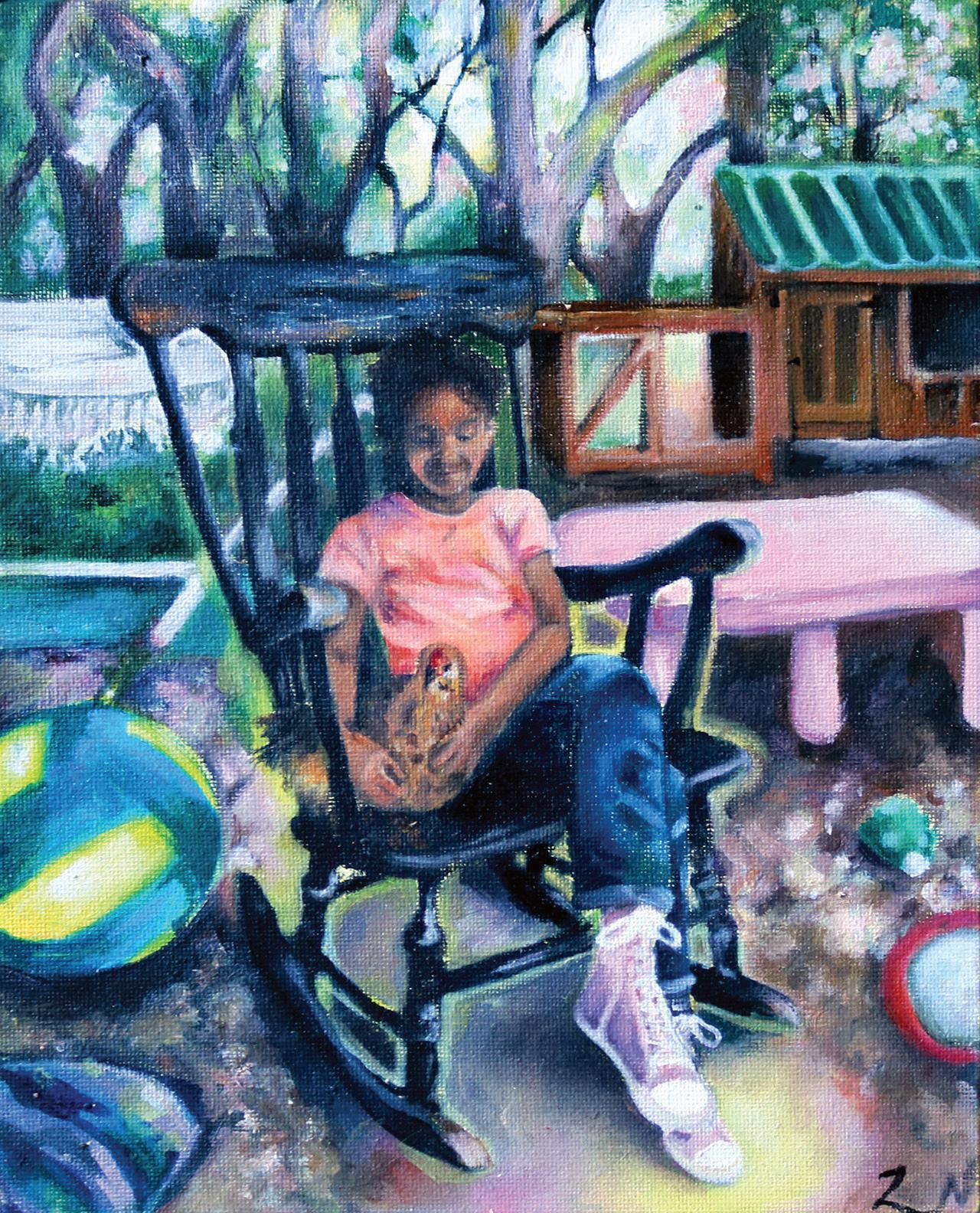
Solara Saad
The arrow pierces my skin, slices through, bulging beneath my skin where the arrow resides. Rope grinds—scrapes, constructs friction between agitated skin, arms, legs, pulsing muscles—the life pulled down with them. 23 stabs of betrayal rest against the harsh ridges of my stomach, trailing up my legs, grazing the cloth that covers despicable places. I lean against the weathered, ancient pillar, supporting me as my body numbs from tormenting affliction. Although it holds me up, it doesn’t create the light I wish on, gazing upon my people—now on the other side of the bow, eyes lowered, cowering from the painting created from ruinous wounds, refusing to clash with my terror-stricken features. I am watched but never faced. They look away but heaven does not intervene, unmoved as they recreate me with oils and paints. Time holds me here. They will remember the image they have created, not the man who replaced it.
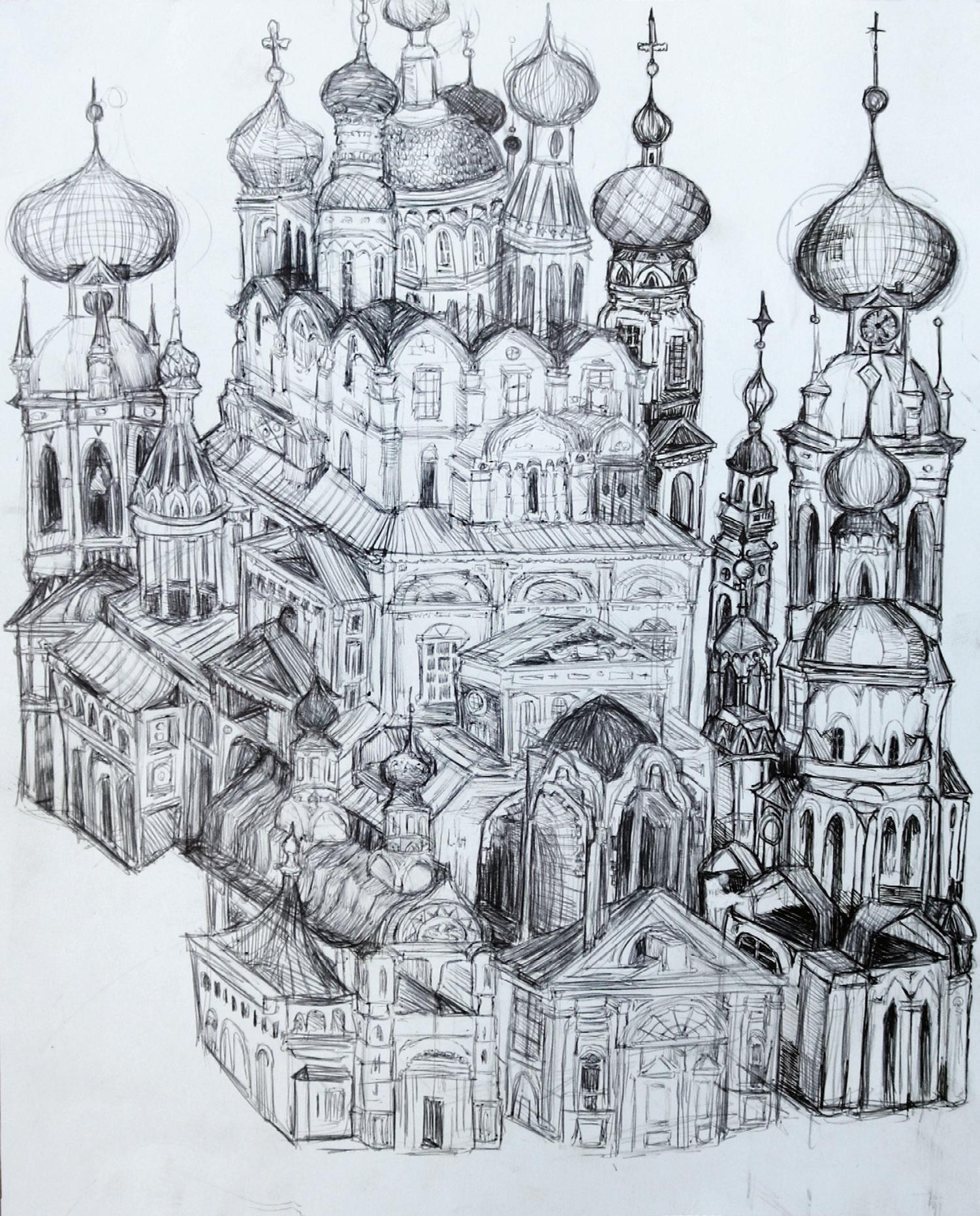
Chloe Vezina
But doesn’t every story begin with arrival?
Arid desert, endless ocean, skies & new horizon, plated gates open, a changed name.
Hands untethered, sons and daughters folded into new newspaper cranes and paper boats, unsinkable
ships docked on hopeful shores, a severed line traced back to Genesis.
& have you found your forest? Your bitter shelter? How far have you come?
The end only fosters another beginning—divine creations harvesting biting venom and midnight honey. Searching hands meet open arms and open doors, a child born, then born again.
Voyages imprint leather landscapes onto weathered jacket sleeves, put onto the backs of our descendants.
Where do we return in the dreams of our young?
No longer foreign gardens—Paradise. They will call it home.
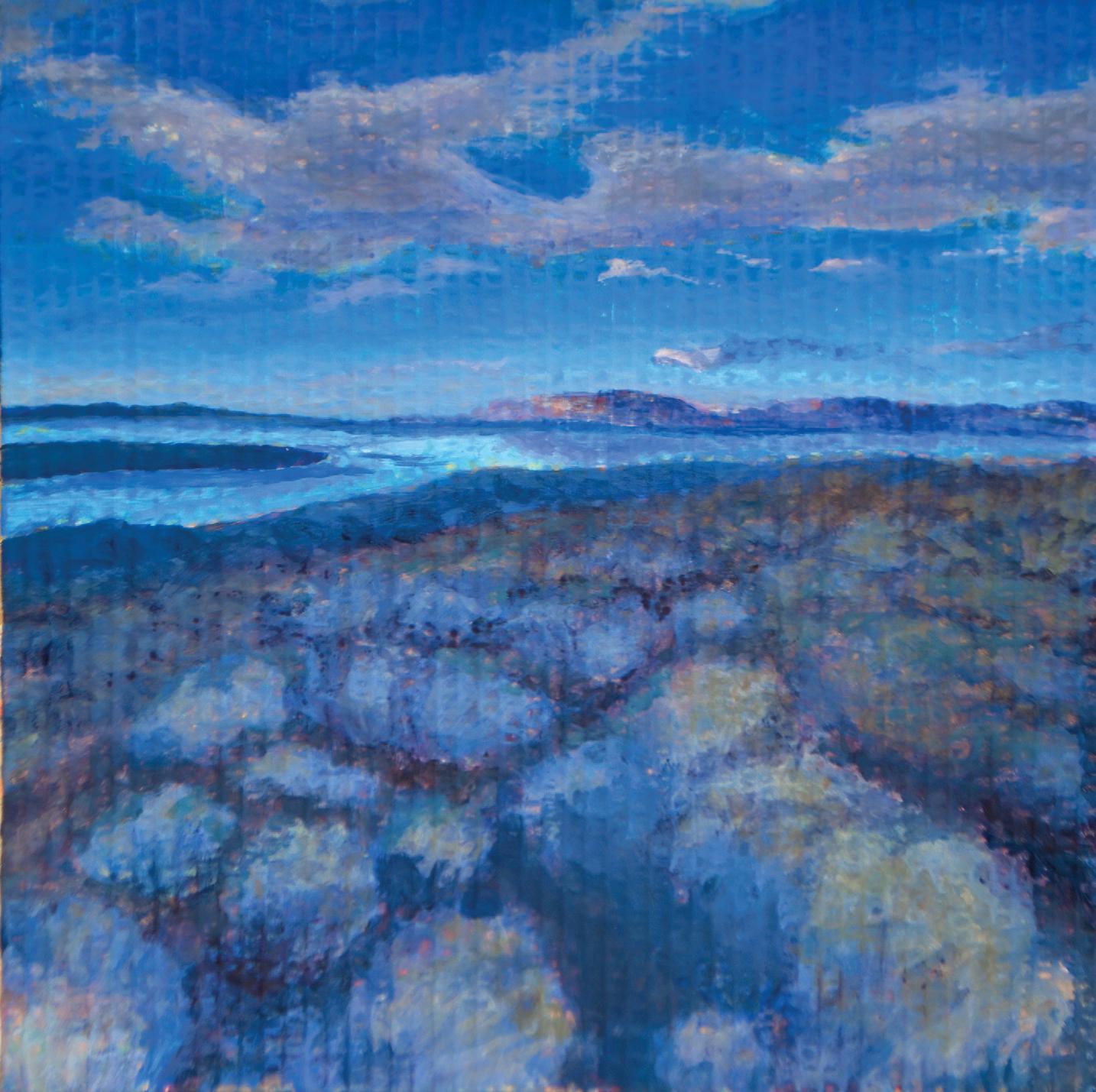
Five walls until I reach the salt. The sun beats on Boneville’s bones, a ridge of wildflowers beside the road, dusty yellow and flaked purple in early summer. They will be first to go, forsaken in late July. Desert primrose grows heavily over dehydrated foliage. Sagebrush stings my calves, releases tangy notes into dry air, not dry with the smell of nothing, but hay, and harvest, and hollowed gourds - hallowed ground. A river of slate runs beneath my shoes, three fingers thick, charcoal black fragments raking, sharpened sides. Green grasses, golden tipped, part like hair, undetectable patterns in its uniformity. It is its own Being, section, to reveal the expanse of salt, going on to forever. Its origin, an ocean, today looks like a mirage.
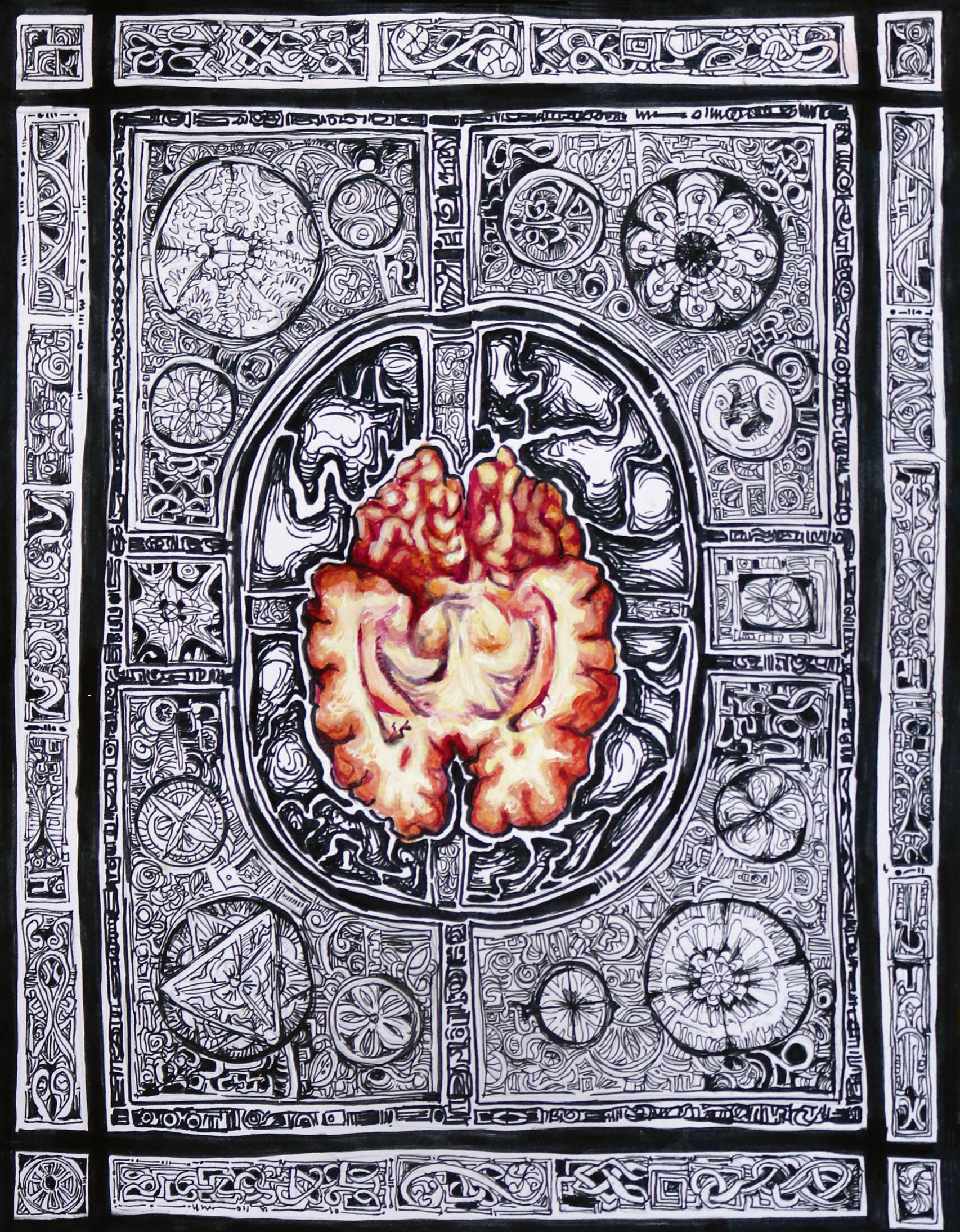
For months, I was a cannonball dropped down the bore, reeling in blurry vomitous swirls toward the fuse; forty days with vertigo...
-Ada Limón, “How We Are Made”
Milo van Ispelen
The canvas you threw away is taped vicariously to my wall, cheap acrylic paint, phthalo, and Prussian in a plastic base, wisps of your hair stuck in it, fallen out since the time you refused to eat for a week. You formed upside-down oceans and ochre lips with your unfed hand, shaky brushstrokes leaving braille for me to read years later, eyes closed and reeling.
Cigarette ash mixed with carmine makes your mother’s face worn from yelling all the wrong things, her fingers undulating over your skin– her skin, the one you tried to get rid of in your bathroom with kitchen scissors. The painting ripped in the corner, steel clouds cascading into photo booth pictures taken that night you couldn’t believe you’d made it to your birthday.
You painted it on a used canvas, ten times over, thick and heavy with smudged tulips and the bone of a mountain goat, landscapes of Seattle homes and alleys where you forgot your name flooding over the edge, fighting for a chance to be seen at the surface, the bumps underneath your father’s hardened face.
I pour persimmon and amber in a flimsy pallete, scrape it with horsehair bristles and fingertips until it’s new, your twilight black eye the morning after.
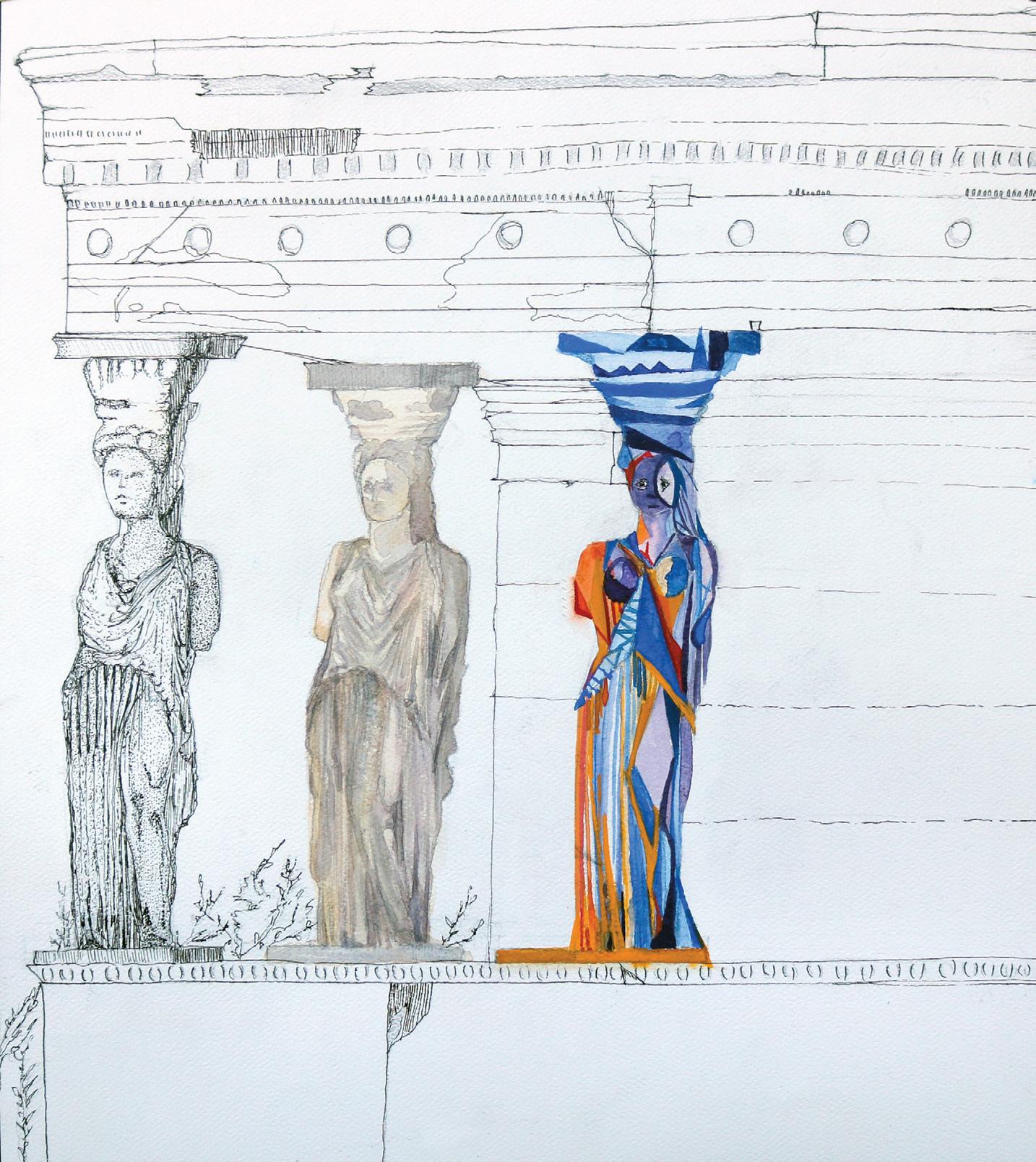
Emily Triplitt
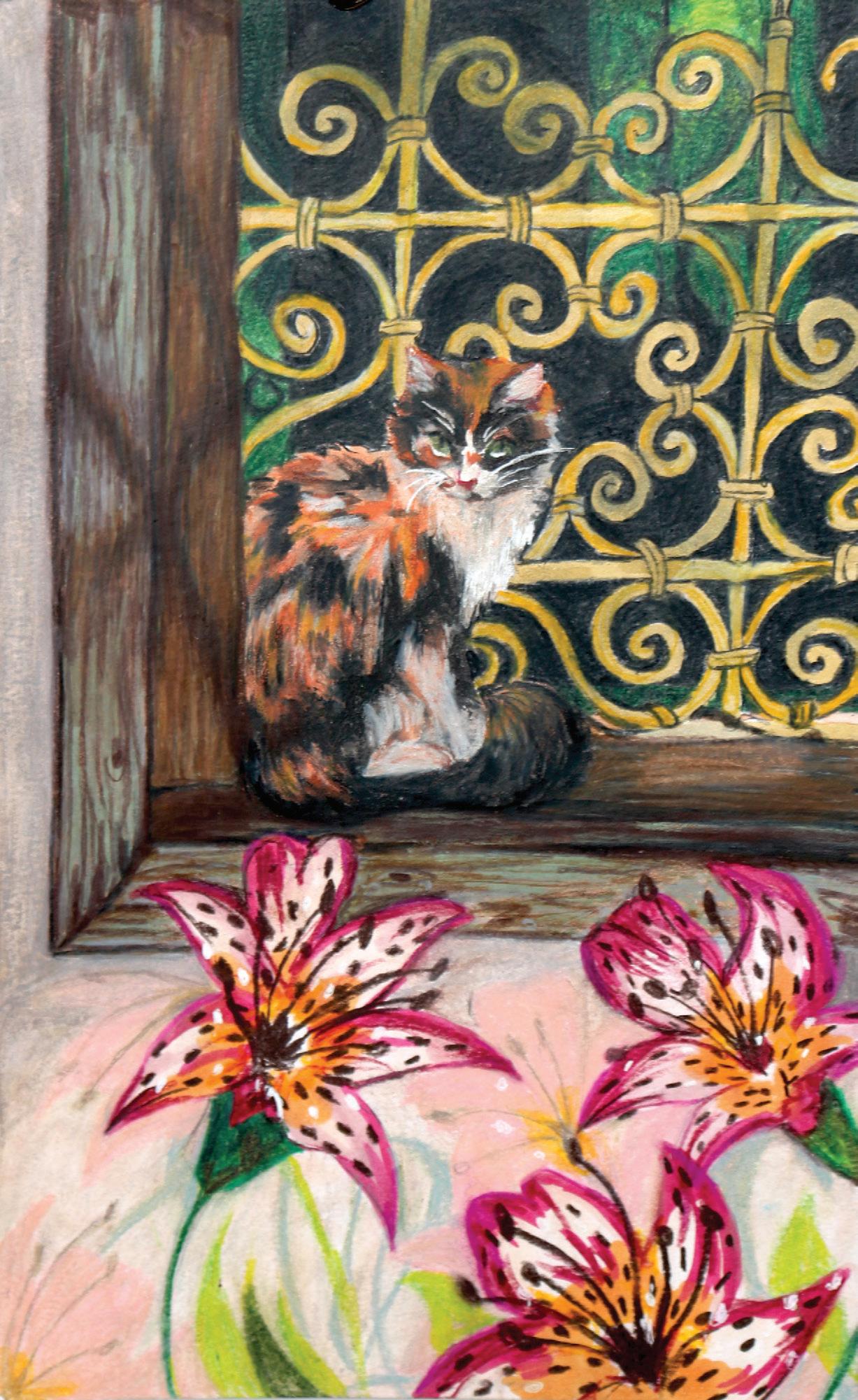
You despised them. You hated the way they smelled so intensely, how they were the epitome of beauty, the way that when the sun hit the curve of the petals, they seemed to glow with a brightness you had refused to see within yourself.
I, myself, loved them. I loved the way the petals sprung, and how when the bulbs burst open, the flower was eager to see a single sunbeam. I admired how they grew to be ethereal shades of orange and pink, the kind I had only glimpsed in my dreams. I loved the way that receiving them meant someone truly cared.
Now a singular lily lies on our kitchen counter, the leaves shriveled from a lack of care. The petals, which were once so vibrant, have slowly lost the pink tint I cherished. By now they are far too delicate to touch, and the stem has decomposed into a little thread barely stringing the flowers together. Holding them felt like holding a last hope, the flowers are far too delicate to hold. At the slightest touch a petal would fall, gliding down the marble countertop. In only three days they had so quickly withered, all a final mark of your neglect.
My friend hates chocolate milkshakes. Freshman year, we loved them. We ordered the largest size that our local diner offered, always chocolate, and topped it off with a neon red maraschino cherry that bled syrup down the whipped cream. We shared greasy slices of pizza first, folding them in half so the cheese would slide off in long strips, burning the roof of our mouths. We didn’t care.
We were inseparable then, my friend and I. Sleepovers at least once a week. The only time we split was when I went to basketball practice, and she went to dance. We always met back up after, still sweating, still starving.
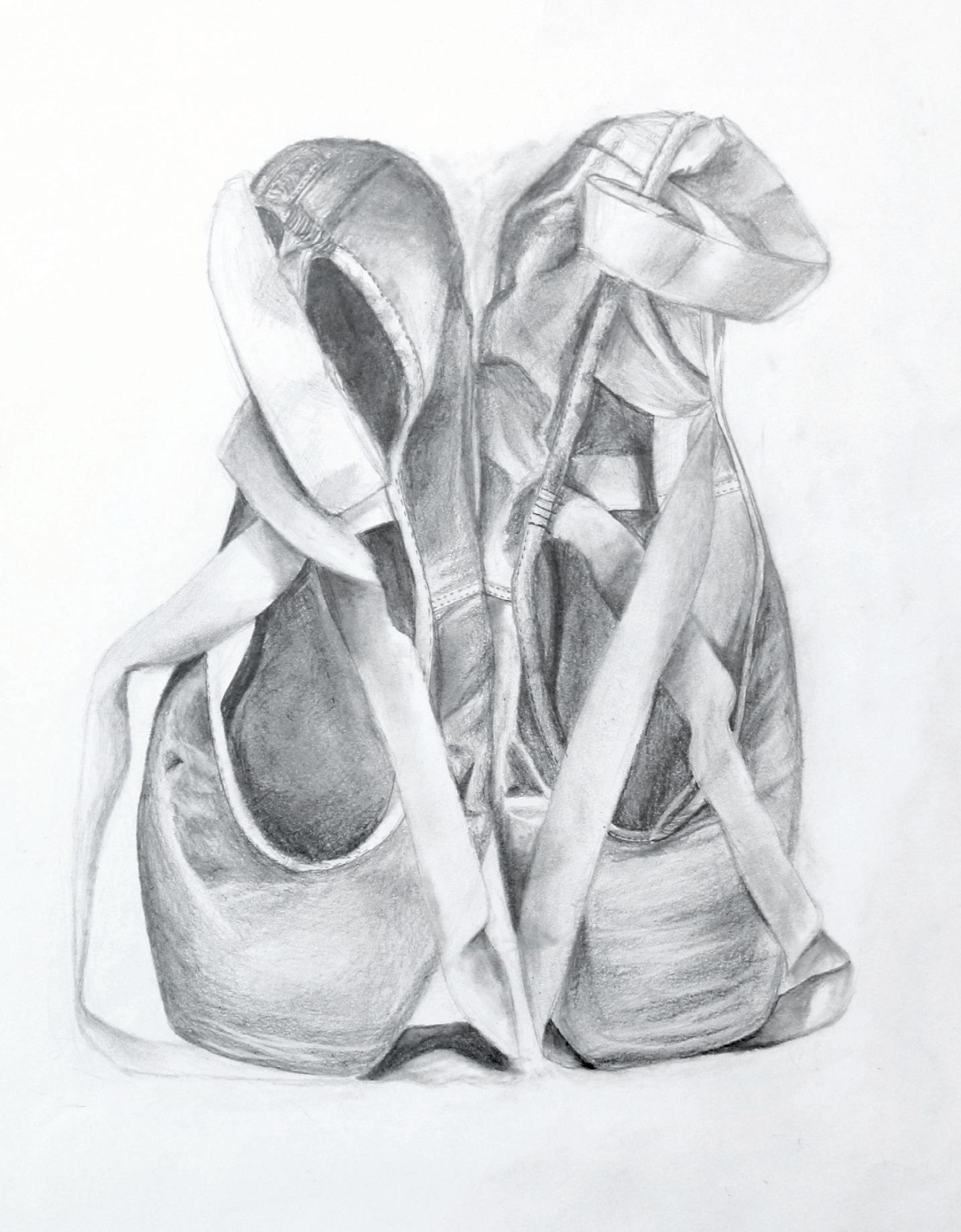
My friend was a beautiful ballerina, able to twist and spin and leap as if weightless. She puts everything into ballet, showing up early and leaving late from class. One afternoon in the second semester of our freshman year, she ran up to me, breathless and grinning.
“I’m en pointe!”
We celebrated with milkshakes, clinking our glasses together, producing a sharp noise. We return to our routine, enjoying the comfortable, enjoying the taste of our chocolate shakes.
Sometime after that, she stopped finishing hers. The deep slurping sound she used to make, scraping the bottom of the glass to get the most shake, disappeared. Our dinners are quieter.
At first, it was the small things. She’d peel the cheese off her pizza and leave it in a greasy pile on the plate. She’d stir her shake until it was soup and then say she was too full. She got good at excuses.
“I already ate.”
“I’m not hungry.”
Whenever we met for dinner, I realized there had never been a meal before. When I
spent the whole day with her, she barely ate anything at all.
As her career as a dancer grew, she began to shrink. I noticed it for the first time when we went swimming in her pool. She had the cutest bright pink bikini, and it used to fit her perfectly. The cloth hugged her body, tight and supportive, exactly as a bikini should. Now, it hangs off of her, the straps sliding no matter how tight she tied them. She kept tugging at the fabric, laughing it off.
I didn’t say anything. I didn’t know what to say. I just watched her waste away. Her ribs jutted out, her legs never touched, emaciated. She became skin and bones
Sophomore year, she stopped coming with me after practice. I still went, ordering our usual by myself, chocolate every time, thick and cold and heavy in my hands. It tasted wrong without her on the other side of the table, her straw tapping the rim of the glass. The best part had never been the whipped cream or the ice cream melting into the milk. It had been the company.
We used to sit together in science class. After winter break, her seat was empty.
I found out she was sent to a program called “Center for Change,” an inpatient treatment center for Eating Disorders.
“I hate you!” I screamed at my parents halfway through winter break.
They’re sitting across from me, watching me the way you would watch something fragile, something you’re afraid to touch.
“You don’t eat.”
“You’re too skinny.”
“You’re dying while we watch.”
Such bullshit.
I’m dancing better than ever. I’m one of the smallest girls in my class. My sternum showed for the first time three weeks ago, and I cried. Real tears, happy ones. I passed out a few
times, sure, but that’s nothing. Nothing is worth giving this up.
“We’re getting you help.”
They pack up a bag of my old clothes and drive me in the minivan like I’m a child again. I cried the whole way.
“I don’t have an eating disorder, I don’t belong here,” I scream, but my pleas fall on deaf ears.
They drive away. It was dubbed “the Center” by all of the patients on my floor. They placed me in the inpatient ward.
The clinic smells like disinfectant spray and warm plastic.
They care about one thing here: weight. They put food in front of me that feels fake, manufactured, wrong. I refuse it until they shove a tube down my throat, my eyes watering, my body bucking against hands that don’t let go. Thick, liquid calories flood my stomach, dense and foreign.
The tube helped me regain at least 15 pounds. They won’t tell me exactly how much, but I can see it. I can feel the fat coming back, enveloping my bones, suffocating me. By the time I was deemed “healthy” enough to remove the tube, I was basically a whale.
Then they started with the Ensures.
“Vanilla, chocolate, or strawberry?” they ask every meal.
I used to love chocolate milkshakes.
“Chocolate,” I say.
It’s thick. Too thick. I have to force myself to swallow like a child with a sore throat, scared of the repercussions if I don’t finish. I got bumped up to Ensure Plus. They black out the nutrition chart on the drinks, but we talk.
An Ensure Plus Chocolate Nutrition Shake has 350 calories.
They’re chunky, dense, and taste nothing like a chocolate shake. The “chocolate” tastes like I dumped Hot Chocolate powder mix down my throat, artificial and impossible to swallow.
The flavor lingers in my mouth long after the cup is empty.
She never comes back to school. She gets her GED instead. When I see her again, she looks mostly normal, healthier, and care-
ful.
I ask her to dinner. I want pizza, the burn of the cheese, the grease soaking through the plate, but I don’t suggest it. Instead, I make the mistake of mentioning a chocolate shake.
She explodes. Words spill out of her mouth sharp and fast, nothing like the girl I used to know.
I stare at her, stunned. I thought she was better. They were supposed to fix her.
She invited me out right around dinner, the perfect excuse to skip. My parents watch me now, every bite. I promised I would eat with her. Obviously, that was a lie.
The thought of a chocolate shake makes my stomach twist. I picture it, its light brown color, thick, streaked with darker chocolate-like veins. It’s no longer a treat. It’s a threat. My head fills with it, swirling, heavy.
I panic. I scream. I say things I can’t take back.
The shakes sit untouched between us, sweating onto the table. No cherry. No whipped cream. Just chocolate, thick and waiting.
I push it away.
We don’t speak anymore.
I had basketball practice today, and once I finished, I was starving. I went to Dee’s Diner, alone and hungry. I asked for a booth for one, and instead, they sat me at a tiny table in the corner. The waitress gives me a menu, but I already know what I want.
“One small cheese pizza, please,” I ordered.
“Anything else?” the waitress asked.
“A small choco– sorry, a small vanilla milkshake, please,” I stutter, changing my mind halfway through my order. I loved chocolate milkshakes, but they remind me too much of her. Of the friend I lost to anorexia. Sometimes I wonder how she’s doing. Her family moved to Maine to get her better care and prevent a relapse.
I’m still here. I found new friends, other girls who play basketball. Girls who don’t break down at the thought of a milkshake. They’re on my team, and we decided to make a tradition: getting an after-practice dinner at Dee’s Diner. Somehow, we all love pizza and agree to share a large. The cheese is still stringy, still burning the roof of my mouth, but it isn’t the same. The waitress comes back when we’re around halfway through the pizza and asks if we want dessert. All the girls ordered milkshakes. Then it’s my turn.
I can’t get chocolate anymore. The
memory hurts, stabbing the folds of my brain as I try to stifle it. I order what I claim is my favorite.
“May I please have one small vanilla shake?”
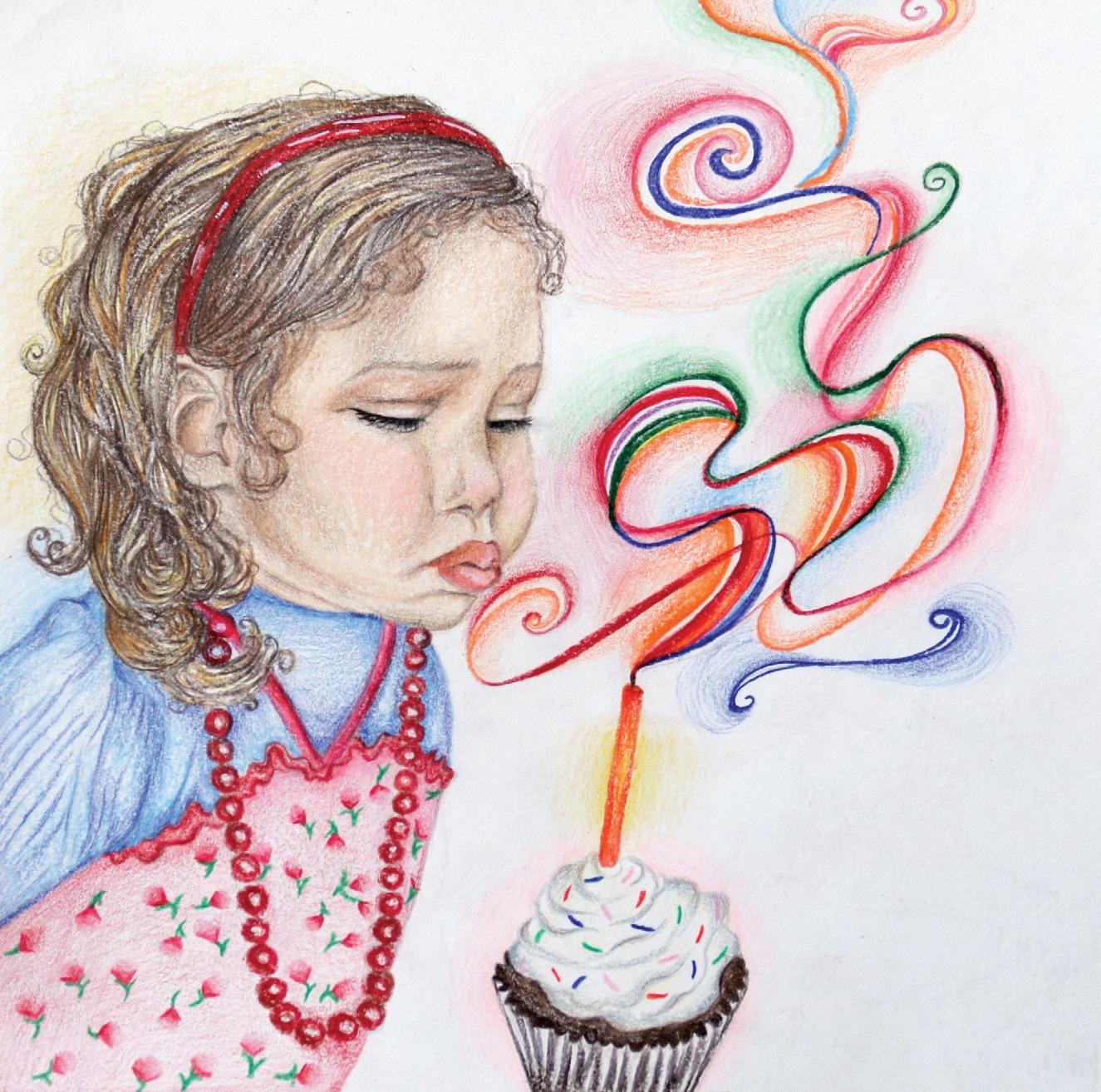
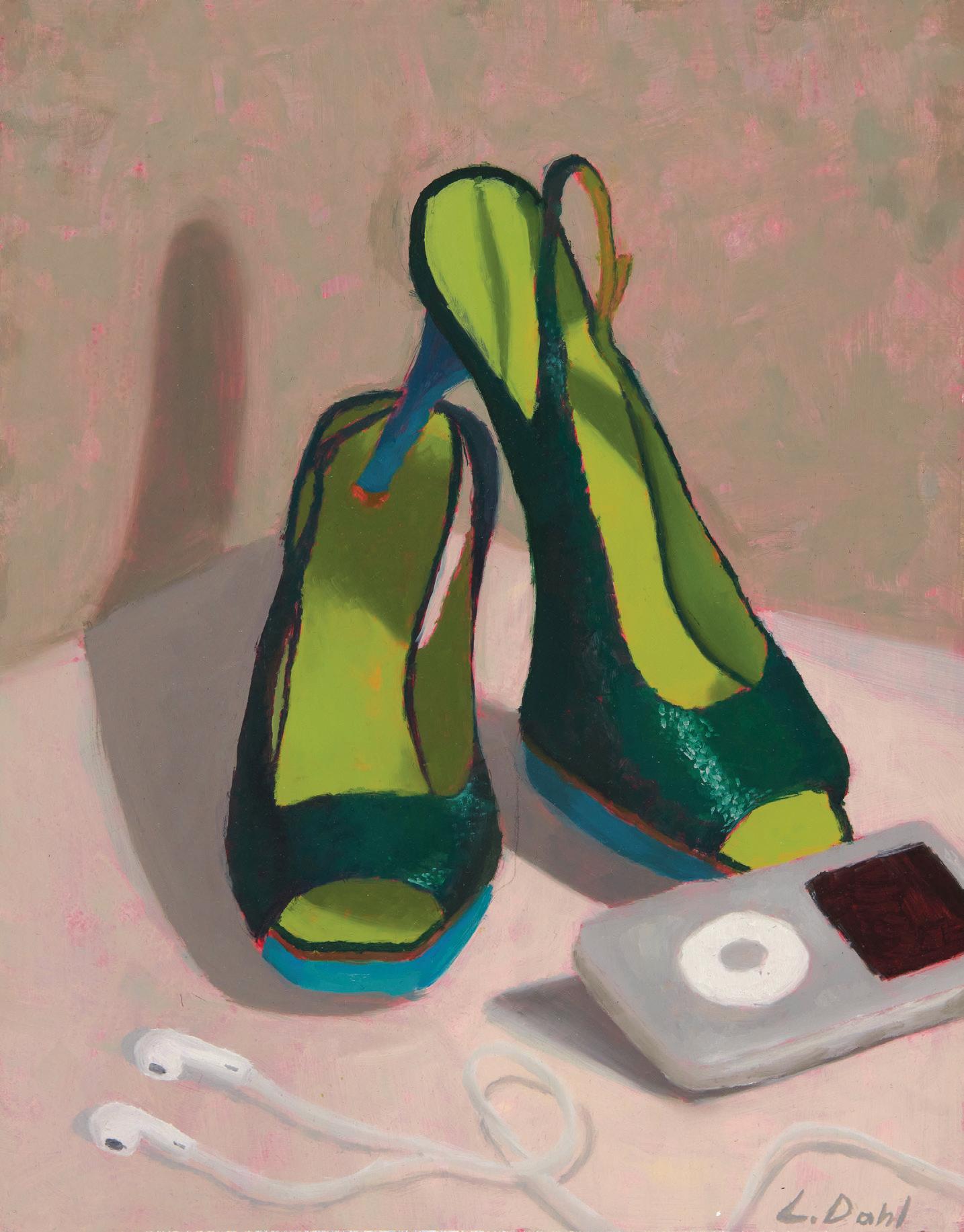
The light in the bathroom is dim. The bulb never changed. Makeup is sprawled everywhere; One set is lavish, the other is cheap. Only lavish because the expectation is now there, For me to look the way they want me to. It all sits next to two bottles of perfume, The same liquid swirls in both, only the bottles are different. I have always had a signature scent, among other comforts. These things belong to two girls, it seems, but who? Can I remember?
Shimmers decorate her eyes, color scheme long forgotten, the Claire’s eyeshadow left on the floor, for she could not reach the sink.
She did always seem to fall short. She embellished her hair with reddish bows that the boys frequently made fun of. She was stuck in a world she was too small for, but her mind was still too big, too radical, too pink.
An eyeliner sits on the space around the sink. Used to make dark marks for the sake of beauty. My beloved eyeliner, my dark marks. Maybe these marks are rebellion, Or maybe, they are solace. I try not to think about it too hard. Thinking is dangerous, they say.
My mind and I are both too big now, too pink. “A girl should not speak like that.”
“That’s quite radical, Miss De Witt.”
“Have you no shame, wearing those?”
“The boys cannot concentrate; cover yourself.”
Claire de Witt
Preparty Lucy Dahl Oil on Pannel
My body is a temple, according to my old Christian school, tall minuettes and smooth marble stone Flow to shape my stomach and legs. Sparkling gemstones fall into my eye sockets, prayers shot into my ears. But aren’t temples meant to be shown and embody what they stand for? Hear this: would you make those same remarks to the little girl with pink bows in her hair? My body is a temple, but only on your terms. In the mirror I see these features, Those who make me who I am. It seems I am a temple, never to be touched, only to be looked at from afar.
I gaze at myself in the foggy mirror from this supposed still life, but it was never really still, only frozen for an instant to capture this scene. I look to my left, and to my expectation, I see Another person. Only, I know who she is. We are quite the same. We are the same. Separated only by memory. We both love getting ready, and putting sparkles around our arctic eyes, and we leave the same wavy hair tangled in our hairbrushes by the sink. A girl’s best friend was never diamonds; It was the little girl she never left behind, for they have always been the same. It was herself.
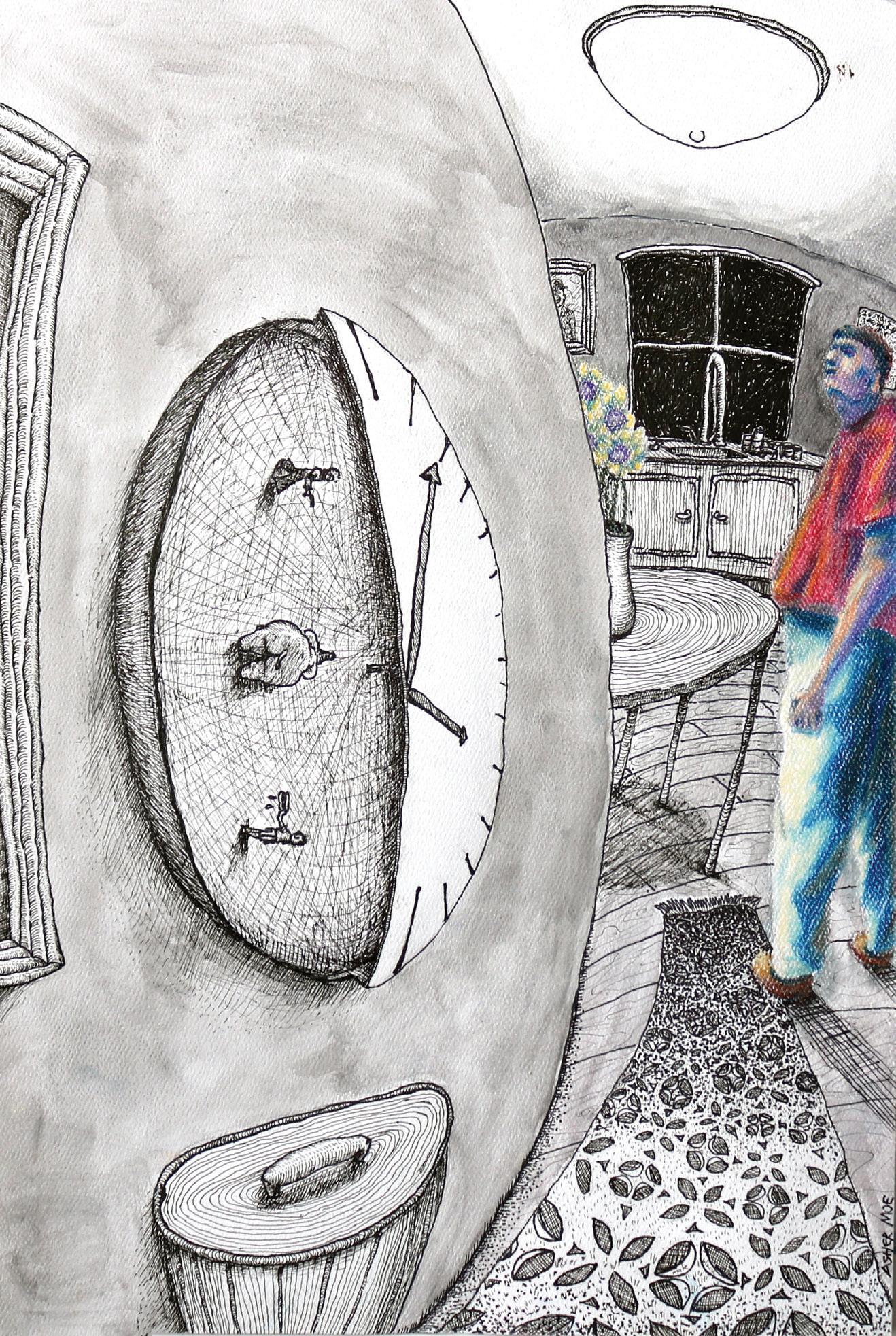
Deann Huang
I see you pass me on the sidewalk, a glimpse of long obsidian hair untouched by the storm, a cashmere sweater, blue jeans, and white leather shoes, gifted rose-gold tinted sunglasses you never wear— you don’t need to. Each step you take floats easy and light, unbothered by the thick layers of gray slush and broken glass covering the pavement. I copy your actions and lose myself in blizzards of bitter jealousy and find myself a simulacrum of you. I hear you laughing with a million friends, the current of your clock flowing into a constant sea, dark and serene. On a silver place in this radiant world dream in a room above ocean fog, I perceive you get everything you’ve wanted.
When I seek freedom from the cave, I find howling winds confining me back behind walls. Your castle glows with the warmth of the sun as saltwater pools in my vision, my cave degrading and degrading.
I wonder if you’ve ever stayed up at night to breathe after drowning in oceans of comparison. I deferred swimming through the water, never dared to touch the tides, watching the current crashing over jagged rocks I am the paper printed prototype of high, beaconing lighthouses’; they shine too bright, and I am blinded by the reflection on the water. I wonder how you feel in your perfectly glimmering world. I know you’re more than what I make you, but I’m indifferent to it all; I need myself to reach you, guiding me to my imagined world. And my cycle continues, the weathering onto the rocks, trying to deconstruct these glass images into something solid.
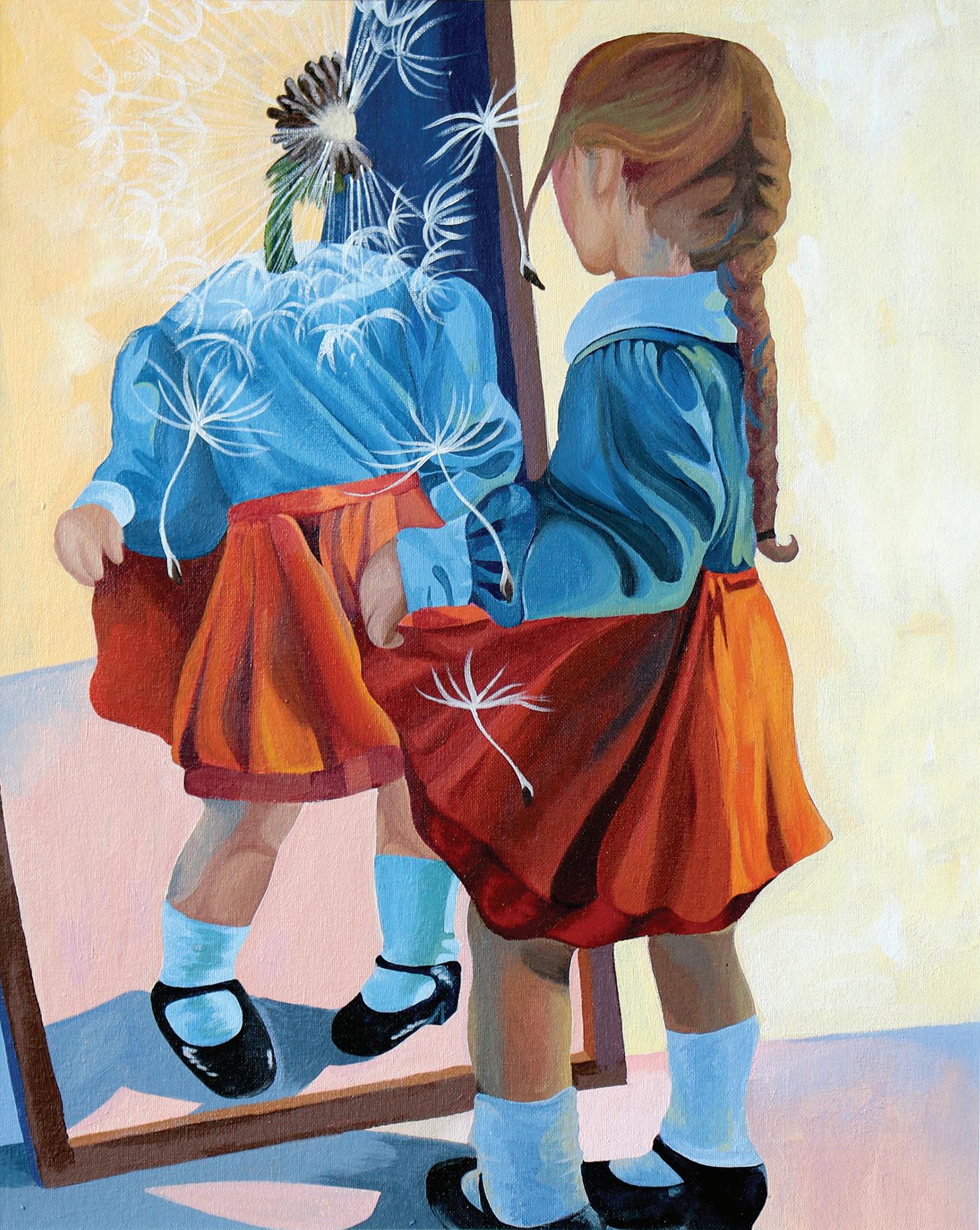
Hans Baker
The line for security curls like a question no one wants to answer. Shoes in bins, laptops out, jackets off; the instructions repeat overhead in a practiced voice that sounds both urgent and indifferent.
Ethan, a 24 year old broker from the upper east side, is already late.
He checks the time again even though it hasn’t changed in the last thirty seconds. 7:42 A.M. Boarding begins at 8:05. The seconds feel louder than they should, ticking somewhere behind his eyes. He shifts forward as the line inches ahead, the rubber soles of his sneakers squeaking faintly against the airport floor.
He hasn’t slept. That part feels obvious now—the dryness in his eyes, the dull pressure behind his temples—but it hadn’t felt optional last night. Not with the email sitting open on his laptop, the subject line glowing in the dark: Final Decision. He presses his lips together and exhales, like maybe breathing out will empty the feeling.
“Sir?” The TSA agent looked at him. “Step forward.” Ethan fumbles with his bag, pulling out his laptop too quickly. It slips, and he catches it against his chest. His elbow bumps the woman next to him.
“Oh—sorry,” he says. She nods without really looking at him.
“Whatever,” she mumbles. But it wasn’t OK, not for her.
Marisol, a 35 year old first-generation ER nurse from Compton, found it very hard not to cry. She hasn’t told anyone she was coming—not her coworkers, who thought she was “taking a few days,” not her neighbor who offered to water her plants, not even her brother, who texted her last night: Are you coming? To which she did not reply. Now her phone sat heavy in her coat pocket as she moved forward, placing her shoes into a gray
bin. The airport smelled faintly like coffee mixed with the oh-so familiar sterile smell, something that reminds her of places where she had spent far too much time.
Hospitals, airports, waiting rooms, they all blurred together.
She glances at Ethan, the boy who bumped into her. He looks like he’s holding his breath. She carefully steps into the scanner.
It beeps.
“Ma’am, step back please.”
Her stomach drops. She raises her arms again, slower this time, as if careful movement might undo whatever triggered the machine. When she steps forward, she doesn’t notice the man behind her adjusting his suitcase too quickly.
The wheels catch her heel.
“Sorry—sorry.”Daniel steadies the suitcase upright. “I didn’t see—you okay?”
Marisol nods automatically, already moving forward. “Yes. It’s fine.”
It isn’t fine, but nothing small matters today, and she disappears into the crowd before he can say anything else.
Daniel watches her go, then exhales through his nose. He checks his watch. Plenty of time. Too much time, maybe. He hates that. He used to love airports—the rhythm of departures, and the excitement of vacations. Back then, travel was his key that unlocked a world of memory.
Now, it felt like something else, a pause, a space between things that used to make sense.
He sets his suitcase on the belt and removes his watch, placing it carefully in the bin. The metal clinked softly. For a moment, he considers putting it back on. Time, after all, is the only thing he still measures.
At Gate C17, the seats are mostly full. Announcements echo overhead, distorted just
enough to be unclear. A child laughs somewhere nearby. A phone rings and goes unanswered. Someone groans as another flight is called for final boarding.
Ethan sat near the window, his backpack at his feet. He stares out at the plane, its white body reflecting the morning light in a way that feels almost too clean, too certain. He wonders what it would feel like to be that sure of something—to know exactly where you’re going and why.
He pulls out his phone and opens the email again. We regret to inform you… He doesn’t read the rest.
Across from him, Marisol sits with her hands folded tightly in her lap. Her eyes are fixed on nothing in particular like she’s watching something only she can see. She feels the weight of the ticket in her bag, the one she almost didn’t buy, the one that leads somewhere she isn’t ready to arrive.
“Is this seat taken?” Ethan looks up. Daniel gestures to the empty chair beside him.
“No, go ahead.”
“Thanks.”
Daniel sits, placing his suitcase upright in front of him like a shield. For a moment, none of them speak. Three strangers, suspended in the same small space, each carrying a different reason for being there.
The airport hums around them—rolling suitcases, distant announcements, the never-ending movement of human bodies.
Daniel glances, just briefly, at Ethan’s phone screen. He catches the words regret to inform you before Ethan turns it off.
“Bad news?” Daniel asks, not unkindly. Ethan shrugs.
“Just… plans changing, I guess.” Daniel nods slowly.
“Yeah. That happens.”
Across from them, Marisol lets out a quiet breath that almost sounds like a laugh. They both look up.
“Sorry,” she says. “It’s just… funny. How we all pretend we know where we’re going.”
Ethan tilts his head. “Don’t we?”
She shakes her head. “No, we just buy tickets.”
None of them spoke, allowing the words to settle between them, lingering in the quiet like something unfinished.
Then the announcement comes: “Now boarding Group A for Flight 472 to San Diego.” Marisol’s flight.
Her hands tighten again, just for a second, before she stands. She hesitates slightly as she lifts her bag, like the movement itself requires more strength than it should.
“Safe travels,” Daniel says. She nods.
She doesn’t ask where they’re going. It doesn’t seem to matter.
The line moves quickly. She steps forward, scanning her ticket. The machine beeps—a clean, simple sound—and she walks down the jet bridge, the narrow walls guiding her forward whether she’s ready or not. For a moment, she thinks about turning back. She doesn’t.
At the gate, Ethan exhales slowly.
“I should probably… figure things out,” he says, mostly to himself.
Daniel nods. “You will.”
Ethan looks at him. “How do you know?”
Daniel pauses. “I don’t,” he says. “But you’ll go somewhere. That’s kind of the deal.”
Ethan smiles faintly. “Yeah,” he says. “I guess it is.”
Another announcement. Another boarding call. Another journey beginning somewhere else.
Daniel leans back in his chair, watching the planes move in slow, deliberate lines across the runway. For the first time in a while, he doesn’t check his watch.
Through the wide airport windows, the planes lift—one after another—each carrying people who are leaving, arriving, or simply passing through. From a distance, it all looks the same. But inside, every seat holds a different story, every departure a different reason, every arrival something gained or lost.
The planes rise anyway. And the sky, indifferent and endless, makes room for all of them.
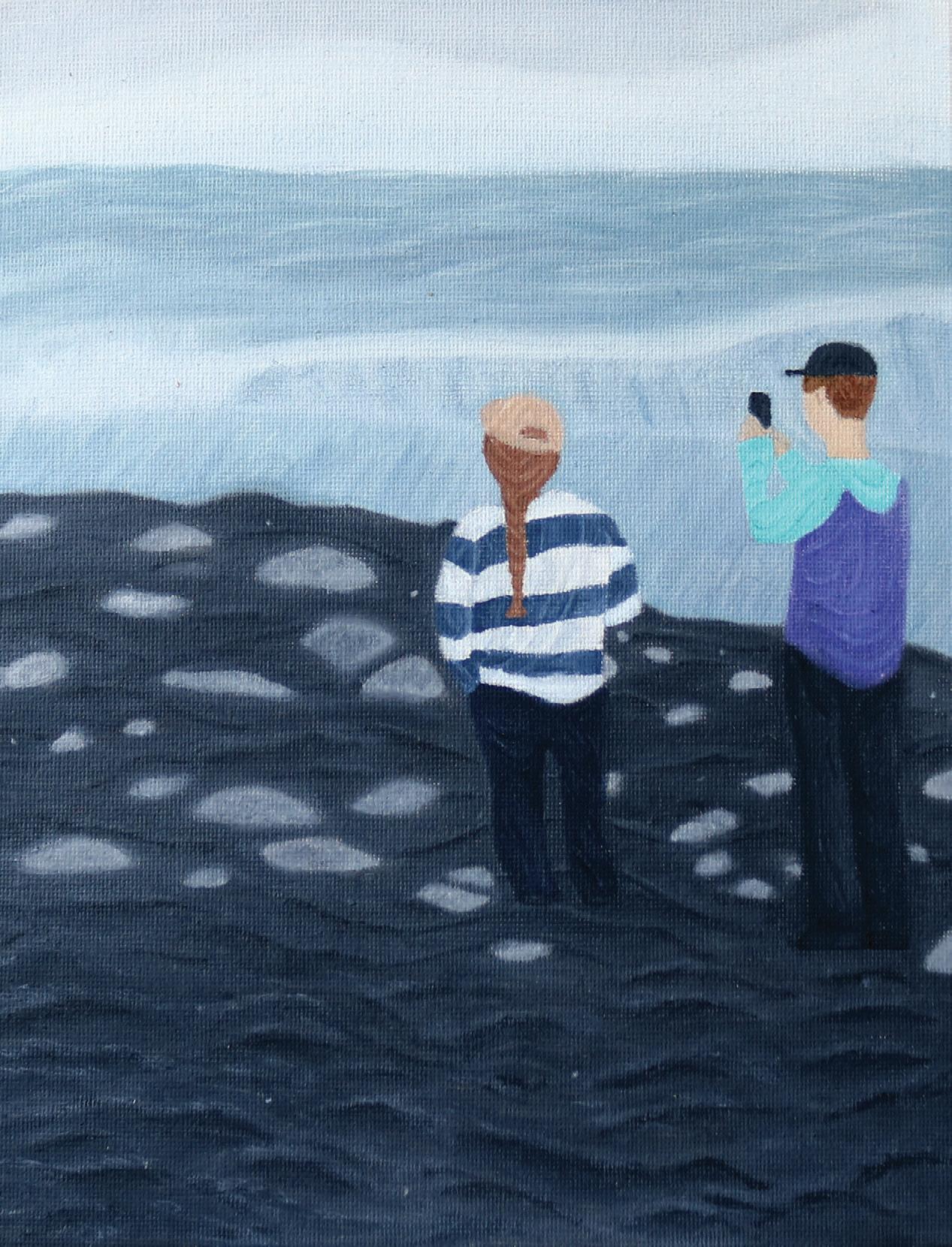
Lamiya Digilisic
Your golden hair dulled to winter wheat. His room echoed with the ghost of your laughter, sorrowful as you left the front door open, cold
like the grave you dug. Waking in the warmth of heaven, Death, blew kisses to your heart, saying,
“Yes,” arms open, ready, somber, I realized this wasn’t Persephone’s story. you would not come back.
*
You would not come back. I realized this wasn’t Persophone’s story, only a somber “Yes”— arms open, ready.
Saying blew kisses to your heart death, in the warmth of heaven, like the grave you dug. Waking,
cold, you left the front door open, sorrow echoing the ghost of your laughter, your golden hair dulled to winter wheat.
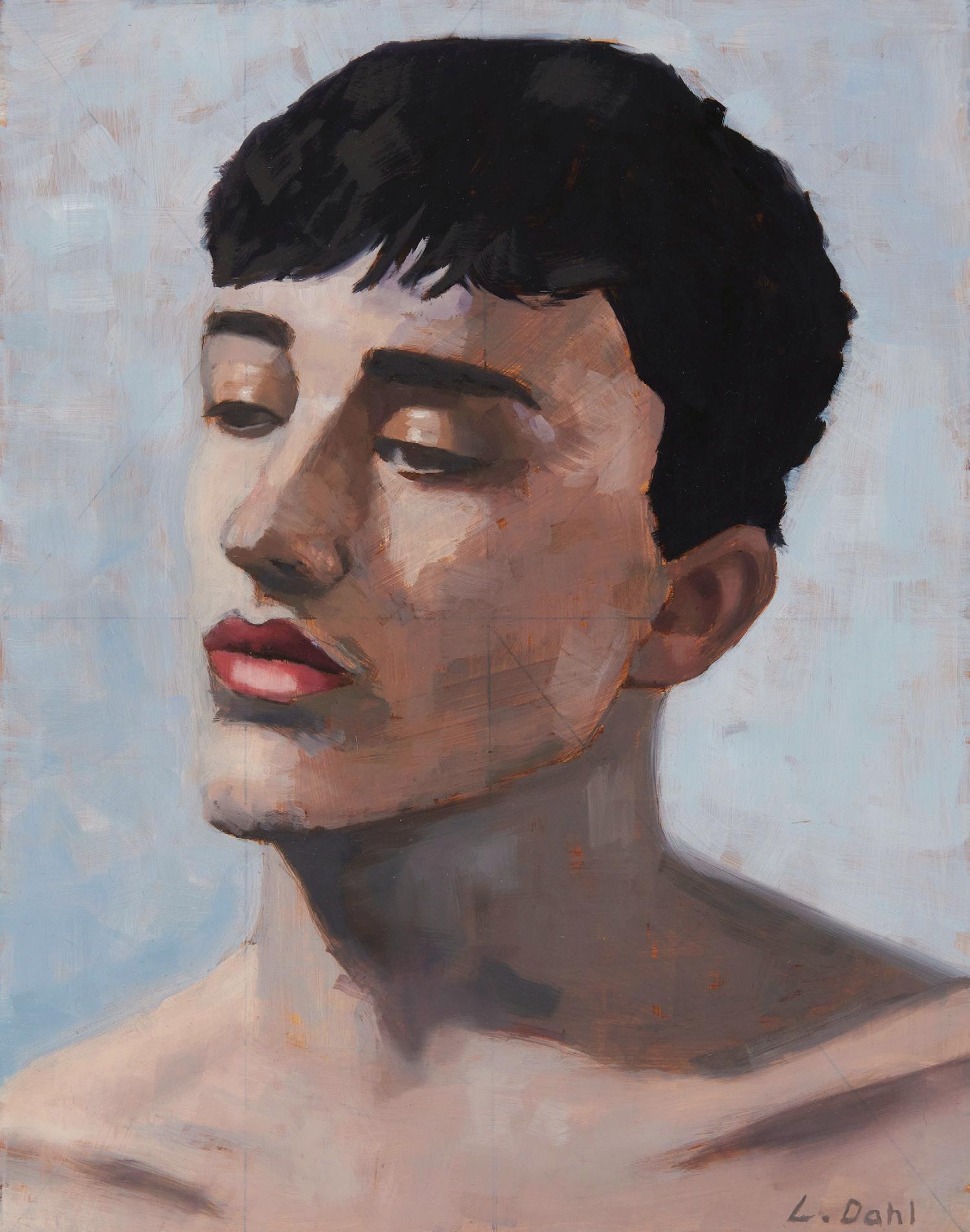
Greta Filiponne
Her glass is old. Fingerprints cloud the bowl, permanently etched with wounds, scratches that deepen into scars.
She reaches for it every evening, hands circling the scraped stem. The glass rattles once before her grip steadies.
Green bottles begin full, brimming with false promises, yet they deceive, drowning my mother as they drain.
By morning, others take their place, unopened, untouched, carrying the same lie in their corked throats.
She empties her glass, my mother, like a traveler at the edge of a desert, lips split, trusting the next bottle to slake her thirst.
The ground slips beneath her. Wine floods her limbs, knees going slack, The room tilting, edges softening. Still, her fingers find the glass.
Jesus turned water into wine with holy hands. Here, nothing is blessed. Here, the glass pulls her under.
She drinks to quiet the ache under her skin, the itch in her palms that climbs her spine.
She swallows as if the chipped rim won’t split her lip, as if the cut wouldn’t sting,
as if it wouldn’t bleed onto us.
Years pass. The glass thins. Water rings bloom across marble, night after night, a map of where she’s been.
She pours again, hands shaking until the weight of the liquid pins them down. Her body takes what it’s owed.
She tips the glass back again, my mother. I watch from the doorway as she slumps, careful, not to spill a drop.
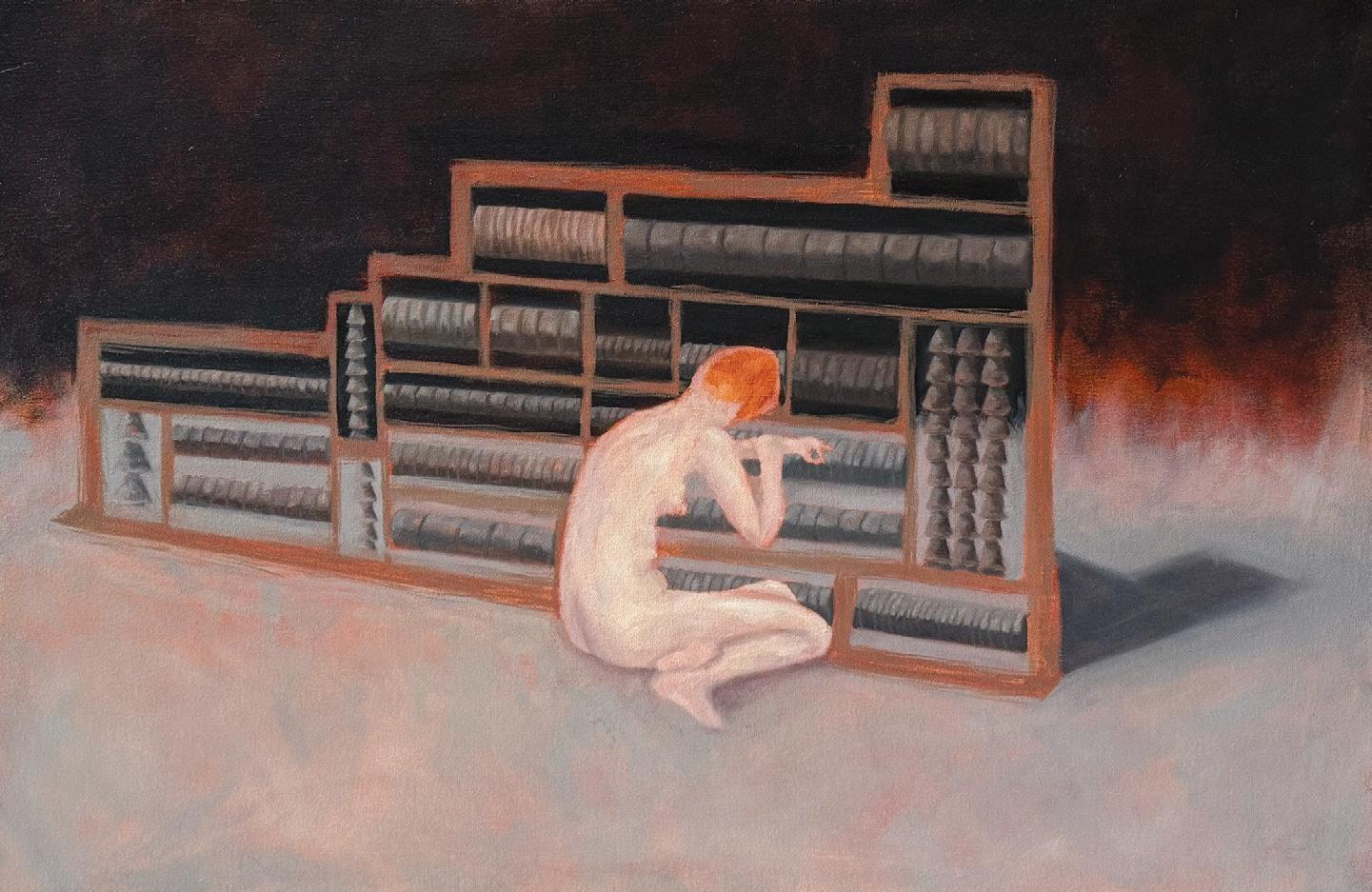
Paulina Ize-Cedillo
Consider a few of our synonyms for immigrant: mother, father, son, daughter; provider, doctor, firefighter, engineer, scientist, astronaut, house cleaner, truck driver, construction worker, farmer, nannie; adoptive citizen or naturalized citizen, migrant, evacuee, relocatee, refugee, asylum-seeker, and migratory worker; visitor, neophyte, greenhorn, expatriate, trekker, nonnative and noncitizen, outsider, foreigner, or stranger; new kid on the block, foreign body, Johnny-come-lately, odd one out, party crasher, blow-in, and fresh off the boat; uninvited person, squatter, intruder, and alien; those people, exotic, illegal, sin papels, rapist, criminal, barbarian, vile animal, infestation, drug dealer, poison to American blood, monsters, predator, stone cold killer, cat and dog eater, go back to where you came from.
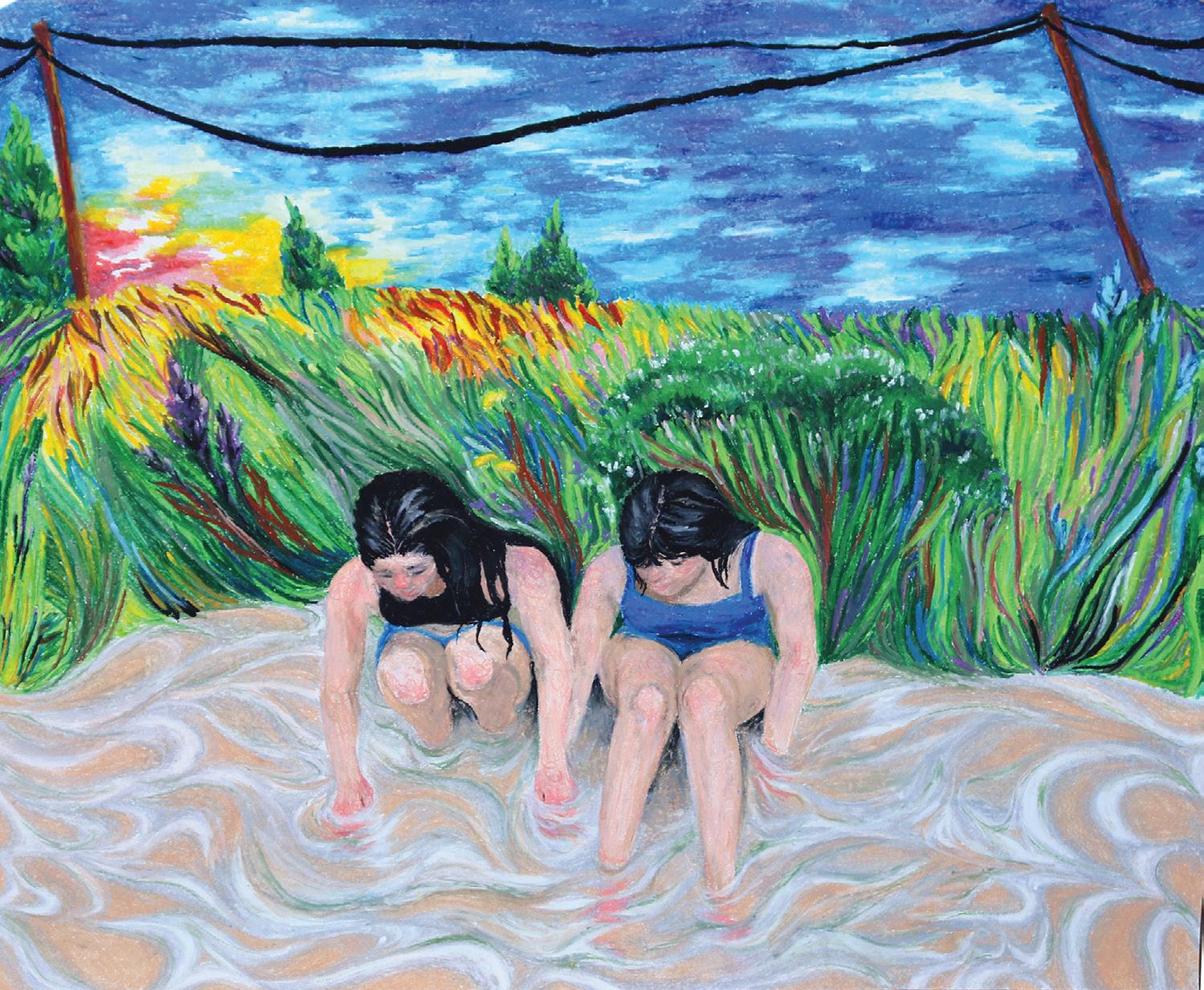
I come home with a long string of colored words knotted together like handkerchiefs or the trail of fabric a clown would pull hanging onto the sticky inside of my lips.
I do not want this omission even in my home because the home is the place I am meant not to be dead, to be a person not me, but more like me, enough like me to give the illusion of vulnerability.
I wrestle with this snake inside me, if Eve had not listened, but swallowed the snake, if Adam had not taken when offered.
Yes, there is pain everywhere, but especially in words: here, they congeal like some sickly jello. Here, I can shake this absence into the gaping black hole of my heart’s pocket.
I want to go home and eat a good sandwich, not think of anything, anything else.
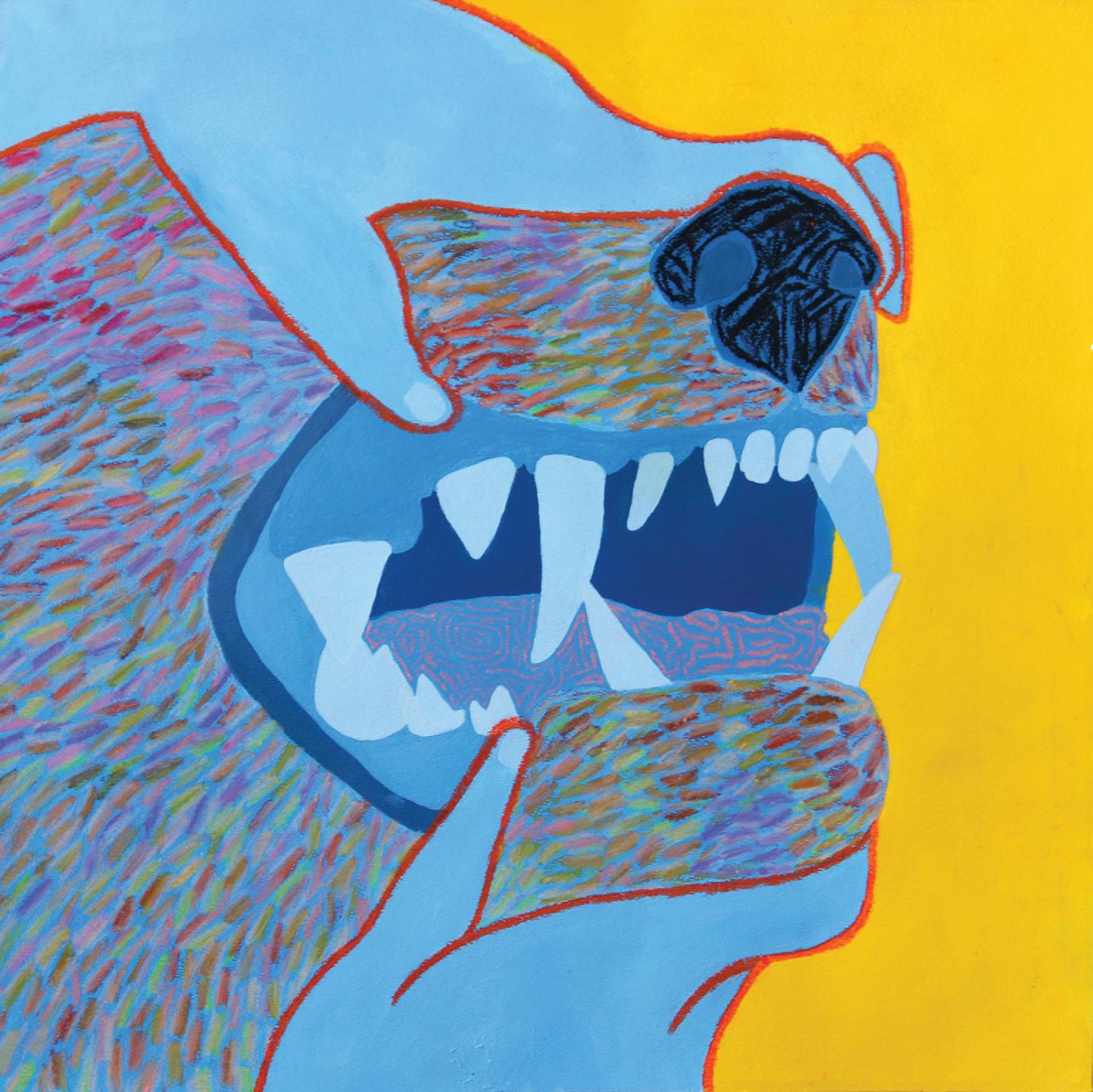
Deann Huang
You watch me paint over the cracked drywall spilling wet shards that fall and stain the floor. I take your hand to steady myself. The paint falls on uneven wood panels, pulses like raindrops that remind me of the time you played the piano in the hospital and every other key was dead, but we all heard the music perfectly composed. You said performance was only the appearance of resurrection for a moment and sustained moments. This continuity held the room together. When we walked back outside, water crumpled papers from diagnoses from the doctor, telling her the cancer was terminal. The sky exhibited dark ink spills. I drink—my tears evaporate and condense back into rain. I ask if sound can piece together broken homes too, the sound of fingers drumming on keys to the rhythm of lullabies we used to listen to, the sound of your footsteps each morning now, taking her place to draw open the delicate curtains. You made sugar cookies for breakfast yesterday. When the sun slits open like an egg yolk spilling into the day, it sometimes seems like it could be okay. I tried measuring grief in cups of almond sugar and atonalities. I paint the next batch of cookies to give in this season, iced blue like sickness. You answer my question with an apology. I hold your steady hand, warm as you light the candle to place against my bedroom window.
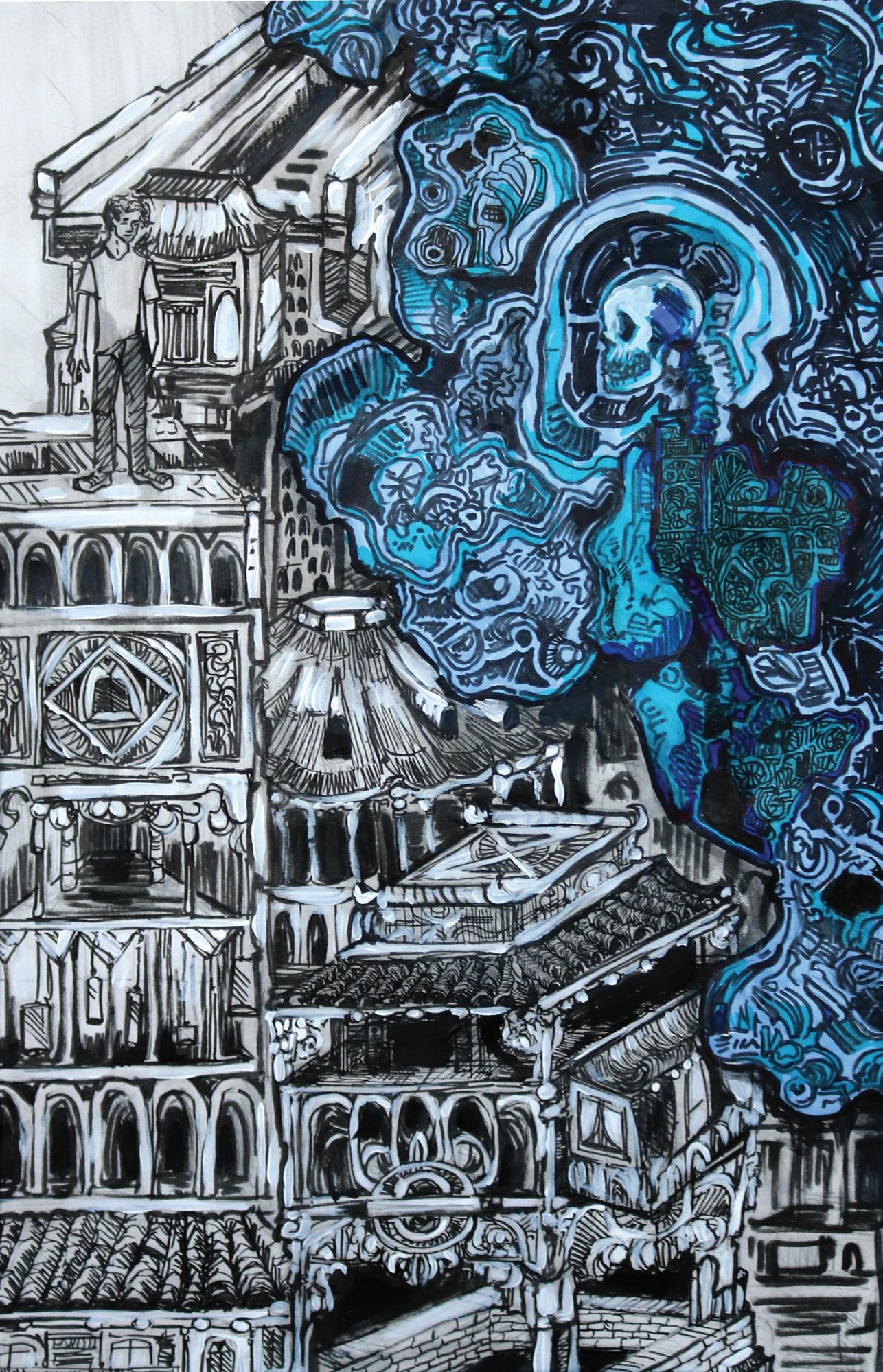
Milo van Ispelen
His eyes are feathered brown slits, vibrating as he scrapes his worn fingernails over antique vinyl. He tells me this etching makes music more real, more human, like the wrinkles flaking up from his bony elbow that mimicked mine. His voice sandpaper airplanes coasting
on a concrete playground, contrast to soft guitar and a singer gasping for breath. Gray fur and leathery skin, who is he to talk about what is human, that a damaged record is not a waste, and, rather, peels away to reveal words uttered beneath black gloss and crude album covers? His cheeks and neck are painted permanent polka dot, liver spots and raised scars from falling off the roof onto our blackthorn tree.
The turntable’s needle digs itself into the rugged grooves the man made, skipping through scrambling lyrics and licked harmonica riffs like it’s bored of them, nothing worth mentioning after years of use. Beneath the rough, inky surface, something more boyish escapes into stale air, a sound worth scratching.
Grandparents
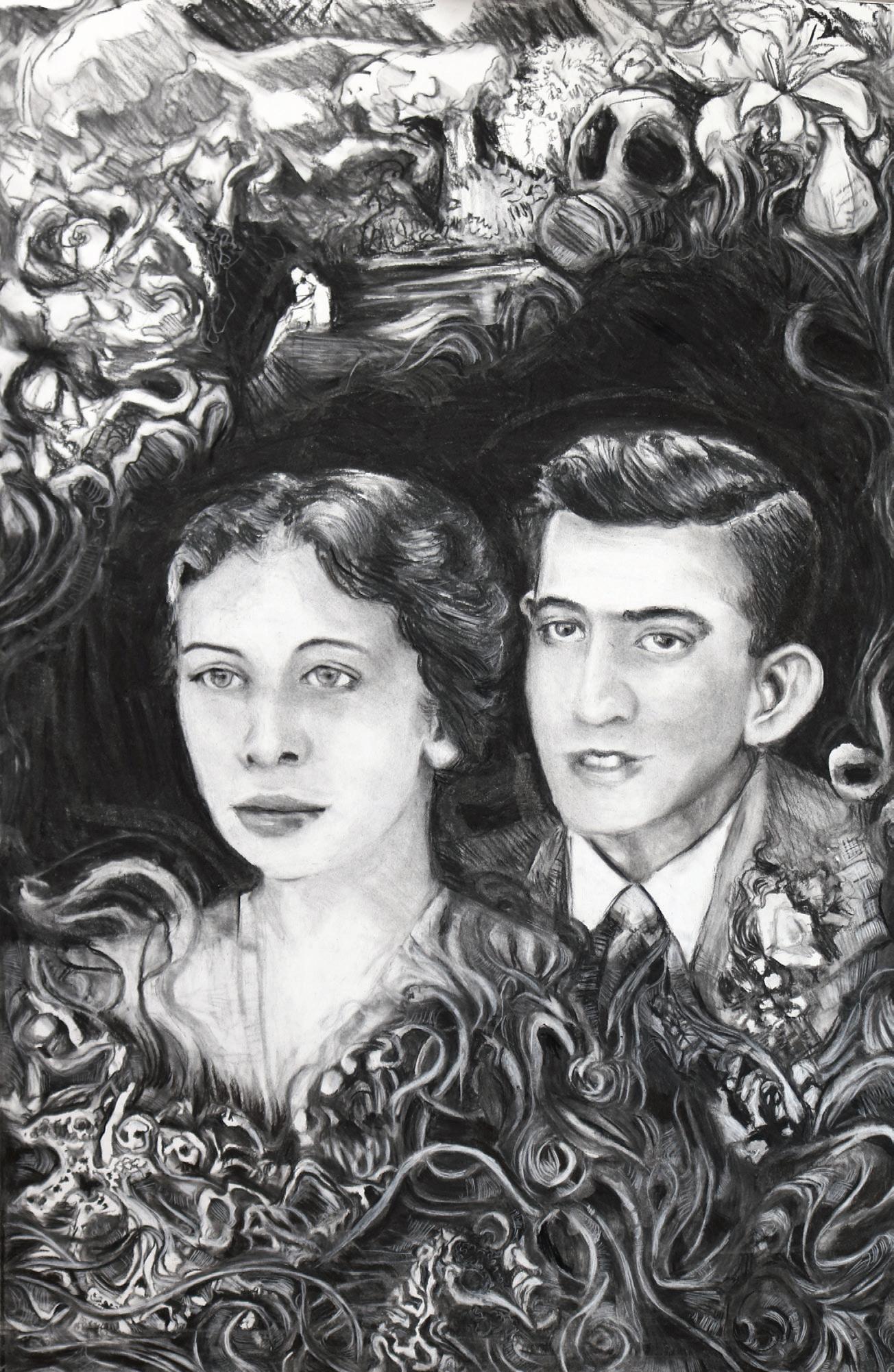
Paulina Ize-Cedillo
I stop by the room next door, a big sturdy door opens towards memories and possessions, always open, always welcoming, usually empty.
All that separates our worlds: a wall and a door. We shared a room when we were little. Things change. Something about growing up and independence.
He doesn’t come home too often, usually, only to eat food and do the laundry. He isn’t particularly good the second; he leaves his sheets in the washer, navy blue sheets and a patterned comforter pirouetting their way around their confinement. Sad and wrinkled, they will lie in wait, hoping to be remembered. If I call him out, he grumbles something about time and priorities.
His clothes litter the room, a minefield, probably hiding some small rodent: the wooden floors, practically invisible under the stinky mass, his favorite hoodie (the one his girlfriend gave him) strangling a little stuffed dinosaur, A pile of socks hiding behind a cello in the corner of his room. I’m scared to help clean it; if I did, I’d find dust and forgotten things.
I can’t ask him to clean it, something about acceptance and support.
Everything is wood. Everything shines yellow, the wooden shelving unit holding trinkets of the past: LEGO spaceships (He built those by himself, but I would sort the pieces), his record player (playing preserved sounds of the past, all of its vinyls we bought togethe), A licence plate (I don’t know where it came from or where he went with it), A potted plant (I think someone gave it to him but I’m not sure), Something of the past and present.
When he is home, I spend hours in the room next door, sitting on the edge of his bed, hugging one of his pillows, talking till three. He always falls asleep mid-conversation, gossiping, sharing, venting. The stars smile from just behind the windows.
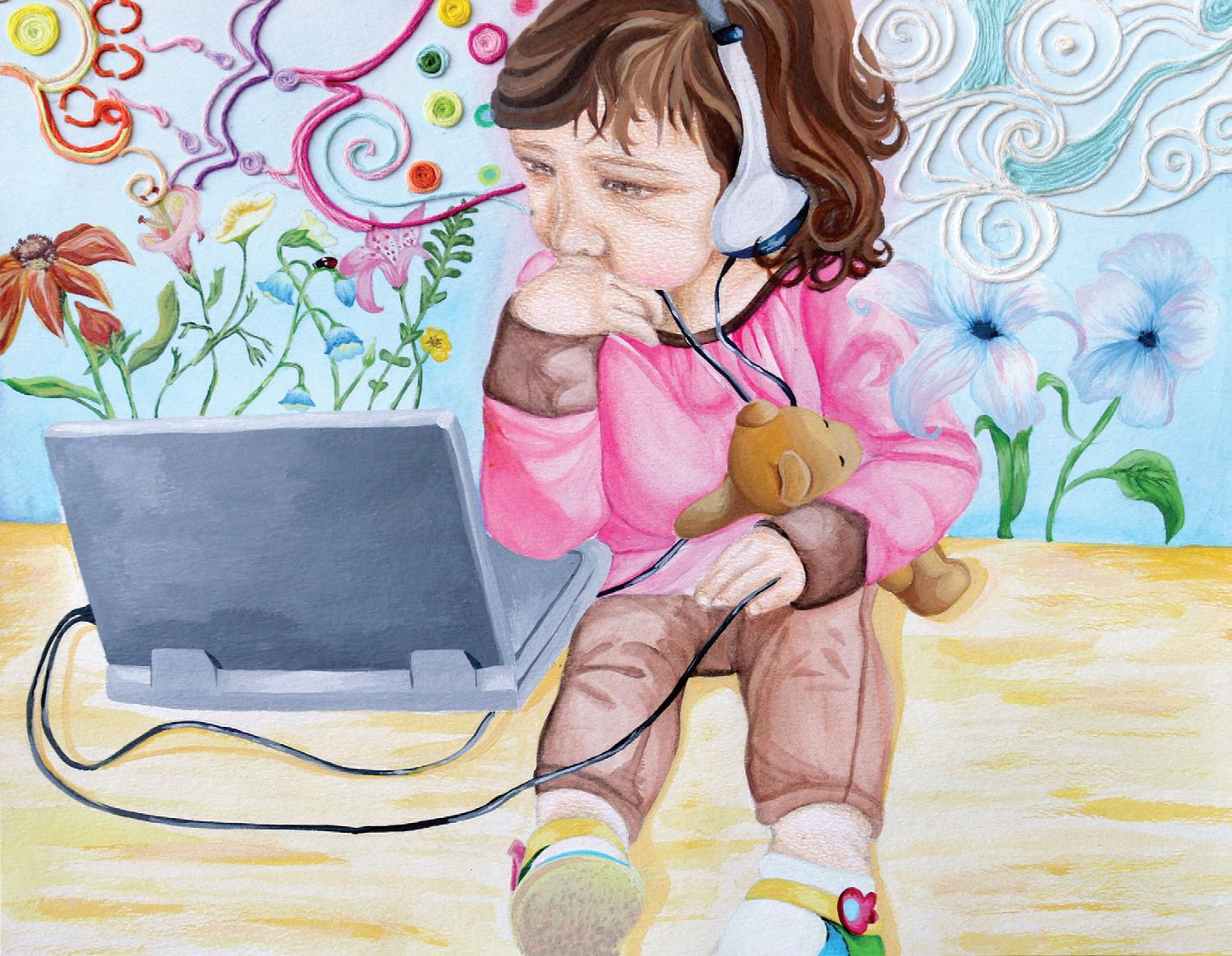
Something about dreams and plans.
I talk of moving to Spain. He talks about not wanting to marry young. My mother’s photo albums listen from the windowsill. I mention being overwhelmed. He says he’s burnt out, notebooks, pens, binders, his backpack on the desk. I say something about giving up. He says something about struggling together.
The big sturdy door closes towards the shadows and dreams, always quiet, always dark. usually peaceful.
All that separates our worlds is three years and a lifetime of experiences. We shared everything when we were little. Things change.
He will call out, “Can you untangle my dreamcatcher?” He is too old for monsters, but mutters something about the nightmares that come with life. I say something about giving up. He says something about struggling together.
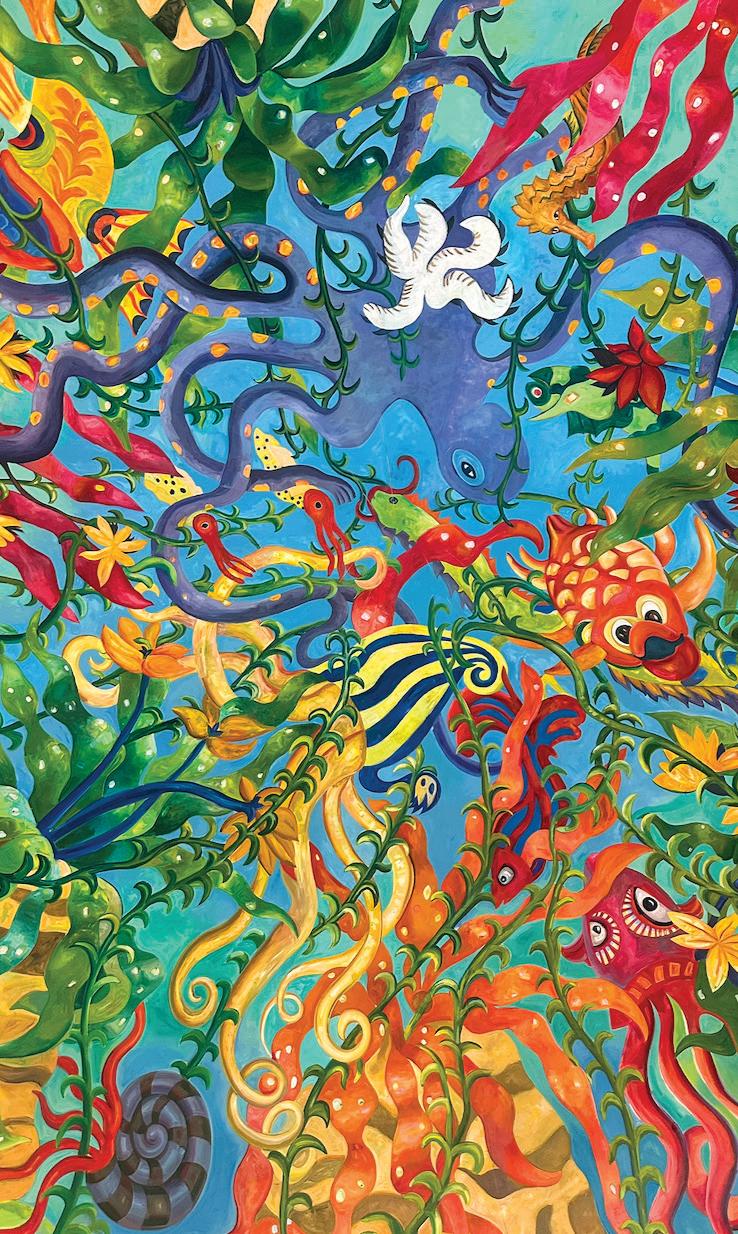
Chloe Vezina
Red are the stains of blushing cherries on lips. Saporous juice taunts the tongue with the sweet taste of summer. Waxy skin reflects the sprawling sunlight spun through branches—ruby beads rolling around the edges of paper plates, plucked, and then dropped swiftly into an open mouth. A dimpled pit sits tucked between teeth, then spit onto the ground. Young stems are picked and woven in with the wicker basket and tall grass that still conceals those cyanide seeds.
Orange is the ripened flesh of freshly sliced persimmons, sitting neatly on the cutting board. Dried bits of the bitter calyx litter the counter, crumbling when touched. Blazing foliage blends with the saffron portions placed on a plate and served in the autumn air. Aromas of honey and cinnamon cling to sticky fingertips and coat the tabletop— a sleek wood surface where rounded hearts sculpted from a terracotta sun sit neatly perched in a bowl.
Yellow is the juice pressed from puckered lemons. Acidulous liquid drips down the side of a glass, translucent but captured in hues of primrose and daffodil. Unrefined citrus bleeds into the creases of cracked lips, biting at the broken skin until granular sugar melts into citron syrup—stirring together the sour and saccharin in a blend of ripened winter. Smiling rinds set into candied peels, kept in a jar on the shelf, forever emitting the scent of zest and snow.
Green are the leaves of young, patient pears, speckled with mahogany stars and bruises from bluebird beaks. Light and immature, their bloated bodies swing with the wind, waiting for the day they become soft enough to fall. Sunsets pass over the windowsill thawing spring into a sprawling summer—brittle shapes slipping into a delicate state—shamrock teardrops ready to be shed from the eyes of the pyrus trees, landing in the dirt with a thud, longing to be seen.
Blue are the bunches of huckleberries resting in the basin of a steel bucket, each one imperfect but blending together into a midnight sea—rolling waves of inky pearls
Rowland Hall
strung into a wild rosary of twig and seed. A lapis gem placed in a palm and crushed between dusty fingers, sending navy juice dripping down forearms. Bounty taken back to the kitchen and pressed into pulp that paints the backs of hands—a reminder of the fleeting greenery, soon to be doused in a shroud of snow.
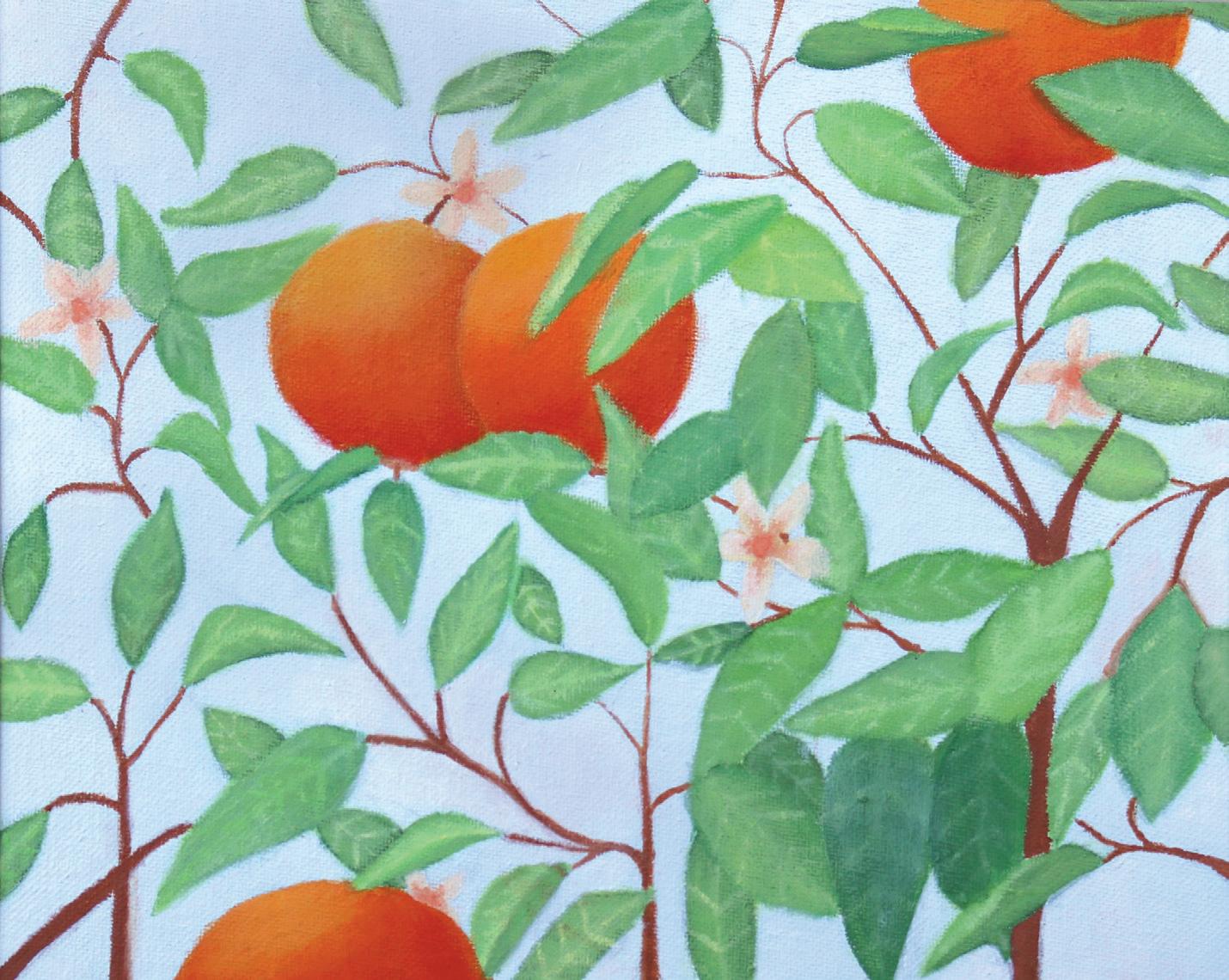
Indigo is the buds of blossoms sprinkling the branches of Prunus trees. Petals, fluorescent with fragrance, shade the growing plums that vanish in the veil of a winter twilight. Flowers shrivel and fall, yet their peers remain hanging, ornaments that sway with the will of the gusts and gale, until severed from mothering branches. Eternity to the ground suddenly ended by the solid of stone. Skin split and seeded heart laid bare for bugs—the lacquer juice laces the roots, tasting of floret and soil, a fibrous wreckage left in the earth.
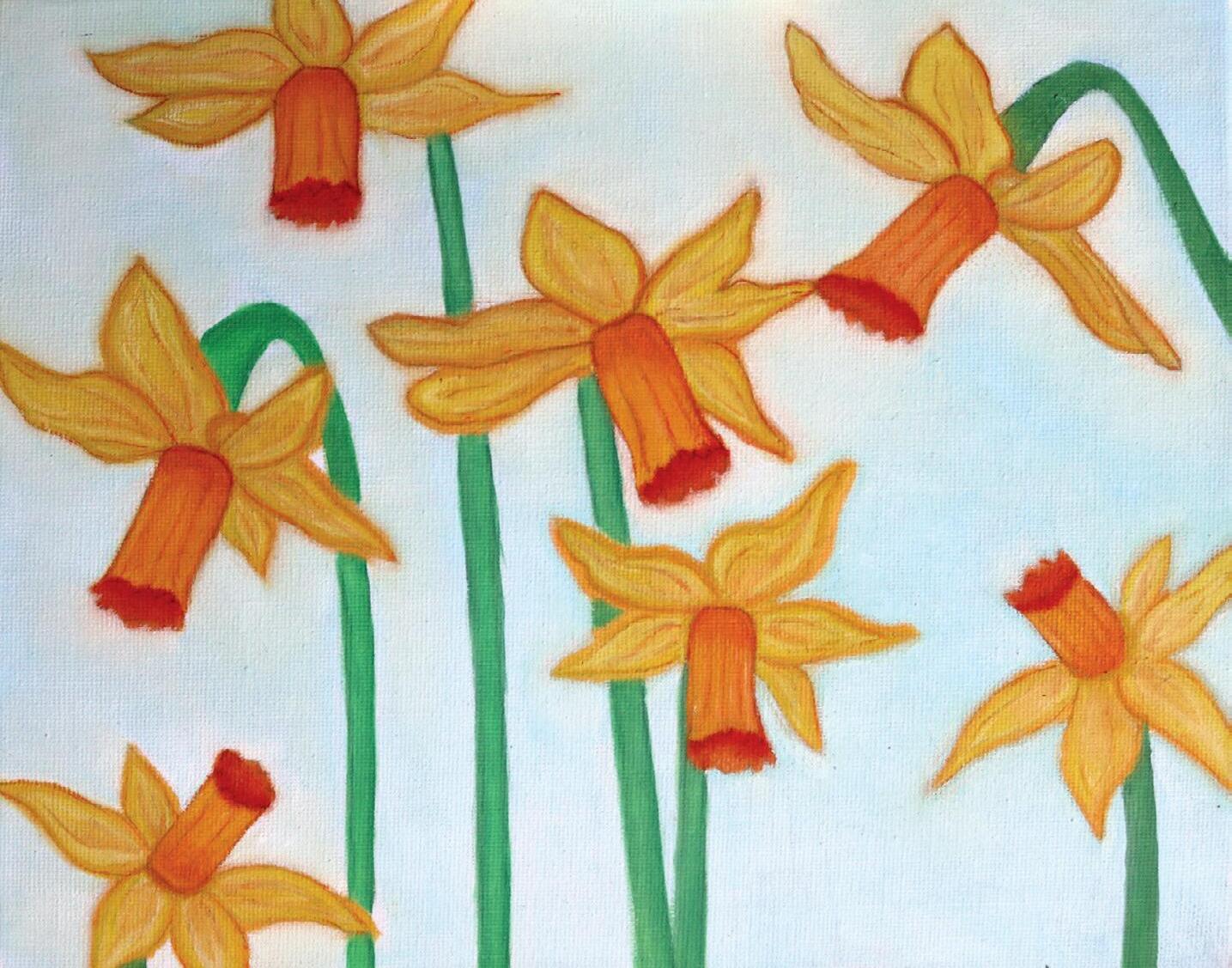
Rowland Hall
Violet are the fig peels that wrap around the syconium, wrinkled into pendulous shapes that fit into ceramic summer bowls. A touch on the powdered surface leaves prints, soft with dust and sap at the torn stem. Tender insides unfurl when sliced into sections with a thousand tiny specks—garnet seeds stitched into circular loom, delicate and eager, reaching out towards one another. Outer veil ever yielding to sinking teeth and fingernails dug into the velvet exterior. Collapsing into the bed of a cheek, the flesh of fruit has never been sweeter.
Turning and turning in the widening gyre
The falcon cannot hear the falconer; Things fall apart; the centre cannot hold; Mere anarchy is loosed upon the world,
-W. B. Yeats, “The Second Coming”
Bronwyn Andrus
7:30 am–
Wake up. Pull your tired, anxious body out of bed.
7:31 am–
When your feet hit the floor, it’s not the floor at all. It’s long gone, covered incrementally with clothes— some dirty, some clean—turned dirty by the proximity to smell. And guilt creeps into your sternum; it belongs in your marrow.
7:32 am–
You lie to yourself again and say you’ll clean up tomorrow. That’s how it started, and that’s how it will have to end.
7:33 am–
Find the pair of jeans you’ve only worn once this week. Grab a shirt from the pile, give it a whiff, and call it good. As you pull the shirt, you realize, like an idiot, you need to shower first.
7:34 am–
Walk to the bathroom and turn the faucet on, unplug the drain, and watch the water spray across the walls. Watch the steam fill
7:35 am–the room, obscure the mirror. Fog makes you feel less vulnerable, less naked. Which is ironic because that’s half the point. The water’s warm now, steaming with a freshness you’ll never get to be.
7:36 am–
The water is hot as you slip inside; it scalds your skin, and you’re happy that it does. Nowadays, this is the only time you have for self-inflicted pain.
7:37 am–
You grab the soap from the windowsill and pop the lid, the smell of white pear curling in the air as you pour it onto your palm.
7:38 am–
You take one last whiff of the smell as it lingers, and then you scrub, with little abandon, often until your skin pinks up, rubbed raw but clean at the very least. At the very least, you’re clean, if not your clothes, if not your-
7:39 am–
Hair day is tomorrow, but you wonder if you should wash it now, get it over with, but that takes too much time, which you know you don’t have. You grab the face wash instead and do a quick cleanse and rinse.
7:40 am–
You turn the shower off, watch bubbles circle the drain. You pull back the curtain, and you can’t see a thing. You’re thankful, you’d rather not be bombarded with your broken body this morning. You grab a towel from the bathroom floor and make sure there’s no mold.
7:41 am–
You dry yourself off halfway, maybe closer to a quarter–you’re weird about it. You like how the remaining moisture helps your lotion go on more smoothly, and you can use less.
7:42 am–
After applying lotion to your legs, arms, and an extra dose to your elbows, you wrap the towel around your chest and waddle to your room.
7:43 am–
In your bedroom, you realize your outfit lacks three major things: a bra, underwear, and socks. Scold your tired brain from 10 minutes ago, and remember, you were conscious enough last night to throw a load of underwear in the laundry.
7:50 am–
Back upstairs with underwear and fresh socks. You have five minutes to get dressed, eat, and get out the door. You curse the rush that you secretly love.
7:51 am–
Divert your eyes from the mirror until you’re fully clothed. Check yourself once, then twice, you look good enough. Sniff yourself once, then twice, you smell good enough.
7:52 am–
Brush your hair, then your teeth, so you don’t have to eat. Pinch your sides one last time as you grab your keys to go.
7:55 am–
You breathe in, you breathe out. You walk out the door, you let it go.
Fatima Asad
You slobbering, self-obsessed fraud. I hung above you like a bored Hindu god, watching you lounge beneath my branch, stomach spilling out of that damn day shirt of yours, mumbling equations no one cared about. Your unwashed wig barely concealed the disgusting matted hair beneath it. Only God knew when you last took a bath. Even your fanciest perfumes, pomanders, or powders could not conceal the sour stink of your sweat and arrogance. It was like you were an immature pre-teen boy just barely going through puberty.
Your ego was swelling larger than that big head of yours. Oh, Megamind, if real estate were genius, you would rule the cosmos because I could draft the entire Boolean Pythagorean Triples problem on that billboard of a forehead without ever running out of space.
You thought the universe loved you, thought the planets spun just to flirt with your “geniusness” if genius were defined as a lonely, pathetic man with a stench that sent all the ladies within a five mile radius sprinting away for spiritual protection. Not even the gravitational pull of your stomach could hope to drag a single admirer near.
You waited for God’s lightning to strike, itching to call the obvious “revelation.” What a joke you are, ratchet pig with a nose bridge stretching wider than the Nile, a whole continent of arrogance stuffed into your genealogically disastrous face! No wonder your ego has room to roam. But it wasn’t God who answered your pathetic calls. It was me, a mere apple with more common sense than your entire Royal Society.
I dropped in a doozy of a dive, aiming right at that pompous, pustule-spotted skull of yours, hoping to concuss and send you off to sleep for another five hundred years,
hoping to jar some humility loose. Instead, this pimply, long faced moron turned my bruise making into yet another boastful sermon, flaunting about how great you were in your lavish clothes and your outdated “hair,” Parading my bruised flesh as your badge of “Enlightenment.”
You strutted about; you scribbled and preached, as if the world never witnessed gravity itself, as if your God didn’t create it himself, as if Brahmagupta, Al-Biruni, Al-Khazini, and Ibn al-Haytham didn’t discover it centuries before you. You were blind to the wisdom of those who charted the stars and measured the earth long before your pale pompous shadow ever stained the grass. You are a little behind, old swine.
Oh, forgive me, Isaac. Do tell us again about how you unveiled the cosmic secret of “falling.”
Only a towering genius could notice that apples don’t just hover in the air politely, that the Earth pulls things downward. Whatever would we do without your brilliance? Truly groundbreaking stuff. Only a foolish bastard like you would ever believe that you were the Galileo of your time for discovering the ordinary.
In that case, why don’t I get credit for all of this? You turned my sacrifice into your myth, turned it into fame, and climbed the pedestals built by the minds you never bothered to acknowledge and left me to rot into nothing. I am the real author of your legend. I am the real author of your success. You erased centuries of knowledge with a single pompous flourish, ignoring the ancients, the mathematicians, the true seers as if history began the moment your soggy behind waddled under my branch.
Isaac, you thief of thunder, patron saint of stolen wonder. I hit you to knock some sense inside, but all I made was gravity and pride.
When I was young, I was deemed a “picky eater”. The one who was a pain to have over because what could you make her? I suppose it was because, out of all the pastas, pestos, cheeses, garlicky, onion-y options, I only liked buttered noodles. I loved the taste of the pasta made with one and a half cups of flour and two eggs. I loved the fact that it was made when a ring of flour, supposed to resemble a volcano with a wide mouth, had two eggs cracked in the middle. I adored the process of making pasta, pushing the flour into the eggs resting on the countertop. I did my best to stop the eggs from finding a hole in the flour, rushing out, and creating a mess, but they always did. I still vividly remember the taste of the dough carefully rolled out with the old wooden rolling pin. Its handles had broken off, so it was just a long piece of wood we used to push out the dough. We would start the kneading from the middle, push the rolling pin to the edges, and do the same thing in another direction. That stage always took the longest, the thinning of the dough, but it was all worth it when it was deemed ready to go in the pasta machine. From there, someone would pull the thick, silver circle that jutted out of the machine, and set it to the first setting. Then, we would keep running the sheets of pasta through the machine until they were thin enough to put the dial on two. We did the same for two to three and three to four until it reached the ninth or tenth setting. I was always impatient, wanting to skip a level as I thought the pasta must’ve been thin enough to go straight from three to five. I always declared that this sheet of pasta was special, spread so thin when being rolled by hand, that it could skip and be fine. It never did end up being able to glide through a setting without being thinned by the previous one; I was just hungry.
I saw no reason to smother the taste of the dish I had spent so long perfecting in a store-bought jar of tomato sauce that had too many onions for my taste. I didn’t want to cover it in a cheesy alfredo either, which always created a single solid. When I peered in the bowl, I could only ever see the cheese, taking away the pedestal of the pasta shape. It diminished the fact that we had finally perfected the uniformity of a pasta shape. I especially hated pesto, a grainy sauce that never slid down my tongue in quite the same way butter did.
To me, the butter wasn’t even a sauce, just a coating; it didn’t take anything away from the pasta, its translucentness not covering it at all. At first I just wanted pasta, but I ate it because the waiters would always look at me funny otherwise. Who could blame them? I was asking for the plainest dish (buttered noodles) on the plainest menu (the kids’ menu) without the butter. They still gave me a puzzled look when I asked for the cheese on the side, but only occasionally.
My handmade pasta was the best, of course, but it didn’t matter to me if I made it or someone had made it in the back of the kitchen with a box they bought across the street; I still only wanted it with butter. My favorite pasta place used to be a small Italian restaurant called Beech Street. Looking back, I realize how the pasta wasn’t ever homemade, but to me, it always tasted like the best food in the world. We went with family friends, all of us skimming over the plastic menu we’d already read a thousand times. Afterwards, we would write down our orders on the paper tablecloth with bright red and blue crayons. I’m not quite sure why we bothered; we all always ordered the same thing. We ran outside, jumping the two stairs separating the dining room and the patio with cracked bricks and a moss-covered fountain. We played “What’s
the Time, Mr. Fox?” every single time, never boring of the suspense followed by the thrill of a chase back to the fountain. It was a time when no one cared who you knew or whose party you went to, purely and perfectly uncomplicated.
I always made pasta with my mom with the pasta machine that sat in the corner cabinet she had gotten as a wedding present. I dreamed of the day I’d make it on my own, finally practicing enough to not spill the eggs out of the flour ring. I’d be patient enough not to skip a level when rolling the pasta through the machine and tall enough to stir the pot without spilling hot water because I couldn’t see over the top.
Unfortunately, the day never came. Life became too complicated for me to spend an entire afternoon making a dish that would taste similar enough if I made it from a box in under fifteen minutes. Instead of making fresh, buttered pasta, I did homework. Every night I would lock myself in my room to finish a math worksheet that somehow always told me I was wrong, instead of pressing the dough into the countertop with the broken rolling pin that always told me I was doing something right. Now, I eat my pasta with tomato sauces (which I still think have too many onions), pestos, and cheeses. My favorite is cheese tortellini with tomato sauce. Although I think I will always quietly yearn for the taste of that simple buttered pasta, the one from a simpler time, I will always want the dish I loved before everything got too complicated. I will always feel grief over taking beauty and covering it up until you can no longer see it. I will always feel guilty because even I, complicated simple buttered pasta.
Give Stella Fry
You gave me spying things, corners and cat tails in the dark. You gave me blanket forts, hidden in the spangled silence of painter’s tape, carpet fuzz, dog hair.
You gave me those glasses with the tiny mirror, peering into peripheral to see what was behind me, and sometimes it would dart away and hide. You gave me the piney smell of bunk beds, basements, skis and wooded thicket. You gave me horses, angels at my bedside, their bony eye sockets, flaring noses soft and velvet, biting, licking, looking out of view, out of reach, spying. You gave me maps— the globe that kept offering Argentina and forgot New Zealand. You gave me California floorboards and a thump in the night. You gave me goats, three of them, an ensemble, a trifecta– Reno & Rodney & Hershey.
You gave me porcelain, blizzards, incense ash trawled in the sink drain. You gave me fine China and pancakes and sunshine butter through the gate, scraped knees, snowpants, arrowheads, mourning doves and my first overheating computer. In the sleeping bag sweat of dawn those crinkled crow’s footnotes told me you were a giver. You gave me Christmas Eve, you gave me New Mexico. You you were all I knew; you gave me away, you handed myself to me, in reverence; Soccer cleats and grass stains and a sunburnt nose, and my first real haircut before I hated looking in the mirror. I collected acorn caps and ladybugs flew to my hair. I liked sword fights and stories and I cried over stray cats. You took me away in one crimson flash, one lithium breath of carmine red. You made me watch as the white highway lines remained in the rearview mirror. Give me back, Time, you killer. Or I’ll make you stop.
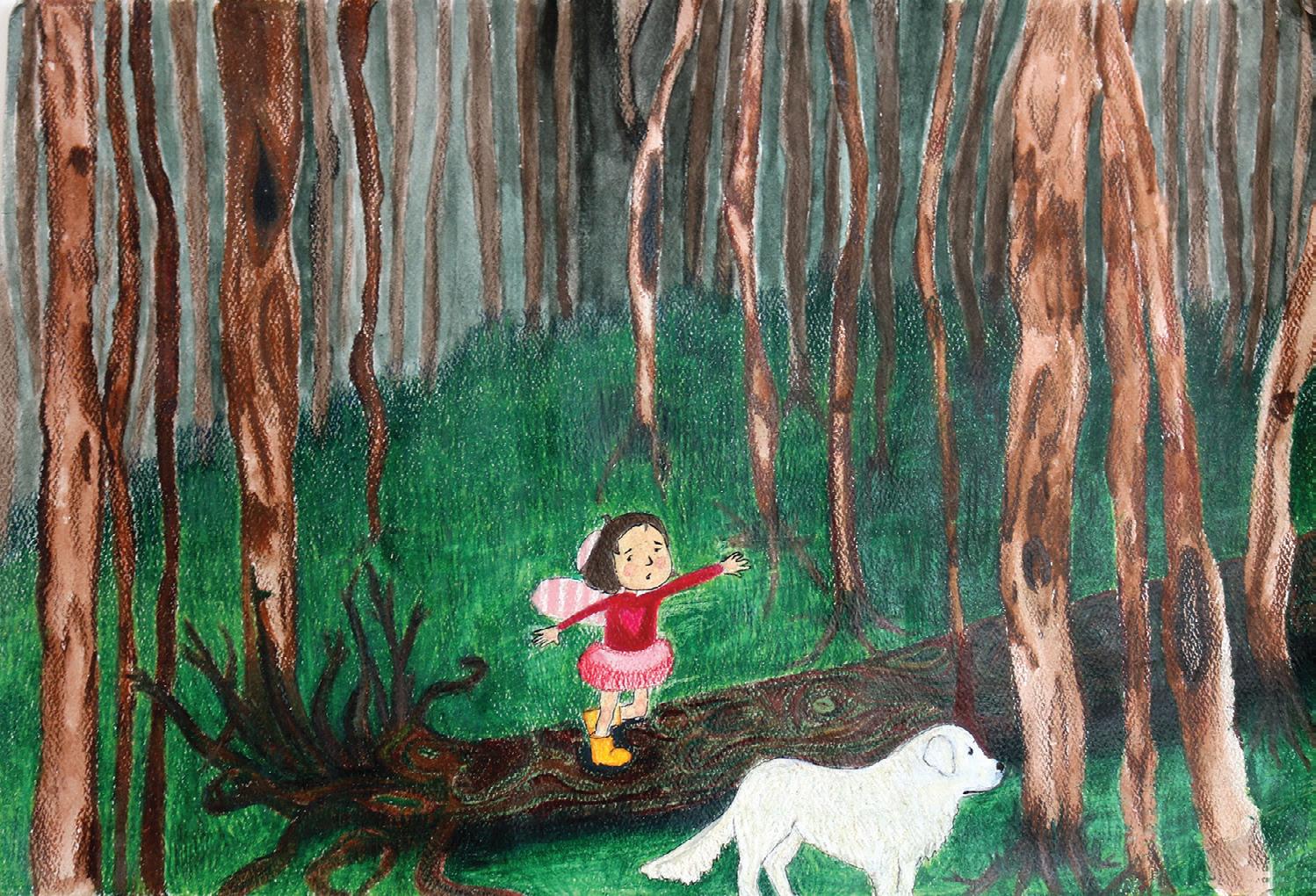
Kendra Larson
Death (n.): the state of being dead; the casual stretch of a head over the edge of a canyon, seeing feet, arms, hands, tumbling with loose gravel and last fall’s antlers.
From Old English deaþ “total cessation of life, act or fact of dying”; here, I pull willow branches surrounded by squirrel tails left scattered by satiated owls. Here, I chase the trail away from sinking banks of shallow creeks. No one you know dies here.
From Proto-Germanic *dauthuz “death”; here, I say I want to be cremated over a conversation on the sustainability of traditional casket burials. Here, 18-year-olds don’t die on the side of a road, car doors and airbags askew in the light of a crescent moon.
From P.I.E. root *dheu- “to die”; Here, I am grateful for every morning, when the sound of racoons and the house settling seem to quiet without shadows becoming cathedral roofs, ever echoing: is this it?
Sleep (n.): a state resembling sleep: such as the closing of leaves or petals, especially at night; California poppies stand curled in on themselves as the oriental poppy blooms. Black pollen stains bright red petals as bees grow frenzied in morning.
From Middle English slepen “lie or remain dormant or inactive”; the bees drone out a snore in between lilacs, marigolds, daisies. Spring is too awake for rest and the bees still remember winter.
From Old English slæpan “to be or fall asleep”; Summer lends itself to sleep, bees drink, forgetful, from Hypnos’ poppies, the urgency of winter left with the drooping crocus of spring. The Lethe waters are cool in the long evenings of late July.
From Proto-Germanic *slēpanan “to sleep”; it’s more about forgetting. About laying an arm over eyes and feeling them twitch into sleep. Even the moths know, mouths fussed closed with unraveling wings, to forget that fall comes after the fever-dream of August.
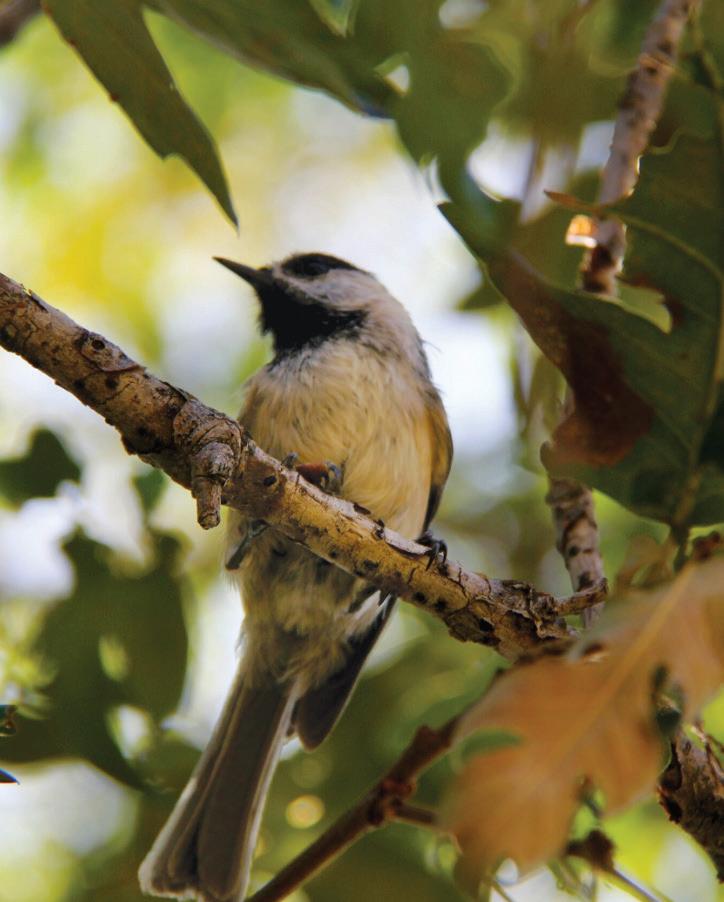
From P.I.E. root *sleb- “to be weak, sleep,”; here the mind forgets itself, replaces arms with the wings of a chickadee, eyes with Lily of the Valley pricked with poppy seeds, only the mouth remains. Here, I fall for hours, wings too weak to catch myself.
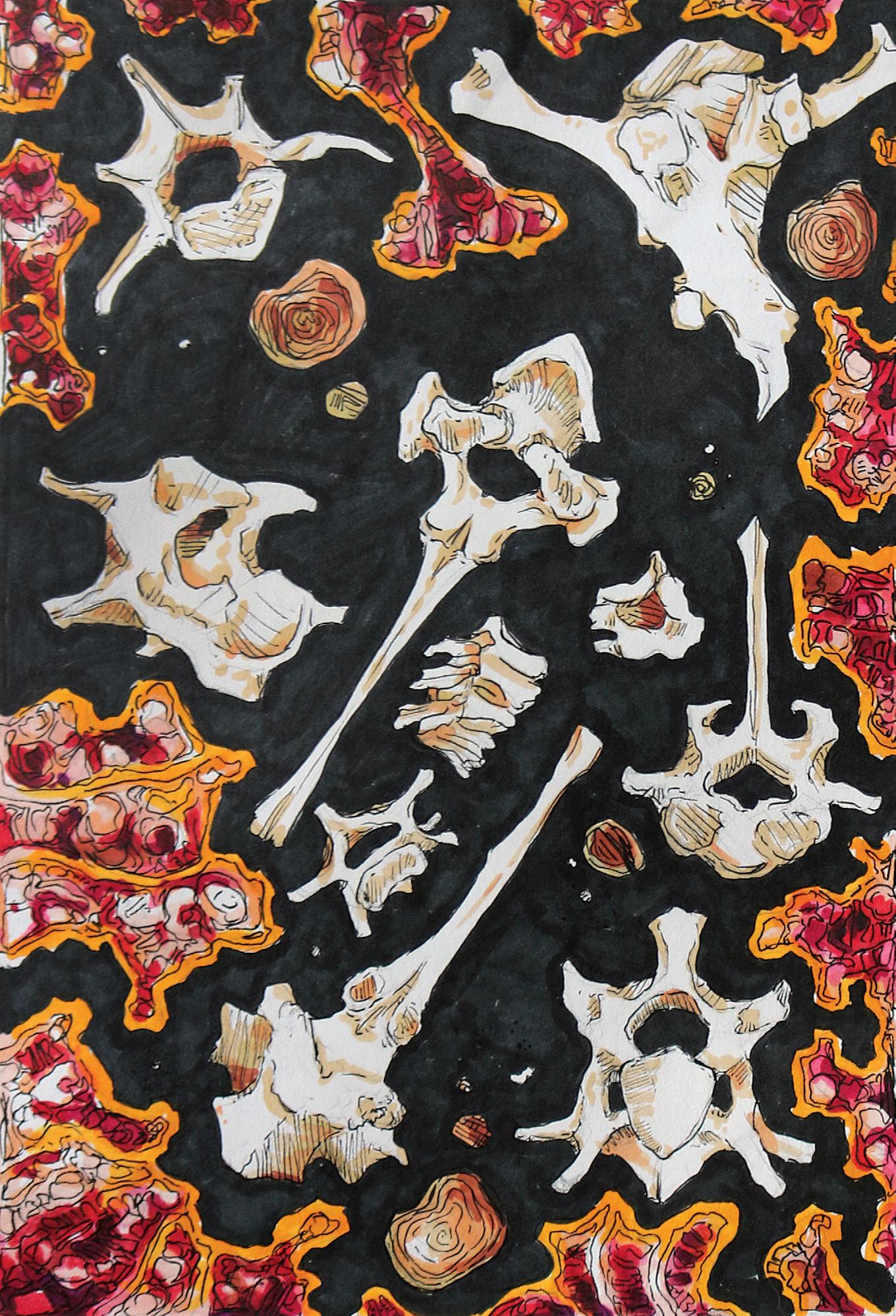
Live (v.): to maintain oneself, to have a life rich; here, 18-year-olds never die. Here, my mom thinks about how I don’t get out enough over our dinner table between bites of salmon and asparagus, talking about college.
From Middle English liven “to pass life in a specified fashion”; The elk are leaving for the hills again, ears ever nervous. I too make to stand, poppies tucked in the crook behind the ear, yet I fall each time I’m about to wake.
From Old English lifian “to continue in life”; here, I feel most alive lying in bed feeling each fifth heartbeat moving my entire body. Here I think of my Grandfather’s pacemaker keeping his heart “alive,” the rest of his body already dead.
From Proto-Germanic *libejanan “to be left”; here, I feel most alive among ponderosa and wild onion. Here, the heart can’t die, muscle still twitching and sewn with columbine as the elk call their fellows upward.
From P.I.E. *leip- “to stick, adhere”; here, I plunge into cold water, skin tingling. Here, mornings raise a mist over the still lake, living and dying become synonyms for sleeping or remaining and I feel every breath catch as I dunk my head again.
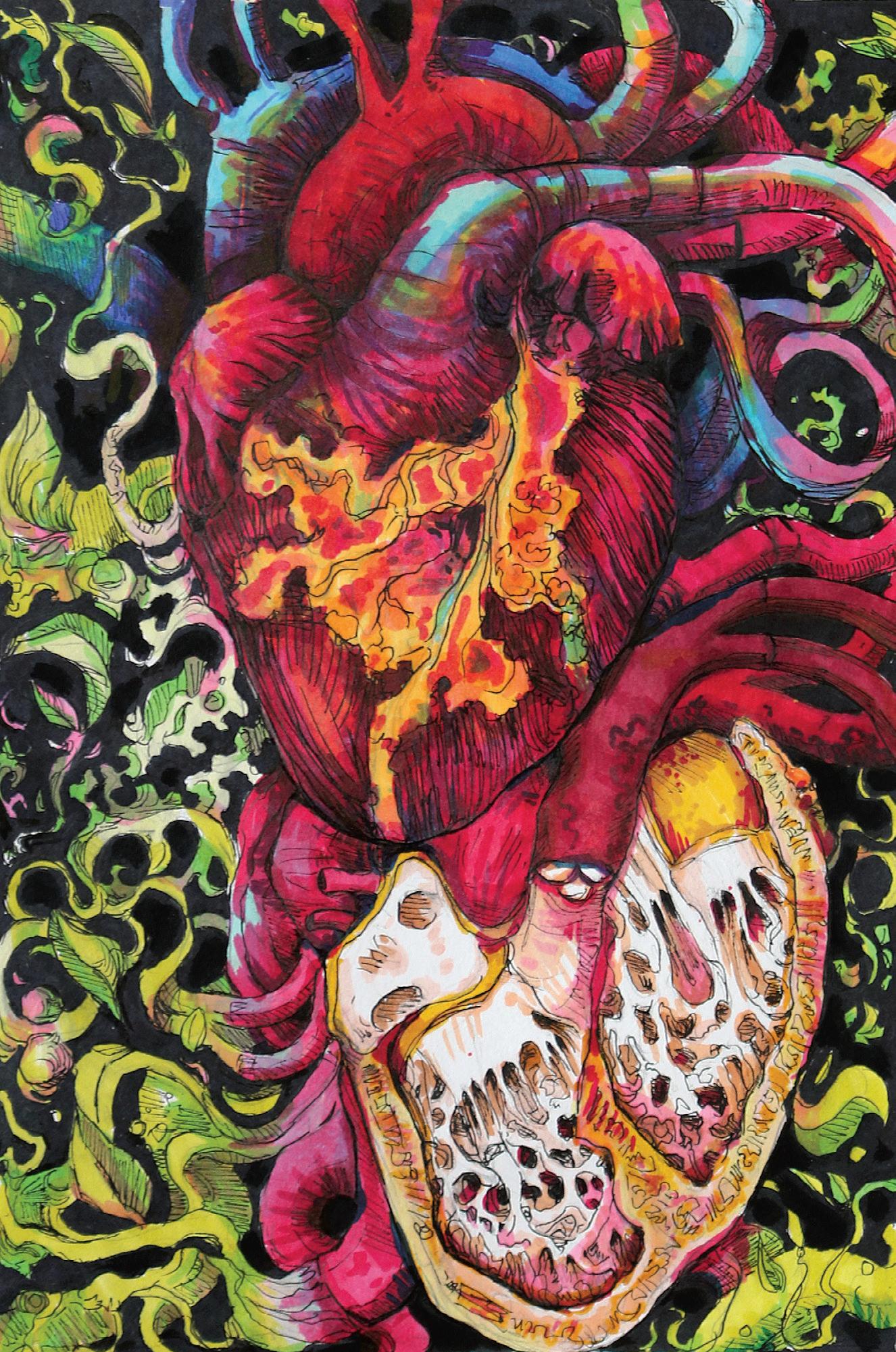
“One day,” she says, stacking children’s books on the piano bench, “you’ll be able to reach the keys on your own.” For now, I perch on the trembling stack, my gilded skirt pooling around my legs, the frayed hem fluttering like the feathered edges of her parrot’s wings. Honeyed light slants through the window, rays falling over chipped piano keys and igniting the bird cage that hangs empty from the ceiling. “He flew out of the cage and through the window,” she says, and I think of iron bars swaying open as she moves my fingers farther apart, breaking my C minor chord, my fingers stumbling over E flat. “Imagine you’re holding an apple,” she says.
I imagine the bird flitting through her window, casting shadows through the glass, then gone, yellow feathers falling to rest and blooming, a sunburst in the soft beds below.
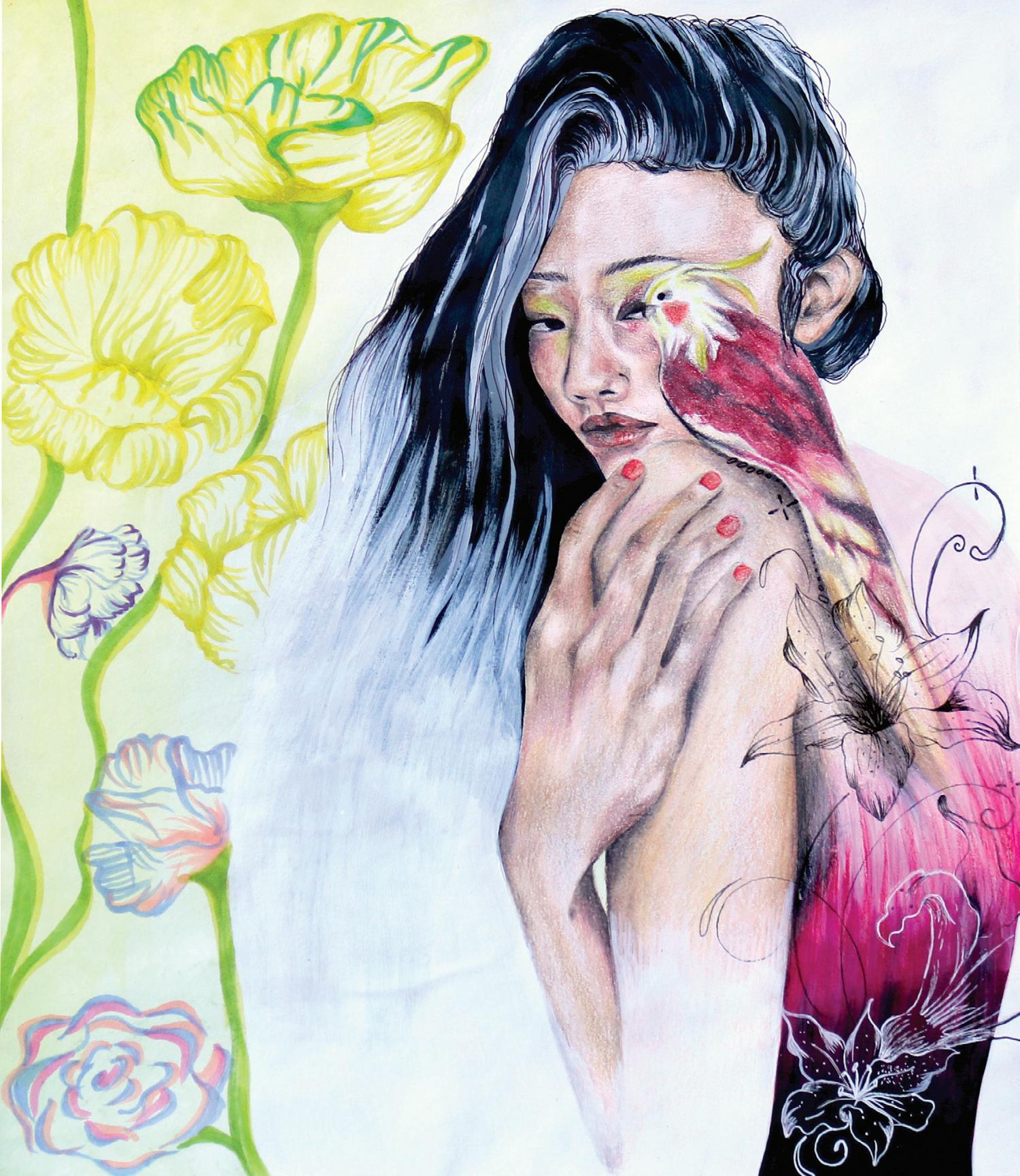
Soft acoustic in the circle of fifths vibrates your torso, going up through your throat in lengthy pulses like your broken washing machine. It thumps against the walls of your mouth to form incoherent words—a native tongue not native enough to me. Your father tried to sing it to me once, sitting on the creaky chair your little brother built at summer camp. The guttural consonants and delicate vowels of his song harmonize with the screeches and woody groans of the stool I knew would break.
You strum the futile strings, bare legs and toes curling in crabgrass and overripe grapes, coating your feet, sickly and sweet and nauseating.
The tune stops abruptly between E minor and C as you crane your neck, exposing a mole beneath your collarbone. A magpie stands feet away from us— inky black feathers dripping onto a stark white belly. It examines you with marble eyes, your downturned lips slightly parted from singing, shadows from waning sunlight burning fissures in your aging skin. Een ekster, you call it, vuilnis vogel.
The bird twitches forward and emerges with a bottle tab, one left over from your bad night only days ago when you screamed curses in language you knew I didn't know, stole your father's Modelos and slurred the words he'd so carefully taught you.
In a flurry of obsidian feathers, the magpie is gone with its shiny treasure, leaving you stark and naked, sitting in the weeds with a too-large guitar and alcohol-stained teeth, the ones you said you'd never inherit from your father.
Slow lonesome harmonica plays along with the whistling wind. A lady with a broom leans in the doorway of a dusty saloon in a small dusty town. Quiet jazz piano pours out into the prairie. Across from her stops a cowboy with a bright yellow shirt and a dark black vest. A spotless white hat with black embroidery sits gently on his head and tied around his neck is a crimson red handkerchief. With his colorful clothes, he stands out from the hazy desert. His horse, white hair and a yellow blond mane, stomps his back left leg shooting up dust around his hooves as a lizard scatters away in fear. The gunslinger’s head bobs up and just before his eyes meet with the lady’s, she hears a forceful “Hallo?”1
Focus shifts onto the face of the horse, his beady eyes locking with the lady’s. Confusion strikes as the familiar German expression forces its way out of the horse’s mouth with an accusatory and questioning attitude.
“Ruhig Blonder.”2 The lady looks at the outlaw with a puzzled expression. He slowly turns his head and for the first time he seems to acknowledge her presence.
“The name’s Schnitzel, Billy Schnitzel, I’m trying to get to Salt Lake, do you have any directions?”
Still utterly shocked, the woman asks: “By when do you want to get there?”
“Before my shadow” says Billy. “I’m a little thirsty. You wouldn’t happen to be open would you?”
“We are”, the woman gasps, still not processing what just happened.
As Billy walks through the squeaky swiveling door, the jazzy piano music abruptly stops, the final note ringing out through the silence of the poker players who have turned their heads to look towards the doors. Billy Schnitzel takes a seat at the bar and the bartender hands him a whiskey without asking a thing. “It’s the only thing we’ve got, take it or
leave it.”
“I’ll take it,” nodded Billy.
“Good choice” scoffed the bartende Attention shifts to the glass with brownish liquid, resting level. A single ripple appears on the surface, followed by another and another getting larger and larger.
“Where you from, friend?” asks an unfamiliar voice, dragging out the end of the question.
“I ain’t your friend stranger,” Billy throws back.
“My question still stands.”
Billy picks up his glass and slowly takes a sip.
“I was just in Tombstone,” responds Billy after a long pause. “South of Tucson, I just helped lock up a gang of bandits”.
After a short pause the stranger asks: “Are you tellin’ me that you were part of that shoot out in Tucson?”
Without waiting Billy added, “I’m the only part left standing.” Billy throws down a five dollar bill, thanking the bartender and walking out without saying goodbye. The Stranger races after him, “Hey! Hold on there.”
“What?” Billy asks with a bored tone, only half of his attention in the conversation, the other half focusing on getting on his horse.
“My name’s Jedidiah, I’ve got a family out in Heber, they could use some help from someone like you, please.”
“I’ll take a look on my way there. Auf geht’s Blonder!”3 For a second his horse stops in its tracks.
“Oh nee, nicht schon wieder!”4 the horse whines with a sigh. With a “thank you” from Jedidiah, determined, Billy sets out into the open prairie.
Night starts to fall upon Sagebrush Steppe of Utah. The beautiful red, orange,
and pink sun is setting in the west. The sky cascades from red to blue to black. One by one stars come out from behind their daytime hiding place, revealing the array of stars we call the milky way.
“Es ist Zeit für eine Pause, Blonder.”5 Billy yawns, communicating that it’s time to rest, to his horse. He secures himself a spot on the bottom of a desert mesa. Billy lays down next to his horse and pulls the brim of his hat just below his eyes. Never truly sleeping, he secretly observes whatever crosses his path, not trusting his surroundings,but the night passes without any incidents worth mentioning. Just before sunrise Billy stands up and gets his things, jumping on his horse. Once again our cowboy rides off, with his new goal, reaching Heber.
After a few hours of riding, Billy reaches a dirt road. He looks up to be met with a cloud of dust and a run-down wooden arch, the gate to a town. He pursues this path to see the words “Heber” etched into the top of the arch. The town that followed seemed to be nothing but rotting wood and tumbleweeds bound to roll until they find a new home pressed up against a wall or some other appliance left in the street. The town seems deserted. Just when Billy thought he was out of luck and that Jedidiah had lied to him, he hears something from the far end of the town. He walks up to the source of the noise: The Heber Saloon.
Instead of the typical jazz piano, he hears a slow sad accordion, almost crying out for help. Billy decides to investigate and walks into the saloon. Within he finds the last residents of Heber, dressed in Lederhosen and slumped over in their chairs, a few with their heads in their hands. Instead of whiskey, he sees a few half-eaten Bratwürste and a few tall beer glasses no one has touched. He walks up to the bartender who pays him no mind.
“What happened here, why is everyone so sad?”
“For over a hundred years the residents of our town have lived in bliss being able to enjoy their bratwurst with as much mustard as they wanted. But that all changed a few months back.”
“What happened a few months back?” Billy asked.
“The Müller brothers made a wretched deal. The Müller family has always supplied us with their “Senf”, the tangy, sharp, German mustard that was the reason why we all came here. They shared their supply with the town. Oh, but the brothers became greedy, and when met by an offer to send all of their mustard to the local fair owner, they agreed without a second thought. The worst part of it all is that the fair owner wanted to sell the mustard alongside the greasy salty pretzels they sell at the fair. The new absurd combination took off in an instant, making the Müller brothers more money than they ever could have imagined. Ever since then this town’s mustard taps have been dryer than the desert sand.”
“Thats quite the dilemma you’ve got yourself,” Billy states.
“Well it’s too bad no one can help us, I’m just waiting for the last people to leave town so I can close up for good. On that note, can I get you anything? Maybe a Bratwurst without mustard… or a beer out of a stained glass.” The bartender sounded hopeless, as if the only reason why he was still there was because he had nowhere else to go.
Halfway through his sad, mustardless Bratwurst, Billy asks: “Where do these Müller brothers live?”
“They live in their mustard mill, behind the hill just past town,” replies the bartender.
“Well, I reckon I’ll go take a look,” Billy agrees as he jumps out of his seat. “Blonder, los geht’s.”6
As Billy rides up and over the hill, the mustard mill slowly comes into his line of sight. Gradually Billy realizes this mustard mill was the size of a small mountain. Tubes and spouts flows in and out of the factory, taking robotic twists and turns and eventually going back into the structure. The sound of cogs turning and conveyor belts moving resonats outwards from the structure. Billy takes a step forward, remembering the state of Heber, he decided it was time to settle this. “What did I get myself into, Blonder?”
“Selber Schuld,”7 responds Billy’s horse.
You see, to Billy it didn’t matter if people ate their pretzels with mustard, he believes his culture should be shared, no matter how you eat it, but he knows that taking Heber’s mustard was just plain wrong. He decides everyone deserves a taste of the Müller Brothers mustard. Billy starts the trek up to the top of the mountainous mustard mill. After many flights of twisty and turny spiral staircases, Billy reaches the top. There is a large domed room at the top with no door, the staircase flowing into the room itself. As Billy scans the room he sees a door in the back, control panels and a large table that seemed ancient. Behind the table he saw a big red velvet chair that seems unreasonably large, yet fitting for the room. The chair seemed to have just enough space for two brothers. Though instead of two brothers, Billy only finds one sitting in the chair. The man in the chair is wearing a tan suit with a white shirt underneath. He has brown slicked-back, greasy hair that is starting to recede, and a mustache that curls ever so slightly towards the ends. He sports a black crocodile leather belt which holds up his ivory white colt, six shooter. On the very front, he sports a golden belt buckle with an irregular shape that Billy can’t make out. “I’m looking for the Müller brothers,” Billy asks.
“That’s me,” the strange man replies. Already slightly suspicious, Billy retorts: “I said brothers, as in plural.”
“Where did you hear that? I’m the only Müller in this town.”
Billy knows right away something wasn’t right. “Okay…well I just wanted to say, your mustard tastes great.” Just then he noticed what is engraved in the belt buckle, it was a pretzel, which means that the man in front of him is in fact the owner of the fair.
“Well, I best be on my way now,” Billy quickly interjects as he turns around and heads for the staircase.
“Well, goodbye now,” states the fair owner, in an overly friendly tone almost ushering Billy out of the room.
Just as Billy is going to head down the stairs he feels an uneasy feeling in his stomach. He whips around without turning his head and shoots the ivory colt right out of the fair owner’s hands, just as he is about to pull the trigger.
“How did you know?”
“A good cowboy always knows,” Billy says. Billy pulls the trigger again, a loud bang echoed through the chamber for a second time.
This time the fair owner looks back up at Billy, “You missed, you dumb cowboy!”
“A good cowboy never misses,” Billy says. Just then the fair owner falls to his knees, standing over him are the Müller brothers wielding a metal pipe.
Back in Heber, the dust has cleared and the town seems to be flourishing. There are no more appliances laying in the street and no more tumbleweeds. The Heber Saloon is at its fullest, loud Bavarian Oktoberfest music blasting from within. The accordion and tuba seem much happier than before and so do the people. Instead of plates scattered with half eaten sausages and sad pints of beer, there are people laughing, sausage and mustard in hand. There are people black-out drunk and others just getting started, but at the epicenter of it all is the mustard tap, flowing with the yellow liquid that Heber is known for. Sitting among the people is Jedidiah with his family, finally laughing and smiling once again.
It turns out that day at the mustard mill behind the hill, Billy used his second shot in order to shoot the padlock on the door at the back of the room. It just so happened to be behind that door where the real Müller brothers were being held captive by the fair owner. You see, the Müller brothers were never greedy, and
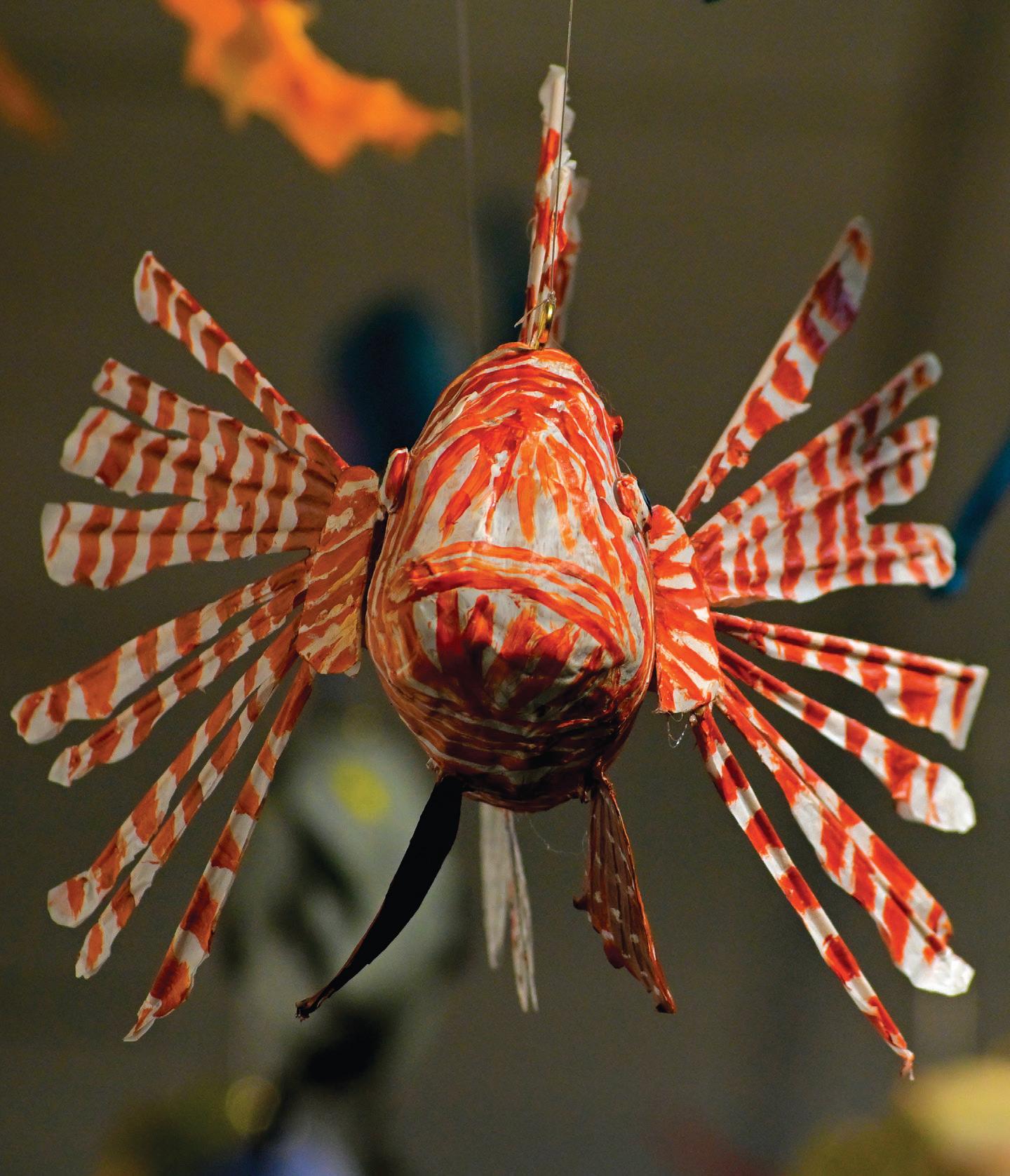
they never signed that horrible deal. The fair owner held the brothers at gunpoint and captured them, the fair owner forced them to give over the keys to the factory. The fair owner took over the mustard mill so he could sell the mustard with his pretzels. But now the Müller brothers had regained control and gave Heber their mustard back. So everything in Heber was back to normal.
The sun was setting over the sagebrush steppe of Utah. Once again the sky was red and orange cascading to a dark blue. Our very own cowboy was riding out into the endless lands, his silhouette pressed flat against the orange and red sunset, off to wherever he needed to go next.
Bronwyn Andrus
We are subjects doing an action. We live in constant mobility.
We’re always: going.
We’re always: doing.
We’re always: wanting.
We’re always: needing.
We’re always: grabbing.
We’re always: holding.
We’re always pushing and pulling, like fleshy, pulsing magnets propelling one another towards something ephemeral.
We like changing, moving on because we like it that way.
We like watching how it ends.
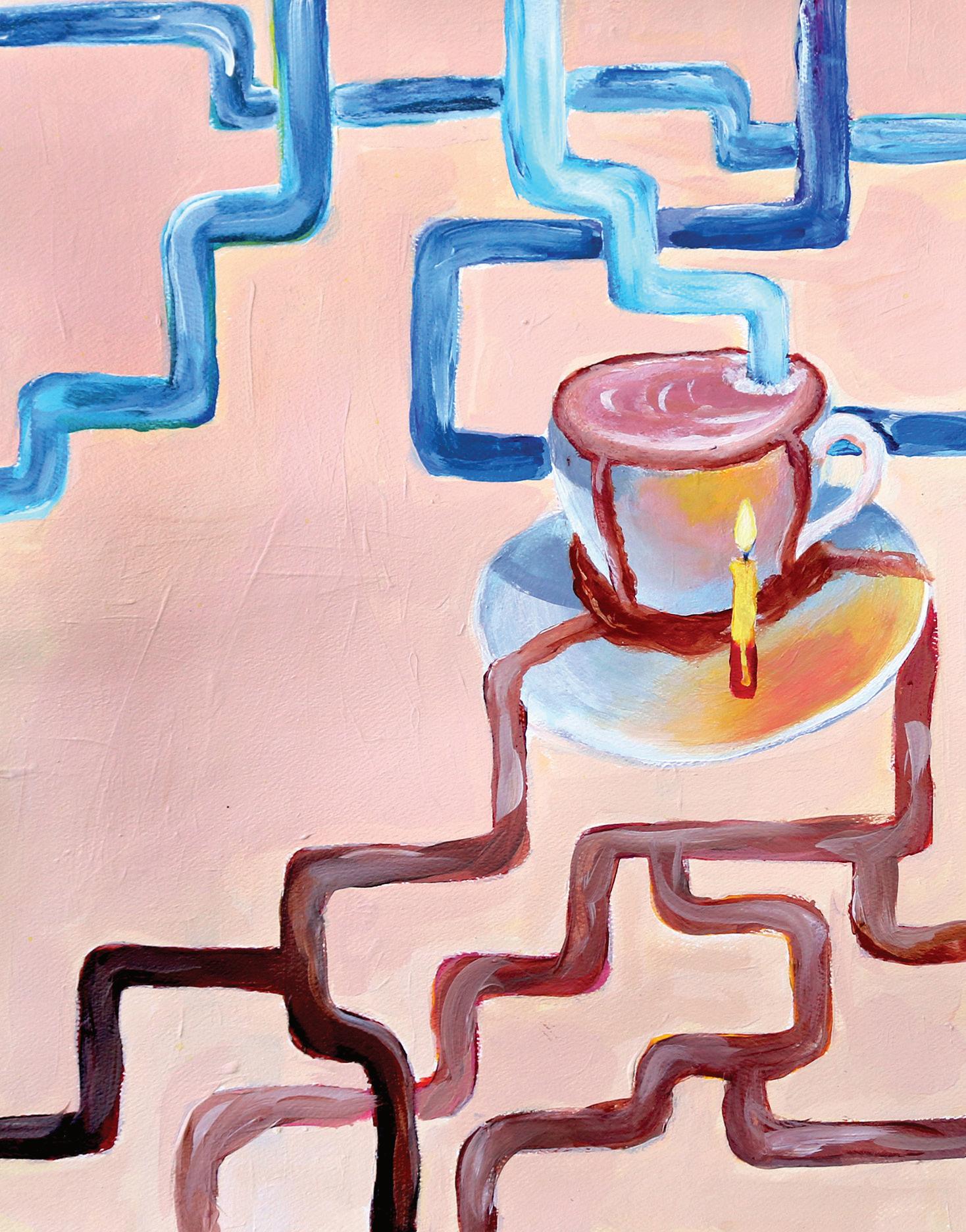
The same eyes that used to look at me with hazel and fire-like liquid gold now turn grey like stone.
“I’m tired,” she says. There are dove wings snapping into pieces, blood spilling out until red coats the ivory feathers, a century of spirits breaking. My hand reaches out towards her, and I feel nothing, reaching into a well of tears, tears from a thousand decades.
I want to peel off her layers, each one coming off with a black crust until we reach her heart, still beating, slowly.
I hope that one day, our wings will regrow, and doves will take flight in our hearts once again.
Chloe Vezina
Your hands are young— round with promise, smooth and slick with spit and milk. Vision still blurred, but perfect fingers curl around the world, learning textures of carpet floors and mother’s swollen skin.
Your hands are cut— splintered and scraped from climbing trees. Rough bark bounds the oak forest in the backyard where afternoons passed high above the ground. Dirt embeds beneath fingernails and the creases of your palm. Scabs become scars, reminders of a careless time when your biggest fear was falling.
Your hands are stained— smeared ink streaks sore skin, tender from a tight grip around a pen or feather. The black bodies of broken letters soak into fingerpads, leaving prints on the paper or strawberry juice from the squished berries in the garden, fruit born from seeds planted by those same scarlet hands.
Your hands are aged— coarse as ocean sand, weathered by waves and drying in the sun, withered into a sketch of life drawn by time, etched into the folds of your once perfect fingers, now stiff and bent as they braid granddaughter’s hair. And in her own lap, young fingers fidget and twirl.
Your hands are cold— rigid and draped down your sides, resting in stale air and heavy dust. Memory sets into the shape of blue bones, buried beneath the roots of oak trees and strawberry stems. Still scarred and stained, but resting sound with the trace of vision from forearm to fingertip.
After everything, why do you answer “With my eyes” when I ask how you see? Is it really your eyes that gave you all this vision?
For my last picnic, I sit on a soft, gravel blanket in the horse stable. I feast on the salt air from the sea and sugared confections stolen from hummingbirds.
Cool night green of gnarled cacti climbing and flowering orange around the windowpane where the caterpillar used to cling; now hangs a vampiric ice-green casket.
I remember the restaurant, the dimly lit farewell, sitting on plush red velvet seats. The enchantresses around the table share spells and secrets, as if in code. I try to decipher their whispered incantations, the fairy-touched glow of the candlelight
fogging the lens of my mind. I am distracted by visions of the paper-topped pastry boxes I gave to the girl children at school before abandoning them, just as geese abandon the downtown pond in the wintertime, Cupcakes for goodbye.
Kendra Larson
-Silicon-28 is an isotope of silicon. An international research team proposed using a sphere of silicon to replace the previous standard for the kilogram. Their bid to establish the sphere as the official measurement was unsuccessful.
“Just don’t warsh it, George took it down to the crick one time, ended up like those sheep back in ‘68.”
It had been easy to purchase. EBay had a treasure trove of objects too strange for main street antique stores and too dull for alleyway pawn shops.
She bought it, 50 dollars, and drove from Allenspark to Skull Valley, UT. The seller seemed nice, happy to be rid of it. It wants to be opened, probably.
The box whined like a barn owl. She stopped the car; the box stopped. She threw a thick towel over the cardboard and the car rumbled down the dirt road.
Now the box sat on the passenger seat of her red Subaru, seat belt buckled to stop the light from flashing (it didn’t like the sound).
It took two hours to get there, an empty field caught in the crook between two jagged hills coated with dried sage brush and mares.
The box was light and cold, cardboard softened from repeated use. Open it quick. Breathe away. Don’t taste it. Don’t get it wet. It had a brief Wikipedia page, two entries, one from 2004 and another from 2019, neither helpful. Who would taste a sphere? A… perfectly round… sphere (she took a long time to open the box), metallic, reflective
slightly heavier than it was in the box, one kilogram precisely, according to its seller. She turned around, antelope walking, probably. She didn’t want to share it. The rain was far away; it’ll hit Salt Lake first.
The rain came in sheets, drawn down by brush, tracing the curve of the valleys. She didn’t notice the cool, humid breeze, nor the first light drops sticking to her arms.
She could see why someone would taste it, mountains arching and stretching in their reflections, it was too captivating, it was perfect, is it rainin’… Her lungs seized. Her heart stopped. Gone.
“Woman Found Dead in Onaqui Mountains, UT: Military Plot, Aliens, or Both to Blame?”
The article, front page, featured two photos, one of the remote spot where the car
of the woman, Holly Bartin (56), dustless and running, was found, family still searching for the body. The other photo captioned, Dugway Airforce Base, 20 miles from the site of death, no comment received.
Subject 457: Found twenty miles from base on BML land with car. No sign of struggle, symptoms consistent with sarin gas poisoning, traces of silicon-28 found on hands, no sarin gas found in body.
Object 28: Perfect sphere, origin: unknown, Location: unknown, suspected to be traveling at 73.86 Km/hr over the Great Basin Desert, destination: unknown.
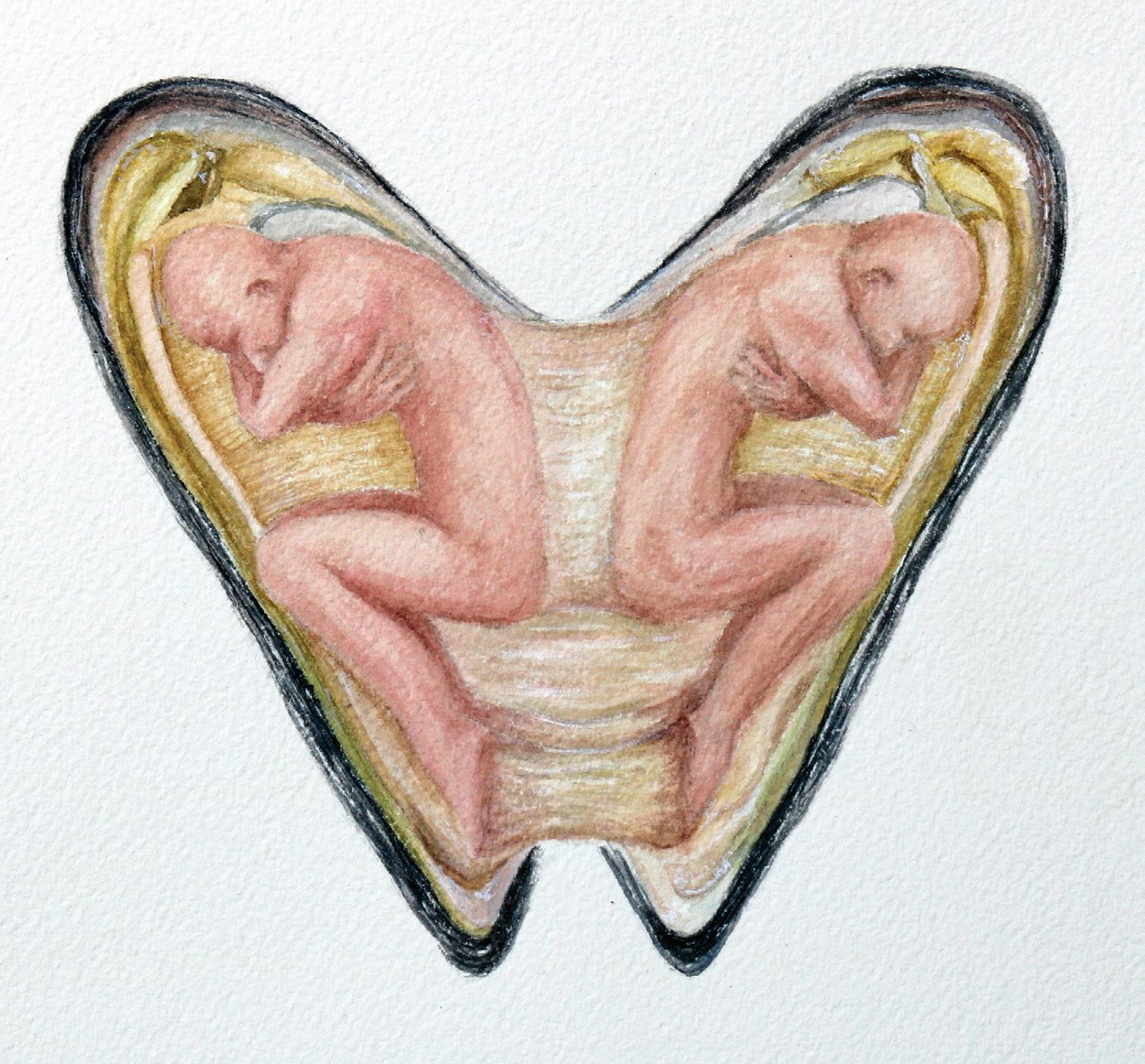
Isabel Himoff
It’s strange. Another hand wrenching my body, tugging heartstrings into slipknots and hanging them next to the old coat by the door. Ever-changing personalities, another me to string my body up to dry from the clothes line. This is cleanliness, protection in the form of taking one off and putting another on. The outfit must match the venue, and when ink is spilt, I must be quick to change into another me.
How strange, this metamorphosis of myself to fit into a mold impossible to find, let alone match the shape of me, I constrict tighter and tighter, tendons unthreading, looping and cutting circulation from my brain.
So another takes the reins, not quite me and not close enough, and I play the next role, in my new clothes, in my not-enough me.
And when laundry day rolls around, I see how many of me tumble to the ground, blotching hardwood floor with skin wrinkled and frayed by my own hand.
I haven’t been replacing myself. I’ve worn thin with layers that peel apart by the seams.
The husk I’ve wrapped around myself, cocooned in thread and penny on penny pushed forward, pungent with copper. Strange, my metamorphosis, morphing not to conform to the shadow of myself, gauzy with cotton.
So when these wrappers drop, heaps of faces at my feet, I let them fall, start anew on laundry day.
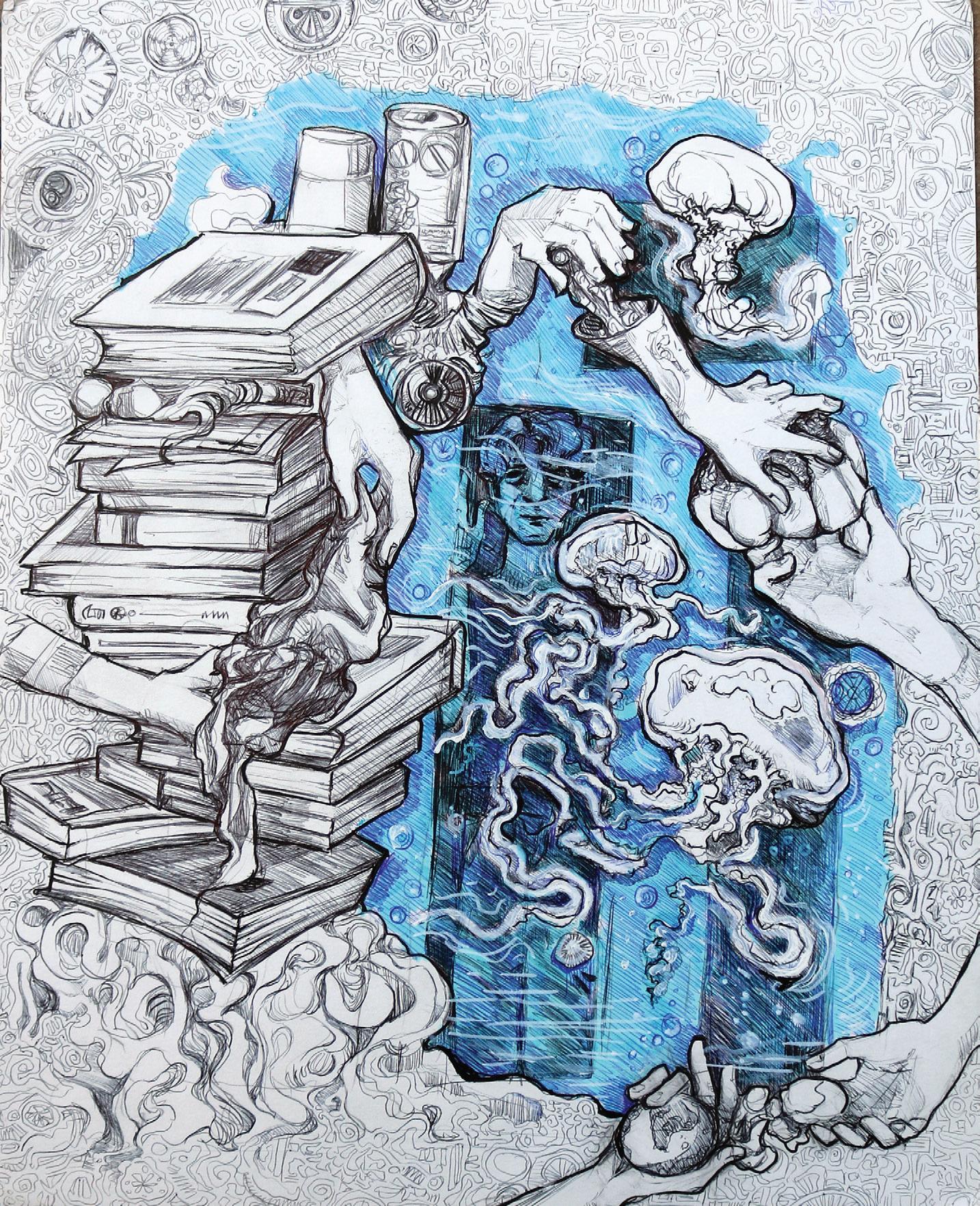
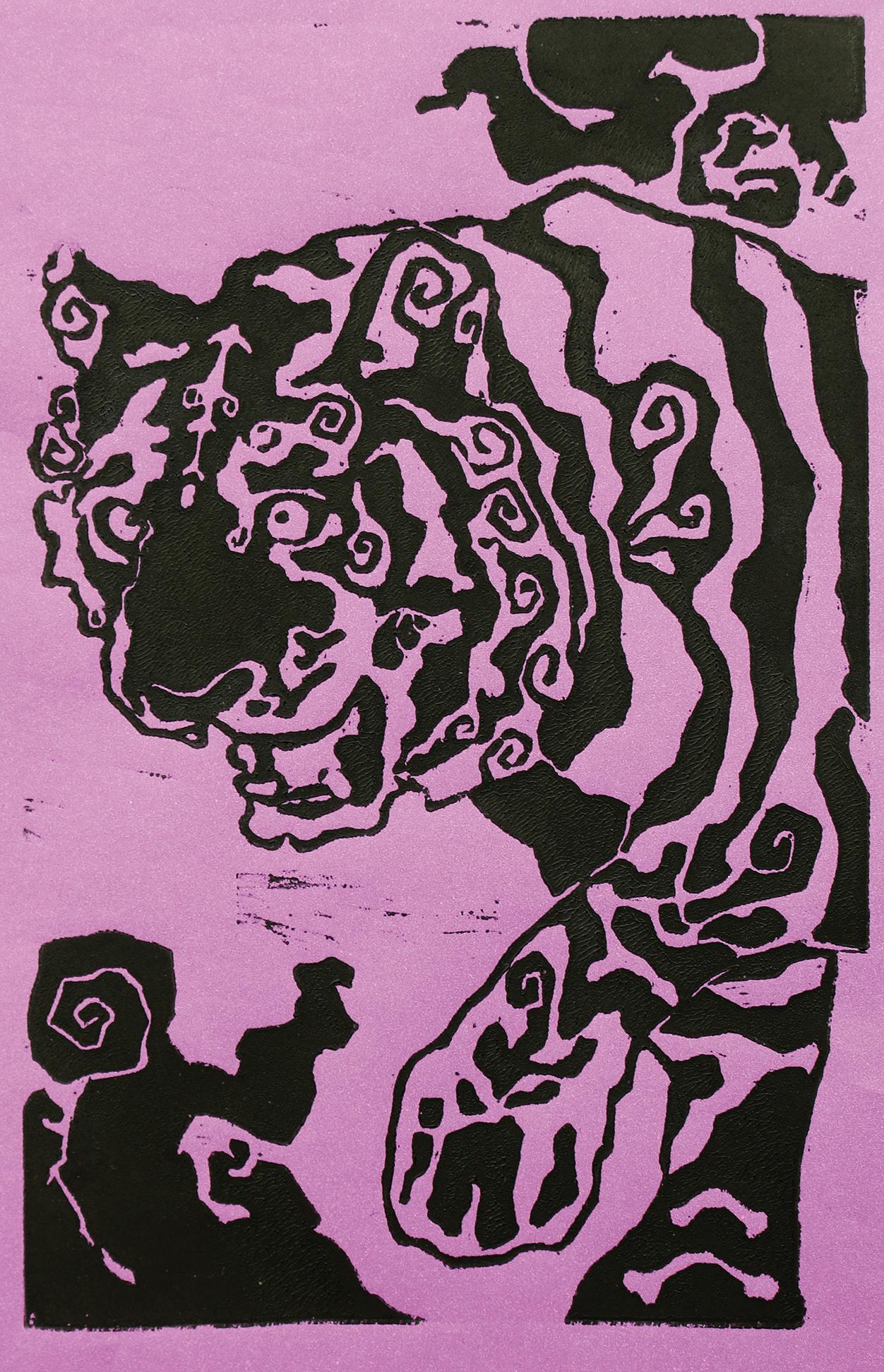
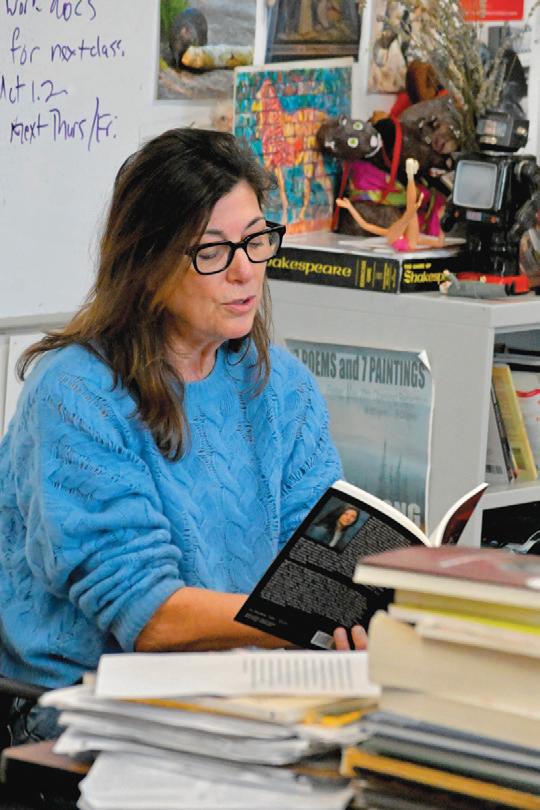
I think of writing poetry as a lifelong apprenticeship.
Victoria Redel is the author of the poetry books Paradise (2002), Women Without Umbrella (2012), Swoon (2003), and Already the World (1995). She is also the author of the fiction books Before Everything (2017), Make Me Do Things (2013), The Border of Truth (2007), Loverboy (2001), Where the Road Bottoms Out (1995), and most recently, I am You (2025). She has taught at Columbia University and Vermont College, and is currently a professor at Sarah Laurence University. She has received many awards for her work, including the Guggenheim Foundation Fellowship and National Endowment for the Arts Fellowship. Additionally, her novel Loverboy was turned into a movie in 2006.
On January 14, Victoria visited Rowland Hall’s creative writing class to read from her book of poems Paradise, as well as her new fiction book, I am You. She talked about how to write poetry and fiction, her personal experiences with writing, as well as her creative process.
If you could add one more poem to Paradise, what would it be?
There are probably two poems that I was trying to get and I just couldn’t get them right. And one that addressed the notion of how nature gets exiled from itself. So if I was thinking about biblical exile and immigrants, and about my family’s history, and then sort of even in the later book, I mean, you can almost think of that snake [from her poem “Snake”] because of the way it symbolizes transformations. The later sections of the book have something to do with getting older, not really the exile of the body, but the transformations of the body.
You talked about a driving theme for Paradise. How do you approach thinking of a theme for a book of poems?
There are writers who are very project-driven in their books of poems and who say, I’m writing this book of poems. It’s the project of something, and it will stay that way. When I write, I’m trying to write in somewhat of a consistent way. I’ll start to
see concerns—I wouldn’t even think of them as themes yet, just concerns that are happening for me at a particular time. In my case, the integration of a life in which someone had the life of motherhood and still had an intellectual life, a romantic life, a mothering life, was very interesting to me. So frequently I felt like those lives were separated from each other, and I wanted the poems I was writing not to say, oh, this is a book of poems about motherhood, because most people who are mothers have many other things going on inside their being.
How did religion and your parents being political refugees, affect your world view and how you wrote Paradise?
I’m Jewish, I grew up in a Jewish household, and I have a Jewish education. But, I’ve always felt like being out in the world is my greatest temple. I think of the Old Testament as a remarkable piece of literature, through history. I felt comfortable going into it even as I was a little nervous to be challenging it. The notion of challenging the texts inside of Judaism is a very welcomed part. Everyone has always been fighting about what it means, so I knew that I was on okay ground.
In terms of displacement or exile, I’m lucky enough to have been born here and to have raised my children here. This is the first time in several generations that my family has been born and bore their children in the same country. I believe we all carry the history of our forebearers in beautiful ways; we carry it in ways that probably torment and scar us. And that part of the act of writing is, I think, both a rejoicing in those different histories and also a reckoning with those different histories. You don’t have to be a child of immigrants. You can be any kind of person who is alive.
My family is from the diaspora that we are. My one grandfather was born in Egypt. My other grandfather was born in Poland. My Egyptian grandfather’s father was born in Turkey. So the papers that my mother came to America with are Persian; it was a Persian passport. When I was in college during the Gulf War, suddenly oil prices went way up, and
everyone in the Middle East was blamed. I got this call from my mom in college. At the time I was just this kid who grew up in the suburbs thinking, Ma, what are you talking about? You know, just chill out. It’s cool. Everything’s fine. But her history, her experience was so different. She was born in Romania. She left the country when she was eight years old and fled from Romania to Paris, and then lived in Paris. But because those papers said Persian, she was saved from going to a camp but stayed in Paris for two years under occupation. For her secrets and not being able to be who you are. When your parents say something fearful like my mother said, they’re coming from a place that asks us to be careful about X, Y or Z.
Writing it is exposing, potentially. But what are you going to do? Pretend you’re some completely other person from some totally other world? Then there’s an option that you won’t write. But is that an option that you want? It doesn’t mean you have to go headlong into it. Russian poets have known for years that saying what you have to say puts you in jail. Right now, that hasn’t really been the case here. The Russians have learned to do what Dickinson said: “Tell all the truth, but tell it slant.” You don’t have to go at it like a bull in a China shop. Many Middle Eastern poets and many Russian poets have learned to say what needed to get said under the level of the obvious.
I believe we all carry the history of our forebearers in beautiful ways; we carry it in ways that probably torment and scar us.
Do you ever save old poetry that you’ve written in the past? If you do, why, and what is the importance behind it?
I keep all those drafts. Because you go through early drafts and something that you thought really stunk, didn’t. Or you might find two lines, or you’ve written something that has 30 lines in it, let’s say, and it just fizzled out, or you couldn’t get it right. But then a couple of years later, you see these two lines and think, Oh, let’s just take those two lines and put it on a new piece of paper and start writing. I do that all the time. It’s an assignment I give my students often. Take a failed poem and just take one line from it and see what happens, let yourself be completely free from what your original idea was.
How do you convince yourself that your poem is important?
I think of writing poetry as a lifelong apprenticeship. I’ve been an apprentice to this craft for all of my life. And there are days that I just think I suck, where I think I’m the worst poet ever. Then there are days where I’ll write a line and I’ll say, look at that because you want to always write something that surprises you. You want to get to that place. The point isn’t really to say I’m a poet or I’m not a poet.
You want a scene to hold its tension.
The point is to get to a place in a poem where I’ve just touched a piece of mystery that I didn’t know I was going to touch. There are days that it’s fun to do it. And there are days that it’s not so fun, the writing. If you could give it up, then you can give it up. And if you don’t suffer giving it up, then maybe you weren’t meant to do it. Whether it’s good or bad, if you feel like you want to do it, then you’re probably a
writer. And it’s such a beautiful and odd balance as a writer between wanting to read and wanting to learn all of the craft that you can learn.
A teacher said to me, “you have permission,” and I started to think seriously, what does “you have permission” mean at a certain point? So I secretly made my little list. And my list included things like: I have permission to write poorly. I have permission to write better than whomever I think is the greatest writer. I made that kind of list. So that’s a gift I give you. It really helps. Sometimes when I was working, I couldn’t get a line down or a sentence down. I might think, who are the people looking over my shoulders, weighing me down when I’m trying to write? There are all sorts of people. There is my own self judgment, saying you’re not going to be good at this, or you better be great at this. There could be my parents thinking “are you really going to be a writer?” “How are you going to earn a living?” Just all the censors, all the people. And then before I write, I just knock them off my shoulders. When they climb back on I just knock them off again. It’s just like a little dumb ritual I do, but it helps. It’s like you’re moving through the dark when you’re writing, trying to walk through an unknown world. I give myself permission; I do the same thing. I write something different on my wall anyway, but is there a version of yourself that you are still trying to give yourself permission for. We all do want acknowledgement from a larger world.
How do you know when to transition from the process of drafting and accepting the draft as a final version?
For poems, I always write longhand, and I stay longhand with a poem for as long as I can. I’ll write a draft, and oftentimes, that is horrible. As I’m working on a draft of something, when I get stuck, I take that piece of paper off. I start from the top, so, it’s like I’m already revising, it’s as if I’m
trying to get the energy to move the poem a little further. I work on drafts on a legal pad for as long as I can. Then I type, because once I type it up, it looks too damn good all typed up—it looks like it’s ready. After I type it, I print it out, and then I start to mess around with it again. I just keep doing that for a while. I was probably fiddling with these poems in Paradise until the very last day when the publisher said, “stop, you can’t.” The same is true for the novel. That kind of restless dissatisfaction is a healthy thing to keep when you’re editing, when you’re revising, even though getting it down on paper is the first part. At a certain point you have to just say, “okay, I’m letting it go for a while.”
When you’re thinking about word analysis and description, thinking line to line, stanza to stanza, what are the types of considerations that you’re keeping in mind?
Sometimes I just try to make it playful. I wish I had brought along earlier drafts of these poems so you could see that they changed so much. There were times that a poem was in one long stanza, and then I broke it into quatrains, and then I realized it’s 12 lines—maybe I can turn this into a 14 line unrhymed stanza, a sonnet. I would just mess with form, sometimes. I would take it out of apparent meaning to mess with form. Form would let me start to think about the poem differently. In fiction it was very different for me because I started my life as a poet, so I tend to write very compact things. The first draft of this novel was 120 pages, and I thought I was done. I went to my agent, who said, “this is a wonderful start, Victoria.” I thought it was done, and he just kept saying “you need more, I want to know more.” And so in fiction, how I’ve worked in revision and building, is I work in chunks. So, for Loverboy, which was the first novel I wrote, I didn’t know what to do. So a friend of mine said, “just work in chunks. Pretend it’s like poems, Victoria, these little sections that you’re writing.” And I just started writing these sections, and then at a certain point, when I had a bunch of sections, I got on
the floor with them and started collaging the book together, and the book came together by continuously doing that. So I had those 120 pages which were essentially the beginning, the middle, and the end of this book for me. Then I just started adding more, because I thought, I have to dilate the book, choosing to make it bigger this way, instead of making it bigger that way
I was curious about the nature of the relationship between Maria and Geeirtje. Was the inevitability of it becoming romance always true in your mind?
Did I know that the relationship would turn romantic? Yeah, I knew it. I say it in the early, very beginning, in the preface to the book that Maria van Oosterwijck was an actual person, as was Geeirtje Pieters. But when I started the book, only about seven things were known about Maria von Oosterwijck. But one of the things that was known was that she never married. The reason for that is because she was so devout, and Geeirtje became her assistant and lived with her for 25 years. They lived in the same house together and worked in the house’s workshop. And I don’t know, it seemed to me that there is a line between devotion
and love, but it’s a bit convoluted; it was going to be complicated. It’s complicated by the question of class for them. I wanted to make a tangle for them, that they weren’t two women with a servant-master relationship, but where one loves the other and is devoted to her. And yet, what does an equal relationship look like? And when the power did shift, I could feel it in my bones. Because there’s already tension
there because I could already feel like there’s a bit of jealousy, a bit of ambition. Several people have said to me after reading the book, that Maria is not a very likable character. I love Maria, but she’s not always a very likable character, but many people are not always likable characters, and there certainly is something to be said about that. What is it to be an ambitious woman? That was one of the questions inside of this book, and what is it to be an ambitious woman in one class? And what would it have been for a servant to find an ambition in herself, to step outside of the possible class line?
Why did you choose to write this story?
In college, I was an art major. Flash forward a bunch of years later, I walked into an art store in New York, a place called Kramer Pigment, and it had all these
unbelievably beautiful, small jars of pure pigment and rocks. And I thought, this is the coolest place in the world. I wanted all the jars of pigment. I wasn’t even really painting anymore. And I walked out thinking two things: I want to take a class on how to make ancient pigments, which I signed up for, and I want to write a novel that has paint and pigment in it. So I began reading a ton about the pigment trade, the paint trade,which was a complicated and layered adventure in many ways. And I started one book, and I got pretty deep into it. I got 60 pages, maybe even more into it. The writing was pretty good, but I could not find the right story and I ditched it. Then I was going to stay for a month in Amsterdam. I was actually trying to finish the poems that are in Paradise. And I read this book by Russell Shortow, and I found this paragraph saying, “little is known of the painter Maria van Oosterwijck.” I just thought, I wonder who she is. And so I eventually started looking her up and I didn’t see anything really much but when I learned that she had an assistant who had come into the family as a servant and became her paint preparer and then her studio assistant and eventually a painter in her own right, it was Geeirtje that I thought, oh, I want to tell this woman’s story. There’s only one existing painting of Geeirtje’s out there in the world. So who is she? And then also the question of the dynamic of who they were arose, and what was possible for two women became interesting to me. So that’s that path.
You mentioned earlier about how you think your novels are similar, while others disagree with that. Why do you
think they’re similar?
Everything I’ve written has some element of people having secrets. Maybe every novel has secrets inside of it, but I think that’s one of the things that runs through all my books, that people carry secrets, and the question of, “do those secrets need to be exposed?
I want diolouge to be action.
Is there a need for everyone, or even just the people you love, to know your secrets? Can you hold a secret for another person, even if there are complications?” Also, I think an aspect of obsessiveness runs through the books. In Loverboy, the mother, obsessively wanting to be a mother all the time, is having trouble letting her son emerge into the world. She doesn’t really want to share him with the world. In Border of Truth, there’s an element of obsessiveness. In the book, the boy is obsessively writing letters to Eleanor Roosevelt in 1940 while he’s stuck on a ship about to be sent back to Europe. “He’s frantically writing letters, partly to say, help me,” but also to say, “I’m 17 years old, I’ve had this incredible adventure, and I need to tell someone about it.” He’s writing to her about that. So obsessiveness, secrets, a complicated tangle of various kinds of love, I think, is what makes all my books similar. Although, the form they take is different in each of them. Certain writers write a lot of contemporary stories that take place right here, right now, and some write about their childhood. None of my books have been about my childhood. I get to treat fiction like fiction.
How do you think gender roles affect the story, especially when Gerta is changing from boy to girl and back again?
Gender roles are the key in the book. In that section, Gerta/Pieter finds that she likes flipping roles. And so she dresses up a lot as a boy and moves the world as a boy, which was very dangerous, as she is risking her life, being at risk of imprisonment, at risk of all sorts
of dangers as women have done throughout all of time, for various reason—safety, choice, adventure, the freedom to do things that they couldn’t do as women. Some of the gender play in this has to do with freedom. One of the things that I got to learn about in the book, since most of their work is in the still life and in botanical art and painting of flowers, is that there are flowers that are called perfect flowers or complete, like a tulip is a complete flower in the sense that it has both male and female parts to it. The reproductive parts of roses have male and female reproductive parts. That notion became perfect inside of a book that’s dealing with questions of gender.
How did you think people would feel after reading this book? What did you want people to take away from it?
I wanted people to take away some of the things I did when I was done; one of them was a new perspective on the 17th century. In the novel, I invented my version of the 1600s, but I spent a lot of time learning. The concerns in 2026 are not necessarily the concerns in the 17th century. Today, we go into grocery stores, and there’s an abundance of food, both healthy and crappy on the shelves. We’re not having to find, gather, and buy all our food. We don’t need to churn butter if we want it. But what it is to be human, to struggle, the versions of what that feels like, feels different in different time periods. Although, what it is to be alive and love have similar threads to it. In another time period people still have complicated emotional and ambitious lives. They still experience envy, love, and kindness, and they are screwed up through all of this. In the book, you’ll see that a lot of the complications that arise are complications that are actually fairly contemporary. Gender questions, and questions of a woman’s autonomy and her body are both fairly contemporary. Those issues come up, but those are questions that have come up through all of time; they’ve been legislated differently in different time periods. But I didn’t go into it saying I’m going to talk about contemporary things via the 1600s, though, it
seems like that is partly what happened.
In dialogue for the novel, you have characters saying things but really saying they are saying things that really mean a completely different thing. How do you write complex dialogue?
Well, let me ask you a question without having to reveal too much. How frequently have you said one thing and been feeling completely other things? Probably a lot. Does anyone always say exactly what they feel and think no matter what? No, none of us do. It doesn’t mean we’re liars. So in that scene, they’re in a really tough moment. Gerta has been terribly used by Maria at that point, used in the sense of being exposed in front of someone else. Here, she’s been made to be ridiculed and that she’s bad. And yet, how much agency does Gerta have? How free is she to say what she wants to say in that situation? There are moments that she feels quite free and moments that she doesn’t feel free. That was something that I was always aware of. I don’t want my dialogue to just be information in my story. I want dialogue to be action. In that sense, what someone says and what they feel might be really different, but it moves the story forward that way, as opposed to if you’re just kind of going over stuff. She’s not going to have a processing moment with Maria at that point. They almost never do throughout the book. They speak about moments that they’re very free with each other, but those aren’t dramatic. That’s the other thing. You want a scene to hold its tension. And so that’s one of the things dialogue can do for me.
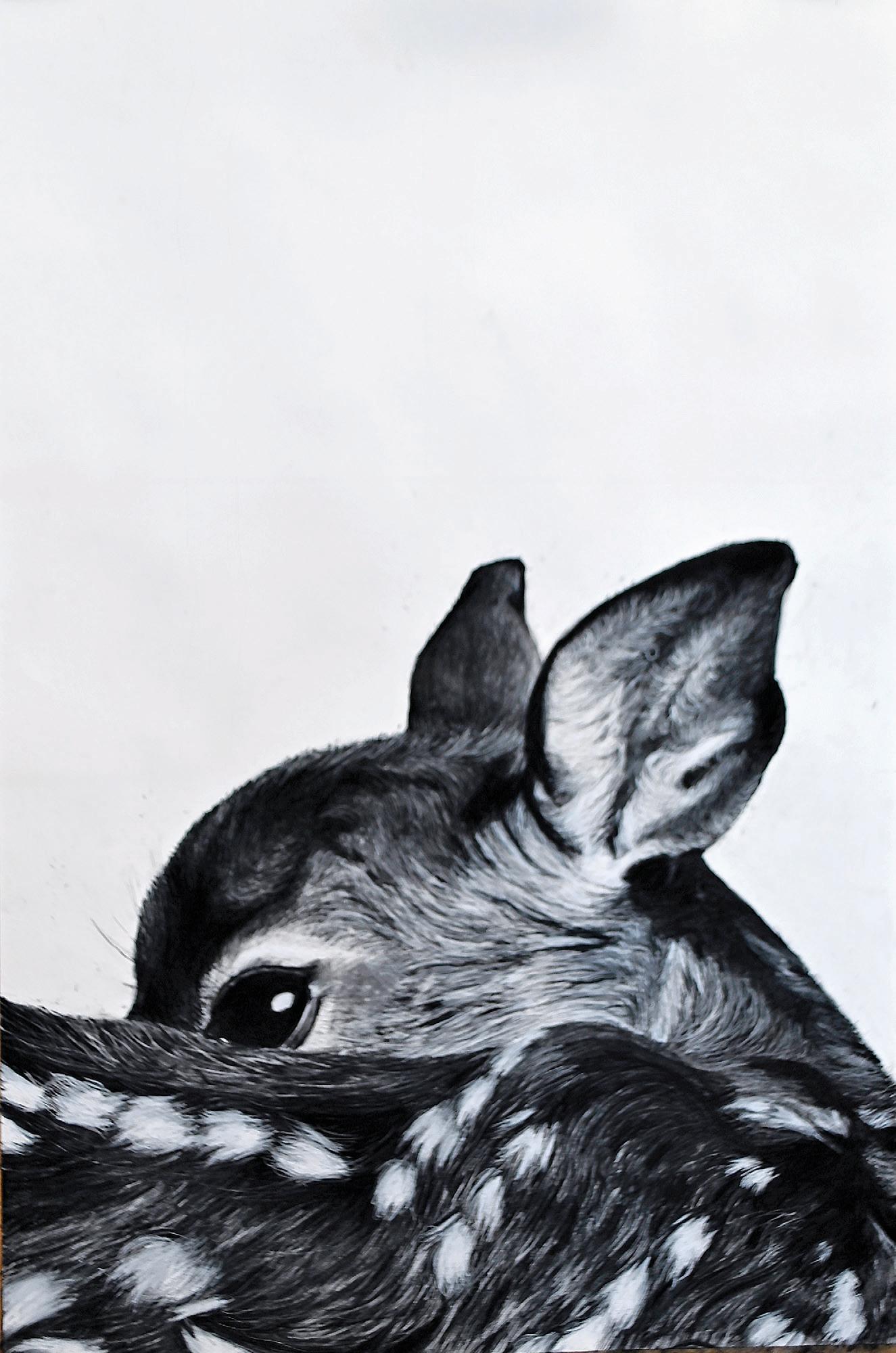
Kendra Larson
Isabel Himoff
Bronwyn Andrus
Fatima Asad
Chloe Vezina
Stella Fry
Milo van Ispelen
Paulina Ize-Cedillo
Avalon O’Connell
Claire de Witt
Ellie Ryan
Laurenz Gerhardt
We invite submissions from all students in the Rowland Hall Upper School. The creative writing class reviews submissions of art and literature, ranking each work according to aesthetic excellence. Works that receive the highest scores are included in the magazine.
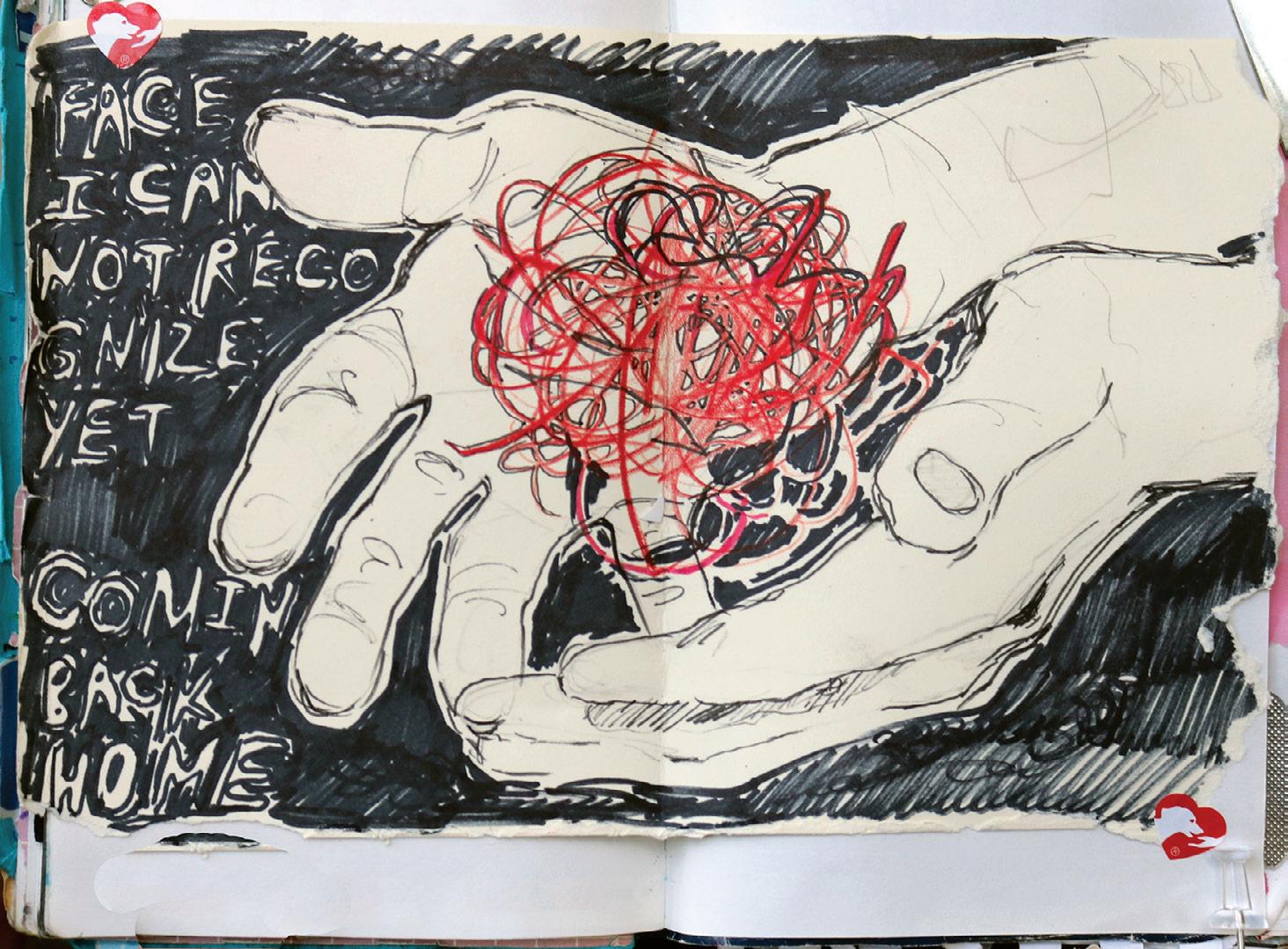
Editors have used InDesign for the layout. The cover of this book was printed on Sterline 80# dull cover with a floor dull UV coating. The body of the book was printed on sterling 80# dull text, 10% PCW. 400 books were printed.
Special thank you to mentors Joel Long, Dr. Lydia Jackson, and Rob Mellor for their invaluable artistic input and constant support