Each spring brings opportunities to celebrate milestones, navigate transitions, and reflect on the moments that show how much students have grown over the school year. I’m proud our school plays a part in your family’s celebrations, and I hope you, too, feel proud of all our community has accomplished this year. Below are just a few highlights.
• A pinnacle experience for many seniors, our Advanced Research (AR) program expanded this year with the addition of AR Physics (see page 8). The program’s list of published work also grew, with two AR Biology articles appearing in the International Journal of Molecular Sciences
• Our debate team reclaimed the state title (their fourth in five years), complete with the highest point total in school history and an impressive 58 wins in 64 rounds.
• Four Rowmark alumnae, Breezy Johnson ’13, Katie Hensien ’18, Madison Hoffman ’18, and Mary Bocock ’22, were selected to compete at the 2026 Winter Olympics, with Breezy winning Team USA’s first gold medal.
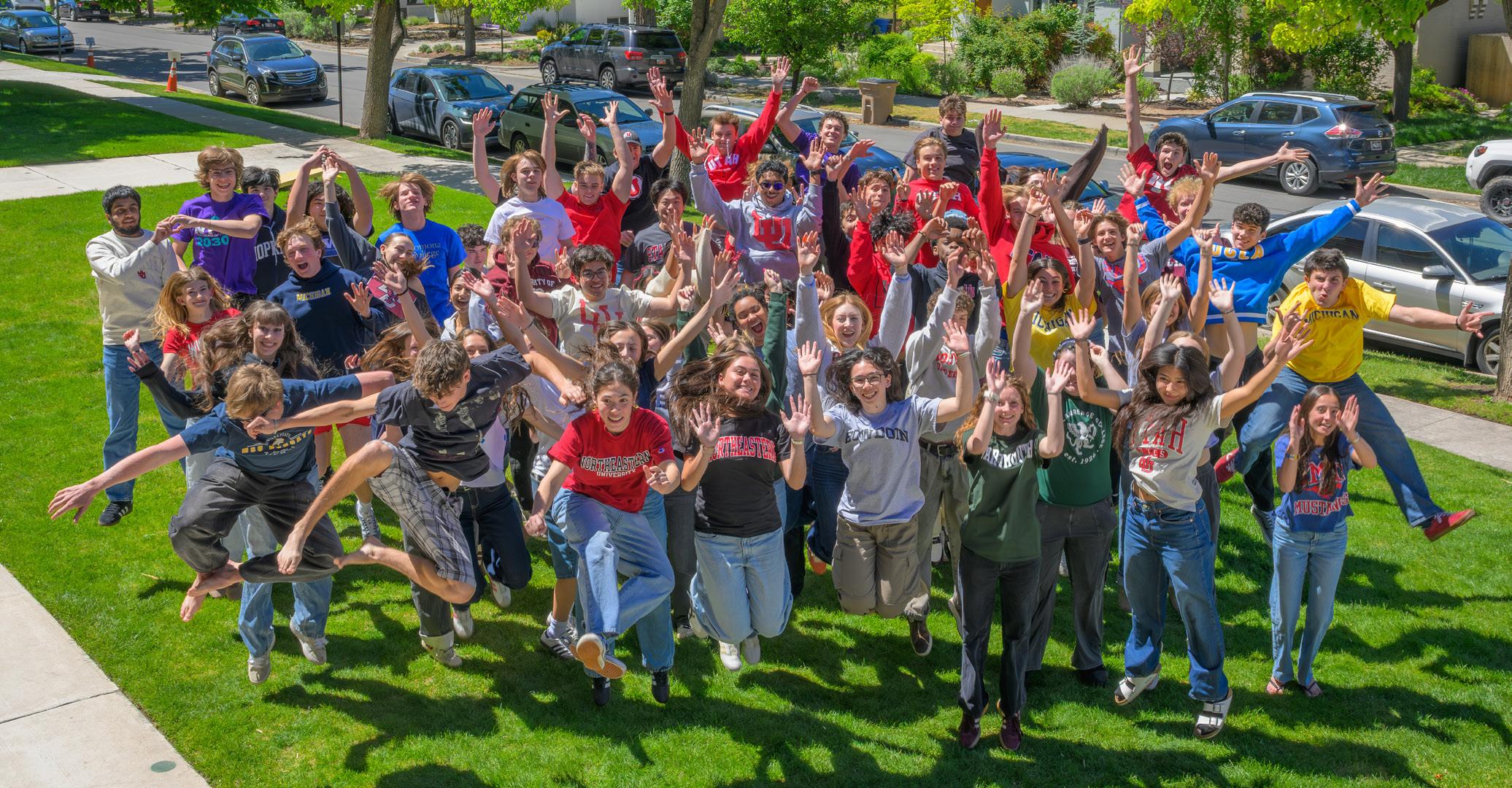
• In line with our goal of helping students discover the colleges and universities that best fit their interests and goals, 84% of seniors were admitted to one of their top three colleges, and more than two thirds (67%) were admitted to their number-one choice. See page 11 for this year’s admission list.
• Committed to remaining at the educational forefront, our faculty explored critical topics such as AI and classroom assessment and differentiation in yearlong professional learning cohorts.
• The Center for Community Impact grew the annual Impact Summit, which welcomed 21 community partners for this spring’s Innovation and the Future gathering, as well as Horizons at Rowland Hall, which will double in size for its second summer. Learn more on page 10.
• We reached the final stretch of construction on the Steiner Campus, which is more than 80% complete and on track to open December 2.
• We hired the school’s first director of safety and security, an essential role as we prepare to unite all students at a single location for the first time in more than 40 years.
• We continued to earn national recognition, including a second school news feature in Independent School magazine, this time for our fifth-grade internship program
Thank you for being part of all we have to celebrate.
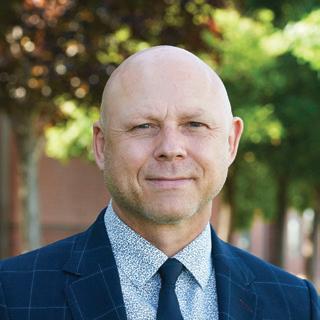
Mick Gee Head of School
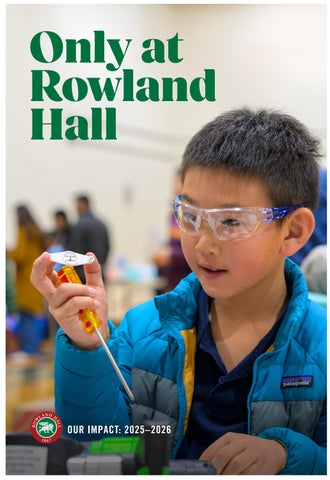
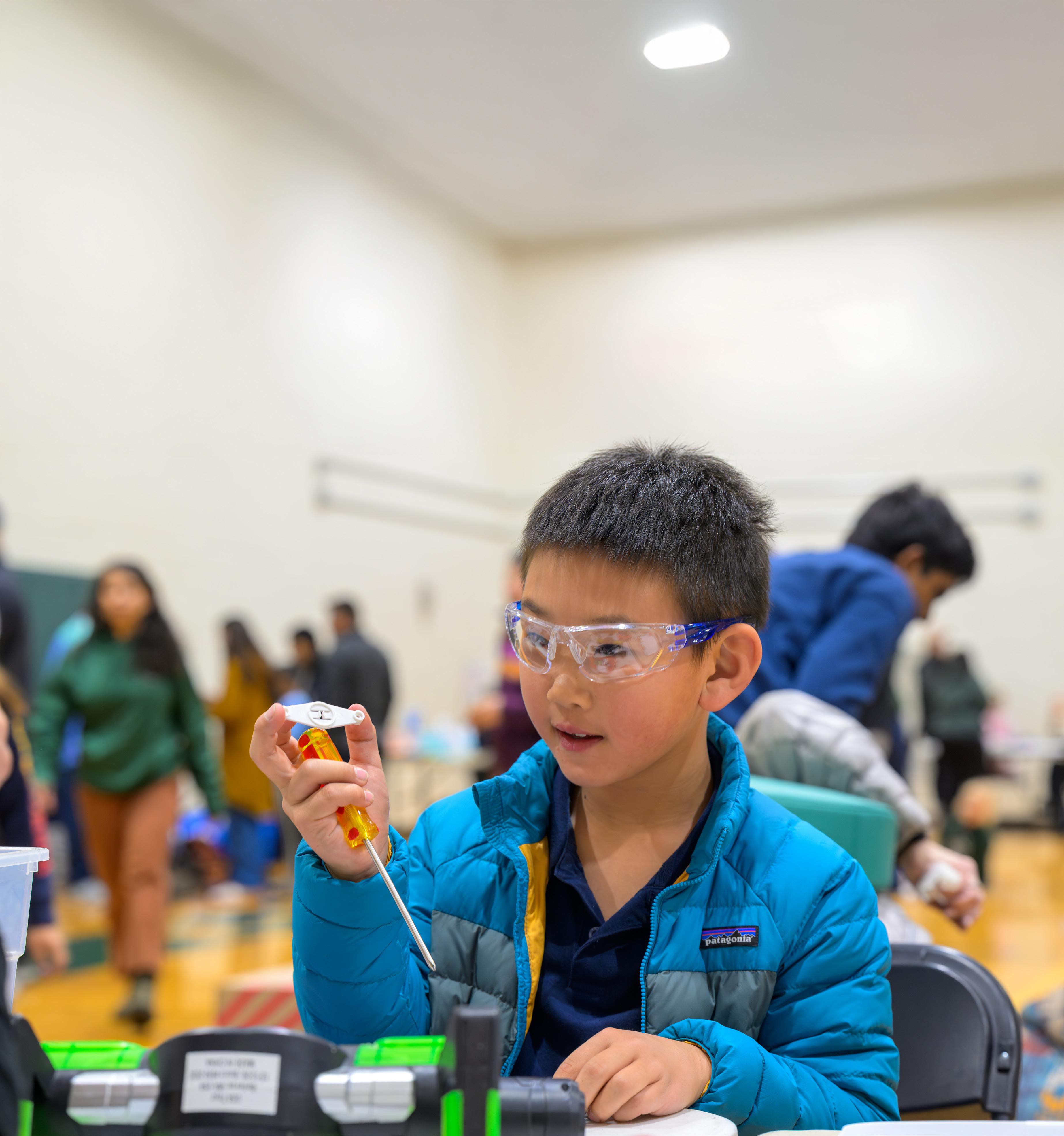
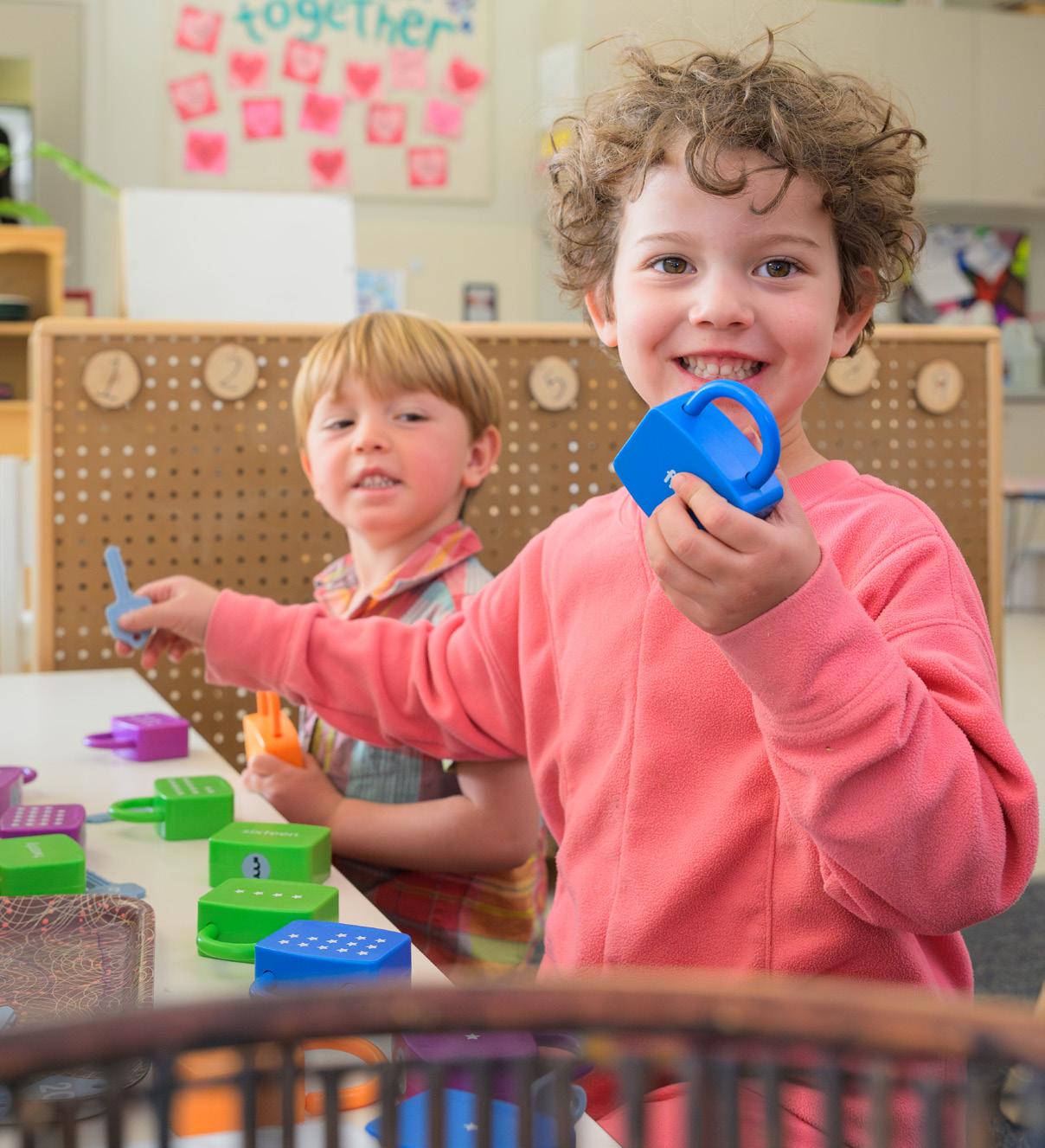
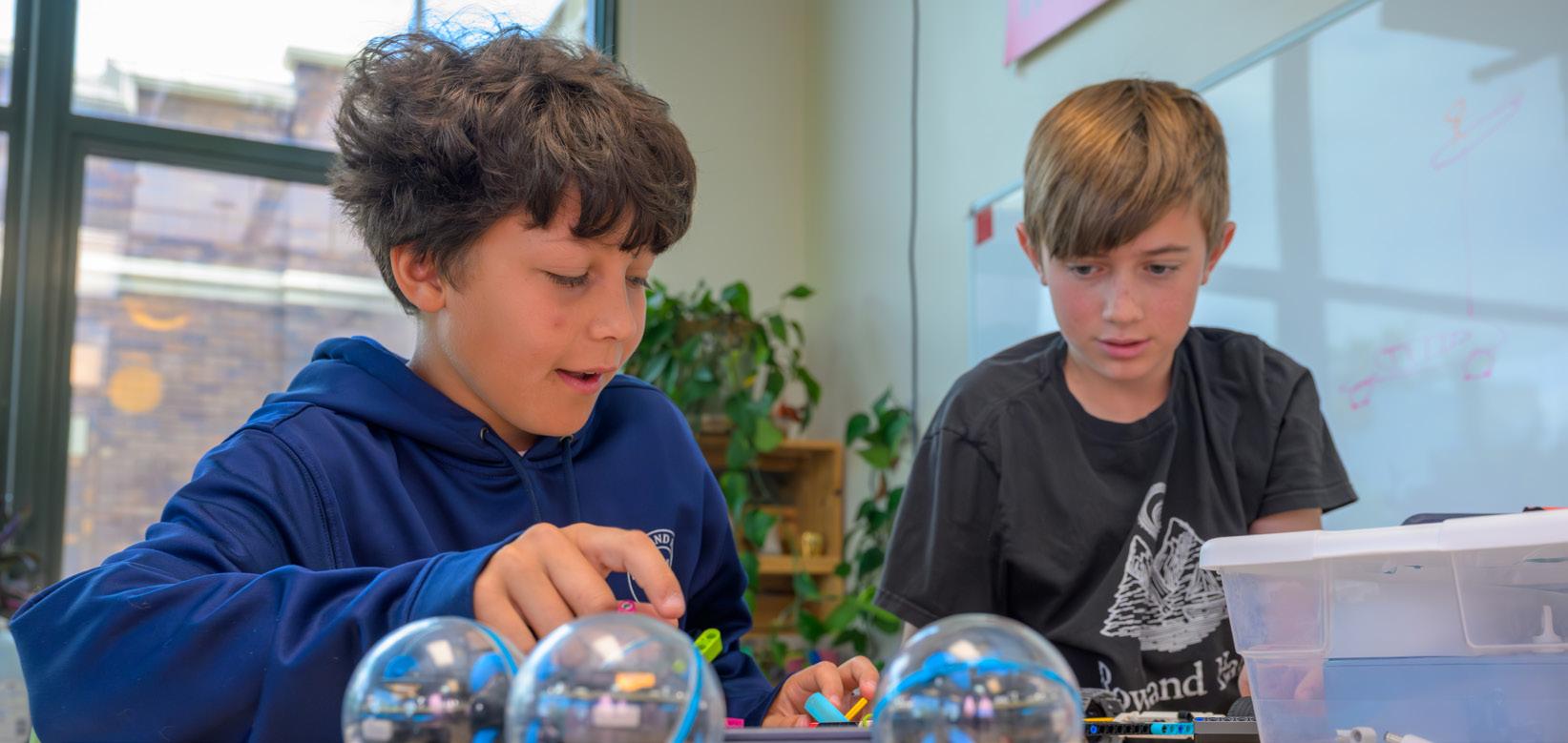
ON THE COVER: Third grader Oliver W. takes apart a toy to explore how it works during Maker Night.
Did You Know?
In the 2025–2026 school year: 20+ BEGINNING SCHOOL MIDDLE SCHOOL
6
seriation challenges (ordering items by attributes like size, weight, or color) were tackled by 4PreK students
new pieces of playground equipment were installed, inspiring even more open-ended, imaginative, child-led play
10
LOWER SCHOOL
students, on average, made up fourthand fifth-grade science lab groups, allowing for more individual attention and deeper engagement
8
8
13
36 50+
student-produced world language films were submitted for the division’s annual international film festival
years of partnership with the Sunnyvale Neighborhood Center were celebrated
ARTS
24
15
music shares, performances, and experiences connected students across grade levels
ATHLETICS
arts performances and galleries were held across divisions of middle and upper schoolers participated on school sports teams
games, meets, and events took place across Winged Lion teams
129
UPPER SCHOOL ROWMARK
1
4
upper schoolers participated in this year’s University of Utah Science & Engineering Fair, and four were selected to move on to international competition
sessions were offered to parents and caregivers as part of Rowland Hall’s new college counseling education series
arts courses registrations were made by middle and upper schoolers, reflecting the high value students place on the arts
Rowmaker won the U16 National Championship, making a Rowland Hall sophomore the top U16 male slalom skier in the country
alumnae were selected to compete at the 2026 Winter Olympics
Beginning School
YOUNG MINDS IN MOTION
Helping Young Mathematicians Grow
Because young children learn in different ways, Beginning School teachers are continually adapting their curriculum and instruction to support individual growth. This is especially important in helping students build confidence in early mathematical thinking, which is why a group of 3PreK and 4PreK teachers introduced fresh approaches to math instruction into their classrooms this year. Inspired by the Erikson Institute’s Big Ideas in Early Mathematics, teachers expanded play-based, hands-on math lessons, giving preschoolers even more opportunities to engage with concepts like shape attributes, quantity, and patterns while sorting, graphing, counting, and sharing their thinking with peers. As they practice the problem-solving and flexible thinking needed to thrive in today’s world, students learn to see themselves as mathematicians who are comfortable playing with numbers and tinkering with ideas. This expanded approach to mathematics naturally ties to the kindergarten Bridges in Mathematics curriculum, better connecting learning over the years and preparing students to think creatively and critically.
Family Sharing Builds Belonging from the Start
A sense of belonging lays the foundation for learning. At Rowland Hall, that foundation is built early through intentional experiences, like the family sharing activity in Alise Anderson and Melinda Canfield’s 3PreK classroom. This experience helps some of the school’s youngest students, as well as their families, build connection and confidence as they start their school journey. During family sharing, students invite loved ones into the classroom to share their lives and experiences, allowing classmates to learn about one another while celebrating what makes each family unique. For children attending school for the first time, these moments help ease uncertainty and build pride, while giving families a meaningful opportunity to become part of the classroom community. Along the way, students also begin developing empathy, communication skills, and the confidence to share their own stories, essential skills that will support them throughout their lives.
Lower School
EMPOWERING BRIGHT FUTURES
Growing Tomorrow’s Leaders
Rowland Hall fifth graders are often reminded they’re the leaders of the Lower School, and this year the division introduced new opportunities to help students build the skills and confidence they need to lead well. That skill-building took shape in two Leadership Lab workshops, held in September and February. Through hands-on activities, conversations with Upper School student leaders, and small-group rotations, students explored what it means to show up as a leader while developing skills in communication, collaboration, conflict resolution, integrity, and adaptability. Along the way, they were encouraged to reflect on important questions like how they want to be remembered and what it means to show up as strong leaders. Designed as a foundation for future opportunities, Leadership Lab empowers fifth graders to see themselves as leaders now while preparing them for greater responsibilities as they grow.
More Makers, More Magic
A beloved tradition since 2019, the Lower School’s Maker Night expanded this year to welcome even more of the Rowland Hall community, providing an exciting preview of the deeper collaboration and shared experiences promised by the opening of the Steiner Campus. Upper School students and teachers joined beginning and lower school families on the McCarthey Campus for this year’s evening of making, tinkering, and prototyping. Featuring favorite activities from past years, like the egg drop, rocket launches, LEGO tables, and Nerdy Derby races, this spring’s Maker Night also included more Upper School student-led stations showcasing robotics and interactive technology projects. Attendees enjoyed new activities as well, such as deconstructing and reassembling old toys. By connecting students of different ages through innovation and problem-solving, the event strengthened community and gave young learners and their families a glimpse of the exciting STEM opportunities across the school.
Middle School
UNLEASHING POTENTIAL
Mission to Mars: The Ultimate Middle School Capstone
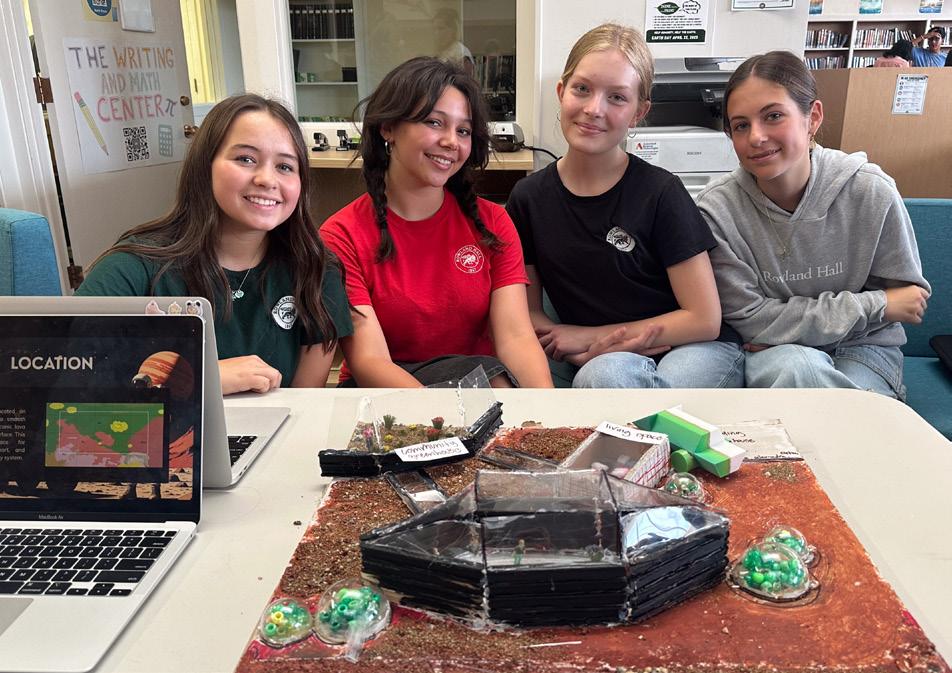
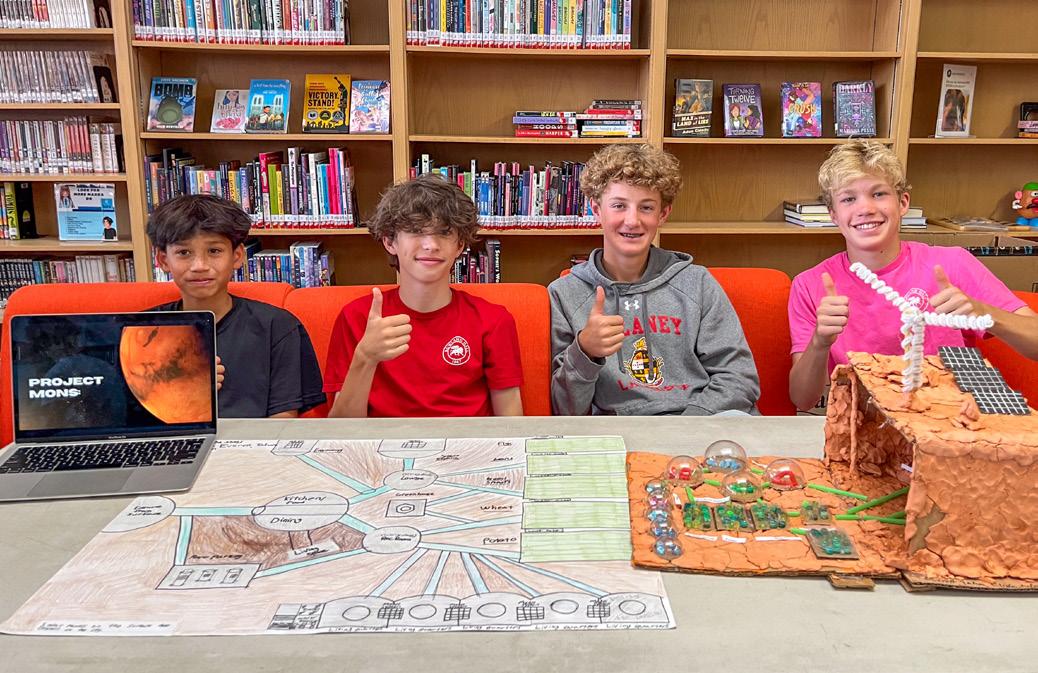
As the capstone project of the Middle School experience, Mission to Mars challenges eighth graders to bring years of learning together in one ambitious, interdisciplinary assignment. Drawing on three years of academic growth, students apply their understanding of geography, geology, human survival, and culture to design a sustainable colony on Mars. In collaborative groups, they conduct research to determine where on the planet their colony should be built, how it will function, and what people will need to thrive. Students also create physical and cultural artifacts to support life in an extreme environment and foster successful communities. The project culminates in a live presentation to attendees acting as potential investors, with students pitching their ideas through artifacts, models, and evidence-based reasoning in an effort to secure funding for their Mars colonies.
New Courses
Digital Gadget Creations
Directed Study
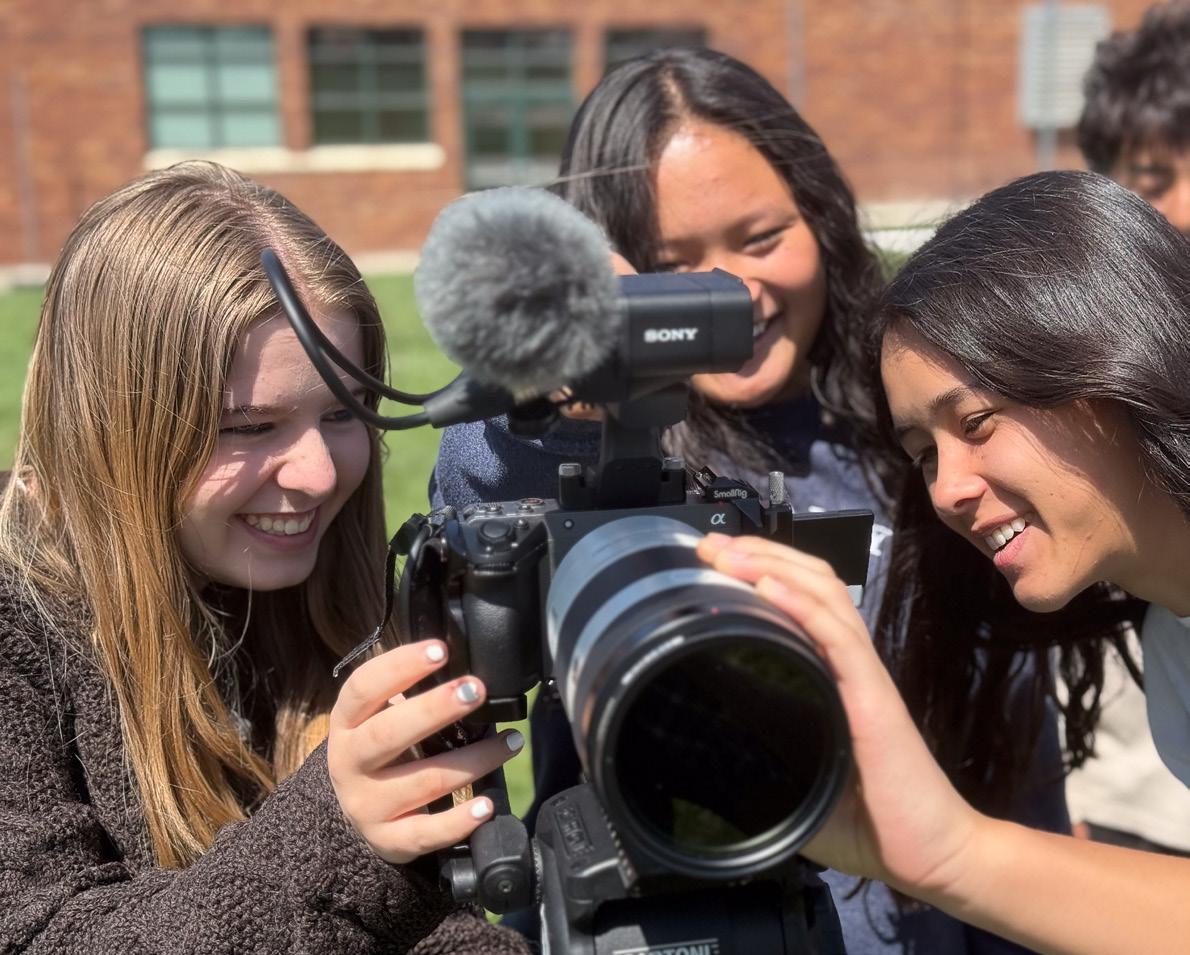
Introduction to Media Arts (redesigned as a photography/ filmmaking course)
RHTV
Theatre Bootcamp
2025 Mission to Mars project
Digital Gadget Creations Furthers Engineering Thinking
In Digital Gadget Creations, a new elective course unveiled in the Middle School this year, students bring ideas to life through hands-on projects that build engineering, coding, design, and problem-solving skills in new ways. Designed to tap into middle schoolers’ creativity and problem-solving instincts, the course builds a strong foundation in engineering and computational thinking that will support students for years to come. As class members design, test, and refine original creations, they develop technical knowledge and confidence while discovering the essential role creativity plays in the design process. One impressive showcase of those skills was the class’s collaborative amusement park project, featuring student-built creations ranging from boxing and maze-navigating robots to Formula 1-inspired race cars and a lighted carnival wheel.
Student Achievements and Accolades
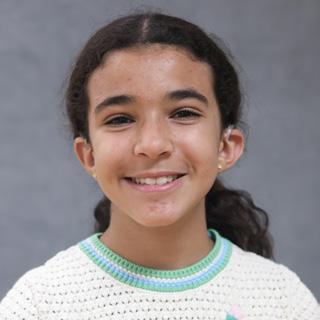
• Sixth grader Layla Saleh (pictured top) won first place in the Biomedical Engineering & Health Technologies category at the University of Utah Science & Engineering Fair for her project, “A Motorized Inhaler Aid for Patients with Hand Disability.” The project also took first place for the SAB Award and T.D. Williamson’s Outstanding Young Scientist Award and was recognized in the Thermo Fisher Junior Innovators Challenge.
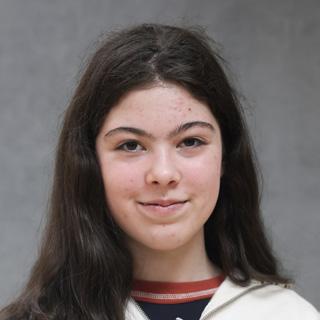
• For the first time since the class was established in 2023, the Middle School’s Mock Trial team placed at the state tournament, finishing fifth overall. Congratulations to Henry Dienes, Mira Franzini, Gabby King, Declan Miller, Neal Nimmagadda, William Pagoaga, Charlie Pickford, Jacob Regner, Maggie Ryan, Geneva Saunders, Victoria Schwarzhaupt (pictured middle), and Liam Spiker
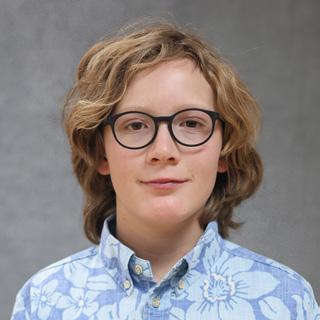
• Sixth grader Nicky Costello Francis (pictured bottom) had a poem selected for publication in an upcoming teen journal through 826 National, a teen writing publication. His poem, written in his Creative Writing class, explores the power of writing.
Upper School LEADING
THE WAY
A New Path for Scientific Research
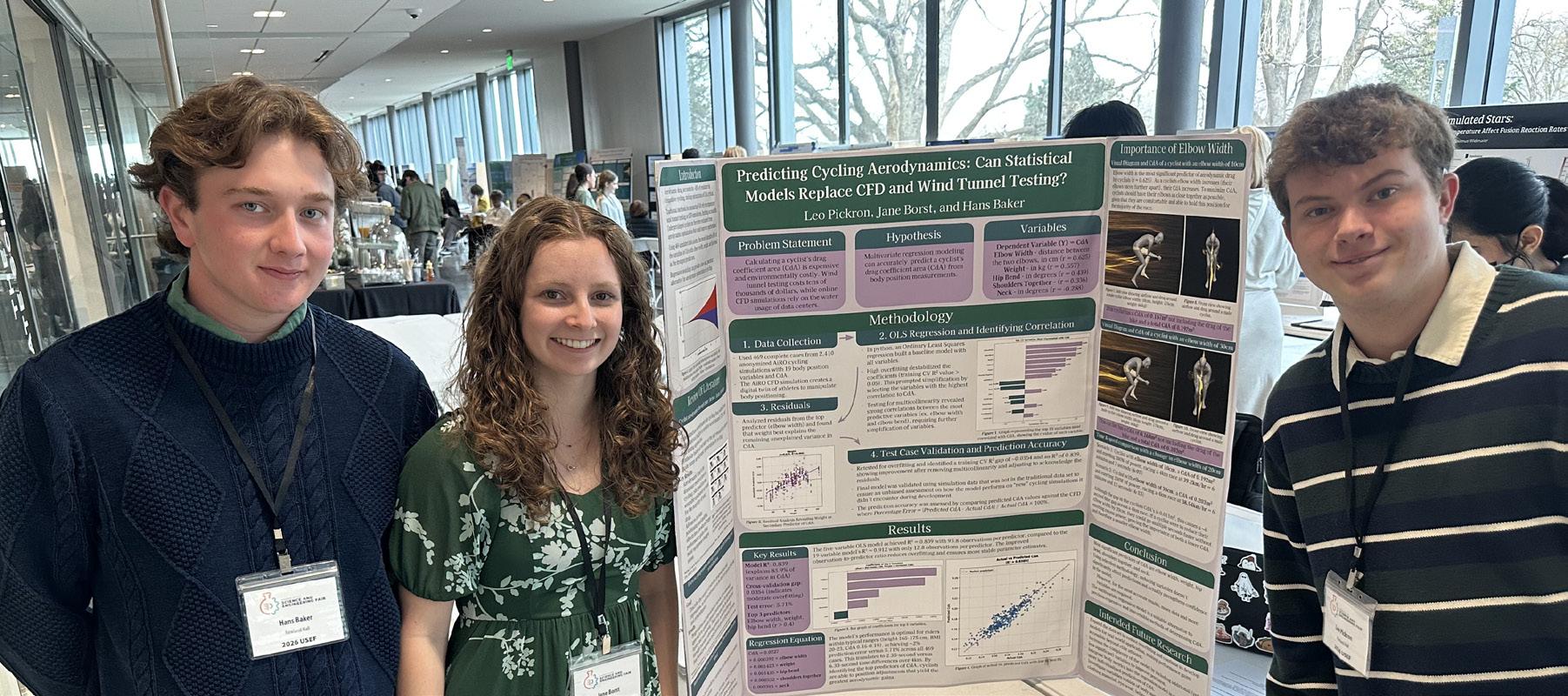
As the Advanced Research (AR) program has grown, so has student interest in pursuing research in new disciplines. At students' request, Rowland Hall launched AR Physics, our sixth AR offering since the program began, to allow seniors to build advanced skills in experimentation, computational modeling, and scientific analysis. In its first year, five students tackled three ambitious research projects focusing on cycling aerodynamics, the stability of the PlutoCharon system, and AI-powered data extraction. Driven by personal passion and supported by professional mentors, these emerging researchers spent months analyzing data and developing tools to answer increasingly complex questions. All three projects were presented at the University of Utah Science & Engineering Fair, where all three earned awards, reflecting both the quality of the work and the dedication behind it.
AR Humanities Turns Curiosity Into Scholarship
First offered in fall 2023, AR Humanities proves what happens when students follow their curiosity: they produce work with impact. Through college-level research projects, students build advanced writing, presentation, and analytical skills while exploring subjects that genuinely interest them. This year, 13 papers examined topics from celebrity rhetoric in US elections to gender bias in media coverage of Stevie Nicks and Lindsey Buckingham. Just as impressive is where students’ work leads. In addition to presenting at an end-of-semester in-house conference, class members shared their expertise beyond the classroom by leading lectures in Upper School classes. One spoke on Confucianism in Historical Foundations, another on musician Mongo Santamaría’s cultural impact in English 11, and another on poet Patrick Pearse’s techniques in Creative Writing. Two wrote op-eds based on their research, one on Deaf erasure on Martha’s Vineyard and the other on the tradwife phenomenon in LDS culture. Another contributed research on new urbanism to a paper published by the University of Utah’s Metropolitan Research Center.
New Courses
Advanced Post-Production (Media Arts)
Advanced Research Physics
Business Leadership
Cinematography
Child and Adolescent Development
Computer Science II: Advanced Applications in Computer Science and Engineering
Digital Music
Hip-Hop (Dance)
Human Anatomy and Physiology
Marine Science
Principles of Marketing
Student Achievements and Accolades
• Eighteen upper schoolers won awards at this year’s University of Utah Science & Engineering Fair: Cassidy Bahna, Hans Baker, Aanika Boe, Jane Borst, Jacob Conover, Evan Elkin, Cecelia Hyman, Dylan Johnson de Lacy, Kendra Larson, Harrison Lasater, Samuel Lu, Asher Orenstein, Darshan Pani, Leo Pickron, Alden Rhodes, Aimee Solzbacher, Rayne Weinstein, and Samantha Wright. Samuel and Rayne qualified to compete at the Regeneron International Science & Engineering Fair, and Asher and Samantha qualified to compete at GENIUS Olympiad.
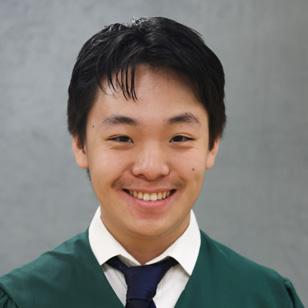
• Samuel Lu (pictured left) was named a semifinalist in the Regeneron Science Talent Search, the nation’s oldest and most prestigious science and math competition for high school seniors.
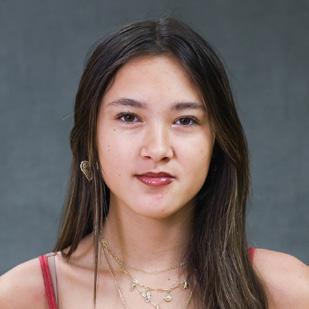
• Rowland Hall Debate captured the school’s fourth state title in five years. Congratulations to Arianna Ali, Fatima Asad, Dean Borst, Tyson Brown, Baker Campsen, Evie Chen, Lucas Choi, Scarlett Corey, Sofia Drakou, Brady Eckrote, Anya Ellahie, Meg Hoglund, Gregory House, Harrison Lasater, Emery Lieberman, Chloe Llewellyn, Sawyer Orgain, Alex Previtali, Enzo Rust, Gavin Schmidt, Jena Shaaban, Ada Tyser, Izzy Utgaard (pictured middle), Reid Venkatesan, and Chloe Vezina
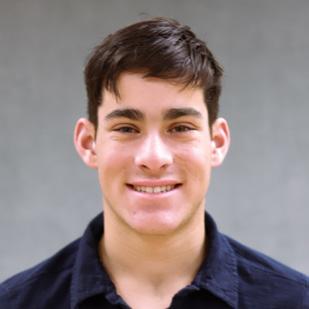
• Sophomore Nate Brown (pictured right) won this year’s U16 National Championship in giant slalom. Fellow Rowmarkers Reilly Cooper and Cree Gilmour also qualified for the event, with Cree finishing second in giant slalom and third in super-G.
• Advanced Chamber Ensemble received Superior, the highest possible rating, at the UHSAA State Solo and Ensemble Competition. Kudos to Deann Huang, HaUhn Kim, Jonas Lohr, Mason Lui, and Evan Tzau
• The Upper School’s choir achieved a Superior rating at this year’s Solo and Ensemble Festival. Congratulations to Marin Bean, Story Cutler, Luke Gagan, Zoe Hone, Allie Loewen, Mina Maidon-Felker, Andrew Miles, Tori Somerville, and Zoya Syed
CENTER FOR
Co mmun it y Im p act
CENTER FOR COMMUNITY IMPACT DOUBLES REACH OF HORIZONS AT ROWLAND HALL
After a strong inaugural summer that welcomed 23 rising second graders from Liberty and Whittier elementary schools, Horizons at Rowland Hall is more than doubling its reach. In summer 2026, the program is expanding to serve 50 rising first, second, and third graders from Liberty, Whittier, and Woodrow Wilson elementary schools.
Launched in summer 2025 as Utah’s first affiliate of Horizons National, Horizons at Rowland Hall is a six-week program designed to mitigate learning loss between school years. Participants enjoy daily literacy and math instruction, swim lessons, and enrichment experiences. Families pay $35 for the summer and financial aid is available.
Horizons at Rowland Hall is one of several initiatives made possible through the Center for Community Impact, which advances the school’s priority of becoming an indispensable partner in the region through meaningful, sustained community partnerships.
IMPACT SUMMIT’S SECOND YEAR INSPIRES CONNECTION AND ACTION
The Center for Community Impact’s second Impact Summit brought together students, faculty, and community partners to explore ideas and engage with real-world challenges. A two-part experience, the Summit connects students more deeply with their community, inviting them to learn about and contribute to work happening around them.
The Fall Impact Summit on Youth Engagement and Impact brought nine community partners to campus for a town hall-style conversation about local dilemmas. Breakout sessions and tabling opportunities followed, led by partners as well as students, faculty, and staff, sparking student engagement and action research projects.
The spring event, Innovation and the Future, welcomed community partners to campus for a student-led program. The gathering included a keynote by Dr. Lorna Torrada, director of future thinking and 21st-century skills at the Girls School of Austin, along with breakout sessions highlighting student work and action research projects inspired by the fall summit. Eighteen partners also tabled at the event, continuing the conversation and building on the year’s momentum.
Congratulations TO THE CLASS OF 2026
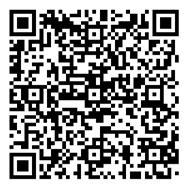
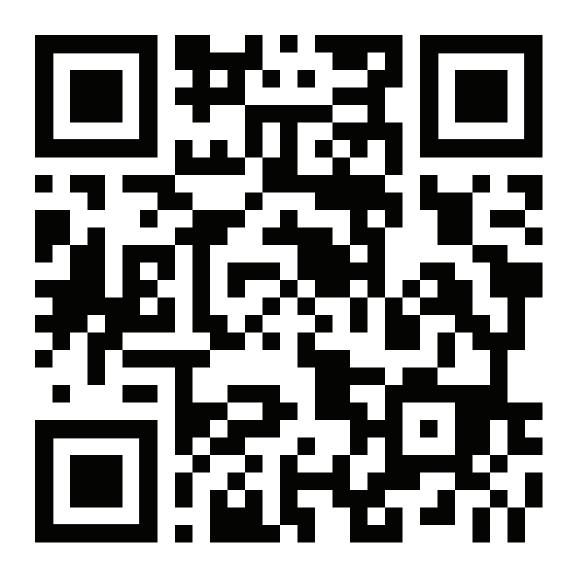
Congratulations to the 71 graduates of the class of 2026, who earned admission to 129 colleges and universities. Eighty-four percent of seniors were admitted to one of their top three college choices. Below is a sampling of this year’s admission list; scan the QR code to view the full list.
American University
Bates College
Boston College
Boston University
Bowdoin College
Brown University
California Polytechnic State University, San Luis Obispo