In a context marked by technological transformation, professionalisation, and the growing demand for ef ciency, sustainability, and animal welfare, the pig sector continues to advance while facing increasingly demanding challenges. The evolution of farms in recent years has driven the industry to adopt new solutions and processes to optimise production, improve management, and ensure safer environments that meet the needs of both animals and professionals in the sector.
In business, this modernisation of pig farms primarily requires ensuring the reliability and durability of the materials used in the facilities. Therefore, in this edition of the magazine, we share how they are developed within Rotecna’s internal testing and quality control programs, which aim to validate under demanding conditions, the structural resistance of strategic products such as panels. These tests allow us to optimise manufacturing processes and ensure welds that maintain long-term performance, even under impacts, pressures, and intensive use on the farm. A commitment to quality that contributes to improving safety, animal welfare, and operational continuity of farms.
Finally, it is worth highlighting our active presence at international events, which remains a strategic means of listening to the market and sharing innovation. Over the last few weeks, Rotecna has participated in the Ildex Vietnam and the World Pork Expo in the United States, thereby reinforcing our commitment to developing more ef cient and sustainable pig production globally.
CONTENTS
4. Rotecna News
Rotecna, present at the major meeting points of the pig sector.
6. Technology
A test program ensures that the welding process for Rotecna panels is reliable under real-world conditions.
10. Global Pig
M. Garcia: “With Silotronic, it is simpler, safer, and more precise to know the feed left in each silo and the quantity to order”.
14. Future News
J. Arenas: “The great challenge is to achieve an effective vaccine against a highly variable pathogen”.
18. Pig Production in...
India is making slow progress developing its pig sector.
Rotecna World
Director: Antonio Pinos.
Editor: Francisco García, Tamara Lombardo.
Translation: Sam Smith.
Print: Imprenta Barnola.
L-41-2007
Antonio Pinos, CEO, Rotecna.
Rotecna's World's editors accept no liability for contributor's opinion.
DIGITAL VERSION /issuu.com/rotecnapress
ROTECNA , PRESENT AT THE MAJOR MEETING POINTS OF THE PIG SECTOR
Participation in strategic fairs in Asia and America brings the company closer to the needs of each market and favours exchanges with industry professionals.
In an increasingly global and technical pig sector, Rotecna continues to strengthen its internationalisation strategy by participating in key industry professional gatherings. Over recent weeks, the company has been present in key markets such as Vietnam, the United States, Ecuador, and Mexico, engaging professionals in the sector to share knowledge and present solutions to improve farm efficiency, sustainability, and animal welfare. These meetings consolidate Rotecna’s commitment to developing more innovative, connected pig production prepared for future challenges.
ILDEX Vietnam
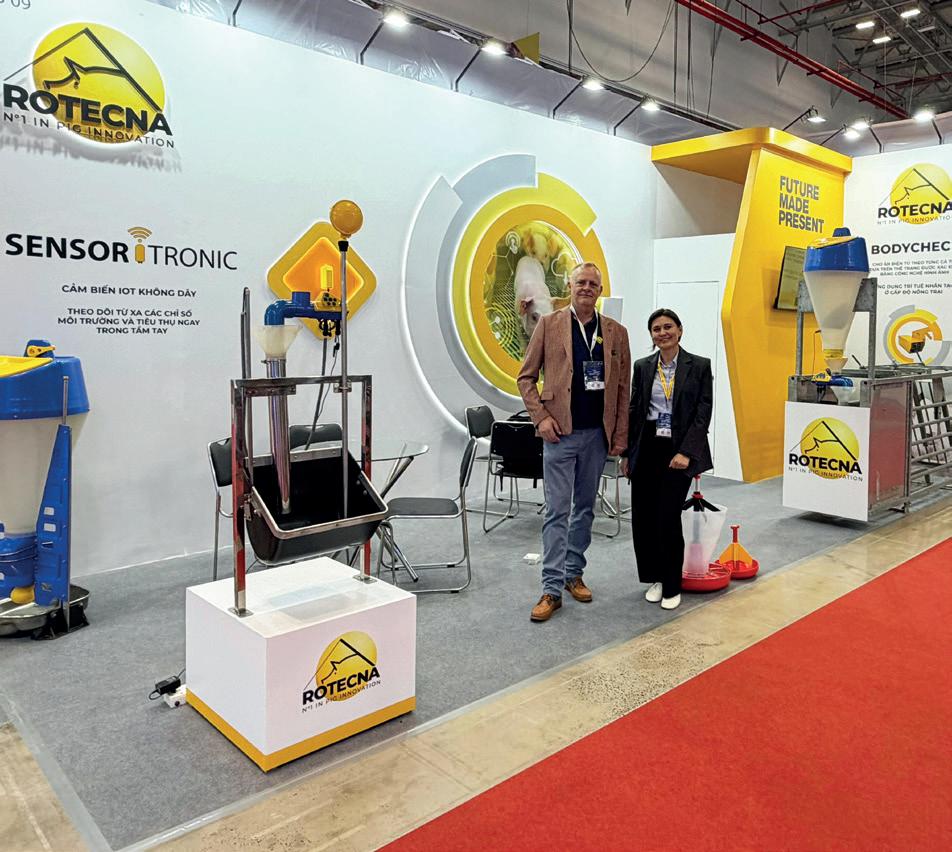
Rotecna’s participation in the Ildex Vietnam has closed with a very positive balance, marked by the high interest of visitors in our pig equipment solutions. This event has allowed the company to enter a market with enormous potential, such as Vietnam, currently the second-largest pork producer in Asia, with a herd exceeding 28 million animals and per capita consumption among the highest in Asia.
During the fair, Rotecna introduced its most notable innovations, including the Bodycheck system, based on
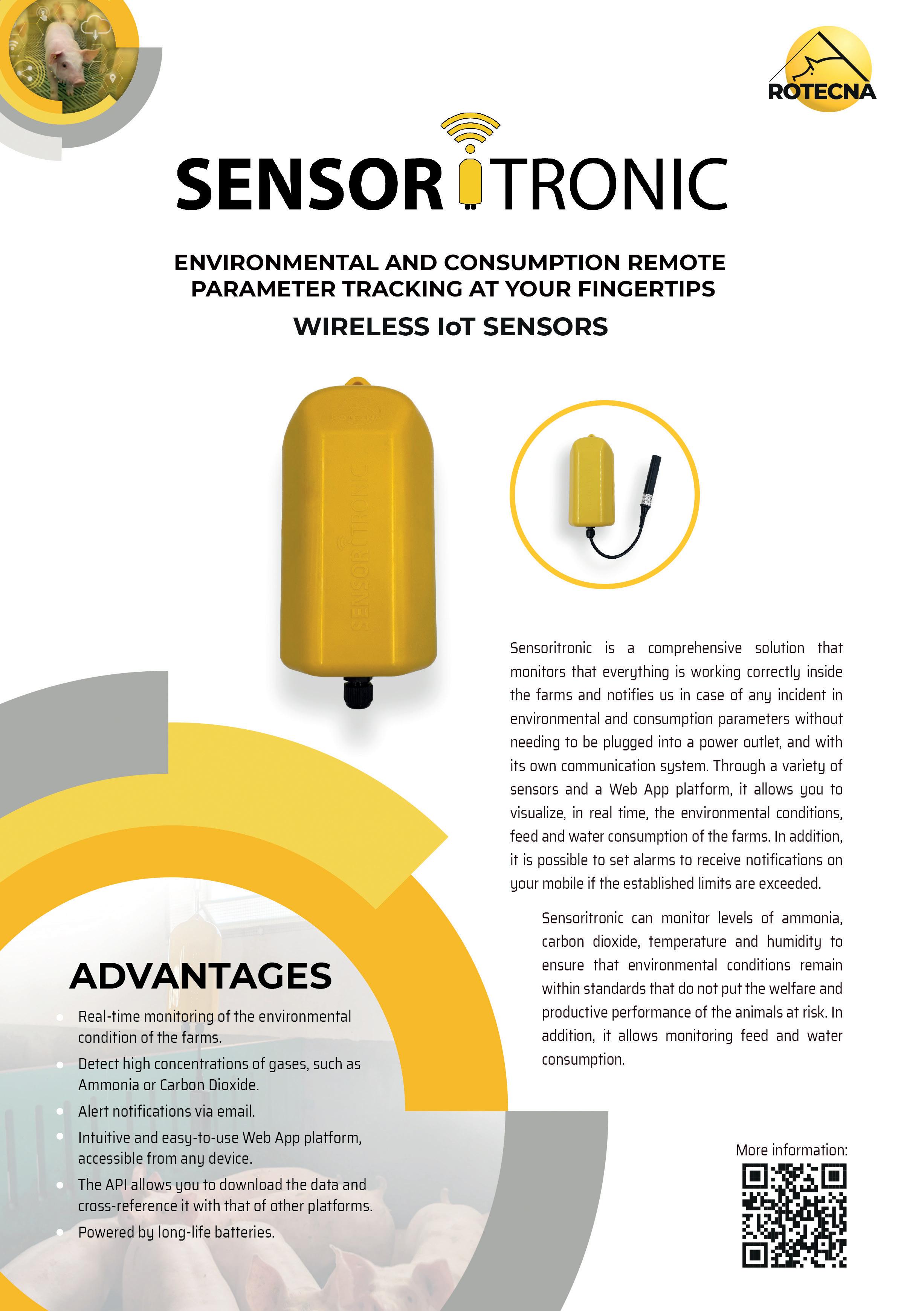
artificial vision to evaluate sows’ body condition and optimise group feeding, and the SensoriTronic range of wireless sensors, which enable real-time monitoring of key farm parameters via IoT technology. Both solutions aroused great interest among professionals in the sector, who are increasingly focused on improving farm efficiency, sustainability, and control.
The presence at fairs such as Ildex Vietnam reinforces Rotecna’s internationalisation strategy and its commitment to expanding markets. The company continues to focus on the needs of local producers, aiming to provide solutions that boost the profitability and sustainable development of the pig sector in the region.
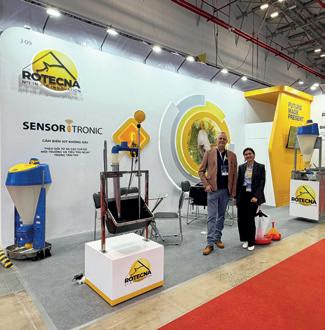
Rotecna introduced its innovations at ILDEX Vietnam. Photo: Rotecna.
World Pork Expo
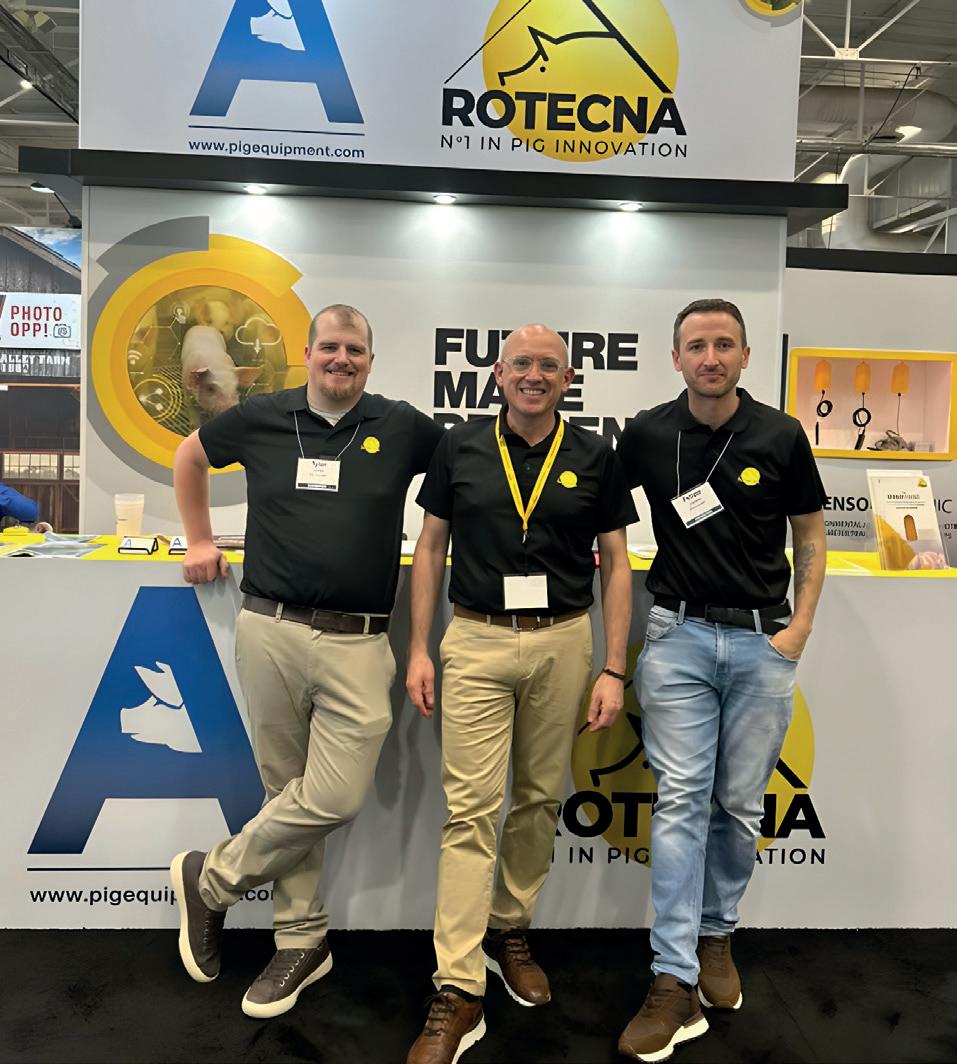
Rotecna once again participated in the World Pork Expo fair in the United States, with its own stand, one of the most relevant pork markets globally. With a census of more than 75 million pigs and exports exceeding $ 8.6 billion, the US sector not only stands out for its size but also for its ability to influence the industry’s evolution.
In this context, participating in the fair alongside our local distributor allows us to strengthen relationships, learn first-hand about the needs of the North American market, and showcase our latest technological innovations. The World Pork Expo has thus become a key meeting point for exchanging knowledge, identifying trends, and addressing the current challenges of the pig sector.
During the fair, from the Rotecna stand, we showcased solutions designed to improve farm productivity, sustainability, and connectivity. With its presence at this important event, Rotecna reaffirms its commitment to innovation and to accompanying the global pig sector towards a more efficient and sustainable future.
Presence in LATAM
In the context of the growth of the pig sector in Latin America, Rotecna has strengthened its presence at two key events recently held in the region.
From May 13 to 15, Rotecna was present at Proteína Viva 2026 in Quito. In a context in which Ecuador already ranks pork as the secondmost-consumed protein, with per capita consumption of 12 kg annually, the fair offered an opportunity to share the company’s vision for how animal welfare can become an engine of efficiency and sustainability in pig farms.
Likewise, from 12 to 16 May Rotecna accompanied its local distributor, OPORMEX, at one of the main meetings of the swine industry in Mexico, a country that continues to strengthen its position among the world’s largest pork producers. The fair was a key space to strengthen ties with the sector, share knowledge, and present solutions to address the challenges of current and future farms.
With its participation in both events, Rotecna reaffirms its commitment to innovation and the sustainable development of the international pig sector.
Rotecna team at World Pork Expo. Photo: Rotecna.
PLASTIC PANELS Technology
A test program ensures that the welding process for Rotecna panels is reliable under real-world conditions.
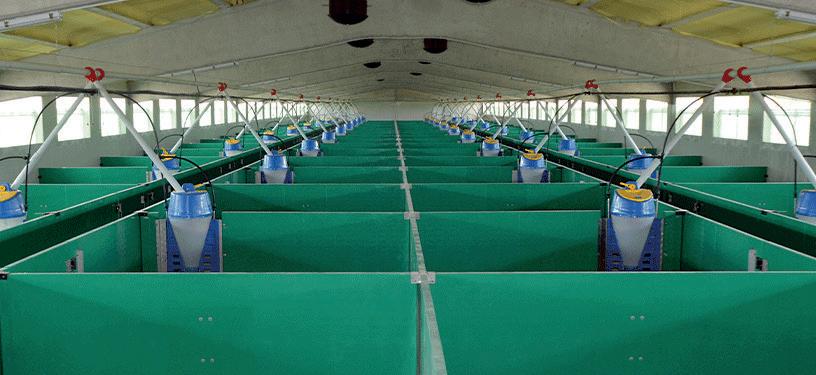
In the livestock sector, the reliability of the materials used in facilities is a determining factor in guaranteeing both animal welfare and the durability of the facilities. Rotecna panels used as separators within farms are subject to particularly demanding conditions: sudden attacks from animals, constant pressure from their weight or behaviour, and specific impacts that can test their structural resistance.
These panels must not only withstand high stresses but also maintain their performance over time without deformation or failure. In this context, ensuring its resistance is essential to avoid incidents on the farm and interruptions in its operational continuity.
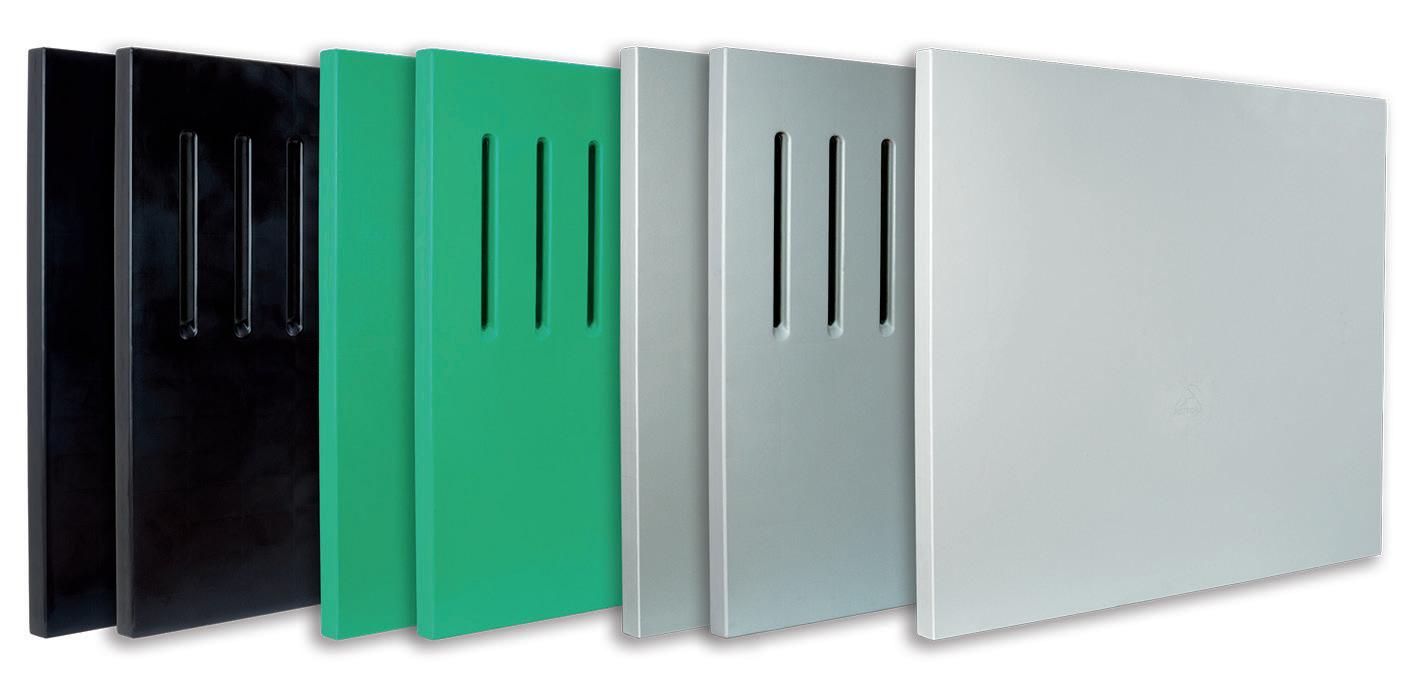
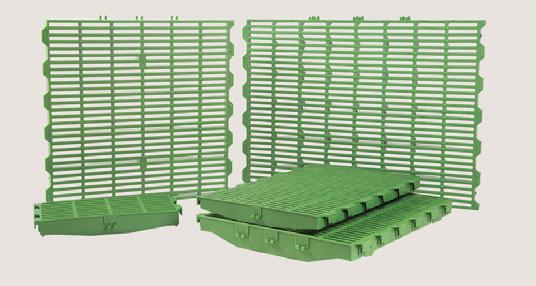
Rotecna custom panels are manufactured from 1200x1000 mm unit panels, which are connected using hot-plate welding. Although the unitary
panel meets very high-quality standards, the welding process can significantly affect the assembly’s final resistance. If carried out properly, this joint can, instead of being a critical point of the structure, have even greater resistance than the panel itself.
It must be noted that the final weld is influenced by multiple factors, including small variations in the raw material, deviations in the injection process, storage conditions, and adjustments to the welding process itself. Given this fact, to guarantee good welding, exhaustive control and continuous optimisation of all the parameters involved are necessary.
With this objective, Rotecna has a specific resistance testing program to oversee the behaviour of the welded panels and ensure their final performance.
Goals
The main objective of the testing program is to identify the combination of material and
STRENGTH AND DURABILITY OF WELDS
welding parameters that maximise the structural resistance of the custom panels, thereby ensuring they meet requirements throughout the manufacturing process. This involves not only testing the different configurations and parameters, but also understanding how the different process variables interact.
Among the key aspects analysed are:
• The pressure applied during the different phases of welding, the temperature of the hot plate, and the contact and melting times. These factors, which may seem independent, actually have a direct relationship with the quality of the joint and, therefore, with the final resistance of the product.
• The variability of the process. Given that external factors are difficult to control to 100%, such as slight differences between batches of material or environmental conditions, it is essential to define an optimal parameter range that guarantees consistent results. This ensures that panels meet minimum requirements, regardless of specific manufacturing conditions.
• Early detection of possible weak points in the production process. Aspects such as the actual temperature of the hot plate, the condition of its non-stick coating, the proper alignment of the pieces, or the quality of the panel cut can significantly influence the final result and, therefore, must be systematically controlled.
In short, the objectives of the tests are not limited to achieving good specific results, but must also establish a solid foundation that allows working with confidence, repeatability, and reliability in day-to-day production.
Testing process
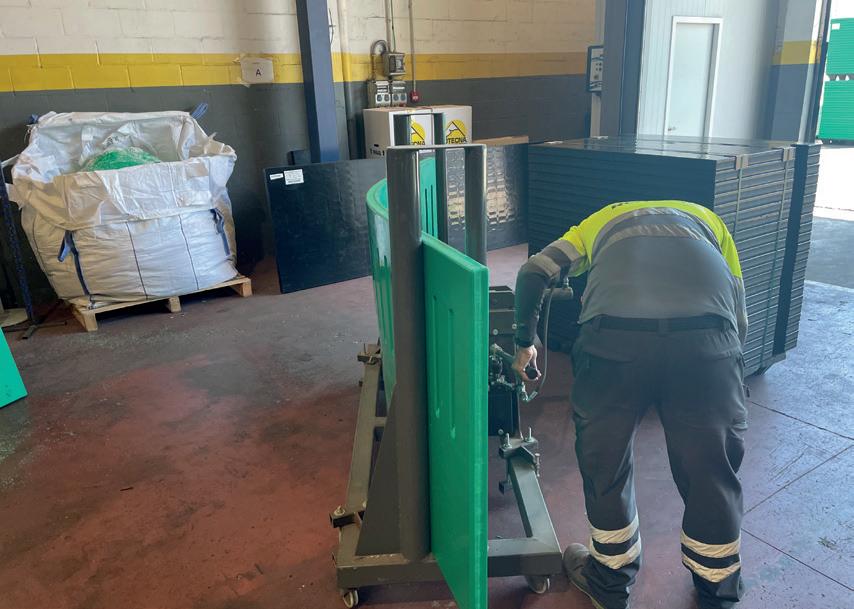
To accurately analyse the behaviour of welded panels, Rotecna uses its own specialised testing equipment. This system allows for the measurement of two key aspects:
• The panel’s deflection in response to applied force.
• The maximum resistance up to the breaking point.
The test procedure is clear and direct: the welded panel is subjected to progressive loading until it breaks. This type of destructive test is especially useful because it allows us to identify the product’s true limit and understand how it
behaves under extreme conditions, similar to or even higher than those encountered on a farm.
To ensure the reliability of the results, the study includes 45-50 tests with different combinations of welding parameters. This sampling volume is key to avoiding conclusions based on distinct or random results.
In addition, tests are carried out with different batches of material—for example, panels of different colours or compositions—and with various welding machines. In this way, it is guaranteed that the results are representative of the productive reality and applicable to all manufacturing conditions.
The results of each test are systematically recorded and analysed, often using visual tools such as colour coding to group the highest values for each parameter and identify trends. This approach allows us to clearly see which combinations improve resistance and which do not provide significant benefits.
This data-driven methodology not only facilitates decision-making but also allows for the establishment of objective criteria for process optimisation.
Conclusions
The results obtained from the trials are very relevant. Firstly, they allow defining the minimum resistance values that a part must meet to be validated. In this regard, a demanding criterion has been adopted to ensure a high level of quality.
From this rationale, the analysis of the tests and the progressive adjustment of the parameters allow achieving very significant improvements in the panels’ resistance. In some cases, the values obtained practically double the established minimum limit, which represents a notable increase in the product’s safety margin.
These improvements result from systematic efforts to identify optimal parameter combinations. Detailed test monitoring enables the detection of patterns and trends that are key to optimising the welding process and implementing improvements.
As a result of this program, a monitoring and maintenance protocol has been developed that enables any anomaly to be detected immediately. Together, the procedure contributes to ensuring the reliability of Rotecna panels, eliminating the risk of failure in real-use conditions and providing clear added value to the final product.
GLOBAL PIG
M. GARCIA: “WITH SILOTRONIC , IT IS SIMPLER, SAFER, AND MORE PRECISE TO KNOW THE FEED LEFT IN EACH SILO AND THE QUANTITY TO ORDER”
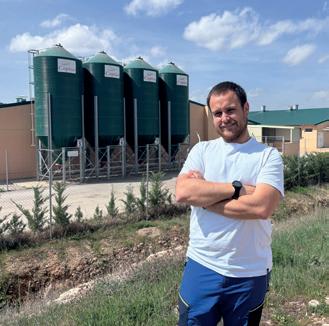
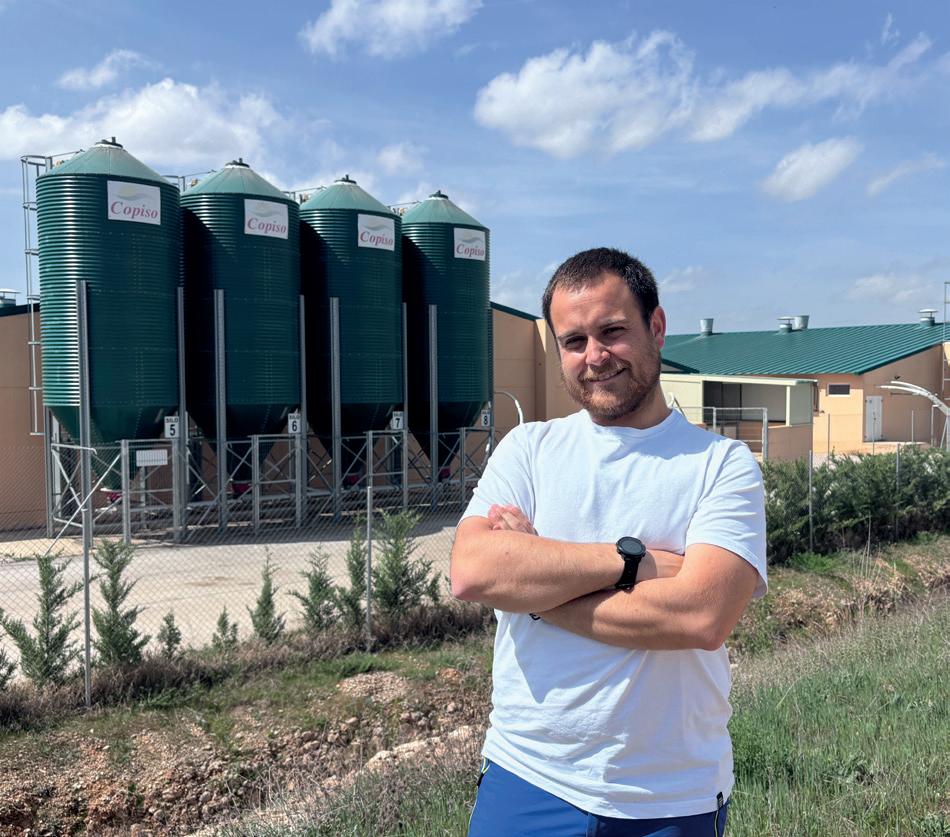
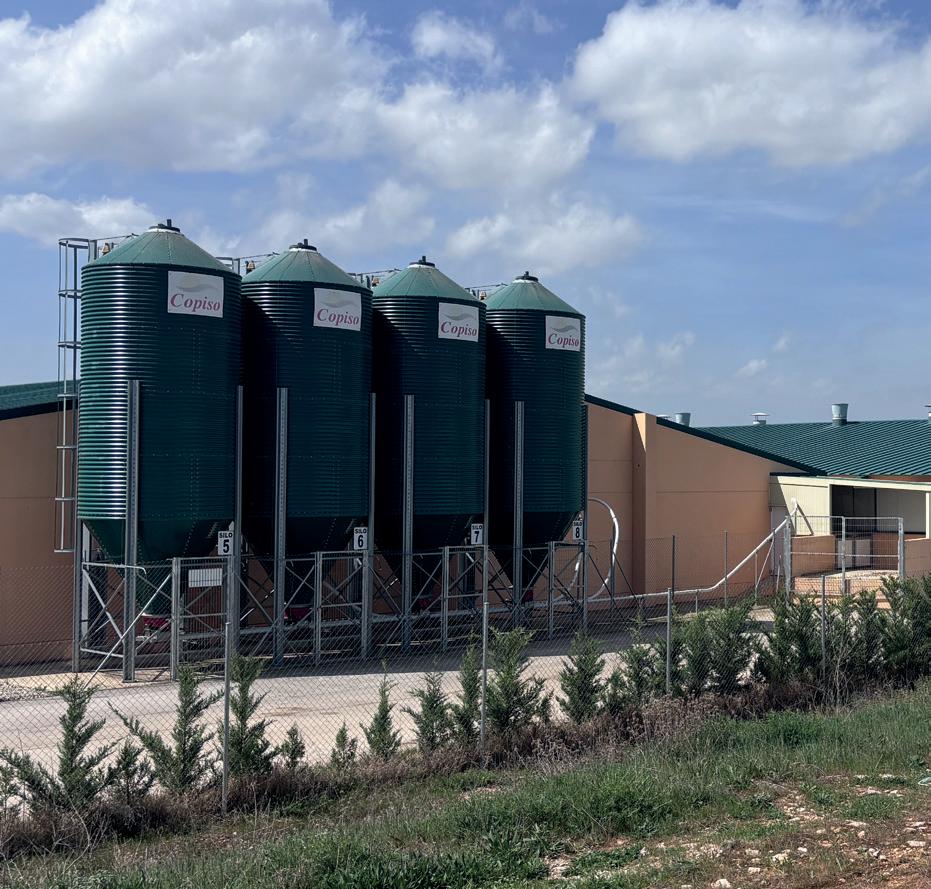
Located in Berlanga del Duero (Soria), the Sierrecillas farm has 13 Silotronic to control the feed level of the silos in real time.
In the current context of modernising the livestock sector, the adoption of new technologies has become a key factor in improving farm ef ciency, sustainability, and management. In this interview, we spoke with Marcos García, an agroenergy engineer and head of Silotronic at the Copiso group, who shares his experience implementing Silotronic, the real-time feed level control system for silos. Through their testimony, we learn how the digitalisation of feed control and logistics optimisation contributes to a safer, more pro table model adapted to the future challenges of the sector.
Why did you decide to commit yourself to livestock farming?
I am an agroenergy engineer by training. One of the fields in which I could work after finishing my studies was the livestock sector, and I chose this professional option.
On this farm, the Silotronic system is installed. Why did you decide to install this system to control the feed level of the silos?
The Copiso group decided to install the Silotronic mainly because it enables control of feed consumption on farms and makes farmers’ work
easier by simplifying feed ordering and optimising each farm’s resources.
How do they interact with the Silotronic system?
From the farmer’s perspective, it is very simple: they only need to confer the daily or weekly program to check the status of the silos and order the feed they need from our factory. On the other hand, to maintain a consumption history, we have programmed the Silotronic to take readings every 4 hours. Thanks to this, we can study different variants, such as whether the animals are eating the quantities they need or whether there is any error during feed unloading, and determine the type of feed that corresponds to each silo. In my specific case, I am responsible for providing
Marcos García, in charge of Silotronic at Copiso. Photo: Rotecna.
farmers with the devices and providing technical support for their installation and dayto-day operation on the farms.
Do you think it is an easy system to use on a farm?
Yes. The silotronic software is very intuitive and easy to use for farmers. Also, if needed, it integrates nicely with other software. For example, on sow farms, we use the Silotronic application, but in feedlots, Copiso has an internal application that is fully integrated with Silotronic, so we can see the same data in both programs.
What are the main advantages of working with Silotronic?
Above all, the optimisation of farm resources in relation to feed orders, because it is easier and cheaper to place feed orders with reliable data on the quantities left in the silos than without them. With the installation of Silotronic, it is no longer necessary to have a person on the farm climb the ladder to the top of the silos (with the risk that entails) or throw a stone into the silo to estimate how much feed remains inside. With Silotronic, it is simpler, safer, and more precise to know the feed left in each silo and the quantity to order.
At a logistical level, how does Silotronic improve coordination between the feed factory and the farms? With Silotronic, we handle all logistics for orders and the costs of transporting feed from the factory to the farms. We optimise the resources and quantities of feed to be ordered with much greater reliability. This is very useful, especially in fattening farms where, once a fattening cycle is finished, we want to ensure that no feed remains in the silos, as it would spoil, and, above all, that the silos
do not run out of feed when animals are present. This is the most important thing: that the animal is well cared for. From our experience, having Silotronic on farms benefits farmers. Although we already had an ordering system, we have improved it and transferred the information to the farmer. This makes it much easier for them to place orders, and for the factory, it is more efficient to organise orders and routes, thus avoiding problems such as sending more feed than necessary to a farm.
Silotronic’s software is very intuitive and easy to use. Photo: Rotecna.
GLOBAL PIG
As far as costs, what benefits have you noticed?
Working with Silotronic represents cost savings. First, we avoid wasting feed because when a cycle ends, there is no excess; second, we avoid transporting more feed to the farms than they need. Both are important costs that we save now that we have the Silotronic.
Besides Silotronic, what other Rotecna products have you installed on this farm?
Both on this farm and on others in the Copiso group, practically all the interior equipment is from Rotecna: floors, Dositronic M and G, hoppers, dispensers... We have a lot of Rotecna material.
What do you value about a company like Rotecna?
We value the company’s years of experience and its close after-sales technical support. Whenever I have called Rotecna, they have provided the necessary assistance and worked to find a solution as quickly as possible and efficiently.
In healthcare, what are your main concerns?
Mainly keeping the farm in optimal sanitary conditions. To do this, we prioritise biosafety and aim to ensure that barriers are not breached to prevent the entry of diseases, while maintaining animal welfare, productivity, and overall herd health at all times.
What biosafety measures do you have installed?
Before a person enters the farm, they must follow a protocol to prevent the introduction of disease. There are also measures regarding transportation: for example, with Silotronic, in the logistics of feed delivery, trucks cannot go to just any farm; each operator and each truck has its own established farms.
What are the group’s future challenges?
At Copiso, we work to continue growing optimally, as we have been doing to date. We are especially committed to adhering to the work guidelines established to prevent problems on our farms and to continue growing.
Escanear el código QR para ver el vídeo.
View of feed silos with Silotronic installed. Photo: Rotecna.
J. ARENAS: “THE GREAT CHALLENGE IS TO ACHIEVE AN EFFECTIVE VACCINE AGAINST A HIGHLY
VARIABLE PATHOGEN”
Streptococcus suis has established itself as one of the main health challenges in the pig sector. Although it is a regular part of the pig microbiota, certain conditions can allow this bacterium to trigger serious, fatal infections within a few hours. Jesús Arenas, a biologist and professor at the University of Zaragoza, explains how factors such as stress, the intensi cation of farming, and reduced antibiotic use have favoured its expansion. In this interview, he addresses scienti c advances aimed at controlling a disease for which there is still no fully effective vaccine.
What is Streptococcus suis, and why has it become an increasingly important problem on pig farms?
Streptococcus suis is a bacterium that lives in many animals, but is particularly problematic in pigs. We find it in the respiratory and upper tracts, the genitals, and the intestine. It does
The reduction in antibiotic use, increased stress, and intensi cation of production systems favour the expansion of Streptococcus suis on farms.
not cause problems, except when it occasionally crosses epithelial and endothelial barriers, leading to septicemia and meningitis. Streptococcus possesses numerous virulence factors, enabling it to evade the host’s immune defences and cause a streptococcal infection that can lead to the animal’s death within a few hours.
What symptoms does it cause in pigs?
The main symptoms are septicemia, meningitis, and endocarditis, and it can also generate biofilms in the heart and arthritis. It can invade numerous internal organs.
What animals does it especially affect?
The animals most susceptible to infection are piglets during the weaning phase, as the bacterium’s impact is closely linked to an immature immune system and is further exacerbated by stress. During this stage, piglets are weaned from the sow, move from living with their littermates under maternal protection to being housed with unfamiliar animals, undergo dietary changes, and face other challenges. These stressors can lead to immunosuppression, allowing Streptococcus suis to overcome the animal’s natural defence barriers more easily.
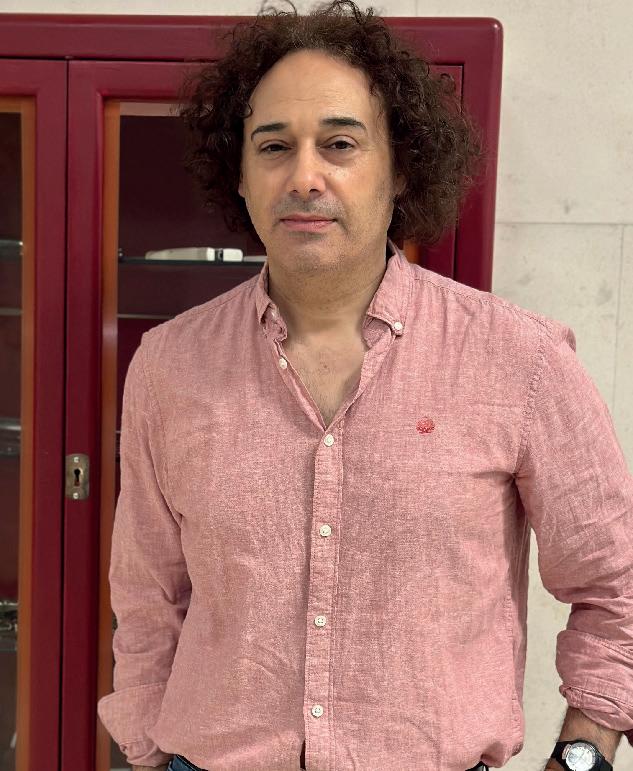
Jesús Arenas, biologist and professor at the University of Zaragoza. Photo: J. Arenas.
We know that it can be transmitted to people. How does this occur, and who is most at risk?
Above all, it has been observed among people working on farms and having direct contact with animals without protection, especially those affected by highly virulent clones. This direct contact means the disease can be transmitted through aerosols and wounds. Studies in various countries have shown that Streptococcus suis can be found among veterinarians, farm personnel, inspectors, slaughterhouse personnel, and butchers. Also, cases have been reported among people who hunt wild boars, who may be infected with Streptococcus, which causes very rapid-onset meningitis.
How has the problem of Streptococcus suis evolved in recent years in Spain?
Streptococcus suis was a bacterium that responded well to antibiotics, but regulatory changes at the European level to reduce antibiotic consumption have led to more cases of the disease. Another factor in this increase has been the intensification of production, which allows Streptococcus suis to be transmitted quickly between animals, and a higher level of stress. Furthermore, hygienic conditions
influence the persistence of bacteria in the environment and their potential for transmission to animals. In short, they are a set of factors that make Streptococcus suis evolve as a problem. Furthermore, we must add that although vaccines aim to reduce and control the disease, they are not 100% effective against all strains.
“The disease is estimated to cause between 140 and 180 million euros in economic losses per year in Europe.”
How can this be fought?
We must try to make rapid diagnoses of infections to prevent them from spreading, and to apply measures effectively so that hypervirulent clones do not persist after an infection and can reinfect the animals. On the other hand, many substances aim to reduce the carrier state in animals through additives in food and dietary control. Finally, we also have vaccines that, although not entirely effective, prevent the expansion of clones and, in many countries, are being used to prevent the spread of the disease on farms.
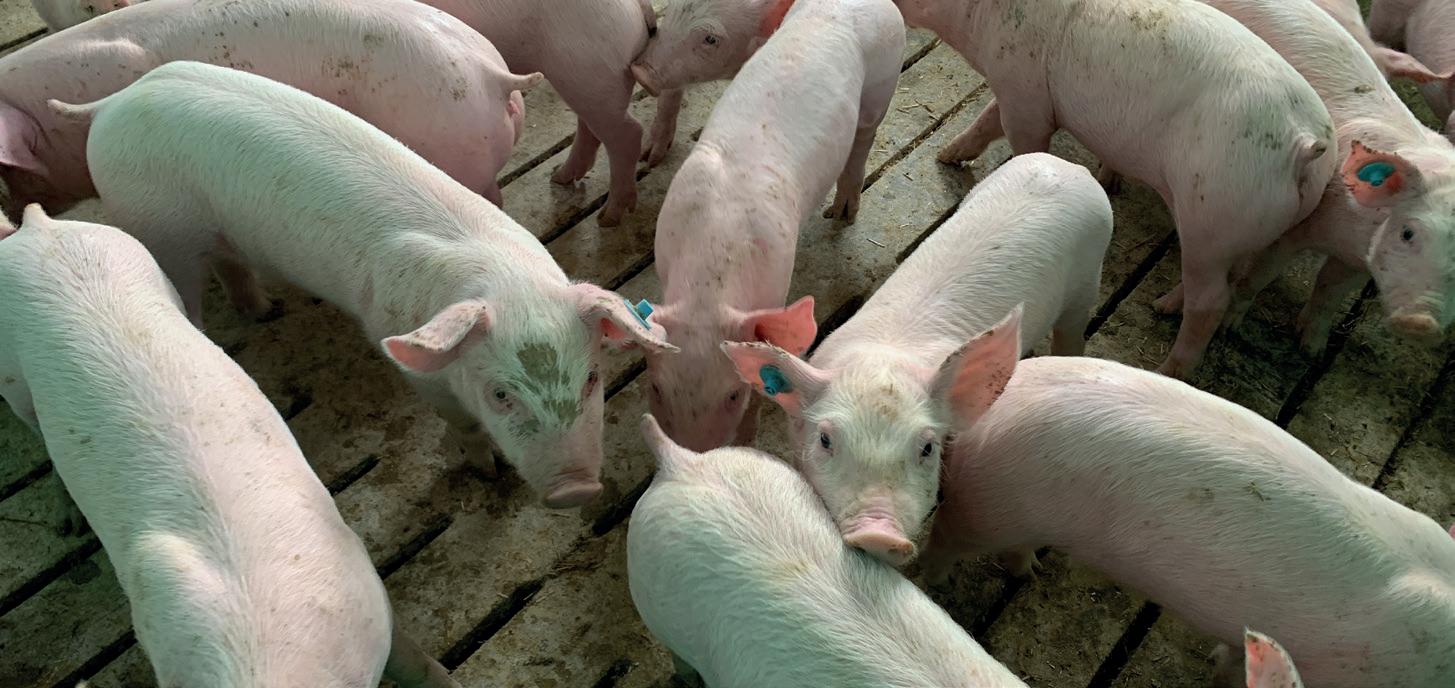
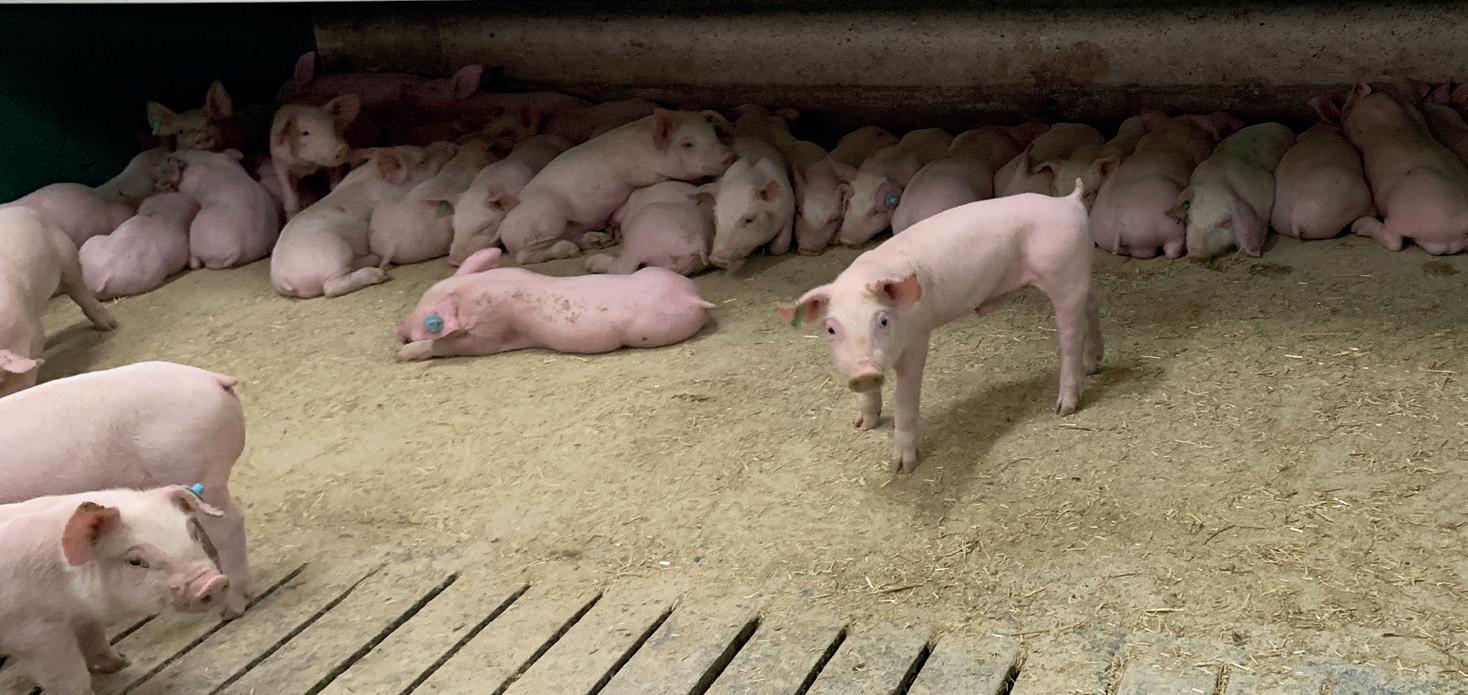
The animals most susceptible to infection are piglets during the weaning phase. Photo: Rotecna.
FUTURE NEWS
We must try to make rapid diagnoses of infections to prevent them from spreading.
What economic and productive impact does this disease have on the farm’s pigs?
It is a difficult question to settle. First of all, the casuistry on farms is very different and has not been studied in sufficient detail. Typically, that information comes to us from veterinarians working on farms and from their experience. Based on this information, we have identified farms with mortality rates ranging from 0.5% to 20%. A study conducted on farms in Spain, Germany, and the Netherlands found that 80% of production units were clinically affected by Streptococcus suis. That does not mean that all the animals were affected, but it does mean that there was at least one case. In terms of costs, the disease is estimated to cause between 140 and 180 million euros in economic losses per year in Europe.
Given this case, how did the EPIG project emerge at the University of Zaragoza?
After working for many years as a researcher in the Netherlands, I joined the University of Zaragoza five years ago. During a research funding call, an opportunity arose to return to this pathogen I had previously studied. I contacted colleagues from the Dutch university where I had worked to discuss how we could
devise the project based on the work we had from previous collaborations carried out at the European level, and the current project emerged.
“Streptococcus suis is highly variable at the genetic and antigenic level.”
What are the main objectives being worked on in this project?
We work together across several countries (Spain, the Netherlands, England, Germany, and Ireland), and each country has its own methodologies, approaches, and perspectives in the project to find solutions to Streptococcus suis. In Spain, we will work in two ways. On the one hand, try to differentiate between commensal strains, which do not cause infection in practice, and highly virulent strains, which exhibit specific genetic characteristics. From here on, we will develop techniques to determine how virulent strains move, relative to commensal strains on farms, assess transmission between animals, and implement procedures to prevent their spread. On the other hand, we will study a surface-exposed protein in hypervirulent clones,
Photo: Rotecna.
determine its function and its relationship to virulence, and develop vaccines based on it. Other countries are studying aspects such as the influence of heritability on disease transmission, the use of various immunoexclusion methods, and the alteration of the microbiota to prevent colonisation by hypervirulent clones.
What kind of innovations or scientific approaches are being applied to fight Streptococcus suis?
It depends on the research group. Some are investigating the use of bacteriophages to combat multidrug resistance, a major problem in China. Others are studying feed additives that could be incorporated into diets to reduce the carrier status of Streptococcus suis. Research is also underway to develop vaccines and drugs that prevent or inhibit the progression of infection.
What are the main challenges the research is facing?
The great challenge is to find a vaccine that is effective against a highly variable pathogen or, at least, against strains that are more invasive. The problem is that Streptococcus suis is highly variable at the genetic and antigenic level. For example, here in Spain, we can see that all existing strains share approximately 50% of their genomes. That is, the rest of the genome consists of many structures that vary from one strain to another. The vaccines currently available are based on whole cells or specific antigens, and the problem is the variability of these antigens, which are not present in all hypervirulent strains or, if they are, vary widely. So, the vaccine that is partially effective against some strains is not effective against others, and this is the great challenge.
PIG PRODUCTION IN
INDIA IS MAKING SLOW PROGRESS DEVELOPING ITS PIG SECTOR
With 1,463 million inhabitants in 2025, an expanding economy and growing urbanisation, India is one of the emerging economies with the greatest global projection and a highly complex agri-food market. However, the swine sector still remains very underdeveloped within the country’s livestock structure, constrained by deep cultural, religious, and food restrictions that slow both production and consumption.
Despite this, certain regions in the north and northeast have consolidated relatively stable pig activity supported by small family farms and, increasingly,
more professionalised business models. Furthermore, the expansion of international catering, the increase in tourism, and the growth of high-income urban consumers are beginning to generate market niches for pork products with greater added value.
Pig production
Indian pig production has very little significance within its powerful livestock system, which is largely dominated by milk, poultry, and buffalo production. In this context, the pig occupies a secondary position, and its development is concentrated in certain regions
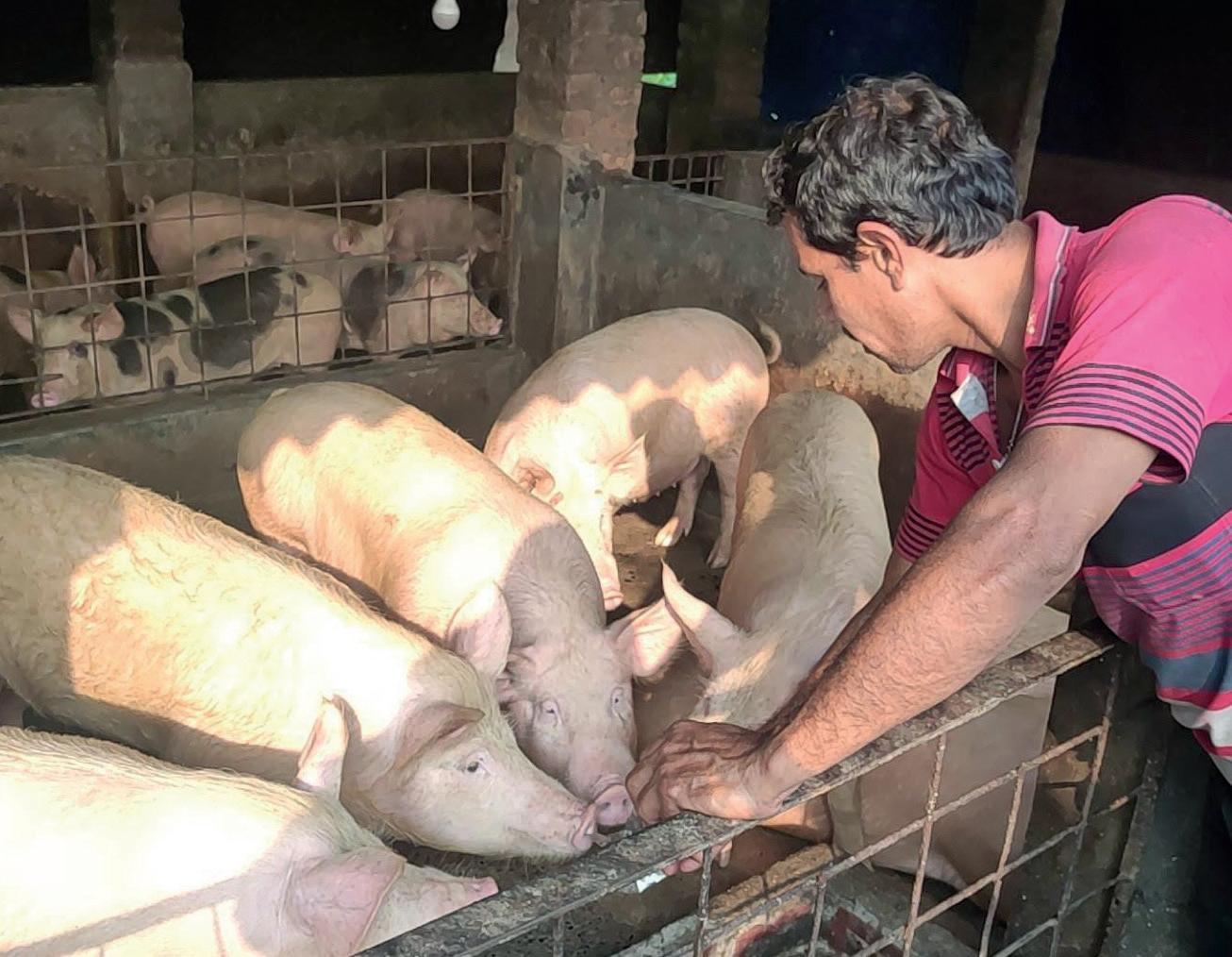
The modernisation of farms coexists with one of the lowest rates of pork consumption in the world.
of the north and northeast of the country, especially in Assam, Meghalaya, and Jharkhand, where consumption is more culturally accepted.
The productive structure is mainly based on small family backyard farms, although in recent years a gradual shift toward more professionalised commercial farms has been observed, which are estimated to accommodate about 2.6 million pigs and produce around 261,360 tons annually. However, some estimates raise total production from 350,000 to 420,000 tons, including output from thousands of small farms scattered across the country.
Consumption
Pork maintains a very limited presence in the Indian diet. It is estimated that total
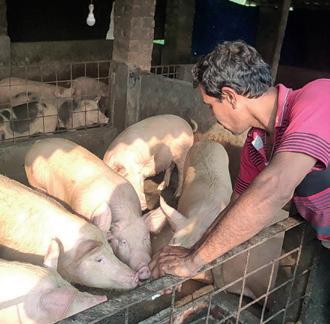
The productive structure is mainly based on small family backyard farms.
consumption barely exceeds 263,000 tons per year, which places per capita consumption below 0.2 kilos per inhabitant per year, one of the lowest levels among the world’s large economies.
The reasons for this situation are multiple. On the one hand, India concentrates the largest number of vegetarians and vegans on the planet, since more than 25% of its population follows meatfree diets. Furthermore, significant religious and cultural restrictions dominate, along with ongoing prejudices about the healthiness and purity of the pig.
On the other hand, the country’s meat consumption is clearly oriented towards other proteins. Chicken accounts for approximately 52% of total consumption, followed by lamb at about 35%, while buffalo and beef also account for significant proportions.
Pork consumption is concentrated in certain ethnic and religious communities, especially in northeastern states, and is also gaining ground in urban segments with high purchasing power. Likewise, international restaurants, hotels, and gourmet spaces drive a selective demand for premium products, often imported.
Market
India’s pork foreign trade remains low, largely due to the country’s high level of self-sufficiency, estimated at 99.57% in 2025. This scenario significantly limits dependence on imports, while exports are practically irrelevant and have lost weight after the health impact of ASF. Consequently, commercial activity focuses almost exclusively on small imports destined for specific market niches.
In this context, Spain has begun to gain presence. In 2025, the Spanish pork sector exported 132
tons of meat and processed meat to India, valued at 548,000 euros, with an average price of 4.15 euros per kilo.
Although volumes remain small, Spain already ranks as the third largest supplier of pork to the Indian market, with a 7.1% share of imports, only behind Russia and Belgium. However, market access remains complex. High tariffs, geographic distance, logistical costs, regulatory requirements, and limited knowledge of the Spanish product make broader commercial implementation more difficult.
Future
In the short and medium term, the Indian pig sector will remain constrained by significant structural limitations. Cultural and religious restrictions, the limited tradition of pork consumption, and the high degree of selfsufficiency hinder significant market expansion, suggesting slow, highly localised growth.
However, certain factors could favour a gradual evolution of the sector over the coming years. Urbanisation, rising incomes, and the expansion of international restaurants are generating new consumption habits in some urban environments, especially for higher-quality, added-value products.
In this context, the recent trade agreement between the European Union and India, signed in January 2026, could contribute to a progressive opening of the agri-food market. Although pigs will continue to have a reduced weight within the Indian livestock system, development opportunities are beginning to emerge in specific consumption niches, particularly in urban areas with growing demand for diversified animal protein sources.
Source: Interporc.
OWN DESIGN AND MANUFACTURE
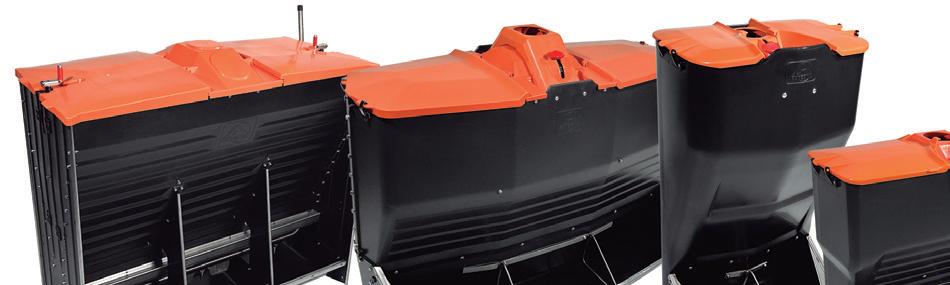
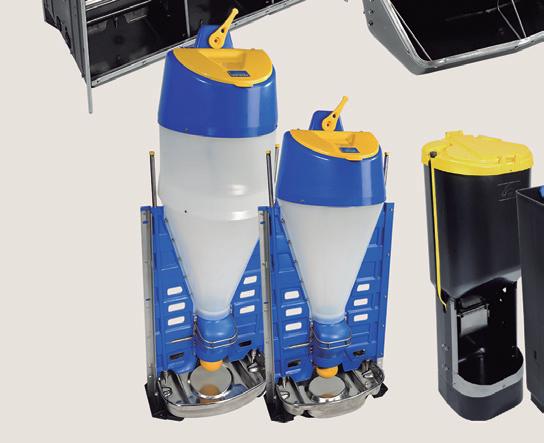
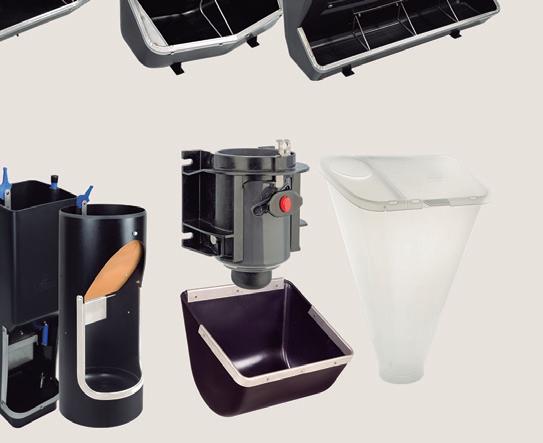
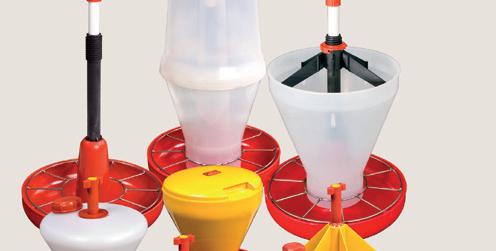
30 YEARS DEVELOPING HIGH RESISTANCE PLASTIC (POLYPROPYLENE) FEEDERS
FEEDERS
GROW FEEDER MAXI Fattening, WTF
GROW FEEDER MINI Weaning
SOW FEEDER Farrowing
SWING R3 DUO Weaning, Fattening, WTF
SWING R3 WET Weaning, Fattening, WTF
SWING R3 TUBE Weaning, Fattening, WTF
TR7D FEEDER Weaning
TR4 FEEDER Weaning
TR5 FEEDER Weaning
TR2 FEEDER Fattening
TR3D FEEDER Fattening
SF3D FEEDER Fattening, WTF
SOW BOWL Farrowing, Fattening, Gestation
FEEDING BALL Farrowing, Gestation
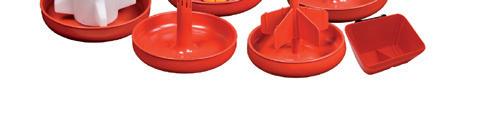
PANS
MAXI PAN
MAXI HOPPER PAN
TECNA PAN Plato 1ª edad
EASY PAN Plato 1ª edad
Adaptation pan - Weaning
Adaptation pan - Weaning
MAXITAINER para MAXI PAN Tank for liquids
Adaptation pan - Farrowing
Adaptation pan - Farrowing
WALL PAN Adaptation pan - Farrowing
MINI PAN
Adaptation pan - Farrowing
MINI HOPPER PAN Adaptation pan - Farrowing
MINITAINER Tank for liquids
ANTI-STRESS FEEDER ANTI-STRESS CHAIN
Rotecna, s.a.
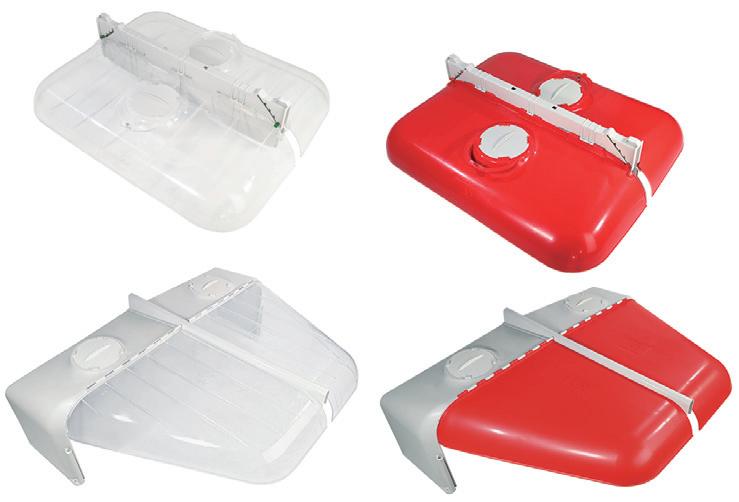
COVERS AND NI-2
NI-2 CORNER Farrowing
NI-2 MOBILE Farrowing
NI-2 WEANING
5W LED
LAMP
ELECTRONIC FEEDING MANAGEMENT SYSTEMS
DOSITRONIC M Farrowing
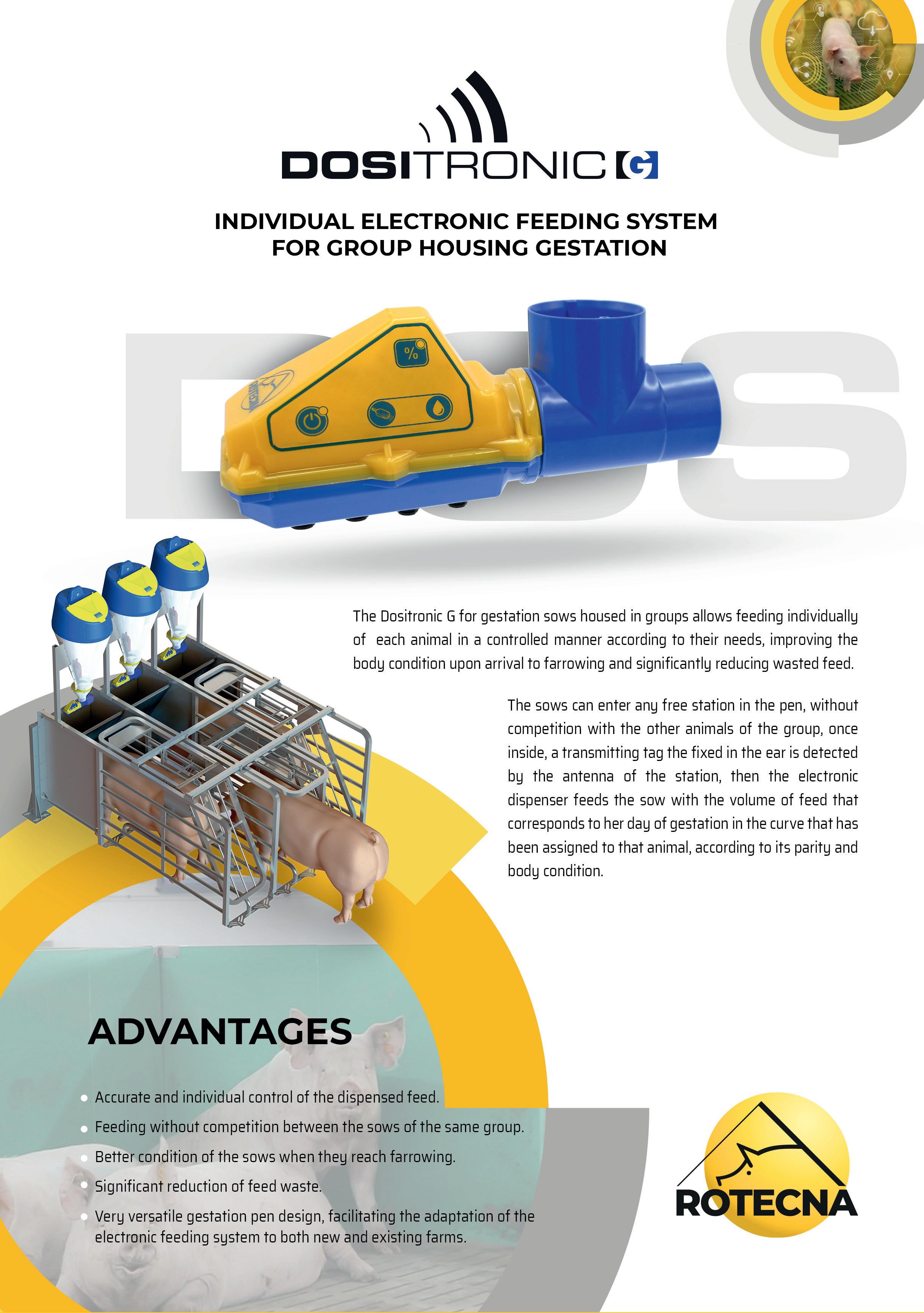
DOSITRONIC G Gestation EVOFEED Transition
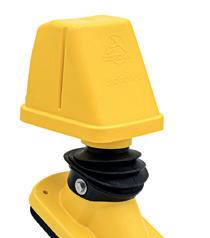
SILOTRONIC
SENSORITRONIC
DRINKING BOWLS & VRH-3 VALVE
VRH Gestation and farrowing
VRH-3D Gestation and farrowing
SWING DRINKER Weaning and fattening
EASY DRIKER MINI Farrowing (piglets)
EASY DRIKER MIDI Weaning
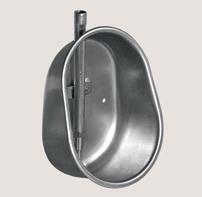
STAINLESS STEEL DRINKERS Sows, weaning and fattening
DISPENSERS
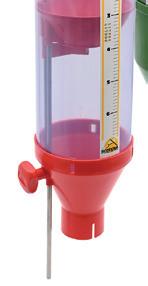
CLUTCH DISPENSER
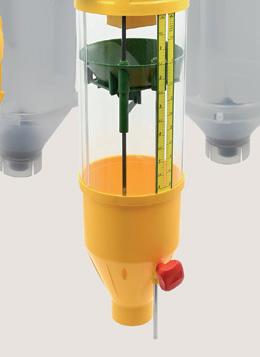
DOSIMATIC
SIMPLEX D-2
FOUR
FIVE
SIX-D
SIX-S
SEVEN
Gestation and farrowing
THE MOST EXTENSIVE RANGE OF PRODUCTS FOR PIG EQUIPMENT
DOWNPIPES 60 2 x 60Ø / 75Ø mm
60Ø / 63 - 70Ø mm
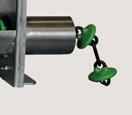
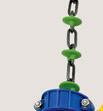
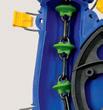
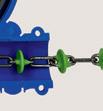
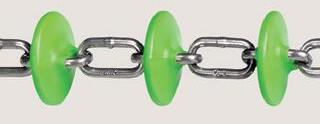
CHAIN AND DISK SYSTEM
• Shock absorbing teeth system.
• Easy adjustable chain tensioning system with graduation scale.
• Corners with easy aperture system.
• Silo extraction system with an agitator.
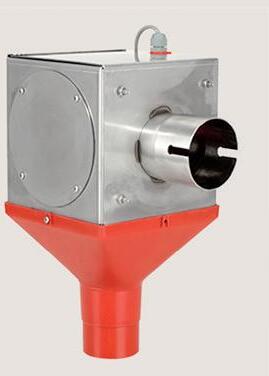
CORNER 50Ø / 60Ø
ULTRA-RESISTANT CHAIN
38Ø / 44Ø mm
GEAR MOTORS
AUGER SYSTEM
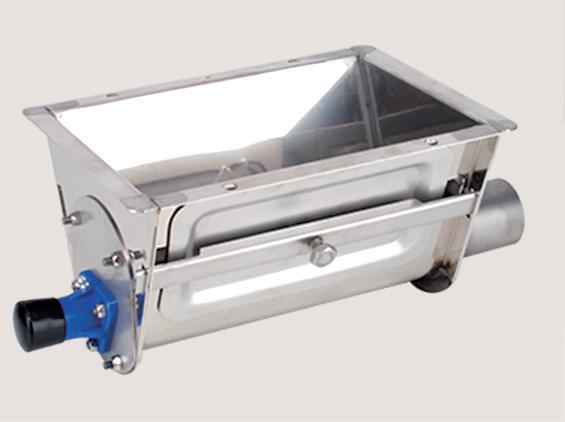
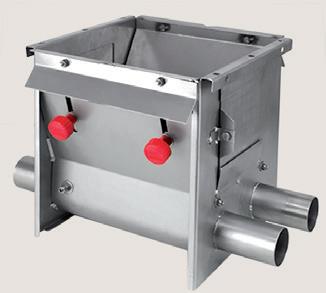
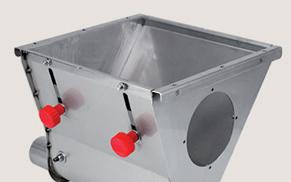
The silo outlet system consist of a silo boot, a transfer unit and a slide gate assembly that allows horizontal and inclined installation.
TRANSFER UNIT
SPIRALS
55Ø / 75Ø / 90Ø mm
DOWNPIPES 50 - 60 - 90 63Ø mm
EXTRACTION SINGLE / DOUBLE
PANELS
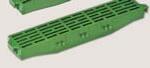
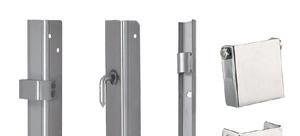
BLIND PANEL 1200X1000 VENTILATED PANEL 1200X1000 PANELS MADE TO SIZE PROFILES FOR PANELS DOORS POLIAMID UNION BRAKETS FOR PANELS
THE MOST EXTENSIVE RANGE OF PRODUCTS FOR PIG EQUIPMENT