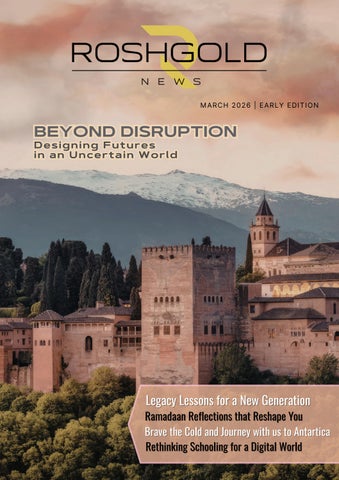
Iqbal Thokan advocates the designing of your future with a timeless mindset His essay is complemented by two telling articles on education models for learners at school and those preparing themselves for the modern workplace. This is particularly a timely reminder for parents and community leaders to help those who are marooned in the past to understand what the future challenges are Parents, at the least get yourself adopting the technology and revolution artificial intelligence is springing on us, get involved in your children’s future and help them navigate such challenges and help them adapt from getting over-absorbed in the social media trap
Shaakir Bhayat’s discourse on the problem of instant gratification and the adoption of entertainment as identity can be considered to be a warning light to us and calls for a relook at how we engage with family and community
This issue also provides food for thought on how generational thinking has influenced investor decisions and practices. The comparative study helps the young understand what prudence means when it comes to investing The piece on investing in residential property in Dubai, and especially off-plan opportunities compliments the review above
There is a lot of entertaining material including travel and kiddies activities to complete the issue
We thank our contributors for their input and helping us with their expert knowledge in educating, informing and disrupting us out of a numbing and stagnant comfort zone.
Happy reading and please send us your thoughts on the material to marketing@ roshgold co za
BEYOND DISRUPTION: DESIGNING YOUR FUTURE WITH A TIMELESS MINDSET
-By Iqbal Thokan -By Thokan
Let’s be honest: “Uncertain World” is starting to feel like a permanent label, not a temporary warning Disruption isn’t a wave coming anymore; we are swimming in it daily From AI rewriting job descriptions to global events that flip our plans, the future can feel less like something we design and more like a puzzle where someone keeps changing the picture on the box. It’s enough to make you want to hide under your Musallah, or stick your head in the ground like an ostrich.
But what if our best toolkit for navigating this isn’t a shiny new tech trend, but a very old, forgotten, deeply personal spiritual practice? As we navigate the sacred month of Ramadan a time of profound self-disruption we find a masterclass not just in patience, but in proactive future-crafting. The theme isn't about avoiding disruption; it’s about learning to build while fasting, to design while in a state of conscious constraint
Is Tarbiyah, not in its truest sense, a form of spiritual disruption? To move beyond a reductive view of discipline, we must see it as an encompassing, comprehensive, and holistic process It is the conscious, continuous disruption of the comfortable self the breaking and ipping off of old habits, the challenging of stagnant thoughts, the stretching of spiritual capacity all for the singular aim of nurturing, increasing, and growing our inner being True growth requires us to willingly unsettle our own peace, to leave
the familiar shore in pursuit of a higher horizon The Islamic worldview inherently accepts tests and change The Quran challenges and doesn’t promise a smooth ride; it promises that with hardship comes ease (94:5-6) This life is an abode of trial In other words, the system is designed to keep us on our toes The goal isn't to build a perfectly static, comfortable life an impossible task—but to build a resilient, adaptable self.
Ramadan is the annual intensive boot camp for this exact purpose We voluntarily disrupt our most basic routines: no food, no drink, often less sleep We do this not to suffer, but to prove a powerful point to ourselves: “I am not a slave to my habits”.
As difficult as it may be, when you can say “no” to your morning coffee because your faith commands it, you silently build the muscle to say “no” to distractions, to panic, to impulsive reactions when other disruptions hit You are essentially doing reps for your willpower. Think of it as a spiritual boot camp, where the obstacle course is your own Nafs, and the prize is a fortified heart and a stronger mind ready for transformation
One of the most beautiful, and honestly humorous, aspects of Ramadan is the collective clock-watching before Maghrib. The last hour can feel longer than the previous ten. But what gets us through? The certainty of Iftar, as the aroma of samosas, spring rolls and yummies fill the air Breaking the fast is a guaranteed, joyful finish line
This is a brilliant design principle for an uncertain world Don’t stare down the terrifying, 15-hour bow of a massive project or a life challenge Break your day into “fasting blocks” Focus on the next hour, the next task, with the faith that there will be a spiritual, psychological, physical Iftar—a moment of relief, achievement, or celebration This mindset prevents overwhelm. You’re not fighting a whole war at once; you’re just winning the next skirmish, sustained by the faith that relief, like the sunset at Iftar, is on its way.
No one drifts through a successful fast It requires Suhoor This is the quiet, strategic planning session before the day’s battle You hydrate, you eat sustaining food, you make your intention. It’s a proactive, hopeful act in the stillness of night.
Designing your future requires the same Suhoor mentality In the quiet moments—maybe during your Tahajjud prayers or in your post Fajr reflection you plan. You equip yourself with knowledge (a good book, a skill to learn), you set your spiritual and worldly intentions; you hydrate your soul with Dua and a plan. You don’t just stumble into the chaotic day; you prepare for it. This transforms you from a passive victim of uncontrolled world events into an active designer of your response Dua, plan, act (“tie your camel”), and leave the rest to Allah, in Whose hands lies the control of our fate
Not every Ramadaan day is perfect Maybe you snapped at someone while hangry! Maybe you missed a reading goal! The beauty? You get to try the next day again Ramadaan is a 29/30-day prototype for a better version of you Each day is a test run of your patience, your discipline, your compassion
This is the essence of “designing futures ” You don’t need a flawless, five-year, rigid plan You need a direction, core values (taqwa), and a willingness to iterate Did a project fail? Learn, make Istighfar, adjust, and relaunch at Fajr The iterative, compassionate, and persistent mindset of Ramadan is exactly the agility needed for modern life.
So, as you feel the pleasant ache of the fast and the warmth and serenity of Taraweeh this Ramadaan, remember you’re not just performing rituals You’re in an advanced simulation for high-performance You’re stress-testing your resilience, debugging your character flaws, and downloading the ultimate operating system update one centred on being conscious of Allah and in control of your inner self
When Eid arrives, you shouldn’t just return to normal. You should step out armed with a designer’s mindset: adaptable, intentional, resilient, and fuelled by a faith that sees beyond the immediate disruption. The uncertain world isn’t a threat to your future; it’s the very canvas upon which you’re meant to design a life of purpose; a life that is disciplined, prayerful, meaningful, and surprisingly humorous, one day at a time
HOW ATTITUDES TO MONEY & WEALTH HAVE SHIFTED
A Roshgold View-
by Haroun Pochee
"Each generation must, out of relative obscurity, discover its mission, fulfill it, or betray it." — Franz Fanon.
Roshgold’s first generation developed the investment group on a strong vision of accountability, prudence, and process It was at a time when collective investment was not common in communities, repressed by Apartheid. It was a time when there was a lack of expertise, skills, and an appetite for investment in empowerment platforms
Thus, like a colony of ants, the industrious founders passionately and steadily built one successful layer at a time.
The thinking and focus were on community building, grassroots involvement, and an elementary business model of passive return for shareholders The simple mantra of keeping costs low to yield a profit for distribution to shareholders was constant as returns were distributed for forty-two consecutive years.
At the time, there was little disposable income available to the ordinary person for investment, as most earned their livelihoods on low salaries and lived handto-mouth Roshgold’s flexibility in allowing smaller amounts at the investor’s discretion allowed many investors to commit for the first time.
Roll forward the years, and with democracy in 1994, the liberalisation of markets and new career opportunities for graduates, the advent of Islamic Finance, educational offerings, and the increasing use of technology for investment, information flow, investment trends, and practices, the landscape has shifted
Plato’s quote below is very apt.
“Don't force your children into your ways, for they were created for a time different from your own.”
Access to investment markets, investment products, and capital has opened opportunities across all investment classes. Local and overseas markets can be accessed. Product leveraging is possible with debt and margin calls. Thus, risk tolerance has increased, and due to many investors' absorption into a capitalist mindset, a more aggressive investor and risk-taker has emerged
The timeline for investment holding has also shifted. With long-term holding primarily the only choice to earlier generations, many investment portfolios position themselves to maximise returns and opportunities with rotation, alternating, and switching asset classes This is influenced by changes in interest rate cycles and the perceived risk of each investment class under volatile market conditions.
Today, volatility is another variable investors must contend with. Volatility arises from speculative traders, differences between the real and financial economies, geopolitical factors, and, of course, the mobility of capital enabled by increasing securitisation and technological advances This causes massive gyrations in asset prices, and, unlike in the past, a stable price regime with long-term capital growth is no longer relied upon
"The more things change, the more they stay the same."
— Jean-Baptiste Alphonse Karr
This generation often bases investment decisions without due consideration of the underlying investment merits They have become accustomed to squeezing for the highest return at any cost Greed drives the decision-making process Honours Finance Graduates, shrewd businessmen, heads of family investment committees, have been embroiled and caught in scams. We all know of people who have been scarred by poor investment selections The loss of wealth within the community has been great as people get snared by the prospect of unsustainable returns, captured by the deceit of snake-oil salesmen, or by the greed of investment brokers or management Everyone is on the bandwagon to MAKE A QUICK BUCK and neglect to evaluate the merits of the investment case. Recent examples include investments in cattle schemes, bitcoin positions, and a massive silver position.
What is sad is that widows, elders, and children have borne the brunt of poor investment decisions and are devastated and struggling financially and psychologically as their source of earnings has been cut off by collapsed investment schemes
Roshgold is still a home for the risk-averse and provides a safe environment for investors seeking regular income, long-term growth, and security.
The question “Will current norms and curricula apply to the new workplace?” is often posed as a challenge to traditional schooling. Yet the concern is rarely about textbooks or syllabi themselves. Beneath the surface, it is a question of relevance: what truly prepares young people to thrive in environments that prize adaptability, collaboration, and digital fluency alongside knowledge mastery.
Much of traditional schooling, however, remains structured for a world that no longer exists. In many classrooms, attendance and compliance are valued more than engagement and problem-solving Deadlines are enforced externally, collaboration rarely extends beyond the school walls, and learning is often measured by presence rather than output But does this reflect how the modern workplace functions? Or are we unintentionally preparing students for behaviour that may soon be obsolete?
The debate, perhaps, needs to be reframed The real conversation is not whether curricula remain valid, but whether learning environments cultivate the capabilities today’s workplaces demand The modern workplace no longer rewards memorisation or passive compliance alone It rewards adaptability, self-management, digital communication, and the ability to collaborate across boundaries. In this light, online learning, when intentionally designed, does not merely deliver education differently; it mirrors many of the realities of contemporary professional life.
Consider the daily experience of a learner engaged in structured online education
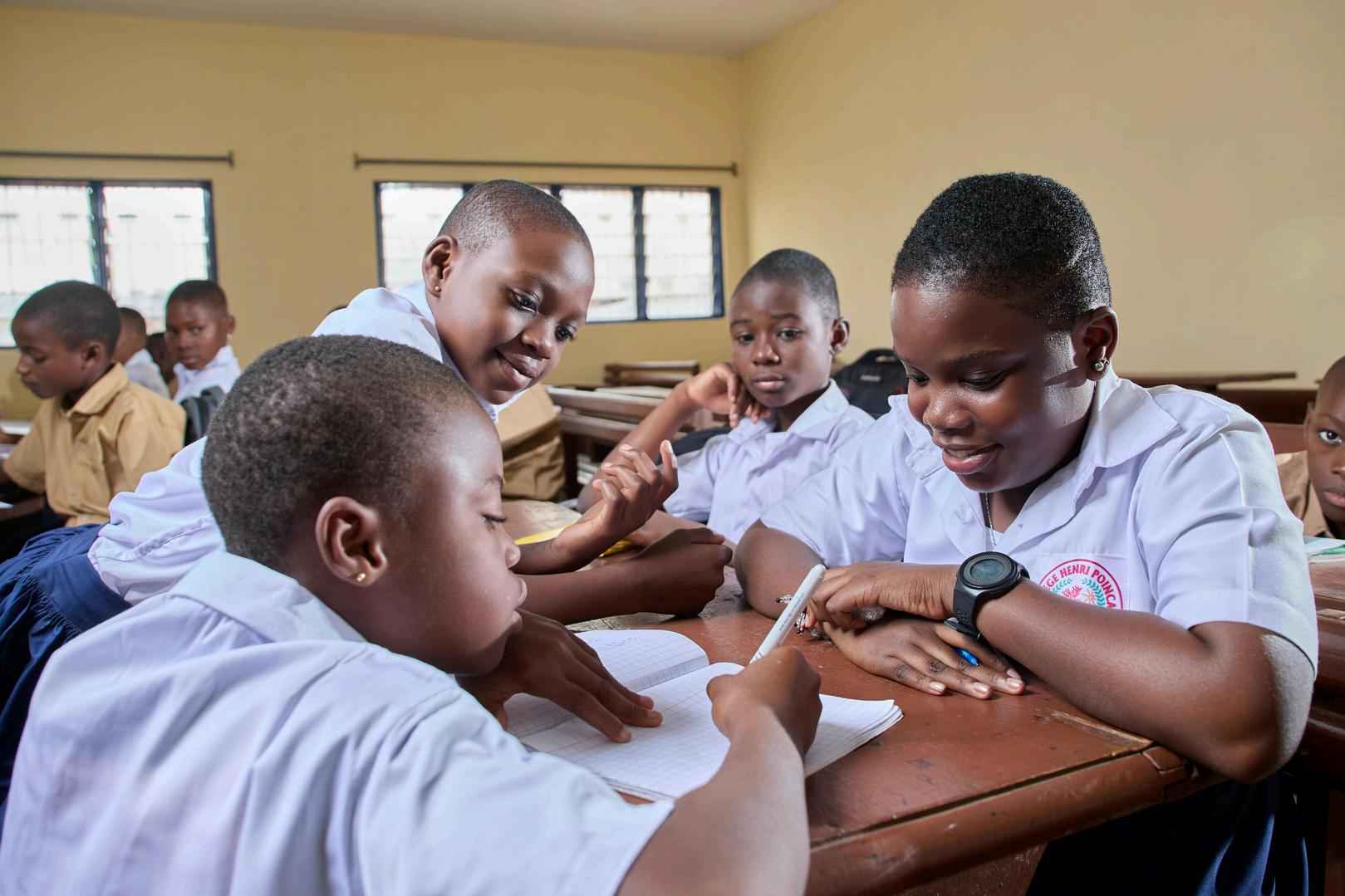
Students manage their time across multiple subjects and platforms, attend scheduled live sessions, navigate deadlines without physical supervision, and communicate coherently in a digital environment They solve problems independently, respond to feedback, and collaborate remotely with peers across countries and time zones. These competencies are not ancillary to academic learning They complement it, strengthening students’ ability to understand, apply, and innovate with the knowledge they acquire. Increasingly, they are also the skills and practices potential employers expect
Accessibility further amplifies this shift. Online education is not merely convenient; it reshapes opportunity Learners can study across countries, time zones, and circumstances that traditional schooling may struggle to accommodate.
Families balancing unconventional schedules, students in remote locations, and those seeking specialised instruction gain access to high-quality curricula without geographic constraint In this way, excellence is less dependent on proximity and more on engagement Online learning is no longer simply an alternative but an expansion of who gets to participate in tomorrow’s economy.
Central to this evolution is the distinction between curriculum and capability A syllabus alone cannot cultivate critical thinking, resilience, or self-direction It can, however, serve as a platform for developing these traits. The same set of lessons can produce vastly different outcomes depending on delivery, learner agency, assessment design, and feedback cycles Online learning, by necessity, accelerates this shift It centres students as active participants rather than passive recipients, requiring deeper engagement, selfmanagement, and visible accountability
The role of the educator evolves alongside this transformation Educators become facilitators, mentors, and designers of learning experiences rather than sole transmitters of information In online environments, responsibility is made explicit: cognitive engagement, consistent output, and the integration of feedback matter more than physical presence alone. These principles closely resemble modern professional realities, where accountability and results, not visibility, define effectiveness.
The broader question, then, is not whether current curricula apply to the future workplace It is whether our learning environments cultivate academic excellence, leadership, skills, and capacities that the future demands Thoughtfully executed online schooling is not a workaround or substitute for traditional education It represents a structural adaptation, one that aligns rigorous knowledge acquisition with the habits, skills, and accountability that increasingly shape professional life.
As parents, educators, and community leaders navigate this evolving landscape, the challenge is clear. Are we creating learning spaces that prepare students to excel academically while also equipping them to thrive in a world that operates online, across borders, and in constant change?
Those who engage seriously with this question may discover that the future of work is not waiting for education to catch up It is already here
The release of matriculation results raised questions for all Does South African education prepare school leavers for life and the future? Does it equip society’s future leaders? Are learners being given enough opportunities to reach their full potential? What skills do learners need to prepare them for this fast-changing world?
In my view, achieving a sense of balance is essential in education. Schools should maintain traditional practices but upgrade their curricula and infrastructure to meet current business and industry needs, improve Early Childhood Development, and ensure teacher training accordingly. These are some of the aspects that need to be reviewed, and what steps can be taken to address these challenges?
As a fresh eye in the field, I have noticed one major challenge that public schools in South Africa face is poor infrastructure and inadequate resources. Many schools lack new facilities such as science labs, IT/robotics labs, and smart libraries.
Learners are deprived of practical learning They miss out on science experiments and exploring technology. Classrooms are overcrowded due to high enrolment rates Children find it difficult to feel included to interact with educators on a one-on-one basis, and vice versa Often, kids in the back tend to shy away, which directly affects the development and social skills. Learners need space to grow; without it, their development is limited- quite literally!
Communities can work together to support schools and build on their resources This can be done through local donations or fundraisers. Businesses in specific fields can sponsor the requisite needs For example, electronic stores can donate computers, laptops, or tablets to schools in the area, or hardware stores can provide basic materials Parents can act through School Governing Bodies (SGBs) or, in extreme cases, contact the Department of Education directly.
The South African curriculum focuses more on academic concepts than on creative ones Yes, core subjects such as Science, Accounting, English and Mathematics, are undoubtedly needed for literacy, critical thinking, and problem-solving skills. However, there is also a high demand for more creative and digital skills. Most of the time, young learners observe common careers such as doctors, dentists, scientists, teachers, and accountants. They are unaware of the breadth of career choices in the workplace. We have a growing number of qualified candidates, including software developers, data analysts, digital marketing specialists, content creators, and many more (all for the new economy)
When schools host career days, parents need to be more involved Parents and their children could work together on a class presentation In this way, learners are exposed to the current jobs available Parents have a first-hand impact on a child’s career choice Therefore, they should make time to engage in these important conversations with their children Show them videos and pictures or read them inspirational stories about what opportunities await.
Younger learners specifically need to experience a wider variety of learning opportunities They should be equipped with the skills needed to live day by day Early Childhood Development (ECD) can be enhanced Schools can offer a wider variety of activities that teach key principles such as responsibility, empathy, effective communication, money and hygiene. The government is working on bettering ECD, but caregivers must embody these values in their children as well. An easy way is to get their children to help them out with whatever simple chore they’re doing. Start small by letting your toddlers help put their toys away, and let your child have a share in setting the table for dinner and clearing up after. These little chores give them practice, accountability skills and independence
A direct correlation to a child’s education is how well-fitted the teacher is The teacher’s role as a classroom manager is a fundamental aspect Each learner is groomed by the educator Learners carry their educational experience into adulthood, thereby shaping their life choices and decisions More passionate educators who understand the holistic development phases and psychology behind how a child’s mind works are required A positive teacher helps build a society of positive people Guardians of learners should regularly check in with teachers to discuss their progress and overall well-being They can inform teachers of personal changes in the child’s life that may be affecting them. Clear communication is effective for guardians, learners, and te smoother schooling experience.
It is up to parents, community activists, and educators to create platforms and impetus for change. Our schools lay the foundation for our society's future, so let us find ways to support them and give our children what they need to succeed Small steps today can lead to big changes tomorrow.
DISRUPTING CULTURE OF INSTANT GRATIFICATION
Inspired by a bayan talk of Sheikh Shaakir Bhayat | Transcribed and adapted into article format by Shaakira Rahiman by a talk of Sheikh
As we navigate the month of Ramadaan, we are challenged to rethink what truly needs disrupting in our lives. Perhaps the greatest disruption required is not of schedule, but of appetite. Our appetite for constant entertainment, comfort and instant pleasure. The following reflections are drawn from a powerful bayan of Sheikh Shaakir Bhayat The message has been transcribed so that its lessons could be absorbed into our hearts this Ramadaan May Allah reward him for the guidance and allow us to act upon it
WHEN ENTERTAINMENT BECOMES IDENTITY
We live in a time where recreation is no longer a break from life, it has quietly become life itself A believer, however, is not defined by entertainment but by purpose: commitment to Deen and Allah, responsibility to family, meaningful work, service to community and connection to the Masjid Recreation is not the enemy But when pleasure becomes the purpose of existence, everything else is neglected Our focus weakens; distraction becomes a source of diversion, our focus dims, relationships strain and spirituality fades
Our youth today are growing up in a culture that sells a dream of immediacy Instagrammable holidays Supercars at an early age “Passive income” without perspiration The idea that one can simply buy a laptop, click a few buttons, let online trades run in the background and become wealthy overnight. But if wealth were that simple, discipline would be irrelevant and effort, unnecessary. Everyone would be a millionaire.
This illusion feeds an appetite for shortcuts and the seeking of quick fixes. And shortcuts rarely build character, stability or barakah.
The Prophet Muhammad (peace be upon him) said: "The strong believer is better and more beloved to Allah than the weak believer, while there is good in both. Strive for that which will benefit you, seek the help of Allah, and do not feel helpless." — Sahih Muslim, Hadith 2664
Modern neuroscience confirms what our Deen has always warned us about: the trap of being snared by instant gratification When we repeatedly expose ourselves to unnatural highs, whether through continuous scrolling, digital overload or what is forbidden in Islam including gambling, pornography or substance abuse, the brain becomes desensitised Normal life starts to feel dull Effort feels exhausting Worship feels slow The nafs resist anything that requires patience This is not simply weakness, it is conditioning The good news is that conditioning can be reversed
Healthy dopamine exists It is found in halaal, meaningful striving:
The satisfaction after physical exercise
The calm after salaah
The fulfilment after helping someone
The contentment that follows consistent, disciplined effort. These are sustainable highs. They strengthen rather than deplete.
THE MARSHMALLOW LESSON
In a famous study quoted by Sheikh Shaakir undertaken by Standford University, children were given a choice: one marshmallow now, or more if they waited Those who delayed gratification were more likely to succeed later in life Islam has always espoused this principle Allah reminds us that a person will have nothing except what they strive for Jannah is not instant Taqwa is not instant Ramadaan tests and trains us in precisely developing such discipline
THE REAL DISRUPTION THIS RAMADAAN
Ramadaan disrupts the culture of ‘now ’ When we fast, we delay gratification deliberately We are hungry, yet we have to wait We are thirsty, yet we restrain and control our thirst, ourselves This is not deprivation, it is rewiring It is spiritual training that restores control over the nafs If we approach Ramadaan intentionally, it becomes a month of dietary, neurological and spiritual renewal
HOW WE DISRUPT WITH GOODNESS
Fast with the conscious intention of training your nafs to delay gratification. Introduce digital discipline: reduce unnecessary scrolling and entertainment. Instead focus on the remembrance of the Allmighty
Pursue meaningful accomplishments that require effort and consistency
Strengthen real relationships through present, device-free time
Embrace effort because lasting reward follows meaningful struggle
CONCLUSION
A society obsessed with instant gratification becomes restless. A believer who adopts restraint becomes powerful.
This Ramadaan, let us disrupt more than our eating patterns. Let us disrupt our dependence on comfort, our addiction to shortcuts or quick fixes and our obsession with immediacy.
When we reclaim patience, we reclaim dignity
When we choose consistency over excitement, we choose stability
When we seek the pleasure of Allah above all else, we rediscover the goodness Ramadaan was always meant to awaken within us
And perhaps, in learning to delay today, we secure something, like peace, tranquility, inner strength and understanding which is far greater for our tomorrow
YOU’RE NOT MEANT TO JUST SKIP MEALS: THE ART OF AN EXTRAORDINARY FAST
By Azraa Sujee Patel Sujee
Fasting isn’t just about what you stop eating, it’s about what you stop letting in. Drawing on Imam Ghazali’s wisdom, this article unpacks the idea of an extraordinary fast and how it transforms fasting from routine ritual into radical inner change
For most of my life, Ramadan and fasting were encapsulated by the idea of deep-fried, golden-brown bites of reward after hours of enduring a stomach that grumbled and moaned like a teenager not getting her way But I’m committed to changing that. This will be the year. Ready to join me and learn how? Let’s begin.
Often, we treat the Qur’an as an elusive script, beyond our reach and too intimidating to truly engage with Yet sometimes the answers are so direct, so plainly before us, that we overlook them entirely
Take Ramadan. Allah says: “O believers! Fasting is prescribed for you as it was prescribed for those before you so that you may attain taqwa.” (2:183)
There it is. We fast to become mindful of Allah. But the question naturally arises: How on earth does not eating make us mindful of Allah?
Imam Ghazali addresses this directly. He describes a fast in which a person merely abstains from food and drink as an ordinary fast. Our Prophet ﷺ warned us of this reality too: “Perhaps a fasting person gains nothing from his fast except hunger.” That hits.
So how do we move beyond the grumbling stomach and the back aching hours of preparing savouries before sunset? The answer is not easy I’ll warn you that the secret method is not an easy one, it requires willpower and a consciousness of actions that will keep you “mindful” (notice the link) throughout your fast.
PUT YOUR TAQWA GLASSES ON: FASTING OF THE EYES
The pious predecessors referred to the eyes as the post-box to the heart. What we see shapes what we feel Think of love at first sight Think of witnessing a car accident Think of footage from Gaza The scenes captured by our eyes script the narrative of our hearts
Imam Ghazali advises restraining the gaze from anything blameworthy, distracting, or spiritually corrosive If what enters your eyes enters your heart, then Ramadan is not the month for unfiltered scrolling.
Let me put it plainly: delete social media for the month
It offers a bottomless reel designed to capture your gaze and occupy your mind An extraordinary fast begins with protecting what you look at
KEEP YOUR TONGUE ON A LEASH: FASTING OF THE TONGUE
Hunger sometimes makes our filters disappear Shaytan may be locked away, but our tongues certainly are not Backbiting. Gossip. Sarcasm. Arguments. Harshness.
These may not invalidate the fast legally, but they drain it spiritually. Imagine being mindful of every word before it leaves your mouth. Imagine speech purified by intention Excessive, mindless talk hardens the heart, and the hearts furthest from Allah are those that have hardened
An extraordinary fast sounds different.
SIN CANCELLING EARPODS ON: FASTING OF THE EARS
Let’s be honest Not backbiting but staying to hear the juice is essentially the same thing The Prophet ﷺ said, “The backbiter and the listener are partners in sin.”
Fasting your ears means refusing to entertain gossip It means reconsidering what fills your playlists It means walking away from gatherings where sin is the main event
An extraordinary fast changes what you allow yourself to consume, even through your ears.
GUARD YOUR WITNESSES: FASTING OF THE LIMBS
In any court of law, you want witnesses that testify in your favour Now consider this On the Day of Qiyamah, your own limbs will be your witnesses
Allah tells us that mouths will be sealed, and hands and feet will testify
Let that settle
Your hands will speak about what they typed Your feet will speak about where they walked. Your eyes will speak about what they pursued in secrecy.
Be mindful of the places you enter, the messages you send, and the sins you think no one sees. Because one day, you will testify against yourself.
An extraordinary fast is lived as though your limbs are already preparing their statements
DON’T GO FROM ZERO TO FULL IN FIVE SECONDS: FASTING OF THE
STOMACH
If you have a headache, you take one Panado If you’re hungry, you eat a dozen samosas? That doesn’t sound quite right
Lawful food fuels worship But excess dulls the spirit. Fasting all day, disciplining your nafs, only to surrender completely at iftar defeats the purpose
Food is medicine, and any medicine taken in excess becomes harmful
All that willpower built throughout the day should not collapse at the sight of a golden, three-edged savoury. Show that samoosa what you’re made of!
So, What Is an Extraordinary Fast?
It is not about counting the minutes until Maghrib adhan It is about counting the moments of mindfulness throughout the day An extraordinary fast begins when the stomach stops being the focus and the souls-status becomes the priority. And perhaps the real question is not: What will I eat at iftar? But rather: How has this month been different from the rest of the year?
Purchasing a home marks a significant and exciting milestone in one’s life
However, the process can be complex particularly when navigating the legal requirements involved To help first time buyers, we have had the experience of assisting and guiding first-time buyers through each stage of the conveyancing and transfer process.
We outline a step-by-step guide to clarify what you can expect along the way.
YOUR NO-STRESS GUIDE TO BUYING YOUR FIRST HOME
By Attorney Abdul Rahman Mahommed
By Attorney
Engaging an experienced conveyancer at this stage ensures that the transaction proceeds smoothly, lawfully, and in accordance with all regulatory requirements
The right conveyancer can make all the difference in your property transaction. ARM Attorneys, have built a conveyancing team with expertise and diligence for the smooth transfer of the property purchased Renowned for their meticulous attention to detail and comprehensive knowledge of property law, our conveyancers are dedicated to managing every transaction with the highest level of precision and care Whether you are buying or selling, you can trust our team to deliver a seamless, secure, and efficient service
DUBAI’S PROPERTY MARKET: A 2026 STRATEGIC GUIDE FOR SOUTH AFRICAN INVESTORS
South African investors have long regarded Dubai as a safe, high-growth offshore property destination offering tax efficiency, US dollar-linked gains, residency pathways, and robust rental demand
In 2026, Dubai remains attractive, but it is also entering a more complex phase marked by selective investor behaviour, a surge in supply, and rising scrutiny of off-plan risks. Understanding these shifts is key for SA investors navigating a volatile rand environment and seeking stable, inflationbeating returns
Market Maturity: Why Dubai Still Appeals to South Africans
Dubai’s residential market evolved significantly after the post pandemic boom According to the 2026 market analysis, off-plan transactions surpassed ready sales for the first time since the COVID recovery, signalling a transition from high velocity speculation to structured, institutional-grade investment [amazon com]
For South Africans, this is positive: The market is becoming more predictable.
Institutional players and family offices now dominate activity, stabilising volatility [amazon com] Macro fundamentals non-oil GDP expansion, strong tourism, and residency-linked investment incentives continue to attract global capital.
Dubai logged AED 2 trillion in sales between 2021 and 2025, reinforcing its position as a global investment safe haven, according to Amazon com
This matters for South Africans looking to diversify away from rand depreciation and domestic political uncertainty
Buy‐to‐Let: Strong Demand, But Requires Introspection and Assessment
The buy-to-let market remains healthy thanks to population growth and expatriate demand, but buyers in 2026 are more cautious Gulf News reports that investors are emphasisinag prime locations, reputable developers, strong community infrastructure, and construction certainty a marked shift from urgency-driven buying in 2024–2025 [open spotify com]
For SA investors, this means:
What Still Works
Prime/luxury areas with limited supply (Dubai Marina, Downtown, Palm Jumeirah)
Build to rent communities with strong rental absorption (Dubai Hills Estate, JVC)
Units with high escrow compliance and construction-linked payment plans Where to Be Careful
Mid market suburbs with homogeneous stock and high upcoming supply
Projects with aggressive payment plans but weak developer track records
Smaller apartments in peripheral areas where rent softening is possible.
Off‐Plan: Despite High Popularity, There is Exposure to Oversupply
Off-plan remains the engine of Dubai's real estate market. In 2025, over 60% of transactions were off-plan, driven by favourable financing and Dubai’s developmentcentric model. [goodreads.com]
However, 2026 introduces the biggest structural risk for buyers: The 2026 “Delivery Wave” 120,000+ units completing in a single year
Market reports describe this as a “tsunami” of supply, with 210,000+ units delivered across 2025–2026, and 120,000 units in 2026 alone [goodreads com]
This is the largest delivery cycle in over a decade an inflection point SA investors cannot ignore
The 2026 “Delivery Wave” —
120,000+ units completing in a single year
Market reports describe this as a “tsunami” of supply, with 210,000+ units delivered across 2025–2026, and 120,000 units in 2026 alone [goodreads.com]
This is the largest delivery cycle in over a decade an inflection point SA investors cannot ignore.
Oversupply Risks: Where They Exist, and Why They Matter
Opinions differ on whether Dubai is heading into oversupply:
PropertyNews.ae suggests Dubai may be entering a “balanced, sustainable reset”, not a crisis. [compass.com]
Moody’s, however, warns that large deliveries from 2026–2028 could slow price growth, especially in mid-market apartments. [books.google.com]
Reuters‑linked Fitch assessments indicate the possibility of a price correction scenario extending into 2026 [books google com]
Segments most exposed:
Segment
Oversupply Risk Reason
Ultra luxury Low
Limited land + strong global demand
Prime established communities Low–moderate High absorption, but moderating capital growth
Emerging master developments Moderate
Mid‑market apartments High
Dependent on infrastructure rollout
Largest share of 2026 completions
Mid-market apartments is where many SA investors mistakenly over expose themselves, drawn in by low entry prices, attractive payment plans and intending to profit on completion.
Lessons From Past Failures (and Why They Matter in 2026)
Dubai’s real estate history contains important cautionary lessons particularly for offplan buyers.
Market downturns hit speculative off-plan developments the hardest
Although not covered in today’s data outputs, the 2008–2010 crash and several subsequent mini corrections (2014–2016; 2018–2020) showed:
Pre-completion projects face the highest volatility.
Delays, cancellations, and value declines disproportionately affect inexperienced investors.
Indicators are flashing the warning lights.
Current expert commentary cites:
A supply surge reminiscent of pre 2010 cycles [goodreads com]
Moody’s warnings of price moderation due to excess stock [books google com]
Fitch’s correction scenario into 2026 [books google com]
South African investors must factor in these parallels into their decision making process
Dubai Remains Attractive—But Requires Precision
For South Africans in 2026, Dubai still represents one of the most compelling offshore real estate markets in the world It offers:
Tax free rental income
A strong currency hedge
Deep rental demand
Transparent regulation
Long term population and tourism growth
However, the 120,000 unit supply peak, shift to value driven investment, and cautious buyer sentiment mean the market is no longer forgiving of poor choices
Strategy, timing, and developer selection matter more than ever
BravetheColdandJourneywithUsto theAntarctica
We thank Aaminah for sharing these moments from her unique journey with the Roshgold community That was no ordinary trip, and it certainly must have been adventurous
9
Tell us how it all materialised and become reality.
Share with us the selection process and did your selection have a special meaning for you?
My teacher pushed me to enter the competition Personally, I thought it was not possible and would not be a reachable goal. I entered to please her and make her happy.
A month later, I was surprised to learn, I had made the cut for the top 20. A week thereafter, I was named as one of the finalists in the top 10 The moment of truth arrived, when the Top 5 was released and my name was in that list
My heart stopped and I immediately phoned my friends and family to share the exciting news I understood, I had to believe in myself My teacher, my friends and my family believed in me, and I did not see it in myself I was extremely nervous but readied myself enthusiastically for the adventure
When you first heard you would be travelling to Antarctica, how did you feel and what excited or scared you most?
I was overwhelmed by the prospect I couldn’t believe that I was travelling to a place where only a small percentage of the world travels to What was the journey about? Would I get along with the students and educators? How will I be able to fulfil the responsibilities of this opportunity?
I was most excited to go and pray salah on the snow and also, to go and see snow for the first time. I was worried about running half a marathon One of the activities which we had to participate in
As I stepped off the plane…I had thought of friends and family closest to me I longed for them to experience a once in a lifetime opportunity with me We could share unique experiences, enjoy the trip. It finally sunk in, this reality was an experience on my own I will make the most of it!
Before you left, what did you imagine Antarctica would be like, and how was it once you landed?
I had envisioned myself sitting with penguins and chilling in an igloo But the experience was far better. Although not seeing any penguins…nothing could have prepared me for witnessing the unique scenic landscapes, exploring Antarctica’s Ice Wall, sitting in crystal covered caves, having adventuring in a skidoo and learning and lapping up what the amazing educators and four other incredible students shared
Activities, Experience and Learning in Antarctica
What activities did you have to partake in while in Antarctica, and what did a typical day look like?
We would wake up, gather in the canteen and have lectures and instruction in the morning Our days included a lot of adventures, visiting the ice wall, hiking, camping out, ice plunging, but most importantly, building a connection between ourselves This trip has created lifelong bonds and friendships. Running a half marathon had taught all of us the importance of teamwork and supporting one another.
Being able to pray Salah on the ice truly stood out for me. Living in a literal ice world, thinking about the Creator. The experience was truly an indescribable feeling. Being able to slide down ice, was like a twenty-four-hour slip and slide.
What was the hardest or most challenging moment of the trip?
The half a marathon was the most challenging event of the trip I thought I would not be able to complete it I had finished three laps by myself Riaan Manser and Mika Markovina had accompanied me on the fourth
Thereafter, my legs gave up. I was on my way to the room...with the thought that I was going to be the only one leaving Antarctica without completing the one lap Luke, Naethan, Allegra and Ntokozo then pushed me, they wrapped me in blankets, gave me additional gloves and helped by walking the final lap with me They taught me what true teamwork is
I wouldn’t have done it They spurred me on to the finish line. Mission accomplished!
Did experiencing the extreme cold, vastness and isolation change how you see your own comfort zone and resilience?
Yes, the entire trip was a trip of many firsts First time hiking, first time doing plunging and breaking the record (I broke it at 20 mins), first time running half a marathon and a first at camping out
If anything, this trip has taught me, I am stronger than what I think I am! I must believe in myself. Lesson - I have to believe in myself and give it a shot because I have nothing to lose
Climate Connection & The Bigger Picture: Many people don’t realise how connected the world is. Can you explain how something like an iceberg in Antarctica can affect a water well in Malawi?
Antarctica plays a crucial role in regulating the Earth's climate. It does this through the formation of Antarctic Bottom Water, a process that occurs when seawater freezes, leaving salt behind and creating dense, oxygen-rich water that sinks to the ocean floor.
This water flows northward, driving global ocean currents that influence climate patterns worldwide, including rainfall in Africa and temperatures in Europe It’s amazing to see and understand that this icy landscape influences and controls so much on a global level
From ICE to Life & Purpose
Please tell us about the “From ICE to Life”campaign and what it aims to achieve
From Ice to Life is a campaign that follows a single drop of the melting Antarctic ice all the way to a child standing in a queue for water in a village in Malawi
From Ice To Life aims at building 10 Waterwells around Malawi, and three of the wells have got funding already! Help us make that dream come true Because water is not just water. When you give water, you are giving life!
Why is this campaign especially important for young people to support?
It’s important for the youth to get involved as it helps them contribute and can be a platform for tomorrow’s leaders
We have people who are willing to act and make the world a better place!
Experiencing the need on the ground creates the understanding of the severity of the situation. This is not a game, we need to save the earth and its people, so that future generations can have a place they can call home
“This journey has taught me to get out of my comfort zone I must believe in myself I should not be afraid to engage and get involved. The world needs leaders and we can’t wait for them to come around. We must take action, get involved in climate change and be the change we want to see in the world.”
Did this experience influence your future goals, studies or career dreams? If so, how?
If anything, my passion for humanitarian work has increased I want to start or get involved in other environmental programs I want to inspire the youth and get them active
Who inspired you most during the expedition, and what did you learn from them?
Community, Youth & Impact
What message would you share with members of Roshgold Kidz Club and want them to take away about caring for the planet?
The youth are the leaders of tomorrow; they need to protect the earth for the generations to come We need to educate, uplift and inspire those around us. Do the simplest of actions and it will go a long way No action is insignificant
Taking
Action
What are some simple but meaningful ways readers can help fight climate change or protect the environment in their daily lives?
We have people who are willing to act and make the world a better place!
Experiencing the need on the ground creates the understanding of the severity of the situation. This is not a game, we need to save the earth and its people, so that future generations can have a place they can call home
Inspired by this story?
If you know a young leader doing big things, we’d love to hear from you Email their story to marketing@roshgoldcoza , and who knows, they may be featured in an upcoming edition of Roshgold News.
The educators have all contributed many valuable lessons The students really learned a lot from each other We grew and we all came back empowered We had learned that there was hope to fix our environmental conditions. We learned that the only way we will ever cross any finish line in life is if we begin the process to cross it
BUSINESS EDUCATION MUST MOVE BEYOND THEORY
South Africa’s higher education sector is undergoing a quiet but significant shift. As workplaces evolve under the pressures of digital transformation, global competition and economic uncertainty, employers are increasingly questioning whether traditional academic models are keeping pace with industry needs.
For decades, universities were primarily evaluated on their ability to deliver theoretical knowledge. Today, however, organisations are placing greater value on graduates who can interpret complex situations, collaborate across disciplines and apply learning in practical settings from the outset of their careers.
“Education is increasingly viewed as a continuous journey rather than a single qualification completed early in life.”
Programme innovation is also being influenced by the rapid expansion of the digital economy Qualifications incorporating entrepreneurship, digital intelligence and datadriven decision-making are becoming more prevalent as institutions respond to changing industry demands. Professional accreditation remains an important factor, particularly in regulated sectors such as accounting and finance, where alignment with industry standards supports graduate mobility.
Accessibility continues to shape policy discussions within the South African context Flexible learning models including blended and online delivery are expanding participation among working adults and students balancing professional or family responsibilities Many educators see this as essential to addressing broader socioeconomic challenges, including unemployment and inequality
Yet questions remain about how effectively higher education can anticipate future skills requirements While experiential learning models show promise, their long-term impact on employability and economic growth will depend on sustained collaboration between academia, industry and policymakers.
What is clear is that higher education can no longer rely solely on traditional teaching paradigms. As the nature of work continues to evolve, institutions that successfully integrate theory with practical experience may be better positioned to prepare graduates not just for their first job, but for careers shaped by continuous change.
by Hawa Patel
GREAT ADVENTURE, CULTURE AND ARCHITECTURE
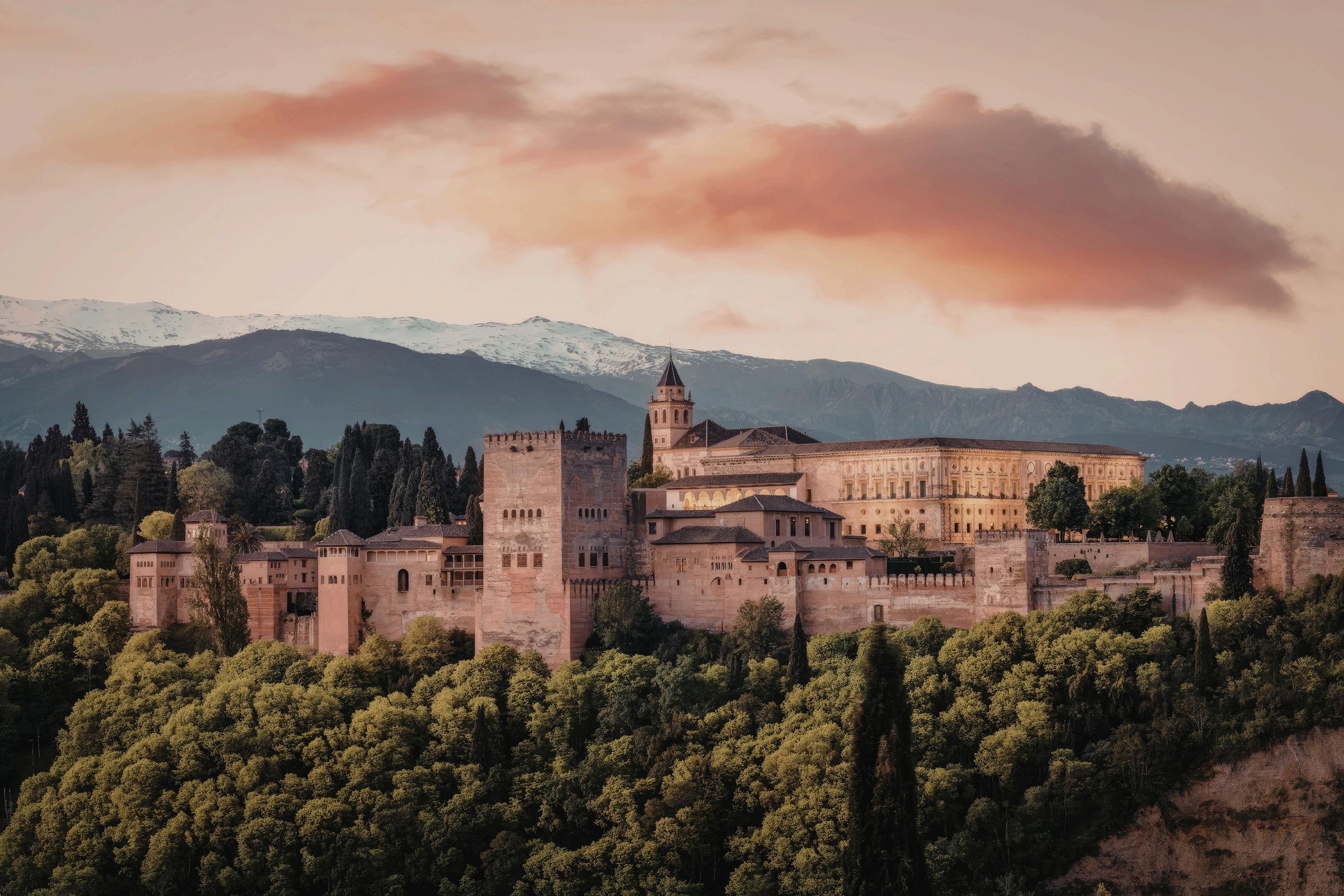
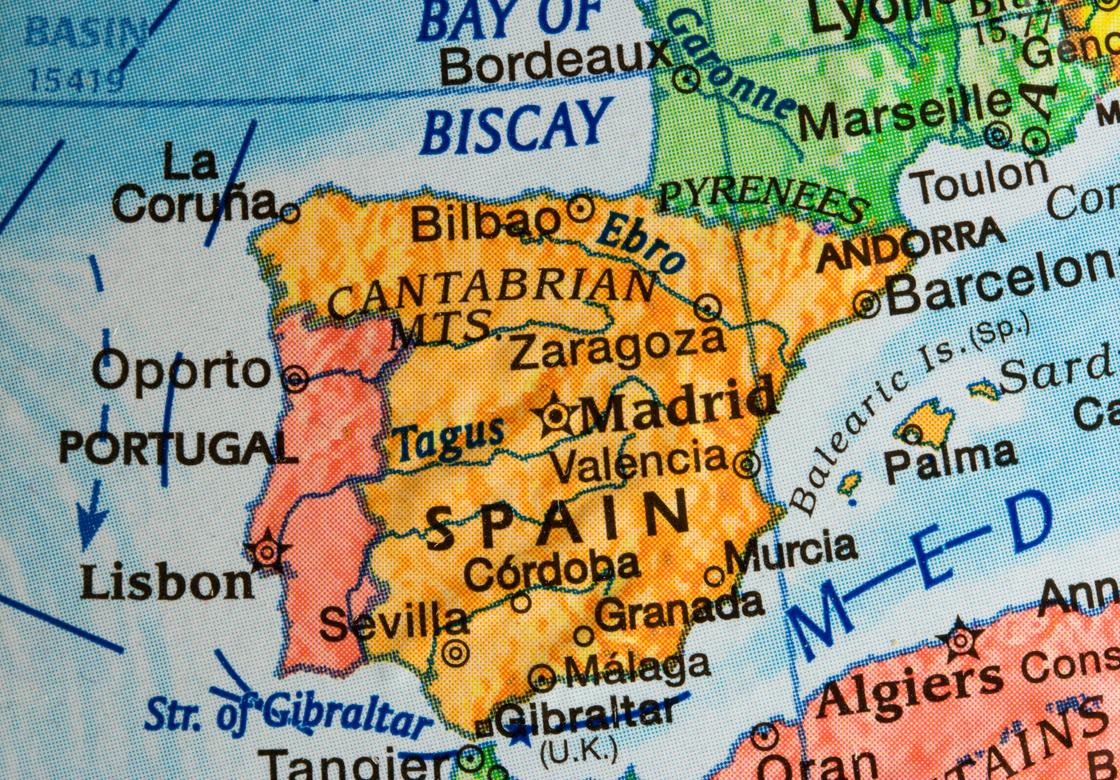
Islamic history in Spain, known as Al Andalus, spanned nearly 800 years from 711 to 1492 Tariq ibn Ziyad conquered the Iberian Peninsula, which then became a province of the Umayyad Caliphate Under such leadership and rule, the region became a centre of cultural, intellectual and economic transformation
In 1492 Muslims faced forced conversion and/or expulsion by the Catholic Monarch To date, Islamic history in Spain remains alive though having lost its identity There are over one million Muslims residing in the country.
The legacy of Al-Andalus (711–1492) continues through tourism, academic studies, and cultural heritage, especially in Alhambra in Granada and the Great Mosque of Cordoba.
Spain is well known for its Islamic architecture, La Sagrada Familia, football, Paella, La Tomatina, Flamenco, Tapas, Corrida DeToros(Bullfighting), Mediterranean beaches and Siesta
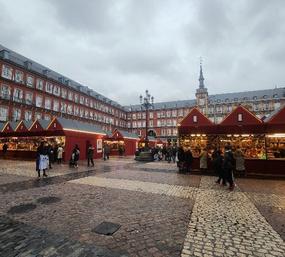
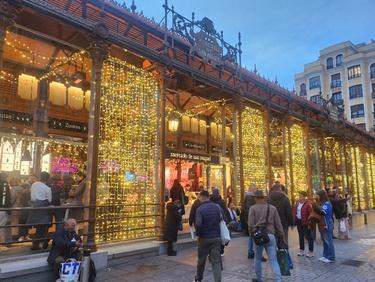
MADRID
From day trips, to roaming the street at night, there are so many ways to soak in the beauty and charm of the capital of Spain
Almudena Cathedral
Most Important religious building in Madrid and well known for its architecture
Gran Via Walk
Known as the "Spanish Broadway". It is always buzzing for its theatres, shopping and as a nightlife hub, featuring iconic architecture like the Metropolis building. I thoroughly enjoyed the stroll along the vibrant street life, enjoying the safe shopping till late hours of the night
Parque del Retiro
Scenic urban par centred around a beauty lake A morning well spent, strolling peacefully in nature I was amazed how young and old would rise and shine to jog or walk in the park or just take their pet for a walk The view sitting by the lake was picturesque and very relaxing
Santiago Bernabeu Stadium
It is the iconic home in Madrid of one of the leading football clubs Real Madrid CF Situated in Chamartin district, this popular stadium destination has a retractable roof with a capacity of over 83,000 fans It is one of Europe's premier venues for hosting football and concerts Transport is easily available from the centre
BARCELONA
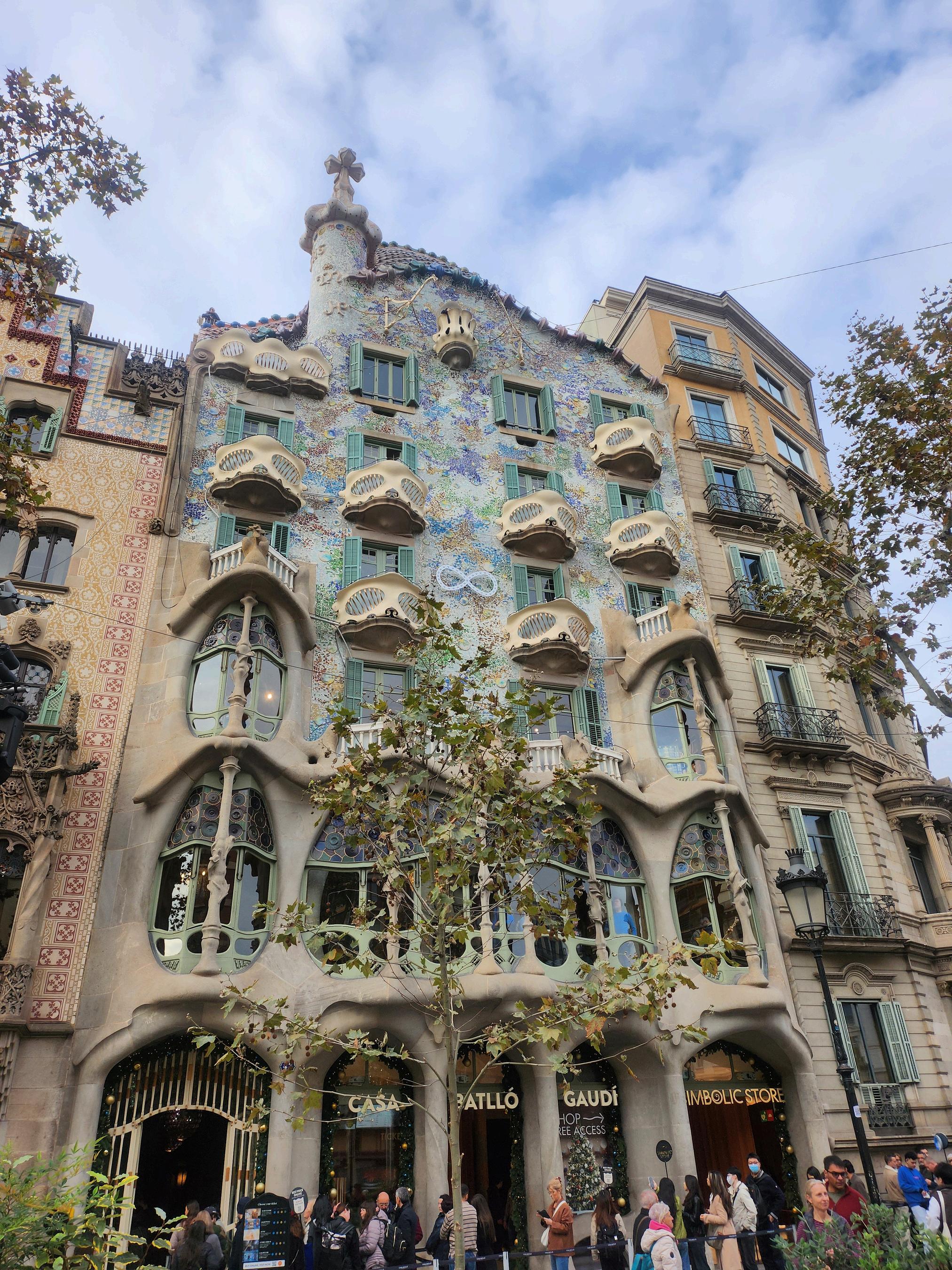
I fell in love with Barcelona Barcelona, is a friendly and touristy city boasting architectural wonders, vibrant streets and iconic landmarks From the Sagrada Familia to the breathtaking Park Guelle, the sites shows the city's rich history and cultural heritage
The people are strong supporters of Palestine From Messages of support for Palestine on buildings to protest by non-Muslims outside food stores selling Israeli products, the people are committed yet warm and friendly Its best to book near the famous La Rambla prescient, where you are within walking distance to many historical sites
“Standing shoulder to shoulder in Jummah, unity transcended language and culture.”
It was an amazing experience to walk to the harbour and beach, interacting with locals, shopping at the touristy stores and browsing the arts and craft on offer
Jummah was a pleasant experience in a predominantly Muslim area within walking distance from La Rambla. The women section was comfortable with women from differing cultures standing side-by-side in submission to theAlmighty. Not all Masjids have provisions for female but were very accommodating. Hifz programs takes place in some of the mosques that are found in alleys. We found places of worship using Google Maps.
ATTRACTIONS
With Park Guell, Casa Batlló, and the Sagrada Familia, Cas Mila on the itinerary, this tour does an amazing job of covering Gaudi’s most famous works, which of course is an essential part of Spain’s architecture
Gothic quarter
A must walk to the Gothic quarter where the many medieval streets and attractive squares captivate your attention. Placa Reil is one of the most beautiful squares in Spain. The area is a vibrant, palm-lined, 19th-century square in Barcelona's Gothic Quarter, just off La Rambla. Known for its neoclassical architecture, Gaudí-designed lampposts, and the Fountain of the Three Graces, it is a bustling hub for dining, nightlife, and events like La Mercè.
La Boquiera market
The market one of the largest fresh markets in Spain and you can enjoy a wide range of cheese, meat, fish, vegetables and fresh fruit
La Rambla walk
The stroll on the La Ramblas takes place between terraces, fountains and flower kiosks The promenade is 1 3 kilometres long and runs from the central square Placa de Catalunya to the Columbus Monument at the port of Barcelona There are many performers along the walk and an offering of halaal food can be found along the way (request certification)
Montjuic
If you like to take an evening walk, go to the Monjuic hill where you can enjoy the beautiful lit up park area and view the city We enjoyed the walk after a full day of watching and enjoying the Finals of the Men’s and Women’s Padel tournament
Magic Fountain
The fountain is located at the foot of Palau Nacional and is a great water and light show Beautiful for children to watch the free show at night
Parc de la Ciutadella
Is located in the middle of Barcelona city and is used for running and picnics, walking or relaxing The Arc de Triomf on the access road reminded me of Paris
In a future issue we will share about our visit to other parts of Spain.
Little Hearts, Big
Little Hearts, Big Light: How Kids Can Shine This
Ram
Light: How Kids Can Shine This Ram
by Zahab the Roshgold Kidz Club Camel
by Zahab the Roshgold Kidz Club Camel
The Power of Kindness
The Power of Light
Holding the door. Sharing your iftaar with friends or family. Smiling at someone who feels left out. Kindness is a quiet superpower that makes loud changes. Small acts that influence yourself, others and your surroundings for the better
Here’s something not everyone knows. Light doesn’t shout, it glows, it is quiet brilliance! It sits quietly in gentle words, soft hugs and brave apologies when we have done something wrong. A “Secret Sadaqah”: spreading light and hope to those who need it the most and not telling anyone about it.
Amazon begins its book blurb with:” Whether you are trying to grow a business, make more money, or simply live a better life, you need to master the game of influence. The concepts Taylor shares in this book have created dozens of 7 and 8-figure brands. Now, for the first time, he’s giving you the masterpiece “source material” to influence human decisions ”
Technology, pressure to achieve sales targets, and competition have affected a salesman's ability to engage and make quality sales moves. This book is suitable for anyone involved in persuasion and sales. It is a good learning tool for newer salespeople.
It makes for easy reading; the concepts are well narrated, and the topics addressed help clarify what is required to be a good salesperson Amongst others, the book covers subjects such as your duty to influence, the power of visualisation, the environment, selling the product versus selling the idea, and scripting. He is practical about positioning and the internal pressure a salesman faces.
The Amazon blurb advises that the book emphasizes that great selling isn't about pressure tactics or clever closing lines Instead, it’s about understanding why people make decisions and helping them choose what benefits them. Welch highlights “the secret art of human connection,” positioning sales as a form of service rather than persuasion.
The author’s elder brother Payton Welch, says in his Foreward to the book; “Sales is one of those skill sets that raises the quality of EVERY area of your life It can happen quickly, too.”
He concludes “..getting good at this can solve almost any problem in your business.”
Winning at Sales is positioned as a practical, modern guide to mastering influence, improving sales performance, and building relationships and strong human connections throughout the sales process
Roshgold: From Our Boardroom Table to Your InboxHere’s What We’re
Building
As we enter 2026, Roshgold steps forward with clarity, discipline and renewed purpose. It is a year of intentional refinement. Every initiative is being aligned to one principle: focus on what truly makes a meaningful difference.
Our
Strategic Priorities for
2026:
• Strengthening Our Core Foundations
Roshgold News, our newsletters, and consistent community engagement remain central to our communication strategy, ensuring clarity, transparency, and connection with our investors
• Accessible Investing for Everyday Families
We want to remind our shareholders that Roshgold has always made wealth-building accessible With contributions as little as R200 per month, anyone can steadily and consistently grow their wealth Building wealth has never been reserved for the extremely wealthy If you have been hesitating for this reason, this is your sign to invest today!
• Innovation in Engagement
Through targeted campaigns, strategic WhatsApp content snippets, enhanced Q&A magazine formats, Zoom workshops, podcast exploration, and app development and launch, we are maximising our marketing reach while keeping our message clear and relatable
• Mission 1 Billion
Our long-term growth vision remains bold and structured: a pathway toward R1 billion worth of assets through disciplined property acquisitions and carefully planned syndications over the next three to six years, supported by a strengthened sales function
• Community Storytelling & Investor Education
We are amplifying authentic investor stories and deepening financial literacy initiatives to encourage thoughtful, intentional investing within our community
We view 2026 as a defining year: one of sharper focus, stronger positioning, and sustainable growth We are building more than assets; we are building confidence, accessibility and opportunity for generations to come
Discover the R-Factor
Minara Chamber of Commerce's dynamic 2026 programme line-up is designed to empower businesses and strengthen our communities.
Commerce's dynamic 2026 programme line-up is designed to empower businesses and strengthen our communities.
Our vision for the year ahead focuses on driving economic growth, fostering meaningful social networking platforms, and creating opportunities for youth, women, SMMEs, and established enterprises alike Through expanded local, National and global initiatives, Minara aims to connect businesses to new markets and partnerships.
Community upliftment remains central to Minara’s mission, with various outreach and development programmes planned for 2026
A series of training workshops, informative seminars, and industry-focused engagements will equip businesses and professionals with the knowledge and tools needed to thrive in a competitive environment
Chamber President Ebrahim Patel shares his enthusiasm, highlighting the strength of Minara’s three chapters KZN, Gauteng, and Western Cape each led by dedicated Vice Presidents committed to advancing member value These chapters anticipate leading impactful collaborations and corporate partnerships that will expand opportunities and deliver measurable benefits to our members
A premier highlight on our calendar, the Minara Business Recognition Awards, will soon open nominations, inviting businesses, business leadership, professionals, and community leaders who meet the category criteria to apply
Businesses and professionals wishing to become part of this growing network can visit www minara org za and stay updated through our social media platforms
Join Minara in shaping a prosperous, inclusive, and globally connected future
As we step into 2026, our vision is centered on growth, innovation, and community impact
We aim to expand our clinical services by integrating advanced technology to enhance patient comfort and treatment outcomes
A key focus this year is elevating patient education and preventative care, empowering individuals to take ownership of their oral health
We are committed to strengthening our brand presence both locally and digitally, creating meaningful engagement through social platforms and community outreach initiatives.
Continuing professional development remains a priority, ensuring our team delivers excellence aligned with global best practices
We also plan to introduce exclusive smile makeover packages designed to boost confidence and transform lives.
Beyond the clinic, we are passionate about giving back through philanthropic initiatives that support underserved communities Ultimately, 2026 is about refining our systems, expanding our reach, and building a legacy of healthy, confident smiles