THE ROARING 20s!

This month begins our Centenary Month Per Decade, starting in the 1920s. Most people associate the 1920s with huge social and cultural progression. In America, the 1920s were a time of economic prosperity, but in some other countries, including the UK, there was greater financial hardship. However, globally, there was also a great deal of social and cultural expansion, which has left an iconic legacy.
In this edition, some of our fantastic JPT members will explore different aspects of culture in the 1920s, and how it relates to the history of our school. These will include Music, Fashion, Uniform, Food, Snacks, Education, and Movies.
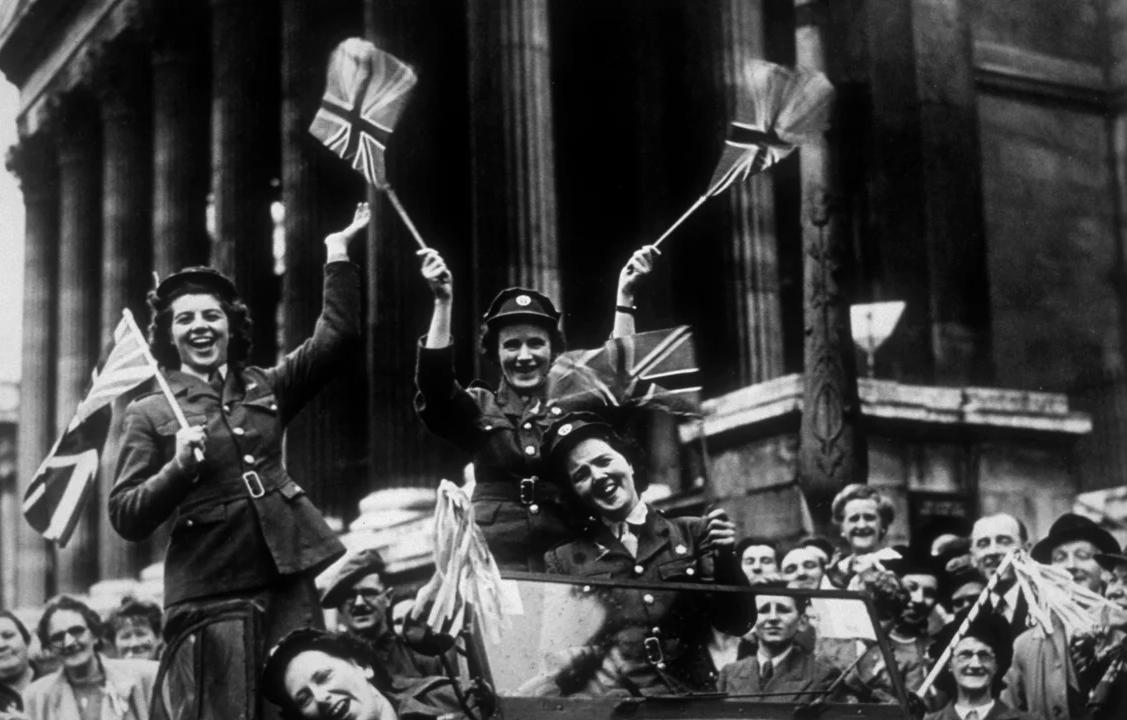
The contextual backdrop of the cultural features explored in the following articles is that of a world still recovering from the effects of the First World War but seeking a release from the rigidity of wartime life.
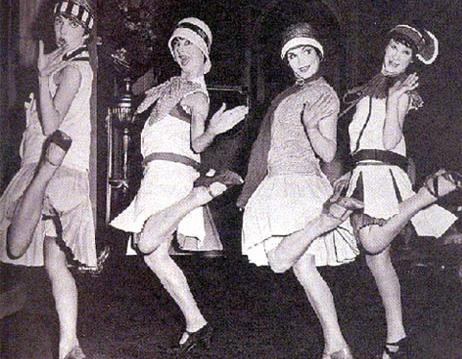
Although many of the iconic characteristics of the 1920s, such as ‘flappers’ and suddenly accessible new technologies, were seen not only in the USA, but also in other countries including the UK, many western countries were still experiencing hardship because of the war, and therefore did not see the same scale of development.
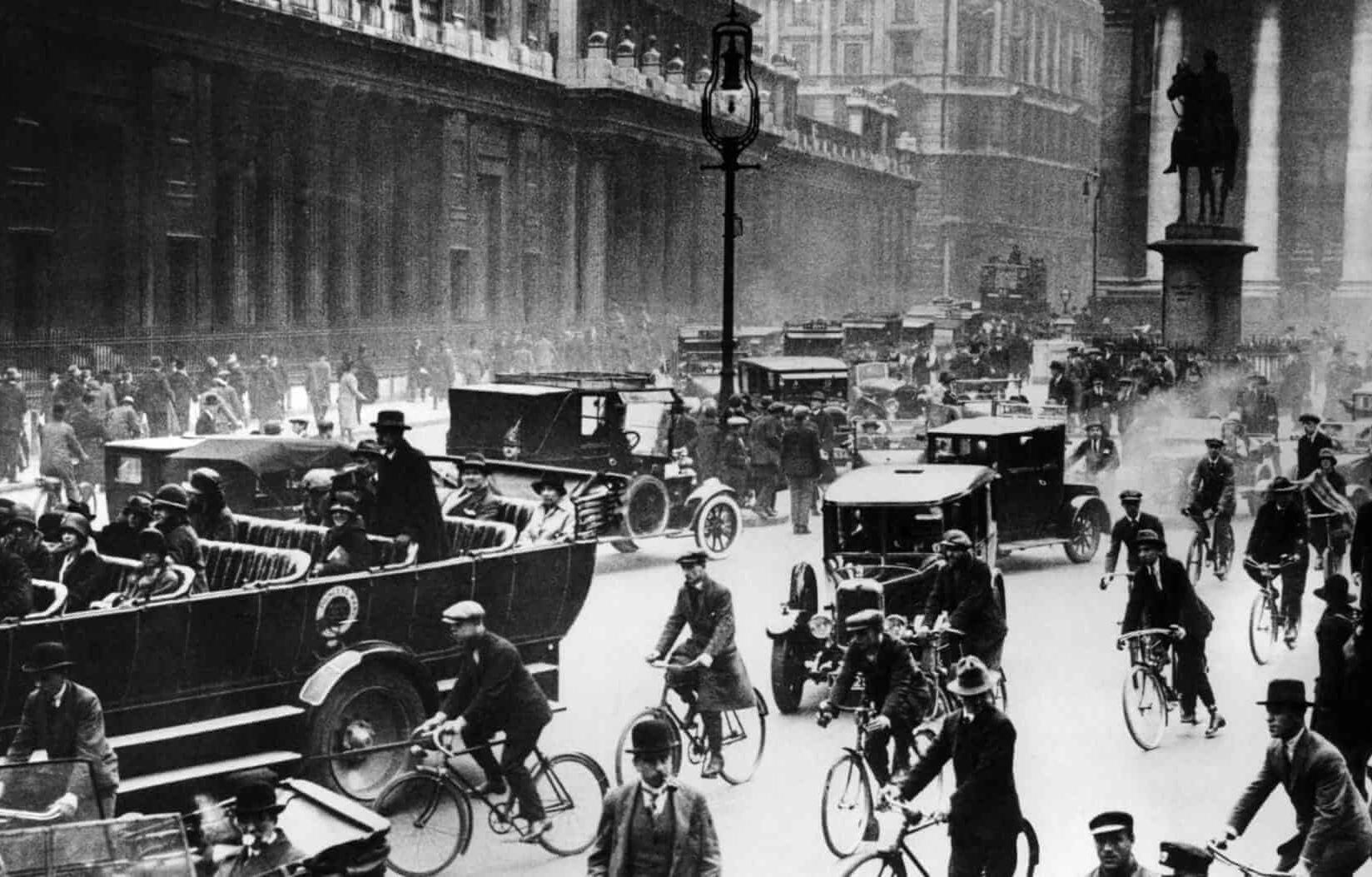
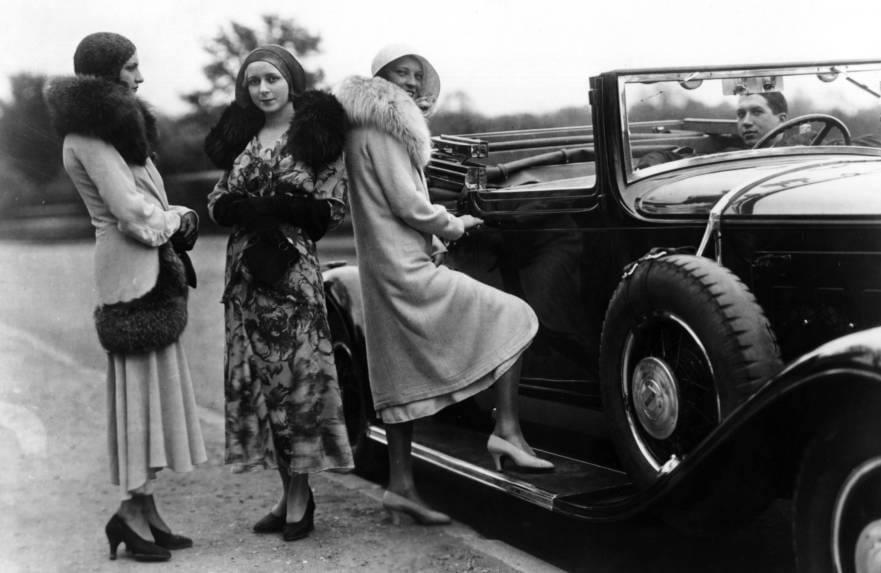
Nevertheless, the USA set many trends in the 1920s, including being the country of origin for the ‘Jazz Age’. Although the cultural features of the 1920s discussed in this edition of the Centenary Magazine would have been felt to a greater extent in America, it is still possible to argue that Rosebery students in 1927, the year of the school’s creation, would have recognised many of them.
Some key historical moments in the 1920s include:
• 1920 - American women given the right to vote
• 1920 - League of Nations established
• 1922 - The BBC begins radio broadcasting
• 1924 - First Winter Olympics
• 1927 - The first talkie came out- The Jazz Singer
• 1928 - All women over the age of 21 in the UK given the right to vote
• 1929 - Stock market crash triggers Great Depression
We hope you enjoy reading more about the culture of the 1920s!

THE 1920s


UNIFORM
By Jess D
Uniform in the 1920s was more formal than in the modern day, but it was beginning to resemble the clothes that we wear to school today.
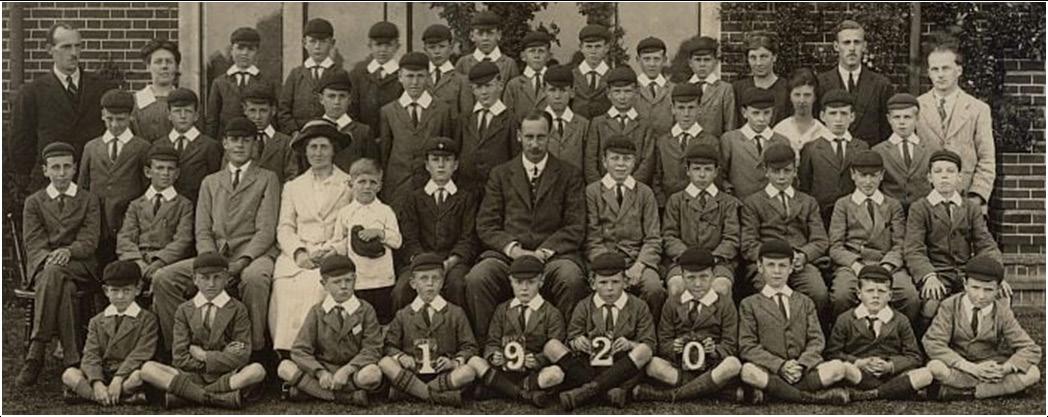
In the 1920s, boys’ uniform was more recognisable to a modern student- grey flannel shorts, or flannel trousers known as ‘longs’ if they were older, shirt, knotted tie, school blazer and cap.
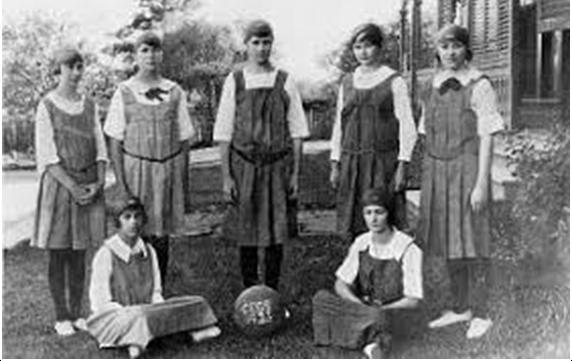
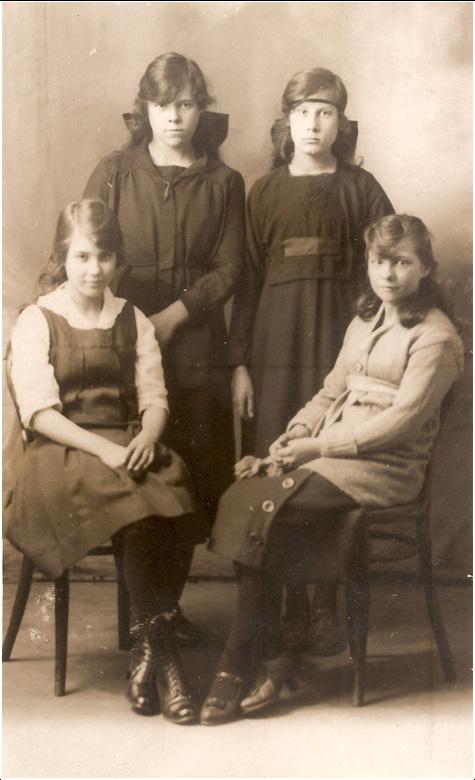
Girls’ uniform, on the other hand, was more different to the present day. Pupils wore gymslips, blouses and ties, as seen in the image to the left. Gymslips were originally designed for sports.
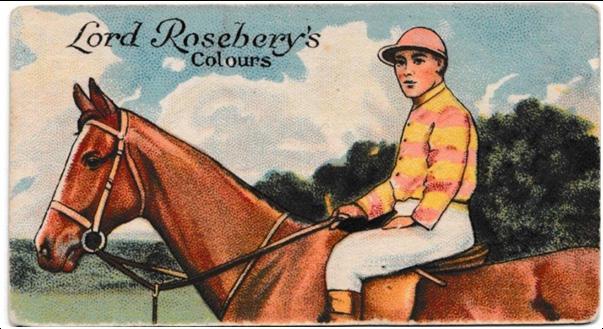
Rosebery Uniform from the 1920’s was themed around the colours pink and brown. This is because they were Lord Rosebery’s racing colours. Their logo was still a primrose, reflecting Lord Rosebery’s family name. We still incorporate the same logo and the colour pink in our uniform today.
MAY 2026
CURRICULUM
By Janae M
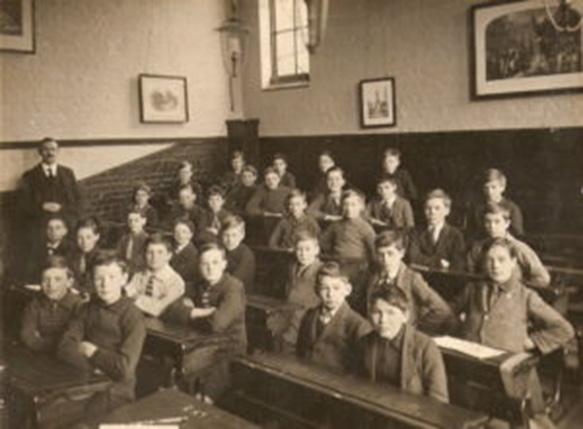
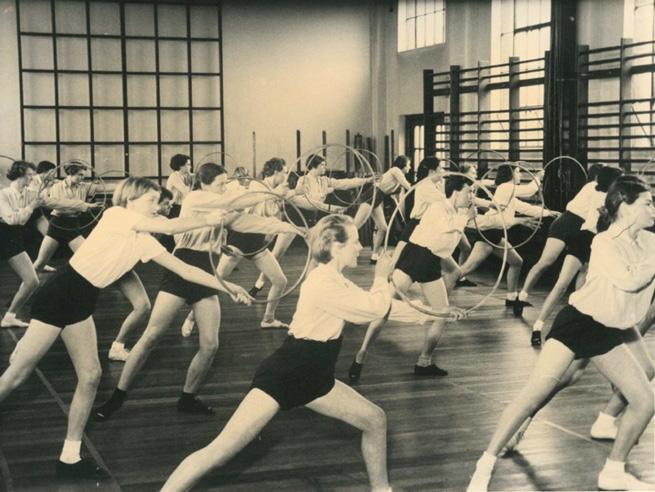
In the 1920s, the curriculum primarily focused on reading, writing and arithmetic for children aged 5-14. Physical education, also known as “drill” at the time, began to transition from a disciplined, military style to more structured games and gymnastics, following health concerns and post WW1 social changes.
Alongside this, religious education, singing and nature studies were also taught, as well as history (which often focused on the British Empire) and geography towards the late 1920s.
Gendered Subjects such as needlework and cookery were also common for girls, whereas boys often did woodwork, technical drawing and metalwork.
Whilst secondary education generally began at the age of 11 for the students who passed the 11 plus exam to attend grammar school (such as Rosebery), most children remained in all-age elementary schools until they left at 14 with only 8% of the elementary pupils moving to secondary school. Grammar schools in the 1920s focused on a rigorous, academic curriculum which heavily emphasised on Latin, English language and literature, mathematics and history, offering pre university education that focused on intellectual rather than practical skills.
Due to social changes after the suffragette movement and WW1, many women in the 1920s were learning to enter new fields such as policing, engineering and law, which were previously all male dominated fields, although many still worked in domestic services as mentioned before.
THE 1920s
SNACKS
By Jade V
In the 1920s, fancy finger foods called hors d’oeuvres were popular. This was partly because of the culture of illicit socialising in places such as illegal speakeasies during the prohibition, which was a time in America when alcohol was banned. Small, portable finger foods were favoured in places like this, as serving full meals would be difficult. Some examples of hors d’oeuvres include:
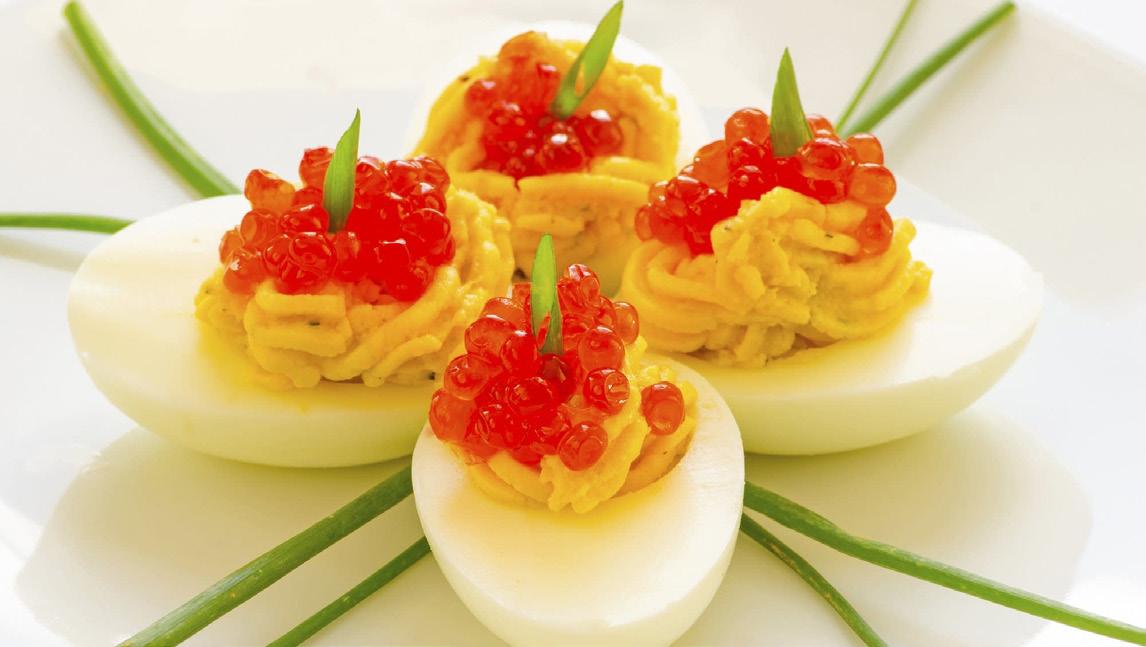
Devilled Eggs
Boiled eggs, peeled and chopped in half Yolk scooped out and replaced with yolks butter and mustard topped with caviar (below)
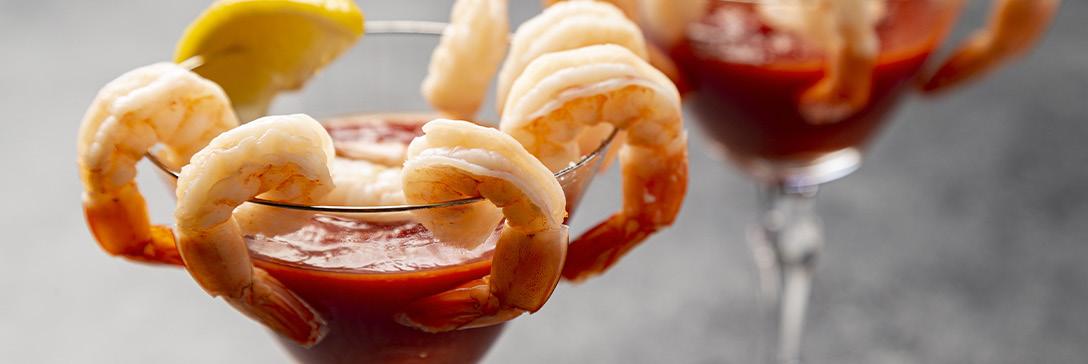
Shrimp Cocktails
Served in a martini glass. Cooked shrimps served on the rim of the glass. A sauce served in the glass consisted of tomato sauce, mayonnaise and a couple shakes of tabasco (below)
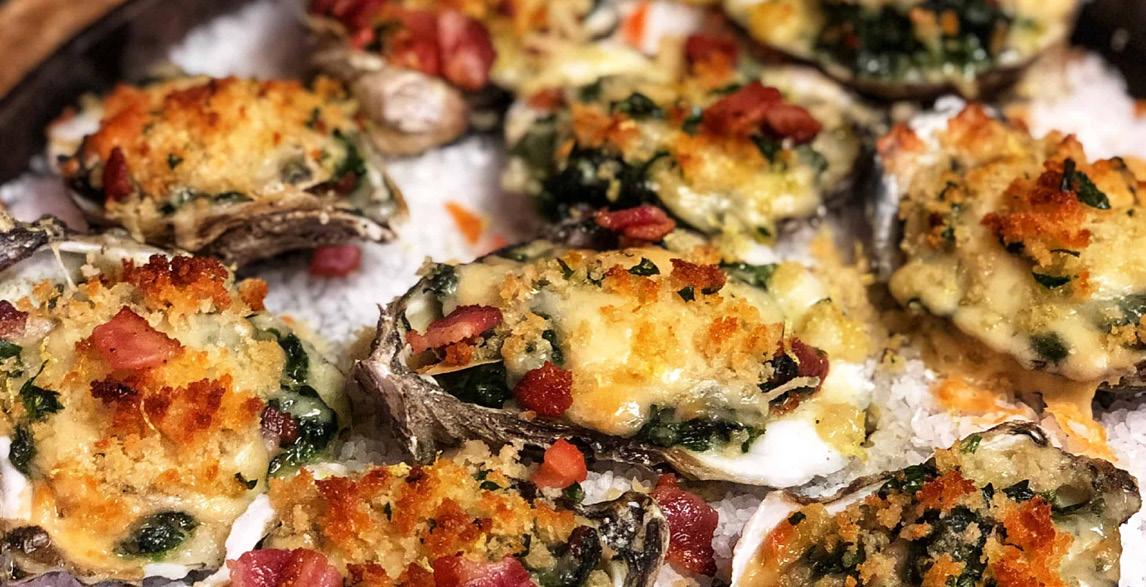
Oysters Rockefeller
Fresh oyster in half a shell, flavoured with butter and finely chopped shallots. Spinach and other green herbs were included as well, with the dish finished by a sprinkling of bacon and parmesan (below)
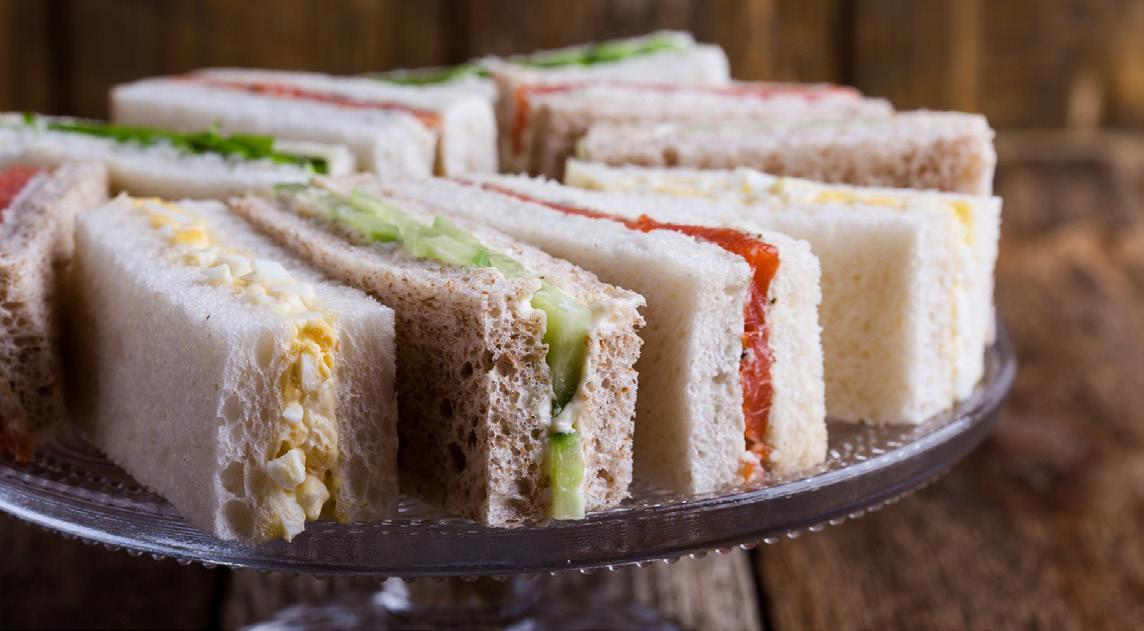
Mini (Tea) Sandwiches
A staple of afternoon tea (below) Examples of traditional fillings included:
• Egg and cress
• Ham and mustard
• Cheese and pickle
• Prawn mayo
CINEMA
By Sophia P
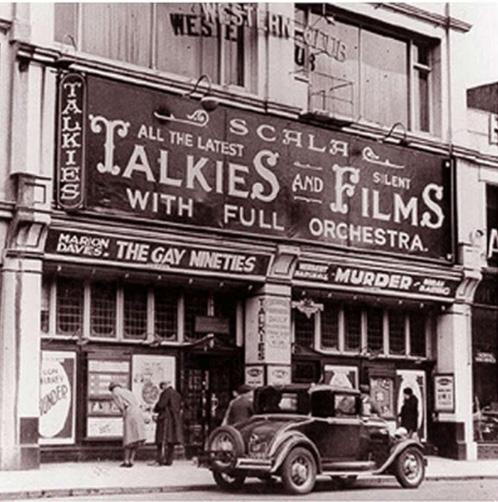
The 1920s were a transformative decade for cinema, marked by the rise of silent films and the transition to talkies. The decade saw the introduction of colour which allowed for more vibrant and realistic depictions of scenes, opening up new storytelling possibilities which also enhanced overall viewing experience.
In the 1920s people saw the rise of certain television producers such as:
• Metro-Goldwyn-Mayer (MGM)
• Paramount Pictures
• 20th Century Fox
• Little Five
MGM was founded by Marcus Loew and Louis B. Mayer on April 17th in 1924. It produced many musical films and won many academy awards which is why it soon became Hollywood’s most prestigious filmmaking company. Three movies they produced were The Jazz Singer, The Broadway Melody and Hollywood Revenue.
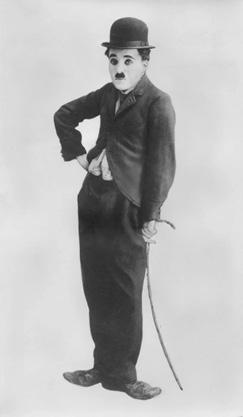
In this decade there were some famous actors who are still known today such as Charlie Chaplin (right) who was known for his comedic filmmaking.
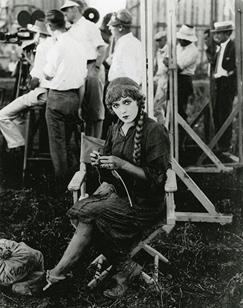
There were also many famous actresses like Mary Pickford (right) who was a pioneer in Hollywood. Mary was a Canadian-born actress and producer.
FASHION
By Arafah A
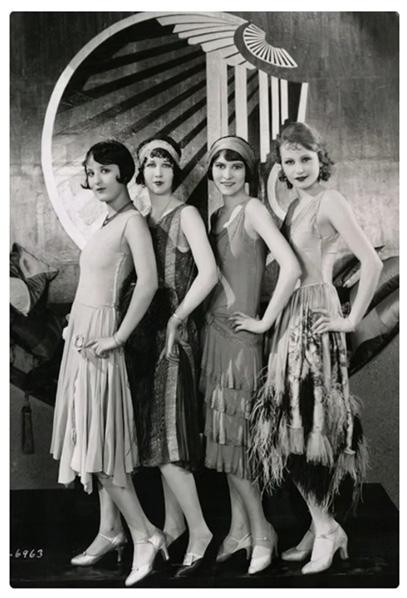
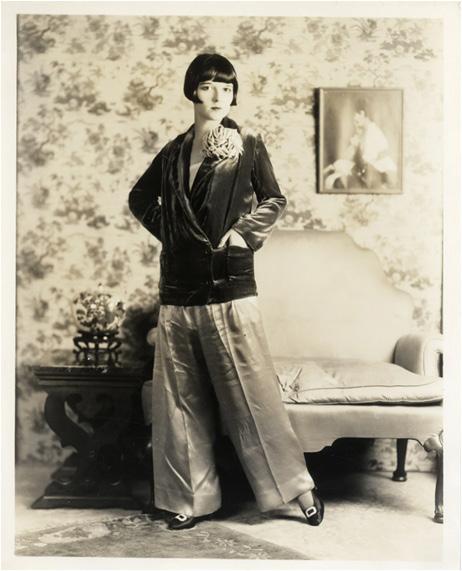
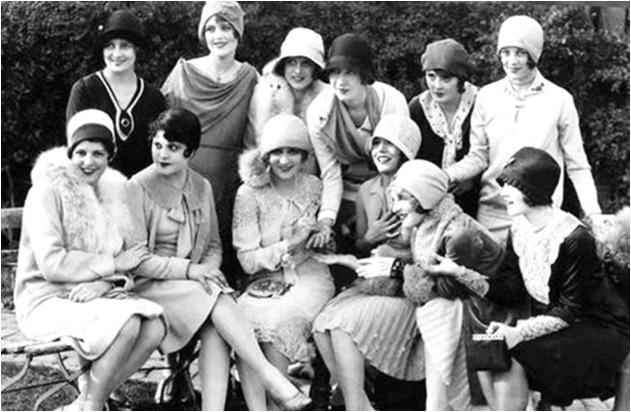
Twenties fashion is often remembered for its glitz and glamour, though underlying this was a move toward simplicity in dress. For women, this meant shorter skirts and simple shapes, while men enjoyed casual suits.
At the dawn of the 1920s, the world was still reeling from the First World War. The conflict, which ended just over a year before the new decade began, had a fundamental and irreversible effect on society, culture, and fashion. Essential to these new styles was a simplicity that had not previously been seen in women’s fashion.
Fashion in the 1920s was all about the whole look and there were trends in how the body itself was fashioned. The simple lines and androgynous shapes of fashion looked best on bodies free from curves. Through exercise, diet, and various shaping undergarments, women attempted to achieve this look. The sporting look also helped facilitate a mode for suntanned skin.
Many women cut their hair into a bob, a popular hairstyle that emerged early in the decade.
Hairstyles kept getting shorter first with the shingle and then with the Eton crop, but like hemlines, as the decade ended, women were starting to grow their hair longer again. The cloche hat became an extremely popular accessory that looked best with these short hairstyles.
MUSIC
By Chiara D
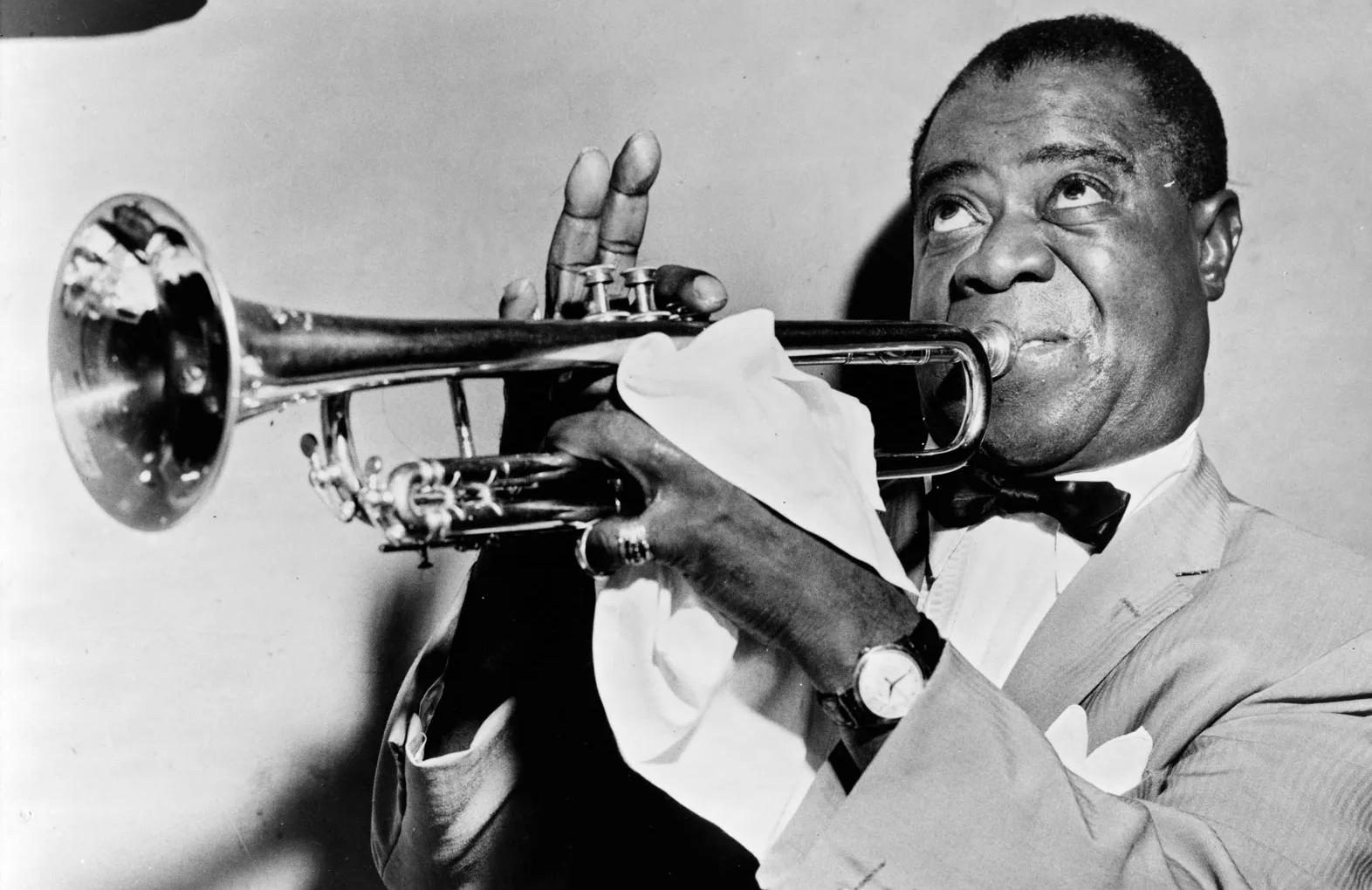
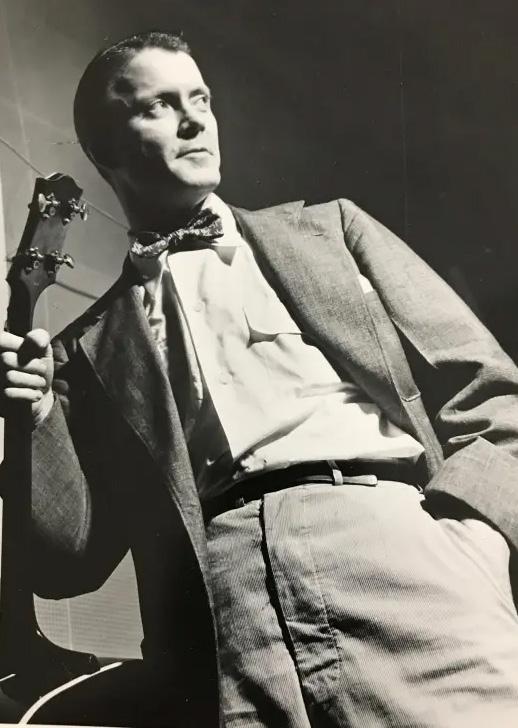
In the 1920s, music was very popular. However, jazz and blues were especially popular in British culture, with many famous artists such as trombonist ‘Miff’ Mole (top right), or Louis Armstrong.
As a trumpet player, Armstrong was very influential on classic jazz, and was widely known for his phenomenal West End Blues, which he performed with his band at the time, the Hot 5.
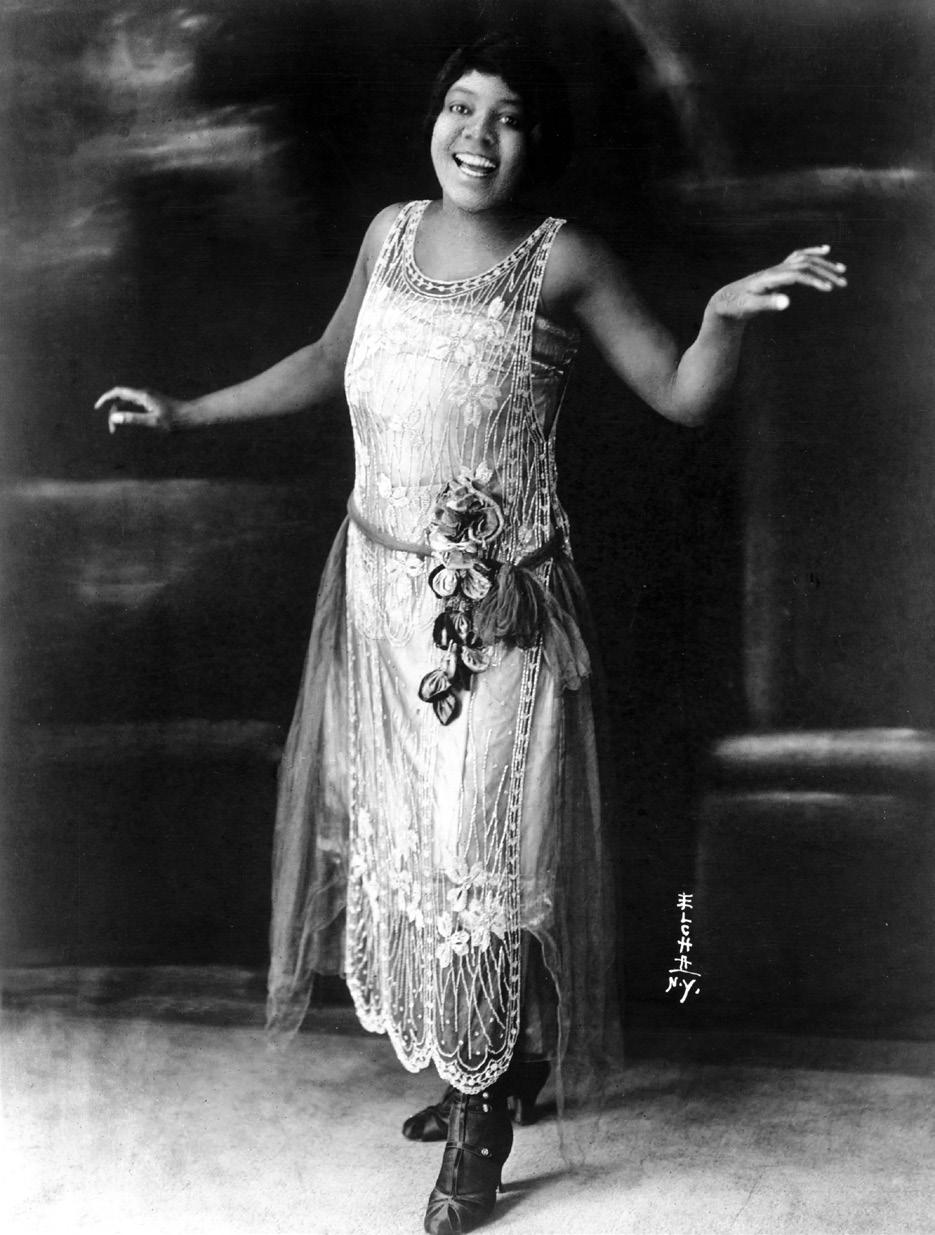
Another extremely famous musician was Bessie Smith (centre right), The Empress of the Blues. She was revered as the greatest and most influential blues singer of the 20s, accompanying jazz greats such as Louis Armstrong. One of the songs she is famously associated with is her hit the Downhearted Blues, performed in 1923.
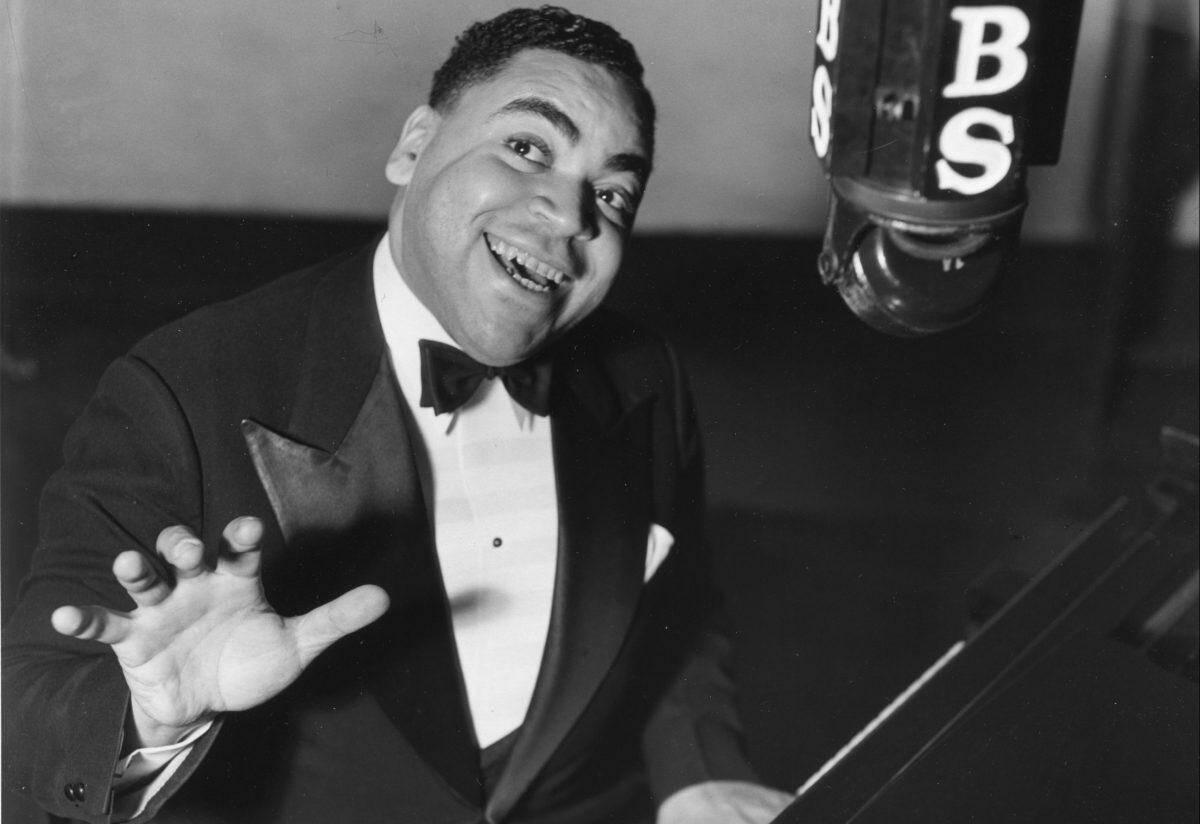
Other musicians such as Fats Waller (bottom right) made big profits from live performances and recordings of their music. Records were available, though the earliest to reach Britain from America were mainly by white artists.
However, recordings from Afro-Americans quickly followed. Overall, the 1920s was a great era filled with jazz and blues soloists, and was the beginning of more advanced music technology such as records.
THE 1920s

FOOD
By Chiara D
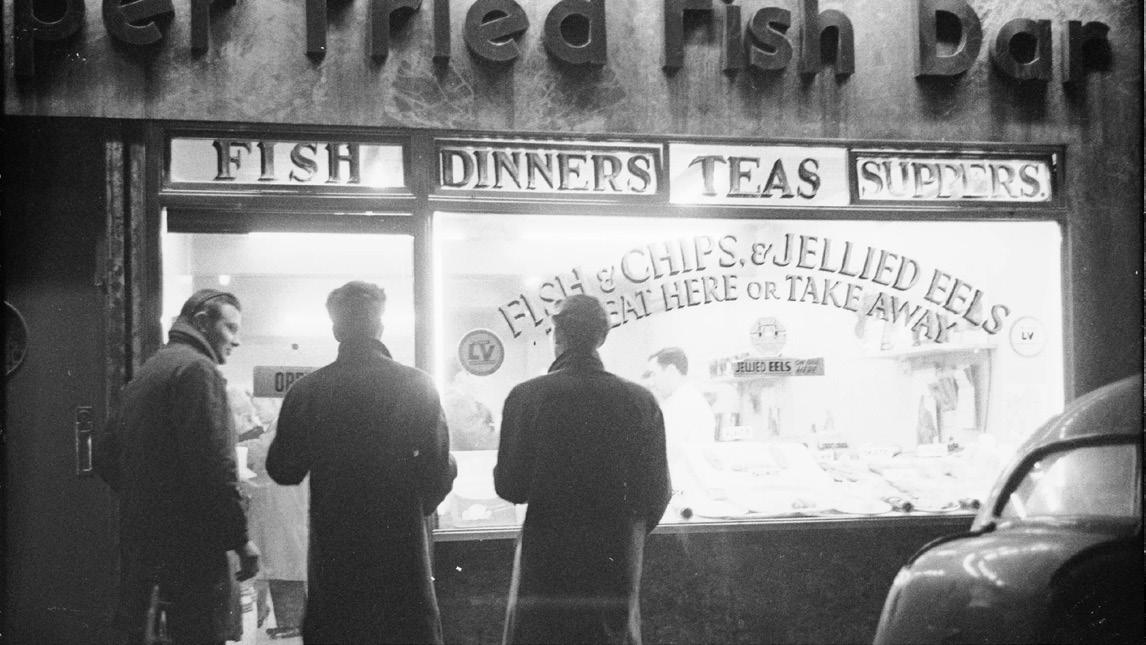
The standard of food in the 1920s was very different compared to today. Processed food wasn’t as common, however Fish and Chip shops were extremely popular, with an estimated 35,000 in Britain! Food was often locally sourced and bought close to the day they ate it due to a lack of refrigerators in people’s homes.
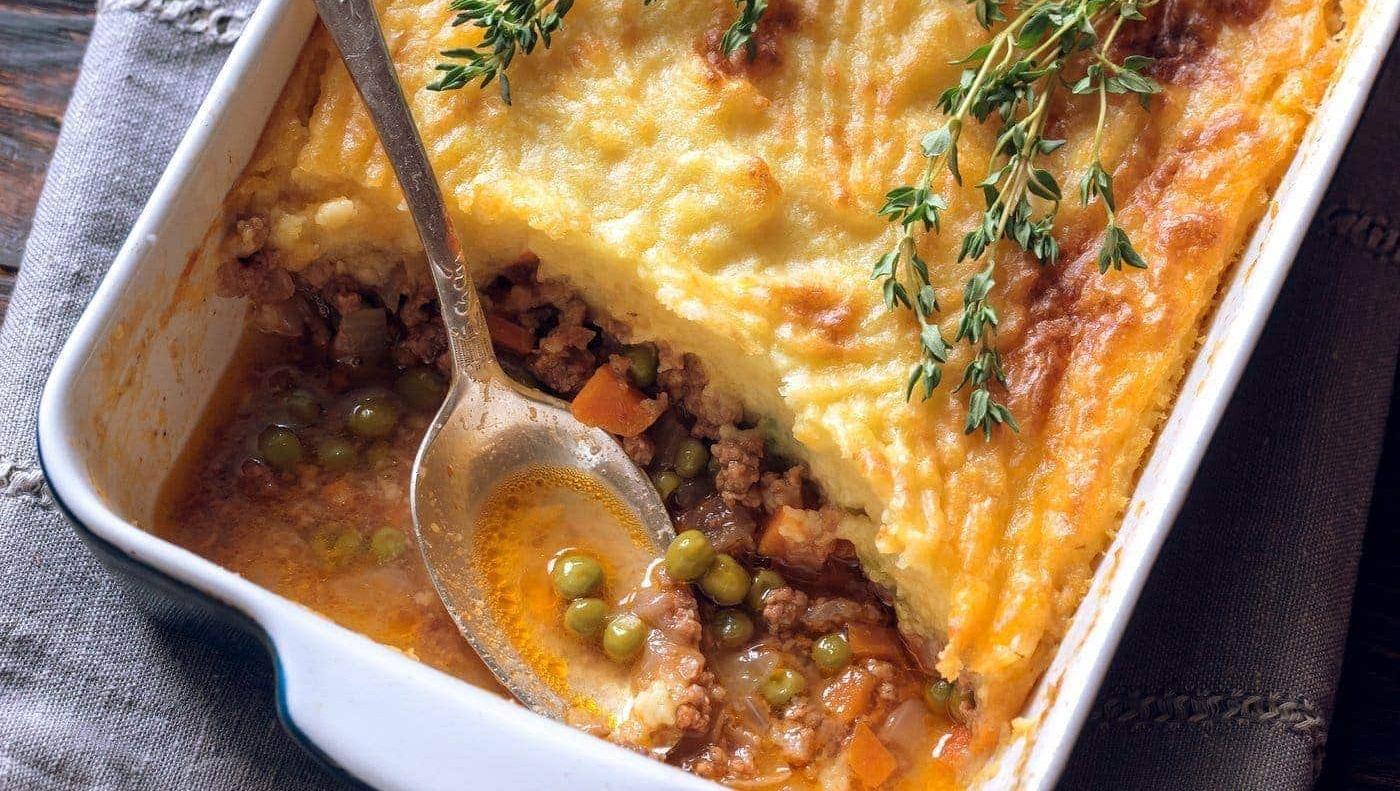
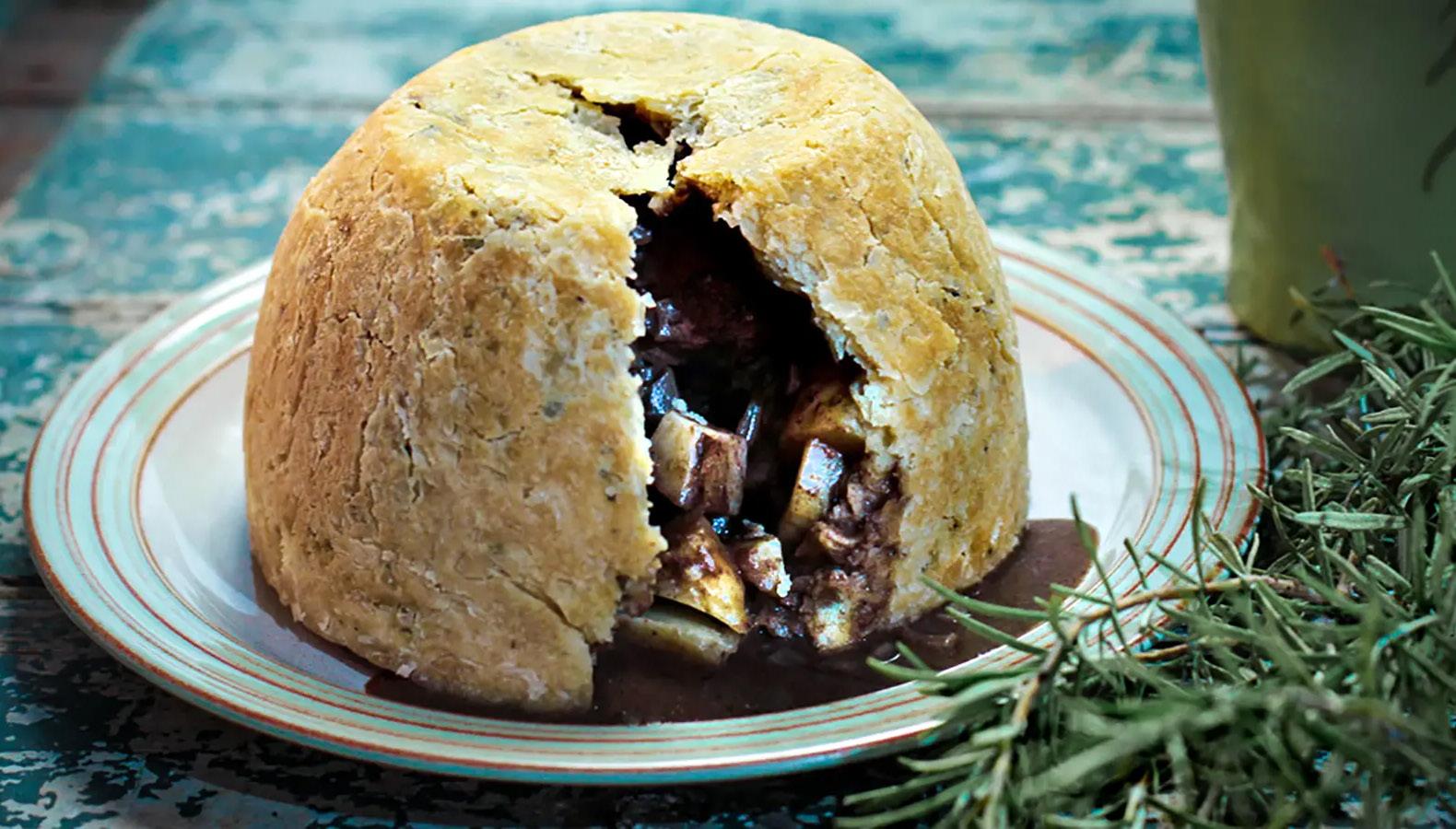
Lunch was the main meal and typical meals included shepherd’s pie (a good way of turning a little meat into a hearty dish) and suet pudding with potatoes (a boiled, steamed or baked pudding made with wheat flour and suet). This meant tea would often consist of leftovers from lunch or bread and jam as a treat.
2026
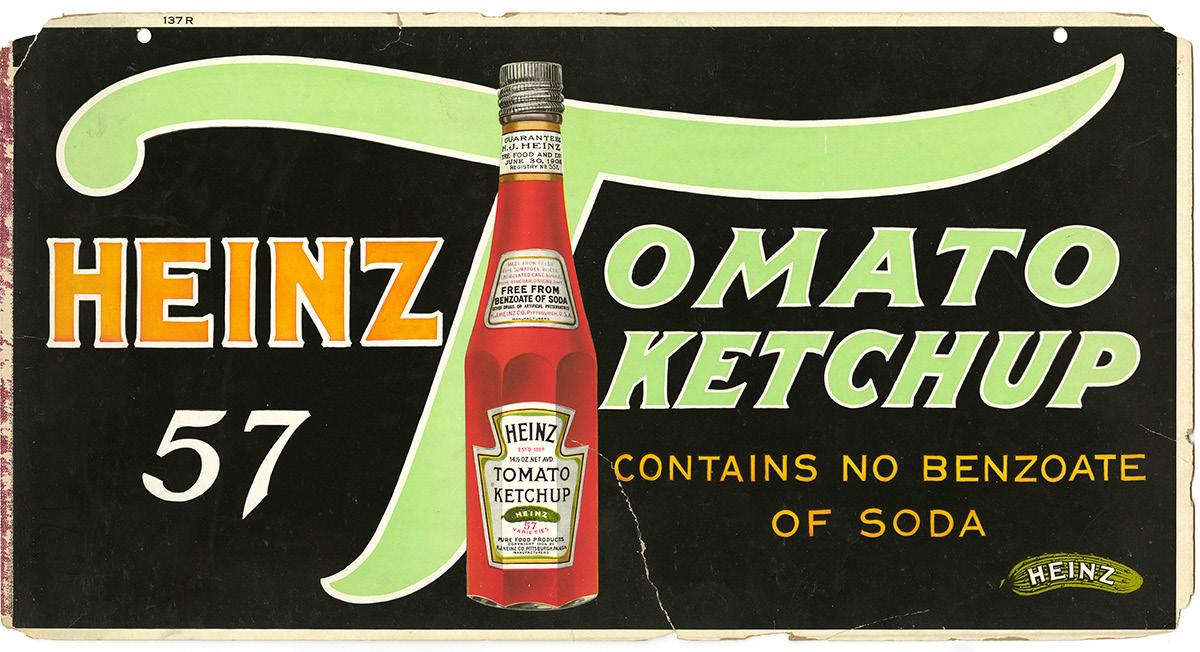
Whilst the food industry was small, it was rapidly growing into something greater. Companies such as Heinz and Birds Eye were beginning to introduce convenience food such as tinned food.
Overall, the 1920s saw the beginning of the transition from fresh, locally sourced food to mass produced, processed and convenience food.