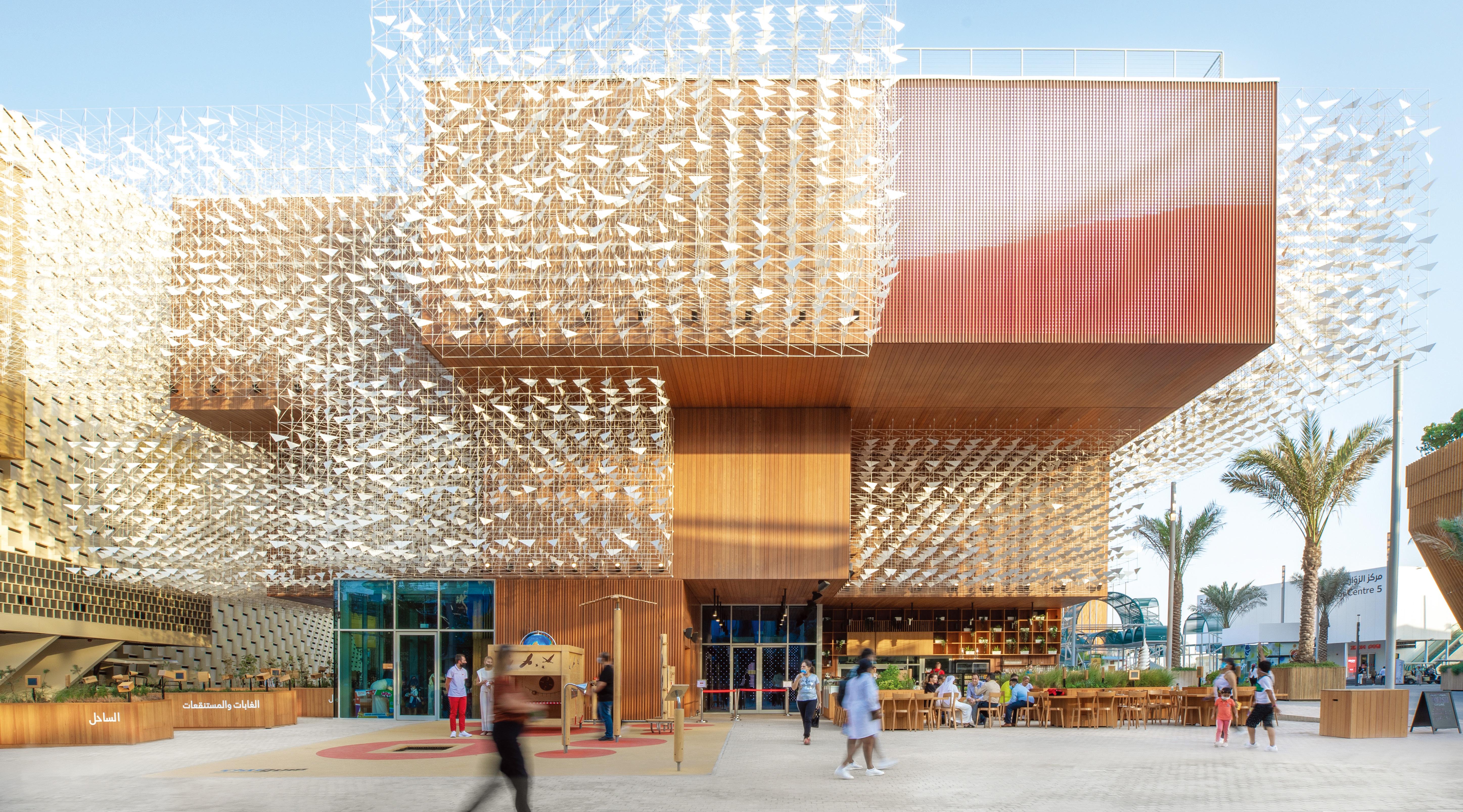
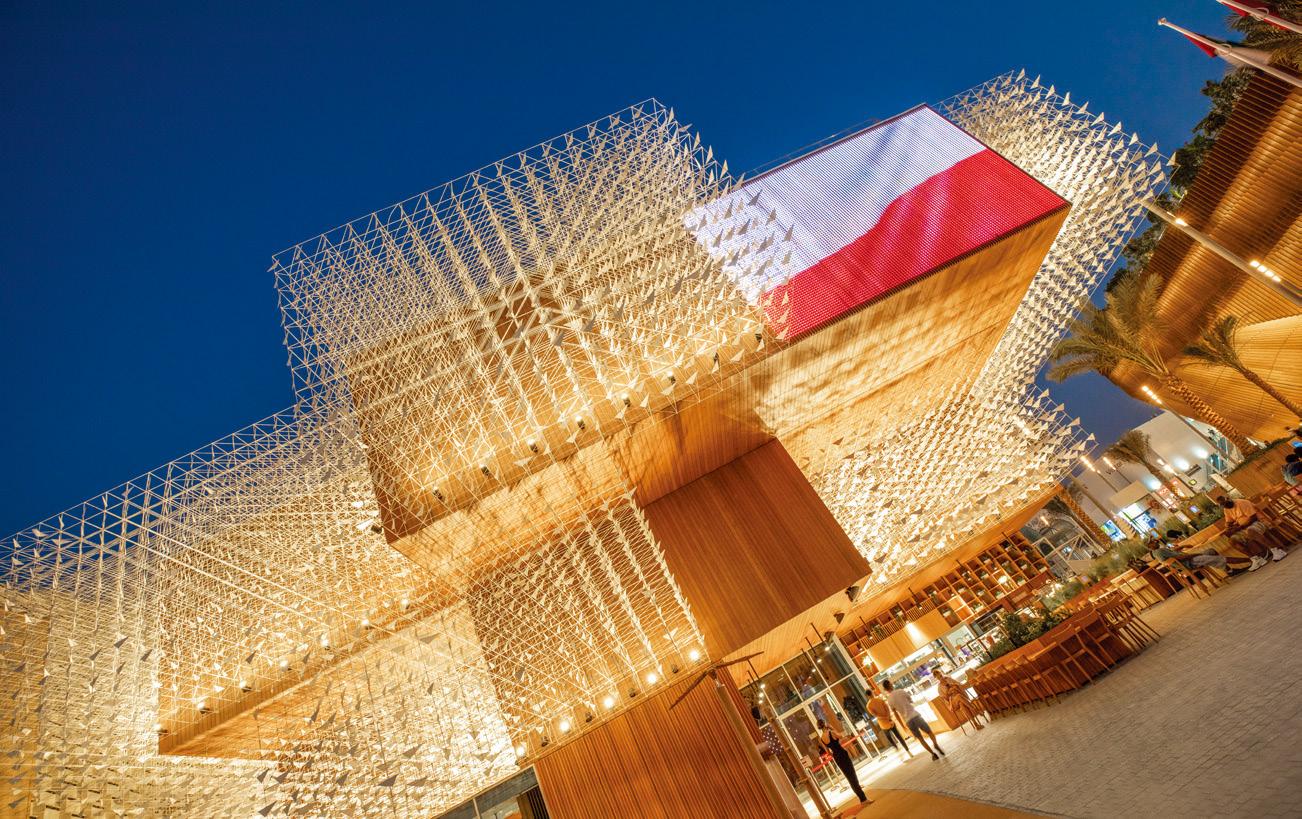
Developed from natural oils and waxes, OSMO finishes highlight the wood’s grain and natural character. The microporous surface lets wood breathe, reducing swelling and shrinkage. Water‑repellent, weatherproof, and UV‑stable, OSMO ensures surfaces won’t crack, peel, flake, or blister—perfect for all indoor and outdoor wood.
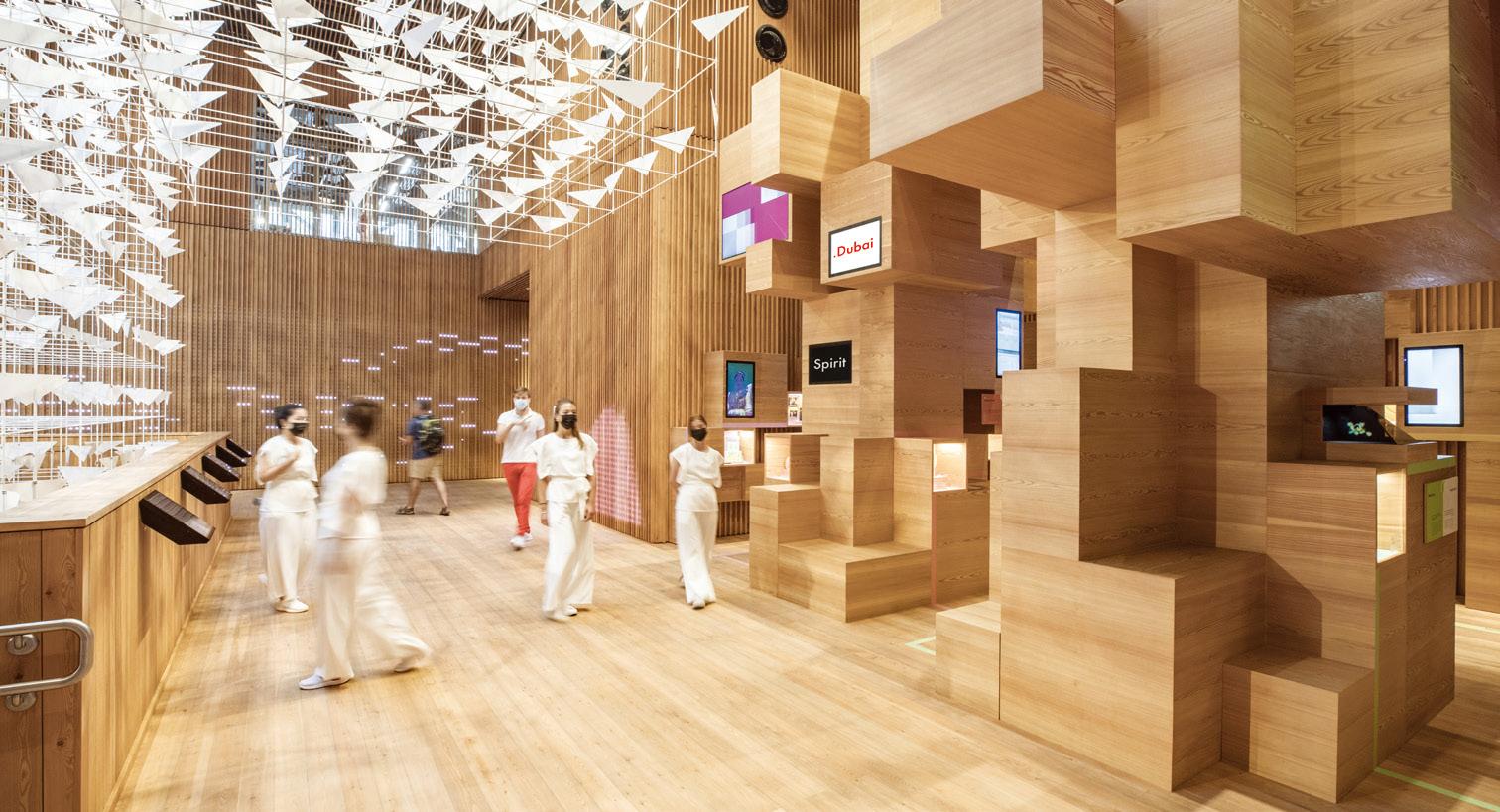
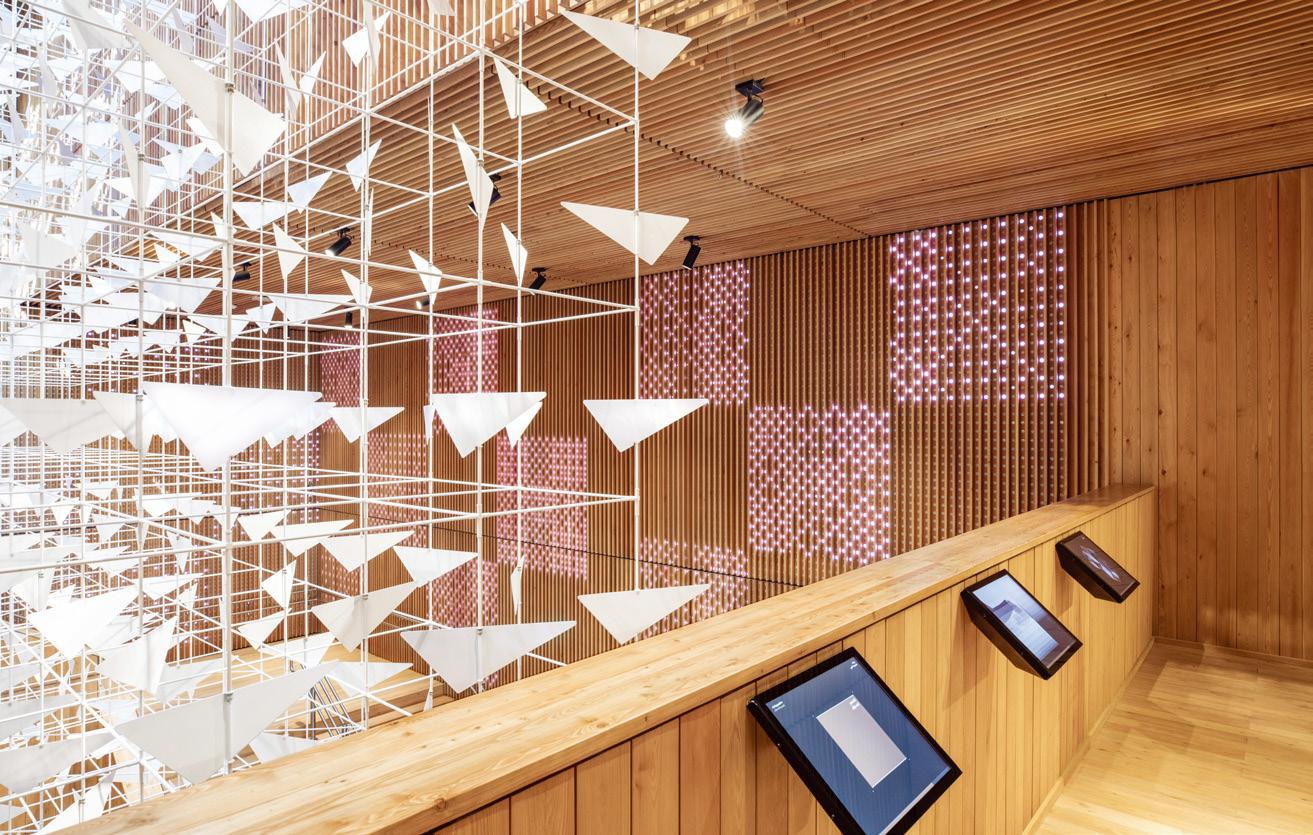
With over 140 years of expertise, OSMO was chosen to help represent the Polish nation on the world stage. Pavilion designers at World Expo 2020 sought a finish that showcased wood’s natural beauty while creating a matt, transparent, protective layer with high hardness and abrasion resistance.
For interiors, OSMO Top Oil Clear Matt provided lasting protection for wooden elements. The Siberian Larch exterior was safeguarded with OSMO Natural Oil Woodstain 701 Clear Matt, 702 Larch and a custom shade created exclusively for the project.






















Publisher: Mike Staley, publisher@rofmedia.com
Editor: media@rofmedia.com
Editorial Team: Mike Staley • Bryan Chan • Elizabeth Dooley
Business Development: Bryan Chan, bryan@rofmedia.com Tel: (852) 3150 8912
Sales Director: Mike Staley, mike@rofmedia.com Tel: (852) 3150 8989
Account Manager: Howard Tsang, howard@rofmedia.com Tel: (852) 3579 5572
Senior Graphic Designer: Ric Sin studio@rofmedia.com
Graphic Designers: Eddie Yue, Michelle Lau
Photographers: Raymond Tam, Walter Ding
Data & Publishing Administrator: Joey Yeung Printing: Asia One Printing Limited
PRC Magazine is published by Ring of Fire Limited Workshop No. 3, 10/F, Block B, Hi-Tech Industrial Centre, No 491-501 Castle Peak Road, Tsuen Wan, N.T. Hong Kong Tel: (852) 3150 8988 media@rofmedia.com www.rofmedia.com
All rights reserved. No part of this publication may be reproduced in any manner, without the written consent of the publishers. All care is taken but accuracy of information rests with the client; the publisher bares no responsibility for any factual errors that may occur. The views expressed herein are not necessarily shared by PRC Magazine or its staff.
© Copyright 2026 Ring of Fire Limited













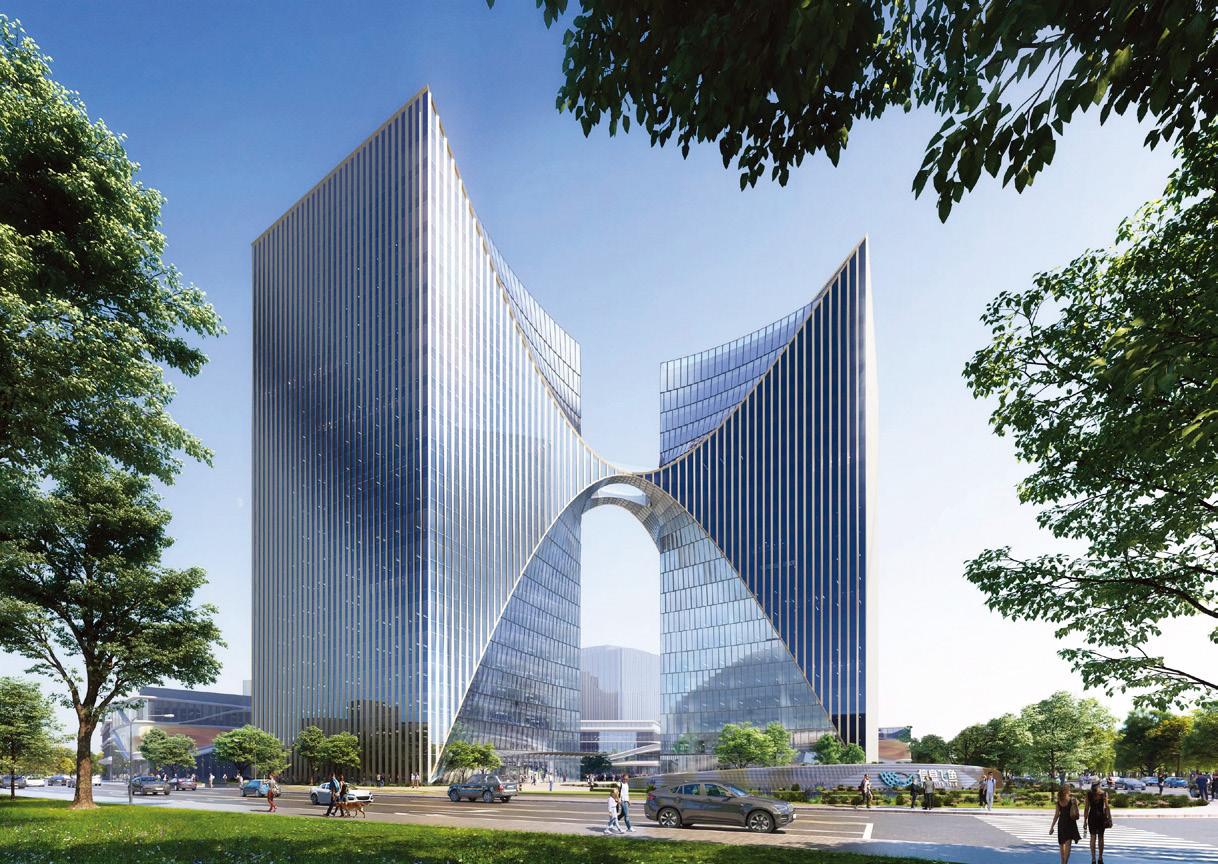
Studio Libeskind’s Infinity Tower project is progressing toward completion in Shanghai’s Free‑Trade Zone. Developed by Lingang Group, the scheme comprises two symmetrical 100‑metre‑tall towers with a combined floor area of 77,000 m². Inspired by the dance of cranes, symbols of longevity and wisdom, the towers form a grand arch framing entry into the Flying Fish commercial complex. The design establishes a strong formal relationship between the two buildings, their shapes reflecting one another to be read as a single form. A skybridge at the 15th floor connects the towers and features an open viewing platform with an elliptical oculus, offering views across the plaza and down to the circular water feature below. The articulated façade enhances the towers’ sculptural presence, while landscaped public spaces and a small park at the entry plaza create a welcoming gateway. Infinity Tower stands as a new landmark, blending cultural symbolism with contemporary commercial architecture.
https://libeskind.com
Entries are now open for the World Architecture Festival (WAF) 2026 Awards, the world’s largest live‑judged architecture competition. Returning to the USA for a second year, WAF brings together the global architectural community to present, debate and celebrate outstanding design. The programme is unique: finalists defend their projects live before an international jury in open ‘crit’ rooms, creating a transparent and dynamic experience. Categories span 43 disciplines, from completed buildings and future projects to interiors and landscape. Key dates include the early bird deadline on 13 March, standard entry by 24 April, and late entry by 15 May. Shortlisting takes place in June, finalists are announced in July and live judging follows at the Festival in November. Paul Finch, Programme Director, WAF, said: “WAF is the only awards where architects present their work live to peers and judges, making it both rigorous and celebratory.” https://worldarchitecturefestival.com


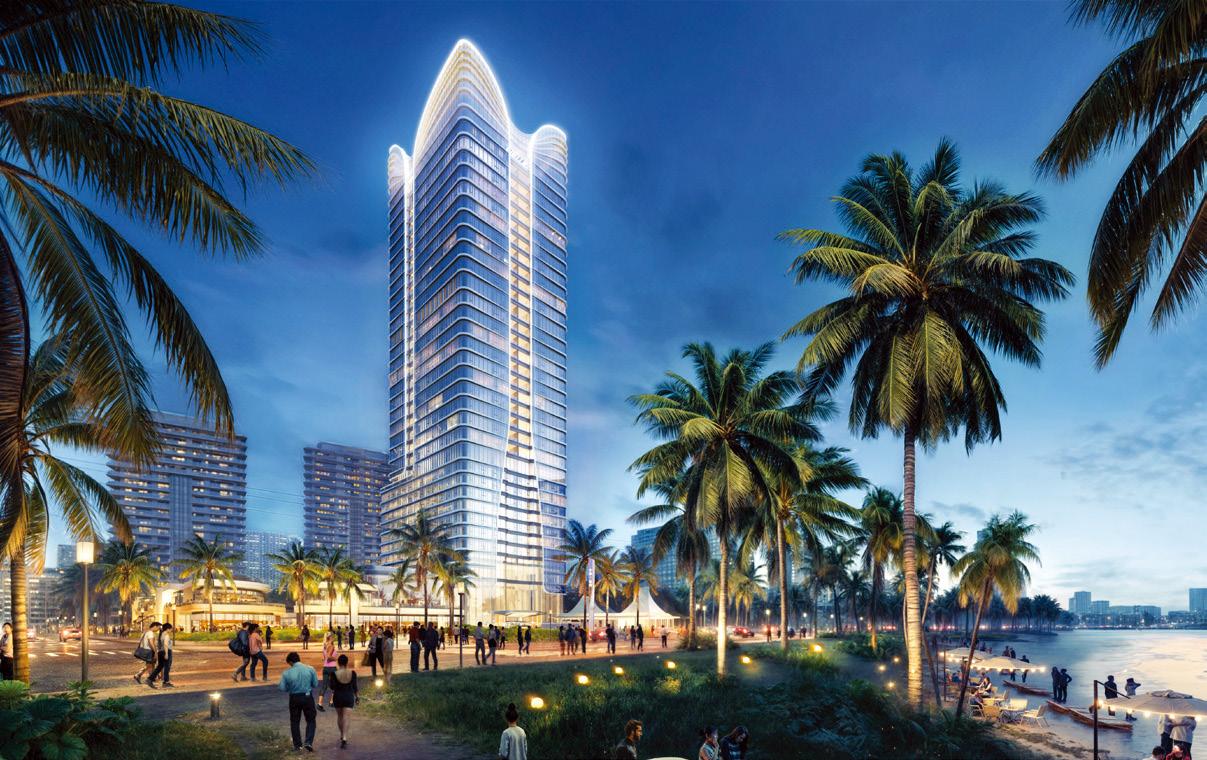
Construction is underway on Azure Bay, a mixed‑use development along Sanya’s celebrated bayfront in Hainan. Developed by CTS Properties, the project appoints Lead8 as Architectural Designer for the office and hotel tower, retail precinct and cultural pavilion. Occupying a prime position between Shengli Road and Sanya Bay Road, the scheme combines scenic ocean views with direct urban connectivity. The masterplan integrates vertical and horizontal forms, with the tower serving as an urban beacon and the podium nurturing a vibrant retail, culture and leisure precinct. Sustainability and cultural expression are central to the design. Green building technologies respond to Sanya’s tropical climate, while art and cultural programmes weave a social thread throughout the spaces. The retail precinct balances natural stone and metal detailing with transparent, light‑filled interiors. Simon Chua, Co‑Founder & Executive Director, Lead8, said:“Azure Bay masterfully blends vertical architecture with thoughtful placemaking, creating a vibrant destination that harmonises urban vitality with the timeless beauty of Sanya Bay.” www.lead8.com
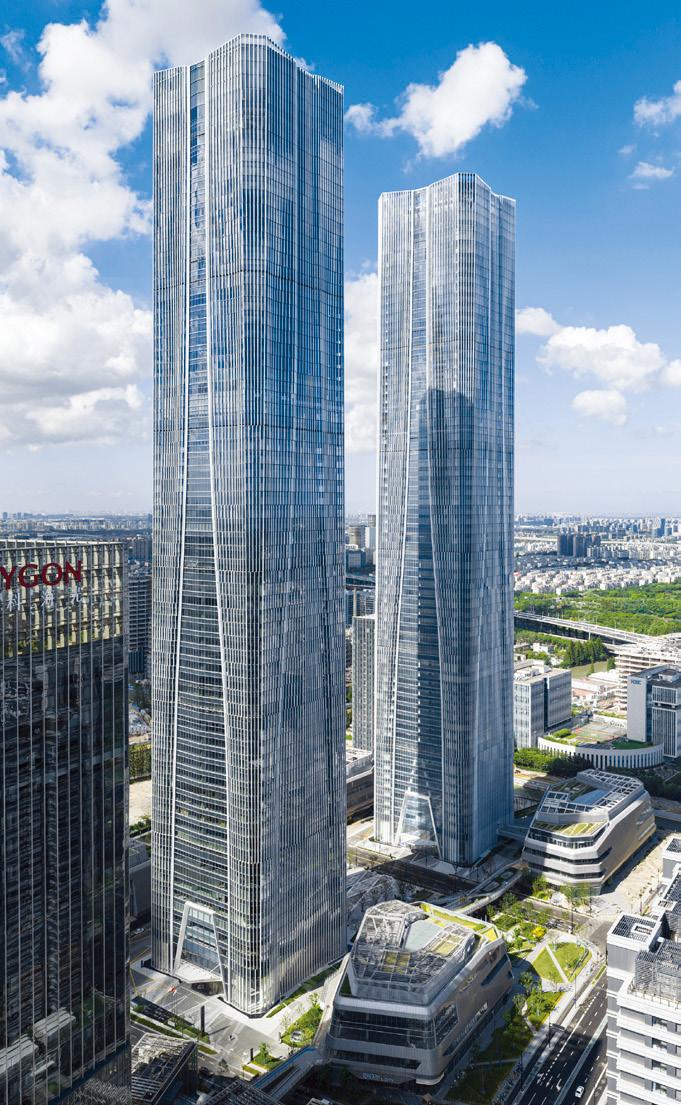
Standing at 320 metres in the heart of Zhangjiang Science City, the Zhangjiang Science Gate Towers mark a new gateway for global innovation. Co‑developed by Lujiazui Group, Zhangjiang Group and Zhangjiang Hi‑Tech Park Development Company, the project integrates offices, commerce, hotels, apartments and cultural spaces to create a vibrant urban community. Designed by Gensler, the towers feature adaptable floor plates with ceiling heights ranging from 4.5 to 20 metres, enabling diverse uses from research and development to exhibitions. A crown space at over 300 metres offers a high‑altitude reception room with panoramic views. The facade, inspired by the Chuanyang River, combines parametric glass with tapering metal lines to symbolise technological energy. Awarded the CTBUH 2025 Best Tall Building (300 metres and above), the project sets a benchmark for sustainable supertall design. Ryan Kwan, Regional PR Director – Greater China, Gensler, said: “This project embodies Shanghai’s ambition to be a world‑class hub for science and innovation.” www.gensler.com

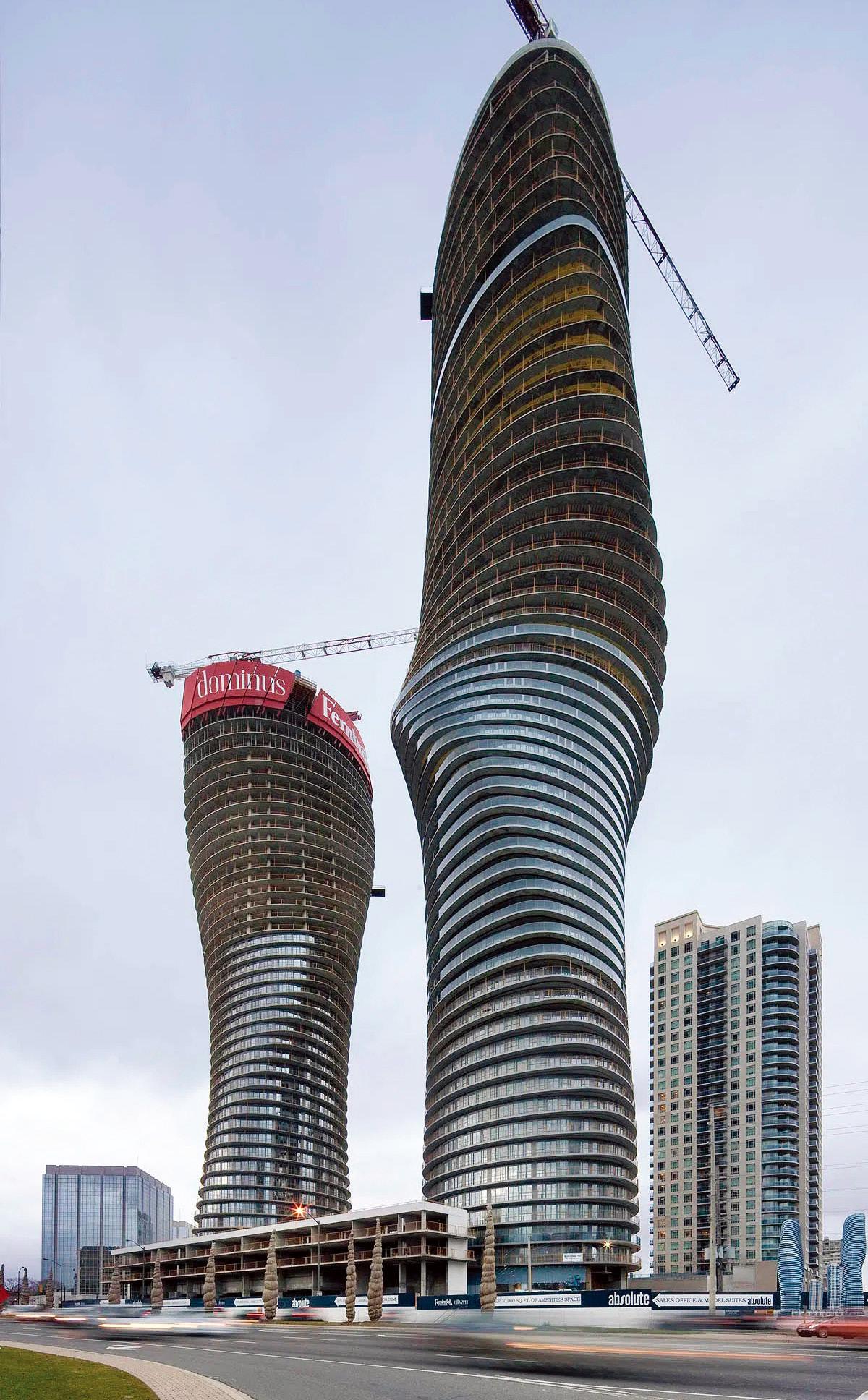
MAD’s Absolute Towers in Mississauga reinterpret high‑rise living with a design that moves beyond modernist logic. Each floor rotates slightly from the one below, creating an ever‑changing profile that responds to surrounding scenery. Continuous balconies eliminate vertical barriers, offering 360‑degree views and reconnecting residents with nature. Nicknamed the “Marilyn Monroe Towers” by locals for their sensual curves, the project quickly gained landmark status and sold all apartments off‑plan. The design embodies MAD’s philosophy of combining emotion with technology to create visionary, fluid architecture.
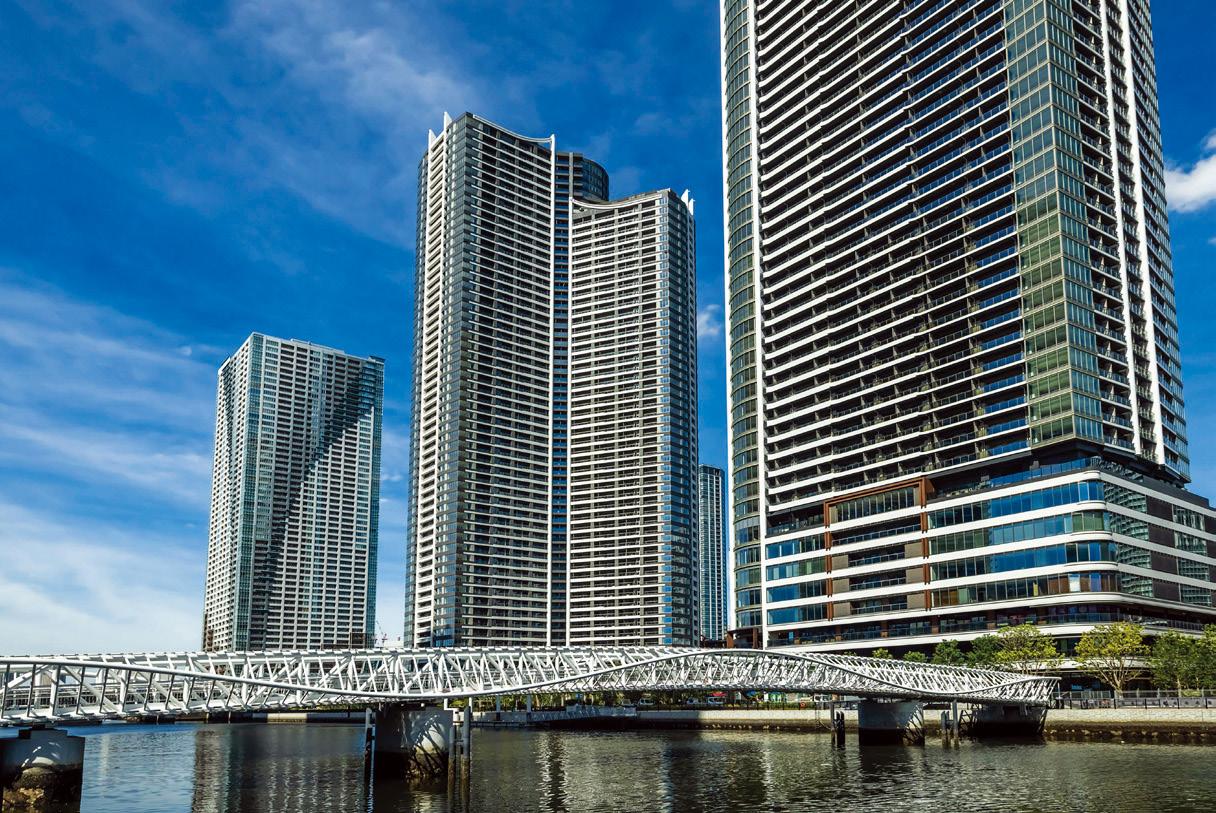
Tokyo’s waterfront has gained a striking new landmark with Reimei Kobashi, the pedestrian bridge linking Kachidoki Station to Harumi 3‑chome. Commissioned by the Kachidoki East District Urban Redevelopment Association, the project was delivered by Hoshino Architects Inc. as Master Design Architect, with Shimizu Corporation as contractor and Izumi Okayasu Lighting Design Office responsible for illumination.

With offices in Beijing, Los Angeles and Rome, MAD’s 130‑strong team works across civic, cultural, residential and hospitality projects worldwide. The Absolute Towers exemplify their mission to balance people, the built environment and nature. Ma Yansong, Founder, MAD, said: “Architecture should evoke excitement by blending the emotional and the rational, creating spaces that inspire and connect.” https://i mad.cn
Construction has begun on Bishoftu International Airport (BIA), Ethiopia’s landmark aviation project located 40 kilometres south of Addis Ababa. Developed by Ethiopian Airlines Group and designed by Zaha Hadid Architects with Dar Al‑Handasah as lead consultant, the US$12.5 billion scheme will become Africa’s largest airport. Phase One will deliver two parallel runways and a 660,000 m² terminal serving 60 million passengers annually, with future phases expanding capacity to 110 million and parking for 270 aircraft. The design incorporates a central spine inspired by the Great Rift Valley, minimising transfer distances and ensuring seamless connectivity for the 80% of passengers transiting through the hub. Sustainability is embedded in the masterplan, with LEED Gold certification targeted. Features include natural ventilation, solar shading, photovoltaic arrays, wetlands for stormwater reuse and native landscaping.
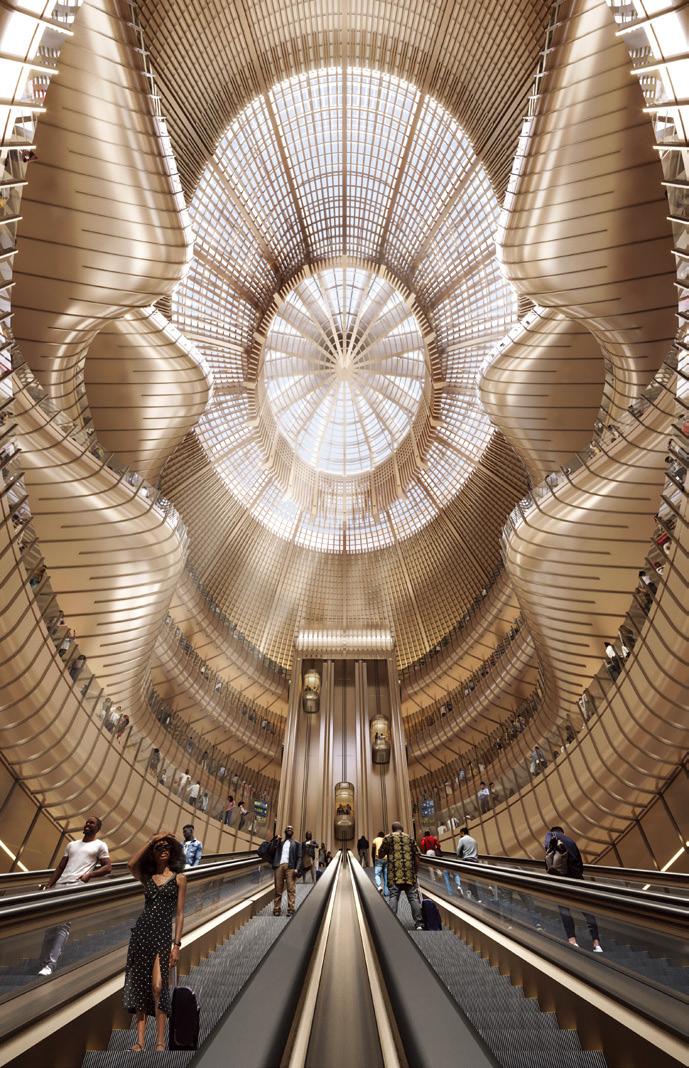
Cristiano Ceccato de Sabata, Director of Aviation, Zaha Hadid Architects, said: “Bishoftu International Airport is a visionary project connecting every region of the continent as Africa’s global gateway.” www.zaha hadid.com
The 425 m² bridge arcs across the Asashio Canal in a continuous white form, its undulating geometry recalling waves rolling toward shore. Shadows ripple across the water, extending the design into the landscape and creating a kinetic experience for those crossing.At night, programmed lighting shifts colours with the seasons and days of the week, animating the structure with changing rhythms. Hiroaki Hoshino, Founder, Hoshino Architects, said: “Reimei Kobashi embodies our philosophy of layering light, colour and landscape to amplify the character of place.” The bridge reflects Tokyo’s transformation of its waterfront into a destination of residence, leisure and cultural identity.
https://hoshinoarchitects.com

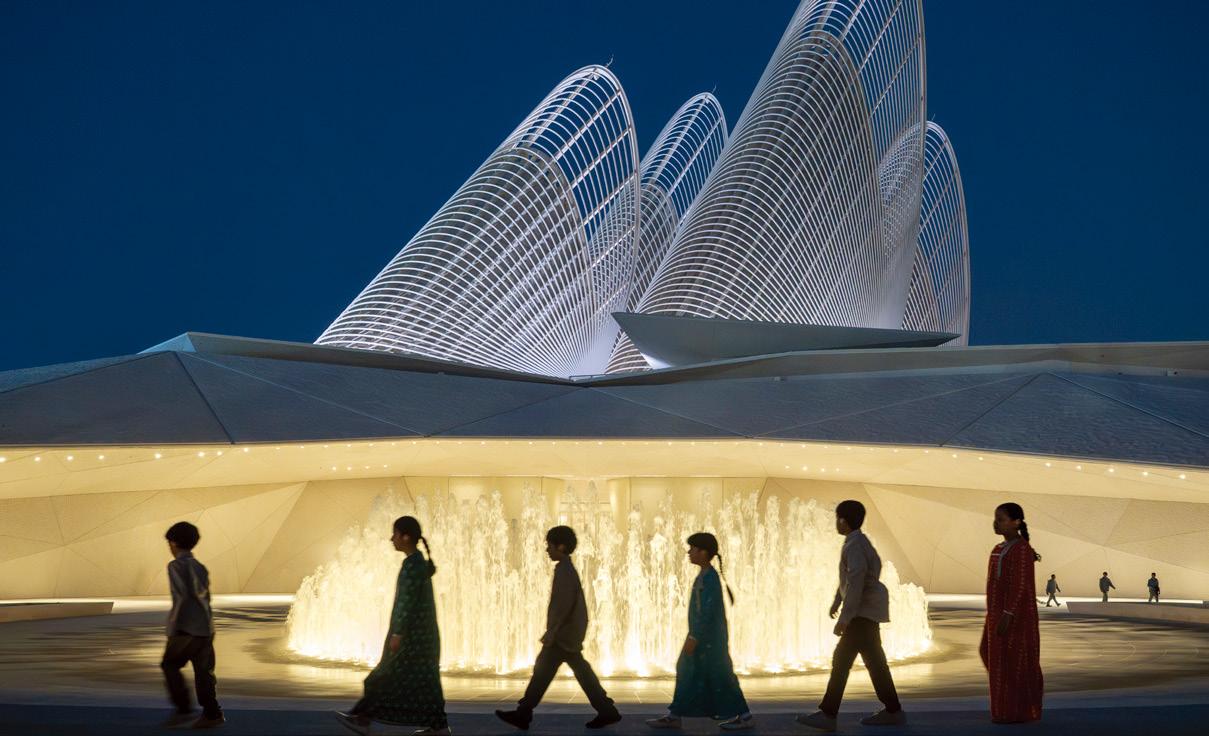
The Zayed National Museum has officially opened in Abu Dhabi’s Saadiyat Cultural District, offering a permanent home for the UAE’s history and identity. Designed by Foster + Partners, the museum celebrates the legacy of Sheikh Zayed bin Sultan Al Nahyan, showcasing themes of unity, tradition and sustainability. The building’s five steel wing towers act as thermal chimneys, drawing cool air into public spaces while symbolising Sheikh Zayed’s passion for falconry. The towers also channel natural light into six permanent galleries, four of which are housed in suspended pods above the central Al Liwan atrium. Electrochromic skylights and triple‑laminated glass regulate light levels to protect artefacts. Exterior façades clad in multi‑faceted panels echo the UAE’s landscapes, while the Al Masar Garden connects the museum to the coastline, reflecting Sheikh Zayed’s love of nature. Norman Foster, Founder, Foster + Partners, said: “The Zayed National Museum tells the story of Sheikh Zayed’s creation of the UAE and embodies sustainability in its very form.” www.fosterandpartners.com

Create optimized environments with Automated Logic. Our innovative building-management solutions bring all building systems together into one cohesive ecosystem maximizing energy efficiency and sustainable building operation while ensuring comfort. We make it easy to manage your building from anywhere. automatedlogic.com



















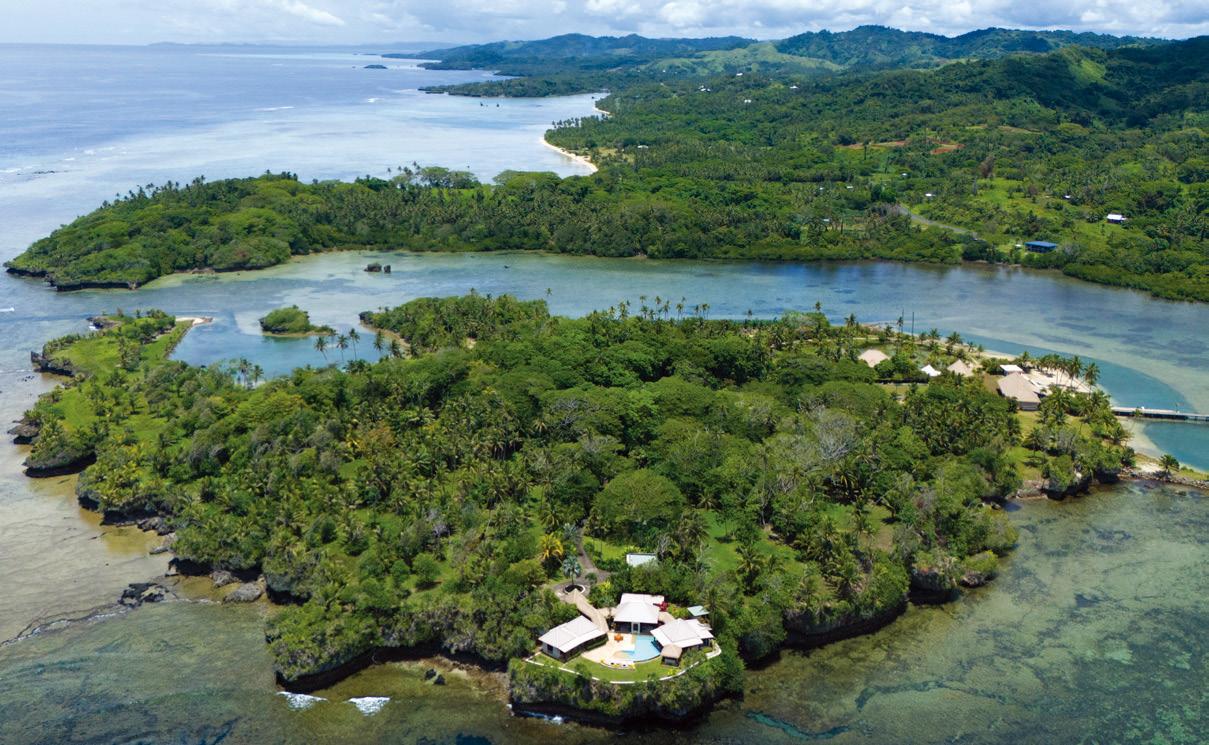
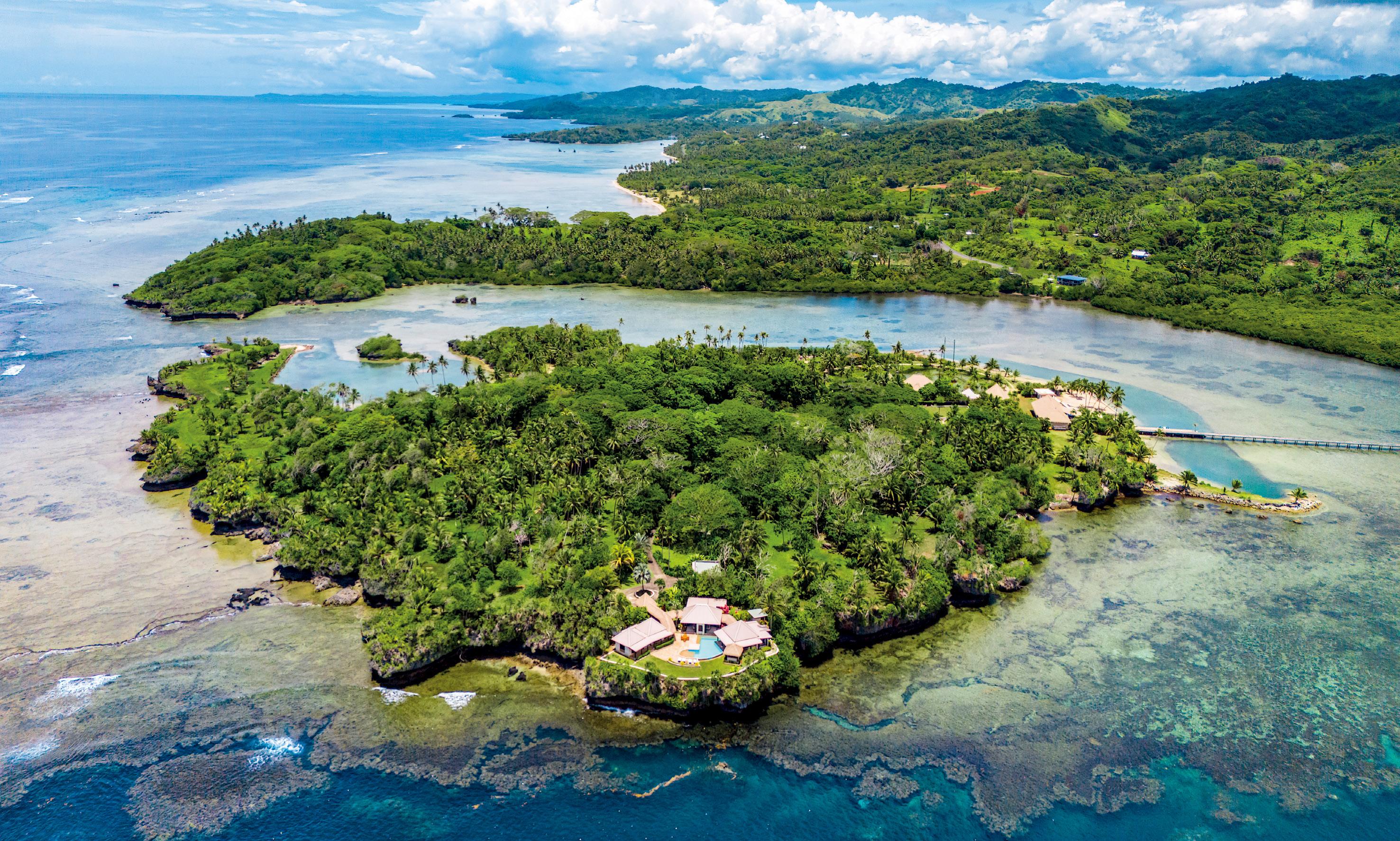
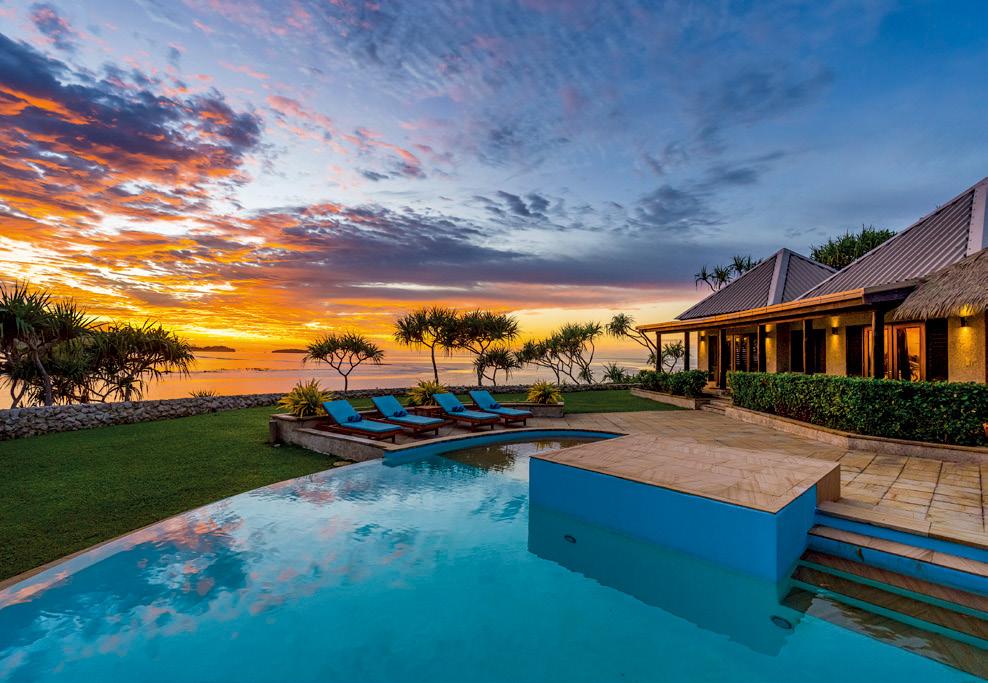
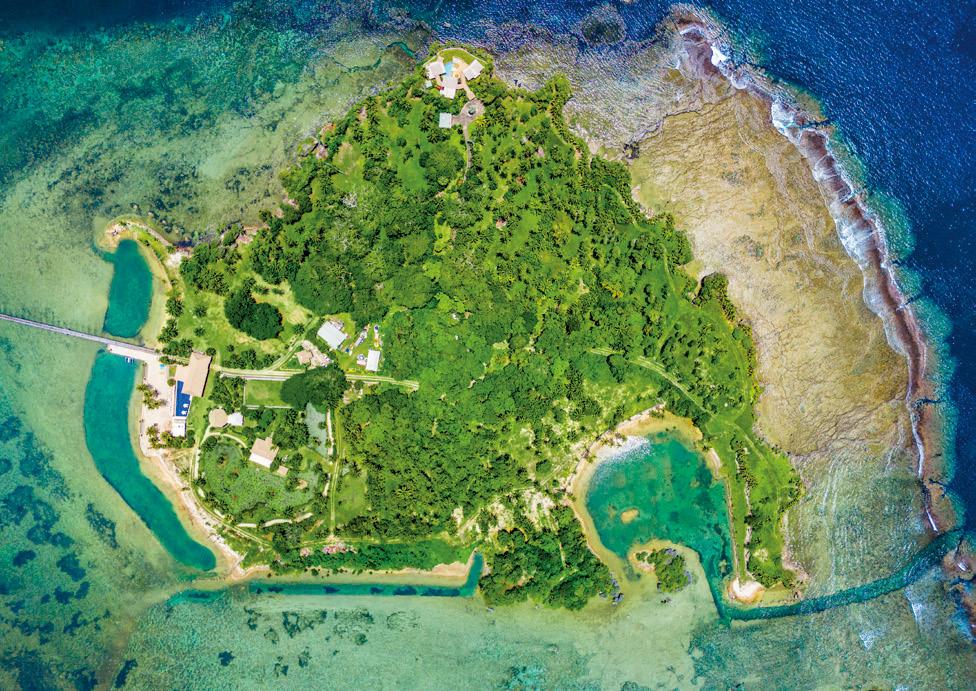
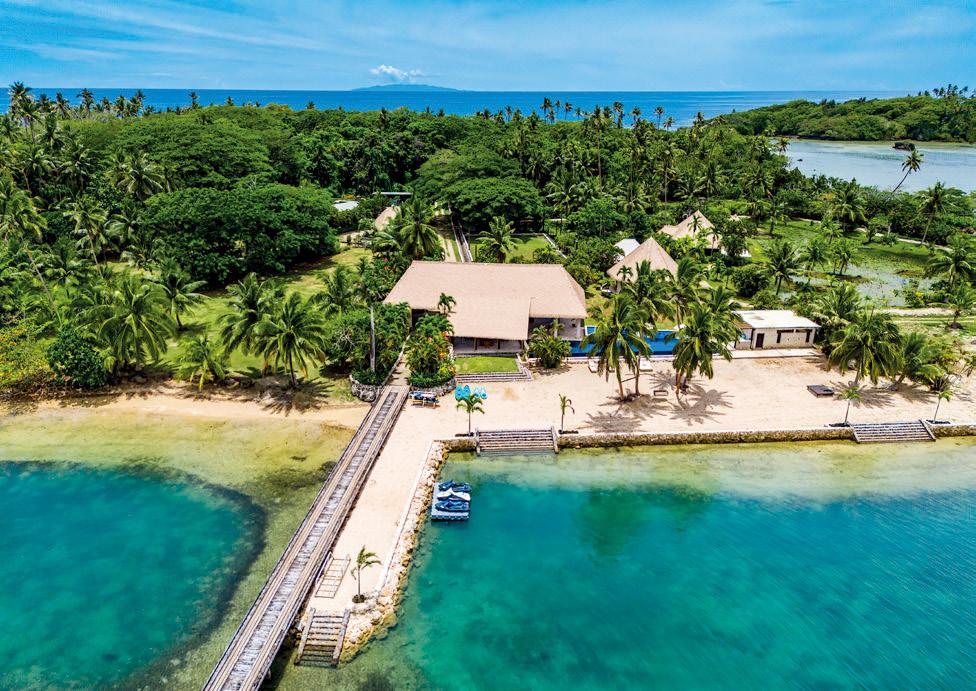
Wavi Island is a 27 acre freehold island close to Savusavu Airport on Fiji’s largest northern island, Vanua Levu an hour’s flight from Nadi International Airport. The island is connected by a 450 metre long low bridge so you get all the benefits of island living without the nuisance of water taxis and helicopter transfers. The Wavi Island owner of many years is looking to move on and let someone else complete the development. He will look at any sensible offer or proposal, with or without him. Currently there is one luxury villa completed with supporting infrastructure. There are another 19 vacant freehold lots ranging in size from 2,025 m² to 4,029 m² There is a resort site just needing the bures to be constructed. A resort manager’s house, welcome bure, guest swimming pool, restaurant and bar, tennis court and marina are all in place. You just need to finish the set up how you want. www.nzsothebysrealty.com/PAC13300

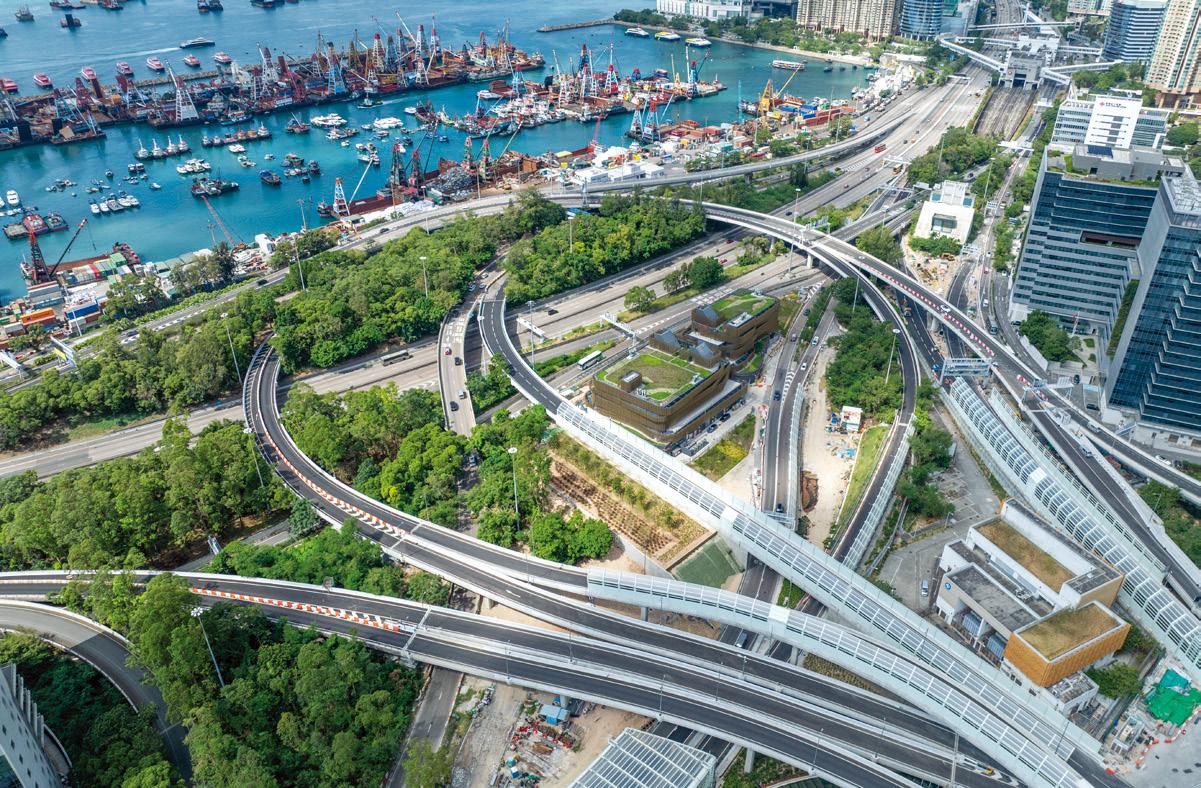
The Central Kowloon Bypass (Yau Ma Tei Section) opened on 21 December 2025, creating a major new transport corridor that strengthens Kowloon’s east–west connectivity. Stretching 4.7 kilometres, the dual three‑lane bypass links the Yau Ma Tei Interchange with the Kai Tak Development Area and Kowloon Bay, including a 3.9‑kilometre tunnel beneath some of Hong Kong’s most densely built‑up districts.
Delivered by an Arup and Mott MacDonald joint venture, the project overcame complex engineering challenges, including tunnelling beneath existing buildings while maintaining live traffic. Advanced digital tools and innovative solutions ensured safety and efficiency throughout construction. The bypass introduces extensive landscaping and urban greenery, with the 32,000 m² Yau Ma Tei Landscaped Deck providing a vital green connection to West Kowloon Station. Sustainability was embedded in design, with the Kai Tak Administration Building achieving BEAM Plus Platinum certification. Theresa Yeung, East Asia Managing Principal, Arup, said: “This project unlocks a new era of connectivity and vitality for Kowloon, shaping a smarter, greener and more efficient Hong Kong.”
www.arup.com
www.mottmac.com

BUILD4ASIA 2026 : POWERING THE NEXT ERA OF SMART, SUSTAINABLE BUILDINGS
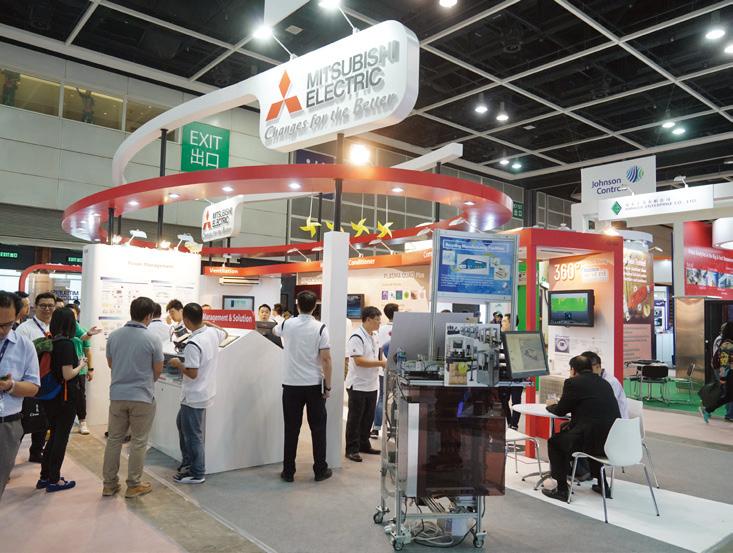

Build4Asia 2026 will return from 6–8 May 2026 in Hong Kong, bringing together the region’s leading professionals in building technology, security, electrical engineering, and property management. Hosted at the Hong Kong Convention and Exhibition Centre, the event features three major exhibitions— Asian Elenex, Asian Buildtex, and Asian Securitex— alongside newly added zones such as Asian PropTech and Asian OfficeTech, which spotlight innovations across the entire building lifecycle. Exhibitors will showcase advances in BIM, AI‑driven construction management, smart property systems and connected workplace solutions, reflecting the industry’s accelerating digital transformation. As one of Asia’s most comprehensive platforms for built‑environment technologies, Build4Asia 2026 offers valuable networking, product discovery and insights into emerging trends. Further information, please visit: https://www.build4asia.com/
R+T ASIA 2026: LEADING HUB FOR INNOVATION AND GLOBAL NETWORKING
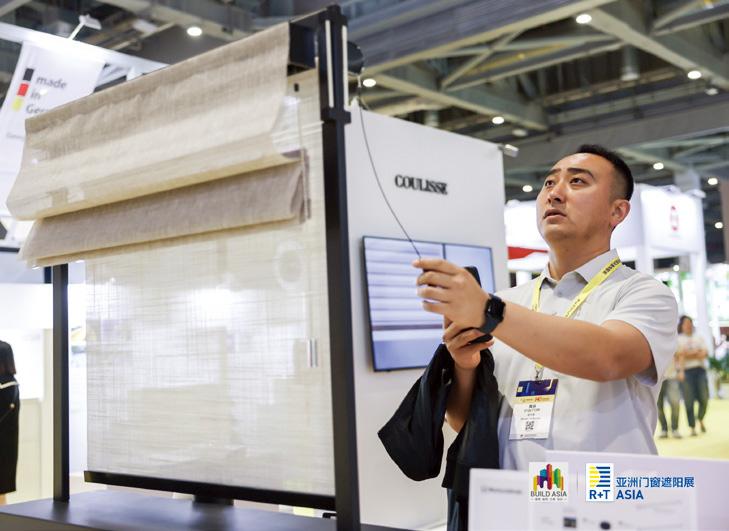
R+T Asia 2026 will take place in Shanghai from 27–29 May 2026, continuing its role as a leading platform for sun shading, roller shutters and door and gate solutions in the Asia‑Pacific region. Held at the National Exhibition and Convention Center — the world’s largest exhibition complex — the fair brings together manufacturers, architects, designers and decision‑makers from more than 100 countries. It emphasizes innovation, sustainability and digitalization, with highlights such as the International Window and Door Summit (IWDS) and showcases of smart home automation technologies. Exhibitors present cutting‑edge products, while visitors benefit from global networking, curated business matchmaking and insights into emerging market trends. Further information, please visit: https://en.rtasia.net/

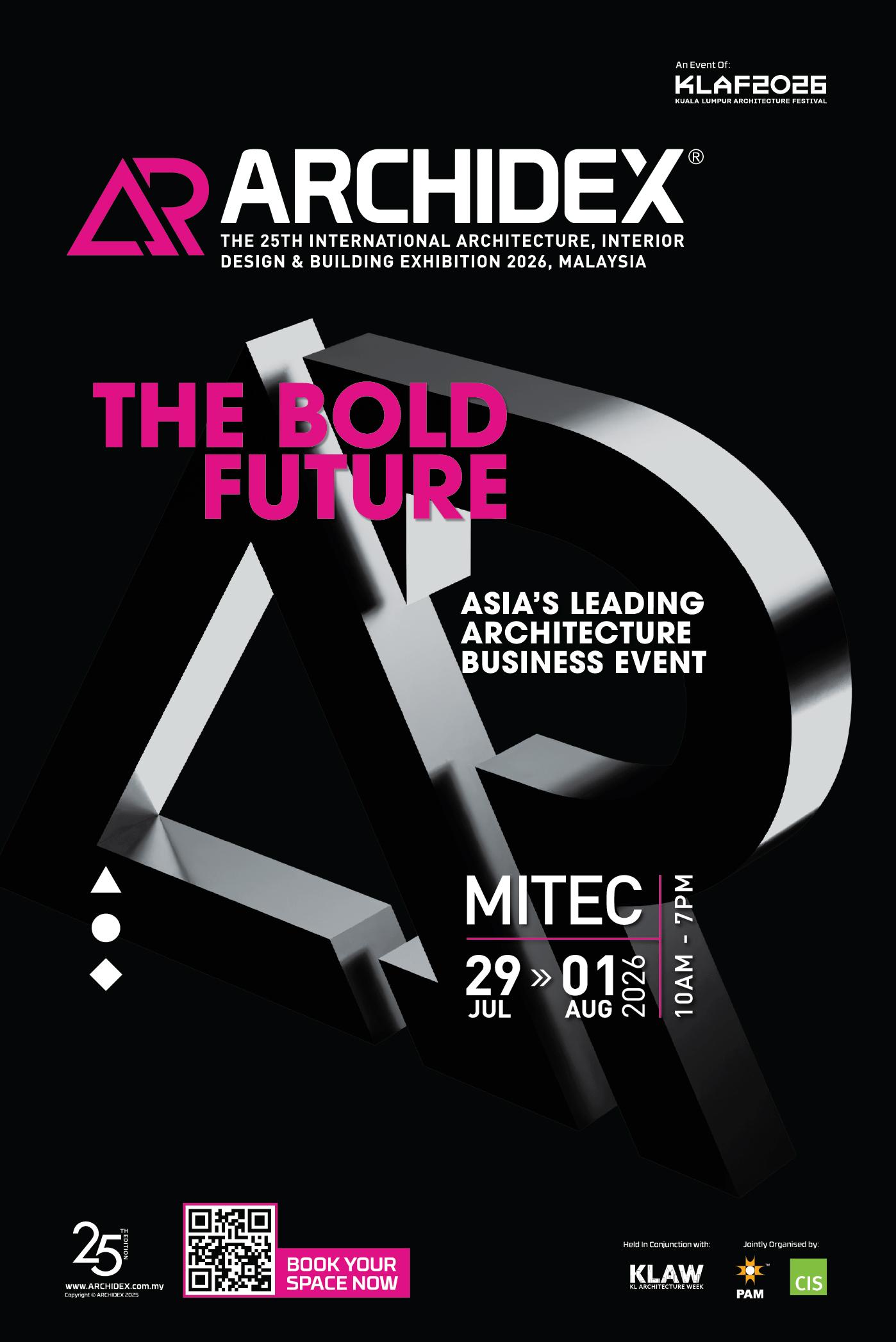
ARCHIDEX 2026: MALAYSIA’S PLATFORM FOR FUTURE‑READY CITIES
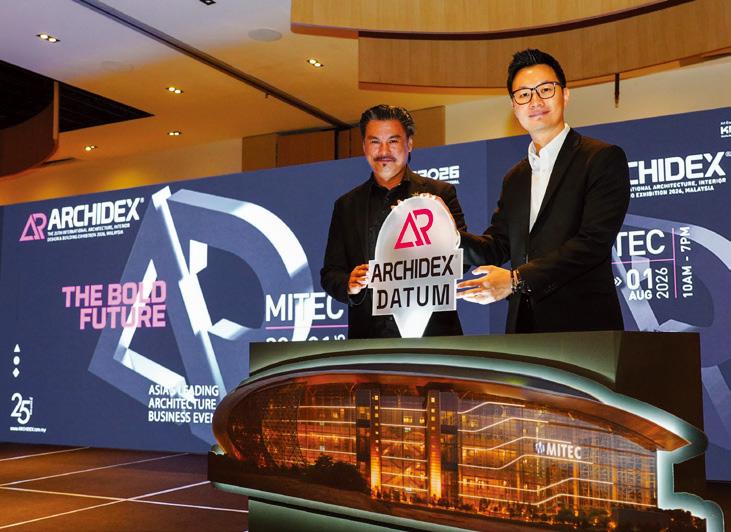

ARCHIDEX, Asia’s leading architecture business event, returns for its 25th edition from 29 July to 1 August 2026 at the Malaysia International Trade and Exhibition Centre (MITEC). Under the theme The Bold Future, the exhibition reinforces Malaysia’s commitment to shaping smarter, more sustainable cities. Jointly organised by Pertubuhan Akitek Malaysia (PAM) and C.I.S, ARCHIDEX 2026 will expand to 37,000 m² of exhibition space, welcoming 900 exhibitors from 20 countries and targeting 40,000 visitors. New thematic floors will showcase innovation, lifestyle solutions and design excellence, while co‑located platforms such as Digital @ ARCHIDEX, A Hospitality Anthology, World of Works and FENESTEX deepen industry engagement. Anchored by PAM’s DATUM Conferences, ARCHIDEX also extends into the city through Kuala Lumpur Architecture Week, activating heritage landmarks and urban spaces with installations, cultural exchanges and public programmes. For more information, please visit: https://archidex.com.my
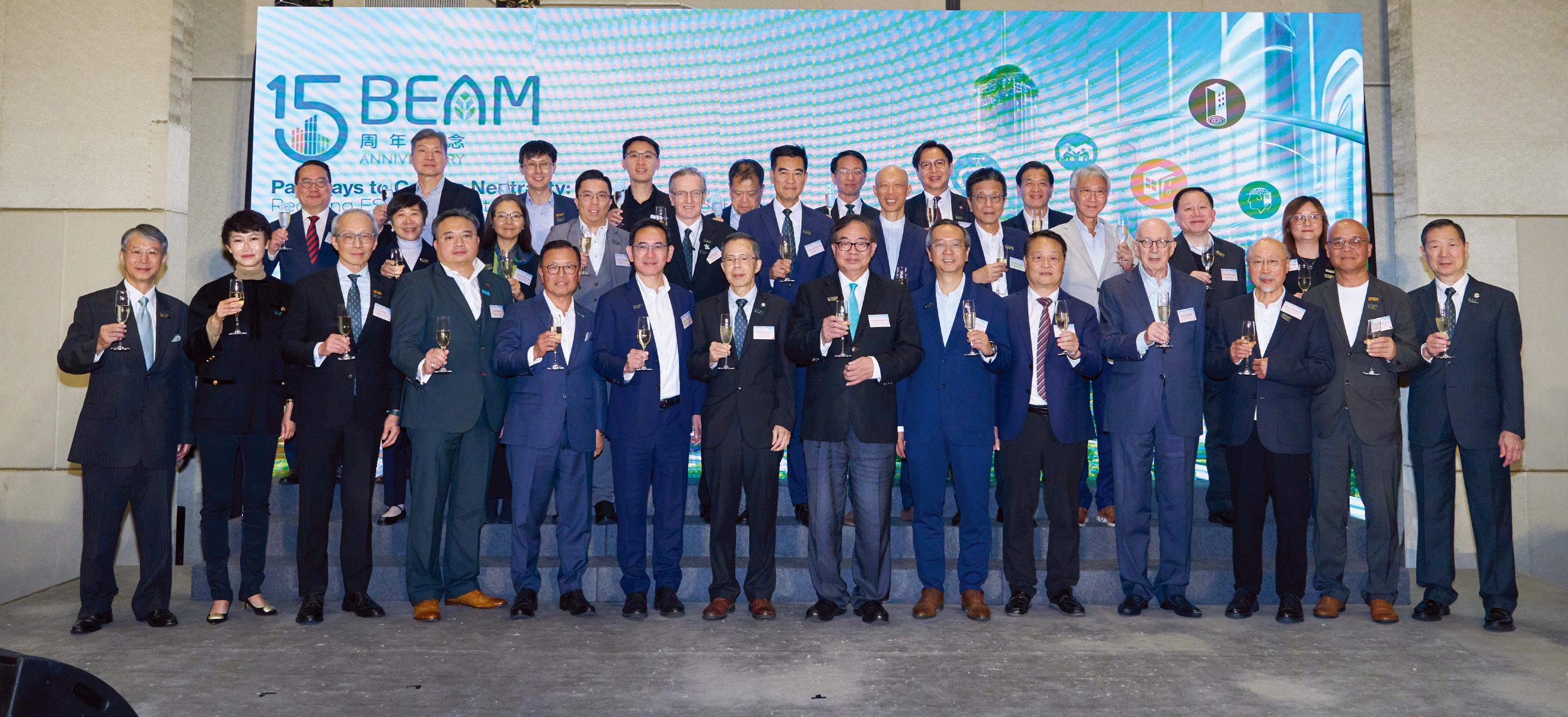
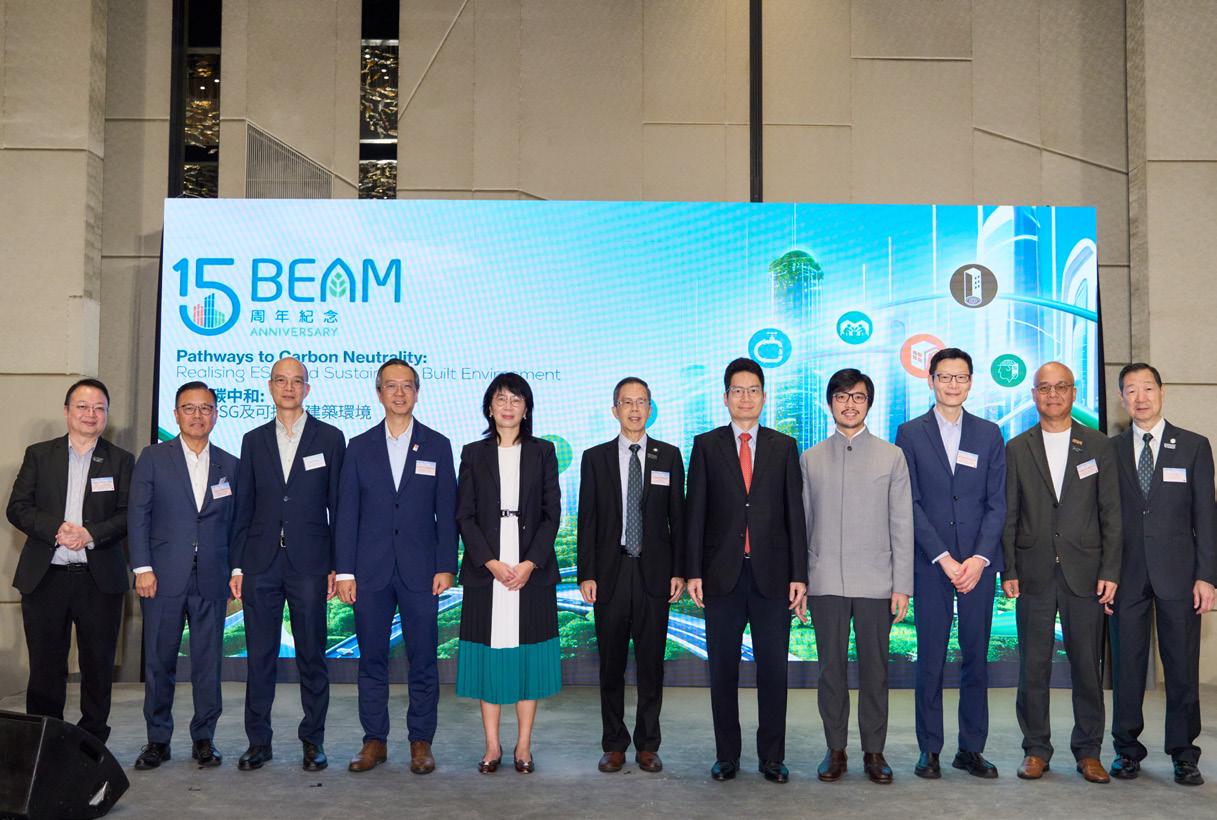
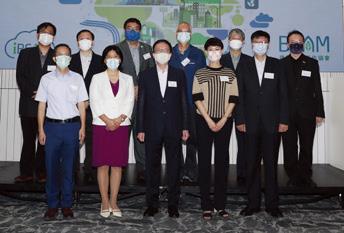
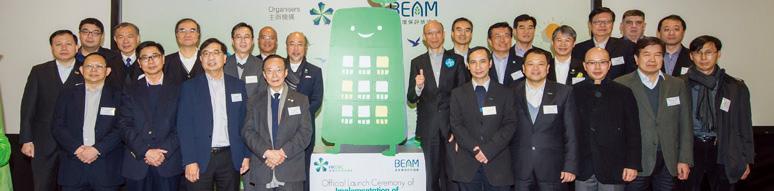
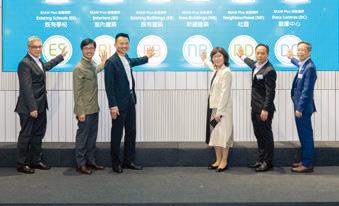
Officiating guests, BSL directors, committee members, and HK-BEAM pioneers toasting at the BEAM Society 15th Anniversary Dinner, reaffirming the organisation's leadership in sustainable building assessment.


Marking fifteen years of advancing sustainable building practices, BEAM Society Limited (BSL) commemorates its anniversary with a landmark international conference and gala dinner. The celebration reflects on its journey as Hong Kong’s pioneering green building assessment body while underscoring its expanding role in shaping the future of sustainable development across the Greater Bay Area and Belt and Road countries.
In October 2025, BEAM Society Limited (BSL) celebrated its 15th Anniversary with an International Conference themed “Pathways to Carbon Neutrality: Realising ESG and Sustainable Built Environment” at the Crowne Plaza Hong Kong Kowloon East, followed by a gala dinner. The event brought together more than 600 participants in person and virtually, including government officials, industry leaders, academics, and stakeholders, underscoring the organisation’s pivotal role in Hong Kong’s sustainability journey.
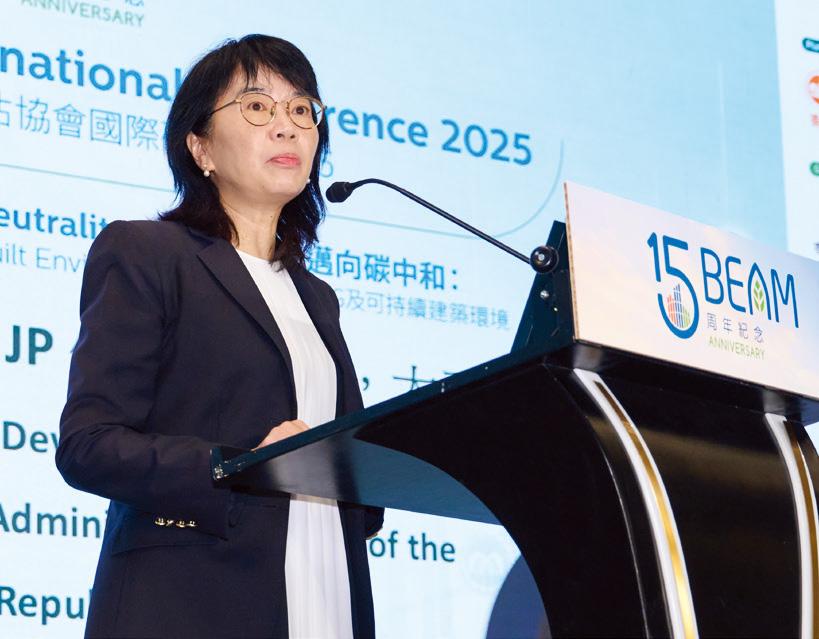
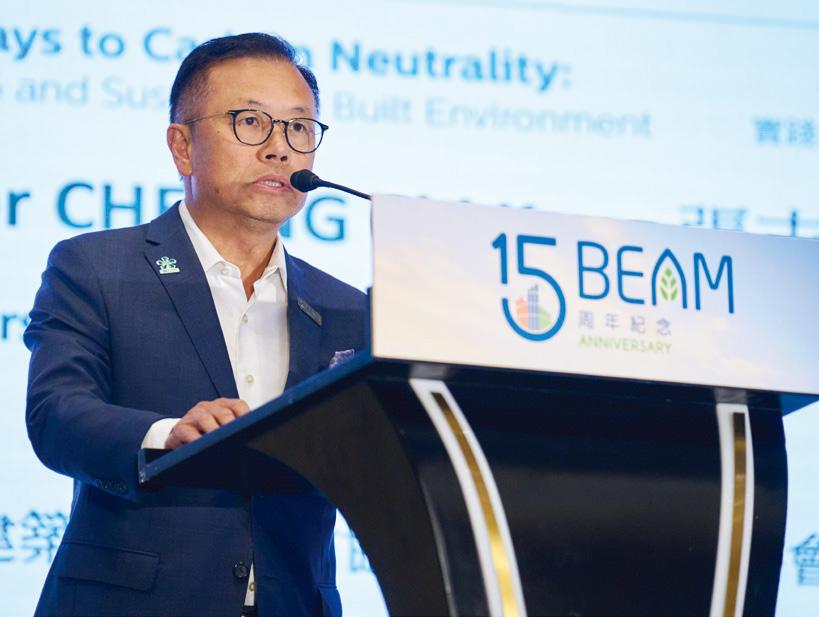
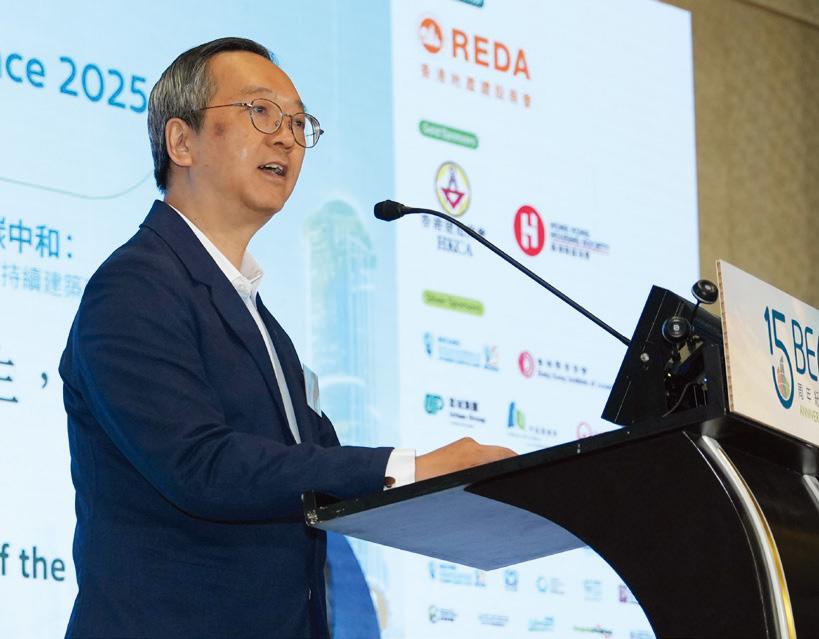
The Guest of Honour, Ms Doris HO Pui-ling, JP, Permanent Secretary for Development (Planning & Lands) of the HKSAR Government, highlighted the building sector’s critical role in achieving Hong Kong’s carbon neutrality targets. She noted the government’s mandate for public works projects to incorporate green building features and expressed confidence that BEAM Plus tools would extend beyond Hong Kong to Belt and Road regions.

Other officiating guests included Mr Victor TAI Sheung-shing, JP, Acting Secretary for Housing of the HKSAR Government, and Mr Nicholas HO Lik-chi, Commissioner for Belt and Road of the HKSAR Government. Their presence reinforced the alignment of BSL’s mission with Hong Kong’s broader development agenda.
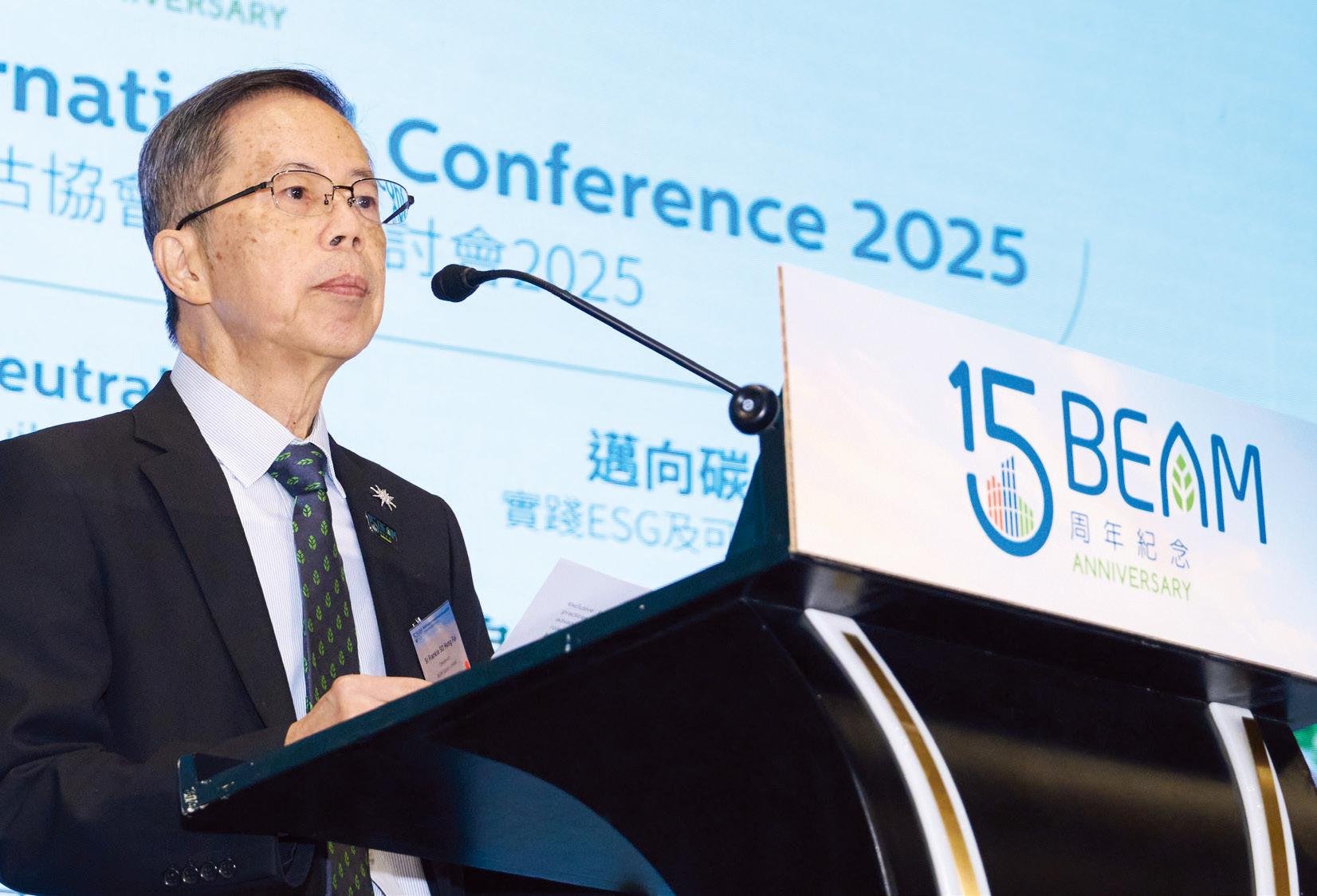
Sr Frankie SO Hung Fai, Chairperson of BSL, expressed gratitude for the participation of distinguished experts while emphasising the Society’s commitment to advancing BEAM Plus Assessment Tools. He stressed the importance of tailored services for different building types to enable enterprises achieve sustainability performance. Ir Victor CHEUNG Chi Kong, Chairperson of the 15th Anniversary Organising Committee, added that achieving carbon neutrality is a global effort, and BSL is positioned as a trusted solution provider across Hong Kong, the Greater Bay Area, and Belt and Road countries.
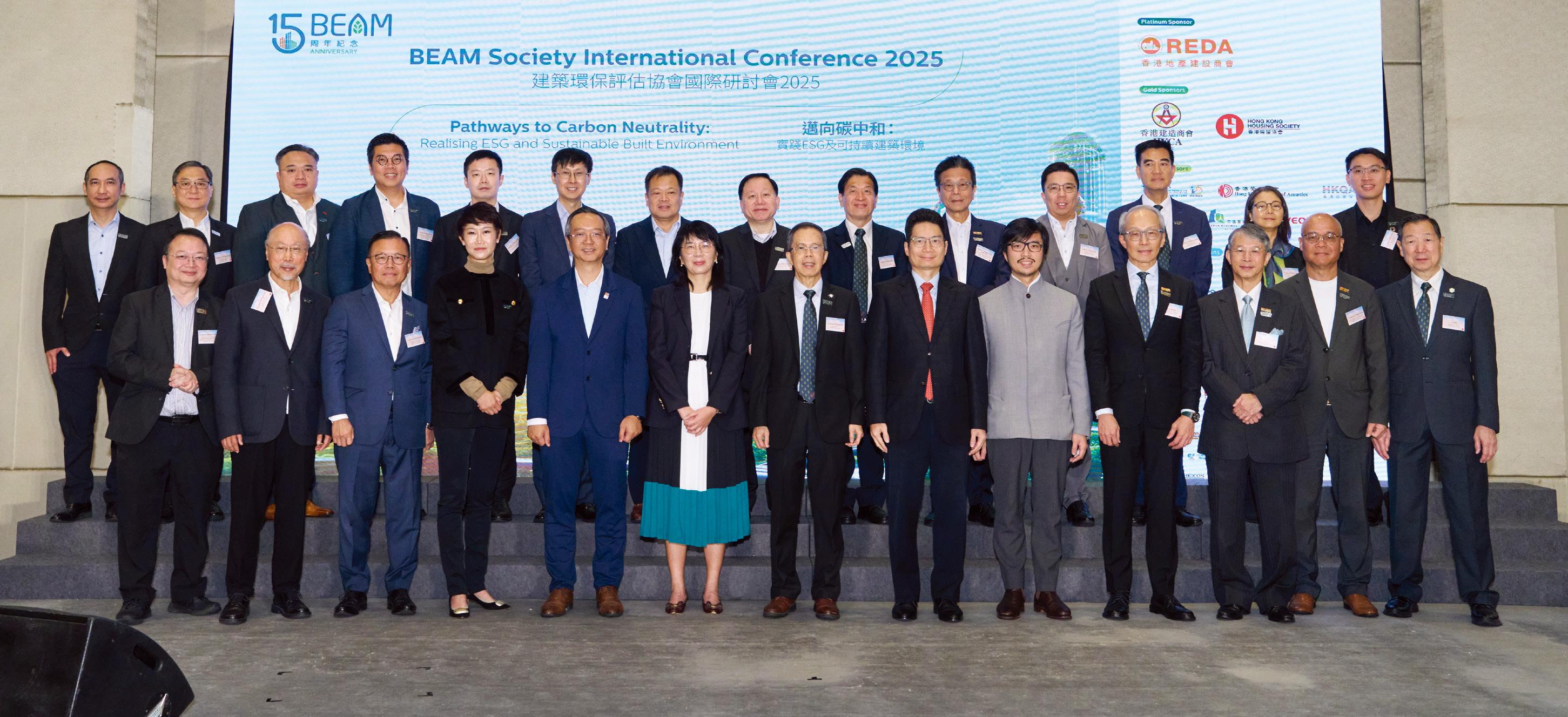
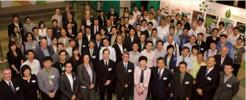
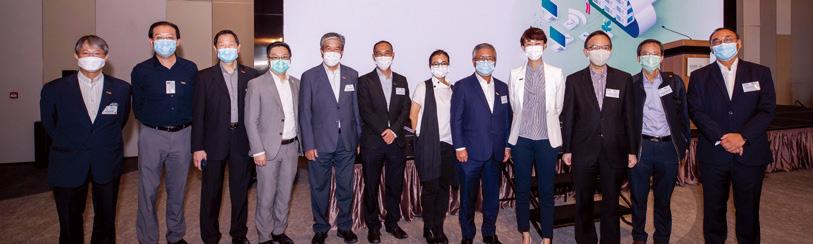
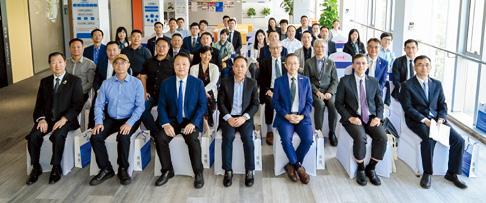
Group photo of officiating guests, speakers, and BSL directors at the BEAM Society International Conference 2025, themed “Pathways to Carbon Neutrality: Realising ESG and Sustainable Built Environment,” held in Hong Kong.
建築環保評估協會 15 周年志慶
guest, Mr
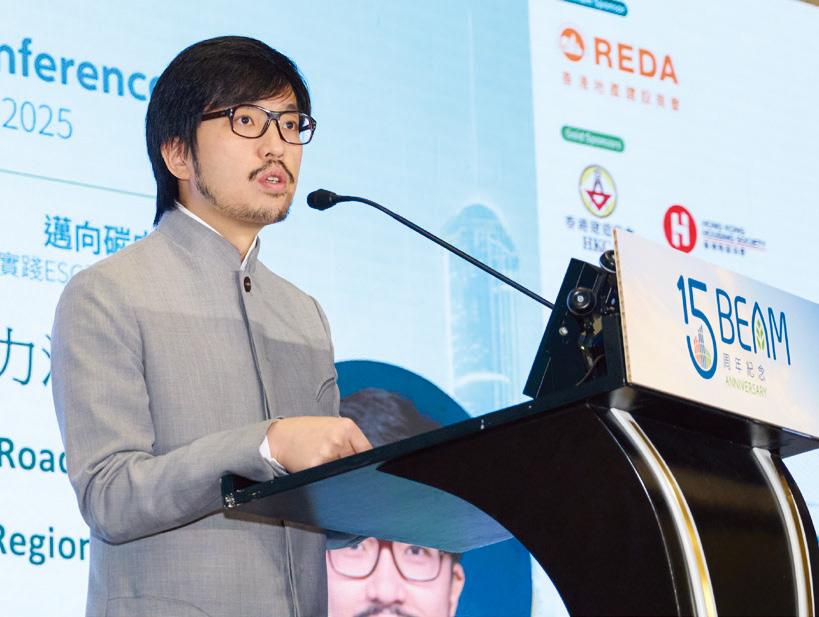
Officiating guest, Mr Nicholas HO Lik-chi, Commissioner for Belt and Road of the
綠建環評十五載, 共創可持續未來!
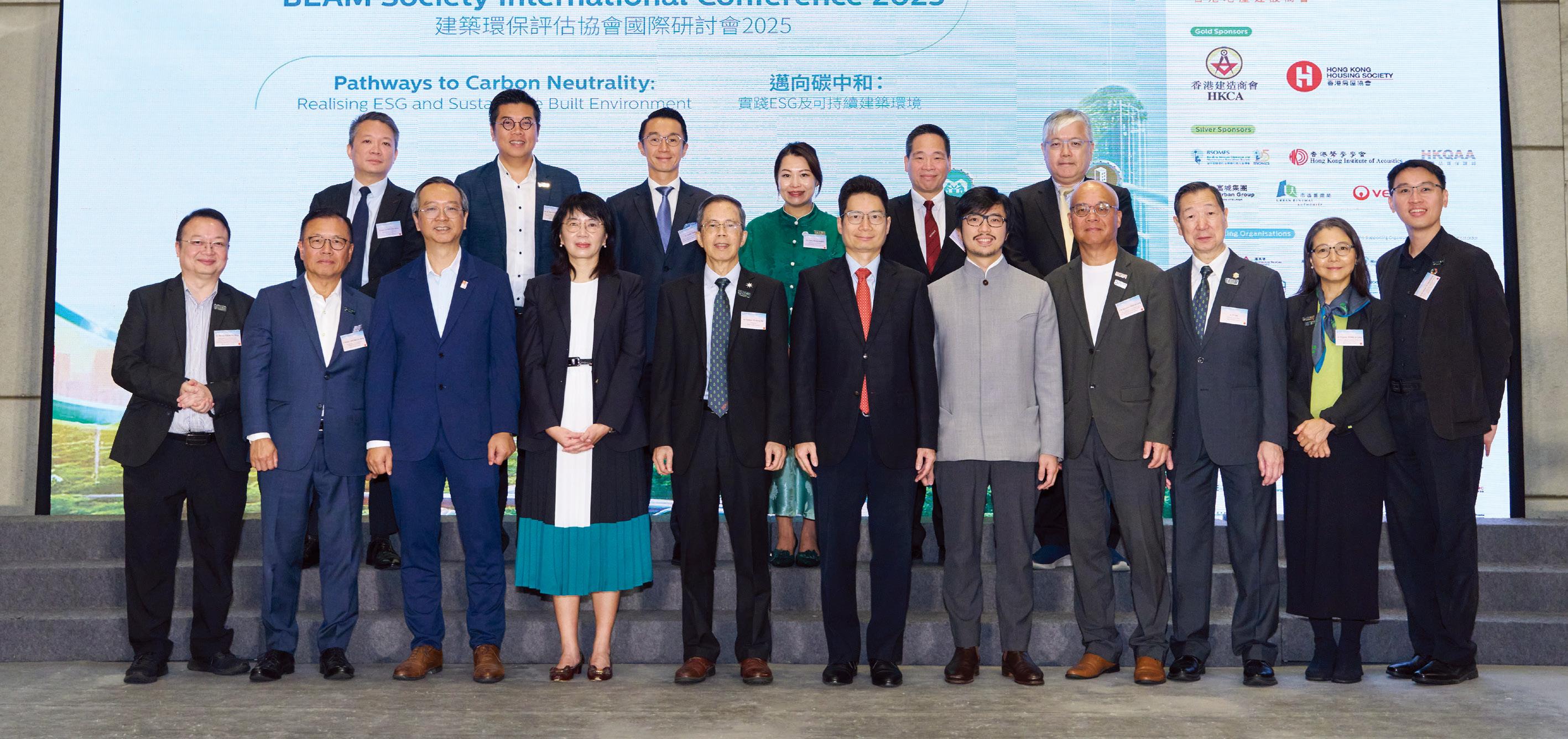
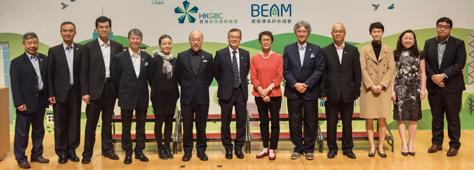
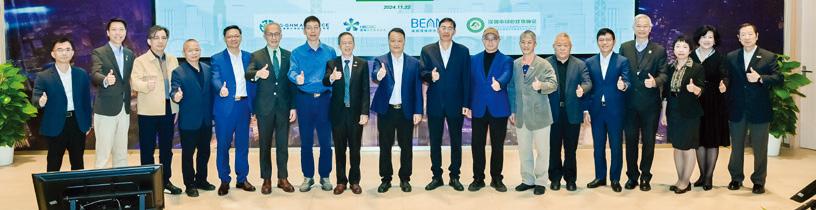
Distinguished keynote speakers and guest speakers gathered on stage during the opening ceremony of BEAM Society International Conference 2025, themed "Pathways to Carbon Neutrality: Realising ESG and Sustainable Built Environment".
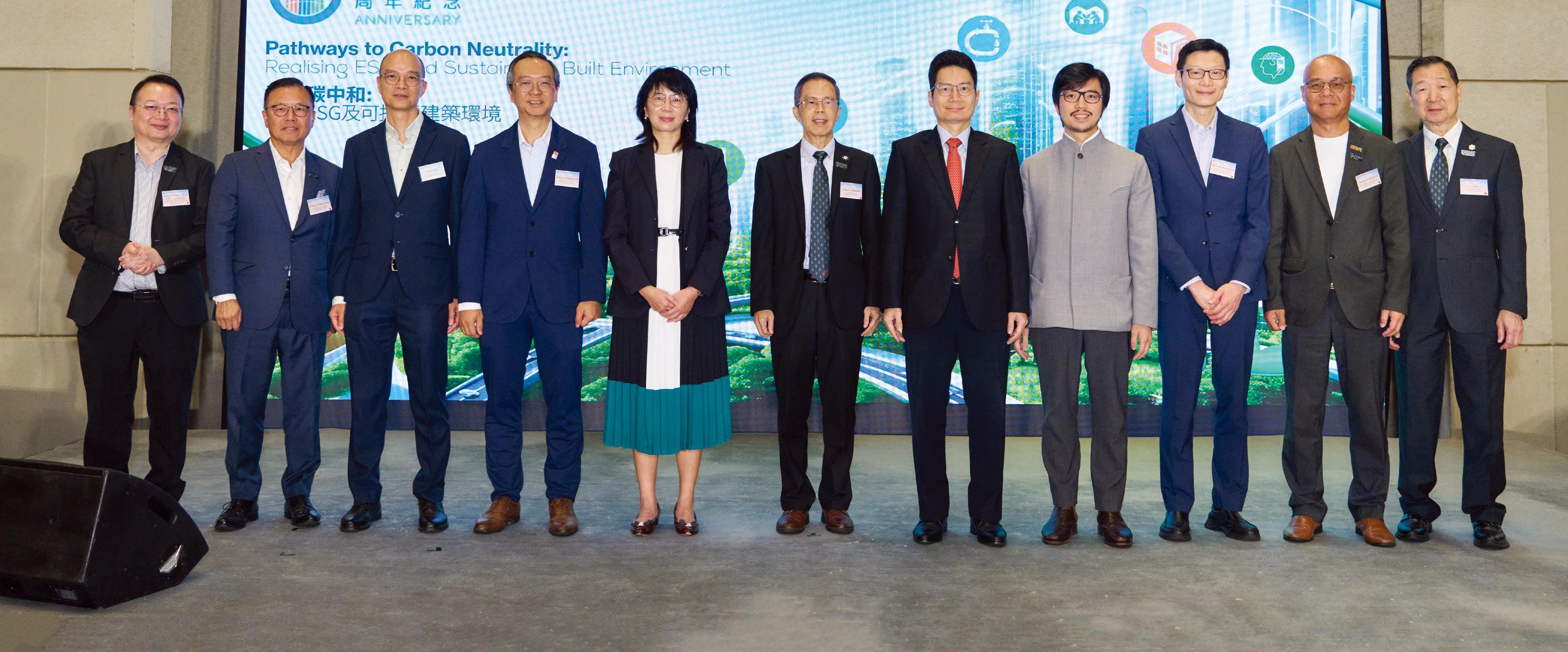
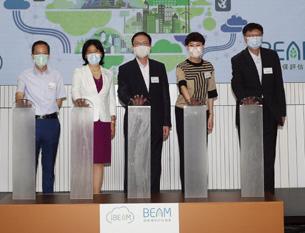
The Guest of Honour, Ms Doris HO Pui-ling, JP (5th from left), Permanent Secretary for Development (Planning & Lands) of the HKSAR Government, officiated at BEAM Society International Conference 2025, “Pathways to Carbon Neutrality: Realising ESG and Sustainable Built Environment”, together with other distinguished guests including Sr Frankie SO Hung Fai (middle), Chairperson of BSL, and other government officials and industry leaders.
The full-day conference featured four thematic sessions, covering ESG integration, data-driven decarbonisation, carbon-neutral cities, and AI-driven intelligence. Keynote speakers included Dr Rocky TUNG of the Financial Services Development Council and Ms Tracy WONG Harris of the Hong Kong Green Finance Association. Guest speakers from organisations such as ARC Ratings, Buildings Department, ARUP, CLP Power, Henderson, Hong Kong Monetary Authority (HKMA), Hong Kong Quality Assurance Agency (HKQAA), Sino Group, Solideo (2024 Paris Olympic Delivery Authority) and Swire Properties contributed perspectives on finance, energy, and property development.
The anniversary dinner welcomed over 380 guests under the theme “BEAM at 15: Sustaining Excellence, Building our Green Future!”Guests of Honour included Mr Victor TAI Sheung-shing, JP, Acting Secretary for Housing of the HKSAR Government and Mr David LAM Chi-man, JP, Under Secretary for Development of the HKSAR Government. Mr XIE Hui-hui, Deputy Director-General of the Authority of Qianhai Shenzhen-Hong Kong Modern Service Industry Cooperation Zone of Shenzhen served as the officiating guest.
The event featured the inaugural Honorary Life Member Award, presented to Ir Dr HON LO Waikwok, GBS, MH, JP, and Prof WONG Kam Sing, GBS, JP, recognising their contributions to green building development in Hong Kong. The BEAM Plus Consultancy Excellence Award was conferred to AtkinsRéalis Asia Limited, Business Environment Council Limited, and WSP (Asia) Limited for outstanding quality in BEAM Plus submissions.
A fireside talk titled “A Tribute to the HK-BEAM Pioneers” concluded the evening, hosted by Ir Dr Cary CHAN Wing-hong, MH, JP, with guest speakers Mr Michael ARNOLD and Prof WONG Kam Sing, GBS, JP. The discussion reflected on the origins of HK-BEAM and its role in shaping Hong Kong’s green building journey.
This anniversary celebration was more than a commemoration; it was a statement of intent. BSL reaffirmed its leadership in sustainable building assessment, its commitment to innovation, and its vision of extending Hong Kong’s expertise to the world.


BEAM Plus Data Centres
BEAM Society Limited was founded, launching BEAM Plus Version 1.1 for New Buildings and BEAM Plus Existing Buildings. The first batch of BEAM Professionals was launched.
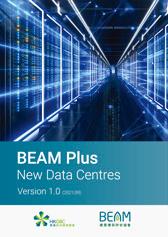
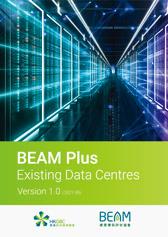
Launch of BEAM Plus Data Centres Version 1.0 and iBEAM, a cloud platform automating assessment processes, marking a leap in digital innovation. 2021
The BEAM Steering Committee was founded by the Real Estate Developers Association of Hong Kong, Planning Environment and Lands Bureau, Swire Properties, Hongkong Land, Hong Kong Polytechnic University and Business Environment Council.
Launch
Introduction of BEAM for new and existing office buildings, marking the formal establishment of HK-BEAM and the first submissions for assessment.
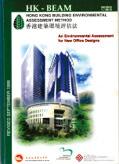
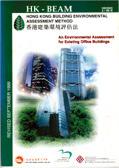
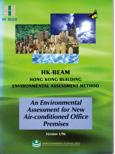
The Steering Committee was formalised into BEAM Society, expanding membership and strengthening promotion of assessment tools.
BEAM Society collaborated with CIC, BEC, and PGBC to establish the Hong Kong Green Building Council, advancing standards, education and research.











BEAM Plus Interiors Version 1.0 expanded assessments to fit-outs and refurbishments of non-domestic spaces, including offices, shops, hotels and institutions.
Interiors Version 1.0 Public Body Status
BSL became a recognised public body under the Prevention of Bribery Ordinance, strengthening its governance role.
BSL achieved ISO 9001, ISO 14001, and OHSAS 18001 certifications, reinforcing its commitment to quality, environmental, and occupational health standards.

2024 –
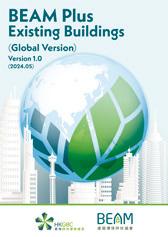
Introduction of BEAM Plus Existing Buildings (Global Version) Version 1.0, Qianhai collaboration, and launch of BEAM Plus Existing Buildings Version 3.0.
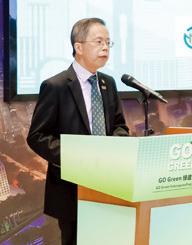
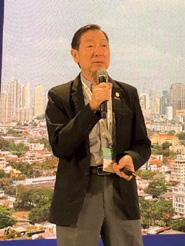
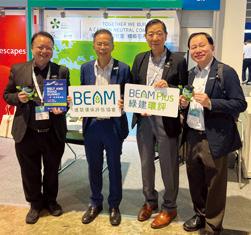
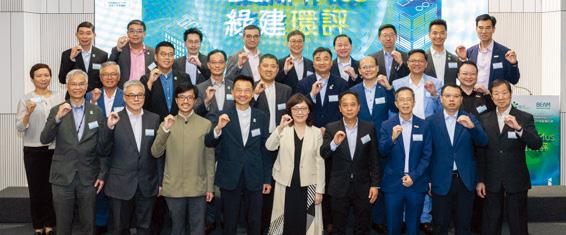
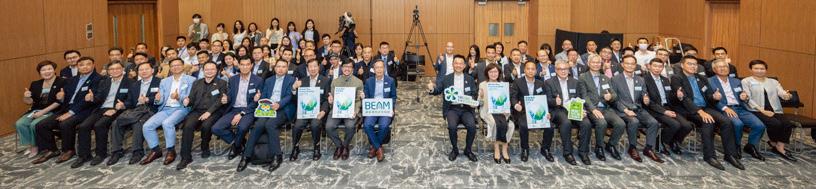
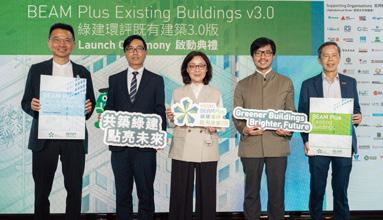
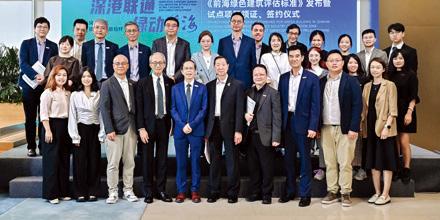
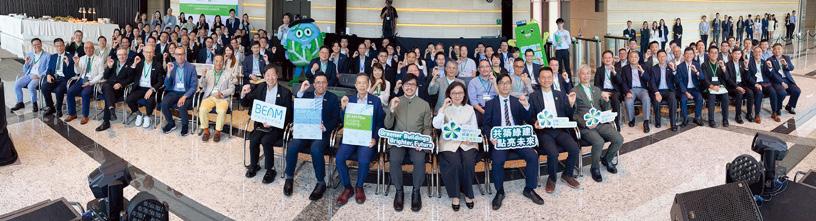
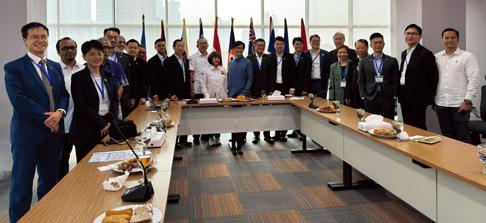
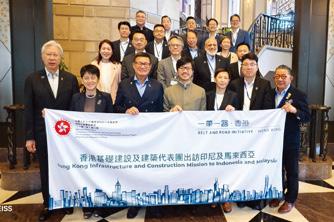
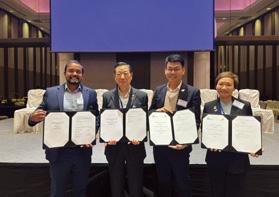
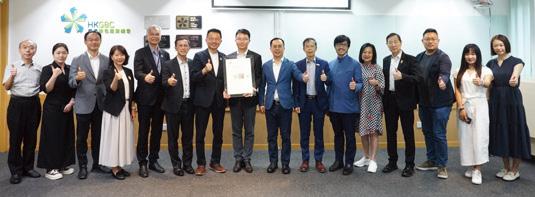
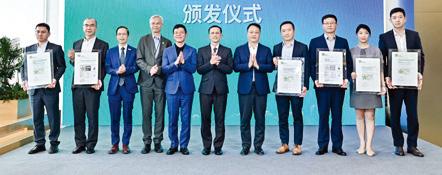
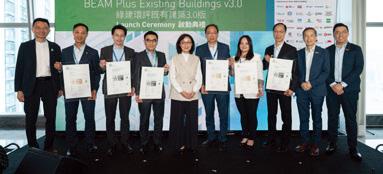
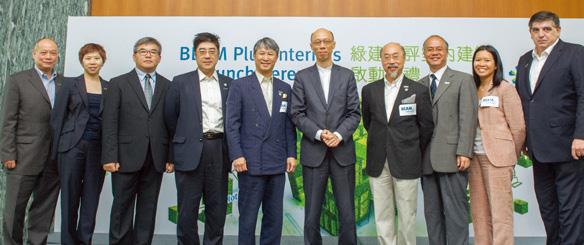
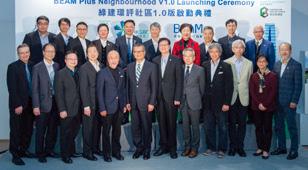
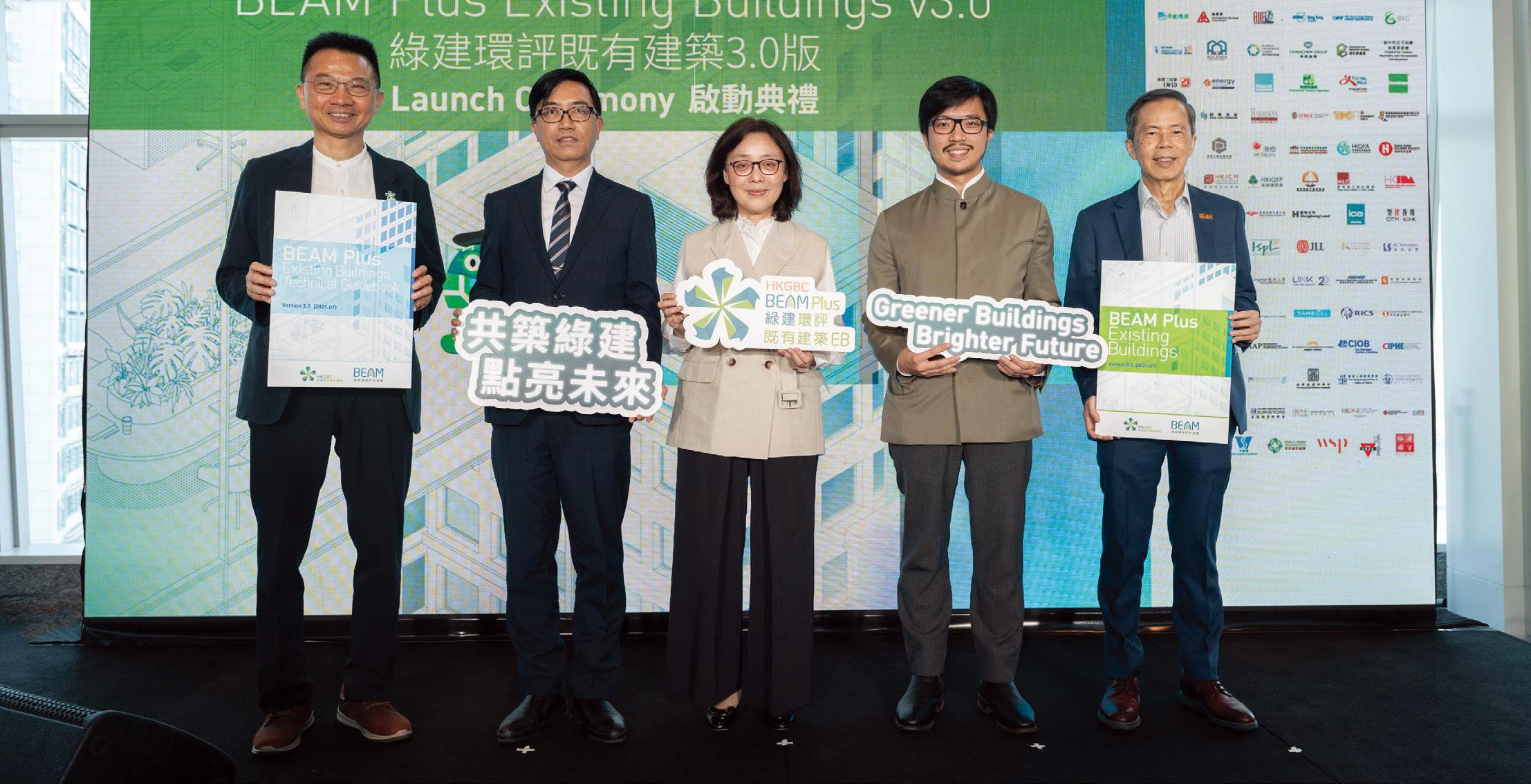
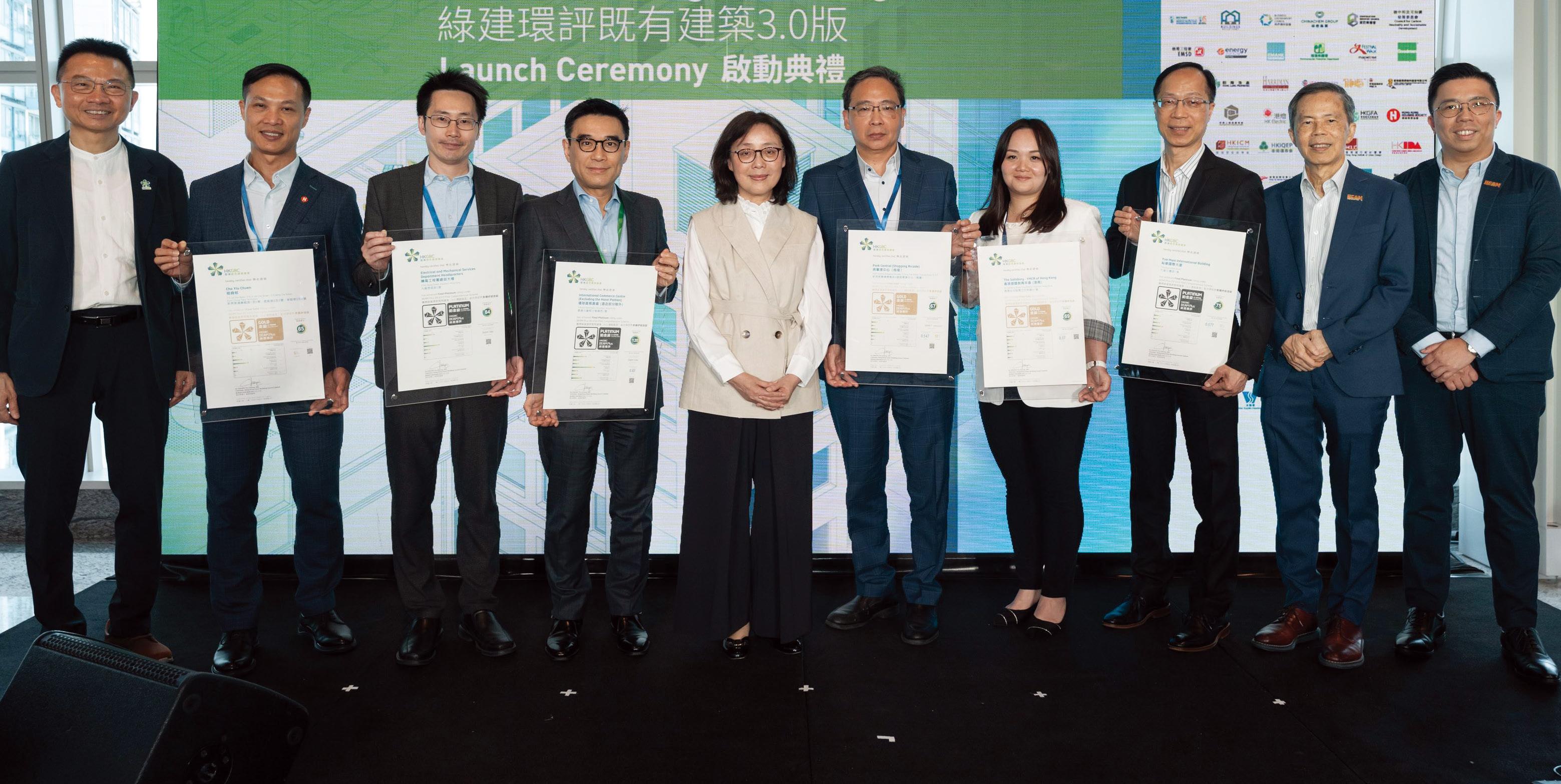
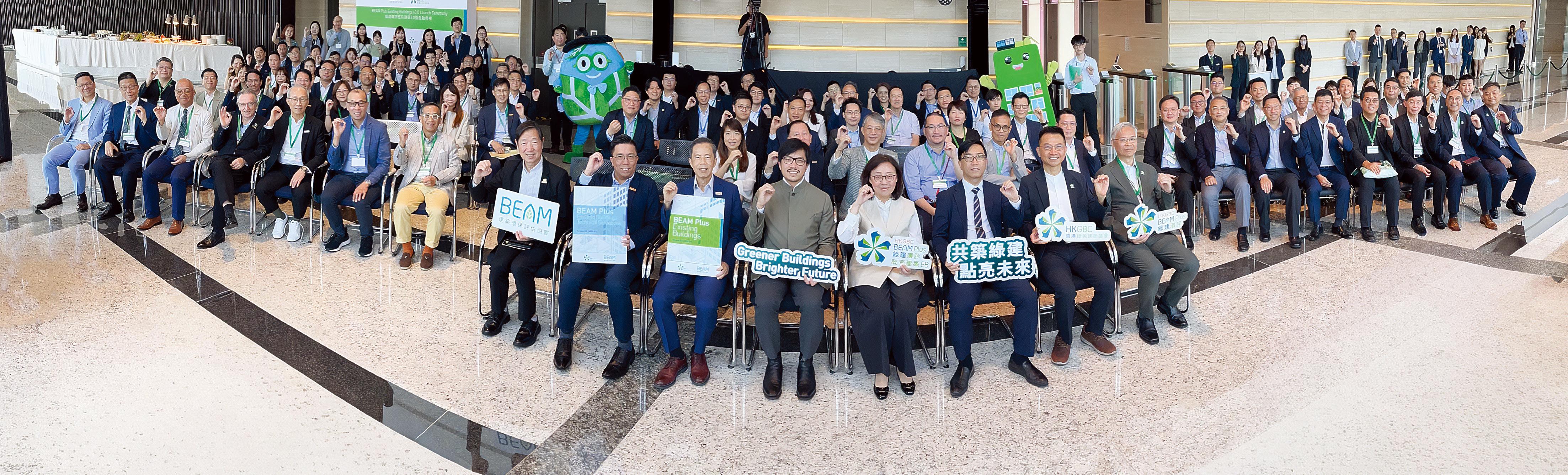
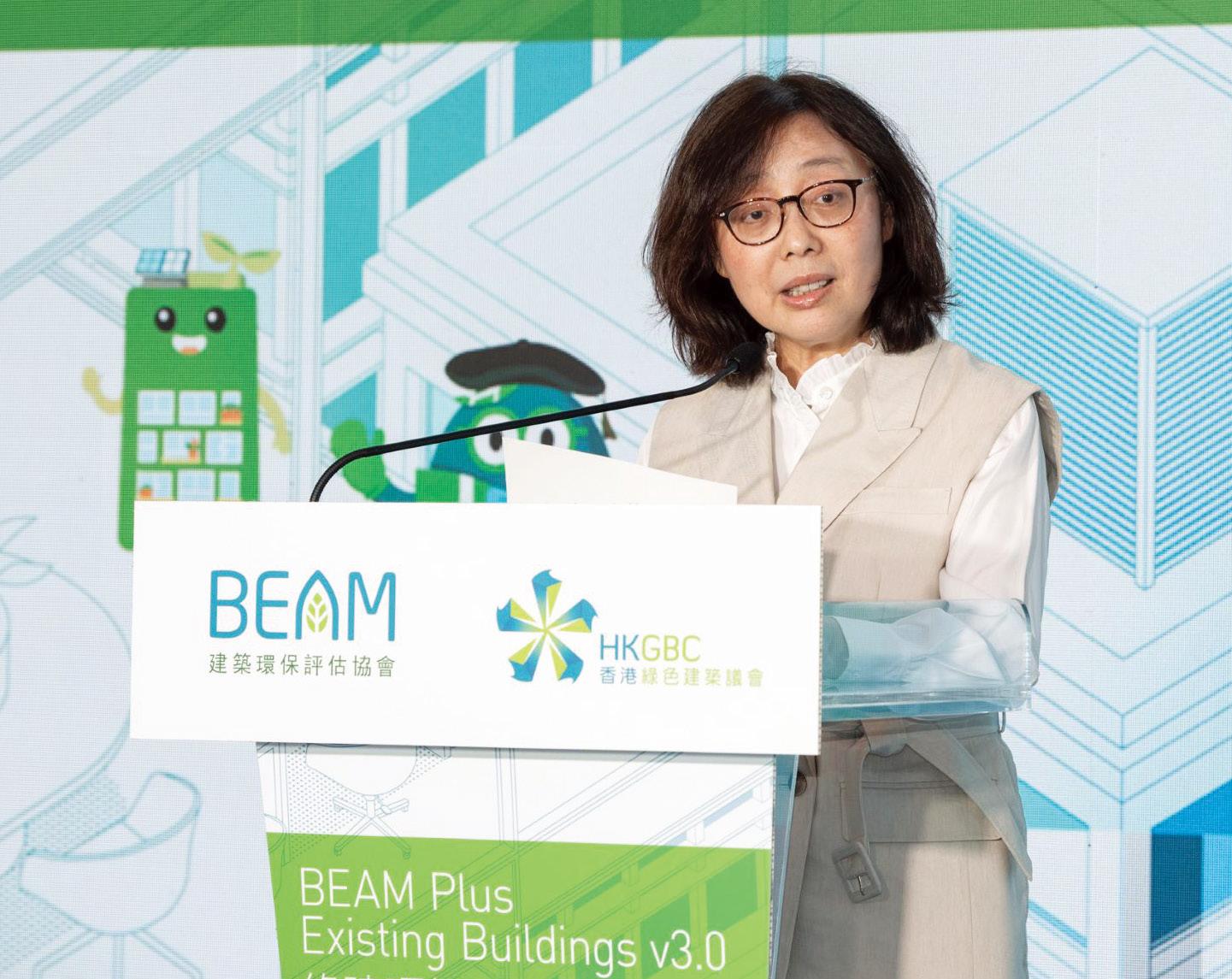
Ms Bernadette LINN Hon-ho, JP, Secretary for Development of the HKSAR Government (middle), officiated the BEAM Plus Existing Buildings Version 3.0 Launch Ceremony together with Mr Nicholas HO Lik-chi, Commissioner for Belt and
Mr Vincent
Acting Director of
and Dr
and




As BSL enters its next chapter, the organisation is poised to expand its influence beyond Hong Kong. The Belt and Road initiative provides a platform for exporting sustainability expertise, with BEAM Plus adapting to diverse regional contexts. A project in Djibouti marked the first BEAM Plus Existing Buildings (Global Version) certificate, symbolised international recognition of Hong Kong’s leadership.
The launch of BEAM Plus Existing Buildings Version 3.0 in 2025 represents a significant upgrade, incorporating innovations that respond to evolving industry needs. This version underscores BSL’s commitment to continuous improvement and its responsiveness to global sustainability challenges.
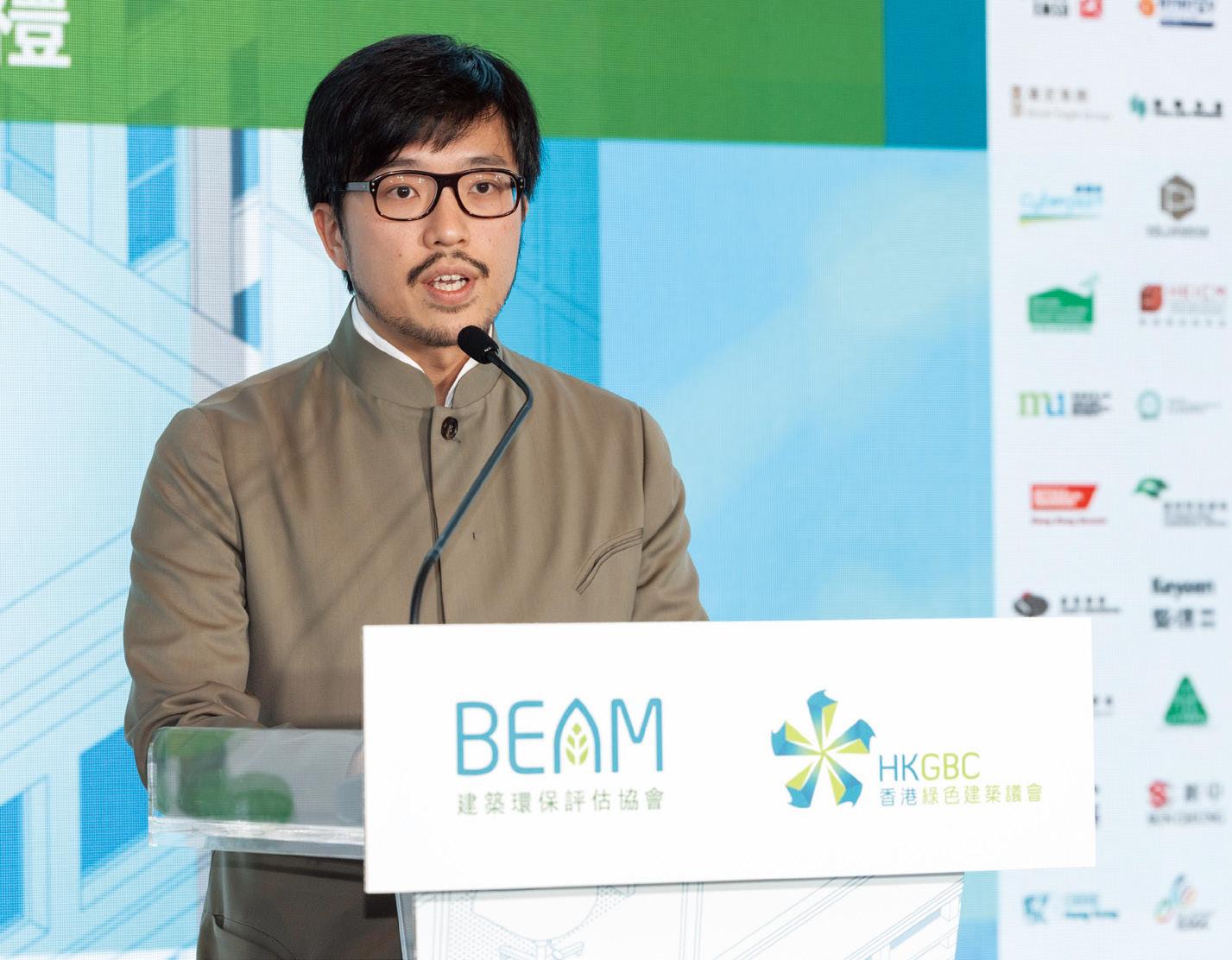
Cross-border collaboration remains central to BSL’s vision. The Qianhai Standards initiative highlights Hong Kong’s role as a sustainability hub in the Greater Bay Area, reinforcing partnerships that bridge policy, culture, and technology. Strategic agreements with international counterparts, such as those in Malaysia, further extend BSL’s reach.
Looking ahead, BSL acknowledges the challenges of harmonising standards across regions. Yet by embracing knowledge sharing, cultural exchange, and technological innovation, the Society positions itself as a trusted partner in advancing carbon neutrality.
The future is one of resilience and innovation. BSL invites industry leaders to join in shaping the next chapter of sustainable development across Asia and beyond, building on fifteen years of excellence and charting pathways to a greener future.





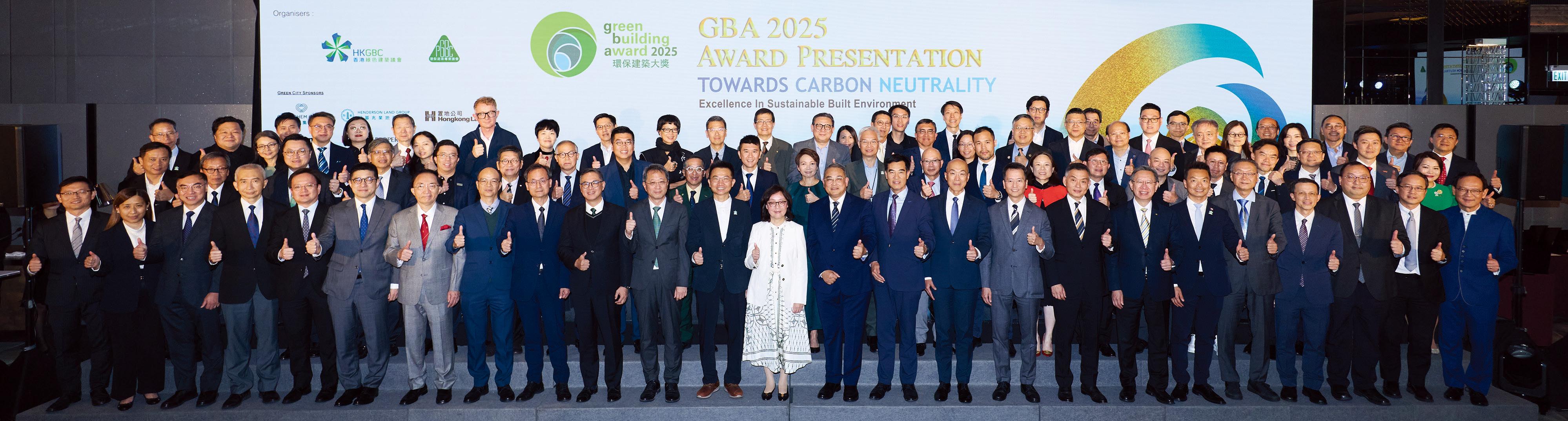
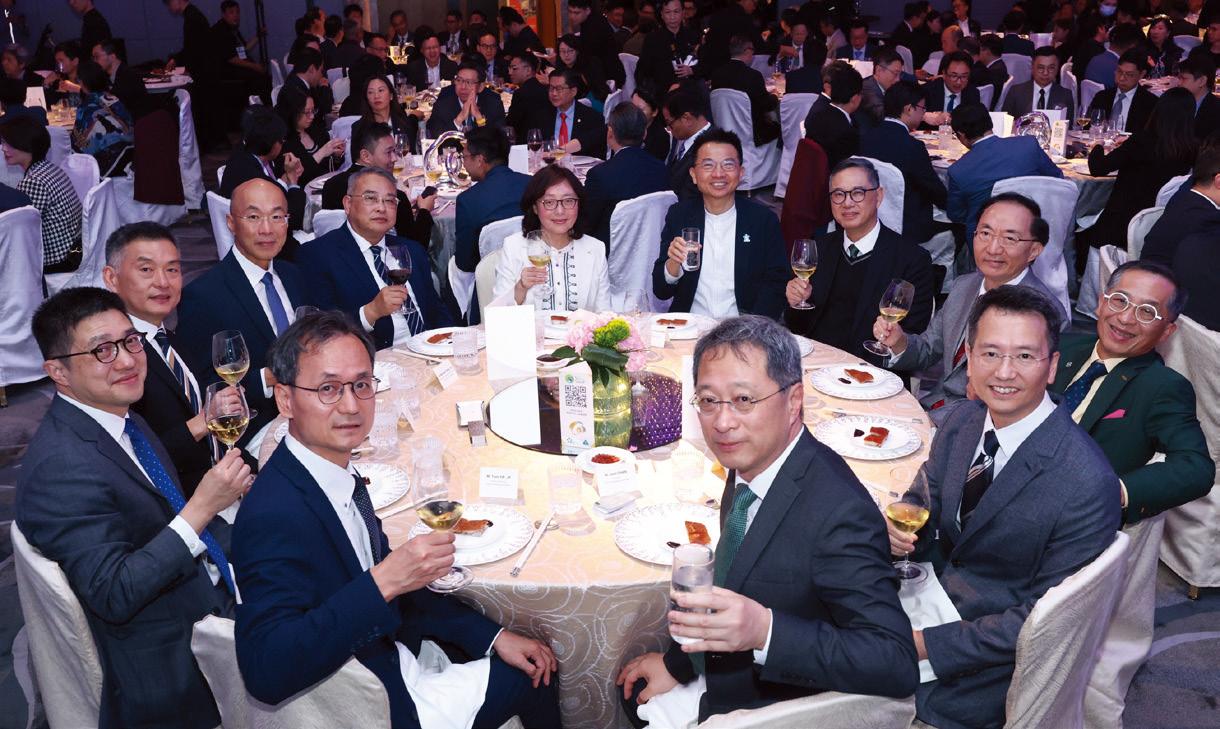
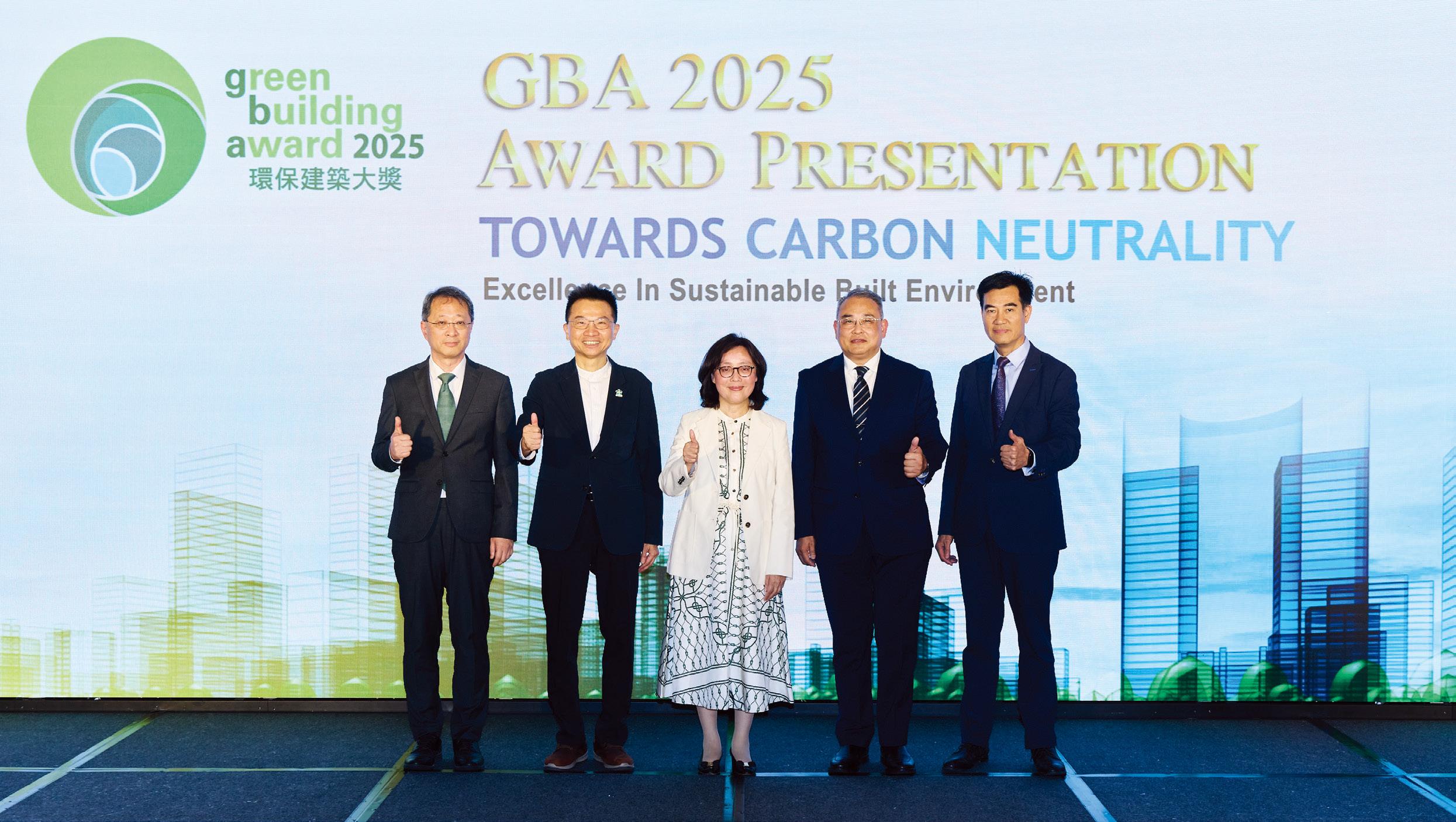
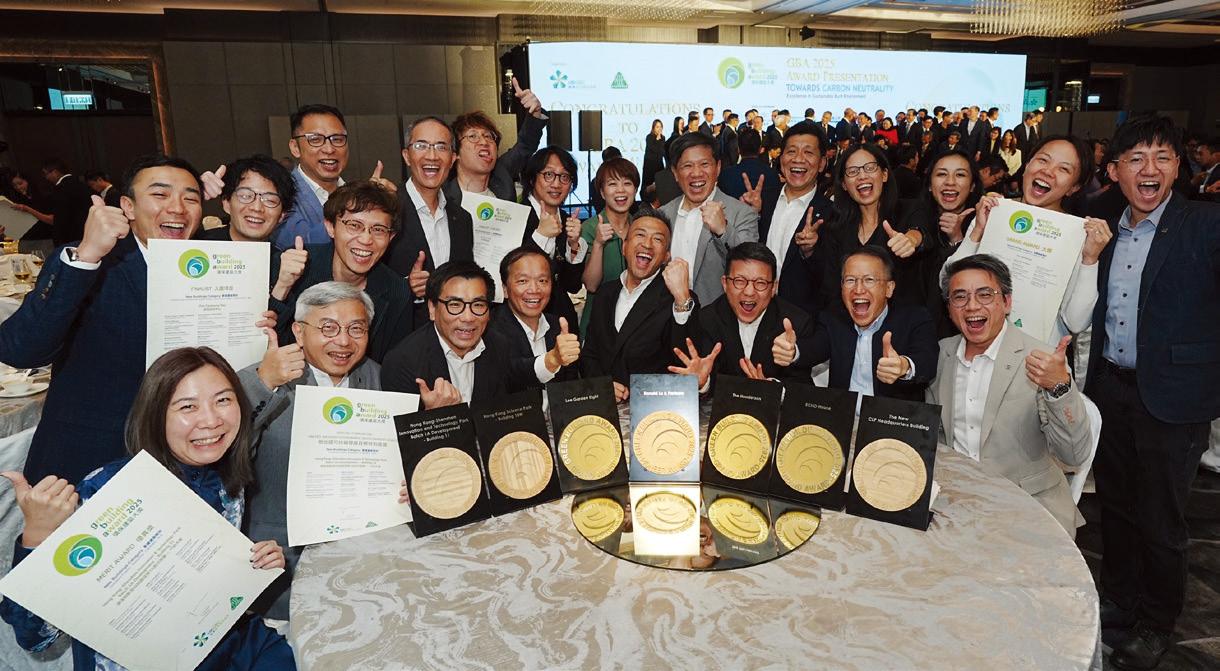
The Green Building Award (GBA) has long been regarded as one of Hong Kong’s most prestigious platforms for recognising excellence in sustainable building and urban development. This year’s tenth edition, held on 13 November 2025 at the JW Marriott Hotel Hong Kong, marked not only the 20-year milestone of the Award but also a defining moment in the city’s journey towards carbon neutrality.
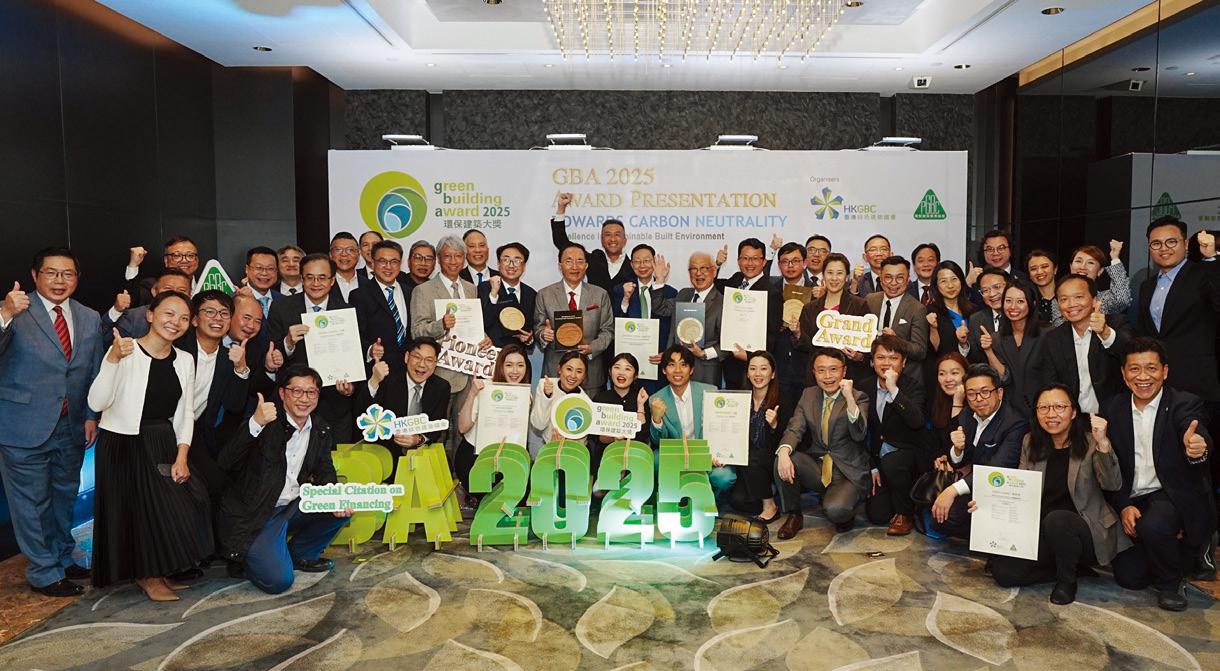
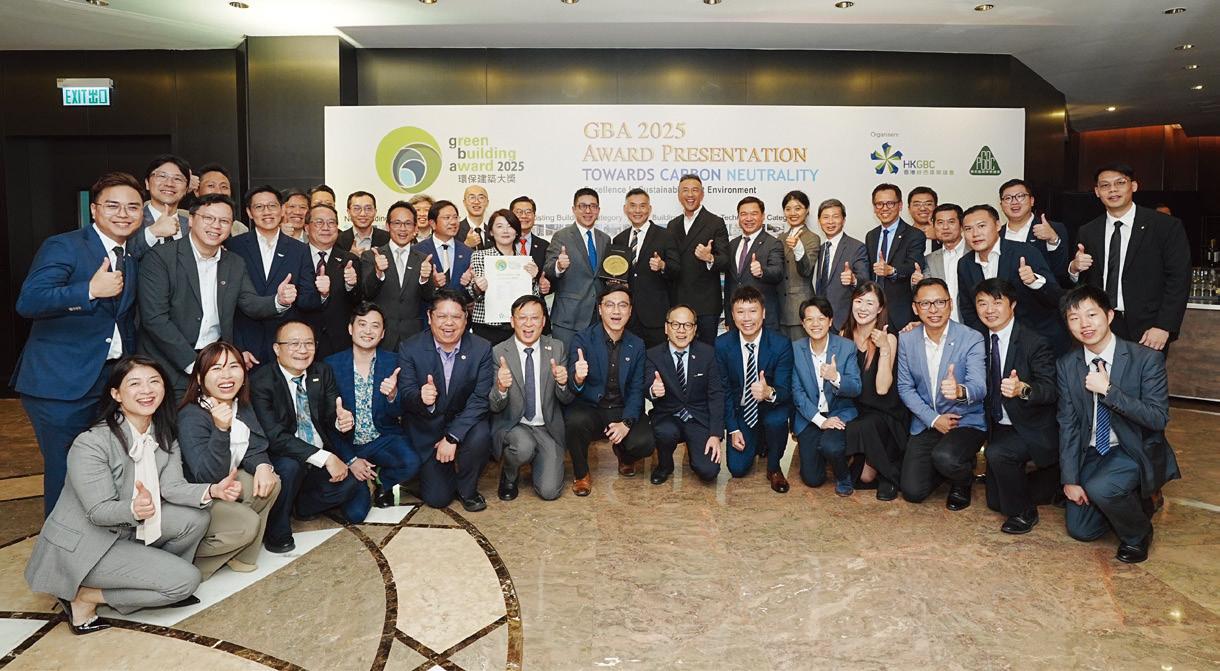
More than 500 industry leaders and professionals from government, property development, construction, consultancy, property management, academia, and professional organisations gathered to celebrate achievements that are shaping Hong Kong’s built environment. The evening was not simply an awards ceremony—it was a reflection of two decades of collective progress, innovation, and resilience in the face of climate challenges.
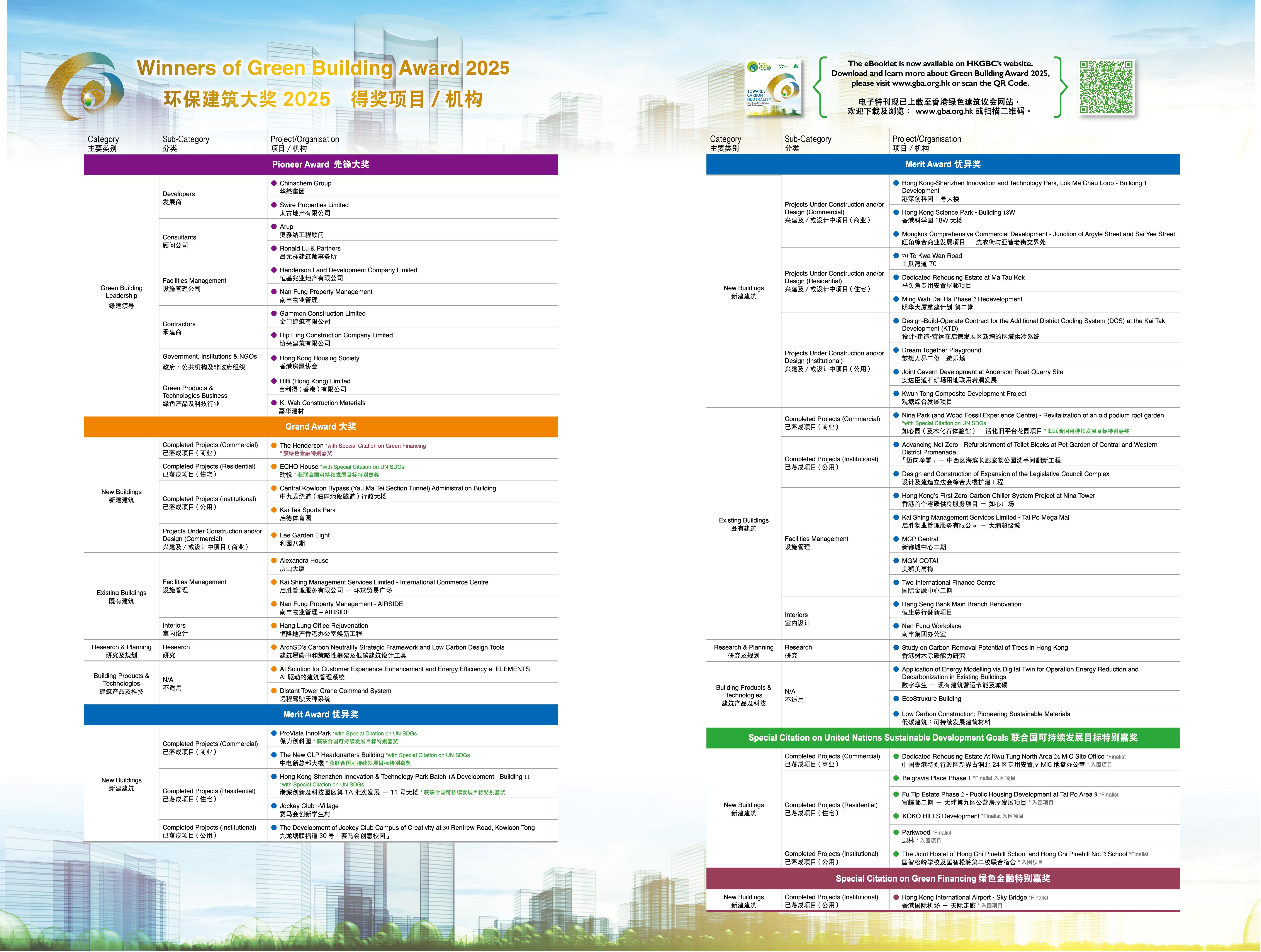
With the theme “Towards Carbon Neutrality ∙ Excellence in Sustainable Built Environment”, GBA 2025 attracted 122 nominations, of which 99 finalists competed across five categories:
• Green Building Leadership
• New Buildings
• Existing Buildings
• Research & Planning
• Building Products & Technologies
This edition also featured two special recognitions: the “Special Citation on United Nations Sustainable Development Goals (UN SDGs)” and the inaugural “Special Citation on Green Financing”, recognising remarkable contributions towards achieving the UN SDGs or promoting sustainable built environments through green finance.
Among the highlights were the 11 Pioneer Awards for Green Building Leadership, presented to leading companies and organisations. Notably, Chinachem Group,
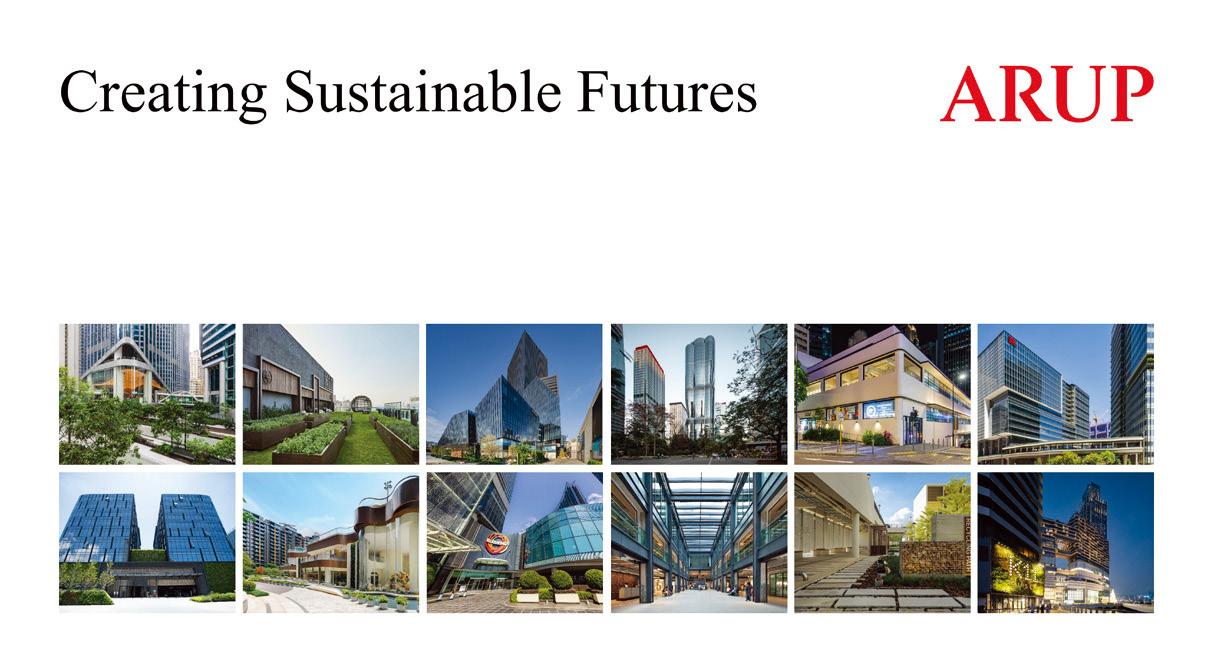
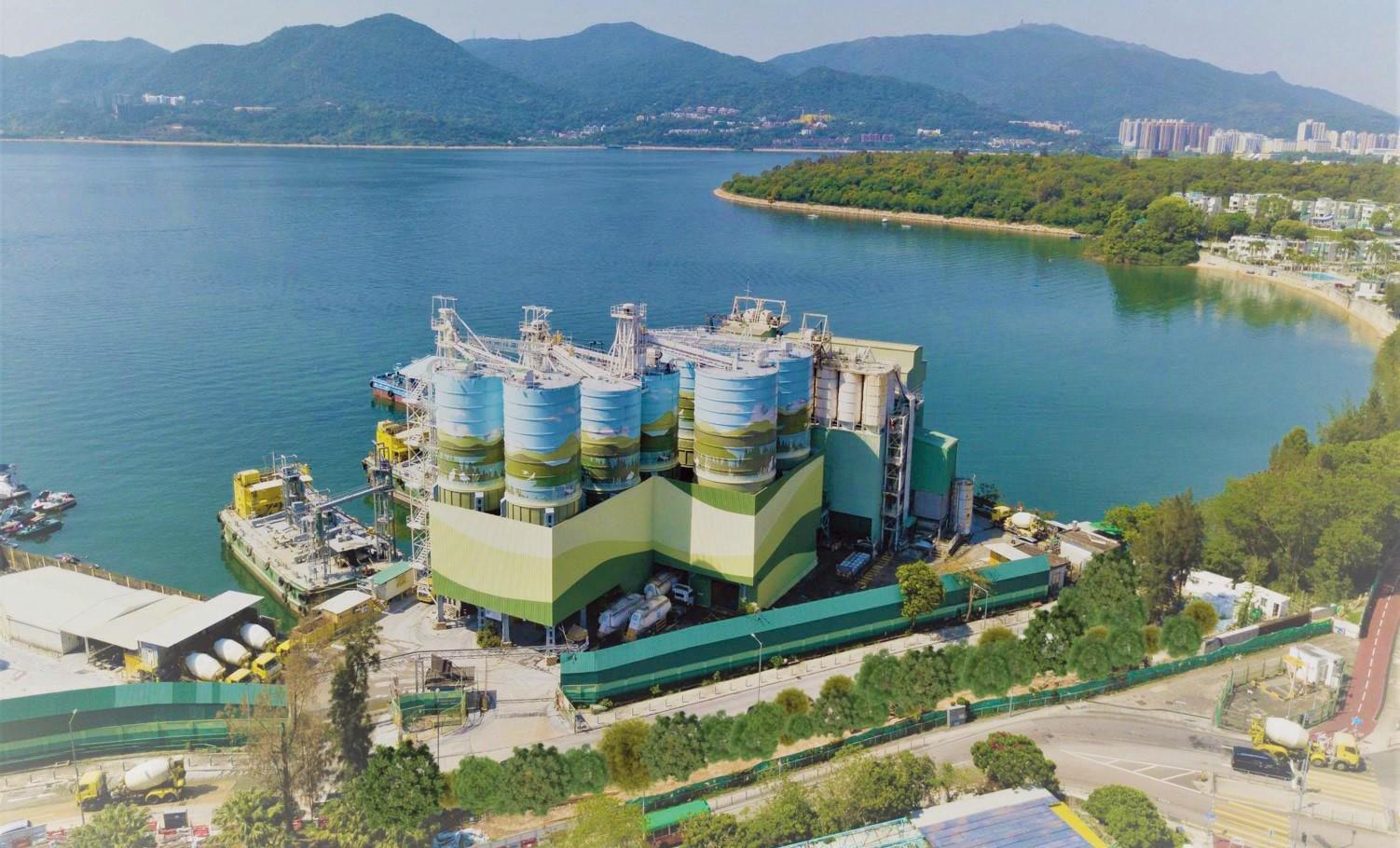
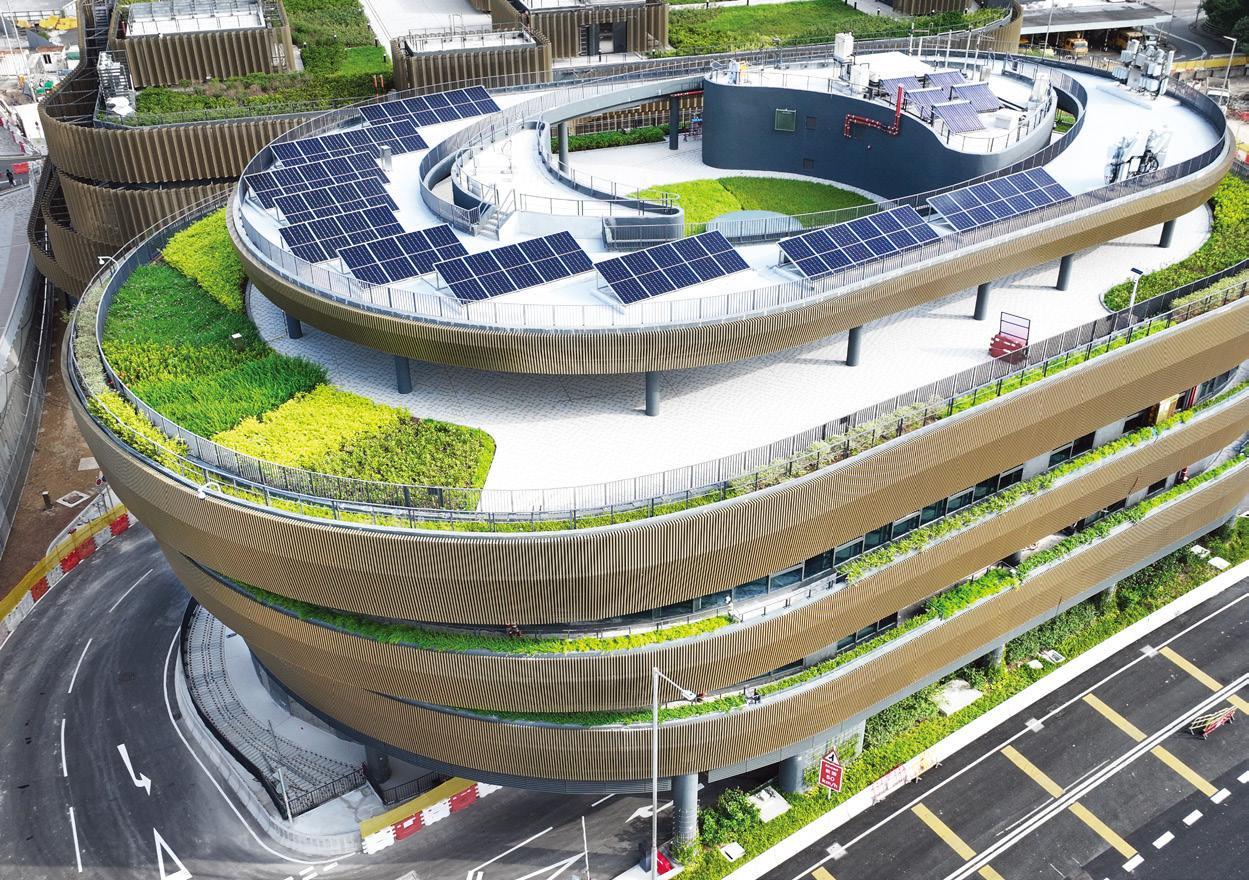
Swire Properties, Arup, Ronald Lu & Partners, Henderson Land, Nan Fung Property Management, Gammon Construction, Hip Hing Construction, Hong Kong Housing Society, Hilti (Hong Kong), and K. Wah Construction Materials were commended for their exemplary leadership in advancing sustainability.
The introduction of the Special Citation on Green Financing was particularly significant. By recognising projects that successfully integrate financial innovation with environmental responsibility, the Award signals Hong Kong’s readiness to align capital flows with climate goals. As Secretary for Development Ms Bernadette LINN, JP, remarked, “Green finance is at the forefront of Hong Kong’s green transformation and is crucial for achieving carbon neutrality.”
Over the past twenty years, the GBA has honoured 662 projects and 29 organisations with Pioneer Awards, building what many now regard as an “Oscarlike” platform for the industry. This year’s record participation and expanded recognition categories reaffirm the edition's commitment to innovation and sustainability.
The winners of GBA 2025 will represent Hong Kong in competing for the World Green Building Council Asia Pacific Leadership in Green Building Awards, elevating the city’s leadership on a regional stage, and fostering cross-sector and cross-regional collaboration for a net-zero future.
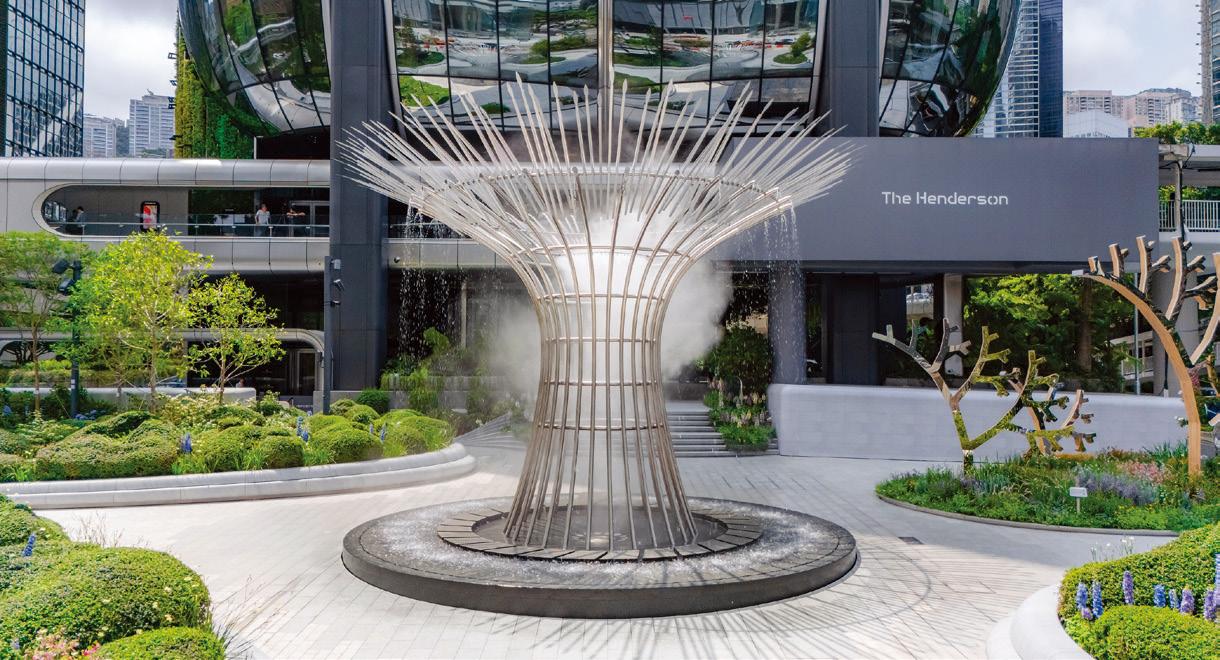
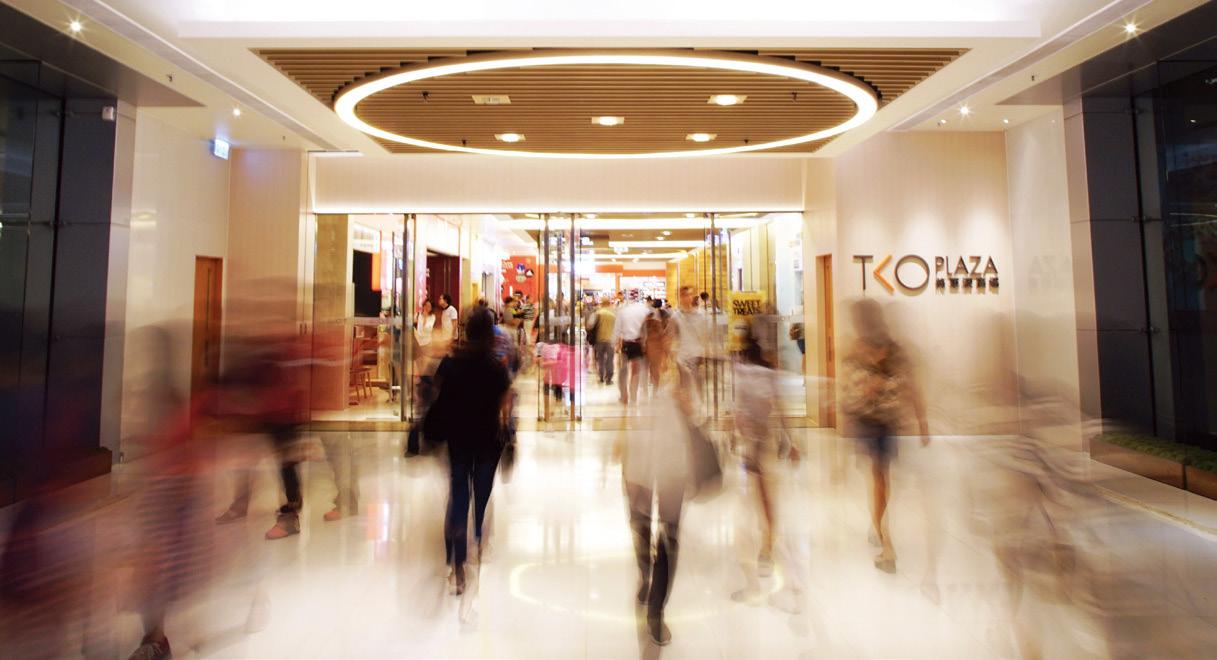

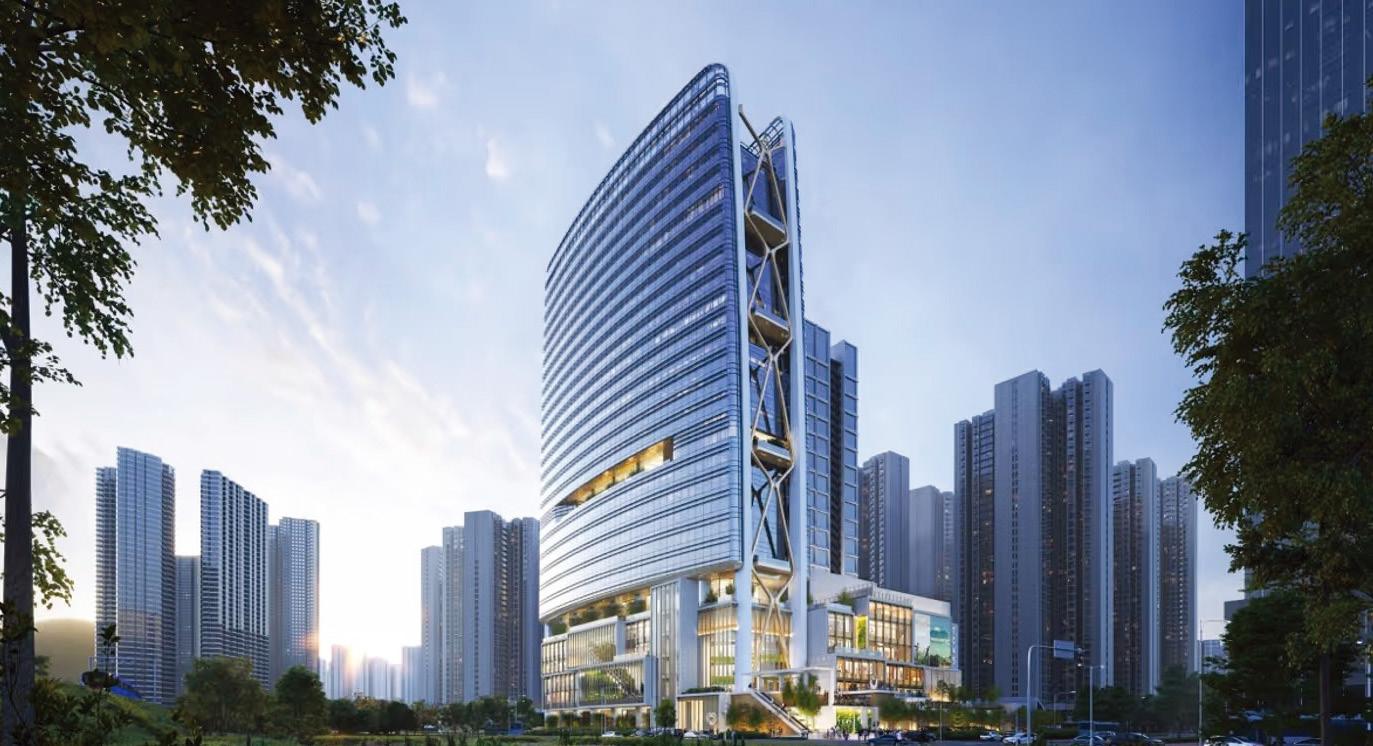
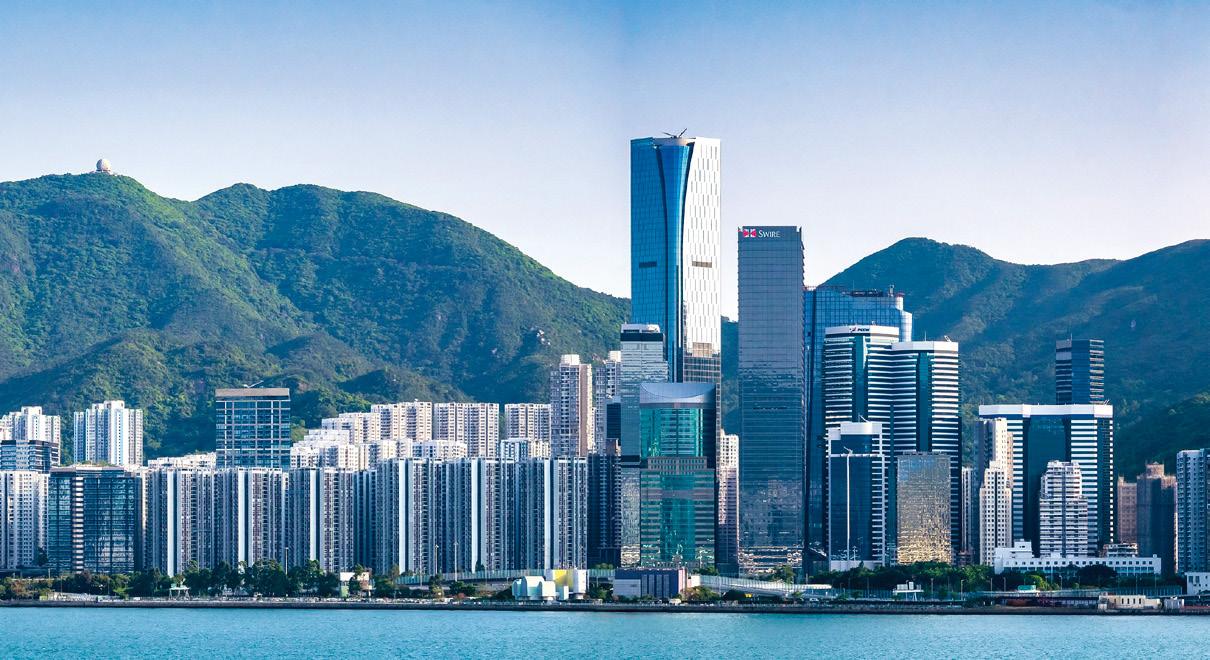
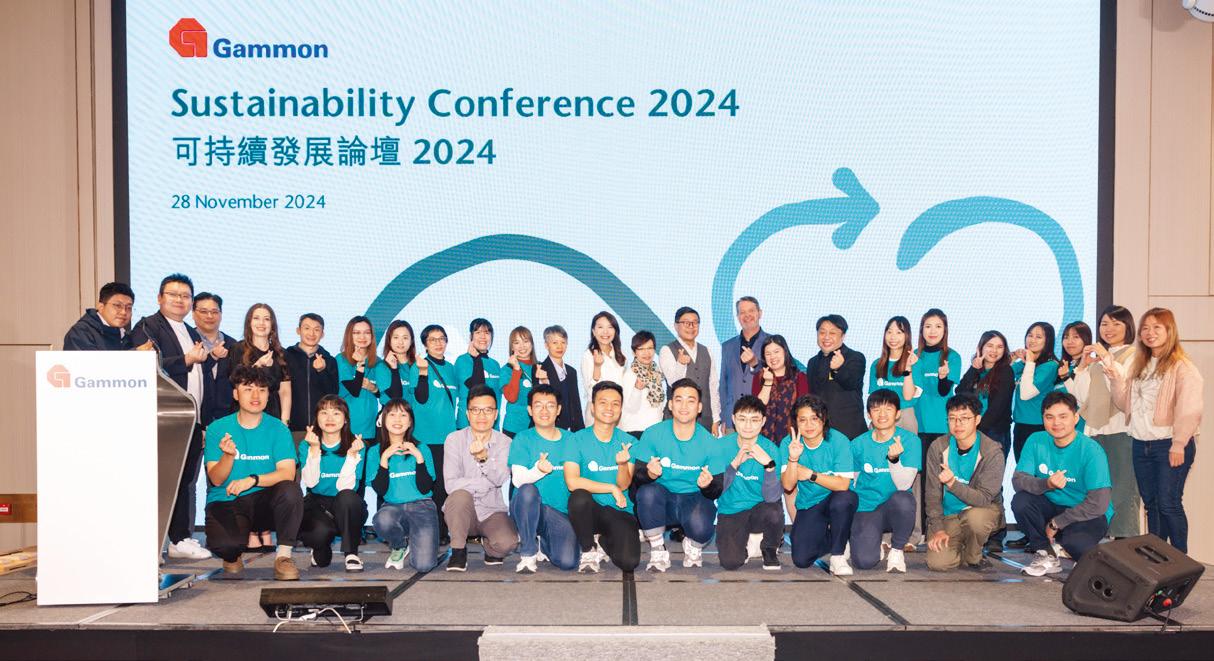
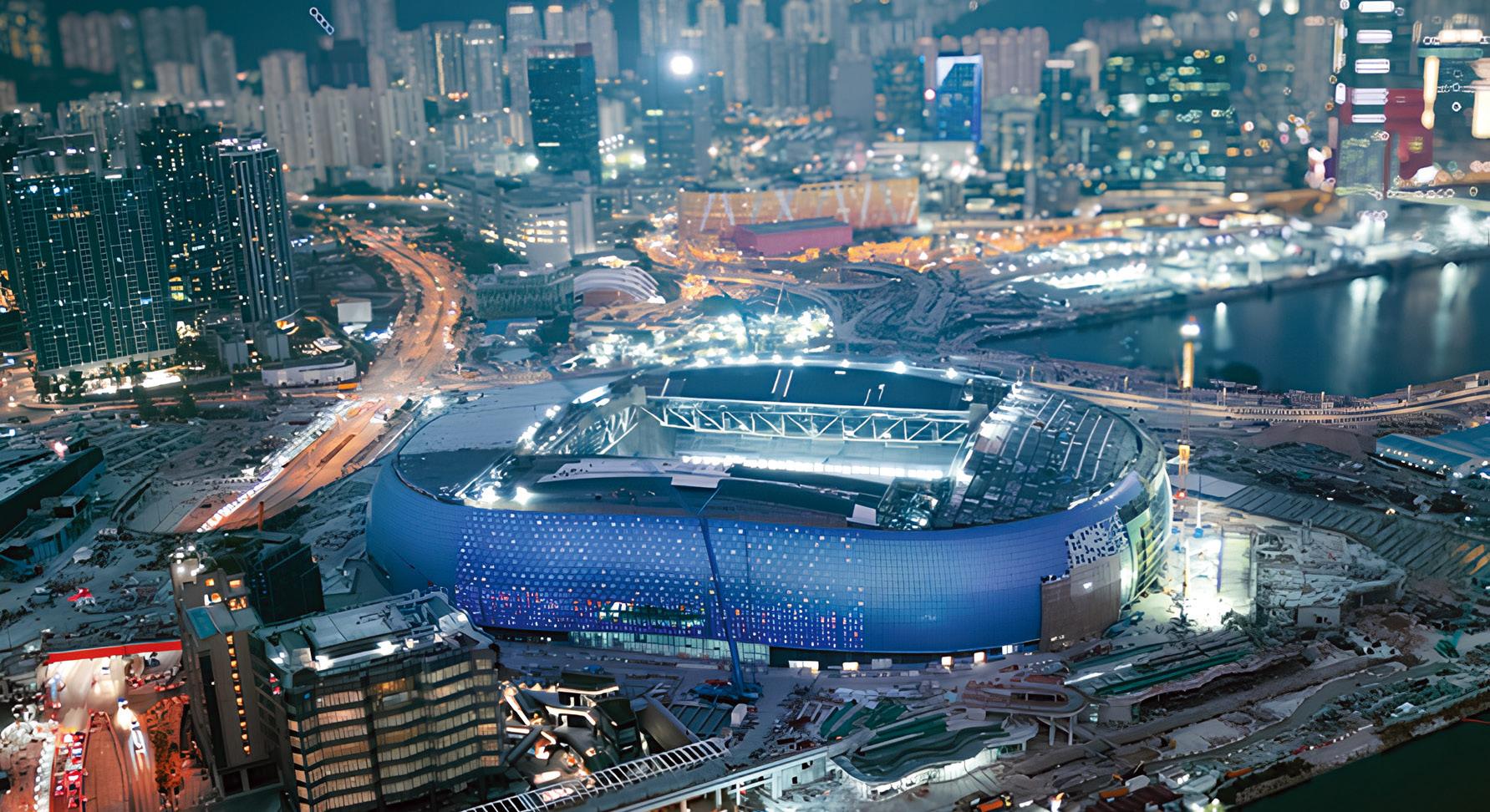

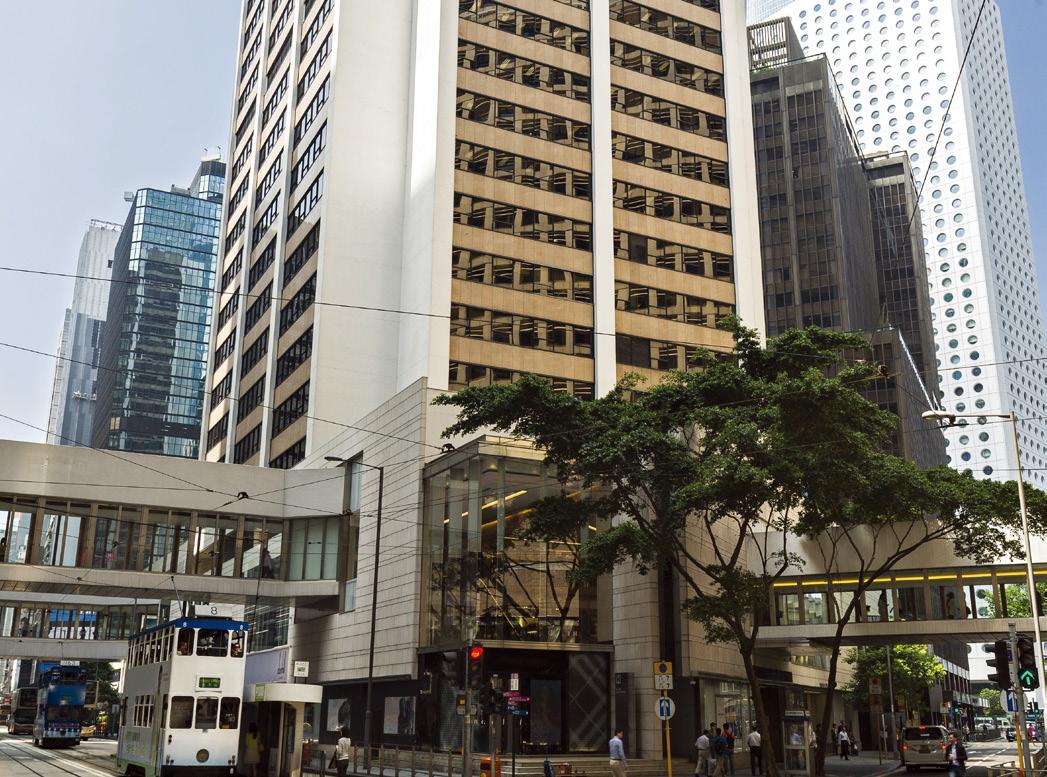
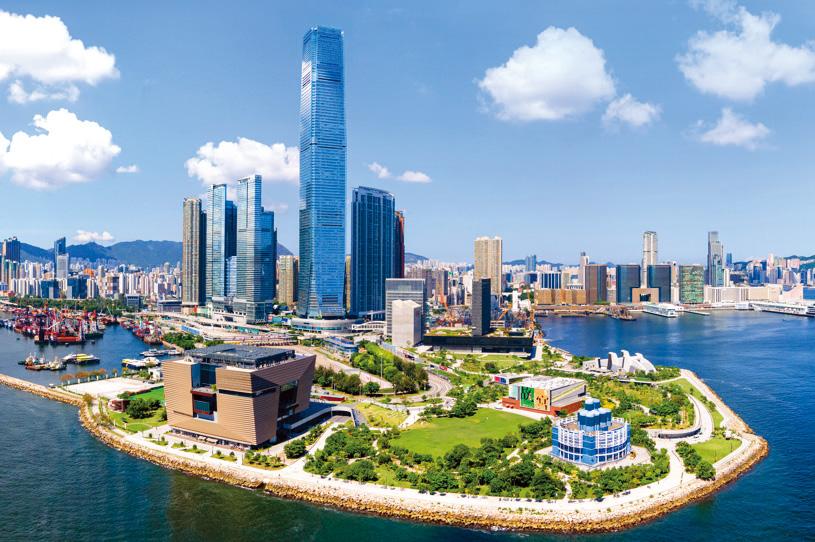
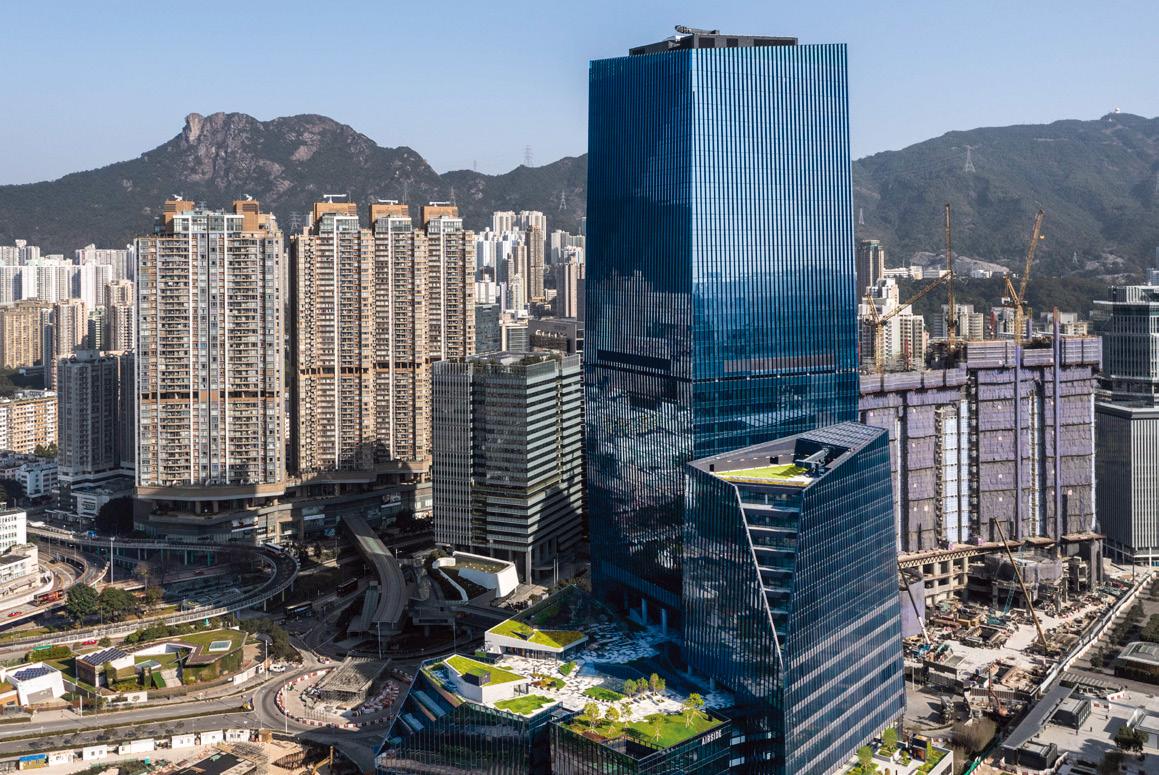

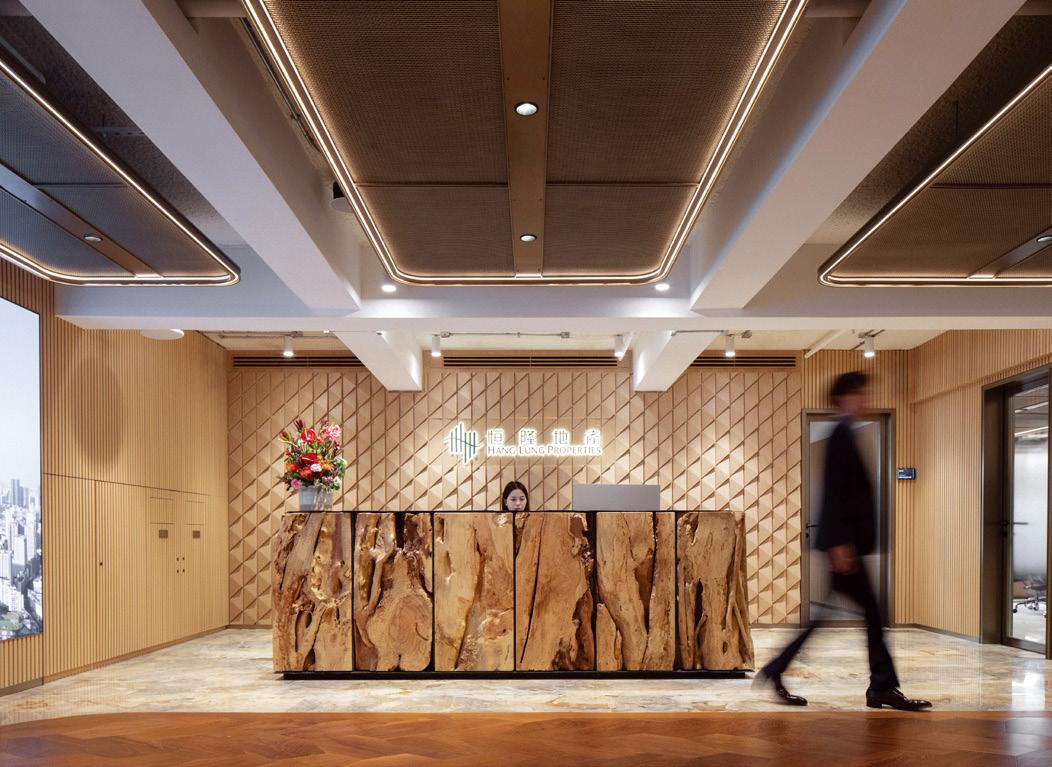
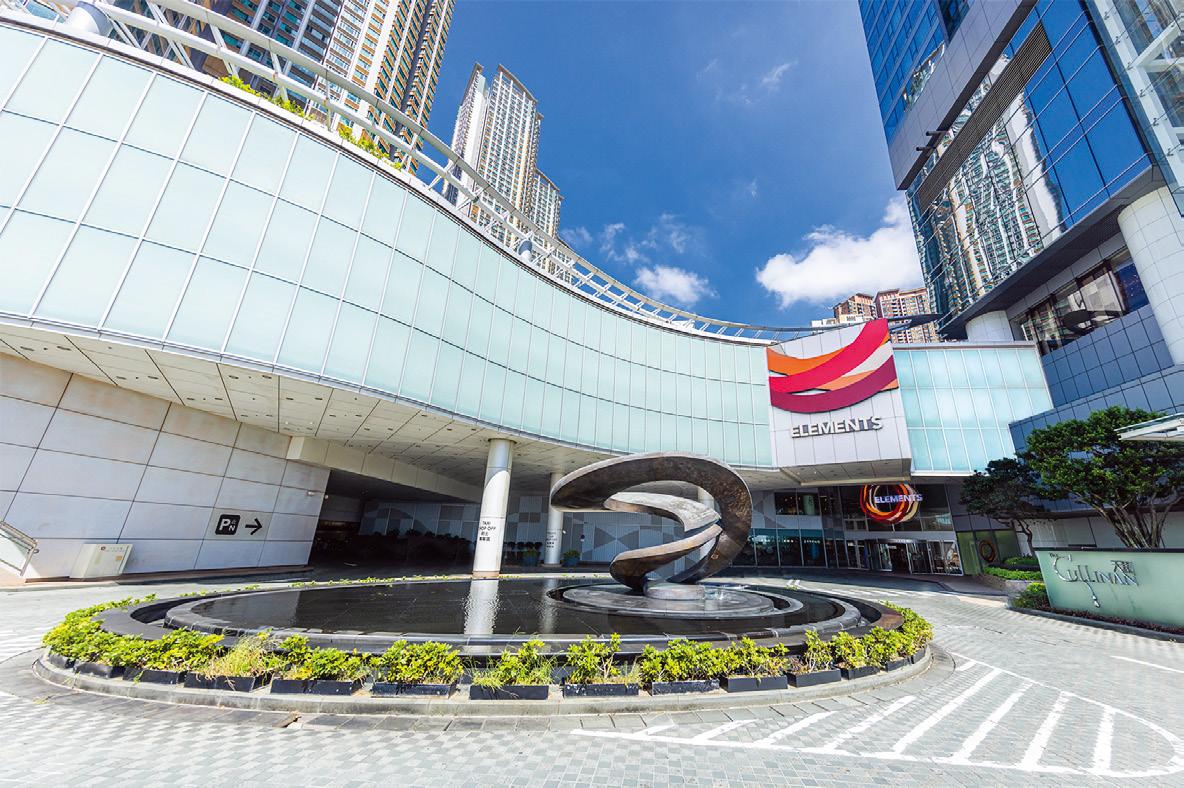
Transforming into a Wisdom Lifestyle Hub to serve the community
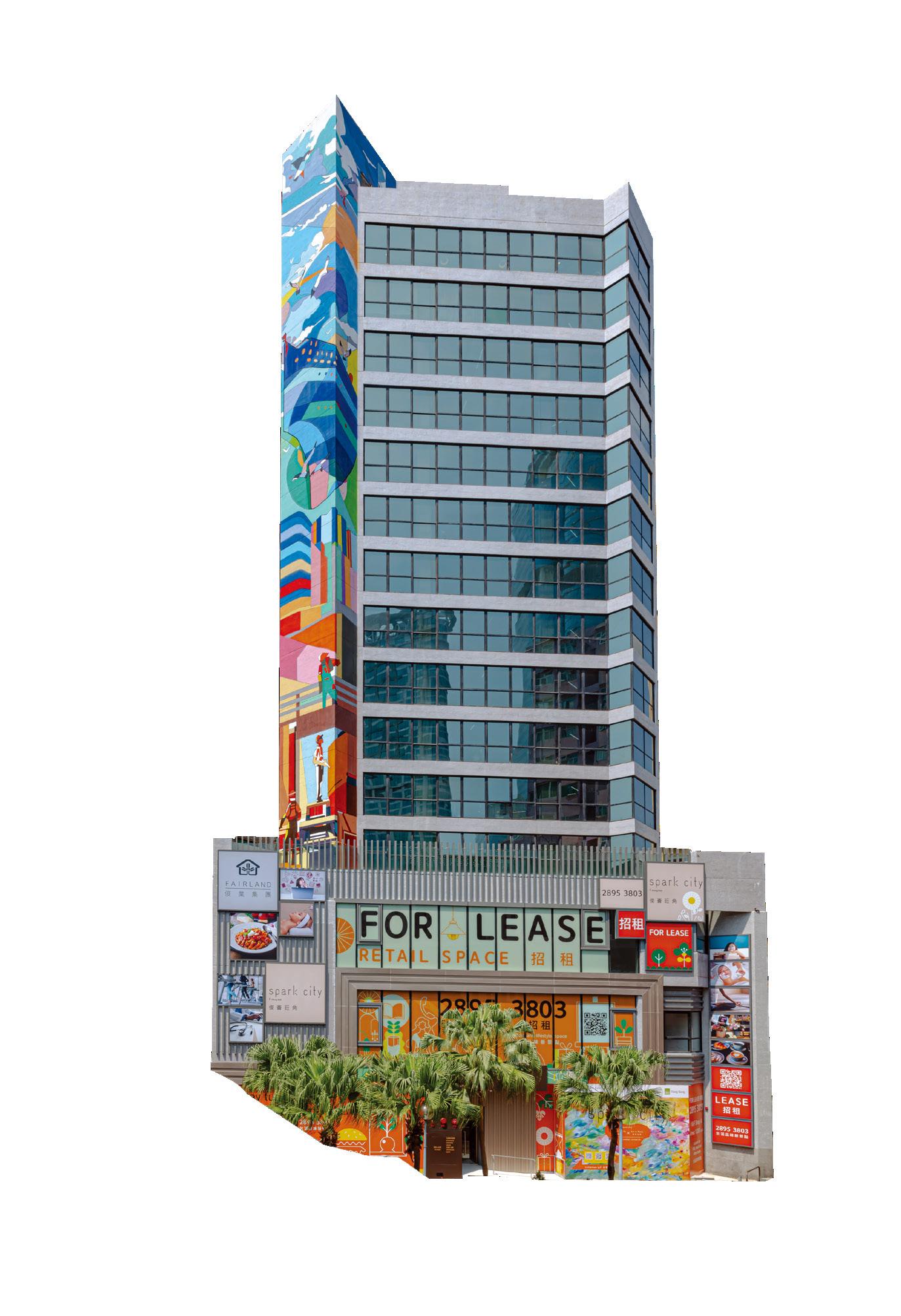
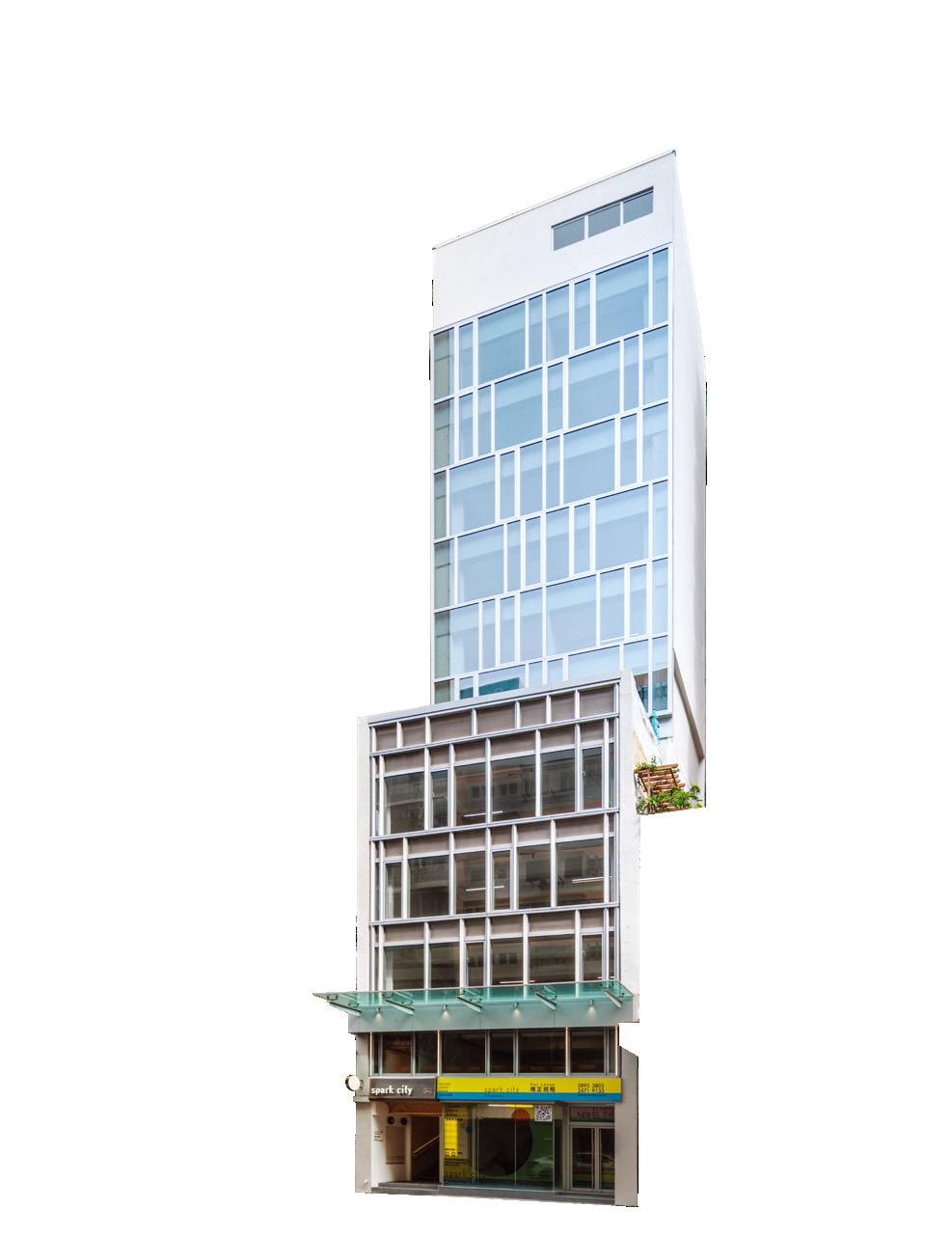
Renowned for developing Fairview Park in Yuen Long and Hong Lok Yuen in Tai Po, Fairland Group has been actively expanding its “Spark City Series” learning and lifestyle hub.
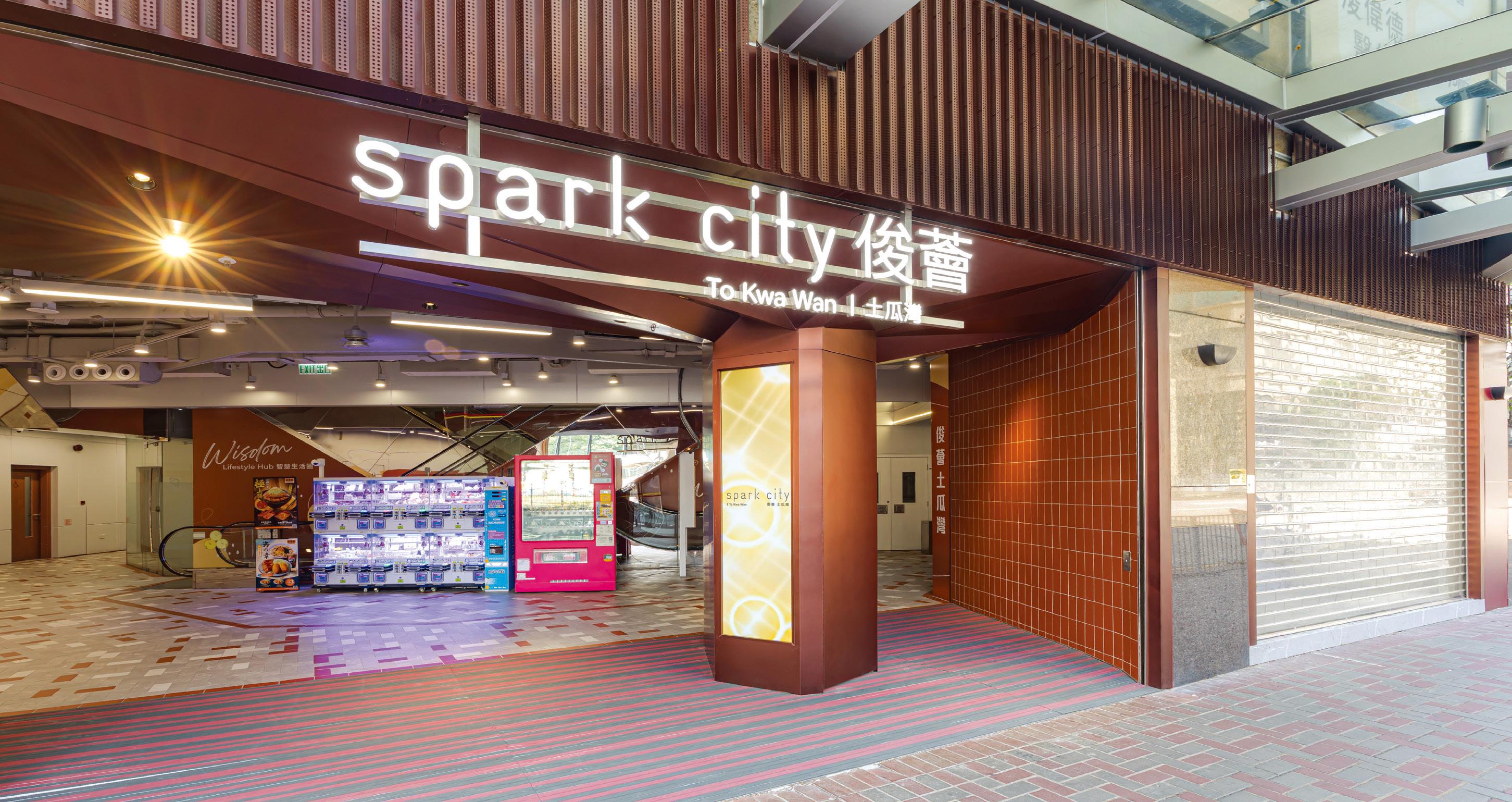
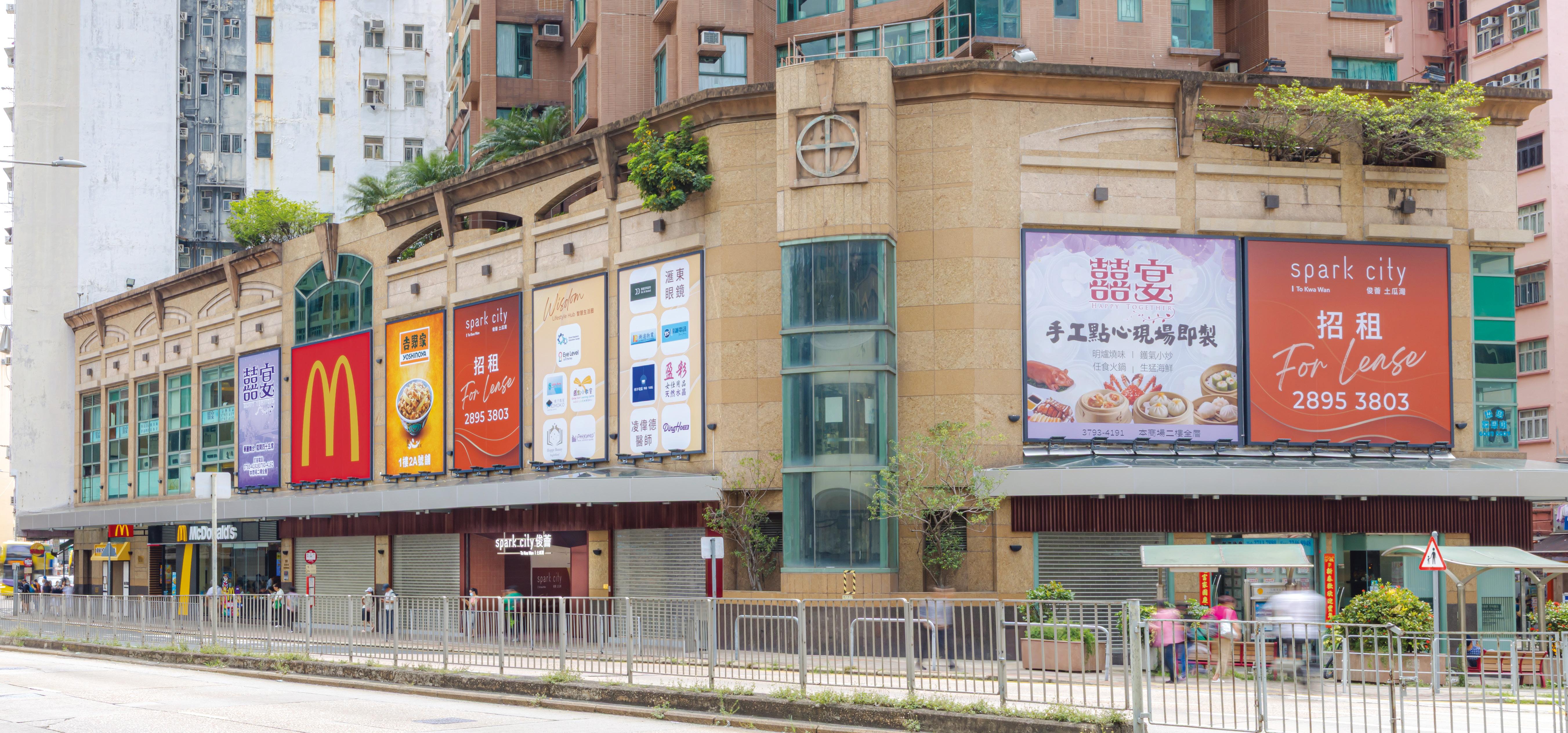
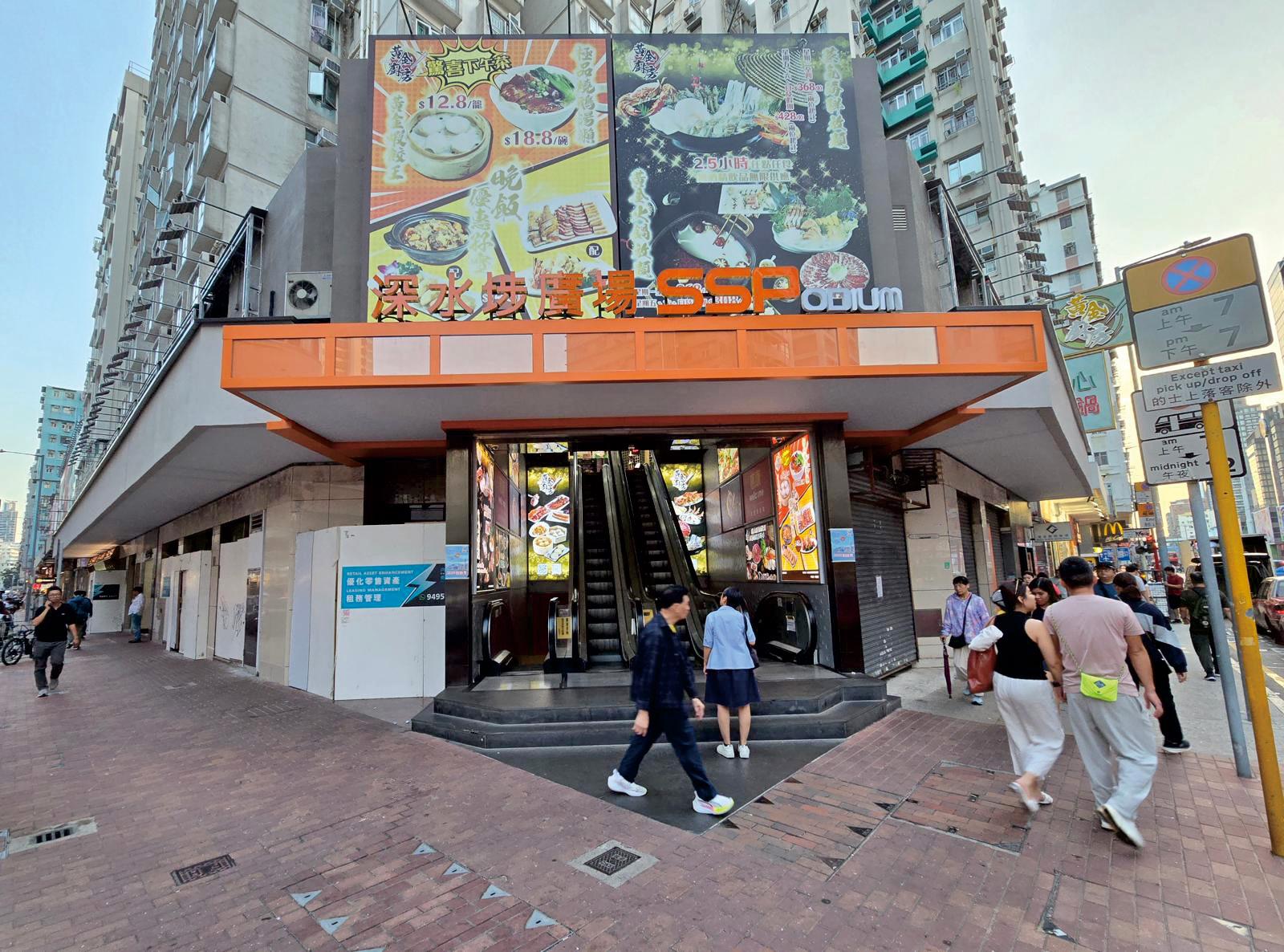
Following the success of Spark City Cheung Sha Wan and Spark City Mong Kok, the Group has turned its attention to the heart of To Kwa Wan, fully revitalizing the former Horae Plaza into the brand-new “Spark City To Kwa Wan” mall, injecting fresh energy into the neighbourhood and offering greater convenience to local residents.
SPATIAL TRANSFORMATION: DESIGN INNOVATION & FLOW RECONFIGURATION
Previously limited by just two narrow entrances, the mall’s visibility and pedestrian flow were constrained. After studying community movement patterns, the design team identified the mall as a key pedestrian hub— flanked by a major bus stop at the front and a minibus stop at the rear, linking Ma Tau Wai Road to Tam Kung Road.
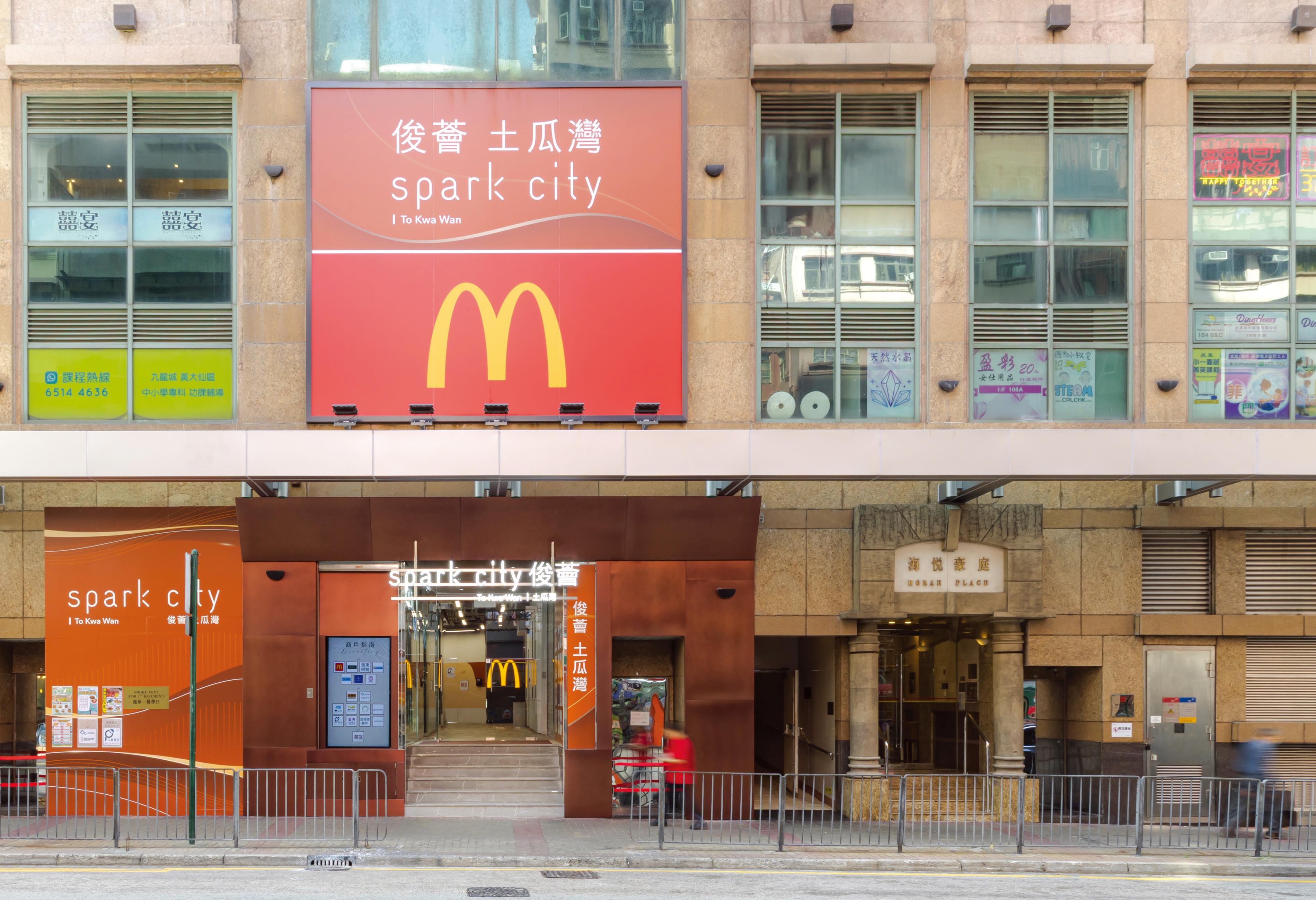
The renovation introduced a bold, spacious main entrance, enhancing storefront exposure and accessibility. Natural light and open circulation
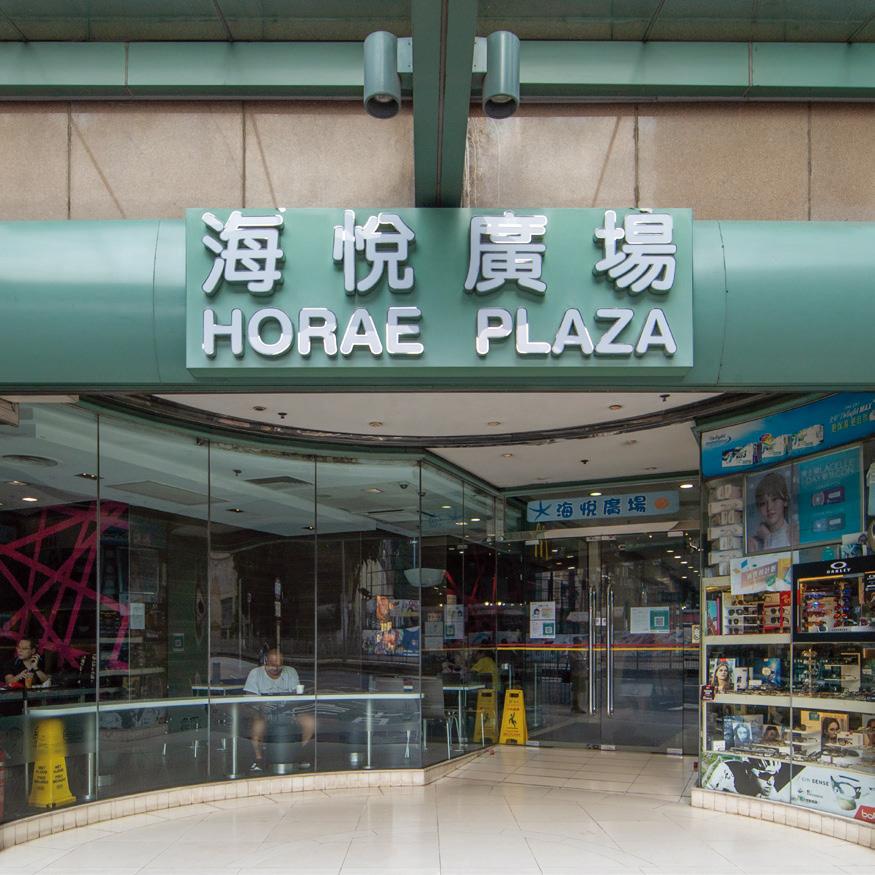
Before
now create a bright, welcoming atmosphere that harmonizes with the surrounding environment. Eco-conscious features include natural ventilation at the basement entrance and energy-saving LED lighting throughout, reflecting Fairland’s commitment to sustainability.
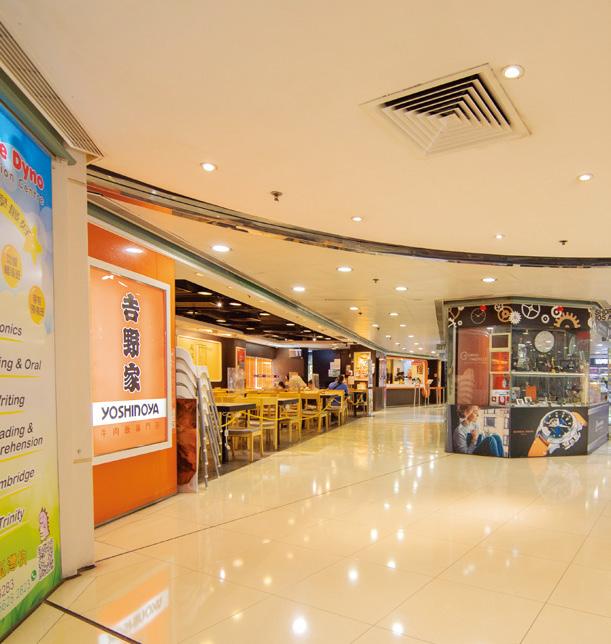
The outdated false ceilings were removed in favour of an open-ceiling concept, improving spatial perception and visual transparency. This shift toward modern, clean aesthetics reflects evolving design culture. The flooring echoes To Kwa Wan’s street textures, seamlessly connecting the mall to its urban context. Layered ceiling forms and rich materials, paired with guided natural light, redefine the modern mall experience.
With a strong school network of around 15 nearby schools and nearly 100,000 residents, the mall benefits from a robust consumer base. Just a 6-minute walk from To Kwa Wan and Sung Wong Toi MTR stations, it serves as a daily hub.
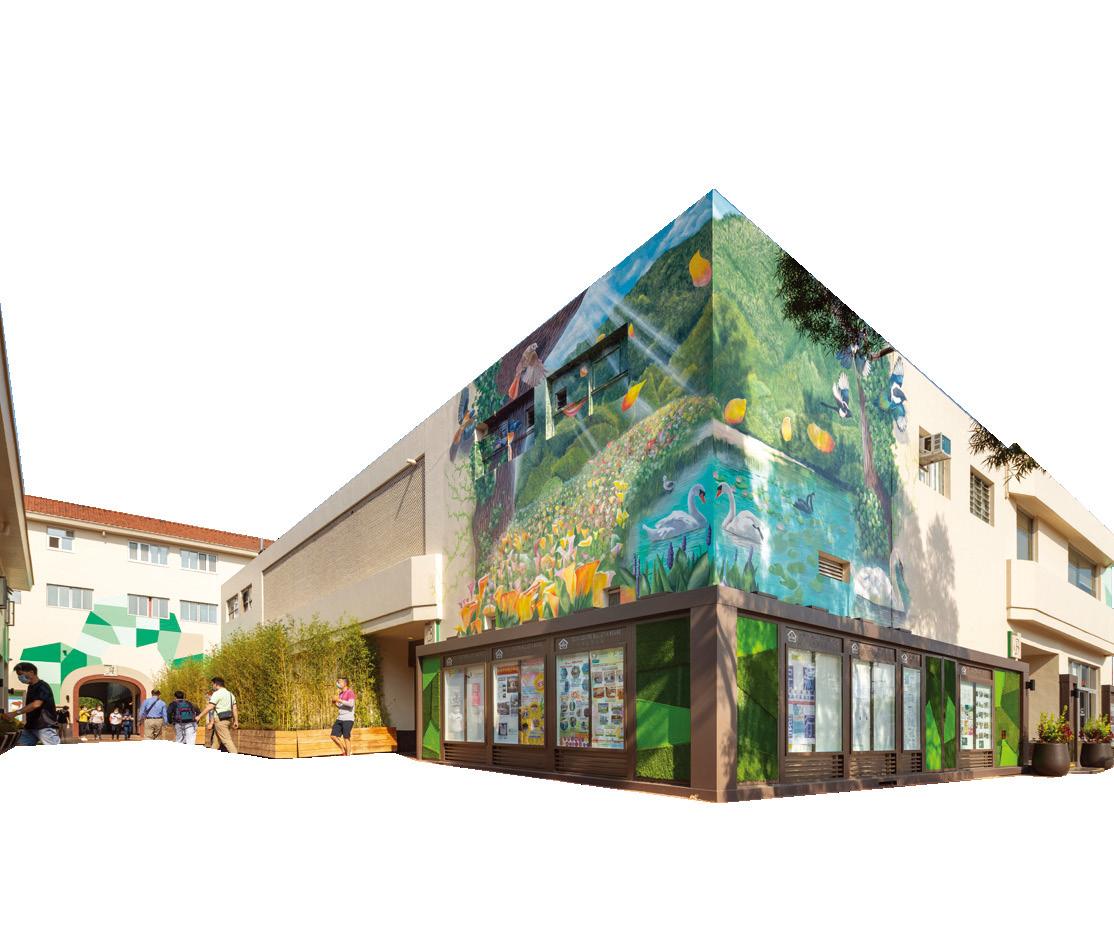
Not yet occupied units have been transformed into playrooms, rest areas, and reading areas—enhancing space utilization and offering interactive zones for the public. Each area blends To Kwa Wan’s historical charm with modern design, creating culturally rich experiences.
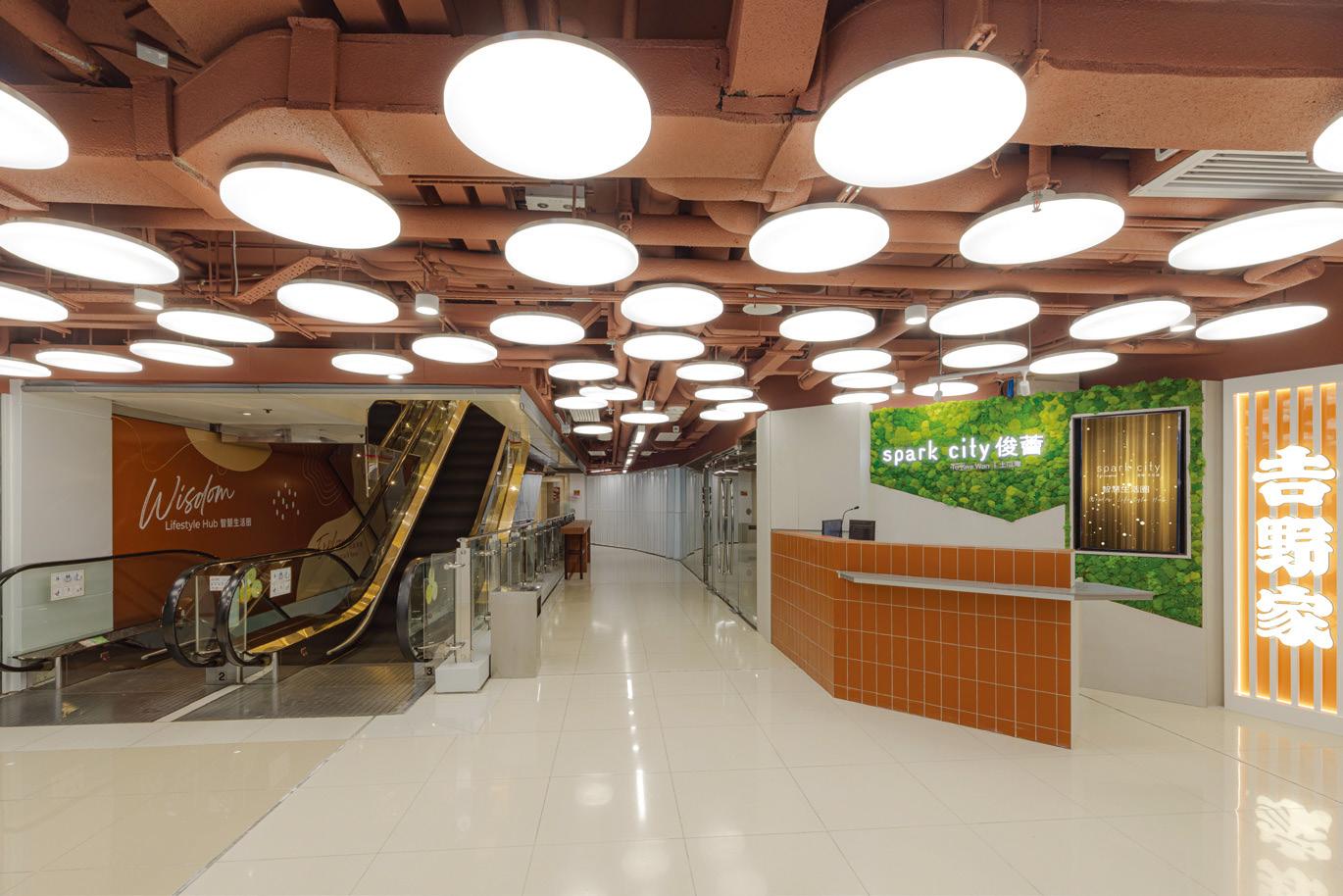
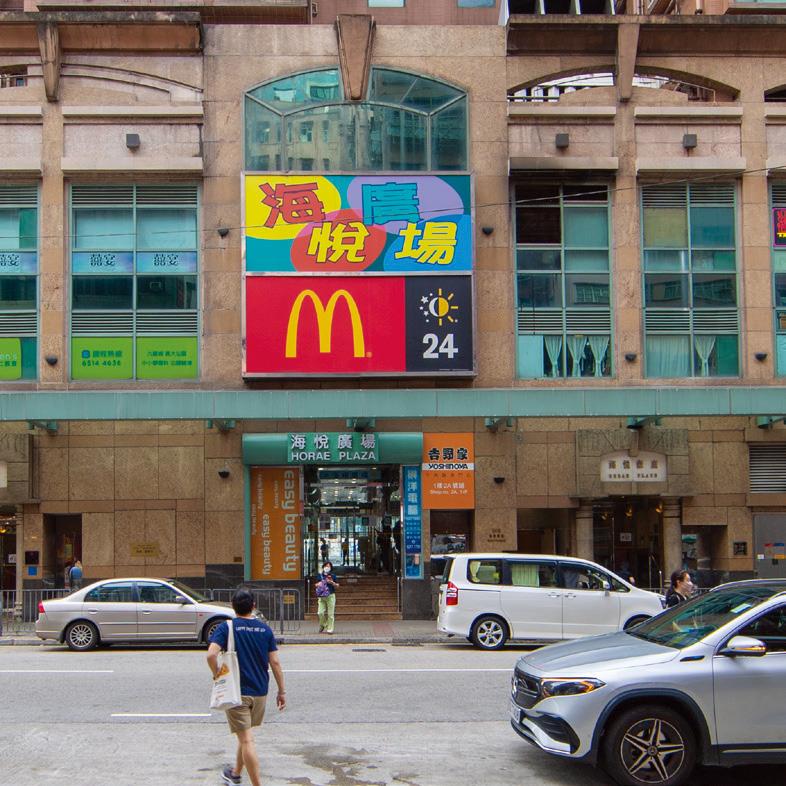
Beyond hardware upgrades, the mall integrates smart lifestyle concepts, catering to everyday needs with dining, education, and healthcare services to become a “Wisdom Lifestyle Hub”. Tenants include McDonald’s, Yoshinoya, Happy Together Restaurant, Parkland Music Institute, and Eyelevel Education Centre—catering family and cultural needs. With 6,000 new residential units expected nearby, the mall is poised to grow alongside the community.
Spark City To Kwa Wan is more than a mall, it’s a learning and family hub.
Through design innovation and community focus, Fairland Group demonstrates a deep understanding of urban renewal and social integration, offering every visitor a space to connect past and future.
Address: 209 Ma Tau Wai Road, To Kwa Wan, Kowloon, Hong Kong
Transport: MTR Sung Wong Toi Exit D & To Kwa Wan Exit A
Parking: Ample spaces available
Leasing Hotline: 2895 3803
All information is for reference only.







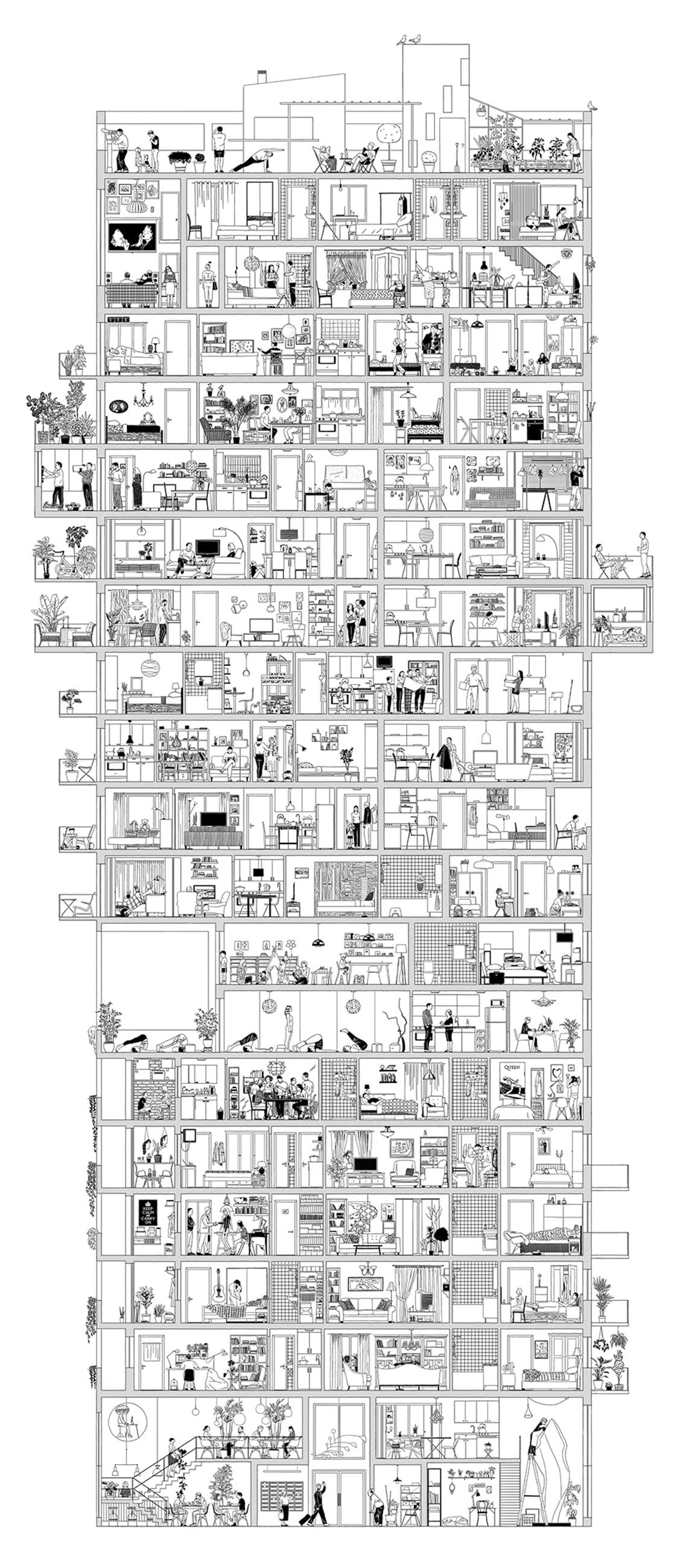
At the edge of Greater Paris, START‑Ivry redefines collective housing with a radical inside‑out approach. Five slender towers rise above Ivry‑sur‑Seine, proving that adaptability, affordability, and resilience can coexist and that housing should evolve with life.
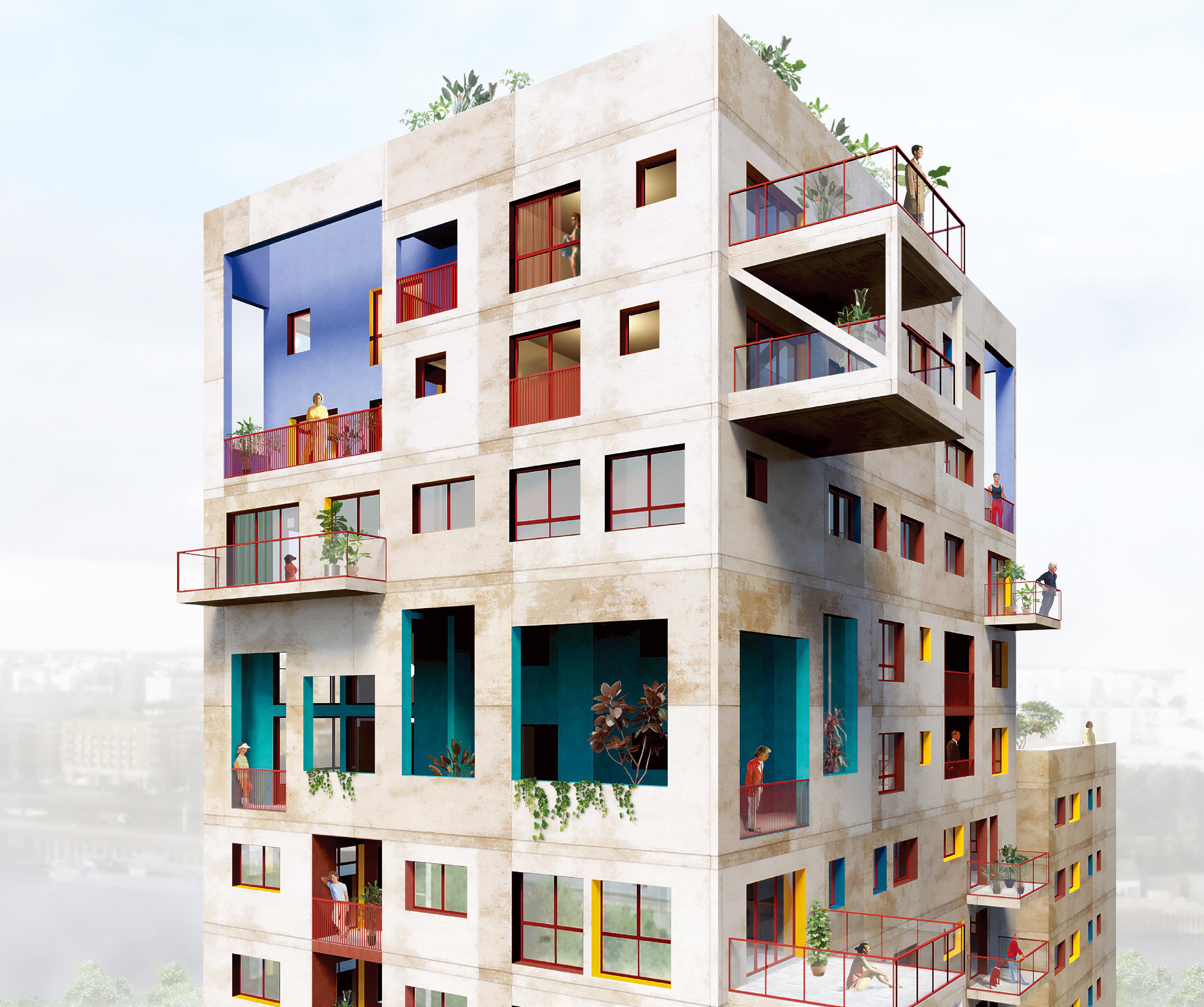
START Ivry is a bold rethink of housing culture, located in Ivry sur Seine within Greater Paris. Rejecting the standardisation of housing production, it responds to the diversity of contemporary lifestyles by starting from the inside out. The project restores the central role of the floor plan, reversing the conventional process by selecting the architect first and inviting developers to compete afterwards. START stands for Social, Transformable, Affordable and Resilient Typologies — a manifesto and demonstration that better housing can be achieved without increasing surface areas and within constrained budgets. Comprising five towers and 288 dwellings, the project mixes social, intermediate and market rate housing, creating a new skyline at the confluence of the Seine and Marne rivers. START embodies a paradigm shift: housing adapts to its inhabitants, not the other way around.
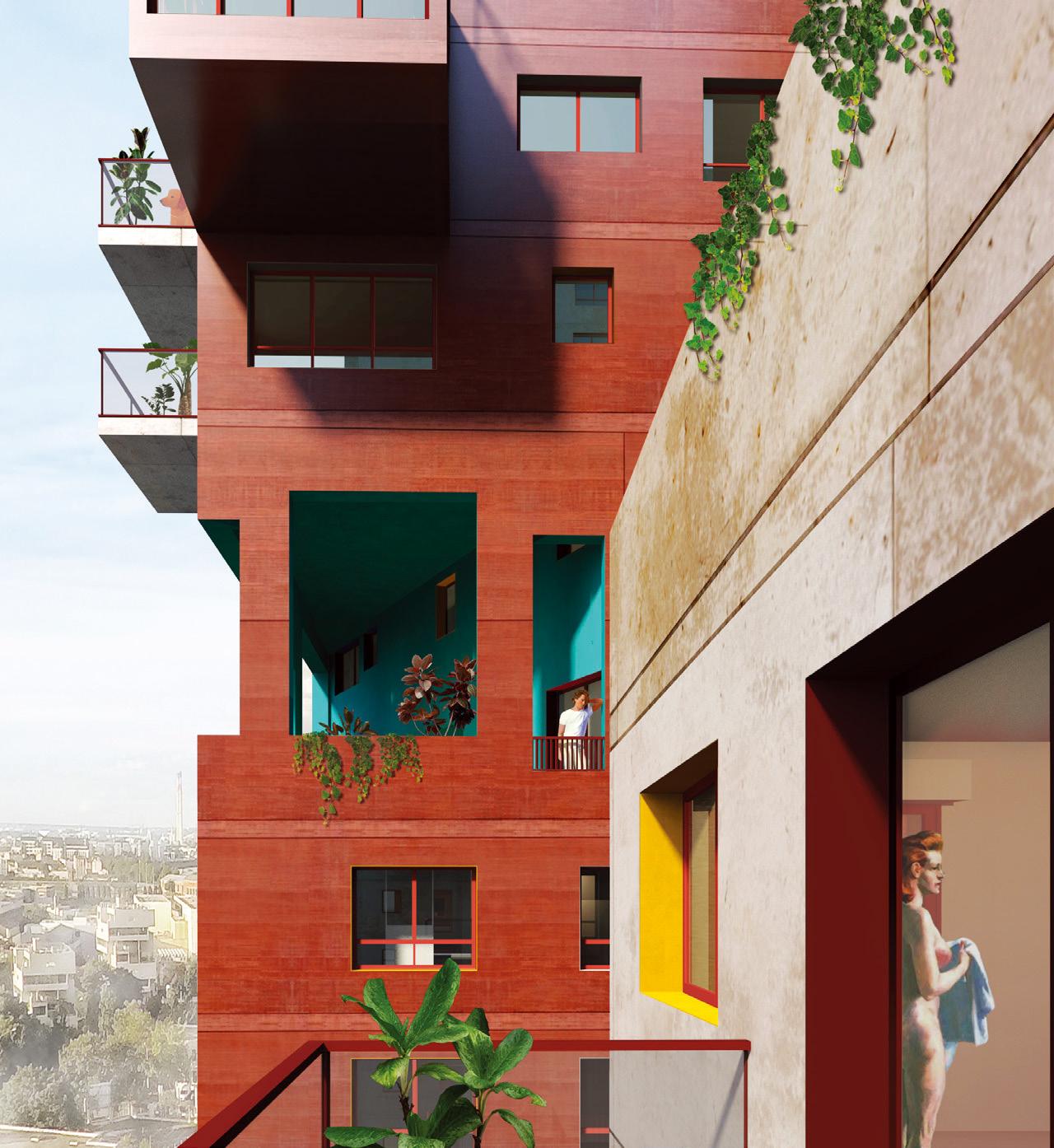
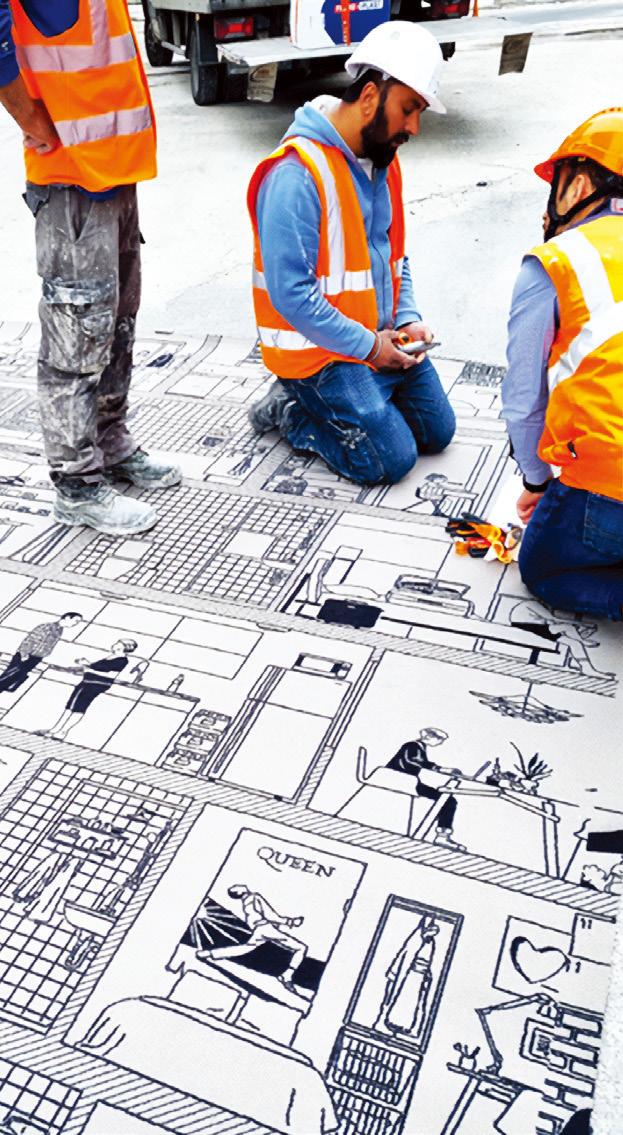
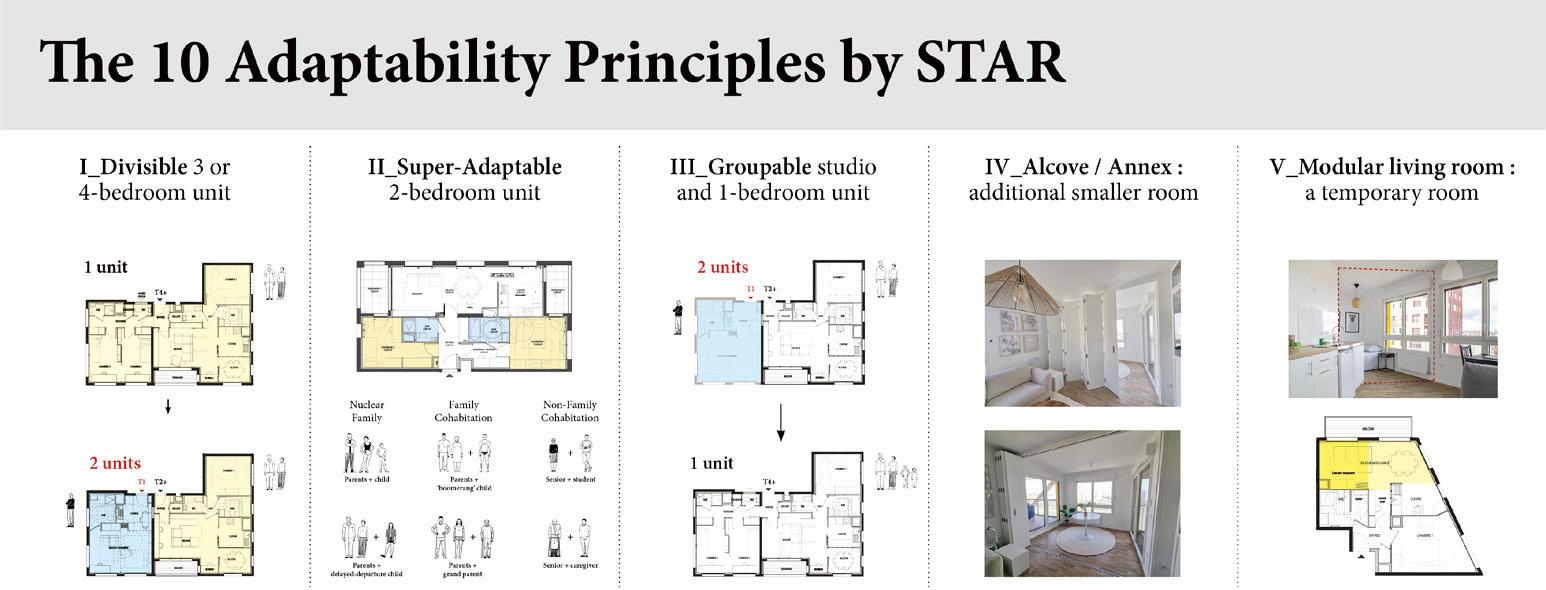
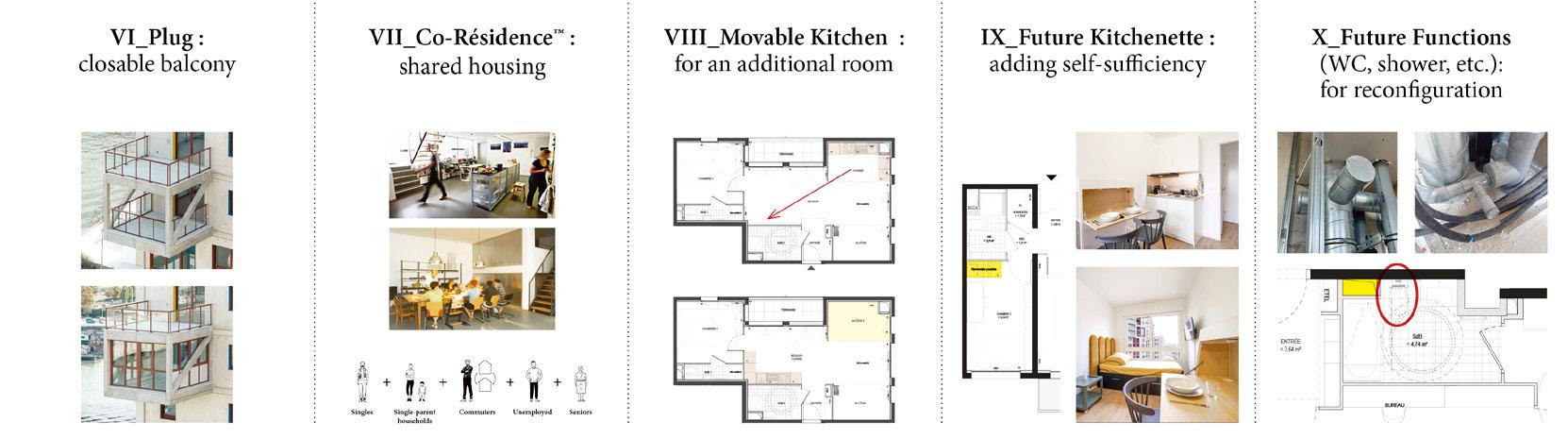
Households today are diverse: single parent families, blended families, remote workers, elderly requiring assistance, and more. Yet housing has often remained standardised, serving developer logic rather than real life. START Ivry challenges this mismatch by designing from the resident’s perspective. Dwellings are conceived to adapt — enlarged for a child, reconfigured for a carer, subdivided for rental, or extended by acquiring a neighbouring unit. Even in their initial state, apartments accommodate multiple users and situations. This adaptability ensures housing evolves with life’s changes, offering resilience and flexibility. START demonstrates that contemporary society’s richness cannot be captured in uniform plans, but thrives in responsive, transformable spaces.
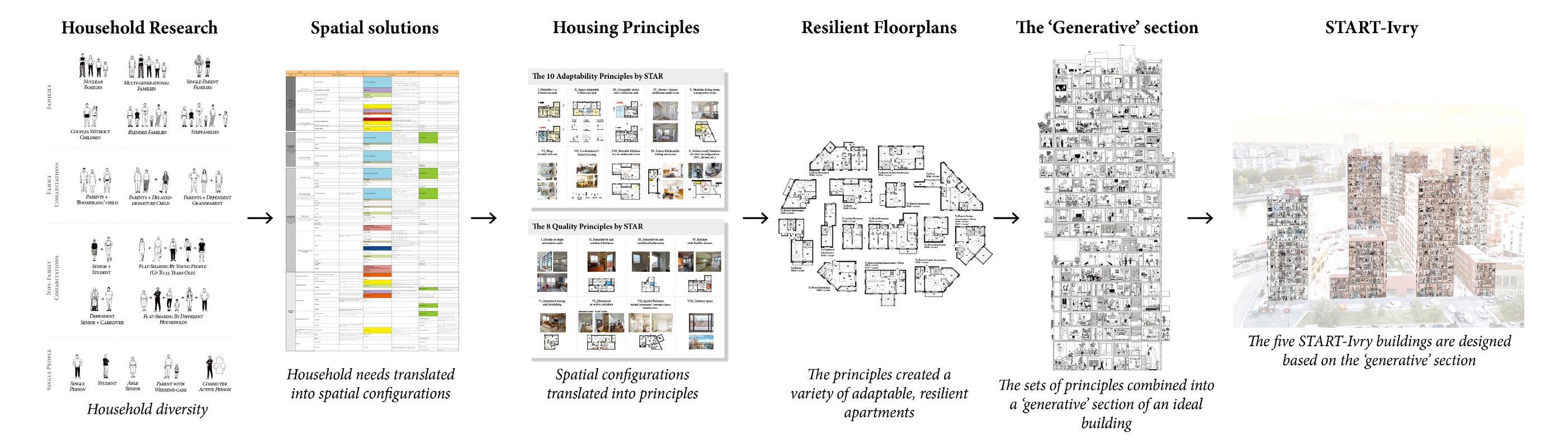
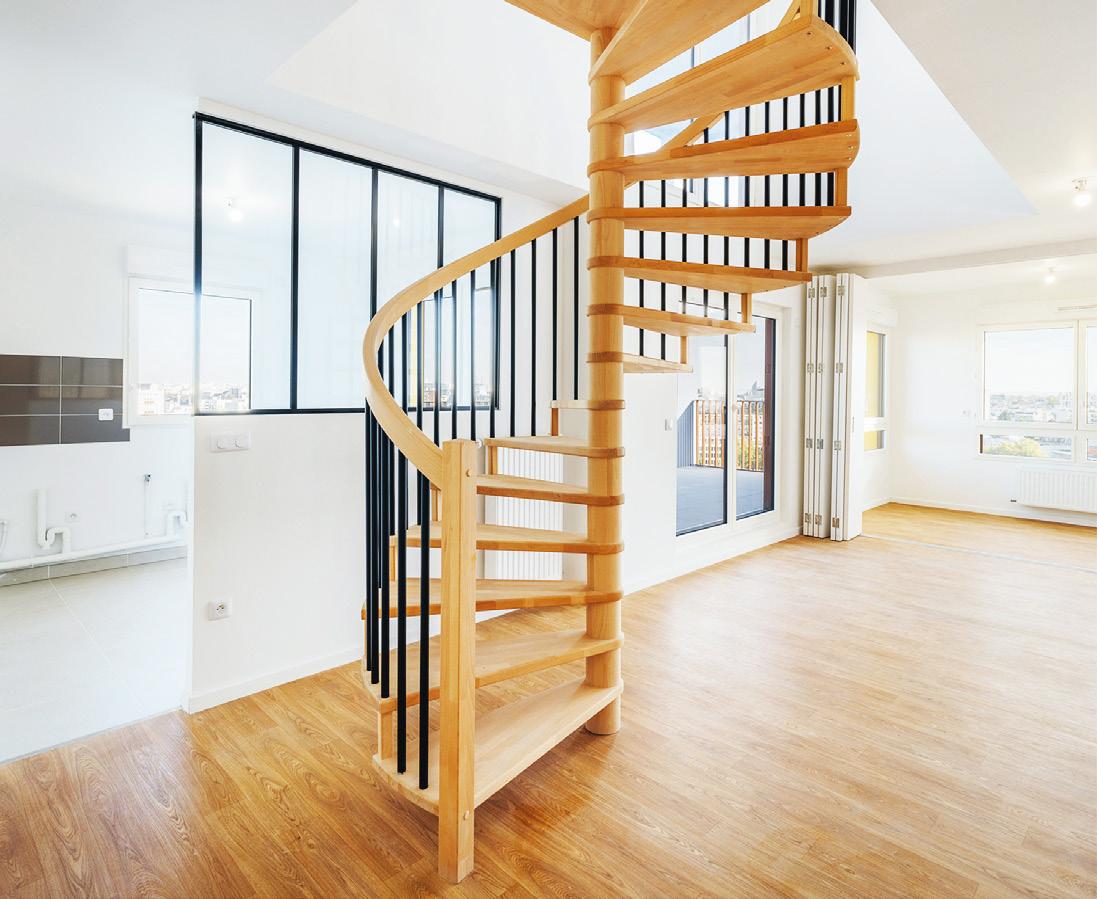
The project is structured around three sets of principles. Ten Adaptability Principles ensure flexibility over time, with divisible large units, alcove “plus” rooms for single parents or remote workers, modular living rooms, and super adaptable two bedroom units. Eight Quality Principles guarantee everyday excellence, from naturally lit kitchens and bathrooms to maximised storage and activated corridors. Ten Principles for a Good Tower define conditions for positive density, including circulation spaces, shared terraces, and encounters with both ground and sky.
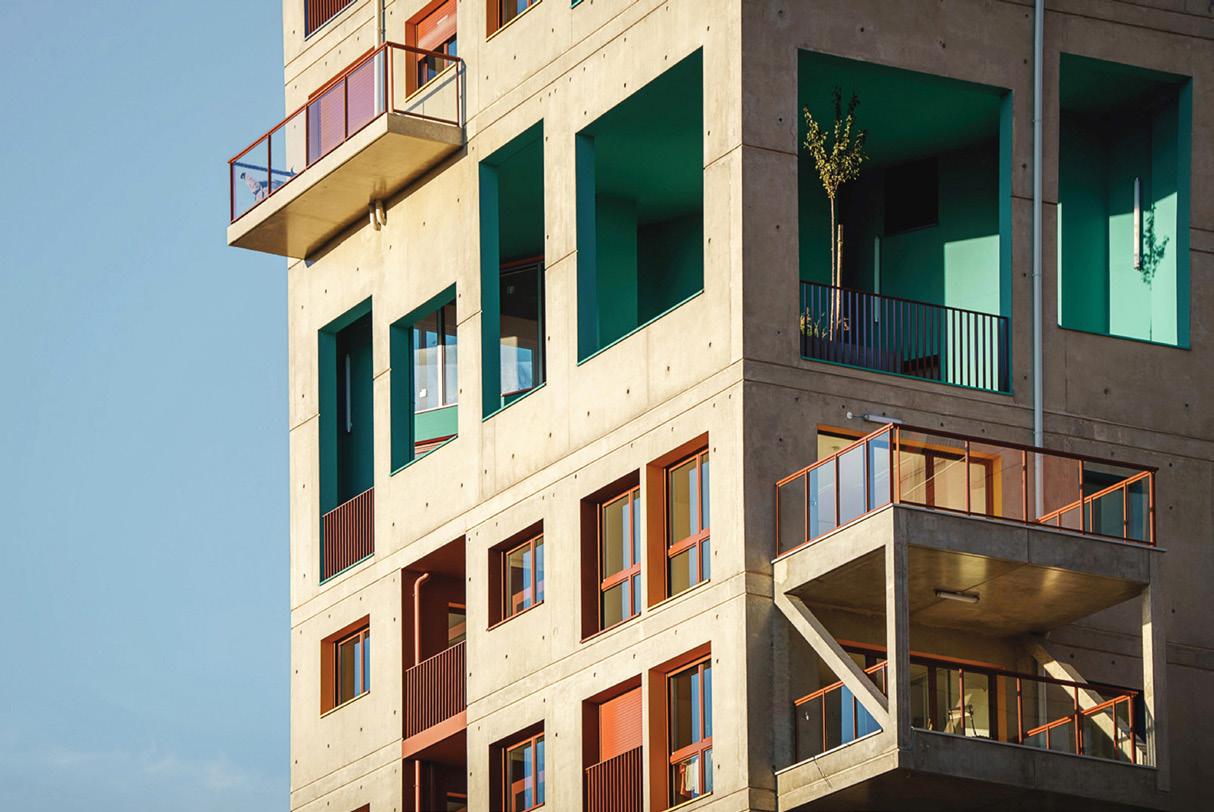
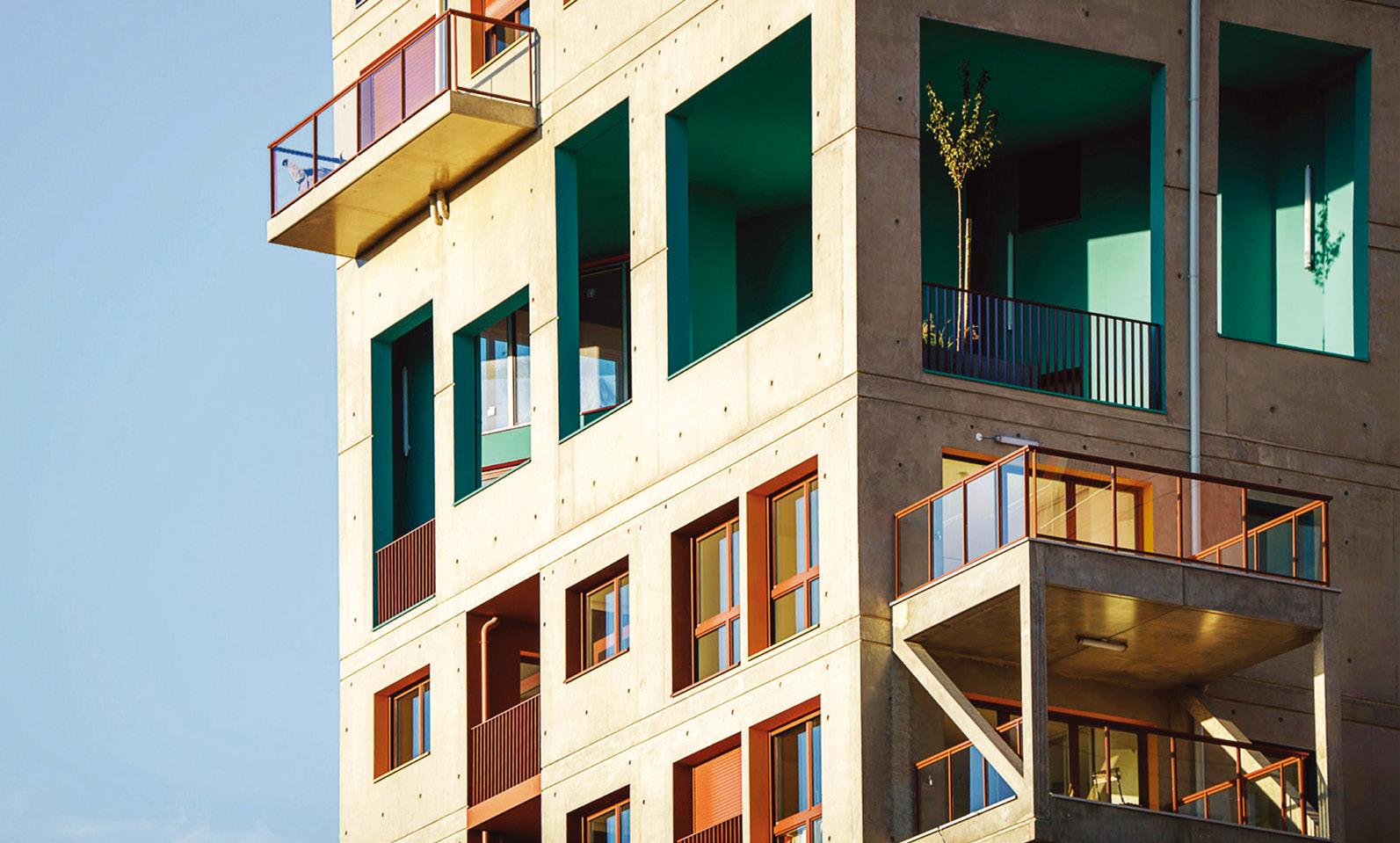
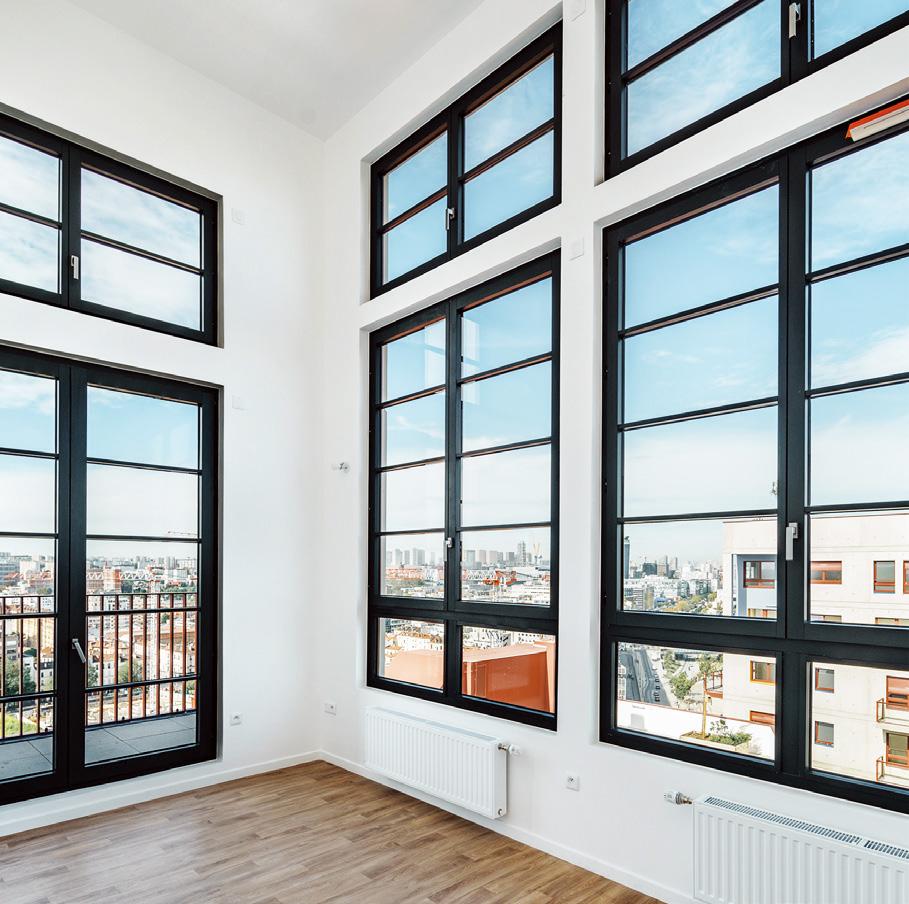
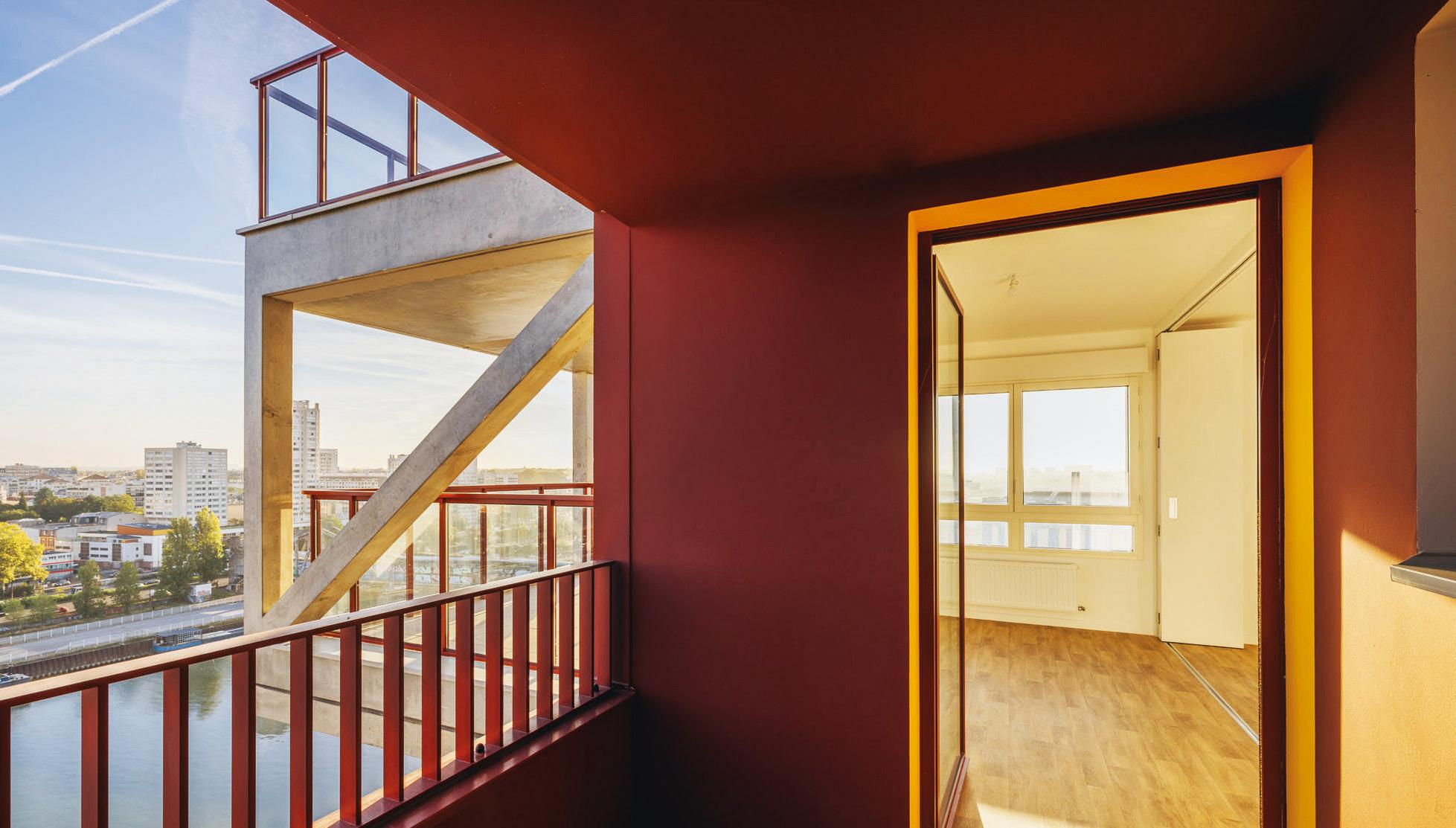
Geometry and façades originate from the internal world: slender volumes just 14 metres deep maximise natural light, ventilation, and views. Ninety percent of homes enjoy double or triple orientations, with most overlooking the Seine or Marne. Façades follow no rigid grid — windows, balconies, and loggias serve domestic use, creating a narrative architecture where apparent disorder reflects life’s unpredictability. Colour accents act as codes, revealing interior functions, while raw concrete and red paint echo Ivry’s architectural history. START’s identity is defined by this interplay of form, use, and meaning, transforming the ordinary into the extraordinary.
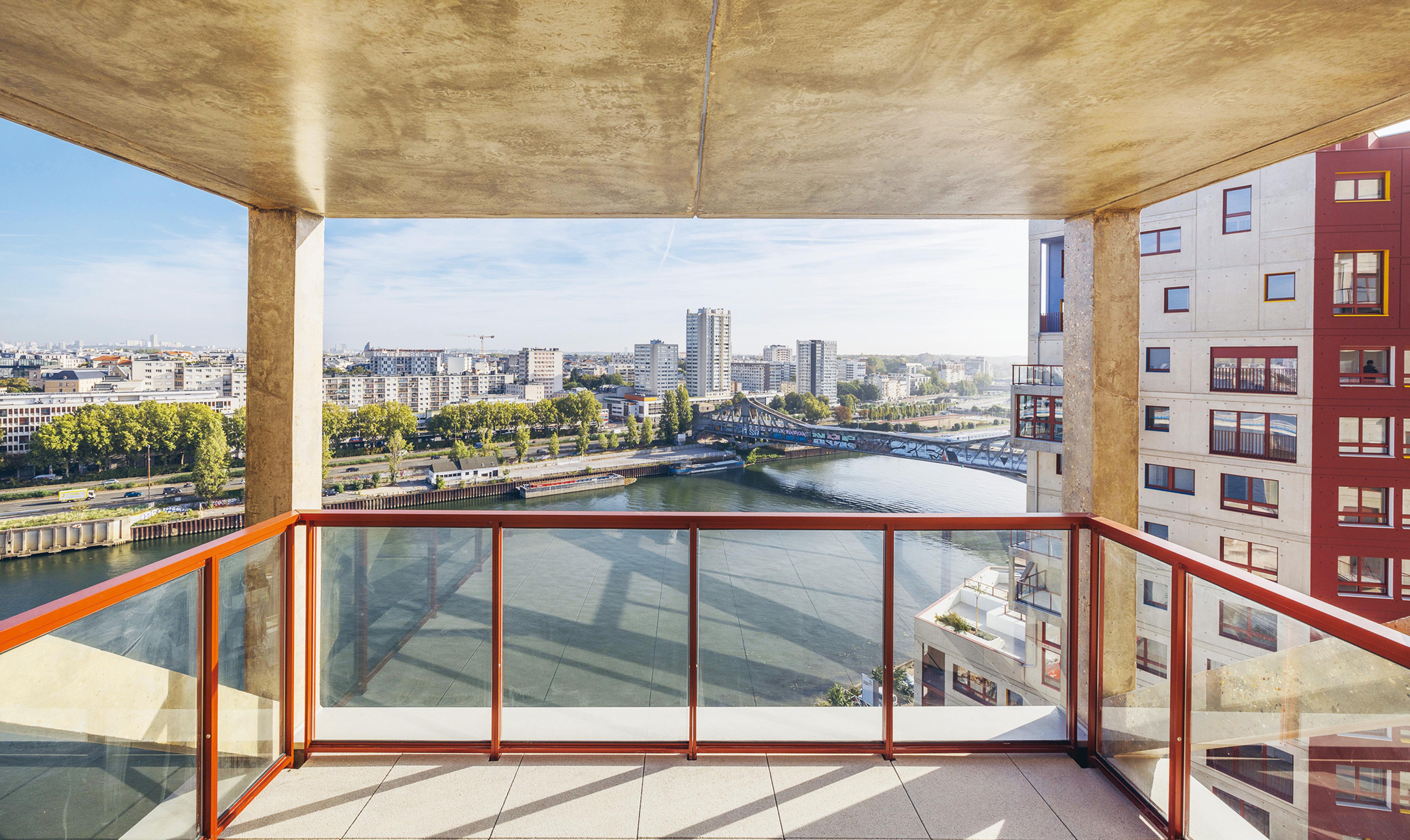
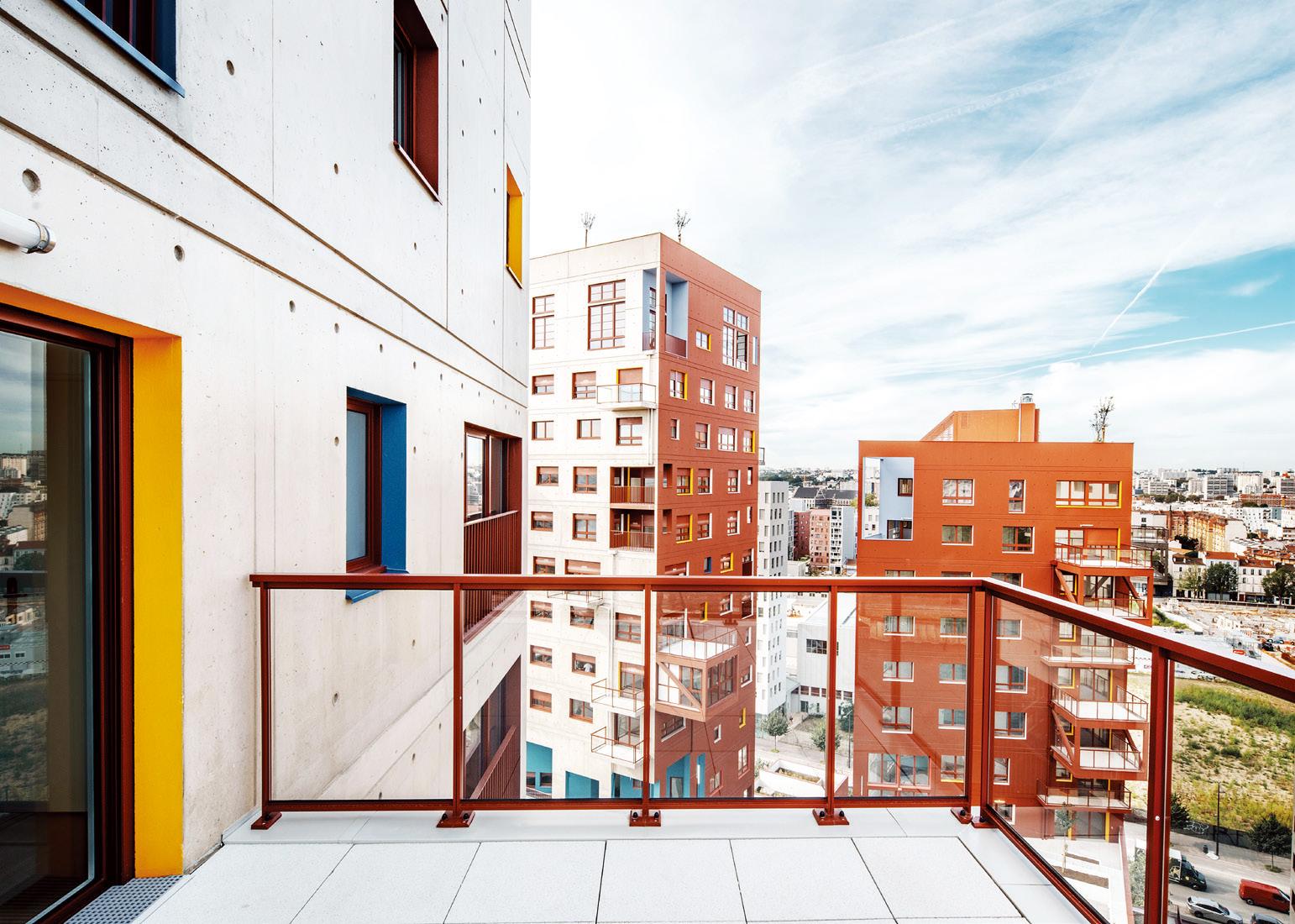
With a surface area of 22,863 m², including 19,700 m² of housing, START-Ivry spans five towers rising between 13 and 19 storeys. The programme includes 288 dwellings — potentially 350 through future subdivisions — with a mix of homeownership, social housing, and intermediate housing. Two towers combine different housing regimes on the same corridor, a rare configuration in France. All residents share communal spaces on upper floors, including multi-purpose rooms, guest rooms, and over 2,000 m² of terraces. At ground level, 2,600 m² of new public spaces include a central square facing the Seine and pedestrian alleys linking to the main avenue. A commercial plinth with 14 adaptable retail units introduces restaurants, gyms, bakeries, and more, creating an active hub for residents and the wider neighbourhood.
Sustainability is embedded: a 20% reduction in energy consumption compared to current standards, 20% low-carbon concrete, and geothermal heating. Yet START goes beyond certifications, placing inhabitants at the heart of sustainability. Divisible dwellings embody social, environmental, and economic resilience, adapting to changing household needs, creating new units without extra resources, and generating income through rental or sale. This integration of adaptability, social mix, and environmental performance positions START as a pilot project redefining housing for contemporary life.
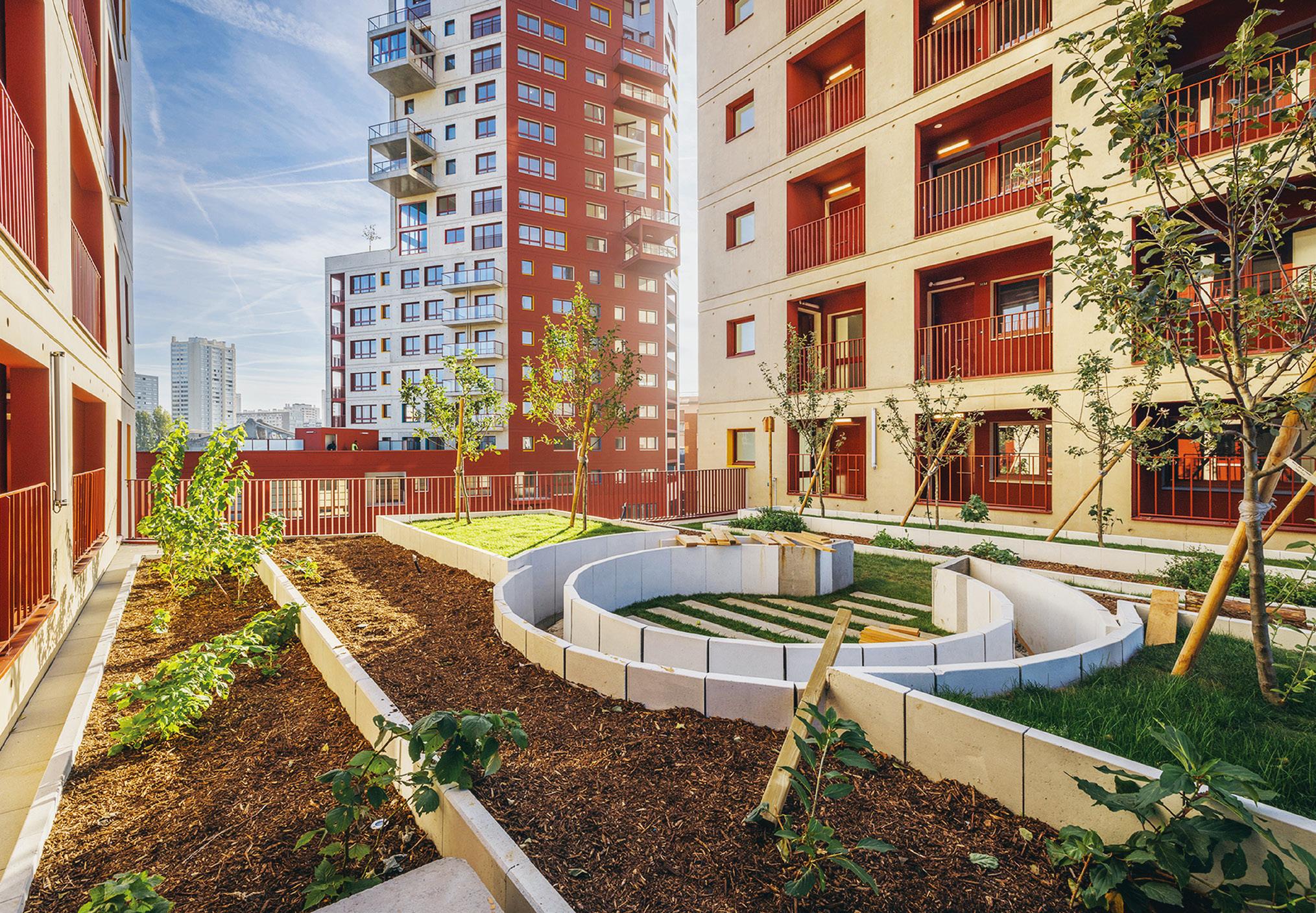
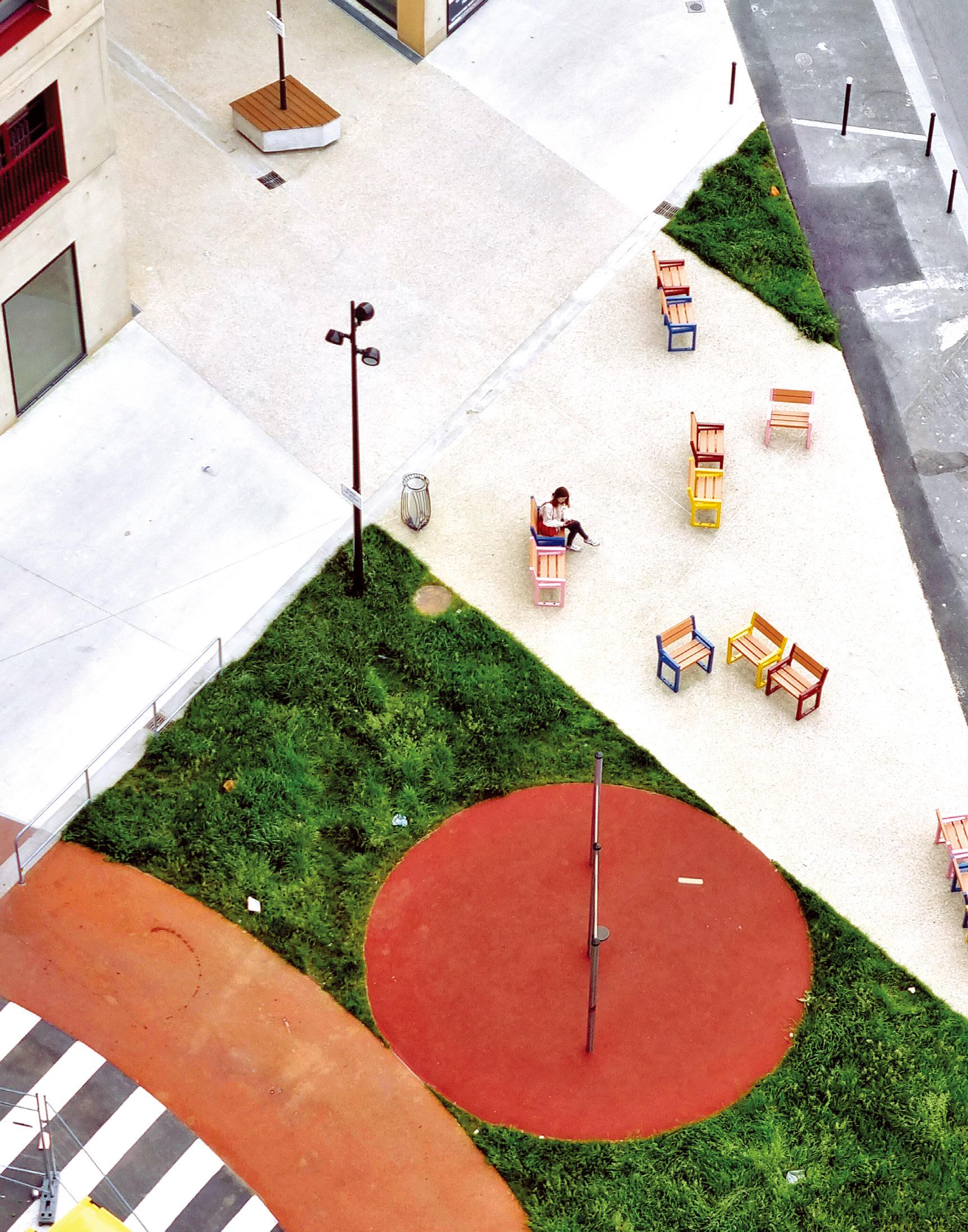
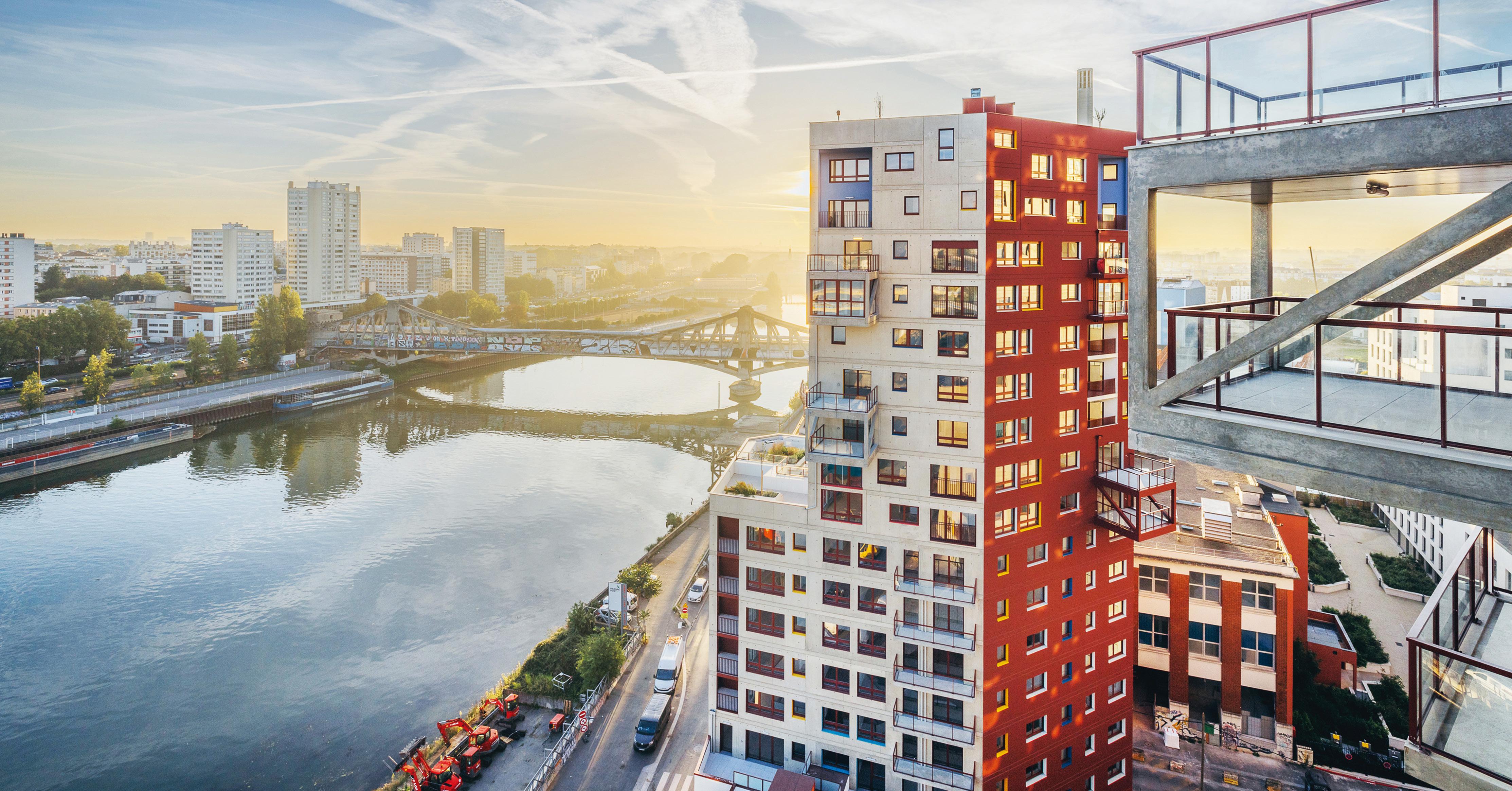
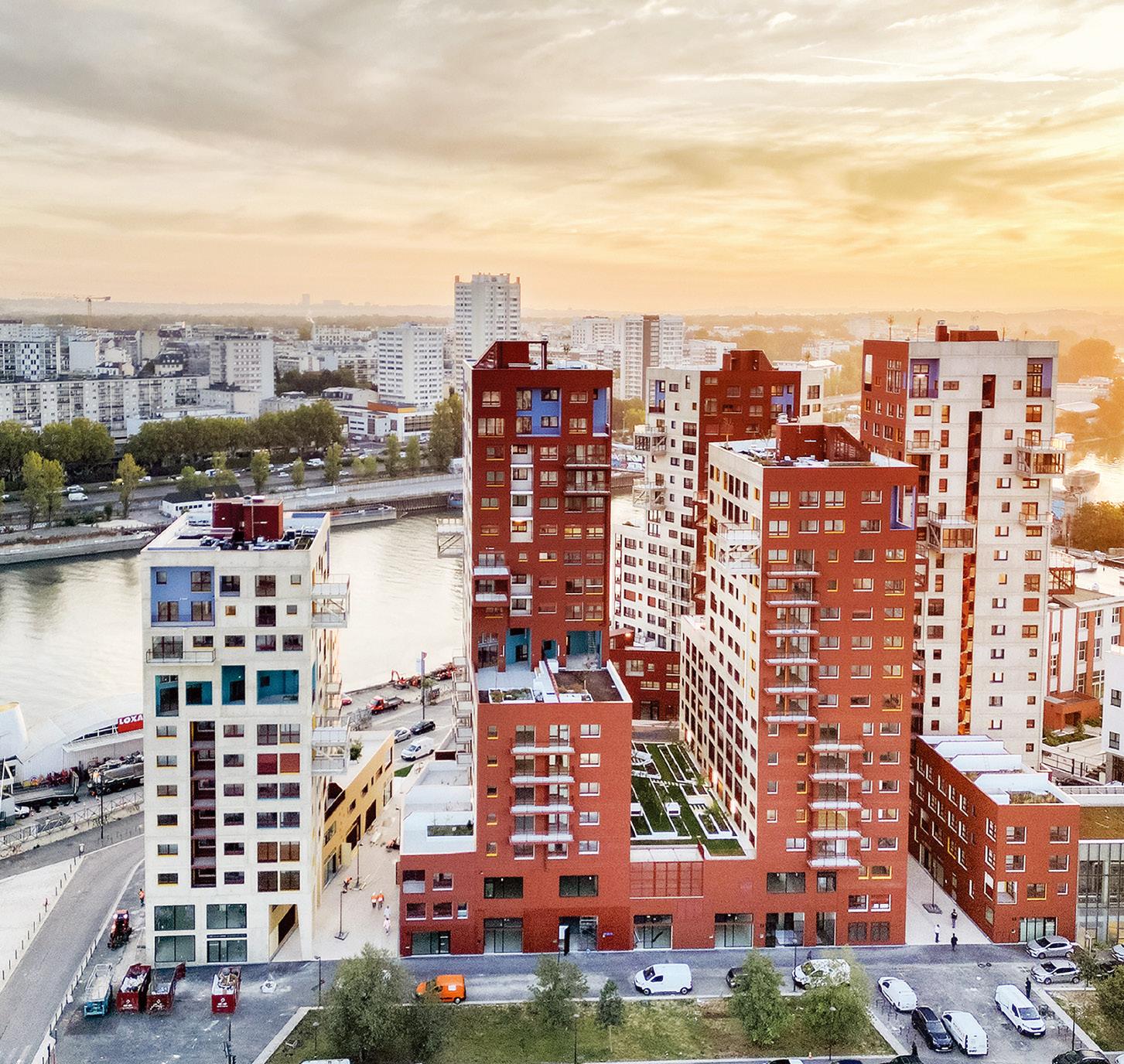
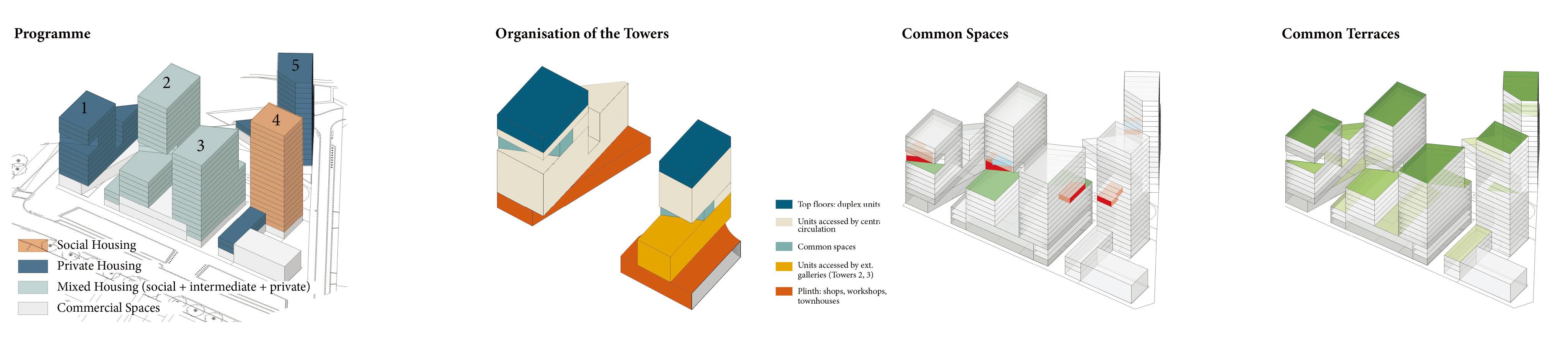
START-Ivry emerged through the Inverse Method, a pioneering process devised by the municipal land developer and refined with the architect. Unlike conventional practice, the architect was selected first, based on methodology rather than renderings, and developers competed afterwards. Monthly workshops over eight months brought together all stakeholders — land manager, architect, municipality, urban planners, developers, contractors and consultants — to address design, construction, management and lifestyles collectively. The winning developer aligned with the architect’s project, ensuring continuity and safeguarding design principles. This process made START possible. Ivry sur Seine, with its legacy of visionary housing by Jean Renaudie and Renée Gailhoustet, provided fertile ground for experimentation.
Ivry sur Seine implements a price regulation policy through “controlled prices”, allowing a broad range of households to access high quality housing in an otherwise inaccessible market. START continues this tradition dating back to the 1920s, proposing new solutions through adaptable plans and innovative production methods. Delivered between 2015 and 2025, the project has already won multiple international awards, from Batiactu Reader’s Award to LOOP Design Awards and AZ Awards. Designed by Beatriz Ramo and STAR strategies + architecture, START Ivry materialises nearly a decade of housing research, resisting standardisation and offering resilient social structures. It stands as both manifesto and demonstration: proof that housing can adapt to life, shaping a new cycle of experimentation in Greater Paris.
https://st-ar.nl

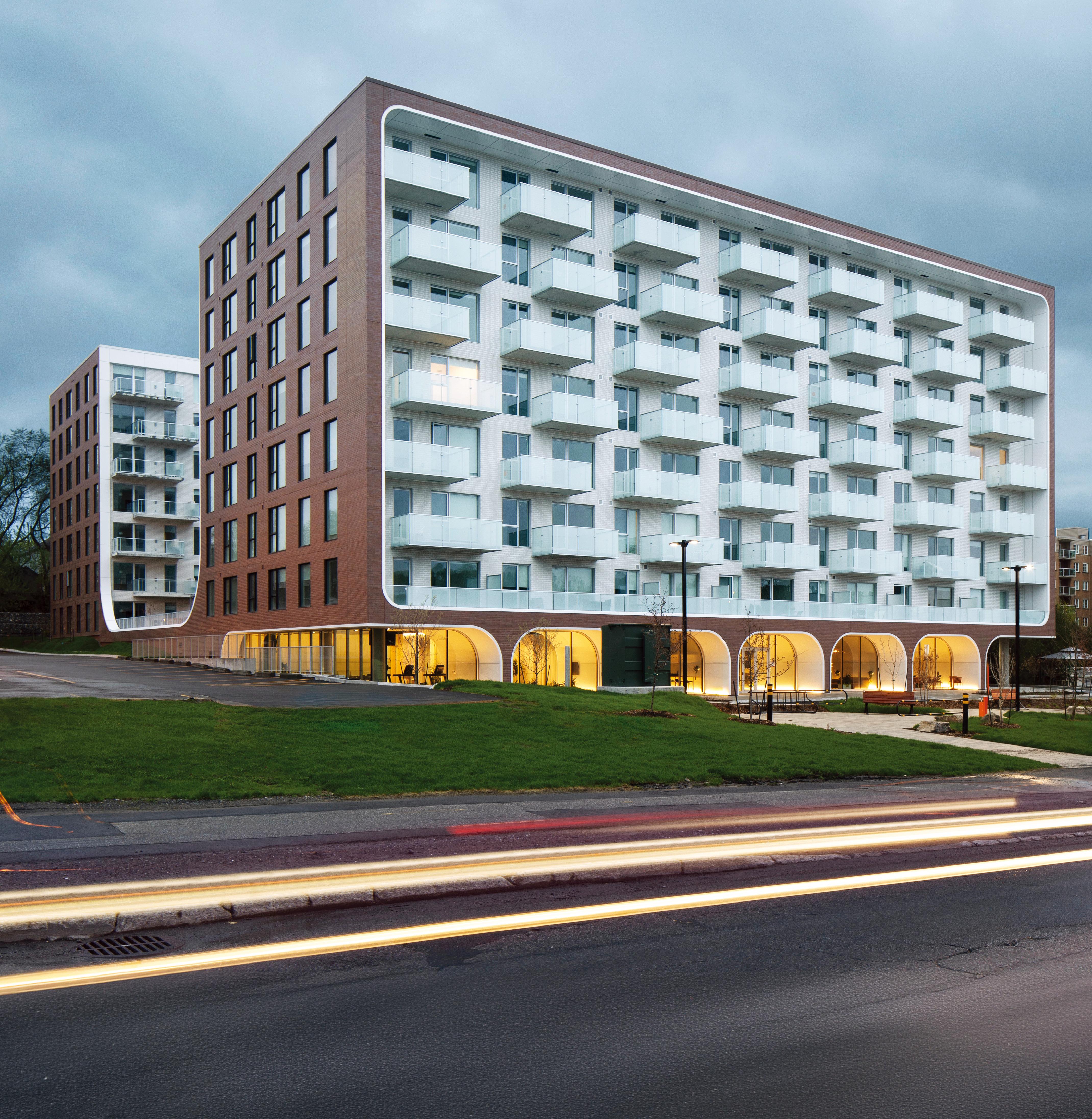
In Gatineau, Canada, ACDF Architecture and developer Maître Carré have delivered a project that redefines the balance between efficiency, aesthetics and community.
MELLEM Les Trembles, comprising 189 rental units ranging from studios to fivebedroom apartments, is conceived as more than housing. It is a deliberate architectural gesture towards collective living, where shared spaces and urban context take precedence over individual isolation.
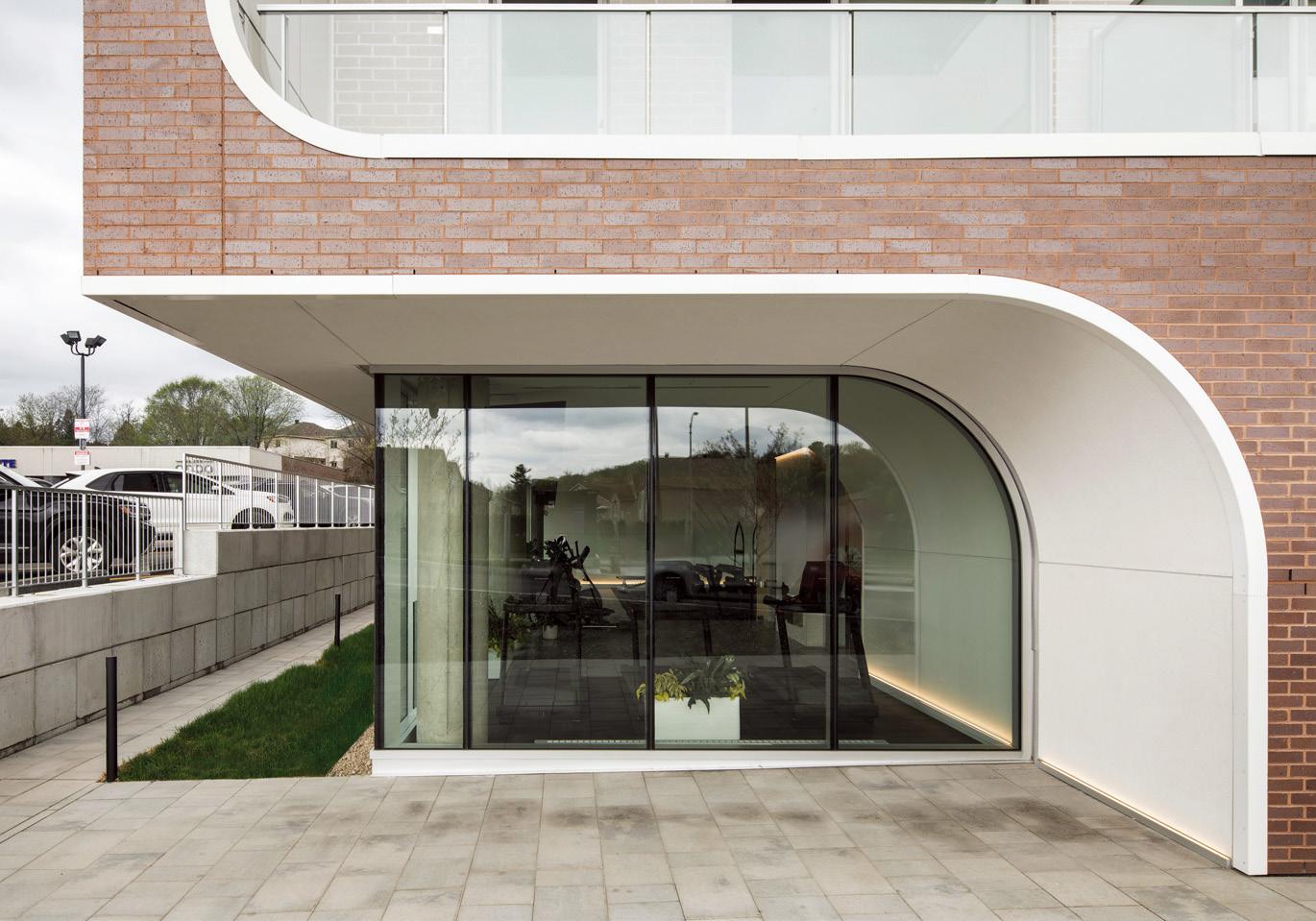
The ground floor is the project’s social anchor. By situating most communal areas at street level, the design engages directly with the city, creating a threshold between private and public life. This decision reflects a philosophy of “we” over “I”, positioning architecture as a catalyst for connection. The defining feature — a series of arches — embodies rootedness and permanence. Monumental from the outside yet humanscaled within, they frame a lively, welcoming environment that fosters belonging.
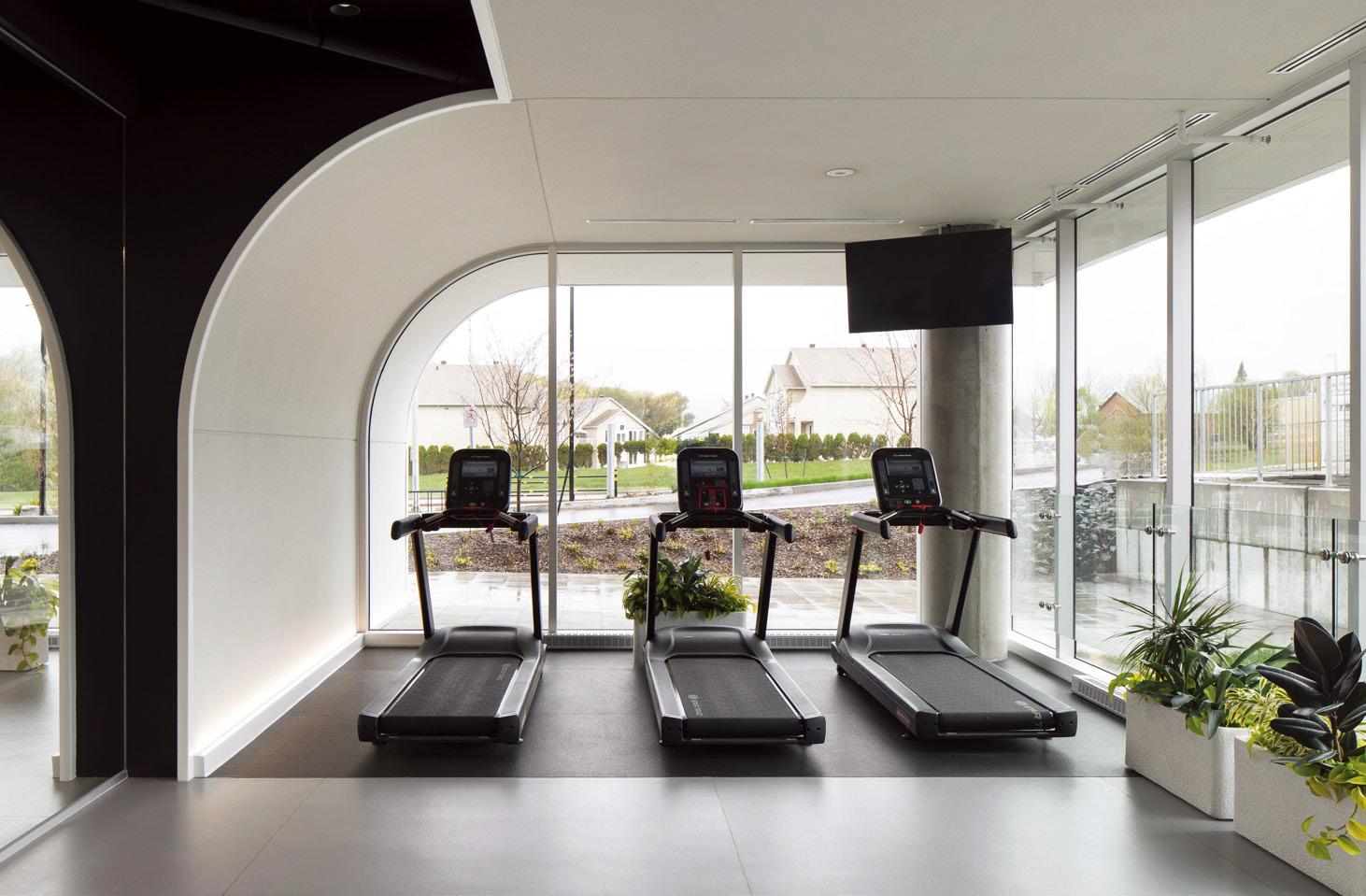
Christelle MonteuilJeanPois, Associate Architect at ACDF, describes the approach as “quiet elegance”: a reinterpretation of the classical colonnade that asserts presence without dominance. The arches extend into the building’s interior, shaping thematic zones along a longitudinal promenade that links coworking spaces, a communal kitchen and a gym.
This continuity reinforces the idea of architecture as connective tissue, binding residents together through shared experience.
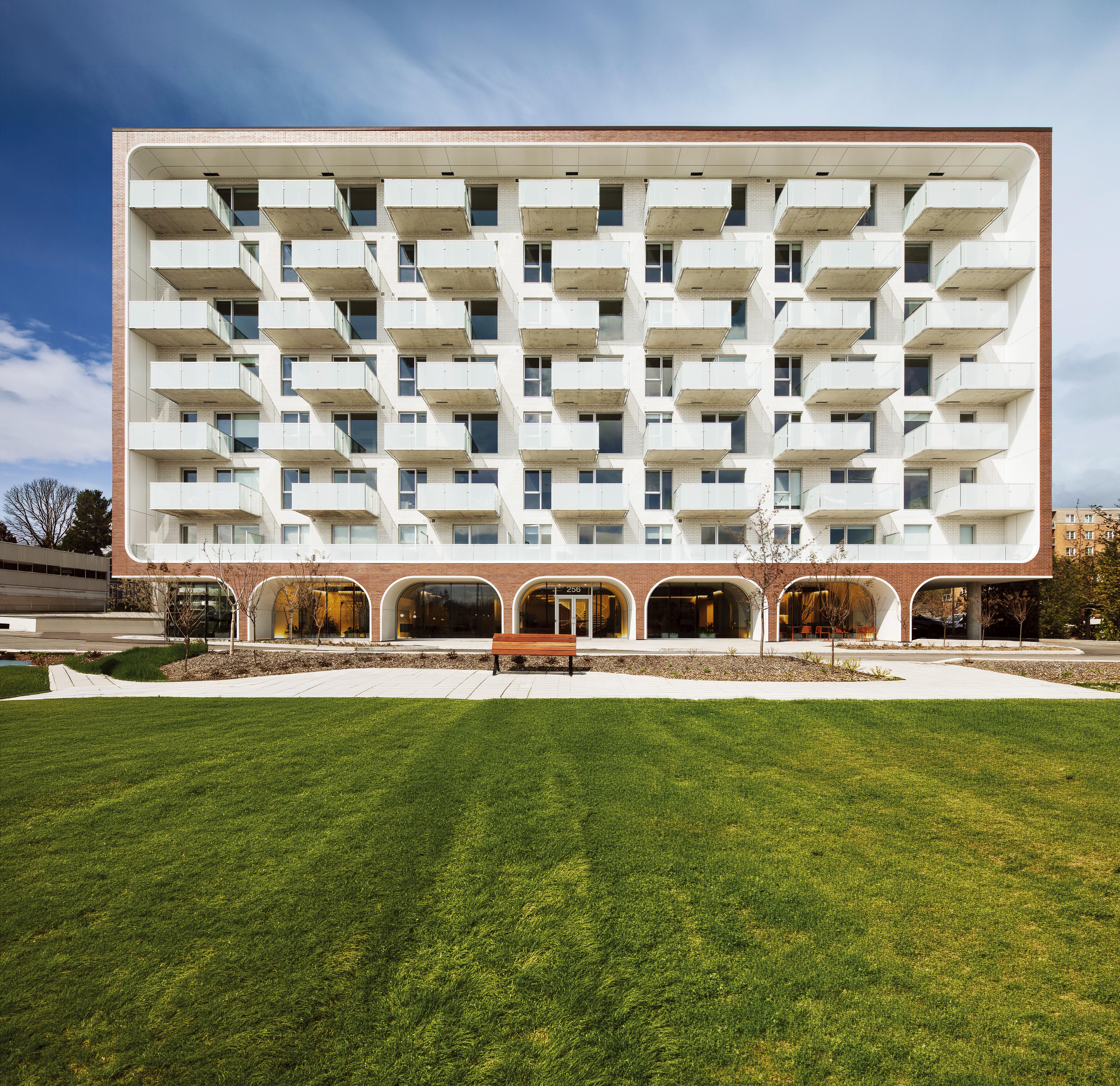
The project’s success rests on its ability to integrate architecture, community and sustainability into a coherent vision. By privileging common areas, embracing sustainable mobility and crafting a distinctive yet restrained architectural language, ACDF and Maître Carré have created a model for contemporary urban living.
MELLEM Les Trembles is not about grand gestures or iconic statements. Instead, it is about measured design that resonates with residents and the city alike. It offers a collective habitat that is expressive yet sober, efficient yet generous, rooted yet forwardlooking.
In Gatineau’s evolving urban landscape, it stands as a reminder that architecture can be both pragmatic and poetic, delivering spaces that nurture community while respecting context.
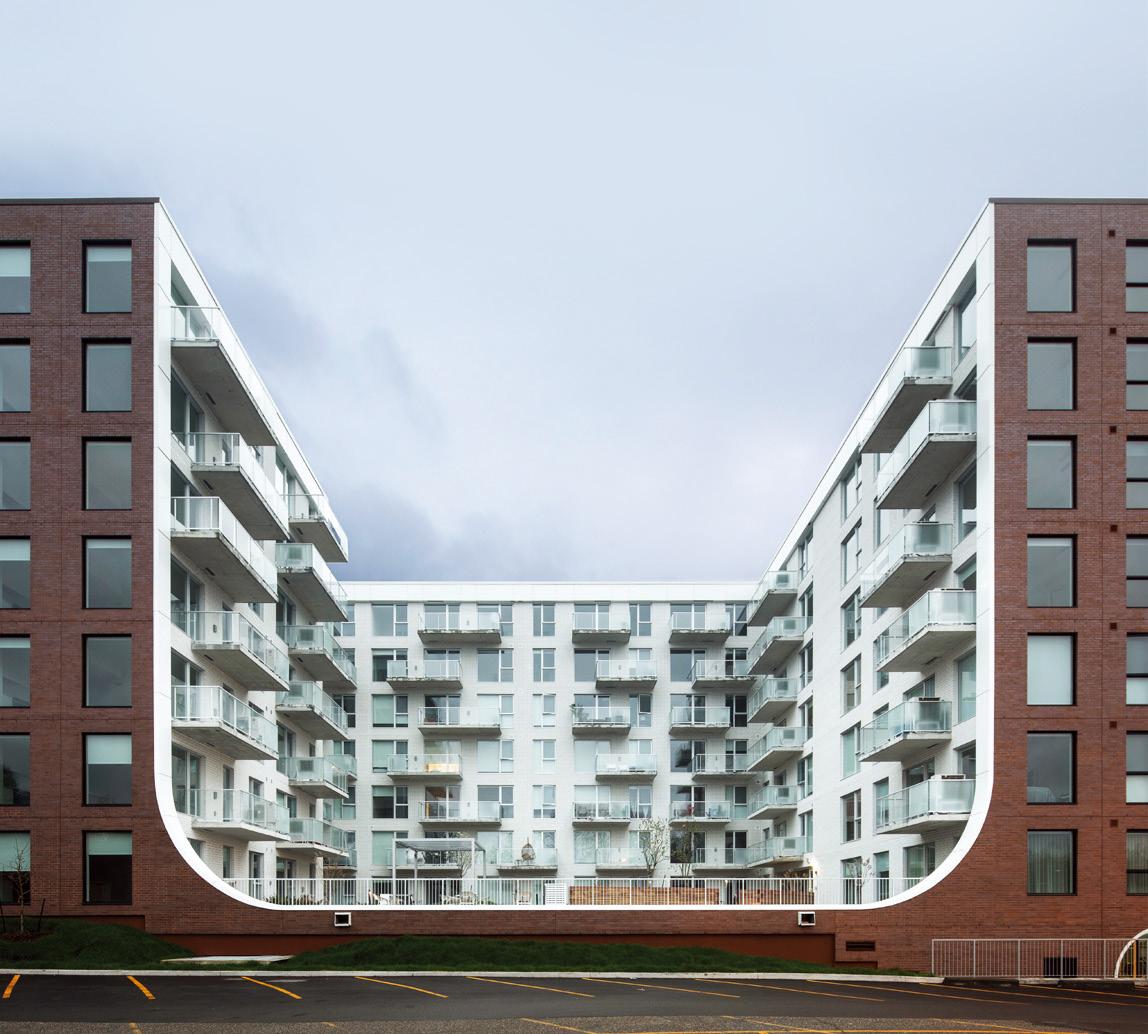
The project’s architectural language is defined by flowing curves, staggered balconies and a refined interplay of red and white brick. These elements stitch together the building’s silhouette, offering both urban presence and intimacy at street level. Perpendicular wall projections add depth and shadow, giving façades a painterly quality that resonates across the neighbourhood.
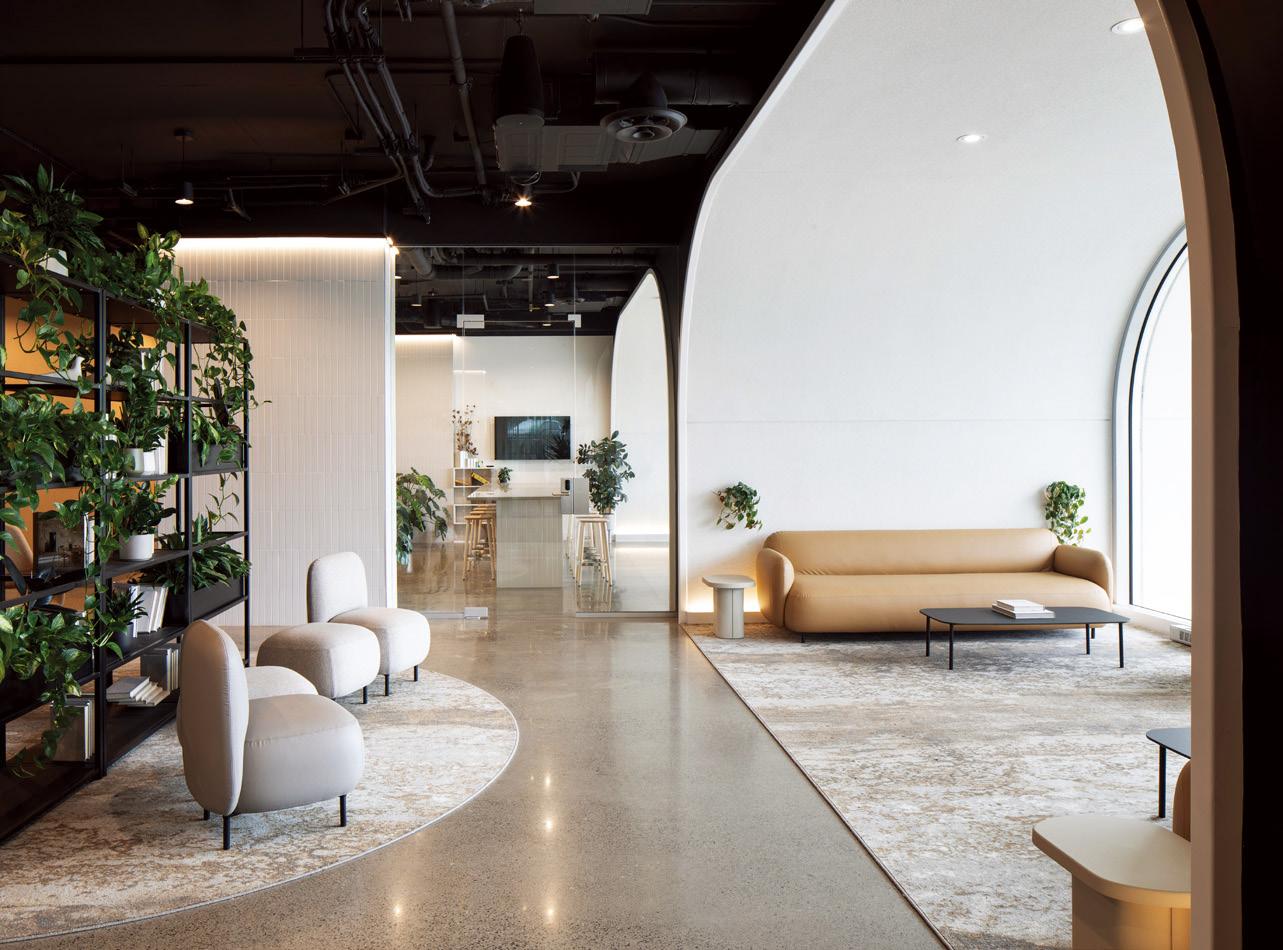
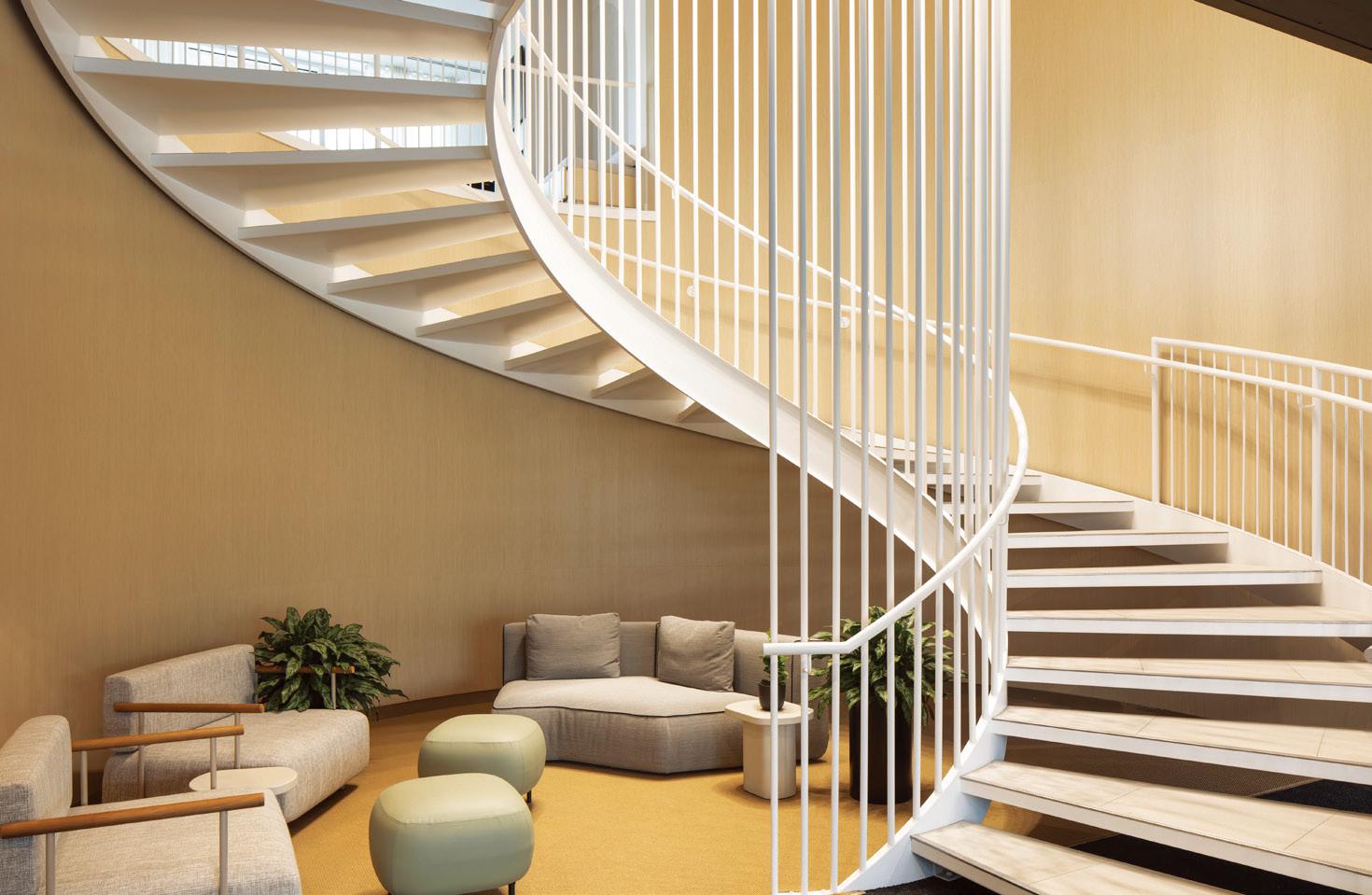
Inside, the design balances frugality with warmth. Light-toned walls amplify natural illumination, while a dark ceiling absorbs technical elements, ensuring efficiency without compromising atmosphere. A grand staircase leads to a lounge and landscaped courtyard, reinforcing the project’s layered spatial experience.
Sustainability is embedded in the scheme. The lower level accommodates 375 bicycle spaces and 20 electric vehicle charging stations, promoting active and responsible mobility. This infrastructure reflects the developer’s vision of collective, adaptable, environmentally conscious living. The C-shaped configuration, centred on a westfacing garden, optimises density without resorting to excessive height. It demonstrates that financial viability and architectural quality can coexist, enabling reinvestment in durable materials and shared amenities.
MonteuilJeanPois emphasises that the achievement lies in balance: efficiency paired with aesthetics, humility paired with signature. MELLEM Les Trembles illustrates how density, approached with intelligence, can reduce environmental impact while enhancing urban quality of life.
以靜謐優雅重塑集體生活

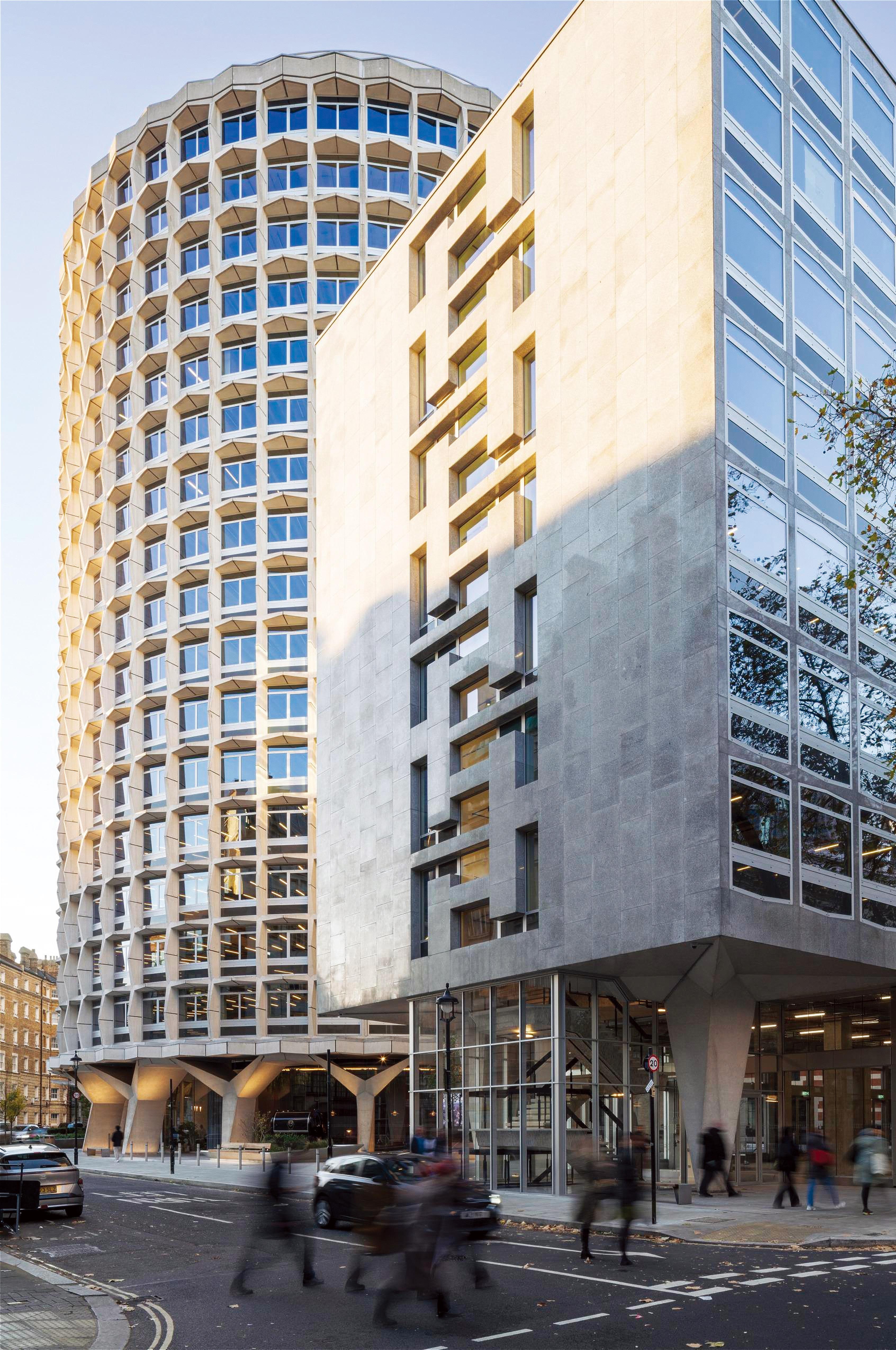
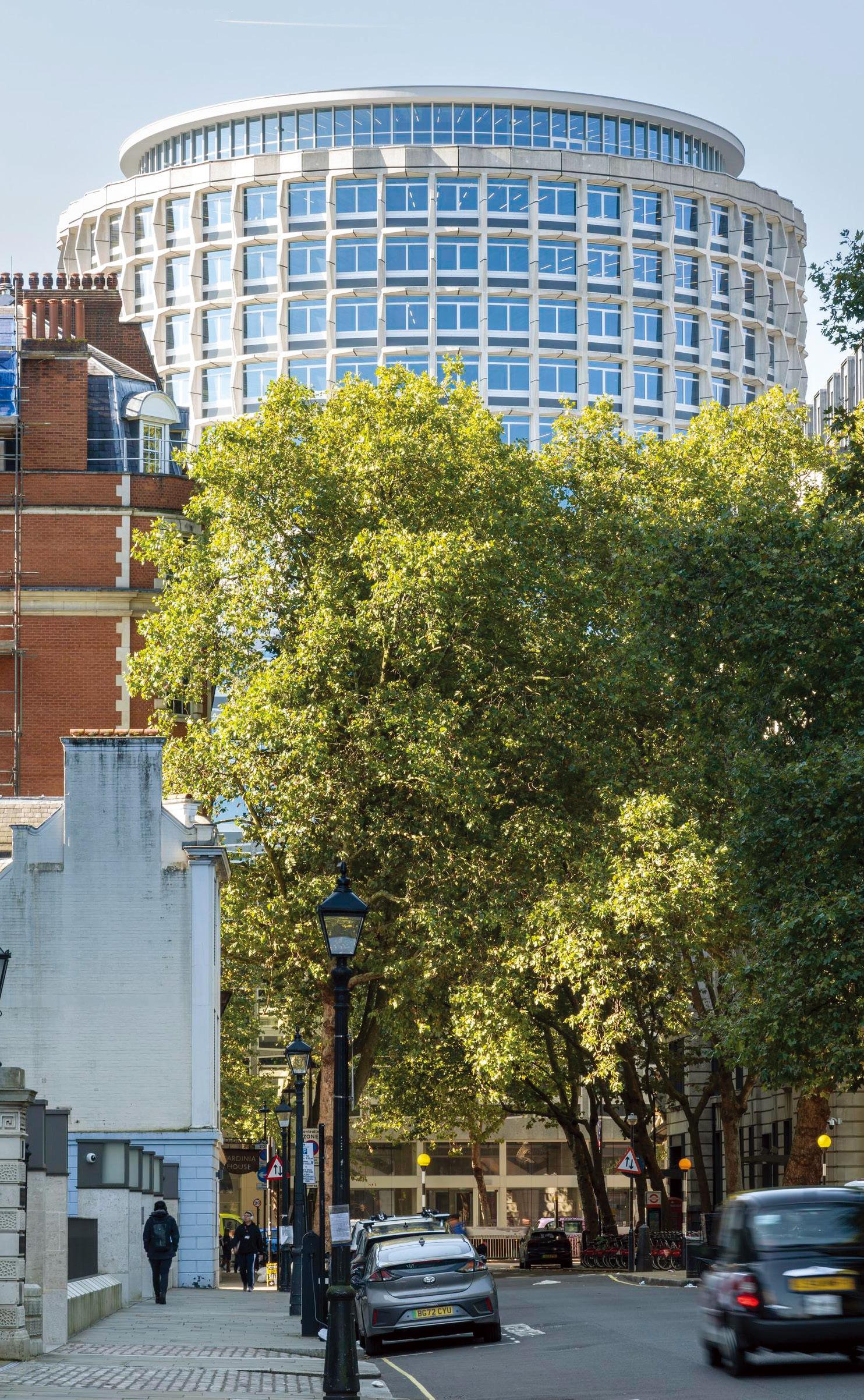
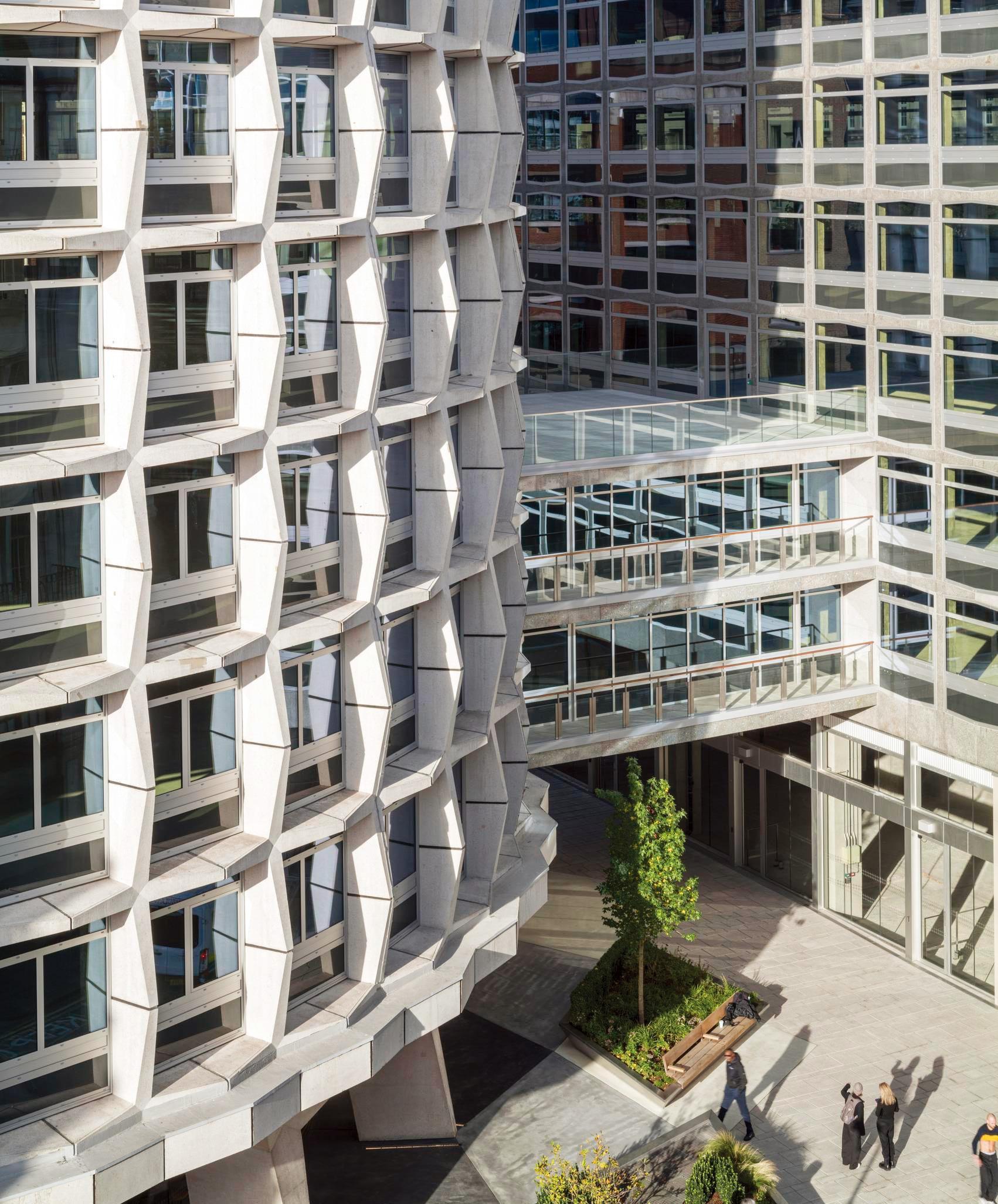
In Covent Garden, London, Squire & Partners has delivered a sensitive yet ambitious retrofit of Space House, the Grade IIlisted Brutalist icon originally designed by Richard Seifert and Partners in 1968.
Commissioned by Seaforth Land and QuadReal, the project revitalises the cylindrical tower and rectilinear block, stripping away decades of interventions to reveal their bold geometry while integrating contemporary extensions and sustainable systems.
The retrofit provides almost 24,000 square metres of high quality workspace, flexible retail at ground level and an enhanced public realm. Two additional floors extend the tower, reinstating Seifert’s original intent for a clean setback top floor, while creating a 334 square metre roof terrace. The block gains a new eighth floor with meeting rooms and a Club House, complete with bar and a 465 square metre terrace accessible to all tenants. Together, these additions respect the building’s character while adapting it for modern use.
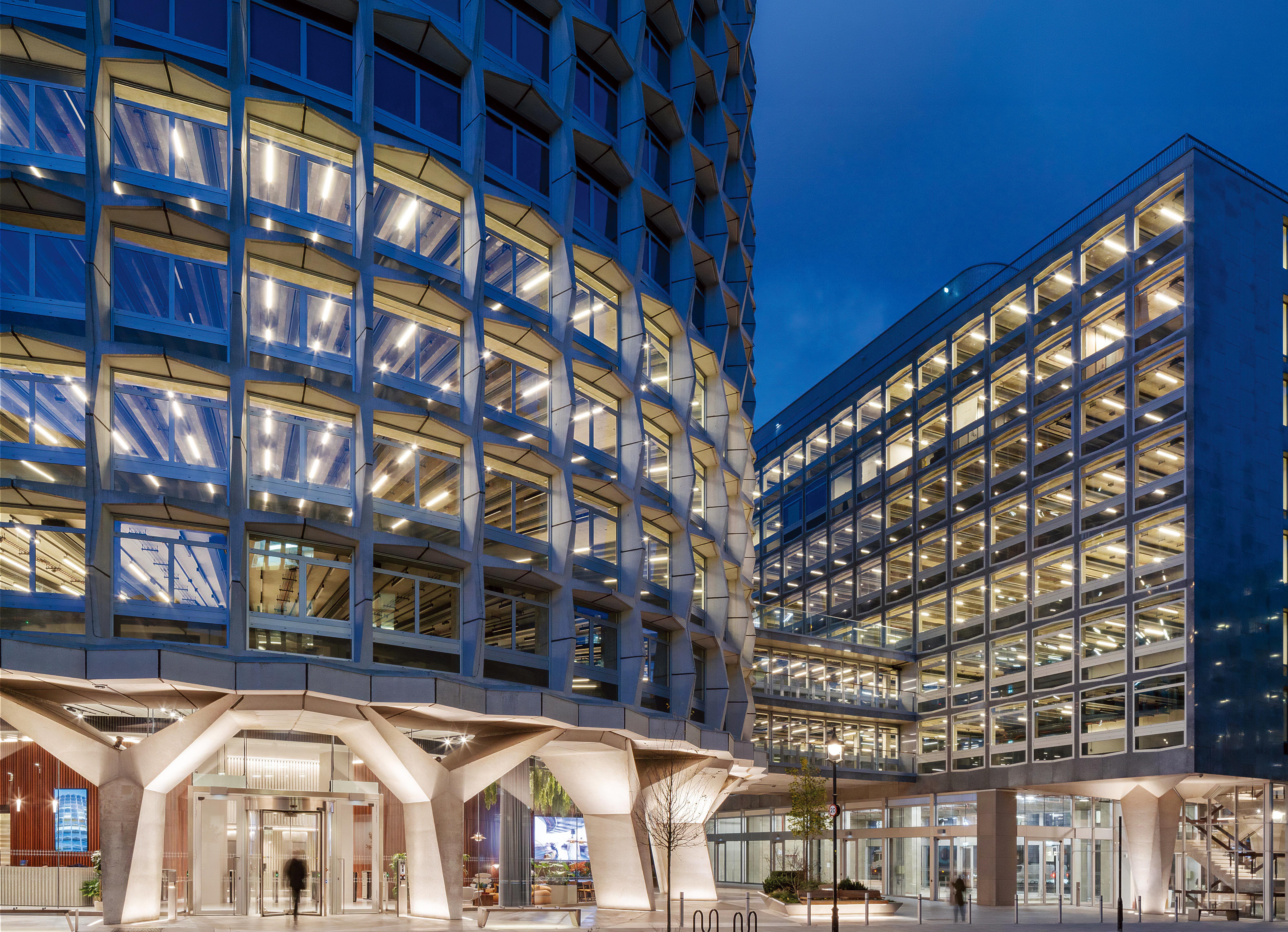
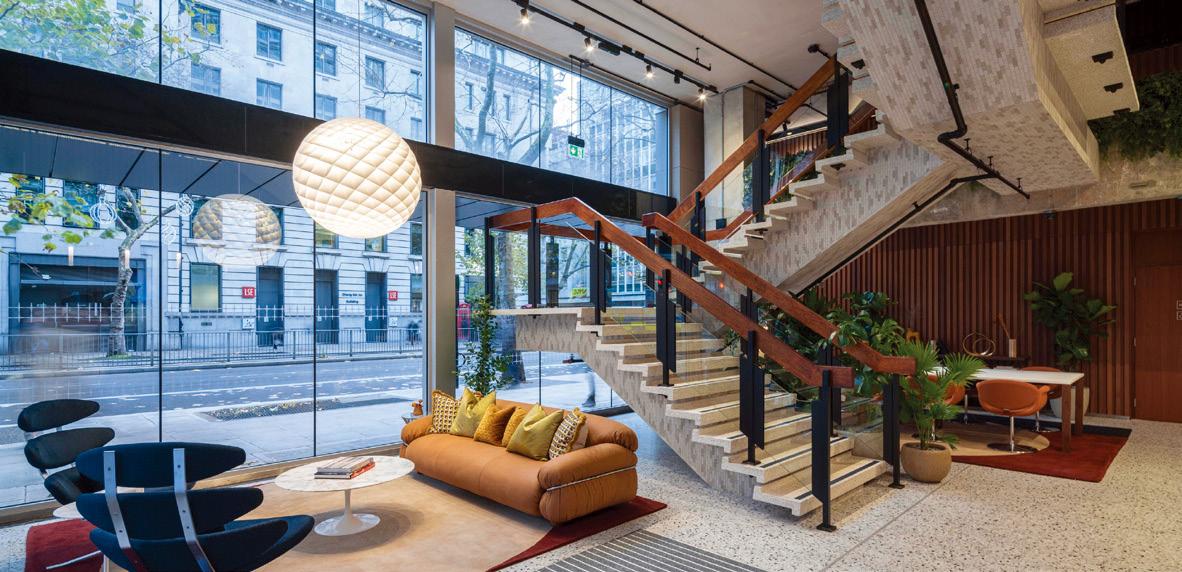
Inside, the tower’s circular, columnfree floorplates are flooded with natural light, offering unobstructed 360 degree views across London. The block provides eight levels of workspace, linked by a sky bridge that creates contiguous office floors and a garden terrace. Egalitarian layouts with long sightlines encourage collaboration, while loftstyle interiors combine polished concrete floors with terrazzo finishes.
Original mosaic tiling in stair cores has been retained, reinforcing continuity between past and present.
Space House is now the largest Grade II listed building in the United Kingdom to achieve BREEAM ‘Outstanding’. Its deep façade articulation provides passive shading, while dilapidated envelope elements have been replaced to meet modern standards. Air source heat pumps and bespoke chilled beams integrate seamlessly within the radial ceiling coffers, delivering efficient heating and cooling. Fitwel 2star and Wired Score Platinum certifications underline the building’s digital and environmental performance.
Originally conceived in an era dominated by the automobile, the retrofit reinterprets carcentric infrastructure for contemporary mobility. One basement ramp has been retained to provide cycle access, leading to end of journey facilities with storage for 600 bikes, showers, lockers and drying rooms. The former car park has been transformed into expansive cycle storage, while a void punctures the basement to create over 1,500 square metres of flexible doubleheight event space.
At street level, the public realm has been reenergised. The former private car park has been opened up, linking retail uses across the two buildings. A petrol station canopy at the tower base has been enclosed to form The Filling Station café, activating the ground floor and inviting public use. These interventions ensure that Space House contributes actively to Covent Garden’s urban life, rather than standing apart from it.
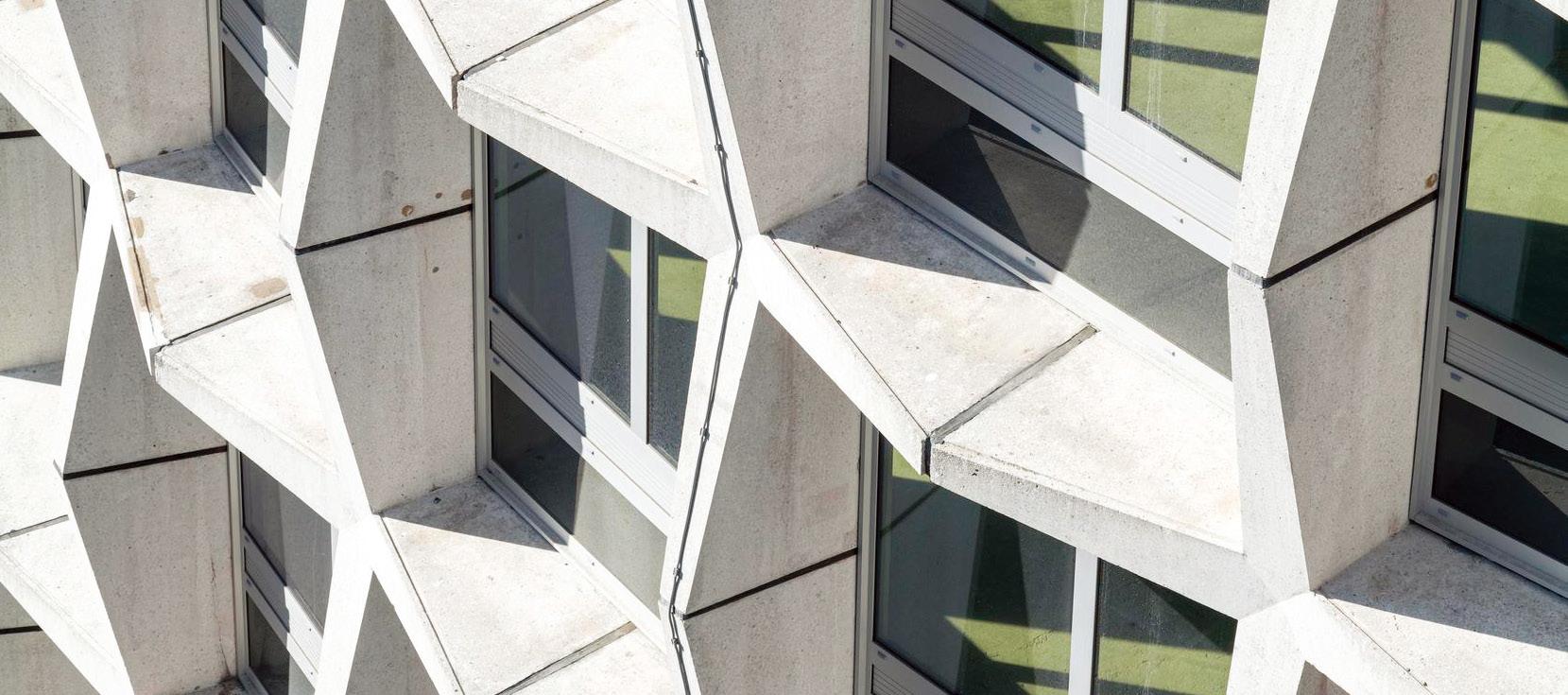
The retrofit celebrates Seifert’s original vision while positioning Space House as a model for sustainable workplace design. The cylindrical tower’s honeycomb façade and the block’s horizontal glazing bands have been restored, their Brutalist clarity enhanced by modern glazing and rooftop extensions. The result is a building that respects heritage while embracing contemporary demands.
Squire & Partners’ approach demonstrates how retrofit can extend the life of midcentury icons, aligning them with the needs of today’s occupiers. Bright, generous and democratic spaces replace outdated layouts, while sustainable systems ensure environmental responsibility. The project proves that Brutalist architecture, often maligned, can be reinterpreted with sensitivity to deliver relevance and longevity.
Space House now stands as both cultural heritage and contemporary workplace. Its purposeful massing and articulated façade remain intact, but its interiors, public realm, and environmental systems have been transformed. In doing so, the retrofit sets a benchmark for how London’s architectural legacy can be preserved and renewed, ensuring that iconic structures continue to serve the city for generations to come.

The intersection of art and artificial wisdom
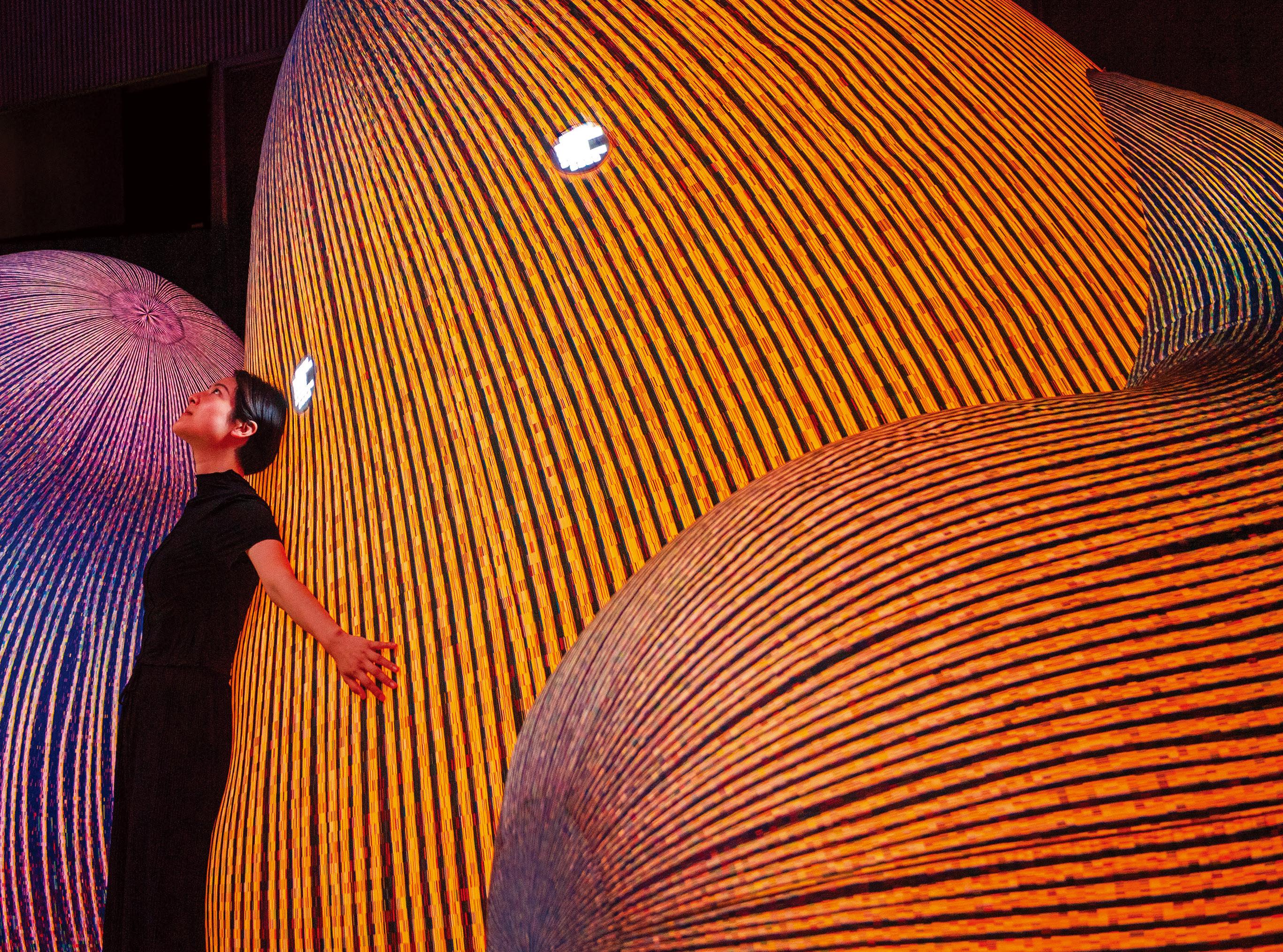
Melbourne-based art and technology studio ENESS has unveiled Modern Guru and the Path to Artificial Happiness, a large-scale inflatable installation that explores the uneasy relationship between human creativity and artificial intelligence.
The work questions whether AI-generated outcomes can ever resonate with the same authenticity as human artistry, while offering audiences a surreal, siteresponsive journey into modern paths to happiness.
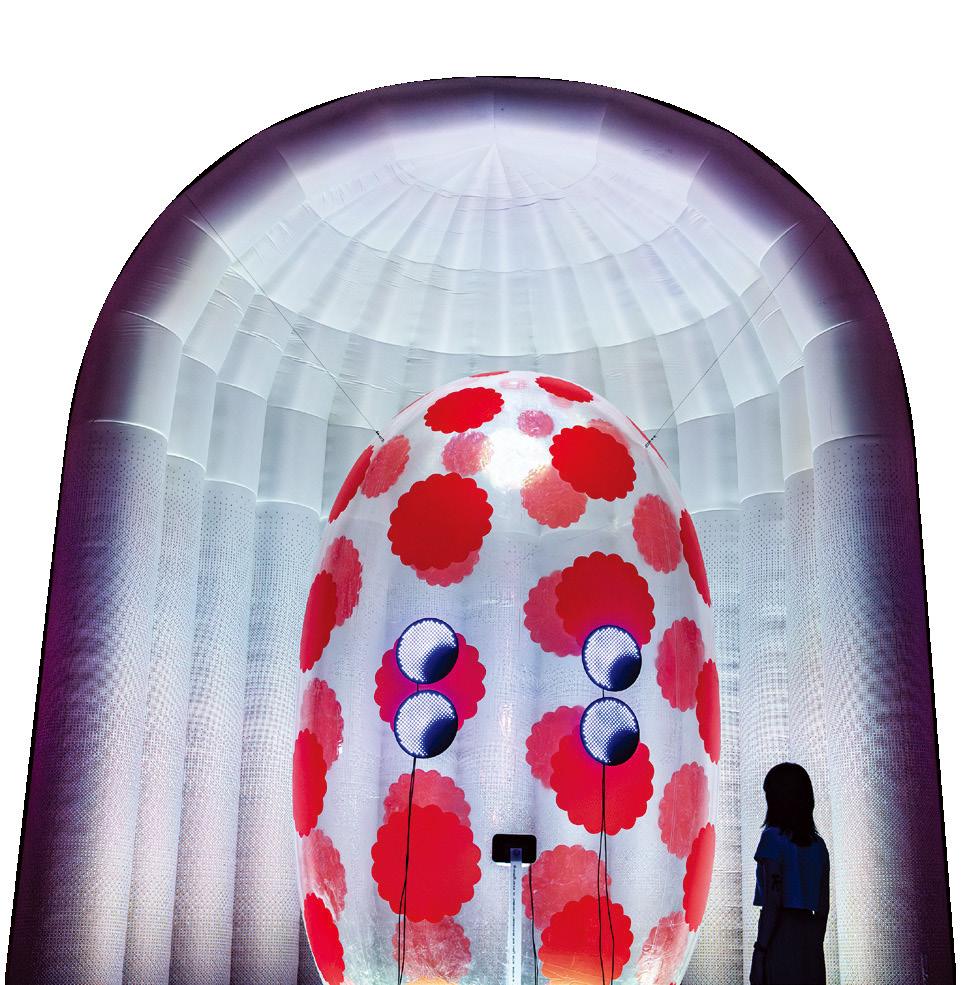
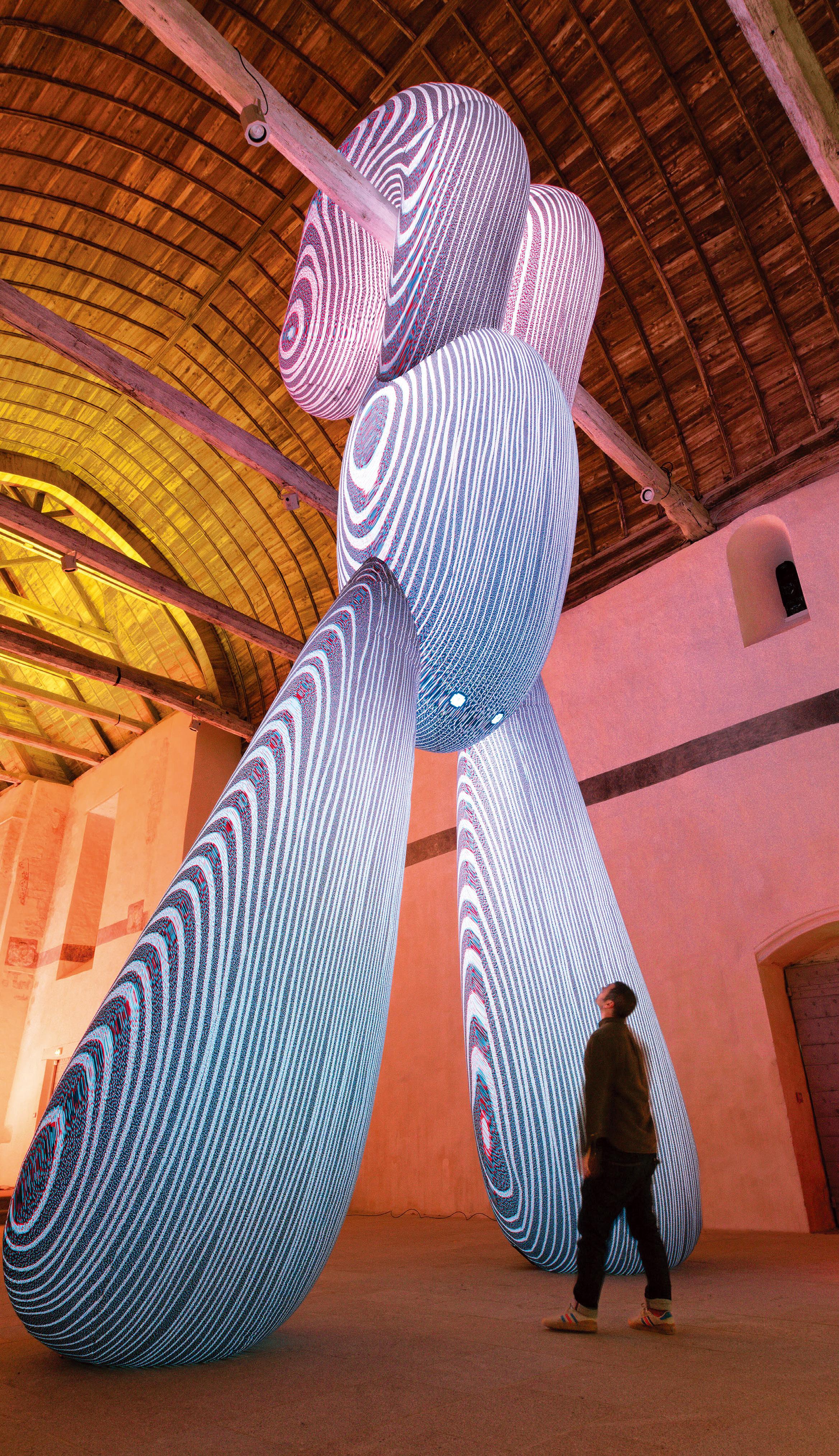
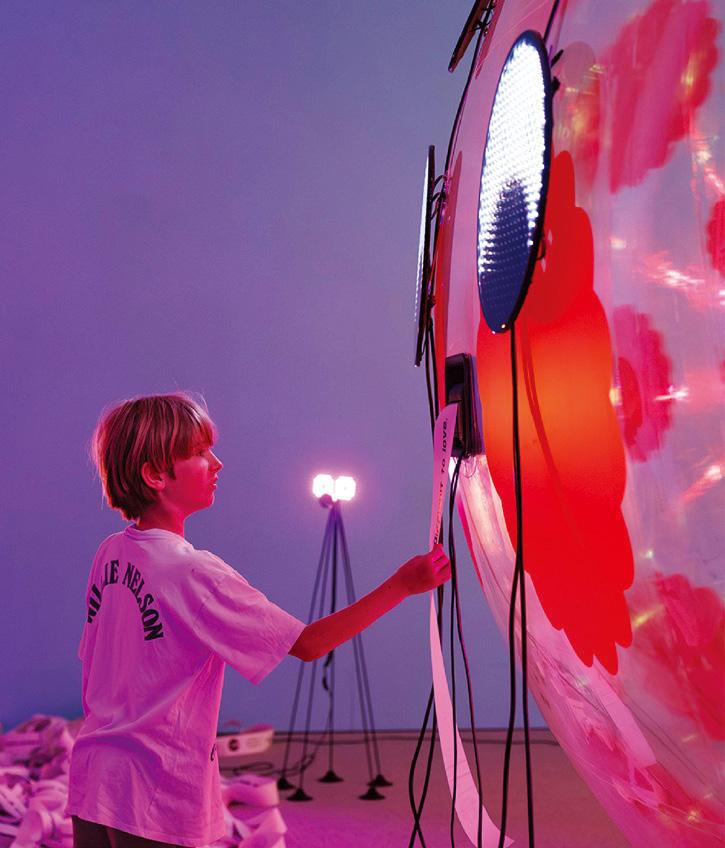
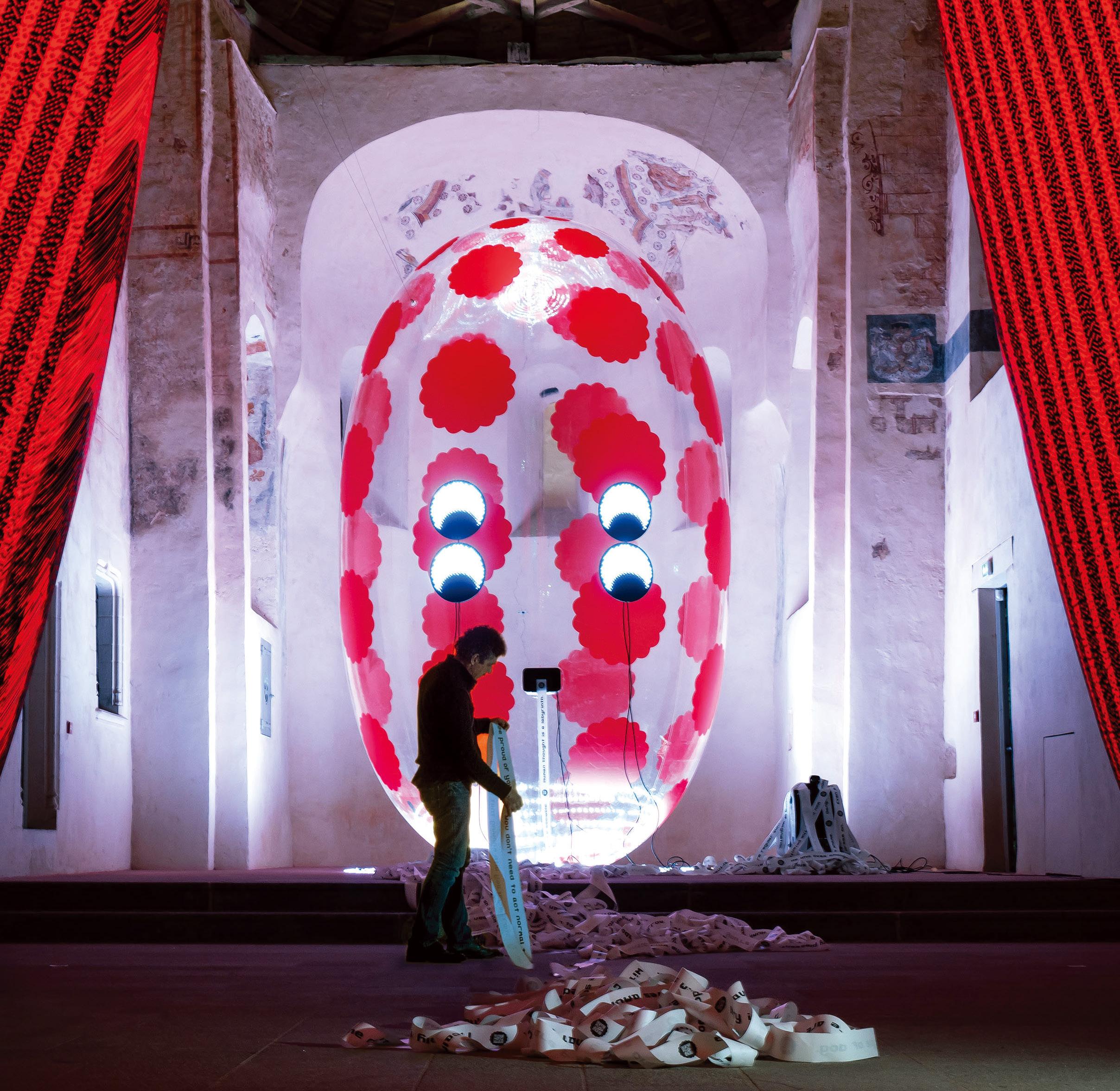
At the heart of the exhibition is Modern Guru, a translucent ovoid with four oversized digital eyes, floating above a ceremonial ring of LEDs. From his mouth spools absurdist AIgenerated messages, printed in real time, delivered only when visitors take his photo. This playful mechanism highlights the tension between living in the moment and documenting it, while raising questions about wisdom, spirituality and the role of AI in shaping human experience.
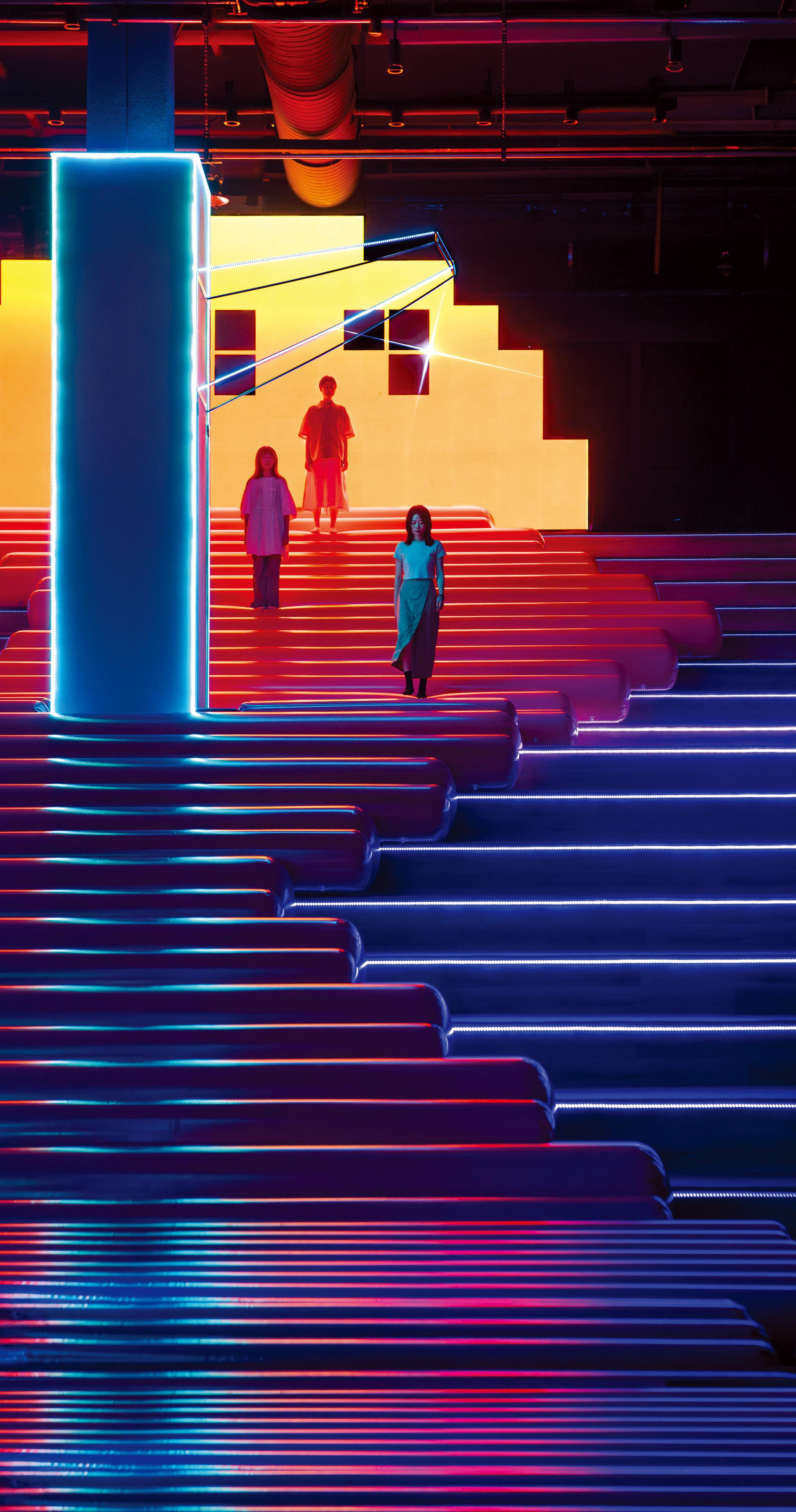
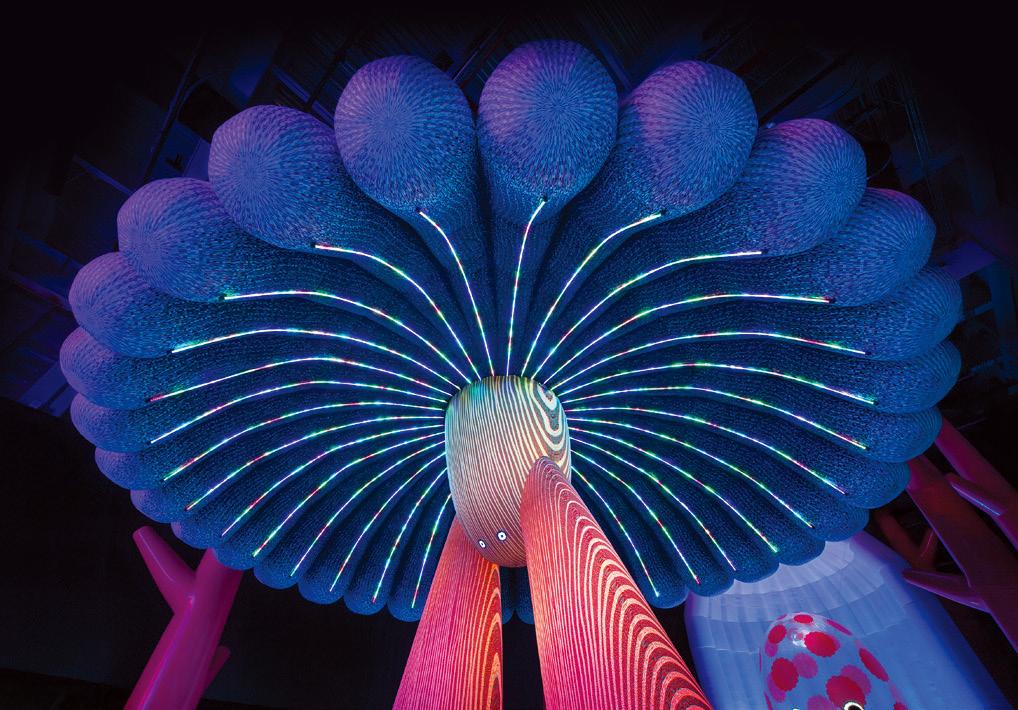
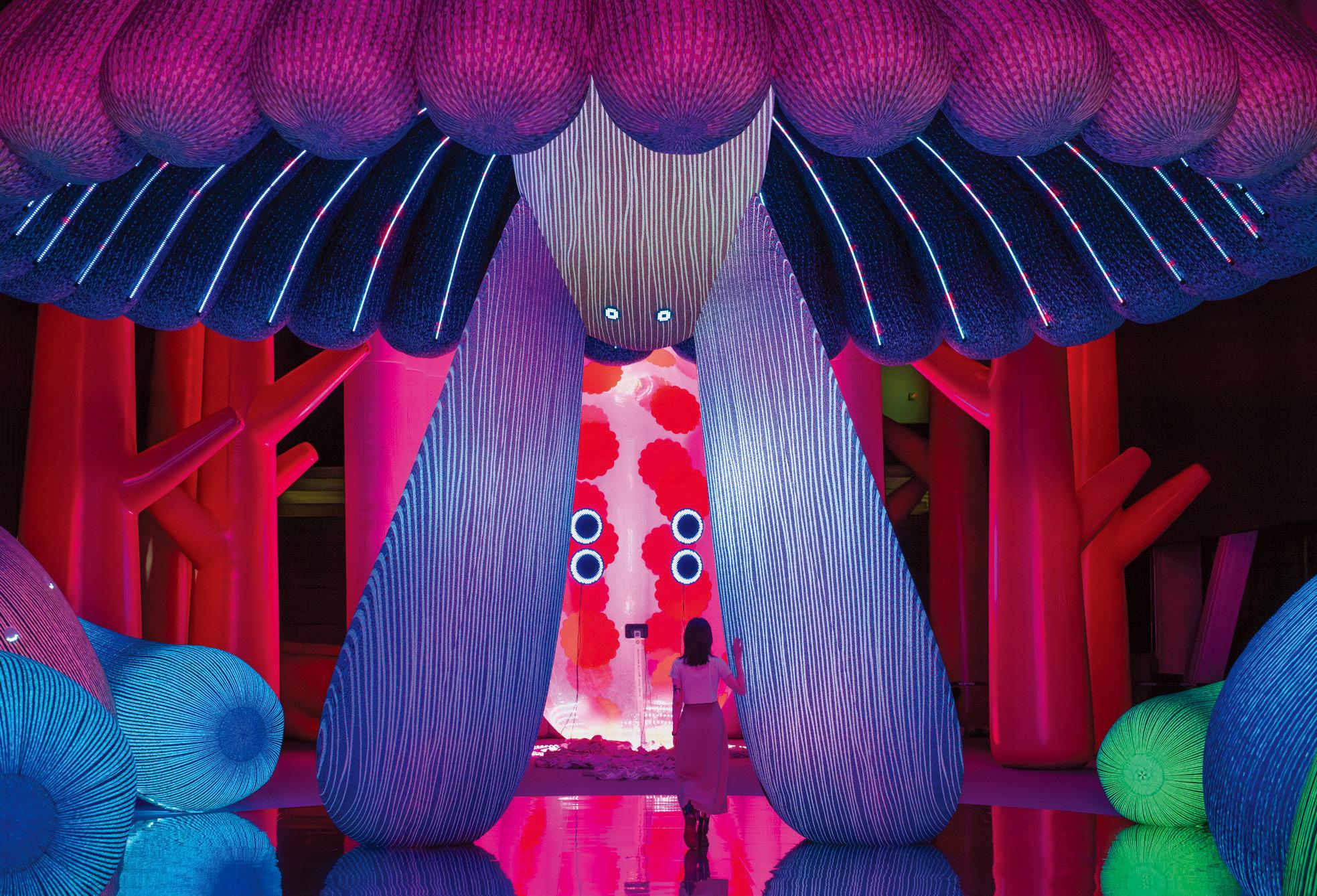
The installation unfolds across immersive environments such as the Glitchy Wood, where fractured digital trunks and chanting stick insects guard the Guru, and the Wayward Forest, a cluster of denuded trees symbolising AI’s indifference to sentience. Other monumental characters include the Forest Dancer, a 10-metre figure whose LED-adorned skirt responds to visitor movement with chimes and colour shifts, and the Sun God, accessed via a dramatic flight of inflatable steps.
Each iteration of Modern Guru adapts to its cultural context. Since its debut in France, the exhibition has expanded to Taiwan, Thailand and beyond, incorporating narration, AI-driven games and localised soundtracks. Quotes generated by AI are translated into the language of each host country, ensuring accessibility while reframing the narrative for diverse audiences.
在 AI 與人類創造力 之間尋找幸福之路
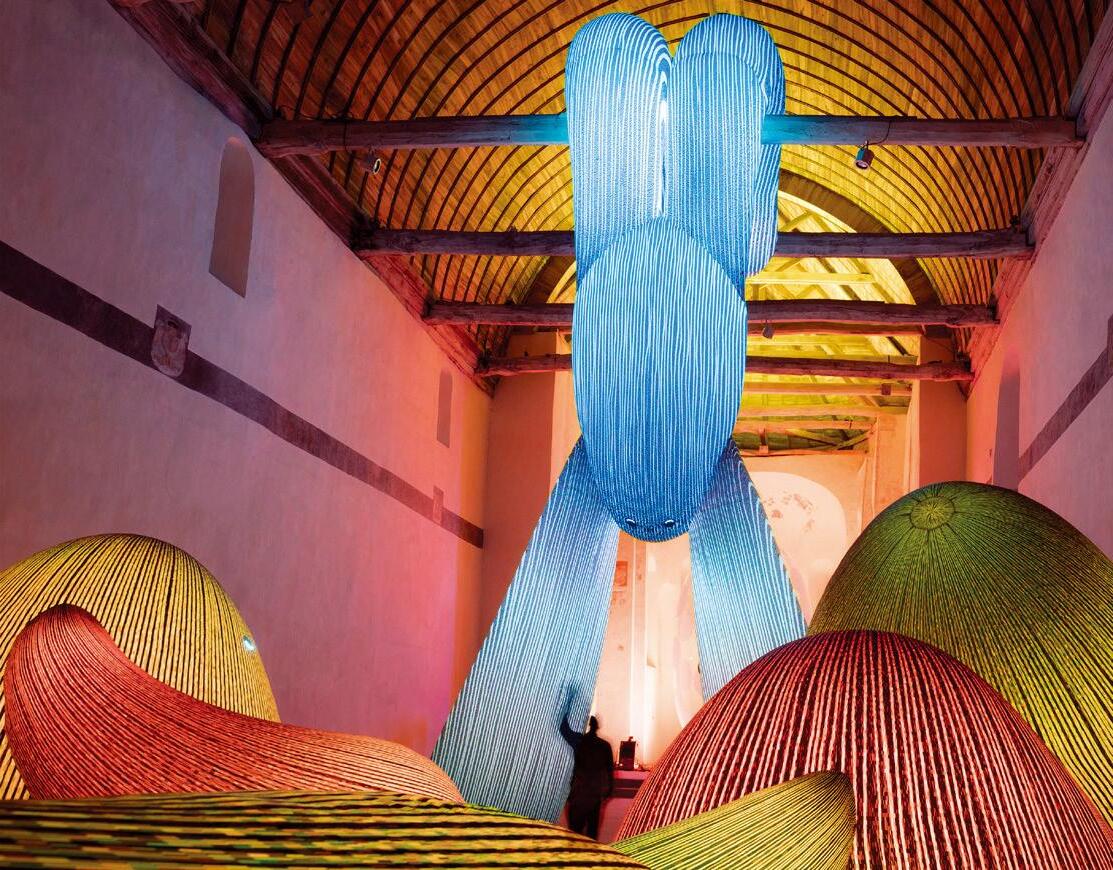
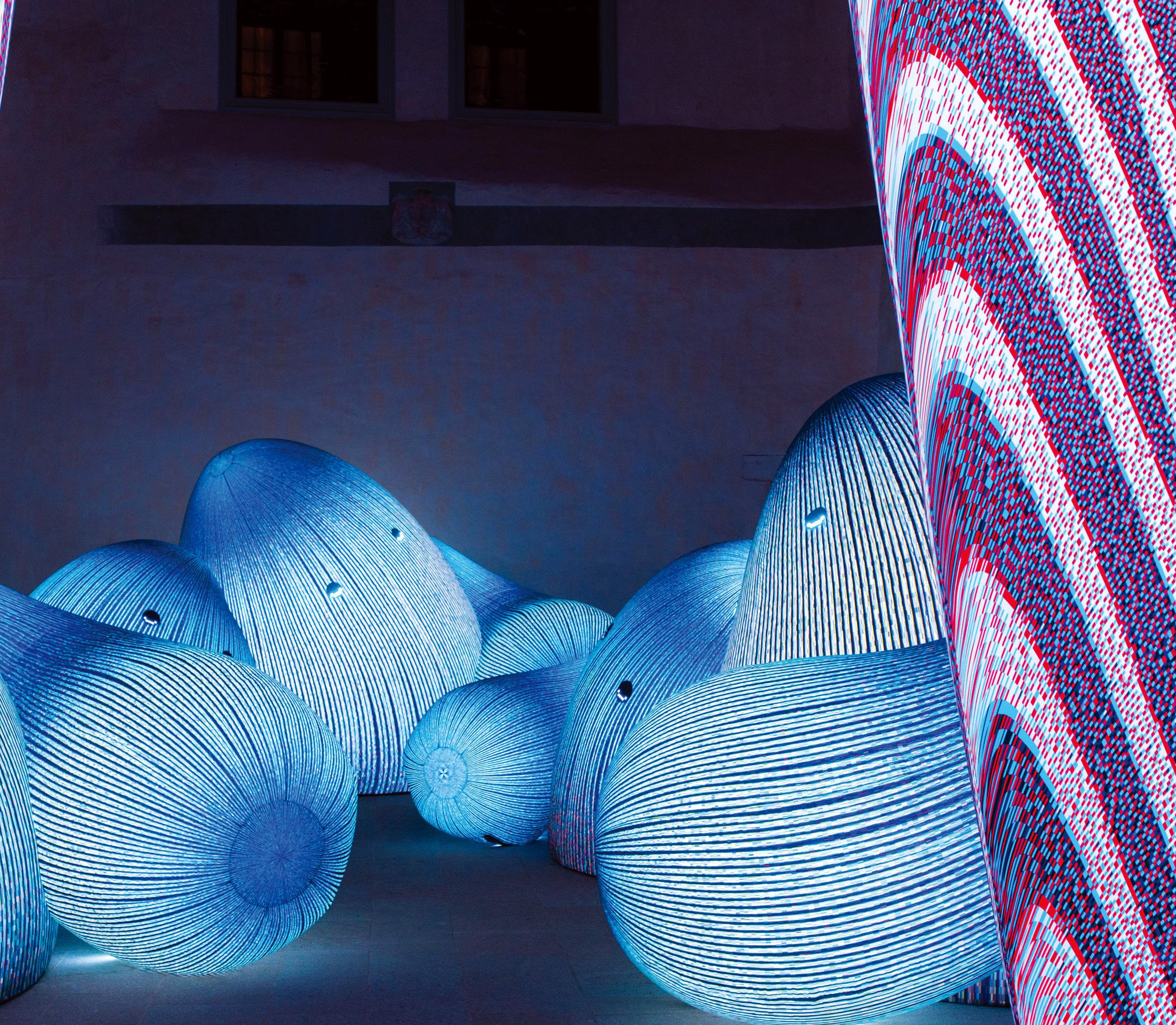
ENESS treats inflatables as a core artistic medium, akin to paint or charcoal. The engineering challenges, air pressure, geometry and motion sensors, are integral to the design, enabling dynamic interactivity such as camera-tracked eyes that follow visitors.
Sustainability is central to the project. The 1000-squaremetre installation is constructed entirely from inflatables to minimise hard materials and reduce transport emissions. Exhibition fabrics are recycled through plastics processors, broken down and returned to raw material for reuse in textiles and packaging. This thoughtful approach ensures that the spectacle of Modern Guru is matched by a commitment to environmental responsibility.
As AI continues to reshape cultural production, Modern Guru and the Path to Artificial Happiness offers a reverent yet critical lens on its impact.
“AI doesn’t care about sentience. To AI, a tree is a form to be manipulated,” explains ENESS founder Nimrod Weis, underscoring the installation’s deeper concerns about technology’s role in human meaning-making.
By blending inflatables, digital systems and absurdist wisdom, ENESS delivers an experience that is both technically ambitious and emotionally resonant.

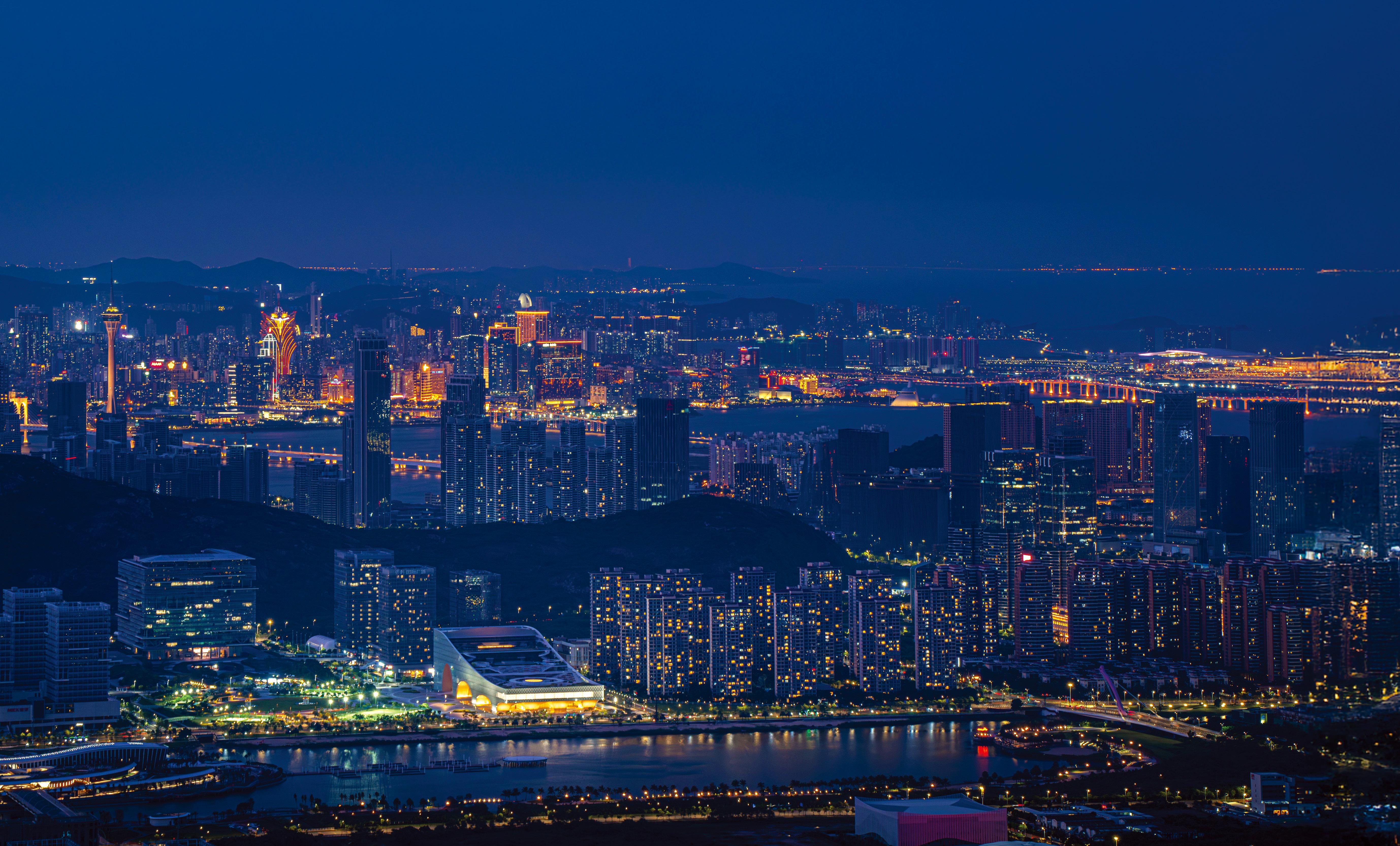
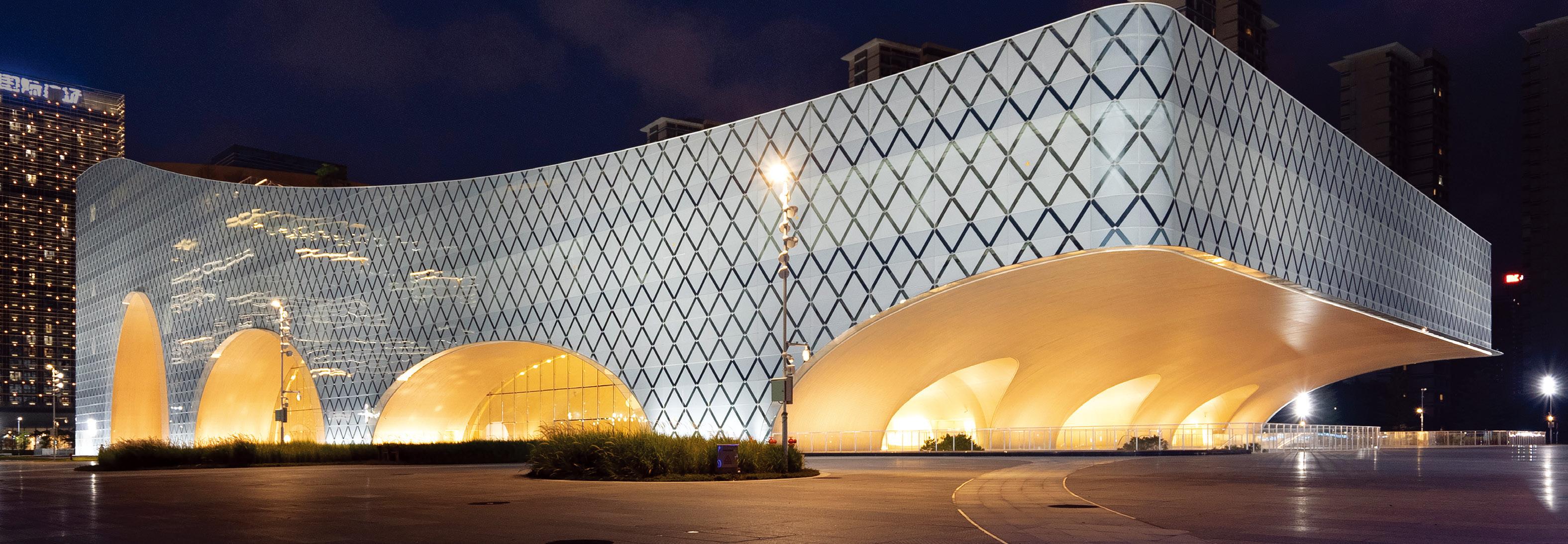

Hengqin Culture & Art Complex redefines civic architecture in the Greater Bay Area with a porous, multi-programmed envelope that speaks to both tradition and transformation.
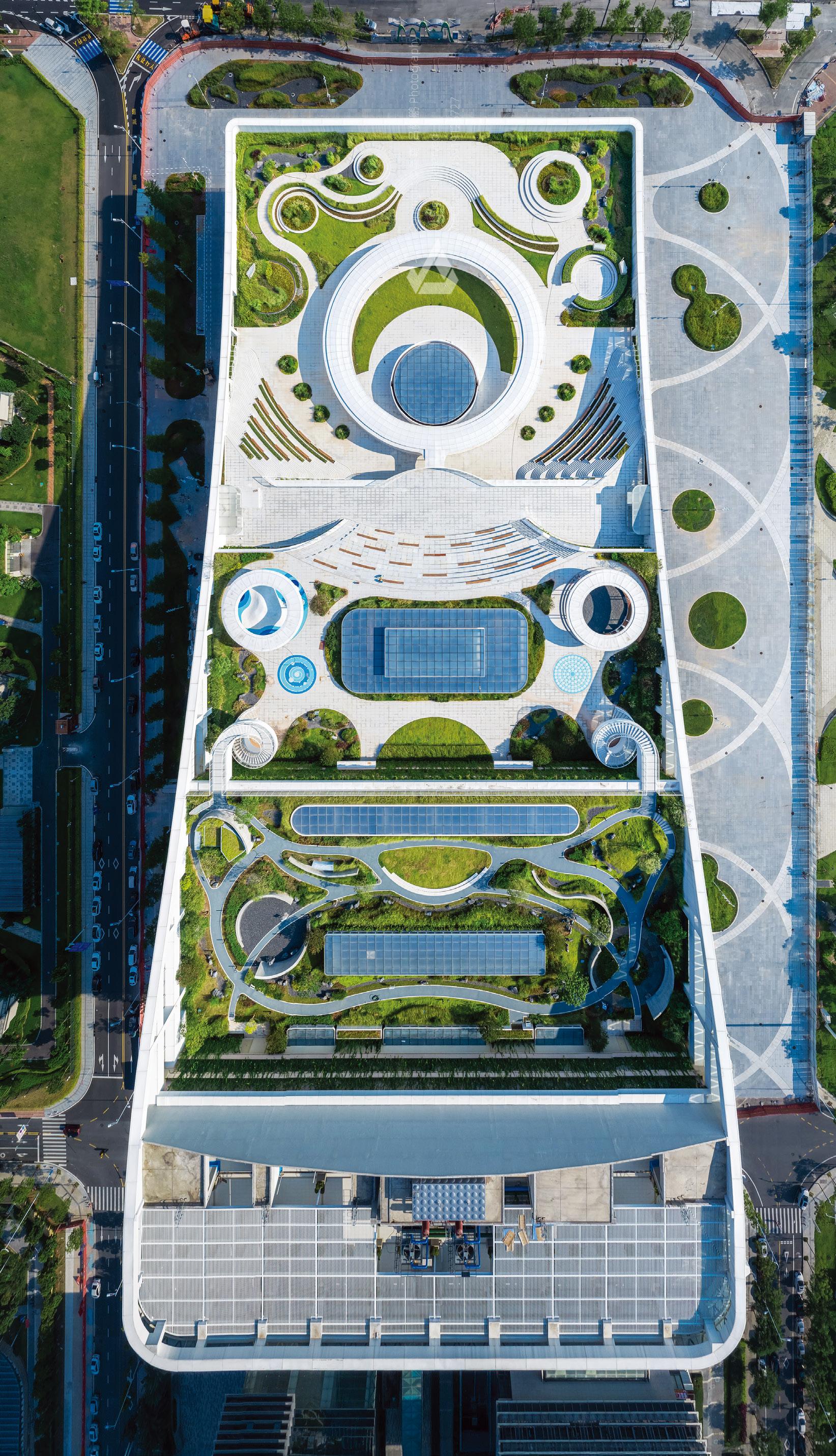
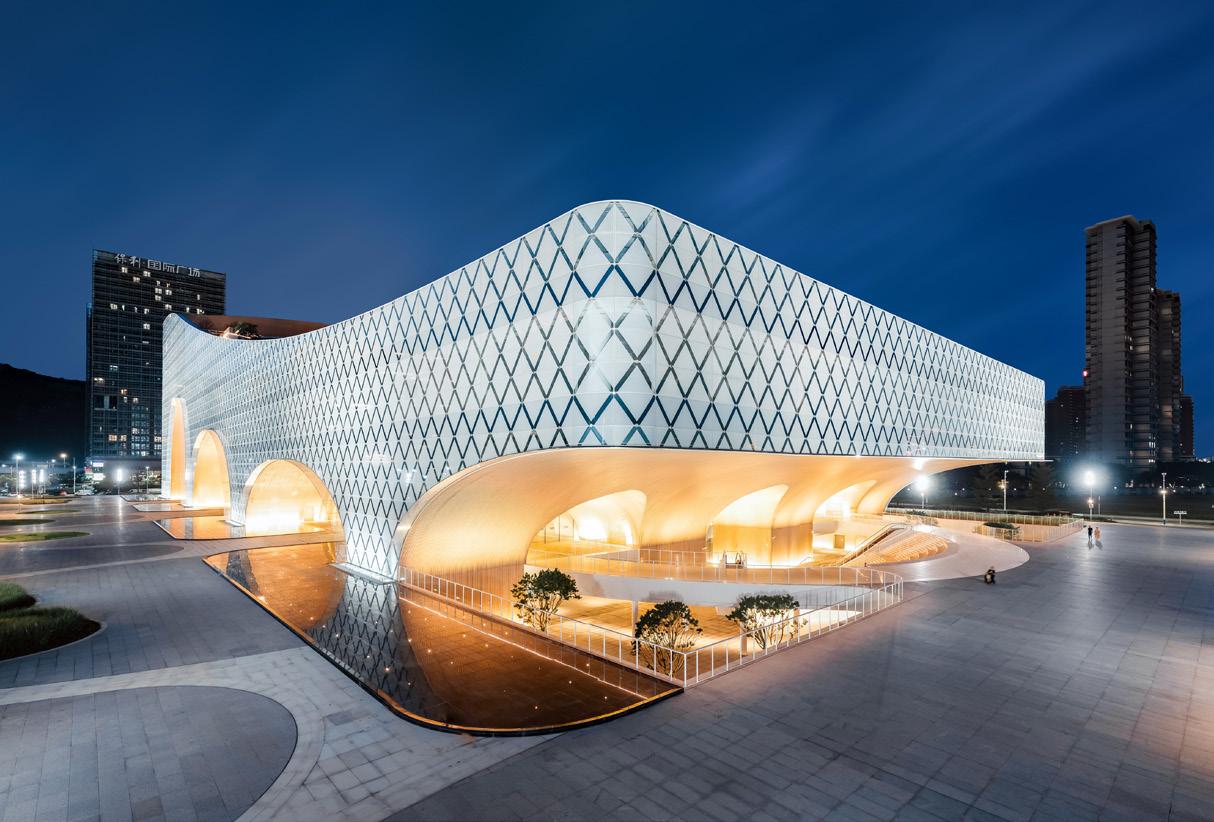
In a region where urban expansion often outpaces cultural infrastructure, the Hengqin Culture & Art Complex, opened in July, asserts itself as a deliberate counterpoint, an architectural anchor for a city still defining its civic identity. Designed by Yunchao Xu of Atelier Apeiron, the 142,560m² complex is not merely a building but a spatial manifesto to serve the Guangdong-Hong Kong-Macao Greater Bay Area. Its form is monumental, its function multi-faceted and its materiality tuned to both climate and culture.
Located on Hengqin Island, a newly urbanized landmass at the confluence of the Pearl River and South China Sea, the complex occupies a site wedged between residential towers and a public park. This liminal positioning, between domesticity and leisure, density and openness, sets the tone for a project that is as much about permeability as it is about presence.
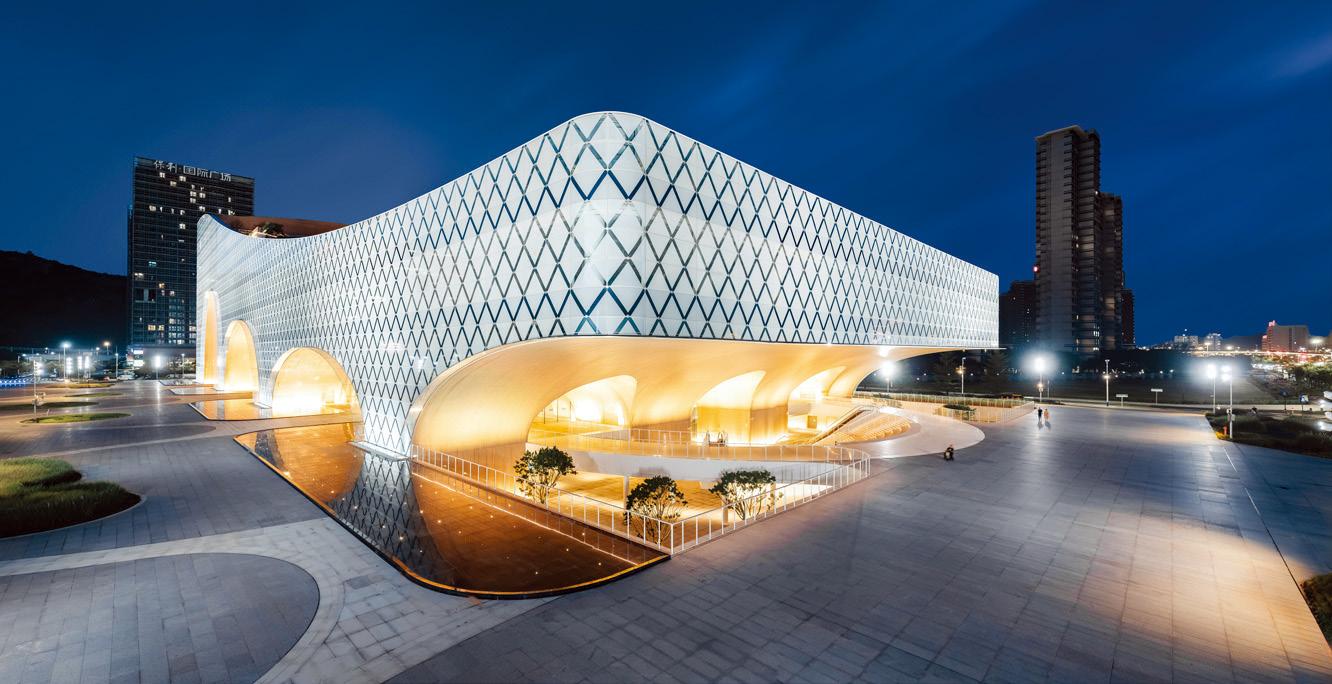
The building’s envelope, articulated through suspended glass curtain walls and bamboo-clad arches, is engineered to withstand typhoon conditions while inviting daylight deep into its core. It is a facade system that performs structurally, environmentally, and symbolically.
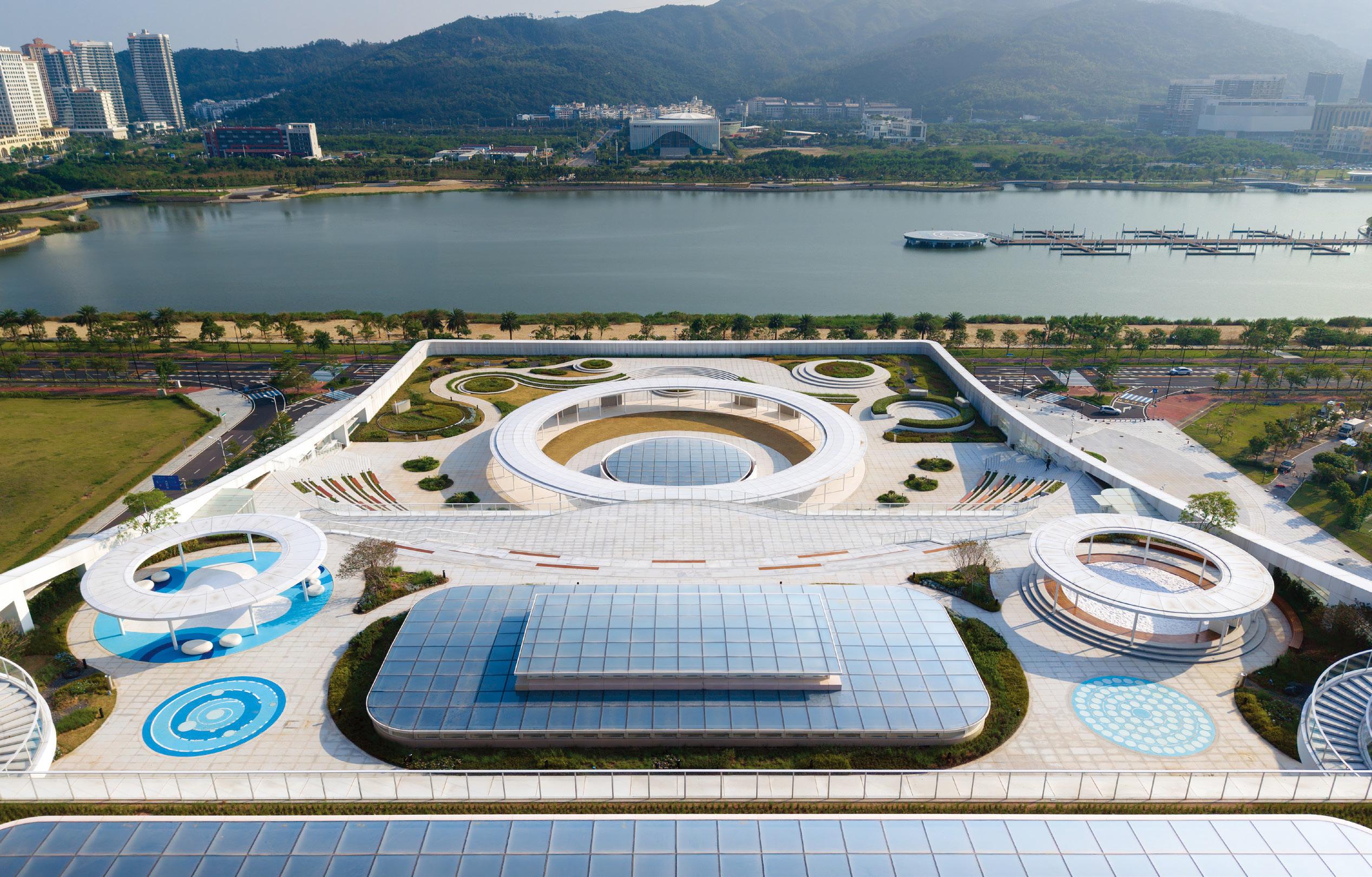
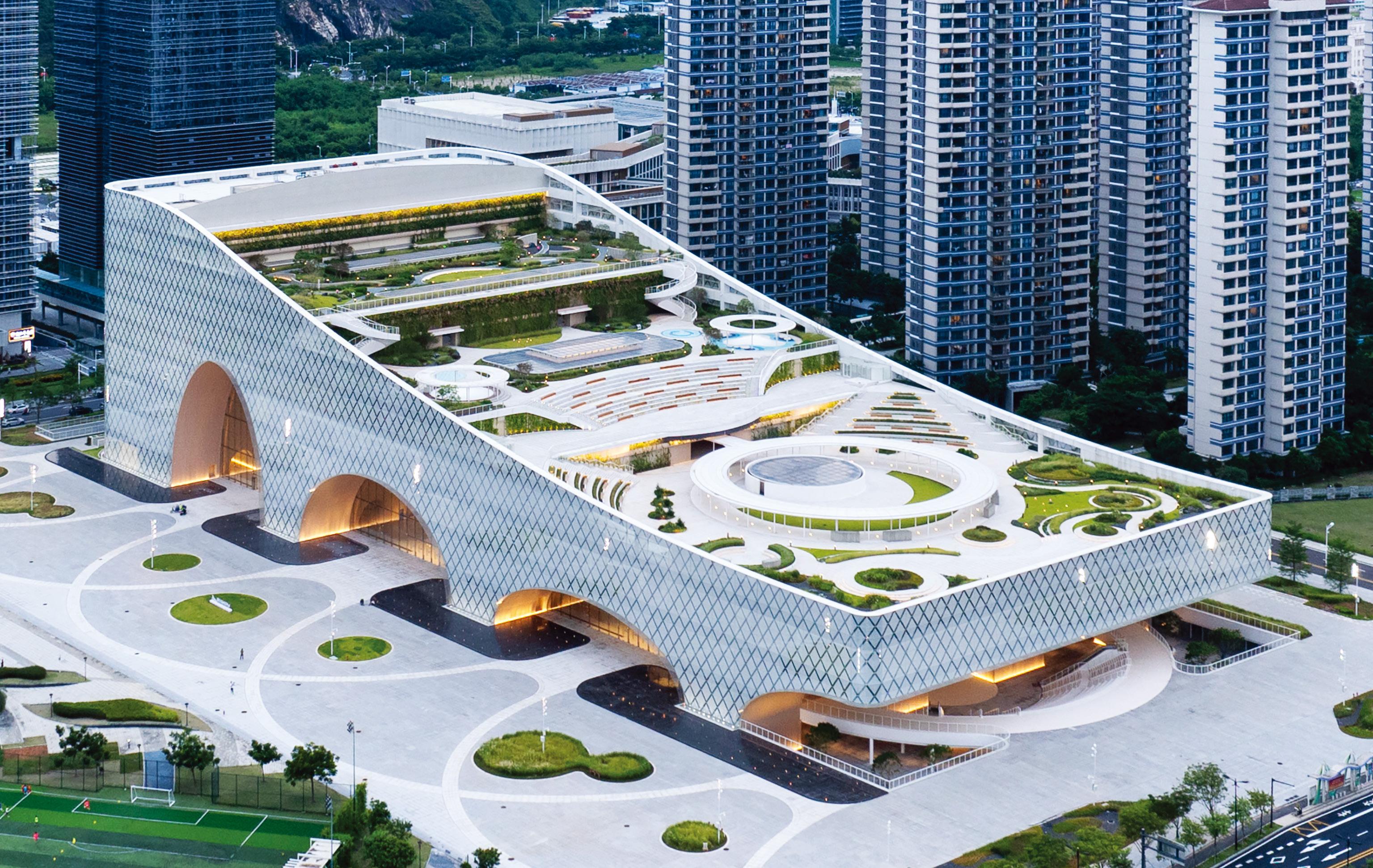

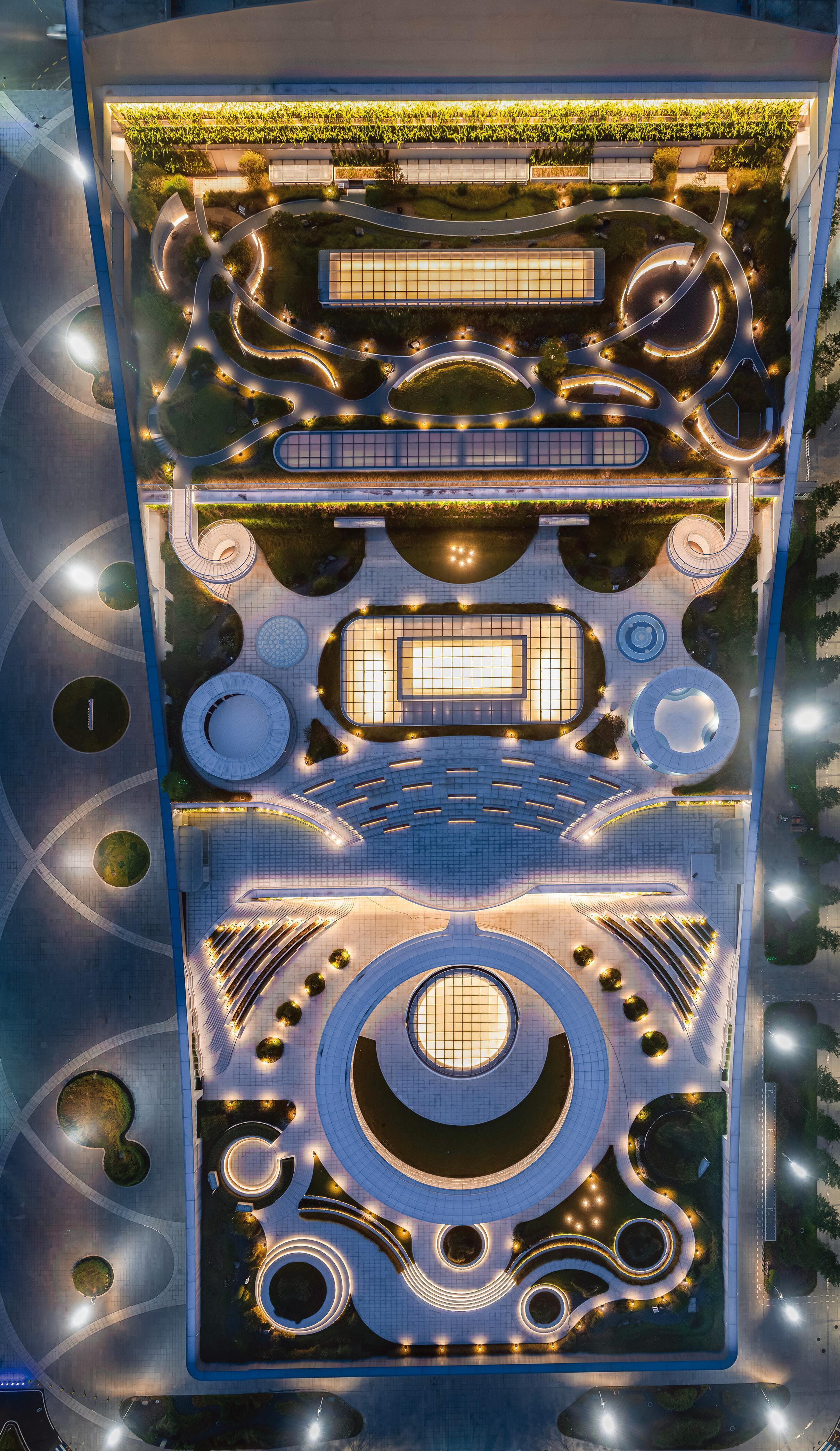
Atelier Apeiron’s winning competition entry in 2018 proposed a radical departure from conventional civic planning. Rather than force coherence onto nine disparate institutional programs, including a library, concert hall, science museum and multiple activity centres, the firm embraced their contradictions. The result is a modular, multi-block configuration unified by three monumental arches, each serving as a gateway to one of the complex’s primary halls: Knowledge, Performance, and Exhibition.
These arches, shaped by inverted catenary geometries, are more than formal gestures. They operate as structural devices, converting horizontal shear into vertical load, and as spatial organizers, delineating zones of public engagement. Composed of wood and bamboo panels, the arches offer transparency and tactility, framing views of the adjacent park by day and glowing as civic lanterns by night. Above them, modular units house equipment and services, while rooftop gardens extend the public realm vertically.
The Knowledge Hall draws inspiration from Helsinki’s Oodi Library, reimagining the typology as a vertical village of crystalline book blocks. The Performance Hall features a black box theater and open stage, calibrated for dance, music and opera. The Exhibition Hall, punctuated by ‘cheese holes’ that scatter natural light, is conceived as a porous container for art and science. Together, these halls form a triptych of urban living rooms, each distinct, yet collectively coherent.
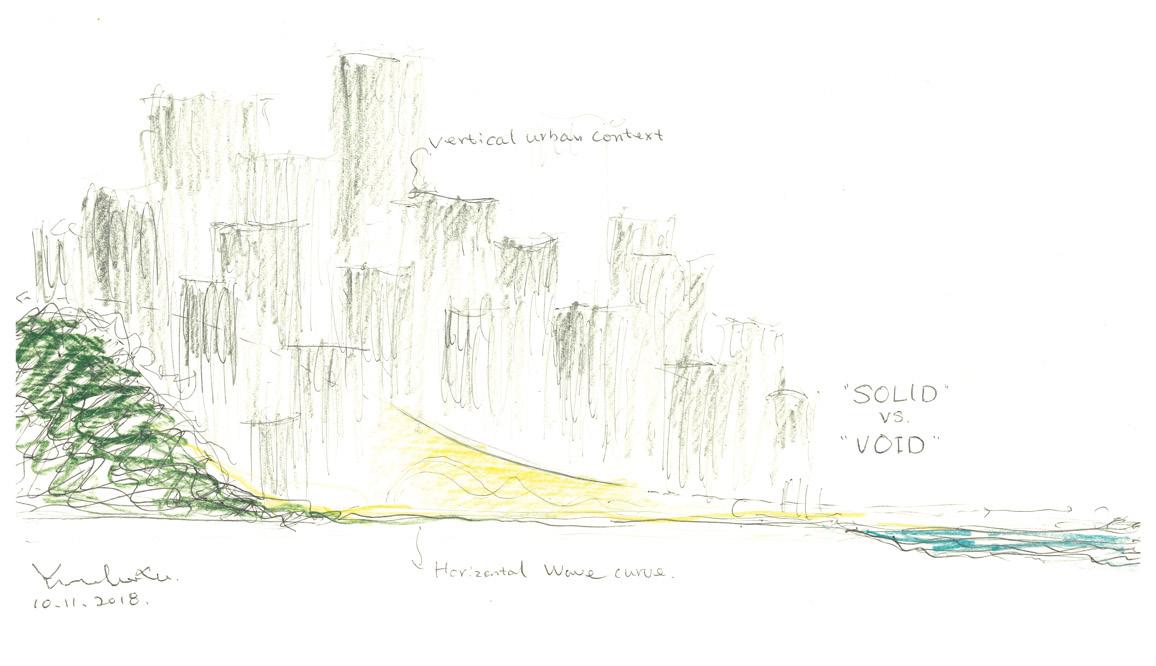
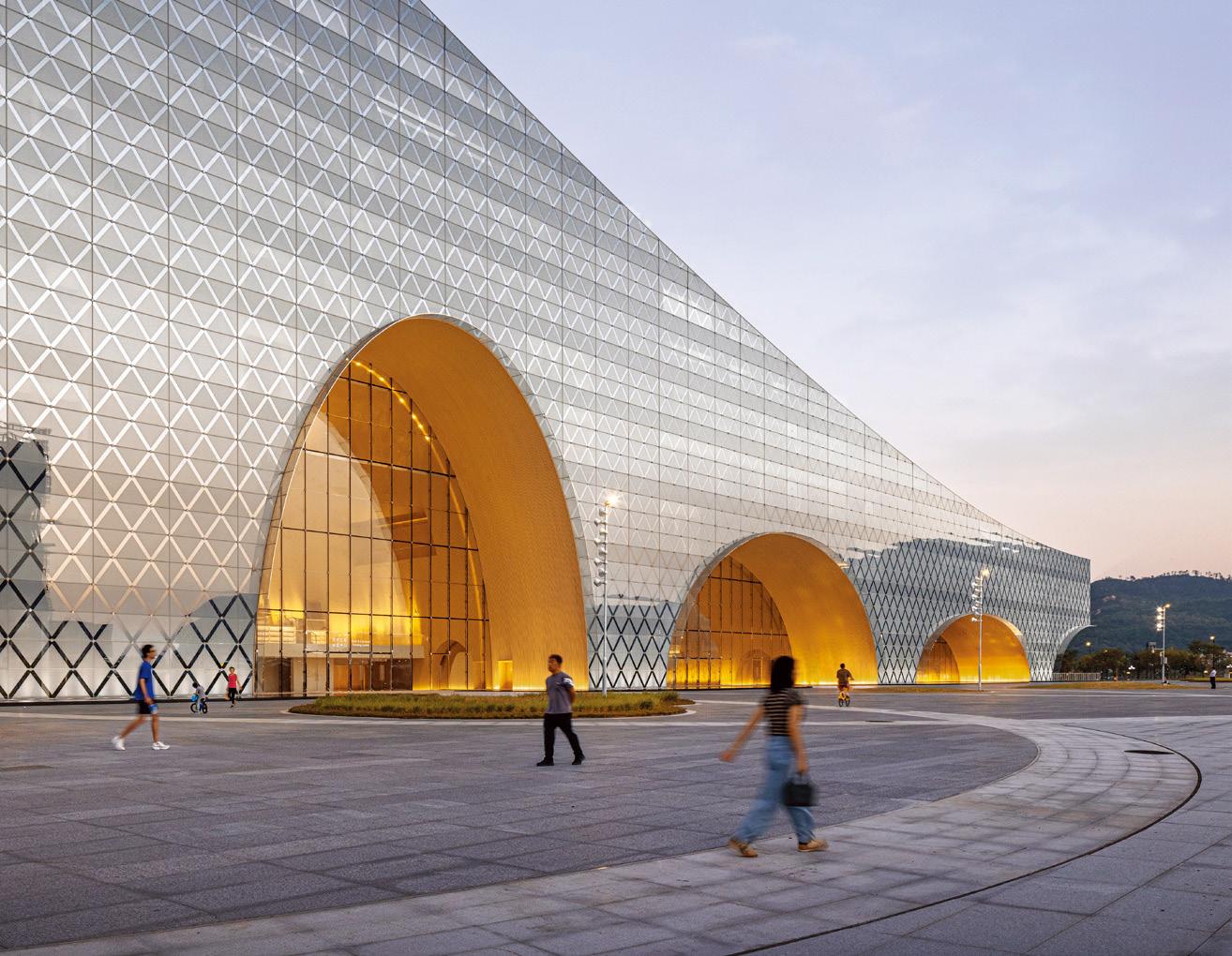
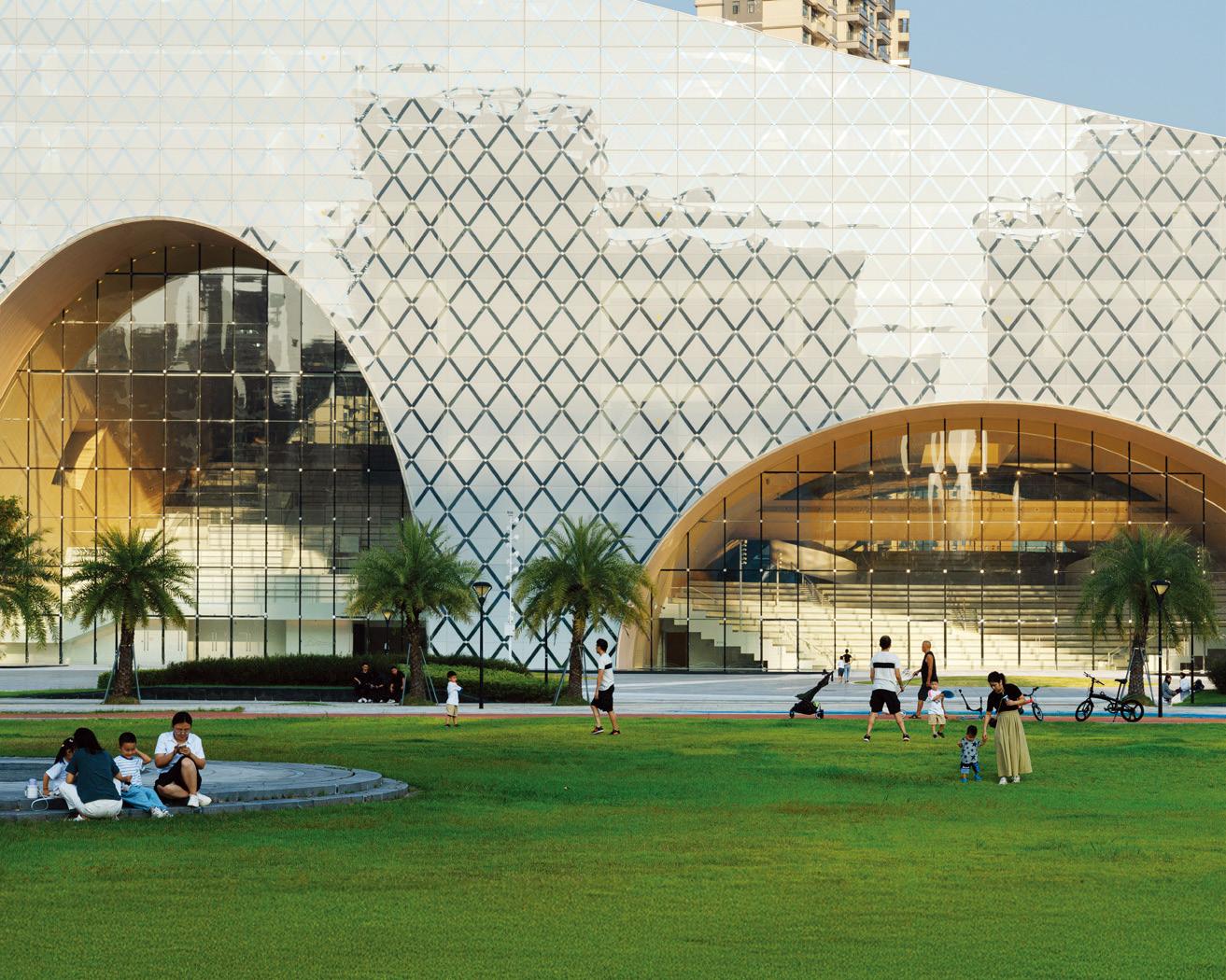
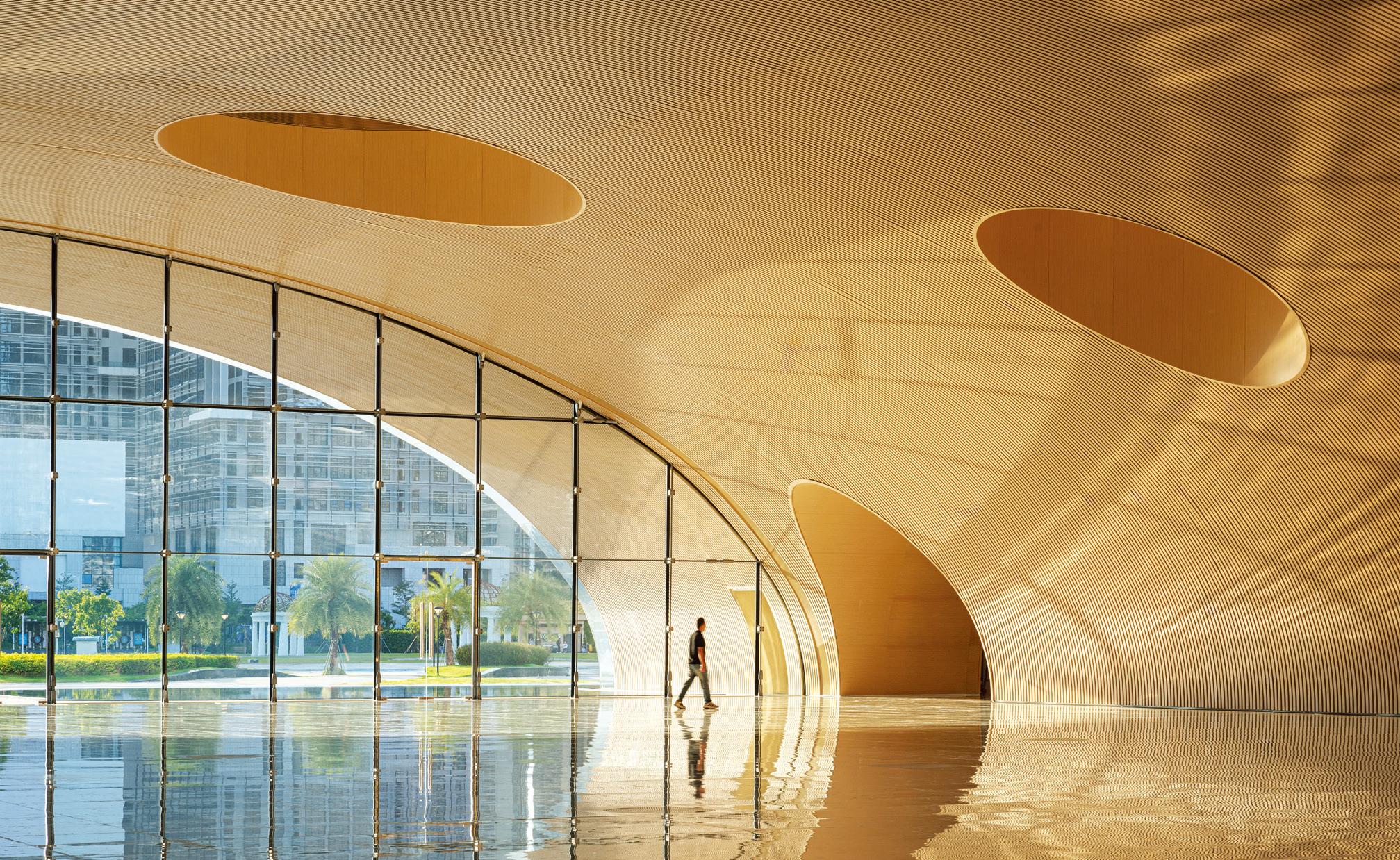
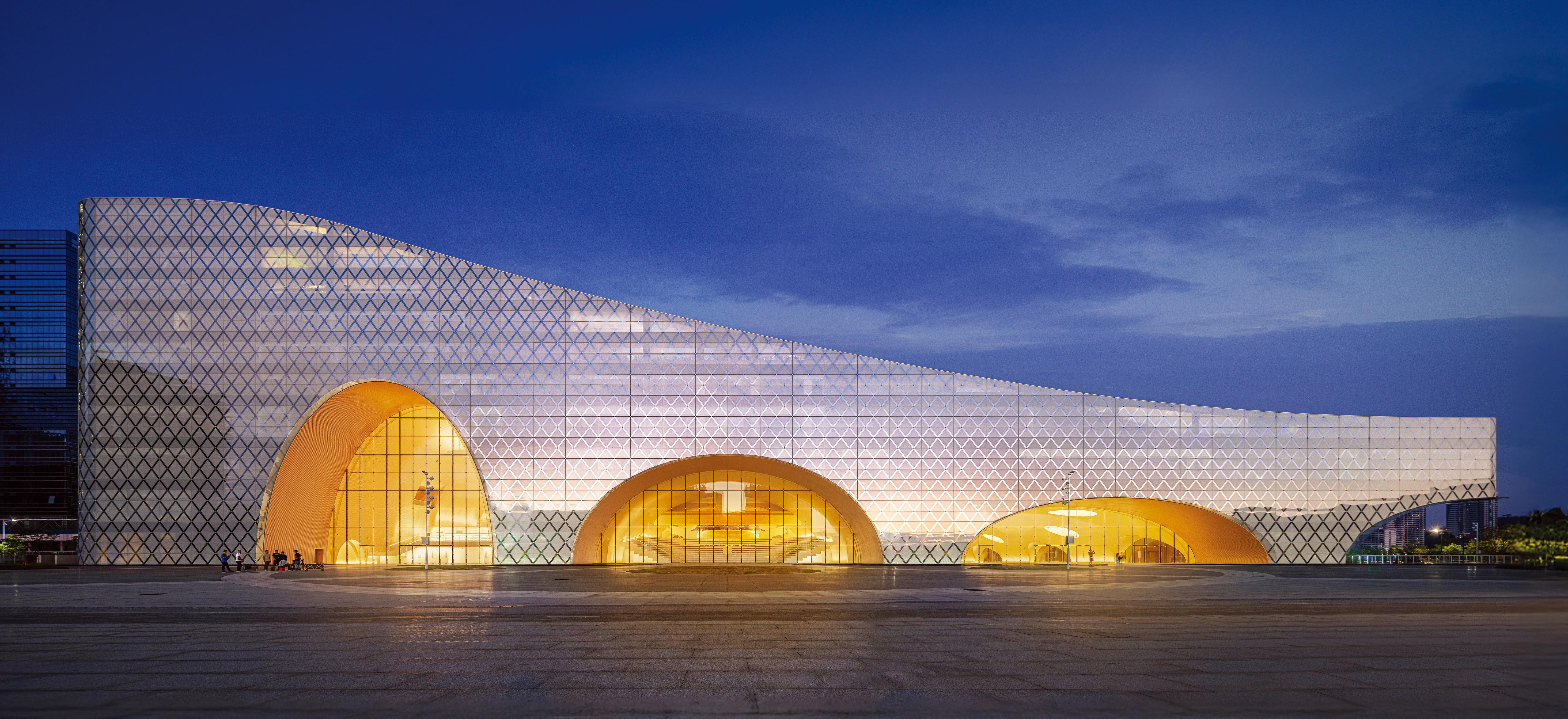
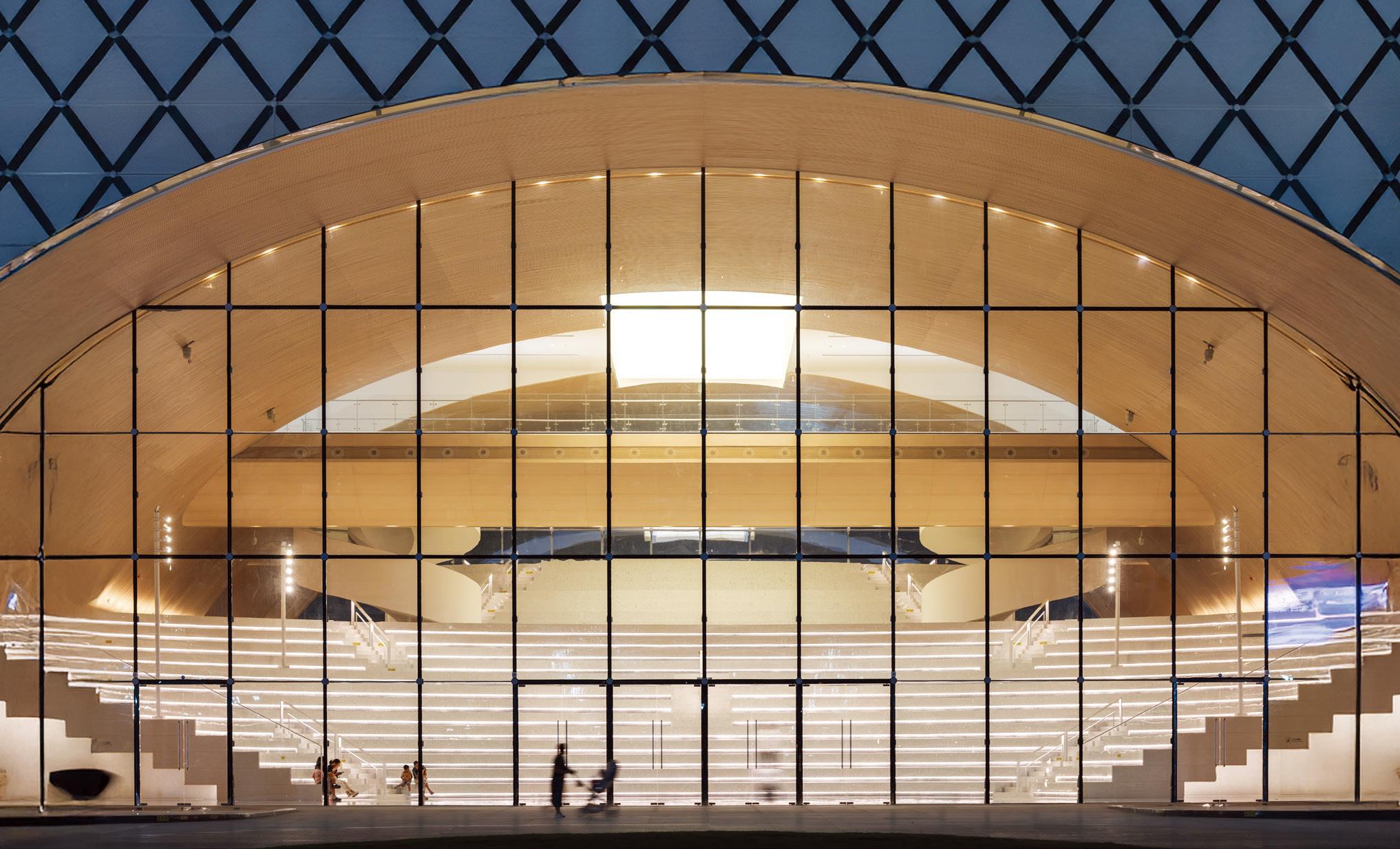
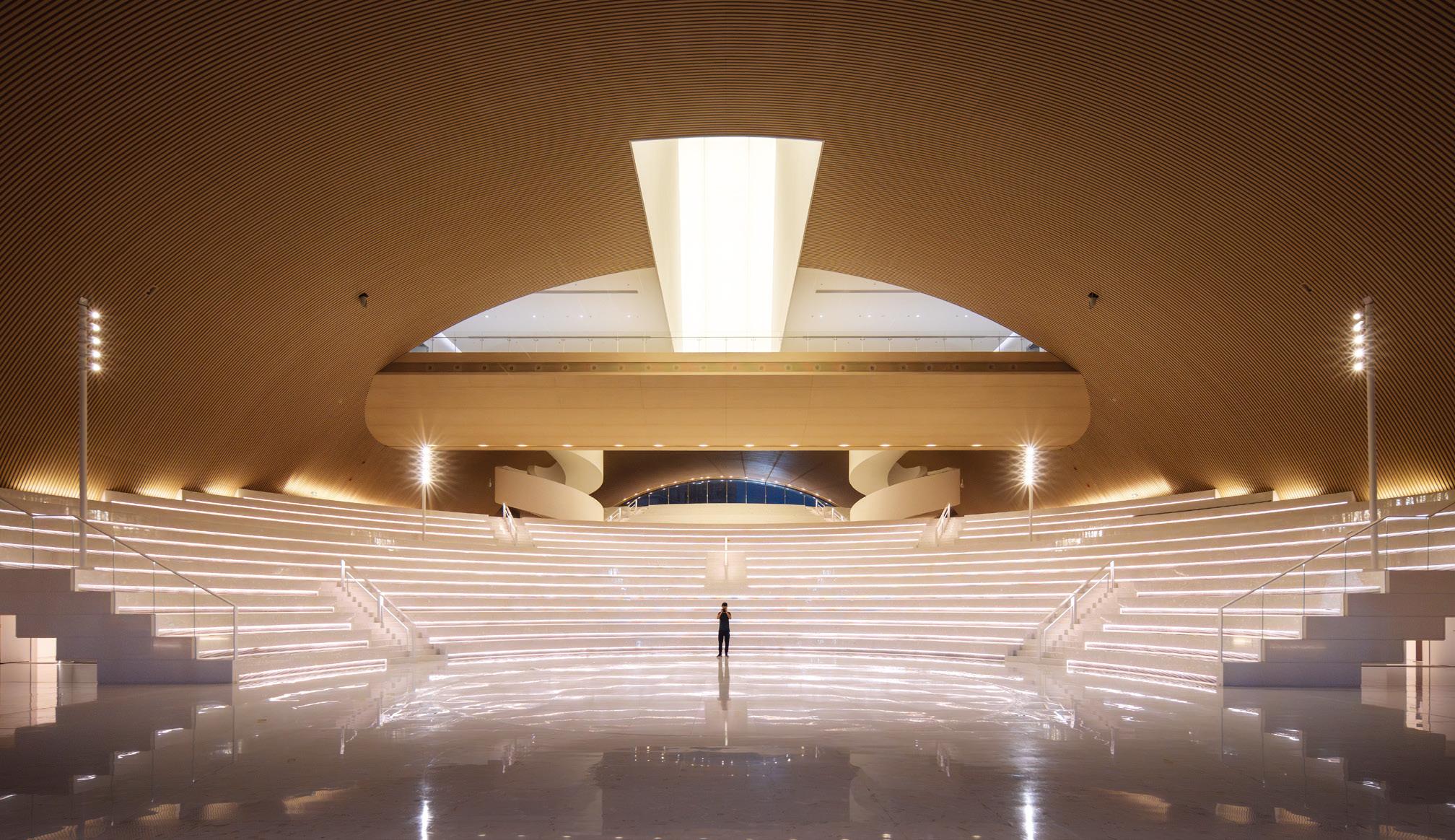
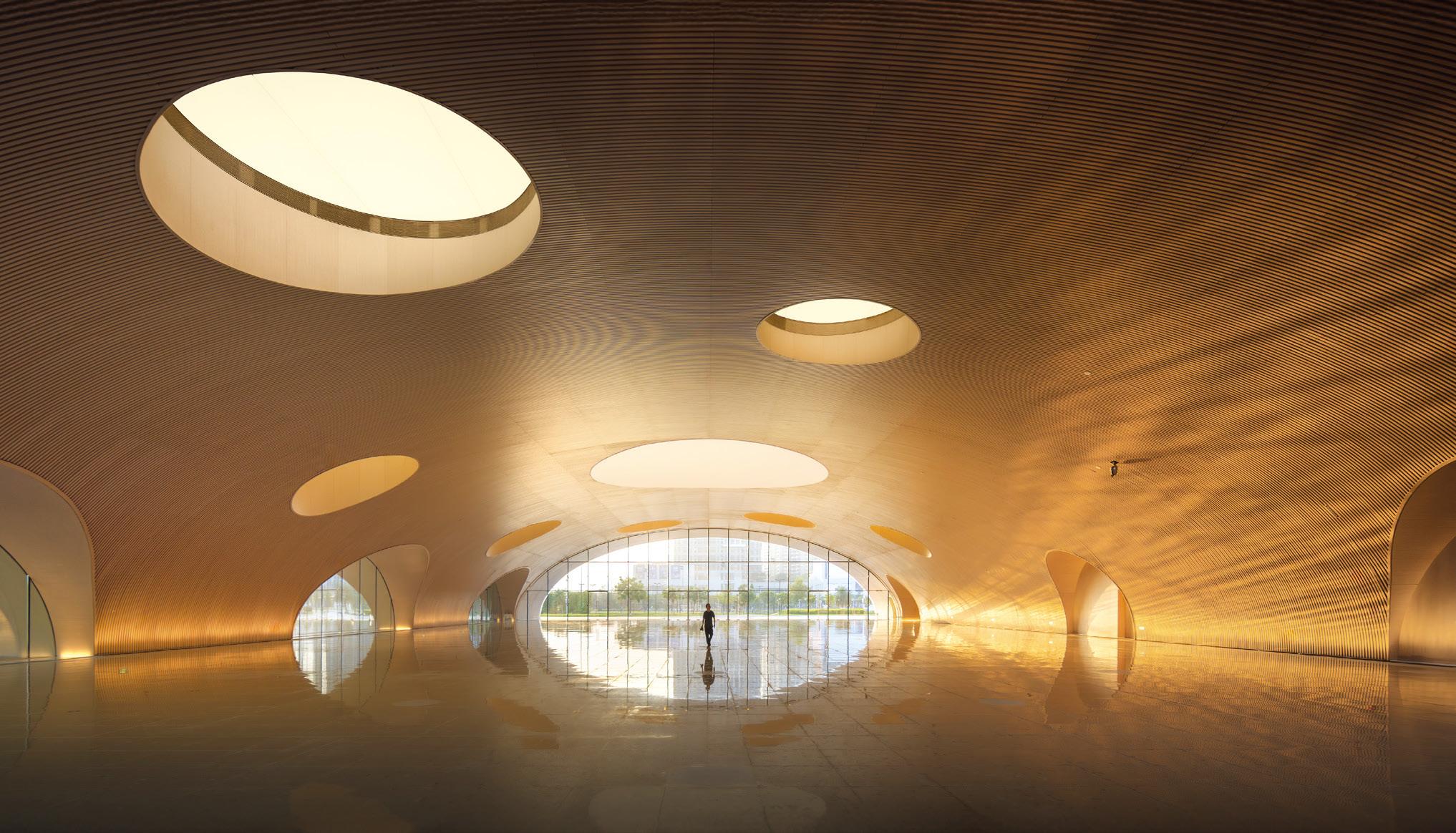

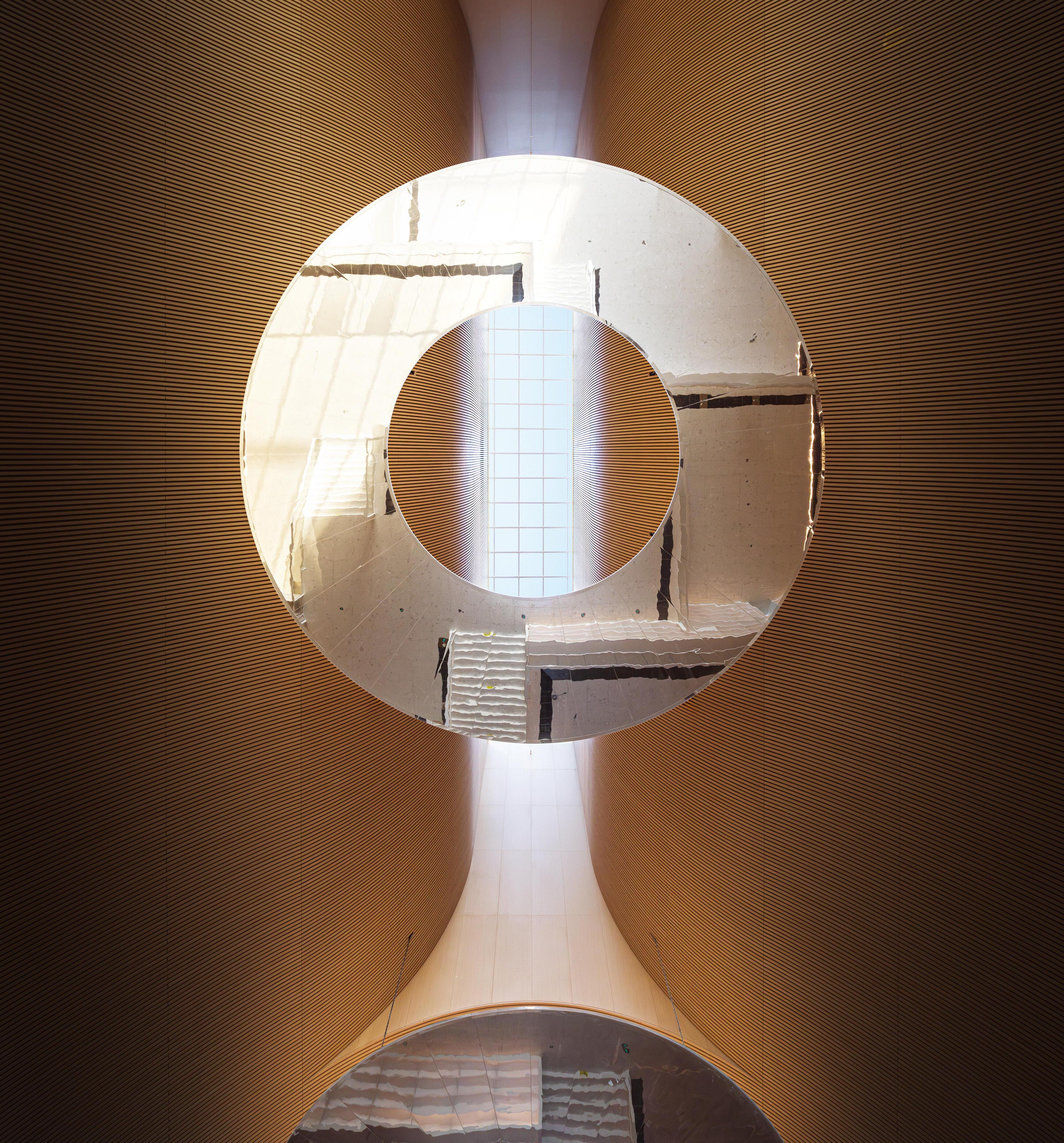
The building’s material palette is a direct response to Hengqin’s subtropical climate and seismic soil conditions. The suspended glass curtain wall system, selected after extensive wind-resistance testing, provides both flexibility and resilience. Skylights and diffuse reflectors channel soft sunlight into deep interior volumes, reducing reliance on artificial lighting and enhancing spatial quality.
Bamboo and wood, used prominently in the arches and interior finishes, ground the project in regional craft traditions while contributing to its ecological ethos. The basement, designed as a sealed support space with anchor points, mitigates the instability of the island’s silt-rich substrate. Above ground, a series of stacked rooftop platforms, terraces, gardens and play zones, offer layered public experiences and integrate green technologies.
These platforms are not ornamental. At 24 meters, a children’s theme park includes sand pits, restaurants and family cafés. At 30 meters, a shared garden and staff canteen provide respite for employees. At 36 meters, a rain garden functions as an ecological laboratory, culminating in a bamboo garden and Sky Bookstore accessible via spiral stair. Each level is calibrated for community use, environmental performance and visual connectivity.
The project’s sustainability strategy is embedded in its construction logic: local sourcing, material reuse, reduced air-conditioning and a lowcarbon footprint. These are not add-ons but integral to the building’s DNA, reflecting a broader shift in Chinese civic architecture toward ecological responsibility.
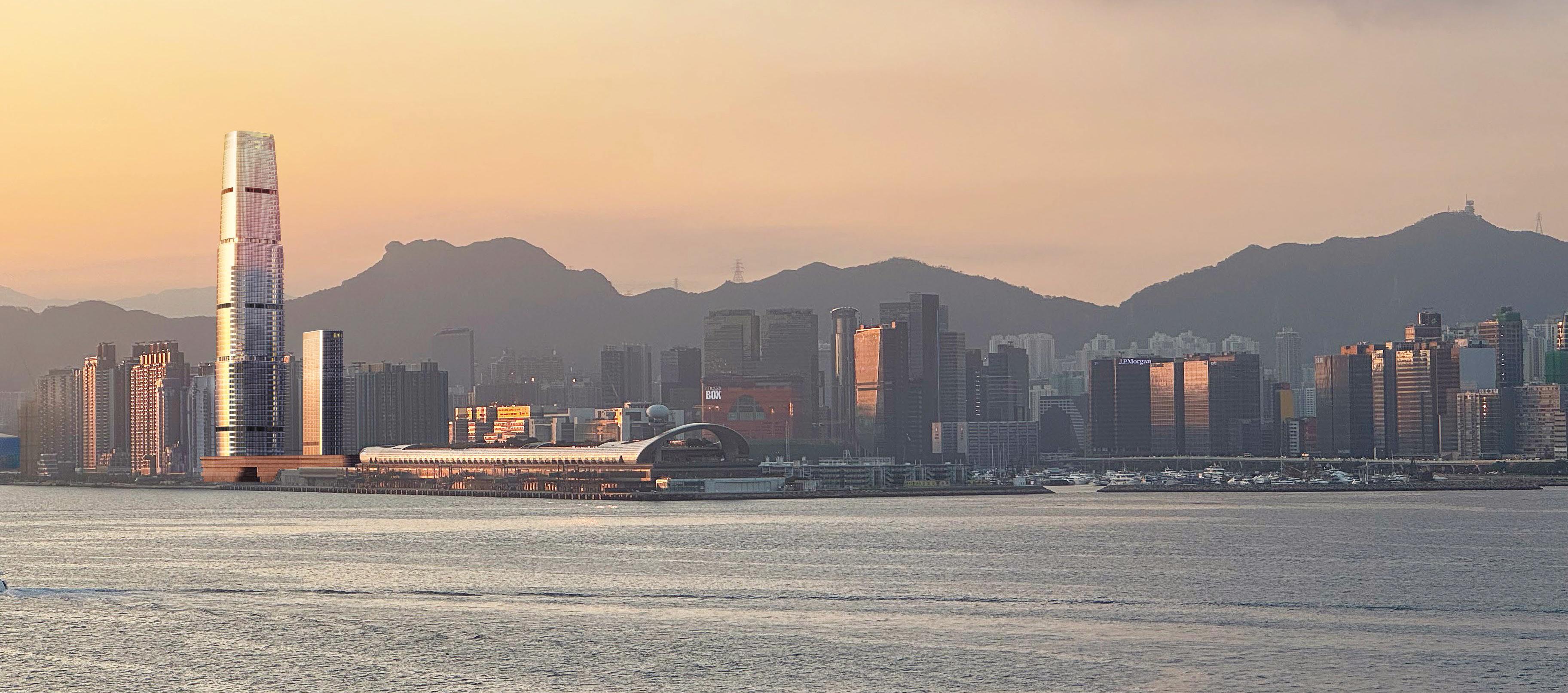
Hong Kong’s skyline is more than a feat of engineering — it’s a symbol of the city’s identity, ambition, and resilience. From the daring descent into Kai Tak Airport to the shimmering towers of Victoria Harbour, the city has long embraced verticality as a statement of progress. But as Hong Kong continues to evolve, so too must its urban language.
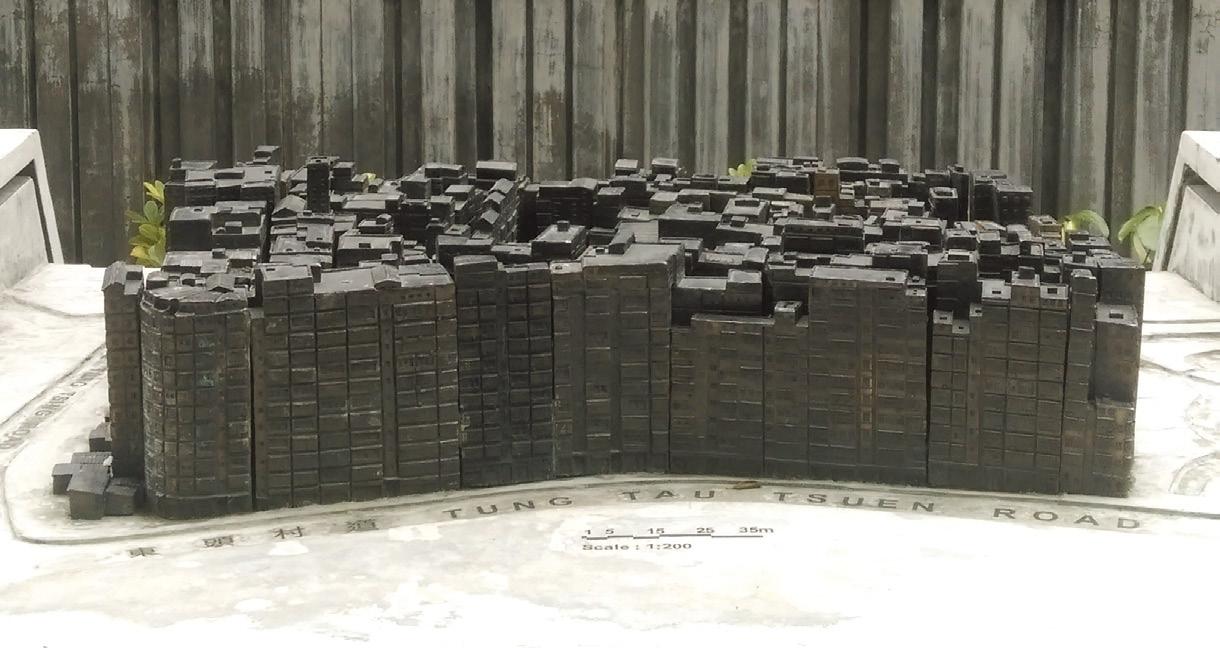
A less celebrated typology has quietly re-emerged: the “wall.” Historically, the Kowloon Walled City was its most extreme incarnation — dense, chaotic, and impenetrable (Figure 1). In more recent decades, developments in areas like Tai Kok Tsui have drawn criticism for creating similar wall-like structures that compromise air circulation, obstruct views, and diminish the human experience of the city.
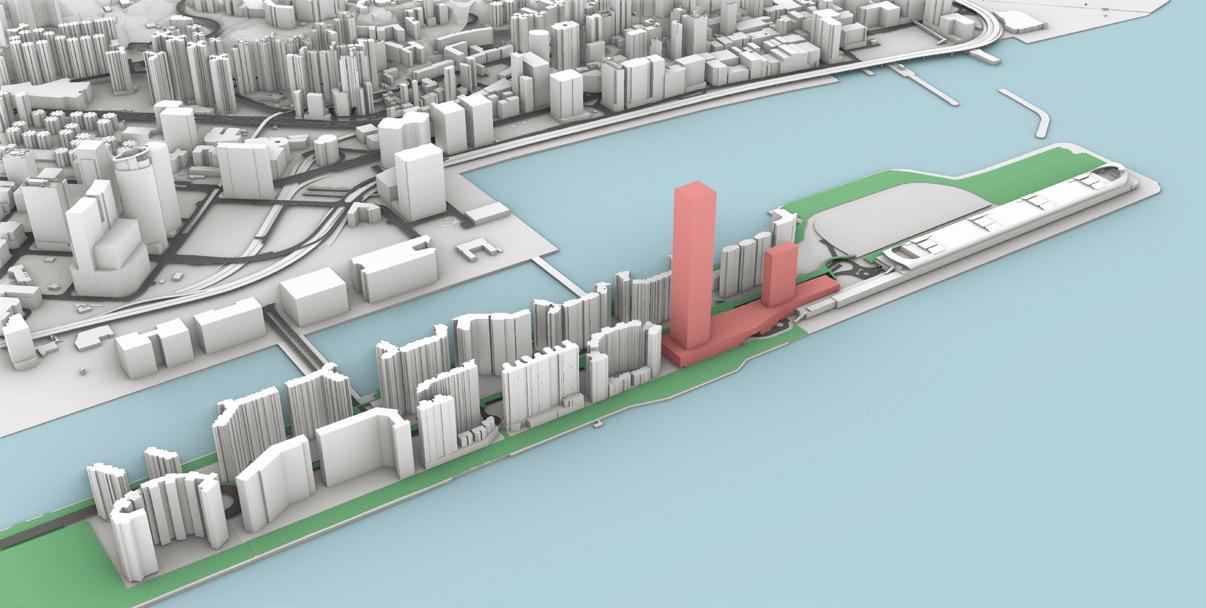
Today, this form is being replicated along the Kai Tak Runway, where two parallel residential blocks dominate the waterfront (Figure 2) From both Kowloon and Hong Kong Island, oblique views of Victoria Harbour are increasingly obstructed — a regrettable outcome for such a prominent site. But this is not a lament. It’s a moment to rethink.
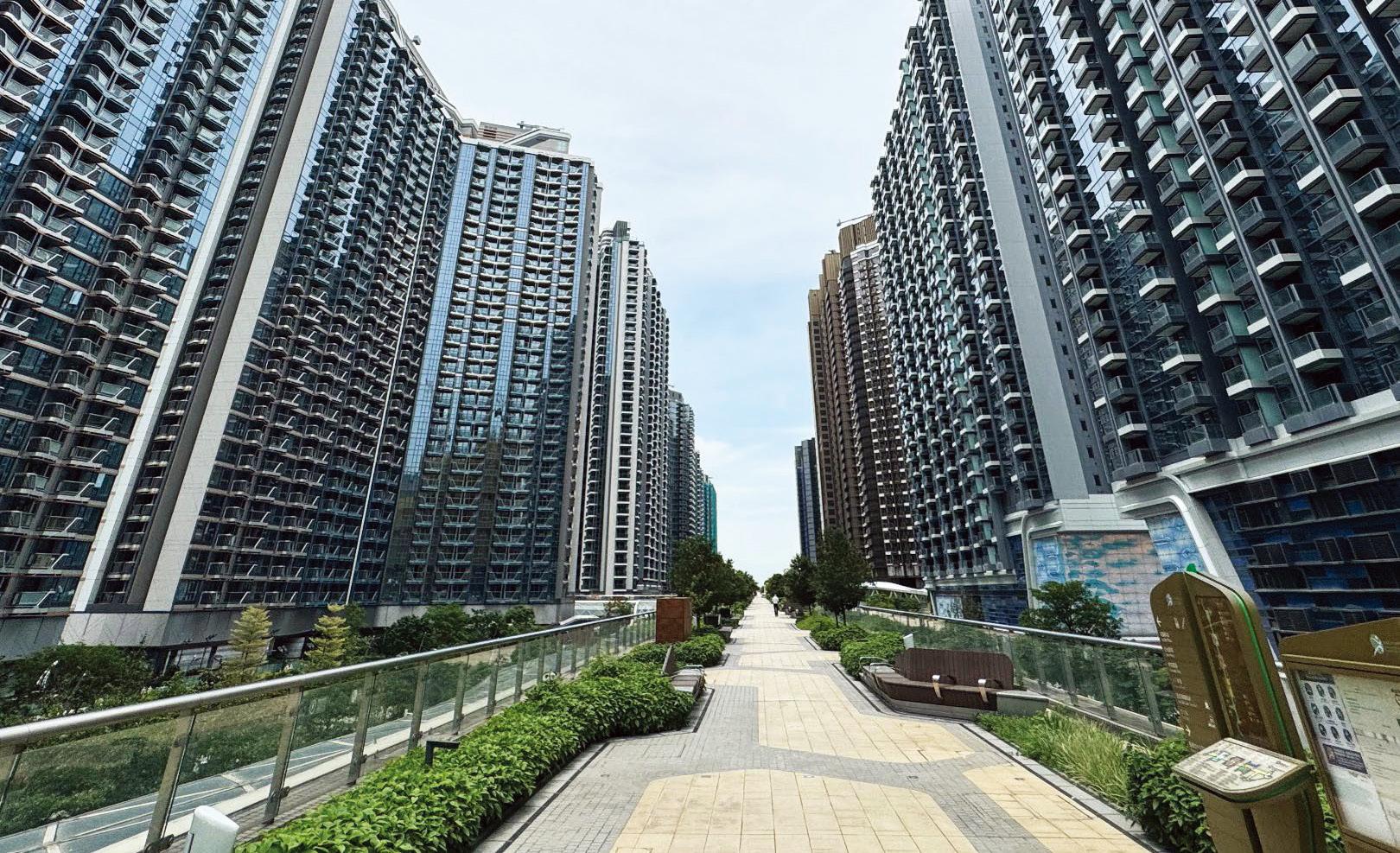
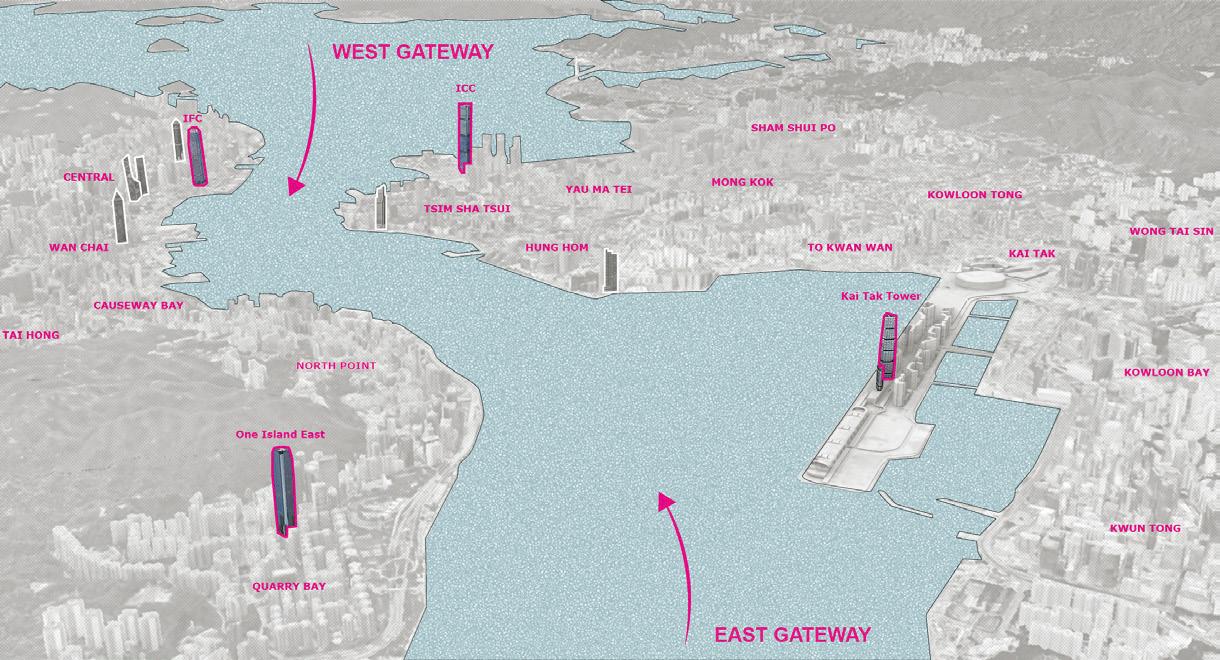
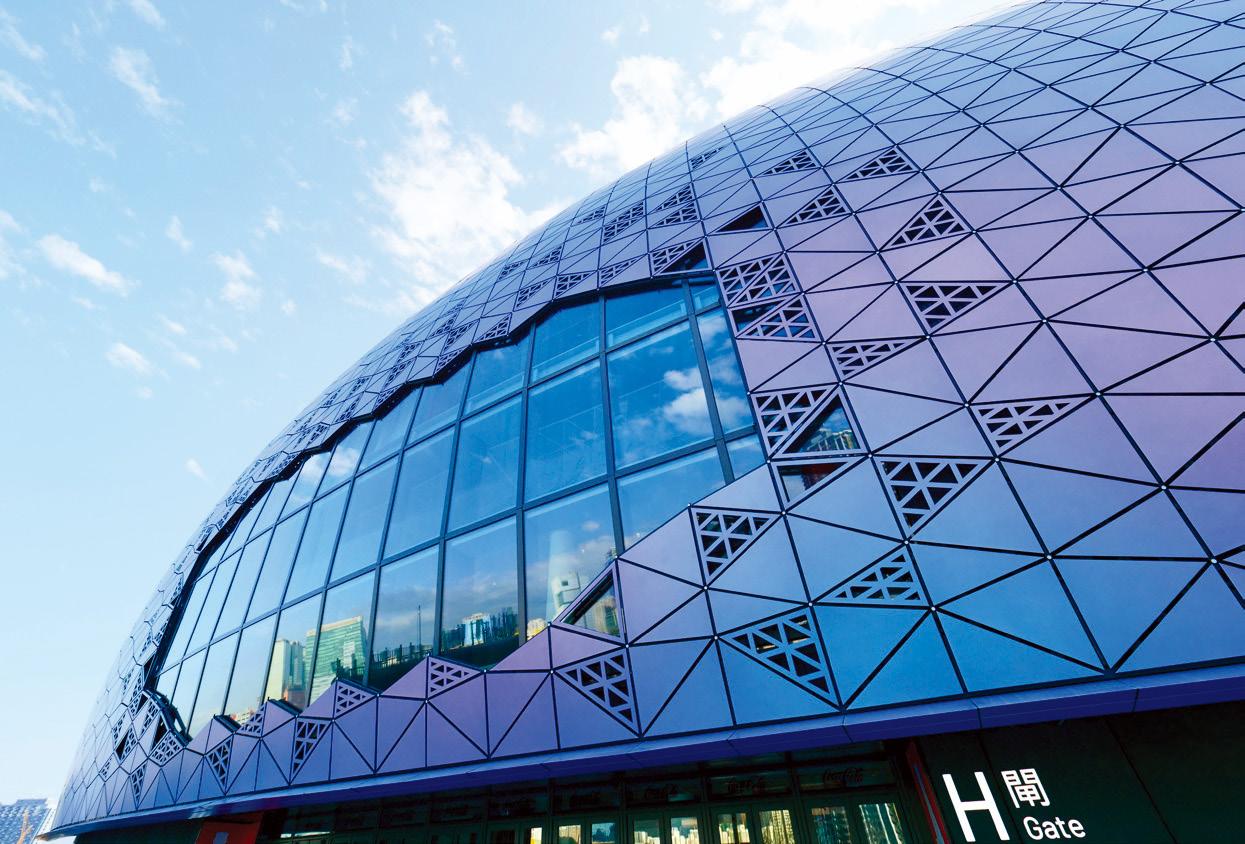
Kai Tak runway is not merely an extension of Kowloon. With capacity for 30,000 to 40,000 residents, it is a mid-sized town in its own right — and it deserves an identity that reflects its scale, significance, and potential. The current trajectory risks repeating the mistakes of the past. Instead, we propose a strategy rooted in architectural clarity and civic ambition: a tripartite composition of low bar (Ocean Terminal), low blob (Kai Tak Stadium), and vertical insertion (The Beacon). This layered approach breaks the wall effect and restores visual permeability, spatial diversity, and urban character.
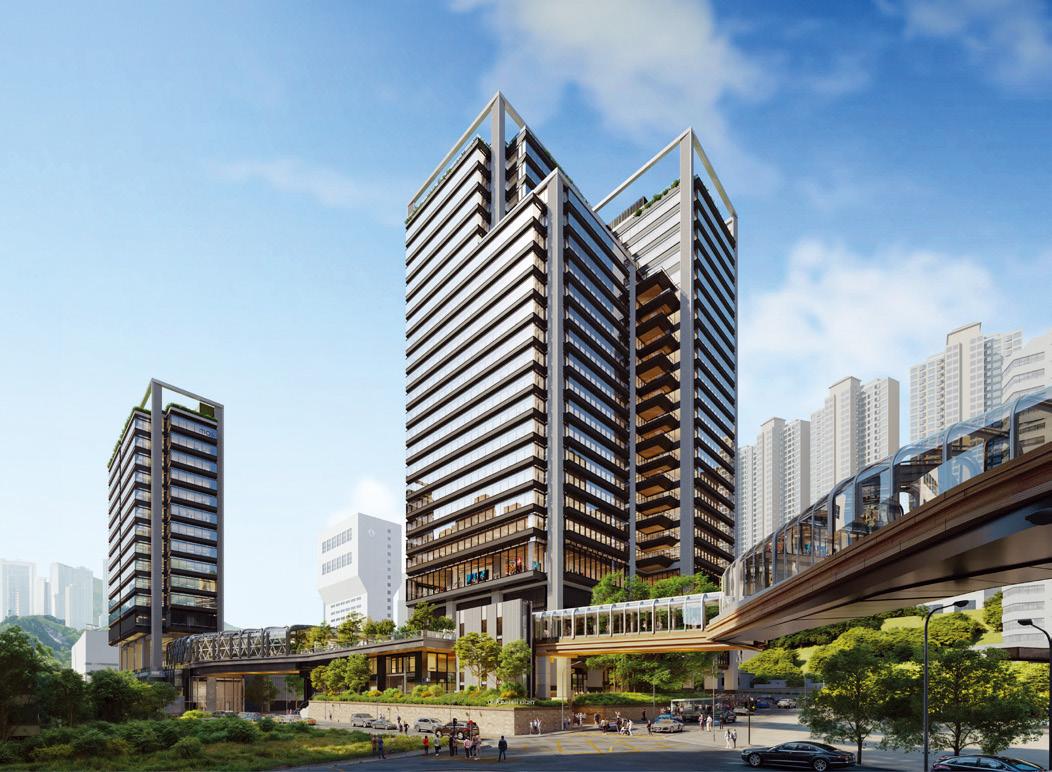
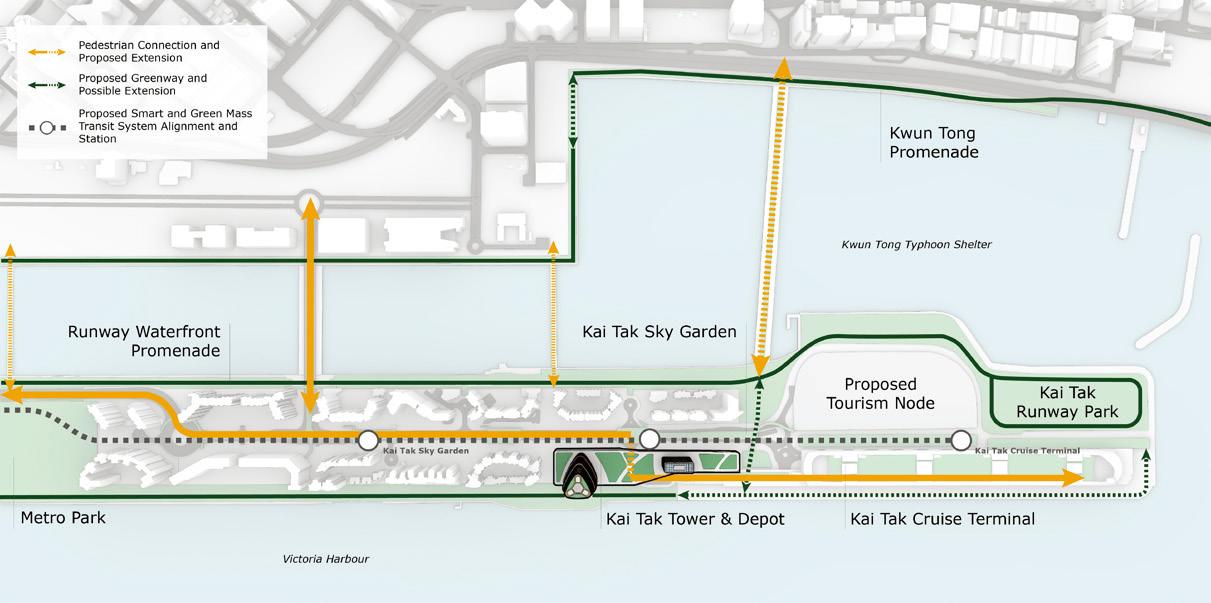
Cities thrive when their urban networks are intertwined with public parks and gardens — not as isolated green zones, but as part of a continuous civic fabric. At Kai Tak, the rooftop garden above the TOD adjacent to the Cruise Terminal presents a major opportunity (Figure 3): not just as a leisure space, but as a connective platform that links the waterfront to the central spine. Elevated, accessible, and civic in scale, it could become a hinge point between movement, landscape, and community — a gesture that stitches the city together.
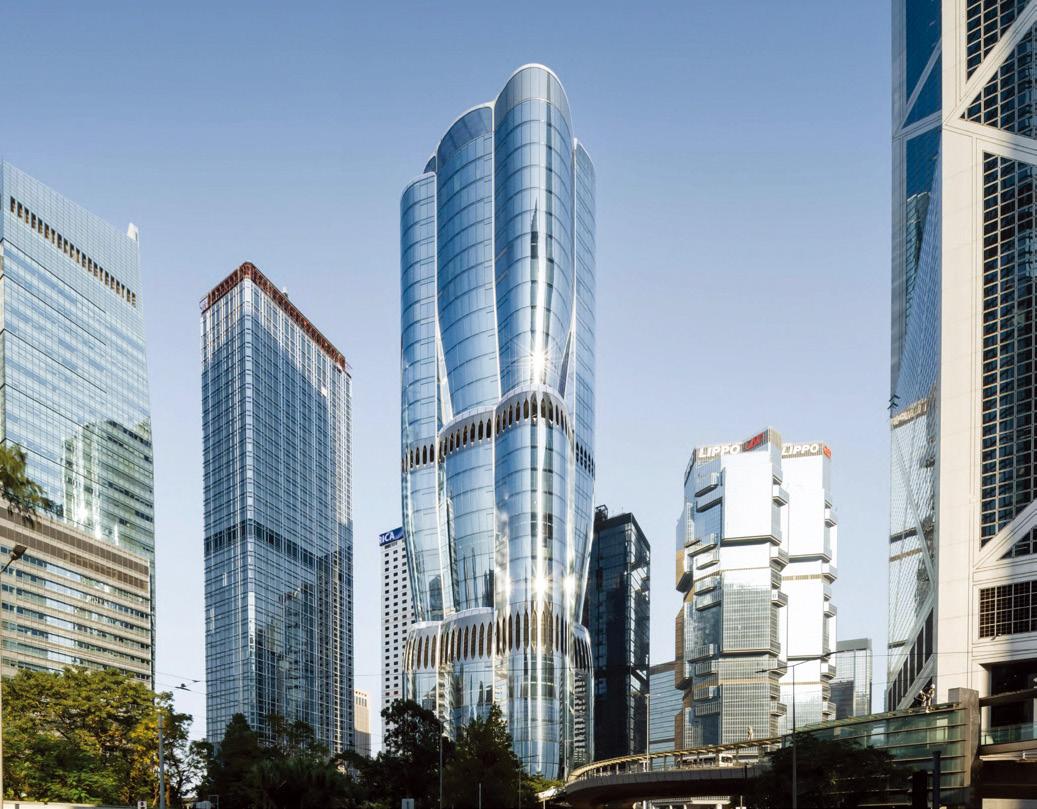
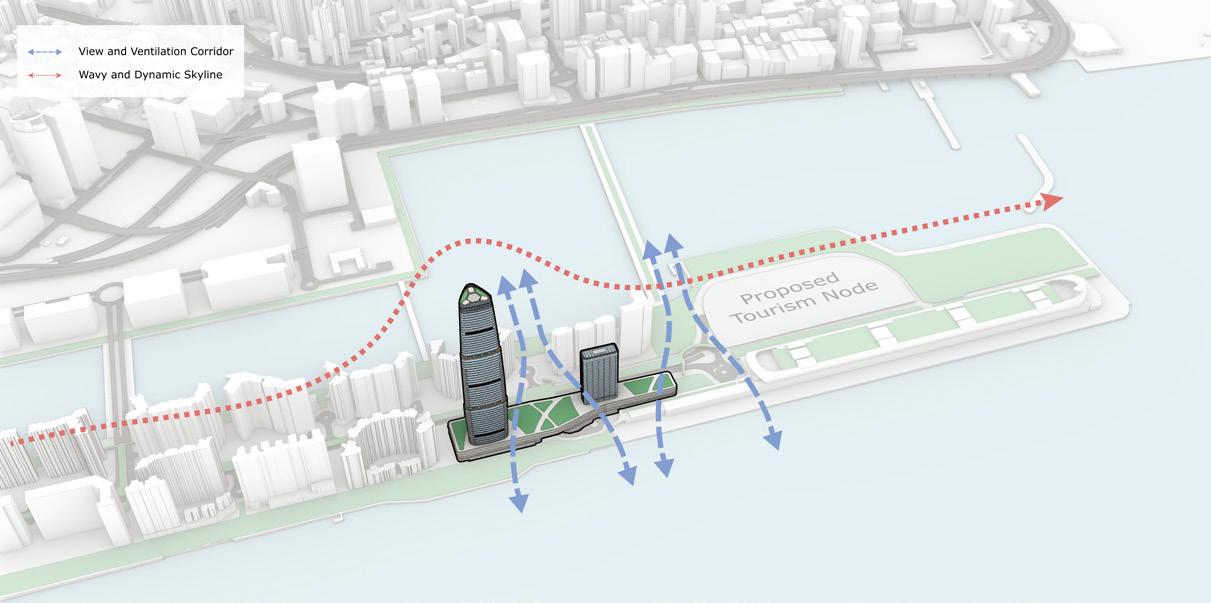
At the southern tip of the runway, we envision a tower development that acts as a modern “lighthouse” — a beacon of openness and possibility. Together with One Island East, it would form the eastern gateway to Victoria Harbour (Figure 4). With panoramic views, generous public spaces, and a design that prioritizes people over density, it could become a landmark destination and a symbol of Hong Kong’s renewed urban imagination.
This is more than a planning proposal. It’s a chance to honour the legacy of Kai Tak Airport — once a portal to the world and a source of collective memory — and to redefine waterfront living for the next generation. It celebrates openness, community, and the reassertion of Hong Kong’s identity: resilient, ambitious, and open to the world.
Stefan Krummeck is Global Director of Farrells with over 30 years of experience in shaping cities through architecture and urban design. Since joining Farrells in London in 1988, he has led the firm’s Asia-Pacific expansion while delivering award winning projects across five continents. His portfolio spans master plans, cultural venues, supertall towers, and high speed rail stations, all driven by a commitment to human centric urbanism. Stefan played a key role in the promulgation of Hong Kong’s Urban Design Guidelines, and his teaching and public engagement initiatives continues to advance dialogue on urban design and city making, fostering resilient and vibrant urban environments.


WAVI ISLAND, VANUA LEVU, FIJI
We all have that dream to own a little bit of paradise – Wavi Island ticks all the boxes.
The Wavi Island current independent valuation (available to view) is US$20m as is – the owner of many years is looking to move on and let someone else complete the development. He will look at any sensible offer or proposal, with or without him. It’s a good time to strike.
Wavi Island is a 27 acre freehold island a few minutes drive from Savusavu Airport, Vanua Levu - an hour’s flight from Nadi International Airport. The beauty of this unique location is that the island is connected by a 450 metre long low bridge to the mainland - so you get all the benefits of island living without the nuisance of water taxis and helicopter transfers.
Currently there is one beautiful luxury Villa completed with supporting infrastructure. There are another 19 vacant freehold lots ranging in size from 2025 sqm to 4029 sqm - Ultimately there could be twenty privately owned luxury villas with resort facilities.
There is a designed resort site just needing the bures to be constructed. A resort manager’s house, welcome bure, guest swimming pool, restaurant and bar, tennis court and marina are all in place. You just need to finish the set up how you want.
So now is the time to move if you have ever dreamed of owning or developing your own private island in the South Pacific’s gem, Fiji.
Chester Rendell +64 21 964 873 chester.rendell@nzsir.com