

MARCH2026
DIGITAL PUBLISHING SOLUTIONS
DIGITAL PRINT, PACKAGING, AND PUBLISHING



DIGITAL PRINT, PACKAGING, AND PUBLISHING

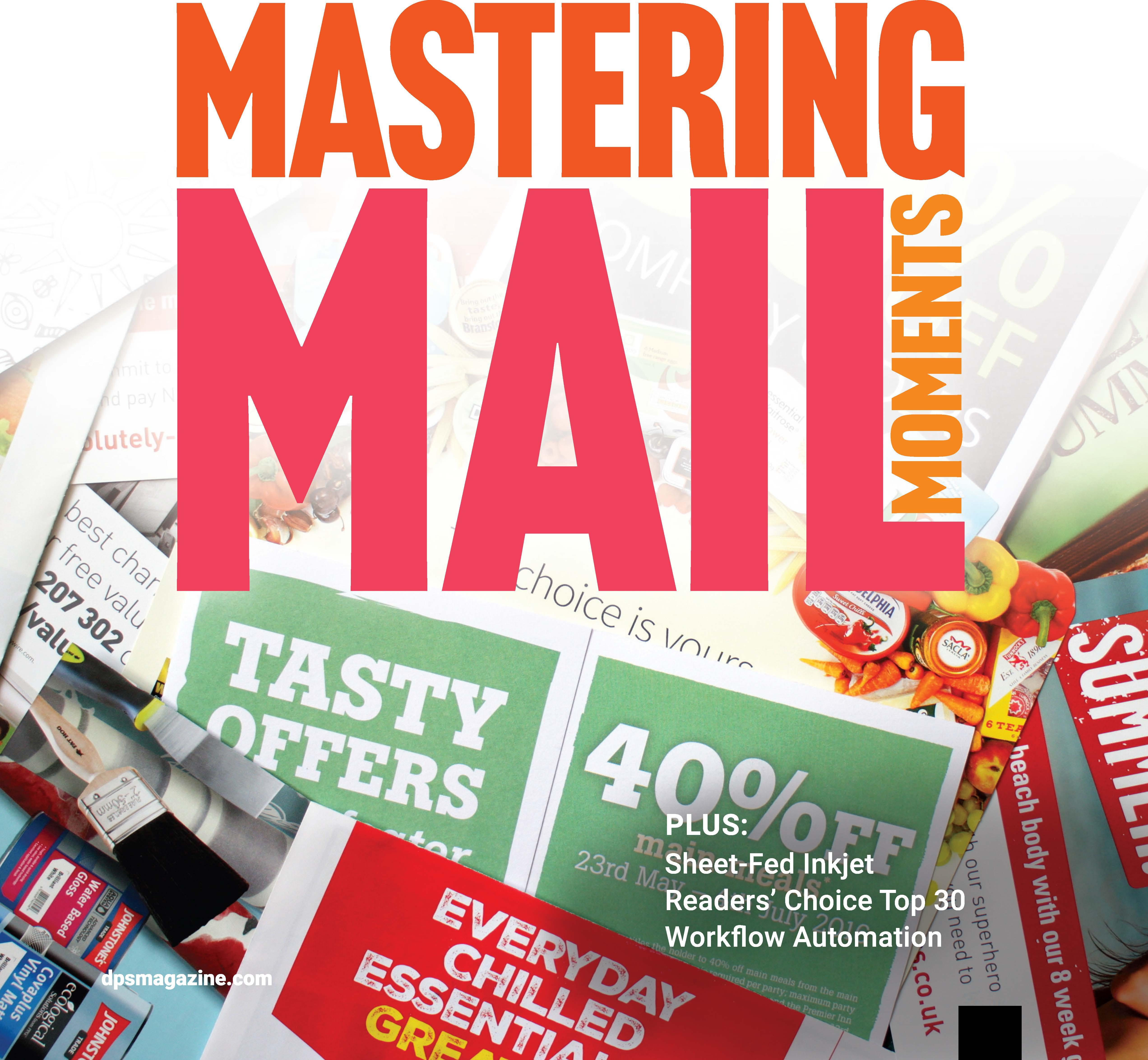
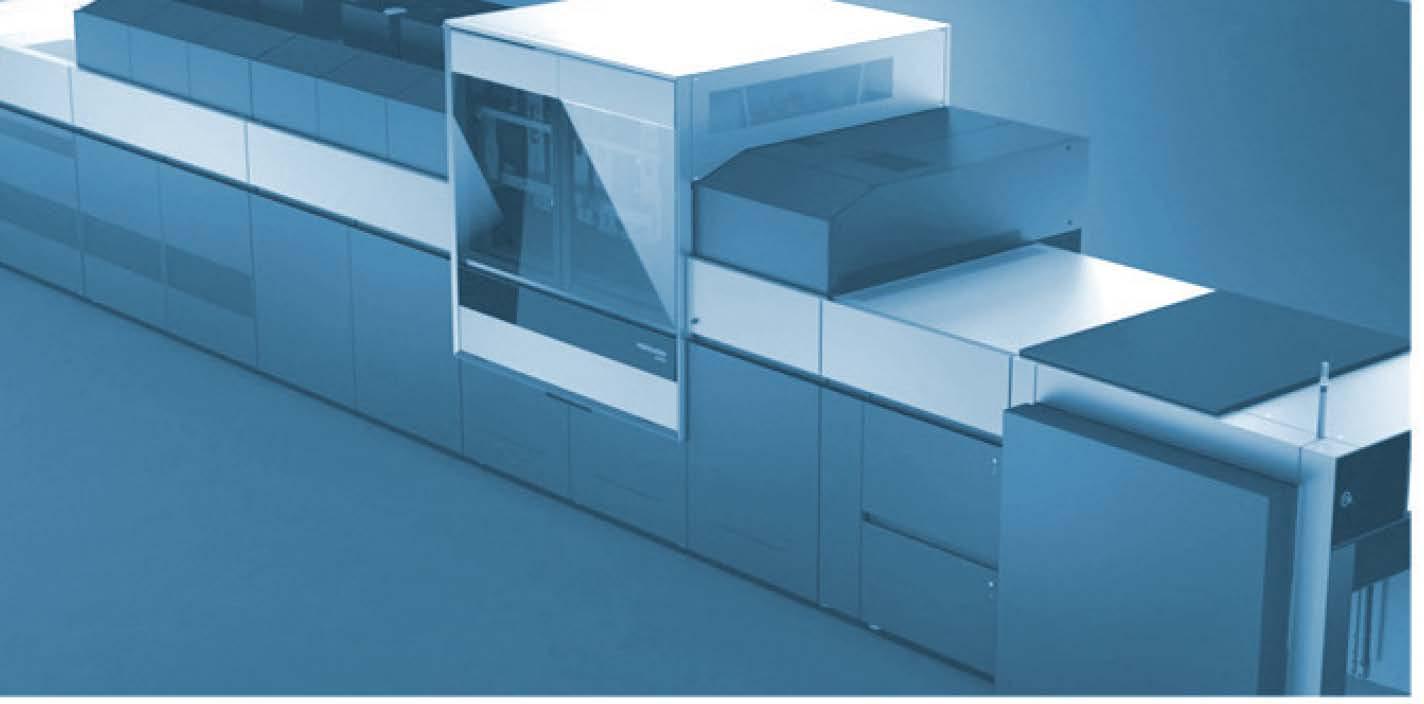
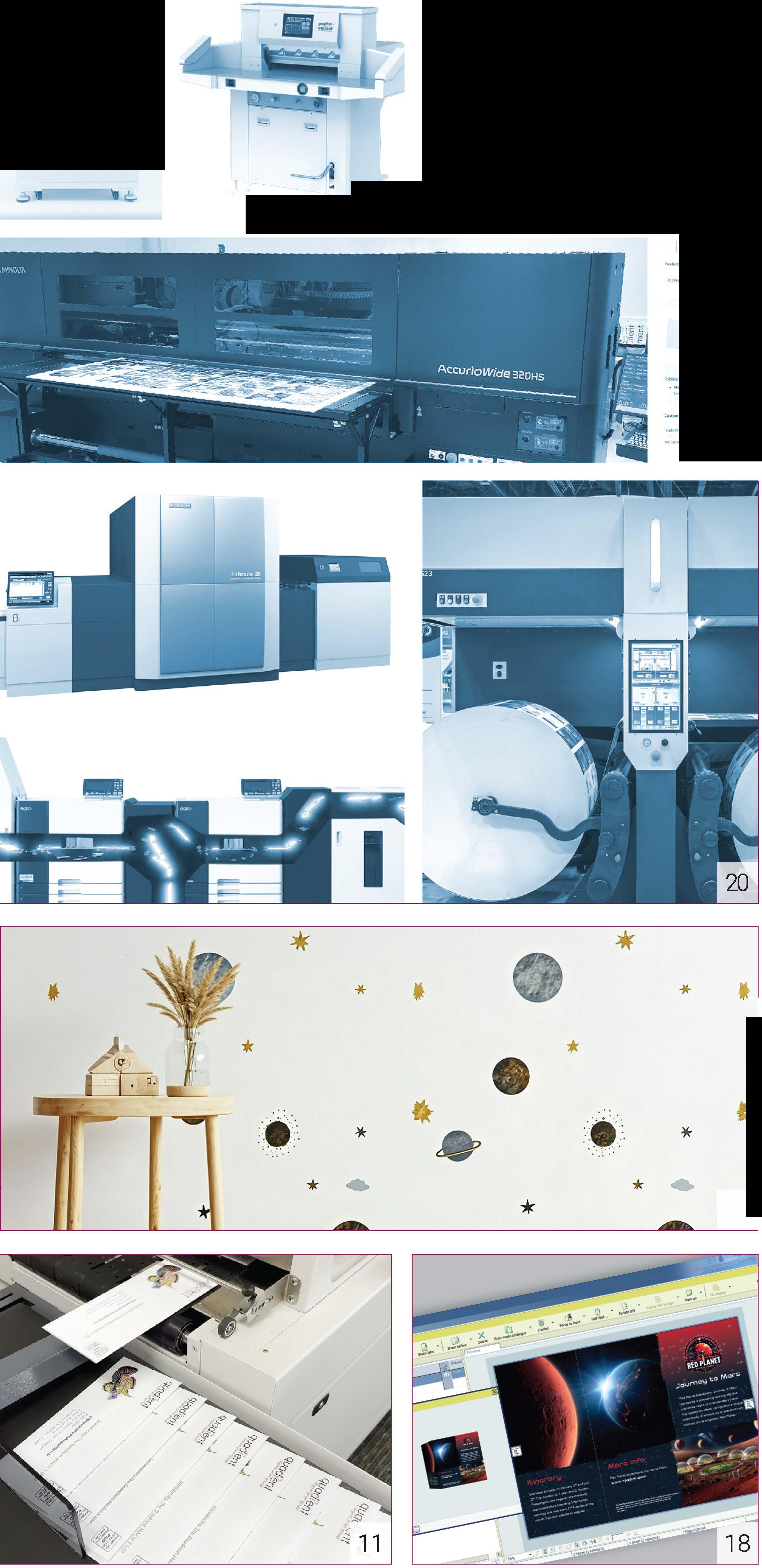
Modern technology provides the ability to collect feedback and adapt quickly. Publishing is no exception. Each year, DPS magazine presents the Top 30 awards, which are determined by reader choice through an interactive process, where INFO#s are included on advertisements and editorial. Find out more information on a product or vendor by visiting DPSMagDirect.com and entering the three-digit code. This year, we asked the Top 30 vendors to highlight their best-selling or flagship products. Read more in Role Models
Each year, DPS magazine presents the Top 30 awards, which are determined by reader choice...
Today, direct mail is able to improve with feedback. Integrated mailing campaigns allow for highly targeted lists, personalized messages, and shorter runs. These campaigns may even utilize an online element that triggers print or collects data. Read more in Doing Direct Mail Right
We also catch up on sheet-fed inkjet. New introductions and product enhancements continue to hit the market, reaching a variety of print segments. Read more about target sheet-fed inkjet applications in Here, There, Everywhere.
No matter the application, print processes improve with automation. We address the current challenges and solutions in print workflow automation in Integration is Key
In this issue, also find coverage of the Dscoop Edge Rockies event.
Visit dpsmagazine.com for web-exclusive content on these topics, as well as industry news, digital editions, webinars, and more!
Additionally, we invite you to participate in our editorial survey, which you can find on our homepage, dpsmagazine.com.
dpsmagazine.com
Volume 28, Number 2 • ISSN: 1529-2320
EDITOR IN CHIEF
Thomas Tetreault
978-921-7850
EDITOR
Cassandra Balentine cbalentine@rockportpubs.com
ASSOCIATE EDITOR
Melissa Donovan mdonovan@rockportpubs.com
ART DIRECTOR
Sarah M. White swhite@rockportpubs.com
WEB EDITOR
Melissa Mueller
CONTRIBUTORS
Marco Bohr, Kemal Carr, Richard Huff
ADVERTISING SALES
PUBLISHER
Thomas Tetreault 300 Newburyport Turnpike, Ste. 11 Rowley, MA 01969 Ph 978-921-7850 x110 • Fx 978-921-7870 edit@rockportpubs.com
SALES
Amanda Doyon Ph 978-921-7850 x170 • Fx 978-921-7870 adoyon@rockportpubs.com
Subscribe online at dpsmagazine.com
CORPORATE & PUBLISHING OFFICE 300 Newburyport Turnpike, Ste. 11 Rowley, MA 01969
ROCKPORT CUSTOM PUBLISHING, LLC
CHAIRMAN
Jeffrey Jensen
PRESIDENT & CEO
Thomas Tetreault

Cheers, Cassandra Balentine, editor cbalentine@rockportpubs.com
CONTROLLER
Missy Tyler
By OPS Magazine Staff
Each year, a community of HP Industrial Print and Large Format owners and usersgather for the annual Dscoop conference. This March, the event heads to Denver, CO to helpprint providers chart new territory in an era of transformation.
In addition to educational sessions, keynote presentations, and endless networking opportunities, HP and its partners highlight products and services for the next generation of print.
ACTEGA highlights ACTDigi LEP Primer, a water-based solution developed in partnership with HP and now part of HP's expanded primer portfolio. This primer delivers outstanding performance across a range of label applications and substrates-including coated and uncoated papers, synthetics, and metallized materials. Optimized for the HP Indigo 6K, 6K+, and 8K Digital Press series, ACTDigi LEP Primer ensures superior print results in both inline and near-line applications. INFO# 200
HP demonstrates how its integrated portfolio of digital presses, software, and automation solutions
works together to unlock profitable growth through intelligent automation. Together, these capabilities connect production, workflow, and business systems to deliver greater efficiency, visibility, and new revenue opportunities. INFO# 201
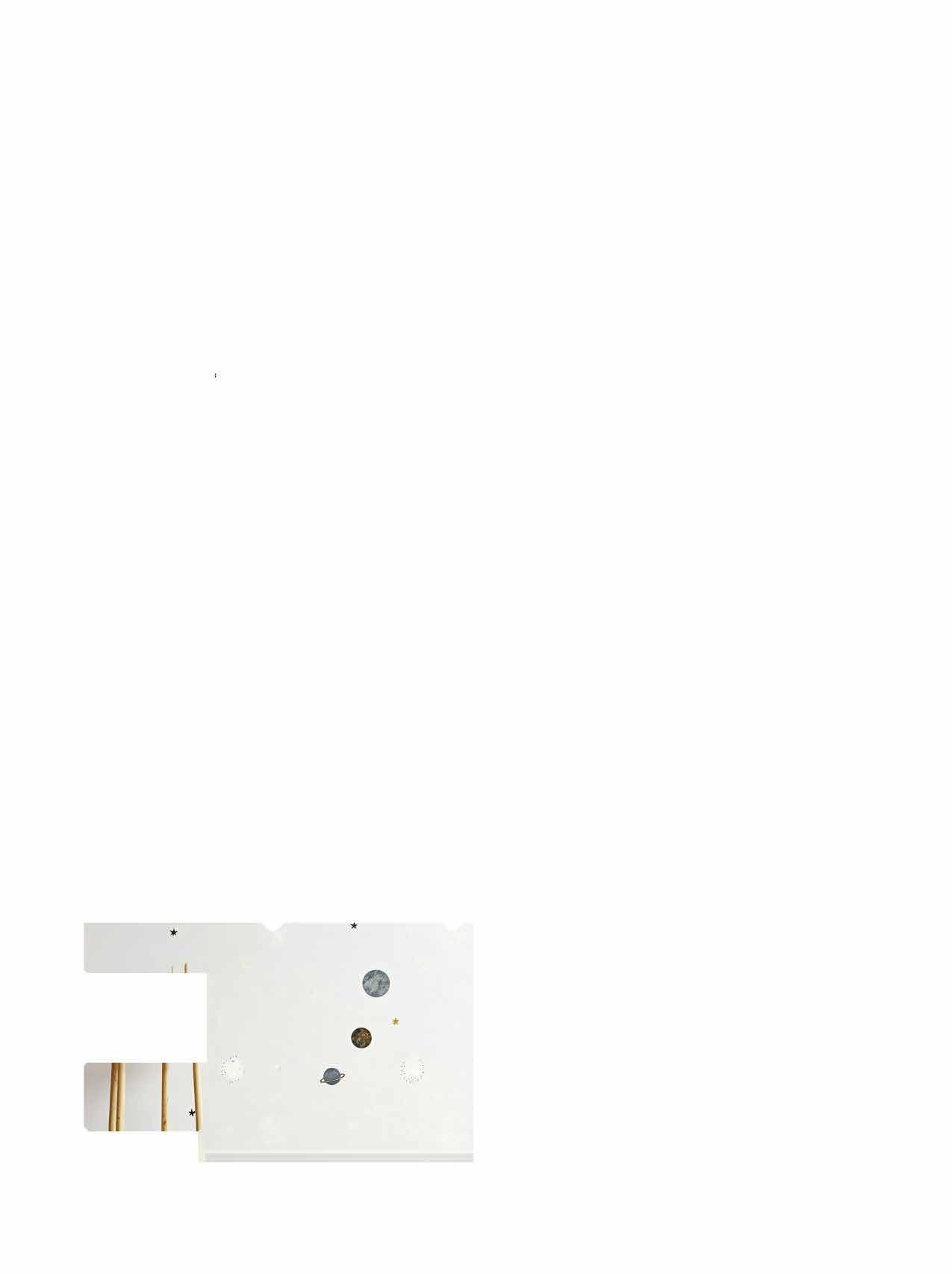
General Formulations {GF) helps print providers make short-run printing simple, fast, and vibrant with its Narrow Format Digital (NFD) line. Designed for trouble-free production, GF pressure-sensitive films feature a proprietary top coating that prevents blocking-even on static cling-and runs on presses like HP Indigo, Xerox, Ricoh, and Kodak. INFO# 202
GM showcases the DC350Mini configured with Digital Varnish. This compact, all-in-one solution integrates digital varnish, UV flexographic varnish, lamination, cold foil, cast and cure,


slitting, and dual rewind on a single platform. INFO# 203
locr GEOservices and MAPS provides personalized maps and geomarketing solutions for print and crossmedia campaigns. The company helps its partners utilize location data for marketing success and cost-efficient campaigns. INFO# 204
Merlin Technology showcases advanced humidification solutions that ensure optimal printing conditions and maximum press performance. Its systems demonstrate how efficient humidification reduces operating costs as well as increases production reliability. INFO# 205
Michelman introduces the newest primer under development in the
1. &2. Designedfortrouble-free production, GF pressure-sensitive films feature a proprietary top coating thatpreventsblocking-evenonstaticcling

DigiPrime Vision series, DigiPrime Vision 9200. Designed for the inline priming units of HP Indigo Digital Presses, this primer offers a combination of versatility, compatibility, and performance, allowing print providers to maximize uptime, increase overall equipment effectiveness, and run a wider range of jobs with a single primer. INFO# 206
MindFire illustrates how its OmniChannel platform proves direct mail return on investment with complete campaign attribution. The highlight— its DM AI agent, which is designed to make mail talk. INFO# 207
Discover the latest in print innovation and experience the future of digital finishing solutions with Muller Martini and Hunkeler . Mike Wing and Richard Allart educate attendees on how to stay ahead of the curve with the latest trends, and show how its digital finishing solutions can solve your daily production challenges. INFO# 208
Neenah features its 2026 Digital Stock Guide, showcasing 15 brands and an array of colors and textures
optimized for the HP Indigo. In addition, Neenah recently launched CLASSIC Embellishment Papers—the only uncoated paper that works with digital embellishment technology, no underprint required. This allows printing to uncoated stock on the HP Indigo and embellishing with digital foil without an extra step. Neenah paper products are also displayed throughout the show floor. INFO# 209
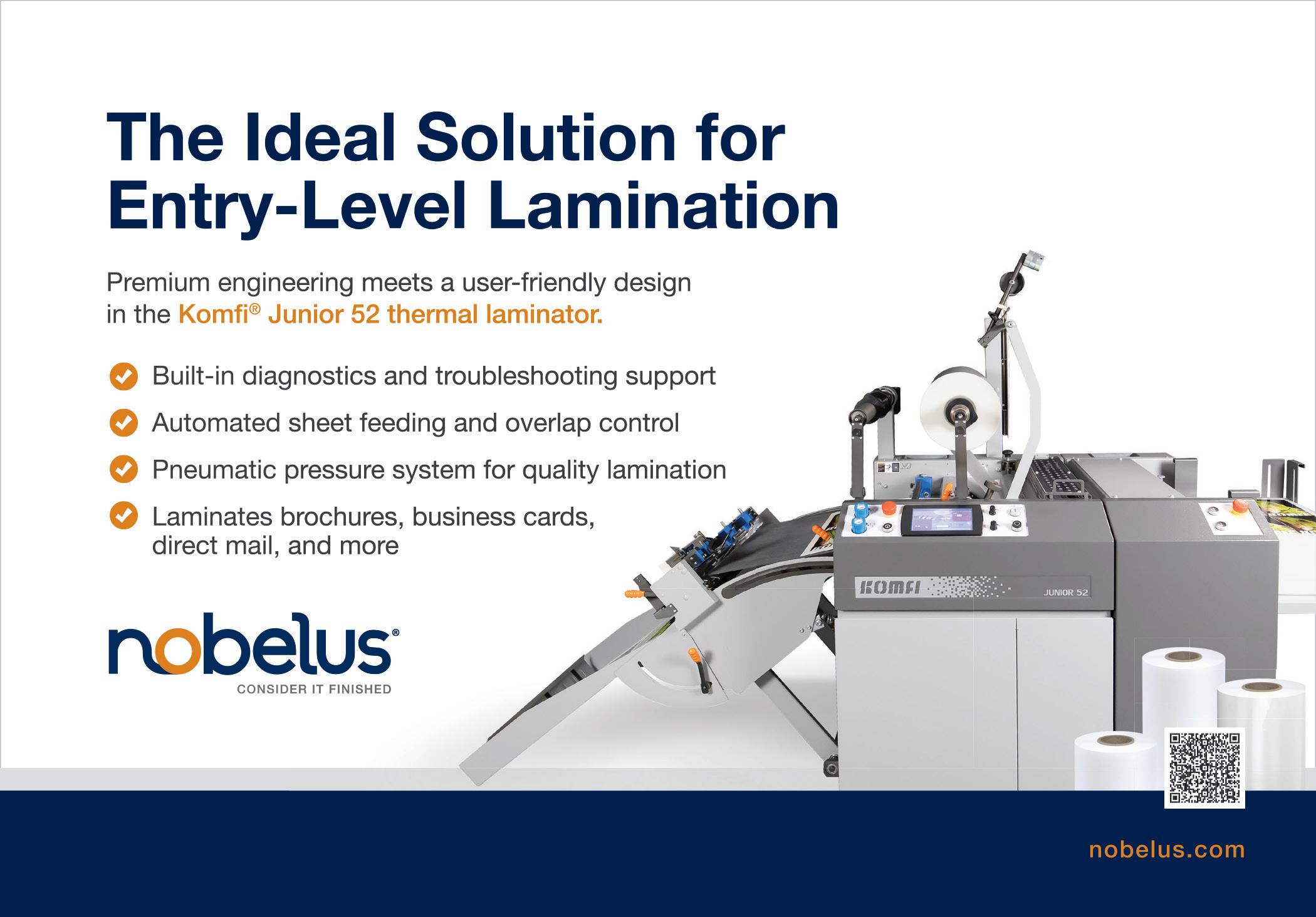
Nobelus highlights the newly launched, entry-level Komfi Junior 52 as well as a range of specialty finishes. The Junior 52 is the ultimate solution for operator-friendly lamination, making it ideal for printers bringing thermal lamination in house. It accepts B2 and B3 sheets and heats up in as little as six minutes while offering automated quality assurance features such as sheet overlap control and a de-curling system. Explore samples showcasing how specialty finishes are used across different packaging types, including cartons, labels, and flexible packaging, to create more consistent branding. Premium films include the luxurious soft-touch

Karess, rugged sandpaper FineGrit, and the striking, prismatic patterns of Rainbow Holografik. Solutions experts are available for one-on-one discussions about how Nobelus solutions can support your business. INFO# 210
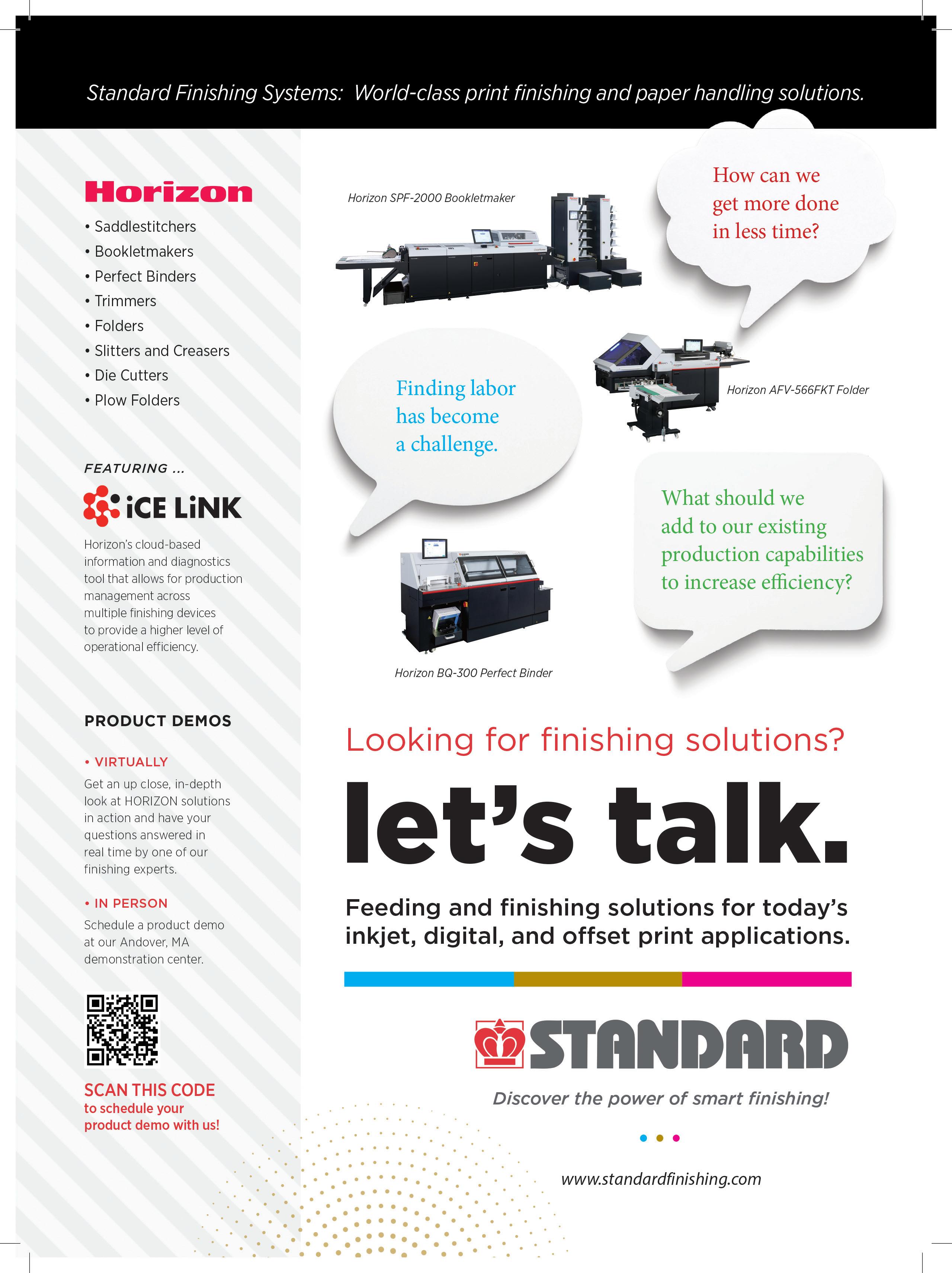
Skandacor features a range of print finishing samples and brochures. Dscoop Edge Rockies is the perfect chance to get inspired, ask technical questions, and explore new ideas for your projects. The team is on hand to share expert insights, offer practical advice, and discuss how Skandacor’s solutions can help you with the challenges you face in your print shop. INFO# 211 Standard Finishing Systems features the Horizon’s CRF-362 Creaser/ Folder, which creases and folds digitally printed output in a single pass. Standard also features iCE LiNK, Horizon’s cloud-based post-press management system that works across multiple finishing devices for better operational efficiency. INFO# 212
Sylvamo delivers uncoated paper solutions that are designed to run reliably on your digital equipment. The company offers 3-Star certified papers for HP Indigo presses and inkjet rolls available with ImageLok treatment or untreated, giving you flexibility across applications. INFO# 213
Tecnau exhibits the Stack 1212 for automated cutting and stacking of B2 output from HP Indigo 120K/18K presses. The machine finishes live output from HP Indigo’s exhibited 18K press. It also shares details of the Sitma automated, sustainable packaging solutions for ecommerce and book publishers. INFO# 214
Dscoop Edge Rockies engages visitors through networking events and educational opportunities.
Stay tuned for updates and product releases from this year’s Dscoop event at dpsmagazine.com. dps
By Signif1cans Automation �-
Processing time cut 20 to 40 percent, labor reduced by three employees, and speed to market accelerated by GA CMP leader with customized automation from Significans Automation.
Benson Integrated Marketing Solutions in Alpharetta, GA offers a unique Centralized Marketing Platform (CMP) to manage multifamily property marketing activities. Services include apparel, creative design, on demand communication technology with online smart stores, print services, and promotional products and signage. Benson personalizes more than 500 physically branded product types, delivering scalable customization while maintaining brand consistency. Advanced production capabilities-including HP Indigo 15K and 7900 presses with variable data printing and embellishments, combined with G7 certification-ensure high-quality, coloraccurate results across all outputs.
With a staff of about 220, thousands of web to print (W2P) jobs are processed daily. This throughput was cumbersome to manage manually and labor intensive. Customer service representatives worked within its MIS system to manually download, imposition, and drop files to their presses. The process highlighted an opportunity to implement automation and drive operational efficiency.
In Fall 2024, Benson partnered with Marc Raad, president, Significans Automation. Keri Lively, director of strategic initiatives, Benson Integrated Marketing Solutions, recalls those early conversations. "We were producing a huge volume

of printed pieces that each had their own unique production variables. We needed to streamline our data collection and increase our efficiency. First, we wanted to automate all our W2P files from our customers online smart stores, to be sent automatically to one of our two HP Indigo presses, depending on their unique production criteria. That was the first project we tackled together successfully."
Next, Lively looked to automate the company's nametag and maintenancebadge production. "Hundreds of nametags, each with distinctive features, run through our facility each day. Our operators had to create multi-up layout files manually to fit our presses. We aimed to eliminate this time-consuming process!'
The Benson/Significans Automation team automated the nametag and maintenance badge workflow by filtering incoming orders based on specific production criteria. They developed a customized, automated workflow that optimally ganged all orders to reduce setup time. The new systems also triggered production based on quantity thresholds and accelerated time to market. Finally, they integrated all existing workflow systems, including W2P and Pace software, for a seamless flow of data. Several months later, Significans Automation further upgraded imposition capabilities by installing Enfocus Phoenix.
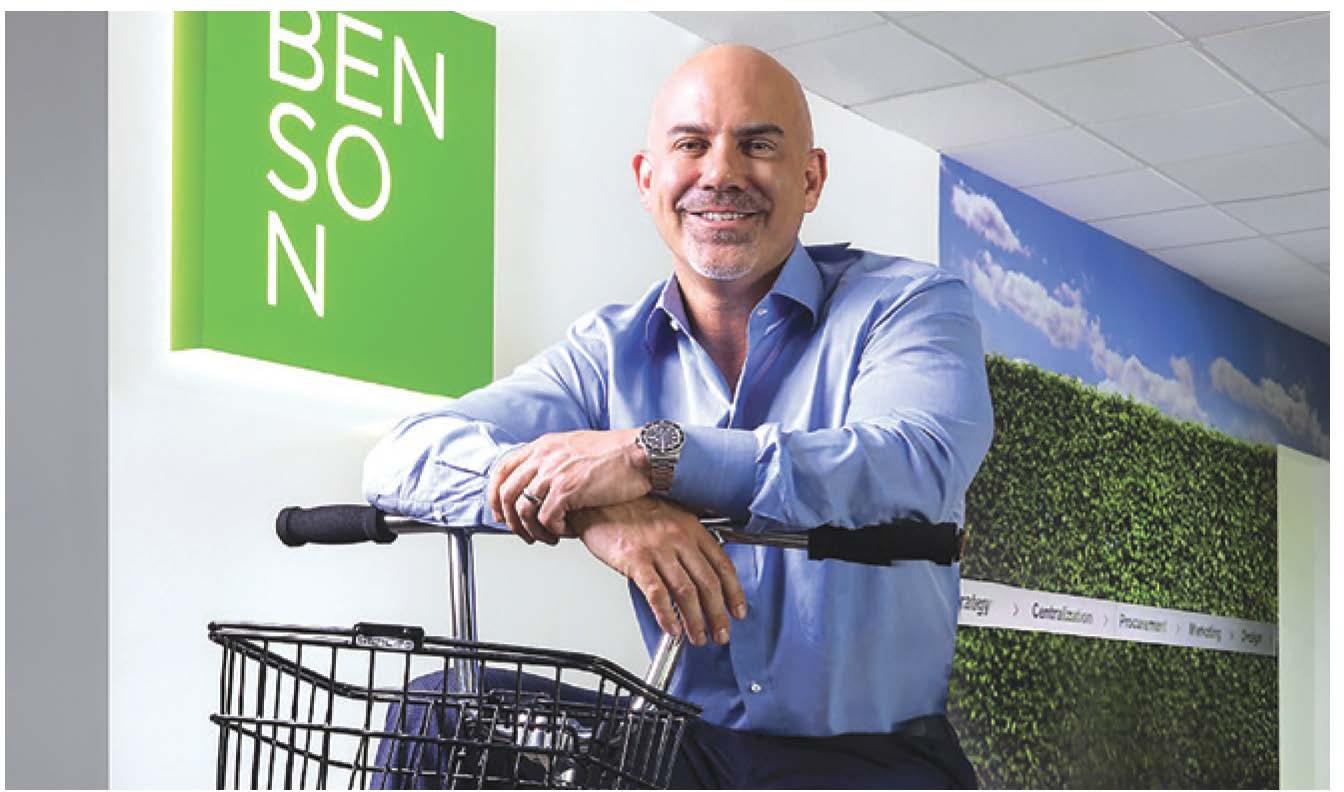
''As far as W2P, we eliminated one entire department staffed by three employees. Employees who manually drop job files saw a 20 percent reduction in their workload. Our nametag and maintenance badge operators reduced their processing time by about 40 percent each week. Moving forward, we intend to automate other areas of our business to boost speed to market," shares Lively.
Brian Benson, founder/CEO, Benson Integrated Marketing Solutions, adds, "we believe employee throughput must increase rapidly to stay competitive as an organization. We monitor this by measuring sales per employee company wide and expect growth year-over-year in all parts of our business. Of course, great people are the backbone of all our success, but we must support them with smart workflows and automations. Significans Automation played a major role in helping us achieve this, and work towards our goal ofcompleting 80 percent of our work in 24 hours or less."
For an assessment of your workflow systems, please call Significans Automation at 877-463-4465. dps

ByCassandra Balentine
he future of direct mail is personal-hyper personal and measurable. The latest direct mail trends are largely driven by the need to improve response rates and reduce labor, fueled by the introduction and adoption of the technologies that support it.
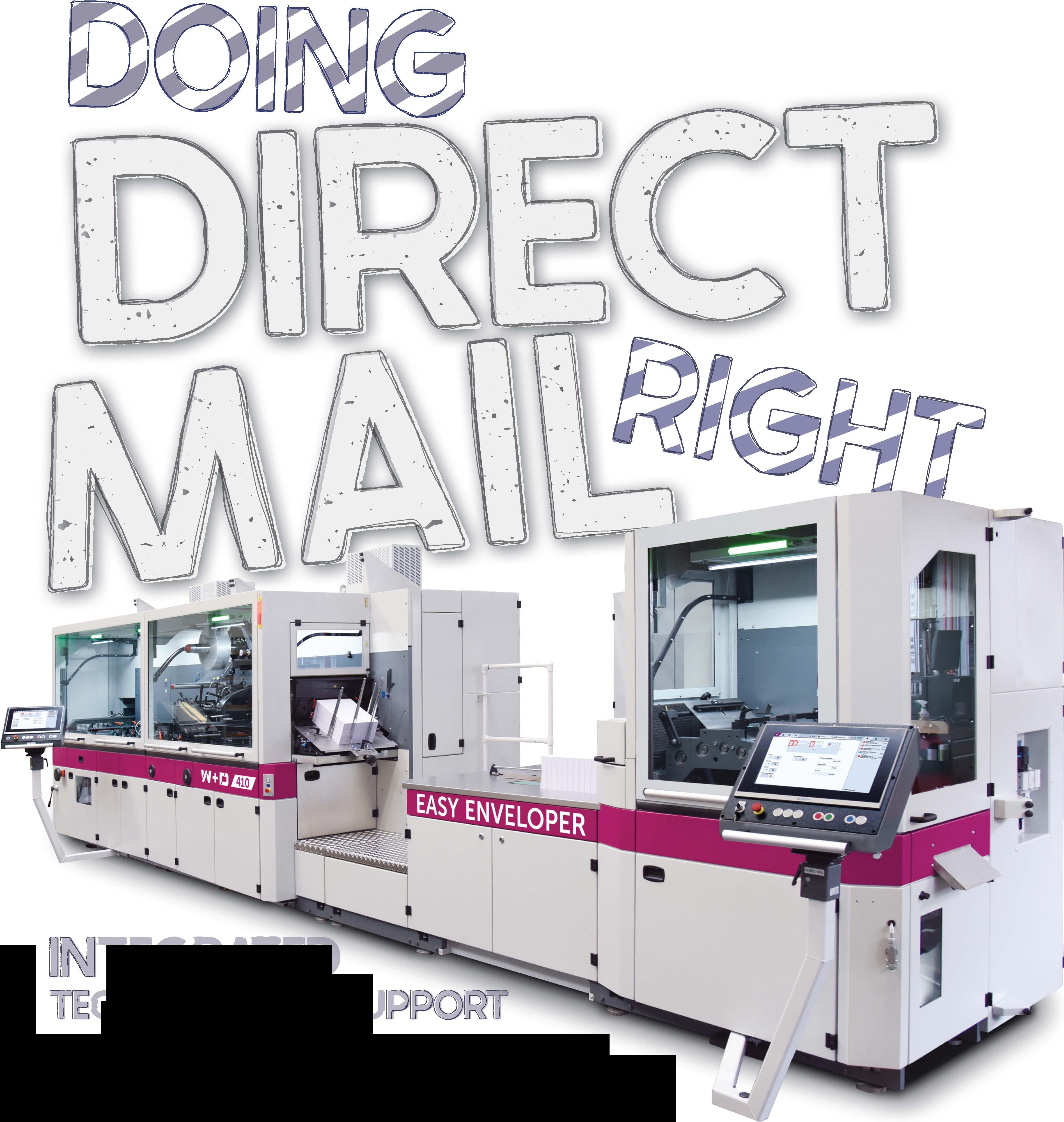
Brook Spaulding, BW Converting senior account manager, East Coast, W+D Brand, sees direct mail as far more tightly connected to digital engagement and data analytics than it ever has been. "Technologies like quick response (QR) codes, augmented reality (AR), personalized URLs, and campaign-level tracking
are no longer optional add-ons. They're becoming central to how marketers justify mail spend and prove performance."
Above: W+D inserting and finishing systems are designed to handle high levels of personalization, variable data, and complex mailpiece constructions withoutsacrificingthroughput.
There is growing interest in advanced integrations like Near Field Communication (NFC) and other embedded components, especially for higher value campaigns. “These technologies allow mail to function as a true trigger within a broader omnichannel strategy rather than a standalone touchpoint,” says Spaulding.
The common thread is measurability. “Mailers want to know exactly how a piece performs once it leaves the plant, and integrated technologies are what make that possible. This shift is influencing everything from creative design to how equipment on the production floor is configured,” adds Spaulding.
Kevin Crawford, regional business development manager, Quadient Digital Print Group, feels that the value proposition for technology is labor savings through inline automation. “Labor is the highest fixed cost within an organization, and the ability to use automation to reallocate those valuable resources to higher value tasks is highly desirable.”
An added consideration, the U.S. Postal Service’s (USPS’) incentive programs. Among its 2026 promotions, USPS is offering a postal discount for qualified mailers that integrate digital technology—AR, NFC, video in print, and artificial intelligence—into physical mail to encourage engagement. Even deeper discounts are available with the inclusion of Informed Delivery.
Technology-enabled mail makes the most sense for targeted campaigns. “These formats are often tied to personalization
1. Quadient’s Mach 9DS digital printing system with the MACH Symphony suite of software allows for complete full-color envelope customized printing with interactive technologies.
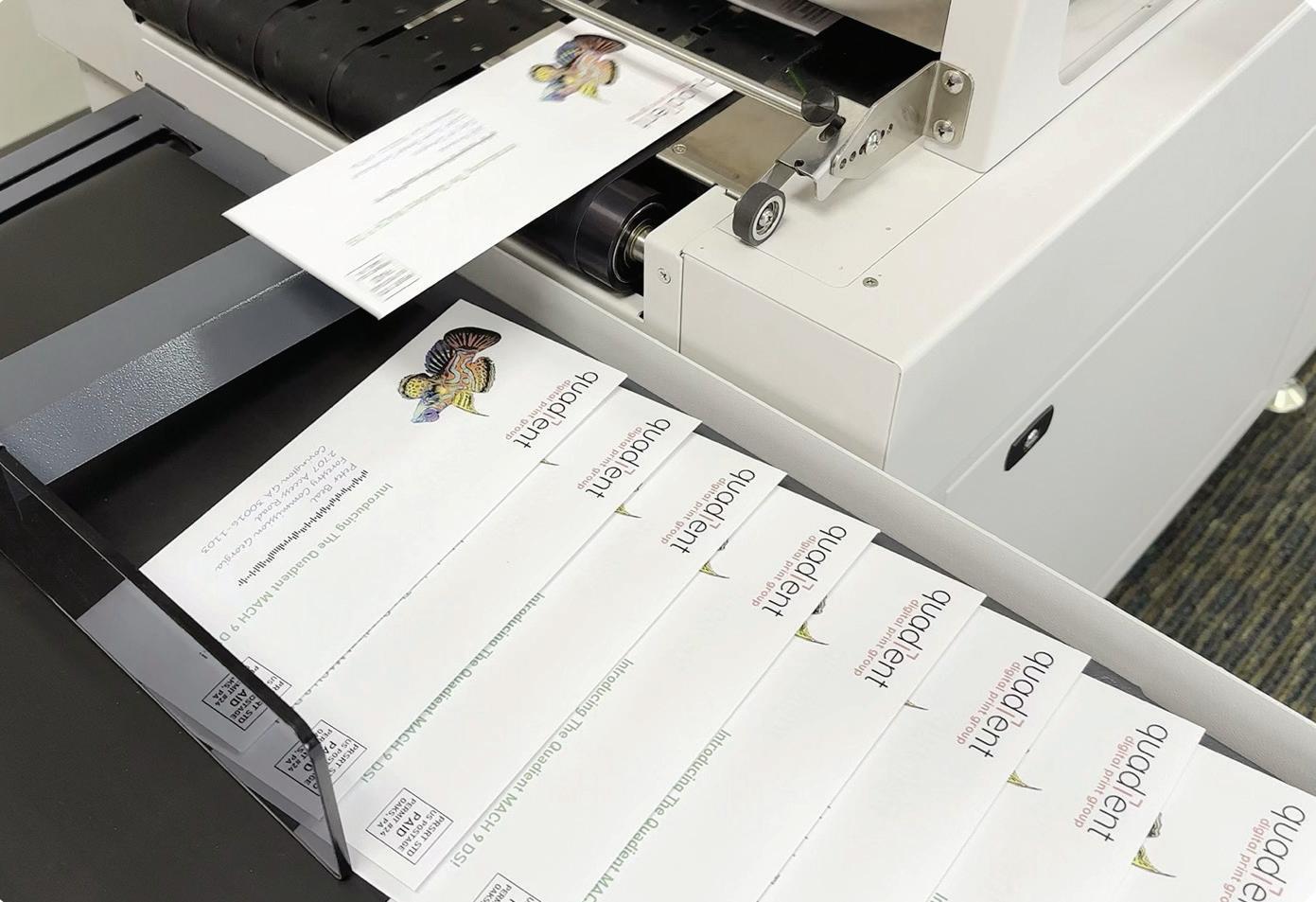
and data segmentation, which naturally lends itself to smaller, more strategic volumes,” comments Spaulding. “This doesn’t mean you can’t run high volumes, but you need enough scale to justify setup, testing, and verification.”
Additionally, many campaigns succeed at moderate run lengths because the response rates are higher. “In other words, it’s less about hitting a magic number of pieces and more about aligning volume with campaign objectives and production efficiency,” shares Spaulding.
When it comes to the effect on production, Crawford explains that the impact of integrated technology on run speed is relative to the number of active background processes used and the processing power and memory buffer deployed to handle the workflow. “For example, Quadient’s Mach Symphony system has plenty of buffer processing to keep the accompanying mail inserting system operating at its top speed.”
When jobs are properly engineered the impact on speed and throughput
can be minimal. The biggest issues tend to come from inconsistent materials or poor placement of technology elements, not from the technology itself. If a component interferes with feeding, folding, or sealing, it is seen immediately in yield loss or stoppages. “That’s why design for manufacturability is so important. A clean, repeatable mailpiece design almost always runs better than something that’s pushing the limits. The good news is that once a job is dialed in, it can often run just as efficiently as a conventional mailpiece. The key is investing time upfront rather than trying to fix problems at full production speed,” notes Spaulding.
Integrated mail technology is no longer a “nice to have.” It is an integral part of a well-managed marketing strategy that drives better response rates and maximizes postal incentives, states Crawford.
While technologies like printed electronics or video-in-print are still niche, Spaulding stresses that the equipment must be adaptable. “Even if a customer isn’t running those applications today, they want to know their investment won’t box them in tomorrow.” dps
By Melissa Donovan 0--
Sheet-fed/cutsheet inkjet technology is advancing at an impressive rate and branching out into various parts of the print industry. Today's technologies are used in many segments like direct mail and marketing, commercial printing, book production, transactional, financial and insurance, packaging/folding cartons, and even photography.
Adoption ofsheet-fed inkjet is increasing across a range of customer segments and applications.
Early adopters, according to Peter Kowalczuk, EVP and client services group president, Canon U.S.A. and chairman/CEO, Canon Business Process Services, "were primarily direct mail and transactional print customers, migrating communications with pre-printed offset shells and that had second step variable data printing on toner devices. These applications
book manufacturers, and customers in photo and high-end graphic segments turn to cutsheet inkjet.
Commercial printers also adopt sheetfed inkjet as demand for variable data-including versioning and personalizationgrows, notes Lance Martin, VP product marketing, Komori America.
It doesn't matter whether cutsheet inkjet is used for direct mail or commercial printing-in all scenarios, Fred Morrone,

senior manager - inkjet division, KYOCERA Document Solutions America, Inc., believes that the old model of toner and/ or offset no longer works.
"Buyers want shorter runs, full color, faster turnaround, and personalization, all without paying a premium. The harsh reality is offset and toner-based systems cannot keep up. Customer expectations have changed;' comments Morrone.
He explains that inkjet fills a gap left by legacy devices that couldn't handle these applications. In this way, inkjet allows print providers quickly transition to printing the entire communication on an inkjet press in one step."
With advancements in print quality, especially on coated and uncoated papers, Kowalczuk says more commercial printers,
Buyers want shorter runs, full color,
faster turnaround, and personalization as standard, all without paying a premium.
- Fred Morrone, senior manager - inkjet division, KYOCERA Document Solutions America, Inc.
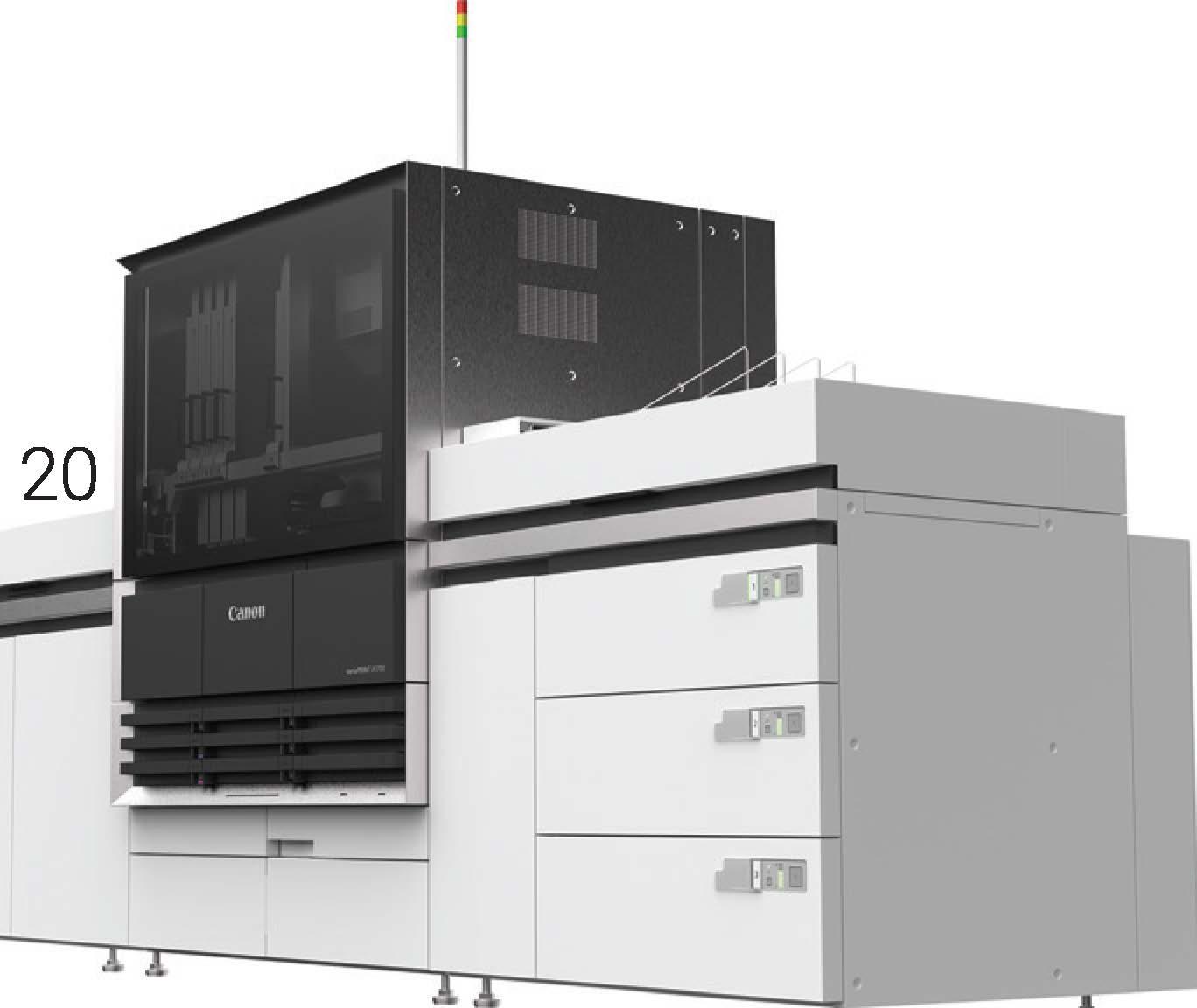
1. The KYOCERA TASKalfa Pro 15000c handles everything from high-volume transactional and direct mail to commercialprintandpublishing applications. 2.Canon'ssheet-fedinkjetpressesdeliver high qualityacross arangeofmedia. For example, the Canon varioPRINT iX1700 featuresresolutionsupto 1,200dpi.
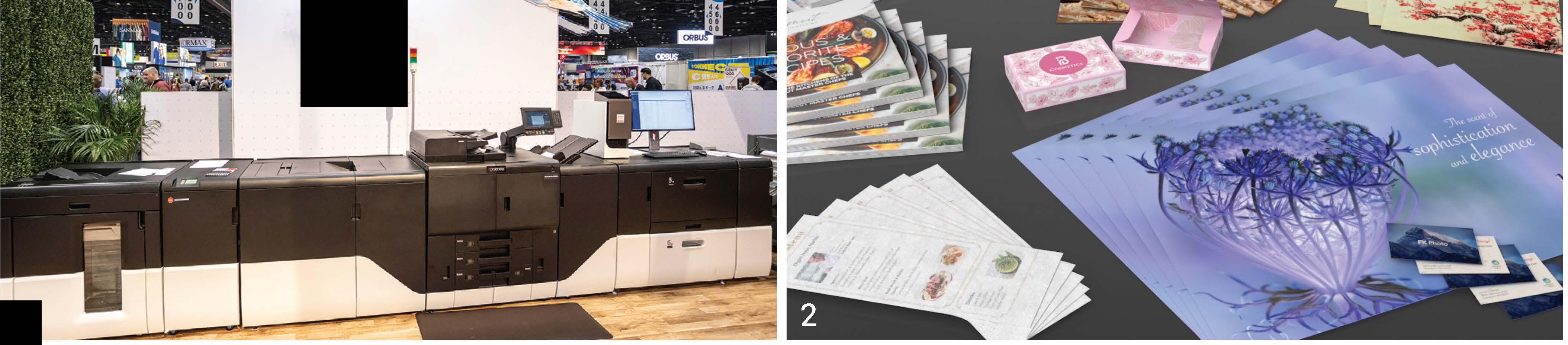
to profit from jobs they originally avoided or outsourced.
“In commercial print, it’s the ability to efficiently run short-volume work without setup waste or excessive labor. For publishers, they’re looking to add affordable color. On an inkjet press, doing all this is a piece of cake,” continues Morrone.
According to Tim Bolton, senior manager, inkjet technology portfolio, RICOH Graphic Communications, Ricoh USA, Inc., cutsheet inkjet offers several advantages that have to do with cost, performance, quality, and media versatility.
“These mean more segments and applications adopting the technology.
“Inkjet is a lower overall cost to operate compared to a toner device. With regards to increased performance and print quality—concerns from the past around inkjet quality have significantly reduced
with the advancements in inkjet technology. Inkjet quality can now compete with that of offset. Media versatility and ease of personalization capabilities have expanded opportunities for print offerings,” explains Bolton.
Between price hikes by the U.S. Postal Service and new tariffs, Andre D’Urbano, VP of sales, RISO Inc., believes print buyers and consequently print providers search for more economical ways of printing their messaging.
“Prices goes up, print volume goes down. And with smaller print volumes, come shorter run lengths. Consequently, the print strategy has changed dramatically for those operating production print centers. They can no longer afford a workflow of one or two larger presses to cover all jobs. Instead what is needed is six to 12 light production printers,
multiple devices printing multiple jobs simultaneously in order to get as many jobs out in one shift,” explains D’Urbano.
Cutsheet inkjet presses benefit from technological advancements on both the hardware and software side.
Hardware specific, Morrone says “image quality has improved, color stability is predictable, and duty cycles now include high- and short-volume tasks.”
Related to hardware is energy usage. Inkjet is favored over toner-based production devices because it typically uses less a energy, “primarily because they avoid the continuous high-temperature fusing process that toner requires. That tends to reduce both operating costs and environmental impact on electricity use,” explains D’Urbano.
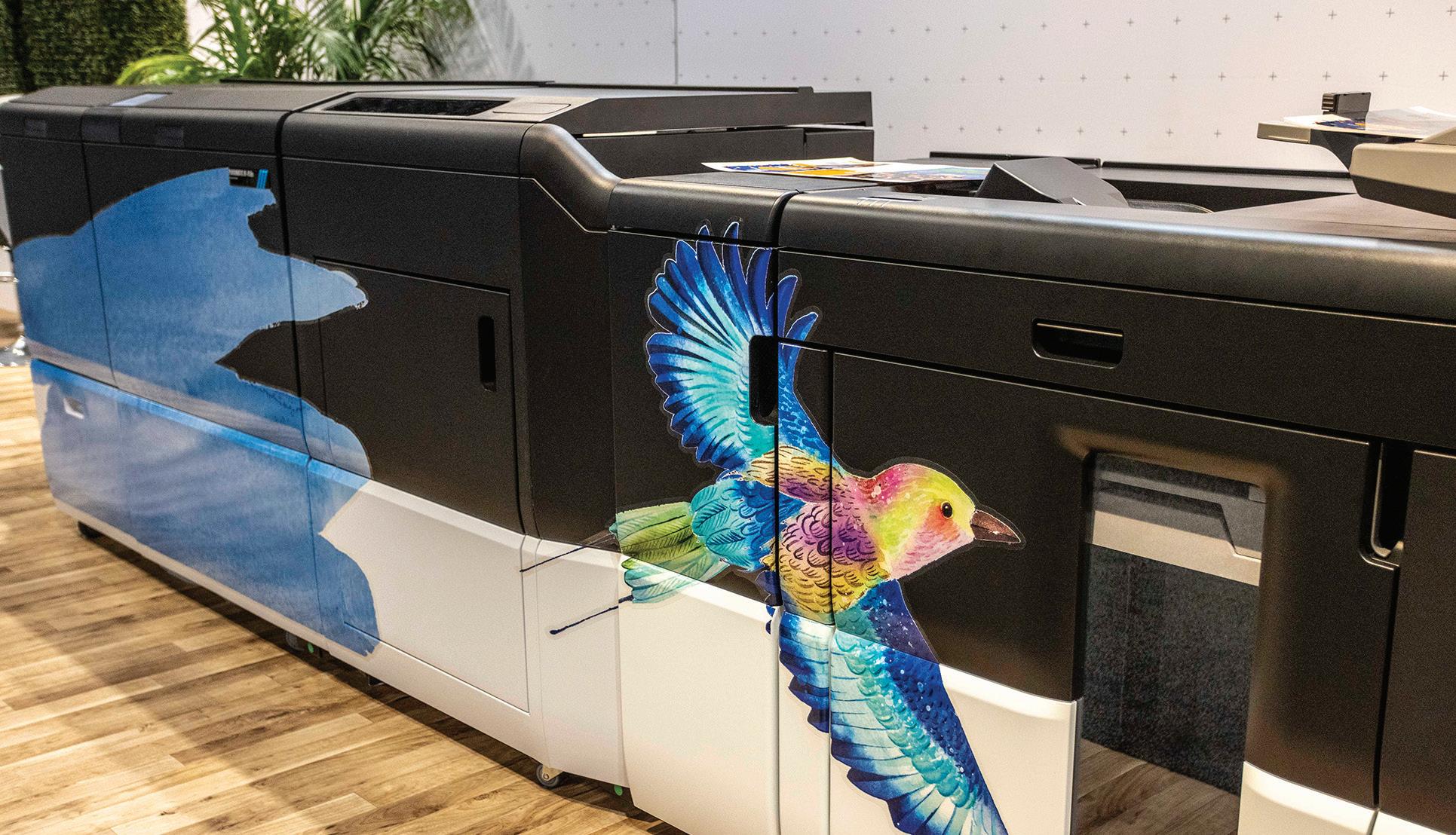
Water-, oil-, and UV-based inkjet units are available. The majority are waterbased devices and require a dryer and decurler to dry the ink on paper, says D’Urbano, so they still use heat but their electrical consumption is significantly lower than its toner counterparts.
Oil-based cutsheet inkjet uses less energy, according to D’Urbano. “This technology uses the absolute least amount of power compared to toner and its aqueous inkjet cousin. Oil-based ink is instant dry and uses a cold process that generates the type of flat output that is ideal for mailing inserters/folders. Oil-based pigment ink dries without the need of a dryer or decurler, which means smaller footprint as well as lower operating costs.”
In the realm of software, there are updates in automation and uptime, according to Morrone. “Faster startup, fewer
maintenance call outs, reduced downtime, and more intuitive operation reduce dependency on highly specialized labor.”
“Upgraded RIPs and integrated software like Komori’s KHS-AI presetting software creates a better workflow for more uptime,” adds Martin.
Finally, media flexibility is growing and translating to more application variety per press. “Media flexibility enables printers to confidently run a broader range of applications, from transactional documents to commercial marketing pieces and books,” shares Morrone.
Proprietary technologies like Canon’s ColorGrip also play into the growth of media flexibility. “ColorGrip conditioning liquid is intelligently applied to imageable areas on the media where ink will be placed and enables high-quality output on a range of standard offset coated and uncoated papers,” says Kowalczuk.
Automation is another advancement. For example, the Heidelberg JetFire 75
See page 26 for more information.
features automated processes that take care of service and maintenance.
There are always hurdles to overcome when it comes to educating buyers on the benefits of am unfamiliar technology.
Cost can be a challenge. Many prospective buyers think an investment in inkjet cutsheet will be too high. “While it is true that inkjet solutions do typically come with a higher acquisition cost when compared to toner, operational costs over the life of the investment is often significantly reduced when compared to the same output on a toner-based device,” admits Bolton.
“Many commercial printers and inplant operations want to transition to sheet-fed inkjet but lack the print volume necessary to justify the investment in a high-quality production press,” agrees Kowalczuk.
Those unfamiliar with inkjet may have a misguided perception of the technology as a whole, which challenges adoption. “Many print providers continue working with outdated technology and believe inkjet lacks quality, can’t handle demanding applications, or is only suitable for certain jobs. Those beliefs are not only wrong, but they are holding them back,” says Morrone.
For those immersed in offset, inkjet might raise some concerns. “Inkjet ink cost is higher compared to traditional offset inks, while zero makeready costs and zero makeready waste offsets require a new mindset. Offset remains optimal for long static runs and there may be coating and embellishment compatibility concerns,” comments Martin.
Cutsheet inkjet printers are used in various segments, especially as technology advances to meet the individual needs of each. As this occurs, the adoption rate accelerates.
“With increases in quality, reliability, and operational efficiency, sheet-fed inkjet
is becoming more viable for nearly every segment. Applications in transactional, non-profit, solicitation mail, as well as direct mail and general commercial, all now have the ability to benefit from inkjet,” says Bolton.
Transactional documents with a short lifespan and stored or disposed of after use are also ideal for cutsheet inkjet, D’Urbano believes oil-based technologies serve these applications well.
“Oil-based inkjet provides the speed, productivity, and low operating costs that will generate incremental revenue and maintain high profit margins,” explains D’Urbano.
Martin believes adoption is also found in short- to mid-volume print.
“Commercial printers profitably produce short-run work that previously fell below offset’s economic threshold.” This
is especially true when the press is able to run offset-compatible substrates that reduce paper inventory, offers stable sheet transport for coated and uncoated stocks, and features UV LED ink that prints on offset and standard papers, no pretreatment needed.
The use of cutsheet inkjet in book publishing is expanding as well, primarily as “publishers shift to just-in-time manufacturing while maintaining professional print quality,” explains Martin.
The technology offers consistent color across reprints even from year to year; at the same time, presenting blackonly inkjet body copy, which is very low cost and competitive, adds Martin.
Packaging and/or folding cartons are also a big adopter. With B2+ sheet size an option as well as superb front to back registration in single pass,
“converters gain flexibility and speed without replacing offset for long-run work,” says Martin.
According to Morrone, “the way the industry is going, we’re seeing jobs getting shorter, more frequent, and more complex. Color is expected and personalization is standard. Inkjet aligns perfectly with these demands. That’s why adoption is growing quickly across all industries for sheet-fed inkjet.”
The use of cutsheet/sheet-fed inkjet continues to increase across direct mail and marketing, commercial printing, book printing, transactional, financial and insurance, packaging/folding cartons, and photography—just to name a few segments. Speed and quality drive this adoption. dps
By Cassandra Balentine
Across all segments, print providers face common challenges such as labor shortages, increasing job complexity, shorter run lengths, tighter turnaround times, and disconnected systems.
"Commercial and direct mail printers struggle to manage high job volumes and frequent changeovers, while inplants are under pressure to reduce costs and improve transparency and service levels," says Kevin Roman, director of professional services, Production Print Pro Services, Canon U.S.A., Inc. "Large and multi-location providers often lack standardization and real-time production visibility, creating inefficiencies and limiting scalability."
Printers today face many challengesfaster turnaround times, rising order volumes, increased job complexity, multiple output formats, manual bottlenecks, inconsistent prepress processes, and integration limitations. "Each print business will have a unique mix of problems to solve;' admits Piet De Pauw, head of marketing, Enfocus, emphasizing the need for flexibilityin automation software.
Manyoperations still have islands where estimating is separate from production, inventory separate from planning, and spreadsheets are everywhere.
Datafragmentationandsiloedsystems aremajorproductionworkflowchallenges for modem print and packaging operations, especially those with multiple locations or legacy software. "When estimating, scheduling, production, inventory, and financial data live in separate systems-or worse, spreadsheets-teams lose realtime visibility into what's actually happening on the shop floor," says Mariusz Sosnowski, CEO, HiFlow Solutions.
Depending on a print provider's current and long-term automation and integration goals, needs vary depending on the type of print business and/or amount of throughput, admits Marc Raad, president, Significans Automation.

For example, Rick Aberle, founder/ CEO, Propago, notes that without automatic data flowing from storefront to production to fulfillment to billing, printers face excessive manual entry, duplicate records, and errors that slow production and damage clientrelationships.
David Graves, CEO, Aleyant, explains that a lot of workflow solutions involve scripting that can be burdensome and involve added personnel or outsourcing.
Hans Sep, product line manager, Fiery, points to a shift from scripting to visual flow-based design, which allows production managers to build and modify workflows without IT involvement. "This addresses the capabilities gap directly-the people who understand
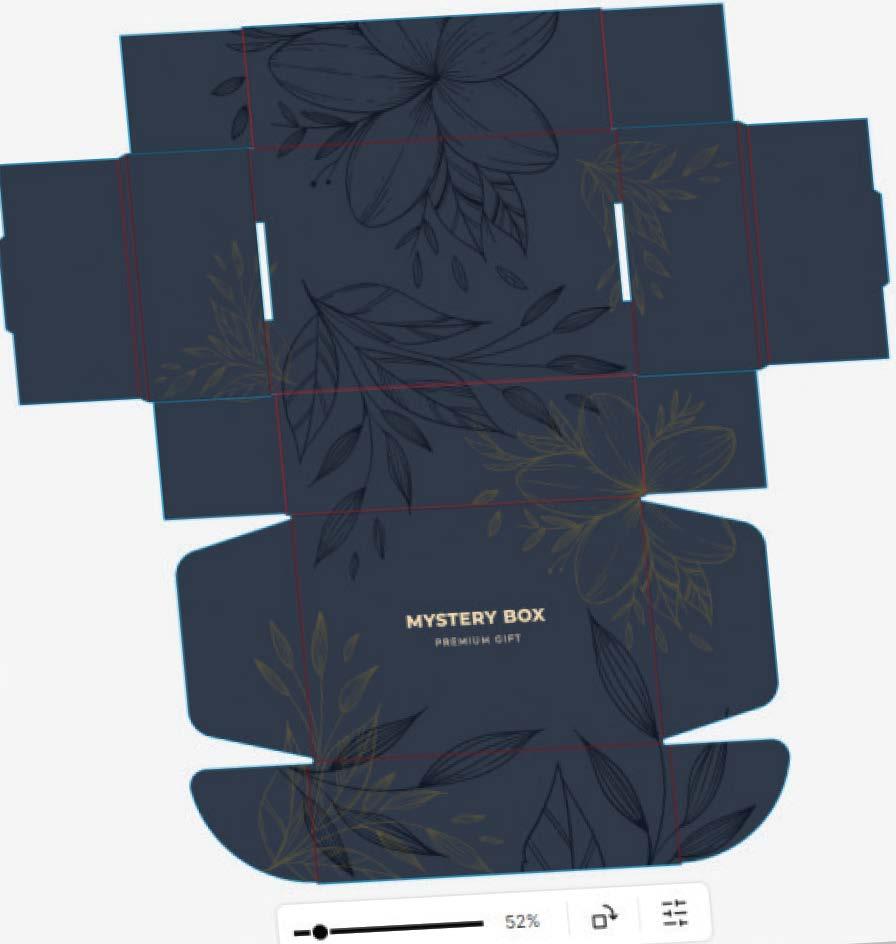
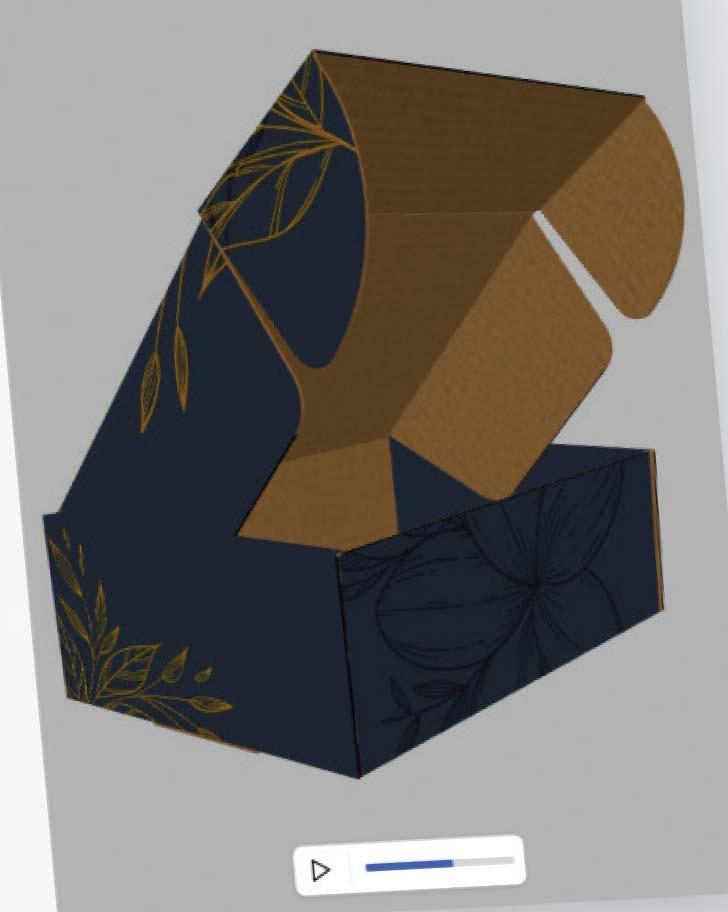
1. Customer's Canvas package editor creates die· cut templates and three-dimensional models of packaging. 2. Canon PRISMAprepare streamlines documentpreparation.
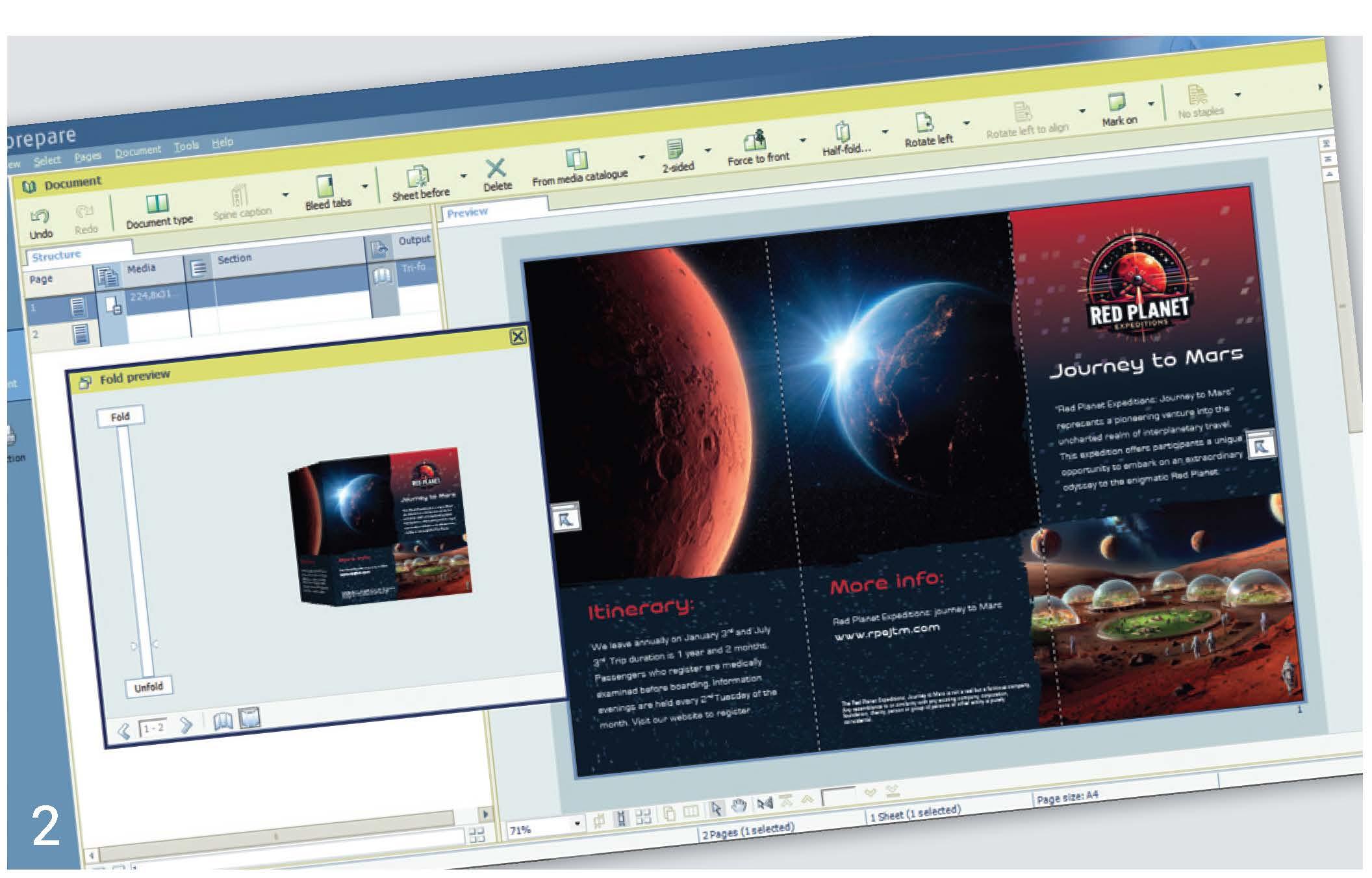

what needs to happen can now implement it themselves."
When brands demand more personalized materials, traditional workflows buckle. ''As order volumes increase along with turnaround time expectations, many workflows are still held together by manual steps, emails, and lastminute checks that don't scale," adds AlexBowell, managing director, Infigo.
Technical complexity also increases with personalization. "Managing dynamic variable data logic without specialized software becomes error prone and unmanageable at scale. Furthermore, a disconnect between sales channels and production systems often creates a disjointed workflow where orders from ecommerce portals must be manually re-entered into the MIS. This not only introduces typos and data discrepancies but slows down the entire operation," cautions DmitrySevostyanov, CEO, Customer's Canvas.
Mid-volume providers often rely on custom scripts and institutional knowledge, which also makes automation difficult to scale and increases operational risk. "Exception handling and rework frequently become bottlenecks," comments Chris Odden, director, Digital Transformation & Integrated Solutions, Software & Strategic Solutions, Commercial & Industrial Printing Group, Ricoh USA.
Ben Parker, director of sales, Rochester Software Associates, finds that the biggest workflow challenges-like manual prepress and makeready bottlenecks, disconnected ordering systems and production workflows, labor shortages requiring higher automation, and integrating legacytransactional data into modern workflows-are mostly seen in high-volume, multi-device, and enterprise environments, but workflowsolutionsare used to help overcome these challenges.
3. Propago enables print providers to better manage, personalize,produce,anddistributemarketingassets.
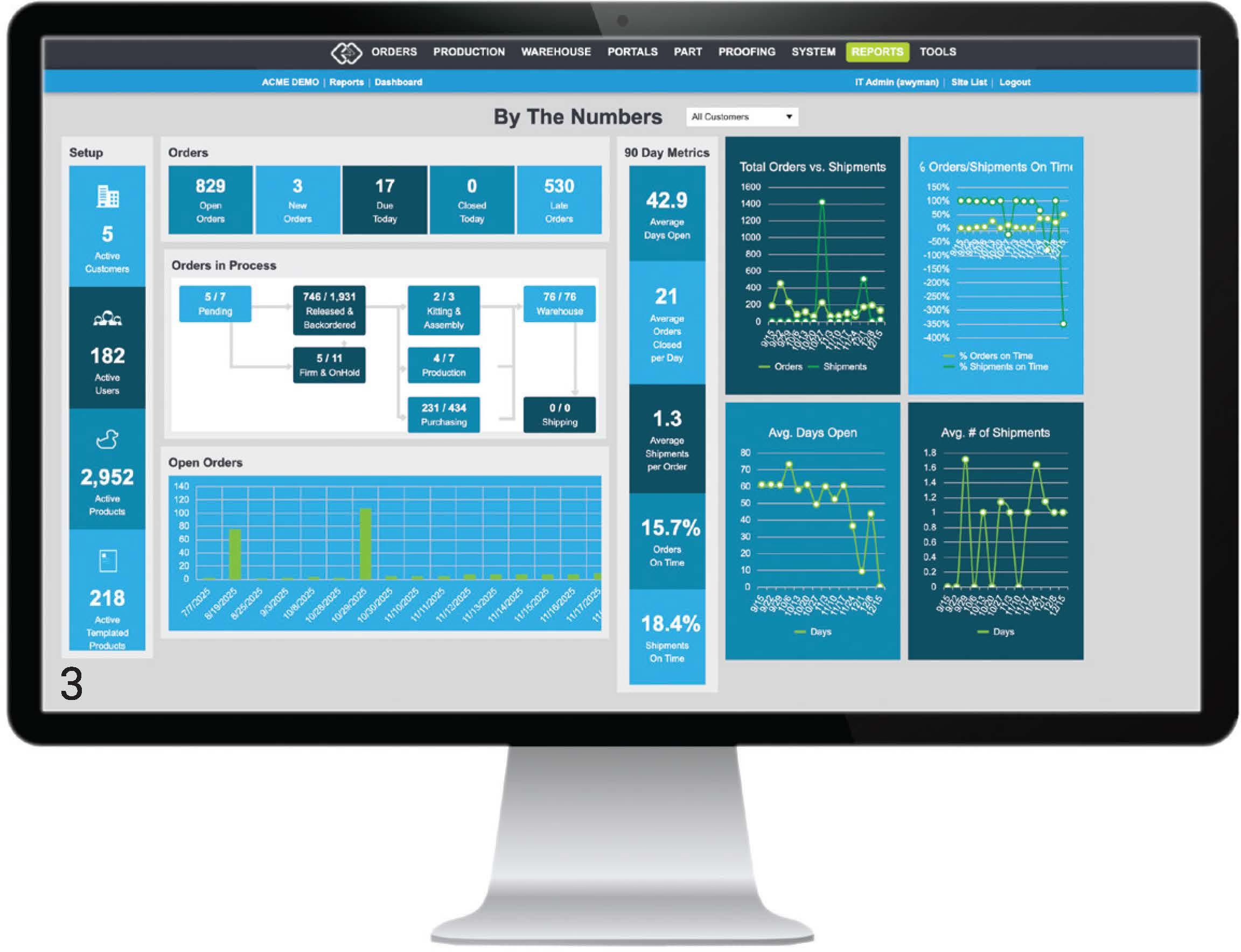
Additional challenges may relate to governance, compliance, and system integration. "Managing multiple delivery channels from a single data source, integrating legacy platforms with modern workflows, and ensuring uptime and disaster recovery readiness are ongoing concerns," comments Odden.
Nicole Miller, COO, Nordis Technologies, adds that growing security threats demand stringent digital and physical protocols and practices for data and record protection that must evolve to keep pace with changing risks, such as artificiallyintelligence-generatedattacks.
Print providers in all segments continue to evolve, accepting shorter runs, more complex orders, and demands to hit tighter turnaround times, this among a skilled labor shortage, increasing costs, and an uncertain economical climate.
The solution? Workflow automation, which starts with the integration ofsiloed systems to simplify production, reduce errors, eliminate waste, and improve productivity.
For more coverage on workflow, including an extended version of this article, visit dpsmagazine.com. dps

By DPS Magazine Staff

ach year, DPS Magazine honors the top 30 vendors and five honorable mentions as determined by our readers. The information is gathered throughout the year ) with INFO#s, which are tied ___...J to editorial and advertisements. These companies saw the most engagement over the past 12 months through the lead generation system, DPSMagDirect.com.
Winning vendors share their most recent introductions or flagship products here.
Designed for commercial print providers, Pressero enables online storefronts with instant pricing, product customization, online proofing, and reordering. Its ability to manage multiple branded storefronts, automate workflows, and integrate with production systems helps print businesses operate more efficiently while delivering a modern, user-friendly buying experience. INFO# 100
Customer's Canvas Direct Mail Solution launched in 2025 as an API-first solution, this engine is designed to be embedded

directly into a print service provider's existing infrastructure-MIS, ERP, orhomegrown systems. It addresses the critical prepress bottleneck in high-volume, variable data publishing by automating file generation without requiring a separate, disconnected workflow. INFO# 101
Canon U.S.A., Inc.
The varioPRINT iXl700 stands out for extending Canon's production portfolio of inkjet innovation and experiences to a broader range of production print environments. The high-quality press leverages Canon's new Qualink inkjet technology to deliver offset-like image






needs of today's fast-paced production environments-whether for short-run digital work or higher volume cutting and manual intervention. Automated maintenance processes and seamless switching between offset and digital
justment, further enhance overall efficiency. INFO# 107
HP, Inc.

registration to analog presses and finishing equipment, supporting variable content in 105 millimeter width increments at speeds of up to 300 meters per minute or 1,000 feet per minute. INFO# 109
Komori Corp.
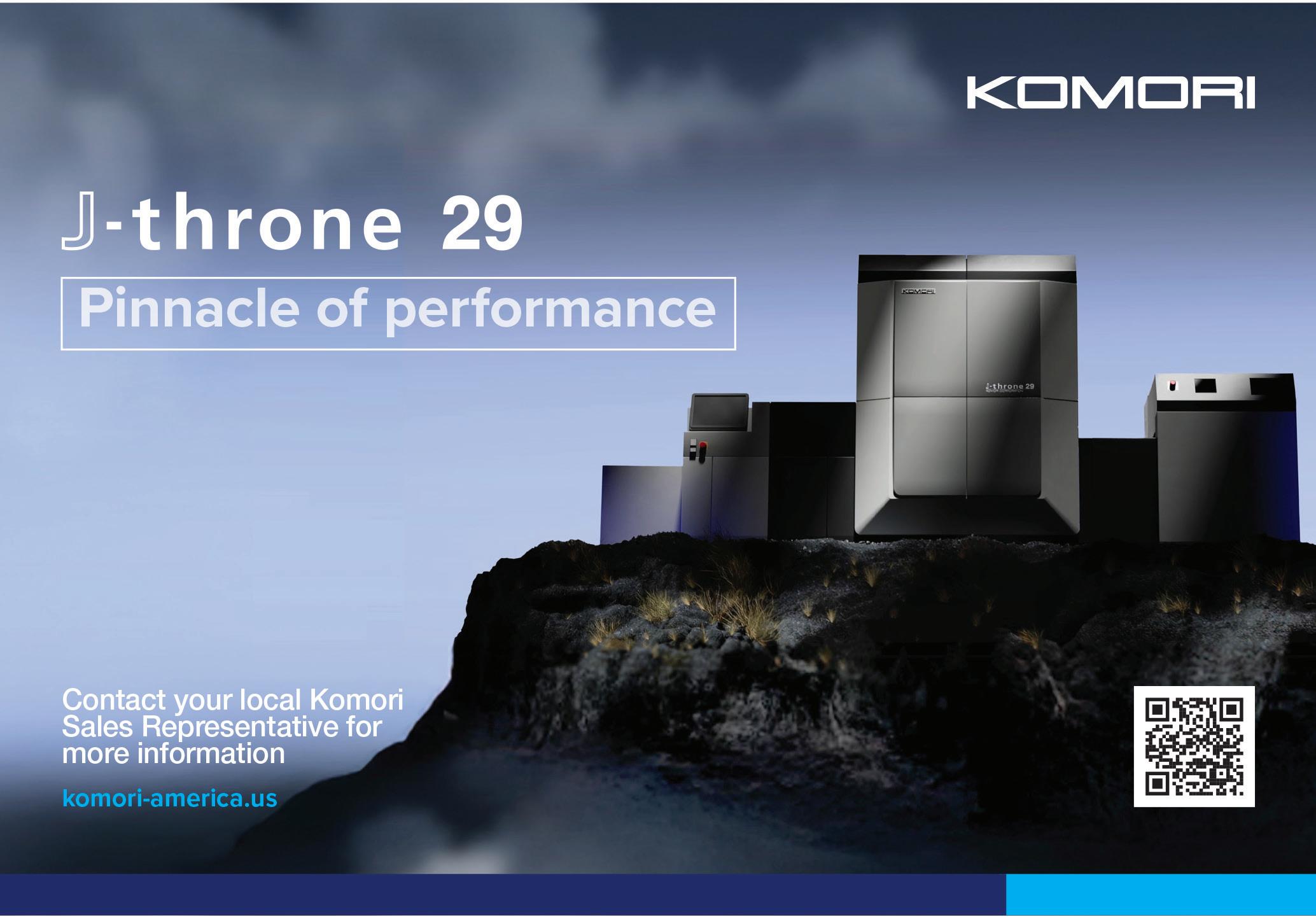
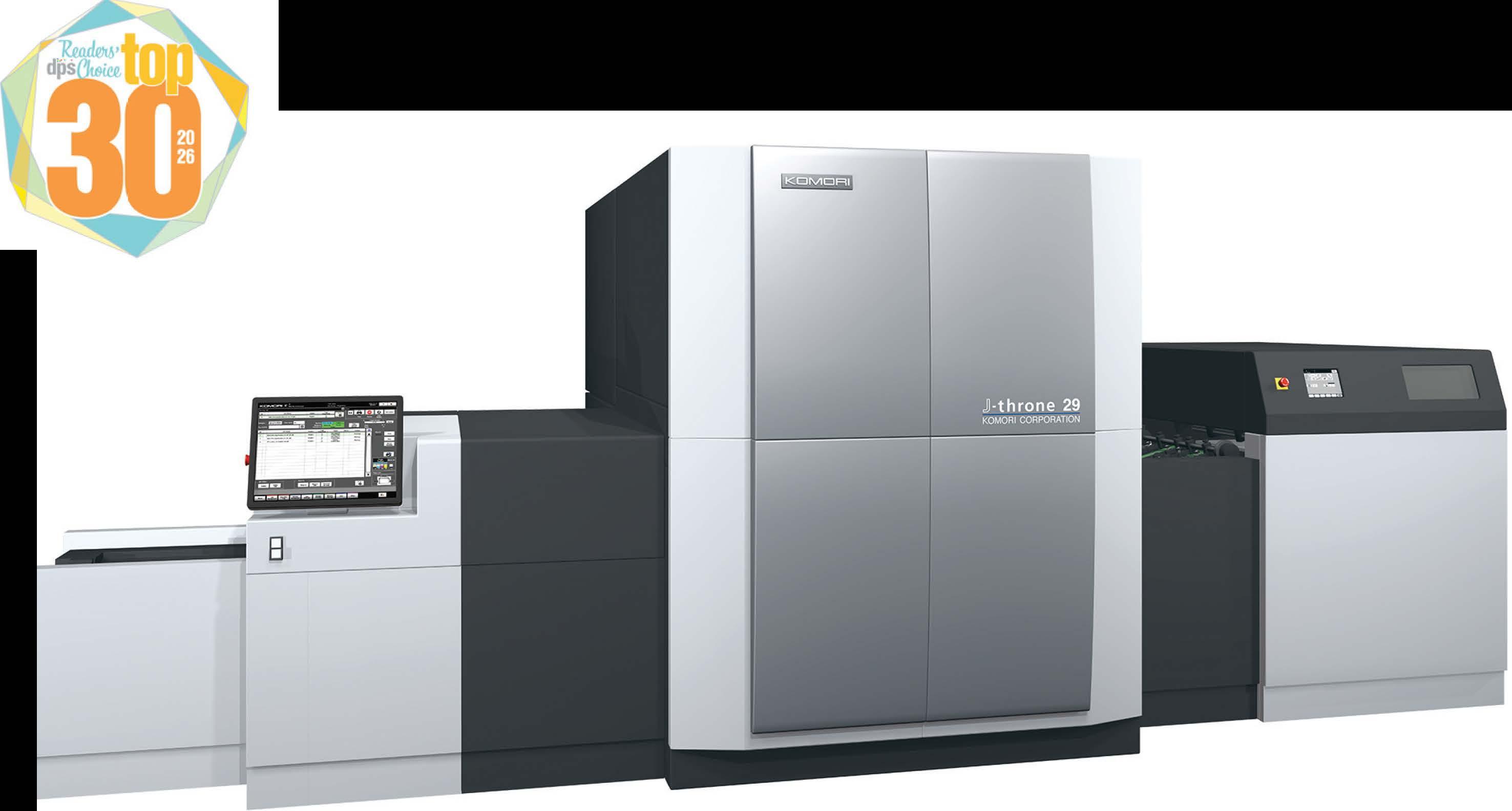
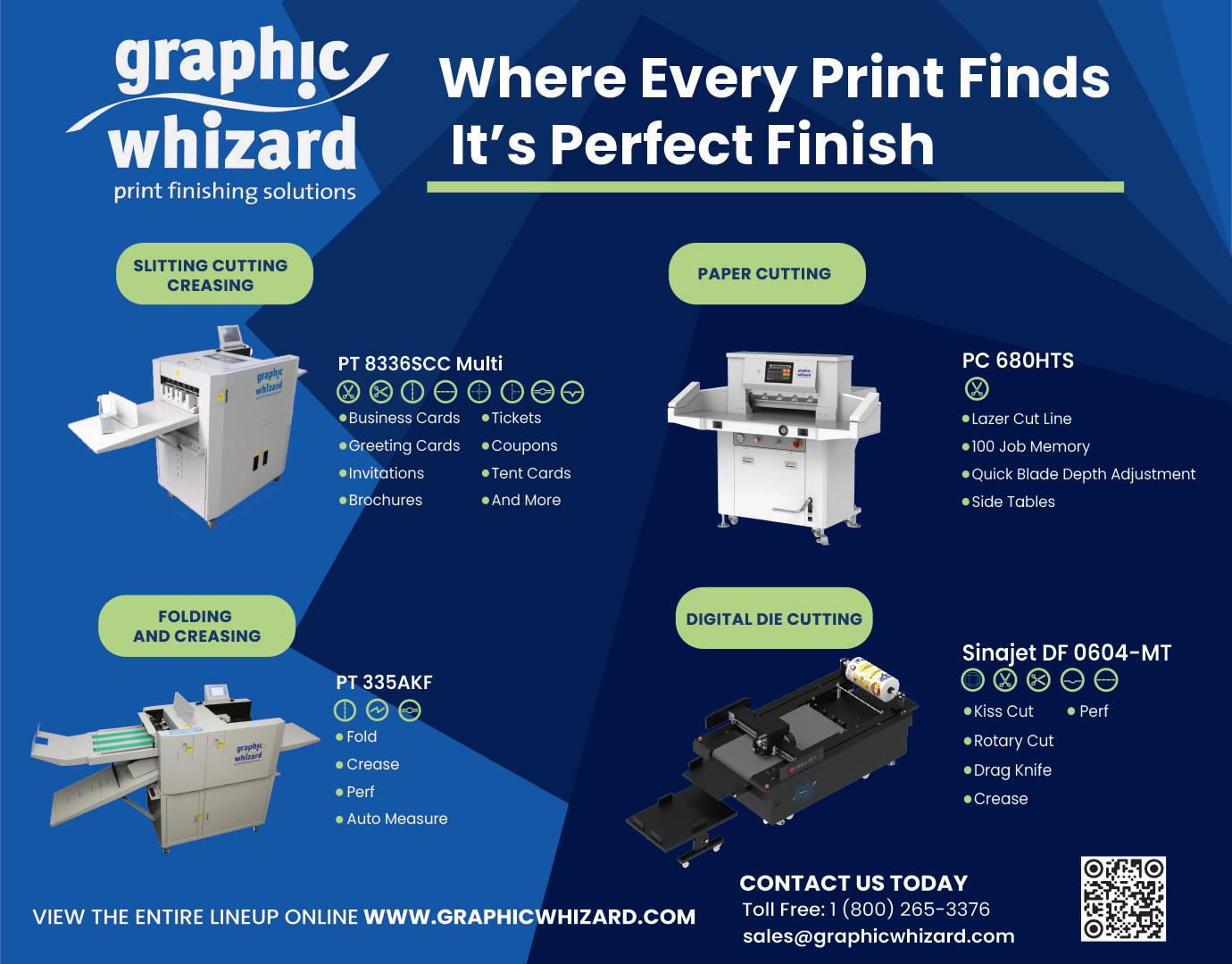
Komori'sJ-throne 29 is the company's newest product introduction. It is a 23x29-inch B2+, LED-UV inkjet press capable of speeds of up to 6,000 sheets per hour (sph). It is positioned as a prodemands. By combining advanced production, with automatic color ad-duction inkjet press built on offset DNA, technology, durable construction, and user-friendly design at an accessible price point, Graphic Whizard paper cutters are a smart, reliable investment for shops looking to improve accuracy, productivity, and overall finishing performance. INFO# 106
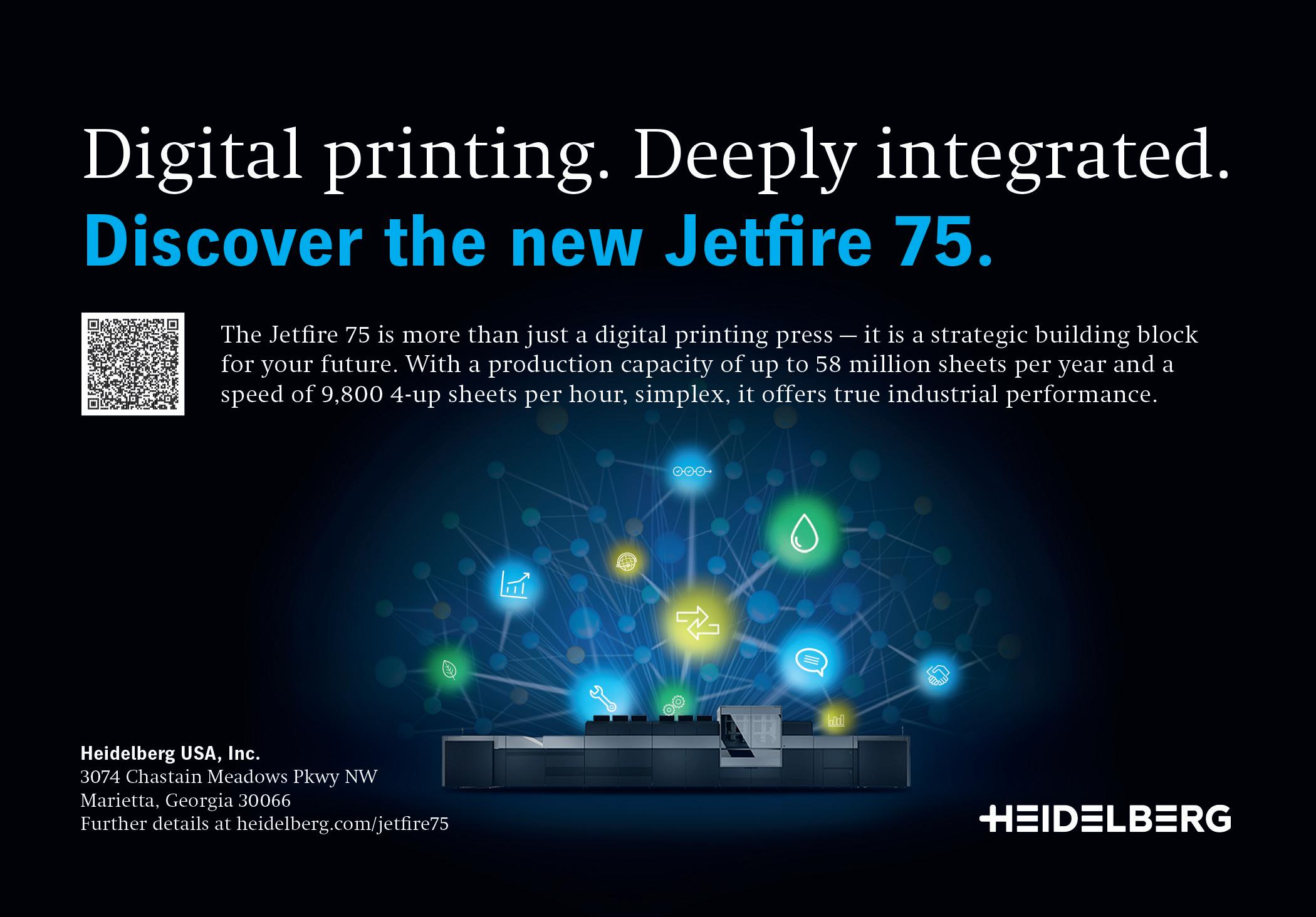
The HEIDELBERG Jetfire 75 is more than a digital press-it's a future-ready production platform. Delivering true industrial performance, the machine produces up to 58 million sheets per year at speeds of 9,800 four-up sheets per hour (simplex). Its B2 format-614x750 millimeters-enables both standard applications like brochures and books and special formats such as posters and banners. Designed for ease of use, the Jetfire 75 combines high automation with intuitive controls to reduce training time
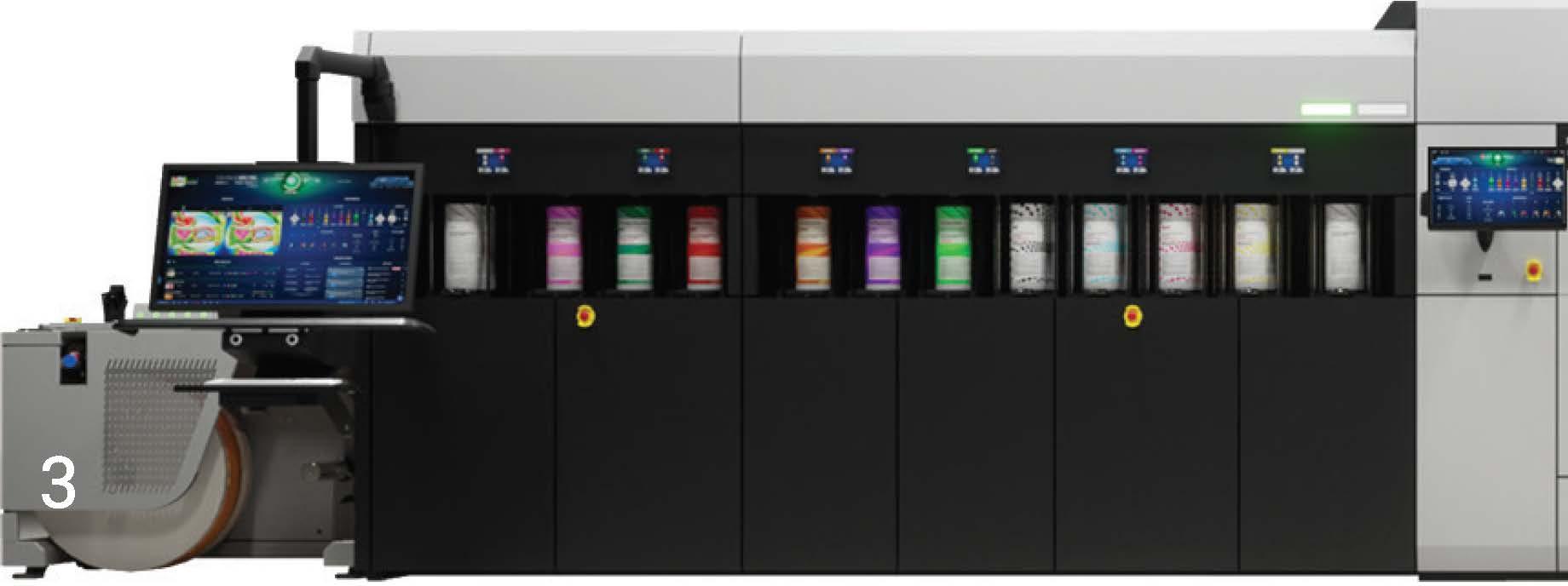
2. The Komori J-throne29 ispositionedas a production inkjet press designed to integrate seamlessly into modern North American pressrooms. 3. HP IndigoV12makesnonstop production arealitywith 12 ink stations, automated ink revolvers, and real-time color andscalingcalibration.
The HP Indigo Vl2 addresses one of the label industry's toughest challenges, scaling digital production without sacrificing efficiency, quality, or flexibility. Designed for mid- to high-volume environments, it delivers consistent, on demand output at speeds of up to 120 meters per minute, extending digital into applications traditionally dominated by analog. INFO# 108
KODAK PROSPER Imprinting Systems offer versatile, highly efficient digital print solutions without compromising productivity. PROSPER Imprinting Systems supports a range of applications-from variable data
designed to integrate seamlessly into modem North American pressrooms. It has the capability to be a longer run machine and take advantage of 6,000/3,000 sph production speeds with the push of a button. It complements offset and extends the reach of sheet-fed economics, incorporating offset-grade sheet handling, industrial uptime expectations, self-maintenance opportunities, as well as LED-UV sustainability and energy efficiency. The B2+ format is aligned with commercial and packaging needs. Superb front to back registration in a single pass eliminates print handling and errors. Double the previous platform production speed. Pallet-style feeder and pallet-style delivery facilitate all run lengths. Automatic registration calibration reduces downtime. Ambient temperature substrates and low temperature ink application allows extended and versioned messaging to direct mail, uptime and fast start up times. Double transactional print, packaging, and security printing-elevating print productivity across diverse markets. The new PROSPER Print Bar adds seamless digital capability and automatic color-to-color
LED pin and cure techniques create better gloss and deep densities. Upgraded RIP and integrated Komori KHS-AI presetting software creates a better workflow for more uptime. INFO# 110

Therm-0-Type
The NSF Ultra B2 size die cutter is the culmination of over 30 years of collaborative work between producers of foil stamped, embossed, and die-cut products and THERM-O-TYPE Corporation. Fast set up, high productivity, accuracy, and high-quality output make the NSF a profitable machine purchase. INFO# 126
Thesefive companiesjustmissedthe Top30,butarealsoamongourreaders' favoritevendors.
BWConverting INFO#130
Kyocera INF0#131
PrintIQ INF0#132
Tecnau INFO#133
UltimateTechnologies INFO#134
DUOBLADE FX is a unique automatic, sheet-fed digital knife cutter. It is designed for end customers and designers in high levels of automation and easiness. They can produce various 2D goods like stickers, tags, 3D cards, toppers, and boxes instantly. Creative designsare printablewith theautomaticinsertingofmarksandquick response codes, then cutting files will be synchronized with the machine in real timewithoutanylimitation.INFO# 127
Videojet Technologies
Ideal for printing on both flat and curved surfaces, Videojet's continuous inkjet (CI]) is a non-contact printing method that utilizes a range of CI] inks to print on almost anysubstrate. INFO# 128
The Xerox Proficio Production Series marksanewchapterinthecompany'sproduction print portfolio. Led by the all-new
XeroxProficioPX300andPXS00ProductionPresses,designedtohelpprintproviders perfect the business of print through greater automation, next-level image quality, application-drivengrowth, and optional five-color capability. The compact PX300 delivers advanced automation, consistent high-quality CMYK, and versatile application support. The higher-volume PXS00 adds increased speed, robust media handling, andscalabilityforpremium, high-demandenvironments.INFO# 129
Congratulations to this year's winners! Learn more about the vendors and products by visiting the associated INFO#s associated. You can click on these directly through the digital edition or type DPSMagDirect.com in your browser and searchbyissueandINFOnumber. Help your favorite brands make this list next year by engaging in the content that resonates with you most! dps
advertiser index & companies mentioned
Sianif,cansAutomation 5 HeidelberaUSAInc. 21 heidelbera.com
12 nof.ora 23 nobelus.com 25 business.sharousa.com 9 sianificans.com 28 sians365.com 6