
Music Festival
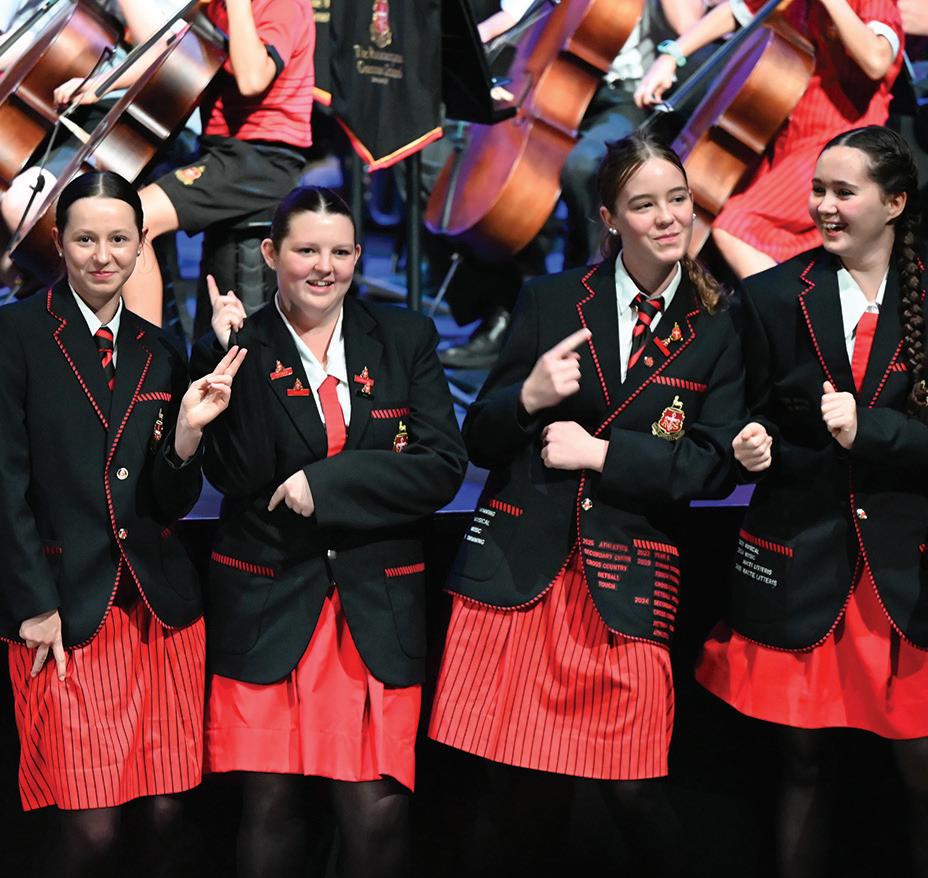
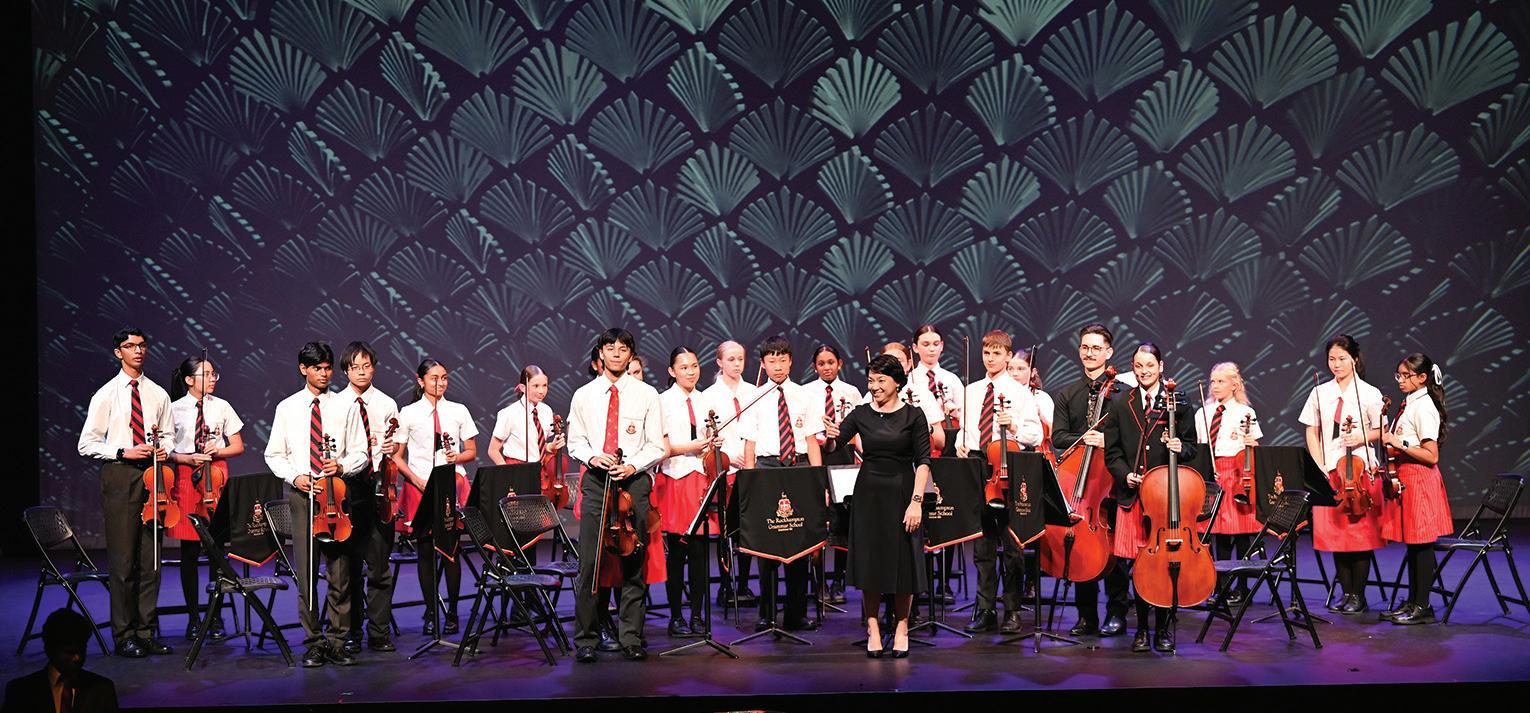
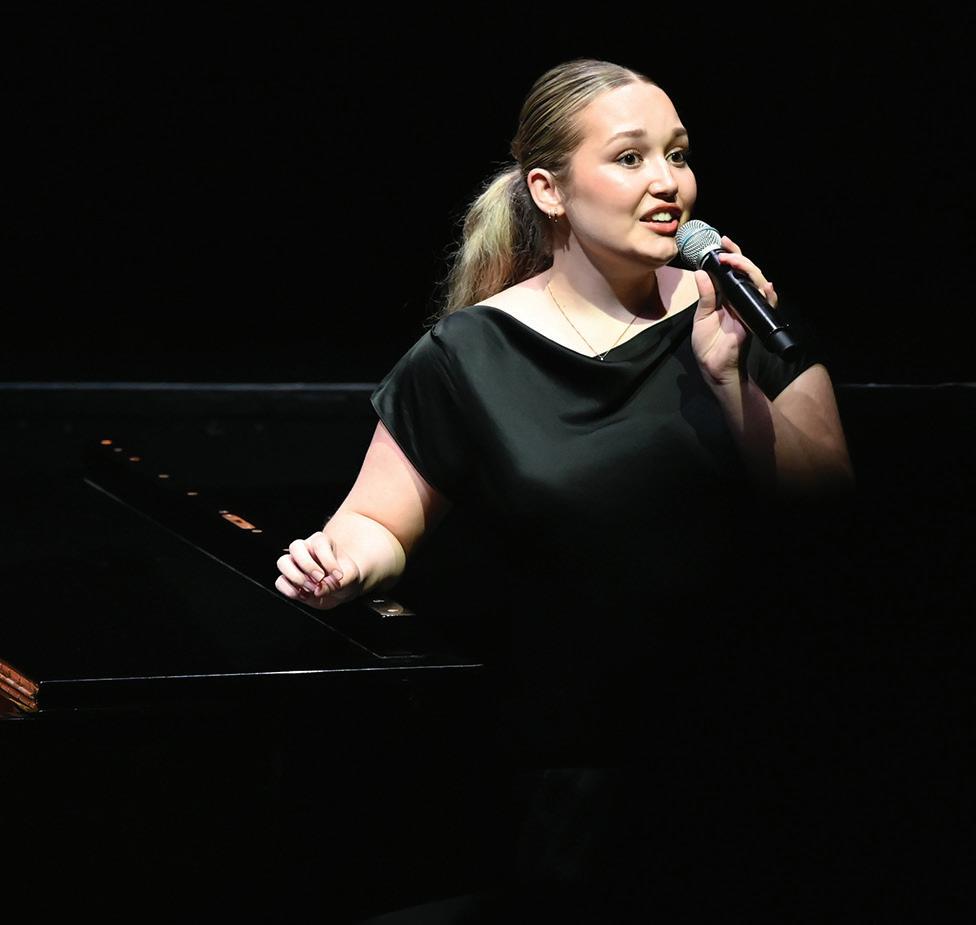
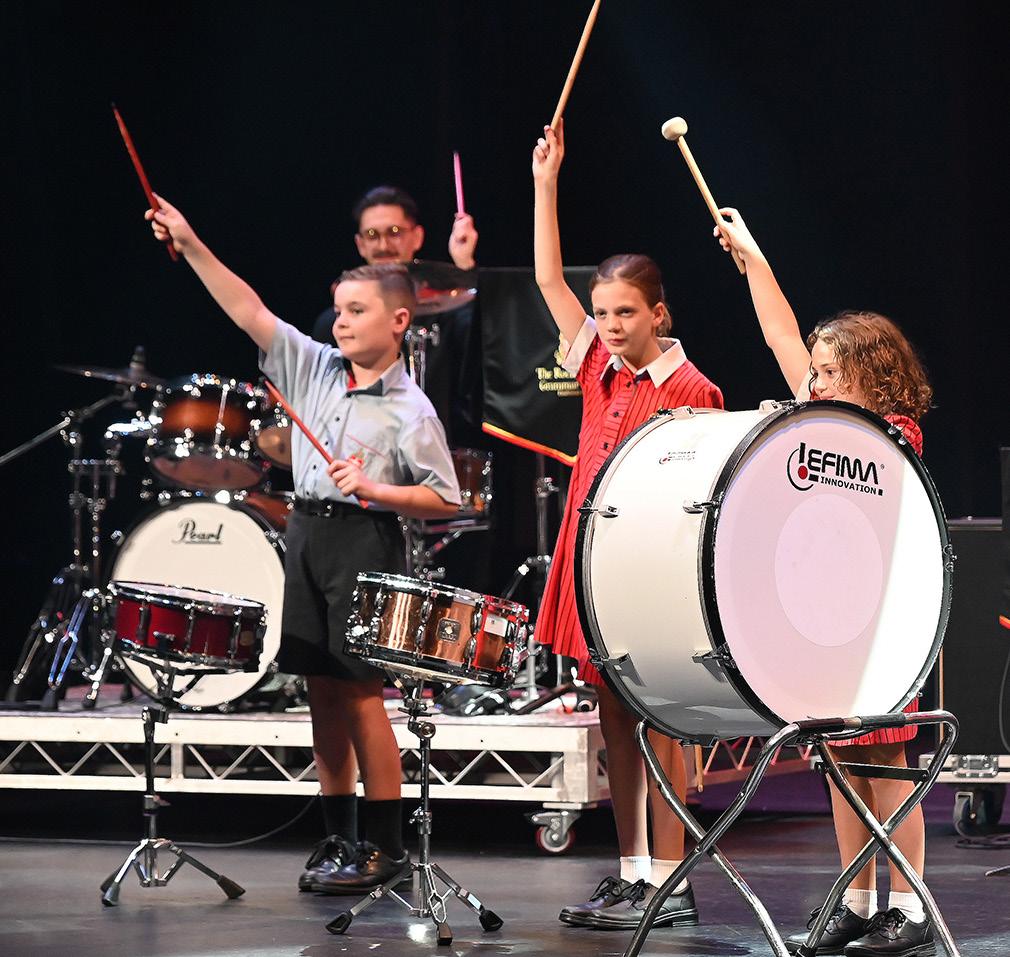
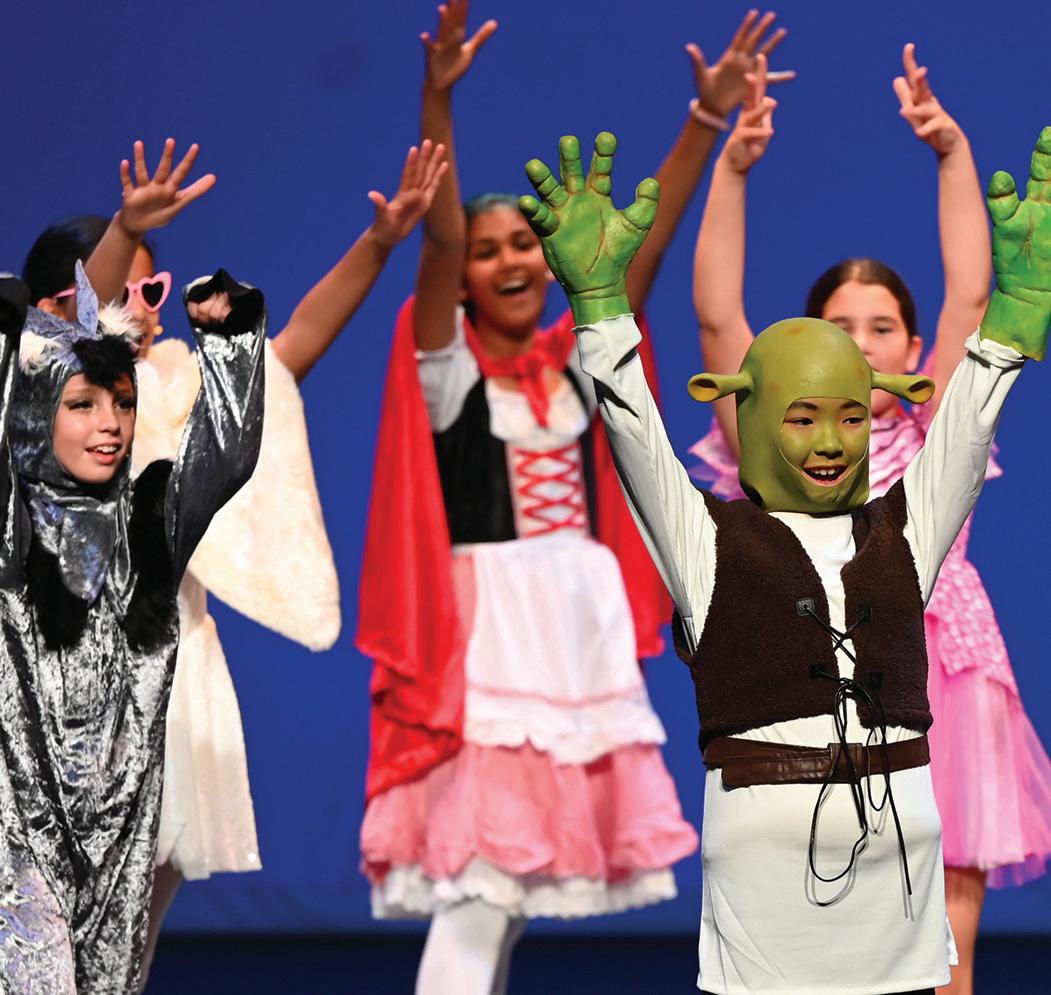
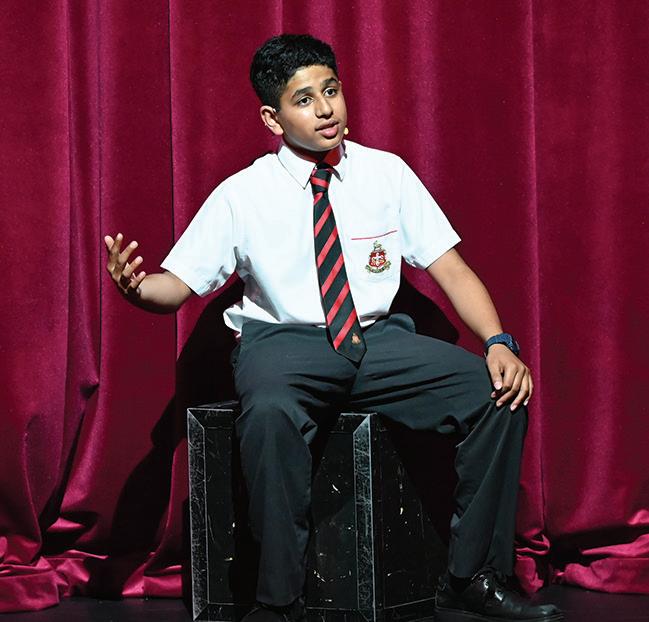
The amazing talents of RGS students again featured on the stage at the 2026 RGS Music Festival in June.
The appreciative audience was delighted by the incredible music talents of The Rockhampton Grammar School students from Prep to Year 12.
The RGS Music Festival provided an unforgettable evening of entertainment featuring vibrant vocal and signing choirs, dynamic instrumental ensembles, and captivating solo performances. From classical masterpieces to modern hits, the Festival celebrated the passion and dedication of the School’s young musicians.
Congratulations to all the students and staff who hit the stage and thank you to the RGS Music Council for its ongoing support of the Festival.
Thank you RGS Co-Curricular Sponsors. For sponsorship enquiries contact Todd Wells, Director of Co-Curricular at twells@rgs.qld.edu.au
























Welcome
Learning in Action
One of the greatest strengths of an RGS education is that some of the most valuable lessons are learned far beyond the four walls of a classroom.
While academic achievement remains central to our mission, education is equally about developing character, resilience, independence and the confidence to navigate an ever-changing world. These qualities are often forged through experiences that challenge students to step outside their comfort zones, embrace new opportunities and discover more about themselves and those around them.
This term has provided countless examples of learning in action. Across the School, students have participated in camps, excursions, outdoor education experiences, leadership activities, wellbeing initiatives, service opportunities and work experience placements. While each experience looked different, they shared a common purpose: helping our young people develop the skills and attributes that will serve them throughout their lives.
For some students, this meant spending time away from home on camp, learning selfreliance, teamwork and perseverance. For others, it involved stepping into a workplace environment, gaining valuable insights into future career pathways and developing an appreciation for the expectations and responsibilities of professional life. Through our wellbeing and leadership programmes and initiatives, students have also been encouraged to reflect on their personal growth, strengthen relationships and develop strategies to support their mental, emotional and social wellbeing.
These experiences remind us that education is not simply about what students know, but who they become. Success in life requires more
than knowledge alone. It demands empathy, adaptability, collaboration, leadership and the ability to respond positively to challenges. Schools play a vital role in creating opportunities for students to develop these qualities in meaningful and authentic ways.
As you read through this edition of the magazine, you will see many examples of students embracing opportunities beyond the classroom and thriving as a result. Whether on a camp, in the community, on the sporting field, in a workplace or through the wellbeing programme, each experience contributes to the development of confident, capable and compassionate young people.
I thank our staff, families and wider community for their ongoing support in making these opportunities possible. Together, we continue to provide an education that extends far beyond academic achievement and prepares our students not only for examinations, but for life.
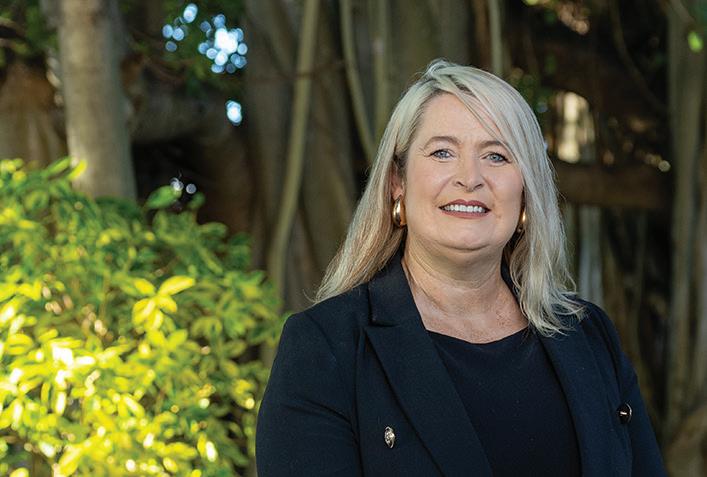
Mrs Donna Grant Acting Headmaster
The Rockhampton Grammar School takes seriously the challenge of preparing students for today’s world. We treat each student as a whole person through a balance of academic, sporting, co-curricular and social activities. Our School motto is Macte Virtute et Litteris or Grow in Character and Scholarship. Capricornus Quarterly is published by:
The Rockhampton Grammar School Archer Street, Rockhampton QLD 4700, Australia www.rgs.qld.edu.au (+61) 07 4936 0600
Dr Phillip Moulds, Headmaster 07 4936 0615
Headmaster@rgs.qld.edu.au
Enrolment enquiries
The Registrar, Mrs Marissa Holloway 07 4936 0700 Registrar@rgs.qld.edu.au
Editorial & Advertising
Mrs Ashleigh Harvey, Director Development and Communications 07 4936 0668 aharvey@rgs.qld.edu.au
Mrs Rachael McDonald 07 4936 0776 rmcdonald@rgs.qld.edu.au
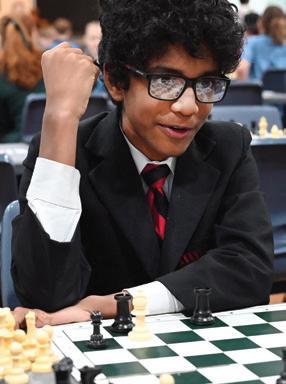
Term 2. RGS hosts the next round in Duggan Hall during Term 3.
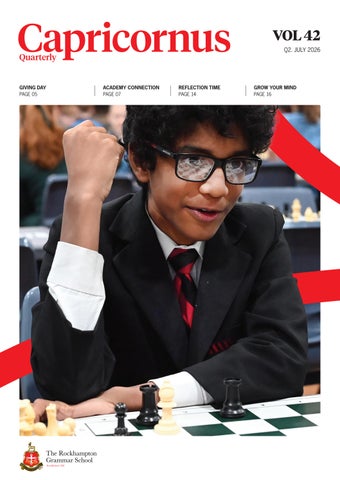
On the cover: Ranu prepares for his next move at the Central Queensland North interschool chess tournament in
Scholarship
Science Exploration
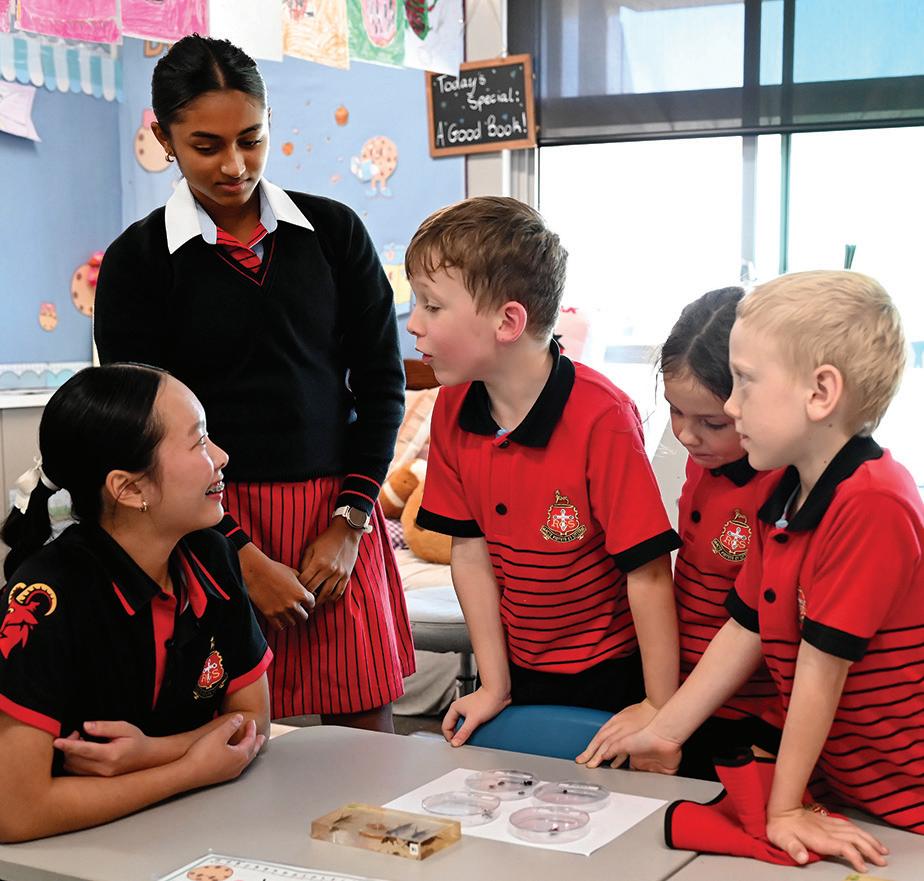
RGS Year 11 and Year 1 students worked together during the term, “insectigating” the world of bugs.
RGS UQ Science Ambassadors have been inspiring young entomologists, both in and out of the classroom.
The Ambassadors partnered with RGS Year 1 students for an exciting, hands-on exploration into the fascinating world of insects.
RGS Science teacher Mr Simon Matheson, said through engaging activities, the young learners unpacked the structure and function of insects, discovering how features such as antennae, segmented bodies, intricate exoskeletons, and delicate wings enable insects to survive and thrive in diverse environments.
“The ambassadors guided students through an interactive lesson that brought science to life, encouraging curiosity and observation.”
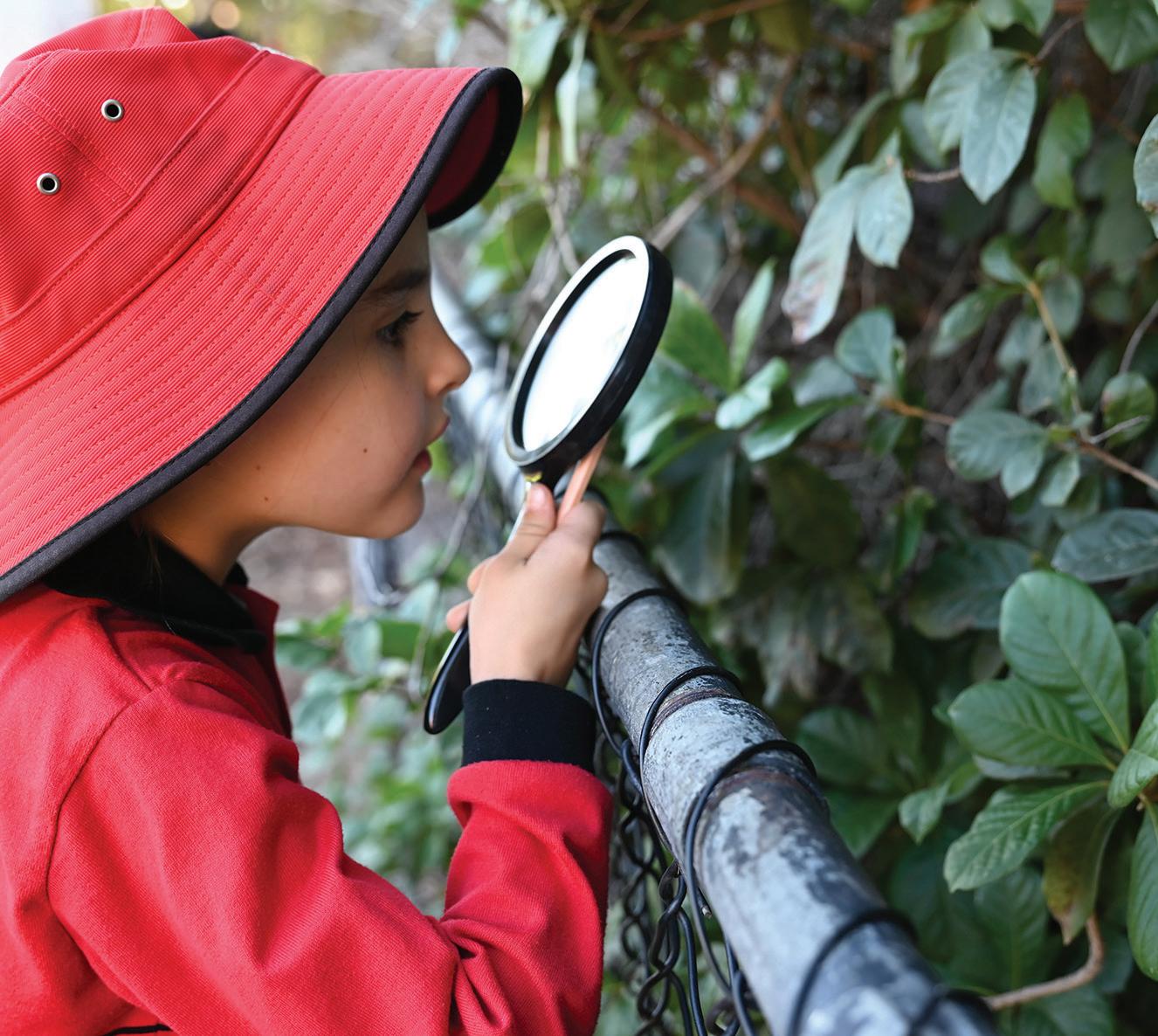
A highlight was an outdoor safari, called ‘insectigating’, where students ventured into the School grounds searching for bugs in their natural habitats. Armed with magnifying tools and keen eyes, the students enthusiastically
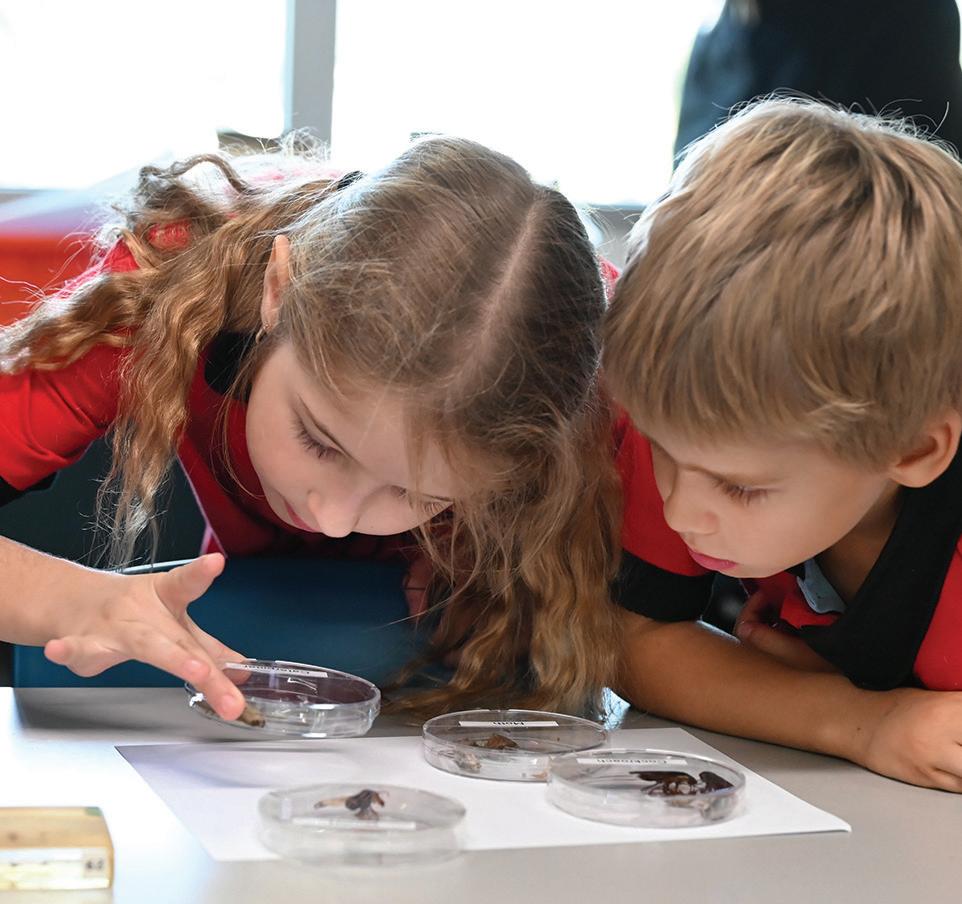
called out their discoveries and examined the diversity across this microhabitat.
Mr Matheson praised the Year 11 students for leading the sessions with passion and expertise, saying their leadership sparked excitement and encouraged our young learners to continue their investigations into the structures, interactions, and lifecycles of insects.
Let’s hear from our “insectigators” in Year 1: Caitlin – “I have liked learning about how insects are different. Did you know ladybugs have an exoskeleton?”
Jason – “Insects are cool! Some jump really high, some fly fast and others have very good eyesight.”
Lily – “My favourite insect is the butterfly with its four wings and amazing colours.”
Johann – “I like learning about the different body parts.”
The Year 11 students loved the opportunity to work with the Primary students.
Isla Hemson said the Year 1 cohort was incredibly curious throughout their ‘insectigation’, and they demonstrated copious knowledge, as well as an obvious passion towards science.
“They worked hard in their investigation, creating some beautiful insect diagrams from what we found throughout the grounds. It was an absolute pleasure to work with the growing minds of science within RGS,’’ Isla said.
Fellow RGS Year 11 student Annie Deng said the Year 11’s presentation shared interesting information about insects.
Annie said the experience not only strengthened their leadership and communication skills, but also helped foster closer connections between the Secondary and Primary school.
“Being able to inspire curiosity and excitement for science in the younger students was truly a remarkable and rewarding experience,’’ Annie said.
Year 1 and Year 11 students worked together to discover the exciting world of insects.
A Community United on Giving Day
On 14 May, the RGS community came together for the School’s inaugural Giving Day. Students, staff, families, alumni and friends united in support of the 1881 Bursary Fund, creating a shared sense of purpose unlike anything seen before.
Over 12 hours, the community rallied behind one goal: to open the doors of an RGS education to talented and deserving students who, without financial assistance, would otherwise be unable to attend.
The School hit the initial fundraising target of $100,000 ahead of schedule, fuelled by an outpouring of generosity from across the RGS community. With momentum continuing to build, a bonus target of $150,000 was announced in the final hours of the campaign. At the end of the day, the community had raised an incredible $153,746.
The result was more than a fundraising achievement. It demonstrated the community’s belief in the life-changing impact of an RGS education and the opportunities it creates for future Grammarians.
A key feature of Giving Day was the generosity of the campaign’s matching donors, whose support doubled the impact of every contribution made throughout the day. The School extends its sincere thanks to Mr Brad Beasley, the Birkbeck Family, the Moulds Family, Ben and Kate Wright, RGS Alumni
and Higgins Coatings for their extraordinary commitment to the campaign.
Headmaster and matching donor, Dr Phillip Moulds, has supported the 1881 Bursary Fund for more than a decade.
“It is something that I fundamentally believe is an important way to change the lives of the students, and also to enrich our community,” he said.
While fundraising was at the heart of the campaign, Giving Day was equally about participation and community spirit.
Students from Prep to Year 12 embraced the occasion through a spirited Just Dance House Competition, bringing energy, colour and plenty of friendly rivalry to campus, with Wheatcroft crowned Just Dance champions and Jardine recognised for raising the most funds.
At the centre of the action was the Giving Day Operations Room. Staff and student volunteers made calls, connected with supporters, tracked donations in real time and celebrated each milestone as it was reached.
The impact of bursary support was brought to life through the stories of past recipients Emily Pryor and Marnie Berry (nee Hungerford) – stories that go beyond educational opportunities but also create opportunities.
Emily, now a medical professional, said there was no way she would be where she was today without the bursary.
For Marnie, now Head of RGS DMTA, the support she received opened doors far beyond the classroom.
“I just had a whole toolbox full of skills. I was able to talk to people. I was able to get business opportunities. Without the bursary, I don’t think I would have had the confidence to do that.”
Giving Day reaffirmed what makes RGS so special: when our community comes together behind a shared purpose, extraordinary things can happen.
To support the 1881 Bursary Fund and help open the door to an RGS education for future students, visit rgs.qld.edu.au/community/ giving-at-grammar
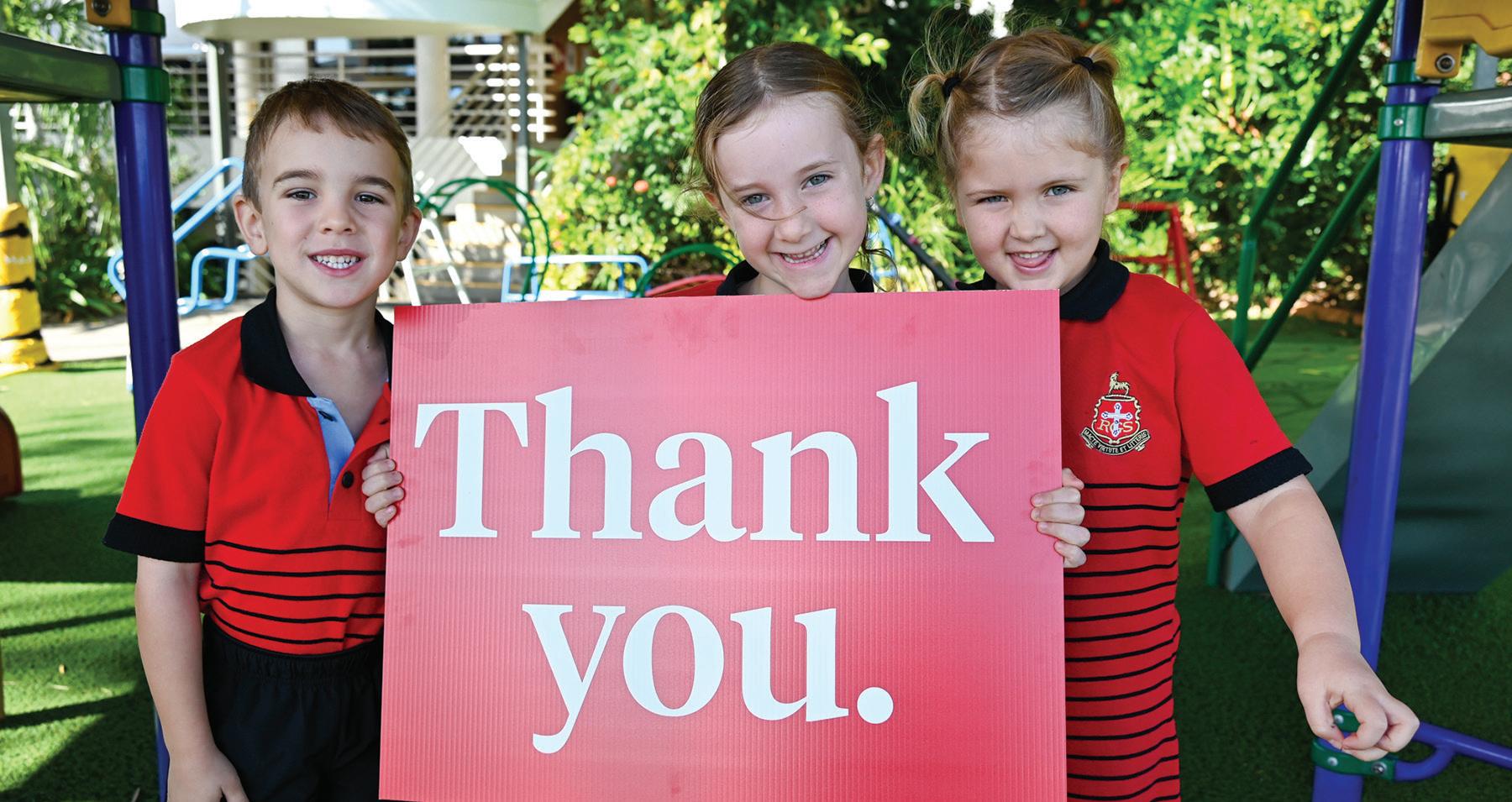
RGS Prep students Parker, Eden and Charlie say “thank you” for supporting RGS Giving Day 2026.
Community
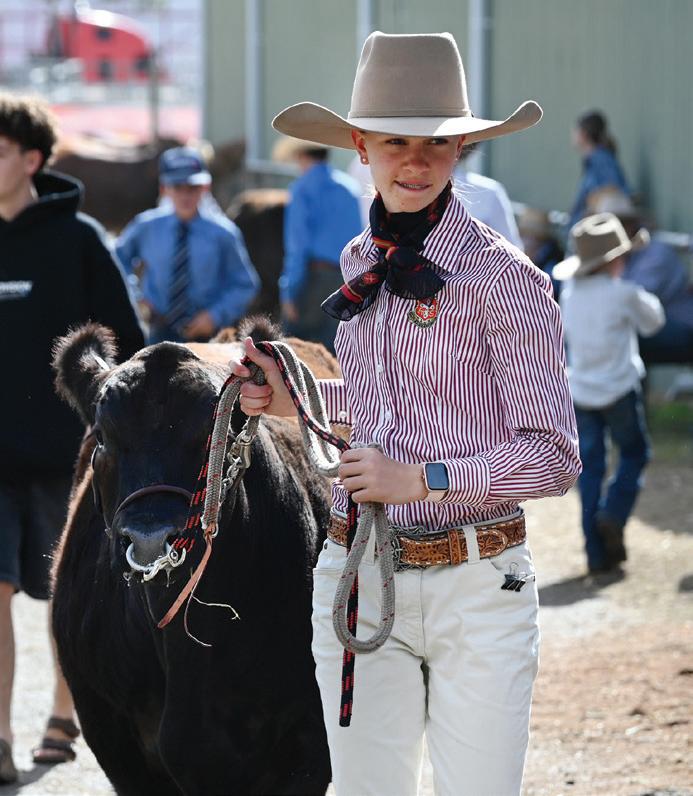
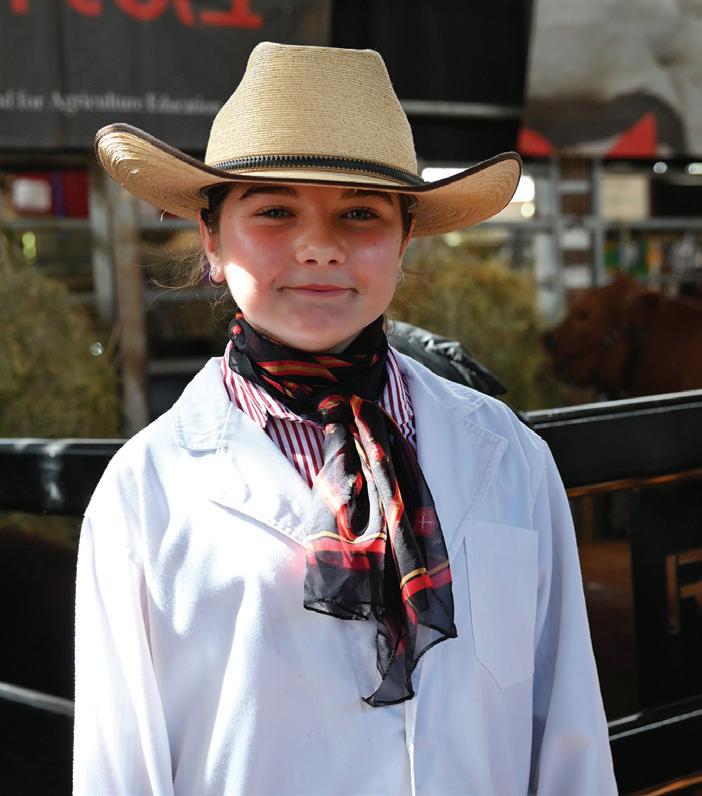
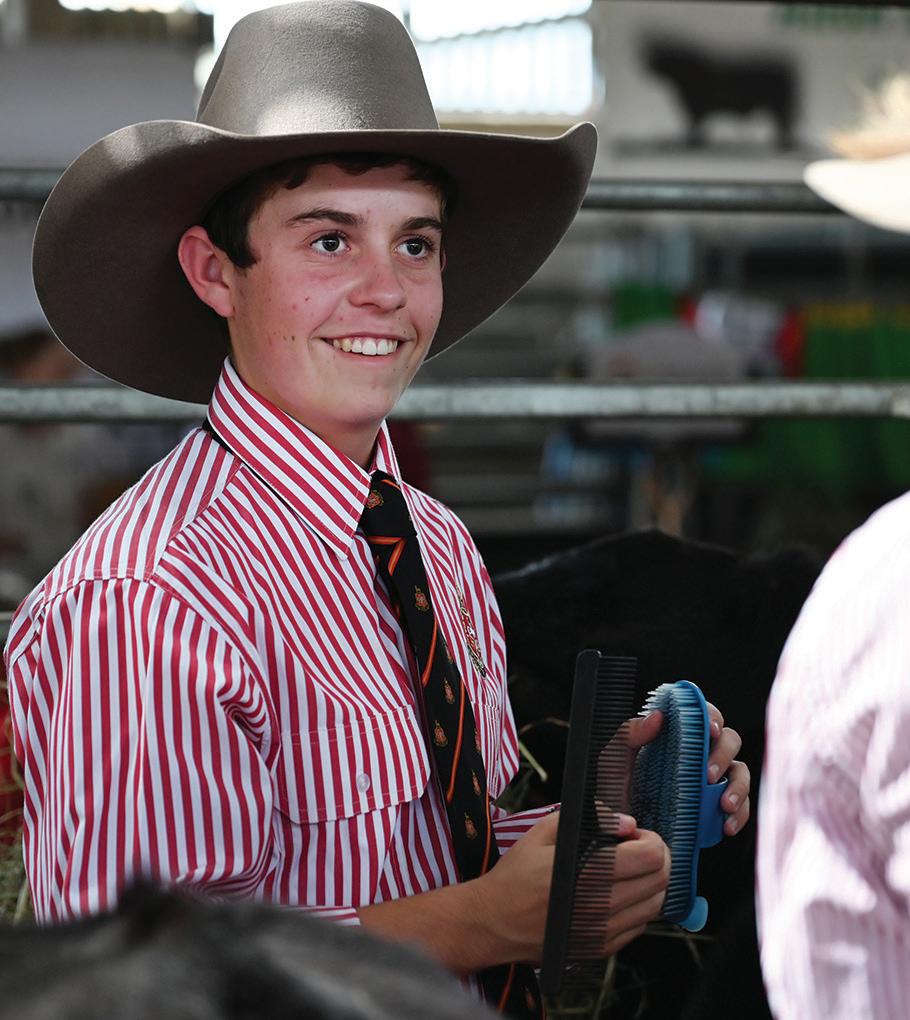
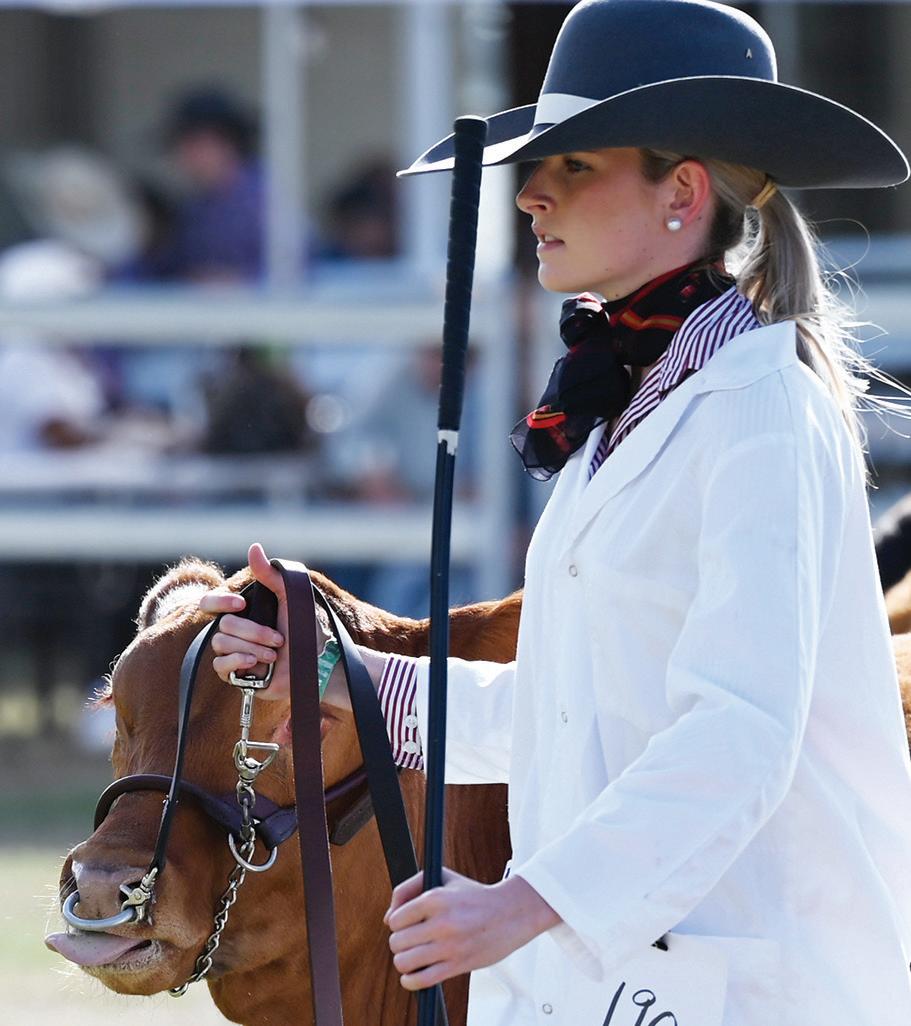
Show Season
Preparation for the Agricultural Show season is a year-round commitment.
Starting with purchasing steers before breaking them in and then teaching the students how to confidently lead and handle the cattle.
Once the steers complete their show careers through events such as the Central Queensland Carcase Competition or the Brisbane Ekka, the cycle begins again with the selection and preparation of the next team.
The RGS Show Cattle team is a mix of both new and returning students. The experienced students mentor the newcomers, helping them develop their cattle handling, presentation and teamwork skills while gaining confidence in the show environment.
Show days start early. Students ensure the cattle are fed, watered, and prepared before judging commences. Animals are washed and groomed before entering the ring.
And that’s after all the travel and logistics of transporting cattle, equipment and supplies before setting up the team’s facilities!

RGS scores Liverpool Academy
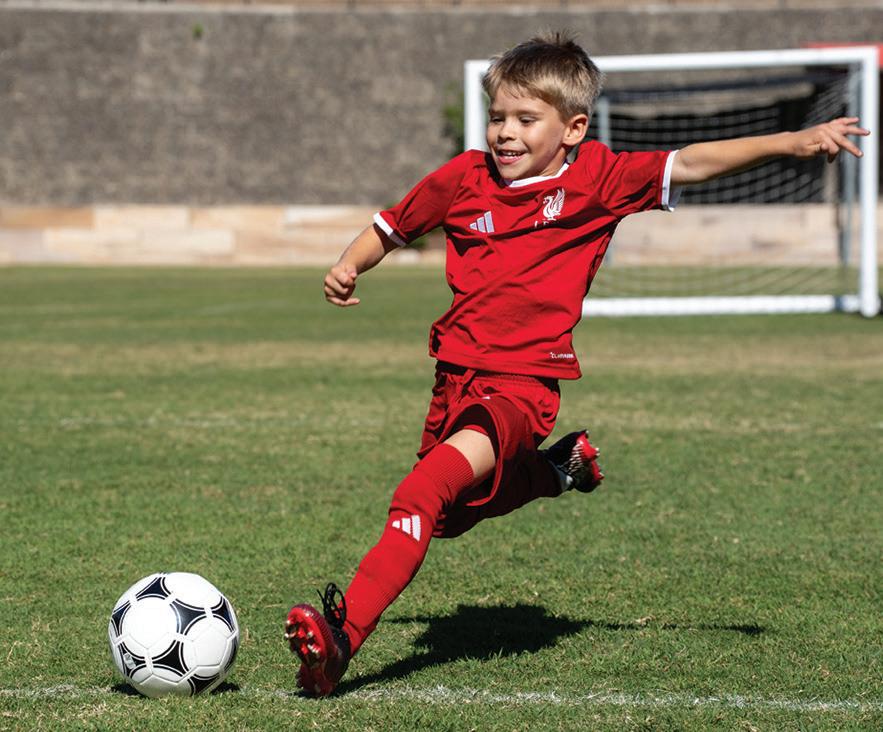
A new partnership between Liverpool FC International Academy Australia and RGS provides a platform for the School to offer a highperformance soccer school programme delivered by LFC International Academy Australia in 2026, bringing an authentic Liverpool FC Academy experience to students in Central Queensland.
In addition to the high-performance soccer initiative, the collaboration with RGS will deliver a range of opportunities for students and teachers of the School. Open to every aspiring player in the school community, these programs offer a chance to experience learning to play “The Liverpool Way”. Our commitment remains steadfast in fostering a passion for the sport and building a thriving soccer community both on and off the pitch.
Acting Headmaster, Mrs Donna Grant said this partnership represented a significant milestone not only for RGS, but for young people and families across Central Queensland.
“For the first time, aspiring footballers in our region will have access to an internationally recognised player development pathway without needing to leave their community. That is an extraordinary opportunity,’’ Mrs Grant said.
“The Liverpool FC International Academy will provide world-class coaching and development
opportunities, but its greatest impact will be in helping shape confident, capable and wellrounded young people who are prepared for success both on and off the field.”
Kevin Grima, Football Director of Liverpool FC International Academy Australia said this partnership was about creating meaningful opportunities for students to experience the Liverpool FC way within their school environment.
“The Rockhampton Grammar School shares our commitment to developing young people through values, discipline, teamwork and highquality elite football coaching,’’ Mr Grima said.
“Through this collaboration, students will have access to a world-leading football program, supported by clear pathways into sport, health and fitness education through the Australian College of Physical Education. We are excited to work alongside the School to inspire students, support their development and help them strive towards their ambitions both on and off the pitch,”
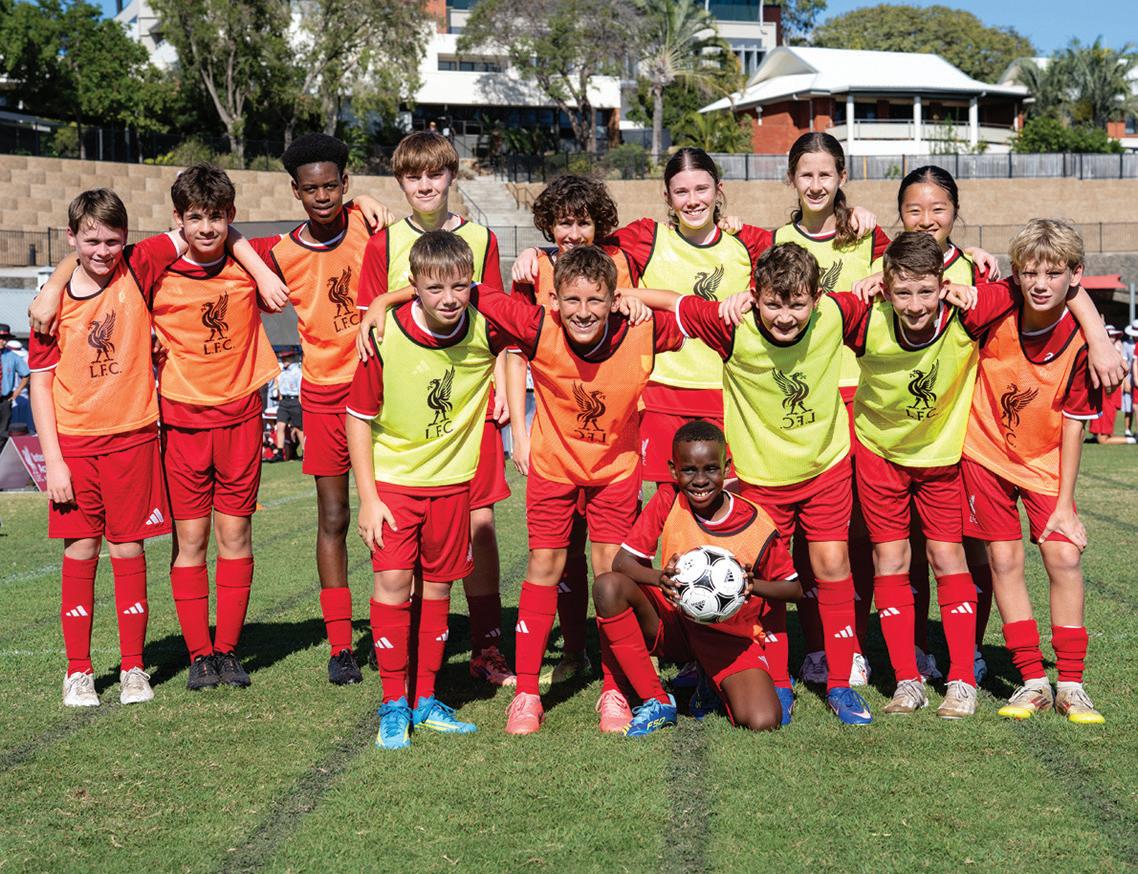
The vision for the new high-performance soccer programme at RGS is to use those combined resources to create an environment that mirrors the one experienced by players on a high-performance pathway in the UK. This means not only a high quality and authentic LFC football programme developing players technically, tactically, and physically but also input into social and mental development, career pathways and life skills such as communication, teamwork, and leadership.
RGS Head of Football Mr Nick Berry said what excited him the most was the Academy’s holistic approach to developing players.
“The Liverpool FC philosophy is about much more than technical ability; it’s about creating disciplined, resilient and team-oriented young people who understand the importance of hard work, respect and continuous improvement,” Mr Berry said.
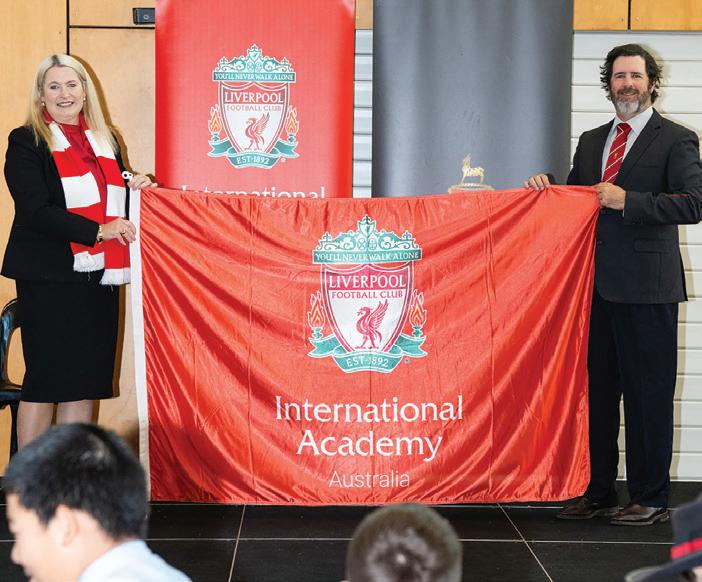
RGS students and staff helped launch the new football partnership between the School and Liverpool Football Club International Academy.
RGS alumni news
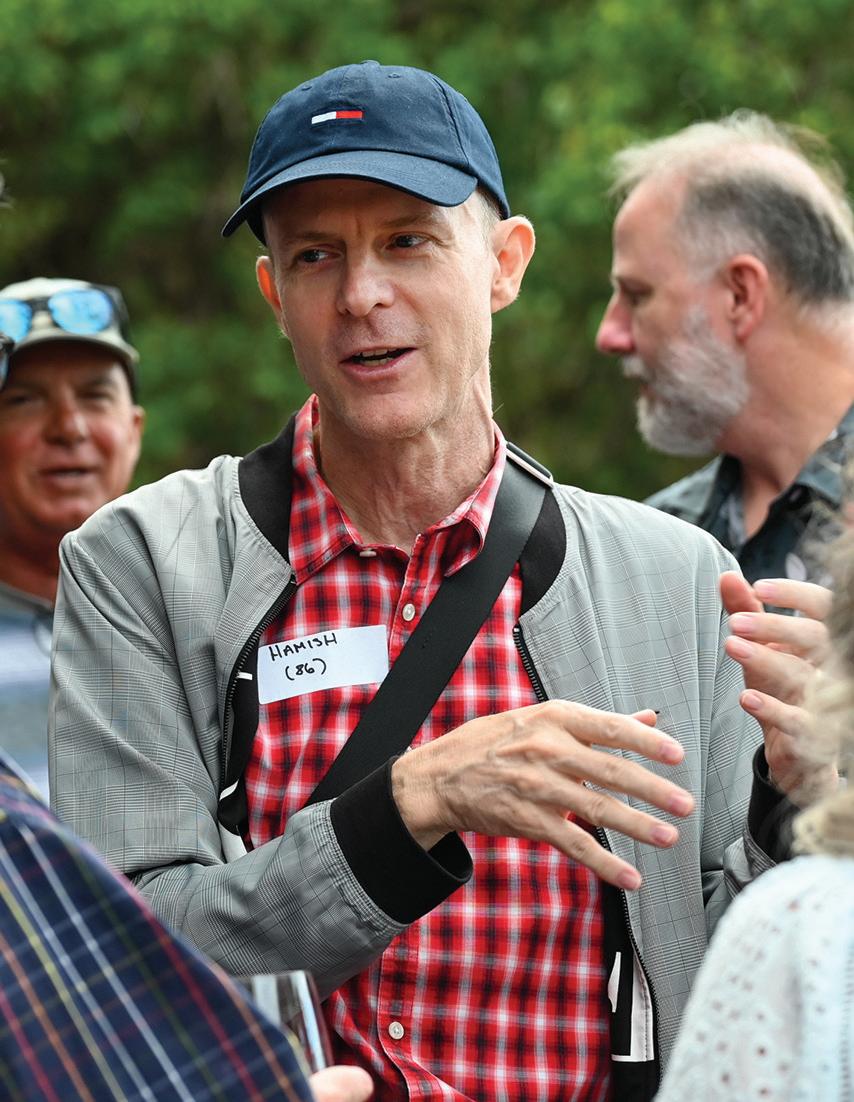
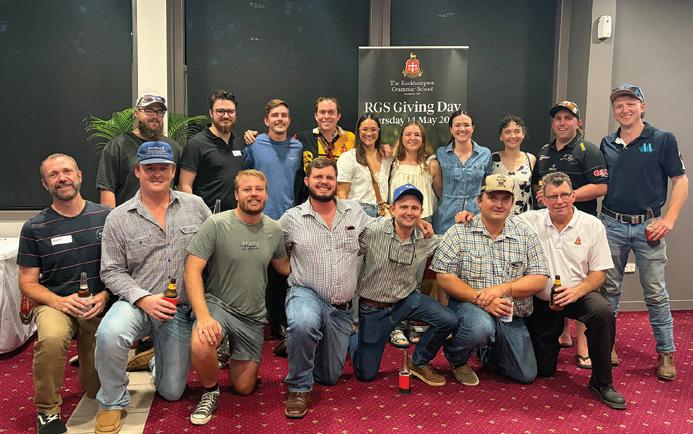
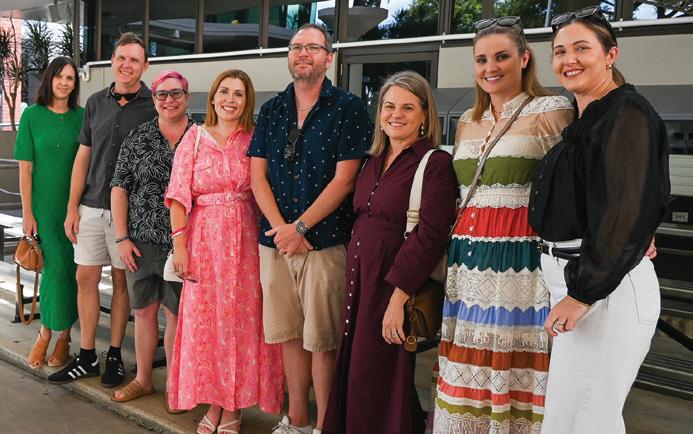
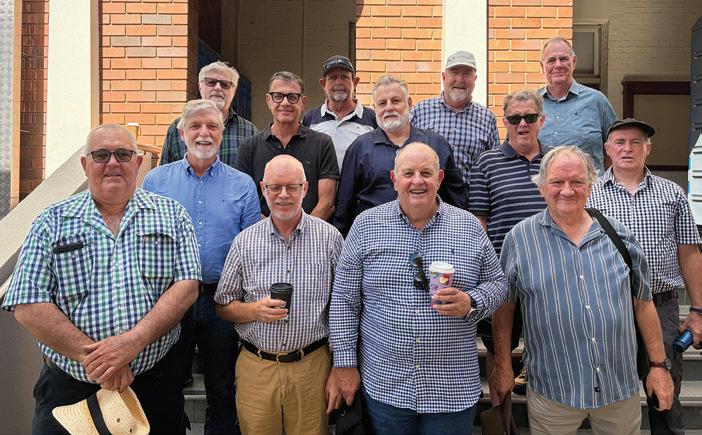
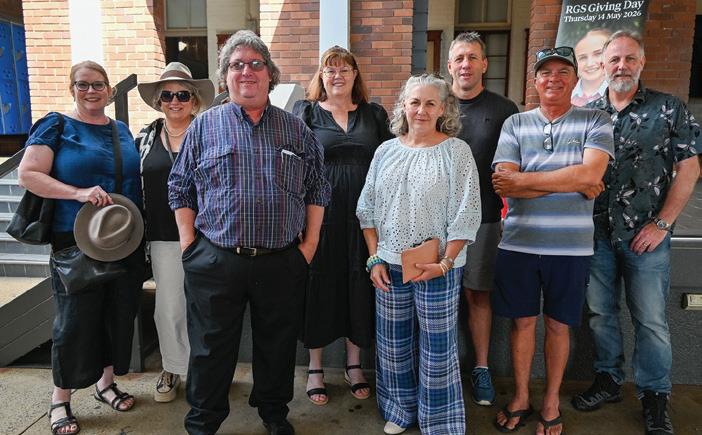
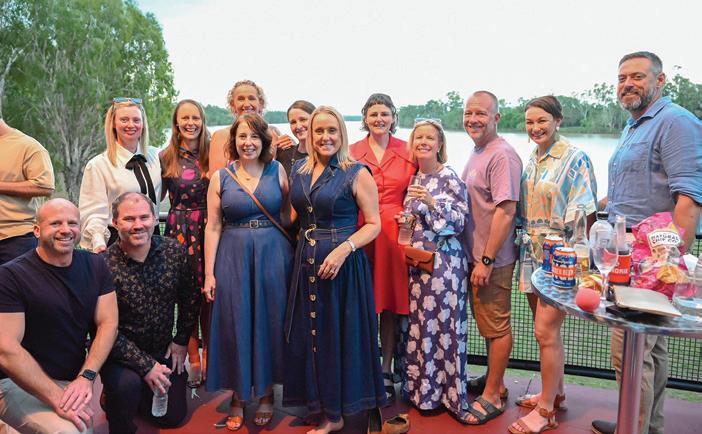
The RGS alumni 6’s, and the Class of 2001, returned to RGS for their Reunion Weekend in May. Many alumni reconnected for the first time since their school days. From wandering around campus and seeing what has changed to a relaxed afternoon at the Rowing Club, it was a wonderful weekend to be a Grammarian. Keep a look out for the 7’s Reunion Weekend date.
Alumni Achievements
RGS alumni continue to forge their paths in a variety of career aspirations.
Stage Spotlight
Congratulations to Nick Smith (RGS 2021) on his role as Danny in the world premiere of The Drover’s Wife at QPAC, which wrapped up in May.
Described as delivering a “crafted and charmingly naive performance,” Nick continues to impress on stage. A recent graduate of the Queensland Academy of Excellence in Musical Theatre, he has already performed a number of roles and was named a finalist for the Homegrown Musicals Australia Emerging Performer Award. Bravo Nick!
Softball World Cup
Nick Crouch (RGS 2021) co-captained the Australian Under 23 men’s softball team to a silver medal at the World Cup in Columbia in May.
In the gold medal game, the Australian team lost 4-2 to Japan.
Earlier in the Championships, Australia scored wins over Singapore, Denmark, Mexico, Venezuela, and Canada before Super Round wins against Japan (6-5), New Zealand and Czechia.
Alumni awards
The annual Distinguished Alumni Awards Dinner will be held in the School’s Memorial Assembly Hall on Saturday 22 August.
These awards recognise the actions and achievements of our alumni who have gone above and beyond, and in doing so, encourage aspirations and ideals of the highest community standards and values.
Tickets are now on sale at https://events. humanitix.com/2026-rgs-distinguishedalumni-awards-gala-dinner
Thinking back to my time at RGS it was such a lovely time in my life.
I was really humbled by receiving the bursary.
“It was so nice to see that someone who didn’t know me very well was happy to give me a shot. That inspired me to live up to that,’’ Emily said.
“There are many incredibly gifted, talented, and hard-working students that simply wouldn’t be able to come to RGS without the support of the bursary.
After graduating from Year 12 at RGS, Emily studied medicine at Melbourne’s Monash University before completing her phD. Now in her third year out of university, Emily currently works at Frankston Hospital in Melbourne.
“I was a professional uni student for a while,’’ Emily laughs.
Walking around the RGS grounds for the first time since graduating sparks familiar memories for Emily.
Walking past the Science labs and remembering the little parachute experiments and dropping them from the top floor to measure velocity, to remembering where her locker used to be and where she sat to have lunch.
“It’s been so nice just being back and seeing, in many ways, how little the school has changed in 12 years. I still remembered when I arrived how the other students, and teachers, were so welcoming,’’ Emily said. Emily had high academic aspirations and achieved those goals – 2014 Dux, OP1, QCE Achievement Award as a Distinguished Academic Achiever (one of 26 across Queensland and the only student from Central Queensland), and she was one of
My story
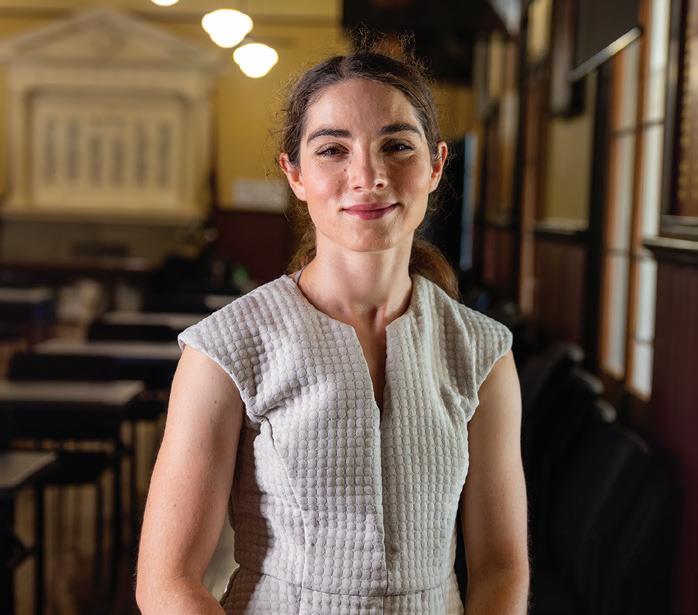
Emily Pryor (RGS 2014) thinks back to her time at RGS as a lovely period in her life. Emily was also grateful to others who believed in her, receiving a bursary to attend her final two years of Secondary schooling. Emily, now based in Melbourne following her career aspirations in medicine, returned to RGS earlier this year to support the RGS Giving Day.
five students across the State to receive a TJ Ryan Memorial Medal and Scholarship following her graduation from RGS.
TJ Ryan, a former Queensland Premier, was a teacher at RGS from 1901 – 1903.
“It’s a funny thing. It’s just so huge for Year 12 at the time and then I moved on. Next thing I was a 17-year-old moving to Melbourne and becoming independent for the first time. It was a busy time,’’ Emily said.
“It’s a big move. Some Year 12s are quite happy to stay home while others want to get as far away as possible. It was a very different world moving to Melbourne. I have loved living in Melbourne with everything on my doorstep.”
Emily also loves her career in medicine.
“Every day is different. I love arriving at work and not knowing what to expect.”
“Every day is different. I love arriving at work and not knowing what to expect. You get to meet people from all walks of life,” Emily said.
“It’s such a privilege being there and helping people in some small way, whether that’s just booking in an appointment or potentially doing a little bit more. I’m very much a people person, and that’s working with people in the job and the patients.”
Emily said the job was also “absolutely not” what she thought it would be.
Discover more RGS Alumni stories in The Grammarian: www.rgs.qld.edu.au/community/publications
“I think at 16 or 17 years of age, you have an idealistic view of what it would look like and how everything will like fall into place. It’s challenging,’’ Emily said.
“I think I’m learning more and more working in a system which is so fundamentally flawed with so many different limitations. It can be hard to help people in a system where you can’t often get them the support that they need. Months trying to get a specialist appointment or hours of waiting in an ED, even if they are quite sick.
“The helplessness in a way is a challenge that I wasn’t necessarily expecting.”
Emily has also had to adapt to the shift work, including some 10 to 12 hour night shifts.
“I was even trying to do marathon training during a run of night shifts,’’ Emily said.
Emily’s interest in marathon running might surprise a few of her past classmates.
“I think I’ve been changing hobbies every couple of years and running is the current one. I did four marathons last year,” Emily said.
“When I was at school I was horrible at sport and was an absolute liability when it came to any sporting carnival. I could hardly remember what house I was in (Kellow House). I was absolutely useless.
“I think when I came down to uni I was thinking I had to do some kind of exercise. Running has been a nice social activity to take up, but also requires pure determination, which I can do and not coordination which I can’t do.”
Emily’s commitment to marathon running is just another example of her commitment to achieving her goals in life.
Community
Boarding – Echoes from Home
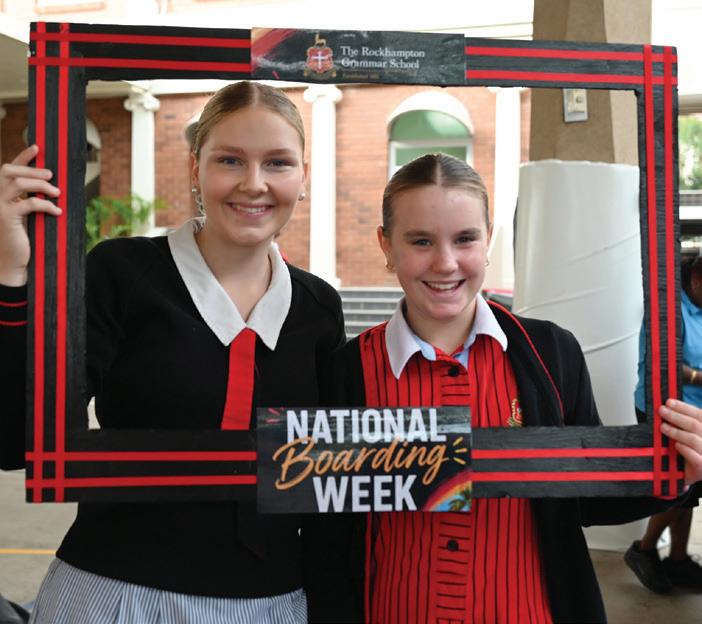
There is something profoundly unique about Boarding. It is a life built in the space between two worlds – the place a young person comes from, and the place they are growing into. RGS Director of Boarding Mr Mike Silcock reflects on National Boarding Week.
National Boarding Week 2026, through its theme “Echoes from Home”, reminded us that while our Boarders may live many kilometres from their families, communities and country, those connections never disappear. They travel with them. They shape them. They steady them.
Across the week, our Boarding Community celebrated not simply the experience of Boarding itself, but the people, places, values and stories that sit behind every Boarder who walks through our doors.
For some, “home” is a cattle property in Central Queensland. For others, a coastal town, a remote community, a regional centre, interstate, or overseas. Yet despite the distance between them, there remains a common thread – the trust families place in Boarding schools to help raise, guide and care for their children.
That trust is never taken lightly.
Boarding works best when School and Home remain deeply connected. Not separate entities operating independently, but genuine partners walking alongside one another.
The role of a Boarding school is not to replace home. It cannot. Nor should it. Rather, it is to honour it, strengthen it, and ensure that every young person knows they are supported by a network of people who care deeply for them.
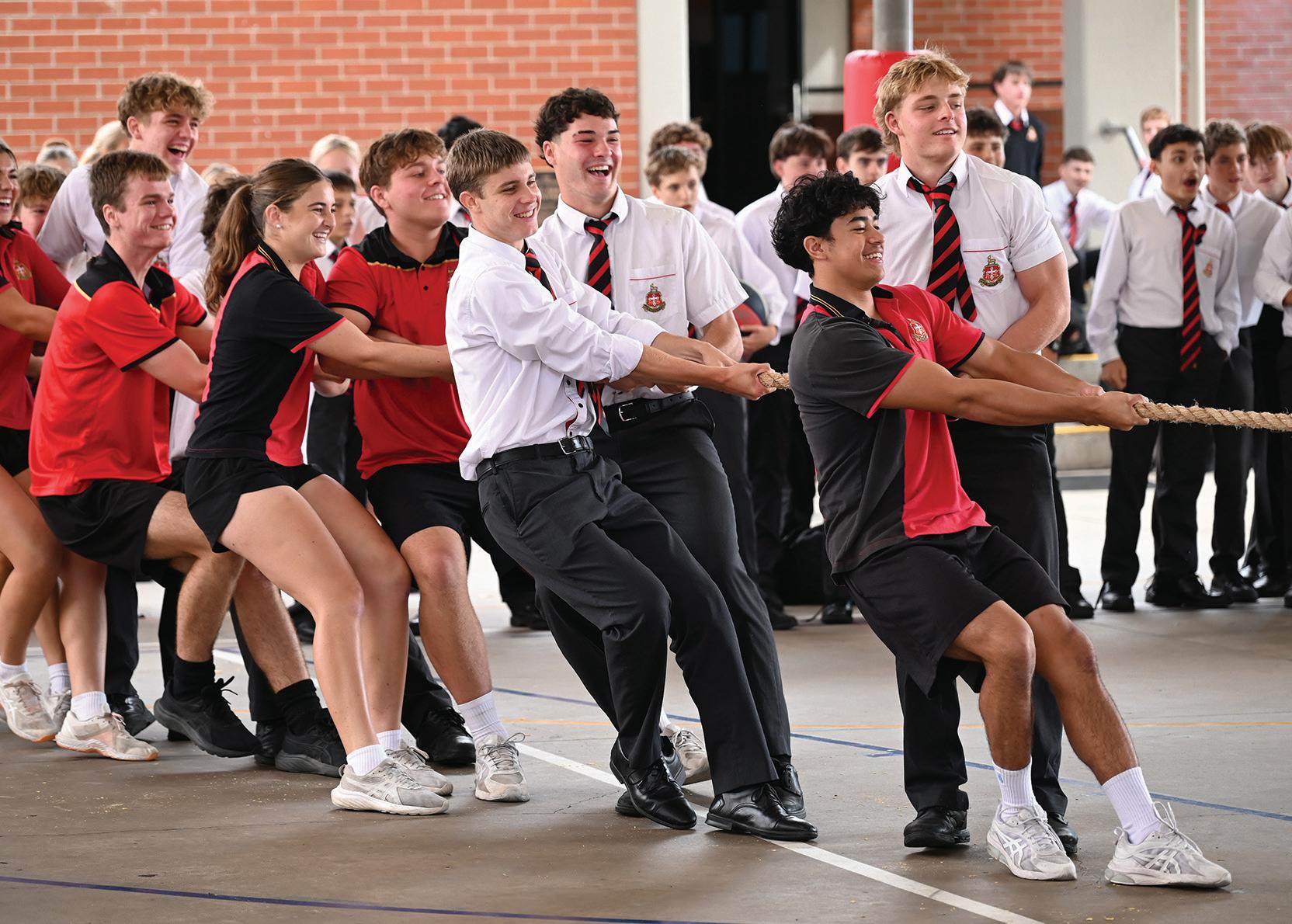
Throughout National Boarding Week, there were countless moments of laughter, celebration and togetherness.
The energy and spirit surrounding the Talent Show perhaps captured this best – a night where creativity, courage and connection took centre stage. It was a reminder that Boarding communities are built not merely through routines and structures, but through shared experiences, collective joy and the freedom students feel to belong.
Importantly, the week also provided an opportunity for reflection.
Boarding is rarely easy. It asks much of young people. It requires resilience, adaptability, independence and courage. Equally, it asks much of families, who make enormous sacrifices in providing opportunities for their children, often while living far apart for significant periods of time.
HAPPY SMILES FOR EVERY AGE

“Boarding communities are built not merely through routines and structures, but through shared experiences, collective joy and the freedom students feel to belong.”

Behind every successful Boarder is a family navigating distance, missing milestones, long drives, airport goodbyes and quiet houses.
And yet, despite this, Boarding communities continue to thrive because of the relationships that underpin them.
At The Rockhampton Grammar School, National Boarding Week served as a powerful reminder that our Boarding Community is far greater than the walls of our dormitories.
It extends into family homes across Queensland and beyond. It lives in the conversations between parents and staff, in the support offered during challenging moments, and in the shared pride felt as young people grow into capable, compassionate and confident adults.
The echoes of home are heard every day in Boarding.
And perhaps that is the true beauty of Boarding life – that while Boarders may leave home to pursue opportunity, home never truly leaves them.
Student Reflections
RGS Boarding captains Harriet Appleton and Lisiate Fa’Aoso highlighted National Boarding Week was a chance to recognise the friendships, experiences and sense of community that make Boarding a special part of life at RGS.
Speaking before the RGS Secondary assembly, the Boarding captains provided an insight into the lives of students who don’t return to their family home when the school bell sounds at 3:10pm, but instead return to their school home –surrounded by friends and supportive staff.
Harriet and Lisiate shared their message to RGS students:
“Boarding becomes so much more than just a place to stay. It becomes a second home. It’s where friendships are formed, where memories are made, and where people from so many different towns, stations, farms, communities and countries come together to create one big boarding family.
“For every boarder, home can look a little different, whether that’s the beach, the bush, cattle stations, small country towns or other communities or countries. But no matter where we come from, Boarding brings us together and helps create a home away from home here at RGS.”
SUNDAY 16 AUGUST | 9 AM – 12 PM
Discover






Real-world challenge
A UNICEF Science Team Challenge is broadening the minds of RGS Year 5 students in both learning more about independent thinking and discovering more about the challenges facing people around the world.
The UNICEF (United Nations International Children’s Emergency Fund) Australia Operation Earth programme provides a platform that encourages young people to work together to solve real-world problems through science and innovation, sparking new ideas for RGS Year 5 students.
This is the second year that students from the RGS Year 5 cohort have engaged in the UNICEF programme.
Throughout the challenge, students will collaborate in teams, explore creative solutions, and develop their critical thinking, problem-solving, and communication skills.
RGS Year 5 teacher Mr Lachlan Libke said earlier in the programme, students participated in specialised workshops presented by UNICEF who travelled from Sydney, gaining valuable insights and inspiration as they prepared for the challenge ahead.
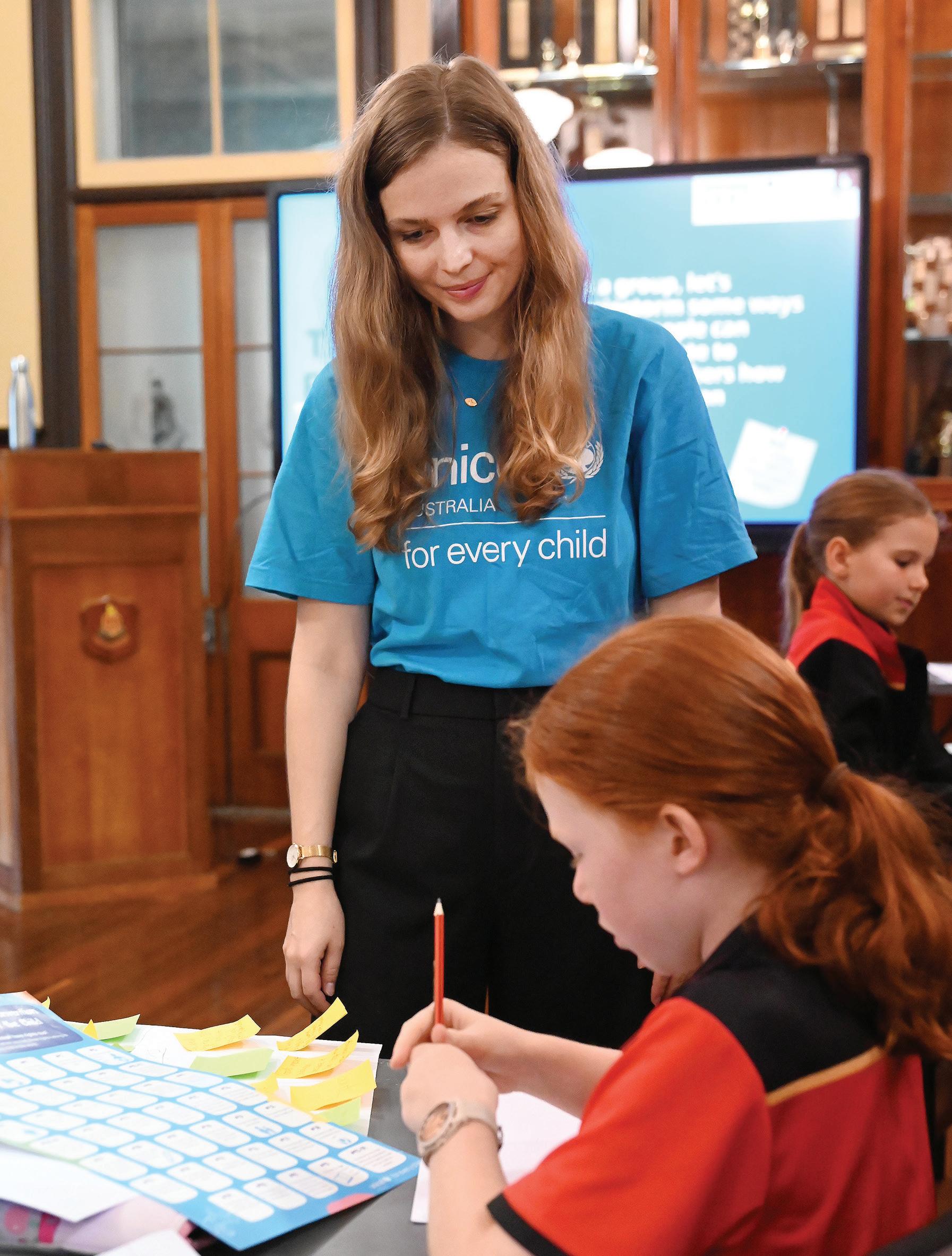
The workshops focused on design thinking and discussing Child Rights, followed by a design sprint where teams prototype innovative solutions for a real-world environmental crises.
The initial workshop challenged the Primary students to use their creative thinking skills to both analyse different situations and work collaboratively on how they could solve problems.
Here are some student insights:
“I really loved the session because the activities were very interesting. I learned that UNICEF really help the community a lot when they feed people who need food after natural disasters.”
Thomas
“I had fun when we designed our practice invention. Firstly, we made a sticky note board about cyclones and then created ideas that would help people after this disaster.”
Finley
Year 5 students had the opportunity to start the planning process with UNICEF.
Community
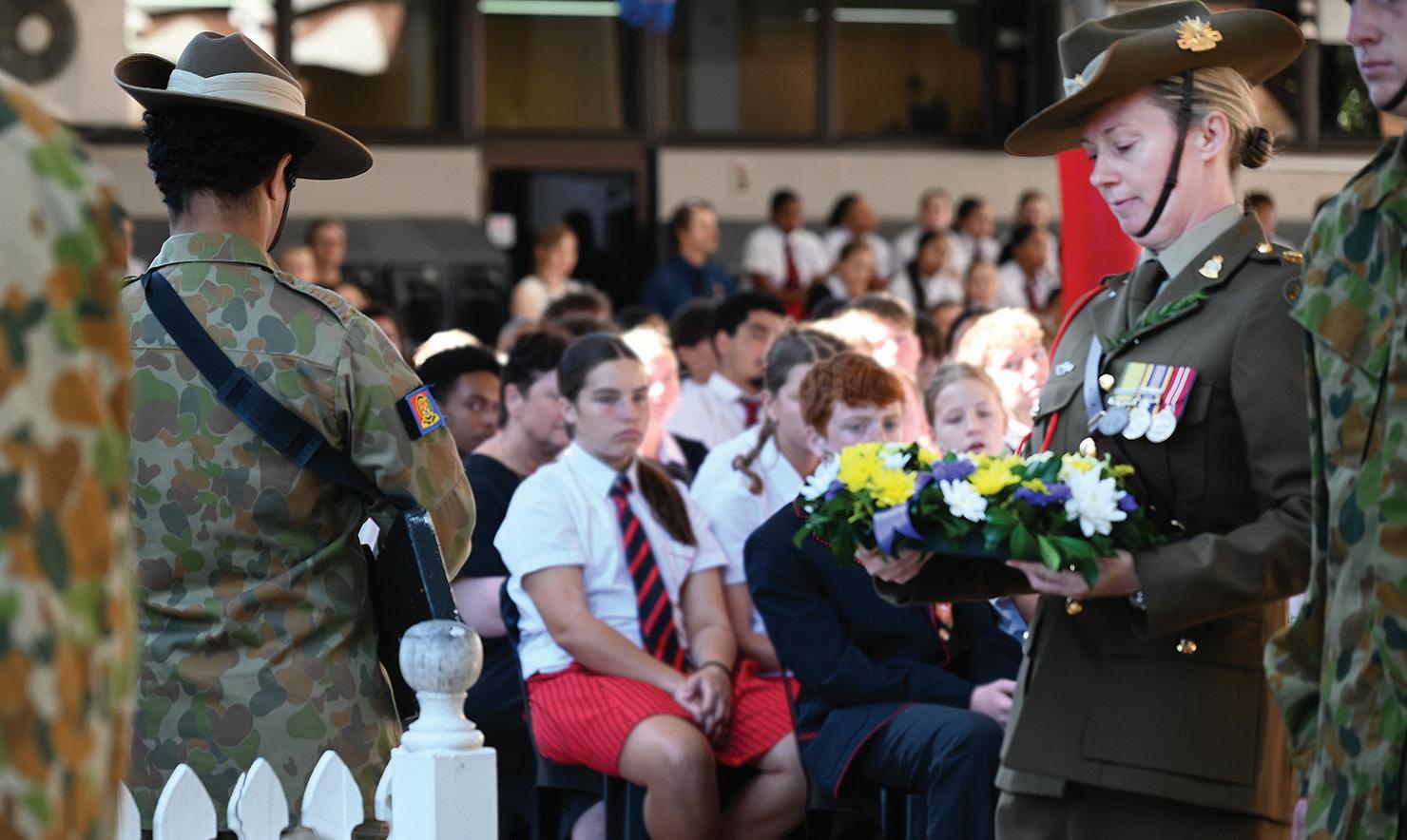
Major Knight lays a wreath in honour of fallen RGS alumni.
A time of reflection
Guest speaker at this year’s RGS ANZAC Day services, Major Jamielle Knight RAAOC (RGS 1992 – 1994), continues to serve with distinction after a 26-year career in the Australian Army.
“For me, ANZAC Day is not solely an occasion to reflect on the history of our nation’s military service. It is equally a moment to acknowledge those beside us – ordinary Australians who have chosen to serve, often in ways that are quiet, unheralded, and deeply impactful,” Major Knight said.
“ANZAC Day reinforces the understanding that service neither begins with rank nor concludes when the uniform is set aside. Rather, it is defined by a commitment to something greater than oneself – to one’s team, community, and nation.”
Major Knight reflected that once she discovered her sense of purpose, she realised she had found not merely a profession, but a community and a family within the Army.
She commenced her service in 1999 as a young Army Reservist and Signaller, where she learned the enduring fundamentals of service: reliability, teamwork, accountability, and the recognition that every role contributes meaningfully to the whole.
Throughout her career – from junior soldier to senior officer – Major Knight has witnessed the ANZAC values of courage, mateship, resilience and sacrifice demonstrated daily. She emphasised that these values are not confined to those in uniform, but are equally embodied by the families and communities who support them.
“My hope is that each of you, whatever path you ultimately pursue, will find ways to serve others with integrity, respect and courage,” she said.
Major Knight’s path to military service was far from linear. After departing The Rockhampton Grammar School boarding community at the end of Year 10, she initially relocated to southeast Queensland, before developing a strong desire to travel and embracing a diverse range of opportunities.
“I spent time working across a range of fields, including hospitality, dental nursing, the sport and fitness industry, and swim coaching,” she said. “I was fortunate to move quite quickly into
leadership and management roles, including opportunities within local government, and later internationally while travelling through Europe and the United States. A particular highlight was serving as Head Wrangler at a Girl Scout camp in Missouri – an experience that further strengthened my leadership skills and sense of responsibility” she said.
It was during this period of travel and personal growth that she experienced a defining moment of clarity.
“It was not until I had gained broader life experience that I felt a distinct calling towards military service. I recognised that I would be well suited – I was physically capable, drawn to discipline, and seeking a strong sense of belonging.”
She recalls with clarity the moment that first sparked her interest.
“While in Europe, I observed what I believe was a military tattoo. I was struck by the precision, cohesion and professionalism on display.
Each individual contributed to a highly coordinated whole – a system with purpose beyond the individual. That sense of collective purpose resonated deeply with me. I chose the Army – in part, I suspect, because I felt most at home on land.”
Over time, her sense of duty has deepened and matured.
“The military is a uniquely immersive profession. It extends well beyond the parameters of employment; it is a way of life, defined by belonging to a community and shared purpose.”
Reflecting on her enlistment at 19, Major Knight acknowledged that the prospect of operational service was not at the forefront of her thinking at the time, though she recognises it as a defining aspect of military commitment.
“To volunteer for military service is to accept the possibility of deployment to war-like operations. You are trained first and foremost as a soldier, regardless of your specialisation. While many roles resemble their civilian counterparts, service in uniform demands a broader skillset and a readiness to operate under significantly more challenging conditions.”
She highlighted the physical and psychological demands of service, including extended absences from family and exposure to austere environments.
“You must be prepared to endure hardship – whether that is prolonged separation from loved ones, or operating in conditions that test your resilience in meaningful ways.”
Major Knight credits both her military experience and her time in the RGS boarding
community with shaping her sense of belonging.
“As a teenager, I was fairly typical – focused on friendships, occasionally testing boundaries, and not always embracing discipline. I did not, at that stage, envisage a future in such a structured profession, nor did I participate in Cadets.”
She reflects on this contrast with some perspective.
“I often reflect on that younger version of myself who challenged authority at times, and it is somewhat ironic that I have thrived in an environment defined by discipline and structure. However, I believe those formative experiences at RGS – particularly the sense of belonging, community and pride in uniform – laid the foundation for my success in the Defence Force.”
Major Knight encouraged students to remain open-minded about their future paths.
“When you are young, it is natural not to fully appreciate how decisions may shape your future. Challenges will arise at every significant stage of life,” she said.
“The key is to apply yourself to the opportunities before you. Work diligently, remain adaptable, and recognise that changing direction is always possible. With determination and commitment, you can achieve your goals – and, if necessary, redefine them.”
“You do not need to have all the answers at 15. I certainly did not. At that age, a military career had never crossed my mind – yet within a few short years, it became my clear ambition.”
Community
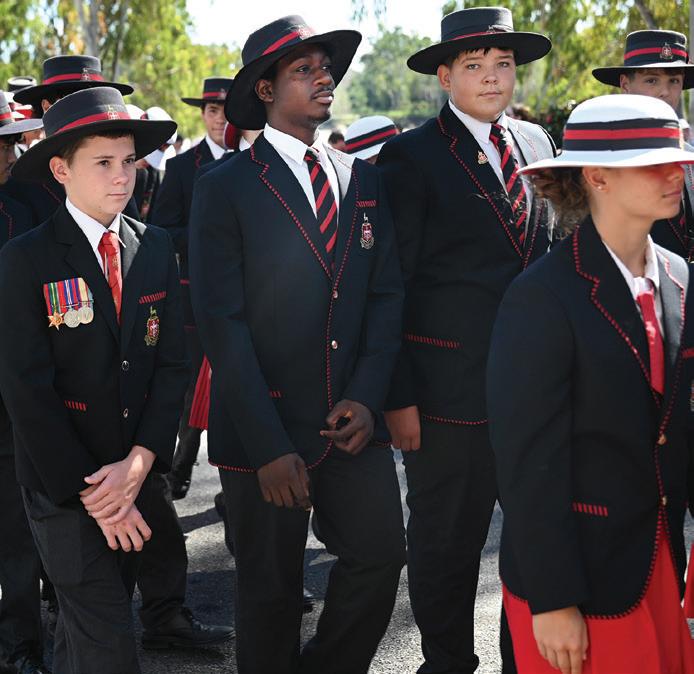
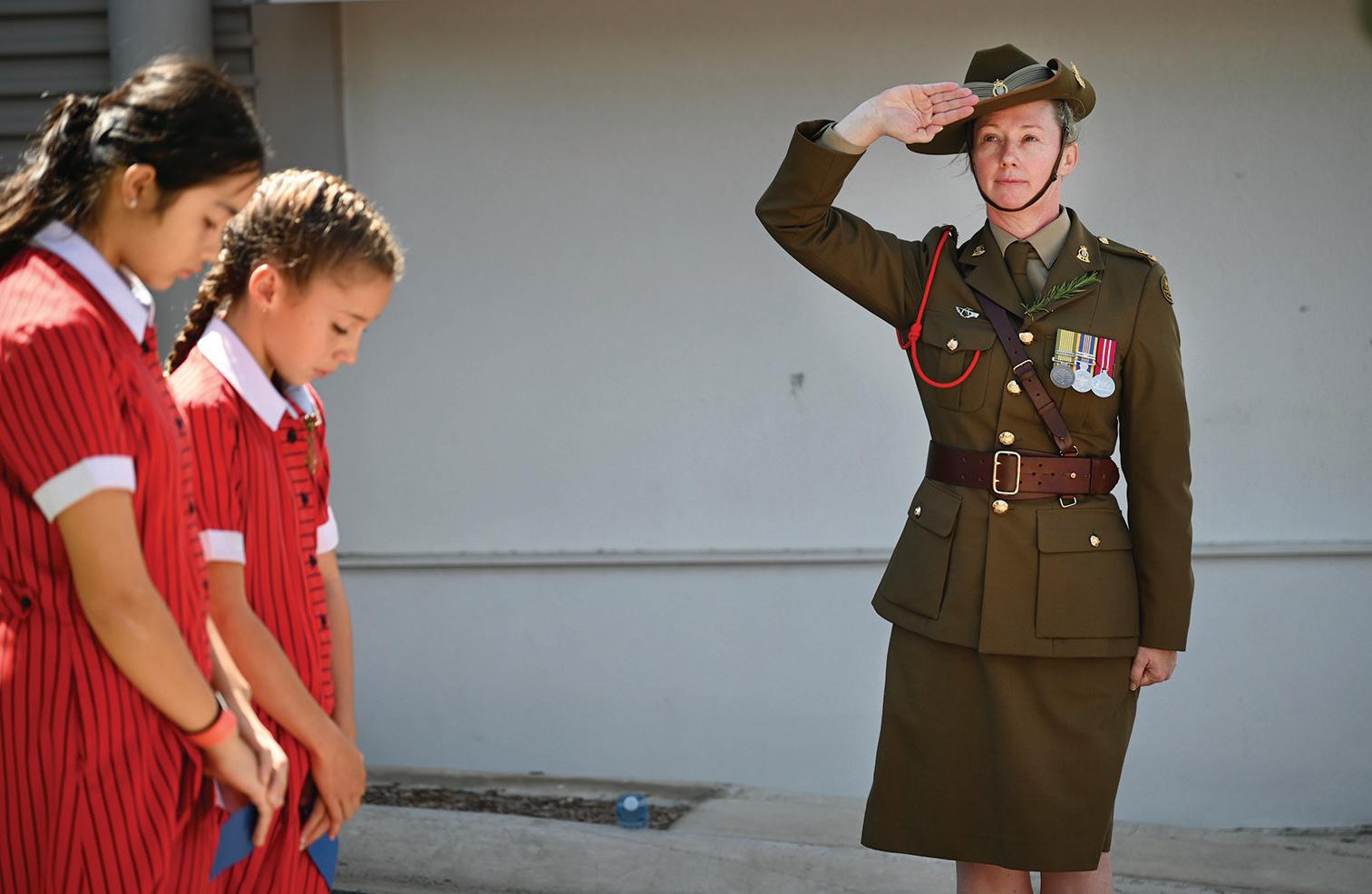
The importance of ANZAC Day
Addressing RGS Secondary and Primary students at School ANZAC Day services Major Knight reminded students of today’s ANZAC qualities.
“ANZAC Day is not simply a date. It is a touchstone of who we are.
It reminds us that ordinary people are capable of extraordinary leadership when circumstances demand it.
When the ANZACs landed at Gallipoli in 1915, they faced unimaginable adversity. Yet from that adversity emerged courage, teamwork, sacrifice, and unwavering determination – qualities that came to embody what we now call the ANZAC Spirit.
These qualities are as relevant today as they were on those distant shores. They remind us that leadership is not about rank, position, or recognition. Leadership is defined by character – by how we choose to act when tested.
You may not wear a uniform, but you can show the ANZAC Spirit every day:
• You show courage when you try something new.
• You show mateship when you include someone who’s feeling left out.
• You show endurance when you keep trying, even when leaning is hard.
• And you show service when you help your friends, your teachers and your family.
These are the same values the ANZACs showed – and they are the same values that make great leaders.”
Community
Grow Your Mind
Mental wellbeing, or ‘mental fitness’ as we have been teaching our students, is increasingly recognised as one of the most important foundations for children to thrive – both academically and personally. RGS Deputy Head of Primary – Students and Operations, Mrs Alicia Odewahn explains this important focus on wellbeing.
“As educators and parents, we know that nurturing emotional wellbeing is no longer an “add on” to education; it is an essential part of helping young people flourish in an increasingly complex world.
This year, we are excited to commence the implementation of the Grow Your Mind program across our Primary School.
Grounded in contemporary research from neuroscience, positive psychology, public health, and social-emotional learning, the program provides students with practical, age-appropriate strategies to strengthen their mental fitness, emotional literacy, resilience, and overall wellbeing.
While many of us are highly aware of the importance of physical health – exercise, sleep, nutrition, and movement – the same preventative and intentional approach is equally important for mental wellbeing.
Mental fitness requires regular practice, education, and support, particularly during childhood when many lifelong habits, coping strategies, and patterns of thinking are established.
The need for this work is significant. Current Australian data indicates that 1 in 7 children and adolescents aged 4 – 17 experience a mental health condition, while young people continue to report increasing levels of psychological distress.
Research consistently highlights that protective factors such as resilience, positive relationships, emotional regulation, mindfulness, gratitude, and connection can significantly improve wellbeing outcomes for children and adolescents.
The decision to implement Grow Your Mind has been informed by a strong and growing
evidence base supporting preventative mental health education in schools. Importantly, the program has undergone external evaluation through researchers at the University of Wollongong involving 657 students across 25 classrooms. Findings demonstrated positive gains in psychological and physical wellbeing, improved connection and belonging, enhanced quality of interactions with others, and reductions in negative emotional affect among participating students.
Current Australian data indicates that 1 in 7 children and adolescents aged 4 – 17 experience a mental health condition, while young people continue to report increasing levels of psychological distress.
Grow Your Mind has also received, endorsement through respected educational and wellbeing organisations, including Be You by Beyond Blue and state education wellbeing directories, recognising its alignment with evidence-based approaches to resilience, social-emotional learning, emotional regulation, respectful relationships, and mental health promotion.
The broader research surrounding social and emotional learning further reinforces the value of this work. Large-scale international studies involving more than 270,000 students have found that explicit teaching of social and emotional skills leads to measurable improvements in wellbeing, emotional regulation, relationships, behaviour, and academic performance. Increasingly, research is confirming what educators have long understood – students learn best when they feel safe, connected, emotionally supported, and equipped with the skills to navigate challenge and uncertainty.
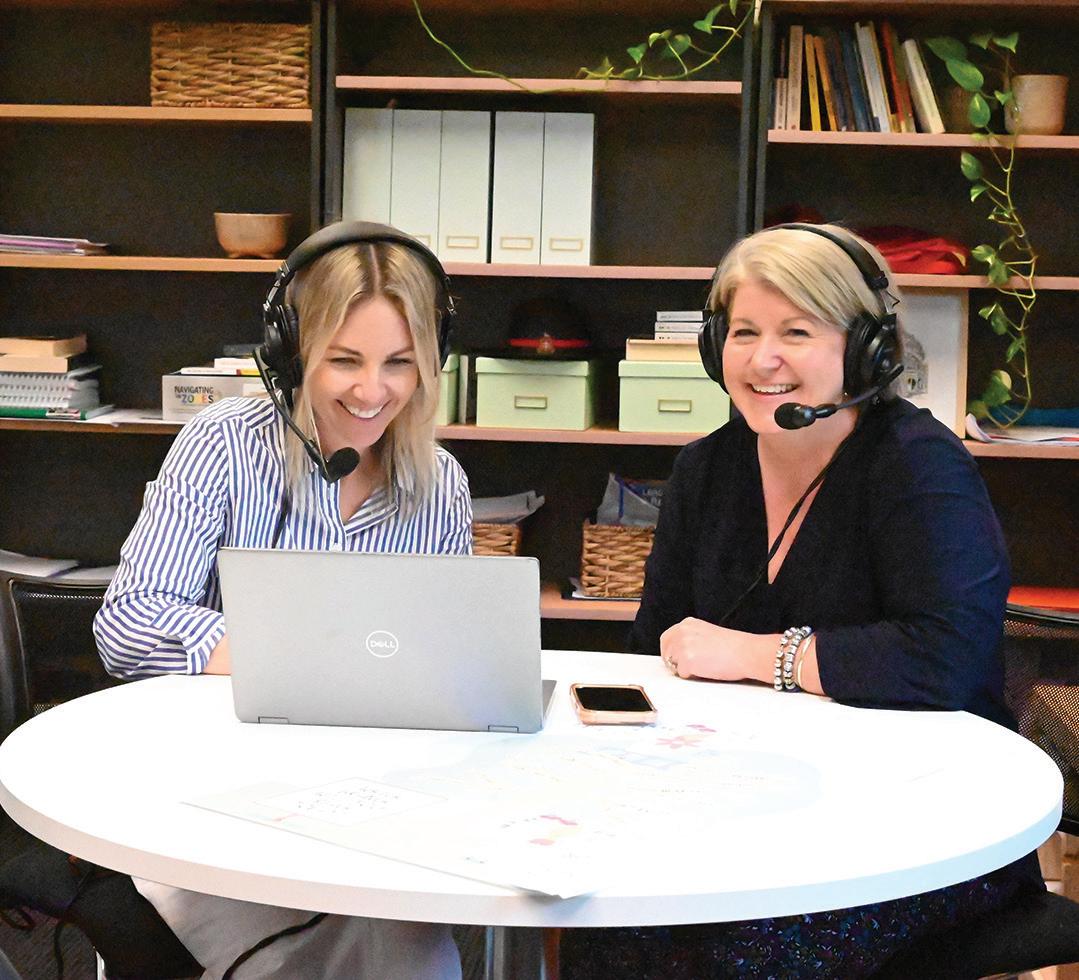
Deputy Head of Primary (Students and Operations) Mrs Alicia Odewahn and Head of Primary Mrs Kate Harris work on their Grow Your Mind podcasts.
Across the Primary School, students now participate in daily “Grab 5” sessions – short, intentional wellbeing moments embedded into the rhythm of the school day. These may include breathing exercises, gratitude reflections, emotional check-ins, mindful moments, or connection activities. In addition, students engage in explicit weekly Grow Your Mind lessons designed to further develop their understanding and application of wellbeing strategies in meaningful and age-appropriate ways.
Our goal is to equip students with the language, understanding, and practical tools to navigate challenges before they become overwhelming.
Importantly, this initiative is proactive rather than reactive. Our goal is to equip students with the language, understanding, and practical tools to navigate challenges before they become overwhelming.
We want children to understand that caring for their mental wellbeing is a normal and healthy part of life, just as caring for their physical health is.
We also recognise that strong partnerships between home and school are essential in supporting children’s understanding and growth in this area. Consistency in language, messaging, and approach helps students feel safe, supported, and confident in applying these strategies across different environments. To further strengthen this connection, the Head of Primary and Deputy Head of Primary will be recording fortnightly podcasts throughout Terms 2 and 3. These short conversations will provide families with insights into the program, practical strategies being used at school, and ways parents can continue these conversations at home.
As a school community, we are proud to continue prioritising the wellbeing of our students alongside their academic growth. We look forward to partnering with families as we support our children to grow not only as learners, but as resilient, connected, emotionally healthy young people equipped to thrive both now and into the future.
Grow Your Mind
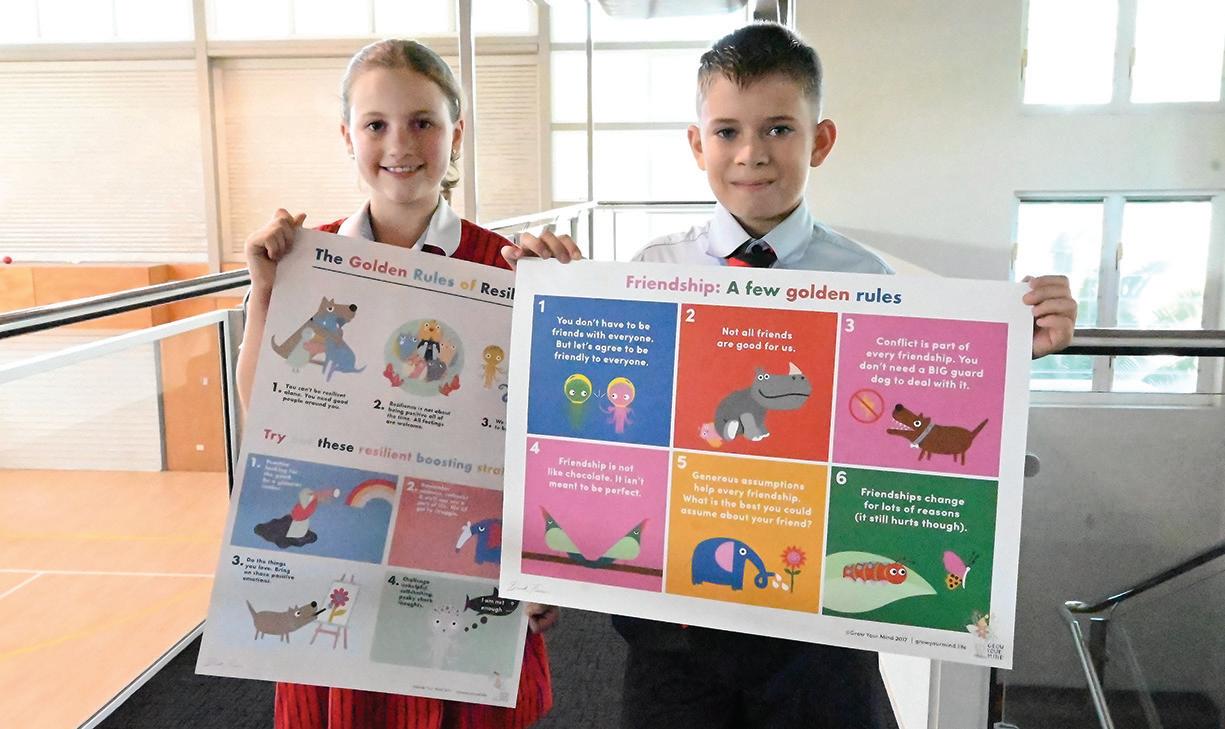
At the heart of the programme are seven key areas that underpin positive mental wellbeing:
Resilience
Connection
Emotional regulation
Mindfulness
Gratitude
Kindness and empathy
Positive habits and coping strategies
Genie (Year 4) and Lawson (Year 6) display the Grow Your Mind posters to be displayed in Primary.
A year of growth
The first year of school is a year of growth. Prep classrooms transform from adapting to new surroundings to routine. RGS Prep teacher Mrs Nicole Kennedy shares her insights into the fast-changing world of the Prep classroom.
Walk into a Prep classroom at the start of Term 2 and you enter a new world.
Young students are guided into the classroom by their parents before placing their items in their allocated spaces. Looking around the classroom, children are sitting at their desks writing their names, colouring in a picture, or chatting to their friends, and there is always still time for that lingering hug from a loving family member before the school day starts.
Mrs Nicole Kennedy has been teaching Prep for eight consecutive years and has watched that space change, with now more focus on encouraging the children to become more independent at the start of the year.
The start of the year in Prep is hectic.
“We have a lot of parents in our classroom. It’s not just the children we need to get to know, it’s also the parents,’’ Mrs Kennedy said.
“At the beginning of the year you can have 15 to 20 sets of parents in the classroom with the children, and siblings until 8.25am. It’s a lot of people in the classroom all at once. Parents are meeting other parents, learning the other children’s names, worrying about their siblings, and there’s so many different conversations all at once. It’s loud and exciting area at the beginning of the year.”
The new Preps range from children confident and ready to explore their new environment to others more reserved in the busy environment.
“There are many emotions, often big emotions, at the start of the year. They are big changes for children, not just I need a quick cuddle, but I don’t want my mum or dad to go and I need a big cuddle,’’ Mrs Kennedy said.
“There are also emotions from parents at the beginning. They worry about whether their child will settle in and be okay. That’s totally understandable.”
Mrs Kennedy said it’s then amazing how quickly the children adapt to a new routine – a routine all the RGS Prep classes adapt.
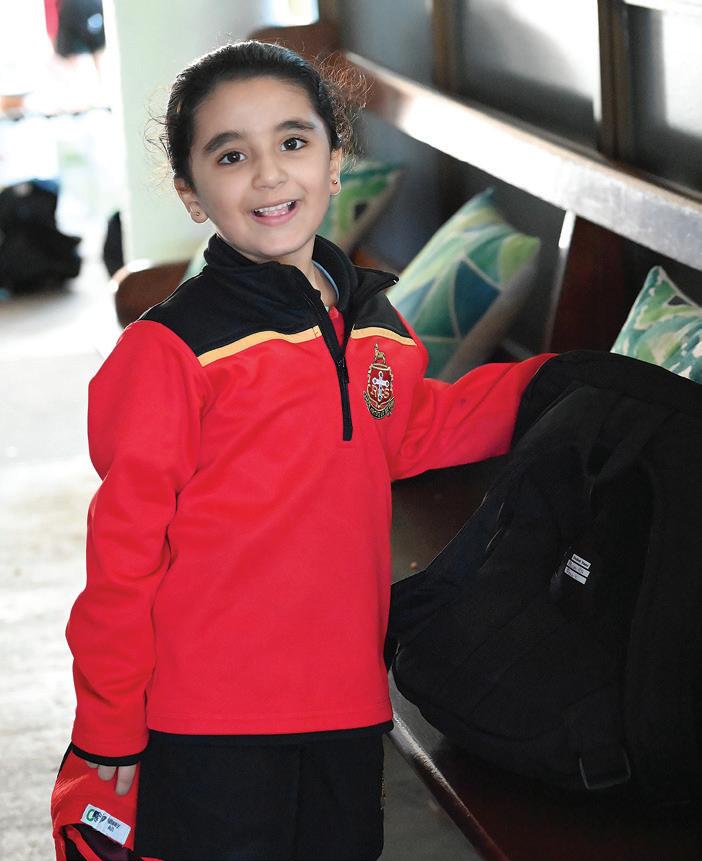
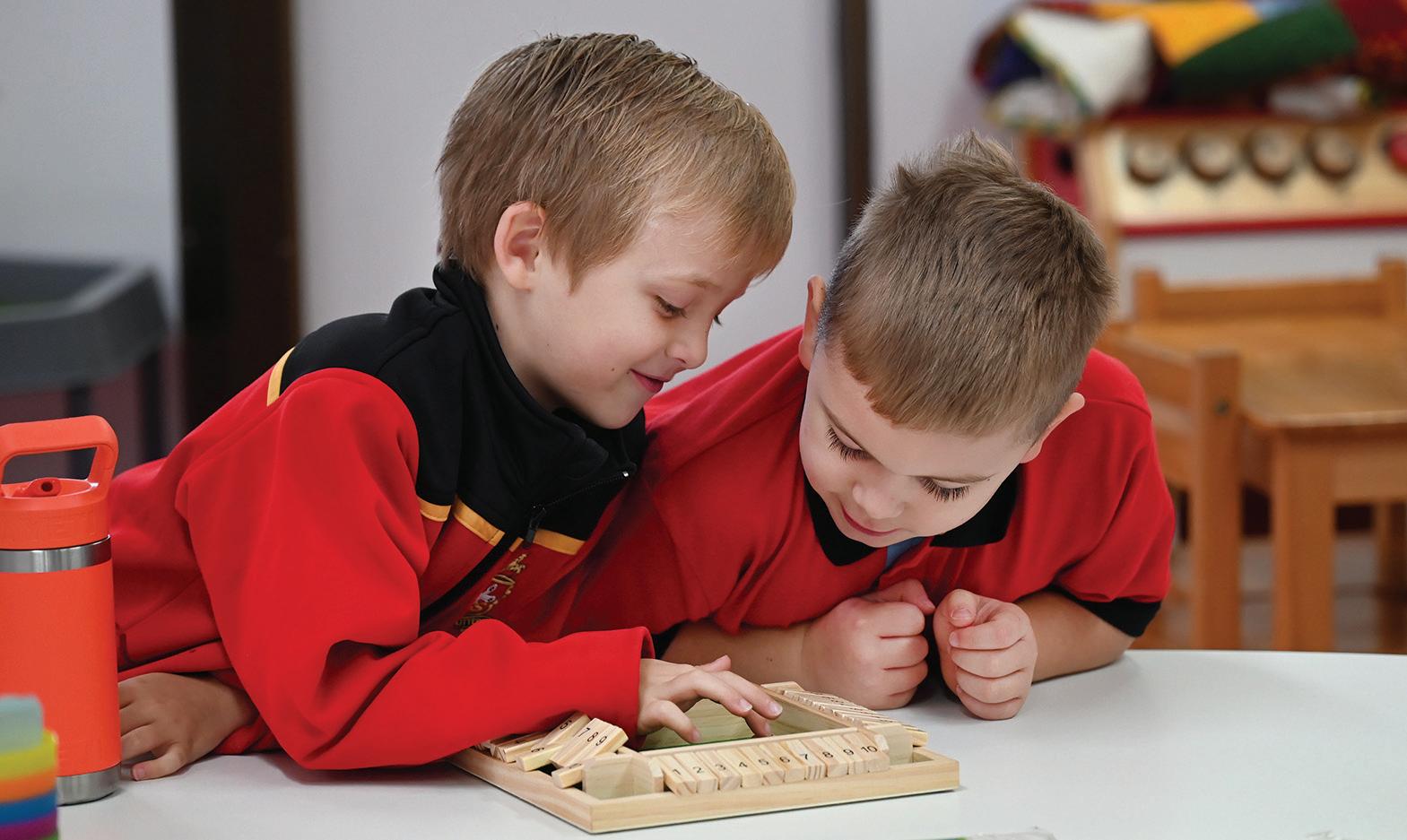
The Prep day begins with some structured activities before starting the day’s learning.
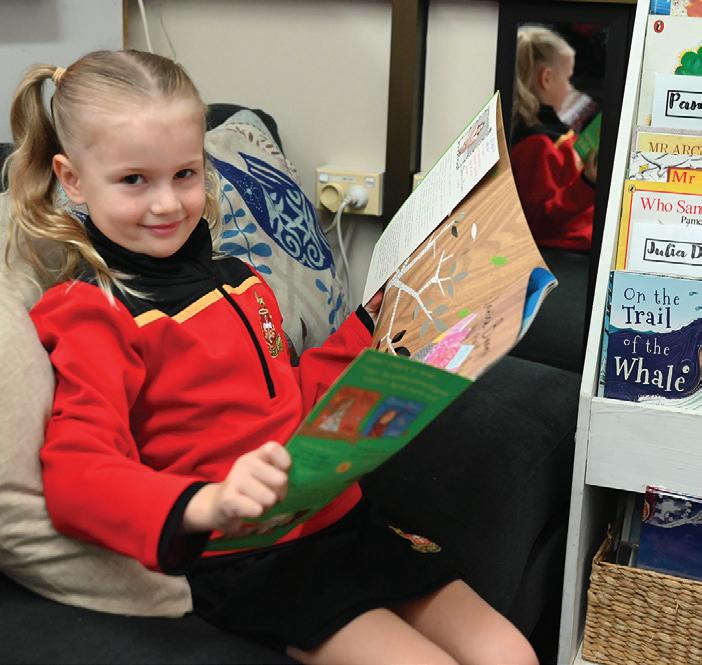
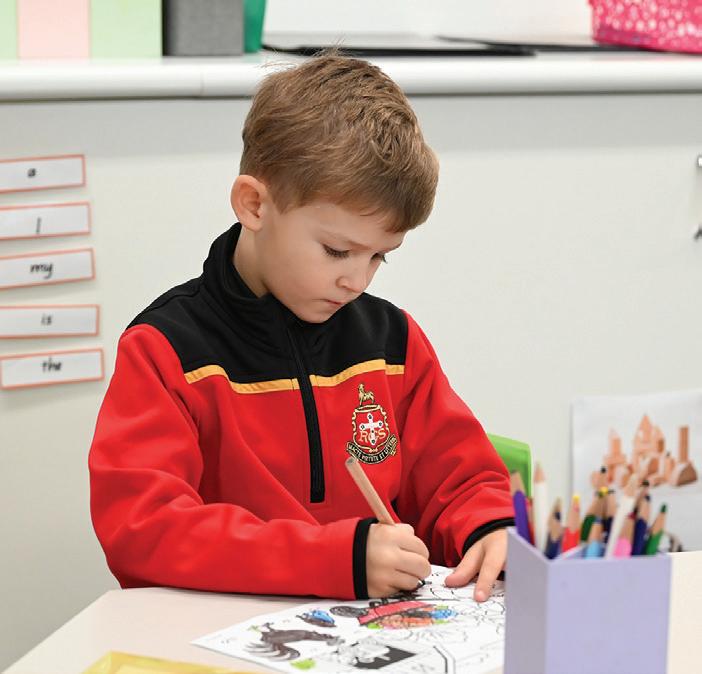
“They come into the classroom in the morning, put their water bottle into the holder, put their lunch into the fridge, hat in their box, get their name, write their name and choose an activity to do,’’ Mrs Kennedy said.
“Within the first few weeks that routine happens. They still have a lot of big emotions, and those emotions can hit at different stages. By the end of the term the children are tired and it’s big emotions again. We are always thinking about what may happen for different children at different times.”
It’s then a reassuring pleasant surprise when the families arrive for the start of Term 2 –this time not walking into the unknown, but quickly settling into that familiar routine.
“On day one in Term 2, sometimes the children are unsettled wanting to chat with each other. I change the routine slightly, but by day two it’s back to the normal routine,’’ Mrs Kennedy said.
“They will still all have their days at different times. As teachers we also have our days, let alone little 4 and 5-year-old children.”
Mrs Kennedy is always amazed at the “big shift of change” in Prep.
“They come so far so quickly,’’ Mrs Kennedy said.
This change is seen on both academic and social growth.
“The start of Prep is very different for every student, both academic and socially,’’ Mrs Kennedy said.
“It’s a big growth year. Little kindy children, to big Prep children and then into Year 1. It’s amazing how much progress they make in just one year.”
In English they learn to sound words, and write words, sentences and stories. In Maths some students can count to three and others past 30. Writing numbers can be tricky, but this development provides a strong foundation moving forward in maths.
Socially in Term 1, children are learning to sit and listen to other children.
“It’s hard for many four and five-year-olds who often just want to talk about themselves and tell their own stories. We teach them to listen first, put their hand up and then have their turn,’’ Mrs Kennedy said.
“It’s amazing how quickly most children learn that. Still always we have those times they get a bit excited and want to talk over each other.”
Mrs Kennedy said after Term 1, the classes continue to build on those foundations for the remainder of the year.
And throw in three classes at the same time for joint class time, eating or play time, and a whole new social learning area presents itself and again a new space for learning.
At the end of the school year Prep teachers look around their classrooms and can’t believe how much their class has grown.
“It’s a big growth year. Little kindy children, to big Prep children and then into Year 1. It’s amazing how much progress they make in just one year. They do so well, and then it starts again the next year,’’ Mrs Kennedy said.”
Why I love teaching Prep!
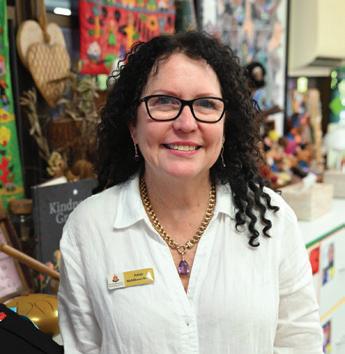
Mrs Adair Mehlhose-Shore:
“One of the most memorable moments is witnessing a child who has struggled emotionally begin to find their voice and confidence. Seeing that “aha” moment – when they realise they are capable and valued – is incredibly powerful. It is these small but significant breakthroughs that stay with me and remind me why this work matters.”
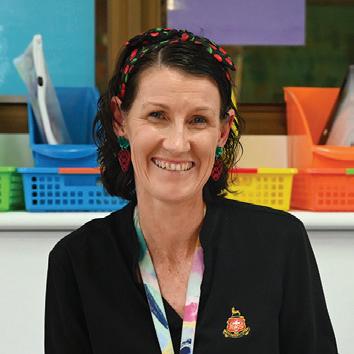
Mrs Nicole Kennedy:
“Each year, I love watching students develop confidence and pride as they realise they can decode and read their very first words – it’s incredibly rewarding to share in those moments of growth.”
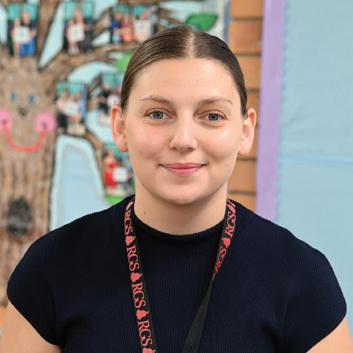
Miss Haidee Howard:
“Each year there is an abundance of great experiences to share with all the students. My favourite memories are the ones where the children make connections in their learning for the first time and are so proud of themselves. It really brings a love for learning and makes teaching so purposeful.”
Co-curricular
Qld representatives
Congratulations to RGS Secondary students on their selection in Queensland teams.
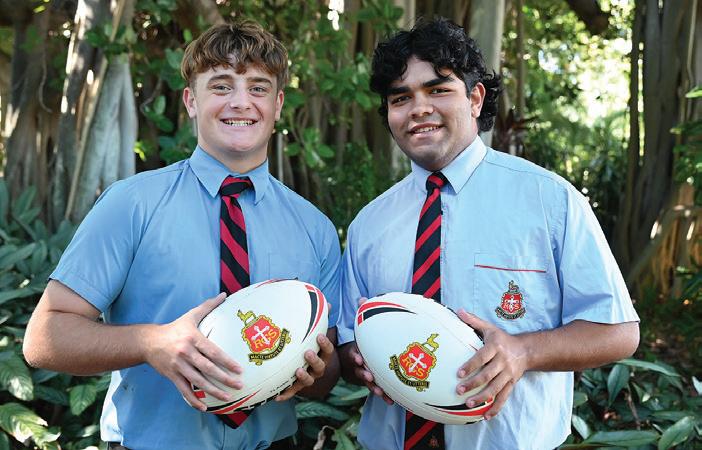
Year 12 students Dan Grant and Caleb Rebel were selected in the Queensland White 18 years boys rugby union team that competed at the State Championships on the Sunshine Coast over the school holidays.
Dan and Caleb were selected following the Capricornia team finishing runners-up to Metropolitan West region at the State Championships.
Oliver Bennett (Year 12) was selected in the Queensland 15-17 years AFL Merit team after a strong showing for Capricornia at the State Championships.
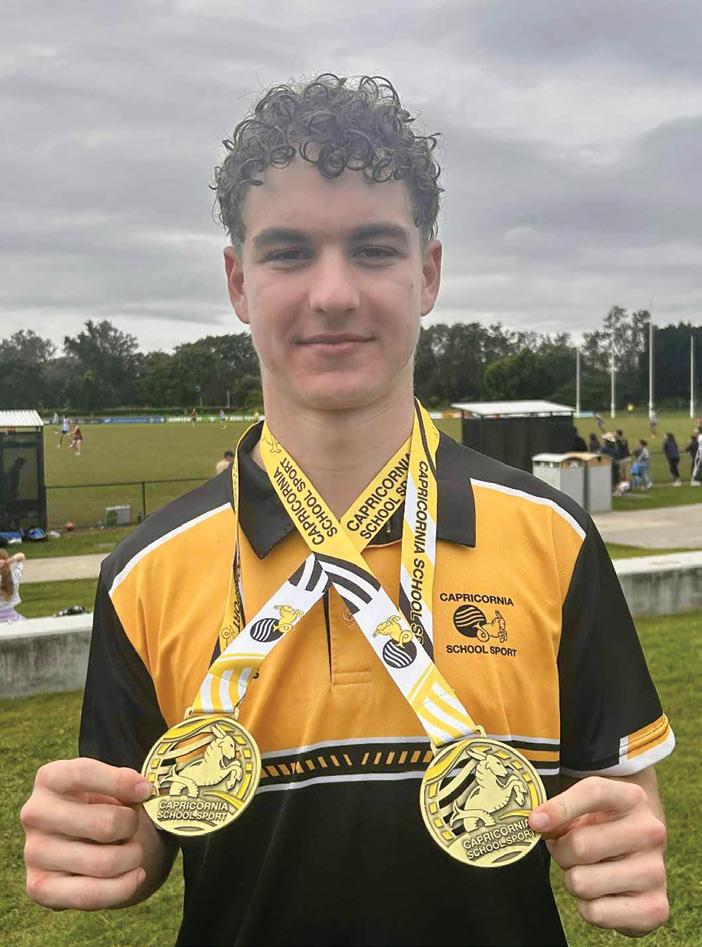
AROUND THE GROUNDS
On the water, RGS students also represented Queensland.
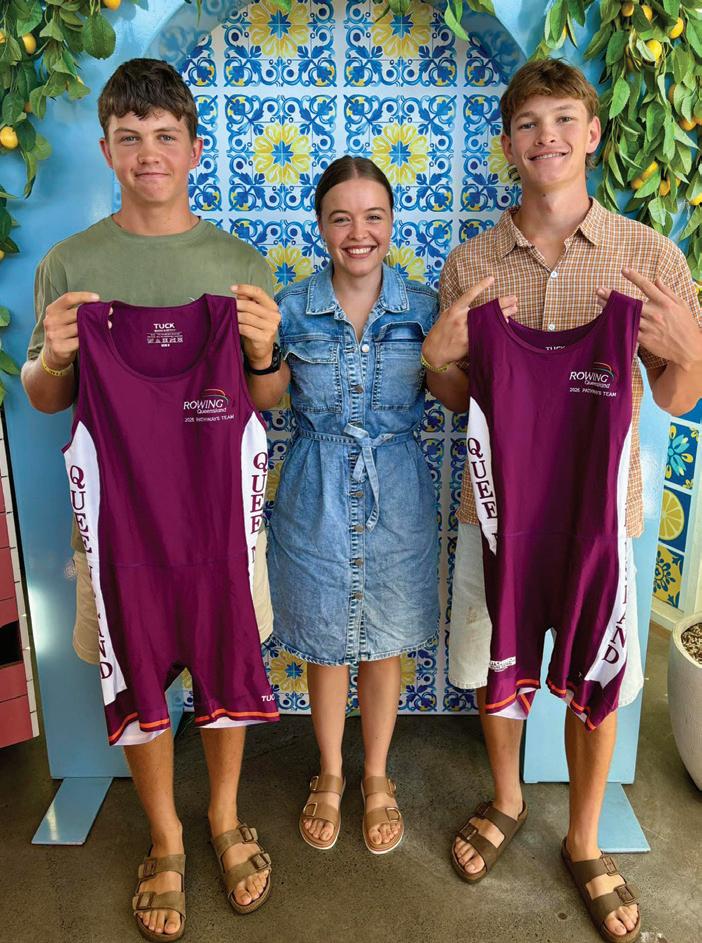
Ryan Hendrie (Year 12) and Archie Becker (Year 10) were selected in the Rowing Queensland Panthways Team Under-19 Quad that competed in Sydney, winning bronze at Penrith.
Back on the rugby field, RGS students Evan Sullivan (Year 12) and Fallon Harris (Year 11) also gained Queensland team selection.
Basketball
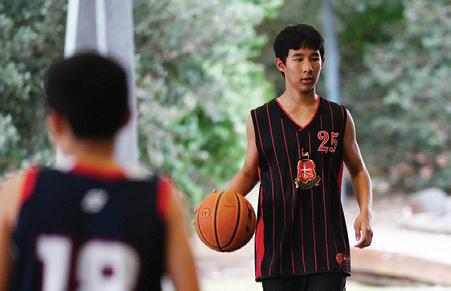
The RGS Year 7/8 team scored a 46-25 win over Emmaus in their B Division grand final at Emmaus College. Alex Baptista was RGS player of the final. At RGS Duggan Hall, the RGS Year 9/10 team scored a thrilling 38-37 win over Glenmore State High School in their B Division grand final. Tanish Jogiya was RGS player of the final.
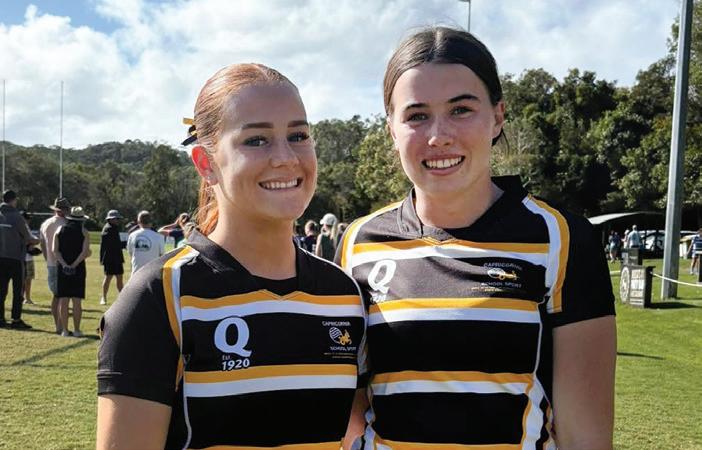
Evan was selected in the Queensland 7s White 18 years girls team while Fallon was named in the Queensland White 16 years girls team.
Rockhampton is now preparing to host the Queensland Schools Rowing Championships on the Fitzroy River from 19-21 September.
On the rugby league field, Izzy Jensen (Year 11) and Sam Fahlstrom (Year 12) represented Queensland Country Under-17 girls and boys teams on the Gold Coast.
Football
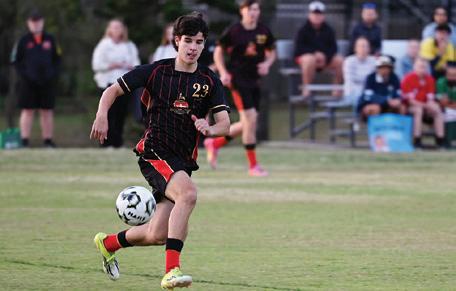
RGS teams stood strong in the Rockhampton District Secondary Schoolboys football grand finals at Heights College. The RGS Year 11/12A team defeated Heights College 2-1 in the Senior A decider. Spencer Besch was RGS player of the final. The RGS Year 11/12B team went down 3-0 to TCC in their Senior B grand final. Luca Klopper was RGS player of the final.
Netball
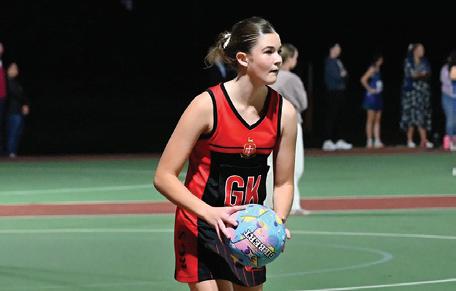
Congratulations to the RGS teams that played in the Rockhampton District Secondary Schools grand finals at Jardine Park. Meteors, Blazers and Sparks won premierships with Suns finishing runners-up. RGS Most Valuable Players in the finals were Imogen Appleton, Raine Conaghan, and Ezriela Sidharta
Secondary Records
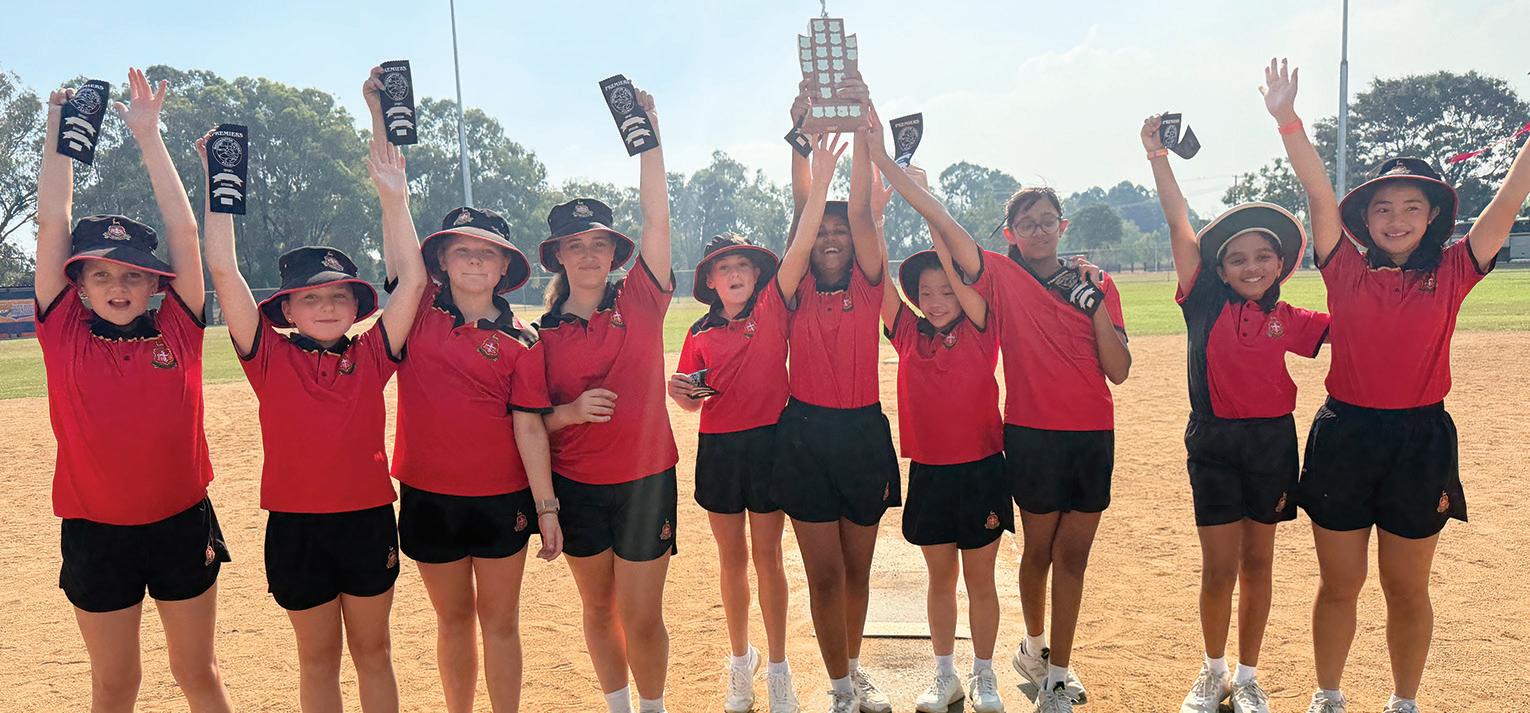
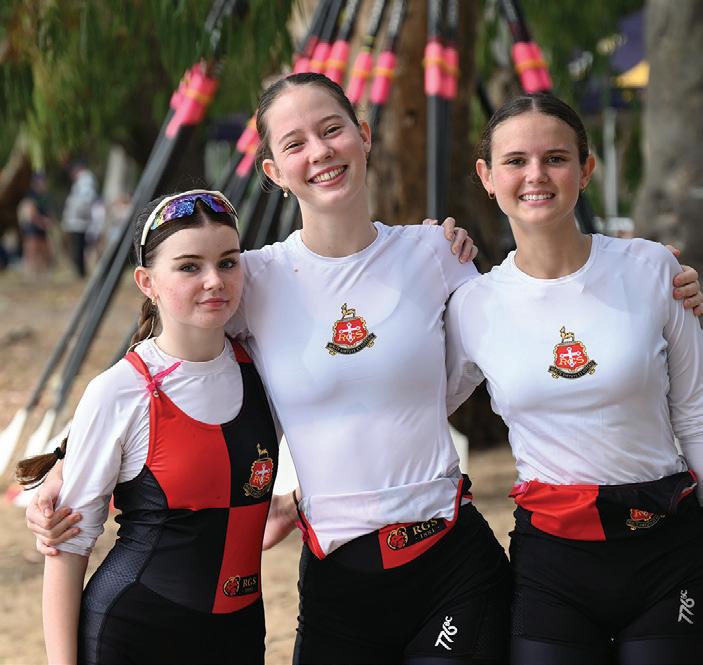
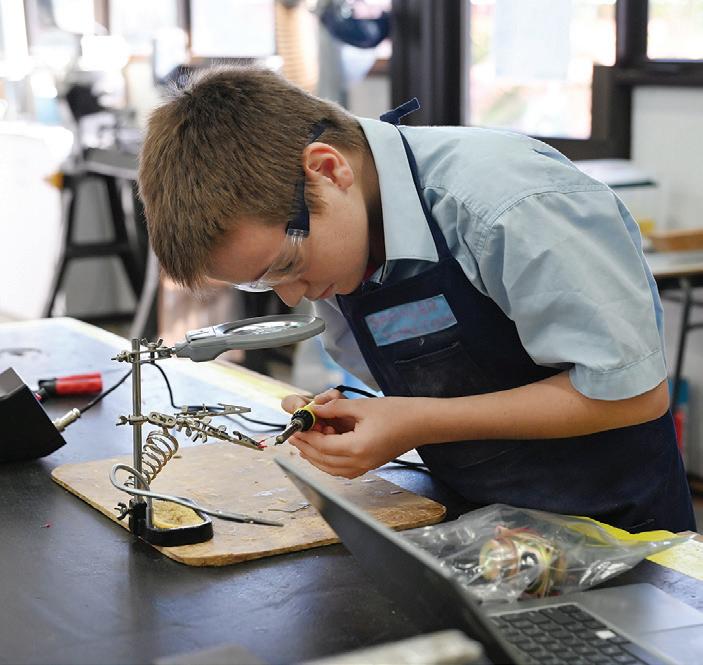
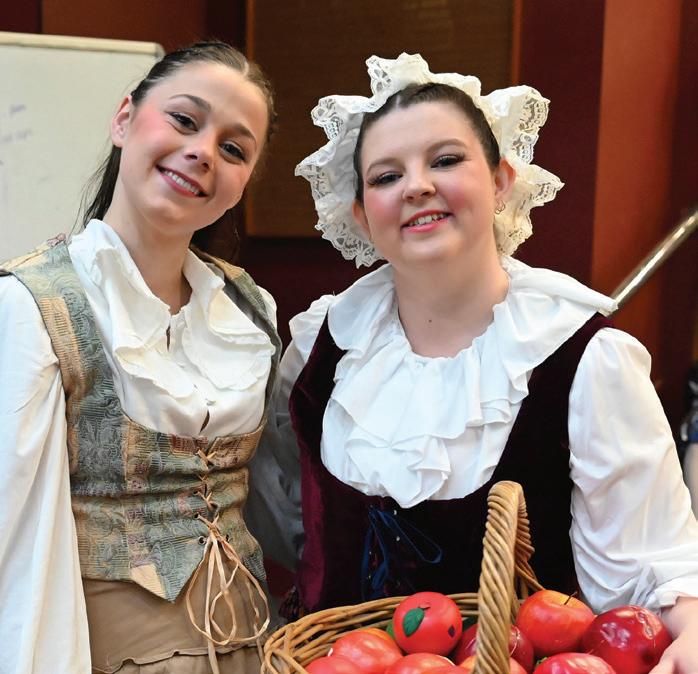
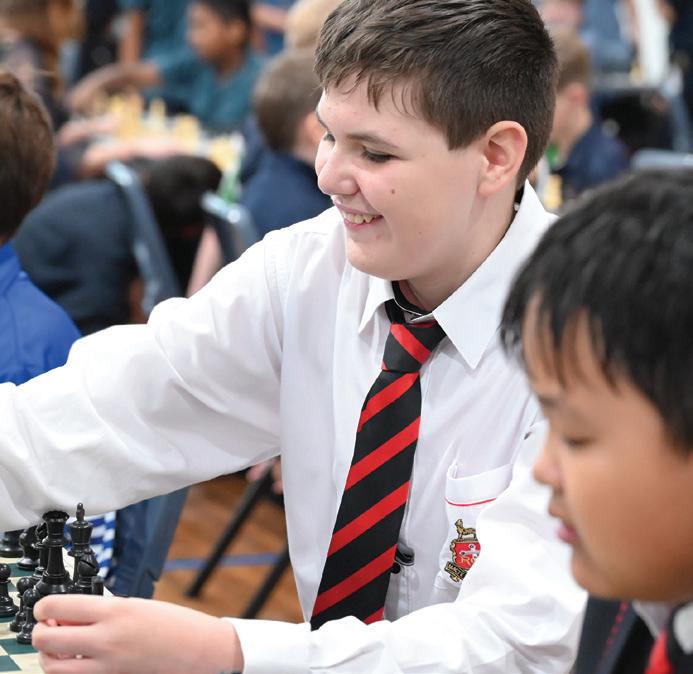
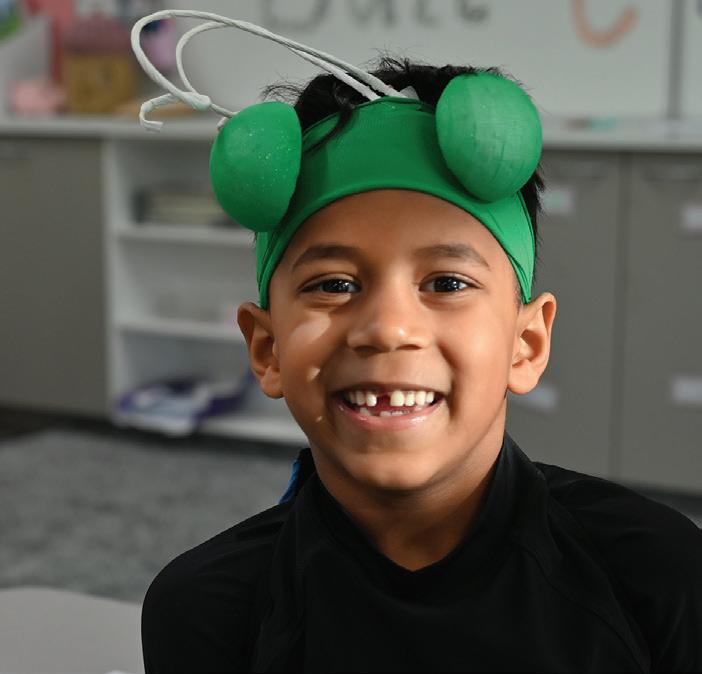
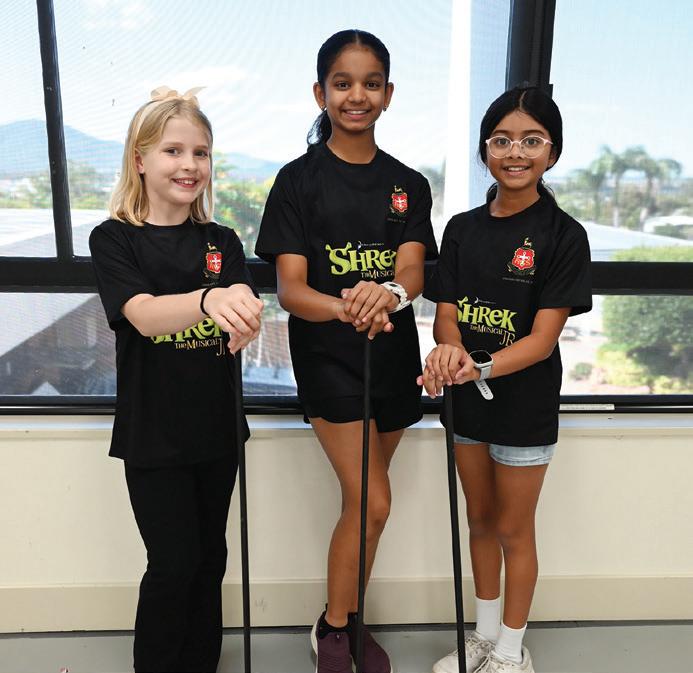
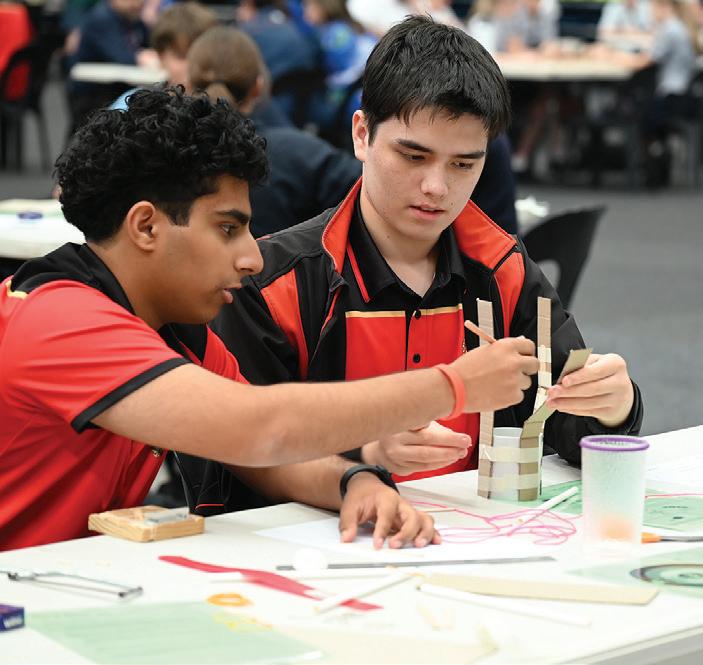
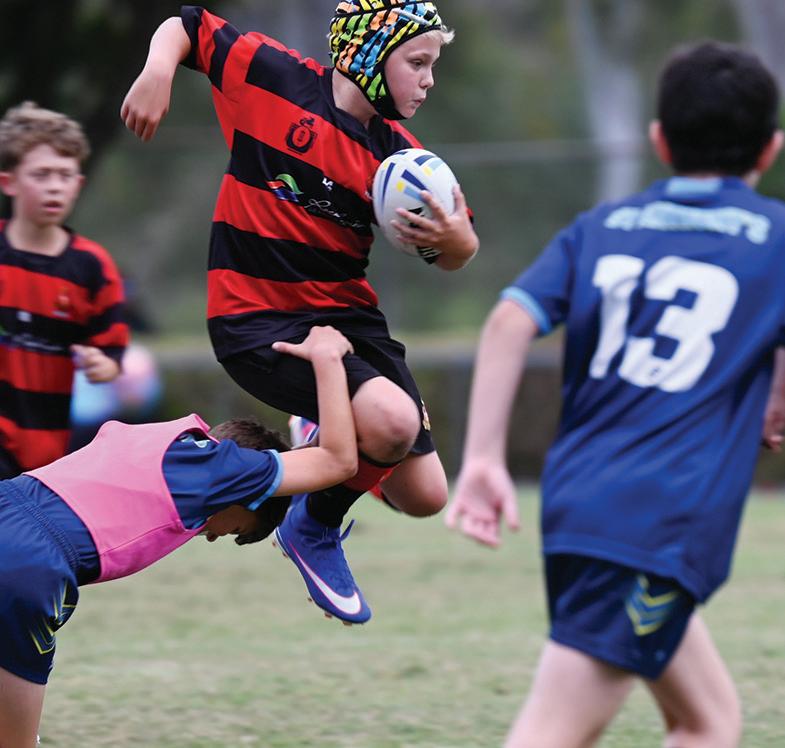
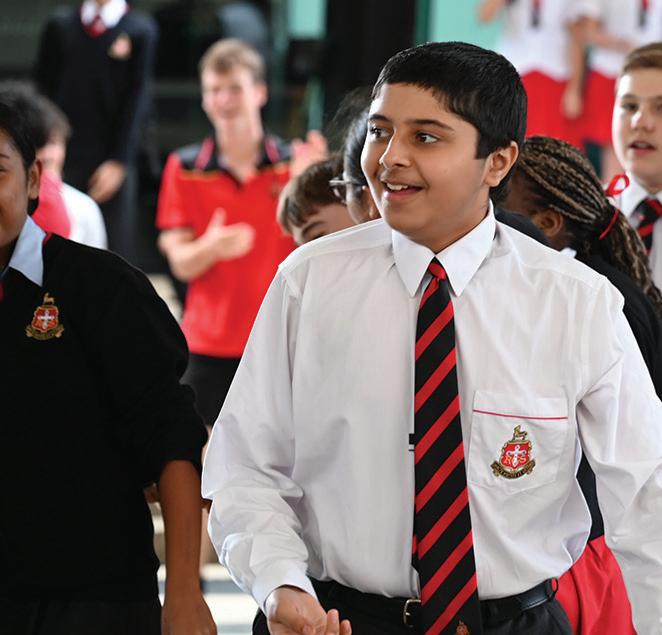
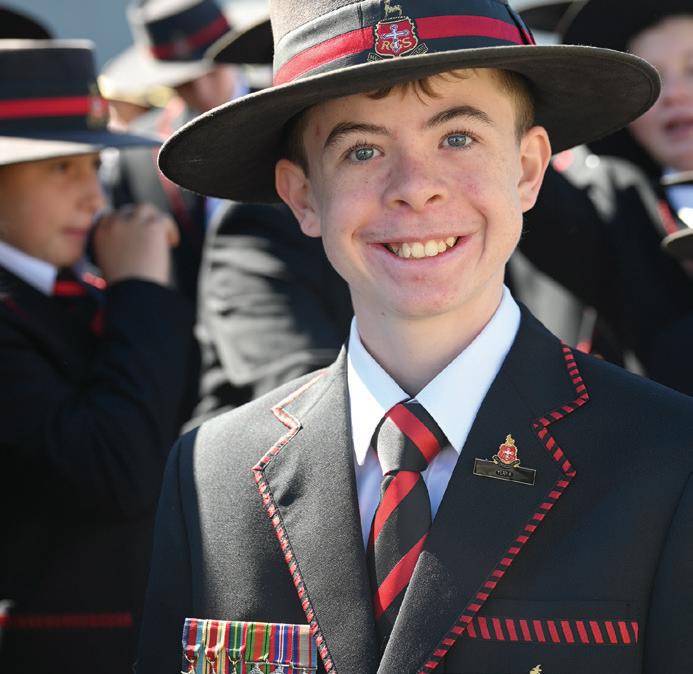
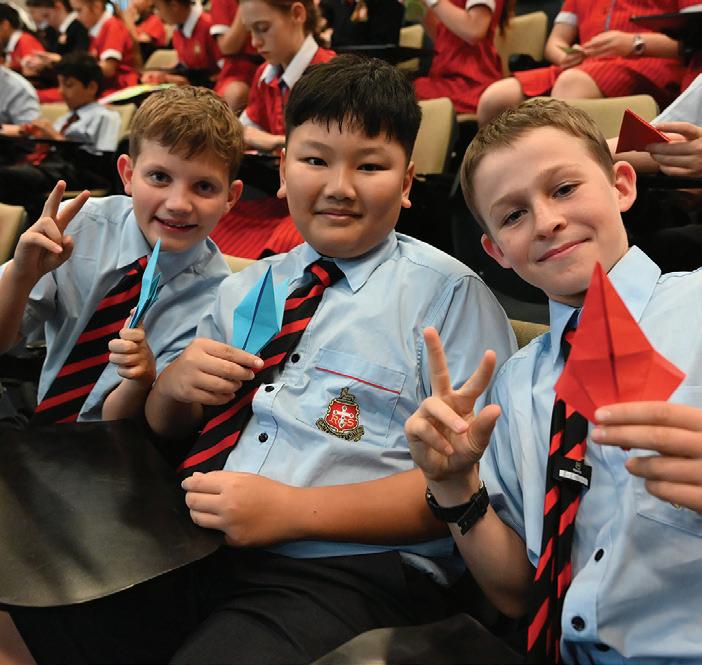
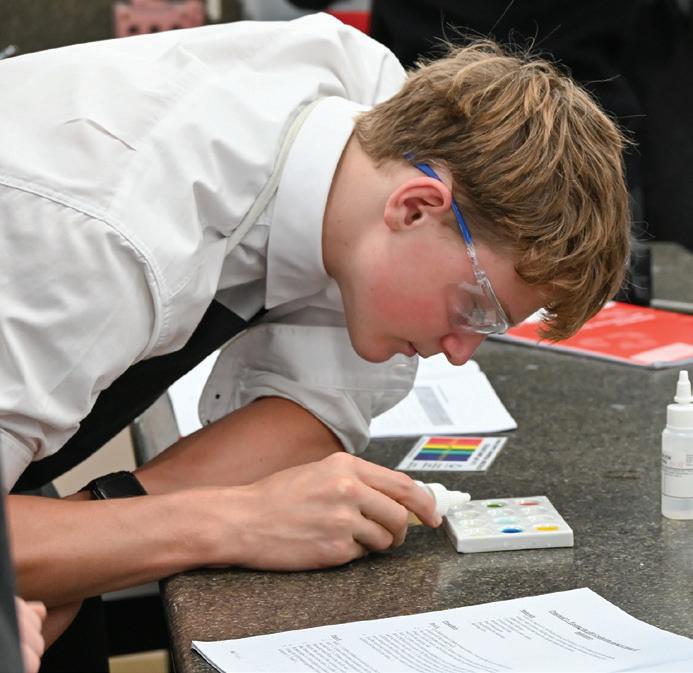
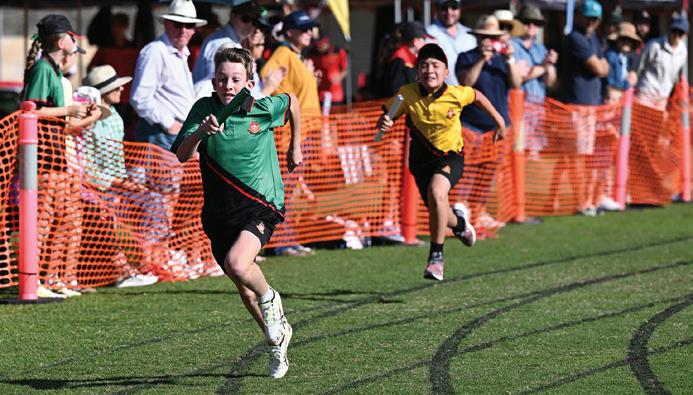
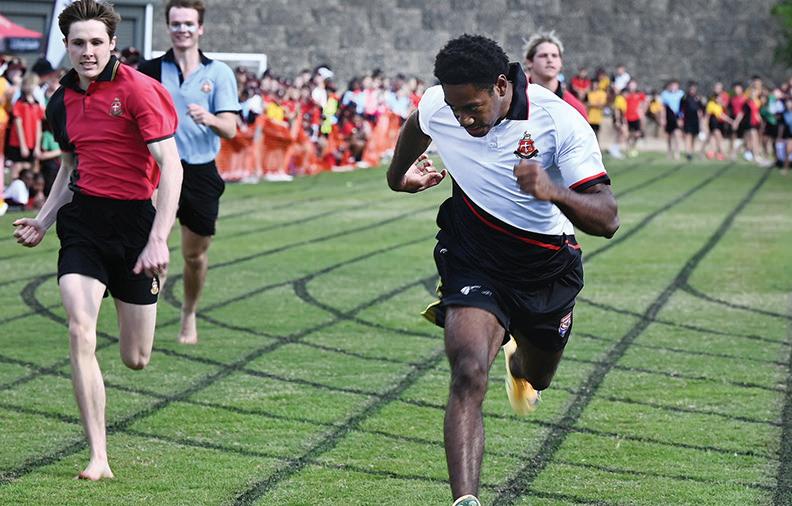
Clockwise from top left: Celebrations at Primary Friday Sport tee-ball; Year 10 students Yashmit Kumar and Henry East at the Science and Engineering Challenge; Year 6 student Edan Davison leaps into action at Primary Friday Sport rugby league; Janya Dave, Year 9, joins the fun in the Spaceframe; Fine tuning their Shrek Jr. storyteller performances are Year 6 students Sophie Kerr, Elise Attokaran, and Shambhavi Ramaswamy; Year 12 musical performers Shanae Rawlinson and Mia Wyatt; Year 8’s Spencer Walton tests his workshop skills; Year 9 rowers Sophia Benton, Kate Kernke, and Tilly
;
Moore
Quinn Robinson, Year 6, hits the chess boards; Year 1’ student Nivein Kalivitigoda celebrates all things bugs.
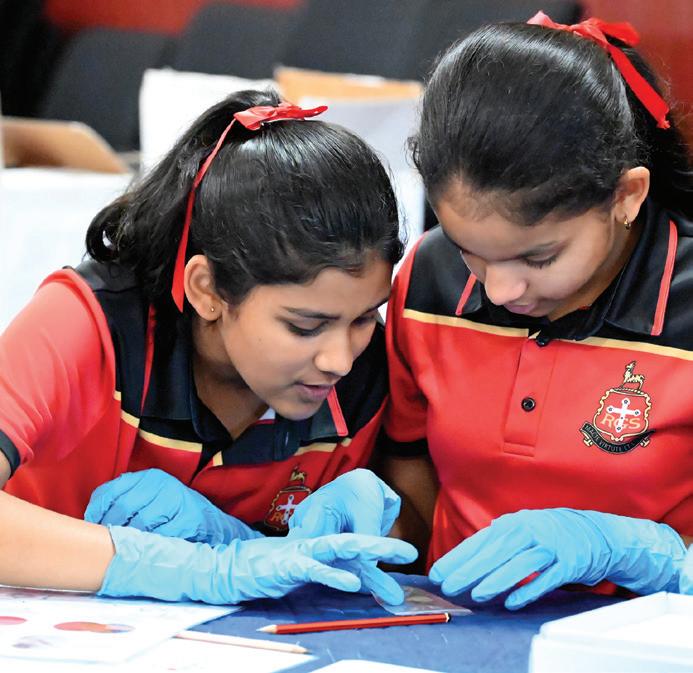
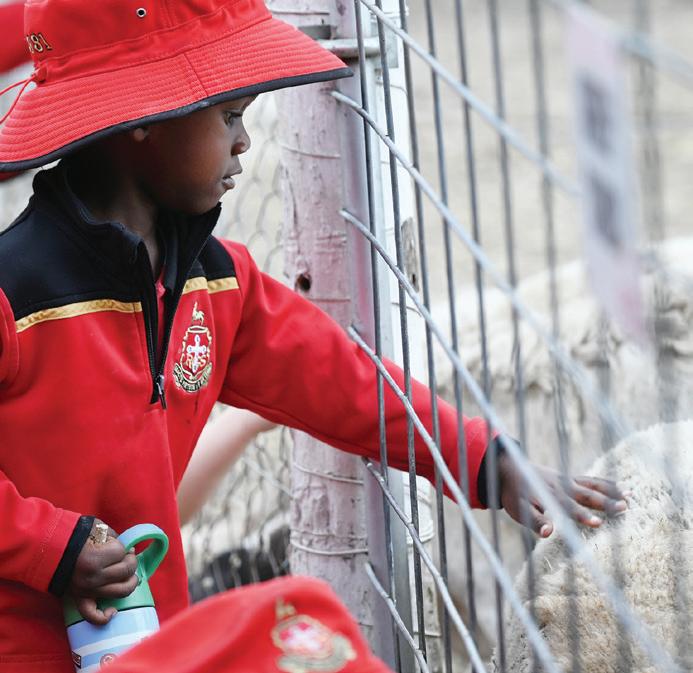
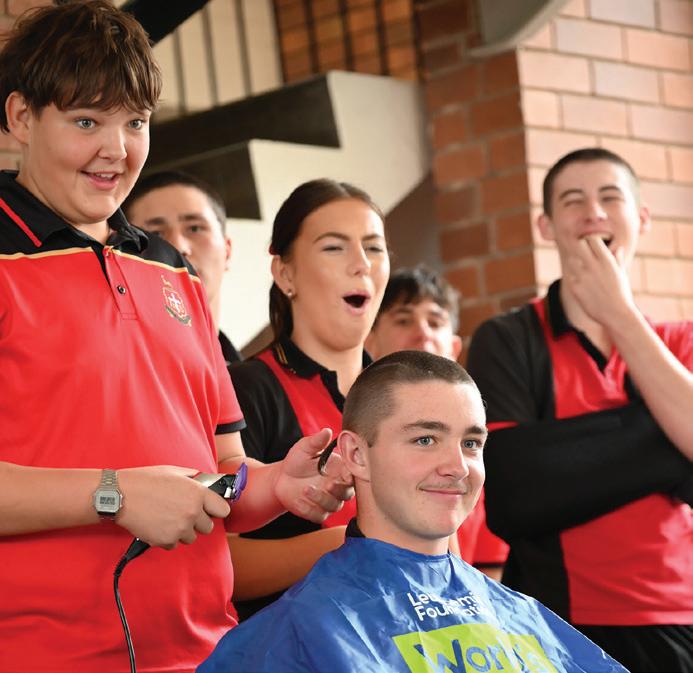
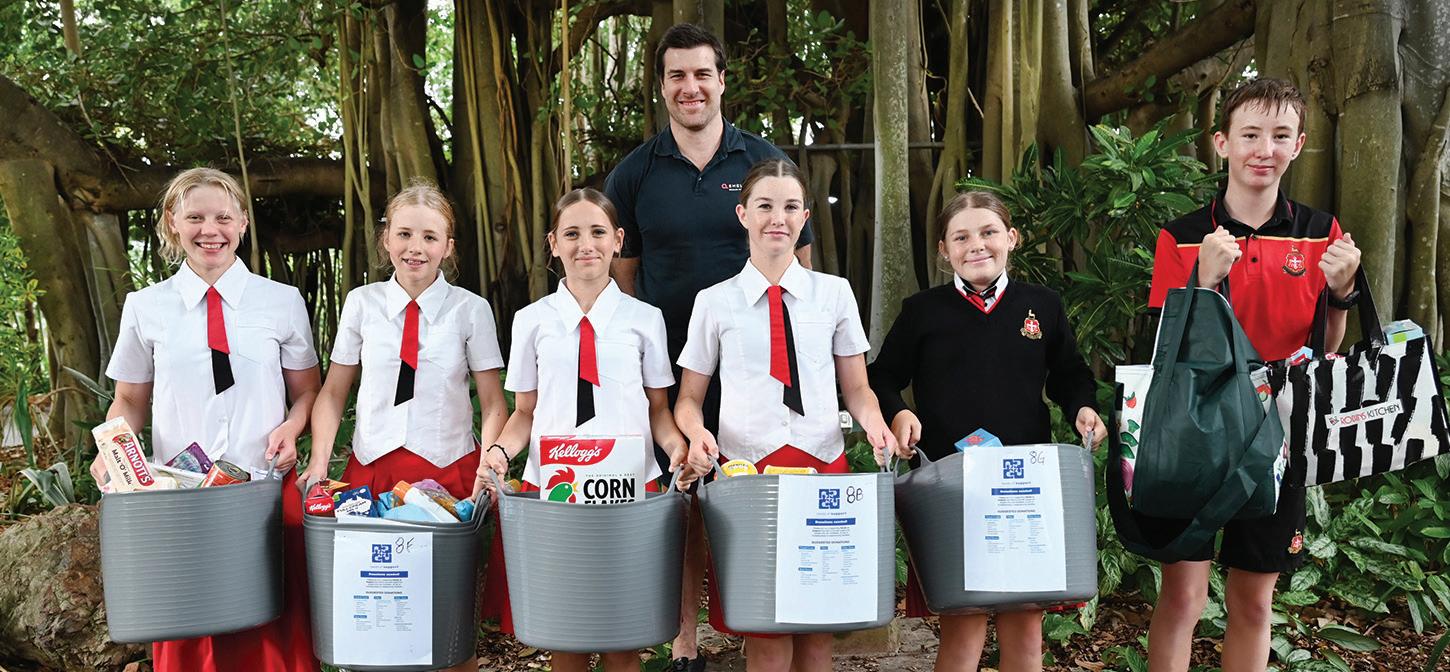
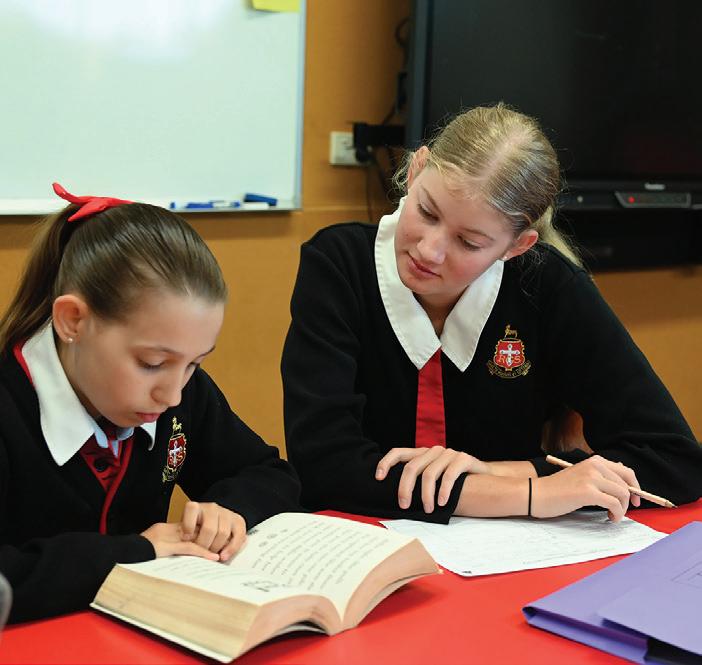
Clockwise from top left: Year 6 students Ishika Rathi and Elise Attokaran delve into the world of ancient history; Prep student Joshua Kawondera visits the Port Curtis Farm; Year 5’s Milani Seabrook and Year 11’s Lara Farmer work together at the Primary School Before School Reading Programme; Year 7 students Mattias Cummins, Anthony Li and Luke Lindley; Cameron Bell, Year 9, delves into the world of science; Year 3’s Evie Nobbs joins her class excursion to the Rockhampton Gardens and Zoo; Year 8 students Emma Hansen, Poppy Foot, Daisy Kitchen, Evie Finger, Pippi Wilkinson, and Fred Anderson join the Rockhampton Hands of Support campaign; Year 6 student Harrison Delaney joins the RGS students at the Rockhampton ANZAC Day parade; brothers Max Gillard, Year 10, and Jake Gillard, Year 12, support the RGS First XIII rugby league team’s annual Shave for a Cure.