


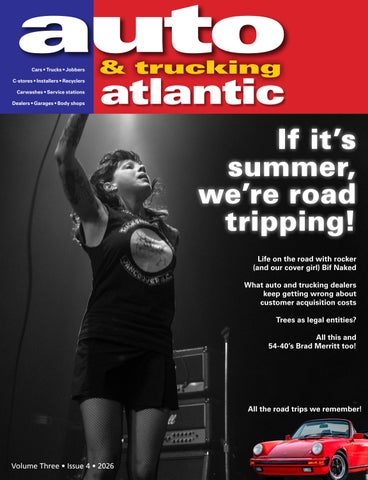
Page 4 Editor’s letter
Fasten your seatbelts, it’s road tripping season!
Page 7 Contributors this issue ..next issue you could...
Page 21 The green mile
PUBLISHER
Robert Alfers
rob@autoatlantic.com
EDITOR
Carter Hammett carter@autoatlantic.com
IT MANAGER
Tyler Graves tyler@autoatlantic.com
ART DIRECTOR
Nicole Shadbolt
CONTRIBUTORS
Robert Alfers
Kim Doolittle
Sebastien Dorelas
Carter Hammett
Owen Hilsinger
Joel Horwitz
Sean Maddox
Rohit Narayan Sholingur
IMAGES VIA
Coco and Kensington
Unsplash
Magnific Discogs
Auto & Trvucking
Atlantic is published digitally by Robert Alfers. For advertising rates or information regarding Auto & Trucking Atlantic, please contact us at: rob@autoatlantic.com
Tel: 902.452.0345
Mail: 608 - 56 Jacob Lane Bedford, NS B3M 0H5, Canada
Wouldja believe that trees actually have the same rights as people? What a ridiculous concept! Or is it?
Page 22 Women and wheels
Why on earth is it so dang difficult to find a parking space? An enquiry.
Page 26 Electric avenue
Brandt Peterbilt delivers Canada’s first Peterbilt 548 EV.
Page 30 News of the weird
Who woulda thought an innocent t-shirt could cause so much trouble?
Page 32 Motor matters
The CVMA celebrates a century of service.
Page 36 The Atlantic road report
If it’s summer it must be moose collision season. N.F. rises to the challenge.
Page 39 Stars in cars
With a new album out and a tour looming, 54-40 bassist Brad Merritt reflects on life on the road.
Page 8 Still loud: Bif Naked’s unfinished journey Touring, surviving and still moving forward.
Page 10 The wallet on the roof
Owen Hilsinger reflects on a simple act of kindness that restores his faith in humanity.
Page 11 On U.S. roads
A wild road trip through six U.S. states in celebration of our writer’s birthday. By Sebastien Dorelas
Page 12 One helluva ride
N.S. singer-songwriter Kim Doolittle’s on the road again, prepping a new album, a kids’ book and delivering it all in a muffler-free Toyota Corolla!
Page 15 A road trip to remember
ATA publisher Rob Alfers reflects on a trip down south...before the world changed and times were simpler. Rohit Narayan Sholingur gets it all down on paper.
Page 16 A New Brunswick Memory
A triplet’s 21st birthday bash is the highlight of writer Carter Hammett’s first trip to N.B.
Page 18 Rain or shine
Contributor Sean Maddox learns that the journey outweighs the destination
Page 24 The free, organic myth
Contributor Joel Horwitz explores the customer acquisition myth.
Page 28 Confessions of an Uber driver
Strange confessions, long silences, people who aren’t who they claim. They’re all captured here in this tantalizing first outing by a new, plausibly-named author.
Page 29 Fix Auto launches in New Zealand
Auckland watch out! The global collision repair footprint just got a little bigger.
By Carter Hammett
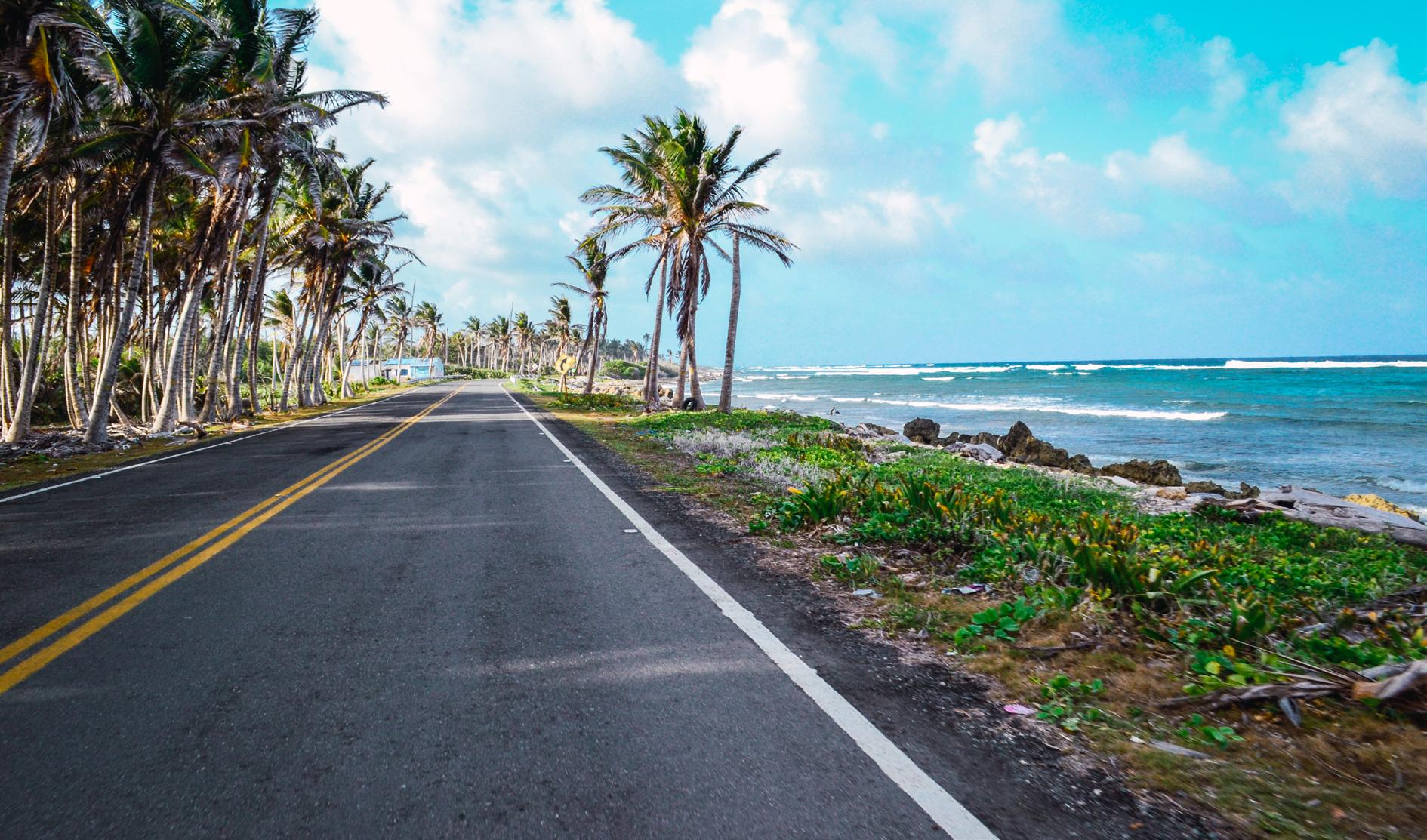
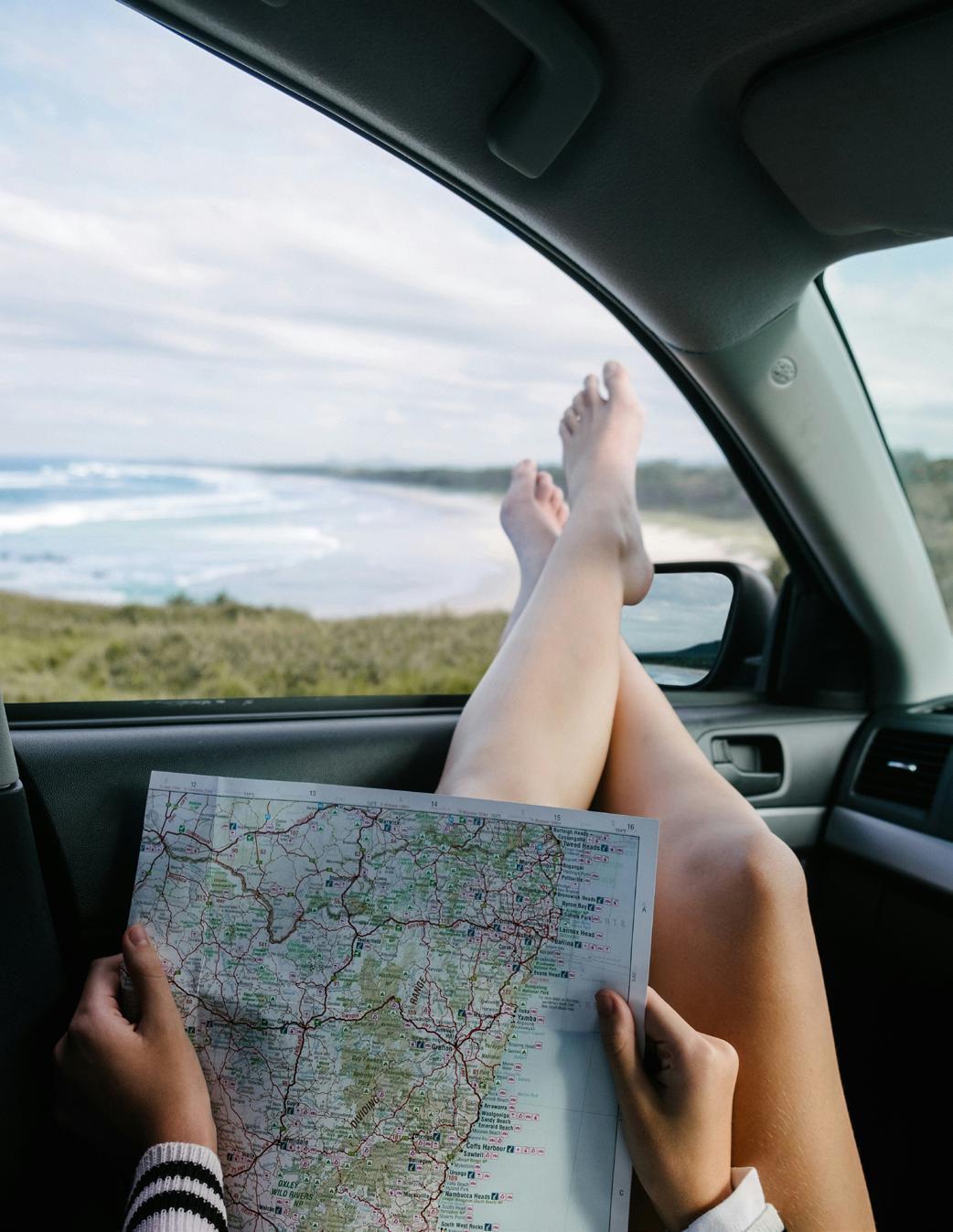
Summer and road trips have always gone hand- in- hand. The moment the calendar flips to July, something changes. Maps come out. Coolers get packed. Playlists are debated. Cars, trucks and motorcycles get a little extra attention before they’re pointed toward highways, back roads and places that somehow feel both familiar and brand new.
There’s something uniquely Canadian about a summer road trip. Maybe it’s because we spend so much of the year dreaming about warm weather, or because our country offers no shortage of spectacular scenery just a tank of gas away. Whether it’s a weekend escape to the coast, a drive through the mountains, or simply discovering a town you’ve somehow managed to miss all these years, the journey often becomes just as memorable as the destination.
This year’s road-tripping season, however, comes with a different set of
realities. Between ongoing tariffs, stubbornly high fuel prices, rising food costs and just about everything else demanding a bigger bite out of the household budget, many Canadians are thinking twice before planning expensive overseas vacations. Instead, they’re rediscovering what’s been waiting in their own backyard all along.
And honestly, that’s not such a bad thing.
From the rugged coastline of New Brunswick to the sun-soaked highways leading to Florida, our writers have assembled a collection of stories that celebrate the simple joy of getting behind the wheel and seeing where the road leads. Some are laugh-out-loud funny, others carry a touch of nostalgia, and a few remind us that every trip, no matter how carefully planned, has a way of taking on a life of its own.
Road trips have always been about more than mileage. They’re about the conversations that happen somewhere between exits, the quirky roadside attractions you never expected to stop for, the diners that serve the best pie you’ve ever tasted, and those moments when you realize the detour was actually the best part of the day. They become family legends, stories retold around campfires and dinner tables long after the suitcases have been unpacked.
Our regular features return, including The Green Mile, which explores a remarkable story from Quebec, where one small town has recognized trees as living beings worthy of legal rights— a fascinating reminder that our relationship with the environment continues to evolve in surprising ways.
Music fans will also enjoy our conversation with Brad Merritt, longtime bassist for 54-40, who reflects on more than 45 years of touring, creating music and life on the road. His stories offer a different perspective on travel—one measured not in vacation days but in concert halls, countless kilometres and the enduring passion that keeps one of Canada’s most respected bands moving forward decade after decade.
Of course, there is plenty more waiting for you in this issue beyond the open highway.
As always, we’re grateful to our talented contributors who continue to bring fresh perspectives, memorable experiences and thoughtful storytelling to every issue of Auto & Trucking Atlantic. Whether they’re chronicling a crossborder adventure, uncovering a hidden gem close to home or sharing lessons learned from thousands of kilometres behind the wheel, each story reminds us why we fell in love with driving in the first place.
So wherever your own travels take you this summer—across the province, across the country or simply down a road you’ve never bothered to explore before—we hope you’ll find a little inspiration in these pages.
Now, if you’ll excuse me, it’s 35 degrees Celsius outside as I write this, the ice in my drink is disappearing at an alarming rate, and even the keyboard seems to be overheating. That sounds like a pretty good excuse to find some shade, fire up the engine and head for somewhere with a lake, a cool breeze and absolutely no deadlines.
Until next time, travel safely, take the scenic route whenever you can, and enjoy the ride.

















































































































Robert Alfers
is the publisher of ATA.
Kim Doolittle
is a well-known N.S. -born musician and songwriter.
Sébastien Dorélas
is a communications professional with over a decade of experience in the financial insurance, payroll administration and retail marketing sectors.
Carter Hammett, Editor
Toronto writer Carter Hammett has been the editor of Auto and Trucking Atlantic for the past 17 years. His writing has appeared in the Toronto Sun, Ottawa Citizen and Convenience and Carwash Canada among many other publications. View his work at: https://authory.com/CarterHammett
Owen Hilsinger
is a writer based in Sault Ste. Marie, ON.
Joel Horwitz
is the CEO of Synter, a technology company focused on agentic AI advertising execution for businesses. To learn more, visit https://www.syntermedia. ai or explore Synter’s videos and product insights on their YouTube channel at www.youtube.com/@synter-media-ai.
Sean Maddox
is a N.S. artist inspired by people, places and things in his communities. Most pieces he creates are made with 90% recycled materials.
An emerging writer with a focus on storytelling that connects culture, society, film, media and technology. He brings a fresh perspective shaped by curiosity and a keen eye for detail.
By Carter Hammett

The punk rock icon reflects on more than three decades on the road, surviving cancer, confronting trauma and ageism, and finding new reasons to keep moving forward.
With pulsing hits like “Spaceman” and “Lucky” I was half-expecting punk rock singer Bif Naked to be brash, outspoken, loud. But no, I got just the opposite: She’s demure, softspoken, shy, almost.
The subject of a probing new documentary, simply entitled Bif Naked, the singer is gearing up for a series of summer dates that will likely take her across the country (dates were still being finalized during our conversation.) Some engagements include an acoustic set following a screening of the documentary along with a Q -and-A.
“They did an amazing job on the docu-

mentary,” she says. “It’s true to my life story. The director kept the integrity of the film. She was a fan and did a meticulous job. It’s not sensationalized and I’m grateful for that.”
Indeed, the film, now playing on Super Channel, captures highlights of her performances over the years; countless shows that document a life on the road.
“I don’t measure distance in miles I break up distance in driving hours: Vancouver-to-Edmonton is 14 hours. It’s easier to tour the United States because towns are closer together.”
“My first tour was in 1990, I was 19 years old and we drove from Winnipeg-to Vancouver and later Quebec City. Our first van was a Ford Econoline and in those days we were doing four tours a year in a van. It went on like that for 15 years,” she laughs.
“We went down the west coast to San Diego and sometimes we’d make $20 other times, we just got gas money.
“I’ve picked up a lot of hitch hikers. For me, I was a runaway and long-haul drivers picked us up,. They saved our lives many times.”
In the early days, when money was scarce, the band would sleep in the van on top of their equipment. “I’ve
slept in vehicles more times than I care to remember,” she chuckles.

And life on the road does not occur without incident.
“One time in San Francisco, this nasty individual broke into our van while we were sleeping in it and tried to rob us. We thwarted that plan with a tire iron.
“Another time we were in an Eagle bus and somehow the exhaust kept coming into the bus! There was so much carbon monoxide we got sick and it affected my voice.

Those days seem a life time ago for the singer, born Beth Torbert, in New Delhi India to teenage parents attending boarding school. She was later adopted by American missionaries and spent part of her childhood in Kentucky before the family moved, eventually settling in Winnipeg. She later graduated from John Taylor Collegiate and studied Theatre at the University of Winnipeg. At one point, she tried pursuing a career as a stand-up comic.
She sang with several underground punk bands before releasing her eponymously titled solo record. In 1998 her second album I Bificus took off and she hasn’t looked back since. She’s toured with everyone from rapper Snoop Dog to Foo Fighters, and her music’s been featured on numerous soundtracks.
In 2009, she released The Promise, recorded while she was undergoing treatment for breast cancer. She’s survived chemotherapy, a mastectomy, kidney failure, divorce, heart issues, and, not least, sexual assault among a host of other challenges and lived to tell the tale.
“All of us can see through social media, can see what people go through: our parents, our health, our kids,”
she
says.
“I
just believe if we live long
enough we to through a lot of loss, but also finding joy.”
These days life on the road’s a little easier but she still looks forward to a little mobile escape from time-to-time.
“I’m a big fan of driving. Been driving since I’m 16 years old. I always hope I can drive…that’s the only fear I have about aging; that I won’t be able to. When life is stressful one thing you can do is go for a drive.
“Resilience is a big part of our shared humanity, especially as we get older. Tina Turner was in her 70s, and still in a mini skirt and heels. If you’re able to do it and remain in demand, why wouldn’t you want to? I hope I can keep doing it as long as I can.
“I’ve worked twice as hard to be half as good. Ageism happens regardless if you’re a rocker, a chef or a nurse.I don’t take it personally.”
For more info check out her web site at: bifnaked.com

By Owen Hilsinger
A family road trip, a forgotten wallet, and three strangers who restored my faith in people.
The best road trip stories rarely go according to plan. Some involve flat tires, wrong turns, or unexpected detours. Mine began with something much simpler: a wallet left on the roof of a car.
At just 10 years old, I was excited to travel with my mother and sister to Mont Tremblant in Quebec’s Laurentian Mountains, for what we hoped would be an unforgettable family vacation. It certainly became unforgettable, but not for the reasons we expected. What started as a stressful mistake turned into a story about honesty, generosity, and the kindness of complete strangers that has stayed with me ever since.
The drive from Northern Ontario to Mont Tremblant was long, but my sister and I didn’t mind. Every kilometre brought us closer to a week of adventure, and we spent most of the trip looking out the window, listening to music, and asking the familiar question every child asks on a road trip: “Are we there yet?”
Partway through the journey, we stopped for fuel in Montebello, Que. It was an ordinary stop. My mother filled
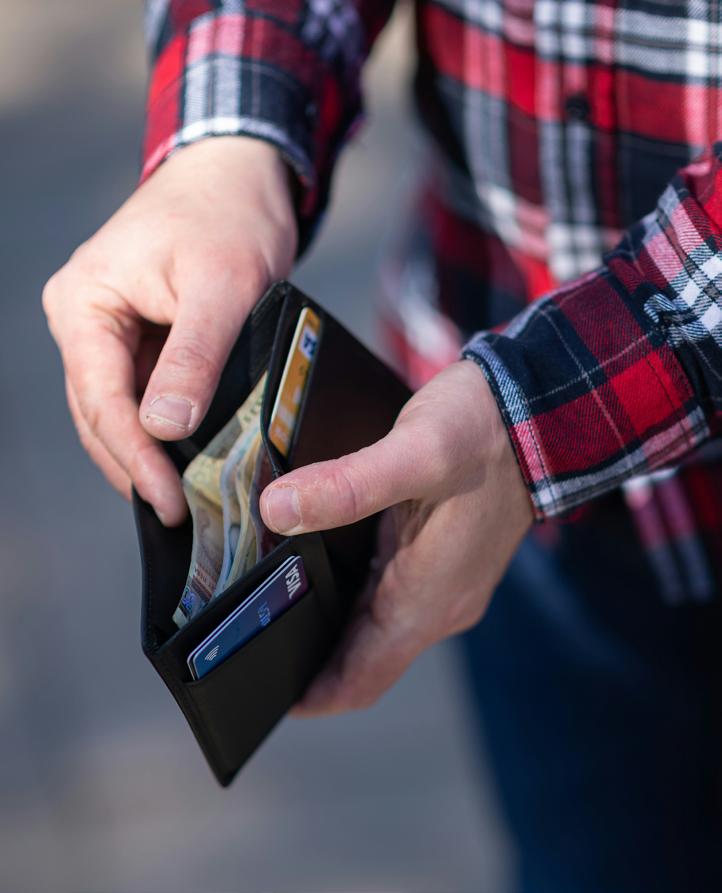
the gas tank, paid inside, and grabbed a few snacks before we continued on our way. In the rush to get back on the road, she unknowingly placed her wallet on the roof of the car while organizing everything.
None of us noticed.
Several hours later, we finally arrived at the cabin we had rented near Mont Tremblant. We unloaded our luggage and started settling in before my mother reached into her purse.
Her wallet was gone.
At first, we assumed it had slipped into a bag or fallen under a seat. We searched every suitcase, backpack, grocery bag, and every inch of the vehicle.
Nothing.
Then my mother remembered.
She had left it on the roof of the car at the gas station in Montebello.
The realization was devastating. Her wallet contained everything we needed for the trip—cash, bank cards, identification, and her driver’s licence. We were hours from where it had likely fallen, and there was little chance of finding it again.
Trying to make the best of an impossible situation, my mother explained what had happened to the owner of the cabin we had rented. Rather than questioning her story, he simply wrote her a handwritten cheque and loaned us $200 so we could buy groceries, fuel, and other essentials for the week. His trust in complete strangers transformed what could have been a ruined vacation into one we could still enjoy.
The next morning, just when we thought the situation couldn’t improve, the phone rang. The caller was the
wife of a truck driver who had stopped at the same gas station in Montebello after we had left. Her husband had spotted a wallet sitting in the parking lot. Instead of ignoring it, he picked it up and brought it home.
Together, they searched through the identification until they found a way to contact my mother. When she answered the phone, relief replaced panic.
The wallet had been found. Even more remarkably, everything was still inside. Every bank card, every piece of identification, and every dollar remained untouched. The truck driver’s wife arranged to have the wallet shipped to us by FedEx, and about a week later, after we had returned home, it arrived safely at our doorstep.
As a child, I simply remember the relief on my mother’s face. As an adult, I appreciate the choices those strangers made. The cabin owner trusted someone he had never met. The truck driver chose honesty over convenience, and his wife took the time to reunite a family with something they thought was gone forever.
Nearly two decades later, I don’t remember every detail of that vacation. I couldn’t tell you every attraction we visited or every meal we shared. What I do remember is how three strangers changed the course of our trip through simple acts of kindness.
It’s easy to believe the world has become less trusting, but this experience reminds me that good people are everywhere. A forgotten wallet on the roof of a car could have become the story of a vacation gone wrong. Instead, it became a lasting lesson that honesty still exists, generosity still matters, and sometimes the most memorable part of any journey isn’t the destination it’s the people you meet along the way.
By Sebastien Dorelas
A road trip for a 30th birthday becomes a journey through the personalities of different U.S. states.
Roadtrips are a form of modern escapism. For as long as I can remember, my dad used to drive us from Montreal to New York City to visit family. During this trip, we would stop in Plattsburgh, N.Y., and other milestones from upstate N.Y.. The I-87 held no more secrets for me.
As life went on, I forgot about the pleasure of hitting the road for long hours as other responsibilities, including starting a career and relocating to a new city. When my friend proposed to hit the road for my 30th birthday in 2014, I couldn’t say no. The cold gloomy November weather was already making its way to Toronto. He wanted to drive from Chicago to Tampa Bay to surprise his sister just before the American Thanksgiving celebrations. We agreed to meet up in Chicago and drive all the way down to Tampa Bay.
We left Chicago at 6 a.m. CST on the eve of Thanksgiving. The air was crisp; the city was still asleep. I remember how dark the sky was that night. I wondered if I had the courage to proceed with this trip. The buyers’ remorse and doubt took over my body. But then I decided to face the fear and do it anyway. Off we went!
The I-65 was quiet. Only a few truck drivers and their cargo. I could see the midwestern sunrise and life slowly taking over this new day. After two hours of driving, we stopped at a breakfast place just outside of Indianapolis. The air was still cold; I could feel it in my bones. This old American restaurant seemed to be stuck in time with its iconic U.S. diner decorations. A few truck drivers were enjoying a typical sunnyside up breakfast and a “cuppa joe” after hours on the road. It was
Midwest America: Nothing special, nothing glamorous, just a bunch of typical hard- working Americans – some serving breakfast, others eating their first meal of the day.
Kentucky was an interesting state. I love the horse stables along I-65. Beautiful horses were enjoying the first rays of sunlight on this crisp, cold fall morning. We were not too far from Churchill Downs, the historic racetrack which is the home of the Kentucky Derby. The grass was beautiful for a November morning. It felt like it was a different place with its own sense of time. I really enjoyed driving through this beautiful state.
The morning flew by like a blink of an eye as we exited Kentucky to arrive in Nashville, Tennessee. The temperature got slightly warmer. I felt comfortable enough to remove all the layers that I gathered on me since we left Chicago. Nashville was something that I had never seen. We stopped for a barbecue—almost a ritual in a city like Nashville that thrives on this delicacy and its music. Speaking of which, the bar was alive with songs about a man and his trucks; a southern woman falling in love or just a beautiful ballad that blended folk, blues and a certain gospel sound. What struck me about Tennessee was the time difference between Nashville and Chattanooga. Nashville is CST, while Chattanooga, which is an hour east of it, is in Eastern Time. There is also a different energy. Nashville felt like a party; Chattanooga felt like a proper Sunday afternoon.
After leaving Chattanooga, we drove south on the I-75. My friend was falling asleep while I was driving. I witnessed one of the most beautiful sunsets
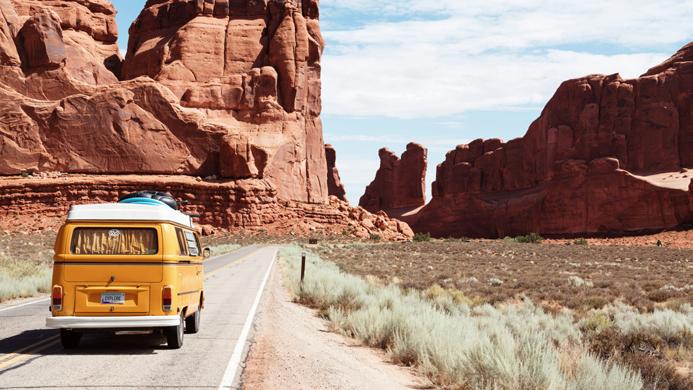
through the Tennessee mountains. The November sky was filled with blue, purple and indigo colours. The Appalachian Mountains were blue. It was such an incredible experience to see the sun setting down behind this surreal backdrop. I was listening to background soulful rhythm and blues on the radio while being awed by this moment.
Evening Stop: Atlanta, Ga.
After this incredible sunset, the darkness covered the sky. We arrived in Atlanta right in time for a quick bite and soft drinks. Traffic was heavy for a Wednesday night. People were on their way to celebrate the holiday. Southern cuisine was the way to go.
Last stretch: Tampa Bay, Fla.
As the night went on, we continued our journey to the finish line in Tampa Bay on the I-75. I felt the fresh air on my skin as I removed more layers as the temperature became a comfortable 70 F (20C). The night drive was relaxing and quiet. We left the Georgia pine trees for the Florida palm trees in a span of six hours. We finally arrived in Tampa Bay and I could already feel the coastal air around me. The road didn’t reveal anything special, but the milder weather made such a difference from the cold in Chicago earlier that day. We arrived in Tampa Bay just around midnight. I was exhausted. I was also excited as I could finally enjoy Thanksgiving under the warm Florida sun. Throughout this 20-hour journey, I experienced so many new sites and different emotions. And I wouldn’t have changed a thing.
A musician forever “becoming,” Kim Doolittle talks life on the road and mufflers from heck

By Kim Doolittle
My first car was a Toyota Corolla. It worked great until a heaping helping of teenage stupidity cracked the frame, wrecked the muffler and left me “grounded for life”. Upon my release, you could hear me rattling and roaring around the corner before you saw me.
I was 17, already seven years a musician and traversing Nova Scotia (N.S.) to county fairs, talent shows, open mics, anywhere there was a stage. My friends called me “Kim Hollywood,” aspiring artist, headed for the stars.
At 18 I left Bridgetown, N.S. for Alberta and months later, landed in Toronto enroute to N.S. with two dollars in my pocket at 2 a.m., alone in a bus depot. I walked up Bay Street and saw a sign for a talent contest. Being brokeass, in I went. I sang “Blue Bayou” and and won $250.00. I was chuffed and hoping to soon board a bus for home. Alas, fate favours the brave and adventurous.
That night I was approached to front a country band. The fact that I knew
nothing about country music didn’t deter me. I played every dive bar in the country for years, slept on amps, and was happy as hell..
I secured management. I recorded my first original “cassette” with a bluesy, Lucinda Williams groove and toured the backwoods of Canada in a Dodge Ram that ran for 500,000 km, tracking the distance through the holes in the driver’s side floor, also with a roaring muffler.
I charted nationally in the Top 10. The gigs came. I played for the Blue Jays, met Motley Crue, started working with iconic Canadian musicians, fell in love with a rocker, watched Blue Rodeo, Jeff Healey, Michelle Wright and Big Sugar ascend with wonder. I was excited and young in pre-digital Toronto, paying my dues.
I was almost Harvey Weinstein-ed at a music conference, chastised for not “playing the game” and overnight found my once- ringing phone suddenly quiet. Management fell away. I almost quit and then another fork in the road appeared.
Hock Walsh from The Downchild Blues Band dropped my name and the blues phone started ringing. I did jingles, television, Much Music, and when the record labels started calling and negotiations began, I was chomping at the bit.
Then I received a life - changing phone
call. My mother was terminally ill. She was my best friend so I put music on hold while nursing her with my father and months later, returned to Toronto motherless, deeply grieving, my ambition tempered. My first huge loss schooled me about humanity, fame and art not always taking up the same space.
The offers had left the building. Out of sight out of mind. Toughest lesson ever. The ambition part softened compared to the creative and I found a new lane more music- focused after a lost weekend phase. I pulled myself from the abyss to honour my mother and self-produced my second CD, Natural Born Woman in 1998. I was working days, singing nights and no one knew what do do with this hybrid, rootsy, blues girl. Those years were rocking and I cruised through eight of them in a $750 Chevette.
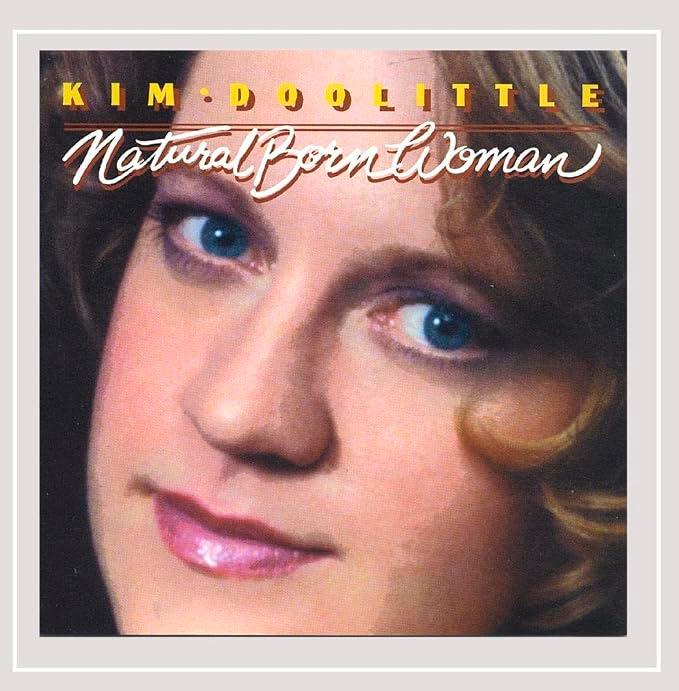

I could regale you with stories, instead I want to imbue this missive with truth. Being an artist is one hell of a ride and with every mile tacked on that speedometer, comes a lot of living. The muse is informed by life and it does not allow you to fudge it. It has a high cost. I am still creating, 52 years later because I must. My 10th recording is in the making and the phone is still ringing. My guitar and voice have taken me to 60% of the world and that is not for nothing.
Artists channel creativity. The people who patronize us provide energy and source. We all have Imposter Syndrome. We are painfully shy exhibitionists. We “play” for a living; we run on faith, we ebb- and- flow with public perception and changing times. When I was young, ego drove the bus, now it is less for me and more for the people. They give me their time, I reciprocate with song and stories.
When the Pandemic radically changed the world, I found myself overlooking the Bay of Fundy in a 20 X 25 cedar cabin; my exhausted Chevy Cruz parked outside, filled to the gills with clothes and guitars. My income was gone. For the first time in decades, I came to a full stop. With the long pause came a much-needed rest, new music, a kids’ book, a love for painting and a beautiful doggo named Gigi. The last year or so, I felt my musical gene percolating.
I have incredible musicians behind me.
I pray everyday for a soft place to land. With the exception of a few tolerant, kind friends, this has been a solitary journey. I am not an “us.” In the quiet came an appreciation for the pause. I am emerging from that long nap with no clue what lies ahead.
So how’s this for irony? While recording new music and channelling an RV for Gigi and I to traverse Canada fueled by song, I’m running the roads of Nova
Scotia in the only car I could afford, a 14- year- old Toyota Corolla with no muffler, held together by WD40 and duct tape, much like that 17- year- old kid who set out to make music decades ago.
Talk about a full circle: You can’t make this stuff up.
To follow Kim’s journey this summer, visit: kimdoolittlemusic.com

By Robert Alfers as told to Rohit Narayan Sholingur
ATA publisher Robert Alfers reflects on a memorable road trip from Nova Scotia to Florida over three decades ago.
Long before GPS navigation, electronic travel documentation and smartphone-based travel applications became an integral part of everyday life, road trips were adventures guided by paper maps, the warmth of good company and the willingness to expect the unexpected. For Auto and Trucking Atlantic publisher Robert Alfers, one such journey remains unforgettable almost three decades later.
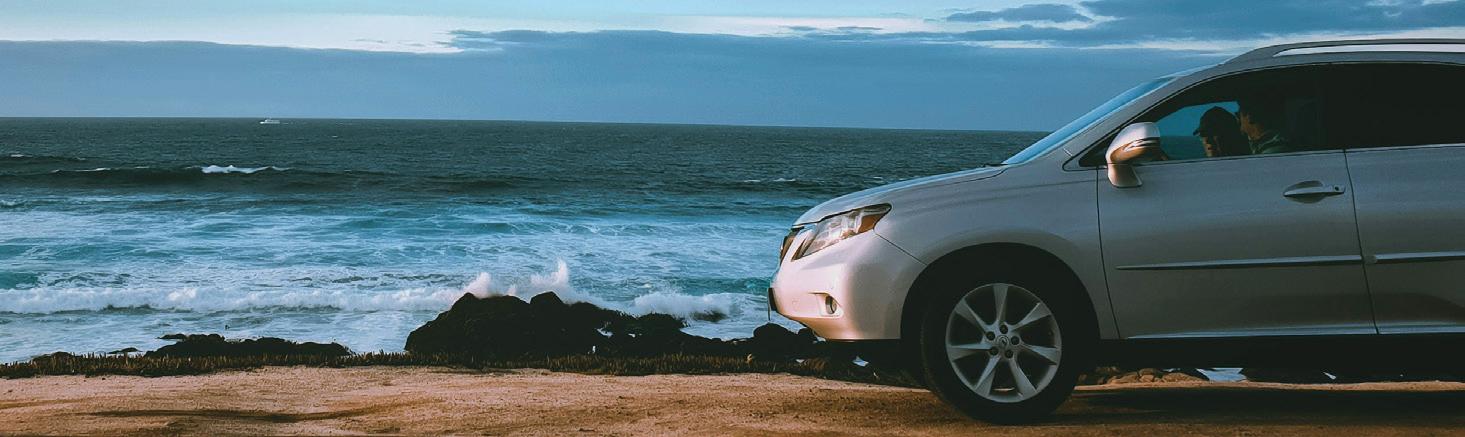
In March 1992, Robert and his friend Peter embarked on a road trip from Dartmouth N.S. to Daytona Beach in Florida. Robert describes Peter as a newly acquainted friend from work at the time, who lived in Halifax. With very less planning, the duo planned on a road trip for the Spring break. Their original destination was Boston , however since every planned road trip ends in unexpected twists and turns, their final destination ended up being Daytona beach, a popular spring break hotspot, but the journey itself would prove to be just as memorable as the destination.
The duo embarked on the long drive south using Interstate 95, one of NorthAmerica’s busiest highways. Their car?
A brand new burgundy- coloured 1992 Honda Accord which still had winter tires attached even though they were heading towards Florida’s warm and sunny weather.
Robert describes how crossing the Canada-United States border was easier than it is today, as Canadian travellers did not need passports to enter the U. S.. This made international road trips feel much more simple and accessible than they are today.
As the journey progressed,, the scenery gradually transformed from late-winter conditions into the palm-lined landscapes of the American south. There was excitement built with every mile.
Arriving at Daytona Beach, they quickly realized that they had chosen a particularly busy time for their visit. Their trip coincided with Daytona Bike Week, one of the largest motorcycle gatherings in North America. As they approached the city, motorcycles filled the roads. Robert describes his experience as almost chaotic , due to police checks along the way in search of people carrying any drugs. Even though they didn’t carry anything, his friend had a reputation of carrying substances which made Robert a bit tense while crossing the entry point.
Adding to the distinctive Floridian atmosphere were the ubiquitous roadside orange juice stands that appeared to surface on every corner. For visitors arriving from Atlantic Canada, the abundance of fresh citrus products provided a unique Floridian welcome.
Though the sandy shores of Daytona beach served as the primary destination, the trip also included brief visits to other nearby attractions. One memorable stop was Cocoa Beach, located along Florida’s famed Space Coast. The area offered more than just sandy beaches and ocean views.
One of the highlights was witnessing space shuttle launches from the beach. At the time, NASA’s space shuttle program was still in full operation, and witnessing launches firsthand was a remarkable experience that Robert and his friend had the opportunity to enjoy.
The travellers also visited a nearby plan-
etarium, further immersing themselves in the region’s connection to space exploration. Together, the beach, the launches and the educational attractions created a unique combination of leisure and discovery.
Looking back, Robert says the trip stands out not only because of the places visited but also because of the historical moment in which it occurred. The world was very different in 1992. Security was less restrictive, border crossings were simpler, and many landmarks that defined the era still stood.
Among the memories that remain strongest is knowing that New York City’s Twin Towers were still part of the skyline during that period. The buildings, which would later become symbols of loss and resilience following the events of 9/11, serving as a reminder of how much the world has changed since that road trip took place.
More than 30 years later, the details remain vivid: the long stretches of Interstate 95, a new Honda Accord rolling south on winter tires, motorcycles filling the streets of Daytona Beach, fresh orange juice stands, shuttle launches rising into the sky and the freedom of travelling across borders with little more than a driver’s licence and a sense of adventure.
For Robert Alfers, the memory remains as a road trip that captured a unique moment in time. One that can never be repeated the same way again.
By Carter Hammett
“You know that trip we ‘always talked about taking to New Brunswick? I’m leaving in half an hour.”
The phone rang as I groggily reached for the receiver.
“Hello?”
“Carter! It’s Hal!”
“Hey Hal…you’re calling pretty early.”
A laugh on the other end.
“I am indeed!” he said.
“What’s up?” I asked, trying to find the coffee I’d set down somewhere.
“Well….you know that trip we always talked about taking to New Brunswick?”
“Mmmhmmm.”
“I’m leaving in half an hour.”
“Let me make a few phone calls,” I said.
The first person I called was my boss. At the time I was living in Ottawa and working for the Museum of Natural Sciences in their ichthyology department as a fish cataloguer. And yes, the job was as interesting as it sounds.
“You’re calling early,” my boss said.
“Yup. I’ve been invited on a trip to New Brunswick, and I’d love to go!”
“A free trip to New Brunswick?” she cried. “Go! I wish I had friends like that.”

The next call was to my parents who wished me well and not long after that, we were on our way.
One of the things that made this trip a bit of a milestone was the fact that I was 21 and had never gone on any kind of solo trip before: one step closer to adulthood and I was pumped for it. Hal Bradford had been a former roommate who had moved to Ottawa with the goal of attending school to realize his dream of becoming a fisheries officer. We stayed in touch even after leaving
our shared house. He was a good ol’ boy, complete with a country twang when he spoke. He was naive to city life having moved to Ottawa from St. George N.B., but also so kind, he would literally have given you the shirt off his back had it been required. For ages we’d spoken of taking a road trip together and I wasn’t about to miss this solid gold opportunity.
En route we decided to cut through Vermont, New Hampshire and Maine, shaving three hours off a 12-hour trip. There was no fuss, no muss at the border as travelling between our two was simpler back then.
In some ways Hal and I were in reverse situations as I’d lived in Ottawa most of my life and he’d been in a small community–population (about 1,200 in 1983)–most of his. I laughed as neighbours perpetually dropped by, entering the house without even knocking; cookies and coffee always at the ready. I learned what a fish ladder was, fascinated by the journey salmon took and the travails they faced en route to spawn.
At one point Hal, his father and I all went fishing in the Atlantic ocean one day. But there were no fishing rods: Instead, I was introduced to something called droplining, which uses a weighted line that plunges straight down in the water. There was exactly one hook with bait on the end and hundreds of feet of fishing line that was manually unwound as the lines were lowered. I couldn’t help but feel slightly envious as I watched Hal and his father hauling up dozens of cod and mackerel to my pitiful total of two.
But the highlight of the trip oc -
curred on a wild Saturday night when hundreds of locals were invited to a night I’ll never forget. Turns out a local set of triplets were turning 21 and plans for a party were afoot. I met and partied with dozens of friendly locals who were slowly becoming more inebriated as the night wore on. Then the crescendot: A giant bonfire was lit and the triplets availed themselves of gasoline that was liberally added to the ever-growing flames. I still feel that heat to this day. As if that weren’t enough a car was driven on top of the fire and then the triplets all jumped on top of the roof, the trunk and engine and engaged in a wild drunken jig to music only they could hear. The revellers scattered for fear that the fire’s intensity would make the gas tank explode but the only thing that happened was that the car tires melted causing thick black smoke to blanket the area which caused hacking attacks for most of the partiers. It was clearly time to vacate the premises.
Time goes by and little by little Hal and I drifted apart as life took over and we moved in separate directions. He got married to a lovely woman from northern Ontario and one week before their wedding the church burned down! A few more visits and then we lost touch. A few years ago he popped into my memory so I thought I’d google his name to see what he was up to. To my dismay I found out he’d passed away suddenly, not yet 60. My heart skipped a beat when the obituary mentioned he’d moved back to New Brunswick to realize his dream as a licensed fisheries officer.
Hal may be gone but the memory remains and they’re treasured ones at that.
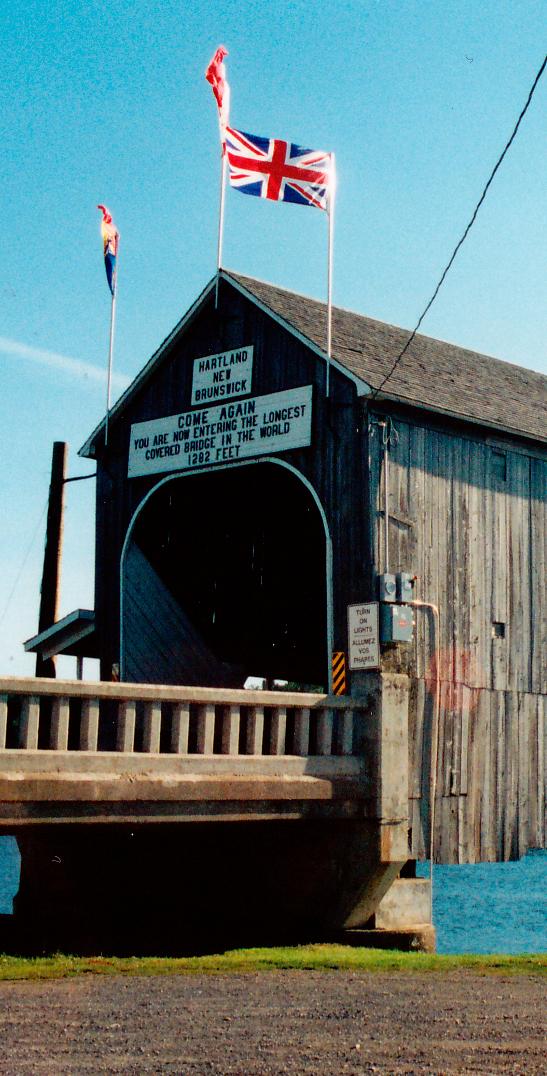
There are 58 historic covered bridges standing in New Brunswick.
By Sean Maddox
Rain or shine, the trip must go on.
Simple words to live by—especially in Atlantic Canada. They certainly proved true recently while a friend was visiting from Germany.
Musician and storyteller Irena Montara came to Nova Scotia this past spring to share her music, tell her stories, and learn a thing or two along the way. It was her second visit in as many years, and everyone who has heard her perform hopes it won’t be her last.
Shortly after she arrived, I discovered she hadn’t driven Nova Scotia’s Lighthouse Route during her first visit and hadn’t planned to this time either. To
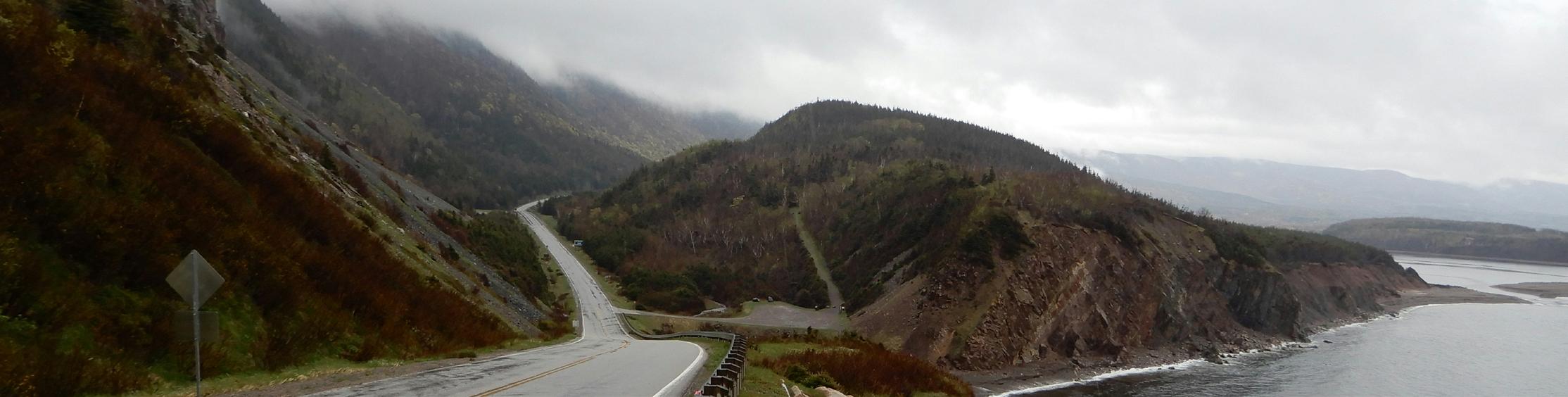
me, that seemed almost impossible. It’s one of the province’s most spectacular drives, tracing the Atlantic coastline from Peggy’s Cove through Lunenburg County and beyond. The route is filled with everything that makes the Maritimes special—working fishing villages, historic communities, hidden coves, and breathtaking ocean views. Having the chance to share one of my favourite drives, along with a few favourite stops, was something I genuinely looked forward to.
The Lighthouse Route, following the old Highway 3, is also where I gather materials for my artwork. Thanks to its

southern exposure, ghost gear—abandoned fishing equipment—regularly washes ashore alongside driftwood and all sorts of discarded treasures. Combining an art supply run with a road trip made good economic sense, especially these days when fuel is one of the biggest expenses. For me, road trips aren’t a luxury; they’re often part of the creative process.
One thing to know about Irena is that she loves road trips—and she loves cars.
I learned that the first time I heard her perform. During her show she talked about finally acquiring her dream car: a red 1987 Porsche 911 Carrera Cabriolet 3.2. Later, I followed her adventures on social media as she set off on a dream drive from her home in Germany to Montenegro.
The day of our trip arrived along with a full-blown nor’easter, bringing winds that bordered on hurricane strength. That morning, I didn’t call to ask whether she still wanted to go. I simply called to confirm the time.
I packed coffee, water, and snacks. Most of the essentials already live in my vehicle: maps, binoculars, a first-aid kit, beach-combing bags of every size, a hammer, crowbar, and even a gas can. I topped up the tank and bought a scratch-and-win lottery ticket for us to share. That’s a tradition I’ve kept since a road trip from Ohio to Nova Scotia back in 1996.
We didn’t win.
I never do.
But if I ever did, I’d probably buy a new car.
Mine is a 2009 Hyundai Tucson with just 175,000 kilometres on it. It’s dependable to a fault—a wonderful trav-
elling companion, even if it’s a little battered and permanently decorated with paint splatters. Nothing like Irena’s Porsche.
Before picking Irena up, I gave the car a thorough cleaning. The dust came off, but the dents, scratches, and paint stayed exactly where they belonged.
When Irena finally settled into the passenger seat, she smiled and said, “It’s an artist’s car.”
She couldn’t have described it any better.
What we witnessed that day was Mother Nature at her most dramatic. Wind drove the rain sideways. Cars and trucks pulled over to wait out the heaviest downpours. Waves exploded against the coastline and, in places, washed right across the road.
We crossed the province over the South Mountain before reaching Peggy’s Cove. It seemed only fitting to begin
the Lighthouse Route at a lighthouse. From there we continued through communities including Blandford, Chester, Lunenburg, and the famous fishing village of Blue Rocks, stopping at shops and scenic lookoffs along the way.
Despite the weather, every stop seemed to have its own story.
Reflecting on the drive afterward, Irena said, “A coastal drive full of stories, life, writes itself. Inside the car it was warm and peaceful, with meaningful conversations; outside it was rainy and stormy. Still, it became a wonderful trip along the South Shore.”
Wildlife was scarce. A few gulls, a couple of loons, and the occasional heron were all we saw. No deer ventured out that day.
The weather never dampened our spirits.
As the kilometres passed, so did the hours. The fuel gauge dropped lower until the warning light came on, remind -
ing me that the gas can I’d packed was, unfortunately, empty. We laughed, kept driving, and kept talking.
In fact, we hardly stopped talking all day.
Life. Music. Art. Cars. The things we love. The things that had brought us together a year earlier.
As Irena later observed, “If you are with the right people in a beautiful place, even a storm outside doesn’t matter.”
By the end of the day, I realized the drive had never really been about the weather.
It was about sharing a road, sharing stories, and discovering once again that some of the best journeys happen when conditions are far from perfect.
What I learned is simple: no storm can destroy your inner peace if you truly love what you do, surround yourself with good people, and keep following your dreams.

“Never doubt that a small group of thoughtful committed citizens can change the world. Indeed, it’s the only thing that ever has.”
Margaret Mead
By Carter Hammett
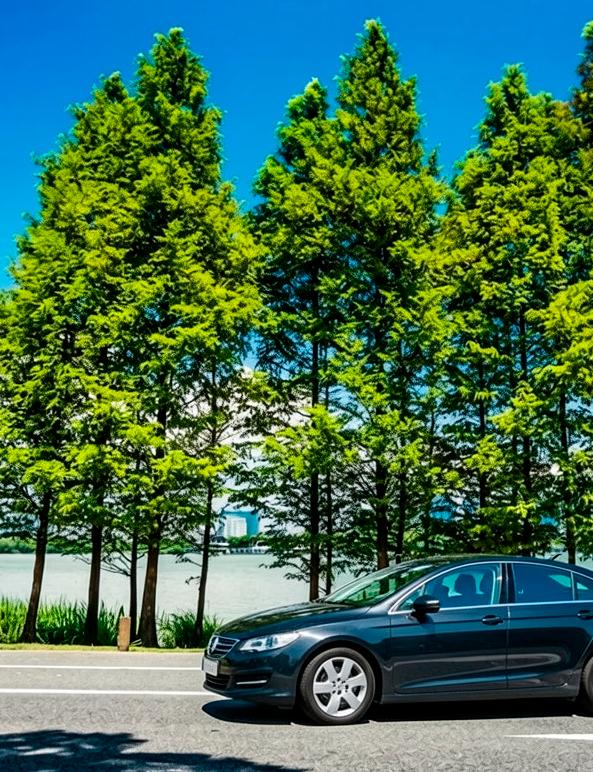
What happens when a small town declares trees as legal entities? And what does this imply as the demand for cars has never been greater?
On June 9 a remarkable thing happened: a first in Canada and a first for Quebec. The small town of Terrasse-Vaudreuil took a bold step forward and declared tress as worthy of protection, including “the right to life, to natural growth, to integrity and to regeneration.”
In essence the Quebec town officially granted trees the right to be recognized as living beings with their own rights.
Key details of this historic piece of legislation include: recognizing each tree is an ecosystem, capable of feeling and communicating. Policy shifts ensure the municipality is updating bylaws to ensure that trees are actively protected or replaced when removal is requested. The town also promotes the planting of non-invasive species, tree canopy protection as well as public education regarding the importance of local ecosystems.
The small town of under 2,000 people also became the first town in the country to sign on to the Universal Declaration of the Rights of the Tree, which is an international initiative undertaken by the collective efforts of several environmental groups.
The main tenets of the declaration include that trees are living beings and a common human good; that life on earth depends on their existence and
that humans must act in “fraternity and solidarity” with them.
In theory this all sounds great but in practice? I can’t help but wonder that despite all the potential a move like this carries, what about the intersection between vehicles and trees? Certainly the introduction of EVs addresses some of this but certainly much more can be done.
For starters, the feds introduced the 2 Billion Trees Program back in 2021, with a goal of offsetting up to 12 Mt of emissions by 2050. This is amounts to removing about 4% of all cars off Canadian Roads. The project is implemented in partnership with provinces, territories, municipalities, indigenous groups and others across the country.
There are also a number of offset programs where Canadian vehicle platforms partner with nonprofits like Tree Canada, in cooperation with dealerships to plant trees for every car sold or driven.
Let’s look at the numbers shall we? According to Environment and Climate Change Canada, a passenger vehicle accounts for roughly 51 percent of volatile organic compound (VOC) national transportation emissions, and 21% of nitrogen oxide making them chief culprits in smog and traffic-related air pollution (TRAP). Road side trees act as
natural filters capturing particulate matter and lowering local air pollution along roadways.
Furthermore, street trees form a natural barrier that reduces urban speeds and improves walkers’ safety and wellbeing. Oddly enough, they also provide shade and lower urban heat island temperatures, thereby reducing energy uses from your vehicle’s A/C.
These are but two examples of the intersection between trees and our vehicle culture but they are sufficient enough to illustrate the impact and importance that trees have on urban and environmental planning, as well as creating new ways of monitoring systems and developing strategies to mitigate some of the negative impact caused by the vehicles we take for granted.
Initiatives like this are not new. Indeed, on a global level, jurisidictions like India, New Zealand and Colombia have all granted legal personhood to rivers and other natural, sensitive areas. But it’s one of the first times in Canada that a move like this has taken shape and been promoted as a step towards protecting our planet.
The town of Terrasse-Vaudreuil should be applauded for taking a giant leap forward in future planning. It can also serve as a model for other Canadian jurisdictions.

As America’s highways remain filled with moving freight, when the time comes to rest professional truck drivers routinely make their search for a safe, legal place to park. With truck volumes growing and parking capacity failing to keep pace, drivers are often forced to choose between violating federal hours-of-service regulations, parking in unsafe or unauthorized locations, or even continuing to drive while fatigued. The shortage of truck parking has evolved from a driver inconvenience into a critical long-haul trucking issue — one that affects highway safety, operational efficiency, driver retention, and ultimately supply chain efficiency.
According to ATRI’s “Critical Issues in the Trucking Industry” 2023 report, the second biggest issue for drivers was the lack of available truck parking. “Every person in this room knows where you’re going to put your head down tonight and you know you’re going to be safe,” says Rebecca Brewster, President and Chief Operator Officer for ATRI. “That same luxury is not afforded to the men and women who deliver for us each and every day and that’s an issue we’ve got to change.”
While this has been a long-standing challenge for trucking, solutions are materializing in the Women In Trucking (WIT) community. In fact, WIT has been helping to bring to light this growing issue in recent years through various articles, content, conference sessions, and even a Truck Parking Solutions Guide in 2024. Access Resources here
Some WIT corporate members are addressing the issues head-on. For example, Truck Parking Club was specifically created to help directly solve the problem, and as evidence of its progress its network of reservable truck parking recently surpassed 5,000 locations nationwide. For this one company, reaching such a critical scale is imperative to success.
Truck Parking Club’s marketplace now offers more than 80,000 reservable truck parking spaces across 49 states, built not through new construction but by utilizing unused space on private property. These locations are made up of warehouses, trucking terminals, self storage facilities, truck repair shops and more.
Drivers from 93 of the top 100 fleets have parked at Truck Parking Club locations, helping 100,000’s of drivers get safely, legally and efficiently parked.
“We’ve created a new way to add truck parking capacity at scale and at speed, without waiting on construction, leasing, or new infrastructure dollars,” says Evan Shelley, Founder and CEO of Truck Parking Club. “Hundreds of thousands of drivers have already parked with us, and we’re actively partnering with everyone from the largest fleets to independent owner-operators to help them use Truck Parking Club to improve efficiency and deliver real value to both drivers and carriers.”
The truck parking shortage isn’t just an inconvenience, he notes, it’s a public safety issue. Federal data shows 457 fatal crashes and more than 41,000 total crashes annually involve large trucks on highway ramps and shoulders. “Drivers aren’t choosing these spots,” says Shelley, “they park there because they have no alternative.”
The shortage has persisted for more than a decade, driven by limited supply, regulatory barriers to develop new parking, and the high cost of traditional construction, which runs $100,000 to $200,000 per space and takes years to complete.
For reference, it would cost approximately $8 billion to build

the capacity Truck Parking Club has in its network, Shelley notes. Truck Parking Club’s model sidesteps those barriers by activating existing private property:
• Unlocking existing capacity on private land
• Enabling real-time reservations through a digital marketplace
• Adding supply in days, not years, without public infrastructure dollars
Built with American small business
Truck Parking Club’s 5,000-plus locations are owned and operated by small businesses in every corner of the American economy: trucking companies, warehouses, repair shops, tow yards, self-storage operators, CDL schools, hotels, stadiums, and more. For these business operators, unused space becomes income. For the supply chain, it becomes capacity. For local economies, it becomes foot traffic from drivers who eat, fuel up, and spend in the towns where they park.
Shelley points out that he founded the company in November 2022, and Truck Parking Club has grown into the largest network of reservable truck parking in the country in less than four years. The company’s growth has accelerated at every milestone: 366 days to reach the first 100 locations, just 81 days to go from 4,000 to 5,000.
The company aims to double to 10,000 locations by the end of 2026, adding roughly 580 new locations per month, or about 19 per day.
Originally published in: www.womenintrucking.org/blog/lack-of-truck-parking-the-searchfor-a-safe-space-to-park
By Joel Horwitz
There is a belief embedded in automotive and trucking dealership marketing culture that organic traffic is essentially free. It shows up in dealership budget meetings, OEM co-op planning sessions, and commercial fleet sales strategy conversations. The logic seems airtight: search engine optimization (SEO), social media, inventory listing content, and communitydriven dealership reviews cost nothing to place, ergo they cost nothing to run. But “no media spend” does not mean “no cost.” In practice, it often means trading dollars for slower, manual execution. For auto and trucking dealers competing for vehicle buyers, fleet accounts, and service bay traffic in an Atlantic market shaped by shifting inventory conditions, electrification pressures, and increasingly digital-first buyers, this framing is not just incomplete. It is actively misleading, and it leads dealers to systematically undercount one of their most significant operating expenses: time.
The case for organic traffic is compelling on its face. Organic search accounts for more than half of all website traffic globally, and for automotive and commercial trucking dealers competing for buyers actively researching makes, models, towing capacity, fleet configurations, and service options, the top-ranking result on Google earns a click-through rate of roughly 27.6%. In a business where a single new truck sale or a fleet service contract can represent tens of thousands of dollars in gross profit, even modest improvements in qualified lead volume have a direct impact on the bottom line. These numbers make organic channels look like a bargain. What they do not show is the runway required to get there.
Most dealership websites take three-
to- six months to see measurable organic results, and competitive markets—high-volume metro areas, commercial trucking corridors, and segments under pressure from online-only vehicle retailers—often require six to twelve months before search rankings translate into meaningful showroom traffic or fleet inquiry volume. The pages ranking first on Google today are, on average, nearly three years old. For a dealer trying to move aging lot inventory, grow a commercial fleet account book, or capture service revenue from the expanding pool of electric and hybrid vehicles in the Atlantic market, that timeline has real operational consequences. That is not a channel. That is a long-term infrastructure investment disguised as a marketing tactic.
For most auto and trucking dealerships, the people managing SEO, inventory content, and digital presence are not interns. They are marketing managers, internet sales directors, BDC coordinators, and in smaller operations, the dealer principal or general manager themselves. Their time carries a real cost—often the most expensive management resource in the store. When that cost goes untracked because there is no invoice attached to it, dealers make decisions based on a false cost structure, overvaluing “free” channels while ignoring the operational drag of manual execution across an already busy store environment.
The paid channel misconception
The counterpoint to organic is usually paid advertising, and it carries its own complicated history in automotive retail. Paid channels—from traditional broadcast to digital search and display—have long been a dominant force in dealership marketing, but growing spend and inconsistent results have
made many dealers skeptical of digital paid programs specifically. These criticisms are fair when applied to poorly constructed campaigns managed by vendors more focused on retaining accounts than on producing results. They are not fair as a general verdict on paid digital acquisition.
Paid search delivers results immediately. Unlike SEO, which requires months of compounding effort before producing qualified buyer and fleet leads, a well-built paid campaign can generate showroom appointments and commercial inquiries on day one—critical when clearing end-of-model-year inventory, launching a new truck line, promoting a fleet upfit program, or competing for service customers during peak seasonal windows. According to WordStream’s 2025 benchmark data, the average cost per lead across Google Ads is $70.11, but this number varies enormously based on campaign execution. In automotive retail, where front-end and back-end gross on a single commercial truck transaction can be substantial, the economics of a well-managed paid acquisition program are often far more favorable than dealer skeptics acknowledge. The difference between a well-structured paid campaign and a poorly structured one is not marginal. It is often the difference between a channel that fills the lot with qualified buyers and one that burns co-op dollars without producing deals.
Execution is everything. Targeting, bid strategy, creative, landing page alignment, and audience segmentation each affect cost-per-lead significantly. For automotive and trucking dealers, this includes matching campaign creative to specific inventory on the lot, aligning commercial fleet messaging to the right business buyer profiles, and adjusting bids in real time as inventory

levels and market conditions shift. Dealers that treat paid advertising as a setit-and-forget-it channel—handing it off to a vendor and reviewing a monthly report—will overpay. Those that actively manage and optimize their campaigns can reduce their cost-per-acquisition substantially, often by more than 70% compared to unoptimized baselines.
One of the most overlooked sources of wasted paid spend in dealership marketing is audience mismanagement. When auto and trucking dealers run acquisition campaigns without excluding audiences that will never convert as new buyers—such as existing service customers, recent vehicle purchasers, current fleet account holders, and OEM and vendor partners—they are spending real co-op and marketing dollars to advertise to people already inside their customer ecosystem. This is not a targeting edge case. It is a structural inefficiency that quietly erodes campaign performance and inflates cost-per-sale over time.
The fix is straightforward but requires intentional CRM integration. By building exclusion lists from live DMS and CRM data and syncing them to ad platforms, dealership marketers can ensure that acquisition budget is reaching actual new prospects rather than recycling impressions across the existing customer base. When DMS, CRM, ad
platforms, and analytics are connected, this becomes a continuous, automated safeguard—not a quarterly manual cleanup. This practice also protects the customer experience. Showing a customer who purchased a truck six months ago an aggressive conquest offer creates friction and can undermine the service relationship that drives
repeat business and word-of-mouth referrals in a market as relationshipdriven as Atlantic Canada.
Precision in audience management is not a technical nicety. It is one of the highest-leverage levers available to any dealership’s paid media program, and it is widely underutilized across both passenger vehicle and commercial trucking operations.
The organic versus paid debate is a false binary for auto and trucking dealers. Both channels have legitimate roles in a well-constructed customer acquisition program—whether the goal is moving new and pre-owned passenger inventory, growing a commercial fleet account portfolio, building a fixed-ops service funnel, or establishing a dealership group’s brand across multiple Atlantic market communities. The problem is not which channel a dealer chooses. The problem is evaluating those channels with incomplete cost inputs.
Organic strategies should be assessed against their true fully loaded cost, which includes the staff hours, tool subscriptions, inventory content production, review management, and digital merchandising investment required to generate results. Paid strategies should be assessed against the quality of their execution, not the gross spend
or co-op utilization figure alone.
A useful reframe: organic is a longterm asset play that builds compounding dealership brand authority and community trust over years—particularly valuable in the Atlantic market, where reputation and local relationships carry significant weight in the vehicle buying decision. Paid is a precision tool that delivers measurable showroom traffic, online leads, and fleet inquiries in real time when operated correctly. Neither is free. Neither is inherently wasteful. Both reward the dealerships that take them seriously enough to run them well.
Auto and trucking dealer principals, general managers, and marketing directors who want to make better allocation decisions should start by auditing how their store accounts for the cost of organic channel management. If staff and management time is not being tracked against digital marketing activities, the ROI comparison to paid channels is not valid. From there, any paid program should be evaluated on the quality of its audience targeting, its exclusion logic, its inventory alignment, and the degree to which campaigns are being actively managed rather than passively monitored. The goal is not more marketing activity, but better, faster, and more connected lead generation execution across every profit center in the store.
The auto and trucking dealerships generating the strongest acquisition results from search in 2026 are not choosing between organic and paid. They are treating them as complementary: using paid channels for immediate, measurable buyer and fleet acquisition tied to specific inventory, seasonal windows, and market opportunities, while building organic presence as a longterm compounding asset that deepens community authority and dealership brand recognition across the Atlantic region. That is not a new idea. It is simply one that gets obscured whenever someone in a dealer meeting calls organic traffic free.

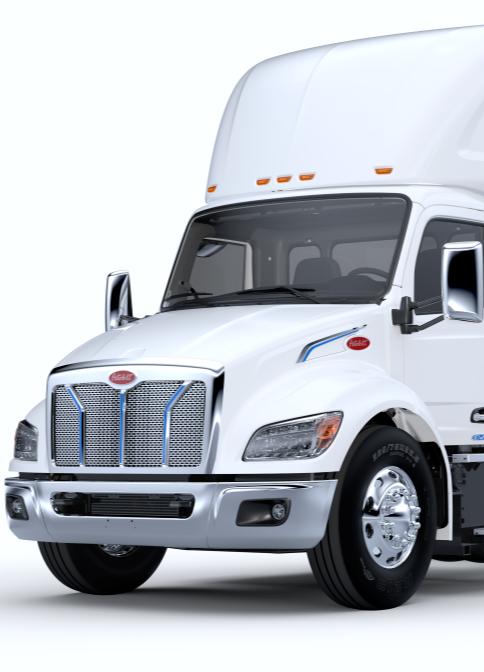
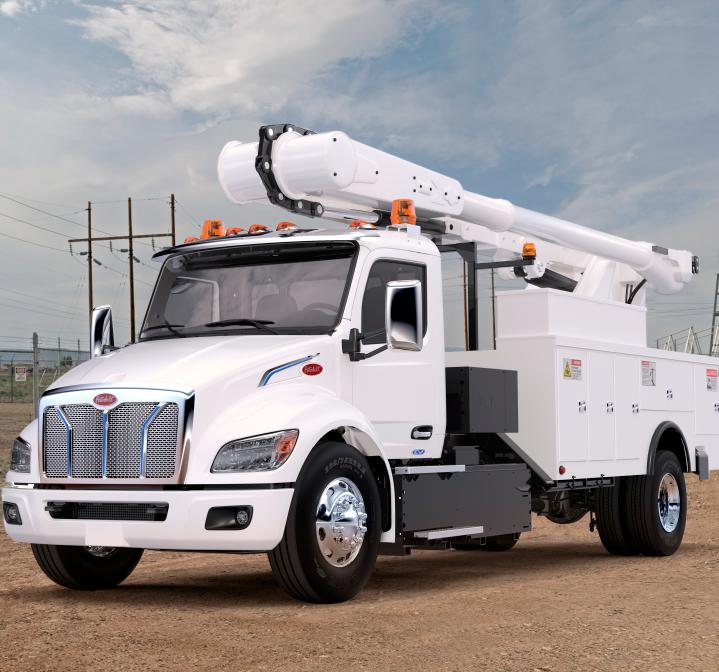
The trucking sector has a new made-in-Canada electric option for their fleets. On June 22, the Brandt Peterbilt Mississauga branch delivered the first Canadian-built Peterbilt 548 EV tractor to Transco Freight in Ontario.
“We’re proud to support customers with a wide range of trucking solutions, including electric options. Our partnership with Peterbilt gives Canadian companies choices that improve their bottom line, produce zero emissions, and also support Canadian manufacturing when they’re adding to their fleets,”
said Neil Marcotte, Chief Operating Officer, Brandt Peterbilt.
The Class 8 tractor was built in the Sainte-Thérèse Peterbilt plant in Québec. The PACCAR plant also produces the Peterbilt 579EV, 567EV, 537EV, and 536EV, among other Peterbilt trucks.
“Electric trucks are a smart business decision for us,” Paul Cooper, Chief Operating Officer, Transco Freight, Mississauga said. “They dramatically lower fuel and maintenance costs over the life of each vehicle, and with tightening emissions regulations across the industry, getting ahead of that curve now means we’re ready for what’s coming, not just what’s in front of us.”
“Sustainability isn’t a future goal; it’s a present-day responsibility. By investing early in Canadian-built electric trucks, we are taking proactive steps to reduce the environmental footprint while preparing our fleet for the next generation of transportation,”
said Kulwant Mann, Chief Executive Officer, Transco Freight.
“The strongest interest in Canada has come from fleets operating in urban pickup and delivery, particularly parcel delivery applications. These duty cycles—characterized by predictable routes, frequent stops, and return-to-base operations— are an excellent match for battery-electric technology,” said Kate Rahn, Executive Director, Peterbilt Canada.
Learn about Brandt Peterbilt: more.brandt.ca/Peterbilt, Peterbilt: peterbilt.com, and Transco Freight at transcofreight.com.
For more information, contact Brian Radiff at bradiff@brandt.ca

Book review:
By Finnius J. Uber

At the start of this intriguing little book, the plausiblynamed Finnius J. Uber notes that there are times when the job becomes something else: “you’re being asked to step into someone’s else’s story,” he prophetically writes. “Every driver has to decide where the line is…I’ll get you where you need to go. Everything else is negotiable.”
And with that, the stories begin rolling out along with the often strange people who populate them. …
There’s the enigmatic Madame X who calls daily and leads the driver through a labyrinth of mysterious drop offs. When the author finally inquires about her line of work, he’s informed that she “manages people.” No further elaboration.
There’s the couple that sits in complete silence throughout the ride acknowledging the end of something.
Then there’s Carl- who- isn’t Carl. It turns out the Uber driver is a player in a larger scheme, moving someone being followed by a crime family. The driver leaves the final drop off point with a fat wallet and an even fatter story.
These are just a handful of the sometimes mesmerizing people that pass through Finnius’ passenger seats. The stories are often told in a kind of hard boiled style reminiscent of Dashiell Hammett or at times, Raymond Chandler. Sometimes the sentences are merely a few words long but the style suits the tales Uber weaves from his personal experiences.
There is often a lesson learned and collective wisdom displayed along with a sprinkling of good natured humour throughout these pages. These are sandwiched between a kind of you-can’t-make-this-stuff vibe.
Uber has driven everywhere from New York ( a city designed by people who don’t like drivers) to Kentucky to Chicago and everywhere in between. And the cities often feel like characters in and of themselves.
Uber, a first-time author does a good job cobbling together his memories of these off-the-wall characters and creating a memorable ride for the reader. Let’s hope for more in the future.
- Carter Hammett
Fix Network enters a new market, expanding its global collision repair footprint.
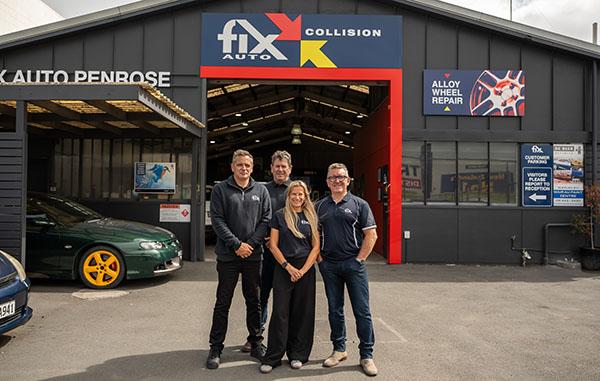
Fix Network has expanded into New Zealand with the opening of its first Fix Auto Collision location, marking the brand’s entry into a new country.
Located in Auckland, Fix Auto Penrose is owned and operated by Dean and Emma Letcher, who bring more than 25 years of combined experience in the collision repair industry. Their shop introduces the Fix Auto model to the New Zealand market, combining local ownership with established operational standards.
“Entering New Zealand is an important step for our network,” said Steve Leal, President and CEO of Fix Network. “Dean and Emma bring strong experience and a clear commitment to quality. We’re looking forward to growing the Fix Auto presence in this market alongside them.”
Fix Auto Penrose is the first in a series of locations planned for the brand, with a further three collision centres anticipated to open within the next two months. The introduction of Fix Auto builds on an existing foundation in New Zealand through NOVUS Glass, which has operated in the country for decades and joined the Fix Network family in 2017. With more than 60 locally owned locations nationwide, the NOVUS Glass team will support the development of Fix Auto in the market.
“We’ve built NOVUS Glass in New Zealand around local ownership and consistent service,” said John Armstrong, Managing Director of NOVUS Glass New Zealand and Fix Auto Collision New Zealand. “That same approach will guide the growth of Fix Auto, starting here in Auckland.”
The addition of Fix Auto Penrose brings Fix Auto’s global network to more than 875 locations across 10 countries.

Bits and pieces of the strange, bizarre and sometimes inexplicable gathered from around the web so you don’t have to! Yer welcome!
Unless this is some sort of Toyota rebadging we don’t know about, this can’t be right.
Stellantis has a bit of a reputation for, let’s say, taking the path of least resistance. The auto conglomerate aggressively rebadges vehicles, keeps platforms in production for decades, and even leaves the same models in production for a decade or longer—ehem, Charger and Durango
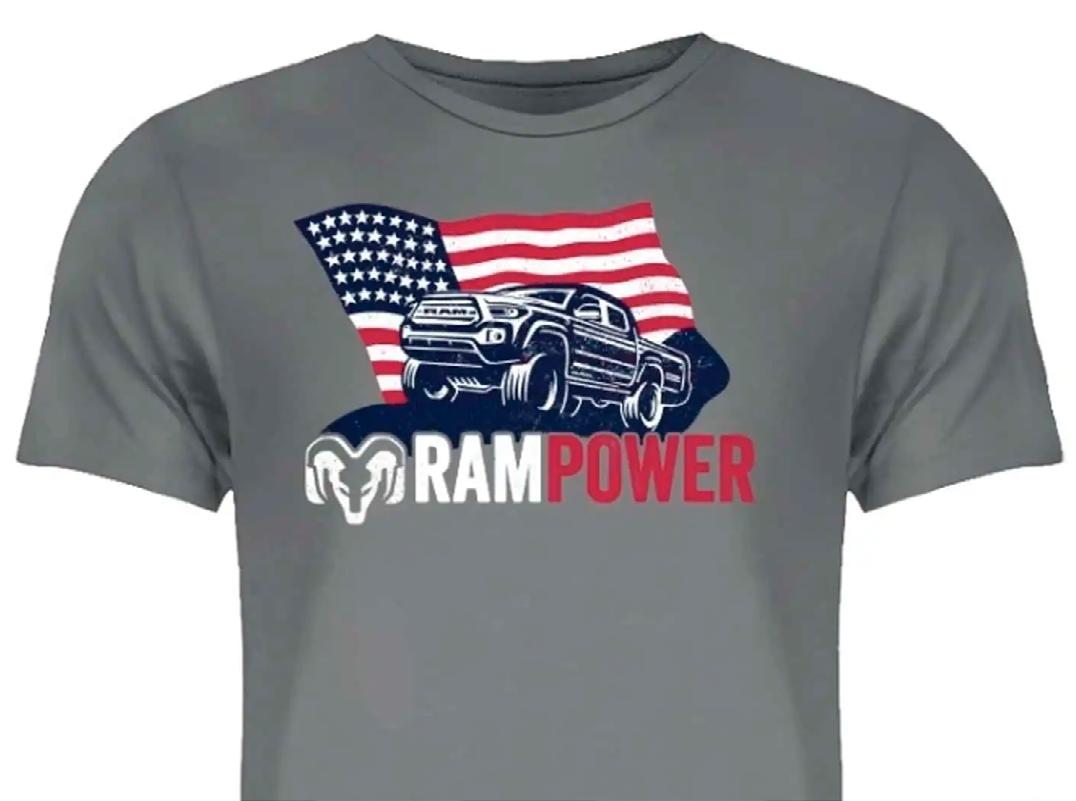
So, we’re not shocked to see what the company has done recently. On the official merch store for Ram, an AI-generated shirt has appeared with a few small errors on it—you can probably point out a few of them at first glance:
The first little thing that keen readers probably noticed is that the truck on the shirt isn’t even a Ram at all. The truck in question is, in fact, a previous-generation Toyota Tacoma
Granted, the grille does say ‘RAM’ on it, so whoever punched in the prompt for this graphic on ChatGPT did at least get something right, but those headlights and that body shape aren’t fooling anyone. The salt in the wound is the ‘RAM
POWER’ text beneath the truck, which would probably make more sense if the truck were, you know, a Ram.
The other small detail you might have missed is that the flag on the back only has 38 stars. Yes, in Ram’s America, the Dakotas have been consolidated into one, Rhode Island has been absorbed into Massachusetts, and Wyoming has been given to Colorado.
Maybe this is part of a larger plan we don’t know about.
This isn’t even the first time Stellantis has been caught doing something like this. Back in March, the official Dodge Instagram account posted some cheesy “throwback” photos of some of its older cars in period-correct backgrounds. This would have been cool if it weren’t for the fact that the cars were AI-generated, leading to a Neon configuration that never existed and a first-gen Viper with quad-spoke wheels.
Of course, just before publishing this story, Ram removed the shirt from the website. Probably for the better.
Source: https://www.motor1.com/news/797593/ram-ai-tacoma-shirt
A faux- lambo slingshot and a Marathon Mini Polaris Slingshot in a Lamborghini costume—sold for $13,786
Carscoops spotted a Polaris Slingshot dressed as an Aventador, which hammered for $13,786. There’s a charm to the

audacity: two -front-wheel theatrics pretending to be V12 theatre. If this sort of cosplay makes you grin, fine—just don’t expect the valet to park it out front next to the real carbon -fiber thing without a knowing smirk.
The pre-production engine will power two Elantra N1 RP cars in the SP4T class. Hyundai says it features “improved power and response characteristics with enhanced race capability while meeting current emissions standards.” For reference, the current Elantra N uses a 2.0-liter turbocharged inline-four
producing 276 horsepower.
The “T” in SP4T suggests the upcoming engine will use forced induction, while the class allows up to 2.6 liters of displacement. Whether Hyundai has increased displacement remains unclear, but it would not be surprising to see output climb to around 300 horsepower. That would still trail the Honda Civic Type R’s 315 horsepower, but it would be a welcome upgrade for future Hyundai N buyers.
Source: https://www.autowin.com/en-ca/blogs/news/mazda-6-electric-successor-attracts-new-buyers-daily-car-news-2026-06-24
Also from Carscoops: a Mini diesel cracked 1,000,000 km (about 621,000 miles) on its original engine while averaging 80 MPG. That’s monk-level discipline. Diesels reward steadystate driving and diligent maintenance; treat them right and
they’ll outlast your podcast queue. I’ve run old oil - burners that felt barely warmed up at 200k miles—this one’s in a different league entirely.
Source: https://www.autowin.com/en-ca/blogs/news/mazda-6-electric-successor-attracts-new-buyers-daily-car-news-2026-06-24
Everybody feels some type of way about the Ferrari Luce, and I’m not here to debate your deep-rooted opinions today. What I’m here to do instead is point out a little design quirk of the controversial Ferrari EV that we hadn’t originally noticed—that is, until our man on the ground in Italy, Jerry Perez, walked around one for himself and spotted it.
The Luce obviously carries a theme of circles and squircles that will surprise nobody that has picked up an Apple product designed over the last 30 years. This motif runs through the gauges and the instrument binnacle they sit inside, screens, and copious dials, some of which contain even tinier displays of their own. The sedan’s interior is the one aspect that I see folks generally warming up to now, if for no other reason than the exterior is vacuuming all the ire.
When Jerry pans the camera over the dash in the reel below, a pair of eyes and a nose reveal themselves, between what look to be two large circular vents and another circle of a similar radius below them, that might be a speaker. A seam in the tan leather between the two tiers of the dash form a wide mouth, and that leaves us with a veritable emoji behind the glass, greeting the sky.
It’s goofy and, some might argue, fits the car’s un-Ferrari soft and friendly vibe. The Luce is endlessly customizable, like all exorbitantly expensive cars, and the upper dashboard can be upholstered in one of eight colors, per the online configurator. If you choose a darker shade, like Charcoal or Cioccolato, those black circles aren’t going to stand out as much. Something to perhaps consider when optioning your electric, $600,000 Ferrari.

Now, did designers Jony Ive and Marc Newson intend to slap a face on this thing? In a way, they pulled from Ferrari history with those dashtop vents; legends like the F40 and 512BB had them, too, though they weren’t quite as large and were usually positioned further apart. They also didn’t spell out a big grin from above. What’s old is new again.
Source: https://www.thedrive.com/news/ did-ferrari-mean-to-put-a-giant-smileyface-on-the-luces-dashboard
News gathered from around the automotive and trucking sectors that’s vital to industry knowledge.

The Canadian Vehicle Manufacturers’ Association (CVMA) today released a report on June 18 to mark the associations 100th anniversary. The report documents the history of the CVMA and the contributions its members Ford, General Motors, and Stellantis make to Canada.
“The CVMA has stood at the centre of one of Canada’s most important industries for 100 years”, said Brian Kingston, President & CEO of the Canadian Vehicle Manufacturers’ Association. “This report celebrates the people, companies, and communities that have shaped Canada’s automotive industry”.
The report documents the importance of the industry to the Canadian economy since its founding in 1904. It outlines the investments by Ford, General Motors, and Stellantis that helped transform Canada into one of the world’s leading automotive manufacturing nations, supporting hundreds of thousands of jobs across assembly plants, parts suppliers,
logistics networks, dealerships, and local communities.
“CVMA members have built over 100 million vehicles in Canada,” said Kingston. “There would be no auto industry in Canada today without the contributions from Ford, General Motors, and Stellantis”.
1-800-RADIATOR Canada to build a national aftermarket auto and truck parts distribution platform
Canadians are holding onto their vehicles longer than ever, pushing demand for repair and replacement parts to record highs. Against that backdrop, Alfar Capital, a Montréal-based, entrepreneur-led private equity firm, today announced a strategic partnership with 1-800-Radiator & A/C (Canada) (“1-800-Radiator Canada” or the “Company”), the largest multi-unit operator in the 1-800-Radiator network in Canada and one of the largest in North America, to build a national distributor of aftermarket heat exchangers, air conditioning, emissions, and rotating
electrical parts for light- and heavyduty vehicles.
The timing reflects a market in motion. A wave of vehicles sold in the strong 2015–2019 years has now aged into its heaviest repair-and-maintenance years, lifting aftermarket demand across the country.
Completed through Alfar Capital Partners II, L.P. (“Fund II”), the partnership is the firm’s second platform investment in nine months. Founded in 2018 by Farhaan Thobani and Badal Davda, 1-800-Radiator Canada operates nine branches across Ontario and Alberta, supported by a central distribution hub in London, Ontario, and serves independent repair shops, body shops, dealerships, and fleet operators. The founders will continue to run the business day to day and are reinvesting a significant share of their own equity into the partnership. Management plans to grow to twenty or more locations across Canada by FY30 by opening new branches and acquiring smaller independent operators.
Georges Karam, who built and sold several Canadian technology and services

companies including Atelka and Cognibox, joins as Executive Chairman and will collaborate with the founders day to day to guide the national expansion.
“Alfar understands what we have built and why it works,” said Farhaan Thobani and Badal Davda, Co-Owners of 1-800-Radiator Canada. “We have spent the last several years proving out a model that delivers price and availability our competitors can’t match. Having a partner that backs the founders to keep running the business, while giving us the capital and structure to open markets faster, is exactly what this next stage needed.”
“Farhaan and Badal have built something most operators in this space have not: a repeatable model for opening and scaling locations,” said Fares Kabbani, Founder and Managing Partner at Alfar Capital. “This is a fragmented market with a clear opportunity to bring independents together, and our role is to provide the capital, governance, and acquisition support to help the team build the national platform they have the foundation for.”
The investment is consistent with Al-
far’s platform-building mandate and its focus on partnering with entrepreneurial founders to accelerate growth.
Fasken acted as legal counsel, KPMG LLP as financial and tax due-diligence advisor, and National Bank of Canada acted as lender to Alfar Capital in connection with the transaction. National Bank of Canada acted as financial advisor to the management of 1-800-Radiator Canada.
The Canadian Trucking Alliance (CTA) applauds the federal government’s actions to combat labour misclassification and is encouraged by the continued commitment from Employment and Social Development Canada (ESDC) and federal, provincial and territorial ministers to address this critical issue.
In a recent response to CTA, ESDC has confirmed officials are actively establishing the working group the ministers committed to earlier this year to address misclassification in the trucking industry. In addition to federal-provincial
cooperation, the group will include other key federal departments, including Immigration, Refugees and Citizenship Canada and Transport Canada, and is expected to develop recommendations for ministers’ consideration this fall.
“We are pleased to see ministers, and federal Minister of Jobs and Families Patty Hajdu in particular, continue to show leadership on this file,” said Jon Blackham, CTA Director of Policy and Public Affairs. “Labour misclassification remains one of the most significant challenges facing Canada’s trucking industry. It undermines fair competition, erodes worker protections, creates compliance risks, and threatens the long-term sustainability of law-abiding carriers. We are encouraged that governments remain focused on developing solutions.”
CTA extends its appreciation to Minister Hajdu and her provincial and territorial counterparts for their attention to the issue and their commitment to a collaborative approach. The Alliance also reiterates the trucking industry remains ready to contribute its expertise as governments develop solutions that strengthen compliance, protect work-
ers, and restore a level playing field for carriers operating within the rules. CTA looks forward to updates on the working group’s progress and to reviewing any recommendations that may be brought forward for ministers’ consideration this fall.
“Labour misclassification will only be eliminated when enforcement is sustained, coordinated and backed by meaningful consequences,” said Blackham. “Enforcement activity by ESDC, such as recent enforcement actions in Beloeil and Montréal, Quebec, and the GTHA in Ontario continue to confirm what the industry has been saying for years – that the scope of this problem is far greater than many originally believed.”
Governments now have an opportunity to build a comprehensive enforcement framework that allows agencies to share intelligence, coordinate investigations and apply penalties significant enough to change behaviour.
CTA is also looking forward to further updates from the Canada Revenue Agency (CRA) regarding initiatives aimed at addressing Personal Services Business (PSB) misuse and the results of renewed T4A enforcement activities within the trucking sector. While Driver Inc. continues to distort labour markets and harm compliant employers and workers, it also represents a significant tax compliance issue that requires sustained attention from governments and enforcement agencies.
Statistics Canada is launching the Trucking Statistics Program, a new initiative designed to address critical data gaps in Canada’s trucking industry and support evidence-based transportation policy development.
The program will provide valuable industry insights to government organi-
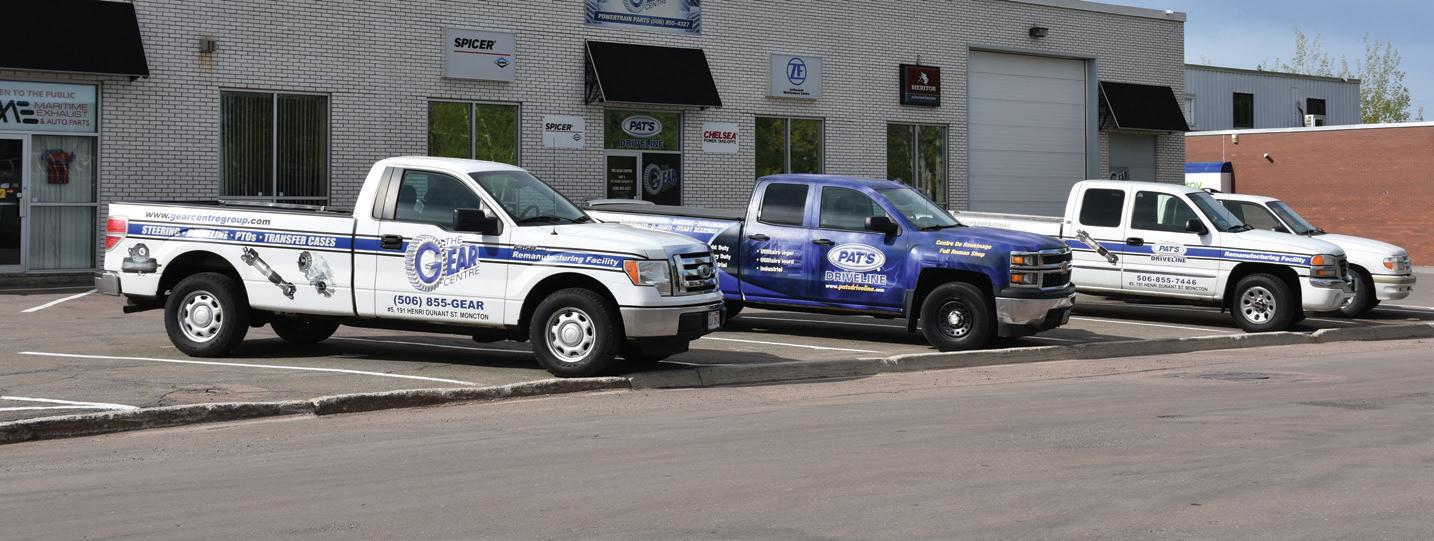
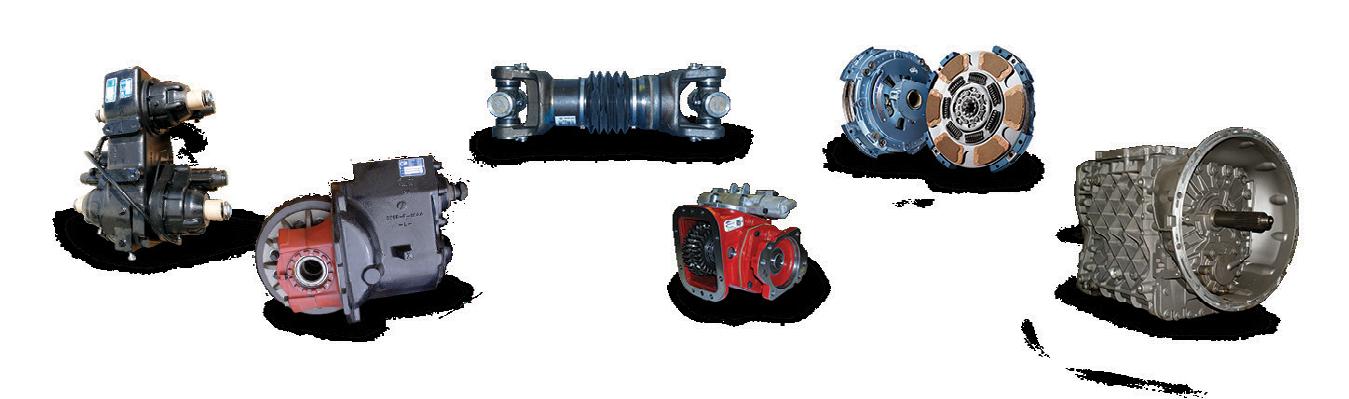
zations, including the Council of Ministers Responsible for Transportation and Highway Safety, as they work to improve freight transportation systems and reduce interprovincial/territorial trade barriers across Canada.
As part of the survey, participating carriers may be asked to provide bills of lading to collect data on:
• Commodity types
• Shipment weights
• Origin and destination of the shipment
• Other freight movement data
The Statistics Act prohibits Statistics Canada from releasing any information that could be used to identify an individual, business or agricultural operation. All information collected will remain strictly confide**ntial and will be used solely for statistical and research purposes. Additional details regarding data protection and privacy are available through Statistics Canada’s Trust Centre.
• June 18: Physical letters outlining the program will be mailed to approximately 1,900 carriers.
• July: Statistics Canada representatives will contact carriers to verify business contact information.
• September 1, 2026 – December 31, 2026: Survey data collection period.
The Canadian Trucking Alliance (CTA) encourages members selected for participation to review the program materials and participate in the program as Statistics Canada works to build a more comprehensive understanding of Canada’s trucking industry.
For additional information, members can visit the Trucking Statistics Program Website or Statistics Canada Business Surveys FAQ’s
Over 500,000 vehicle parts and products in inventory, all ready for delivery: that’s over 500,000 good reasons to make us your number one partner. napacanada.com
Automotive-related content gathered from around the Maritime provinces so you don’t have to!

ters that can do a better job reaching under guardrails and across shoulders.
“We never stop trying to make our roads safer, and it’s time to modernize our maintenance program with new technology that can deliver better roads for Nova Scotians,” said Public Works Minister Fred Tilley. “This investment builds on the significant progress we’ve made on improving the condition of our transportation system to help businesses move their goods and ensure people get where they need to go.”
Other new equipment includes skid steers with asphalt planers, sweepers and compactor attachments for patching roads.
The new way of handling asphalt is with hot boxes, which are insulated boxes that will allow crews to mix and trans-
able at: https://novascotia.ca/tran/publications/maintenance-improvementplan-equipment-list.pdf
Quick Facts:
• the total cost of the new equipment is $8 million
• the government has committed $161 million for asphalt and resurfacing of highways and roads this year, including $26 million for summer maintenance
• funding for staff to operate the equipment is included under the Rural Impact Mitigation program
• since 2022, the government has invested roughly $2.5 billion in the Province’s five-year highway plans
Inter-municipal transit would ideally connect to existing fixed-route servic -
nections will help improve access to jobs, services and communities across the province, while enhancing the overall travel experience for those travelling to, from and within our region,” said Joyce Carter, president and CEO, Halifax International Airport Authority.
ness
As construction season begins, the provincial government and its industry partners are encouraging drivers to remain alert, reduce their speed, follow all posted limits, and use extra care when travelling through work zones.
“As traffic increases throughout the summer months, we want to remind
motorists that safety on our roads is a shared responsibility,” said Transportation and Infrastructure Minister Chuck Chiasson. “This year, we’re expanding our safety campaign’s reach with new advertising to better engage New Brunswickers. We want to ensure both drivers and construction workers are well protected from reckless or distracted driving.”
The annual campaign includes the New Brunswick Road Builders and Heavy Construction Association, WorksafeNB and the New Brunswick Construction Safety Association.
“Summer is an especially busy season on New Brunswick’s roads, and that means motorists are more likely to encounter roadwork and temporary traffic controls,” said Tom McGinn, executive director of the New Brunswick Road Builders and Heavy Construction Association. “We encourage everyone to remain attentive, follow the direction of flagging personnel, watch for posted signage, and slow down in construction zones. Taking a few extra moments to exercise increased caution can make a significant difference in protecting workers and fellow motorists.”
The campaign will include radio ads, as well as newly created graphics and videos to be distributed through various media channels.
Hundreds of workers are employed on road construction and maintenance projects throughout the province each summer. To help protect crews and motorists, speed limits are reduced in active work zones. Drivers are reminded that speeding through highway construction areas can result in double the standard minimum fine.
Ernie Hudson named P.E.I. transportation, infrastructure and energy minister
The day after the PC government lost a member of cabinet, a new transportation, infrastructure and energy minister has been appointed to replace him.
The issue arose during April 24’s question period when the government was asked about who was replacing Sidney MacEwen, who stepped down from the job.
It was learned that Ernie Hudson has taken on the portfolio, along with his previous role of minister of fisheries, rural development and tourism.
The government later made the announcement in a news release, which said Hudson will assume the responsibilities of the Transportation, Infrastructure and Energy Department immediately.
MacEwen stepped down because he was not able to put his lobster fishing fleet in a trust or get a substitute operator for his licence, which goes against provincial conflict of interest rules.
Premier Rob Lantz was serving as interim minister after MacEwen’s resignation from cabinet.
As of deadline, no public swearing-in ceremony had been announced.
Provincial government investing $6 million to improve road safety and reduce moose-vehicle collisions
The Government of Newfoundland and Labrador is investing $6 million in new moose fencing and brush clearing along key sections of provincially operated highways, reinforcing its commitment to safer roads and stronger communities.
The announcement was made today by the Honourable Barry Petten, Minister of Transportation and Infrastructure, alongside Art Puddister of the Save Our People Action Committee, an organization dedicated to raising awareness about the dangers of moose-vehicle collisions.
Two new moose fencing projects will be undertaken in high-risk areas identified through collision data analysis. On the Avalon Peninsula, fencing will ex-
tend four kilometres from the Foxtrap weigh scales to Round Pond. In the western region, 6.5 kilometres of fencing will run from Glide Lake Road along the Trans-Canada Highway to Little Harbour.
These targeted investments are part of a broader, data-driven approach to improving highway safety across the province. Evidence shows that in areas where moose fencing has already been installed, collisions have been significantly reduced.
Tenders for both projects have been issued, with construction expected to begin later this year.
The moose fencing projects will be complemented by a number of brush clearing contracts that will be issued this year which will improve visibility and further reduce collision risks.
Information on public calls for bids issued and awarded by the department and other public bodies is available by visiting www.merx.com/govnl
This initiative delivers on key commitments in Budget 2026: Opportunity for All of Us, which includes better health care, lower taxes and safer communities. This represents a new vision for the province to improve the overall quality of life for residents by making everyday living more affordable, for all of us. More detailed information on Budget 2026 is available here
“Nothing is more important than the safety of our people. For too many families, moose-vehicle collisions are not just statistics; they are life-changing events. This investment is about preventing those accidents before they happen. By targeting high-risk areas and investing responsibly in proven solutions like moose fencing and brush clearing, we are making our highways safer and strengthening the communities that rely on them every day,” said Barry Petten, Minister of Transportation and Infrastructure.
Auto and Trucking Atlantic — the region’s trusted voice for over 30 years — is on the hunt for a dynamic, commission-based Advertising Sales Representative who can steer new partnerships and accelerate business growth.
Do you have the drive to close deals, the charm to build long-term relationships, and a passion for the automotive or trucking world? We want to hear from you!
What you’ll do:
• Connect with businesses and advertisers to build meaningful relationships.
• Sell advertising space in digital editions of our respected publication along with other occasional publishing projects.
• Work independently, manage your own territory, and reap the rewards of your success.
What you bring:
• Experience in magazine or media sales is a strong asset.
• Stellar communication and negotiation skills.
• A good understanding of — or keen interest in — the automotive and trucking industries.
• Entrepreneurial energy and a self-starter attitude.
Join a brand that’s been at the heart of Atlantic Canada’s vehicle scene — from aftermarket news to environmental shifts and community events. Help us keep readers and businesses moving forward!
To apply, send your resume and a brief note about what drives you to: rob@autoatlantic.com
If you love cars, trucks, and everything that moves, we want your words! From major auto shows and industry innovations to profiles of the people driving change, this is your chance to share stories that keep readers in gear.
What we’re looking for:
• A flair for idea generation and storytelling.
• Comfort covering events, interviewing industry leaders, and writing features.
• Strong writing, editing, and time management skills.
• Genuine enthusiasm for the automotive and trucking sectors.
If you’ve got the discipline, drive, and writing chops to match, we’d love to see what you can do!
Send us your details and three writing samples to carter@autoatlantic.com

By Carter Hammett
After 45 years with 54-40, bassist Brad Merritt looks back on life on the road, the band’s remarkable longevity and what keeps the music alive.
It’s almost hard to believe that one of Canada’s perennial fave bands 5440’s been around for 45 years (!) But it’s true: high school chums bassist Brad Merritt and vocalist/songwriter/ guitarist Neil Osborne co-founded the band while still in high school back in 1981.
Known for such hits as “I Go Blind,” “Ocean Pearl” and “Since When” the band is gearing up for a series of summer dates “all over the place,” says Merritt. “We’re playing Bala, Ottawa, Muskoka, you name it,” he says. “We’ve driven everywhere in Canada; every single province and every territory.”
Indeed, this is a band that knows life on the road all to well, and it started from the very beginning of things.
The band got a 1981 Econoline Van “that got us around for several years. Dad helped with the financing. That van got us all over North America. We put over 300,000 km on it. We went out as five guys including a sound man but there were only two chairs and two seatbelts. We installed a bench and you could sleep on it. One guy slept under it!”
And with so much time spent on the road, there are bound to be a few adventures. Like the time “ we were going to Portland or Seattle and we had no issues going over the border but this time we got turned back. I thought, this is a job for my father so we drove his car across the border and then we switched vehicles.
“Another time we were coming back from San Francisco and we crossed the Bay Bridge in Berkley. I’m speeding 75-80 and this siren goes off. I’m driving the vehicle and there’s two bench warrants for fines I didn’t pay. Neil says lets change seats . The state trooper looks in the van and Neil shows him the registration. State trooper lets us go and says you’re tired you should let your buddy drive!
“My fave time was driving around Kamloops near Blue River late at night. We stopped for a pee break and saw the Northern Lights; the Milky Way. That was 40 years ago and that image’s stayed with me a long time.”
A staple on college radio for years, the band’s landmark albums include 1987’s Show Me and 1994’s Smilin’ Buddha Cabaret, named for a fave Vancouver punk hangout. Since then the band
has gone through several line ups and musical incarnations including jangly folk rock to dark and moody stuff like Trusted by Millions. The band hit a watermark after American rockers Hootie and the Blowfish recorded “I Go Blind” which became a huge hit. Royalties from that single track enabled the band to pay for their own recording studio.
The new album’s called Porto, which was released in January 2026 and recorded in Portugal with long-time collaborator Warne Livesey. “Neil took the lead on it. We originally wanted to do a destination record like California or Vancouver to that point, but we wound up in Porto at a studio called Arda Recorders. It was very old school. They had analog gear and both the drum kit and keyboards were from the 1960’s! But the place had the right vibe so we rented a villa and stayed 15 days. “
And produced another solid album in the process. Now with summer upon us, the band takes to the road yet again for another series of shows guaranteed to please young and old fans alike.
“We’re a Canadian band and we’re coming to your town!” says Merritt. “The careering part is done but we’re still having fun.”