LEARNING
Veteran
Richard J. experiences Costa Rica, p. 20
Dear Friends,
One of the great joys in my career is helping to create the publication you are reading now. What began as our Road Scholar Alumni Magazine has grown to new heights — and I hope that Lifelong Learning & Adventure Magazine will continue to inspire you as it branches out to share our love for educational travel with new folks across the country.
While we’ve changed the name and given our cover a new look, I think you’ll still love the content inside. In this issue, world traveler and TV host Samantha Brown shares her tips for enjoying Greece to the fullest (page 38). Archaeologist and Road Scholar online instructor Dr. Richard Pettigrew offers a look at his work studying what truly happened to Amelia Earhart (page 46). You’ll also read about how Vietnam veteran Richard J. has found peace through nature photography and shared his love for Road Scholar learning adventures with the next generation (page 20).
And while we tell stories of inspiring travels, we also want to see more of YOU in this semi-annual publication! Tell us about something unique you’re doing in your life after age 50, like Susan in our Spotlight on Lifelong Learners (page 6). We’d also love to hear about an “Aha!” moment you’ve had on a Road Scholar learning adventure, like Jocelyn as she marveled in the sequoias (page 55). Share your ideas at roadscholar.org/magazine and we may share your adventures in a future issue!
I hope you enjoy this issue of Lifelong Learning & Adventure Magazine!
Erika Bouchard Editor

Send your letter to the editor to roadscholar.org/ magazine @RoadScholar
I haven’t been everywhere, but it’s on my list.
— SUSAN SONTAG
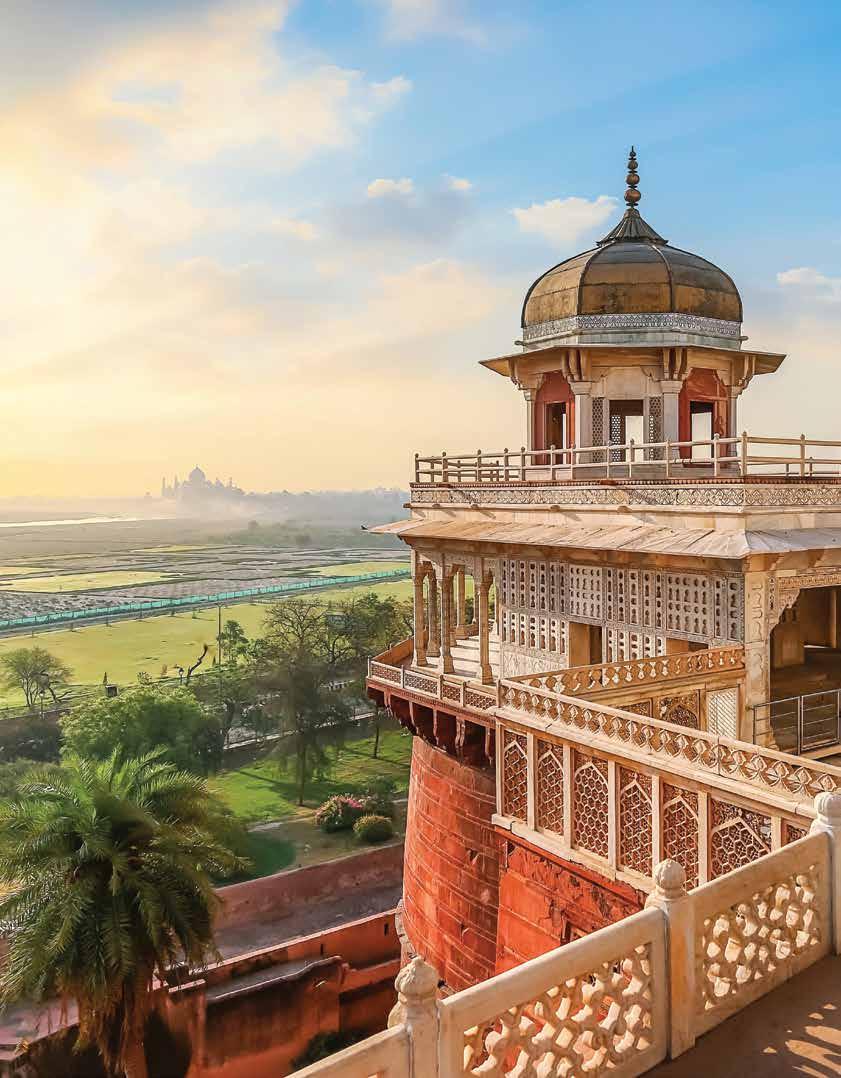
Agra Fort, India
50 STATES BY SADDLE (AND 12 COUNTRIES)
One Woman’s Journey in Search of Hope and Happiness
BY MARION McPARLAND | STAFF WRITER
Finding Healing on Horseback
After the death of her oldest brother, Susan was going through a very sad period in her life. She found healing and joy on horseback. Her source of comfort soon evolved into an ambitious goal: pairing her love of travel with riding in all 50 states — a dream she completed last fall.
Globe Trotting
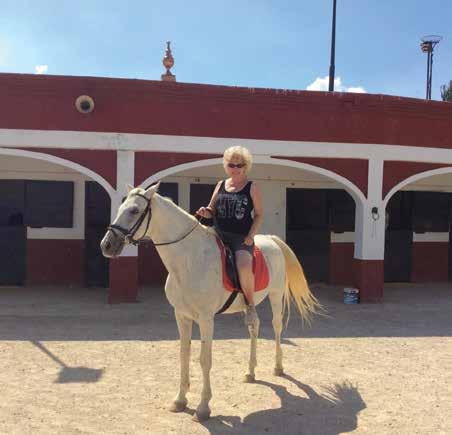
Horsing around: Susan riding an Andalusian in Spain.
Susan also rode in 12 countries and on every continent except Antarctica, where there are no horses. The journey deepened her appreciation for landscapes, history and people across the U.S. and around the world.
Hoofing It With Road Scholar
In 2019, Susan joined Road Scholar’s Best of the Dakotas, where unforgettable moments awaited her in the saddle. “In North Dakota, I rode Doc, a cranky old
Susan from Longview, Wash.
Following her dream to ride a horse in all 50 states WHEN
Dream Fully Achieved: Fall of 2025
ROAD SCHOLAR CLASS OF 2019
READ ALL ABOUT IT!
Read more about Susan’s adventures on our blog at roadscholar.org/ Horses
boy, to the top of a mesa overlooking the Badlands,” she recalls. “In South Dakota, I rode a blue roan through Ponderosa pine forests and spotted the Chief Crazy Horse carving.”
Leading the Next Generation
Susan later shared her love of learning with her granddaughter on Road Scholar’s Mackinac Island: The Jewel of Michigan in 2023. “We felt transported back to the mid-1800s,” Susan says. Limited to bicycle, horse-drawn carriage and horseback, Susan and Alexa rode past the Grand Hotel and along forest roads. “We’ll cherish these memories for a lifetime,” says Susan. WHO
D Cairo’s Newest Museum is a GEM
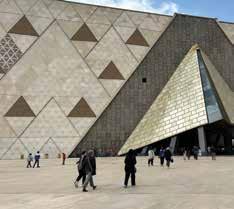
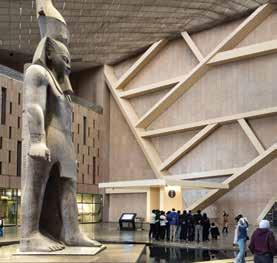
The Grand Egyptian Museum (GEM) opened to international fanfare on November 1, 2025. If you’re fascinated by Egyptian history, you’ll be wowed by more than 100,000 artifacts, including an 11-meter (approximately 36-foot) statue of the Pharaoh Ramses II and nearly 5,400 artifacts belonging to the young King Tutankhamun — including his golden mask and sarcophagus
Where should you go to learn in 2026? (Anywhere you want, really.)
But we found five noteworthy reasons to explore and celebrate this year.
D Get Your Kicks on Route 66
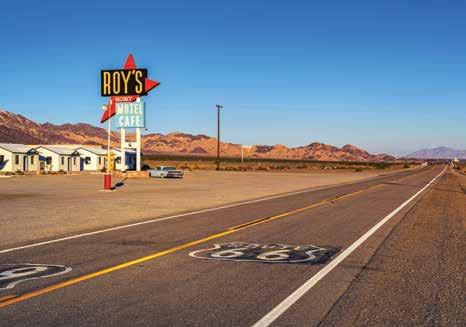
It was a road of migration during the Great Depression, a place written about by John Steinbeck in “The Grapes of Wrath” and the heart of a song popularized by Nat King Cole. This year, Route 66 celebrates its 100th anniversary with events from Chicago to California, and begs you to answer this question: Are you ready for your next road trip?
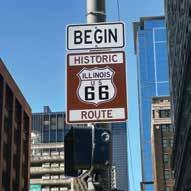
Journey along Route 66 and you’re sure to encounter nostalgic spots like Roy’s Vintage Motel and Café in Amboy, California. You’ll find the beginning of Route 66 in downtown Chicago (below).
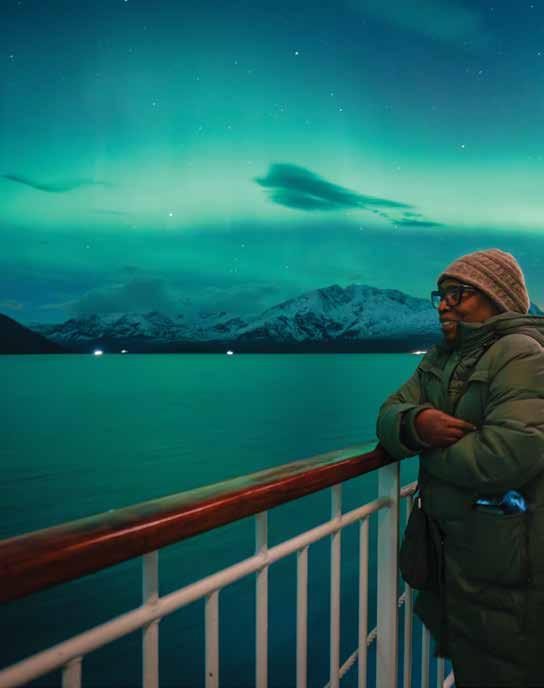
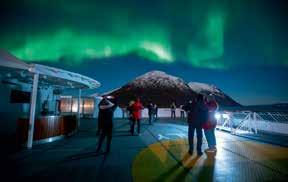
D Is it the Peak of Aurora Borealis?
At the top of most travelers’ must-see lists, the northern lights (Aurora Borealis, if you want the scientific name) are at their best this year. Thanks to the solar maximum — the end of the sun’s 11-year solar cycle — an increase in solar flares and charged particles are creating a spectacular display. So, if you’ve been dreaming of experiencing this incredible performance in the night sky, 2026 is your year! (We hear that 2027 won’t be bad either.)
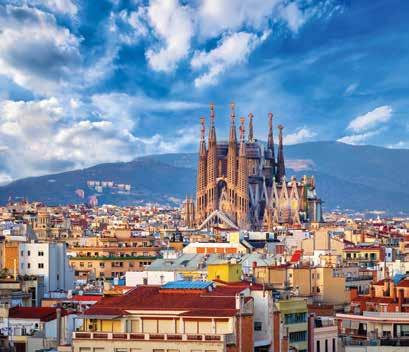
D Sagrada Familia Marks an Important Milestone
In March of 1886, architect Antoni Gaudi began construction on what would become his magnum opus — the Sagrada Familia in Barcelona. Time was not an issue for Gaudi, who claimed as he began building this cathedral that, “My client [God] is not in a hurry.” This year will mark the 100th anniversary of Gaudi’s death, and with that, a goal set by modern builders — the fourth tower, its “Jesus Tower,” will be completed and scaffolding will be removed.
D Presidential Promenade
On July 4, 2026, North Dakota will welcome the impressive Theodore Roosevelt Presidential Library, located in the Badlands near Medura.
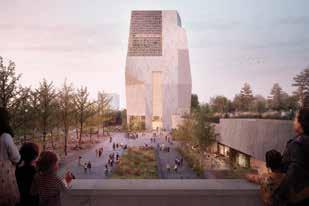
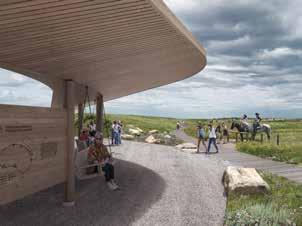
Rendering of the Theodore Roosevelt Presidential Library
In Chicago, the city’s South Side will celebrate the Obama Presidential Center — a museum and community hub. Also of note, the Herbert Hoover Presidential Library and Museum is undergoing extensive renovations and will reopen in the summer of 2026.
COURTESY: SNOHETTA
Rendering of the The Obama Presidential Center Campus.

Learn Without
Limits Learning Is Accessible for Everyone With Free Online Lectures
Travel can become more challenging as we age, and other circumstances may keep us home — but that doesn’t mean that we have to stop learning!
If you’ve been searching for educational opportunities to experience from the comfort of your own home, consider learning online! All you need is a strong internet connection, computer or tablet and the Zoom app, and you’ll be transported to an online classroom filled with fascinating adventures and other folks who love learning just as much as you do.



Not sure if it’s right for you? Try a free one-hour lecture! Led by experts in their fields, Road Scholar online lectures offer a look into scholarly topics, as well as ways to approach the fourth stage of life with our Age Well series.
Learn more about our free lectures at roadscholar.org/Free26
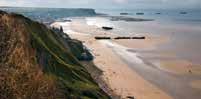
Honoring D-Day — Echoes of Valor & Victory (Program No. 24954YKX)
Wed., June 10 at 1 p.m. ET
FEATURED EXPERT: Dr. Spencer Jones, historian
Upcoming Free Lectures
(Program No. 25695YKX)
Thurs., June 18 at 2 p.m. ET
FEATURED EXPERT: Luanne Mullin, gerontologist
George Washington & the Road to Independence (Program No. 25716YKX)
Wed., July 15 at 2 p.m. ET
FEATURED EXPERT: Dr. Edward G. Lengel, historian
(800) 454-5768 |
Age Well: Aging Without Children — A Different Path to Fulfillment
The Ultimate History Lesson
HOW A FIFTH-GRADE FUNDRAISER SPARKED A LIFELONG DREAM
BY CAROL MILLER | STAFF WRITER
It’s easy to be captivated by Egypt. It’s a rare corner of the world where you can stand in a hyper-modern city, look across a river and see structures that have stood for 4,500 years. For Sue V., a lifelong educator and Road Scholar since 2004, one of those ancient structures held a personal promise — a fascination that began in her elementary school classroom. →
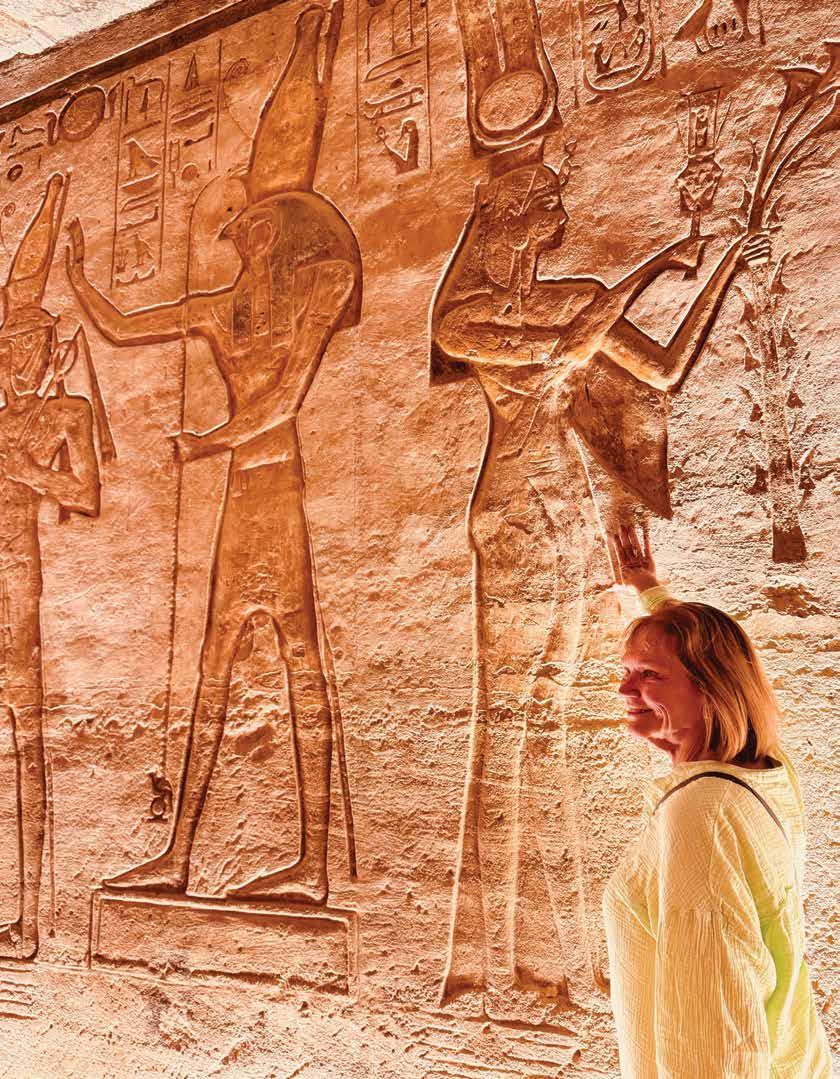
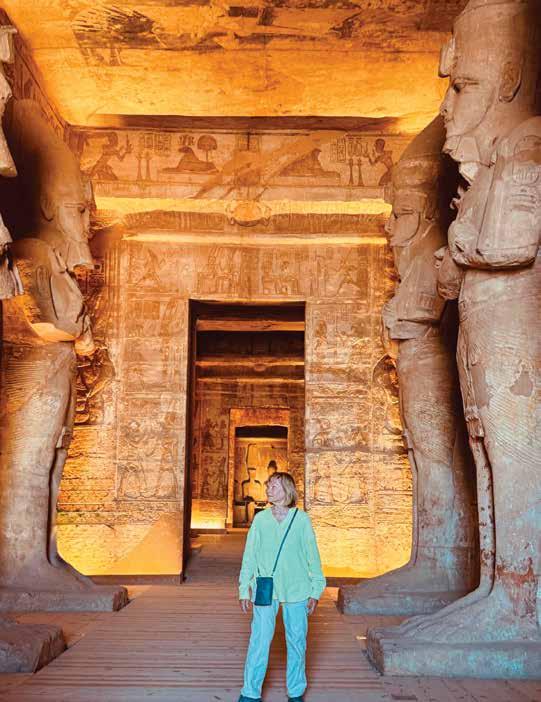
Surrounded by Feelings: In the shadow of the colossal statues, the scale of Sue's achievement finally took hold.
King Tut Stays Put
While thousands of King Tut’s treasures have been moved to the new Grand Egyptian Museum (also a place surveyed on this program), King Tut himself remains in a state-of-theart, oxygen-free, climate-controlled glass case within his original tomb in the Valley of the Kings. Moving him today would risk the remains literally crumbling into dust due to the vibrations of transport.
Continued from page 12
The dream was sparked when Sue’s fifth grade teacher organized a schoolwide donation to help preserve the Abu Simbel Temple in southern Egypt. At the time, the construction of the Aswan High Dam threatened to submerge the ancient site forever. Thanks to a global fundraising effort — including the pocket change from Sue’s school — the temple was relocated away from the shoreline and was saved.
Sue’s fascination with ancient history followed her into adulthood. She became a history teacher, sharing her love for Egyptian history and beyond with several generations of students — a career that lasted decades.
It wasn’t until her retirement from teaching that Sue decided it was time to experience Egypt for herself. She joined Road Scholar for Beyond the Pharaohs: Egypt Past and Present.
The initial days of this 14-day learning adventure were filled with fascination as the group explored the Valley of the Kings, Colossi of Memnon and King Tut's tomb.
While thousands of King Tut’s treasures have been moved to the new Grand Egyptian Museum (also a place surveyed on this program), King Tut himself remains in a state-of-theart, oxygen-free, climate-controlled glass case within his original tomb in the Valley of the Kings. Moving him today would risk the remains literally crumbling into dust due to the vibrations of transport.
Other wondrous experiences included a study cruise on the Nile and having Egyptologists share the country’s storied history, revealing its profound connections to the world we know today.
And then came the journey to the south of Egypt. On a beautiful spring day last March, Sue stood before Abu Simbel.
The impact of the moment was immediate. For 30 minutes, the normally talkative teacher was silent. In the shadow of the colossal statues, the scale of the achievement and the 70-year wait finally took hold. “The dimensions, the feel of it around you, the smell, the texture — pictures just cannot convey it,” she said.
A Monumental Move
In the mid-1960s, the construction of the Aswan High Dam created Lake Nasser, which threatened to swallow Abu Simbel. In a feat of modern engineering as impressive as the original construction, the temples were meticulously cut into over 1,000 blocks (some weighing up to 30 tons!) and reassembled 200 feet higher and 600 feet further inland.
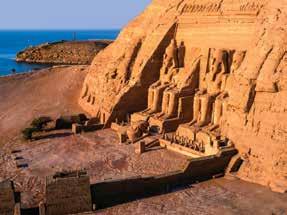
Did you know? Twice a year, around the time of the equinoxes, the first rays of the rising sun stream through the temple's long entrance corridor. The light illuminates three of the four seated figures in the inner sanctum: Amun-Ra, Ra-Horakhty and the Pharaoh Ramses II. However, the statue of Ptah, the god of the underworld, remains shrouded in eternal shadow.
The dry, desert air carried the faint scent of ancient stone as Sue walked through the temple. She was completely enraptured seeing the interior walls, which were carved directly into sandstone to create high-relief sculptures — and whose colors remain vivid to this day.
“It took me a while, but here I am.”
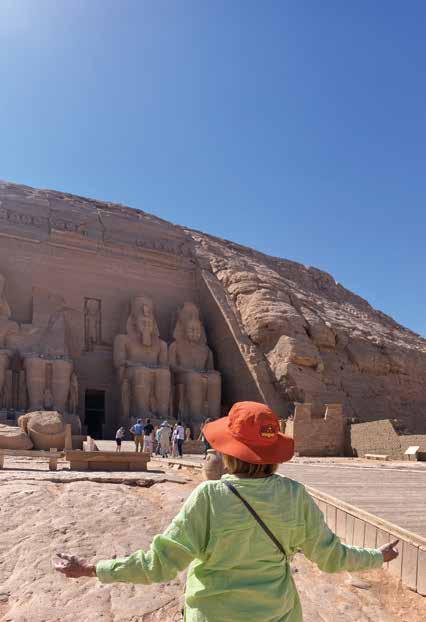
It took me a while, but here I am.
— SUE V., ROAD SCHOLAR CLASS OF ’04
At 82, Sue isn't just looking back; she's looking forward. She’s already been on 23 Road Scholar learning adventures, and her next trip is to Croatia with her daughter.
Sue attributes her stamina to proactive preparation. “Get yourself physically ready,” she advises. “If there’s climbing involved, find a hill and get used to walking up it.”
From that fifth grade classroom to the colossal statues of the Nile, Sue’s journey has been one of remarkable patience. She knows her time is precious — and she chooses to spend it in motion. Sue is the ultimate educator, teaching us all that it’s never too late to fulfill a promise made to your younger self. ■
INSPIRED BY SUE?
Learn about Egyptian adventures at roadscholar.org/StepIntoEgypt
A Heavy Lift: Thanks to a global effort, Abu Simbel was saved from the dangers of being submerged into Lake Nassar.
In the Aftermath
HOW TRAVELERS CAN HELP COMMUNITIES RECOVER AFTER NATURAL DISASTER
BY JOHN WATTERS | STAFF WRITER
Sanibel in 2022. Maui in 2023. Asheville and Jasper in 2024.
Natural disasters have hit some of our favorite places to explore in recent years. Road Scholars often ask how they can help such communities recover, starting with whether they should (or even can) visit. Here are four ways we’ve learned you can make a difference.
Visit!
When rescues and the most urgent types of cleanup are still in progress, staying away is absolutely the right decision. But the calculus changes quickly after that.
Hurricane Helene roared into North Carolina in 2024, devastating Asheville. Thousands of residents were displaced, hundreds of businesses shuttered. Despite all that, not long after the disaster struck, a message went up on exploreAsheville.com: “You coming back is our comeback.” As a local tourism director explained: “The best way to help right now is to visit. Employees need to get back to work to put food on their tables, stabilize their families and repair their homes and cars.”
When an impacted community invites visitors back, the best thing you can do is go, and support the local businesses so in need of your help.
Temper Your Expectations
When Hurricane Ian hit Florida’s Gulf Coast in September 2022, it left little on Sanibel Island that wasn’t destroyed or critically damaged.
As recovery began, officials urged visitors to understand the devastation and ongoing cleanup they would encounter. A sign on the Chamber of Commerce door read “Not perfect, but still paradise.” Being transparent made it easier for travelers to adjust their expectations and embrace the experience they would have — and their support is steadily helping Sanibel return to what it was. Recently, the Chamber of Commerce sign was changed to “Just another day in paradise.”
If you decide to visit a hard-hit area, accept that you will be witnessing
a work in progress. Be understanding of the limited level of service and range of facilities and be patient.
Show Grace
Places often recover faster than people. The fires on Maui that destroyed much of the historic town of Lahaina in 2023 took more than 100 lives and displaced about 12,000 people. Many residents were in mourning, but also desperate for visitors to return from an economic standpoint.
If you visit places coping with loss, do so with respect and empathy. Listen if people want to share their story, but don’t insist that they do so. Honor the sanctity of homes and sacred spaces, damaged or not. Tread lightly and be supportive.
Visit Virtually
If a hard-hit area says it’s just not ready to receive visitors, or if you’re uncomfortable visiting in the midst of recovery, you can often find ways to support the local economy remotely. For instance, exploreAsheville.com set up its online “Love Asheville From Afar” program after the hurricane, where those wanting to help can order works from local artists and others. Such e-commerce sites can provide a critical lifeline to struggling areas.
Helping disaster-struck places recover is a delicate balancing act, where the financial benefit visitors can provide is critical, but respect, compassion and understanding are equally so. We’re proud to say that our Road Scholar participants wholeheartedly embrace the opportunity to make a difference in these communities as residents look to rebuild their lives and livelihoods. ■
Unexpected Rewards
After fire destroyed thousands of acres in Jasper, Alberta, the park rangers and other subject-matter experts we partner with helped turn calamity into new educational opportunities, sharing insights with Road Scholars about the resilience of nature and the cycle of forest regrowth and renewal. Katie Shanks, Manager of Program Operations at our Canadian partner Routes Adventures, noted also that “Road Scholars had exceptional opportunities to see wildlife. Where the canopy was gone and new growth was emerging, people were seeing bears and caribou and moose out foraging. They were blown away!”
Many of our participants said their time in Jasper after the fire was a highlight of their program — testament to Road Scholar’s passion for learning and discovery in any environment.
My Greatest Joy
HOW FAMILY, NATURE & LIFELONG LEARNING HELPED ONE VETERAN FIND PEACE
BY AMY HOLT | STAFF WRITER
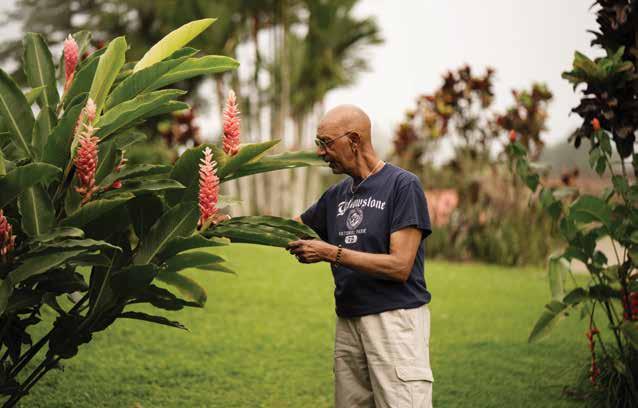
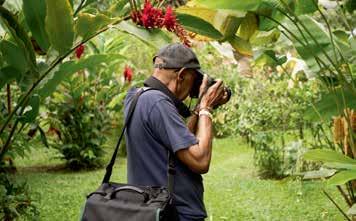
Some journeys are measured in miles, others in years. For Richard J., a Vietnam War veteran who found profound healing in the landscapes of national parks, his most meaningful journey has been one of hope. After a decade of finding solace and community on Road Scholar programs, he decided to realize a long-held dream to share the world of experiential travel with his daughter and young grandson.
In 2025, on the milestone of his 80th birthday, that dream took root and blossomed in the vibrant heart of Costa Rica. →
Sharing a Road Scholar program with my family … it’s very special.
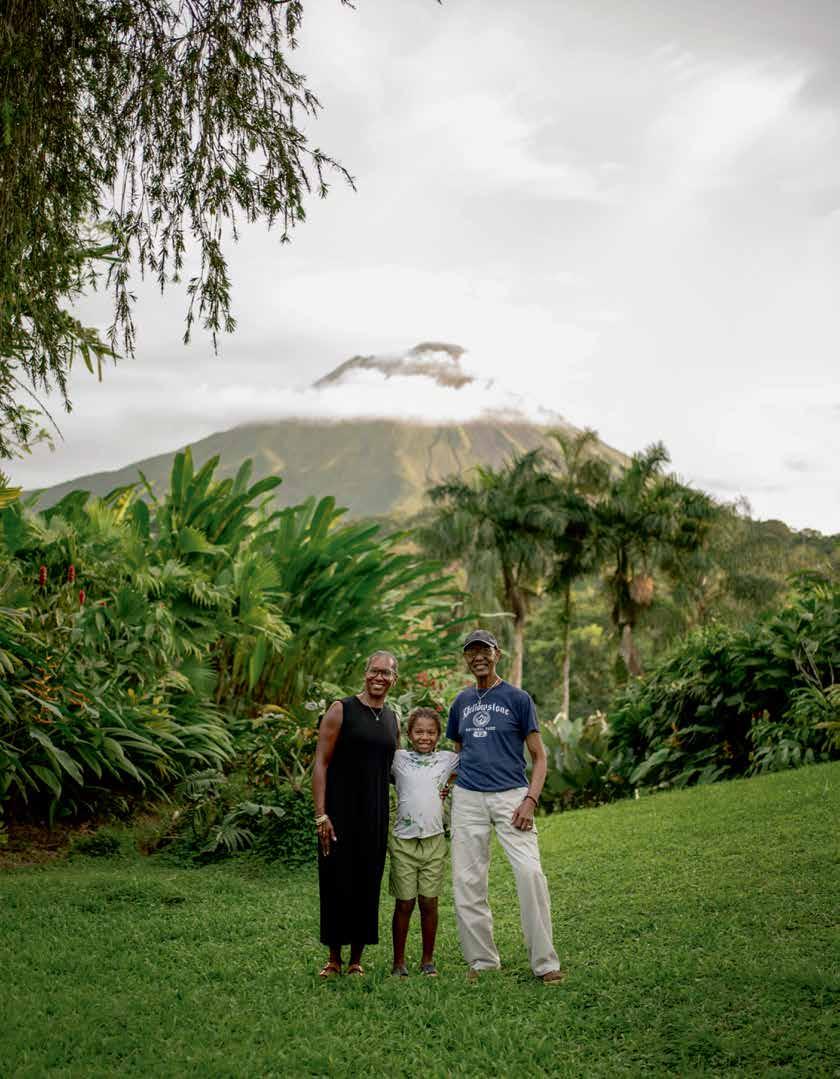
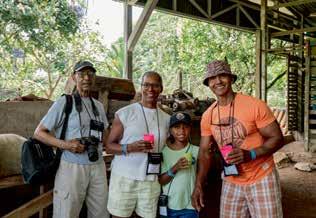
Three generations together in Costa
where a long-held dream became a shared family adventure.
Rica,
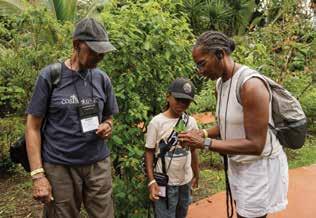
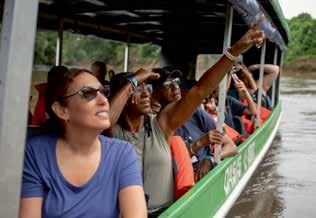
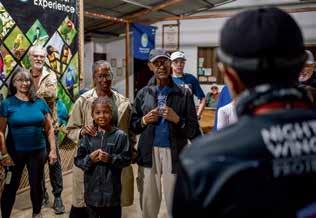
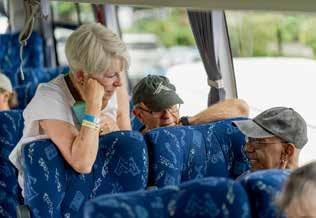
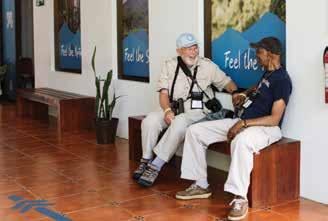
Connection came easily as participants of all ages shared the journey together.
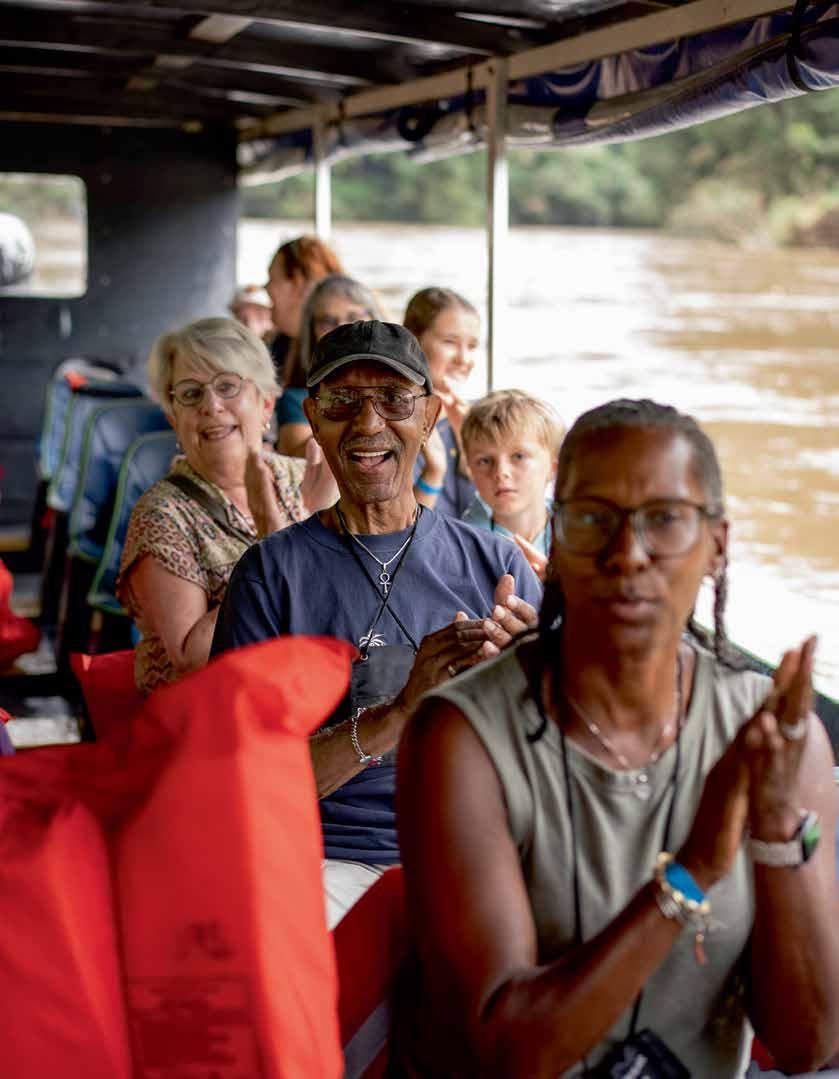
— RICHARD J., ROAD SCHOLAR CLASS OF ’06
Continued from page 18
A Family Adventure in Costa Rica
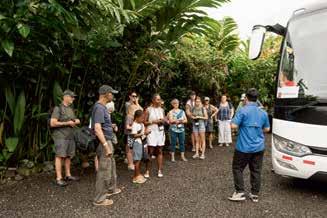
The program was From Monkeys to Macaws: Colorful Costa Rica With Your Family. For his 11th Road Scholar adventure, Richard was joined by his daughter Kendra, son-in-law Guillermo and eight-year-old grandson, Donovan. The journey transformed the familiar comfort of the Road Scholar community into an experience he could finally share, firsthand, with those closest to him.
“Sharing a Road Scholar program with my family ... it’s very special,” Richard says. “Even though on the programs I’ve been on, the people have been almost like family, with my daughter, who is very special to me — she’s my rock — sharing with her especially is wonderful.”
A New Generation of Explorer
A central thread of this new chapter was the bond between grandfather and grandson. Richard’s pride in Donovan is palpable. “He is amazing,” he says. “He’s only eight years old, but you would
think he’s far older. He’s so athletic, he’s so joyful. He gets along with everyone. He's fabulous.”
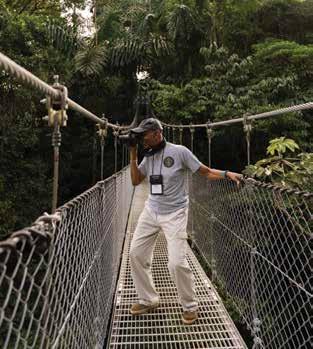
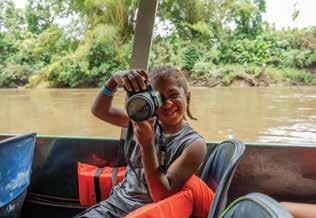
Years ago, Richard’s passion for photography was a solitary pursuit — a form of therapy. Now, it’s a shared legacy. “My greatest joy is photography,” Richard explains. “And my grandson, he has a camera that he asked me to get him about a year ago. He said, ‘Grandpa, can you buy me a big camera like yours?' Seeing him use it, my heart, it just melts.”
Beyond the technical skills, Richard hopes Donovan absorbs the human lessons of travel. “I hope that he can walk away with being with other folks, just interacting, not trying to be anything, but just be yourself,” he shares. “I find that with my programs, that’s all I had to do. Opening up, seeing other people from different walks of life, that helps you too.”
For Donovan himself, the experience was more elemental, sparking a simple sense of bravery. When asked what the trip had given him, his answer was one word: “Courage.” →
Continued from page 21
Classroom of Wonder: The Magic of Costa Rica
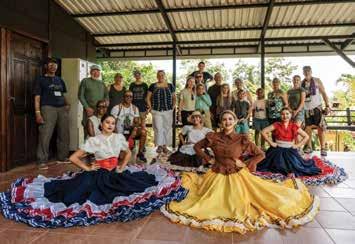
If Richard’s past journeys were about healing, this one was a feast for the senses, where every sight, sound and scent in Costa Rica’s lush landscape offered a new discovery. The family’s days were a whirlwind of activity, from the thrill of ziplining through the canopy to the rich aroma of a local chocolate-making demonstration.
When asked about their favorite moments, their answers painted a vivid portrait of the adventure. For Donovan, it was the awe-inspiring wildlife. “My favorite part was seeing the Scarlet Macaws,” he says. And Richard, ever the patient observer, found beauty in the unexpected. “Seeing the different bats and how small they were. I thought they were beautiful,” he says, while still holding out hope for a glimpse of the country’s most iconic bird. “If I can see the Resplendent Quetzal,” he laughs, “that'll make my year.”
A Message That Endures
While the scenery was new, Richard’s core message — one of resilience and unity — remains as powerful as ever. For him, the healing power of these programs is deeply personal. “As a Vietnam veteran, right from my first Road Scholar program, I knew there was something special here because it was helping me process my PTSD,” he explains. “And Road Scholar participants, they’re really almost like a family, and I enjoy it so much. I keep coming back.”
It’s a message he’s passionate about sharing. “I would suggest that other veterans do not let their PTSD define who they are,” he states firmly. “Because once you come out in a program like this, whether you are a photographer, whether you are a person who likes to walk a lot, climb, there’s something for everyone. So don’t let it beat you down. Travel, explore. It will help you considerably.”
This sense of welcome extends into a powerful belief in inclusivity. He sees Road Scholar as a space where differences dissolve into a shared human experience. “I would like to see even more diversity,” he notes, “because especially with the Road Scholar programs, everyone is inclusive. There is no Chinese, there is no Japanese, there is no African American, there is no Irish. There’s people. There's oneness. And that's what people need to understand. When you come on a program like this, you belong.”
The Full Circle
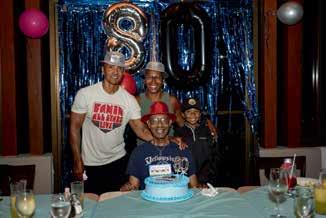
As the adventure concluded, the family was left with more than just photographs — they had woven a new chapter into their shared history. The program culminated in a surprise celebration for Richard’s 80th birthday, where the entire family unit — and
their new Road Scholar community — joined in to honor him. “This is our first family adventure together,” Richard says, the weight of the moment clear. “And on my 80th birthday, it’s a milestone. It’s been absolutely thumbs-up, incredible.”
Make
Your
Next Adventure a Family One
Bring everyone along next time. Visit roadscholar.org/ multigenerational to learn more.
From a dream sparked by a catalog page to a shared family adventure in the heart of the rainforest, Richard’s journey has truly come full circle. It is a legacy of courage, passed from one generation to the next, and its impact is best captured not in a grand statement, but in the simple, heartfelt words of his grandson.
“Grandpa,” Donovan says, “thank you for taking me on this adventure.” ■
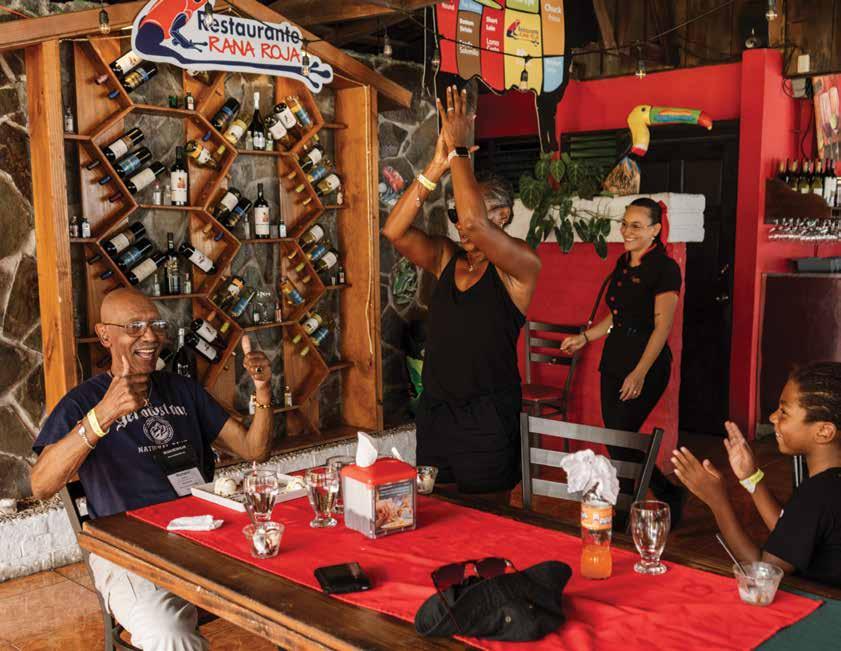
An unforgettable birthday, surrounded by family and new friends.
America is Aging Adventurously !
BY CAROL MILLER | STAFF WRITER
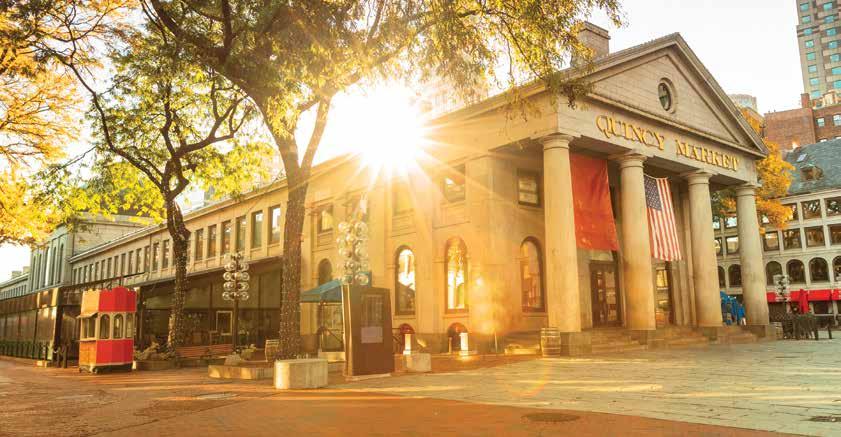
It’s America’s semiquincentennial. Some call it the sestercentennial. Bisesquicentennial or quarter millennial work, too. No matter how you phrase it, America’s big Two-Five-Oh is here — and we invite you to join the celebration by experiencing some of these places that play an important part in our history.
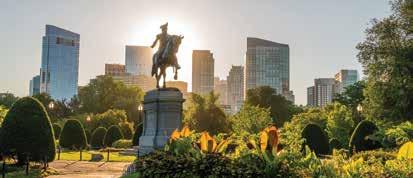
↑ Boston Sets the Stage
The headline in 1773 could have been, “Boston Spills the Tea.” Pun notwithstanding, immerse yourself where America's story began, as you explore Boston’s revolutionary spirit on Boston: Birthplace of American Liberty (Program #5717YKX).
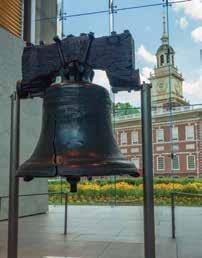
↓ Independence Declared
This is the year to honor “life, liberty and the pursuit of happiness.” And what better way to celebrate our founding than exploring where the signing of both the Declaration of Independence and the U.S. Constitution took place. Experience something revolutionary — check out Signature City Philadelphia (Program #10238YKX). Powdered wigs optional.
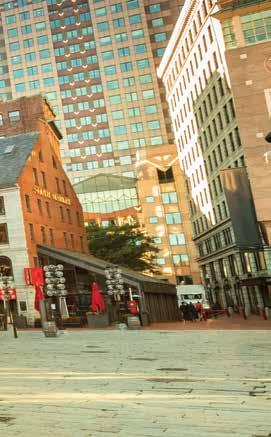
DID YOU KNOW?
Boston is home to the first public school, public park and public library in the United States.
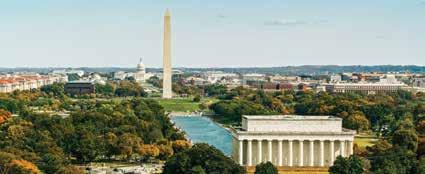
↓ A Capital Idea
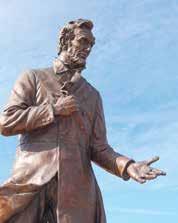
↑ Addressing the Future
Abraham Lincoln remains a towering symbol of our nation. He had a humble frontier beginning, sharp political wit and timeless oratory. His life serves as a bridge between a divided past and a unified future, continuing to inspire generations. Journey to Springfield, Ill., to explore more about our 16th president on The Life and Legacy of Abraham Lincoln (Program #8370YKX).
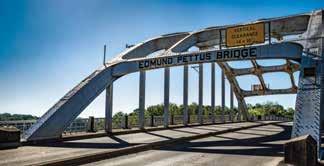
↑ Bridging Our Rights
Building a more inclusive democracy during the mid-20th century reshaped our country’s identity. The Civil Rights Movement remains a cornerstone of our national narrative — it also offers a vibrant landscape of historic sites and soulful music that continues to inspire. Learn about this important time on The Civil Rights Movement: Atlanta, Montgomery, Selma, Birmingham (Program #22657YKX).
Settling on a permanent site for our nation’s capital after the Revolutionary War was a contentious political battle, with a compromise reached in 1790. Washington, D.C., is now an international center of debate — it also offers an array of history, art and culture See it for yourself on Discover Washington, D.C.: The Best of the Capital (Program #2833YKX).

↑ The Shrine of Democracy
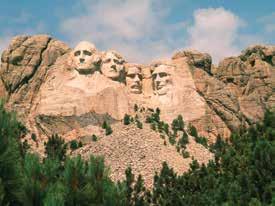
When it comes to rock-solid places to explore, there’s nothing quite like Mount Rushmore Can you name the four presidents immortalized there? Travel to South Dakota and make some history of your own on The Best of Mount Rushmore, the Black Hills and Badlands (Program #13160YKX).
, Woody Guthrie said it best: “From the redwood forest to the Gulf Stream waters, this land was made for you and me.” We’ve collected about 100 ways to celebrate America. So, whether you want to learn more about history or discover the country’s amazing natural lands, visit roadscholar.org/Celebrate250 or scan this QR code and find your next adventure!

A Beautiful Thing to Witness
A Journey to the Heart of Africa
BY AMY HOLT | STAFF WRITER
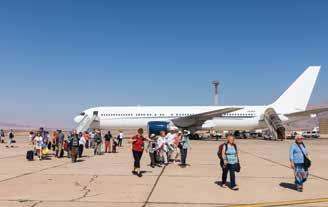
Twenty-two days. Seven countries. A private plane circling an entire continent. On paper, Road Scholar’s President’s Journey by Private Plane to Africa is a staggering feat of logistics. But for the participants who experienced it, the journey was something far more profound: a deeply human story of connection, discovery and transformation. →
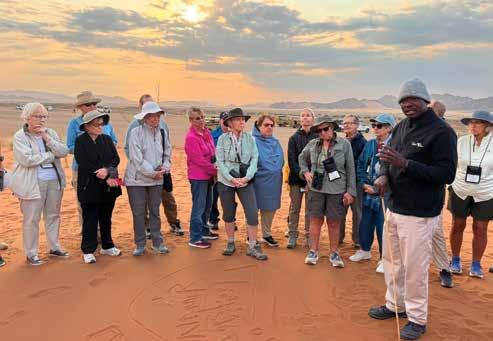
A Desert Classroom:
Learning comes to life in Namibia, where local experts welcomed the group into the rhythms of desert life.
Continued from page 27
“People unfamiliar with Africa tend to look at the continent as a whole,” says Maeve Hartney, Road Scholar’s Chief Program Officer, who joined the program to experience it firsthand. “But by the time you’ve experienced it like this, you understand these are uniquely different countries with their own separate cultures, traditions and customs.”
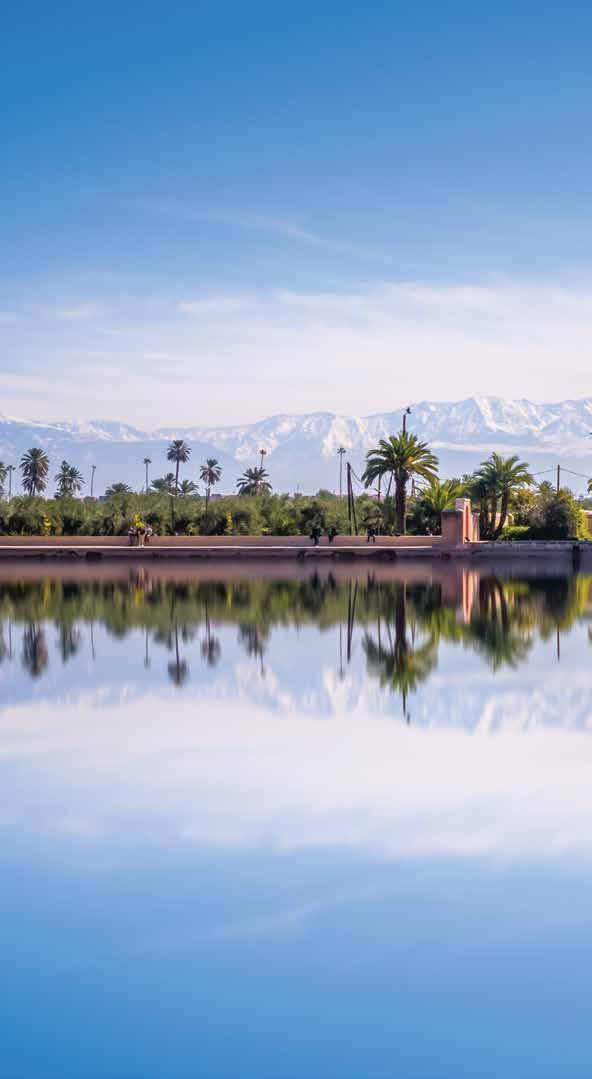
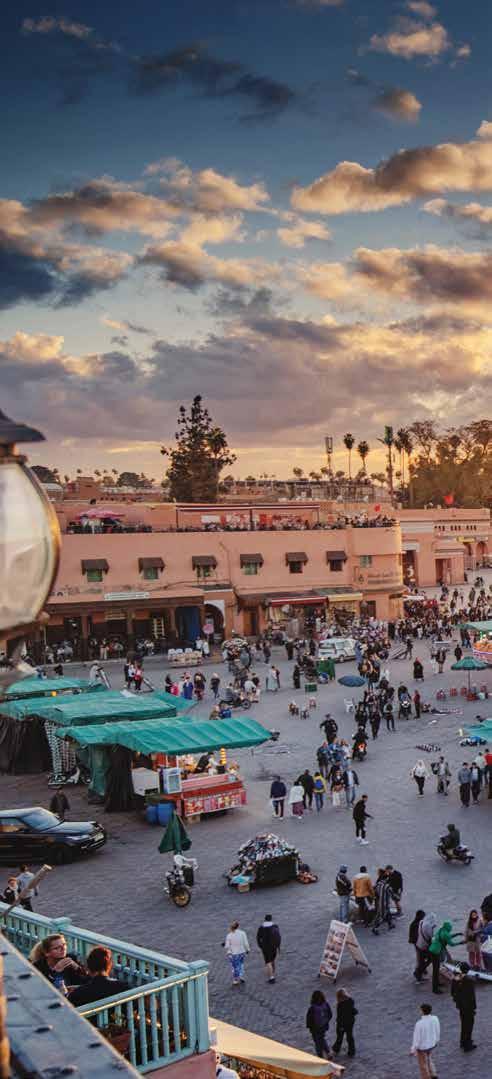
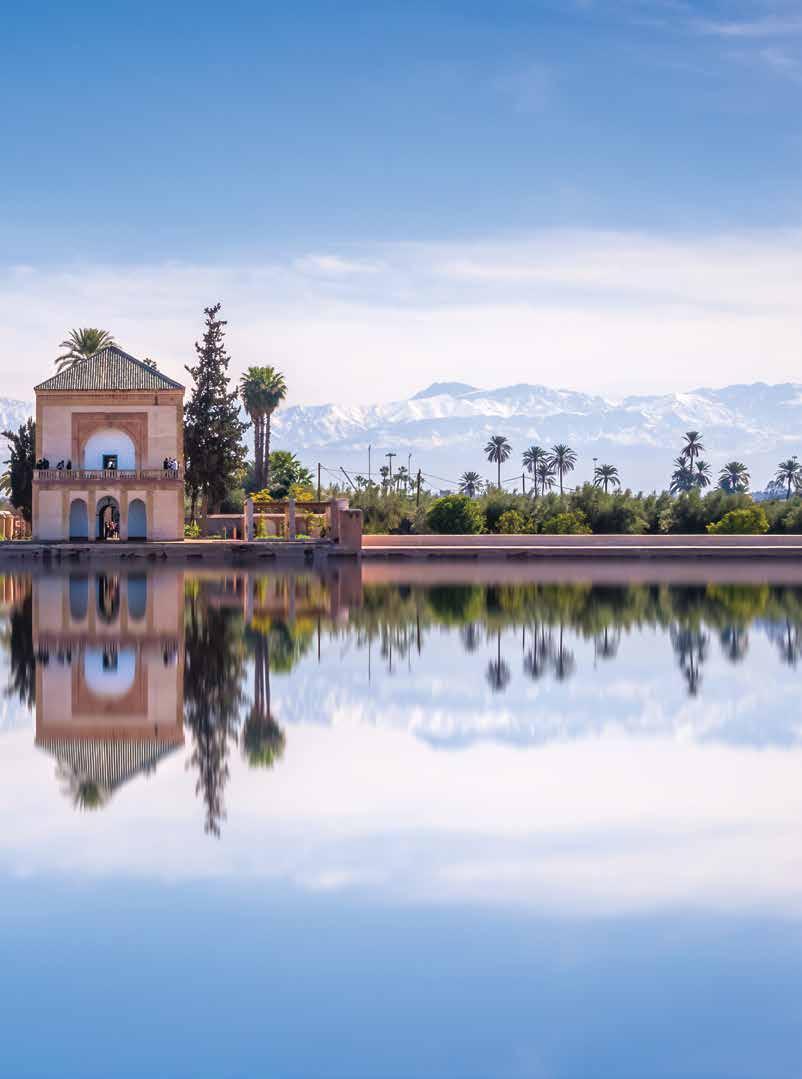
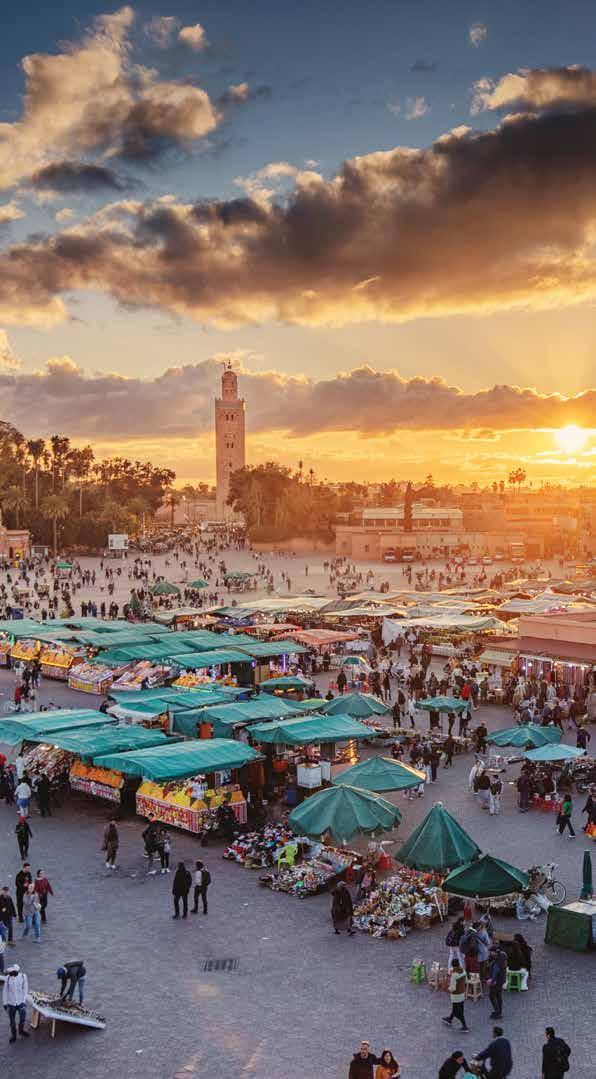
It’s this ability to weave together a journey of such stunning contrasts — from the bustling Medina of Marrakesh to the silent dunes of Namibia, from profound historical lessons to deeply personal connections — that Maeve points to as a source of immense pride. It’s seeing the impact of that curation on individuals. “That we can provide experiences like this makes me so proud to work for Road Scholar. It was a beautiful thing to witness.”
EThe Overture in London very great story needs a beginning, and for this 22-day African odyssey, the prologue was intentionally set in London. The journey wasn’t just about geography — it was about understanding context. Based at The Londoner, an exceptional hotel with a touch of British quirkiness, the group’s learning began immediately. In a thought-provoking lecture, expert Ruth Polling led them through the British Museum, reframing its collection through the lens of colonial history. It was here, looking at the Rosetta Stone, that the group first encountered the cartouches of Egyptian pharaohs — the first knot in a narrative thread that would stretch thousands of miles and thousands of years, waiting to be tied off on the banks of the Nile.
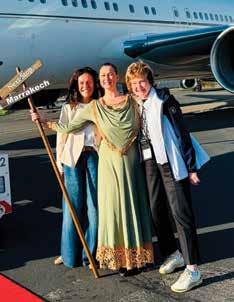
TFirst Steps in Africa: Marrakesh he departure from London itself was a masterclass in thoughtful logistics. From a dedicated departure room equipped with comfortable seating and refreshments, participants walked directly onto their bus, bypassing the usual airport friction. Once aboard the private Boeing 767, the journey truly began. “It was this beautiful, luxurious experience,” Maeve recalls. “People standing up, walking around, chatting … a chef, a bartender … all of it ... fabulous.”
But the true luxury of the private plane isn’t just the comfort in the air — it’s time on the ground. Luggage is handled by an invisible hand, disappearing from outside a hotel room in one country and reappearing in the next. “It allows you to make way better use of your time in the country,” Maeve explains, turning transit into a relaxed, social part of the experience.
Stepping off the plane, the group plunged into the vibrant energy of Marrakesh. The day was a whirlwind of “heat, crowds and the most marvelous madness” in the Medina, an immersive experience led by local experts who
By the time you've experienced it like this, you understand these are uniquely different countries with their own separate cultures, traditions
and customs.
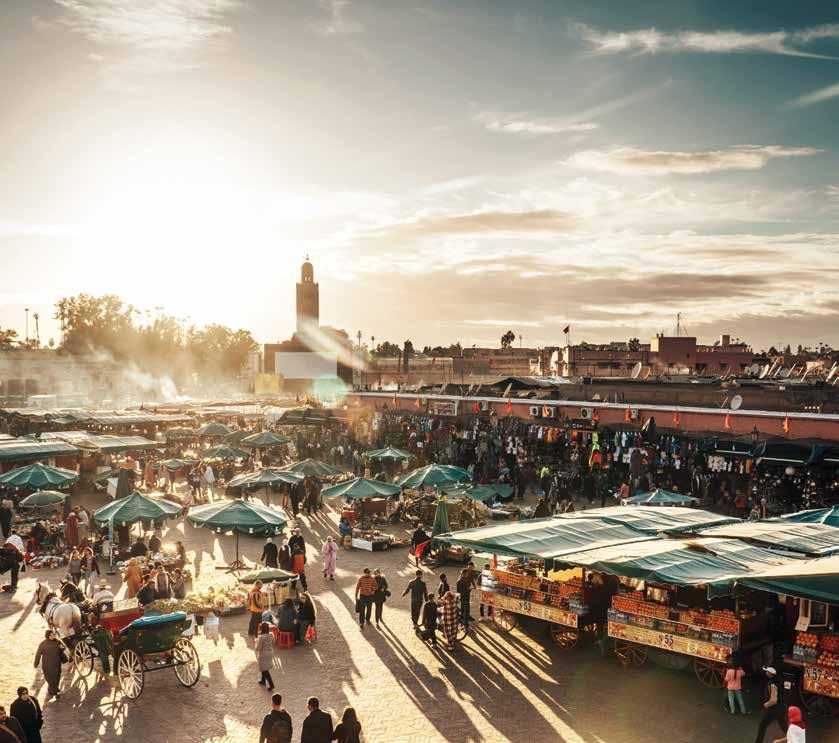
navigated the narrow streets and whizzing scooters with care. The reward for a long day was a memorable dinner at an outstanding restaurant run by a MasterChef Morocco winner, where the ambience and music were, as Maeve puts it, “so Moroccan and delicious.” The evening culminated in a delightful surprise — a horse-drawn carriage ride back through the city streets.
Even in these perfect moments, the drive toward continuous improvement is constant. “I wouldn't change what we did,” Maeve notes, “But I might just switch those two evenings around to better match the group’s energy.” It’s this ongoing, behind-the-scenes refinement that ensures every Road Scholar program is the best it can be.
The Soul of Namibia
If Marrakesh was a feast for the senses, Namibia was a balm for the soul.
“Namibia just blew me away completely,” Maeve says. The journey from the bustling city to the serene desert environment was a welcome and restorative contrast for everyone.
The learning here was deeply human. The group visited →
Marrakesh: Local experts led the group into the lively heart of Marrakesh’s Medina.
That we can provide experiences like this makes me so proud to work for Road Scholar. It was a beautiful thing to witness.
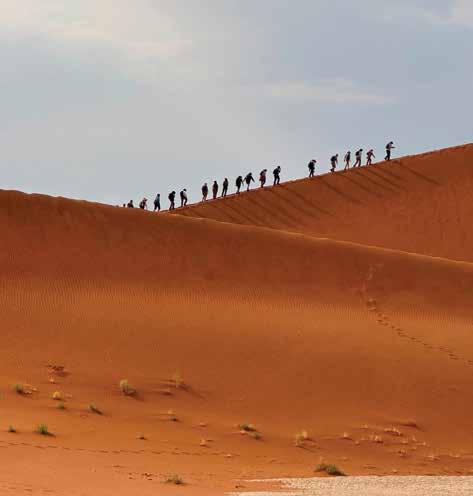
Desert Ascent (above): Crossing Namibia’s towering dunes became one of the journey’s most memorable shared moments.
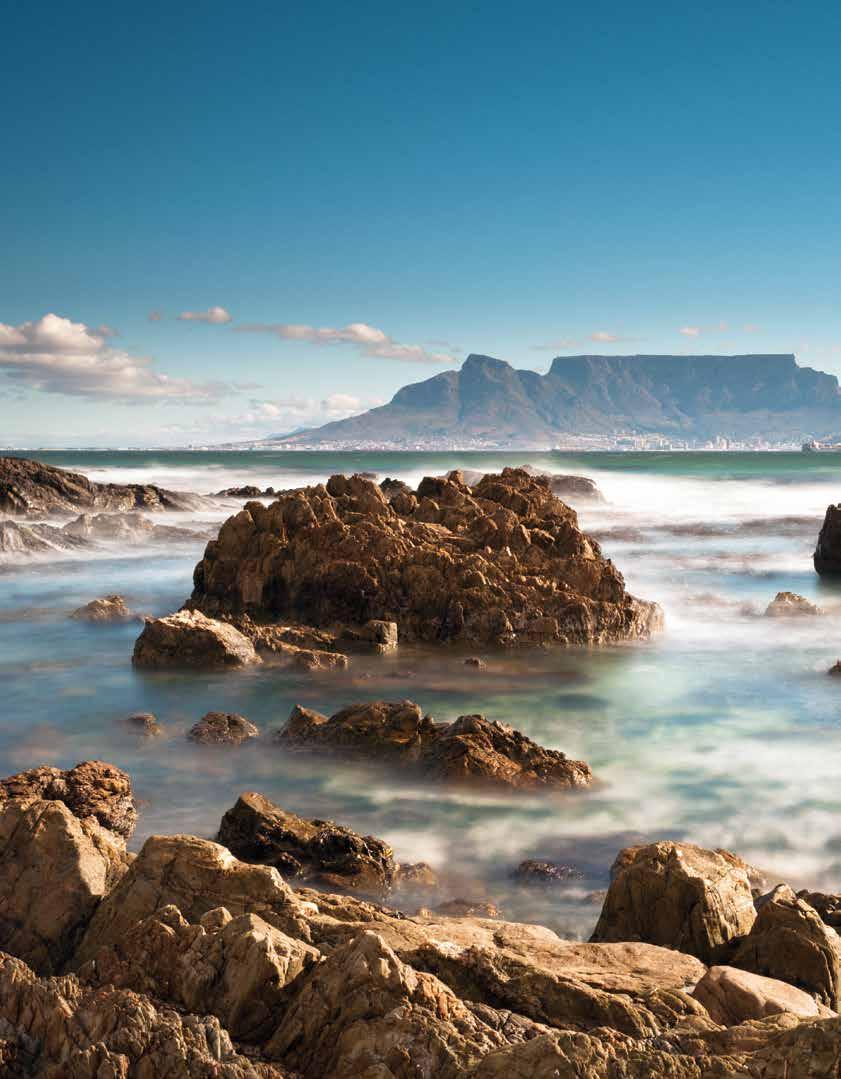
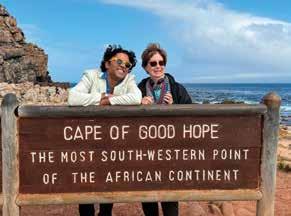
Cape of Good Hope (bottom right): A milestone moment at Africa’s southwestern edge.
Continued from page 29
the Topnaar community, a people who live in harmony with the stark desert landscape. At a local preschool, Maeve recalls, “The kids came out and sang a couple of songs for us,” a moment of pure, heartwarming connection. Participants then learned about the cultural and economic importance of the Nara plant, which the community ingeniously uses for everything from food source and cooking oil to making soap to sell.
The landscape itself was a wellspring of constant wonder — the dunes of the Namib desert were spectacular. But the pinnacle was an evening that left many speechless. After a nature drive through the iconic red dunes, the group was welcomed to a reception and dinner under the stars. The Group Leaders described it as “a magical and emotional atmosphere, beautifully arranged with lanterns, open fires and careful lighting.” They noted, “Many participants were visibly moved to tears by the sheer beauty of the setting.”
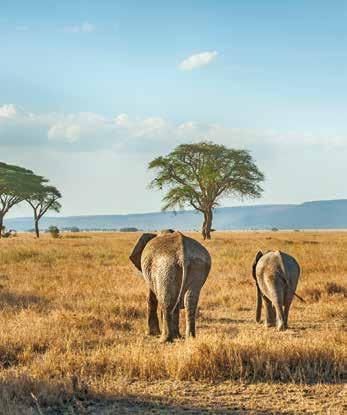
THistory and Humanity in South Africa & Zimbabwe he journey continued to Cape Town, where the group stayed in a hotel Maeve described as an “absolutely stunningly beautiful” converted mansion. Yet, this luxury served as a powerful counterpoint to the city’s complex history. The most impactful moments were those that dug deeper.
The visit to the District Six Museum was, as one Group Leader noted, “an incredibly moving experience.” Here, the group listened to docents who had been forcibly removed from their homes during Apartheid share their own stories. “I cried from start to finish, in the nicest way,” Maeve recalls. “The beauty of it is that we weren’t shying away from the reality of this story.”
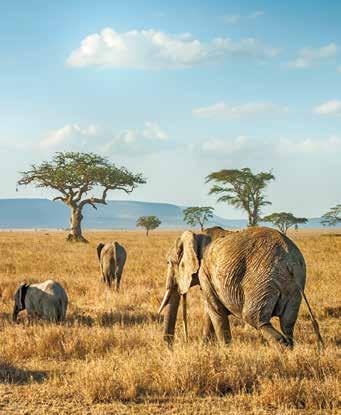
Elephants: In Tanzania, an elephant sighting brought the Serengeti’s wildlife into vivid focus.
This commitment to authentic connection was a constant theme. In Zimbabwe, the group shared meals that reflected the region’s creativity and local culture.
And through it all, there was no shortage of natural wonder. In Cape Town, the group was met with stunningly clear views from Table Mountain — a sight one of our Group Leaders had never witnessed before. In Zimbabwe, they were thrilled by an elephant interaction experience and a sunset sail on the Zambezi that was briefly — and memorably — delayed by two large elephants blocking the jetty. As a final flourish, the plane’s captain arranged a surprise fly-past over the majestic Victoria Falls on departure.
TThe Grand Finale: Tanzania and Luxor he program’s final crescendo of wildlife in Tanzania was, in Maeve’s words, simply “mind-blowing.” The sense of wonder was cumulative, building day after day. “Every evening, I’m thinking to myself, ‘I don’t know if we can beat today,’” Maeve laughs. “And the following evening, I’m saying, ‘Oh, my gosh, today was better than yesterday.’” In the Serengeti, they watched herds of 45 elephants with infant calves less than a month old and got so close to a pride of lions they could hear the cubs. “I have videos
where you can hear baby lions feeding from their mothers,” she says. “They were literally less than 10 feet away.”
The journey culminated in Luxor, Egypt. Here, the educational thread that began in the British Museum came full circle. For Maeve, who had visited Luxor once before without the benefit of Road Scholar experts, it was a revelation. “It was a completely different experience,” she says, to finally stand in the Valley of the Kings and the Temple of Karnak and see the cartouches and hieroglyphics not as museum pieces, but as living history.
The Enduring Impact
In the end, when reflecting on this grand adventure, Maeve returns to the people. She remembers one couple, who met on an online matching platform, and, at 80 years old, were the “most madly in love couple you could ever see.”
And especially, she remembers one solo female traveler, who, after many years, felt she had found herself again. “I have not felt like a whole human being in decades,” she confided. Watching her embrace the journey, Maeve saw a profound change. “I know I can. I know I will," she declared, already planning her next adventure with Road Scholar.
This is the alchemy of a Road Scholar program. It is more than a collection of destinations — it is an education, a community and for many, a deeply personal transformation.
It is, as Maeve so perfectly stated, a beautiful thing. ■
Curious to Learn More?
Join our free online webinar to learn all you need to know about our private plane journeys. Reserve your spot at roadscholar.org/ PrivatePlaneEvent
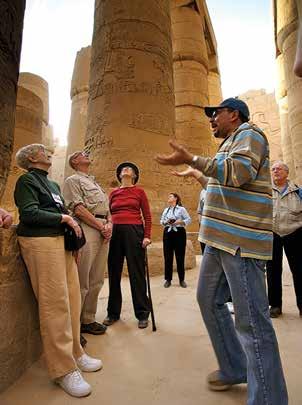
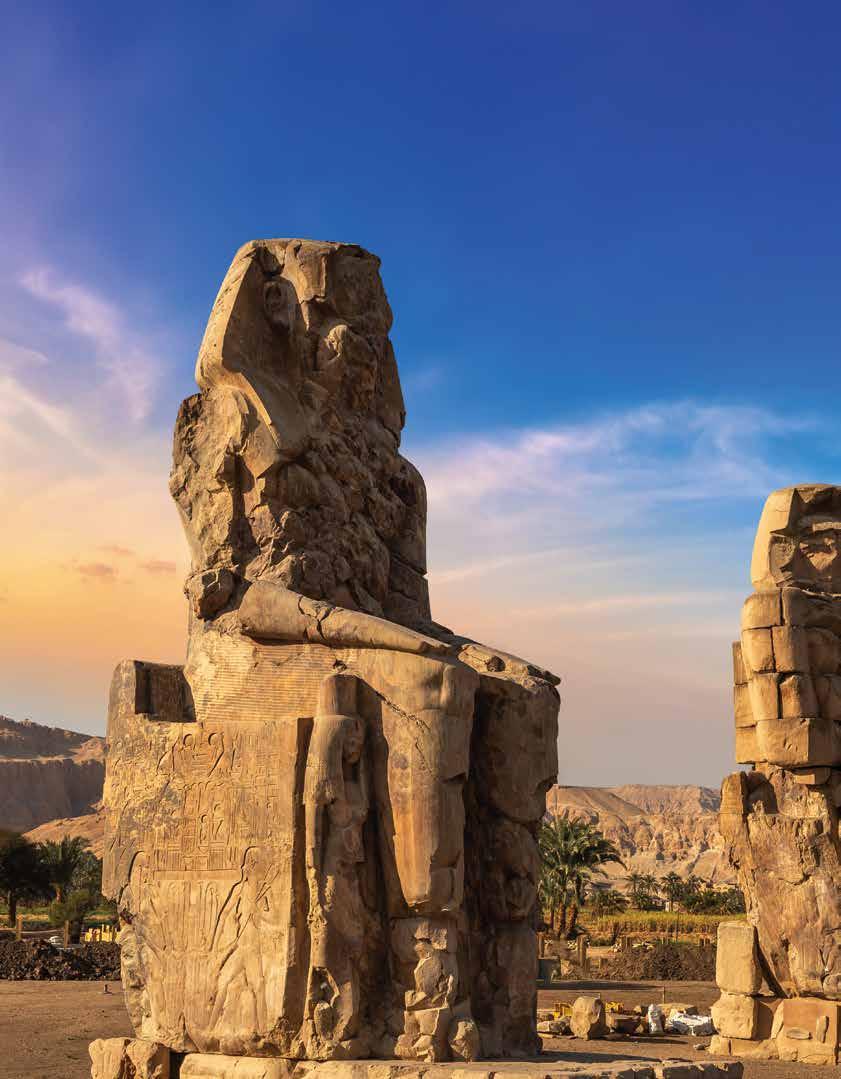
Luxor learning on-site: In Egypt, ancient history came alive with Road Scholar experts on the ground.
How a Positive View on Aging Can Make All the Difference
BY LAUREN BRIGGS | STAFF WRITER
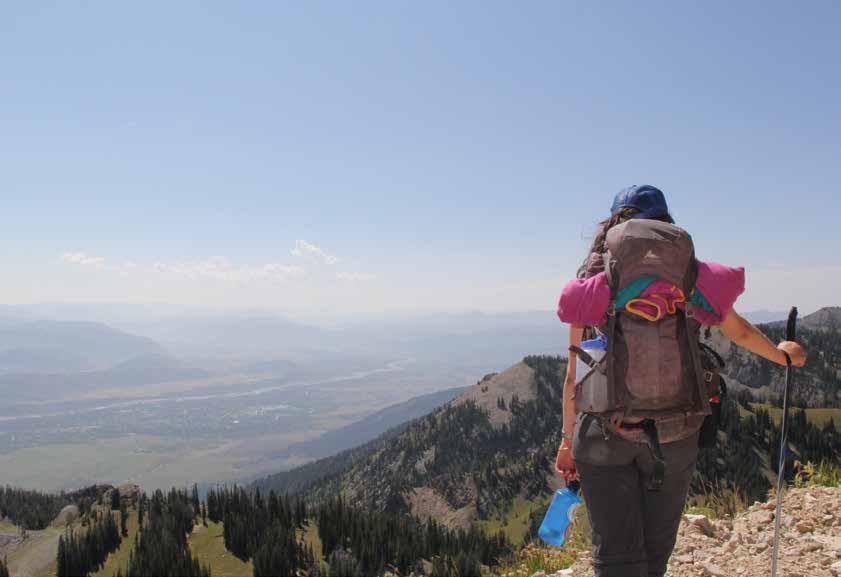
At age 29, I didn’t look like the average Road Scholar. And yet there I was, attending the program Hike, Paddle & Float: Outdoor Adventures in the Grand Tetons in the heart of Grand Teton National Park.
A BEYOND THE NUMBERS
As a member of Road Scholar’s staff, I was on the program as a participant, and one of my goals was to delve into the experience of an average Road Scholar. My fellow adventurers were enthusiastic and ready to go and ranged in age from their 50s to 80s.
Because of the active nature of our program, with every day including hiking and/or canoeing, age seemed to come up in conversation almost daily. Since I was the youngest in the group, many assumed I wanted to take
part in the most challenging hikes (not always the case), while others felt their age was holding them back from hiking to their fullest extent. Many of our instructors were in their early 20s, and occasionally a Road Scholar would express quiet concern that this youth might mean they didn’t fully understand the needs of our group.
These comments and conversations around age were fascinating to me. How could people who were so vibrant dismiss themselves as “old”? And
how could our younger instructors assure participants that they knew a thing or two about the Tetons?
Let’s Talk About Ageism
ging is something we all have in common — we’re all getting older with each passing day.
But while I was on this Road Scholar learning adventure, I was saddened to hear some participants refer to themselves as “old” in a negative way.
While we can’t do much about the numbers we reach with each birthday, we can combat the negative perceptions around aging, including ageism, defined as “prejudice or discrimination on the grounds of a person’s age.”
Notice the definition doesn’t say “old.” That’s because ageism impacts all of us, at every stage of life.
This program was excellent because of the enthusiasm and knowledge that the instructors possess. These younger, extremely educated and organized leaders give me hope for the future of our world!
— DOTTIE FROM SAINT SIMONS ISLAND, GA., ROAD SCHOLAR CLASS OF ’20 HIKE,
PADDLE & FLOAT: OUTDOOR ADVENTURES IN THE GRAND TETONS
Positive Views on Aging Are Good for Your Health
Did you know that changing your views on aging can be good for your health?
Dr. Becca Levy, PhD, a professor of epidemiology and psychology at the Yale School of Public Health, found that a positive attitude towards aging can add an average of 7.5 years to a person’s lifespan. This attitude change can start by learning more about ageism and positive perspectives on aging, including through books and advocacy.
My views on aging were impactfully shifted while observing other
Say it Loud, Wear it Proud!
Check out our Aging Equals Living apparel in our Road Scholar Campus Store. Enjoy 20% off with code AgeWell20. Offer ends on July 31, 2026.
Visit roadscholar.org/ aging-equals-living

Road Scholars on our hikes. It was inspirational watching everyone engage with nature and new friends, brought together by a shared love of learning and exploration. Some of the Road Scholars had called themselves “old,” but I saw them as vibrant people who weren’t giving up their favorite activities or limiting travel. They were enthusiastic and confident on the trails, just like every other hiker we encountered. Having intergenerational friendships and relationships creates opportunities to witness new perspectives and make powerful connections.
As our week together came to a close, our “young” instructors gave out pieces of paper to everyone, asking participants to write down life advice that they wanted to pass along. Throughout our week, these instructors had talked with us on the trails about the types of trees we passed, pointed out geological features and discussed the details of daily life in the mountains. Now, they were asking for our wisdom, and I was struck by the sharing of knowledge amongst the group.
In the end, age didn’t matter. In a true embodiment of the Road Scholar spirit, we all had something to teach each other. ■
What Impact Does Ageism Have?
Beyond passing comments, ageism extends into our everyday lives in ways that can directly impact our health.
→
AN ESTIMATED 6.3 MILLION CASES OF DEPRESSION worldwide are attributed to the effects of ageism (World Health Organization).
93% OF SURVEY PARTICIPANTS BETWEEN THE AGES OF 50 AND 80 experienced some form of ageism (American Psychological Association).
NEGATIVE SELFPERCEPTIONS regarding aging are associated with a higher prevalence for heart disease, lung disease, diabetes and musculoskeletal disorders.
Reading can be a powerful way to combat ageism — learn from those who have worked to change society's perception of aging with books from our booklist: bookshop.org/lists/ combatting-ageism
Scan here to see our anti-ageism booklist!
Author Jeffery Taylor famously said, “The beaten path is the safest, but the traffic’s terrible.”
We’ve all heard stories about iconic destinations that sag under the weight of their widespread appeal.
Knowing when to go and where to go, being respectful and working with knowledgeable people can all mitigate the stresses sometimes experienced in these popular places. But consider also that the world is full of wonders, and they’re hardly limited to a few hotspots. Perhaps it’s time to take the road less traveled.
That’s the philosophy informing some of Road Scholar’s recent program development. Lately we’ve been exploring places that aren’t top of mind, but should be. For example, Portugal is popular for its art and architecture, culture and cuisine. Lisbon, in the south, is a centerpiece of most journeys. But now we’ve also turned our attention north, where cities boast medieval UNESCO World Heritage Sites, historic vineyards abound, the strains of fado music fill the air and the food is incredible.
In Greece (our Campus of the Year in 2026!), we venture to Athens and the most popular islands, but also to equally fascinating, less-traveled places, like the island of Milos with its catacombs, and northern Greece, with a distinct landscape and regional cuisine.
Meghan Flynn, Road Scholar AVP of Program Management & Strategy, flagged two other off-the-radar destinations that Road Scholar pairs on Best of Albania & North Macedonia: National Parks & Local Life, a program debuting in 2026. With stunning national parks, medieval towns and ancient ruins, the two countries hold their own with any destination in Europe. Meghan confesses, “If I were going to sign up for a program, this is the kind I would sign up for, absolutely.”
BY JOHN WATTERS STAFF WRITER
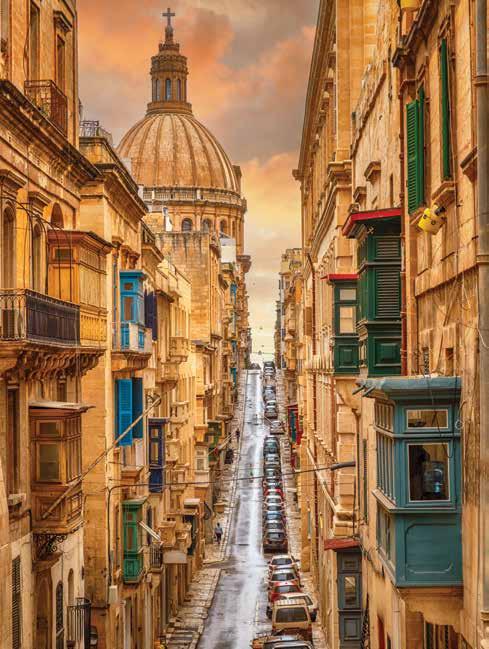
“When” can be just as important as “where” for enjoying places without throngs of fellow travelers. Winter is a lovely time to visit Europe, especially the southern region where summer heat gives way to pleasant days and cool evenings. Italy and Greece, Spain, Portugal and Malta
Valletta, Malta
are among our participants’ favorite places for winter learning. The pace is relaxed, crowds are fewer, facilities are less stressed — and so are the people!
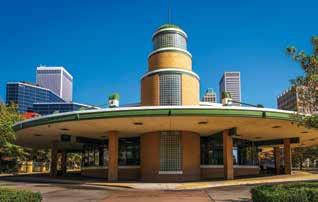
Thinking outside the box can lead to wonderful experiences you might never have imagined. For instance, while you might not have Oklahoma sandwiched between Paris and the Galápagos on your wish list, maybe you should. Our Best of Oklahoma: From Tulsa to Tahlequah program gets rave reviews like “surprising hidden gem of a place.” Art Deco architecture, Cherokee culture, museums dedicated to Bob Dylan and Jewish art and quirky bits of Americana make this one of our highest-rated programs.
That’s true also of our program at the B-Bar Ranch, not far from Yellowstone in Emigrant, Montana. While you might think all the sights are in our oldest national park, one participant says of the B-Bar, “The beauty of the area brought me to tears sometimes.” Added benefit? The program received a perfect 5-star rating for cuisine!
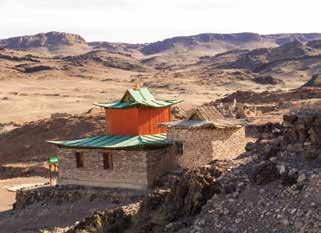
Internationally, Meghan says: “Mongolia is another cool, way-outside-the-box destination. Our program there offers experiences like
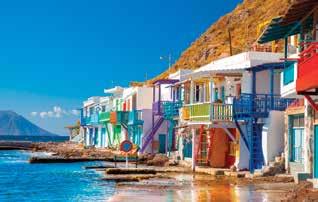
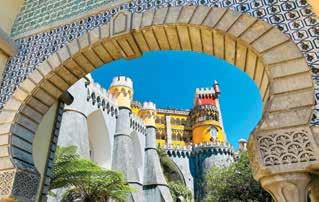
staying in nomadic camps, camel riding and visiting the ruins of Genghis Khan’s 13th-century capital.”
Going where others aren’t leads to wonderful experiences. It benefits others, too. Getting far from the madding crowd takes the stress off centuries-old cities and other popular places that don’t have the infrastructure to handle large numbers of people. Likewise, finding alternatives to heavily visited natural places relieves pressure on the flora and fauna that attract people in the first place.
Supporting economies is another benefit. Your visit means far more to local innkeepers and craftspeople than it does to those serving tourists in hotspots. It helps cultures thrive and traditions continue. Meghan adds, “It’s so authentic, because the locals want to share what their lives are like and have really meaningful cultural exchange.”
Find your next out-of-the-way adventure at roadscholar.org/ less-traveled
Crowds shouldn’t discourage you from exploring iconic places. They’re popular for a reason — see them when you can. But also make room on your life’s itinerary to break off and have adventures most others don’t. They can be the most deeply rewarding of all! ■
Gobi Desert, Mongolia
Milos Island, Greece
Tulsa, Oklahoma
Sintra, Portugal
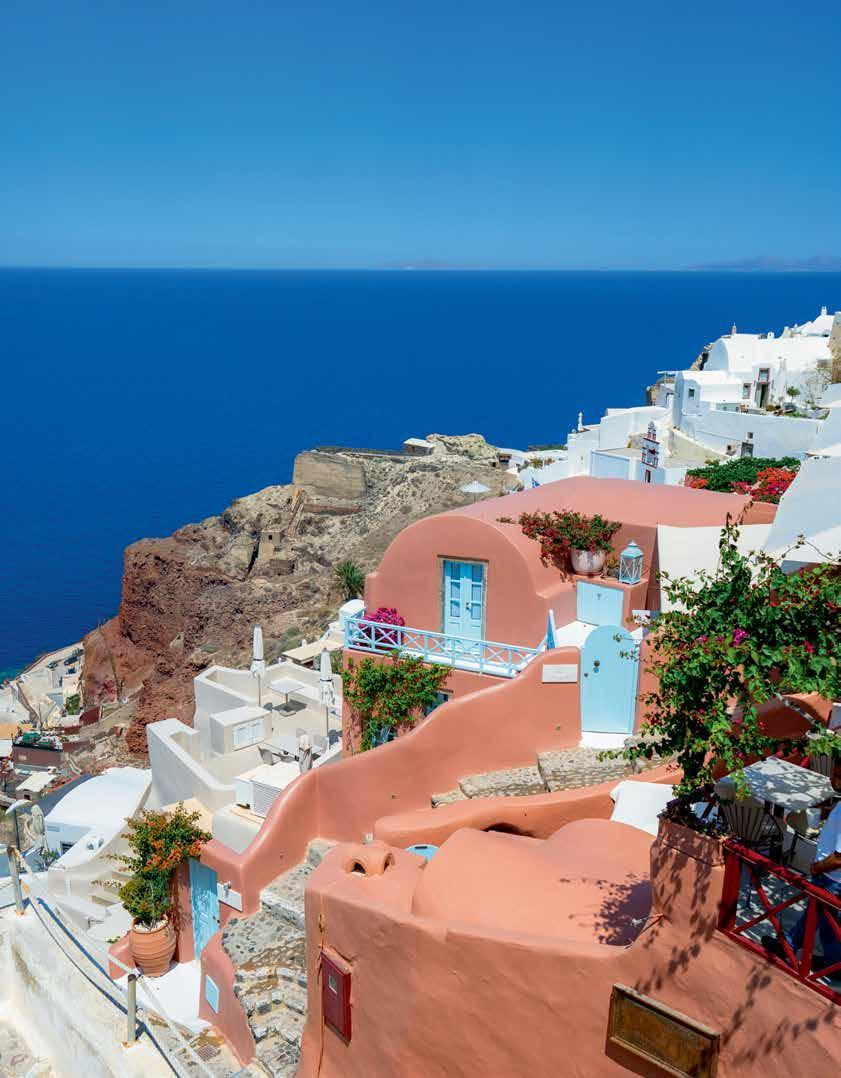
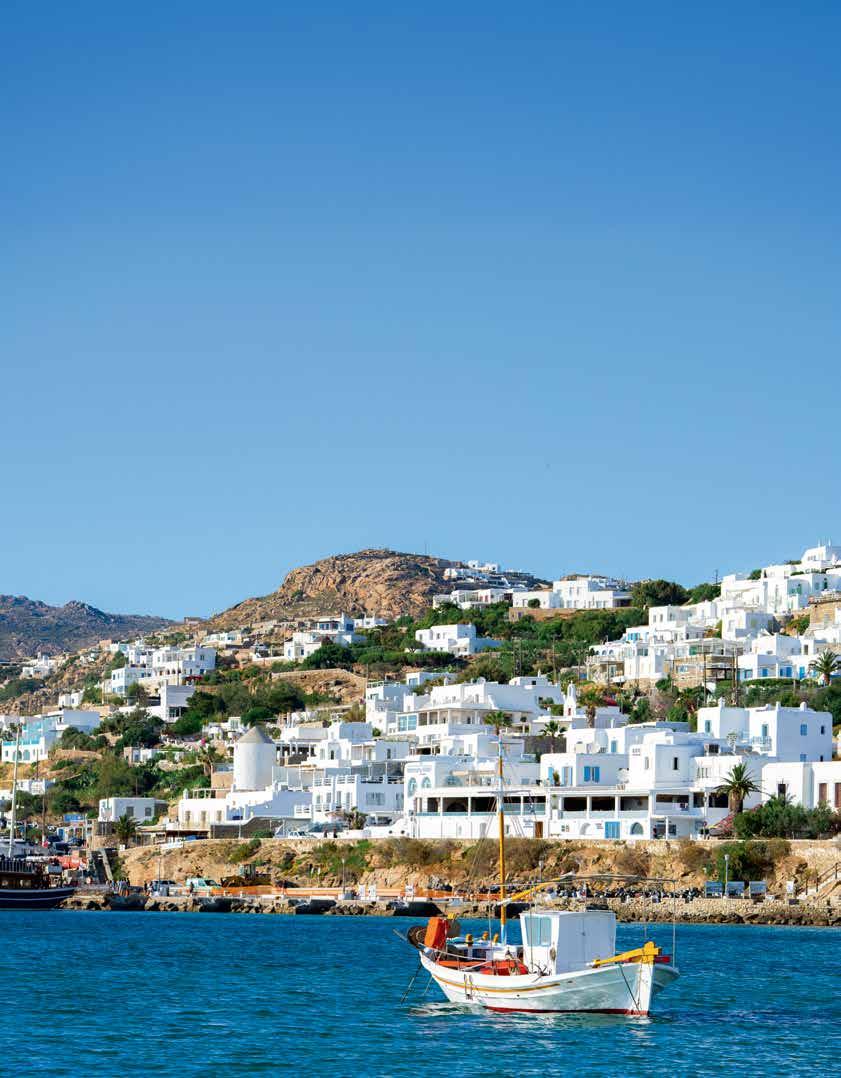
Samantha Brown s Greece
PBS travel host Samantha Brown shares the fun of exploring the Acropolis, trying souvlaki — and making new discoveries in an ancient land.
BY ERIKA BOUCHARD | EDITOR
Things to Love in Greece:
Samantha Brown explores the Acropolis in Athens with just a few of her friends.
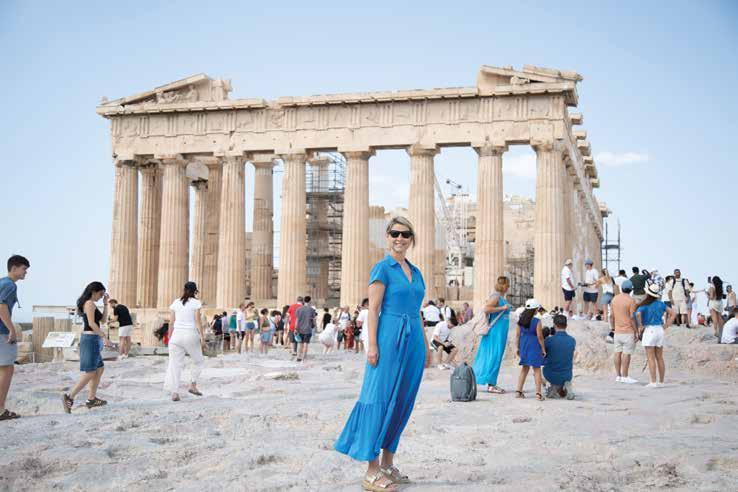
An avid traveler for more than 25 years, Samantha Brown knows a thing or two about the joy of making new discoveries. And if there’s one living classroom she has truly appreciated through the years, it’s Greece.
Samantha first visited Greece around 25 years ago, when as a young traveler she was filming a travel show for PBS. She was simply awed by the melding between ancient landscapes and modern life.
“I’m from a generation where we learned about Greek mythology and Roman history in school,” says Samantha. “But when you go to Greece for the first time, you begin to realize what’s real in terms of the architecture and myths. To actually see the Acropolis and understand that myths were centered around it — it was so poignant to me as a young adult.”
History & Modern Day Collide
It's the contrast of ancient history and modern life that makes Greece such a fascinating place for Samantha. “You could be standing at an
ancient ruin and then look down the street, and 10 public transportation buses go by,” says Samantha. “I love that juxtaposition. You’re in this ancient classroom, and yet, you’re in the middle of daily life as well.”
Samantha returned to Greece last year with her family and noticed gems she had missed during her first trip. “We were walking up to the Acropolis and (I must have bypassed this 20 years ago) there was an ancient amphitheater where they put on all the plays,” says Samantha. “I was a drama major in college, so to see this space was incredible. Imagine people sitting in those seats, looking at that stage for the first time over 2,000 years ago, just trying to understand life. Isn’t that what the arts are today? And they knew how important it was 2,000 years ago.” →
Greece is Road Scholar’s 2026 Campus of the Year. Join us there for your next great adventure!
Find your odyssey at roadscholar.org/ Discover-Greece
Continued from page 37
Another memorable collision of history and modern life happened when Samantha visited the Panathenaic Stadium, home of the first modern Olympic games. “You can run where they had the marathon,” says Samantha. “And throughout the stadium, they have the actual marble seating where people would have sat and watched the games. There is a tiny museum, but the stadium is original. That was a really neat experience.”
Living Like a Local
While exploring the must-sees of a country are always on the list, Samantha particularly loves to find the local perspective by spending time in quieter neighborhoods where the residents know the hidden gems — and Greece is full of them.
“I love everyday life in another city,” says Samantha. “Athens can be overwhelming, so we stayed in a neighborhood called Kolinaki. It was lovely and had all these open-air theaters and an unobstructed view of the Acropolis.”
Samantha makes it a point to check out local cafes or spend time
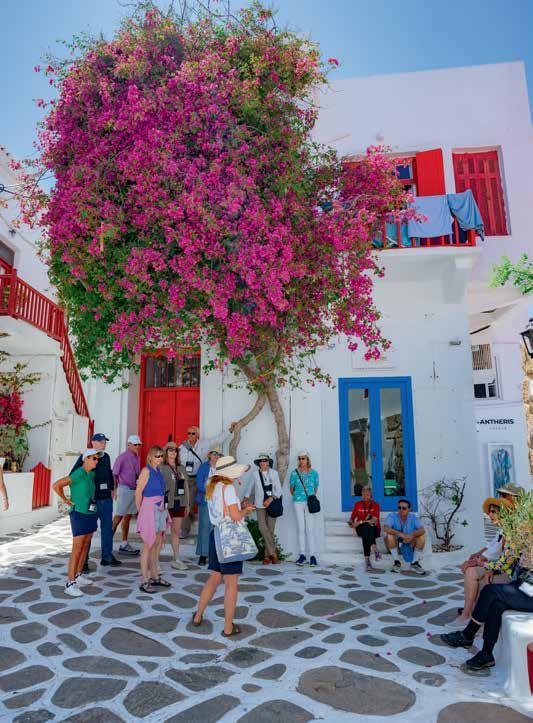
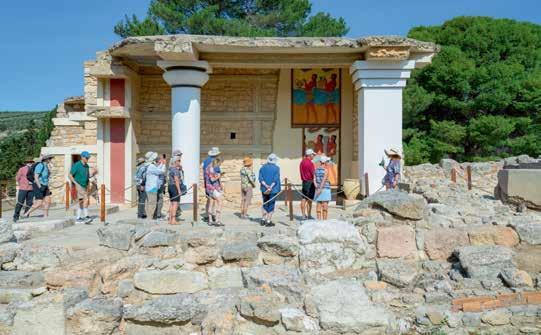
exploring parks and public spaces. And of course, one has to sample the local cuisine. “The good thing about Greek food is I’ve never had a bad meal,” says Samantha. “My family loved moussaka and souvlaki — and we always order a Greek salad. It’s just a favorite.”
Don’t Be Afraid to Communicate “There's a reason why Shakespeare said it's all Greek to me,” says Samantha. “It's a hard language to learn!”
Local Color: Samantha’s pro tip — always explore the quieter neighborhoods!
But interacting with the locals is one of Samantha’s favorite ways to experience any new place she’s visiting. “We have Google Translate, we have all this technology to help us, but I kind of like the charades of language and communication. Just be polite, use please and thank you, maintain eye contact and usually you can figure things out,” says Samantha.
One of her favorite Greece stories involves a search for peanut butter. “I had been in Greece for several weeks and just had a craving for something from America,” says Samantha. “I looked everywhere for peanut butter and finally ended up at this tiny grocery store where the owner and his wife tried to help me but only spoke broken English.”
“I finally started to mimic an elephant — because elephants love peanuts. And they said ‘OH!’ and his wife brought me over to a shelf, and there lay a bag of peanuts. And we were so excited! And I said, ‘Yes, but…” and I ran over to the dairy section and grabbed a stick of butter. And I kept saying ‘peanut… butter.’ Finally they realized what I was looking for and then said, ‘No, we don’t have that,’” laughs Samantha. “I didn’t get my peanut butter, but I got a great story.”
It Felt Like Home
If you’re headed to Greece for the first time (or maybe second or third), there’s one feeling that Samantha hopes you’ll take with you — that feeling of home.
Maybe it’s because of the warm, welcoming nature of local residents or the traditional recipes that have been handed down for generations. Or perhaps it’s a sense of belonging to a vibrant, ancient story that has
brought us to the modern civilizations we have today. Whatever the cause, Greece will stay with you.
“I’ll never forget when I first left Greece after being there for a month. We were making our initial descent into JFK, and I remember being so sad, because my time in Greece was over,” says Samantha. “And when you’re ready to leave, you’re going to feel like, wow — there’s a part of me here. A part of me that feels Greek. It’s just a really special place.” ■
Road Scholar is a proud underwriter of Samantha Brown’s travel show, “Places to Love,” on PBS. For over 25 years, she has traveled the world visiting over 62 countries and 40 of the United States. Find her next episode on your local PBS station!
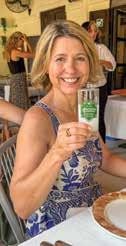
SAMANTHA BROWN’S TOP 5 TIPS FOR EXPERIENCING THE BEST OF GREECE

2
1
GET A GREAT GROUP LEADER: “In Greece, there’s just so much information to take in,” say Samantha. “An amazing local expert — like you’ll find with Road Scholar — will change your experience as you take in these incredible places.”
VISIT RESIDENTIAL NEIGHBORHOODS: “Get away from the tourist centers and just go where people live and wander,” recommends Samantha. “Maybe take a cooking lesson with a local family, because then you understand the heart of Greece.

3

FIND A PUBLIC PARK: “I love public parks,” says Samantha. “It can be really hot during the day in Greece, and public parks are great places to visit and get out of the heat. My family and I visited the National Gardens in Athens and parts of it were almost like a forest. It was one of our favorite places in the city.”
4 GO WHERE THE FOOD IS: “You should obviously try local cafes and restaurants, but I also love to explore supermarkets!” says Samantha. “I love to see what products and foods they have just in Greece — it’s fascinating, and these items make for fun and inexpensive souvenirs to bring home.”

5

RELAX ON A BEACH: “At some point, there’s only so much history and so many incredible locations you can absorb,” says Samantha. “You need to rest, and Greece’s beaches are amazing. Many of them are covered in nice, smooth stones and the water is phenomenal. You have to get into the water.”
The Galápagos Effect:
Wonder That Lasts a Lifetime
The Galápagos, a volcanic archipelago 600 miles off Ecuador, is home to 9,000 species — 1,500 endemic to the islands. This “living museum” is an otherworldly wonder, where wildlife knows no fear and beauty surrounds those who embark on this adventure of a lifetime.
BY MARION McPARLAND | STAFF WRITER
David
Judith
Ronda
Steve

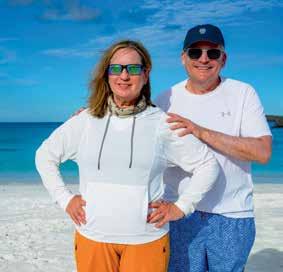
Imagine a passage through time beginning high in the Andes, where a small group of strangers boarded a flight to the Galápagos Islands — soon to become shipmates on a learning adventure unlike any other. Among the 15 adventurers were Ronda and Steve from Connecticut, Darwin enthusiast Judith and solo traveler David, both from Massachusetts. United by curiosity, they ventured into the unknown.
As the mainland dissolved within a veil of sapphire sea and sky, the modern world gently loosened its hold. Conversations sparked across the aisle, laughter rose through the cabin and connections began to take root. Somewhere over the Pacific, they crossed an invisible threshold — a portal into a realm of wild possibilities.
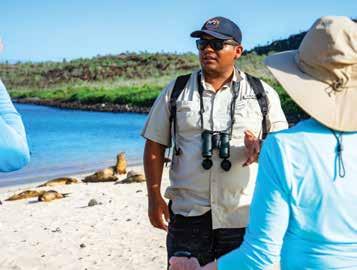
For the next eight days, the Tip Top V — a first-class catamaran — was their floating home for The Galápagos: Natural and Cultural History, charting a graceful journey through the islands. Led by Joel Mariño, a certified naturalist and expert Group Leader who has shepherded travelers through these isles for years, the days unfolded with discovery and wonder.
Here, where volcanic rock meets cerulean seas and wildlife flourishes without fear — the group stepped into a living laboratory of evolution. This is where Charles Darwin first gathered insights that shaped his theory of evolution, later echoed in the phrase “survival of the fittest,” coined by Herbert Spencer, a social theorist. Immersed in this extraordinary ecosystem, it’s impossible not to see the natural world — and oneself — a little differently.
A Kaleidoscope of Colors
Forged by fire and sculpted by the seas, the Galápagos Islands lie at the meeting point of three powerful ocean currents — the Humboldt, Panama and the Cromwell. Together, they usher in nutrient-rich waters to the islands that sustain an extraordinary web of biodiversity found nowhere else on Earth.
“Each island is a different age,” says Joel. “That’s why each one has its own distinctive wildlife, terrain and vistas to explore.” Color defines the landscape at every turn — deep
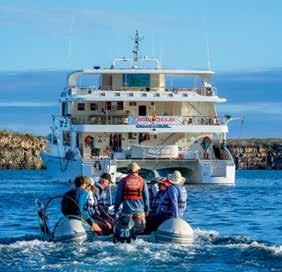
TipTopV
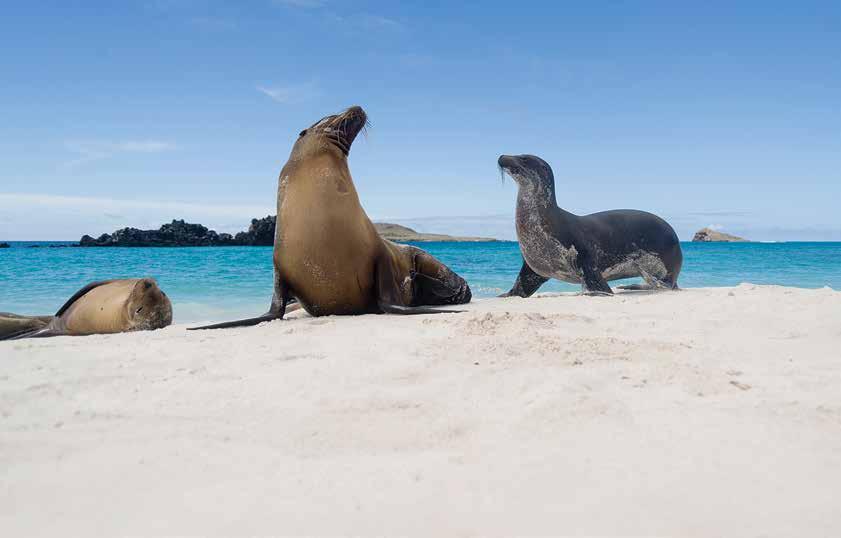
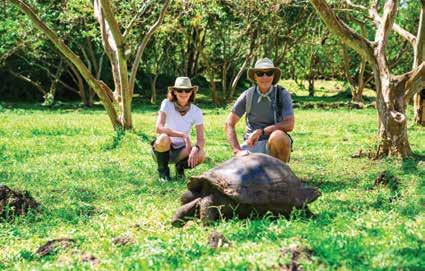
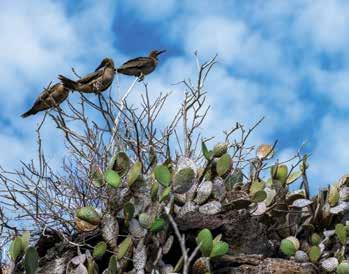
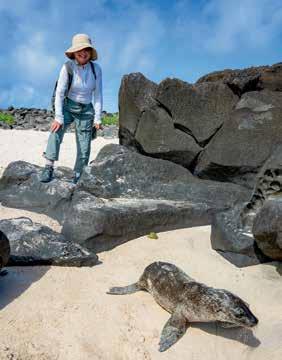
living laboratory of evolution, where Giant tortoises lumber across the landscape, marine iguanas sun themselves on black lava, Darwin’s finches flit among the trees and flightless cormorants stalk shallow coves. So protected are sea lions and other wildlife that over time they’ve lost their fear reflex. “Watching the sea lions play is very entertaining,” recalls Steve, on his first Road Scholar program with his wife, Ronda.
“Biodiversity is a term people use without truly understanding what it means,” says Judith. “But having spent time here, I truly understand how fragile every animal, every bird, every tree, every plant is and how they are all part of an integrated ecosystem.”
Endemic Species
sapphire and aquamarine waters soften to clear turquoise in sheltered bays and coves. On Floreana, olivine crystals tint beaches an emerald shade, while Rábida’s iron-rich sands glow red. On younger islands like Isabela and Fernandina, stark black lava sand and rocks meet the sea — a vivid reminder that this archipelago is alive with volcanic activity.
Where the Wild Things Are
In this living classroom on the edge of the world, days are measured not by clocks, but by tides and the rhythm of nature itself. This is a
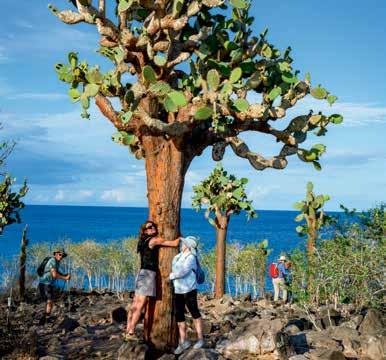
Each of the 13 major islands and numerous smaller isles bear a distinct age and personality: some young and raw, shaped by jagged lava, others softened by time and abundant greenery. In this profound isolation, species evolved independently, adapting in extraordinary ways to scarcity and challenge. Our group of adventurers marveled as flightless cormorants dove for fish and iguanas swam to forage. Up close, they gazed upon the iconic Galápagos Giant tortoises — the largest on Earth.
Darwin’s finches — 13 endemic species that evolved from a common ancestor — display subtle differences in beak shape and behavior depending on the island they inhabit. Observing these adaptations first-hand illustrates the very phenomena that inspired Darwin’s theory of natural selection. The Galápagos penguin, the only penguin species to live north of the equator, thrives here thanks to →
Continued from page 41
the cold Humboldt Current flowing from Antarctica.
Native Species
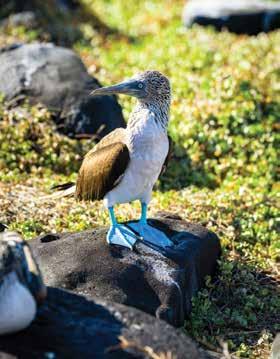
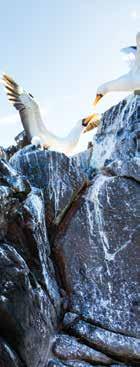
Almost half of the world’s population of Blue-footed Boobies live in the Galápagos. While not unique to the islands, they are a beloved, iconic species here. “I was skeptical the birds would be as amazing as they are described, but they truly were,” says Judith. “The first bird we saw was the Blue-footed Booby — you think photos must be enhanced, but in person, they truly are incredible.”
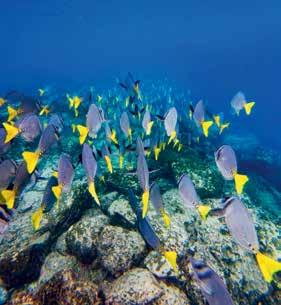
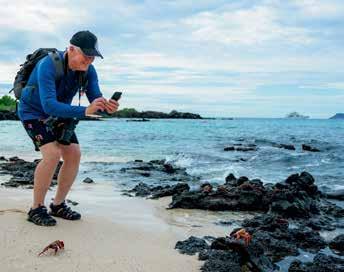
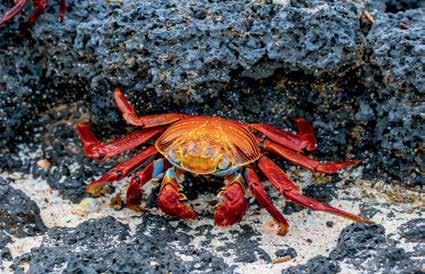
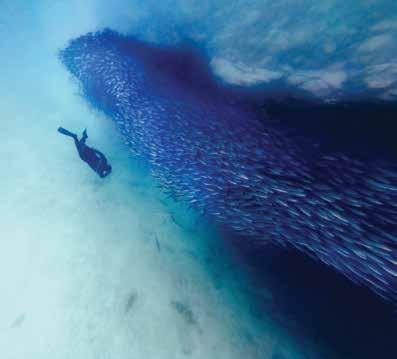
Other natives include Sally Lightfoot crabs, with their brilliant red and turquoise shells and Chocolate Chip Sea Stars, found in the shallow, warm waters with their chocolate chip-like spots. Depending on the season, 23 species of whales and dolphins — resident and migratory — as well as more than 50 species of sharks, rays and a dazzling array of tropical fish may be visible.
Ship Shape: Camaraderie at Sea
Living and learning together on the Tip Top V quickly fostered a sense of community. “We’re like one big happy
family,” Steve says. David, not a fan of crowds, appreciated the ship’s intimacy. “The crew’s attention makes it personal,” he explains.
“The ship was very comfortable,” Judith adds. “Sharing meals, briefings and living in a casual space felt easy and welcoming.”
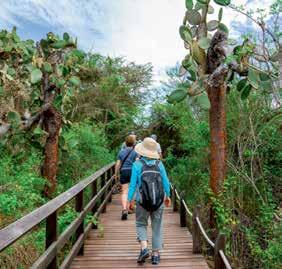
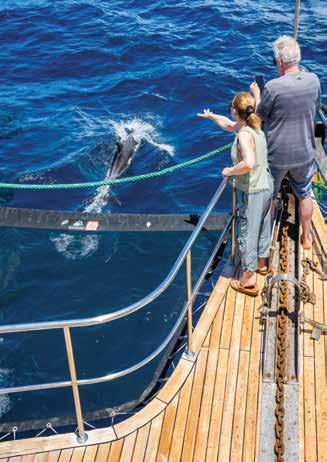
Each day began with breakfast, followed by a panga ride ashore for hiking, back to the ship for lunch and snorkeling, then a return to land for more exploring. “Seeing the animals up close is the best part — sea lions, birds, dolphins,” Steve says. And Ronda recalls, “Yesterday, a pod of Bottlenose dolphins swam alongside our boat until we dropped anchor — it was a sight!”
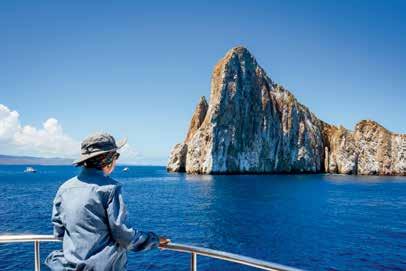
Mornings might include hiking across lava at Sullivan Bay or exploring Urbina Bay, a favorite spot for pelicans and other marine life. Afternoons brought new perspectives — kayaking
Protected and Preserved
The Galápagos Islands are a National Park, Marine Reserve and UNESCO World Heritage Site. Strict rules limit visitors, guide wildlife interactions and support research. Local and global partnerships ensure these islands remain a living laboratory and haven for species found nowhere else on Earth.
at Tagus Cove or hiking Bartolomé Island for sweeping views of Pinnacle Rock. Evenings were for sharing meals and stories and watching the sky fill with stars over the Pacific.
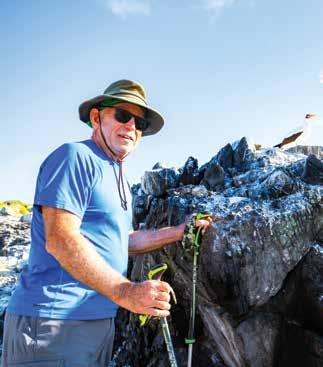
“This experience pushed me out of my comfort zone,” Steve reflects. “Back home, I wouldn’t be jumping in the ocean, snorkeling or hiking among sea lions and native birds.” David, traveling solo on his third Road Scholar
Having spent time here, I truly understand how fragile every animal, every bird, every tree, every plant is and how they are all part of an integrated ecosystem.
adventure, never felt alone. “We hiked, snorkeled and ate together — we got to know each other very quickly.”
Judith had chosen this program for its small group size. “On larger ships, I’ve waited my turn for activities. Here, everyone could join at the same time, which made it much more enjoyable and personal,” she says.
Expert Access: Joel Mariño
“Joel helped everyone feel comfortable,” says Judith. “While you need to be physically fit, the activity level is based on your own preferences. We always had the option to sit one of the activities out on the boat.”
The small group size gave everyone more opportunities for daily snorkeling, kayaking and hiking.
“Joel was phenomenal — he’s very patient and took his time explaining everything,” says Steve. “Without him, we wouldn’t have known what we’re looking at. And there wasn’t a question that anyone asked him that he couldn’t answer.”
Darwin’s Legacy
In 1835 at the age of 22, Charles Darwin stepped off the HMS Beagle onto the Galápagos — uncertain of
what he would find. Pressured by expectations back home in England, Darwin simply observed — and the islands, in their quiet isolation, revealed a story of life unlike any other.
Moving from island to island, Darwin noticed subtle differences among species — finches with beaks shaped by the food around them, giant tortoises with shells adapted to their specific terrain and marine iguanas, the only existing marine lizard on Earth, uniquely able to forage underwater. These observations would form the cornerstone of his revolutionary theory of evolution by natural selection, later published in “On the Origin of Species.” Judith wanted to learn more about Darwin’s theory of evolution, so Joel used tortoises as an example, explaining why their shell shapes and neck lengths differ based on the island they inhabit.
Getting Your Feet Wet — Literally
In this vast outdoor classroom, learning begins with wet landings, muddy boots and snorkels in hand. Snorkeling is at the heart of the experience, revealing the islands’ vibrant marine world. Judith was
daunting.” But with Joel’s careful instruction, she felt completely at ease. “Stepping outside my comfort zone became one of the most rewarding parts of the trip.”
A Lasting Impact
For many, the Galápagos leaves a lasting mark. “This program changed how I see the natural world,” says Steve. David, a sea turtle rescuer, adds simply, “There’s nowhere else like this.”
The islands are more than a destination — they’re a reminder that curiosity is lifelong, that nature thrives when respected and that stepping beyond the familiar can transform the way we see the world — and ourselves. ■
454-5768
Let’s GalápaGOs! Visit our collection of Galápagos adventures at roadscholar.org/ Darwin
Finding Amelia Earhart
HOW THE STUDY OF ARCHAEOLOGY NARROWED THE SEARCH
BY DR. RICHARD PETTIGREW
Solving the Amelia Earhart mystery was not originally on my bucket list, even though I followed Earhart expert Ric Gillespie and my longtime friend and colleague Tom King for decades with acute interest as they continued to gather evidence in support of the Nikumaroro Hypothesis.
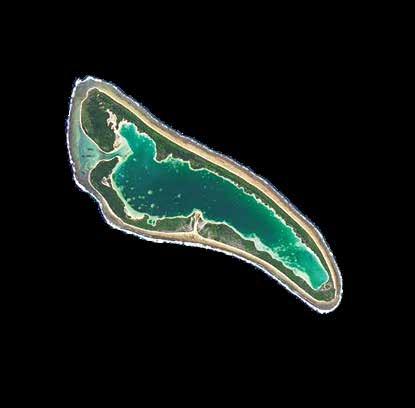
The Nikumaroro Hypothesis proposes that Earhart’s Lockheed Electra 10E did not crash into the ocean, but instead landed on Nikumaroro Island, a remote uninhabited coral atoll in the central Pacific Ocean, midway between Hawaii and Australia.
By the time I was finally able to travel with Tom to the island in 2017 as an expedition participant, I was already convinced that Nikumaroro was probably the final stop for Earhart and her navigator Fred
Noonan, even though the “smoking gun” proof remained elusive. At that time, Tom was focused on excavating and recovering more human remains from the Seven Site, a patch of bush on the southeastern shore of the island, where bones found in 1940 — and subsequently lost — are likely to have been those of Earhart. Recovering just one more human bone at the Seven Site and getting a DNA match with Earhart would confirm the hypothesis, but the effort proved to be futile. →
Learn With Dr. Pettigrew Online!
Join Dr. Pettigrew on Wednesday, June 24 at 4 p.m. (ET) for a free online lecture about his expedition to Nikumaroro!
Visit roadscholar. org/Amelia or scan here.
Continued from page 44
Searching for Evidence
While Tom was busy at the Seven Site, I was able to roam over key areas of the island with fellow participants to look for other evidence and film the search, with an eye toward making a prospective documentary film. What I observed there would eventually lead me to propose and execute another expedition to the island that could reveal the smoking gun in an entirely different way.
Probably the most important realization I made on the island at that time was that some potentially Earhart-related artifacts found there were not items gathered by the Gilbertese colonists settled on the island by the British from 1938 to 1963. I recognized a layer of recent flood deposits covering the colonial village area, including objects most likely brought up from the sea and dropped on the island. Among these objects was a plastic medicine vial with the partial inscription “… UCA PHARMACY,” found on the surface during the previous 2015 expedition and re-found in 2017. The Toluca Pharmacy, which still exists today in Studio City, California, was the nearest drug store to Amelia Earhart’s house back in 1937.
If the Shoe Fits
Evidence of a recent flood also turned up in the old colonial village area next to Tatiman Passage, which connects the island’s lagoon to the ocean. After Tom’s son Josh found a leather shoe in that vicinity, a group of us walked up there to examine the area. We relocated the shoe — which was very much in a 1930s style favored by Earhart — and found more items on the surface, including a 1930s American flashlight, an alarm clock and a very curious but unidentified aluminum grill. These, along with seashells and other objects,
This island in the western Pacific is thought to be the resting place of Amelia Earhart.
had clearly been left behind by flowing water in a small space only about 100 feet in diameter.
Until that time, researchers on the island had assumed that any artifact found on the surface was something gathered and left behind by the colonists. What I saw in 2017 highlighted for me the dynamic nature of the island and made me curious about the natural forces that have shaped and modified the place from its beginning — and certainly since 1937. Learning about those dynamics became the key to what I think will be the final solution of the mystery.
Tropical Cyclone Pam
It amazes me now that no one on the 2017 expedition even mentioned Tropical Cyclone Pam — the largest storm ever recorded in the South Pacific — which, just two years earlier, had driven a massive storm surge that must have swept across much of the island, likely causing the flooding I observed. I learned about that storm years later during my Taraia Object research.
FRobert Ballard Joins the Search rustrated that I wasn’t able to go back to Nikumaroro in 2019 with Tom and the next TIGHAR (The International Group for Historic Aircraft Recovery) expedition, I resigned myself to the fact that I would never have another role to play in the Earhart search. Tom and his field team found no more human bones at the Seven Site. Robert Ballard, an American oceanographer and marine geologist, famous for discovering the wreck of the RMS Titanic in 1985 — brought to the island then with support from National Geographic — failed to locate any trace of aircraft wreckage in the deep water
Probably the most important realization I made on the island at that time was that some potentially Earhart-related artifacts found there were not items gathered by the British colonists who settled on the island from 1938 to 1963.
alongside the island’s reef. That season, a TIGHAR field team went to Tarawa to look for the missing bones found in 1940 but came up empty. By the time 2020 arrived, every effort to find the smoking gun had reached a dead end, and many Earhart researchers whom I knew were ready to throw in the towel.
LNever Throw in the Towel ater that year, Michael Ashmore, a U.S. Navy veteran, spread the word that an Apple Maps satellite image showed a visual anomaly in the Nikumaroro lagoon alongside the Taraia Peninsula. We’d seen dozens of such claims over the years, and almost always, they turned out to be nothing significant. The TIGHAR Forum kicked
it around, and Ric Gillespie expressed his judgement that the object was probably a tree. I had plenty of other pursuits on my agenda, so I didn’t pay much attention to the matter.
The Taraia Object
In 2021, however, a friend pointed me to the anomaly again, and I began to consider what it actually could be. My curiosity led me to invite Michael Ashmore to participate in an Amelia Earhart symposium that we were organizing in Eugene, Oregon, so he could show us his evidence. He made his presentation, which spurred my interest further. Could the Taraia Object be the wreckage of Earhart’s Electra aircraft? This was an outlandish idea. How could it be? →
An
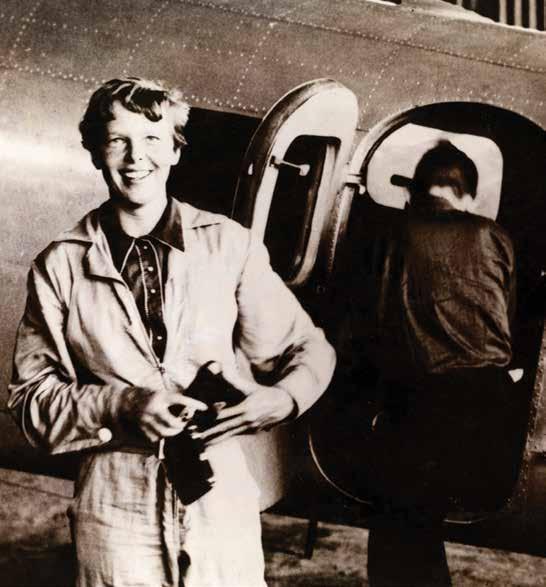
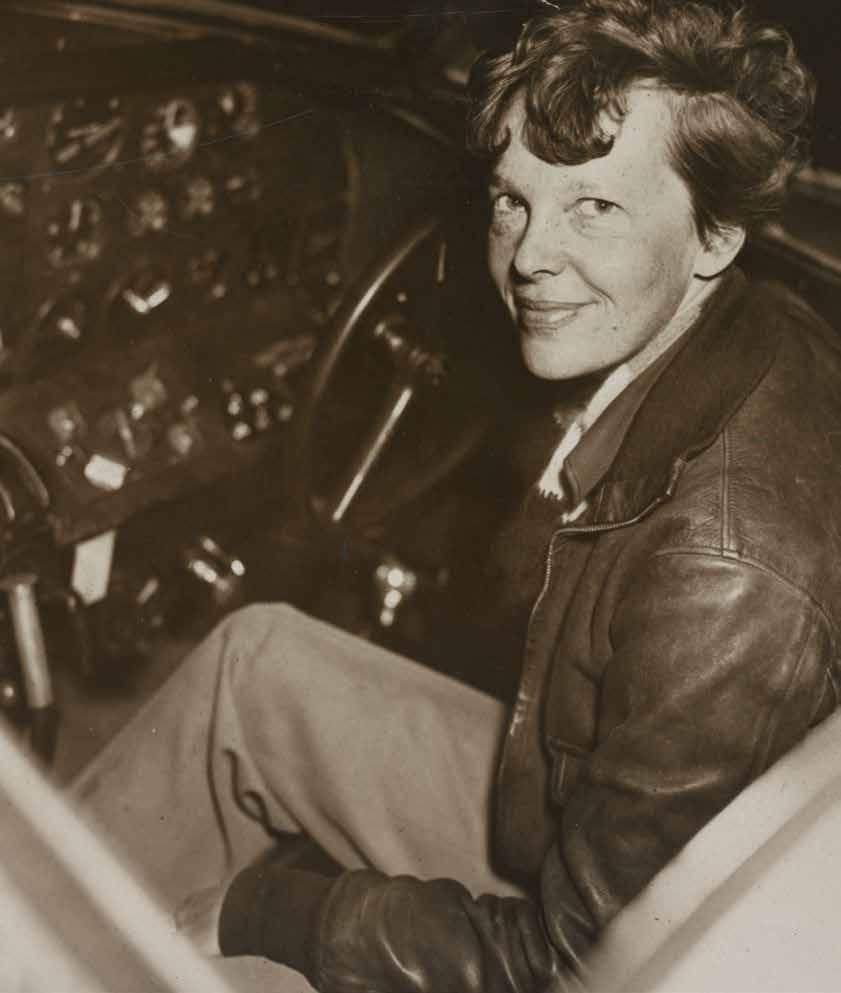
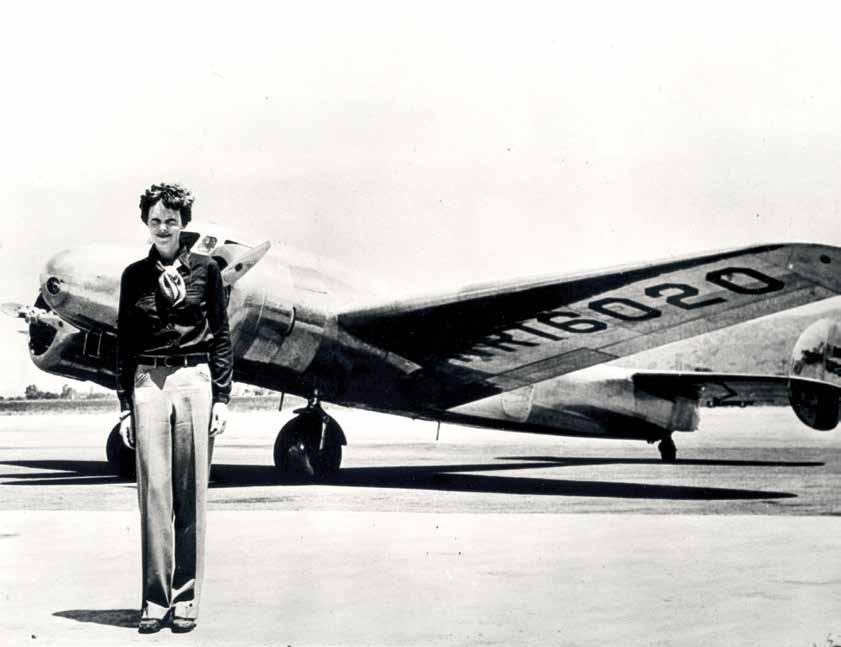
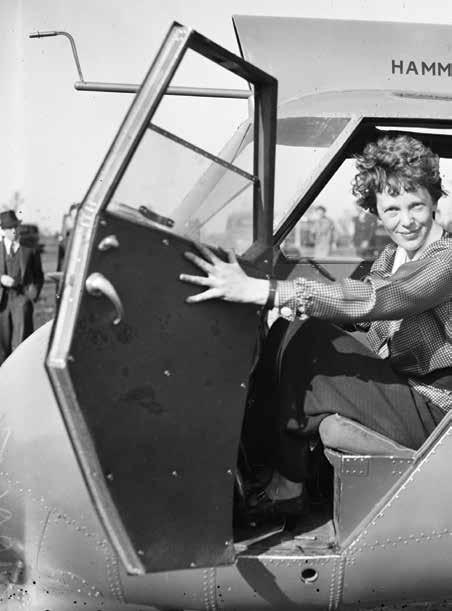
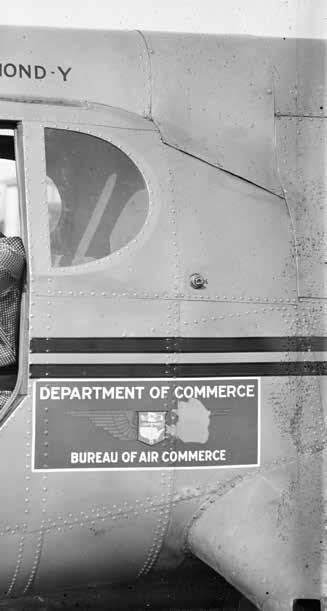
American Adventurer Amelia Earhart standing in front of her Lockheed Electra in July 1937.
Continued from page 47
I was simply in the right place at the right time — with the right background — and fortunately asked the right questions. I guess it was my fate to be lucky.
Wouldn’t such an object have been found and identified long ago? These questions demanded answers, and I was not convinced by the TIGHAR opinion that it was a tree. It looked like no tree I had ever seen, and optional explanations were very few.
Although I quickly began considering ways to get back to the island to examine the Object, I realized that no financial support for such an expedition would be forthcoming without more evidence — and it would take spectacular evidence to overcome the “Amelia fatigue” that had attached itself to the Earhart search after 84 years. To get more visual evidence about the Object, and to learn when and for how long the Object had been visible, I convinced a group of friends to make donations so that we could buy about two dozen more satellite images.
period of about six years, it became less and less distinctly visible, evolving into a V-shaped mark on the lagoon bottom.
These new pictures revealed that the Object became visible in 2015, shortly after the storm surge from Tropical Cyclone Pam struck the island. They also revealed the substantial damage to the island’s vegetation caused by that storm. The Object displayed three distinct parts that looked shiny and metallic. Over a
Archaeologists are trained to see evidence in the context of transformations. We often find objects and features that echo but do not closely resemble what they once were. We are mindful of the forces and processes that cause an artifact to change and move over time. Thus, when I looked at satellite images of the Taraia Object, I did not expect to see an aircraft, but rather how parts of an aircraft might appear after nature had had its way with them. I asked myself the question, “How could the Electra aircraft have become the Taraia Object?”
A Solar Reflection
To address this question, I put together an explanatory model, while simultaneously looking for more visual evidence. I
Aviation Pioneer Among Earhart's many achievements was being the first woman to fly across the Atlantic Ocean, as well as coastto-coast across the U.S.
reviewed the helicopter video shot by TIGHAR during their 2001 visit to the island. That video shows what appears to be a solar reflection coming from the lagoon bottom at the precise location of the Taraia Object. Even older visual evidence appeared in aerial photographs shot by the New Zealand military in 1938 — a shiny object alongside the Taraia Peninsula is seen in two photos taken from opposite sides of the island. And along the way, I found the Tararia Object in drone footage that I had shot over the island in 2017, before anybody knew that this visual anomaly existed.
All this evidence is consistent with my hypothesis that Earhart and Noonan landed their aircraft on the northwestern reef flat on Nikumaroro. Within days, the plane became flotsam, breaking up on the reef in the surf and reduced mostly to a floating fuselage. Where I part ways with Ric and TIGHAR is in my
proposal that the bulk of the wreckage did not go down in the deep off the reef edge — as had been assumed by everybody — but instead, floated into the lagoon with the rising tide and settled on the bottom alongside the Taraia Peninsula.
Forces of Nature
Only through an understanding of hydrodynamics and geomorphology (essentially learning how moving water can change a landscape) can one recognize the transformation that caused the Electra aircraft to become the Taraia Object. This is the mindset that emerged for me during my 2017 visit. Seeing the island through my archaeological lens, I recognized the effects of moving water on the distribution of artifacts on the surface.
OUR EXPERT & LECTURER
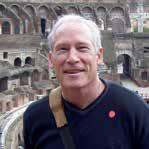
Dr. Richard Pettigrew is an archaeologist and the executive director of the Archaeological Legacy Institute. With over 50 years of field experience, he holds degrees from Stanford University and the University of Oregon and has led hundreds of archaeological investigations. Dr. Pettigrew is a recipient of the Society for American Archaeology’s Award for Excellence in Public Education and currently leads a groundbreaking expedition to Nikumaroro Island to explore new evidence in the Amelia Earhart mystery.
Without realizing how important this dynamic would turn out to be, I made note that pulses of ocean water rush into the lagoon with every rising tide. A similarly crucial observation then was that the fragmented debris from the SS Norwich City, the freighter lifted onto the northwestern reef flat in 1929 by a massive storm surge, had scattered and spread in one direction, southward and eastward, all the way to both shores of Tatiman Passage. These forces of nature follow established patterns and support the interpretations I have made of the Taraia Object.
None of the events and circumstances that led to the Taraia Object hypothesis were planned. I was simply in the right place at the right time — with the right background — and fortunately asked the right questions. I guess it was my fate to be lucky. ■
CREDIT: LIBRARY OF CONGRESS, P&P/HARRIS & EWING
THE LIVING CANVAS OF CHICAGO
Artist & Instructor Brian Murray Brings Perspective to Chicago’s Street Art
BY LAUREN BRIGGS | STAFF WRITER
Chicago instructor Brian Murray approaches the concept of street art by considering a history that traces back through World War II, the Great Depression and even all the way to ancient times. (The word “graffiti” has Greek roots.) Brian’s focus, however, is a little more contemporary.
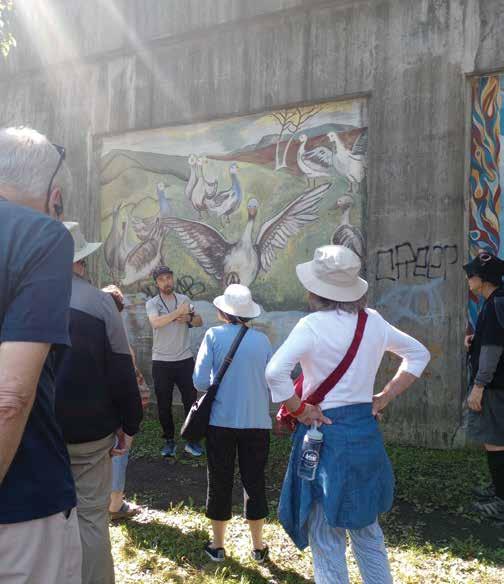
You can learn to read the walls of a city.
— BRIAN MURRAY
Iapproach this as a historian, even somewhat anthropological,” Brian said. “And I explain how the Great Migration and the New Deal led to the creation of a new form of community-based art in the United States called ‘public art.’ And we mostly think of that as murals, or maybe sculptures and mosaics. But that’s quite different from some of the other elements that get grouped into the term ‘street art.’ On these walks, we’re zooming in and distinguishing these different cultures so that you understand how to read the interactions between them and know what’s happening in those cities.”
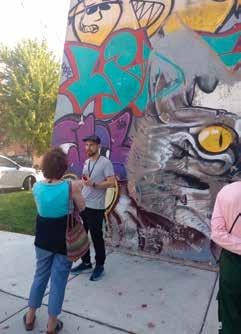
BChicago is a particularly vibrant example, sitting at a bustling intersection of history, cultures and communities. As Brian explained, street art also stands at a crossroads, representing views on politics, everyday life, self-expression and, of course, art.
“There are multiple layers of history and even reality that are happening simultaneously at any intersection in Chicago,” Brian said. “Street art is sometimes considered a renegade form of art or vandalism, but it’s trying to say something to you. Maybe it’s trying to change your mind, maybe it’s trying to inform you of something you didn’t know about.”
rian provides a window into a world of art that many people may not have considered before. On walking explorations of Chicago, he points out examples of murals, graffiti and tagging, showcasing artwork that lies outside of the walls of museums. In addition, he discusses the history and cultural influences behind these art forms, like the Mexican revolution, social media and hip hop.
“Between 1970 and 1980, the four elements of hip hop proceeded to grow and spread. There was DJing, rapping and breakdancing, which gained the attention of popular, mainstream culture. But the fourth element — graffiti — was never accepted because it defaces property,” says Brian.
Today, street art straddles a fine line of socially accepted art and vandalism, self-expression and defacement. But for Brian, the definition is clear.
“I define public art as human creativity and the process of creating art alongside your community as a collective means of expression, celebration and even defense sometimes. Public art is done by the present, for the past and for the future.” ■
LEARN WITH BRIAN AND ROAD SCHOLAR IN CHICAGO! Visit roadscholar.org/ChicagoArt or scan the QR code.
Did you know?
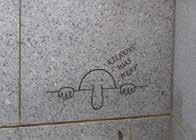
“Kilroy Was Here” is a famous piece of graffiti dating back to World War II. This phrase was paired with the image of a bald man peering over a wall, and it served as a symbol of the reach of American soldiers during the war.
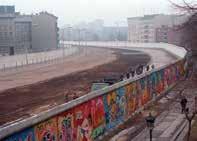
The West Berlin side of the Berlin Wall became a popular canvas for street artists. Today, the current longest continuous section of the Berlin Wall is known as the East Side Gallery, which serves as an outdoor art display.
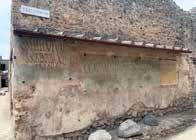
Graffiti goes far back in human history, with examples decorating the ruins of Herculaneum and Pompeii. These Roman examples provide windows into ancient life, much like modern graffiti does today.
SUR P R ISE!
When Adventurers Come to Expect the Unexpected
We asked Road Scholars on Facebook to tell us about the surprise encounters they’ve had on our programs — natural wonders, celebrities, world events — anything unusual and special. Here are some of their responses. Who knows what surprises are in store for you on your next adventure with us?
Natural Wonders
Mother Nature has put on some amazing displays.
“I saw a lightning storm at night over the Grand Canyon from the North Rim. Magnificent!” — Jory A.
“I didn’t think it was possible, but hubby and I drove THROUGH a low-hanging rainbow once. Unexpected!” — Renee P.
“In Patagonia in 2009, our ship sailed to Los Glaciares National Park in Argentina. One 20-stories-tall glacier called Perito Moreno suddenly calved off into the sea!” — Kathy H.
“At the north rim of the Grand Canyon, the view of the Milky Way was magical. It seemed as if we could reach up and touch it.” — Suzanne G.
“I camped on Kilauea and saw the backs of birds flying below. I awoke in the middle of the night and saw so many shooting stars I lost count.” — William B.
“We are in Puebla right now and seeing volcano Popocatepetl erupting steam at the Cacaxtla pyramid.” — Val S.
Amazing Animals
The animal kingdom has also given people plenty to talk about!
“Dozens of newly hatched baby turtles emerging from the sand and scrambling down the beach and into the clear, clean sea!” — Mindy M.
“A large herd of buffalo running across a field, crossing a river with calves in Yellowstone National Park.” — Laura C.
“On safari we watched a pride of lions eat a Cape buffalo over three days when the kill was fresh. By Day 3 the carcass was pretty well stripped and the hyenas were circling. As soon as the alpha lioness left, chaos erupted as the hyenas descended. Our safari leaders said they had never seen it before. It was gory but totally amazing.” — Susan M.
Famous Faces
Some travelers have run into a celebrity or two over the years.
“Rick Bayless at Monte Alban, Mexico, and Rick Steves in Istanbul.” — Helane J.
“I have run into Rick Steves in three different countries.” (He really is everywhere!) — Paula W.
“I had Harrison Ford behind me in a café line in Jackson Hole, Wyoming. And I met John Travolta at an airport while refueling. He was really nice.” — Cecilia B.
“I’ve had the author Susan Atwood on the same trip as me — twice!” — Sue L.
“I talked with James Garner for about 15 minutes once. The funny part was I didn’t know who he was — our Group Leader had to point it out to me. I thought he was an electrician who was working at Universal Studios in California. He was a really nice guy.” — Clayton B.
Familiar Faces
It’s not just famous folks who have surprised us!
“Bumped into a former student and family in the Coliseum in Rome and unexpectedly bumped into friends in Torres del Paine, Chile.” — Mary C.
“First night of New Year’s Eve in Prague, at the welcome dinner, another member of the group and I began to exchange background information. ‘Oh,’ he said, ‘I was born in your hometown, too!’ Turns out we had been neighbors and playmates in second and third grade, until I moved away!” — Skipper L.
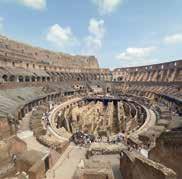
A Handful More
“I was in Germany and stopped at a thrift store. I admired a small needlepoint picture. When I turned it over, I saw a tag that identified the maker as a woman from my hometown!” — Deborah M.
“On a recent trip to Pittsburgh, we went to the steel mill where my grandfather had worked.” — Hedy G.
“I witnessed 10 or 12 Alpine horns playing ‘Amazing Grace’ by Swiss musicians wearing traditional clothing.” — Cherie B.
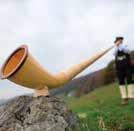
“Experienced the Festival of the Saracens in Arezzo, Italy. Medieval pageantry at its best and not super crowded.” — Nancy G.
“On my recent trip to Cape Cod, we took an unplanned detour to Plymouth to see Plymouth Rock and the Mayflower replica. I emailed my dad, who shared with me for the first time that I was descended from one of the Mayflower passengers, Edward Fuller. It was an exciting and great thing to share with our group!” — Lisa L.
To which Marie F. added:
“Hello cousin! I am also descended from Edward Fuller!” (She and Lisa L. then engaged in a Facebook back-and-forth about their lineage.)
“I once saw a colleague, with whom I had worked early in my career, on the Paris Metro.” — Michael H.


JOIN US ON FACEBOOK & INSTAGRAM:
“I saw Queen Elizabeth’s procession to Parliament twice. The first time was Princess Diana’s first visit to Parliament. Both exciting experiences in my life.” — Claudia D.
Become part of our community to see behind-the-scenes content, get advice from other Road Scholars and learn about upcoming adventures!
Age Well: A Road Scholar Collection & Life Motto
Life is a journey — and preparation and perspective can make all the difference. Road Scholar’s Age Well online lectures open conversations and offer strategies for navigating life’s fourth age, supported by an Age Well booklist with works by our lecturers. Here are some of our favorite picks:
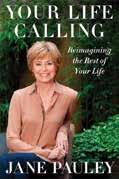
Your Life Calling: Reimagining the Rest of Your Life
Jane Pauley
Road Scholar’s 2026 Keynote Speaker, Jane Pauley, anchors “CBS News Sunday Morning” and is one of America’s most respected broadcast journalists. Her book tells the story of some of her interview subjects who embarked on new journeys after the age of 50, inspiring readers to reimagine what midlife and beyond can look like.
Right Place, Right
Time: The Ultimate Guide to Choosing a Home for the Second Half of Life
Ryan Frederick
There are myriad factors that go into selecting the right home, including community, accessibility and finances. Ryan Frederick discusses some of these factors and offers questions to help you determine the right living space for you.

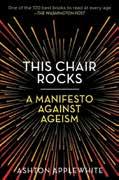
This Chair Rocks: A Manifesto Against Ageism
Ashton Applewhite
Part of aging well includes dismantling the negative views we can have around aging. Activist Ashton Applewhite takes a look at the history of ageism and the impacts it can have on our everyday lives and offers a different look at how we all can approach aging.
Senior Living
Made S.I.M.P.L.E.: A Real World Guide to Navigating Senior Care for Your Loved One
Shari Ross
From tips for handling senior care for your loved one to a bit of humor to boost you along, Age Well lecturer Shari Ross includes it all. Gain support and empowerment as you navigate the conversations, financial costs and emotional moments of transitioning a loved one into senior living.

Aging with a Plan: How a Little Thought Today Can Vastly Improve Your Tomorrow
Sharona Hoffman
Dr. Hoffman is one of Road Scholar’s Age Well lecturers; her work focuses on helping individuals and families prepare for aging with clarity, dignity and confidence. This book covers the basics of addressing some of the challenges of aging, including legal, financial, social and medical needs.
Find us at Bookshop.org
Find all these books and many more online at bookshop.org/lists/age-well, or scan the QR code at right.
P.S. Did you know that your Bookshop.org purchase can benefit Road Scholar’s efforts to support lifelong learning? Explore our booklists to find even more reading recommendations and continue to learn while supporting Road Scholar!
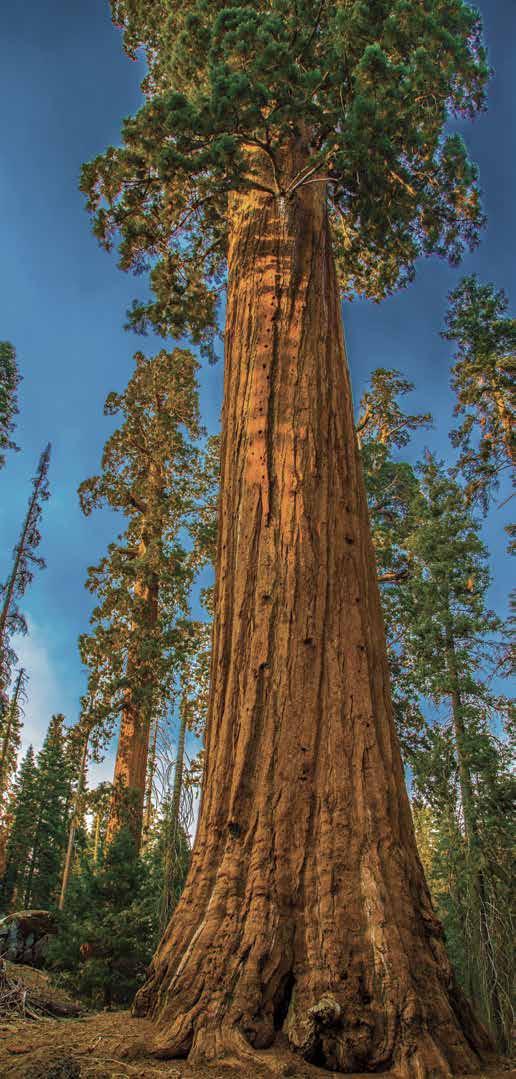
The moment that touched my soul was standing among 2,000-year-old trees in Sequoia National Park. Humbled by their sheer scale, I was moved to tears as I read a verse by American theologian and poet Thomas Merton, thoughtfully provided by our Group Leader, Chris.
Where the sky is my prayer, the birds are my prayer, the wind in the trees is my prayer …
The words spoke to my soul. It was a special moment in time among the ancient sequoias that could never be replicated. My gratitude to Road Scholar for this profound journey is immense.
— JOCELYN, W.VA., CLASS OF 2025