


Thank

Thank
Editor
Editor
By Emily Graham
The Mystery of Ectotherms Colour Change Revealed Why are you gaslighting me?
By Amaiya Srikathapalan
Illustrator Molly Wright
Writers
Alessia McCormick
Alice Borkowski
Amaiya Skrikathnapalan
El Marshall
Emily Graham
Fleur Murphy
Immy Lacy
Kate Julius
Jen Tye
Matilda Barron
Siena Ramroop
Swaleha Khan
Zara Brocklehurst
The Allergy Epidemic: Why More Children Are Suffering Than Ever Before Bibliography & The Backpages
Welcome! I hope you enjoy this edition of RMSTEM. This edition has such a variety of articles that our authors have put their heart and soul into. If you are interested in publishing an article of your own, please contact either me (kjuliu27@rmsforgirls.com) or Alessia (amccor27@rmsforgirls.com) and we would be very pleased to share more information with you.
A massive thank you to Alessia for the majority of the editing, and a big thank you to Molly for all the amazing illustrations which give the magazine extra life! And of course to all the writers, the magazine couldn’t exist without you all.
Kate Julius
Publication Designer & Editor RMSTEM
Welcome back to RMSTEM - where we aim to shine a light on recent STEM breakthroughs which shape the modern scientific landscape.
Our ever growing cohort of journalists have truly found their stride. Their dedication to sessions and the passion they have poured into articles has made scientific innovations accessible and engaging for many readers.
As we turn the page into this latest edition, the vast complexities of the physical world can be seen through articles such as ‘The Biology of Mars’. Alongside this, some journalists have turned the lens inward, showcasing the intricate machinery of the human mind - and behaviours which shape our reality, demonstrated through articles such as ‘Moody Messengers’.
I truly hope this edition sparks a new found curiosity in you, and once again I am grateful to my fellow editor Kate and our wonderful team for bringing this edition to life.
Alessia McCormick PR Manager & Editor RMSTEM
The Pharmaceutical and Bio-Tech company Moderna have opened a new vaccine manufacturing facility in Oxfordshire. This facility has the capacity for over 100 million mRNA doses each year. This is as part of the companies long-term partnership with the UK government, in which they focus on vaccine innovation, cancer and rare diseases
Baltic Sea
Near Germany, scientists have discovered surprising biodiversity, which have colonised dumped World War 2 munitions, like V-1 bombs The hard surfaces act as artificial reefs for marine life like crabs, worms and anemones despite the risk of toxicity.
Germany
German scientists are currently involved in a proposal for a QTF-Backbone, which is a nationwide optical fibre network which aims to distribute quantum, timing and frequency signals. These are vital for secure communication, clock synchronisation and also metrology
Brazil
A 113 million year old ‘Hell ant’ fossil (Vulcanidris cratensus) has been discovered in Brazil. This is the oldest known specimen of that ant group in South America
Ecuador
In amber deposits, scientists have uncovered fossils of insects, spider webs and plant remains from 112 million years ago. This will help the tracking of ancient ecosystems in Ecuador - specifically in the research into the spread of early flowing plants
Argentina
In Patagonia, scientists have discovered a new dinosaur species - Joaquinraptorcasali - it is a fully preserved skeleton, with crocodile bone being found in its jaw This demonstrates evidence for large predators dietary behaviour from 66-70 million years ago.
The ‘Beyond EPICA’ ice project has managed to successfully drill into an ice core from Little Dome C. This reaches over 2.8km down, and is at least 1 2 million years old The team analysed trapped air bubbles from in the ice to show us more about how climate and greenhouse gas levels have changed over a longer stretch of geological time Once analysed, this information should help other scientists improve models of ice-age cycles and Earth’s response to global warming


Kenya
Recently, studies have been carried out on the Turkana people in Kenya In this, genetic adaptations were discovered, which helped the Turkana people survive in extremely harsh environments - severe heat, dehydration and a predominantly carnivore diet.
Specifically, the STC1 gene plays the key role in kidney regulation and purine metabolism - protecting them against problems such as gout (type of arthritis), despite their challenging conditions.
Uganda
A clinical Ebola (deadly viral disease) vaccine trial has begun - specifically targeting the Sudan strain Until now, there has never previously been an approved vaccine for this particular strain.
In Cape Town, South Africa the African Bioinformatics Institute has been launched - aiming to develop fields such as genomics, disease surveillance and biodiversity studies.
This is part of a push to ensure more of Africa’s scientific output is generated from Africa, by Africans - using its own infrastructure and talent.
Researchers at the company: Science Tokyo have discovered a protein called FAM102a which plays a key role in bone remodelling. This means that it regulates both osteoclasts (cells that break down bone) and osteoblasts (cells which build bone). This discovery could lead to possible treatment or prevention of osteoporosis
India
LUPEX - a joint Indian and Japanese lunar South Pole mission has been planned for 2026. The Indian Space Organisation has provided the lander whilst the Japanese Aerospace Exploration Agency provides the rover. The goal of the mission is to drill roughly 1m into the soil which is permanently shadowed to directly analyse water, ice and other volatiles This is all to test technologies for future longer duration lunar missions
Australia
Researchers have recently used octopus DNA to find biological connections, which have suggested that the West Antarctic Ice Sheet collapsed approximately 120,000 years ago. So far, this project have been recognised through the Eureka Prize for linking marine biology with ice sheet dynamics.
Researchers in New Zealand have tracked trends, and have predicted that heatwaves (currently occur roughly once every decade) will happen very other summer by 2050. It is also reported that the hottest days of the year will increase disproportionately faster than average temperatures.
China’s Fendouzhe is a full ocean depth manned submersible In early 2024, the submersible carried out its first international expedition in the Java Trench (Indian Ocean) It made 22 dives overall, with 14 being below 6,000m On these missions, scientists were able to collect deep sea organisms, rocks, sediments and also imagery Through this, they were able to discover new species as well as hydrothermal sites.


‘Exercise
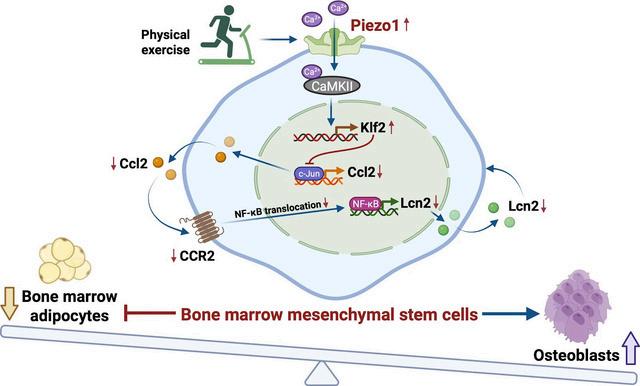
Scientists completing a joint study, from the University of Hong Kong and the Institute of Molecular and Cellular Pharmacology in France have taken a major step into developing an exercise pill through the discovery of how bones sense physical movements at a cellular level. This discovery could revolutionise treatment for bone conditions such as osteoporosis
The breakthrough is focussed on a mechanosensitive protein - Piezo1 which is located in the stem cells of bone marrow The researchers have found that Piezo1 acts as a biological sensor for movement, changing mechanical forces (from activities e.g. walking) into signals which promote bone formation When this pathway is active stem cells are more likely to become bone-forming as opposed to fat cells which helps to maintain bone strength and density
Importantly, these scientists have found that activating this pathway chemically in labs has the potential to work This would bring about the possibility of a drug in the future which mimics the bone-strengthening effect of exercise. This could transform the lives of patients who cannot remain physically active due to age, disability and chronic illness.
Osteoporosis affects roughly 18.3% of the population globally, and is a leading cause of fractures. Exercise is the most efficient way of preserving bone density, yet is often not feasible for those most at risk.
The researchers have issued a caution saying that an ‘exercise pill’ would not replace the full health benefits of physical activity, and the use of a drug like Piezo1 is still years away from clinical use Still, these early findings suggest treatments like this could significantly reduce fracture risk and improve quality of life for vulnerable populations.
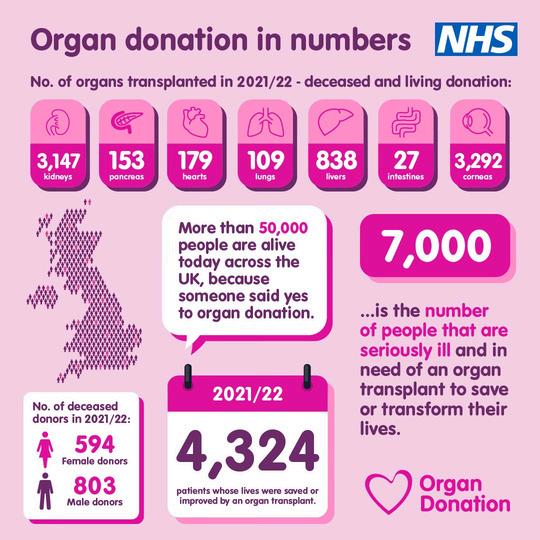
Across the UK, the need for organ donors has never been more urgent. More than 8,000 people are currently on the transplant waiting list. This number doesn’t include the thousands who are not eligible to receive organs, but desperately need them. This shortage directly affects the lives of ill patients - hundreds of whom die every year whilst waiting for a transplant.
One donor can save up to 9 people - through organs such as kidneys, liver, heart, lungs, pancreas and other tissues (e.g. corneas which can restore sight). Through the years 2024-25 almost 4,600 transplants were possible thanks to donors, yet still demand continues to outpace the supply of organs.
The majority of adults in the UK are part of the ‘opt-out’ system, which means it is assumed you would like to donate unless another rescission is recorded. Registering your decision with the NHS and talking through your decisions with family is crucial in saving time and reducing uncertainty in critical moments.
Becoming an organ donor could offer hope for thousands of families. It has the ability to turn loss into life, which is a generous, lasting gift transcending death.

At the RMS Sixth form, our tutor groups are named after individuals who have made a significant contribution to their own field of work. Among these is name Hawking, named in honor of the remarkable physicist. To celebrate this connection, our "Scientist of the Edition" is Stephen Hawking… but who is he, what did he discover and research about?
Stephen Hawking was a theoretical physicist, he proved that black holes aren’t actually "black" or permanent traps. Before him, scientists thought that nothing could ever escape a black hole. But Stephen Hawking used quantum physics to show that they actually leak tiny amounts of energy (which is now called Hawking Radiation) meaning they will eventually evaporate and disappear.
He also worked with Roger Penrose to prove that the universe must have started from a single, infinitely dense point (a singularity), providing the mathematical foundation for the Big Bang. His work essentially was all to do with theories that connects the massive scale of the universe with the tiny world of atoms.
If this is something you find interesting, you can read more about this work in this edition on page 34.



As described by the European Space Agency, “A CanSat is a simulation of a real satellite, integrated within the volume and shape of a soft drink can. ”
Our challenge is to fit all the major components found in a satellite, (a battery, sensors and a communication system, etc.) into this tiny volume. This means, using Fusion 360 to 3D print the CanSat, using Python to code the sensors and communication systems, and discovering more about electronics and wiring The CanSat is then launched to an altitude of a few hundred metres by a rocket and can experience up to 100g in the process! This is all to carry out a scientific experiment and achieve a safe landing.
This opportunity is presented to students in Year 12, so if you are interested by this concept, I would definitely recommend this project. It has links to physics, chemistry, computer science and so much more!
One of the greatest parts of the project is getting to choose your secondary mission. Each team, is given the same primary mission, which is to measure the temperature and pressure in the atmosphere when CanSat is launched on the launch day However, we are also tasked with developing an idea for a secondary mission.
Our secondary mission involves measuring the concentration of carbon dioxide, carbon monoxide, nitrogen and ammonia in the atmosphere using the CanSat. We will measure these components in order to theoretically test another planet’s suitability for supporting human or plant life. Based on this idea, after changes, additions and modifications, a satellite like this could be sent beyond our planet and used on other planets to determine whether life is present or could be supported on a planet other than Earth.
To follow our journey, follow us on instagram @cansat_cassiopeia

‘The Sentinel Project’ Carbon monoxide (CO) is colourless and odourless which makes it a great hazard potential especially in high traffic zones. The concentration of CO can pose a threat at levels above 9ppm (parts per million) for prolonged exposure so our aim is to monitor levels of CO in heavily trafficked areas and housing estates that reside near those areas as prolonged exposure to this gas can have neurological effects and pose cardiovascular issues. By tracking carbon monoxide emissions this will create pressure and raise awareness as we share precise and accurate information with the public and local councils/ governments to make more informed decisions.

Wright
Aerospace giants and startup tech companies are developing a futuristic alternative to travel and they are called eVOTLs (electric vertical takeoff and landing vehicles). These vehicles are aiming to increase efficiency by cutting journey times and operate in the most sustainable way.
The blueprint of eVOTLS are; multiple rotating motors for stability and maneuverability which is suitable for urban areas and to also prioritise passenger comfort, accessible seats and emergency protocols are heavily considered in order to have air travel be integrated into society. This may mean that self-automated flying cannot be fully implemented as passengers may feel safer with aid from a real person, this poses the question of the extent to which AI can be integrated AI can improve efficiency and costs but passenger perception/psychology of the reliability of it may discourage people from choosing this alternative of travel.
One of the ways that eVOTLS are manufactured to be sustainable is by reducing the vibration in machinery because more energy is consumed with greater vibration Consistent performance leads to lower material waste as less maintenance is required therefore improving the lifespan of the vehicle. eVOTLS are designed to meet net zero goals by running on green fuel such as lithium-ion batteries which are dominantly used in developing eVOTLS but another alternative is HFC (hydrogen fuel cells) that provide extended range and endurance and three times the energy per mass of kerosene or gasolene (kerosene being primarily used in aircrafts). HFCs do not emit any greenhouse gases (only water and heat) compared to the 9 9kg of carbon dioxide emitted through the combustion of one gallon of kerosene However HFCs are still in development and are not considered the primary fuel source for eVOTLS although aviation companies are leveraging its advancements

By Jen Tye

As eVOTLS are to be integrated into urban areas its design strives to reduce noise pollution by blending into ambient noise. Some ways its design can reduce noise is by lower blade tip speeds due to shape optimisation of multiple rotors and low “disk loading”, which is the aircraft's weight that is distributed over the rotor area. This is crucial as they will operate at low altitudes so it intends to avoid public annoyance and minimise damage to health which high decibels of noise can lead to tinnitus and hearing loss
These futuristic vehicles are expected to debut by 2030 but will you ride them?

If this topic interests you, I collaboratively wrote an article about eVOTLS expansively where passenger-centred design, systems and sustainability are talked about in depth. I focus on the sustainable feasibility of its design, power and safety that meets net-zero goals and innovative ways to power eVOTLS that are being experimented. More can be read on ‘Oxjournal’here:
https://www.oxjournal.org/evto ls-as-aerial-taxis-in-london/
by
Molly Wright
What are stem cells?
The key properties of stem cells were only identified in 1961 - Can you believe that something so critically important as our body's repair system was only discovered 60 years ago? Now you may not have known that stem cells were such a crucial ingredient to human survival due to this recent discovery, so let’s go back to basics. Stem cells are undifferentiated cells of multicellular organisms (like ourselves) which are capable of producing more cells of the same type and using the process of differentiation. Differentiation is the crucial process by which an unspecialised stem cell becomes a specialised cell type, such as a muscle cell, nerve cell, or blood cell.
How are stem cells used to grow organs?
So now we know that stem cells differentiate to form specialised cell types which is the key concept to understand how they are being used to grow organs. This can be done by manipulating stem cells to differentiate into specific cell types (by controlling their environment with growth factors and physical cues like scaffolding), which are then grown into structures which mimic organs. This can be done either in a lab as organoids (mini, 3D tissue cultures that mimic the structure and function of real organs.) Another option is through much more advanced bioengineering techniques like creating a new organ on a scaffold (a 3D porous framework that's often biodegradable) or using other animals. This is achieved by putting stem cells into a controlled environment with specific growth factors, signals, and scaffolds that direct them to selforganise into complex, multi-cellular tissues and organ-like structures, (just like organs).
How do stem cells heal spinal cord injuries?
Did you know that stem cells can be utilised to help heal something as complicated as spinal cord injuries, giving patients a second chance by giving them back the ability to walk or have limited movement). However it is important to know that spinal cord injuries are graded on a scale from A (complete spinal cord injury) - E (normal), with recovery only being possible to some degree in ratings B ,C and D. Spinal cords given an A grade rarely heal. However, stem cells help in the recovery of grade B-D spinal cord injuries by creating a supportive environment, replacing damaged cells (by differentiation) and promoting nerve regeneration. They also aid by releasing factors that reduce inflammation, stimulate growth, and help existing cells survive. Your spine is your scaffolding holding you up, so stem cells give people with spinal cord injuries their life back.


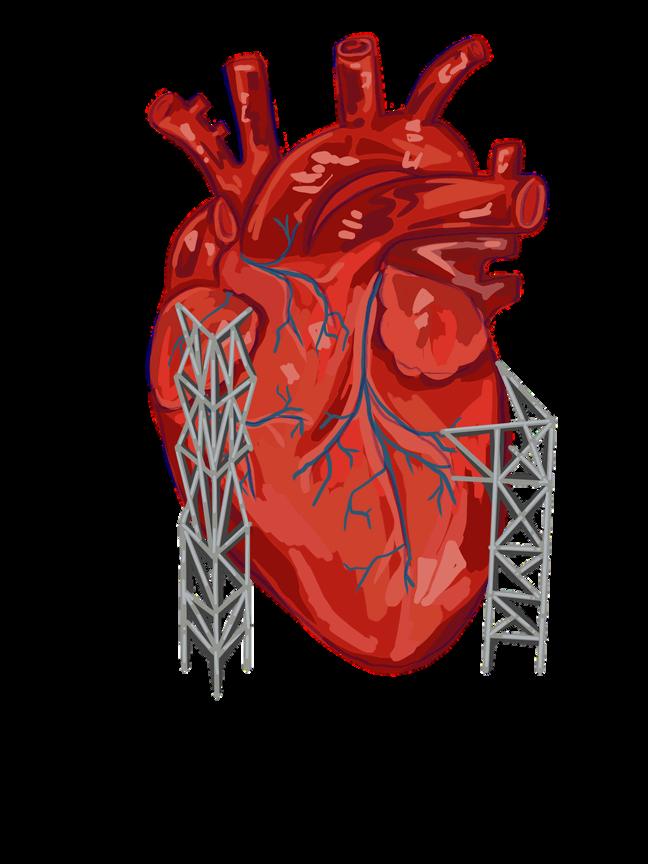


Which countries are implementing this new technology?
Several countries are prominent in the research and application of stem cells for both organ regeneration and spinal cord injuries (SCI) treatments, driven by significant investment and varied regulatory environments.
Japan is a strong leader in this field, as it was the first country to approve clinical trials of using induced pluripotent stem cells in December 2021. They also previously approved a stem cell therapy using a patient's own bone marrow cells which demonstrated promising results in mobility and sensation.
Israel is also preparing for a first ever human spinal cord transplant using a patient's own lab grown cells.
China and the USA are the top 2 contributors to research publications and clinical trials in the field globally, with the focus on areas like tissue engineering and regenerative medicine.
Countries like Mexico, Turkey and Columbia are popular destinations for medical tourism where stem cell treatments in SCI and organ regeneration are more broadly available and regulated by local health authorities, even if not yet approved for general use in some countries with stricter regulations.
Stem cell therapies, by repairing or replacing damaged tissues and organs, could directly lower the death rate from conditions that are currently life-threatening or severely debilitating, such as autoimmune disorders, cardiovascular disease, diabetes, severe burns and tissue damage, organ failures to name a few.
Organ regeneration - the demand for organ transplants vastly exceeds the supply so successful stem cell regeneration could address organ failure due to disease or aging e.g. heart, liver, kidney failure, which are major causes of death.
Spinal cord injuries - Spinal injuries currently have a huge effect on physical, mental, and financial health, and are associated with reduced life expectancy due to secondary complications. Effective stem cell treatments that restore function and and reduce complications would improve survival rates for patients with these injuries.
By reducing the incidence of fatal conditions and severe disabilities, these therapies would increase the average life expectancy, allowing people to live healthier lives for longer.


What are microplastics and how do they enter our body?
Microplastics are tiny - ranging from 1nm to 5mm long. They form as large pieces of plastic get physically broken down into smaller and smaller pieces through heat, water and sunlight. Microplastics are inevitable, they are everywhere: the air, soil, rain and they will only become more abundant as plastic continues to accumulate and break down.
Microplastics enter the body through 2 means: ingestion and inhalation. For example, eating food stored or heated in plastic containers, or inhaling microplastics as we sleep from the surrounding air. Levels of microplastics are also significantly higher indoors and inside cars as they are trapped in an enclosed space We are inhaling and ingesting more microplastics than ever with current estimates suggesting we consume up to 68,000 microplastics every day In fact, our consumption of microplastics has increased 6x since 1990; but what are they actually doing to our body?
How are microplastics affecting our body?
Microplastics have been found in a wide range of bodily fluids and organs including: blood, saliva, breast milk, the liver, spleen and brain. Scientists even discovered microplastics in the bones (shoulders, hips and elbows) of patients who had undergone joint replacement therapy. This shows that microplastics can not only infiltrate our body but are able to enter cells, tissues and fluids making their damage widespread
A recent study (2024) carried out by Italian researchers analysed the quantity of microplastics in the carotid arteries (blood vessels which deliver blood to the brain). They found that out of 304 participants all with early stage cardiovascular disease, half (152) had microplastics in their carotid arteries. Polyethene - the world's most common plastic was found in 150 of the samples. These patients were monitored over the course of 34 months and they found that they had a 4 5x higher risk of a stroke, heart attack or sudden death than those not contaminated with microplastics. This suggests there is a significant link between microplastics and cardiovascular health.
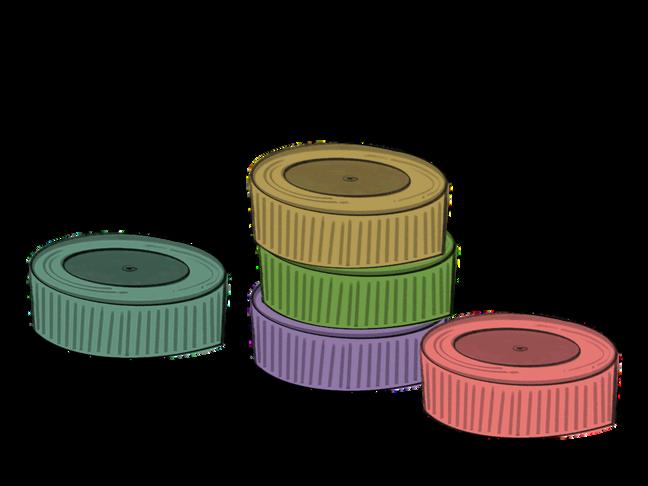
Scientists in Mexico have been conducting research into finding the line between safe and dangerous doses of microplastics using dead bodies. They found that human brain samples had almost 50% more microplastics than brain samples from 2016, which suggests as the production and use of plastics increases so does our exposure to microplastics. They also estimated that the median concentration of microplastics in 24 human brains from 2024 was nearly 5,000 micrograms per gram Although this is still a loose estimate it is a concerning high number as that's about 7 grams of plastic per brain which is about 5 bottle caps or 1 disposable spoon. These scientists also conducted research into how microplastics affect dementia and found a surprising link: people with dementia have up to 10x more plastic in their brains compared to those without dementia. This suggests there is a strong correlation between microlastics and dementia

Similar results were found by scientists at Rhode Island University (USA). They fed “clean” plastic particles (meaning they did not contain any toxic chemicals, bacteria or viruses) to rats by contaminating their drinking water. They discovered that after 3 weeks the microplastics had entered the mice’s brain and the mice began to experience negative effects including cognitive decline.
There are more than 10,000 chemicals used to make plastic, but two-thirds have not been assessed for safety (due to the sheer number of substances to test) while over 2,400 are considered toxic or harmful. Many microplastics contain heavy metals (eg. lead, arsenic) , pesticides, flame retardants and other chemicals. This is concerning as microplastics provide a way for these chemicals to enter the body. New studies at the University of Birmingham have found that as much as 8% of the flame retardants added to microplastics can be absorbed into the body through sweat The researchers used 3D human skin models to test this and found that sweatier skin absorbs significantly more microplastics than non sweaty skin. Once inside the body these chemicals can spread through the bloodstream. Plastics also contain chemicals such as BPA and PFAS which disrupts the endocrine system (through mimicking and blocking certain hormones) and have been linked to increased risk of metabolic disorders in children.
How can we reduce our exposure to microplastics?
Why are microplastics so hard to study?
Microplastics are incredibly hard to study as devising a control experiment is almost impossible As we are all consuming microplastics daily, it’s impossible to find someone that has not been contaminated with microplastics. This makes creating an objective experiment hard as we have very little to compare the effects of microplastics to To identify the effect microplastics have on us when everyone is exposed to them daily is a huge challenge which only increases when you realise most lab equipment is made of plastic. The potential for plastic contamination during the experiment is very high which makes it difficult to ensure the microplastics being studied are from the samples, not from lab equipment.

Reducing our exposure to plastics is the most effective way to reduce our exposure to microplastics. There are some ideas of how to do so:
Store and reheat food in glass or ceramic containers to prevent microplastics leaching into the food.
Use a metal or glass reusable water bottle, not a plastic one.
Dust regularly to prevent microplastics building up in dust
Replace plastic cooking utensils with metal or wooden ones and avoid using non-stick pans.
Wear natural fibres instead of synthetic plastic fibres like polyester

Ectotherms are animals who are unable to internally regulate their temperature. They are called cold blooded but their blood can be warm if the external environment is warm. It is only ectotherms that have the specialised cells (cells with a specific structure which facilitates a specific function) required to change colour, this is because colour change can help massively with thermoregulation (maintaining a safe body temperature). Some animal groups that can carry out this physiological phenomenon are crustaceans, cephalopods (e.g squid and octopi), amphibians, insects, fish and lizards. The most famed of the ectotherms to carry out colour change though is undoubtedly the chameleon - pictured in the media as cunning agents of camouflage. However, camouflage is not the only, or even primary, driver of colour alteration in these lizards The how and why of this process is most often misunderstood
Colouration in beings is a result of two main factors The skin cells’ ability to reflect wavelengths within white light (based on its nanostructure) and the cells’ capacity to produce pigments (which then themselves absorb and reflect certain waves) From reflections of wavelengths we can perceive color What colours are absorbed or reflected is dependent on molecular structure We call the type of cells responsible for colour change in these ways chromatophores and there is a wide variety of them We can use chameleons to illustrate the function and activity of different chromatophores within the skin
A chameleon's outermost layer of skin (upper epidermis) is composed of keratinocytes - clear cells that let the operations of the chromatophores beneath dictate skin colour Beneath the upper epidermis, the dermis contains chrmomatophores called superficial iridophores while the deeper dermis houses deep iridophores, xanthophores, erythrophores, melanophores, cyanophores and leucophores . Yet, the latter two have little to do with colouration.
Superficial iridophores's colour change is down to their nanostructure, the cells themselves harbour no pigments These chromatophores are composed of layers of guanine crystals How the crystals arrange themselves within the layers is what enables different wavelengths to be reflected and shine through cells to the chameleon's skin in order to be perceived as different colours. These iridophores typically allow for modulation between blue and green hues. When the crystals aggregate (huddle together) blue light is reflected and green light is reflected when crystals disperse. It is worth noting that this process doesn't always spark an overall colour change; there's natural variation in areas of high crystal concentration and low crystal concentration in these cells within the dermis, this can lead to more intricate patterns, such as the green stripes in panther chameleons.

But, how do these crystals move? The movement isn't conscious but instead regulated automatically by a chameleon's emotional state and exposure to different environmental stimuli. It's similar to how our eyes dilate when excited or how hairs on our arms rise in the cold. For example, the lattices contract to show relaxation, this can often translate for submission too in the face of a more powerful chameleon The organised, dense network of crystals does not use muscles to "pull" them apart; instead, the cells react to chemical signals that cause the cells to expand or contract This reflex enables iridophores to change the appearance of chameleons quickly, much faster than subsequent pigment producing chromatophores Therefore iridophores are particularly useful in communicating fleeting emotions chameleons encounter, such as a rush of excitement or fear

While the superficial iridophores handle visible color change, the deep iridophores serve a different but critical purpose: they reflect near-infrared radiation to help the chameleon regulate its body temperature and stay cool under the sun Xanthophores, erythrophores, and melanophores, also in the deeper dermis also contribute Instead of guanine crystals, these chromatophores contain vesicles filled with different pigments Pigments move throughout the large, star shaped cells, and this is what facilitates the colour alteration. Vesicles progress along microtubules in the cell across a 3D lattice. During aggregation (when pigment becomes concentrated in the cell's centre) the lattice collapses to an extent as the vesicles cluster inwards. This is when minimal colour is perceivable, the cell can appear colourless. The lattice is rebuilt for dispersal - when pigments move along the arms (dendrites) of the cell This is when pigment is translocated away from the nucleus, and when spread out in this way, pigments’ effects are seen much more
This process also isn't random and is instead regulated by external signals Yet, the changes these chromatophores initiate are often slower and longer lasting controlled by hormones One example is MSH (melanocyte stimulating hormone), secreted by the pituitary and adrenal glands then circulating in the bloodstream before binding to receptors on the chromatophore melanophore’s surface. This instigates a change in the cell's shade for thermoregulation.
Xanthophores and erythrophores are responsible for yellow, orange and red tones in chameleons The pigments their vesicles contain, pteridine and carotenoid, absorb blue and violet wavelengths (400-500nm) and reflect either orange to yellow wavelengths (550-600nm - xanthophores) or darker orange to red wavelengths (580-650nm - erythrophores) An interesting fact this leads to is how a chameleon's diet can actually impact its colour-changing abilities Pteridines pigments are naturally synthesised in the lizards, but this isn't true for carotenoids - this must come from their food intake. Chameleons gain the pigment from certain plants and bugs (e.g. citrus fruits and American cockroaches), those with minimal access to carotenoid rich food may find they can only conjure a yellowish tint.
The last chromatophore significant in chameleon colour change is a melanophore Melanocytes are the human version of these specialised cells, giving us our individual skin colours Melanophores contain melanosomes, organelles filled with eumelanin This pigment absorbs almost all light wavelengths, only reflecting blacks and browns This makes melanophores highly important in chameleons' efforts to maintain body temperature, though they do also aid general camouflage and communication.
We’ve already partly touched on when and why chameleons may utilise their awe-worthy ability. For instance in communicating submission or anger which given their lack of alternative defence mechanisms (e.g. venom, sharp teeth, speed) is of incredible importance to them. Yet, the evolutionary marvel that chameleons possess appears to be something mankind can be very excited about too The lizards’ way of colouration via guanine crystal nanostructure is influencing the production of new, synthetic materials that have similar light manipulation properties The way their colouration aids their homeostasis (regulation of conditions in the body - in response to internal and external changes) is being noted by scientists in an attempt to foster artificial means of this process to meet human needs. This could be revolutionary. One example involves military camouflage. Mimicking chameleons nanostructure has paved the way for smart camouflage materials that can individually adjust to their surroundings, a much more useful alternative to printed colour and pattern materials that are only suited to a sole environment. Biosensors, analytical devices fitted with physiochemical detectors to monitor a biological component, aim to adopt the color change in response to physiological state aspect of chameleons By embedding specific nanostructure into wearable devices/patches, and hopefully in real-time, objective health monitoring can be achieved
Finally, the ectotherms have raised questions about the construction of smart windows. These are windows that would regulate heat absorption via adjusting their transparency and reflectivity, much like how melanophores dictate pigment dispersal for thermoregulation. This could aid energy efficiency. With chameleons, we see nature serve as a source of inspiration for humanity’s scientific evolution.











by Molly Wright




yThe universe is humungous and this generally begs the question - is there life out there? So far we haven’t had any contact with extraterrestrial species, however, we are looking for signs of them - dead or alive The best place for us to do this, so far, has been Mars. Firstly, it is a terrestrial planet, meaning that we can analyse rock formations and sediments. This is intriguing because then we are able to compare our results with those of the Earth. You may be wondering, why not research Mercury, Venus and/or other planets in our Solar system? Mercury is only 36 million miles away from the sun meaning that it’s too hot, the daytime surface temperature is 430 degree Celsius and the nighttime average temperature is -180 degrees as it doesn’t have an atmosphere So, it can’t retain heat through the greenhouse gas effect Moreover, Venus isn’t a suitable option either as its atmospheric pressure is so high that it could crush you. Supposing a life form can withstand the pressure, the atmosphere is mainly composed of carbon dioxide and sulfur dioxide and very little, practically no amount of oxygen, making it impossible for most life forms to breathe there Additionally, Saturn, Jupiter, Neptune and Uranus are gas giants meaning that it is highly unlikely that they have surfaces and temperatures suitable for life to survive there It is possible that this hypothesis may develop later in the future, however, as of now, they are deemed largely inhabitable. They are also quite far away, so sending a satellite or rover there would take 2 years minimum (that applies to Saturn, Neptune - for example, would take 20 years to reach). Therefore Mars is the best option for us to research, it takes only 10 months to reach by satellite, it is terrestrial, has an atmosphere (however it still doesn't have much oxygen and its atmosphere mainly contains carbon dioxide) and has the least extreme temperatures
We research and analyse Mars in a multitude of ways We can send orbital satellites to take pictures of the surface and its atmosphere. We can understand geological processes by looking at different land formations, this is beneficial as we can work backwards to figure out its ancient river basins etc which is where life would be most viable. This is because water is an essential component to life, so ancient microbes and possibly even small vegetation could have been present there at some point Moreover, photographing the atmosphere can help us establish weather conditions/patterns, because if these If these were too extreme, the planet would have been far too hostile for life to ever emerge. Secondly, we can send out rovers. These are specially equipped mobile robots that can take soil samples, photograph the surface, analyse the atmosphere composition just to name a few functions! In total, humanity has successfully sent 6 rovers to the surface of Mars, however, only 2 are currently functional - NASA’s Curiosity and Perseverance The soil samples collected can be analysed by the rovers for signs of ancient microbial lifeforms!

After decades of research, we can firmly hypothesise the existence of water on ancient Mars. We can say that as we have found river networks, lakebeds and waterfalls, these structures need water in order to be present This raises the question - what happened to this planet to lose its water? In order for a planet to hold onto its atmosphere, it must has a very hot core. Mars’ core unfortunately cooled down as the planet aged. As this happened, Mars was stripped of its magnetic field which would’ve been strong if the core had remained molten A magnetic field protects a planet from solar winds by deflecting them. These are constant streams of charged particles from the Sun, so when Mars was ‘attacked’ by solar winds repeatedly, over the course of 100 million years, most of its atmosphere was destroyed Subsequently, the atmospheric pressure lowered significantly, over this period of time. This meant that the water would boil at a much lower temperature, and turn into water vapour These molecules would then become part of the unprotected atmosphere (what’s left of it). So, when the sunlight reaches the water vapour it splits into oxygen and hydrogen atomsspecifically oxygen, hydrogen and deuterium (an isotope of hydrogen) Later on when the atmosphere is once again attacked by the solar winds, the deuterium and hydrogen particles escape into space. Overall, due to this cycle repeating for millions of years, Mars has lost all of its liquid water However, some scientists believe there may be some water reserves left underground, but we haven’t confirmed this yet.

In July 2024, the Perseverance rover obtained a very interesting rock sample. The sample was composed of clay and silt These are important as they can preserve signs of ancient life Chemically, it contains organic carbon, sulphur, iron oxide (rust) and phosphorus So if there was ancient life, it could have used these rocks as a source of energy. NASA conducted further research to reveal that the minerals were arranged in leopard spots - like reaction fronts These were composed of vivianite and greigite On Earth, these are found in areas of rich organic decay or produced by microbial life forms. This revelation was incredibly significant as NASA is now one more step closer to finding a potential bio signature on Mars. Although these minerals can be created without lifeforms, it is unlikely in these circumstances This is due to the sample being collected in the ‘Bright Angel’ formation, for these minerals to be produced without life forms, NASA should’ve found evidence of acidic conditions here but they didn’t. Along with acidic conditions there should have also been evidence of high temperatures, which was also not found
In conclusion, as there isn’t substantial evidence yet to prove biotic factors have created this sample, we can assess this as a potential bio signature of ancient life forms. This is incredible information to find as we continue our search for extraterrestrial life forms!
As technology has advanced so has scientists' understanding of genes and the way DNA influences the person who you see in the mirror. The MAOA gene ,also known as the MAOA-L or MAOA-H, has fascinated scientists for decades and has created havoc in the court of law. The MAOA gene, commonly known as the “warrior gene,” or “killer gene,” is nothing if not complicated So, how and why was it studied and how does its role in law play out for criminals with “the killer gene?”
By Fleur Murphy
The MAOA gene variant was first discovered in 1993 and was further studied due to the effect it may have in one's criminal sentence There were many inconsistencies in judges abd juries’ rulings when this variable of the gene was put into play. Studies have shown judges from the U.S. imposing moderately lighter sentences (around 1 year less) when the evidence of the gene was presented, whereas U.S. juries (made up of members of the general public) made no changes to the sentence. With further digging there were more cases that the MAOA gene results in a lesser sentence. “Evidence of the MAOA-L genotype was included in records from 11 criminal cases (9 U S and 2 Italian) In the guilt phase, genotype evidence was ruled admissible in one of two cases and may have contributed to a conviction on a lesser charge ” They then conducted another study in Germany in 2012, its findings were that those that were presented with criminal offences and the MAOA gene were ordered more involuntary psychiatric hospitalisation with intermediate confinement periods instead of a shorter sentence. Because of the inconsistencies on the decision of legal matters with the gene, many aimed to dive deeper into the study and explore the forensic use of behavioral genetics
The MAOA gene itself codes for the enzyme monoamine oxidase-A, which plays a key role in “mopping up" excess neurotransmitters like dopamine and serotonin Serotonin is the neurotransmitter used to regulate mood, memory and is also known as the “happy chemical.” If the gene is underactive (the "Low-Activity" or MAOA-L variant), it fails to clear these chemicals away. This leads to an excess of dopamine, which can cause the brain to overreact to threats, leading to aggression Studies later tested the variable of gender, but their studies were found to be incorrect and scientists confirmed that gender was not a variable that affected those with the gene. Beyond aggressive behavior, individuals with this genetic variant may exhibit more antisocial tendencies but usually only if triggered by their environment Research indicates a strong 'gene-environment interaction,' where those with the MAOA-L gene who also experience childhood trauma or abuse are significantly more likely to develop antisocial traits in adulthood Though the gene has been tested on rodents in multiple studies, and scientists have even gone so far as to perform a study with over 4000 human participants, the gene's connections to antisocial behavior and abusive childhoods have yet to be proved
Genetics provides information on a surface level but when combined with psychology our understanding of a gene's effects becomes much greater. One born with the MAOA gene may not have anger issues or contain the characteristics of a "warrior " The gene's effects may lie dormant for long periods of time before being triggered by an event e.g. one is placed in a stressful environment. While the gene itself affects the body and mind, one's outside environment has a substantial impact as well


So, is labeling one a serial killer because of their genes reasonable? There have been many criminal cases studied to conclude how judges and juries are taking this factor into account. A case studied in 2010 focused on a male suspect in Italy, accused of murder, who was diagnosed with schizophrenia. Due to the suspect's previous diagnosis of schizophrenia his sentence had already been reduced because he was found actively psychotic while performing the crime. In this particular case the suspect was unaware of the fact that he had the MAOA gene and many others which are all associated with aggression. The defence in the case introduced the idea of the suspect being tested and so began the introduction of this complicated variable. It was later found that the suspect's parents had been previously accused of crimes involving property damage, but never any physical violence The final outcome of the case rests at a reduced sentence from 9 years to 8 Although, reduction of sentences has not always been the pathway the court of law has taken when faced with the gene
Genetic testing for the MAOA gene identifies several variants based on the number of 'repeats' in its structure (typically 2, 3, 3 5, 4, or 5) These variants are categorized into two functional groups based on how much enzyme they produce:
MAOA-L (Low-Activity): Associated with 2, 3, or 5 repeats, this version is famously dubbed the 'Warrior Gene ' Because it produces lower levels of the enzyme, the body cannot effectively break down neurotransmitters This chemical buildup is linked to a higher risk of antisocial behavior, compulsive gambling, and emotional disorders particularly when paired with childhood trauma In extreme cases, a total lack of the enzyme results in Brunner Syndrome, characterized by significant impulsivity and mental challenges
MAOA-H (High-Activity): Associated with 3 5 or 4 repeats, this variant produces higher levels of the enzyme. This leads to more efficient neurotransmitter regulation and is generally not associated with the aggressive or impulsive traits seen in the 'L' variant. Beyond behavior, irregularities in MAOA levels have been implicated in a broad spectrum of physiological and psychological conditions, ranging from sleep disorders and panic attacks to more severe concerns like Sudden Infant Death Syndrome (SIDS).

Every court of law handles these complex, puzzling cases differently, because ultimately it comes down to the judges/juries final conclusions regarding the case. Though there is not one law that is universal for this circumstance, judicial bodies are constantly discussing a law to put in place, but for the moment it is considered case by case. Although while doing my research I wished to find an answer as to how one would handle this mysterious factor, I found not one but 1000s. 1000s of case studies that somehow lead to different answers. Some judges essentially take pity on the convict and reduce their sentence. However, many feel that the convicts are still fully responsible for their actions and some reject all those approaches and admit the convict to involuntary psychiatric in patient care along with isolated detention. Though there are many approaches, there is a common denominator in all of the cases studied, there simply no answer. So, how would you handle a case involving this variable, would you take the high road and pity the convict or do you reject the science behind one's behaviour?

Have you ever walked into a large, bright room and felt an increase in energy? Or you've been in a cramped and dark hallway that made you want to get out as soon as possible? This is the impact of architecture and how it affects your mood

Imagine buildings around us are people who keep saying different things to you, changing your mood without you noticing. Isn’t it interesting that the shape of a room or the colour of a wall can change how we think and feel? Scientists and some famous architects have some theories about it.
Shapes: Curves and Corners
Basic geometry of a room messes with our brains.
Curves:
Imagine some natural flowing things like rivers, hills and circles. A research in June 2013 by a neuroscientist Oshin Vartanian and his colleagues, from the university of Toronto, has shown that when people look at rooms with curved features, the part of the brain linked to emotion and reward (the Anterior Cingulate Cortex found in the center on your brain) brightens on scans showing it is stimulated This shows that the curves create a sense of feeling safe and a positive emotional response Vartanian's study also found that participants thought that rooms with curves are more pleasant to be in and look at compared with those with sharp, angular designs 2
Angles:

On the other hand, sharp corners and straight lines, despite being great for order and structure, can sometimes be a signal for a threat An Israeli neuroscientist, Moshe Bar, in his studies in 2006 found that designs with angles activate the brain’s threat perception centre This is why walking into a highly angular or rigid building can sometimes feel cold or stressful It might feel sophisticated, but does not feel comfortable
A 2024 study by Kimberley Strachan-Regan, a phychologist from Australia, called ‘The impact of room shape on affective states, heart rate, and creative output’ proved that curved rooms boost our mood and lower our heart rates, which makes us feel more relaxed and creative Meanwhile, rectangular rooms do the opposite increasing stress and negativity because our brains subconsciously see sharp corners as a threat compared to natural, flowing shapes Which concludes that the shape of a room calms your body down
Architects also manage the light and colour
Natural Light
Mental Health: An expert in environmental psychology, Dr. Roger Ulrich, agrees that maximising natural light is important. The lack of light in winter months can lead to Seasonal Affective Disorder which is a type of depression linking to seasonal change. However, including natural light into buildings through huge windows or skylights is proven to improve our mood, sharpens our focus, and controls our circadian rhythms (our internal body clock). This happens when natural light hits sensors in your eyes called ipRGCs , and signals your brain’s internal clock to pump out serotonin , which sharpens your focus and boosts your mood This process keeps your circadian rhythm on track by syncing your body to the sun, so you’re energised during the day and actually ready to sleep at night
The colours around us are also powerful, influencing our physiological state . For example, the research of ‘Blue light exposure decreases systolic blood pressure , arterial stiffness, and improves endothelial function in humans’ in 2018 by Dr George Brainard, suggests that the cool colour blue can help reduce a person’s blood pressure and heart rate, which makes it perfect for hospitals or peaceful spaces to calm people down. Furthermore, green in a workplace has been shown to increase creativity by up to 15% and improve productivity by 6% because it reminds us of nature. However, warm colours like red can stimulate excitement and even increase our heart rate, which is why they’re great for a place where you need energy but it might make you feel stressed if you're surrounded by it for too long. Highintensity gyms use red to trigger a "fight-or-flight" response that spikes your heart rate and muscle power for short, explosive bursts of exercise According to Dr Andrew Elliot’s research, this color acts like a biological stimulant, giving athletes the extra speed and force they need to crush their personal bests
Architects
It's not just scientists talking about how architecture affects our mood but also architects, who actually design the buildings you are in. Their job is to create designs that give you a better experience, not just stacking bricks. Louis Kahn - American architect, understood people's feelings when he said, “Architecture is the thoughtful making of space.” He focused on how his designs made people feel, knowing that the space had to be made with a use in mind.
A previous UK Prime Minister Winston Churchill - When he was debating how to rebuild the bombed out House of Commons after WWII, he argued to keep the rectangular, hostile design, saying: “We shape our buildings: therefore they shape us.” This was in the 1940s, and this shows how architects can preserve buildings if they make people feel a certain way. It connects the design and the physical shape to the behaviour and mood of the people inside.
We are usually focused on what we put into our buildings like our furniture and technology but the most powerful part is the design Architects today, knowing this research, are focusing on neuroarchitecture designs which are specifically for the brain From using curves to natural light, they are creating spaces that don't just look good, but help us to feel better, making buildings more supportive and less stressful places
By Zara Brocklehurst
Neurotransmitters control mood, movement, and cognition but how? Our brains communicate with our bodies through a complex chemical language where the simple characteristics of a single molecule can dictate whether you feel hungry, joyful, or tired This article will investigate the chemical messengers of the nervous system and how modern medicines interact with them.
Neurological Space Bar: What is a Synapse?
The fundamental unit of communication in the nervous system is the neuron Neurons, or nerve cells, have two types of extensions: the axon, and dendrites. The axon is a long, thin structure that allows electrical impulses to travel down to other neurons or muscles or glands, almost like an electrical wire. Dendrites are short protrusions at the end of neurons that act like antennae, they collect the electrical information from other cells You have around 135 billion neurons in your body, forming the core of your central nervous system (CNS) made of the spinal cord and brain, and then branching out to your peripheral nervous system (PNS) meaning you feel sensations everywhere, from your head to your toes. Yet these cells do not physically touch Instead, they communicate by sending signals through a tiny gap called a synapse
The process of neuron communication begins when an electrical impulse arrives at a “station” known as the presynaptic terminal of the first neuron This triggers the release of chemical messengers, called neurotransmitters, into the synapse These chemicals diffuse across the synapse and bind to specific receptors on the opposite “station”, known as the postsynaptic terminal of the target cell This then triggers a response in the target cell, whether it be a muscle contraction, a hormone release, or another electrical signal traveling through the neighbouring neuron
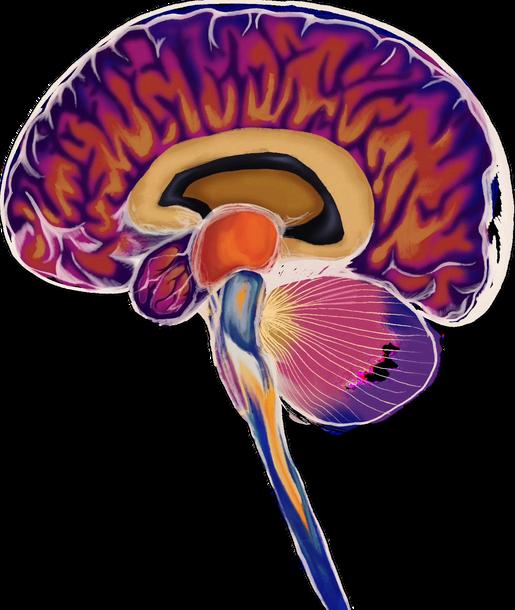
Your brain's ‘words’ are determined by biochemistry, where molecule structure dictates function. Depending on their specific nature, each neurotransmitter can transmit one of three actions: excitatory, inhibitory, and modulatory Neurotransmitters that carry out excitatory actions quite literally ‘excite’ the neuron and cause it to send a message to the next target cell. Inhibitory neurotransmitters prevent or block a message from being passed any further than it already has Lastly, modulatory neurotransmitters influence the effects of other neurotransmitters, they adjust how a message is sent or received, and they affect a larger number of neurons at once Scientists have discovered around 100 neurotransmitters so far, but suspect there to be more. They are categorised by their chemical makeup, and their specific molecular geometry allows them to fit into specific synapses These are some of the most common categories of neurotransmitters:
Monoamines: These work to affect mood & arousal, specific examples include: serotonin (influences many bodily functions such as sleep, mood - known as the ‘feel good neurotransmitter’, and cognition), dopamine (involved in movement, attention, and motivation), and norepinephrine (involved in your ‘fight or flight’ response, also known as the acute stress response) Derived from amino acids, these molecules feature stable rings that allow them to bind to complex receptors to execute their effect
Amino Acids: These are fast acting neurotransmitters primarily working in the brain, examples include: glutamate which acts as the primary excitatory messenger and is key to cognitive functions like thinking, learning and memory, while the amino acid GABA provides inhibitory signaling and works to prevent stimulation in areas of the brain that control negative aspects, such as irritability, seizures, and anxiety.
Acetylcholine: This molecule is the primary messenger at the neuromuscular junction, essential for muscle movement and memory formation
To prevent a signal from firing indefinitely, the brain employs many different ‘traffic control’ measures to clean up the synapse This regulation ensures signaling is precise, timely, and effective Neurotransmitters are cleared away from the synapse in three different ways: they fade away, go through reuptake, or degradation Reuptake is a process when neurotransmitters are reabsorbed into the cell that released it and reused. Degradation is the use of enzymes to break down neurotransmitters in the synapse, so it cannot bind or be recognised by the neighbouring cell anymore. When these chemical ‘clean-up’ processes are out of balance the brain's communication breaks down. This can be seen is cases such as the dopamine loss linked with Parkinson's disease or low serotonin levels in depression
Out of Balance: What issues can arise?
As it is a biological process, varying issues can arise and lead to neurotransmitters not working as they should. Neurotransmitters may not be released or produced properly, leading there to be too much or too little of one. This can be seen in the memory loss seen in Alzheimer’s disease, which has a link with insufficient amounts of the neurotransmitter acetylcholine.
In addition, problems can be caused when a receiver cell’s receptors are not working properly, leading the functioning neurotransmitter to be unable to effectively transmit its signal Furthermore, the synaptic cleft (gap between the neurons) may be inflamed or damaged by injury or disease In the case of the former, injury such as trauma to the head/ear can cause the synapses in this region to become inflamed and dysfunctional, leading to a hearing impairment known as cochlear synaptopathy In the case of the latter, this can be seen in the autoimmune (sometimes due to genetics, but rarely) condition myasthenia gravis, causing muscle weakness that is often quite severe Reuptake can be a cause for concern too as on occasion neurons will absorb the released neurotransmitters too quickly, before they have communicated with the target cell, meaning the effect never had a chance to happen Similarly, degradation can cause issues when the enzymes break down neurotransmitters either too quickly or in too large of quantities, meaning they once again will not reach the target cell and the effect will not occur
Medicine in the Mind: How SSRIs Chemically Intervene?
When neurotransmitters do not function as they should, medical issues can occur; diseases linked with neurotransmitters are very common However, due to scientific research efforts, first beginning in the mid 20th century with Betty Twarog’s discovery of serotonin in 1953, we are gaining substantial understanding of how they work and how issues arise Modern pharmaceutical drugs are chemically designed to manipulate these natural signaling processes to help patients. A primary example is the Selective Serotonin Reuptake Inhibitor (SSRI). Chemically, an SSRI molecule is shaped to fit into and block the serotonin reuptake transporter, a protein that is involved in the reuptake of the neurotransmitter serotonin. Therefore, by blocking this ‘pump’, the SSRI ensures that more serotonin remains in the synapse for a longer duration, enhancing the signal to the postsynaptic neuron.
There are a multitude of drugs that affect neurotransmitters, medications can act as agonists, antagonists, or MAO inhibitors. Agonists are drugs that mimic a neurotransmitter to activate a receptor. These are often used in cases where disease is caused by decreased amounts of a certain neurotransmitter, such as anxiety, linked with low levels of serotonin. Similarly, MAO inhibitors stop the enzymes that break down neurotransmitters during degradation, keeping more of the chemical available in the brain. Antagonists are drugs that block/prevent activation and an effect, there are two types: direct-acting antagonists which effect the postsynaptic neurone and block its receptors, and indirectacting antagonists that block the presynaptic neurone meaning that the neurotransmitter cannot be released/produced
by Molly Wright
Lethal injection is a method of execution used in 7 countries (including the United States and China). It uses chemistry to cause death via a controlled sequence of physiological failures and is regarded as a ‘humane’ form of capital punishment. It involves a ‘cocktail’, sodium thiopental, Pancuronium/Vecuronium neuromuscular blockers and potassium chloride delivered intravenously (into a vein) These have profound effects on the body’s nervous and cardiovascular systems; first causing loss of consciousness, then suppressing breathing and nervous coordination before stopping the heart and causing death.
The sodium thiopental acts as a depressant on the central nervous system (CNS) As it is an organic compound, it binds to the brain’s receptors and heightens the inhibitory neurotransmitter (gamma-aminobutyric acidGABA) which enhances neuronal inhibition. This results in the recipient rapidly becoming unconscious. thiopental is typically used in general anaesthesia, but the massive doses used in lethal injection (between 2-5g) immediately induce sedation and respiratory depression.
Next, the neuromuscular blocking agents Pancuronium/Vecuronium are used. These drugs chemically resemble the naturally occurring acetylcholine (which enables nerve cells to communicate), the drug works as a competitive antagonist at the synapse (gap) between motor nerves and skeletal muscle fibres. These drugs prevent movement and breathing as opposed to working as pain relief, this is why the sodium thiopental is crucial.
Finally, potassium chloride is used. It plays a key role in disrupting electrical signalling and contractions of the heart. At high levels (as in the lethal injection dosage) high concentrations of potassium chloride are introduced into the blood stream, which causes disruption to the normal resting
membrane potential of cardiac cells. Furthermore, the heart’s pacemaker (the sinoatrial node) cannot generate coordinated electrical impulses which leads to cardiac arrest
The order in which the drugs are administered is also vital in terms of humane execution. If the anaesthetic is inadequate, the recipient may feel pain during the following injections without the ability to move or even breathe. Potassium chloride is especially painful for a person if they are conscious as it causes intense burning in the veins and heart.
This method is employed as it is intended to cause a quick and ‘humane’ death. However, toxicology experts have shown that if the sedative dosage is insufficient, some people may retain or even regain consciousness during the stages of paralysis and cardiac arrest - which raises serious ethical concerns about the experience of pain during execution.
For years, scientists and medical researchers have attempted to determine whether the recipient feels any pain. One proposed approach to combat this is to monitor brain activity - for example electrical signals detected on an electroencephalography (ECC) to scan for patterns associated with awareness or distress. The difficulty with this approach is that drugs used in the lethal injection rapidly suppress neural firing - which suppress the necessary signals. Moreover, there are ethical and legal limitations which prevent experiments on human subjects - and post-mortem examinations cannot indicate whether the patient experienced pain
Capital punishment remains a controversial topic. In 2020 16 convicted criminals were executed using lethal injection in the United States. Some would argue that in the case of such extreme punishment, it seems only right that scientists ensure that lethal injection is in fact as humane as supposed. However, given that the experimental subjects to test this would in fact be living humans, progress in this field is limited by a ‘Catch 22’ situation
Key Terms:
Cardiac Arrest - the sudden loss of heart function due to failure of electrical impulses which maintain the regular heartbeat
Central Nervous System - Part of the nervous system consisting of the brain and spinal cord. Processes sensory information and coordinates bodily functions.
Intravenous (IV) - method of deceiving substances directly into a vein - allows for rapid entry into the bloodstream.
Pacemaker cells - Specialised heart cells, which generate electrical impulses to maintain a consistent heartbeat.
Potassium Ion - Essential for signalling in the heart. At extremely high levels, in the blood, it can prevent the heart from beating.
Respiratory Depression - A decrease in the body's ability to breathe automatically.
Skeletal Muscle - Muscles attached to bones - used for voluntary movements
Synapse - Junction between 2 neurones.
Illustrations by Molly Wright

Are people born serial killers and murderers? The truth is while people may be born with the “correct” biological instability to become a serial killer, this is only one part of the complex jigsaw that creates a serial killer. Genes, upbringing, brain structurethese all play a crucial role in a person ' s developmentandtheoutcomeoftheperson.Inthis case we will be looking at the disturbing case of Dahmer and the behind the scenes of what might bethecausesofhisactions.JeffreyDahmer’sseries of killings began in November 1987 with the murder ofStevenTuomiatahotel,followedbythedeathsof James Doxtator, Richard Guerrero, and Anthony Searsathisgrandmother’shousebetween1988and 1989.AftermovingtotheOxfordApartmentsin1990, he murdered Raymond Smith, Edward Smith, Ernest Miller,andDavidThomasbyluringthemwithmoney or photography offers before drugging and killing them Hiscrimesintensifiedin1991withthemurders of Curtis Straughter, Errol Lindsey, Tony Hughes, and Konerak Sinthasomphone The final sequence of murders happened in the summer of 1991, claiming thelivesofMattTurner,JeremiahWeinberger,Oliver Lacy,andJosephBradehoftshortlybeforeDahmer’s arrestinJuly
To understand the story of The Milwaukee Monster or more commonly known as Jeffrey Dahmer, we have to look back at a childhood that was as isolating as it was unstable Born in Milwaukee, USA in1960,Jeffrey’searlyyearsweredefinedbyasense of shaky grounds His father was often found immersed in his chemistry studies as a research chemist and his mother was battling deep emotional and physical health struggles. Therefore, this led to a home that was frequently filled with tension and arguments. While he started life as a happy, energetic toddler, a surgery that he had at four seemed to be his turning point. Dahmer underwent a corrective surgery for a double hernia. While the procedure was medically successful, his parents noted a significant and lasting shift in his personalityshortlyaftertheoperation.
Teachers also noticed he became a quiet, low-spirited childwhowecanassumefelttheweightofhisparents' distanceandthestressofmovingsixtimesinjustafew shortyears Thiswasprimarilyduetohisfather'scareer andacademicpursuits
As he grew older and the family settled into the woods of Ohio, Jeffrey’s isolation took a turn down a path which we can assume started his obsessions that led to his killings later on in life. While other children were playing sports or making friends, Jeffrey was exploring the nearby woods, fascinated by a world most would find unsettling. He became obsessed with the biology of animals and more specifically, how their skeletons wereputtogether.Hisfatherinitiallyencouragedthisas a scientific hobby or pastime however it quickly evolved into a more alarming fixation with collecting and preserving remains in a small hut in the back of their garden. This period of his life begins to paint a picture of a young boy who chose to focus on a lonely and increasingly unusual world of his own and additionally begins to show some of the red flags that foreshadowhisbehaviourlateroninlife
Many serial killers have experienced severe physical, sexual, or emotional abuse during childhood Traumas like these can disrupt the emotional functioning of the brain, leading to an increased tendency for violence
This is because the amygdala can become hyperreactive and begins sending intense distress signals in response to minor triggers that the brain perceives as reminiscent of the original trauma It is estimated that around 50% to 74% of serial killers experienced psychological or emotional abuse and approximately 36% to 42% of serial killers endured physical abuse in childhood.
Similarly to this around 26% of serial killers were sexually abused either in childhood or through adolescence,aratewhichissignificantlyhigherthan in the general population In the normal youths 1 in 4 girlswillexperiencesomeformofsexualassaultand1 in 20 boys will experience it too While the rates of abusearemuchhigherinpeoplewhobecomeserial killers than the general population, the rates of neglectaresimilartothoseofthegeneralpopulation. This suggests that neglect isn’t that much of a contributing factor towards people becoming serial killers and there may be other factors that have muchmoreofanimpact
Dahmer was often seen as an outcast at school. He did not have many close friends and was known for being very quiet To get attention or fit in, he started acting like a "class clown" He would stage loud pranks and fake medical emergencies in hallways or stores to make people laugh While some students found this funny and called it "Doing a Dahmer" it was also a sign that he was strugg withothersinanormalway.Similarly home life became very difficult His constantly and eventually went th divorce around his 18th birthday B fighting, Jeffrey often felt ignored o father moved into a motel, and shor turned 18, his mother moved away w brother. This left Jeffrey living all by familyhome Hetoldhisteacherstha a lot of problems at home, but he wa dealwithhisfeelingsonhisown
DisordersLinkedtoSerialKillers
A large portion of serial killers can b psychopathic. This means they do guilt or remorse due to abnormalitie For example, the regions of the brain regulating emotional responses (t hippocampus, hypothalamus, and cingulate cortex) are less active in psychopaths compared to normal individuals. Therefore their ability to understand the emotions of others is extremely limited. Similarly, many psychopaths are socially attractive, manipulative, and charismatic and they tend to use othersfortheirowngainandhavedifficultyadhering to social norms. All of these traits may explain why psychopathicserialkillerscommitcold,calculated

murders and when mixed with other issues such as childhoodtraumaaperfectstormiscreated. Whenitcametimeforhistrial,Dahmer’smentalhealth wasthemaintopicofconversation Doctorsdiagnosed him with several different conditions, including borderline personality disorder (a complex mental health condition marked by intense mood swings, unstable self-image, impulsive behavior, and significantdifficultieswithrelationships,stemmingfrom challenges in regulating emotions and coping with stress), schizotypal personality disorder (a personality disorder marked by a pervasive pattern of social discomfort, eccentric behavior, and distorted thinking, making close relationships very difficult), and a psychotic disorder (severe mental illnesses involving a lossofcontactwithreality,characterizedbysymptoms like hallucinations and delusions) However, even with these diagnoses, the jury decided he was legally sane This meant that, in the eyes of the law, he was responsible for the choices he made This included killing 17 people, eating at least 3 of his victims and raping at least 2, as well as drugging many of them andtakinginappropriatephotostoo.

Alcoholfunctionsasadepressant,whichmeansitslowsdownthewaythebraincommunicates Whileitmay initially make a person feel relaxed or more confident, these effects are only temporary. Once the alcohol begins to leave the body, the brain's chemical balance shifts, often resulting in negative emotions such as irritability,sadness,oranxiety Overalongperiodoftime,frequentdrinkingcandraintheessentialchemicals the brain uses to maintain a steady and positive mood such as serotonin and oxytocin This creates a challengingcycleknownaschemicaldependence.Inthisstate,thebrainbecomessousedtothesubstance that a person might feel they need to continue drinking just to reach a baseline sense of "feeling normal" resultinginbecomingdependentonalcohol
In high school, Jeffrey began to struggle with alcohol. By the time he was 14, he was drinking during the day ealcohol mpranks rinking in

d find the tions for (MAO-A) nsible for ters like ine. Each nin being r mood, inebeing ion, and sponsible different % of the his gene nin and muchdue gmoreof Research these sion and the right e is an ant gene r trauma eextreme s, carry a
In many brain scans of serial k commonly during the legal process plea of not guilty by reason o sentencing considerations) or la research purposes, they reveal that distinct neurological features that d normalindividuals Thesedifference prefrontal cortex, the amygdala a brainconnections Theprefrontalco forfunctionssuchasmoraldecision control, and empathy. In serial kille region has been observed to be they would have lower levels of em struggle more with moral and im Similarly to the prefrontal cortex, th also been found to be smaller or le serial killers, this regulates emotio anger, and empathy. In addition scans show that serial killers connectionsbetweenemotionaland making regions in the brain mean they make would either be illog emotional connection behind them these individuals struggle to under others or evaluate the moral cons actions
Psychologists have developed several theories to explain the factors that influenced Jeffrey Dahmer’s behavior. One prominent theory focuses on his intense fear of abandonment, which likely originated fromhisunstableandisolatedchildhood Thisledtoa profound "need for control" over his environment and the people in it. Because he lacked healthy social outlets, he turned to destructive coping mechanisms Theseweremaladaptivewaysofdealingwithinternal stress that eventually manifested as harmful actions towardothers
Furthermore,clinicalperspectiveshighlighttheroleof deep-seated compulsions linked to his diagnosed mental health disorders. Experts suggest that his borderline personality disorder made it difficult for him to regulate intense emotions or form stable connections with others. Without early intervention or a strong support system, these internal struggles grewmoresevereovertime Hiscaseisoftenstudied to understand how a combination of biological factors,socialisolation,andunresolvedpsychological trauma can lead to a complete detachment from societalnorms.
his residence, where he would sedate them with drugs to carry out assaults and ultimately take their lives Following these murders, he engaged in the illegal disposal of remains through chemical means andcommittedactsofcannibalism Hisactionswere eventually discovered in July 1991, leading to a highly publicised trial. Dahmer was sentenced to 15 consecutivelifetermsanda16thwaslateraddedfor amurderinOhio
At the time of Dahmer's killings the state had abolished the death penalty in 1853 Therefore, the maximum sentence possible was life imprisonment withoutthepossibilityofparole.Dahmerwasfoundto belegallysaneatthetimeofhiscrimes,meaninghe was held fully responsible for his actions despite his psychological diagnoses. He was sentenced to life imprisonment and for the first four years of his incarceration was placed in solitary confinement however after a year was released into a less secure unit and was killed in prison in 1994 by a fellow inmate
by Molly Wright

Over the past ten years, allergies have become far more common in children What used to be rare now affects millions of young people across the world Between 2008 and 2018, new food allergy cases almost doubled, from 758 to 1595 per 100 000peopleeachyear.Thebiggestincreasehasbeeninchildrenaged0to4,risingfromaround1.2%in2008,to4%by2018.
Across all ages, the percentage of the population living with food allergies went up from 0.4% to 1.1% in this time. Due to the rapidincreaseincases,researchersarecallingthisanallergyepidemic
Butwhatareallergiesandwhyaresomanymorechildrendevelopingthem?
Allergies are caused by an immune system overreaction Normally, the immune system protects the body from dangerous invaderslikevirusesandbacteria However,whensomeonehasallergies,theimmunesystemmistakesharmlesssubstances -likepollen,dustmites,petdanderorcertainfoods-forthreats
Thisreactiontakesplaceinthreestages:
1. Sensitisation - During first exposure, the immune system produces IgE antibodies that attach to immune cells, preparing the body to react quickly if the allergen is encounteredagain
2 Immune response - When the allergen returns,thoseantibodieslaunchadefence.
3. Chemical release - Immune cells dischargechemicalslikehistamine-which increases blood flow and allows fluid to leakintotissues,causinginflammationand the typical symptoms of an allergic reaction
Theincreaseinallergiesalsocausesahigher chance of developing related conditions like asthma, sinus infections, and ear infections by triggering chronic inflammation and swelling in the airways and connected passages This inflammation leads to blockages and mucus buildup, creating environments where infections can thrive. This means that helping to reduce the risk of allergies early on is essential to avoid further medicalissues
WhyAreAllergiesIncreasing?
Scientists don’t agree on one single cause Instead, most believe the allergy epidemic is the result of multiple factors, many of which havechangedalotinthelastfewdecades.
1.TheHygieneHypothesis
Thesesymptomscanbeverydifferentdependingontheallergen Hayfever usually brings sneezing, itchy eyes, and fatigue
Food allergies can cause tingling,hives,stomachcramps,vomiting,oranaphylaxis:alife-threatening reaction involving low blood pressure, breathing difficulties, and shock
Insectstingsandcertainmedicationscanalsocausedangerousreactions
Childrennowarerepeatedlyreactingtoordinarythingssuchas:
Pollenfromtrees,grasses,andweeds
Dustmiteslivinginhouseholddust
Animaldanderwhichismadeofmicroscopic,deadskinflakesshedby furryorfeatheredanimalslikecats,dogs,andbirds
Foodssuchaspeanuts,eggs,milk,andshellfish
Moldspores
Insectstings
Certain medications such as antibiotics, pain relievers (NSAIDs), and chemotherapydrugs.
Latex
One of the most widely accepted theories is the Hygiene Hypothesis. This suggests that children today grow up in excessivelycleanenvironmentsandcomeintocontactwithtoofewgerms Thisreducedexposurecancausetheimmune system to become sensitive and likely to misidentify harmless substances as dangerous, especially in young children
Modernrisksinclude:
Fewerchildhoodinfections
Bettersanitation
Moreantibiotics
Lesstimespentplayingoutdoors
Against popular belief there is no evidence that routine childhood vaccinations increase the risk of developing allergies
Whilehygieneisimportantforhealth,anoverlycleanenvironmentcanpreparetheimmunesystemforallergies
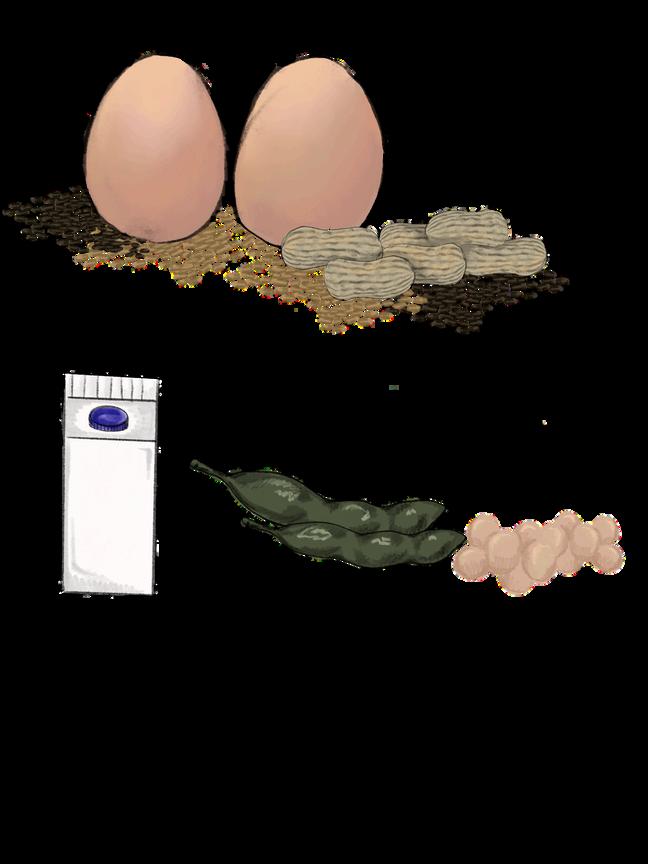
2 RisingPollutionandEnvironmentalChange
Air pollution, traffic fumes, microplastics, and cleaning products or cigarette smoke damage both lungs and immune defenses. Research shows that children who breathe more polluted air develop asthma and allergies more often. For example,onemajorstudyfoundthatchildrenexposedtohigherlevelsoftrafficpollutionwereabout25–30%morelikely to develop asthma by the age of five compared with children breathing cleaner air Not only is pollution damaging the environment, but it may also be causing medical conditions, such as allergies, to become far more common Climate changemayalsolengthenpollenseasonscausinghayfevertostrikemorepeopleandalsolastlonger 3 ChangesinDietandLifestyle
Children now eat far more processed food and far fewer fresh ingredients than they did a few decades ago. Several studiesshowthatwhenchildrenreceivelessomega-3fattyacids fibreandantioxidants leadingtheirimmunedefences to lose strength. There is also evidence th by teachingthedevelopingimmunesystem en ifconsumptionstopslater Duetomanym elp toincreasethenumberoffoodallergyca
4 GeneticsandFamilyHistory
Geneticsplayanimportantroleeventho nts who have allergies, eczema, or asthma his inheritedrisk“atopy”.Geneticsalonecann on. However, this could lead to an even hi ng generationbegintohavechildrenandpa
5 StressandModernLiving
Severe stress worsens allergy symptom
cial stress,andreducedsleepbecomingmor ess does not cause allergies on its own, but i nd harder to manage. When a person exper hey alsodisruptnormalimmunefunction
Overtime,extremestresscan:
Increase inflammation in the body
Weaken the skin barrier, making eczemaandhivesmorelikely
Heightensensitivitytoallergens
Reduce the effectiveness of treatments, such as antihistamines
When people have allergies, this stress m of anallergencantriggerlargersymptoms re morelikelytoexperience:
Strongerhayfeversymptoms
Morefrequentasthmaattacks
Worseningeczemaflare-ups
Increasedriskofanaphylacticreaction
Allergies may seem minor, but their impa ke the immediate administration of an EpiPe od allergiescanalsoaffectachild’ssocialan lic awareness,earlydiagnosis,andinvestme
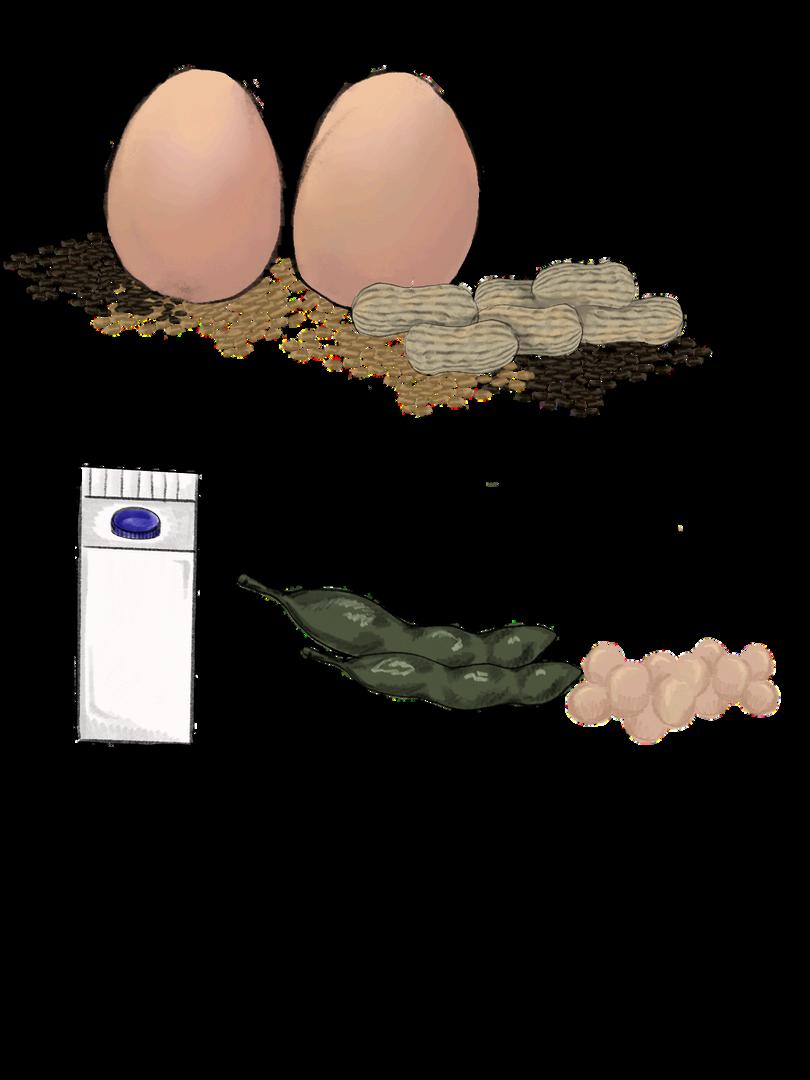
The allergy epidemic is a complex and evolving challenge. While genetics can make them more likely, the changes in modernenvironments,lifestyles,andearlyexposuretogermsandcertainfoodsarelikelytobethebiggestcauseofthe increase in allergies Understanding these causes is the first step toward reducing and helping to manage allergies worldwide


CRYou’ve probably heard the name Stephen Hawking and know he is a renowned and respected physicist who theorised and discovered many things that changed how science is understood. But what actually were these discoveries that made him regarded as “ one of the world’s most brilliant minds.”
Stephen Hawking was born in 1942 and died at age 76 in 2018. As well as being a brilliant physicist, he is also known for having motor neurone disease. Hawking was diagnosed as a student, and it eventually developed and meant he was confined to a wheelchair, using a computerised voice to communicate in the late 60's. Stephen Hawking completed a PhD at the age of 24 from Cambridge, his thesis titled Properties of Expanding Universes. In the 80's, he published his first book, titled “A Brief History of Time.” However didn’t stop at one, over his life he wrote or co-wrote over 15 books!
There is a lot to cover when it comes to Stephen Hawking and physics, so overall the explorations of these ideas will be as in depth as deemed appropriate. This level of physics and understanding of the universe is so deep that it must be made clear that this is a brief overview of the theories. However if you are interested, I would highly recommend researching more and finding out about Hawking’s and other scientists’ work.
This is regarded as his most famous discovery, and one that is most obviously tied to him (Hawking Radiation). He proved that black holes aren’t just “black”… they actually leak energy.

CWhat actually is a black hole?… imagine you take the sun and collapse it until it’s radius is only 3km. If you collapse that much mass into such a small space, the gravity would be of such immense size that not even light could escape the pull The speed you would have to travel is called the escape velocity, exceeding the speed of light. One of the most incredible things about black holes is the fact they were originally just a concept - a theory that seemed to be a weird solution to certain equations. At first black holes were only theoretical, but then they were found. They were found as empty space that seemingly warped the movement of stars, gases and even galaxies! It is insane to imagine that such a strange concept was thought of before it was even found in the universe.
This makes it sound like once you are inside a black hole, you are stuck there forever right? Wrong Simply, where would the energy/information be going. Stuck forever, causing the black hole to become more and more dense? Being destroyed completely? But energy cannot be created or destroyed, so it must be going somewhere else or being re-emitted.
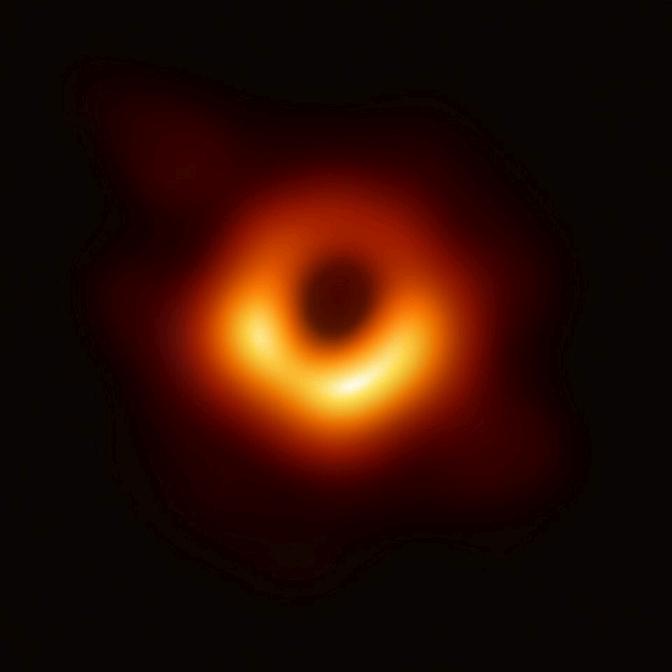
This is an image of a supermassive black hole (yes like the song) in the galaxy Messier 87. The light you can see is the event horizon. It was captured using Very Long Baseline Interferometry (VLBI). This is not the same as a telescope, because to see this far away, you would have to build an impossible Earth-sized telescope to see enough detail.
VLBI uses radio telescopes across the world that act as parts of one giant dish that receives radio signals. This information is then used to put together a picture as a whole.
Hawking radiation is the thermal radiation predicted to be spontaneously emitted by black holes. According to quantum mechanics, there are pairs of things called “virtual particles” which constantly come into existence, then annihilate each other However near a black hole’s event horizon (the so-called ‘point of no return’ where the gravitational pull of a black hole is so strong that nothing can escape) one member of the pair of the “virtual particles” may fall into the black hole before they are able to recombine. This remaining particle is emitted as Hawking radiation. This explanation is most commonly used, though not entirely complete, however the deeper explanation is difficult to grasp due to its complexity.
One of the most mind-boggling concepts of this is that the particle that falls into the black hole effectively reduces the black hole’s total mass This is because the pairs of “virtual particles” are usually borrowing energy from the vacuum of space for just a split second so that they are able to exist. Normally they would instantly pay back that energy by colliding and vanishing. However, by being split at the event horizon, the debt of energy is ‘repaid’ differently The particle that escapes becomes real, permanent matter However, energy to create that "real" particle must come from somewhere, which is the gravitational energy of the black hole. Due to this, Hawking figured that black holes are slowly ‘evaporating.’ The mass of the black hole ‘bleeding’ into space, changing how scientists have looked at the science behind black holes.
This paradox arises when General Relativity or Hawking radiation and the core principles of quantum mechanics are combined In quantum physics, information cannot be destroyed In practice this means you should be able to calculate something’s past or future if you have its complete state at any time. As discussed earlier, Hawking discovered that black holes eventually evaporate by emitting Hawking Radiation. This radiation is considered purely thermal, which means that it is random and carries no information. This also conflicts with Einstein's theories and maths, where everything that is pulled into a black hole forms a singularity where the history of that matter is effectively removed from our universe. If this is true, then a fundamental principle in quantum mechanics (that information cannot be destroyed) is conflicted. This is the information paradox.
Currently there isn’t a single universally accepted/proved answer. However physicists have largely moved toward a solution called information preservation; information is never destroyed, only “well-disguised.”
This theory suggests that a black hole is like a 3D hologram. Anything that falls in leaves a 2D “imprint” or “shadow” on the event horizon (the place where gravity becomes so strong that nothing can escape). As the black hole emits Hawking radiation, this radiation picks up the information stored in the “imprints" and carries it back out into the universe. This means that information never actually enters and is not allowed to be “deleted.” Rather, it stays on the boundary and information is conserved.
So what has actually entered the black hole if not information? The physical objects do actually pass into the black hole, including their mass and energy. However the specific quantum state that describes exactly what the object is, is “written” on the event horizon. You can imagine it like an object that is pulled into a black hole is a book. Paper and the ink go inside, however the text and information inside is instantly photocopied onto the surface of the event horizon.
https://www bbc co uk/future/article/20250723-how-do-the-microplastics-in-our-bodiesaffect-our-health
https://med.stanford.edu/news/insights/2025/01/microplastics-in-body-polluted-tinyplastic-fragments html
https://magazine hms harvard edu/articles/microplastics-everywhere
https://www.aamc.org/news/microplastics-are-inside-us-all-what-does-mean-our-health
https://www theguardian com/environment/2025/oct/12/plastic-inside-us-microplasticsreshaping-bodies-minds
Microplastics: The Invisible Threat
https://www nature com/articles/s41591-024-02968-x
https://www nytimes com/2025/04/08/well/microplastics-health html
https://www.unep.org/news-and-stories/story/everything-you-should-know-aboutmicroplastics
https://www theguardian com/environment/2025/aug/28/microplastics-in-hair-study
https://www.beyondplastics.org/fact-sheets/microplastics-exposure
https://www birmingham ac uk/news/2024/toxic-chemicals-from-microplastics-can-beabsorbed-through-skin
https://en.wikipedia.org/wiki/Polyethylene
https://pmc ncbi nlm nih gov/articles/PMC6481157/
Oxford dictionary
How Stem Cells are being used to Grow
Organs and Heal Spinal Chord Injuries
The Mystery of Ectotherms Colour Change Revealed
https://www.bbc.co.uk
https://pmc ncbi nlm nih gov/articles/PMC10847251
Stem Cell–Based Therapies for Spinal Cord Injury - PMC
National Institutes of Health ( gov)
https://pmc ncbi nlm nih gov › articles › PMC2678281
https://www.labmanager.com/nanotechnology-and-the-chemistry-of-color-changinglizards-3592
https://www blueplanetaquarium com/blog/how-do-chameleons-change-colour/ https://www.science.org/content/article/secret-chameleon-color-change-tiny-crystals https://findanexpert unimelb edu au/news/2868-how-do-chameleons-and-othercreatures-change-colour%3F https://www chameleonforums com/
https://www.bbc.co.uk/future/article/20180530-the-controversial-debut-of-genes-incriminal-cases
Are Killers Born to Kill?
Why are you gaslighting me? The psychology behind manipulation
https://pmc ncbi nlm nih gov/articles/PMC5250535/#:~:text=Evidence%20of%20the%20p resence%20of,culpability%20in%20serious%20criminal%20proceedings.
https://medlineplus gov/genetics/gene/maoa/#conditions https://bsj studentorg berkeley edu/born-to-kill-the-story-of-serial-killer-genes/
https://reportandsupport.kcl.ac.uk/support/what-isgaslighting#:~:text=Gaslighting%20is%20the%20manipulation%20by,or%20their%20sens e%20of%20reality.
https://www amazon co uk/Gaslight-Effect-Survive-Manipulation-Control/dp/0767924460 https://www simplypsychology org/why-do-people-gaslight html
https://www.newportinstitute.com/resources/mentalhealth/what is gaslighting abuse/#:~:text=Experts%20categorize%20gaslighting%20into% 20five,these%20patterns%20in%20their%20relationships
https://science.nasa.gov/mercury/facts/ https://science nasa gov/venus/venus-facts/ https://science nasa gov/mars/facts/
https://www.sciencefocus.com/space/how-did-mars-lose-its-atmosphere https://www skyatnightmagazine com/news/how-did-mars-lose-its-water
https://www nasa gov/news-release/nasa-says-mars-rover-discovered-potentialbiosignature-last-year/
The Power of Architecture
Moody Messengers: An Insight into Your Brain’s Chemical Language
https://www designblendz com/blog/architectural-design-effect-mental-health
https://buildingbiology.substack.com/p/designing-for-the-mind-how-architecture
https://www psychologytoday com/gb/blog/redesigned/202304/how-architectureaffects-our-thoughts-mood-and-behavior
https://www rockfon co uk/about-us/blog/2022/interior-colour-design-for-wellbeing https://thearchitectsdiary.com/the-psychology-of-space-how-modern-architectureinfluences-human-behaviour
https://rawshackarchitects com/the-psychology-of-space-how-architecture-impactsemotions-and-behavior
https://buildingbiology.substack.com/p/designing-for-the-mind-how-architecture https://pmc ncbi nlm nih gov/articles/PMC10965811 https://architizer com/blog/inspiration/stories/psychology-curves-and-lines-architecture
https://qbi.uq.edu.au/brain/brain-anatomy/what-neuron
https://my clevelandclinic org/health/articles/22513-neurotransmitters
https://pmc ncbi nlm nih gov/articles/PMC9180936/ https://my clevelandclinic org/health/articles/22572-serotonin https://my.clevelandclinic.org/health/articles/22610-norepinephrine-noradrenaline https://my clevelandclinic org/health/articles/22581-dopamine
The Anatomy of A Monster: A Forensic Profile of Jeffrey Dahmer
The Allergy Epidemic: Why More Children Are Suffering Than Ever Before
https://en wikipedia org/wiki/Jeffrey Dahmer https://www britannica com/biography/Jeffrey-Dahmer Journal of Police and Criminal Psychology Psychology times Self-hacked
https://www.allergyuk.org
https://www.nhs.uk/conditions/allergies/ https://www who int/health-topics/air-pollution https://www nimh nih gov https://my.clevelandclinic.org/health?q=Allergies
https://pmc ncbi nlm nih gov/articles/PMC1876417/ https://www ebsco com/research-starters/law/lethal-injection
The Chemical Cocktail
Hawking Radiation and Black Holes
https://www.bbc.co.uk/bbcthree/article/cd49a818-5645-4a94-832e-d22860804779 https://www.hrw.org/reports/2006/us0406/4.htm https://www researchgate net/publication/341579012 Chemicals in Lethal Injection
https://www cam ac uk/stories/stephen-hawking
https://www findlight net/blog/hawking-radiation-the-secrets-of-black-hole-evaporation https://www.sciencefocus.com/space/what-is-hawking-radiation
https://www findlight net/blog/hawking-radiation-the-secrets-of-black-hole-evaporation/ https://en wikipedia org/wiki/Hawking radiation
From Sci-Fi to Sky High: eVolts Might be the Ride of your Future
https://evtol.news/news/evtol-leaders-deliver https://brian-is-flyin medium com/the-silent-vtol-e1bdd5d37e47 https://bilz-usa com/the-role-of-vibration-isolation-in-sustainable-manufacturing/ https://www sciencedirect com/science/article/pii/S1270963825000446
https://www.urbanairmobilitynews.com/air-taxis/evtols-rotorcraft-and-airliners-willbenefit-from-new-hydrogen-fuel-cell-performance-record-zeroavia/
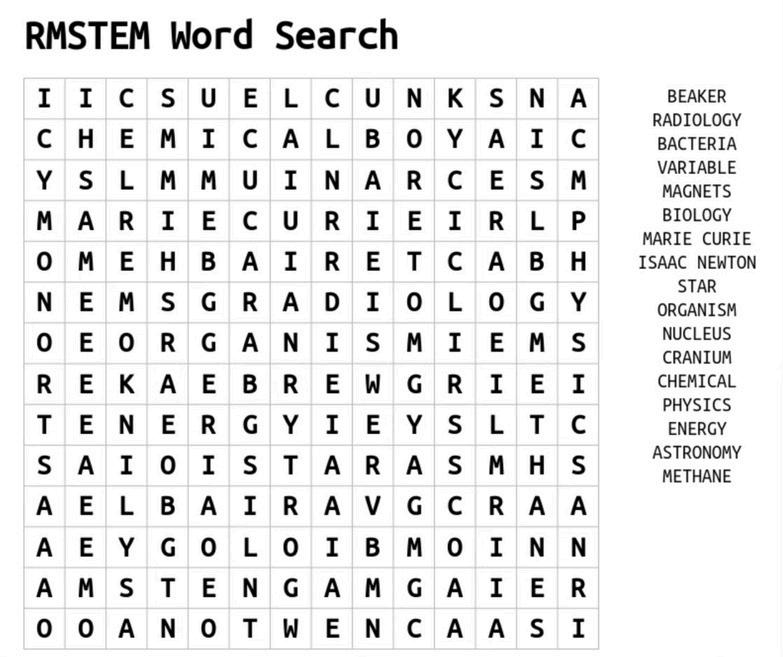

A Brief History of Time
by Stephen Hawking
Linking to our scientist of the edition… This book is a clear and fascinating introduction to difficult concepts to grasp such as black holes, time and the origins of the universe

The Gene: An Intimate History by
Siddhartha Mukherjee
This book explores how genes shape who we are as people. It blends cutting edge scientific discoveries with genuine, raw human stories alongside the ethics behind gene manipulation.

Thing Explainer by
Randall Munroe
The easiest way to grasp scientific ideas, Munroe uses only the 1000 most common English words alongside diagrams to make learning about science addictive.
Michaelmas Term 2026 Michaelmas Term 2026 Michaelmas Term 2026