

Siena
Zara
WelcometothelatestissueofRMSTEM-wherecuriositymeetscreativityintheconstantlyevolving worldofSTEM.AsbothEditorandPRManager,Iamthrilledtopresentthishalfterm’scollectionof articles,whichrepresenttheboundlesspotentialsofscience.
Throughoutthisedition,wedelveintoavastrangeoftopics-fromdiseasetospacedebris,witheach articleshowcasingthejournalist'spassionfortheirtopic.Iamimmenselyproudofournewteam (September2025)andtheireffortinmakingthisissuebothinsightful,yetalsoaccessible-bridgingthe gapbetweeninnovationandimagination.
Onafinalnote,Iwouldliketothanktheunsungheroes-ourgreatillustrators,andmyfelloweditorKate-whohaveallworkedtirelesslyinaidoftransformingvisionsintorealities.
AlessiaMcCormick PRManager&Editor RMSTEM
TheworldofSTEMisquicklyevolvinganditissoexcitingandimportanttolearnabout,andthrough RMSTEMIhopethatreaderscanlearnalittlebitmoreaboutthecurrentworld,technologyandallthe newadvancesinvariousfieldsofSTEM.Wehaveloadsofgreatarticlesthisedition,andIhopeyouenjoy readingthemasmuchasIdidwhileputtingtogetherthemagazine.
IamveryexcitedtosharethiseditionofRMSTEMwithyou,therehasbeenalotofhardworkputinand I’dliketothankeveryonewhohascontributed.AllofourarticlesforthiseditionarefabulousandI’ve lovedreadingallofthem.Thankyoutobothourillustrations,KyaandMolly,themagazinewouldn't looknearlyascoolwithoutyouboth,anddefinitelyabigthankyoutoAlessiaforallthehardworkyouput in.
KateJulius PublicationDesigner&Editor RMSTEM
By Alessia McCormick
In a new, and fundamental study, scientists at the University of Zurich have shown that human neural stem cells can repair the brain after suffering from a stroke - in mice. The research team transplanted human neural stem cells grown in the lab into mice after having a stroke. After mere weeks, the mice showed striking improvementsdamaged neurons were re-generated, blood vessels had repaired themselves, and much lost motor function had returned.
Strokes are one of the world’s leading causes of death and long-term disability - roughly 17 million people suffer a stroke for the first time each year, with over 90,000 in the UK alone. However, there are very few options of reversing damage once it has occurred. Most of the current treatments focus on clot removal or rehabilitation instead of repairing the destroyed tissue. Yet, this study targets the injury directly - using transplanted cells to rebuild the list brain structures.
The Zurich researchers have made it clear that these findings are an ‘early proof-of-concept’. This is due to animal brains recovering differently from human brains. Much more testing will be required to ensure safety and effectiveness before early stage human trials can begin. However, this work marks a major step towards regenerative medicine for stroke survivors - a potential future where recovery could mean actual healing, rather than just adapting to the damage caused.
If future studies confirm these results, neural stem cell therapy could hopefully revolutionise stroke treatment.
By Alessia McCormick
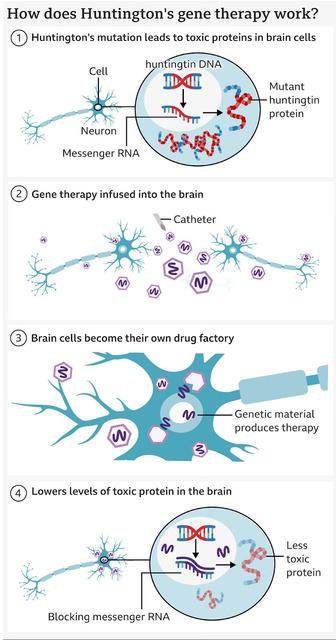
Huntington’s disease is a rare and inherited brain disorder, which is caused by a mutated allele, which produces a toxic protein. This protein then gradually damages cells in the brain - leading to problems with movement, thinking and behaviour. Normally, it begins in mid-adulthood and gradually gets worse over many years.
Scientists at the world-renowned University College London, collaborated alongside the biotech firm uniQure in a monumental development. The team have managed to successfully treat Huntington’s disease for the first time using an experimental gene therapy called AMT-130.
The trial took 3 years, and involved 29 patients. Those who received high doses of the therapy saw the disease progression slow by roughly 75% in comparison to the projected rates. The treatment plan uses a modified virus to deliver a strand of therapeutic DNA into brain cells to suppress the production of the huntingtin protein which is toxic and derives the disease.
To deliver the therapy, a complex method is employed, with the viral vector being infused into 2 regions of the brain over 12-20 hours. Despite there being some side effects such as central nervous system inflammation, which were then treated with steroids, they were mainly linked to the surgery.
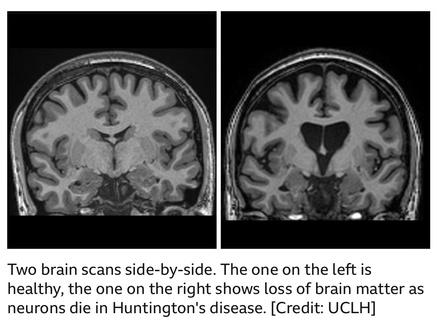
For patients, these findings are a landmark in the treatment plan, as Huntington’s was for a long time considered incurable, yet may now be shifted into a treatable condition. UniQure has already taken the steps to bring this to hospitals - planning to seek regulatory approval in the United States in early 2026, and then in Europe and the UK in following years.
By Kate Julius
Mars may have once been alive — or at least far more habitable than we imagined. In recent months, NASA’s Perseverance and Curiosity rovers have uncovered compelling chemical clues that strengthen the case for ancient microbial life.
At Jezero Crater, Perseverance drilled into rocks from a site known as “Bright Angel” and detected organic carbon compounds alongside iron sulfide and ferrous phosphate — minerals that, on Earth, often form through microbial processes. These rocks also showed evidence of repeated interactions between water and volcanic material, shifting from acidic to more neutral conditions — environments where microbial life can thrive.
Meanwhile, Curiosity, exploring Gale Crater, found the longest carbon-chain molecules ever detected on Mars: decane, undecane, and dodecane. These are similar to fatty acids that make up cell membranes in living organisms. The compounds were discovered in 3.7-billion-year-old mudstones, pointing to a time when the crater likely hosted a lake rich in organic chemistry.
NASA scientists describe these findings as potential biosignatures — indicators that life could have existed, though not definitive proof. The mineral textures in a Jezero rock nicknamed Cheyava Falls even resemble patterns made by microbes in Earth’s hot springs. But as NASA’s acting administrator Sean Duffy noted, “This is the closest we’ve come to discovering life on Mars — yet the real confirmation must come from bringing the samples home.”
That’s the goal of the upcoming Mars Sample Return mission, which aims to retrieve the rock cores Perseverance has cached for analysis on Earth. Only in terrestrial labs can scientists precisely test for isotopic fingerprints and microscopic structures that would confirm biological origins. If even one sample reveals genuine evidence of ancient microbes, it would mark one of the most profound discoveries in history — proof that life arose twice in our own solar system. And even if Mars never hosted life, its story of a once-habitable world turned barren could hold valuable lessons for the future of our own planet.
By Kate Julius
It looks like we’ve finally made artificial universal blood. Huge if true! Here’s what’s happening and why it matters for you…
You might know your blood type. The letter means whether you have A or B antigens (surface markers) on your red blood cells - or both or none. And then the plus or minus means whether or not you have a the RhD protein on them too. So you can’t just give someone any kind of blood. It has to be compatible!
But now, scientists are testing a new, artificial blood that can be used on anyone! It’s made by taking expired donor blood (which expires only after 42 days) and then extracting the haemoglobin protein that helps blood cells bind oxygen and then they wrap that protein in a protective shell to make artificial blood cells. As well as it being able to be used on anyone it can last up to 2 years in storage at room temperature. It has already been tested on hundreds of animals and a Japanese team is testing a similar synthetic blood in people but larger scale studies are required.
It is believed that we could have artificial blood by 2030 which is an incredible breakthrough that could save lives.
A Canadian team has applied machine learning to seismic data at Yellowstone, this has allowed for the detection of over 86,000 tiny quakes. This allows for more insight into underground fault activity.
Colombian Mammoths from Mexico have allowed for sequenced mitochondrial genomes from fossils, which were roughly 13,000-16,000 years old. The results have shown genetic divergence from mammoths which would have been in modern day US and Canada. This suggests a more complex population history of mammoths.
The US National Institute of Health has allocated $50 million to be put into autism research projects - as diagnoses have risen to 1 in 36 children and 1 in 45 for adults. This funding aims to cover research into genetics, environmental influences and developmental outcomes. This is all in an effort to improve understanding and care.
A 113 million year old ‘Hell ant’ fossil (Vulcanidris cratensus) has been discovered in Brazil. This is the oldest known specimen of that ant group in South America.
In amber deposits, scientists have uncovered fossils of insects, spider webs and plant remains from 112 million years ago. This will help the tracking of ancient ecosystems in Ecuador - specifically in the research into the spread of early flowing plants.
In Patagonia, scientists have discovered a new dinosaur species - Joaquinraptor casali - it is a fully preserved skeleton, with crocodile bone being found in its jaw. This demonstrates evidence for large predators dietary behaviour from 66-70 million years ago.
The ‘Beyond EPICA’ ice project has managed to successfully drill into an ice core from Little Dome C. This reaches over 2.8km down, and is at least 1.2 million years old. The team analysed trapped air bubbles from in the ice to show us more about how climate and greenhouse gas levels have changed over a longer stretch of geological time. Once analysed, this information should help other scientists improve models of ice-age cycles and Earth’s response to global warming.
The Pharmaceutical and Bio-Tech company Moderna have opened a new vaccine manufacturing facility in Oxfordshire. This facility has the capacity for the production of over 100 million mRNA doses each year. This is as part of the company’s long-term partnership with the UK government, in which they focus on vaccine innovation, cancer and rare diseases.
Near Germany, scientists have discovered surprising biodiversity, organisms which have colonised dumped World War 2 munitions, like V-1 bombs. The hard surfaces act as artificial reefs for marine life like crabs, worms and anemones despite the risk of toxicity.
German scientists are currently involved in a proposal for a QTFBackbone, which is a nationwide optical fibre network which aims to distribute quantum, timing and frequency signals. These are vital for secure communication, clock synchronisation and also metrology.
In Cape Town, South Africa the African Bioinformatics Institute has been launched - aiming to develop fields such as genomics, disease surveillance and biodiversity studies. This is part of a push to ensure more of Africa’s scientific output is generated from Africa, by Africans - using its own infrastructure and talent.
Researchers at the company: Science Tokyo have discovered a protein called FAM102a which plays a key role in bone remodelling. This means that it regulates both osteoclasts (cells that break down bone) and osteoblasts (cells which build bone). This discovery could lead to possible treatment or prevention of osteoporosis.
LUPEX - a joint Indian and Japanese lunar South Pole mission has been planned for 2026. The Indian Space Organisation has provided the lander whilst the Japanese Aerospace Exploration Agency provides the rover. The goal of the mission is to drill roughly 1m into the soil which is permanently shadowed to directly analyse water, ice and other volatiles. This is all to test technologies for future longer duration lunar missions.
China’s Fendouzhe is a full ocean depth manned submersible. In early 2024, the submersible carried out its first international expedition in the Java Trench (Indian Ocean). It made 22 dives overall, with 14 being below 6,000m. On these missions, scientists were able to collect deep sea organisms, rocks, sediments and also imagery. Through this, they were able to discover new species as well as hydrothermal sites.
Recently, studies have been carried out on the Turkana people in Kenya. In this, genetic adaptations were discovered, which helped the Turkana people survive in extremely harsh environments - severe heat, dehydration and a predominantly carnivore diet. Specifically, the STC1 gene plays the key role in kidney regulation and purine metabolismprotecting them against problems such as gout (type of arthritis), despite their challenging conditions.
Researchers have recently used octopus DNA to find biological connections, which have suggested that the West Antarctic Ice Sheet collapsed approximately 120,000 years ago. So far, this project have been recognised through the Eureka Prize for linking marine biology with ice sheet dynamics.
Researchers in New Zealand have tracked trends, and have predicted that heatwaves (currently occur roughly once every decade) will happen very other summer by 2050. It is also reported that the hottest days of the year will increase disproportionately faster than average temperatures.
A clinical Ebola (deadly viral disease) vaccine trial has begun - specifically targeting the Sudan strain. Until now, there has never previously been an approved vaccine for this particular strain.
In sixth form, our forms are named after famous individuals who have contributed to different subject areas, and one of our forms is named after Jennifer Doundna. But why? And who is she?
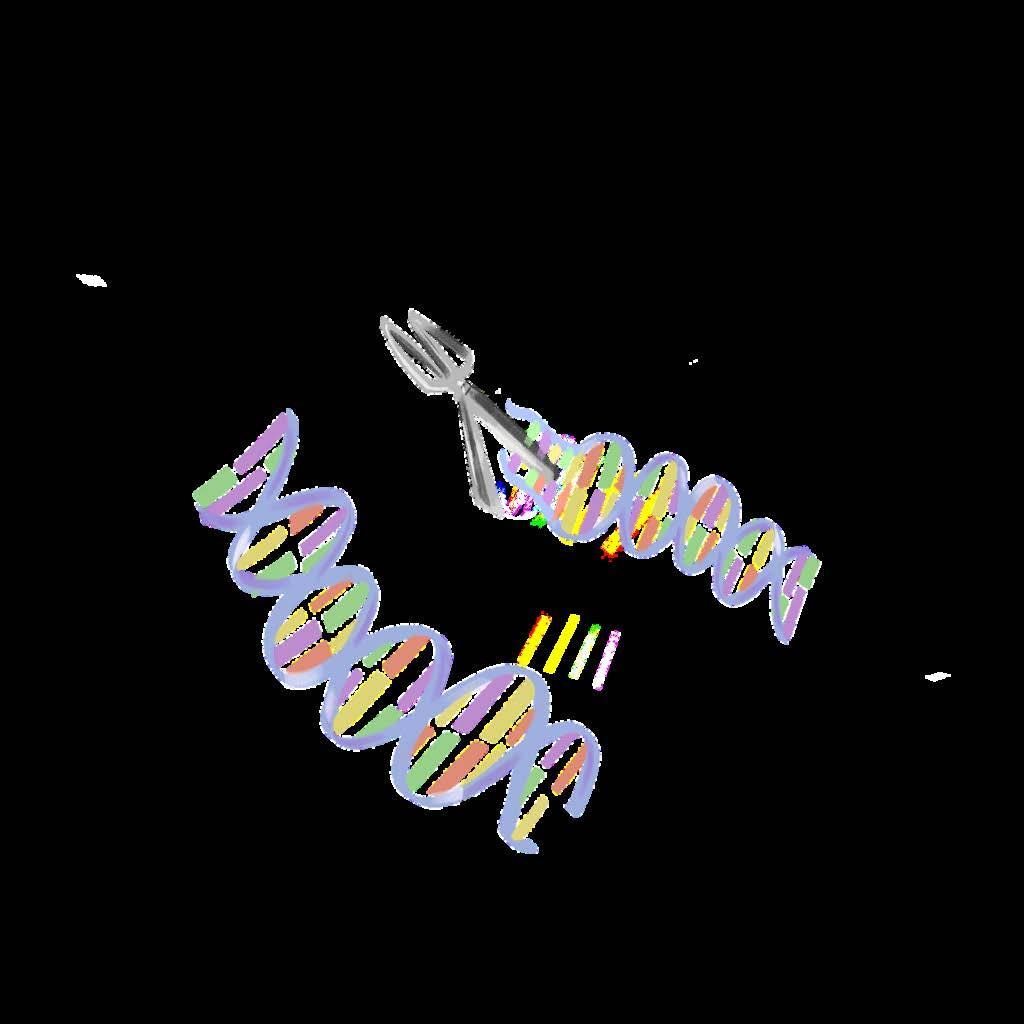
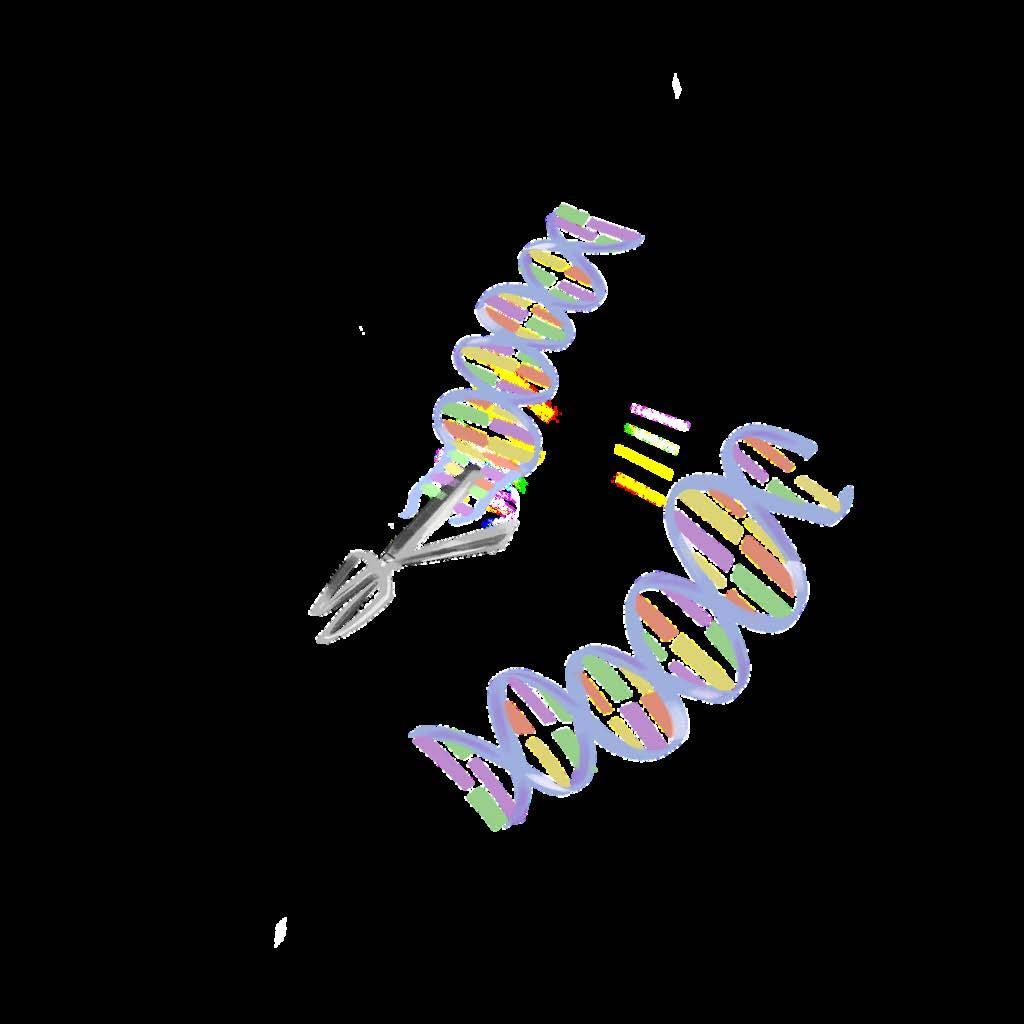
Jennifer Doudna is an incredible biochemist born in 1964, who received a Nobel Prize in 2020 in chemistry with Emmanuelle Charpentier for the development of a method for genome editing. This is technology which enables scientists to add, delete or alter sequences of DNA in an organism’s genome. This Nobel Prize also made history by being the first to be shared by two women! Genome editing can be done to plants, animals and bacteria, and is a way to completely change physical traits such as eye colour, height, and most incredibly, disease risk. This impressive development is currently being used to research cancer, rare diseases, mental health and many other areas of human health. As well as changing human genetics, plant DNA can also be edited which means that disease resistant crops can be engineered, or plants can be enhanced and made to have extra nutritional value. This is also a massive step towards changing the field of genetic diseases which for a long time had no permanent solution, however with more research, certain genetic diseases are being looked at in a new light.
In this edition you can read more about her work on page 13.

Air pollution isn't just destroying our planet, it’s destroyingourhealthtoo.
Air pollution affects everyone who lives or works in London and areas by busy roads which are susceptibletopoorairquality,affectingresidentsall over the UK. According to the institute for fiscal studies, almost the entire population of England is exposed to air pollution levels that pose significant publichealthrisks.
The two pollutants of most concern in London are particulate matter (particularly carbon particulate) and nitrogen dioxide. These pollutants are formed from combustion and mechanical processes like construction and demolition. Particulate pollution can harm our lungs and heart by being inhaled and even entering the bloodstream and cause damage through inflammation. Research shows that smaller particles (with a diameter of ten microns and smaller)canbeinhaledandpenetratedeepintothe lungs. Nitrogen dioxide, at high concentrations, can inflame the airways and affect lung function and breathing from long-term exposure, increasing the riskofaggravatedasthmaandrespiratoryinfections.
By Bailey Hawkins
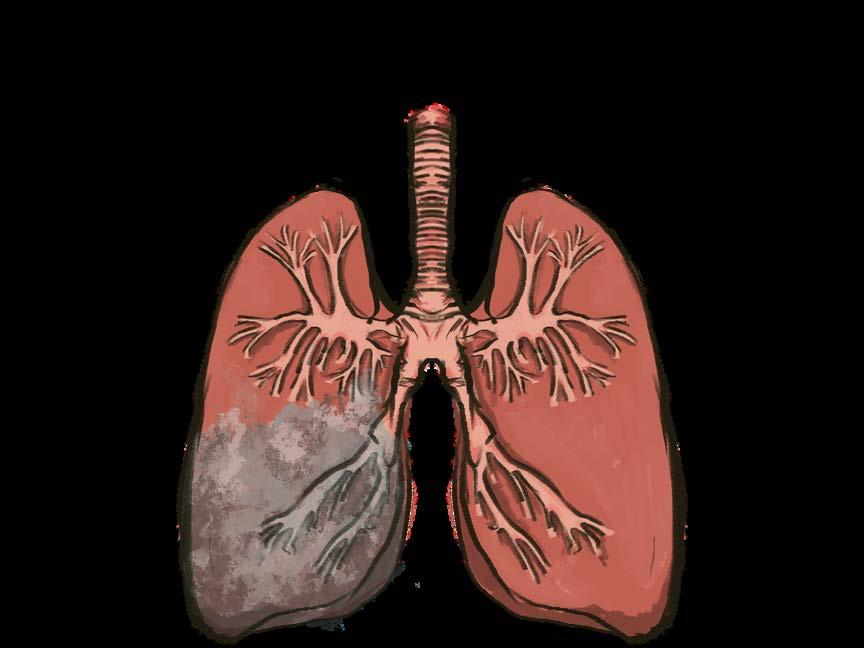
AstudybyKingsCollegeLondonconcludedin2010 that there was an equivalent of 5,900 premature deaths associated with long term NO2 exposure. This study also discovered that around half the health effects of long term air pollution exposure were caused by pollution from outside London. Not only this but the study also concluded that around 75% of cardiovascular hospital admissions were associated with smaller particulate matter (also knownasPM2.5).
Poor air quality can directly cause symptoms like fatigue, headaches and bad sleep quality. Air pollution is particularly bad for our skin's health, pollutants can weaken the skin's protective barrier from penetration of tiny particles (from vehicle emissions and industrial processes), causing dryness and premature aging. Pollution triggers oxidative stress which damages collagen and elastin, causing wrinkles, dullness and sagging. Pollutants also clog our pores which can lead to acne; research has found a higher rate of acne in polluted urban areas in comparison to less polluted areas. It’s suggested that pollution is associated with increased acne in adults and there are proven linksbetweenhigherlevelsofpollutionandcommon skin problems (including acne). This is supported by the fact that London has some of the worst acnerelated issues, with East London having one of the highestlevelsofacnecasesper1,000people.Could thisbedirectlylinkedtopollution?
The air quality in London has improved in recent years as a result of road transport policies.Nitrogen oxide and fine particulate matter have dropped by an estimate of 30% and 35% since 2015. However, peoplewholivenearoronbusyroadsarestillatrisk, particularly young children, elderly people and peoplewithasthma.


Mimic diseases: medical conditions with symptoms that overlap with other diseases. This often inhibits the proper diagnosis of a patient, as the akin symptoms mask the disease's true colours. In this article, we will discuss two different examples of mimic diseases and their symptomatic twin, and explore the clinical overlaps and key differentiating features between the two. Strokes Vs Hemiplegic Migraines
The sudden onset of symptoms, such as one-sided weakness, speech difficulty, or visual changes, is a terrifying experience that immediately raises alarms for a stroke - a medical emergency where every minute counts. However, these same alarming symptoms can also be the manifestation of a much rarer, yet equally alarming, condition: hemiplegic migraine (HM). While both conditions affect the brain and present with strikingly similar neurological symptoms, their underlying causes, treatments, and long-term prognoses are vastly different. Let's explore the clinical overlaps and key differentiating features between hemiplegic migraines, a stroke mimic, and strokes. Firstly, the categorisation of the diseases; there are two main types of stroke:
Ischemic stroke: When a blood vessel in the brain is blocked, typically from a blood clot or plaque (fatty deposits). This blockage cuts off blood flow to brain cells, which prevents them from getting the oxygen and nutrients required to function. The lack of oxygenated blood causes brain cells to die within minutes. Ischemic stroke can either be labelled thrombotic or embolic; the former is when the clot is formed within the vessels of the brain, the latter is when plaque debris or a clot forms elsewhere in the body and travels into the brain via the bloodstream. Ischemic strokes make up around 87% of all diagnosed strokes.
Hemorrhagic stroke: When a weakened blood vessel ruptures and bleeds into the brain, this builds up pressure around the surrounding tissues and compresses the brain. Hemorrhagic strokes are categorised based on their location within the brain: ‘intracerebral’, meaning that the bleed happened within the brain tissue, or ‘subarachnoid', meaning that it occurred between the inner and outer layers of tissues that surround and protect the brain. Hemorrhagic stroke makes up around 13% of all diagnosed strokes. In addition to ischemic and hemorrhagic strokes, there are also transient ischemic attacks (TIA), brain stem strokes, and cryptogenic strokes. TIA’s are often called ‘mini-strokes’ or ‘warning strokes’ and are similar to an ischemic stroke; however, the clot is temporary as it usually dissolves or dislodges. Brain stem strokes are, unsurprisingly, a stroke within the brain stem, unlike the other types of stroke. When brain stem strokes occur, they can affect both sides of the body, rather than just one. Lastly, cryptogenic strokes are when a patient presents with a stroke, but the cause is undetermined.
There are two types of hemiplegic migraine: Both types of hemiplegic migraine are caused by the same malfunction in the central nervous system (CNS). The CNS depends on a combination of chemical and electrical signals to function. When an electrical impulse reaches a synapse, a gap between two nerve cells, a a channel/ gate opens which leads to the release of a neurotransmitter which tells the cells how to proceed. In hemiplegic migraine, the channels in the brain (specifically calcium channels) malfunction, meaning neurotransmitters may be released in abnormal ways, which results in an attack.
Familial Hemiplegic migraine: A form of hemiplegic migraine that runs in families and is caused by inherited genes. On average, a child born to a parent with FHM has a 50% chance of developing the condition, believed to be due to a specific mutation in the CACNA1A gene (on chromosome 19) which is responsible for providing instructions for key components contributing to the aforementioned calcium channels. In addition to CACNA1A, there are two other identified gene mutations that are linked to hemiplegic migraine causation. SCN1A (on chromosome 2) affects sodium channels, therefore scientists believe there could be a correlation between a variation and an HM diagnosis. ATP1A2 (on chromosome 1) affects both sodium and potassium ‘pumps’ which are vital for nerve function.
Sporadic Hemiplegic Migraine: SHM is diagnosed in patients presenting with hemiplegic migraine but without any familial history/connection. The cause of SHM is unknown, but it is likely due to new, sporadic mutations in the DNA. Patients with SHM will usually suffer more severe, common, and prolonged symptoms.
Dementia, a devastating syndrome characterised by a progressive decline in cognitive function, is one of the most significant public health challenges of the 21st century. However, in some cases, the symptoms presented by dementia patients can also be explained by certain infectious diseases, caused by pathogens. Though seemingly distinct, one being a long-term neurological disorder and the other an acute immunological challenge, dementia and infections cross over in their abilities to trigger widespread inflammation and compromise the efficacy of the central nervous system. Let's explore the intricate crossovers between these two conditions.
Dementia is a syndrome involving the ongoing decline of brain function; there are many different causes and many different types (such as Alzheimer’s). Dementia’s main symptoms involve memory loss, problems with processing/thinking speed, and difficulties with everyday activities such as speaking and movement. Dementia is an umbrella term for amnesia-related diseases; therefore, there are many different types, with different causations and treatments. However, scientists believe that many of the diseases are associated with the build-up of irregular proteins in the brain, causing the aforementioned symptoms, and as more proteins build up, the progression of the disease worsens. Within the different types of dementia, there are different levels of research and awareness. For example, Alzheimer's, which has lots of awareness globally, and lots of clinical research, discoveries, and trials; however, when compared with Creutzfeldt-Jakob disease, a much rarer type of dementia, awareness is practically nonexistent, so funding for clinical breakthroughs is limited.
Infections such as Lyme disease, HIV, and even certain UTIs can all manifest in ways which mimic dementia. This becomes a diagnostic concern when patients who are at risk for dementia (they are ~65+, they have a genetic disposition, they live in areas with lots of air pollution, etc) present with symptoms of decreased cognitive and motor function: this presents obvious alarm bells to doctors. Correct diagnosis of dementia conditions is critical, as dementia-related deaths are rising - in 2022, dementia was the leading cause of death - and if caught early, theoretically, symptoms can be managed and progression of the disease can be slowed.
As dementia is so broad, its treatment options vary. Dementia treatment stresses the importance of the differences between ‘treatable’, ‘reversible’, and ‘curable’. Almost all forms of dementia are treatable, meaning symptoms can be managed to help patients live comfortably. However, very few can be reversed and cured, unless there is an underlying cause (such as a tumour, metabolic disorders, hypoglycemia, etc). Whereas infections have many more treatment options available.
Conclusion
Awareness about mimic diseases is crucial in both the medical world and in regular day-to-day life. Proper awareness can provide patients with quick and accurate diagnosis, which ensures the correct treatment and safety of the patient, as improper diagnosis can lead to misguided treatment, which could worsen the patient's condition. In addition, an accurate diagnosis could save the patient's family emotional suffering, as a prognosis related to some of the aforementioned diseases (stroke and dementia) involves limited survival rates, decreased/loss of function and independence, and eventual death; all of which would put immense stress and trauma on the family. Furthermore, correct diagnosis can save money for individuals and the NHS, as some diseases which are incorrectly diagnosed due to the presence of a mimic disease are very costly to treat, diagnose, and care for.
What is CRISPR and genetic engineering?
by Alice Borkowski
Genetic engineering is defined as the altering of DNA structure to modify an organism‘s characteristics. In recent years CRISPR-Cas9 has been one of the most prominent and important methods of genetic engineering ever since it was discovered in 2012 by Emmanuelle Charpentier and Jennifer Doudna as it is currently the cheapest, fastest and most reliable method for modifying DNA.
CRISPR (“Clustered Regularly Interspaced Short Palindromic Repeats”) can actually refer to two things:
1. CRISPR is an immune system within bacteria that helps to defend it against infections.
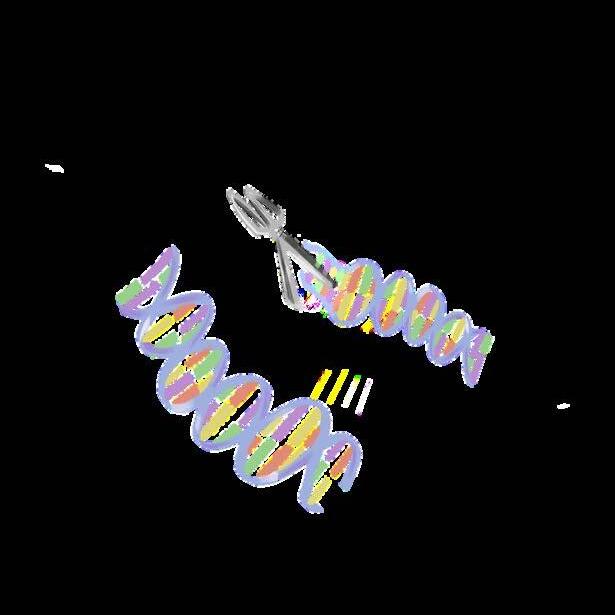
2. CRISPR - Cas9 is a gene editing tool that can add to, remove or alter sections of DNA. It is made up of two components: Cas9 an enzyme which acts like scissors to cut the DNA at a specific point, and an RNA molecule which guides the Cas9 enzyme to the correct place to cut. The focus of this article is: CRISPR-Cas9.
A step by step guide of how CRISPR-Cas9 works:
1. Scientists identify the specific section of DNA that needs to be modified.
2. Then an RNA is designed to hybridise with the specific section of DNA and is attached to the Cas-9 enzyme.
3. The RNA guides the enzyme to the right place on the genome and the Cas-9 enzyme cuts the DNA.
4. Scientists can then add a new section of DNA, delete a section of existing DNA or modify the existing DNA.
Uses of CRISPR-Cas9:
Treating genetic disorders:
CRISPR-Cas9 can be used to treat genetic disorders (eg. Sickle cell disease). Genetic disorders occur when your DNA mutates and lead to faulty proteins; some of these mutations can then be passed down from parents to their children. CRISPR-Cas9 is being used to remove or modify the mutated gene which may leadtoapermanentreductionofsymptoms.
For example on January 31st 2025 the NHS approved the use of CRISPR to treat sickle cell disease and betathalassaemia.Bothsicklecelldiseaseandbetathalassaemiaarecausedbyfaultyalleleswhichproduce non-functional haemoglobin (a protein that binds to oxygen in the lungs). Previously, there was no long term treatment - except a bone marrow transplant, which is incredibly hard to get as there are limited donors and high demand. However CRISPR has revolutionised treatment for these diseases as it can edit the faulty allele and cause the body to produce regular haemoglobin. Clinical trials carried out in the US andotherEuropeancountriesshowedgreatpromise:28outof29patientswithsicklecelldiseasewerefree of severe pain and 39 of 42 beta thalassaemia patients no longer needed blood transfusions for at least a year.
CRISPR-Cas9 is currently being trialed for diseases such as Huntington’s, HIV, blindness and cystic fibrosis. Cystic fibrosis is caused by mutations to the CFTR gene; it’s very difficult to find a treatment as there are as many as 700 different mutations in CFTR gene that cause cystic fibrosis. Yet scientists are working to see if CRISPR can help to individualise the treatment and correct the specific mutation in each patient.
Genetically modified crops:
As climate change continues to be a growing issue we are feeling the effects like never before, for instance this year's summer (2025) was the hottest ever in the UK, experiencing 4 heatwaves. The effects of climate change are being felt globally and are having a significant impact on the agricultural industry. Climate change is causing more extreme weather patterns that are leading to droughts, wildfires, floods, and temperatures not suitable for growing crops; this is making growing crops increasingly more difficult.
CRISPR-Cas9 is being used to create genetically modified crops that can better withstand the changing climate in order to improve food security. For example creating crops that have a higher yield, are more resilient to extreme temperature, require less water and are more resistant to pests and diseases eg. Mildew. CRISPR-Cas9 is also used to improve the taste and nutritional value of crops, for example: wheat that does not contain gluten which would be life changing for those with celiac.
The dangers and ethics of genetic engineering:
However CRISPR-Cas9 is not without its risks and ethical concerns:
CRISPR although mostly very precise can sometimes cut the DNA in the wrong place - called off target editing. This can cause unintended consequences which have the potential to be harmful. For example, destroying key genes or turning cells cancerous.
CRISPR edited crops may impact the surrounding ecosystems and reduce biodiversity. If the pollen from a CRISPR-edited, herbicide-resistant crop cross-pollinates with a closely related wild weed species, the weed may inherit the herbicide resistance gene. If this new weed, which is now resistant to the specific herbicide, already possesses resistance to other herbicides, it becomes a "superweed" that is very difficult to control.
CRISPR is an incredibly new technique and so researchers are unsure of any long term consequences or how it will affect future generations. CRISPR creates permanent changes that cannot be reversed and can be used for germline editing - the changes made can be passed down through generations, so we are not just editing our own genes but also our descendants. Perhaps the most controversial aspect of CRISPR is the ethical debate surrounding it: just because we can edit genes doesn’t mean we should.
The future of genetic engineering:
CRISPR is already revolutionising the way we think and treat genetic disease, and it's only going to continue improving. It’s possible that in the near future CRISPR will be able to prevent many serious conditions like Huntington's and some forms of cancer. As CRISPR becomes more advanced the applications are going to become more widespread and it’s likely CRISPR will soon have an influence over the entire medical industry.
In 2018 biophysicist He Jiankui used CRISPR to modify the genes of two embryos and created twins that were resistant to HIV. He announced this to huge controversy and served 3 years in prison.
The advancements in gene editing also raises the question of designer babies - babies which have specially selected traits such as improved athleticism and intelligence. Designer babies are an ethical minefield, and it’s easy to see how preventing genetic diseases could soon lead to influencing cosmetics and create division in society.
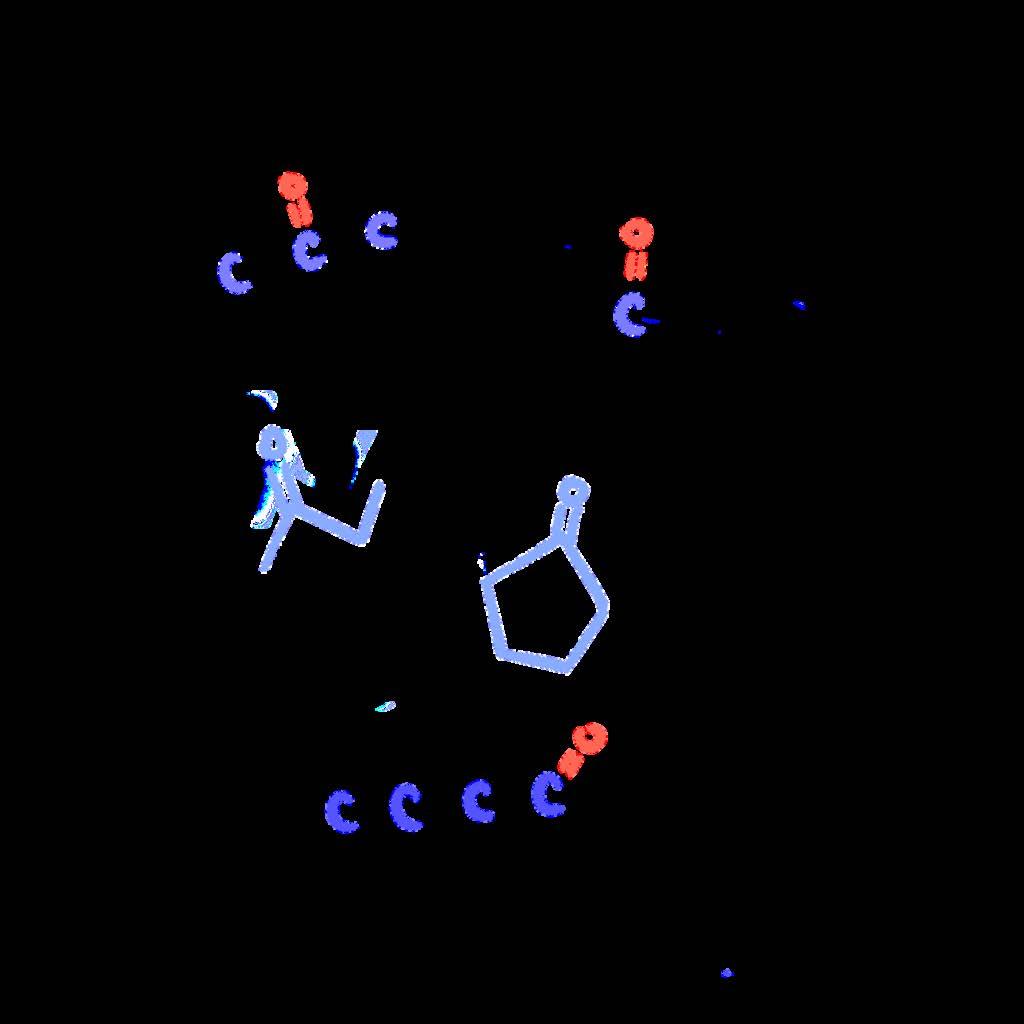
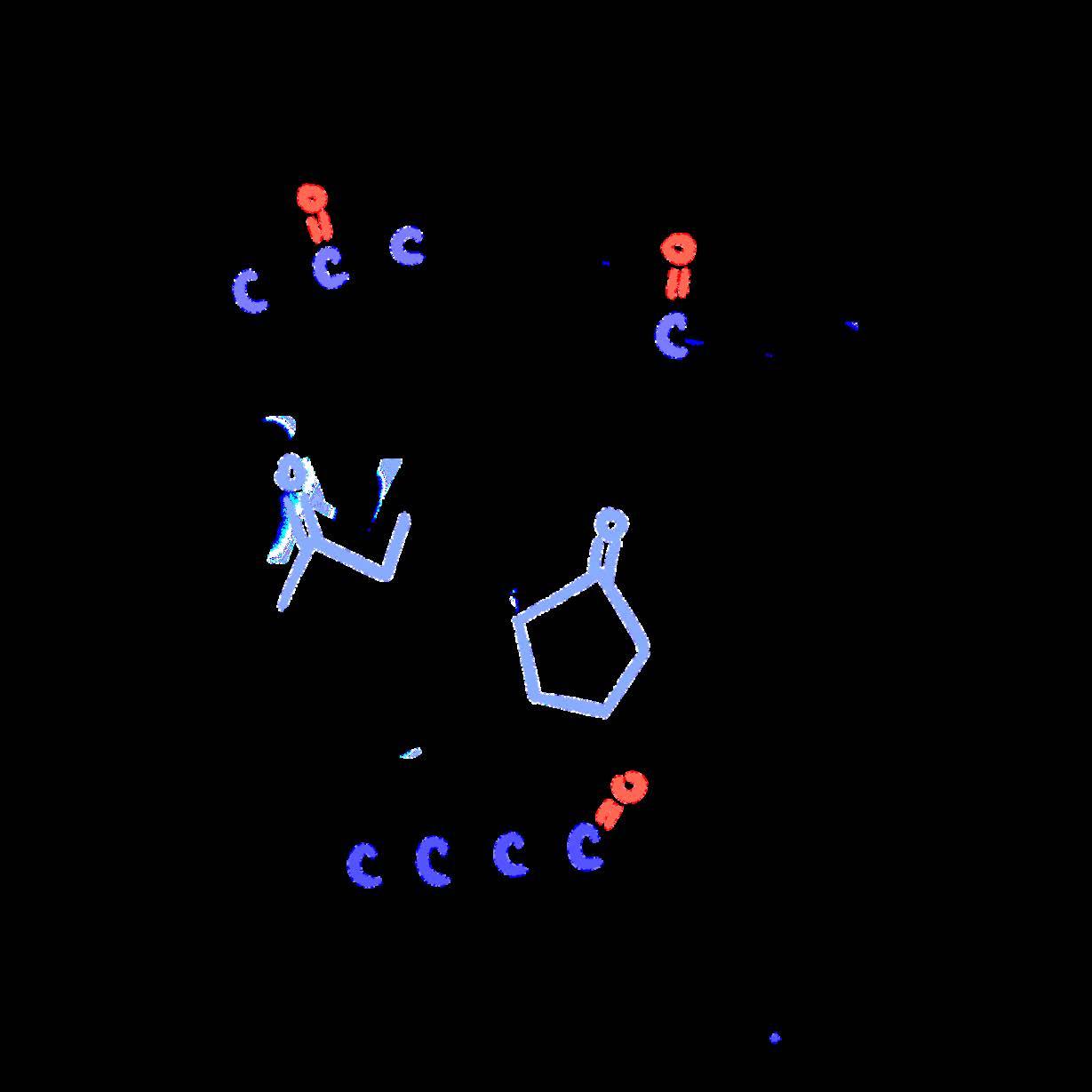
Ketosisisametabolicstateinwhichourbodyshiftsfromusingglucose(sugars)asitsprimaryenergysource,to using fat-derived molecules - ketones. This shift often happens in extended times of fasting, or when carbohydrateintakeisrestricted,orinsomemedicalconditionssuchasType1Diabetes.
Populardietssuchasthe‘KetoDiet’havecreatedanassociationinpeople’smindsbetweenketosisandweightloss,yetbiologically,itseffectscanbedrastic–particularlyinteenagerswhosebodiesarestilldeveloping.
TheBiochemistrybehindKetosis
1)EnergyMetabolism
• Under normal conditions, the body carries out glycolysis, whereby glucose is broken down into pyruvateasmallercarbohydratewhichcanenterthe mitochondria. From there, the pyruvate is metabolised through the tricarboxylic acid or Krebs cycle (which takes place in the mitochondrial matrix of cells - to remove high energy electrons), producingATP(adenosinetriphosphate),theprimary energycarrierofalllivingcells.
• When carbohydrate intake drops to below roughly 50g a day in adults - the glycogen stores in the liver depletewithinaslittleas24-48hours,andourbodies turntoalternativefuellingsources.
2)FatMobilisationandKetoneProduction
• Lipolysis - is when the body releases fatty acids from adipose tissue (specialised connective tissue that stores energy as fat found commonly in abdominalwall,thighs,buttocksandarms).
• β-oxidation - is the process in whichs fatty acids are broken down into acetyl-CoA - a key metabolic molecule which connects the breakdown of carbohydrates, fats and proteins to the Krebs cycle mentionedabove.
•Ketogenesis-iswhenmoreacetyl-CoAisproduced than what the Krebs cycle can process resulting in theliverconvertingacetyl-CoAintoketones.
3)UsingtheKetones
•Ketonesthencirculateinthebloodstreamandhave the potential to be taken in by body tissues like skeletal muscle, the heart and brain. Neurons (nerve cells which are specialised to receive, process and transmit information) use ketones as an alternative fuel soruce for the brain and they convert ketones back into acetyl-CoA to produce ATP in the Krebs cycleandlaterinoxidativephosphorylation.
HormonalRegulationinKetosis:
• Insulin production (which reduces blood glucose levels) decreases significantly with low carbohydrate intake, and it triggers ketosis by activatinglipolysis.
• Glucagon levels rise, which promote gluconeogenesis (where the body creates new glucose molecules from non-carbohydrate sources).
o In teenagers, insulin and glucagon also interact with pubertal hormones, which may thereforeintensifymetabolicresponses.
EffectsofKetosis:
ShortTerm:
• Appetite becomes suppressed as the ketones reducehunger
• Diuresis (increased production of urine by kidneys), which leads to loss of sodium and water leading to dehydration and also an imbalanceofelectrolytes
• ‘Keto Flu’ - this consists of temporary fatigue, headachesanddizziness
LongTerm:
• Weight loss - fat stores are diminished, and reductioninmusclemassifproteinintakeisalso reduced
• Changes in blood lipid levels - the volume of triglycerides(mainformofstoredfatinadipose tissue:glycerol+3fattyacids)oftendrop
• Micronutrient deficiencies - due to restricted diet
1)
Humans grow and develop until roughly age 25, so our bodies have high demands for energy, protein, vitamins andminerals.Unfortunately,ketosisisoftenpromptedbyextremecarbohydraterestriction-oftenintheformof eating disorders such as Anorexia Nervosa (a psychological condition in which the sufferer restricts their diet). AccordingtotheNHS,7.8%ofteenagersaged17-19currentlyhaveeatingdisorders(around113,880people). Ketosisduringtheteenageyearscancompromise:
• Bone mineralisation (in which bones harden to give strength and rigidity - reducing chance of osteoporosis) duetoreducedintakeofcalciumandvitaminD.
•Braindevelopment:theteenagebrainreliesheavilyonglucosetogrow.
•Oestrogenandprogesteronelevelsaresensitivetochangesintheavailabilityofenergyandbodyfat(roughly 22% body fat is required in women/girls to have regular periods). Therefore, sustained low carbohydrate intake canleadtoirregularperiods,ordelayedmenarche(firstperiod).
•Thyroidhormonesarealsoaffectedbyaketogenicdiet,possiblyleadingtoreducedT3levels(hormonewhich playsavitalroleinregulatingmetabolism,growthanddevelopment).
3)PsychologicalEffects
• Especially in teenagers, restrictive diets can increase the risk of developing eating disorders with the resulting side-effectsdetailed.
ClinicalUseofaKetogenicDiet: Ketogenic diets are often used to treat refractory epilepsy (when the patient’s body is resistant to anti-seizure medicines).
• This works as ketones may stabilise neuronal networks and provide a steadier energy supply. There is also the possibilitythatketonesreduceneuroinflammationwhichcontributestoseizures.
•Referencetodiabetesinfirstpara.Eitherchangethatref.toepilepsyorputsomethinginaboutdiabeteshere.
Ketone level monitoring is also used for patients with Type 1 diabetes. This is in order to prevent diabetic ketoacidosis(DKA).Thisisalifethreateningcomplicationwhichoccurswhenthebodybreaksdownfatforenergy insteadofglucoseduetoalackofinsulin.
• Monitoring ketones is crucial - especially during illness or pregnancy, it shows us when medical intervention is neededtopreventthebloodfrombecomingdangerouslyacidic.
•Onlyinsomecases,theverylow-carbohydrateketogenicdietmaybeconsidered,butmustbesupervisedbya medicalprofessionaltoadjustandpreventhypoglycaemia(wherebloodsugarlevelsdroptoolowtotoprovide yourbodywithsufficientenergy)
Insummaryketosisisanadaptive metabolicpathwaywith therapeuticpotentialforsome conditions.However,ifpromptedvia dietforotherreasons,itcan producehealthrisksparticularlyfor teenagers,whoshouldinstead maintainabalanceddietand healthylifestyleforgrowthand futurewellbeing.

ByKyaKo

Avian influenza, more commonly known as bird flu, is a viral disease that spreads mainly amongst poultry and other captive birds. Yet, it can also spread to mammals and even humans. The disease is caused by a group of influenza viruses which are classified according to the type of haemagglutinin (H1-H18) and neuraminidase (N1-N11) proteins on their surface. They are then further categorised as being HPAI or LPAI (high pathogenicity vs low pathogenicity). Only strains with H numbers of 5 or 7 have the capability of being highly pathogenic as such there is an ongoing monitoring for H5 and H7 avian influenza in both poultry and wild birds. The most common subtypes that have spread to humans are the H5N1 and H7N9, which can infect your upper respiratory tract and lungs.
Avian influenza is spread between birds by direct contact or indirectly through contaminated body fluids and faeces. It can also be spread by contaminated feed and water and other environmental matrices or by dirty equipment. It is not an airborne virus, but there is a high risk of droplet transmission, and only ten virus particles are needed for transmission. Therefore it is very easy for large scale infections to occur within domestic poultry flocks and transmissions with wild bird populations. Symptoms of bird flu (HPAI) vary but can include sudden death, swollen head, respiratory issues as well as neurological signs such as lack of coordination - often leading to organ failure. While some species show no symptoms, a sudden

The migration behaviours of wild birds can lead to widespread infections, so the virus has a huge global reach. The virus evolves rapidly through recombination aka genetic reassortment: when an individual is infected by two different influenza viruses the segmented genome of the two strains can swap genetic material, creating new virus strains that can gain new properties, like the ability to infect different species easier. In 2021 a new H5N1 virus emerged in wild birds in Europe in a poultry- adapted strain which caused rapid mortality in populations of gamebirds, waterbirds , seabirds and other species. Unlike previous outbreaks, the virus has continued to circulate in the wild bird (mainly waterbirds) population for two consecutive years. More than 8000 northern gannets, 4000 common guillemots and 2700 great skuas were reported dead along with other tern and gull species. This was the first time that many seabird species had been exposed to HPAI, and the levels of mortality were horrendous. These losses may make these populations more vulnerable to future extinction.

Avian influenza is a disease with zoonotic potential (the ability for an infectious disease to jump from a non-human animal to humans and establish chains of human-to-human transmissions) Humans and other mammals can be infected under certain conditions if they come in prolonged contact with an infected animal’s body fluids, or droppings. Furthermore, the virus can be breathed in from small dust particles in animal habitats as well. Especially farm workers who work with poultry, waterfowl and dairy cows are at the highest risk for bird flu. Although human cases are still considered rare, there are growing concerns for H5N1 in becoming contagious due to an increased detection of the virus in different species of mammals in recent years. The emergence of H5N1 dates back to 1996 in Southern China, which killed about 40% of infected birds. In 1997 it was detected in domestic chickens in Hong Kong, where it also caused the deaths of six people. Outbreaks in poultry continued, until the virus spread into wild and captive waterbirds in Hong Kong. By 2004 HPAI had spread to eight Asian countries and was linked to further human deaths. In total 18 additional cases in Hong Kong were confirmed to be infected with influenza A (H5N1) virus and in six cases, death resulted from the infection. These were the recognized first H5N1 human infections with fatal outcomes.
Recently, in early 2025, over 995 dairy cow herds and at least 70 humans have been affected, including cases of severe disease and H5N1 related deaths. The first confirmed H5N1 related death in the U.S. was an individual who likely contracted infection from wild birds that died on his property, raising alarms regarding the potential for a pandemic. The U.S. poultry industry is at significant risk, particularly in areas with high-density farming and lacking biosecurity practices. For example, a highly pathogenic influenza virus has resulted in the loss or culling of over 165 million commercial poultry from all 50 U.S. states since 2022. In May 2024, Mexico reported the first H5N2 fatal human case of avian influenza without known poultry or wild bird exposure. In England, the world's first case of H5N1 bird flu in sheep was detected while no other sheep in the flock was found to be infected, this signifies that the virus is continually mutating and spillover is spreading to a larger range of animals.
Simultaneous infections of a human influenza virus could promote reassortment (mixing of genetic material) which can lead to the emergence of a new virus that is highly contagious to humans. The massive viral circulation has led to infection of an increasing range of mammals e.g. including suspected mammal-to-mammal transmission for minks, sea lions, and cows. In mammals, these viruses may acquire mutations that increase their ability to transmit and replicate efficiently - eventually including humans; however, this has yet to be demonstrated.

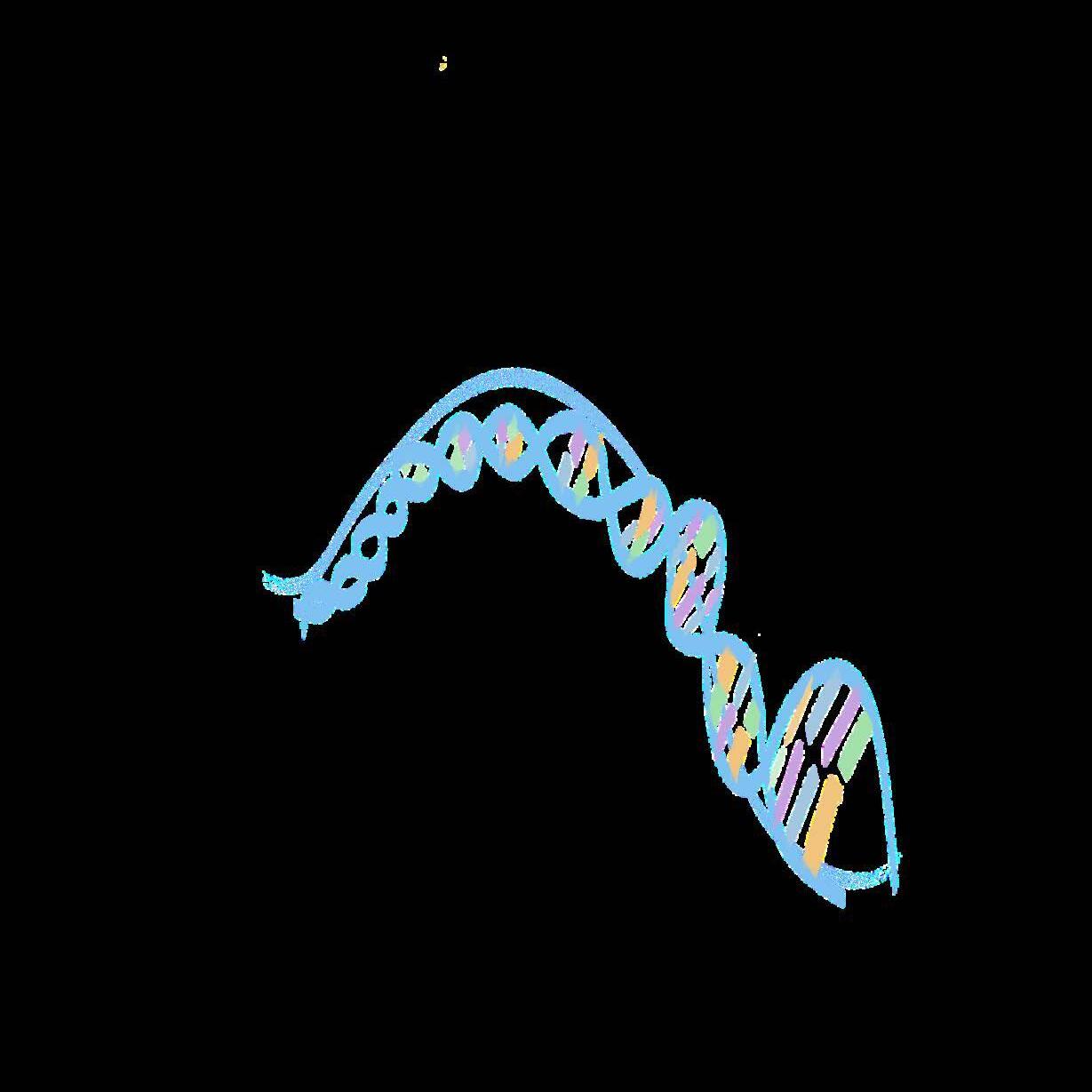
For a virus to cause a ‘pandemic’ the virus has to meet 4 criteria: 1) it has to be novel (when a virus is described as "novel," it means it is a new strain that has not been previously identified in humans, so the population is susceptible due to the lack of pathogen specific antibodies) 2) be able to infect humans, 3) be able to cause diseases, and most importantly, 4) must be able to spread from human to human, so the virus has sustained chains of community transmission. Co-circulation of H5N1 viruses with swine or human seasonal influenza viruses, especially during the Northern hemisphere winter season, could lead to reassortant (new, hybrid) viruses that can efficiently spread in humans. While the current North American outbreak is largely mild, historic mortality rates of 50% from H5N1 in humans suggest the terrible consequences of under reacting to current threats. More should be done to mitigate the spread of “bird flu” to humans.
It is very difficult to address the widespread of avian influenza and to monitor its constant mutation in wild bird populations and we have limited opportunities for intervention. But conservation organisations including NatureScot and RSPB have developed databases to keep a record of mortalities, as well as involving volunteer birdwatchers. We are able to track the spread and impact of the virus on wild bird populations in almost real time by quantifying the effect of HPAI. This is useful in identifying the likelihood of future outbreaks occurring. Other methods include bird ringing, a method of scientific study where a unique, lightweight metal ring is placed around a bird's leg to identify it which can help track changes in mortality over time through repeated capture. Removing carcasses of dead infected birds and ensuring safe disposal can prevent the virus circulating in other bird populations especially within scavengers species. In case of particularly threatened species, it may be possible to vaccinate potentially vulnerable species for example the Californian condors such as those with captive breeding programmes.
Regarding domesticated poultry, there is generally no direct treatment for avian influenza; instead, the primary response involves controlling the disease through culling of infected and exposed animals to prevent further symptoms. It is possible to create a vaccine for prevention but due to the nature of the virus, by the time the vaccine becomes commercially available the virus might have mutated and thus become ineffective. Vaccinations can also lead to 'masked infections' where the bird has the virus but shows no signs. Therefore, they can transmit it to other birds. It is essential to set up monitoring programmes for vaccinated flocks, to identify birds that might still carry and spread the virus despite showing no symptoms, requiring diagnostic tests. Advances in vaccine technology are making it increasingly feasible to meet these needs. Additionally, vaccines should be specifically adapted to the strains of virus circulating in each domestic bird species at any given time, although that can be extremely difficult.
As a result, preventative measures play a more important role in managing avian influenza. Biosecurity (the prevention of disease causing agents entering or leaving any place where they can pose a risk to farm animals, other animals, humans, or the safety and quality of a food product) must be kept to a high standard, such as implementing PPE for all workers and installing disinfection stations for vehicles, equipment and footwear as well as restricting farm access. Healthy poultry and livestock should be kept away from wild bird populations especially if the area has an ongoing outbreak. Infected animals should be culled or isolated. To monitor the safety of animal products, regular testing for milk, eggs should be tested regularly for viruses also to prevent human infection. It is also important to train workers on recognising symptoms of avian influenza and educate farmers on safe handling of animals and waste and ensuring safe carcass disposal. Veterinary outreach should be encouraged to ensure any unusual bird deaths or illness are detected as soon as possible, but this may raise conflicts with economical costs. It is essential for practicing vets to know how to communicate promptly with veterinary and public health authorities such as DEFRA in the UK and USDA in the USA. Early detection and reporting allows efficient testing and containment, which is efficient in preventing the virus from spreading widely and possible transmission to humans (by monitoring farm workers).
The rising trend of intensive farming can make it difficult to control the spread due to the higher density of animals which makes virus transmissions easier. The mass number of poultry needed to be managed makes it hard for workers to detect sick individuals and stop the spread in time. Outbreaks can require mass culling (aka the killing of large numbers of farmed animals in the event of an emergency animal disease outbreak to control and prevent further spread of the disease) of thousands of birds, for example, from October 2021 to September 2022, 2520 HPAI clusters of mortality were reported in domestic poultry across 37 European countries. This led to the culling of over 50 million domestic birds. Disrupted trade and consumer fear can result in significant economic losses. Smallholders are particularly vulnerable as they can lose their livelihood entirely.
Many raise ethical concerns regarding the mass culling of infected animals. A large number of the mass cullling methods such as ventilation shutdown, foaming and gassing can cause suffering, distress, or prolonged death. Some animals that are clinically healthy may be culled together within the ‘infected zone’ causing unnecessary death and potentially worsening social issues like food insecurities. It may be believed that some approaches deprioritise animal welfare in the rush to contain the disease - as the procedure is always done in a short time frame. While H5N1 can be a genuine threat, reliance on mass-culling may have produced preventable economic and ethical disasters.
From an animal welfare point of view, developing more targeted and evidence-based strategiessuch as genome data sharing, more efficient vaccine roll-out plans and promoting international collaboration - can help minimise the risk. This further emphasises the importance of the ‘one health’ approach to tackle zoonotic diseases.

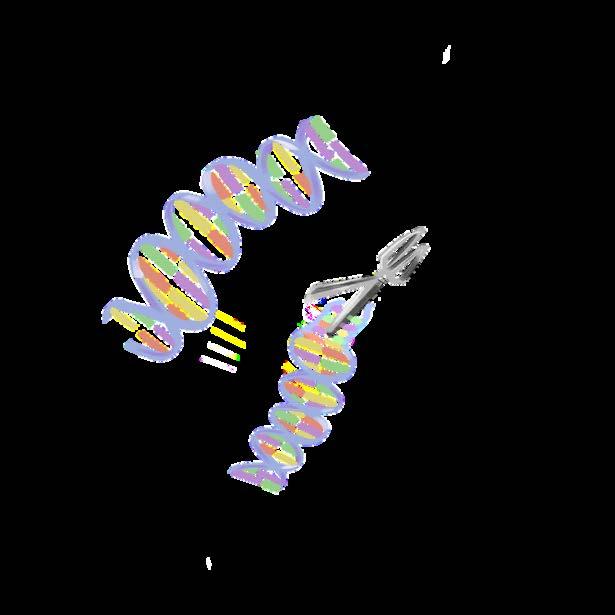
DNA is the instruction book for every living thing as it contains our genetic material. For example, it codes for your features; like hair and eye colour. For decades, people studied books, for example,’Charles Darwin’s On the Origin of Species’ and ‘James Watson's The Double Helix to understand how life works’ to learn and see how different types of DNA and different organisms worked. However, scientists like Craig Venter (who has his own institute called J. Craig Venter Institute) created the first synthetic cell with a lab made genome in 2010. Many other scientists are now writing their own instructions by using two different methods, the top down approach and the bottom up approach, which I talk more about it later on. They design new DNA in a lab using different methods, for example, chemical DNA
Synthetic biology is based on an idea that building and design methods can be used to study biological systems,
The Sc2.0 Synthetic Yeast Project was a international collaboration which had designed and built the world's first synthetic yeast genome, that completed in early 2025. Some key contributors in this competition were, Jef D. Boeke, Yizhi Cai, Tom Ellis, and Joel Bader, who led teams using - computer-aided design (CAD), DNA synthesis, hierarchical assembly, error detection, and the scramble system to create a custom designer genome with enhanced features for synthetic biology. They did this by synthesizing all 16 chromosomes of saccharomyces cerevisiae.
There are many different methods to create a synthetic cell in a lab, for example-
The top down approach - This method involves taking an existing cell and removing its genes to determine the minimum number of genes required for life. The goal is to create a "minimal cell" with a stripped down genome which only contains the essential instructions for survival and replication. A landmark achievement in this area was the creation of ‘JCVI-syn3.0’, a synthetic bacterial cell with the smallest genome of any known self-replicating organism
The bottom up approach - This involves assembling a cell from its basic, non-living components. Scientists aim to combine molecules like lipids, proteins, and nucleic acids (DNA or RNA) to create a structure that can perform the basic functions of life, like replicating its genetic material, and carrying out metabolic processes. This approach is incredibly complex and has not yet been fully made from scientists.
Chemical DNA synthesis - This is the foundational process for "writing" new DNA code from scratch in a laboratory. Unlike biological processes that copy existing DNA, this method uses controlled chemical reactions to build short, single-stranded DNA fragments, called ‘oligonucleotides’, one nucleotide at a time in a specific, programmed sequence. This technology allows scientists to create custom DNA sequences that do not exist in nature, which serves as the basic building blocks for creating synthetic genes.
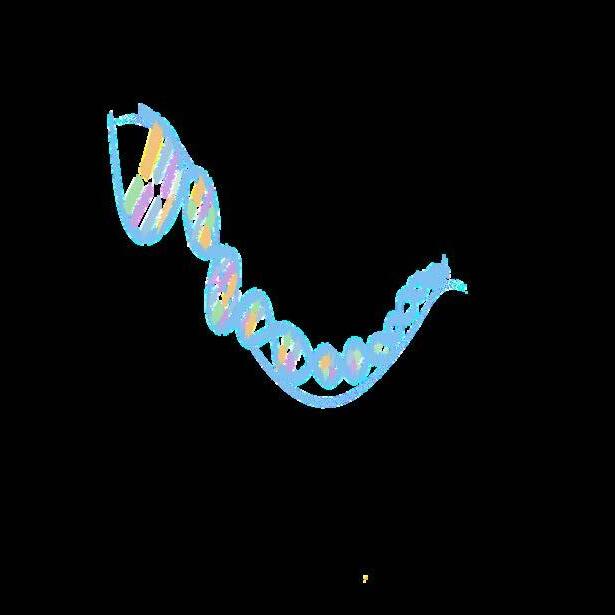

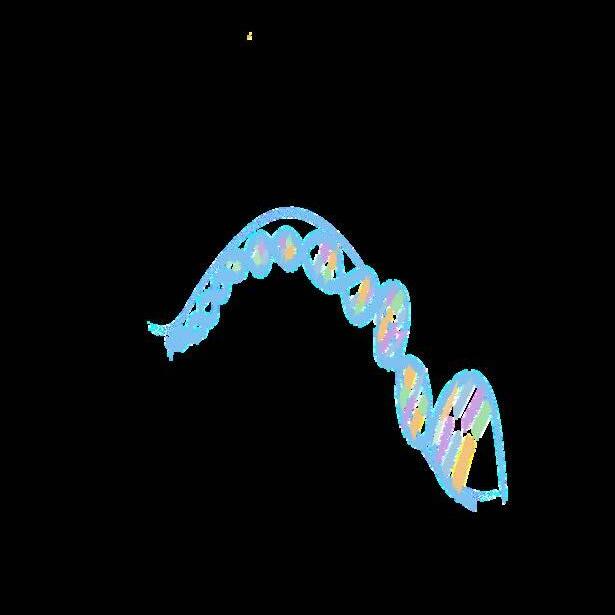
DNA assembly method - DNA assembly is the process of “stitching together” the short DNA fragments created by chemical synthesis into much longer, DNA forms like genes or genomes. This technique works by designing the short DNA pieces with overlapping ends. In a single test tube reaction, enzymes “chew back” one strand to expose these overlaps, which allows the corresponding pieces to stick together before an enzyme catalyses the filling of any gaps and another enzyme called ligase “seals” them into a single molecule. Through successive rounds of assembly, scientists can build large DNA molecules from thousands of small, synthetic DNA fragments.
Gene editing - This refers to different technologies which allows scientists to make specific changes to the DNA inside a living cell. The most well-known tool is ‘CRISPR-Cas9’, which uses an RNA molecule as a guide to direct an enzyme (Cas9) to a specific target sequence in the genome.
Significance in the world today:
Your health: In labs, scientists could make (from creating synthetic cells) tiny “bugs” which enter your body and kill cancer cells by using the top down approach or the bottom up approach. This would be devastating for all of us as it could trigger a dangerous immune responce, called a cytokine storm, which causes a high feaver and organ failure.
The Earth: Pollution is a massive problem in the world today. But what if scientists could make microbes that eat plastic in the ocean or clean up oil spills? They could also suck up carbon dioxide to fight global warming tob help save future generations.
Power: We still burn fossil fuels for energy. However, synthetic life could make new fuels, like hydrogen, to power cars and houses without ruining the planet.
Food: science labs are already making meat and milk without needing animals. This could help feed everyone without breeding livestock.
Dr Julian Sale, of the MRC Laboratory of Molecular Biology in Cambridge, who is part of the project, told BBC News the research was ‘the next giant leap in biology’. He further went on to say: ‘The sky is the limit. We are looking at therapies that will improve people's lives as they age, that will lead to healthier aging with less disease as they get older. We are looking to use this approach to generate disease-resistant cells we can use to repopulate damaged organs, for example in the liver and the heart, even the immune system,’
Negative effects:
Despite creating cells having many positives, it's not all perfect. Ethical concerns have been raised - what if someone makes a virus on purpose?
After researching about this I came across the question - what even is life? For our whole life people thought that it was something sacred - widely interpreted from religion. However, if we can just build a life in a lab, is it just biology?
Today scientists are discovering:
Bacteria that glow in the dark, which could be used for streetlights for safety
Microbes that eat plastic waste to clean the world.
Some scientists ? like Sara Seager who works in NASA are even trying to make living organisms which could survive on different planets like Mars, so humans could potentially live there in the future. There are already organisms which live in extreme conditions, called extremophiles, for example - a bacteria, picrophilus torridus, it can live in temperatures up to 60 degrees and as low as 0.7 pH. This could help scientists in researching how humans could survive on different planets.
Molly Wright
ByImmyLacy

Imagineatherapythatcouldnaturallyloweryourbloodpressure,reducestresshormonelevels suchascortisol,andmotivateyoutoexercise,allwithoutaprescription.Thisiswhatanimalsand ourpetscandoforus.

Globally,thousandsfeelacloseconnectionwiththeircat,dog,orevenfish,yetdon’tunderstand why.Scientistsarenowprovidinganunderstandingonwhyourconnectiontopetsissoprofound, andgivingevidenceoftheseverityofthe'peteffect'onhumanhealth.Fromthereleaseofmoodboostingoxytocinwhenstrokingourpets,tothelong-termimpactoncardiovascularhealth, animalsareprovingtobeessentialpartnersinourwell-being.
MentalandEmotionalhealthbenefits:
Otherimmediatepositiveeffectsofpetsarethattheyprovide companionship.Petsofferunconditionalandnon-judgementallove andsupportfortheirownersunlikepeople.Theconceptofknowing yourpetisthereforyouattheendofthedaycanreallymakea differencetosomeone’slife.Forthoselivingaloneorwhosufferfrom mentalhealthconditionssuchassocialanxiety,havingapetcangive thempurposeandincreasetheiremotionalhealth.Havingapetis muchmorethanjustabestfriendtothem,theybecomeanotherbody inthehouseandgivethemareasontogetupinthemorningandface thedayaheadofthem. Illustrations by



Spending10minuteswithananimalcandecreaseanxietylevels1015%andprovidepeoplewiththeabilitytohavebettersocial interactions.Cortisollevels-thestresshormone-instantlydecreaseby 10-15%whenspendingtimewithananimal.Theimpactofinteraction withanimalsismostdefinitelypositive.Astudyshowedthat69%of peoplewithpetssaidthattheyhelptoreducestressandanxiety.Yet thisisonlyoneofthemanybenefitsthatanimalsprovidetoourmental andemotionalhealth.
Ifyouaresomeonewithapet,howmanytimeshaveyoucomehome fromalongdayatschoolorworkandwantedtocuddleupwiththem? IknowIcertainlyhaveafewtimes.Thespecialphenomenonofpetting yourownanimalcreatesabondunlikemanyothersduetothedifferent hormonesthatarereleasedduringthisconnection.Serotoninand dopamine(thefeelgoodhormones)aswellasoxytocin(thebonding hormone)areallreleasedwhichiswhywefeelsodrawntoourpets afteralongorhardday.


:
AnimalAssistedTherapy-betterknownasAAT-focusesonhowanimalscanfitwithinatherapy programtosetgoalsforthepatientandmeasuretheprogressmadebythem.AnimalAssisted Activities-alsoknownasAAA-isverysimilartoAAT,yetAAAhasnospecificgoalsoraimssetoutfor thevisitswithpeople.Anexampledemonstratingthedifferencesisifyouweretotakeadogtoacare home,anAATdogvisitwouldinvolveworkingontheirmotorskillssuchasbrushingthedogsfurand trackingtheirbehaviourtoseeifthedogbrightenstheirmood.DuringanAAAvisitthepeoplewithin thecarehomewouldjustbeabletoenjoythecompanyofthedogs-lettingthenaturalbenefitstake place.ManytherapistshaveseenthedifferenceintheirpatientsthroughbothAATandAAA,thisis especiallynoticeableinpeoplewhosufferfromsocialanxiety,autismandPTSD.
BothAAAandAAThavehelpedpeopleworldwidesufferinganddealingwithdifferentsituations. Someofthesediversesituationsincludeliteracyprogramswhicharetohelpchildrenwithreading anxietyandimprovetheirliteracyskills.Theseprogramsallowthechildrentoreadtocatsanddogs, creatingasafeandnon-judgementalenvironmentwhichhelpsincreasetheirconfidencewhen readingoutloud.TheNationalSchoolDogAlliancewassetupforthisexactreasonandhavefound thatithasmadeahugedifferencetothestudents.ItwassetupaftertheCovid-19pandemicintheUK astheyfoundmorestudentswerehavingadifficulttimereadingaloudtoothersduetotheathome environmenttheywereusedto.Theprogramfoundthatoriginallymostofthestudentswereinthe bottom25%ofreadersinthenationandbytheendwereinthetop25%ofreaderswithinthenation.In additionprogramssuchasthesehavehada20%improvementofthechildren'soralreadingfluency andhavealsoseen100%attendance-demonstratingtheenjoymentbroughttosessionswhenthe animalswerepresent.

TheImpactofAAT:
NotonlydoesAAThelppeoplelikestudentsandthe elderly,butalsopeoplesufferingfrommentalhealth conditionssuchasdepression,which5.7%ofadults sufferfromworldwidetoday,thisisapproximately332 millionpeople.Aswellashelpingpeoplewhosuffer fromdepressionitalsohelpspeoplesufferingwith schizophreniaandPTSD(post-traumaticstress disorder).AAThasbeenusedonpsychiatric inpatients,insomecaseswithin4weekspatients begansmilingmore,beingmoresociableandhelping eachotherwithintheward.Similarprogramshave alsobeenusedonpatientswithchronic schizophrenia.Afterthe10-weekAATprogramall patientshadincreasedcapacitytofeelpleasure. Althoughtherearenostatisticstocomealongwith thistoshowthedegreeofchange,anyimprovements aregoodandshowhowmuchpetsandanimals benefitus.AswellasthispetownershipandAAThas causedenhancedsurvivalinpeoplewhohave sufferedfromheart-attackswhichhasthenledto casesofdepression.

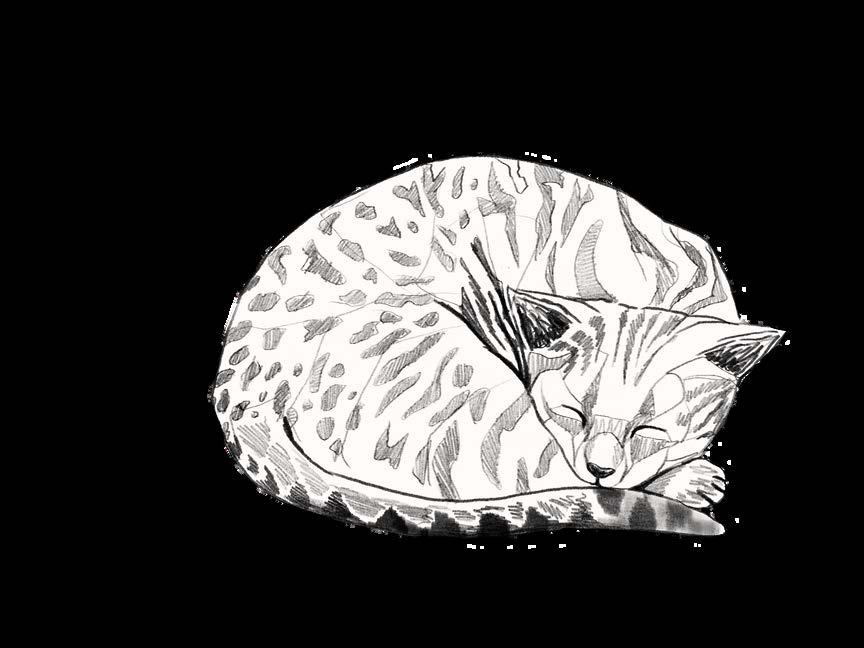

Illustrations by Molly Wright
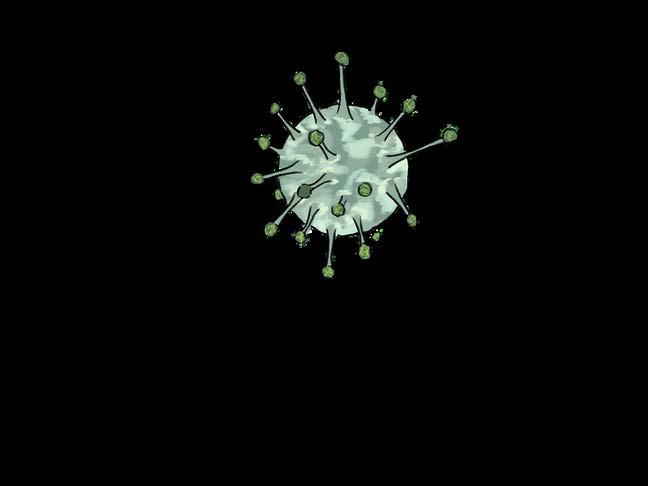
ats. This is down to their unique ability to host viruses that are pecies can outsmart viruses such as Ebola and Nipah.
components to make copies of themselves. They cause symptoms of any viral structures are assembled in one host cell, overwhelming its capacity. This in turn damages tissues.
s, which causes uncontrolled bleeding and organ damage due to 11,300 in the West African epidemic of 2014-2016. But, astonishingly, bats can live with this killer for decades.
Globally, there are roughly 1,400 bat species and the majority thrive in colossal colonies. One extreme example is the Mexican free-tailed bats, which roost between 15 to 20 million in Bracken Cave Texas in the months of March to October. This is seemingly unfortunate for the species as it means communicable diseases can spread quickly, spiralling out of control. Yet, another adaptation emerged of bats (alongside the ability for self powered flight) which enables bats to tolerate typically debilitating viral infections. This remarkable adaptation is a low-inflammatory response - regarding their immune system. This significant feature keeps viruses at bay as often it's not solely the pathogen that inflicts the most harm on the host but instead the influx of white blood cells sent to engulf (phagocytes) and round up (lymphocytes) pathogens. This protective but intense immune response may contribute to tissue damage, leaving areas with a heightened vulnerability for further infection.
The fevers and chills patients often experience under viral infection is just a by-product of a ‘revved up’ immune system preparing to fight the invasive pathogen.
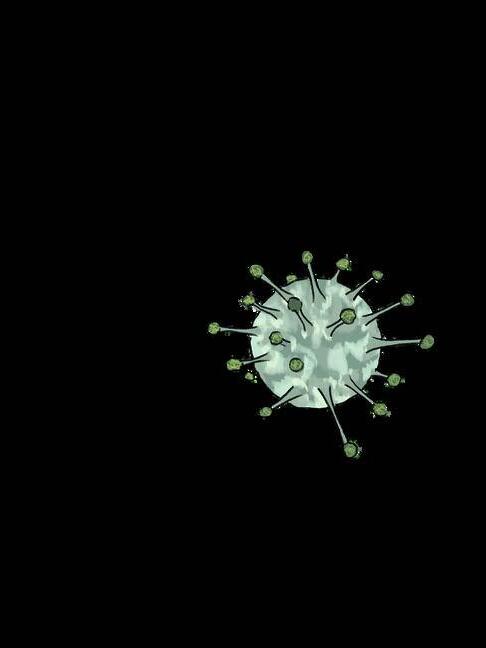

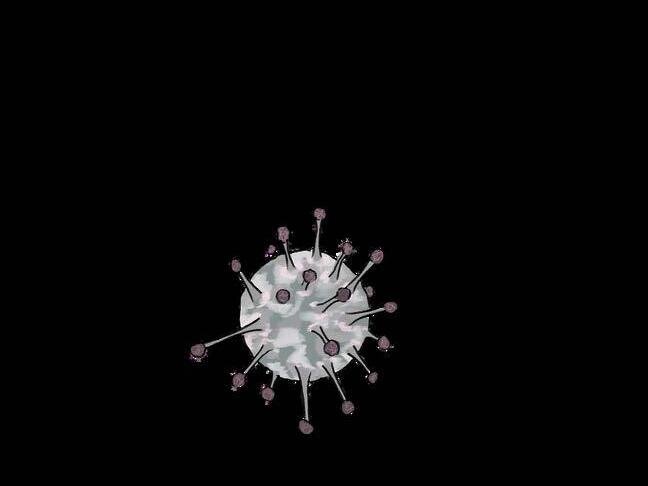
In bats, the low-inflammatory modification is assumed to have stemmed from self powered flight due to its energy intensive nature. This speeds up a bat's metabolism. Their body is capable of surpassing 40 degrees celsius, which subsequently leads to inflammation in cells. Therefore a dampened response to inflammation was a necessary accompaniment of flight. Natural selection made it so this trait is common amongst the species; as viruses spur inflammation, the reduced response allows bats coexist with the pathogens instead of succumbing to their symptoms and facing negative health consequences like humans do.

Adding to this, bats have evolved to have repair genes to count chromosomes conclude with a DNA sequence known as a telomere, w telomeres shorten at a slower rate than akin species, for examp methods - specific genes. This is the answer as to why bats hav
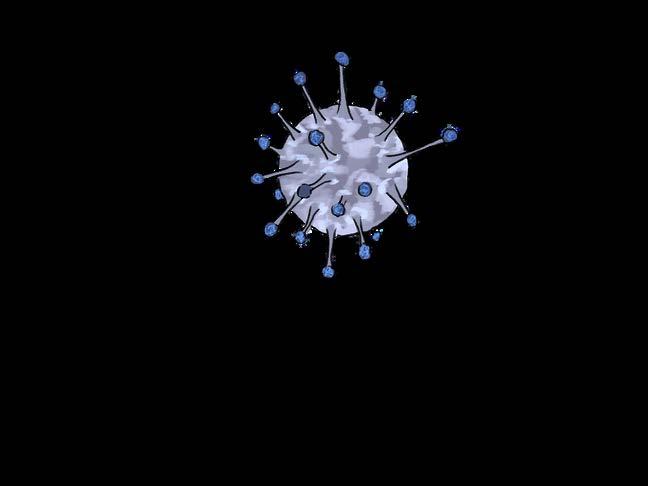
A differing reason as to why viruses don't have the same effect on bats as they do on humans (and other mammals) is bats have expanded and diversified array of antiviral proteins. These proteins are coded for through genes and are induced by cells which interfere with the replication of viruses. The main ways these work is through: stopping viruses entering a host cell, stopping viruses making copies of themselves and/ or stopping viruses bursting cells to leave and infect new cells.
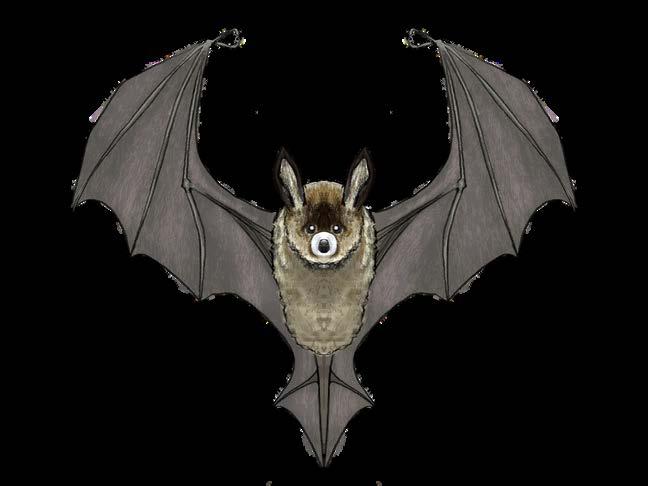
Tetherin is an antiviral protein that perfectly illustrates bats' larger range repertoire of antivirals. Tetherin tethers emerging new viruses to a cell's surface, restraining it, so they can't go on to spread. Most mammals have a single Tetherin gene, and in humans that sole gene codes for two different tetherin proteins that are very similar in nature.
Different species of bats have different numbers or features of the Tetherin gene: fruit bats only have a single Tetherin gene; but it can be used to make a plethora of proteins that appear to have vastly differing functions. Additionally, Vesper bats have at least 5 Tetherin genes , the most of any known mammal to date. Each also produces multiple varieties of Tetherin protein (e.g structural antivirals). From research into Australian black flying fox bats we can conclude that bats’ Tetherin genes are more active than humans’ too. In one of their isoforms (meaning a different but related version of a gene product) the Tetherin proteins synthesised are presented throughout a host cell, instead of just clustering at the surface of the cell to tether viruses, like human Tetherin proteins do. So, not only can bats create an environment within cells and tissues in which viruses can dwell without being damaging, they furthermore are internally proactive in viruses’ destruction.
It is true that bats are not immune to all viruses, the lyssavirus family often paralyses this flying mammal. Similarly, the fact there are such a high number of bat species means that some split from each other further down the evolutionary tree which results in not all bats having the same adaptations/genetic predispositions to keep viruses at bay. Despite this, the value of bats’ impressive immune systems can't be disregarded. In fact the presence of zoonotic viruses (pathogens that are spread from animals to human makes this knowledge of particular significance to us. For example, in 2007 bats were the cause of an outbreak of Marburg virus in Uganda, in which 4 cases resulted in a 25% fatality rate.
So, should we fear bats? No. We have no reason to fear bats so long as we stop intruding on their habitats - for they only encroach on ours when we increase the strain on their food supply. This can be seen in South East Asia, in which the deforestation of fruit bearing trees is putting pressure on flying fox bats’ survival. A possible solution for this is “green belts” being put in place to protect and preserve areas of forest. A different approach to limiting the potential of bats contaminating humans is to vaccinate intermed hosts. Zoonotic viruses can pass through multiple species before reaching us. This can be seen through horses receiving the he virus vaccine after 7 human cases occurred in Australia. This followed flying fox bats infecting horses who then in turn passe pathogen onto humans.
This insight into bats' unique antiviral defence systems also provides hope for better understanding how we as humans, can improve our viral immunity, having the potential for saving lives.

ByAmaiyaSrikanthapalan
InPsychology,stressisafeelingofemotionalstrainandpressure.Stressisaformofpsychologicalandmentaldiscomfort. Stress is the body’s physical, mental or emotional response to perceived challenge or demand, releasing hormones like adrenaline(epinephrine)andnoradrenalinepreparingthebodytoactquickly.
Small amounts of stress can actually be extremely beneficial, especially for athletes as it can improve their performance, motivationandreactiontotheenvironment.Stresscanlookcompletelydifferentforeveryone,forexampleitcouldinclude backaches, neck aches, loss of an appetite, sleeping difficulties, food cravings, excessive alcohol intake etc. Stress can be categorisedintomanydifferentcategories.Thesecaninclude:
Theshorttermstressthattypicallyresultsfromimmediatestressorsorchallengingsituations.
Thebody'sfight-or-flightresponseleadstotemporaryphysiologicalchangessuchasincreasedheartrateandadrenaline releasefromtheadrenalglands.
Chronicstress
Occurswhenthestressorpersistsoveranextendedperiod.
Prolongedexposuretochronicstresscanleadtocumulativephysiologicalandpsychologicaleffects,thereforeincreasingthe riskofhealthproblemssuchascardiovasculardisease,anxietyanddepression.
EpisodicAcuteStress
Occurswhentheindividualexperiencesfrequentepisodesofacutestress.Thispatterncanbecharacterisedtoindividuals wholeadchaotic,ordisorganisedlifestyles-constantlyfacingdeadlinesorcommitments.
Thecycleofstresscanexacerbatehealthissuesandimpairsdailyfunctioning.
Traumaticstress
This type results from exposure to traumatic events, such as natural disasters, accidents or violent acts. The trauma overwhelmsanindividual’sabilitytocopeandmayleadtosymptomsofpost-traumatic-stress-disorder(PTSD),including intrusivememoriesandavoidancebehaviours.
EnvironmentalStress
Thistypearisesfromadverseorchallengingconditionsinone’ssurroundings,includingnoise,pollution,overcrowding,or unsafelivingconditions.
Thesestressorscanhavedetrimental(temporaryandpermanent)effectsonphysicalandmentalhealth,contributingtoa senseofdiscomfortorunease.
Psychologicalstress:
Thestressstemsfromcognitiveoremotionalfactors,suchasperceivedthreats,worries,ornegativethoughts. Typical stressors include work-related pressures, academic expectations, social comparisons, or self-imposed demands. Manifestationsincludeanxiety,rumination(repeatedthinking/dwelling),orperfectionism.
Physiologicalstress:
Physiologicalstressreferstothebody'sresponsetointernalorexternalstressorsthatdisrupthomeostasis(theregulationof theinternalconditionsofacellororganisminordertomaintainoptimumconditionsforfunctioninresponsetointernal andexternalchanges).
Examplesincludeillness,injury,sleepdeprivation,ornutritionaldeficiencies,whichactivatephysiologicalstresspathways andcompromisehealthandwell-being.
Thecausesofstresscanbebothinternalorexternal.Internalfactorsarearesultofa person’s characteristics and are typically self-generated, whilst external factors includestimuli(aneventorfactorthatcausesaphysicalorbehaviouralresponse) from the external environment of the individual. Internal challenges that cause stress are based upon the individual's outlook and thinking patterns. Such as pessimism, rigid expectations, difficulty adapting, and negative perceptions or thoughts. External challenges stem from issues in your environment, such as problemsatschool,work,orhome,alongwithfinancialorrelationshiptroubles.
TheCognitiveApproachhascometomean‘mentalprocesses’.Itfocusesonhowourmentalprocessessuchasthoughts,perception,attentionand motivationcanaffectourbehaviour.Internalmentalprocessesare‘private’operationsofthemindthatmediatebetweenstimuliandresponse. Cognitiveprocessingcanoftenbeaffectedbyaperson’sbeliefsorexpectations,whichmaybereferredtoasschema.Schemaare‘packages’ofideas andinformationdevelopedthroughexperience.Theyactasamentalframeworkfortheinterpretationofincominginformationinthecognitive system. Schema enables us to process lots of information quickly - this is useful as a sort of mental shortcut which prevents us from being overwhelmedbyenvironmentalstimuli. However,whilstschemacanbeincrediblyusefultohelpusovercomestress,ourschemacanalsodistortourinterpretationsofinformation,which canleadtoperceptualerrors.Forexample,schemacancausestressbycreatingnegative,deeplyingrainedbeliefsaboutoneselfandtheworld,leading tochronicanxietyandstress.Excessivestressfundamentallydegradescognitiveperformance.Itcripplesessentialfunctionslikeworkingmemory, attention,decision-making,andinformationretrieval.Thisleadstopoorconcentrationandimpairedjudgment. Althoughshortburstsofmoderatestresscanoccasionallyboostfocus,chronicorintensestressoverloadsthemind,potentiallyleadingtolong-term cognitivedeclinethroughstructuralandfunctionalchangesinbrainregionssuchastheprefrontalcortex(responsibleforexecutivefunctions-high levelcognitiveprocessessuchasplanning,decisionmaking,workingmemory)andhippocampus(responsibleforformingandorganisingshort-term memoriesintolong-termmemoriesandforspatialnavigation).
ThebehaviouristapproachtakesontheideaofClassicalandOperantConditioning.Classicalconditioningislearningbyassociationbetween2 stimuli.Forexampleadogmaylearntoassociatedoingtrickswithtreatssotherefore,iftherearetreatsaround,thedogmayperformtricksdueto conditioning.Operantconditioningislearningthroughreinforcements(positivereinforcement,negativereinforcement,andpunishment).Positive reinforcementincreasesthelikelihoodofabehaviourbeingrepeated.Negativereinforcementincreasesthelikelihoodofbehaviourbeingavoided, beingrepeated(i.e.youaremorelikelytoavoidtalkinginlessonsifyouhavebeenpunishedforit.Thereforeyourepeatthebehaviourofavoiding talking. So how does the Behaviourist Approach view stress? They view stress as learned responses to environmental stimuli, acquired through classicalandoperantconditioning.Therefore,takingtheideaofclassicalconditioning,wemayassociateaneutralstimulus(i.e.asound)witha stressfulevent(i.e.danger).Forexample,associatingthesoundofafirealarmwithafire.Thesoundwilltriggerastressresponseeventhoughthe sounditselfhasnoharm-insteaditiswhatweassociatewiththesound,sointhiscase,afirewhichisthestressfulsituation.Takingtheideaof operantconditioning,wemaybecomestressedbecausewehavepreviouslybeenrewardedforbeingstressed(i.e.givenasweettocalmdown)so thereforethebehaviourofstressismorelikelytoberepeatedtogettherewardsfromit.
Thebrain'sresponsetostressisacoordinatedreactionthatstartswiththeamygdala(theemotionalprocessingcenter),thensignalingathreattothe hypothalamus. The hypothalamus then activates two main systems. First, the rapid-acting Sympathetic-Adreno-Medullary (SAM) axis, which immediatelytriggersthe"fight-or-flight"response.Thisinvolvesthereleaseofepinephrine(adrenaline)andnorepinephrinefromtheadrenalglands, leadingtoanimmediatesurgeinheartrate,bloodpressure,andenergylevels. Secondly,formoreprolongedstress,thehypothalamusinitiatestheslower,hormonalresponseviatheHypothalamic-Pituitary-Adrenal(HPA)axis. This system releases Corticotropin-Releasing Hormone (CRH), which prompts the pituitary gland to release Adrenocorticotropic Hormone (ACTH),ultimatelyleadingtheadrenalglandstosecretecortisol.Cortisolsustainstheenergyboostbyincreasingbloodglucoseandsuppressing non-essentialfunctionsliketheimmuneanddigestivesystems.Whilethisresponseiscrucialforsurvival,chronicstresskeepstheHPAaxisonhigh alert,causingexcessivecortisolexposurewhichcannegativelyimpactbrainstructureslikethehippocampus(affectingmemory)andtheprefrontal cortex(impairingdecision-makingandregulation),leadingtovariousphysicalandmentalhealthissues.

is the Microbiome and how big of an effect does it have on us?
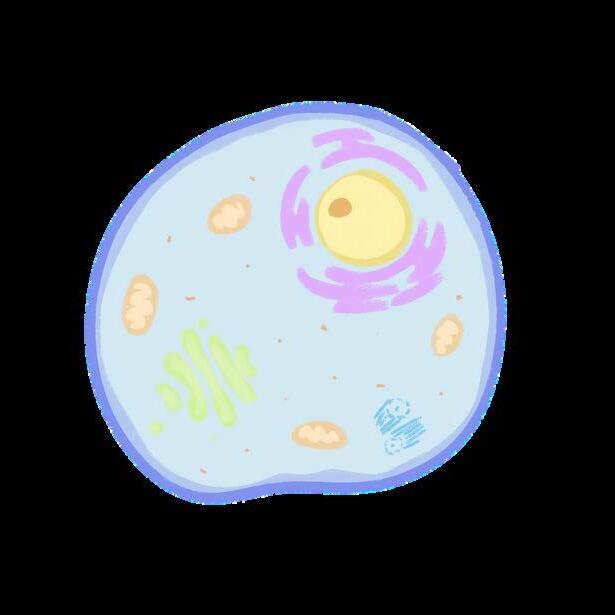
The microbiome is the complete collection of microorganisms - such as bacteria, fungi and virusesas well as their genes (the genetic material) that live in a specific environment. These microbial communities form complex ecosystems on and within living organisms including humans, animals and plants as well as in the broader environment e.g. soils and oceans.
In humans, microbiomes are found on the skin, in the mouth and especially in the intestines where they play an important role in digestion, nutrient absorption and immune function, contributing significantly to overall health.
Humans evolved to live with microbes for thousands of years and to this day they play an extremely important role in our daily lives without us even being aware. Did you know that your gut microbiome begins to affect your body from the moment you are born, and as you grow it affects your body in a number of different ways including, digesting breast milk, digesting fibre, helping control your immune system, helping control your brain health.
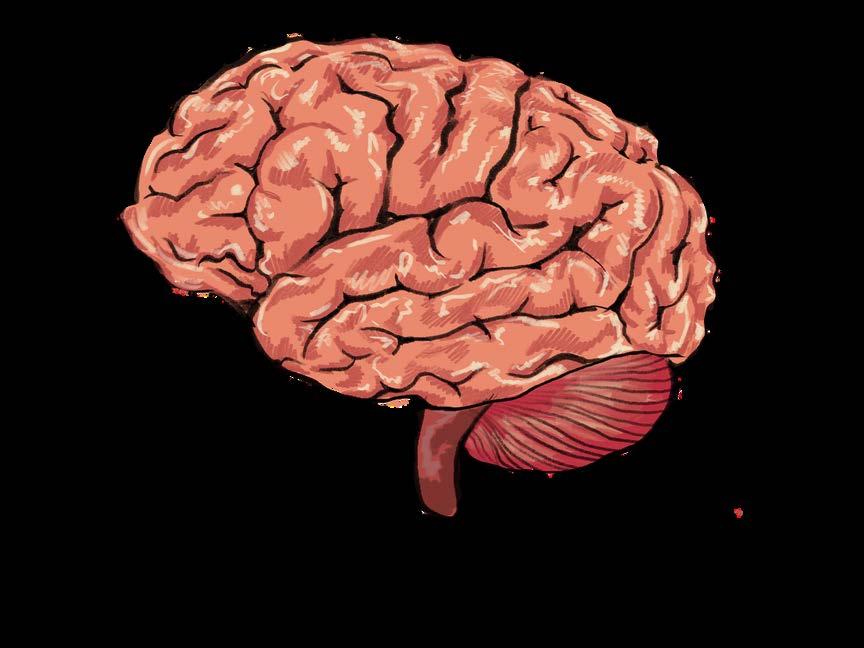
Alzheimer’s disease is one of the most common forms of dementia, a progressive brain disorder that slowly, and gradually destroys memory, thinking skills and the ability to carry out mundane tasks. It is caused by an abnormal build up of amyloid (an abnormal, misfolded protein which accumulates in the tissues and organs) and tau proteins (a crucial neuronal protein, that is the internal scaffolding of neurons that helps maintain their cell shape and transport nutrients and other essential molecules) in the brain which form plaques and tangles that damage the brain cells.
Some symptoms that may present are, memory loss, problems with thinking and reasoning, difficulties with language, planning and organisation, and changes in mood and behaviour. The exact cause is yet to be discovered/understood, however the gut microbiome is linked to its development.



BY EMILY GRAHAM
So how is our gut microbiome connected to these neurological conditions and diseases? Everyone on the planet has a gut-brain axis, a bidirectional communication network that connects the gut to the brain. It works through gut microbes influencing or even producing neurotransmitters (chemical messengers that neurons release to communicate with other cells), modulating the immune system, and producing metabolites (substances formed in/necessary for metabolism) that travel to the brain. So in hindsight it's a relatively simple concept however its complexity arises from not only its intricate neural, immune and endocrine pathways but also its 2 way between the gut and the brain, including the role of the gut microbiota (mentioned above).
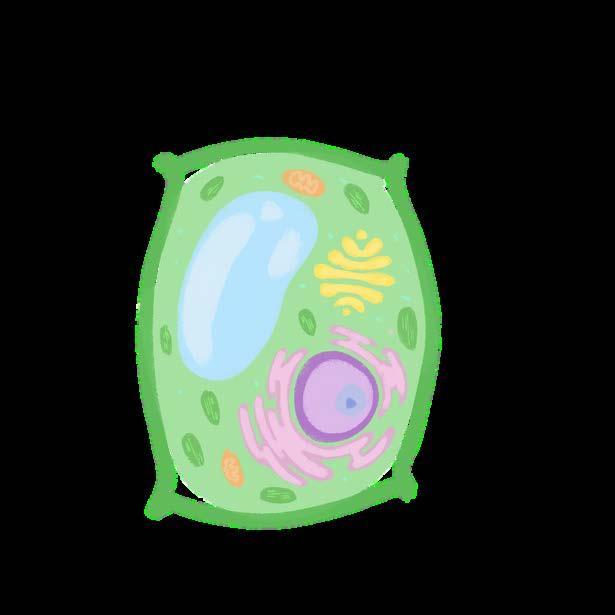
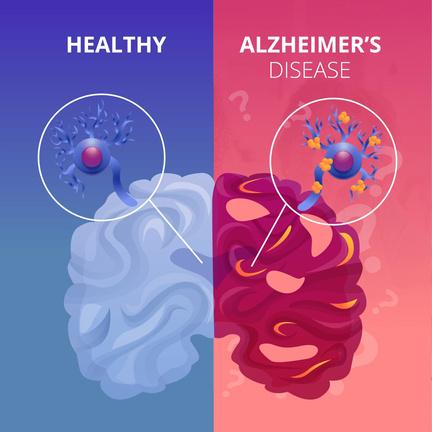
Image from alzheimersla.org
What can we do now, to help prevent the early onset of these neurological diseases by helping out our microbiome?
To start reducing the amount of processed food that you consume is always beneficial not just for your microbiome, new research suggests that consuming a diet of whole foods high in fibre and fermented foods (at least once a day) can significantly improve your gut microbiome. This is due to fermented foods such as yogurt, kefir, sauerkraut and kimchi, containing lots of probiotics that support your gut microbiome. These foods are now considered the number 1 food in fighting the early onset of dementia, so changes such as implementing a simple yogurt a day or some sauerkraut with your dinner can have a huge impact on whether you have an increased chance of developing dementia.
Lifestyle adjustments are also highly beneficial in reducing the early onset of these neurological diseases. Exercising healthy microbiome, furthermore getting a sufficient amount of rest, of about 8 hours sleep, is important for general health and can positively influence your gut microbiome. Even considering a probiotic, however, you should always consult with a health professional when considering this option, to see if it would actually be beneficial to you, as everybody is different.
So the next time you're strolling down the aisles of your local supermarket, consider what high fibre, whole foods you could implement into your diet. Something so simple could improve your quality of life in the distant future.

By Jen Tye
There are currently more than 100 million pieces of space debris circling hundreds to thousands of kilometres above our heads. These collision remnants pose a great threat to future space exploration and satellite technology which we are becoming increasingly dependentontoconnectustoallpartsoftheworld.
Space debris are pieces of machinery and wreckage such as satellites left by humans in space, fragmented from collisions and no longer serve a purpose. Satellites that break in orbitrarelygetrepairedandinsteadarelefttode-orbitorturnintospacejunk.
One way that they begin to break down is through adiabatic compression. Adiabatic compression is when a satellite's structure weakens from a very high temperature that it rips apart under the structural stress. This occurs when a satellite (this can also happen to a spray can or when you open a pressurised container) naturally descend to lower altitudes - between 70-85 kilometers - due to a minor but constant drag from the earth’s atmosphere (this is referred to as re-entry as they returntolowearthorbit(LEO),whichisbetween160kmto 2,000km.) This altitude is called the mesosphere and it’s primarily where satellites break up due to the increasing air density which means that there are more air molecules and because satellites travel at an immense speed of over 27,000km/h they collide with a greater number of particles which generates enough friction to heatanddestructthespacecraft.
Since 1957, there have been more than 7,000 rockets, around 24,000 satellites launched intoorbitworldwideandthereareatleast300rocketsanticipatedtobelaunchedthisyear (2025).Inthemostrecentyearstheemergenceofcheaperandreusablerockettechnology hasincreasedthenumberofspacecraftinorbit.Thistherebyincreasestheriskofcollision for future launches… bare in mind when objects collide they produce hundreds to thousandsoffragments.Therehasbeenanestimateofmorethan650eventsresultingin fragmentationalready…So,howdoesaspacecraftdodgeallthespacedetritus?
The Kessler Syndrome is a theoretical scenario where a chain reaction will be caused by collisions of space debris when the density reaches exponential and this would render the LEO(LowEarthOrbit)unusableforspacecraftforcenturies.Debrisinorbitsbelow600kmfall back to earth within several years but debris above 1,000km normally circle the earth for thousandsofyearsmore.
Their trajectory is tracked using a combination of optical telescope networks and ground-based radars. Optical telescopes observe debris by measuring sunlight reflected by debris up to high altitudes and ground-based radar detect them by examining emitted radio waves and analyzing the reflected signals to determine an object's range, velocity, and size. The combination allows us to obtain a more complete picture of orbital debris at all altitudes- even up to thousands of kilometres.
But there are observational limits and accidents occur, for example in 2016 a small piece of space debris (possibly a flake of paint) that was travelling at a very high speed, damaged a window of the International Space Station. This event promoted discussions concerning the growing amount of space debris and the need for cleanup methods; the ESA (European Space Agency) said:"While a chip like the one shown here may be minor, larger debris would pose a serious threat."ThemostseverecollisionoccurredonFebruary102010,betweenRussianmilitarysatellite Kosmos2251andtheAmericancommunicationsatelliteIridium33thatcreatedapproximately
2000 debris which most are still orbiting the earth today. This collision awoke the start of Clearspace which is an organisation that started their clearspace-1 mission to tackle this growing problem. The pioneering claw capture robot uses machine learning to detect the object’s motion and rotation to grab space debris and, with controlled entry into the earth’s atmosphere, burn then disintegrate. Their progress has brought hope and determination to tackle this issue as it is anticipatedtolaunchinthesecondhalfof2026.
Asourspacenetworksexpand,ourcommitment to responsible space stewardship needs to as well. The solutions exist, what remains is the collective will to act before the problem becomesirreversible.
by Molly Wright
Globally, there are different societal preferences as to how wetakemedication.InWestern society the socially accepted is generally in pill form. However, in countries such as Japan, there is a much larger market for patches that slowly release medicationthroughtheskin.
Pills or capsules that are most common for us in the UK are great due to being easily manufactured, purchased, and consumed. Pills commonly have a sugar coating so that they don't have an odd taste in the mouth if not swallowed properly. In the UK, pills are often used because it is easy to limit how many go into a packet and therefore how many can be purchased at any one time. This prevents abuse of readily available medications such as paracetamol, causing people to develop high tolerances and therefore needing to take copious amounts to feel the same effect. An example of this is the restriction to 2 boxes of paracetamolintheUKtotryandcontrolandpreventabuseofmedication.
History is another factor in the UK’s dominant pill industry. Taking a pill as a form of medication can be dated back to Egyptian times, where pills were simple substances often made from bread, honey and other herbal ingredients believed to help heal people. This therefore leaves a long standing history and trust with pills as a form of medication. Having thistrustandthereforerelianceonpillsmeanscompaniesknowthatsellingmedicationinpill formallowsformoreguaranteedsales-maximisingprofitsandhelpinglargernumbersofthe population.
Furthermore,pillsarealsoverycosteffective due to them being so widely available, the process of making them is becoming quite cheap due to large batch production. Prices for tablets such as paracetamol can vary depending on where it is bought, and the retailer who made it, but paracetamol packs of 16 can be as low as £0.50 in a local supermarket. Low cost is always a bonus for companiesasitmeanstheycanexpandmore easilytomeetgrowingdemand.In2024there were an estimated 12 billion paracetamol tablets consumed worldwide. The low production cost of the tablets is one of the largest factors in making that possible. If paracetamol tablets cost twice as much, many people would seek other, riskier, alternatives due to not being able to afford them. Low cost allows for large production anddistribution,keepingmorepeoplesafe.

InJapan,patchesareapopularwayoftakingmedicationbecausetheyarediscreteanddon’thavetobe swallowed. Not having to be orally ingested greatly helps the growing elderly population in the countrywith 30% being over 60 and this being projected to rise to 35% by 2040 - who may struggle to swallow large numbers of pills per day (if necessary). Many elderly people do struggle with swallowing pills due to illnesses. Patches can help to alleviate issues while attempting to take pills, or just total refusal all together. Patches are applied once or twice a week and would then slowly release the drug into the patient's body. This allowed for people to receive medication without having to go through the tedious process of attempting to swallow pills everyday. An example of this is the contraceptive patch, in place of contraceptive pills, which allows patients to only have to replace the patch once per week rather than havingtoremembertotakeapilleveryday.
The patch also allows for rapid termination of treatment if unwanted side effects occur - through removal. With pills, once taken, if side effects were to occur they would likely continue until all the drug had been flushed from the body. With patches, due to their longer release time, there would be a shorter time in which there would be medication in the body and side effects would likely clear up sooner. When using a patch, side effects can clear up within 5 days normally, however when taking a pill, it can take up to a month for side effects to fully go away. This would be very helpful when experimenting with new medications due to less harm done to the volunteers during the first stage of human testing, where toxicity and dosage are a vital part of what they are looking for. Side effects, such as dizziness and nausea, are always a risk when it comes to taking medications, in pill or patch form, so having a decrease in the longevity of the side effects would likely boost trust and acceptance of a new medication,meaningmorepeoplewouldtakeitifneeded.
In Asia, transdermal patches, like birth control, have been around since the early 1900s, and thereforesimilarly to pills in the West - there is a historical trust from people. Having the history, albeit shorter than with pills, allows people to gain trust and expectations with the drug delivery system. Companies therefore have a good relationship with their customers and know that if a mistake was to be made that they likely wouldn’t lose their relationship with customers due to longstanding history and relationship builtbetweenthem.
Overall, globally, there are different societal preferences and benefits to different methods of drug delivery. In much of the Western world, pills are the most readily available source of medication due to the low costs and long history of usage, whereas in Asia, patches are a much more prominent figure in drug delivery due to an aging population and a rapid end to adverse side effects that may occur. Other options such as an injection may be popular in certain places, but are not common due to it being difficult to provide en masse, and specialists being required to administer it. Depending on where we live, may lead us to prefer one method of medication intake to another, but at the end of the day, we all receive the same medication and if taken in therightquantitiesitwillhelpustofeelbetter.

The brain has an extremely complex structure and as a result it is very difficult to study it in depth. In schools it is taught that the brain can be understood through three different methods; electrical stimulation, MRI scanning and through the study of patients with brain damage. These methods allow scientists to investigate the different sections of the brain and understand their functions. However, these methods do not encapsulate the brain to the full extent as there are a range of factors that affect how we perceive our world. The way we view the world is subjective and our varied experiences will cause us to look at things from a different perspective and maybe even view things differently entirely.
Objective realities:


In 1623 Galileo Galilei developed the idea of primary and secondary qualities within objects while writing his book ‘The Assayer’. Galilei recognised that certain qualities are independent of the mind - meaning that they exist outside of human perception. Examples include shapes, sizes and motion - he labelled these as primary qualities. However qualities such as colour, taste and smell fluctuate between people and so Galilei suggested that they may only truly exist in the mind. He classed these as secondary qualities of an object. This separation between characteristics poses the question as to what is real and what our brains imagine.
How the brain processes information:
You may know that receptors all around the body take pieces of information constantly but how do our brains interpret this? If we use sight as an example, light passes through the cornea, which is the transparent outer layer of the eye, and is refracted. The lens then further refracts the light and focuses it on to the retina which contains light-sensitive receptors known as rods and cones. Here the light is converted into electrical signals which are then transmitted along the optic nerve to the brain for interpretation.
Colour detection:
There are three types of light-sensitive receptors in the eye which detect the wavelength of light.
S-cones detect short wavelength light such as blue light
M-cones detect medium wavelength light such as green light
L-cones detect long wavelength light such as red light



When light is detected, these photoreceptors activate the photopsin protein within cone cells. The activation sends a signal along a neuron to the brain. The brain then receives these signals from different cones and combines them to create the perception of colour. For example, when an object appears yellow, the brain has received signals from both M and L cones simultaneously and has merged this data into one and formed the colour we recognise as yellow, but if the brain differentiates colour based off of its variation in wavelength, what if all of our brains interpret this distinction differently?

By Charlotte Grosso

Are colours an illusion?

All of our senses are interdependent on each other. What we see is affected by what we feel and taste is affected by smell. It is these crosslinks that allow us to construct our environment. However, our individual experiences are almost impossible to compare to someone else's as it is qualitative and so it is entirely possible that we could all see things differently. Colours occur because objects absorb and reflect different wavelengths of light. However for an object to appear to have a colour it must be perceived by an organism capable of differentiating between these different wavelengths of light. This could suggest that colour is not an inherent quality of an object and is instead created.
Other animals perceptions:
The average human eye can distinguish between 1-10 million different colours however due to the subjectivity of colour perception this number varies due to differences in the sensitivity of cone cells. However, many animals possess different structures which may allow them to see an even wider range of colours.
The Peacock Mantis Shrimp:
The peacock mantis shrimp, found in the tropical indo-pacific region, have 16 different types of photoreceptors compared to a human’s 3. These shrimp can detect UV light, polarized light and a much wider range of colour however, the way in which these animals process the information is still being studied as it is very different to that of a human. The eyes of these shrimp are divided into three parts. By having three separate sections focused on a single point in space at one time, these creatures have extreme depth perception which aids them when hunting prey. The term “hexnocular vision" is sometimes used to describe this overall six-part system. This different structure allows them to use both eyes individually and thus significantly improving their range of view. Their eyes contain 16 cone cells which allow them to differentiate between a much wider range of shades at a faster rate. In comparison the human brain has to combine information from multiple cone cells to create colour whereas these shrimp have a direct pathway to perceiving light. The shrimp will have inherited this quality as it allows them to identify their prey a lot faster and thus they are more likely to catch them whereas humans don’t have a particular need for this and so survived without this adaptation.


To conclude, the range of colours a species or even those within the same species can perceive is dependent on the amount of cones cells in their eyes. However there is no way to truly know whether we all perceive these socalled colours in the same way. How one person sees red might be how you see purple. Due to the extreme variation between how different species and even those within the same species perceive objects, leads us to question whether colour is a real property of an object or if it is just the way in which the mind differentiates the information that it takes in. Moreover, if a quality was to only exist in an interaction between an object and an observer does it truly exist? Or is it just an illusion?
What actually is Engineering?
Engineering combines the fields of Science and Maths to solve real world problems. It is not only about creating new things, but also designing and improving machines, structures and systems to make them safer and more efficient. Many people's typical view of engineering is just building big machines, cars and rockets, however engineering is a very broad field with few limitations on what you can make. Whilst engineering is very practical compared to other careers, it is not all about being in a workshop 24/7, it involves research, problem solving and management of operations. Essentially, engineering is not just about making ‘things’, but also the underlying processes, designs and systems that improve our lives. ‘Engineering’ is a very broad field and is split into various categories to enable specialisation in certain areas, yet one thing all engineers have in common is their desire to innovate and create. In this article, we will explore the basics of some of the categories. However, these are just the main and most well known types of engineering and are not all of the options available when considering a future within engineering.
Mechanical Engineering
Three words to describe mechanical engineering: motion, energy, machines.

Mechanical engineering involves the design, development, and maintenance of mechanical systems, from engines and machines to heating and cooling systems. Mechanical engineers use principles of physics and materials to innovate and improve devices essential to modern life.
Subcategories/careers within Mechanical Engineering:
Aerospace engineering -> involves the development of aircraft and spacecraft
Automotive engineering -> involves the design and manufacture of vehicles e.g. Formula 1 cars
Examples:
- Microelectromechanical Computers
- Mechanical sensors
- Equipment
- Biotechnology
Electrical Engineering
- Energy conversion
- Robotics and automation
- Manufacturing
Three words to describe electrical engineering: circuits, power, electronics.
Electrical engineering covers the study and application of electricity, electronics, and electromagnetism. Electrical engineers work on projects ranging from power generation and distribution to designing electrical systems in buildings and creating electronic devices.
Subcategories/careers within Electrical Engineering: Computer engineering
Network engineering
Examples:
- Navigation
- Communication systems
- Global Positioning System (GPS) technologies
- Mobile networking
- Construction and trades
- Renewable energy
- Radar
- Building and manufacturing

Civil Engineering
Three words to describe Civil Engineering: infrastructure, environment, structures.
Civil engineering focuses on designing and constructing infrastructure such as roads, bridges, buildings, and water systems. They are responsible for ensuring the safety, durability, and environmental sustainability of public structures that communities rely on daily.
Subcategories/careers within Civil Engineering: Environmental engineering
Transportation engineering
Examples:
- Airports - Water utilities - Geotechnology
- Tunnels - Transportation - Sustainability
- Construction - Landfill
Chemical Engineering

Three words to describe Chemical Engineering: processes, molecules, production. Chemical engineering combines chemistry, biology, and engineering principles to develop processes for producing chemicals, pharmaceuticals, food, and other products. Chemical engineers work to improve production methods and design safer, more efficient manufacturing processes. Some people view engineering as being a physics and maths based subject, however while these are the core aspects of engineering, subjects such as biology, chemistry and medicine can also be incorporated into engineering.
Subcategories/careers within Chemical Engineering: Pharmaceutical engineering
Biomedical engineering
Example:
- Fuel, food and drug industries
- Implementing safety protocols
- Optimise waste management
- Make energy systems more productive
- Revolutionise agricultural processes
- Power generation and processing
- Nuclear
- Refine fuel products
- Help mitigate pollution
- Gas and oil extraction
- Work hand-in-hand with manufacturing operations to consider the broader environment.
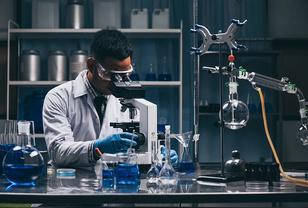
Which engineering is best for you? As mentioned earlier in the article, there are many different types of engineering, meaning that even if you are interested in multiple types, you can still do a combination of them. For example, if you are interested in both electrical and mechanical engineering, it may be worth looking into mechatronic and robotic engineering as they are a combination of these two types. If you are unsure of any engineering field you like the most, start simple, what topics do you particularly enjoy in school, because more often than not, even if that topic isn't in physics or maths, there is an engineer type that will include it, it's all a matter of finding it. While engineering as a whole is heavily mathematics based, there are still lots of different types that include certain subjects other than maths. For example, geography is heavily integrated with environmental engineering, and similar skills used in art are included in architectural and product design engineering. Basically, engineering is not limited to subjects that many people believe it to be, as long as you are innovative and enjoy solving problems, you’re already an engineer in the making, your only limitation is your own imagination.
by
Molly Wright
Light is obviously something we are all familiar with and is why we can see anything at all and how you are reading this right now. But what actually is it and how does it work?

BY KATE JULIUS

Whether you are reading this on a screen or a page, there are currently streams of photons carrying the images of words to your eyes. Light travels both as a wave and a photon, this idea is known as waveparticle duality (more to come on that later). A photon can be described as a massless “packet" of electromagnetic energy. This means that in light energy is transferred in individual packets rather than continuously, and each photon carries a specific amount of energy. The energy of a photon is directly proportional to its frequency. All electromagnetic waves, such as radio waves, gamma rays, or ultraviolet light, are made up of photons. Photons being massless means that in a vacuum they always travel at the same speed, which is the speed of light, an insane 186,000 miles per second in a vacuum. This is also coined as the universal speed limit, as nothing can travel faster than it.
Visible light is only a fraction of a wide spectrum of waves, the electromagnetic spectrum, and is defined by having a wavelength of between approximately 380 and 750 nanometers. Typically, a single strand of hair is about 80,000 to 100,000 nanometers, so the wavelength that we see as visible light is pretty tiny! The groups within the electromagnetic spectrum were created by physicists who wanted to classify different types of electromagnetic waves with similar properties. For example, unlike other waves, microwaves can directly cause water molecules to vibrate and therefore produce heat. Electromagnetic waves all transfer energy but do not transfer matter and do not require a medium to travel through, enabling them to travel through the vacuum of space! Sunlight is able to travel through the vacuum of space which is one of the defining characteristics of EM waves.
How on earth has anyone found any of this out? Detecting something that is massless and doesn’t even have an intrinsic size seems impossible. Photons were actually “discovered” by Max Planck and Albert Einstein. In 1900, Planck, to explain blackbody radiation (the theoretical idea of an object that absorbs all incoming electromagnetic radiation regardless of wavelength) said that energy is not continuous, but instead comes in discrete packages - photons. At this point, there was little to no evidence to support this theory, however it helped to explain phenomena. If light is made up of all these packets of energy, then in the dimmest light possible, there should theoretically only be a single photon. In 1909, an experiment was carried out by Geoffry Ingram Taylor in his years as an undergraduate student at Cambridge University. The experiment was performed by finding the optimum exposure using photographic plates in a double slit experiment, reducing the flux, while increasing the exposure time. Overall, this experiment achieved the lowest light intensity so that only one photon was in transit at a time. However, when Taylor developed the film, there were no conclusive results. It is still incredibly and ridiculously difficult to detect photons one by one with reliability and scientists still try to perfect this technology today.
Light can show both wave-like and particle-like properties depending on the content. As a wave, light can diffract and interfere. However as a particle it also arrives in the packets, the photons. The wave-particle duality is fundamental in quantum physics and mechanics, which is the stuff of matter and energy at the most fundamental level, including microscopic particles like atoms, as well as subatomic particles like electrons. Quantum physics is so interesting because it aims to understand and uncover the building blocks of nature and the properties and behaviour of the foundations of the universe. We now understand so much more about our tiny part of the universe thanks to the research that has been done by various scientists over the years, however there is also so many unanswered questions and theories that are waiting to be discovered.
Overall, there is still a lot that scientists don’t know about light and quantum physics. For a long time, little to nothing was properly understood about it, so in the last hundred years, relatively, physicist have had massive progress and we understand more than we ever have, despite many unanswered questions.
Theideaofkeystonespecieshassparked alotofdebateintheworldof conservation.Thetheoryhasbeen expandedonextensivelysinceits conceptionandhasbeenusedtoaidin therestorationofmanyecosystems.But whatactuallyisit?Whyhasitgarnered somuchattention?
Keyterms:Conservation,ecosystem, community,abundance,biodiversity, trophiclevel,mutualist,mesopredator
Keystone species impact a community or ecosystem in a disproportionate measure compared to what wouldbeexpectedgiventheirrelativeabundanceor biomass. The term was coined in 1969 by Robert T. Paine, an American ecologist who was studying sea stars and named them after the keystone in an arch (the stone at the very top that prevents the whole arch from collapsing). Crucially, keystone species tend to be defined by the fallout from their loss. By definition, the removal of a keystone species tends to lead to a trophic cascade: the mass restructuring of an ecosystem due to a trophic level (a layer of a food chain) disappearing or being suppressed, often resultinginamajorreductioninbiodiversity.
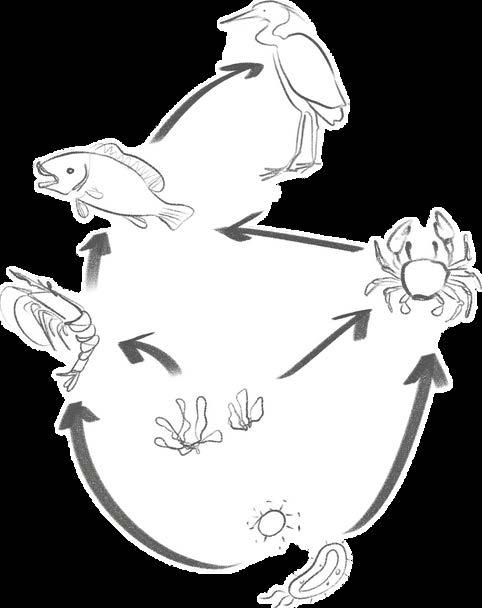
An “ecological niche” is defined as the role a species plays in its ecosystem, which includes how it interacts with and is influenced by the abiotic (nonliving)andbiotic(living)factorsinsaidecosystem.
Keystone species largely matter due to their crossconnections with other species in their community. Communities are, to some extent, large webs of cross-connections - one species influences another which influences a third, and so on (often with each species influencing multiple others). However, in the case of keystone species, that species appears to be placed in a critical position within that web, influencing many factors in its community through the chain of interactions it's a part of. The exact makeup of the web changes between each example but this general concept remains true and can largely be simplified to keystone species fulfilling critical andhighlyinterconnectedecologicalniches.
This concept is also what makes keystone species so important. Because of the huge influence they have overtheirecosystem,anychangesintheirpopulation or behaviour can cause large ripple effects throughout their ecosystem as each change sets off several others. This is what we refer to as a trophic cascade: the restructuring of an ecosystem in response to the addition, removal, or suppression of a trophic level. The result is often a huge decrease in biodiversity and the species that cannot adapt go extinct.
In short, the niche they fill has to be filled for the ecosystem to function as it currently does, there are seemingly no other species filling a similar niche to weather their loss, and should the niche remain empty, the ecosystem rearranges, often to the detrimentofmostofthespeciesthatareapartofit.
By Sara Wojkowska
Looking at this from the perspective of conservation in the midst of what is suggested as beingthesixthmassextinction,it’seasytoseethat keystone species stand both as ‘weak points’ of sorts, and as major points of interest for conservation efforts. But to what extent can this ideabeused?
Conservation
A note
First of all, it helps to know that most scientists categorise keystone species as belonging to one or a mix of three types: predators, ecosystem engineers,andmutualists.
Predators influence their ecosystem through their interactions with prey. They influence the behaviour of prey and manage their population. Thispreventsissueslikeotheranimalsovergrazing and prey straying into areas they usually wouldn’t inhabit. This ‘trickles down’ to lower trophic levels as the interactions of predators with their prey affect the prey’s interactions with their own prey and/orwiththehabitat.
Sea otters, for example, hunt sea urchins. Reductions in sea otter numbers cause sea urchin numbers to get out of hand, causing the kelp sea urchins eat to be overgrazed, which in turn hurts the fish that live in kelp forests. This chain of events demonstrates how a predator can influence organisms multiple trophic levels down from them or even entire other ecosystems. We’ll discuss a morecomplexexampleofthislateron.
An “ecosystem engineer” directly changes their environmenttobettersuitthem,thuscreatingnew ecosystems, or changing or destroying existing ones. Without them, other species adapted to the environments they create would be left without their usual habitat - leading other species overly advantaged (throwing the ecosystem out of balance). Beavers are a brilliant example of this as the dams they create cause marshlands and lakes to form which then host a huge variety of species. These marshes and lakes would simply be fast moving rivers without beaver dams to slow the water.

“Mutualists” help the survival of other species they depend on through their own lifecycle/behaviour. The symbiotic relationships they have allow all the species involved to survive and depend on each other. This dependence on other species forms many of the connections in their communitiesincreasing the impact of those species. Bees are an obvious example of this, as their utilisation of pollenalsoallowsplantstoreproduce.
Due to the interconnected nature of communities, some keystone species influence others, making thesecategoriesoverlaptosomeextent.
As mentioned in the previous section, the concept of keystone species is very important in conservation. Though still somewhat debated, many scientists (including David Attenborough!) now believe we are living through the sixth mass extinction, due to human influence; Earth’s species are dying out at >1,000x the natural backgroundrateandthecausesoftheirextinction can all be traced back to human activity. As the worldbecameincreasinglyurbanisedandhumans encroachedfurtherintohabitats,wehuntedmany keystone species such as bison to close or actual extinction. Now, we are seeing the consequences. Naturally then, many conservation efforts that have taken place in recent decades have focused onattemptingtoreplenishthosecriticalnichesby returning keystone species to their historic ranges, particularly in ecosystems that were only recentlythrownoutofequilibrium.
Gray wolves in Yellowstone National Park Gray wolves are a well-known example of keystone species, largely because of how huge theirimpactis.
Wolves were extirpated (deliberately made extinct) in Yellowstone National Park, USA, in the early 1900s. The last was reportedly killed in 1926. In response, the populations of their prey, particularlyelk,skyrocketed.Aselknumbersrose, the land was overgrazed, eventually reaching the point where they began to die of starvation. For this same reason, the populations of woody plant species like aspen or cottonwood were negatively impacted too. Moreover, without their rootsystems strengthening the soil, riverbanks began toerode.
Without as significant a threat of predators, the elk’s behaviour also changed, causing them to graze in areas which they usually wouldn’t, such as by riverbanks which they would previously have avoided as they offer less means of escape frompredators.
Due to this change in behaviour, ungulates (large hoofed mammals) also began to encroach on the feedinggroundsofbeavers(keystonespeciesasthey are ecosystem engineers). As beaver populations declined, the ponds and wetlands they formed began to disappear, and with them the biodiversity theysupported.
Lastly, mesopredator populations, such as those of coyotes, increased dramatically due to decreased competition, causing the overhunting of smaller preysuchassnowshoehares.
Attempts to cull elk populations were not wholly successful, only managing to keep them from greatly increasing, while the ecosystem did not improve.
Within Yellowstone, the trophic cascade caused by the extinction of wolves was so profound that it extended to almost every aspect of the ecosystem of the park, which shows the crucial role that a keystone species can play in an environment particularly when their role as a keystone intersects withothertypesofkeystonespecies.
In 1995, wolves were reintroduced to the park and elk numbers finally began to return to their normal range, stabilising around 2008. The ecosystem of Yellowstone restructured once again, this time to

Having heard this famed success story, application of the keystone theory to conservation seems quite simple. Yet, in truth, it rarely is. The fact of the matter is that keystone species are not really important in of themselves; it is instead the niche they fill that is so crucial. Asyou’reabouttofindout,justbecauseaspecies is a keystone in one ecosystem (that is to say, in one set of circumstances), that doesn’t mean it willbeinanother.
When an ecosystem restructures due to a change in its trophic levels, the ecological niches change and many disappear completely over time. This can complicate efforts to restabilise ecosystems as the niche for the keystone species may no longer exist while the ecosystem is still imbalanced or less biodiverse than it originally was.
Another consideration is that most species are pretty adaptable, meaning they do not always fill the exact same niche. This means a species may be a keystone in one ecosystem, and be rather insignificant in another. Robert Paine stated that the purple Pisaster sea stars he had originally discovered the concept of keystone species whilst studying were, in other ecosystems than he had originallylookedat,unremarkable.

In 2020, Colorado voted to reintroduce gray wolves to the state, hoping to solve similar issues with elk overpopulation. Gray wolves had been absent there, apart from stand-alone sightings, since the 1940s - a similar duration to Yellowstone - due to the same systematic culling as in Yellowstone. Since then 25 wolves have been reintroduced, 10 initially being released in 2023 and another 15 just this year. It’s still too early to know what their impact will be but the state officials remain hopeful they will help to stabilisetheecosystem.
Organisations like Rewilding Britain have extrapolated this idea further. The UK was once home to far more predators, as well as ecosystem engineers like beavers. Some species have been allowed to recover or been reintroduced over time by a variety of conservation initiatives, but many of the predators that used to roam here have been extinct for 100s to 1000s of years. The landscape and wildlife of the UK has changed greatly in that time, and so attempts to rely on the past structures of communities pose to be rathermoreflimsyevidence.
All in all, conservation efforts have much to gain from analysing in greater detail the interactions within communities, with the aim of more efficiently restoring ecosystems human influence has damaged. However, the classification of a species as a keystone only goes so far, and it is important to remember the limitations of the
Title Links used for research
All about Light
Synthetic Life
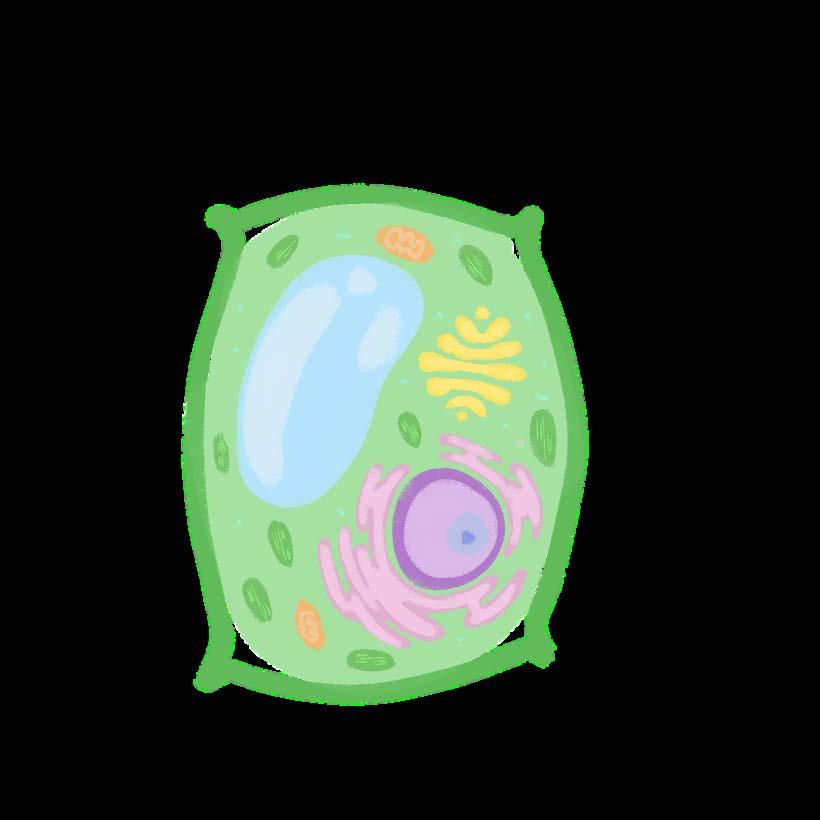
https://www.symmetrymagazine.org/article/eight-things-you-might-not-know-about-light?language_content_entity=und https://galileo-unbound.blog/2021/01/18/a-short-history-of-the-photon/ https://www.britannica.com/science/photon
https://www.imperial.ac.uk/news/149087/scientists-discover-turn-light-into-matter/
https://www.bbc.co.uk/news/articles/c6256wpn97ro https://www.nature.com/articles/d41586-018-07289-x https://www.uehiro.ox.ac.uk/synthetic-biology
https://www.nasa.gov/general/researchers-develop-founding-document-on-synthetic-cell-development/ https://www.americanscientist.org/article/making-life-from-scratch
The Rising Threat of Avian Flu
Genetic Engineering: CRISPR technology
https://www.theguardian.com/us-news/2025/feb/22/bird-flu-virus-trump https://bvajournals.onlinelibrary.wiley.com/do/10.1002/vetr.00100157/full/ https://www.theguardian.com/world/2025/mar/24/bird-flu-detected-sheep-first-time-england-world-risk-public https://www.theguardian.com/us-news/2025/feb/22/bird-flu-virus-trump https://www.theguardian.com/environment/2025/jan/27/human-case-h5n1-avian-bird-flu-england-virus-health-sec urity-aoe https://www.rural21.com/fileadmin/downloads/2020/en-04/Rural21_4_2020.pdf https://www.cityu.edu.hk/ohrp/news/Human_Food_Systems https://www.youtube.com/watch?v=zGMLdIX8ZXkhttps://www.sciencedirect.com/science/article/abs/pii/S0264410X02001378#:~:text=An%20influenza https://www.bva.co.uk/media/5996/ai-guidance-for-vets-july-2024-2.pdf
https://www.genome.gov/genetics-glossary/Microbiome#:~:text=The%20microbiome%20is%20the%20community https://www.healthline.com/nutrition/gut-microbiome-and-health https://www.nhs.uk/conditions/alzheimers-disease/ https://www.pacificneuroscienceinstitute.org/blog/ https://www.sciencedirect.com/science/article/
Genomics-how genome sequencing will change our lives (book) https://www.aatbio.com/resources/faq-frequently-asked-questions https://www.labiotech.eu/in-depth/crispr-technology-cure-disease/ https://my.clevelandclinic.org/health/diseases/21751-genetic-disorders https://pmc.ncbi.nlm.nih.gov/articles/PMC9377665/ https://www.imperial.nhs.uk/about-us/news/gene-editing-for-sickle-cell-approved-for-use-on-the-nhs
Earth’s Junkyard: Orbital Debris
How a Species can Change an Ecosystem
https://orbitaldebris.jsc.nasa.gov/measurements/optical. https://www.nhm.ac.uk/discover/what-is-space-junk-and-why-is-it-a-problem.html https://www.orbitaldebris.jsc.nasa.gov/faq/#:~:text=Debris%20left%20in%20orbits%20below,a%20thousand%20years%20or%2 https://clearspace.today/missions/clearspace-1 https://ntrs.nasa.gov/citations/20100002023
https://rewildingeurope.com/blog/keystone-species-and-their-role-in-rewilding/ https://besjournals.onlinelibrary.wiley.com/doi/10.1046/j.1365-2656.2003.00766.x https://education.nationalgeographic.org/resource/keystone-species/ https://www.quantamagazine.org/ecologists-struggle-to-get-a-grip-on-keystone-speci es-20240424/
The Illusion of Colour
The Psychology Behind Stress
https://studymind.co.uk/notes/the-brain-electrical-stimulation-and-scans/ https://www.hopkinsmedicine.org/health/conditions-and-diseases/anatomy-of-the-brain https://academic.oup.com/brain/article/148/3/689/7909879 https://www.youtube.com/watch?v=aUwgmNOfjss https://www.youtube.com/watch?v=oYp5XuGYqqY https://www.allaboutvision.com nhm.ac.uk
https://www.bps.org.uk/blog/stress-good-bad-and-ugly https://www.ncbi.nlm.nih.gov/books/NBK541120/ https://cambridgecognition.com/can-stress-at-work-affect-cognitive-performance/ https://www.health.harvard.edu/staying-healthy/understanding-the-stress-response Psychology textbook used to apply knowledge to ‘stress’ situation https://www.mind.org.uk/information-support/types-of-mental-health-problems/stress/about-stress/ https://www.nhs.uk/every-mind-matters/mental-health-issues/stress/
Bat’s super immune systems
Beyond Cuddles
https://pmc.ncbi.nlm.nih.gov/articles/PMC3203392/ https://www.burnet.edu.au/news/why-don-t-most-viruses-make-bats-sick/ https://ed.ted.com/lessons/why-bats-don-t-get-sick-arinjay-banerjee https://www.who.int/health-topics/hendra-virus-infection#tab=tab_1
National library of medicine Psychiatry.org RevelationPets.com https://habri.org/ https://newsinhealth.nih.gov/2018/02/power-pets
Diseases with a Deadly Disguise
Taking Medication The Way We Do
https://migrainetrust.org/understand-migraine/types-of-migraine/hemiplegic-migraine/ https://www.nhs.uk/conditions/dementia/ https://www.stroke.org/en/ https://www.cacna1a.org/what-is-cacna1a https://www.nhs.uk/conditions/stroke/
https://www.gilero.com/drug-delivery-overview/ https://trial.medpath.com/news/ https://onlinelibrary.wiley.com
https://www.npr.org/sections/thetwo-way/2010/11/19/131446888/chart-of-the-day-japan-s-aging-population https://trial.medpath.com/news/671a1344570b07cc/japan-approves-luye-pharma-s-twice-weekly-rivastigmine-patch-for-alzheimer-s-disease https://en.wikipedia.org/wiki/Supervised_injection_site#:~:text=In%202022%2C%20there%20were%20over,Canada%2C%20Mexico%20and%20the%20USA https://www.gilero.com/drug-delivery-overview/#:~:text=The%20oral%20route%20of%20drug,safe%2C%20convenient%2C%20and%20inexpensive https://www.latimes.com/archives/
https://www.medino.com/article/paracetamol-statistics#:~:text=In%20the%20UK%2C%20an%20estimated,four%20times%20in%2024%20hours https://www.npr.org/sections/thetwo-way/2010/11/19/131446888/chart-of-the-day-japan-s-aging-population https://global.hisamitsu/csr/csr2018/
Keynotes on Ketosis
https://www.health.harvard.edu/blog/ketogenic-diet-is-the-ultimate-low-carb-diet-good-for-youhttps://www.healthline.com/nutrition/what-is-ketosis https://www.sciencedirect.com/science/article/pii/S1878747923003902 https://pmc.ncbi.nlm.nih.gov/articles/PMC8157195/ https://bmcmedicine.biomedcentral.com/articles/10.1186/s12916-021-02185-0 https://my.clevelandclinic.org/health/body/25177-ketones2017072712089 https://www.sciencedirect.com/science/article/pii/S1878747923003902 https://www.nhs.uk/conditions/diabetic-ketoacidosis/
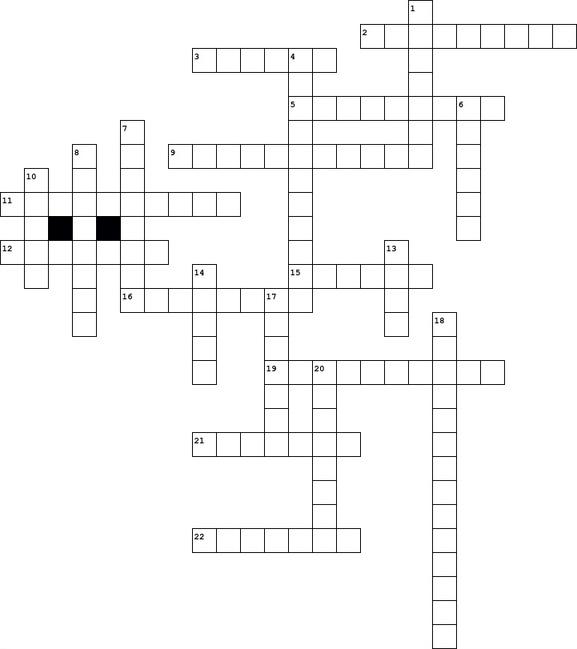
Lessons In Chemistry - Bonnie Garmus (Non-Fiction)
Witty and inspiring novel set in 1960s - follows the life of Elizabeth Zott, who is a brilliant, yet underestimated chemist who challenges social norms.
After being pushed out of her research job due to sexism, she unexpectedly becomes the host of a popular TV cooking show.
The book blends humour, feminism and science in a story of resilience, love and breaking barriers.
Human Universe - Brian Cox, Andrew Cohen (Non-Fiction)
Thought provoking exploration of humanity’s place in the cosmos.
Blends science, philosophy and wonderexploring how the laws of physics led to the existence of intelligent life. Invites the reader to reflect on our origins, and our shared future among the stars.
Across
2. The process by which living organisms developed from earlier forms
3. Organ which filters human blood
5. First man to walk on the moon
9.Green pigment in plants
11. Bending light
12. Process by which cells divide
15. Essential for human respiration
16. Makes up majority of gas in earth’s atmosphere
19. An instrument used for viewing very small objects (e.g. cells)
21. A solution with a pH of 7
22. The force which attracts objects to the centre of the earth
Down
1 What is the factor which does not change during an experiment?
4 The transition of a liquid to a gas
6 Scientist who proposed laws of motion
7 Force of opposing motion between surfaces
8 Table organising chemical elements
10. Shape of DNA (Double…)
13. Smallest unit of life
14. Solid outer layer of the earth
17. Substance made of only one type of atom
18 Process by which plants make food
20. Substance which speeds up chemical reactions
This is Going to Hurt - Adam Kay (NonFiction)
Darkly funny and deeply moving memoir regarding his time as a junior doctor in the NHS.
Told through real diary entries, the strenuous hours and emotional toll on our healthcare professionals is demonstrated, revealing the realities of modern medicine.