MACHIO
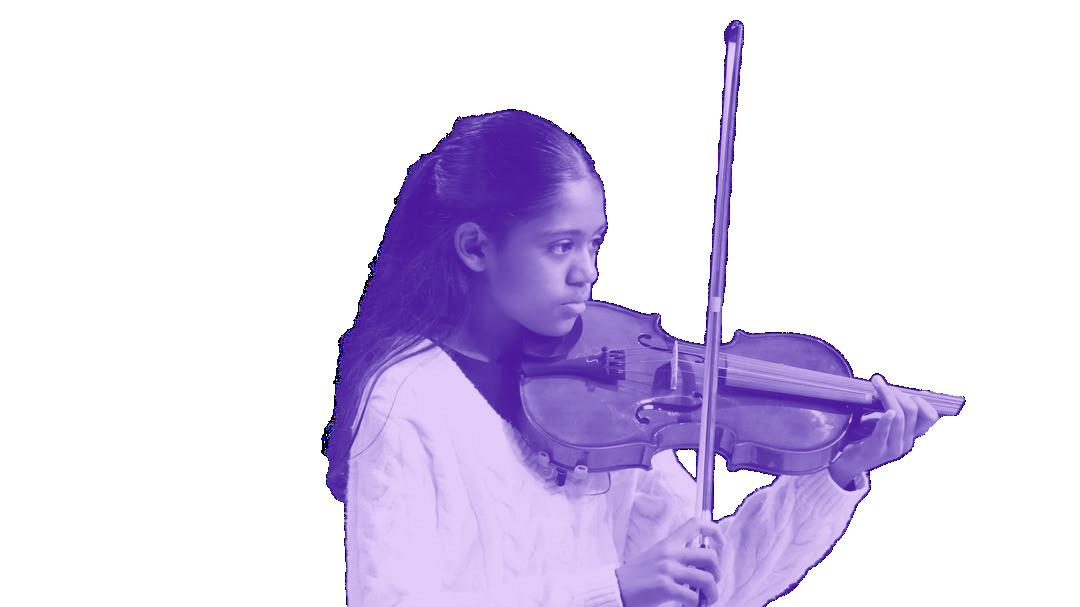
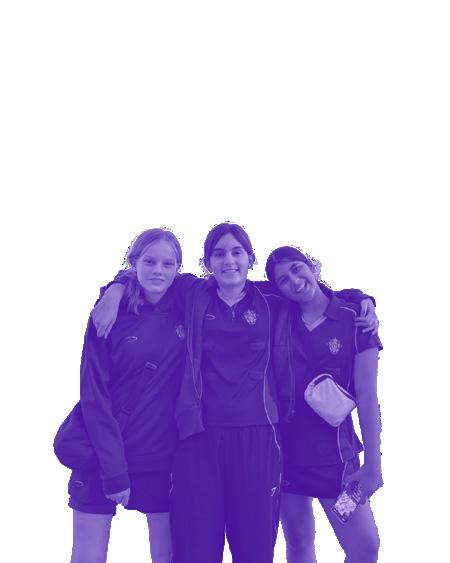
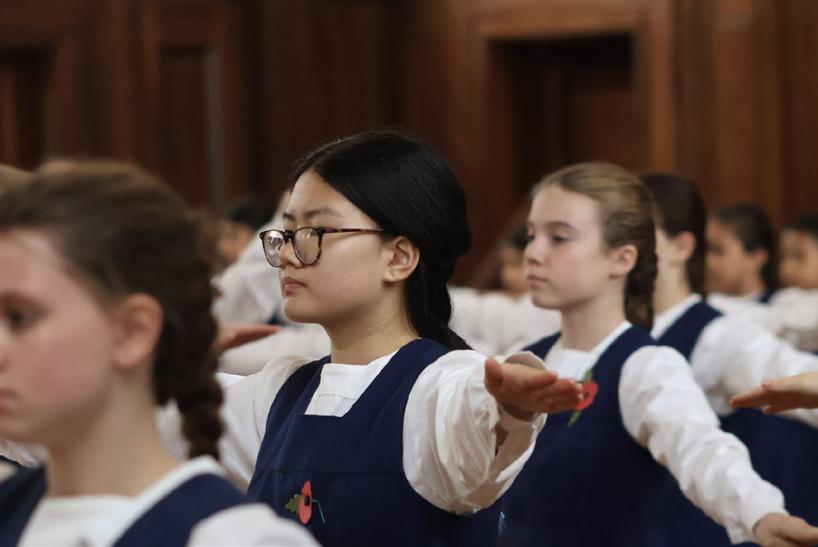
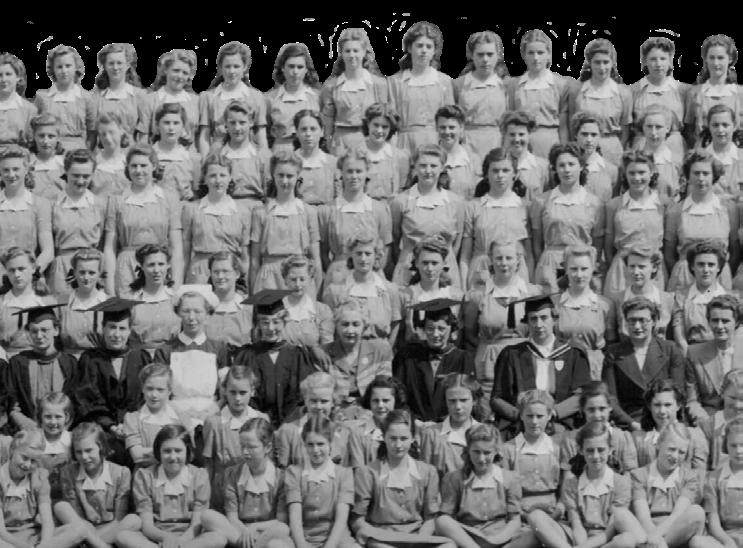
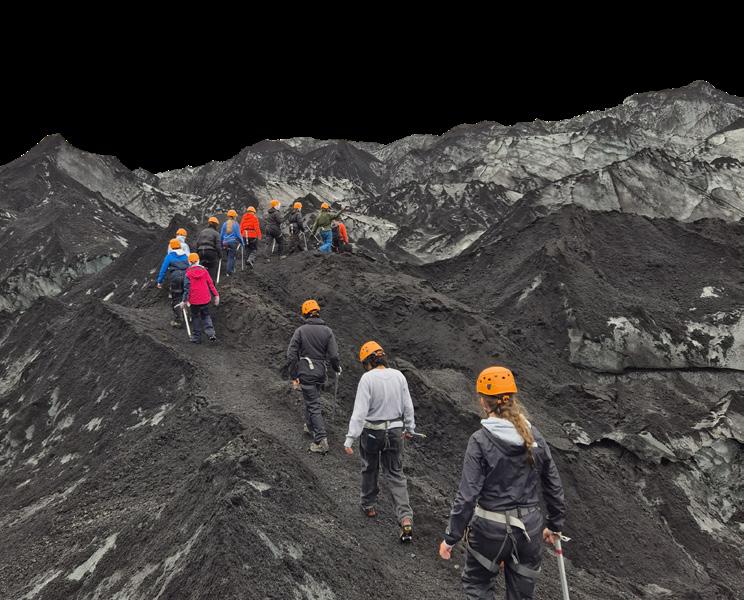
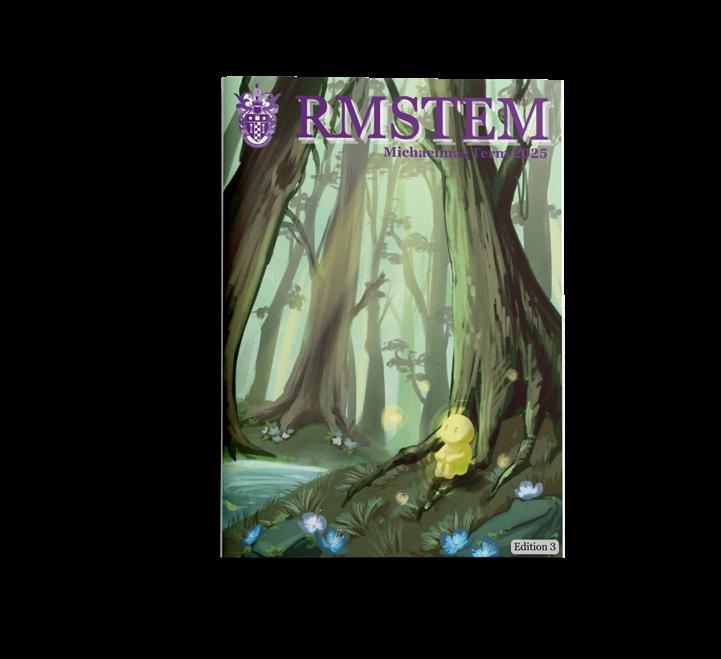
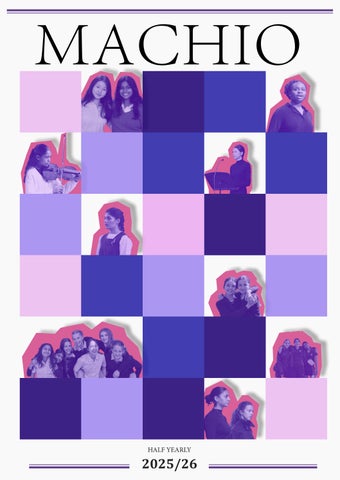
Firstly, I would like to say how immensely proud and appreciative I am of those who have contributed to this edition. Organising, creating and publishing Machio has been nothing short of demanding, requiring time, resilience and dedication. But I hope everyone on the Machio Team has found it to be worthwhile. I, for one, definitely have.
I would also like to thank both Mr Dear and Ms Beamish. We are incredibly appreciative of their time and support.
The RMS Values this half year - ‘Inclusivity, Courage and Ambition’ - are reflected throughout these pages to the fullest extent. They emanate through the wide range of wonderful articles students themselves have contributed and in the hard work shown by the Machio Team.
This year, the Machio Team has received so many diverse articles from students across the school. I hope students that have recently joined the school, or are joining the school, can consider this magazine a reflection of how eager we are to celebrate our differences at RMS.
Adventurous trips to destinations featured in this issue, such as Iceland and Austria, have encouraged students to tackle challeges that may seem daunting and learn not only a new skill, but also a new mindset. The Value of Courage, though, extends beyond daring ventures; it is present in everyday school life, in every student: The courage to sign up to the multitude of clubs the school offers, the courage to enter that school competition, the courage to put your name on the audition sheet and turn up. Courage motivates students to make the most of their school career and enables the school community to flourish. Evet article in this magazine is, in its own way, a product of that courage.
At RMS, we consider ambition as a powerful tool when paired with our other Values, and what drives a student to be the best they can be, much like Courage; it is ambition, though, that drives consistent motivation. Over the past half year, the Machio Team has demonstrated this value through the diligence and effort shown in reviving this magazine and turning aspiration into achievement.
Finally, I would like to discuss my own involvement in this project.
Any time I take part in a tradition at RMS, I feel deeply connected to the generations of girls who have been involved before me. Tying the silky blue ribbon around a plait, I imagine a former Drill performer guiding the bow. Walking up to the stage to receive my Ashlar, I sense the steps of alumnae who once stood in the same place. And now being Editor of Machio, it is no different; I truly feel connected to every one of the editors before me. Since the first publication in 1928, this magazine has been a significant part of the RMS community, and it is an honour to be part of reviving and continuing its legacy.
Cecily
Simpson Y12
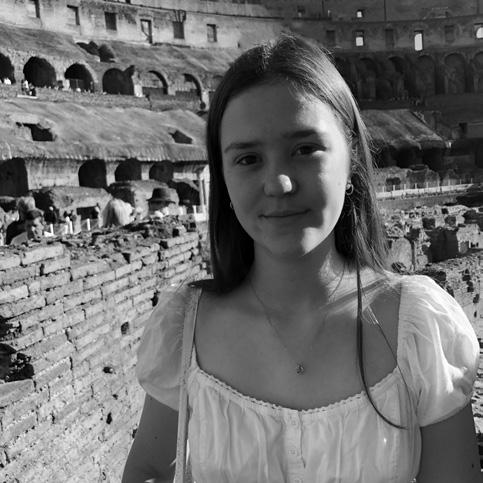
I am currently studying History, Latin and Geography in Year 12. I have a huge passion for writing, and have thoroughly enjoyed being Editor, designing the pages, and writing articles for this magazine. I hope to continue contributing to Machio, as this experience has given me so much pleasure, although I am excited to pass this responsibility down to the next enthusiastic pupil.
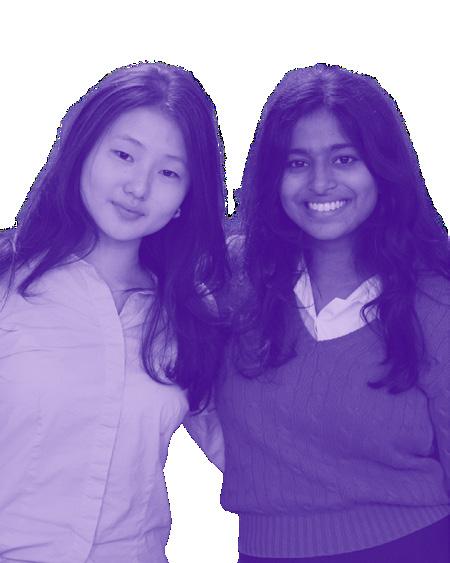
Hey! - I’m an A-Level scholar taking History, English Literature and Classical Civilisation, and am passionate about literature and history in general. Therefore, entering into Year 12, I was really keen to demonstrate my enthusiasm for writing and encourage other students to get involved by helping to restart the school magazine - Machio, along with Cecily, Saarala and Amaya.
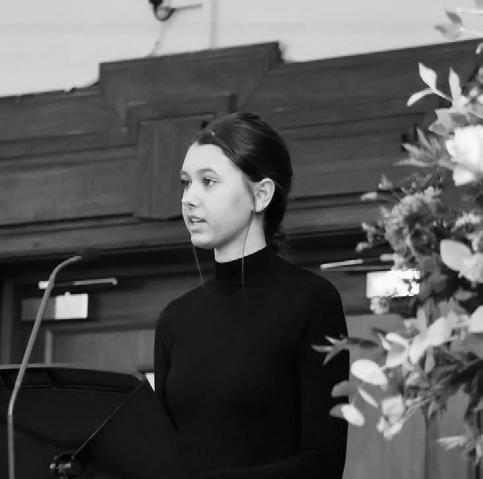
Hello! I study English Literature, History, and Psychology at A-Level, and I am very passionate about creative writing. Co-running Machio has given me the opportunity to expand my writing skills and adopt a journalistic style, as well as improve my leadership, design and communication skills. I hope to write an opinion piece or theatre/book/movie review in the next issue, since I enjoy consuming a variety of media, especially with the multitude of school trips there are on offer. Enjoy reading!
I joined RMS in Year 7, and am now in Year 9. Some of my favourite subjects include, English, History, PRE, and Latin. I also love to read, and am an aspiring journalist and author. When I’m not writing, I enjoy walking my dog and playing my guitar.
Hi! I’m currently studying English Literature, Music and Psychology in Year 12. I’ve always been passionate about literature and creative writing and wanted to explore journalism further. Co-running Machio with this wonderful team has allowed me to improve vital leadership, teamwork, organisational and management skills. I’ve thoroughly enjoyed writing, editing and designing for the magazine and am enthusiastic to continue contributing. I hope you enjoy reading this issue and I am excited to hear your thoughts.
Going to a girls school is proven to be hugely beneficial for girls due to the calmer, less disruptive environments that provide students with an atmosphere better suited to enhance their learning . It has been proven that on average, girls in single-sex schools attain higher GCSE and A-Level results than those in both co-ed state and independent schools. It is not only about grades, though. Girls’ schools can also be a very empowering environment for girls in a society where women are still unfortunately not always given equal opportunities as men. Girls’ schools, such as RMS, promote feminism and challenge stereotypes as well as encouraging girls to achieve what they desire regardless of gender barriers.
Some girls may say that academic pressure is more intense in a single-sex school; however, RMS combats this issue by focusing on the individual student and making sure they do the best they can.
I have recently spoken to a teacher who has previously worked in a co-ed school, and a current RMS pupil in Year 9, who originally attended one to compare their experiences to life at RMS.
Why do you think girls’ schools are the best learning environment for girls?
Ms Davies: ‘Being in an all girls school makes girls more courageous and likely to confidently take part in STEM, assemblies and answering questions in class.’
‘It’s also a more mature environment’, Ms Davies says highlighting how an all girls school is a less disruptive atmosphere for girls.
Emilia d’Arc Year 9: Talks about her experience at a mixed school compared to, RMS.
‘I definitely feel more comfortable and able to participate without fear of being judged’ Emilia talks about how life at a girls school has made her more confident.
Sophie Willis Y9



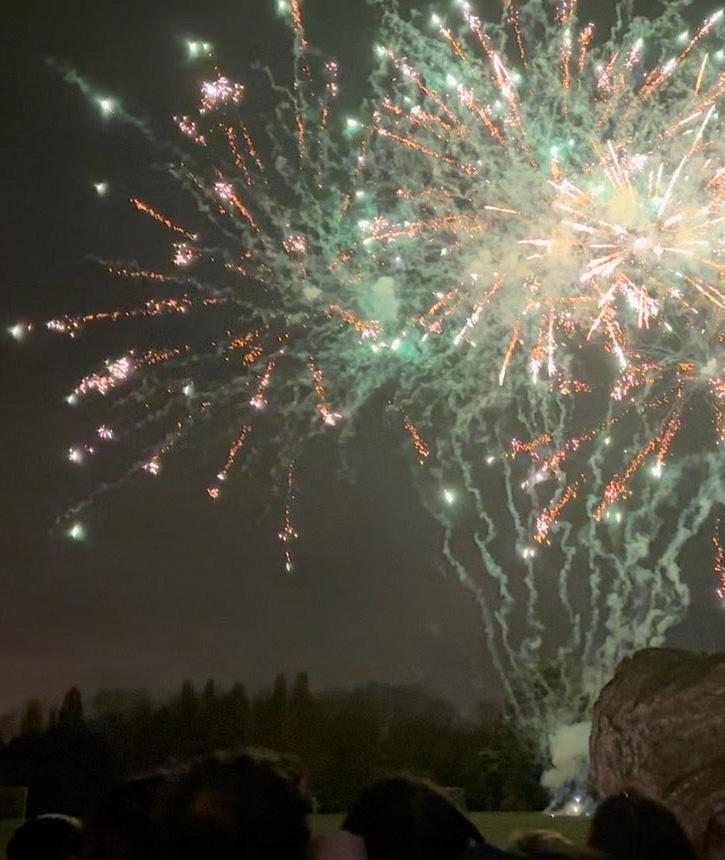



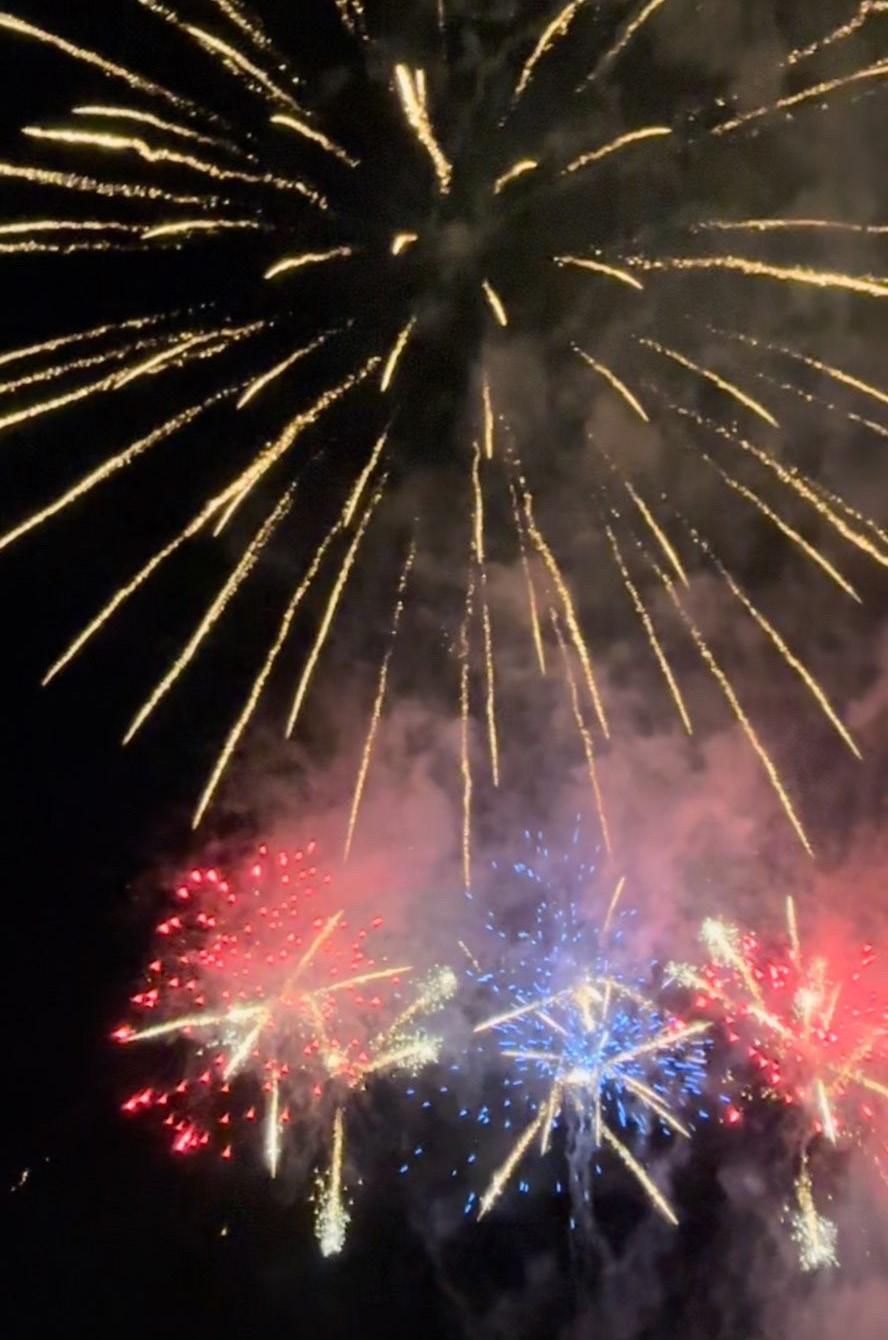
created by the upbeat music, elevating everyone’s mood and keeping the energy flowing through the stall queues encouraging foottapping and full-on dance routines.
Away from the bustle of the main area, younger attendees were also given the chance to enjoy the bouncy castle. Flashing wands and LED windmills waved throughout the night, turning the gathering into an interactive light display spectacle even before the fireworks began.
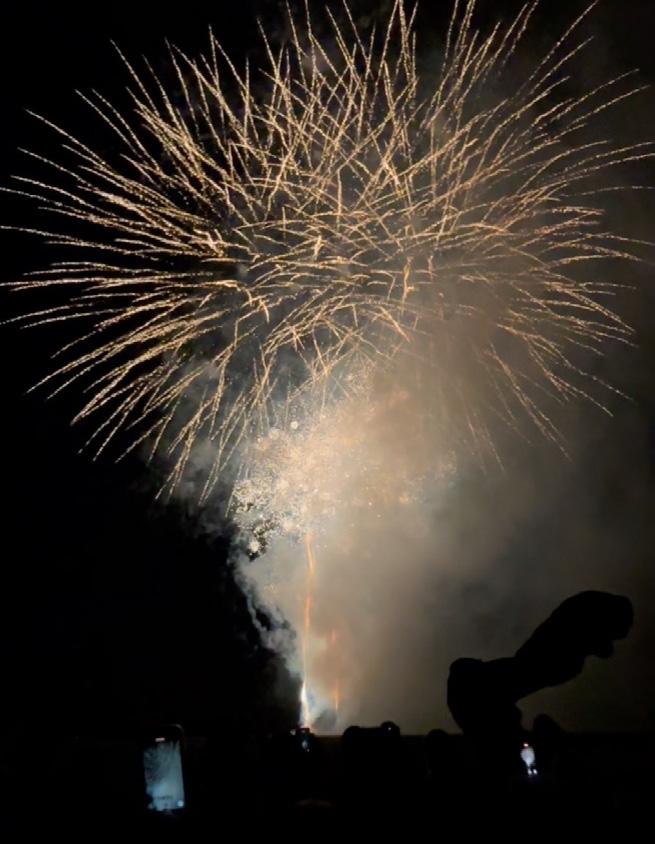
Everyone was mesmorised by the light choreography when the fireworks danced through the sky. The synced ‘whoas’ and reflections of the colours on people’s faces as they looked up in awe made the night as special as it always is. Thank you to the grounds staff and FORMS, who made all of this possible.



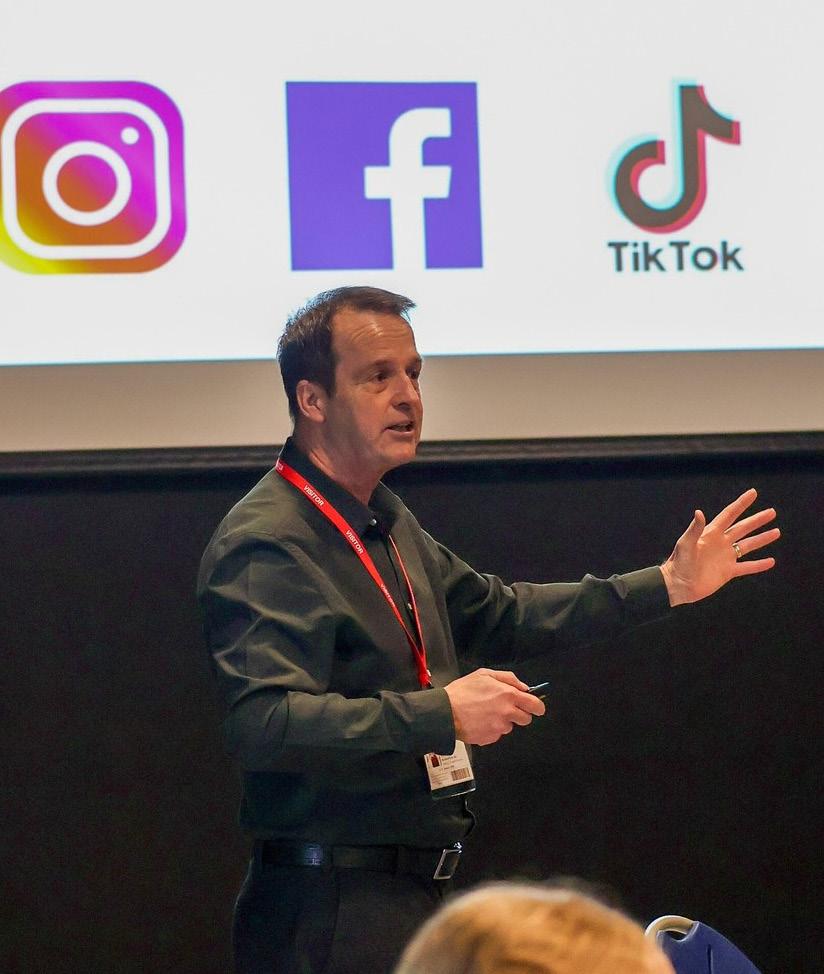
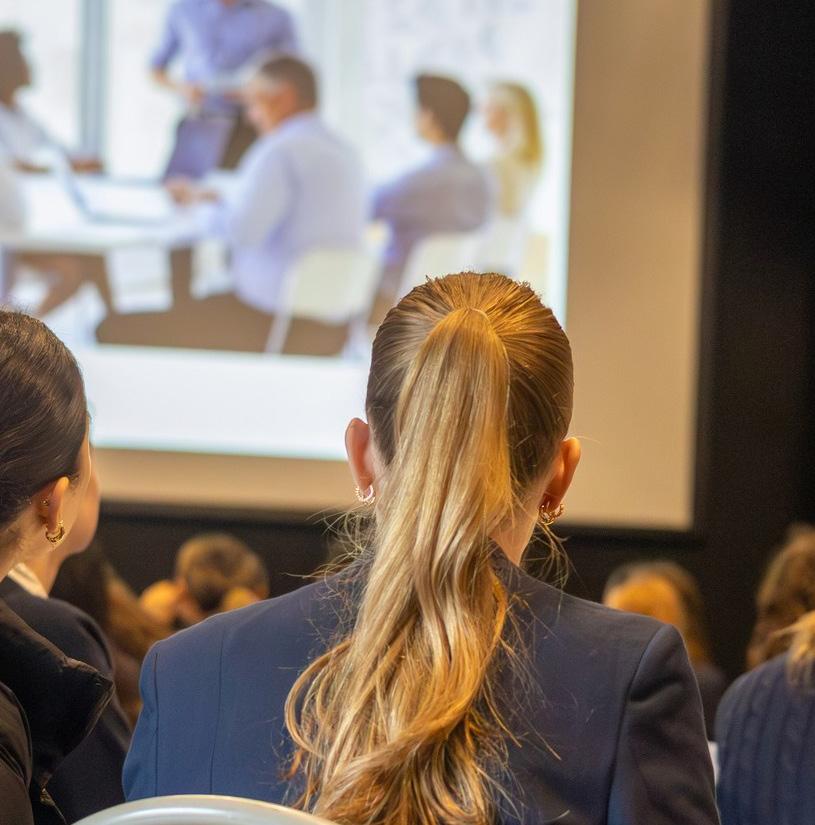
Towards the end of January, Dale Willis led an inspiring session for Year 12 on the importance of networking, teaching the year group how to set up a LinkedIn account and connect with others safely and skilfully. He explained that by differentiating yourself on the platform by posting appropriate achievements and including useful information on actions taken to improve your CV, your profile would be far more likely to attract potential employers and excel. This memorable workshop was incredibly useful, helping Year 12 pupils build confidence and master an app most had never used before, leaving behind more experienced, self-assured young people.
However, skilled students are only able to thrive with a suitable balance between diligence and recreation, which was promoted in an afternoon session of Zumba in the Great Hall. The entirety of Sixth Form came together after the stress of Year 13 mocks to dance and unwind after a long week, and engage in lively exercise - with various teachers including Mrs Freeman, Miss Simmonite and Ms Klement taking part in the ‘Zumbathon’! Although difficult at times, most of the routines were fun-filled and enjoyable to follow, with students leaving tired yet energised. One student even remarked that her “endorphins were definitely released”summing up the positive effects of exercise on our mental health, which can often be overlooked. Since this fun experience, many pupils have become more inspired to get involved in physical activities such as sport or dance.
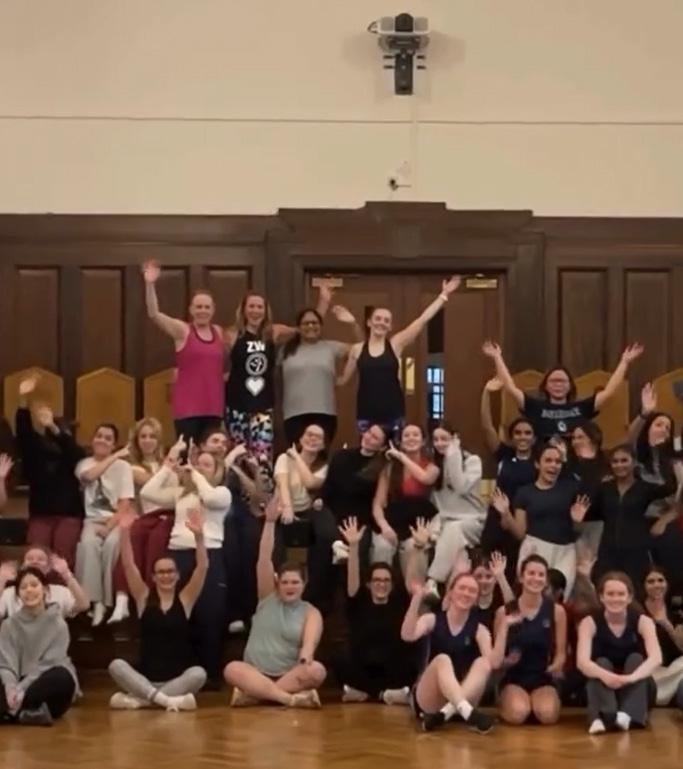
This first half of the school year has been incredibly productive and prosperous for the whole of the Sixth Form community, helping them establish a healthy balance between work and leisure, which has been useful for many during academically challenging periods. We look forward to seeing more of what Hind House continues to engage in throughout the course of this year!
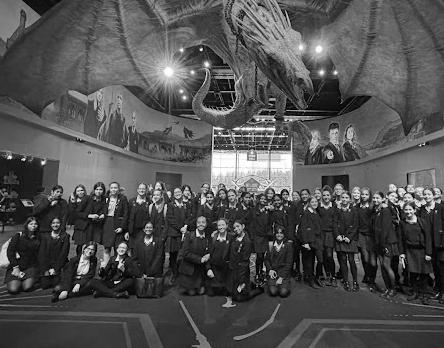
n the 7th of October, Year 9
OTextiles and Art students went on a trip to the Warner Bros. Harry Potter Studio. The trip was designed to inspire students on the mediums, textures and themes they could include in their Harry Potter-themed skirt project. Students took part in a film makeup and costume course where they had the opportunity to see exclusive props and costumes from the Harry Potter films. They then went on the studio tour, where they explored sets inspired by the film, as well as getting to see more props and learning how the filming crew created the effects we see on screen.
Sophie Willis Y9
My favourite part of the trip was getting to see inside the houses they used on set and seeing all the different props from the film.
- Emilia d’Arc Y9
My favourite part of the trip was definitely Emma and me running backwards through the place to get all of the stamps. It was so fun, and I was giggling all the way through.
- Isabelle Julius Y9
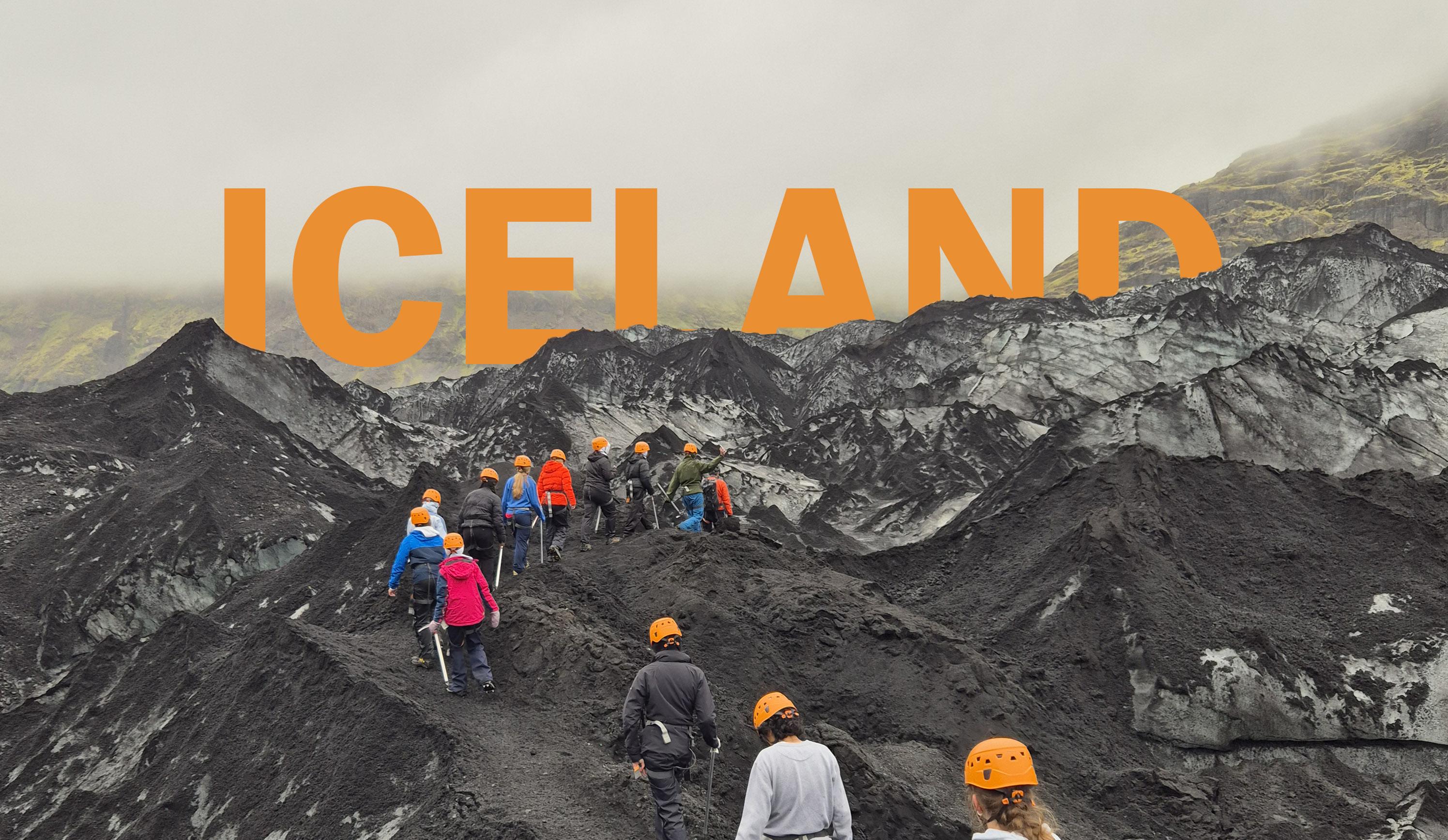
Over the summer, we had the amazing opportunity to go on the school’s Geography trip to Iceland. I had dreamed of this since Year 8, when it was first mentioned in a Geography lesson. After more than three years of waiting, the time had finally come.
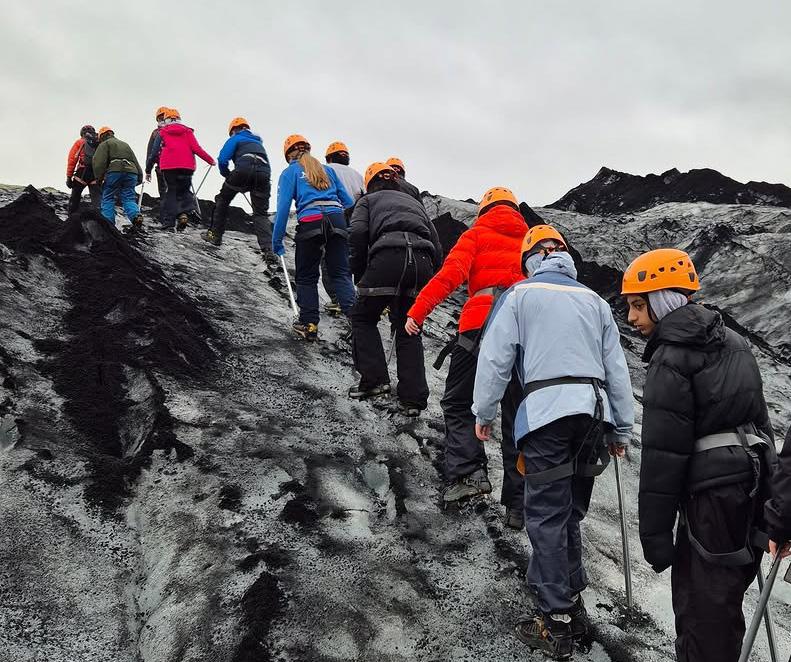
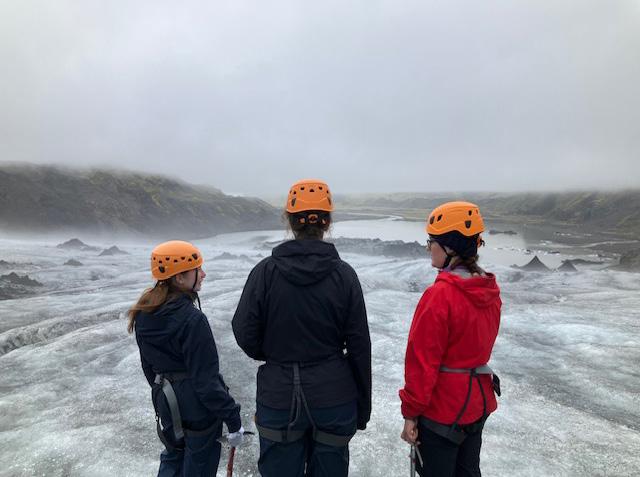
After a slightly bumpy landing, the plane came to a halt. We were here. Clouds hovered above, and the cold Icelandic air struck us.
We began our first journey, driving through miles of flat countryside. Wild horses ran alongside in herds, mountains carved the skyline, and still lakes mirrored the sky. The scene was spectacular - it felt as though we had landed on another planet.
An hour later, we were standing on the Bridge between Continents - right above the divergent plate boundary separating the North American and the Eurasian plates, where the two are slowly pulling apart, leaving a valley of volcanic sand between them. Cracks, boulders and jagged edges jutted out on either side, towering over us. We observed the
The Sky Lagoon. Just hearing the name makes me nostalgic. It was, without doubt, one of the highlights of the trip. We walked through a cave-like tunnel and stepped into the geothermal waters, heated by magma beneath the surface. Mist cloaked the lagoon, and with each step, the haze parted to reveal a vast expanse of ocean. After sipping mocktails and braving the freezing plunge pool (which nearly sent some of us into cardiac arrest), our dreamy day at the lagoon sadly came to an end.
Quickly we set off to the second location of our action-packed day.
We were standing on what had once been a fiery river of lava - one of nature’s most destructive forces. Yet here it lay, cold and solid beneath our feet, stretching like a charcoal ribbon across the hills.
We arrived at Stóra Eldborg - a volcanic crater that formed around 6,000 years ago. We cautiously hiked up the rocky slope, following the narrow pathway along the very edge, which gave us a daunting view of the steep land below. After what

porous rocks that were once full of gas as bubbling lava, and the black volcanic sand that lay beneath us.
As we drove further across Iceland, we spotted huge white clouds emerging from the ground. We hopped off the coach and wandered towards the mysterious sight. Masses of steam erupted from the earth, rising from faults where superheated groundwater burst through. The temperature could reach over 100°Chot enough to turn you into stew - so we kept our distance. We geographers take our risk assessments seriously!
Before reaching our hostel, we made a spontaneous stop at a recent lava flow beside the main road. Black cooled rock cloaked the land, with ripples and folds like silk. We even collected some souvenirs from the lava before continuing drive.
seemed like a decade of hiking, we had eventually reached the peak. An enormous crater lay beneath us, with boulders scattered around the centre.
We then began our descent (stumbling many times) and returned to the coach for our next adventure.
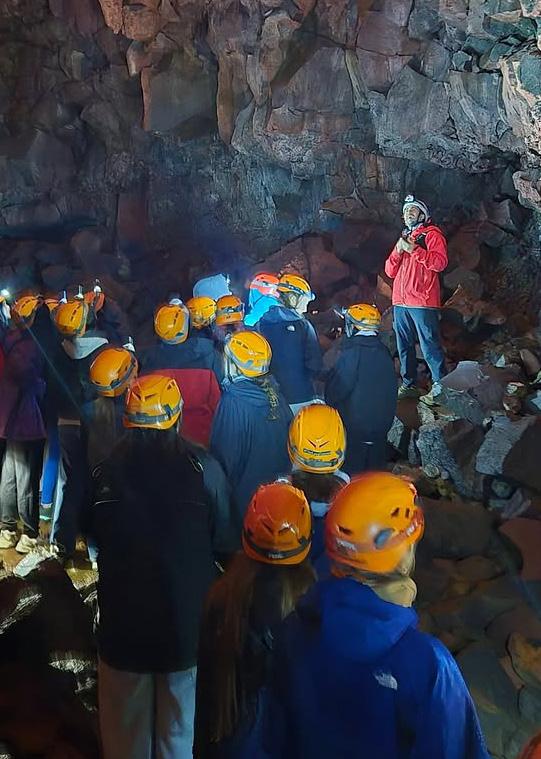
Helmets on, we descended into the lava tunnel. The temperature dropped sharply and icicles hung like daggers from the ceiling. We passed an opening above - the last glimpse of natural light before darkness consumed us. Soft red lights glowed against the cave walls, casting shadows and revealing mysterious patterns in the rock, formed from thousands of years of pressure and compaction.
At one point, we switched off all our torches. Sight vanished completely. I held my hand in front of my face and saw nothing. The silence was broken only by the echo of water droplets hitting stone.

It was our last day. I woke up to an amazing sight out the window: the rising sun reflecting off the lake. After quickly eating breakfast and packing our luggage, we boarded the coach one final time.
Our last stop was Reykjavik. The rainbow road stretched through the city towards the towering church. After buying lunch and a few souvenirs, it was time to head home.
We left just in time. Just a day after our departure, a fissure near a town we had visited erupted, spewing lava and smoke into the air and forcing residents and tourists to evacuate immediately.
Iceland’s waterfalls, volcanoes, lagoons and black sand beaches created a breathtaking atmosphere, and the geography we witnessed revealed the raw forces shaping our planet. But it was the people who made the trip truly memorable - from late-night Uno games to long-hike conversations, and from laughing over silly photos to our (extremely offpitch) karaoke on the coach. The whole trip was full of fun and adventure. It was truly an unforgettable experience.
We visited the LAVA Centre, learning about the science behind volcanoes and earthquakes caused by tectonic movement, and the history of eruptions in Iceland.
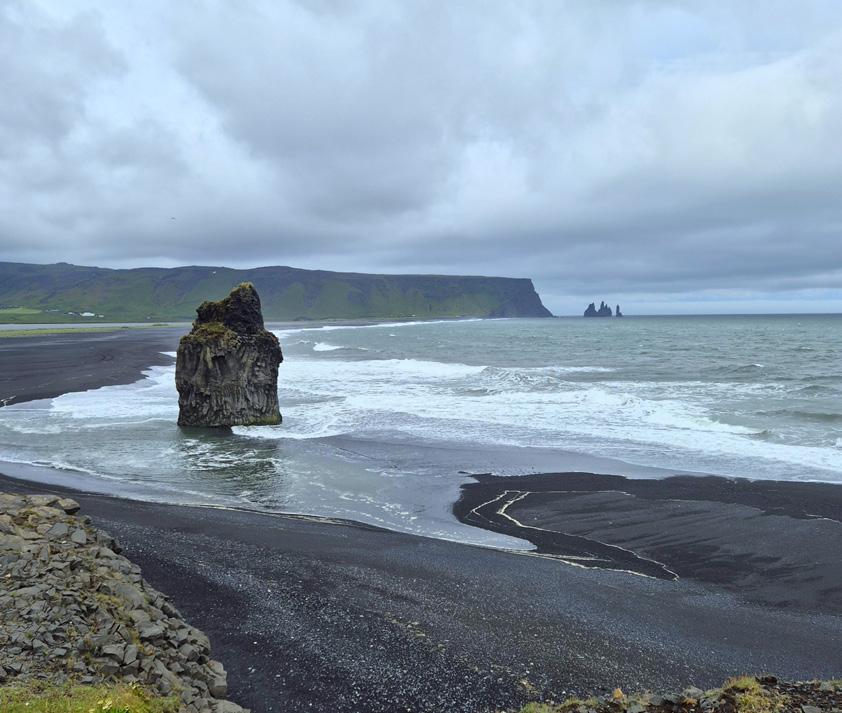
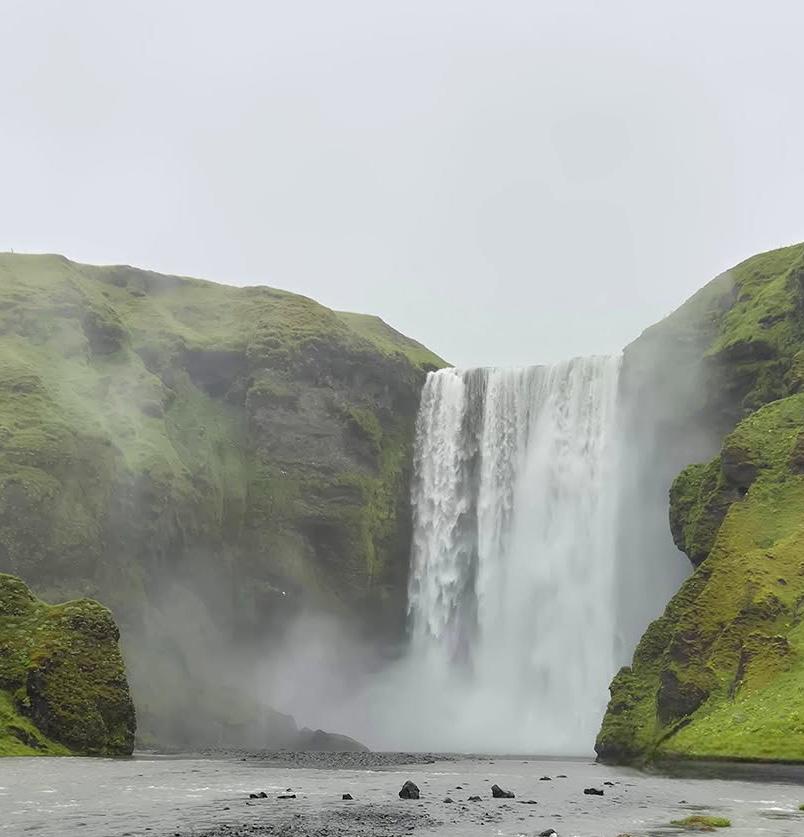
Next was Skógafoss Waterfall. A steep 500step climb led to the summit, offering sweeping views of the glacier-fed river and the impressive 60-metre drop. Then came one of the most spectacular experiences. With crampons strapped tight to our boots and pickaxes in hand, we trekked up slopes of volcanic ash until we finally reached the ice. The glacier’s surface was a blend of blues and greys, with streams of clear water trickling down, feeding into the large volume of meltwater below. As stunning as it was, the retreat of the glacier was clear evidence of global warming. It felt bittersweet - to stand on something so majestic, knowing it may vanish within decades.
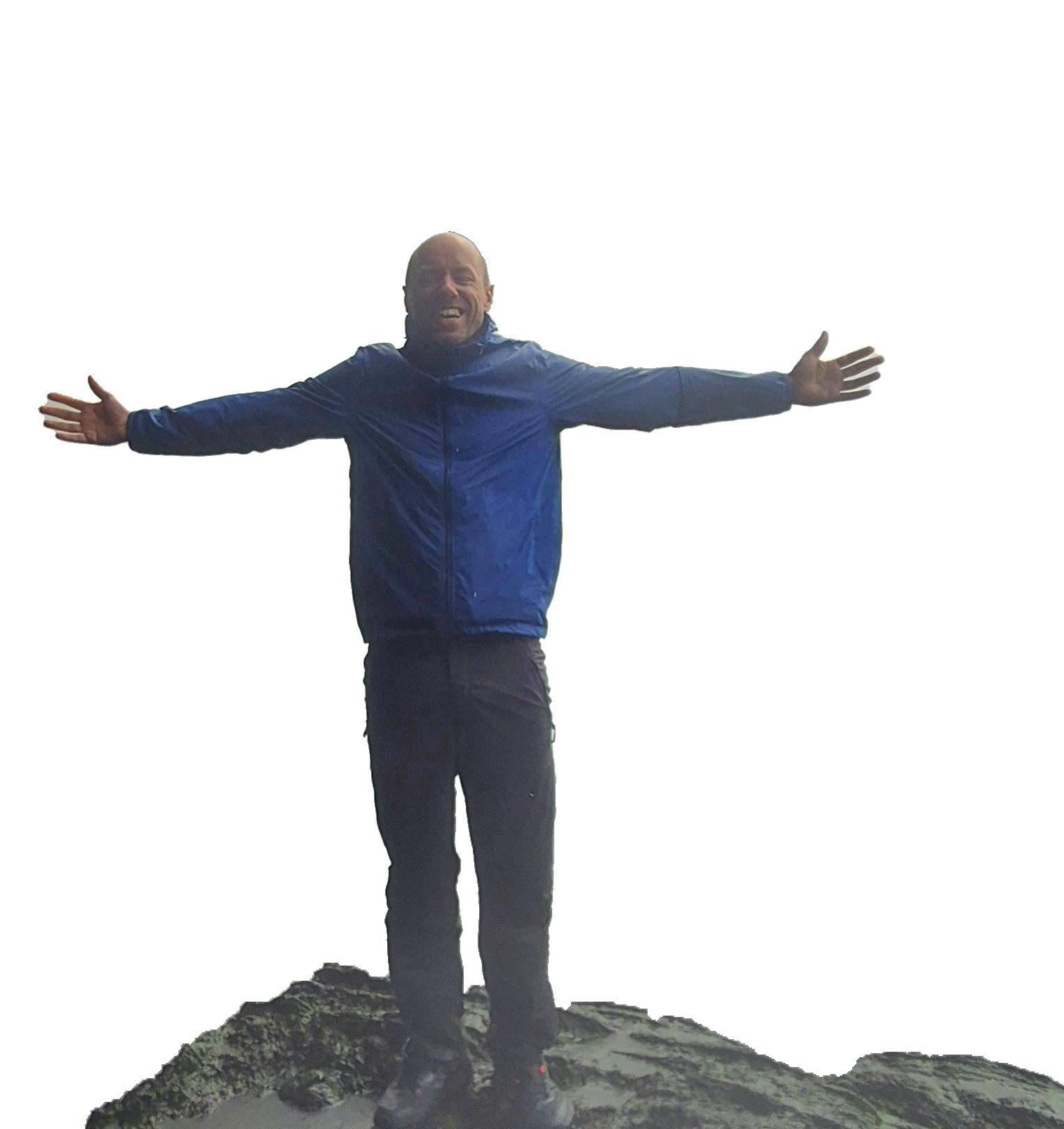
Another short drive brought us to Seljalandsfoss Waterfall. We hurried excitedly towards the crashing water,mist spraying into our faces. Water surged down from the enormous cliff above, soaring over us and landing violently into the plunge pool below. There was a ledge that stood right under the waterfall, so close that some of us got completely soaked. It was a perfect spot for photos - Mr Anders especially enjoyed the experience (see photo). Cold and drenched, we trudged back to the coach to end the day.
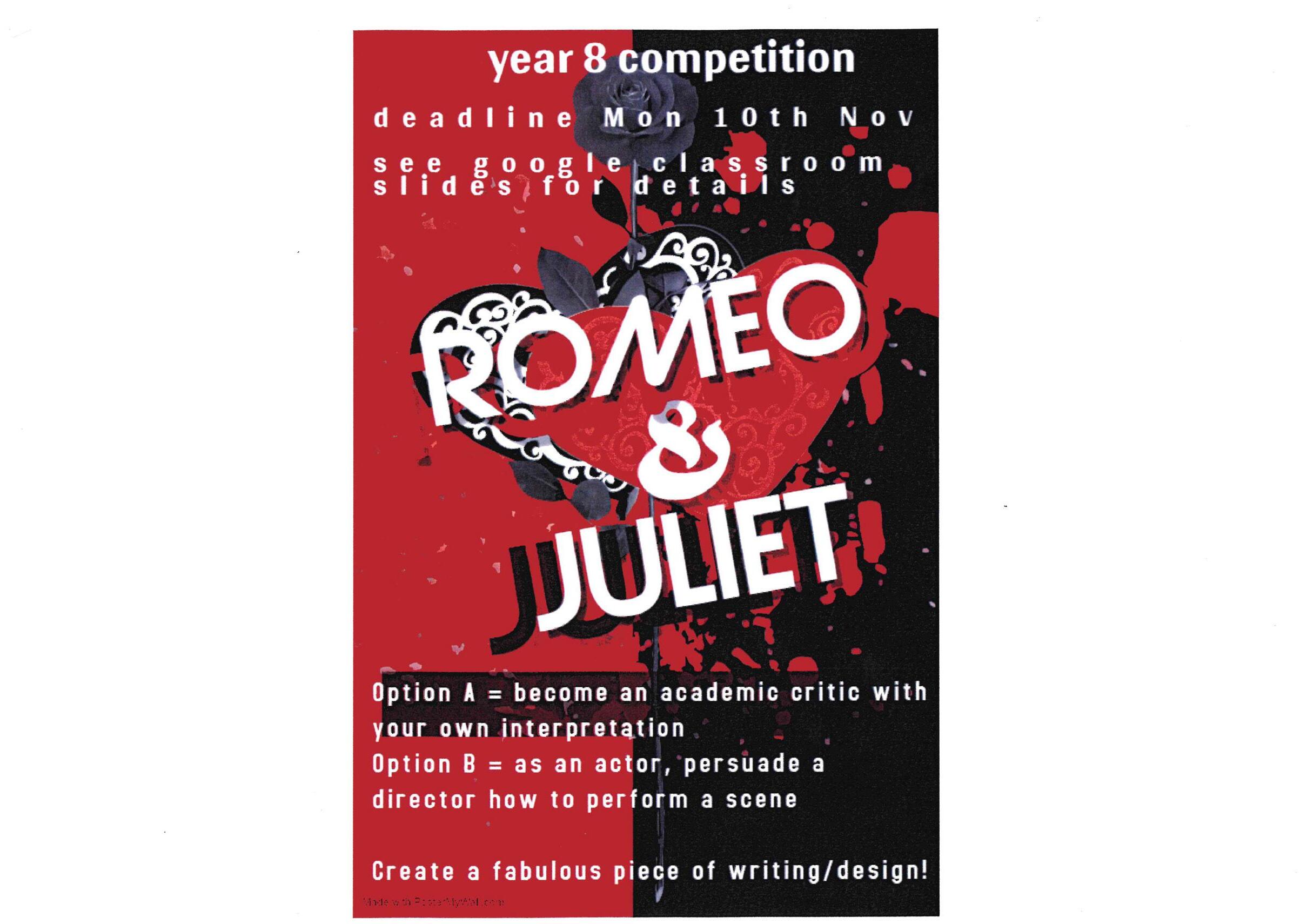
Ella:
Extract from the winner
Romeo is NOT the kind of romantic hero a girl in 2026 would be interested in. Romeo, a perfect man for a woman in the Elizabethan era? Shakespeare’s finest story? Why IS Romeo one to watch? Well, as much as he is the most romantic fictional character, Romeo also wins the award for being the most impulsive and over emotional man on earth! Have you ever met a man so despicable …? I mean, this is not the way to do break ups, divorces, separations …. the list goes on. He is supposed to be romantic but he dreams so big that he ends up swallowed in his own reality!
Myra:
Extracts from joint 2nd place
Romeo is reckless. His rash decisions show that he acts on emotion rather than logic. In today’s world, people often look for partners who can think carefully and know how to stay calm in stressful situations. Romeo’s impulsive choices would likely be seen as dangerous rather than passionate.
Anaya:
Why Tybalt is a misunderstood character Tybalt’s aggressive personality, “Now , by the stock and honouir of my kin, / To strike him dead, I hold it not a sin”, means that Tybalt has honouring his family as his primary goal. His opening line “I hate the word peace as I hate hell, all Montagues, and thee” clearly illustrates how deeply this conflict has shaped his worldview within Elizabethan society.

The river started high in the tall mountains. At first, it was small and thin. The water was cold and clear. It rushed over hard grey rocks. As it came down the mountain, it grew bigger. It moved fast, twisting and turning. Sometimes it was calm and smooth, but sometimes it was loud and rough. The mountains were very large and jagged. Their tops were sharp like knives, high above in the grey, dull sky. White clouds covered them. The clouds made the mountains look mysterious. Birds flew above the river. Their wings were spread out wide. Their cries were loud in the empty sky. The valley was green and bright. The grass was soft. Colourful flowers grew near the water. They leaned over the river that was glistening in the sun’s rays. Their colours sparkled on the water like glitter.
Animals came to the river.
Their slim legs shook as they bent down to drink water. Rabbits hopped along the edge. Their long ears twitched as a cold, sharp gust of wind passed through them. A bright orange fox ambled towards me. Its golden eyes shone like the sun.
The river changed in different weather.
On sunny days, it was calm and gentle. It glistened like glass. On frigid, stormy days, it was wild and angry. Rain hammered down on the long grass. The water rushed fast between the mountains. It carried away sticks and branches. Sometimes even uproots whole trees.
At night, the valley turned quiet.
The sun sank behind the tall mountains and turned them a dark purple. The silver moon shone brightly high up in the sky, surrounded by stars that sparkled like tiny diamonds. Birds flew back to their nests, and small animals hid in the bushes. But the river kept on moving. It twisted through the valley like a long black ribbon. The deep blue sky was full of stars, and I closed my eyes and slowly fell back asleep.

The river whispered beneath the fading sky, its surface trembling as though holding up a secret it could not keep. Dark shadows slid across the banks, reaching slowly into the water.
I stepped closer. The air felt cold and sharp around me. The hills loomed in the distance, silent shapes watching over the valley.
The silence deepened. Even the birds had vanished, leaving behind only the sound of the river. It did not call me with words, but it felt like it wanted to pull me in.
For a moment, I thought I saw my own reflection staring back at me —fragile, fractured, broken by ripples. Then the water shivered again, and the image was gone. Still, I could not look away.
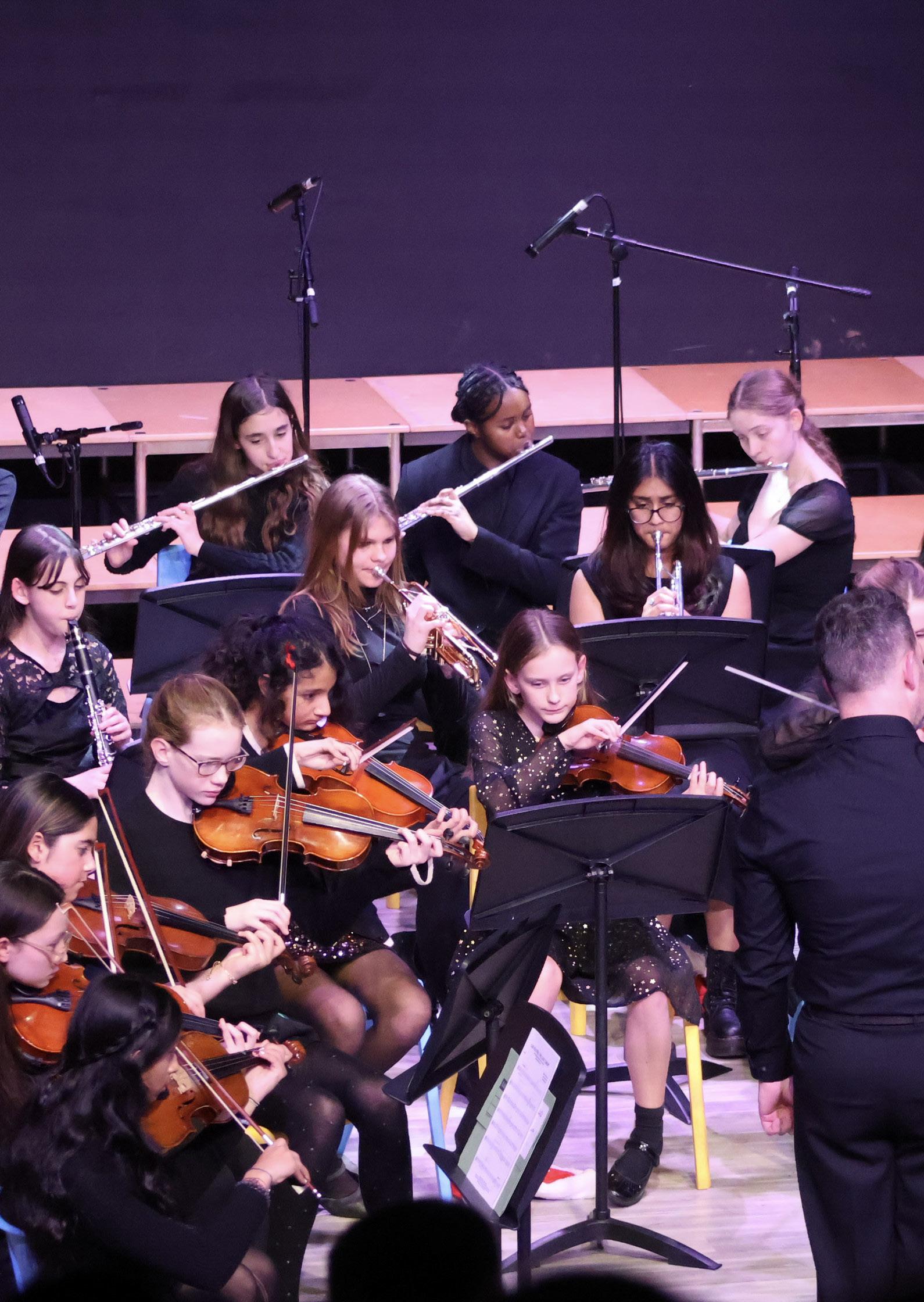
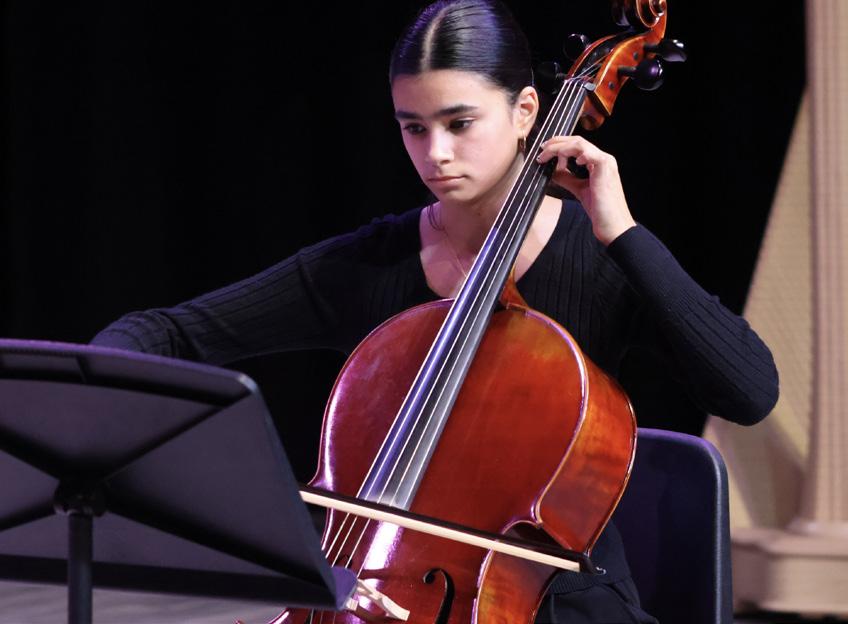
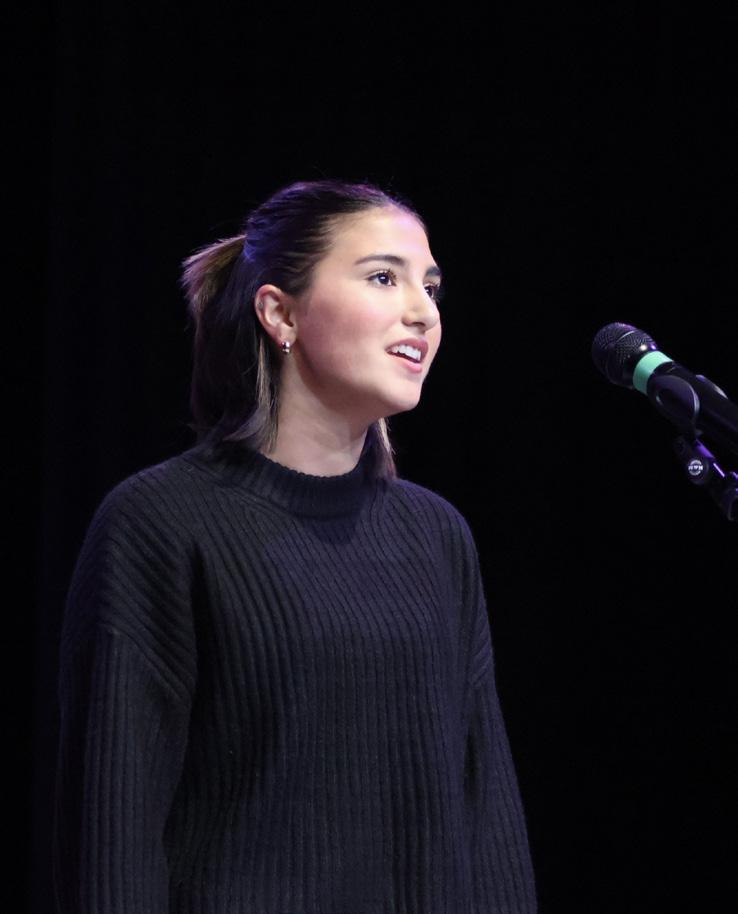
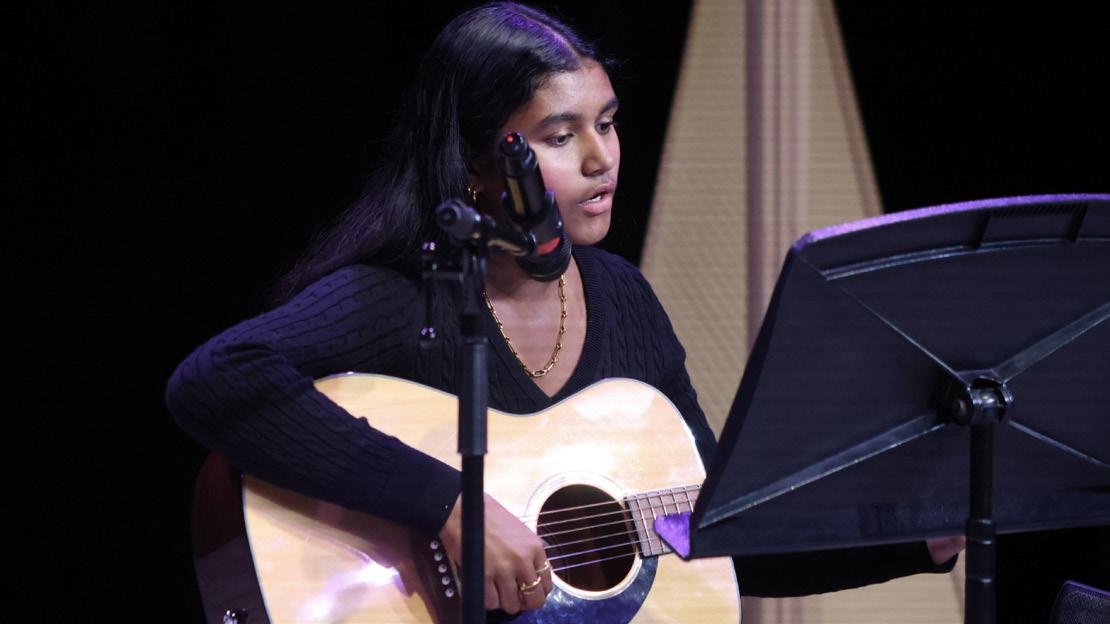
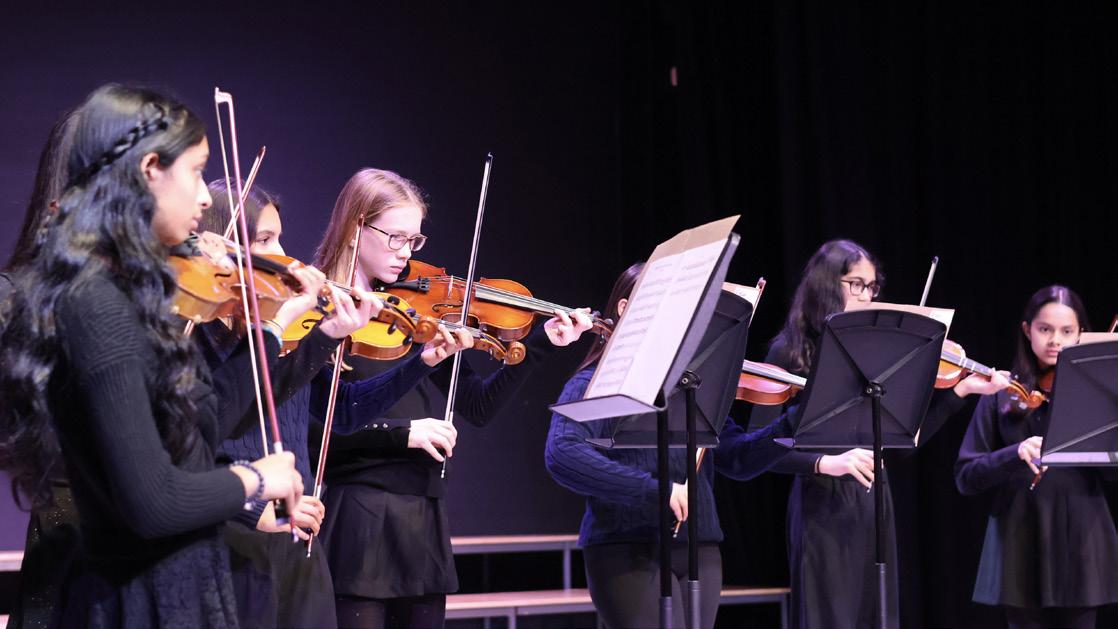
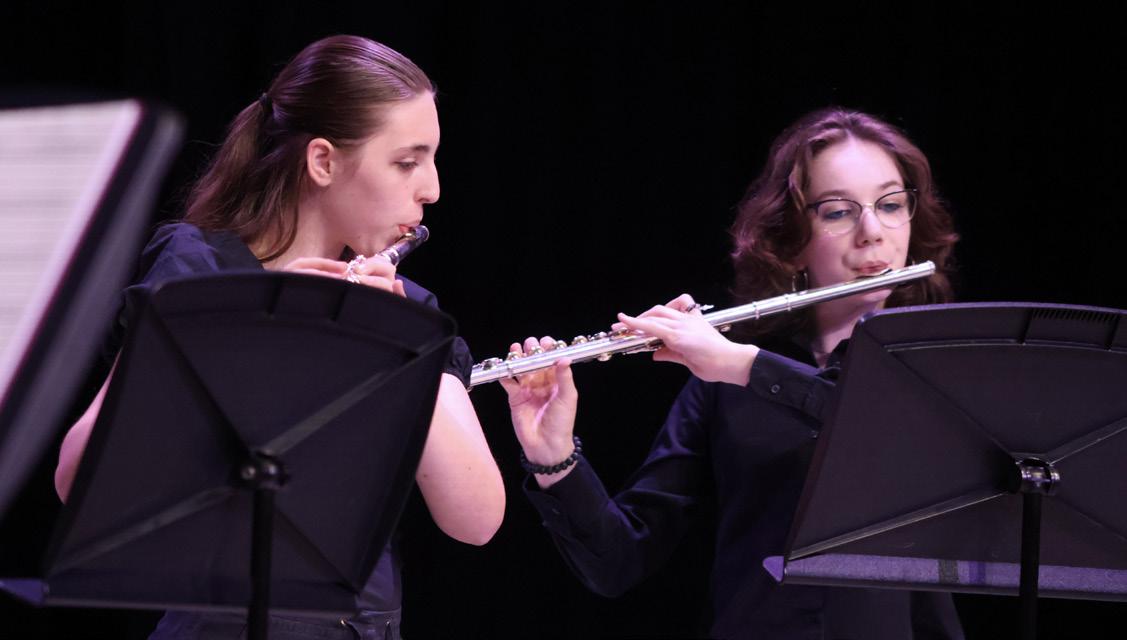
RMS is all about ensuring every pupil thrives and explores what they are passionate about. For many students, including myself, music is the way to express emotion, dedication and commitment to their instrument/voice. Throughout the whole of the senior school, the pure talent of these musicians is clear; however, it would not be possible without the incredible staff, working behind the scenes in Alex House. From the visiting music teachers, to Mr Cross and the tech team and, of course, Mr Werner and Mrs Mac, their support is invaluable.
Every term, the Music department organise a chamber concert for solo musicians, duets, trios and other smaller chamber ensembles to demonstrate their talent and hard work through carefully chosen repertoire. The Space is filled with parents, pupils and teachers, eager to enjoy an evening of gorgeous music and to congratulate and encourage the students performing. These concerts are always of an extraordinary standard, and the chamber concert that took place in November certainly lived up to expectations.
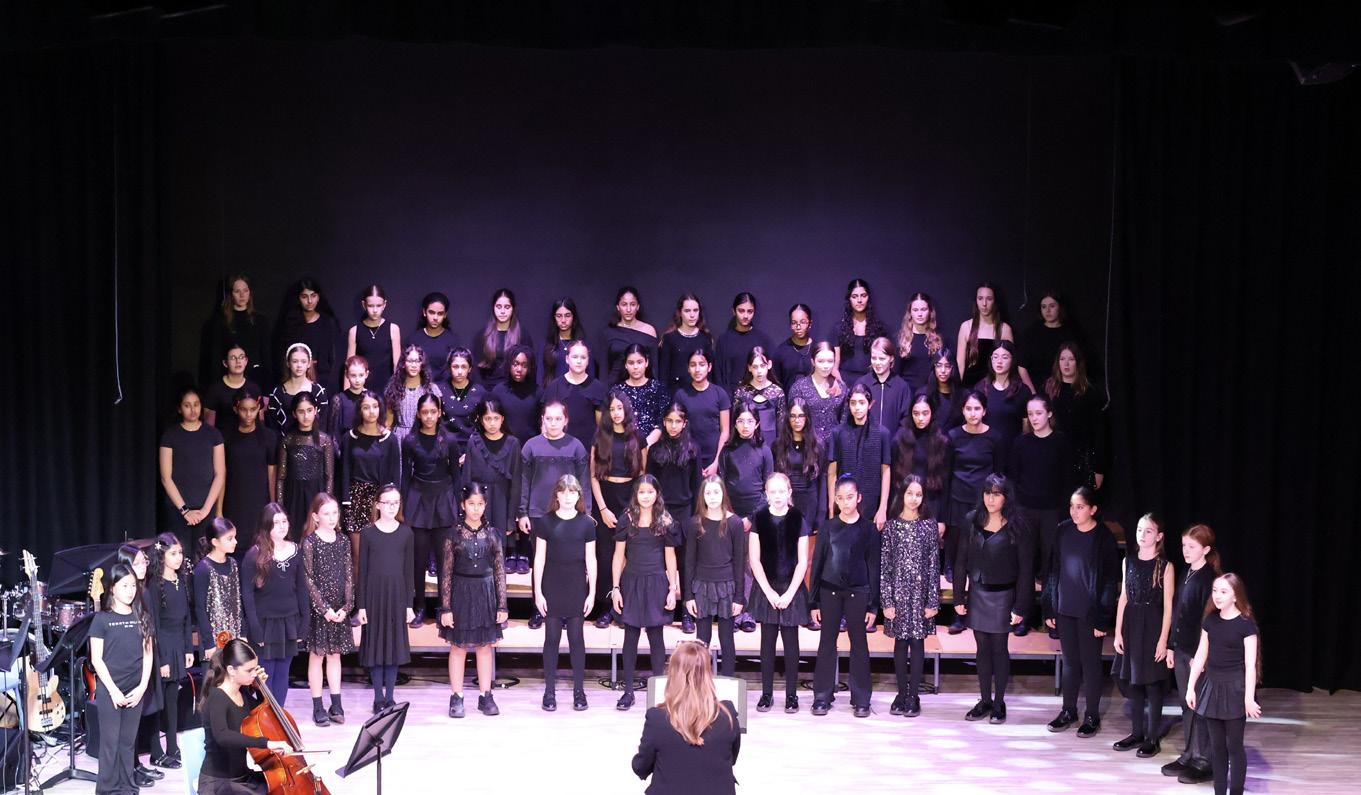
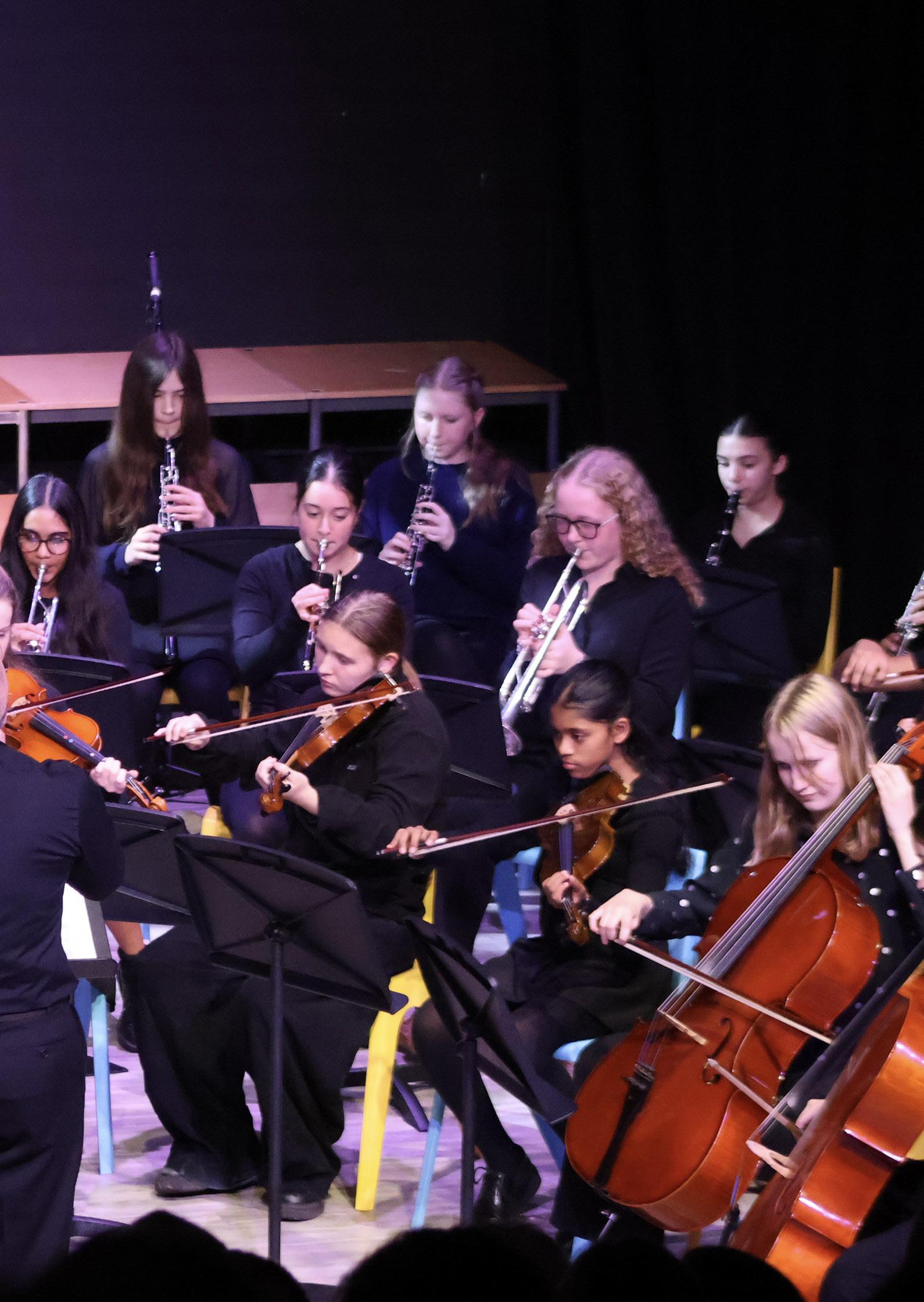
The Winter and Spring Concerts are a fantastic opportunity to showcase the excellent standard of the music ensembles, bands and orchestras we have to offer at RMS. Over the course of a term, pupils and teachers put in incredible effort and deliver showstopping performances where their passion for music and the joy of playing with friends truly shines through. These concerts are also a great way to bond with others across the school who share the same interests as you. There are consistently large audiences, who praise the performances and whose support does not go unnoticed.
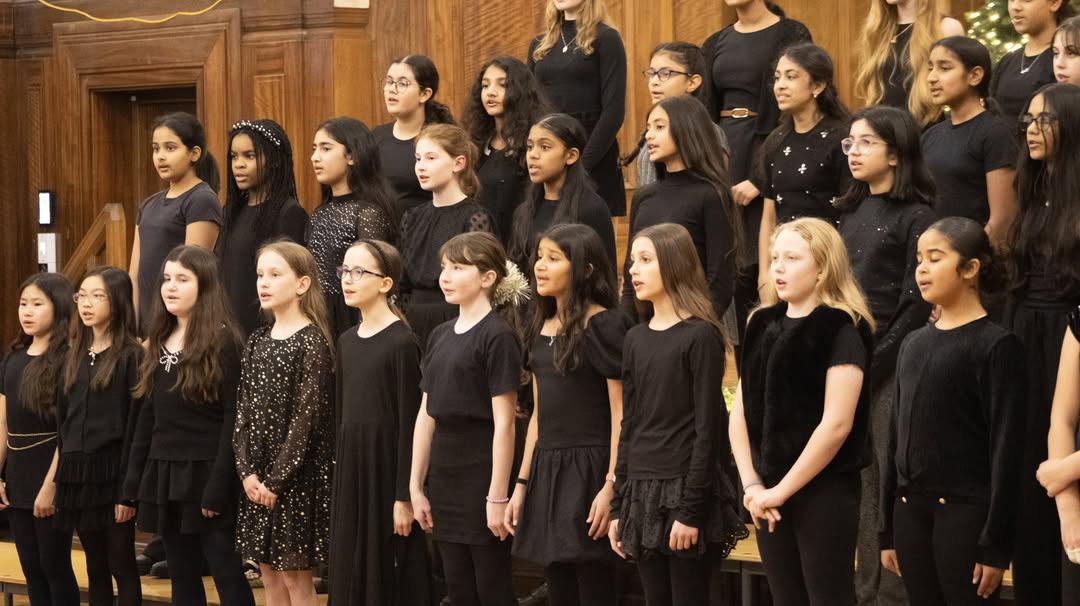
The Winter Concert of 2025 was no exception. From the opening performance by the youngest students in Mrs Mac’s choir, RMS Chorus, to the final piece by some of the most senior students in Jazz Ensemble - every pupil dazzled on that stage. Melodies and harmonies flowed throughout the whole night, resulting in some unforgettable performances filled with energy and heaps of fun. It was a wonderful way to bring an end to the term, as the audience and performers enjoyed some Christmas repertoire alongside music from a wide range of genres and capturing a true sense of holiday spirit.
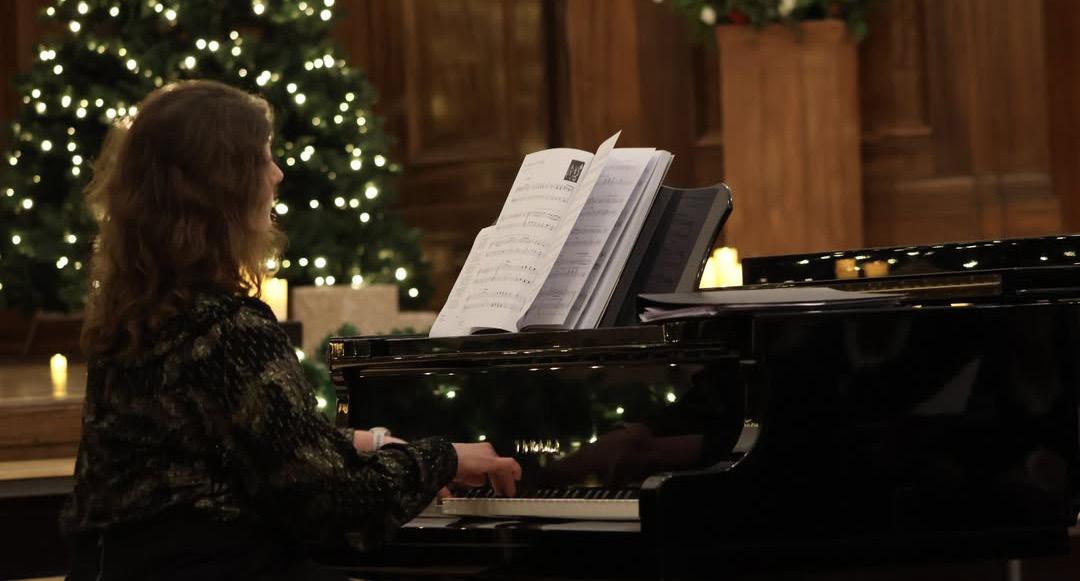
The Nine Lessons and Carols service shines a spotlight on the outstanding choirs in both Senior School and Cadogan. Hymns, readings and music culminate in a candlelit winter evening that leaves the audience feeling warm and tranquil. This year it was hosted in the Great Hall, rather than St Mary’s Church in Rickmansworth, which was illuminated with candles and added an extra layer of RMS character and essence to the night.
Music at RMS is exceptional, with countless opportunities for pupils to explore and develop their effort, ability and flair to create a beautiful sound for others to enjoy, while proudly representing The Values and spirit of the school in an expressive, passionate way.
Amaya Hyde-Smith Y12
Music Clubs:
Choirs: - RMS Chorus (Y7-8) - RMS Voices (Y9-13) - Choro (auditioned Y7-13)
Ensembles: - Cello Ensemble
- Violin Ensemble - Flute Ensemble
- Wind Ensemble
- Jazz Ensemble - Piano Trios
Orchetras: - RMSO - Concert Band - Sinfonia Strings
Drill has given me so many new opportunities as an RMS girl, really making me understand why our school and our experience is so amazing and unlike any other.
- Molly Wadham
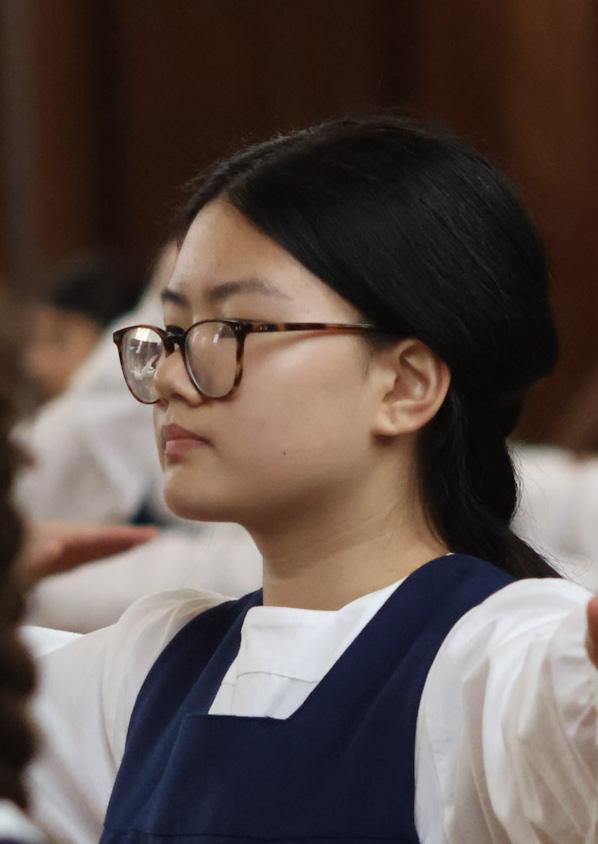
Since 2021, it has been so much fun to be a part of such an amazing tradition that has been a part of the school for many years. It has helped to bring many people around the school together, whether you are partnered up with a new person for the performances or talking and getting to know the people you stand around when practising, you get to create friendships with so many new people.
At the start of the 20252026 academic year, I had the opportunity to become a Drill Captain, helping to lead and pass on the experience that I have had to people. Being a Drill Captain I was able to help younger students in our break time practices, helping to make sure that our performances look how they should and aiding Drill uniform fittings. Being able to have this opportunity has brought me closer to many areas within the school, and as a result, creating more opportunities for me to understand and get to know the true feeling of the culture surrounding Drill.
This culture surrounding Drill really helps to add to the feeling of really being an RMS girl. The performances, the outfits, the many cans of hairspray and the missing shoes create an atmosphere within the school that no other can really emulate. Being a part of Drill has given me an opportunity to directly take part in activities that really makes you feel like an RMS girl, something that can unite all RMS girls through many years.
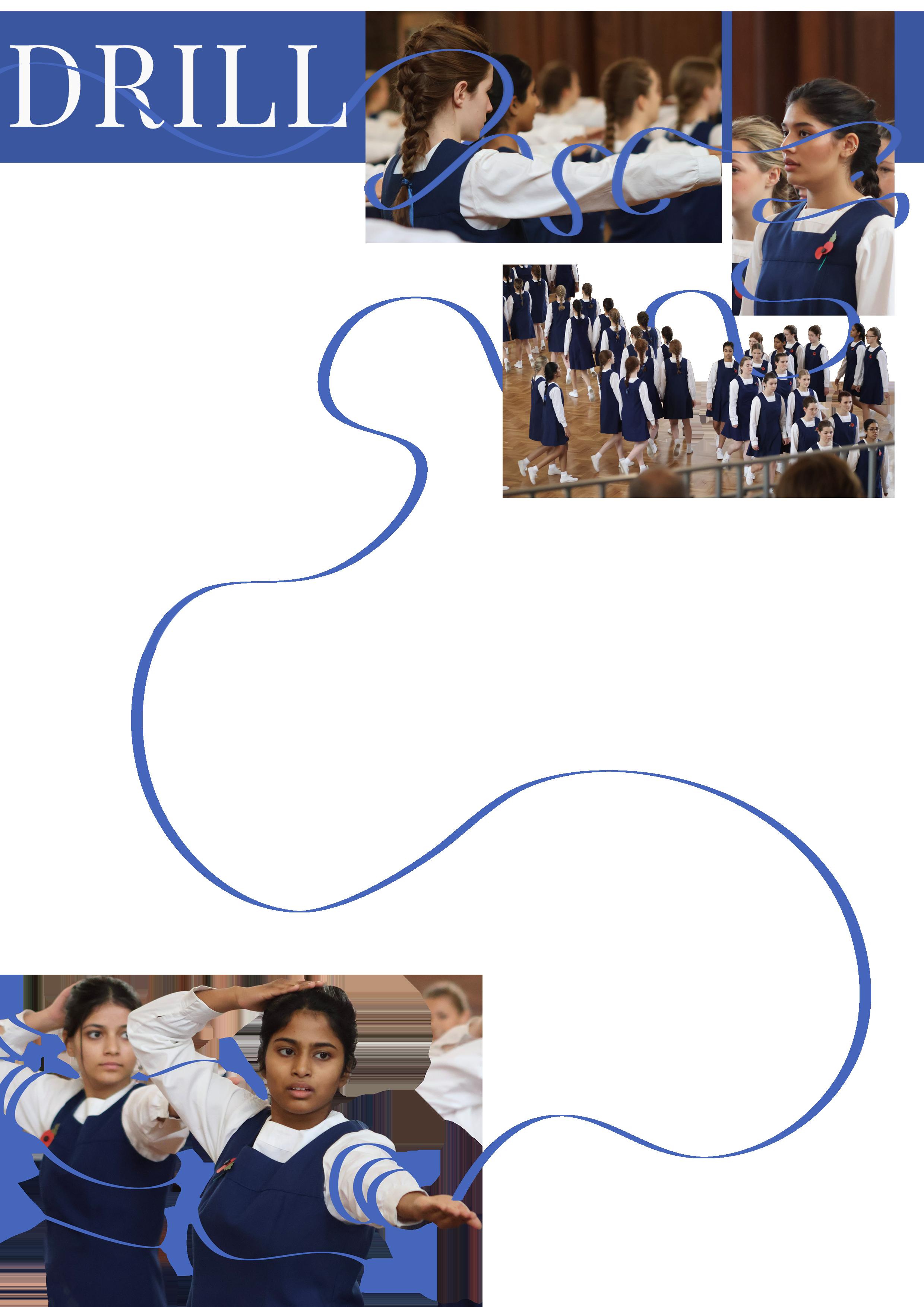
Many memories have surrounded the 5 years I have done Drill. In my camera roll I have many of me and my friends posing with our Drill tunics on, embodying the culture surrounding Drill. I remember past students stepping in for a performance as well as some teachers too, showing how far this part of the school spreads.
Being the environment prefect, I am incredibly proud of our school’s actions to support the environment and encourage sustainability. Our Eco Committee acknowledges current environmental issues such as carbon emissions, the loss of biodiversity and even more local problems, such as the threatened chalk streams in the UK. Chalk streams are an incredibly rare habitat, the majority of which are found in England, and we are lucky enough to have the River Chess located so close to RMS! However, chalk streams are currently under threat due to problems such as water pollution and global warming. In order to help these special ecosystems, every January the Science Block receives brown trout fry that are raised by a group of keen volunteers, and in the Summer we release the trout into the River Chess. Not only does this help to increase the brown trout populations in the River, but it also provides the student body with the opportunity to develop an awareness of environmental problems and care for the world around them. Other projects taken on by the Eco Committee include: visiting the school’s beehives to learn about the role of these fantastic pollinators in ecosystems, holding secondhand clothing drives to reduce the consumption of fast fashion and setting up wildlife cameras to see the wide range of animal species that call RMS their home!
Leah Robertson Y13
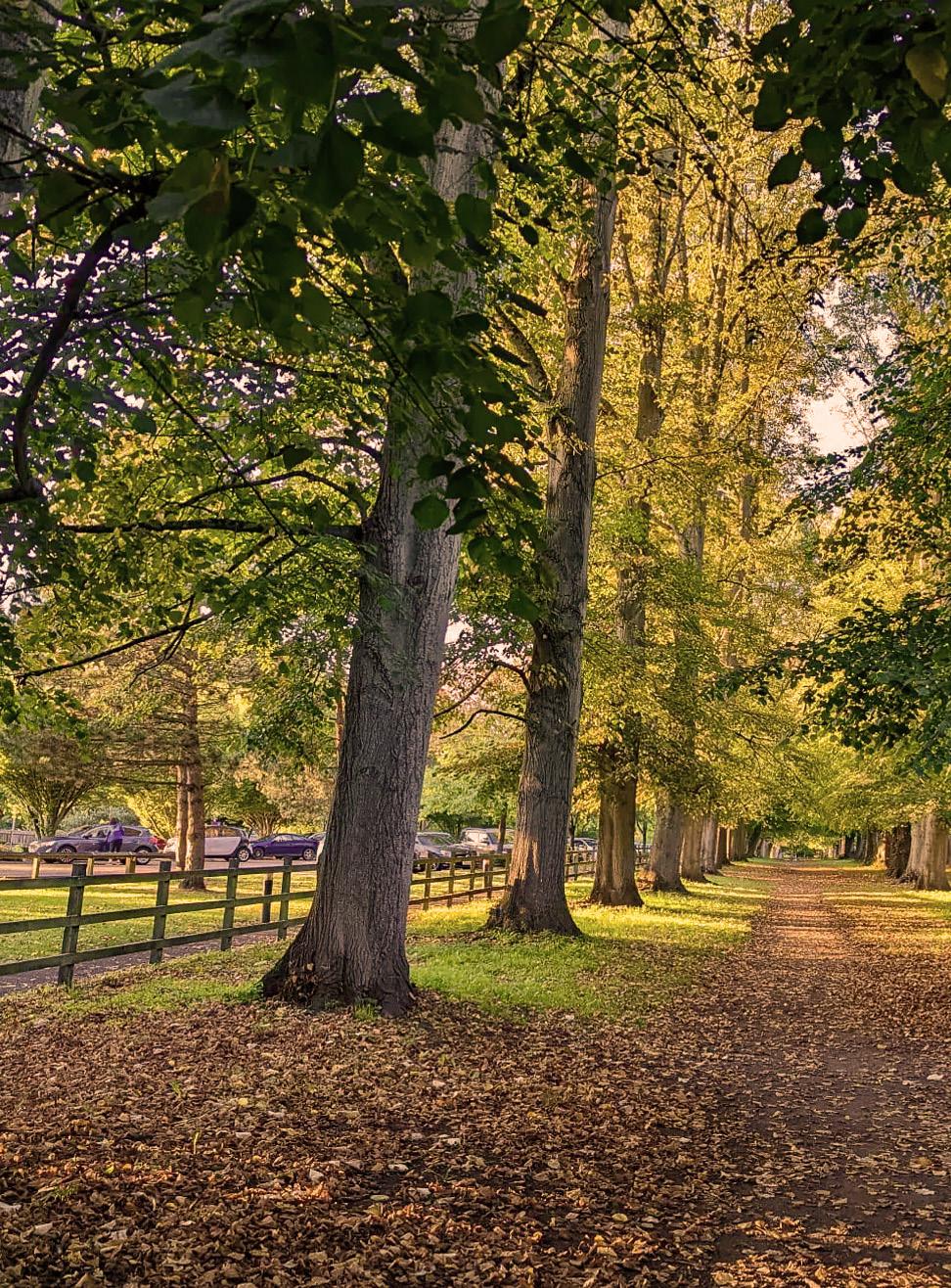
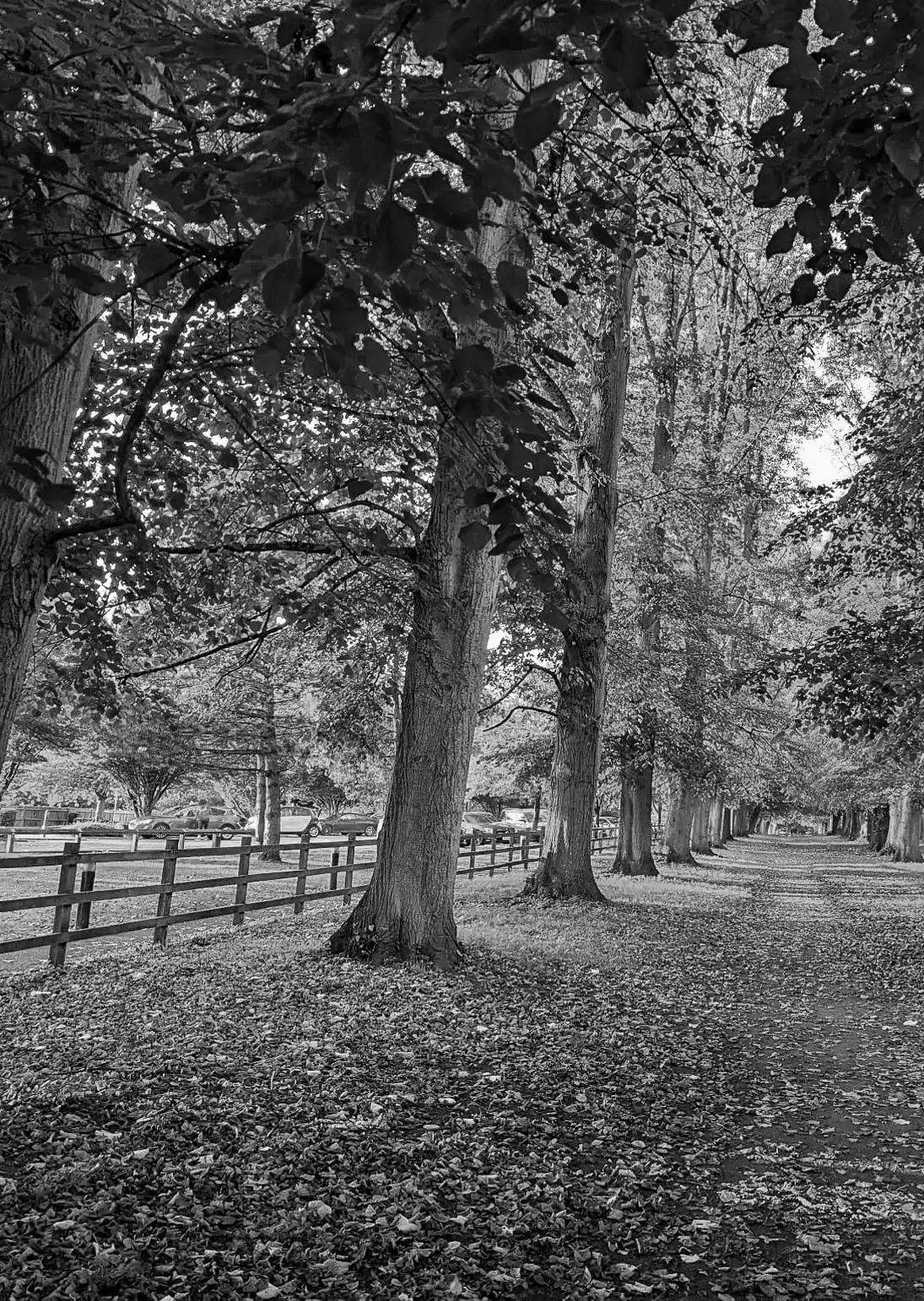
We have one of the most beautiful grounds a school could be surrounded by, and we often don’t appreciate the elements outside enough.
Amaya and I (Saarala) conducted an interview with our treasured Mr Billy Lees, the Head of the Grounds here at RMS. Since 1987, Mr Lees has enjoyed his 38 year period of working the natural grounds, and he still remembers the “phenomenal cultural difference” between Scotland and England. As well as this, the state of RMS has very much evolved over the years - there were initially 460 students when he joined, and now there are almost 1,000. We used to have sheep in some areas of the school! Additionally, the temperature has increased with every summer that has gone by: there are highs of 40*C in the summer, and extreme lows of -8*C in the winter: global warming is becoming a noticeable presence. COVID-19 created a distinct alteration too, when everyone was isolated and rarely used transport - global warming almost reversed. Mr Lees advises us, as a school, to be wary of the litter and waste we accidentally leave behind, and do our part to preserve nature. For example, being aware and using the many recycling bins, aiming to reduce packaging and food waste, and being passionate about the planet - join the Eco Committee! It’s in Lab 10, the Science Block, first half of lunch on Tuesdays.
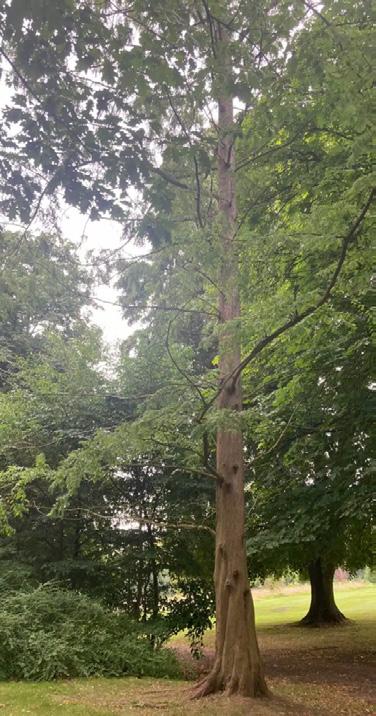
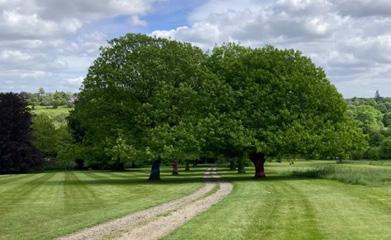
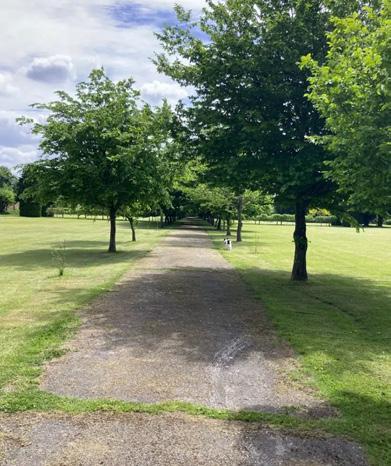
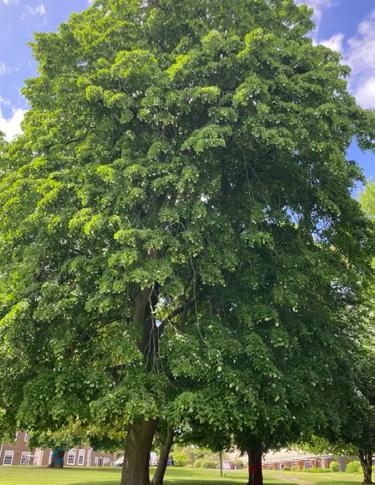
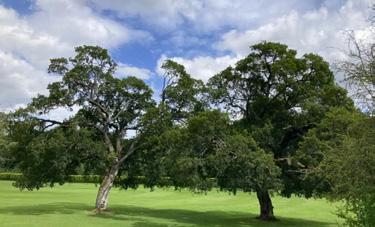
Environmentally sustainable projects the grounds staff have engaged in are the impressive planting of 2,500 trees! We house around 3,000 trees - this is a brilliant step in conserving the natural environment, which is why sitting on the trees or tugging on branches is detrimental. In the winter especially, lots of work must be done to preserve the health of trees in the colder months, in which their blankets of foliage leave their branches bare. Sadly, there is an incurable disease causing dieback of ash trees spreading from the South of England that is unpreventable, so some of our trees may be lost, which is why we must protect the ones we have. In previous years, Year 12 students used to plant a tree in the left side of the school each
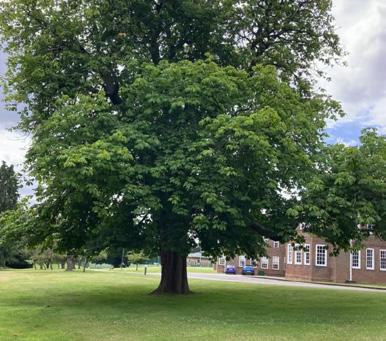
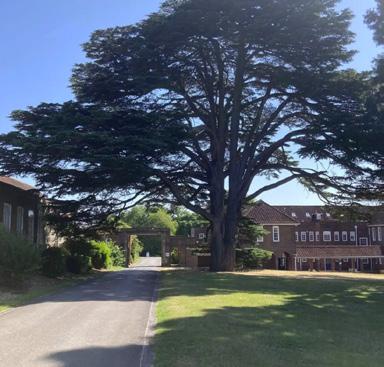
year and take care of it to let it grow and thrive during the year, which I think we should incorporate again. Mr Lees’ favourite place in the grounds was the Lowers and the Walled Garden, which I have to wholeheartedly agree on: especially in the summer, the picturesque quality of the garden is reminiscent of a fairytale word, and the colossal Lowers are the perfect location for walks (as long as it has not rained recently!). Every season is amazing due to the unique changes that differentiates them from one another - Mr Lees has no favourite season, but the muddy months of November and February are slightly less vibrant than other months, though that provides a nice contrast to the other distinctive months. Autumn passed recently, and the rustic tones of the orange leaves were visible everywhere; however we underestimate the sheer volume of colourful leaves: every day in the heart of autumn, there are 7 tonnes of leaves collected! We also underestimate the intense continuous task of cutting the grass that covers the majority of our vast grounds: it is a constant job to mow the grass - a cycle between the 15 acres of grass, 25 acres of playing fields, 60 acres of rough-cut massive grassy lands, and 90 acres of the grass we walk next to daily that contribute to the greenery we view everyday. Grass is consistently groomed, due to the positive outcome of capturing carbon dioxide.
Did you know that some of the oak trees by the headmaster’s house are up to 600 years old? Our sweet chestnut trees were planted in 1690 - Mr Lees’ favourite tree is this Spanish sweet chestnut tree because they possess such an intricate twisting silhouette that is fairytale-like in nature. Some of us rarely take the time to appreciate the beauty of the vicinity, including myself on occasion. During breaktime and lunchtime, we should take more walks around the refreshing surroundings, and appreciate the natural picturesque views we can take in as well as the great work our Maintenance Staff do.
For the Upper School production of 2025, the drama department took on the huge challenge of staging Shakespeare’s most famous play: Hamlet. Directed by Katherine Newby, Head of Drama, our adaptation was set in an ominous dystopian future where its inhabitants are subjected to constant surveillance.
Many question the value of a play written over four hundred years ago in the twentyfirst century, however, the renowned tragedy touches on the universal themes of grief, insecurity, mental wellbeing, suicide and family dynamics that remain more relevant than ever today.
Shakespeare is credited with introducing over 1,700 words to the English language, making him one of the most quoted writers of all time. Through Hamlet alone we have a variety of well-known phrases such as ‘To be or not to be, that is the question’, ‘The lady doth protest too much’, ‘Though this be madness yet there is method in’t’, ‘To thine own self be true’. The fact these phrases have been in continual use over the centuries just goes to show how powerful both Shakespeare’s language and ideas are.
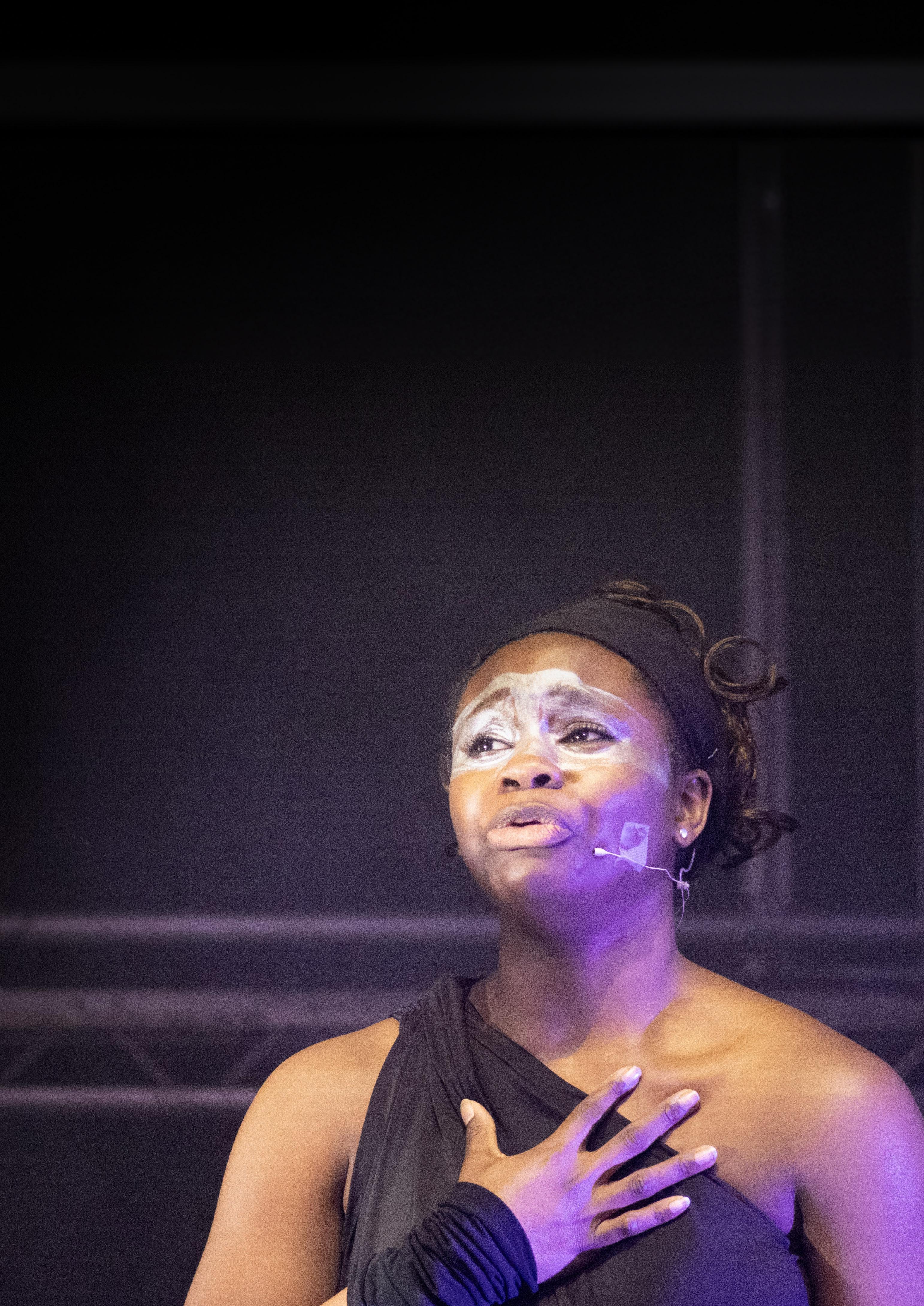
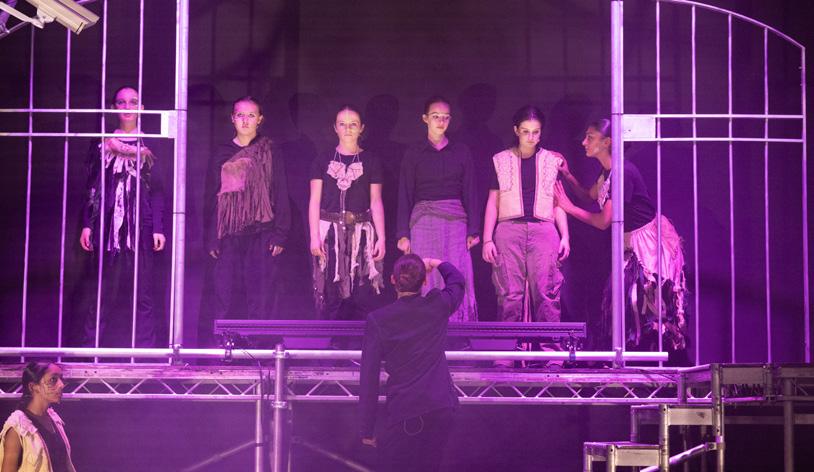
I had the privilege of playing Hamlet and can vouch for the entire cast in saying that the rehearsal process was rigorous. The actors spent roughly eight hours a week for two months learning lines, blocking scenes, choreographing movement, unpacking complex language and exploring our characters and their relationships with others.
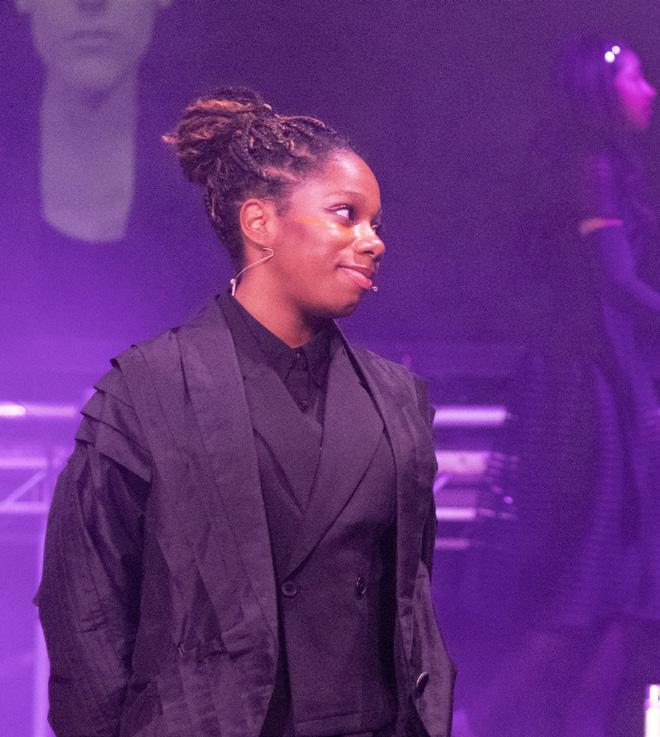
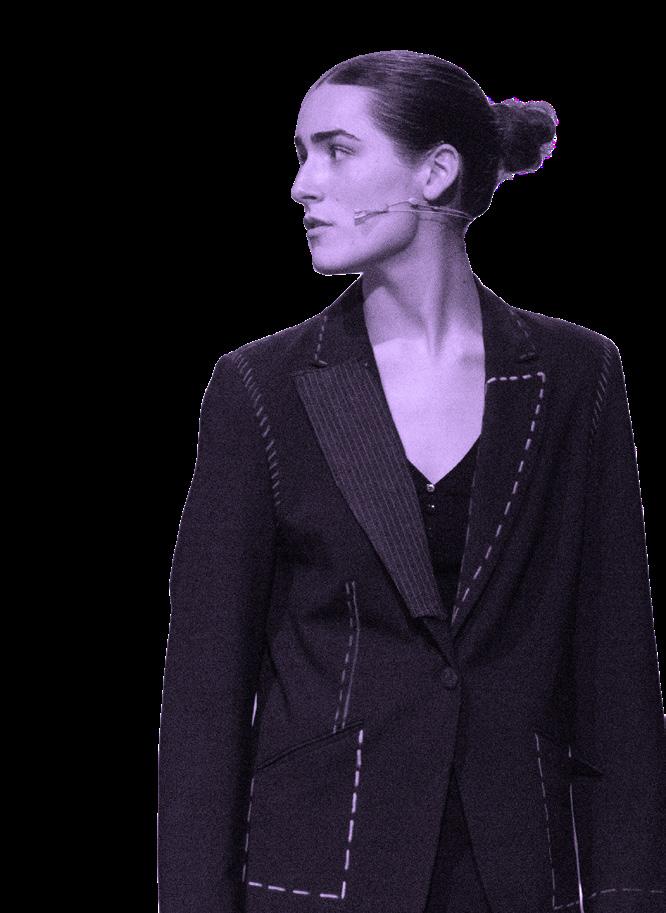
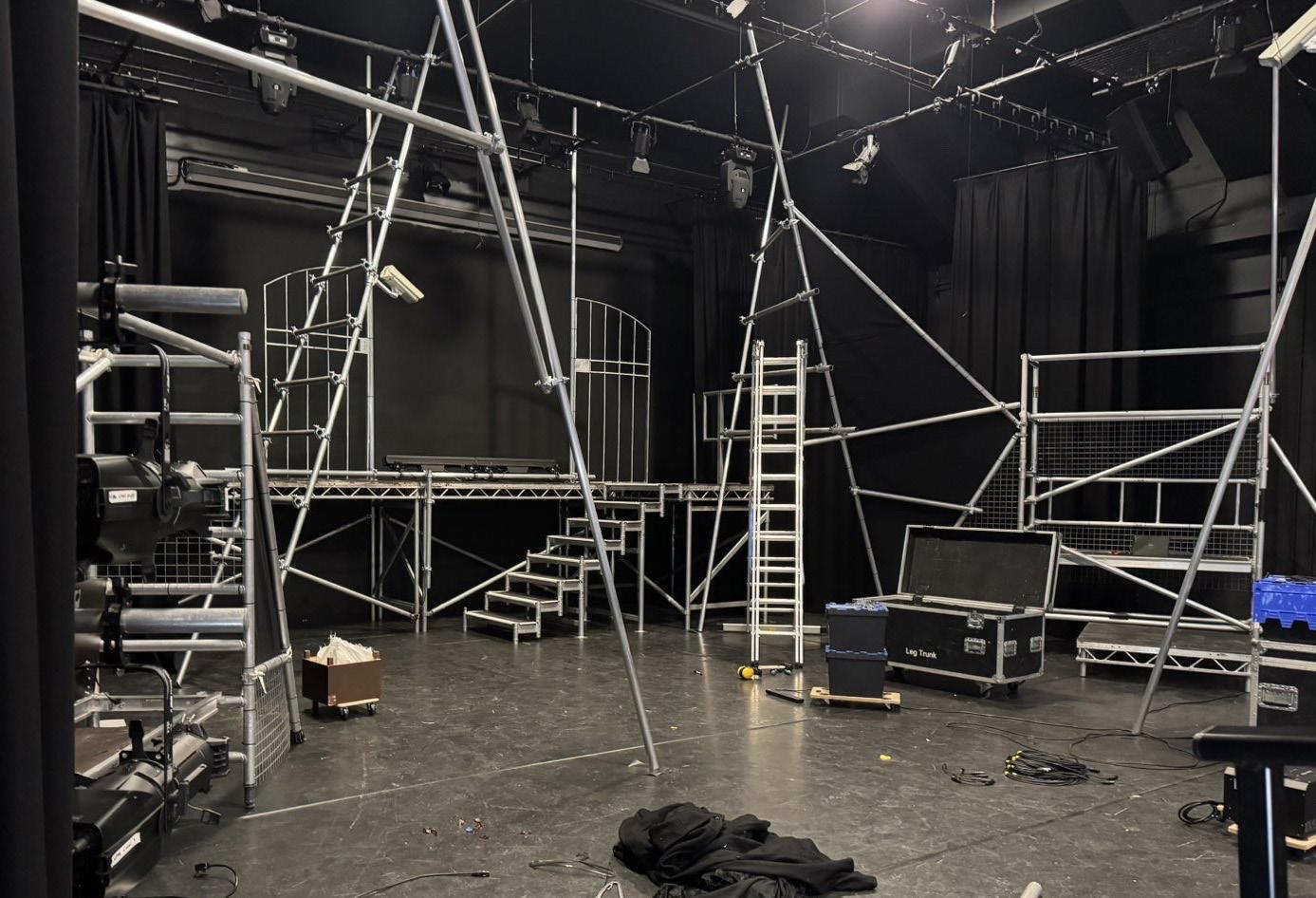
Framed in a minimalistic set of scaffolding, metal work and an imposing platform across its back, the stage played a highly important role in our production. It allowed us to manoeuvre in exciting ways and enhanced our physical theatre performances, from climbing on scaffolds and storming down the stairs at the back to creating the chilling final image of the deceased ensemble to accompany the annihilatory last duel between Hamlet and Laertes.
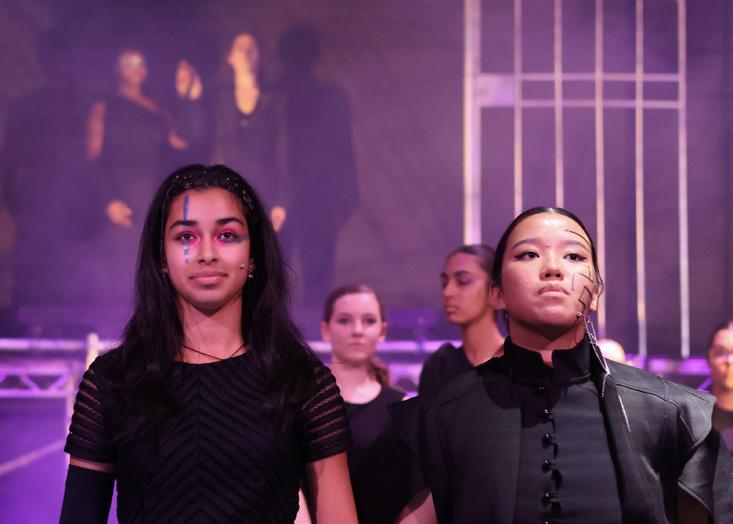
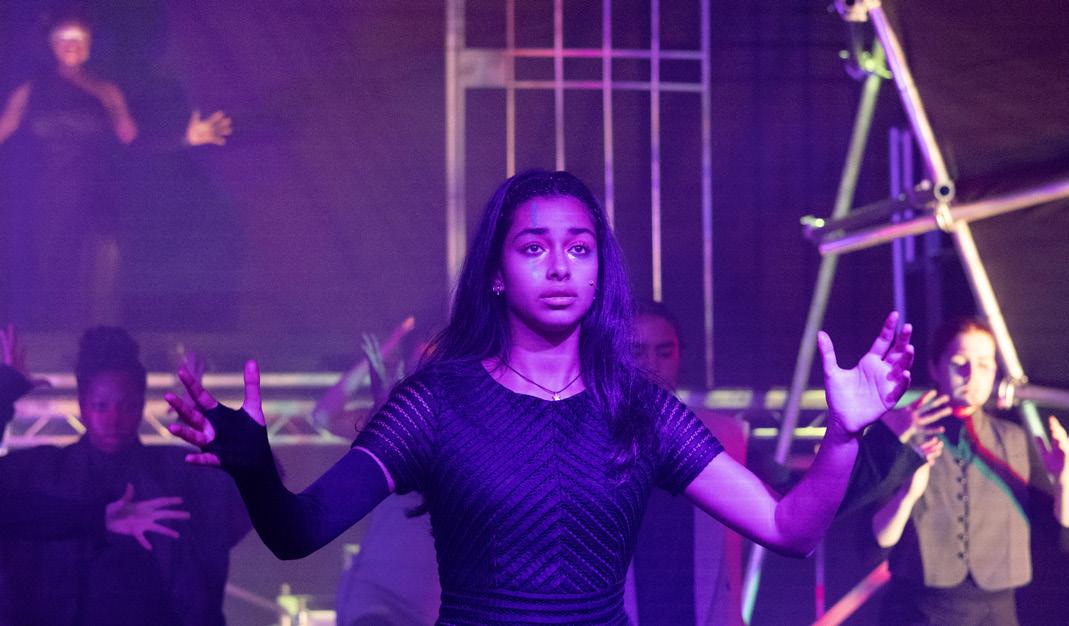
School productions have always been an excellent way for students across the years to bond, and Hamlet was no different. The cast felt incredibly close after two months of rehearsing and performing together, making it a great opportunity to get to know people you would not ordinarily encounter in daily school life. It was useful for the younger students to look up to Sixth Formers not only for help in the play but also for general advice about GCSE’s and managing school work.
Our rendition of Hamlet took an abridged version of the script so that it was cut down to just ninety minutes rather than the usual three to four hours. As actors, we carried out work with the English Department in order to ensure we understood the Shakespearean language as well as possible to make it feel accessible to our audience. This felt particularly important, being a school play, as many people watching were not typical or regular Shakespeare fans. Despite this, many said they felt they could follow the play easily and that they enjoyed it much more than they had anticipated.
Annabel Hogan Y12
For the tech team, many weekends were spent programming and testing the sound and lighting, organising the microphones and juggling the additional technical features of the play, such as the live and pre-recorded CCTV footage and creating the character profiles which were shown throughout the play. As well as this, we had a highly complicated set which needed to be built, decorated and maintained throughout the show period.

Sometimes there are also weekend trips. Lots of people take part in those, of course. There has been a shopping trip to the stores at Milton Keynes, a trip to play golf, a trip to Buckingham Palace, a delicious global buffet, ice skating at Hemel Hempstead, as well as Christmas activities such as making decorations and a bake-off competition.

On school days, the day starts with breakfast at 7:30 a.m. At 8:25, we leave the boarding house for school. After school, we have free time until 6 pm. That’s the time when people can go to the gym, do clubs, study, or just relax after a busy day. At 6 p.m., we go to dinner, and afterwards it’s independent study time until 9 p.m. Although there is a routine, not every day is the same: on Tuesdays, you can go trampolining after dinner, which is always a really nice way to end the day. One evening every week, you can go out at 8, which means you can go out for dinner with your friends. At the weekend, boarders are allowed to stay out until 9 p.m as long as they are not alone, which I really appreciate, as you can go to London for a bit longer.
I’m Juli, and I’m a boarder at RMS! I am from Munich in Germany, and I joined RMS Year 12 for the Michaelmas Term in 2025. In my school in Germany, we have the opportunity to do a year abroad. Many of my friends and I decided to take that opportunity and experience living in a foreign country.
I decided to attend RMS because I’ve always wanted to live in London, and the school is conveniently located near the city, allowing me to visit on weekends. I also wanted to get the whole boarding experience because in Germany, there are not many. Also, my sisters have been to RMS, so I already knew I would definitely be a good choice because they really enjoyed it.
To be honest, at the beginning of the term, I had some difficulties with speaking English all day because I wasn’t used to it, and it was a bit overwhelming. Also, UK schools differ a lot from German schools. For example, I have never had to study every subject every day - that can be quite tiring sometimes. I personally prefer the system in Germany, as you have about 12 subjects, but they are not as specific as in England. Also, we don’t
Juli Heilbronner
have forms or houses in Germany, but I enjoyed that very much because activities like Bingo or house days were times when I got to know new people, which really helped me at the beginning of the term. Being in sixth form, I love having free periods and the opportunity to relax a bit throughout the day or have a chat with my friends, as it helps me to concentrate on lessons afterwards. Luckily, over time, I realised my English has improved a lot during my time here because I spoke English all the time, and I learnt all my chosen subjects in English.

Boarding at RMS is great! By constantly being with people my age, I could quickly make friends. Also, people were very welcoming to me, so I settled in very quickly.
In my free time, I had the opportunity to go to the gym or join extra-curricular clubs. At the weekends, boarders are allowed to go to London, which I did a lot because there is so much to see and the shopping opportunities are great.
One of the things I really appreciate at RMS is the food. On Sundays, there is a brunch with lots of different choices. Sometimes we even get breakfast at the Hive Cafe in the Sixth Form Centre!
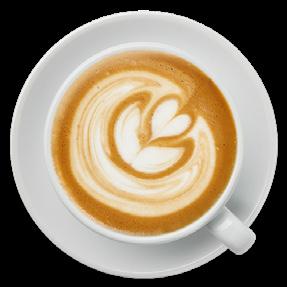
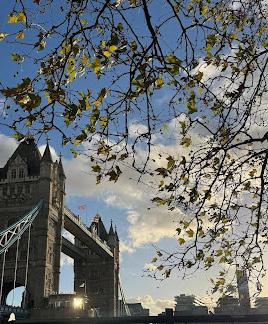
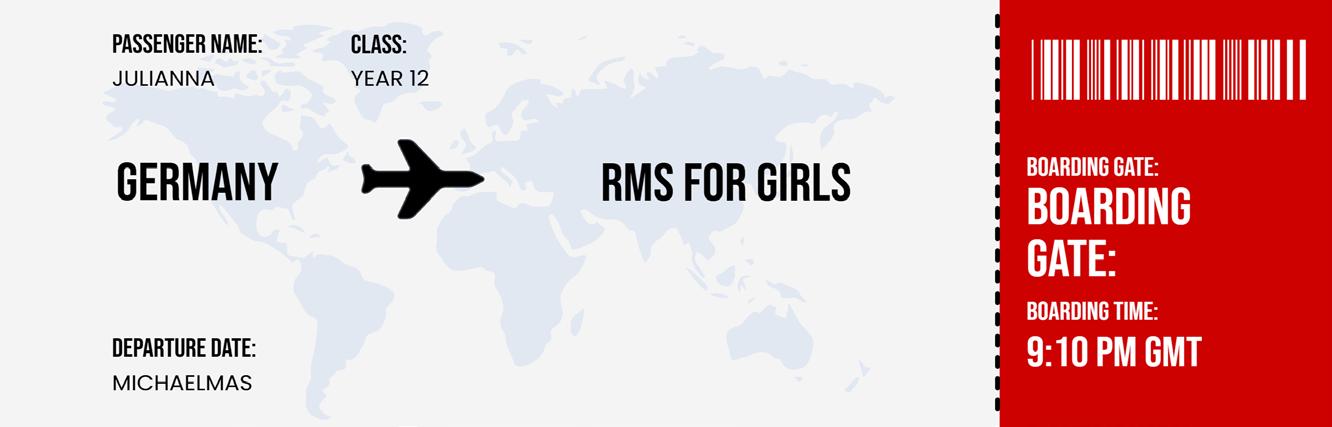
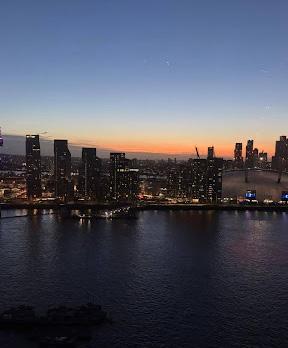


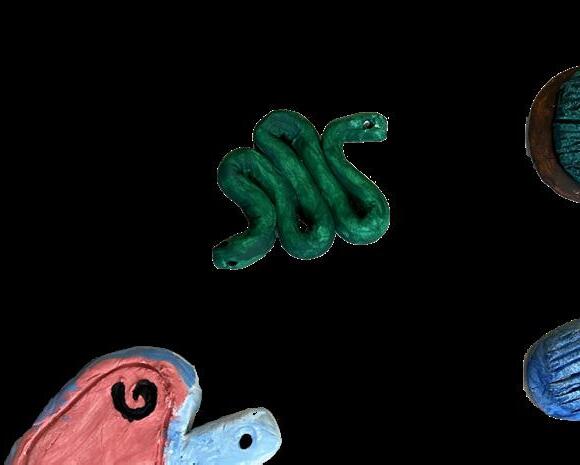
Creative Classics is a fun, inclusive, and imaginative club open to everyone, run by Miss Cooper in Room 6 during the first half of Friday lunchtimes. Information about the activities planned for each week can be found displayed outside Room 6, so students can always see what exciting projects are coming up. In Creative Classics, we create something new every week using materials such as clay, lollipop sticks, cardboard and many other craft resources to represent different aspects of the ancient world. These activities allow us to explore history in a creative and enjoyable way. One of my favourite things we have made in Creative Classics were mosaic tile images. To create these, we used small cardboard squares, covered one side with glue and carefully arranged different coloured mosaic tiles to form detailed patterns and designs. Some of my friends have said that their favourite activities involve working with clay, as we have made a wide variety of figures using this material. As well as making many creative projects, Creative Classics also helps us to learn more about ancient traditions, beliefs, and historical events. For example, every year near
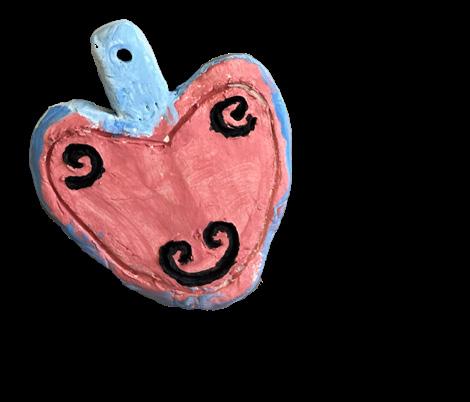
Christmas, we create items inspired by Saturnalia, the ancient Roman winter festival celebrated from the 17th to the 23rd of December. During Saturnalia, Romans worshipped the god Saturn, made offerings and sacrifices, held large public feasts, exchanged gifts and notes, and played games together. To celebrate Saturnalia in Creative Classics, we played Roman board games and created garlands and candles out of card to decorate the Classics board. We also made crowns and clay figurines to represent Roman traditions during the festival. Another activity we completed was making an apple to represent the famous story of Eris and the Golden Apple, also known as the Apple of Discord, which helped us learn more about Greek mythology. Overall, Creative Classics is a really fun club and I recommend for anyone interested in coming along.
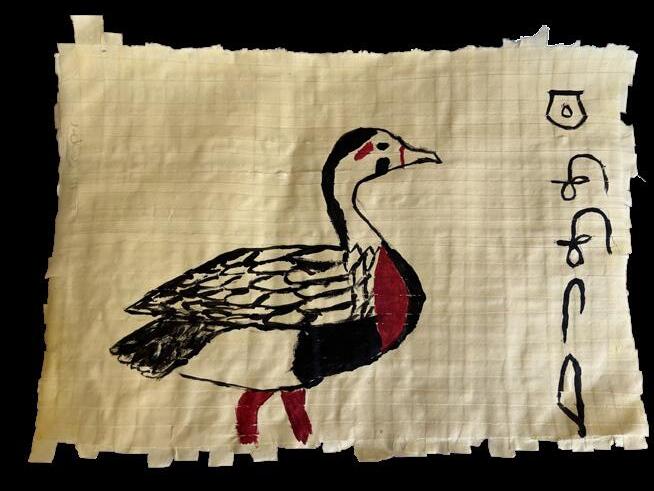
Criminology Club explores why crime happens, not just what happens. I run the club because of my research interests in Psychology and Criminology and my experience working in a forensic setting. I am always interested in students’ views on the debate around free will versus determinism, and how this leads to issues in defining/ understanding criminal responsibility.
In the club, we investigate real criminal cases to explore the causes of offending, considering factors such as mental health, upbringing, and the role of nature and nurture. We discuss key issues like the age of criminal responsibility, debate guilt and innocence in cases with mixed or unknown outcomes, and watch and analyse documentaries to develop critical thinking and discussion skills.
Ms Fuller
MedVetDent Society is a welcoming, student and teacher-led group for anyone in Years 10-13 who is curious about biomedical science and the wide range of careers it opens up to. We meet every Wednesday to explore pathways across Medicine, Veterinary Science, Dentistry, Biomedicine and other health care professions, giving students the chance to learn more about the subjects, skills and experiences involved. Whether you already have a specific career goal in mind or are just starting to explore your interests, the Society provides an accessible and supportive way to find out more.
MedVentDent society is more than just a club, it’s a passionate, friendly and indulging environment, full of members who have an itch to learn. It’s a place where students can find guidance, particularly if they are unsure about what they’d like to do in the future. Our presidents and vice presidents of the society
are always willing to help younger students who are feeling uncertain about their career path. MedVetDent Society plays an important part in discovering how to apply for work experience and where to find it. Having the society for connections, advice and guidance is really important, especially when it comes to work experience which can often be daunting and uncertain. However work experience is such an important part of education, especially for STEM careers, and is something which MedVetDent is very passionate about. Medicine, Veterinary, Dentistry, Biomedical Science and Health Care professions in general can be difficult career paths to get into. MedVetDent offers a safe space where students can talk about their worries about grades, stress with workload or just general uncertainties. The society offers a strong foundation for students hoping to pursue a career in the Healthcare field where they can express their interests, learn new things, meet new people, make connections and even discover alternate pathways and careers.
Bailey Hawkins Y12
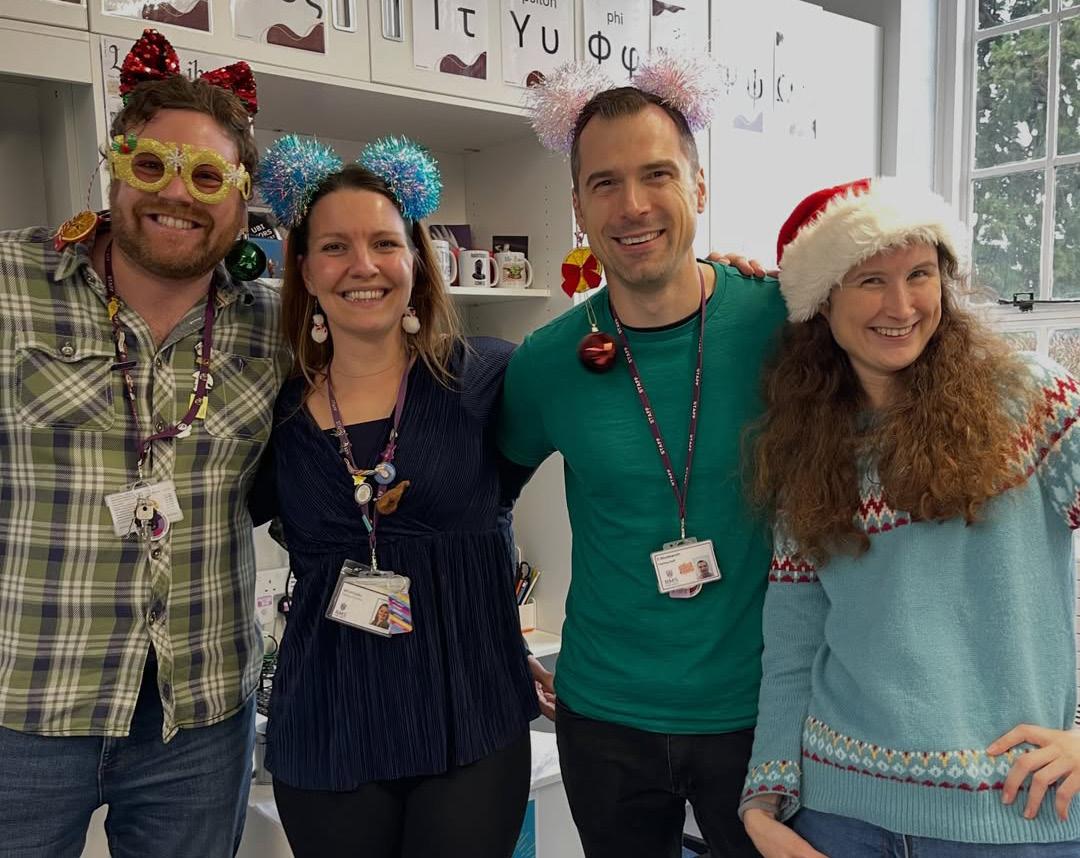
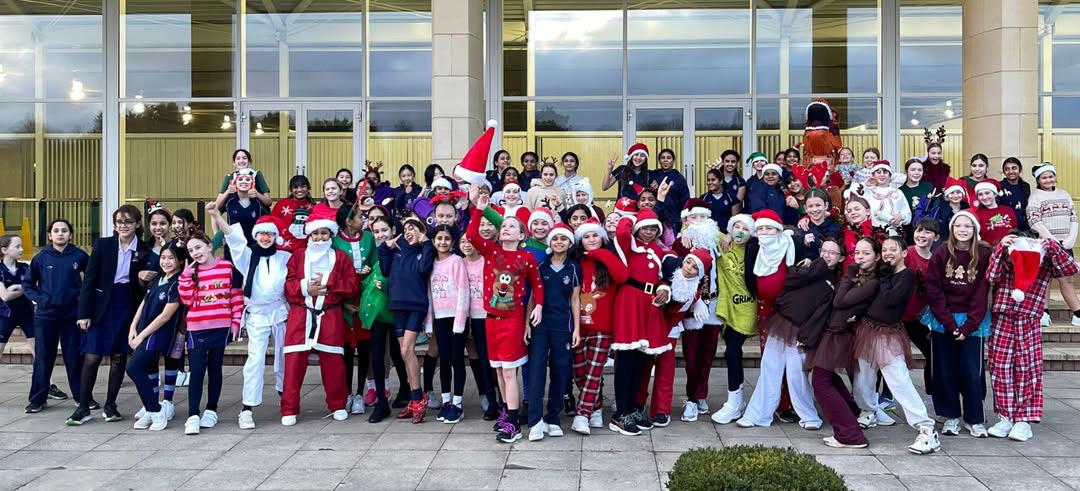
During house day, students participate in festivethemed events to win points for their house. I personally took part in making Christmas wrapping paper and a Christmas film quiz. Other activities included snowball dodgeball, elf escape room and Grinch obstacle course, as well as many more. Then, students gathered for a termly Just Dance and singing Christmas carols competition. Overall, the winners of the day were Moira House, however, there was only a very small point difference between the houses this year, though!
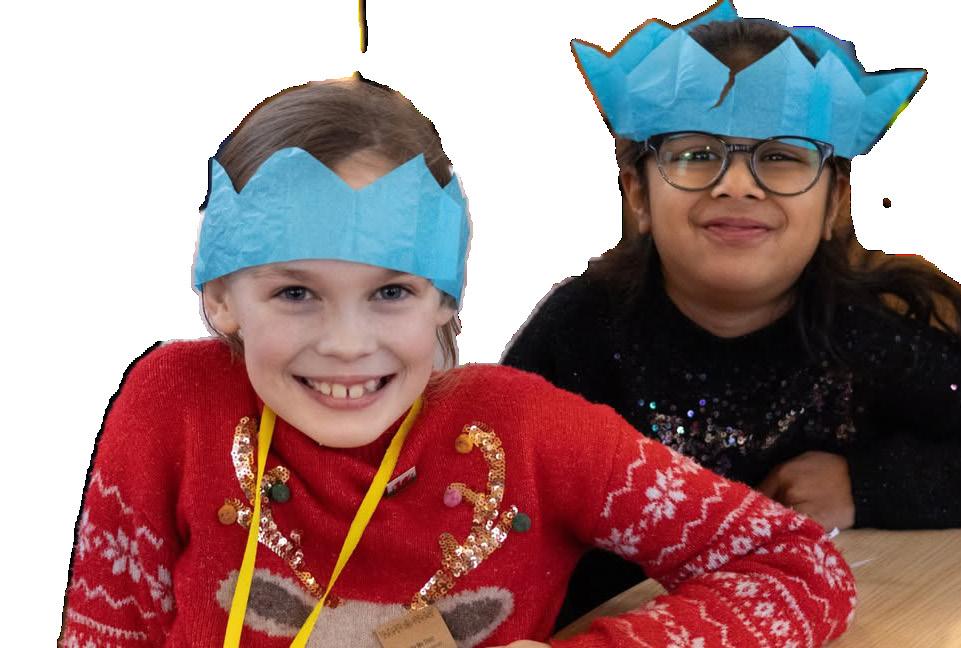
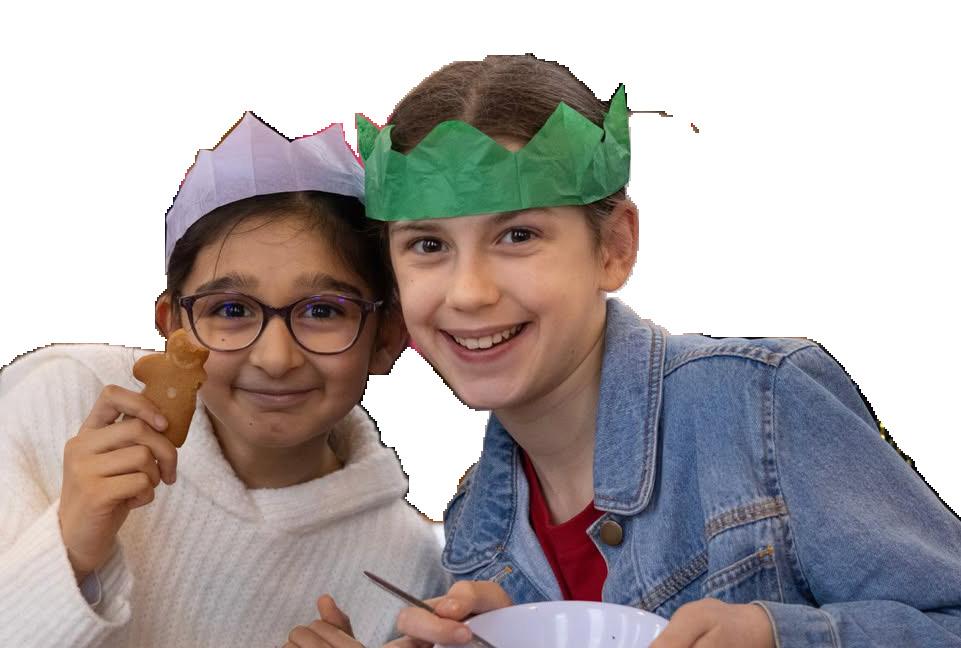
The day before house day, each year group attended the annual Christmas dinner, provided by the amazing catering staff. Paper crowns sliding down everyone’s faces as they eat, a dusting of icing sugar on a few’s noses, and the subtle smell of smoke from the crackers created the atmosphere of Christmas we all know and love at RMS.

The occasion included a delicious traditional roast and desserts such as a yule log, mince pies, and Christmas pudding. Familiar festive music played as we ate our delightful meal. It certainly got everyone in the Christmas spirit as we celebrated the end of the term and the countdown to Christmas, wearing paper crowns and pulling crackers.
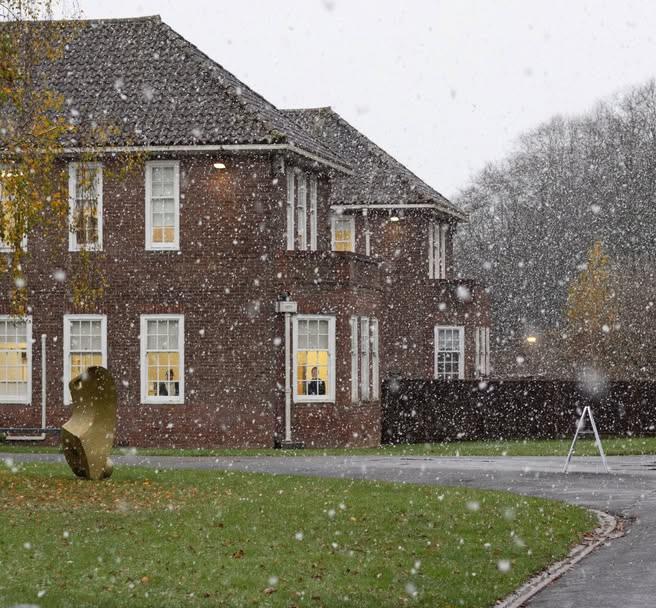
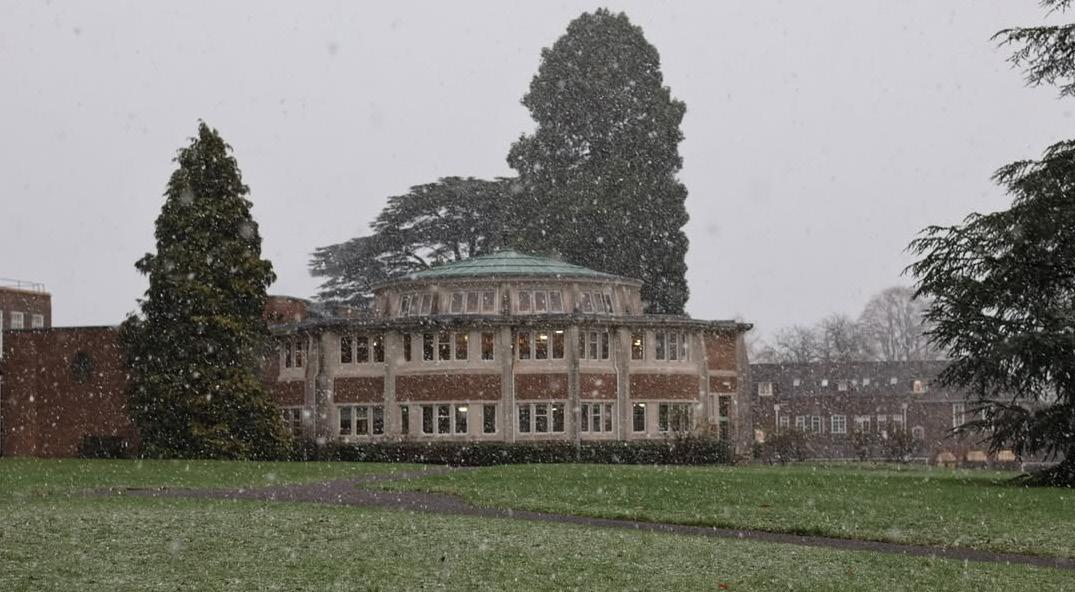
When I arrived at school during the leadup to Christmas, I could see snow drifting gracefully across the window. I was elated, as it had been over a year since I had seen snow, and there’s something about it that’s just rather magical and really embodies the festive spirit. Everyone rushed to peer at wintery scene, and on the way to my
lesson, I enjoyed watching the snow tumble down across the garden like a reminder that Christmas was nearing. While it didn’t last long, the festive experience stayed in everyone’s mind, lifting their spirits for the rest of the day.
Cecily Simpson
Y12
UCL’s annual Classical plays at the Bloomsbury Theatre are always very entertaining to watch. This year’s contemporary adaption of ‘Iphigenia’ by Euripides was no different. Due to it being the University’s 200th anniversairy, the production this year was staged by the professional theatre director, Simon Dormandy. The student actors were extremely professional and talented, making the play very enjoyable. An actor that especialy stood out to me was Rory Patrick Graham. He gave a passionate performance of the complex character of Agamemnon. Tensions of dramatic scenes were released by shifts to dance routines along to modern music, which was choreagraphed by Meg Griffiths. I recommend it to everyone interested in either drama or Classics to watch/read a version of this compelling play.
In October, Years 8 and 9 went to see Hercules. Throughout the whole performance, I was on the edge of my seat, and I thoroughly enjoyed it. I had not seen the film, so it was a very interesting view of an Ancient Greek God’s story. In the production, they had very eye-catching scenery and monsters that were huge and controlled by people. The costumes were amazing, and there were many costume changes (especially the muses, who did a 2-second costume change at the beginning).
One of my favourite parts was the fight between Zeus and Hades because of the music in the background and the big monster they created on stage, with limbs being held by different people. Even though some of the aspects were quite serious, there were elements throughout which were funny, especially the two henchmen hired by Hades. The singing was brilliant, especially from the muses who were mainly narrating the story through song. The orchestra also created amazing music to back up the singers. Hercules was great at telling the story, and I especially loved how they made it really realistic that he was really strong by lifting up all of the different props with stage techniques.
I would like to say a special thanks to the teachers who made this trip possible, Miss Cooper, Mr Barr and Mrs Mac. I would definitely suggest this to be a trip in the future as it was an amazing experience.
Cecily Simpson Y12
In December, the Drama and Classics students had the exciting opportunity to watch a new version of Euripides’ ‘ Bacchae’ at the National Theatre. This adaption brought a new energy to play with its intense lightning and abstract dance choreography.
The actors playing the roles of those in the cult of the god Dionysus, made a powerful performance, having a dominating presence. Though, Dionysus entering the stage wearing a sparkly gold vest definitely took everyone by surprise.
Overall, it was a fantastic production and all the students attending thoroughly enjoyed the night.
Thank you to both the Drama and Classics department for making this happen.
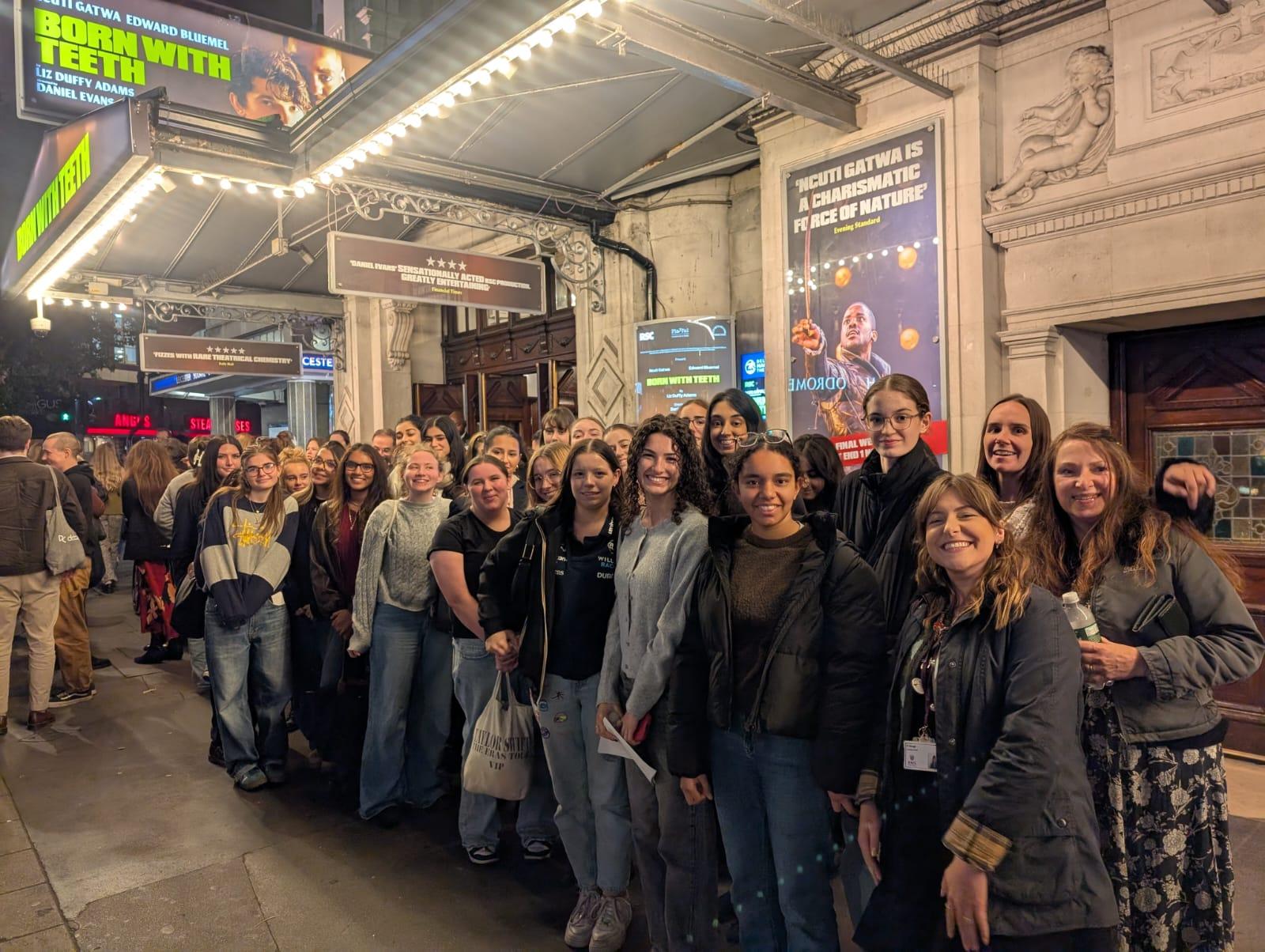
Starting the year with a night of drama, shock and Shakespearean secrets as the English Literature and Language students in Years 12 and 13 had the opportunity to attend an unforgettable performance from Edward Bluemel and Ncuti Gatwa in the play Born with Teeth.
The evening began with a warm sense of community as some of the Year 12s gathered for a meal at Wagamama, buzzing with anticipation for the performance ahead. None of us, however, could have predicted just how gripping and intense the play would be as it hugely exceeded our expectations.
From the very beginning, we were on the edge of our seats. I distinctly remember clinging on to my friend Saarala at the loud startling sound at the beginning accompanied by a dystopian style video. From that moment on, we knew it was going to be an incredible performance with a cleverly crafted script, undeniable chemistry between the two characters and a gripping atmosphere. The set was strikingly simple with bright lights surrounding the stage, ensuring that the acting and lighting effects took centre stage and therefore it was incredibly successful, making it one of the most effective and memorable features. However, the most impressive aspect was the chemistry between Ncuti Gatwa and Edward
Bluemel. Their banter, tension and shifting relationship carried the story with intensity and humour, giving the audience moments of laughter alongside moments of suspense and trauma. The script was full of witty jokes, innuendos, and clever references to Shakespeare and even dystopia, while also offering profound insights into the harsh realities of life during a period of religious conflict between Catholics and Protestants. It highlighted a world of secrecy, survival, and betrayal - where trust was rare and everyone was out for themselves which was particularly present in the character Marlow. The ending left a lasting impression and completely shocked the audience. “It changed my life” quoted Simi, an English Language student in Year 12. We were shocked as the characters seemed to switch roles and we realised that we might not have understood them at all. It left us with racing hearts and some even heart broken at the devastating and intense turn of events/plot twist long after the curtain fell.
The train ride back was filled with animated discussions as we revelled in the immaculate performance we had just watched. Everything from the staging, script and storyline was carefully crafted for an electrifying piece of theatre that combined history, literature and the thrill of live performance.
It was an unforgettable start to the year with some even quoting it was “the best thing I have ever seen live”. For many of us, it was a reminder of the power of theatre: to educate, to entertain, and to leave us questioning long after the final bow.

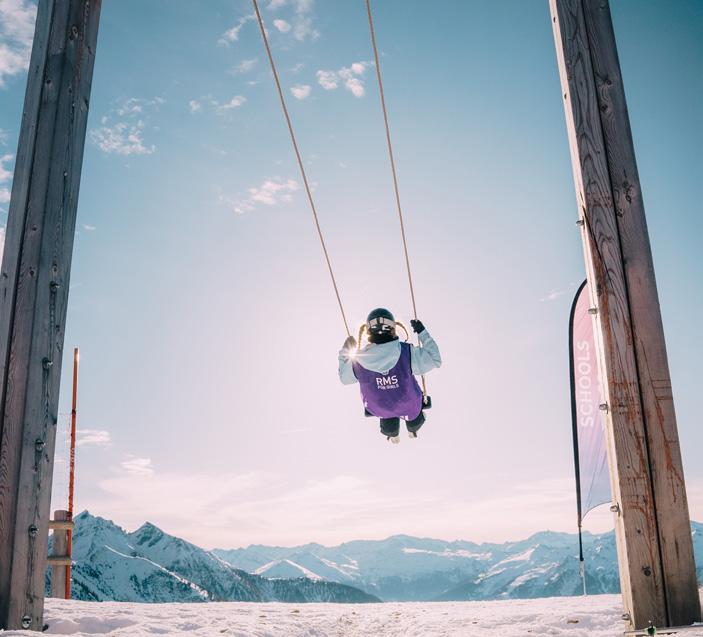
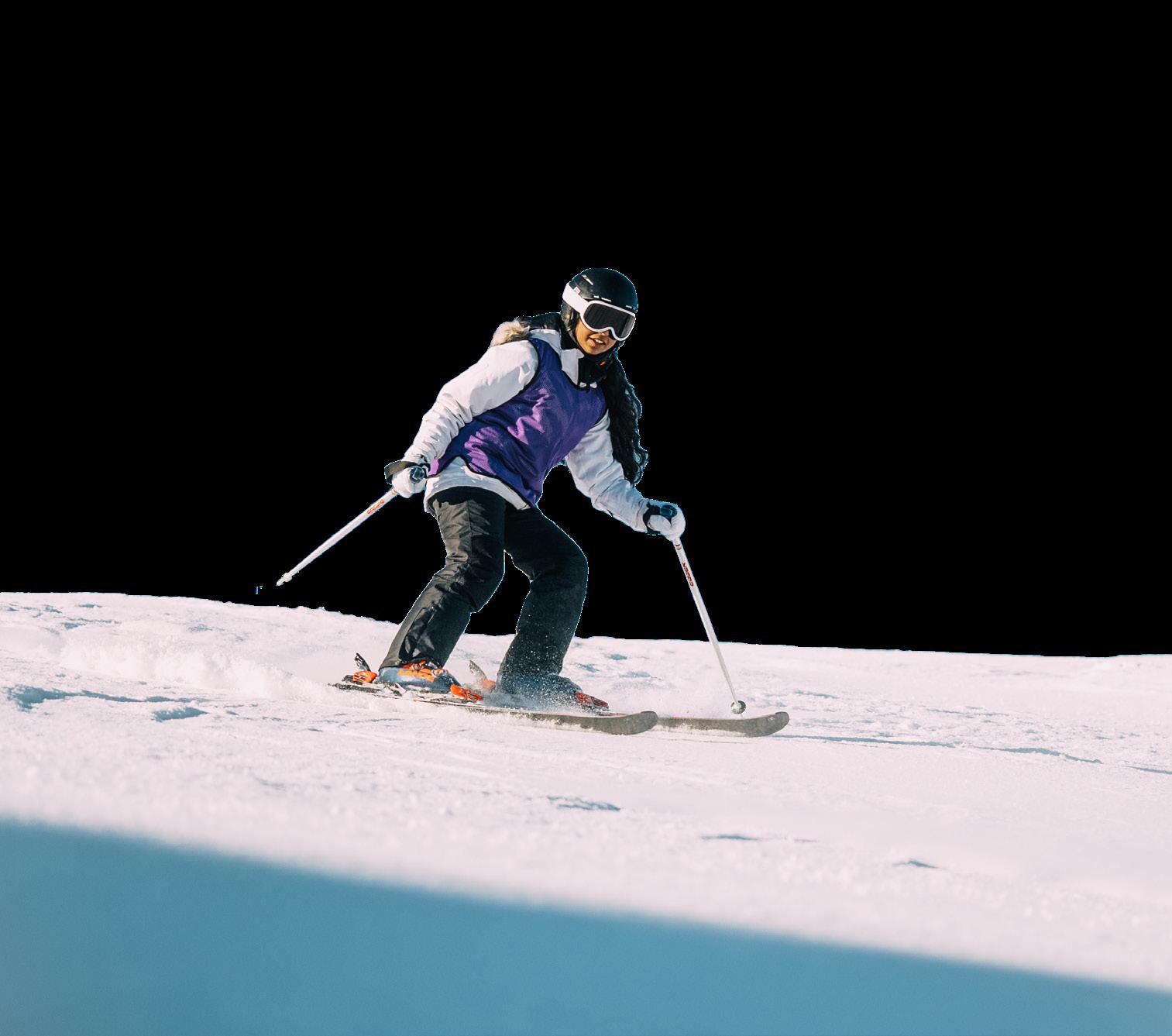
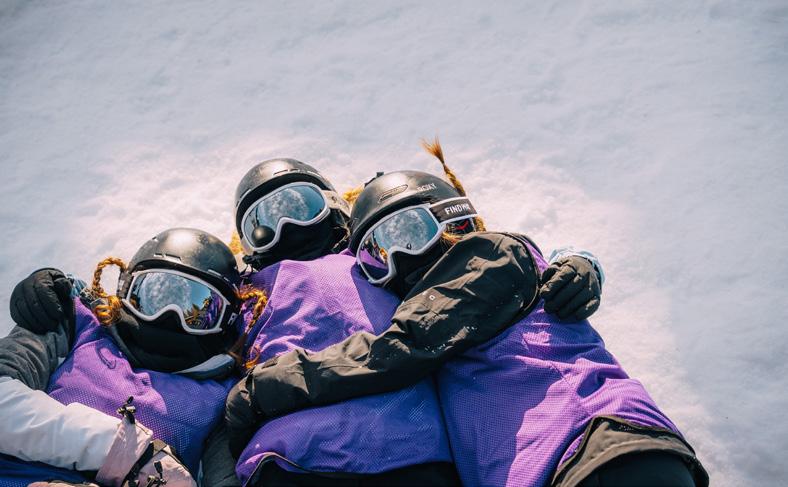
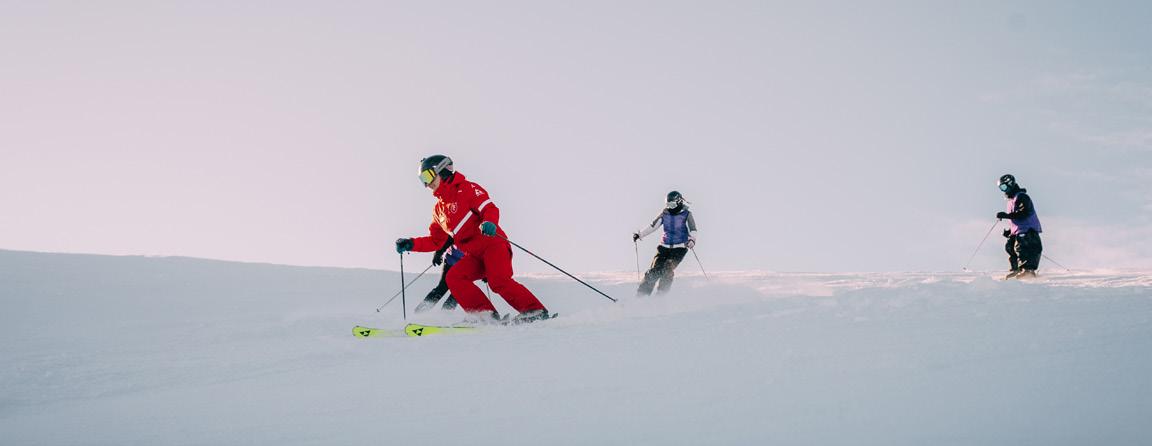
My school ski trip in Dorfgastein Austria, in December 2026 was an unforgettable experience, full of fun activities and shared memories! I roomed with Alina and Clara, which made the trip even more enjoyable because we could unwind together at the end of each busy day. After skiing, we often talked about what we had done on the slopes and laughed about small moments from the day, like when one of the instructors accidentally took the beginner group down the wrong slope and they had to sit and slide down!
One evening highlight was our visit to the Alpentherme Gastein spa, where we were able to relax in the warm pools after long hours of skiing. It was a perfect break from the cold and one of the most enjoyable activities of the trip. Another daily highlight was dinner at the hotel, especially when we were served schnitzel, which quickly became a favourite meal and something we all looked forward to.
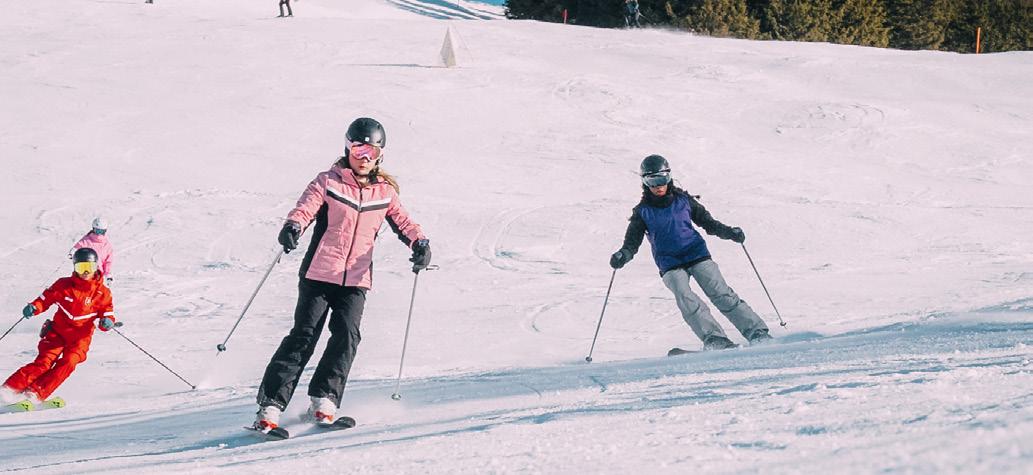

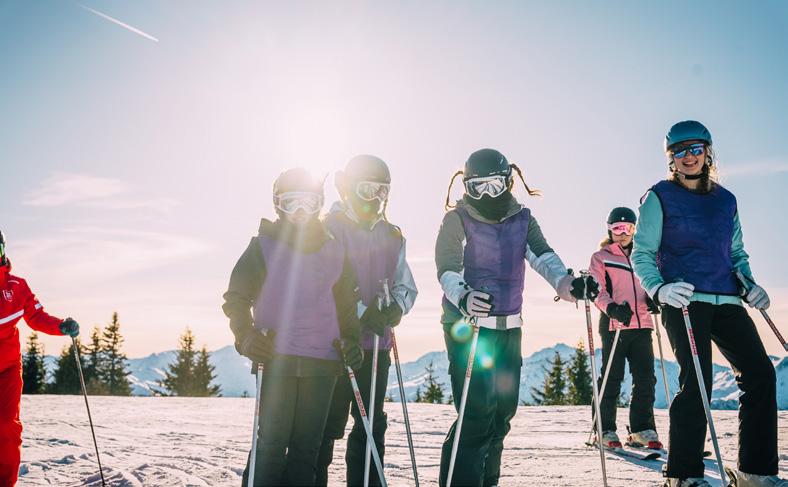
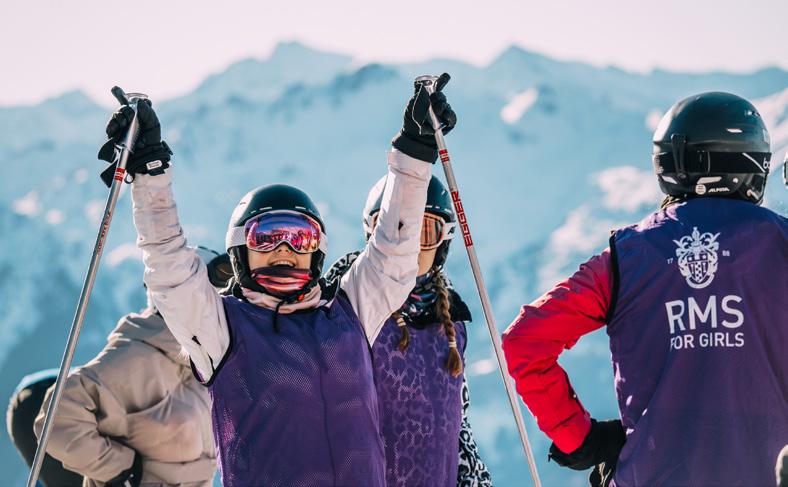
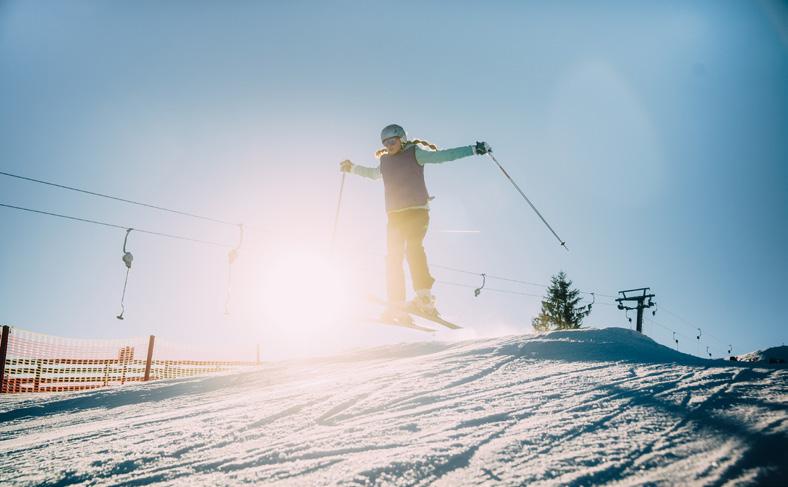
The skiing itself was one of the best parts of the trip and was both exciting and challenging. I really appreciated that there was flexibility between the intermediate and advanced groups, as it meant everyone could ski at a level that suited them best. Clara moved to the intermediate group, where she was able to build her confidence and improve her technique, while I
skied with the advanced group for much of the week. Advanced skiing was challenging due to the steeper runs and faster pace, but that made it even more fun and rewarding. I enjoyed pushing myself and felt proud of the progress I made as the week went on. The instructors were supportive, and the variety of slopes made each day different and exciting.


Alina was a beginner skier, and it was great to see how much she enjoyed learning something completely new. Even at the start, she stayed positive and enthusiastic, and by the end of the trip she was much more confident on her skis. Watching her progress showed how supportive the atmosphere of the trip was, as everyone encouraged each other regardless of skill level. Overall, the ski trip was an amazing experience that combined challenging skiing, fun evening activities, great food, and unforgettable memories with friends. It was one of the most enjoyable school trips I’ve ever been on and something I will always remember!
When you think of RMS, what first comes to mind? Perhaps the rich variety of school trips, or the Values representing our community however the very thing that has allowed our school to function so well today is often forgotten. The history of our school spans back to 1788, making it one of the oldest girls’ schools in the UK, reflecting the progression of education and numerous generations of students who have left RMS as passionate and well-rounded individuals.
Founded by Chevalier Ruspini to provide a space for the education of daughters of Freemasons who had encountered misfortune (through illness, death or disability), RMS’ first location was in Somers’ Place in East London, with 15 pupils and a matron. And based solely on charity, compassion remains at the forefront of RMS today.
The school’s second site was St George’s Fields, Southwark, showcasing the popularity and demand which we still see today. The site for RMS shifted for the third time in 1853, moving to St John’s Hill, Battersea Rise, continuing to gain numbers, engaging in a grand opening, highlighting a grand opulence with bands and marquees, costing £400 for the whole event.
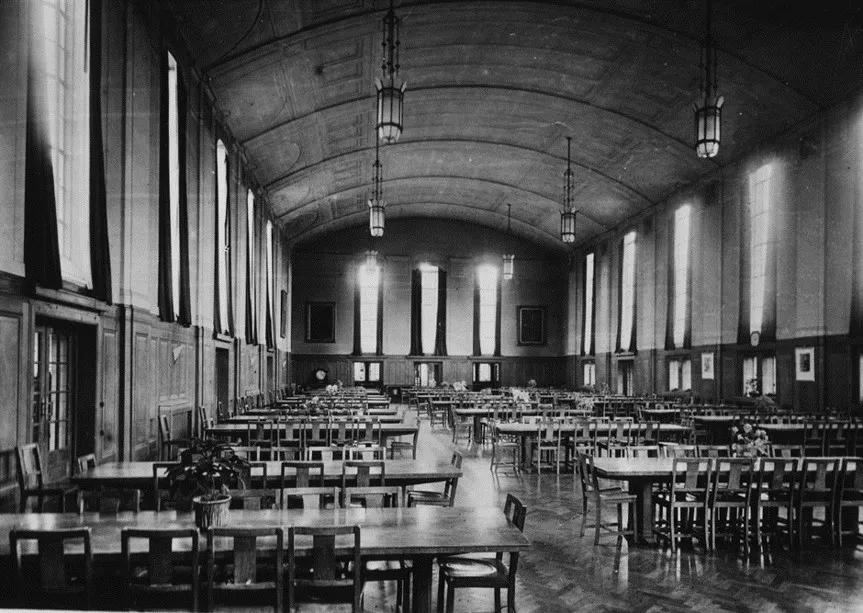
Moving to its Rickmansworth location in 1934, this final change marks the site of RMS as we know it now, with the junior school moving from Weybridge to join it 47 years later. With an ambitious competition to decide on the architect, John Leopold Denman emerged victorious, starting his physical work in the 1930s (which are evident on the dates of the drainpipes) in the Art Deco style, demonstrated most notably in the dining hall, shown in its ornate oak-panelling and large windows.
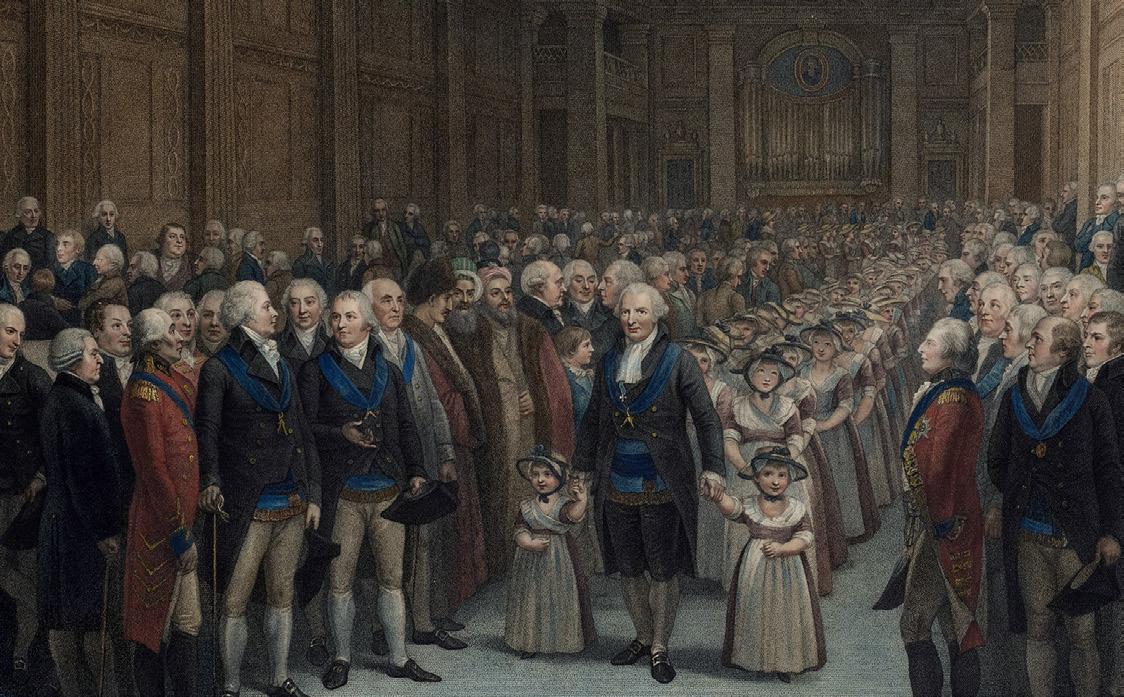
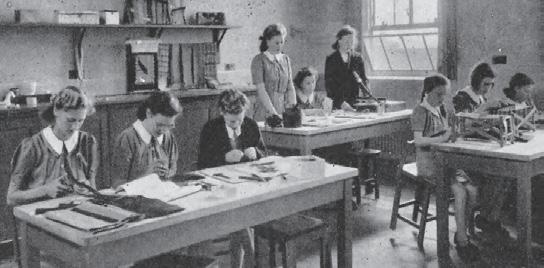
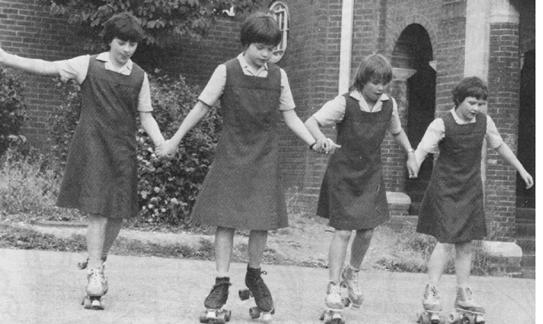
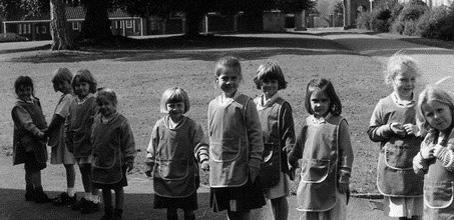
Life for pupils at RMS was structured and organised, with pupils getting up at 6am in the winter, and 7am in the summer, followed by Morning Prayers and a simple breakfast of bread and butter with milk or water, in 1877. After this, chores would be completed as the students moved into daily lessons for 3 hours until lunch, and more afterwards. By 1888, these were as varied as German, French, Arithmetic, Music, Elocution and more, as seen by the prizes in these subjects awarded to girls in this year.
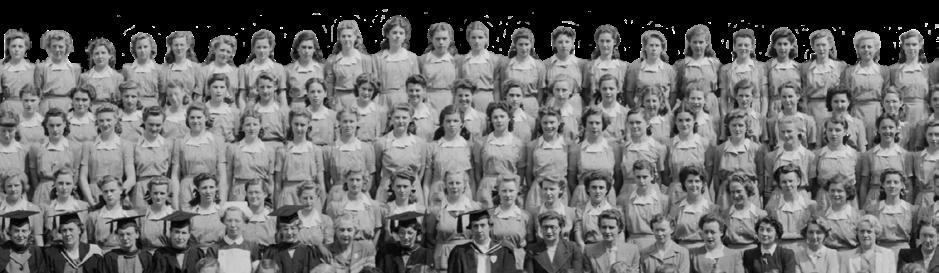
Another common activity the students would participate in was Drill - a practice still deeply rooted today in RMS. 180 students would partner up to march and perform a controlled display of teamwork and accuracy. In the 1800s, the music accompanying would be led by older pupils, and in the next century, by music teachers, only switching to recorded music in 1980.
In 1970, the Duchess of Kent opened two new buildings still standing now the Library and the Science Block. In 1988, RMS celebrated its Bicentenary (the 200 year anniversary of the school’s founding), and a new coat of arms was created, which is still in use in the present day. The symbolism of this coat of arms is significant, as we can note the star touching two pillars, representing a guiding light grounded by stability. In the centre of these lies the ‘Ashlar’ a symbol of the ‘polished cornerstone’ first rewarded to pupils in 1961, in the form of a highly desired badge when students demonstrated the school Values. This symbolic idea makes up the very foundations of RMS, with its motto resting on it - ‘Circumornatae ut Similitudo Templi,’ translating to ‘That our daughters may be as the polished cornerstones of the Temple.’
The religious foundations of our school are also evident in the Chapel, as well as it being a showcase of the Freemason influence. Constructed in a Free Byzantine style, and finished in 1933, it is now listed as a Grade II building - highlighting its value and significance to the history of the school. There are also various symbols in the chapel, including the ship carved onto the ‘West Door’, demonstrating the element of Christianity to represent the building as a boat sailing through a sea of faith. Another symbol showcased by the Chapel is the peacock, symbolising the eternity of religion.
Symbols and images of birds like the peacock can be found throughout RMS, with the ‘Pelican Gates’ outside Cadogan House acting as a physical welcome to pupils and the wider community, reflecting the care offered to pupils as they grow and thrive, as well as stained glass ducks situated in senior school, all demonstrating the importance of nurturing students throughout their journey in RMS.
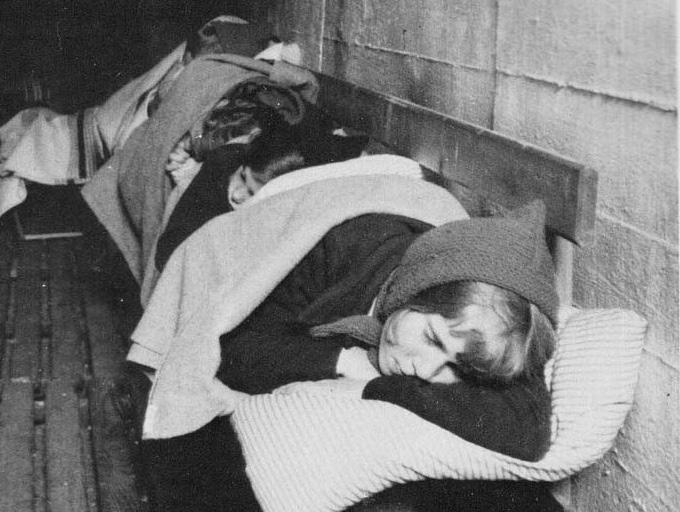
When WW2 broke out, the junior students, who were still situated in Weybridge, were temporarily evacuated to the present Rickmansworth site, moving finally in 1973. However before then, the war raged on, and although life at school aimed to stay the same, there were notable differences, as seen in the creation of various air raid tunnels. These were, as described by a pupil ‘damp and uncomfortable,’ arranged in a zig-zag pattern with corrugated iron roofs to ensure protection and stability. Many noted that having to sleep on the uncomfortable wooden benches was unpopular, often resulting in poor concentration in lessons the next day!
Following the war, freedom for pupils began to increase again, with pupils allowed to walk to the village in pairs. In 1952, when Elizabeth II became Queen, a coronation plantation was established in RMS, with 53 different trees planted native to the Commonwealth. Students also watched the coronation the next year with much excitement and enthusiasm, and in 1955, she memorably visited the school to watch a performance of Drill.
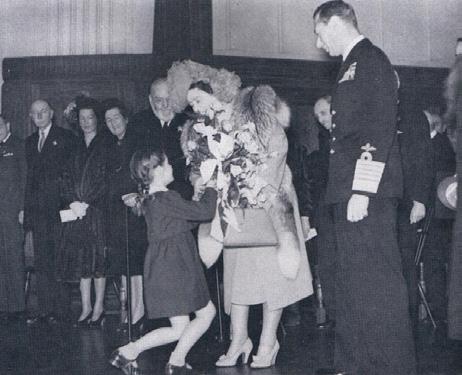
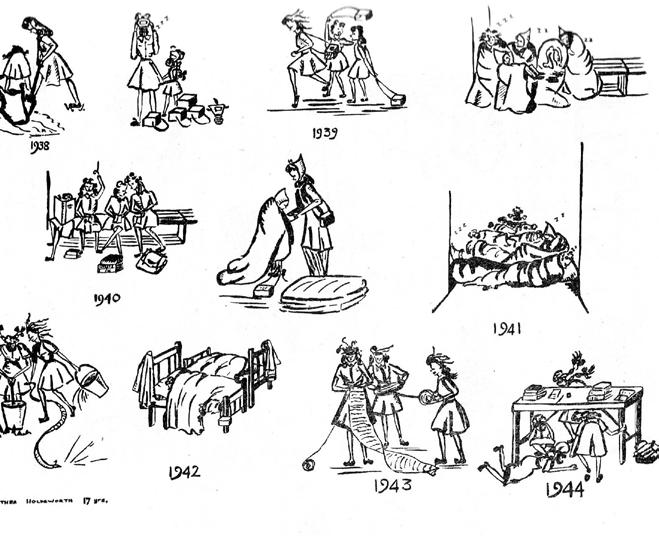
The wide history and traditions of our school are something that instils a great pride within the school’s community. Through its early beginnings in smaller locations to our larger site today, the symbolism and physical reminders evident throughout RMS serve as important reminders to embody the Values and transform into the diligence demonstrated in the ‘Ashlar.’ Although much has changed, like the uniform, routine of students and locations (multiple times), much has stayed the same, highlighting the richness of tradition. Overall, RMS, both in the past and present, provides an exceptional space for all who encounter it, and through learning about its rich history, my respect and understanding for its purpose and caring environment has grown considerably, and I can really see that its positive impact on the students throughout its history are largely the same as today, contributing to their development into skilled and resilient young adults.
The Naturals by Jennifer Lynn Barnes was the highly requested Y9 book club pick for this term. This book was recommended to me by multiple people, so I was intrigued when it was picked, to see if my view matched the high praise I heard about it. This Young Adult psychological thriller follows the story of a teen Cassie, who gets recruited by the FBI to join a program for teens like her. The naturals. Teens who have abnormal gifts that lend themselves well to solving crimes. Murders. But the naturals only work on cold cases, that is, until a particular case intertwines with Cassie’s past. This book explores aspects of criminology as well as a mystery that will have you on the edge of your seat. The writing style is fast-paced and engaging, and I personally finished it in two days, so it is perfect if you’re looking for a quick read. I found the theme of psychological crime very interesting and thought
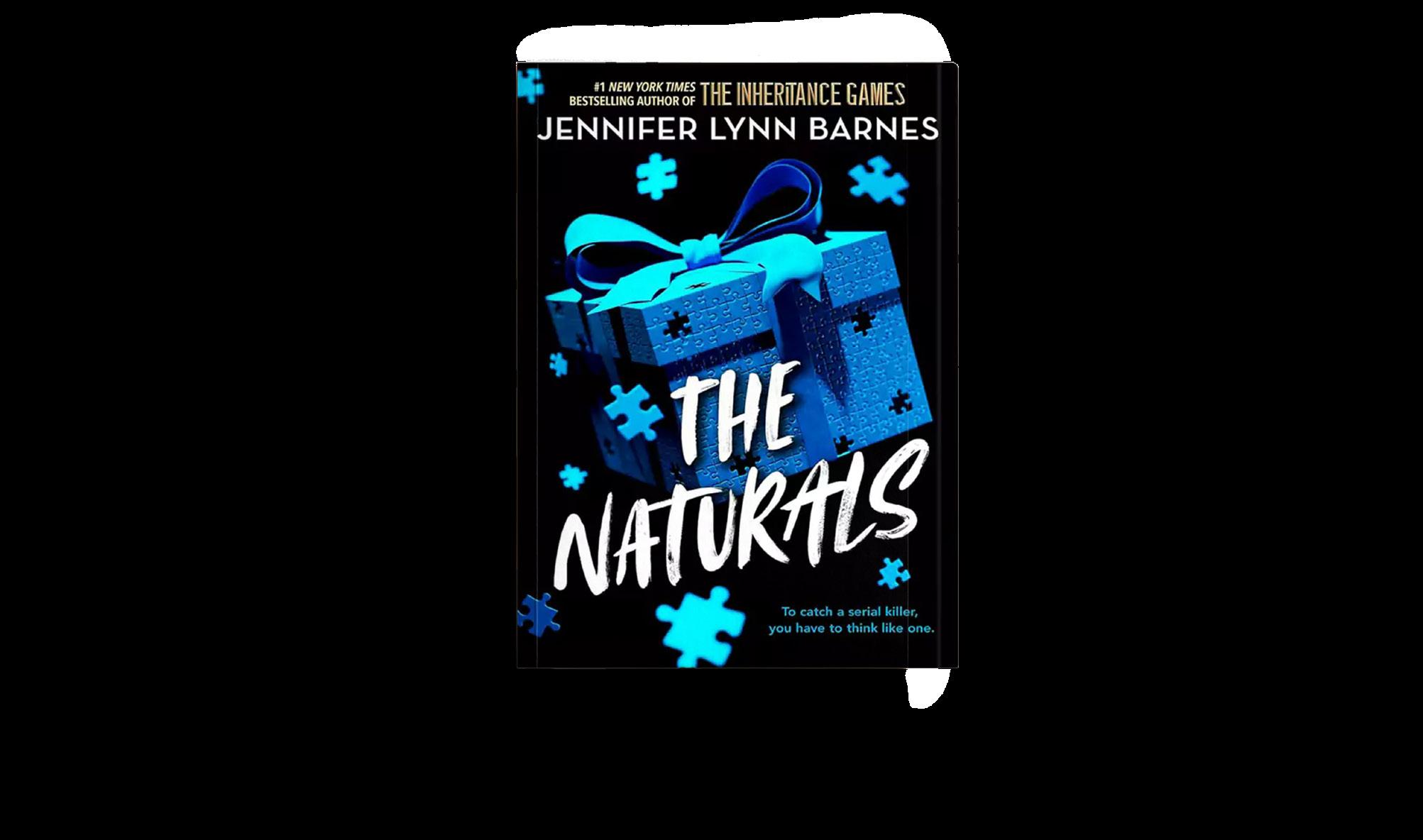
the more heavy topics were balanced out well with more lighthearted and humorous moments. However, I will say some of the injury descriptions are quite graphic, and the way some chapters are written from the POV of a serial killer may be disturbing for some readers, so I would recommend the book for Year 9 and up. Overall, I would say the naturals is an interesting, engaging, quick read, perfect for lovers of murder mysteries and criminology.

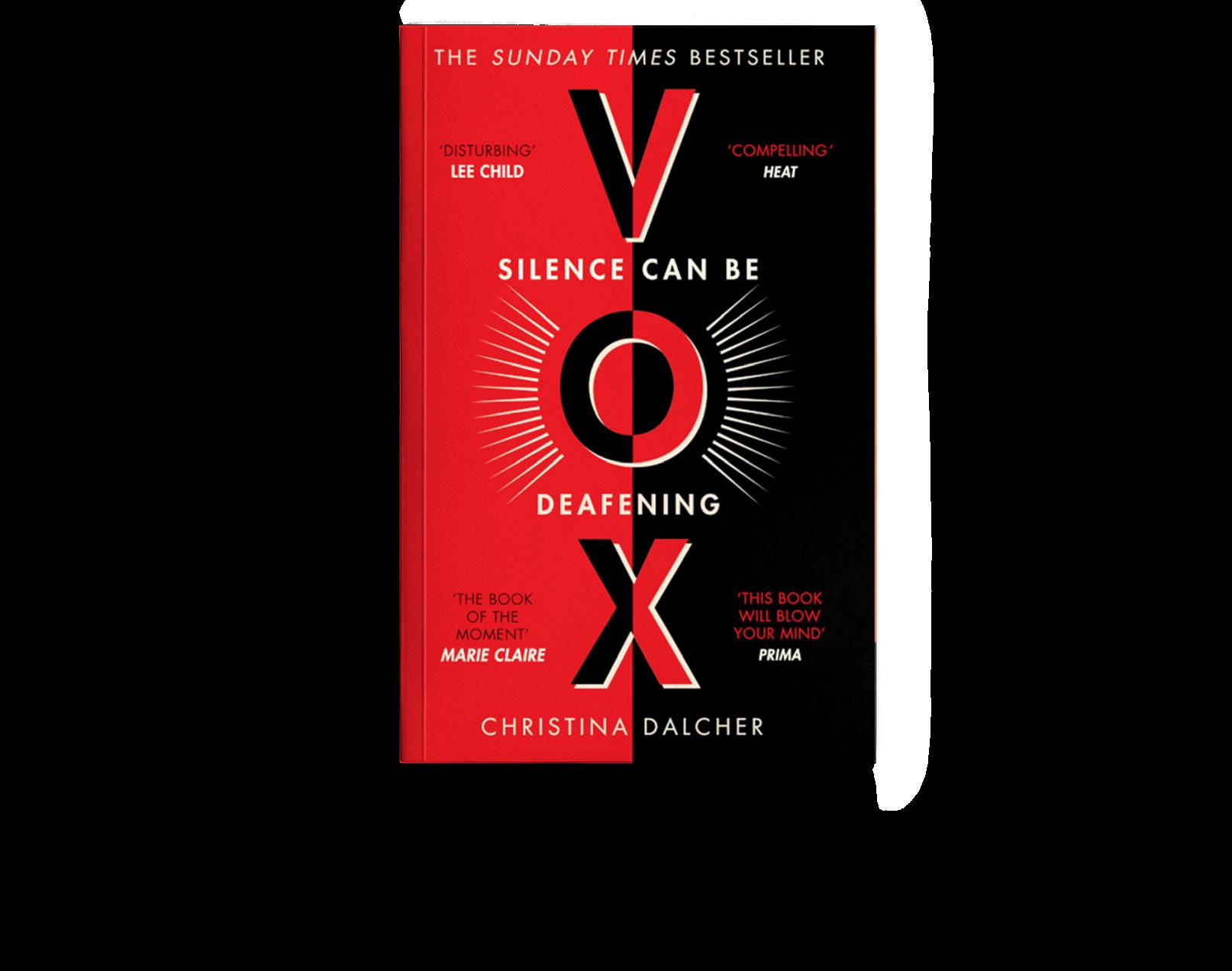
Intense. Extreme. Passionate. Three out of a hundred precious words used up, which, for us, would merely seem like a challenge or dare, yet in the world of ‘Vox’ - a
Dalcher’s debut dystopian novel, ‘Vox’, was a gripping read, filled with uncertainty and trepidation, following the protagonist Dr. Jean McClellan through times controlled by a newly totalitarian government, in which women are only allowed to speak a total of one hundred words. As restrictions tighten, with women reverting back into a subservient and domesticated role, Jean’s unwillingness to conform only grows, battling her unfulfilling life as a housewife and feelings for
With all technology, books and reminders of the old life locked away, Jean was forced to give up her career as a scientist and regress into the role of the ‘seen and not heard’ housewife, whose only purpose was to look after her children and care for her husband. Her eldest son in particular - a susceptible teenager - embraces these new ideas spreading through the Bible Belt that is America, showing just how easily influenced many are, reinforcing the isolation Jean feels even when together with her family.
In the latter half of the story, Jean is called back in to work on a crucial research project, reconnecting with characters from her past who will be turning points for her present life. Not only gaining the ability to speak again for a short time, with this, Jean also finds a new-found resistance and resilience, however, she is told that this will be short -lived, ultimately rendering her voiceless once again. With the clock ticking for Jean and all women around America, it is only a matter of time before more restrictions are imposed, in which they may truly lose their voices once and for all.
Alexandra Sandison Y12
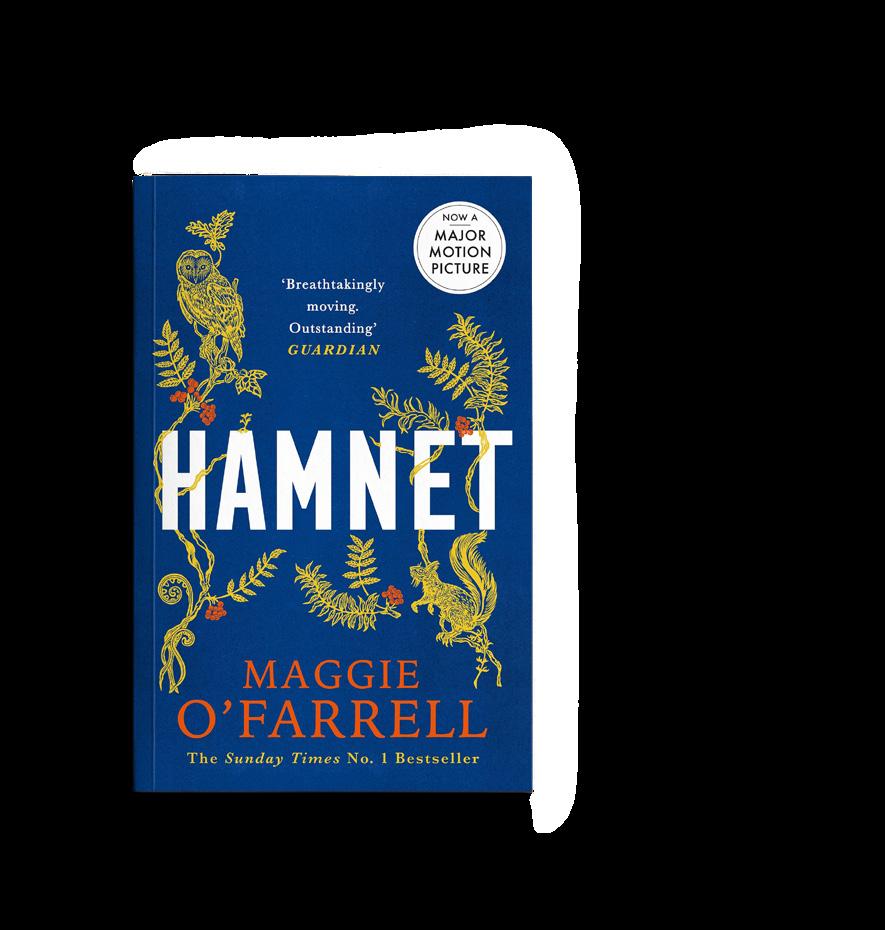
‘Hamnet’ by Maggie O’Farrell was released in 2020 and became a Sunday Times No.1 bestseller. The film adaptation has recently been released and is already nominated for several awards. This historical fiction has captured and fascinated the minds of so many. It follows the story of Shakespeare’s family in Stratfordupon-Avon in 1596, who lose their 11-year-old son Hamnet to the plague. It explores themes of loss and grief, and how they are reflected in Shakespeare’s most famous play of all time, Hamlet. As a fan of literature, I was intrigued to see if this book would live up to expectations, and it certainly did. I found it eye-opening, moving and desperately sad at times. Hamnet is quite a heavy read due to the subject matter and overall mood; however, the writing style kept me engaged. I would recommend this book to any fans of Shakespeare and historical fiction, as it truly is an unforgettable read.
Sophie Willis Y9
Whiplash (2014) is a fast-paced, intense drama that feels more like a psychological horror at times, and is immensely anxiety inducing. It serves as a cautionary tale about the sacrifices and great pain that success requires, and how it doesn’t often turn out the way you might hope.
A young drum prodigy, Andrew Neiman (Miles Teller), attends a prestigious music school in Manhattan, Shaffer Conservatory, inspired by real music conservatories like Julliard. There, he is mentored by Terrence Fletcher (J.K. Simmons), the school’s infamously ruthless instructor. A battle of wills ensues between student and teacher, resulting in intense clashes, both metaphorical and literal, as Andrew vies for the approval of his mentor.
As a drummer myself, my sympathy for Andrew is immense, yet I am inspired by his perseverance and desperation for brilliance, casting himself into isolation in pursuit of greatness. Fletcher’s “encouragement” (read abuse) of Andrew throughout the film is underscored by the message that only through great suffering can we achieve great things. We see this through somewhat gory scenes of cymbals splattered with blood and lacerated hands plunged into buckets of ice as he practises incessantly.
The film reaches the climax in the final scene where Andrew performs the famous “Whiplash solo”, a culmination of all the dedication and effort of his years at Shaffer. The literal blood, sweat and tears fly as he finally proves himself to Fletcher, while his father looks on in horror. He has achieved greatness, but at what cost?
Throughout the film, Fletcher’s motivations can be read as either the result of being pure evil, or he can be interpreted as a guru, molding the next generation of greats. Either way, Simmons’ performance is both mesmerising and terrifying, earning him an Oscar for best supporting actor in 2015.
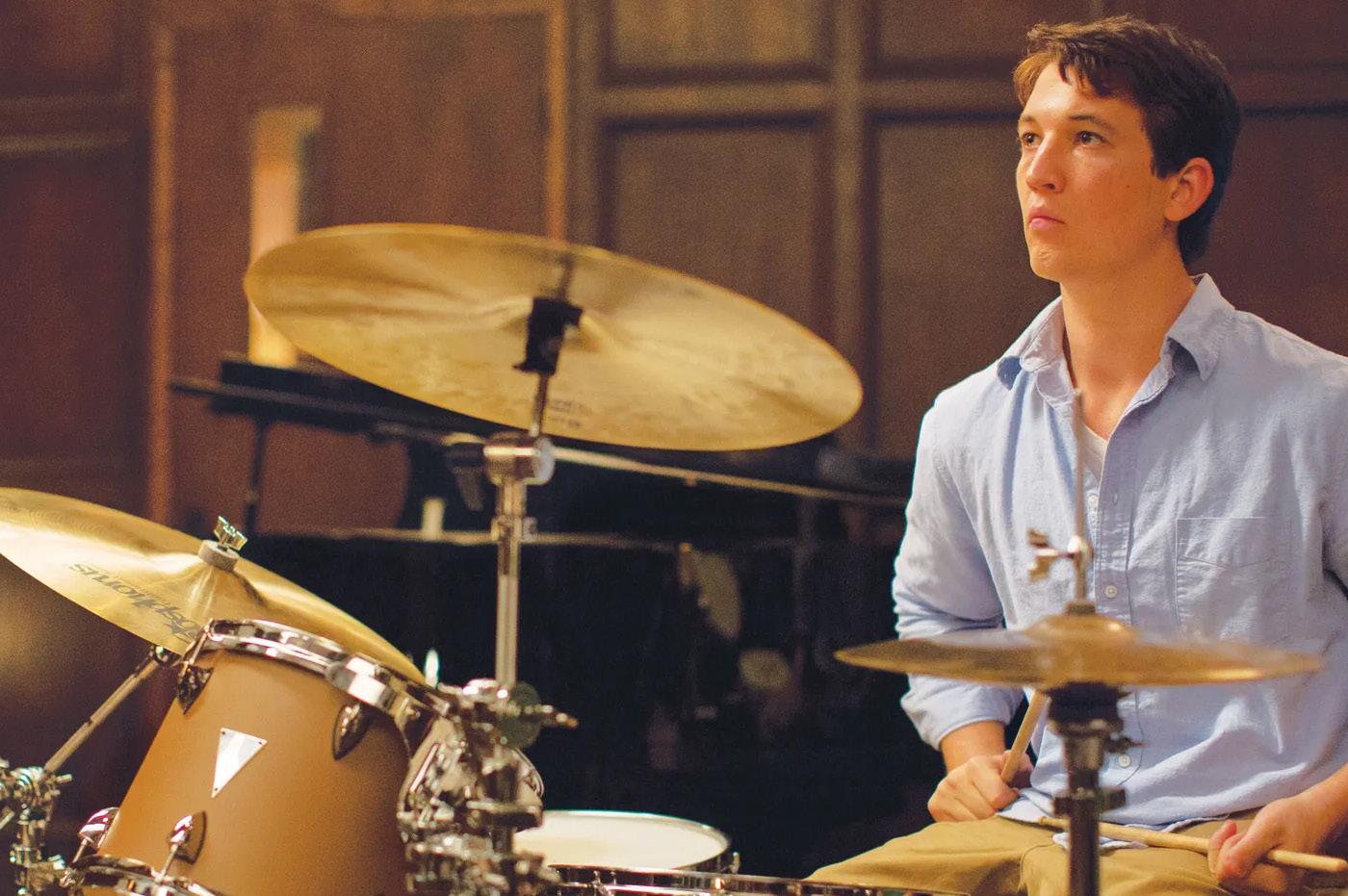
Teller’s incredible performance of Andrew’s fervid efforts encourages sympathy and pity for his character while, simultaneously, making him almost infuriating to watch. While Miles Teller did not win any Academy Awards, his role in this film is still critically acclaimed. And for good reason: he performed many of the drumming scenes himself thanks to intensive jazz training to build on his rock drumming background.
I cannot recommend Whiplash enough, even for those with no interest in jazz or music at all; it is a spectacular showcase of talent and dedication in a harsh and unforgiving environment. I rate this film the full five stars and highly encourage everyone to watch it (as long as you are fifteen or over!).
Alex Hadfield Y12
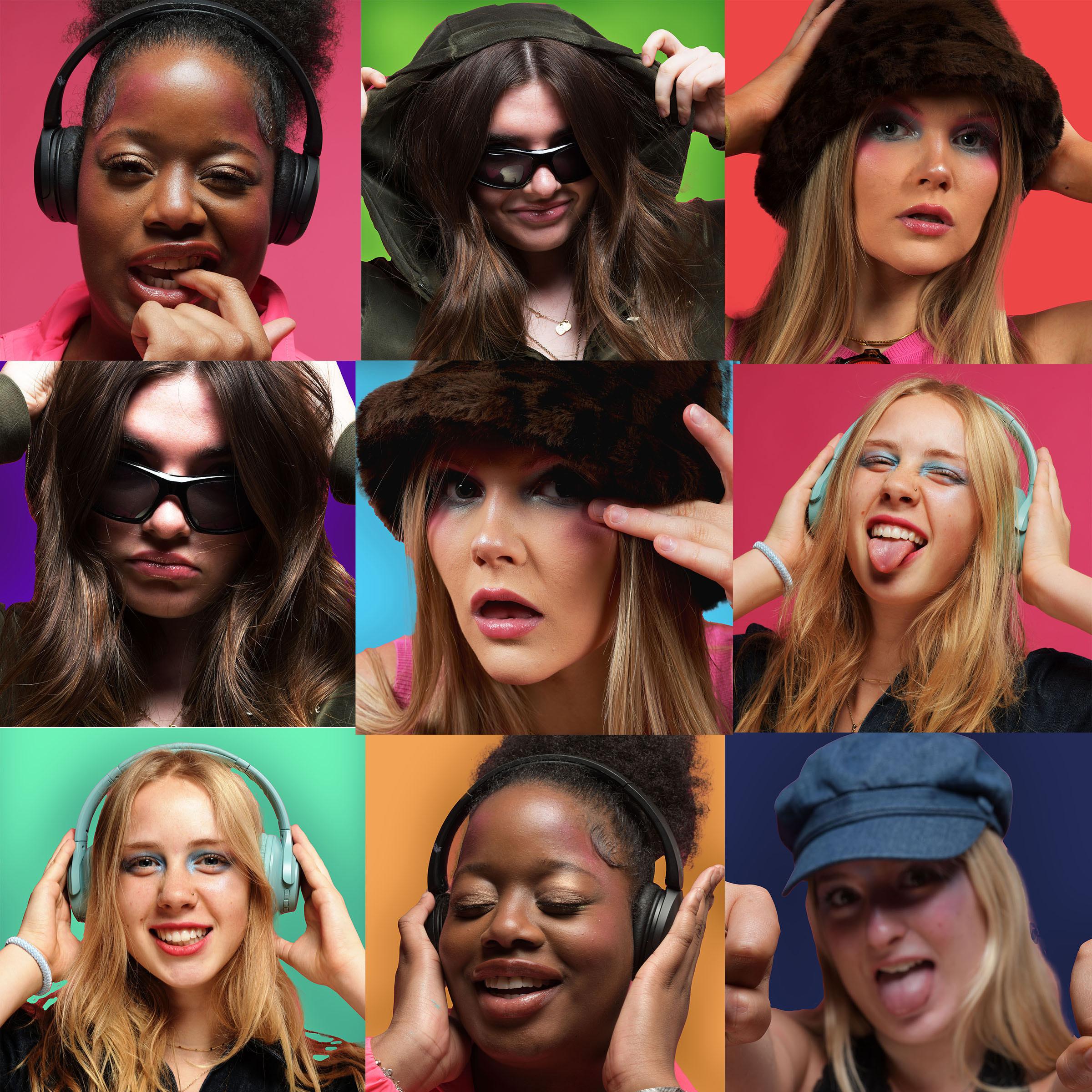
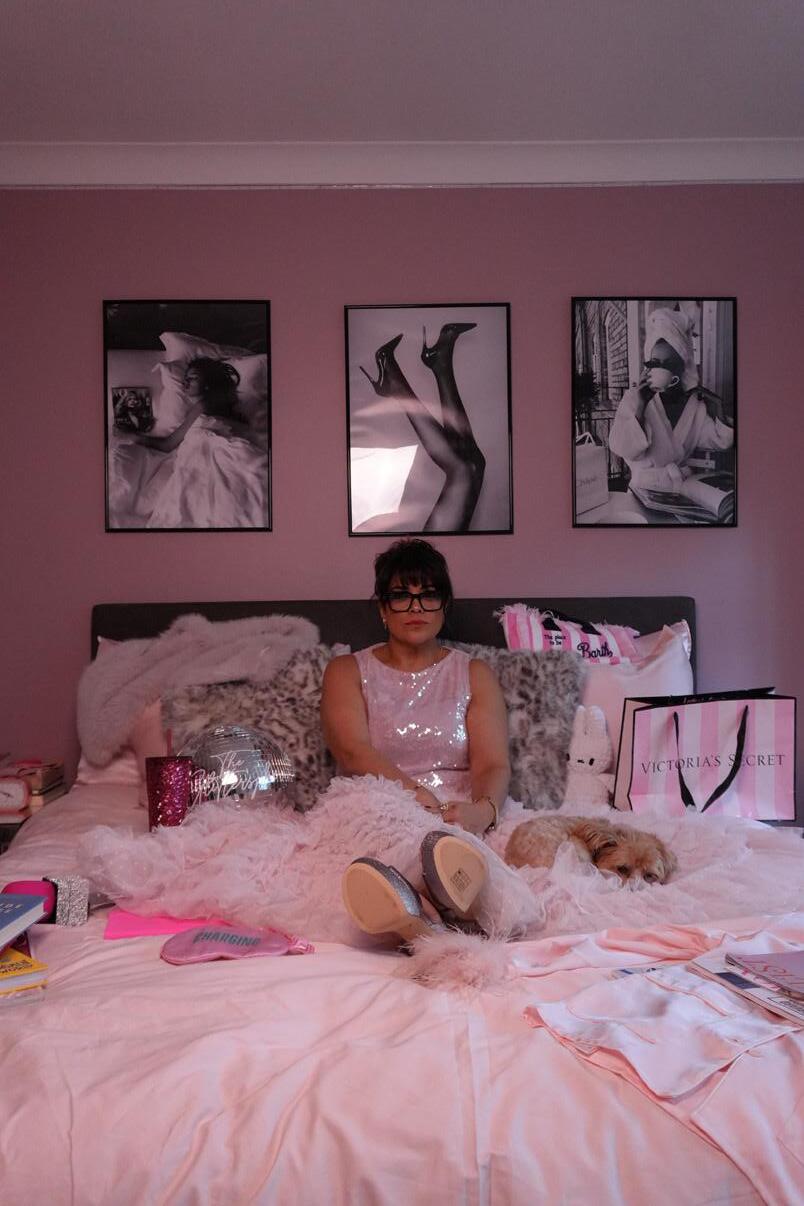
Hi I’m Anoushka Robb, and I take A-Level Photography. What inspires me is the intersection between fashion and fine art and the ability to showcase that. Something that has always captivated me is the way photographers (my favourite being Tim Walker) blur the boundaries between reality and fantasy, and how designers such as Alexander McQueen or Stella McCartney utilise clothing not merely as fabric but as their act of storytelling, and so through my photography, I seek to merge these influences, constructing a personal narrative that reflects the multicultural society in which I exist.
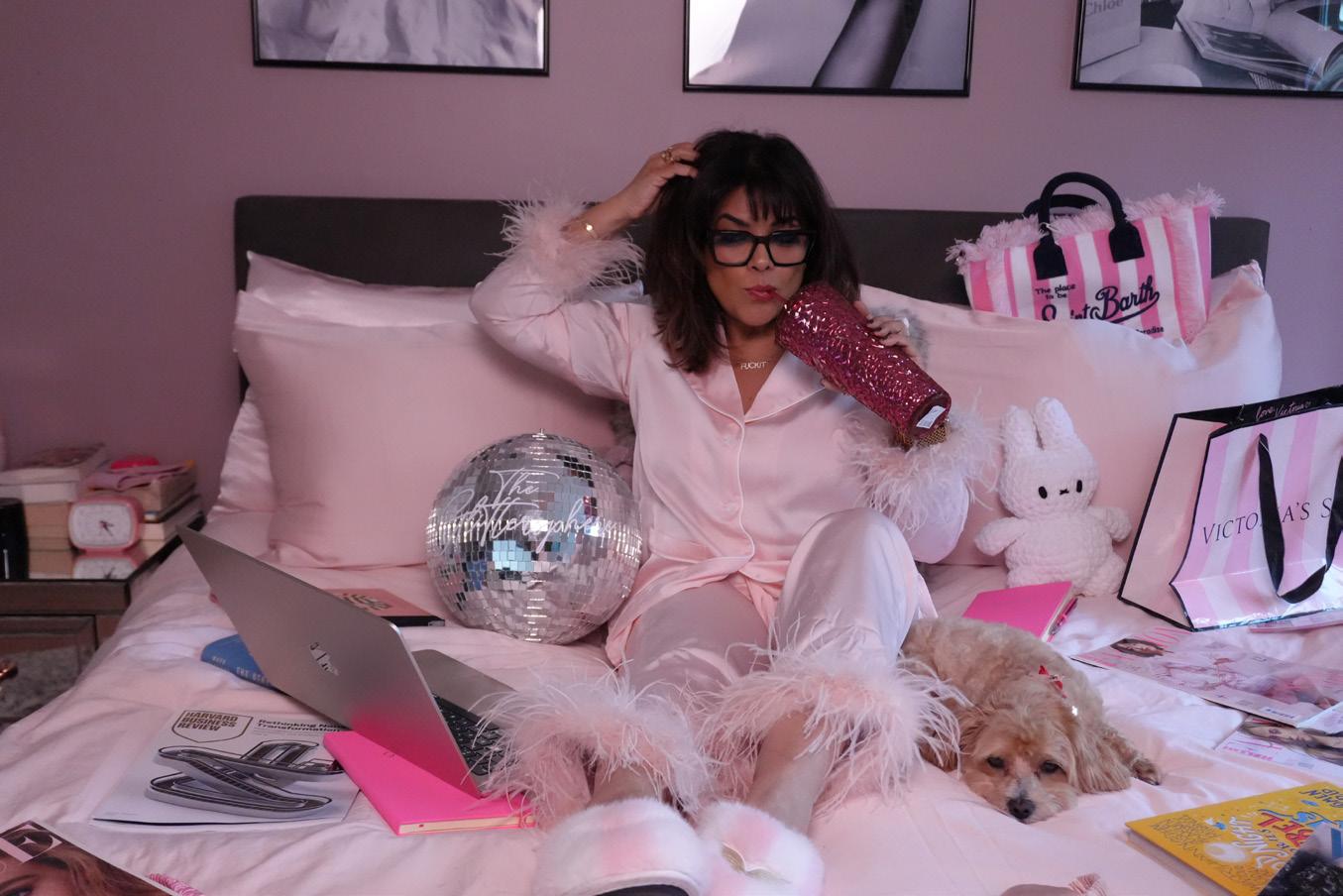
My photography process begins with conceptualisation, building mood boards that draw from Pinterest, paintings, contemporary runway shows, magazine covers, stories or even AI generation. I think this particularly allows me to explore how visual elements can communicate deeper narratives about identity and beauty. I then work through styling, lighting and composition to create images that feel both visually captivating and emotionally resonant. What I love most about photography is the stories I can depict within them. Whether it’s self expression, personality, emotion or journeys, I love the idea of capturing that in my perspective to display to everyone else.
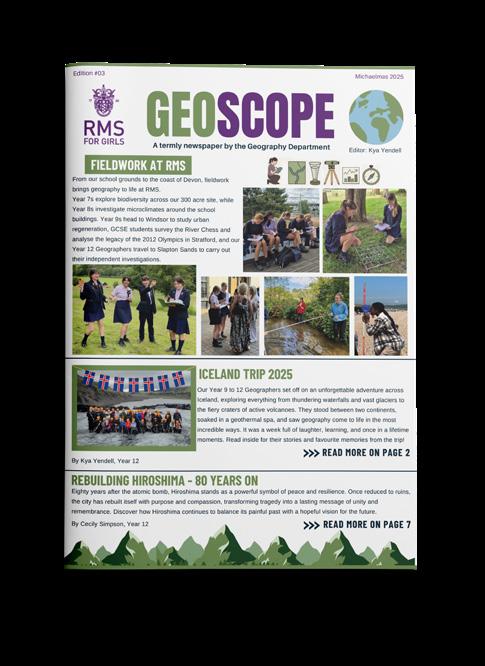
Our termly geography newspaper, GeoScope, serves as a creative platform for geographers across every Year group. It is a space where students can explore the vast intersections of our world - from the science of our physical landscape to the complex human stories of geopolitics, history, and social issues. Whether you are in Year 7 and fascinated by the hidden world of biodiversity, or in the Sixth Form and passionate about global power shifts, GeoScope is your way to share your unique and exciting perspectives with the entire school community. Our mission is to bring geography to life by showcasing how global events and natural forces shape our past, present and future.
The magazine is uniquely shaped by its contributors, who choose topics they are personally passionate about.
Recent editions have featured diverse investigations, including:
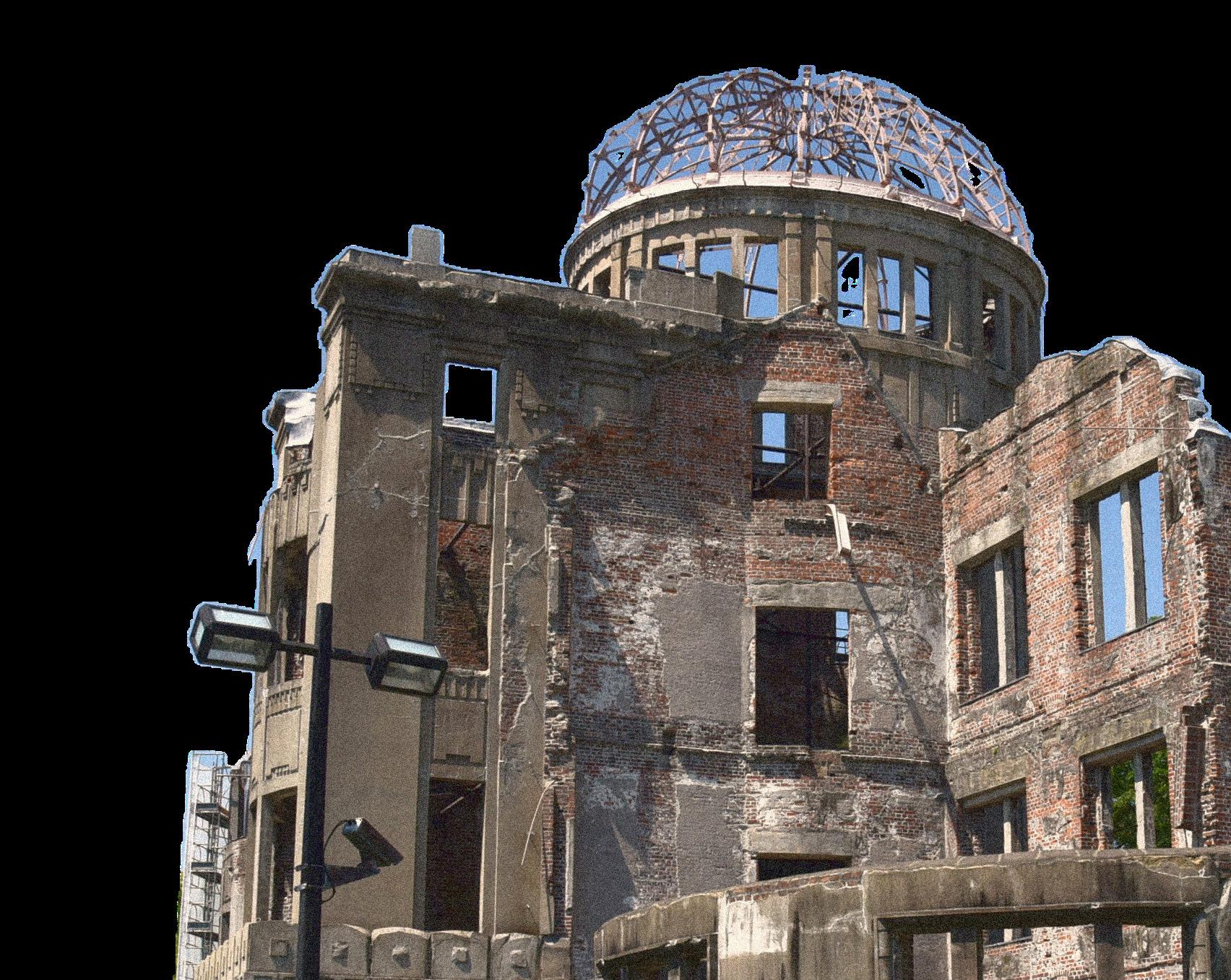
• A deep dive into the 80th anniversary of the Hiroshima atomic bomb and the city’s incredible journey toward peace,
• Detailed profiles on the tribes of the Amazon, such as the creative Ticuna and the nomadic Yanomami,
Kya Yendell Y12
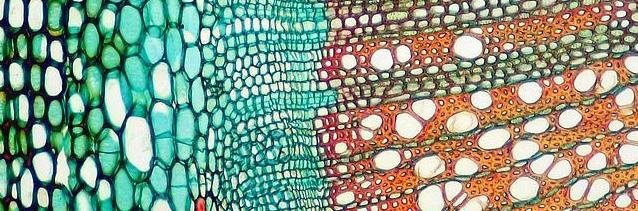
• Exploring the ‘cleanup crew’ of the natural world in a feature on decomposers and their role in our ecosystem,
• An analysis of emerging energy technologies, from solar-powered trains in Australia to piezoelectric cities that generate power from footsteps,
• The impact of rising sea levels and isolation on Pacific islands like Kiribati.
GeoScope isn’t just a list of facts; it’s a collection of perspectives. Students work on their articles independently, allowing the magazine to fit flexibly around school life, with occasional meetings to share ideas and track our progress. Whether you are interested in fieldwork, urban identity, or environmental activism, GeoScope provides the opportunity to have your work published and shared with the entire school.


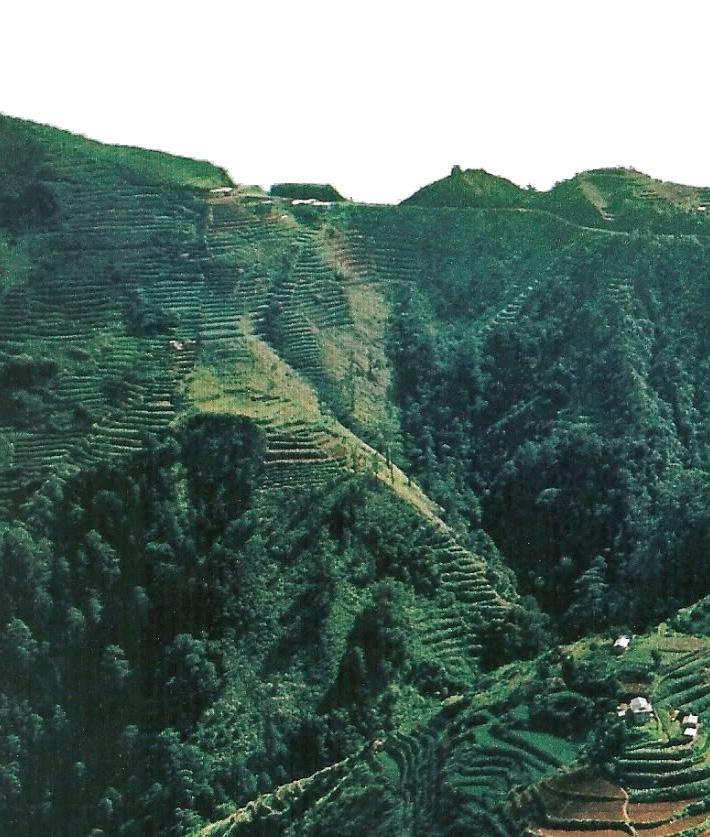
When most people hear the word ‘STEM’, they think of equations, required practicals, and typically Physics, Chemistry, Biology and Maths. As an editor and the publication designer of RMSTEM, I believe there is more to it than that. Our STEM magazine explores all aspects of the more obvious STEM related topics, but also covers a whole range of ideas outside of that, that are just as interesting and relevant to everyone! As long as you are passionate about the subject, a compelling STEM related article can be written. Now in its second year, RMSTEM is fully studentrun: written, edited and published. RMSTEM is both printed and digital, making it easy for students across the school to read it. Which is really our aim! We want more people to discover a passion for STEM and learn more about the ever changing world of STEM. One of the things that actually makes RMSTEM special is that every article is written by students. It shows how many different interests people have and allows people to share them.


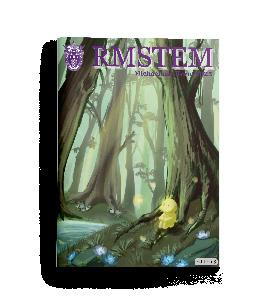
Contributors don’t need to be expert writers or planning a future career in science, you just need curiosity and enthusiasm. As publication designer and editor, I work on shaping the overall look and feel of the magazine.
Kate Julius Y12
This includes page layouts, visual design, and making sure articles are presented in a way that is clear, engaging, and enjoyable to read. Design plays a huge role in how information is understood, and we try to make STEM feel approachable rather than intimidating. As well as this, Alessia focuses mainly on editing articles and running RMSTEM’s advertising, by running social media. She works with the writers to improve their articles and proof reads everything. Running the magazine has been both challenging and rewarding. Coordinating deadlines, editing drafts, designing pages, and preparing issues for print takes time and teamwork. However, it’s incredibly satisfying to see a finished issue, especially knowing it represents the hard work of many different students. It is something that I am incredibly proud of. RMSTEM isn’t just about science facts, it’s about collaboration, creativity, and learning skills that go beyond the classroom. Looking ahead, RMSTEM hopes to continue growing, both encouraging more students to submit articles, expanding the range of topics even further, and continuing to improve the magazine’s design and online presence. Whether you enjoy writing, designing, researching, or just reading, RMSTEM offers something for everyone. If you have a topic idea, or like the idea of writing an article, please pop in to one of our club meetings on Tuesday first half of lunch in the Science Lab, or feel free to email either me (kjuliu27@rmsforgirls.com) or Alessia (amccor27@rmsforgirls.com). We’d love to hear from some keen readers and writers.
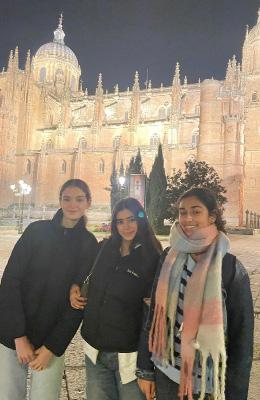
Right, so I would like you to imagine this for a second. You’re at work, in a bustling town, in a bustling cafe, serving up coffees and desserts to complete strangers. Sounds really normal, right? Now if I told you that you would have to do this in another language, in another country. How would you feel now? Well I can tell you how I did … Excited as anything! Getting the opportunity to work in Spain and gaining an amazing experience in another country was something I thought I would maybe get to do in my twenties. But no, this was my October half term. Whilst Halloween celebrations were beginning, I was in a cafe in the middle of Salamanca, a beautiful city in the West of Spain, serving copious amounts of ‘cafe con leche’ and ‘churros’ to anyone and everyone!
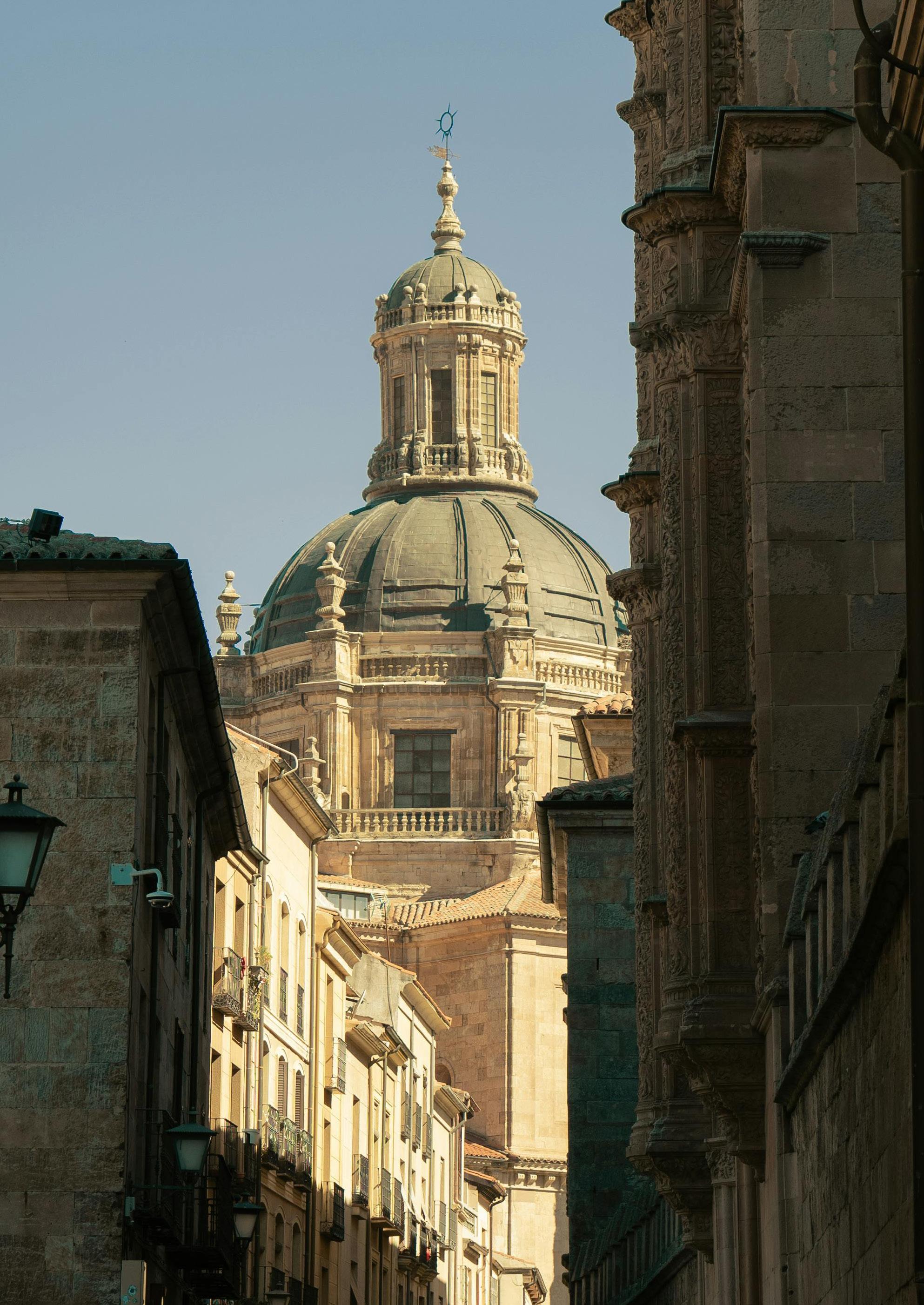
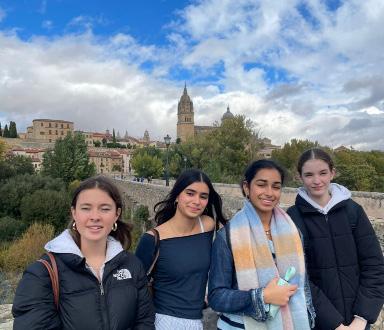
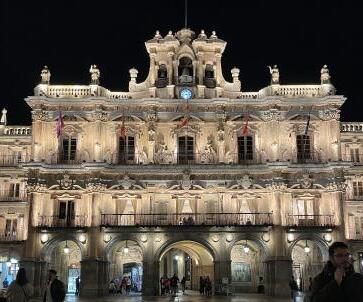
Of course you could say I was completely terrified; this was something like nothing else I had ever experienced. Speaking Spanish, to the locals and serving them beverages and meals, as well as exploring the wonderful city that is Salamanca and being able to live with someone else in their own apartment. Yeah you heard that right, live with someone else. Crazy, right!
So this began in October. I was off to the university heart of Spain with three other RMS students (Amaya, Molly and Victoria) to the city of Salamanca, a gorgeous place full of life and opportunity. A place of rich history, known as ‘La Dorada’ - the golden city, known for its incredible sand architecture. We arrived at the bus stop after a long 3 hour coach journey from Madrid and met our host, who was a lovely, kind lady, full of character. We were taken to her apartment and, if I am being completely honest, the look of the small apartment stairs after a long trip, with a heavy suitcase, didn’t really appeal to me. So 5 minutes later we reached her apartment on the third floor, packed in like sardines in a small lift that took us up. I was filled with nerves and excitement and probably 100 other emotions all at the same time. I was so excited to finally be in the place I had spent the last year signing up to, thinking about and, of course, planning.
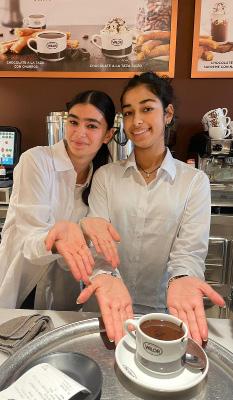
Choclateria Valor was where I would be working at for the next five days - a beautifully decorated cafe, founded in 1881, known for its iconic rich chocolate, served with churros, which I could not wait to try. Getting to work and taking orders from customers was not something I got right away. But over time, we managed to grasp the pace of speech, intensity of working behind the counter and learned the uses of machines, where cups and plates go and how to use a card machine. These
tasks, I eventually managed to perform with ease - I even noticed my fluency and comprehension of the language improving when interacting with customers and I grew in confidence when speaking Spanish to both my employers and customers.
Whilst working at the cafe, I cannot tell you the amount of cakes I managed to learn how to bake, everything from pineapple to walnut and even a traditional cheesecake. We quickly got the hang of the coffee machine and eventually started making coffees as if it was an immediate reflex to hearing the phrase ‘cafe con leche por favor’. The churros were the next challenge, learning how they are made quicky in such large batches and mastering the art of serving, an action that became second nature as soon as someone said their order.
Whilst gaining work experience and growing from a linguistic point of view with the locals, we would also be exploring the city in our spare time. From art galleries, climbing to the top of famous sites to see beautiful views, to shopping on the local streets and trying tapas restaurants, we were able to create memories and explore the wonders of the city, full of life and history. We were even able to watch an entire movie in Spanish which was incredible and did make me cry, but after our week speaking basically only Spanish, the idea of an hour and 40 minutes solely in another language (with no subtitles might I add) didn’t seem like such a scary idea anymore.
Overall, this experience has taught me skills for life, such as communication, perseverance and courage, and I hugely improved my confidence of speaking in another language. I started shy, and quite frankly, scared to be speaking in Spanish literally 24/7, stepping out of my comfort zone to work in another country and live there too. However, when it came to the end, I only wanted to stay for longer, enhancing my Spanish skills and carry on exploring, working and experiencing the life of Spain.
his term I had the privilege of interviewing our wonderful Head of Sixth Form Mrs Freeman who is preparing for a bold new chapter in her life, as a student at Leiths Culinary School. Here are her thoughts on teaching, leadership, embarrassing moments, bees, and why taking risks matters more than ever.
Can you tell me about your career path and how you got into teaching?
Teaching wasn’t always part of the plan. Mrs Freeman revealed that due to a lack of career guidance at school, teaching had always felt like the “safe option”. However, while living in France for a year, she was asked to spend time at a local school for students with behavioural difficulties. There, she watched a teacher who completely inspired her. “She was just brilliant with them”, she recalls. “I saw the impact she had and thought, ‘Wow — I quite fancy being able to do that.’” During teaching at PGL, she reported: “I really enjoyed it. I loved connecting with students, even to this day, the students make me laugh and we have a good time — that’s what really led me into teaching.”
Why RMS?
Her connection to RMS began long before she worked here. While at university, a close friend’s father was the school chaplain, and she remembers attending the “wildest” parties on site and falling in love with the grounds. “When I later saw a job come up here, I thought, ‘I know that school — I’ll go and have a look.’” She joined as a geography teacher, and, as she puts it, “the rest is history.”
What’s one thing about you that students would be surprised to learn?
Despite her confidence and presence on stage, Mrs Freeman revealed: “I get really nervous with public speaking — assemblies, talks
to parents, all of it.” However, she puts a positive spin on this, as she finds it really rewarding to overcome this at the end of a talk and that the “nerves are good — they get you going”.
She also played tighthead prop rugby in Nottingham and Durham University teams and Hemel Hempstead Harriers.
What’s the hardest/most rewarding part of your job that we wouldn’t realise?
The most difficult part of being Head of Sixth Form isn’t the workload, or multitasking but “giving bad news to people”. She stated that “I don’t like making people unhappy and it never gets any nicer”. But sometimes, delivering that news is exactly what a student needs and those conversations are “where you make the biggest difference in their lives — they might not realise it, but further down the line they appreciate it.”
Describe your most memorable (or funniest) moment in a school corridor/ with a student?
On a school trip to Royal Holloway University for a Geography lecture, she knocked her handbag, setting off a very loud and persistent alarm. She reports “It took me a few minutes to realise it was me. I was hugely embarrassed but I think the girls found it quite amusing”. Thankfully, she is someone who can laugh at herself — “an important quality to not beat yourself up about everything.”
Head of Sixth Form Survival Kit: Mrs Klement, coffee and a sense of humour.
Mrs Freeman (Head of Sixth Form) on Leadership, Learning and What Comes Next
Has there been a change students pushed for that genuinely impressed you?
One student-led initiative legacy that stands out: the bees.
“We’ve got students visiting them, the honey is extracted for food nutrition — it has become a real part of RMS”. One student in particular went above and beyond to make this happen; “arranged meetings with beekeepers, did costings, wrote risk assessments and everything”. This passion and drive was inspiring to see and Mrs Freeman still owns beepatterned socks gifted by that student, so she will always remember.

How would you describe the personality of our school? And what makes us different from other schools in the area?
If she had to sum up RMS students in an idea: it would be this: “Our girls have oomph. They’ve got something about them.” Mrs Freeman stated that RMS pupils want to bring about change, get involved and speak out and that’s what is going to make a difference in life. “Someone who knows themselves, their personality and their skills is just as important as their grades”, something that employers and universities are going to value.
If you could invite any guest speaker in the world to Sixth Form, who would it be and why?
Jacinda Ardern, former New Zealand Prime Minister, is Mrs Freeman’s choice for our guest speaker because she is young and relatable, “on TikTok”, making a positive impact as a “wonderful leader” and is “breaking the mold” — a quality RMS girls can aspire to achieve. Mrs Freeman credits her on “her presence, her strategy and her authentic leadership”.
What’s one vital skill that helps students succeed in sixth form (and in life)?
Curiosity. “The ability to learn and having a passion for learning — then you go and explore and find out why, just because you are interested.”
She worries that GCSEs can sometimes knock this curiosity out of us, but believes it is a vital skill in life and the workplace.
Is there something you wish students would do less of?
Breaking the Sixth Form kitchen toaster. Rolling up skirts. But most importantly, less moaning and negativity. “We work in an amazing school. We live in a country with huge freedoms. We don’t realise how lucky we are. Don’t wish your life away waiting for the weekend — appreciate it because life is too short.”
If you could swap roles with any member of staff for the day, who would it be and why?
Head Chef or Headteacher. As someone who loves cooking, the Head Chef would be the natural choice, but swapping roles with Mr Carson would add that “amusement value” as well as more of an understanding their different roles and responsibilities and how they each contribute to the school. “I would love to watch him doing my job — trying to navigate the UCAS website, having someone crying, a parent on the phone all simultaneously.”
If you could give your 17 year old self any advice, what would it be?
“Take more risks”. Mrs Freeman described herself as a cautious teenager, afraid to stray from the “safe route”. “I didn’t want to get things wrong”. Now, she encourages all students to “explore more and to not be afraid”.
What is one thing you hope every student remembers about their time in Sixth Form?
“That there was someone here who believed in them.” Looking back, Mrs Freeman shared that she never felt this belief at school, that she wasn’t valued for all her qualities — and it’s shaped everything she has tried to create in this role. “Everybody has something amazing about them that will make them hugely successful in life. Grades are just paper.”
The Hind House hot pink colour is something that has to stay
After nine years as Head of Sixth Form, she felt ready for a new challenge — and realised her love of cooking has become more than just a hobby. She’s heading to Leiths Culinary School to train alongside students aged 17 to 68. “If it becomes a new career — amazing. If not, I’ve had fun. My husband calls it my midlife crisis.” However, she describes it as the “biggest risk I’ve taken”, but that she’s “so excited”.
Mrs Freeman told me she is really going to miss “the people, the energy and having an audience”. One of her favourite things is making jokes and having a laugh with the students — “just having different people around me all the time — I gain energy from that”. “I love the school and all the sixth formers — I’ve been here nearly half my life. That doesn’t just disappear. It’s not just a job to me — it’s a huge part of my life”.
She’s still an RMS parent, will work as a school inspector and may explore consultancy or even becoming a magistrate.
HALF YEARLY