THE SHARA CLARKE ABORIGINAL CULTURAL & EDUCATIONAL CENTRE
ACKNOWLEDGEMENT
The Centre for Innovative Justice (CIJ) and Yulendj Weelam Lab at RMIT University acknowledge the people of the Woi wurrung and Boon wurrung language groups of the Eastern Kulin Nation on whose unceded lands we conduct the business of the University. We acknowledge their Elders past and present, as well as the ongoing strength of the world’s oldest continuing and living culture. Always was, always will be.
We acknowledge and pay our respect to the Kirrae Whurrong people on whose lands we visited many times during this project and who welcomed us onto their country to learn from them. We thank everyone who contributed to this report by sharing their experience, ideas and stories with us, generously offering their unique insights, ideas and solutions.
When listening to community speaking about justice, we must acknowledge the ongoing impacts of colonisation, impacts which contribute to significantly higher rates of incarceration of Aboriginal community members. We recognise the structural discrimination and systemic racism which sees Aboriginal people arrested and held on remand at disproportionate rates.
We acknowledge that experiences of criminalisation and incarceration are often devastating.
We pay our respect to the historical and ongoing resilience of Aboriginal people in the face of this, drawing on wisdom, experience and cultural authority of Elders and respected community members to create a better future and improve justice outcomes through selfdetermination, strong culture, connection to country and community.
PURPOSE
To document the existing infrastructure and activities of The Shara Clarke Aboriginal Culture and Education Centre, its future vision, and what is needed to support that vision.
This report has been prepared by the RMIT Yulendj Weelam Lab (School of Architecture & Urban Design) and the RMIT Centre of Innovative Justice.
“When we have power over our destiny our children will flourish They will walk in two worlds and their culture will be a gift to their country”
CONTENTS
INTRODUCTION About The Team
The Land / Country / Title Information
1. CURRENT OPERATIONS
1.1 Current Operations
1.2 Restorative Justice Shelter & Care
1.3 Who Visits The Shara Clarke Centre
1.4 How Do People Hear About Framlingham
1.5 What Happens When They Stay
2. FUTURE VISION
2.1 Purpose
2.2 The Importance Of Country
2.3 What Would Help
3. CURRENT INFRASTRUCTURE
3.1 Infrastructure Overview
3.2 Primary Buildings
3.3 Water Infrastructure Overview
4. NEXT STEPS
4.1 Infrastructure Upgrades
5. PROPOSED INFRASTRUCTURE WORKS
5.1 Proposed Works
5.2 Project Staging
6. SUMMARY
The Shara Clarke Aboriginal Culture and Education Centre (the Shara Clarke Centre) is an Aboriginal-led notfor-profit organisation founded by Kirrae Whurrong Elder Uncle Leonard Clarke (Uncle Lenny). The centre has been registered with the Australian Charities and Not-for-profits Commission since 26th October 2021.
The Centre is committed to reducing the over-incarceration of Aboriginal people through culturally grounded restorative justice programs that foster healing, reconciliation and community well-being.
The organisation currently operates from Aboriginal-owned family land at Framlingham in Victoria’s Western District, home of the internationally acclaimed Uncle Henry Banjo Clarke, a man “renowned for his compassion and wise words” who promoted respect and forgiveness between Aboriginal and non-Aboriginal people long before the term “reconciliation” was coined (Aboriginal Victoria).
The centre is named after the late Shara Clarke to honour and commemorate her and all the other First Nations Australians who have suffered injustices. Shara Janelle Clarke (Gunditjmara / Kirrae Whurrong) was the late daughter of Uncle Leonard Clarke and Glenda Thompson and devoted mother of Levi, Kureen and Isabella. Shara Clarke passed away on Thursday, February 19, 2015. Shara had suffered at the hands of police brutality and a state government system that had failed her and her family.
ABOUT
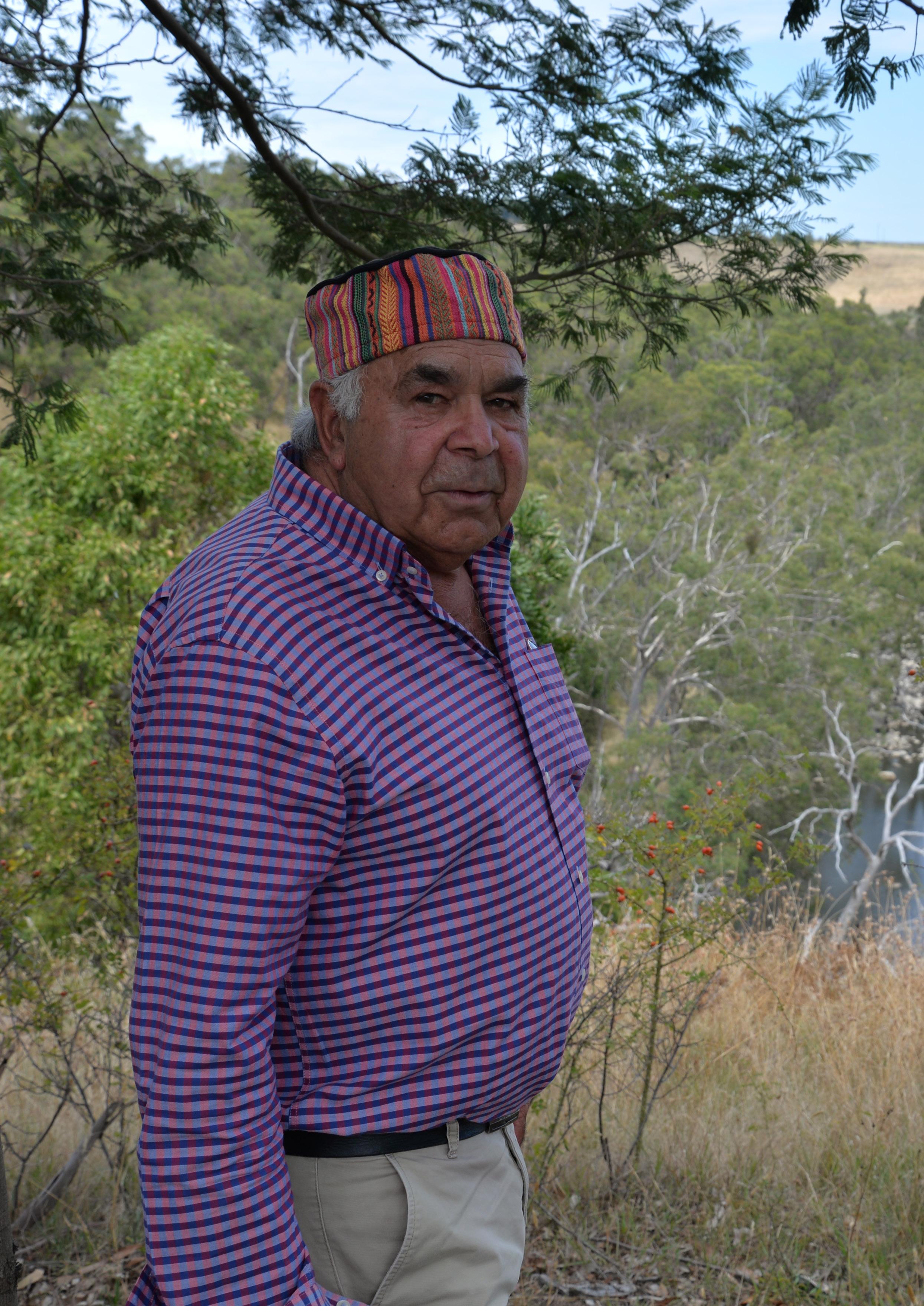
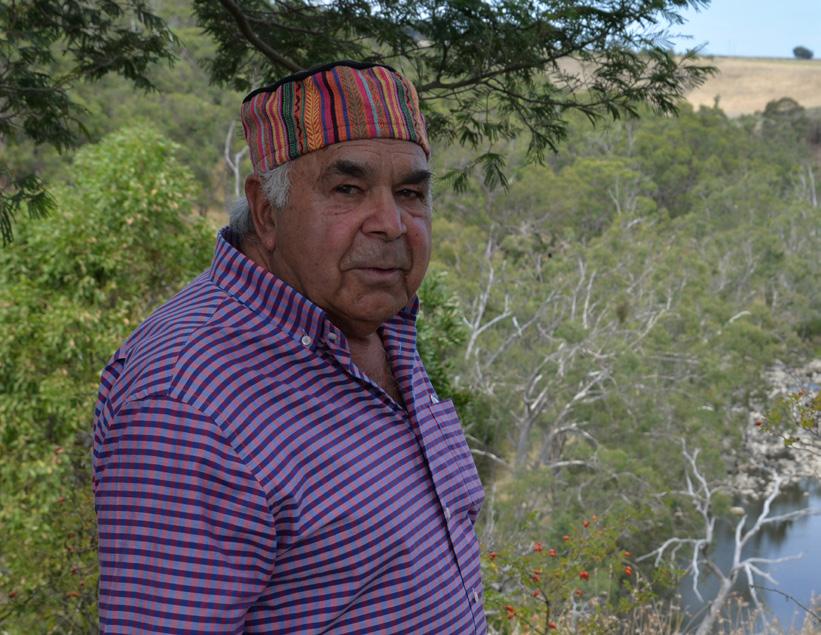
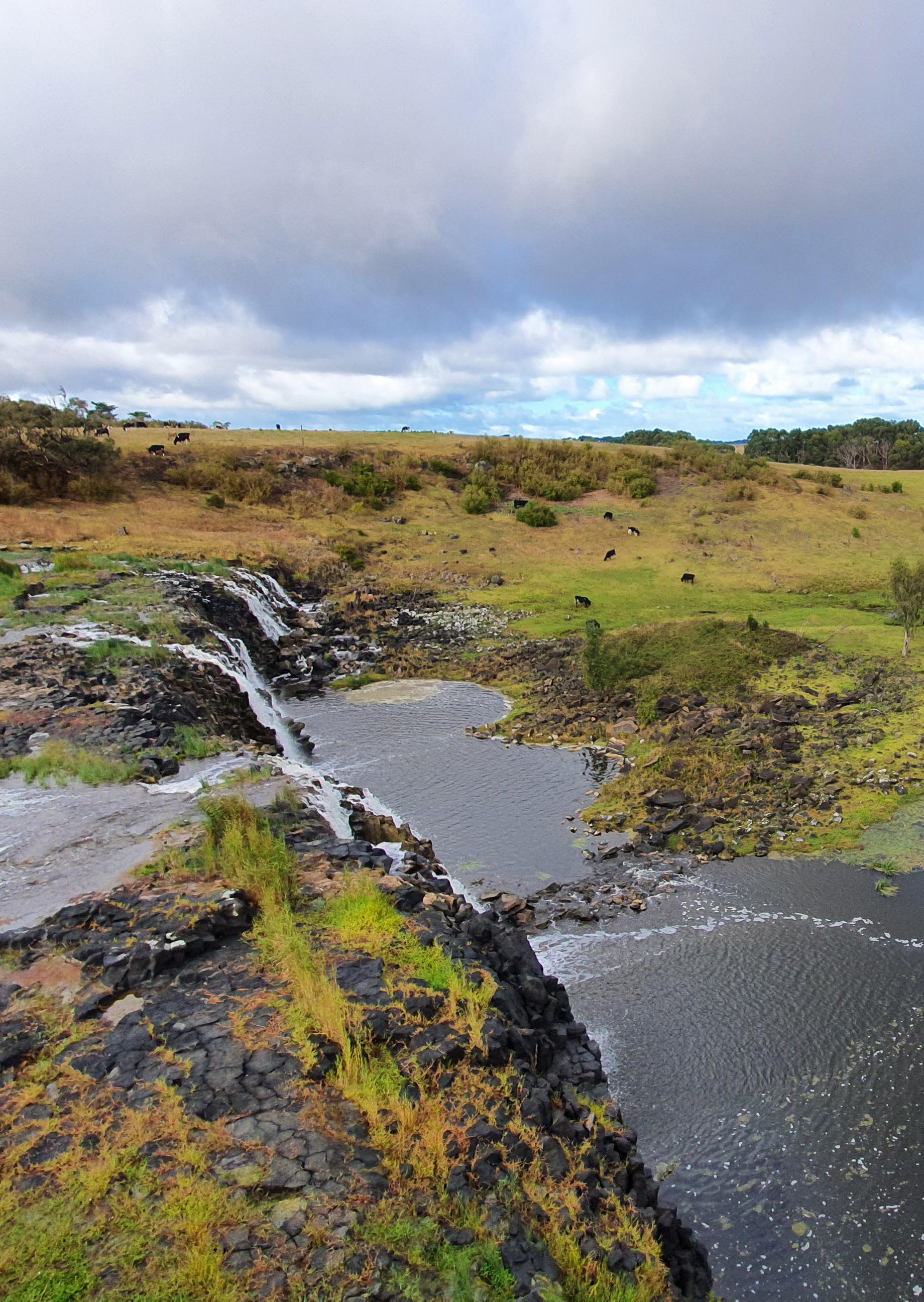
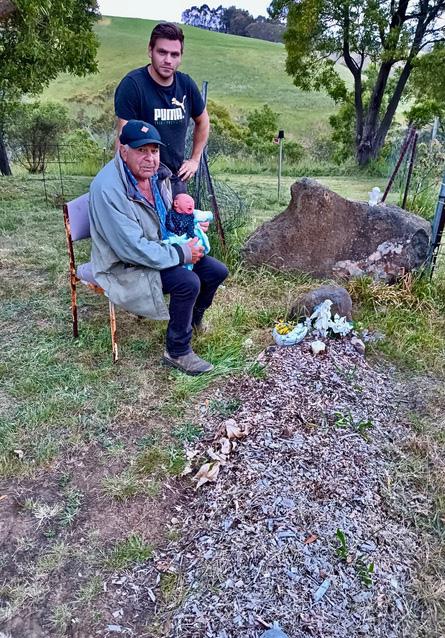
Uncle Leonard Clarke, overlooking the Hopkins River, Framlingham
THE TEAM
Uncle Leonard Clarke, Co-Founder Director
Kirrae Craddock-Clarke Principal, Community Support, Land Care & Management.
Jocelyn Craddock-Clarke, Community Support
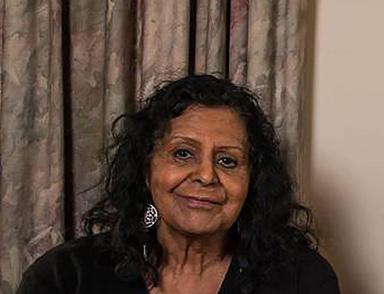
Aunty Patricia Clarke, Principal
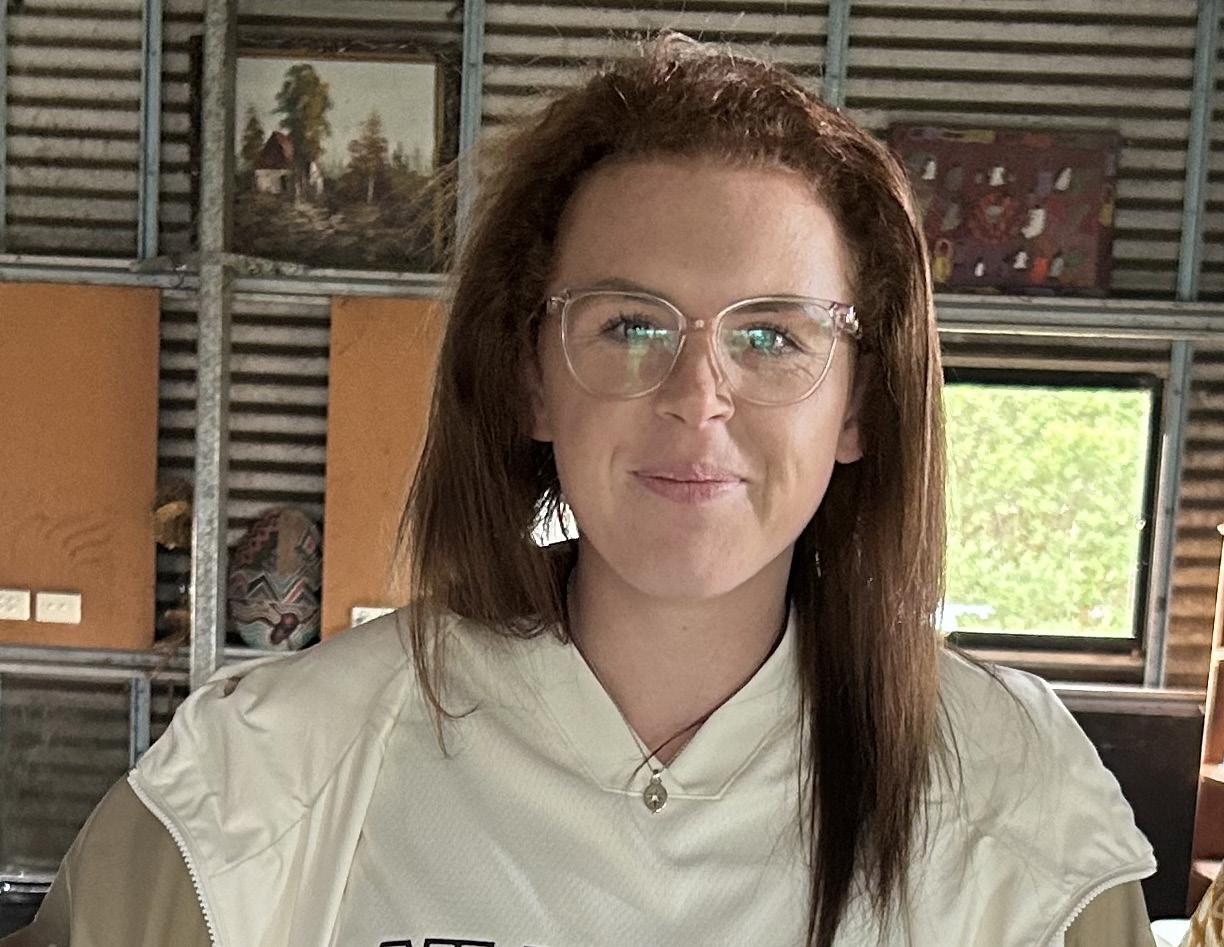
Bianca Elliot, Principal
THE LAND / COUNTRY / TITLE INFORMATION
The Shara Clarke Centre operates from a property at 180 Kirrae Avenue, Framlingham, within Victoria’s Western District.
The land is Aboriginal owned by Sole Proprietor: Kikkabush Aboriginal Pastoral and Advancement Inc. of Purnim.
It lies within a landscape that has been continuously occupied for more than 65,000 years and remains deeply significant to the Kirrae Whurrong people.
Following colonisation, the Western District was subject to widespread violence and dispossession. In 1861, the colonial government reserved 3,500 acres for a potential Aboriginal station. This period formed part of the Frontier Wars, a prolonged and largely unacknowledged series of conflicts between First Nations peoples and colonial forces across the continent. In this region, the Gunditjmara became known as the “Fighting Gunditjmara” for their organised and sustained resistance. Drawing on deep knowledge of Country, they defended their lands through coordinated strategies and the protection of vital resources, including the aquaculture systems at Budj Bim. This resistance was met with sustained and often brutal reprisals as pastoral expansion intensified. The land and its surrounds is therefore not only a place of occupation, but one shaped by conflict, resistance, and survival.
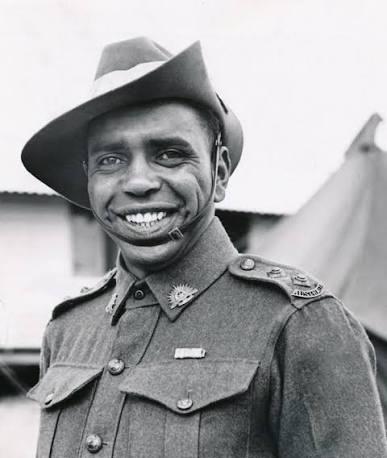
This legacy of strength and resistance extends into the twentieth century through figures such as Reg Saunders, a Gunditjmara man and the first Aboriginal Australian commissioned as an officer in the Australian Army. His leadership and service reflect a continuity of resilience that connects earlier frontier resistance with more recent histories of Aboriginal service and recognition.
Framlingham Aboriginal Mission was formally established in 1865 by Church of England missionaries on this land. It was closed in 1867 in an attempt to relocate residents to Lake Condah Mission; however, resistance from residents led to its reopening in 1869. Missionary administration was shortlived and, due to limited resources and ongoing management issues, control was transferred to the Central Board for the Protection of Aborigines.
The place also carries a difficult and deeply personal history connected with the Stolen Generations. Uncle Lenny recalls a time when families lived in constant fear of the “big black cars” arriving without warning, their presence signalling the forced removal of children. He was himself directly affected by these policies; after having a child, Linden Clarke, with a nonIndigenous woman, his son was taken from him, reflecting the profound and enduring reach of these government practices into the fabric of family life. The late, worldrenowned musician Archie Roach was among those taken from the school at Framlingham. When he later returned to visit Uncle Banjo and Uncle Lenny, they shared with him the story of his removal. This experience would later give rise to his song ‘Took the Children Away’, now recognised as one of the most powerful accounts of the Stolen Generations.
KIKKABUSH ABORIGINAL PASTORAL AND ADVANCEMENT INC
LAND OWNERSHIP
THE SHARA CLARKE ABORIGINAL CULTURE AND EDUCATION CENTRE LIMITED
LAND OPERATION
CULTURAL PROGRAMS & EDUCATION
RESTORATIVE JUSTICE PRACTICES
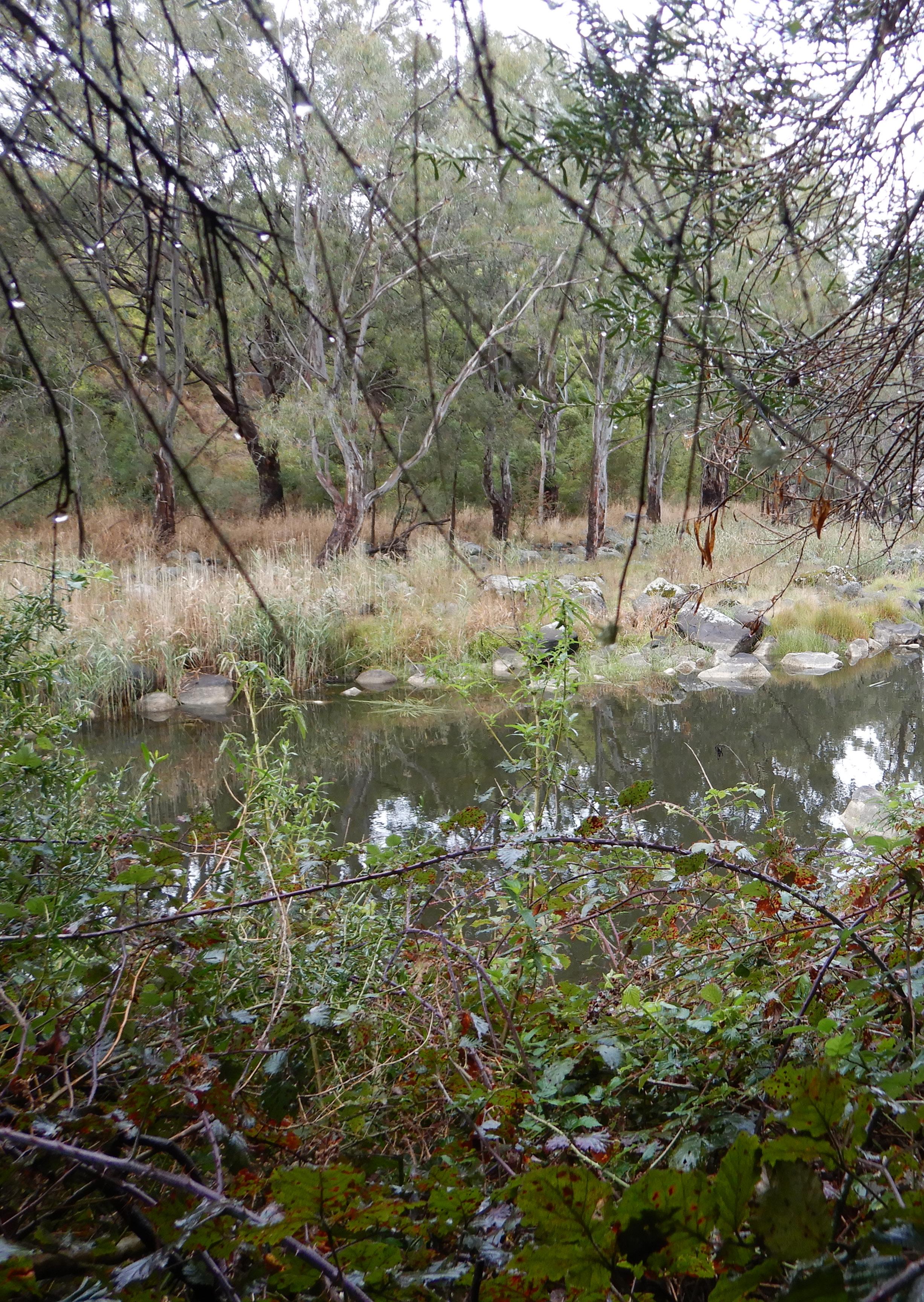
River, Framlingham
THE LAND / COUNTRY / TITLE INFORMATION
In more recent history, the passage of the Aboriginal Lands Act 1970 marked a significant, though partial, return of land. In 1971, land from the former Framlingham Mission was returned to Kirrae Whurrong people through the establishment of the Framlingham Trust. Due to internal conflicts, 200 acres were excised from the Trust and granted as freehold land to members of the Clarke family, who have maintained an enduring presence on the site. This land is closely associated with the life and legacy of Uncle Banjo Clarke (1922–2000).
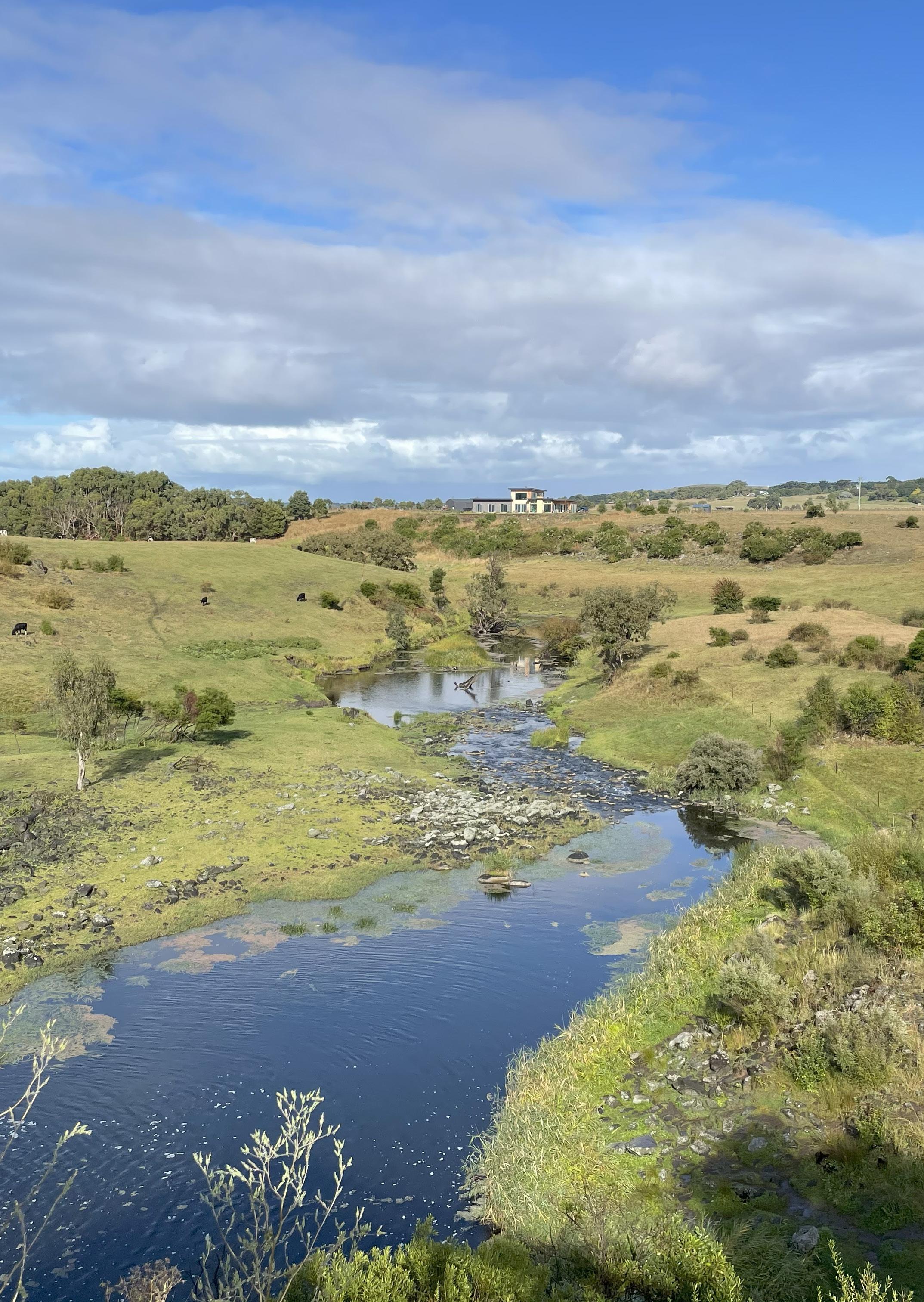
The site is situated within a broader cultural landscape of national significance, including the Budj Bim Cultural Landscape at Lake Condah, the Grampians National Park, the Twelve Apostles, and the coastal city of Warrnambool. It is bordered by the Hopkins River and Framlingham Forest. Together, these elements form part of a living cultural landscape that continues to sustain Aboriginal knowledge, practice, and connection to Country.
Within this context, the place carries a powerful legacy of care grounded in culture. Late Elder Uncle Banjo Clarke, father of Uncle Lenny, was widely respected for creating a place that welcomed people from all walks of life and cultures, those seeking support, healing, or simply a place to belong.
The Grampians
His approach to care was grounded not in institution or formality, but in an ethic of openness, dignity, and deep cultural responsibility. He offered refuge through connection: to Country, to Kirrae Whurrong cultural practice, and to a shared sense of humanity.
Framlingham became a place where people were not only received, but recognised; a place where stories, knowledge, and respect were exchanged across cultures. This reputation grew over time, drawing visitors from across Australia and beyond. Among those who made the journey were internationally recognised artists such as Bono of U2 and Sinéad O’Connor, alongside leading Australian musicians including Shane Howard of Goanna and Neil Murray. Their presence speaks to the cultural significance of the place; however, regardless of profile or background, all who came were met with the same expectation: to listen, to learn, and to engage respectfully with Country.
Within this enduring cultural and historical framework, the Shara Clarke Aboriginal Cultural and Education Centre is well positioned to support and strengthen First Nations culture, knowledge, and community connection, continuing a legacy that is both deeply rooted and forwardlooking.
Budj Bim / Lake Condah Proposed Shara Clarke Centre,
1. CURRENT OPERATIONS
1.1 CURRENT OPERATIONS
THE SHARA CLARKE ABORIGINAL CULTURE AND EDUCATION CENTRE LIMITED
LAND OPERATION
CULTURAL PROGRAMS & EDUCATION
• Hosting visitors including educational immersive trips, international and local visitors, extended family and community
• Hosting music & cultural events
• Ongoing Caring for Country and maintenance activities
• Cultural grave digging & the hosting funerals of funerals
RESTORATIVE JUSTICE PRACTICES
• Providing shelter and care for community members in need
• Providing criminal justice & bail support
• Ongoing Caring for Country and maintenance activities
River, Framlingham
1.2 RESTORATIVE JUSTICE : SHELTER & CARE
One of the principal operations undertaken by The Shara Clarke Centre includes supporting community members in need of care and shelter. These services are currently not funded, and rely on the good will and care of the centre and its members. This includes:
Court Support
• Accompanying those in need through the court process
• Providing a supportive presence during court proceedings
• Transportation to and from court
Accommodation Services
• Being available at all hours to pick people up and provide accommodation at Framlingham
• Providing accommodation at Framlingham as part of a person’s bail conditions
Support
• Providing culturally safe and secure housing
• Assistance meeting bail conditions
• Organising referrals to support services
• Transportation to required services
WHO VISITS THE SHARA CLARKE CENTRE
A vast array of people from all over the world find their way to Framlingham, the lands now owned by Kikkabush. International guests find their way there via Uncle Banjo Clarke’s book – Wisdom Man – some find their way to Framlingham because of its history with music and musicians, but many find their way there through the Koorie Grapevine and the compassion of Uncle Lenny and his son Kirrae Craddock Clarke.
This legacy of compassion for all people, country and connection as healers was started by Uncle Banjo and has been proudly preserved and continued by his son Uncle Lenny. The relationships built with community and local services – including the police and courts – is a testament to their commitment to Framlingham and the people who find themselves there.
Overseas folks
Singles
Families
Kids
People post release from prison
Uncle Banjo’s Legacy of Compassion
The Koori Grapevine
Music & Culture
Police (Fram is an Equaliser)
People living with disability
Kids of parents living with addiction People living with addiction
HOW DO PEOPLE HEAR ABOUT FRAMLINGHAM
How people come to find themselves receiving support from the centre is as varied as the support and activities on offer once there. Known as “Uncle Lenny’s end”, to distinguish it from the end which houses the Framlingham Aboriginal Trust, word of mouth spreads via community but it runs much deeper than that. Uncle Lenny hands out cards with his details in his capacity as a Koori Court Elder to anyone – service users and providers. Kirrae will offer support and the use of Framlingham any time he comes across someone in the street who looks like they need it. Those who have used Framlingham will tell others and call it “paying it forward”.
A huge amount of generosity and goodwill goes into the offering of healing time at Framlingham without any ask in return. The integrity of the work that is done there is evident in the strong relationships built between Uncle Lenny, “Fram” and Government services who refer in such as NDIS, VALS, Child Protection, Corrections and the Courts. Local police will call Uncle Lenny at all hours to bring people to Fram for safety, support or to sober up. This diverts people out of the cells and the criminal justice system.
Uncle Lenny’s Networks Koorie Grapevine
Word of Mouth
Uncle Banjo’s Legacy
Uncle Lenny’s Koori Court
WHAT HAPPENS WHEN THEY STAY
Framlingham is a prime example of what it looks like when community addresses social issues rather than criminalising folks. Fram is a home for the homeless, connection for the lonely, support for those experiencing troubles, a feed for the hungry. A place where people have dignity and agency over the type of support they receive and how long they receive it for. Children on guardianship orders are able to stay connected to their family at Fram thanks to an on-site Guardian.
Some folks are bailed to Fram and then supported to meet whatever requirements they have by Uncle Lenny’s team to get their life back on track. It is intensive Case Management but for Uncle Lenny and his team at Framlingham it’s just looking after people. In addition to this is the spirit and healing of the country, the people there and the connection visitors experience. All this is done through the pooling of the personal resources of Uncle Lenny and his team.
Uncle Lenny is strongly supported by Jocelyn Craddock, who has lived and worked alongside him at Framlingham for many years. She is an integral part of the services which are provided at Framlingham. Her skills are many and varied and the tasks she carries out range from practical ones, such as ensuring everyone at Framlingham is well fed, to intensive case management support for those staying and in need of care. She is responsible for making appointments with health professionals, transporting people to and from their appointments, including to court or corrections meetings, as well as diary management and ensuring follow up tasks are met. She also plans and oversees the events held at Framlingham, including funerals and concerts, many of which need to be organised at short notice. Among her responsibilities at such events are logistics, catering and crowd management.
Janna Laird is a former recipient of the care and services provided at Framlingham. Her experience of being cared for by Uncle Lenny and others illustrates the breadth of support provided by Uncle Lenny. Janna is now a regular visitor to Framlingham to provide lived experience support to visitors. In recent times, Janna has also been providing direct support to Uncle Lenny, accompanying him to events and meetings, and assisting him with numerous administrative tasks.
Neither Jocelyn, Kirrae, nor Janna receive any income for the services they provide at Framlingham.
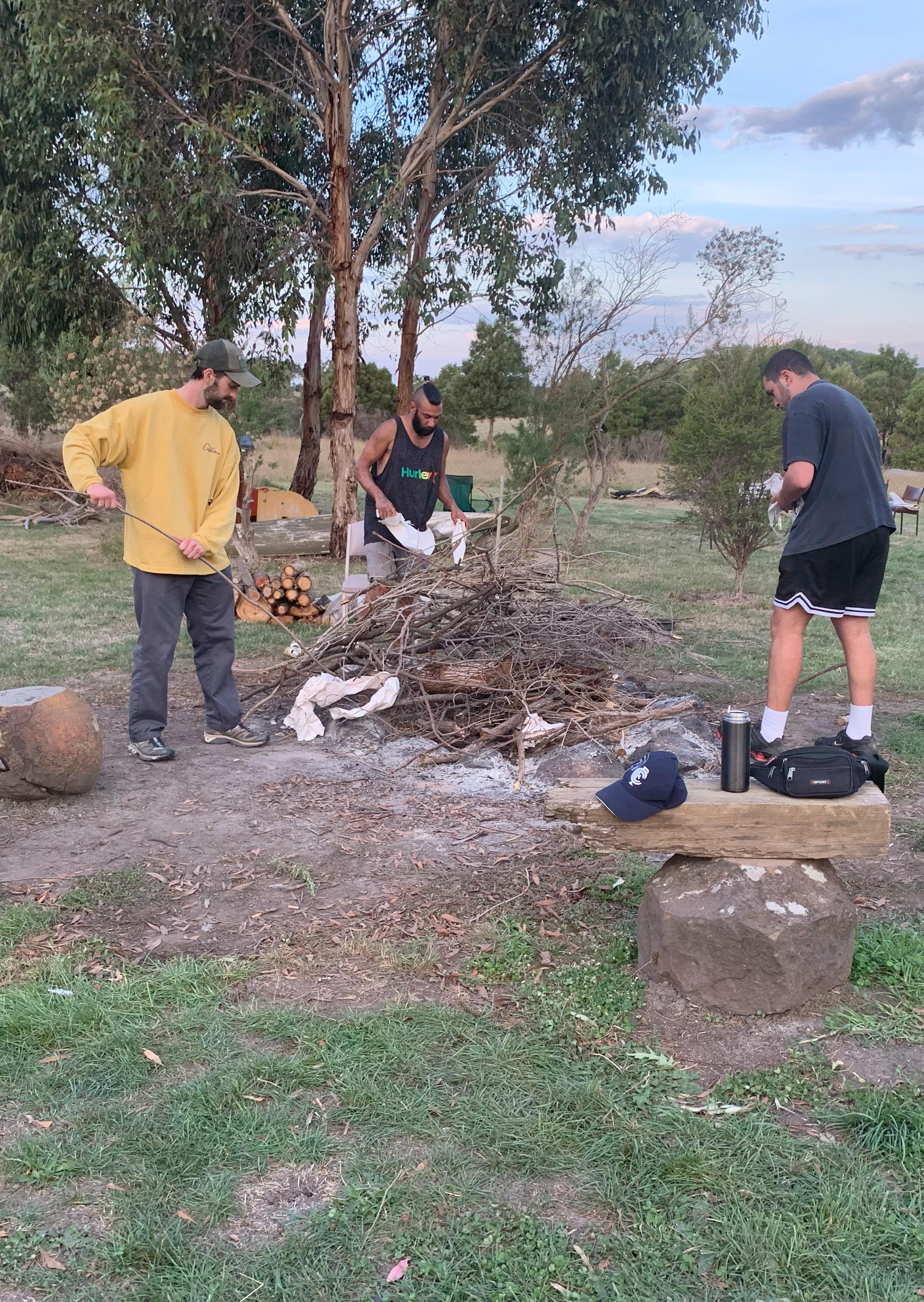
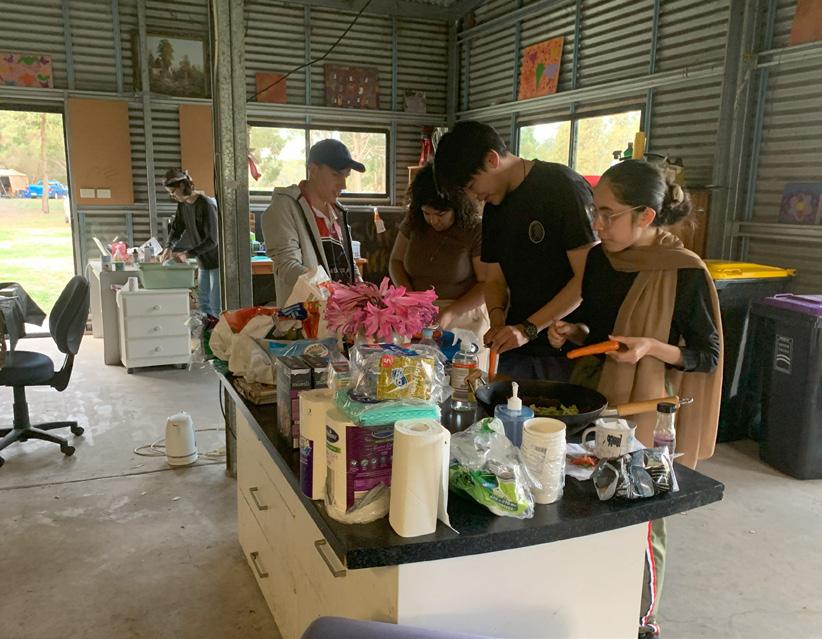
Community members provided with temporary accommodation often contribute to the upkeep of the property by assisting with tasks such as wood chopping for fires and minor building maintenance works.
Jocelyn Craddock
Janna Laird
Kirrae Craddock-Clarke plays a pivotal role in supporting the work of Uncle Lenny and the broader community. He is the son of Uncle Lenny and was raised by Uncle Banjo Clarke until Uncle Banjo’s passing in 2000. During this time, Uncle Banjo entrusted Kirrae with significant cultural knowledge and identified him as an important knowledge holder for the next generation. Kirrae is well connected across both Aboriginal and non-Aboriginal communities throughout the Western District. He undertakes a wide range of responsibilities, including Caring for Country, property maintenance, farming activities, and cultural support for community members. His practical duties include mowing, wood cutting, weeding, planting, fencing, watering, and coordinating share-farming activities on the land. Kirrae is also regularly called upon to provide direct community support. This includes assisting people in crisis, arranging temporary accommodation, coordinating health and well-being appointments, providing transport to medical, court, and corrections-related appointments, and ensuring follow-up actions are completed. Kirrae holds deep knowledge of Kirrae Whurrong culture and Country and is a highly respected member of the community.
Uncle Lenny is deeply passionate about keeping his people out of prison. This is evident in the work he does both with Koori Court and the day to day work carried out at Framlingham. Getting people to and from court, to corrections appointments, to medical appointments and meeting order conditions is a large part of the case management support offered when staying at Framlingham. Uncle Lenny and his team provide advocacy and support and draw on their strong relationships and reputation within the local criminal justice system.
Kirrae Craddock-Clarke
“...toward a process that emphasizes healing, accountability, and cultural reconnection.”
2. FUTURE VISION
“dedicated to delivering culturally responsive, community-led justice practices for Aboriginal and Torres Strait Islander peoples.”
Figure 3: Framlingham
Uncle Lenny has a grand vision for expanding the services he and his family provide at Framlingham.
Uncle Lenny’s vision is to seek longterm funding to “support the expansion of early intervention and cultural education programs, specifically targeting Aboriginal youth at risk of entering the justice system.
This includes program facilitation, transport, materials, cultural mentor employment, and evaluation to measure impact.” Uncle Lenny’s vision is to extend the services to cover the South-West of Victoria.
He has called the expanded service provision the “Shara Clarke Aboriginal Restorative Justice Services” and has established a new company, Shara Clarke Aboriginal Restorative Justice Services Limited, to operate the program.
2.1 PURPOSE
Uncle Lenny describes the purpose of the Shara Clarke Aboriginal Restorative Justice Services initiative as being:
“dedicated to delivering culturally responsive, community-led justice practices for Aboriginal and Torres Strait Islander peoples. This project aims to divert individuals away from the formal criminal justice system and toward a process that emphasizes healing, accountability, and cultural reconnection.
Drawing on Aboriginal knowledge systems, Elder-led guidance, and community partnerships, the service provides a safe and respectful space for restorative practices. These may include mediation, community conferencing, and cultural mentoring programs tailored to address both the harm and the broader systemic issues contributing to offending behaviours.”
ALIGNMENT WITH PRINCIPLES OF SELF-DETERMINATION
Uncle Lenny writes that the project is “deeply aligned with principles of empowerment and self-determination for Aboriginal and Torres Strait Islander communities. It centres:
Cultural Authority: Elders and community leaders guide the justice process, reinforcing cultural identity and authority.
Healing-Cantered Justice: The program shifts focus from punishment to healing, recognizing the intergenerational trauma many participants face.
Community Ownership: Community members are involved in decision-making, planning, and delivery, ensuring services are relevant and respectful.
Youth Engagement: Young people are given alternative pathways to address conflict, develop accountability, and reconnect with culture and community.
Systemic Change: The program challenges mainstream justice paradigms and advocates for policies that recognize Indigenous-led solutions.”
“Uncle Lenny’s vision is
to seek longterm funding to “support the expansion of early intervention and cultural education programs, specifically targeting Aboriginal youth at risk of entering the justice system..”
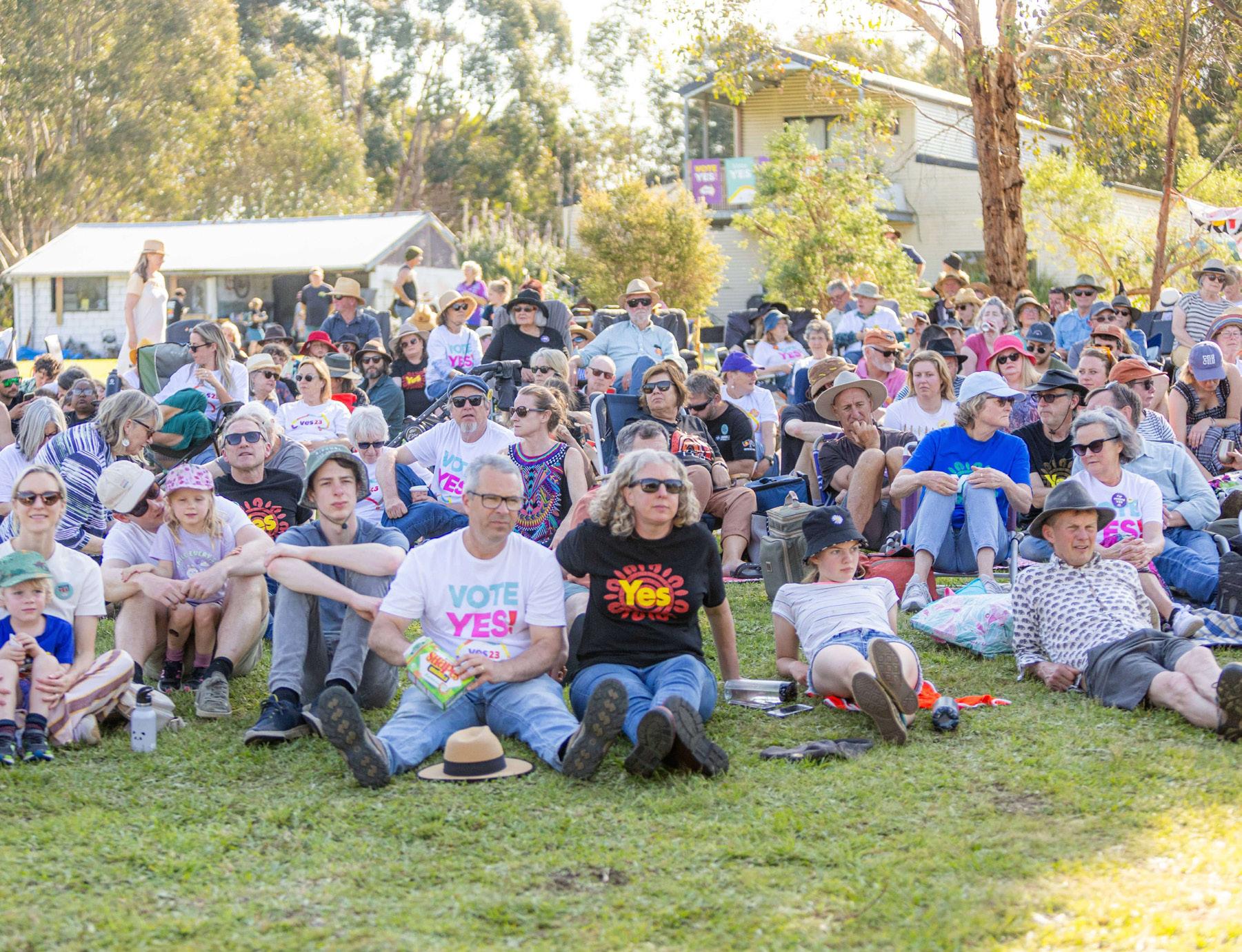
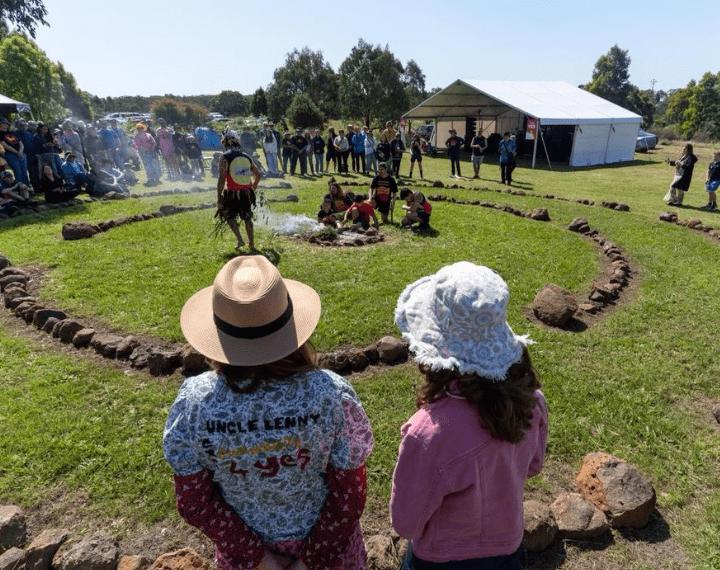
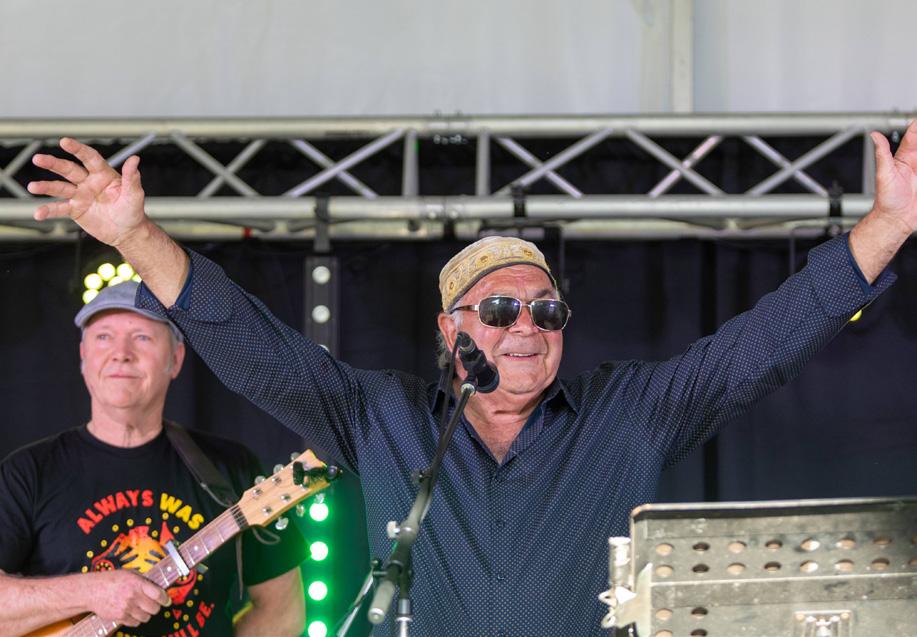
‘YES’ CONCERT FOR THE 2023 REFERENDUM
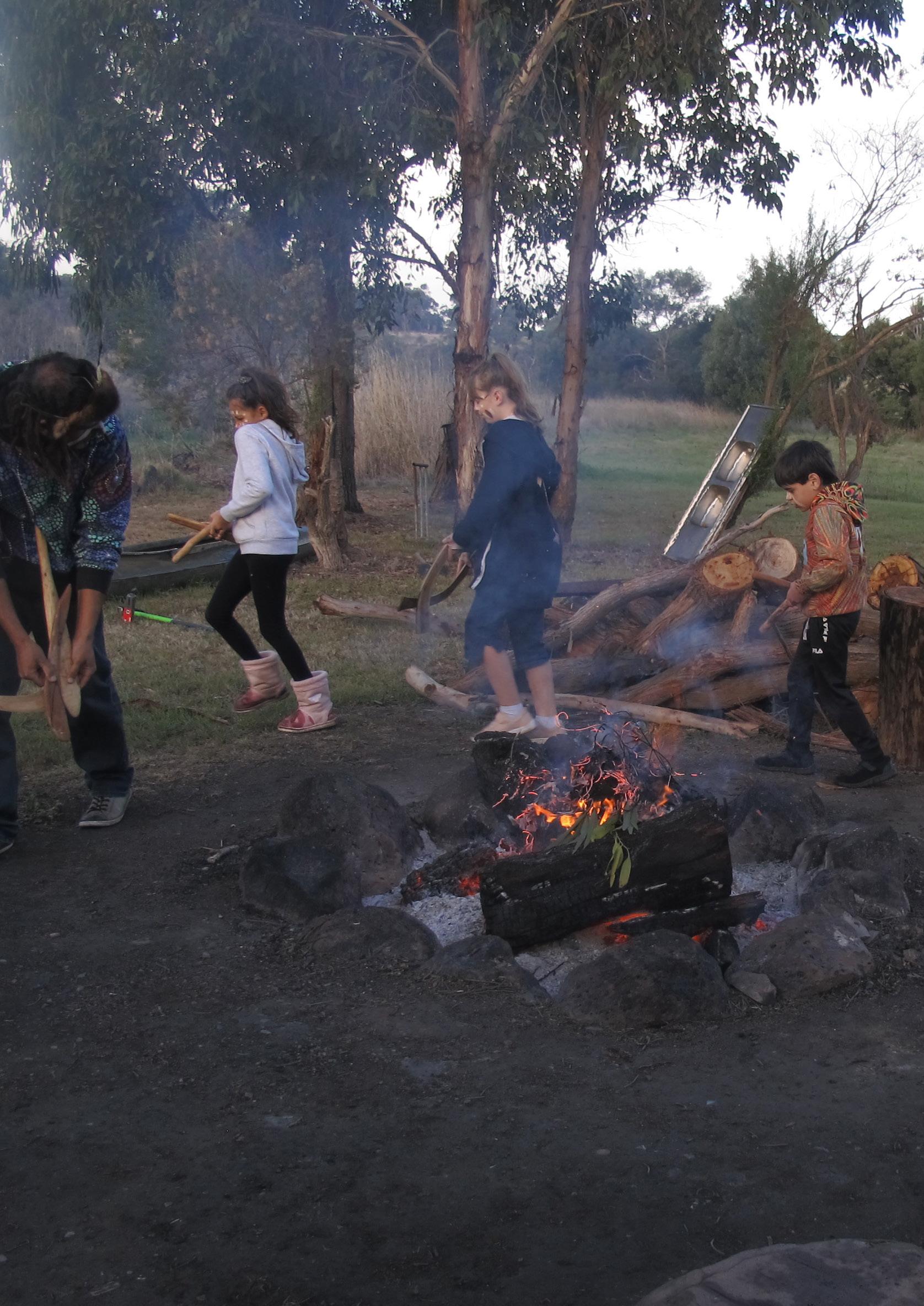
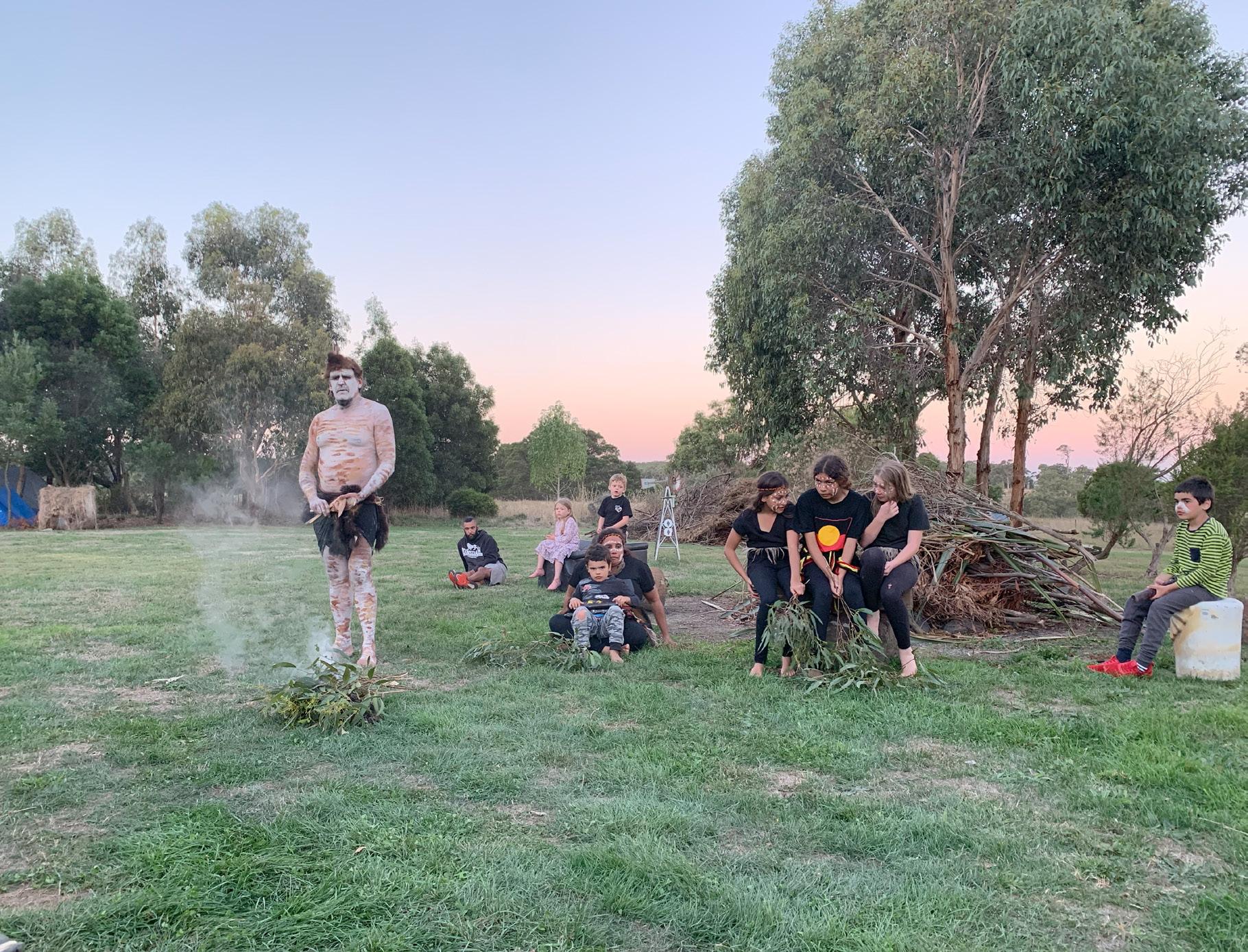
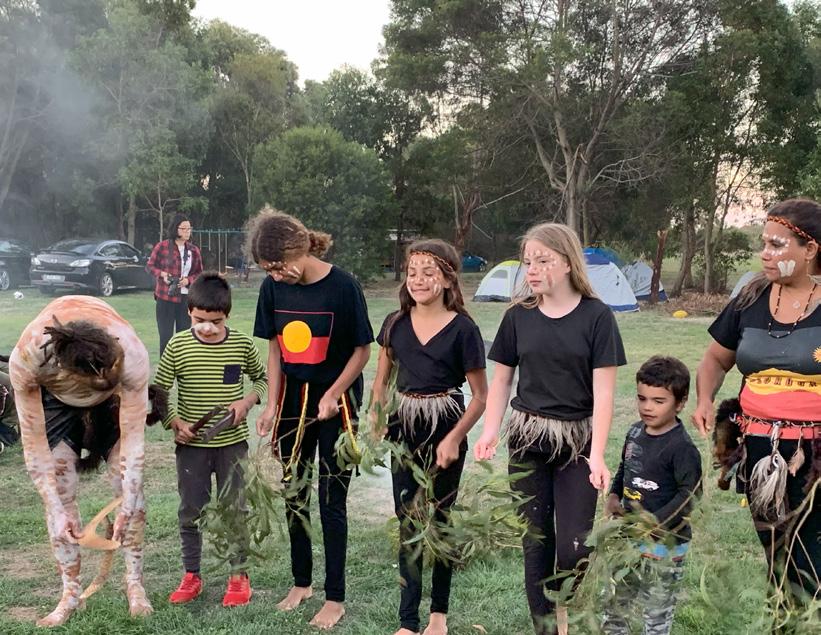
BRETT CLARKE AND KIRRAE WHURRONG CHILDREN WELCOME VISITORS
Welcome to Country/ Ngatanwarr Merrang & Smoking Ceremony/ ngootyoong kaaweeyn
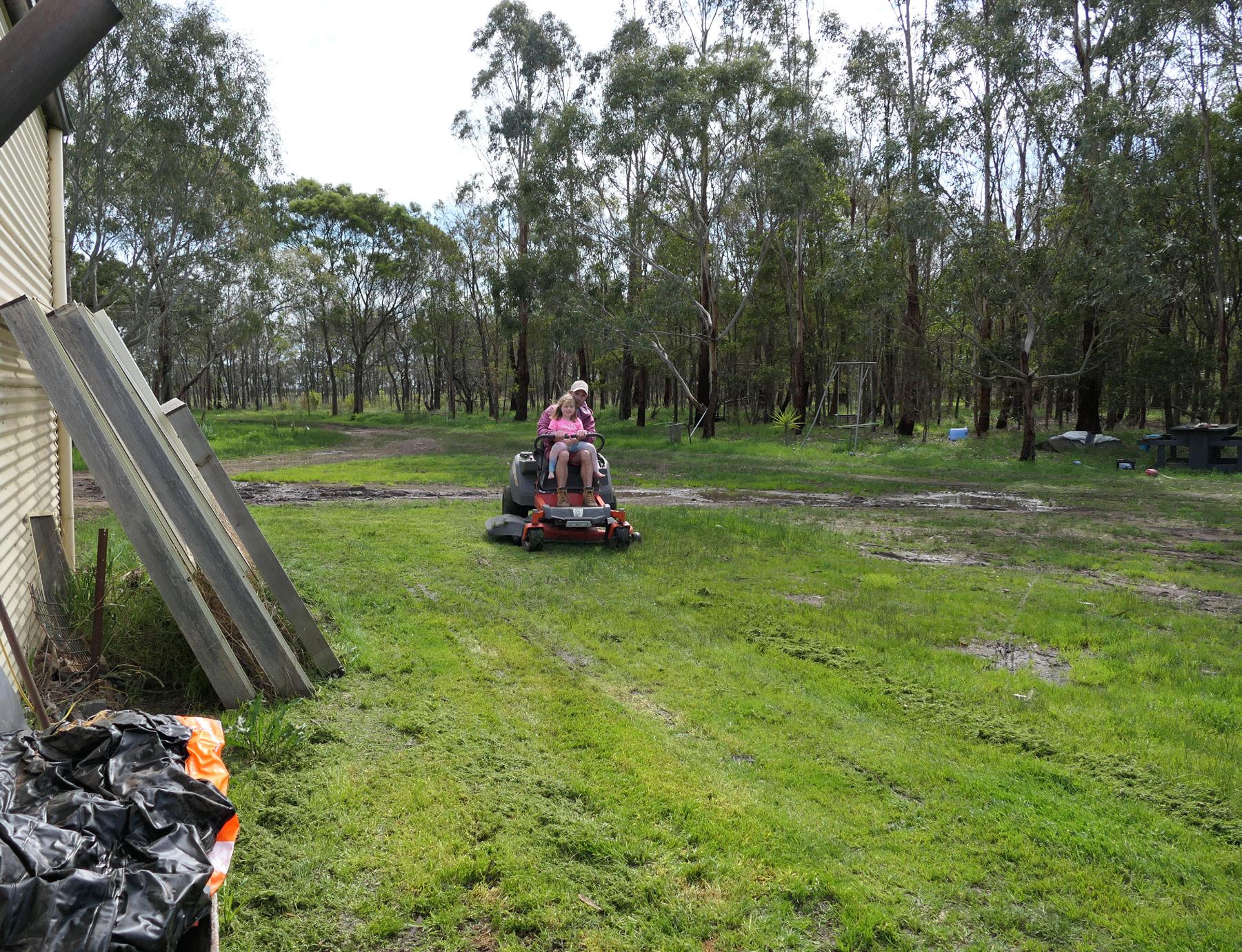
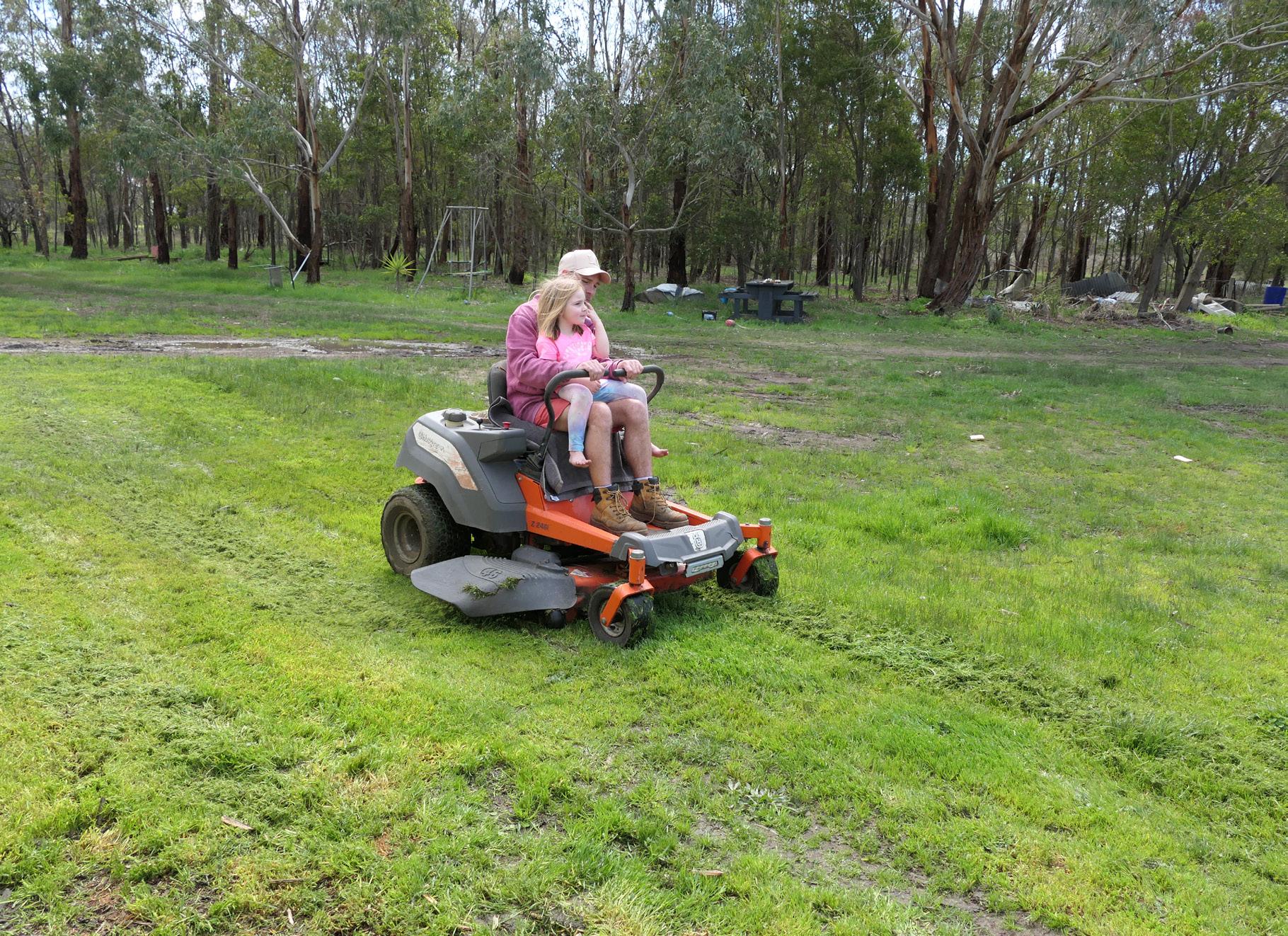
KIRRAE MOWING THE LAWNS
ONGOING CARE FOR COUNTRY
THE IMPORTANCE OF PLACEBEING ON COUNTRY
Framlingham’s physical heart is 200 acres of beautiful terrain located on the lands of Kirrae Whurrong Country in the Western District of Victoria. It provides the space and place for true healing and connection to occur. That amount of space requires daily management and work to keep it healthy and safe for its visitors and Uncle Lenny’s family. Led by Kirrae CraddockClarke, countless hours are spent caring for the land.
This includes mowing the 200 acres, building and repairing fences, maintaining the internal roads, chopping wood, tending to the cemetery and caring for the graves. All of this is done by Kirrae and others in kind. The family members’ limited income is pooled to pay for food, transport and repairs as needed in order to care for those who come to Framlingham seeking support. The land is integral to the care provided. Uncle Lenny has a beautiful vision for what is possible on the Framlingham Lands.
Lenny
Men’s Shed
2.3 WHAT WOULD HELP YOU KEEP DOING THIS WORK?
Uncle Lenny and his family find a way to support the people who make their way to Framlingham in spite of their limited resources and the absence of government or private funding. To help them keep doing their work, they would benefit from financial support – to cover the basics such as costs of food and living expenses – to nonfinancial support such as an arrangement with corrections to allow people in custody to be sent to Framlingham to provide labour and to experience working on country, hearing from Uncle Lenny, Kirrae and other custodians. This arrangement has occurred previously, albeit informally, and has provided benefits to both the people in custody and to the Framlingham mob.
There are a range of other practical things which would enable the work to continue including access to a new motor vehicle This would enable people being supported at Framlingham to be safely transported to and from appointments, as well as ensuring Uncle Lenny can travel to his many community commitments including to carry out his work as an Elder on the Koori Court, which requires him to travel to Portland, Hamilton and Warrnambool every few weeks. Many of the buildings at Framlingham require urgent repairs including the Community Centre, which has been unfinished for many years, after the appointed builder disappeared before the project was complete.
Among other urgent repairs needed is an upgrade of the visitor toilet and a proper working kitchen in the Community Centre.
Uncle Lenny is also passionate about building a residential alcohol and other drug rehabilitation centre for people in the South-West. He is part of a long-standing advocacy group to seek government support for this and has offered some land at Framlingham for it to be built.
This would complement his vision for building the Shara Clarke Aboriginal Cultural and Education Centre – which would showcase Aboriginal culture and talent to a large national and international audience.
3. CURRENT INFRASTRUCTURE
Ad
3.1 INFRASTRUCTURE OVERVIEW
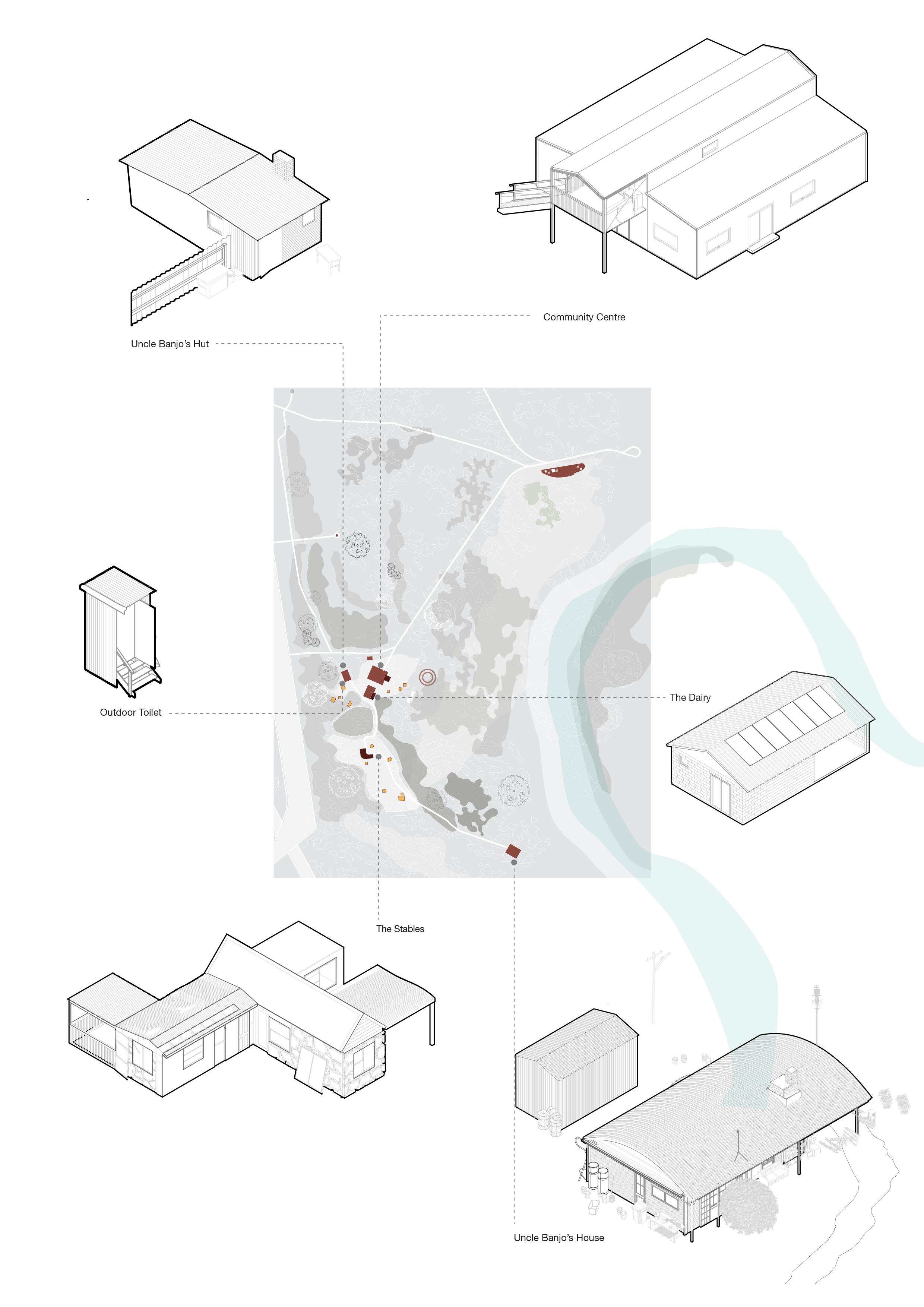
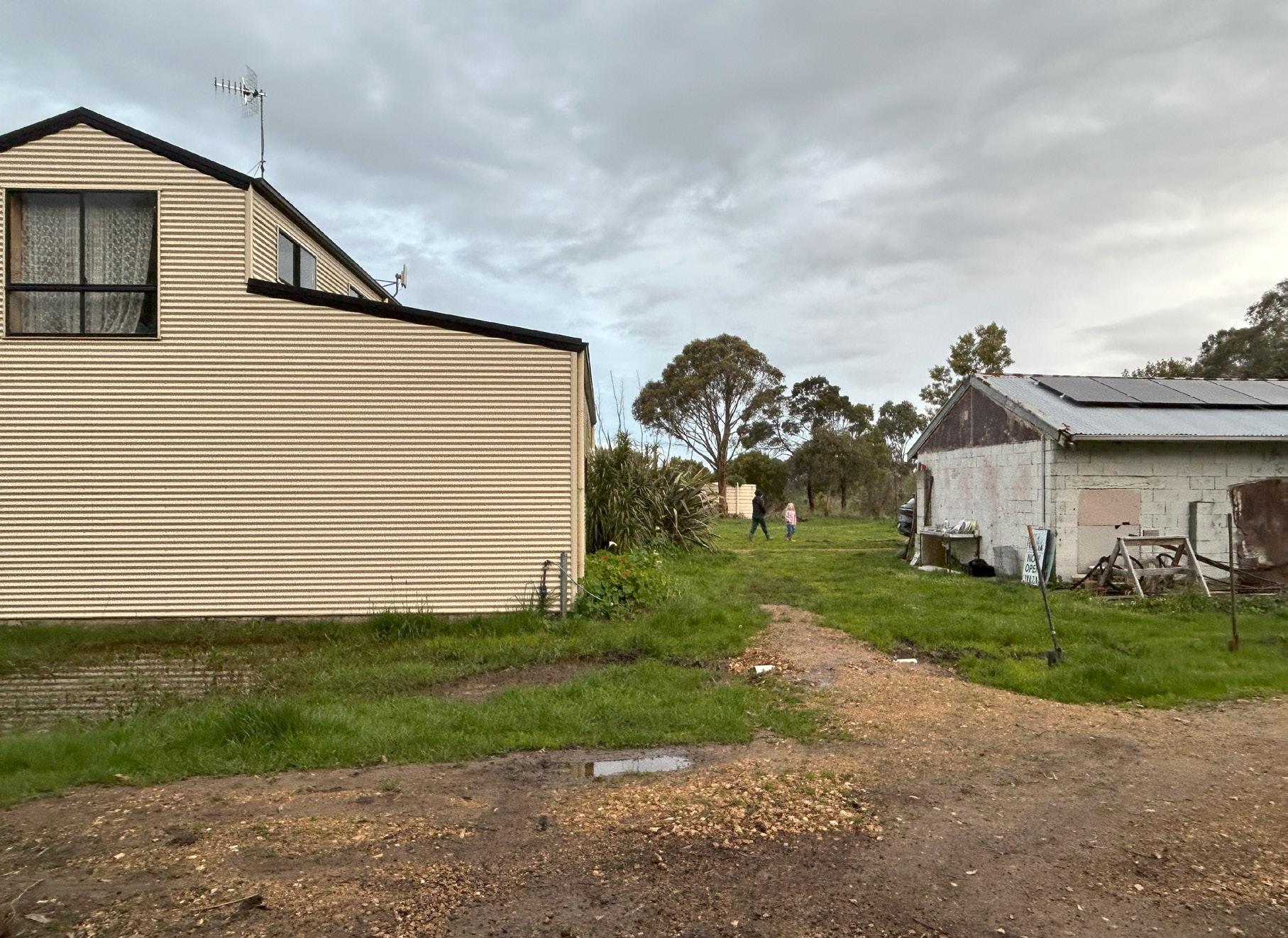
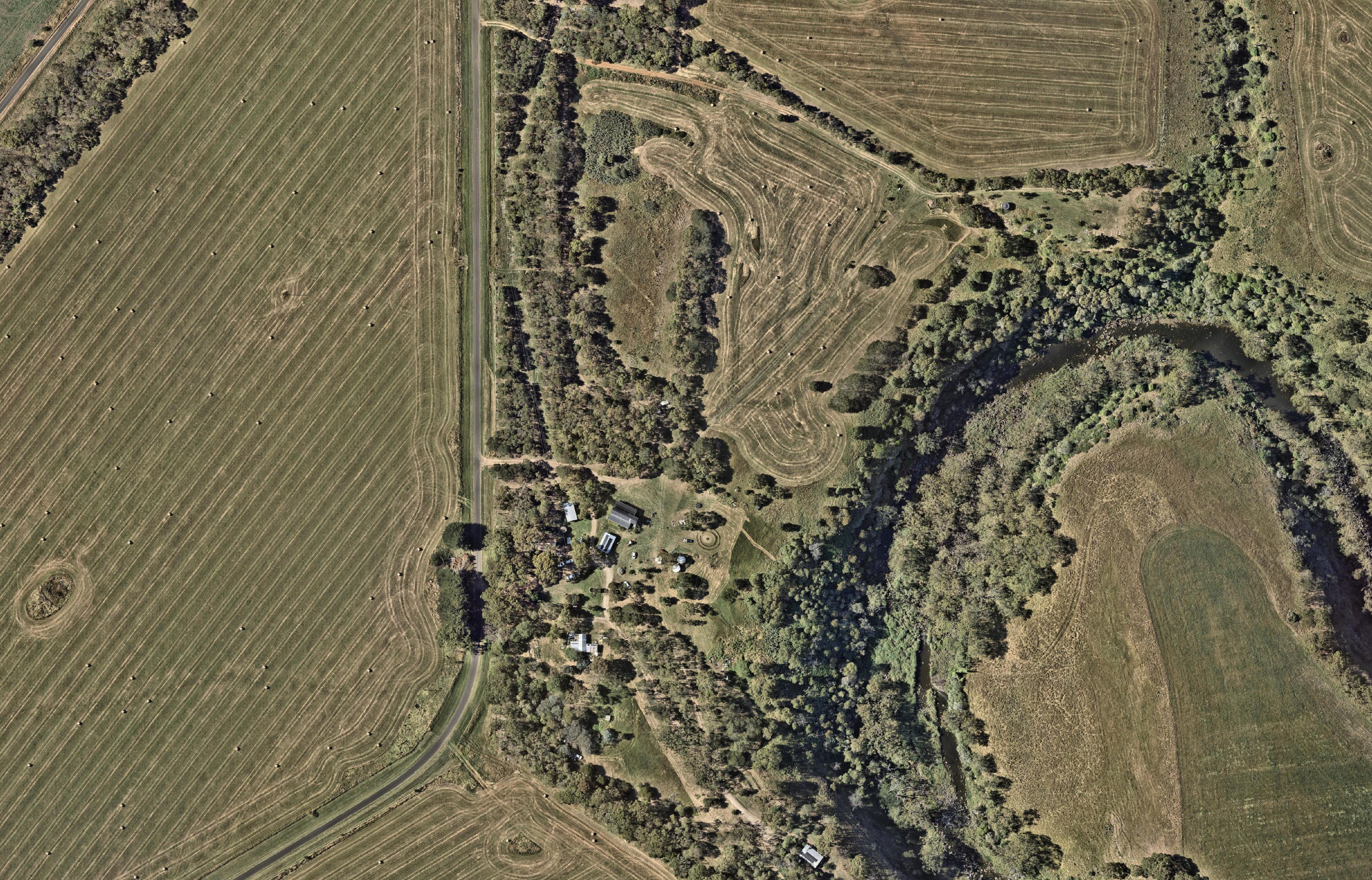
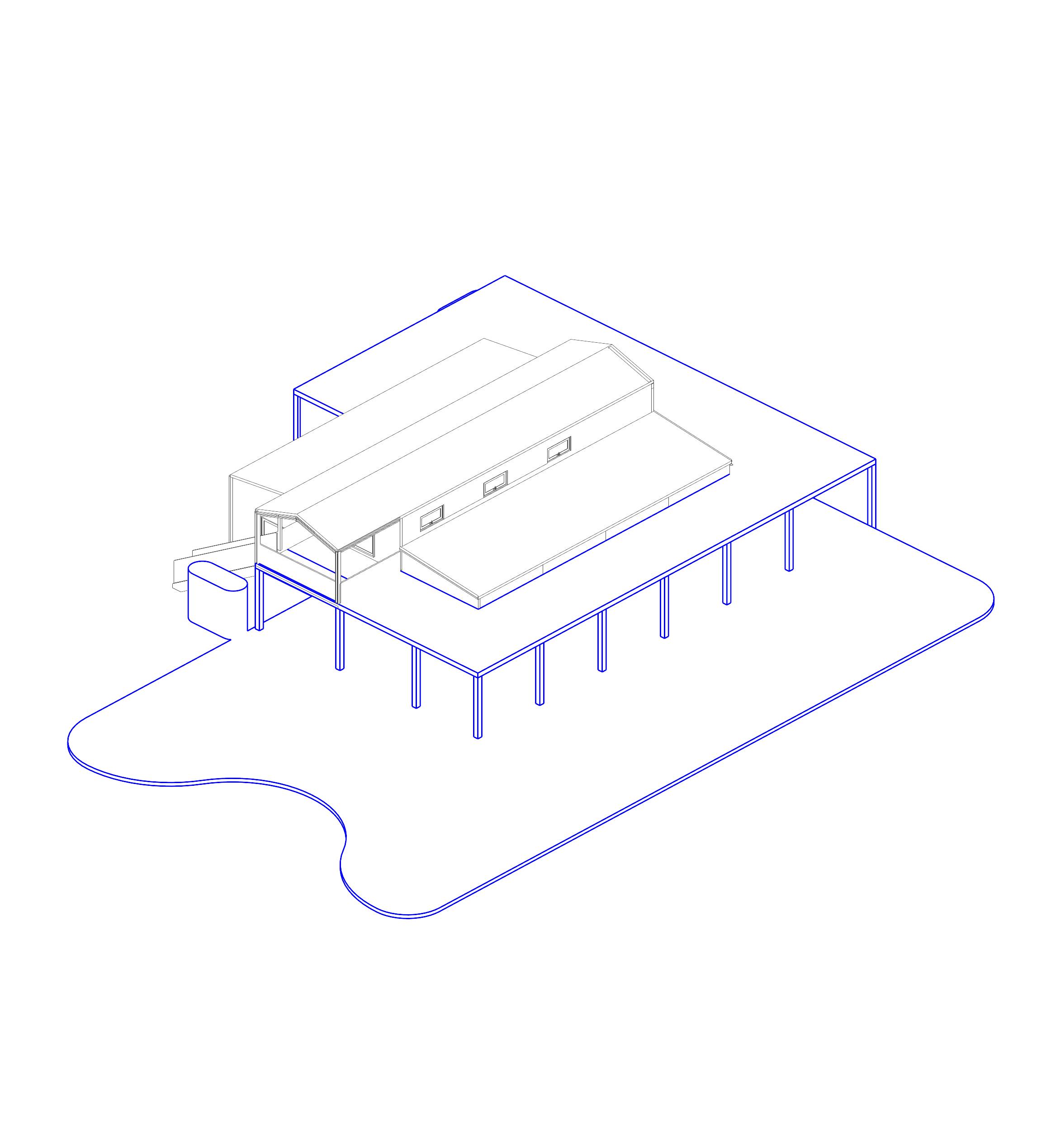
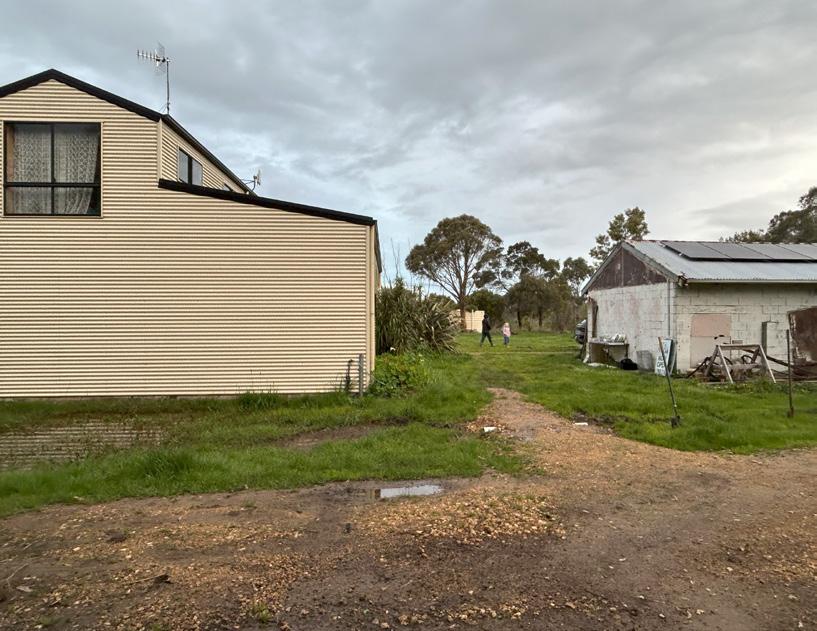
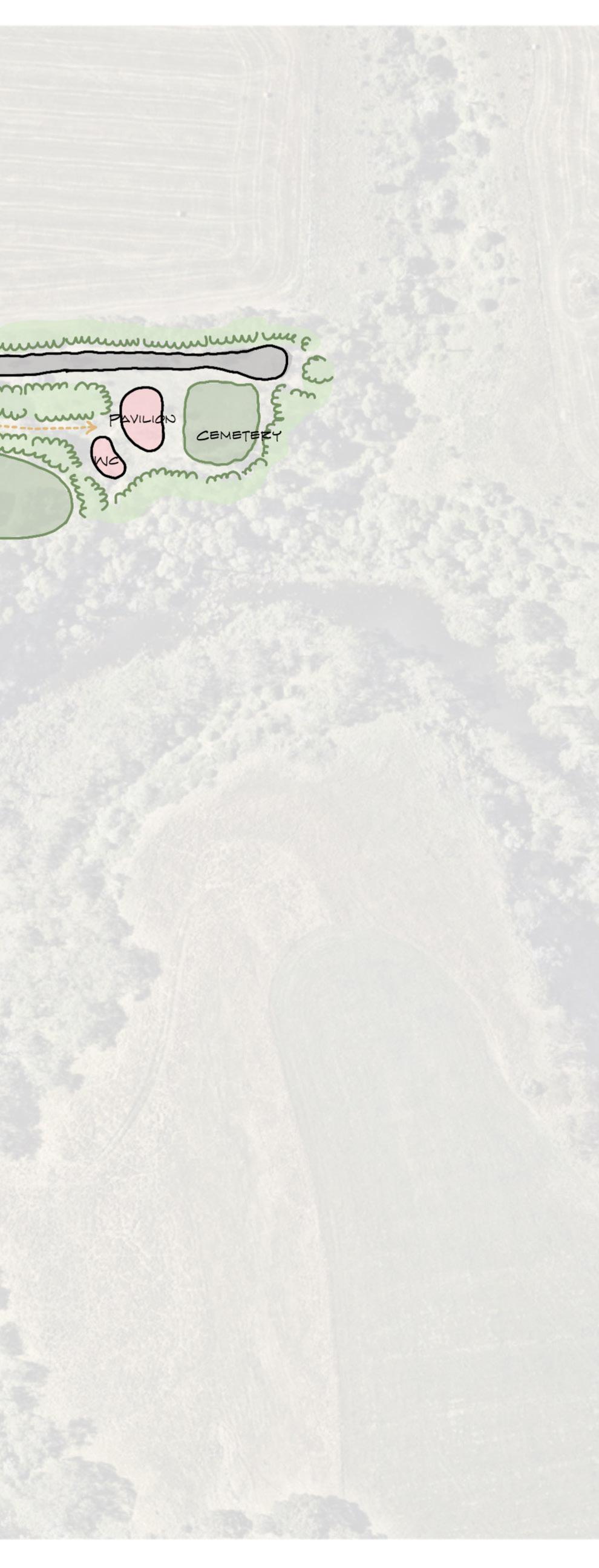
The site contains a range of structures, including buildings, sheds, caravans, water tanks, internal access roads, and a private cemetery. The primary buildings supporting the operations of the Shara Clarke Centre are illustrated below. In addition, a private residence belonging to Lupeen Clarke, daughter of Uncle Leonard Clarke, is located on the property, along with several smaller structures and disused water tanks that are not shown in the illustration.
Due to the private ownership of the land, the community does not receive government funding to support the maintenance of buildings and infrastructure. As a result, many of the existing structures are in poor condition and require repair.
In contrast, the adjoining Framlingham Aboriginal Trust land benefits from government-funded housing and infrastructure, which are maintained through ongoing support from the State Government.
All buildings and infrastructure at 180 Kirrae Avenue have been developed and maintained without government funding. Uncle Banjo’s house was constructed through donations and designed by an architect on a pro bono basis. Other structures on the site have been selffunded and built by the community over time. The exception is the house occupied by Lurpeen Clarke, Uncle Lenny’s daughter, which is a government-funded disability support residence, reflecting her needs as a person with Down syndrome.
Ongoing maintenance is carried out by Kirrae Clarke, with support from other community members. This includes individuals referred to the site through the Koori Court justice system and other visiting community members who contribute to upkeep and repair works as part of their engagement with the community.
UNCLE BANJO’S HOUSE
UNCLE BANJO’S HUT
OUTDOOR TOILET
3.2
PRIMARY BUILDINGS
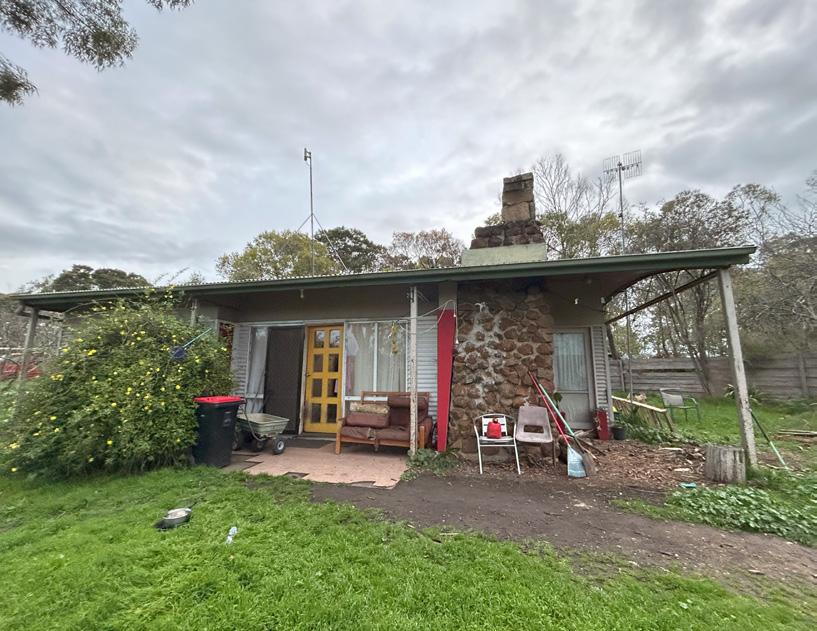
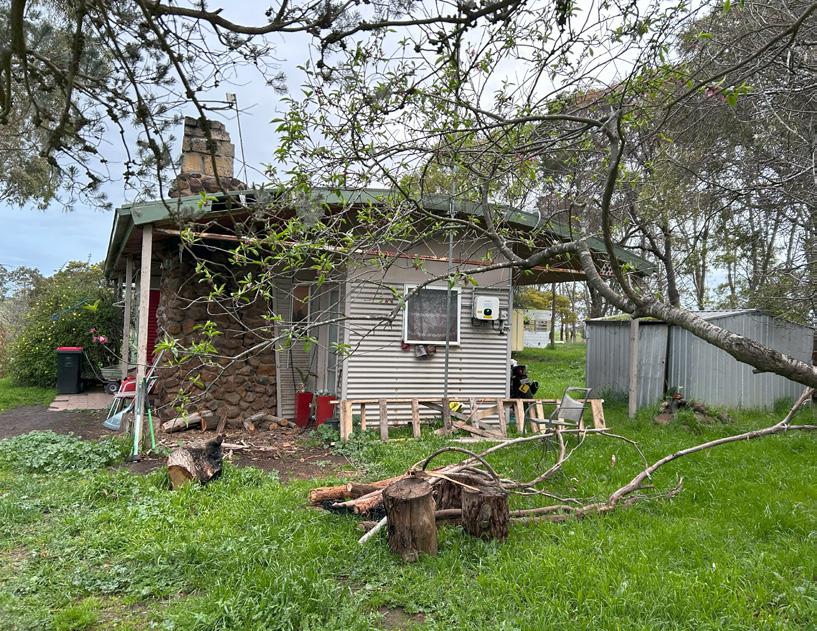
UNCLE BANJO’S HOUSE
This building is an architect-designed, brick veneer single-bedroom stone and corrugated iron dwelling comprising a living area with fireplace, a bathroom with shower, toilet, and laundry. The house is oriented to take advantage of views across the Hopkins River and towards the Banjo Clarke Aboriginal Cemetery and Memorial Gardens (discussed later).
The dwelling is currently occupied by Uncle Lenny Clarke and his son, Kirrae Clarke. A small addition was later added to accommodate a small sleeping area for a single bed, where Uncle Lenny currently sleeps.
While the house is well designed and remains a significant and functional residence, it needs urgent repair. The external stonework is showing signs of structural deterioration, with sections beginning to fail. The bathroom also requires refurbishment to meet an adequate standard of use.
With appropriate investment, the building has strong potential to be upgraded and extended. Additional bedrooms could be incorporated to better support current and future occupancy, while retaining the integrity of the original design.
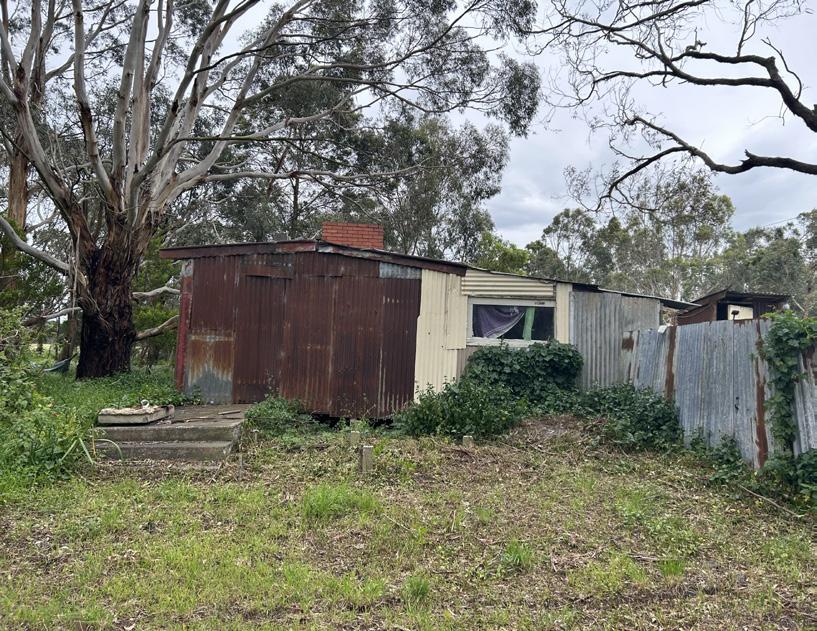
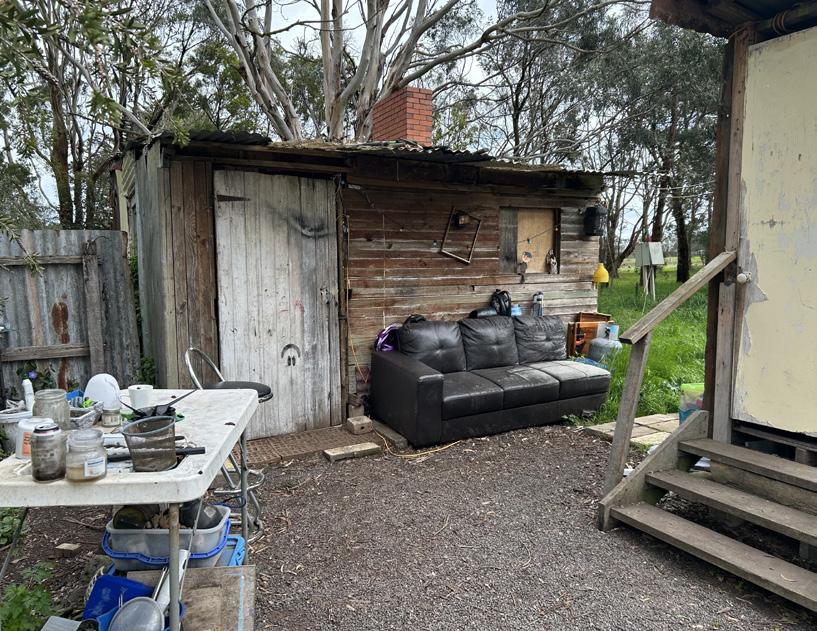
UNCLE BANJO’S HUT
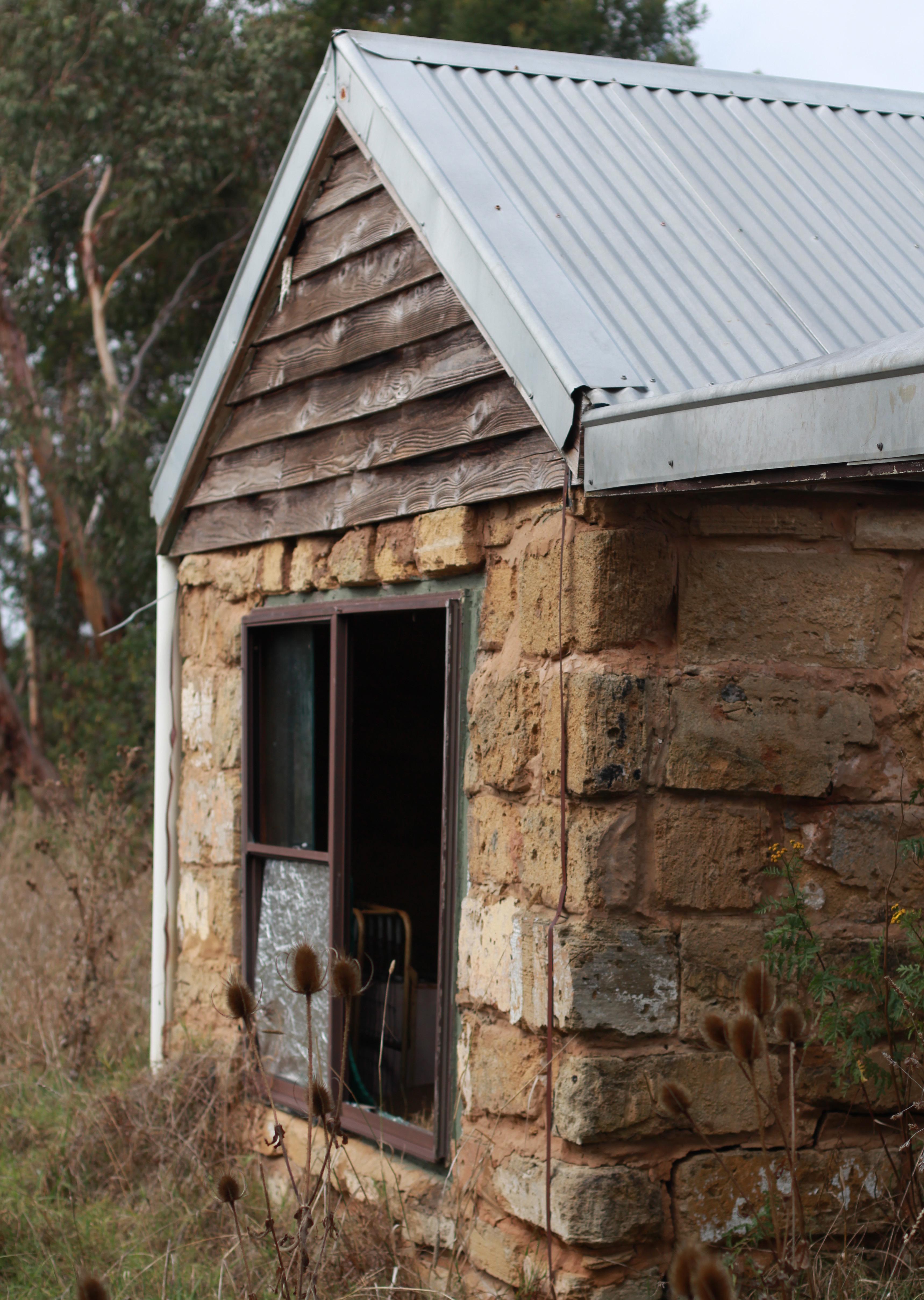
The structure is a basic building constructed with timber framing and corrugated iron cladding, with a brick chimney. Internally, it comprises a single open space and does not include essential facilities such as a toilet, kitchen, or access to running water.
The building is in poor condition and not fit for use. It is uninsulated, the windows are unglazed, and the external cladding is deteriorated and requires replacement. As a result, the structure does not provide a safe or adequate level of amenity and requires significant repair or upgrade. It is currently used to provide temporary shelter for visiting community members.
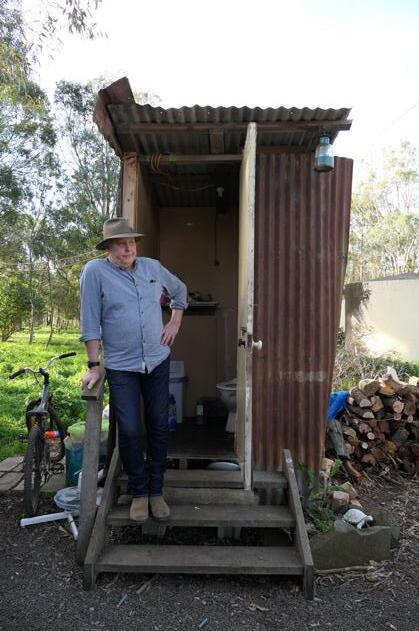
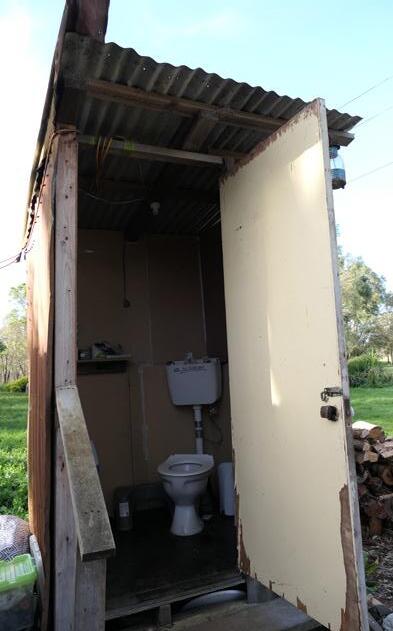
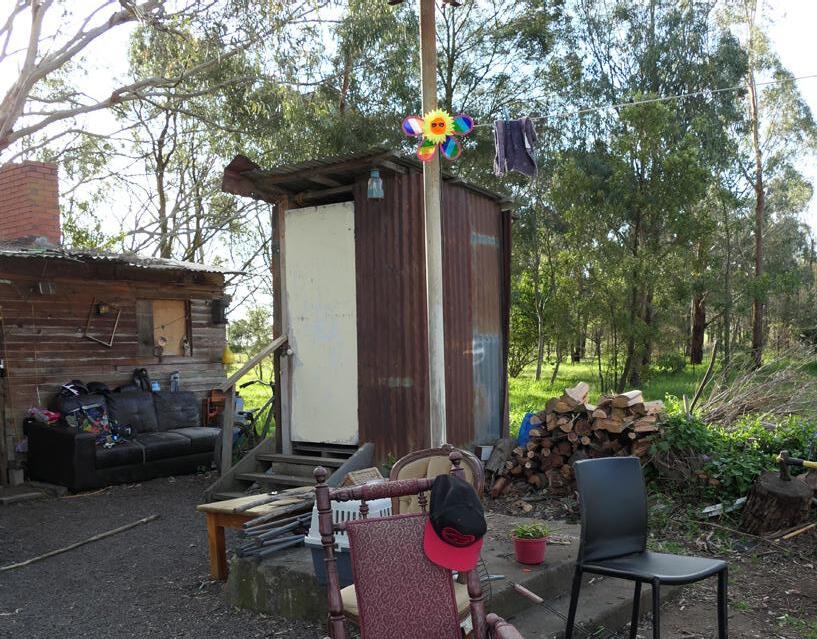
OUTDOOR TOILET
There is one outdoor toilet on the property that services the majority of buildings on site. Two additional toilets are available, one within Lurpeen Clarke’s house and another at Uncle Banjo’s house; however, access to these is limited. As a result, the outdoor toilet accommodates most visiting community members and other users of the site, placing considerable demand on a single facility. This has led to frequent blockages and ongoing maintenance issues.
The toilet is a small, standalone structure constructed with timber framing and corrugated iron cladding, with a simple skillion roof. It is accessed via a short set of timber steps. Internally, the facility is basic, with minimal fittings and no associated hand washing or running water provision.
The structure is in poor condition and does not meet an adequate standard for the level of use it supports. The building shows signs of material deterioration, including worn door surfaces, exposed and weathered elements, and general wear from heavy use. Ventilation, weather protection, and overall amenity are limited.
Given the level of demand placed on this facility, its current condition presents both functional and hygiene concerns. The provision of upgraded, reliable, and accessible amenities is required to adequately support the community and visitors to the site.
For larger community gatherings, such as funerals, the community currently self-funds the hire of portable toilets. The provision of a permanent amenities block incorporating shower facilities, a kitchen, and accessible toilets would significantly strengthen the community’s capacity to deliver and sustain its existing support services.
THE COMMUNITY CENTRE
THE COMMUNITY CENTRE
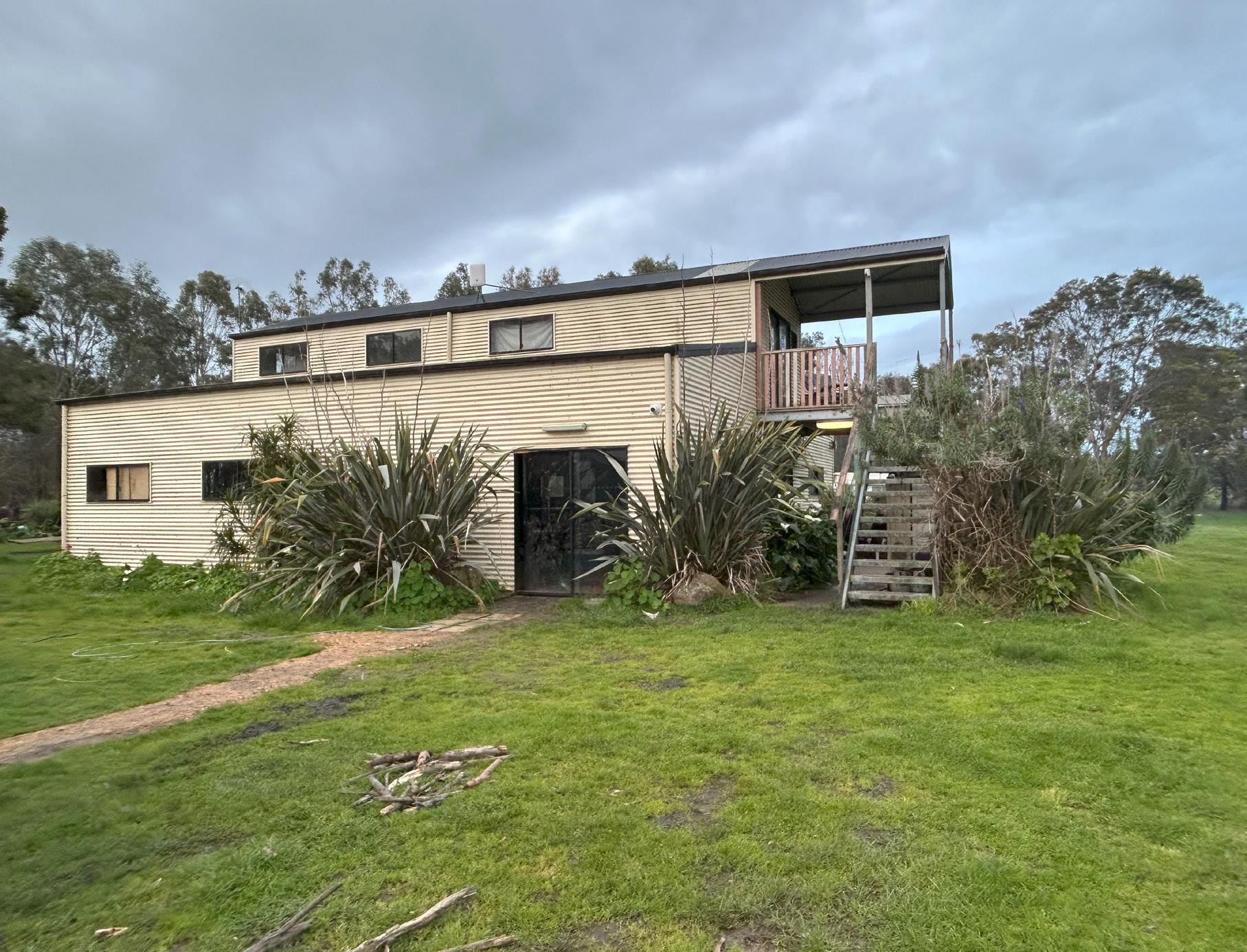
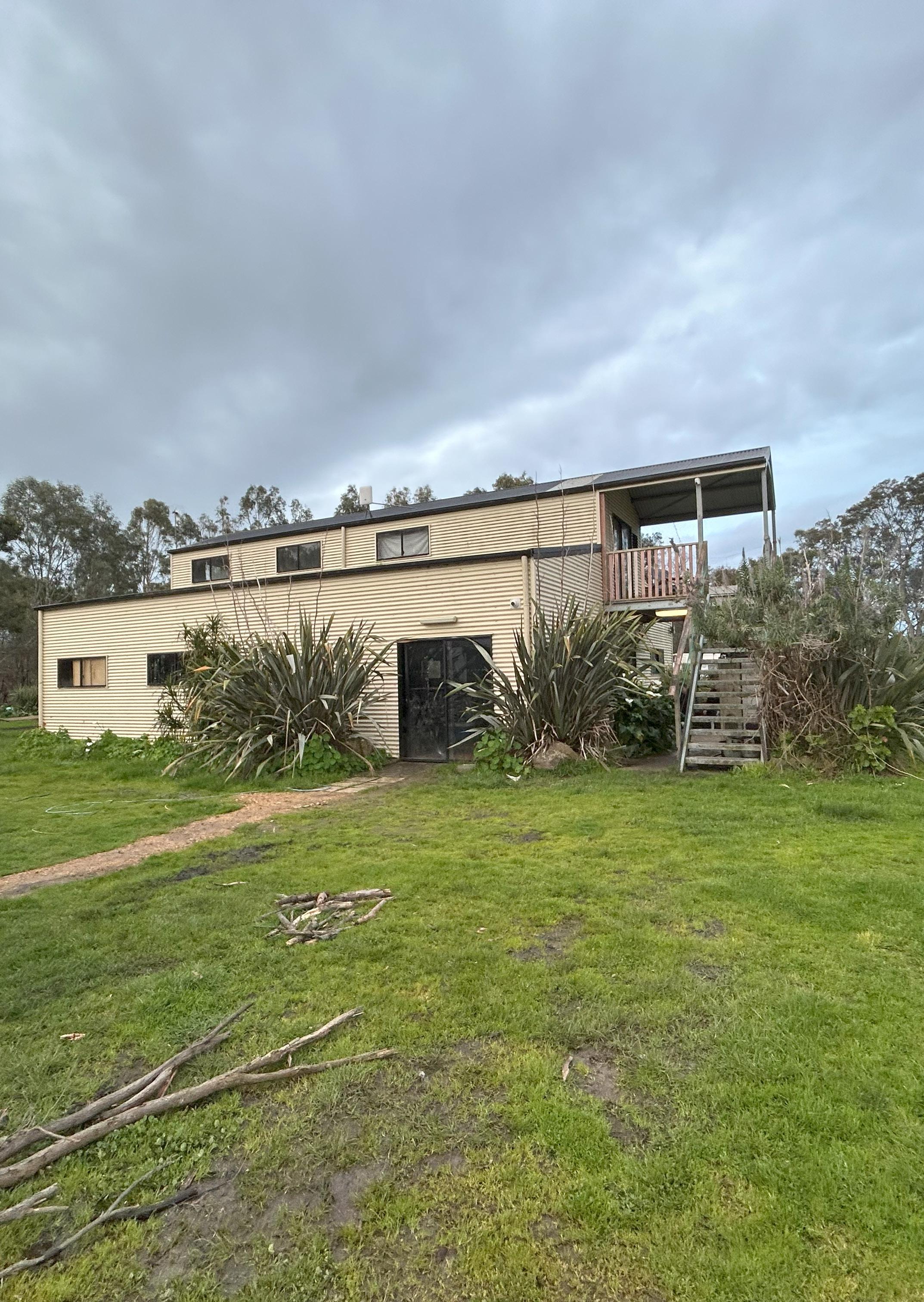
This building is a large, two-storey structure of approximately 150 m², constructed with corrugated metal cladding. The building was self-funded by the community; however, construction was not completed to an acceptable standard, and the contractor did not fulfil all obligations. As a result, the building remains unfinished.
Internally, the walls are unlined and uninsulated, limiting both thermal performance and overall amenity. Several windows are broken or damaged, reducing weatherproofing and security.
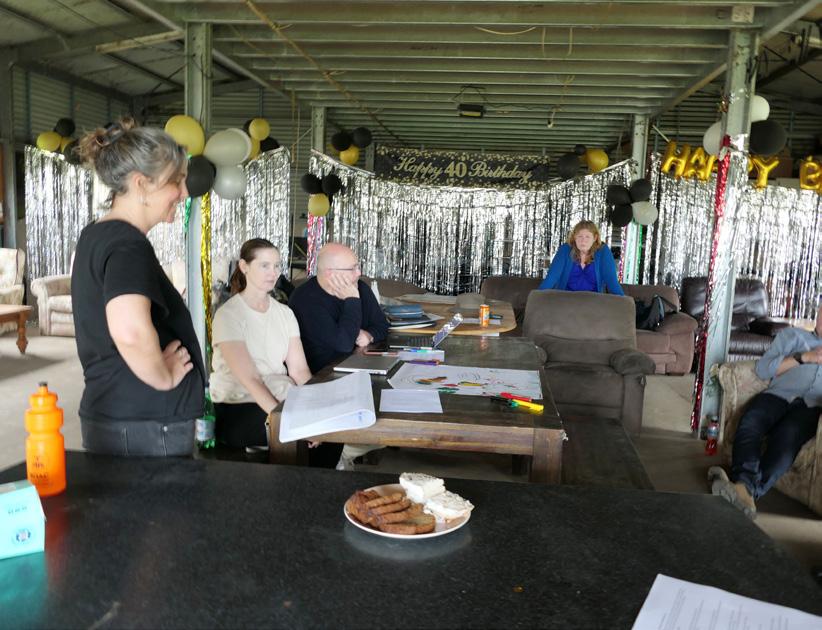
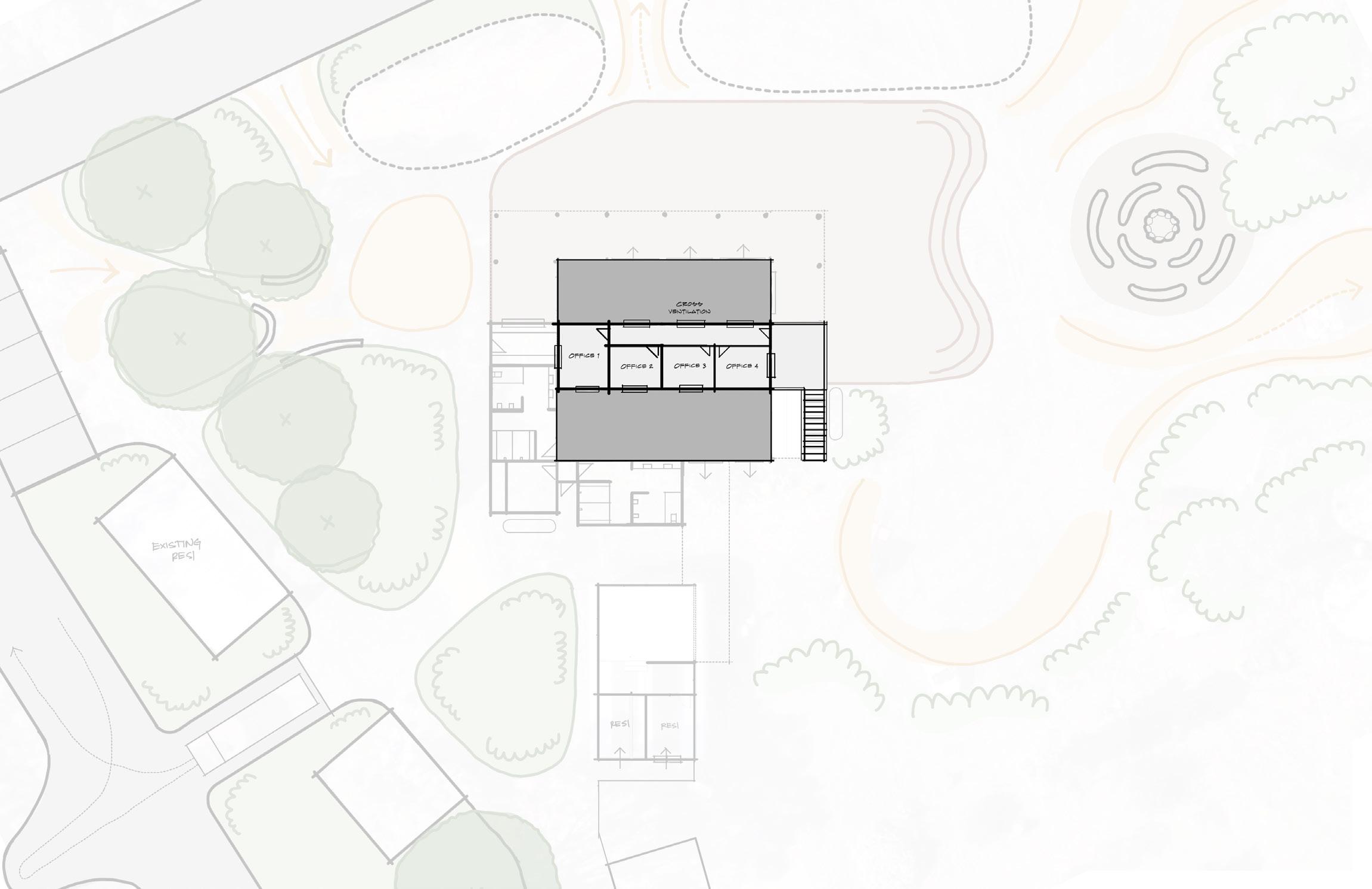
The ground level comprises a large open space used for community gatherings and activities, as well as providing temporary shelter for visiting community members. The upper level contains three rooms, which are also used for temporary accommodation. There is no acoustic or thermal separation between levels, which limits comfort and functionality for concurrent use.
Access to the upper level is via an external staircase, which is in poor condition. The stair does not meet current safety standards, with missing balustrades and inadequate guarding, presenting a safety risk to users.
Overall, the building provides an important and well-used space for community activities and temporary accommodation; however, its incomplete construction and current condition present clear safety, compliance, and amenity concerns. The lack of insulation, damaged windows, and non-compliant access create risks for users and limit the building’s effective use throughout the year. Capital works are required to complete, upgrade, and bring the building into line with minimum building and safety standards, ensuring it can safely and reliably support the needs of the community.
THE CEMETERY AND MEMORIAL GARDENS
BANJO CLARKE ABORIGINAL CEMETERY AND MEMORIAL GARDENS
The property includes its own cultural cemetery known as the Banjo Clarke Aboriginal Cemetery and Memorial Gardens that is accessed via a private internal road leading from Kirrae Avenue.
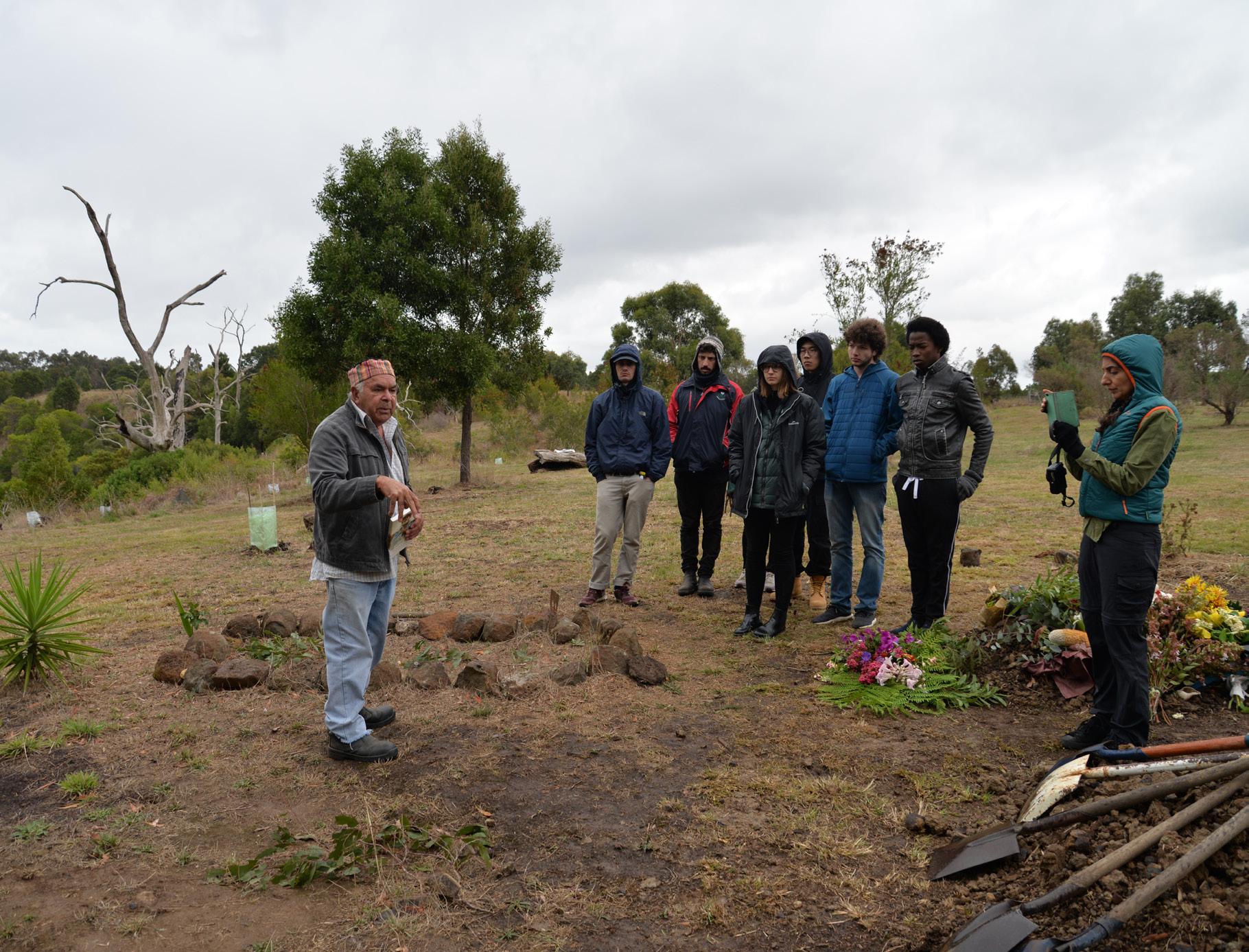
The cemetery and memorial gardens exist as an important cultural and spiritual place within the property for the broader Kirrae Whurrong and Gunditjmara communities. It is the place where Uncle Lenny welcomes visitors, sharing the stories, resilience, and lived hardships of his people, and ensuring these histories are remembered and understood.
Aboriginal burial and mourning practices have existed for thousands of years and vary across regions and Nations. Prior to European influence, these practices included cremation, ceremonial preparation of the deceased, and placement of remains in culturally significant locations. A strong and enduring belief remains within our community that people should be laid to rest on their Country, in places of ancestral and spiritual connection.
The area surrounding the Hopkins River and the Framlingham Forest has long been used for traditional funeral rituals and ceremonies. An earlier burial site near the Hopkins River at Purnim was ultimately considered unsuitable due to spiritual beliefs held by the community. Following a single infant burial at that location, an alternative site was selected further along the river brow, near the Framlingham Forest. This area has deep cultural significance and is where the Banjo Clarke Aboriginal Cemetery and Memorial Gardens is now adjacent to.
The Banjo Clarke Aboriginal Cemetery and Memorial Gardens began with the burial of the late Uncle Banjo Clarke in 2000 who had requested not to be buried on the adjacent registered Framlingham cemetery as he wanted his remains to remain on his homeland.
A funeral was held on site with a marquee set up. Given his international reputation, around 6000 people and Uncle Banjo’s death was reported in the London Times, New York Times.
The cemetery currently contains 15 burials and memorial sites along with further animal burials including Uncle Banjo’s horse.
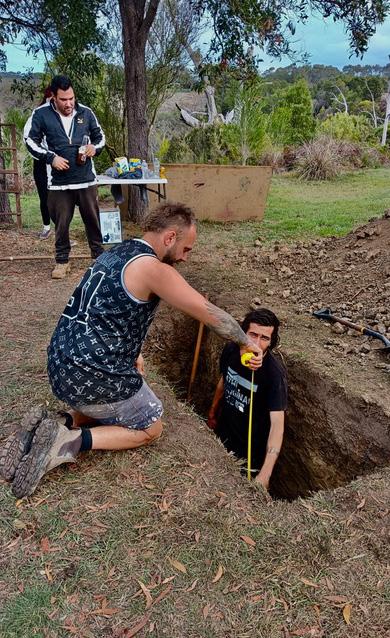
Preparing the graves has become an important cultural activity for Kirrae Whurrong men who spend up to several weeks hand digging the graves overseen by Kirrae Clarke. This is not an easy task given the volcanic rock the men need to dig through. Funerals are often held on site.
The cemetery is often visited by community members along with visitors from universities and other organisations. Uncle Leonard Clarke uses the grounds to explain to people about the injustices faced by his community and broader First Peoples communities from around the country.
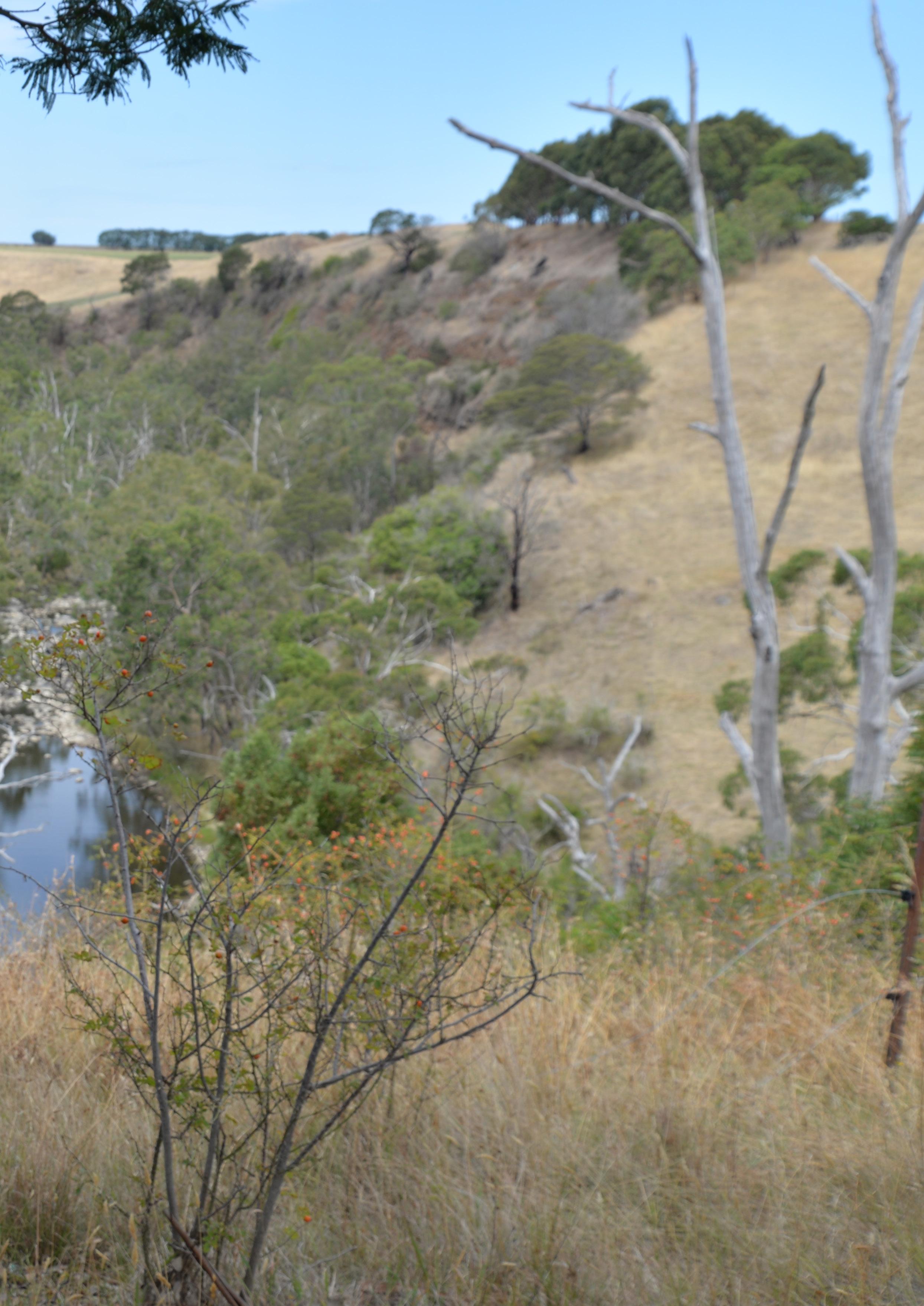
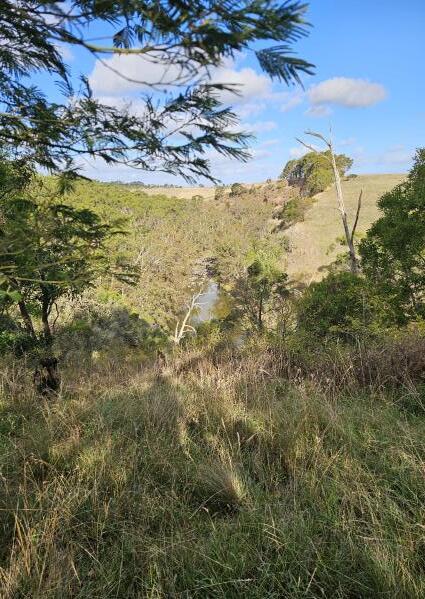
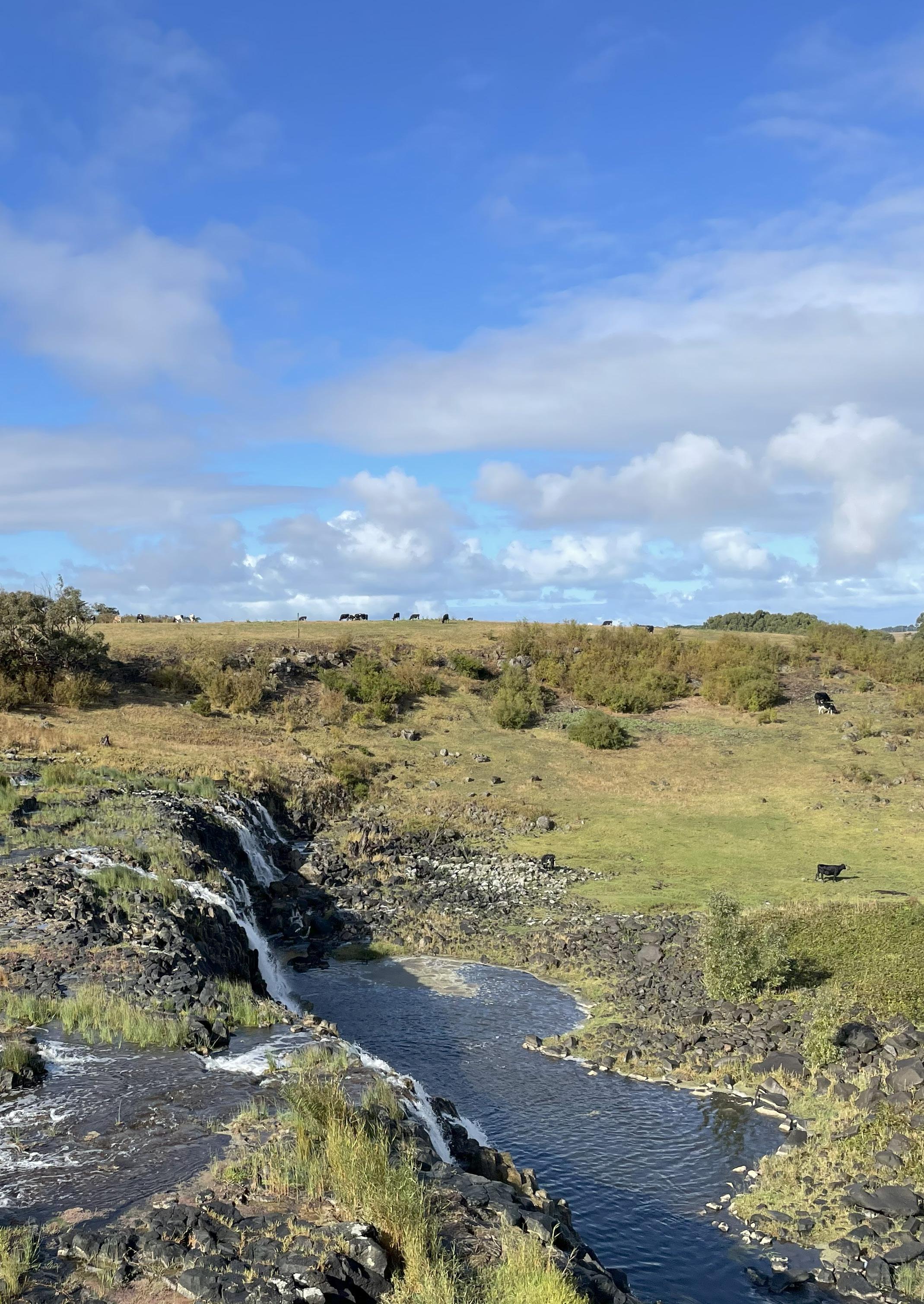
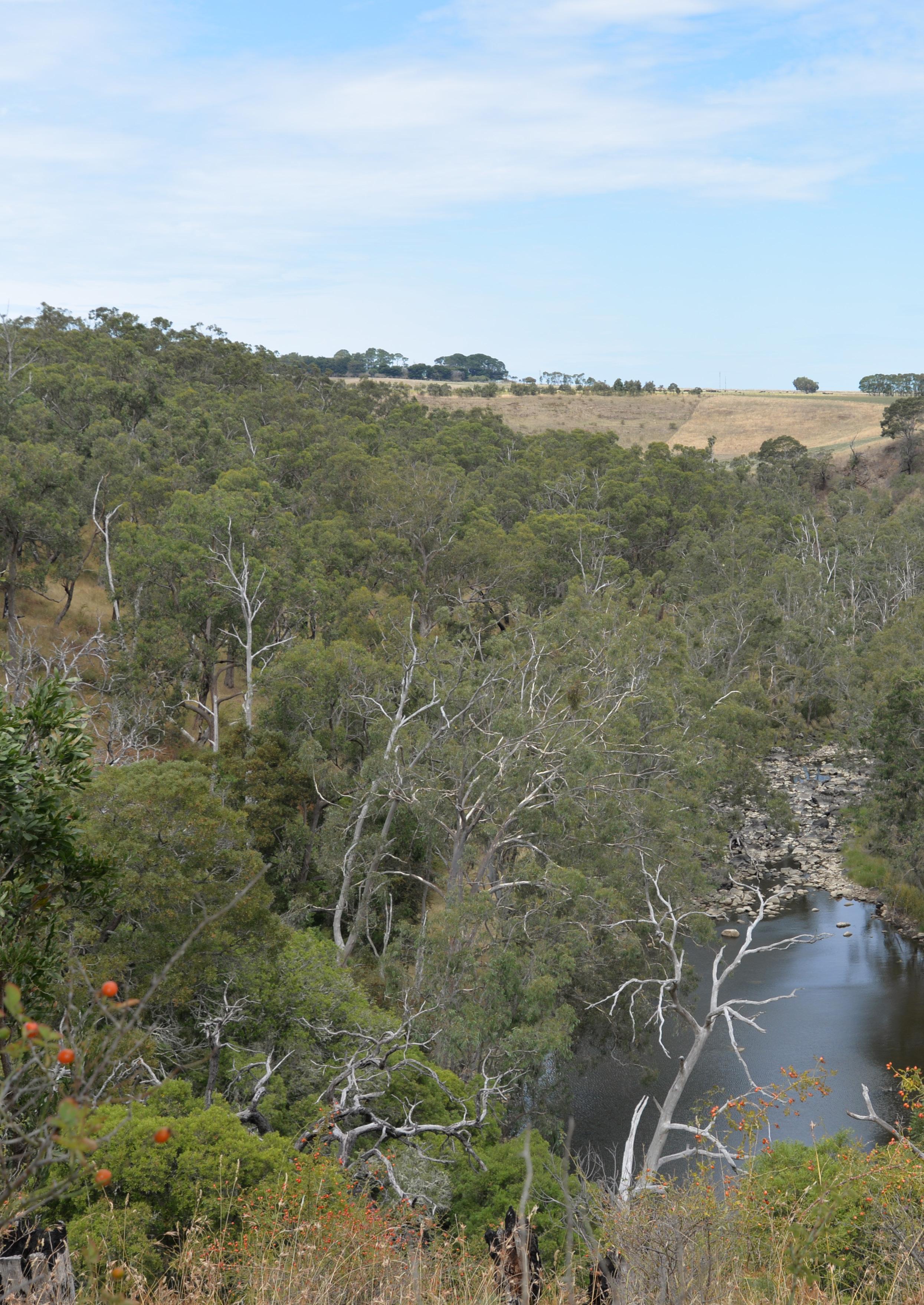
The Hopkins River, Framligham
3.3 WATER INFRASTRUCTURE OVERVIEW
Bradley Clingin from Wannon Water assisted with the following report about the water infrastructure on site:
The property is serviced by water and wastewater infrastructure that has been progressively upgraded in recent years.
The water supply system includes a series of rainwater tanks across the site. Upgrades undertaken in 2021–2022 included installation of a new potable water distribution line and five new meters at the property boundary. Existing rainwater tank connections were modified to protect Wannon Water supply quality and prevent back-flow. The use of on-site rainwater storage was also encouraged to reduce reliance on potable water and lower operating costs.
As part of these works, the water main was extended along Kirrae Avenue to service the Banjo Clarke Memorial Park. This included installation of an automatic flushing unit and an additional meter to monitor water used during flushing operations. A separate supply line was also extended to the Memorial Park to support activities and maintenance at that location.
More recently, attention has turned to wastewater servicing across the broader Framlingham area. Following an options assessment with the local community, individual on-site wastewater management systems were selected and have since been installed for properties within Framlingham. This project required the decommissioning of the former centralised lagoon disposal system and the disconnection of properties previously linked to that network.
As a result of these changes, the subject property now requires an independent wastewater solution. Providing a dedicated on-site wastewater management system is considered the most efficient and practical means of separating the property from the former shared infrastructure.
Current investigations are assessing the capacity requirements for a new system capable of servicing existing buildings, including Lurpeen Clarke’s house, Uncle Banjo’s house, the one-bedroom cottage, and the community hall, while also allowing for future housing and service upgrades. A properly sized system will help avoid further disruption and support the longterm needs of the community.
The operations of the Shara Clarke Centre will greatly improve once these upgrades have been completed. A completion date for these works has not yet been established.
4. NEXT STEPS
4.1 INFRASTRUCTURE UPGRADES
Urgent infrastructure improvements and repairs are needed at Framlingham to enable Uncle Lenny and his family to continue to provide the care and connection to the people who come knocking on their doors. It is of critical importance that these repairs and improvements are made to ensure a safe living environment for Uncle Lenny and his family, as well as those who they are supporting.
There is also continuing uncertainty about the property’s land title. Recent attempts to apply for Commonwealth and State Government funding to support infrastructure improvements, have been denied due to uncertainty about the ownership of the land and their security of tenure. It is essential that Uncle Lenny can provide the legal documents to support his title to the land, following which, funding can be sought to carry out the urgent infrastructure requirements.
LAND OPERATIONS NEXT STEPS:
As advised by Consumer Affairs, the following steps needs to be actioned to establish a formal relationship between Kikkabush and the Shara Clarke Centre.
STEP 1.
Uncle Lenny to request the register of members of Kikkabush (KAPAA) and a copy of rules from Aunty Patricia (current Kikkabush Secretary). Assuming that Uncle Lenny is a current member, he is entitled to this information.
STEP 2. Kikkabush hold an AGM.
STEP 3. Kikkabush elect a new association secretary - Uncle Lenny.
STEP 4.
Report new association secretary (Uncle Lenny) and Kikkabush annual report by December 2026.
INFRASTRUCTURE NEXT STEPS:
The following pages outline the required infrastructure that includes:
STAGE 1: Community Centre Upgrade
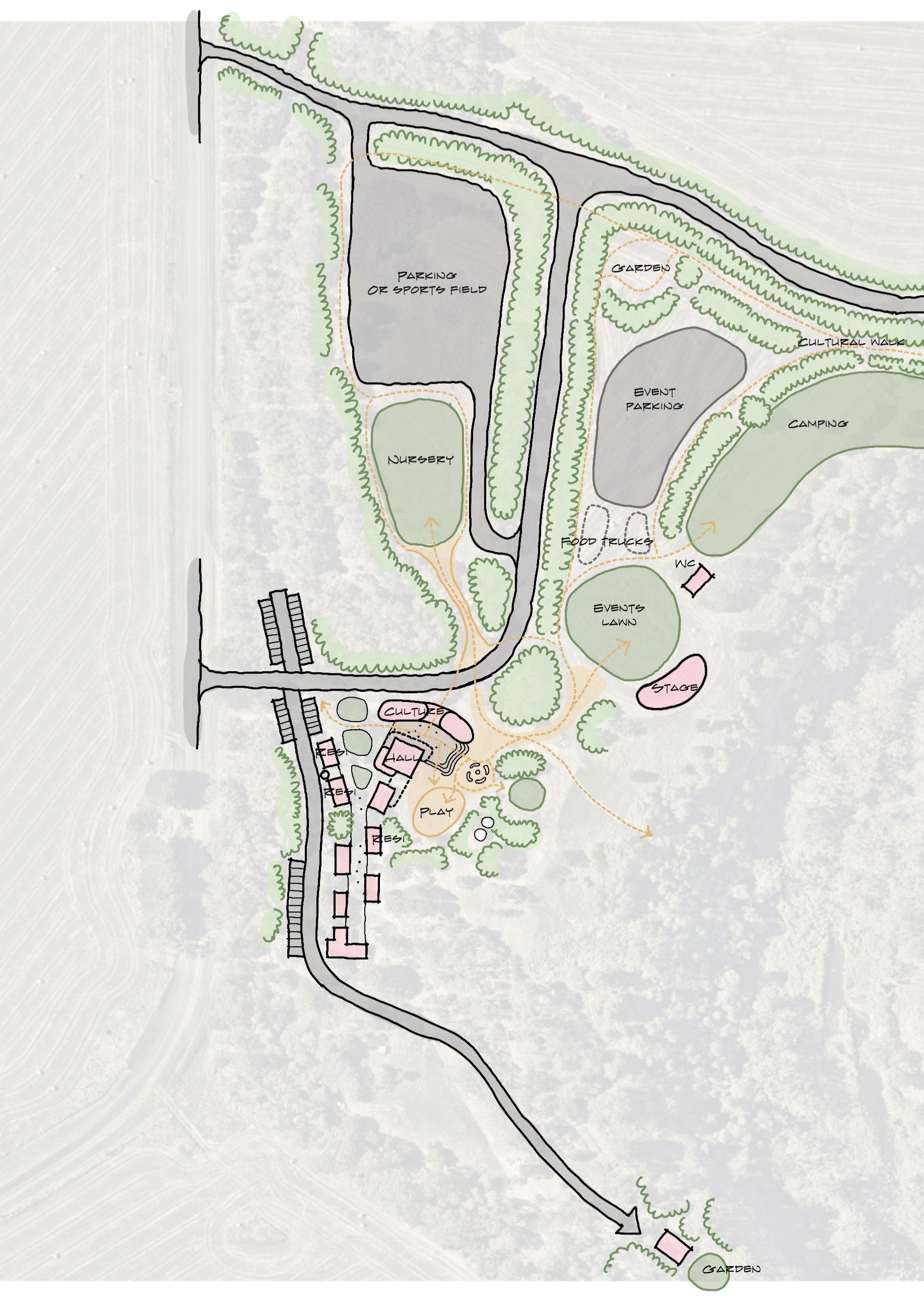
Stage 2: Healing Garden and Nursery
Stage 3: Landscape Development
5. PROPOSED INFRASTRUCTURE WORKS
5.1
PROPOSED WORKS
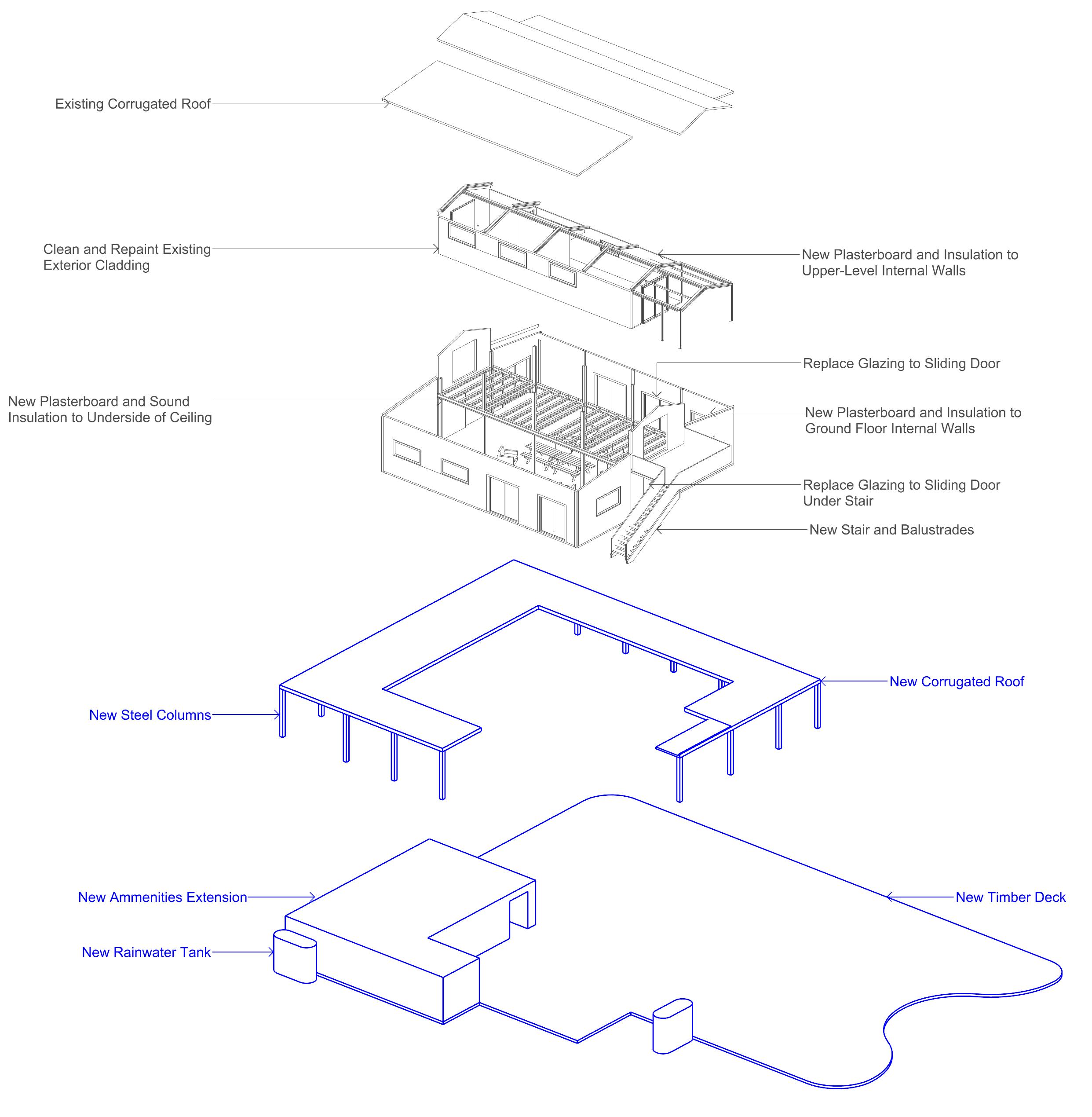
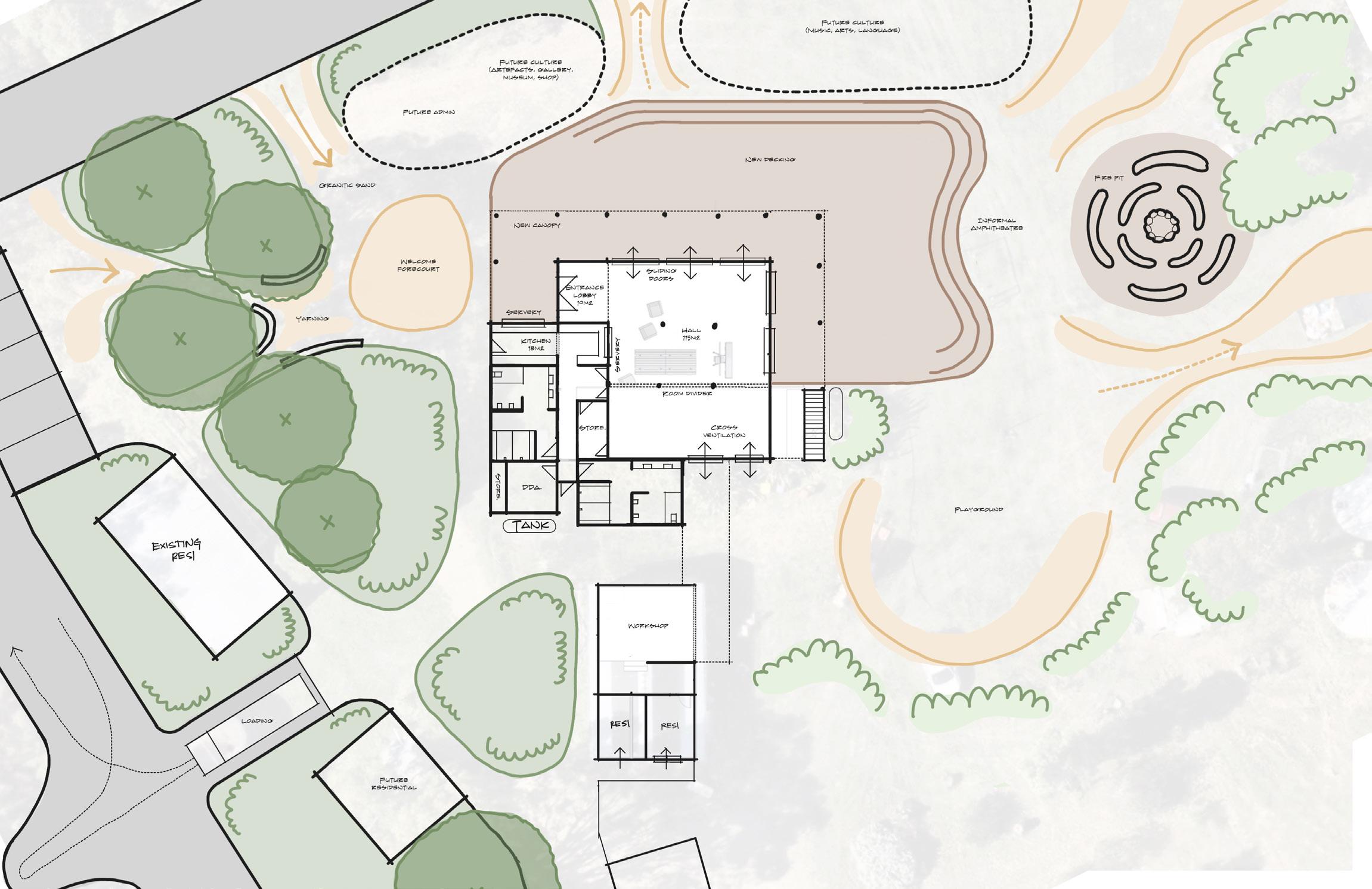
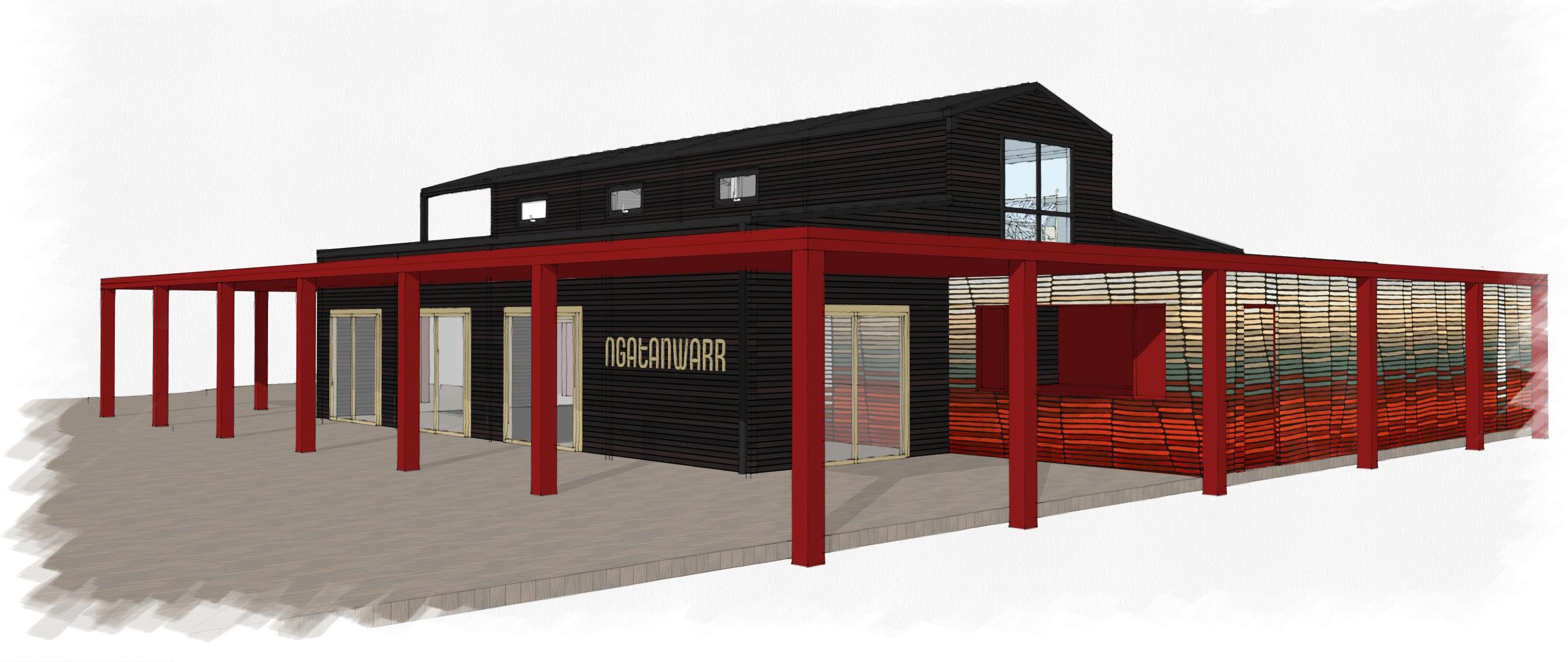
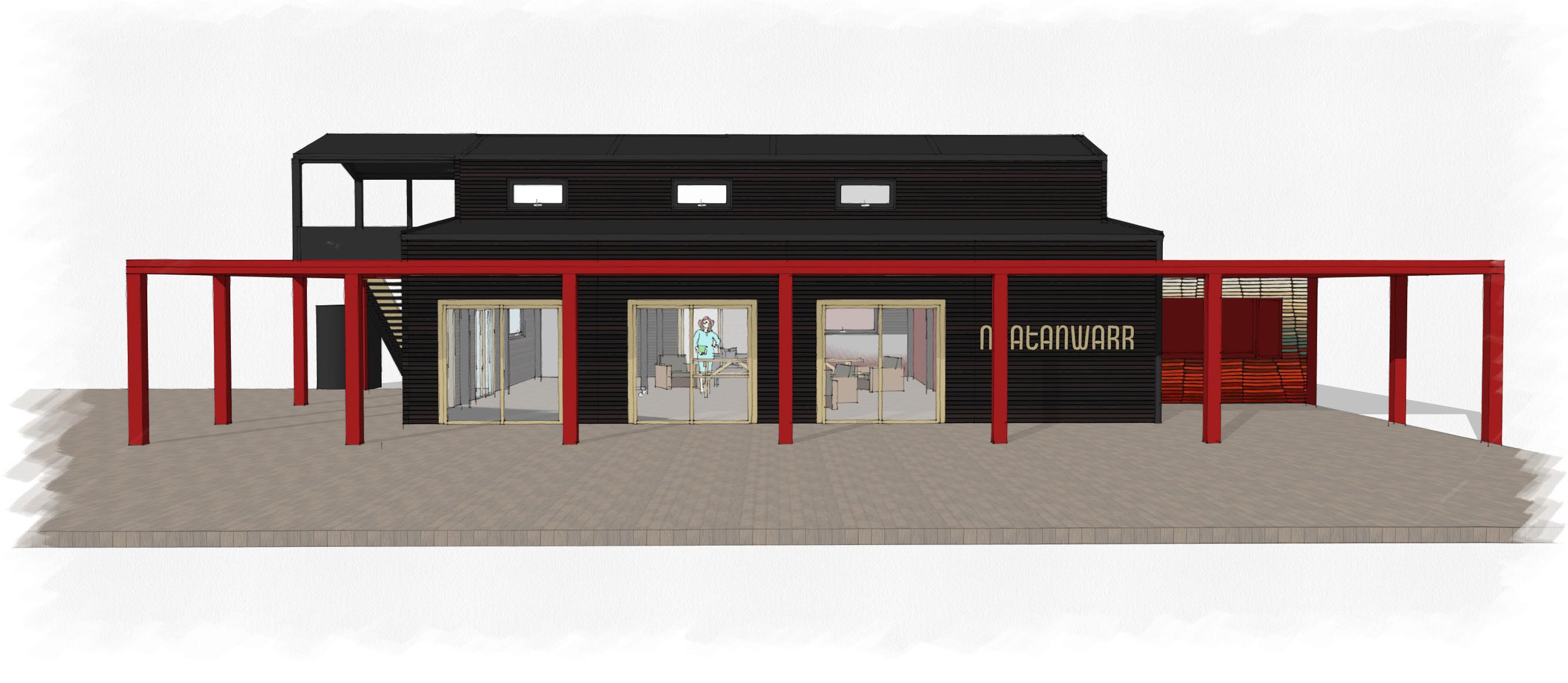
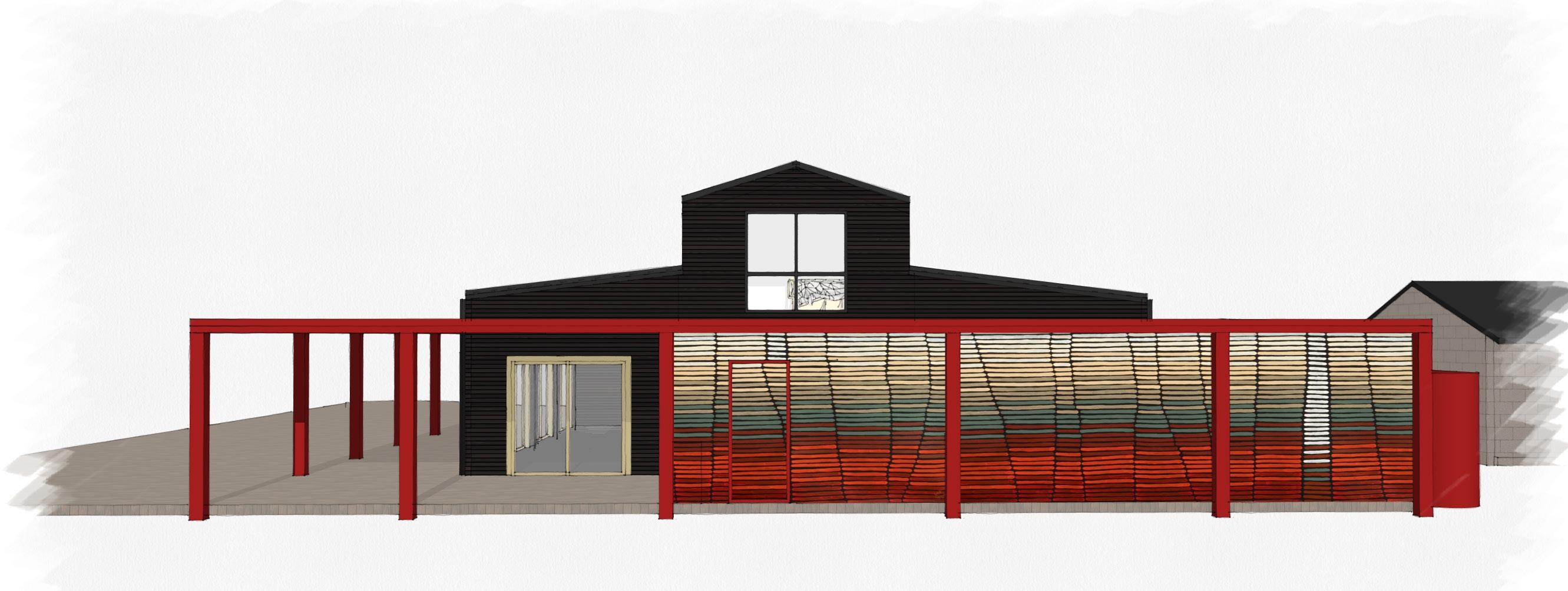
The Yulendj Weelam Lab in collaboration with Uncle Leonard Clarke and architects at Clarke Hopkins Clarke have identified the need to refurbish the existing community centre, providing an amenities extension that improves the functionality and hospitality of the space. The works to the existing shed includes repair of the external staircase, cladding, windows, and internal upgrades to walls. The potential building works are to include the following; amenities including toilets and showers, domestic kitchen to cater for large community events, decking to exterior, and investigating an option to provide a roof structure connecting to an adjacent building.
Project Objectives:
• The upgrades will provide a new life to the community centre, providing durable and functional upgrades that improve the quality of the existing building.
• The upgrades will provide thermal and acoustic comfort, making it a welcoming community events space.
• The extension will utilise durable and functional joinery and finishes to ensure the community spaces are properly serviced.
Existing Shed Demolition:
• Demolish external 1000mm steel and timber stair to upper level.
• Remove plasterboard to upper-level walls.
• Demolish existing balustrade to upper level.
• Remove carpet to upper level, approx. 51.2m².
• Remove existing external lights.
Proposed Works to Existing Community Centre:
• Clean and repaint exterior cladding.
• Replace glazing to sliding doors to north and west of existing building.
• Install new 1000mm steel stair and balustrade to exterior.
• Provide sound insulation and plasterboard to underside of ground floor ceiling throughout. Approx. 51.2m².
• Install new carpet to upper-level rooms/ offices. Approx. 51.2m².
• Provide new plasterboard and insulation to ground floor and upperlevel rooms/offices walls and ceiling.
• Seal any gaps between new plasterboard and existing windows.
• Provide power and data connections to upper-level rooms/offices.
• Install GPOs and comms points to ground floor and upper levels.
• Install new electrical services to both levels.
• Install new cable trays to manage existing exposed wiring.
• Provide new external lights to existing building.
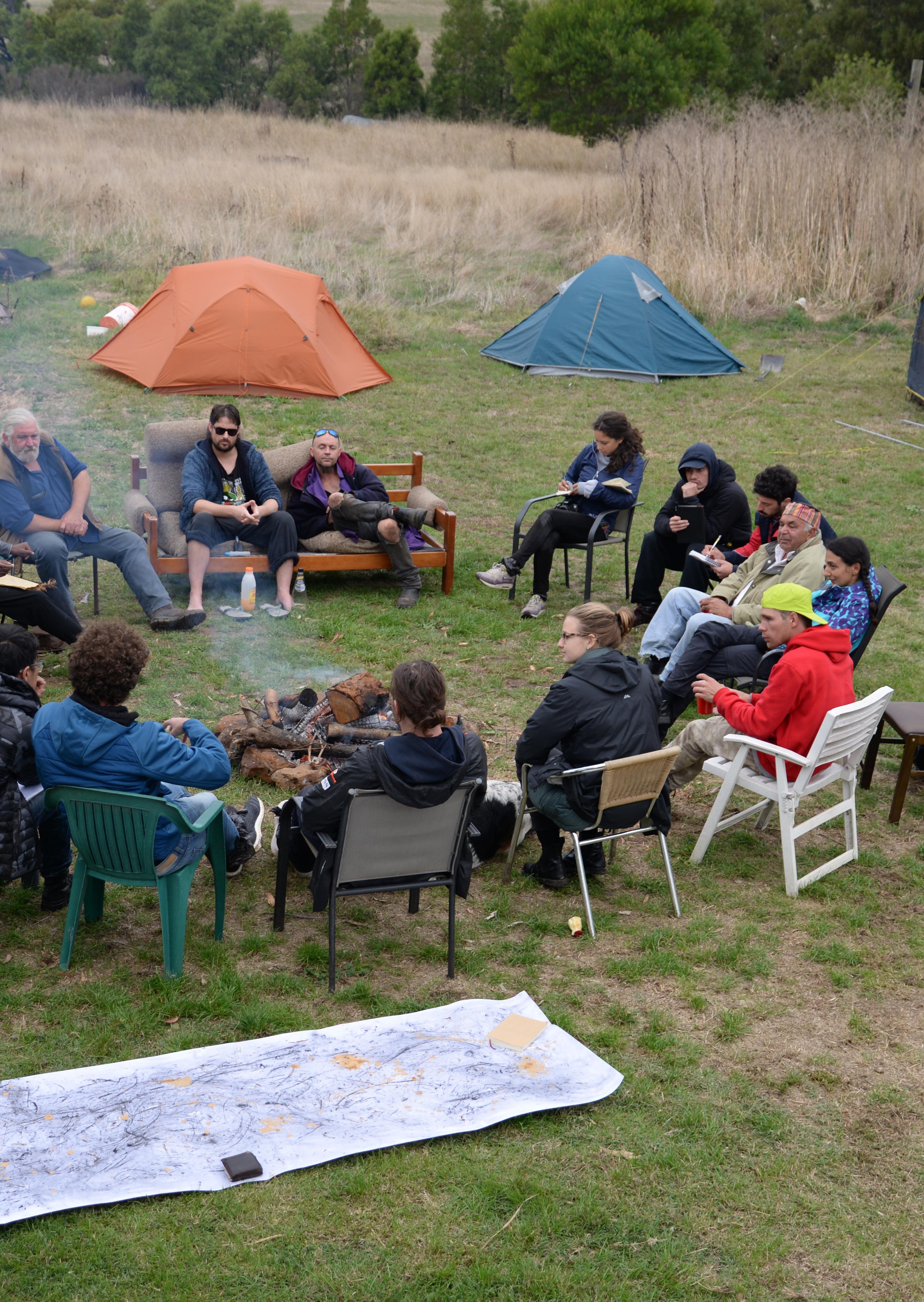
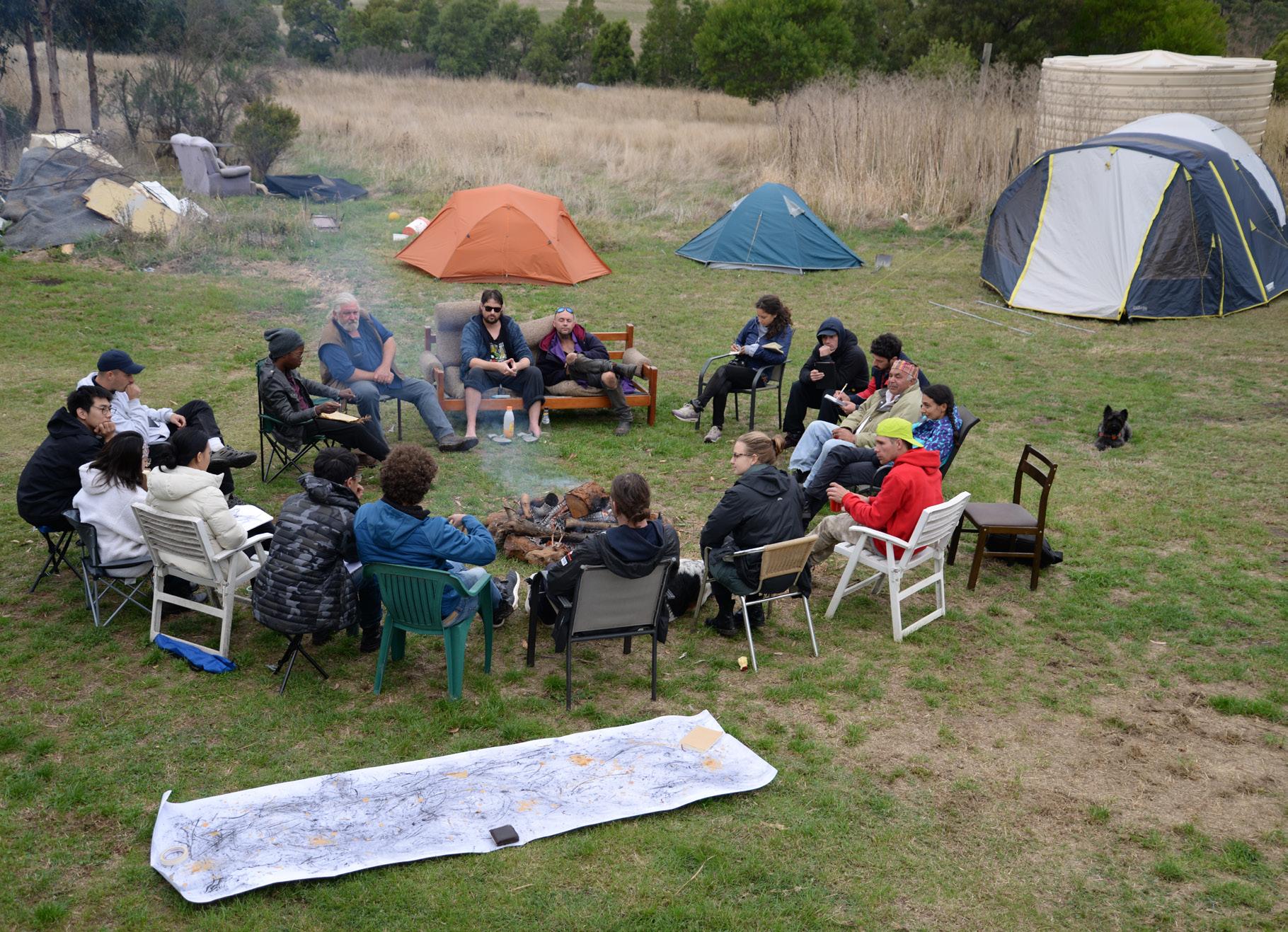
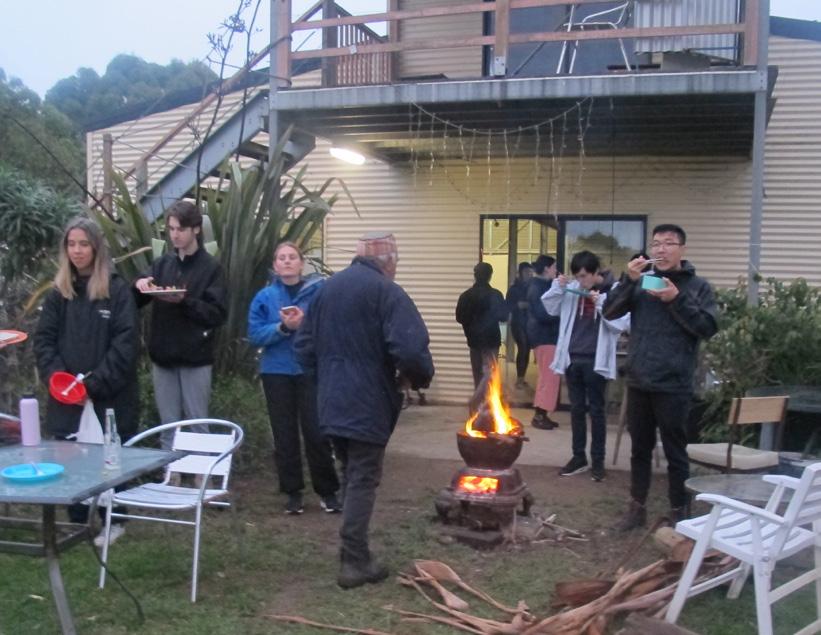
Over the years, the community centre has hosted many members of community, multiple studios of RMIT Architecture students, researchers, guests, and more.
Proposed Works to New Amenities Extension:
• Provide corrugated iron cladding to new amenities extension.
• Install timber decking, steel columns, and corrugated roof to new amenities extension.
• Provide external lights to new covered deck.
• Install steel framed plasterboard partition walls to ground floor for connection to new amenities extension.
• Install new tiled flooring across kitchen and bathrooms.
• Provide new hydraulic and plumbing services for sinks, showers, and new kitchen. Connect to existing septic system.
• Provide electrical and mechanical services to new bathrooms, kitchen, and storage.
• Provide sanitary fixtures to new bathrooms and showers.
• Provide waterproofing to new bathrooms and showers.
• Install GPOs and comms points to new amenities extension.
• Provide power and data to new kitchen.
• Install new rainwater tank and connect to existing septic system.
• Install new signage.
STAGE 2
HEALING GARDEN & NURSERY
STAGE 1
COMMUNITY CENTRE UPGRADE
STAGE 3
LANDSCAPING 5.2
PROJECT STAGING
STAGE 1 Community Centre Upgrade
STAGE 2 Healing Garden and Nursery
STAGE 3
Landscaping
Proposed Community Centre Upgrades, Ground Floor
Proposed Community Centre Upgrades, First Floor
Proposed Community Centre Upgrades, New Canopy and Deck
Proposed Community Centre Upgrades, New Canopy and Deck
Placeholder
illustrate the potential.
artwork to
Matang (Ochre) by Kurun Warun.
For generations, the Clarke family has provided leadership, cultural education and practical support to Aboriginal people and communities. Today, that legacy continues through the work of Uncle Lenny and his family, who have created a place of healing, learning, belonging and hope.
Despite the growing demand for its services, the Centre continues to operate with limited facilities and no dedicated amenities infrastructure capable of supporting the scale of activities already occurring on site.
The family currently lives in a state of poverty while providing ongoing support for the extended community with just one outdoor toilet to serve a fluctuating number of people.
Therefore, the report’s intention is to provide critical insight into the nature of Uncle Lenny’s work at the Shara Clarke Centre. Particularly, in hopes of attracting funding that can help kickstart the infrastructure necessary to continue providing these essential services to the community and beyond.
Currently the team is seeking philanthropic investment in the construction of a permanent amenities block that will serve as the foundational infrastructure for the Centre’s next phase of growth.
Providing an amenities block will be a stepping stone to a much grander vision of creating a community-run asset, one that can support the expansion of early intervention and cultural education programs, specifically targeting Aboriginal youth at risk of entering the justice system.