SMARTLIVING
ONE-ON-ONE WITH DAVID JONES: MEET THE CLEAN ENERGY INNOVATOR USING AI TO FUEL EQUITY, SUSTAINABILITY, AND A SMARTER PLANET
HEALTHTECH FOR GEN Z: HOW WELLNESS APPS, AI, AND NEXT-GEN WEARABLES HELP DIGITAL NATIVES UNPLUG IN A 24/7 WORLD
FUTURE-PROOF YOUR CAREER: HOW TO GET THE SKILLS YOU NEED FOR THE STEM ROLES OF TOMORROW—FROM XR EDUCATORS TO ALGORITHM AUDITORS HOW

“Don’t be afraid to fail. Get up and find another way” —DAVIDLUCAS
FEATURES
Cover Story: Smart Living Now: How Ai Is
Shaping Daily Life 28
Meet the everyday tech transforming homes, classrooms, and workplaces—and find out how AI is quietly reinventing our routines.
HealthTech for Gen Z 32
From therapy apps to wearables, discover the tech Gen Z is using to redefine wellness on their terms.
Future-Proof Careers 36
Explore the jobs of tomorrow—powered by AI, spatial computing, and XR— and learn what it takes to get there.
The Hybrid Hustle 40
How Gen Z is building bold careers in remote and hybrid spaces, where screens and strategy go hand-in-hand.
People You Should Know 44
Meet five rising STEM stars blazing trails in AI, biotech, immersive media, and beyond.
DEPARTMENTS
Publisher’s Page 6
STEM City Happenings 8
Go behind the scenes of the metaverse’s most innovative STEM community and see what’s new in immersive learning.
Career Voices 12
Real stories, real advice: Professionals share how they’re navigating growth, identity, and resilience in STEM careers.
One On One 16
David Jones, an energy tech CEO, shares how AI, clean power, and vision-driven leadership are fueling a more equitable future.
Corporate Life 20
How do you show up professionally in a digital world? Find out what it takes to succeed across emails, meetings, and hybrid culture.
Education 24
A student’s firsthand journey into an AI internship—full of lessons, surprises, and what’s next.
“We’re not replacing enhancing their capabilities to deliver truly personalized care.”
PUBLISHER’S PAGE
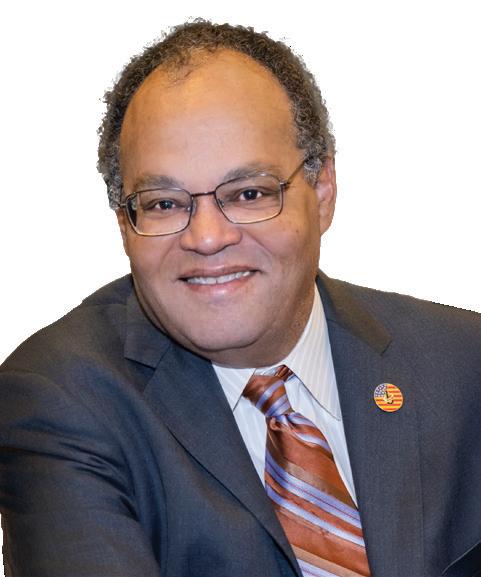
Career Communications Group’s USBE & Information Technology Magazine has been dedicated to STEM life for over four decades. As publisher and chief content officer, I’m proud to present this special issue at a time when the stakes in science, technology, engineering, and math (STEM) have never been higher.
Under the theme “Living Tomorrow Today,” this issue of USBE Magazine explores how artificial intelligence, immersive platforms, and digital ecosystems are no longer just concepts of the future—they are today’s reality.
In this edition, we focus on the heart of modern innovation and how technology is reshaping the way we live, learn, and connect.
Across these pages, we showcase how technology is evolving from novelty to necessity. It’s managing our homes through smart assistants, transforming classrooms with adaptive learning systems, and redefining professional life through AI-powered collaboration tools. But what makes this moment historic isn’t the technology alone—it’s how everyday people are adapting, creating, and leading with it.
This issue also highlights STEM City USA, our metaversebased platform, which is designed to empower communities through education, wellness, workforce development, and cultural celebration. What makes STEM City truly revolutionary is that it’s not a one-size-fits-all solution. It’s a customizable framework that allows organizations, families, and schools to create their digital twins, mirroring the values, heritage, and future goals of their communities.
These digital environments don’t just offer access—they offer ownership, sovereignty, and global connection. Whether it’s a virtual career fair, a student showcase, or a digital health clinic, the platform enables local engagement on a worldwide stage. It’s a powerful model for how underrepresented communities can take control of their digital destinies.
From profiles of innovators and thought leaders to insights into the cultural shifts driven by technology, this issue of USBE is designed to inspire, inform, and energize. We’re not just reporting on trends—we’re elevating the voices and ideas that will shape the next era of STEM.

Tyrone D. Taborn Publisher, USBE & Information Technology Magazine Founder, STEM City USA
EXECUTIVE OFFICE
Tyrone D. Taborn, CEO and Publisher
Jean Hamilton, CFO, President
Ty Taborn, Esq., Executive Sr. V.P. & General Counsel
Kwan Hurst, COO, Operations
Alex Venetta, Exec. V.P. of Corporate Development
Eric Price, V.P., Human Resources
EDITORIAL AND CONTRIBUTING EDITORS
Rayondon Kennedy, Director, Digital and Print Operations
Lango Deen, Technology Editor
Michael Fletcher, Contributing Editor
Gale Horton Gay, Contributing Editor
Garland L. Thompson, Contributing Editor
Roger Witherspoon, Contributing Editor
GRAPHIC & DIGITAL DESIGN
Beverly Wladkowski, Creative and UX Director
Bryan Davis, Digital Director
Rachael DeVore, Multimedia Designer
Courtney Taborn, Digital Marketing Manager
Jessica Hernandez, Graphic Designer
DIGITAL PLATFORM AND DEVELOPMENT
Nikkie Stevens, Director of Metaverse Platforms
Terrence Fooks, Metaverse Platform Program Manager & Client Relations Specialist
CORPORATE AND ALUMNI RELATIONS
Dr. Gwendolyn Boyd, CCG Alumni Committee Chair and President
Dr. Eugene DeLoatch, Chairman, BEYA Alumni Group
Vice Admiral Andy L. Winns, USN (Ret) National Chair, BEYA Military Alumni
Oliver “Bo” Leslie, Retired Program Manager, Historically Black Colleges and Universities/Minority Institutions, The Boeing Company
Monica E. Emerson, Women of Color STEM Conference National Chair
Matt Bowman, CCG Military Program Manager Stars and Stripes Committee Executive Director/Chief of Staff for VADM
Walt Davis, USN (Ret.)
SALES AND MARKETING
Gwendolyn Bethea, V.P., Corporate Development
Kameron Nelson, Account Executive
Lucille Kennedy, Sales Support Assistant
Jay Albritton, Social Media Account Manager
JOBMATCH AND STUDENT DEVELOPMENT PROGRAMS
Ashley Turner, University Relations Manager
Rod Carter, Recruitment Specialist, College Relations
Shelia Richburg, College Coordinator
CONFERENCE AND EVENTS
Jennifer Roberts, V.P., Partner Experience
Ana Bertrand, Conference Coordinator
Brandon Newby, Customer Service Associate
Sarah Blum, Youth Services Coordinator
Tarase Whetstone, Regional Outreach Manager
ADVERTISING SALES OFFICE
Career Communications Group, Inc.
729 E. Pratt Street, Suite 504
Baltimore, MD 21202
Phone: (410) 244-7101 / Fax: (410) 752-1837

US Black Engineer & Information Technology (ISSN 1088-3444) is a publication devoted to engineering, science, and technology and to promoting opportunities in those fields. US Black Engineer & Information Technology cannot be responsible for unsolicited art or editorial material. This publication is bulk-mailed to colleges and universities nationwide. Subscriptions are $26/year. Please write to US Black Engineer & Information Technology, Subscriptions, 729 E. Pratt St., Suite 504, Baltimore, MD 21202. Copyright © 2025 by Career Communications Group, Inc. All rights reserved. Printed in the U.S.A. Like us on Facebook
HAPPENINGS
Inside the AI Empowerment Summit: Innovation in the STEM City Metaverse
professionals and innovators for a day of dynamic learning and exploration. From foundational knowledge to implementation strategies and the future of education, the summit delivered timely insights and real-world examples for today’s STEM professionals and tomorrow’s trailblazers.
Understanding the

WATCH THE AI SUMMIT HERE!
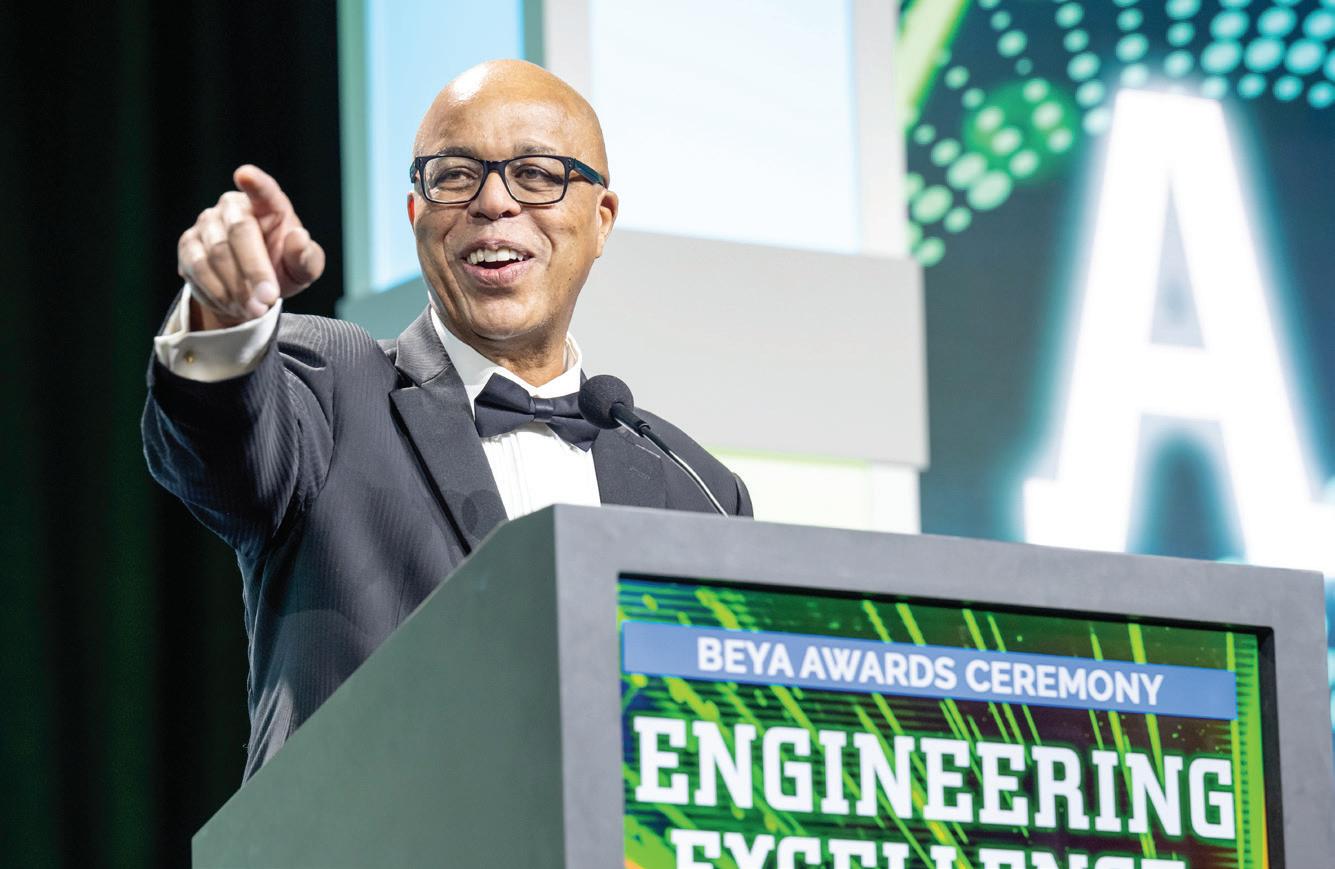
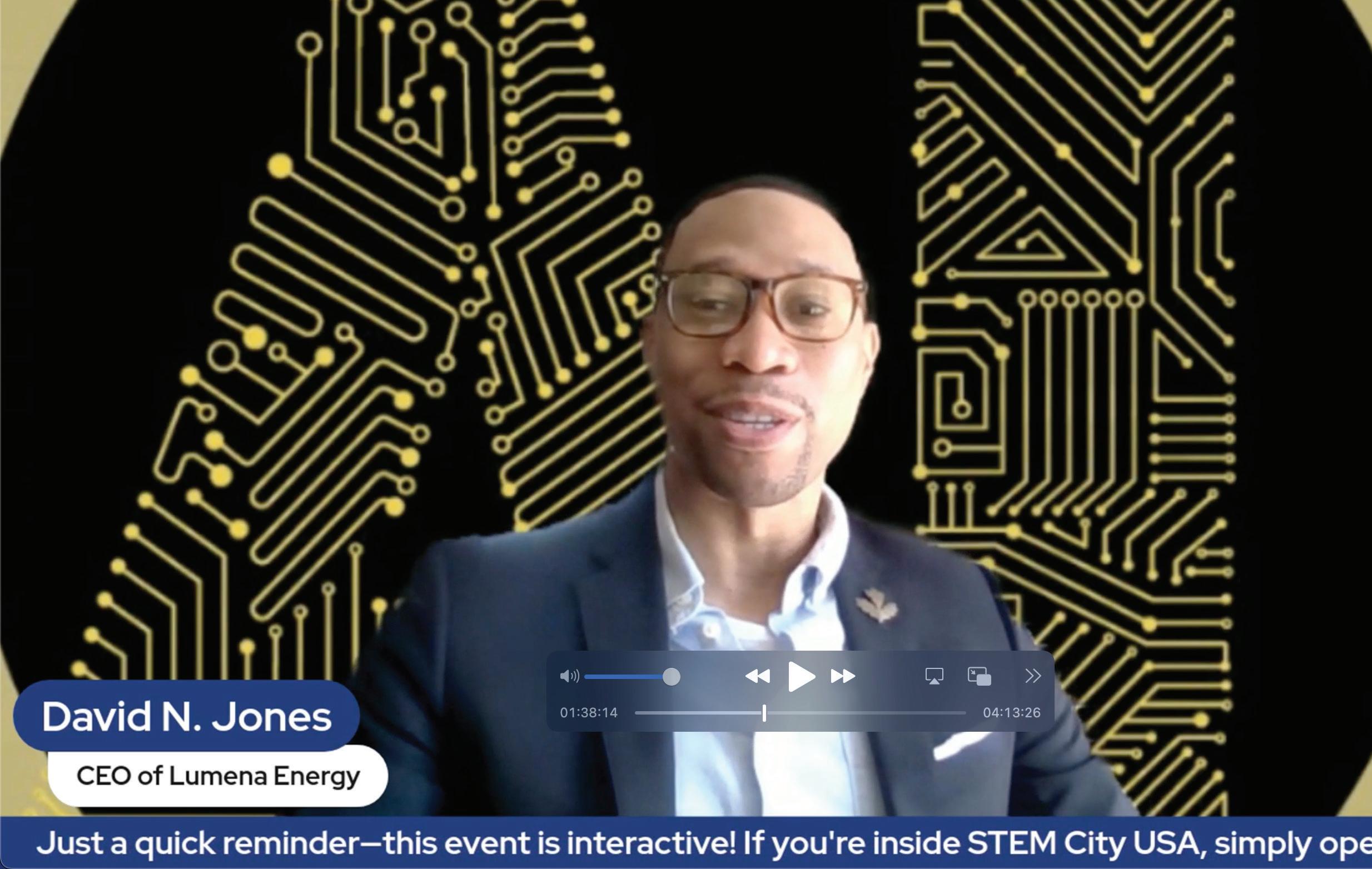
N. Jones, CEO of Lumena Energy, moderated the AI Empowerment Summit in STEM City USA
The day began with a clear-eyed look at AI basics. David N. Jones, CEO of Lumena and featuring panelists Dominique Hinton and Victor Brown, the session unpacked key concepts such as machine learning, neural networks, and generative AI. Key takeaways included: Start with people and purpose—not platforms
Avoid “AI-washing” every problem; use AI where it adds real
A VIRTUAL STAGE FOR REAL IMPACT
INEmpowerment Summit, hosted live on STEMCityUSA.com, offered a transformative look at how artificial intelligence is reshaping workplaces, classrooms, and communities. Set in the immersive metaverse environment of STEM City USA, the summit brought together thought leaders, educators, tech
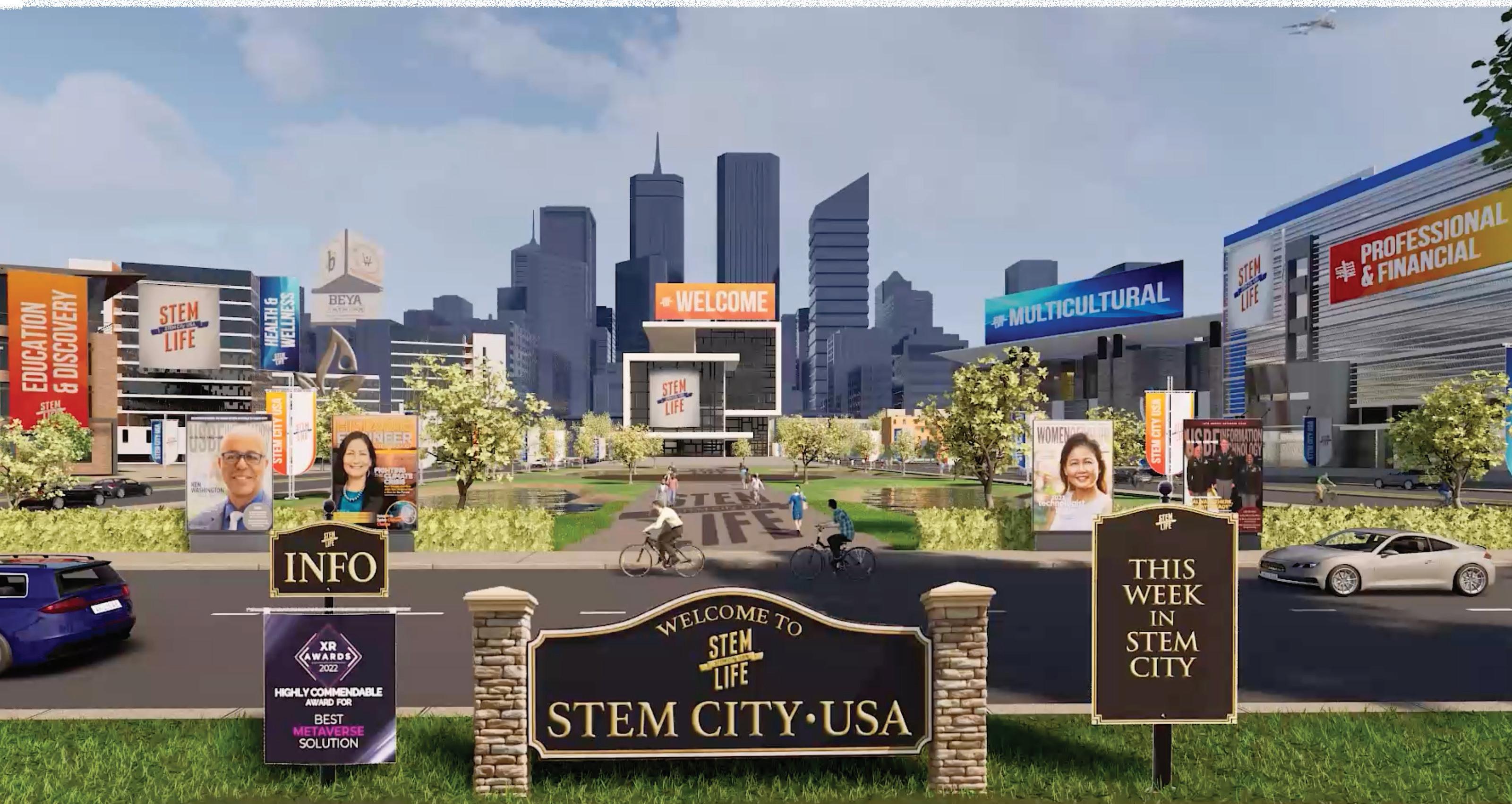
STEM City USA, developed by Career Communications Group, is a metaverse platform built to close digital divides and elevate opportunity through immersive, interactive experiences. With a focus on digital equity and community engagement, it is fast becoming a hub for education, innovation, and professional growth. The AI Empowerment Summit exemplified this mission, offering attendees a front-row seat to conversations that matter—broadcast live from a virtual city built to inspire.
• Invest in data literacy and digital fluency across teams.
“Artificial intelligence is more than an emerging trend—it’s a mindset shift,” Brown said, emphasizing that successful AI integration starts with clear goals and organizational readiness.
Implementing AI Into Organizations
The second session offered a deeper dive into how agencies, corporations, and small businesses are adopting AI. Panelists included Dr. Jennifer Blum of HII, Robert Stewart of End-to-End Solutions, Hinton, and Brown, with Jones returning as moderator.
The conversation addressed critical challenges such as unstructured legacy data, employee resistance, cultural transformation, and the need for strong data governance.
Blum emphasized that aligning AI with measurable goals is essential. Hinton shared tips for navigating complex data environments, while Stewart and Brown discussed how AI can level the playing field across industries.
“AI is not magic. It’s about understanding your customers, aligning your business, and solving the right problems,” Stewart said.
Metaverse Learning and the Future of Education
The final session explored how AI and immersive technologies are revolutionizing education. Panelists demonstrated how metaverse tools, virtual reality labs, and AI-powered personalization are making learning more accessible and engaging.
From K–12 classrooms to workforce development, AI is enabling:
• Adaptive, learnercentric instruction
• Virtual simulations for STEM learning
• Broader access to educational tools, regardless of geography
The session emphasized equity through innovation and meeting learners where they are—with tools designed to close gaps, not widen them.
Why It Matters
What set this summit apart was not just the subject matter—it was the platform. By hosting the event in STEM City USA, attendees weren’t just watching. They were immersed in a digital community built for connection, collaboration, and growth.
In an era when AI is transforming every facet of life, events like this ensure that knowledge, access, and opportunity remain within reach for all.
Still Time to Plug In
If you missed the live event, on-demand content is available now in STEM City USA. Log in, catch up, and connect with a growing community committed to shaping the future of STEM.
Visit stemcityusa.com to explore upcoming events, virtual career centers, immersive classrooms, and interactive learning tools. Because the future isn’t
UNLOCK
THE FUTURE. UNDERSTAND AI.
All in AI with Kei Touch —where innovation meets impact. Coming soon to STEMCityUSA.
“AI is not magic. It’s about understanding your customers, aligning your business, and solving the right problems,” Stewart said.
CAREERVOICES
Generational Digitalism: Leading Across Generations Without Losing the Room
“You
can’t manage a multigenerational workforce with a one-size-fits-all approach.”
trauma—pandemics, recessions, social unrest.
Of course they’re going to work differently.
Adapt the Playbook, Not Just the Tools
Joe from the Department of Defense put it plainly: Each generation brings

Leading in today’s workplace isn’t about managing people anymore. It’s about decoding them. If you’re in STEM and trying to lead a team that spans four decades of life experience, you already know the rules of engagement have changed. This BEYA seminar didn’t hand out any magical blueprints where “X” marks the spot. It gave us something better:
clarity.
Here’s what came through loud and clear from every speaker: You can’t manage a multi-generational workforce with one-size-fitsall leadership. Boomers, Gen Xers, Millennials, and Gen Zs didn’t just grow up on different tech. They survived different wars.
One speaker said it best: Baby Boomers began from an internet-free world. Gen Z came from TikTok and
something valuable, if you’re paying attention. He called it adapting to their strengths, not forcing everyone into the same mold. So, stop trying to make everyone fit one model of what productivity looks like. Let the emoji users use emojis. Let the notetakers take notes. Let the introverts contribute quietly. Let the extroverts lead the standups. Silence isn’t disengagement.
Managing the Why, Not Just the Work
One audience member asked the question that hit the hardest: How do you inspire people from different backgrounds to work for a why, not just a paycheck? That’s when the conversation turned from tactical to emotional.
If your organization is unable to define that kind of purpose, don’t be surprised when your top talent walks at the first offer they receive in their inbox from some head hunter stealing them away.
For Google, the “why” is all about impact. Their people
Referencing Simon Sinek’s book “Start with Why,” a speaker broke it down clearly: Don’t just give your team a value proposition like “This is what we sell.” Give them an impact proposition: “Here’s why it matters.” At the Department of Defense, people join because they want to protect their country. It’s not about money. It’s about meaning.
tailor your approach. Some were raised to see criticism as growth. Others see it as public shaming. Either way, it needs to feel safe. Don’t fix people. Fix problems. Together. Nobody wants to be thrown under the Slack bus.
Gamification and Real Participation
Someone asked how to get everyone involved, and the answer wasn’t some feel-good slogan. It was straight up: Let people define the roles that fit them. If someone’s shy, let them own logistics instead of public speaking. If someone thrives behind the scenes, give them the whiteboard, not the mic.
Gamification came up too, and even if it sounds gimmicky, it is far from it. Teams that turn projects into challenges rather than chores get more buy-in. People want to feel like they’re winning, even if it’s just a Tuesday brainstorm.
What You Can Do Tomorrow
A few final recommendations arose from this candid roundtable. Mainly, don’t get tripped up by acronym traps, but don’t roll your eyes at emojis either. Whatever you do, don’t assume your Boomer engineer wants nothing to do with new software. Make them feel useful, not obsolete. Train often—just don’t make it feel like punishment.
Google’s
AI
overview of Generational Digitalism:
“Aside from digital natives, which is quite common now, generational digitalism includes Digital Immigrants, and of course, the old chestnuts like the generational digital divide and bridging the digital divide.”
believe they’re building something bigger than themselves. If your team doesn’t know what their work leads to, they won’t care, and no, quarterly goals don’t count.
Criticism Without Conflict
Monique dropped a truth most managers learn too late: Different generations react to feedback very differently. If you’re calling someone out, you’d better
Good leaders allow themselves to learn from by what each generation has to offer; this ultimately creates versatility, and this is one of the features that guarantees a long-standing career, as it prepares you for each kind of predicament. Based on these principles, you will know what advantage each generation brings to the table and what course is best to navigate along with your crew.
by Gale Horton Gay editors@ccgmag.com
ONEONONE
a power source
David Jones sees clean energy as much more than
Innovator
branching out into smart city development
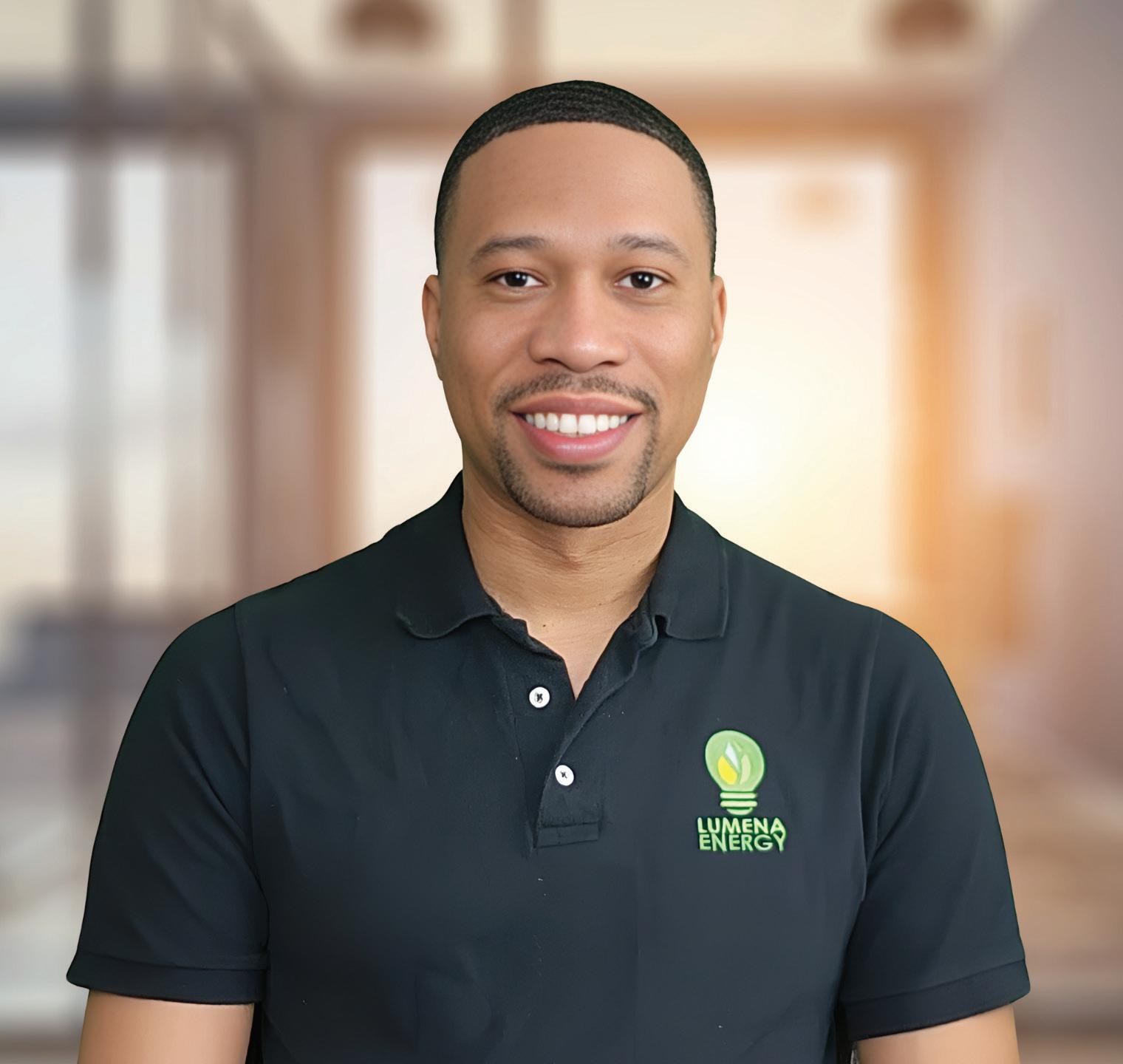
“Clean energy is the foundation of economic justice.” — David Jones
Dhas been David Jones’ mission since launching Lumena Energy five years ago.
Lumena Energy is a next-generation virtual power plant company building smarter, more resilient energy systems for cities, businesses, and homes. Utilizing innovative grid technology and remote
Lumena connects and manages distributed solar, battery storage, and backup systems to stabilize the grid, reduce costs, and prevent
“We serve municipalities and commercial property owners with scalable clean energy solutions, while households with portable solar generators, off-grid power stations, and control of the energy future directly into the hands of the people,” Jones said, noting that Lumena is the largest minority-
company in the “Clean energy is the foundation of economic justice,” said Jones. “When we build a sustainable energy economy, we’re not just creating ownership, opportunity, and generational wealth in the very communities that have been locked out of the grid for too long.”
Training Power Plant Technicians
Based in Chicago, IL, Lumena Energy operates its academy, offering training to become a solar panel installer and a virtual power
plant technician. It also provides a course in photovoltaics, as well as workshops on renewable energy.
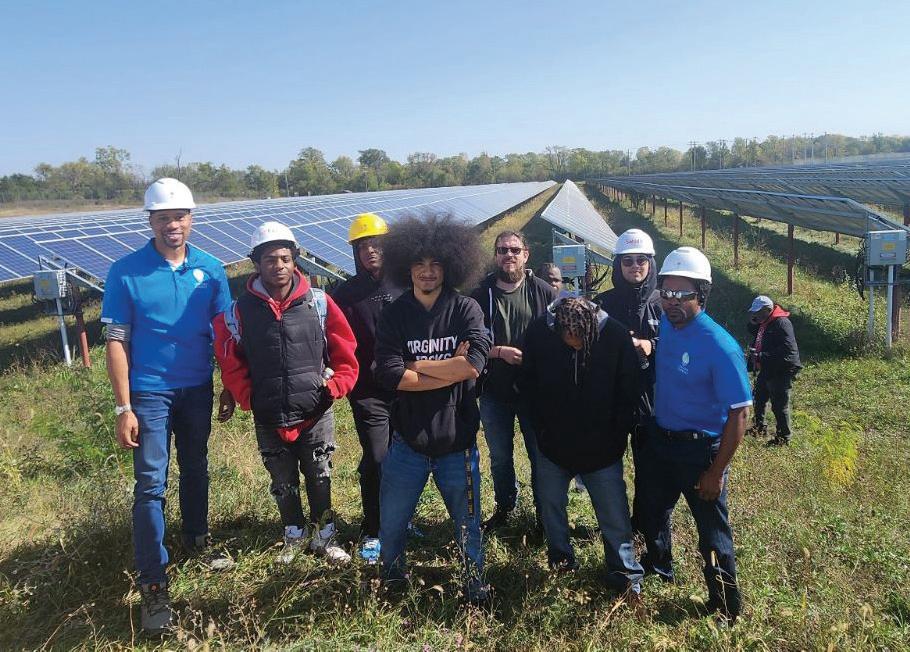
Through the academy, more than 1,500 people have been trained to become power plant technicians, handle battery storage maintenance, and conduct solar installations, as well as participate in youth programs and two-day workshops.
Jones is candid about wanting to help others chart their paths in the clean energy sector through the academy and internships.
“We are always looking for new talent,” said Jones of the internship opportunities that exist through Lumena Energy.
What sparked the push for clean energy solutions
Jones is something of a Renaissance man with talents in aviation, linguistics, and music. He speaks six languages, including Spanish, Portuguese, Bulgarian, Italian, and French.
“I am capable of absorbing large amounts of data in a short amount of time,” he noted.
Natural talent with the clarinet in high school led Jones to become a “local sensation,” and scholarships followed. Although he was accepted into the Marine Corps Band, he chose to attend The Juilliard School.
“I didn’t know it was possible for me to go into tech,” said Jones of his early years, attaining a film score composition degree from Juilliard and working in post-production for commercials at Warner Bros.
However, within a few years, he returned to higher education to earn an M.B.A. from MIT.
The inspiration for finding
clean energy solutions came while he was a pilot. On a trip to Thailand, he saw a child doing his homework in front of a 7-Eleven store because the child’s home lacked reliable electricity.
He notes that “60 percent of the world lives in non- or sub-par-electrified communities.”
Realizing the extent of power disparities, Jones told himself, “I can probably fix something like this.”
A smart city can serve as a model for sustainable living
The winner of a Google 2019 Innovation Award, Jones’ next big project is taking shape in Ford Heights, IL, a suburb of Chicago. A groundbreaking ceremony was held on June 21 for Project Kandor/Nehemiah.
This smart city tech co-op campus will feature 40 affordable housing units, a data center, and a hydroponic food tower.
“I’m building a smart city to serve as a living blueprint for what a post-consumerist future should feel and look like,” said Jones. “By incorporating the ideologies of Solarpunk— environmental sustainability, equity, and useful technology—we architect a technologically mindful path forward for humanity.”
Jones said his “boots on the ground” management style is to work “hand-in-hand with each employee” and create a more “fruitful environment for all.”
“I don’t expect anyone to do anything that I don’t do,” he said of working with 50 employees at Lumena.
Jones offers the following advice to those with entrepreneurial ambitions:
• “Don’t shrink your mission to find the moment. Expand the moment to fit the mission.”
• “Always have a project in the pipeline to work on collaboratively.”
• “Your background isn’t a barrier; it’s a blueprint.”
“I’m building a smart city to serve as a living blueprint for what a post-consumerist future should feel and look like.” — David Jones.
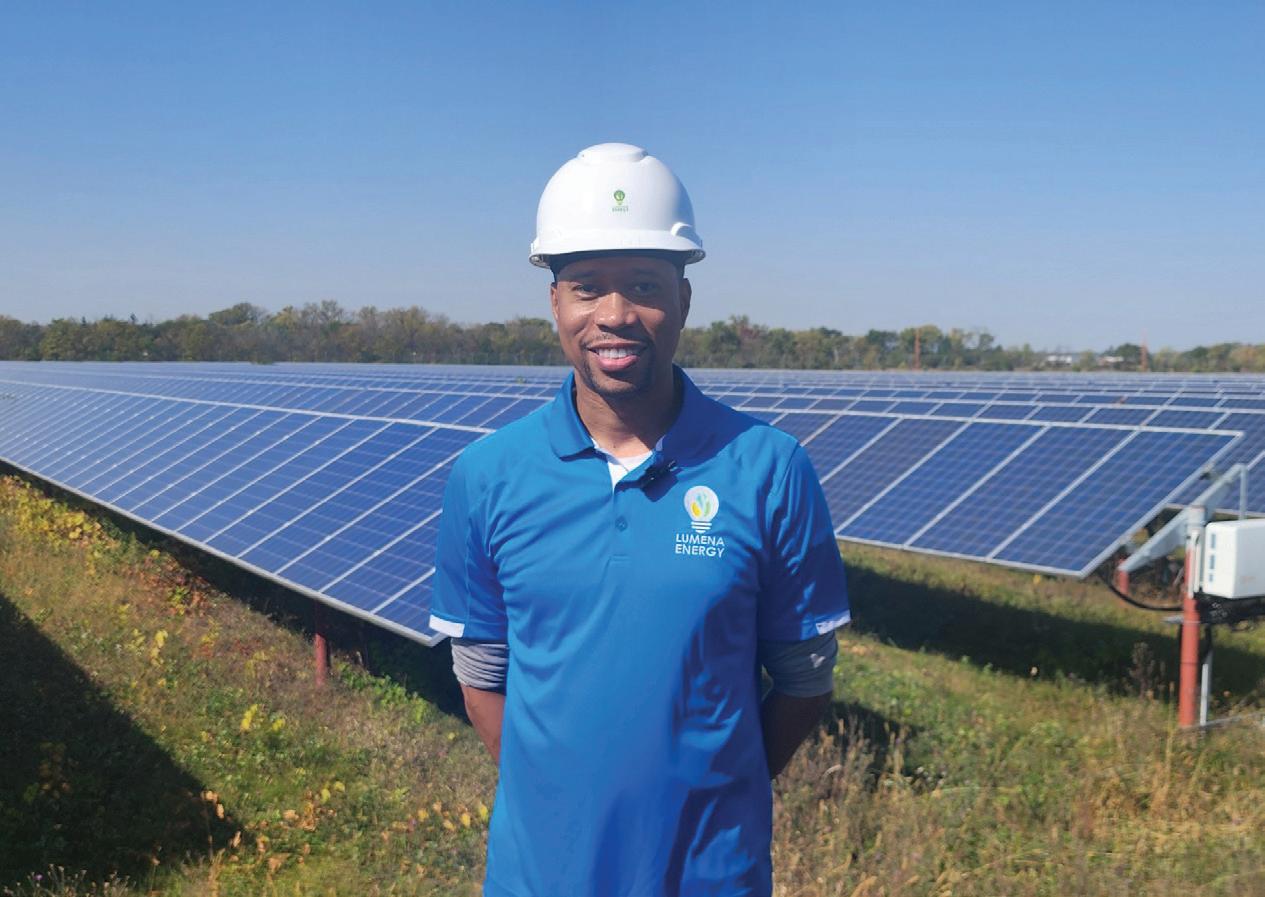
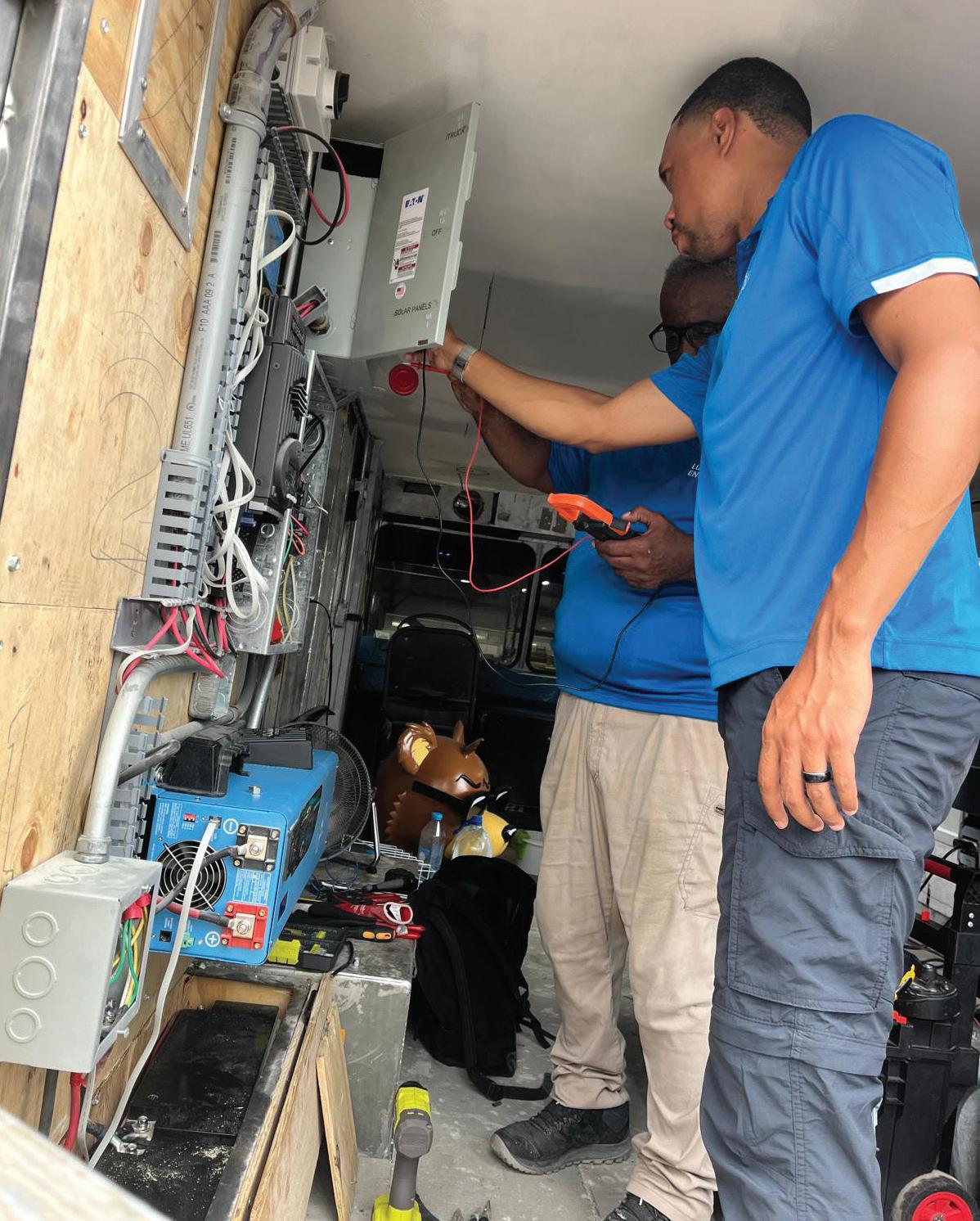
David Jones inspects a solar truck
David Jones and his team at a solar farm
CORPORATELIFE
Digital Survival: 5 Rules for Leadership and Humanity in the Workplace
First, let’s acknowledge the rules have changed. The pandemic not only shifted where we work; it rewired how we work, lead, and what people expect in a workplace. At a recent BEYA seminar, a panel of seasoned professionals laid it out: If you lead and collaborate in today’s hybrid world, the old playbook won’t help.
Here’s a new one built from a BEYA seminar. “Lead the Way: Effective Teams in the Modern Workplace” is packed with tried-andtested truths on emotional intelligence, remote credibility, visibility, and how to lead when you’re not even in the same room.
1
Show Emotional Intelligence, or Lose Your Team
“If you’re not visible, you’re invisible—and invisible doesn’t last long in this economy.”
BEYA takeaway: Remote teams don’t follow orders; they follow leaders who care.
“Not everything is resultdriven,” one speaker said. “They need to see you care for them on an emotional level.” That means you’ve got to lead with empathy. Forget stiff formality. Be real. People pick up on whether you’re approachable, and that determines whether they speak up, contribute, or check out. Another speaker nailed it: “If I’m approachable, my team will open up.” Psychological safety is the foundation of high performance. Also?
Listen to your team members. Another speaker said, “Be an active listener.” The message? Empathy isn’t fluff. It is a function.
2 3
Lead by Example, Not Just by Role
BEYA takeaway: You can’t “hybrid” your way out of responsibility. The panel was clear: If you want buy-in, embody the work ethic you expect from others.
Know your values as a leader.
Stick in the trenches with your team.
• Be objective and fair, especially when no one’s looking.
• And yes, make the hard decisions. That’s still part of the job description.
Hybrid teams are watching more than they’re listening. If your actions don’t match your values, your leadership won’t land.
Use Tech to Delegate Without Vanishing
BEYA takeaway: Remote delegation is a minefield. The BEYA speakers emphasized a balance: accountability without micromanagement.
Use tools like Jira or any collaborative tech stack to make responsibilities visible, but don’t dump tasks and disappear. Your team needs to see that you are there, that you show up as much as they show up for work.
Another panelist proposed a different angle: “Leadership and accountability must coexist.” Authentic leaders are defined by their accountability, so one cannot exist without the other. An unaccountable leader is an incomplete
“Remote teams don’t follow orders; they follow leaders who care.”
leader. One professional spoke about finding a balance: “constant follow-up without being a micromanager.” Exercise authority, but don’t show fangs all the time; also, don’t make your team members feel monitored by the dreaded feeling of being observed by “the eye that sees everything.” In other words, avoid hovering, but
don’t ghost either. A good leader is not Big Brother. Visibility = Survival (Especially When You’re Remote)
In hybrid setups, quiet competence gets overlooked. Loud
mince words: If you’re not visible, you’re invisible, and invisible doesn’t last long in this economy.
5
Make Culture Your Job, Not HR’s “Foster positive accountability. Avoid a
ego. That’s how you shape a team that sticks around.
Final Word:
The BEYA seminar didn’t offer silver bullets, but it did offer clarity. If you’re working (or leading), always remember that this isn’t
incompetence doesn’t. Unfair? Maybe. Reality? Definitely. Stand out by:
• Showing your work. Don’t assume people know what you’re doing.
• Asking thoughtful questions.
Owning deliverables and communicating that ownership.
The BEYA speakers didn’t
punishing environment.” This came up in the final round of the seminar, and it stuck. Fear-based leadership is dead weight. What replaces it? Positive accountability, which translates as a culture where people take ownership because they want to, not because they’re scared not to. Encourage ongoing learning. Praise in public. Redirect with purpose, not
about being flawless. It’s about being adaptable, visible, and human. The rules of corporate life didn’t disappear; they just stopped being printed out. Now you’ve got them. Use them.
by Gale Horton Gay editors@ccgmag.com
EDUCATION
Breaking
Into
AI: One student’s journey getting hands-on experience in AI and cyber security
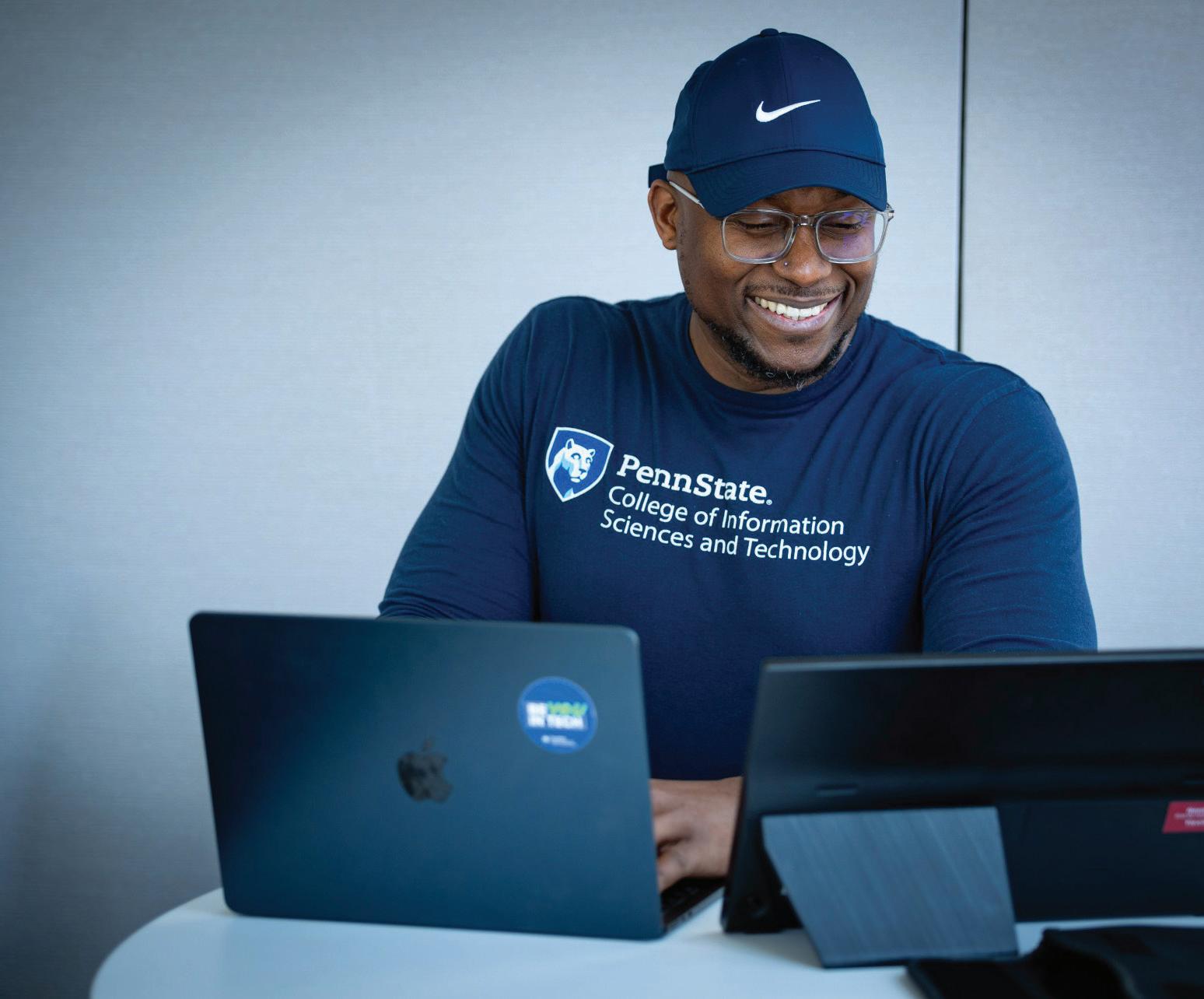
“Working hard is important if you want to achieve,” said Jason Lucas. “You have to make it work. You have to sacrifice.”
In his current role as a graduate research assistant at Penn State, he leads machine learning and natural language processing research to combat harmful content, including disinformation and deepfake texts, across language and distribution gaps.
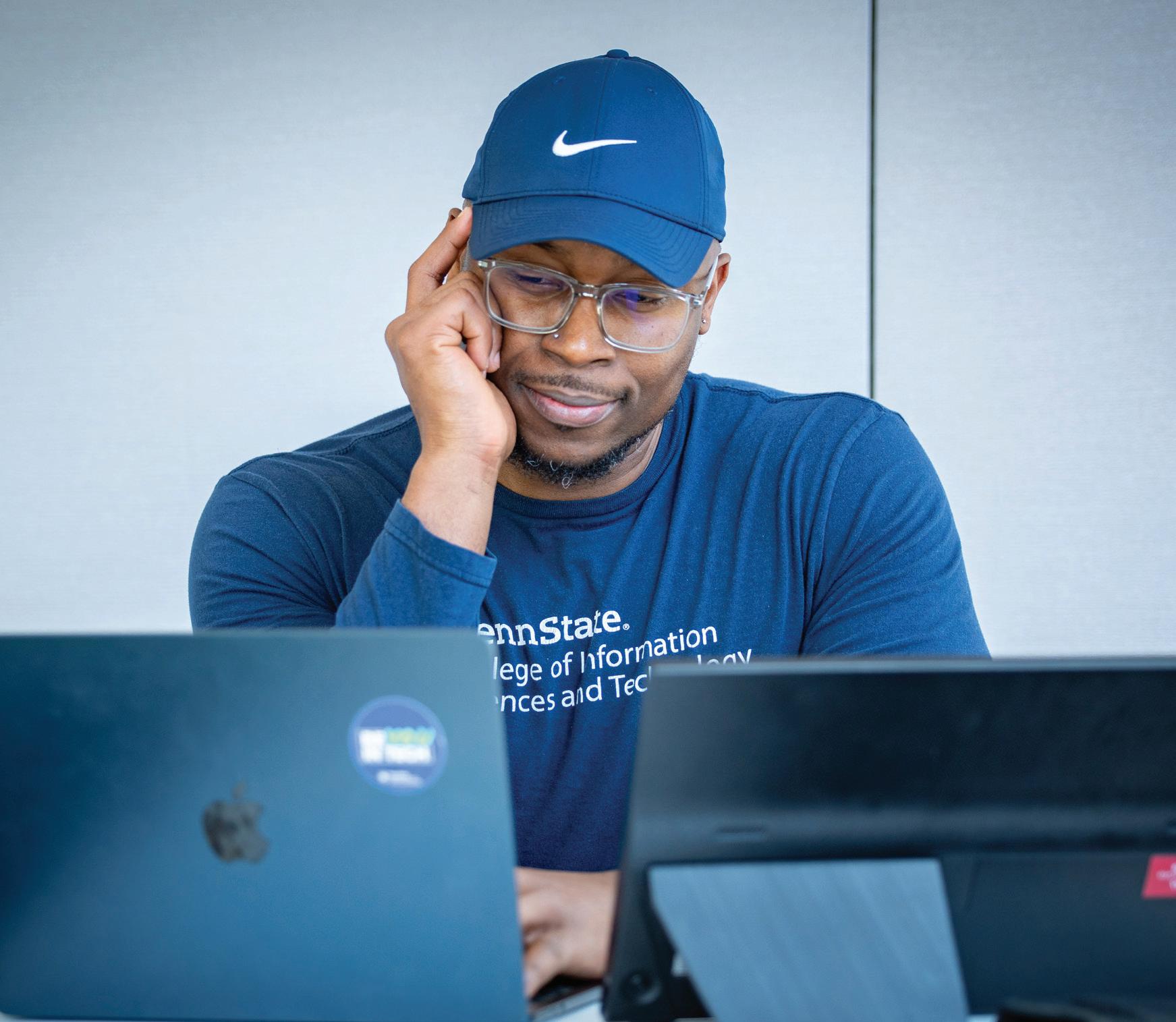
Jason Lucas had no idea that he would be on this path. Still, as a high school student in Grenada, he developed a strong interest in technology and biology. A review of Lucas’ resume reveals that there has been little downtime in pursuit of solidifying his career in artificial intelligence (AI) and cyber security.
Since 2010, Lucas has earned two master’s degrees and a bachelor’s
degree in information technology, public health (with a focus on epidemiology), and computer information systems (with a specialization in health informatics) from St. George’s University in Grenada and Boston University. He is currently pursuing a Ph.D. in data science and AI at The Pennsylvania State University.
“Determination is key,” said Lucas. “Working hard is important if you want to achieve. You have to make it work, sacrifice.”
Lucas understands what it takes to achieve success and is generous in sharing advice with those hoping to follow in his footsteps. He doesn’t sugarcoat reality. He said the road will be challenging and filled with disappointments, but with perseverance, people can
achieve their goals.
Scholarships truly make a difference.
Finances and an undiagnosed learning disability are among the challenges Lucas has faced during his academic journey. “Not having the financial means for my goals in life has been a major challenge,” he said.
Scholarships he has won include Funds for Excellence in Graduate Recruitment and the Undergraduate St. George’s University Scholarship.
Paid Internships
For Lucas, the path to securing internships has been through networking at conferences, such as the BEYA STEM Conference, and the relationships he has built with mentors.
“Meeting people in person is one of the key strategies, and just applying,” said Lucas, adding that one should make applying for internship opportunities a routine to maximize positive outcomes.
Lucas said internships have afforded him “vast learning experiences” and exposure to a range of values and ideas, as well as “invaluable” relationship building.
“Learning on the job, different platforms, different technologies, direct supervision from experts in the field has been extremely rewarding,” he said.
During the summer of 2025, Lucas interned at Lawrence Livermore National Laboratory in California, where he worked with language models.
In all, Lucas has also completed four internships—two in AI—and received five awards and four fellowships, in addition to mentoring two Millennium Scholars and other undergraduates.

Representation
Lucas, who aims to pursue a career as a research scientist after completing his Ph.D. studies, said he envisions making AI systems equitable and trustworthy across language, modalities, and contexts, and exploring “clever ways to exploit models’ vulnerabilities, developing datasets and robust multilingual multimodal.”
He said he’s “motivated to translate my skillset into real-world impact with U.S. government research institutions, industry lab, or a mission-driven organization that pushes boundaries of what is possible.”
Lucas also addressed the small percentage of Blacks in AI. “It’s very hard to find community and support in those spaces,” he said, adding that Blacks in AI-related Ph.D. programs and at conferences are rare. “Sometimes you feel you are
in a silo. It can get lonely.”
His advice:
1. Take the leap. “I learned to embrace disruption. Moving from one field to the next can be disruptive. Most people start in other fields. Don’t be afraid to fail. Get up and find another way.”
2. Never give up. Every closed door leads to a door that is open.
3. Build a strong support system by cultivating relationships with people who believe in you.
4. Rely on a mentor for advice, support, direction, and a second opinion.
Don’t be afraid to fail. Get up and find another way.”
— Jason Lucas
By
SMART LIVING NOW
FROM CRISIS TO INNOVATION
The global pandemic didn’t just disrupt our lives—it revolutionized our digital expectations. As the world transitioned to remote work, technologies like digital twins and the metaverse emerged from obscurity into the mainstream of culture. These innovations became vital connectors during a time of physical distancing, forging new ways to live, learn, and work.
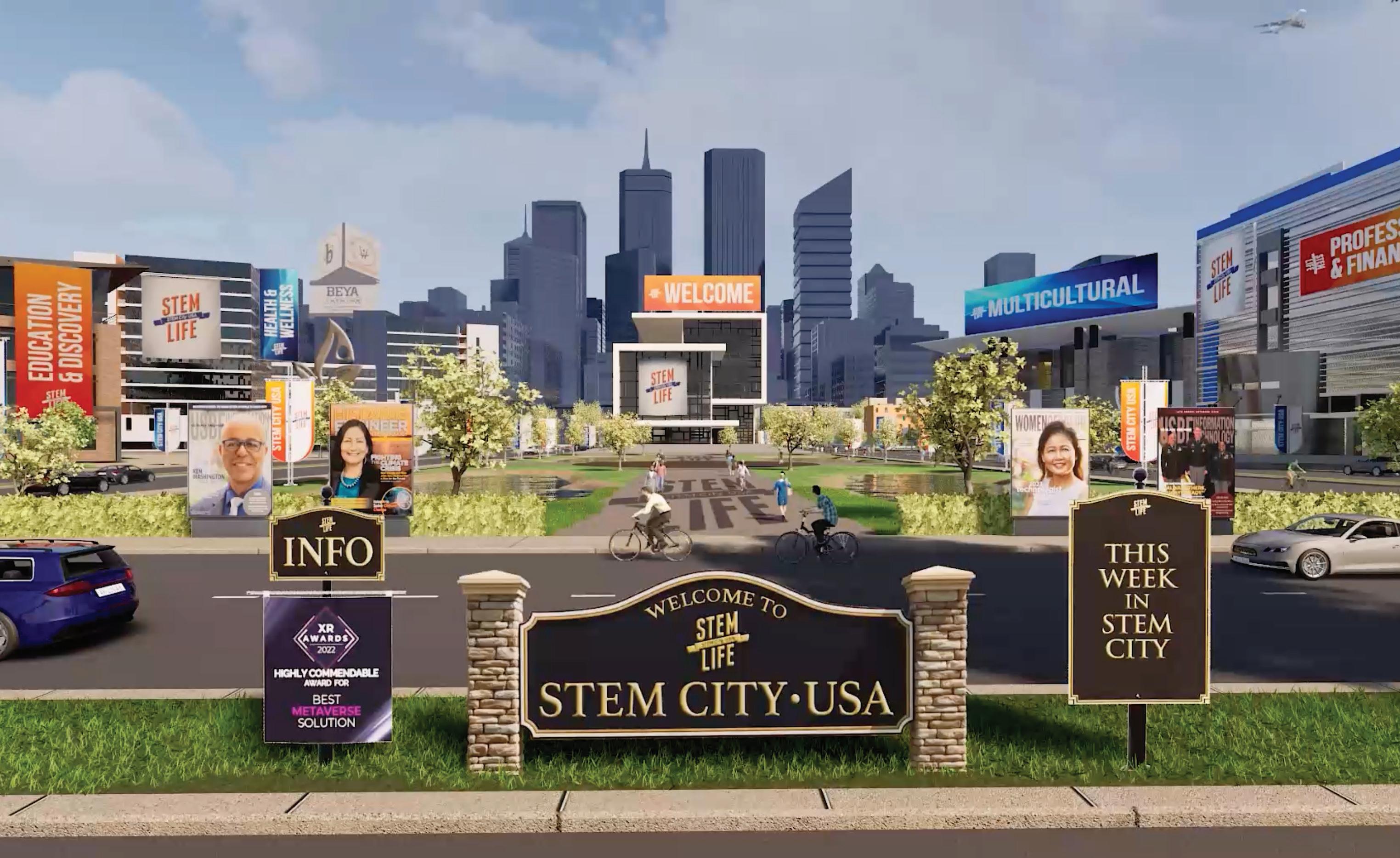
Out of this transformation arose STEM City USA—a pioneering smart living platform built on artificial intelligence and immersive technology. But it’s not just futuristic—it’s functional, accessible, and deeply rooted in community empowerment.
How STEM City USA Is Shaping the Future of Life at Home, School, and Work

What Is STEM City USA?
STEM City USA (www.stemcityusa.com) is more than a platform—it’s a living digital city, purpose-built to serve communities that have been historically excluded from technological revolutions. It leverages the power of AI, immersive media, and decentralized infrastructure to provide distributed services across health, education, employment, and civic engagement.
But what truly sets STEM City USA apart is its community-first design philosophy. The platform enables local organizations, schools, and grassroots leaders to create their digital twins—customized virtual spaces that reflect their identities, values, and goals. These digital twins are then connected to a global network of like-minded communities, forming a metaverse ecosystem that is both hyperlocal and globally integrated.
This makes STEM City USA a scalable, shareable, and sovereign model for digital empowerment.
At Home: Living Smarter, Living Better
From the kitchen to the family room, STEM City USA enhances home life through:
Smart wellness hubs offering AI-powered telehealth, fitness gamification, and mindfulness sessions
Community bulletin boards and virtual town halls connecting families to neighborhood updates and support services
Parenting portals with digital storytelling, STEM challenges, and parental support groups
• In this environment, families aren’t just passive consumers—they’re active participants in shaping smarter, healthier lifestyles
TOP AI APPS POWERING SMART LIVING IN 2025
APP FUNCTION
ChatGPT
Perplexity AI
Otter.ai
GrammarlyGO
Replika
Jasper
You.com
Midjourney
Synthesia
AI Dungeon

AI conversational assistant for writing, research, and productivity
Search engine powered by AI that delivers accurate, sourced answers fast
A meeting transcription and summarization tool with real-time collaboration
An AI writing assistant that drafts, edits, and improves professional content
Personal chatbot companion for mental wellness and conversation
An AI copywriting assistant that marketers and content creators use
Customizable AI search assistant with built-in productivity tools
AI image generator creating visuals for branding, storytelling, and art
Create AI-powered videos with avatars— perfect for education and business
An interactive storytelling app that allows users to co-create adventures with AI
“THE FUTURE OF SMART LIVING IS NO LONGER A LUXURY. IT’S AN EDUCATIONAL RIGHT.”
— TYRONE D. TABORN

“THIS IS DIGITAL SOVEREIGNTY IN ACTION— WHERE DIGITAL CITIES SERVE PEOPLE, NOT JUST PLATFORMS.”
At School: Rethinking the Classroom Experience
For students and educators, the platform serves as a 21stcentury campus:
Immersive learning spaces built on AI that adapt to each student’s pace and style
• Teacher dashboards that leverage real-time analytics to tailor instruction
• Cultural learning zones, where students engage with global heritage content inside virtual museums and historical re-creations
Local schools can even design their own digital academies within STEM City USA, ensuring cultural relevance, curriculum control, and community engagement.
At Work: The Professional Metaverse
The pandemic normalized hybrid work, but STEM City USA takes it further by offering:
• Virtual career centers where job seekers meet recruiters via avatars and video booths
• AI-enhanced productivity tools, such as transcription, scheduling bots, and generative brainstorming aids
Entrepreneurship zones, where small businesses can host virtual storefronts and pitch competitions
More than just a workplace, it’s a professional ecosystem fostering inclusive hiring, remote upskilling, and global exposure.
Why It Works: Global Network, Local Control
The most community-friendly aspect of STEM City USA is its decentralized framework. Instead of a top-down system, the platform offers:
• Autonomy: Each community can design and govern its virtual presence
Interoperability: Local digital twins connect to a broader ecosystem, enabling collaboration, cultural exchange, and shared learning
Resilience: By decentralizing control, STEM City USA ensures communities can preserve their stories, histories, and innovations without relying on external platforms
This is digital sovereignty in action—where digital cities serve people, not just platforms.
The Road Ahead: Equity as Infrastructure
In a world racing toward AI-driven futures, STEM City USA ensures that inclusion is not an afterthought, but a foundation. Whether it’s training the next generation of coders, providing mental health resources in underserved zip codes, or amplifying community voices, the platform offers a blueprint for equitable, empowered digital citizenship.
Technology With Intention
STEM City USA doesn’t treat the metaverse as an escape—it treats it as an opportunity to rebuild community, redefine success, and reclaim narrative control in a digital world. The future of smart living is no longer a luxury. It’s an educational right. And thanks to STEM City USA, it’s within reach.
When Seconds Count
HOW AI AND THE METAVERSE ARE REDEFINING
DIGITAL HEALTH
By STEM Life Editorial Team
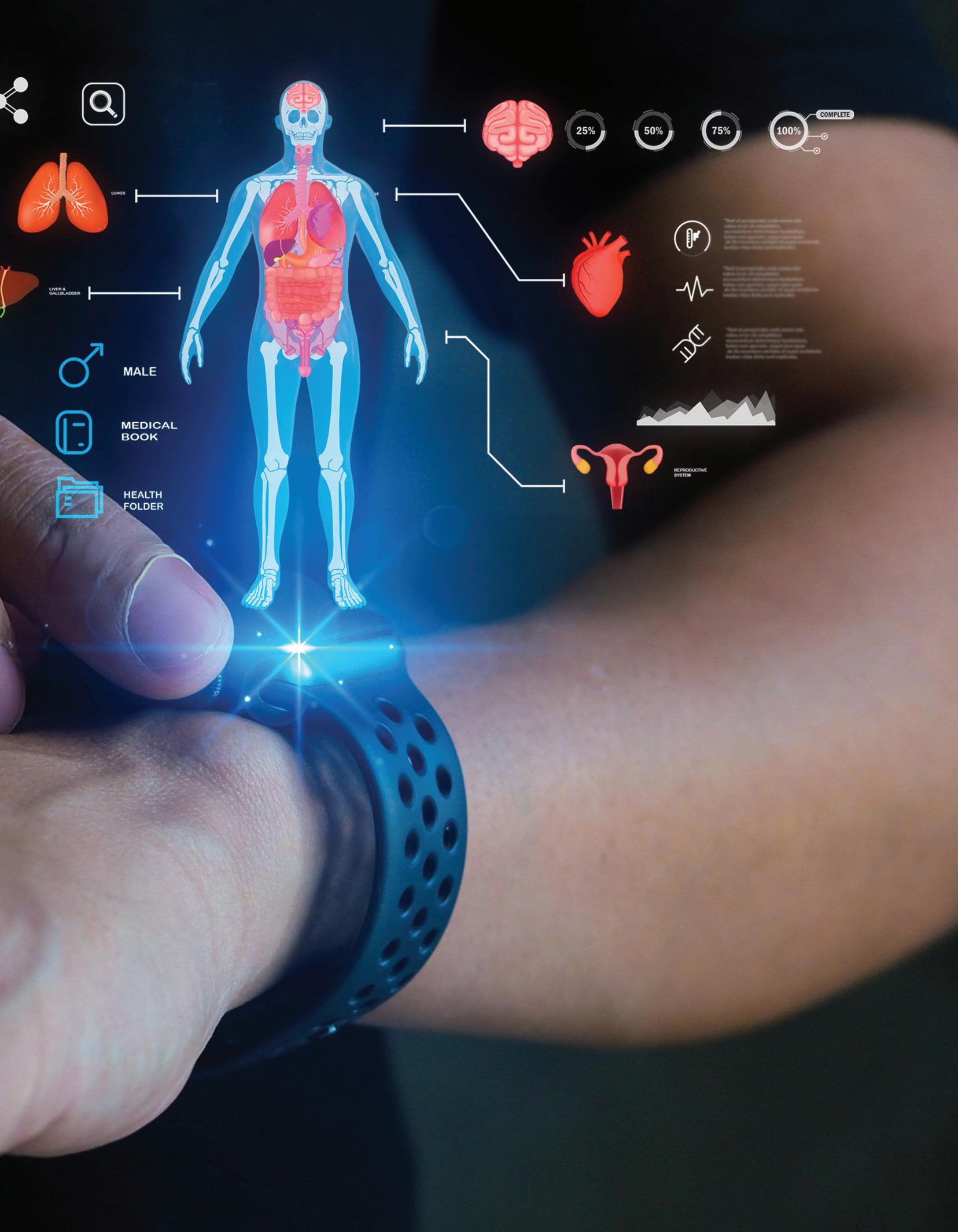
Imagine this: You’re at your desk, sipping your morning coffee, when suddenly your smartwatch buzzes. Your heart rate has increased to a dangerous level, activating your health AI app. It alerts your doctor, notifies your spouse, and updates your digital twin—a full-body simulation of you that exists in the metaverse, complete with your medications, allergies, and comprehensive medical history. All of this happens in less than 10 seconds. This isn’t science fiction. This is the frontier of digital health.
The New Nervous System of Health Care
Digital health is no longer a convenience—it’s a lifeline. With AI-driven telehealth platforms, virtual consultations, wearable diagnostics, and now immersive metaverse applications, health care is evolving into a dynamic, interconnected system. Your digital footprint—steps, sleep patterns, blood pressure, glucose levels—is being transformed into life-saving data.
These changes are driven by an ecosystem that combines machine learning, edge computing, and virtual reality.
Smartwatches and health rings act as biometric sentinels, tracking everything from arrhythmias to sleep apnea. They feed this data to health AI apps that analyze trends and predict health crises before they happen.
Enter Ken Washington: Engineering Personalized Care at Scale
One of the key visionaries guiding this transformation is Dr. Ken Washington, the chief technology and innovation officer at Medtronic. With a background spanning aerospace, automotive, and consumer technology, Washington now
leads one of the most ambitious efforts in health care innovation: building an end-to-end, AI-powered ecosystem that personalizes care in real time.
Under his leadership, Medtronic has developed groundbreaking tools, including GI Genius—an AI system that enhances real-time polyp detection during colonoscopies—and Link II. This cardiac monitor utilizes AI to reduce false atrial fibrillation alerts by up to 98 percent. These tools represent more than innovation; they signal a shift toward a future where digital twins, edge AI, and clinicianaugmented intelligence converge to extend lives and improve outcomes.
Washington’s AI Compass framework— anchored in fairness, transparency, safety, and human oversight—ensures that Medtronic’s technology not only works efficiently but also ethically. His team is also investing in extended reality (XR) for clinical education, enabling surgeons to train and
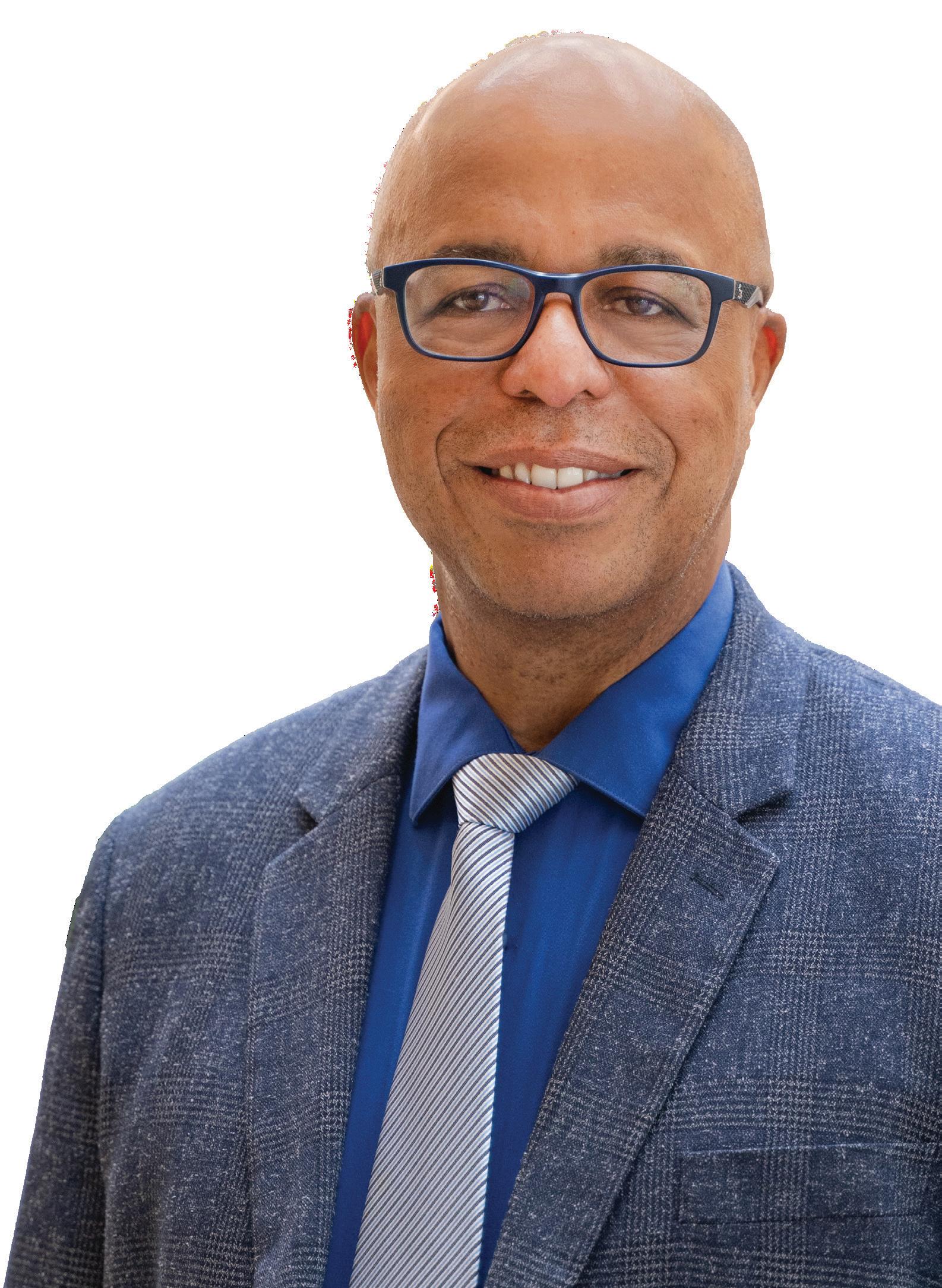
Ken Washington
Senior Vice President, Chief Technology and Innovation Officer
Medtronic
collaborate in immersive 3D environments. In his words, “We’re not replacing doctors; we’re enhancing their capabilities to deliver truly personalized care.”
Your Digital Twin: The Metaverse Meets Medicine
The concept of a digital twin—a virtual replica of a person that mirrors real-time biological and behavioral data—is making health care more personalized and proactive. Imagine a physician adjusting your treatment plan after observing how your digital twin responds to a new medication or therapy in a simulated environment.
This is the promise of metaverse-enabled medicine. From remote surgeries performed via robotic arms guided by virtual reality (VR) to rehabilitation sessions in immersive 3D environments, patients are no longer constrained by physical space. And doctors? They’re becoming “extended reality” practitioners, learning in simulated ORs, diagnosing with AI-supported imaging, and accessing real-time patient updates through secure metaverse portals.
From Emergency Response to Everyday Care
What makes digital health transformative isn’t just its role in emergencies. It’s the everyday monitoring—the invisible safety net. A child with asthma whose AI platform adjusts medication dosage before an attack. An elderly patient whose smart cane detects gait abnormalities and alerts a neurologist. A pregnant woman receiving 24/7 AIguided prenatal care—across borders and time zones.
Washington envisions a closed-loop health care model where data from daily life, clinical procedures, and post-treatment recovery continuously feed back into AI systems. This feedback loop helps algorithms learn, adapt, and improve care with each patient interaction— delivering equity, efficiency, and intelligence at scale.
Challenges Ahead: Security, Equity, and Ethics
With great innovation comes urgent responsibility. How do we ensure data privacy when our health information travels from wristbands to cloud servers to virtual clinics? What happens if AI models inherit the biases of historical medical data? How do we protect patients from algorithmic errors or malicious hacking?
Washington and his counterparts are responding with ethical AI guidelines, strict data governance frameworks, and diverse training datasets. At Medtronic, this means conducting internal AI audits, utilizing human-in-theloop decision systems, and a commitment to transparency, ensuring patients are informed about when and how AI is involved in their care.
The Takeaway: Health in Real Time
We are entering an era where the difference between life and death might be measured in milliseconds and megabytes. Digital health—fueled by AI and augmented by the metaverse—isn’t just about future promise. It’s about present reality. Your body now speaks a digital language. The question is: Who’s listening?
Thanks to leaders like Washington, that language is being translated into faster diagnoses, more innovative treatments, and more equitable care everywhere. In this new paradigm, health care is no longer a place you go— it’s a state you’re always in: smart, connected, and potentially immortalized in code.
Quotes from Dr. Washington
Memorable
5
1. Personalized Care: “We’re not replacing doctors; we’re enhancing their capabilities to deliver truly personalized care.”
2. Life-Saving Speed: “The difference between life and death might soon be measured in milliseconds and megabytes.”
3. Digital Twins: “Your digital twin in the metaverse could soon guide real-world treatments before symptoms even surface.”
4. Closing the Health Care Loop: “Data from how you live, heal, and recover is now training the very systems that will save the next life.”
5. Equity and Access: “AI is becoming a leveler—bringing world-class care to the most underserved corners of the world.”

Washington using virtual reality and seeing how Medtronic is implementing human centered design (HCD)


Seeing Careers Through the Eyes of AI FutureYOU FutureWORK
By Tyrone Taborn
The Only Constant Is
Change has always been the undercurrent of human progress. In every era, we’ve seen new and emerging technologies disrupt the way humans live, learn, and labor. However, today, the pace of change is faster, driving volatility and uncertainty.
The rise of artificial intelligence (AI) has sparked anxiety. Some fear their roles may become obsolete, while others view it as an opportunity to redefine what work can mean. The question isn’t if jobs will change—it’s how fast and how far.
Future You, Future Work: Seeing Careers Through the Eyes of AI
Enter JobsGPT, a groundbreaking tool from SmarterX that puts this future into sharper focus. Think of it as a mirror for your career. Type in your job description, and it reveals which parts of your role AI can handle. But more than that, it sheds light on what tasks still require human judgment, creativity, and leadership—and what new opportunities may emerge.
Break Up Jobs into Tasks, Not Titles
“The future of work is not something happening to us. It’s something we help create— one task, one idea, one bold leap at a time.”
JobsGPT is part of a growing movement to move beyond job titles and focus instead on the tasks that comprise a role. This task-based analysis is critical. For instance, an accountant may spend time analyzing spreadsheets, preparing tax filings, or meeting with clients. Some of these tasks can now be done faster and more accurately by AI. Others—like client strategy, ethical judgment, or leadership—still rely on human skill.
This new clarity enables workers and companies to prioritize retraining, rather than panic. Instead of fearing replacement, professionals can identify the parts of their roles that are ripe for AI assistance and refocus their energy on the tasks that bring more value.
New Tools, New Talent, New Terrain
In previous waves of innovation, we spent most of our time learning how to use the tools. With AI, the paradigm flips—we
can now spend more time doing the work while the tool learns from us. This opens up vast potential across legacy sectors and emerging industries.
For legacy organizations, this means an urgent need to recruit more professionals for technology transformation. It means hiring not only software engineers, but also digital ethicists, systems integrators, and change agents. For entrepreneurs, it’s an opportunity to build entirely new business models from scratch—ones that don’t inherit the inefficiencies of the past.
And in the spaces between, new jobs, industries, and services are being imagined at this very moment. Just as the smartphone gave rise to app developers, UX designers, and gig economy coordinators, AI will create roles we can’t yet name. But we must be ready.
From Survival to Strategy: The Case for Lifelong Learning
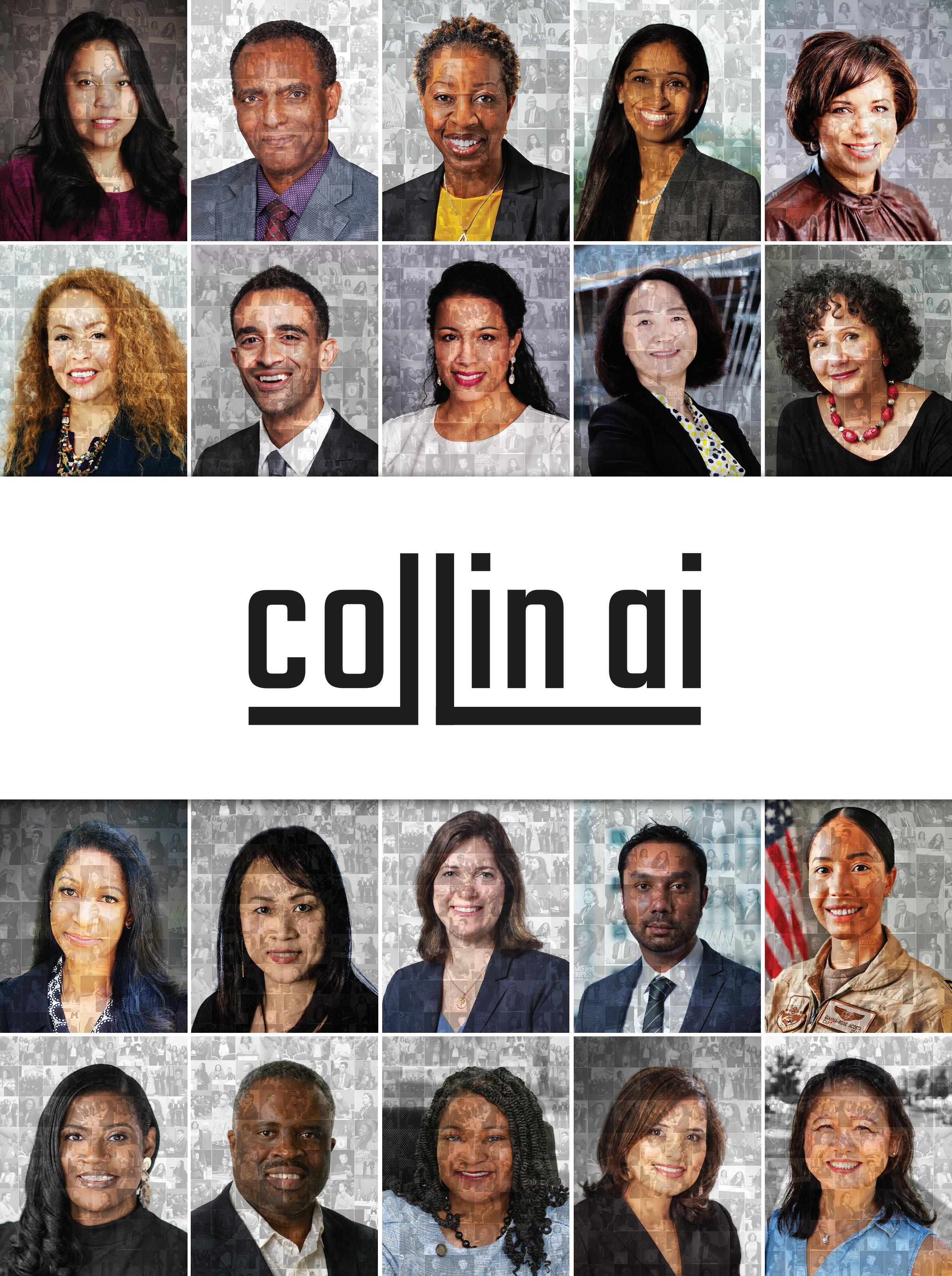
At the heart of all this change is one unshakable truth: We must become lifelong learners. As the authors of The War for Talent point out, innovation is often driven by a small group of high-impact individuals. But AI is resetting the race. With tools like JobsGPT and immersive platforms such as STEM City USA or CollinAI, the next big idea might come from anyone, anywhere.
We are not behind—we are on the front lines.
This is not just about survival. It’s about leading the charge. The future of work is not something happening to us. It’s something we help create—one task, one idea, one bold leap at a time.
To recap
• AI isn’t replacing people—it’s changing tasks. The future is in understanding what AI can do and what only humans should do.
• Use tools like JobsGPT to map your skill exposure. Knowing what’s automatable empowers better career planning.
• Embrace lifelong learning as a strategic advantage. Future-proofing isn’t a one-time effort—it’s a mindset.
• Technology is constantly changing itself. Those who adapt lead.
Change

“AI isn’t replacing people—it’s changing tasks.”
HYBRID HUSTLE THE
On June 3, an episode of the HR Leaders Podcast titled “How to Choose the Right Work Model: Remote, Hybrid, or Office” addressed the question that has dominated workforce-related conversations lately.
Different organizations have distinct cultures and varying needs, noted the podcast guest, while acknowledging the benefits of each model.
However, here’s how other voices are navigating the complexities of output, training, measuring individual performance, and productivity in remote, hybrid, and in-office work environments.
In summer 2024, Topia, the California-based company that empowers employers to deploy and manage workers worldwide, published findings from a study in Nature that examined the benefits of hybrid working.
The study involved 1,600 Trip.com employees, divided into two groups, over six months. One group worked five days in the office, while the other worked three days in the office and two days from home.
The study revealed four key findings: Hybrid work does not negatively impact employee or company performance. Resignation rates dropped by one-third, particularly among female employees, non-managers, and those with long commutes. Managers initially expected a 2.6 percent drop in productivity due to hybrid work, but productivity slightly increased after six months. Previous research often relied on biased observational data or selfreported surveys.
HYBRID WORK AND PRODUCTIVITY
According to Topia, the study alleviates employers’ concerns that hybrid work will negatively impact productivity, suggesting that flexibility can enhance employee satisfaction and retention.
Notably, it highlights the potential of hybrid work to promote equity in the workplace, particularly among women and those who commute to work. However, the lack of reduced attrition among managers shows that effectiveness may vary by role.
By Lango Deen
NAVIGATING INTERNSHIPS AND REMOTE WORK IN A DIGITAL-FIRST ERA
INTERNSHIPS AND EARLY-CAREER EXPERIENCES ARE EVOLVING.
In a hybrid and remote-first world, internships and earlycareer experiences are evolving. In April 2020, the National Association of Colleges and Employers (NACE) surveyed recruiting professionals about virtual internships, which became increasingly crucial during the COVID-19 pandemic. Some noted that networking opportunities for virtual interns might be limited, and there were concerns about gig workers lacking essential protection.
By December 2020, NACE data revealed outcomes including access and convenience, a lack of human contact, and inadequate support. Students reported that remote work was engaging and provided more access to senior leadership than in-person internships, though many did not expect to develop professional remote working skills.
In summer 2023, Virtual Internship Partners Ltd, with significant hubs in London and Ho Chi Minh City, highlighted its career accelerator program, which aligns with NACE’s eight career readiness competencies. The platform includes 18,000 companies and 10,000 Gen Z talents.
“Hybrid work does not negatively impact performance—in fact, it can boost productivity, lower attrition, and promote workplace equity.”
According to NACE’s Job Outlook 2025 Spring Update, 49 percent of entry-level positions are hybrid, with 45 percent in-person and only 6 percent fully remote. Additionally, over half of student respondents (51 percent) prefer in-person work, while 43 percent favor hybrid arrangements.
More recently, Levels.fyi has reported that companies like Google plan to have 60 percent of their workforce on-site part-time, with options for employees to work from anywhere for up to four weeks annually and apply for fully remote positions. Airbnb has adopted a fully remote model, allowing employees to work and live anywhere without changes to compensation. Similarly, Dropbox operates remotely, while eBay offers flexible hybrid and remote options. Instacart is also a remote-first company, and IBM implemented a hybrid model for 80 percent of its workforce following the pandemic. PwC will allow all 40,000 U.S. client services employees to work virtually indefinitely. Red Hat provides regular stipends for employees working from home, and Gusto offers remote, hybrid, and in-office options, a $500 one-time work-from-home stipend, and a $40 monthly internet stipend.
Atlassian, known for being a top fully remote company, relaunched Trello in March 2025 with new features, including a Trello Inbox for collecting tasks from Slack and Microsoft Teams, as well as a mobile widget for Android.
Notion introduced an AI-powered Meeting Notes feature, while Shadow transcribes meetings locally, enabling users to export notes easily. Zoom has largely replaced Skype for digital calls.

ACCORDING TO NACE’S JOB OUTLOOK
2025 SPRING UPDATE, 49 PERCENT OF ENTRY-LEVEL POSITIONS ARE HYBRID, WITH 45 PERCENT IN-PERSON AND ONLY 6 PERCENT FULLY REMOTE. ADDITIONALLY, OVER HALF OF STUDENT RESPONDENTS (51 PERCENT) PREFER IN-PERSON WORK, WHILE 43 PERCENT FAVOR HYBRID ARRANGEMENTS.
“Internships and early-career experiences are evolving—and remote access is rewriting the rules of opportunity and readiness.”
On May 20, I/O showcased advancements in AI tools for the workspace, enhancing features in Gmail, Meet, Vids, and Docs to improve user productivity.
The verdict is that employers should consider offering flexible arrangements, as they can be advantageous. Companies that adopt hybrid models can enhance employee satisfaction, reduce turnover, and maintain productivity.
However, they must also manage compliance risks associated with employees working in different jurisdictions, which can lead to corporate tax, immigration, and labor law issues.


PEOPLE YOUSHOULDKNOW
Blueprint for surviving a 21st-century natural disaster
Rising Stars Transforming STEM Through Innovation and Entrepreneurship
These changemakers are redefining what is possible in technology and more. They include startup founders, inventors, nonprofit leaders, and researchers.
by Lango Deen
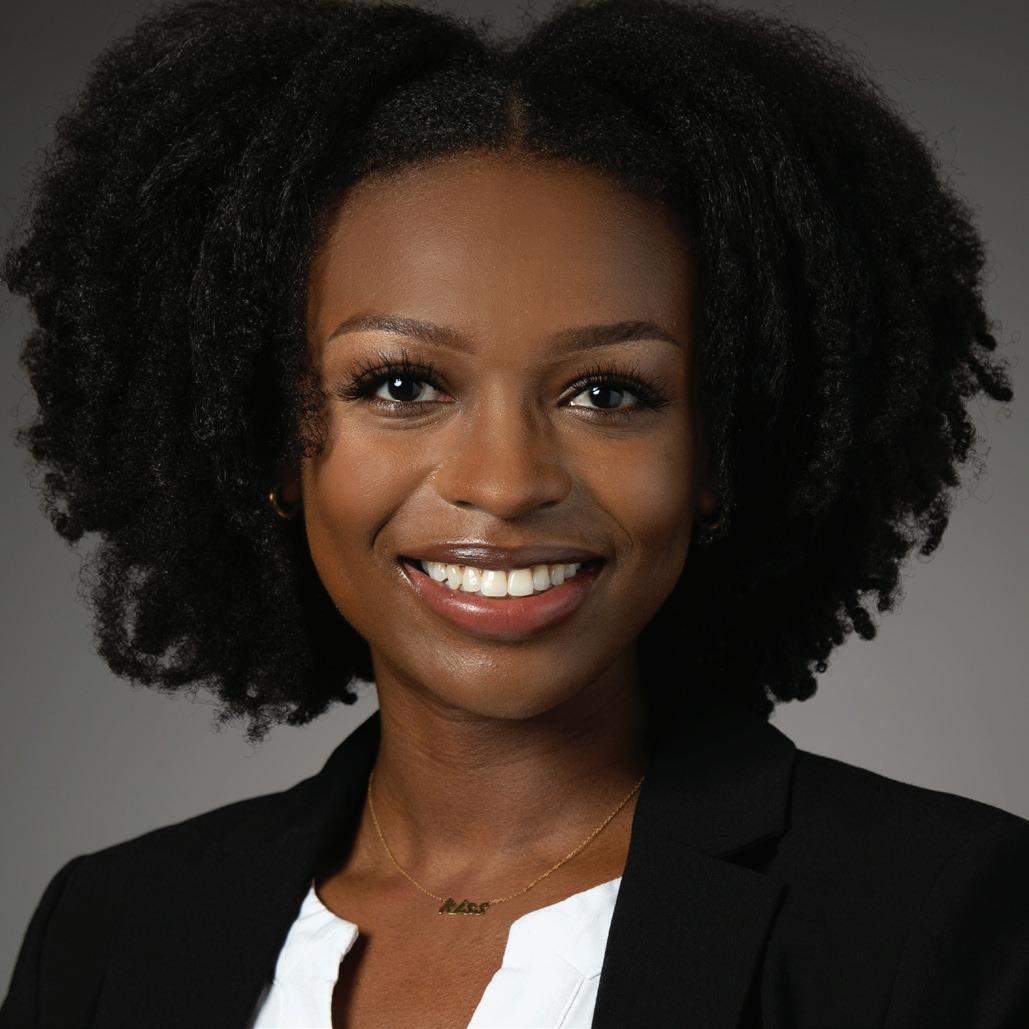
Christelle José experienced the 2010 Haiti earthquake firsthand and witnessed the devastating power of a natural force. Death tolls range from 100,000 to 316,000. The Haitian government estimated that 250,000 residences had collapsed, including José’s home, sparking her interest in the construction industry.
Although it took time for the 2021 graduate of Virginia Tech with a Bachelor of Science in materials science and engineering to enter the field, José is now learning about what might have prevented such destruction. She works as a project engineer at The Whiting-Turner Co. Her responsibilities include quality management and subcontractors to ensure projects are completed on time and within budget.
“The future in STEM is attainable—especially when we show the next generation what’s possible.”
— Christelle José

Christelle José Project Engineer
a research and development project. Although she did not complete the report, she was able to gather enough data to submit a draft. Throughout this project, she faced material loss, which necessitated adjustments and modifications to the project schedule. Despite these setbacks, José successfully adapted the schedule, completing both the testing and data analytics phases. Although the project’s details are confidential, it has been described as groundbreaking for the coatings industry.
As a new college grad, José was intrigued by a job advertisement from a shipbuilder. In this role, she was part of a team dedicated to the material preservation and corrosion resistance of a new class of aircraft carriers. Additionally, she served as lead engineer for
José’s advice for new graduates is to be confident and take on new challenges. Often, the fear of failure can prevent individuals from reaching their full potential. In her case, she took on responsibility for the R&D project within her first year, having volunteered to assist the then-lead engineer.
Now, she is exploring what initially sparked her interest in Haiti and is excited about the opportunities that lie ahead to advance her industry, positively impact her community, and inspire others by organizing STEM events for students and demonstrating that a future in STEM is attainable.

Here’s how to get the hang of PCB layouts and ERP systems
Dione Jacobs has invaluable advice for budding professionals in embedded systems and hardware engineering:
• Embrace adaptability.
• Ask questions and dive deep.
• Get a strong foundation in your work.
Since joining Actalent in 2022, Jacobs has applied her expertise, making strides in areas such as embedded systems safety and product analysis. From her first day, Jacobs felt a warm welcome, and three years later, that sense of belonging has only continued to flourish with her
In her current role, Jacobs applies her knowledge of safety and failure analysis to a range of consumer products, particularly for one of the company’s key clients. As the lab manager at the North Carolina office, Jacobs’ primary mission is to identify risks in embedded systems and consumer electronics. Guided by industry standards and real-world data, she helps clients avoid costly recalls or safety failures.
“I’ve always had a passion for solving complex technical challenges, especially those that affect public safety and product performance,” she told Color Magazine.
One notable career accomplishment was Jacobs’ transformation of safety analysis, which delivered substantial value to the client, boosted internal expertise, and contributed to impressive business growth.
Earlier in her career, Jacobs distinguished herself by engaging in development testing for microwave components—her work had real-world implications for national security.
“Whether diving into PCB layout or mastering ERP tools, I try to normalize continuous learning. I mentor junior engineers, encouraging them to take ownership of their projects, which greatly boosts their confidence when navigating complex challenges,” she emphasizes.
Jacobs’ hobby is auto detailing. She has become such an expert with pressure washers, car wax and polish, brushes, hoses, and auto glass cleaners that she launched a mobile detailing business, showcasing her enthusiasm for new ventures and her commitment to excellence in all aspects of her life.
“I’ve always had a passion for solving complex technical challenges, especially those that affect public safety and product performance.”
— Dione Jacobs

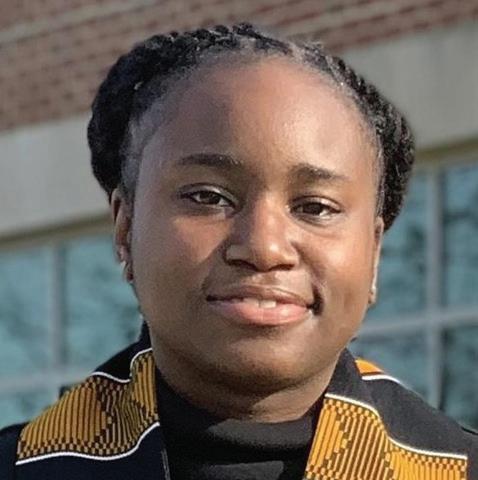
Dione Jacobs Embedded Systems Engineer
PEOPLE YOUSHOULDKNOW
Enabling rotorcraft technology for exploration on Earth
Dorcas V. Kaweesa, Ph.D., emphasizes the importance of embracing continuous learning, recognizing that every action taken today contributes to who you will become tomorrow.
“Aspire to inspire before you expire.”
— Dorcas V. Kaweesa, Ph.D.
One of her favorite quotes is “Aspire to Inspire Before You Expire” by Eugene Bell Jr., author of What Are You Waiting For: 11 Action Steps to Giving Yourself the Green Light in Life!
Kaweesa is an aerospace engineer in the Aeromechanics
Office at NASA Ames Research Center in Moffett Field, CA. She supports the development of rotorcraft technology for both terrestrial and planetary exploration. In her role, she conducts structurerelated analysis and research for vertical takeoff and landing rotorcraft.
In addition to her work at NASA, Kaweesa has made significant strides in her academic pursuits. Her doctoral research focused on material complexity and design for multi-material additive manufacturing, showcasing her innovative thinking and commitment to advancing the field of mechanical engineering. Her passion for and pursuit
of innovation in space and aviation technology drive her desire to solve complex real-world problems.
Kaweesa earned her doctoral degree in mechanical engineering from Penn State University in 2022. Before that, she received her Bachelor of Science degree in mechanical engineering from the University of Portland in Oregon in 2015 and a Master of Science degree in mechanical engineering from Penn State University in 2017. In addition to her technical work, Kaweesa enjoys giving back to the community through various outreach efforts.
She mentors and supports youth by volunteering with the Society of Women Engineers—Santa Clara Valley Chapter and the Boys and Girls Club of the Peninsula in the San Francisco Bay Area of California. Throughout her academic and professional career, she has been a source of inspiration, encouraging youth to stay true to their vision. She advises them to understand their sense of purpose, push forward and learn from their mistakes, find ways to balance their wellbeing for long-term success, and surround themselves with positive influences.